The Red Shield Report 2026
The Red Shield Report 2026
May 2026
Suggested citation
Russell, C., & Verrelli, S. (2026).
The Red Shield Report 2026: Falling short. The Salvation Army Australia.
© The Salvation Army Australia. Centre for Mission Impact, 2026.
All rights reserved except from fair dealing permitted under the Copyright Act. No part of this report may be reproduced by any means without written permission from the author/publisher. Images © The Salvation Army and gettyimages.com.au
CONTACT DETAILS
95-99 Railway Road
Blackburn VIC 3130
Phone: 03 8878 4500 www.salvationarmy.org.au
The Salvation Army Australia acknowledges the Traditional Owners of the land on which we meet and work, and pay our respect to Elders past, present and future.
We value and include people of all cultures, languages, abilities, sexual orientations, gender identities, gender expressions and intersex status. We are committed to providing programs that are fully inclusive. We are committed to the safety and wellbeing of people of all ages, particularly children.
OUR VALUES ARE:
• Integrity
• Compassion
• Respect
• Diversity
• Collaboration
Learn more about our commitment to inclusion: salvationarmy.org.au/about-us
a
The Salvation Army is an international movement, with a presence in more than 130 countries. Operating in Australia since 1880, The Salvation Army is one of the country’s largest providers of social services and programs for people experiencing hardship, injustice and social exclusion. The Salvation Army provides more than 1000 social programs and activities across each state and territory in Australia. The organisation is active in communities – in local hubs and community centres, co-located with other support services and agencies, and through churches and corps centres.
MAIN PROGRAM AREAS INCLUDE:
• Aged care services
• Addiction treatment and recovery
• Alcohol and other drug support
• Chaplaincy
• Emergency disaster and strategic response
• Emergency relief, material aid and casework
• Employment services
• Family and domestic violence
• Financial inclusion and counselling
• Housing and homelessness
• Youth services

As a mission-driven organisation, The Salvation Army seeks to reduce social disadvantage and create a fair and harmonious society through holistic and person-centred approaches that reflect our mission to share the love of Jesus by:
• Caring for people
• Creating faith pathways
• Building healthy communities
• Working for justice
We commit ourselves in prayer and practice to this land of Australia and its people, seeking reconciliation, unity and equity.
RECOGNITION
Thank you to all participants who completed the survey and shared your views and experiences with us. We greatly appreciate your time and insights.
Thank you to all the committed Doorways staff, volunteers, officers and members of our Salvation Army corpsa
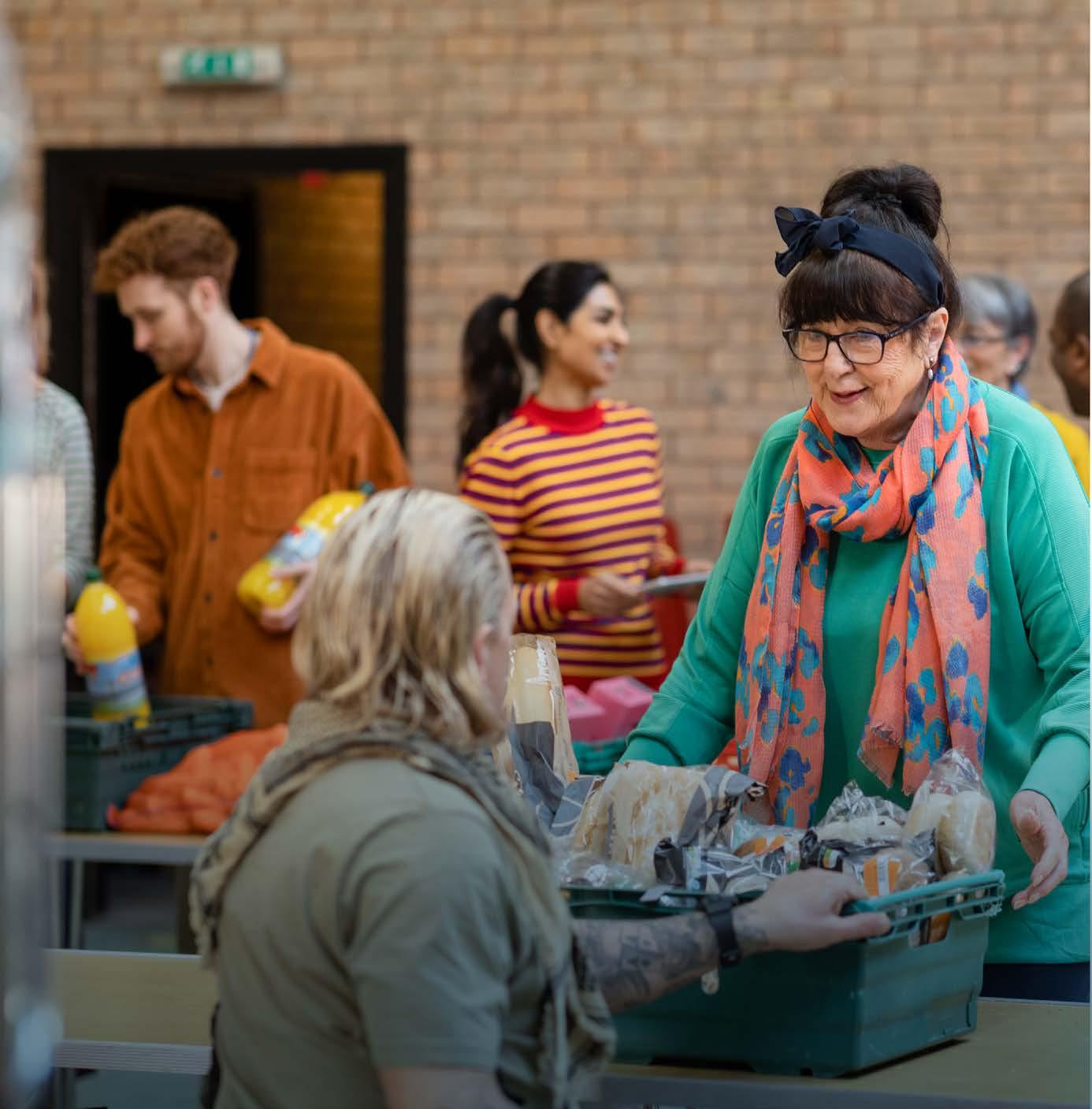
Many low-income households are facing growing financial pressures and uncertainty as the cost of living continues to rise.1 In particular, housing costs and rising rents are consuming an increasingly large share of family budgets, with many struggling to make ends meet. The shortage of affordable housing is pushing many people with limited financial means into unstable or unsafe living situations. In some cases, resulting in individuals and families being forced into homelessness.
Essential daily living expenses such as utilities, food, healthcare and transport have also become increasingly unaffordable. This situation is likely to worsen further due to the current fuel crisis and surging energy costs over the past year2, with households expecting to face further price increases on everyday items in 2026. Many low-income earners are already making difficult trade offs— cutting back on essential heating and cooling, falling behind on bills, or even risking their services being disconnected. This growing financial strain is placing untenable pressure on many Australians and further eroding already constrained household budgets.
Rising cost of living pressures are also a major contributor to food insecurity among Australian households. Over the past 12 months, more than 3.5 million Australian households experienced food insecurity, highlighting the growing pressure for many to access nutritious and affordable food.3 With growing numbers struggling to put food on the table, people are taking drastic steps such as rationing or skipping meals or going entire days without eating. Some groups are more vulnerable and facing increased risk of food insecurity, particularly single parent families, people living disability, reduced or low-income households, and those on government benefits.4
Even as families cut back wherever they can and tighten their household budgets, many people continue to experience significant material and financial hardship. Yet the strain extends far beyond dollars and cents. For a growing number of households, the emotional toll is profound. Marked by living week to week, a persistent sense of anxiety and constant pressure that undermines any sense of financial security. Beneath these daily struggles, lies a deeply troubling outlook, leaving many people uncertain about what the future holds.
Experiences of hardship can vary. For some people, it may be brief, but for others, it could extend into prolonged periods of adversity. The Salvation Army’s emergency relief services offer financial assistance, food vouchers, material aid, referrals, and longer-term support through casework for those experiencing financial hardships.
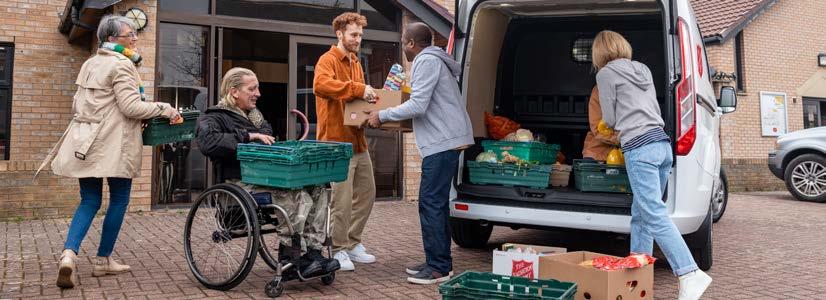
The demand for emergency relief and material goods remains high, with many low-income households struggling to manage alone and seeking support through community organisations and charities. In 2025, The Salvation Army’s Doorways Emergency Relief and community services supported over 131,000 people through more than 324,000 instances of assistance, including food, material aid, and financial support. This included over $17 million in financial assistance, such as gift cards, vouchers, and help with household bills.
The Salvation Army’s Doorways casework services provide more intensive and practical assistance to individuals and families experiencing complex challenges. Casework aims to build people’s skills and capabilities, foster problem-solving abilities, enhance coping skills, and increase independence to better manage future difficulties and make meaningful and lasting change in their lives. Casework support includes a range of activities such as identifying needs, collaborative goal setting, case coordination, advocacy and referrals to other specialist programs. In 2025, Doorways case workers assisted over 6300 people through more than 28,000 sessions of care.
Each year, The Salvation Army’s Research team contacts the people we service, to better understand their experiences. This year’s research project focused on the housing situations, food security, living expenses and aspects of health and wellbeing of more than 4400 community members who had recently received assistance from our emergency relief services. The findings provide valuable insights about the lives and circumstances of many vulnerable households in Australia.
Key themes that emerged from the research:
Widespread and reoccurring hardships
Experiences of living well below the poverty line, with limited capacity to meet basic needs or absorb financial stress
B.
Cost-of-living pressures
Driven by rising prices for essentials such as food, housing, energy, transport and healthcare, constraining already limited household budgets
Extreme food insecurity
Evidenced by regularly skipping meals, insufficient access to food and reliance on emergency or charitable food supports
Housing affordability pressures and insecurity, leading to increased risk of homelessness
Including difficulty accessing and maintaining safe, stable housing, increasing the risk of homelessness
Significant financial stress with compounding impacts on physical and mental health
Contributing to poor wellbeing, heightened anxiety and reduced capacity to cope with life challenges Summary of our findings

The following are the key highlights drawn from the research findings.
Most respondents experienced persistent hardships:
87%
were living below the poverty line5
58% said their household’s financial situation was worse than a year ago
73%
reported having no money left in their bank account at least once a week
After paying for both housing costs and other essential household expenses, such as groceries, medical costs and utilities, respondents were in deficit $14 per week, forcing many to find other ways to make ends meet
Many respondents struggled with the cost of living and meeting rising bills in the last year:
92%
found it difficult to afford basic living costs such as housing, groceries, medical care and utilities
90%
could not afford public transport or fuel for their car
99%
had experienced financial stress in the past 12 months - 8 times higher than Australia’s national average6
79% said they live week to week with no savings in case of an emergency in the past year
87%
delayed paying bills in order to buy food
63%
86%
could not pay their electricity, gas or phone bills on time
63% lived in darkness or used candles or torches at night to reduce their power bills

said their household had at least one of their utilities disconnected or restricted due to financial difficulties

Many went into debt for essentials in the past year:
Nearly all respondents experienced food insecurity and many went hungry:
of respondents experienced some food insecurity in the past year
resorted to eating spoiled or expired food in the past year because of financial hardship
reported on most days, could only afford one meal a day
of respondents with children went without food on a daily basis so their children could eat
skipped meals at least weekly because they could not afford to eat
rationed food almost every day by eating smaller portions to make it last longer

Many respondents struggled to keep a roof over their heads:
of private renters experienced housing stress, spending more than 30% of their income on housing of respondents could not pay their rent or mortgage on time
said housing costs were their biggest financial concern
private renters said they were worried about losing their home and experiencing homelessness
experienced housing instability, having moved or changed their housing situation two or more times in the past year
Respondents’ financial situations affected their health:
said they felt overwhelmed when thinking about their financial future said their financial situation negatively affected their mental health
couch surfed or lived in their car due to a shortage of money in the past year
reported they often felt lonely
rationed prescription medication, taking it less often or in smaller amounts to make it last longer
reported losing sleep worrying about their financial situation
relied on hospital emergency departments instead of seeing a GP because of the cost
We’ve had to give up almost everything just to keep a roof over our heads. We no longer have internet, we barely make phone bill payments, and we’re living without any savings at all. We cut back on everything, including food, essentials, and medical treatment. The cost of living has left us both constantly anxious about the future. It feels like we’re barely hanging on.
I have pawned two rings that have a great deal of sentimental value. I’ve sold personal items on [Facebook] Marketplace and have asked friends for a small cash loan.
— 57-year-old woman from Queensland
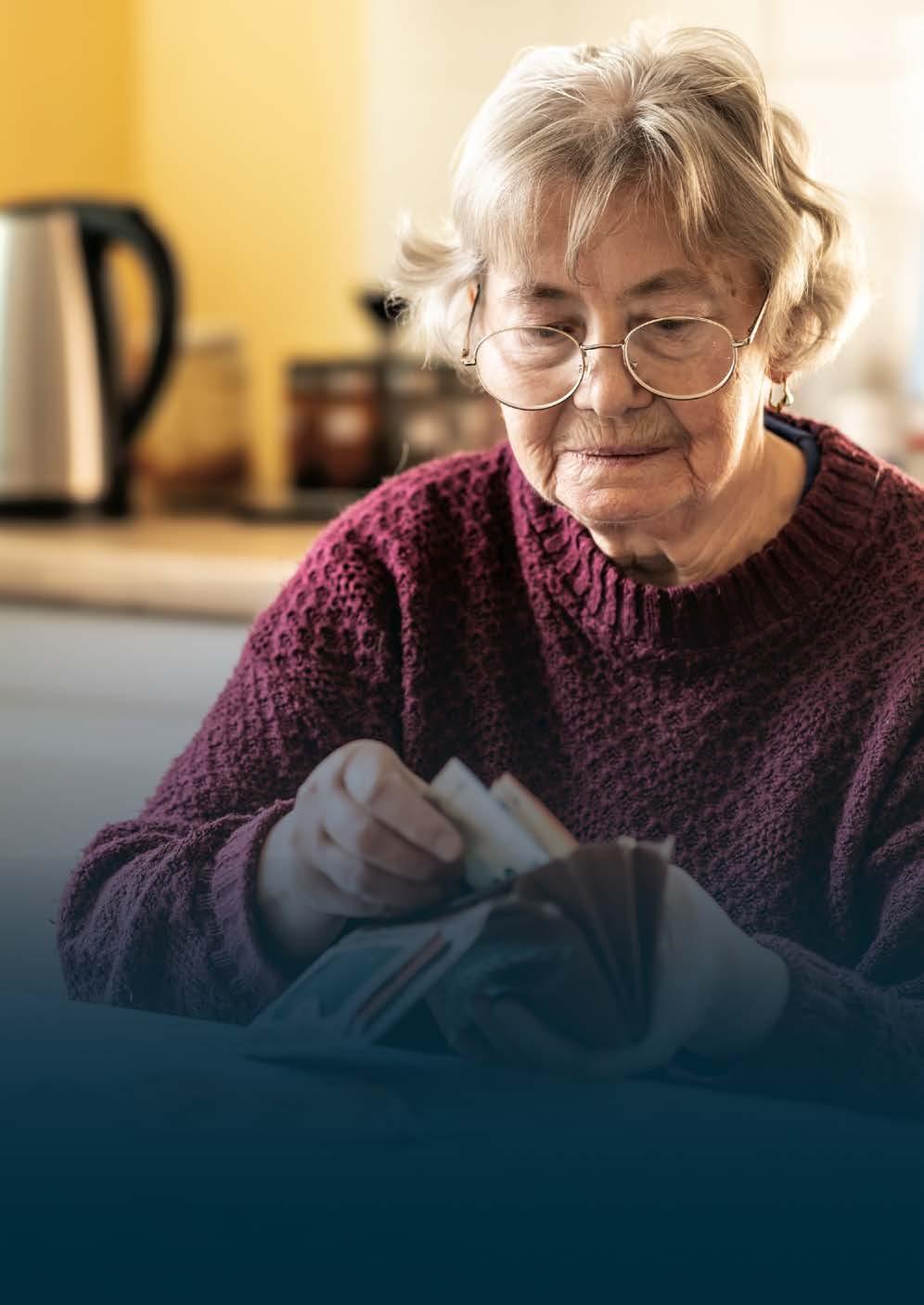
Nearly all (99%) respondents reported experiencing financial stress and described facing severe and persistent financial hardship. Most were struggling on a daily basis to afford even basic necessities, such as stable housing, adequate food, and essential healthcare. People reported surviving on extremely limited incomes, often stretching every dollar, with not enough money left to get through the week. For nearly half (47%) of respondents, having no money left in the bank was a daily occurrence. Community members reported relentless stress, worry, and a sense of being overwhelmed by the uncertainty of their circumstances.
Our research revealed:
99%
had experienced financial stress in the past 12 months — 8 times higher than Australia’s national average7
After covering housing costs, households were left with $280 per week, equating to less than $40 per day
73%
The typical household’s income was about $500 per week after tax — equivalent to around 28% of the Australian national median income8
reported having no money left in their bank account at least once a week
87%
were living below the poverty lineb
58%
said their financial situation had worsened compared to a year ago, and a further third (33%) said their situation was about the same
After paying for both housing costs and other essential household expenses, such as groceries, medical costs and utilities, households were in deficit by about $14 per week, forcing many to find other ways to make ends meet
Many respondents described borrowing money or liquidating assets to help them manage financially. This included taking out loans, relying on friends and family, or resorting to private lenders, using buy-now-paylater services, or selling and pawning personal belongings to cover shortfalls. Others sought alternative income streams, often through informal or unconventional means. Some collected recyclable bottles for refunds, while others picked up ad hoc work to generate additional income.
In the past year, respondents experienced the following due to a shortage of money:
In the past year, respondents experienced the following due to a shortage of money:
pawned or sold something used Centrelink advance payments
could not afford to make the minimum repayment on credit cards, loans or other debts took out new debt to pay old debt
accessed their superannuation early posted online asking community groups or strangers for help with essentials like food and household items
This is no way to live. Having no money or not enough money is terrible, especially with the cost of living the way it is at the moment. Even as I type this message, I have no fuel in my car at all. I cannot go anywhere, and I cannot get to my elderly parents to look after them. I feel anxious and worried about the future and what lies ahead for me.
— 53-year-old man from New South Wales
said they live weekto-week with no savings in case of an emergency

In the past year, respondents experienced the following due to a shortage of money:
said they lived weekto-week with no savings in case of an emergency said they struggled to make ends meet said their budget is stretched to the limit
said they felt like their financial situation controled their life
I go without. I use Afterpay when I can, even for food and petrol, so that I can afford the rent and pay smaller payments for those necessities.
— 58-year-old woman from Queensland

I have been in hardship for two years, despite efforts to remain employed. My mental health issues have been exacerbated, and my housing stability has been uncertain. I don’t see how I can improve my financial future while living with these circumstances.
— 49-year-old woman from Victoria
Sara woke early. Their small, rented unit in had poor insulation and she was cold. Sara now had to think twice before she turned on the heater, as they were a few months behind on paying their electricity bill. She quickly got dressed for work at the local supermarket, careful not to wake her two boys, Tomas and Jacob.
Six months ago, life had been different. Sara’s partner, James worked full-time in a warehouse, and Sara’s part-time job helped cover groceries and school costs for the
boys. Money was tight, but they managed. Then James was lost his job. His redundancy payment barely lasted two months, and the job market is tight. James has applied for dozens of roles, but no luck.
The bills piled up and the rent was overdue. The electricity company sent a disconnection notice. But there was no money to pay it. Sara rationed food to make it last a little longer and often skipped meals to make sure there was enough for the boys.
Tomas, 10, used to love school. He dreaded it now. His uniform was torn and shoes had holes in them, and he often pretended to be sick to avoid the embarrassment. Jacob, 7, had started wetting the bed again. He was angry, confused and often acted out at school.
James was struggling to find work. He spent hours looking for jobs but was feeling more hopeless with each rejection. He didn’t want to go outside. He didn’t want to talk to friends. He said he felt like he had failed his family.
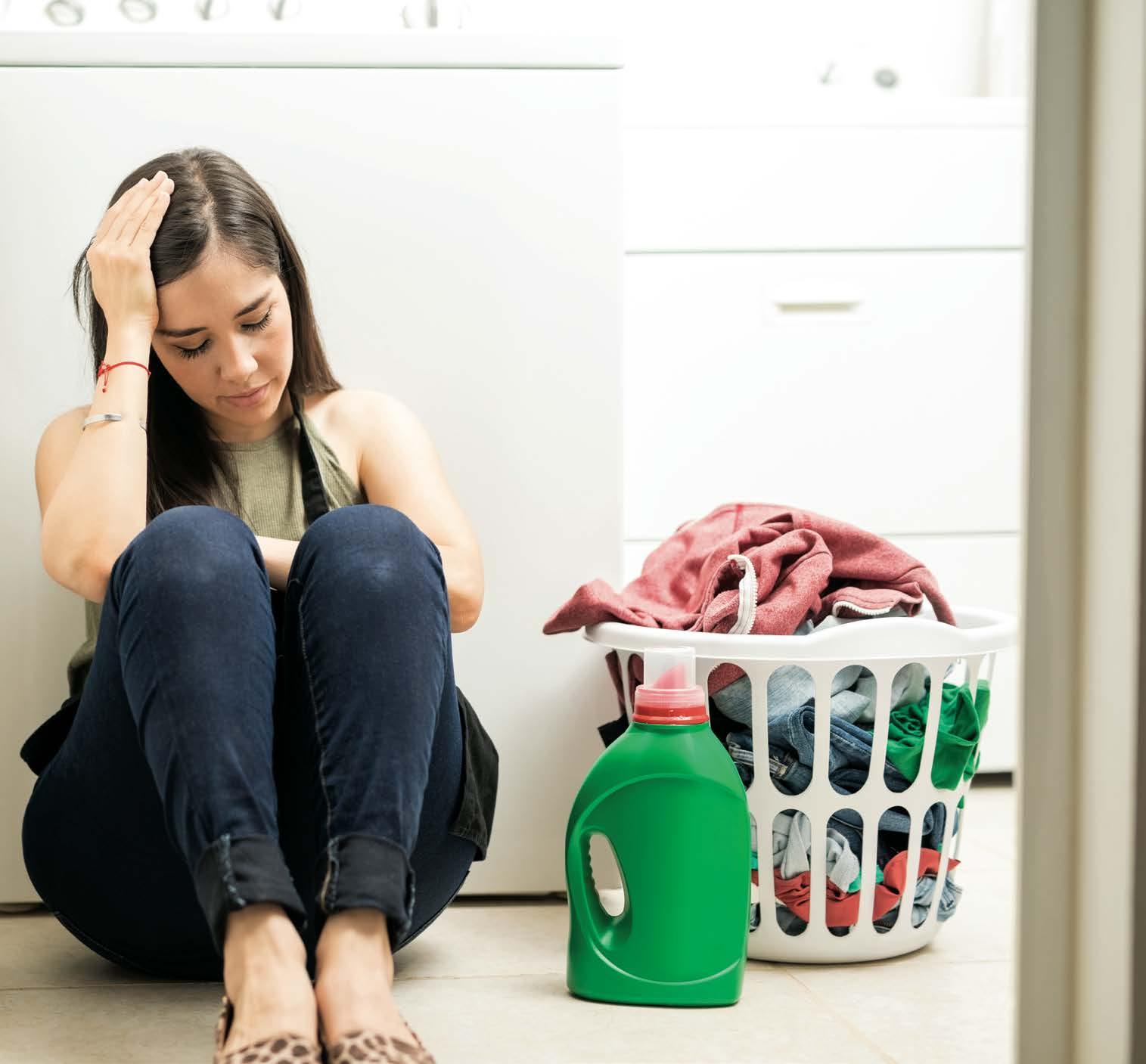
Sara felt the financial pressure mounting. She smiled for the kids, reassured James and tried to keep the household running. But inside, she was breaking. She cried in the laundry where no one could see or hear her.
One day, Jacob’s teacher called Sara. She gently asked if everything was okay. Sara hesitated, then broke down. She said that things weren’t going well at home after James lost his job and she didn’t know what to do. Jacob’s teacher put Sara in touch with the local Salvos. Sara visited the Salvos after she finished her shift and was relieved when she found everyone so welcoming and friendly.
A Salvos caseworker named Antonia assisted Sara and she spoke about how hard it was for her family to survive on her part-time wage. Antonia listened without judgment and offered practical help. She took Sara to the food pantry where she could choose items she needed and gave her vouchers to the supermarket for fresh fruit, vegetables, meat, and pantry staples. Antonia also helped Sara apply for emergency rent relief and negotiated with her electricity provider to keep the power on.
Antonia helped James enrol in a Salvos job readiness program. He received digital literacy training, help with his resume and even received a donated laptop. Sara was connected with a mental health counsellor who offered bulk-billed sessions. The Salvos also provided school supplies, uniforms and shoes for Tomas and Jacob.
The changes weren’t instant, but they were meaningful. The rent was up to date. The power was still on. The children were smiling more. James started attending workshops and even got a call back for an interview. Sara increased her hours at the supermarket, thanks to a neighbour who offered to take care of the kids after school.
They were still struggling, but they were no longer alone. The Salvos had given them more than food and financial aid. They had given them hope.
Survey data showed a downward trend in financial wellbeing among many respondents. Nearly 6 in 10 (58%) respondents said their household’s financial situation was worse now than a year ago, while 1 in 3 (33%) said it was about the same. There was great uncertainty among respondents, with more than 1 in 3 (34%) unsure about their financial future, and a further 1 in 4 (25%) concerned that it would deteriorate over the next two years.


Household’s financial situation now compared to one year ago (n = 3692).*
Expectations for future financial improvement in the next two years (n = 3696).*
In 2025, The Salvation Army Doorways emergency relief and community servicesc,d:
Provided more than 324,000 instances of food, financial support and material aid
Assisted more than 98,000 people impacted by financial issues, unexpected expenses and rising basic living costs
Distributed over $17 million in financial assistance to people in need, including gift cards, vouchers and assistance with household bills
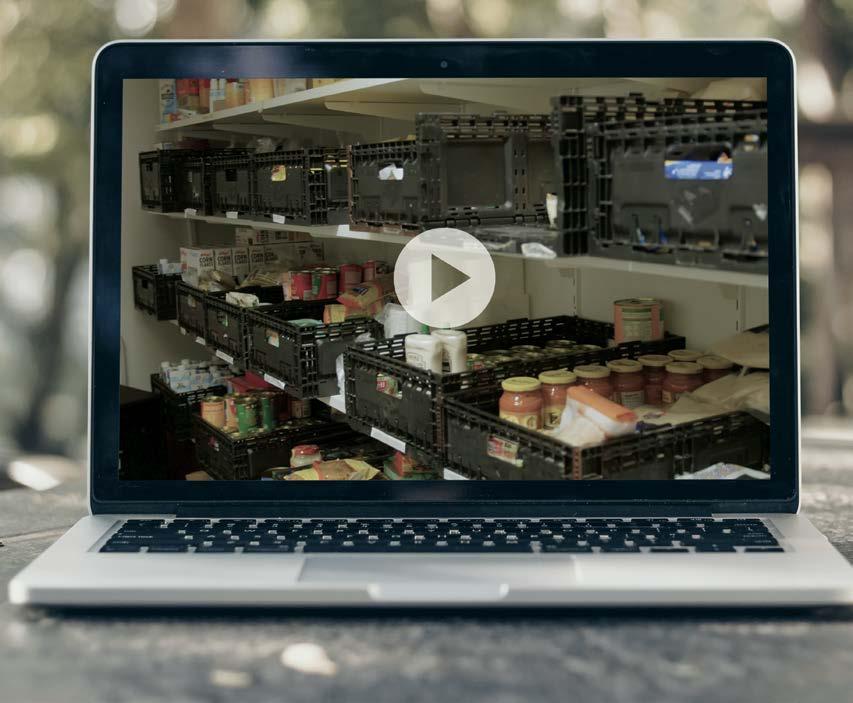
Read more about the Salvos Port Macquarie Doorways emergency relief service
Watch to learn more about the Salvos Glenorchy in Hobart, Tasmania
When money is short, I do my best to stretch what I have and focus on the most important things — rent, food, electricity, and my grandchildren’s needs. I budget carefully each fortnight, write down all my bills, and pay what I can in order of priority. Sometimes I have to make hard choices, like cutting back on groceries, fuel, or phone credit just to make sure we have a roof over our heads and food on the table. I look for cheaper food options, shop for specials, and cook simple meals that can feed everyone, like stews, soups, or rice dishes that stretch further.
— 49-year-old woman from Queensland
Most respondents described the cost of living as a major source of stress, noting everyday household goods had become more expensive and some items were simply out of reach. Many reported that most of their income is consumed by housing and basic living costs, leaving no room for anything beyond the essentials. According to several respondents, even a small, unexpected expense pushed their household budget into crisis. Respondents frequently reported being stretched to their limits and feeling the mounting pressure.
Our research revealed:
92%
found it difficult to afford basic living costs, such as housing, groceries, medical care and utilities
71%
of a household’s total income was spent on housing and food
86%
could not pay electricity, gas or telephone bills on time because of a shortage of money
90%
were unable to afford public transport or fuel for their motor vehicle in the past year
[I] use old towels for heavy periods. Toilet paper, soap, and dental products are now in the luxury or maybe category.
— 33-year-old woman from South Australia
Our research showed that:
could not afford basic cleaning products, such as dishwashing liquid, laundry detergent and all-purpose cleaner
could not afford basic hygiene products, such as soap, toothpaste, toilet paper and pads or tampons

could not afford to heat or cool their homes due to a shortage of money
were on a payment or hardship plan or had asked their energy provider to go on one of a household’s total income was spent on food and groceries 99% said their household had tried to reduce the cost of their electricity, gas or water bills only used cold water for showering or washing to reduce their energy bills
I borrow from family and friends, go to food banks, and eat food past its use-by date. I prioritise different essentials week to week. I don’t go to appointments, don’t use my car, and don’t see people. I don’t eat enough, don’t shower, and don’t turn on heating or cooling. I ask strangers for food. — 51-year-old woman from New South Wales
Nearly all respondents described cutting back on spending and strategies to reduce their energy bills in past year.
49%
63% used public places, like public bathrooms or shopping centres, to avoid using power or water at home
lived in darkness or used candles or torches at night to reduce their energy bills
63% said their household had at least one of their utilities disconnected or restricted in the past year because of financial difficulties
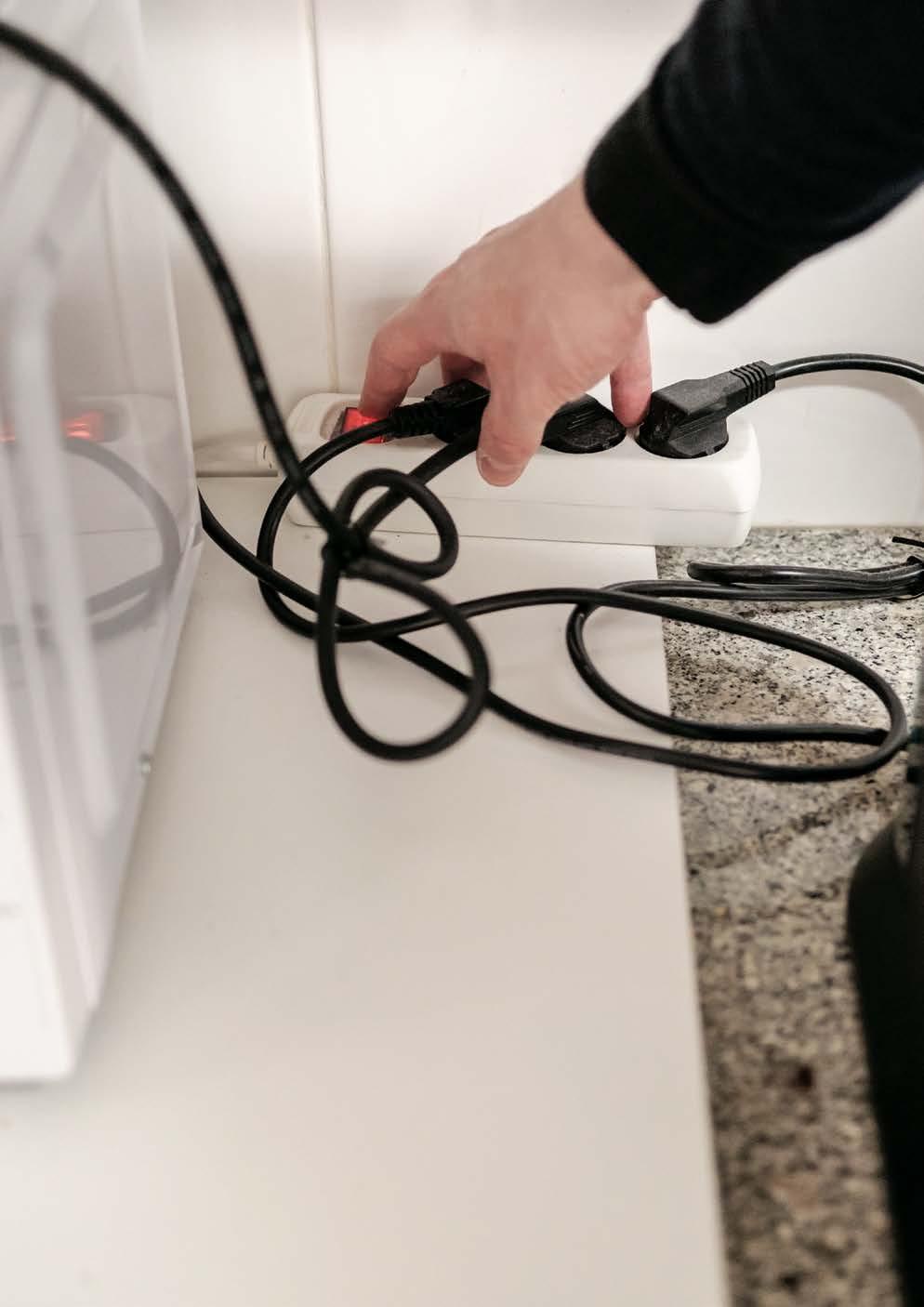
I collect rainwater to drink. I only use power for the fridge, a bedside light for the living area, and candle or torch for light. TV at night. Yes, I am fortunate to have a roof over my head. I am just trying to get myself out of this electricity nightmare. I live very frugally, very!! - 72-year-old woman from Western Australia
When respondents were asked what they do to manage their situation when they do not have enough money for everything, they described a mix of practical strategies, personal sacrifice, help-seeking and emotional coping. Their responses show that managing on a low income often involves difficult tradeoffs, including prioritising essential expenses, going without basic needs, relying on informal and formal support, and enduring significant stress and uncertainty.


In 2025, The Salvation army Moneycare financial services:
Provided financial counselling to more than 9700 people
— 33-year-old woman from Victoria
When I don’t have enough money for everything, I go into survival mode. I prioritise housing and food first, and then stretch whatever’s left across bills, school needs, and essentials. I bulk prep meals to save costs, rotate ingredients, and rely on low-cost nutrition strategies. I pause personal care, delay medical appointments, and lean on community support when I can. I reuse, repurpose, and get creative with what we already have. I track every dollar and often go without, so my children don’t have to.

Borrowing, using credit, Afterpay services, selling belongings, or finding other ways to access money to get through periods of financial shortfall
Prioritising essential household bills, reducing spending and stretching limited money Going without essentials, food, medicine, health care and other basic essentials
Negotiating bill extensions or delaying payments
Emotional distress, social isolation and withdrawal
Salvos NILS provided more than $900,000 in no interest loans to over 540 individuals to purchase essentials, such as whitegoods, furniture, computers, car repairs, medical equipment or rental bond
Delivered more than 43,000 sessions of care
Read more about the Salvos Moneycare financial counselling resources
— 54-year-old woman from Western Australia
We starve — it’s that simple. We drink water because it fills us up. We walk a bit to take our minds off this horrible life we are in, and we beg whoever we can for help. I also go without my medication a lot because I can’t afford it, and I suffer from high blood pressure, so I need to take all my medications. My life is so horrible, it really is, and it’s extremely painful too. I don’t know how much longer we can survive like this. It’s horrible.
Watch to learn more about the Salvos Moneycare top tips for financial wellbeing

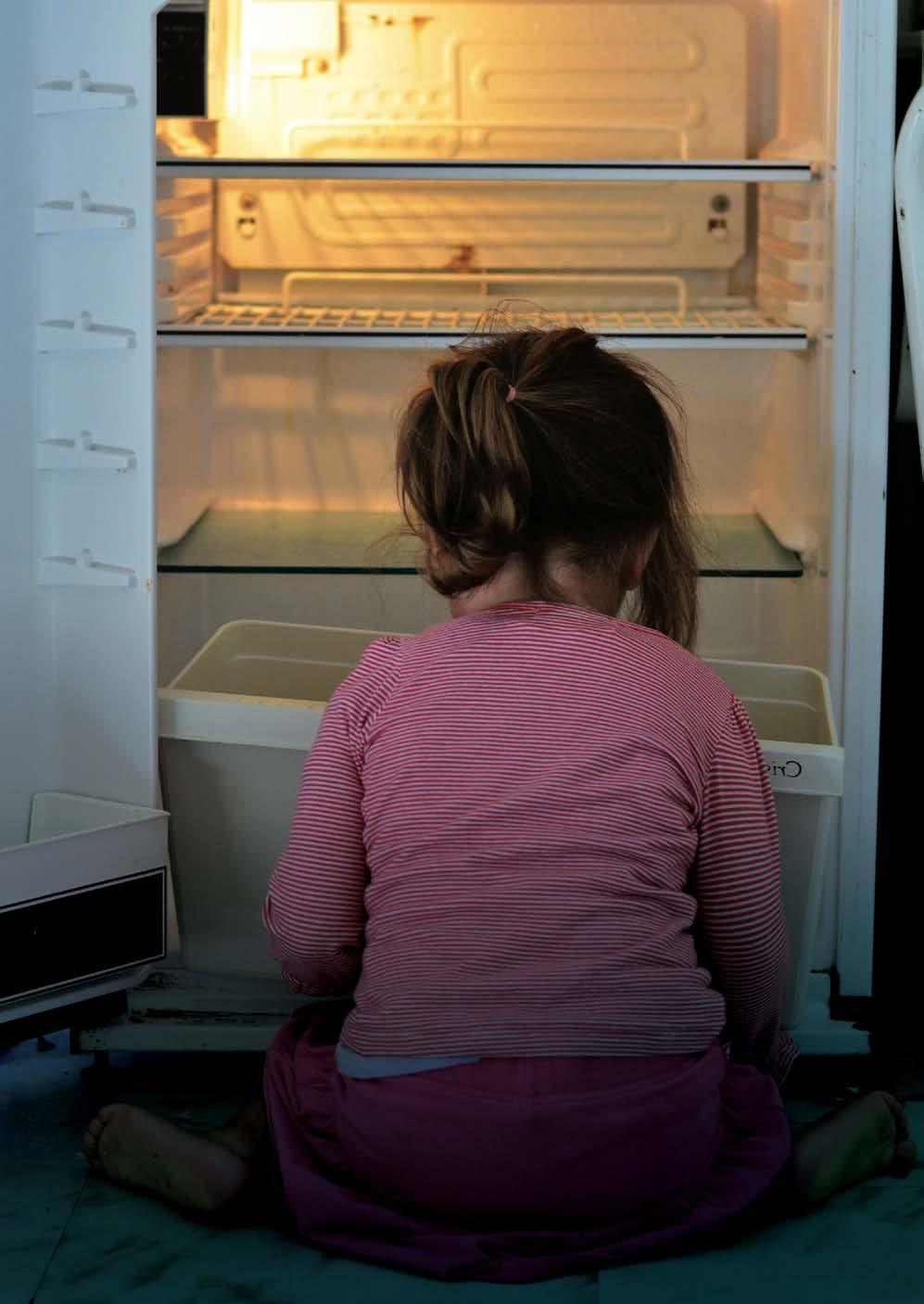
Food made up one-quarter (25%) of respondents’ weekly household budgets. However, as groceries became increasingly expensive, many took drastic steps to ensure their families could eat. Meat, dairy and fruit and vegetables were often considered luxury items, and most sacrificed healthy and nutritious foods options due to the cost. For many respondents, it sparked deep anxiety, as they grappled with the frightening uncertainty of where their next meal would come from, especially those with children. Respondents told us that to get by, they often rationed food, ate smaller portions, or simply skipped meals entirely. Each day, about 1 in 3 respondents only ate 1 meal a day or ate less than they really needed. Of grave concern, the rate of food insecurity revealed in this survey was more than 7 times higher than the national average for Australia.9
of respondents experienced some form of food insecurity in the past year
I don’t eat most days so my kids have food... and I often can’t afford to feed myself more than just dinner... I’m often relying on my family to help feed them.
— 24-year-old woman from New South Wales
Having to live off one meal a day, usually porridge or two-minute noodles, as I can’t afford much else, and food hampers are becoming harder and harder to get. I have also had to stop taking life-dependent medication, as I could not afford that and food as well.
— 37-year-old man from Victoria
DAILY of respondents reported on most days, could only afford one meal of respondents with children went without food on a daily basis so their children could eat
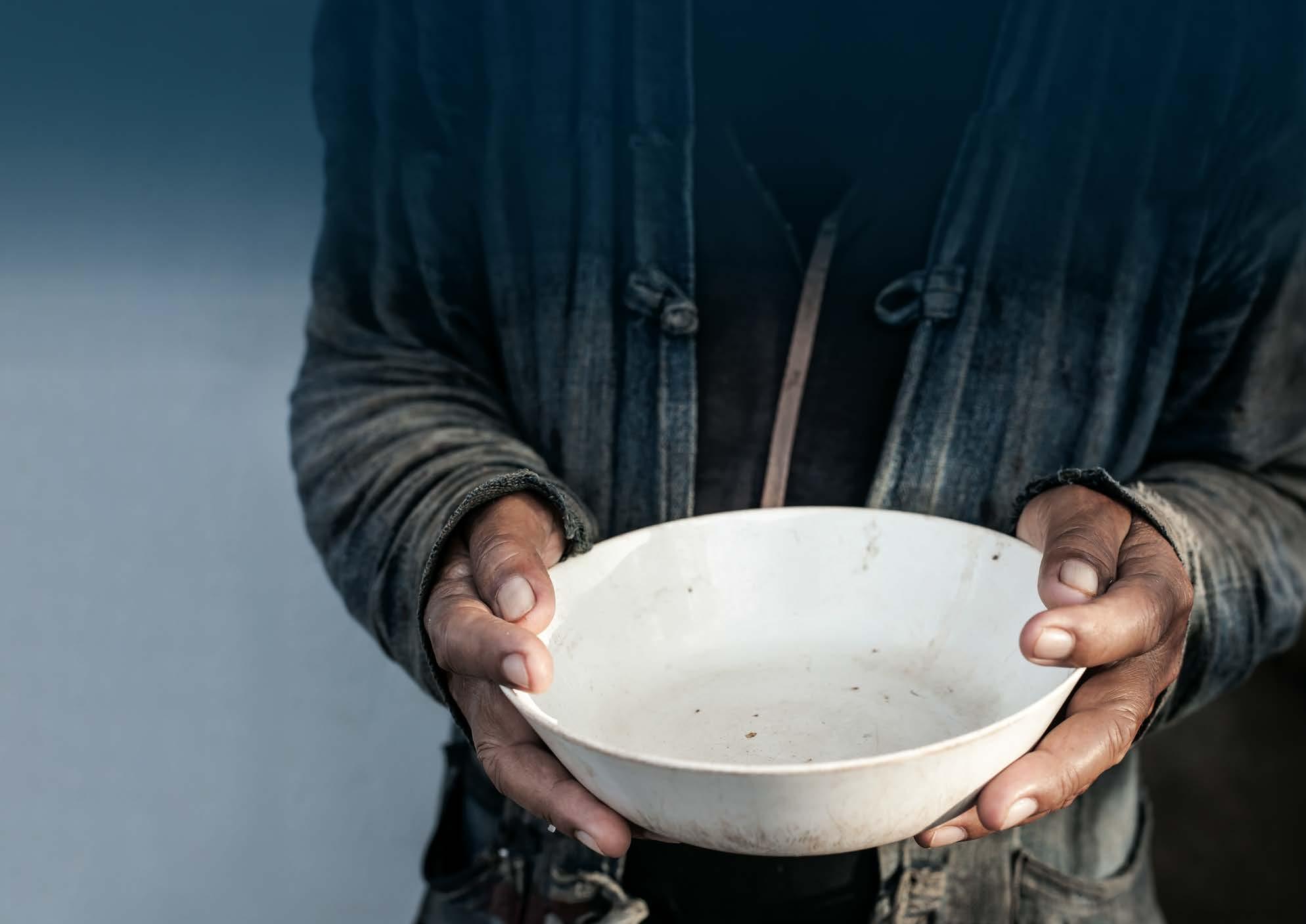
32% skipped meals daily because they could not afford food 29% rationed food almost daily by eating smaller portions to make food last longer
ate less than they needed almost every day because they could not afford enough food MONTHLY said they were hungry but did not eat at least once a month worried where their next meal would come from at least once a month
reported their household completely ran out of food at least once a month
had reached out to a charity or community organisation for a free food hamper in the past year
had received a free cooked meal from a community kitchen or food van in the past year had resorted to eating food from rubbish bins or dumpsters in the past year
It’s been terrible. I’ve lost weight roughly 10-15kg I often go without the bare essentials and often go hungry… everything is so expensive now and my $609 a fortnight doesn’t go far at all.
—58-year-old man from New South Wales

The Salvation Army Doorways emergency relief and community services provided food parcels to almost 50,000 people in need
The Salvos
provide more than 327,000 community meals to people in need
Read more about the Salvos story: When the cupboard is bare
Watch to learn more about
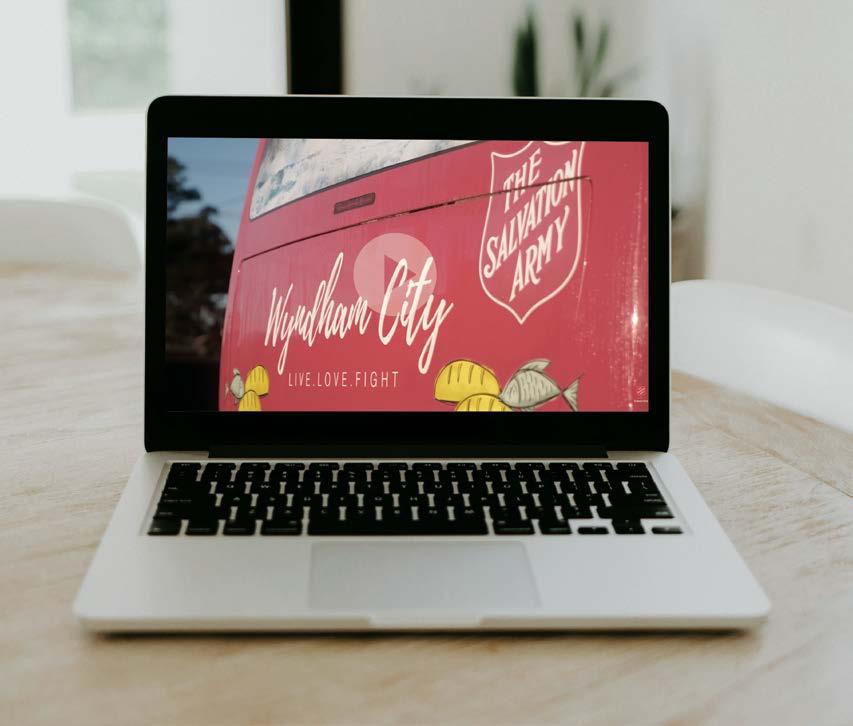
The Salvos Big Red Bus | Feeding Hope and Dignity in Wyndham
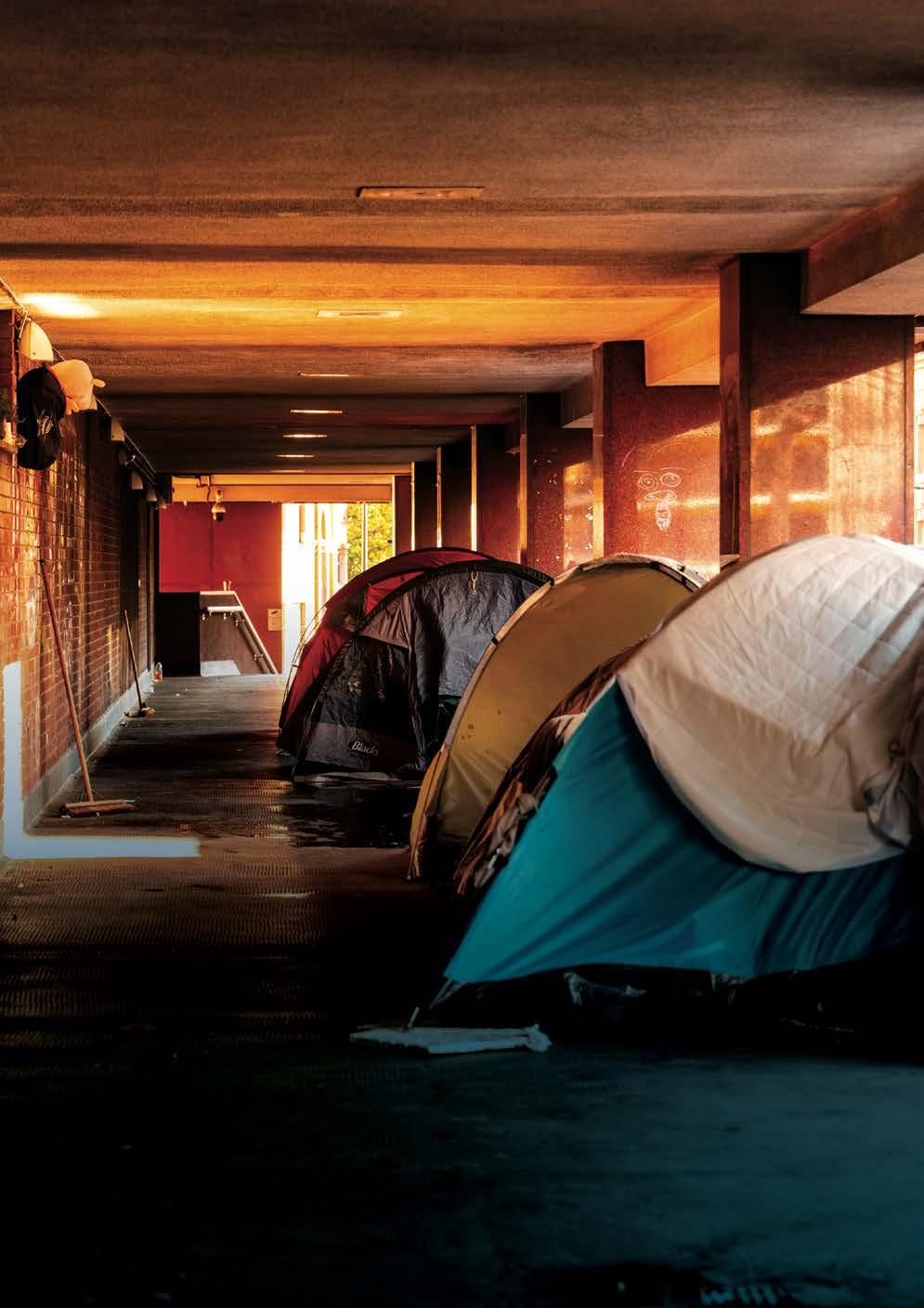
Housing costs placed a heavy and often overwhelming burden on many households, consuming nearly half (46%) of respondents already limited income. Many reported experiencing housing stress, frequently falling behind on rent or mortgage payments and expressing persistent fears of eviction or homelessness. This situation was most concerning for respondents in the private rental market. These concerns were widespread, and a substantial number had experienced housing instability or periods of temporary homelessness within the past year.
My mum and I have made major sacrifices just to keep a roof over our heads. Rent is $550 a week and we live week to week off her casual wage, with no savings and no backup. Most weeks, we can barely afford food — sometimes we skip meals or rely on cheap basics just to get by. Every cent goes to rent because we’re terrified of being evicted.
— 31-year-old woman from Victoria
The typical household spent nearly half (46%) of their total income on housing
Time in arrears for housed respondents (n = 715), private renters (n = 429), and mortgage holders (n = 55) Behind on housing payments. *Includes private renters, mortgage holders, people in social housing, and those paying board.
Respondents also raised concerns about housing stability. 1 in 4 respondents had moved or changed their housing situation two or more times in the past year. Financial hardship was a major driver of repeated displacement. Rising housing costs, combined with difficulties securing stable employment, increased vulnerability to insecure living arrangements. Housing instability was often linked with interpersonal challenges, including family violence, relationship breakdowns and household conflict. As a result, in the past 12 months, many were pushed into precarious and at times unsafe forms of accommodation, with a significant number resorting to couch surfing or living in their cars.
Reasons for housing instability (n = 1051).
We stayed in group shelters. [We’re] now staying in a temporary place, in a house with unhealthy conditions. There is no washing machine or refrigerator. We are having a hard time. My daughter is trying to study and there is only one bed.
Some respondents were forced to remain in unsafe situations, due to financial reasons.
Our research revealed in the past 12 months:
of female respondents said they had stayed in or delayed leaving an unsafe relationship because they could not afford to leave 10% of private renters were worried about losing their home and experiencing homelessness of respondents had to couch surf or sleep in their car due to financial hardship had stayed in a refuge or shelter for people facing homelessness
Moving into my mum’s house and sleeping on the floor on a mattress in her lounge, as I haven’t been able to secure something suitable…I’ve sacrificed privacy, comfort, and experienced a decline in health.
— 36-year-old woman from South Australia
Living with domestic violence at the same time made life an absolute hell…I rarely sleep more than a few hours a night worrying about what the next day will bring. My health has suffered terribly. [I] cannot eat for days on end as I feel so sick...Having nothing and trying to survive each day has become a life and death battle. I have less than nothing.
57-year-old woman from Victoria
For many, staying housed required giving up essentials and experiences that support health, wellbeing, social connection and financial stability, while some faced more serious risks to their housing security.
Cutting back on essentials to manage housing costs

Forgoing health and personal care and cutting back on clothing and basic hygiene items to combat rising housing costs
Food hardship and skipping meals to prioritise rent and mortgage payments
Social and nonessential spending cutbacks
Housing insecurity and homelessness, difficulties securing safe and stable accommodation
Reducing travel, avoiding trips, delaying car maintenance, or struggling to afford fuel and vehicle costs
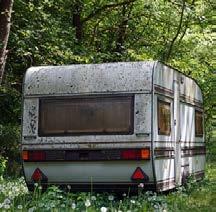
I can’t afford housing. I have my little caravan that I have to move every 30 days and find a new caravan park to call home. I always pay for my rent and my dog’s food before I buy myself food.
— 42-year-old woman from South Australia

I’ve gone without my urgent prescription medications. I haven’t been able to go to the optometrist or keep up with my appointments with specialist doctors for my heart and kidneys.
— 35-year-old woman from New South Wales
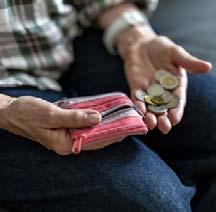
I ensure I at least pay rent first each fortnight, so I have a roof over my head. Food is the last item and [I] make do and use any ingredients in my pantry to make something edible, as there is no money left for food or groceries. I try and sell items… any little amount helps.
— 66-year-old woman from New South Wales
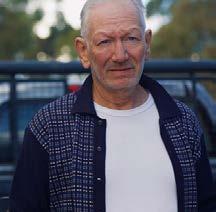
I don’t go out and socialise and given the time I have sacrificed this aspect of my life, it has become increasingly difficult. I am becoming more and more isolated because of the fear of failing as a person, as a parent, and as a friend
— 63-year-old man from South Australia
Amina, 29, has shown incredible resilience in overcoming experiences of homelessness and hardship. Amina faced eviction after separating from her partner. With limited income and no family support nearby, Amina spent over a year without stable housing, staying occasionally at the local caravan park and sleeping on friends’ couches, but mostly living out of her car.
During this time, Amina often went hungry. She had no money for food, nowhere to keep or cook food, and sometimes went days without a proper meal. Eventually, she reached out to the Salvos.
This first step was difficult and took courage, but it also provided Amina a safe space where she felt heard and respected. Staff at the emergency relief service listened to Amina, provided food vouchers and connected her to the local corps for their community meals program.
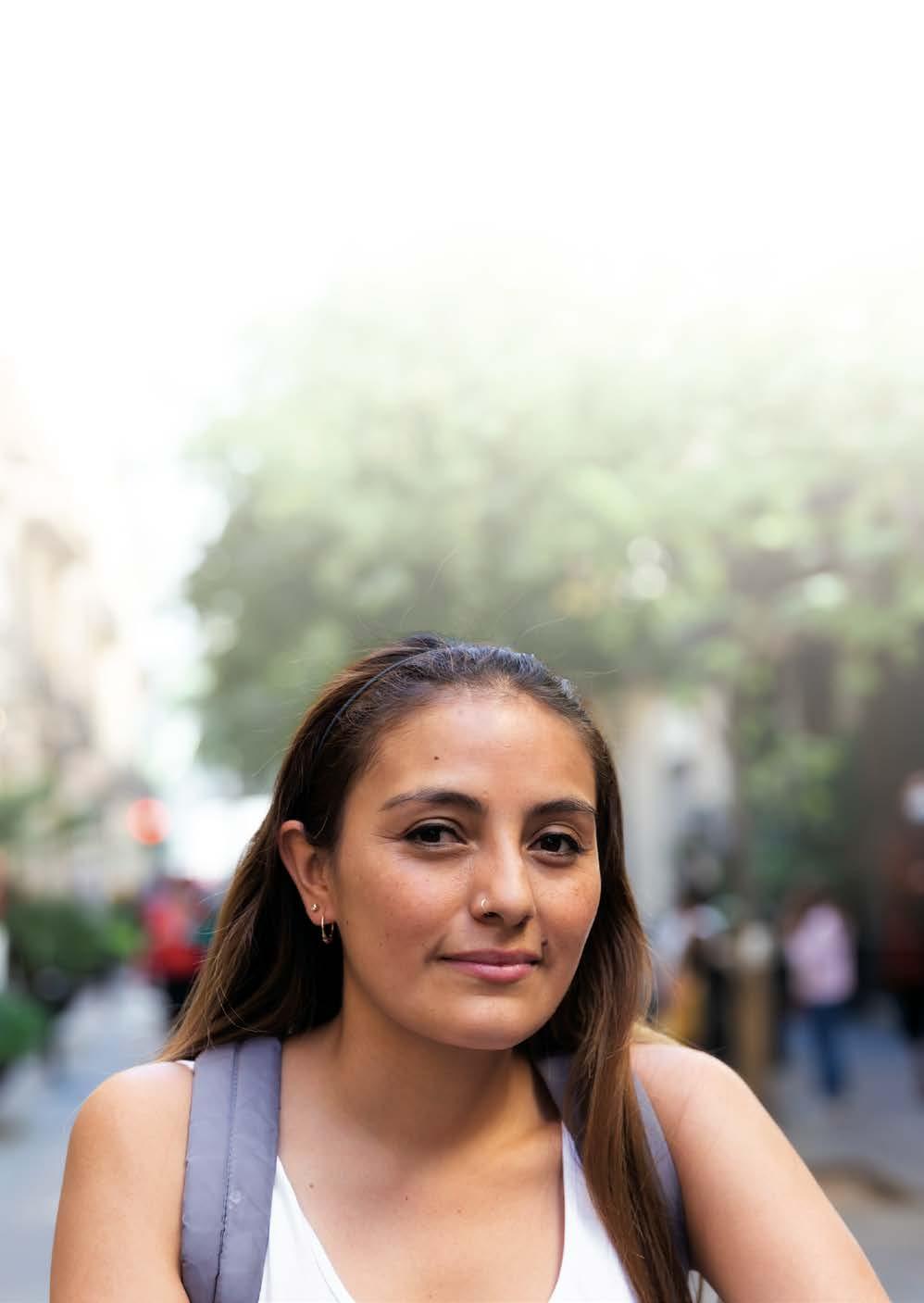
Amina was also referred to The Salvation Army’s homelessness services. Through this connection, Amina accessed short-term emergency accommodation. Amina was allocated her own support worker who helped her access a rental bond and assistance to secure a one-bedroom unit. It has been a process for Amina, but she now has her own place which has given her security and peace of mind. While there are still tough days, Amina focuses on further developing her skills and finding employment to achieve financial independence.
* This case scenario is based on content drawn from the research, reflecting experiences reported by some respondents.
Assisted more than 34,000 people
Provided over 1.3 million meals to people staying in our residential accommodation centres
Provided more than 333,000 sessions of care to those at risk of or experiencing homelessness
The Salvation Army social and community mission programsf provided more than 1 million nights of accommodation
Read more about the Ringwood Salvos: A winter haven for men experiencing homelessness Salvation Army Housing provided housing nearly 3000 people

[I] stretch every dollar to make ends meet. There have been times I’ve skipped meals, rationed electricity, and relied on community support just to get through the week. Emotionally, it’s exhausting. The constant pressure to choose between survival and self-care has taken a toll. But I keep going, for my kids, for our future, and for the hope that things will get better.
— 33-year-old woman from Victoria
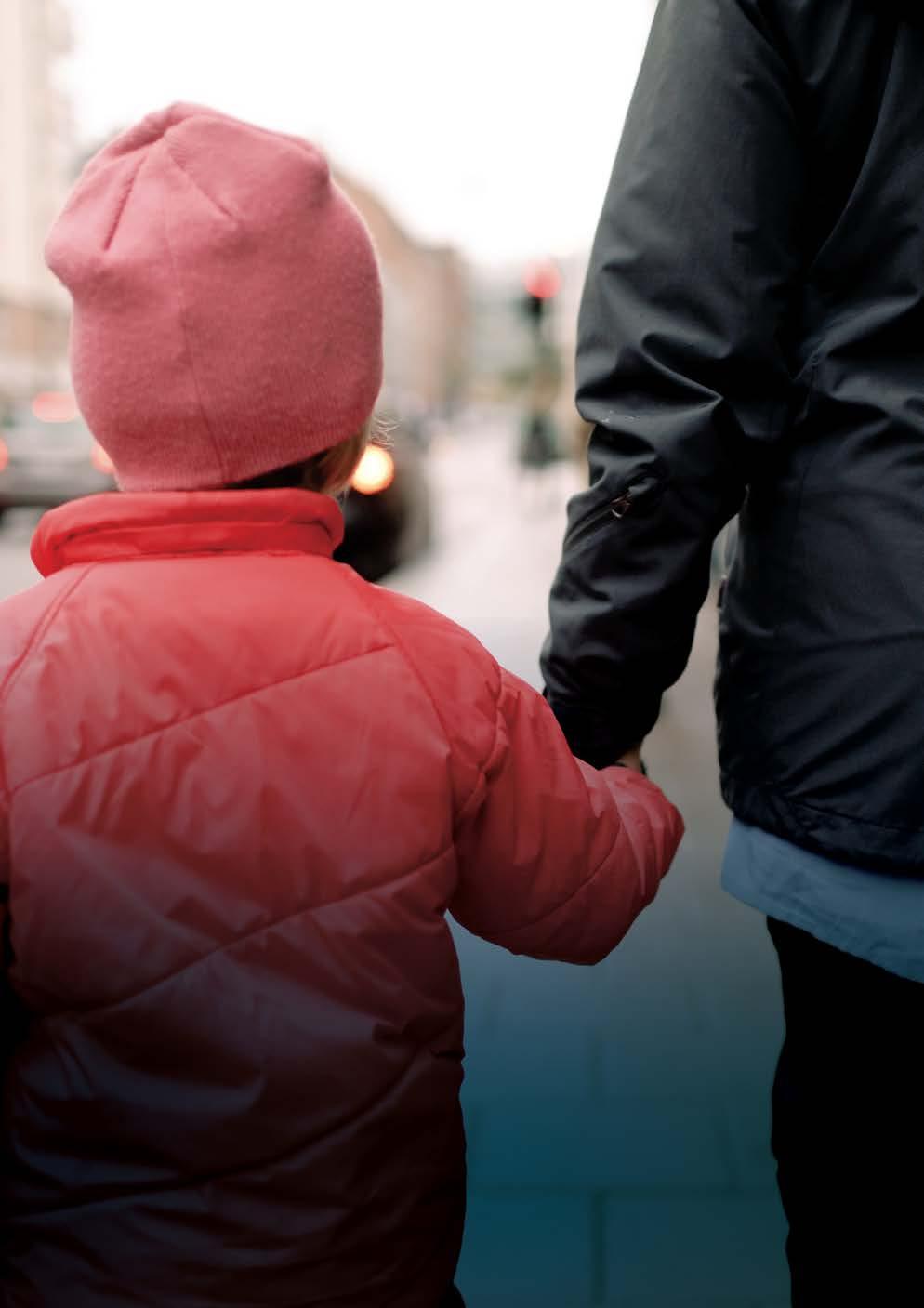
Over the past year, many families with children struggled to keep up with everyday expenses, with a significant number experiencing serious financial hardship and food insecurity Households with low incomes struggled to meet basic living costs on their limited incomes, leaving little or nothing left over for their children’s education, medical care and transport costs. Many parents expressed guilt and sorrow about not being able to provide for their children’s essential needs. Others spoke of profound sadness and even despair, worried their children were missing out on crucial opportunities in to develop, grow and flourish.
These findings represent the experiences of over 4600 children and adolescents, as described by their parents and caregivers.
90%
of households with children were living below the poverty line
After paying for housing costs and other essential household bills, such as food, medical costs, utilities and childcare expenses, households with children exceeded their income and were in deficit by $10 per day, forcing many to find other ways to make ends meet
said they live week-to-week with no savings in case of an emergency 84% 74%
74%
said they felt stressed about money every day said that they were struggling to make ends meet

of households with children were in housing stress, spending more than 30% of their disposable income on housing
said they were worried about losing their home and experiencing homeless
said their housing costs had increased in the past 12 months
rationed their children’s food in the past year, reducing meal sizes to make food last longer
said they were behind in their rent, mortgage, or board
to couch surf or live in their car because of a shortage of money
[A shortage of money] has left me in a bad state mentally, physically, and emotionally. It makes me feel like a bad parent, not being able to provide for my kids properly. Rent increases are leaving me with no money for bills and food. It’s very stressful and it’s hard to keep asking for help all the time. The kids and I have lost so much weight due to not eating, and it’s leaving us all feeling drained every day. Some days I don’t have petrol to take the kids to school, and again I’m left feeling so helpless and bad for my kids.
- 46-year-old woman from New South Wales
EXPERIENCED IN THE PAST 12 MONTHS*
said their household ran out of food at least weekly due to a shortage of money of respondent’s children went without food for a whole day in the past year due to a shortage of money
In the past year, households with children said they:
could not afford to pay for hobbies, classes or sports for their children
could not afford to spend money on important celebrations or on gifts for their children’s birthdays or Christmas 64%
could not afford clothes and shoes for their children, including school uniforms and winter clothing 64%
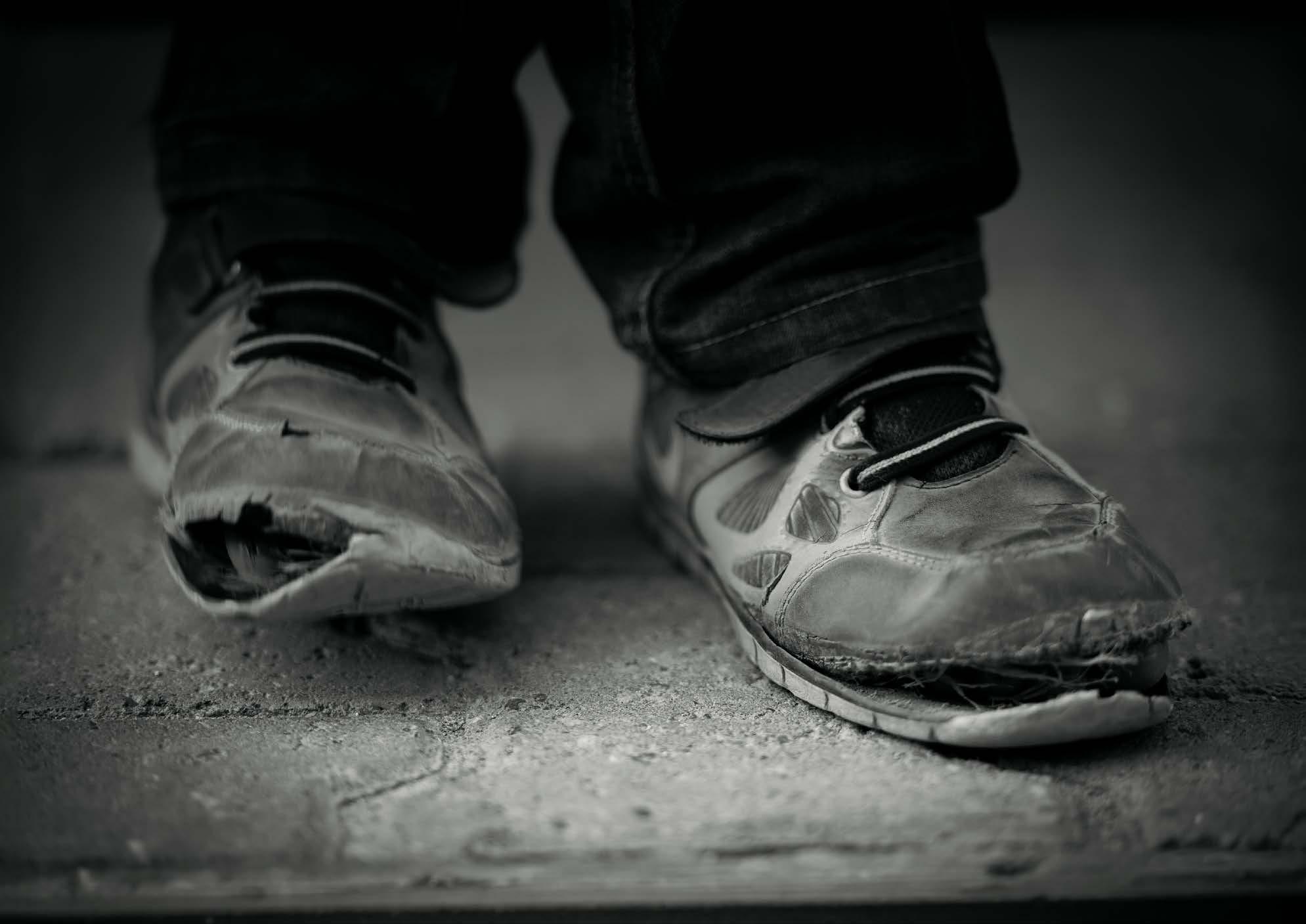
could not afford to visit the doctor, dentist or optometrist for their children 36%
could not cover the cost of non-prescription medications, such as paracetamol or ibuprofen, and nearly 1 in 4 (24%) struggled to afford their children’s prescription medication
SCHOOL-AGED CHILDREN (5 TO 18 YEARS)
could not afford a computer, laptop or tablet for their children 64% their children had missed school in the past year because their parents could not afford transport costs, such as fuel or public transport 59%
could not afford a mobile phone for their child
missed out on school trips, excursions or camps
could not afford school supplies like stationery or textbooks
In the past year, households with children said they:

felt overwhelmed thinking about their financial future
avoided going to social events or gatherings with family or friends because of the cost lost sleep worrying about their financial situation
It’s quite depressing feeling like you merely just exist. My social life is practically non-existent. Makes me feel bad when I can’t get my 9-year-old daughter little things.
— 49-year-old man from Victoria
situation
others
Assisted more than 4100 youth and provided nearly 83,000 sessions of care to young people in need
than 1 in 6 people assisted through our homelessness services were children and young people under the age of 14
Provided over 53,000 bed nights to young people in need of safe accommodation

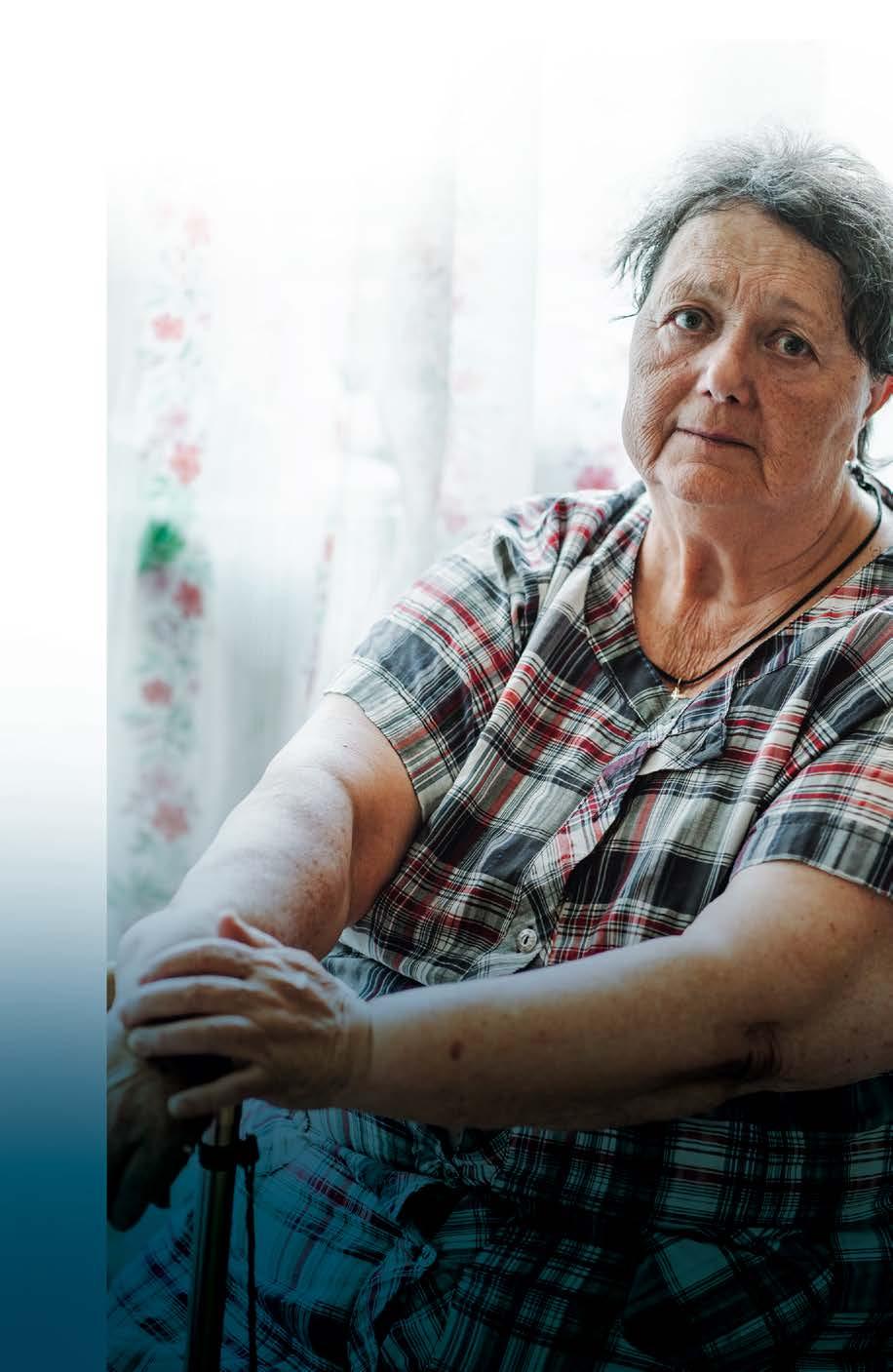
More than half of respondents reported living with disability and/or a chronic health condition, and nearly another quarter were managing mental ill-health. Many reported facing financial struggles and challenges affording essential medical care and treatment, aids and equipment and even rationing medication. Several community members reported ongoing financial pressures contributing to a decline in their physical health and mental wellbeing. Respondents also highlighted that these financial difficulties contributed to increased experiences of loneliness and social isolation. Limited resources reduced opportunities for social connection, reinforcing patterns of isolation and heightening emotional distress for many community members.
[A shortage of money] has increased my depression and anxiety. Lack of money to go out has further socially isolated me, when my health was already doing that. The cost of living is impeding my ability to go to specialists I need to see for my health as I simply don’t have the money to pay for them...and my health has deteriorated.
— 63-year-old woman from New South Wales
Our research revealed:
51%
were unable to visit a doctor, dentist or optometrist due to a shortage of money
43% 38%
reported taking their prescription medicine less often or in smaller amounts to make it last longer
50%
46% of people living with a disability were unable to afford items to help manage their disability health condition, such as mobility aid, hearing or vision aids, or special foods
could not find the money for prescription medication were unable to afford prescription glasses or contact lenses
said their financial situation negatively affected their physical health
said their physical health was worse now compared to a year ago, while 39% said it was about the same.
reported their mental health was worse now compared to a year ago of respondents described their physical health as poor
reported their mental health as poor
lost weight because they could not afford enough food reported that they had delayed essential medical treatment or surgery because of the cost
said they relied on the hospital emergency department instead of seeing a GP due to cost






I just have to starve and go without, and I haven’t been able to see a doctor in seven years because they don’t bulk bill anymore. I also have to walk places and carry my shopping bags because I can’t afford a bus ticket, and I get sick because I can’t afford medication. I get kicked out of hospital because I don’t have private hospital cover, and ambulances won’t attend for the same reason. I have to go without a phone because I don’t have enough money for credit.
— 46-year-old man from South Australia






felt overwhelmed when thinking about their financial future
losing
said they hide their financial situation from others
CONNECTION BETWEEN FINANCIAL HARDSHIP AND SOCIAL ISOLATION avoided social events or gatherings with family or friends because of the cost reported often feeling lonely
I feel like I’m drowning. I’m barely living. I’m poor. I’m broke. I feel hopeless.
— 48-year-old woman from Victoria
avoided checking their bank account because it causes them stress
mentioned that their financial hardship stopped them from spending time with family and friends
I don’t have enough money to cover essentials, so I prioritise food and basic needs and seek support from community services such as food banks and vouchers from organisations like [the Salvos]. Although it is difficult and humbling, I have also reached out to friends for help when absolutely necessary. I tend to hide my situation from my family out of pride and not wanting to burden them, so I do my best to manage quietly and make careful choices until I can regain my independence.
— 47-year-old woman from New South Wales
felt like society does not care about the financial struggles they face
said they did not have any family or friends they could turn to when they need help
[It’s hard] always being upset and stressed. Living day to day and having more health issues. [I] just need a break from all the worry and stigma of having nothing all the time.
- 58-year-old woman from Victoria

Respondents faced hardship and challenges that touched many areas of their lives. However, despite such adversity, many consistently demonstrated strong resilience and practical resourcefulness. Many found ways to persevere and adapt. Their accounts highlight a steady determination and an ability to draw on personal strengths and available supports to move forward, even in circumstances that were often constraining and difficult.
Respondents reported the following were sources of hope during difficult times:
Family, friends and community
Children (80%) and pets (66%) were identified as the strongest sources of hope and strength for respondents. Family (38%) and friends (30%) also played an important role, providing emotional support, motivation, and a sense of purpose through close relationships.
Faith and spiritual beliefs
Religion and spirituality (74%) were a key source of hope for people of faith, with prayer and participation in church or other faith based activities (38%) playing an important role for people.
Charities and professional support
Support from the Salvos (50%), talking to someone (34%) and helping others (31%) provided people with practical and meaningful emotional support.
The Salvos people made me feel like there’s hope, they are so kind. It’s those people that give me the strength to keep going. Last time I had a visit from an older woman and man, and they were so kind and generous, and they made me feel like I wasn’t worthless. I was happy after talking to them, and when I’m having a tough day, I think of that kind lady, and it keeps me going.
— 56-year-old woman from Victoria
Personal mindset and inner strength
Remembering past challenges overcome (43%), focusing on what can be controlled (42%) and personal strength and resilience (39%) were critical to help people navigate struggles, and maintain a positive outlook or the belief that better times lay ahead.
Hobbies and interests
Spending time in nature (38%), enjoying a hobby (30%) and engaging in activities such as music, art, design, reading and writing (26%) offered creative outlets and a positive focus during difficult times.
The Salvos deliver a broad range of programs, activities and events to support community engagement and social, emotional and spiritual connections
Read more about the Salvos New health clinic launched at Project 614
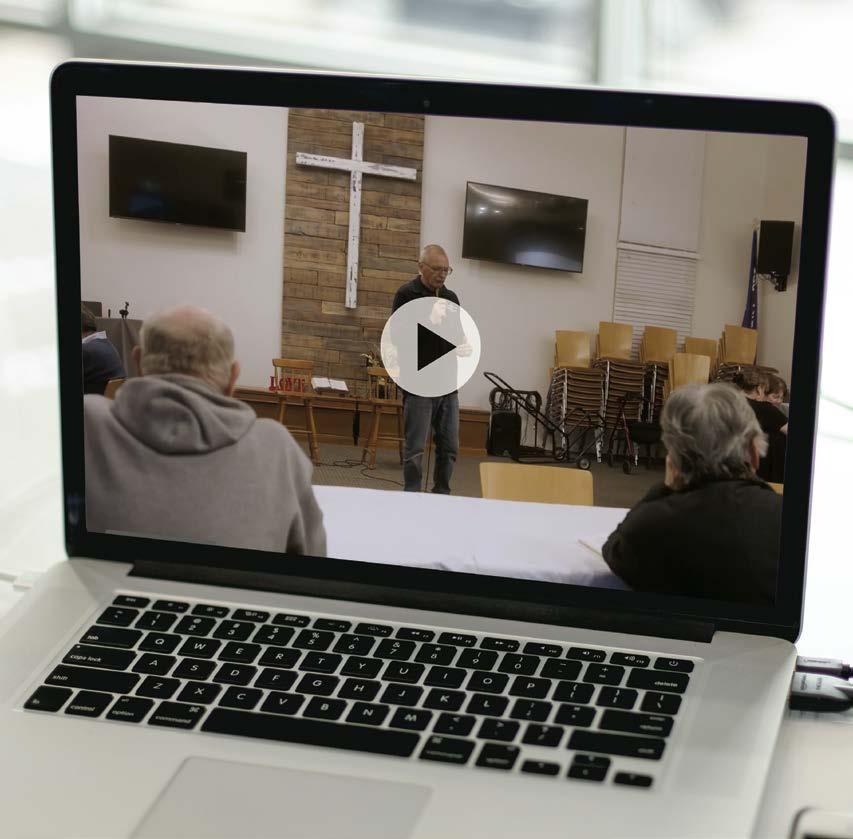
Watch to learn more about the Salvos No Wrong Door: transforming lives in the Sutherland Shire
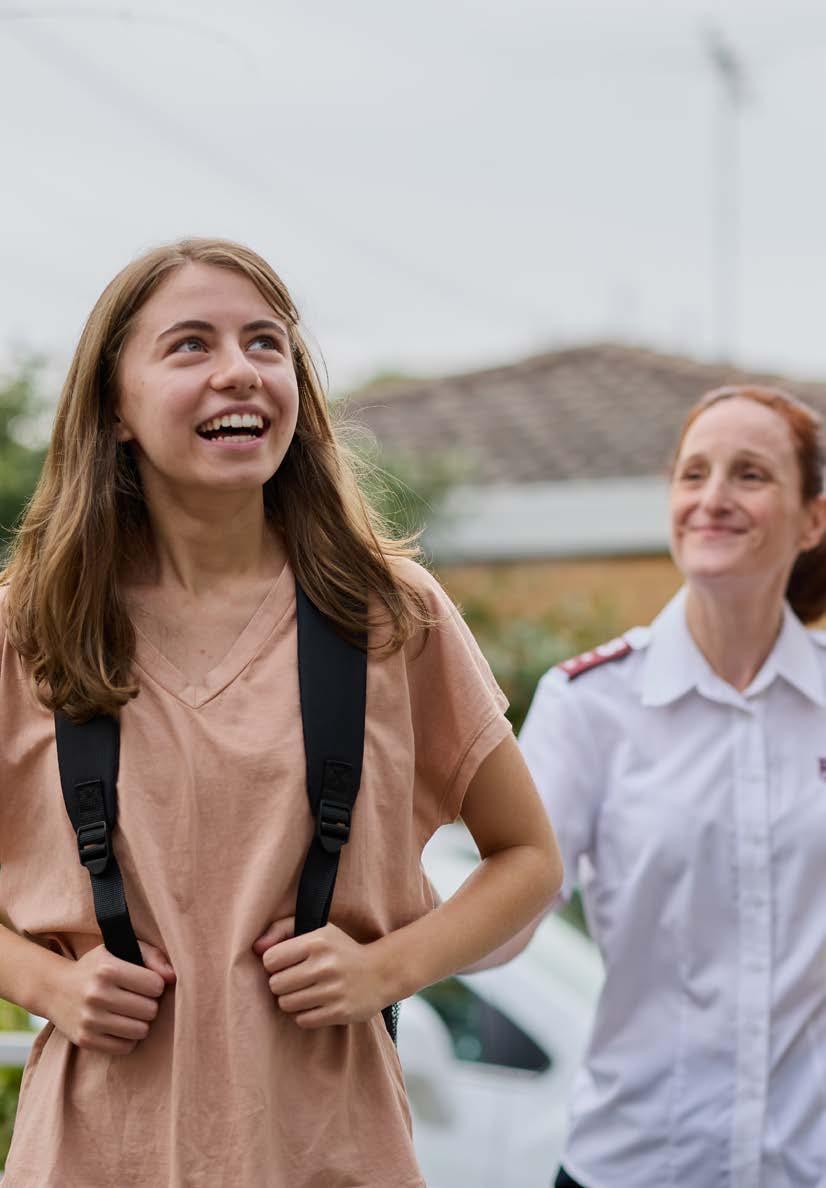
Many people continue to turn to community organisations and local food banks in search of support, relief, and a sense of stability during difficult times. These support services play a crucial role in providing immediate assistance, helping community members meet essential needs when their own resources are stretched too thin.
The Salvos offers a wide range of services to support people experiencing hardship. Through our Doorways emergency relief program, we provide food, financial assistance, material aid and casework to help individuals and families living on limited incomes. Doorways also connect people with our broader network of support services, including Moneycare, offering free, confidential financial counselling to help manage debt and other financial challenges, and the NILS program. These programs aim to strengthen the financial capabilities and resilience of people experiencing economic hardship, ensuring that those facing difficult times have access to practical support and a strong safety net.
reported the Salvos gave them a sense of hope 90% 50%
of all respondents reported they would not have managed without the help they received recently from The Salvation Army
The Salvos have given me somewhere to stay and helped me get off the street and out of my car. Without the Salvos, I’d still be sleeping in my car and struggling to eat.
— 29-year-old man from New South Wales
The Salvos’ support was incredible at a time when I didn’t think I could manage anymore. They came through with financial support, so I could afford to buy food and keep my car registered. It was a godsend.
— 56-year-old woman from Queensland
When asked what difference The Salvation Army had made in their lives over the past 12 months, respondents frequently emphasised the value of both material and emotional support. Many highlighted the importance of financial and practical assistance in helping them meet basic needs, including access to food, meals, help with bills and housing costs, and essential household items. Respondents also described the importance of the emotional and social support they received, including kindness, respect, compassionate listening, and spiritual care. For many, this support helped reduce feelings of stress, fear, and isolation, and provided a sense of connection and dignity during a time of hardship.
The Salvation Army has developed a national Outcomes Measurement framework to deepen our understanding of the impact of our services and to consistently track the progress and changes experienced by the people we support.
IN FY25, PEOPLE REPORTED POSITIVE PROGRESS AFTER ENGAGING WITH DOORWAYS EMERGENCY RELIEF.
The Salvos have made a big difference in my life during a time when I was struggling financially and emotionally. When I lost my full-time work and had to rely on Centrelink, they were there to help without judgment. Their kindness and understanding made me feel respected and supported, not ashamed for needing help. They helped me with food, fuel, and basic essentials when I couldn’t afford everything, and that took a lot of stress off my shoulders. Having that support meant I didn’t have to go without meals or worry as much about my grandchildren missing out. Sometimes, even just having someone listen and offer encouragement made me feel like I wasn’t alone.
The Salvos gave me hope when I was feeling overwhelmed. Their help reminded me that community still exists — that there are good people who care and who live by strong values of compassion and respect. As a Torres Strait Islander woman, that sense of kindness and connection is important to me. It reflects our own cultural way of looking out for each other. Because of the Salvos, I’ve been able to get through hard weeks, focus on my family, and keep moving forward with strength and dignity.
— 49-year-old woman from Queensland
When money is short, I do my best to stretch what I have and focus on the most important things — rent, food, electricity, and my grandchildren’s needs. I budget carefully each fortnight, write down all my bills, and pay what I can in order of priority.
Sometimes I have to make hard choices, like cutting back on groceries, fuel, or phone credit just to make sure we have a roof over our heads and food on the table. I look for cheaper food options, shop for specials, and cook simple meals that can feed everyone, like stews, soups, or rice dishes that stretch further.
I often rely on family support, and we share what we can with each other, including food, transport, or small amounts of money, because that’s part of our cultural way of caring for one another. I also reach out to community services or local organisations when things get really hard. Sometimes I ask about food vouchers, emergency relief, or help with school supplies for the grandchildren. It’s not easy to ask for help, but I’ve learned it’s better than going without. Emotionally, I manage by staying strong for my family and leaning on my cultural values. I remind myself this is temporary, and I keep my faith that better opportunities will come. Spending time with my grandchildren, doing small things like walking on Country or cooking together, helps me stay grounded and connected to who I am.
Even though it’s stressful, I keep a positive mindset and focus on what I can control — budgeting, staying connected, and keeping hope alive for stable work and better financial security.
— 49-year-old woman from Queensland


Salvos provided me with one off support during an extremely difficult and traumatic time in my life. I would have been without food for two weeks if I had not received this financial support and I thank you very much. I appreciate there are many people out there worse off than me, and when I am 100% back on my feet, I will give back because I know the power of non-judgement and kindness and a helping hand when you are at your lowest. — 43-year-old woman from Queensland

This report highlights the complex financial challenges faced by people who accessed support through The Salvation Army Doorways emergency relief services over the past year. Issues such as housing affordability, food insecurity, and severe financial hardship were strongly evident in the research findings.
For many low-income households, keeping up with rent or mortgage payments became an overwhelming burden. Missed payments were common, and for some, the looming threat of eviction caused considerable anxiety and fear. The combination of limited affordable housing options and escalating living expenses led to heightened financial stress, housing insecurity and reduced overall wellbeing for respondents. It is concerning that approximately 1 in 6 people surveyed did not have a permanent home at some point in the past year, highlighting the severity of the housing crisis many respondents faced.
Experiences of food insecurity were also prevalent among respondents, with many describing limited access to nutritious food, eating expired or spoiled food and going hungry. Difficult trade-offs were commonly reported among respondents, such as deciding whether to pay rent, buy food, or go without altogether. Family households were found to be particularly vulnerable to food insecurity, with parents and caregivers often going without meals or eating smaller portions and prioritising the needs of children over their own. This highlights not just the immediate challenges of securing enough food for many respondents, but also the broader instability faced by households living on constrained incomes.
Nearly all respondents reported experiencing financial stress and significant hardship over the past year. The rising cost of living has made it increasingly difficult to afford even the most basic daily needs, with many falling well below the poverty line. A large proportion described living week-to-week with little or no savings, leaving them without a financial buffer in times of emergency. As a result, many accumulated debts to cover everyday expenses, relying on high-interest credit cards, short-term loans, and buy-now-pay-later services. For some, financial pressure translated into serious sacrifices. Some rationing essential medications, sending their children to school hungry, or switching off power to reduce their power bills.
Experiences of financial hardship and mental health appeared interconnected. Many respondents reported financial pressures and money worries led to increased stress and anxiety. Feeling overwhelmed, helpless and ashamed were common, as was avoiding people or social activities to avoid spending money. The financial strain took an emotional toll for respondents, including sleep disturbances, social isolation, and declining physical and mental wellbeing.
The report outlines considerable challenges faced by respondents. However, some showed incredible resilience and inner strength despite facing significant adversity. Many described positive experiences and meaningful life improvements after engaging with Doorways emergency relief and casework services. Many expressed gratitude for the support they received from the Salvos, most noting that they would not have managed financially without assistance. Accessing help brought a sense of relief, reassurance and stability, offering a muchneeded break from persistent financial stress and uncertainty.
The Salvation Army remains deeply committed to supporting Australians facing hardship and disadvantage. The Salvos continue to walk alongside people in need and making a lasting difference in their lives.
In October 2025, an online survey was conducted using the Qualtrics platform to examine the experiences and challenges of community members receiving assistance through The Salvation Army’s Doorways emergency relief program. The survey explored household income and essential spending, housing circumstances, experiences of financial hardship, mental health and wellbeing, and the perceived impact of support provided by The Salvation Army. It included a mix of multiple-choice and open-ended questions.
The survey was distributed via text message to 30,000 community members who had received emergency relief services in the previous four months before the survey was distributed. Participation was voluntary and confidential. Invitations and two reminders were sent in two waves. The first in mid-October to 15,000 community members, followed by a second wave in late October to another 15,000.
Survey responses were linked with demographic information collected during The Salvation Army’s emergency relief assessments and internal client management system (SAMIS), including age, gender, postcode, residency status and country of birth. Data cleaning and analysis were conducted using IBM SPSS Statistics. To ensure a minimum level of engagement with the survey while still capturing responses from participants who did not complete the entire questionnaire, only responses in which at least one section of the survey was completed were included in the analysis. This resulted in a final sample of 4421 community members. The overall response rate was approximately 15%, which is consistent with similar online surveys distributed via text message.
Although this project represents an empirical attempt to examine the experiences of community members and their families, all findings reported here should be interpreted considering the following research limitations.
Representative analyses were conducted on several key demographic variables, including state or territory of residence, gender, and age, to assess how closely the survey sample reflected the broader population of community members who accessed The Salvation Army Doorways emergency relief services between June and September 2025.
The analysis indicated that the survey sample was not representative of the population from which it was drawn across the three key demographic variables. For state and territory of residence, respondents from Queensland were over-represented, while those from the Northern Territory and Western Australia were under-represented. No other states differed significantly from expectation after Bonferroni corrections were made for multiple companions. Additionally, women were over-represented compared to men, and younger respondents (aged 18 to 44 years) were under-represented, while older respondents (45 years and over) were over-represented.
These differences should be considered when interpreting the findings of this report, as experiences and challenges, particularly those related to geography, age and gender, may be over or underrepresented due to the demographic composition of the sample.

Find out more about the Salvos
Get involved with the Salvos
Donate to the Salvos
Watch to learn more about the Salvos and the work we do
The following is a demographic breakdown of the 4421 respondents who completed the survey. RESIDENCE




Residence by State or Territory (n = 4420).








Geographic distribution across Australia (n = 4420).
On average, respondents with dependents reported caring for 2.6 children.

*Total may not add to 100% due to rounding
Household composition (n = 4421).
$500 median household income per week, equates to 28% of the Australian national median income10
Housing type (n = 4407).
Note: Australian population data is sourced from the 2021 Australian census (ABS, 2022b).
Income source (n = 4416). Weekly household income ranges (Annual Income in Brackets) among respondents (n = 3641) and the Australian population (n = 8,466,857).
Additional Government Allowances, Payments or Supplements (n = 4372).
identified as Aboriginal and/or Torrs Strait Islander
identified as having a disability, chronic illness, or mental health conditions that affects daily life
provided unpaid care to a family member or friend who has disability, chronic illness, mental health condition, or other care needs.
1 Australian Bureau of Statistics. (2026, February 4). Living costs increase across all household types. ABS. Living costs increase across all household types | Australian Bureau of Statistics
2 Australian Bureau of Statistics. (2026, February 25). CPI rose 3.8% in the year to January 2026. ABS. https://www.abs.gov.au/media-centre/media-releases/cpi-rose-38-year-january-2026.
3 Foodbank. (2025, October). Foodbank Hunger Report 2025 report. https://reports.foodbank.org.au/foodbank-hunger-report-2025.
4 Australian Bureau of Statistics. (2025, September 5). Food insecurity. Food insecurity, 2023 | Australian Bureau of Statistics
5 The poverty line was estimated by adjusting the 2022–23 threshold reported by Davidson and Bradbury (2025), which set the poverty line at $584 per week for a lone adult, for inflation using the Reserve Bank of Australia’s inflation calculator. This adjustment accounts for increases in the cost of living up to the 2024–25 financial year.
of respondents identified as members of the LGBTQIA+ community
as having a faith or religious
spoke English as their primary language
self-identified as culturally and/or linguistically diverse
i Encompassing individuals who are lesbian, gay, bisexual, transgender, queer, intersex, asexual, or who identify with other minority sexual orientations, gender identities, or expressions.
6 Laß, I., Botha, F., Peyton, K., & Wilkins, R. (2025). The Household, Income and Labour Dynamics in Australia Survey: Selected Findings from Waves 1 to 23. Melbourne Institute: Applied Economic & Social Research, University of Melbourne.
7 Ibid.
8 Australian Bureau of Statistics. (2023, May 2). New Census insights on income in Australia using administrative data. ABS. https://www.abs.gov.au/articles/new-census-insights-income-australiausing-administrative-data.
9 Wilkins, R., Vera-Toscano, E., Botha, F., Wooden, M., & Trinh, T. A. (2022). The Household, Income and Labour Dynamics in Australia Survey: Selected Findings from Waves 1 to 20. Melbourne Institute: Applied Economic & Social Research, University of Melbourne.
10 Australian Bureau of Statistics. (2023, May 2). New Census insights on income in Australia using administrative data. ABS. https://www.abs.gov.au/articles/new-census-insights-income-australiausing-administrative-data.