Sustaining Mission International Volunteering: Where’s the harm?
COMMUNITIES AGAINST TRAFFICKING IN UGANDA By Emmanuel Wataka
SAFER COMMUNITIES IN SOUTH AFRICA By Vusi Malala, Oyama Tshona and Bonisiwe Mbatha 18
MISSION: LESSONS FROM TANZANIA By Captain Ben Cotterill
FROM REFUGEE TO HEAD OF THE REFUGEE CENTRE by Jonas Nimmersjö
SUSTAINING MISSION By Francine O’Hanlon
VOLUNTEERING: WHERE’S THE HARM? By Hayley Still
Cover The Salvation Army/Ben Cotterill. Page 3 The Salvation Army/Neil MacInnes. Pages 6-9 The Salvation Army/Southern Africa Territory Gender Justice Team. Page 10-13 The Salvation Army/Emmanuel Wataka. Page 14-17 The Salvation Army/Jonas Nimmersjö. Page 18-21 The Salvation Army/Ben Cotterill. Page 22-25 The Salvation Army/Pakistan. Page 27 Vitor Monthay/Unsplash. Page 29 RDNE Stock Project/Pexels. Page 30 The Salvation Army/Neil MacInnes
Welcome to the 2026 issue of Develop
A message from our UK Engagement Coordinator Hayley Still
Thank you for reading, and I hope you enjoy the magazine’s new look! This issue also marks another change: Develop will now be published annually. For more regular updates from our international development work, I encourage you to sign up for monthly emails at tsa.link/ipo-signup
In this issue we share updates from our partnerships around the world, where people are shaping change in their communities. We meet Anzhelika, whose journey has taken her from receiving support at The Salvation Army’s refugee centre in Riga to leading its work with refugees (page 14). We read of children and young people in Uganda, equipped through Rights of Children clubs to speak up about human trafficking and share what they learn with their schools and communities (page 10). In South Africa we see how women are rebuilding confidence through survivor support groups, and how communityled approaches are driving meaningful change (page 06).
The stories in Develop reflect the different strands of our international work. Whilst community development, Mission Support and emergency response may seem like separate priorities, it is important to recognise that they are all part of The Salvation Army’s holistic mission – sharing the gospel and responding to practical needs in places where we are present and rooted in the community. On page 18, Captain Ben Cotterill reflects on integrated mission, showing how church ministry and community development belong together as a cohesive response to a world in need of Jesus’ love. This interconnection is also explored through the lens of Mission Support projects on page 22.
Finally, I share some reflections on international volunteering and the importance of approaching it with a commitment to humility, collaboration and ethical practice (page 26).
As you read this issue, I hope you will be encouraged, challenged and inspired. May God renew our vision for fullness of life for all, deepen our compassion, and strengthen our resolve to seek justice. ●
BY VUSI MALALA, OYAMA TSHONA AND BONISIWE MBATHA
Creating Safer Communities in South Africa
In a country where gender‑based violence has been declared a national disaster, local action matters. The Salvation Army in South Africa is combining prevention, survivor support and advocacy to reduce harm, challenge injustice and promote safer communities.
IN NOVEMBER, as the country prepared to welcome the world to Johannesburg for the G20 conference, women across South Africa were gathering for another reason –to demand action on femicide. Countrywide demonstrations, held last year after years of campaigning, helped prompt a national declaration that many women felt was long overdue: gender-based violence is a national disaster.
That declaration reflects what many women already live with every day: violence that is widespread, normalised, and too often unpunished. Indeed, South Africa has some of the highest rape and femicide statistics in the world. And whilst numbers are alarmingly high, such statistics reflect only reported crimes. With widespread under-reporting, the true scale is likely far greater.
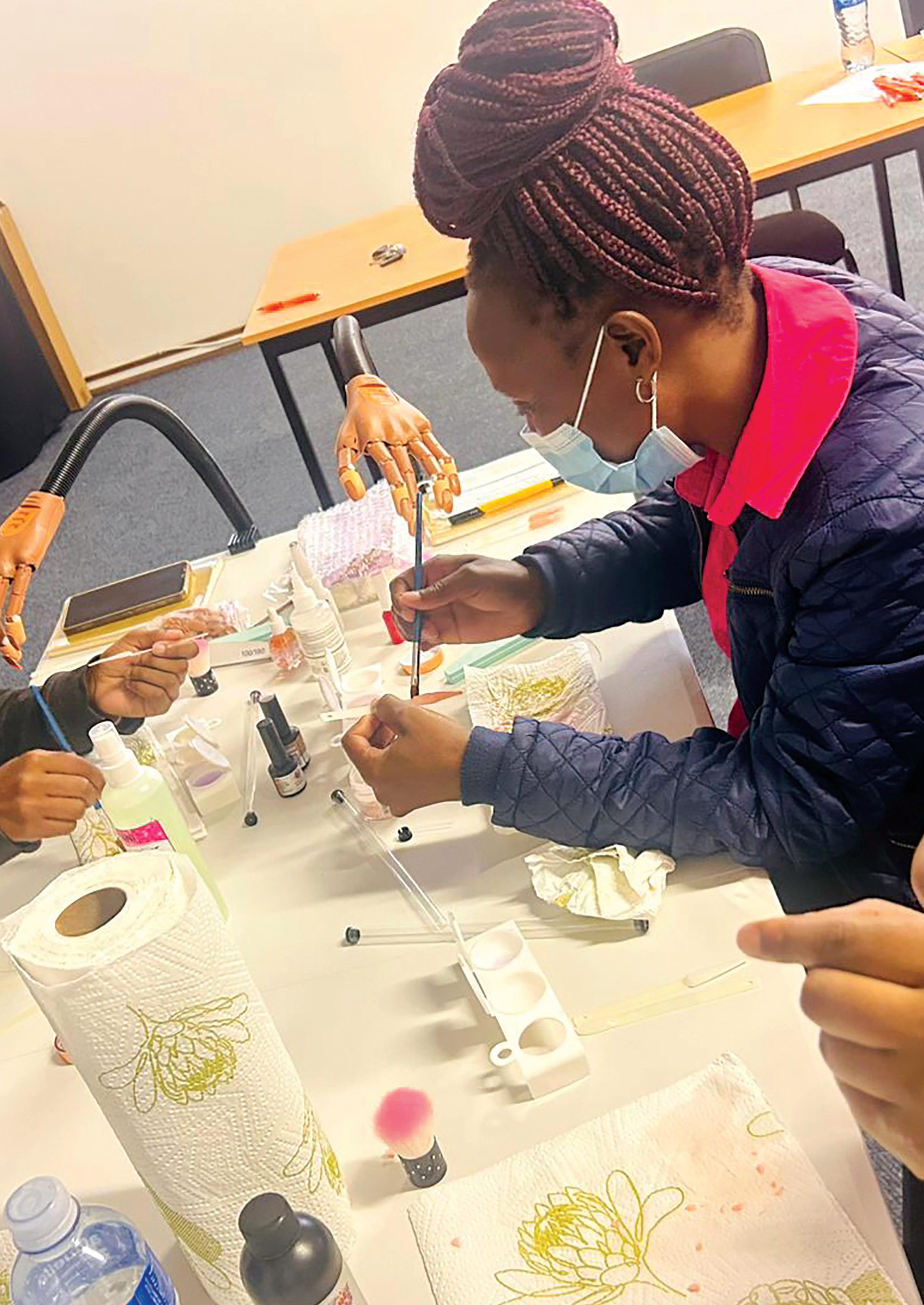
It is in this landscape that The Salvation Army Southern Africa Territory is working in three communities in the Gauteng Province – Tembisa, Diepsloot and Alexandra – to help reduce violence by promoting gender equality, encouraging healthier attitudes and behaviours, supporting people to build skills and confidence, and speaking out against social injustice.
Through a coordinated programme of prevention, survivor support, peacebuilding and advocacy, the territory’s Gender Justice Team has been working alongside local partners to reduce sexual and gender-based violence, strengthen families and promote non-violent ways of resolving conflict. Progress has not been even or easy, but the evidence shows meaningful change, especially where communities are empowered to lead.
To date, the project has delivered 13 community-based programmes, with most of the work focused on shifting attitudes and behaviours around gender equality and gender-based violence. For example, the team ran gender-sensitivity sessions to challenge harmful stereotypes. Whilst in some spaces men engaged positively, in others there was subtle resistance from those who felt the training threatened their ‘male privilege’. Despite the varied response initially, improved male attendance and more thoughtful discussions about gender roles suggest that attitudes are beginning to shift. Changing deeply rooted beliefs that reinforce patriarchy and enable genderbased violence cannot happen overnight, and we have seen that respected local
leaders have great influence in shaping what communities see as normal and acceptable.
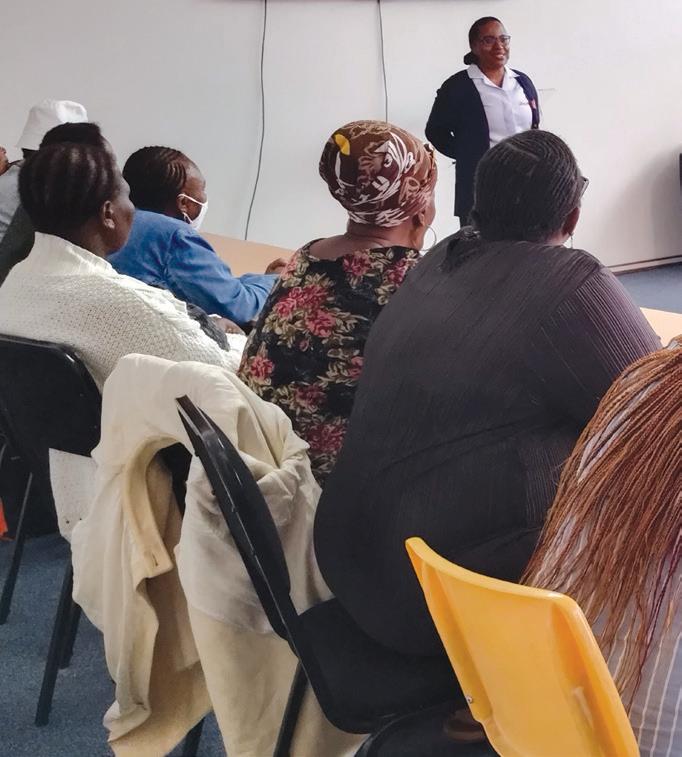
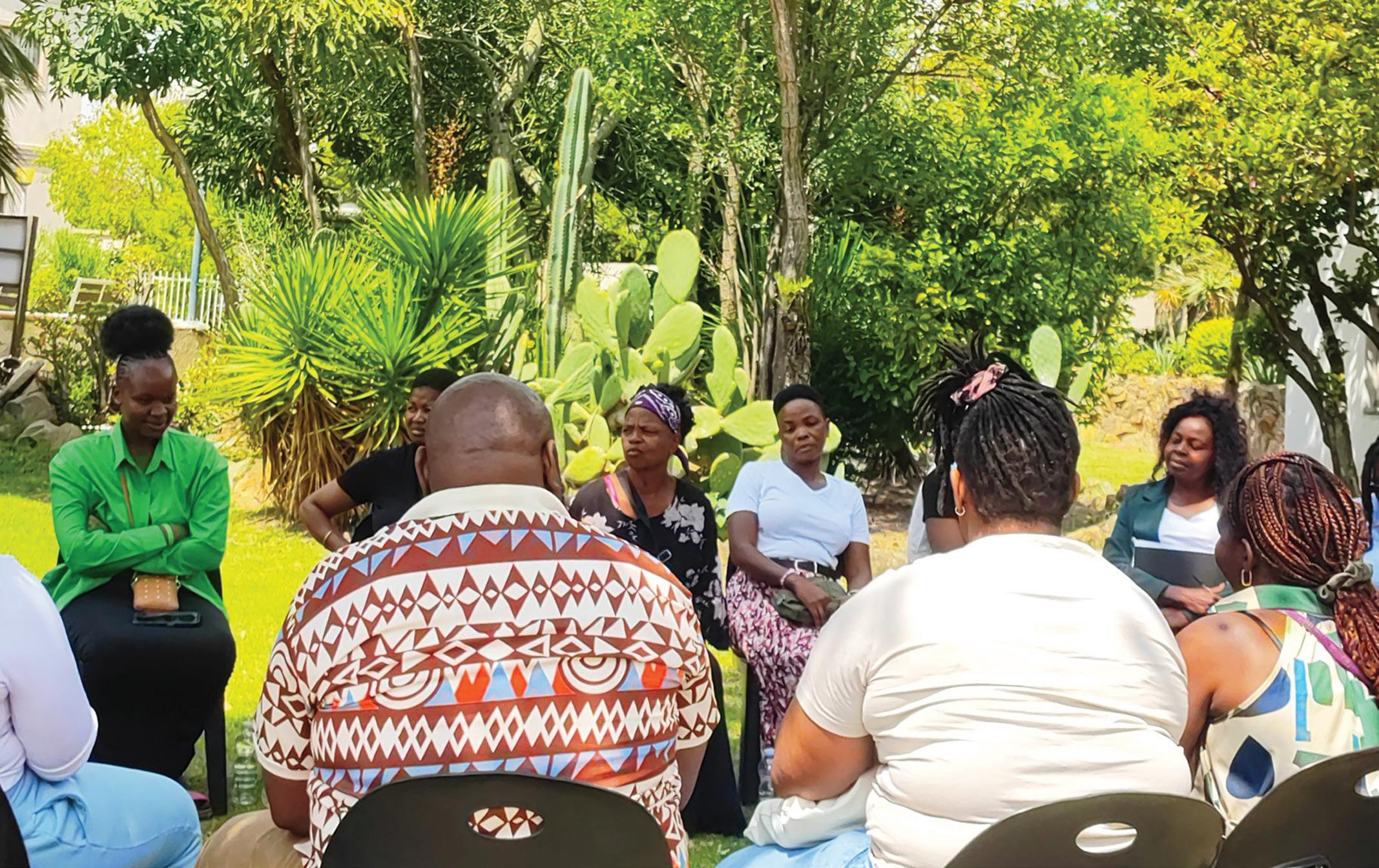
Alongside long-term aims, we have also seen short-term success from increased awareness to improved access to psychosocial support. One of the most significant outcomes came through the psychosocial support groups led by the project social worker in each of the communities. These groups are supporting female survivors of violence as they navigate the often slow and complex journey of healing and recovery. For many, this has required sustained, compassionate, traumainformed support. Whilst some are still living with perpetrators, others have taken the brave and difficult step of leaving abusive relationships and starting again. Across these groups, steady and consistent support has helped women rebuild confidence, strengthen coping strategies and feel less alone.
Behind these activities are real women whose lives are beginning to change:
Omphile* said laughter had become a distant memory. Family conflict and the strain of unemployment had worn her down. Since joining the programme, she now finds herself in a much healthier and more stable place, able to express joy again and navigate daily life with renewed strength. She is excited about upcoming training in Income Generation Activities, which to her means more than just skills: it means independence and restored dignity. Being part of the group has ignited a sense of hope and self-reliance as she looks toward building a more secure future.
Amahle* shared how her child was sexually assaulted, yet the police took no meaningful action. She felt helpless, unheard and overwhelmed. Since joining the programme, she has received ongoing emotional support and practical guidance, helping both her and her child begin to heal. With The Salvation Army’s help, the case was escalated to the Department of Community Safety and the National Prosecuting Authority. Amahle has now been connected with the relevant authorities and support structures to ensure the case receives the attention it deserves. She now has a revived hope for justice and feels empowered to participate actively in the process.
Maria* told us that family life had been difficult, and for years she kept her feelings inside. Through the programme, she learnt
“Since joining the programme, she has received ongoing emotional support and practical guidance, helping both her and her child begin to heal”
to express her emotions in a healthy and constructive way. That confidence helped her speak with her parents about concerns she had been holding – including asking them to change how they discipline her younger siblings, which she said had harmed her growing up. Life is not perfect, she noted, but relationships at home have improved. She now feels understood and equipped to build healthier, more respectful connections with her family.
These stories show what’s possible when support is consistent. But lasting change also depends on systems that work when people need them most. South Africa has strong laws designed to protect people from harm – including the Domestic Violence Act, the Children’s Act, the Older Persons Act and the Mediation of Certain Divorce Matters Act – but this project has highlighted a difficult reality: having protections on paper does not always mean people experience them in practice.
The project has identified that services at grassroots level can easily be duplicated and coordination weak, and so it has worked to strengthen partnerships and collaborated to ensure support is easier to access. We have helped bring local organisations, services
and authorities around the same table to tackle issues that often overlap: sexual and gender-based violence, substance abuse, teenage pregnancy and school dropout. Key partnerships have had a tangible impact. We helped open the Diepsloot Forensic Clinic, now operating 24/7, which provides vital services for survivors of sexual violence.
In this complex area of work, the fundamental challenge remains of meeting urgent needs whilst addressing the deeper drivers of gender-based violence. Deep-seated gender inequality, patriarchy and systemic misogyny are still firmly embedded; shifting them takes time, resources and collaboration beyond the scope of any single project. Within this context, the Leave No One Behind approach stood out as both effective and replicable, ensuring that the most marginalised were not overlooked as communities worked towards longer-term change.
Whilst we continue to see violence, we also see progress. Families are learning non-violent ways to live together. Survivors are reclaiming their agency. Communities are finding their voice. And where people are supported to act together, violence is no longer seen as inevitable.●
*Names changed to protect identity
Communities Against Trafficking in Uganda
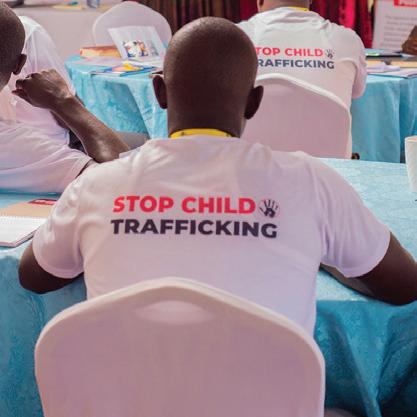
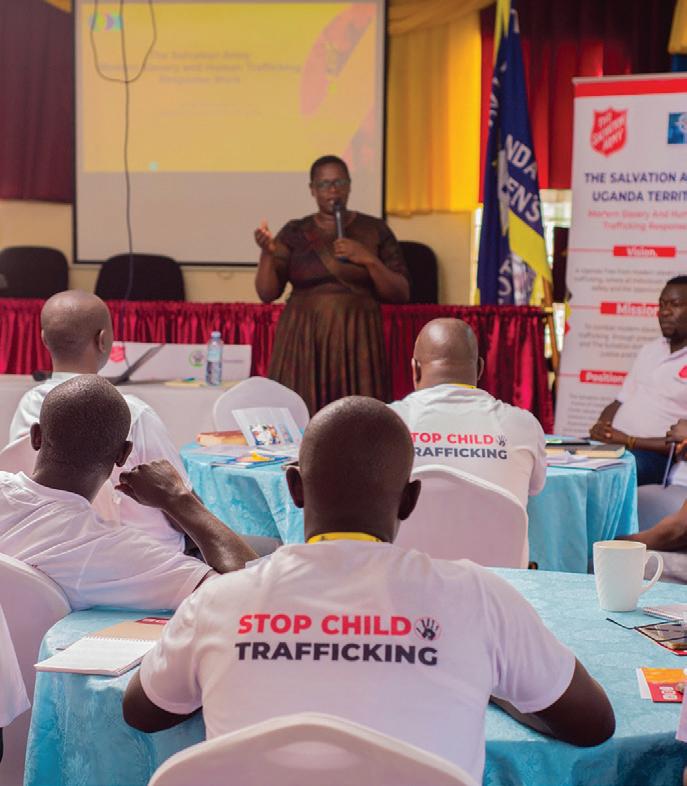
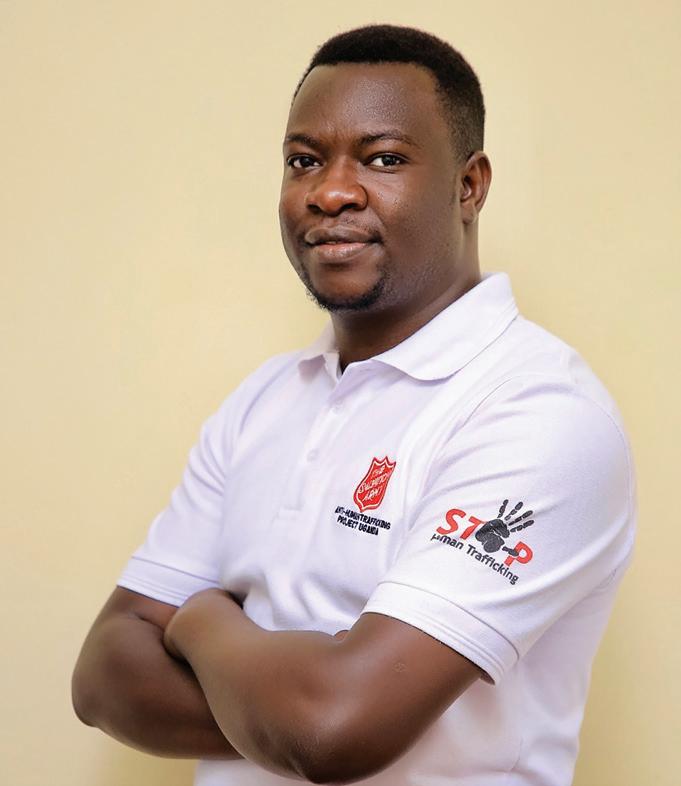
Uganda, known as the Pearl of Africa, is rich in culture, natural beauty and human potential. Yet behind this beauty lies a growing challenge that threatens vulnerable communities: human trafficking. Project Manager, Emmanuel Wataka, from The Salvation Army Uganda Territory’s Anti-Human Trafficking Project reflects on how community-led initiatives are helping to prevent trafficking and equip young people to shape safer futures.
“Young people are becoming powerful advocates against human trafficking”
UGANDA HAS ONE of the youngest populations in the world, with half of its citizens under the age of 18.1 While this presents great promise, it also creates social and economic pressures. Limited access to quality education, high unemployment and poverty in many communities leave young people vulnerable to exploitation.
Across the country, many youths migrate to urban centres or neighbouring countries seeking better opportunities. Traffickers often exploit these aspirations by offering false promises of employment, education or improved living conditions. Women and girls are particularly at risk. Many are lured with promises of domestic work or hospitality jobs in neighbouring countries such as Kenya, only to become trapped in exploitative conditions including forced labour, domestic servitude or sexual exploitation.
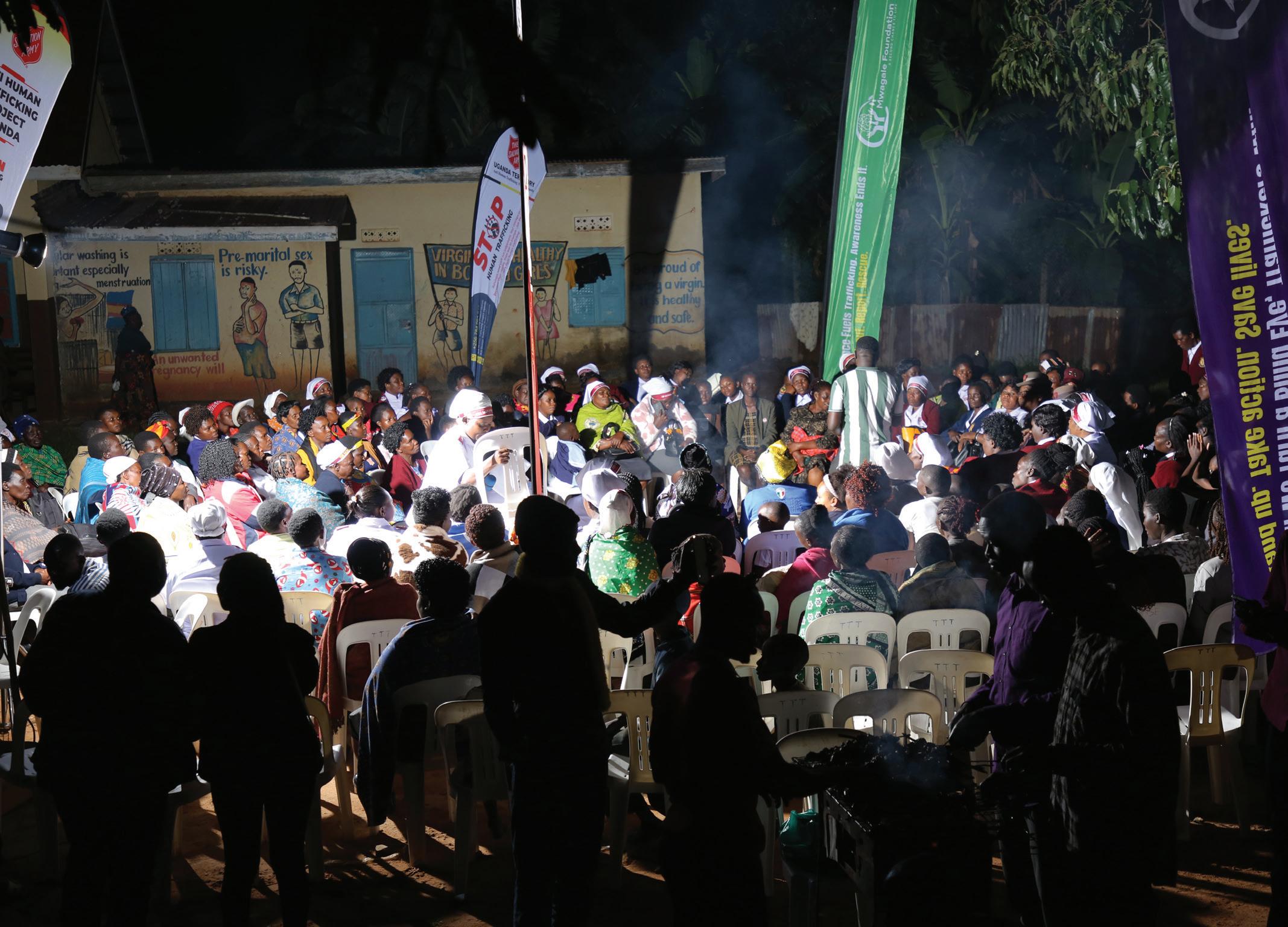
In response, The Salvation Army Uganda Territory, through the Anti-Human Trafficking Project, continues to implement communitybased initiatives aimed at preventing trafficking, protecting vulnerable children and strengthening awareness within communities.
dangers of trafficking. Sensitisation activities in five primary schools and one secondary school in Eastern Uganda have included forming Rights of Children (RoC) Clubs which empower pupils with information and practical skills to recognise risky situations.
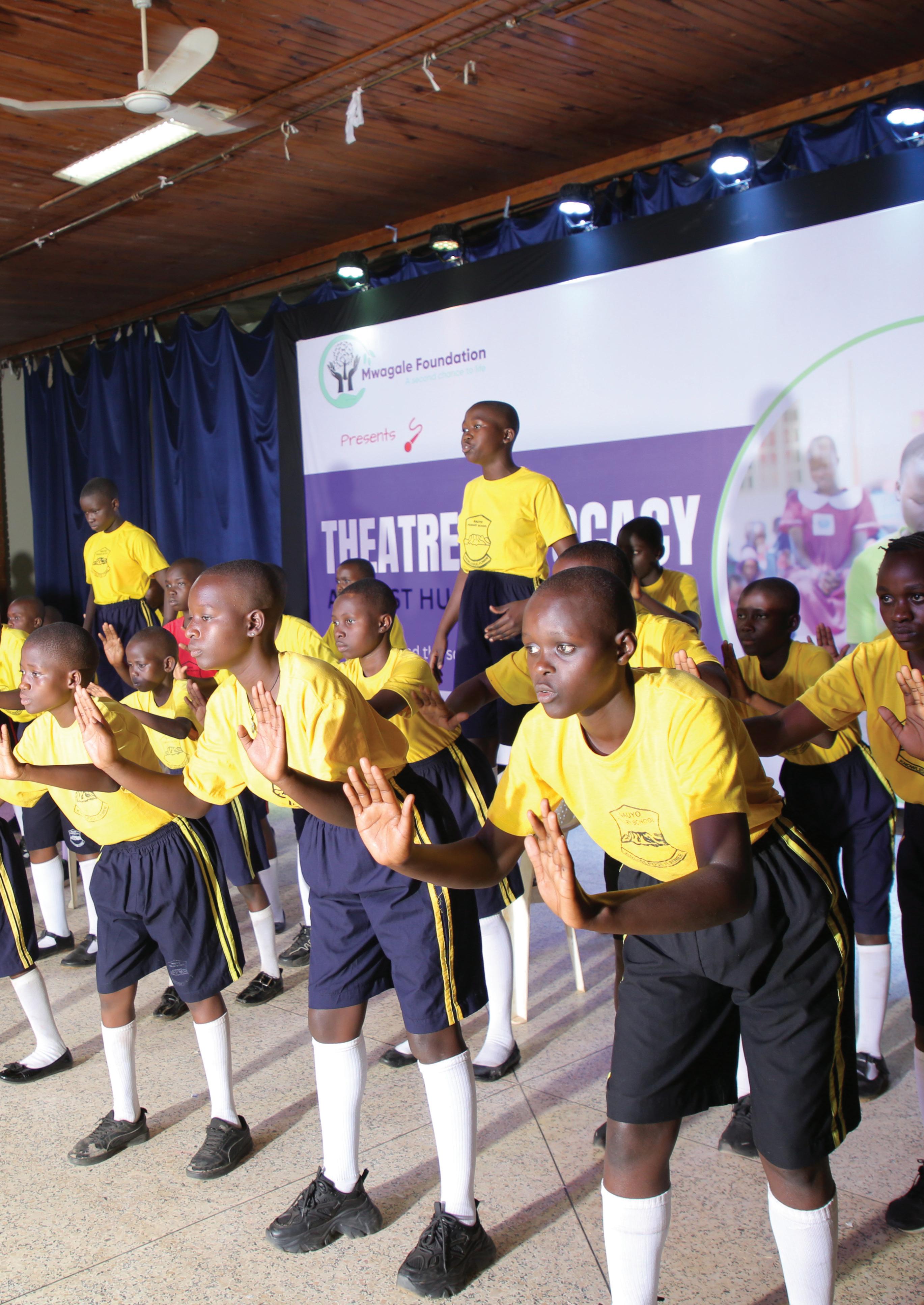
These clubs provide safe spaces where children can openly discuss issues affecting them. Through drama, debates, storytelling and peer-to-peer discussions, pupils explore topics including human trafficking, child labour, early marriage and safe migration. Peer learning has proven particularly effective with RoC Club members actively sharing the knowledge they gain with classmates, siblings and friends, extending awareness beyond the classroom and into the wider community.
By strengthening children’s understanding of their rights and encouraging them to remain in school, these clubs are playing an important role in preventing exploitation.
A key prevention strategy has been engaging directly with schools to equip children with knowledge about their rights and the
Much of the project’s work focuses on Mbale District in Eastern Uganda. Located at the foot of Mount Elgon near the Kenya border, Mbale is known for its fertile soils, vibrant markets and strong cultural heritage. However, its proximity to the Malaba border crossing into Kenya also makes it an important transit point for cross-border movement. Many families
depend on small-scale farming and informal employment, which often provide unstable incomes. With a large youth population and limited economic opportunities, some become vulnerable to deceptive offers promising education or employment for their children elsewhere. These conditions create opportunities for traffickers to exploit both children and families.
Despite these challenges, young people are becoming powerful advocates against human trafficking. At Nauyo Primary School in Mbale City, pupils recently participated in an inter-school anti-trafficking awareness competition, with theatre-based presentations highlighting the dangers of trafficking and the importance of staying in school, verifying opportunities and reporting suspicious recruitment. These messages were also shared at the Nsambya National Sharing Hall, in which schools showcased performances addressing human trafficking and child protection.
These activities have sparked important conversations among parents, teachers and communities. By empowering young people to raise awareness, RoC Clubs are helping build a generation that is more informed, vigilant, and committed to preventing exploitation.
One powerful example of community action involved a 12-year-old girl from Namakwekwe in Mbale. After losing both parents in separate road accidents, the girl was taken to Nairobi by her aunt under the promise that she would return to school. Instead, she was forced into domestic labour and made to perform heavy work beyond her age.
Eventually she managed to escape and found herself alone on the streets. By chance, someone from her home village recognised her and contacted a Community Champion who works closely with the Anti-Human Trafficking project.
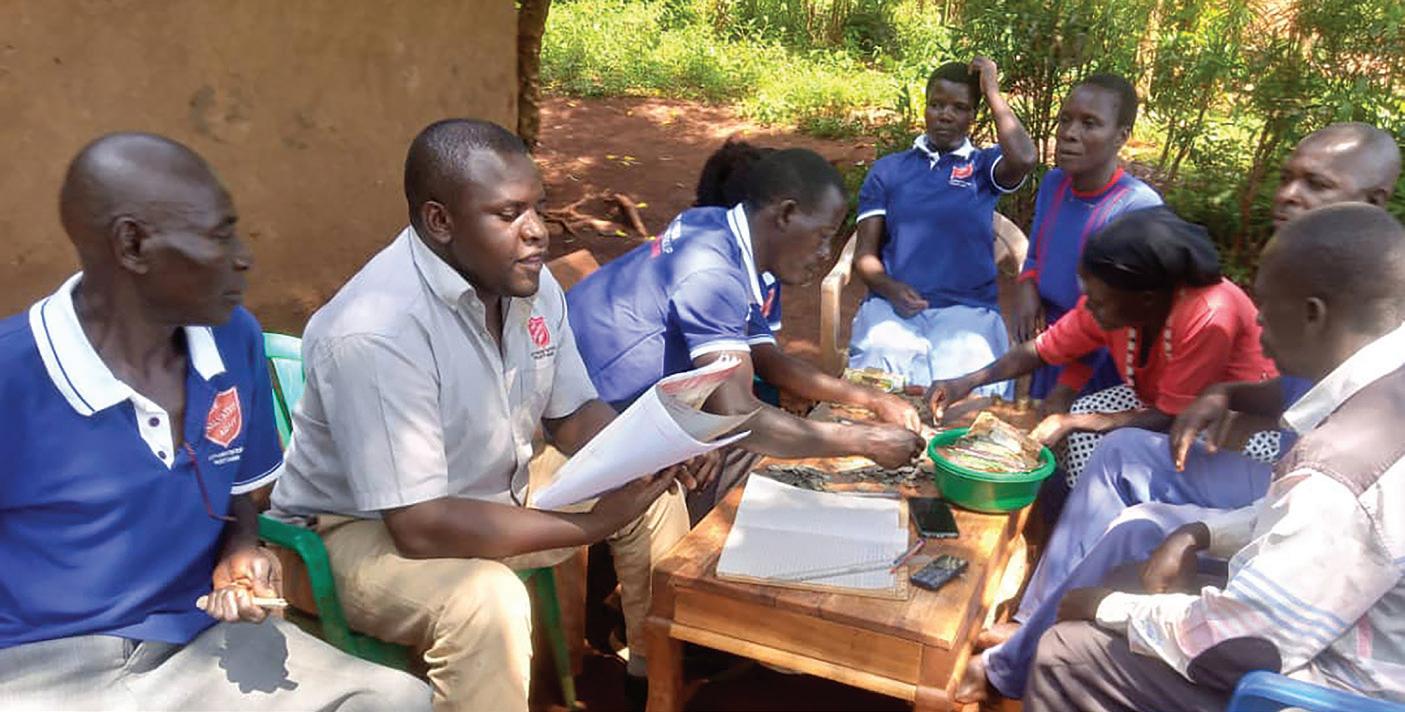
The response from the community was swift and compassionate. Neighbours raised funds to support the child’s journey back home where she was reunited with her siblings and reenrolled in school. Community members continue to provide emotional and psychosocial support to help her recover, while local leaders are pursuing accountability for those responsible. This case demonstrates how informed communities can play a vital role in protecting vulnerable children.
While the project is making real progress, sizeable challenges remain. Our limited resources and geographical
reach mean we cannot support as many people as would benefit. With both vulnerable people and traffickers coming from neighbouring communities, prevention is complex and requires stronger coordination and cooperation across borders. Finally, survivors who return home often require ongoing support, including psychosocial counselling, educational reintegration, and other forms of assistance to help them rebuild their lives. So we must carefully balance providing this longterm care with wider prevention work.
Addressing these challenges remains a priority as the project continues to strengthen community-based responses to human trafficking.
Looking ahead, we will focus on expanding prevention initiatives and improving community protection systems, as well as strengthening safe migration advocacy. Many trafficking cases begin with deceptive job offers targeting young people hoping for opportunities outside their communities or abroad. Through community dialogues, school sensitisation and engagement with local leaders, the project will equip families and youth with knowledge to verify opportunities, recognise fraudulent recruiters and pursue safer migration pathways.
The project will also expand RoC Clubs in schools, enabling more pupils to learn about their rights and serve as peer advocates against trafficking.
Finally, we will prioritise structured survivor support systems. By improving referral pathways, survivors will be connected to psychosocial support, education reintegration, vocational training and livelihood opportunities that support long-term recovery.
Human trafficking remains a serious challenge, but the project demonstrates that when communities are informed, children empowered and partnerships strengthened, meaningful change is possible. Continued investment in prevention, safe migration awareness and survivorcentred support will help to create a future where trafficking loses its grip and communities are free to thrive.●
From Refugee to Head of the Refugee Centre
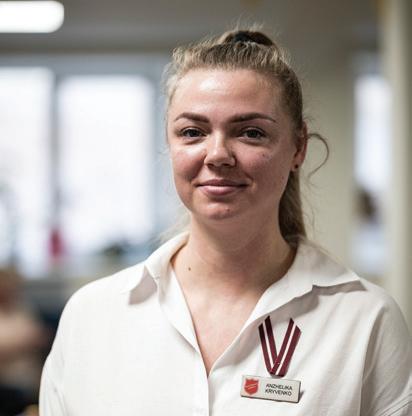
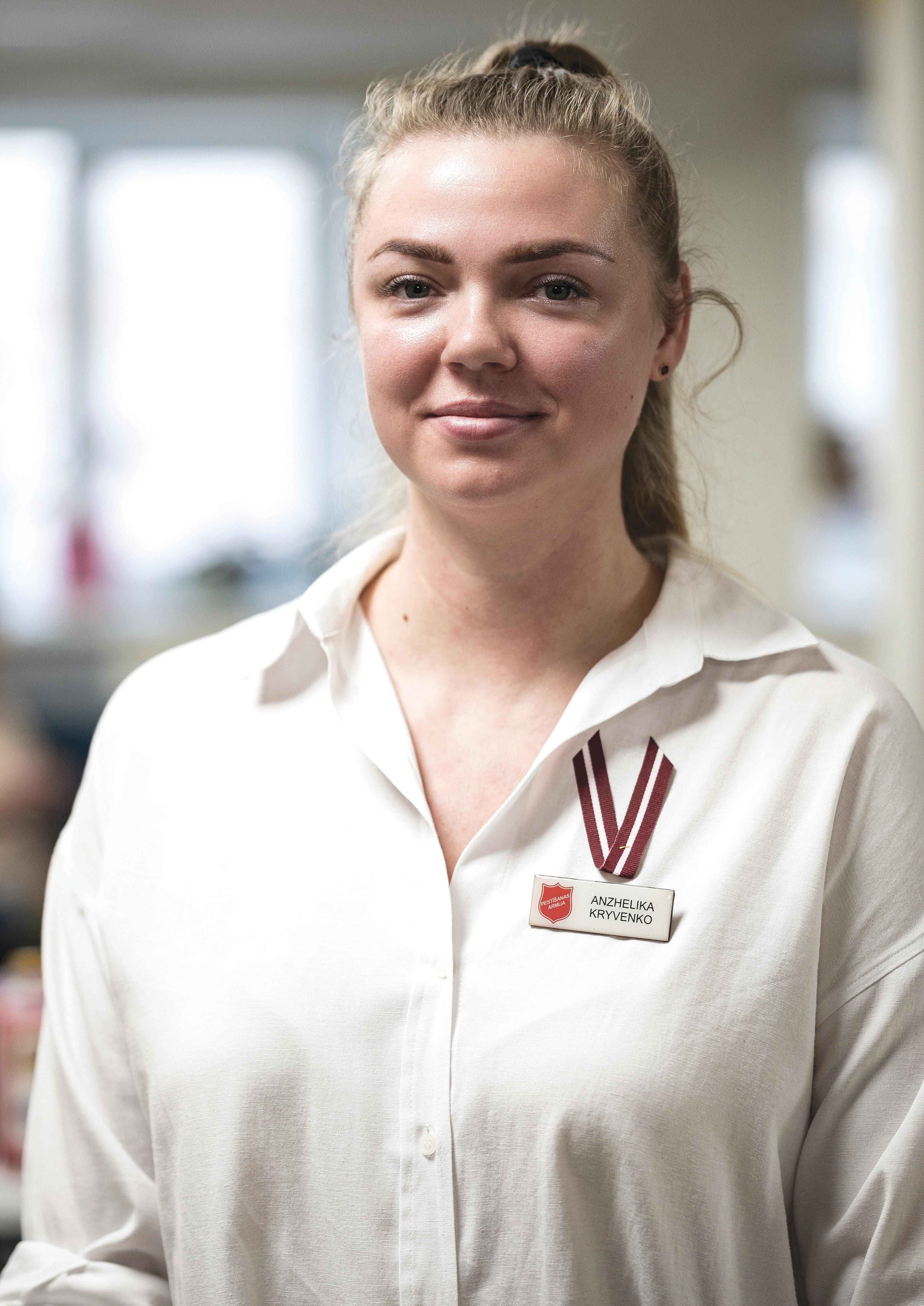
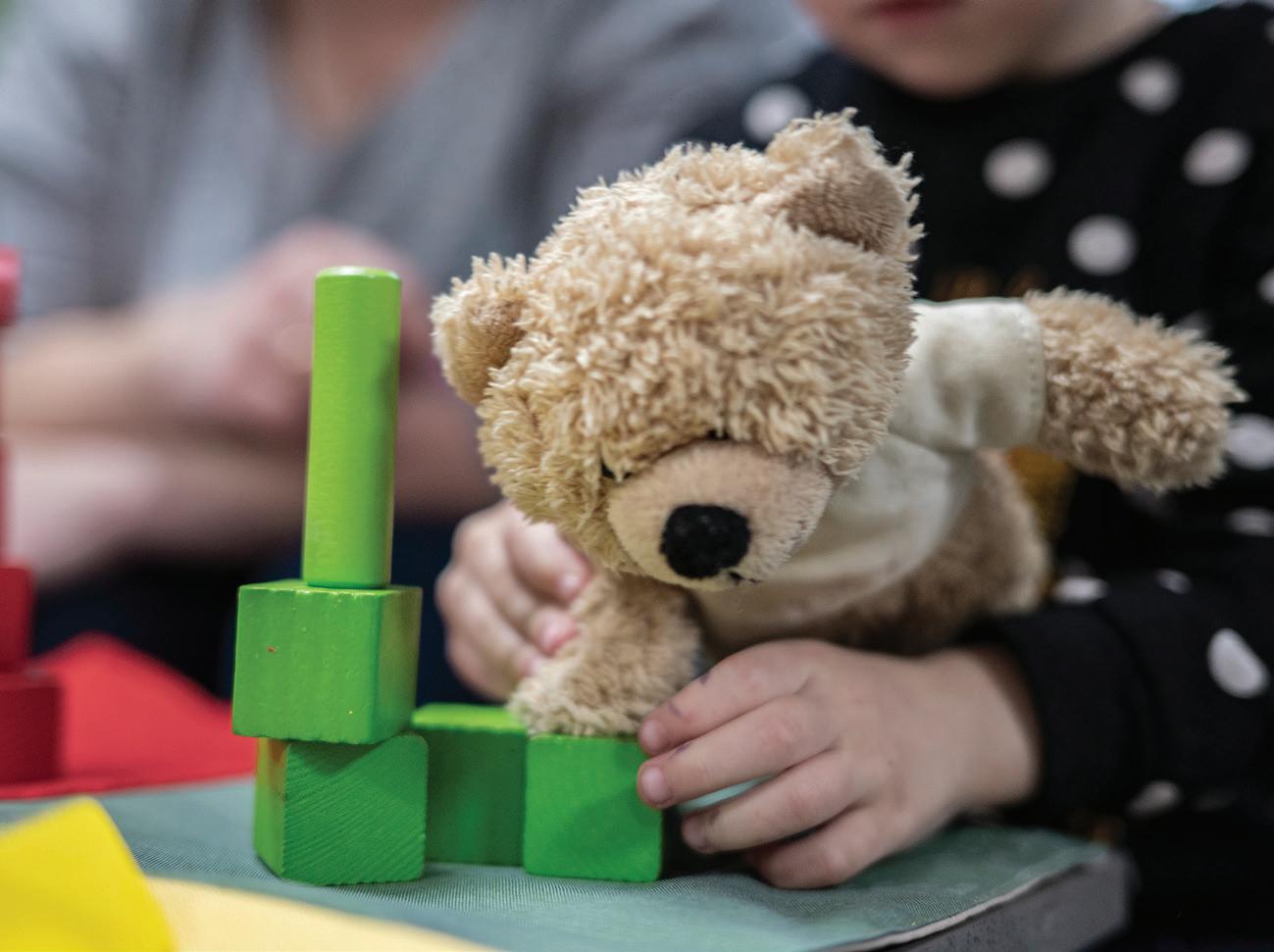
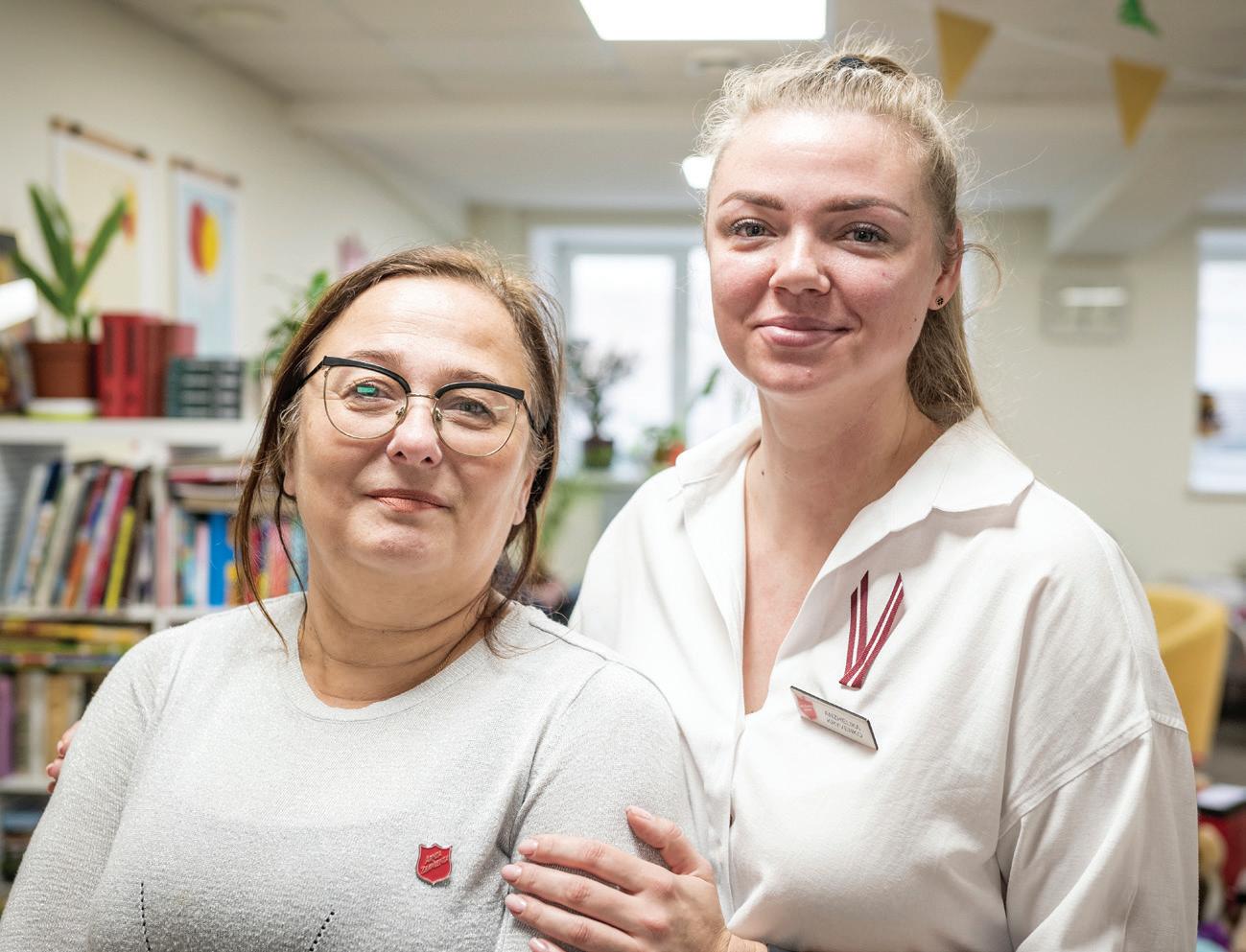
When the war in Ukraine forced Anzhelika Kryvenko to seek help from The Salvation Army in Riga, the capital of Latvia, it marked the start of a journey that would change her life – and the lives of many others. From seeking help to volunteering and now leading the refugee work, she has created ‘A Second Home’ a safe haven where community, support and hope for the future flourish for people fleeing conflict.
“Because we have a large network, we can also tell those seeking help about other organisations where they can get support”
AT THE SALVATION ARMY’s refugee centre for Ukrainians in Riga, food parcels and hygiene items were initially distributed. Some refugees were also provided with temporary accommodation. Around 1,200 families per month received help in the first year.
Anzhelika Kryvenko was one of many refugees from Ukraine who sought help from The Salvation Army in Riga. After a while, she wanted to help others too and began volunteering at the centre. Today she is an employee and leader of the refugee work. She is also one of the initiators of ‘A Second Home’, a place where people can come and feel safe, just like at home. A place where a refugee – someone who doesn’t have many acquaintances or friends around them – can find a sense of community. A place where a person can be looked after, helped, ask questions and get advice.
‘We often have adult women visiting us,’ says Anzhelika. ‘They are very happy that there is a place where they can come and talk to other women with similar interests, a shared history, and so on.
‘The feedback from guests is always positive. Once a man came in, sat down in
a chair and said: “Ladies, you’ve done it! It’s so cosy here, so lovely, so clean, and I really feel as though I’m at home.” We’ve succeeded if men can come here and just sit. He didn’t say much – just sat there, drank his coffee, and left. It was something unforgettable.’
At the end of 2023, the first aid project came to an end, having mainly involved distributing food and clothing. When the new project launched it aimed to offer a distraction from social media, so that refugees could avoid news that might push them even deeper into depression. Instead, they can come to the centre and socialise with like-minded people, make friends, find a sense of community and learn something new.
However, according to Anzhelika, not much has changed. There is still a large group of volunteers and a vast network of other organisations. What they are glad to be rid of, however, is no longer having to carry heavy bags of food and hygiene products in and out of cars. There’s no more heavy lifting.
‘Our hands have become calmer,’ she says, ‘as we used to unload six tonnes of goods a week. Now we have a calmer atmosphere,
filled with love and care. We meet guests, tell them about the opportunities at our centre, and what we can do for them.’
There is also a clear opportunity for visitors to become volunteers with The Salvation Army themselves. They can become part of the team, lead classes and teach others something they are good at.
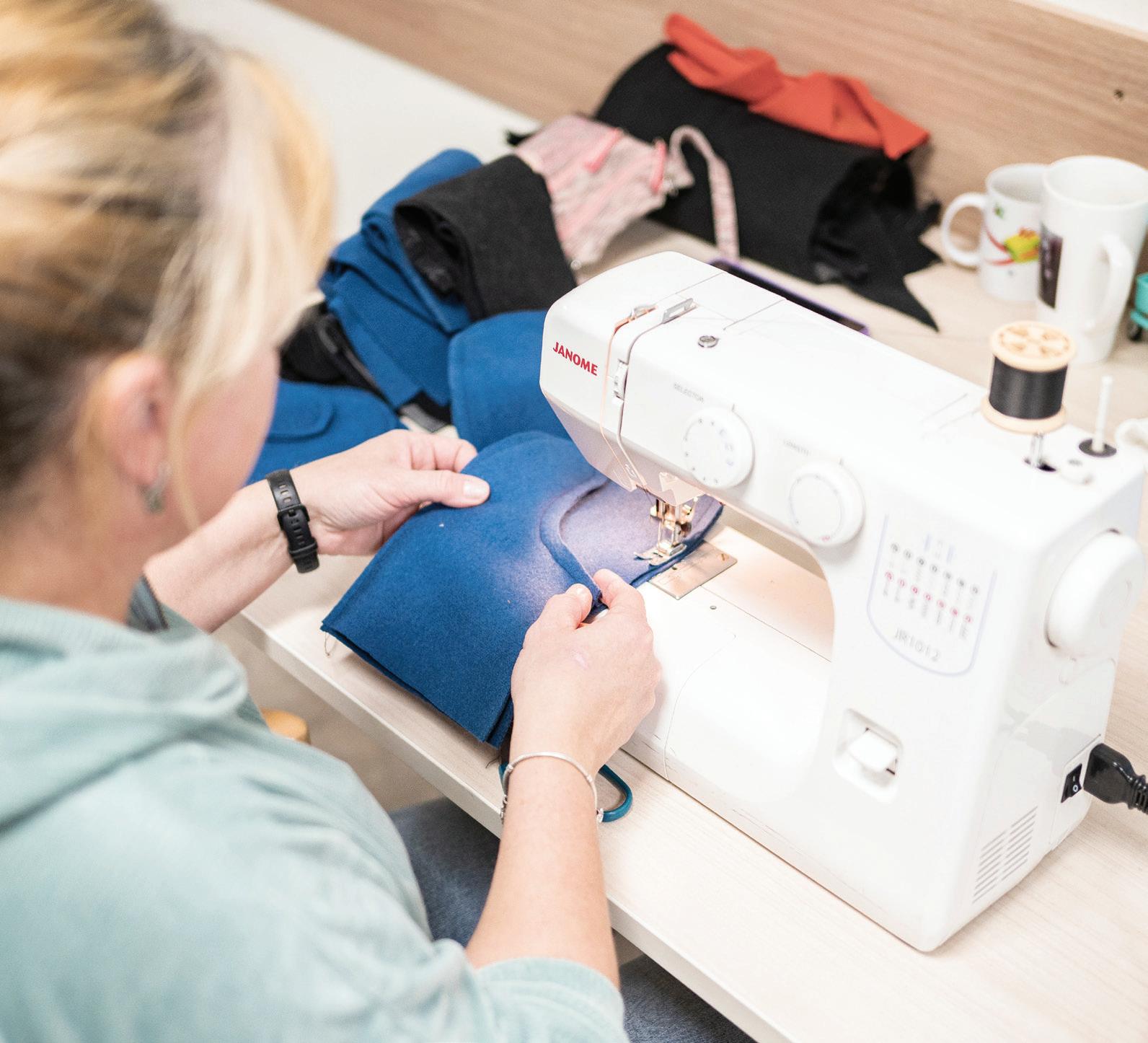
Anzhelika continues:‘I believe it’s an opportunity to make oneself a valued part of society by sharing what one has, whilst at the same time telling oneself, “Well done!” We run many courses, where they can learn to paint and weave, for example. The main aim is to bring a person back to life, to restore them in some way.
‘What I want to give a person coming for the first time, above all, is to show them that they are not alone, that there are people who can support them. People who have experienced the same kind of pain as they have, who understand and accept them exactly as they are and can offer support.
‘Because we have a large network, we can also tell those seeking help about other organisations where they can get support. We can help them book appointments with doctors and explain the rights Ukrainian refugees have in Latvia, such as the fact that they can travel for free in Latvia with a Ukrainian passport.
‘They come to us and we can tell them about their options. We can take some of the pressure off them, give them a bit of a break from their children; while the children play, the mums can sit and have a coffee and a chat.
‘We’re going to organise an event for volunteers, because it’s very important to thank the volunteers for taking part in all this, for giving their love and care to people. It’s very important to tell them that, so they don’t forget how wonderful they are. We’ll also have something for the children.
‘I believe that if everyone were to love and treat people as they deserve to be treated, with respect, then perhaps there would be no wars or hatred in the world. If we are good, even more good people will gather around us, and in that way we can win through goodness, which is what The Salvation Army does – creating an army of good people who fight against all evil.’ ●
Integrated Mission: Lessons from Tanzania
In 2023, Captains Ben and Rebecka Cotterill moved from the UK to Tanzania with their family to take up appointments as Development Officers. Here, Ben Cotterill reflects on experiences that show how the gospel is lived through both practical service and spiritual care, revealing the strength and impact of truly integrated mission.
“One officer had spent several hours perched in a tree, waiting for the hippo to move on so he could return home safe”
SERVING IN TANZANIA brings experiences that simply would never happen in the United Kingdom. Sometimes they are startling, sometimes amusing and sometimes profoundly moving. Yet in my experience they all reveal something essential about mission and the gospel in action. For example, I attended a seminar on encouraging older people to engage in church, as most congregations were dominated by young people. This is a stark contrast to the UK, where many churches face the opposite challenge.
There are also moments that remind you of your environment. During a board meeting we received a letter from a corps pleading for help: the officers and their family were under threat from hippos roaming near their home. Confronted by animals ranked among the most dangerous in Africa, one officer had spent several hours perched in a tree, waiting for the hippo to move on so he could return home safely.
When I later visited the family, their daughter was recovering from a venomous snake bite. It became clear that the posting was unsafe, and the territory moved them to another village. This new location was a community where a water and sanitation project – funded by the United Kingdom and Ireland Territory – was under way. The local corps had long prayed for officers and were thrilled to welcome this young family.
Our work in that community focused on providing clean water and sanitation for the school and surrounding village. As part of this, we met regularly with local leaders. One meeting took place in the middle of a busy village street during a council session. We explained the plan to bring clean water and used the opportunity to share The Salvation Army’s mission and values. I also introduced the newly arrived corps officers, emphasising that their ministry would not only bless the corps but also serve the whole area. Recognising the challenges a young family might face when stepping into ministry, I appealed to the village leadership to stand with and support them. In response, the village chairman made a remarkable statement:
‘I will commit to giving them a 10-kilogram bag of wheat every month to ensure their needs are met. I have never seen a church that so clearly does not discriminate or prioritise its own members first. You helped
our school with more than 1,000 children. You helped our health clinic. We do not fully understand why your church building is in poor condition, but we recognise that you chose to serve the whole community first. Because you do not discriminate, we will support The Salvation Army.’
The meeting opened with 40 people, but as the discussion unfolded, the crowd grew to more than 100. What began as a simple briefing had transformed into a powerful moment of community commitment. People rallied together, pledging their support for the work of The Salvation Army as we planned to provide water for their village.
This experience raises a question that frequently surfaces in mission: is church ministry separate from community work, or are they integrated? Are they different missions, or two expressions of the same mission? This story demonstrates that, at its best, mission is fully integrated.
The Founder of The Salvation Army, William Booth, understood this well, stating: ‘You cannot warm the hearts of people with God’s love if they have an empty stomach and cold feet.’ Booth was articulating the biblical call of 1 John 3:18 to ‘not love with words or speech but with actions and in truth’. Bryant L Myers, a scholar of Christian development, describes this holistic approach as ‘transformational development’ where the gospel addresses both spiritual and material poverty.
Development economist Amartya Sen emphasises that true development is about expanding human freedom and capability. Addressing material needs such as access to clean water, education and healthcare helps ensure people can live the lives they value. In the context of Christian mission, such development work is not separate from spiritual mission – it enables it.
The Salvation Army commitment to integrated mission continues today. Its international leader General Lyndon Buckingham affirmed this when he said, ‘One of our driving ambitions is to meet human need without discrimination, and that “human need” varies depending on where we are in the world.’
The village chairman’s response illustrated this principle perfectly. He recognised The Salvation Army as a church that serves everyone, not just its own members. That
witness inspired the community to support a young couple stepping into ministry.
Reflecting on this experience, it becomes clear that community development is not an ‘extra’ in mission; it is integral. The gospel can manifest in ways that are both practical and spiritual. Whether it is relocating a family threatened by hippos, caring for a child recovering from a snake bite, providing clean water, or strengthening local health services, these expressions are woven into the fabric of ministry along with preaching and discipleship.
Holistic mission is spiritual, practical, relational and courageous. It recognises the worth of each person and prioritises the wellbeing of the whole community. It demonstrates love without discrimination and calls others to participate in the mission.
My time in Tanzania has reminded me that the gospel is not a set of activities but a way of being in the world, integrated into every interaction and every service offered. And when it is lived fully, as Booth envisioned and General Buckingham affirms, it transforms not only the community but also those of us called to serve alongside it. ●
1 IHQ Communications Interview, 8 Nov 2023 https://www.salvationarmy.org/news/interview-general-lyndon-buckingham
BY FRANCINE O’HANLON
Sustaining Mission
Each year, corps around the world support The Salvation Army’s international mission through sacrificial giving. This article explores how the Self‑Denial Appeal began, how mission and development are closely connected, and what this shared commitment looks like in practice in Pakistan.
“‘I’ll give up my pudding for an entire year!”
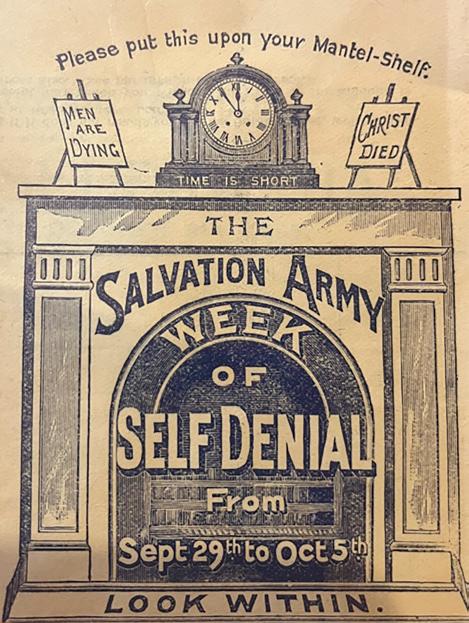
THIS IS THE PLEDGE that Salvation Army officer John Carleton is reported to have made in 1886. He had heard General William Booth speak of the urgent need to fund the rapidly growing international work of The Salvation Army, and in response promised to go without his pudding for a whole year and give the money he saved to support The Salvation Army’s work around the world.
Booth was moved by Carleton’s enthusiastic offer, but felt a year was too great a sacrifice. Instead, Booth was inspired to encourage Salvationists everywhere to make a personal act of self-denial for just one week, each giving up something they valued and giving what they saved for international mission.
From the late 19th century into the 20th, The Salvation Army’s newspaper The War Cry reported of contests between corps and individuals to raise the most money. Later still a specific challenge to officers and Salvationists emerged to commit to donating One Week’s Salary On Missionary Service, known as ‘OWSOMS’.
140 years later, Carleton’s simple pledge has grown into a worldwide response of sacrificial giving. Each year, Salvationists from all walks of life generously support The Salvation Army’s international mission ‘to preach the gospel of Jesus Christ and to meet human needs in his name without discrimination’. The Self-Denial Appeal – as it came to be known – is more than simply fundraising. It has always been an act of discipleship, a way of recognising that we are part of a global Army with a shared mission.
In the United Kingdom and Ireland Territory, part of the money raised through the Self-Denial Appeal is shared with our Partners in Mission territories: Denmark and Greenland, Finland and Estonia, Ghana (including Togo), Pakistan and South America East.
The remainder is used by International Headquarters which allocates funds to territories according to need. As part of the Mission Support programme, territories are invited to submit proposals that align with agreed priorities, with a strong emphasis on strengthening infrastructure and self-sufficiency.
Through the Self-Denial Appeal and Mission Support, Salvationists are reminded that they belong to something bigger than themselves – a global movement, connected through shared purpose, mutual support and prayer.
Mission Support exists to strengthen Salvation Army territories so they can move towards long-term sustainability. Whilst many projects featured in Develop magazine focus on community development – such as training in conservation agriculture, human trafficking awareness, or improving access to clean water – Mission Support focuses on resourcing church infrastructure. This can take many forms: it can look like a library in Lahore equipping officers to study and lead well, hot food distributed during the colder months in Buenos Aires, or a new building in Nuuk that provides a safe space for worship and community activities. It might be tempting to say Mission Support simply ‘keeps the lights on’, but in reality it does far more. By investing in buildings, leadership development, spiritual formation, and the systems and skills needed to manage resources well, Mission Support enables Salvation Army communities to be present, stable and responsive where they serve. In this way, Mission Support and community development go hand in hand – providing the foundation from which meaningful community engagement can grow, and through which the love of God is shared in practical ways.
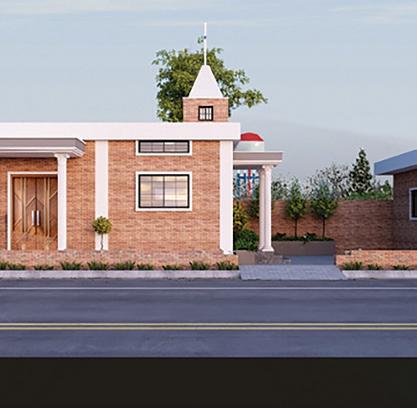
In Pakistan, the growth of The Salvation Army is visible each week in crowded corps halls and vibrant worshipping communities. In the Sheikhupura Division, more than 700 people are part of the life of Chappa Corps. Alongside Sunday worship, the corps building serves as an important space for the wider community. Throughout the week, children and young people gather for homework support and Sunday school, and community members regularly come through the doors seeking connection and care.
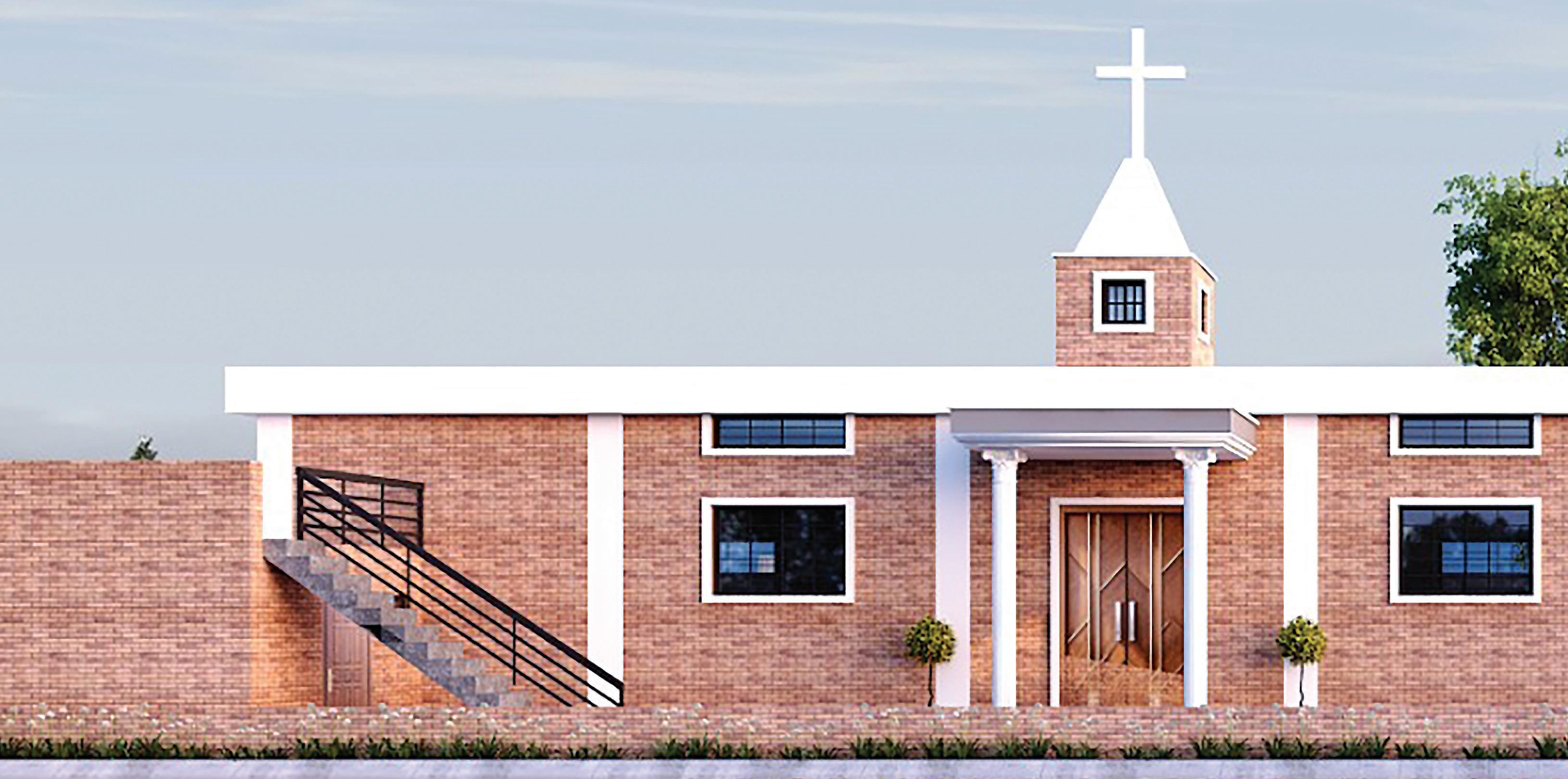
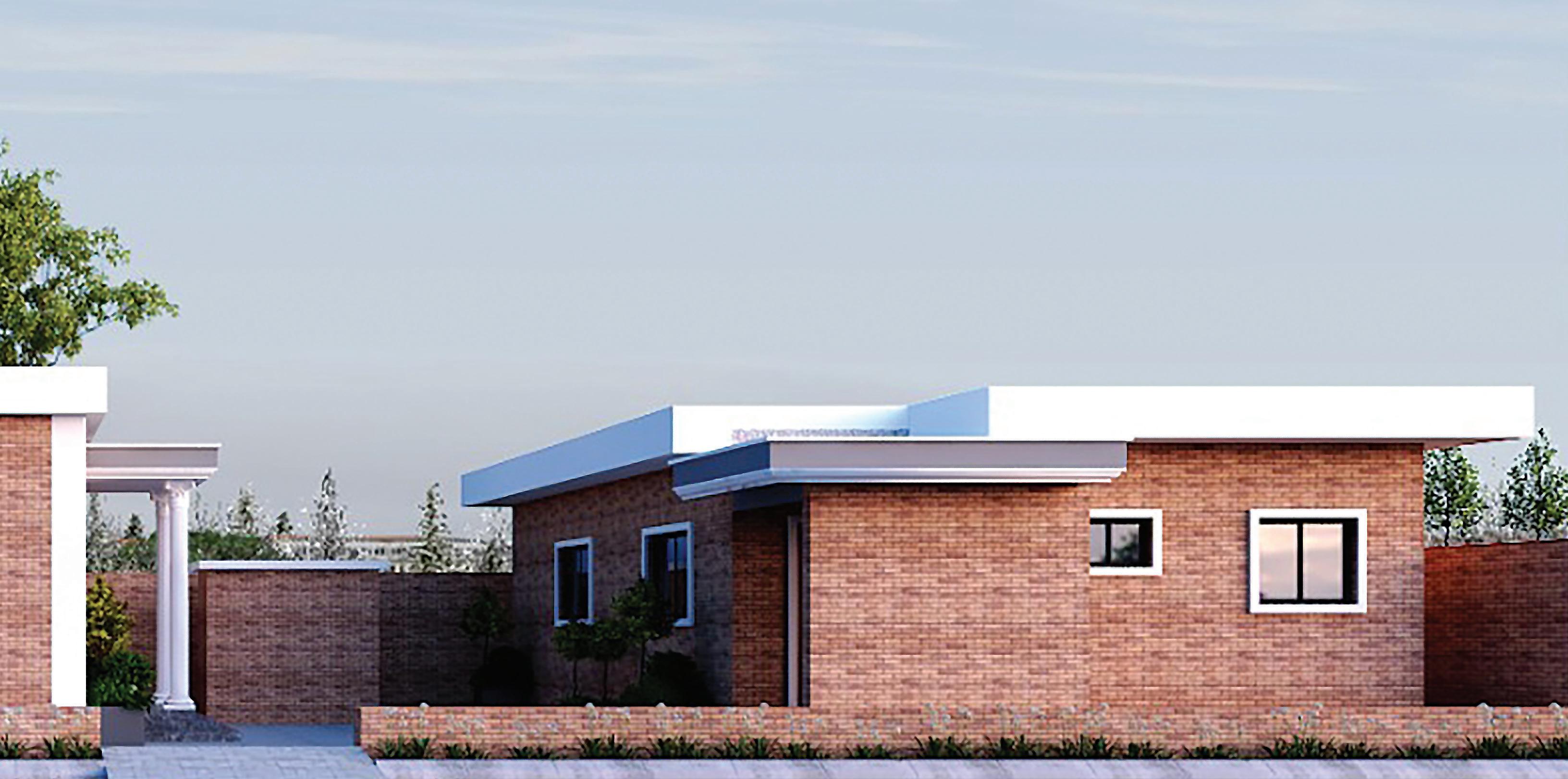
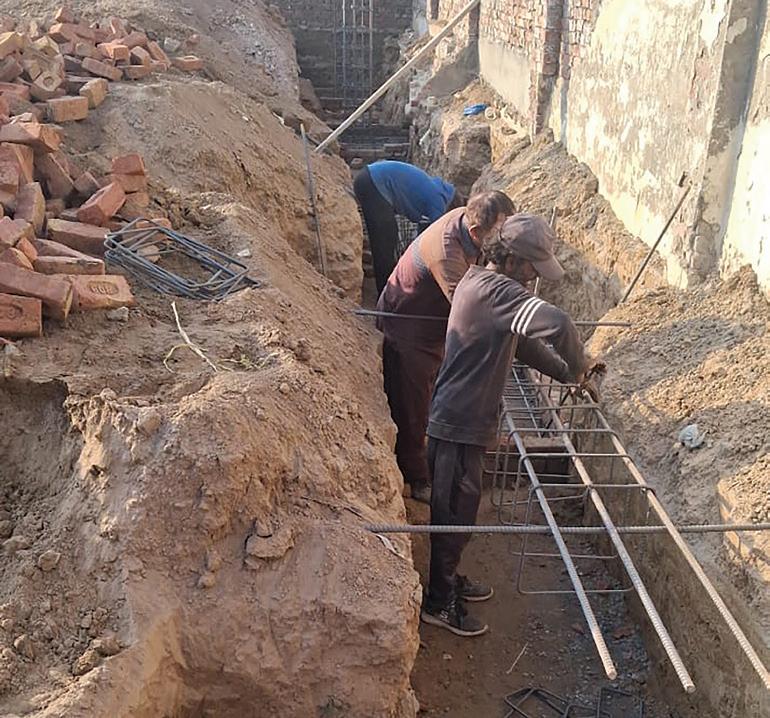
The building the corps had used for many years was small and sat several feet below ground level. As the corps grew, the hall could no longer comfortably accommodate everyone, and some worshippers were left sitting outside during services. Although corps members did what they could to renovate the hall themselves over the years, the Pakistan Territory proposed rebuilding it to create a safe, welcoming and fit-for-purpose space for worship, learning and fellowship.
The new hall offers a safer and more secure environment, with improved protection from the weather and better accessibility for all. It provides a place where families can gather with confidence and children can learn safely. In a context where Christian communities can experience insecurity, this investment communicates that The Salvation Army values its people and is committed to the community of Chappa for the long term.
A similar story can be told at Punjgarian Corps in the Faisalabad Division, where nearly 1,500 people are part of the wider corps community. The decades-old corps hall and officers’ quarters were in serious disrepair. Cracks in the walls, fragile roofing, and repeated flooding during the rainy
“Mission Support enables Salvation Army communities to be present, stable and responsive where they serve!”
season made daily life increasingly difficult. The hall was too small to accommodate everyone, whilst the officers’ living quarters were no longer safe or hygienic with damaged kitchens and washrooms affecting their wellbeing. Rebuilding both the hall and quarters was not simply about bricks and mortar, but about enabling ministry to continue without risk to health and dignity.
In Pakistan, as in many other territories, these Mission Support projects reflect a strategic commitment to strengthening the foundations of The Salvation Army’s work. By improving corps halls and officers’ living conditions, The Salvation Army is investing in safe spaces for worship, leadership and pastoral care. When officers are able to live and work in safe, secure environments, they are better equipped to serve their communities. In places where resources are limited and pressures are many, Mission Support ensures that the church remains present, resilient, and ready to respond to the needs of the people it serves. ●
BY HAYLEY
International Volunteering: Where’s the harm?
As the international development sector seeks to decolonise practice and shift power, is there still a place for global volunteering? In this revised article, first published by Bond – the UK network for organisations working in international development – in October 2025, Hayley Still reflects on that question.
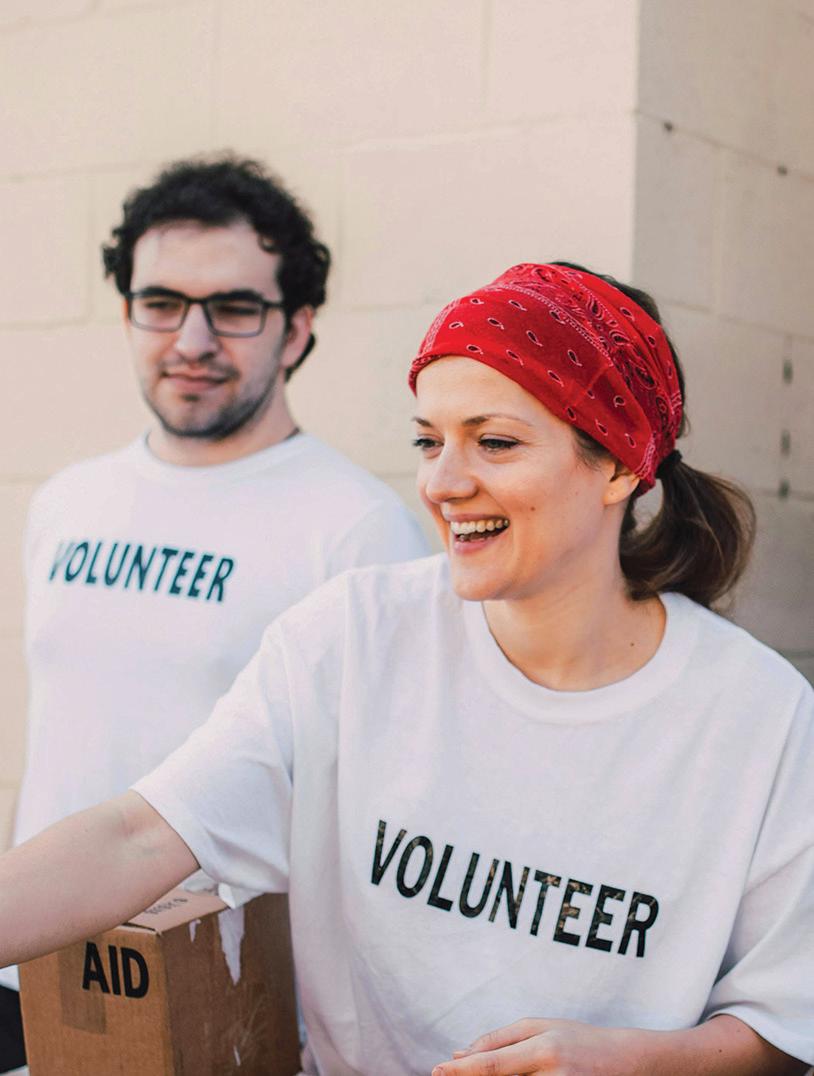
INTERNATIONAL VOLUNTEERS are often celebrated for their altruism, selflessness and sense of adventure. Across the globe, individuals contribute time, energy and skills to support causes they value, from helping to provide humanitarian aid to teaching children, among many other opportunities.
At its best, international volunteering offers people the opportunity to connect with others, foster empathy, develop skills, gain new perspectives and contribute to something larger than themselves.
Distinct from ‘voluntourism’, which is often run by for-profit companies offering shortterm, holiday-focused experiences which serve the needs of volunteers, international volunteering is longer established, with placements that ‘centre the needs of the people and communities that benefit from the work of volunteers.’ 1
International volunteering can also provide much-needed funding for community-led initiatives. While some argue that this money could be sent without the need for people to visit, first-hand experiences often inspire deeper engagement and a lifelong commitment to development work, advocacy and ethical living.
However, there are concerns, particularly within international community development, that such trips can cause unintended harm.
In Christian contexts, international visits are often framed as ‘short-term mission’ trips. While the intention is similar to secular counterparts, trips often emerge from churchto-church connections, focus on specific projects and, in some cases, include a desire to share faith with the communities visited.
International exchanges can provide meaningful, though limited, insights into life and mission in another culture, helping participants to understand global issues more personally. Trips can foster longterm partnerships with host communities, built on mutual respect and shared goals, particularly when the focus is on learning rather than teaching. This emphasis on genuine collaboration is key, prioritising local leadership and supporting existing community efforts rather than imposing external ideas.
However, some would argue that mission is most effective with long-term commitment rather than short-term visits. Sharing and
living out your faith is about incarnational living and fostering community through authentic relationships. As such, ‘mission trips’ should be part of a long-term partnership and a reflection of each person’s discipleship journey, rather than a one-off opportunity to see the world.
The Salvation Army in the UK and Ireland has developed Glimpse, a resource that churches can use to organise and run international visits to create the maximum positive impact for everyone involved. So named to acknowledge that short visits are unable to provide the full reality of life in a particular place, the resource also seeks to ensure that visits limit the burden on host communities and prioritises cultural sensitivity and understanding. The aim is that the support being offered is both wanted and needed, and that long-term partnership and sustainability are at the heart of the experience.
In the broader context, international trips can be transformative for volunteers, who can gain life skills, confidence and personal growth. At a time when we are highly connected, yet in many ways divided and nationalistic, exposure to different cultures and ways of life can also challenge assumptions and deepen understanding.
At its best, international volunteering can be a powerful tool for encouraging global citizenship and nurturing a sense of shared humanity. However, it is not without its critics.
Arguably, the presence of international volunteers can do more harm than good by reinforcing stereotypes, unduly burdening hosts and creating dependencies. Volunteers may also unintentionally highlight economic disparities, whether through good-natured handouts of toys and gifts, or the visible display of wealth such as expensive technology or clothing.
The displacement of skilled local workers is also a concern. Volunteers, in some case unskilled, taking on roles that could be filled by paid staff undermines local economies and inhibits the impact of development efforts.
The assumption that outsiders are better equipped to solve problems, as well as volunteers positioning themselves as ‘rescuers’ rather than partners, can perpetuate a ‘saviour narrative’ that is both outdated and damaging.
Too often, the focus is on the volunteer’s experience, resulting in good intentions being prioritised over good practice.
So how can we ensure that the positives don’t outweigh the potential longterm harms? Rethinking how volunteer programmes are designed and delivered is essential. They must:
● BE COMMUNITY-LED: Volunteers must listen to their partners to understand their priorities and ensure they don’t pursue their own agendas.
● KEEP COLLABORATION AT THE HEART: Volunteers must work alongside those they visit with a willingness to listen and learn, without placing an unfair burden on hosts. Ideally, programmes would prioritise mutual learning and include opportunities for return or exchange visits.
● PROVIDE COMPREHENSIVE TRAINING AND PREPARATION: Where volunteering requires specific skills, volunteers must be properly trained and prepared for the context. Cultural orientation, a clear understanding of responsibilities and safeguarding training are essential.
● HOLD SUSTAINABILITY AS A GUIDING PRINCIPLE: While short-term volunteering can be valuable, longterm engagement often leads to greater impact. Repeat visits, or partnerships with local organisations, can help to strengthen continuity and sustainability.
● MONITOR AND EVALUATE EFFECTIVENESS: Reviews should assess not only what was done but also what changed. By measuring outcomes and learning from experience, international volunteering can become more effective and communityfocused rather than individualistic.
Ultimately, the sector has a responsibility to prepare and educate international volunteers, highlighting the importance of humility, thoughtfulness and a commitment to doing no harm. As the sector continues to evolve, it must move beyond narrow, saviour-complex notions of volunteering and embrace a more ethical, impact-driven and collaborative approach. ●
“Rethinking how volunteer programmes are designed and delivered is essential”