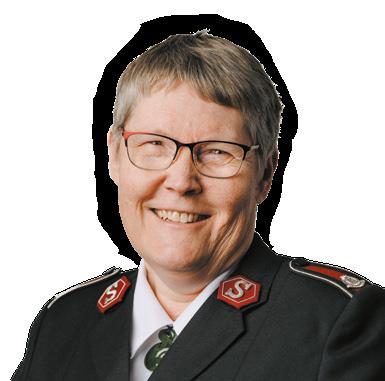
Captain Sarah Green shares how reliance on God during change can help us forge a path through it.
16 Jesus the Changemaker
In a world hungry for positive change, Jesus invites us into innovation and renewal.
18 Speaking up for Jesus
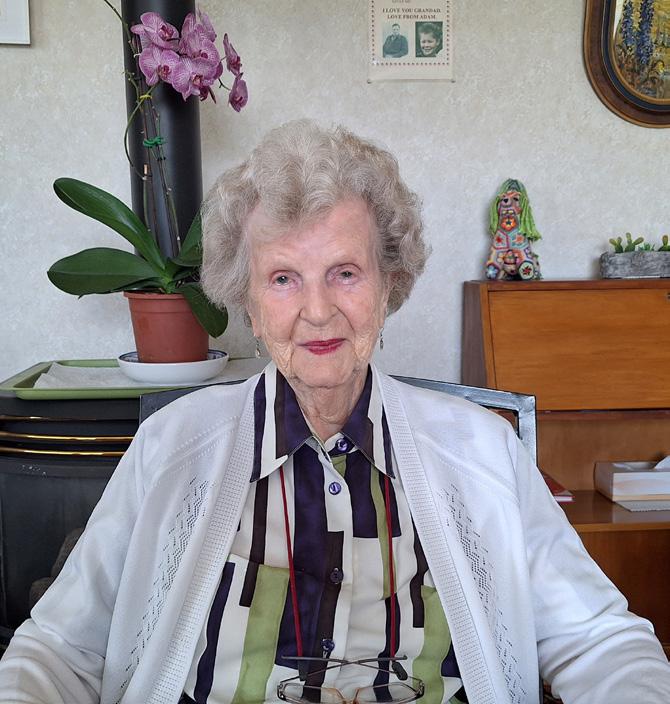
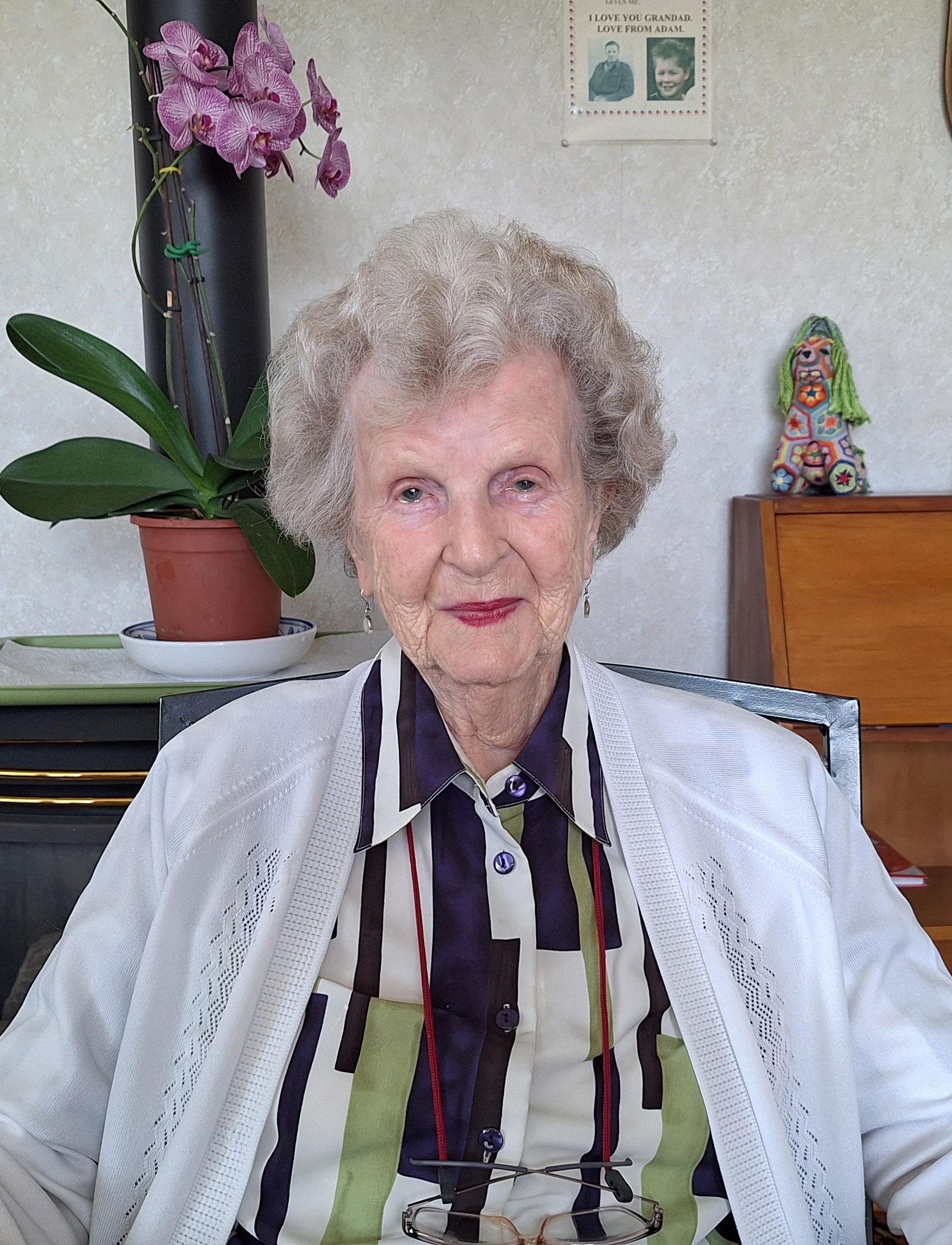
At 96, Elsie Mowat from Mosgiel Corps is still standing firm in her faith and is unafraid to speak about Jesus.
20
A Treaty of Waitangi Response
Ravi Casinader reflects on Te Tiriti o Waitangi through a cultural and faith-based lens.
24 Lovely Volunteers
SALT reader Wendy Joy Baker shares a poem honouring volunteers.
26 A New Kingdom
The story of Jesus’ resurrection is mysterious and strange, and changes the course of humanity from death to life.
SALT Magazine
The Salvation Army New Zealand, Fiji, Tonga and Samoa Territory
Territorial Commander
Commissioner Janine Donaldson
General Lyndon Buckingham
Founders Catherine and William Booth
Editor Trina Saffioti
Graphic design
Sam Coates, Nicole Gesmundo, Lauren Millington, Nina Rajan
Staff writers
Kelly Cooper, Captain Rachel Montgomery
Proof reading Colleen Marshall, Major Glenys Fairhurst
Connect with us saltmagazine.org.nz SaltMagazineNZ @SaltMagazineNZ salvationarmynzfts Territorial Headquarters, 204 Cuba Street, PO Box 6015, Marion Square, Wellington 6141 p: (04) 384 5649 e: salt@salvationarmy.org.nz
All Bible references from the Holy Bible, New International Version, unless otherwise stated.
Views and opinions expressed do not necessarily represent those of The Salvation Army.
Articles are copyrighted to The Salvation Army, except where indicated, and may be reprinted only with permission.
Keep the Change
Kia ora e te whānau,
This month we are exploring the concept of change and how we respond to it.
Change is one of the few constants of modern life. I regularly tell my, often incredulous, nine-year-old about life growing up in 1970s and 80s New Zealand where nothing seemed to change. Most shocking to her is that we watched a black and white television until 1980 when it finally died. Fortunately, my grandparents had recently purchased a colour television; unfortunately, they donated their old black and white one to us. Eventually my parents caved, and I can still recall the excitement of coming home one afternoon to see Yosemite Sam facing off with Bugs Bunny in full, glorious, colour.
In this issue, Kelly Cooper explores how Jesus was the ultimate changemaker—a rulebreaker who challenged societal norms and in doing so revealed God’s heart and intent. You can read this on page 16.
We are also blessed to host an array of exciting guest writers. We get to read the wise words of Captain Sarah Green on page 8, who takes us through some of the change she has experienced in her life and how she has weathered those storms. On page 20, Hutt City Corps attendee Ravi Casinader shares a thought-provoking piece on his response to Te Tiriti o Waitangi.
To mark National Volunteer Week in New Zealand, on page 24 SALT reader Wendy Joy Baker celebrates the dedication and talent of volunteers.
Although this issue’s focus is on change, we also have a beautiful testimony from Elsie Mowat from Mosgiel Corps that parallels this theme by shining a light on both Elsie’s constancy and that of our Lord and Saviour.
Regarding change at The Salvation Army, last month we ran a survey about putting SALT and Army stories online. We received over 500 responses with some clear themes emerging including how popular SALT is with readers aged 60+. There’s a lot more to be explored in how we, as an Army, meet the communications needs of our various audiences—so watch this space!
Regardless of wherever we are on our respective change journeys, I think it was my mother who said to me ‘everything happens to us through a filter’, meaning that God is in control and He is sovereign above all.
Trina Saffioti Editor
See, I am doing a new thing! Now it springs up; do you not perceive it? I am making a way in the wilderness and streams in the wasteland. ISAIAH 43:19
What’s On?
Candidates Sunday | Territory-Wide
7 June
For more information, visit salvationarmy.org.nz/SayYes
National Volunteer Week (NZ)—Te Wiki
Tūao ā-Motu
14–20 June
Territorial Online Spiritual Retreat Day
22 June
For more information and to register, please email janet.green@salvationarmy.org.nz
Check out our full event calendar at salvationarmy.org.nz/events
When we are no longer able to change a situation, we are challenged to change ourselves.
VIKTOR FRANKL
INTERNATIONAL PRAYER
• China—Most Chinese Christians worship within the house church movement. Despite continuous pressure and oppression from the Communist government, house church leaders refuse to compromise the gospel by joining government-controlled churches. In recent years, restrictive religious regulations and persecution have increased significantly. Hundreds of churches have been forced to close, pastors have been arrested and the online sale of Bibles has been prohibited. The government has installed facial recognition cameras near churches to identify those who attend worship services. Pray for perseverance for Christians under continual government surveillance and oppression. Pray for access to Bibles despite restrictions.
• Pakistan—Violence against Christians in Pakistan is increasing; believers are persecuted by their communities, Islamic extremist groups and the government. Some believers take great risks to witness and baptise converts. Most Christians are treated as second-class citizens and are forced to work long hours in labour-intensive jobs, while being oppressed by schemes that keep them in bondage to their employers. Many Christians have been imprisoned under the country’s blasphemy laws. Pray for courage and strength for those who share the gospel despite great personal risk. Pray for peace and comfort for those wrongfully imprisoned.
SALVATION ARMY PRAYER
Social Policy and Parliamentary Unit; SpiritSong; Supporter Care Unit; Supportive Accommodation; Supporter Engagement and Fundraising; Suva Central Corps; Sydenham Corps; Tai Pari Division; Southern Africa; Tanzania; and Uganda Territories.
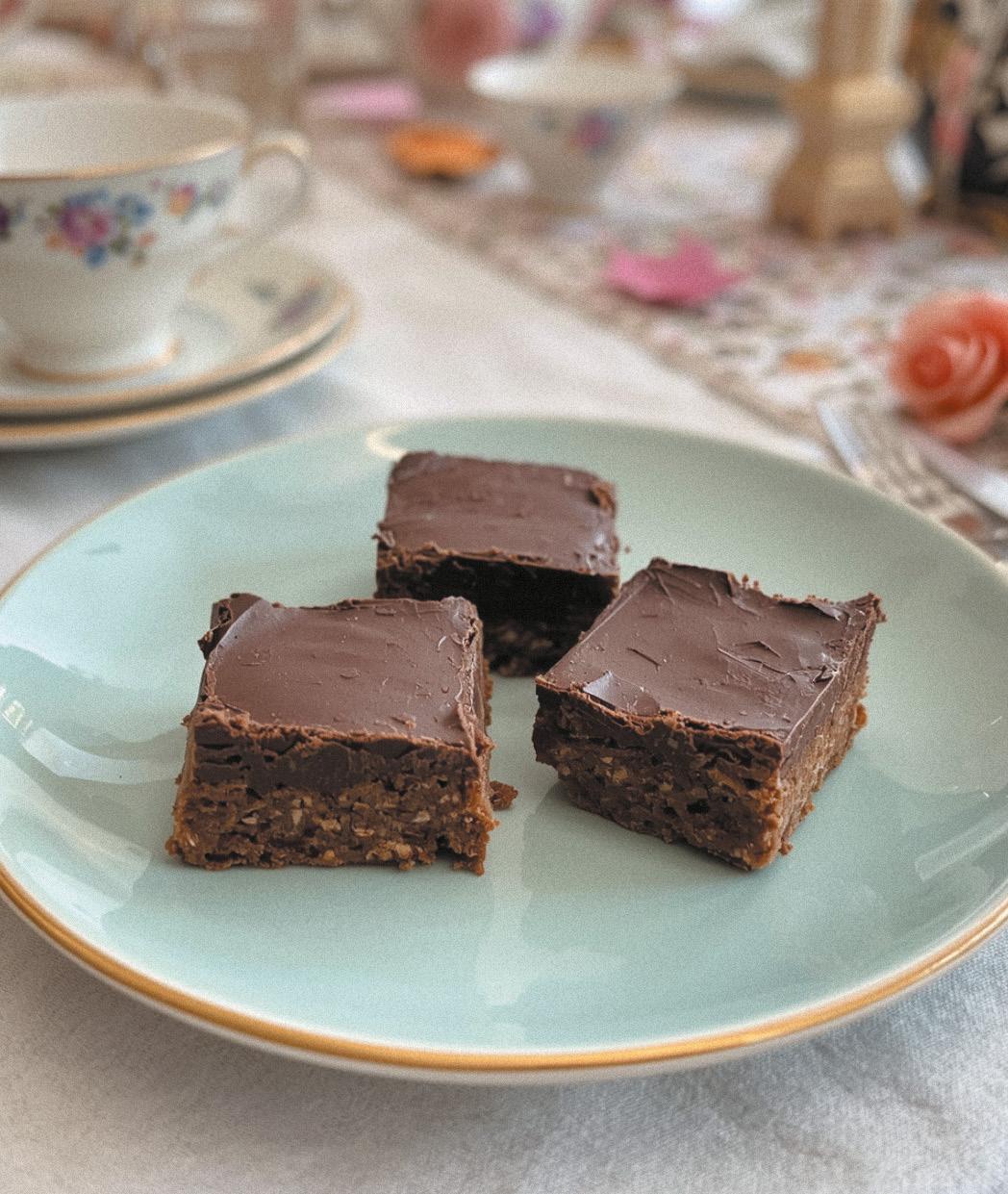
Chocolate Biscuit Squares
A simple, no-fuss slice made with your baking staples. These chocolate biscuit squares are chocolatey and perfect for sharing over a cup of tea. | 25 mins
Ingredients
Base
• 1 cup rolled oats
• 1 cup desiccated coconut
• 1 cup flour
• ½ cup sugar
• 175g butter, softened
• ½ tsp baking powder
• 1 dessert spoon cocoa powder
Method
Icing
• 1 cup icing sugar
• 1 dessert spoon cocoa powder
• 2 Tbsp boiling water
INTRIGUING INDEX
Change for good
1 Retail Revolutions
For much of the 20th century, groceries were carried home in brown paper bags, until plastic bags arrived as a modern ‘improvement’. Over time, the environmental cost of plastic became impossible to ignore. Many countries moved to ban single-use plastic bags, returning instead to paper or reusable cloth alternatives.
2 Mindful Mapping
Not so long ago, maps were unfolded on dashboards, studied and memorised before a journey. Today, we follow a voice telling us where to turn, often without knowing where we are. Research shows reliance on GPS can weaken spatial awareness and mindfulness to our environment. While most people use GPS, some are choosing to pay closer attention to routes and surroundings, rediscovering the value of knowing where they are, not just how to arrive.
3 Neighbourhood Networks
Today, online platforms allow connection across continents, yet many report feeling lonelier than ever before. In response, there has been a renewal of neighbourhood groups, local clubs, churches and in-person gatherings, as people realise that digital connection cannot replace shared presence and belonging.
4 Constant Coverage
News used to arrive in measured doses through an evening bulletin or a radio announcement. Today, news follows us everywhere and is updated by the minute. As we have shifted from receiving information to managing it, people are choosing to be more intentional about their level of engagement and discerning when to step back for their own wellbeing.
5 Measured Moments
Base: This is a dry mix and needs no more moisture before baking. Combine all ingredients then pat into a shallow pan and bake for 20 minutes at 180°C.
Icing: Mix all together and microwave for a minute if needed.
Spread the icing over the biscuits while they are still warm. Cut into squares or finger s.
These days, we all carry the time with us, on wrists or phones. Schedules are customised, reminders are automated and our minutes are often tightly managed. Recently, however, there has been a renewed movement towards slowing down and embracing intentional rest. Time has moved from something shared to something owned, and something to steward carefully.
QUICK QUIZ
1 Which pop star’s birth name is Stefani Germanotta?
2 Film director and screenwriter Taika Waititi previously had a career as what?
3 Which African country changed its name from Upper Volta in 1984?
4 Which New Testament disciple was renamed Peter, meaning ‘rock’?
5 Which year did New Zealand change to decimal currency? Answers page 32
A Blessing for When You Want to Change (But Not Overnight)
Blessed are you who begin again. You who resist the pressure to overhaul your entire life in a weekend. Who pick one underwhelming thing and say: ‘This. I can do this. Probably.’
Blessed are we, the slow changers, Hungry for all that makes life good, but exhausted by the thought of what it might take to get there.
We who want to pause long enough to ask: Is this mine to do?
And can I do it without becoming completely unbearable?
For we are the back-to-school grownups trying again, with a commitment to One Reasonable Thing.
That probably won’t fix us, but hope to make us more loving, and less prone to raging at people in the car.
More compassionate, and less delusional.
More attuned to the good, and less enslaved by the ‘should.’
May these small habits help us become.
Not our best selves.
But faithful and present and less cranky by dinner.
May we be open to all that God is doing in us and through us.
And maybe, just maybe, we will change. Slowly. Faithfully.
All with the help of God.
Source: From ‘A Blessing for When You Want to Change (But Not Overnight)’ by Kate Bowler (permission given with attribution).
Prime Minister
M | Documentary | Watch it on Netflix
Prime Minister traces the rise and subsequent five and a half turbulent years of Jacinda Ardern, charting what it costs a person to lead. Along the way are moments of national trauma culminating in social unrest and violence. The early chapters are especially revealing, charting how Jacinda came into office. What stands out is the intimate access to her pregnancy, then raising a young daughter while carrying the weight of a nation. Filmed largely by her partner, the story humanises leadership. It shows how Jacinda was the face of a nation: capable, eloquent and deeply empathetic. Even if for many she wasn’t perfect, Prime Minister proves she was always striving to be faithful to the role she was thrown into. It also raises a lingering question: what happens when our great leaders step away? Do they ever stop being leaders? (Reviewed by Kai Sanders)
Do You Know These People?
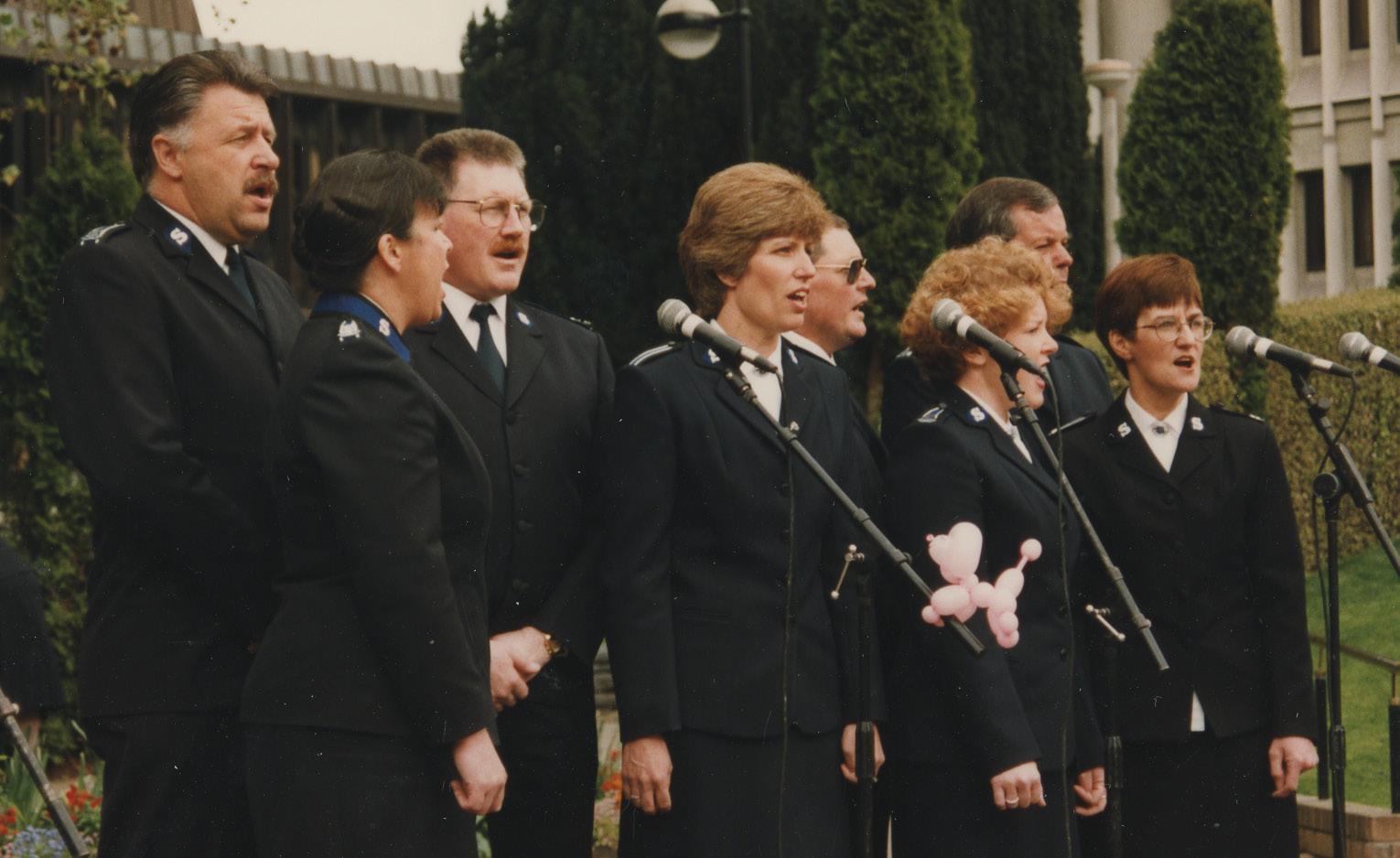
If you recognise the people in this photo, we’d love to hear from you. Email: archives@ salvationarmy.org.nz
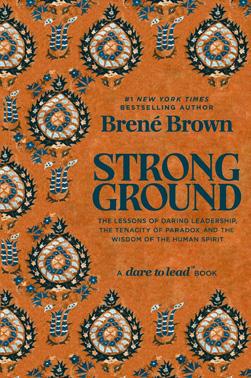
Strong Ground
Personal Development, Leadership |
Brené Brown | Penguin Random House
While the focus of this book is on organisational leadership, the content is relevant to anyone interested in strengthening their connections with others. Unlike Brené’s earlier books, this one has a distinctly different feel. It blends research, observations and stories from her own life. She also highlights the research and learnings of many others, all with her signature wit, honesty and, of course, vulnerability. This is not a fast or easy read—it’s packed with practical strategies that invite reflection and action. I read it slowly and came away with a handful of key takeaways. An insightful read for anyone seeking to improve their communication, relationships and self-understanding in leadership, in a world that desperately needs thoughtful, courageous and empathetic leaders. (Reviewed by Kelly Cooper)
Falling Forward
Memoir | Rachel Kolisi | Pan Macmillian
Rachel Kolisi shares an honest story of identity and growth. Known for her public profile with ex-husband, Siya Kolisi (South African rugby player), she steps forward in her own voice to share the realities behind the headlines. This is not a story of a perfect life, but a story shaped by challenge, loss and healing. Rachel openly writes about her upbringing, relationships and the pressures of living in the public eye. Her faith is not presented as a quick fix but as a steady anchor through uncertainty. This book reminds us that falling is not failure, but part of moving forward with purpose. (Reviewed by Jan Robertson)
WORD OF THE MONTH Veisau (Fijian, verb) to change. Source: tradukka.com
Making New Pathways (When Life Changes)
Change is a challenging fact of life, even when we experience it regularly. Keeping a reliance on God during change can help us forge a path through this uncertain terrain.
WORDS Captain Sarah Green
efore I moved out of our family home and got married, I had lived in at least seven houses. My parents were sharemilker dairy farmers, until we moved to Napier to be closer to family. Since being married, we have lived in another six houses in the space of 15 years.
Each time we move, or something significant changes in our lives, I am reminded about how much impact change has and how many new pathways we need to form in our everyday lives.
Getting married, officer training, our first appointment, starting a family, changes in appointments, and the passing of my dad. Some of these changes were full of joy. Some were hard. Most were a mix. And all of them asked me—at some point—to stop and admit: ‘I don’t have the map for this. I’m learning as I go.’
When we move from a place of confidence (‘I know what I’m doing’) into a new space (‘I’m not sure what the next step is’), even the small things become decisions again. Who do I ask? Where does this go? What’s the usual way we handle this? Things that used to be muscle memory suddenly need attention.
The work of making a new pathway
I find it helpful to think about it like creating a new pathway through thick bush. There’s no track yet—no worn dirt, no helpful sign, no ‘obvious’ way through. The grass is still tall. You’re creating the pathway as
you go. And at the start it’s slow, awkward and (if I’m honest) a bit tiring.
In a season of change, I feel that same pull: ‘Just give me the well-worn track’. I want to do what I already know, the way I already know it. I want to skip the awkward bit where you’re new, and you don’t know where anything is, and you have to ask questions that feel painfully basic.
But the gift of change is that when you keep walking the new path, it does start to form. The terrain doesn’t change, but your steps do. What was unfamiliar becomes familiar. What took heaps of effort becomes— slowly—the new default.
Grace for the ‘I should already know’ moments
One of my least-helpful habits in change is what I call ‘should-ing’ all over myself: I should know where that goes; I should know what to do; I should know who to talk to. It sounds like competence, but it’s usually shame in disguise.
When I slow down enough to notice that voice, I try to answer it gently: I don’t have to know these things yet. That’s not me lowering the bar; it’s me putting my worth somewhere sturdier than my performance. For me, as a Christian, that ‘somewhere sturdier’ is the love of God—steady, given not earned.
If change is making new pathways in the bush, then pausing is that moment you stop for long enough
to look around and get your bearings. I’ve found it genuinely helpful to ask myself a few simple questions:
• What’s most important right now (not what’s loudest)?
• What do I know? What don’t I know?
• What is the next faithful step (not the whole staircase)?
• Who might I need to talk to?
• Who are ‘my people’ in this season?
Change can disconnect us—so remember to practise connection
One of the harder parts of change is the way it can quietly disconnect you. You move into a new space and suddenly you’re without the people you did everyday life with—the ones who understand your context without you needing a whole backstory.
Sometimes the most spiritual thing I do in change is ring someone familiar and talk it out. Not because they
The Christian story doesn’t pretend change is easy. But it does give me an anchor: God is steady. Scripture says, ‘Jesus Christ is the same yesterday and today and forever’.
can fix it, but because being known does something to my nervous system. It helps me remember: ‘actually, we’re okay, I’m okay’. There are good things here too, alongside the unknown and the wobble.
The Christian story doesn’t pretend change is easy. But it does give me an anchor: God is steady. Scripture says, ‘Jesus Christ is the same yesterday and today and forever’ (Hebrews 13:8). My circumstances can shift, my feelings can swing, my capacity can wobble—and still, God is not asking me to find my stability in any of those things.
Holding grief and hope together
I’ve learned (slowly) that change often carries two movements at once: letting go of what was and picking up what will be. Even changes we choose can come with grief—because something is ending, and endings matter. When my dad died, I learned this in a deeper way. Grief is change you didn’t ask for. It rearranges the world. It changes what a normal day feels like, what you can hold, what you can plan. And sometimes it’s not dramatic—sometimes it’s just the quiet ache of realising, again, that you can’t go back.
In that kind of change, I don’t find it helpful when people rush me to ‘the positive’. What helps is presence—God’s presence, and the presence of people who can sit with you without trying to tidy it up. For me, faith doesn’t remove grief, but it does give me somewhere to take it.
In the Bible, God’s ‘new thing’ is rarely cosmetic. It’s usually the kind of new that requires trust: a way in the wilderness, streams in the wasteland (Isaiah 43:18–19). That’s an image I love—not because wilderness is fun, but because it tells the truth. Sometimes it really does feel like wilderness. And God’s promise isn’t, ‘You’ll never be in the wilderness’, but, ‘I can make a way there’. It’s in the valley and wilderness that our deepest character is formed.
Being in our season
During times of change (whether seasonal throughout the year or larger transitions in our lives), I find it useful to consider if my habits and rhythms are still helpful for the now, or if the Holy Spirit is inviting me to let go of—or take up—ones that are more suited to this season of life. I am reminded over and over that God by His Spirit knows us and knows our season. We can trust the leading and prompting even though we might not see what is ahead. I have found that it is important to be in our season and work with it rather than against it. All seasons have limitations and blessings, and when we align our expectations with our season, life seems to be a lot smoother and we are able to notice the joy more than when we are fighting it.
We need to remember that we don’t go through these seasons alone and that we cannot sprint through them. Slow and steady, the small next steps are what get us through.
Sometimes our seasons are longer, more uncertain or painful that we hope. Sometimes we find ourselves in the messy middle for much, much longer than we had anticipated. In these seasons we are testing our spiritual muscles of perseverance and patience. We need to remember that we don’t go through these seasons alone and that we cannot sprint through them. Slow and steady, the small next steps are what get us through. Sometimes we need to allow others to hold hope for us, that this season will not be forever.
A Closing Thought (and a Small Prayer)
If you’re in change right now—whether it’s chosen or not, exciting or exhausting—I hope you can hear this the way I’d say it to a friend: you don’t have to already know. You don’t have to be instantly good at the new thing. And you’re not doing it alone.
Jesus, in the thick of change, give us grace. Help us pause. Help us ask for help. Help us take the next step. Make a way in the wilderness. Teach us to receive Your steady love, and to notice the new pathways You’re making in us. Amen.
Scripture for Seasons of Change
Here are some key scriptures that have kept me anchored in seasons of change: Forget the former things; do not dwell on the past. See, I am doing a new thing! Now it springs up; do you not perceive it? I am making a way in the wilderness and streams in the wasteland.—Isaiah 43:18–19
When I feel caught between what was and what’s next, this helps me look for God’s movement in the middle— not just on the other side.
Don’t copy the behaviour and customs of this world, but let God transform you into a new person by changing the way you think. Then you will learn to know God’s will for you, which is good and pleasing and perfect.—Romans 12:2 (NLT)
Change can be loud. But transformation is often quiet and inside us. This verse brings me back to what’s happening in my thinking, not just what’s happening around me.
Jesus Christ is the same yesterday and today and forever.—Hebrews 13:8
This is one of those steadying verses for me. If Jesus is unchanging, then I’m allowed to be in-process. I don’t have to become unshakeable overnight.
There is a time for everything, and a season for every activity under the heavens.
—Ecclesiastes 3:1
This gives me language for what I’m in: a season. Not everything is forever. Some things are for now. That helps me release what has ended, and be patient with what hasn’t.
Trust in the Lord with all your heart; do not depend on your own understanding. Seek His will in all you do, and He will show you which path to take.
—Proverbs 3:5–6 (NLT)
I don’t read this as ‘life will be easy’. I read it as an invitation: trust God with what you can’t see yet, and take the next sensible step in front of you.
The Next Generation Standing for Freedom
Since 1885, The Salvation Army has responded to modern slavery and human trafficking, with the first campaign advocating to raise the age of consent in the UK from 13 to 16 years. Jenna Martin speaks to a new generation that is committed to fighting for the freedom of people exploited and enslaved across the globe.
Launched in 2024, the Modern Slavery and Human Trafficking (MSHT) Response Youth
Ambassador Programme enables four young people aged 16 to 21 to complete a 15-module certification through Booth University College in Canada, alongside a community response project.
‘The programme was really born out of Major Sammy Millar’s vision,’ says MSHT Response Programme Coordinator Brianna Richards. ‘She believes that young people need to be involved in all aspects of our mission. We need young voices in conversations.’
The programme teaches ambassadors about different forms of modern slavery and human trafficking, how to recognise and prevent it, how to support recovery, how to activate change and the role of God in the fight for freedom.
‘The course never shies away from how heavy the subject can be, especially for young people keen to learn,’ says 2025 ambassador Zemirah Foua.
Community response projects have included preaching at Amplify Creative Arts Camp, Easter Camp workshops and youth-led workshops
at Together Congress 2025. These workshops raised awareness and highlighted how The Salvation Army and other organisations are responding to the issue.
‘We were blessed to have a space at Congress where we could spread awareness on MSHT in all its forms, to all kinds of people who would hopefully be touched and carry this knowledge back to their own homes, countries and communities.’ Zemirah says.
Inviting youth to step into advocacy roles is discipleship in action.
‘Even one person making more ethical choices with their purchases or sharing what they took away from the workshop means that we achieved our aim,’ shares 2025 ambassador Grace Satherley.
Why youth?
Inviting youth to step into advocacy roles is discipleship in action. Advocacy is central to The Salvation Army’s identity, and in this space, young people are empowered to live out their faith with courage and purpose.
‘I applied as an opportunity to strengthen my knowledge and really learn more about how we, as Christians, are called to fight against injustice,’ Grace says.
‘I saw a great opportunity to help in an area I was really passionate about, being social justice, and also to help me grow my faith with God, being able to serve Him and serve others in His name,’ fellow 2025 ambassador Henry Gower adds.
‘It is an integral part of our church community to advocate for those facing injustice. We have to accept that these acts do happen and consider what we can do in practice to be part of the solution,’ says Brianna. Young people also bring a distinct voice and reach to advocacy.
‘We can spread the message further to potentially younger groups as we can be seen as mentors or role models, but also to the older generation,’ Henry shares.
‘Social media is an incredible tool that young people can use to spread the message,’ Grace explains. ‘It is also great for spreading the message further than just your local youth group or community.’
Through schools, corps, social media and peer networks, young people become multipliers, expanding the message further than any single voice could alone.
‘I encourage other young people to get involved by sharing what I have learnt with my peers,’ says Grace. ‘Recently, I have been given
the chance to run an interactive workshop in my school… I feel very privileged to be able to have the space to share my knowledge and hopefully ignite passion in other young people to join the fight for freedom.’
How you can help
According to the 2023 Walk Free Global Slavery Index, nearly 50 million people are affected by MSHT, including an estimated 8000 people in Aotearoa New Zealand.
‘I encourage other young people to get involved by sharing what I have learnt with my peers.’
‘Getting involved in the fight for freedom doesn’t have to be overwhelming.’
This includes forced labour, sexual exploitation, child exploitation and forced marriage.
‘Getting involved in the fight for freedom doesn’t have to be overwhelming,’ says Zemirah. ‘It can be simply by making a few changes in daily habits.’
This can include making ethical purchasing choices, buying secondhand goods from places like our Family Stores, supporting organisations that address MSHT, staying alert in our communities, educating ourselves and reflecting in prayer.
‘MSHT is in everything, from the food that we buy to the clothes that we shop for,’ Zemirah shares. ‘It’s important as young people that we understand and have a perspective on this, so that we can make better, more informed decisions.’
Become a Youth Ambassador
If you or someone you know is interested in applying for the next MSHT Response Youth Ambassador Programme, talk with your local corps officer.
A First Time for Everything
I wonder what phrases have come to mind for you recently. Lately I have been reminded of the phrase: ‘There is a first time for everything’, probably because that has been my experience.
It all began with the celebration on Rotoroa Island. As I walked up the path from the ferry to the Exhibition Centre, there was a sense of sacredness, of having arrived in a place of hope, discovery and transformation. Over the years, that is what Rotoroa Island was for so many people and now that sense of transformation remains as the island is being restored through the planting of trees. As I walked around the island and soaked in the beauty, I knew that this is truly a remarkable place.
A few days later, I had the privilege of journeying to Samoa to conduct the installation of Majors Stu and Michelle Lee as regional leaders. What a joy to walk through into the arrivals area to be greeted by the youth group and several others singing a blessing to me. Their enthusiasm and passion was so captivating. As I shared in worship and meetings with our Samoan friends and family during my stay, my life was enriched, my understanding enlightened and my leadership energised.
Then recently I was invited to share with those gathered for Recovery Church at Newtown. There was a sense of excitement as we celebrated significant milestones on the journey of recovery. One of the clients was also graduating that evening. The depth of support, encouragement and care extended to her by others on the programme was deeply moving. As she shared her journey with us, it was a witness to a life transformed, a hope renewed and a commitment to choose to live differently.
In all these experiences, I have been reminded of how Jesus loves and values all people, and He desires us each to live with that same attitude. Sometimes, our greatest challenge in this can be ourselves, as we may not see ourselves as Jesus sees us. But, you know, for anything negative that we can say to ourselves, God has a positive response. He sees beyond our thoughts and feelings and sees the potential in each one of us. Let us live in the truth of this verse:
‘This is how much God loved the world: He gave his Son, His one and only Son. And this is why: so that no one need be destroyed; by believing in Him, anyone can have a whole and lasting life. God didn’t go to all the trouble of sending His Son merely to point an accusing finger, telling the world how bad it was. He came to help, to put the world right again.’
(John 3:16–17, MSG)
Colonel Jennifer Groves Chief Secretary
John 3:16–17
For God so loved the world that He gave His one and only Son, that whoever believes in Him shall not perish but have eternal life. For God did not send His Son into the world to condemn the world, but to save the world through Him. (NIV)
“Koia anō te aroha o te Atua ki te ao, hōmai ana e ia tāna Tama kotahi, kia kāhore ai e ngaro te tangata e whakapono ana ki a ia, engari kia whiwhi ai ki te ora tonu. Kīhai hoki te Atua i tono mai i tāna Tama ki te ao ki te whakahē i te ao; engari kia ora ai te ao i a ia. (PT)
Ni sa lomani ira na kai vuravura vakalevu na Kalou, sa solia kina na Luvena e duabau ga, me ra kakua ni mate o ira yadua sa vakabauti koya, ia me nodra ga na bula tawamudu. Ni sa sega ni tala mai na Luvena ki vuravura na Kalou me veilewaitaki vuravura, ia me ra vakabulai ga na kai vuravura ena vukuna. (FNV)
Parmeshwar dunia ke log se etna pyaar karis ki aapan eklauta laṛka ke dunia meñ bhejis, ki jon koi bhi uspe biswaas kari, u naas nai hoi lekin anant jeewan paai. Ishwar aapan beṭa ke dunia meñ i kaaran nai bhejis ki u dunia ke saja de. Uske bhejis hei ki u dunia ke bachaay! (FRHNT)
He na‘e ‘ofa pehē ‘a e ‘Otua ki māmāni, ko ia na‘a ne foaki hono ‘Alo tofu-pē-taha-ne-fakatupu, koe‘uhi ko ia kotoa pē ‘oku tui pikitai kiate ia ke ‘oua na‘a ‘auha, kae ma‘u ‘a e mo‘ui ta‘engata. He tala‘ehai na‘e fekau ‘e he ‘Otua ‘a e ‘Alo ki māmāni ke fakamāua ‘a māmani; ka koe‘uhi ke mo‘ui ‘a mamani ‘iate ia. (TMB)
Auā ua faapea lava ona alofa mai o le Atua i le lalolagi, ua ia aumai ai lona Atalii e toatasi, ina ia le fano se tasi e faatuatua ia te ia, a ia maua e ia le ola e faavavau. Auā e lei auina mai e le Atua lona Atalii i le lalolagi ina ia faamasino i le lalolagi, a ia faaolaina le lalolagi ia te ia. (SOV)
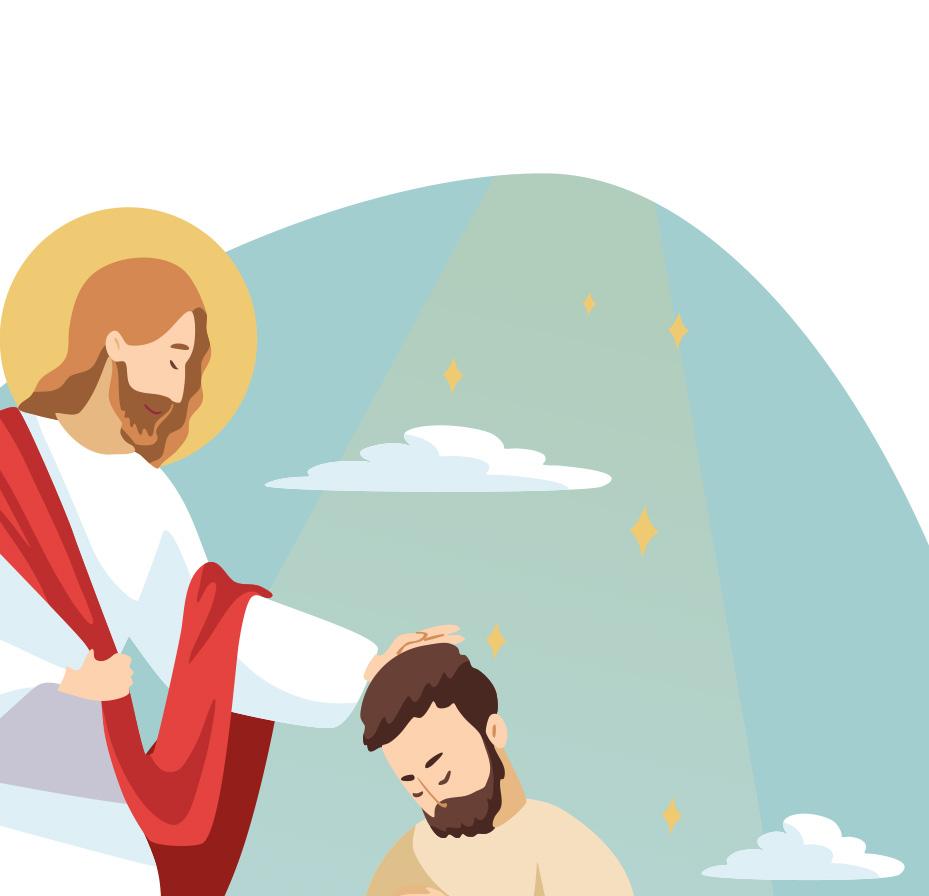
Jesus the Changemaker
In a world hungry for hopeful change, Kelly Cooper explores how Jesus—the ultimate changemaker— invites us into innovation and renewal rooted not in rigid rules but in reoriented hearts.
Like any loving parent, God has always given His children boundaries to guide them—parameters designed to keep them safe, help them make wise decisions, live well with one another and deepen their relationship with Him.
In the Old Testament, we read that God gave Adam and Eve specific instructions in the Garden of Eden, telling them which fruit was good to eat, and which was not (Genesis 2:16–17). Later, Moses received the Ten Commandments from God on Mount Sinai, along with specific instructions about idols, sacrifices and altars (Exodus 20). For more than a thousand years, the Ten Commandments formed the foundation of Israel’s law and life.
Over time, religious leaders, such as the Pharisees, became strict interpreters and enforcers of the Old Testament law. Careful rulekeeping became a priority and the interpretations of the laws that God established to guide His people became oppressive and legalistic.
Until Jesus showed up and changed everything.
Upside down and right-side up
Throughout the Gospels, we see numerous interactions between Jesus and the Pharisees. While Jesus was out walking through grainfields on the Sabbath, His disciples became hungry and ate heads of grain. When the Pharisees saw this, they said to Him, ‘Look, your disciples are breaking the Sabbath
law.’ (Matthew 12:1–8). Jesus didn’t apologise. He reframed the moment, explaining that the Sabbath was not meant to restrict life, but to serve it.
When Jesus turned over the tables in the temple and drove out those selling goods, He did not express disregard for the sacred law, but rather grief over how it had been distorted (Mathew 21:12-13). The sacred space of the temple that was intended to connect people and provide a place of worship now excluded people. Jesus’s anger was not at the law itself, but at its misuse.
Jesus did not deny the seriousness of the woman caught in adultery, but He refused to use the law as a weapon (John 8:3–11). ‘Let anyone among you who is without sin be the first to throw a stone at her,’ He said, and one by one her accusers walked away. Jesus did not condemn the woman and instead encouraged her to make a different choice.
Jesus took the law and turned it both upside down and right-side up.
In all these interactions, Jesus showed compassion, mercy and grace. He met people exactly where they were—and invited them into change. Jesus took the law and turned it both upside down and right-side up. His message was clear. He did not come to abolish the laws but to fulfil them (Matthew 5:17).
Jesus refused to treat the law as an end in itself but rather revealed God’s heart and intent for the purposes of His law.
Reoriented hearts
Jesus’s critics, namely the religious leaders of the day, were numerous. They frequently criticised what He said, the ways He interacted and the company He kept. Like Jesus, Salvation Army founders William and Catherine Booth changed the mould about where ministry should take place and who it should include. They preached in streets and pubs. They welcomed the poor, the lost and the forgotten. They didn’t follow ‘the rules’. They refused to wait for people to be whole before extending love.
Today we live in a world marked by constant change and deep weariness. People long for safety, meaning and certainty. Questions about law, order and what or who is ‘right’ are constant. It can be easy to cast judgement and choose sides with little discernment. We too can become like the Pharisees, stuck in our rules or opinions, scared of change or losing control, even when they no longer best serve us and the communities we live in.
Remaining open to change does not mean abandoning wisdom or
Innovation can be gentle, relational and deeply human.
responsibility. It means being willing to genuinely listen, to adapt and to respond rather than control. It asks us to hold our ‘rules’ lightly and our compassion firmly. It reminds us that innovation can be gentle, relational and deeply human.
The changemakers our world needs may not always be dramatic or disruptive. They may look like people who pause and see the person in front of them. Who make space
rather than enforce boundaries. Who walk alongside rather than judge from a distance. Who honour the past while looking to the future with curiosity.
Jesus, the ultimate changemaker, is still in the business of dramatically changing lives today. As we walk with Him, we notice the ways He quietly invites us to consider how we can be changemakers too. He shows us that real change begins not with
…real change begins not with rewriting laws, but with reorienting hearts.
rewriting laws, but with reorienting hearts. He calls us to do the same as individuals and as a movement.
Speaking up for Jesus
At 96, Elsie Mowat from Mosgiel Corps is still standing firm in her faith and unafraid to speak about Jesus. Her life story is an encouragement to all generations to remain attentive to God’s prompting and faithful in sharing what we believe.
I don’t remember a time ever when I didn’t hear about Jesus. My mother died 11 days after I was born, but my two aunts taught me about Jesus. My father always took my siblings and me to our local Methodist church. From my earliest memories, faith was part of my everyday life.
I was born in Lisburn, County Antrim in Northern Ireland, where church and family shaped who I was. In 1955, when I was 26 years old, I moved to New Zealand. In those days, it took six weeks to travel here by ship. I was fortunate to have a job as a wages clerk at Macintosh Caley’s in Dunedin who made Macintosh toffees, biscuits and Quality Street chocolates. Not long after arriving in Dunedin, I met and then married my husband Ken at the Methodist church. We were blessed with three children. It’s hard to believe that I have now been in New Zealand for almost 71 years.
I continued to worship at a Methodist church in Dunedin and then in Mosgiel until 1990, when I felt led to leave and began attending The Salvation Army in Mosgiel. I became a soldier the following year and have been a part of this family for many years now.
Connected to community
One of the roles I currently have is serving on the Pastoral Care Council at our corps. I am responsible for keeping in touch with nine people. I see them on Sundays and check in with them during the week with phone calls and text messages. They are all different
…there comes a time in each of our lives when we need to make our own decision to accept Jesus.
ages, and some are in their 90s too. It is very powerful to encourage someone in your own peer group. You can share all you’ve been through and speak honestly about how real Jesus is in your life.
Quite a few of my friends are ageing and struggle with health concerns. I pray for them regularly. I also remind them that while I can pray for them, there comes a time in each of our lives when we need to make our own decision to accept Jesus and to begin our own prayer life too.
I pray for my family (here and overseas), friends, caregivers and my many visitors. My lovely neighbours often help with things I can no longer do for myself—putting out washing and the bins, bringing in the mail and driving me to appointments. Every time someone does something like that for me, I ask the Lord to bless them. God always sends help at the right time.
God always sends help at the right time.
Learning to listen
God has spoken to me in many ways throughout my lifetime. I once heard a sermon where the pastor asked, ‘Have you told anyone about Jesus this week?’ This question stayed with me. Later that same week I went into a shop in Mosgiel. The ladies behind the counter wanted to know my secret. I asked, ‘What secret?’ They replied, ‘You are so well at your age, and you know everything that is going on.’ I told them I was very blessed, and they shared that they didn’t feel blessed. I took that opportunity to tell them about Jesus, and I encouraged them to talk to Him about
their lives. That was the first time I spoke to complete strangers about the Lord.
A few years ago, I noticed two young men sitting down the back of the hall during one service. I heard a voice say to me as clear as day, ‘You need to speak to the young man in the checked shirt’. I went over to him and we began to chat. I shared how difficult I sometimes found it to talk to people about Jesus, and how at times I felt a brick wall go up in conversations. The young man then shared something with me. He said it was good to pray for God to soften people’s hearts. He went on to say that the wall was not built out of bricks and that I also needed to pray against the spiritual warfare surrounding the situation. It was wise advice, and I took it to heart.
Standing firm
At 96, I know I must always be open to listening to what others say, but I also recognise that I have a responsibility to share. I’ve become bolder over the years in speaking about what I believe. A dear friend preached a message one Sunday saying that we are lucky to be Christians. I told him that I don’t believe in luck. We all fail all the time, but God always takes us back. That isn’t luck—that’s an enormous blessing. He must have taken it on board because a few Sundays later he shared what I had said to him with the congregation. I nearly fell off my chair when he said I had told him off! He said that we always need someone older to question us and to help us pull our socks up.
…we all have an opportunity to make an impact for the Lord.
I will challenge Bible teaching if I don’t believe it is correct and have always done so. I’ve read that book and I know what it says. I’m not sure what makes me speak up, but if something is offensive to the Lord, I will say something. My family and friends will not be surprised when they attend my funeral and the first hymn is ‘Stand Up, Stand Up for Jesus’.
Above:
Elsie Mowat standing firm at 96.
I love being connected to my community. We all have a place, and we all have an opportunity to make an impact for the Lord. I hope to continue listening to and speaking up for Jesus, for as long as I can.
A Christian Migrant’s Response to the Treaty of Waitangi
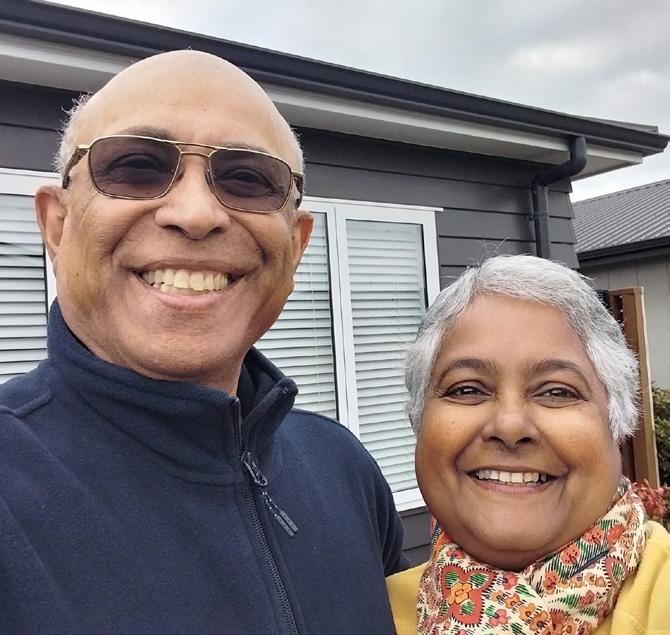
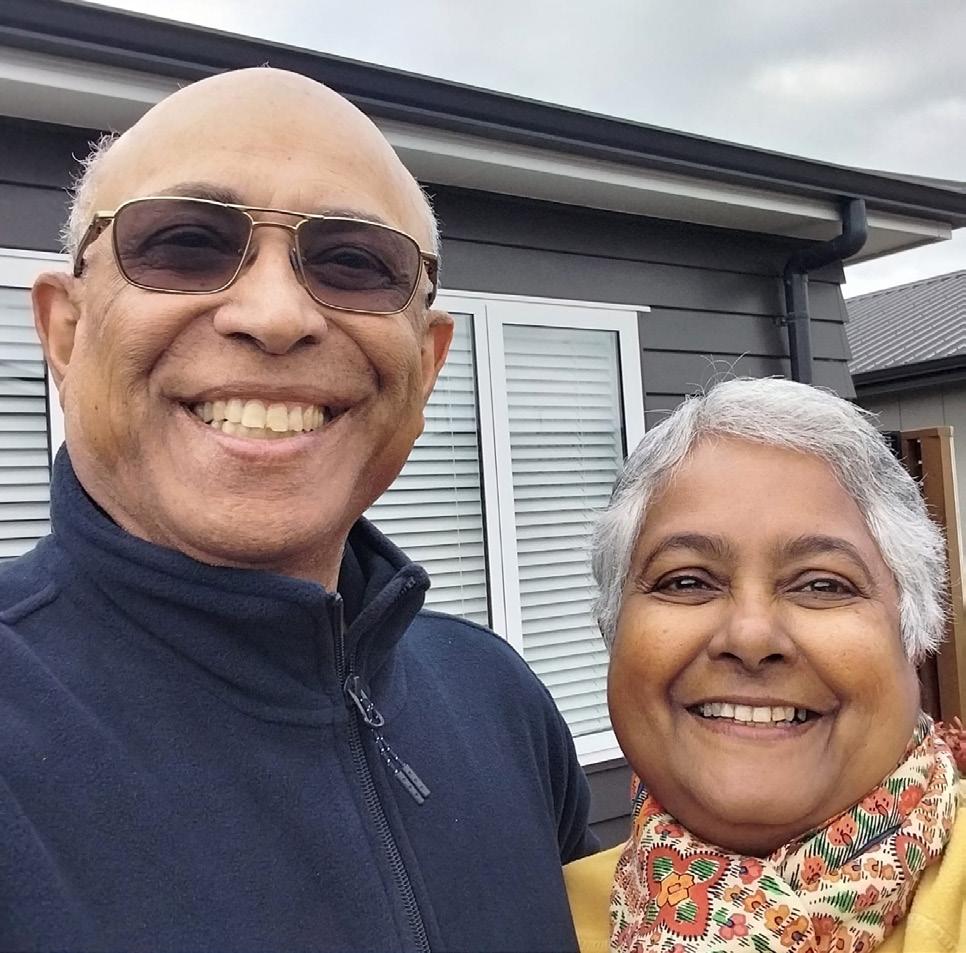
Ravi and Saro Casinader are regular worshippers at Salvation Army Hutt City Corps, who migrated from Sri Lanka to Aotearoa New Zealand. Ravi shares his reflections on the significance of the Treaty of Waitangi through a cultural and faith-based lens.
WORDS Ravi Casinader
hen my wife and I migrated from Sri Lanka to Aotearoa New Zealand in 1987, we knew we were moving from one former British colony to another.
Sri Lanka regained independence in 1948 after being ruled by the British for 150 years. When we arrived in this country, we were interested to learn that Aotearoa New Zealand was built on a promise of partnership between the British Crown and Māori as the people of this land under Te Tiriti o Waitangi (the Treaty of Waitangi), signed in 1840.
As migrants, we decided to honour both founding cultures of this nation. However, as followers of Jesus, we asked ourselves: How should a Christian respond to the Treaty of Waitangi?
The Apostle Paul said, ‘From one man He made all the nations, that they should inhabit the whole earth; and He marked out their appointed times in history and the boundaries of their lands’ (Acts 17:26).
We could see that God had placed Māori in Aotearoa New Zealand as the first people of this land—with their own language, culture and social structure.
Naboth’s vineyard
There is a story in the Bible about a man named Naboth, who owned a vineyard close to King Ahab’s palace (1 Kings 21:1–29). One day, Ahab asked Naboth for his vineyard. But Naboth replied, ‘The Lord forbid that I should give you the inheritance of my ancestors’.
The land belonged to Naboth’s whānau and iwi, and had been passed down from generation to generation. Naboth also knew that his mokopuna (grandchildren) were depending on it for their future. But Ahab saw it simply as property and was upset and angry at Naboth’s refusal.
Ahab’s wife, Queen Jezebel, arranged to have Naboth killed, which allowed Ahab to take control of his vineyard. But the prophet Elijah condemned Ahab’s actions and prophesied that because he had murdered a man and seized his property, God would punish him and his family. When Ahab showed signs of
As migrants, we decided to honour both founding cultures of this nation.
repentance, God relented and postponed the disaster he had pronounced on Ahab until after Ahab’s death.
The Treaty and broken promises
Land, especially ancestral land, is considered a taonga tuku iho (heritage) by Māori, a treasured resource that is passed down from generation to generation. Before this country was colonised, land was a source of livelihood for Māori and a source of collective identity based on whakapapa, or family history. Māori land is one of the Māori resources the Crown promised to protect under the Treaty of Waitangi.
I was privileged to work as a solicitor for the New Zealand Public Service for nearly 25 years, until I retired from paid work. I took a keen interest in learning about the Treaty and in specialising in the law relating to Māori–Crown relations.
The Treaty is not a contract, but a relationship that continues through each generation. The early English missionaries prepared the Māori version of the Treaty. Because of their Christian teachings, some Māori chiefs regarded the Treaty as a covenant—a sacred promise of partnership—between the Queen of England and Māori, similar to a biblical covenant.
The Treaty is not a contract, but a relationship that continues through each generation.
Unfortunately, the meaning of the Treaty in Māori is not the same as that in the English version and there has been much debate about the differences.
The Treaty does not give Māori special benefits or more rights than others. Nor does it take rights away from other New Zealanders. What it does say is that in exchange for the Crown being given the right to govern Aotearoa New Zealand, the Crown guarantees Māori the right to exercise their authority over their own affairs and resources.
But government after government introduced various laws to deprive Māori of their ancestral land. Parliament also passed laws to restrict Māori cultural practices. Māori were not allowed even to speak their own language.
Thankfully, the 1980s and 1990s saw a reawakening of the government’s conscience, with Parliament passing new laws to put things right for Māori, including making te reo Māori an official language of this country.
Over the past 20 or 30 years, we have seen a groundswell of support for the Māori language and culture among many ordinary New Zealanders, especially among young people.
We can see God doing a new thing in our country.
We can see God doing a new thing in our country. As followers of Jesus, we can partner with Him in what He is doing and support Māori to be all that God created them to be as Māori and as the people of this land.
Standing with those who have suffered injustice
I met my wife Saro for the first time when our two families sought refuge at the main Methodist church in Colombo at the height of ethnic riots against our minority Tamil community in July 1983. About 3000 Tamils were killed by mobs from the majority Sinhalese community.
More than a hundred of us Tamils sat in the church as the Reverend Soma Perera, president of the Sri Lanka Methodist Church and a member of the majority Sinhalese community, addressed all of us. ‘Speaking as a Sinhalese, I feel that my hands are stained with the blood of innocent Tamil people,’ he said. ‘I didn’t do any killing, but you will find in Christian teaching the idea of standing together with others—especially with those who are the victims of injustice. And so, I ask my Tamil brothers and sisters to forgive us for what we as Sinhalese people have done to you.’
...we are all bound together as one human family and should support those who have suffered injustice.
We were deeply moved by those words. Here was a church leader whose church had opened its doors wide to those affected by the riots, and to hear him ask for our forgiveness was a reminder that we are all bound together as one human family and should support those who have suffered injustice. It was also a reminder of Jesus’ instruction to love our neighbour as ourselves. Eighteen months later, I proposed to Saro and we were married in that same church where our two families had sought refuge for two weeks.
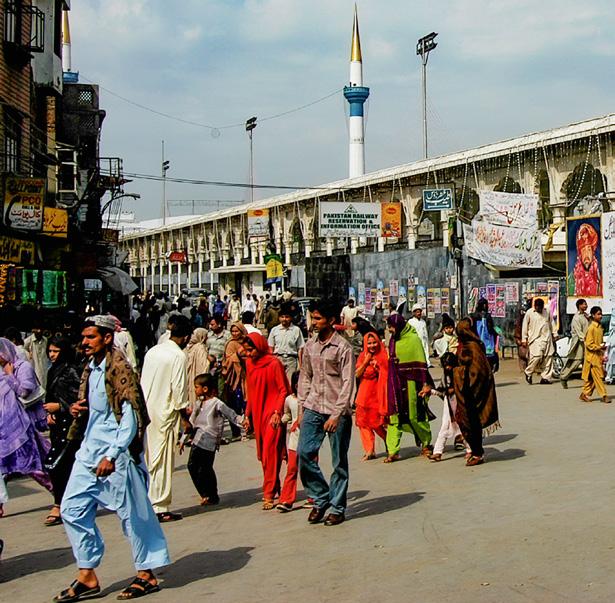
The streets of Colombo, Sri Lanka, 2023.
What might Jesus say about the Treaty?
Speaking of the last days, Jesus told His disciples that just as a shepherd separates the sheep from the goats, so too would God separate people on the basis of how they treated others (Matthew 25: 31–46). ‘“The King will reply,” he said, “Truly I tell you, whatever you did for one of the least of these brothers and sisters of mine, you did for me.”’
Another time, when Jesus’ enemies tried to trap him with the question of whether it was right to pay taxes to Caesar, Jesus responded: ‘Give back to Caesar what is Caesar’s, and to God what is God’s,’ (Matthew 22:21).
As Jesus has said that what anyone does to support the vulnerable is as good as providing service to Him, I would think that He would say: ‘Give to the government what is owed to the government under the Treaty, and to Māori what was promised to Māori under the Treaty.’
Our response as followers of Jesus
The Apostle Paul said: ‘There is neither Jew nor Gentile … for you are all one in Christ Jesus’ (Galatians 3:28). Likewise, Māori and non-Māori believers are one in Christ. They have equal access to God and have tūrangawaewae, a place of standing, in the Church.
But this unity in Christ does not deny Māori their identity as a people with their own language and culture. As Pope John Paul II reminded Māori during his visit to Auckland in 1986, ‘It is as Māori that the Lord calls you, and it is as Māori that you belong to the Church, the one body of Christ.’
As well, it is worth remembering that when the apostles spoke in tongues on the day of Pentecost, those in the crowd said, ‘Aren’t all these who are speaking Galileans? Then how is it that each of us hears them in our own native language?’ (Acts 2:7–8). What happened at Pentecost shows that when people receive God’s Word in their own language, it connects deeply with them.
It is also helpful to remember that some of the values of Māori culture, such as aroha, manaakitanga,
whanaungatanga and kaitiakitanga—that is, love, generosity, relationship-building and stewardship— are very similar to the values that Jesus taught us.
We serve God and the church better by working with Māori.
We serve God and the Church better by working with Māori. Through the participation of our Māori brothers and sisters in our church, and by us partnering with them in our community outreach, we can become instruments of God’s love, justice and reconciliation and contribute towards building a better tomorrow and a truly bicultural nation.
Ravi Casinader is a Wellington-based writer and the author of Are We There Yet?, a self-published collection of his reflections as a Sri Lankan migrant to Aotearoa New Zealand. A journalist-turned-lawyer, he retired recently from paid employment. Ravi and his wife Saro worship at Hutt City Corps and enjoy serving in cross-cultural ministry.
Lovely Volunteers
POEM Wendy Joy Baker, Southland
All volunteers are lovely
Because they gift time from the heart
Their individual effort is what makes a universal team a true part
From raising funds for charities and doing good deeds overall
To advocating for causes and genuinely caring about others in need, it is an honourable call
Yes, all volunteers are lovely... No matter what they choose to do
Because helping and kindness are things everyone should pursue
Respect and praise for volunteers is very important in this day and age
Because people have busy lives, volunteer work is priceless—remember, no wage
Volunteers in history need to be cherished in memory as well
Because their lovely soulful work inspires us to their stories tell
All volunteers are lovely
A New Kingdom
The story of Jesus’ resurrection is mysterious and strange, and changes the course of humanity and creation from death to new life. Holly Morton-Chong reflects on the joy, renewal and hope that Jesus’ resurrection brings to the world.
Jesus’ resurrection demonstrates that the love of God is more powerful than anything and can overcome all things—even death. In His life, death and resurrection, Jesus shows us what it is like to live in unity with God and to do the good work that flows from love of God and love of neighbour. Jesus’ resurrection brings our world joy, hope and the promise of newness for all things.
A kingdom of joy and enjoyment
In the Gospels, the revelation that Jesus is alive is the best possible news
that His followers could receive, and it changes their lives. Jesus calls Mary Magdalene by name and she immediately goes to tell the others what she has seen (John 20:11–18).
The kingdom that Jesus brings to earth tells us that things can be better than we can possibly dream.
The two disciples that Jesus meets on the road to Emmaus say that their hearts burn in them when in His presence (Luke 24:13–35).
It says in 1 Peter 1:8, ‘Though you have not seen Him, you love Him; and even though you do not see Him now, you believe in Him and are filled with an inexpressible and glorious joy.’ The kingdom that Jesus brings to earth with His resurrection is one of ‘inexpressible and glorious joy’, which pours out into all aspects of our lives. The kingdom that Jesus brings to earth tells us that things can be better than we can possibly dream.
The kingdom that arrives with Jesus’ resurrection is not just one of joy, but one of enjoying. We are told that Jesus spent time after His resurrection doing very human things. There are stories at the end of the Gospels of Jesus walking, eating and even cooking breakfast for the disciples. While these stories show us moments of revelation for the disciples, they also show us that Jesus wanted to spend time doing these things. He could have revealed Himself to His disciples through miraculous and supernatural signs, but instead He chose to continue His embodied relationships in a very human way.
Rev. John Paul Sydnor says, ‘Through His love of life, Jesus exemplifies the human call to enjoy God forever, a call that opens us to the world. Since God is loving everything into being at every moment, awareness of God broadens our love to all things at all times. To see what this love looks like, we look to Jesus who is all that a human can be.’ Jesus shows us what a love and enjoyment of God and creation can look like, and He reminds us that this enjoyment is something we’ve been called to as humans. We are
We are most human when we are like Jesus, treating the world that God has made and said is good as if that were true, and honouring God for that work.
most human when we are like Jesus, treating the world that God has made and said is good as if that were true, and honouring God for that work. Jesus’ resurrection encourages us to value the earth and the people that Jesus died to care for.
A kingdom of renewal
When people encounter Jesus in the Gospels after He has risen, their interactions are life changing. Moments of brokenness and shame are transformed into a renewed sense of calling. One of those is Thomas, the disciple often unfairly called ‘Doubting Thomas’ (John 20:24–29). When Thomas confirms that it is Jesus by seeing His hands and His side, he is the first person in the Gospels to declare that Jesus is God! The reality of the resurrection transforms Thomas’ supposed ‘lack of faith’ into the greatest faith in Jesus’ sovereignty, which according to some traditions leads Thomas to share the good news of Jesus around the world.
Peter’s love for Jesus is fragmented and distorted when he denies Jesus as He is arrested. When Jesus meets with Peter on the beach after His resurrection, Peter is given the opportunity to fix his mistakes and reaffirm his love for Jesus (John 21:15). This conversation puts Peter’s shame to death and raises
it to life as renewed devotion to the gospel, as we see in Acts.
Paul’s encounter with the risen Jesus puts to death his religious zealousness that is causing him to persecute Jesus’ followers, and raises it into a transformed zealousness for the resurrection (Acts 9). Jesus didn’t magically change Paul’s personality to make him more palatable for the kingdom, instead He renewed Paul’s passion and revealed the true direction for it, towards healing, justice and the fulfilment of God’s promises through the person of Jesus.
Through the resurrection, Jesus transforms Thomas’ faith, Peter’s love and Paul’s passion, inviting them into the good work of the new kingdom. Jesus’ kingdom is good news, because it shows us through the resurrection that God is invested in bringing new life to the world and to us.
A kingdom of hope
1 Peter 1:3 tells us we are ‘born into a living hope’. This hope born from Jesus’ resurrection is not static or passive, but ‘living’, because Jesus is alive, and it informs the way we live as Christians.
The hope received through Christ’s resurrection changed everything about the disciples’ lives. Fishermen and tax collectors became messengers and martyrs for this new kingdom that
This living hope promises that the news of Jesus’ resurrection is so good, it affects the whole world.
Jesus proclaimed. It is the hope that God doesn’t leave us alone in a hurting world, but comes close as a human Himself to understand us and to show a new way of life.
This living hope promises that the news of Jesus’ resurrection is so good it affects the whole world. We live in the hope that everything that’s broken will one day be made new, because we know that God always fulfils His promises. In the meantime, we can embody this living hope in following the work of Jesus: enjoying and caring for our world as if the resurrection is already here, because it is. What we do here matters, because God is renewing and will renew everything, and we are co-labourers in this work.
NT Wright says, ‘The point of the resurrection is that the present bodily life is not valueless just because it will die. What you do in the present— by painting, preaching, singing, sewing, praying, teaching, building hospitals, digging wells, campaigning for justice, writing poems, caring for the needy, loving your neighbour as yourself—will last into God’s future. These activities are not simply ways of making the present life a little less beastly, a little more bearable, until the day when we leave it behind altogether. They are part of what we may call building for God’s kingdom.’
Jesus’ death and resurrection doesn’t separate us from the world. In destroying sin and death and enabling us to come close to God again, we are given this good work of love, of creativity, of hope, of joy, and of planting the seeds of the kingdom of heaven on earth. These things are desperately needed in our world, and they are good news for us and the world, offered to us by our very good King.
Rotoroa Island: A Sanctuary of Restoration
Recent celebrations on Rotoroa Island reflected on the history of The Salvation Army’s addictions work, surrounded by the beauty of the island’s wildlife sanctuary. It was an emotional time for many, revealing memories of healing and lives restored for families who had lived there. Lt-Colonel Ian Hutson reflects on the past, present and future of this storied space.
On a beautiful day on 14 March, around 150 people made their way by boat from Auckland Harbour to ‘Celebrate Rotoroa Island’. Among those attending were former clients, staff, officers and family members involved in The Salvation Army’s Addiction Treatment Centre, which had operated on the island for almost 100 years before relocating in 2005.
The theme for the day was restoration. From Aotearoa New Zealand’s first addiction treatment centre to a thriving wildlife sanctuary, Rotoroa Island had always been a place of transformation. Today, the Rotoroa Island Trust continues that legacy by restoring the island as a sanctuary—an extraordinary story of resilience, purpose and second chances.
The Rotoroa Island Trust continues that legacy by restoring the island as a sanctuary— an extraordinary story of resilience, purpose and second chances.
An extraordinary vision
How did The Salvation Army end up owning such an incredible island?
It is impossible to overlook the extraordinary vision of The Salvation
Army’s co-founder General William Booth. A vision cast in his book, In Darkest England and the Way Out, published in 1890, addressed the immense poverty and despair of late nineteenth century England and proposed a range of bold social initiatives, including city and farm colonies. Some of these were, in today’s terms, early models of city- or country-based addiction rehabilitation centres. Booth was known to favour the isolation of an island setting for those referred to at the time as ‘inebriates’.
Alcohol harm: an Aotearoa New Zealand response
Fast forward just 16 years to early twentieth century New Zealand. As a frontier colony, it was grappling with severe alcohol-related harm—arguably even more acute than that of Britain. In response, the Habitual Drunkards Act 1906 was passed into law.
This legislation sought to address the issue in a progressive way, emphasising rehabilitation rather than the repetitive and punitive use of prison sentences for those repeatedly arrested as drunk and disorderly. It allowed for compulsory rehabilitation, including removal to an island setting.
The Salvation Army acted quickly. Pakatoa Island was secured in 1907, but as numbers grew beyond what the smaller island could sustain, Rotoroa
Island was purchased in 1908. Buildings and accommodation were soon erected, and the Rotoroa Island rehabilitation programme began.
A rehabilitation programme
There was little recognised understanding of alcohol treatment in those early years. Officers and staff had minimal formal training to prepare them for the complexities of running a rehabilitation programme—let alone managing an island complete with a farm, a passenger and supply boat, and extensive maintenance requirements. Nevertheless, the programme became established, often accommodating between 100 and 150 men at a time. Initially, the approach focused on isolation from alcohol, the restoration of physical health and strength through good nutrition, fresh air and appropriate work, alongside opportunities to hear the gospel.
A justice or health matter?
As Alcoholics Anonymous emerged and the disease model of alcoholism gained acceptance, approaches shifted away from a purely justice-based framework towards a health-focused one. The movement was away from punishing criminal behaviour and towards treating addiction as a health issue.
Over time, programmes became more structured. New therapeutic approaches developed and those once called ‘inmates’
became patients, then clients, and more recently tangata whaiora or whānau. Counselling, social work, psychotherapy groups and other disciplines were introduced alongside spirituality, which retained a strong Christian influence.
The chapel, still standing today, remained a central feature of island life throughout these changes.
The small jail on the island—also centrally located—bears witness to the reality that not everyone welcomed a stay of up to two years. For some, a much shorter prison sentence would have been preferable.
With no police presence, limited access to acute mental health specialists and no immediate hospital services, managing challenging behaviour or medical emergencies must have been demanding at times.
Lives restored
It is estimated that around 12,000 men— and later, women—received treatment on the island. It is impossible to measure how many thousands of lives were transformed as a result.
One such person was John Billington, who attended the programme seven times. In 1991, he returned once more, critically ill and close to death. After prayer, he experienced a hope he had never known before. At the closing ceremony in 2005, John testified that from that day he had never again felt the desire to drink. He later became a Salvation Army officer, serving in addiction work through the Bridge Programme in Northland.
Others include Neville Blowers, who continues to attend Recovery Church in Auckland after more than 40 years of sobriety, and Rangi Hinga, also in longterm recovery. Now in his eighties, Rangi continues to study te ao Māori at tertiary level, reclaiming a once lost identity.
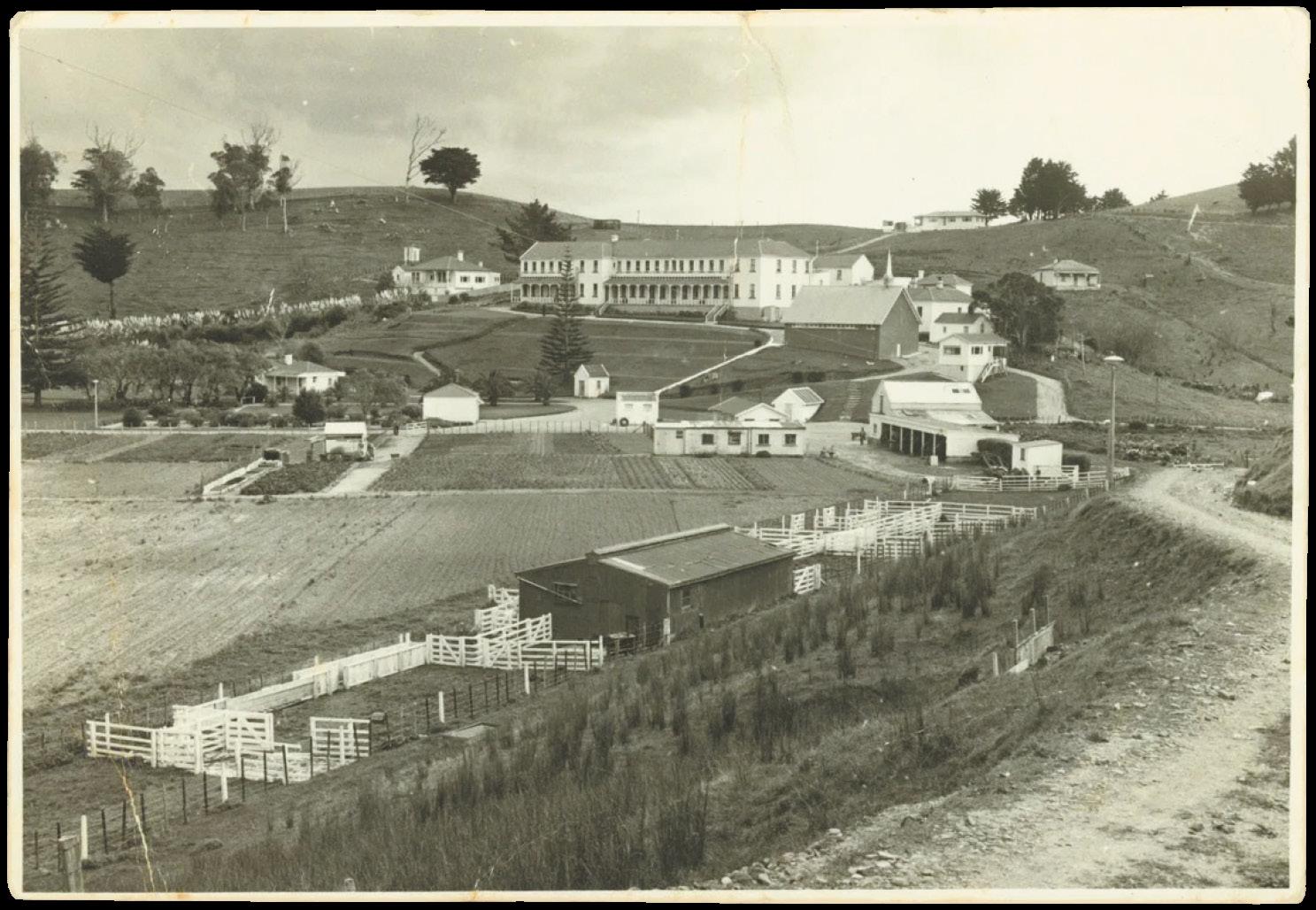
Above: Rotoroa Island was Aotearoa New Zealand’s first addiction treatment centre and has served over 12,000 people seeking rehabilitation and recovery. Photo source: rotoroa.org.nz.
As one government official once said to me while riding the lift at the Beehive: ‘Your programme on the island transformed my brother’s life—and when his life was transformed, so was the life of our entire family’.
A wildlife sanctuary
On Friday 30 December 2005, Rotoroa Island hosted its official closing ceremony for the addiction programme— following the establishment of new services in Manukau and Waitākere, and later a residential treatment programme in Hamilton.
Initially, there was no clear vision for the island’s future. There was deep reluctance to sell such a taonga (treasure), but also uncertainty about what else might be done.
In time, a unique and generous partnership emerged between The Salvation Army and a newly formed trust—the Rotoroa Island Trust— supported through the generosity of Neal and Annette Plowman. Their vision
transformed the island into what it is today: a flourishing wildlife sanctuary and a place for learning, discovery and connection with nature. Just a short boat ride from Auckland, Rotoroa is now open for all to experience and enjoy.
Visitors for the celebration saw the results firsthand. Millions of native trees now cover much of the island, flourishing after years of careful planting. With predators eradicated, the once thought extinct takahē freely roam in the open. Kiwi are also present, though less easily seen, alongside many other native species.
During the celebrations, people wandered through regenerating bush, shared barbecues, sunbathed and swam at the island’s golden beaches.
And so Rotoroa remains a sanctuary of restoration—a wildlife haven where there was once a human sanctuary—continuing its long and powerful story of renewal.
New Report Highlights Housing
as Key to
Reintegration After Release from Prison
A new report from The Salvation Army’s Social Policy and Parliamentary Unit gained national media attention, with Mission Officer Lt-Colonel Ian Hutson outlining one of six pillars for successful reintegration after prison. This first report focuses on housing, described as ‘making home base’, which is the first step in rebuilding life after release. The report emphasises that without stable accommodation, other efforts like employment and rehabilitation are far less effective. The findings have sparked widespread support and coverage in the NZ Herald and on Newstalk ZB, reinforcing the call for more coordinated action to ensure people leaving prison have a fair chance to reintegrate safely and sustainably into their communities.
Scan the QR code to read the report or go to salvationarmy.org.nz/6Pillars .
This is the first in a series of six reports that will be published throughout 2026.
Flourish International Development and Relief Report 2025
In a year of global uncertainty, The Salvation Army launched 635 international development and relief projects across 86 countries, impacting more than one million people. The Flourish 2025 report highlights work in places such as Zimbabwe, Rwanda, Kenya, Cuba, Paraguay and the Philippines, spanning clean water, healthcare, education, livelihoods and disaster response, all rooted in community. Behind the numbers are powerful stories: farmers growing sustainable incomes, survivors rebuilding their futures and children discovering confidence. With strong partnerships and a growing focus on impact, the report highlights our mission for long-term change, driven by hope in action.
Scan the QR code to download the report or visit: salvationarmy.org/ resources/international-developmentand-relief-report
Milton Street Homes Blessed in Nelson
A new chapter of hope has begun in Nelson, with the blessing of our Milton Street housing development. The site will provide warm, stable homes for people who have faced housing insecurity. Community partners, supporters, iwi and local leaders gathered for the occasion, celebrating a shared effort to create long-term housing solutions. The blessing itself was a significant occasion that honoured the traditions and cultural practices of mana whenua, Ngā Iwi e Waru o Te Tauihu. As part of the ceremony, symbolic mauri stones were carefully laid into the whenua, acknowledging the life force and spiritual connection of the land, and grounding the development in the values of protection, wellbeing and belonging for future whānau who will call the site home.
Highlanders Jerseys Back The Salvation Army
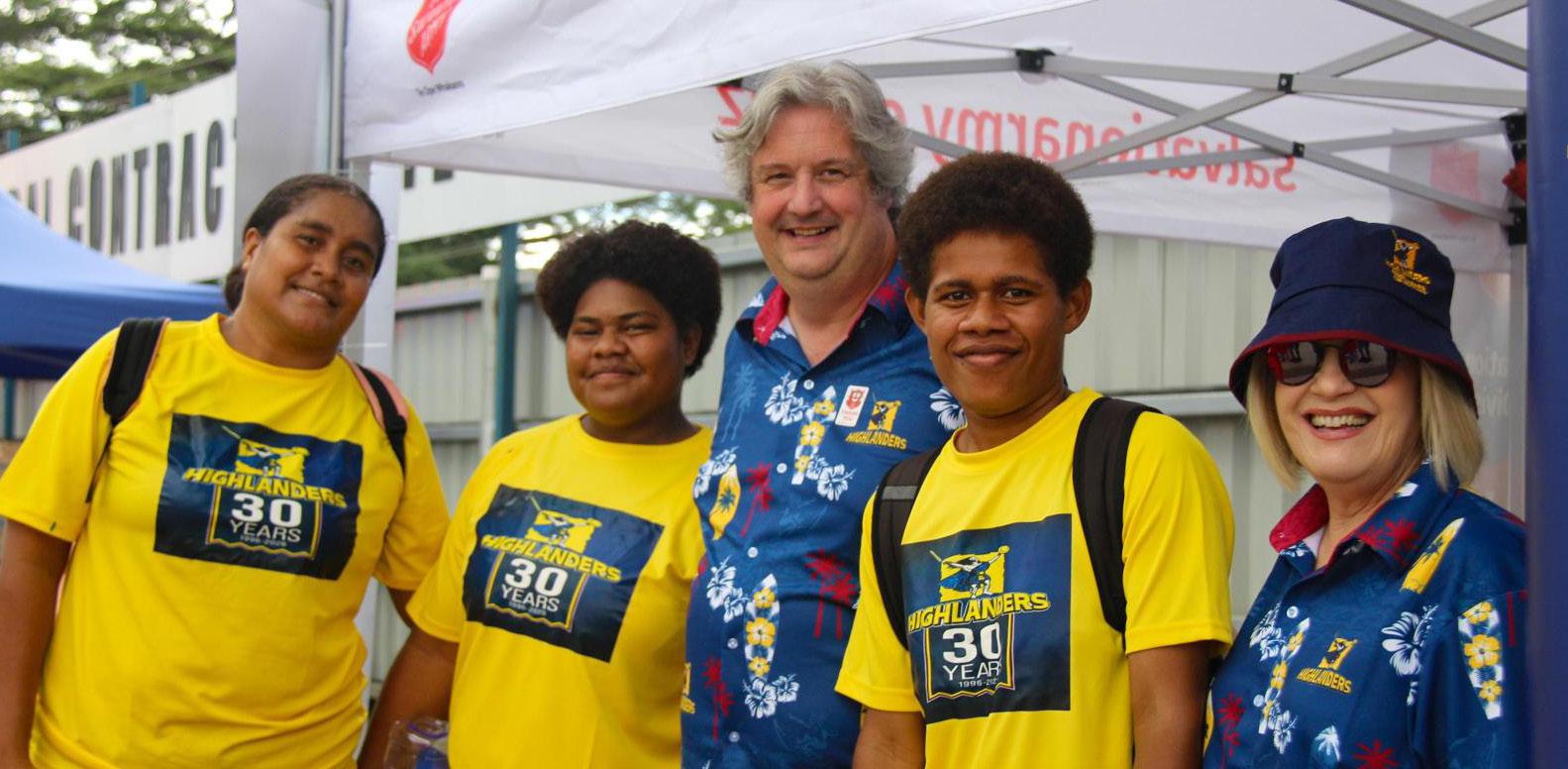
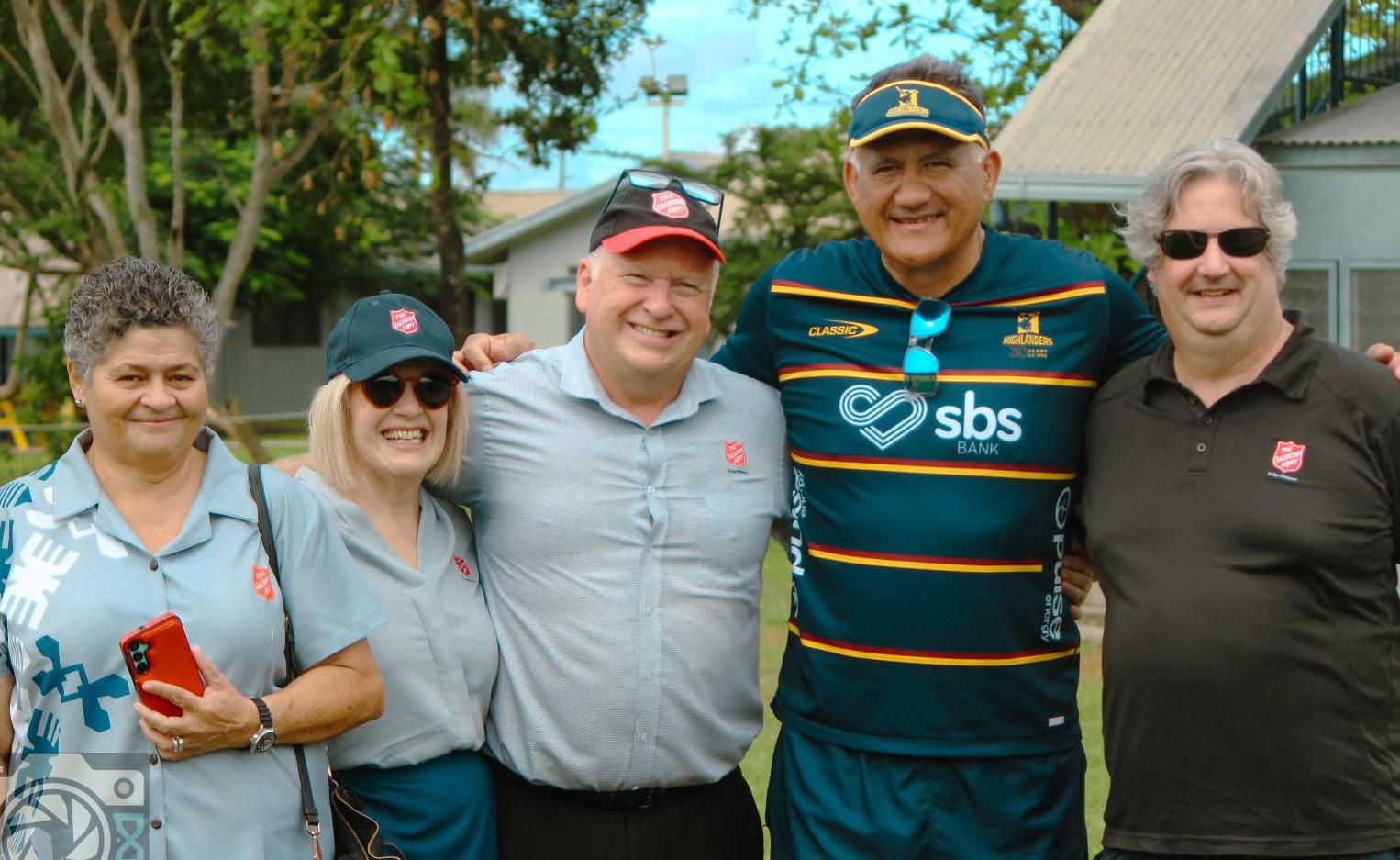
Sport met generosity in Fiji, as the Highlanders took on the Fijian Drua in a rugby match that carried extra meaning. The Highlanders ran out with The Salvation Army red shield featured on their shorts, highlighting a partnership grounded in community support. Match-worn jerseys have been auctioned on Trade Me, with proceeds going directly to The Salvation Army’s work. The initiative has raised vital funds while also shining a spotlight on the growing need for support services across the territory. Territorial Commander Commissioner Janine Donaldson attended the game and spoke in a Sunday service at Ba Corps.
Below: (From left) Major Phillippa Serevi, Commissioner Janine Donaldson, Supporter Engagement and Fundraising (SEF) Director Tim Hamilton, Highlanders’ Head Coach Jamie Joseph, Territorial Director of Family Stores Gareth Marshall; Gareth and Janine with Fiji corps members. Photography by Ratu 4tography.
Thank You for
Backing Red Shield Appeal
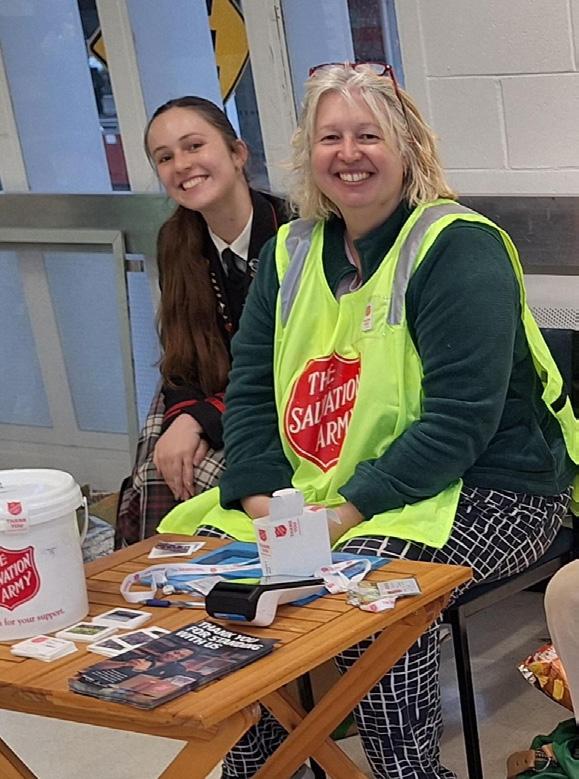
Across the country, volunteers once again stepped out in force for this year’s Red Shield Street Appeal. From early mornings to busy evenings, collectors gave their time and energy to support The Salvation Army in their local communities. Their efforts, alongside the generosity of donors, have consistently helped fund vital services for families and individuals doing it tough. A heartfelt thank you to everyone who held a bucket, shared a smile or made a donation. Together, you have helped bring hope where it’s needed most.
Looking for more news?
Read the latest news online at saltmagazine.org.nz
8 June: THQ Leaders Day with God, BCM 9-22 June: Furlough
23 June: Lunch with delegates of the Developmental Conversations Hui, CLD
23 June: Church leaders meeting with the Prime Minister, Wellington
25 June: TGB meeting
29 June: Lunch with delegates of the 12 Steps Course, CLD
Colonel Jennifer Groves (Chief Secretary)
3 June: Dinner with pre-retirement attendees, BCM
7 June: Territorial Online Praying Together meeting—winter edition
8 June: THQ Leaders Day with God, BCM
15 June: Speak at Central Retireds Fellowship, Levin Corps
16 June: 5 Year Officer Review—afternoon tea, leader to leader session and dinner, BCM
17 June: Spiritual Day, BCM
21 June: Wairarapa Corps Sunday service, Masterton
Gazette Summary
To read the full version of Gazette notices, visit saltmagazine.org.nz/gazette
Appointments: Effective immediately, Captain Aimee Noakes has been appointed personnel support officer, Christchurch. Captain Scott Noakes will continue in his appointments as corps officer, Christchurch and director, Christchurch City Community Ministries. Amendment to Appointment: Effective immediately, Lieutenant Tammy Mohi has an amended appointment to Mission Team Leader, Christchurch Bridge and West Coast Bridge and Mission Team Leader, Addington Supportive Housing
Birth: Congratulations to Captain Jessica Bezzant, who has given birth to a baby girl, Willow Mia Erin Bezzant. Willow was born at 5.16am on Monday 20 April 2026 weighing 7lb 11oz (3.48kgs). May God bless Captains Jess and Nathan Bezzant and Elisha, Summer, Josiah, Azariah, Judah and Indigo as they welcome Willow into their family. Bereavement: Angela Brooks, the sister of Major Chris Collings and Major Nicki Dutton, passed away unexpectedly in Wellington, on Friday 8 May 2026. We ask you to uphold Major Chris Collings and Soora Lee, Majors Nicki and Steve Dutton, and Angela’s son Christopher, along with other extended family members, in your prayers during this time of grief and loss.
Promotion to Glory: Captain Karalaini Rabuli has been promoted to glory on Sunday 10 May 2026 from Labasa Hospital, Fiji, aged 61 years. Karalaini (Kara) married Sekaia Rabuli on 23 February 1989. In January 2010 they entered the School for Officer Training - Suva as cadets in the ‘Friends of Christ’ session. Please support Captain Sekaia Rabuli, their children Vasemaca, Timoci, Gordon and Esther, and extended family members in your prayers at this time of grief and loss. Well done, good and faithful ‘Friend of Christ’.
Captain Janet Overton on Tuesday 12 May 2026, at Burwood Hospital, Christchurch, aged 91 years. Janet married Cliff Overton on 23 October 1954. We thank God for Janet’s faithful service to God as a Salvation Army officer, and the many more years as a retired officer, worshipping and serving at her local corps. Please uphold in prayer Janet’s children Margaret and Judith, and extended family members at this time of grief and loss. Well done good and faithful servant of Jesus.
Barbara Ruby Collins, the mother of Lt Colonel Milton Collins, was promoted to Glory from Kaniva, VIC, Australia, on Wednesday 13 May 2026, aged 89 years. We ask you to uphold Lt Colonels Milton and Michelle Collins, and other family members, in your prayers at this time of grief and loss.
Quiz Answers: 1. Lady Gaga, 2. A stand-up comedian, 3. Burkina Faso, 4. Simon, 5. 1967.
The First 100 Years of the Uniform
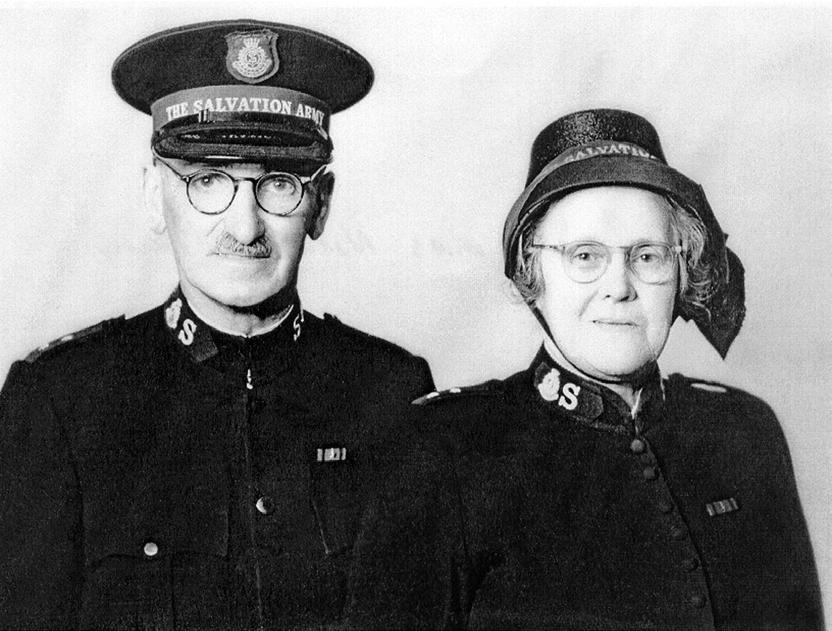
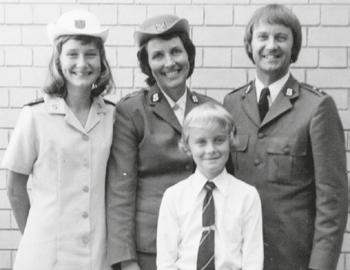
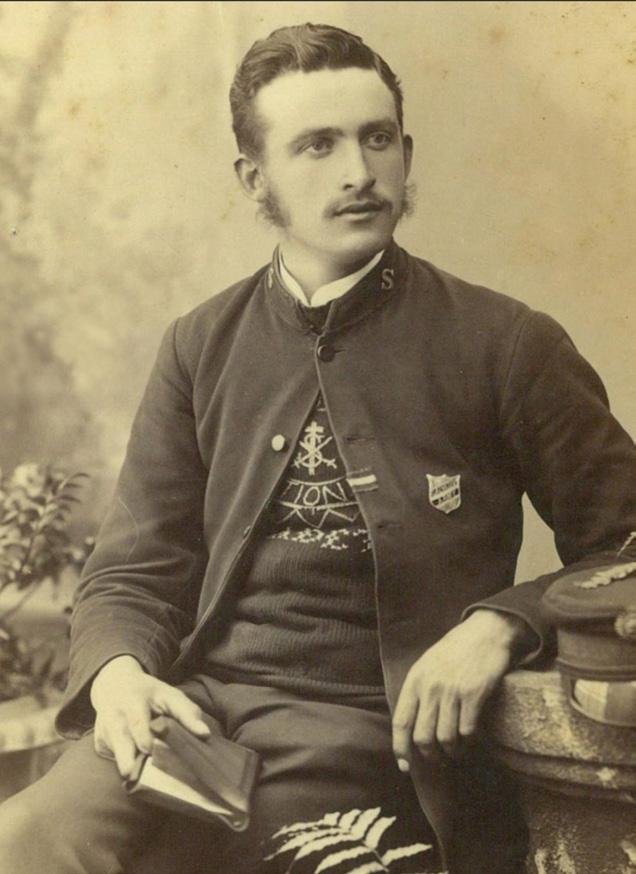
Since The Salvation Army first arrived in Aotearoa New Zealand in 1883, its uniform has been a visible sign of mission across the territory. While the uniform has changed, its meaning remains the same.
In the beginning, there were no firm regulations about uniform wearing in the New Zealand Territory. The wearing of uniforms by soldiers was ad hoc and by no means required, though encouraged. Wearing tidy, sombre clothes with a Salvation Army shield or tri-colour ribbon seemed to be acceptable. The symbolism of ‘The Salvation Army’ was more important than the cloth.
The iconic women’s bonnet—introduced in 1880—and the cap were both practical and symbolic parts of the uniform, useful for the public in identifying members of The Salvation Army.
Across the twentieth century, the uniform transitioned further. The bonnet was eventually phased out, and the highcollared tunics switched to more functional, open-neck jackets.
Information from Salvation Army Uniform Portraits: New Zealand 1883–1913 by the Heritage and Archives Centre.
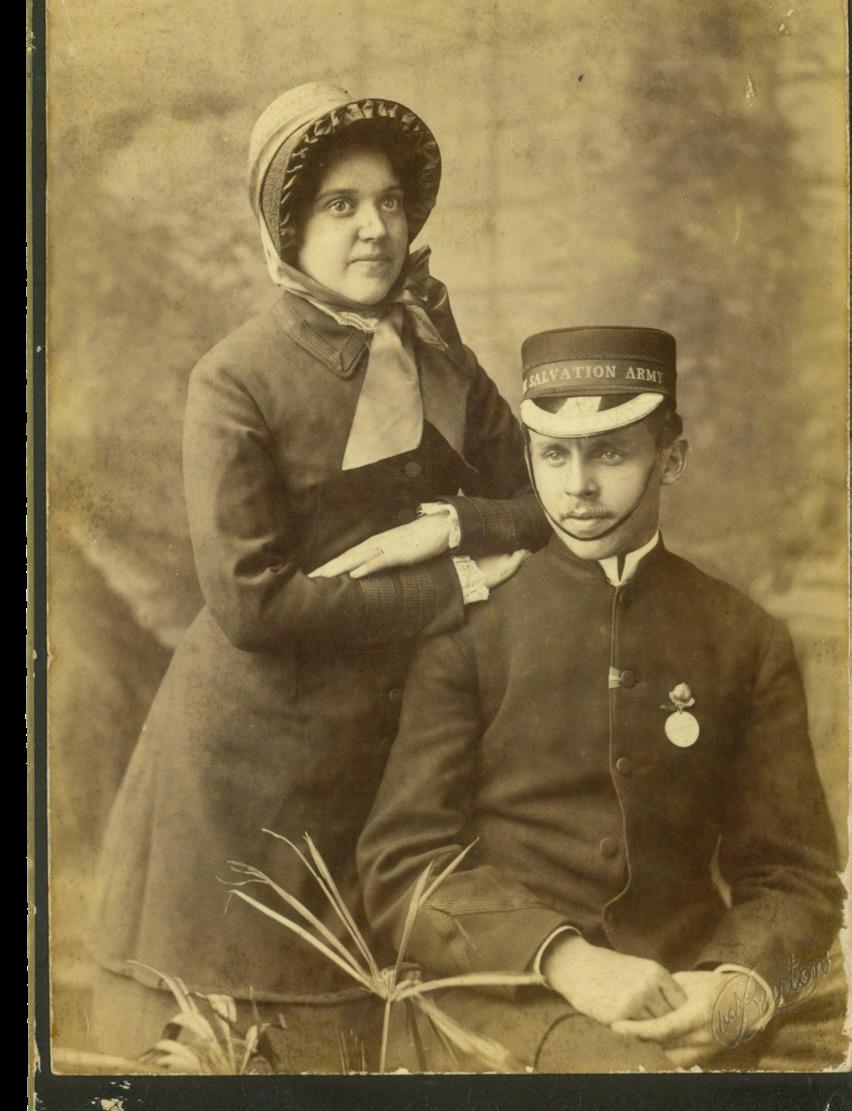
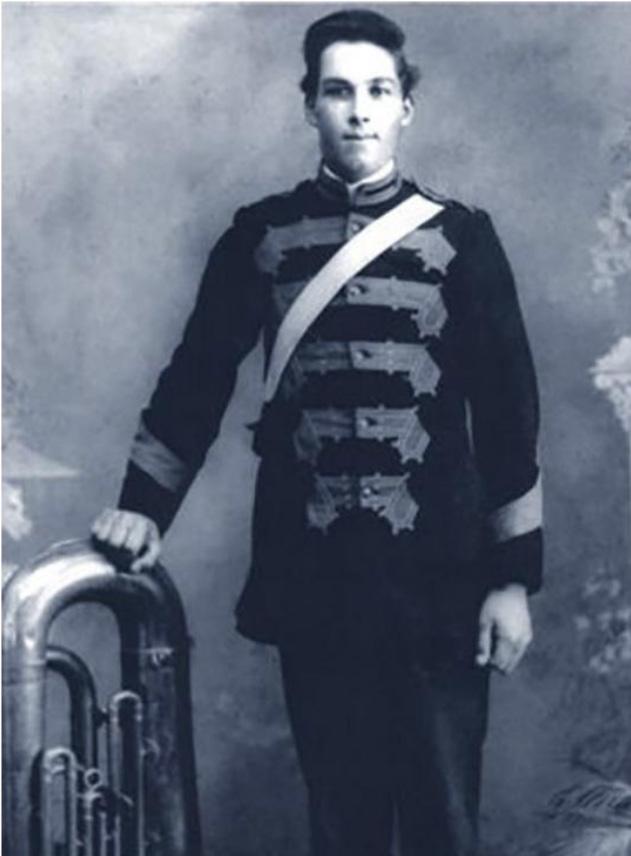
1. A hand-embroidered Salvation Army crest on a red guernsey; 2. Major George and Mrs Alice Pollard, 1883; 3. Salvationist from Gisborne c.1895, wearing S’s, shield badge and bonnet; 4. Thomas Sharp wearing Newton Corps band’s formal uniform, 1906; 5. Salvationist wearing crested guernsey, shield badge, tri-colour ribbon and ‘S’ badges; 6. Brigadiers Norman and Grace Brown c.1950s, featuring high-neck collar and bonnet; 7. Captains Rex and Geraldine Johnson about to head off to serve in Papua New Guinea, c.1978; 8. Captains Valda and John Beverley, c.1970’s.
Change and Comfort
Have you ever moved to a new place and felt completely lost? Everything looks different. You don’t know where to find the supermarket, or a great coffee shop. Change can be overwhelming, even when it’s good change. Our world seems to change by the minute, doesn’t it? There are new models, revised editions, upgrades, trends, fads… it’s hard to keep up.
As parents, we’re bombarded with information, tips and advice, and sometimes it can make us wonder—am I doing enough, making the right choices, following the best guidance? We want to do the best for our children, but life is messy and unpredictable, and we won’t always get it right.
Be encouraged that the same Jesus who was with God from the beginning is consistently good, sovereign and present —both to those parenting, and those being parented.
Because of that, even in seasons of change—which can be stressful for kids and parents alike—we can take small, intentional steps to support our families:
• Check in daily : Create opportunities to share how your child’s day went. Try taking turns sharing a highlight and a lowlight at dinner time, or get the conversation started with a simple thumbs up/thumbs down check-in.
• Stick to familiar rhythms: Even simple activities can provide a sense of security when repeated during times of uncertainty—making pancakes on a Saturday, having a weekly movie night or reading together before bed.
• Provide a faith lens: Share your favourite promises from the Bible about God’s faithfulness and unchanging nature with your kids. Ask if there’s something specific they would like you to pray for, then take time to pray with them.
• Have fun: When things feel uneasy, it can be hard to find joy. A joke, a silly dance or even a wheelbarrow race can provide some much-needed relief from tension.
Always the Same
Have you noticed leaves changing colour (or even falling off!) as the seasons change? Even though the leaves on a tree change throughout the year, the tree trunk stays the same. Jesus is like the trunk—steady and constant.
What are some things that are changing in your life at the moment? Draw or write each one on a leaf, then talk to Jesus about it. He’s always there, ready to listen.
Our Constant Christ
Jesus Christ is the same yesterday and today and forever. Hebrews 13:8
Read: There’s a book in the Bible called Hebrews, and the author wanted to remind the early followers of Jesus about an important truth. In a world where there are so many changes, he wanted them to remember that Jesus Christ never changes. Jesus is the same always and forever.
Think: I wonder how many things change in your life? Did you change teachers this year at school? Or even move schools? Have you gone up a grade in sport and now your team has different kids in it? Are you trying a new hairstyle? Some change can feel easy, and some change can feel really hard. No matter what type of change we’re going through, we too can be reminded that Jesus is always the same, which means He never changes, and so we can fully trust in Him.
Pray: Dear God, there are some changes in my life that I enjoy and look forward to, and then at other times some of the changes can make me feel worried or sad. It’s good when I remember that You are faithful to all the promises You have made, and that You are always the same and You never change. Help me to keep trusting and following You. In Jesus’ name, Amen.
Do: It’s important to talk when you’re feeling worried or sad about any changes that are happening in your life. Talk to your parents, caregivers or teachers about situations that you’re unsure about. Remember there are people who love and care for you and want to help you through whatever change you’re facing.
Thank You for Supporting the Red Shield Appeal
A heartfelt thank you to everyone who held a bucket, shared a smile or made a donation.