Winter 2026 Ruminations

Pastor Robert Riley Wellington UAICC Ministry Centre
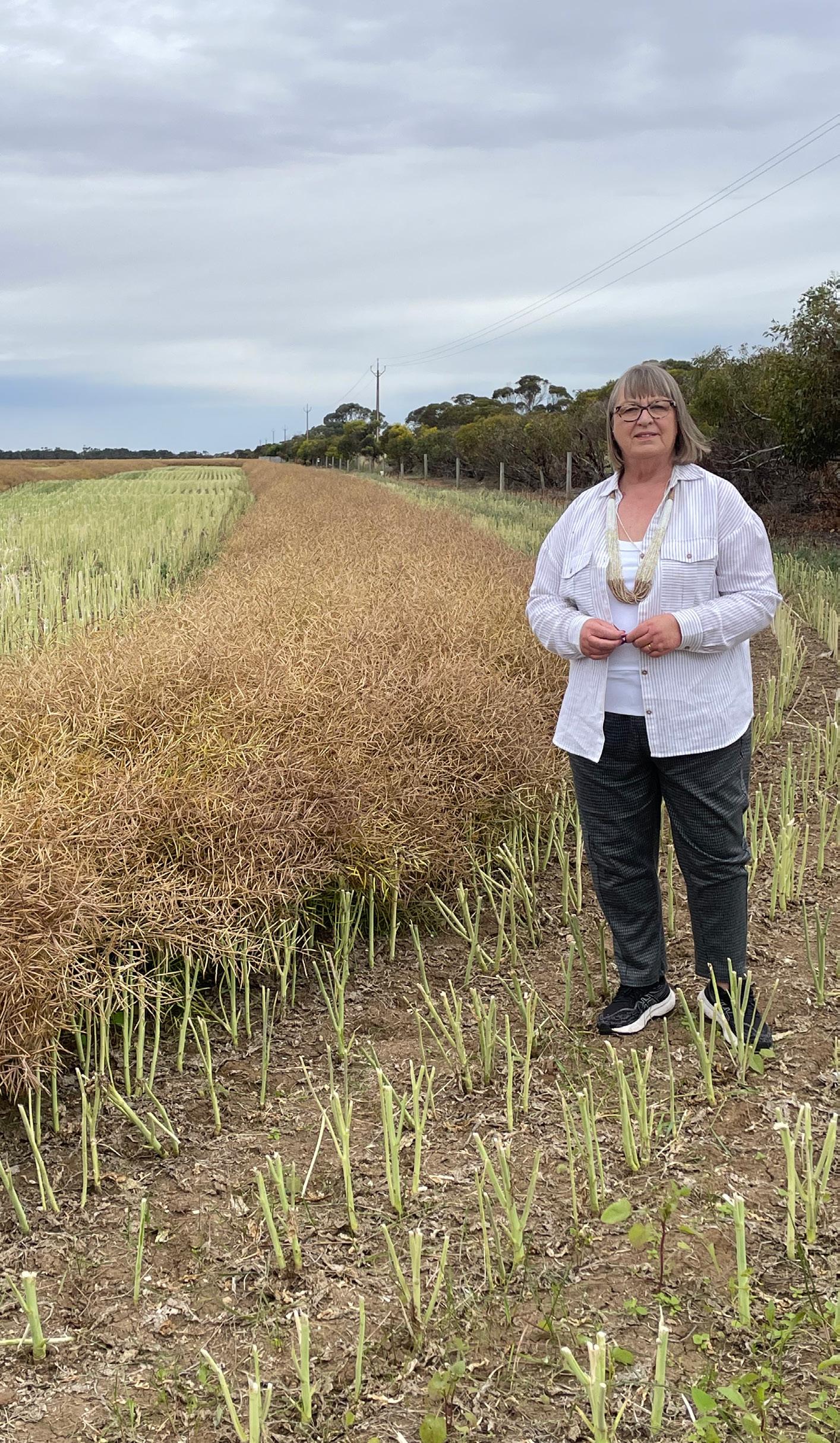
Rev. Sue Ellis is a retired Uniting Church Minister in South Australia. A Past Moderator of the SA Synod and former Rural Resourcing Minister for the Far West region of SA, Sue is an inaugural member of IRCA Oceania and continues to support rural ministries in South Australia. She enjoys visiting her farming family at Cummins each year. She keeps abreast of the impact of Climate Change on farming communities Australia wide via online events and ABC’s Landline and is keenly interested in the wellbeing of rural people and leaders of small rural congregations.
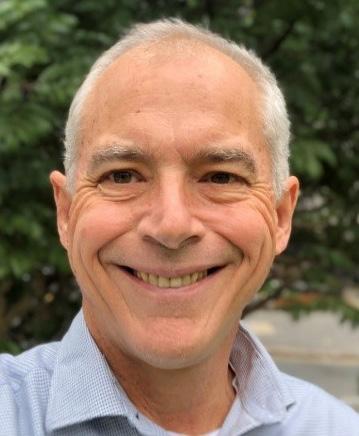
Rev. Deacon Paul Jensen is an ordained Roman Catholic Deacon serving in the Archdiocese of Brisbane and a registered psychologist. Paul is currently working in two part time roles in the Archdiocese of Brisbane; as Project Director Governance for the Archdiocese of Brisbane and as Pastoral Director of the Holy Spirit Seminary Banyo.
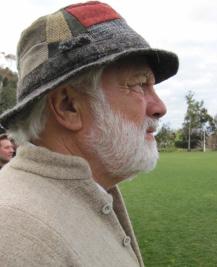
Rev. David Oliphant is a retired Minister from Mt Dromedary Parish (Narooma, Bodalla, Bermagui and Cobargo) in 2016. He lives in Central Tilba.
Ruth Kerr is a member of the Wagga Pilgrim UCA congregation. She values interaction with people from other churches, backgrounds and nationalities.
Rev. Yvonne Ghavalas-Perry is the minister at Jesmond Park Wallsend/ Shortland Uniting Church, in the Hunter. Yvonne has always sought to shape her placements in new and creative ways bringing her spiritual and liturgical life alongside her enjoyment of reading and writing as a way of encouraging others in their faith. Yvonne has for many years worked closely with Saltbush.
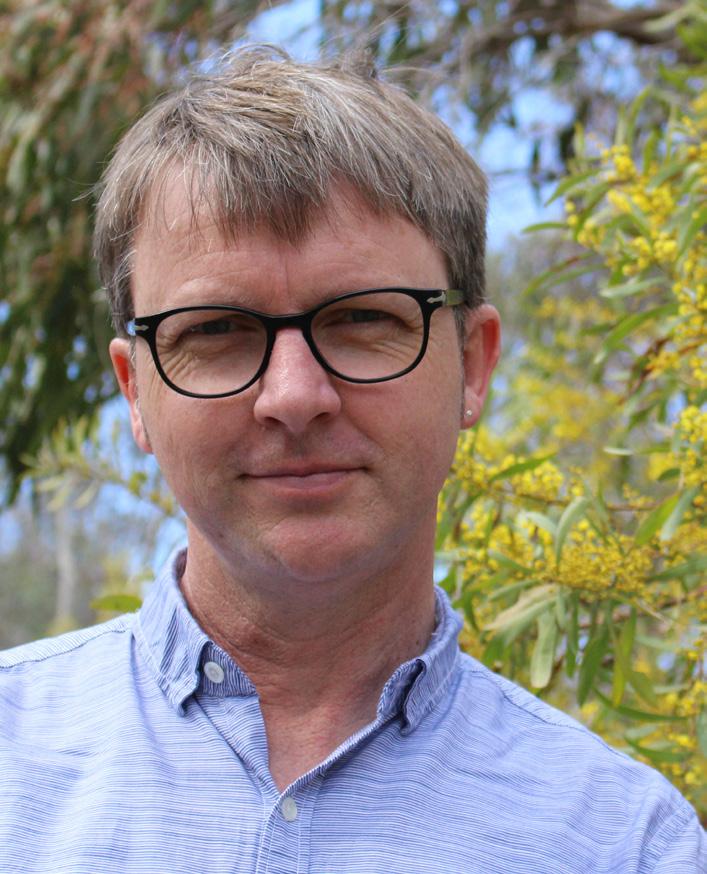
Rev. Mark Faulkner | Saltbush Ministry Team Leader
Welcome friends to another edition of Ruminations! As the Saltbush team draw this edition together and send it out, we are mindful of all those who feel connected to the Saltbush ministry. We are mindful of those we have had conversation with and shared around the table with, as we explored life and faith together, throughout the country. We are mindful of this broad, scattered community, the towns, the churches, the homes, and the wonderful people we have been invited to be amongst. We are thankful for the ways you have encouraged us as a team and we look forward to shaping this strange ministry in which we find ourselves into the years ahead.
Perhaps it could be said that these days “mystery” is a rare theme since our world has, since the 1500’s, shaped itself around science, knowledge and practical achievement. Before, life was shaped more around superstition, beliefs, existence and mystery. Of course, all those ways have always been there and still are, but our focus and embrace, as humans, has changed over time. So that now, “mystery” is seen as something to be unlocked, conquered and made known, rather than explored as part of any spiritual life.
Perhaps, we even fear mystery?
Does mystery make us feel in the 21st century that we are out of control?
Certainly, for some, ignoring mystery helps!
So then, such a challenging theme is perfect for Ruminations and could be a reminder of a forgotten, or overlooked, or ignored, aspect of the Christian life. Indeed, reality of the human life.
“Mystery” is also a challenging theme particularly since some people find it easier to grasp than others; it’s about how our minds work and have been shaped, not about the people. We can diminish mystery by using the word as a way of letting us off the hook. Mystery can be both a passive absence and an active presence, depending on how we want to delve into life, God and being.
As you read this edition, we can hear the challenge of our theme in the diverse ways our authors have shared their thoughts. Some have gone into scripture and others have entered mystery from their personal perspective. Some have drawn on culture and lived experience and others drawn on theology and Spirit.
For sure, this edition and the theme of mystery, invites each of us as we read onward to consider how we ourselves would write about mystery and which authors and thoughts we find ourselves drawn into.

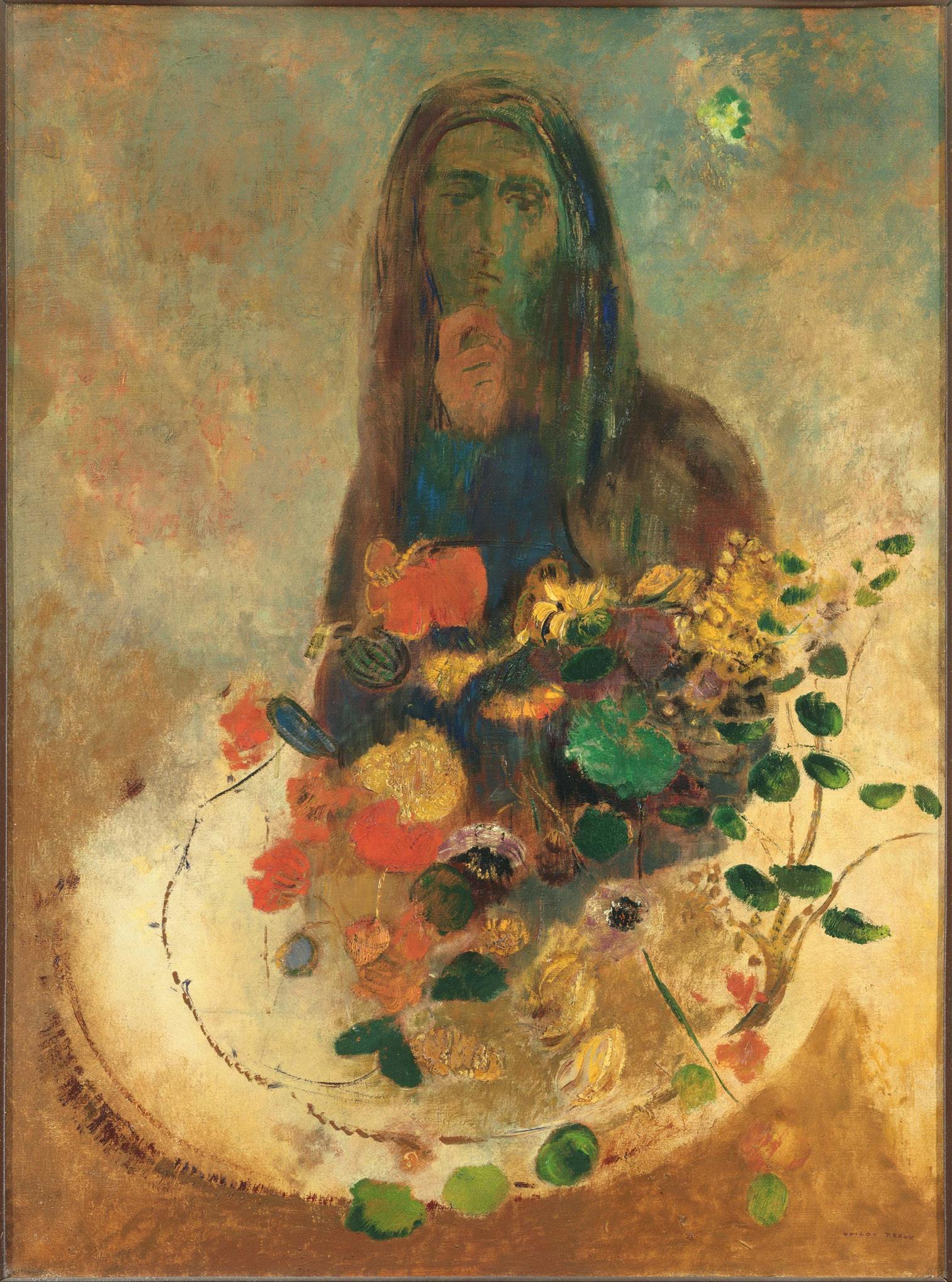
Odilon Redon, Mystery, 1910
Redon was a French artist (1840-1916) who sits between various art periods as a post-impressionist. Redon’s work is dreamlike and emotive. This painting is titled Mystery and in his own words, written in 1902; “The meaning of mystery is to be always in ambiguity… (to have) forms which will be, or which become according to the state of mind of the beholder.”

Pastor Rob Riley | Wellington UAICC Ministry Centre
Hello. Good day. Welcome.
Yamma marang yuradhu gawaymbanha.
I would like to begin by acknowledging the traditional custodians of this land, on which we all live and work on, I’d like to pay my respects to my Elders past, present and emerging.
God put my ancestors here on this great country, knowing it would be well looked after, being descendant of both Wiradjuri and Wayilwan. I’m proud of my heritage and culture, and my people.
The good Lord has blessed me with the chance and privilege to minister to my people in Wellington. I started at the UAICC centre for ministry in Wellington late last year, and it has truly been a blessing. Having been given this opportunity in my community is something I thank the Lord for every day.
Having lived in Wellington for over a decade I have truly come to love this place, although this town has a bad reputation for its drug abuse and alcoholism, which I’m
sure a lot of people are aware. The town and the people that live here are some of the most welcoming and beautiful people I’ve met.
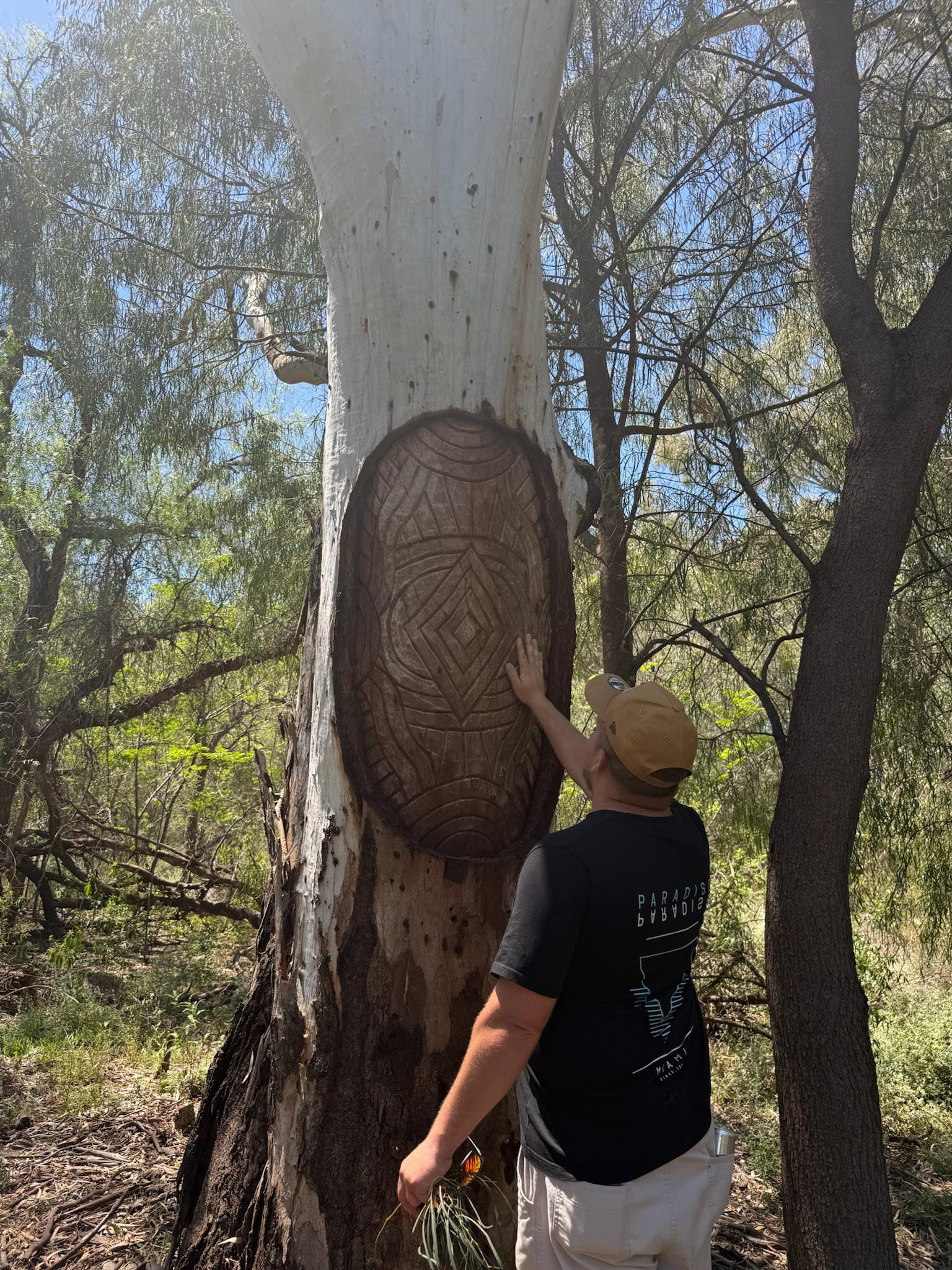
Being on country here in Wellington and out at Nanima, which is the oldest operating Aboriginal reserve in the country, is amazing. Seeing how God created these lands and blessed our ancestors to be its custodians makes me proud to serve our God as an Aboriginal man.
The surrounding mountains, rivers and creek systems, and the Burrendong Dam really makes me appreciate our God. You can see Him in everything. The mystery and wisdom here is truly a testament to Him and all He has created.
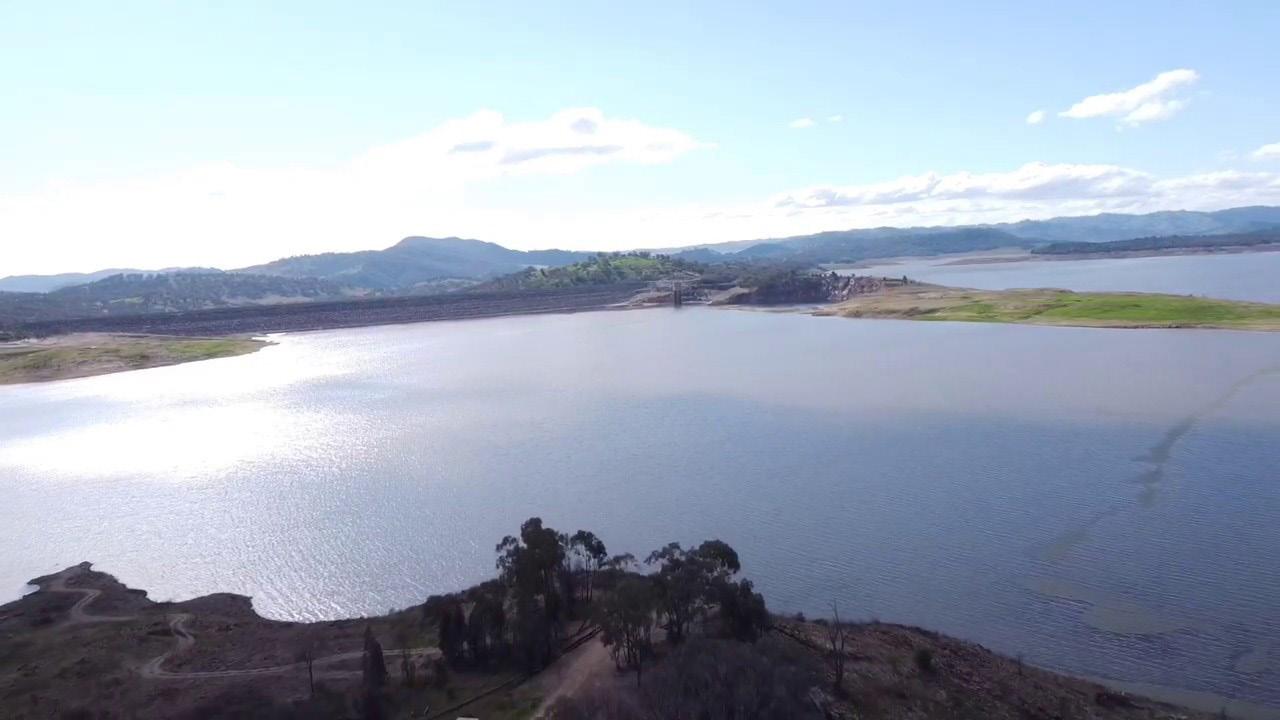
I’m sure we can all agree when God created the earth and this beautiful country we all call home, He truly did bless us with all of the diverse landscapes that we love and enjoy. Let us appreciate all He has given us, through this land and all the things that it provides.
— Deuteronomy 8:6-7
We’d like to hear from you!
Send in a story of up to 200 words, or photo with caption to: saltbush@nswact.uca.org.au*.
This can either be on the Rumination theme’s for 2026 which are Climate and Mystery or on the topic of your choice.
*We will endeavour to include as many stories as possible, but cannot guarantee all submissions will be published.



Rev.
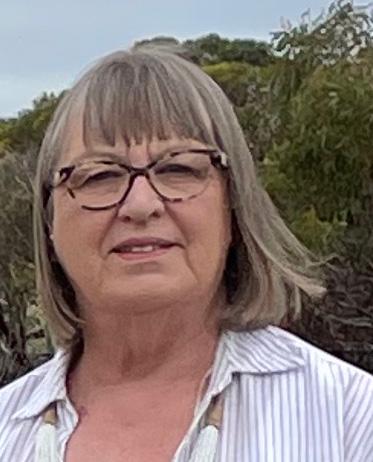
y friend Rhanee comes from the beautiful Flinders Ranges of South Australia, Adnyamanthana Country. In the time we worked together, there occasionally arose within her soul, a sacred calling to return to Country.
Rev Dr Aunty Denise Champion, an Adnyamanthana theologian, reminds us in Yarta Wandatha 1, “the land is speaking to us and through us in the stories”. It was this mysterious connection to land that would restore Rhanee’s wellbeing.
Educated western, scientific minds like mine may struggle with this, but I suggest it is part of the mystery of Sacred Presence. Sacred Presence refers to how God, who came among us as Jesus Christ, the crucified and resurrected One, is Sacred Presence through the Holy Spirit Jesus sends as our Friend.
Most of my life has been lived in rural South Australia, and most of my ordained ministry has been in rural and remote areas. This has meant connection to the land and waters of each region, where droughts, fires, floods and financial failure were always lurking. Our prayers followed the rhythms of the agricultural season - protection for firefighters, autumn rains for seeding, winter and spring rains to grow and finish off crops, safety during the long days of harvests, and financial mercies from bankers and futures markets. When seasons go well, we accept and congratulate our capacity to manage
1 Denise Champion with Rosemary Dewerse Yarta Wandatha 2014, Self-Published p 19
well and flourish. When things don’t turn out well and those lurking, unwelcomed troubles strike, we ask “Why is this happening to me?”
It’s a fair question, when we work hard expecting the resultant reward. Psalm 13:1 gives voice to our sorrow and pain “How long will you forget me, LORD?” Psalm 13 is one of the many psalms of lament in the Biblical book of Psalms. When we turn to Sacred Presence or God, psalms of lament can give us words to pray for our pain.
God as Sacred Presence is mystery. I believe the God who created us and who loves us, journeys with us through the harshest and most vulnerable times we may face. On the way, we are given hope and strength and guidance for the choices we are free to make. At times, that guidance may challenge us and drive us to seek fresh approaches to our lives and livelihoods.
In the life crises I have personally faced, my lament to God has been marked by sorrow, anger, distress and heartfelt pleas. At these times, acts of kindness, generosity and loving care have sustained me and given me courage. These actions have come from people who are compassionate and empathetic. Many are active Christians.
Because I believe each soul carries a touch of the Sacred Presence, where love is given unconditionally, and empowered by the Spirit, to bring forth generosity, kindness, understanding and loving companionship, I think all people are capable of offering compassion. This love and compassion comes to us when someone visits us and listens without judgement or when we are gifted a parcel or a grant of money to tide us over. This is the unseen Sacred Presence of God at work, journeying with us, tenderly caring for our woundedness, offering practical help and in love, affirming our humanity as Beloved Beings. It is how Sacred Presence restores wellbeing in us.
Times of distress invite us to stop and consider the what’s, why’s and how’s of our situation. To move forward practically, we need time to care for our wellbeing. In such times I draw closer to God in whatever way I can. When I have no words, I sit where I think God may be near - usually for me it is where there is a big view. I turn to the psalms for words that capture my pain. More recently, I have found the power of poetry to help my expression and start my healing.
On a recent trip to Scotland, I visited places known for Sacred Presence - Iona, the Highlands, ancient Cathedrals. I also heard the CEO of a charity called Renew Wellbeing. The charity helps churches open spaces of welcome and inclusion in partnership with mental health teams to improve mental and emotional health of locals. This life-giving experience refreshed me and helped restore my wellbeing after a recent time of distress. In seeking the healing and help of Sacred Presence, I found it. God is faithful.
Rural and regional life can be lonely places in personal times of distress, yet, in strange and mysterious ways, Sacred Presence comes to us through Holy Scripture and human words and actions, to command our attention and renew our lives.
Peace be with you.

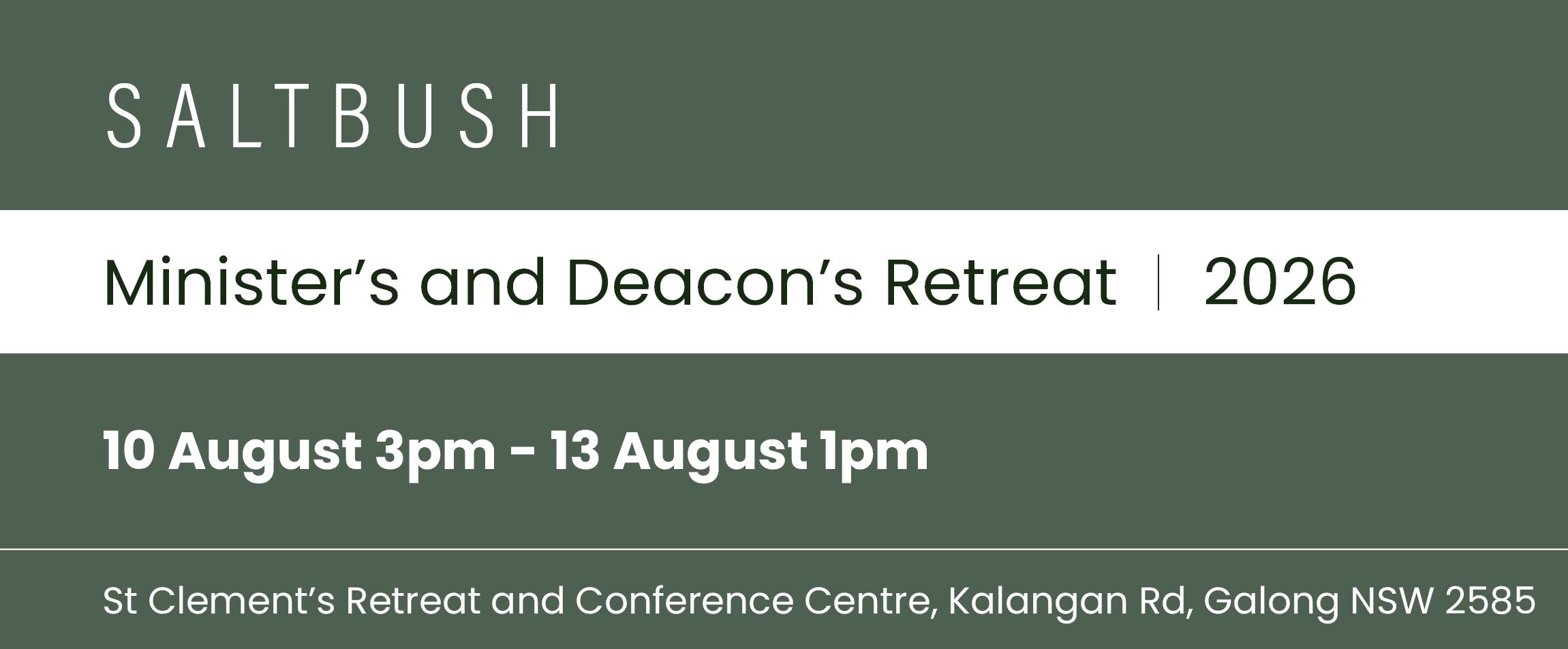
The Saltbush Team invite all in Ministers and Deacon’s to four days of contemplation, conversation and community from Monday 10th August (after lunch) to Thursday 13th (ending with lunch). Come dwell, discern, and discover together.
The time together has been subsides through generous donations to Saltbush; the cost of $280 covers all meals and accommodation.
If you have any questions or are concerned about the cost please get in touch with the Saltbush team - saltbush@nswact.uca.org.au
Rev. David Oliphant | Mt Dromedary Parish
I have been invited to reflect on the word ‘mystery’. I had an immediate memory. In my mid-twenties when I first began to read the Bible I used the word ‘mystery’ once when talking to an older man who had become something of a mentor for me in my newfound focus in God. He warned me against using the word, saying it was not biblical. I know now he was only half right. Certainly, there is no word in the Hebrew Bible that can be easily translated as ‘mystery’, but there is a word found six times in the Aramaic section of the Book of Daniel; the word ‘raz’. When this was translated into Greek for the Septuagint, the first Greek version of the Old Testament, the word mysterion was used. This was the word St Paul used twenty-one times in the letters under his name in the New Testament. It is also used four times in the Book of Revelation but only once in each of the synoptic gospels, when Jesus’ disciples asked him why he taught in parables.
He said to them, “To you is given the mystery of the Kingdom of God, but to those who are outside, all things are done in parables” (Mark 4:11)
Paul believed his mission was to interpret the significance and importance of Jesus and the mystery of the Kingdom of God into the virtually global language and culture of the Graeco-Roman world, where mystery was part of the lingua franca . This was of great significance. For Paul, Jesus was not only the Jewish messiah; he was Son of God, the first born of the dead, bearer and giver of the Spirit, representative of all humanity, the new Creation. This was a universal ‘mystery’ being revealed by God in Paul’s gospel. So it made good sense to use words in common usage, although there were dangers in this as well.
Religiously the Graeco-Roman world was very complex. Apart from the Olympian Pantheon, the Interpretatio Romana , and the Imperial Cult, there was strong influence also from Platonist, Neo-Platonist, and Stoic philosophies. There was also of course the monotheism of Judaism. But perhaps the most influential at the popular and personal level were the so called mystery religions, such as the Eleusinian Mysteries, the Dionysian Mysteries, the Cult of Isis and the Persian military cult of Mithraism. They offered personal spiritual experiences,
divine salvation, and answers to the afterlife, requiring members to take strict oaths of secrecy. A devotee was initiated into the mystery, and silence imposed, helping to form strong communal bonds centred in secrecy. There was usually a narrative of the deity dying and returning to life, which mirrored the initiate’s spiritual rebirth.
These traditions flourished primarily between the 1st and 4th centuries CE. Because their rituals were closely guarded, historians must rely on fragmentary written records, imagery, and archeological findings. (Wikipedia)
So there were some interesting parallels between what Paul was doing in establishing church communities centred in the death and resurrection of Jesus and the presence of the Spirit on the one hand, and the personal appeal of the mystery religions on the other. But there was a very important difference also. Paul was revealing mystery, making it known; the mystery religions were purveying mystery, keeping it seductive and mysterious.
So what was it that Paul was revealing in his Gospel that had been till then a mystery? In his letter to the Romans, Paul’s magnum opus, both uses of the word ‘mystery’ refer to the inclusion of the Gentiles in his Gospel. This may not seem much to us now, two thousand years later, but for Paul and the Jewish church it was a big and important issue. Much was at stake. I am writing this now because Paul stood his ground then , against the other apostles, and insisted Christ was not only for Jews but for all humanity, ‘so that all the Gentiles might come to the obedience of faith’. He also insisted that Gentile converts did not have to submit to the Laws of Moses; it was enough that they received the Spirit of Christ and lived in communion with him in the fellowship of the Church. The Law had served its purpose but now the Spirit was available to all who sought relationship with God through Christ. Everyone was invited into the New Creation in which Jew and Gentile, male and female, slave and free are all one in Christ Jesus. Christ represents us all.
Then in the letter to the Ephesians Paul’s vision of Christ is not only global; it is cosmic. The ‘mystery’ is God’s good pleasure ‘to bring unity to all things in heaven and on earth under Christ’; ‘members together of one body, and sharers together in the promise of Christ Jesus’. It is also a profound mystery for Paul
that the relationship of Christ to those who believe in him, the Church, is like the relationship between husband and wife; ‘the two become one flesh’.
In his first letter to the Corinthians, God’s wisdom is also a ‘mystery’, revealed by the Spirit not in the wisdom of the world but in the wisdom of the crucified Christ, ‘a stumbling block to Jews and foolishness to Gentiles’ . But for those to whom the ‘mystery’ is revealed by the Spirit, ‘both Jews and Greeks, Christ the power of God and the wisdom of God’. But no ‘mystery’ is greater than love; ‘Love never fails’. Death itself will be ‘swallowed up in victory’; the perishable will caught up in the imperishable, the mortal in immortality. This is a ‘mystery’ now revealed.
But it is in the Colossians letter that the mystery touches our psychology and even our identity, ‘the mystery that has been kept hidden for ages and generations, but is now disclosed to the Lord’s people. To them God has chosen to make known among the Gentiles the glorious riches of this mystery, which is Christ in you,thehopeofglory’ (my emphasis).
Christ in us; and us in Christ. This is the ‘mystery’ revealed. For Paul, we participate in this ‘mystery’ through the Spirit of Christ indwelling us and growing in us. God is no longer only a concept we try to think about, but rather a lived Presence we are in relationship with. We are ‘saints’, ‘little Christs’, contributing within the universal Body of Christ. This is taken to transformative heights in the Ephesian letter: ‘God raised us up with Christ and seated us with him in the heavenly realms in Christ Jesus, in order that in the coming ages he might show the incomparable riches of his grace, expressed in his kindness to us in Christ Jesus’ (Ephesians 2:1,4-7). Paul’s vision for what God has done and is doing in Christ touches every aspect of our existence. “I have been crucified with Christ and I no longer live, but Christ lives in me”(Galatians 2:20).
There is one further use by Paul of the word ‘mysterion’, in the Second Letter to the Thessalonians. This is different. He is responding to the belief by some that the Day of the Lord had already come. ‘Don’t let anyone deceive you in any way, for that day will not come until the rebellion occurs and the man of lawlessness is revealed, the man doomed to destruction’ (v.3). He will even set ‘himself up in God’s temple, proclaiming himself to be God’ (v.4). ‘For the mysteryof lawlessness is already at work’(v.7), but is constrained ‘by the one who now holds it back’, the ‘katechon’, who ‘will continue to do so till he is taken out of the way’. Just who or what the ‘katechon’ is remains a mystery to us, but clearly it wasn’t to Paul and those he was writing to in Thessalonika. Over the two thousand years of Christian tradition it has come to refer to an entity, force, or person that holds back the arrival of the Antichrist and the onset of the Apocalypse.
Those who follow after this man will ‘perish because they refused to love the truth and so be saved. For this reason God sends them a powerful delusion so that they will believe the lie and so that all will be condemned who have not believed the truth but have delighted in wickedness’ (v11). It would seem St.Paul had no qualms about thinking God would send a powerful delusion and have people believe a lie. On the other hand, I think St.Paul felt so deeply about his relationship with God and Christ that he found it hard to think that anyone could not but believe, unless they were under a power that influenced them not to do so. I don’t think Paul would have subscribed to the theory that evil was the absence of the good. Evil was a power, the power of wickedness. This was the mystery of iniquity or lawlessness. ‘We live only for ourselves, no matter what!’ The implication is that human beings could reach such a state of wickedness that God helps bring it to an end by a complete downfall, so that then there can be a new beginning.
Antichrist has a long history since the term was first used by St.John in the first two of his letters. There is the sense there that just as day implies night, truth falsehood, beauty ugliness, and goodness wickedness, so Christ Antichrist. You can’t have one without the other, a coincidentia oppositorum .
...every spirit that does not confess Jesus is not from God. And this is the spirit of the antichrist, of which you have heard that it is coming; and now it is already in
the world (1John4:3)
Many through the ages have been accused of being antichrist, the most historically significant being the Protestant accusation that the Catholic church, even the Pope himself was antichrist. I asked AI how many presidents of the United States had been called antichrist. The answer came: ‘There is no exact official tally of how many US presidents have been thought to be the antichrist, but it is a recurring phenomenon’. Obama, Trump, Reagan, Kennedy, and Roosevelt are notable examples. The only historically significant person to declare himself to be Antichrist was the philosopher Fredrick Nietzsche, who famously declared the death of God, and who himself died in 1900. The historian Tom Holland has suggested that Christianity is book-ended by St.Paul at one end and Nietzsche at the other. This might be worth exploring; as might the ‘rebellion’ that is to come first.
Where does all that leave us, two thousand years later, in a materialistic, scientific culture profoundly different from the Graeco-Roman culture that Paul lived in? We don’t do mystery easily anymore, or so we think, except perhaps in crime novels! We may not yet understand everything, but we will!; and we won’t need the hypothesis of ‘God’ to do that, or so many now think. Despite being products
of the evolved natural world, upon which we are entirely dependent, we are on the cusp of surrounding ourselves with our own creation, a mechanical, electronic world whose capacity for intelligence maybe artificial but is more than likely to exceed our intelligence one day soon. Such a possibility is being referred to as a Singularity . It has become an important term, a mystery by any other name even, but a uniquely modern way of understanding mystery.
In a Singularity we enter something other than the world we know, a world in which other rules apply that we may never know. The term first came into use in this way in Albert Einstein’s 1915 TheoryofGeneralRelativity . There a Singularity describes the centre of a black hole, a point of infinite density and gravity within which no object inside can ever escape, not even light. The Big Bang, the act of creation itself, is indeed a Singularity .

Nothing comes much bigger than this. If indeed we are now facing a Singularity of our own making, this is of the greatest significance. We may not do mystery anymore, except recreationally, but it does look like we have to do Singularity whether we like it or not.
That is one way in which I think we are left. We are in fact faced with a great ‘mystery’ but this time it is of our own making. Can St Paul still speak into this brave, new world?
Another way we are left, I think, is the challenge we face in thinking about
our received religious traditions. The presuppositions have changed. Our consciousness has evolved since St Paul. We seem to have lost the universal, cosmic conviction he had in his revealing of the mystery. He did not live in an evolved world as we do, and yet living in such a world seems to play little or no part in the ways we try to think about the significance and implications of Christ’s death. Should such a shift in consciousness be suggesting to us that revelation is perhaps still an ongoing phenomenon, and something as central as Christ’s death is in some sense still a mystery, to be thought about afresh in our world? Are we prepared to put everything back on the table and ask some fundamental questions?
For example, why did Jesus at the age of thirty-three die the death he died? What was it for? And what was his experience? At a popular level ‘he died for our sins’; but I suspect those who can so quickly answer have little or no idea that historically there have been at least seven major theories attempting to bring understanding, and all of them only partly satisfying. There is the Moral Influence Theory, the Ransom Theory, Christus Victor, The Satisfaction Theory, The Penal Substitutionary Theory, The Governmental Theory and The Scapegoat Theory. To this we might add that there is no need for any theory anyway; he upset the authorities and they decided to do something about it. Dare I say it but it might seem that Christ’s death still remains something of a ‘mystery’ even after two thousand years. How can we explore this possibility while remaining open and accepting of each other?
Since the Reformation, the Penal Substitutionary Theory has been the dominant theory, particularly amongst Reformed and Evangelical Christians. Built on St Anselm’s Satisfaction Theory where God is satisfied with a debt of justice being paid by Jesus, in the Substitutionary Theory, however, God is only satisfied with punishing Jesus in the place of humankind. This was what the descent into Hell, so long upheld by the Latin and English versions of the Apostles’ Creed, was all about, or so it has been thought since the Reformation.
However, this was not the traditional ‘harrowing of hell’ still officially believed in the Catholic Church, when Jesus, after he had been ‘put to death in the body but made alive in the Spirit’ (1Peter 3:18), descended triumphantly and proclaimed the gospel to the imprisoned spirits in the place of the dead, including Adam and Eve, then leading them forth from their tombs. But then the famous Cardinal and theologian Hans Urs von Balthasar, influenced by Calvin, challenged the traditional Catholic view that had held for two thousand years, and asserted that Jesus did in fact descend into the abyss where he experienced complete
separation from God on behalf of us all. The repercussions of this are still being debated in the Catholic church. The mystery is still pending?
Further to that, the Penal Substitutionary Theory is unsettling if not offensive to some Christians, believing it is a misreading of the main text used to justify it, 2 Corinthians 5:14.
For the love of Christ constrains us; because we judge thus, that one died for all, therefore all died. He died for all that those who live should no longer live for themselves but for him who for their sakes died and rose again…. Therefore if anyone is in Christ he is a new creation….. not reckoning to them their trespasses.
They argue that this text is about representation not substitution. It is about a new creation. There was a striking example of representation recently, in my opinion, when the crew of Artemis II first spoke to the gathered crowd after their splash-down, having just seen what no human being had ever seen before, the other side of the Moon. The Mission Specialist, Jeremy Hanson, in finishing his words, said: “I would suggest to you that when you look up here, you’re not looking at us. We are a mirror reflecting you. And if you like what you see, then just look a little deeper. This is you”. So it was that St Paul could say, “I have been crucified with Christ and I no longer live, but Christ lives in me”(Galatians 2:20).
I am exploring a so-called New Creation Representational Theory in my own thinking. Christ represented us, the whole human race as St Paul insisted, before God and the Cosmos, and it is for us to identify with him in this. He is in effect saying, ‘Look, this is you’. In my view his death is the triumph of the Spirit in creation and history. It is in every sense a Singularity. His death was a descent into the abyss, not as punishment for sin, but as path-finding for the New Creation. It was in and under the power of the Spirit; ‘God was reconciling the world to himself by not counting their sins against them’ (2 Corinthians 5:19). The reconciliation he was blazing was a recapitulation of the whole evolutionary story of life that each one of us carries as the inner structure of our psyches, just as our bodies carry the outer story. When Christ died, that inner story was brought to consciousness, Christ’s consciousness, under the power of the Spirit, the story of life from the first living cell. The developmental and synthetic biologist Michael Levin wrote recently, ‘Back in our ancient past, all of us were unicellular’. We are the story, each one of us, since that ancient past, and Christ has experienced this story, inwardly and consciously on behalf of us all in establishing the New
Creation. It is like saying all life has a common ancestor, and Christ knows this story from the inside on behalf of us all. The mystery is still unfolding. It is for us to want to seek his Spirit in this unfolding. St.Paul’s example of doing just this can inspire us.

Ruth Kerr | Wagga Pilgrim UCA
A mystery - something to be solved, something that needs an answer. As mere humans, we cannot hope to know everything, but the urge within us to find out more is strong. Our Creator God has seen fit not only to give us curiosity and a thirst for knowledge but to reveal to us many things that may otherwise be unknowable.
The Scriptures speak of many mysteries to which answers have been given by divine revelation.
In Daniel Ch 2 we read about King Nebuchadnezzar’s dream, which caused him such distress that he commanded all his wise men and Chaldeans not only to interpret the dream but also to reveal its content, upon pain of death. Daniel came to the aid of all (himself included) by requesting an appointment with the king. He went home and along with his three companions prayed for God’s mercy to them concerning this troubling matter.
After the mystery was revealed to Daniel in a ‘vision of the night’ he praised God and explained to the king that no wise men or magicians could show the king what he had asked, but “there is a God in heaven who reveals mysteries and he has made known to King Nebuchadnezzar what will be in the latter days” (v28).
He went on to tell both the dream and its interpretation, resulting in the king promoting Daniel with high honours and acknowledging God as Lord of Kings and a revealer of mysteries.
Many ‘mysteries’ are spoken of in the New Testament also. For example, in the last chapter of Paul’s letter to the Romans, he writes the doxology “Now to him who is able to strengthen you, according to my gospel and the preaching of Jesus Christ, according to the revelation of the mystery that was kept secret for long ages but has now been disclosed and through the prophetic writings has been made known to all nations, according to the command of the eternal God, to bring about the obedience of faith - to the only wise God be glory forever more through Jesus Christ! Amen.
Jesus himself, the ‘Word made flesh’ is the mystery revealed.
In 1Cor 15:51 ff the revealed mystery is that the dead shall be raised in a changed form - “the perishable body must put on the imperishable“.
In Ephesians 1:9 …”making known to us the mystery of his will, according to his purpose, which he set forth in Christ as a plan for the fullness of time, to unite all things in him, things in heaven and things on earth.”
In Ephesians 3:1-9 the mystery described is that the Gentiles are fellow heirs, members of the same body and partakers of the promise in Christ Jesus through the gospel…the mystery hidden for ages in God.
In Colossians 1, Paul speaks of “making the word of God fully known, the mystery hidden for ages and generations but now revealed to his saints…Christ in you, hope of glory”. We are privileged to share in the knowledge of God’s plans and heart which would otherwise be unknowable.
I’d like now to focus in on a teaching which comes through many Bible passages, that of Jesus referring to himself as the Bridegroom and his Church as the Bride. For example in Ephesians Ch 5, the marriage relationship is compared to Christ’s relationship with his ‘body’ the church, characterised by love, sacrifice, submission and unity. Verse 32: “This mystery is profound and I am saying that it refers to Christ and the church.”
Marriage is one of the main metaphors used for God’s covenant with Israel throughout the Old Testament. The ‘two becoming one flesh’ of marriage In Genesis 2 is at the heart of God’s desire to be one with his people. Unfaithfulness of Israel is frequently referred to as adultery - the breaking of a promise.
When Jesus tells his followers “I go to prepare a place for you…I will come again and will take you to myself, that where I am you may be also” (John 14:2,3), he is using the language of a groom preparing a home for his bride then returning to fetch her and take her there.
He refers to himself as the bridegroom in the gospels when asked why he and his disciples don’t fast. Also, John the baptiser calls himself “the friend of the bridegroom who stands and hears him and rejoices greatly at the bridegroom’s voice.” (John 3:29)
Jesus’ prayer for his disciples in John 17 is for unity and close relationship with God the Father and the Son as they are ‘sanctified in the truth’. “I in them and you in me, that they may become perfectly one, so that the world may know that you sent me and loved them even as you loved me.” (v23)
In summary, the mystery revealed and gradually unfolded throughout history could be understood as God’s desire for a close and loving relationship with his people. This is being accomplished by the ‘intervention’ of God the Son coming in human form, living, dying and rising to bring humanity into a state of oneness with the Creator and with each other. Christ’s Body is comprised of ‘Jew and Gentile, male and female, slave and free’ from every time and place, being drawn into unity with Jesus in celebration and faith.
Rev. Paul Jensen | Archdiocese of Brisbane
Some Christians speak about “the Lord” as if they have him in their back pocket. They seem to feel that it’s no harder to figure out what God wants them to do than to look up how to make beef vindaloo on “Recipe Tin Eats”. God appears utterly predictable and totally controllable.
Let’s be frank. We moderns desire control. I think this is particularly true for those of us who live in cities rather than in rural and remote communities where there is often less access to services and fewer choices and consequently less control.
And it’s not only God that we seek to control but our social media image, our health, our vocations and careers, and external circumstances like climate change, and war.
Our desire for control is understandable. In a chaotic anxious and fearful world, to manage our fears we seek control in our individual lives and beyond. “If only I had control,” we tell ourselves, “it will all be fine.”
But German sociologist Hartmut Rosa warns that the more we seek total control the more anxious and fearful we become. We become alienated from the world and loose genuine meaningful connection with the world.
We adopt technologies (high-speed internet, smartphones, instant email) to gain control over time and increase efficiency. However, instead of creating leisure, these tools make us feel obligated to fill every second with productivity, resulting in a constant feeling of burnout, and the anxiety of trying to “run faster just to stay in the same place”.
We try to manage our happiness, swiping right, planning dates, choosing partners, and engineering travel experiences to ensure they are joyful. However, moments of true, deep “resonance” cannot be manufactured or forced; they are uncontrollable. By trying to dictate, for example, “falling in love” or having
a “perfect holiday,” we lose the ability to be truly touched, leading to a sense of superficiality and disappointment.
For Hartmut, a school should be a place where the world “speaks” to the student, rather than a place where students just “process” information to get a job. Education shouldn’t be about “filling a bucket,” or treating students and subjects as resources to be managed, but about making a connection, with books, with other students, with learning.
The more we seek control the more we kill wonder and mystery, or to use Hartmut’s term, ‘resonance’!
For resonance to occur, for us to recover a sense of mystery, Hartmut invites to experience affection (being moved), emotion (responding), transformation (changing through the encounter), and semi-controllability (the experience cannot be forced). Just to be clear, Hartmut is not talking about a complete loss of control but semi-controllability.
Resonance occurs in moments of openness to what life is offering. Here we can truly live. It is where we are who we are called to be rather than the scripted selves we have curated ourselves to be. It’s those moments when the song you are listening to raises the hair on the back of your neck and transforms you. When you are standing at the foot of a mountain range and rather than viewing the landscape instrumentally (e.g., just a backdrop for a selfie or a resource to master), we experience goosebumps and open ourselves to be deeply moved or “called upon” by the sheer scale of nature and step away with a transformed perspective of our place in the universe. Resonance is where we experience moments of clarity in calling and vocation. These moments come out of nowhere and disappear just as fast and in these moments time seems suspended. We experience resonance.

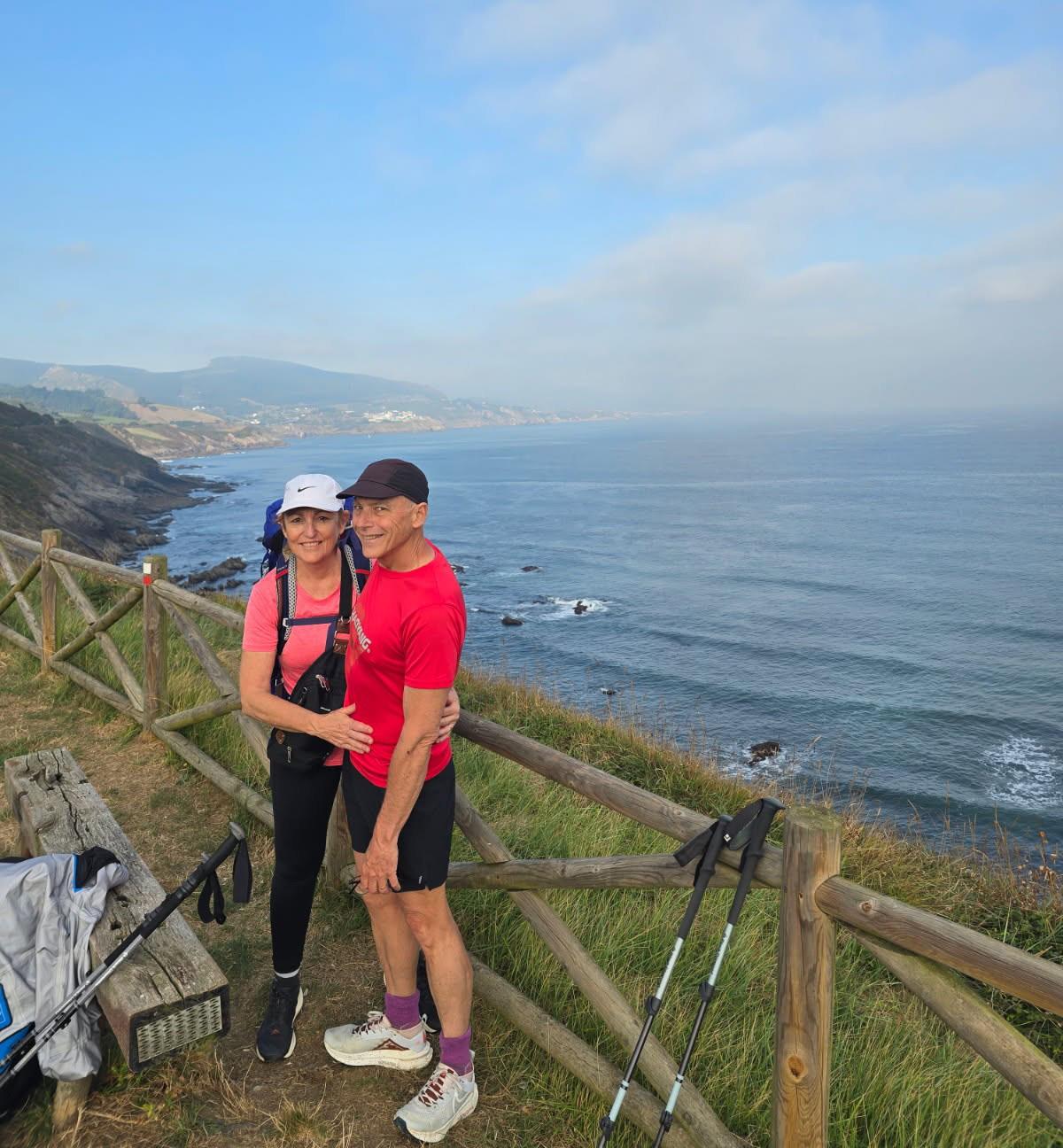
Last year my wife and I walked the Camino del Norte which extends from Irun on the coast of the Spanish and French boarder to Finisterre the Atlantic coast of Spain. We walked close to 1000kms over 5 weeks. On the walk, I often found
myself in a mindful space, moved by the scenery, experiencing gratitude, moved by nature, and discovering parts of myself I’d hidden. There were days that passed like minutes. I was in the flow and blessed in mystery.
As we journey through the season of Pentecost, I’m drawn to Jesus’ conversation with Nicodemus in John 3, where Jesus reframes Rosa’s concept of resonance as being open to the mysterious movement of the Holy Spirit.
“7 Do not be astonished that I said to you, ‘You must be born from above.’
8 The wind blows where it chooses, and you hear the sound of it, but you do not know where it comes from or where it goes. So, it is with everyone who is born of the Spirit.”
Too often, we as Church seek to control the Holy Spirit, often to mask our fear of the Church’s decline. We manage our diminishing time and resources, run our stewardship programs, and amalgamate parishes. While these can be a good, we also, if we are not aware, can remain closed to mysterious movements of the Holy Spirit.
The world will always be uncontrollable. In this Pentecost and ordinary season, John’s Gospel invites us to accept that truth, let go of control a little and open ourselves to the Holy Spirit, to be born from above, and to live often with, and in, mystery.

Each Monday morning at 9.30am meet with your Saltbush team for gentle conversation around the Gospel lectionary reading for the Sunday ahead. Open to all lay leaders and people from across the land.
The Zoom ID is: 915 4290 7078
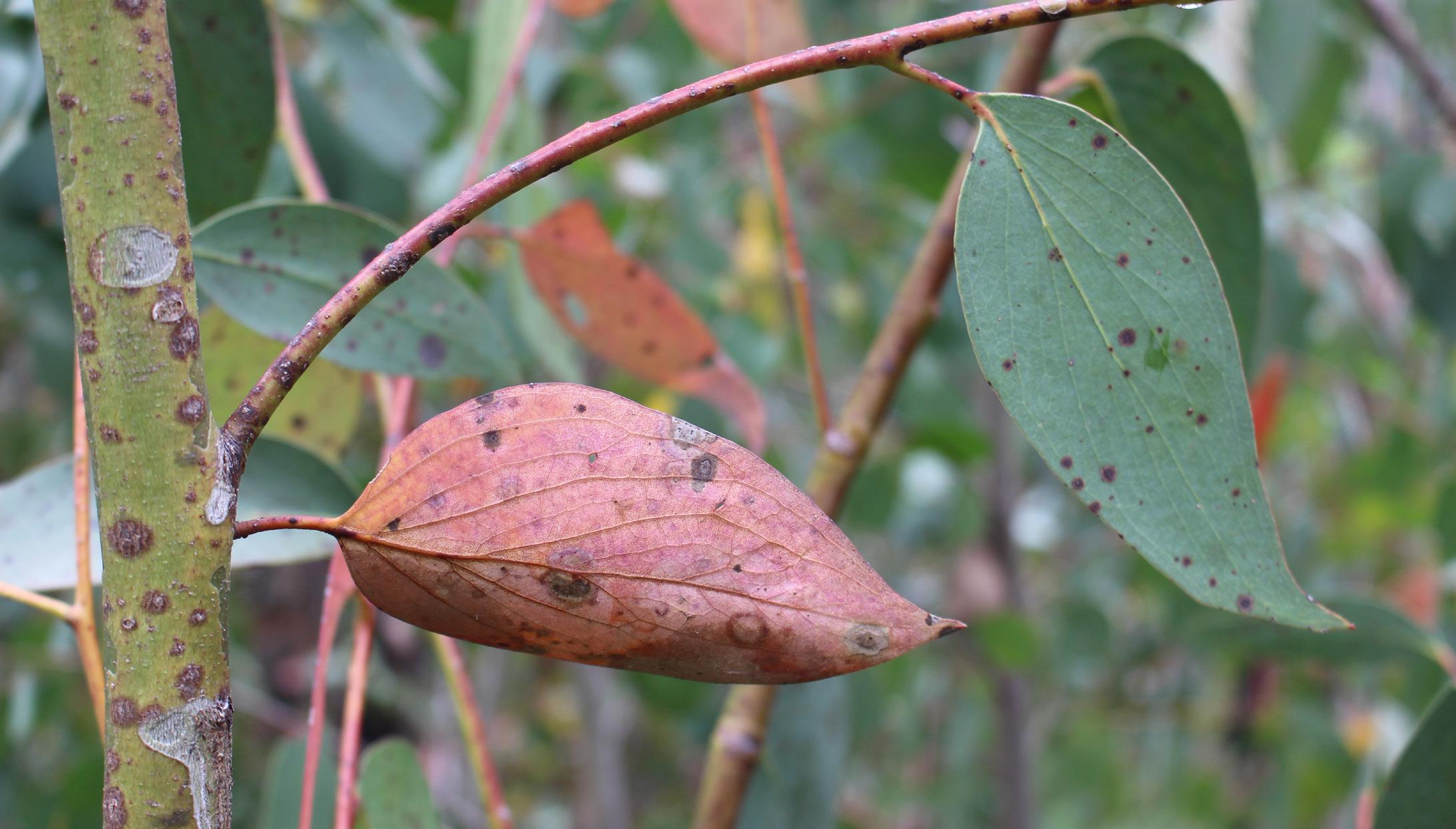
There’s a hush to the early mornings in this transitional season, a stillness as leaves colour, curl, and fall and mist softly blankets the land. Out over brown-green paddocks and open waters, the silence is full: brimming with unseen hope and quiet questions. Faith, like the dawning light, stretches across a horizon, which is sometimes clear, sometimes clouded, but always inviting our gaze a little deeper, a little further, a little beyond what we know and, even, what we can name. In the wind that rattles the gum leaves and stories far older than us, we sense the pulse of mystery.
“This Christian life is a great mystery, far exceeding our understanding, but some things are clear enough:
He appeared in a human body, was proved right by the invisible Spirit, was seen by angels. He was proclaimed among all kinds of peoples, believed in all over the world, taken up into heavenly glory.”
1 Timothy 3:16 (The Message paraphrase)

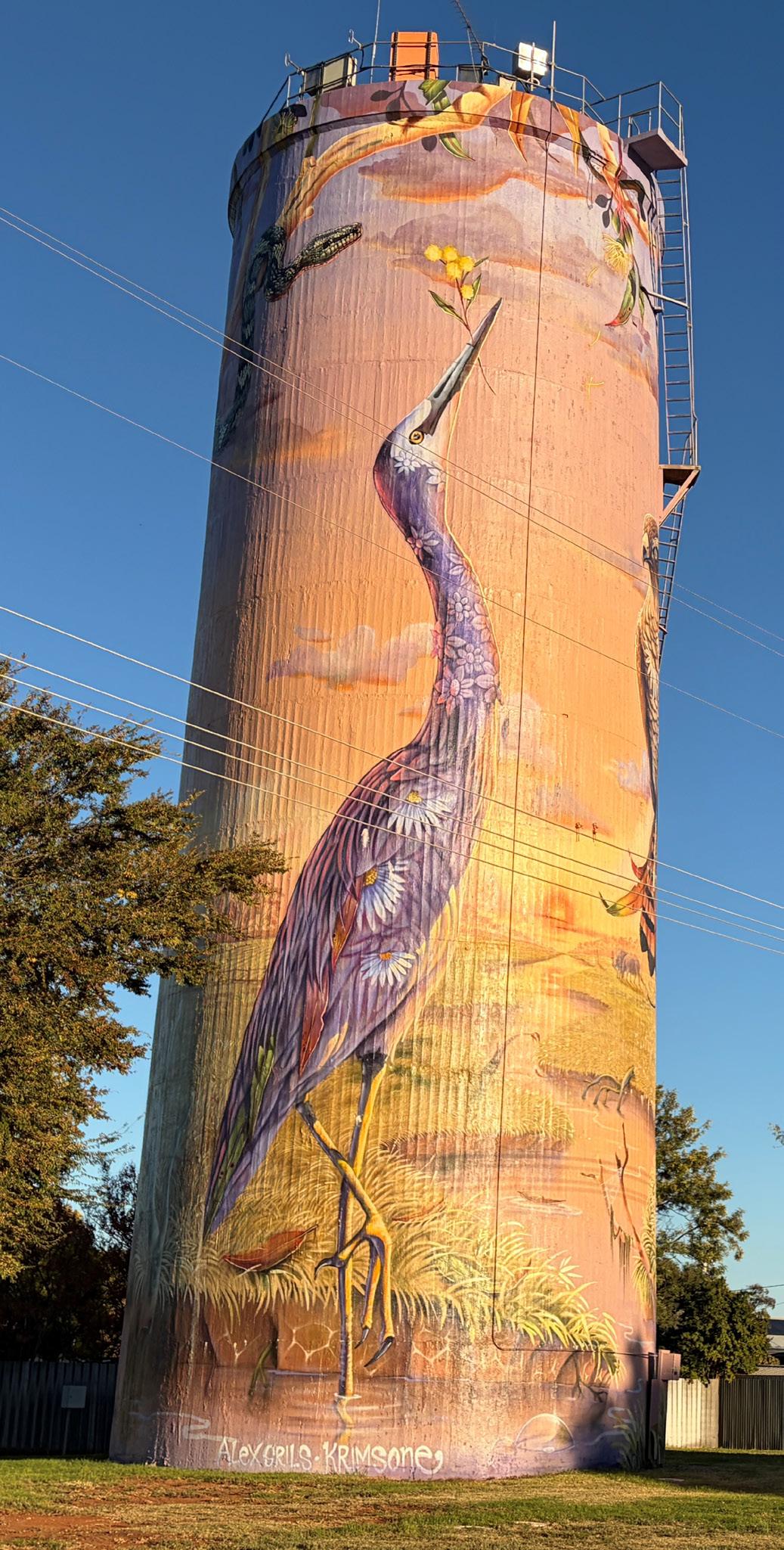
Herontakingflight, Windamere Dam
The Bible is alive with moments where God’s presence is both unmistakable and yet veiled in mystery:
• Moses, barefoot before the burning bush, is called by a voice he cannot see and wants to know who is sending him to defy a Pharaoh’s power. “I AM WHO I AM” is the powerful, ungraspable answer (Exodus 3).
• On Sinai, thunder and cloud mark a holy encounter where God is concealed in smoke and fire but revealed in laws for living in loving community (Exodus 19-20).
• Elijah (all out of spoons after being persecuted as God’s prophet) relearns how to listen beyond dazzling spectacles of fire and earthquake for the gentle whisper of divine presence (1 Kings 19).
• Eternity is made incarnate in a cradle, the Word becoming human life in its most vulnerable form to show the Creator of the Cosmos astonishingly within the world in which we live and move and have our being (Luke 1-2).
• At the Transfiguration, Jesus gleams with unearthly light, shimmering in a moment that bridges earth and heaven. As his identity is briefly unveiled, fear and wonder mingle within his disciples (Matthew 17).
• Crucifixion and Resurrection unfold as darkness and dawning. God’s action looks like defeat; the Son of God dies abandoned (Mark 15). Yet even death is not the end, and though the risen Jesus is encountered on beaches and roads and beyond locked doors, he can never be held onto again as his disciples once did (John 20).
• Then, at Pentecost, barriers fracture as speech itself becomes a site of revelation: fire, wind, many languages in wonderful harmony as the mystery of God’s life overflows into community (Acts 2).
• In Revelation, heaven is glimpsed through symbol and song: thrones, lamps, elders, tears wiped away, and a city radiant with God’s light, where mystery is unveiled as worship and as hope (Revelation 21).
These biblical tales form a pattern. God’s presence arrives in unexpected ways: in silence, in fire, in vulnerability, in community, in ____________________________________________________________________________?
Revealed, yet hidden. Near, yet untouchable. Powerful, yet vulnerable. Known, yet never contained.
In the language of Scripture, mystery is what was hidden and is now being revealed: not exhausted, not contained, but made known enough to draw us in.
Mystery is what happens when God is truly present and refuses to be reduced to what we can grasp.
So, how do we live within that?
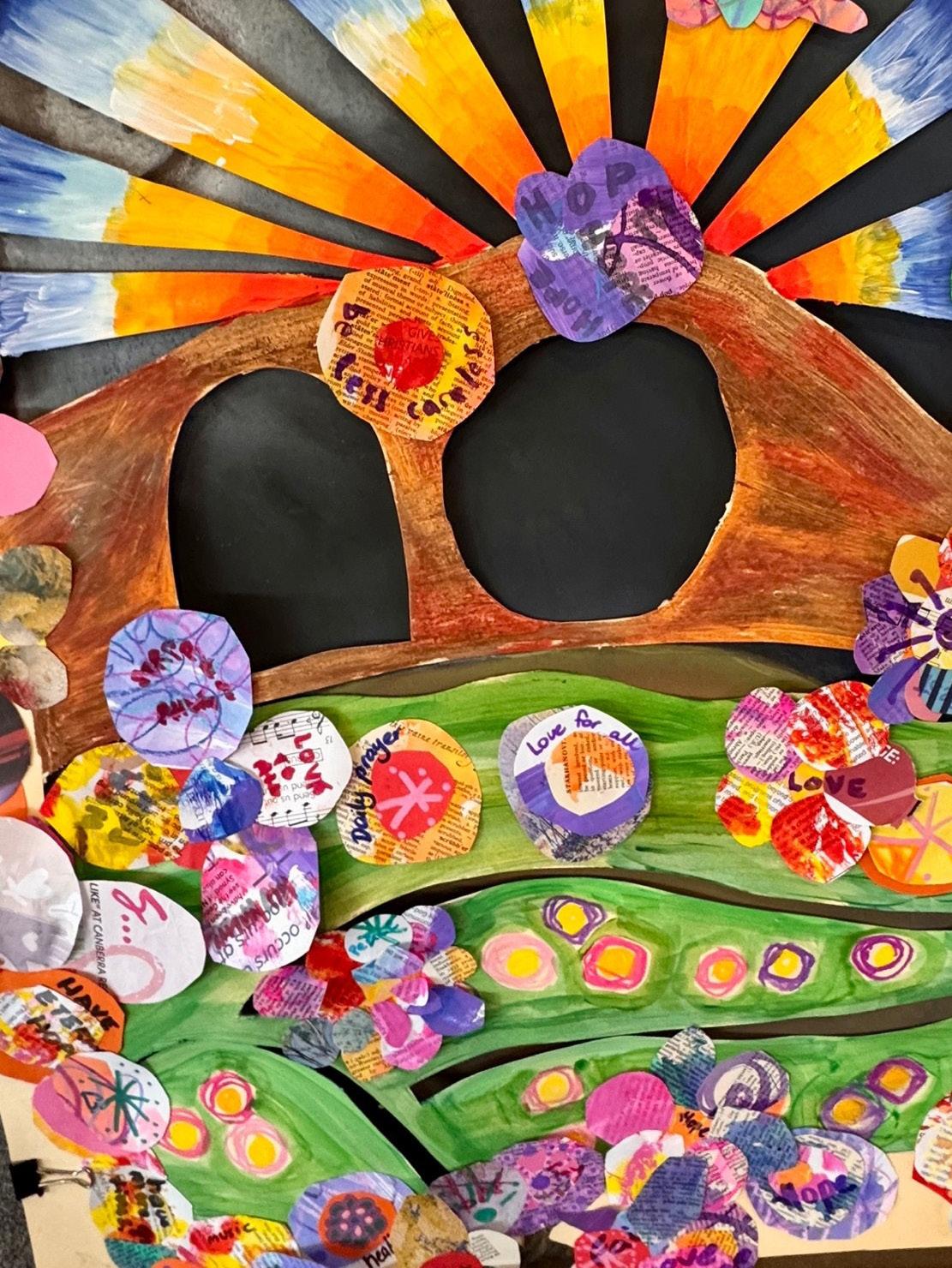
Entering Mystery
Some of us approach mystery as a puzzle, certain that if we press hard enough, think clearly enough, pray earnestly enough, the final piece will click into place and all will be, at last, understood.
Some of us, with a gentle shrug, name it quickly and move on: “It’s a mystery”a phrase that settles the dust but leaves the questions buried beneath it.
Some of us remove our shoes, because something in us recognises that we are standing on holy ground and the only faithful response is wonder.
Some of us reach into the dark and wrestle, refusing easy peace, holding on through the long night until we are changed, limping, blessed, and not entirely sure which is which.
And many of us move between these stances, sometimes several times in a single dayseeking, dismissing, reverencing, resistingtrying to find where we stand before the living God.
Three theological postures
Theologians help us name how we can intentionally enter this mystery as part of our everyday ordinary reality. Here are three that I have found helpfully challenging.
1. Katherine Sonderegger – confessional clarity
Sonderegger treats mystery as the inexhaustible oneness of God. She holds that careful, honest theological language matters in seeking clarity about the radiant unity that is God. Yet, her systematic theology also demonstrates that the more carefully you think, the more the mystery intensifies rather than dissolves. Entering mystery is like examining a diamond so pure, so clear that it is utterly impossible to take in the extent of its beauty or find words sufficient to describe it but, at the same time, you do not want to let go or stop trying.
From Sonderegger, I have learned:
• Mystery is encountered primarily in worship so seek out prayer, hymns, and liturgy that name mystery without reducing it to explanation.
• Mystery is sharing the relational life of the triune God so participate in practices that form communal love and mutuality like shared meals, prayer groups, and visitation.
• Mystery is encountered in both silence and confession so make time to be quiet and wonder alongside time for bold, scriptural statements about who God is.
2. Sarah Coakley – contemplative participation
For Coakley, theology is inseparable from sustained spiritual practice. Her posture is less about clarity of thought or confession of faith than Sonderegger’s: instead, she approaches mystery as a transforming, desire-shaping encounter that reorders human longing towards God. Again, entering mystery is not something that happens unintentionally or unexpectedly, but which is sought through disciplined prayer and ascetic practice. For Coakley, the diamond mentioned above would be on a ring on the hand of the beloved and the gaze is drawn to them and into the intimacy of the relationship itself.
From Coakley, I have learned:
• Mystery is worked out in prayer and desire so cultivate practices like contemplative prayer, silence, and fasting that train our longings – more than just our minds - toward God.
• Mystery is apophatic and affective so we need to hold together a contemplation of what God is not (negative theology) with careful attention to our emotions, imagination, and desire.
• Mystery is ecclesial and transformational, so prioritize practices and spiritual friendships that form people in communal participation in the triune life, and pay careful attention to vulnerability and power.
3. Rowan Williams – poetic imagination
Where Sonderegger emphasizes doctrinal clarity and Coakley emphasizes desire-shaping practice, Rowan Williams balances theological precision with poetic imagination and pastoral attentiveness: he approaches mystery as a lived, vulnerable encounter in which language, silence, prayer, and ethical attention disclose God’s presence amid human fragility. For Williams, the diamond is best seen in the play of light on ordinary, broken surfaces - scripture, sacrament, lament, and the moral struggles of daily life - so that attentiveness and compassion are the means of entering mystery.
From Williams, I have learned:
• Mystery is found in vulnerability so attend to suffering, lament, and pastoral care as primary sites where God’s self-giving is encountered.
• Mystery is sacramental and scriptural so prioritize Word and sacrament, reading scripture poetically and imaginatively and celebrating liturgy that connects heaven and earth.
• Mystery is ethical and communal, so let moral discernment, spiritual friendship, and attentive pastoral practice form a community able to hold doubt, repentance, and hope together.
These postures - confessional clarity, contemplative participation, and poetic imagination - are not competing but complementary. Together, they invite us: to see mystery as both dazzlingly clear and wonderfully hidden, to participate with open hearts and quiet minds, and to speak with a gentle, real honesty.
The
blessing
So perhaps the invitation is not to choose a single posture and remain there, but to bcome people who know how to move: to think carefully, to pray deeply, to speak gently, to wrestle honestly, to stand barefoot when the ground grows holy.
For mystery is not going anywhere.
It waits for us in the text, in the silence, in the neighbour, in the breaking and the mending of the world.
Not as something to master, but as the life of God given, revealed, and, always, more than we can hold.
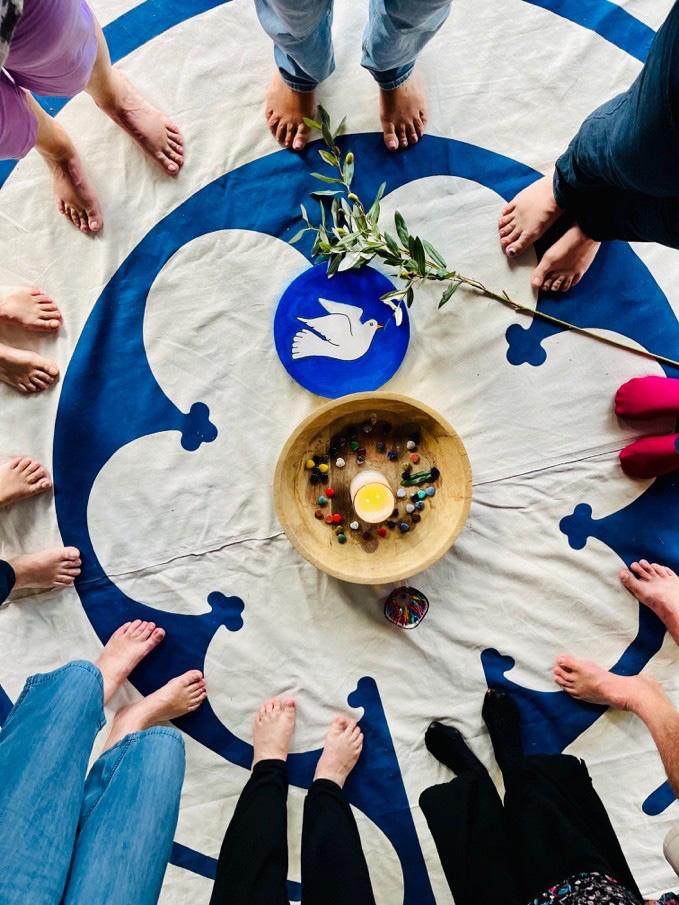

Mālō e lelei friends.
Rev. Natasha He | Scattered Communities Minister
It is definitely winter, and the cold weather has well and truly arrived.
Mystery… Last year, my husband and I attended the Free Wesleyan Church Conference on the beautiful outer islands of Tonga, Pangai, Ha’apai. It was also a celebration of the 50th anniversary of the Cross of Mystery (Kolosi Fakamisiteli) at Pangai.
The Cross of Mystery is one of Tonga’s most treasured Christian sites. On the 26th October 1975 the minister that was currently serving at Pangai Free Wesleyan Church was on his way to the early morning service when he noticed a bright light on the church grounds. As he approached, he discovered the outline of a large cross imprints imprinted on the ground. The cross is about 10 metres long, 7 metres across and about 1 metre wide. The grass within the outline had changed colour, creating a distinct image of the cross. To preserve it, the outline was later covered with concrete while maintaining its original dimensions.
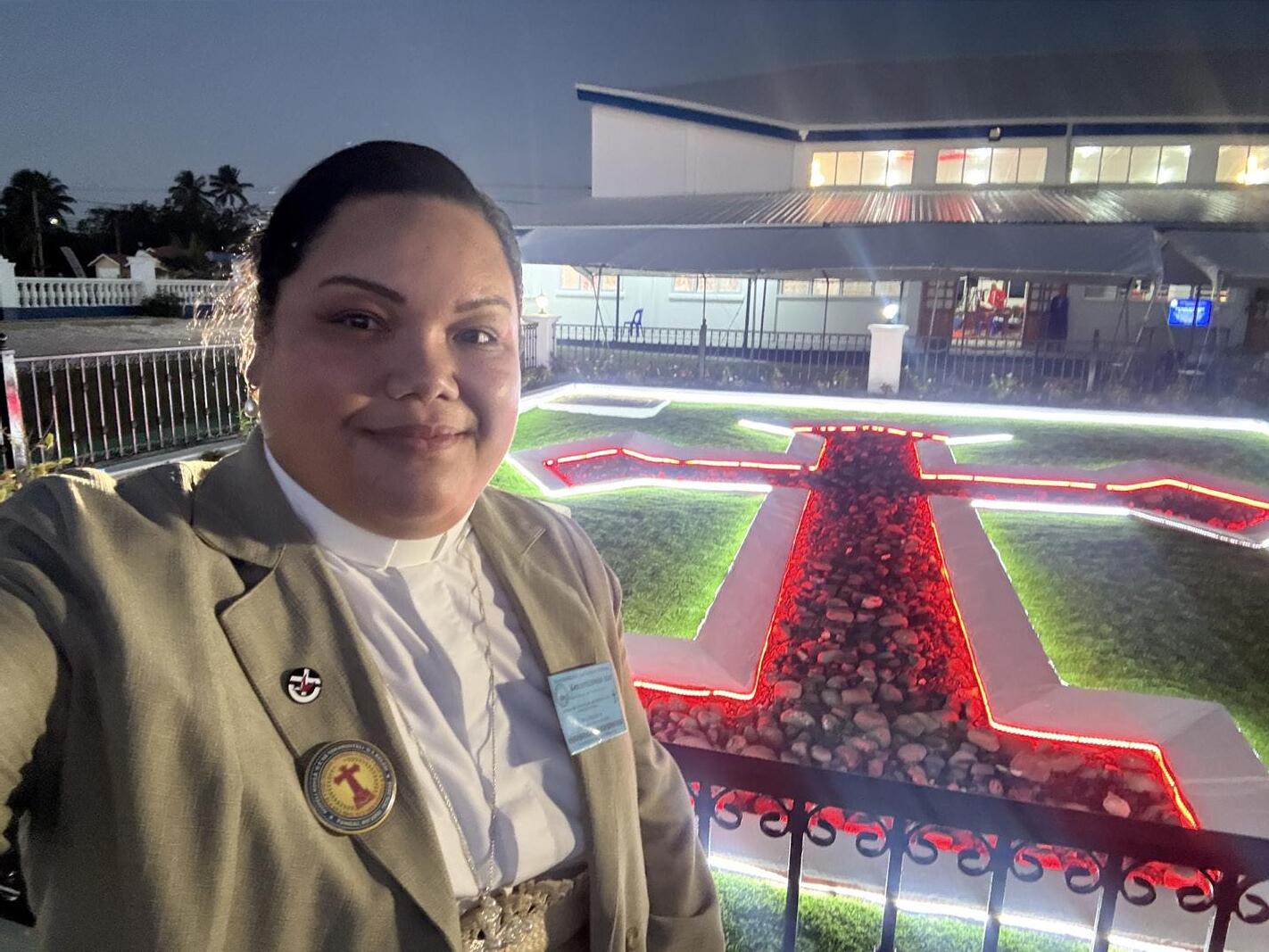
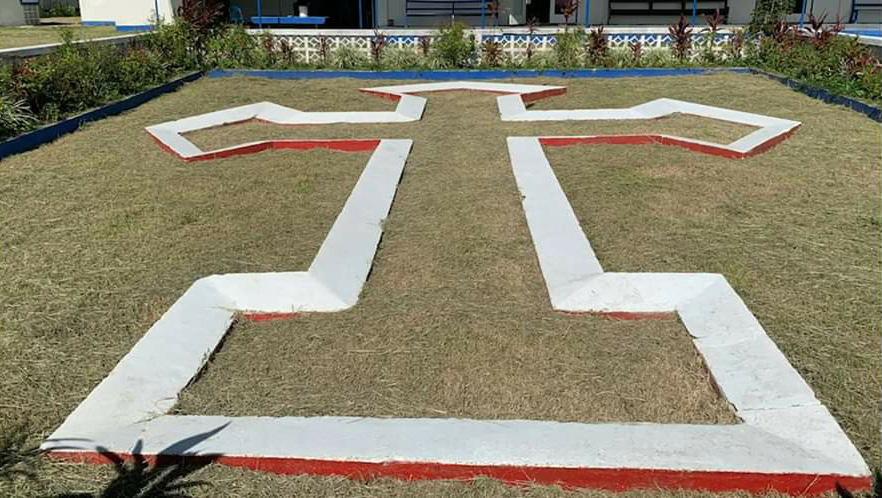
Today, the mystery remains. No one can fully explain its origin, yet people continue to travel from across Tonga and around the world to stand before the cross to pray.
Over the past few months, the Saltbush team have gathered with one another and others in different places. In Lake Cargelligo, lay leaders and volunteers came together to worship, encourage one another, and share stories of ministry.
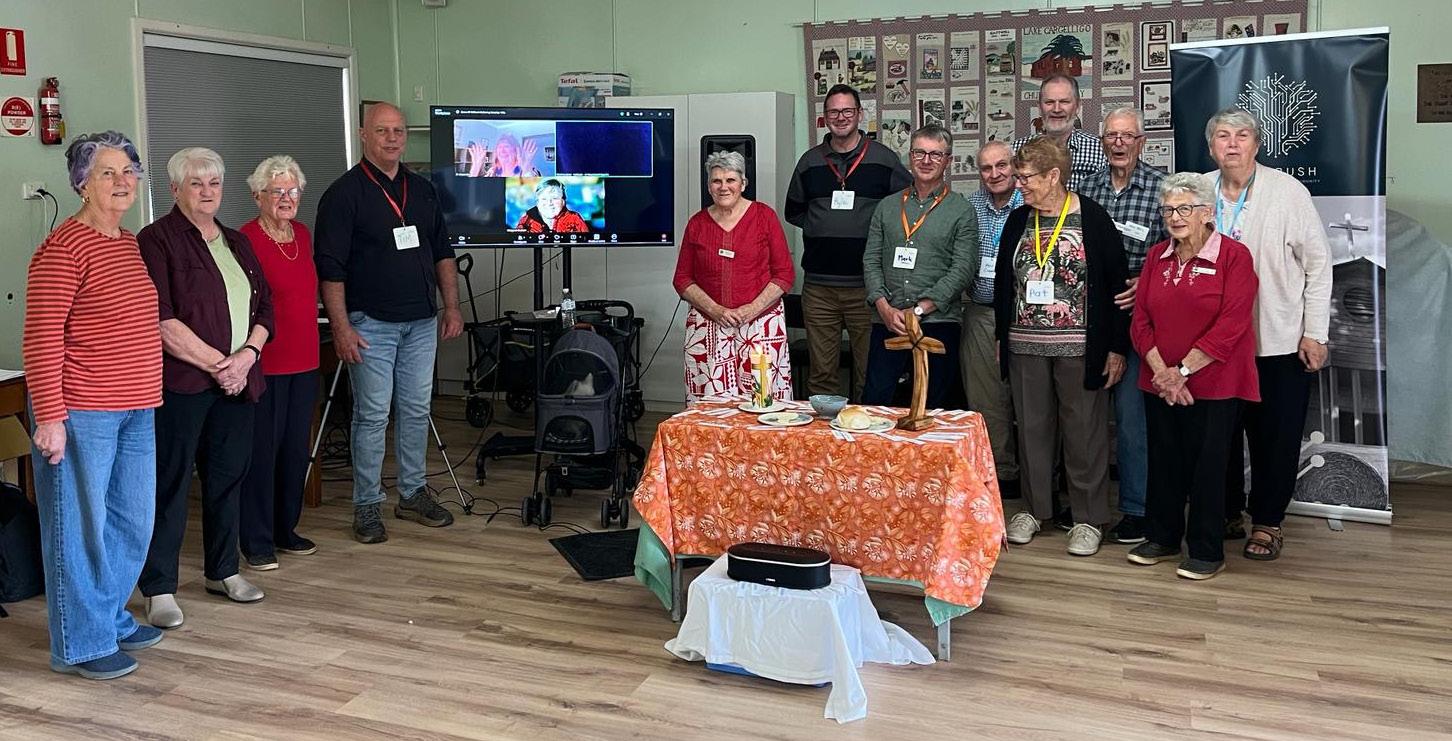
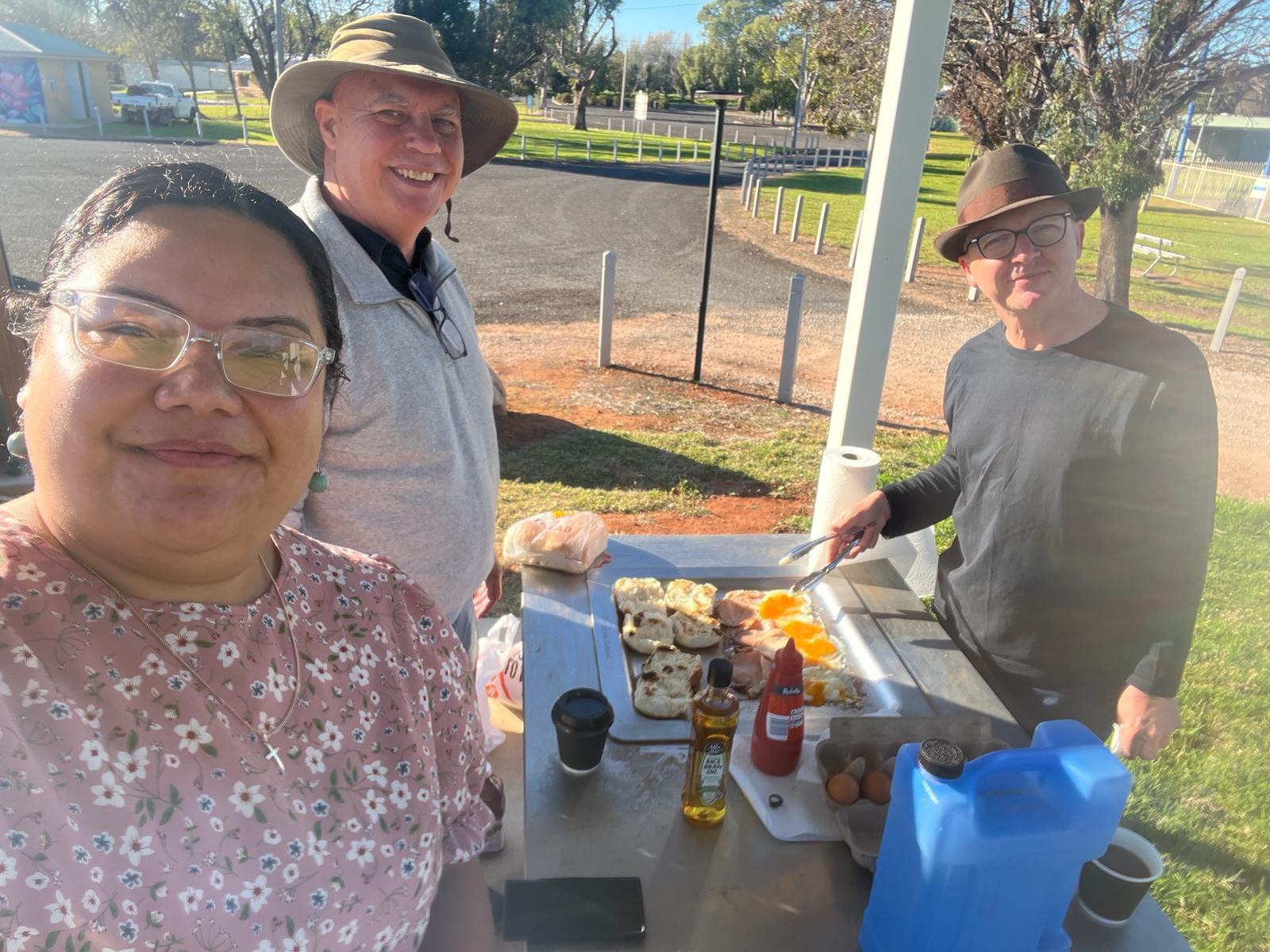
We also had our Lay Leaders’ Retreat in Galong. We listened in silence, shared the joys and challenges of ministry, we strolled and were reminded that none of us serves alone. I continue to be inspired by the commitment of our lay leaders, whose faithful witness sustains the life of so many congregations, particularly in our rural, remote, and coastal communities. Their dedication, generosity, and love for God’s people are a gift to the whole Church.
As we look ahead, we are excited to gather with our Mid North Coast communities in Gloucester, where we will continue to explore life and faith together. Soon after, we will have our ministers retreat in August. We will also have a café in October where we can gather with our online scattered communities across the land.
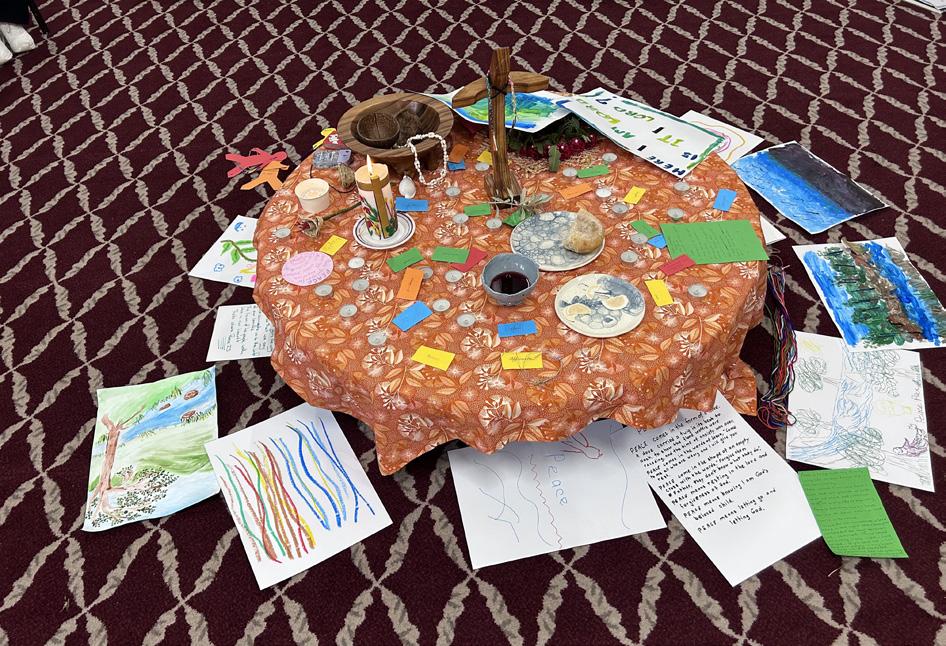
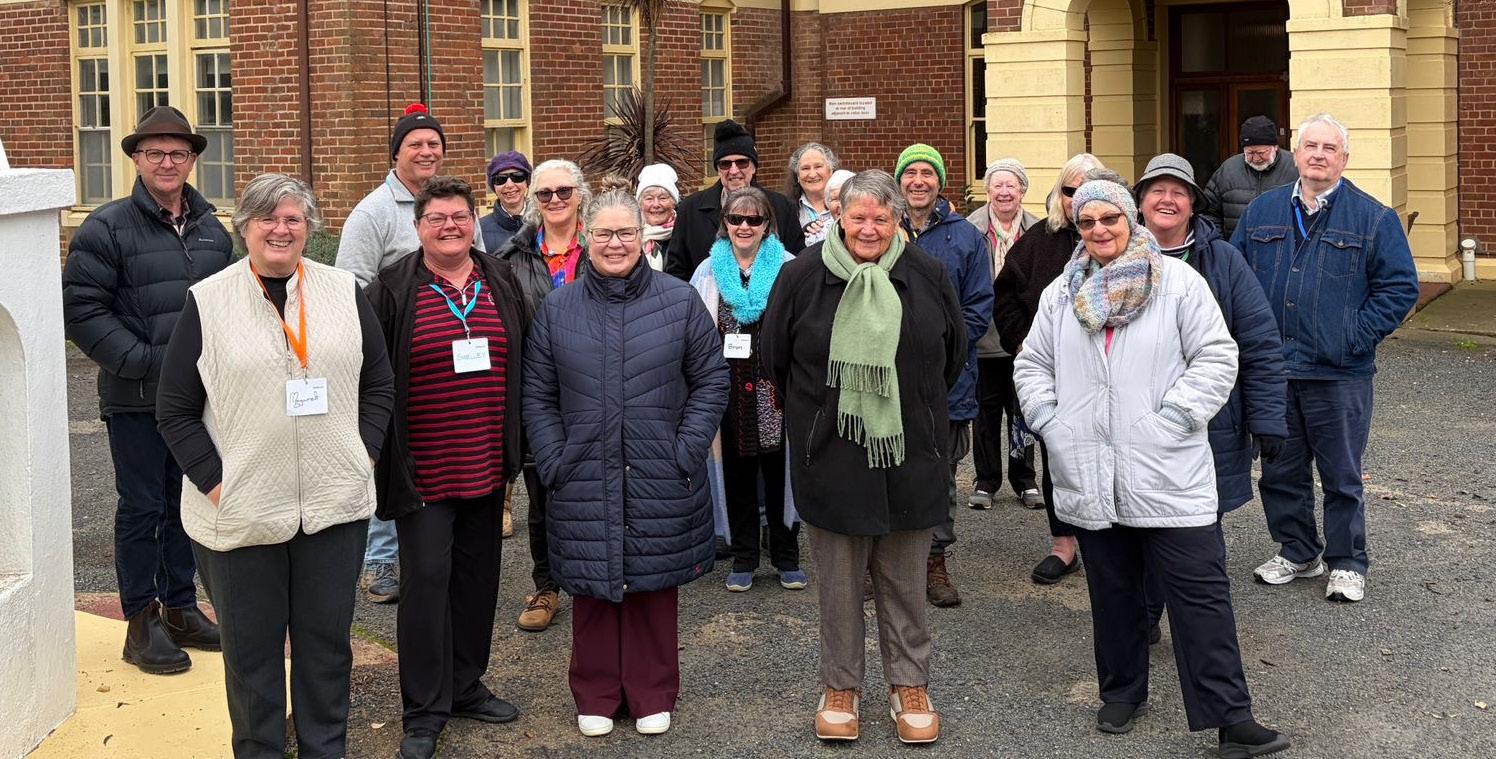
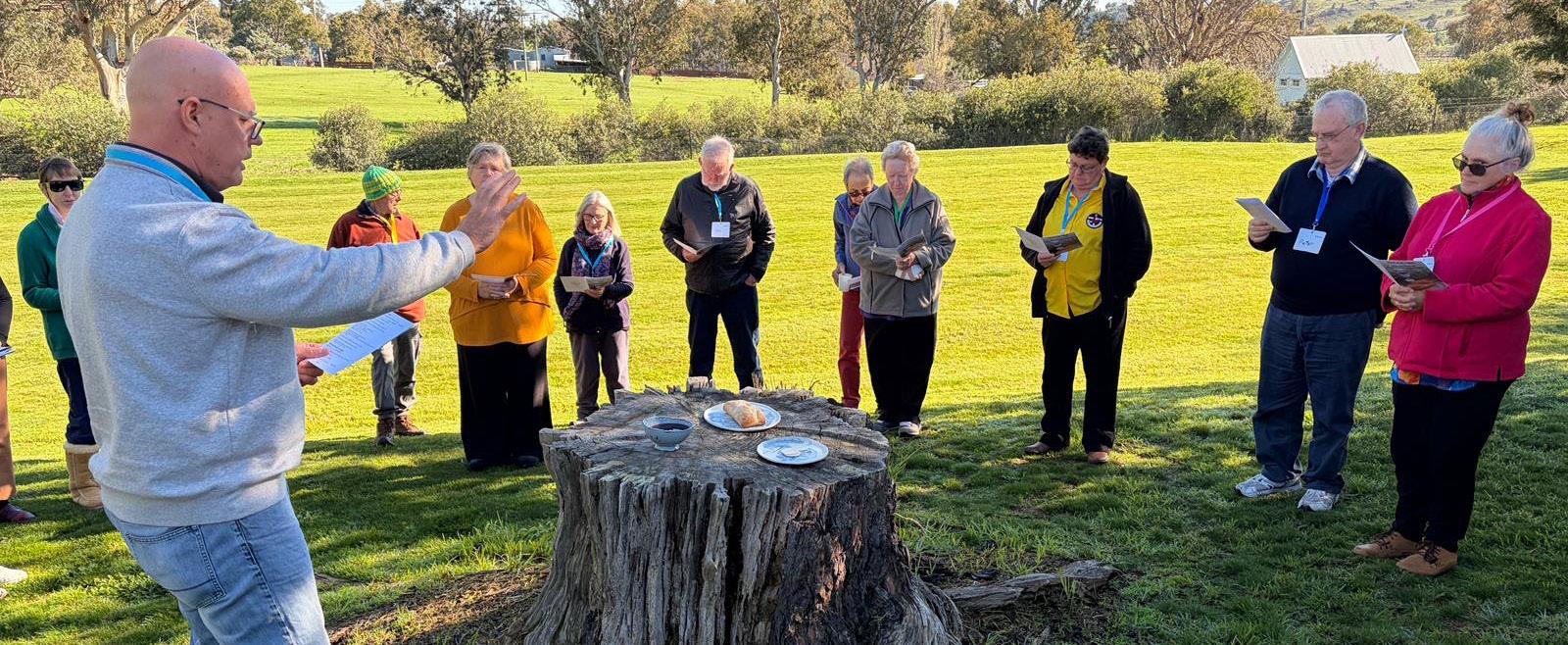
As the seasons change and winter settles in, may we continue to find warmth in our fellowship, strength in our shared calling, and hope in the God who faithfully journeys with us wherever we are.

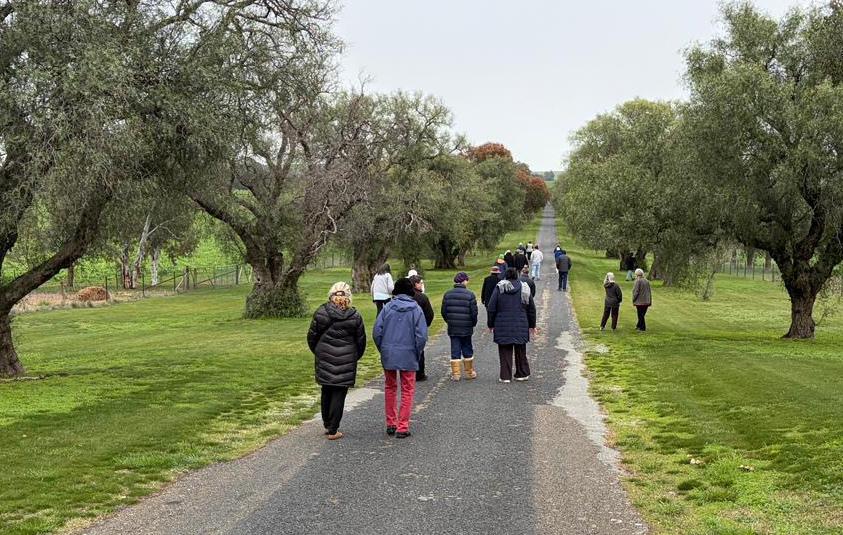
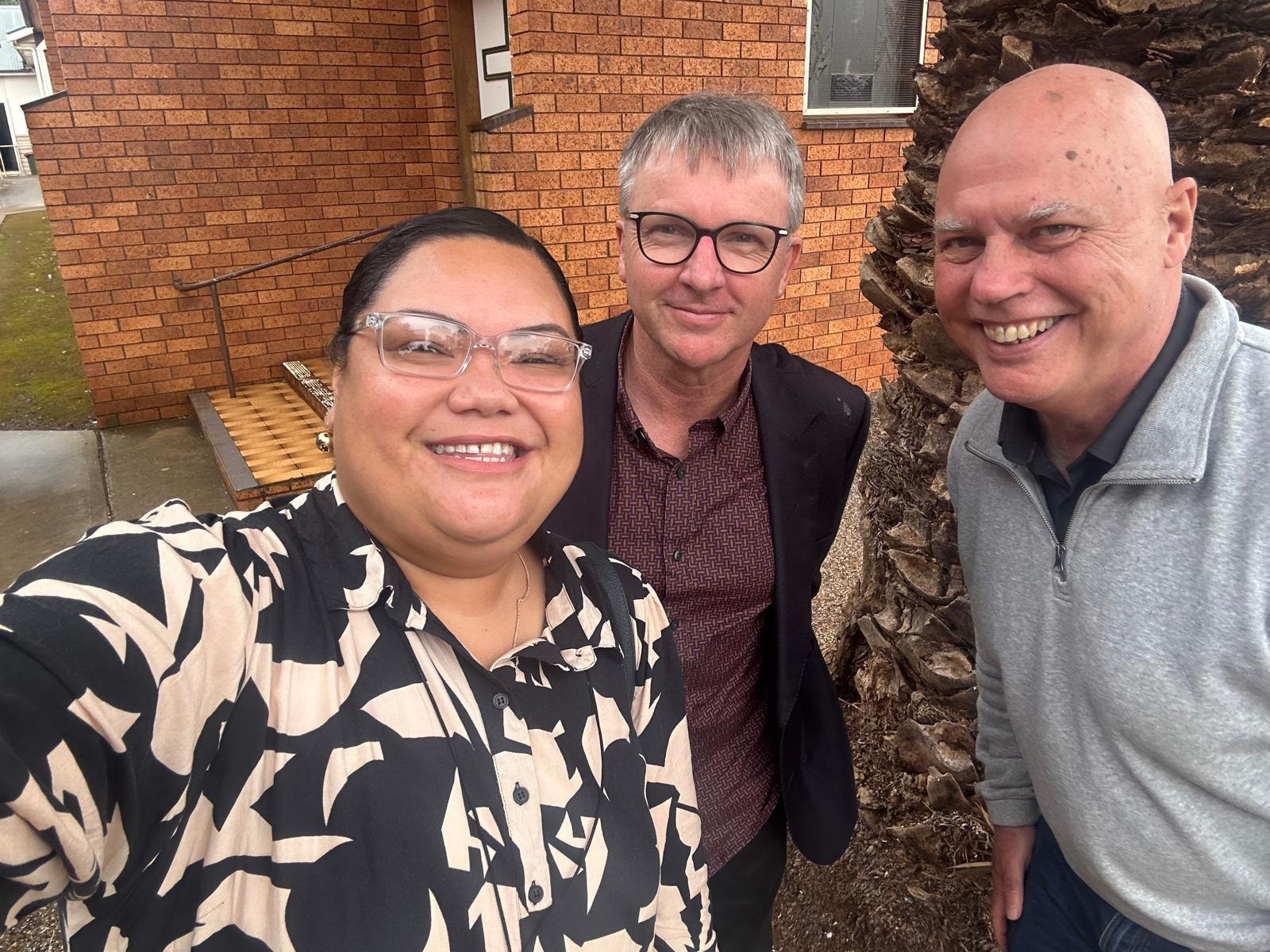
Saltbush Cafés
In regular series of three or four nights the Saltbush team hold online cafés centred around diverse themes or readings. Saltbush cafés are easy to attend, relaxed and an encouraging way to meet other and explore life and faith together.
Scattered Community Gatherings
Three to four times a year in different rural or coastal location the Saltbush team hold Scattered Community Gatherings. You can also attend these online from wherever you are to wherever we are. These gatherings are centred around worship, encouragement, education and the practice of discipleship.
Word around the Bush
Each week of the year the Saltbush team present a visual message based on the lectionary reading for that week. You are free to watch and use in your own congregation this message. You can also print off the Saltbush liturgy that is provided each week to accompany the visual message.
Talking about Salt
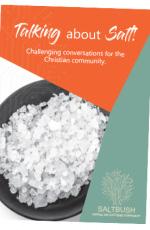
This is our publication available for any congregation or group who are willing to have some discussion around who you are, how you gather and how you live out your faith. Talking about Salt is five difficult conversations for congregations and can also be used to shape a life and witness discussion and consultation. Talking about Salt is available free to any congregation and is available both online and in post.
Intentional Christian Communities
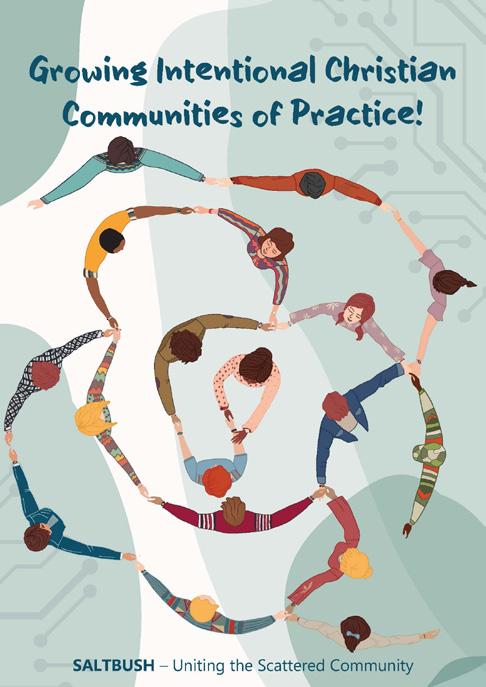
This is our publication available for any congregation or group who are willing to think about the challenge of being intentional in how we gather as the Christian community.
Dive into any part of the Gospels (Matthew, Mark, Luke & John) and you will find Jesus intentionally going about his ministry. At times it looks like chaos and no doubt it was, but at every step Jesus acts with intention. Growing Intentional Christian Communities of Practice is available free to any congregation and is available both online and in post.
The Great Unravelling
The Saltbush team have prepared six conversations as part of our reading of the book:
Joining God in the Great Unravelling by Alan J. Roxburgh.
However, these conversations are not a study guide to the book, but an invitation to open ourselves to deeply consider who and how we, the church, our christian communities, are participating in the ways of God beyond ourselves.
Salt in the Wound
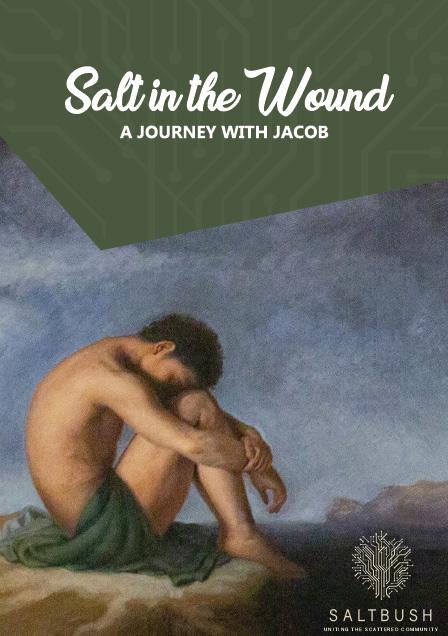
This is an uncomfortable set of conversations. Like salt in a wound, they sting and irritate before they can soothe and heal. We hope you will sit with them – on your own or, preferably, with a small group of people with whom you are willing to explore your life and faith. There are seven chapters, each representing a particular phase in Jacob’s life story and focusing on a specific theme. You can work through each in sequence or choose four significant to your current life phase or the life of your congregation for a month-long small group study.
Digital packages for congregations
If your congregation would like a Saltbush digital package so that you can use and connect with us and the wider church please simply get in touch. A digital package includes: smart tv, mobile stand for the tv, all connectors and cables, TV, camera and our support to set it all up.
Visits
The Saltbush team are always willing to visit your congregation or group to meet you, talk with you about how it is for you as a congregation or Christian community and how you seek to be part of the missional relationship with others. Simply get in touch and one of the Saltbush team will come to visit you.
Look on our website under Word, Ruminations, Talking about Salt or Contact Us.
Ruminations is brought to you as part of Saltbush – Uniting the Scattered Community. The Uniting Church Synod of NSW & ACT oversees this work as an encouragement to all rural Christian communities and their leaders, irrespective of size or location. You are invited to share this issue of Ruminations with others.
Editors: Mark Faulkner
Tim Jensen
Natasha He Monique Potter
Uniting the Scattered Community
PO Box 648 Canberra City, 2601
0477 720 151
saltbush@nswact.uca.org.au
https://saltbushcommunity.uca.org.au/

©Saltbush 2025. All articles and images in this publication have been used by permission or purchase. Please get permission before reprinting.