SPRING | 2026


SPRING | 2026
At the Salk Institute, we are driven by a simple but powerful belief: that understanding life at its most foundational level is the surest path to improving human health. This year, we are bringing that belief into sharp focus as we recognize 2026 as Salk’s Year of Brain Health, an ambitious, Institute-wide effort to deepen our understanding of the brain, protect it across the lifespan, and prevent the cognitive and mental health challenges that touch nearly every family.
Investigating brain health is not the work of a single discipline. It requires collaboration across neuroscience, genetics, immunology, metabolism, computation, and more. That spirit of cross-pollination is at the heart of Salk, and it is why our donor-funded Innovation and Collaboration Grants are so vital. These grants empower our scientists to pursue bold “what if?” questions, test unconventional ideas, and form new partnerships that might otherwise never get off the ground. As the feature story in this issue illustrates, these early investments often ignite discoveries that go on to attract major external funding and reshape entire fields.
Philanthropy plays a unique and essential role in this process. Through programs such as the Innovation and Collaboration Grants and the Discovery Society, our supporters help ensure that promising ideas are not left unexplored simply because they are too new, too risky, or too cross-disciplinary for traditional funding sources. Your partnership gives our scientists the freedom to be creative and visionary. The impact of that freedom is felt far beyond our campus.
This year also offers opportunities to come together in celebration of creativity and community. I invite you to join us on August 15 for Symphony at Salk, a special evening on our iconic campus featuring the San Diego Symphony performing with The Bacon Brothers. It promises to be a memorable night that reflects the harmony between art and science, and the shared commitment that makes Salk so special.
Thank you for being part of the Salk community. Your support fuels discovery, advances brain health, and helps us build a healthier future for all.
With gratitude,
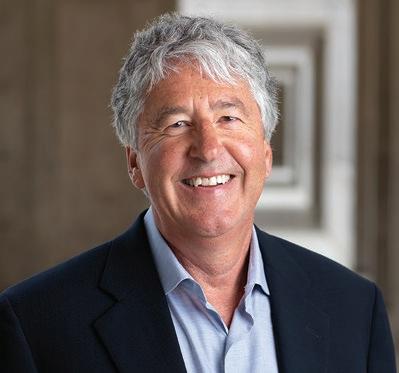
Gerald Joyce, MD, PhD Salk Institute President
“Your partnership gives our scientists the freedom to be creative and visionary. The impact of that freedom is felt far beyond our campus.”
If you’ve ever read an article about the “best ways to boost neuroplasticity” or scrolled through the “top 10 daily habits to rewire your brain,” you’ve already gotten a peek into an important and growing research area.
The brain’s ability to rewire itself is called neuroplasticity, and your ability to learn, make new memories, and recover from injury all depend on it. But like many things in biology, it’s all about balance— finding that sweet spot between too much and too little.
So how does your brain know how flexible to be, and how does that flexibility fluctuate throughout your life? What cells, genes, and molecules control the stability of your brain circuitry? Could we one day use this information to enhance our neuroplasticity in adulthood and help slow brain aging?
In Salk’s Year of Brain Health, we’re exploring the biology behind long-term cognitive health and finding practical interventions to prevent cognitive decline. When it comes to topics such as neuroplasticity, we’re
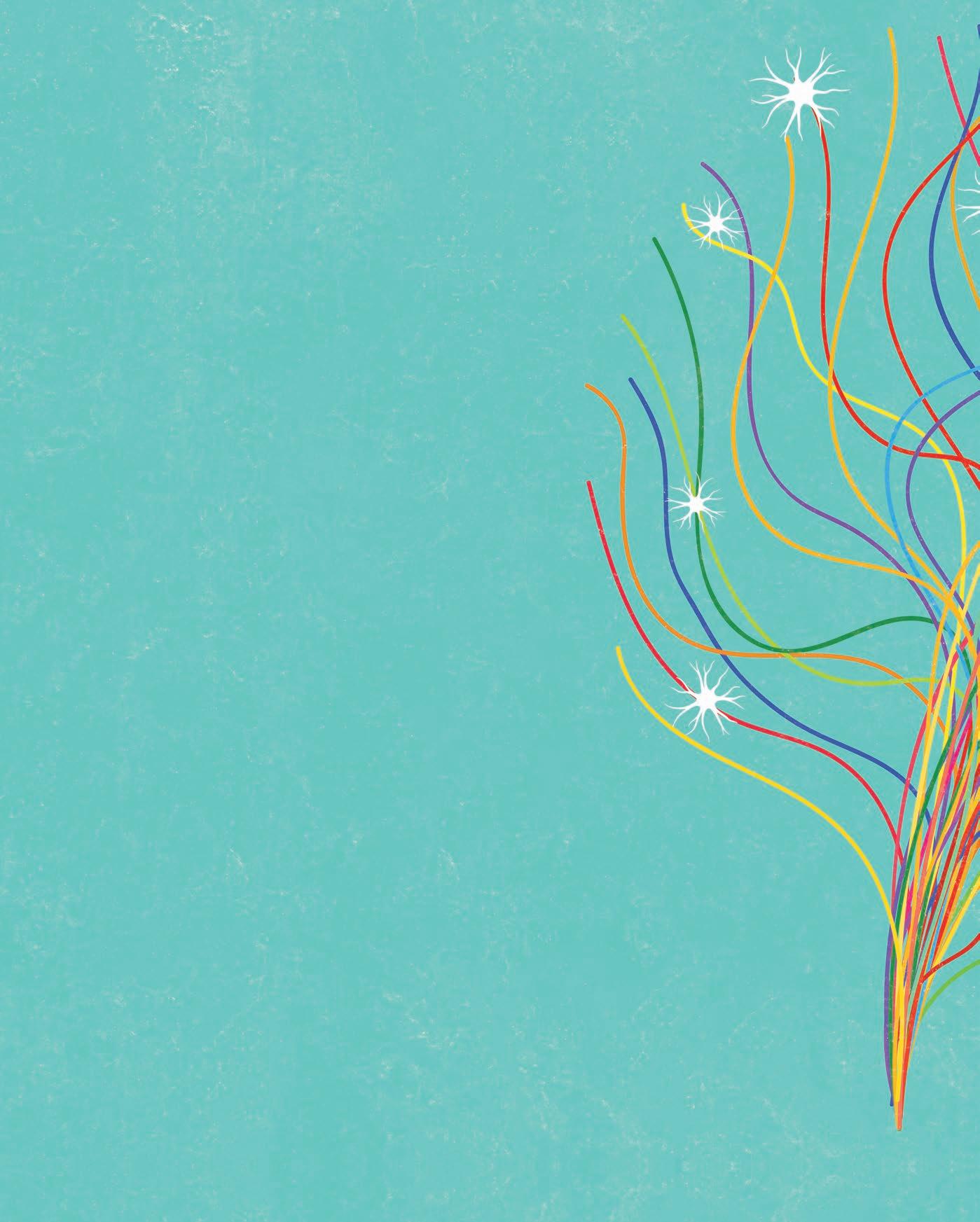
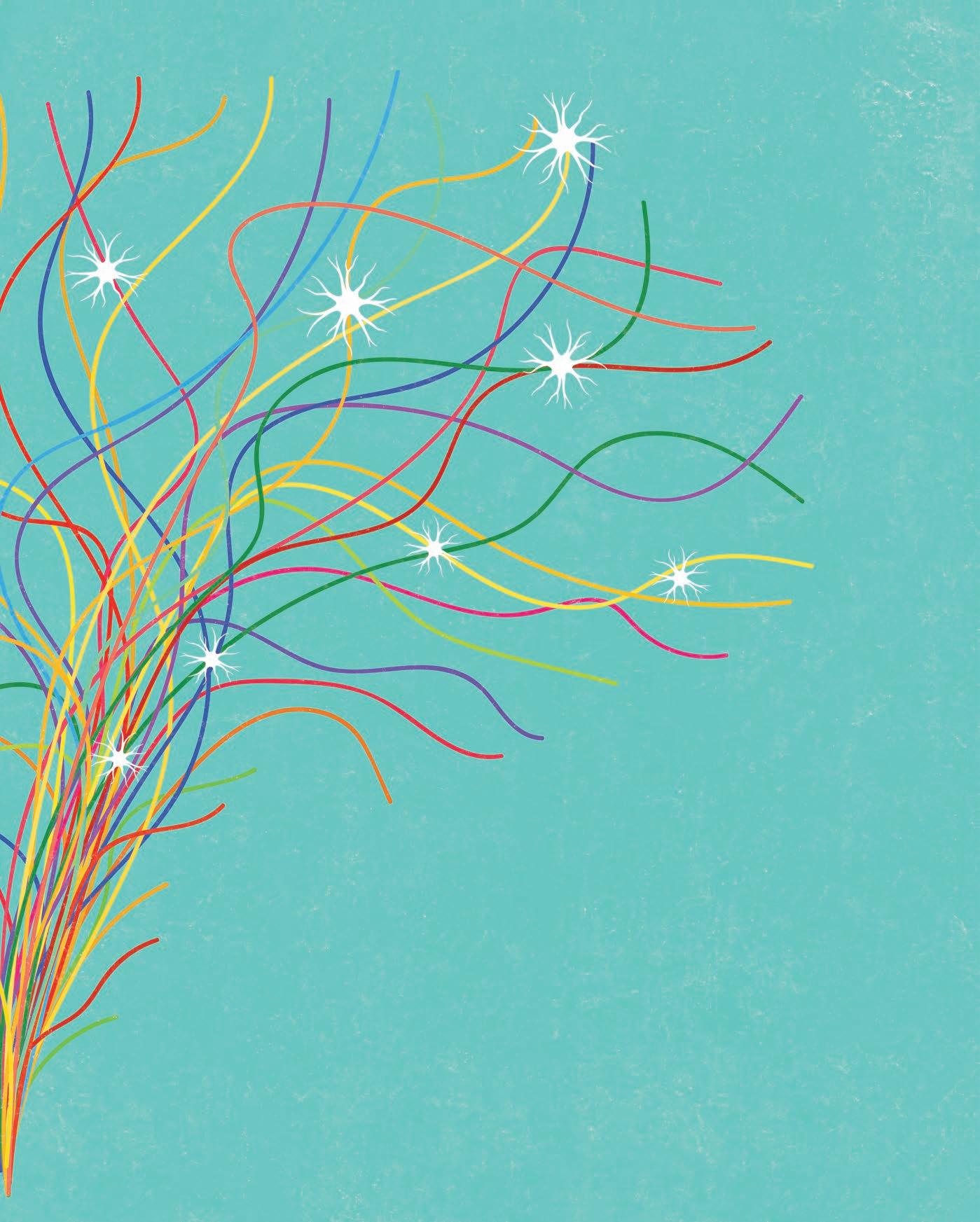
digging deep to understand their complex mechanisms so that future therapeutic and lifestyle interventions can be as effective and personalized as possible.
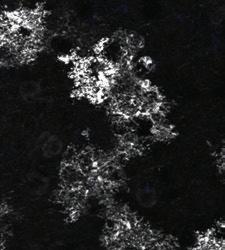
That all starts with studies like such as those being done by Salk neuroscientist Nicola Allen, PhD. She and her talented team of researchers are revealing the important role of astrocytes in regulating neuroplasticity. These star-shaped brain cells were once overshadowed by their neuronal neighbors, but new research shows they play a critical part in adjusting the flexibility of the surrounding neural circuits. The more we understand how these processes evolve throughout our lives, the better and longer we’ll be able to maintain that sweet spot of cognitive health.
HOW DO BRAINS STAY STABLE, AND WHEN MIGHT A DOSE OF FLEXIBILITY BE HELPFUL?
NATURE 12/2025
Young minds are easily molded. Each new experience rewires a child’s brain circuitry, adding and removing synaptic connections between neurons. These wiring patterns become more stable with age, but biology has left some wiggle room to ensure that adult brains can still adapt and refine their circuitry as needed.
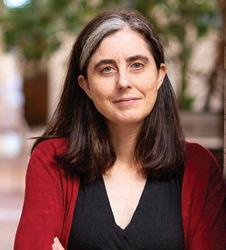
Nicola Allen, PhD, and her team have now discovered a molecule that is critical for stabilizing brain circuits in adulthood: a protein called CCN1 secreted by star-shaped cells called astrocytes. Mouse studies showed that CCN1 coordinates the maturation of multiple cell types to reduce the plasticity of the adult brain, but removing it had the opposite effect. The CCN1 pathway could now be a prime target for new therapeutics designed to support learning and plasticity in people with conditions such as Alzheimer’s disease, depression, or PTSD, or to promote neural repair after injury or stroke.
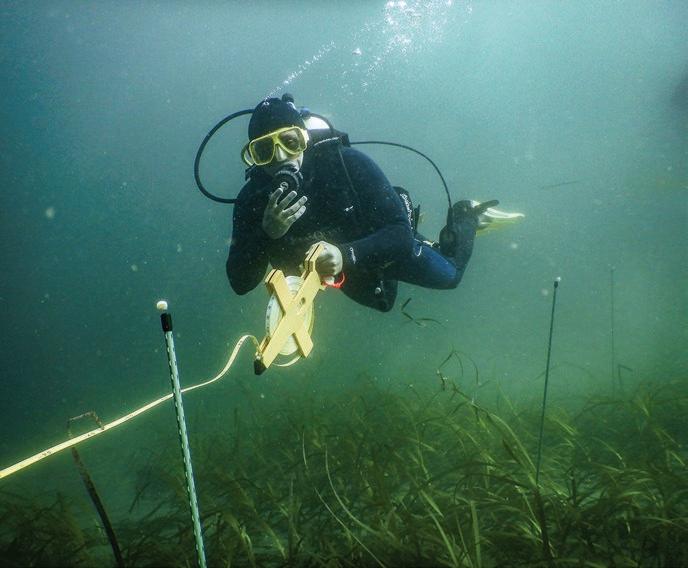
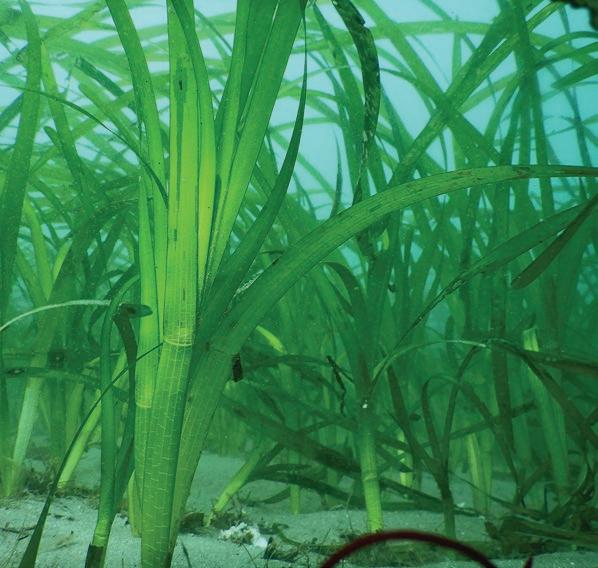
Seagrasses preserve our oceans and planet by absorbing carbon dioxide, calming rough waters, and offering a safe harbor for sea life. Unfortunately, these underwater meadows are under threat, and coastal restoration efforts to replant them often fail.
In the waters of San Diego’s Mission Bay, a new hybrid seagrass has started to grow. The hybrid is a cross between the shallowwater Zostera marina and its deeper-water cousin, Zostera pacifica, whose tolerance for low-light conditions is a favorable trait as coastal waters become increasingly murky. A research team at Salk and UC San Diego, led by plant biologist Todd Michael, PhD, used advanced genomic and transcriptomic technologies to investigate the hybrid seagrass and found that it possesses specific circadian clock genes, inherited from its deep-water relative, that help it tolerate low-light conditions. The scientists say this genomic profile could make the new hybrid seagrass a promising candidate for future “genomically informed” coastal restoration efforts in California and beyond.
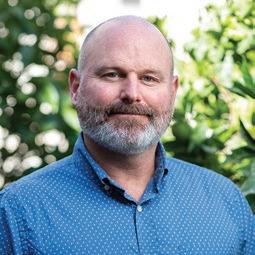
“With these genomic resources, we can replace trial-and-error plantings, which fail in up to 60 percent of Zostera projects, with genomically informed restoration, selecting genome-environment-matched plants to markedly improve establishment and long-term success.”
TODD MICHAEL
All the cells in an organism have the exact same genetic sequence. What differs across cell types is their epigenetics, meticulously placed chemical tags that influence which genes are expressed in each cell. Mistakes or failures in epigenetic regulation can lead to severe developmental defects. This creates a puzzling question: If epigenetic changes regulate our genetics, what is regulating them?
Salk scientists, led by biochemist Julie Law, PhD, used plant cells to discover that a type of epigenetic tag called DNA methylation can be regulated by genetic mechanisms. Prior to this study, scientists understood only how DNA methylation could be initiated by other preexisting epigenetic modifications, which didn’t explain how novel methylation patterns could arise. The discovery that the DNA itself can instruct new methylation patterns is a major paradigm shift and helps explain how a cell can modify its epigenetics to grow, respond, and recover. The findings could inform future bioengineering strategies for altering methylation patterns to repair or enhance specific cell functions, with many potential applications in medicine and agriculture.
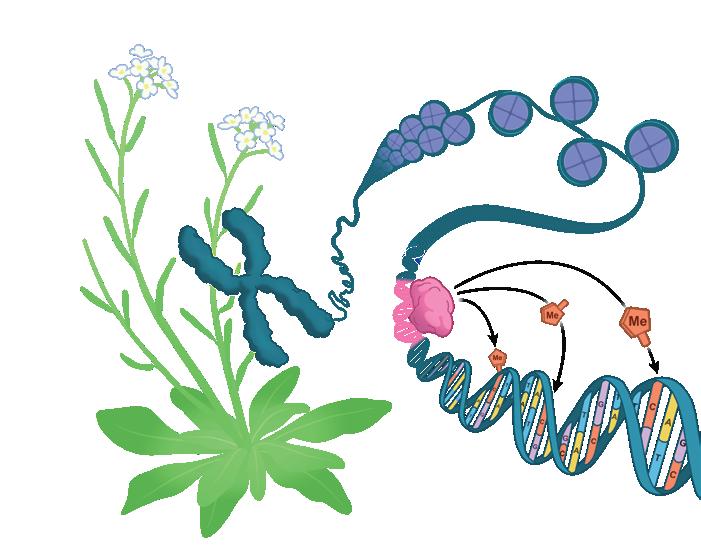
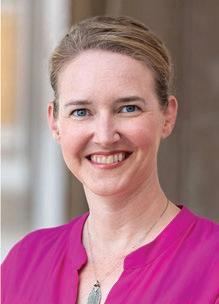
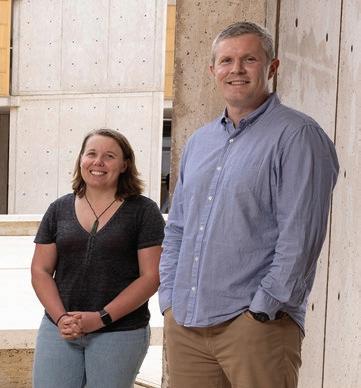
(green and white) unspools to reveal DNA (blue) coiled around packaging proteins called histones (purple). The direction of epigenetic changes by genetic features begins as the RIM transcription factor (pink) docks on a corresponding DNA sequence (pink). Once docked, the RIM transcription factor directs methylation machinery to tack methyl groups (orange) onto specific nearby cytosines (orange). Julie Law (left).
NATURE GENETICS
02/2026
How does our DNA store the massive amount of information needed to build a human being? And what happens when it’s stored incorrectly? Jesse Dixon, MD, PhD, has spent years studying the way this genome is folded in 3D space, knowing that dysfunctional folding can cause cancers and developmental disorders, including autism-related disorders.
New research from Dixon’s lab adds to a growing understanding that the genome’s 3D organization is constantly in flux. Using different types of human cells, the lab showed that this dynamic genome unfolding and refolding process occurs at different rates in different parts of the genome, which, in turn, influences gene regulation and expression. The findings may point to targets for blocking the dysfunctional folding that leads to cancers and developmental disorders.
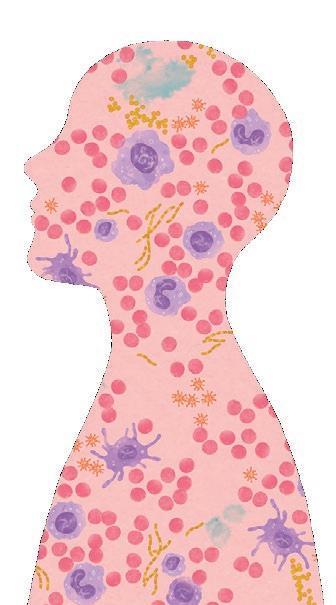

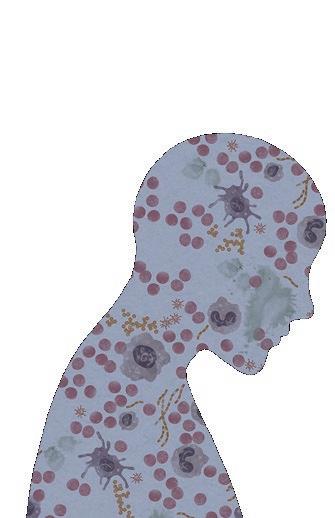
How can two people infected by the same pathogen have such different responses? It largely comes down to variability in genetics (the genes you inherit) and life experience (your environmental, infection, and vaccination history). These two influences are imprinted on our cells through small molecular alterations called epigenetic changes, which shape cell identity and function by controlling which genes are turned “on” or “off.” Salk scientists, led by Joseph Ecker, PhD, debuted a new epigenetic catalog that reveals the distinct effects of genetic inheritance and life experience on various types of immune cells. The new cell-type-specific database helps explain why people can respond differently to the same illnesses and medications, and could serve as the foundation for more effective and personalized therapeutics.
NATURE
Dealing with an infection isn’t as straightforward as simply killing the pathogen. Our bodies must carefully monitor and steer the immune response to tackle the infection without hurting healthy tissues. If the immune system overreacts and leads to sepsis, this can be more life-threatening than the original infection.
But our bodies change a lot over the course of a lifetime. Do their mechanisms for regulating and tolerating immune activity change, too? Salk scientists, led by Janelle Ayres, PhD, found that younger and older mice with sepsis have distinct paths through sickness. In fact, the mechanisms that young mice used to survive sepsis were the very same mechanisms that caused older mice to die, suggesting that future therapies may be more effective if tailored to the patient’s age. The researchers say new sepsis treatments are especially needed as the antibiotic resistance crisis continues to threaten existing care strategies.
“Our findings add to a growing body of evidence that common dietary elements can be used as medicine. By studying these basic protective mechanisms, we reveal surprising new ways to shift individuals that are fated to develop disease and die onto trajectories of health and survival. It may one day be possible for something as simple as a supplement with dinner to make the difference between life and death for a patient.”
AYRES
Could a dietary supplement make the difference between life and death during illness?
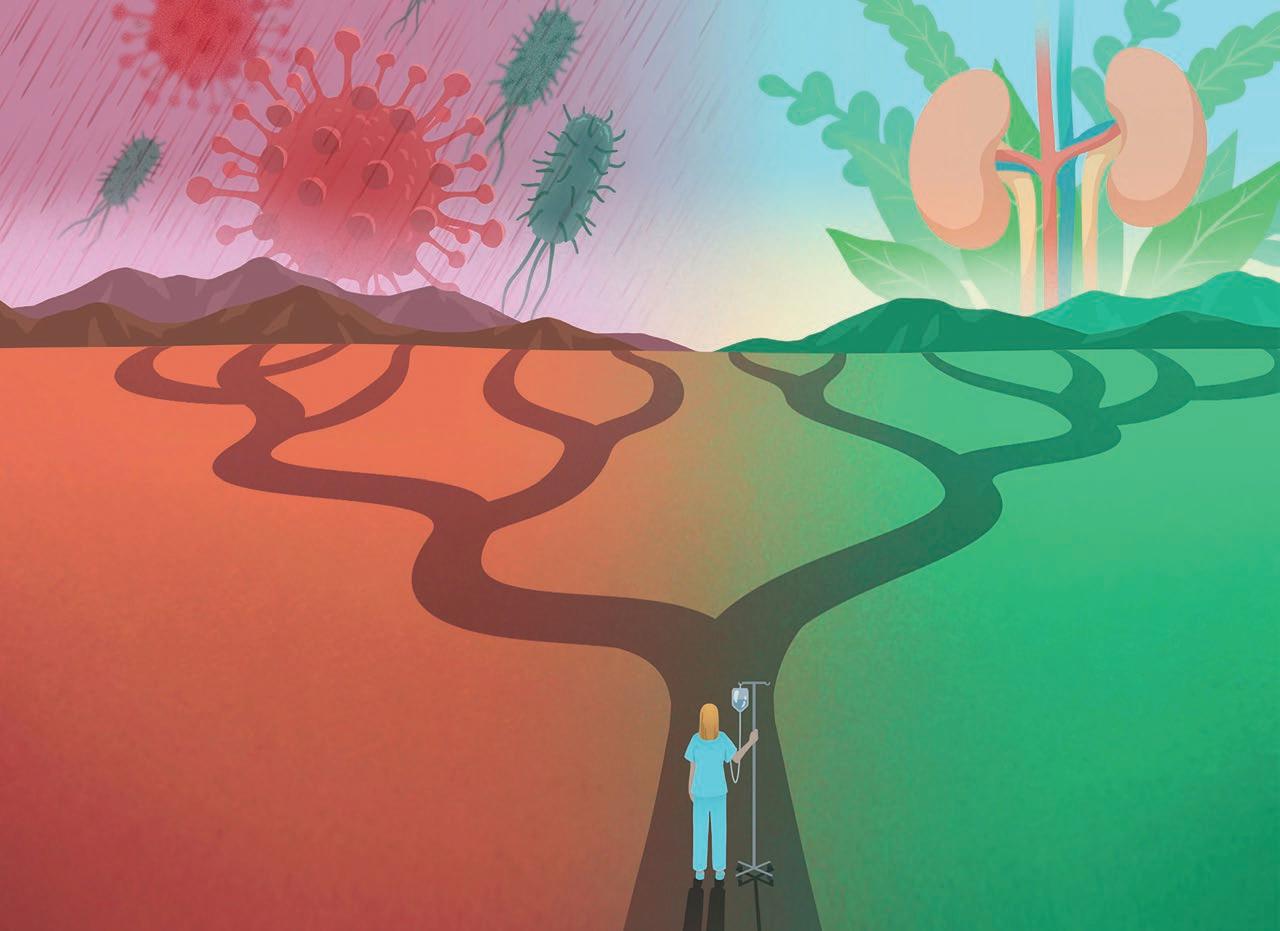
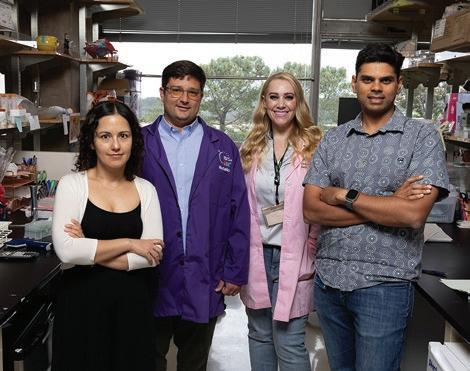
Why is it that two people can develop the same infection but have dramatically different disease trajectories? Salk scientist Janelle Ayres, PhD, and her colleagues discovered that the kidney plays a key role in filtering inflammatory molecules out of the body after an infection, and the amino acid methionine can improve that filtration. Dietary supplementation of methionine was enough to boost kidney performance in mice and protect against inflammation-related wasting, blood-brain barrier dysfunction, and death. The findings highlight how small dietary changes can lead to big impacts in disease outcomes and could support the use of methionine in future treatments for inflammatory conditions, especially in patients with kidney dysfunction.
CELL METABOLISM
01/2026
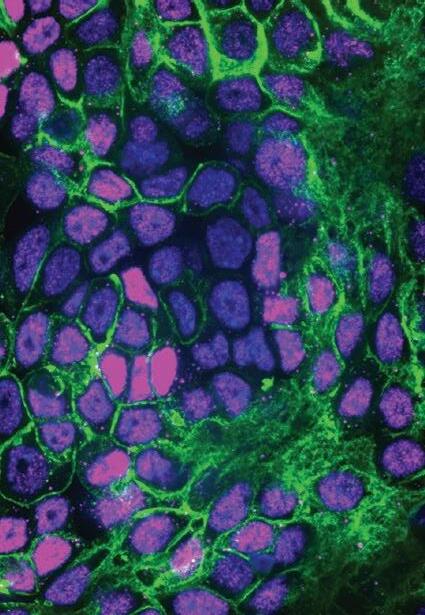
Could biochemical engineering tools reveal new insights into lung cancer?
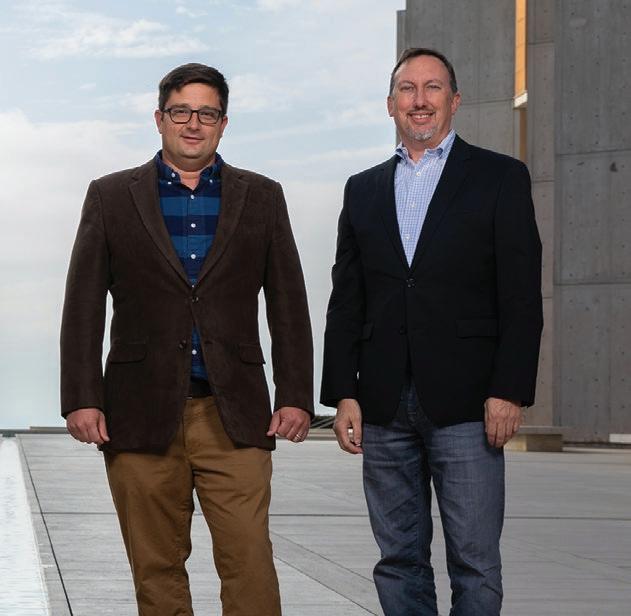
For cancer cells to grow and proliferate, they must be able to rapidly build and renew their outer membranes. These membrane structures are made of fatty molecules called lipids, but technical limitations have made it difficult to measure the dynamics of lipid metabolism. In a new study, Salk scientists, led by Christian Metallo, PhD, used biochemical engineering tools and principles to address this problem.
The team successfully repurposed a technique traditionally used to model glucose and mitochondrial metabolism to now measure changes in lipid flux in tumors. They collaborated with fellow Salk cancer researcher Reuben Shaw, PhD, to study lung cancer models, identifying specific changes in metabolism depending on the genetic mutations present in a tumor. This technology will now help them identify new therapeutic candidates to target lipid metabolism in cancer and other diseases.
“What’s really cool about this new technology is that Reuben and I asked these same questions with older technology years ago, so we were especially attuned to the improvements. The new model offers much more detail and is going to allow us to better identify, validate, and target therapeutic candidates in lipid metabolism, lung cancer, and beyond.”
CHRISTIAN METALLO
Together, we can build a healthier, brighter tomorrow, one discovery at a time. By including the Salk Institute in your estate plans, you empower long-term, risk-taking research and innovation that may not be eligible for current funding and will drive breakthroughs to improve human health and wellbeing for decades to come. Many gifts have financial and tax benefits, and all allow for naming opportunities to honor your family or a loved one.
We invite you to become the newest member of Partners in Research, Salk’s legacy society, and enjoy exclusive invitations to events, early access to major discoveries, VIP tours of Salk’s iconic architecture and labs, and so much more!
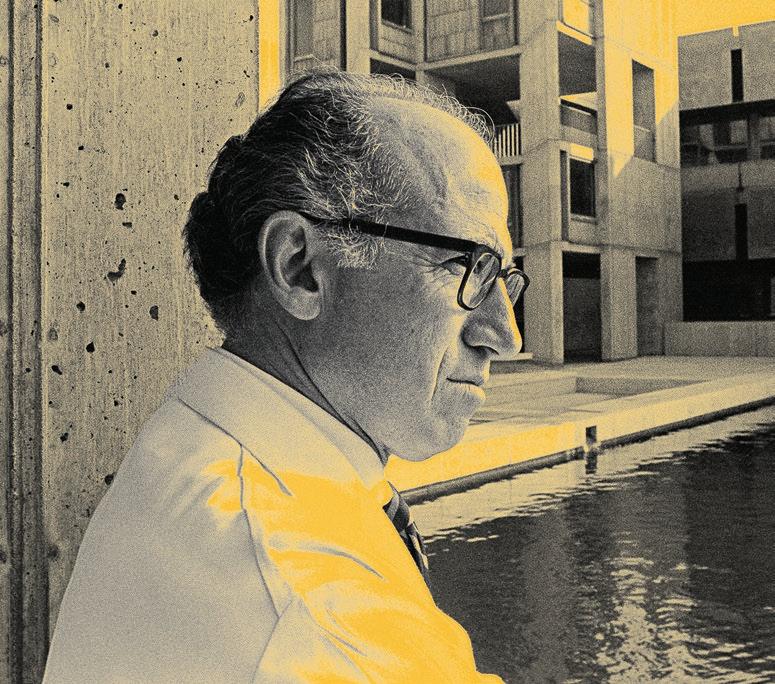
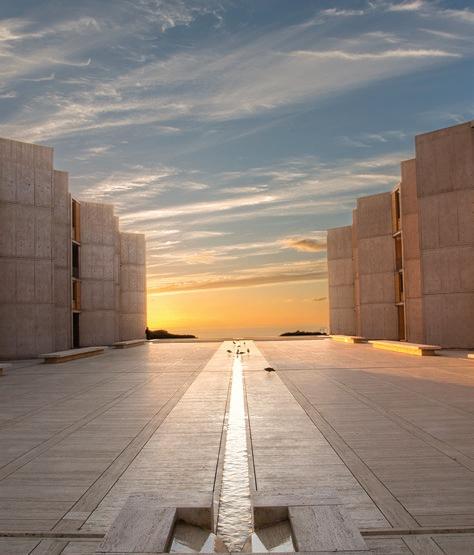
To learn more about including Salk in your estate plans, please visit www.salk.edu/plannedgiving or contact: Dacia Samilo (858) 453-4100 x2068
dsamilo@salk.edu.

Pancreatic cancer is among the deadliest cancers and is projected to be the deadliest by 2030. Of the nearly 70,000 patients diagnosed annually in the US, only 13 percent survive five years post-diagnosis. While the number of people diagnosed with pancreatic cancer continues to rise each year, mortality rates have stayed the same. This is due in part to the minimal symptoms in the early stages of the disease, which hinder early diagnosis and give the cancer time to metastasize. These statistics weigh heavily on Salk cancer researcher Dannielle Engle, PhD.
Engle is constantly asking what drives the disease and how to stop it, with the aim of tackling pancreatic cancer and improving patient lives. But making a real change often means taking significant risks—risks that most funders are not willing to take.
“Working in a field with very poor patient outcomes, you want to chase transformative ideas. But there’s a constant pressure to stay safe and incremental in order to secure federal grants, which are continually more and more challenging to get,” says Engle.
The National Institutes of Health (NIH) is the primary funder of biomedical science in the US. Its support dwarfs all other contributors, providing around 80 percent of the funds for critical research projects, with an annual budget between $40 billion and $50 billion over the past decade. Other federal funders, such as the National Science Foundation and Department of Defense, provide additional billions, and private philanthropy adds billions more.
Federal funding supports half of all Salk science. These funds have made many discoveries possible, including monumental collaborations such as the NIH’s Brain Research Through Advancing Innovative Neurotechnologies® (BRAIN) Initiative, which ultimately aims to produce a new, dynamic picture of mammalian brains. They also support our cancer research, as Salk was named one of the first National Cancer InstituteDesignated Cancer Centers back in 1973. We still hold this special designation today as one of just seven such centers in the country dedicated to foundational cancer research.
Federal funding has been instrumental in carrying out Salk science for decades, but the projects it pays for almost always require substantial preliminary data. This important safeguard, among others, ensures taxpayer dollars are spent on high-quality, evidence-based ideas. However, over time, this cautious investment strategy means that most of the funding goes to incremental or follow-up studies. This leaves a critical gap in funding for new early-stage ideas and risks drying up the pipeline for future innovation.
While the NIH does offer high-risk, high-reward funding mechanisms, these opportunities represent only 0.5 percent of its total awarded grants, a number that has dropped between 2024 and 2025.

Federal funding from sources such as the NIH and NSF powers half of Salk’s research, driving major programs such as the BRAIN Initiative and sustaining our NCIDesignated Cancer Center.
Salk researchers also face another challenging trend: Foundational research has been on the decline. In part, this can be traced to foundational science often being first on the chopping block when the time comes to cut costs. While rejecting early-stage research and risky questions is often the safer bet, it narrows the window of discovery in the long term.
The Salk Institute is keenly aware of the delayed gratification that comes with investing in bold, bluesky science. When Tony Hunter, PhD, first asked how viruses turn healthy cells into cancer cells, the Institute didn’t hesitate to support the foundational studies that led to his discovery of tyrosine phosphorylation as a new cancer mechanism. Decades later, 80 different cancer drugs exist thanks to his seminal findings.
It would be difficult for the federal government to take a risk on finding the answer to a question such as Hunter’s with no immediate translational application. And yet, the outcome is clear. So, how can we ensure potentially lifesaving science is not left in the dark?
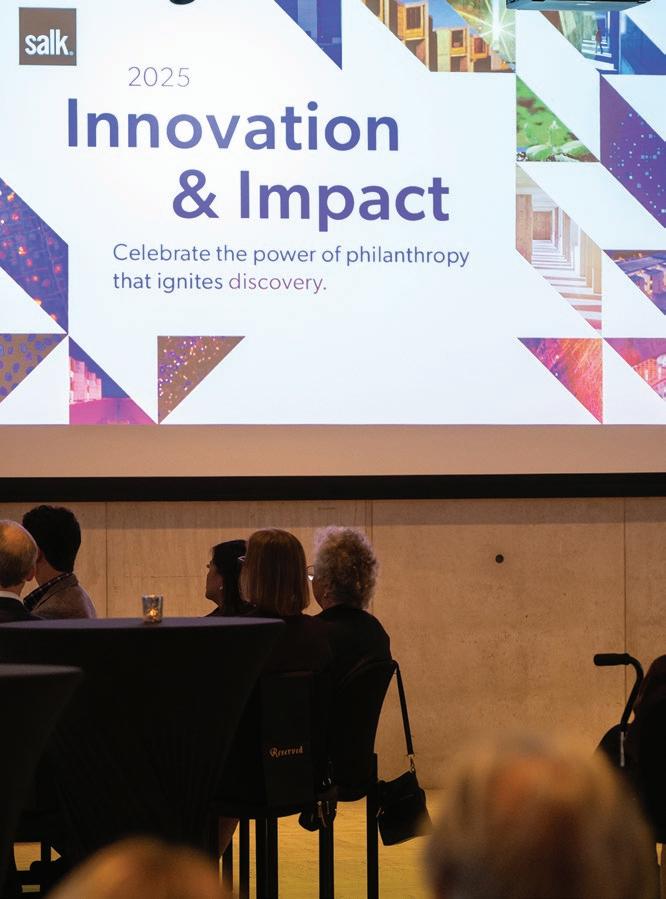
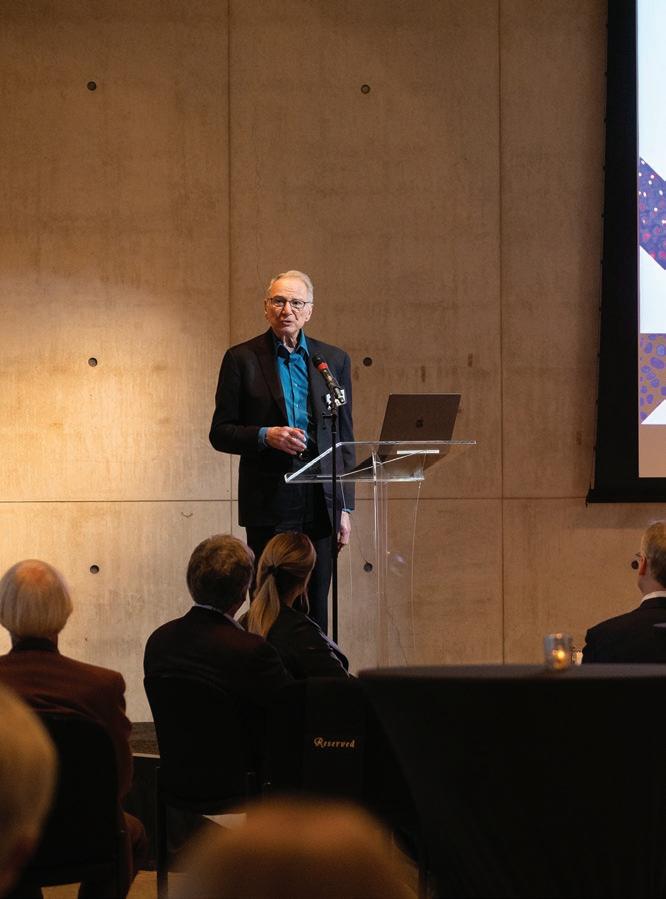
Where federal funding falls short, philanthropy can fill the gap. Private donations do the important work of funding interdisciplinary science that does not neatly fit into the boxes the NIH or other federal agencies provide. This investment complements that of the federal government and thus maximizes monetary impact. Prioritizing higher-risk research can take that impact to the next level.
This is not news for Irwin Jacobs, Sc D, scientist and entrepreneur turned philanthropist. Alongside his late wife, Joan, Irwin Jacobs moved from Boston to San Diego shortly after Salk was established. He taught for many years across the street at UC San Diego, then left for industry and ultimately set the standard for cellular technology when he co-founded Qualcomm in 1985.
But Jacobs had been eyeing Salk since his first visit in 1965. So, when he left his CEO position at Qualcomm in 2006, he became chair of Salk’s Board of Trustees.
“IF YOU HAVE A GOOD IDEA, THERE OFTEN ISN’T ENOUGH FUNDING FOR YOU TO PURSUE IT. THE USUAL FUNDING SOURCES WANT DATA, RESULTS, AND CONFIDENCE THAT THERE WILL BE SUCCESS BEFORE THEY FUND YOU. SO, WE THOUGHT, ‘PERHAPS WE SHOULD SET UP AN INNOVATION FUND.’”
IRWIN JACOBS
“Very shortly after becoming chair, I got to chatting with a more senior faculty member about potential issues that may arise during my chairmanship,” says Jacobs. “One of them was that if you have a good idea, there often isn’t enough funding for you to pursue it. The usual funding sources want data, results, and confidence that there will be success before they fund you. So, we thought, ‘Perhaps we should set up an innovation fund.’”
The plan was simple. Twice a year, Salk faculty members could put together short proposals describing their shot-in-the-dark ideas. Then, other faculty would assess the proposals and select which to support that round. With any luck, these new ideas could spark something bigger, lighting a path to larger grants from external funders who would have once turned the project down.
Jacobs believed so much in this initiative that he immediately donated the funds to make it happen. By December 2006, the first Innovation Grant was awarded.
“THE INNOVATION GRANT PROGRAM SENDS THE MESSAGE THAT SALK IS WILLING TO INVEST IN BOLD MECHANISTIC IDEAS THAT MAY NOT YET BE FULLY DERISKED BUT HAVE THE POTENTIAL TO CHANGE HOW WE UNDERSTAND AND TREAT PANCREATIC CANCER.”
DANNIELLE ENGLE

“When we say innovation, we’re talking deep innovation— the ‘what ifs,’” says Salk President Gerald Joyce, MD, PhD. “And we expect that some of these projects will fail. Otherwise, we just aren’t taking enough risk.”
How do you assess a proposal that has a risk of failure to make it worth it?
That’s a question for Salk Chief Science Officer Jan Karlseder, PhD. Reviewers break their Innovation Grant assessment into three parts, he explains.
First, innovation: Is the idea creative and bold enough to transform existing research or open an entirely new research avenue? Second, impact: Could the proposed research have sustained scientific impact and address important problems? And finally, value: With this grant funding, can the project get the legs it needs to pursue external funding?
“We are looking for bold, transformative, new directions, with an emphasis on innovation over proven feasibility,” says Karlseder. “Unlike external grants, we discourage proposals that are obvious, next-step extensions of
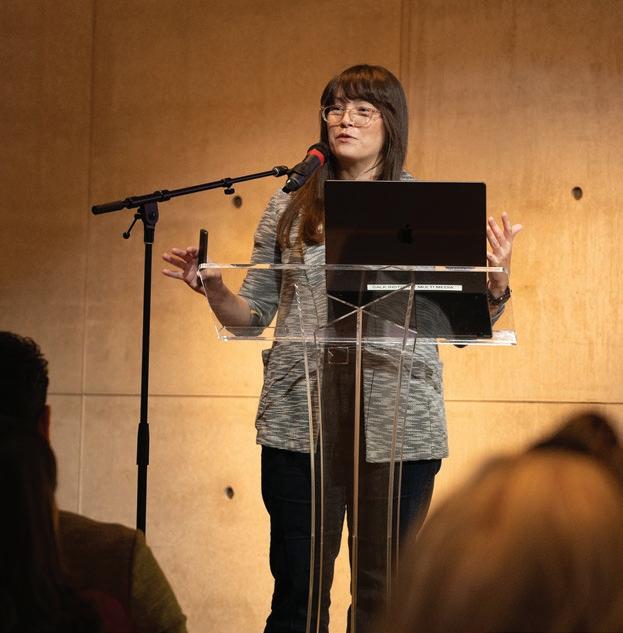
ongoing research. We want high-risk, high-reward projects that are unlikely to receive external funding.”
The ultimate goal is for this relatively small internal grant to generate the data needed to secure that external funding. When they are invested in risky what-ifs, these seed grants enable researchers to gather the preliminary data they need to become competitive applicants for the larger awards.
And that’s the chance they took on Engle’s research.
“This funding came at a really critical time in my career,” she says. “Without the Salk Innovation Grant, this idea would have been lost.”
Patients with pancreatic cancer give blood samples to track their treatment progress, and Engle noticed something interesting in those samples. A sugar molecule called CA19-9 increased when tumors grew and decreased when tumors shrank. From there came her “what-if” question: What if CA19-9 helps pancreatic tumors grow and spread throughout the body?
Engle found that CA19-9 helps cancer cells leave the pancreas. This metastasis process is what kills patients,

and Engle showed that blocking CA19-9 significantly slows metastases.
But she’s not stopping there. Engle recently submitted another grant proposal to extend the findings to other diseases, such as pancreatic inflammation. Her original question has illuminated an entirely new therapeutic area focused on targeting cell-surface sugars like CA19-9.
“The Innovation Grant program sends the message that Salk is willing to invest in bold mechanistic ideas that may not yet be fully derisked but have the potential to change how we understand and treat pancreatic cancer,” explains Engle. “Knowing that Salk and its supporters are willing to back this kind of high-risk, high-reward science has given both myself and my team the confidence that we can pursue these questions that we otherwise would have to put aside.”
Since 2020, Engle has raised $1.5 million for this work— 15 times the original Innovation Grant award. And she’s not the only success story. Hunter, whose foundational exploratory research led to numerous cancer drugs, earned his own Innovation Grant in 2011 for a project on an entirely different topic.
Hunter wanted to develop a tool to detect and understand histidine phosphorylation, another protein modification linked to cancer. He managed an impressive 111:1 leveraging ratio on the original Innovation Grant investment, receiving $10 million total to develop his tool, which has now reshaped the cancer treatment landscape and continues to inform new therapeutic strategies.
Another tool that started with an Innovation Grant came from the lab of Sreekanth Chalasani, PhD. Chalasani used his 2011 seed money to develop sonogenetics, a noninvasive technology for stimulating neuronal activity. He envisions this technique could one day be used to treat neurological conditions such as Parkinson’s disease.
Since the original grant, Chalasani has spun out a startup company, SonoNeu, to get sonogenetics out in the world, helping patients. And in spring 2026, he received an up to $41.3 million award from the Advanced Research Projects Agency for Health (ARPA-H), an agency within the United States Department of Health and Human Services, to further explore potential clinical applications for sonogenetics.
Salk’s monumental Harnessing Plants Initiative also started with an Innovation Grant. The Initiative is optimizing plants to support food security, resilient agriculture, carbon capture, and coastal restoration.

The 2017 award helped the Initiative’s founding director, Joanne Chory, PhD, earn an incredible $35 million TED

Return on Investment 13x $16.5M
Total amount awarded $216.7M
Total amount leveraged
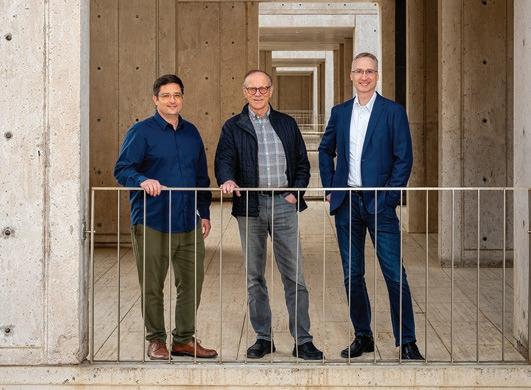
After 13 years of success with the Innovation Grant program, the Collaboration Grant program was born.
Collaboration is physically built into Salk’s campus. The absence of maps and signage encourages conversation, while open-concept labs and shared core facilities foster connection. Given this omnipresence of interdisciplinarity and interrelation, the 2019 launch of the Collaboration Grant program seems inevitable.
As with Innovation Grants, Collaboration Grant applicants must ask bold, risky questions. Their proposals are judged by similar metrics—innovation, impact, and value are all still on the scorecard. One new metric, collaboration, differentiates these grants. How strong is this team, and does their combined effort make sense in relation to the question they are asking?
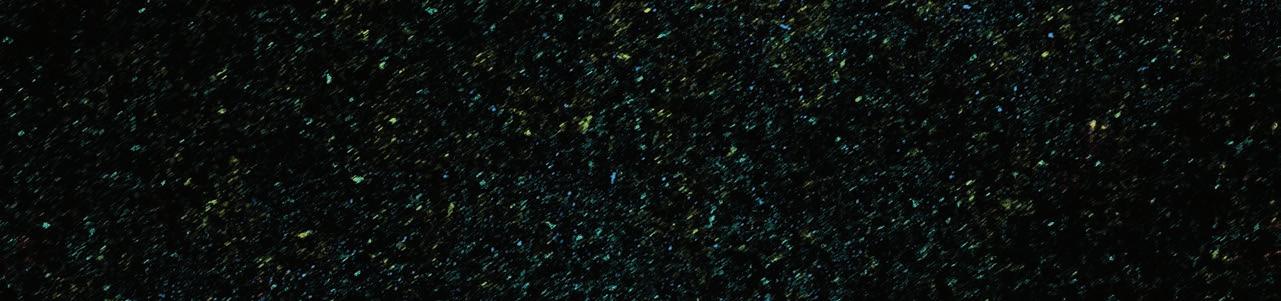

For Axel Nimmerjahn, PhD, Christian Metallo, PhD, and Rusty Gage, PhD, the answers to those questions are “Very strong” and “Yes.”
“This collaboration really grew out of a shared scientific curiosity and the environment at Salk that encourages people to talk across disciplines,” shares Nimmerjahn.
Nimmerjahn, a biologist and physicist, studies how cells in the brain and spinal cord coordinate their activity while also developing the tools needed to observe these processes in real time, such as miniature, high-resolution microscopes. For a long time, he has wondered why the central nervous system, normally remarkably resilient, begins to fail during infection or with age. The more he wondered, the clearer it became that this question was simply too big for one lab to answer alone.

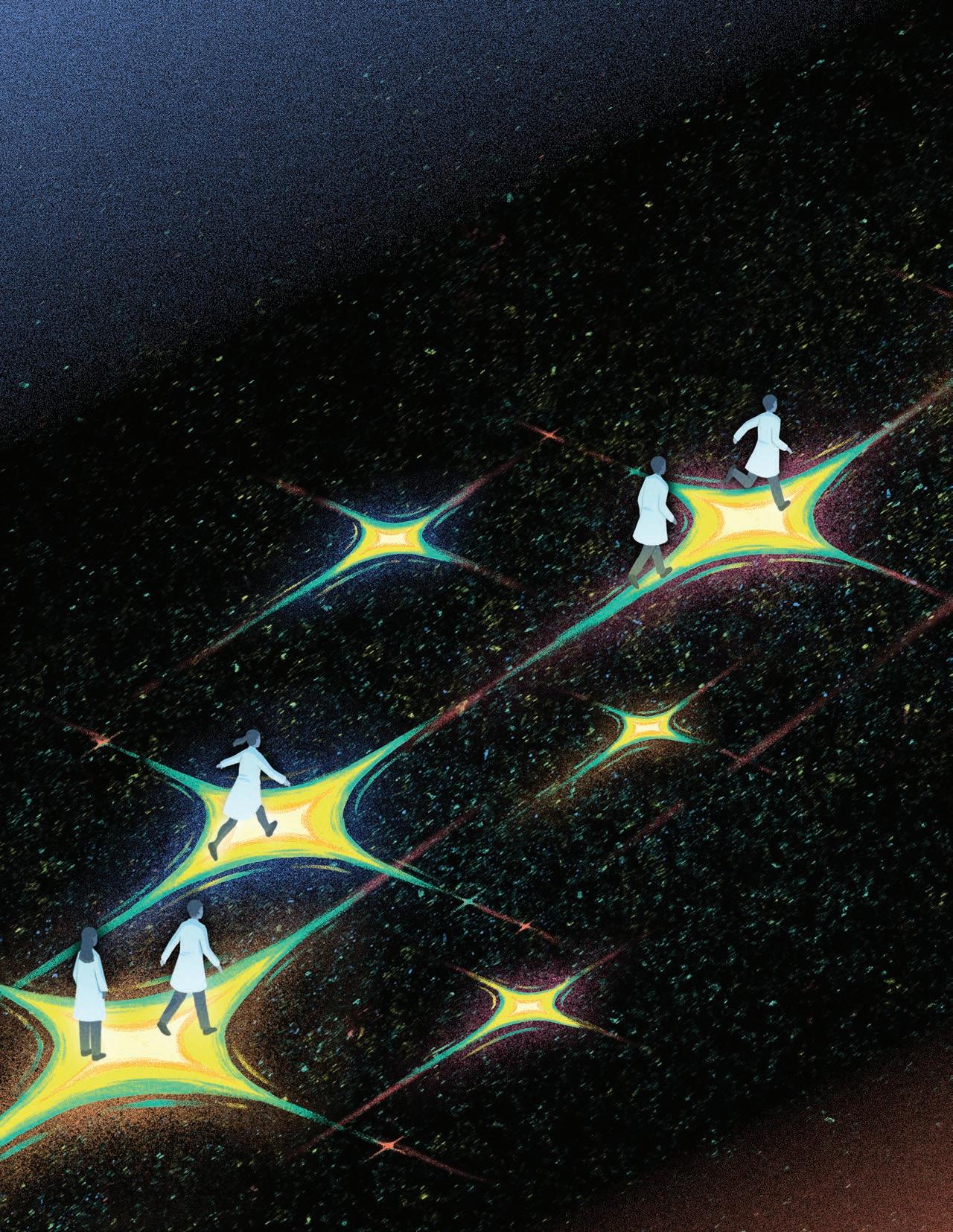
Salk’s map-free design and open, shared labs are built to spark collaboration. Researchers meet in the mysterious darkness where disciplines such as neuroscience, metabolism, and immunology converge, then light the way to unexpected answers that transform our understanding of the world.
Using Nimmerjahn’s real-time imaging technology, Gage’s organoid models (3D collections of cells that mimic human tissue), and Metallo’s metabolic profiling, the team set out to create an atlas of the many states and stages that brain immune cells, called microglia, take on over a lifetime.
“At its core, the project asks a deceptively simple question,” explains Gage. “How do genetic, environmental, and aging factors converge to drive Alzheimer’s disease? We found that they all converge on microglia.”
The team was awarded a 2023 Collaboration Grant and has already published a paper in Cell, debuting a firstof-its-kind microglia-populated brain organoid. With that effort behind them, it was much easier to raise funds for their follow-up questions. The team has since raised $4.2 million, a 13-fold return on investment.
“Not only do we want to understand what turns microglia from helpful to harmful, but we also want to know whether we can intervene by preventing, reversing, or repairing those changes,” says Gage. “One approach we are testing is replacing or reprogramming microglia to restore brain health.”



Nimmerjahn notes that the implications will likely extend beyond Alzheimer’s. Because the work addresses fundamental immune mechanisms in the brain, the findings could inform many neurodegenerative and inflammatory diseases.

In addition to return on investment and human health applications, another measure of the program’s success is the number of repeat applicants such as Metallo.
“These grants provide needed funding for exploring new ideas collaboratively with other scientists,” says Metallo. “By working with other teams, it makes the project stronger and more productive, and often more fun to execute!”
Two years after his first Collaboration Grant, Metallo teamed up with another Salk scientist, Janelle Ayres, PhD. Their 2025 proposal speaks to the flexibility of basic science—when you do foundational research, one day, you are working on a brain organoid and the next, you are developing a topical therapeutic.
“Christian’s lab made an exciting discovery about skin metabolism, and he wants to test his hypotheses in the context of skin infections,” explains Ayres. “My lab provides the infection expertise and laboratory models for him to test those hypotheses.”
Ayres and Metallo are investigating a new class of sphingolipids found in human skin, which they call “very long-chain sphingoid bases,” or VLCBs. These VLCBs seem to be reduced in patients with atopic dermatitis or eczema, which led the duo to ask: What if VLCB treatment could help with those conditions?
By bringing diverse expertise to the table, the interdisciplinary team members can ask questions none of them could answer on their own. “Plus,” Ayres adds, “I always look forward to working with Christian and his lab. They are great, and I learn a lot from them whenever we collaborate.”
Funded by one of the latest Collaboration Grants, their project represents the continued interest Salk faculty hold in the program. It also shows that interest is reciprocated, as their proposals remain worth investing in; their sparks remain worth igniting.
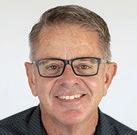
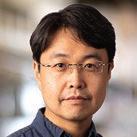
WHATIF understanding itch circuits reshaped how we treat sensory disorders?
Martyn Goulding, PhD, and Sung Han, PhD, used a 2021 Collaboration Grant to publish a paper in Neuron demonstrating that distinct neural pathways underlie itch–scratch behavior and chronic itch conditions in mice, providing new insight into how sensory circuits drive pathological itch and related sensory dysfunction.
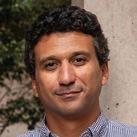
WHATIF artificial intelligence could help researchers track body movement?
Eiman Azim, PhD, used a 2022 Innovation Grant to publish a study in Nature Communications that debuted GlowTrack, a non invasive movement-tracking method that uses fluorescent dye markers to train artificial intelligence. The technique has potential applications spanning biology, robotics, and medicine.
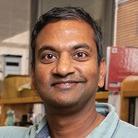
WHATIF sound waves could control brain cells?
Sreekanth Chalasani, PhD, used a 2011 Innovation Grant to publish a study in Nature Communications describing sonogenetics, a new technique to selectively activate cells using ultrasonic waves. The technique can be used to teach scientists more about cells throughout the body and may be a useful therapeutic tool for targeting specific cells.



Twenty years have passed since the first Innovation Grant, and those what-ifs just keep coming.
“It’s even more important these days that we have these grants, because it’s even harder to get early support with the pressures at the federal level,” says Jacobs. “We are giving our researchers a chance to get their ideas and data together so they have a real opportunity to secure external support.”
$16.5 million has been invested into 129 Innovation and Collaboration Grants. And each dollar was worth it— leveraged an average of elevenfold as faculty turned out-of-the-box thinking and early preliminary data into $216.7 million of follow-up funding.
Today, other donors have joined Jacobs in their generosity; Sarah and Jay Flatley, Richard Heyman and Anne Daigle, and the NOMIS Foundation all support these risky, rewarding grants. This monetary support has enabled Salk researchers to ask and answer questions with research that would not be funded by more conservative, disciplinarily siloed federal grants.
“Especially when it comes to disease-related questions, collaboration is essential,” says Nimmerjahn. “These are complicated questions that need diverse expertise and a considerable toolbox. That’s where the strength of Salk comes in.”
Innovation and collaboration are crucial components of modern science everywhere, but they are inextricable from the Salk Institute’s mission.
“This Salk program embodies our culture of scientific boldness and innovation,” says Karlseder. “It also demonstrates Salk’s investment in its researchers’ long-term success by providing seed funding that positions them to compete for major external grants and pursue ambitious, field-defining research.”
The Innovation and Collaboration Grant program is uniquely Salk. Scientists are attracted to the Institute for its emphasis on foundational, exploratory research and its insistence on relationship building and cross-disciplinary idea-sharing in the iconic Courtyard, over coffee, or across the lab bench.
“We talk to each other, and we know each other,” says Nimmerjahn. “We feel comfortable discussing these ideas. That makes it much easier to say, ‘Hey, what if?’ Then, with this grant support, we can actually give those ideas a try. And sure, there’s always a chance some of them won’t work, but if even a few do, they can pay off in a really big way.”
Scan here to listen and find out more about our Innovation and Collaboration Grants on Salk’s podcast, Beyond Lab Walls , at www.salk.edu/podcast
The Discovery Society brings together committed supporters who make discovery possible at the Salk Institute.
Through flexible, high-impact philanthropy, members provide the critical resources Salk scientists need to pursue bold ideas, respond quickly to emerging opportunities, and collaborate across disciplines. This leadership support plays a vital role in advancing research across cancer, neuroscience, aging, immunology, and plant biology, fueling the foundational work that pushes the boundaries of what’s possible.
When science can’t wait, Discovery Society members help ensure it doesn’t have to.
Impact areas you can support
Support Areas of Greatest Need for flexible funding, Technology powering core facilities and AI, Research advancing fields like cancer and neuroscience, and Architecture preserving Salk’s iconic, collaborationinspiring campus.
Membership that opens doors
Discovery Society members receive tiered benefits including exclusive events with scientists, VIP campus and research tours, early faculty news, personalized impact reports, reserved event access, Salk apparel, and donor recognition.
Joining the Discovery Society means joining a community of visionaries who believe deeply in the power of science to change the world.
Lucia Burrafato feels at home around art. She was born in New Jersey, spent her tweens and teens bopping around Pennsylvania, went to college in Queens, returned to New Jersey, moved back into the city, then finally took one long trip from Manhattan to San Diego. Through it all, she drew, painted, and captured life around her.
Burrafato brought her artistic eye and myriad talents to Salk in October of 2025. She serves as one of the Institute’s gift officers, communicating the importance of Salk science to help build relationships with new donors. One uniquely Burrafato dimension to her role is Salk’s new Discovery Society, an exclusive donor community she founded and continues to lead.
But before stepping onto Salk’s iconic midcentury campus, Burrafato took an impassioned path through art school and museum galleries. As the latest addition to Salk’s Advancement team, she embodies the fusion of science and art that Jonas Salk held so dear.

Pursuing her lifelong interest in the arts, Burrafato earned a bachelor’s degree in fine and studio arts from St. John’s University.
“One of my dreams was to work in a museum—I just didn’t know in what capacity,” says Burrafato. “So, I started making connections around Newark, volunteering and working to broaden my reach. Eventually, I landed an administrative assistant position at the Montclair Art Museum.”
Burrafato’s eyes still sparkle when she talks about the “best first museum job you could ever have.” She went from assistant to associate, falling into and in love with development work by coincidence. Her genuine passion for art made it easy to talk to prospective museum donors. “I was so fulfilled and happy,” recalls Burrafato.
Nearly four years into her time at the Montclair Art Museum, Burrafato had her whole career ahead of her, but little room for growth. Burrafato says with a laugh, “I probably would have never left otherwise.”
But leave she did, moving on to work at multiple museums, launching membership programs and planning major events. Eventually, she found herself in San Diego, working with children alongside Salk Senior Director of Advancement Kira Foody. When Foody first left for Salk, Burrafato was unfamiliar with the Institute. This unfamiliarity quickly turned into excited surprise as Burrafato asked herself, “How could I not know about this wonderful place?”
Burrafato joined the Institute last October. Already, “I feel that same strong passion and feeling as my first museum job,” she says. Much of this fondness comes from the incredible timing of Salk’s entrance into her life.
Burrafato was diagnosed with breast cancer in January 2025. Unfortunately, it wasn’t her first confrontation with the disease. Six months before, her mother had been diagnosed with thyroid cancer; decades prior, her brother had fought neuroblastoma.
“My brother was diagnosed at one year old,” she says. “He is alive because of an experimental treatment, and that has made me a lifelong advocate for science and medical research.”
“When I got my diagnosis,” Burrafato continues, “my whole world changed. It’s made me even more passionate about ensuring scientists get the funding they need to make cancer breakthroughs, because when budgets get slashed, it’s patients who pay the price. It could be the difference between me living and dying.”
“[Getting my diagnosis has] made me even more passionate about ensuring scientists get the funding they need to make cancer breakthroughs, because when budgets get slashed, it’s patients who pay the price.”
LUCIA BURRAFATO
Burrafato’s fundraising efforts support lifesaving cancer research, along with other vital science that’s lighting the way to a healthier, happier world. By developing the Discovery Society, she hopes to build relationships with others who are equally as touched by Salk science and motivated to preserve and advance its impact.
Burrafato is eager to meet new people and share Salk’s mission. And, crucially, she’s ready for any feedback and shared storytelling that can help her shape the Discovery Society into something worth joining—something that represents the people it’s made of. And whether those conversations take place on campus, over the phone, or via email, just know that there’s a welcoming smile on her face.
“I really want to bring a sense of community and belonging to people. I want Salk to almost be like a second home,” says Burrafato. “One way I’ve been connecting people to Salk is through art, saying, ‘Look at this incredible Louis Kahn building, then after that, look at the amazing science happening within its walls.’”
Salk and San Diego are starting to feel like home for Burrafato, too. She hits fitness boot camps in the mornings, takes hikes with her husband and dog in the afternoons, and attends shows downtown come evening. Beyond that, her friends and family fill her cup all the way to the brim.
“A lot has changed since my diagnosis. I just want to feel joy and celebrate life and people,” says Burrafato. “And right now, it’s great to be able to say that I’ve been working to advance scientific research to make the world a better place for all of humanity. I feel so lucky.”
Postdoctoral researcher Ankita Chadda, PhD, is enjoying a new sense of security in the lab of Agnieszka Kendrick, PhD, at Salk.
“She’s very straightforward and very planned, which I like,” Chadda says of her faculty advisor. “We meet every week to discuss my plan for experiments and troubleshoot any issues that are coming up.”
Chadda is similar in nature, composed and pragmatic. But “straightforward” isn’t the word she’d use to describe her journey here.
Chadda grew up in Northwestern India in the rugged landscape of the Thar Desert. “I lived between camels and sand dunes,” she says. “It was a small town, and very, very dry.”
Her parents were both doctors and assumed she would follow in their footsteps, but Chadda was cautious about joining the family practice.
“My father was a psychiatrist, so there were always patients visiting the house, and that was hard to see at times,” she says. “But it did make me curious about the human mind and body and interested to understand what goes on inside us on a biochemical level.”
Chadda studied biology in college but didn’t have a clear plan for her career yet. In the years that followed, her personal life took the reins instead.
“I moved to South India with my husband, who was also in science,” says Chadda. “After that, we moved to Japan, and that’s when I became more exposed to research.”
Chadda, who was by then also a mother, got a job as a laboratory technician, preparing the necessary samples and tools to help the other scientists carry out their experiments.
When she relocated to the US, she was prepared to take on a similar role at the University of Iowa. But working in a smaller lab, Chadda soon found herself doing more than the typical technician.
“We didn’t have enough funding to hire more people, so the professor asked me to get more involved in the research,” she says. “I suddenly had the opportunity to do my own experiments, and I eventually got to publish a paper about my findings.”
This was a critical moment in Chadda’s selfdiscovery. For the first time, she was able to really see herself as a scientist. She had her own research questions, she was planning her own experiments, and she was ready for more.
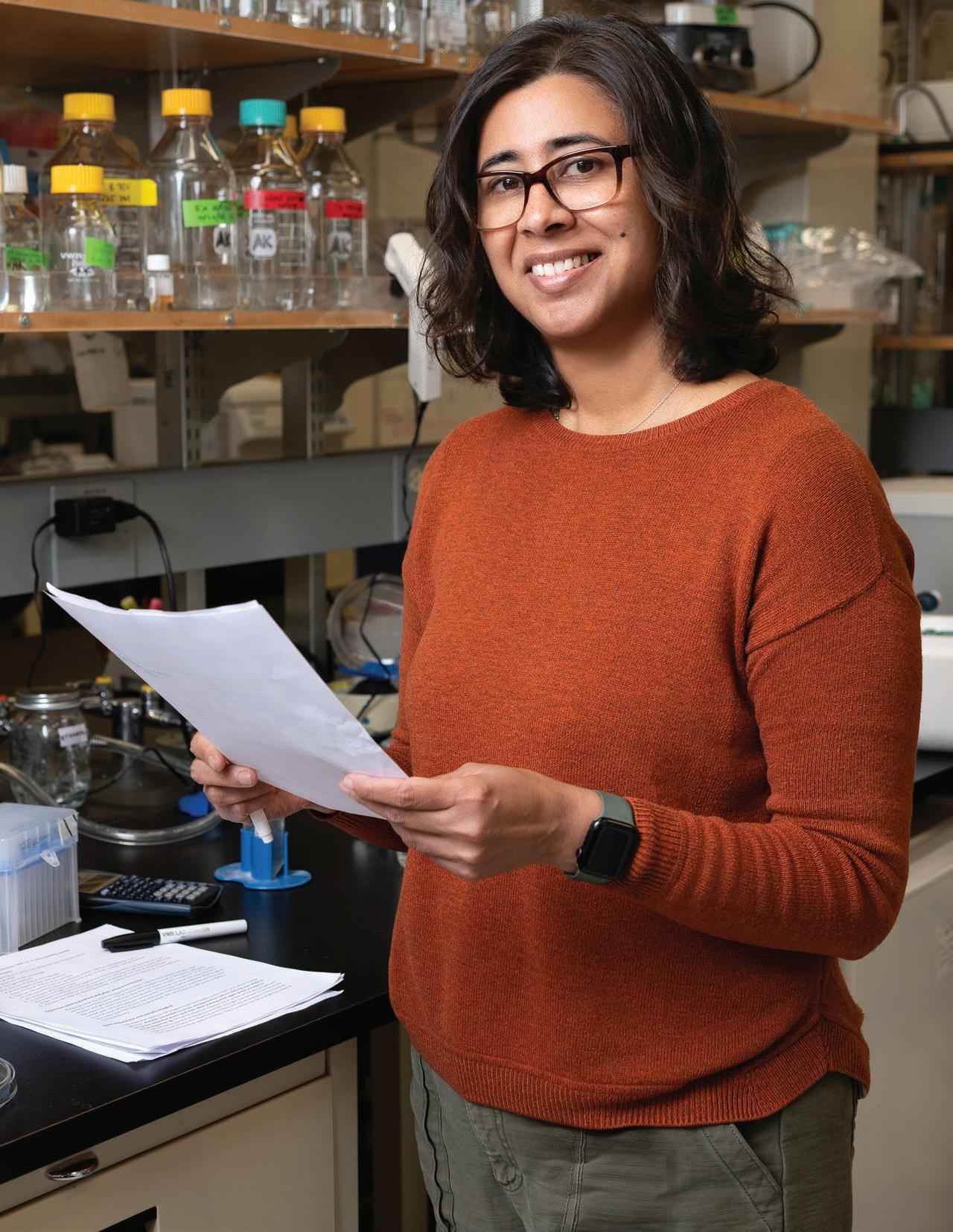

“Most people go to graduate school right after college, but I had this 15-year gap,” she says. “I finally decided, though, ‘If I want to keep doing my science, I will have to get a PhD.’”
In 2018, Chadda made her biggest move yet. She left for St. Louis to start a PhD program in the Biochemistry and Molecular Biophysics department at Washington University.
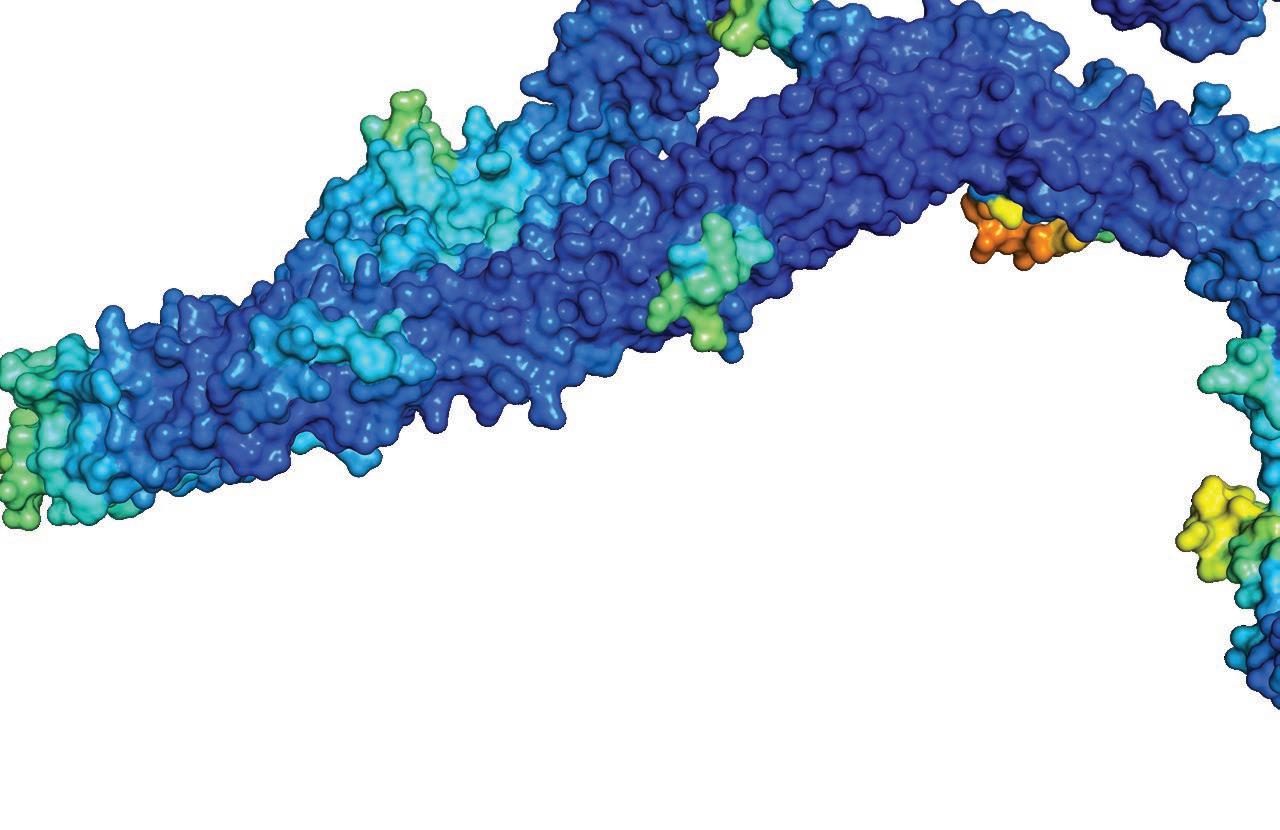
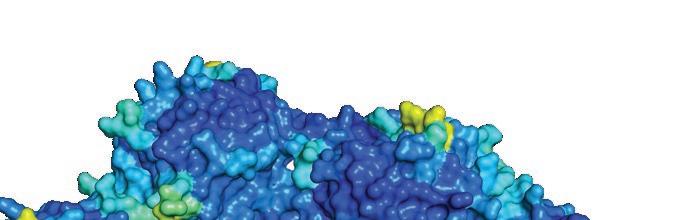
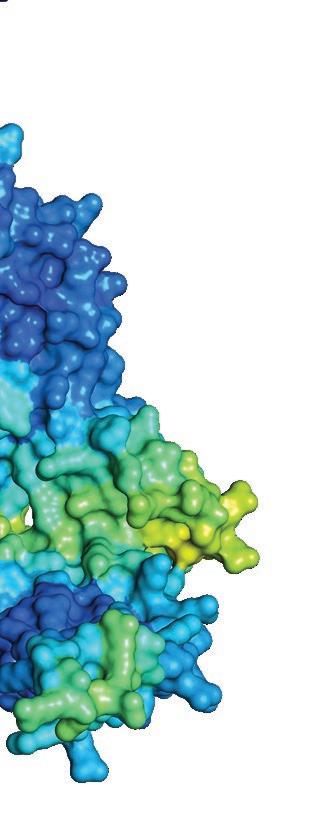
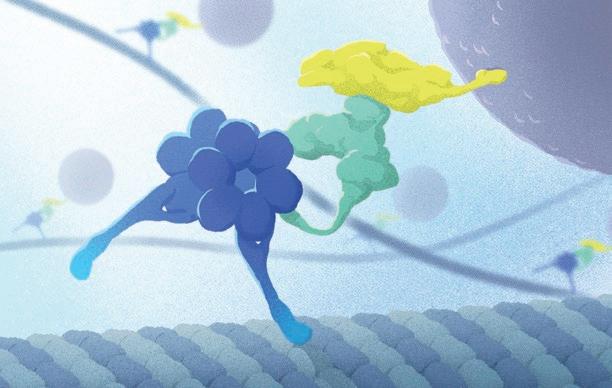
Over the next several years, Chadda dove deep into the world of protein mechanics. These skills led her to Kendrick’s lab at Salk, where she now studies motor proteins, tiny molecular machines that work like delivery trucks to transport cargo throughout our cells. She’s currently exploring the structure and function of dynein, a motor protein that plays an important role in brain health.
Dynein is responsible for transporting cargo from the outer edges of a cell back toward its central nucleus. In some extra-long nerve cells, this journey can be up to a meter long. So how does the cell ensure each package gets sent in the right direction?
Using cutting-edge cryo-electron microscopy, Chadda is filming dynein in action, capturing the tiny delivery truck in near-atomic resolution. The footage is revealing exactly how dynein interacts with other molecules to grab the right package and begin its journey back to the nucleus. The more we understand the mechanics of this process, the more smoothly we can keep it running as we age.
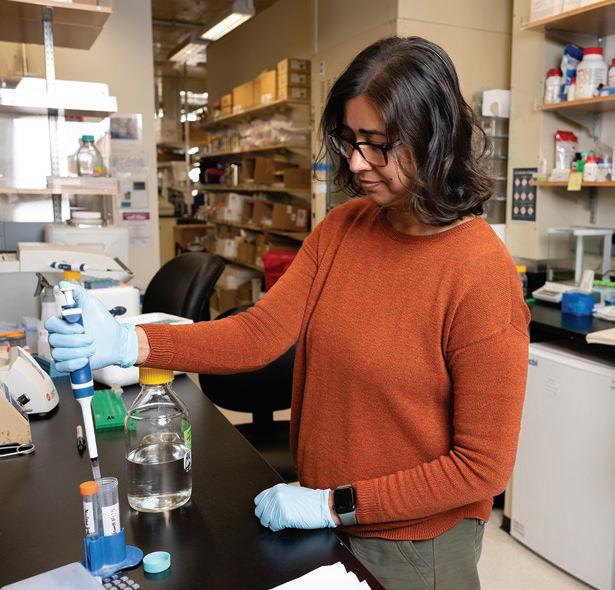
Dynein may be traveling backward, but Chadda continues to move forward.
As a postdoctoral researcher at Salk, Chadda has more scientific freedom than ever before. She designs her own experiments, manages collaborations across labs, and mentors younger students and technicians.
But this new autonomy also comes with added pressure. Unlike graduate students, postdoctoral researchers must often secure their own funding. Chadda estimates that applying for fellowships can take 15 or more hours of a postdoctoral researcher week.
That’s why philanthropic support for postdoctoral researchers is so important. Chadda is the inaugural recipient of the La Mer Fellowship in Healthy Aging. Through this fellowship, La Mer’s backing makes it possible for Chadda to pursue the foundational questions that move the field forward.
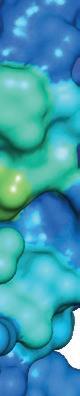
An artistic interpretation of dynein complexes (blue, green, and yellow) carrying cargo while traveling along microtubule roads.
These days, Chadda is embracing her independence both in and out of the lab, enjoying life in sunny San Diego as her son finishes college back in St. Louis.
“I wanted him to go into research,” she says with a smile, “but he’s studying computer science. He’s not sure what he’ll do next, though.”
If he follows his mother’s brave example, he is sure to find his way forward.
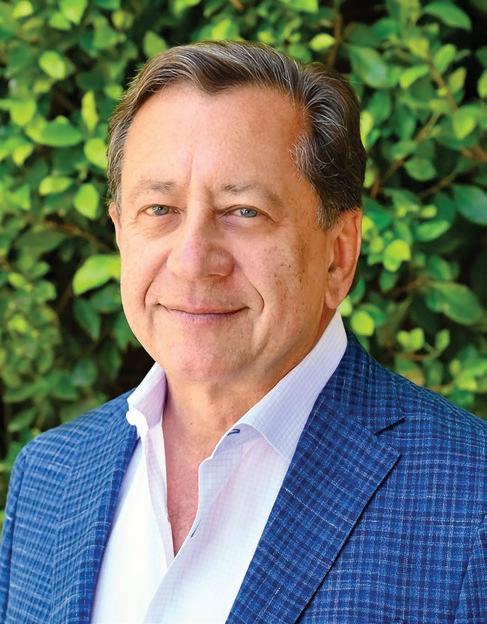
Andrew “Drew” Senyei, MD, recently joined the Salk Institute’s Board of Trustees, bringing with him his decades of experience at the intersection of medicine, innovation, and investment. An inventor of the first FDAapproved test to predict preterm birth, now used by more than 8 million women worldwide, Senyei has played a key role in advancing transformative healthcare technologies, including as the founding investor in NuVasive and former executive chair of NeoSeq Ltd. His leadership across academic, nonprofit, and industry organizations will help support Salk’s efforts to translate fundamental biological discoveries into real-world impact.

“Salk’s long-standing tradition of world-class, curiosity-driven basic biological research has consistently produced transformative discoveries, many of which began as unexpected findings and became the basis for new ways to prevent and treat disease. I am honored to join the board and assist in translating this extraordinary science into real-world impact.”
ANDREW SENYEI


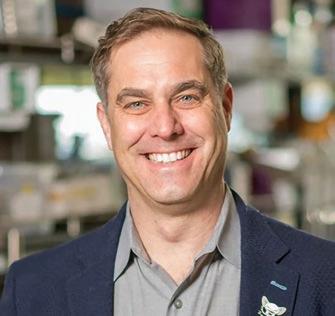
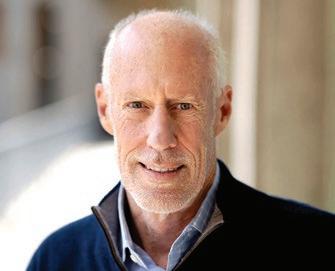
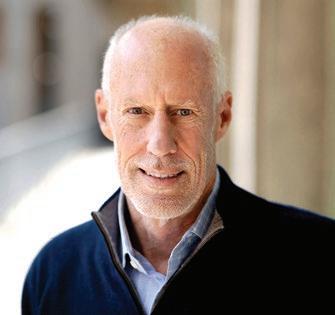

Eight Salk scientists named among the most highly cited researchers in the world
Seven Salk Institute faculty members—Joseph Ecker, PhD, Ronald Evans, PhD, Rusty Gage, PhD, Christian Metallo, PhD, Satchin Panda, PhD, Reuben Shaw, PhD, and Kay Tye, PhD—along with research assistant Joseph Nery, were named to Clarivate’s 2025 Highly Cited Researchers list, recognizing scientists whose work has had exceptional global influence. Their inclusion underscores the international impact of Salk’s curiositydriven research, which consistently shapes new fields of study and drives scientific advances that inform future technologies and medical treatments.
The Salk Institute recently welcomed two new Nonresident Fellows: Andrew Dillin, PhD, and Christopher Glass, MD, PhD. The two scientists join a group of eminent scientific advisors who guide Salk’s leadership. Dillin is a professor at UC Berkeley and a Howard Hughes Medical Investigator. He served as a faculty member at Salk from 2002 to 2012. His lab’s research on mitochondrial function and dysfunction in the aging process informs our understanding and treatment of aging-related conditions such as Alzheimer’s, Huntington’s, and Parkinson’s diseases. Glass is a professor at UC San Diego, where his lab studies the genetic and molecular mechanisms that control macrophage and microglia function in health and disease.
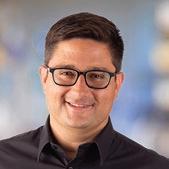
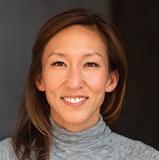
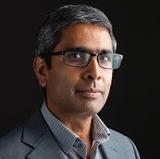
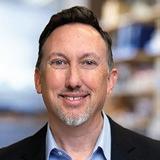
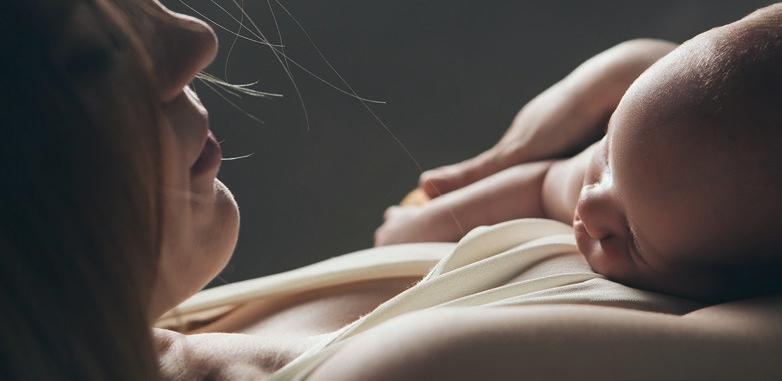

Salk scientist Deepshika Ramanan, PhD, received a prestigious New Innovators Award from the National Institute of Allergy and Infectious Diseases, part of the National Institutes of Health (NIH), recognizing her creative and high-impact research on maternal immunity during pregnancy and lactation. The fiveyear, $1.5 million award supports Ramanan’s pioneering work to uncover how maternal immune changes influence long-term health outcomes for both mothers and babies.
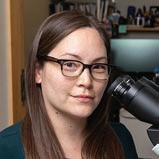
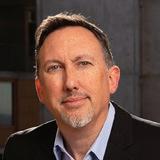
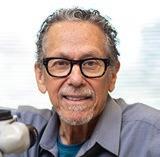
The NIAID New Innovators Award recognizes earlycareer investigators pursuing creative and innovative lines of research, such as Ramanan, who studies maternal immunity during pregnancy and lactation.

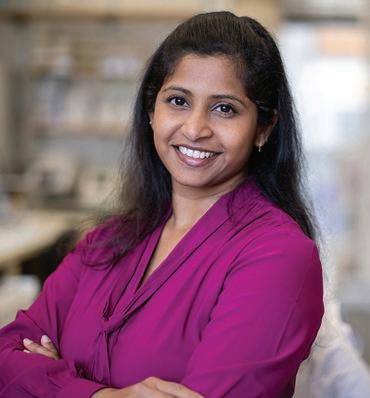
Each year, Curebound, a San Diego-based philanthropic organization, awards one-time seed grants of $250,000 to early-phase cancer research projects that require interinstitutional collaboration. Salk scientists Tony Hunter, PhD, Dannielle Engle, PhD, Reuben Shaw, PhD, and Ronald Evans, PhD, received these grants this year, representing four different projects and with partners at Sanford Burnham Prebys and UC San Diego.
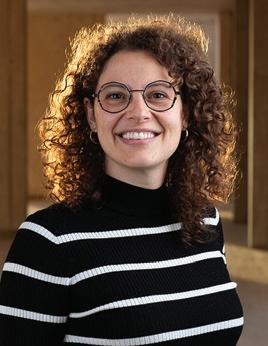
Georgia Lattanzi, PhD, a researcher in the lab of Daniel Hollern, PhD, was awarded funding for her project investigating how tiny particles released by tumor cells activate B cells to coordinate stronger, more comprehensive immune attacks. CRI recognizes the next generation of cancer immunotherapy innovations, investing in future scientific leaders such as Lattanzi who have the capacity to transform cancer care and research.
Tony Hunter, PhD, received the 2025 Dr. Paul Janssen Award for Biomedical Research in recognition of his “pioneering discoveries that inspired the development of more than 80 cancer therapies that continue to transform patient lives.” A committee of world-renowned scientists selected Hunter as this year’s recipient, adding him to the ranks of 25 other prestigious recipients.
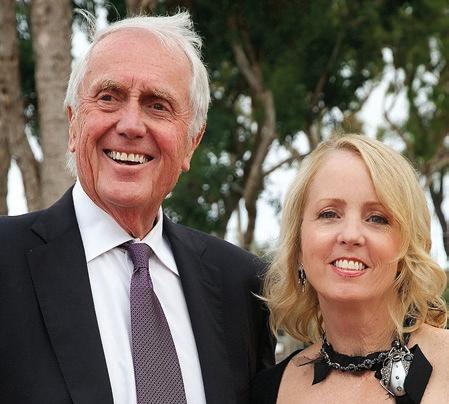
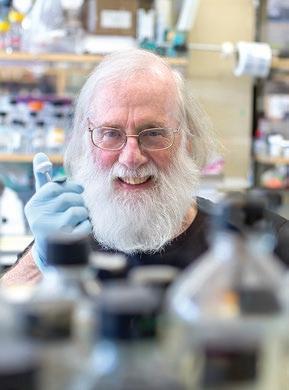
Hunter’s discoveries have led to over 80 cancer therapies, transforming cancer treatment worldwide.
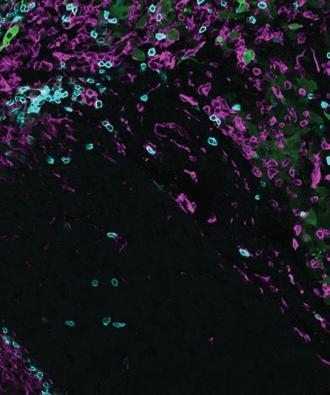
In memoriam: Harvey P. White
Harvey P. White, a distinguished leader, philanthropist, and dedicated supporter of the Institute, died on December 18, 2025, at the age of 91. White served on Salk’s Board of Trustees from 2007 to 2016 and was deeply committed to advancing science, education, and the arts. His service reflected a deep commitment to the power of science to improve human health and society.
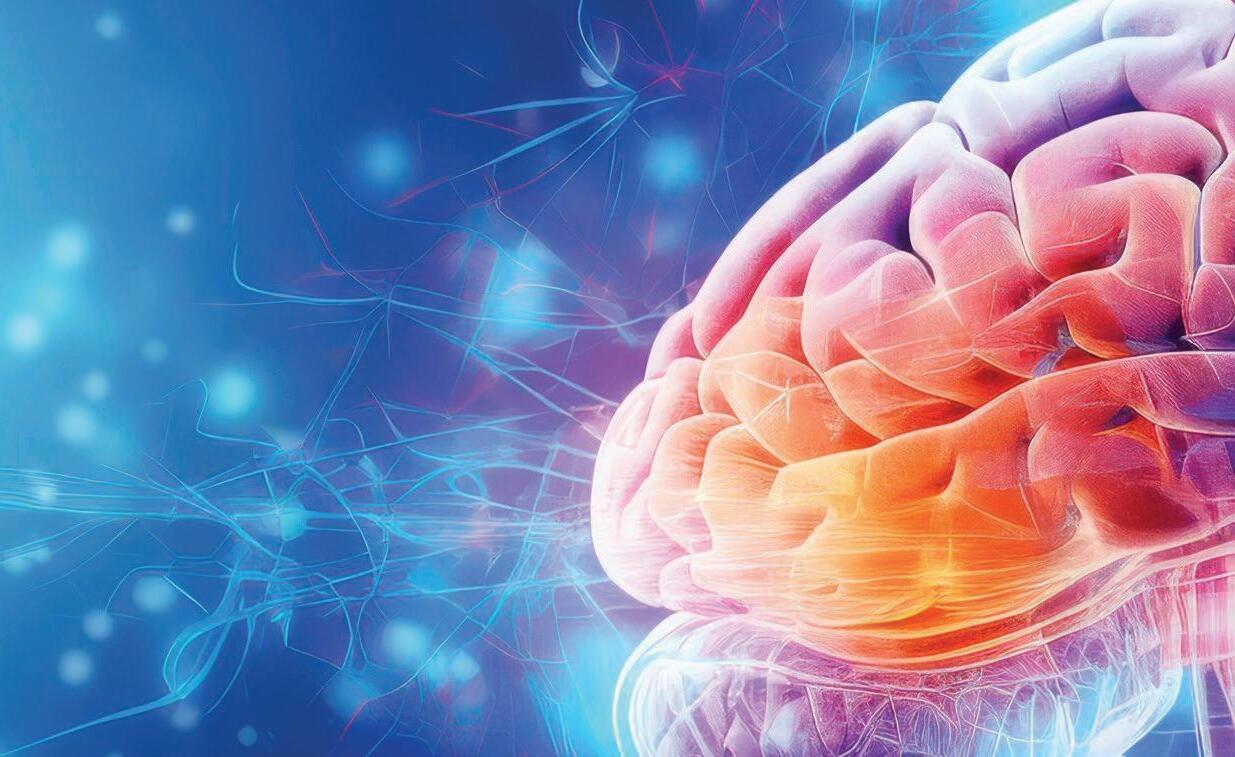

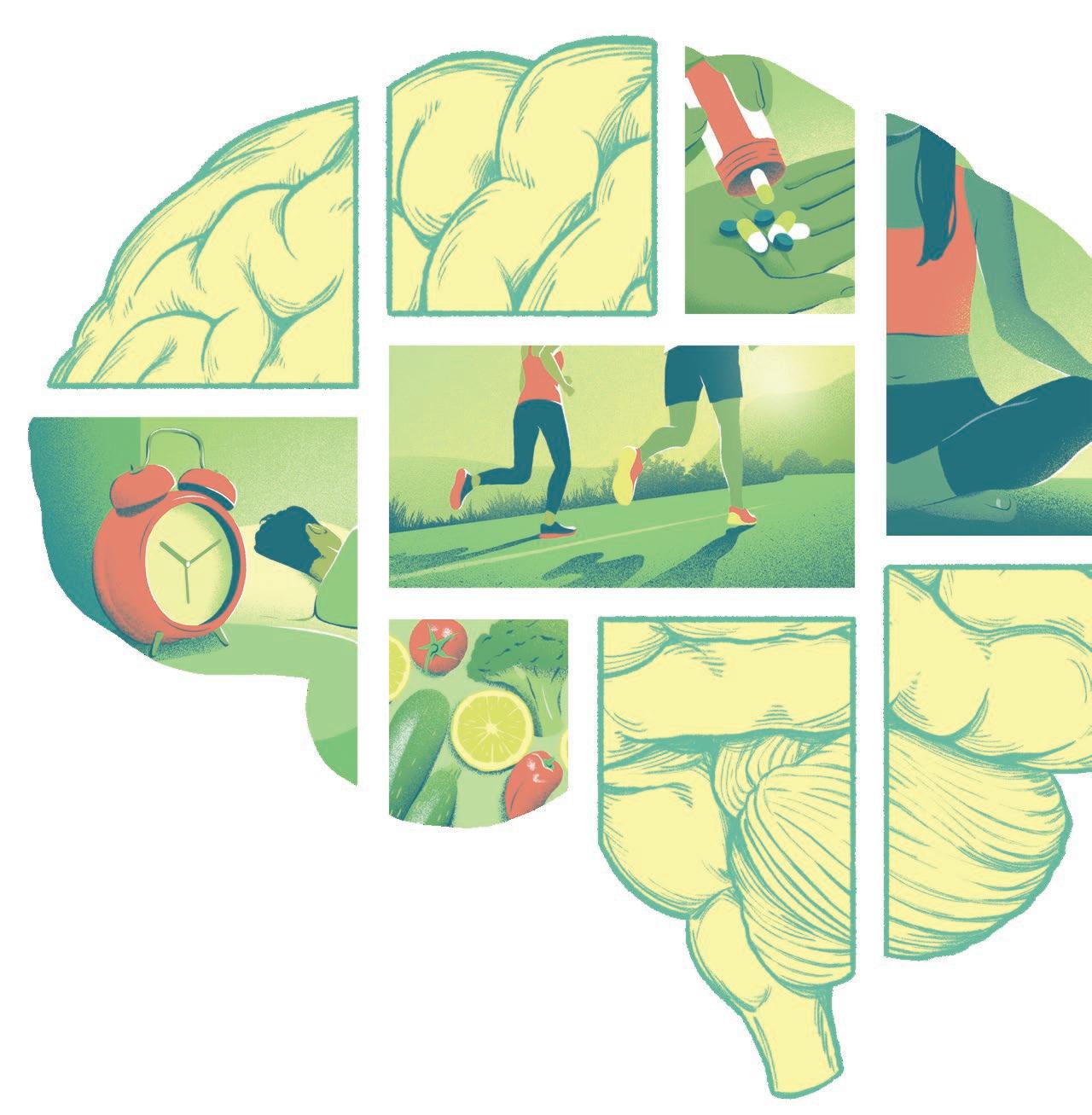
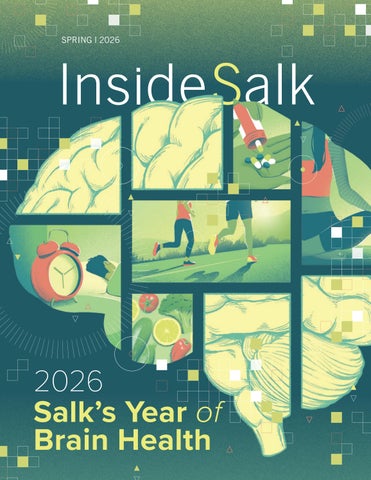
Salk Institute has declared a bold and timely focus for 2026: brain health. Building on decades of landmark discoveries in neuroscience and a recent emphasis on Alzheimer’s disease, this Institute-wide initiative advances research across interconnected areas essential to maintaining cognitive resilience across our lifetimes: cardiovascular fitness, immune and metabolic health, exercise, mental wellbeing, and sleep.
At its core, the Year of Brain Health asks foundational questions. What distinguishes a resilient brain from one vulnerable to disease? How do sleep, metabolism, exercise, immunity, and daily habits interact to protect cognition? What role does inflammation play, and how can we manage it?
Throughout the year, Salk is marking this milestone with public outreach designed to connect leading-edge science with the broader community, including events such as this.
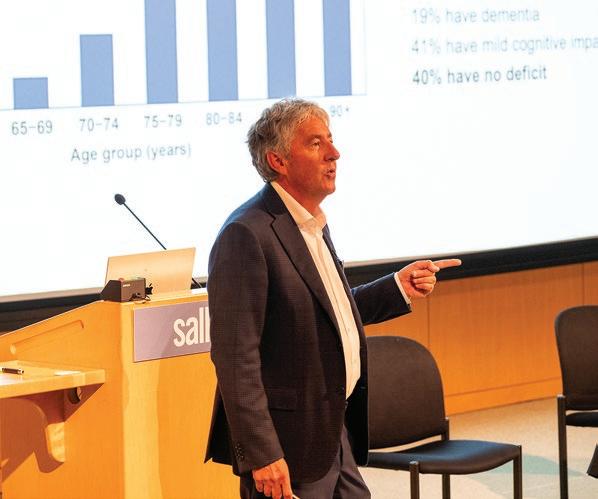
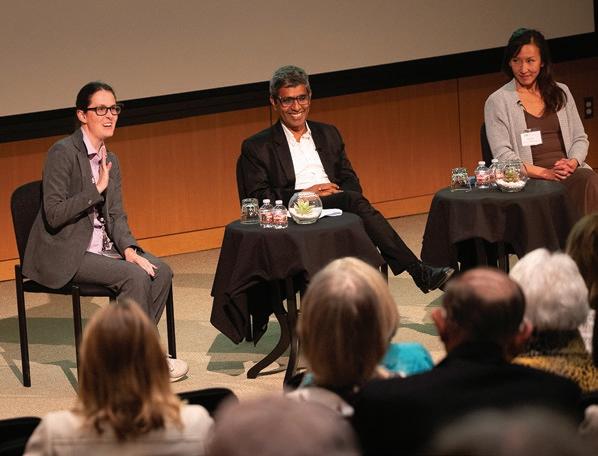
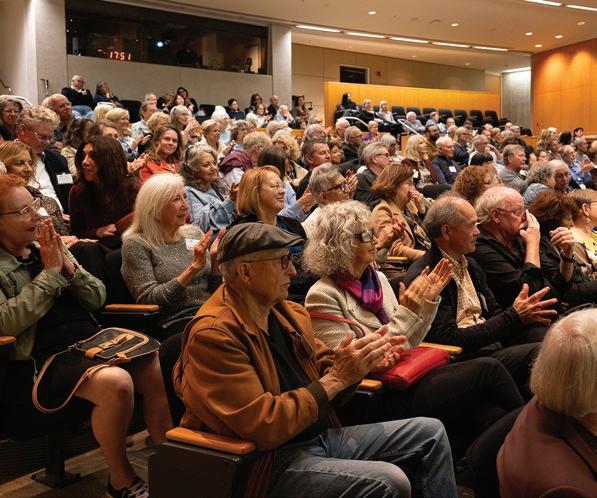
In February, the Salk campus welcomed the community to Celebrating Salk’s Year of Brain Health, an in-person public event that brought the initiative to life. Attendees heard directly from Salk President Gerald Joyce, MD, PhD, circadian rhythm expert Satchin Panda, PhD, immunologist Jamie Blum, PhD, and neuroscientist Kay Tye, PhD. Through the panel discussion and audience Q&A, attendees learned:
• How our circadian rhythms influence sleep and metabolic health, and how aligning daily behaviors with our internal clock supports lifelong brain function, memory, and resilience against age-related cognitive decline
• How diet can influence inflammation and, in turn, our brain health as we age

• How our social connections shape our emotions and cognition, and play a critical role in maintaining a healthy brain throughout our lives
This event emphasized Salk’s unique strengths: foundational science powered by collaboration, curiosity, and a long-term vision for health.
Scan to stay in the know by subscribing to Salk’s monthly email newsletter.
You can also find all upcoming events at www.salk.edu/events .
2026 is Salk’s Year of Brain Health. Starting this May, Salk President Gerald Joyce MD, PhD, is sitting down with our worldrenowned scientists to explore pillars of brain health such as healthy sleep, immunity, exercise, and metabolism.
Tune in to learn about the latest research in brain health and how you can set yourself up for a long, healthy life.

Beyond Lab Walls is a production of the Salk Office of Communications and can be heard on Apple and Google podcasts, Stitcher, Spotify, or anywhere you listen to podcasts.
Scan the QR code to visit www.salk.edu/podcast

Science Can’t Wait: A Discovery Series is a special three-part webinar series presented in partnership with the Del Mar Foundation to spotlight Salk scientists and the transformative research happening on our campus.
Through June 2026, the Del Mar Foundation is offering a generous 1:1 Challenge Match. Gifts made during the Science Can’t Wait webinar series will be matched dollar for dollar, doubling your impact on groundbreaking research that affects our community and the world.
Scan to watch past webinar recordings and register for upcoming events.
JANUARY 28
Part 1: Salk’s Year of Brain Health
Featuring circadian rhythm researcher Emily Manoogian, PhD, senior staff scientist
MARCH 11
Part 2: Smart Plants in a Changing World
Featuring plant biologist Lucia Strader, PhD, professor, and Howard H. and Maryam R. Newman Chair in Plant Biology
MAY 13
Part 3: Turning the Immune System Against Breast Cancer
Featuring immunologist Dan Hollern, PhD, assistant professor and Frederick B. Rentschler Developmental Chair
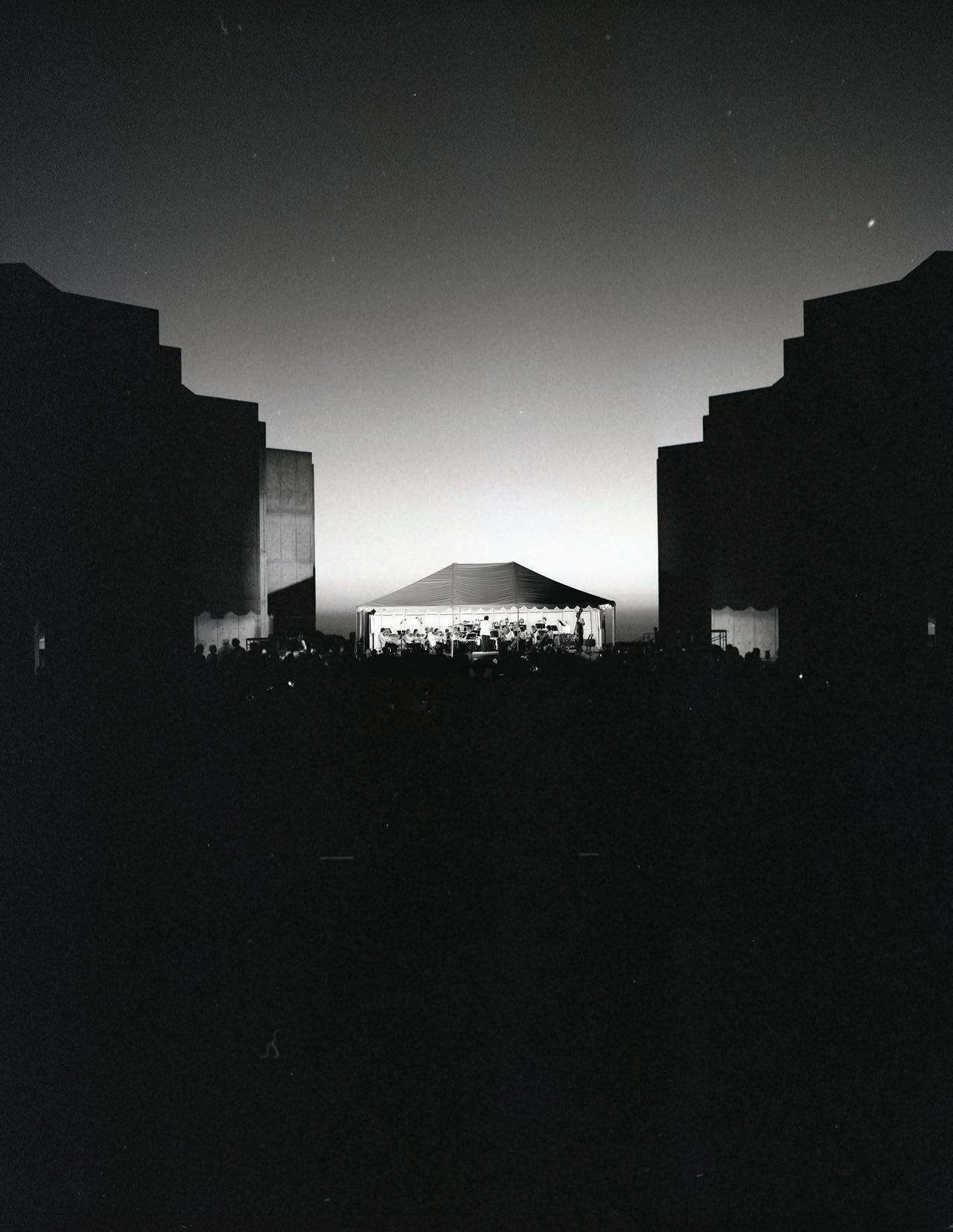

Significant, lasting achievements rarely begin with grand gestures. More often, they take shape through small, intentional steps, guided by a clear purpose and sustained over time. Much like how cures begin with a scientist asking a simple question, Symphony at Salk began with Jonas Salk’s simple idea: the union of art and science.
That founding belief—that science and art belong together—has remained constant since the Salk Institute was founded in 1960. Jonas Salk designed the campus as a place where scientists and artists alike could find inspiration. His belief in that union also was exemplified in his marriage to artist Françoise Gilot, whose artwork has graced every Symphony at Salk since its inception in 1996. Together, their influence underscores an essential truth of scientific progress: Breakthroughs emerge not from singular moments, but from the daily, creative work of scientists who show up to push the boundaries of knowledge.
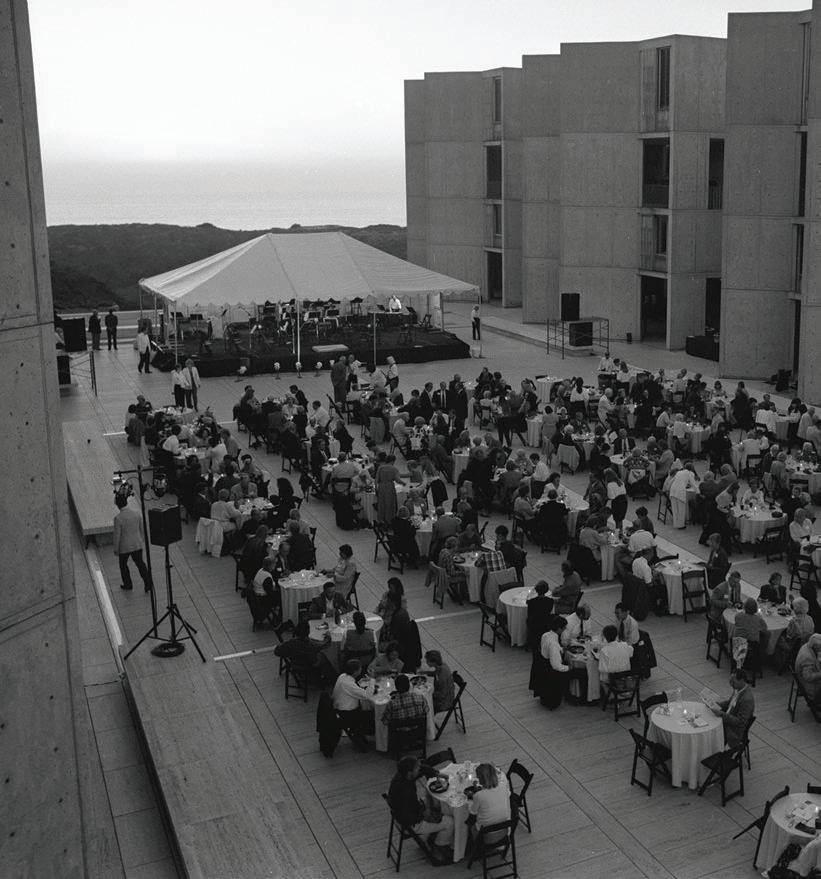
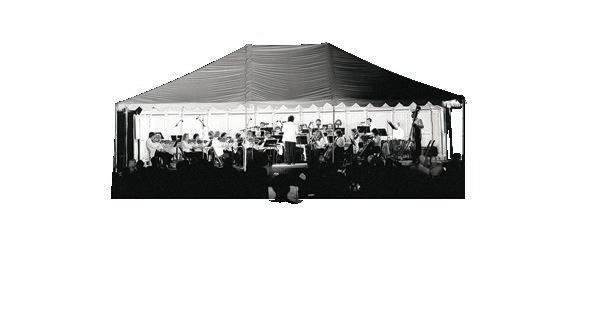
Shortly after Jonas Salk’s death in 1995, Salk honored his spirited commitment to blending art and science by welcoming 420 guests for an intimate night of music under the stars. The inaugural event featured the San Diego Chamber Orchestra, boxed dinners, and a silent auction. It was modest in scale, yet rooted in the belief that creativity fuels discovery. What began as a single evening of fundraising has since welcomed a total of close to 20,000 guests.
The event has been such a success that last year’s concert sold out, each ticket supporting Salk’s mission to understand aging and cancer, and unlock the secrets of the brain.
Audience members enjoy Symphony at Salk in 1996 (left and top right) and in 2022 (bottom right).
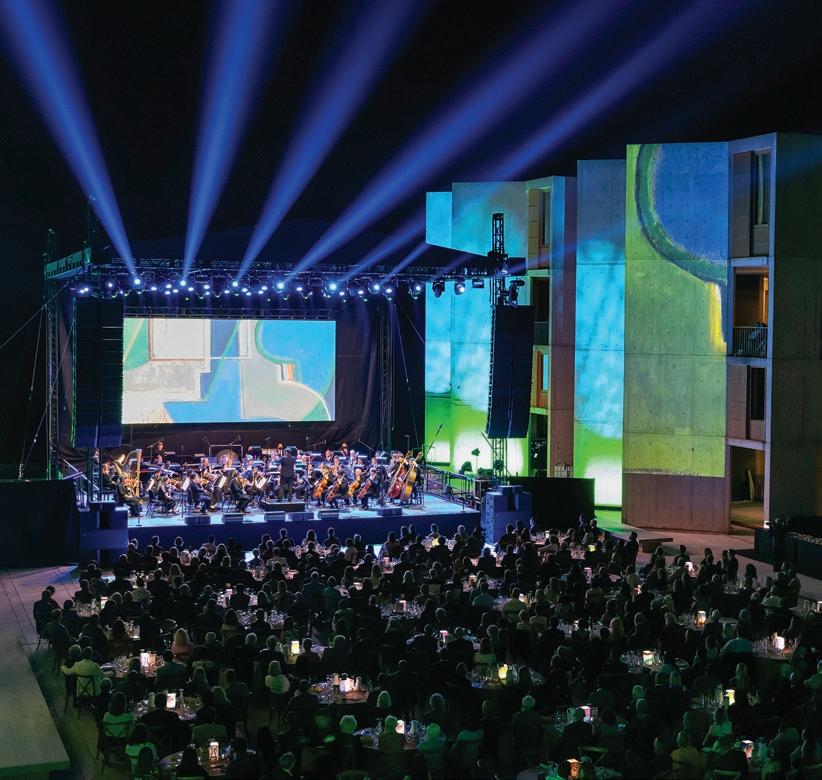
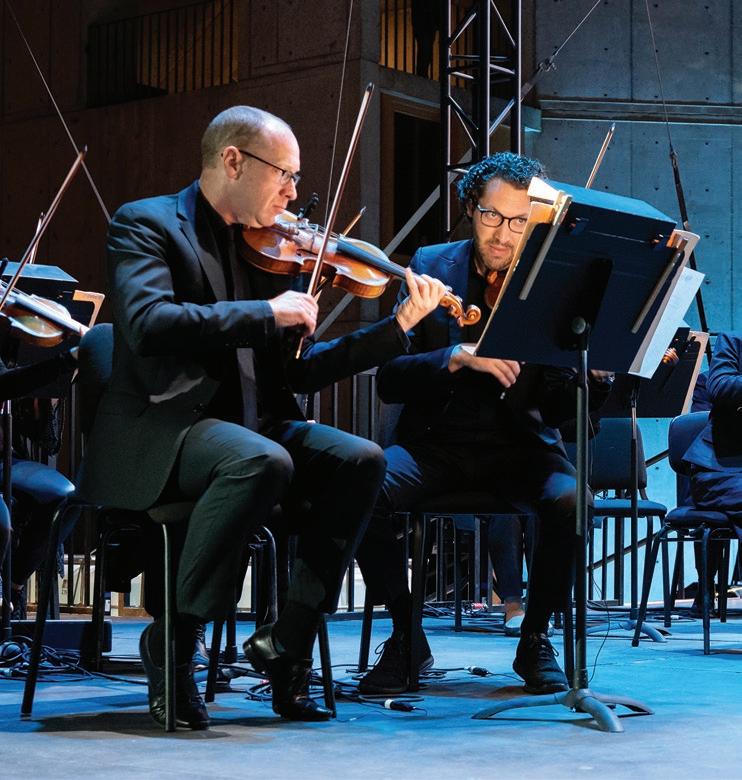
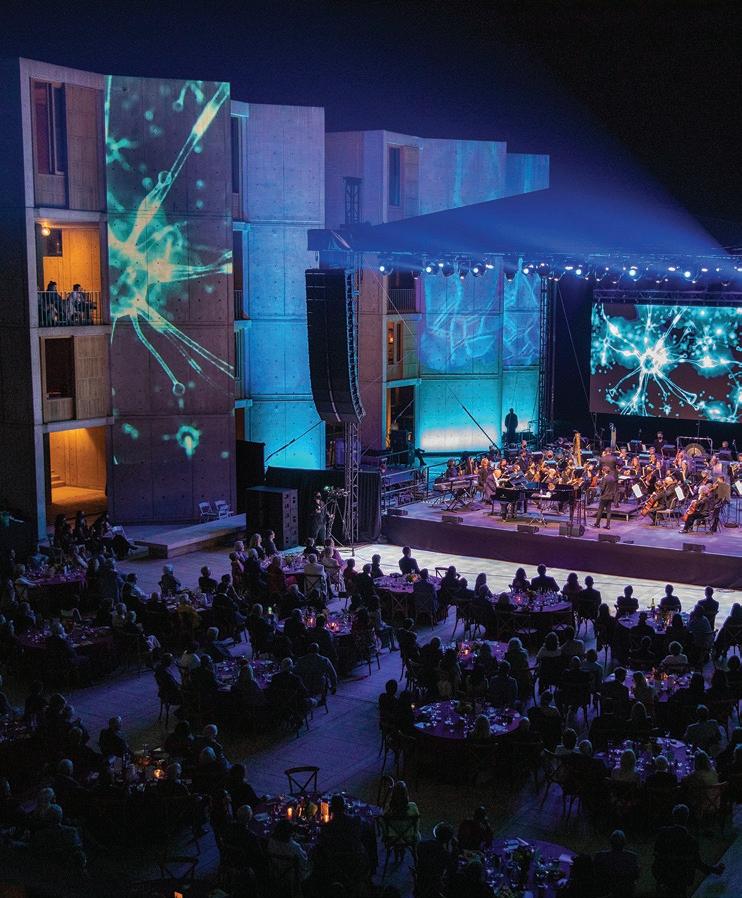
As Symphony at Salk has evolved, so too has its artistic reach. Over the years, the event has welcomed an extraordinary roster of guest artists who have performed alongside the San Diego Symphony, spanning classical, Broadway, pop, and contemporary music. Past performers include Jennifer Hudson, Idina Menzel, LeAnn Rimes, Josh Groban, Kristin Chenoweth, and the celebrated duo David Foster and Katharine McPhee. Their performances, set against Louis Kahn’s iconic architecture, echo the rhythm of scientific discovery itself— individual voices coming together to create something greater than the sum of their parts.
As Salk’s artistic reach has grown, so has the Institute, and so has the science. Thirty years ago, at the first Symphony at Salk, the Institute had a small but mighty team of 292 employees. We now have 1,222 employees, a tight-knit, intentional community working together toward the same mission: impactful, foundational science. Salk has come a long way because of events such as Symphony at Salk.
At its heart, Symphony at Salk is not only a celebration of music but also of the perseverance that defines science at the Institute. Through wildfires, a worldwide pandemic, and government shutdowns, science has continued day after day, experiment by experiment.
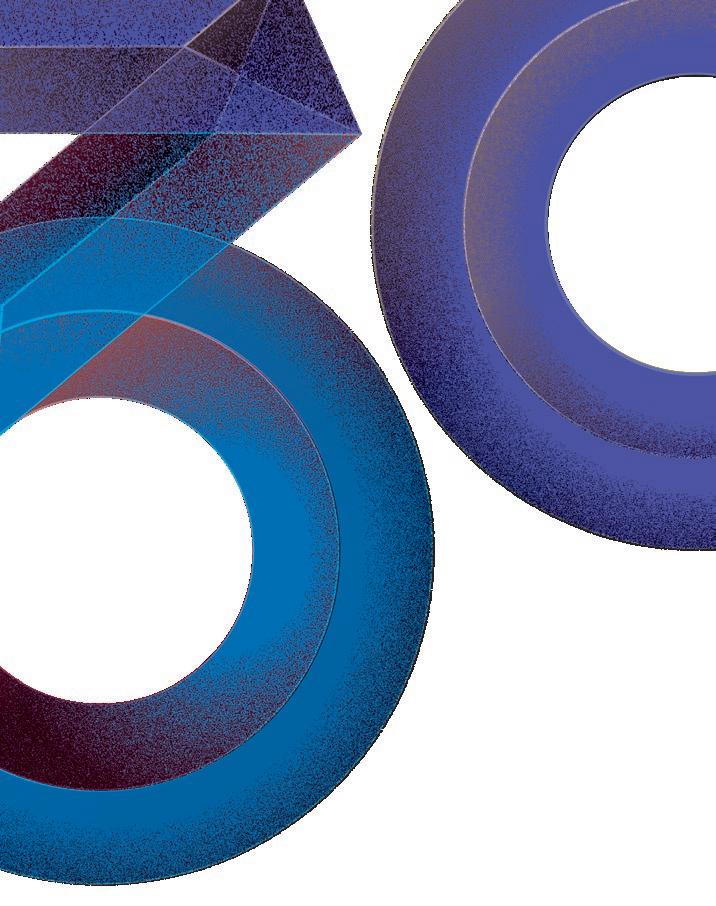
As Symphony at Salk marks its 30th anniversary, the 2026 event honors three decades of researchers who have shown up with curiosity, resilience, and creativity, and stands as a testament to what can grow from a simple, purposeful beginning.
Members of the San Diego Symphony play during the 29th Annual Symphony at Salk in 2025 (top) and in 2021 (bottom).
Please join us as we empower pioneers of science and revel in the transformative power of music.
More information, table sponsorship opportunities, and tickets are available at symphony.salk.edu.
For questions, please contact Dacia Samilo at symphony@salk.edu or (858) 453–4100 x2111.
Join us symphony.salk.edu
Saturday, August 15, 2026
Salk Institute | La Jolla, California
Champagne Reception | 5:30 p.m.
Gourmet Dinner | 6:30 p.m.
Concert Under the Stars | 8:00 p.m.
You’re invited to help us celebrate 30 years of Symphony at Salk, our premier fundraising event that supports scientists in their pursuit of foundational discoveries that provide new solutions for cancer, Alzheimer’s disease, agriculture, and other global challenges. We have declared 2026 to be Salk’s Year of Brain Health, and we will be accelerating research and identifying new strategies to promote cognitive health throughout our lifespans.
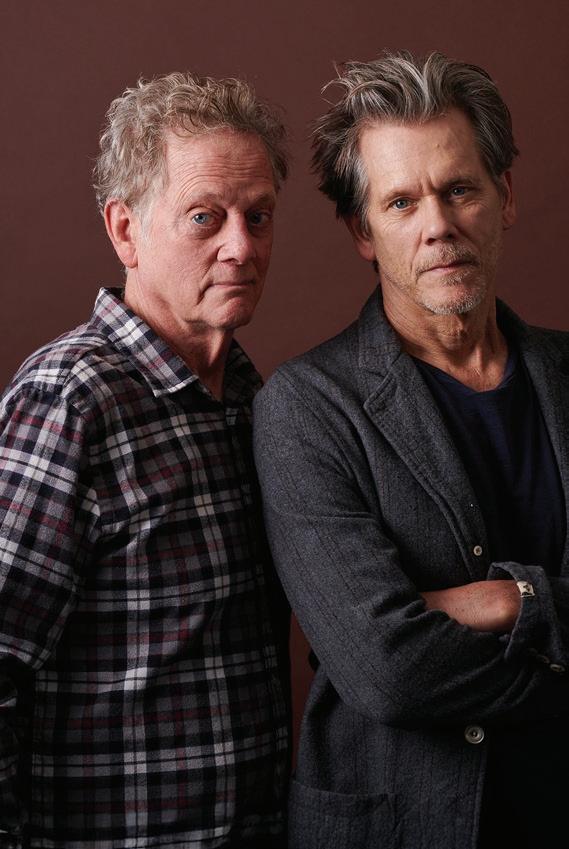
This exclusive event will feature an unforgettable performance by the San Diego Symphony, with guest performers The Bacon Brothers, led by Emmy-winning composer Michael Bacon and with acclaimed Hollywood actor Kevin Bacon—all set beneath the stars in the Salk Institute’s iconic courtyard overlooking the Pacific Ocean.
Lena Mueller, PhD
When gardeners ask me what soil or fertilizer is best, I often give a surprising answer: Choose whatever supports the healthiest soil microbiome in your local environment.
The soil microbiome is the diverse community of bacteria, fungi, and other microorganisms living underground. These microbes are essential for healthy plants, including garden vegetables and crops.
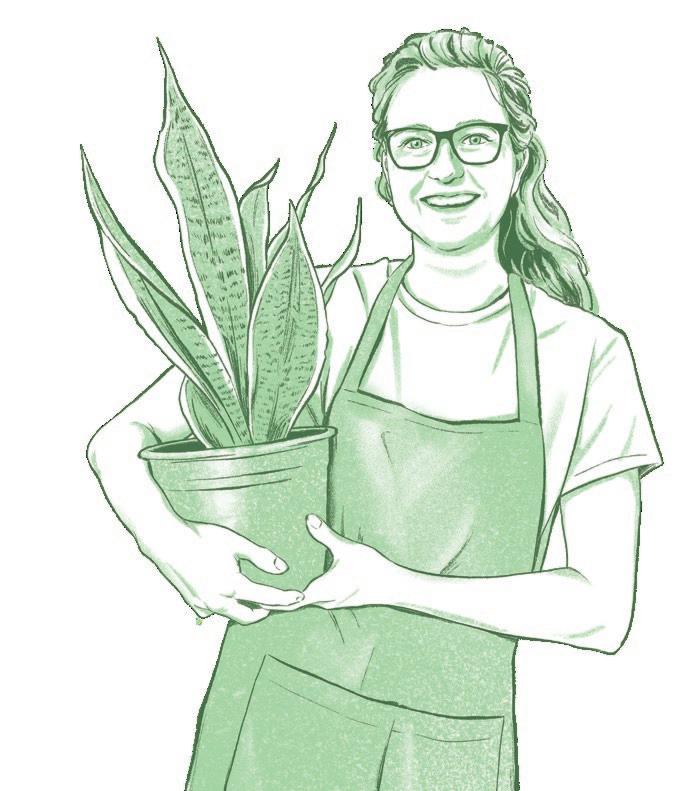
Healthy microbes build healthy soils and healthy plants. LENA MUELLER, PHD
Other beneficial soil microbes can produce hormones that stimulate plant growth, improve nutrient uptake, and suppress harmful pathogens.
I encourage gardeners to help cultivate a healthy soil microbiome by:
Every soil has its own resident microbiome, shaped by factors such as pH, nutrient composition, density, and the types of plants growing there. But human activities such as heavy fertilizer use, pesticides, tilling, monoculture planting, and erosion can disturb or damage these microbial communities.
So why do microbes matter so much?
One key group I study is arbuscular mycorrhizal fungi. These fungi form partnerships with plant roots, protecting them from pathogens and delivering nutrients such as phosphorus, nitrogen, zinc, and water. Their fungal networks also act as “highways” for other microbes and support soil carbon storage—fuel for the entire microbial ecosystem.
● Adding organic matter such as compost or mulch
● Reducing chemical fertilizers and pesticides
● Limiting soil disturbance (try no-till gardening)
● Growing diverse plant species year-round
Microbial inoculants, such as arbuscular mycorrhizal fungi spores, are available commercially, though their effectiveness is still debated. They likely won’t do any harm, but may not always have an effect.
Ultimately, my advice is simple: Focus less on quick-fix fertilizers and more on nurturing the living ecosystem beneath your feet. Healthy microbes build healthy soils and healthy plants.
Gerald Joyce, MD, PhD President
Michelle Chamberlain Vice President, Advancement
Heather Buschman, PhD Head of Communications
Amy Cao Senior Science Illustrator
Isabella Davis Science Communications Specialist
Alex Endsley Graphic & Digital Designer
Stephanie Harada Manager, Digital Communications
Kathleen Hart Communications Manager
Aaron Howard Manager, AV and Video Communications
Rod Huerto Web Developer
Mike Jeffs Media Systems Specialist
Victoria Johnson Media Relations Manager
Nicole Mlynaryk Manager, Scientific Communications
Elizabeth Shepkin Marketing Communications Manager
Kara Sjoblom-Bay Communications Administrator
Oliver Yambao Senior Graphic Designer
Janet Bark Contract Photographer
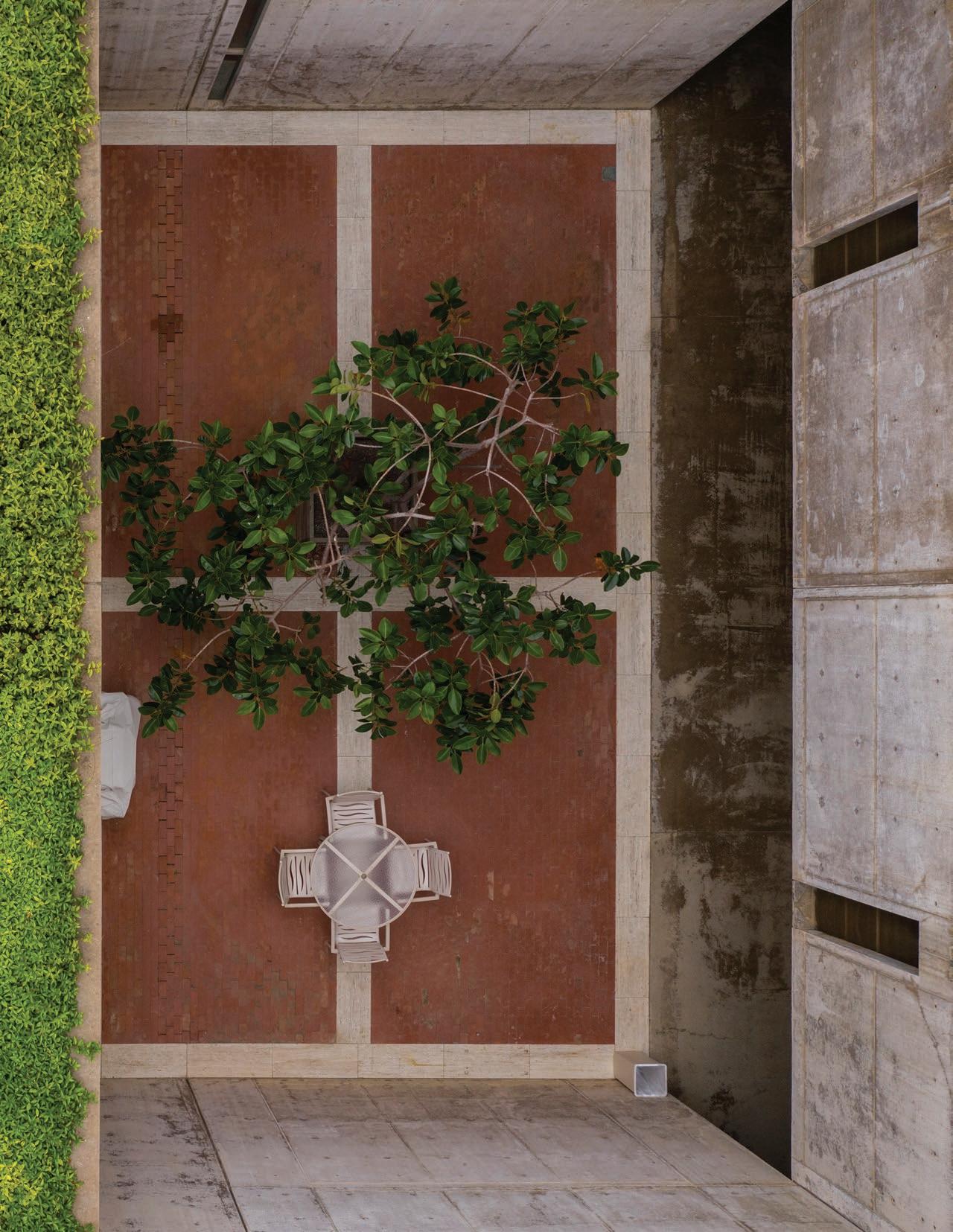
Visit the Salk Institute at www.salk.edu.
Inside Salk is published by the Salk Institute for Biological Studies. Please send comments to communications@salk.edu or contact the Communications Department at (858) 453-4100 x1371.
Inside Salk is printed on recycled paper.