








Editor
Phoebe Robertson
Designer & Cartoonist
Jim Higgs
Sub-Editor
Holly Rowsell
News Writers
Dan Moskovitz
Martha Schenk
Ryan Cleland
Otis Whinney
Ali Cook
Columnist
Guy van Egmond
Critic-at-large
Jackson McCarthy
Comic Artists
Grace Elzenheimer
Jack Graham
Contributing Writers
Tamanna Amin
Zia Ravenscroft
Christopher Curtis
Social Media Manager
Will Tickner
Photographer
Sophie Spencer
Centrefold Artist
Raya Tiger Hotter
Advertising advertising@vuwsa.org.nz
Read Online salient.org.nz
issuu.com/salientmagazine
Follow Us @salientgram
Want to get published?
To contribute to Salient, you can submit poetry, creative writing, artwork, comics, puzzles, features, and other ideas. Feature articles must be pitched to the Editor before writing; send pitches to editor@salient.org.nz. Artwork should be sent to designer@salient.org.nz. Creative writing submissions are accepted through the form on our website. All other contributions, including puzzles and general ideas, should be emailed to the Editor. Submissions are welcome from first-time and returning contributors.

Students, today is the day I eat my hat. The window in the Salient office has indeed been fixed. Here is the photographic evidence:
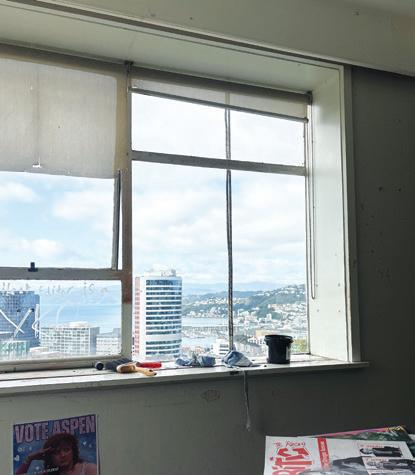
I guess we can all rest easy now that we know the windows won’t fall onto unsuspecting students walking across Mount Street who have no idea of the small Salient worker-bees above them. It is truly a miracle, one that we will cherish for the rest of the year… until staff turnover happens. What a fun world we live in.
This is also our final issue prior to the midtrimester break, so I would personally like to wish you all good luck with your exams. Sorry we won’t have any sudoku or crosswords for you next week, but hopefully that means you can all get on with your work. And won’t need to worry about our social media manager chasing you down on a Monday to take photos… though today he will still be around, probably, I don’t know his schedule.
In today's issue, you can expect to get the bang out of your buck (especially seeing as this magazine is free) when it comes to content. Our news section is absolutely crammed with opinion pieces: Salient alumni Saad Aamir writes about why scrapping Fees Free isn’t a bad thing, Antonio Cadavid from the Wellington Community Justice Project writes about the Government's changes to our immigration policy and why it is a bad thing, an Anonymous Hater writes about why Red Square closing is a good thing, oh, and Dan Moskovitz writes about what Labour is planning to do to claw young male votes back from the radicalisation of the alt right. Phew. What a sentence.
Otis Whinney also has his regular news recap about the Pacific islands and global politics, Martha Schenk writes about how to stay warm during Welly winters, I write a piece about the deep loss in my soul regarding the Hunter Lounge removing Bacon Buttys off the menu, and we got some more satire, because we like it.
In terms of features, Ryan Cleland has interviewed Bill Logan, who was Salient's editor in 1968! And Tamanna Amin interviews Wellington Blaze player Hannah Francis about the disparities between how men and women are treated in sport. We’re also packed with creative writing, puzzles, games, birds from our wildlife correspondent, and have all our regular columns.
Check out the issue, then rip it up and make a collage over the break.
I’ll see you all in Trimester Two.


As an avid reader of Salient for 6 years now, Grace Elzenheimer is one of the best things that has happened to this magazine. The Kelburn Cat comics bring me such utter joy and every week I go absolutely feral trying to show them to anyone and everyone I can find. The artistry?! GORGEOUS. The colours?! EXQUISITE. The sparkles?! SPECTACULAR. I sincerely hope to see more content from Grace in Salient next semester :). She is single handedly keeping my PhD afloat.
Yours truly, #1 Kelburn Cats comic fan WINNER

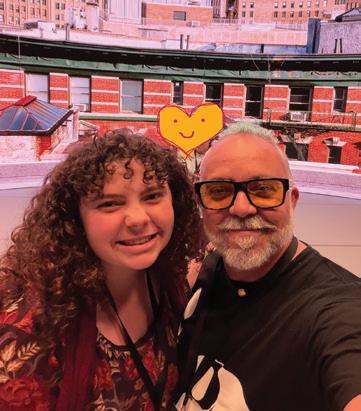
Shout out to my dad! Congrats on your big award!!! #prouddaughter
- Sub-editor Holly

This Salient felt depressing but also unified which ig is the human experience @sylabelles
3 salients in a row shitting on vuwsa this is real journalism
@brai_nslush

Should have made luxon’s head on the front page shiner for accuracy but fantastic
@__haileeyyyi
is published by, but remains editorially independent from, the Victoria Student Press Association (ASPA) and the New Zealand Media Council. first be brought to the VUWSA CEO in writing (ceo@vuwsa. org.nz). If not satisfied by the response, complaints should be directed to the Media Council (info@mediacouncil.org.nz). @hazelchesterman
This week's art was truly poster worthy. Keep it up.
@mister_vangilssnow
The page about the crab was so cool. I bet the guy who wrote it is really smart. Like okay biology baddie. Keep him around fosho. I feel enlightened about the horse shoe crab . My friends also
Kindly, Phoebe Robertson, Editor-In-Chief Submit to the Letters page by emailing editor@salient.org.nz
Best letter each week will win a FREE PIZZA from the Hunter Lounge!
Our News Writer Ryan Cleland is officially leaving us for maple syrup and pine trees! (What else is there in Canada, really?) While he has now become our Halifax correspondent, he will forever be in our hearts. We are going to miss you Ryan, and wish you all the best in learning how to constantly apologise, and drive on the wrong side of the road. Thanks so much for your past three years around Ryan, and only half a year employed… Someone get this man on the phone to Community Law asap. Everyone please email mail about Ryan's work at ceo@vuwsa.org.nz, to be forwarded onto him. We will miss you Ryan, thanks for all the great work you’ve done.





Week of May 25 - May 31, 2026

TUESDAY WEDNESDAY
Moon Jam Nite
Venue: MOON
Time: 7:30pm
Cost: Free
Every Tuesday at 7:30 pm Moon hosts an open mic night with a fully equipped stage.

Bring The Noise For Palestine
Venue: Parliament Lawn
Time: 5:30pm Cost: Free
Bring noise-makers & flashing lights!
FRIDAY WEDNESDAY
Lila Jnr
Venue: Rogue and Vagabond
Time: 9:30pm Cost: Free! (koha appreciated)
Songs by artists from all over the Pacific that call Wellington home.
SATURDAY
Mutual Aid Fundraiser
Venue: The Graveyard (house venue)
Time: 6:30pm Cost: $10 (unwaged)
All profits support members of the community who have been impacted by recent flooding. Bring a can if you’d like to donate to the food drive.
Say The ThingMonthly Open Mic
Venue: Meow
Time: 7:00pm
Cost: Koha (donated to charity)
Open Mic last Wednesday of every month. Poems, short fiction, personal essays and more!

SUNDAY
Moon Presents: Wet Denim
Venue: Moon
Time: 8:00pm Cost: $16.50
Support from Elly Mae, it’s your locals Wet Denim!

FRIDAY
To The Front Fundraiser Music Quiz
Venue: Newtown Community Centre
Time: 7:00pm
Cost: $20
Support To the Front Pōneke by attending their fundraiser!

Are you a Te Herenga Waka student with an upcoming gig or event? Scan the QR code to submit your details for potential inclusion on our gigs page.

About the centrefold artist - Raya Tiger Hotter
Kia ora e te whānau, ko Raya ahau. I'm a young, sparkly creative with a love for te taiao and beautiful things. This artwork is a mixed media piece, using watercolour and Photoshop, set in the Red Rocks in Wellington.
I like to spend time outside as much as possible, tramping with my best friends or dragging my indoor cat girlfriend to the beach. I also love martial arts, tattoos, photography and eating lots and lots of good food. www.rayatigerhotter.myportfolio.com
Go to page 20 to see the centrefold, then rip it out and put it on your wall !


Dan Moskovitz
Across much of the democratic world, a familiar pattern has emerged throughout various elections: young men, once part of the left’s natural base, are shifting right.
In the UK and Germany, young men have been twice as likely than young women to support right-wing populist parties such as Reform and AfD. South Korean conservative parties hold a 30% advantage among young male voters. The same holds true across much of the rest of Europe and Canada, though curiously not Australia.
Traditional electoral theory has long treated younger voters as a broadly progressive bloc. But progressive parties can’t win elections if half of their voter base is against them.
New Zealand goes to the polls in six months. The question for Labour is whether the same switch is taking root here—and, if it is, how to respond.
Labour’s campaign manager and MP Kieran McAnulty is acutely aware of this potential shift. His job is to make sure what’s happening elsewhere doesn’t occur here. He cites the lack of credible left-wing alternatives to right wing politics as a cause of the problem overseas.
“If you're working in a low-paid job or an insecure job, and you're getting told that an immigrant is living a good lifestyle because they've taken your job, over time that might resonate if there is a vacuum of alternatives coming from left-wing parties,” said McAnulty.
So, what’s the response? McAnulty says it will be to meet, communicate where the young men are, and focus on the solutions to the issues at hand.
“It would be too simplistic to say that young men only get their information through social media,” says McAnulty. “But it’s not the mainstream media as much as it once was.”
“So YouTube, other platforms where people might get a longer form broadcast, the sort of thing that you'd expect to see on the public broadcaster back in the day, but now in a different format with a very much a right-wing slant.’
“To counter that, we’ve got to figure out a way to get to these voters and offer a credible alternative which addresses the things they care about in a progressive way. You simply can’t get in front of these people and just say Reform or the AfD is bad.”
As an example, if New Zealand First is blaming everything on immigrants, McAnulty says the response is less about calling it outrageous and more about offering an alternative.
“People might only see us twice a week, and if they see us defending ourselves or criticizing others, then they're not really hearing what we're about.”
It’s an interesting counterpoint to the Greens. When asked the same questions last year by Salient, Greens co-leader Marama Davidson said their response would be to double down on the politics of hope to offer a left-wing alternative. Labour’s approach appears more understated, and seems to focus more on where they are messaging.
While the race between the left and right (as a whole) remains tight, Labour has consistently outpolled National for the last year, and McAnulty attributes that in part to how the party has reached young men.
McAnulty won’t reveal what Labour's internal polling is telling them about their reach with young men, and of New Zealand’s publicly available polls, only Roy Morgan publicly releases voting intentions by gender age.
The latest results shows 33% of men aged 18-49 preferring Labour, compared to 22.5% in October 2023. When the Greens’ and Te Pati Māori’s support is factored, Roy Morgan’s poll shows 49% of men aged 18-49 voting for a change of government (though 18-49 is a generous definition of young).
What this could suggest is that young men are more antsy for change than they are supporters of the far-right itself. The Republicans, Reform, and AfD are all parties out of power trying to break the system. Here, the right holds power.
Similarly, while this government is more right-wing than National governments of years gone-by, there is no true far-right equivalent of the AfD or Reform in New Zealand.
NZ First and—to a lesser extent—ACT have, however, been making noises in this space, and NZ First has recently surged up to 15% in some polls.
It is unknown whether this can be attributed to young male voters.

Saad Aamir
Fees Free was a policy that covered the first year of tertiary study, providing up to $12,000 in tuition payments per student at a cost of roughly $350 million a year to the taxpayer. It was presented as a policy that would improve equity and open the doors of higher learning for disadvantaged people. In 2024, the National-led coalition shifted the policy from the first year of study to the last. Then, on 8 May 2026, Winston Peters and Nicola Willis announced that the scheme would be scrapped entirely in the 2026 Budget.
The disestablishment of Fees Free has drawn scathing backlash from student associations like VUWSA, advocacy groups, and many students. This sentiment is unjustified. Fees Free failed to provide an adequate incentive for students to attend university and ultimately functioned as a wealth transfer from the poor to the rich. That $350 million a year would have been far better spent elsewhere: for students, and for Aotearoa at large.
The rationale behind Fees Free was rather simple: by removing the cost of a year of tuition, the government hoped to encourage more young New Zealanders— particularly those from lower-income backgrounds— to enrol in tertiary study. The reasoning went that fees were a barrier, and if you removed the barrier more New Zealanders would attend university.
The fact of the matter is that this policy never led to more enrolments. It failed to increase access to tertiary study for poorer New Zealanders. This is not merely opinion; it is backed by credible data analysis from a variety of sources. The AUT Policy Research Institute Study from May 2026 and the Ministry of Education Supplementary Analysis Report from January 2025 found that Fees Free did not cause increased enrolments.
If the facts have not convinced you, the underlying logic should. New Zealand's student loan scheme is, quite frankly, among the fairest in the world. It covers tuition upfront, charges no interest if you stay in the country, and only requires repayments once you are earning above a set income threshold. No student is ever asked to pay out of pocket. No graduate is ever asked to pay before they can afford to.
And the rewards for taking up this offer are substantial. The government already subsidises roughly two-thirds of the cost of tertiary study, and on average graduates earn over a million dollars more over their lifetime than those without a degree. So let us be clear about what Fees Free was actually doing. The incentive it claimed to create already existed. The barrier it claimed to remove was never there. It never opened any doors that were not already open.
At this point, you may be bristling. Many students do genuinely struggle to make ends meet. But that struggle is not caused by tuition fees. It is caused by living costs: rent, groceries, power, transport. Fees Free did nothing to address any of that. It solved a problem that did not exist while leaving the real one untouched.
The AUT study identifies that it is because of brutal living costs and deep inequalities in school achievement and family resources that the people who make it to university are, on average, more privileged than those who do not. That is unfortunate. It is unfair. But it is reality. And it is fundamentally why Fees Free was a wealth transfer from the poor to the rich.
Fees Free was a universal policy, available to every eligible student regardless of household income. That matters, because lower-income New Zealanders pay tax too. That tax contributes to a public pool that funded a programme whose benefits flowed disproportionately upward: to the tuition of students who can afford the rent on Kelburn flats, and away from those who could not.
Fees Free was an untargeted, inequitable policy. It took from the poor and gave to the rich.
It has been disheartening to watch advocacy groups and students lobby so aggressively to reinstate Fees Free. Student associations, student magazines, advocacy groups, and each of us individually wield real political power. This article is not meant to discourage student activism. The opposite, in fact. It is meant to ask that we be careful with how we spend our resources: our time, our political capital, the space we take up on social media.
Those resources would be far better spent advocating for policies that actually help the most marginalised and vulnerable. Increase student allowances. Push for paid placements. Fight for affordable student housing. These are the things that would make a real difference to the students who are worst off.
And even if none of that moves you, scrapping Fees Free is still the right call. $350 million a year is a lot of money. Spent on health, education, or social security, it goes to the people and services that need it most. Spent on Fees Free, it ends up in the pockets of students who do not need it, including students like me. If we care about the vulnerable as much as we care about ourselves, we cannot in good conscience keep arguing that Fees Free ought to be reinstated.

Antonio Cadavid
Member of the Wellington Community Justice Project, a student-led charity at Te Herenga Waka’s Law School
When the Government speaks about asylum seekers, language of risk increasingly dominates the conversation. New Zealand migration policy relating to refugees appears to be shifting away from humanitarian protection and toward a risk-based approach, one that makes already vulnerable people even more vulnerable.
Rather than treating asylum seekers as individuals seeking protection under international human rights and refugee law, this approach is pushing New Zealand toward “crimmigration.” This is a framework in which immigration law increasingly adopts the language, mechanisms, and punitive assumptions of criminal law. Under a crimmigration framework, migrants—particularly asylum seekers and irregular migrants—are treated less as rights-bearing individuals and more as potential offenders.
In March, the Immigration (Enhanced Risk Management) Amendment Bill was introduced to Parliament. This Bill has been presented as a technical reform designed to protect the integrity of New Zealand’s refugee and protection system. But its wording, design, and political context suggest something more troubling: a growing willingness to treat asylum seekers and vulnerable migrants as threats before treating them as people.
The Bill has been accompanied by political and media narratives that encourage the public to view asylum seekers through the lens of risk. On the same day the Bill was introduced, an headline read: “Murderer, sex offenders among current asylum claimants.” The article quoted the Immigration Minister referring to 14 refugee claimants convicted of various offences, including murder, drugrelated crimes, and sexual offences.
This type of rhetoric reinforces a collective perception of asylum seekers as troublemakers—threats to national interests and public safety. It fuels fear and suspicion. Such perceptions often extend beyond asylum seekers to immigrants in vulnerable situations and, more broadly, to people from particular countries or ethnic backgrounds.
The Government is legislating without fully understanding the problem that it claims to be solving. Or worse, it is using legislation as a political tool to reinforce hostile rhetoric toward poor migrants and asylum seekers, effectively creating a problem that does not exist.
Among several concerning provisions, the Bill proposes preventing asylum claimants who have been granted a temporary visa from applying for another visa if they withdraw their claim. This is a punitive measure, framed as a deterrent against unmeritorious claims.
The Immigration Minister’s public statements, as reported by the media, suggest that most asylum claims are unmeritorious. However, the Government lacks evidence on
how many declined claims are abusive, as opposed to simply not meeting the legal test—a distinction acknowledged in MBIE’s Regulatory Impact Statement.
The real issue appears to be the sharp increase in asylum applications in recent years, with more than 4000 applications currently in process from people from more than 70 countries. This is a surge the Government seems either unable or unwilling to manage adequately, whether because of incompetence, insufficient resources, poor planning, or lack of political interest. As a result, claims can take years to resolve.
There is also limited understanding of the dynamics behind this increase. The global geopolitical context is becoming increasingly volatile, contributing to higher migration flows. At the same time, more than half of the applications originate from just two countries with strong economic links to New Zealand.
This is a complex issue that requires complex thinking, research, and solutions—not overly simplistic responses grounded in a punitive logic more akin to criminal law than humanitarian protection. The principle of “balancing” national interests with individual rights, central to section 3 of the Immigration Act, does not allow unjustified limitations on human rights. Before introducing legislative changes that may affect fundamental rights, the government should prioritise understanding the issue, gathering robust data, and designing evidence-based policies that deter abusive claims without harming legitimate applicants.
There are many legitimate and deeply human reasons why an asylum seeker may choose to withdraw a refugee claim and pursue a different immigration pathway. During the lengthy and uncertain asylum process, people’s lives continue to evolve. They fall in love, build relationships with citizens or residents, and become eligible for partnership visas. They may secure employment opportunities that allow them to apply for work visas. They may begin studies and seek student pathways instead.
Under the proposed reform, asylum seekers would become trapped within a rigid administrative system that can take years to resolve. They would be left suspended in uncertainty, anxiety, and legal limbo, while others remain free to pursue alternative immigration pathways as their personal circumstances evolve.
This Bill centred on exclusion and punishment risks undermining fundamental democratic values. Public discourse that increasingly frames asylum seekers and vulnerable migrants as threats to national security, economic stability, or social order also creates broader risks for democracy and pluralism in New Zealand. It fosters fear-based policymaking, legitimises discrimination, and weakens social cohesion by encouraging suspicion toward migrant communities. In the medium and long term, such policies can deepen social division, increase marginalisation, and erode peace and political stability.
Article continues on next page.
Ironically, the Bill would contribute to eroding the very values on which the country’s current reputation relies to attract wealthy investors and highly skilled workers.
Although the government does not pursue an openly anti-immigration policy, there is a noticeable contrast in its approach. While it supports and attracts wealthy migrants through mechanisms such as the “golden visa,” it simultaneously contributes—through policy and rhetoric— to an environment that fosters aversion toward poorer migrants and asylum seekers.
The reality is that poverty, inequality, and unemployment have been increasing in New Zealand. In such a climate, and
especially close to elections, asylum seekers and immigrants become easy targets. They serve as a smokescreen that distracts attention from the real causes of the country’s underlying structural issues, while also being cast as the source of those problems. It is a populistic political strategy replicated across many parts of the world.
If the Government wants to protect the integrity of the refugee and protection system, it should start with evidence, not suspicion. It should design policy that targets actual abuse without punishing people seeking protection. It can protect integrity without treating vulnerability as a threat.
Ultimately, poor legislative design is also a political choice.
Martha Schenk
The weather’s cooling down, and with only a week left until winter officially ramps up that wind chill factor, it’s high time to hunker down.
If you hail from the South of Aotearoa, you might be well versed in the practice of rolling your eyes at shivering JAFA’s and lending your jacket to those of us with more subtropical customs. But even for you cold-hearted highlanders and scarfies, the first winter after living in a warm family home or heated hall can be rough, especially on a student budget. As a lowly Australian with the weakest of cold tolerances, I present to you my guide on surviving the Wellington winter through to see another spring.
First things first: if you haven’t already, take a long, hard look at your flat’s energy provider. Sites like Power Compare let you weigh up different options, and if you’ve simply inherited a plan from pre-existing flatmates, it’s likely you could find a better deal elsewhere. Several companies even offer free hours of power, where you can use as much electricity as you like for no cost. This is the time to crank your heaters, do your laundry, and have hot showers without worrying about the price. One such provider claims that customers can save up to 30 percent on their power bill when utilising these hours efficiently.
Something more tangible that you can easily control to maximise temperature is your curtains and, more specifically, whether they are closed. While you can buy insulating window tape for as low as $15 from Bunnings, and insulated blinds from Spotlight starting at $40, the most important element for temperature preservation is actually the distance between the curtain and the window. For the best cold protection, the fabric should be between one to five centimetres away from the glass, and ideally floor-length to create a proper seal. Air near an uncovered window is typically three to six degrees colder than the rest of the room, so if your bed is up against one, it might be time to move that too.
When it’s bedtime, the last thing you want to be doing is crawling into cold sheets. Your most affordable option is by far the classic hot water bottle, just $6 from The Warehouse and New World. Why not double, or even triple up? If you can’t afford a cover, wrap it in a shirt or a towel, because those burns are no joke. Take it from me. The hottie also reaches far beyond the realms of sleep: you can tuck it into your jacket and carry it around the flat, on the bus, to uni. The sky’s the limit. No one’s judging, I promise.
The next tier of luxury is, naturally, those scratchy woollen blankets you used to be offered at your grandparents’ house when you were sleeping over. This is not a drill: those things are damn warm, and if you can sandwich them between two fleece blankets, you’ll be in heaven. I have had luck finding them at op shops, and often on Facebook marketplace as well. If New Zealand’s whole “thing” is sheep, we better make the best of it.
And finally, the crème de la crème of modern slumber technology is the electric blanket. Combine one of these bad boys with an energy plan that gives you free power from nine to midnight, and you’ll be laughing straight in the face of Jack Frost himself. Again, Facebook marketplace is your pal here. Twenty dollars and picking some lint off here and there has never been such a good investment.
May through September is flu season, if you didn’t know. Being cold sucks, but being cold while having a cold is even worse. And if you aren’t careful, lower temperatures can prolong illness, creating a recipe for academic and holistic disaster. If you can afford them, vitamins C and D from the grocery store will do wonders in keeping illness at bay. Try and look for ones with at least 500mg per tablet; anything less won’t do much, or so my doctor tells me. If those are breaking the bank, you can try incorporating more citrus, capsicums, kiwi fruit, and broccoli into your diet to increase vitamin C intake, and more fish, eggs, milk—soy or cow!—and mushrooms for vitamin D.
To decrease winter blues and the likelihood of seasonal depression, do your best to get outside, whether the sun is shining or not, and keep a tight sleep schedule. I know it can be hard to get out of bed on those six-degree mornings, but a consistent routine will do wonders in getting you through winter. Trying a new indoor sport like badminton, yoga, or rock climbing can also help you stay active during these shorter days, allowing you to fill them past that 5 p.m. sunset.
It’s wrong that staying warm is so expensive, and therefore not accessible to everyone. If you are in need of support, you can reach out to Student Finance and enquire about support from the hardship fund via the Te Herenga Waka website. In the meantime, utilise the heated public and university libraries, layer up, and drink as much tea as you can.

An Anonymous Hater
Content Warning: Sexual assault, Homophobia
The Establishment. MishMosh. Red Square. For years, these were the bars students either avoided on a night out, or only ended up at once they were too pissed to care.
But with Red Square set to close its doors, a serious question now hangs over Wellington’s student nightlife: where will students go when they want to party without any standards?
On May 10, Red Square announced on Facebook that it would be closing after 23 years of operation. The bar, which is older than most current undergraduate students, is scheduled to shutter its doors on May 30. A venue that has witnessed generations of firstyear mistakes, Vodka Red Bulls, awkward hookups, fire alarms, and questionable dance floor decisions is finally calling last drinks.
For some, this is the end of an era. For others, it is good riddance.
In 2023, Salient surveyed students about safety in Wellington nightlife. Red Square featured heavily. According to the survey, 41% of respondents said they had felt unsafe at the venue, while 24% said they had been harassed there. Only 15% said they felt safe. Eight students surveyed said they had been assaulted at Red Square.
The survey is now a few years old, and many current students were not at university when it was conducted. But as Red Square prepares to close, those figures remain worth revisiting. A venue’s legacy is not just built on who danced there, who worked there, or who had their first kiss there. It is also built on who felt unsafe there, who stopped going, and who was harmed.
One respondent to the 2023 survey said they avoided Red Square entirely because of fear: “As much as I love to go out, I now avoid Red Square at all times because of how scared I am and because of my friends' experiences there… I’ve also been wanting to send an email to Red Square but have been too scared too.”
Another described being groped across several venues, including Red Square: “I was groped in all of these places. There are also lots of creepy predatoryish guys in these places.”
One student gave an even more direct account: “No other way to say I got grabbed in the pussy 3 times in a row trying to protect my friends from being shoved off the platforms. Could not see who did it as it was way overcrowded.”
This is part of the bar’s history too.
Still, Red Square’s closure has prompted the kind of mourning that only a universally dragged student bar can inspire. Unlike other news organisations simply reporting on the Facebook post, or raiding the comments section for content, Salient asked students for their own tributes to the venue. And, unfortunately for everyone involved, you delivered.
So go to the Hunter Lounge, order a Vodka Red Bull, and pour one out for Red Square while you read along.
One former staff member remembered the place with genuine affection: “I worked there for a year! Man the stories I have, these people are like a family, genuinely.”
Another offered a more tactile tribute: “I liked to caress the ice bar with my hands.”
Some memories were less sentimental: “I saw a guy I went on a date with from Tinder and hid in the toilet, fire alarm went off and he found me.”—“My friend told me to not under any circumstances buy a drink from there and I had to pull up my bank details to prove that I literally couldn’t afford to even if I wanted one.”—“Started talking to myself in the mirrors they had on the wall and got kicked out.”
Several students remembered the venue as a rite of passage, though not necessarily one they would recommend: “Went there as my first club after turning 18 in halls. Had a panic attack. 10/10 would not rec!!”—“Being there when the lights turned on… suddenly exposed by the big light all sweaty and crusty.”—“In first year I got hit on by a 30 year old, average Red Square experience tbh.”—“Went there once with friends and a guy I met off Hinge. He didn’t text me back after.”
Others were more blunt: “BYEEE RED SQUARE IS SHIT!! I only went 3 times and each time I was sexually assaulted.”—“Walked in, got harassed, hit him, started a fight, got kicked out. In 5 mins tops, I have never been back.”—“Walked in and walked out.”—“Creepy guys inviting us to the VIP area.”
One student recalled homophobic abuse outside the venue, proving that sometimes the Red Square experience began before you even made it through the door: “Someone yelled out ‘POOFTER’ while I was walking by the entrance. It was 11am.”
For all its issues, Red Square was also the setting for moments of unexpected sweetness: “I had my first kiss with my now gf there :(”
One student described walking in just as everyone else was leaving. Another recalled a dance floor moment that, against all odds, almost sounds beautiful: “Once was at Red Square when I noticed a group of people had formed a circle in the middle of the dance floor and were cheering. I came over to check out what it was and in the centre of this circle was the smallest man I have ever seen absolutely breaking it down. It was like his moves had created their own orbit drawing everyone else in. The fun ended when someone put him up on their shoulders and the security was suddenly not so fond of our little dancing god.”
Perhaps that is the most accurate tribute possible: a tiny dancing god, briefly worshipped on a sticky floor, before security brought the night back down to earth.
Red Square was many things. It was a first club, a last resort, a workplace, a bad decision, a panic attack, a missed text, a fire alarm, a place where someone met their girlfriend, and a place where many students say they were harassed or assaulted.
Its closure does not erase any of that. It simply forces Wellington’s student nightlife to reckon with what will replace it.
Will its disappearance mark a higher standard for student clubbing? Or will the same issues just migrate somewhere else with cheaper shots and worse lighting?
For now, one student’s tribute may say it best: “Just a general hatred for the place. Too many people who are rude and too close together with overpriced drinks. Good riddance Red Square.”
Phoebe Robertson
For the past couple of months, I have been on a personal crusade. No, not to get the window fixed in the Salient office (but it was nice that that happened). No, not to victimise VUWSA with overly researched and pedantic hit pieces (but that scratched an itch in my brain I haven’t felt since my last Salient survey). No, my crusade has arguably benefitted students much less: to bring back Bacon Buttys at the Hunter Lounge.
Picture this: two thick, crispy slabs of sourdough bread, a bed of tomato chutney, and, on top of it, fresh rocket, salt, pepper, and freshly cooked bacon. All of this on top of a small mountain of fries, served between classes, after exams, to the struggling, sleep-deprived students at Te Herenga Waka.
This glorious, beautifully crisp and golden-brown, absolutely not vegetarian-friendly dish has been ripped away by the powers of the Hunter Lounge.
When I asked Jack Barber, owner of the Hunter Lounge, why it had been taken from us, I was met by, firstly, surprise that I was actually audio-recording so it would be on record, and secondly, the dreaded journalistic phrase that stops investigations in their tracks: “No comment.”
Heartbroken.
So, I put up a poll on Salient’s Instagram. Surely, I couldn’t be the only one missing this glorious morsel. And I found this: when polled, 90% of students thought that the Hunter Lounge should bring back the Bacon Butty. That’s 99 individual students. Only 11 said no!
Then, I thought that I wasn’t thinking large enough. Firstyears this year wouldn’t know what a Bacon Butty is. So I did another poll, asking students if the Hunter Lounge sold Bacon Buttys, would they buy one? 112 students said yes. That was 85% of respondents.
Now, I am not brash enough to assume that every single student who answered our social media survey would buy one. We are in a cost of living crisis, after all. Though, I
think I would trade my position as Editor for a Bacon Butty if someone wanted to offer me that option. But those who responded to our polls were passionate: one anonymous student said the lack of buttys made them “question if God really loves us,” another said, “having just come to Vic I am offended at the removal of a classic that I was unaware existed,” another, our Sub-editor, suggested the slogan “#sluttyforthebutty,” which I have taken on the campaign trail wholeheartedly.
But what are words with no action? What is text, shouting into the void in hunger, without asking for real change? On April 24, VUWSA hosted their Drugs Quiz, and guess who was the host? None other than me, your Editor-inChief. And you know what I did? I hijacked the quiz that was an educational platform about decriminalising drugs, and turned it into my own personal agenda: to get the Bacon Buttys back.
Have you ever been in a room of students, all yelling in time “SluttyfortheButty”? Oh, it was glorious. One of the best moments in my life. A moment which was only beaten when, nearing the end of the quiz, and nearing the end of my jug of Hunter Lager, something came out of the kitchen… It was as if a golden light had come down from the gods above and onto the bar at that very moment. I was brought: a real-life Bacon Butty.
I swear, I got two bites of that thing before my friends descended on it like hungry seagulls. At least four people ate that butty, everyone wanted a try, and no one was disappointed.
I write this now, not to run a victory lap over all 112 of you students who did not get a butty, but to call, once more, for collective action. Please, when you’re next in the Hunter Lounge, ask for Jack at the bar, and plead, beg, bargain, do whatever you have to do to get these buttys back on the menu. Together, we can make collective change. Together, we can bring back the Bacon Butty.


As these twelve weeks near their end, there is still no shortage of things going on in our sea of islands. So let's hop from island to island and round up some of the interesting and important stories going on in the moana as this trimester comes to a close.
The Solomon Islands have been in and out of the news for a while thanks to the ongoing leadership crisis, where Prime Minister Jerimiah Manele was voted out of his seat due in part to allegations of corruption. The Solomons now have the opportunity to turn over a new leaf, as a secret ballot has awarded opposition leader Matthew Wale the role as the new Prime Minister. Every article I can find is painting this as a possible move away from China, as Wale has always been a more vocal critic of how the Solomons have dealt with China in the past. When speaking after his win, Wale said “We take government at a difficult time, given what is happening throughout the world. We are not immune from the impasse of these geopolitical events.” Where this leads, only time will tell.
A journalist in Nuku’alofa, the capital city of Tonga, was held at gunpoint in late April, with police still searching for the gunman. Many claim this incident took place in response to reporting on the Comanchero motorcycle gang and their connections with Eneasi Taumoefolau, who is imprisoned in Tonga. Police are still investigating the motivations. This incident shines a light on growing issues with Tonga’s relationship with the press, and the complications brought on by the rising illicit drug trade. Tonga’s has had issues with press freedom in the past, with the military being sent to shut down Kele’a news in 2007 to silence reporters, the very same network that this targeted journalist was a part of. The Tongan monarchy have also been increasing their influence politically as of recent, with their Ministry of Foreign Affairs being replaced by an entity with increased influence from the monarchy before their latest election. The 2026 Reporters Without Borders (RSF) World Press Freedom Index placed Tonga at 51st in the world, lower than last year, and the increasing pressure from all angles puts Tonga’s media in a difficult position.
Vanuatu and Australia have ironed out a deal that's been in the making for a hot minute. The Nakamal agreement has been approved by Vanuatu’s council of ministers and is closer to being signed than ever before, after years of a tense back and forth while a similar deal, the Namele agreement, with China was simultaneously being negotiated. Australian Prime
Minister Anthony Albanese just has to lay pen to paper, and Australia can give itself another win in its constant battle for allies and influence in the Pacific. Australia has recently released its new aid budget, with a small increase in aid for Pacific nations coming as a result, and deals like Nakamal show how determined Australia is to keep their foothold in the region. Vanuatu’s relationship with China, however, shows no sign of shrinking, with Vanuatu keen to play all sides.
And finally, West Papua has faced further violence at the hands of the Indonesian state, with a particularly damning event at a graduation ceremony (among others) forcing many to speak out yet again. The Morning Star flag, which represents West Papuan independence, is effectively outlawed, but Papuans have never abandoned the symbol. Its use at a high school graduation ceremony on May 5 in Kobakma in Mamberamo Tengah Regency drew a response from Indonesian police, who attempted to stop its display. A back and forth with the students ensued and rocks were thrown at police, which was followed by tear gas and shots fired. Obviously, Indonesian police refute the idea that the crowd was fired upon, but Human Rights Watch claim several Papuans between the ages of 17-24 were injured, all over a flag at a high school graduation ceremony. Military operations in Tembagapura and Kembru have also seen the deaths of people as young as 5 years old. All the while, 105,878 civilians have been displaced in West Papua as of the start of this year, most being indigenous, according to the latest Human Rights Monitor Internally Displaced Peoples Update on the region.
Pastor Jimi Koirewa, head of the human rights and justice department of the GIDI Evangelical Church of Indonesia in Papua, spoke to RNZ Pacific, where he claimed that the deaths of women and children specifically are “a part of genocide, because the women will give birth to babies, the kids, the children, the youth, they are the future of Papua, and killing them is part of a genocide. They're wiping us out. There will be no more people there standing in Papua.” Indonesia continues to deny this. In my view, this ongoing crisis remains one of the Pacific’s largest barriers to creating a genuinely united region. The indigenous peoples of West Papua cannot be left behind if we are to maintain the ‘Pacific Family’ every leader and their mother claims exists, and the lack of any meaningful response from anyone shows there are many questions to be asked about whether anyone wants to make that family a reality.

Ryan Reinolds
Just last week, Te Tai Tokerau MP Mariameno Kapa-Kingi announced her split from Te Pāti Māori and subsequently the creation of a new political party, named after her electorate.
Speaking to RNZ she said, “This is about restoring balance, strong local representation, and sending a clear signal that Tai Tokerau political power will no longer be taken for granted.”
She said she hoped other candidates would do the same to “promote truly local decision-making and restore power to the people.”

The comments appear to have triggered an unprecedented chain reaction within Te Pāti Māori itself, with MPs across the country now reportedly considering launching their own electorate-based political parties.
By Tuesday morning, discussions were already underway regarding the formation of Te Tai Hauāuru Party, Waiariki Union, Federalist Hauraki-Waikato Party, Party for Tāmaki Makaurau, Coalition of Ikaroa-Rāwhiti, and Te Tai Tonga Party.

New Zealand First leader Winston Peters, a long-time advocate against Māori seats, is reportedly “absolutely delighted” with the development, allegedly describing it as “the first government reform in history where politicians successfully abolished themselves through admin duplication.”
Peters later denied involvement, but confirmed NZ First had already purchased domain names for “Māori Electorate Union,” “Upper Hokianga Ratepayers Collective,” and “Ngāti Toa against Ngāti Toa.”
In a further split, sources claim several electorate organisers are now advocating for even more localised representation, including separate parties based on suburbs, maraes, and even a proposed “Northland Rural Roads Action List” focused entirely on potholes.
Hone Harawira, old leader of the now defunct Mana Party and a prior Te Tai Tokerau MP for TPM, is reportedly furious that someone could do what he could not. He told The Horse’s Mouth “I spent 10 years attempting to collapse Te Pāti Māori, and then this radical comes along and blows the whole thing up in one fell swoop. In my electorate no less!”
Political analysts say the development could permanently fracture the strength of MMP, with one warning that New Zealand risks becoming the “the first democracy where coalition negotiations need regional qualifiers with an NBA-style seeding for each seat.”
The Electoral Commission has reportedly requested

It has been almost 50 years since the original Star Wars (1977) blessed the big screens. A lot has changed since then, for cinema and for Star Wars itself it seems. I must admit, as an in-cinema-only purist, I have not found the time to keep up with the non-stop Star Wars content machine. What the hell is a ‘Grogu’? Is he a Yoda? I thought Yoda died in The Empire Strikes Back (1980)? Why is there a silver-armoured Boba Fett? He died in Return of the Jedi (1983). Ignoring these major plotholes, I enjoyed the masterful visual effects and riveting action scenes. What can I say? It’s a Star Wars! I'll watch it no matter what! I love CONTENT!
Rating: 5 bags of popcorn
Patrick Stables
It was a dramatic afternoon in the offices of the student magazine Salient, as staff gathered for the final news meeting of the trimester. What was expected to be a routine wrap-up quickly turned tense after senior news writer Ryan Cleland announced his departure from the publication following an alleged disagreement with coworker Martha Schenk.
According to several students present at the meeting, discussions became increasingly heated while the news team debated coverage priorities for the upcoming issue. Witnesses described a “tense atmosphere” as disagreements came to a head, with Schenk reportedly telling Cleland repeatedly, “All you do is look at men's balls! Is that really worth our student levies?”
An angered Cleland allegedly responded “It was testicular cancer awareness!” before getting up and leaving the room.
“I came here to write stories that mattered,” Cleland told The Horses Mouth in a later interview. “But lately it feels more like a battleground than a newsroom. And don’t even get me started on our editor, Phoebe Robertson. She just won’t leave the place. And, she’s got VUWSA CEO

The statement was met with silence, though several staff members later approached for comments described the blow up as “inevitable,” citing growing tensions behind the scenes.
Dan Moskovitz, another member of the news team, told The Horses Mouth: “It all went downhill once Ryan left our think tank and interviewed those darn Bolsheviks.”
It is alleged that the two of them ran a conservative think tank in their spare time as a way to reportedly “dewoke student news.”
“He went all red on me,” Moskovitz continued.
Schenk denied any claim on pushing Cleland out of the publication telling The Horses Mouth “I thought he was going on exchange? Isn’t he going to Canada?”
Cleland initially denied the claim. However, upon asking for clarification from Wellington Global Exchange, The Horses Mouth can confirm that he is registered to spend the second trimester in Halifax, Canada.
Rumour has it Clelands leaving is merely a ploy by Salient to drum up publicity through dispute—similarly to how VUWSA treats those who complain about their social media strategy.
Upon request, Robertson told The Horses Mouth “Why are you writing a piece about Cleland going on exchange? Can you please just do some proper journalism for once?” What that cryptic message meant remains to be seen.

to get the scoop, his vertical take off must be seen to be believed. He has an unbridled passion for reporting that cannot be wrangled.





Salient has been a driving force on campus since 1938, and has become a fixture of student life. From infamously helping collect VUWSA funds for both the Viet Cong and South Vietnam in 1972, to setting up the somehow more controversial “Lundy 500” in 2009 where teams of vehicles travelled from Petone to Palmerston North in an attempt to recreate Mark Lundy’s alleged timeline of the infamous Lundy murders, Salient has had its fair share of tumultuous history.
Throughout that time, we’ve always had an editor at the helm. Take our lovely Phoebe Robertson, for example, in her third year as editor of Salient. As noted in our ‘Choose your Fighter’ Instagram post, she pretty much has a Bachelors in Salient

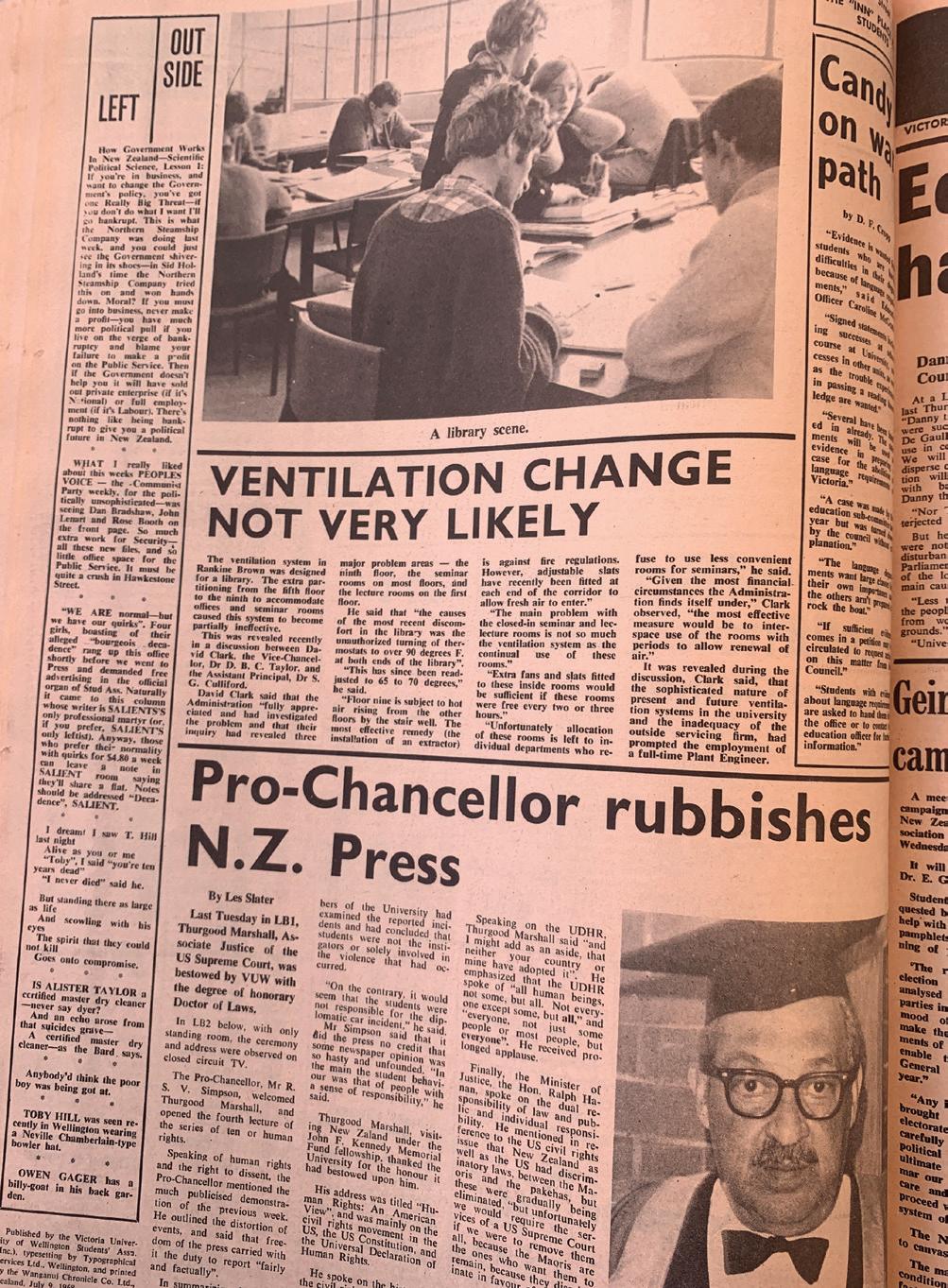
The year Bill Logan became editor of Salient was a big one globally. In 1968 came the Tet Offensive in Vietnam, The Prague Spring, and the May ‘68 movement in France. The latter was of particular note to Logan, who told me that “even in New Zealand, the radicalism reached a peak.”
He said the trade union activism sparked by the Nil Wage Order—a landmark New Zealand Court decision that ordered no increase in general wage levels despite high inflation, triggering widespread union protests—coincided with the student anti-Vietnam War protests of the time. “It was a really good and interesting year to be editor of Salient.”
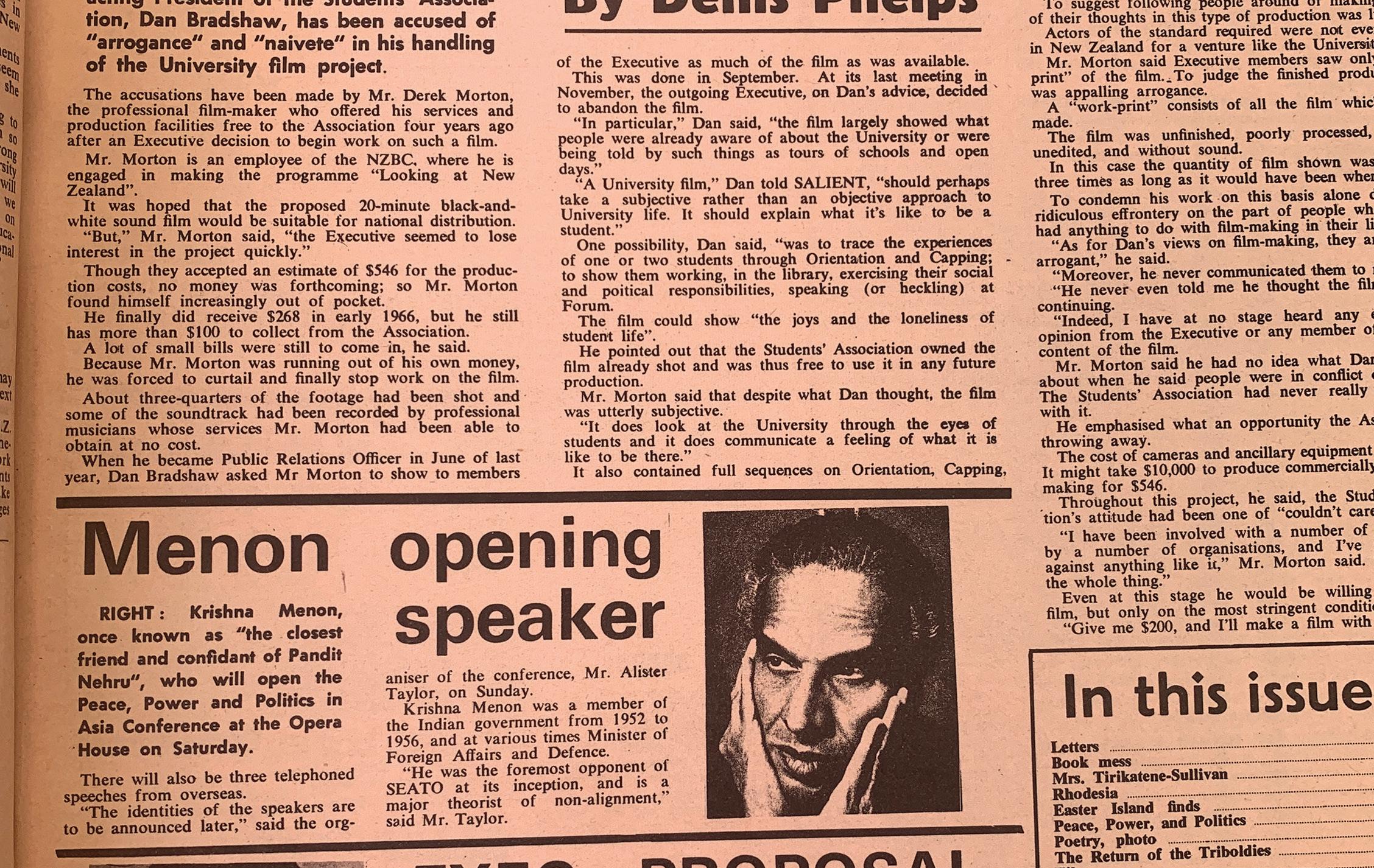
But long before Phoebe, editors were already cementing Salient’s reputation for boldness and controversy. One standout figure is Bill Logan, the 1968 editor, who took charge of the then-newspaper during a period of global unrest and student activism.
I went to Logan’s apartment on a Tuesday. He let me into a house filled with a life lived. Portraits of him and his partner lined the walls alongside shelves of books and an array of paintings and photographs—most notably a hand-painted Soviet Union flag and a photograph from Logan’s unsuccessful run for VUWSA executive in 1970.
Logan is a Wellingtonian, born and raised. He attended VUW in 1966, originally enrolling in the Faculty of Law. Logan described himself as “a Liberal National Party type” before swapping into political science and beginning what he calls his “recruitment into Communism and Trotskyism" by prominent Trotskyist and Dispute magazine editor Owen Gager.
In simple terms, Trotskyism is a branch of Marxist-Leninist ideology developed by Leon Trotsky, and remains one of the
pages at the end of 1966, when he uncovered the Boshier-Laurenson Affair, in which senior National Party official R. J. Laurenson attempted to use the Security Service to obtain information on young activist Roger Boshier. Logan became the whistleblower, and the incident sparked debate in Parliament. Prime Minister Keith Holyoake defended the officials involved, but Laurenson’s actions were widely seen as inappropriate, highlighting the risk of political misuse of intelligence services. This led Logan to become disillusioned with the National Party, of which he was then
Early on in Logan’s year as editor, Salient became enthralled in activism, beginning with an editorial call for student power— or, as Logan tells me, “really just a call for a slightly more democratic constitution of the University as well as student reps on departmental committees and the professorial board.” Things we take for granted today. The morning the piece went out, Logan received a call from then-acting Vice-Chancellor Ian Campbell, who invited him to morning tea.

The conversation became Logan’s first real insight into how student publications could affect real-world issues. Campbell told him, “I think if we play it right, we’ll get a committee set up that will make recommendations on the university constitution.” Logan later reflected that, from a liberal perspective, the committee was highly successful, achieving almost all of its original demands. However, he also admitted that the increased student representation made little difference

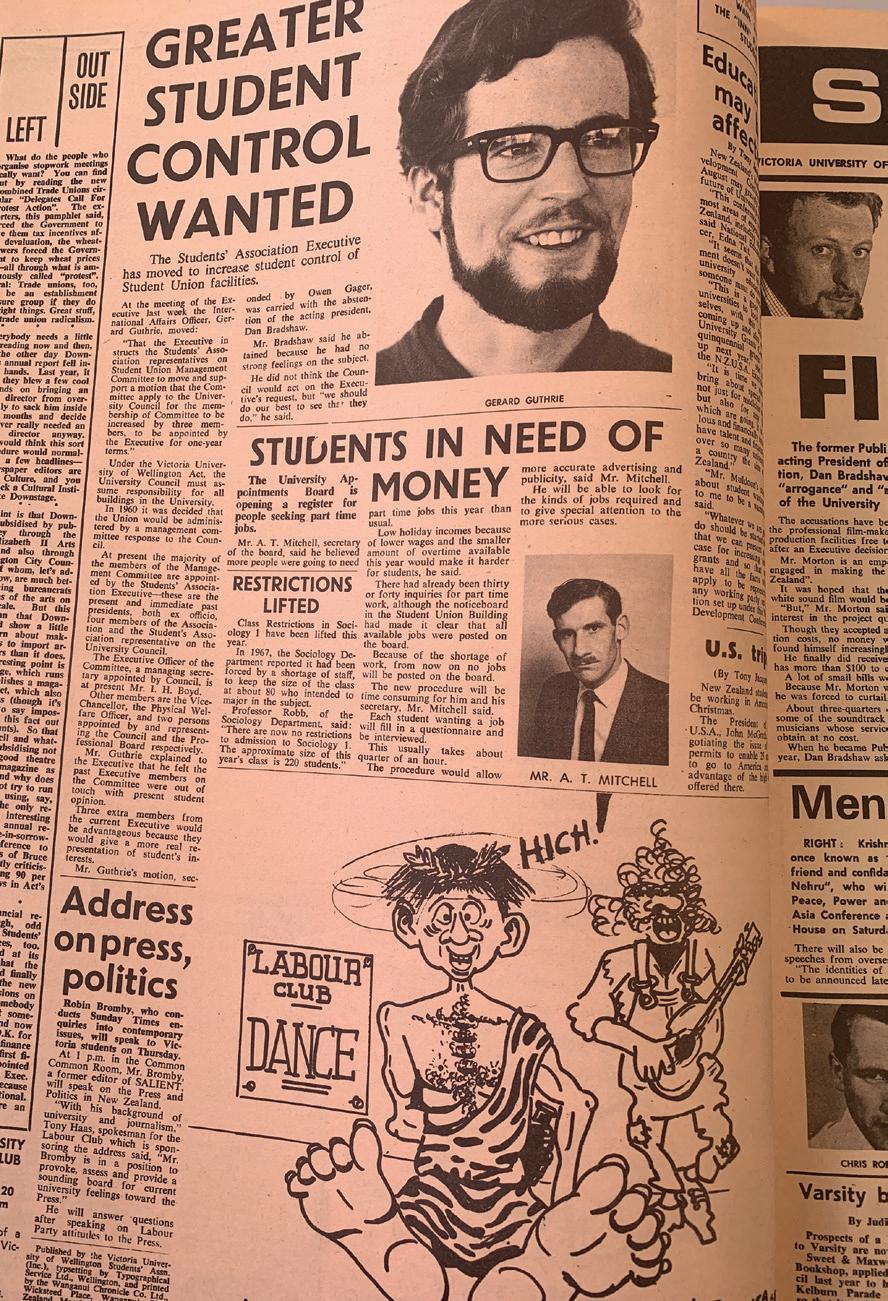

to actual university life and mainly served to “placate student radicalism” within bureaucracy. Still, that did not stop Salient from having an effect on Wellington.
Salient has long been known for its provocative articles and writing, and that isn’t new. Logan tells me that he “ran a Salient which was deliberately provocative. We made sure that we had right-wingers writing columns, and left-wingers.”
After quickly skimming Salient’s 1968 publications I found a range of articles, including “The Cultural Revolution in China,” written by the aforementioned leftist Owen Gager, which promoted the perceived benefits of Mao Zedong’s infamous Cultural Revolution. Another article titled “Black & White Views on Rhodesia” compared and contrasted views on colonial Rhodesia, present-day Zimbabwe.
Logan finished with Salient in 1968, but continued on campus. He ran for the VUWSA executive on what was known as “RAT” or the Radical Activist ticket. The ticket failed to produce a VUWSA exec team, and Logan finished his degree in 1970. He spent most of that time within the Progressive Youth Movement, a far-left radical grouping that Logan describes as “a group without terribly well thought-out politics but still committed to action.”
From then, Logan joined the New Zealand Spartacist League, a Trotskyist group connected to the Spartacist League of the United States. For a while, he built up the New Zealand communist group before continuing activities in Australia and Great Britain where he helped to build the Australian Spartacist League. The group still exists and has only recently joined the Revolutionary Communist Organisation (RCO).
However, Logan was expelled from the Spartacist League in 1979 on the grounds of “gross moral turpitude.” The accusations remain controversial and ambiguous, and they continue to be passionately debated today. Logan chalks them up to “a certain layer of homophobia,” but says the far-left group couldn't be outwardly homophobic. He states the main motive was that the “tight leadership in America felt under threat by [his] success in Britain.” He told me that it was “a danger to the regime of this petty organization in New York.”
Upon his ousting of the group, Logan returned to New Zealand. He “had spent [his] 20s being a revolutionary, and [he] was a revolutionary without a revolutionary organization.” Aimlessly, he returned to Wellington, enrolled in an MA, and became a junior lecturer in Political Science for a while.
Eventually, Logan began a bookshop called Capital Books and began to work with the Wellington Gay Switchboard, a helpline for those questioning their sexuality at a time where homosexuality was illegal. He continued to do that for 25 years. Capital Books eventually became “a bit of a center for gay people.”
After an approach from Wellington Central MP Fran Wilde, Logan found himself once more in politics, now as a part of the Gay Task Force. Logan says that for the next 16 or 17 months he found himself working on Homosexual Law Reform.
Logan ended up debating Cardinal Thomas Williams, a strong anti-homosexual law reform advocate at the time, and came out live on television. He said in an interview for PrideNZ, “I think that's the way all my family and friends learnt that I was gay, was on television.”
After the Homesexual Law Reform Act passed in 1986, Logan continued to work within the LGBTQIA+ space and helped to set up the AIDS foundation. However, throughout all his publicized ordeals, he told me he became “rather unemployable.” He began doing a lot of funerals for gay men who had died of AIDS. “It was a pretty terrible time,” he tells me. “And non-religious celebrants weren’t a thing. Funeral directors would say, ‘Hey, could you do this funeral for us?’”
Logan began to make a living doing funerals. He told me that, at one stage, he was doing four or five a week. In fact, Logan ended up doing the funeral for Ian Campbell—the acting Vice-Chancellor with whom Logan’s student politics had first begun.
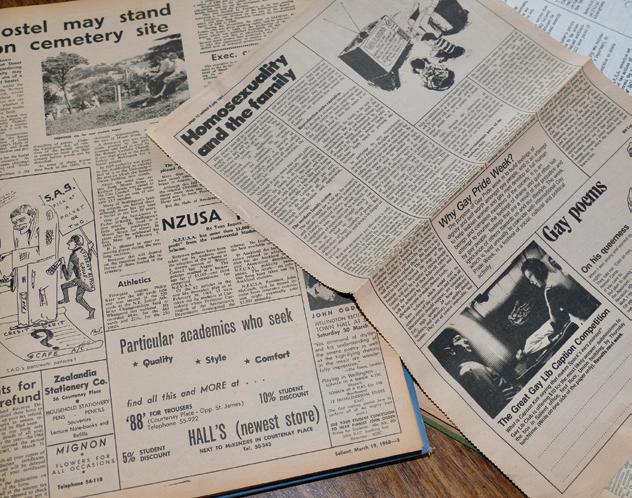
Funerals became emotionally draining for Logan, and by 1990 he had trained as a counsellor and gone into private practice. Today, he works as a counsellor, funeral celebrant, and wedding celebrant.
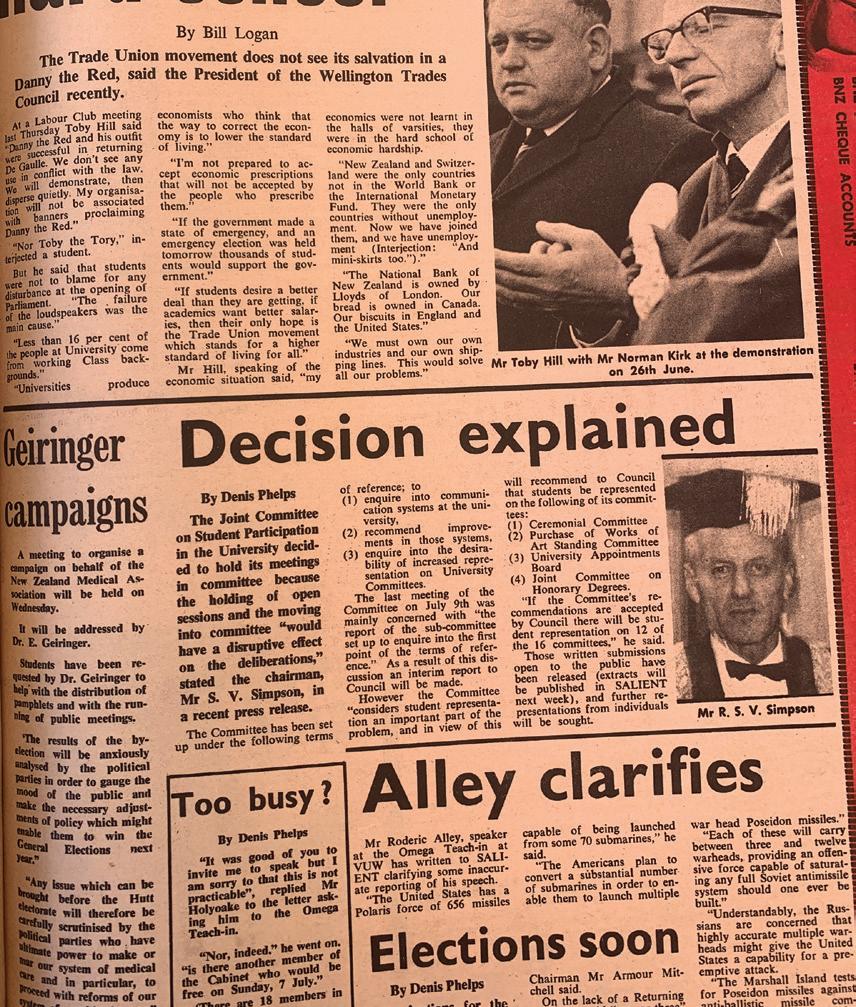

Nowadays, Logan lives a quieter life. He remains very active in the International Bolshevik Tendency, and you may see him and his comrades at the Hunter Lounge on a Friday, jostling over politics and all sorts of life. When asked how his personal views have changed throughout his life, Logan told me, “values all remain very similar, we all start out wanting to be a decent person and to make a different world; it's how we go about it that changes.”
He warns that people are often pulled into their own private worlds, where the need to make a living can overpower a sense of community. Logan argues that “we do not start out corrupted, but are often corrupted by the world. And if you are lucky, you find a way to avoid that.” He adds that he does not believe he himself has been corrupted, before reflecting, “Ah! But how many people believe they have been corrupted?”
He looks back on his time at Salient fondly. “The idea that conflict between ideas is really important” was taught to him in the offices, he tells me, and has stayed with him throughout his life. He stressed the importance of all small publications— not just Salient. “They play an extremely valuable part of the political culture.”
As I left Logan’s that day, I came away with the sense that student radicalism never really dies. It just finds new editors.






The mark of a great athlete is his technique. His skill. His championship wins.
The mark of a great female athlete is how much scrutiny she faces. How often she’s used for clickbait headlines. How expensive her athleisure wear is.
Think about the best female athletes you know: Serena Williams, Simone Biles, Tonya Harding, Alysa Liu. Every single one of them has something in common, and it’s not just the incredibly lengthy hours of work put into their craft. It’s the intense pressure placed upon them. This pressure doesn’t feel like the kind that comes from people wanting you to do well. Rather, it feels like a demand to go above and beyond whatever their male counterparts are doing. For women, the bare minimum is a man’s best.
In fact, in a 2023 interview her husband Jonathan Owens stated that he was the “catch” in their relationship and that he had no idea who Biles was before they started dating. The influx of Google searches about Jonathan Owens that followed were mostly due to the fact people had no idea of who he was. One person stated that if Biles’ name had not been in the headline, they wouldn’t have known why the situation—or Owens—was relevant at all. Biles’ determination stops at nothing, especially not for jealous— even if unconsciously so—partners.
There is only so much a woman can achieve before, somehow, we are led back to the idea that there must be a man behind her success. Sure, her husband is an okay NFL player, but the idea that the Simone Biles must have his support to thank for her own grit and determination is bizarre.

It’s not just the expectations, or countless critiques. It’s astounding how consistently female athletes are told how they should behave, or what they can do to appear more palatable to a wider sports audience. Serena Williams, one of the most accomplished tennis players of all time, has received criticism her entire career for being “aggressive” or “too loud”—things that tennis star Nick Kyrgios is known and often loved for. For Kyrgios, it’s entertaining. It’s part of his charm, what makes him annoyingly lovable. For Williams, it’s unsightly.
Novak Djokovic can smash a racket all he wants, and it’s framed as a healthy release of male anger. If Naomi Osaka does the same, she’s hysterical, letting her emotions get the better of her.
Male athletes need all the mental health support they can get, since it’s still not talked about. It’s taboo for a man to feel his feelings, so the resources need to be there should they want them. For women, however, the message is different: suck it up.
Take, for example, Simone Biles: the most decorated gymnast in history. What is one of the first things that comes up when you search her name? “Simone Biles husband.’
I speak about her determination specifically because another common search auto-fill result is “Simone Biles documentary.” Her documentary details her rise to multiple championship wins, then her so-called “fall from grace” and finally, her comeback.
This fall from grace? A much needed mental health break in 2020.
After becoming the first gymnast to qualify for all six gymnastic medal events at the Tokyo Olympics, she decided to step down to take care of her mental health. She was greeted by a global response calling her selfish and a disappointment to the American Olympic team.
Just goes to show that even 30 World Championship medals—all but seven of them gold—and 11 Olympic medals aren’t enough to earn a woman the grace to take a break.
It’s not fair, and it hasn’t been fair in the history of… well, ever.
I sat down with Wellington Blaze player Hannah Francis to talk about how female cricket players are treated compared to their male counterparts.



“People are always harping on about the difference in standard between the men’s and women’s games in New Zealand,” Francis says, referring to comments on social media. “But the men’s team are fully paid athletes. The women are only semi-professional. To make a living, we still have to study and work alongside our cricket, meaning we don’t have all day to train like the men are able to.”
There has always been a big difference in paying male and female athletes. This is no different in New Zealand. Female cricket players at the top of their league will likely still be paid less than the lowest-ranked male cricket player.
“Spectators don’t realise that. [Their comments are] harsh as women’s cricket is on the rise in New Zealand and the leaps and bounds being made in the major associations at the moment are great to be a part of. Considering the difference in time and resources between the two games, I’d say the women do a great job, and it would be nice for [the public] to appreciate this too.”
World Indoor Cricket Federation Player Bree James and I also discussed the behaviours enabled by men, for men, in the sport. Why is it that the men’s locker room has so many holes in its walls—holes that become the entire organisation’s problem to fix? It’s not the women doing that. Maybe the people we don’t usually think to blame are the ones getting hysterical?
James agrees with a laugh, talking about how it’s not the women who are in “cricket court.”
My ears perk up, and I scribble something down that I wanted to delve into anyway: disciplinary action in cricket. Every sport has a code of conduct, and most often, it is brought back up after an incident that needs addressing. I’m talking, kindly, about things like male cricket players losing their tempers and getting into fights on the pitch.
In November of 2025, the NZ Herald reported on a social cricket game that quickly turned violent, with players smashing cricket bats into each other after a disagreement with an umpire’s call. Cricket Wellington had to contact the clubs involved to find out exactly what had happened and know how to proceed.
It’s interesting to see the contrast in the frequency of disciplinary processes involving men and women in sport— especially when women are so often the ones accused of being too emotional, too dramatic, or too difficult to manage.
“Most of the time you have two umpires, but sometimes they don’t have enough so they [only] send one,” James says. “The women’s team mostly gets one umpire, but the men’s teams always need two… because they’re mean to the umpires.”
Who are we calling hysterical?
It feels to me like the reason men in sport need more resources is because they need babysitting. What’s up with that?
“Whenever the women’s team bowls a wide, the reaction is always, ‘they must be shit’, " James says. “And then if a
guy bowls a wide, it’s all ‘oh my goodness, they’re bowling so fast… it’s okay, they’ll get the next one.’”
It all feels like protecting the men’s feelings, making sure none of them are hurt on or off the cricket pitch. You don’t get the same level of care for the women’s teams, so you’ll have to forgive me for being a bit callous here.
“At the moment, when we're playing outdoor cricket, men and women’s teams play at the same time. But the men’s teams tend to get covers before us.”
Covers are the tarpaulins put over the pitch when it rains. It’s not really something that should be gendered, but maybe something that a “better” team would get priority for. Do the men’s teams get first pick because they’re better, or because they’re used to a little more princess treatment than everyone else?
“Once I asked, ‘where are the covers, the pitch is so wet’,” James says. “And they told me the Premier Reserves took them. And I was like, ‘why did the Premier Reserves take them, they’re below us?’”
“It just feels like they get priority,” she says. “Each club gets a home ground, and if you’re in the top team, you’re more likely to have access to the top pitch. The men’s team got that pitch for six weekends, and we got it once.”
I sit with this for a second. I mean if it’s for top teams… maybe the men’s team was just better?
“Well, no,” James says. “They actually got dropped down a grade.”
It would be one thing if this was just about covers, or pitches, or how many umpires get sent to a game. But the smaller inequities start to add up, and eventually they reveal something bigger: women’s teams are constantly asked to prove they deserve the basics, while men’s teams are handed them as standard.
That attitude does not stay in the scheduling spreadsheet or the gear shed. It follows women into the clubrooms, onto the pitch, and into the way male players feel entitled to speak to them.
A male cricketer once walked up to James out of the blue to say, “You guys are shit.” He was referring to the female players who were in the World Cup team, preparing to represent New Zealand.
How much more can female athletes do to ensure a safe and even playing field for themselves? Even when they’re doing better than the men?
That’s the most exhausting. After training longer, working harder, accepting that the conditions are worse than your male peers—after all of that, they must smile politely and be civil when questioned whether they belong there at all.
They do belong there. They have always belonged there. The problem is not that women’s sport needs to prove itself worthy of respect. The problem is that respect is still being treated like something women have to earn, medal by medal, headline by headline, while men are handed it before they even walk onto the field.





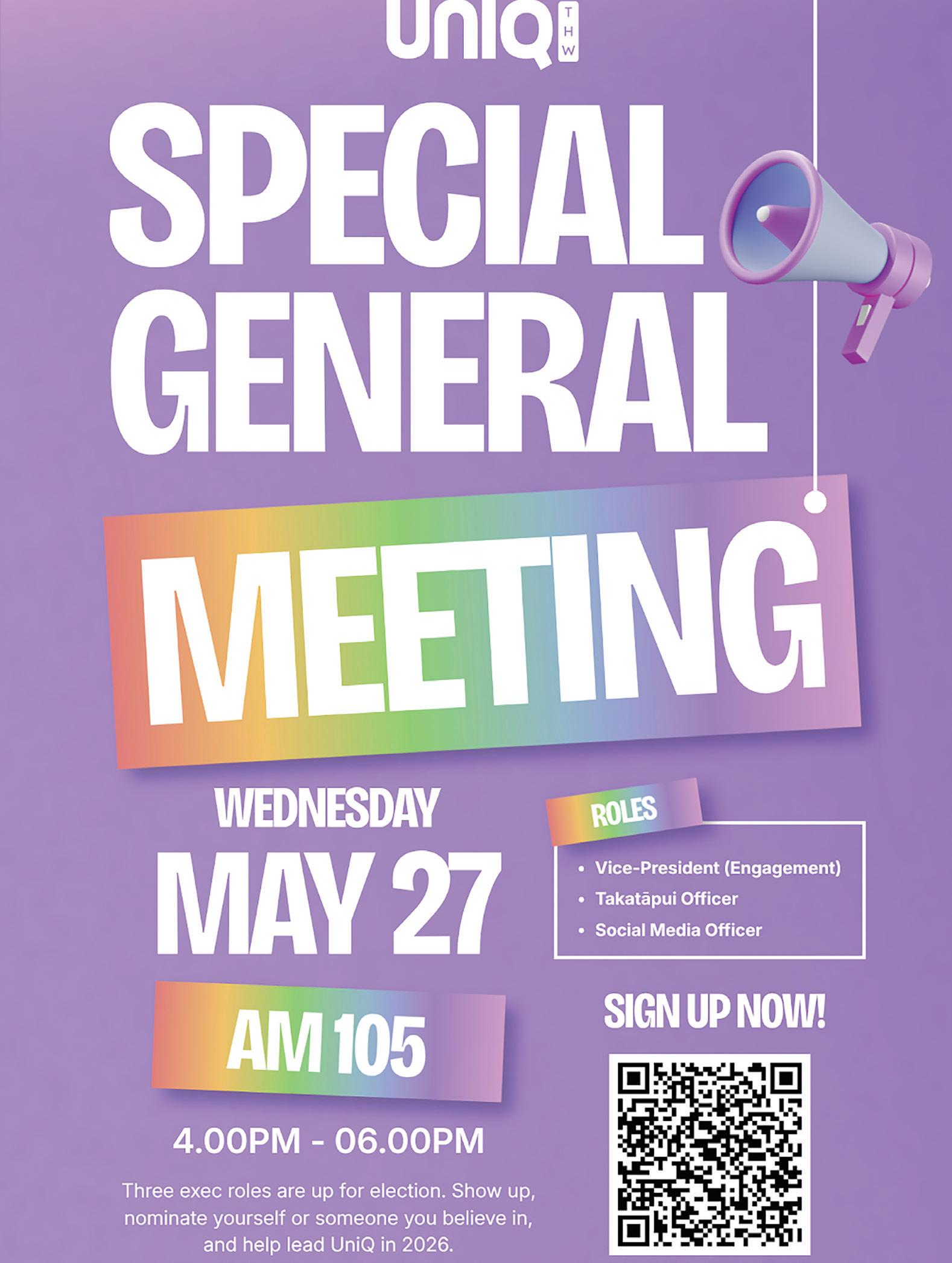
If you’re into creating content, a photographer with a fresh eye, a quick-witted writer, or all of these, this is your chance to share how love looks, feels, and works in your world. For every piece of approved content you create and we use, you could get up to $1500 .
Scan the QR code to see the briefs and get all the deets.








Poems by Dandifili.
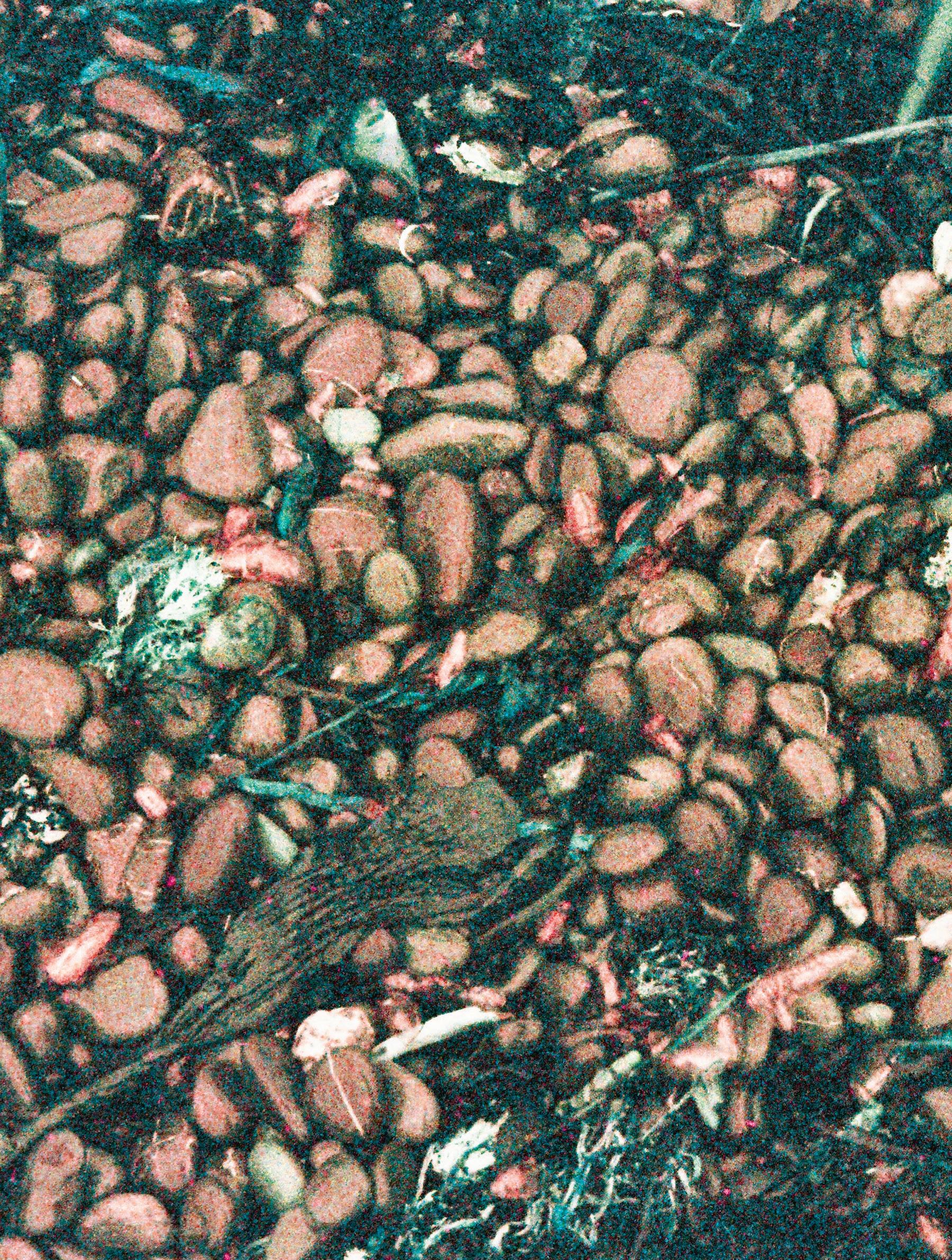
I stood at the edge and claimed it as central. . .
I arrived to meet the ancestors at the edge of the world. I arrived breathless, dripping of sweat, snot and tears and my jaws clenched so hard my vision blurred.
At least ko oti te ta’ua.
They say my ancestors were the first surveyors of the ocean, some of the first to master and practice aerodynamics.
Engari i luga i te maunga nei,
They say I might be the first of this ancient agni, first of this ocean salt to be given flesh and bone.
Koia anō, seki oti loa te ta’ua,
I take a deep breath, hoping that if I breathed hard enough my jaw would relax and my head would hurt less. I bring my eyelids together tightly and in the nothingness, there is no noise, seai se logoa.
I wish I could tell you a story full of joy and childhood dreams. I’m scared that once I start speaking though, I’d tell you a story of abandoned dreams and sacrifices.

and I called the world to me - an expansion
My people and I are masters of storytelling; blending humour, suspense and caution all together.
This is the story of a powerful edge walker who claimed the ocean as theirs through birthright.
I have been an edge walker all my life. I’ve walked to the edge of consciousness before. I have arrived at the edge of the world on the cliff of creation and have always found myself seconds away from the edge of destruction.
Even at the edge of a knife, I have learnt to wield power, to walk into agni unscathed, to survive with mind and soul intact.
I have always been an edge walker, but these days the wind gifts me stories from Hawaiki, lullabies that soothe weathered spirits. Gossip that is now ancient.
I have always been an edge walker, but these days the ocean rises to greet me, promising healing, change and power.
I have always been an edge walker, but these days I bow and mountains of ancestors bow back. Their joy is immense, their stories legendary. These legends, they say, are mine too, that I must carry them beneath my skin so that the world never forgets.
At the edge of the waking world, the wind pulls me into an ancient agni.
“We have all been edge walkers,” the wind whispers, stealing my breath and using it to fan new flames.
Through this ancient agni we must pass – first at birth, then at death, and many more times in between.
They draw me singing songs of wayfinding and somewhere someone whispers, as I arrive at the edge of reality,
“it is merely your turn.”
i think he’s gonna Be up next...
with this degree, you can give Back to your country.

sure, whatever. are we done here?
and now mothman, graduating with a Bachelor of....
yeah, just push the Button... where is mothman going?
take me to the land of sun and money... somewhere he can actually get ahead...




An Evening With Beverly Luff Linn (2018) - $5 dir. Jim Hosking, UK
“i was attracted to 1980s-esq long haired jemaine clement throughout this entire film and im not ashamed” — maveky, Letterboxd
This movie is strange… which you’ll find is a recurring theme in these picks. An Evening With Beverly Luff Linn is so tonally off putting that you can’t not keep watching it. Aubry Plaza is the dissatisfied wife of a deadbeat local coffee chain manager and desperate to meet Beverly Luff Linn. Craig Robinson is Beverly Luff Linn, enigmatic celebrity personality who speaks only in low gruntish-hums and is in a platonic-living-arrangementrelationship-thing with his manager Rodney Von Donkensteiger. And Jemaine, of course, is some sort of hired criminal that develops a Stockholm-like adoration for Plaza. Just your typical love triangle (or hexagon… I’m unsure really). I was pretty dumbfounded watching this. It's just wholly unlike anything I’ve ever seen. 100% recommend. You may not understand it, but it’ll be an enjoyable ride. Jemaine looks great.
Holly Rowsell


What to watch on Welly’s local streaming service
This week, I’m covering one half of Aotearoa’s fourth most popular folk-comedy duo—Jemaine Clement of Flight of the Conchords. From indie rom-com, to downright absurdity, to Men in Black 3, this national treasure has a varied and pretty weird filmography. Most of his greatest hits are streaming on Aro, so have a read of my picks and then go get watching at ondemand.arovideo.co.nz!
People Places Things (2014) - $5 dir. Jim Strouse, USA
“jemaine is so hot that this movie should technically be classified as erotica” — kanye, Letterboxd
This is the least strange of the bunch, but with an equal measure of indie-charm. Here, Jemaine plays a recently-divorced comic artist, university lecturer, and father to two daughters. We watch (a little helplessly) as he figures out how to get them to school on time, withstand an awkward set-up with a student’s mum, and avoid trauma dumping on his unassuming undergrads. His Kiwi accent (which I’ve yet to see him drop for a role) and classic Kiwi Dad demeanor makes for an odd fit in the New York setting, enhancing his character’s aura of general waywardness. The movie’s aesthetic is pretty clearly influenced by 500 Days of Summer, in its illustrated cut-aways and heavy indietwee-ness, but does enough of its own thing to avoid allegations of blatant rip-off. As a child of divorce with one sister and a certified Kiwi Dad, this hits pretty well for me. Just be aware going in… the female characters are not written well. This is a movie about a semi-depressed artsy Kiwi bloke. Set your expectations accordingly, and you'll have a great time. Again, Jemaine looks great.
Eagle vs Shark (2007) - $5 dir. Taika Waititi, NZ
“my biggest character flaw is that i would still date jemaine clement in this movie” — vakemeupinside, Letterboxd
Ever wanted to see an eagle and a shark get freaky? Yes, the costumes stay on. This is some really heartfelt indie cinema. The name-sake animal costumes are perfect, the dinosaur-themed local cinema is perfect, the failed ugly sweatsuit business is perfect Set partially in central Wellington, this is somewhat relevant to the Salient reader. I'll bet none of you (myself included) are old enough to feel personally nostalgic for early-2000s Cuba Mall, but it's still pretty cool to look back at. Jemaine’s characters always skew a little (if not a lot) awkward, but this one takes the cake. I felt a real neurodivergent kinship with his poor, insufferable Jarrod (though I’m proud to say I treat women significantly better). You don’t need to know the whole plot, just know this—its about family and grief and unearned, irrational love. Mostly, it's just really funny, well acted, and nice to look act. Despite his terribly unlikable character, Jemaine, of course, still looks great.
Honorable mention
Nude Tuesday (2022) - $5
dir. Armagan Ballantyne, NZ
“new kink(s) unlocked from jemaine clement playing a naked simlish-speaking sex-guru cult-leader” — parislh43, Letterboxd
Ok so I didn’t have time to watch this (it truly does feel like Week 12 is wringing me by the neck) but this comes very highly recommended by all my film-buff friends. That Letterboxd comment sums up the plot; nudity, rural New Zealand, and a wholly fictitious language. All I’ll add is this: confirmed full frontal… take that as warning or encouragement.
Honorable mention
What We Do in the Shadows (2014) - $5
dir. Jemaine Clement and Taika Waititi, NZ
“as a New Zealander who knows full well we were the first country to give women the vote, this movie is what makes me most proud of our great nation” — caityperrie, Letterboxd
You’re reading this, so you’re in Aotearoa, so you probably know about peak NZ comedy What We Do in the Shadows. Jemaine co-wrote and directed this film, and of course looks great starring in it… a vampire heart-throb truly never dies. You can find it on Aro when you're due for your next comfort re-watch.

hey hunk unc,
last year I told my frIend I had feelIngs for them and they told me they dIdn’t feel that way about me, I belIeved I had moved on and recently realIsed I stIll have those feelIngs and hate myself for It, I’m not sure what I should do.
hi hunk unc,
Students, today your Unc is pairing up two emotionally shipwrecked souls with the same issue in different fonts.
One of you confessed feelings, got rejected, thought you’d moved on, and then your heart did the deeply rude thing of circling back for a second lap. The other has fallen for a neighbour who is also a good friend and, for whatever reason, is off-limits.
So today we’re talking about unrequited love.
But here’s the thing: you do not need to hate yourself for having feelings.
Feelings are not crimes. They’re not assignments you failed. They’re not evidence that you’re weak or pathetic. They’re just feelings. Annoying, inconvenient, badly timed feelings.
The trick is not to avoid them. To get over someone, you usually have to go through it, not around it. Let yourself be sad. Let yourself be embarrassed. Let yourself have the occasional pathetic little moment. Then get up, drink some water, and do not text them hoping for things to change.
Unrequited love is painful because it leaves a gap. There’s you, there’s them, and then there’s this imaginary relationship in your head that never actually got stress-tested in the real world.
You know the charming version of them. The good friend version. The neighbour-over-the-fence version. The person who smiles nicely, says the right thing, and makes your brain go, “Ah yes, this is my soulmate, obviously.”
But you don’t know the full box. You’re only seeing a few sides.
Maybe they’re lovely to you but terrible at communicating. Maybe they’re cute across the fence but have breath that could curl
I’ve fallen for my neIghbour who’s also my good frIend and I’m not allowed to be how do I get over It?
wallpaper. Maybe they seem perfect because you’ve never had to argue with them about dishes, money, jealousy, family, or why they think putting wet towels on the bed is acceptable.
So part one is this: stop treating the fantasy version of them like it’s the truth. You don’t actually know what being with them would be like. You know the idea of it. And the idea is what hurts the most.
Part two is even more annoying, but more useful: you already have your answer.
One of you was rejected. The other can’t be with them. That is closure.
Their answer, or the situation, has drawn the line for you. Your job now is to stop trying to negotiate with the line.
That means creating a bit of distance where you can. Mute the stories if you need to. Stop engineering little run-ins. Don’t keep checking for signs. Don’t look for breadcrumbs in every friendly message. You are trying to heal, not gather evidence for a case that has already been dismissed.
And please, for the love of all emotionally fragile students, do not beat yourself up because the feelings came back. Sometimes moving on is not a clean exit. Sometimes it’s two steps forward, one step back, and one weird dream that ruins your whole morning.
Feel the feelings. Accept the answer. Give the fantasy less oxygen. Put your attention back into your own life until, eventually, they stop being an unrequited crush, and just become something you look back on occasionally and go “I’m glad I moved on from that.”






What: Vietnamese
Price: $11.00 - $15.00
When: 11:00 - 21:00; Mon - Sun
Nothing mindblowing, but wins by the size and value of their menu.
There’s something doggedly endearing about Capital Markets that calls me back. It’s beyond the fact that it’s a gold mine for plates of food at reasonable prices. The bare concrete floor and the restaurants built inside old shipping containers give the space a liminal but functional feel; it’s got a job to do and will fulfill that without artifice or frills. It echoes, to me, the mood of an old time road inn, where windswept and weary travellers can come in to sit and be warmed by a bowl of food, without playing the games of social convention or structured dining.
Sure, it’s not the most inspiring place: grey and shadowy, with tiny TV screens on the back wall playing infomercials and shitty puns on loop. But it’s not meant to be inspiring, it’s meant to be dry and out of the wind. It’s dignified and noble, the tables kept clean and the food served on beautiful dinnerware by chefs who continue to work, even as the shopfronts around them remain permanently ‘for lease.’ Besides, the scents from each kitchen that mingle into a soft, pan-Asian miasma smell inspiring enough.
Today, I followed my nose to Lemongrass Kitchen, immediately on the right as you enter Capital Market. Their menu covers more of the storefront, offering a range of Vietnamese fare such as Goi Cuon, Cha Gio, Pho, Banh Mi, and rice noodle salads. Following the success of the soup at KC Cafe last week, and in need of some revitalisation, I chose their Rare & Cooked Beef Noodle Soup for $14.
The lady behind the counter, working on her own, had her hands full with a steady stream of orders and gave me a buzzer instead of offering to bring my meal out to me. I’m just glad business is keeping up enough to warrant a stack of buzzers and customer self-service. Besides, it’s fun to take a cafeteria tray back to your table and compare meals with your friends, “What did you get? What did you get?”
My soup, as I set it down, is a bit grey, with a pale slice of lemon on top trying its best to add some zest to the image. It is a reasonable portion, however, and they haven’t skimped on the slices of beef or spring onion. This all on a base of great rice noodles; they were chewy and thick enough to hold lots of broth on their way up to your mouth. The broth itself was heavy on the spring onion, not very rich but meaty, salty, and with a bright hint of lemon. The cooked beef was a little overcooked so it was often the last thing in a mouthful that you were left chewing, but it also brought lots of juice with it in each bite. The rare beef was something else. Pieces were sinewy or still attached to lumps of cartilage. It tasted… peculiar, with a meaty, musky leather flavour and an aroma of molasses and shoe polish. It

added depth to the broth and, when eaten in the same bite as pieces of cooked beef, it gave a more rounded taste that reminds one that he’s chewing on a sliced hunk of animal.
It’s a taste to get used to, but I respect the honesty of this flavour profile; it’s unrefined and pragmatic. It feels a step closer to true ‘street’ food that sees no reason to not use rough-cut but fine to eat bits of meat. That said, those less carnivorously-inclined might be better off with the cooked beef soup as a safer option. Not to say that this soup with rare beef was that much more exciting. Besides an interesting gameyness, it was a bit plain and lukewarm, without any real kick and not as filling as I was expecting.
Luckily, Lemongrass Kitchen offers a wide range of dishes at $15 or less. There are six other soups, including a Seafood Noodle and a Roast Duck with Bamboo, grilled or braised meats with rice and salad, pork dumplings, fish cakes and heftylooking spring rolls. This kitchen wasn’t mind-blowing in taste, but the range and prices of their menu means they’re a very reasonable option for any student wanting a decent dinner.
Am I talking shit? Do you wildly disagree,










Jackson McCarthy is Salient's Critic-at-Large. His first book of poetry, Portrait, is forthcoming from Auckland University Press later this year.
Ah, the Ockhams. Or, as Susanna Andrew coined last year, the “Shock-’ems”! Her point was not just that there’s something a little weird and very milk-loving-Briscoes-sale-deck-furniture-Kiwi about our national book awards being sponsored by a massive construction company. Nor was it just that her pick for the fiction award didn’t make the shortlist—though that was true, too. She also thought that, in an industry as small as New Zealand books, it was so unfair that great, steadily-selling books could be passed over, seemingly on a whim, by the awards’ panels of (let’s be honest now) dubiously qualified judges: moreover, by panels whose makeups change every year. A new New Zealand novel might spend a few weeks in storefront displays at bookstores; then it will pass into its section, alphabetised by author’s surname on the shelf; and if it makes the Ockham longlist, perhaps it’ll have another surge in sales and interest; once the longlist is culled into the shortlist, though, half of those novels will be filed away again in their sections; and once the winner is announced, and we have a shiny new book to add to our canon, it’ll be only a few months later that most of what was written here that year, by us and about us and for us, will be falling quickly into obscurity, falling quickly out of print. Of course, the Shock-’ems aren’t to blame, really. It’s no controversy to say that New Zealand doesn’t have a strong reading culture, and that, as our government continues to slash arts, culture, and education funding, our taste for the local— literature, film, TV, music, and so on—becomes admonished by the so-called “market choice” for convenient globalised streaming services like Netflix and Spotify. Look, I’m no elitist, but in the face of such Neoliberal disgrace, you’ll find me happily afloat in my increasingly-niche bubble of “those who read contemporary New Zealand literature.” We’re okay by ourselves— but we want you to join us, dear reader.
Earlier I mentioned that the panels of judges— about three per category (poetry, fiction, non-fiction, and illustrated non-fiction; with corresponding “Best First Book” awards given out in each category as well)—change every year. And that’s another difficulty with the awards: their unpredictability. There isn’t really Ockham-bait in the same way that there’s Oscarbait (although me and my writer friends often joke about it). I’m in two minds about this unpredictability, as on the one hand, looking at a glance across the years, it seems to produce a spread of winners reflective of the diversity in style and content in our literature. On the other hand, there are some really odd picks. And, looking within the years at those writers who were shortlisted, longlisted, or passed over completely, you might find yourself raising an eyebrow at the choices. To get back to Andrew’s point, though, if we direct our frustration at the

winners, that feels misjudged and unproductive. We don’t need to phrase it in the negative: it’s not that so-and-so shouldn’t have won, it’s that— holy shit!—we’ve had so many other absolutely stellar local books released this year. And it’s such a shame that that other honours system in the book trade, that of commercial success, isn’t alive and well enough in our country to balance out the choosy awards system.
Well, all that being said, I actually reckon the picks this year were pretty good! Here are a few Wellington-specific highlights... and snubs!
Once again our most excellent university and its most excellent press has come out with some truly well-deserved wins. But first, I’m ashamed to say I haven’t read any Ingrid Horrocks, a poet and essayist whose first work of fiction, a collection of short stories called All Her Lives, won the big award of the night: the fiction prize, dubbed the “Acorn” for the name of its sponsor. Judges call her book “Elegant, probing [...] Emotionally intelligent and historically alert,” which is also what my ex-boyfriend called me when he dumped my ass last year, so I reckon this book is for me. THWUP also took home the poetry award with Nafanua Purcell Kersel’s strong debut collection, Black Sugarcane The poetry is deeply lyrical—it craves being spoken—and yet it also trades in abruptness and hesitation in its streak of poems that remember the 2009 earthquake and tsunami that devastated Samoa. Challenge and difficulty and unvoiceability has an important place in New Zealand poetry, especially poetry that, on our colonised land, needs to account for racial, sexual, or gendered difference—but still I find it so refreshing to hear from a poet who encourages us, in the verbal qualities of her work but also, y’know, in a recent Spinoff interview, to read out loud! And last but certainly not least, beloved writing teacher Tina Makereti took home the non-fiction award for This Compulsion in Us. Best known as a novelist, the judges say that Makereti’s foray into essay-writing here

renders an “alternative memoir of one person’s discoveries about her whakapapa and childhood family, and her place in national society and within Māori literature.”
Snubbed!
Wellington is currently producing our country’s most significant, accomplished, and widely-read poetry. Three very excellent Wellington poets (full disclosure: I also know them socially) didn’t even make the longlist. If I’m being optimistic, I guess that just says how strong poetry in New Zealand is, that there are so many titles worth your attention alongside the chosen longlist. But really I just think of these snubs as errors. Kate Camp’s Makeshift Seasons will be familiar to readers of this column already. Camp’s a poet of quiet observation and first thought: here’s the world as it comes into contact with her steady mind. But she’s intellectually a lot heavier than the lightness of her touch would suggest, and I don’t know if readers yet have accounted for the metaphysical tilt in her work that this latest book in particular tracks (not to over-egg it, but sometimes I honestly catch flashes of the Keats of 1819). Meanwhile, Cadence Chung’s Mad Diva, a campy romp through the “mad” women of myth and opera past, shows its author’s voice come to first full articulation—Chung has been publishing pretty consistently since she was a tween, but Mad Diva is no accident or bout of beginner’s luck: it’s the result of good and hard work. Nick Ascroft is a cheeky craftsman, a bit of a wordsmith, a dodgy rhymer (and a scrabble champion!). But don’t underestimate his new book, It’s What He Would’ve Wanted, that teases in signature Ascroft lyrics and listicles none other than death itself, a longtime preoccupation, of, well, us all!
want to get in touch, tip me off, or rage at me electronically?
jackson@salient.org.nz
Dear dating diary,
The past two weekends have potentially been some of the most romantically confusing and stressful I have ever experienced. For the first time since being single, I have been seeing multiple people at once. I know this is no big deal considering I am not exclusive with anyone. However, the stress ensues when your circles begin to cross.
Two weekends ago, some friends and I decide to go to a gig. Our friend is hosting pre’s so we head there and to my shock (and horror) Finance Bro (a guy I slept with from a previous issue) and Main Bro (the guy I am currently mainly seeing) are in the same room. It’s an incredibly awkward situation but I feel as though I play it off well. I chat to both parties without being overly flirty before Finance Bro leaves early to get to the gig. I go to the gig with Main Bro a little later and end up having a fabulous time! I turn around and give him a quick smooch, only to look to my right and see Finance Bro staring at us making out. Not the most tasteful move by me…
I end up leaving with Main Bro to another club only to bump into a third suitor, a guy I had made out with at a party the evening before (hereafter known as Party Bro). We say a quick hello before continuing our journey. After a while Party Bro starts messaging me asking where I am and if he can come join. Considering I’m with Main Bro, the answer is most definitely no and I ignore the messages.
Main Bro and I split for a little bit, and I finally open the messages from Party Bro, the final one saying he has gone home but asking me on a date the next day. Fuck it, why not! I say yes and we agree to go for coffee the following day. Main Bro and I link back up and I end up going back to his and staying the night. The next morning, I wake up and gap it out of there so I can go on this date with Party Bro, which goes well. I get home


from the date with Party Bro and decide to check the message from Finance Bro I got on Friday. Turns out he had asked me out on a date, and I just had not seen it. I’m sorry Finance Bro, I did you dirty!!!
Holy shit, stressful weekend. However, I am excited to not do it again right? RIGHT???? No. Next week, same shit crops up. It’s Friday night and Main Bro and Party Bro are both at the same event… FUCK!!!! Not only this, but I somehow end up flirting with a FOURTH guy and making out with him instead of Party Bro or Main Bro. I meet a cute fifth guy (!!!!) and his friend and we start chatting on Instagram that evening whilst we’re out. This is getting completely and utterly ridiculous. On top of this, that Saturday night I go to a party and Finance Bro (surprisingly) makes a return. We chat a little before I leave and he tells my friend he wishes he had gone home with me.
That Sunday I lose it. I have the craziest hangxiety over the events of the two weekends and I frankly feel incredibly overwhelmed. Turns out the guy I was messaging on Instagram was not the cute fifth guy but actually his friend that I have absolutely no interest in. I’ve apparently made quite the impression as I have had to leave him on seen 3 different times for him to stop messaging me. Trust that I know leaving someone on seen is bad, but I was at quite a loss for what to do!!!
The only solution in my eyes is to abstain from EVERYTHING!! I have gotten far too drunk these past few weekends, so it’s time to chill out and take a break from drinking. I have been seeing far too many people, yet I only actually care about one of them. Why am I wasting my time (and theirs) responding to their messages when I don’t have an interest in dating them. It’s time to abstain from dating and talking to men! I am not cut out to see more than one person at a time. I have not felt as horrible as I did that Sunday and it’s time for me to make a change for the better.

Oh Yes, Oh No is where sex stories go to be judged. Was it hot? Was it a disaster? You decide. All stories are submitted by readers, published anonymously, and guaranteed to make you say 'oh yes' or 'oh no'. Scan the QR code to submit your own and see if it makes the cut.

I was on tinder and was on the double date mode with a friend. We matched with these two guys and my friend was not feeling any of them because but I was. We texted to meet up but my friend told them the truth and said she was not interested anymore but cheered me on to continue speaking with them. We decided to hang out just us three. We talked like normal and played board games but we ended up on one of the guys bed and one left to use the bathroom. Me and guy 1 started making out and he was sucking on my neck til guy 2 came back in. I was flustered but he said continue. Eventually he watched as guy 1 took my clothes off and ate me out, eventually guy 2 took his own clothes off (this was all consensual guys they asked lmao) so I watched as guy 2 go in and out and guy 1 blew the bean, the visual was amazing i got to watch two guys!!! They were sweet and Im definitely seeing them again. submitted by anonmous

me and my bf were hitting it raw from behind and I was lowk abt to squirt when he suddenly stops thrusting but doesn’t pull his d*ck out…he does the biggest sneeze I’ve ever heard in my entire life and i shit you not I can feel a little bit of snot land on my back,,, just when i thought it couldn’t get any worse he suddenly pulls out and sneezes again but this time he finishes at the exact same time and his snot and c*m splatter my entire back at the same time. let’s just say the clean up process was not pretty. he ate me out afterwards though and let’s just say he knows how to eat me out
submitted by anonmous
A few years ago, I was a first year in halls who had just newly entered my first relationship. This was both me and my girlfriend’s first relationships so naturally we were feeling freaky and adventurous; one night we went for a picturesque stroll from our hall to the Kelburn park water fountain. It was lit up pink and setting the scene for a romantical moment, the moment being a makeout behind the fountain quickly followed by a steamy scene….. she gave me a blowjob, and I fingered her until she came (almost falling backward into the musty dusty fountain as she went). Sweaty, and glad we had avoided any awkward interactions with park-goers, we made our way out from behind the fountain, only to see a dark outline of something on the ground….i decide to man up and investigate so I kick it….Only to discover it was a very very dead seagull. Turns out we did have an audience, but not in the way anyone could have hoped.
submitted by anonmous
new car on the highway 110 Gets knocked dizzy in a cartoon way
Rating for how warm a duvet is
Latin for “he/she loves”
Give a new price label
Belgian post-metal band from Kortrijk
Most chilly
8 Frog that lives up in branches
9 Divided into sections 10 Decides what to score next season
11 Staple veg also called “taro” in Pacific cuisine
12 Melodic passages in operas
13 Apple’s former music library software
14 Variant of “rona,”meaning rough moorland in Scots
Spots with the eyes
Teacher’s assistants, for short
Gives way to, as in
Makes or invents something
Looked down on someone snobbishly
Match up two connected things
City in Florida known for its beaches; Musicians last name
Get comfortable in a new place

1 Cloudings of the eye that can blur vision
10 One level in a flight between floors
19 “Another round, thanks”
20 How a huge grin stretches
22 Sits between subject and predicate
24 Folding table with hinged drop leaves
25 Beings described as three-in-one in theology
26 Letters after a Kiwi accountant’s name, often
27 Final scene of a film
29 Bike made for two riders
30 “The moment that…” in instructions
31 Noisy cry after bad news
32 Publisher of the greenand-red classical texts
34 First name for Norwegian author Janson or folk singer Waitz
35 Rude word for backsides
36 Abbrev. on maps for “territory”
37 Handed out bit by bit
39 Second word in “unto us ___ is given”
40 Little French commune near Dax
41 Kind of dish for growing bacteria in labs
42 Cats that turn up at the back door
44 Inked designs on skin
33 “Rudy” actress Angela ___
36 One of Saturn’s small moons
38 Adds colour to fabric
41 Very strong or powerful
43 Scottish word meaning “so”
45 Door that drops open under someone
46 Captures on camera
48 One who follows fad diets
50 Toes in the “this little piggy” rhyme
52 US college sports groupings
54 Boasts
56 Sequence of letters after “IJK”
57 “In the style of,” in recipes
58 Diplomat who represents a country
59 Carpenter’s waist pouch for nails
60 Burns slowly with smoke
61 Clears out completely
62 Tied down tightly
63 Name used instead of a real one
66 Name of author Paretsky or singer Bareilles
69 Sets right again; corrects
70 Portable electric cookers
72 Picture file format used in Adobe apps
73 Hindu goddess in the Ramayana
74 "There was ___ woman..."
75 Lunge movements in ballet training
76 Given medical care
77 Under pressure
79 Surname of TV host Ryan
80 “We’re finished,” contracted
83 Plural of the surname Steele
84 Fix the day for something
87 Easy to understand
89 Squiggly marks above ñ and similar letters
92 Chris of "Jurassic World"
94 German for “noes”
97 A little
99 Badger’s burrow
102 Place for relaxation and treatments
104 The ocean around Aotearoa
106 “Thus,” in explanations
108 Abbrev. for “senior”
47 Bit that ends up in the teapot
49 Clear pests from a building
50 Anatomical name for the kneecap
51 Epic, like Homer’s long journey
53 Indian lentil dish found in plenty of NZ curry houses
54 Where the rider’s bum goes
55 Oxford’s Doctor of Civil Law degree, for short
57 Important ore of silver
58 Photographer famed for black-and-white Yosemite shots
64 Flat paving slabs for paths or patios
65 Relating to warmblooded, fur-bearing animals
67 Buzzword for humanlevel “general” AI, briefly
68 Lab checks on tiny bits of tissue
69 Cheer from the side-line
71 Marlborough-style flaky seasonings from the ocean
78 Slang for “pretty impressive”
79 Goat-antelope found on Asian mountain slopes
81 Kids’ craft where paint is flung out on a spinning card
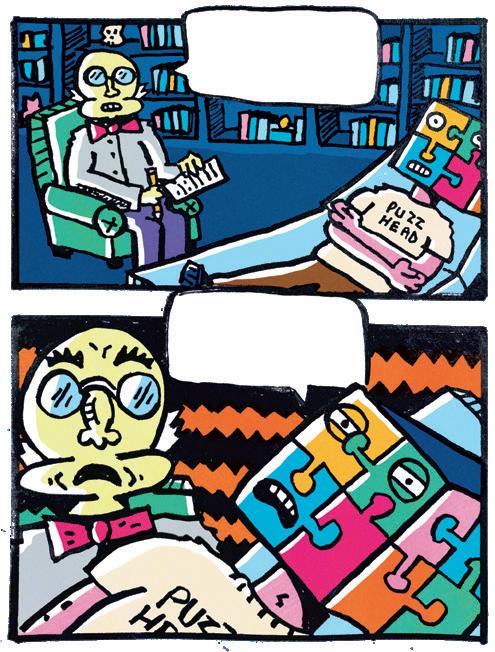
what s troublIng you thIs week, puzzhead?
those damn salIent crosswords...
the best cross in the whole word
1 Word of woe
5 Confined or kept in captivity
10 French suffix meaning “of or from”
14 Small bird/classical female name
15 Tall bird; also a lifting machine
16 White vestments worn by clergy
17 Portable device for receiving broadcasts
20 French word meaning “series”
21 Woman’s given name
22 Japanese coin or small monetary unit
23 Musical note in the sol-fa scale
25 Abbreviation meaning “enclosure”
27 Region designated for growth or improvement
36 Specific type of "peace silk" from India or short personal name
37 More painful or more offended
38 Expressions meaning “so be it”
39 Heavy waterproof covering
41 Pilot’s radio term for the number nine
43 Friends or mates, or alcohol brand
44 Dined or had a meal
46 Apple computer operating system
48 Morse-code dash
49 Popular old song or expression of farewell
52 French for “his” or “her”
53 Māori word for food

54 Science classroom or research room
57 Trigonometric functions in mathematics
61 Foot-operated lever
65 Weather event with thunder and lightning
68 Provides with staff or personnel
69 Silly or lacking sense
70 Indian city home to the Taj Mahal
71 Abbreviation for “session”
72 Painful spots on the skin
73 Large tropical fish of the mackerel family
DOWN
1 Small river islands
2 Traditional knowledge or stories
3 Of or relating to wings
4 Showing mental decline due to old age
5 Roman numeral for 201
6 Informal term for the buttocks
7 Slang term for guns
8 Biblical grandson of Adam
9 French phrase meaning “of nothing” or “you’re welcome”
10 Top credit rating or highest battery size
11 Abbreviation for“Latter-day Saints”
12 Male given name
13 Comet observed in 2013
18 Marine mammals with flippers
19 Spanish for “income”
24 In a short time
26 Temporary outdoor lodging
27 French for “state”
28 Greek Muse of lyric poetry
29 Small greenish songbird
30 Of top quality; first-rate
31 Egyptian fertility goddess
32 Upright or standing
33 Looks at written words and understands them
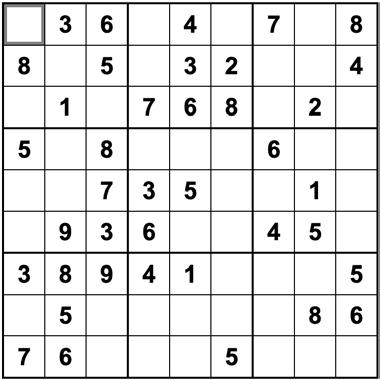
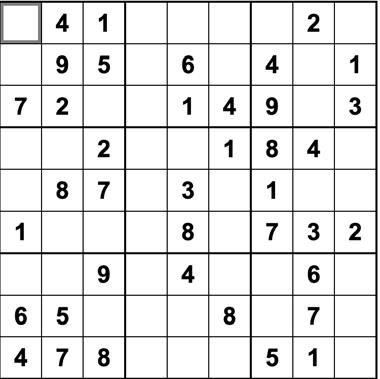
34 Zhou ____, former Chinese premier
35 "Steady ___ goes"
40 Light touches with the hand
42 Black bird related to the crow
45 Statistical hypothesis test
47 Television dramas with continuing storylines
50 Egyptian god of the afterlife
51 Fastener used to secure a necktie
54 Lunar landing modules used by NASA
55 Winglike structures
56 Scottish mountains
58 Spanish word meaning “boy”
59 Electric vehicle
60 Mentally sound or rational
62 Chief magistrate of Venice
63 Pirate's interjection
64 "That's hilarious," in a text
66 Web design language: Abbr.
67 Picasso's "___ Demoiselles d'Avignon"
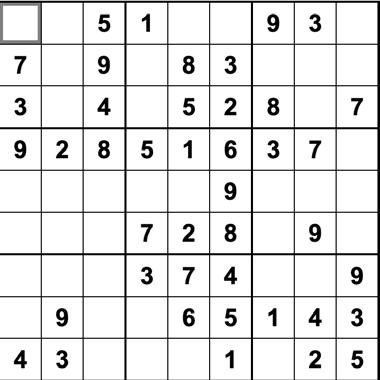
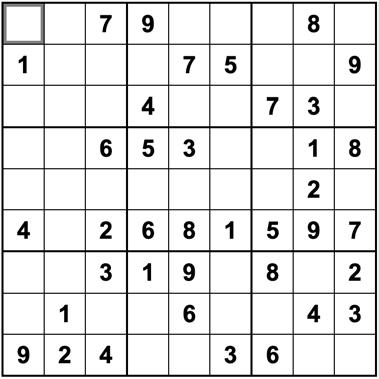
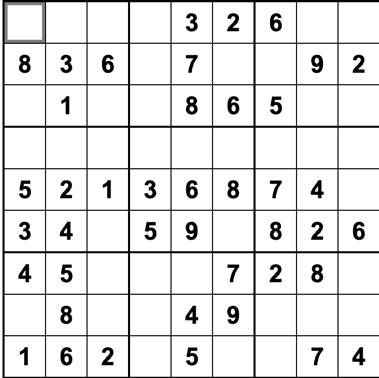

FACIALEXPRESSION COCHLEARIMPLANT FINGERSPELLING VISUALLANGUAGE DEAFCOMMUNITY HARDOFHEARING ACCESSIBILITY COMMUNICATION
)$&,$/(;35(66,21 &2&+/($5,03/$17 ),1*(563(//,1* 9,68$//$1*8$*( '($)&20081,7< 6,*1/$1*8$*( ,17(535(7,1* '($)&8/785( ,17(535(7(5 25,(17$7,21
SIGNLANGUAGE INTERPRETING DEAFCULTURE INTERPRETER ORIENTATION LINGUISTICS HEARINGAIDS CAPTIONING



EXPRESSION INCLUSION HANDSHAPE NONMANUAL BILINGUAL COMMUNITY SUBTITLES MOVEMENT
(;35(66,21 ,1&/86,21 +$1'6+$3( 1210$18$/ %,/,1*8$/ &20081,7< 68%7,7/(6 029(0(17
LOCATION GRAMMAR CULTURE NZSL DEAF
/2&$7,21 *5$00$5 &8/785( 1=6/ '($)
If you have a story, confession, or experience you’d like to share—whether it’s an anonymous crush, workplace i had my first date with this guy on friday, he’s so handsome. i even went over to his house again the following sunday. but we’re both incredibly awkward so it was about 3 hours of gentle hand holding and talking. i want to kiss him so bad but he has both snake bites and angel bites lip piercings. wish me luck!
- anonymous


To solve connections, group the sixteen words into four sets of four based on a shared connection. Each word belongs in only one group. Continue until all four groups are identified. On our website, the groupings are uploaded one at a time, so if you get stuck, you can view the answer for a single connection without revealing the full solution.
These puzzles are provided to be fun and challenging. The Salient team and our contributors aim for accuracy, but occasional errors may occur. If you notice an error, you may write to editor@salient.org.nz. Please note that our puzzlers and contributors are doing their best, and none are professionals or working on these puzzles full time. For the word find, words may appear diagonally and backwards. To access solutions for the crosswords and connections puzzles, scan the QR code next to Puzzhead. 1.

To solve a Set Square, use arithmetic and logical reasoning. You are given a grid containing six sums: three reading across and three reading down. The arithmetic operations (division, multiplication, addition, and subtraction) are shown between the grid spaces. Place each of the numbers 1 to 9 exactly once into the grid so that all six sums are correct. Note that calculations are carried out in left-to-right order, not according to BEDMAS.

To solve Word Wheels, form words of four letters or more using the letters in the nine-letter wheel. Every word must include the central letter. Each letter may be used only as many times as it appears in the wheel. The aim is to find as many valid words as possible from the target word list, including the nineletter word that uses all the letters.




This week, be a little Jack Russell: brighteyed, brave, and impossible not to love. Let yourself get excited about something again. Your spark is not too much; it is the thing.


Channel the Bernese Mountain Dog: steady, warm, and comforting to be around. Let the week be slower where it needs to be. You are allowed to choose softness over proving yourself.
Try a little Afghan Hound energy: beautiful, composed, slightly dramatic. Let yourself be seen without overexplaining. There is something very sweet about your natural shine.



Borrow from the Dalmatian: lively, curious, a little mischievous. Let the week take you somewhere new, even in a tiny way. Joy is waiting off your usual route.
Think Standard Poodle this week: thoughtful, graceful, and much more playful than people expect. You do not have to fix everything to be loved. Let ease find you, too.


There is German Shepherd energy in you: steady, devoted, and impressive. You are carrying a lot with grace. Let someone support you this week without feeling like you failed.




Strange travellers from distant constellations have beamed you up to the Mothership to deliver some good news and hard truths. Consider the gravity of their words (or don't).


There is Border Collie energy around you this week: clever, alert, full of a little brilliant light. Follow the thought that keeps tugging at you. It might lead somewhere lovely.


Channel a Cavalier King Charles Spaniel: gentle, charming, and easy to adore. Make room for pretty things, good chats, and small moments that remind you life can be light.




Channel the Australian Cattle Dog: bright, unusual, and selfdirected. Let your difference be useful, not lonely. The right people will understand what you are trying to build.
Doberman energy suits you this week: loyal, intuitive, and protective. You do not need to soften your instincts, but you can let the right people close enough to care.
Golden Retriever is your breed to borrow from. Be open-hearted, but not emptied out. Your kindness is such a gift, especially when you remember to give some back to yourself.




Be an Italian Greyhound this week: tender, dreamy, and stronger than you look. Move gently, trust your feelings, and let yourself be looked after in small, ordinary ways.
May 21June 20