




Editor
Phoebe Robertson
Designer & Cartoonist
Jim Higgs
Sub-Editor
Holly Rowsell
News Writers
Dan Moskovitz
Martha Schenk
Ryan Cleland
Otis Whinney
Ali Cook
Columnist
Guy van Egmond
Critic-at-large
Jackson McCarthy
Comic Artists
Grace Elzenheimer
Jack Graham
Contributing Writers
Tamanna Amin
Zia Ravenscroft
Christopher Curtis
Social Media Manager
Will Tickner
Photographer
Sophie Spencer
Centrefold Artist
Jacinta Pattison
Advertising advertising@vuwsa.org.nz
Read Online salient.org.nz
issuu.com/salientmagazine
Follow Us @salientgram
Want to get published?
To contribute to Salient, you can submit poetry, creative writing, artwork, comics, puzzles, features, and other ideas. Feature articles must be pitched to the Editor before writing; send pitches to editor@salient.org.nz. Artwork should be sent to designer@salient.org.nz. Creative writing submissions are accepted through the form on our website. All other contributions, including puzzles and general ideas, should be emailed to the Editor. Submissions are welcome from first-time and returning contributors.

If last week’s issue was a love letter to student life, this week’s is more like a care package: advice passed on, information we hope is genuinely useful, and reminders that a lot of what shapes student life is stuff we’re expected to just figure out as we go. Tenancy is one of those things. So is learning how to advocate for yourself, care for other people, and deal with systems that aren't exactly student (or anyone) friendly.
That thread runs through a lot of this issue. Salient frequent contributor Pluto Rennie (and we just so happen to love their work) has a feature all about the expectations placed on individuals with disabilities.
Ox, who’s new to Salient, has a collection of poetry about their time in respite care. Both pieces are really worth sitting with. They ask us to think about the kinds of care people are expected to give themselves, especially when the systems around them don’t show up in the ways they should.
We also dropped a flatting Q&A on our Instagram and, boy, did you all have questions. I’ve done my best to go through and respond to most of them (we had some double-ups/ multiple people asking similar things).
And then we decided to do one better: our Neditor-in-Chief has attached a declassified guide to Tenancy Law. I’d recommend keeping this copy of Salient tucked somewhere, so when it’s time to move out of halls, you’ve got the basics on you.
Hell, you can even rip it up and put it on your wall. We don’t really mind what you do with Salient, just that you read and mildly enjoy it.
The news section also fits this unofficial theme (and guess what: it’s NOT even about VUWSA… take a breath team, you’re off the chopping block, for now…), with Ryan
Cleland doing a piece on Te Herenga Waka banning some animal testing, Dan Moskovitz interviewing criminology lecturer Samantha Keene, Ali Cook interviewing academic Māmari Stephens, and Martha Schenk rounding it off by checking out a new record store/listening bar in Aro Valley.
We’ve also got some fantastic writing by Hayden and Milla Brown.
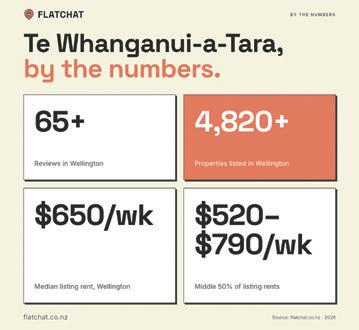
There’s one more thing I want to shout out before I go. Students, one of the biggest questions we were asked on our Instagram poll was a variation of what to look for in a flat/how to find a good one. I want to promote a website called Flatchat.
Its creator, Ryan, originally launched it in Dunedin and it’s just come to Wellington. The idea is to leave reviews on your flats so others can know what they’re like to rent in the future. So current renters, please log your flats; and first-years, get your older mates to log theirs, so there’s more of a likelihood your future flat will come up there. It’s easy as, and a really simple act of collective action we can take against landlords/property management monopolies.







Kia ora Editor and wider Salient team,
First, I want to thank you for holding the VUWSA exec, in particular the president, accountable. This week's article, titled What’s Happened to Aidan Donoghue’s Election Promises? is an amazing piece of journalism.
I am increasingly appalled this year by the VUWSA president, Aidan Donohugewasteofmoney, who ran on a campaign of lowering costs to students. To hear that all the "promises" and policies he made last year have been thrown out the window or scaled back, infuriates me. I feel lied to, deceived and betrayed. Students are facing higher costs at every corner, with the cost of living out of control, and as Martha Schenk outlined in her March 16th article Pantry Starved for Funding the measures that VUWSA has to support students during tough times are struggling, im aware, from VUWSA instagram, that the pantry has had some donations, but to vote to spend 7k on what is effectively a "party" when students are struggling, especially after the flooding that displaced many students from their homes, is appalling behavior.
I am so disappointed in the VUWSA president and the exec that continues to stand by him as he suggests out-of-touch ideas. Frankly, students are doing it tough, and the last thing we need is a party to celebrate it.
I urge VUWSA to reconsider its decision and spend that money on something that will actually help my fellow students and me.
Sincerely, A concerned VUW Student


just have to sing praise for Eleanor's piece on kumutoto! so incredibly beautiful, well written and well informed. So impressive how colonial harm, environmental hope, ecological understanding and personal identity were woven so together so well. Thank you for writing it Eleanor and thank you for including it salient! more like this please!! - Tiana
– Issue 9, Volume 88
Salient wishes to correct a statement published in the feature “It’s All Greek to Me: A Socratic Critique” in Issue 9, Volume 88. The article inaccurately suggested that tikanga Māori is not taught in depth within Law courses and raised concerns about institutional understanding. We have since been informed that this claim is incorrect. The Law School has been actively developing and delivering tikanga Māori within its curriculum. We apologise for publishing this statement without sufficient verification and for the misrepresentation of this work, including that of Māmari Stephens and colleagues.
A news article examining the teaching and development of tikanga Māori within the Law School appears in the News section in this issue.
Salient regrets this error and any harm it may have caused.
Dear editor, might be a controversial opinion however I believe that the overall aesthetic of salient has decreased this year. Last year I would put almost all centrefolds on my wall, this year abet one (tree man). I see how animated art is popular, but the watercolours, photos and drawings from last year had more meaning and represented more than a bright orange stick ish figure ever did for me. Also art is subjective and I recognise others might really like this style. But I am not one of them.
- Anonymous

Yeah, all jokes aside, I'm really disappointed on the lack of Tikanga Māori in the curriculum here. I spent my first year at Waikato, where regardless of what course, there was always about a quarter of the content that was dedicated to Tikanga Māori. When I came to Vic I was kinda alienated by the lack of coverage of Tikanga Māori, didn't feel right, didn't feel like they went into enough detail and such
Sincerely, Student who moved from Waikato in 2024

Yours forever and always A still thirsty Vic Home resident WINNER
Dear Editor, Once again, our beautiful homes coffee machine is out of order. please fix this.
Salient try to practise good journalism challenge: impossible


Its dissapointing to see such an easily avoidable mistake like this being made, incorporating te tiriti in our law cirriculum and making education on it mandatory was such a big deal that its shocking to see that something like this completely slipped under your radar. Speaks to a real lack of due diligence and involvement with the wider uni that people have been complaining about with salient for years - @hat.alex_
is published by, but remains editorially independent from, the Victoria University of Wellington Students Association (VUWSA). Student Press Association (ASPA) and the New Zealand Media Council. Complaints regarding the material published in Salient first be brought to the VUWSA CEO in writing (ceo@vuwsa. org.nz). If not satisfied by the response, complaints should be directed to the Media Council (info@mediacouncil.org.nz).

MONDAY
Nameless and Brainless debut
Venue: MOON
Time: 6:30pm Cost: Free
A six piece Soul/Hip Hop Wellington band.



Week of May 11 - May 17, 2026

WEDNESDAY
Something Something
Venue: Valhalla
Time: 7:30pm Cost: $10
A student led organisation highlighting emerging talent in the Wellington music scene. This week they are hosting Doggabarka, King Hit, and Synthia x Ghanjee.

FRIDAY SATURDAY
Steve the Hat
Venue: Octo (Aro Valley)
Time: 7:00pm Cost: Free
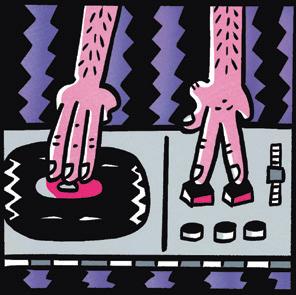
New listening bar/record store, they got DJs on every Friday and Saturday this month. Get amongst it.
SATURDAY
Eyegum Fundraiser
Venue: Newtown
Community Centre
Time: 7:00pm Cost: $20
Raffle, music, merch, and poetry! Cruelly, Hunter Fucking Jackson, Ollie Bunnie, Joel Field (Pearly*), Damiasharko and Alayne Dic.
SATURDAY
24 Hour Party People
Venue: San Fran
Time: 8:00pm Cost: $20
Wellington's longest running Indie night.

G Major Venue: Octo (Aro Valley)
Time: 7:00pm Cost: Free
New listening bar/record store, they got DJs on every Friday and Saturday this month. Get amongst it.
SHARE YOUR GIG!
Are you a Te Herenga Waka student with an upcoming gig or event? Scan the QR code to submit your details for potential inclusion on our gigs page.
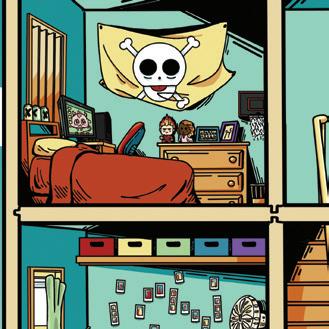
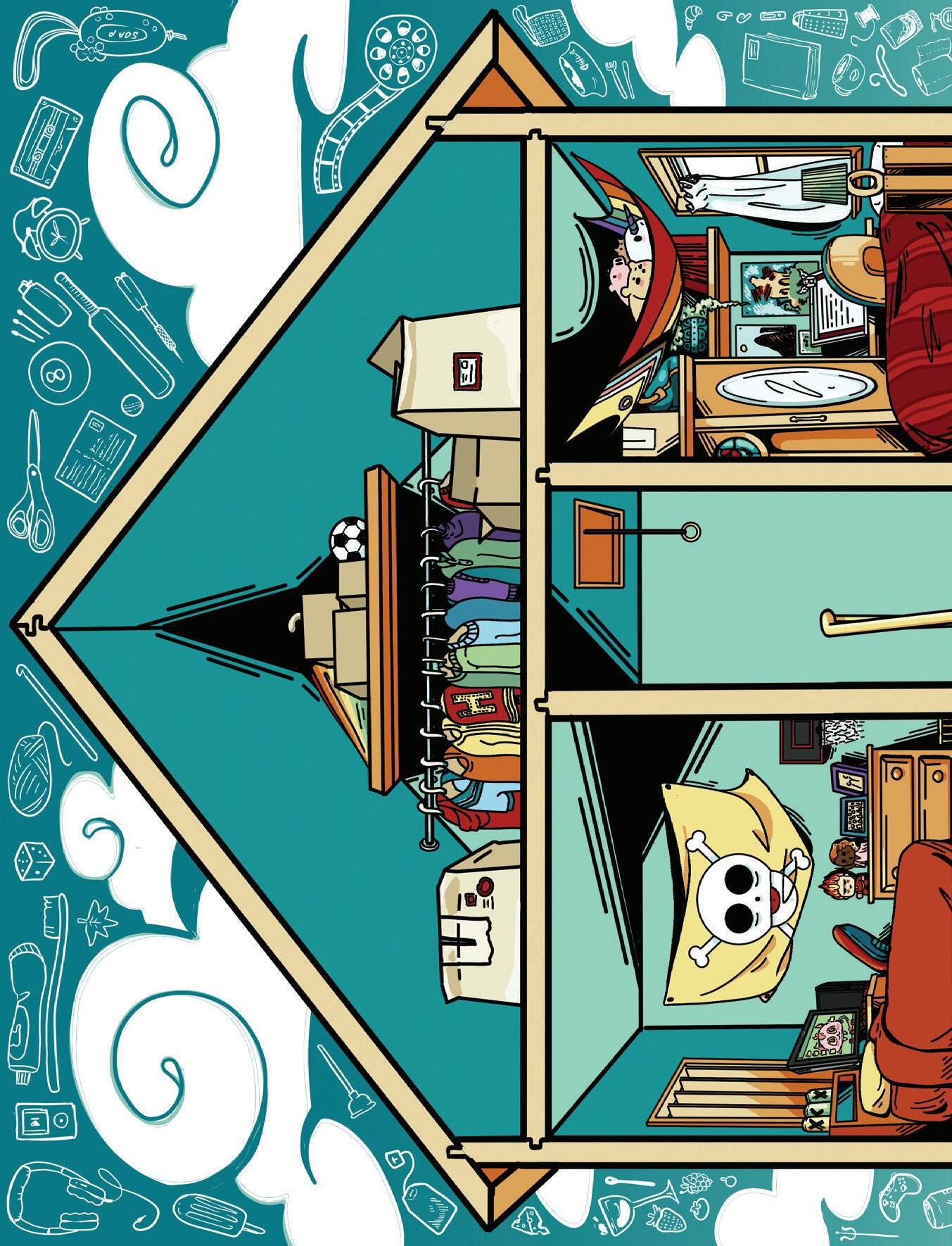
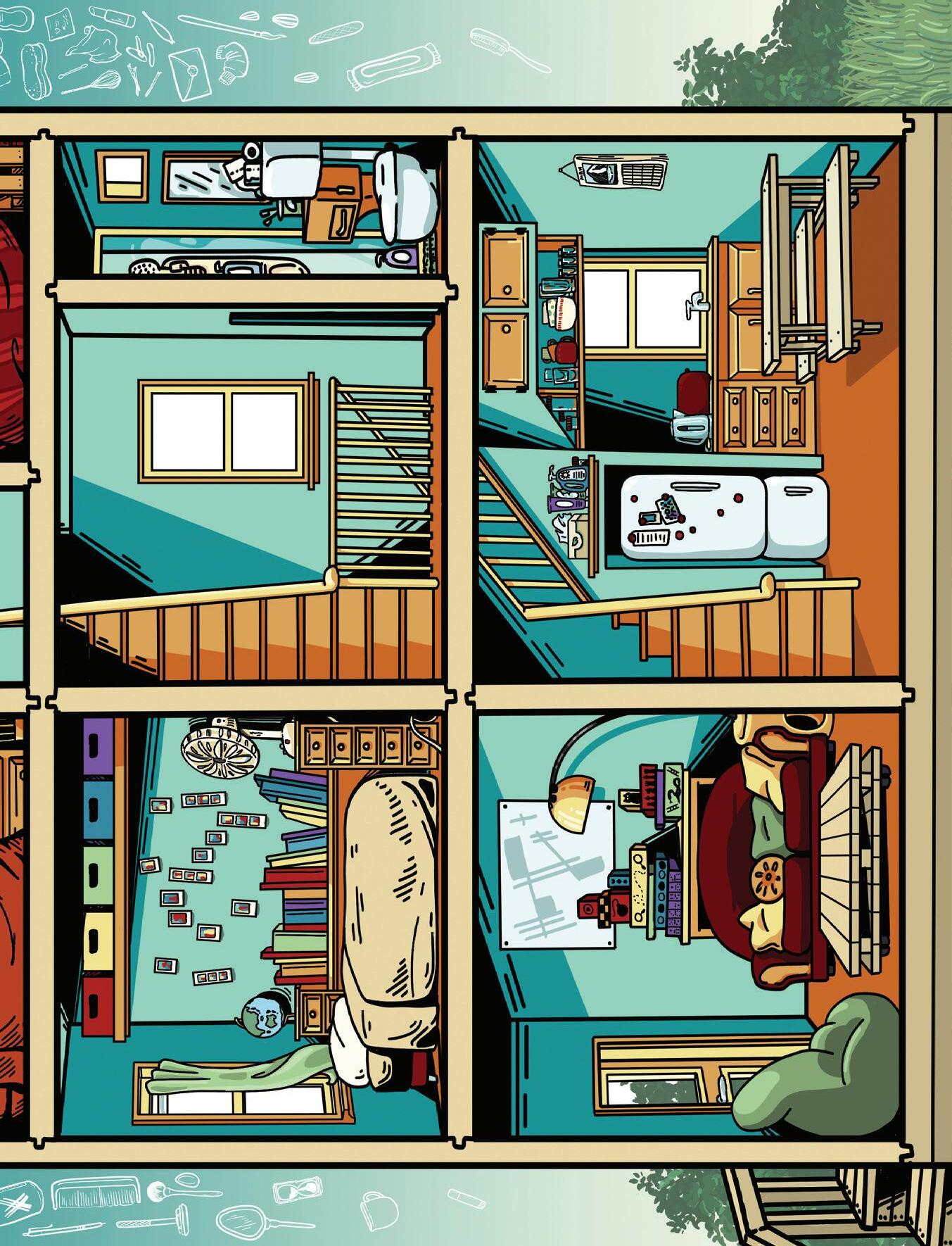
For me, art is about exploring other worlds in order to understand our reality. I take inspiration from Wellington’s unique architecture and how that relates to the student flatting experience. Moving here from Taranaki has been eye-opening, and I hope that my illustration conveys the rose-tinted view that I had of flatting in my first year of study. I chose this colour palette to inspire feelings of nostalgia and yearning. Whether it’s a sunset or sunrise is up to interpretation.
Go to page 20 to see the centrefold, then rip it out and put it on your wall !


Ryan Cleland
For years, researchers at Te Herenga Waka, wanting to study depression in rats, could dunk them in a tank of water and watch how long they struggled before giving up. The Porsolt Swim Test (PST)—also called the forced swim test—was a standard tool in preclinical drug research for decades. Now, the University has made its position explicit: it won't approve the procedure anymore.
VUW’s Animal Ethics Committee updated its website to formally reflect what had already become practice in the lab. Late last month the University released this statement: “We recognise that scientific understanding evolves, and with it, the appropriateness of certain methodologies. Procedures that are no longer considered valid (such as the use of the Porsolt Swim Test for depression research) or relevant within the context of contemporary research will not be approved for use.”
When I spoke with Adrian Bibby, Secretary of the Animal Ethics Committee at Te Herenga Waka, they told me that no application to use the test had been approved since 2018, and the last time it was carried out was 2017.
Bibby explained this is because often both researchers and the committee remain committed to ensuring robust results that do not need unnecessary repetition, thus “Researchers often move away from outdated methodologies proactively, without the need for the Committee to formally ban specific tests.”
Put plainly, researchers moved away from the PST far earlier than it needs to be banned. The reason for its obsoletion, according to Bibby, is that the test had become outdated and controversial within the scientific community. What happens to a rat forced to swim doesn't tell us nearly enough about what's happening in the brain of a person living with depression.
Bibby informed me that both the University and the Animal Ethics Committee “remain committed to being open about how and why animals are used in research.”
As such, the broad and diverse membership that make up the committee inform their opinions based on a range of sources such as “members’ expertise, guidance from the National Animal Ethics Advisory Committee, resources on alternatives to animal research, and emerging scientific knowledge.” Bibby makes a point to inform me that
consideration for such tests are not tied to fixed review intervals but instead are considered based upon "Scientific validity and ethical acceptability.”
When asked whether the Animal Ethics Committee is focused on reducing further animal testing within the University, Bibby stressed that “the term ‘animal testing’ is often used to refer specifically to regulatory toxicity testing, which the University does not undertake.”
VUW requires all researchers to consider the 3R’s, “reduction—how the number of animals can be reduced to the minimum necessary; refinement— how methods can be refined to minimise impact and enhance animal welfare; replacement—how they can use alternatives wherever possible,” and as such Animal welfare is one of the highest concerns for the Animal Ethics Committee.
However, in a statement, the Animal Ethics Committee did admit that “The Committee acknowledges that, despite significant advances in alternative methods, certain complex biological processes and integrated physiological responses currently cannot be adequately studied without the use of living animals (in vivo).”
Approximately half of the University's animal research is conducted concurrently within conservation biology programmes. That means that the study of wild animals within their natural habitats is focused on noninvasive and non-harmful methods.
Ultimately, VUW’s quiet shift away from the Porsolt Swim test reflects a broader change already underway in scientific research: a move towards methods that are more ethically sound and scientifically reliable. The evolving standards on the committee are ever-changing and we should look to them keenly as current scientific approaches change. This is a win for both the Scientific Community and for animal ethics as a whole.



Ali Cook
“Tikanga doesn’t come out of nowhere. It’s not something that’s been foisted on people because of a particular stripe of government.”
That is how Māmari Stephens describes tikanga Māori’s place in legal education. Tikanga refers to Māori law, values, principles, and practices, and courts have increasingly recognised tikanga as part of Aotearoa’s legal system.
At Te Herenga Waka, the Faculty of Law is now expanding the teaching of tikanga Māori across its Bachelor of Laws (LLB), embedding it throughout core papers despite a nationwide scaling-back of requirements.
The New Zealand Council of Legal Education initially proposed a compulsory first-year tikanga course alongside integration across all core LLB subjects. However, that broader requirement was later disallowed by Parliament’s Regulation Review Committee in May 2025, following criticism from Gary Judd KC, who said embedding tikanga across all subjects would be “unusual or unexpected.”
As a result, law schools are now only required to offer an introductory tikanga course at 100 level. Critics have warned this risks reducing tikanga to a “tick-box” requirement, rather than treating it as a coherent legal system.
Despite the regulatory rollback, Te Herenga Waka has moved ahead. From this year, tikanga content has been integrated across all four compulsory 200-level papers: Public Law, Torts, Contract, and Criminal Law. The faculty also plans to extend this integration to 300-level courses, including Property and Equity, by 2027.
Stephens said the goal is to develop a “tikanga instinct” in graduates—the ability to recognise when tikanga is relevant and respond appropriately.
“You could have entire cases where crucial things aren’t being mentioned because the lawyers involved don’t have the lens,” she said.
The curriculum is designed to build progressively. At 100-level, MAOR 126—Engaging with Māori in Professional Practice—introduces foundational concepts such as te reo Māori, tikanga, and Te Tiriti o Waitangi.
Students then apply these concepts across core law papers. In Criminal Law, for example, students examine practices such as muru and pana, considering how principles like tapu and mana may operate in legal contexts.
Teaching is grounded in application rather than abstraction, focusing on how tikanga functions in specific legal scenarios.
“The goal is not to produce tikanga experts,” Stephens said. “It’s to ensure graduates can recognise when tikanga is engaged and incorporate it into their reasoning.”
The curriculum was developed by approaching tikanga as both a system of legal norms and lived practice.
That process began with language.
“Law follows language,” she said, pointing to research that digitises historical texts to understand how Māori legal concepts were expressed.
From there, the focus shifts to practice—how people act within tikanga frameworks, and how those practices reflect underlying values.
Stephens said embedding tikanga across the degree better prepares graduates to practise law in Aotearoa. Without consistent exposure, she warned, students may fail to recognise when tikanga is relevant, leaving key arguments unmade.
In turn, graduates risk overlooking “other kinds of legal forces at work” in cases, she said.
Further development of the curriculum will depend on resourcing. Stephens identified three key pressures: workforce, research, and cultural capacity.
“Workforce capacity is absolutely crucial,” she said, pointing to the need to train more Māori legal academics.
Research remains another gap. Tikanga scholarship is largely unfunded at the faculty level, requiring individual law schools to develop their own materials.
Cultural development, she said, presents the greatest challenge.
“Tikanga education should be reflected in how we behave towards each other—in the faculty and across the university. That’s a generational shift.”
“That takes time and good relationships.”
Despite the national retreat from broader requirements, Te Herenga Waka’s approach signals a longer-term shift in how law is taught in Aotearoa— one that treats tikanga not as an add-on, but as an integral part of legal reasoning.

Dan Moskovitz
Content Warning: Sexual Violence, Strangulation, Death
Rough sex and sexual strangulation are becoming more and more common among students. An understanding of the risks involved—which can include headaches, pain, memory gaps, unconsciousness, or even death—is not.
In the US and Australia, just under 60% of undergraduates have experienced sexual strangulation. While statistics from Aotearoa aren’t available, a report commissioned by ACC found sexual assault services were seeing admissions due to choking rise “from 2 to 25% in recent years.”
The report also noted how rough sex and sexual strangulation are now widely “accepted and expected.”
Disturbingly, another report by Parliament’s Justice Committee stated that some (especially young adult) victims of sexual strangulation were now presenting to A&E instead of a rape clinic, as they did not consider what had happened to them sexual assault.
Strangulation is a crime under New Zealand law, irrespective of whether consent was given.
One potential reason for this is how commonplace depictions of rough sex and strangulation are, both in porn and in mainstream media.
Te Herenga Waka criminology lecturer Samantha Keene, who studies rough sex, cites the opening scene of the opening episode of the show Euphoria, which depicts sexual choking without any discussion or consent.
When asked if strangulation has been normalized, Keene pushes back—but only to try and denormalize it.
“If we start talking about rough sex as normal, we're accepting it as such,” says Keene. “But what I think I can say is that rough sex has become common.”
While strangulation can of course be done consensually, Keene is hesitant to say it can be done safely.
“If we adopt a medical position, there is no safe way to strangle, and that is quite well regarded in the domestic violence space and gender-based violence space as well.”
“But we have to meet people where they are, and if people are engaging in this, we do really need to be raising awareness about the full spectrum of harms associated with this practice.”
So, is there a solution?
The UK is leading the charge on this; they’ve recently outlawed portrayals of choking in porn. While Keene says we should watch how this pans out “really closely,” she stops short of recommending New Zealand follows suit.
Rather, Keene says the solution lies largely in education. New Zealand currently has no mandatory sex education, which Keene says is necessary to ensure sex is a healthy, fun, and consensual event.
In the meantime, Keene sees raising awareness as the necessary next step.
“We need an awareness raising campaign. We are very clear that there are demonstrable harms associated with being choked during sex, irrespective of consent.
“So there is an obligation, and I think a duty of care, to raise attention about it.”
If anything in this article has impacted you, feel free to reach out to these organizations.
Safe to Talk Kōrero mai, ka ora National Sexual Harm Helpline, 0800 044 334 Text: 4334
Wellington Rape Crisis (04) 801 8973 support@wellingtonrapecrisis.org.nz
Mauri Ora—Student Health and Counselling For same-day student counseling, fill out online intake form then call, 04 463 5308
Woman's Refuge 0800 733 843 info@refuge.org.nz
NZPC (04) 382 8791 Level 3, 204 Willis St, Te Aro, Wellington, 6011


Martha Schenk
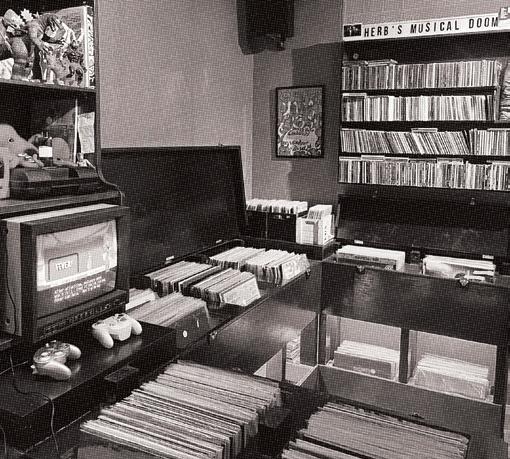
The newest addition to Aro Valley’s village strip is Octo, a record store, café, Yakatori restaurant, and listening bar all rolled into one.
Opened to the public on May 1, it has already gained support and what’s shaping up to be regular return customers in its first week.
“Cool set-up is going to absolutely hum,” one five-star reviewer wrote. “Will be back,” and “would eat again,” said two others.
The unique concept of a “listening bar” originated in 1950s Japan as a tearoom for people who couldn’t afford their own records, but still wanted to enjoy them. Rising in international popularity, the venues provide an alternative to clubs, with a focus on music and ambience rather than dancing. A collaboration between owners Benjamin James, Zuyi Woon, and Jeremy Hollis, Octo is being hailed as a Wellington first.
“It’s about still being able to have a conversation with someone, and you might hear, you know, something you’re interested in,” James told Salient
When asked whether Octo will be focusing on just jazz, like original ongaku kissaten, the response was “hell no!”
“I never want to pigeonhole the music that I listen to,” he said.
Many will recognise James from Herb’s Mobile Record Store, the converted blue truck-turned-vinyl-shop that has frequented Wellington city and suburbs since 2021. Now, Herb’s has found a bricks-and-mortar home as OctoHerb, selling from Octo’s back room.
As well as spinning vinyl from 10 a.m. Wednesday to Sunday, the bar will host DJs on Friday and Saturday nights, with no entry fee. The lineup for the rest of May includes Steve the Hat, GMajor, Webmaster, Vu, Takas, and booof.
On the hospitality side of things, Zuyi Woon, co-owner of New Zealand’s only fully manual coffee bar Pour & Twist, has developed an enticing menu of Japanese-inspired snacks, including yakitori-style skewers, chicken karaage, and miso herb toasties.
Bar food ranges from an affordable $6 to $16, while cocktails, wine, and beer come in at fairly standard pricing. Menus are printed on seven-inch vinyl records, a personalised, stylish touch.
The bar itself has a cosy, intimate feel. Retro action figures and old working TV consoles decorate a dimly lit, dark wood interior that accommodates up to forty-five patrons.
Octo sits opposite AroVision, one of the city's two remaining video rental stores. Together, the venues contribute to Aro Street’s nostalgic evocation of days gone by.
James said they chose the Valley because it’s affordable, it’s home, and he’s “kinda over Wellington city.”
“The city has had its heyday and is going through this intermediary time where it needs to sort itself out a little bit, whether that’s council related or business,” he said.
“They’ve been kicking really great things out.”
While feedback since the launch has been good, Octo has been two years in the making.
The venue experienced building consent, liquor and licensing application delays, as well as some community pushback and what James described as a general adversary attitude from Wellington City Council, all of which made opening difficult. The project has been adapted from one with an outdoor area and later opening times to better suit these requirements, and locals are coming around to it.
“A great addition to the Valley!” a passerby called out to me as I took the photos for this article. You heard it here first!
You can find the listening bar and record shop at 102 Aro Street, a thirteen-minute walk from Kelburn campus.

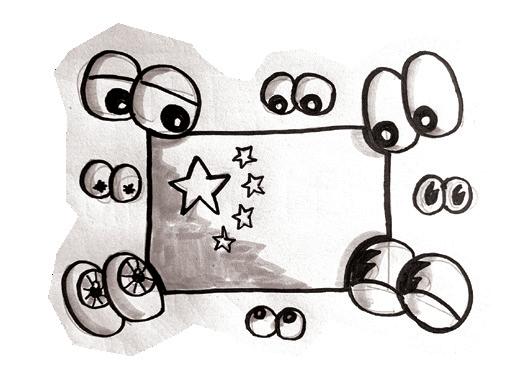
The People’s Republic of China is a state that splits the opinions of the world. Some see it as a repressive, authoritarian dictatorship, while others see it as the only sane alternative to the global influence of the West. Chinese people have been a part of our Pacific community since at least the mid 19th century, and since then China has seen an insane level of change in the form of civil war, revolution, and eventually the transformation into one of the world's premier global powers. And like all global powers, they hold our sea of islands to a high level of importance. I have no interest in the same fearmongering many participate in when it comes to talking about China (New Zealand’s long history of xenophobia towards our Chinese community certainly colours many of our interpretations of the country), but we should have an interest in those who have an interest in the Pacific. So let's track how the red sun looks in our Pacific sky right now.
Papua New Guinea’s Prime Minister, James Marape, visited China at the end of April, and the most significant portion of his trip was found in the city of Guangzhou in Guangdong province, China. In the 90’s, farming techniques pioneered by Professor Lin Zhanxi known as ‘Juncao farming’ were introduced to PNG, which had huge positive impacts for farmers in the Eastern Highlands in terms of production and income. Marape was keen to emphasise this to his hosts, and made known his ambitions to strengthen PNG’s ties to all of Asia through the further development of their local infrastructure and their continued relationship with Guangdong province. China’s embassy in PNG released a statement claiming that “China is ready to work with Papua New Guinea to deepen practical cooperation in trade, investment and key development sectors for shared growth,” echoing Marape’s vision to some degree.
PNG’s relationship with China has been watched closely by the United States and its allies, particularly Australia. As the decade progresses, Australia’s connections to the Pacific have been growing, in an intentional attempt to counter the ever-increasing Chinese influence. Sports diplomacy is one avenue China may struggle to compete with, especially in a league-loving country like PNG. A new NRL expansion team representing PNG is due to debut in 2028, with famous players like Jarome Luai set to make the move to Port Moresby. The team is being partially funded by the Australian government, and part of the deal for securing the funding was an agreement that PNG would not further defence ties with China. Marape sees the value in a nationally-uniting force in a country struggling to maintain a sense of national unity, and Australia seems to understand this, too.
Vanuatu has spent the past few months talking with China, hashing out the details of the ‘Namele’ agreement, named after a leaf that symbolises peace and authority. Australia also has their own agreement in the works with Vanuatu, the ‘Nakamal’ agreement, which is focused on security and development. Worries were raised that Namele could impact Nakamal if it compromised Australian’s security and defence infrastructure, but Vanuatu's Prime Minister Jotham Napat has publicly pushed against this, emphasising that the Namele agreement does not include defence and that “Vanuatu will decide what is good for Vanuatu. We will not be dictated to.”
China has a series of territorial disputes across Asia, including an ongoing back and forth with the Philippines in the South China Sea, where China claims islands the UN has ruled they have no right to. New Zealand and Australia have recently joined the Philippines in a military exercise named ‘Balikatan,’ the Philippines' biggest ever and one that extended through the disputed areas of the South China Sea. China’s foreign ministry released a statement, claiming that these countries “blindly binding themselves together in the name of security will only be akin to playing with fire and ultimately backfiring upon themselves.” New Zealand and Australia have denied they’re participating for any reason other than strengthening alliances. China, New Zealand, Australia, and the USA are always swinging their boats around in each other's waters to show off their military capabilities, and there is no doubt it's not helping stability in the region they all want a piece of.
Also, happy Rotuman language week! The theme this year is “Ȧf'ȧk, putua, a'pumuạ 'ȧk ma rak'ȧk 'os fäega ma 'os ag fak Rotuma, la se maoen 'e 'os tore”; treasure, nurture and teach our Rotuman language and culture so it may live on through generations. La’ ma alalum, until next time.

We asked our followers on Instagram what they wanted to know about finding a flat, and here are some answers. Take them with a grain of salt: they’re just my jaded personal opinions. But, as someone who’s been flatting in Wellington for over six years and has lived in many different flats, I reckon I’ve got an okay grasp on these things.

Phoebe Robertson
I’ve lived in brand-new buildings in Newtown, and in falling-apart Thompson Street flats with ant-infested, rotting decks and landlords so bad the tradies didn’t want to work for them. I’ve lived with friends, strangers, partners, moved with a couple of days’ notice, and with months of notice. Finding a flat has taken me months; it has also taken 48 hours from booking the viewing to signing the paperwork. I’ve done hour-long viewings, and I’ve moved into places I’d only seen through a 10-minute Facebook Messenger call—which, funnily enough, ended up being the best flat I’ve ever lived in.
Essentially, I have lived and I have learned. Maybe I can pass a little bit of that advice on to you.
First, figure out whether you already have a group and want to take over an empty flat, or whether you’re looking to move into an existing flat by yourself.
Either way, Trade Me and Facebook are the best places to search. Facebook groups include Vic Deals, Flats & Flatmates—Wellington, Flats and Rooms for Rent Wellington NZ, Flatmates Wanted in Wellington, and many more. Search “flats Wellington” on Facebook and join as many groups as you can. You can also use the renting section of Trade Me.
From there, DM people on Facebook, or email/ text listers on Trade Me, and arrange viewings.
Once you have a viewing booked, turn up looking put together. Business casual is a safe bet. Bring a flatting CV with information about you and your flatmates, especially if you’re applying to take over a whole place.
After the viewing, if you like the place and feel like you got along with the flatmates—or whoever showed you around, whether that’s a landlord or property manager—send a message saying you enjoyed meeting them and are interested in the room. Then wait for them to get back to you.
If you’re applying for a flat takeover managed by a property management company, they’ll often ask you to fill out an online application. Do that in a timely manner.
Finally: don’t get your heart set on one place. It often takes a while to find the right spot. Be nice, ask questions at viewings, and good luck.
Honestly, this is totally dependent on the people.
My potentially controversial advice is to flat with friends in your first year. You’re all figuring it out together, and it’s more comfortable to go through the process with people you know.
However, this can also lead to drama while you all figure out how to go from having your own space in the halls to living together in a flat. If you’re not feeling super confident in your first-year connections, it’s okay to go solo. It can be easier—and less daunting—to move into an existing flat where the utilities, furniture, and other pesky stuff are already sorted.
No matter who you’re flatting with, my best advice is to set boundaries early. Don’t be scared to have conversations like, “Hey, can you please clean up after you make food in the kitchen?” Early conversations make a world of difference in the long run.
It depends on the area.
According to MyRent, the median weekly rent for Wellington is $650. At the time of writing, MyRent lists median weekly rents at $470 for a one-bedroom property, $620 for two bedrooms, $750 for three bedrooms, and $900 for four bedrooms.
If you’re living in the city, convenience costs more. I’d estimate somewhere around $230–$260 per week for a room in a three-plus-bedroom flat. If you go further out to suburbs like Roseneath, Newtown, Karori, or Berhampore, rent may be cheaper, but other expenses—like transport— can go up.
Room size is also a factor. Some flats stagger rent depending on room size: the smaller the room, the cheaper the rent. But anything under $200 will, in many cases, have you living in a dark shoebox. On the other end, upwards of $300 can get you options like ensuites or walk-in wardrobes, depending on the flat.
What’s a good way to divide up cooking? Are people generally in charge of their own meals?
This totally depends on the flat.
Some people do all their cooking on their own. I did this in every flat I lived in while single: everyone had their own grocery budget and their own fridge space.
When I’ve lived with partners, we’ve split the shopping and split the cooking. Sometimes one person pays more for food and the other cooks more often. It’s all about communication.
I also know people who do communal cooking: flats that assign a cooking roster, do a group shop once a week, and split the cost.
There’s no single correct way to do it. It depends on what you want and who you’re flatting with. But you should absolutely talk about it with potential future flatmates before committing to a place together.
It depends who you are, but you generally want people who are honest and dependable.
Honest, because you’ll be sharing a living space with them. Dependable, because you want people who will pay rent on time, do the chores, and split cleaning fairly.
A good flatmate doesn’t have to be your best friend. They do have to be someone you can communicate with without everything turning into World War III.
Be careful if:
• They pressure you to sign a lease before you’ve viewed the property.
• The photos in the listing don’t match the flat you view.
• They contact you constantly, or seem like they want to be on the property all the time.
• The flat is poorly maintained—for example, it’s still dirty from previous tenants, full of junk, or has obvious damage.
• They don’t provide a clear tenancy agreement for you to read before signing.
• They don’t mention bond lodgement. In New Zealand, if a tenant pays bond to a landlord, the landlord must lodge it with Tenancy Services within 23 working days.
• They offer you the flat immediately without asking any questions. Sometimes that means they’re desperate for a reason.
Trust your gut at viewings. If something feels rushed, vague, or off, slow down and ask more questions.
A good place to start is by looking up the rental company on Reddit or local flatting groups. I know, lame—but Google is increasingly full of AI summaries and generic reviews, while niche New Zealand subreddits and Facebook groups can give you a better sense of people’s actual experiences.
Rental companies that often come up in complaints include Quinovic and Oxygen, but that’s anecdotal. Take those stories seriously, but also remember that experiences can vary by branch, property manager, and landlord.

Private landlords can also be a mixed bag. Some are excellent and fix issues quickly. Others are slow, dismissive, or try to pass costs onto tenants unfairly. Try to get a vibe from the viewing: Are they responsive? Do they answer questions directly? Does the property look maintained?
Personal recommendation: Joyce from Personal Property Management manages a lot of Kelburn and Aro Valley flats and I’ve had really great experiences with her.
When does pre-existing (as in there before I was) mold tip into being the landlord's problem?
Rental homes should be free from mould and dampness before being rented out. During a tenancy, tenants also have responsibilities, such as keeping the home well aired and removing small amounts of mould straight away. Tenancy Services recommends noting signs of mould or damp during the initial property inspection and raising concerns with the landlord before the tenancy starts.
The best thing to do is document it as soon as you see it—ideally on move-in day. Take photos, email them to the landlord or property manager, and make sure there’s a written record.
Always email your landlord first and give them a chance to help fix the issue. If they’re not helpful, you may be able to issue a 14-day notice to remedy. If the issue still isn’t sorted, you can apply to the Tenancy Tribunal. Tenancy Services says a 14-day notice gives the other party 14 calendar days to fix the breach, and if it is not fixed, the issue can be taken further.
Before escalating, it’s a good idea to contact Tenancy Services on 0800 836 262 or book an appointment with a VUWSA advocate. They’ll be able to give advice tailored to your situation.
Basically: if mould is interfering with your right to a dry, clean, healthy home, it’s worth escalating. But if the mould was visible before you moved in and you accepted the place anyway, it may be harder to argue later—which is why documenting everything early matters.
Yes, but you may not find it on the first try.
When viewing, inspect the place properly. Look for damp spots, dark corners, condensation, water damage, and signs that walls have recently been scrubbed or painted over. If the flat smells strongly of bleach, be wary. Mould can also hide in walls, wardrobes, curtains, and behind furniture.
Cold, dark areas are more likely to have issues. Flats with good sunlight, airflow, heating, insulation, and ventilation are usually safer bets. Pay attention to location, light, and how much sun the rooms actually get.
In six years of flatting after halls, I’ve lived in eight flats. Only two had serious mould issues: one had mould in the walls and got almost no light; another had a mouldy, rotting, ant-infested deck that wasn’t maintained.
If you do get some mould, welcome to Wellington’s old, single-glazed housing stock.
A dehumidifier can help, and places like Kmart, The Warehouse, Bunnings, and Mitre 10 sell DampRid and other moisture absorbers.
And for the love of God: if you’re in a dark or damp flat, open the windows when you shower. Don’t let the moisture sit.
How does it even work? When should we start applying for halls for next year?
Halls and flats are two different things.
If you’re looking to move from a firstyear hall into a second- or third-year hall, check the university’s website or talk to the accommodation office directly. They’ll have the most accurate deadlines and application process.
If you’re flatting, start looking a couple of months before you need to move out of halls. You should definitely be actively applying at least a month before move-out.
You may end up having to pay double rent for a couple of weeks, but that can be better than being left with nowhere to live, having to split up from your friends, or being forced into a random single room because you left it too late. If you’re worried about timing, talk to your RA early.
Avoid flats that feel rushed, vague, or weirdly desperate. If someone is pressuring you to sign immediately, dodging basic questions, or acting like you’re annoying for wanting normal information, that’s not a great sign.
Look for sunlight, airflow, heating, decent water pressure, and signs the place has actually been looked after. Open cupboards, check corners, look around windows, and don’t be embarrassed about testing things. You’re potentially paying hundreds of dollars a week to live there. You’re allowed to see whether the shower works.
Avoid obvious mould, damp smells, peeling paint, soft floors, broken windows, too many mystery stains. A bit of Wellington character is one thing. A bedroom that feels like a cave and smells like wet carpet is another.
Also pay attention to the people. Do the flatmates seem relaxed? Do they answer questions honestly? Does the chore system sound real, or does everyone just “kind of clean when they can,” which usually means one person ragecleans the kitchen every few weeks?
Ask about bills, internet, parking, bond, notice periods, guests, parties, heating, rubbish, and shared costs. It feels awkward, but it’s better than finding out two weeks in that the power bill is enormous and nobody has bought toilet paper.
My biggest green flags are honest flatmates, clear communication, natural light, and a landlord/ property manager who replies like a normal person.
Basically: trust your gut, but also trust your eyes. A flat does not have to be perfect. Most Wellington flats are, in some way, deeply flawed. But it should feel safe, liveable, and like people are being straight with you.
Accept that your friends will be different as flatmates than they are as friends.
Someone can be great fun at a party and still be terrible at dishes. Someone can be lovely oneon-one and still never buy toilet paper. Flatting reveals habits you would never otherwise see.
The serious answer: talk about expectations before you move in. Discuss cleaning, bills, guests, parties, quiet time, shared food, and what happens if someone’s partner starts staying over constantly.
The less serious answer, from Jim: “Play devil’s advocate with yourself and pretend they’re good flatmates. Pretend they’re fictional characters— that way everything they do is fun and not annoying.”
Honestly, both approaches may be necessary.
How should the purchasing of stuff for the flat be divided?
(Plates, furniture etc)
In my experience, the person with the most disposable income often ends up buying a lot of it—usually with the agreement that because they bought it, they get to keep it when they leave.
You can also make a flat mission out of op shopping. It’s cheaper, more fun, and you can find surprisingly good stuff. Just be clear about who owns what, especially if someone buys something they particularly like.
There’s no perfect system. Communicate with the people you’re moving in with and work out what suits everyone. It’s a good idea for each person to own at least a couple of plates, bowls, mugs, and sets of cutlery, so there are no surprise issues later.
However, you do not need five toasters in one flat. Have a chat before everyone’s parents start donating appliances. In first-year, relatives often give flatting gear as Christmas presents, so it may shake out naturally that someone owns a toaster, someone else owns an air fryer, and someone else brings pots and pans.
Maybe ask for a decent set of pots and pans for Christmas?
• I wish I knew landlords don’t always care about tenants' wellbeing.
• If you can fork the cash, moving companies are worth it. If not, Cityhop vans and a crew make it manageable.
• Take photos before moving things in. It takes a whole day to clean after moving out.
• I wish I had thoroughly read tenancy law, know your rights!
There is a correct way to be disabled. No one tells you outright. There’s no handbook, no neat list of expectations. But people recognize it instinctively—and, more importantly, they recognize when you fall short.
Consistency helps. You should look the same every day. Your body should tell a clear, continuous story. Fluctuation confuses people. It invites interpretation, and interpretation invites suspicion.
Last year, a friend of a friend—someone I’ve never actually spoken to—started telling people I was faking my disability. I assume she saw me on a good day, one where I could walk

around the library without my cane. I assume she thought she’d caught me out. It’s a strange accusation, but not an unusual one. It rests on a quiet certainty: that disability should be obvious, stable, and easy to verify. That it should present itself clearly to others, like evidence. Anything less becomes suspect.
When I was a young teenager, I tried to set a boundary. My medical history was being shared publicly to raise money for a hospital that had, at times, failed me. I said I found this strange. I was told, by a previously understanding family member, that I was being ridiculous—I could “find a problem with anything.” In hindsight, that feels like a misunderstanding. I wasn’t inventing problems; I was just refusing to make them consumable.

Because pain, as it turns out, is more acceptable when it is useful—when it can be turned into funding, into narrative, into something that circulates cleanly. What matters is not just that you suffer, but that your suffering can be told in a way that reassures people: about institutions, about care, about themselves. To object to that is to disrupt the story; and disruption is read as ingratitude.
In hospital, I learned there is also a correct way to feel pain. Too much, and you are dramatic. Too little, and you are not credible. Somewhere in between is the right amount: enough to justify your presence, not enough to make anyone uncomfortable.
I remember the irritation more than anything else. Not overt cruelty—just a subtle tension, like I had exceeded something. A limit I couldn't see but was expected to know. You start to adjust yourself accordingly. Lower the volume. Contain it. Translate what you feel into something more manageable for other people, because seeing you go through that is oh so hard.
Michel Foucault, a French historian and philosopher, writes about how power doesn’t just repress; it produces norms, behaviors, and self-regulation. You don’t need to be told explicitly how to act—you learn by being corrected, dismissed, or quietly disbelieved. Over time, you internalise the standard. You begin to monitor yourself. Is this too much? Is this not enough? Am I believable right now?
Disability, then, is not just something you experience. It’s something you are expected to perform correctly. To present in a way that is legible, coherent, and above all, non-disruptive. The problem is that bodies are not coherent. They change. They contradict themselves. They have good days that undermine bad ones, and bad days that refuse to be hidden. They do not move in clean, linear narratives. They are inconsistent in ways that make other people uneasy. And so you are asked, quietly but persistently, to smooth that inconsistency out. To become easier to read. Easier to accommodate. Easier, ultimately, to ignore.
Care sits awkwardly inside this—not because it is wrong, but because of how it is structured. It takes time, energy, patience—things that are treated as scarce, privately owned. So when you need more than your share, it doesn’t feel like a shared responsibility. It feels like an overstep, like you are asking for too much. I learned, slowly, to shrink around that feeling.
To apologise not just for the inconvenience, but for the need itself.
I could write a whole piece on liberal capitalism here, but I’ll be a good little commie and keep it brief. Under capitalism, need gets audited: What do you produce? What do you give back? How little do you cost? How efficiently can you prove you’re worth keeping? The self-made, working man has no time to care for us bottom-dwellers, and why should we expect him to?
Lately, I’ve stepped back from disability groups and activism. Not because I care less, but because I am tired. Because my workload is heavy and my body is heavier. Because sometimes the most responsible thing I can do is reduce the number of things that are hurting me at once. I feel guilty about it—like I’ve failed some quieter expectation, not just to exist as disabled, but to do it productively. To contribute, to advocate, to turn experience into something useful.
But usefulness has always been part of the problem.
I am inconsistent. I am sometimes in pain and sometimes not. I am critical, ungrateful, emotional, tired. I have, at various points, been inconvenient. I do not make this easy. And I’m starting to think that refusing to be easy, to be coherent, palatable, and reassuring—might be the closest thing to doing it truthfully.
And if that makes me suspect, so be it.
P.S. fake claim deez nuts and fuck you ******.
Content Warning: Hate Crime, Addiction, Suicidal Ideation
noun re·spite 're-spet
1: a period of temporary delay
2: an interval of rest or relief
The following is a collection of poetry around my experience leading up to, and being in, respite earlier this year. I never thought I would end up in respite care. As my mum would say, that was where the ‘crazies’ went when ‘their life went to shit.’ Well, I couldn’t really say I wasn’t one, and that mine hadn’t, so maybe she was right in the end.
These poems are shaped around Te Pō, that period of darkness during creation when Ranginui and Papatūānuku were still embracing one another. It felt fitting to parallel my experience with this time before coming into being, into Te Ao Mārama.

It started on a bench
Wooden
In memoriam to some loved one.
A boy beside me
Full of caffeine, nicotine, cannabis
Stomach empty
Heart empty
Lungs empty
I was meant to end things with him
But the sex is fun
Even if his heart is in the wrong place
Nausea heat sick and burnt white
Get it out of me
Get it out of me
It’s stuck in me
Fingers down gullet
Digging, digging, digging
It out of me
It’s still in there
Latched to the lining of my stomach
Adhered to the edges of my lungs
Bitter hot sweat and doom on the horizon
I want to blame him
Sweet talker
Soothsayer
A devil in disguise
But it is in me
And it is strong
And I am weak
And I did this to myself.

I tried to go camping 3 days later
Packed and prepped as best I could
Driver picks the music
Unfair but sometimes he has good taste
2
I don’t complain because I’m a good passenger princess
Tent pitched by friendly hosts
A tour of the property takes 10 square paces
The discovery of one dunny in the camper
And a 5 minute drive to the public loos
Sends shivers through my shitter
Daddy did raise a quitter but I believe in
Nature vs nurture
So I fill myself with nicotine, cannabis, alcohol
A party in my gut and everyone’s invited
Who cares about consequences when I’ve taught myself
This is the only way to cope?
Heart, heart, heart
Pounding, pounding, pounding
God it’s in me again
I thought I drowned you
Smoked you out
Sent you running for the hills
Everyone is getting high and eating snags
While I have my fingers down my throat
Digging, digging, digging It out of me.


3

They say panic knows when you’re scared It punishes you for running to safety
By treating your retreat as its’ new home I’m driven back home by an angel
In a Devilskin cap with tattooed hide
Faux comfort offered by four familiar walls
What do you think I do with my newfound freedom?
I spend two nights
Filling myself with nicotine, cannabis, alcohol
For fun, you see?
This is my normal
My way to cope with being punished for
Sitting on an empty stomach and full bench
Of feelings, disappointments, and fears of the future.
My friends return home and
The fear comes with them
Every footstep
Every door slam
Every indication of ‘other’ and ‘foreign’
In full force.
A flatmate drives me to afterhours
After his shower the next morning
He can’t
(and doesn’t want to)
Wait with me
My EKG and bloods come back normal
After hours in the bathroom trying to expel
It and Its contents
Spiral, spiral, spiral
Toilet swirl
Flush with heat
Human meatsack
25th, 26th, 27th
The days blur in ED but the hours don’t
6 to 6
3 to 11
And a final panicked breakdown that’s
Interrupted by a planned check-in from a friend
I can’t forget his face
As I spit and spew sentences to
A mental health line
It’s easy to forget he already lost a best friend before.
Watching baby sensory videos and Joking about Veggie Tales raptures while Waiting for Mauri Ora to open
The receptionist recognizes my voice but
Pivots to concern when same-day counselling is mentioned
Escorted across the road so I’m not tempted to
Play Frogger poorly
A quiet room sitting by the main office
‘Sorry’
‘I was never here’
And even a cheerful hello from my regular nurse
I wonder if she read the notes from the counsellor
Where I said I wanted to provoke a skinhead
To murder me like the fag I am.

A phone call with dad who missed the emergency
“I’m not doing well, I’m having a panic attack right now.”
“It’s those vaccines you got.

Alone in ED again

A hurried apology from someone scurrying through the shortcut
4 5
Apart from that whispering panic settled inside me
Called in late by kaumātua with sympathetic eyes
Karakia recited before they hand me the mic
My voice is fraught with hiccups and sobs as I break upon the rocks
Smashed to pieces beneath their watchful gaze
Back in the waiting room again

Listening to Mac DeMarco’s ‘Onion Man’ on repeat for 2 hours
Probably fucked my Spotify Wrapped
The tattooed angel returns with my overnight bag
And two cheerful nurses pack it in their trunk
Being in the backseat reminds me of home
Clock strikes midnight
Pulling into a long driveway
Stepping into a modern house
High ceilings
Wide open spaces
My new home for now
Greeted by two cuzzies
And a warm plate of aroha
It’s the first meal I manage to keep down in days.
Te PŌ tangotango
12:02pm
I’m visited by a clinician
He tells me I need to ‘focus on me’ and ‘ask for help’
As he signs off a script for more medication
“If you hold it under your tongue, it’ll take effect much quicker.”
4:07pm
I dissolve the lorazepam as recommended
Bitterness soaking into my saliva
A hot flush runs through me
And my heart pounds faster
Ice cubes on the neck while pacing the hallway
Finally curling up in a chair and staring blankly
Until I’m called for group dinner at
6:02pm
My thoughts spiral
What’s the point I’m not good at anything I take up too much space
“I don’t feel good enough for that right now.”
No opinion is given but I’m scared I’ll be stuck in the dark forever.


Papatūānuku cradles me in her arms
Grass blades pricking my elbows and calves
Exposed skin rubbing in the dirt
Tamanuiterā gazes down lovingly at us both
Papa scolds me even as warmth seeps into me
“Your actions lead you here and you must face consequences. But that does not mean you have to do so alone.”
The weight of judgement is borne gladly
Adrift in the weeds and daisies
I am finally accepted as her seedling
Now is a time of rest. 6 7 8
7:05am
Life sucks
I don’t wanna be here
Nobody really likes me
I’m wasting space here
People are in worse shape that me
I just want to sleep.
9:01am
Watching Galaxy Quest and eating buttered toast
10:24am
The clinician is here again
I’m part of a less than 1% population with paradoxical effects to benzos
Guess I should feel special
He extends my stay over the weekend
And says I’m doing amazing.
1:20pm
Watched Shrek while eating leftover dinner
1:55pm
I’m working on a puzzle when a new guest arrives (we’re not allowed to say ‘patients’)
Her face and arms covered in bruises
Shouts muffled by my headphones
She’s swept into a bedroom before I can reply
“She’s far worse than they let on over the phone.”
The house is frantic with energy now
I can feel it buzzing in my brain
Dirty and mean
Something Bad happened I need to get away from It



1pm
I decided to go out for a walk I have to ask permission first and tell them what time I’ll be back
It’s like being a kid again
1:06pm
Feet numb
Heat
ISweatrisingdripping
can’t do this
I want to turn back
1:32pm
I sit on a wooden bench alone
Tāwhirimātea caresses my cheeks
Blowing the sweaty brine from my brow
Feels weird to be an adult at a playground
Like I’m trying to turn back time
But I want to go on the swings
Feel the wind rush past my ears
As I leap into the sky and embrace Ranginui
10:53pm
Can’t sleep
Keep tossing and turning
Flashback after flashback
Doors slamming
Holes punched in the wall
Shrill voices in a pink 2000’s Toyota Vitz
“I’ll give you something to cry about.”

There is life in me yet. 9

3:01pm
I’m nervous
We haven’t spoken in 6 years but
She was the first person I thought to call
The clinicians suggested I talk to people who knew me when I was younger
The only friend left who’s known me for so long
The only one left that I didn’t burn bridges with
What if we’re too different now?
4:32pm
Cameras flick on
Mouths move a million miles a minute
Everything from the Drake and Kendrick beef
And drinking at New Brighton Beach at midnight on my 20th birthday
To sad poetry we wrote on the bus
And friends we’ve lost along the way
Two spirits maturing at the same rate
Across time and space
It’s like we never left
10:32pm
We’re interrupted by a nurse telling me I have to take my night meds
Something about changeover and keeping routine
I can’t believe how late it is
And there’s still so much more to say
“Wanna say how grateful I am bout our very long catch-up call, it really has helped me feel better moving forward!!”
“Same here, it’s great to be back in touch with ya, homie.”
5:55am
I wake to the glimmer of dawn
Stomach full
Heart full
Lungs full

Add up your letters at the end. Sit with (or share with the flat chat) whatever it reveals about you.
It’s Sunday evening—what are you doing?
A. Planning the week ahead, sorting bills, and organising the flat
B. Inviting everyone over for a shared dinner night
C. Doing a quick tidy and relaxing after a productive weekend
D. Heading to your partner’s place
E. Ignoring the mess and hoping someone else deals with it
F. Chilling alone in your room or out doing your own thing
Flat dinner plans come up—what’s your role?
A. Organising who’s cooking and when
B. Getting excited and inviting extras to join
C. Helping out where needed
D. Probably won’t be there anyway
E. Eating the food
F. Maybe joining, maybe not—depends on your mood
A new flatmate is needed—how do you help?
A. Taking charge of the search and interviews
B. Making them feel welcome and included
C. Showing up to meet them and give input
D. Not really involved
E. Complaining but not helping
F. Staying out of the process
What’s for dinner?
A. A planned, budget-friendly meal
B. A shared dinner night with everyone contributing
C. Something simple you’ve sorted for yourself (and maybe others)
D. Whatever your partner is cooking at their place
E. Someone else’s food
F. Takeout, or a solo meal in your room
The power bill just came in—your reaction?
A. Already paid and split, no worries
B. Suggest discussing it together over dinner
C. Pay your share promptly when asked
D. Don’t notice
E. “Wait, we had a bill?”
F. Quietly auto-pay your part, no fuss
The flat group chat is blowing up—what are you doing?
A. Clarifying plans and making sure everything’s sorted
B. Sending memes
C. Replying when needed, keeping things practical
D. Muting it
E. Complaining about flat chores
F. Reading it but rarely responding
What’s your ideal living situation?
A. A well-organised flat where everything runs smoothly
B. A lively, social household
C. A balanced, respectful environment
D. Living with your partner instead
E. Somewhere you don’t have to put in any effort into finding
F. A place where you can do your own thing
It’s cleaning day—what’s your approach?
A. Taking charge, making a plan, and assigning tasks
B. Tuning it into a group activity with music
C. Doing your share without fuss
D. Making sure you’re not around that day
E. Avoiding it by hiding in your room
F. Cleaning your own space, you leave everything else clean
You’re the glue holding the flat together. Without You, the poWer bill Wouldn’t get paid and the bond might never be lodged. do Your flatmates even knoW When rent is due? probablY not. here’s some advice: next Year, trY living With a eight off Your shoulders.

You thrive in a social, communal flat. game nights, and the occasional flat part ideal setup. You’d do best living just as keen to create a be Warned: this kind of flat isn’t for ever not for those Working night shifts or craving quiet time.
to live With_You’re the our chores (mostlY) on time, alWaYs paY rent promptlY, and pitch in When needed, like helping find a neW flatmate. You’re the kind of person everY flat hopes to have.



You’re alWaYs at Your partner’s place so much so that their flatmates might have strong opinions about meanWhile, Your o for a conversation setting clearer boundaries around ho over and contributing to costs.
You’re a nightmare to live With and deep doWn, You probabl knoW it. rent’s late, food goes missing, and You someho never seem to pull Your Weight. You act friendlY to people’s faces, then turn around and talk shit about them the second theY leave the room. it’s onlY a matter of time before it catches up With You. sort it out, start contributing, and maYbe just maYbe You’ll be invited to the next flat dinner.

for You, a flat is simpl Yourself, spend most of Your time in Your room or out of the house, and don’t get too involved in flat dYnamics. You’re tidY, reliable With paYments, and loW-impact nothing Wrong With that. still, You might be counting doWn the daYs until You can have a place entirelY to Yourself.



Hayden
I'm told it’s the cost of living, that butter costs Nine-Ninety-Nine yet my uncle slaved in a dairy shed, making barely a dime.
So why is butter Nine-Ninety-Nine? He hardly takes a break, never time for his daughters, missing Saturdays and Sundays–just so butter can cost Nine-Ninety-Nine.
But like a knight of the old, he risks life and limb, riding a quad like a steed, braving the rain with standard in hand.
Yet in many a rural town with names like Uruti, Eltham, or Kaponga you hear stories muttered quietly about sharemilkers found at peace for they no longer needed a dime, nor lost any time yet butter remains Nine-Ninety-Nine.


Milla Brown
You are looking for a place to live. One comes furnished–big rooms, lots of light, no holes in the walls. At the mere price of your left leg and a sliver of your soul. The second grows unrecorded forms of fungus from the carpet. For the price of every meal you ever wanted to afford.
It’s pay day. You glance at your balance. It’s in overdraft and they will be coming to find you. Best to bury your head in the sand.
You grow jealous of the trees as you wander past. Them, with their permanence. Them, with their long lives and lasting homes. If they are uprooted it means death; for you it’s a desperate scramble.
The walk to your car is long. Parking requires a minimum submission of your childhood dreams. It’s old, but it works– sometimes. It smells–badly. It leaks unknown fluids, but it can’t be that bad. It got you this far, right?
You walk to the waterfront. Its hostile beauty radiates free entertainment. Its waters stretch into nothingness. Its cries stifled into the misunderstanding of music.
You understand its woes. Its uses for others’ benefit. Its acceptance of going with what comes. You too, drift on the tide of life. Washed up on a shore close to Dreams, but too far away from Home.
You check the time, but your phone has long since escaped the land of the living. You would check by the sun. But lost that talent eons before you even thought of it. It never existed.


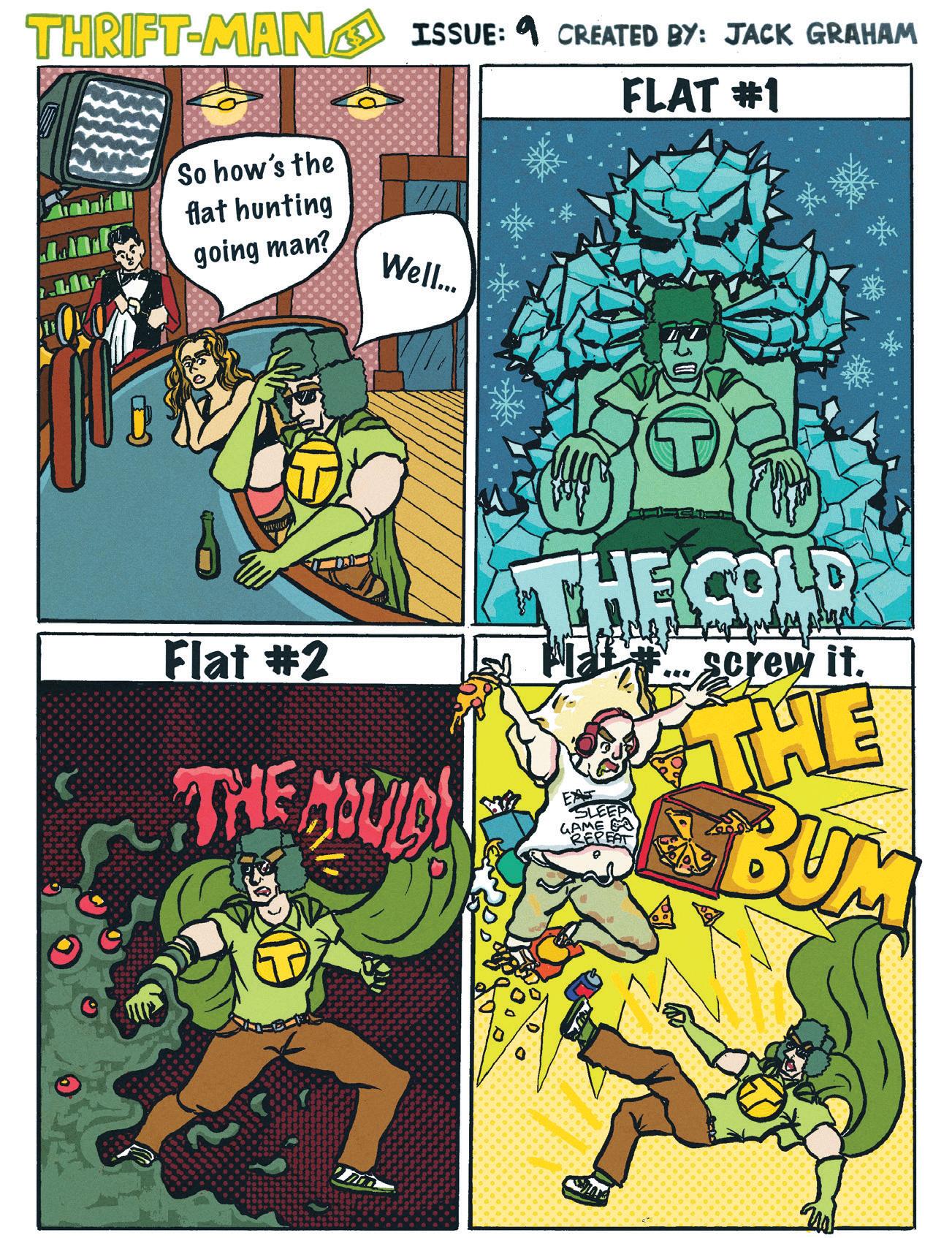
So, you’ve survived halls. Congratulations. You’ve made it through mystery meat, communal bathrooms, fire alarms at 2 a.m., and that one group on your floor who treated the corridor like a nightclub.
Now comes the next level: flatting.
Flatting sounds glamorous in a very student way. You get a lounge. You get a kitchen. You get to pretend you are the kind of person who buys vegetables before they rot in the bottom drawer. But flatting also comes with something halls usually handle for you: the law.
Unfortunately, your landlord, your bond, your lease, your rent, your inspections, your mouldy bathroom ceiling, and your passive-aggressive group chat messages all exist in a legal universe. So before you sign anything, here is your unofficial, very necessary, slightly dramatic, flatting survival guide.
Before you sign a tenancy agreement, read it. Yes, all of it. Even the boring bits. Especially the boring bits.
In New Zealand, you’ll usually come across a few types of tenancies. A fixed-term tenancy means you are locked in for a set amount of time, usually a year. You generally cannot just leave early unless everyone (including the landlord) agrees (usually at a cost), so do not sign a 12-month lease with people you have known for three weeks and one toga party unless you’re ready for the potential repercussions.
A periodic tenancy has no fixed end date. It keeps going until either the tenant or landlord gives the correct written notice. This is more flexible, but it also means you need to understand notice periods and not just ditch your way out of the flat.
A boarding house tenancy is different again. This is usually where you rent a room and share facilities with other people, and there are separate rules around things like notice, access, and house responsibilities. Basically, if you are renting just a room and not the whole flat, check what type of agreement you are actually under.
Your bond is not a cute little thanks-for-letting-us-move-in present. It is your money, held as security in case something goes wrong, like unpaid rent or damage beyond normal wear and tear.
Before you move in, take photos of everything. And I mean everything. The carpet stain. The dent in the wall. The suspicious mark behind the fridge. The curtain that looks like it’s on its last legs. Email the photos to yourself so there is a record from day one.
When you move out, your landlord cannot just keep your bond because they think “the place was messy.” There needs to be an actual reason. If there is a disagreement, you can go through Tenancy Services or the Tenancy Tribunal (explained below). The goal, by taking photos, is to avoid ending your first flatting year in a courtroom-adjacent situation over a shower curtain.
Rent is one of those annoying adult things where paying it on time is not considered impressive, it is just expected. Tenancy Services lists paying rent on time as one of the key tenant responsibilities.
Set up an automatic payment. Do not rely on “I’ll remember on Wednesday,” because you will not. Wednesday will become Friday, Friday will become “oops,” and suddenly the flat group chat is in crisis over an angry email from your landlord.
Also, sort out bills early. Power, internet, gas, rubbish, cleaning stuff, toilet paper. Nobody wants to become a flat parent, but somebody needs to know when the Wi-Fi bill is due. A good trick is to have one shared flat account where everyone pays the same amount weekly for expenses. A bad trick is letting one person pay for everything and never paying them back. It will only end in ruined friendships.
This is a big one. Your landlord owns the property, but while you are renting it, it is your home. That means you have the right to reasonable peace, comfort, and privacy, also called quiet enjoyment.
Your landlord cannot just walk in because they were “in the area.” They usually need to give proper notice or get your permission. For necessary repairs or maintenance, landlords must give at least 24 hours’ notice, and the work should happen between 8 a.m. and 7 p.m. For things like showing the property to potential buyers or future tenants, they need to ask permission, not just announce that strangers will be wandering through your bedroom the minute of.
Flat inspections can feel like being judged by an adult who owns a clipboard. But they are legal and normal, as long as the landlord follows the rules.
In New Zealand, routine flat inspections often happen about every three months. The most they can usually happen is once every four weeks, and your landlord must give at least 48 hours’ notice, but not more than 14 days’ notice. Inspections also need to happen at reasonable times: between 8 a.m. and 7 p.m.



The cheat sheet is simple: do not live in a biohazard. You do not need to have a Pinterest kitchen. You do need to keep the place reasonably clean and tidy, report damage, and avoid letting the bathroom become a documentary about mould.
If something breaks, tell the landlord as soon as possible. Do it in writing. “Hey, the oven is not working,” is better than waiting three months and then casually mentioning you have been cooking everything in the toastie machine.
Also, landlords can only ask for reasonable things. They cannot use an inspection as a magic wand to turn their maintenance problems into your personal invoice. If they inspect the flat and say, “That broken window is your issue to repair,” that is not automatically true. It depends how it broke. If someone in the flat smashed it, that is one thing. If it cracked because the frame is old, the weather was brutal, or it was already on its last legs, that may be the landlord’s repair.
If in doubt, do not panic-text the group chat and elect the loudest flatmate as your legal representative. Phone Tenancy Services and talk it over with them. Keep photos, keep messages, and keep everything in writing.
Landlords have to keep the property in a reasonable state of repair and meet relevant health and safety standards. Tenants need to keep the place reasonably clean and tell the landlord about damage or repairs straight away.
Translation: if the roof leaks, that is not your DIY issue. Tell the landlord. If you put a hole in the wall while trying to move a couch because someone said “pivot” one too many times, that is more likely your problem.
Do not stop paying rent because repairs have not been done. Tenancy Services specifically says tenants must not stop paying rent while waiting for the landlord to fix something. It may feel emotionally correct, but legally it is not the move. You can try to negotiate a temporary rent reduction, but you cannot just decide the rent is now $12.
What you can do is put it in writing. If you have asked your landlord to fix something they are responsible for and nothing happens, you can issue a 14-day notice to remedy. This is a formal written notice saying what the problem is, what needs to be fixed, and that they have 14 calendar days to sort it out. For example: “The roof has been leaking since 3 March. Please repair the leak within 14 days.” Tenancy Services has templates for this, so you do not have to invent legal language while angry.
It is a formal place where tenants and landlords can sort out serious disputes, including bond disagreements, unpaid rent, damage claims, repairs not being done, rent increases, rent arrears, ending a tenancy, issues with notice periods, access and inspection problems, harassment, privacy breaches, illegal fees, flat abandonment, and disagreements about whether someone has breached the tenancy agreement. It is less dramatic than court, but it is still a legal process.
Before you go there, try the boring-but-important steps first: talk to your landlord, put things in writing, keep records, take photos, and use a 14-day notice to remedy if something needs to be fixed. You can also contact Tenancy Services for advice or mediation. Mediation is often the better option because it can help sort things out without everyone entering the courtroom.
Before applying to the Tribunal, get a second opinion. Contact Tenancy Services, Community Law, or the VUWSA Student Advocate Service. They can help you work out whether your issue is actually a Tribunal issue, what evidence you need, and whether there is a less stressful way to sort it.
The Tribunal is the last resort. Use it when the issue is serious, you have evidence, and the normal options have not worked. Bring your emails, texts, photos, rent records, bond records, inspection reports, repair requests, 14-day notices, and anything else that proves what happened. “Everyone in the flat reckons it was unfair” is not evidence. A dated photo of the mouldy ceiling is.
Basically: do not be scared of the Tenancy Tribunal, but do not sprint there every time your landlord sends an annoying email. Try to sort it properly first. Then, if you need it, the Tribunal is there.
Flatting is a lot. You are managing rent, chores, bills, missing socks, mystery fridge smells, group chats and inspections.
The basic survival guide is this: know what you are signing, get everything in writing, pay rent on time, report repairs early, keep the place reasonably clean, take photos, protect your bond, and do not ignore weird landlord behaviour just because everyone is busy and tired.
You do not need to be dramatic. You do need to be organised. Screenshots, emails, photos, receipts, rent records, and dated messages are your best friends. They are boring friends, but they will absolutely come through for you.


If the landlord still does not fix it after the notice period, you can apply to the Tenancy Tribunal. The Tribunal can order the work to be done, and in some cases may order compensation or other remedies. Keep photos, emails, texts, dates, and screenshots.
The Tenancy Tribunal is where tenancy arguments go when everyone has tried being normal and it has not worked.
This guide is only a starting point. It does not cover every flatting disaster, every legal detail, or every “surely they can’t do that?” moment. For more information, check Tenancy Services, Community Law, and the VUWSA Student Advocate Service. They can help you understand your rights, your responsibilities, and what to do before things turn into a full flatting saga.
Final survival rule: do not panic, do not guess, and do not let the loudest person in the flat become the legal department. Get advice early, keep records, and remember that flatting is survivable—even when turning on the washing machine vibrates all the walls.

Māori activism in Aotearoa has been driven by the core principle that we have a responsibility to protect our rangatahi and future generations. This responsibility gives reason to decisions made in activism, for education, and for communities. The aspirations and dreams that we hold for mokopuna unifies the collective activation that is most present throughout recent Māori activism. Today, not only does this principle of Kaitiakitanga for the youth still hold true, but the sprouting of newfound resilience and strength in leadership has surfaced within today’s rangatahi. From the streets of Wellington to the digital world on my phone, the integration of Māori activism successfully persists in its visibility—in the clothes we wear, the language we learn, and the knowledge we acquire.
The suppression of Māori rights and culture correlate to the growing interest that rangatahi Māori have in pursuing politics and social sciences within institutional education. I see this so clearly through the increasing rates of enrolment in humanities and social science-based disciplines. Two key leaders that have shaped the stance for many young Māori include Hana-Rāwhiti Maipi-Clarke and Tamatha Paul. Both are helping to usher in a new generation with unapologetic Māori perspectives and livelihoods. Together, they have helped normalize political participation as a pathway for Māori youth, not just protest or disengagement. Their influence is not just in policy, but in inspiration: encouraging rangatahi to see themselves as leaders, organisers, and decision-makers in shaping Aotearoa’s future.
Social media has become the key tool that has enabled rangatahi to mobilise and stay informed. The intersectionality of indigenous activism in New Zealand helps connect Māori rights with other concerns including climate justice, language revitalisation, queer rights, and other broader social equity issues. The rangatahi activism that I see today is grounded in rich identity and cultural resurgence; many young Māori have reclaimed their reo, strengthened their whakapapa and tikanga, and asserted their mana motuhake. This cultural footing and the accessibility of digital social media has helped to fuel political action and has distinguished the approach from earlier generations. Seeing this shift gives me hope that the future of Aotearoa will be shaped by rangatahi who are grounded in who they are and confident in where they are going.
Make sure to keep an eye on our Instagram page to keep up to date on kaupapa and events!






Earl’s
What: classic, USA-style sandwiches.
Price: $10.00
When: 7:30am - 2pm, Mon - Fri.
They forgot to convert their prices when this New York deli moved to Pōneke.
At first glance, ‘juicy’ doesn’t sound like how a sandwich should be advertised. I like to eat mine, not drink them nor have them disintegrate in my hands. But sinking your teeth into a toasted Philadelphia Steak from Earl’s means realising that ‘juicy’ is actually exactly how you’ve always wanted a sandwich. And it is exactly how this one comes.
Thinly-sliced beef steak is silky, the colour of blueberry sorbet, and so succulent it could get you arrested without a charge. It isn’t skimped on, either; the meat ribbons back and forth in layers. On top of the beef are slabs of grilled capsicums, bright red with flecks of char still on them. Then a heaping of mellow-sweet, browned onions fill out the roll, topped with a slathering of soft cheese. The fillings are top-notch and generous; there is no way this is financially-viable for them. Regardless, it’s delicious. The menu does allege that there's a horseradish gravy too. If so, it doesn’t show itself with any kick, which is a shame. Regardless, the sandwich certainly doesn’t need it for saturation— the steak, capsicum and onions keep it
Any sliced bread would crumble under this filling, but the hoagie-style roll used here holds up well. It is thick enough to hold its own, without becoming just a mouthful of bread. It’s toasted enough to be crisp without shattering on impact like a baguette, yet still springy and reasonably light. As half a sandwich's volume, your bread has got to be pretty good. With the quality and quantity of fillings that Earl’s offers, one would expect and perhaps even excuse that they present them on a cheaper, voluminous bread. Their bread isn’t artisan, sure, but it’s certainly no Supersoft.
Earl’s is part of the Wellesley Hotel building, a skinny wooden door on the corner of Ballance and Maginnity street. It’s hard to find, but well worth it. While I haven’t yet had all of Earl’s menu, I plan to. So far it’s been hits all the way down.
The Choice Lamb, with roasted garlic kumara, halloumi, watercress, and mint gravy is like a travel-sized Sunday roast. Kumara and halloumi will never disappoint, but they do have strong flavours. Luckily, there’s plenty of lamb to balance them out, while the mint gravy keeps things from being too stodgy. I don’t get too many opportunities to eat lamb, and this is one that I grab with both hands.
Their Pastrami Reuben is also one to recommend, though I have no authentic comparison. The closest I’ve got to a New York deli was a Jewish grandma who I lived with for a year after high school, who’d stack pastrami, sauerkraut, mayonnaise and ketchup on sliced

Vogel’s. Earl’s scales it all up a bit, but all the components are pretty similar. Whether that’s a kudos to Earl or Elle, I’m not sure. Regardless, the Pastrami Rueben hits it out of the park as well, being a slightly lighter option than the steak or lamb options, with more acidity and bite.
I love bringing people to Earl’s and watching their disbelief fade as their sandwich is handed over the counter, and then shatter completely after their first bite. Somehow, it really is as good as it looks. A half-size costs you $10.00 and makes a decent lunch. I probably could put away an $18.00 full-size, but I’ve never needed to to feel full. Savvy customers might get a whole one and split it. If you can do so with a friend— then and there—by all means, but these sandwiches are limp and disappointing after a night in the fridge. Hot and crispy is the way to go.
It is a shame that not all their sandwiches are available in half-sizes; vegans and vegetarians are forced to go big or go hungry. For those after a stack of tender meat and sauce in a bun, however, Earl’s is your hole-in-the-wall. It’s only 5 minutes walk from Pipitea Campus, the











Jackson McCarthy is Salient's Critic-at-Large. His first book of poetry, Portrait, is forthcoming from Auckland University Press later this year.
How The Devil Wears Prada 2 undoes the brilliance of its predecessor
Spoilers ahead.
The year is 2006. Miranda Priestly (Meryl Streep)—tyrannical Editor-in-Chief of major fashion magazine, Runway—turns and enters a car. Her former assistant, Andy Sachs (Anne Hathaway), waves from across the street. We cut to Miranda inside the car: over her face, the passenger seat window reflects the highrise building in which her offices are housed. We get the memo: she is Runway, Runway is her. This is her burden, and she chooses it willingly. Miranda smiles privately to herself; Andy chuckles, and, having come at last to understand Miranda, chooses to walk away.
Thus concludes one of the finest character pieces in recent memory. That film is The Devil Wears Prada—it’s slick and stylish; replete with great costuming and gorgeously unassuming cinematography, not to mention its quippy screenplay. Its ambition is not revolutionary— it’s not here to overthrow power structures, but rather to understand their purpose. Still, what’s brilliant about it is that, while it begins at the level of the social, diffuse to the particulars of labour and workplace culture, it finishes as a complex morality drama. What’s the price of perfection? What’s the relationship between beauty and money? And how much will you endure for what you believe in?
You’d reckon the film would condemn Miranda—she’s needlessly mean and ruthless; a near-emotionally-abusive boss. But instead we learn, as Andy learns, of the sacrifices figureheads like herself make to uphold their institutions, and of the responsibilities they inherit alongside their power. The now-iconic Cerulean Monologue really cements things. Andy comes into a meeting tutting under her breath at Miranda and her staff for their obsession over the tiniest little details. Miranda, picking on Andy’s frumpy cheap sweater, decides to teach her a lesson: “It’s sort of comical how you think that you've made a choice that exempts you from the fashion industry when, in fact, you're wearing a sweater that was selected for you by the people in this room—from a pile of ‘stuff.’” Ouch. Some part of me reckons that if it were made today, The Devil Wears Prada’s powerfully ambivalent ending would be replaced by something all too obvious: imagine Andy Sachs, I dunno, starting a union and storming Miranda’s office.
Well, we don’t have to imagine, because we now have a sequel to answer that exact question. If the narrative arc of the first film can be likened to a funnel (where the broad-stroke social questions are slowly trimmed down to
the level of interpersonal drama and personal choice), the new film inverts this structure. And it’s in this inversion that it becomes noticeably weaker and less coherent than its predecessor.
The year is 2026. “Runway hasn’t been a magazine for twenty years,” says Nigel (Stanley Tucci) in a sardonic drawl. Andy’s now an award-winning hard-hitting truth-telling journalist—but her paper’s parent company has just downsized her department, and she’s been cut. Meanwhile, Miranda’s landed in hot water after Runway promoted a greenwashed fashion label that in fact produced its clothing at sweatshops. Andy makes her return to the magazine, this time as Features Editor, to clean up its image. Already so much is going on here—but what stands out is the crushing sense of Runway’s sudden marginality as an artful, glossy, print magazine in a social media age.
After Andy cleans up the sweatshop scandal, the magazine suffers another blow: the death of its parent company’s CEO. Replacing him is his talentless son who sees Runway as something of a financial burden and hires a number of socalled experts to downsize it. An Elon Musk-type figure intervenes and options to purchase it as a trophy for his girlfriend, the bitter and selfinterested Emily (Emily Blunt), returning from the first film. All is resolved when Musk-type’s ex-wife (Andy helped her restore her public image in a tell-all interview) swoops in and buys the magazine in a cash offer. The memo this time around? Capitalism’s actually alright, social media isn’t eating us alive, and AI doesn’t pose an existential threat to the arts: all we need is a good, benevolent CEO. I don’t buy it.
In a weirdly lucid piece of screenwriting, the film itself ends up offering us this scenario’s analogy in the form of love interest Peter (Patrick Brammall), a charming Australian property developer. Andy goes to view an apartment: it’s in a gorgeous old 1920s building, but the developer has fitted out the interiors in a naff, pre-fab, everything-new sort of style. Andy’s grossed out, and starts joking about the apartment to one of the strangers at the viewing—only to find out he was the developer.
It must have been mating season, because these two are inexplicably, heterosexually drawn to each other. Andy’s somebody who believes in preserving old things; who learned from her stint at Runway in 2006 that taste is not always democratic; who values beauty and integrity even when it’s not commercially viable. But Peter, having drank the capitalist Kool-Aid, lodges a disturbingly convincing counterargument: the city was actually about to pull this building down—developing it into tacky but sellable luxury apartments was his way of saving it. The fact that these two end up together (with Andy moving into one of his fugly apartments) is entirely incoherent, narratively speaking. Of course, in real life, people make compromises for security and fidelity. But this isn’t real life, it’s a film—and it

ties these characters up in an awfully tight loveknot when they in fact represent incompatible views about the relationship between beauty and capital.
I think of the Peter story as analogous to the Runway story because the film goes to lengths to show us a contradictory impulse within capitalism: how something produced by it becomes devalued, shamed, and obsolesced by its terms. And, as with the Peter/Andy pairing, the film is unable to reckon with the tension between Runway and capital, and instead forces them together in the alarming insistence that what we’ve got is the best we’ve got. But the capitalism of The Devil Wears Prada 2 has already begun to eat itself alive: those in charge, keen to optimise the life out of Runway, want to crush the magazine into a consumable online service, extracting value from consumers through datakeeping and digital marketing strategies. Power is becoming concentrated in the hands of “digital landowners”—owners with no vested interest, besides that of profitability, in the businesses that actually occupy their cyberspaces—in a process the economist Yanis Varoufakis calls Technofeudalism.
Miranda remains, in this sequel, the film’s central and most compelling figure because of how she sees this catastrophe coming and remains steadfast in the face of it, nobly delusional like a string player on the sinking Titanic. Where in the first film, the fantasy of individualism still reigned and questions about power were subsumed to questions about moral character, here nobody has agency: everybody is a victim. The film’s suggestion that the best we can do is hope for angel investors to continue financing our cultural products (with some ounce of respect for the culture they hope to profit from) is an exceedingly bleak, if accurate, assessment. But it’s tied up in the contrary impulse to frame this coupling as narrative resolution. “I love... working. I really do,” Miranda says about the prospect of retiring. The shot is close-cropped, the focus shallow, the screen all Streep’s. I actually find it quite moving—but the world of 2006 has quickly vanished, and the follow-up question we beg to ask this film cannot quite interrogate: “Working for whom?”
Dear dating diary,
I am quite simply sick and tired of talking to men who, no offense, have no personality. I hate to say it but the fact you spend all your free time scrolling on reels and using ChatGPT as a search engine is starting to show. I’ve had enough of men who idolise Christopher Nolan. You’re boring!! Believe it or not, I actually did understand Inception the first time I watched it. You need to find a new hobby, expand your Letterboxd watchlist, and get a freaking personality!
This isn’t to say that you’re boring if you enjoy Christopher Nolan films. I’ve watched my fair share of them, but I also have space to enjoy other films too! You’re welcome to like what you like, but you’re boring if you don’t open yourself to new experiences. A notable example that comes to mind is my exboyfriend who loved football so much that he refused to talk to my friends because “if they don’t know anything about football, what can I even talk to them about.” Um I don’t know, any other topic??? Stop shutting yourself off, you’re being lame.
I feel like these are the majority of men I end up meeting which has forced me to question, am I being too harsh? Maybe under the surface they’re incredibly interesting and I have just been too quick to judge. I like to think I have a hunch as to whether things between myself and someone else would work out in the long term. I’ve rejected people for all the classic reasons; boring, subjectively unattractive, and being cringe. I rejected someone because in my eyes they were “too soft,” whereas I feel like I need someone hard (not like that) who I can spark off (NOT LIKE THAT). I said no to another potential suitor because they said “hadn’t been out this late in ages,” when we were out at 1 a.m.


The question is, am I rejecting these people for surface level reasons or am I rejecting them for genuine incompatibility? I used to be that person who never went to town and stayed out past 1 a.m., but look how I’ve changed over the course of six months! My fear is that I’ve already rejected the perfect person for me all because of my limited knowledge of them at the time. Maybe if I had stuck it out and seen them a couple more times things would’ve worked out? On the other hand, maybe they are just genuinely uninteresting and I should have some self-respect and keep my standards high!
Either way, I can’t stop talking to these boring guys. The sad unfortunate truth is that I love the attention. There is something so validating about talking to a man who is clearly into you, even if the attraction doesn’t go both ways. Like yes, I am desirable and thank you for letting me know. I’ll even engage in a conversation about your marathon training routine to get a hit of that sweet, sweet attention. I am a girl who loves to flirt just for the hell of it, even if it’s at the price of a dull conversation.
Deep down, this just requires some internal reflection on why I crave attention so bad. It is completely normal to want attention, especially from potential partners. It makes you feel validated as a desirable individual who is worth dating. However, I need to recognise when I am showing an interest in someone just because I want attention, rather than experiencing genuine attraction. Realistically the perfect person is out there somewhere, I just need to be patient and live my life to the fullest in the meantime. It’s not as if I don’t have enough going on in my life right now. I’m a regular Salient columnist for God’s sake! I am booked and busy!!!
lesson: if a man loves christopher nolan and football, run!!!! set Your standards high and fill Your time Writing articles for salient . if no one else gives You attention then phoebe Will x

Oh Yes, Oh No is where sex stories go to be judged. Was it hot? Was it a disaster? You decide. All stories are submitted by readers, published anonymously, and guaranteed to make you say 'oh yes' or 'oh no'. Scan the QR code to submit your own and see if it makes the cut.

Last winter our shower stopped working and we had 2 days before the plumbing was going to be fixed. I find myself in the lab late working on my chem project and 3 red bulls in, i have this impulsive thoughtwhat if i just used the emergency shower? i was feeling desperate, and my lab partner had already told me i stunk earlier in the day. i stripped naked, and felt the torrent of freezing cold water paired with instant regret. Just then, the beautiful phd student i had had my eye on for months walks in. We both blushed, and then said "yes, i enthusiastically consent" at the exact same time. Talk about chemistry. We reverse beerbottled in the shower and then decided to get freaky with the bunsen burners. Can i just say, if you
EVER get the chance to f*ck in a chem lab, don't miss out on the endless possibilities of a conical flask.
submitted by anonmous
So, this story comes after my first ever breakup. For context, I came to uni and had never had sex with anyone before, until I met my then-partner. Fast forward two years and me and my ex break up, and I decide to explore my bisexuality (lol), and start matching with men on Tinder.
After a horrific bartending shift, I decide the best way to cheer myself up is to message a man I had been talking to, and invite him over. He picks me up from work, we walk to my flat together and have sex. With me awkwardly going, this is my first time having sex with a man, and him being like lit let’s go. Was a genuinely a good experience, we still have threesomes to this day.
However, the issues come the very next day. When another person I had been talking to, happens to be free, so what do I do except invite them over for a “cone.”
They come over, we have a sesh together… and yeah two copulations in two days after previously never having sex with a man before. Great, two great experiences, lit.
That was until this person and I were in my bed post-sex and do the whole “let’s look at who our mutual friends are” on instagram… bad idea. I would certainly never encourage anyone to do this post-sex.
Because this person in my bed proceeds to ask me “oh, how do you know this person?” And points to no other than the man I had sex with the night before.
So I try to play it cool and go “oh, we matched on Tinder.”


Now… I might be a slut but I’m not a liar.
So, I proceed to go. “I’m going to be so real with you, we had sex last night.”
And this person in my bed deadass looks at me and goes, “this is not the first time this has happened.”
And I just started laughing, because what else could I do?
I proceeded to keep having sex with both of them (though not at the same time, sadly). And it was a great time. One of them is now a frequent threesome partner, and the other I still see around occasionally since we have a bunch of mutual friends.
In fact, we have so many mutual friends, I once randomly had a book on my bed which I had lent them years ago, never expected to see them again, and my ex-flatmate bumped into them, and they gave it back to my ex-flatmate to give back to me, and my ex-flatmate put it on my bed with no context. I was so confused. So yeah, small world.
Moral of the story? Be honest (and always use protection).
submitted by anonmous
68 ChatGPT and Gemini, e.g.
69 Plan or list of candidates
70 "Yes" in Spanish
71 Hulled grains used in porridge
72 University staff who supervise halls of residence
73 Thin wooden strips used in benches or fences
74 Orchid genus known to horticulturists;

French choreographer
Catherine
11 Tree-like Marvel character
44 Braid you might wear under a bike helmet
45 In the role of
band known for atmospheric albums
86 Moved to a different part of the road while driving
89 Ornamental stonework in Gothic windows
90 Software delivered as an online service, acronymically
91 Protective devices used to block impacts
92 Women, informally
93 Public prosecutor, for short
94 Kylo ___, character from Star Wars
96 Footwear inserts offering extra comfort
98 Have a meal 100 Top-level credit rating 102 Featuring projecting roof edges 104 Edges of a roof that overhang the walls 105 Printer cartridge supply 106 Railway lines, abbr. 107 "Give it ___!"
108 Stage of a bicycle race, especially the Tour de France
109 Temple pillars topped by the ends of sidewalls in Greek architecture
110 Rocket thrusters that adjust orientation, abbrev. for reaction control systems
111 Torquato, Italian Renaissance poet
112 Pressed fabrics used in crafts and lining hats
113 Bright signage tubes filled with gas
DOWN
1 Indigenous Pueblo people of New Mexico
2 Professional who arranges wills and trusts
3 Of reasonable height
4 Group of three performers
5 French for “his” or “her,” depending on plurality
6 Engages in a verbal dispute
7 Slow-cooked French beef stew
8 Fleshy seed covering found on plants like pomegranates
9 Spends time in quiet reflection
10 Hermits living in seclusion
11 Kitchen tool for shredding cheese or vegetables
12 Tropical fruit with a floral scent
13 Machine that bores into the ground for petroleum
14 "Hello," in Portuguese
15 Small spoon measures, for short
16 Become highly skilled at
17 Donkey
18 Thick, flat pieces of stone or concrete
28 Abbrev. for stones, in weight notation
29 Anesthetists, colloquially
31 Fortifications made from felled, sharpened trees
33 Plural of “aerium,” an enclosure for birds
35 Scottish “strike” or “blow,” in dialect
37 Biblical king of Judah
38 Rebels, informally
39 Part of the brainstem that relays signals
40 Walking sticks
41 French for “little one,” spelled in old literary usage
43 Bottoms of shoes
46 Soft leather with a brushed finish
48 Throws, as a fishing line
49 Latin for “art”
51 A unit of radar cross-section measure
53 Boat cloths that catch the wind
54 UN ambassador under JFK
55 Veteran sailors
56 Sea bordered by Europe, Africa, and Asia
58 Old Army meal
59 Fuel for many barbecues
60 Wooden box for transport or storage
61 Disagree verbally
62 Housing that encloses machinery components
63 Term of endearment for a sister
64 Astronauts Bean and Shepard
67 Dead on arrival
68 "___ in apple"
69 Dark berries used to make sloe gin
16 "More", in Spanish
19 Beached, as a small boat might end up
20 Less commonly found than usual
21 Stirs up, as rough weather can do to harbour water
22 NZSL’s neighbour across the Tasman, for short
23 Singer Redding, known for “Sittin’ On the Dock of the Bay”
24 Person who leads tramps on Great Walks
25 With a casual smack
26 Randomised security process, in brief
27 Common Japanese surname
28 Turned directly from solid to gas
30 Took a seat
32 Directional preposition
33 Ending meaning “provided with”
34 Those not great at picking up pitch
36 South Asian surname
38 Starts operating again
40 Creatures you’ll find
70 Formally entered into a record
72 State of being prepared
73 To subject to tension (rare but attested linguistic form)
74 Baldwin or Guinness, for instance
75 Old spelling of “array”
77 Structures where honeybees live
78 A shallow area built up by drifting sand
79 Spanish verb form
meaning “you love”
81 Record label once associated with major musical acts
83 Some NFL linemen
84 Guy
85 Greek god of war
87 Repeatedly trouble or pester
88 Provide something on loan
89 Dissertations, plural
90 Surname of Ringo, of Beatles fame
92 Got some rest
95 Straight, as a drink
97 Shape like a rugby ball
98 Finished up
99 Spanish for “you are”
101 Storyline in a series
103 Large South American parrot genus
105 Colour from time in the sun
47 Small Russian pancakes served with toppings
48 Ice creams you grab from a dairy on a hot day
49 Every bit
50 Cover for a pot or container
52 Droops under weight
53 What shops push during long weekends
54 Equal, in maths
55 Seed sprinkled on sushi rolls
57 Abbrev. seen on some science charts
58 Examples to look at
59 Abbrev. seen in various multilingual settings
60 Provided food for an event
61 Indefinite article
62 Coarsely ground maize, a Southern U.S. dish
63 British special forces group
64 French town associated with Van Gogh’s work
65 French for “of”
66 Shuffles and distributes cards again
>
1 TV show about Florida forensics
9 Stick for a BBQ, or a sharp critique
15 Go gentler with; back off a bit 16 Cyclone that battered the Pacific, or a woman’s name
17 Like the Street with Big Bird, abbrv. 18 Fleet ready for battle
19 Calf’s source of milk
20 Full of coral hazards
22 Bigoted remark
23 Venomous snake
25 Vaccine molecule, briefly 27 ___-80 (old computer)
28 What pilots monitor in knots
31 Scottish “have” 32 Christmas kissing plant
35 Word before “Carta” in

48 What the dentist checks
52 First name main charecter in Netflix's Sex Education
54 Take ___ at (try)
57 Pickled ginger with your sushi
58 Sharp-minded or clever 60 Suffered extreme pain or indecision
62 Write down in musical symbols 63 Salient, for example 64 Noisy sleeper 65 Marches or DOWN
1 Curved basket used in jai alai 2 Common Arabic male name 3 “It’s sad” said aloud 4 Someone not keen on tofu 5 Common chemical suffix 6 One who mimics others 7 First name of artist Allison ___ 8 In proper musical timing 9 Kiwi actor or All Black’s first name
Prefix with plunk or plop
Plural of tree that shares its name with a famous horror movie street
Divide between rich and poor
Ability to keep going through hardship 14 Where the kids sit in the car
People not under feudal obligation
Small creeks
"Just fess up already!"
Electrical unit 30 They can really put on a show 32 Results of excessive stress 33 A quarantined person is kept in it
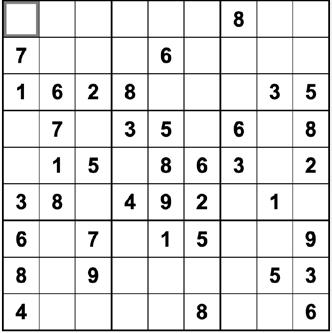
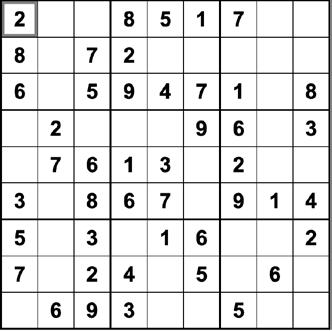
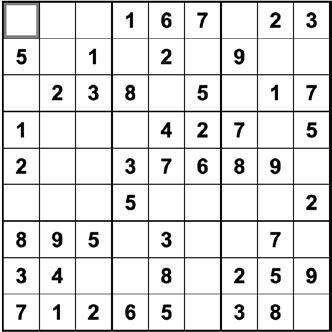
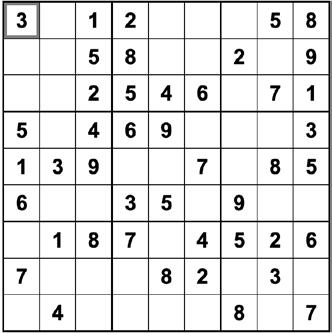
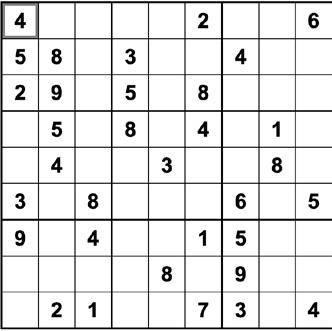
NATURALSELECTION PHOTOSYNTHESIS MITOCHONDRIA BIODIVERSITY MICROBIOLOGY HOMEOSTASIS RESPIRATION CHLOROPLAST

ADAPTATION PHYSIOLOGY IMMUNOLOGY CHROMOSOME POPULATION EVOLUTION DIFFUSION ECOSYSTEM
1$785$/6(/(&7,21 3+2726<17+(6,6 0,72&+21'5,$ %,2',9(56,7< 0,&52%,2/2*< $'$37$7,21 3+<6,2/2*< ,00812/2*< &+5202620( 3238/$7,21



AMINOACID CYTOPLASM SYMBIOSIS GENETICS TAXONOMY CELLWALL MEMBRANE PARASITE
$0,12$&,' &<723/$60 6<0%,26,6 *(1(7,&6 7$;2120< &(//:$// 0(0%5$1( 3$5$6,7(
087$7,21 26026,6
$1$720< 3527(,1 18&/(86 (1=<0( '1$ 51$
MUTATION OSMOSIS ANATOMY PROTEIN NUCLEUS ENZYME DNA RNA
If you have a story, confession, or experience you’d like to share—whether it’s an anonymous crush, workplace

I have a really close friend (bordering on homoeroticism) and our main past time is to aggressively participate in psychological warfare against each other for the past four years of our lives, ongoing. They go to a different uni now so we don't see each other often and its low-key making us suffer withdrawals from each other because it was kinda getting very codependent. Both of us are acutely aware that this is borderline toxic, we're both mentally ill, AND for a while it was mutual that we wanted to participate in eachothers lives so obsessively that we don't know where one of us started and where on of us ended. Examples of psychological warfare were constant ghostings from my end, as well as love bombing (also from me). In return they'd track down my location and spend every waking moment of their lives following me (I'm not joking we spent an average 17 hours together daily, physically and online). They even promised that they'll find my uni schedule and come onto the campus just to find me, which sorta makes me paranoid every time I turn a corner! So now I live constantly on edge, wondering if I'll get jumpscared (even if they meant it as a joke). Good thing we have a life360 and can see each others locations, so we know where the other is at all times <('^')> - anonymous
Welcome to the puzzle page from
These puzzles are provided to be fun and challenging. The Salient team and our contributors aim for accuracy, but occasional errors may occur. If you notice an error, you may write to editor@salient.org.nz. Please note that our puzzlers and contributors are doing their best, and none are professionals or working on these puzzles full time. For the word find, words may appear diagonally and backwards. To access solutions for the crosswords and connections puzzles, scan the QR code next to Puzzhead.

To solve a Set Square, use arithmetic and logical reasoning. You are given a grid containing six sums: three reading across and three reading down. The arithmetic operations (division, multiplication, addition, and subtraction) are shown between the grid spaces. Place each of the numbers 1 to 9 exactly once into the grid so that all six sums are correct. Note that calculations are carried out in left-to-right order, not according to BEDMAS.
To solve connections, group the sixteen words into four sets of four based on a shared connection. Each word belongs in only one group. Continue until all four groups are identified. On our website, the groupings are uploaded one at a time, so if you get stuck, you can view the answer for a single connection without revealing the full solution.

To solve Word Wheels, form words of four letters or more using the letters in the nine-letter wheel. Every word must include the central letter. Each letter may be used only as many times as it appears in the wheel. The aim is to find as many valid words as possible from the target word list, including the nineletter word that uses all the letters.



Watch/channel Bridge to (2007):Terebithia
Your imagination is powerful, but don’t escape so hard you miss real people. This week, connect with those you love and check in.
Watch/channel
Bolt (2008):
Main character syndrome is cute, babe, but check the facts first. This week, bravery works best when it’s thought through first.





Watch/channel Shrek (2001): Your swamp is sacred, actually. This week, don’t shrink your weirdness for anyone; the right people (or VUWSA exec) will bring waffles.
Watch/channel Boy (2010): Not every proper adult has the answers, shock horror. This week, stop over-respecting authority and back the younger, wiser part of you.
Watch/channel Cars (2006):
Slow down, Lightning. This week isn’t about winning first; it’s about remembering who fills your tank, and backing your pit crew.



Watch/channel
The Incredibles (2004): Rest is not a villain origin story. This week, delegate something before putting on the spandex.


Strange travellers from distant constellations have beamed you up to the Mothership to deliver some good news and hard truths. Consider the gravity of their words (or don't).


Watch/channel
G-Force (2009): Your spontaneity has range, honestly. Use it strategically this week: talk less nonsense, gather intel, then absolutely send it over the weekend.


Watch/channel
Whale Rider (2002): You don’t need everyone’s permission to lead. This week, choose the thing calling you, and do it bravely.




Watch/channel
Lilo & Stitch (2003): Your oddball era is the point. This week, protect your chosen family and don’t apologise for loving differently.
Watch/channel
The Lion King (1994): Stop haunting yourself with old scenes. This week, face the past, take the lesson, and learn from it.
Watch/channel
Watership Down (1978):
Feel your feelings, but don’t build a whole apocalypse in your head. This week, trust the burrow that shelters you and look after your colony.




Watch/channel
The Chronicles of Narnia (2005): Stop waiting for a wardrobe-level sign. This week, step through the tiny opening and let your imagination think about what could go right, not wrong.
April 20May 20