8 OUR COMPANY
26 SOCIAL IMPACT
ENVIRONMENTAL IMPACT
44
64 APPENDICES
8 OUR COMPANY
26 SOCIAL IMPACT
ENVIRONMENTAL IMPACT
44
64 APPENDICES
As Safe Harbor grows, our responsibilities and opportunities continue to increase. One of the ways we lean into these responsibilities and opportunities is through our sustainability program. To us, sustainability means caring for the lives and places that we touch.
In 2025, we celebrated 10 years of existence. A great amount has been accomplished. But there is much more work to do.
As we look toward the decade in front of us, we have ambitious objectives. We not only hope to expand our footprint and services across the globe; we intend to continually increase our care for those locations, our Teammates, and Members as we grow.
It is not our desire or intention to do this alone, but to do it in partnership with the industry and all our stakeholders.
We hope you will join us on the journey. ▪
A LETTER FROM BAXTER UNDERWOOD CHIEF EXECUTIVE OFFICER
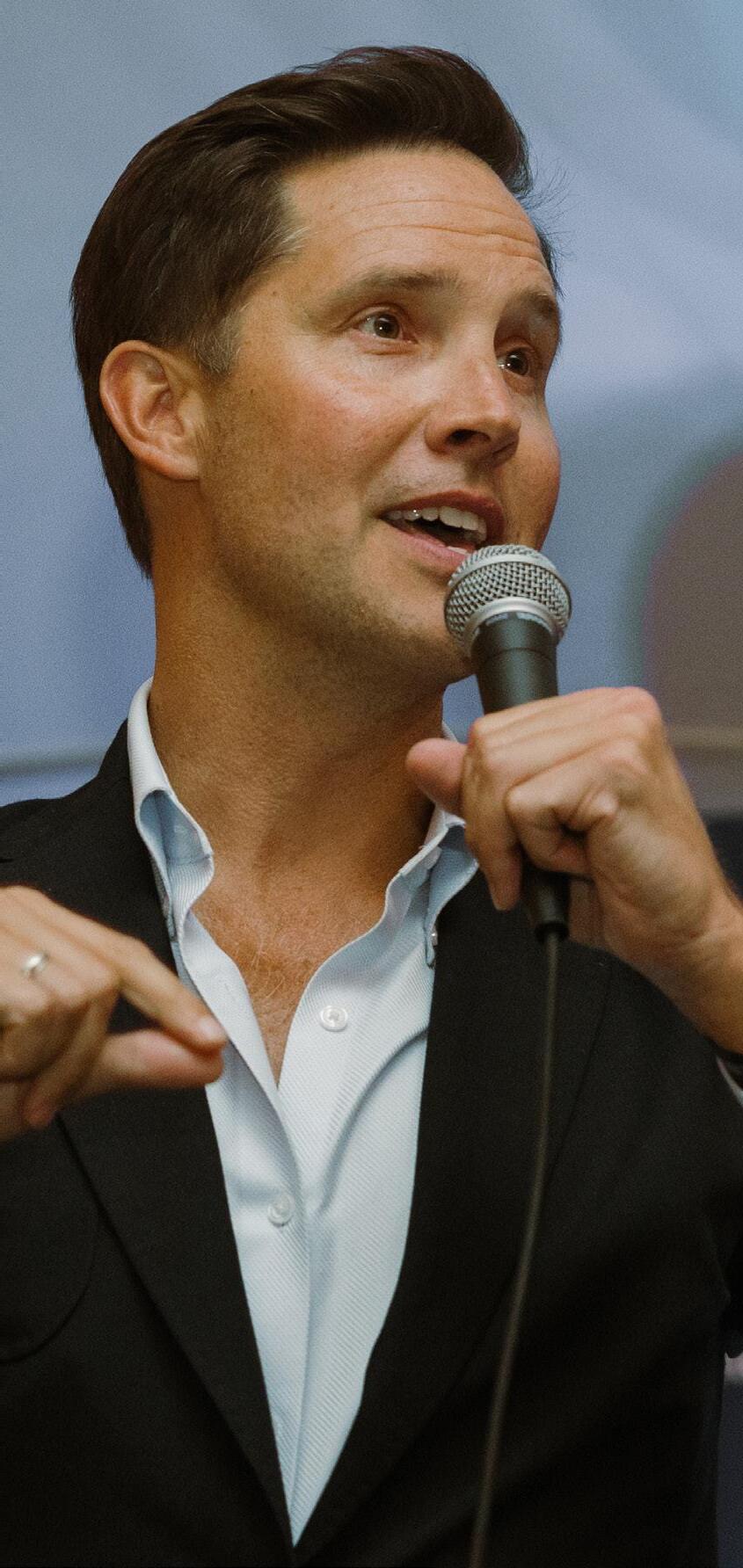
“We not only hope to expand our footprint and services across the globe; we intend to continually increase our care for those locations, our Teammates, and Members as we grow.”
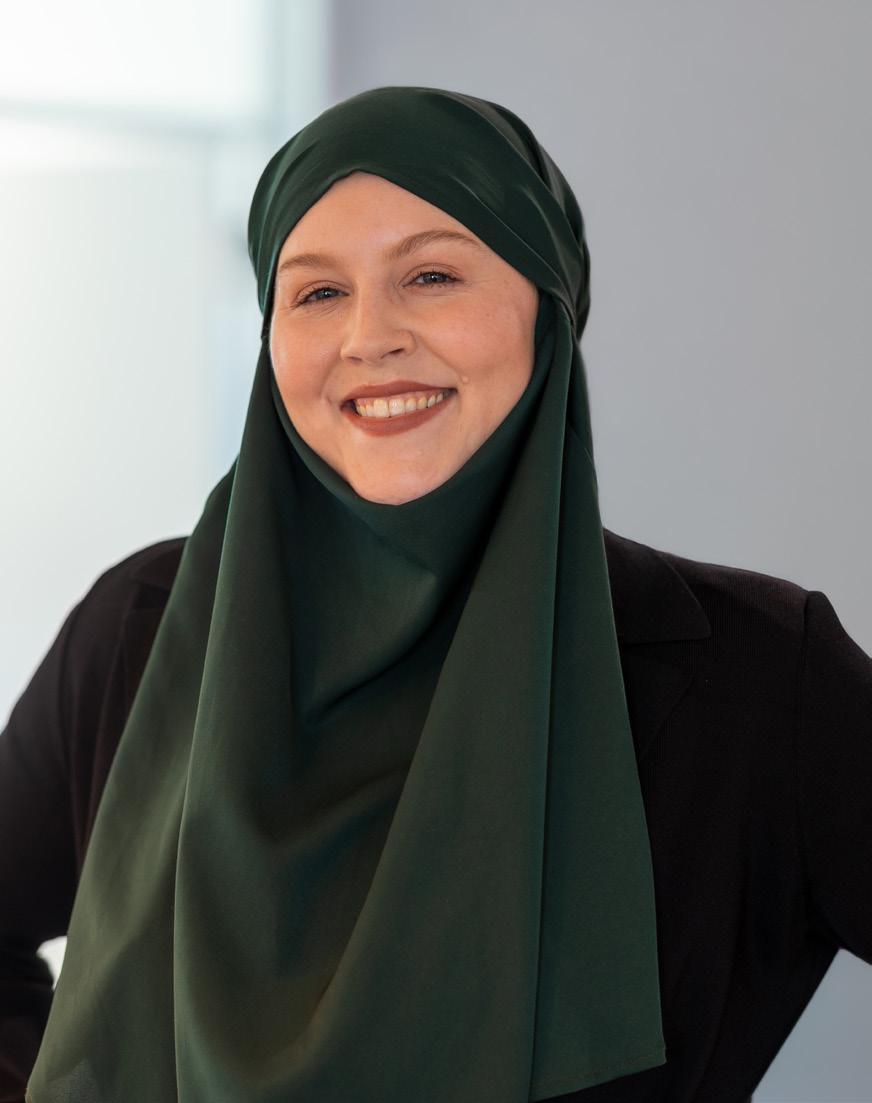

A LETTER FROM CAITLIN AJAX , SVP, SUSTAINABILITY & EXTERNAL AFFAIRS
“As we continue our growth trajectory, we are committed to prioritizing and delivering value to our many stakeholders, including Teammates, Members, the communities we call home, and the natural environment that constitutes the foundation—and future—of our business.”
This year has been one of tremendous growth, adjustment, and agility. The future looks bright, and sustainability remains a critical part of where we are headed.
Following our entry into a new era of expansion, I couldn’t be happier for the entire Safe Harbor family, as I believe our growth comes with a value proposition that can benefit all our stakeholders and contribute powerfully to the industry. Our acquisition of new properties and entry into new markets mean we have access to new thinking, resources, and the best practices, all of which will help us improve our own efforts to care for our people and places.
For me, 2025 has been as much about listening and learning as it has been about getting things done.
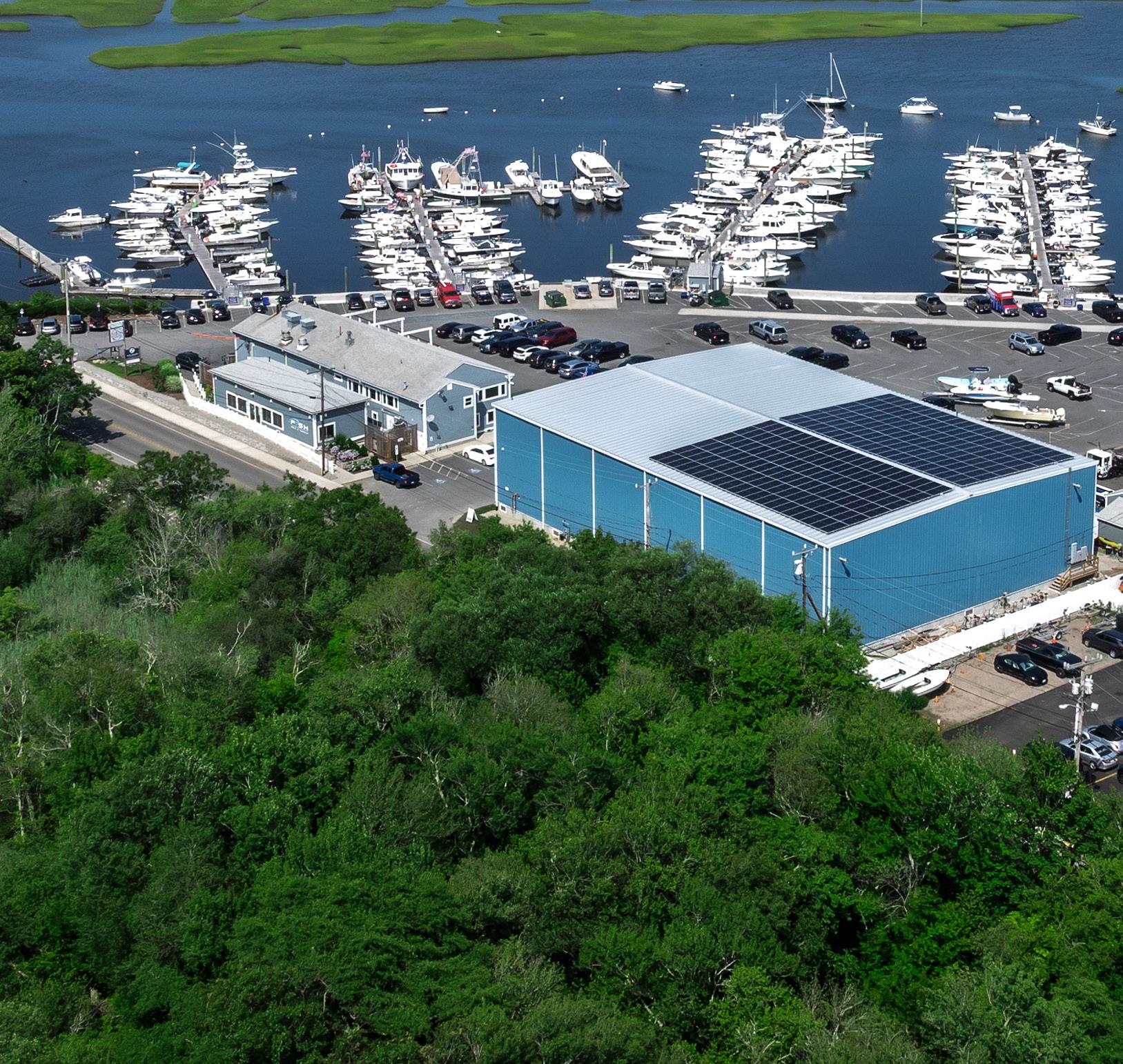
I am proud of many achievements in 2025. Seventy-six percent of our properties are Clean Marina-certified, with another 18% in process, and we completed three new rooftop solar projects. Additionally, we expanded our partnership with a leader in coastal and estuarine stewardship (more on that in the following pages) and completed climate vulnerability screenings for all acquisitions last year.
As we continue our growth trajectory, we are committed to prioritizing and delivering value to our many stakeholders, including Teammates, Members, the communities we call home, and the natural environment that constitutes the foundation—and future—of our business.
As always, we love hearing from you at sustainability@shmarinas.com. ▪



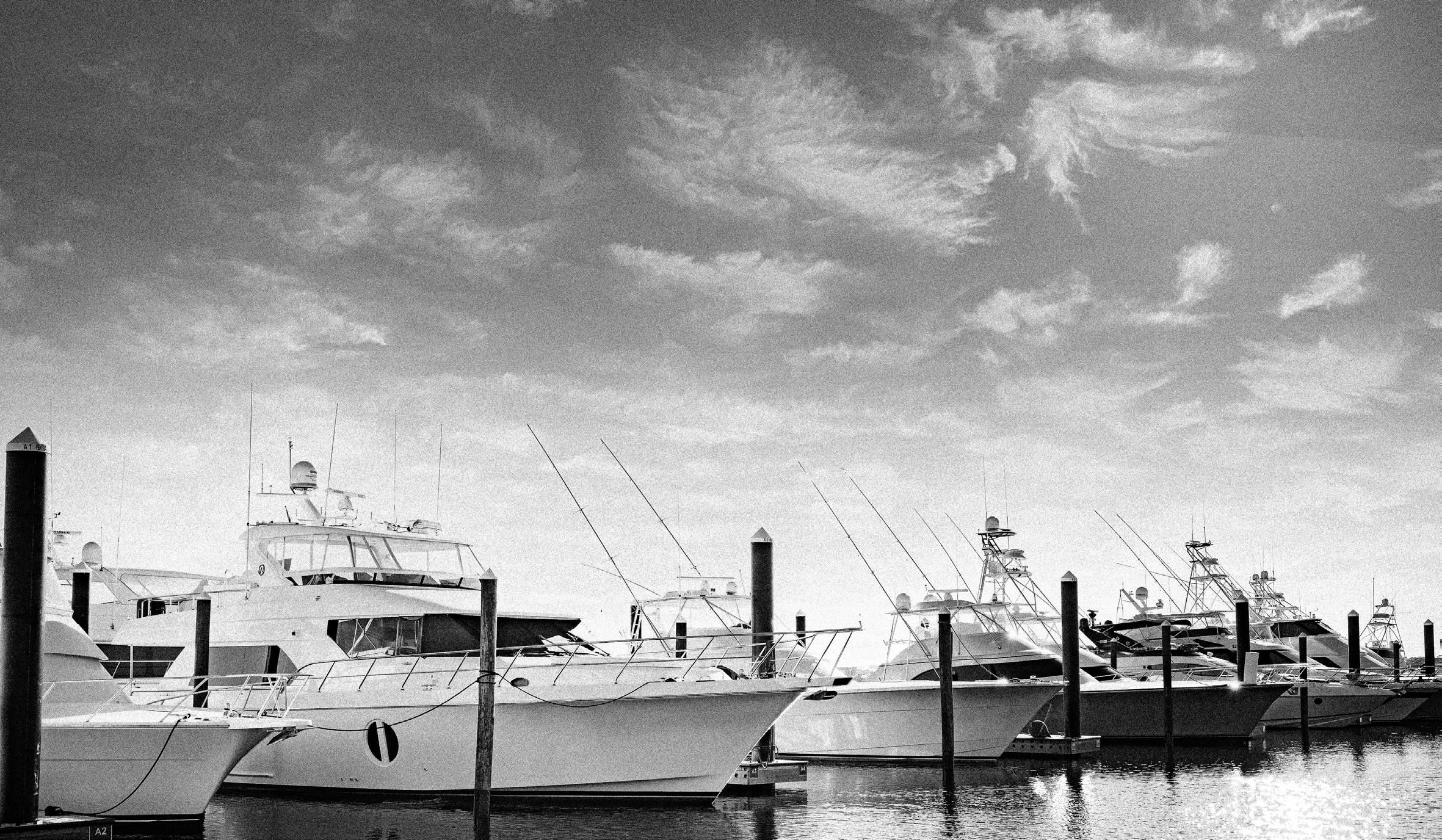
END-TO-END SERVICE
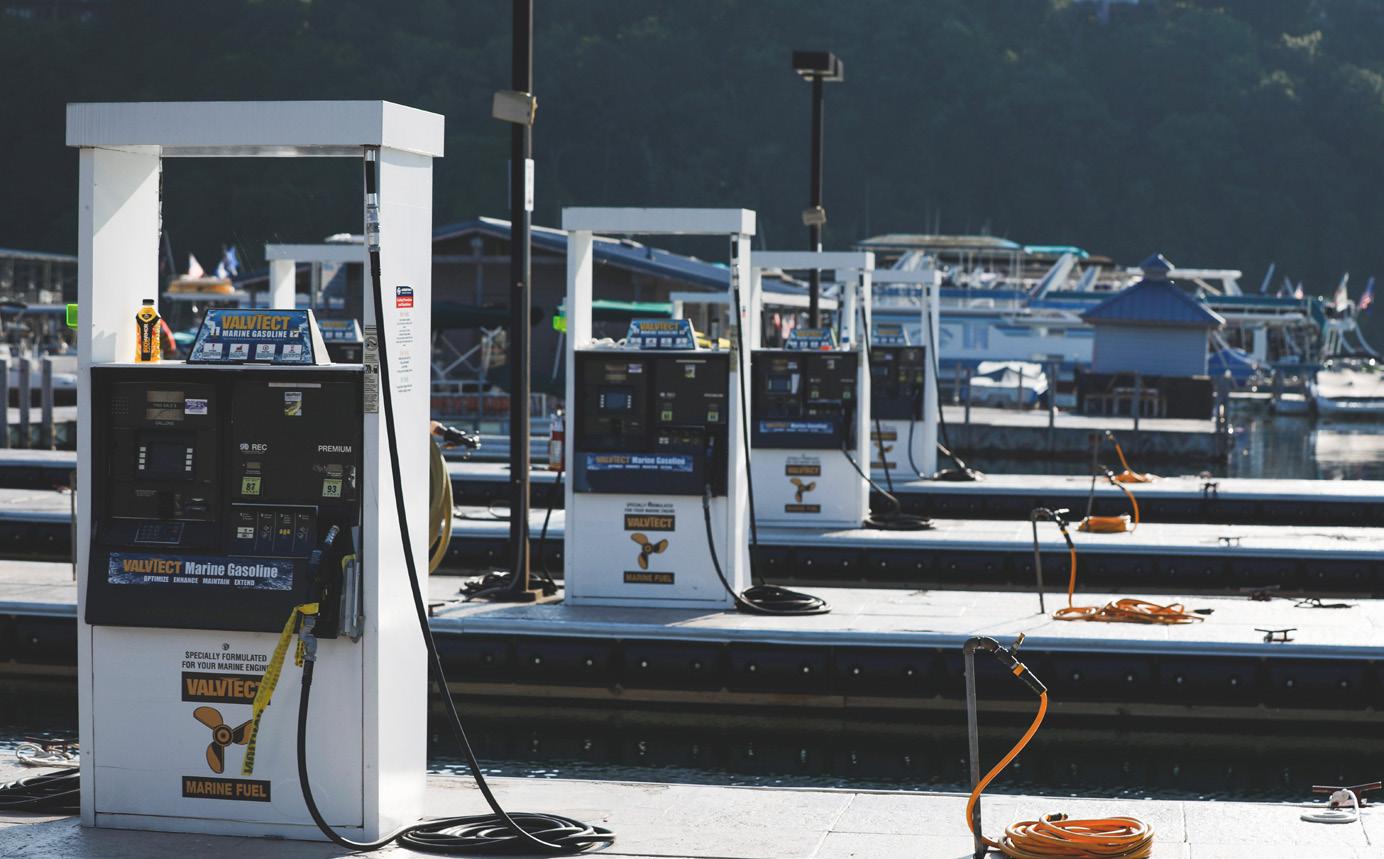
FUEL SALES
AMENITIES
EXCLUSIVE MEMBER EXPERIENCES
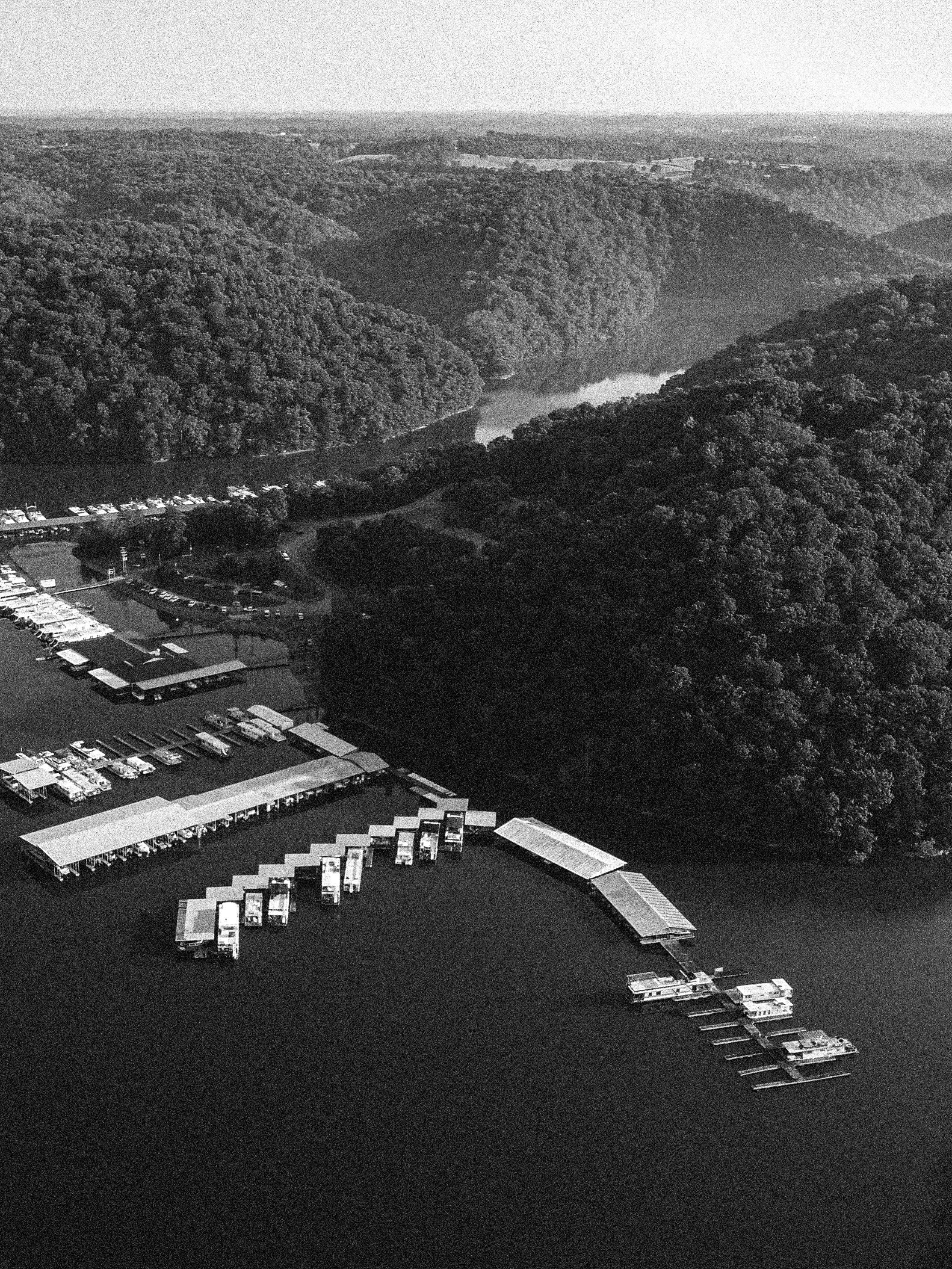
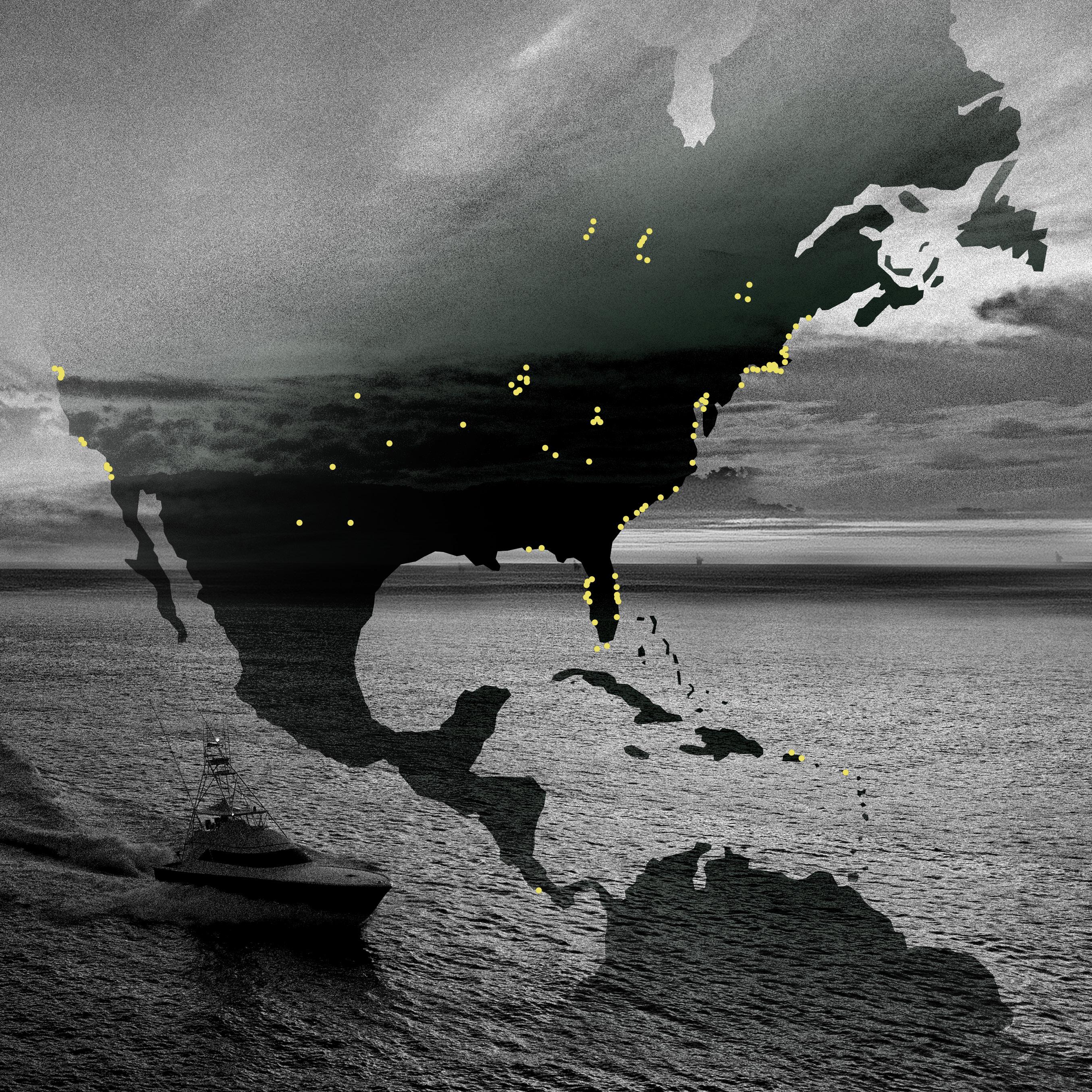
Properties in 5 countries: the United States, Costa Rica, France, Monaco, and St. Kitts & Nevis as of April 10, 2026
16
Superyacht locations1
1
2
$1.094B In annual revenue
49,679
Wet slip & dry stack storage spaces
40,000+ Members
2,964
Teammates2
1,268
New hires up from 738
40 Veteran hires up from 21
76%
Safe Harbor properties
Clean Marina-certified up from 71%
5.98K MWh renewable energy generated in 2025 up from 5.58K MWh
3
New rooftop solar projects completed
$50K
Total in scholarship funds provided to premier marine trade schools
16 Recruiting events for marine trades students
4 Meetings of the Safe Harbor Sustainability Council
42% Response rate for Teammate Net Promoter Score (NPS) survey
27 % Response rate for annual Member NPS survey
~1,700
Members attending exclusive regional events at six properties
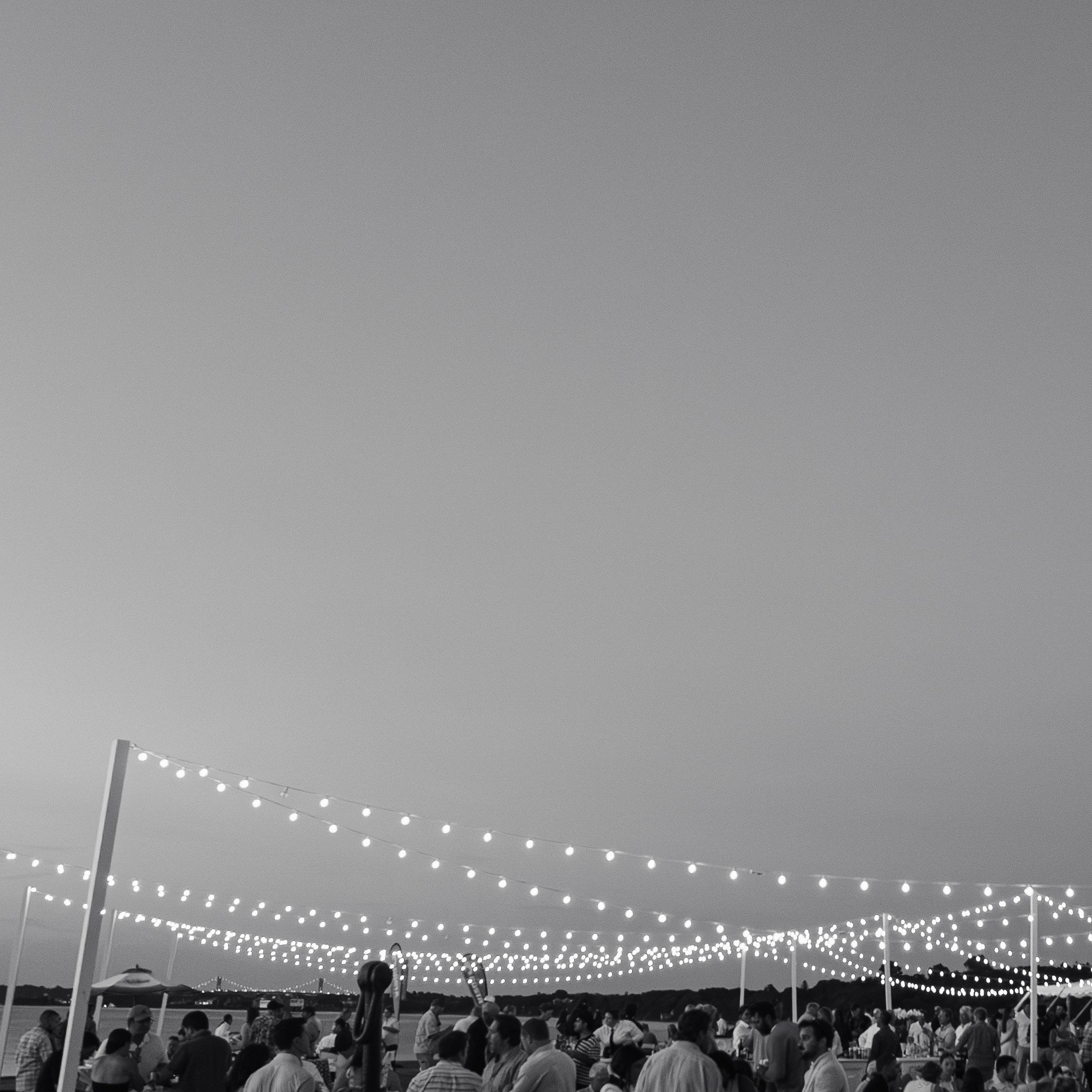
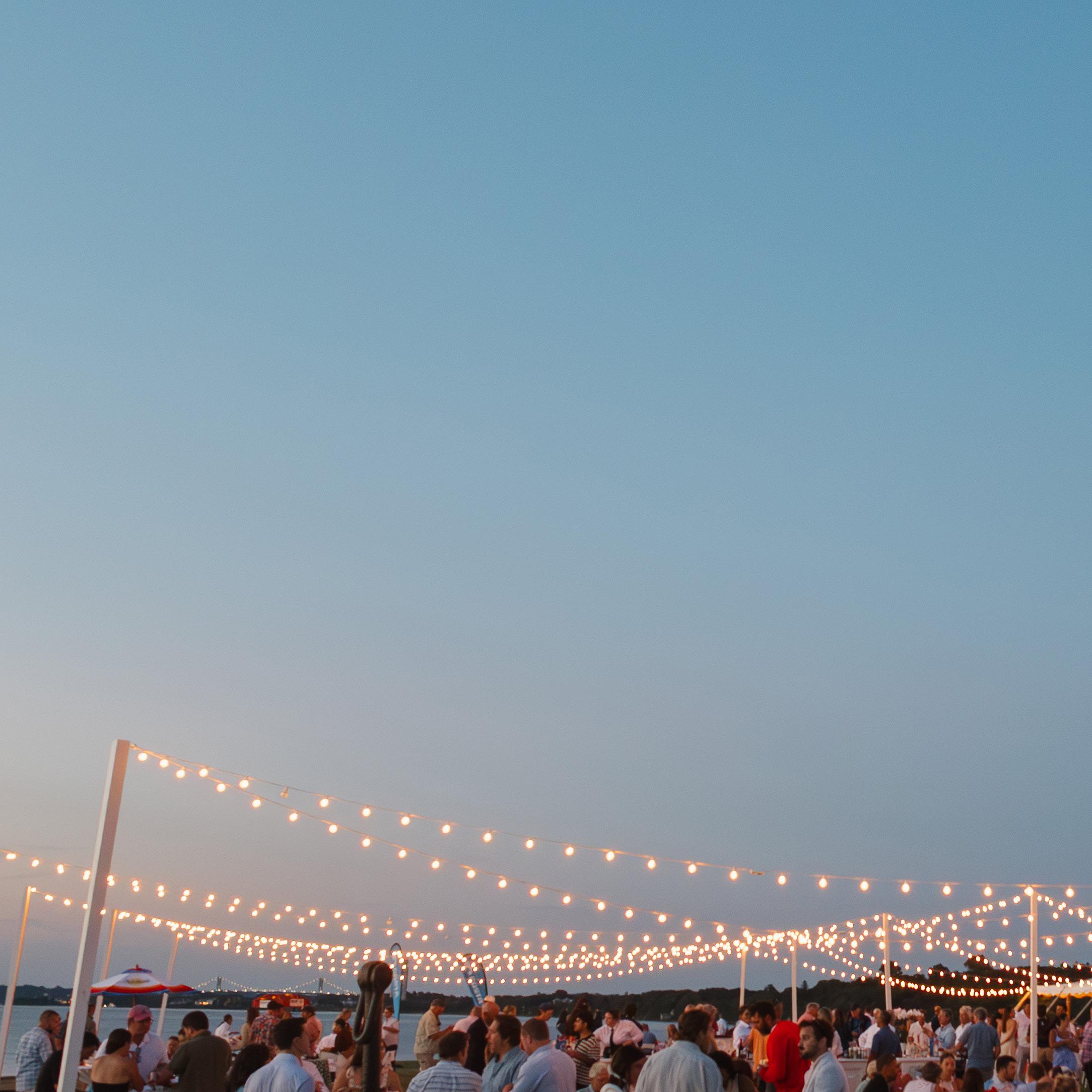
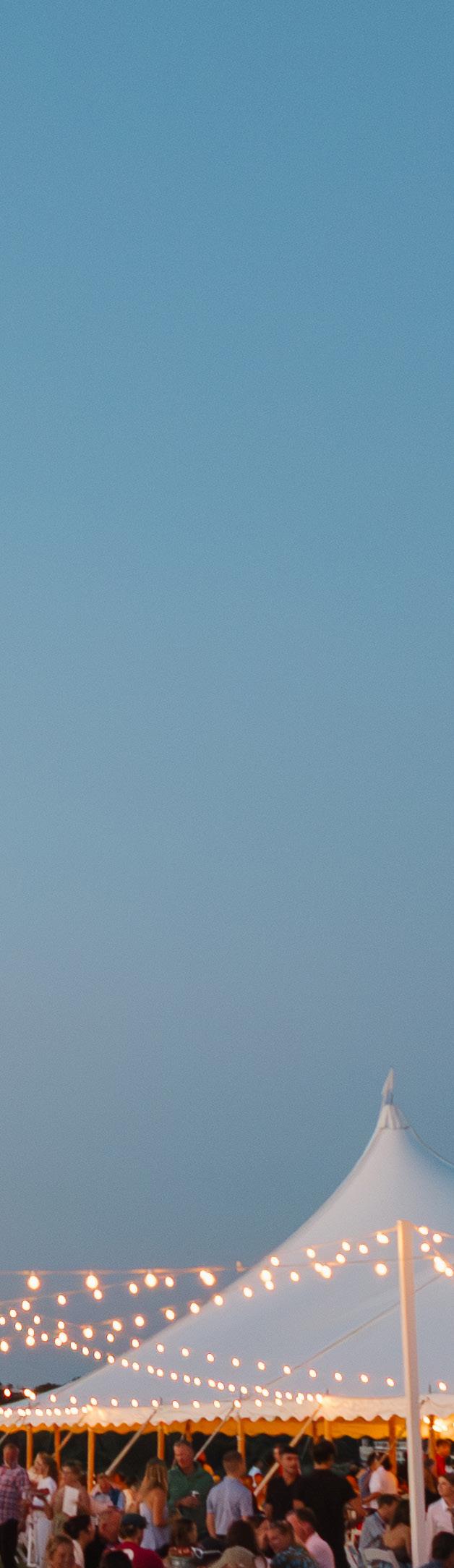
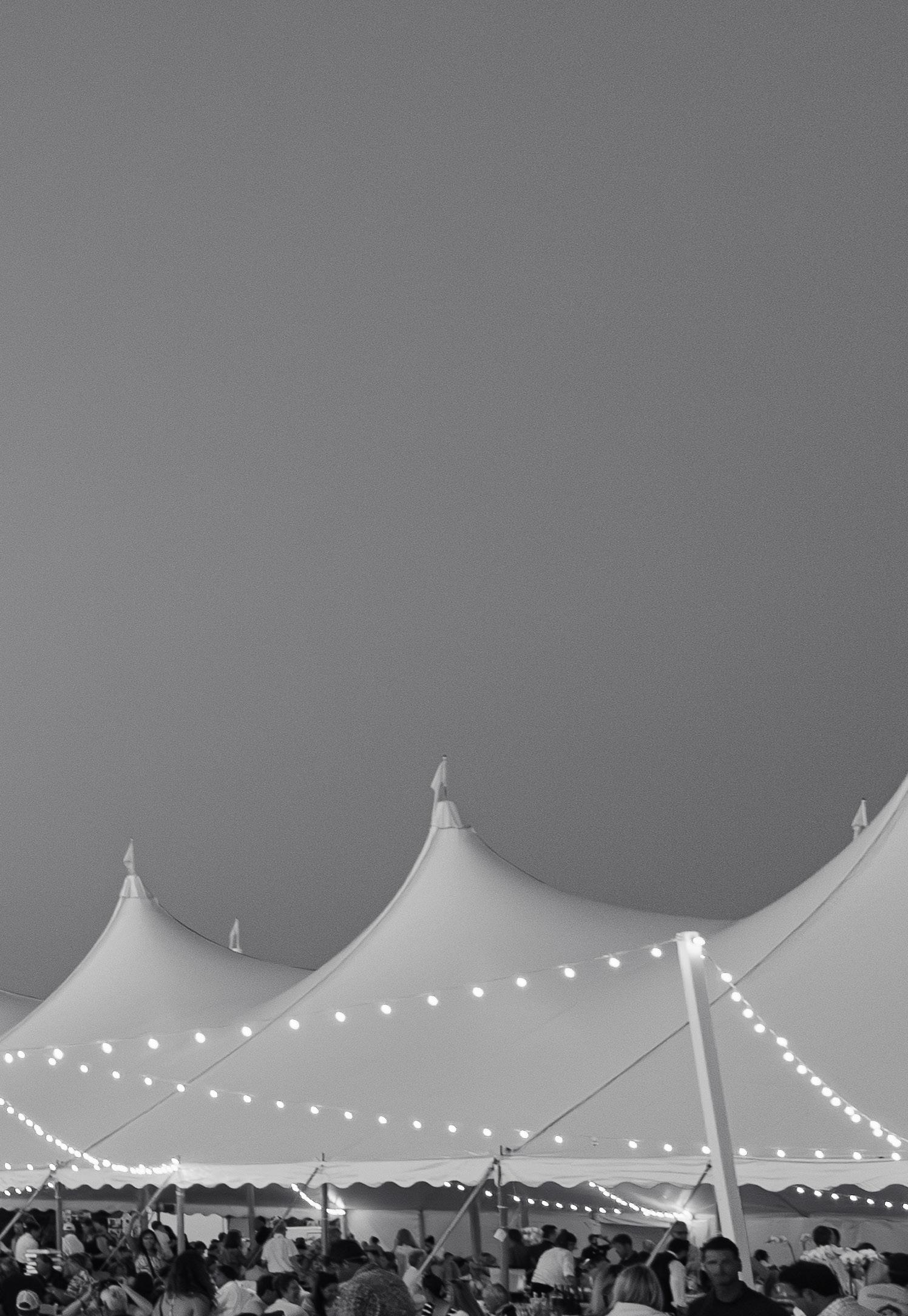
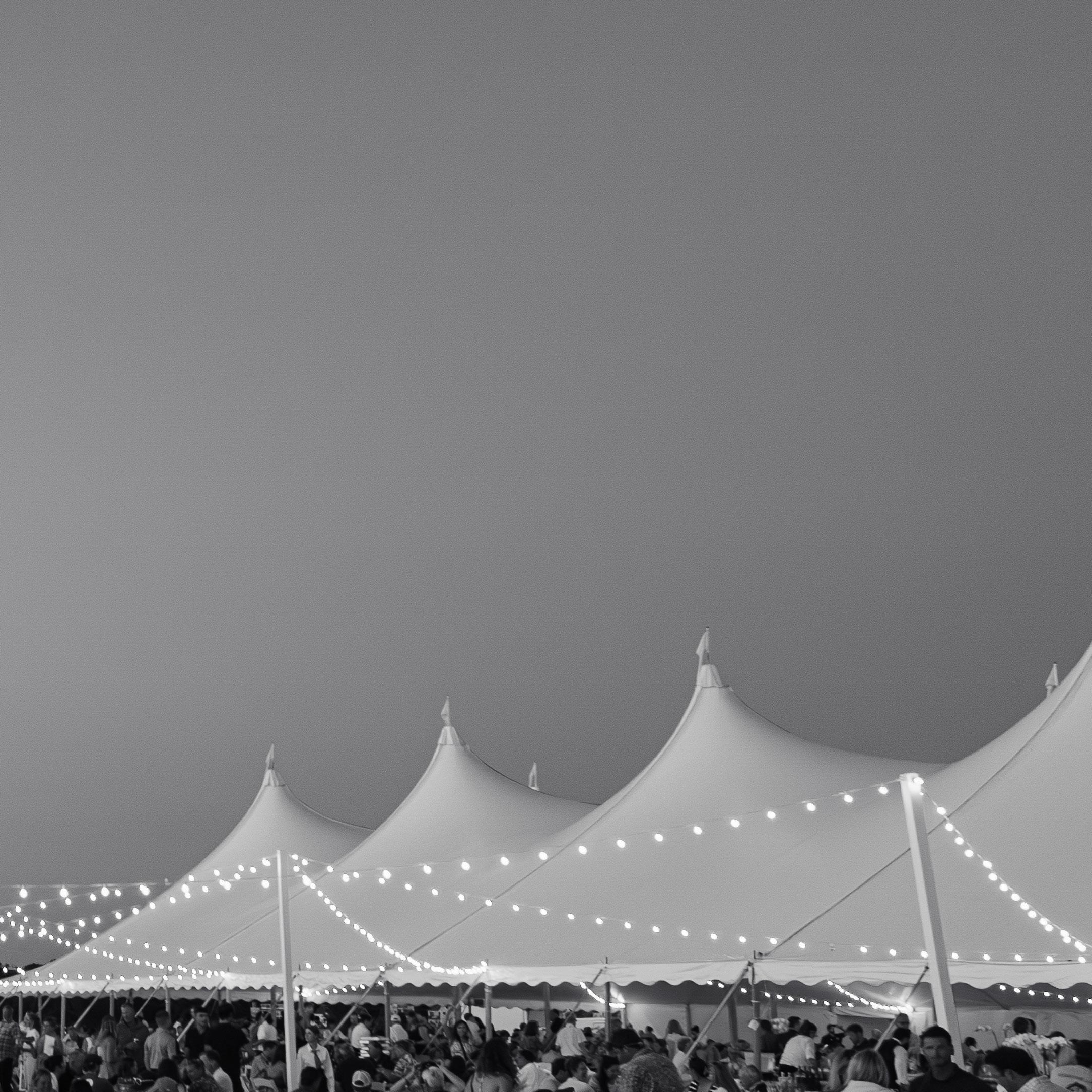
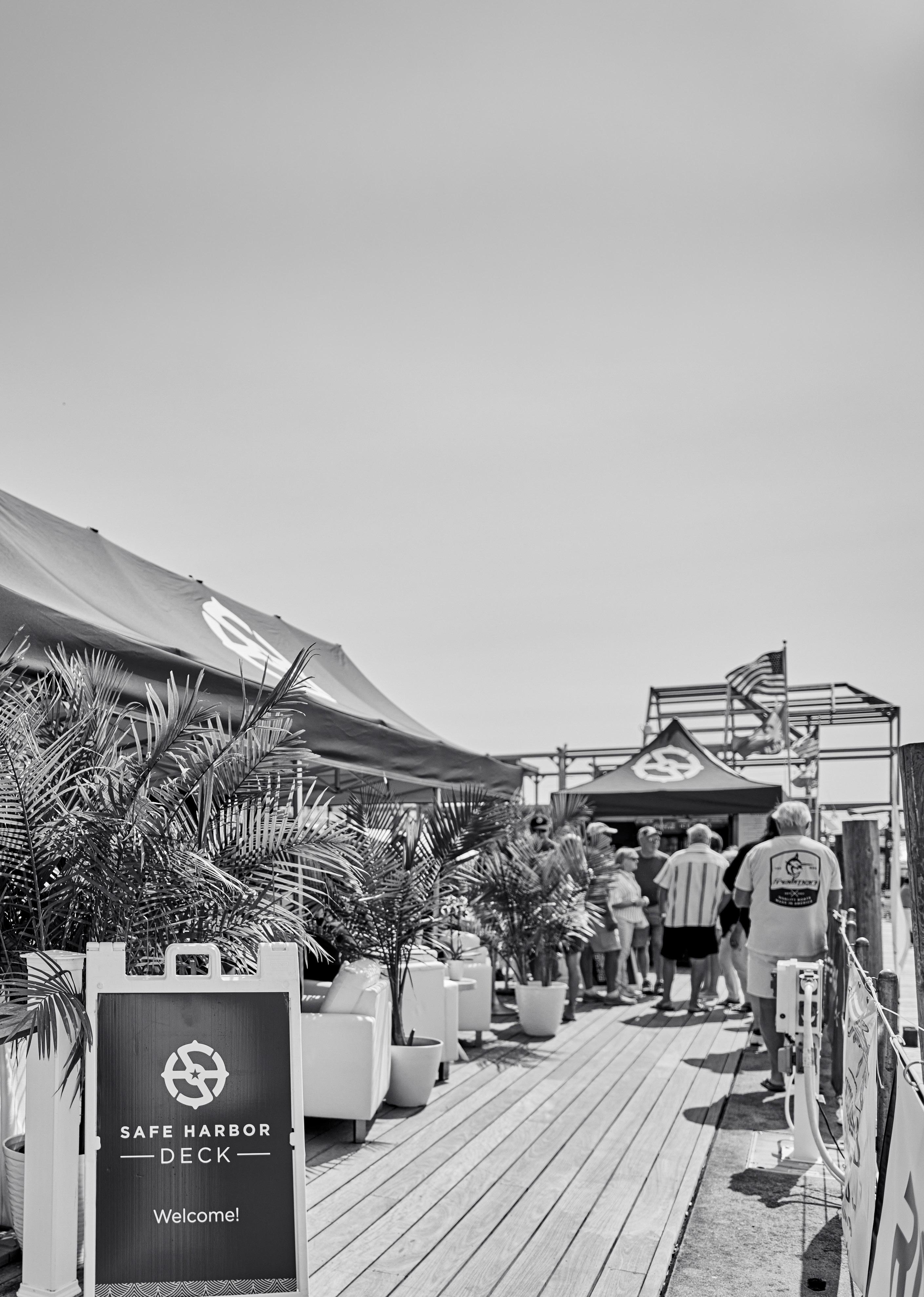
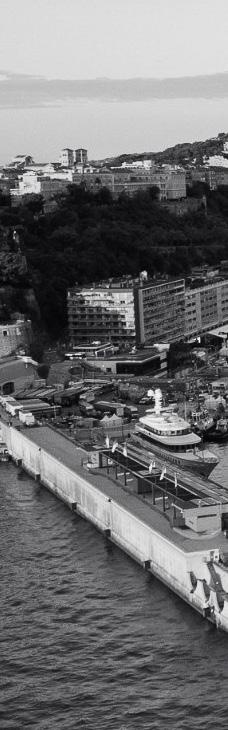
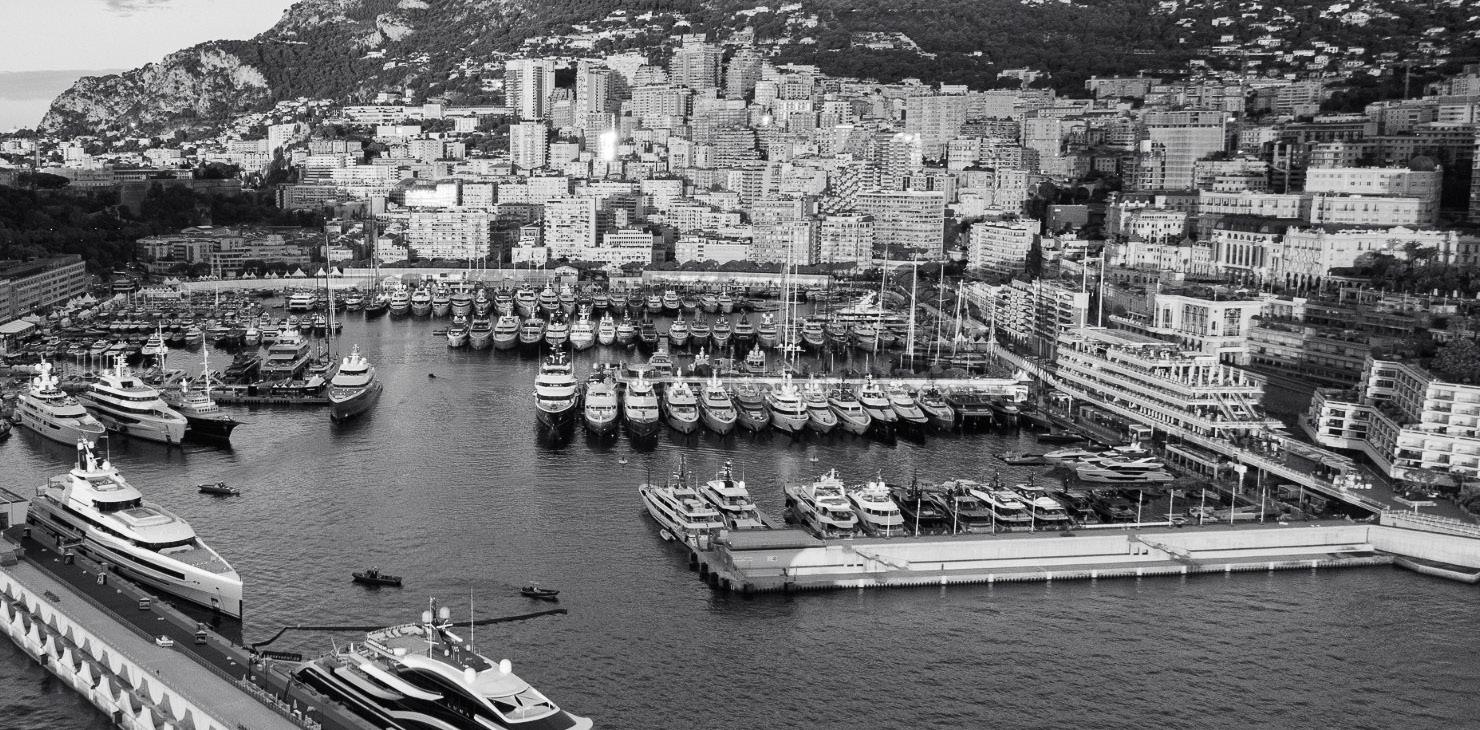
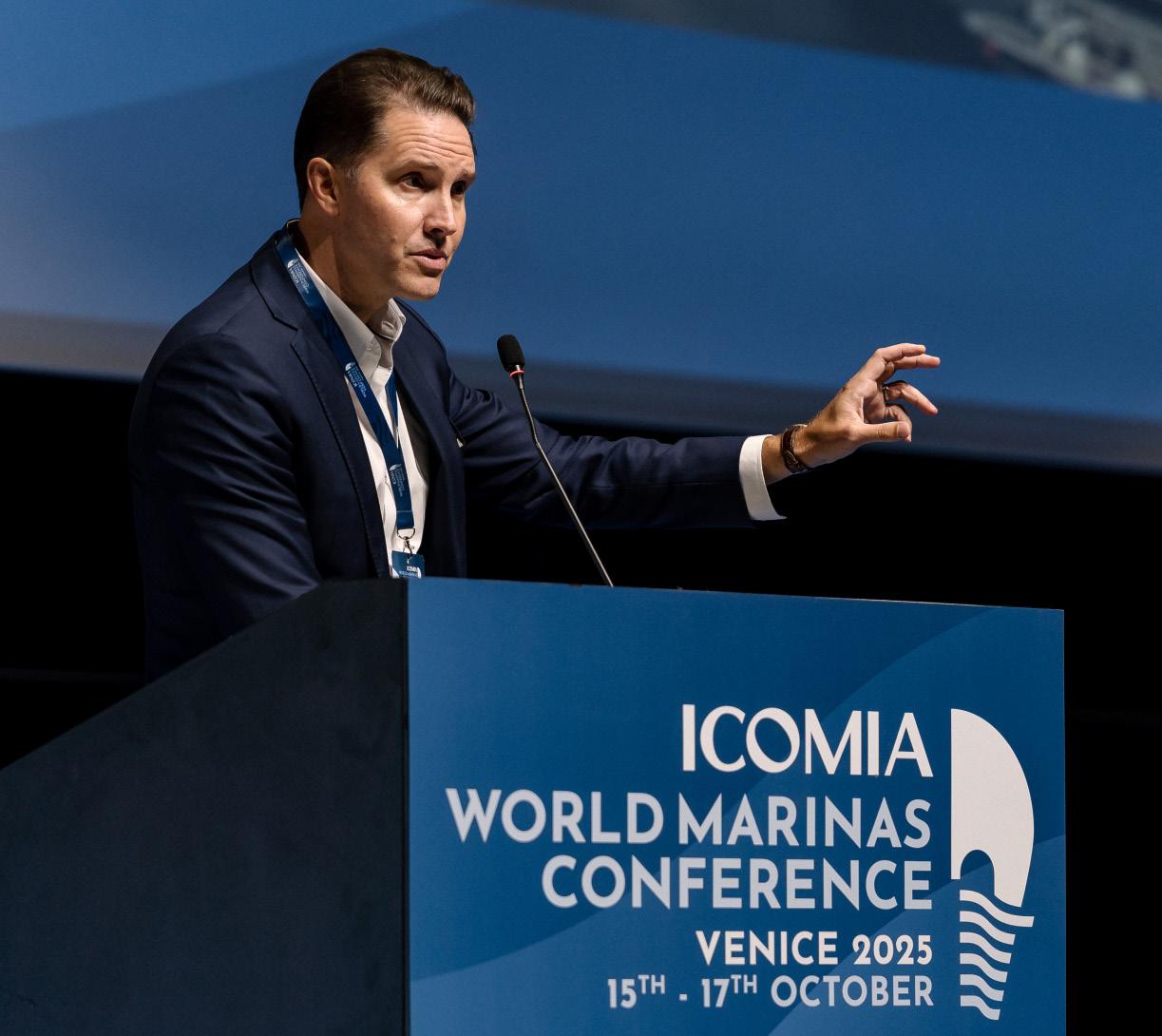
ICOMIA WORLD MARINAS CONFERENCE
ASSOCIATION OF MARINA INDUSTRIES (AMI) CONFERENCE & EXPO
MONACO YACHT SHOW
15 BOAT SHOWS IN 2025
Safe Harbor Marinas is led by a talented and diverse group of executive- and management-level Teammates. Our people bring a variety of backgrounds, perspectives, and experiences to the table when making critical decisions for Safe Harbor. Together, we share a common commitment to building something great over time—a one-of-a-kind, recreational boating network focused on delivering the best of waterfront lifestyle.
We expect the highest degree of professionalism from ourselves and from those we work and partner with. To that end, all Teammates, contractors, third parties, and joint venture partners are expected to abide by our Code of Ethics and Business Conduct3, which includes policies and guidelines for ethical business operations.
In 2025, we initiated development of several new policies to ensure best governance practices and to keep pace with our growth in new markets. New policies will cover critical areas such as global anti-bribery, global sanctions, import and export controls, and many others. We expect new policies to be finalized in 2026. We also developed a new Supplier Code of Conduct and Sustainability Policy outlining our approach to oversight, key priorities, and targets.


Through climate risk screenings, sustainable development standards, and enhanced enterprise risk management, we integrate the consideration of climaterelated risks into how we grow and operate.
Careful review of sustainability-related priorities is critical to ensure that our approach drives value for Safe Harbor and its many key stakeholders. The Sustainability Council reviews and approves the Safe Harbor Sustainability strategic framework each year, which includes areas of programmatic focus that address key areas of impact, opportunity, and risk. This framework, outlined below, is reviewed annually to ensure it remains responsive to business priorities, stakeholder needs, and emerging regulations.
Natural Environment
Teammates
Members
Local Communities
Governments & Regulators
Industry Partners
Suppliers & Vendors
PEOPLE PLACES
Recruitment
Retention
Training & Development
Safety
Climate Risk Management
Stewardship
Clean Energy
Electrification
Certification
We are continuously improving our approach to Enterprise Risk Management (ERM) to keep pace with portfolio growth, new market risk, investor expectations, and emerging opportunities. Each year, our ERM process involves a rigorous analysis of the risks facing our business followed by an in-person, managementlevel meeting to discuss findings and assign action plans to relevant departments. The risk assessment covers risks spanning from human capital and retention to severe storm activity and changing regulations. We regularly examine our approach to ERM to improve risk management and mitigation efforts.
Regarding climate risk specifically, we are working to improve risk management approaches for both physical and transition risks across the business. For more information on our approach to managing climaterelated risks and opportunities, please see our Climate Risk Management section in the following pages.
To better integrate sustainability into business operations, we maintain a series of controls within different business functions. For example, we conduct climate risk screenings and in-water infrastructure assessments for target acquisitions to give us a better understanding of the physical risk exposure to individual properties. In Construction & Development, we have controls that require consideration of sustainability measures, such as solar-ready roofing, in project planning. We also embed sustainability criteria in procurement processes requiring RFP respondents to answer questions about sustainability monitoring and performance.
SAFE HARBOR SUSTAINABILITY COUNCIL
Responsible for sustainability-related oversight at Safe Harbor and consists of executive- and management-level Teammates representing multiple functions within the company. The Council reviews regulatory updates and provides guidance on key reporting and programmatic deliverables.
SUSTAINABILITY DEPARTMENT
The SVP of Sustainability & External Affairs is responsible for overseeing Safe Harbor’s reporting efforts and, in coordination with her team, consolidating data for reporting. Safe Harbor maintains a Sustainability Policy that outlines the company’s strategic commitments and programmatic focus areas.
CONSTRUCTION & DEVELOPMENT
The Sustainability department works closely with Construction & Development to embed sustainability controls into the approval process for growth capex projects. These controls require that select sustainability criteria be evaluated as part of the design and planning phases of any growth capex project.
CONSTRUCTION & DEVELOPMENT

PROCUREMENT
SAFE HARBOR SUSTAINABILITY COUNCIL
ACQUISITIONS
SUSTAINABILITY DEPARTMENT
AUDIT & COMPLIANCE
PROCUREMENT AUDIT & COMPLIANCE
The Sustainability and Procurement teams collaborate on sustainability criteria for suppliers and vendors that are incorporated as questionnaires in formal RFP processes.
ACQUISITIONS
The Acquisitions team includes sustainability questions in its ordinary due diligence checklist for new properties. Most notably, Acquisitions includes a climate risk screening report for all U.S.-based acquisitions as part of environmental diligence and requests higher-resolution climate risk assessments as needed.
This team works closely with the SVP of Sustainability & External Affairs to address sustainability-related compliance obligations and implement governance best practices.
1,268
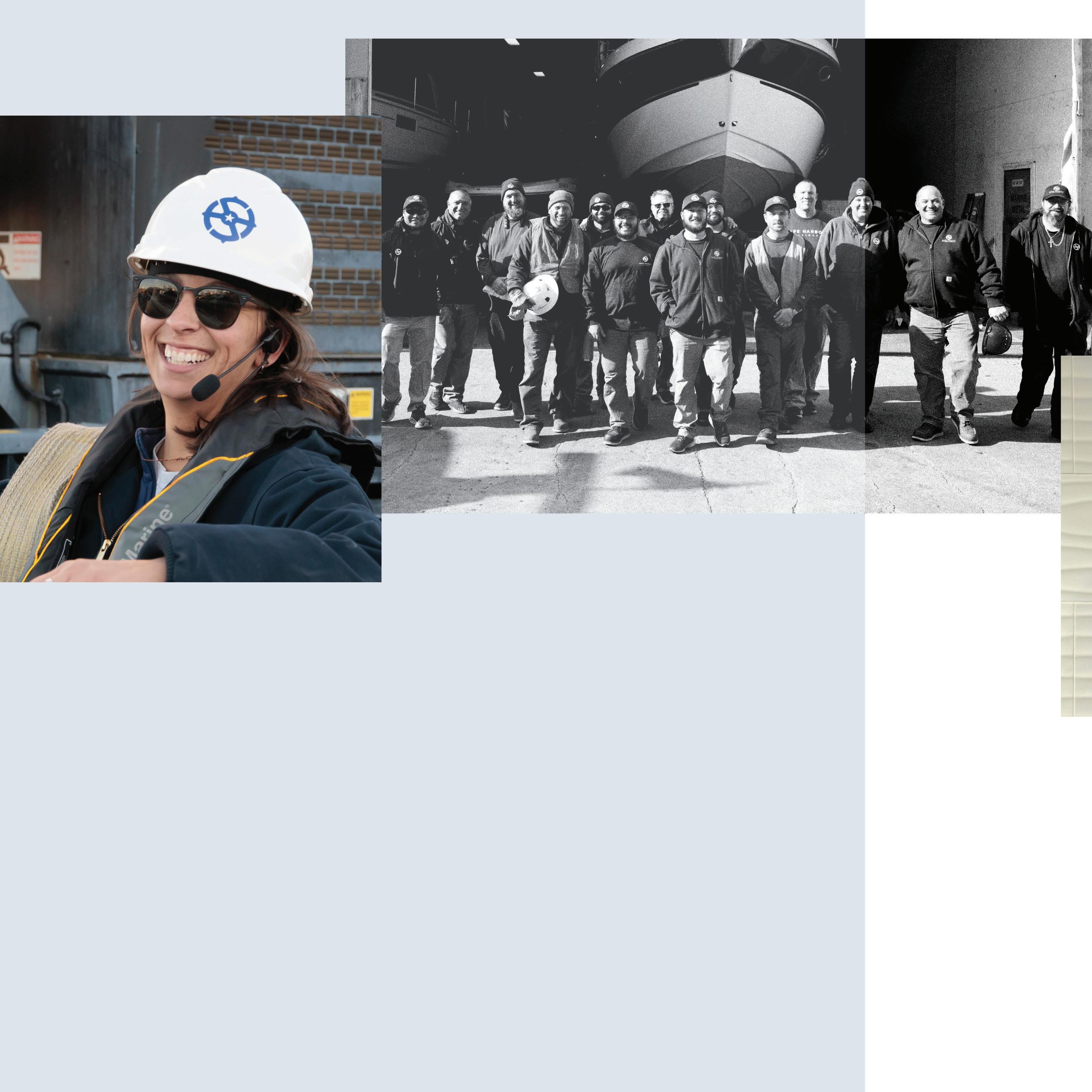
Our Team
We prioritize investing in the growth and development of our Teammates over the long term. Through various recruiting, training, and development initiatives, we strive to make Safe Harbor a workplace of opportunity, service, and respect for all. We view our team’s diversity of background, perspectives, and experiences as a significant value driver in that it allows Safe Harbor to be strategic and agile in a dynamic global business environment.
This section discusses our approach to recruiting, hiring, and investing in Teammates whose values and character align with and add to our culture of fast-paced growth, inclusivity, service, and care for others.
Full-time and part-time hires in 2025
40
Veterans hired in 2025
166
Marine technicians hired in 2025
POSITIONED FOR GROWTH
We aim to be an industry-leading employer by providing Teammates with the benefits needed to thrive outside of work. To that end, we provide a comprehensive benefits package to fulltime Teammates that includes a 401(k) plan with employer match; eight-weeks paid parental leave; medical, dental, and vision insurance; as well as paid time off allowances for all Teammates. Each year, leadership analyzes the results of our annual Teammate Net Promoter Score (NPS) survey to assess satisfaction with our benefits offerings and to explore potential improvements.
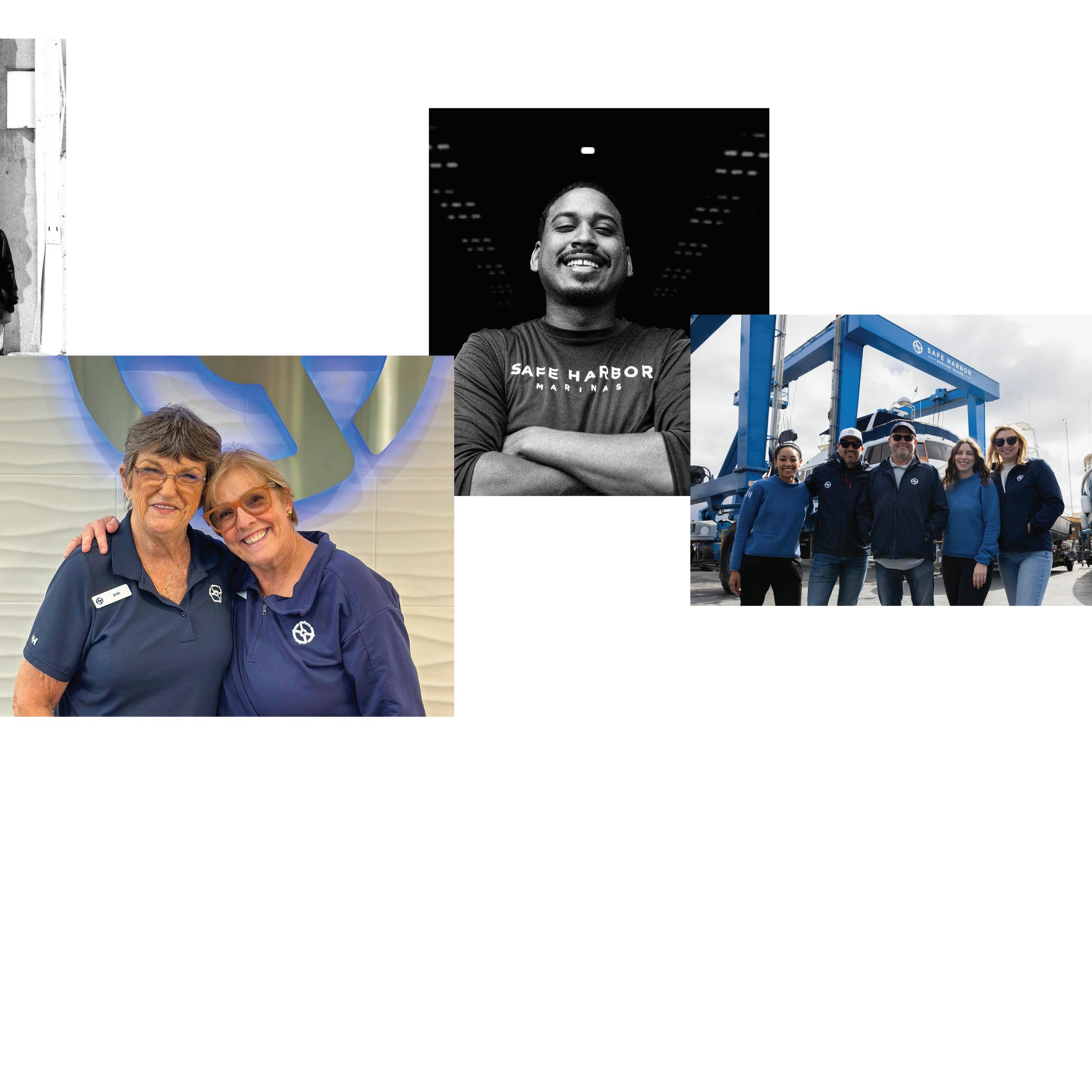
In 2025, Safe Harbor returned to an era of fast-paced growth. As such, the latter half of 2025 saw the filling of key gaps on both our Central Services and Operations teams. In Central Services, we recruited top talent that enhances our capabilities in key areas of the business, including but not limited to global procurement, revenue management, and data systems.
Across our large network, we continued to prioritize hiring Operations Teammates with expertise in business management, marine technical skills, and safety, among other areas. We pride ourselves on strong local hiring practices and are constantly exploring ways to increase the visibility and accessibility of career pathways at our company.
MARINE TECHNICIANS
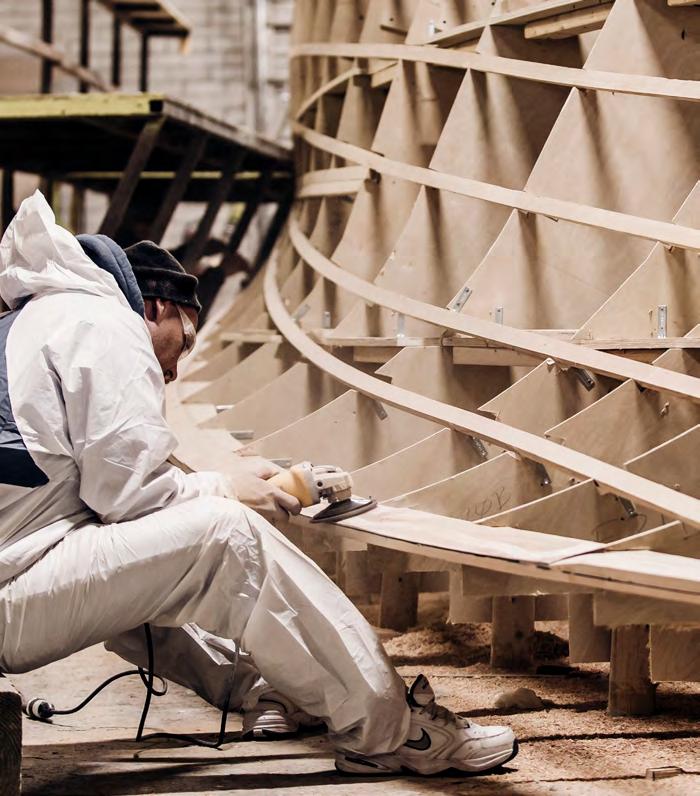
Attracting and retaining the best technical talent in the industry remain critical to our continued excellence as a premier provider of vessel services. Therefore, we place significant emphasis on recruitment and career development for marine technicians.
In 2025, we added New England Institute of Technology (NEIT) to our list of premier marine trade schools that we partner with to provide student scholarships. We continued our support of existing marine trade partners, including our sponsorship of the annual IYRS School of Technology & Trades Summer Gala.
As in past years, we participated in campus recruiting events and coordinated opportunities for students to visit our properties and get hands-on experience at our marinas. These events connected students with experienced Safe Harbor technicians and fostered connections for potential future employment. Lastly, our Teammates continue to shape the future of the industry by serving on advisory committees at marine trade schools and providing input on curriculum development.

$50K
Awarded in scholarships for marine technicians in 2025
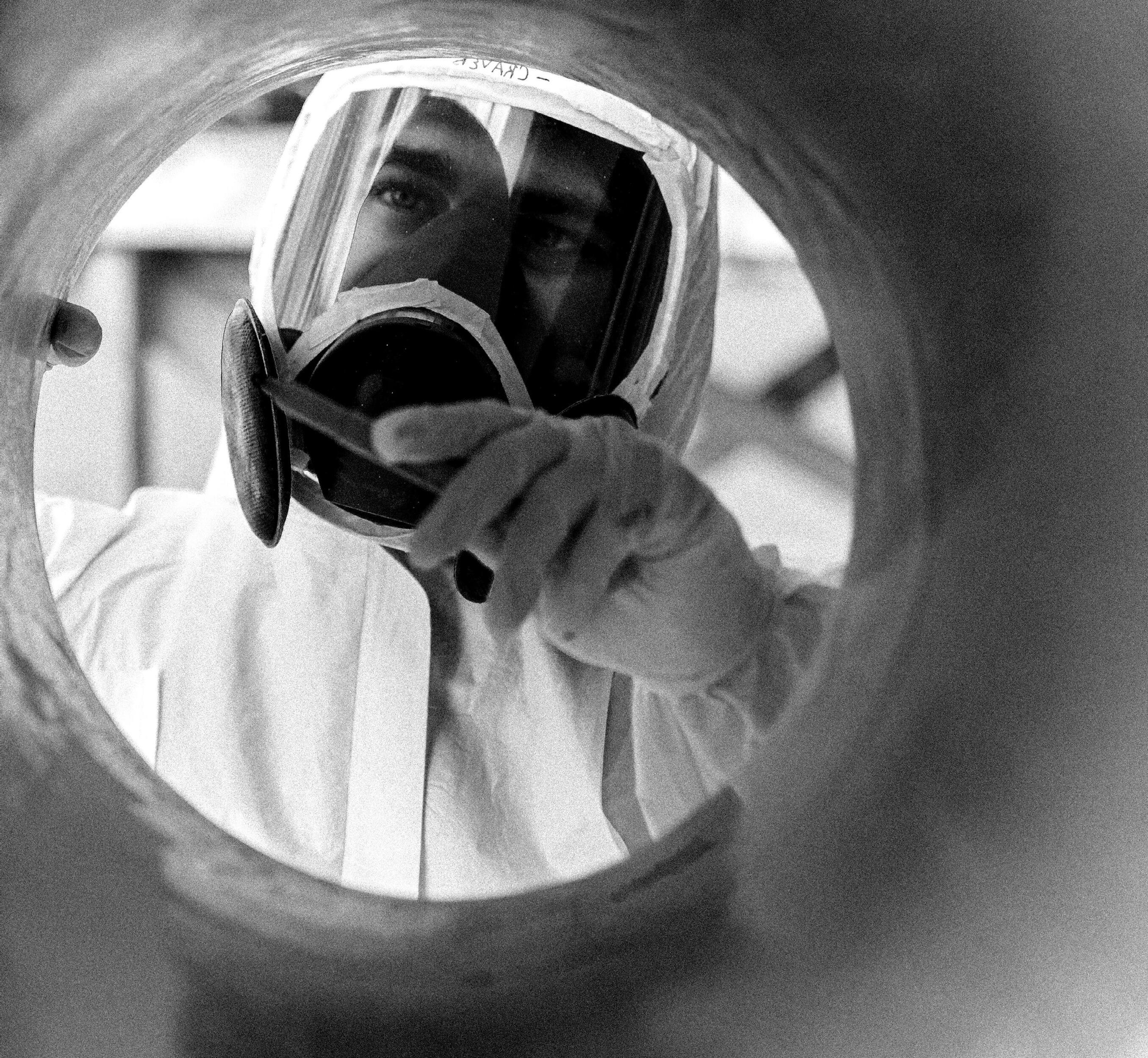
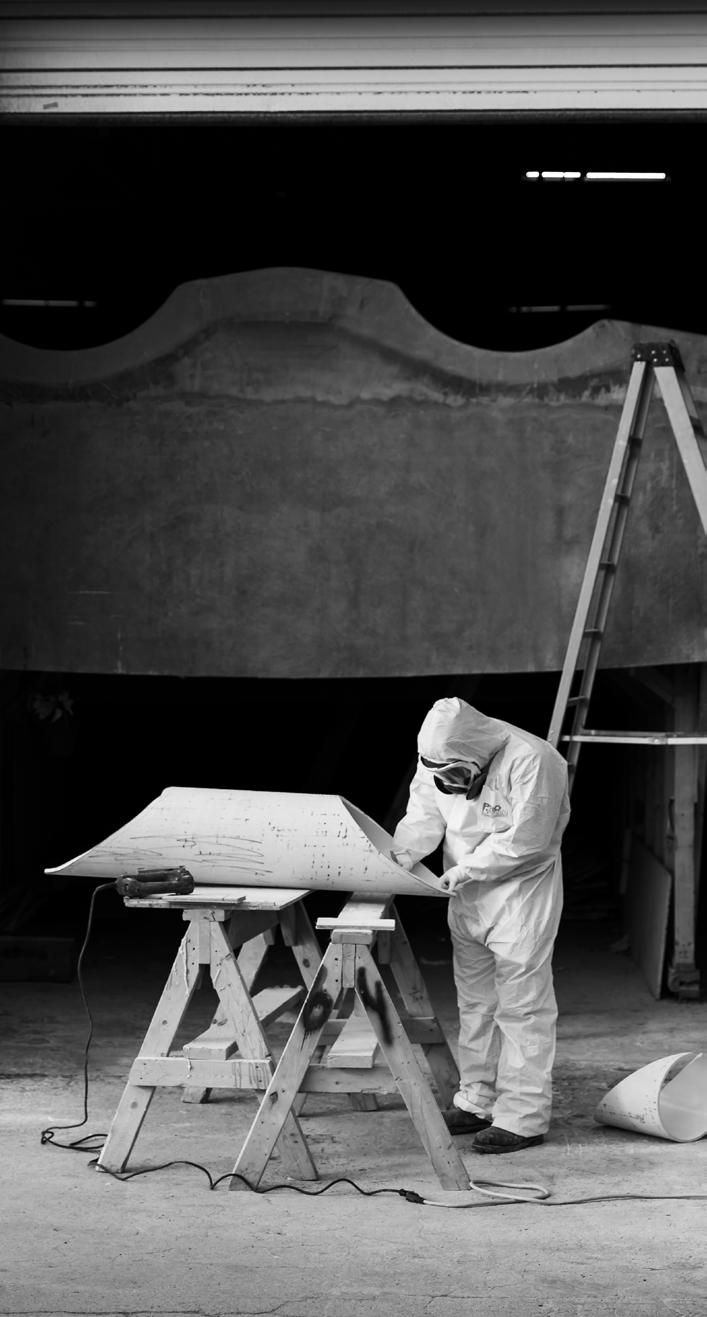
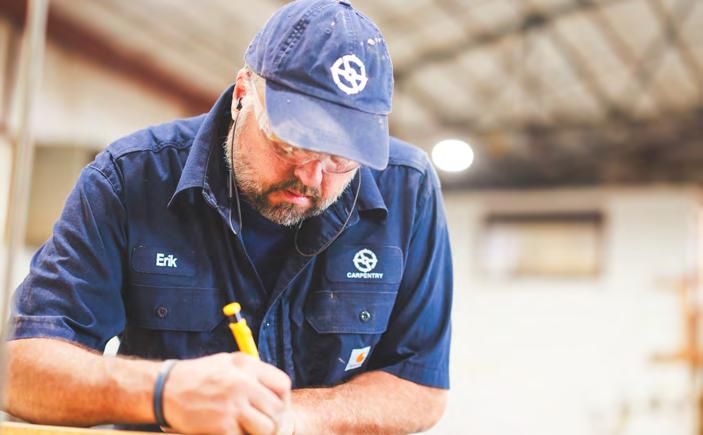
Safety and environmental compliance are essential to delivering value to stakeholders— namely Members, Teammates, and third parties—that connect to the water through Safe Harbor.
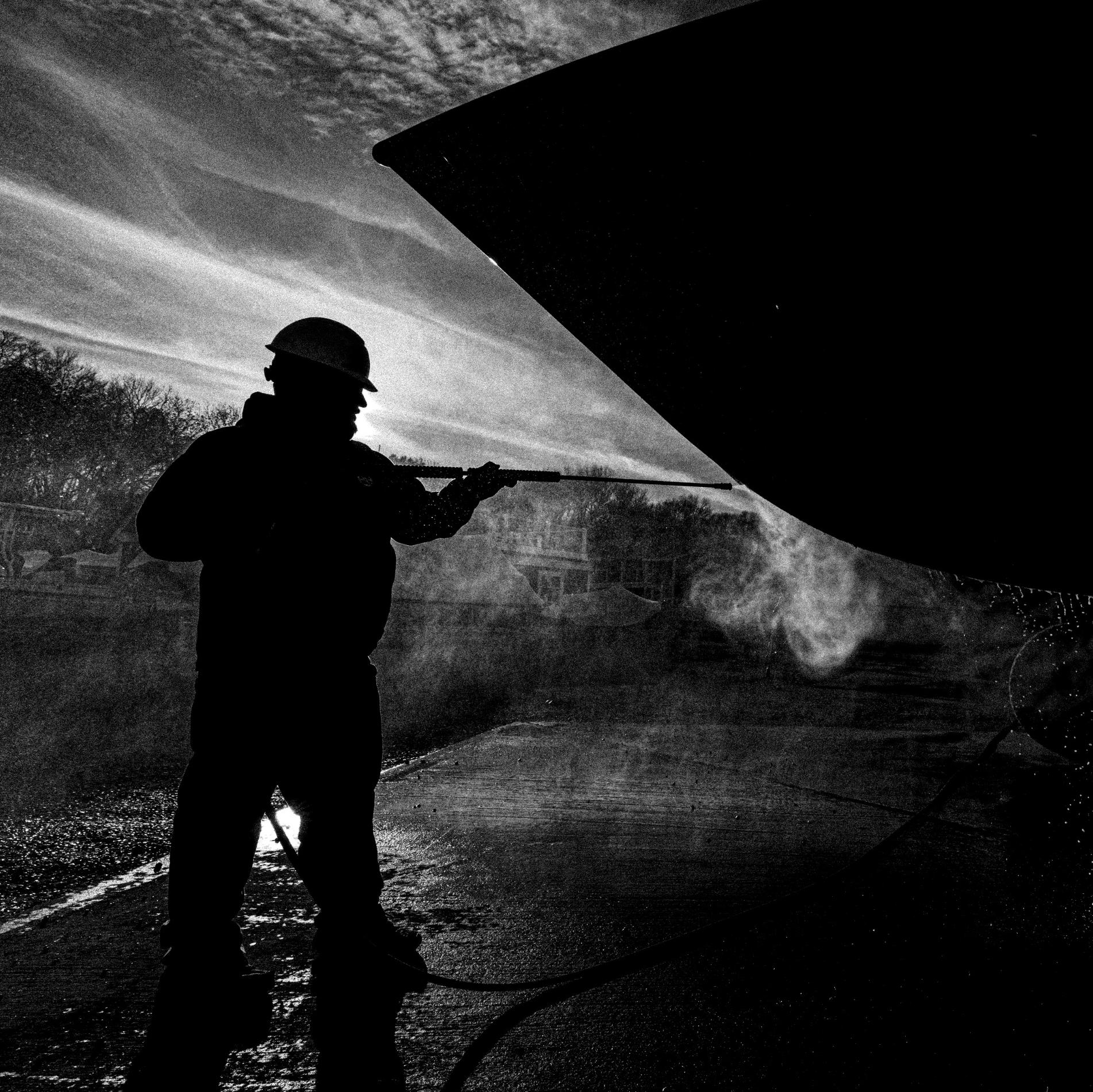
OSHA reportable incidents
Year-over-year increase in lost time injuries & TRIR
Safety and environmental compliance are essential to delivering value to the stakeholders—namely Members, Teammates, and third parties—that connect to the water through Safe Harbor. Each year, we work diligently to cultivate a culture of safety across our business. We monitor and report all statistics required by OSHA, as well as additional metrics in line with Safe Harbor Sustainability reporting objectives.
In addition to adding capacity at the regional EHS Coordinator level, standardization of training systems and data management were a top priority. In 2025, the EHS team focused on streamlining training to ensure the same presentation and frequency of training across all properties in our global network. Safety training modules are also being revamped to be more engaging and interactive, with an internal goal of updating at least 50% of EHS training modules by the end of 2026. Our team is also exploring ways to better capture training data from providers outside our Learning Management System (LMS), as many technical training courses are offered by third-party providers.
Additionally, our team is prioritizing integration of safety audit report tracking within our current risk management software platform. Our company monitors various EHS KPIs, including incidents involving Teammates, Members, and guests, as well as permits and certifications. This update to our audit management system will help us manage and act upon property-level audit reports more effectively, particularly those reports with new findings.

RATE EHS LEARNING MANAGEMENT SYSTEM SAFETY TRAINING HOURS COMPLETED IN 2025
1 2 3 4 5 6
3,040
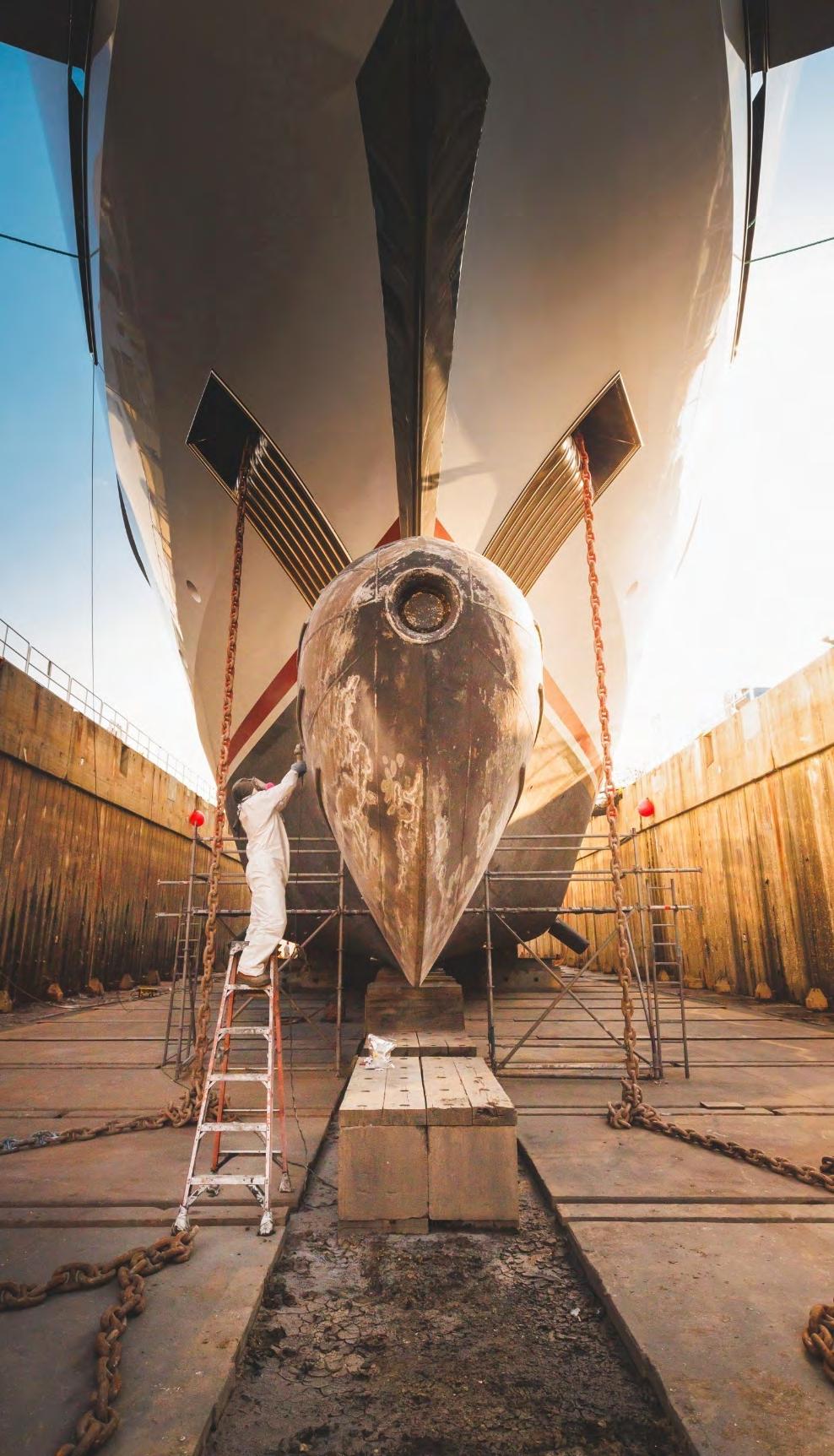
Every year, our Training team works to elevate the training and professional development experience for all Teammates with a particular focus on Teammates working in service occupations. In an effort to distinguish Safe Harbor as a preferred industry employer, our team is constantly refining our approach to recruiting, professional development, and training tailored to individual learning interests.
In 2026, we expect to launch our new Learning Management System (LMS), which will significantly improve our ability to monitor training hours and provide Teammates the opportunity to engage more fully in their own professional development journey. We also created a “Welcome to Safe Harbor” course that provided an interactive training offering for new Teammates, as well as new EHS and dockhand training courses which will launch this year.
TOTAL LEARNING MANAGEMENT SYSTEM TRAINING HOURS IN 2025:
ALL GENERAL MANAGERS WILL COMPLETE CUSTOMIZED MANAGEMENT TRAINING WITHIN ONE YEAR OF HIRE
ABYC,4 RDM & AMI 5 CYBERSECURITY
100% 100% 14,716
Of Teammates receive annual performance reviews
Of new Teammates receive 30-, 60-, and 90-day performance reviews during the onboarding period
At Safe Harbor, elevating the Member value proposition is at the heart of our business.
At Safe Harbor, elevating the Member value proposition is at the heart of our business. In 2025, we continued to improve our offerings to ensure that Safe Harbor stands apart.
Guided by insights from our annual Net Promoter Score (NPS) survey that went out to our Members in July and ongoing Member engagement forums, we actively listen and adapt to meet evolving expectations.
This year, we continued to expand our Safe Harbor Membership Concierge team and Member benefits, and introduced enhanced digital tools to provide personalized support, making it easier for Members to navigate the Safe Harbor network.
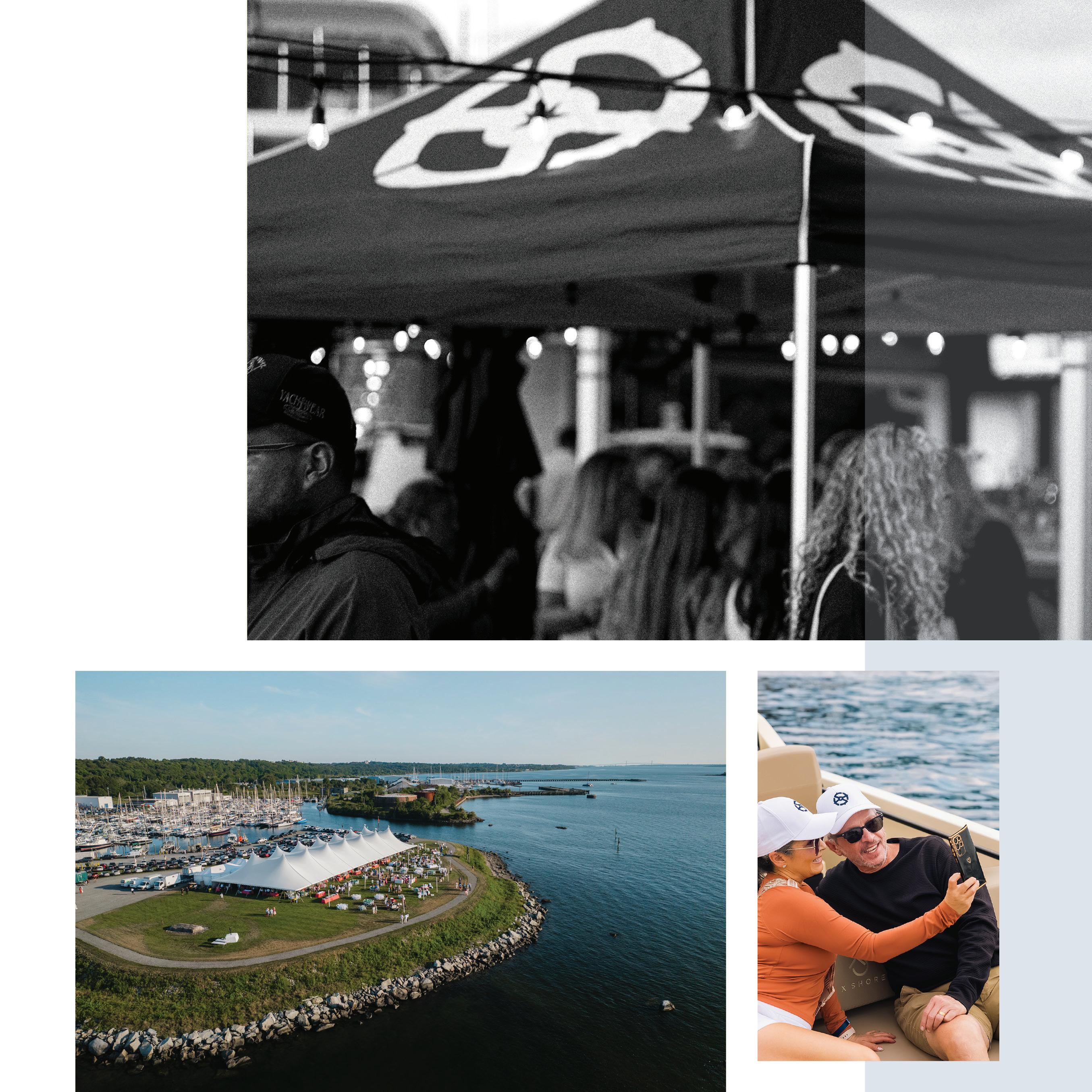
We continued to strengthen our presence and engagement at major boat shows by curating lounges to reflect the unique priorities of the local marina network. Our immersive “lifestyle lounge” spaces are designed to showcase hospitality and sustainability while highlighting what matters most in each region—whether that’s premium service offerings, wet slip availability, antifouling haulouts, or superyacht services. This tailored approach ensures that every boat show showcase authentically represents Safe Harbor’s capabilities and delivers meaningful value to Members and prospective Members based on local customer needs and concerns.
By aligning our presence with regional priorities, we not only deepen Member relationships but also drive awareness and growth across key business areas.
Safe Harbor Experiences remain a cornerstone of Member engagement. In 2025, we hosted a series of exclusive national, regional, and local events designed to celebrate the boating lifestyle and deepen Member engagement. Sustainability continues to guide how we design and deliver these Experiences—from selecting environmentally responsible brand partners to implementing waste-reduction strategies and leveraging digital tools to minimize environmental impact.
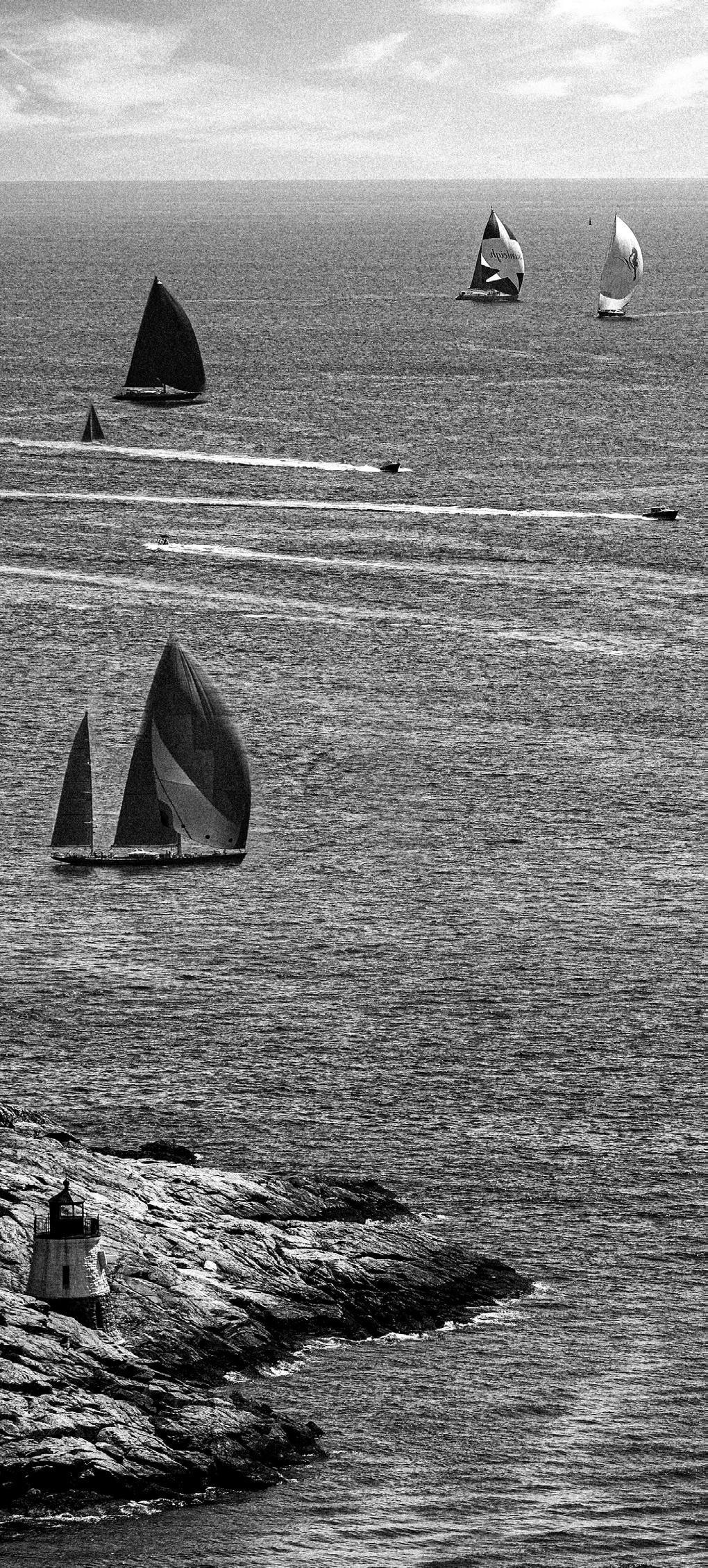
In 2025, Safe Harbor proudly received its fifth Platinum Certification for Safe Harbor Race Weekend from Clean Regattas6, the world’s leading sustainability certification program for on-the-water, near-the-water, and water-loving events. This recognition underscores our ongoing commitment to implementing best practices in environmental stewardship, including waste reduction, responsible sourcing, and minimizing our ecological footprint during events.
In 2025, we secured our fifth Platinum Certification for Safe Harbor Race Weekend from Clean Regattas, the premier sustainability certification for on- and near-water events.
Building on last year’s progress, we continued to use our Safe Harbor Sustainable Event guidelines. These guidelines provide clear expectations for sustainable partnerships, event planning practices, and resource management across all levels of our organization.
In 2025, over 1,700 Members came together across six Safe Harbor locations. Our dedicated Safe Harbor team plans, organizes, and delivers these events with precision and care, ensuring every detail reflects our commitment to generating exceptional Member value and celebrating local communities.
6 Clean Regattas is a program of Sailors for the Sea: sailorsforthesea.org
NATIONAL SAFE HARBOR EXPERIENCES
Safe Harbor Grand Tasting | Fort Lauderdale, FL
3rd Annual Safe Harbor Dream Weekend | Montauk, NY
5th Annual Safe Harbor Race Weekend | Newport, RI
Safe Harbor Legendary Weekend | San Diego, CA
OVER 1,700 MEMBERS ENGAGED THROUGH SIX REGIONAL EXPERIENCES IN 2025
REGIONAL SAFE HARBOR EXPERIENCES
Southeastern Wildlife Exposition | Charleston, SC
Big Rock Blue Marlin Tournament | Beaufort, NC
Harbor Island Cup | San Diego, CA
Catalina Rendezvous | Catalina Island, CA
Lake Norman Regional Event | Cornelius, NC
Great Lakes Member Event | St. Clair Shores, MI
OUR PEOPLE:
JOSH HESTER RVP, WEST COAST SOUTH
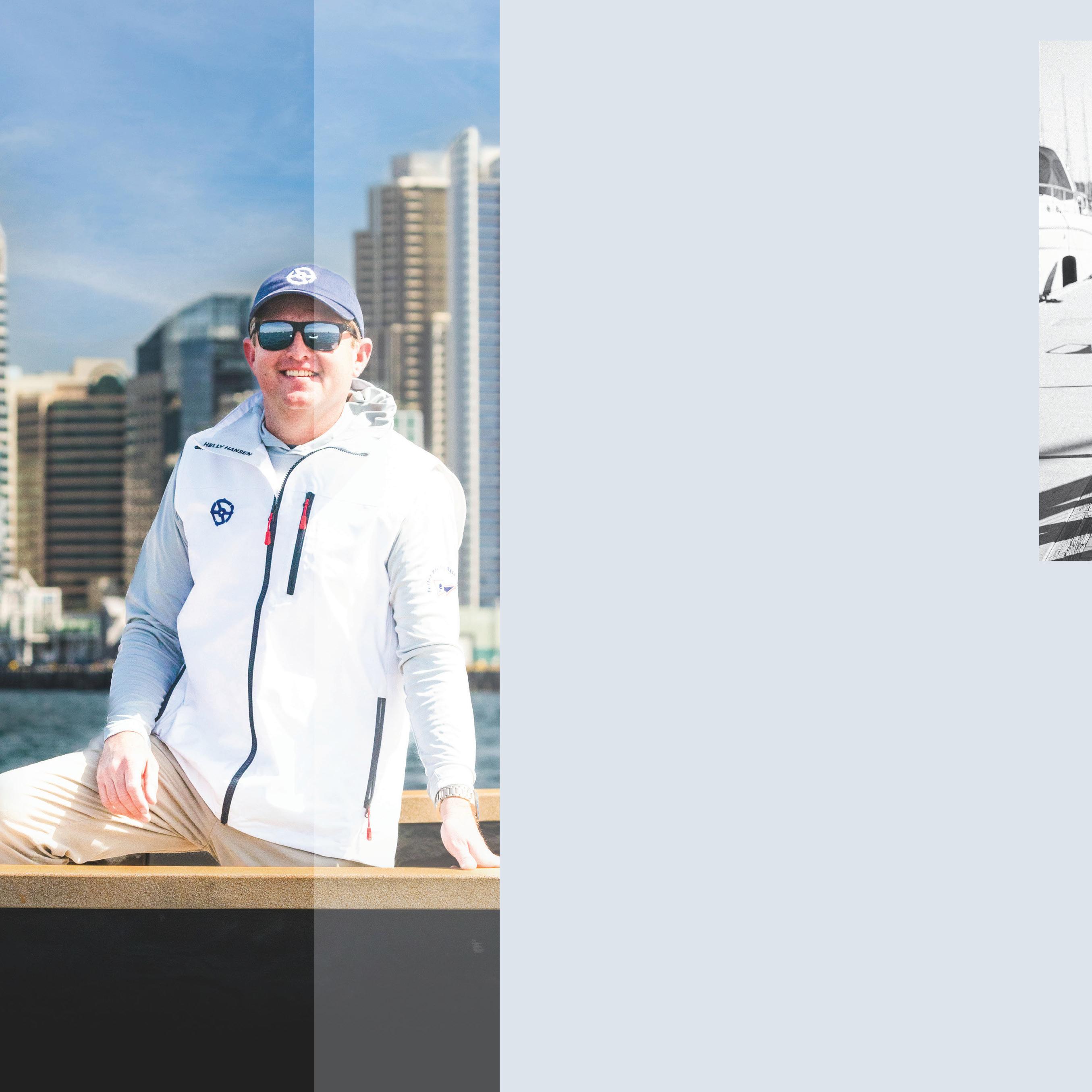
Safe Harbor embodies the ethic that service is not limited to our marinas—it is a value that extends to our places and communities as well. For Josh Hester, Regional Vice President, West Coast South, this broader take on service is just a part of the job.
“As a boater, wherever I go I am always thinking about how I can access the water,” he said. “I want to try and implement that for others in my role.”
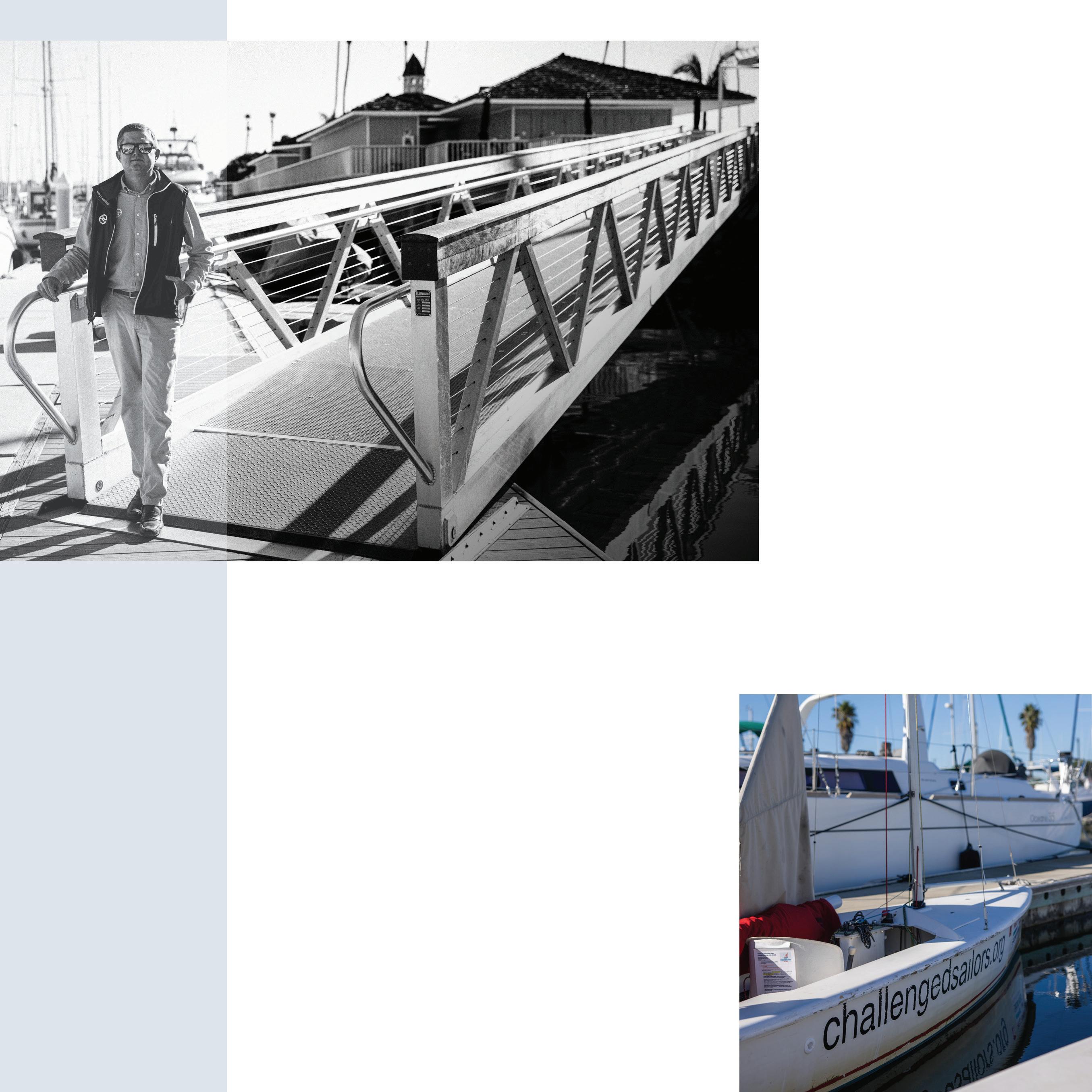
Josh’s relationship with Challenged Sailors San Diego is one such avenue. Challenged Sailors provides free sailing opportunities for people living with a variety of disabilities. The relationship with Josh and Safe Harbor Sunroad goes back at least a decade, beginning with a single slip and a couple of sailboats.
“We offer two slips at a reduced rate for the organization, and now we have about eight vessels at Sunroad,” he said. “We also host the Challenged Sailors group on property at no cost, and all parking is fully compensated. We try to make sure there is no spend when the group comes to sail, so we try to help where we can.”
Josh’s team has also made property-level improvements that further the relationship with Challenged Sailors.
“It took over a year to get permitting for our new ramp, but by the time it was finished, the result was amazing,” he said. “The important thing is what the program does for the individuals who want to sail—it makes me feel good that I can assist.”
Through property-level improvements, low- to no-cost access and support, and sponsorship of races, Safe Harbor continues to facilitate sailing experiences for sailors who might not otherwise have the chance.
“The Challenged Sailors group goes sailing every Saturday, and we’ve included them in the ‘Beer Can Circuit,’” he said. “Then they enjoy fun at the after-party!”
“I want to serve the people that don’t have the same resources or access. I enjoy the chance to step back and appreciate the impact.”
The “Beer Can Circuit,” organized by Cortez Racing Association, is a short sailboat race series held once a week for 10 weeks. Thanks to the support of Josh’s team at Safe Harbor Sunroad, Challenged Sailors has been able to participate in the beginner circuit.
But Josh is acutely aware that, as an industry, access to boating for all demographics, regardless of ability or background, remains a top challenge.
“In this business, sometimes it’s easy to focus too much on revenue and the ‘top’ of the boating demographic,” he said. “I want to serve the people that don’t have the same resources or access. It is an opportunity to give back that is unique to my business…I enjoy the chance to step back and appreciate the impact.” ▪
2,964 Teammates7 up from 2,818 SOCIAL KEY MEASURES
1,268
40 Veterans hired up from 21
New hires up from 738
14,716
Total training hours up from 9,507
Our business is operating marinas and creating exceptional waterfront experiences. Our ethos is to better steward the places we call home so those experiences may be preserved for future generations.
Through partnerships, investments, internal controls, and compliance certifications, we aim to lead the industry in caring for the natural environment. The following pages detail environmental initiatives that are currently underway.
8Properties volunteered to host research vessel Contender as part of a collaborative industry Taskforce to support North Atlantic Right Whale conservation
100%
Of new acquisitions received climate risk screenings in 2025

8
Beginning in 2025, Safe Harbor aims to reduce its Scopes 1 and 2 greenhouse gas (GHG) emissions by 15% within three years. We expect this target will add value by reducing our emissions footprint and by helping Safe Harbor better manage climate transition risks and opportunities. Much of 2025 was dedicated to formalizing management of our greenhouse gas (GHG) inventory and creating a decarbonization plan.
This target will add value by reducing our emissions footprint and by helping Safe Harbor better manage climate transition risks and opportunities.
In 2025, we partnered with a carbon accounting and consulting platform to better organize and manage our GHG emissions inventory for reporting, regulatory compliance, and project planning. The metrics included in this report represent our revised GHG inventory reporting boundary aligned to operational control, which allows us to focus on decarbonization efforts that target emissions driven by our company’s operations.
Two of Safe Harbor’s emissions reduction opportunities, rooftop solar and company fleet electrification, are discussed in more detail in the following pages.
ACHIEVE 15% EMISSIONS 8 REDUCTION BY SPRING 2028
We continue to make progress in evaluating and approving clean energy and electrification projects that cut electricity costs, provide a service to Members, and reduce our emissions footprint as we work toward our 15% reduction target.
5.98K
MWh of renewable energy generated in 2025 (increase over 5.58K MWh)
4.3
MW of solar power generating capacity in the Safe Harbor portfolio (increase over 3.94 MW, 0.36 MW added)
3
New rooftop solar projects completed in 2025
2
Properties, Safe Harbor Allen Harbor (RI) and Safe Harbor Great Island (ME), are 100% powered by on-site solar energy
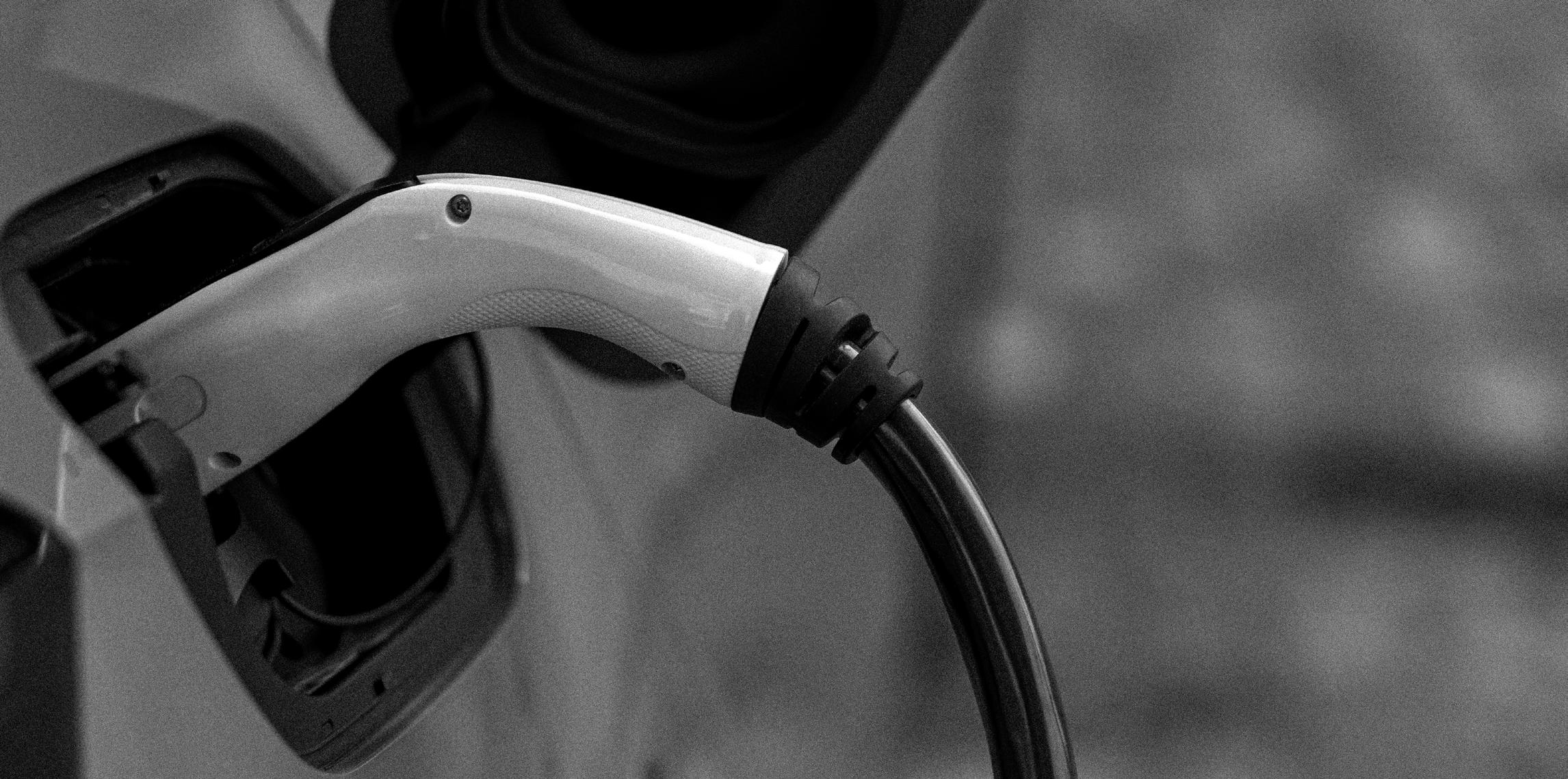
New electric vehicle chargers installed in 2025
Fleet electrification is another opportunity for Safe Harbor to reduce operational emissions, elevate the Safe Harbor brand, and support innovation in the electrification space. In 2025, we initiated an RFP process for all company vehicles that included EV vendors and sustainability criteria as part of the internal scoring methodology.
We offer electric vehicle (EV) chargers as an amenity at select Safe Harbor locations. We maintain a robust project pipeline for chargers and plan to deploy capital for additional chargers in locations with favorable state incentives and Member demand.
In-water infrastructure assessments now help us evaluate resilience and identify future capital improvement needs at new acquisitions.

We recognize that a comprehensive approach to climate risk management is critical to preparing for and managing potential operational disruption and instilling investor confidence. We continue to use the Recommendations of the Task Force on Climaterelated Financial Disclosures (TCFD) as a means of improving our internal risk management processes and ensuring compliance with new laws. Our 2025 TCFD-aligned disclosure can be found in the Appendices to this report. Additional measures being taken to address climate risk are detailed in the following pages.
Of acquisitions in 2025 have completed climate vulnerability screenings
Beginning in 2025, Safe Harbor implemented climate risk screenings for every new stateside acquisition as part of ordinary due diligence. This process, developed in partnership with an engineering and scientific consulting firm, helps Safe Harbor understand the physical risk exposure of individual marina assets and prioritize potential resilience improvements. When screenings show significant physical climate risk exposure, Safe Harbor initiates a more detailed climate risk assessment that involves a site visit and quantifiable projected loss in the event of various threat scenarios.
Additionally, we began conducting in-water infrastructure condition assessments at target acquisitions to better understand the resilience profile of target acquisitions and to identify the potential need for future capital improvements.
Effective management and mitigation of physical, weather-related risks to our properties is critical to securing our properties, caring for our people, and instilling investor confidence. As an owner and operator of waterfront properties, Safe Harbor is exposed to threats associated with severe weather, flooding, and sea level rise. We have implemented several measures aimed at better understanding, and in some cases quantifying, our exposure.
Teammate safety is our top priority when storms threaten our properties. Before securing marinas, we encourage Teammates to secure personal homes and families and comply fully with local, regional, and state guidelines on safety and evacuation.
Executive leadership maintains daily communication with property-level management on storm trajectory and safety measures being implemented on our properties. Our Hazardous Weather Plan (“Plan”) provides property-level, step-by-step guidance on how to prepare for and mitigate losses from severe weather. Regional Vice Presidents are responsible for taking care to execute all steps in our Plan—for example, vessel removal, sealing Hazardous Materials Management (HAZMAT) containers, shutting off electricity and water, and draining fuel lines—and for apprising executive leadership of all developments in coordination with property teams.
With each severe weather event that impacts our properties, our team works to identify and integrate lessons learned, especially with respect to future development projects. Among other things, we design buildings to withstand higher wind loads, install or repair wave attenuators to minimize wave height and energy, and install or replace bulkheads or seawalls to protect against erosion and wave action. As part of this process, our project management team within Construction & Development regularly vets new and innovative technologies that meet operational needs and promote resilience.
1,160
Linear feet of bulkhead, seawall, and wave attenuation structure built or replaced in 2025
Docks converted from fixed to floating 3

We care deeply about the well-being of nearshore environments at or near our properties. A key priority for 2025 was formulating an approach to habitat stewardship that would allow Safe Harbor to work alongside subject-matter experts on improvements while also gathering meaningful data on impact.
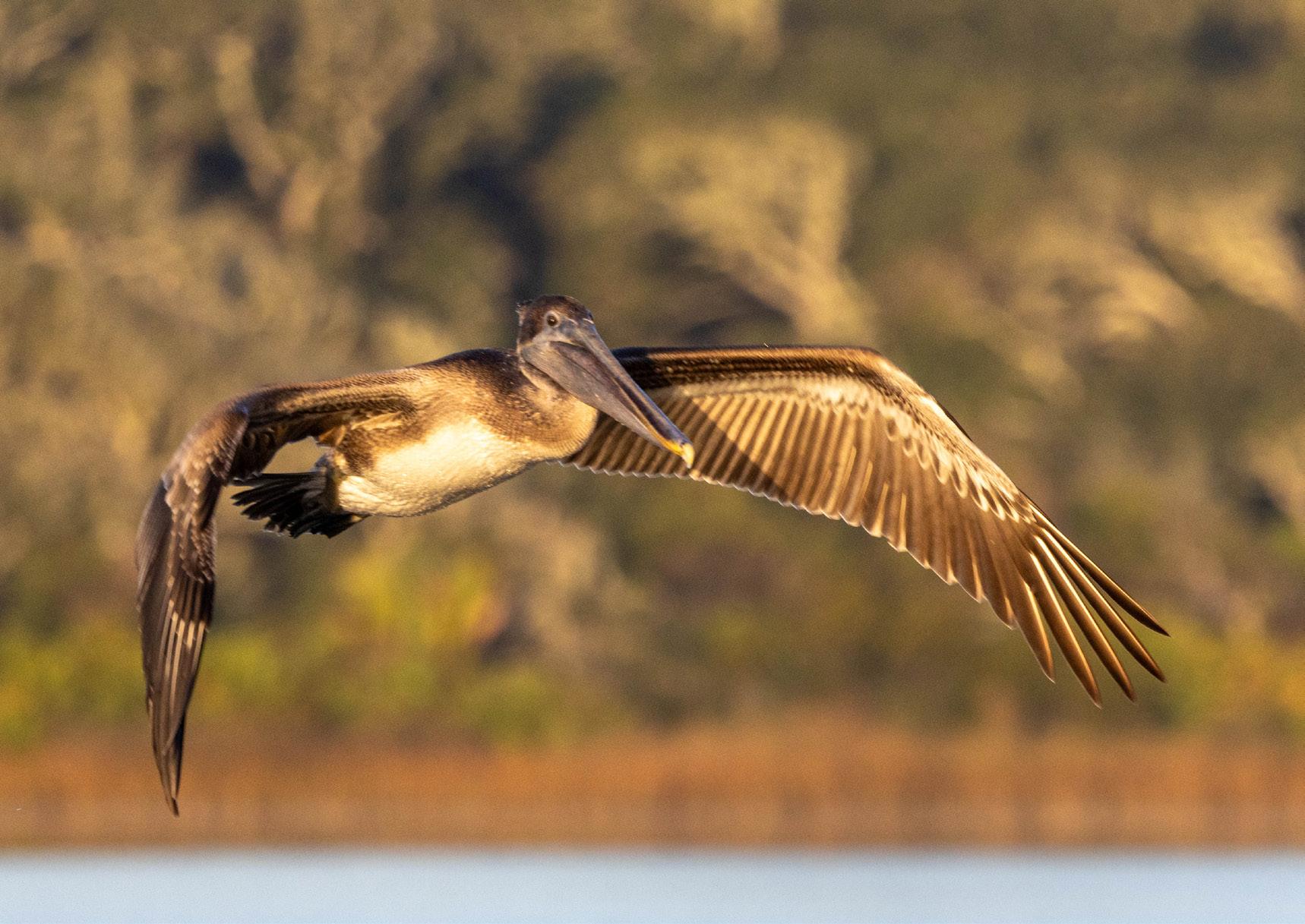
Earlier this year, Safe Harbor expanded its relationship with Restore America’s Estuaries (RAE) to develop a corporate subgrant program for habitat restoration. The intent of this program is to allocate annual funds for restoration projects in states where Safe Harbor operates. In 2025, Safe Harbor continued its support of RAE by sponsoring the biannual Tech Transfer Workshop in New Haven, Connecticut.

Subgrant awarded in partnership with Restore America’s Estuaries
To more fully incorporate sustainability and community well-being into our development processes, we currently integrate sustainable design principles into our approval processes for growth capex. These controls require incorporation of select sustainability measures— including green stormwater infrastructure and solarreadiness—in growth capex designs, where feasible. This approach not only ensures alignment between our sustainability and growth goals but can generate positive goodwill with the communities and regulators we interact with. To that end, we are regularly engaging with industry experts to explore best practices in sustainable and resilient marina design.
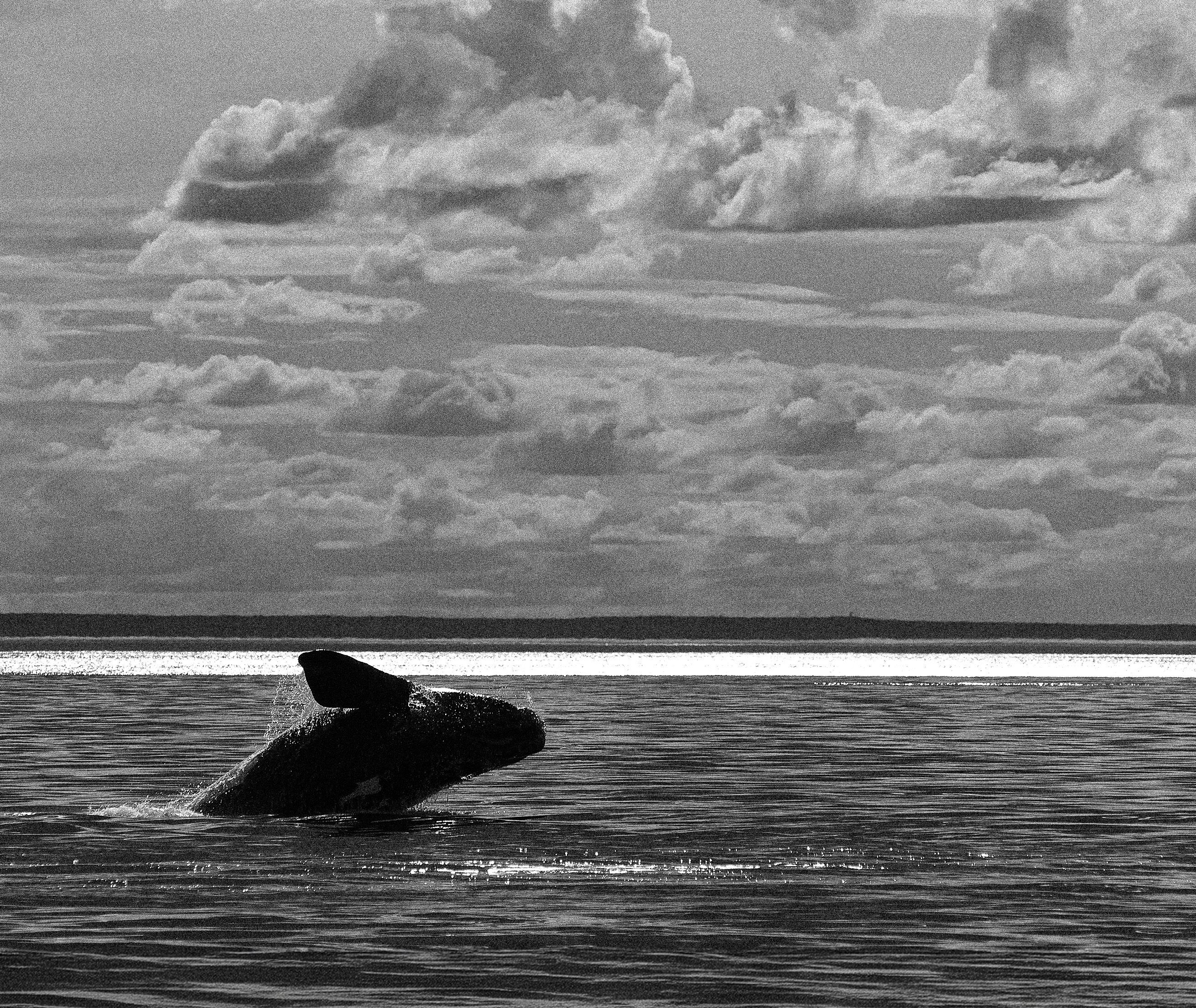
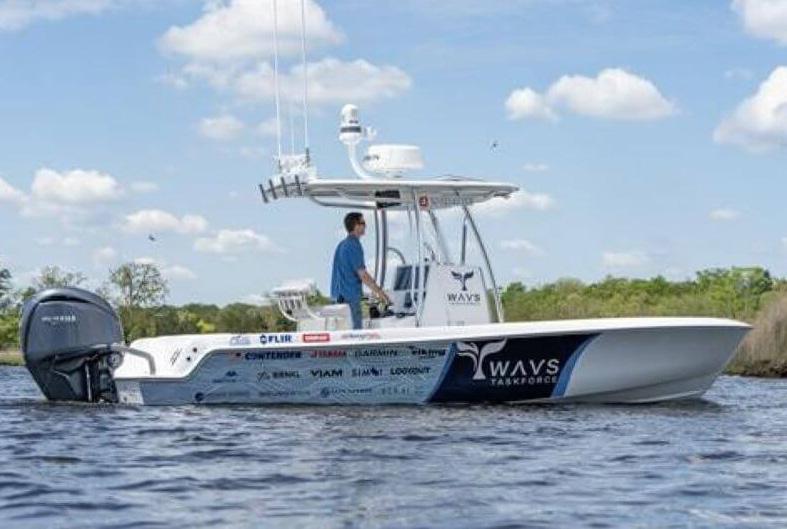
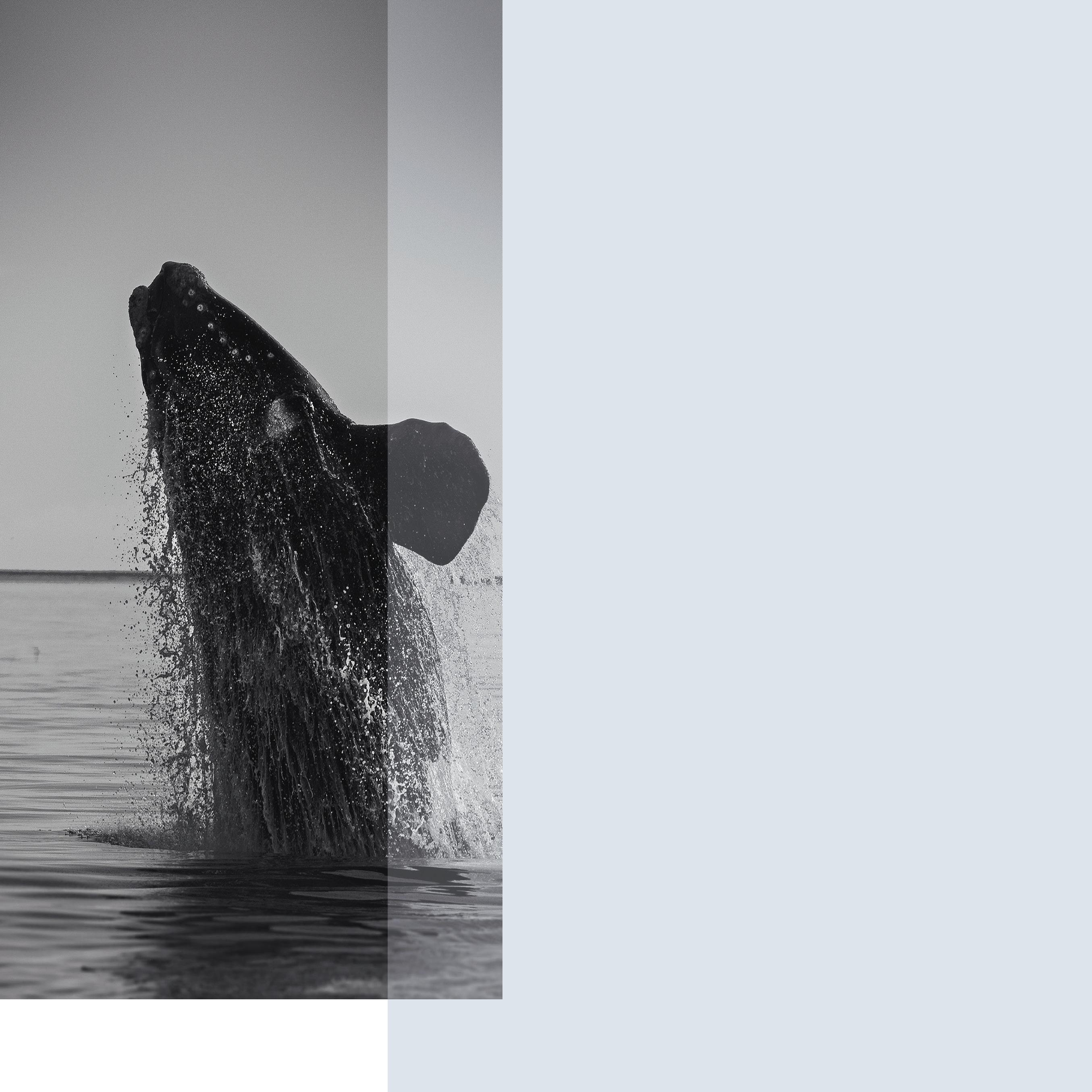
Safe Harbor continues to seek opportunities to scale impact through partnerships and in-kind support. In 2025, Safe Harbor participated in the Whale and Vessel Safety (WAVS) Taskforce9 spearheaded by Viking Yachts, an initiative aimed at leveraging innovative technology and stakeholder engagement to ensure the safety of the North Atlantic Right Whale (NARW). Members of this Taskforce include marine industry leaders and specialists in marine monitoring, electronics, and telemetry who are developing better methods to track NARW movements and communicate data to vessel operators.
This year, Safe Harbor contributed to the Taskforce’s research efforts by offering dockage at eight locations to Contender, a research vessel equipped with cutting-edge marine detection and classification software that collects data to better understand NARW movements so that future vessel strikes can be avoided.
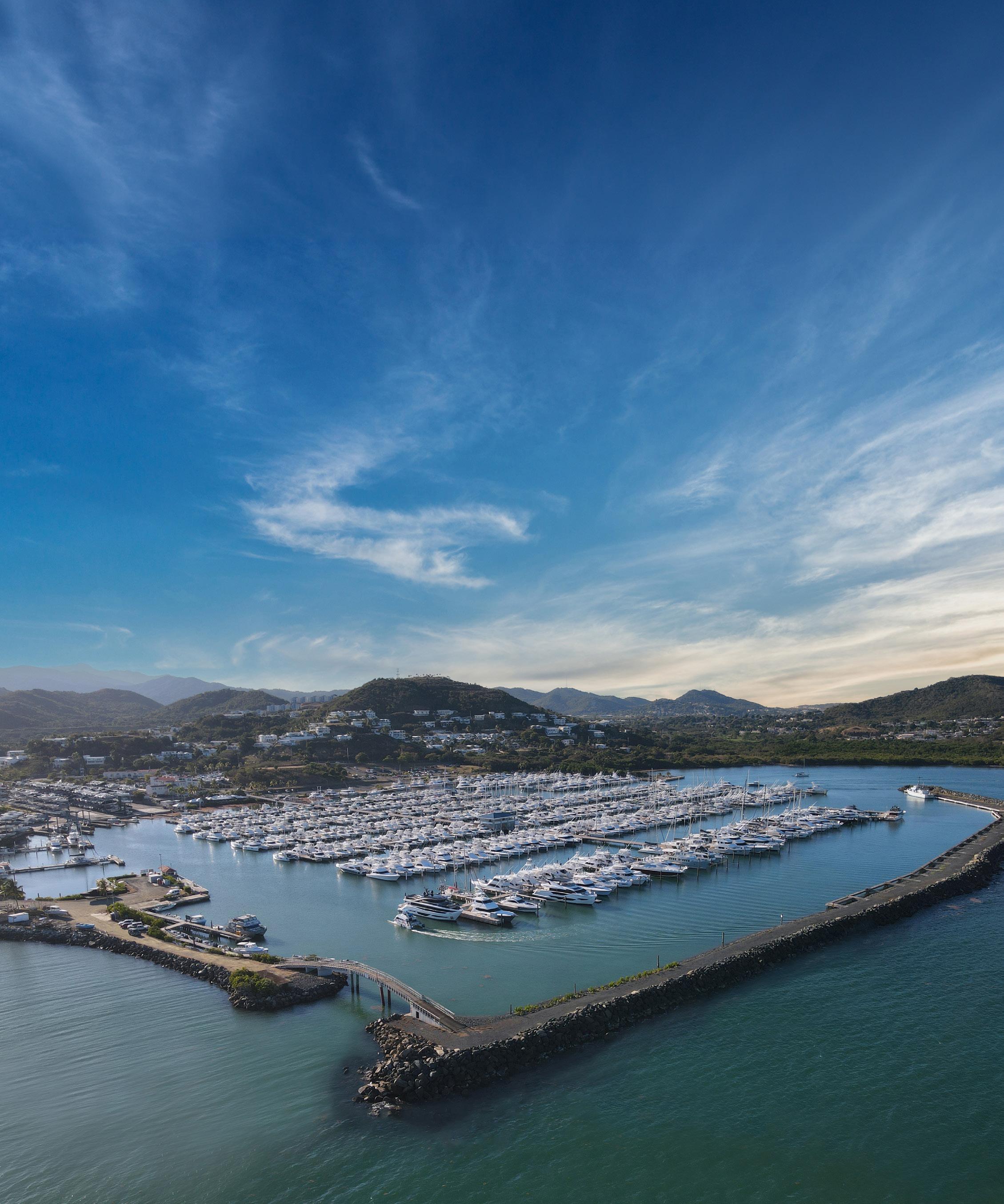
In 2025, we made progress toward our 100% Clean Marina certification target.10 As of December 31, 2025, 76% of our marinas were certified as Clean Marinas through the Association for Marina Industries’ (AMI) Clean and Resilient Marina (CRM) program or the state program equivalent.
76% Of Safe Harbor properties fully Clean Marina-certified11 18%
Of Safe Harbor properties have certifications in progress
94%
Toward goal of 100% certification of Safe Harbor properties
NEW WATER REUSE SYSTEMS HELP MONACO MARINE ADDRESS GROWING WATER SCARCITY.
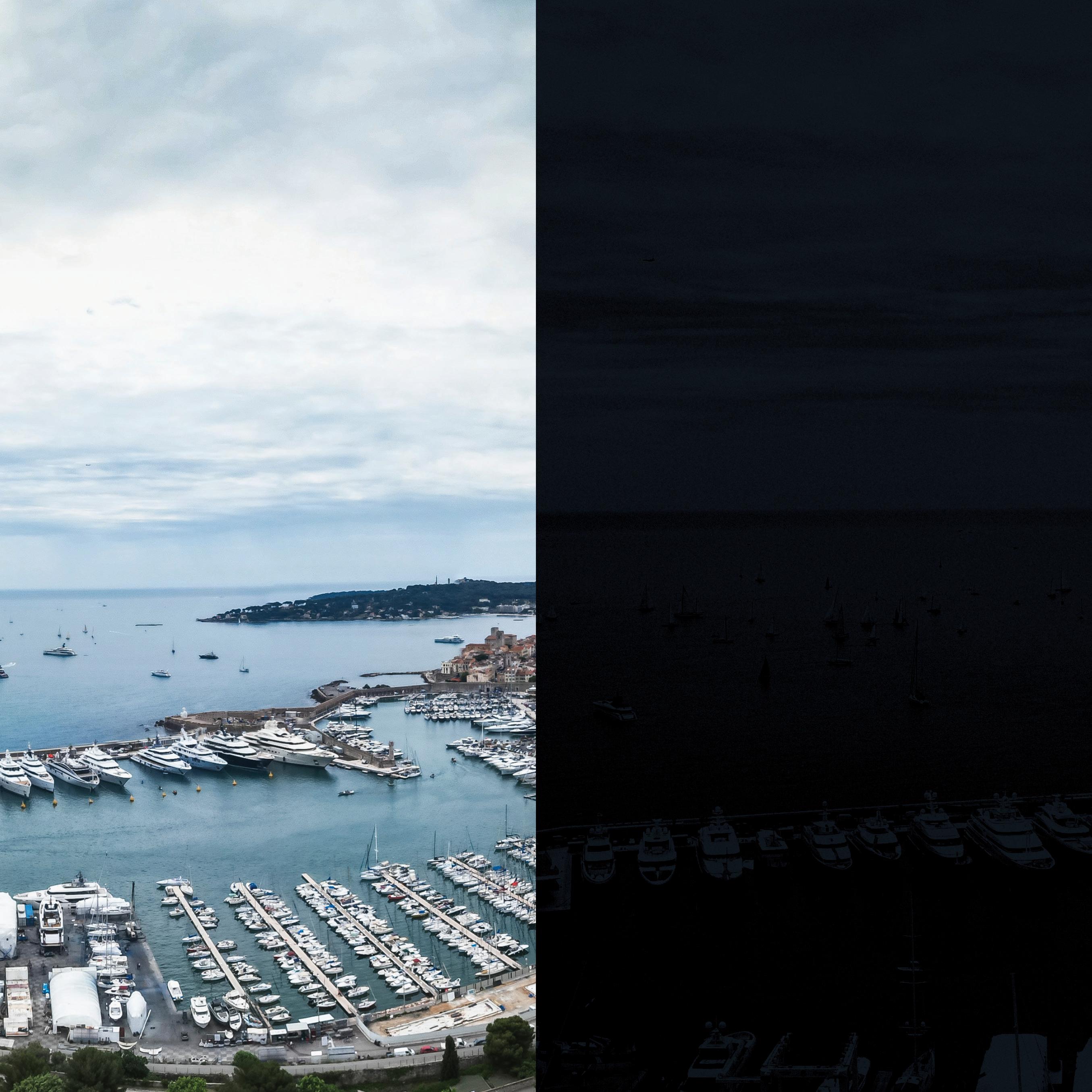
In 2025, Safe Harbor welcomed Monaco Marine—an exceptional network of eight shipyards and one marina in southern France— to the Safe Harbor family. Safe Harbor is benefiting from the wisdom and experience of the Monaco Marine team on a sustainability issue foundational to our industry: water.
“Our climate in the south of France is Mediterranean—very dry. Water is very important,” said Pierre Margnat, Operations Manager at La Ciotat shipyard, the largest at Monaco Marine.
In 2023, a significant regional drought gave rise to a temporary local decree requiring the Monaco Marine shipyards to implement water reuse systems to continue operations during that period of restriction.
“Essentially, they said, ‘If in the coming years you don’t have a water reuse system, you will then not be able to wash boats anymore,’” Pierre said.
The exchange with regulators caused the Monaco Marine team to think more broadly about how to manage water used by superyacht crews and for boat washing. By regulation, every shipyard already had water collection and treatment systems to ensure heavy metals and other contaminants were filtered out before water was discharged, but secondary treatment and reuse was new.
Authorities encouraged Monaco Marine to pilot different technologies to find something suitable for shipyards.
“In our Antibes shipyard, as a ‘test site,’ we first tried desalinization, but that was not very efficient. We tried a desalinization tank on a trailer, but that also only allowed us to process 100 to 500 liters of water per hour, and both systems created a waste issue with
concentrated salt,” said Bruno Camusat, Director of Construction and Development. “We also tried a system that extracted water from the atmosphere, but that was not a scalable solution either.”
Today, La Ciotat has a highly upgraded water treatment system, and Antibes has a water reuse system that is currently being tested.
“We looked for the best solution we could find for the environment,” said Bruno. “We felt that if we were going to do water reuse, we would do it with the best solution available.”
While water reuse systems were new to Monaco Marine, water capture and on-site treatment were not—a testament to Monaco Marine’s long-standing commitments to resource management.
As far as next steps, Bruno says that the new reuse systems will be tested in early 2026 to see if the water meets treatment standards. If all goes well, more projects will be scheduled for other shipyards. The team also must solve the problem of water storage to avoid contamination.
“We looked for the best solution we could find for the environment. We felt that if we were going to do water reuse, we would do it with the best solution available.”
While water treatment and reuse projects have been top of mind for regulators, Bruno explained that other industry sustainability issues must be prioritized as well.
“We care about curbing emissions to the atmosphere also,” Bruno said. “When grinding or welding, we use different filtration systems to remove dust. Same thing for VOCs (volatile organic compounds) when painting.”
Bruno, Pierre, and the team at Monaco Marine feel that integrating these measures is simply the right thing to do for the future of the business, particularly in a region that has already felt the effects of climate change.
“We feel good about the possibilities around reuse, and it is a good solution for dealing with water scarcity…it is really key for the future and ensuring our business has a path forward in this part of the world.” ▪
SCOPE 1 12, 13
SCOPE 2 12, 13
4,467 32,170
mtCO2e up from 2,622 mtCO2e in 2024
mtCO2e down from 47,331 mtCO2e in 2024
WASTE GENERATED ELECTRICITY CONSUMPTION 13
98.14K
MWh down from 141.04K MWh in 2024
28,623
tonnes up from 27,961 tonnes in 2024
ON-SITE RENEWABLE ENERGY GENERATED
WATER CONSUMED
5.98K 10.1M
MWh up from 5.58K MWh in 2024 m3 up from 781.14K m3 in 2024
This report details progress within the Safe Harbor Sustainability program from January 1 through December 31, 2025. Safe Harbor reports may include restatements of information as set forth in the Global Reporting Initiative’s Universal Standards (“Standards”). This report was produced with reference to the Standards.

COMPANY NAME
HEADQUARTERS
DESCRIPTION
MAIN PRODUCTS & SERVICES
REPORTING CONTACT
Harbor Marinas, LLC
Dallas, Texas, United States
Safe Harbor Marinas, LLC is wholly owned by Blackstone and is a part of the Blackstone Infrastructure portfolio.14
Our marinas offer wet slip and dry stack storage space leases, end-to-end service (such as routine maintenance, repair, and winterization), fuel sales, and other high-end amenities. These services and amenities offer convenience and resort-quality experiences to Members and guests.
Please contact us at sustainability@shmarinas.com
This document contains various “forward-looking statements” within the meaning of the Securities Act of 1933, as amended, and the Securities Exchange Act of 1934, as amended. We intend that such forward-looking statements will be subject to the safe harbors created thereby. It is for this purpose that any statements contained in this document relate to expectations, beliefs, projections, future plans, and strategies; trends or prospective events or developments; and similar expressions concerning matters that are not historical facts are deemed to be forward-looking statements.
Words such as “forecasts,” “intends,” “intend,” “intended,” “goal,” “estimate,” “estimates,” “expects,” “expect,” “expected,” “project,” “projected,” “projections,” “plans,” “predicts,” “potential,” “seeks,” “anticipates,” “anticipated,” “should,” “could,” “may,” “will,” “designed to,” “foreseeable future,” “believe,” “believes,” “scheduled,” “guidance,” “target,” and similar expressions are intended to identify forward-looking statements, although not all forward-looking statements contain these words. These forward-looking statements reflect our current views with respect to future events and financial performance, but involve known and unknown risks and uncertainties, both general and specific to the matters discussed in this document, some of which are beyond our control. These risks and uncertainties may cause our actual results to be materially different from any future results expressed or implied by such forward-looking statements. Statistics and metrics included in this report are in part dependent on the use of estimates and assumptions based on historical levels and projections and are therefore subject to change. This report has not been externally assured or verified by an independent third party. This report is not comprehensive.
Readers are cautioned not to place undue reliance on these forward-looking statements, which speak only as of the date the statement was made. We undertake no obligation to publicly update or revise any forward-looking statements included or incorporated by reference into this document, whether because of new information, future events, changes in our expectations, or otherwise. Although we believe that the expectations reflected in the forward-looking statements are reasonable, we cannot guarantee future results, levels of activity, performance, or achievements.
All written and oral forward-looking statements attributable to Safe Harbor Marinas, LLC or persons acting on its behalf are qualified in their entirety by these cautionary statements.

Describe the board’s oversight of climate-related risks and opportunities.
Describe management’s role in assessing and managing climate-related risks and opportunities.
Safe Harbor’s Board relies on Safe Harbor’s Sustainability Council and Risk and Sustainability departments to identify relevant physical and transitional climate risks and to develop mitigation strategies.
• Oversight: Most Safe Harbor department leaders serve on the Sustainability Council, Safe Harbor’s highest sustainability governance body. Through quarterly updates provided by the SVP of Sustainability & External Affairs, Council members are informed about sustainability-related risks, opportunities, regulatory changes, and proposed best practices, including monitoring and preparing for climate risk, both physical and transitional.
• Storms: Safe Harbor executive- and management-level leadership is regularly informed about the risks of severe storm activity. In advance of severe storms, our leadership tracks real-time storm activity and maintains close, regular communication with Regional Vice Presidents (RVPs) and other operations leaders in affected regions to ensure all steps of Safe Harbor’s Hazardous Weather Plan are implemented at the property level in affected areas.
• Energy & Electrification: Our Sustainability and Development teams work to monitor federal and state incentives that make on-site renewable energy projects, which hedge against rising utility costs and contribute to Safe Harbor’s emissions reductions, feasible. Safe Harbor has responded to Member demand for electric vehicle charging infrastructure by establishing a preferred partnership with a charging vendor and pipeline of charging projects. We also closely monitor market usage data in Safe Harbor locations for vessel electrification and will continue to evaluate the business case for expanded vessel charging infrastructure.
• Regulatory: The Sustainability team communicates closely with Safe Harbor’s C-Suite, Legal, Risk, Construction & Development, and Audit teams to manage regulatory risk and to prepare for new compliance obligations on climate issues (e.g., California SB 253 and 261). The SVP of Sustainability & External Affairs (i) works closely with outside counsel and other resources to identify and monitor applicable regulatory requirements either in the United States or abroad, (ii) develops strategies to manage those risks, and (iii) collaborates across departments to implement the strategies as needed. The SVP of Sustainability & External Affairs then spearheads necessary compliance strategies and reporting.
• Reputation: Safe Harbor understands that sustainability, and in particular climate resilience issues, are integral to the future of the recreational marine industry. Safe Harbor’s CEO and SVP of Sustainability & External Affairs meet biweekly to review strategic sustainability priorities—including climate risk diligence and energyrelated matters—as well as communication and outreach objectives. This process helps to ensure Safe Harbor is messaging its approach to climate risks and opportunities appropriately and to the right stakeholder groups.
Describe the climate-related risks and opportunities the organization has identified over the short, medium, and long term.
Acute Physical Risks
• Acute physical risks include hurricanes and associated weather-related threats, such as high winds, storm surge, and flood inundation. Flooding specifically can be classified both as an acute and chronic physical risk for our assets and is a significant risk for our portfolio of waterfront properties (long-term).
• We own and operate properties in drought-prone areas like California and southern France, which can pose a business risk to Safe Harbor operations when water use restrictions are implemented (long-term).
Chronic Physical Risks
• Sea level and coastal erosion are both chronic physical risks requiring long-term resilience planning in the context of marina development (long-term).
• Though relatively infrequent, significant seismic shifts and associated earthquakes and/or tsunamis can be classified as both an acute and chronic threat to waterfront assets in select locations prone to seismic activity (e.g., California) (long-term).
• Warming temperatures could result in extreme heat in select locations across our portfolio, which could in turn present a threat to employee safety and business viability in the event of water scarcity and/or reduce recreational boating activity (long-term).
Acute Transitional Risks
• Costs associated with increasing fuel and electricity costs as the cost of energy increases (medium-term).
Chronic Transitional Risks
• Some countries and states where Safe Harbor operates have implemented regulations on electrification, clean energy, and climate reporting, which increases compliance costs for Safe Harbor (medium-term).
• Safe Harbor potentially faces reputational and market risk related to its presence in the superyacht industry, which is perceived by some to be non-aligned with emissions reduction and climate goals. This risk could result in more consumers moving away from the recreational marine industry in favor of less carbon-intensive recreation opportunities (long-term).
• Shifting investor, government, and consumer preferences, particularly in new markets outside the United States, creates pressure for increased target-setting and corresponding investment in sustainable initiatives (long-term).
Opportunities
• We maintain an active pipeline of rooftop solar projects, concentrating our efforts on large upland storage buildings and states with rebates and other incentives. Rooftop solar is one of our biggest opportunities for decarbonization and property-level electricity cost reduction (medium-term).
• Safe Harbor is exploring a fleet electrification program that would offer electric replacements for select longrange vehicles, as well as charging infrastructure as an amenity at select locations (medium-term).
• Safe Harbor is continuing to explore ways to improve energy and water efficiency on-site to reduce utility costs and improve resource efficiency throughout our operations (long-term).
• Market presence in Europe gives Safe Harbor access to international thought leadership on recreational marine sustainability, new technologies, and industry trends that allow for proactive planning and more informed allocation of capital toward sustainable initiatives (long-term).
Describe the impact of climate-related risks and opportunities on the organization’s businesses, strategy, and financial planning.
• Physical climate risk screening and in-water infrastructure conditions assessments are now included in Safe Harbor’s due diligence processes as a method of better understanding the climate-related financial implications of target acquisitions.
• Climate-related controls are integrated into the approval process of growth capex projects, requiring projects to integrate climate measures in the planning and development stages of a growth project where feasible. This measure ensures alignment between Safe Harbor’s development strategy and sustainability commitments.
• The SVP of Sustainability & External Affairs updates the Sustainability Council and CEO regularly on climate impacts to business planning. Safe Harbor is currently in the process of determining how to allocate discretionary funding for measures that generate stakeholder value and mitigate physical and/or transitional climate risk.
Describe the resilience of the organization’s strategy, taking into consideration different climate-related scenarios, including a 2°C or lower scenario.
Describe the organization’s processes for identifying and assessing climate-related risks.
We have deployed scenario analysis in our development of a climate risk assessment methodology for acquisitions. When these screenings demonstrate the likelihood of significant physical risk exposure, we conduct a more detailed climate risk assessment that involves analysis of individual property assets; physical risk likelihood based on publicly available storm, flood, and heat data over time; and the quantitative impact to the business in the event of loss.
• The SVP of Sustainability & External Affairs collects information across Safe Harbor departments, including Construction & Development, Legal, Risk, and Operations, to accurately identify and prioritize both physical and transitional climate-related risks to the business. Those risks, along with proposed action plans, are then discussed during quarterly Sustainability Council meetings and in individual meetings between Sustainability and various other departments.
• Our annual Enterprise Risk Management (ERM) process presents an opportunity to evaluate both physical and transition risks. For example, our annual ERM survey asks respondents to rate and comment on things like extreme weather and changing regulations. This year, Safe Harbor plans to modify some risk categories to better align with material risks identified by the Global Real Estate Sustainability Benchmark (GRESB) Infrastructure Assessment.
Describe the organization’s processes for managing climate-related risks.
Describe how processes for identifying, assessing, and managing climate-related risks are integrated into the organization’s overall risk management.
To the extent that certain ERM risks are flagged as significant, internal teams are convened to develop action plans for monitoring and mitigating those risks internally. Draft mitigation plans are circulated internally for review, feedback, and approval, and risk mitigation measures are taken as needed.
Safe Harbor’s formal ERM process factors in weather and climate-related risk as a category for discussion and action planning. Additionally, climate risk analysis is integrated into Acquisitions and Risk through climate diligence screenings that are conducted for all new acquisitions.
Disclose the metrics used by the organization to assess climate-related risks and opportunities in line with its strategy and risk management process.
Our climate risk screenings, conducted as part of due diligence, provide a high-level overview of likely risk exposure to multiple climate-related hazards. If needed, the more detailed assessment provides quantitative loss projection metrics if specific physical climate risks were to manifest under different scenarios.
Safe Harbor conducts in-water infrastructure assessments for target acquisitions as part of due diligence. Infrastructure that is particularly exposed to physical climate risk includes bulkheads, seawalls, docks, and wave attenuators. This process informs quantitative estimated costs of repair or replacement, helping the company to make more informed capital allocation decisions for property risk management.
Safe Harbor monitors several climate-related KPIs. Examples include:
• Scopes 1, 2, and 3 GHG emissions15
• Electricity consumption
• Natural gas consumption
• Water consumption
• Waste-to-landfill
We use ROI and IRR metrics to determine the yield on cost for rooftop solar projects in our solar pipeline. We view rooftop solar as critical to achieving emissions reduction targets, so each project is carefully modeled and selected to ensure the best yield on cost over time. Metrics included in the modeling process include reduction on project cost from the future sale of tax credits.16
Disclose Scope 1, Scope 2, and, if appropriate, Scope 3 greenhouse gas (GHG) emissions, and the related risks.
Describe the targets used by the organization to manage climate-related risks and opportunities and performance against targets.
We are shifting the reporting boundary for our emissions inventory from financial to operational control. We expect our 2025 Scopes 1 and 2 inventories to be available and aligned to operational control by the end of Q2 2026. Development of Safe Harbor’s Scope 3 inventory is expected to begin in 2026.
Safe Harbor aims to achieve a 15% intensity-based reduction of Scopes 1 and 2 emissions within three years (by April 2028) and will explore setting interim annual targets once our operational control baseline is established.
15 Safe Harbor’s focus in 2025 was defining the emissions reporting boundary to align with operational control, with a focus on Scopes 1 and 2 emissions. Completeness of our Scope 3 inventory will be prioritized following completion of the new boundary and gap analyses within our Scopes 1 and 2 inventories.
16 Solar ITCs will expire at the end of 2027.
Safe Harbor Marinas, LLC has reported the information cited in this GRI content index for the period January 1, 2025 to December 31, 2025 with reference to the GRI Standards.
GRI 1 Used
GRI 1: Foundation 2021
GRI 2: General Disclosures 2021
2-1 Organizational details
2-2 Entities included in the organization’s sustainability reporting
2-3 Reporting period, frequency, and contact point
2-4 Restatements of information
2-5 External assurance
2-6 Activities, value chain, and other business relationships
2-7 Employees
2-9 Governance structure and composition
2-12 Role of the highest governance body in overseeing the management of impacts
2-13 Delegation of responsibility for managing impacts
2-14 Role of the highest governance body in sustainability reporting
2-15 Conflicts of interest
2-17 Collective knowledge of the highest governance body
LOCATION PAGE
This report 10–11, 67
This report 67
This report 67
This report 67
Limited assurance letter for Scopes 1 & 2 emissions inventory forthcoming to Safe Harbor website
This report 10–11
This report 13, 28, 42
This report, FY25 TCFD Disclosure Index 24–25, 71
This report, TCFD Disclosure Index 24–25, 71
This report, TCFD Disclosure Index 24–25, 71
This report, TCFD Disclosure Index 24–25, 71
This report 20
This report, TCFD Disclosure Index 20, 24–25
GRI 3: Material Topics 2021
GRI 101: Biodiversity 2024
GRI 102: Climate Change 2026
GRI 201: Economic Performance 2016
GRI 205: Anti-corruption 2016
GRI 302: Energy 2016
2-22 Statement on sustainable development strategy
2-23 Policy commitments
2-24 Embedding policy commitments
2-25 Processes to remediate negative impacts
2-26 Mechanisms for seeking advice and raising concerns
2-27 Compliance with laws and regulations
2-29 Approach to stakeholder engagement
3-1 Process to determine material topics
3-2 List of material topics
3-3 Management of material topics
report 20
report 20
report, TCFD Disclosure Index 14–15, 20, 22–23, 71
report 20
report 22–25 101-2 Management of biodiversity impacts
report 46, 56–57 102-1 Transition plan for climate change mitigation
71
Defined benefit plan obligations and other retirement plans
report 29 205-1 Operations assessed for risks related to corruption
205-2 Communication and training about anticorruption policies and procedures
GRI 303: Water & Effluents 2018
GRI 306: Waste 2020
GRI 401: Employment 2016
GRI 403: Occupational Health & Safety 2018
GRI 404: Training & Education 2016
GRI 405: Diversity & Equal Opportunity 2016
GRI 416: Customer Health & Safety 2016
303-1
303-2
401-1
401-2