AIA-AAH Fellowship Presentation | October 2022
Understanding the couplet care environmental model and its effect on bonding between the mother and infant dyad Sabah Mohammed, B. Arch, M.S., EDAC, WELL AP, LEED Green Associate Cornell University
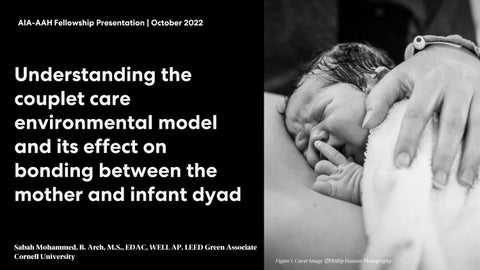
Figure 1. Cover Image ⒸPhillip Hanson Photography
Thesis Defense AIA-AAH Fellowship | July Presentation 2022 | October 2022
Contents Introduction Methodology Results Design Recommendations Limitations Future Research Figure 2. Couplet Care Room ⒸYale New Haven Hospital
AIA-AAH Fellowship Presentation | October 2022
Introduction
AIA-AAH Fellowship Presentation | October 2022
Introduction
Figure 3. Gestational Timeline. Source: U.S. Department of Health and Human Services. (n.d.). Know your terms: NCMHEP. Eunice Kennedy Shriver National Institute of Child Health and Human Development. Retrieved July 19, 2022, from https://www.nichd.nih.gov/ncmhep/initiatives/know-your-terms/moms
AIA-AAH Fellowship Presentation | October 2022
<37 weeks 10.9%
8.4%
Gestational age that is considered premature birth (Steer, 2005).
Newborns in the United States are admitted into NICUs every year (Wonder, C. D. C., 1968).
of all live births in the U.S. are premature births in the past three decades (Callahan, 2013).
AIA-AAH Fellowship Presentation | October 2022
Figure 3. Pediatric Surgery at Columbia University. History of Medicine: The Incubator Babies of Coney Island
AIA-AAH Fellowship Presentation | October 2022
• Martin Couney was known across America as “the incubator doctor”. • He ran infant incubator exhibits, premature babies were displayed to the public, for more than three decades. •
Over time, the success of Couney’s facility at Coney Island in New York City began to attract the attention of leading pediatricians as only a few American hospitals had incubators. Doctors would send premature babies to him.
•
Couney did not take a penny from the parents of the babies- he covered all the costs through the entrance fees. Figure 4. Martin Couney and an infant at the Coney Island incubator facility. Figure 5. Coney Island Incubator sideshow facade at Luna Park ca. 1941 Ⓒ Beth Allen Photography
AIA-AAH Fellowship Presentation | October 2022
Evolution of Neonatology • Neonatology began with small rooms carved out from newborn nurseries, then evolved into bright, noisy, crowded, and sometimes windowless units. • More recently, Single Family Rooms (SFRs) associated with increased family-centered care, breastfeeding, and parent visitation (Lester et al., 2014) have become the norm.
Figure 6. Source: Beacon Children’s Hospital, ⒸZGF Architects
AIA-AAH Fellowship Presentation | October 2022
Couplet Care • Couplet care lies even further along the spectrum of family integration. • The intention is that the physical environment facilitates parent-infant closeness through• skin-to-skin contact, • family-centered care, • increased visiting hours, • family rooms and space optimization.
Figure 7. Source: Beacon Children’s Hospital, ⒸZGF Architects
AIA-AAH Fellowship Presentation | October 2022
Couplet Care
Figure 8. Couplet care and its associated physiological and psychological benefits.
AIA-AAH Fellowship Presentation | October 2022
Objectives of the study • The primary goal of this research was to evaluate the couplet care environmental (CCE) model at a pediatric hospital, and to validate an existing survey developed at Yale New Haven Hospital (YNHH). It is an approach that measures the effect of exposure to the CCE on maternal-infant bonding during hospitalization. • Primary outcomes of interest include scores on a neonatal experience evaluation toolkit and a qualitative interview. A follow-up interview was used to gather both qualitative data, and to triangulate and verify results. • Secondary aims are to determine associations between elements of the CCE and parental stress, and hospital stay satisfaction. Source: Sparrow Hospital in Lansing, Michigan, ⒸEster Graham/ Michigan Radio
AIA-AAH Fellowship Presentation | October 2022
Hypotheses
Figure 9. Relationship between the constructs and variables.
AIA-AAH Fellowship Presentation | October 2022
Methodology
AIA-AAH Fellowship Presentation | October 2022
Methodology
150+
2
19 + 10
Literature reviews Peerreviewed journal articles with inclusion criteria.
Case Studies and virtual site visits to the couplet care units at Yale New Haven Hospital and Beacon Children’s Hospital
Survey responses from the quantitative survey (19) and the semi-structured qualitative interview (10).
AIA-AAH Fellowship Presentation | October 2022
Site Context • The case study is a level III NICU located at a Children’s Hospital in the Midwestern US. • It applies a family centered care model that includes 24h family access with overnight stay and an active family engagement program, which involves various types of family engagement actions and interactions. • The unit offers two types of rooms with adjacent private bathrooms and multiple family support spaces. Figure 10. Source: Beacon Children’s Hospital, ⒸZGF Architects
AIA-AAH Fellowship Presentation | October 2022
Study Design • Prospective, cohort study- participants were divided into two cohorts depending length of stay and exposure to the couplet care • Modelled after prior study that investigated the association of skin-to-skin patterns with length of stay in extreme preterm infants in the NICU (Gonya et al., 2017; Hunt et al., 2015). • The short stay cohort- LOS <5 days. • The long stay cohort - LOS >=5 days. Figure 11. Source: Beacon Children’s Hospital, ⒸZGF Architects
AIA-AAH Fellowship Presentation | October 2022
Recruitment • Diffused recruitment- Interested participants were presented the study poster by nursing staff as a means of recruitment. • Once enrolled, participants were asked to complete a series of surveys. • The QR code was embedded in the recruitment poster. This linked to an online version of the survey on Qualtrics, where written consent was requested, and answers recorded.
Figure 12. Study recruitment poster
AIA-AAH Fellowship Presentation | October 2022
Tools Neonatal Experience Evaluation Toolkit • The survey used in this study was developed at Yale New Haven Hospital (YNHH) consisting of1. Bonding Scale 2. Satisfaction Scale 3. Parental Stress Scale 4. Breastfeeding support Qualitative Interviews • Structured qualitative interviews are used as a tool to triangulate and corroborate other research instruments and data collected.
Figure 13. Source: Beacon Children’s Hospital, ⒸZGF Architects
AIA-AAH Fellowship Presentation | October 2022
Survey Surveys were administered before discharge. The Qualtrics survey was sent to the participants personnel email if they provided permission. The electronic survey could be accessed on a desktop webpage, mobile device or tablet. Figure 14. Qualtrics Survey.
AIA-AAH Fellowship Presentation | October 2022
Themes
Figure 15. Code to Theme map for Survey Open Ended Questions.
AIA-AAH Fellowship Presentation | October 2022
Results
AIA-AAH Fellowship Presentation | October 2022
Analysis
Figure 16. Flowchart illustrating data collection methodology and analysis.
AIA-AAH Fellowship Presentation | October 2022
Demographic Distribution
Analysis • The average length of stay (LOS) in the short stay cohort was 2.57 days with a standard deviation (SD) of 1.1 days whereas the average LOS in the long stay cohort was 15.60 days with an SD of 7.5 days. • The average infant weight at birth in the short stay cohort was 2.60 kg with an SD of 1.2 kg whereas the average infant weight at birth in the long stay cohort was 2.66 kg with an SD of 1.1 kg
White Caucasian
Black
Hispanic/Latino
Asian
Undisclosed
Figure 18. Demographic distribution- Race. Source: Sparrow Hospital in Lansing, Michigan, ⒸEster Graham/ Michigan Radio
AIA-AAH Fellowship Presentation | October 2022
Thematic Analysis
Figure 17. Word Cloud from Thematic Analysis
AIA-AAH Fellowship Presentation | October 2022
Design Recommendations
AIA-AAH Fellowship Presentation | October 2022
Ulrich’s Theory- Supportive Design
Figure 18. Note: Adapted from Fig. 1 in Andrade, C. C., & Devlin, A. S. (2015). Stress reduction in the hospital room: Applying Ulrich's theory of supportive design. Journal of environmental psychology, 41, 125-134.
AIA-AAH Fellowship Presentation | October 2022
3
2 8 4
6
5 1
7
Figure 19. Source: Beacon Children’s Hospital, ⒸZGF Architects
AIA-AAH Fellowship Presentation | October 2022
1. Kangaroo Chair • Allows a parent to lean back and safely hold the baby and participate in skinto-skin for extended periods. • Under the kangaroo care method, mothers hold their nearly naked newborns in an upright position against their chest. • Skin-to-skin bonding with the mother reduces babies’ stress levels and helps infants adapt to life outside the womb. • It also improves breast-feeding and weight gain, and lowers infection rates, and it is important to the sensory development of a preterm baby. • When practiced for six hours a week for eight weeks, it has been shown to accelerate neurodevelopment measured through brain maturation in EEG tracking of the infant brain activity.
Figure 19a. Source: Beacon Children’s Hospital, ⒸZGF Architects
AIA-AAH Fellowship Presentation | October 2022
2. Sound Control • The room and NICU unit are designed to be very quiet. • Acoustical ceiling tile, heavily insulated walls, carpeted corridors and other features are designed to keep sounds under 40 decibels (dBs). • The alarm controls at the bedside are silent, with signals going to the nurse’s communication device, and the HVAC system is designed to make as little noise as possible. • Helps in reducing unwanted noise and increasing appropriate sounds for a newborn baby, such as a mother’s speech and lullabies, promotes the baby’s development.
Figure 19b. Source: Beacon Children’s Hospital, ⒸZGF Architects
AIA-AAH Fellowship Presentation | October 2022
3. Dimmable Light Source • Instead of a standard big light in the center of a room, there are dimmable controls, and no lights are located over a baby’s bed to avoid having light shine directly into an infant’s eyes. • One wall of each room is lit by a bank of LED lights that can be controlled by the family to wash that wall with a color of their choice. The color on the left wall is a parent-selected color. • A stronger light for medical procedures is mounted on an adjustable arm. • Enables parents and staff to dim the lights and control the ambience, making the room feel less institutional. • None of the lights are in the direct view of the baby because preemies have very thin eyelids and cannot turn away from an unpleasant light source.
Figure 19c. Source: Beacon Children’s Hospital, ⒸZGF Architects
AIA-AAH Fellowship Presentation | October 2022
4. Window Outside • NICU Layout- as many rooms as possible on external walls. • The view- a glass-covered atrium, which has a treehouse and plants in it. • Exposure to natural light helps maintain circadian rhythms for babies, parents and staff, and views of nature reduce stress and anxiety.
5. Convertible Sofa • Encourages family to be there as much as possible. • The décor is designed to be homey, with color and natural finishes, and families are encouraged to add personal touches. Figure 19d. Source: Beacon Children’s Hospital, ⒸZGF Architects
AIA-AAH Fellowship Presentation | October 2022
6. Breastmilk Refrigerator • Every room has a breast pump and a separate refrigerator for breast milk. The refrigerator is built in below the counter on the left side • Helps facilitate breastfeeding.
7. Room Size • All NICU rooms are more than 260 square feet. • The large size allows for care of critically ill babies who may require more equipment for life support and a large care team for specialized care. • If an infant needs surgery and is too fragile to move, the larger size allows space to perform a procedure.
Figure 19d. Source: Beacon Children’s Hospital, ⒸZGF Architects
AIA-AAH Fellowship Presentation | October 2022
8. Articulating Arms • These arms on the head wall can hold a procedure light, IV pumps and other medical equipment • The head wall behind a hospital bed contains outlets for oxygen, air suction and electricity, and mounts for other support equipment. • In ordinary ICUs, there is limited flexibility for movement of the babies. • Articulating arms allow these devices to be repositioned easily when the baby is transferred from the incubator to a parent’s arms.
Figure 19e. Source: Beacon Children’s Hospital, ⒸZGF Architects
AIA-AAH Fellowship Presentation | October 2022
Conclusions
AIA-AAH Fellowship Presentation | October 2022
Lessons Learned • Staff indicated the lessons learned from Beacon Children’s NICU unit can be applied to any health system considering a NICU redesign. • Takeaways include: •
Understanding the research and evidence.
•
Incorporating couplet care however possible.
•
Benchmarking utilization and workflows.
Figure 20. Source: Beacon Children’s Hospital, ⒸZGF Architects
AIA-AAH Fellowship Presentation | October 2022
Limitations • Remote data collection. Due to complications arising from the COVID-19 pandemic and the associated travel restrictions, data collection was conducted remotely in coordination with the care team on-site at Memorial Hospital, South Bend. • Length of survey. Due to a diffused participant recruitment, only n=19 participants consented to participate in the study. Due to the length of the survey, only n=16 participants completed more than 85% of the survey fields. Further research is required to understand the length of surveys and its effect on survey completion and attrition. • External validity. The pandemic policies in addition to the low n of this study, lowered the generalizability of the study and introduced conditions that would not be considered “controlled”. • Lack of control group. The nature of this evaluation which had no pre-evaluation, no control or intervention groups helped to avoid many threats to internal validity.
AIA-AAH Fellowship Presentation | October 2022
Future Research • Multiple sites to measure the outcomes from a couplet care unit compared to a traditional NICU. • Multiple cross-sections of time reflecting the decrease of the halo effect as the mother reviews and processes the birth experience. • Correlation between the rooftop garden in the NICU and patient and staff satisfaction. • Behavioral observations to understand the needs of the NICU staff within their workspace and the movement of patients and staff in the NICU. Figure 21. Source: Beacon Children’s Hospital, ⒸZGF Architects
AIA-AAH Fellowship Presentation | October 2022
Thank you! Questions?
Figure 21. Source: Beacon Children’s Hospital, ⒸZGF Architects
AIA-AAH Fellowship Presentation | October 2022
Dr. Mardelle Shepley Dr. Jane Mendle Dr. Robert D. White Dr. Kati Peditto Dr. Sarah Taylor Judy Smith AIA-AAH Arthur N. Tuttle Jr. Health Fellowship Department of Human Centered Design, Cornell University Study participants at Beacon Children’s Hospital Mashelle Monhaut, RN Jane Kaiser, RN Dr. May Boggess Dr. Hermínia Machry
Grateful for your mentorship, feedback & encouragement!
AIA-AAH Fellowship Presentation | October 2022
References Affonso, D., Bosque, E., Wahlberg, V., & Brady, J. P. (1993). Reconciliation and healing for mothers through skin-to-skin contact provided in an American tertiary level intensive care nursery. Neonatal network: NN, 12(3), 25-32. Al Maghaireh, D. A. F., Abdullah, K. L., Chan, C. M., Piaw, C. Y., & Al Kawafha, M. M. (2016). Systematic review of qualitative studies exploring parental experiences in the Neonatal Intensive Care Unit. Journal of clinical nursing, 25(19-20), 2745-2756. Al Maghaireh, D. A. F., Abdullah, K. L., Chan, C. M., Piaw, C. Y., & Al Kawafha, M. M. (2016). Systematic review of qualitative studies exploring parental experiences in the Neonatal Intensive Care Unit. Journal of clinical nursing, 25(19-20), 2745-2756. Altimier, L. B., Eichel, M., Warner, B., Tedeschi, L., & Brown, B. (2005). Developmental care: changing the NICU physically and behaviorally to promote patient outcomes and contain costs. Neonatal Intensive Care, 18(4), 12-16. Altimier, L. B., Eichel, M., Warner, B., Tedeschi, L., & Brown, B. (2005). Developmental care: Changing the NICU physically and behaviorally to promote patient outcomes and contain costs. Neonatal Intensive Care, 18(4), 12-16. Anastasi, A. (1985). Psychological testing: Basic concepts and common misconceptions. In Annual Meeting of the American Psychological Association, 1984, Toronto, ON, Canada; This lecture was presented at the aforementioned meeting.. American Psychological Association. Andrade, C. C., & Devlin, A. S. (2015). Stress reduction in the hospital room: Applying Ulrich's theory of supportive design. Journal of Environmental Psychology, 41, 125-134. Bentley, F., O'Neill, K., Quehl, K., & Lottridge, D. (2020, April). Exploring the quality, efficiency, and representative nature of responses across multiple survey panels. In Proceedings of the 2020 CHI Conference on Human Factors in Computing Systems (pp. 1-12). Berry, L. L., Parker, D., Coile, R. C., Hamilton, D. K., O Neill, D. D., & Sadler, B. L. (2004). The business case for better buildings. Frontiers of health services management, 21, 3-24. Bizzarro, M. J., Raskind, C., Baltimore, R. S., & Gallagher, P. G. (2005). Seventy-five years of neonatal sepsis at Yale: 1928–2003. Pediatrics, 116(3), 595-602. Bloch-Salisbury, E., Zuzarte, I., Indic, P., Bednarek, F., & Paydarfar, D. (2014). Kangaroo care: cardio-respiratory relationships between the infant and caregiver. Early human development, 90(12), 843-850. Bosch, S., Bledsoe, T., & Jenzarli, A. (2012). Staff perceptions before and after adding single-family rooms in the NICU. HERD: Health Environments Research & Design Journal, 5(4), 64-75. Cai, H., Zimring, C. (2011). The impact of nurse station typology on nurses’ informal communication and learning. World Health, 61. Bradbury, T. N., & Karney, B. R. (2014). Intimate relationships. WW Norton. Braun, V., & Clarke, V. (2006). Using thematic analysis in psychology. Qualitative research in psychology, 3(2), 77-101. Bronfenbrenner, U. (1994). Ecological models of human development. Readings on the development of children, 2(1), 37-43. Brown, K. K., & Gallant, D. (2006). Impacting patient outcomes through design: acuity adaptable care/universal room design. Critical care nursing quarterly, 29(4), 326-341. Browne, J. V., Martinez, D., & Talmi, A. (2016). Infant mental health (IMH) in the intensive care unit: considerations for the infant, the family and the staff. Newborn and Infant Nursing Reviews, 16(4), 274-280. Bystrova, K., Ivanova, V., Edhborg, M., Matthiesen, A. S., Ransjö‐Arvidson, A. B., Mukhamedrakhimov, R., ... & Widström, A. M. (2009). Early contact versus separation: effects on mother–infant interaction one year later. Birth, 36(2), 97-109. Callahan, W. (2013). Chief, Maternal and Infant Health Branch. National Center for Chronic Disease Prevention and Health Promotion, Centers for Disease Control and Prevention. E-mail interview. Carman, K. L., Dardess, P., Maurer, M., Sofaer, S., Adams, K., Bechtel, C., et al. (2013). Patient and family engagement: A framework for understanding the elements and developing interventions and policies. Health Affairs (Project Hope), 32(2), 223-231. doi:10.1377/hlthaff.2012.1133 [doi] Catala, P., Peñacoba, C., Carmona, J., & Marin, D. (2018). Maternal Personality and Psychosocial Variables Associated with Initiation Compared to Maintenance of Breastfeeding: A Study in Low Obstetric Risk Women. Breastfeeding Medicine, 13(10), 680-686.