A Guide to

There is a negative stigma surrounding graphic novels and their rigor. Both educators and student advocates have discounted graphic novels as real books, arguing they are not challenging enough to support literacy development.
”59 percent of school librarians reported opposition to graphic novels from teachers, parents, and others who didn’t consider them ‘real books.’”
59 percent of school librarians reported opposition to graphic novels from teachers, parents, and others who didn’t consider them “real books.”
A survey invite was emailed to a random sample of school librarians and youth public librarians in May 2023. The survey closed with 861 U.S. responses
“Objection to the graphic novel format was high in elementary schools, where 68 percent faced opposition from people claiming they aren’t “real books”; 55 percent said complaints came from teachers, and 48 percent from parents”
Objection to the graphic novel format was high in elementary schools, where 68 percent faced opposition from people claiming they aren’t “real books”; 55 percent said complaints came from teachers, and 48 percent from parents
Today’s classrooms look very different than those even ten years ago. Long gone are the days of chalkboards and whiteboards; in U.S. schools, they have been replaced by digital touchscreen technology. Handwritten essays are now few and far between, with many classrooms having individual laptops or iPads for students.
When looking at the prevalence of technology in the average classroom, it is clear that students are experiencing learning through text, sound, images, gestures, and organization in their daily education, making it multimodal.
The amount of time students spend on screens daily is notable, with one study finding, “the average K–12 student spends 98 minutes a day on schoolissued devices in class” (Bennett).
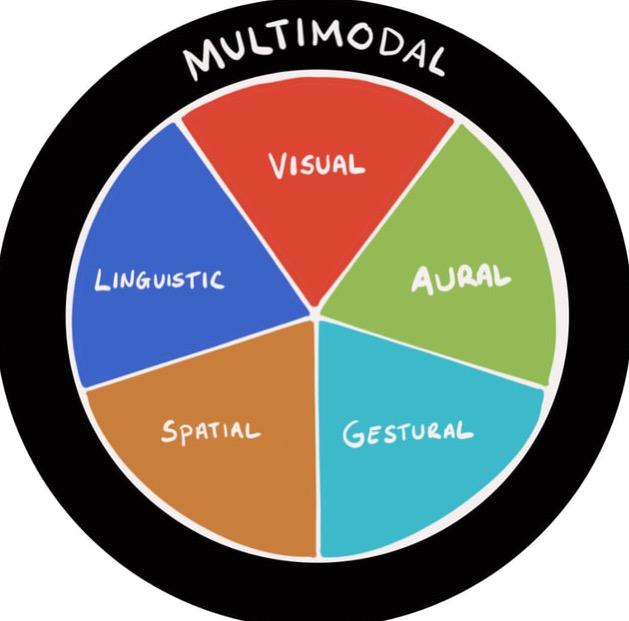
If students’ daily use of technology is multimodal, they are used to learning through a combination of text, images, and organization, the same modes present in reading graphic novels. If students are doing real learning through multimodal technology, printed multimodal texts pose the same opportunity.
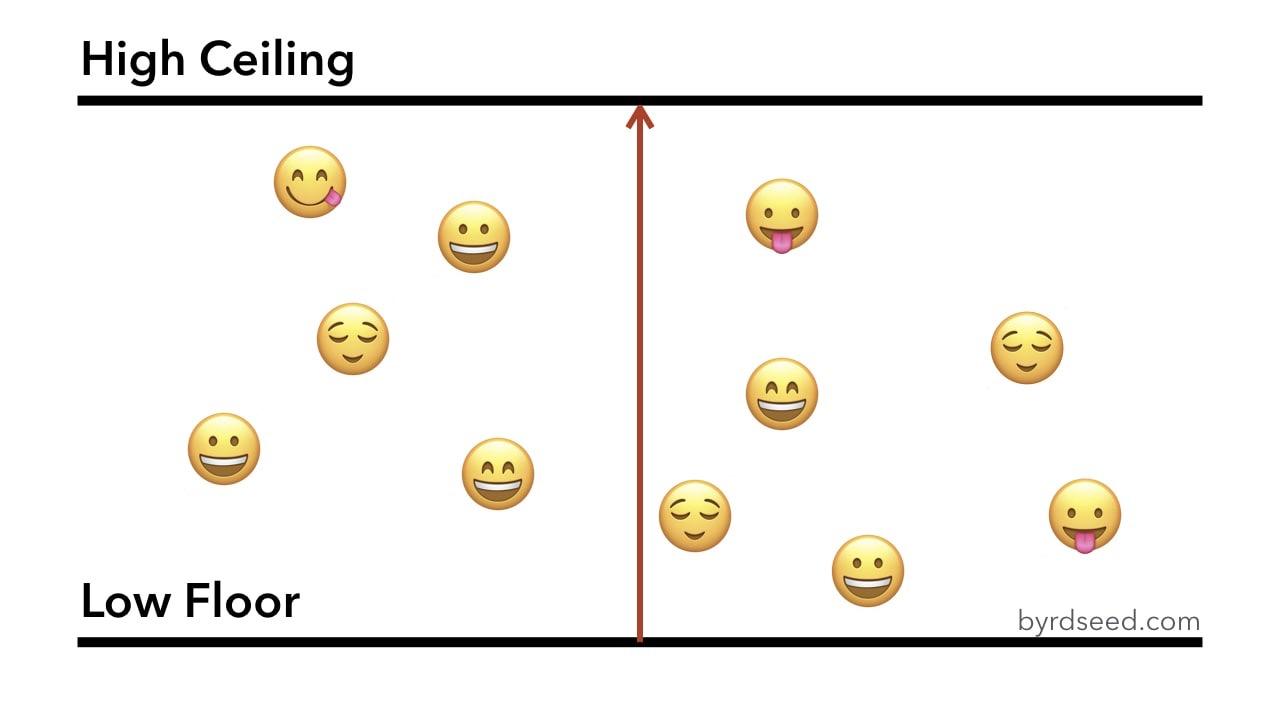
Alongside keeping up with the digital age, graphic novels have the capability to provide entry for all readers. In my field experience, the majority of students are ESL of varying levels and require additional differentiation for English Language Arts. Every week, the students visit the library to check out new books, and without fail, almost all students return with graphic novels that they are excited to show my cooperating teacher and me.
Outside of independent reading, the majority of texts these students are exposed to daily are very text heavy. Where some ESL students struggle with comprehension of these long texts, the multimodality of their graphic novels provides greater support to comprehension.

Upon my observations, I questioned a student about their choice of graphic novels and why they like to read them, to which they responded, “I can see what it(the text) means”. Though this is the perspective of one student who has difficulty with reading in English, their response showed me how graphic novels can get all kinds of students reading.
To fully understand the importance of graphic novels as an educator, it is important that you experience them yourself.
Prior to learning about the value of graphic novels, I had avoided them and stuck with more traditional texts. I had fallen into the notion that graphic novels mostly consisted of pictures, and I would get nothing out looking at a collection of images.
Upon researching what differences to expect, I learned that the text was shortened from the original version and illustrations had been added.
When I began reading the text as a whole, though, I noticed that the words that had been cut out had been reformatted into the text as images. By reading the text more intentionally, pictures and words, I regained the parts of the text I felt were originally missing.
To fully experience the contrast of traditional and graphic novels, I chose to read one that had been adapted from a book I was familiar with.
As I began reading, I noticed I was getting through the novel very quickly because I had been focusing mostly on reading without examining the pictures. However, because I had committed to truly experiencing a graphic novel, I intentionally slowed down and was sure to note all of the images. When I was just reading the words, it was clear to me that the text had been cut down.
Though the graphic novel format is a quicker read, my perspective on it being less rigorous has changed. While reading text only books requires close attention to fully understand, I’ve realized that graphic novels demand the same level of attentiveness. However, that attention is multimodal; it involves interpreting both the words and the images, and combining them to grasp the full meaning.
Cockcroft, M. (2023). Graphic novels, manga explode in popularity among students | SLJ survey | school library journal. School Library Journal.
https://www.slj.com/story/Graphic-Novels-MangaExplode-in-Popularity-Among-Students-SLJSurvey
Randazzo, S., Barnum, M., & Jargon, J. (2025). How screens are taking over classrooms: WSJ tech news briefing. Wave AI Podcast Notes.
https://pod.wave.co/podcast/wsj-tech-newsbriefing/how-screens-are-taking-over-classrooms607eb9f4