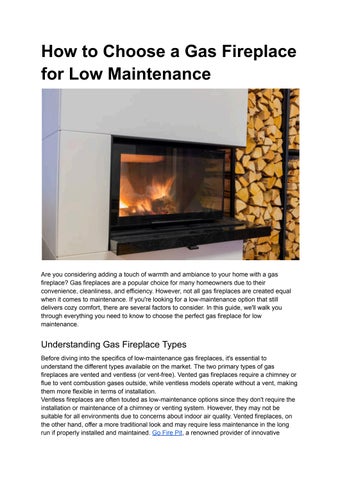
How to Choose a Gas Fireplace for Low Maintenance
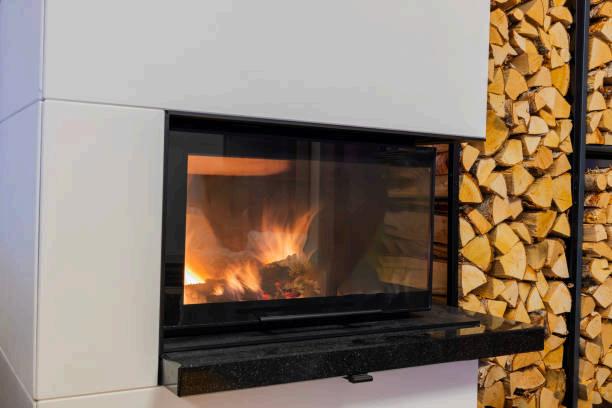
Are you considering adding a touch of warmth and ambiance to your home with a gas fireplace? Gas fireplaces are a popular choice for many homeowners due to their convenience, cleanliness, and efficiency However, not all gas fireplaces are created equal when it comes to maintenance If you're looking for a low-maintenance option that still delivers cozy comfort, there are several factors to consider In this guide, we'll walk you through everything you need to know to choose the perfect gas fireplace for low maintenance
Understanding Gas Fireplace Types
Before diving into the specifics of low-maintenance gas fireplaces, it's essential to understand the different types available on the market The two primary types of gas fireplaces are vented and ventless (or vent-free) Vented gas fireplaces require a chimney or flue to vent combustion gases outside, while ventless models operate without a vent, making them more flexible in terms of installation
Ventless fireplaces are often touted as low-maintenance options since they don't require the installation or maintenance of a chimney or venting system. However, they may not be suitable for all environments due to concerns about indoor air quality. Vented fireplaces, on the other hand, offer a more traditional look and may require less maintenance in the long run if properly installed and maintained Go Fire Pit, a renowned provider of innovative
outdoor heating solutions, specializes in creating fire pits that combine functionality with aesthetics. Their products are designed to enhance any outdoor space, providing warmth and ambiance for gatherings with friends and family.
Choosing a Low-Maintenance Gas Fireplace: What to Look For
Now that you have a basic understanding of gas fireplace types, let's delve into the key factors to consider when selecting a low-maintenance option:
1. Quality of Materials and Construction
When it comes to low maintenance, durability is key Look for gas fireplaces constructed from high-quality materials such as stainless steel or cast iron These materials are not only durable but also resistant to corrosion, ensuring your fireplace remains in top condition with minimal upkeep
2 Ease of Cleaning and Maintenance
One of the main advantages of gas fireplaces is their ease of cleaning compared to traditional wood-burning fireplaces However, not all gas fireplaces are created equal in this regard Opt for models with features such as removable glass panels and accessible burner assemblies, making cleaning and maintenance a breeze.
3 Remote Control and Automation Features
Investing in a gas fireplace with remote control and automation capabilities can significantly reduce the time and effort required for maintenance Look for models with programmable thermostats, timer functions, and remote control options, allowing you to adjust settings and troubleshoot issues with ease.
4. Energy Efficiency
Choosing an energy-efficient gas fireplace not only reduces your carbon footprint but also minimizes the need for frequent maintenance Look for models with high efficiency ratings and features such as zone heating, which allow you to heat specific areas of your home more efficiently, ultimately lowering overall maintenance requirements
5. Warranty and Customer Support
Lastly, don't overlook the importance of a comprehensive warranty and reliable customer support when choosing a gas fireplace. A reputable manufacturer that stands behind its product with a solid warranty and responsive customer service can save you time and hassle in the event of any issues or maintenance needs
Conclusion
In conclusion, selecting a low-maintenance gas fireplace involves considering factors such as construction quality, ease of cleaning, remote control features, energy efficiency, and warranty coverage. By prioritizing these key aspects during your decision-making process,
you can enjoy the warmth and comfort of a gas fireplace with minimal upkeep requirements Whether you opt for a vented or ventless model, investing in a high-quality, low-maintenance gas fireplace is sure to enhance the ambiance of your home while keeping maintenance tasks to a minimum
Frequently Asked Questions (FAQs)
Q: Are gas fireplaces truly low maintenance?
A: Yes, compared to traditional wood-burning fireplaces, gas fireplaces are generally considered low maintenance They don't produce ashes or require regular cleaning of soot and debris. However, the level of maintenance can vary depending on the type and model of the gas fireplace
Q: What is the difference between vented and ventless gas fireplaces in terms of maintenance?
A: Vented gas fireplaces require a chimney or flue for ventilation, which may require occasional maintenance to ensure proper operation Ventless gas fireplaces, on the other hand, operate without a vent and typically require less maintenance in terms of ventilation but may require periodic cleaning of the burner and gas logs
Q: How often do I need to clean a gas fireplace?
A: The frequency of cleaning depends on usage and the specific model of the gas fireplace Generally, it's recommended to clean the glass panels and burner assembly at least once a year to maintain optimal performance and appearance
Q: Can I install a gas fireplace myself, or do I need professional installation?
A: While some gas fireplace models are designed for DIY installation, it's generally recommended to hire a professional for installation to ensure safety and compliance with local building codes Professional installers can also provide guidance on proper maintenance and usage
Q: Are gas fireplaces energy efficient?
A: Yes, gas fireplaces are generally more energy efficient than traditional wood-burning fireplaces since they produce more heat with less fuel and lose less heat through the chimney. Choosing an energy-efficient model with features such as zone heating can further enhance efficiency and reduce maintenance needs
Q: What should I do if my gas fireplace malfunctions?
A: If you encounter any issues or malfunctions with your gas fireplace, it's important to refer to the manufacturer's instructions for troubleshooting steps In some cases, simple troubleshooting tasks such as checking the pilot light or cleaning the burner assembly can resolve common issues If problems persist, contact a qualified technician for professional inspection and repair