
Managing Stress and Preventing Burnout in the Future Nursing Workforce
Foreword
As leaders committed to advancing research and practice that directly benefit Southern New Jersey communities and the State, we are proud to present this collaborative effort between the Senator Walter Rand Institute for Public Affairs (WRI) and the Rutgers University School of Nursing-Camden. This partnership exemplifies our shared mission to support innovative scholarship, students, and the regional workforce.
The Walter Rand Institute regularly sponsors innovative research that benefits the Southern New Jersey region through its Faculty Fellowship program. This most recent fellowship supported the work of Dr. Catherine Stubin at the School of Nursing, whose research focused on strategies to prevent nursing burnout. This inquiry is part of the Hillary Project honoring Hillary Hershkowitz, a Rutgers University School of Nursing–New Brunswick graduate who tragically died by suicide due to burnout during the COVID-19 pandemic.
Nurses are a cornerstone of our healthcare system, and their well-being is essential not only to patient care but to the sustainability of our regional hospital networks. Dr. Stubin’s work bridges academic insight with real-world application, drawing from the perspectives of nursing students and faculty at the Camden campus, as well as the lived experience of nursing school alumni working in healthcare settings.
Many of our nursing graduates go on to serve in hospitals and healthcare facilities throughout the South Jersey region. Understanding the systemic and interpersonal factors that contribute to burnout—and identifying strategies to mitigate them—is critical to ensuring that these professionals thrive in their careers and continue to provide high-quality care to our communities. Many of the strategies identified in this report came directly from nursing students and alumni themselves. This research is springboard for new curricula, initiatives, programs and interventions that will support our students and alumni in meeting the challenges they face and navigating them successfully.
This fellowship also reflects the power of cross-institutional collaboration. By bringing together the Walter Rand Institute’s regional policy expertise and convening power with the School of Nursing’s deep clinical and educational knowledge, we can support research that is not only academically rigorous but also deeply rooted in the needs of South Jersey.
We extend our gratitude to Dr. Stubin for her thoughtful and impactful work, and we look forward to continuing this partnership to support faculty-led research that drives meaningful change.
Mavis Asiedu-Frimpong, JD, MPH Director, Senator Walter Rand Institute for Public Affairs
Donna Nickitas, PhD, RN, NEA-BC, CNE, FNAP, FAAN Dean and Professor, Rutgers–Camden School of Nursing


Donna Nickitas, PhD, RN, NEA-BC, CNE, FNAP, FAAN Dean and Professor, Rutgers–Camden School of Nursing
Mavis Asiedu-Frimpong, J.D., M.P.H. Director, Senator Walter Rand Institute for Public Affairs
About the WRI Faculty Fellowship Program
To further its mission, the Walter Rand Institute’s (WRI) Faculty Fellow program encourages faculty research on Southern New Jersey and issues of importance to the region. Faculty Fellow research is intended to promote regional discussion, so ideal research projects will advance knowledge on topics of concern to South Jersey residents. The range of previously-funded research projects is broad: a comparison of state funding to municipalities in Southern New Jersey, an analysis of diabetes incidence in Southern New Jersey, a study of how treatment for breast cancer in Southern New Jersey compares to treatments elsewhere, and an investigation into whether homeless services in South Jersey match the needs of the existing homeless populations.
Faculty Fellow
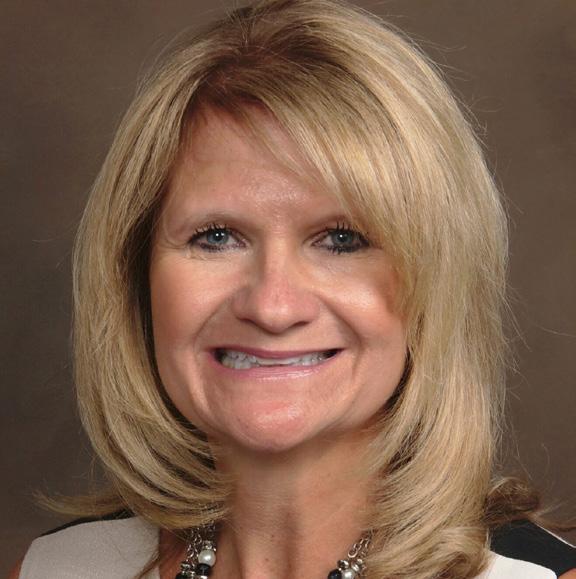
Catherine A. Stubin PhD, RN, CNE, CCRN is an Assistant Professor at Rutgers University School of NursingCamden and has been an undergraduate nurse educator for over 20 years. Additionally, her career as a Registered Nurse spans over four decades in various areas of nursing practice and education. She holds national certification as both a Certified Nurse Educator (CNE) and Critical Care Registered Nurse (CCRN). As a PhD-prepared scholar and researcher, she has designed and conducted qualitative, quantitative, and mixed-methods research as both a Principal Investigator and Co-Investigator on emotional strain, negative mental health wellness, suicidal ideation, resilience, and self-care/wellness in nurses and nursing students.
For more information about WRI’s faculty and university collaboration opportunities visit us at: https://rand.camden.rutgers.edu/ working-with-us/faculty/
Dr. Stubin has been the recipient of several internal and external small grants focusing on nursing mental health, including awards from the American Association of Colleges of Nursing (AACN), Sigma Theta Tau International Honor Society of Nursing, the National League for Nursing (NLN) and the Eastern Nursing Research Society (ENRS). She was also selected to the eighth cohort of the NLN Jonas Scholars Program, a prestigious honor which supports doctoral research in nursing education. Dr. Stubin has disseminated her nursing mental health research at numerous national and international peer-reviewed, professional nursing conferences and by published, peerreviewed articles.
Summary
This report presents findings from a comprehensive study supporting the Hillary Project, an initiative honoring the memory of nurse Hillary Herskowitz—a Rutgers University School of Nursing–New Brunswick graduate who tragically died by suicide due to burnout during the COVID-19 pandemic.
Findings reveal a strong clinical education foundation, supported by committed individual faculty members.
However, gaps exist in the formal and consistent integration of emotional resilience, wellness strategies, and post-graduate transition support throughout the School of Nursing curriculum.
Stakeholders identified a pressing need for systematic interventions to prepare students for the emotional realities of the nursing profession and to help prevent professional burnout. This Research was funded by WRI and a matching gift from Jane Massey Licata, Esq.
Overview Study
Methodology
This exploratory mixed-methods study examined how effectively the Rutgers University School of Nursing–Camden (RUSNC) curriculum supports stress management, mental health wellness, and resilience among students, and prepares graduates to manage burnout in professional practice. Data were collected from four key stakeholder groups: current undergraduate nursing students, alumni within 10 years of graduation, School of Nursing faculty, and leadership/ practice partners.
Quantitative data were obtained through structured Qualtrics surveys distributed to all stakeholder groups. Qualitative insights were gathered through focus group sessions with students and alumni to explore their lived experiences, and through individual interviews with RUSNC leadership and community practice partners (e.g. local health systems, community health providers) to assess perceptions of the curriculum’s role in developing resilient, practice-ready graduates. The findings aim to inform evidencebased enhancements to the nursing curriculum that promote student well-being and long-term professional sustainability.
Total Participants: N = 127
Faculty (n = 7)
Current Students (n = 60)
Alumni (n = 55)
Stakeholders/Leadership Interviews (n = 5)
The study assessed:
◊ Curriculum offerings related to mental health, resilience, and burnout prevention
◊ Faculty strategies for promoting and supporting student wellness
◊ Student perceptions of available resources
◊ Alumni reflections on career preparation for navigating workplace burnout
◊ Stakeholder insights on graduate readiness and curriculum effectiveness
Current Strengths
Strong Tools
Students reported strong clinical preparation and individual faculty support.
Mindfulness, gratitude practices, and wellness concepts are integrated in select courses (e.g., Foundations, Capstone).
Peer Support Wellness Integration
Informal peer support networks and wellness activities (e.g., yoga, “Tea with Dogs”) are organically occurring.
Mental Health Focus
AACN Essential #10 is reflected in course learning outcomes *
*The American Association of Colleges of Nursing (AACN) Essentials provide a national competency framework guiding nursing education across all degree levels to prepare graduates for today’s healthcare challenges. Essential #10 emphasizes personal and professional development-including resilience and wellness – which is reflected in course outcomes that foster stress management, mental health, and long-term professional resilience.
Practices
Commonly Used Strategies:
◊ Mindfulness and breathing practices (e.g., meditation before exams)
◊ Emotional check-ins and active listening
◊ Gratitude-focused activitiese.g., “gratitude envelope”– a visual tool for collecting notes of appreciation, helping nursing students cultivate mindfulness by reflecting on the positive aspects of their lives.
◊ Flexible instruction and accessibility
◊ Encouraging self-care and worklife balance
Challenge Identified:
Faculty implementation of resilience-building strategies appears to be inconsistent, with limited integration across courses and a lack of a standardized, curriculum-wide approach.
Some students reported that these strategies were either minimally addressed or entirely absent from their educational experience, indicating a need for more cohesive and intentional incorporation of resilience-focused content throughout the program.
Perspectives Student
Positive Themes
◊ Participation in wellness events (e.g., yoga, pet therapy)
◊ Free access to campus mental health services
◊ Peer tutoring and academic support
◊ Encouraging peer and faculty relationships
◊ Stress relief through occasional schedule flexibility
Areas of Concern
25% of students were unaware of any wellness resources
◊ Wellness resources were often optional, limiting engagement.
◊ Students expressed preference for integrated, not extracurricular, resilience training.
Reflections Alumni

Core Findings
◊ Majority reported feeling unprepared for real-world burnout.
◊ Wellness support was often limited to academic stress (e.g., NCLEX-RN* preparation), not professional resilience.
◊ Learning to cope with stress occurred incidentally through program rigor, not through structured interventions.
*The NCLEX-RN (National Council Licensure Examination for Registered Nurses) is a standardized exam that nursing graduates must pass to obtain licensure and practice as registered nurses in the United States. It assesses the knowledge, skills, and abilities essential for safe and effective entry-level nursing practice.
Additional Concerns
◊ Support and mentorship varied widely depending on individual faculty.
◊ Mental health discussions were minimal or absent.
◊ Many alumni were unaware of available resources during their studies.
◊ A desire for transparency around workplace challenges such as bullying, moral distress, and systemic dysfunction.

Stakeholder & Leadership
Insights
Themes included:
◊ Strong agreement that RSNC students are well-prepared clinically and academically.
◊ A persistent gap exists between theoretical knowledge and practical readiness.
◊ Emotional intelligence, selfawareness, and adaptability are critical to professional success.
◊ A structured transition-to-practice model is necessary to support new graduates during the vulnerable early phase of their careers.
Identified Gaps
A Lack of Standardization
No standardized or formal resilience curriculum spanning all program years.

Limited integration of mental health and wellness into course assignments and class discussions. Limited Integration
Inconsistent student experience, heavily reliant on individual faculty discretion. Inconsistencies
Proactive not Reactive Limited Feedback
Resilience and wellness practices are reactive, not proactive, or preventative.
Underutilized feedback mechanisms (e.g., surveys) for measuring wellness and resilience outcomes.
Recommendations
Curriculum Enhancements Support Infrastructure
» Integrate resilience strategies across all program years, not just in foundational or capstone courses.
» Create a dedicated Transition-toPractice course focused on emotional preparedness, coping skills, and selfadvocacy.
» Embed resilience-building exercises into coursework (e.g., reflective writing, group discussion, case-based simulations).
» Develop and align assessments with AACN Essential #10 outcomes (resilience, wellness, emotional preparedness).
» Launch a structured mentorship program (peer and alumni-based) with formal matching and regular check-ins.
» Extend post-graduation support through NCLEX-RN preparation and early-career coaching.
» Incentivize participation in wellness programs via academic credit or recognition.
System-Level Improvements
» Establish a resilience task force to align curriculum, student support, and institutional wellness priorities.
» Improve communication of available mental health and wellness services through faculty channels and course materials.
» Routinely collect and utilize stakeholder feedback to evaluate and adjust wellness programming. 01 02 03
Strategic
Opportunity

The Rutgers University School of Nursing–Camden has a timely and impactful opportunity to lead in the development of a resilience-centered nursing education model. By embedding wellness and emotional preparedness into the heart of the curriculum, RUSNC can:
◊ Enhance graduate readiness for the complex demands of nursing
◊ Reduce early-career burnout and attrition
◊ Support the long-term well-being and professional satisfaction of its graduates
This study provides a clear roadmap for meaningful curricular reform –honoring the legacy of Hillary Herskowitz by committing to the holistic success of every nursing student.
Principal Investigator: Catherine A. Stubin PhD, RN, CNE, CCRN
Assistant Professor, Jonas Scholar – National League for Nursing
Rutgers University – Camden
Research Assistant: Xuanzhou Du
Rutgers University – Camden


About
WRI
The Senator Walter Rand Institute for Public Affairs (WRI) at Rutgers–Camden has been a long-standing and trusted regional community partner for over 25 years. WRI honors former Senator Rand’s dedication to Southern New Jersey and exists to produce and highlight communityfocused research and evaluation leading to sound public policy and practice in the region. With that as a foundation, WRI convenes and engages stakeholders in making the connections across research, policy, and practice in support of Camden City and Southern New Jersey residents.
Using social science research methods, WRI specializes in transforming data into actionable information across a variety of areas, including workforce development, education, transportation, and public/ population health. WRI reinforces and amplifies Rutgers’ research, teaching, and service goals by connecting the multidisciplinary expertise of faculty to regional problems, developing research and professional skills in students, and linking the resources of higher education to communities in Southern New Jersey.


About
RSNC
The Rutgers University School of Nursing–Camden (RSNC) is guided by its mission to prepare competent nurses and advance nursing science through research and evidence-based practice, with a focus on reducing health disparities and promoting community health in Camden and beyond. This mission necessitates a broad and inclusive definition of our Community of Interest, which is clearly delineated and actively engaged in shaping the school’s priorities. Our Community of Interest includes undergraduate students preparing as generalists, master’s-level school nurse specialists, and Doctor of Nursing
Practice students. It also encompasses alumni, employers, clinical partners, Camden residents, and interdisciplinary colleagues across Rutgers Camden. Their needs and expectations are solicited and addressed through structured and ongoing engagement.
Program goals and outcomes reflect the Domains, Concepts, and Competencies outlined in the AACN Essentials document, as well as the standards of the New Jersey State Board of Nursing, ensuring alignment with both professional expectations and community needs.

Support
The Hillary Project

The Hillary Project is an effort to honor the memory of nurse Hillary Herskowitz, a Rutgers University School of Nursing alumnus who tragically passed away due to burnout during the COVID-19 pandemic. The Walter Rand Institute at Rutgers—Camden (WRI) is supporting the Project by conducting research to address burnout in the nursing workforce. This is a unique opportunity to serve Rutgers University School of Nursing-Camden and WRI in furthering additional research and using it to maintain and potentially develop new curriculum and resources, as well as strengthen the pipeline of mentally and physically healthy and resilient School of Nursing-Camden alumni nurses that serve our regional communities. If you would like to support future research and programming efforts, please consider donating at https://give. rutgersfoundation.org/hillary-project/100151.html.