Driving Progress Through Collaboration and Community
A Letter From the Director of RUSH MD Anderson Cancer Center
When I reflect on my five years leading this incredible institution, I am astounded by the progress we’ve made. From navigating a global pandemic to launching a partnership with MD Anderson Cancer Center in Houston in 2024 to conducting research that makes a difference for patients today and influences future care — we have maintained and even improved our position as a leader in cancer care, research and education.
And we couldn’t do it without partners like you. Philanthropy makes it possible.
You help us bring our vision to life through community fundraisers that honor loved ones and their providers and through transformational gifts like those made by the Harold B. Smith Foundation, which stand to reshape how we treat cancer. The establishment of the Harold B. Smith Family Cancer Research Center at Rush marks a new era for our patients, our researchers and our cancer care teams. With this support, every patient who participates in clinical trials will help shape the future of cancer care.
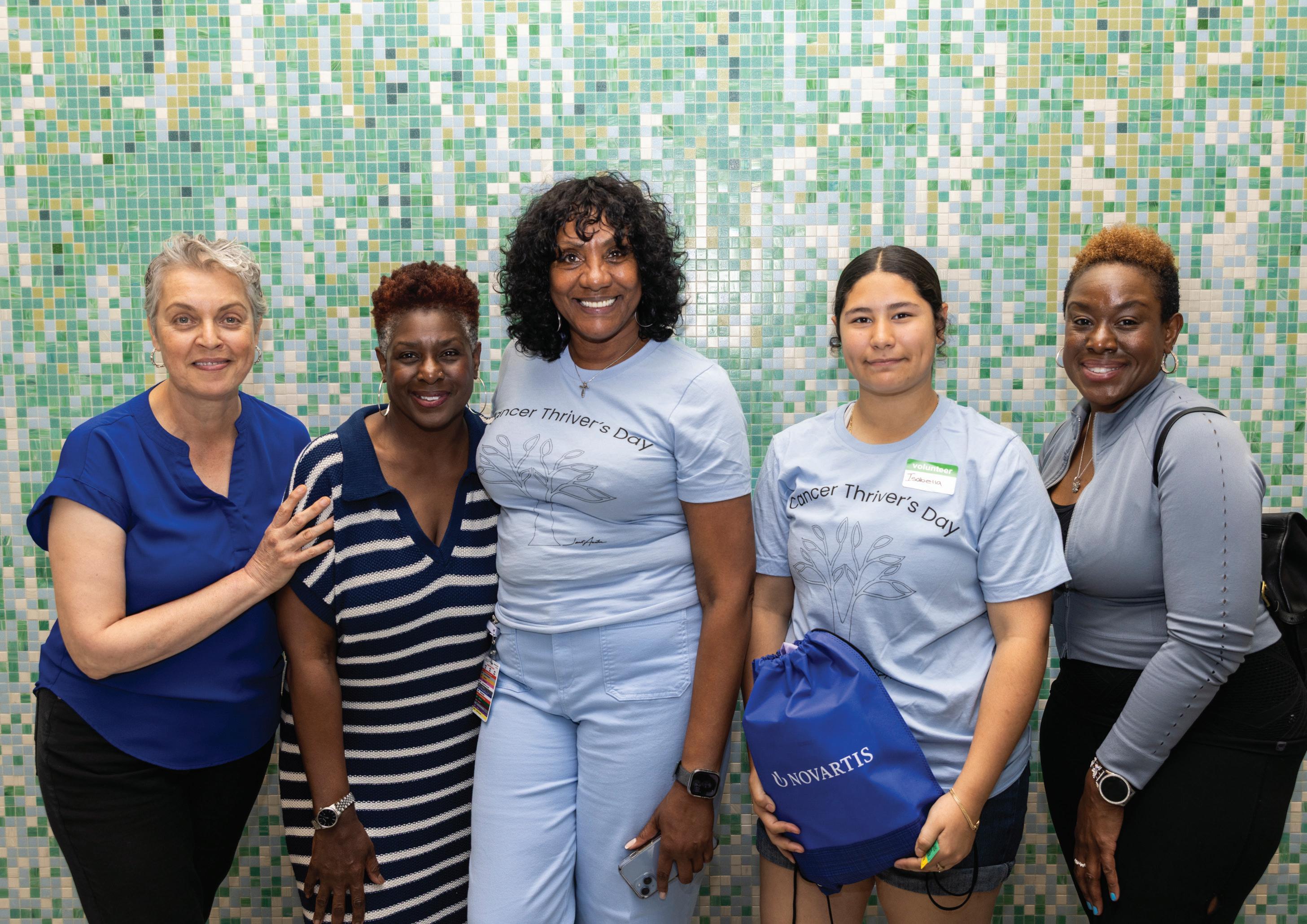
But care and research don’t happen in isolation — they are strengthened by the community that surrounds and sustains them. I see this most clearly when we come together as a community during events like Thrivers’ Day. Patients, families, caregivers and care teams gather to celebrate milestones, honor the memories of loved ones and remind one another that no one faces cancer alone. These moments of connection are as vital as the science itself. It’s why our team is committed to hosting more patient-centered events and spending more time in the communities we serve.
I’m excited to see what the next five years bring. Together, we’re forging a new path in cancer care, research and education — one where everyone diagnosed with cancer has what they need to lead their healthiest life. Thank you for believing and investing in that vision.
With gratitude,

Amina Ahmed, MD Director, RUSH MD Anderson Cancer Center
The Sheba Foundation Director of the Rush Cancer Program
Redefining Breast Cancer Research
Lynn Sage Breast Cancer Foundation convenes experts to advance research, care for all
Clinical trials offer hope. When more patients can access them, more lives can be improved, and research can advance faster and benefit more people who might not have access to these newer options otherwise.
Last year, Rush was one of three leading Chicago academic health systems selected to join a groundbreaking partnership designed to accelerate innovative, inclusive breast cancer research. The Chicago Breast Cancer Research Consortium, convened and funded by the Lynn Sage Breast Cancer Foundation, unites experts from RUSH MD Anderson Cancer Center, UChicago Medicine and Lurie Cancer Center at Northwestern University, allowing patients to participate in clinical trials at any of the hospitals.
Through this first-of-its-kind collaboration, the three academic medical centers can align research efforts, share data and remove long-standing boundaries, such as a lack of transportation or childcare, that once limited patients’ participation in clinical trials. The more minds collaborating on breast cancer research, the faster progress can be achieved. And when access improves, participation can become more diverse — better reflecting communities throughout greater Chicago and Northwest Indiana. This helps ensure treatments work for everyone, not just a select few.
Since 2016, the Lynn Sage Breast Cancer Foundation has been an essential partner in the Rush breast cancer story, and we are honored to take this next step forward in our shared commitment to improving patient care.
“Our goal is to ensure that all of our patients have the opportunity to benefit from the advances we are making in breast cancer treatments today,” said Ruta D. Rao, MD, director of the Coleman Foundation Comprehensive Breast Cancer Clinic and medical director of RUSH MD Anderson Cancer Center.
If successful, this collaborative, equity-centered model could position RUSH MD Anderson and its partners to influence how breast cancer is studied and treated nationwide.
To learn more about the Chicago Breast Cancer Research Consortium, scan the QR code.
Envisioning a Brighter Future for Cancer Care
RUSH MD Anderson researchers lead investigations into the immune system’s untapped, curative potential
Over the past two decades, immunotherapies have fundamentally reshaped cancer care. By harnessing the body’s immune system to recognize and destroy cancer cells, these treatments have delivered dramatic gains for patients with blood-based cancers — sometimes even making cures possible. But progress has not been uniform.
Fotis Asimakopoulos, MB, BChir, PhD, the Robert E. and Emily H. King Professor of Cancer Research at RUSH MD Anderson Cancer Center, has devoted his career to researching and treating multiple myeloma. He has witnessed both the promise and limits of immunotherapy.
“Immunotherapy is how we treat most myeloma today,” he said. “It’s a very good example to showcase the advances of immunotherapy, but also where more progress is needed.”
When immune cells are engineered to attack cancer, whether in blood-based diseases or solid tumors, they are trained to recognize proteins expressed on the surface of tumor cells. But they struggle to penetrate and reach the heart of a tumor to clear the cancer completely.
With this knowledge, RUSH MD Anderson providers and scientists, including Dr. Asimakopoulos, are leading some of the most promising — and at times creative — investigations that will define the next frontier of cancer research and care.
Overcoming barriers: Advancing studies with potential to transform cancer care
Over the last decade, Dr. Asimakopoulos’ lab has studied how tumor cells keep immune cells out. Their findings have informed several immunotherapies, including a novel CAR T-cell concept that is now advancing to a preclinical mouse model study — a promising first step toward a human clinical trial.
Like other immunotherapies, CAR T has transformed care for many blood-based cancers, especially lymphoma and leukemia, but it is not routinely curative for myeloma. Dr. Asimakopoulos’ team is reengineering CAR T-cells based on their new understanding of tumor- ge nerated barriers.
“Our hope is that by overcoming these barriers, we will be able to not just kill more tumor cells but eradicate those myeloma lesions and get a step closer to a cure,” Dr. Asimakopoulos said.
The preclinical mouse model will allow his lab to test its concept. If researchers can validate and replicate their findings in this model, they will have the evidence they need to launch early-phase clinical trials.
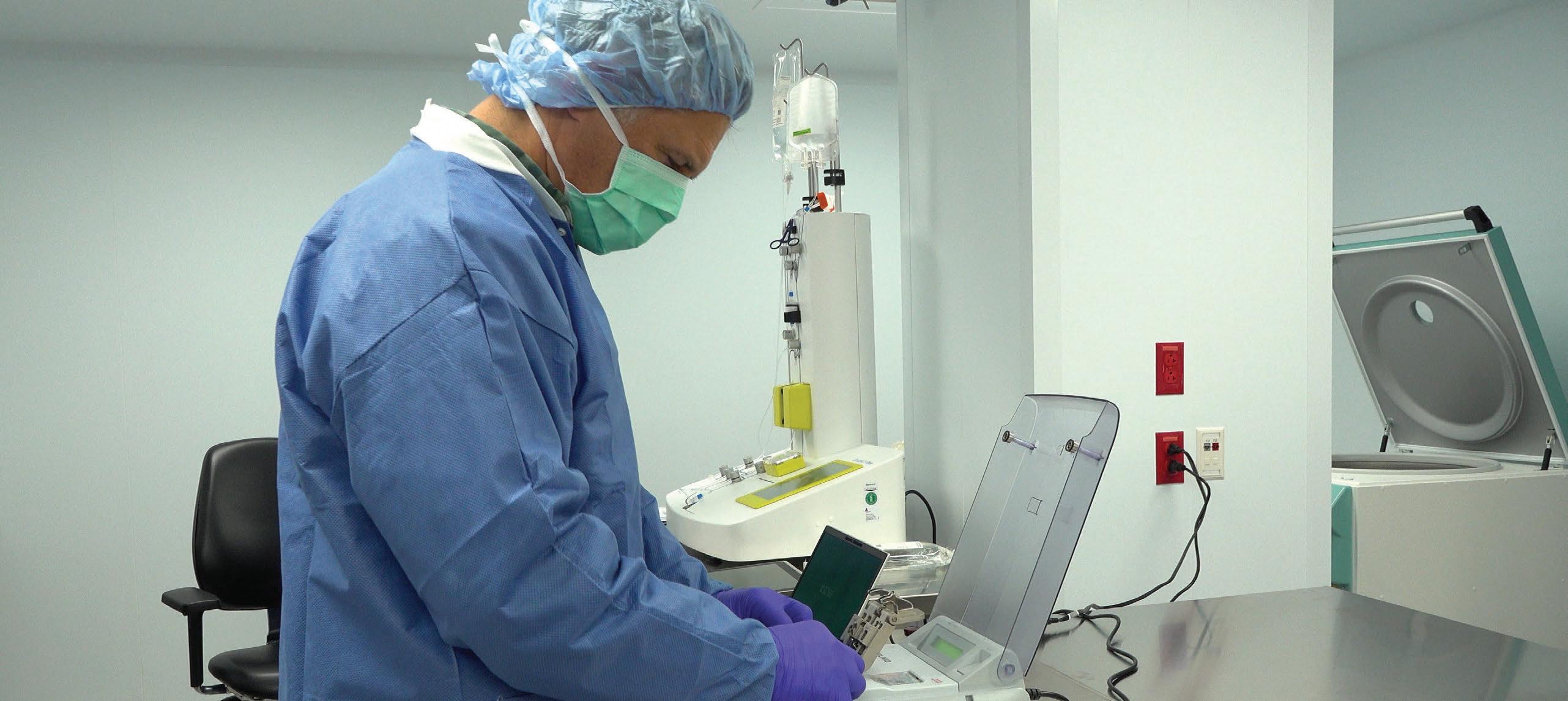
Advancing this kind of research requires more than scientific insight. It depends on infrastructure that can support high - risk, early- stage innovation. At RUSH MD Anderson, philanthropic investments have enabled Dr. Asimakopoulos
to grow his research team, build out dedicated space within the Cell Therapy Center, and access resources and equipment to support the transition from lab research to clinical trials — and, eventually, cell manufacturing.
“We’re very happy to have the support to do this work here,” he said. “It’s a great new environment for me and my team.”
Dr. Asimakopoulos is not the only RUSH MD Anderson clinician-scientist moving immunotherapy research into a mouse model. Others are applying their concepts to solid tumors, which have fewer cellular-based therapeutic options.
Widening the scope: Applying immunotherapy to solid tumors
Lydia Usha, MD, a RUSH MD Anderson medical oncologist, has been fascinated by immunotherapies since their earliest days. Their promise attracted her to oncology. Seeing the limited benefits of some cancer therapies drove her to explore high-risk, high-reward research to reduce suffering.
“Oncology is truly a rewarding field,” she said. “And I want to see more of my patients leading longer lives. In my mind, Rush is a perfect place for conceiving and developing innovative cancer therapies.”
Recently, Dr. Usha and her team of basic science researchers have been investigating how fibroblasts, or connective tissue cells, shape the tumor microenvironment and affect the growth of solid tumors, particularly in breast and ovarian cancers. In a surprising turn, experiments using chicken embryonic fibroblasts showed the opposite of what researchers typically see: Instead of promoting tumor growth, the fibroblasts inhibited the growth of breast and ovarian cancer cell lines.
To test the concept in an animal model, Dr. Usha needed a partner. She found a nearly perfect match in Amanda Marzo, PhD, assistant professor in the Department of Internal Medicine, who has been harnessing immunologic approaches to find new treatments for triple-negative breast cancer.
“I thought Dr. Marzo would be the perfect collaborator,” Dr. Usha explained. “Most mouse models in her lab have a normal immune system. Researchers inject the mice with a triple-negative breast cancer cell line, wait for it to grow and then apply the treatment directly into the tumor.”
Over the last five years, Dr. Marzo’s laboratory has pioneered an innovative approach to cancer treatment by directly injecting FDA-approved vaccines into tumors using well-established mouse models. Their experiments have shown great promise in reducing and even eliminating tumors in breast cancer models.
“The vaccines are working in a way we didn’t expect,” Dr. Marzo explained. “Immune responses that are usually
not considered helpful against cancer are, in this case, being redirected to help the body fight tumors.”
Just as Dr. Usha was looking for a laboratory collaborator, Dr. Marzo was also searching for clinical partners to advance her work. This alignment has led to a growing collaboration with Dr. Usha and other clinicians at RUSH MD Anderson who are now working with Dr. Marzo to develop a preclinical trial across multiple cancer types, including head and neck, breast, lung and pancreatic.
“We would not be here without philanthropic support,” Dr. Marzo said. “In particular, support from Bears Care and Swim Across America enabled us to generate the critical preliminary data that ultimately led to funding from the U.S. Department of Defense.”
Harnessing hope: What the future holds
The FDA approved the first targeted therapy for cancer in 2011. The landmark drug, known as ipilimumab, revolutionized cancer care for metastatic melanoma and meaningfully increased life expectancy. Ipilimumab ushered in the era of immunotherapy. In less than a generation, more than 150 immunotherapies — including immune checkpoint inhibitors, cell therapies and antibodies — have received FDA approval. Some have had curative effects.
The preclinical experiments taking place at RUSH MD Anderson offer hope that similar outcomes for myeloma and solid tumors are within reach.
“It’s hard for us in the multiple myeloma field to give patients this diagnosis,” Dr. Asimakopoulos said. “Even after 20 years, it’s just as hard now as it was on the first day.”
Immunotherapy has the potential to generate longlasting immunity that can prevent relapses and keep cancers like multiple myeloma at bay for a long time.
“My hope is that, in another 10 years, we have unlocked these mysteries and have more options for people with myeloma that could even be curative,” he said.
Dr. Usha maintains the same positive outlook.
“I’ve thought a lot about conventional
therapies. But we need to look at truly novel ones. Then, maybe someday, we’ll stop signing death certificates. Nothing moves forward if we don’t have hope.”
— Dr. Usha
How Design Shapes the Patient Experience
A holistic approach to cancer care at RUSH MD Anderson
Over the last three decades, medical advances have dramatically improved cancer outcomes. But those gains have not reached everyone equally. Delays in diagnosis, limited access to screening, language differences and unmet social needs shape who receives care and when.
At RUSH MD Anderson Cancer Center, we believe access to high- quality, personalized cancer care should not depend on a patient’s ZIP code, language, work schedule or ability to navigate a complex health system. To tackle these challenges, we are examining where existing systems fall short of patients’ needs and redesigning them to reduce delays, remove obstacles and strengthen continuity from diagnosis through survival.
“We know that disparities exist in cancer care,” said Summer Dewdney,
MD, director of diversity, equity and inclusion within RUSH MD Anderson.
“We want to identify what’s causing them and close the gaps so that everyone, from a single mom with kids who receives a breast cancer diagnosis to a prostate cancer patient who can’t get off work without losing income, gets the care and support they need.”
Through broader screening efforts, expanded patient navigation, deeper attention to survivorship and reimagined systems to reduce treatment delays, we are taking a holistic approach to meeting people where they are.
Improving access to highquality screening services
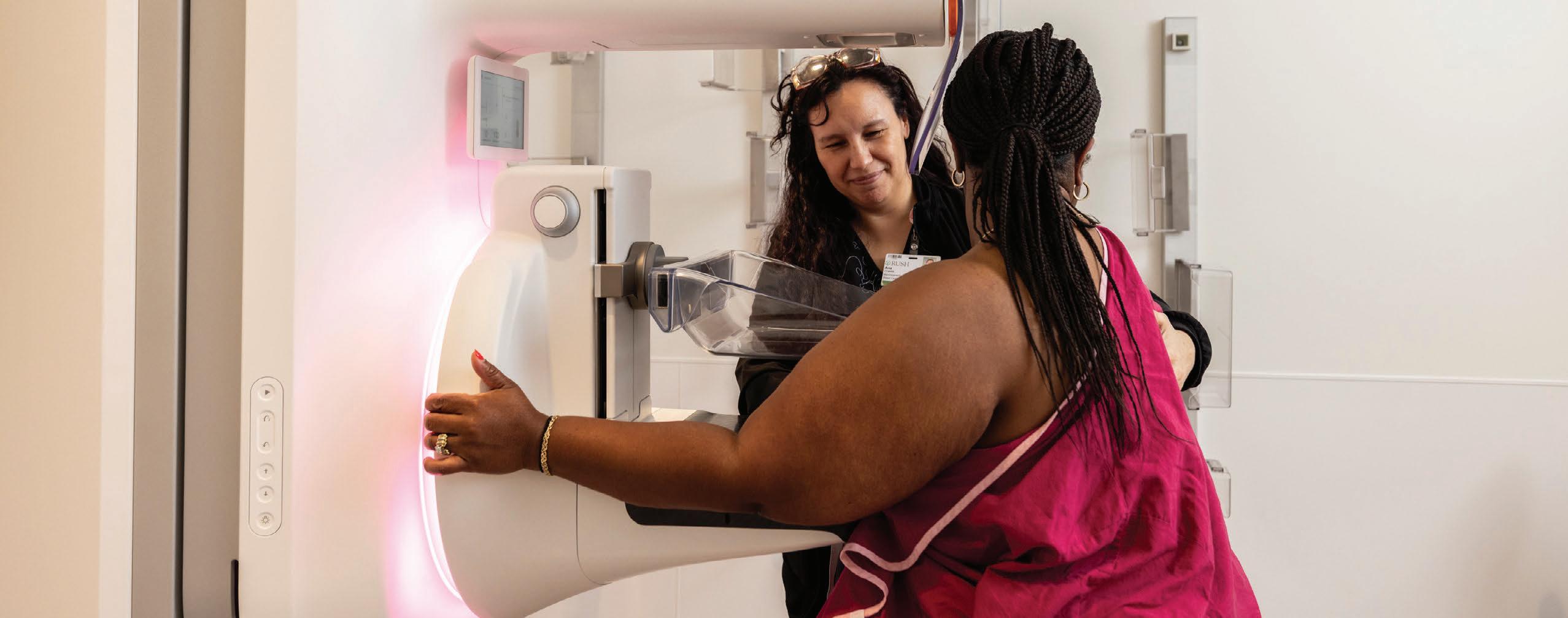
While mammograms are considered the gold standard for detecting small, early-stage breast cancers when they are most treatable, issues like insurance status and reluctance to visit healthcare facilities prevent women from receiving this vital preventive care. Programs like the Mobile Mammography Clinic help to address these barriers.
In fall 2025, more than 220 women received free mammograms thanks to the Mobile Mammography Clinic, an event held over two weeks at Humboldt Park Boathouse. RUSH MD Anderson partnered with the Chicago Park District,
Equal Hope, Humboldt Park Health and Siemens Healthineers to provide breast cancer screenings to under- and uninsured women ages 40 and older.
After a successful first year, the team plans to expand the event to include screenings for colon, cervical and throat cancers as well as cardiovascular disease. This approach will welcome more people and address multiple health needs in a single, trusted setting.
Even when screening and treatment options are available, outside factors such as transportation challenges, work and caregiving responsibilities, insurance status and language needs can all affect how — and how quickly — care continues.
RUSH MD Anderson providers who led the Mobile Mammography event knew that follow-up care would be difficult to navigate for many of the women who participated. A partnership with Equal Hope addressed this challenge head-on through personalized outreach and patient navigation.
This extra step sets the mobile event apart from other public screening interventions, according to Jiana Calixto, MPH, chief health operations officer for Equal Hope. “Oftentimes, with programs like the Mobile Mammography van, our question is ‘What’s next?’” she explained. “You meet patients at the
Boathouse in Humboldt Park but cannot figure out how to reach them. Our patient navigators develop trust with people and know how to connect with them.”
Equal Hope’s navigators helped women enroll in the Illinois Breast and Cervical Cancer Program, a state-funded initiative that offers free screenings and breast examinations, and connect them to providers and clinics — including RUSH MD Anderson — that offer supplemental screenings, care and support.
Guiding patients through complex care with expanded patient navigation
As teams across RUSH MD Anderson begin examining treatment delays more closely, clear patterns have emerged. Some patients experience longer delays between diagnosis and treatment — not because of clinical complexity, but because navigating multiple appointments, locations and protocols can be challenging without coordinated support.
In their research, breast surgeon Rosalinda Alvarado, MD, FACS, and reconstruction surgeon Deana Shenaq, MD, found that Spanish speakers accessing care at RUSH MD Anderson wait longer for their first cancer treatment than their English-speaking counterparts.
With support from the Dan J. Epstein Family Foundation, Drs. Shenaq and Alvarado will launch a new bilingual patient navigation program that offers more streamlined, tailored cancer care for Spanish-speaking patients.
At the same time, in response to the growing body of time-to-treatment research at RUSH MD Anderson, Dr. Dewdney and other leaders are
developing shared metrics and centralizing navigation so more patients can access coordinated support.
“We want to get a better sense of the delays patients experience from when they are diagnosed to when they get their first treatment,” Dr. Dewdney said. “By tracking relevant metrics and making navigation more accessible, we can get patients to treatment sooner.”
Supporting identity and well-being during treatment
For many patients undergoing chemotherapy, side effects such as hair loss can shape how they see themselves and how they move through daily life.
Scalp cooling using cold caps can help prevent hair loss. Unfortunately, the treatment is not typically covered by insurance, and many are unable to afford the $2,500 out-of-pocket cost.
Shelly Lo, MD, medical director at RUSH MD Anderson at Lisle, has seen firsthand the positive impact scalp cooling has on patients, from parents concerned about how their young children will react to hair loss to working professionals worried about how their colleagues view them.
“Hair loss is one of the most emotional side effects of cancer treatment,” said Dr. Lo, who is deeply involved in supportive cancer care initiatives, especially for women receiving care for breast cancer.
With funding from Bears Care, Dr. Lo and her colleagues can cover the cost of scalp cooling for women undergoing chemotherapy for breast and ovarian cancers and conduct research into the intervention’s effectiveness for people
with varying hair textures and volumes.
“Being able to offer scalp cooling helps people retain a sense of normalcy during a very stressful time,” she said. “And our research will help guide providers’ recommendations and solutions that work for everyone.”
Imagining life beyond cancer
Meanwhile, Drs. Shenaq and Alvarado are committed to ensuring that every woman living with breast cancer has access to the care and support she needs to feel her best.
“We’ve made tremendous strides in saving women’s lives over the last 40 years,” she said. “Now, with so many women living longer after a breast cancer diagnosis, we need to make sure they’re living well.”
For many women, that means feeling comfortable and confident in their bodies.
Through the Breast Reconstruction Fund, Dr. Shenaq and her colleagues can continue research on body image throughout survivorship and offer financial assistance for women who are unable to afford reconstructive procedures that would make them feel more confident.
For Dr. Dewdney, these systemwide efforts ensure everyone has access to the same level of care.
“We’re always looking at what we can do to close the gaps and be more targeted,” she said. “Everything we’re doing, from provider training and education to redesigning systems, makes a meaningful difference for patients, their families and their overall experience at RUSH MD Anderson.”
Screening Where It Matters Most
The Mobile Mammography event aimed to reach un- and underinsured women in communities on the West Side where screening rates are lower than Chicago overall. Our data shows:
48% of patients live in 10 communities on the West, Northwest and South Sides of Chicago.
Of these 10 communities, six have higher rates of uninsured residents than the Chicago average (9%).
67% of patients who needed follow-up imaging were uninsured and were connected to a navigator.
Jeff’s Story: ‘I Will Not Be Defined by Cancer’
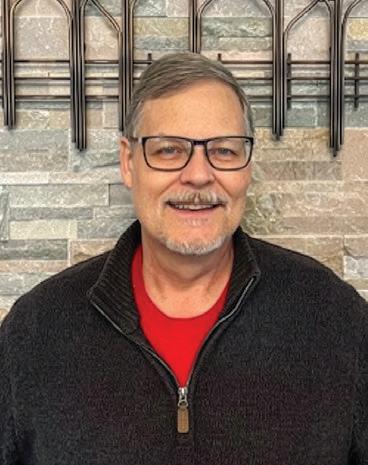
Jeff Jewell had no symptoms of prostate cancer when he had a PSA test two years ago. But his prostate-specific antigen levels were elevated, so he went through additional testing and a biopsy. Results showed he had stage IV prostate cancer — it had metastasized.
At that time, Jeff wasn’t quite sure what a prostate was, but recommendations for treatment came quickly. In May 2024, he started androgen deprivation therapy, which reduces hormones in the body to slow the growth of prostate cancer cells.
“It prevents cancer from spreading but causes a lot of other side effects,” he said. “I think I got every side effect on the list, except one.”
Overwhelmed by his diagnosis and treatment, Jeff said, “I was going downhill mentally.”
Finding hope
Focused on a statistic that 70% of men with advanced prostate cancer die within five years, he joined an online support group for people with that diagnosis. There, he met men who had lived 11 and 15 years with the disease. Seeing these men living with prostate cancer had a profound impact on him.
“I had hope for the first time,” he said.
Realizing he needed to find local people to talk to, he attended an event at
Rush’s Waterford Place Cancer Resource Center in Aurora. Waterford Place provides programs and services for anyone affected by cancer — at no cost to them. That evening, over a bowl of chili, he connected with other men with cancer. It was encouraging and fun, he remembered, and he bonded with several of the men.
“We joked and made fun of each other as only men with cancer can do,” he said.
The men’s group is a place where he doesn’t stand out for his cancer.
“The elephant is not in the room,” he said. “We can open up about our struggles and successes without lengthy explanations to justify them. It’s a safe place. I have made new friends and opened a new pathway to healing.”
Services that help
At Waterford Place, Jeff has tried just about all of the services offered — including Reiki, facials, massage, reflexology, aromatherapy, guided meditation and acupuncture — and never appreciated how much these could help. His favorite is vibrational sound therapy, a service in which Himalayan singing bowls are placed on the body, causing vibrations that produce a state of tranquility.
“I thought it would be hokey, but it resonates with me,” he said.
What Jeff appreciates most about Waterford Place is the people. He said staff members and service providers show caring and compassion every time he is there.
“ They helped me become human again, instead of being defined by cancer,” he said. “It’s great to be around others who are cheerful and care for you.”
A new attitude
Jeff recognized that he was thinking of himself as a victim, and he didn’t want to do that anymore.
“I will not be dragged down by my current life circumstances,” he said.
Cancer has taken a lot away from him, he said, including strength, dignity and confidence. But he now focuses on what it has given him.
“In a way, cancer has been good for me,” Jeff said. “I feel more introspective about what’s important. I think more about how I can be a better husband and dad. I’ve gotten closer to my wife, more intentional about spending time with my son — so there are good things that came from cancer.”
Waterford Place Cancer Resource Center has been a beacon of hope and a second home for thousands of people affected by a cancer diagnosis across the greater Chicago region for 10 years. Waterford Place offers emotional and physical support through groups and classes, counseling, mind, body and spirit therapies, and many more powerful, healing programs — funded entirely by our donor community. Because of our donors, people like Jeff never see a bill for the programs they participate in.
Investing in Our Nursing Workforce
Advanced cancer care has always been a team sport. Nurses, in particular, hold a special place in the hearts of many patients and their families. They are often the main “face” of care for people on their cancer journey, and their presence becomes a steadying force — offering not only clinical expertise, but also empathy, trust and even a sense of normalcy during some of the most vulnerable moments of a person’s life.
When their son, Peter, was diagnosed with lymphoma in 2008, Anne and Mark Stumpf turned to Rush University Medical Center for an experimental program after another hospital was unable to help him.
The couple was deeply impressed with the nurses’ compassion and their approach to involving the family in Peter’s care.
“I stayed with Peter for 28 days while he was at Rush,” Anne said. “They made me feel included, never ignoring what I had to say or making me feel like I was in the way or asking too many questions.”
At RUSH MD Anderson Cancer Center, honoring this trust means ensuring oncology nurses are equipped not only for today’s treatments, but for what cancer care is becoming.
“As cancer care evolves, particularly with the rapid advancement of immunotherapies, nurses are being asked to manage treatments that are more complex, highly individualized and often fast-changing,” explained Jennifer Lerner, MSN, RN, OCN, director of nursing at RUSH MD Anderson.
As the latest frontier in cancer research and treatment, immunotherapies are transforming cancer care. Immune checkpoint inhibitors like pembrolizumab have helped people with lung cancer live longer lives, while T-cell therapies like chimeric antigen receptor therapy, or CAR T, have helped patients with blood cancers achieve long-term remission. While many of these therapies have received FDA approval, hundreds are still in development and in various phases of clinical trials.
These accelerated treatment advancements, combined with the growing complexity of clinical trials, require oncology nurses to deepen their expertise so they can confidently deliver these highly personalized therapies, recognize risks, explain options and respond quickly when something doesn’t feel right. Unfortunately, not all training and education programs have kept pace to meet the demands of this new landscape.
“Continuing education ensures our nurses stay current with emerging science,” Lerner said. “These opportunities enhance our ability to deliver safer, more effective patient care, support patients
and families through very sophisticated treatment pathways, and maintain a strong, confident nursing workforce.”
Thanks to the generosity of our donor community, oncology nurses at RUSH MD Anderson are able to deepen their expertise in emerging therapies so patients continue to experience informed, attentive care at every stage of an increasingly complex treatment journey.
Building on a tradition of nursing excellence
Because of their cancer care journey, Bob and Emily King recognized both the importance of nurses in cancer care and the need for specialized education in immunotherapy. As a result, they established a fund for nursing research and education in oncology as part of a larger gift to support immunotherapy clinical trials and research.
“If we can combine nursing education with an increase in clinical trials and move just a little bit forward in the realm of immunotherapy research — if we have the capacity to do it — we should offer to help,” Emily said.
Since its establishment in 2018, the King Nursing and Education Fund has played an important role in strengthening leadership and professional development opportunities for nurses across cancer care. Last year alone, over 150 oncology nurses completed nationally accredited courses in chemotherapy and immunotherapy. These programs ensure nurses are well prepared to deliver high - quality, evidence -based care to patients undergoing complex cancer therapy regimens.
“Investments like the King Fund matter because they have a direct effect on strengthening the front line of cancer care,” Lerner said. “They create a culture where learning and excellence are supported, and that has a profound impact on both staff morale and the patient experience.”
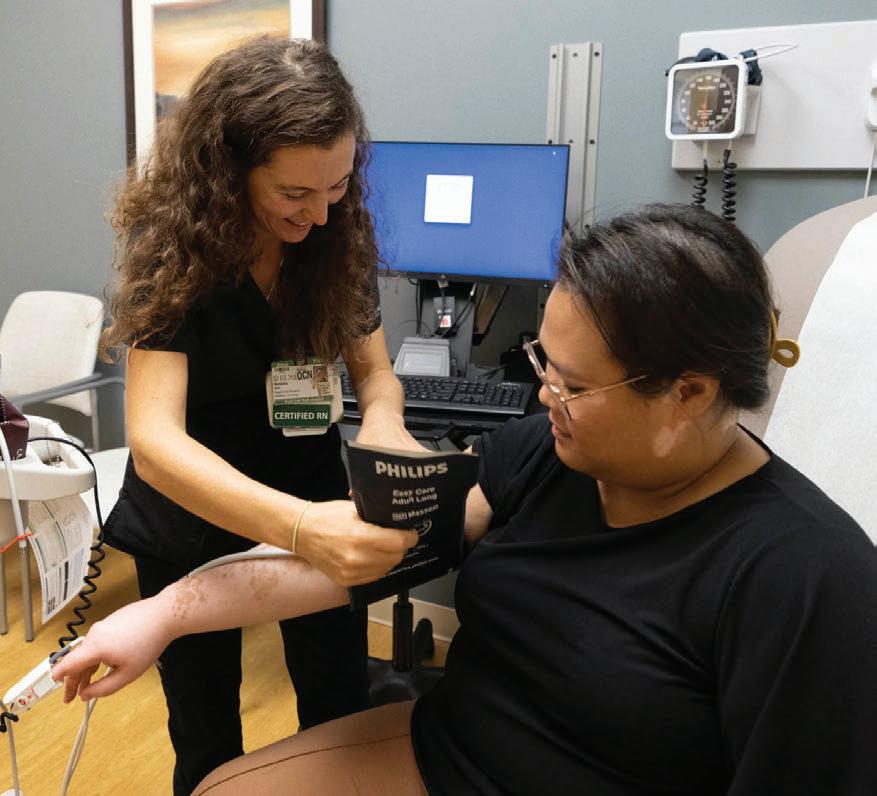
From Professional Growth to Patient Impact
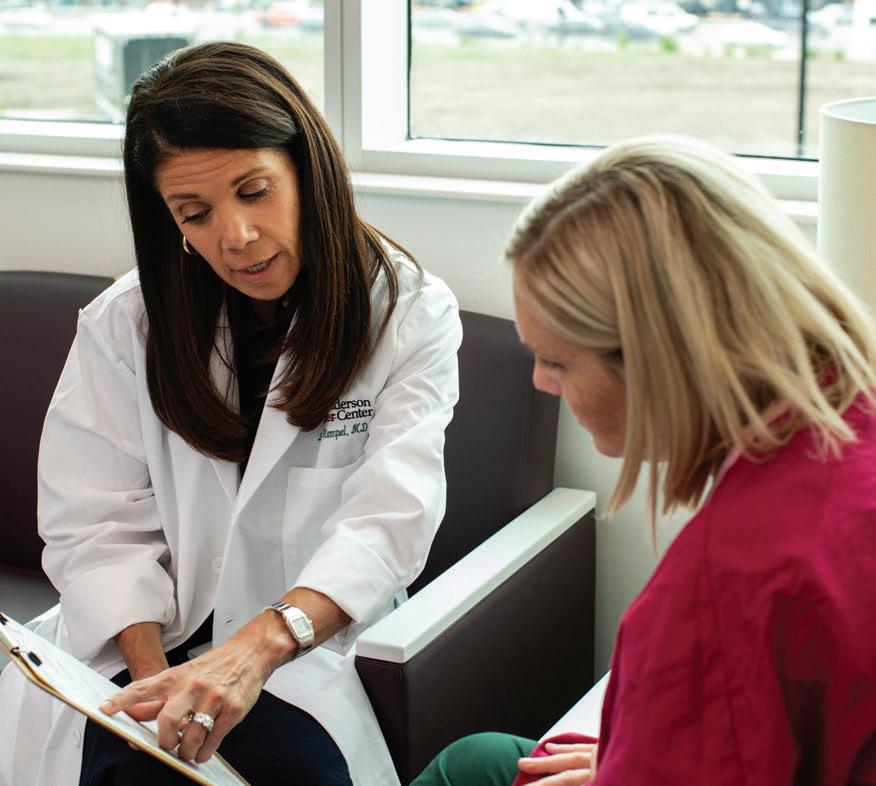
Several other donors in the Rush community also support continuing education for oncology nurses. Through the Elizabeth L. Joksimovic Foundation’s Oncology Professional Development Scholarship, Giovanna Zito, MSN, RN, presented a poster focused on advancing professional governance in ambulatory nursing. She also had the opportunity to develop a survivorship guide for people who have undergone treatment for head and neck cancer, which is now in use across the Rush system and has inspired other guides.
“I am incredibly grateful to the ELJ Foundation for investing in nurses in this way,” she said. “Their support not only advanced my professional growth, but has had a tangible, lasting impact on patient care across our system.”
You can learn more about ELJ Foundation’s drive to support nurse education and Giovanna’s work by scanning the QR code.
How RUSH MD Anderson Builds Community
As social beings, we gravitate toward communities and people with similar life experiences, interests and backgrounds. The same is true for people who have been diagnosed with cancer. Navigating care, multiple providers and countless appointments can make it difficult to meet others living
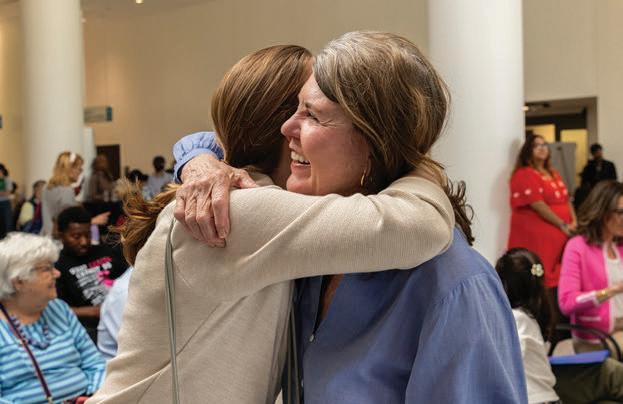
Thrivers’ Day
On June 8, 2025, patients and their families connected over heartfelt stories of resilience and courage, participated in fun family activities and witnessed the unveiling of the Tree of Life sculpture at the Joan and Paul Rubschlager Building.
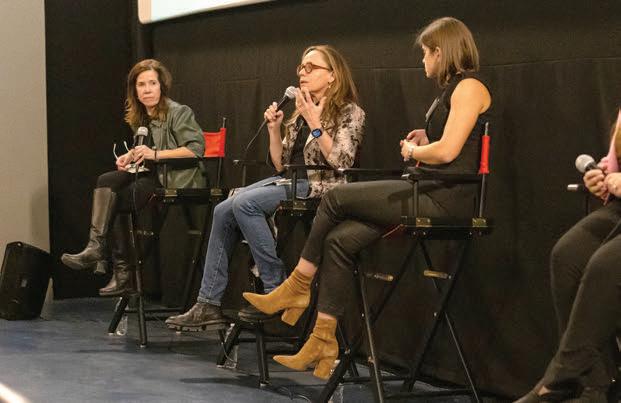
Re/Construction: Documentary Film Preview and Conversation
Filmmaker and cancer thriver
Paula Froehle previewed a special cut of her upcoming documentary Re/Construction for more than 100 other grateful patients this past February. The film uncovers the biases many women face in their breast cancer journeys and chronicles how some overcame them.
with cancer. RUSH MD Anderson organizes and participates in events that help bridge that gap, creating space for meaningful connections and cultivating a close-knit community that supports our patients throughout their cancer journeys.
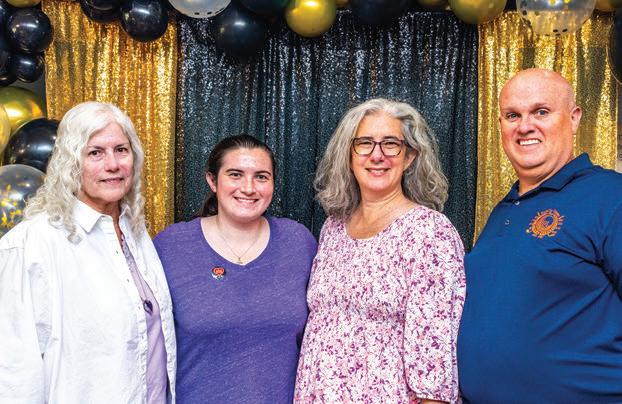
Survivor’s Day Celebration at Waterford Place
Waterford Place and RUSH MD Anderson Cancer Center at Rush Copley celebrated patients, survivors and their families on June 14, 2025, with music, an annual bingo tradition, a keynote patient speaker and meaningful reflections on Waterford Place’s impact over 10 years of service to the community.
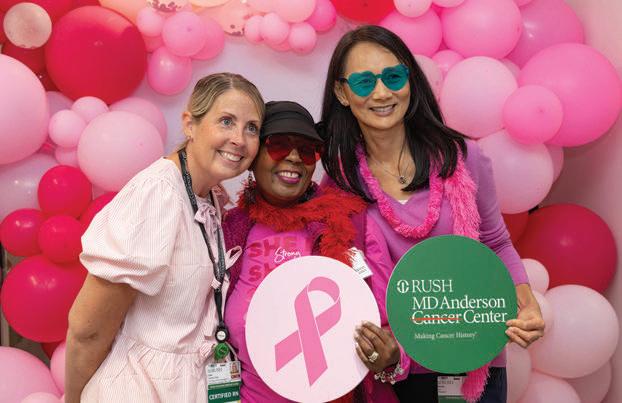
THRIVE Pink
THRIVE Pink, held Oct. 14, 2025, at RUSH MD Anderson Cancer Center at Rush Lisle celebrated breast cancer thrivers. The evening event included activities designed to nurture body, mind and soul, including art therapy, meditation, hand massages, acupuncture, informational sessions and more.
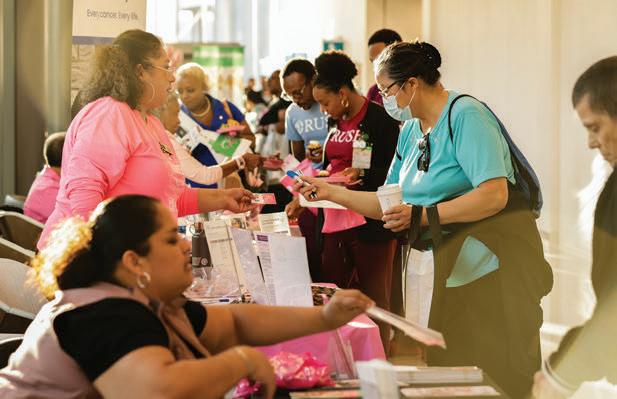
Pink and Pearl Expo
Our breast cancer, lung cancer and primary care teams joined together for the annual Pink and Pearl Expo on Oct. 16, 2025, to encourage women to get their recommended breast and lung cancer screenings.
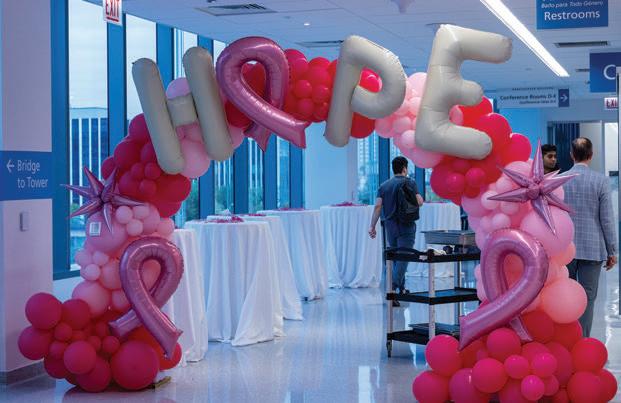
Breast Reconstruction Awareness Day
`
RUSH MD Anderson’s Breast Reconstruction Awareness Day event last October gave RUSH MD Anderson patients the opportunity to share their unique breast reconstruction experiences with one another.
How Donors Build Community
Across the Chicago region, from the lake to the links, our community of donors and supporters have led creative and exciting fundraisers for cancer research at Rush.
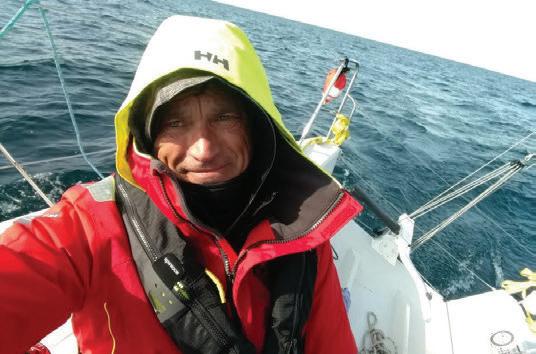
117th Race to Mackinac
July 10-11, 2026
The Race to Mackinac Island is one of the most prestigious offshore sailing events in the world, with approximately 300 boats and more than 2,000 competitors each year, most of them men. At 71 years young, Richard Stearns will compete in his 52nd race. The race has become much more than sailing — it’s an opportunity to send a powerful message. In 2016, Stearns was diagnosed with prostate cancer. He sees the race as the ideal vehicle to raise funds for prostate cancer research at Rush. “This journey is dedicated to raising awareness of prostate cancer,” Stearns said. “Our goal is simple but vital: to ensure that no man has to suffer from this disease — or, if they do, that it is caught early and treated before it impacts their lives.”
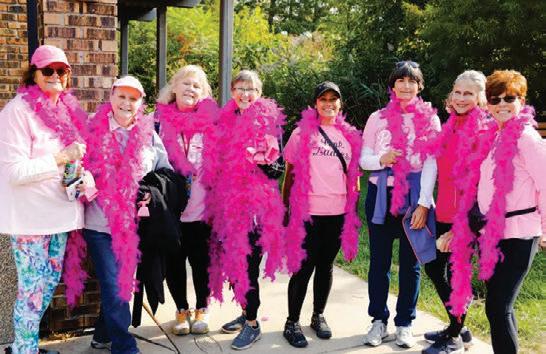
Palos Goes Pink
October 2026
Now entering its fifth year, Palos Goes Pink has become a staple event for the Palos Heights community. Nearly 150 participants and counting gather every year to engage in various fitness activities, support local businesses and raise funds for metastatic breast cancer research at Rush. For co-founder Megan Wenstrup, owner of Heights Cycle in Palos Heights, the event has a mission of both urgency and hope. “This disease is pervasive,” Wenstrup said. “Since it’s primarily diagnosed in women, it also has a strong impact on families.” Including families like those of Palos Heights resident Jackie Seiner. Seiner, the studio manager at Heights Cycle, lives with metastatic breast cancer. “With the support of my family, including my 4-year-old twins, and friends, I now have an entire community rallying around me and others fighting metastatic breast cancer.”
Below is a roundup of past, upcoming and annual events that can serve as inspiration for ways to get involved and help the Rush cancer program achieve its goals.
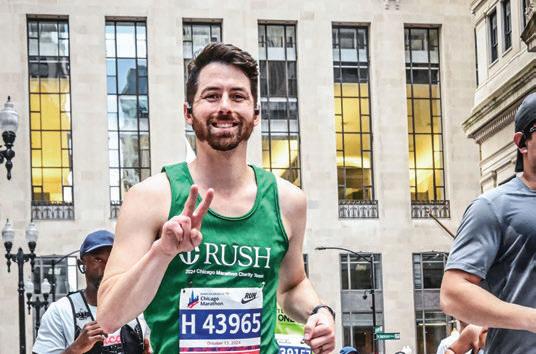
49th Annual Chicago Marathon
October 11, 2026
In 2024, Rush endocrine surgeon Sean Wrenn, MD, started Team Rush, the official charity team raising funds for various areas at Rush through the Chicago Marathon. This past year, 15 participants raised more than $20,000 for everything from cancer research to Alzheimer’s care to women’s heart health. Wrenn dedicated his marathon to thyroid cancer. “The Chicago Marathon lets me bridge my passion for running with my passion for patients,” he said. “I want to support research and innovation, and I want to help patients return to normal life after surgery. Just like marathon training, recovery takes time, strength and resilience.” As Team Rush gears up for its third year, they have set a bold goal of $30,000 to support clinical programs and research initiatives across Rush, including cancer.
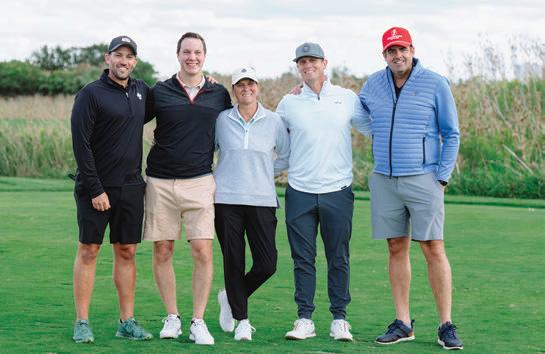
Champions for Cures
September 6, 2025
Since 2016, Champions for Cures, or CFC, has raised over $1 million to provide relief and community support to families navigating a cancer diagnosis and advance cancer research. CFC chose to donate proceeds from their 2025 fundraising efforts to the bladder cancer program at Rush in honor of their 2025 champion, Randy Skovronski, a charismatic family man who was diagnosed with small cell bladder cancer in 2024 and died from the disease in March 2025. Their gift established the Champions for Cures Bladder Cancer Research Fund, which will provide Srinivas Vourganti, MD, and his team with critical resources to pilot research concentrated around prevention, diagnosis, and treatment of the rarest and most challenging forms of bladder cancer.
Creating your own personal fundraiser is a meaningful way to support your providers, care teams and cancer programs at Rush. Whether you’re rallying a community, honoring a loved one or celebrating a milestone, personal fundraising empowers you to make an impact and share your passion with others. Scan the QR code to support a fundraiser or start your own.
Thank You
Philanthropic investments from grateful patients and friends of RUSH MD Anderson Cancer Center fuel innovative research, programs and collaborations that get us closer to a cure. Together, we are creating the future we all deserve — where every person can access the care they need at every stage of their cancer journey, without boundaries.
To support the cancer program at Rush or learn how you can continue your legacy of support through an estate gift,please contact us.
Charles Palys Director of Development
(312) 563-9049
charles_palys@rush.edu