
Case IH and New Holland brands, urged customers to act quickly to avoid any disruptions from the move.
AS THE clock ticks towards 3G mobile network shutdown, farmers are being warned to upgrade or risk losing connection to their supply chain.
Mobile operators are retiring their 3G networks over the next few months, making room for more advanced technologies like 4G and 5G service.
Last month, tractor and machinery giant CNH Industrial, which owns the
The company warned farmers that once the 3G network shuts down and 4G connectivity isn’t available within the machine’s modem, all functions, which are reliant on the connectivity, will go dark.
A spokesperson for Rural Contractors NZ told Rural News that its members would likely be well across
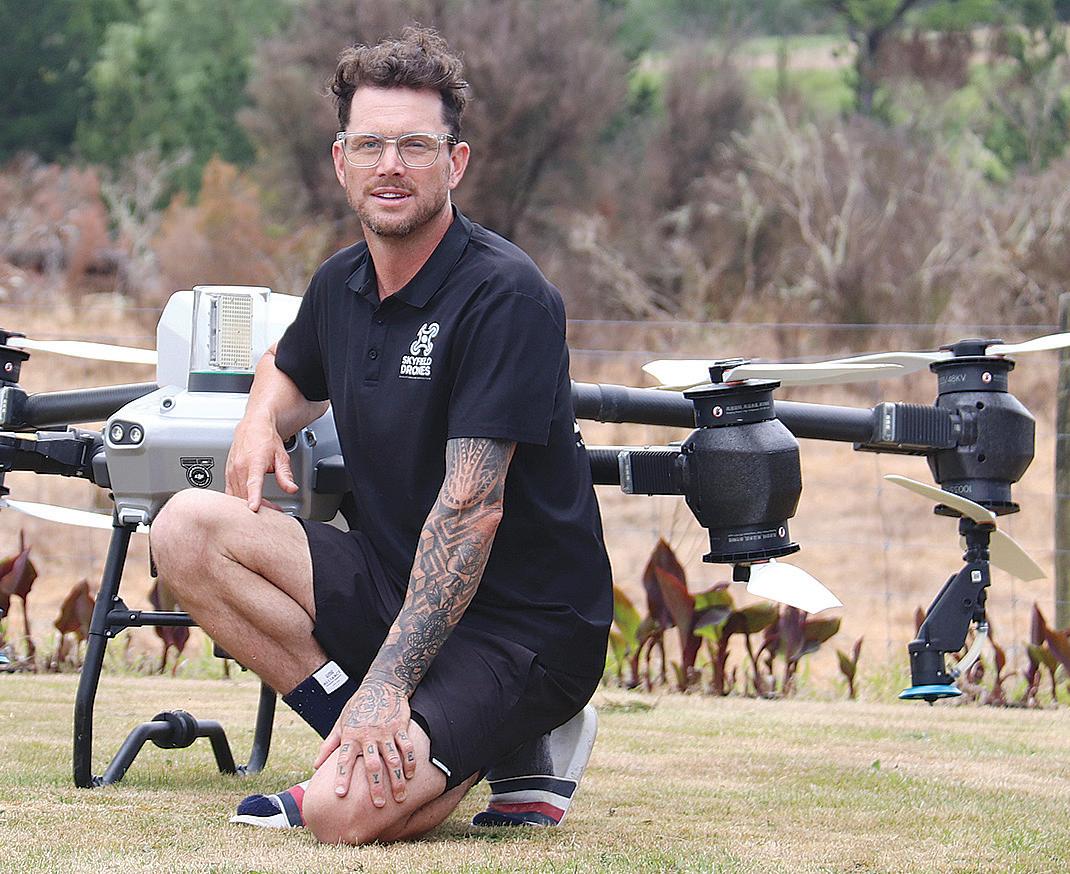
BEEF + LAMB NZ Eastern North Island farmer council member Bradley Wadsworth has been a professional motorcross rider, worked on farms in Western Australia, including a stint managing a million-acre cattle station in the outback, and snow boarded in Europe to name just a few of the things he’s packed into his 37 years.
But he’s now back on the family farm in Wairarapa where he’s set up Skyfield Drones – a company dedicated to spraying chemicals and spreading fertiliser on farms with a large drone he’s bought and learned to fly. His mantra – helping smart farmers to farm smarter.
Full story on page 10.
any issues arising from the closedown of the 3G network. “Machinery suppliers had been engaging with rural contractors over the last year or so, alerting them to the looming shutdown and helping upgrade or replace machinery reliant on the network.”
Telecom Users Association of NZ chief executive Craig Young says it is important that everyone can stay connected.
“Any devices that rely on 3G
technology will no longer work after the shutdown,” he told Rural News.
“Many people may have checked their phones, but it’s important to also check other connected devices including machinery and sensors.
“We encourage anyone who is unsure of whether their device is on 3G to check with their dealer or supplier to ensure it will work on 4G/5G or how to upgrade the device. Upgrading now, before the shutdown, will ensure


continuous service. If you’re not prepared, you risk losing connectivity.”
Young says TUANZ has worked with various rural organisations to help share this important messaging, but it is likely there may still be a few people who have not heard the details.
“Significant areas of rural NZ are serviced by the RCG towers which never had 3G, so customers in those areas will have already upgraded to 4G devices. There may only be patches or black spots.”
So, despite making the switch to 4G or 5G networks, some rural areas may still be missing out on reliable connectivity.
Precision Farming chief executive Chloe Walker says, like other technology providers, they have been working with farmers and contractors to upgrade to 4G-capable hardware.
But Walker says the bigger issue is that 4G and 5G coverage in rural New Zealand is still patchy.
“Even where farmers are ready and have made the switch, the network doesn’t always meet the operational reliability they need,” she told Rural News
Walker believes that the farming sector had reasonable notice, especially with the shutdown dates being pushed back.


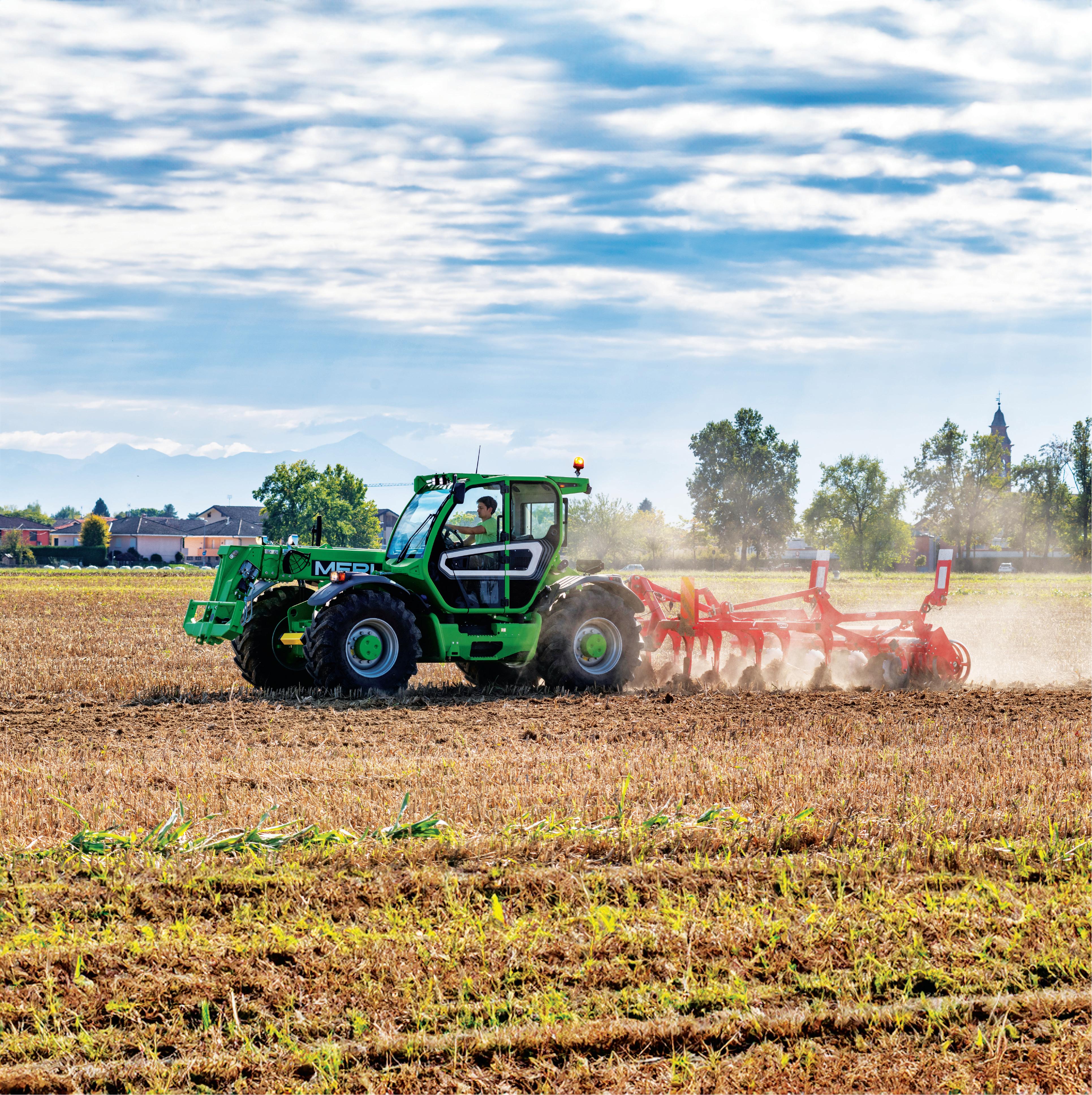
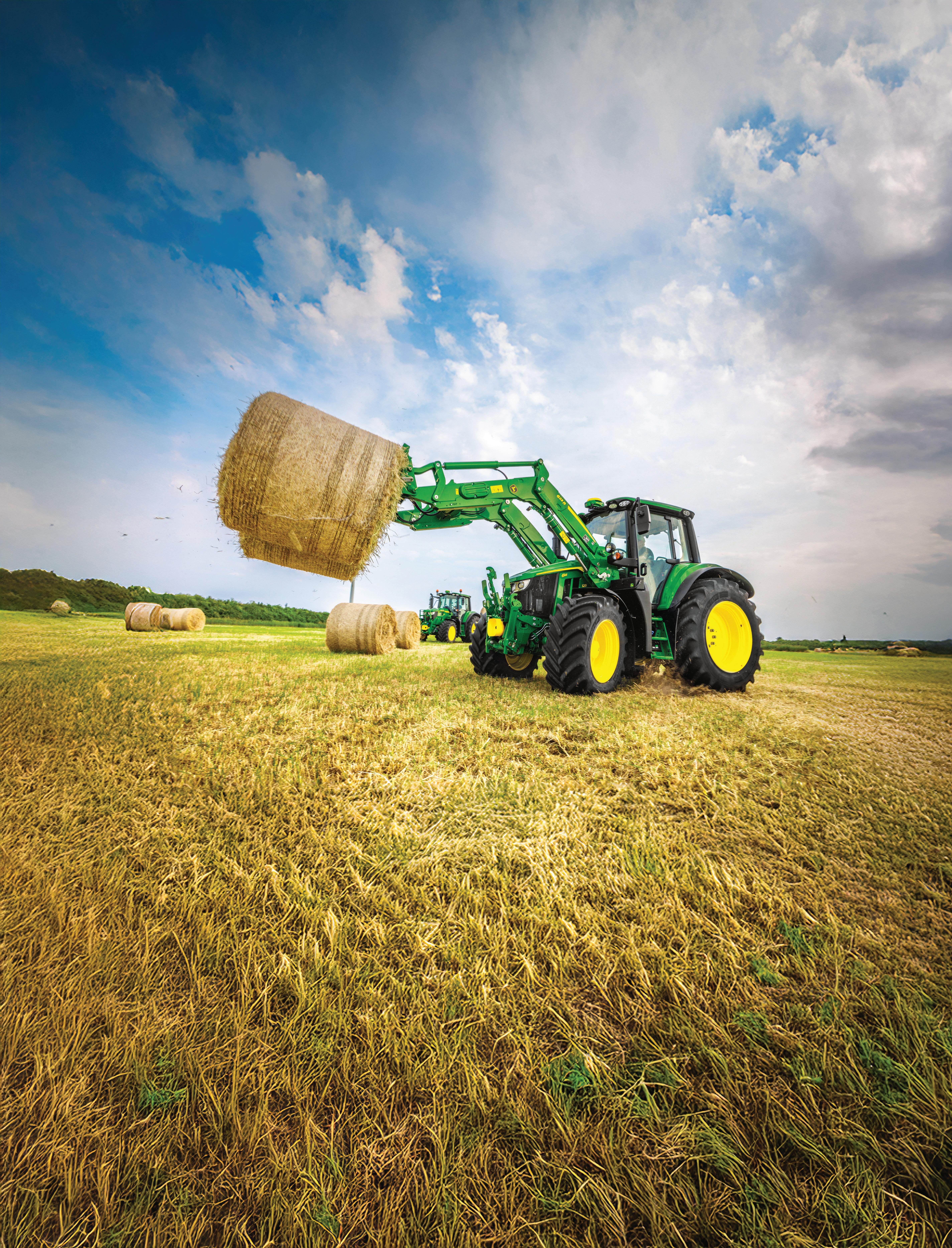
The Perfect Blend of Telehandler Versatility and Tractor Power.



NEWS 1-11
HORT NEWS 13-15
HOUND, EDNA 16
CONTACTS 16
OPINION 16-17
AGRIBUSINESS 18-19
COMMENT 19
MANAGEMENT 20-21
ANIMAL HEALTH 22-23
MACHINERY AND PRODUCTS 24-27
RURAL TRADER 27
HEAD OFFICE
Lower Ground Floor, 29 Northcroft
Takapuna, Auckland 0622
Phone: 09-307 0399
Fax: 09-307 0122
POSTAL ADDRESS
PO Box 331100, Takapuna, Auckland 0740
Published by: Rural News Group
Printed by: Inkwise NZ Ltd
CONTACTS
Editorial: editor@ruralnews.co.nz
Advertising material: beckyw@ruralnews.co.nz
Rural News online: www.ruralnews.co.nz
Subscriptions: subsrndn@ruralnews.co.nz
PETER BURKE
peterb@ruralnews.co.nz
A HAWKE’S Bay apple grower says it’s no longer profitable for him to export apples to the US because of the 15% tariffs imposed on them by Donald Trump.
Paul Paynter of the Yummy Fruit Company says the tariffs cost him around two dollars per box of apples and that he says wipes out the profit. He says the margins are not big enough to wear the cost of the tariff and on top of that, the market there is oversupplied with apples.
He says there are also problems in the UK and Europe.
“While the market there was pretty good, the shipping problems are not,” he told Rural News
“Our worst container took 107 days to arrive because you’re sailing around Africa and it’s just not good to be having fruit in a shipping container for that long. The cooling isn’t great in those shipping containers and it’s way too long to have product on the water. In the old days we were in Europe in 38 or 39 days,” he says
Paynter says the longer journey can result in quality problems as well as increased costs He says the UK is not in good shape and while the exchange rate in Europe is a bit better, the problem won’t be solved until they get the Suez Canal operating at capacity.
“So, for the first time in our company’s history we will only be exporting to Asia in the coming season,” he says.
Paynter says 20 years ago they were virtually shipping nothing to Asia, but now things have changed and Asia, with shorter shipping time and easier time zones, coupled with economic growth in emerging markets, makes it a much more attractive export proposition.
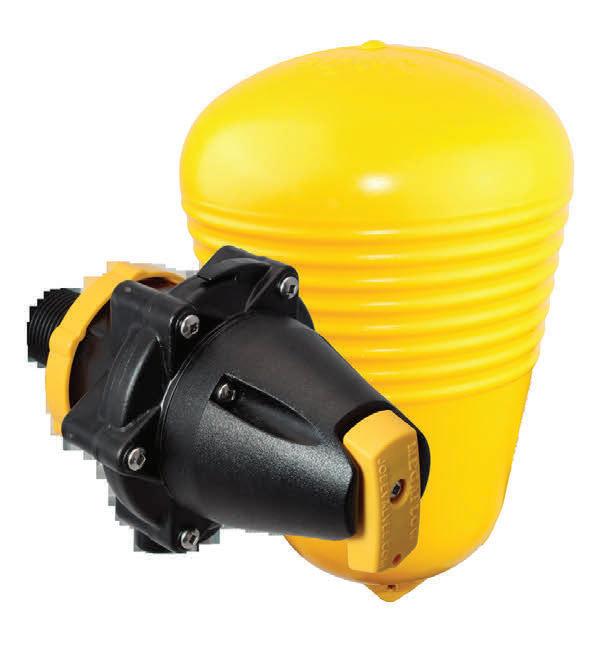
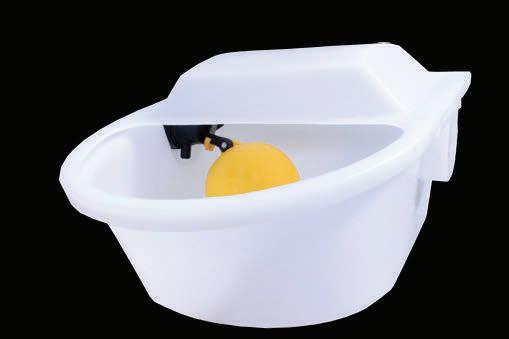
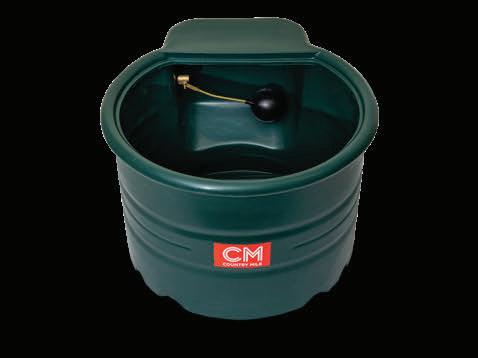
•Ideal for Cattle Troughs
•High Flow
•Side/Bottom Mount
•Detach to Clean
•Compact/Robust
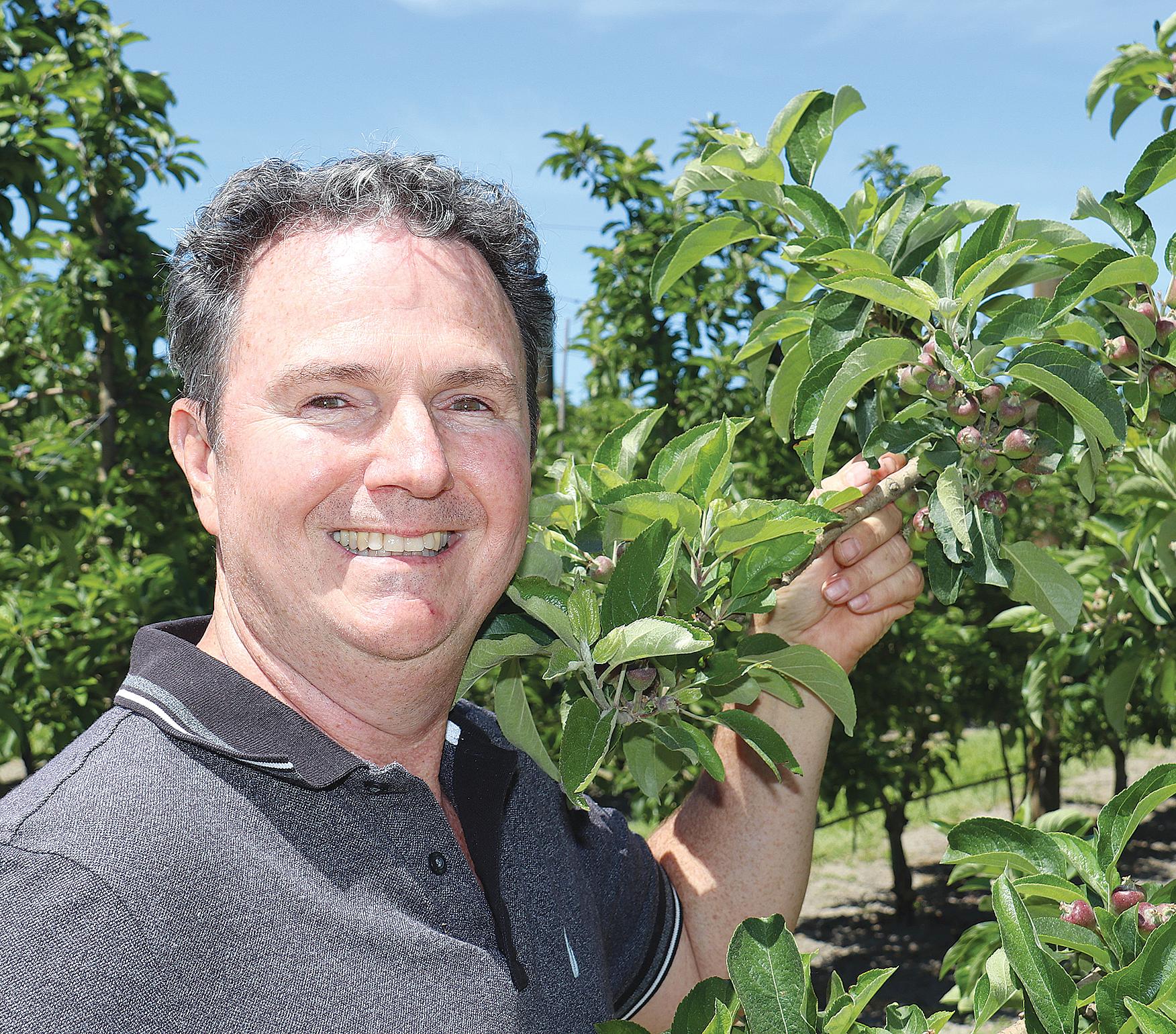
Paul Paynter says last season was probably the best one since as far back as 1991, with a beautiful warm spring, virtually no frosts, good fruit size and high quality – all culminating in a high pack out.
He says the exchange rate was good and although the markets were mixed, they did well.
This season is different with a cold winter and spring running about a week later than the ten-year average. But high

winds buffeted the trees and helped get the flowers open quickly.
Paynter says the spring has been good, but it’s drying out and they were having to irrigate their trees in October –something they never had to do before.
“We got 20 mils a couple of weeks ago but the rainfall data shows it was low in September and October and will be low in November, but there was a decent amount of snow on the mountains, so hopefully we will get a decent supply
of water in the rivers out of that melt,” he says.
Now, Paynter is busy trying to estimate the size of his apple crop and says while they have a sophisticated empirical system for doing this, simple guess work is often just as good because the small apples are hidden under the leaves. He says the main thing now is getting water on the crop, which is the major driver for healthy trees and a good crop.

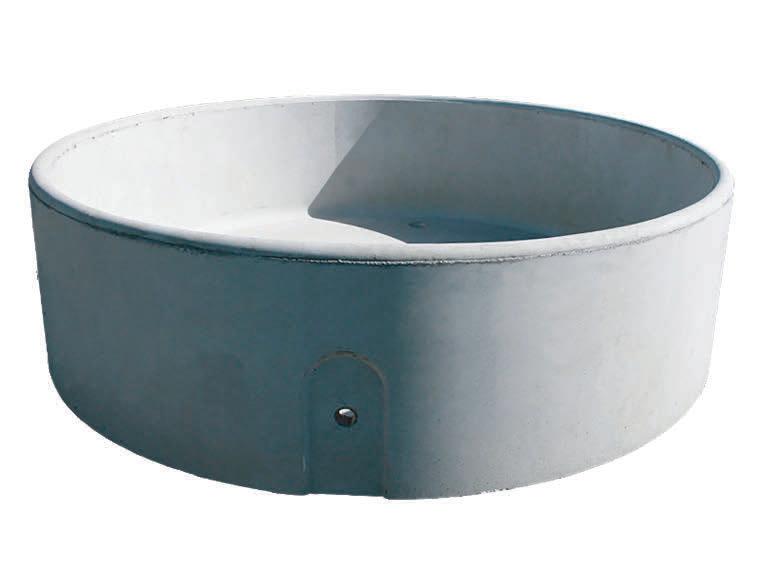
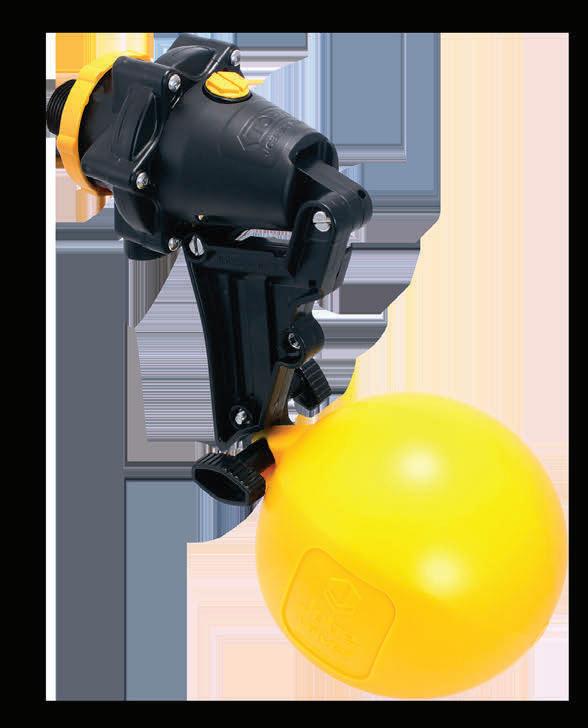
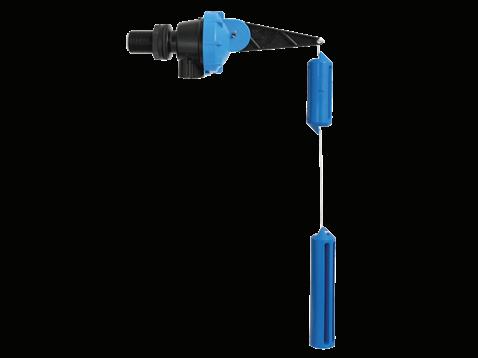
•Ideal for Small/Low Demand Troughs
•Low Flow ve/Below Water Mount
•Built in Check-Valve
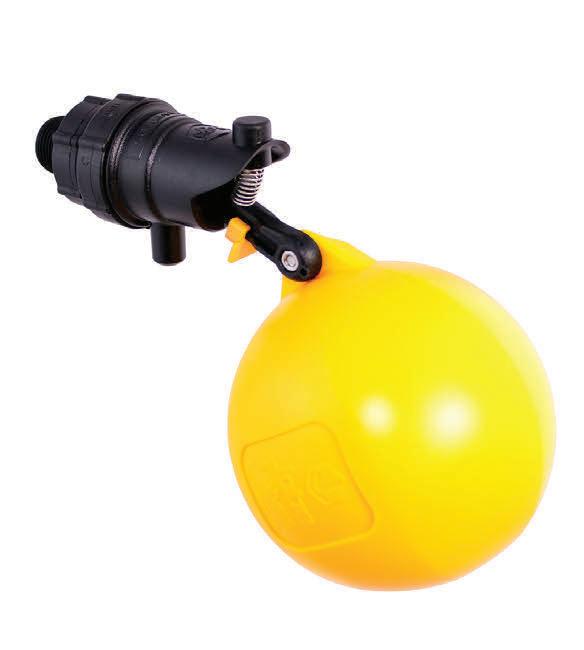
•Ideal for Compartment Troughs/Tanks
•High Flow
•Top Mount
•Detach to Clean
•Compact/Robust


AN INDUSTRY wide project led by Ministry for Primary Industries (MPI) is underway to deal with the rising number of feral pests, in particular, browsing pests such as deer and pigs.
MPI director of pest management John Walsh says the project involves Beef + Lamb NZ, Federated Farmers, Department of Conservation (DoC), Forest and Bird and others to deal with a major problem - feral deer.
Walsh says it’s estimated that there are between 1.3 to 1.8 million feral deer in the country at present.
“And this number is rising by about two hundred thousand a year,” he told Rural News
Walsh says the problem has grown in recent years and needs to be tackled with some urgency. He
says he recently flew over parts of the Wairarapa and saw large numbers of deer, many of which were grazing in newly planted carbon forest land.
He says there is no simple solution. Shooting deer on the ground is not the only answer and while aerial shooting is an option it is not the complete answer.
“There needs to be an holistic approach to managing feral browsing pests.
“One of the things that has become clear is when you just reduce deer numbers in an area, this often sparks a rise in wild pig numbers because they feed on the carcasses of the deer. So, these things are all interconnected,” he says.
There is a strong market for wild deer meat and one of the challenges facing the group tasked with dealing with feral deer is seeing if

it can be done sustainably and put good meat into the food chain.
Walsh says it’s never been easier to shoot a deer, but with the high number of animals in the hills, there is a lack of feed and some deer are not in the best condition.
Another option is poisoning deer using brodifacoum, but the downside is there are regulations
about withholding periods in areas where this is used and this affects hunters taking deer for private or commercial use.
Walsh says soon they will start targeting certain regions and catchments where the feral deer populations are high. But he says there is the need for more hard data and a broad strategic approach to deal with the problem.
She says farmers and suppliers have used that time to plan, budget and replace older devices.
“My concern is not readiness within the primary sector, but whether telecommunications providers have had enough time to build adequate 4G/5G coverage before the 3G network is removed,” she says.
Walker’s advice to farmers is to check what equipment they have that uses 3G and talk to their technology partners immediately.
“Even if your system appears to be working today, it will stop once the network is switched off, and the impact can flow right through your supply chain—from contractors to co-ops to compliance reporting.”
Walker says from a technology standpoint, retiring 3G makes sense.
It allows providers to free up spectrum and invest in faster, more secure and more efficient networks, she adds.
“The benefits are clear: better data speeds, more reliable connections and the ability to support advanced machinery and IoT systems, particularly as we continue to advance our digital adoption on farm and implement new technologies.
“The challenge is ensuring those benefits are available in rural New Zealand. The transition will only be successful if 4G and 5G coverage improves at the same pace as older networks are removed.”

is that the CTBs would consist of the mayors of the respective district councils in the region.
THE BIGGEST reform of local government in more than 35 years is underway. The reforms are quite radical and are inextricably linked to the Government’s reform of the Resource Management Act. A proposal is now out for consultation which sets out the changes.
The major one involves axing regional councils as entities in their own right, including showing the door to newly elected regional councillors. Instead, the functions of the regional councils will be governed by a panel known as Combined Territories Boards (CTBs). The Minister of RMA Reform Chris Bishop says the Government’s preference
But in the consultative paper put out by the Government, there is an option for a Crown Commissioner to be involved. Undecided is whether such a person would be just an observer or have wider powers, including the ability to override the CTB. This could be seen as central government’s way of countering any poor judgement by less than competent mayors.
The CTBs are similar in structure to existing unitary authorities which are already in place in six regions in NZ and which manage both local and regional issues. In most other regions there are mayoral forums where mayors from a region meet from time to time
CHRIS BISHOP says the proposals will fundamentally simplify how NZ plans its cities and regions and make it far easier to build the future people deserve. He says local government is meant to serve communities, not confuse them.
“But right now, the system is tangled in duplication, disagreements, and decisions that defy common sense. The Government does not think local government is serving New Zealanders well and the time has come for reform,” he says.
Bishop says the new reforms will strip out duplication in the system, standardise processes, and drive down complexity and compliance costs.

to discuss regional issues.
Some of the work currently done by the present regional councils will be significantly reduced when the RMA comes into effect and sets a framework for national standards – effectively by-passing some of the regional council planning and consenting processes.
For many years now, there has been widespread criticism of local government and regional councils – in particular, citing bulging bureaucracy, unnecessary costly, lengthy, and inappropriate consenting processes, and the rising cost of rates. Farmers have long been critical of
He says under the new planning system there will be fewer plans, fewer consent categories, and fewer consents overall.
“Regional councils will have a significantly reduced role as part of this new planning system,” he says.
The Minister of Local Government Simon Watts says the creation of the CTBs is very important to local democracy. He says when citizens vote for their mayor, they are choosing who they want to lead local representation for the next three years.
“Most people know their mayor. Few could name the chair of their regional council, or even
some regional councils overly ‘green’ and antifarming rules and regulations.
So, under this new regime while the actual functions of regional councils as such may remain, but with changes, these will become more integrated into local councils.
a regional councillor,” he says.
Watts says CTBs empower mayors from the same region to work together to govern their regions through genuine regional collaboration. He says each board would be asked to prepare a regional reorganisation plan within two years of their establishment. This he says would streamline regional decision-making across planning, infrastructure, and regulation, reduce duplication, and strengthen accountability. He says it would also remove an unnecessary, confusing, and expensive structure.
Consultation on the proposal is now open and will close on 20 February 2026.
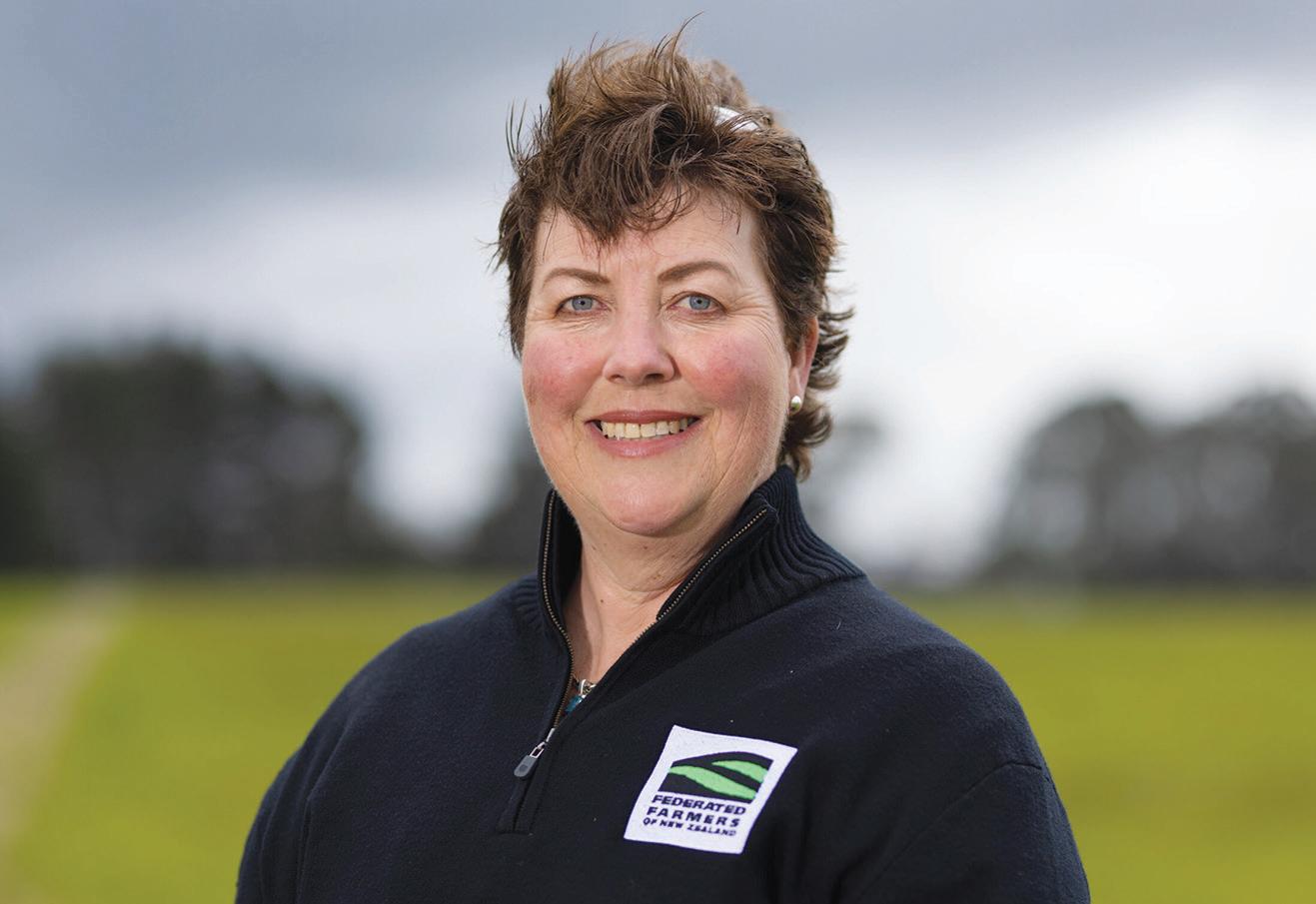
FEDERATED FARMERS local government spokesperson Sandra Faulkner says the proposal is long overdue and will be welcome news for farming families and rural ratepayers.
She says the Feds strongly support a single layer of local government based on communities of interest.
“This reflects the reality that those in urban areas have different needs, priorities, and interactions with local councils than those in rural areas. These proposals would allow the efficiency of a single layer of local government while maintaining connection with the people and communities they serve,” she says.
Faulkner says rural communities pay a significant share of rates under the current structure – and those rates bills just keep climbing. Yet she says at the same time, we’re increasingly seeing our rural representation around council tables diminished, particularly with councils that share large urban population centres.
The CEO of the Environmental Defence Society Gary Taylor these are not the nuclear options that many feared. But he says he’s concerned the changes could lead to a reduction in environmental priorities and deterioration in outcomes. He says how it would work in practice is very unclear from the thin discussion paper that has been released.
“Overall, our view is that local government reform is needed. But shaking up regional governance while resource management reform is rolling out does create uncertainty and confusion about who does what in the new system.”
Horizons Regional Council chair Nikki Riley says the calls for local government reform have been loud, consistent and come from many different parties –including from regional and unitary councils. She says the announcement provides an opportunity to progress real change and at a time of significant reform and cost pressure.
“Any change should be done in collaboration with regional and unitary councils, given their experience with regional-scale delivery of key services,” she says.
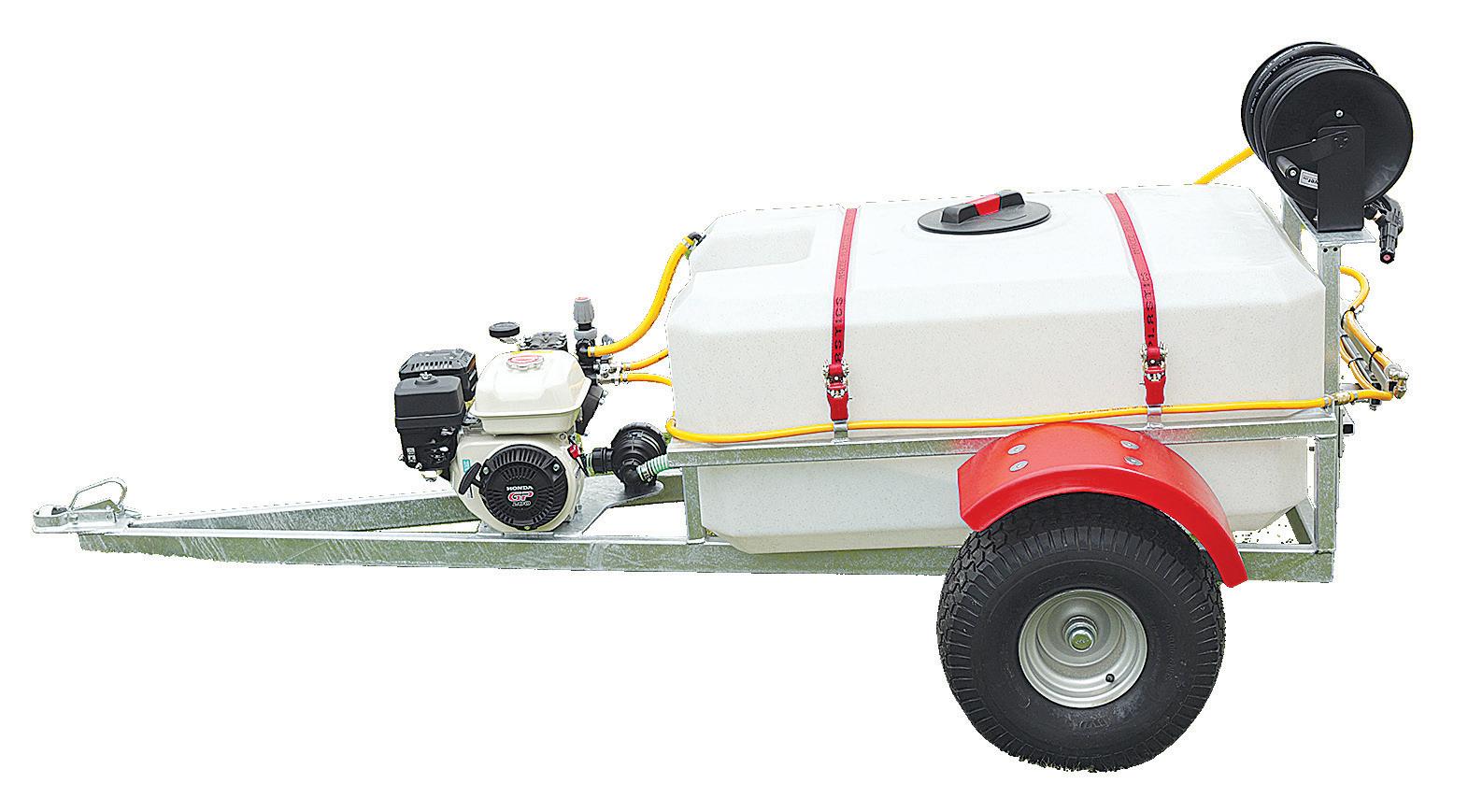

want the Government to include a national standard for air plans as part of its Resource Management Act reforms.
Rural Contractors New Zealand (RCNZ) says several regions have outdated air plans and some are waiting to see the scope of the ongoing coalition
Government reforms.
RCNZ chief executive
Andrew Olsen says amid
much focus on developing standards for infrastructure, biodiversity and freshwater, there’s been no comment about standardising air and aquatic agrichemical application standards and the qualification of companies and operators.
“The RMA reforms should be contemplating this in the absence of councils doing so,” he says.
“We also think it’s time councils came to grips with ensuring the applicators they award contracts to hold the appropriate qualifications.
“I have had members tell me they’ve helped councils fine tune air plan policy and best practice in for example aquatic spray environmental. Our qualified members are a vast source of information and councils should be tapping into that, not rewarding non-qualified companies with contracts.”
Those comments are endorsed by Matt Strahan, Nufarm’s national product manager.
“Agri-chemical contractors are a key player in the environmental stewardship we support in providing effective crop protection solutions through safe spray application. The industry is under increasing scrutiny in application, storage and health and safety and a national standard makes sense,” says Strahan.
He says that should mean only those contractors with Registered Chemical Applicator training or working towards that qualification should be able to apply agrichemicals.
The Environmental Protection Author-
ity requires agrichemical applicators using airblast or boom sprayers to hold qualifications when applying highly ecotoxic products as do some regional plans, though there is variation in these by region.
Jane Lamb, general manager of the New Zealand Agrichemical Education Trust which runs Growsafe, says using NZ Standard 8409:2021 on the management of agrichemicals would be a great place to start if looking at a national policy statement.
The document sets out good practice for safe, responsible agrichemical use. It was jointly developed by a committee comprising representatives from government agencies such as WorkSafe, EPA and MPI, regional councils and industry groups including Fonterra, Zespri and RCNZ.
ANY NEW national standard should also require anyone spraying agri-chemicals to be a Registered Chemical Applicator (RCA).
The RCA scheme, started by Rural Contractors NZ but now overseen by Growsafe, is the highest standard of certification. It requires renewal every five years through training, theory, and practical assessments, often including on-site visits.
Many regional councils and suppliers to some food producers are not supposed to give work to contractors who don’t hold an RCA but Rangitikei agri-chemical sprayer Graham Greer doubts that this is happening across the board.
“It doesn’t seem to be policed. I think there needs to be a lot more awareness about the need to be a Registered Chemical Applicator.”
He’s had decades in the business and says it takes at least three years to become compliant with all that is required for safe application of agrichemicals.
“You get guys who just come in and cut the costs.”
He backs a national standard for air plans and its enforcement, including having properly qualified spray operators.
“We need some consistency right across the country rather than different plans here there and everywhere.”
WITH GLOBAL milk prices falling, the question is when will key exporting countries reach a tipping point where production starts to dip.
All eyes will be on milk production in the US and the European Union in the coming months. High dairy prices have been providing an incentive for farmers to maximise output. Production among the top exporters is up about 4% on the same time last year.
However, with lower demand commodity prices on Global Dairy Trade (GDT) auctions have recorded a cumulative 18% drop from
the May peak. Fonterra reduced its forecast milk price range with 50c drop in the mid-point to $9.50/kgMS. ANZ is now forecasting a milk price of $9.65/kgMS this season.
ANZ agricultural economist Matt Dilly points out that nearly half of the current season’s production has already been contracted, so GDT results over the rest of the season will have a bigger impact on next year’s starting point than this year’s endpoint.
He says milk prices are falling overseas, just as they are in New Zealand. At the same time, feed prices have some upside potential after spending two years at low levels.
Dilly says prices for
FONTERRA SAYS it is seeing strong milk flows this season, both here in New Zealand and other milk producing nations.
The co-op last week lifted its forecast milk collections for the 2025/26 season from 1525 million kgMS to 1545 million kgMS.
Fonterra narrowed the forecast farmgate milk price range from $9-$11/kgMS to $9-$10/kgMS, with the midpoint changing from $10/kgMS to $9.50/kgMS.
“This increase in milk supply has put downward pressure on global commodity prices, with seven consecutive price drops in recent Global Dairy Trade events. As

wheat, soybeans, and corn have been rising over the past month, in part due to US soybeans regaining market access into China.
“It’s hard to say where global grain prices will go from here, but stocks are relatively tight. This provides some upside potential, especially if there are any shocks to the market.
“So, between falling milk prices and rising feed costs, dairy margins look set to continue to tighten over the next year in the US and EU.
“The question is, how close are the US and EU to a tipping point where milk production starts to fall? It won’t happen in time to impact New Zealand’s price in 2025/26
a result, we have narrowed the forecast farmgate milk price range for the season and adjusted our midpoint,” says chief executive Miles Hurrell.
He says the $9.50/kgMS mid-point forecast remains a strong forecast for the season.
“We continue to be focused on maximising returns for farmer shareholders through both the farmgate milk price and earnings. This includes through building strong relationships with customers who value our products, utilising price risk management tools, and optimising our product mix,” says Hurrell.
but easing production could start to support pricing sometime in 2026/27.”
“So, between falling milk prices and rising feed costs, dairy margins look set to continue to tighten over the next year in the US and EU.”
The milk price futures contract for next season is sitting at $8.80/kgMS.
A payout below $9 would be difficult for New Zealand farmers, but arguably more difficult for our competitors overseas, especially if their feed costs rise, says Dilly.
“Still, the transition from $10.16 last year to $9.65 this year to under $9 next year will also encourage a mini-reset in New Zealand,” he says.
“Dairy farmers had plenty of time leading into the current season to load up on supplementary feed and increase cow numbers to maximise production. For next season, the opposite
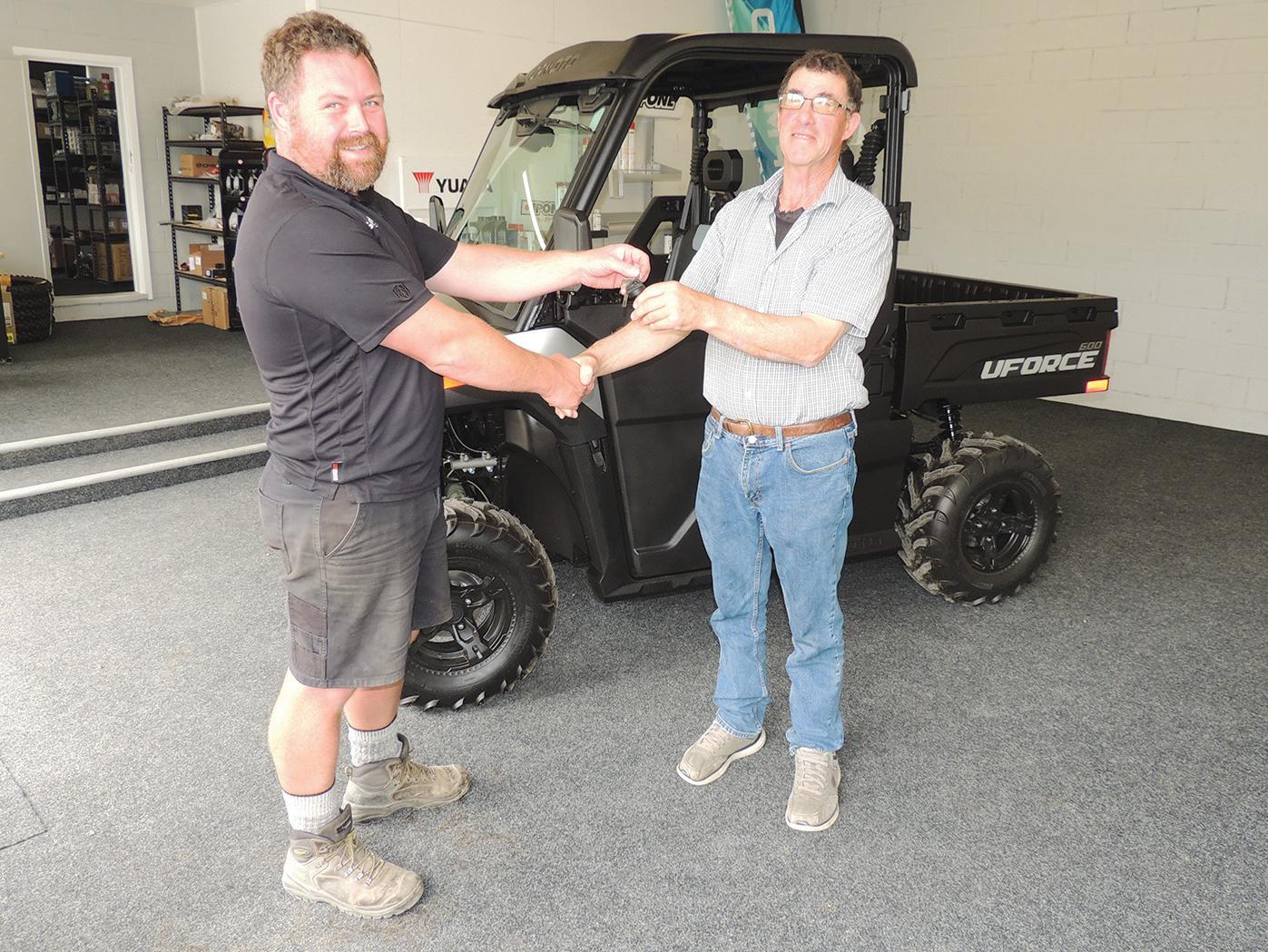
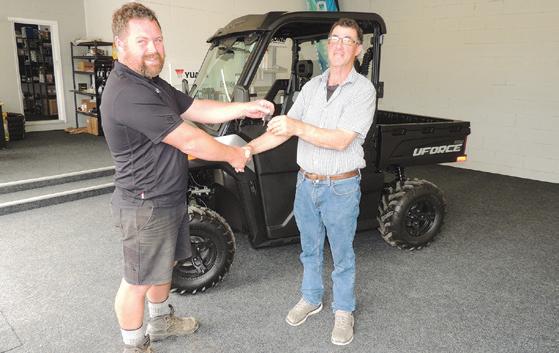
DUNSANDEL, Southern Motorcycles owner Mike Salisbury (left) hands over the keys for a brand new CFMOTO UFORCE 400 Farm Spec to farmer Ian Maw – the lucky winner of the Rural News Group-CFMOTO Win a UTV competition. Ian and Vicki Maw are cropping farmers from Barhill, near Rakaia, who grow a range of crops, including barley, wheat, clover seed, ryegrass seed, and peas on irrigated land near the river.
The win is very timely for Ian as his current ride is on its last legs.
Vicki says she entered Ian in the competition, hence he was a bit surprised when he got the call from Rural News to tell him he’d won. She also reckons she won’t need to buy him a Christmas present now!
Vicki’s entry was one of thousands: most readers saw the ad in Rural News or Dairy News then entered online, but Vicki did it the old school way – as did a surprising number of readers – cutting out the entry form and posting it to us. Mike and his team at Southern Motorcycles assembled the UFORCE for Ian and gave him the full run-down on it before he took it away on his truck. Mike is a CFMOTO dealer and says the brand is selling well and performing on farms. His team spend a lot of time on the road servicing all brands of motorbikes, quads and UTVs for farmers right across Canterbury.
dynamics are more likely.”
BNZ senior economist Doug Steel says that their milk price thinking for the following 2026/27 season is “toward $9”.
Steel says this broad view has long been predicated on global supply responding to previous price strength.
“If global milk supply expansion remains rapid, like it has on occasion in the past, and demand doesn’t strengthen sufficiently, the risk of a sharper drop and sub-$9 milk price next season
will increase. Current momentum is in that direction.
“Conversely, if global supply expansion were to slow meaningfully, like it did in 2021, downward price pressure could quickly fade. On that possibility, it is notable that global dairy prices no longer look elevated relative to global grain prices. A relatively low effective NZD conversion rate would offer some support to local milk prices.”
Westpac industry
economist Paul Clark says their early estimate for next season is also $9/ kgMS.
Clark expects world prices to start low but to improve over the course of the season, as the global milk supply rebalances to more sustainable levels.
“The recent weakness in the New Zealand dollar is an upside risk to our milk price forecasts, more so for next season than the current one.”

@rural_news

















BURKE
WADSWORTH lives on the family farm –Omega Station – in the Wairarapa about 30 minutes’ drive east from Masterton.
“I hadn’t heard much about drones but when I went home, I did a Google search, ended up sending a message to someone and a year later I started a drone business.”
He’s passionate about agriculture but is also passionate about technology and innovation and instead of opting for the conventional farming life, he’s taken a different route that he says enables him to live out his love of agriculture
and do something really cool.
At the same time, he’s just got himself elected as a member of B+LNZ’s Eastern North farmer council. He took on this role because he thought as a young farmer he offered new ways of doing business and could help people – and that in
WHILE MANY people dabble with drones for fun, it’s a different story if you going to run an agricultural spray and spreading business.
this role, he would also learn.
The idea of setting up an agricultural drone business came one day when he was spraying thistles on the farm.
“I was hanging off the side of the hill and getting covered in chemicals and I thought there must be a better,
easier, safer and more efficient way to do this,” Wadsworth told Rural News
“I hadn’t heard much about drones but when I went home, I did a Google search, ended up sending a message to someone and a year later I started a drone business,” he says.
Wadsworth says he wasn’t into video games but had a background in photography and had flown drones as part of this hobby. He says he also had an interest in aviation and at one stage considered getting his sky jumper’s certificate.
A combination of working and saving hard,
a bit of help from his parents and a small loan from the bank enabled him to buy the drone and then go through the comprehensive training and accreditation programme that allowed him to operate it.
“It took nearly a year, and cost was around
$100,000 – including the cost of the drone and
training to being able to set up my business,” he says.
The machine weighs around 50 kilograms and has the capacity to carry a load of around the same weight – be that fertiliser or a liquid spray – and there are separate tanks/hoppers for each of those uses, which are easily changed.
THERE ARE a few restrictions for ag drone operators. One of these is weather and conditions must be relatively calm with a maximum of 15km of wind. The other restriction is that the operator must be able to always see the drone and that it can’t fly blind.
Bradley Wadsworth says because many of the locations he works at are remote, he has Starlink attached to his ute. This he says enables him to not only fly the drone more easily, but to have constant good communications with clients and, if there is an accident, the ability to call for help.
“When I go to a farm, I try to pick out a site to operate from that is high, which ensures a better internet connection and enables me to see the drone more easily,” he says.
So far, Wadsworth spread about 20 tonnes of fertiliser in August – a lot of work when you consider only 50kg can be carried each time. More recently he’s been busy spraying out paddocks for resowing or spraying gorse. He says when he set up the business, he assumed that it would be the young technology-minded young farmers who’d form the basis of his clients.
“But I have actually found that it is the older ones who are more receptive; the semi-retired or farmers who earlier in their careers embraced aerial topdressing and who are now keen to moves to the latest technology –the drone,” he says.
Auckland to prove he could fly the drone. Then finally he had to get an ag rating – like pilots of rotary and fixed wing aircraft.
But Wadsworth also recognises that for larger operations, an aircraft, helicopter or truck are probably the best option. He says the larger drone can now carry payloads of up to 150kg, but he doubts whether they will get much bigger. He says the technology on drones PETER
Bradley Wadworth says the first step is to get a very basic license which gives you some freedom to fly the machine, followed by another step which gives you even more freedom.
“Those two steps took about a month and was a mix of online exams and the practical assessment. I also I had to go to Wellington for an interview, a theory test and then a practical one to show that I was able to fly a drone without any GPS assistance and with all the safety features turned off and control it,” he says.
Wadworth says the drone services a niche demand and can get into small, tight areas where aircraft and trucks cannot get into easily or safely.
“This is our bread-and-butter work,” he says.
After that, he had to do a two-day course to obtain his chemical certificates, then got to

“Once you do you ag rating you have to do 30 jobs under supervision and then you get signed off from that and the next step is your prime person interview with the CAA and they sign you off and say that you are capable to become a fully qualified drone pilot.”

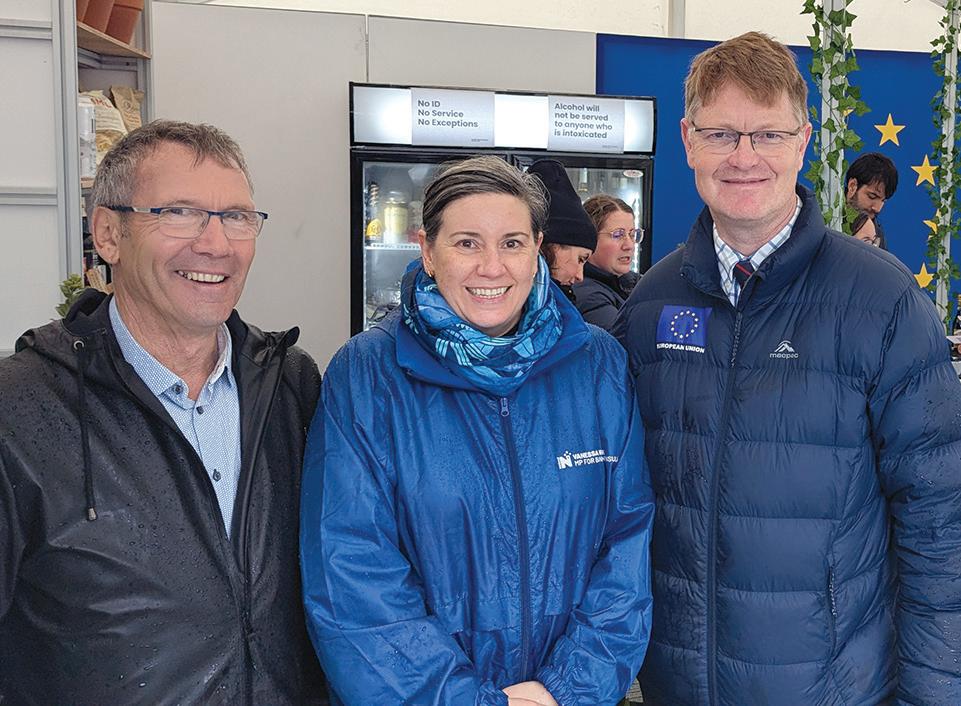
AN UNUSUAL participant at the recent Royal A&P Show in Christchurch was a stand promoting a variety of European products, during an event that normally champions the homegrown.
The European Union’s stand Enjoy it’s from Europe showcased European Union foods – cheeses such as Brie de Meaux, Greek olives and meats such as Prosciutto di Parma.
All are Geographical Indications – a way to identify and promote a product based on its origins and common recipe, for example by strictly reserving the label ‘Champagne’ for sparkling wines from a registered producer in the Champagne region of France.
The EU Ambassador to New Zealand, Lawrence Meredith, personally hosted the site for two of the three days of the show. He said it was all about promoting free trade
between New Zealand and the EU and encouraging New Zealand producers to make better use of the GI system.
He said New Zealand’s recognition of EU Geographical Indications opens the door for New Zealand to pursue GIs for its own produce.
“Put simply, it means if you want to know a product’s real quality, you want to know where it comes from,” he said.
“So, I’ve just opened a bottle of Champagne and I can tell you for a fact, it came from this Champagne region of France and that’s what we call a protected geographical denomination.”
Meredith notes that New Zealand currently has 23 GIs registered for sale in the EU – such as wines including Marlborough Sauvignon Blanc and Central Otago Pinot Noir – but Europe has almost 2000.
“So, what I’m showing here is why that matters.”
Meredith describes himself as a proud “Yorkshire Irishman” – post-
Brexit, he is qualified to represent Europe due to his Irish citizenship though his Irish mother.
“We’re all proud of our land. We’re all proud of our people, and I think we’re proud of our food and heritage too.
“So, I’ve got excellent cheesesheep and cows cheese. I’ve got it from Spain. I’ve got it from Italy, from France, I’ve got Halloumi from Greece and we’ve also got a couple of beers. I just drank a Czech beer with a guy from the Czech Republic.”
Meredith said it all goes to show that Europe has really good quality products.
“And I see the same in New Zealand agriculture honestly. But so far, you’ve only got a very small number you’ve protected. I think you could have an awful lot more.”
Meredith said the Free Trade Agreement between New Zealand and the EU that came into force on May 1
last year was “going gangbusters.”
New Zealand exporters had made an extra two billion dollars on the back of the FTA, mainly in horticulture, seafood and wine.
Meredith described the








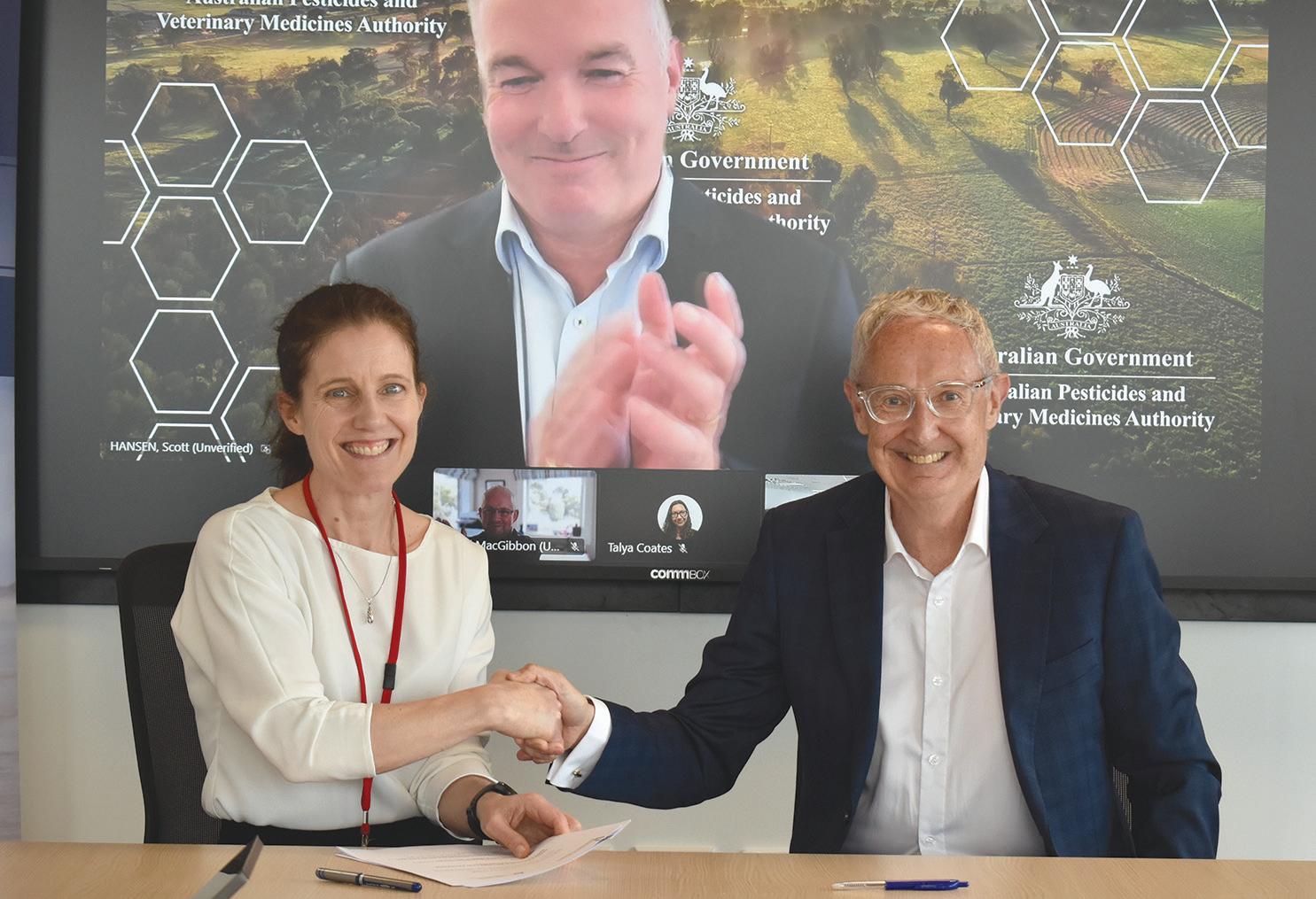
A milestone agreement between New Zealand and Australia will give the region’s primary sector faster and more efficient access to important new agricultural compounds and veterinary medicines.
“Together, Australia and New Zealand want to position our region as a market of choice for industry to bring new products for the benefit of famers and growers,” says New Zealand Food Safety (NZFS) deputy directorgeneral Vincent Arbuckle.
“To that end, NZFS and the Australian Pesticides and Veterinary Medicines Authority signed an agreement last week that will see us sharing assessments of new products and reciprocally recognising them. This builds on our existing strong relationship and, at a practical level, it will mean streamlining workflows, reducing duplication of effort, and delivering faster turnaround times.”
Earlier this year, a Ministry for Regulation (MfR) review made recommendations that recognised the critical importance of the Agricultural Compounds and Veterinary Medicines (ACVM) and Hazardous Substances and New Organisms (HSNO) systems working together efficiently in the interest of safety and innovation.
One of the recommendations was that NZFS should increase its use of international regulators’ assessments to save time and resources.
“This closer collaboration with Australia is a significant
step in that process and will be a blueprint for future agreements with other regulators. We have also initiated work with the UK’s Veterinary Medicines Directorate to align assessment activities for new veterinary medicines,” says Mr Arbuckle.
“In fact, NZFS has made progress on all the recommendations that fall under our purview, and we have worked closely with our colleagues at the Ministry for the Environment and the Environmental Protection Authority, which administers the HSNO Act.”
Other recent highlights from New Zealand Food Safety include:
ACVM application queue reduction
With more than 90 per cent of ACVM applications currently being completed within the statutory time (up from 55% in November 2024), we are ensuring farmers and growers get the products they need as quickly as possible.
In the 12 months to 30 September, we approved 928 applications: 648 for changes to registered products, 91 for new or changed label claims, and 189 for
new products - of which 22 were novel products. We exceeded the Minister for Food Safety’s target of a 20% reduction to the application queue from October 2024 to June 2025. Our actual reduction was 30%.
Inhibitors
Since December 2024, we have approved three urease inhibitors, which allow farmers and growers to use less fertiliser, reduce input costs over time, and lower greenhouse gases and nitrogen leaching. We are also welladvanced towards assessing the first methane inhibitor application
for use by farmers and hope to have a decision on the application in the first quarter of 2026.
Sector Leaders Forum
We helped establish a Sector Leaders Forum to help guide our work. Three meetings have been held since April 2025, and Bruce Wills has been appointed as the independent chair.
In addition to the insights from the Sector Leaders Forum, we have continued to make the approval paths easier to navigate. This has included developing options to increase use of registration exemptions, and selfassessable changes.
We are working with industry on proposals on new self-assessable changes - which will enable minor changes to chemistry or labelling without the need for ACVM approval - with one workshop held in October and two in November. We’re also exploring a prioritisation framework to enable us to focus on and prioritise applications with the greatest benefit and value to farmers and growers.
Online system
The first phase of our new userfriendly ACVM Approvals Online system is complete. The new system allows businesses to easily confirm whether the products they want to import, manufacture or sell in New Zealand need to be registered or if they are exempt from registration.
Recent visits overseas reinforced the strong recognition of New Zealand’s safe, high-quality food and fibre, and the trust placed in Kiwi producers by our trade partners, says/writes Ministry for Primary Industries (MPI) DirectorGeneral Ray Smith.
Ray Smith recently visited the United States, Japan, Korea, and China to meet with counterparts, senior officials, sector groups, and New Zealand and local food and fibre businesses.
He said one of MPI’s key roles is to grow New Zealand’s food and fibre exports, by building trusting trade relationships and helping exporters succeed in overseas markets.
“My visits underscored New Zealand’s strong commitment to deepening partnerships, strengthening ties, and growing two-way food and fibre trade, worth a combined $33 billion in 2024/25.”
In the US, Ray Smith met with senior officials from the US Department of Agriculture and the Member of Congress
for California, a state with a prominent agriculture sector.
“I met with key organisations in the agriculture sector including the American Farm Bureau Federation, Meat Import Council of America, National Cattlemens Beef Association, and the International Wood Products Association.
“It was a good opportunity to reaffirm New Zealand’s commitment to our agriculture and trading relationship with the US.”
He also saw the agricultural science and innovation efforts underway to reduce agricultural methane emissions, which MPI is backing through its AgriZeroNZ investments.
Ray Smith said meetings with the Petfood Association and local media in Korea were good opportunities to talk about New Zealand’s premium grass-fed meat and the New Zealand Grass-Fed Administrative Standard launched earlier this year.
“Korea is the highest consumer of
beef in Southeast and East Asia, so it’s an important market for New Zealand farmers, processors, and exporters.”
In Japan, Ray Smith saw first-hand the MPI-approved pre-shipment biosecurity inspection services in action, at the Japan Export Vehicle Inspection Centre at Yokohama Port.
“Pre-shipment inspections and treatment of used vehicles, machinery and parts are our first line of defence against hitchhikers like brown marmorated stink bug making it to New Zealand.
“If these made it into New Zealand, they could significantly affect our food and fibre production.”
Ray Smith says his team will keep working hard to deliver positive outcomes for farmers, growers and other producers across the country.
“I’m proud of the work my team does to support the sector’s success. We’ll keep working hard to deliver for rural communities and the economy.”
NEARLY THREE years on from Cyclone Gabrielle, Hawke’s Bay apple orchardist Paul Paynter says they are still doing remedial work around their orchards and facing financial challenges.
He says the remedial work includes planting new trees and dealing with some surprising things – namely random willow trees that have popped up in among the rows of apples.
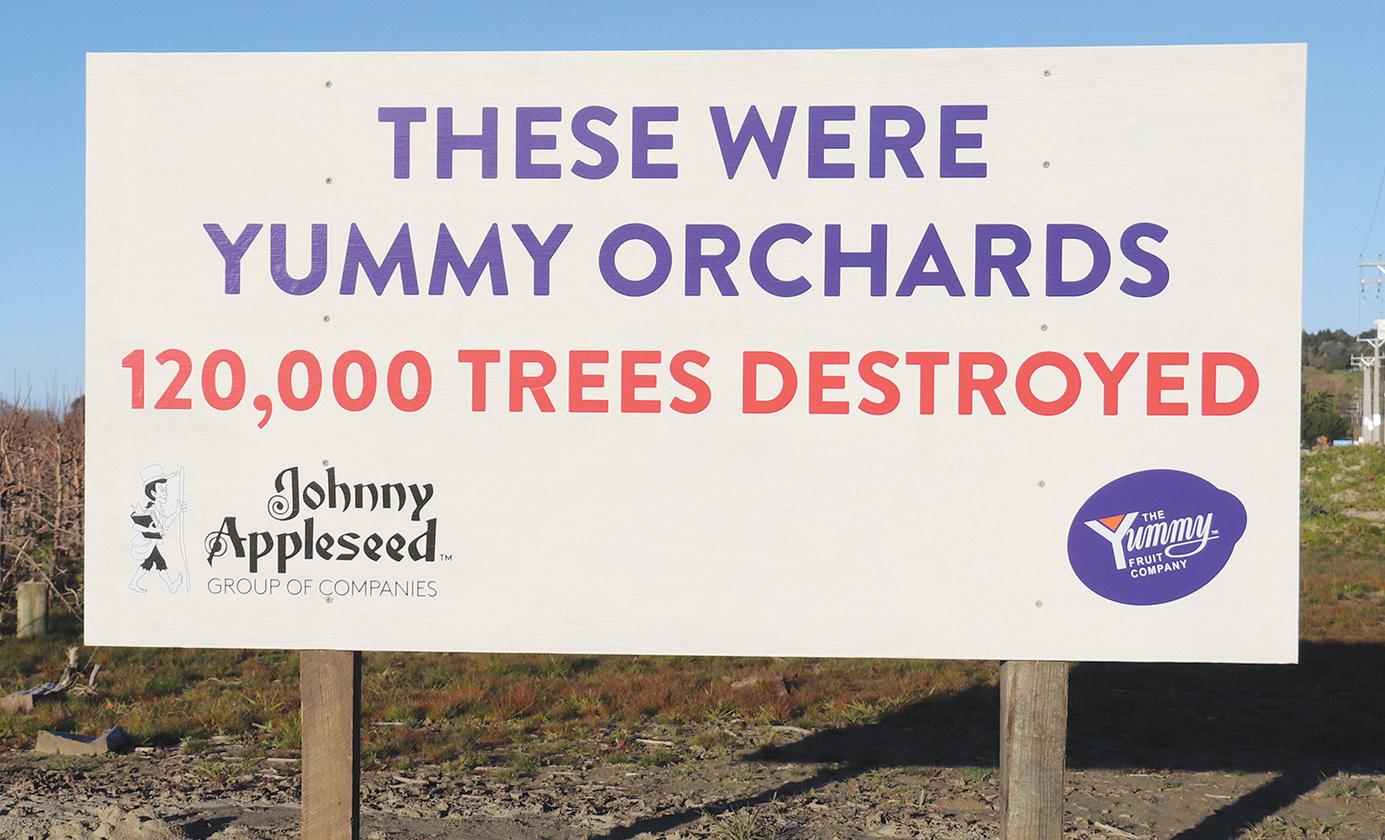
The fifth generation family business, the Yummy Fruit Company, lost 180,000 apple trees
in the cyclone, most of which were in the Esk Valley north of Napier –one of the worst hit areas.
Paynter says they were not able to plant again in that area because banks and financial institutions will not lend money to plant in areas still a risk of flooding – Esk valley being one such place.
“So, it’s a big challenge and we still haven’t stopped spending money to get it right,” he told Rural News.
“The problem is that with an apple tree, it takes a couple of years to grow a nice nursery tree and pop it into the ground and then you have
about four years after that until cashflow breaks even. In effect it takes between six and seven years to get yourself in a better position than you
were previously in.”
Paynter says the big fear is running out of money and it’s no surprise that banks are keen to reduce their
exposure to the sector as a whole and to individuals in the region. He says his company is still struggling and hasn’t made a significant profit
since covid; if they had, it would be very small one.
“We have had five dire years and it’s difficult to survive these days with the banking regulations that are less tolerant of business that have nonperforming loans. It’s a tough world but it’s only a downturn and we have beaten our budget the last two years, and we have got a very good trajectory for the future,” he says.
The Yummy Fruit Company only leased land in the Esk valley and Paynter says much of that land is being used for cropping. He says the problem for growers
Leo Argent
DESPITE A late and unfavourable start, this year’s strawberry crop is expected to be bountiful for producer and consumer alike.
Strawberry Growers NZ board member Cam Lewis grows indoor covered strawberries and asparagus in the Horowhenua. He says that the strawberry harvest across the country is coming about three weeks later than normally expected.
Strawberry growing in New Zealand operates under two different systems: indoor and outdoor.
“The outdoor guys mostly located in Auckland and Waikato traditionally go through to Christmas, but the
challenge for them is if they finish at their normal time then they have a shorter season to make money.
“Indoor guys such as ourselves go through to autumn so as long as Mother Nature is reasonably kind to us in the second half of the season we have time to make up for the late start.”
Additionally, heavy
rains and strong winds across the country have made headaches for strawberry growers.
Increased numbers of fruit have been bruised or require very delicate handling to avoid bruising.
In worst case scenarios the emerging flowers have been damaged, potentially jeopardising the Christmas harvest.
However, Lewis says
the late start and reduced stock at the onset of the season may be a blessing in disguise for both growers and consumers.
“There’s less fruit around, but that means the prices are more favourable for the grower, that makes up some of the ground that you lose. For consumers, less fruit on the market means the supply chain moves very
quickly and so there is little chance for berries to sit around getting old.
“I predict Kiwis are in for a bit of a treat where there’s going to be a big flush of fruit in the beginning of December, so I like to think there’ll still be even more around for people to enjoy. You will see retail prices getting a little bit more favourable then, but prices are still
like him is assets have decreased in value and debt has gone up. He says there is a fear that some businesses will not survive. He says things are in place where, in a normal year, his company would make a profit. For him and other growers, the big challenge will come in a few years’ time, at which stage they’ll be looking for extra capital for the future. Paynter says despite the challenges, he’s excited about the future with the innovation and new plantings that have gone in and he adds, the future looks brighter than it’s ever been.
great now.”
Nevertheless, for growers intending to push the end of their season, labour will remain an important consideration, and the Christmas holidays period is notoriously tricky to get labour for.
As a soft fruit, strawberries need to be picked at the right time for optimal condition.

Mark Daniel markd@ruralnews.co.nz
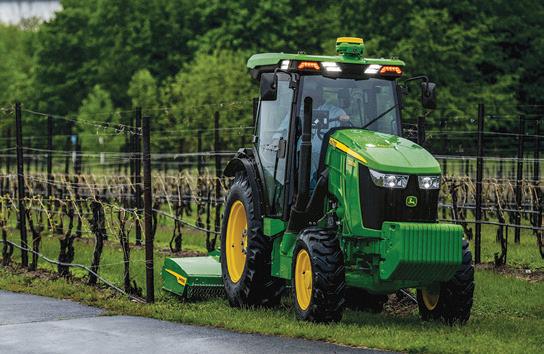
GRAPE AND orchard growers will soon be able to take a closer look at John Deere’s new 5EN specialty narrow tractors, which offer more power and comfort in narrow vineyards or tree rows.
The 5090EN and 5105EN specialty tractors are purpose-built for vineyard and orchard operations, building on the success of John Deere’s 5ML orchard tractor.
“This our line-up of specialty tractors for the high value crop sector, which is incredibly important to John Deere,” said Erin Wagstaff, Australia & New Zealand small ag and turf marketing manager.
“We launched the 5ML in 2023 for our nut and larger orchard customers, while also leveraging some of the technology from our
broadacre business like AutoTrac.
“The 5EN now caters for customers who need a machine that is purposebuilt for narrow rows, so it’s perfect for vineyard and citrus operations.”
Wagstaff commented that the original 5EN models offered a 75 and 90hp engine, which has now moved to 95 and 105hp in the latest editions to meet customer demand.
“In terms of technology, the 5EN Series also has options for the G5 Universal Display and StarFire 7500 Universal Receiver to enable systems like AutoTrac, which really minimises operator fatigue,” she said.
Enhancements in the cab include a new digital dash display, an enhanced right-hand console with optimised throttle placement, USB-C ports for modern connectivity, an electrohydraulic (EH) hitch and an integrated armrest for ergonomic support. The cabin also features improvements
to help reduce operator fatigue and increase comfort, as well as advanced filtration to extend filter life.
“The new 5EN’s see the Category IV filtration system being factorybuilt into the cab rather than being an aftermarket kit,” Wagstaff said. “A switch inside the cab allows an easy transition between Cat II or Cat IV filtration as required, making it ideal for customers who do a lot of spraying work, but it can be switched off when undertaking non-spraying activities, so extending filter life.”
Elsewhere, lighting upgrades include LED work lights, headlights, and rear hitch lights as standard, with side work lights optional. The cab has been designed with a flat floor for optimal comfort to help reduce fatigue, especially for operators who may need to spend long hours in the cab at peak times.
A choice of transmissions, both
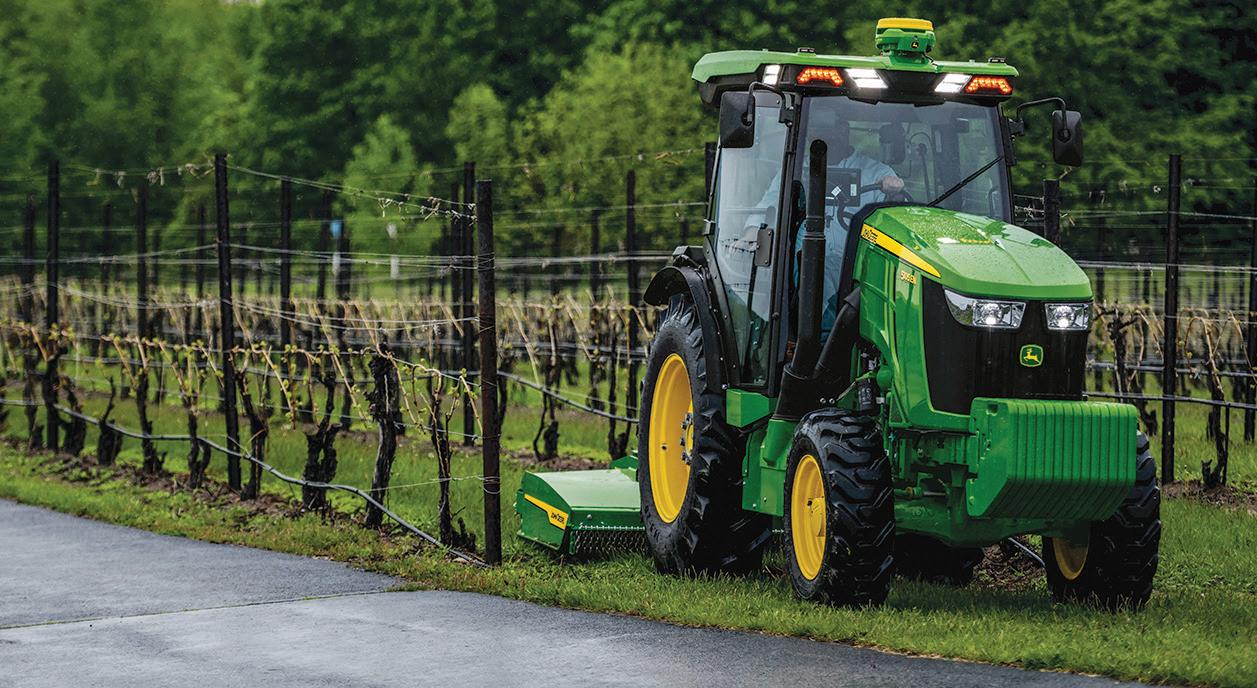
with optional creeper, include a 12F x 12R PowrReverser or 24F x 12R PowrReverser with Hi-Lo. The older models were only available with the 12F/12R transmission, so the splitter option will offer finer speed control, such as ultra-slow for harvest, spray or planter applications.
Along with the choice of transmission, the 5EN also offers a
Peter Burke peterb@ruralnews.co.nz
THE AVOCADO industry is facing an extremely challenging season with all parts of the supply chain, especially growers, being warned to prepare for any eventuality.
NZ Avocados chief executive Brad Siebert says this is due to a combination of factors. He says the need to look more globally with
supply comes with more intense competition from other supplying countries. Locally, the season has had its challenges with western Bay of Plenty growers hit by strong winds and in the last few weeks the rain has made it difficult to get fruit off the trees.
“At the same time, exporters face a shorter window to reach offshore markets as larger supplying countries run extended seasons,” he told
Rural News.
Siebert says the exporters are about 65% through the volume expected to be exported and while this is usually completed by the end of January, it’s likely to be extended into February. Overseas markets take roughly 60% of the avocado crop grown in NZ – the remaining 40% is sold on the domestic market. For the last two decades, 85% of the export crop went to Australia, but Brad Siebert says,
while Australia remains a key market, in the last four years this has dropped to around 50% and this season will likely be just over 20%.
“While our industry enjoys broad market access, the challenge is now about hitting the right timing, and therefore the value window in key offshore markets while competing with other origins,” he says.
Siebert says exporters are focused on markets right across Asia and also
94 l/min hydraulic output, 1390 kg maximum lift capacity, an optional underbelly protection shield, and a camera mount field kit for A&I camera integration. The 5EN Series tractors will be available for viewing in dealerships across New Zealand in the near future, with orders being taken now for delivery in early 2026.
the USA and Canada. But he reiterates that NZ is up against other competitors in many of these destinations. He says at this stage there are some real unknowns around what value can be extracted from this year’s crop and strategies to improve productivity and raise the profile of “Avocados from NZ” in international markets are central to the industry’s future success. He says on the home front, a major.
THE LATEST reforms of local government should come as no surprise.
Regional councils have been under attack for a long time and there’ll be few tears shed about them losing some of their political power.
But let’s put these reforms in perspective. They are small in comparison to the ones in 1989 which saw massive amalgamations of local authorities – 850 down to 86 – and the creation of regional councils who suddenly found themselves being gifted catchment boards, ports, public transport, an array of quangos and many other bits and pieces.
Resource Management Act (RMA) Reform Minister Chris Bishop is right when he says the wider public don’t fully understand the role of regional councils, and this is partly because they deal with a lot of matters that don’t affect the average person daily.
But when there’s a major flood or when trains or buses break down, regional councils get noticed.
The focus on these reforms, which are linked to the RMA, seem to be about cutting the cost of local government by eliminating unnecessary regulation and bureaucracy, with the objective of reducing rates and accelerating business growth.
But there are concerns that environmental standards could drop. There’s a risk this may have a negative impact on NZ’s provenance of having an impeccable clean green image and affect our primary exports. This must not happen.
To some degree the success of the changes relies on the ability and competence of local mayors to manage larger entities.
Sadly, there are recent examples of some mayors who would fail in this regard and government ministers have openly criticised the leadership of certain councils. Their backstop of an all-powerful commissioner on the proposed Combined Territories Boards (CTBs) is not unreasonable in these circumstances.
There’s sure to be a lot of submissions on the proposals and it’ll be interesting to see what regional councils themselves have to say. Will they try to defend the status quo or work with government to get the best possible outcome for their respective communities?
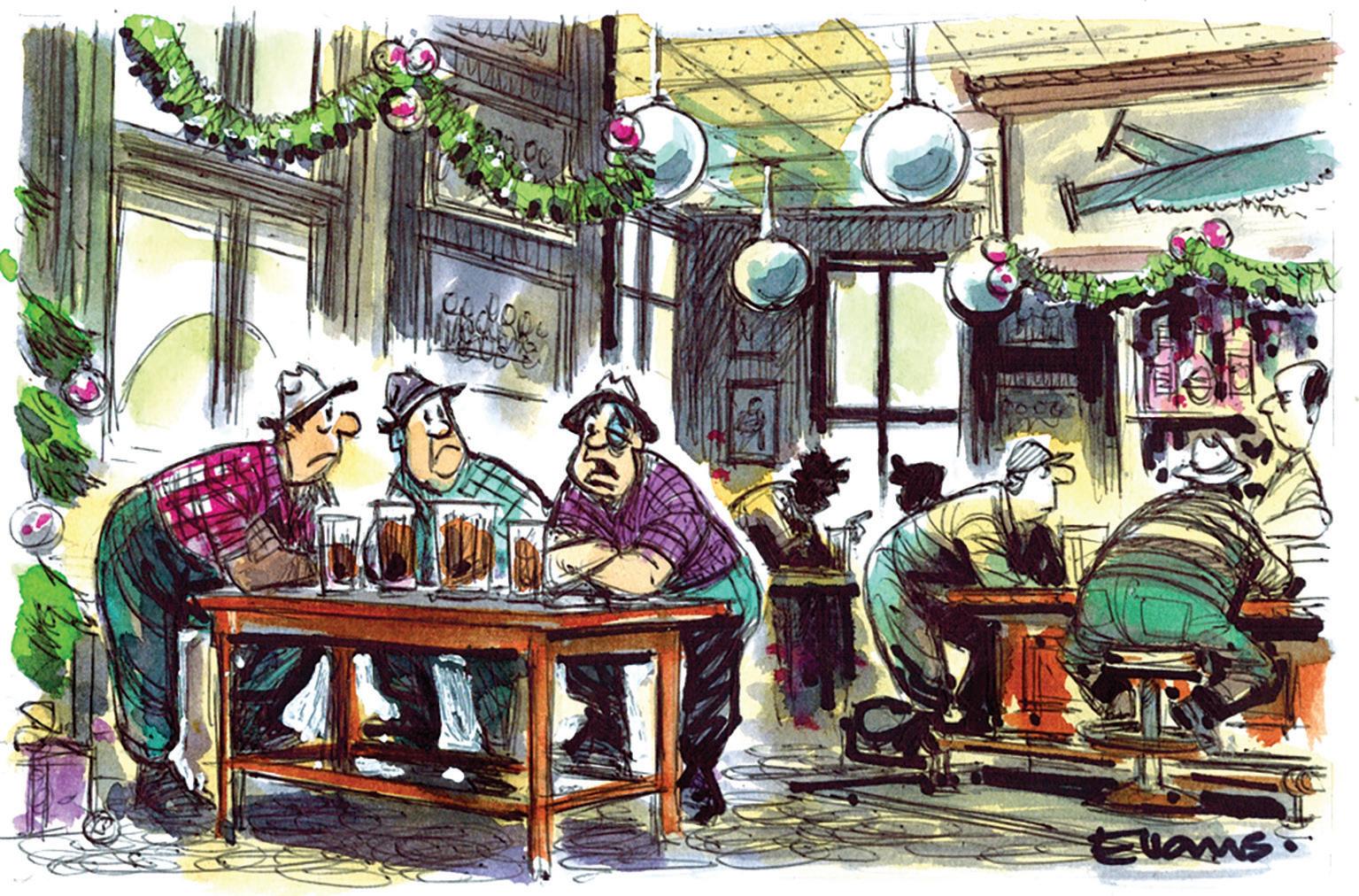
THE HOUND reckons the argument run by the ‘agribusiness elite’ that the market will punish our exports if we don’t fall into line with spurious targets like the Paris Accord doesn’t pass the sniff test. Our biggest red meat market recently did a backflip on tariffs, chiefly because America needs cheaper food, and New Zealand has it. The tariffs, part of Trump’s ‘America First’ agenda, were introduced in April at 10%, then raised to 15% in August. Then in November, Trump announced that the tariffs on products representing around 25% of our exports to the US and worth about NZ$2.2 billion annually, would be removed, effective immediately. Other nations are no different: the UK, for instance, can’t feed itself and imports nearly 40% of its food. China imports 35%, Japan 60% and Saudi Arabia 80%. The world is too hungry to care about our methane targets!

THIS OLD mutt thinks New Zealand should take a bow after winning the ‘Fossil of the Day’ award at COP30 in Brazil over recent improvements to our methane targets. Oblivious to the irony of an auditorium full of COP30 attendees who all burned many tonnes of aviation fuel to attend the blow-fest, they have attempted to shame nations like ours for what they see as inaction. These hypocrites think the same way as Greenpeace, which misrepresents the science around methane emissions as “an accounting trick”, determined as they are to kill dairy farming. On the contrary, our government should be commended for not caving in to pressure to knobble our industry and economy based purely on blind ideology. In fact, you could argue they didn’t go far enough with cutting our methane targets.
EDITOR-AT-LARGE: Peter Burke Ph 021 224 2184 peterb@ruralnews.co.nz
REPORTERS: Nigel Malthus Ph 021-164 4258
HEAD OFFICE POSTAL ADDRESS: PO Box 331100, Takapuna, Auckland 0740
Phone 09-307 0399
PUBLISHER: Brian Hight Ph 09 307 0399
GENERAL MANAGER: Adam Fricker Ph 021-842 226
EDITOR: Sudesh Kissun Ph 021-963 177 sudeshk@ruralnews.co.nz
Leo Argent
MACHINERY EDITOR: Mark Daniel Ph 021 906 723 markd@ruralnews.co.nz
PRODUCTION MANAGER: Becky Williams Ph 021 100 4381 beckyw@ruralnews.co.nz
A PRESS release from the oxygen thieves running the hot air symposium on climate change, known as COP30, grabbed your old mate’s attention. ‘Climate Doom Loop’ sounded ominous. Turns out it’s more than a bit revealing of the true agenda behind many of the lanyardwearers who racked up the airpoints to attend COP30 – they are rabid opponents of livestock farming, trying to implicate farmers in the death of their own livestock:
“Millions of farmed animals are killed each year by floods, storms and heatwaves driven by climate change, yet the very system they are reared in is making the situation worse”, they said, followed by a quote that reveals their true agenda: “Governments must take urgent action to reduce emissions and livestock production as well as meat consumption in richer countries”.
AUCKLAND SALES CONTACT: Stephen Pollard Ph 021 963 166 stephenp@ruralnews.co.nz
WAIKATO & WELLINGTON SALES
CONTACT: Lisa Wise Ph 027 369 9218 lisaw@ruralnews.co.nz
Want to share your opinion or gossip with the Hound? Send your emails to: hound@ruralnews.co.nz
YOUR OLD mate welcomes the proposed changes to local government but notes it drew responses that ranged from the reasonable to the ridiculous, depending on what axe people had to grind. Dr Deon Swiggs, chair of Canterbury Regional Council was measured: “I’m committed to working constructively with Government on reforms that deliver better outcomes.” Fed Farmers spokesperson Sandra Faulkner was positive: “This discussion is long overdue and will be welcome news for farming families and rural ratepayers.” But, predictably, and in line with other unions, the PSA’s national secretary Duane Leo had absolutely nothing positive to say about National’s proposal: “There is no clarity around the reform. These reforms continue the Government’s ongoing focus on marginalising Maori in local decision making.” No surprises there!
SOUTH ISLAND SALES CONTACT: Kaye Sutherland Ph 021 221 1994 kayes@ruralnews.co.nz
DIGITAL STRATEGIST: Jessica Marshall Ph 021 0232 6446
AMONG THE many satisfying jobs on the farm is shifting our Angus heifers onto fresh pasture. They love it. Tails up, they gallop around for a minute, then it’s heads down — those long, raspy tongues pulling in mouthfuls of lush green feed.
Two hours later, bellies full, they’re lying down, chewing their cud and belching contentedly. In that short time, the age-old carbon cycle has turned a complete circle.
Carbon dioxide (CO₂) has been drawn from the atmosphere through photosynthesis to grow the grass. The heifers eat it, natural juices break down the fibre, and a little methane gas is burped back into the air. Immediately, hydroxyl (OH) radicals begin breaking that methane down into CO₂ and water vapour. The natural, biogenic carbon cycle is complete.
And that’s when my contentment turns to confusion.
Despite the circular science, livestock like my heifers are condemned as
climate culprits. There’s no chance to enter a plea, let alone ask for a trial by science. We are told we must do “our bit”. Yet our stable, sustainable livestock systems get no credit for the CO₂ absorbed to grow the grass in the first place. Basic high school science tells us that the only way ruminants produce greenhouse gases is by eating plants that use greenhouse gases to grow. You can’t have one without the other.
Ironically, New Zealand’s Emissions Trading Scheme pays out nearly a billion dollars each year to carbonforestry owners — often global conglomerates — for planting exotic trees to absorb CO₂, yet our pastures have been doing that forever. Pasture plants are photosynthetic powerhouses, continuously drawing carbon from the atmosphere, feeding it into our soils, and cycling it through livestock and back again.
Climate scientists remind me that methane is more potent than CO₂ at trapping heat. Fair point — but even allowing for that, all the
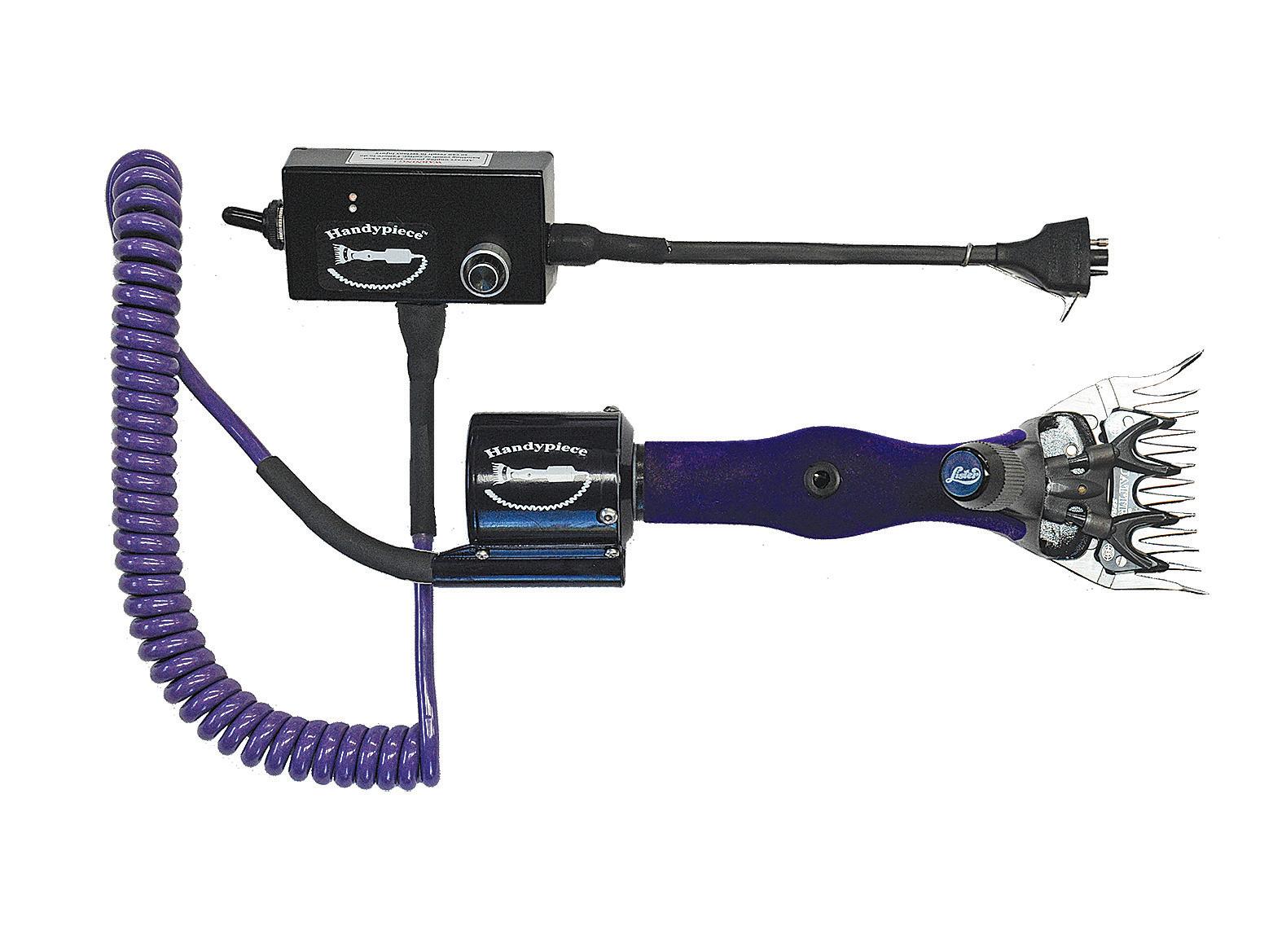
■ Ideal for shearing sheep, alpacas, goats and cow tails.
■ Variable speed from 2600-3500 rpm.
■ Latest brushless motor technology means minimal heat build up
■ 1400gms means 100200gms lighter than standard handpiece.
■ At 2800 rpm the 12-volt lithium battery will crutch
300-400 sheep or trim
400-500 cow tails.
■ We can customise cables for lifestyle shearers
cattle, sheep, goats, and deer in New Zealand (plus the half-dozen giraffes at the wildlife park) contribute only about four-millionths of a degree of global warming each year. On a molecule-for-molecule basis, only around 4% of the CO₂ absorbed in photosynthesis ends up being returned as methane.
For comparison, humans collectively breathe out three million tonnes of CO₂ every year, yet we’re excused from emissions statistics because our carbon is “biogenic” — it came from food grown by photosynthesis. Shouldn’t the same logic apply to our livestock?
Let’s look at the numbers. When I run three heifers on each hectare of pasture, the annual CO₂ uptake by photosynthesis is around 20–30 tonnes CO₂/ ha. The heifers respire about 7 tonnes, manure, wastage and meat out the gate account for another 6 tonnes, and methane burps equate to roughly 7 tonnes CO₂-equivalent. That totals 20 tonnes — less than the CO₂ absorbed by the grass.
Add in our shelterbelts, native plantings, soil carbon, and the 2.6 million hectares of native bush on New Zealand farms, and you could argue that we’re already offsetting quite a few gasguzzling SUVs.
Yet the inequity continues. Ruminant methane levels in New Zealand are falling, and when methane levels are stable or declining, no additional warming occurs. Peer-reviewed research from the Oxford Martin School shows ruminant methane’s warming effect has been overstated by 300–400% — a point the IPCC acknowledged in its latest report (AR6, Ch. 7.6.1.4)2.
Technically, that means New Zealand’s livestock sector is now offsetting warming elsewhere. But rather than celebrating that, hundreds of millions of taxpayer money is being wasted on methanereducing boluses, vaccines, and feed additives — synthetic technologies that carry toxicity risks, add their own emissions footprint, and could undermine our ‘naturally pasture-raised’ reputation. Strangely

enough, there’s no measurable gain in global temperature reduction from them either.
Dr Kevin Trenberth, B.Sc., M.Sc. (Hons) in Physics, Sc.D - one of the world’s top climate scientists, over 600 published papers and a lead author for the IPCC, put it plainly:
“Growing trees does not help climate change… Nor does getting rid of cows. Biogenic methane must be separated from fossil methane as the former is circular — the methane comes from carbon dioxide that was in the atmosphere and taken up by grass during photosynthesis, and it ends up as carbon dioxide again.”
New Zealand farmers produce food with the lowest carbon footprint per unit of naturally raised product anywhere in the world. That’s something to be proud of — economically, ethically, and environmentally.
If we’re forced to slash production or adopt
questionable methanereduction technologies, our produce will simply be replaced by imports from countries with far less efficient systems.
The result? Higher global emissions and fewer export dollars for New Zealand — climatically counter-productive and economically reckless.
So I say: Not guilty, sir.
No need for politically
driven methane targets. No need for expensive ‘Frankenstein’ fixes. Let’s save taxpayers’ money for healthcare, housing, and education — and let science, not slogans, guide the conversation. There is no “bit” to do when there is no warming to undo.
• Jane Smith is a North Otago farmer and member of the Methane Science Accord.
(November 18 issue) about trees posing a power risk.
With the cost of permits and traffic management and Work Safe fines, many roadside trees are no longer trimmed.
In my case I have some trees on the council road side of the boundary that I would like to drop, but because of the costs of permit to close the road briefly, traffic management (a recent job cost $450 a tree) these trees are going to fall over in a storm and hopefully not take the power out.

The cost to do the job with arborists is totally out of this pensioner’s means.
With regard to the power people going on about the costs, perhaps if they used a good hedge cutter (and operator) and either swept the trimmings into the tree owner’s paddock in a burn pile or mulched with a big mulch mower, rather than a man in a bucket with three men watching and putting it through a chipper one branch at a time.
The costs will be somewhat lower.
Mike Davies Canterbury

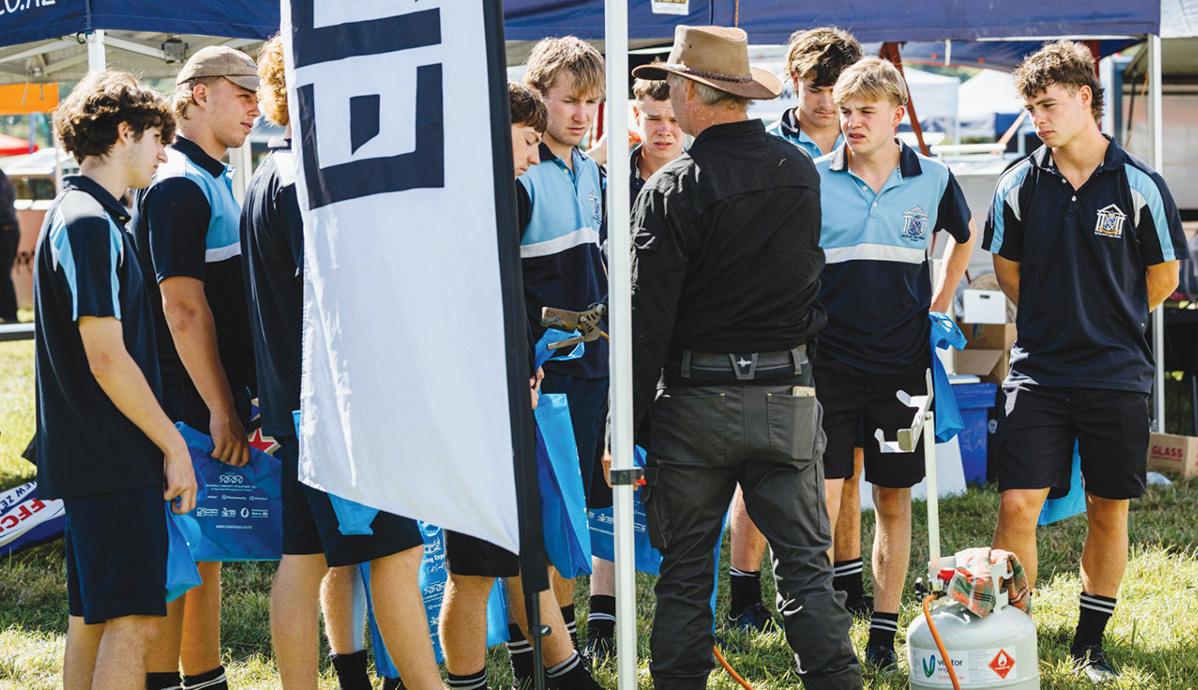
THERE’S A special sort of energy at the East Coast Farming Expo, especially when it comes to youth.
Every year organiser Sue Wilson ensures there is plenty to engage, inspire and educate the next generation of farmers, with an even bigger offering for 2026 with Thursday officially ‘youth day’.
“The East Coast has long attracted shepherds who are starting out because of its good challenging country that offers plenty of work for their dogs and lots of camaraderie,” says Wilson.
The two-day mid-week Expo, being held at the Wairoa Racecourse on February 18-19, is the perfect place for youngsters to look, learn and try their hands at all manner of things.
It’s free entry for agri-students from schools and cadet training farms in Hawke’s Bay, Wairoa and Gisborne who are encouraged to attend and take part where they can.
Ahuwhenua Young Māori Farmer of the Year Chloe Butcher-Herries (Ngāti Mahanga, Waikato-Tainui) is one of the seminar speakers on Thursday. Ms Butcher-Herries grew up in Hawke’s Bay and long dreamt of being a farmer.
Her deep connection with the whenua drives her passion for working on the land and she’s always keen to inspire the next generation to follow her lead.
A panel discussion featuring Rex Newman, head of agriculture from Napier Boys’ High School, Growing Future Farmers Tairāwhiti manager Taryn Helm, Farmer Time for Schools coordinator Marie Burke, and Kiwi Country Kids’ Sally Newall who will explore the opportunities available, future workforce requirements and how best to inspire and support the next generation of farmers.
Helm says there is plenty of momentum within Growing Future Farmers.
“There is a genuine sense of pride across the country in what we are building together rand the direction we are heading,” she says. “The Expo really captures that energy. It is such a valuable space where industry, educators, farmers, trainers and students all come together. It is not just about showcasing what is out there but also about sharing ideas, learning from each other and building those relationships that strengthen the sector
as a whole.”
It is a similar story from Marie Burke from Farmer Time.
“Our involvement with the Expo couldn’t be timelier, especially given its strong focus on inspiring the next generation,” she says. “Our aim is to engage, educate and inspire students from early primary to the intermediate years when many are beginning to consider potential careers.”
Sally Newell is also a part of the Farmer Time initiative but also setting up an on-farm learning facility at her Patoka property in Hawke’s Bay where children will have the opportunity to learn all about farming.
“There used to be a better connection with farming but now fewer kids are growing up on farms and less get to go and stay on family farms during holidays,” says Newell.
She’s been sharing their daily farm life on social media for the last five years but says the focus now is getting children onto farms to see things with their own eyes.
“It is important to capture kids at primary school age and get them interested in learning and caring for
animals and the natural world. Creating that meaningful connection is important for the future of our industry.”
The popular Rural News Cadet Challenge at 1pm on Thursday will see teams of three go head-to-head chasing
cash prizes and the much-coveted trophy.
Wilson says the Expo is filled with so much that will engage youngsters. “We want to inspire them to take that step into the industry.”
WHAT: East Coast Farming Expo
WHEN: February 18-19, 2026
WHERE: Wairoa Race Course, Wairoa, Northern Hawke’s Bay MORE INFO: https://eastcoastexpo.co.nz
FARMERS, RURAL professionals and scientists were together last month in Hamilton, discussing hot topics for the land-based primary sector at the New Zealand Grassland Association (NZGA) conference.
“Fuelled by science and tempered by experience,” the information from NZGA is the foundation of many successful farming operations. Each year the attendees visit farms in the area and learn about the challenges and opportunities from people immersed in the issues. Exchange of information leads to more thinking, more discussion, and improvements – on the farm, in the field, glasshouse and laboratory.
It is the rigour of debate that enables progress. Researchers present their data to the audience and questions follow. Some will be points of clarification on the process of data gathering, others might be on interpretation of results. Sometimes an extra piece of information can be added leading to a eureka moment. Often more research will follow, perhaps including the person with the extra ideas. All parties benefit
from the interaction, and so does the research process.
Conferences are the verbal equivalent of the refereeing process for written work. Research is critiqued to achieve improvement.
It is important to note that critique is not the same thing as criticism.
Critique is not personal and used to be part of the education process in research degrees.
Research proposals involve a written report on the hypothesis, rationale based on existing literature and the experimental approach. In doctoral research a presentation and interrogation follow. The idea is to have different people looking at the proposed research from different perspectives to check for logic, application and likelihood of success.
In the NZGA conferences, the most common question from farmers is “How will that benefit me on farm?”
They are right to ask.
Cuts in funding have pushed researchers into finding money wherever they can. The Ministry for Primary Industries (MPI) has facilitated farmerdirected research but that has not always had the outcome desired by the farmer.
A classic example is the research on the use of Brix meters in pastures presented at the conference. The paper can be found by putting the title (Brix was not a good indicator of pasture quality) into a search engine. The title rather gives the clue about the outcome of the research… The work was funded by MPI’s Sustainable Food and Fibre Futures fund (SFFF) and a heap of others. It was a great example of a group coming together, but the basic comment that Dr Doug Edmeades wrote in 2009 in Fertiliser Review stands – Brix is good for grapes and wine making. Yet the research was funded because some people (not necessarily the researchers) thought it was a good idea. Where
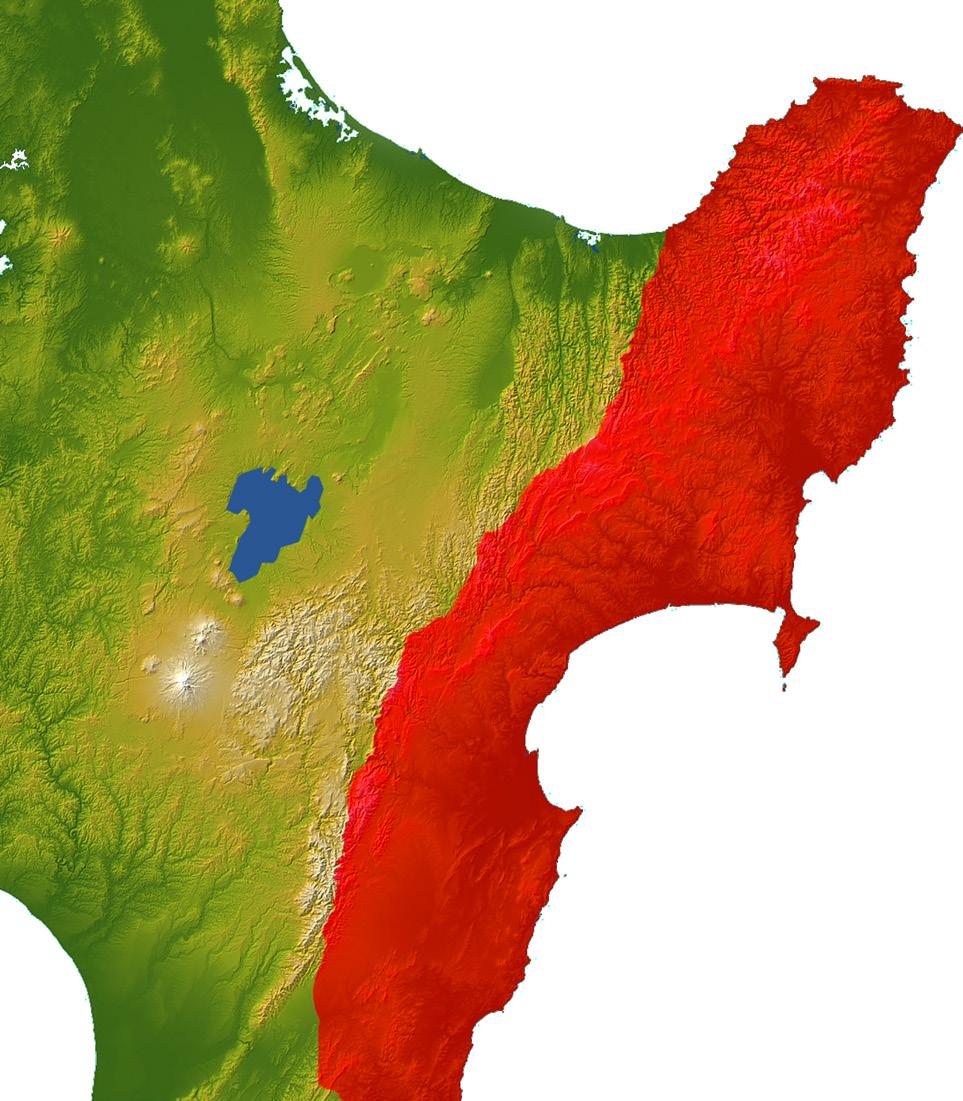


Two days of exhibits, seminars & demonstrations for sheep & beef farmers

was the independent challenge on whether investment was or wasn’t warranted?
More research funded by MPI’s SFFF was presented at the conference by Lincoln University. It was under the regenerative agriculture banner and has allowed the researchers involved to do some in depth and in detail work. Again, a search on ‘Sheep liveweight and dry matter production from Year 3 of the Regenerative Agriculture Dryland Experiment’ will find the paper. In brief, dry matter production was 1,550 kg/ ha (22%) greater on the regenerative plots than the conventional plots, but quality (protein and energy) was lower. The result was that sheep liveweight production was 131 kg/ha (23%) lower for regenerative than conventional plots. Another search, this time for AgScience 57, October 2020, will produce a lot of information to assist understanding.
Some investigations presented at the conference were funded by the NZ government, and the range of other funders (e.g. Northland Inc, AGMARDT, regional
councils, seed and fertiliser companies) indicates that research is considered important in New Zealand, and is a team effort with everybody chipping in. But if everybody is involved, where does the rigour of debate that is stimulated by an independent perspective fit in?
Conferences retain an important role for thrashing out the issues. The old days of pistols at dawn have gone, and fisticuffs are frowned upon. There are now concerns about politically correct sensitivities that were not apparent in the
old days when scientists were able to call a spade a spade. And dumb ideas stupid… But verbal exchanges can still be sparky.
And the antagonists are then seen in the bar together exchanging more words and ideas.
The goal is always progress.
Anybody who missed the Hamilton conference can check on the research on the Grasslands Journal website, but cannot catch up on the debate, discussion and general celebration of being with colleagues, friends and sparring partners. Also missing is the chance to
have your say, put your oar in, ask the pointy questions and generally make a difference.
Next year’s conference is being held in Marlborough from 28-30 October. The organisers look forward to seeing you there; the researchers look forward to your challenging questions.
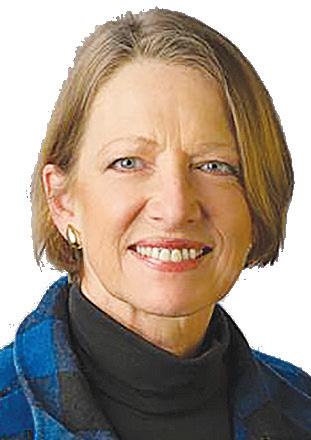
• Dr Jacqueline Rowarth, Adjunct Professor Lincoln University, is a farmerelected director of DairyNZ and Ravensdown. She is also a member of the Scientific Council of the World Farmers’ Organisation and Chair of the New Zealand Grassland Trust. jsrowarth@gmail.com

I WROTE an article titled
‘The Basics of Grazing’ in the May 6th issue of Rural News, with a follow-up on July 1st about stock handling, and now I’m continuing the theme with a discussion on assessing stock condition.
Having an “eye” for stock is what I meanjudging how well they’re doing, without weighing. One pointer being, if the
wool on sheep and the coat on cattle has lost its sheen (bloom) then they’re doing no good.
A blunt, but wellmeaning discussion on this topic seems appropriate, because whilst tech savvy, some “modern” farmers don’t always have a grasp of the simple basics. So, lack of practical knowledge limits their observational skills.
I saw on TV a farmer sorting beef steers for slaughter – and he
uttered all the correct terminology, such as, they were blocky and well finished with good covering. Yet, they were not prime at all. And when butchered, there was no marbling, and the small amount of fat cover was yellow.
As an indication of prime condition, a beast should be reasonably ‘full’ in the brisket, flank and cod. While most importantly, have good depth of loin on each side along the backbone.

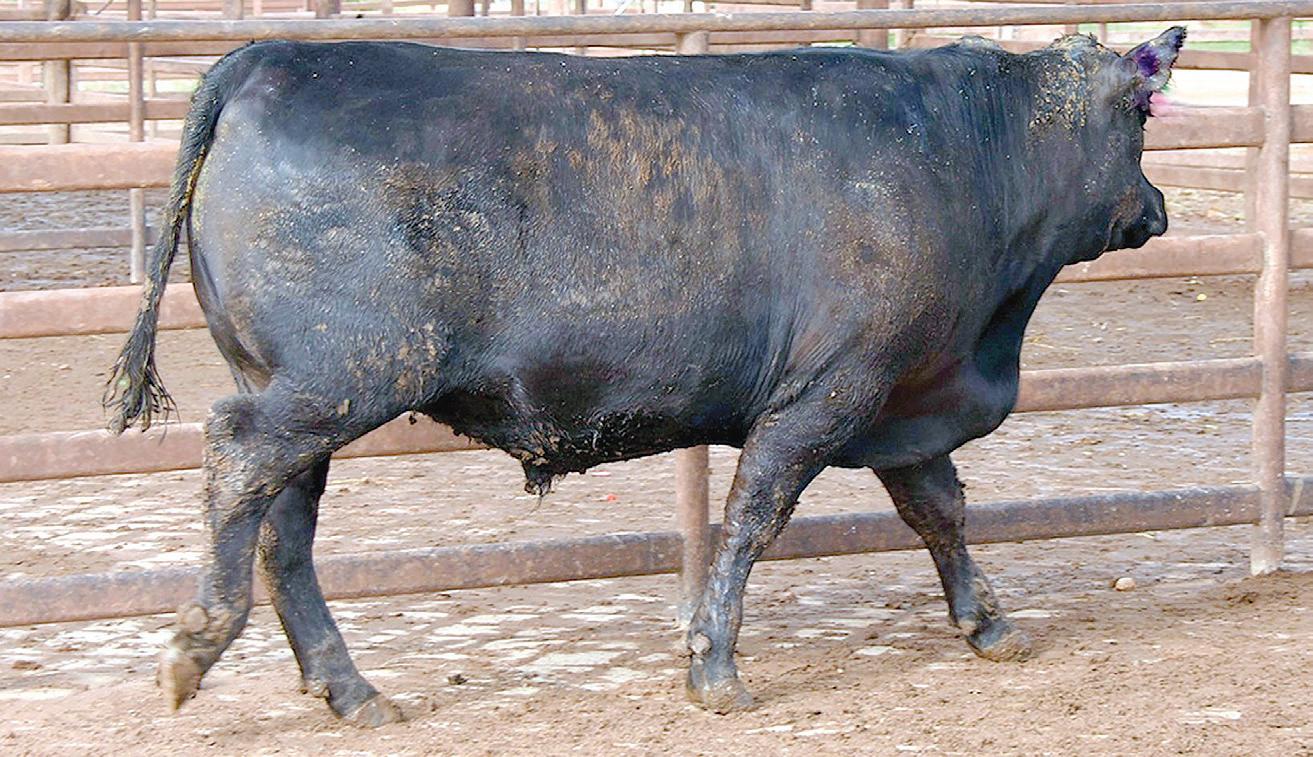
Including where the tail joins the top of the back, which should not be sticking up, and nor should the hip bones, other than a general bulge.
The inability to see the obvious often occurs when people are feeding a pet lamb. After a big bottle of water with a dash of milk powder added, they’ll say the lamb is fat – based on how full the stomach looks. While not noticing the backbone and ribs sticking out.
Analytical observation is also vital as regards grazing, that is, noticing
that numerous sheep turds are showing above the pasture level. If set stocked for lambing, this not only indicates overstocking, but the worst thing is that sheep will be walking on all that exposed dung and thus contaminating the very short grass.
So, evaluating pasture at a glance is essential. Like, noticing it’s dirty (lost its glossy look). But, if it’s not until the sheep (especially lambs) get daggy before you react, then it’s too late. And the solution is not just drenching. The trick is
to get the stocking rate (grazing management) right.
Being aware of all these things is basic common sense. But due to becoming dependent on technology, some farmers are losing the ability to think for themselves logically.
Another point is, when people are buying stud beef bulls, they don’t always understand some important traits, e.g. they look for a long body, but overlook a sway back. And they don’t make sure of a wedge body shape, i.e. narrower in the
front to prevent calving problems. Nor do they take careful note of feet and leg structure. And it seldom occurs to them to look for meaty ‘hams’ (rump). You know how some shapely women are blessed with beautifully rounded buttocks – well, while not meaning any disrespect to those gorgeous girls with such stunning attributes – that’s the sort of shape you want to see on the rear end of top quality beef cattle.
• Kerry Butler farms in Waipawa, Central Hawke’s Bay
FOR MORE than 50 years, Waireka Research Station at New Plymouth has been a hub for globally important trials of fungicides, insecticides and herbicides, carried out on 16ha of orderly flat plots hedged for protection against the strong winds that sweep in from New Zealand’s west coast.
After 20plus years of grazing, the exclusion of stock from three significant areas of farmland is part of the plan to allow the wetlands to recover.
But 2025 has seen a new focus for staff working at Corteva Agriscience’s global discovery site – the
rehabilitation of several hectares of steep hillsides and natural wetlands between the research station and the coast, to restore habitat and boost biodiversity.
Waireka Research Centre leader, Tania Gunn, said plantings on such steep slopes have required a team effort from all staff.
“Due to the steepness of the site we have to plant by hand, so in September the whole team, six people including scientists, researchers and admin staff, hiked up and down the hills together planting out 250 seedlings,” Gunn said.
“That’s around 15-205 of the total area we aim to rehabilitate with coastal plant species such as New Zealand flax, corokia and karaka, and we’re hoping to scale up even more in 2026 with another 1500 plants on order.”
Riparian planting is the process of establishing native vegetation along
ANOTHER CHALLENGE awaits, to protect the new plantings.
“The sites require regular maintenance to prevent damage from rabbits, a type of swamphen we call pūkeko, and overgrown grass,” Waireka Research Centre
riverbanks and other waterways to protect and rehabilitate the area. It is a common requirement for New Zealand farmers to ensure sensitive areas are protected, to stabilise the banks of small streams, improve water quality and enhance biodiversity.
The New Plymouth District Council provides discounted plants that are ordered a year in advance, and the farm managers on Waireka clear the site of grasses and lay out the seedlings prior to sowing.
The Waireka site receives more than 1200mm of annual rainfall and features volcanic soil types, a legacy of nearby Mt Taranaki. After 20-plus years of grazing, the exclusion of stock from three significant areas of farmland is part of the plan to allow the wetlands to recover.
The project has also required the support of local iwi and hapu (tribes & subtribes), as areas of the farm are
leader, Tania Gunn said.
“It’s too soon to see any change, but we would anticipate that the next three years of planting will bring results. Hopefully, we’ll see more native fish in the stream that runs through the Research Station
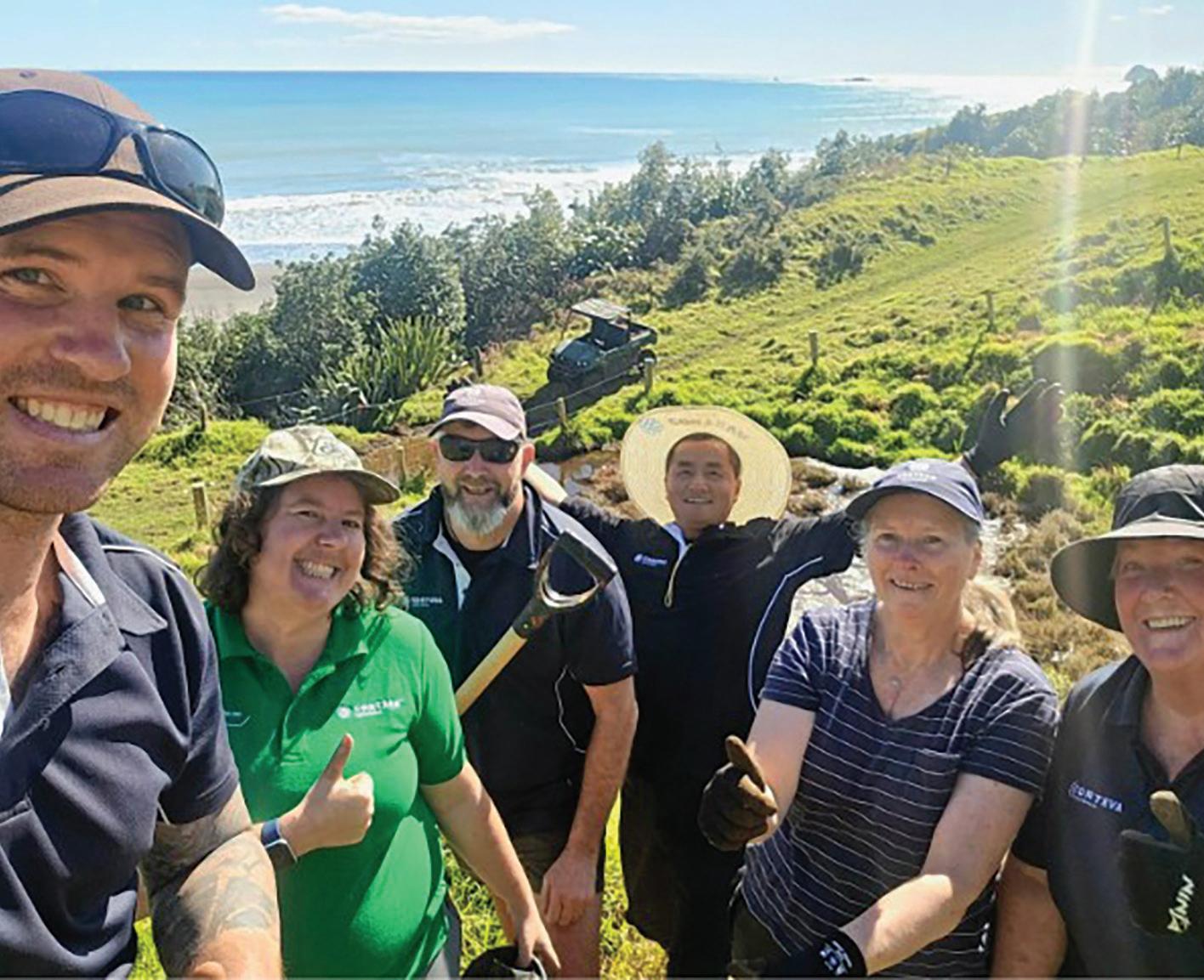
SASM (Sites and Areas of Significance to Māori) and wahi tapu (sacred), and contain several sites of archaeological importance.
“We have built partnerships with local
and attract coastal bird life such as black billed gulls and fantails.
“For Corteva Agriscience and the Waireka Research Station, riparian planting is part of our commitment to sustainable land management. And restoring native
iwi and hapū over several years to ensure our plans respect cultural values,” Gunn said.
“This ongoing communication and feedback culminated in a consent application
plants to the site was a fun and rewarding way to connect as a team.
“Next year we have 1500 plants on order, so we’ll be expanding an offer to the wider NZ team to help us get them in the ground.”
to the local council, supported by iwi.
“Due to needing to fence stock out of the riparian areas, local Hapu representatives from Ngati Tairi were present for the ground disturbance of putting in fence posts.”
@rural_news
facebook.com/ruralnews
•
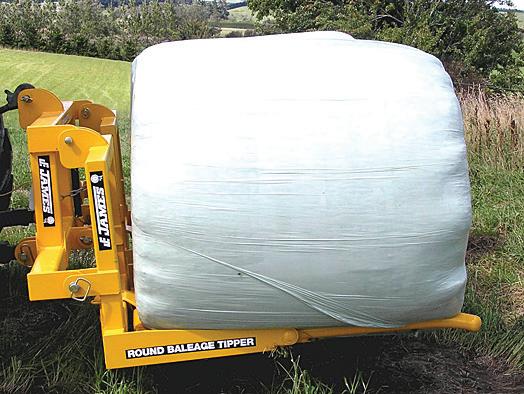
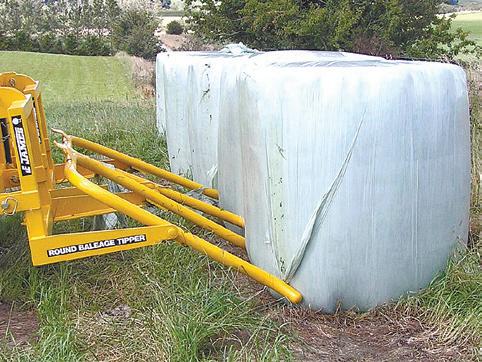

WITH WEANING soon to get underway, some simple management strategies can help prevent the economic losses associated with pneumonia and pleurisy. Minimising the time lambs spend in yards, avoiding shearing lambs at weaning and maintaining small mob sizes when yarding lambs have all been found to reduce the incidence of
Chronic Non-Progressive Pneumonia (CNP). This is the most common form of pneumonia in lambs and can lead to pleurisy where lungs are stuck to the chest wall. Affected carcasses are downgraded or condemned at processing.
Caused by bacteria, mycobacteria, or viruses, CNP can cost farmers due to downgraded carcasses and reduced lamb

growth rates.
In case study of a mob of 500 lambs with a typical level of pneumonia, estimated costs due to downgraded carcasses were $2,920 (at a $6.63 schedule) or $5.80/head.
Significantly affected lambs can grow 50% slower than unaffected lambs. If lambs with CNP grow at 75g/day rather than 150g/day, then it will take them an extra 47 days to grow from 30 kgLW to 37 kgLW. This would require an additional 66 kgDM.
Studies by both Massey University and AgResearch have shown that the prevalence of lambs with CNP
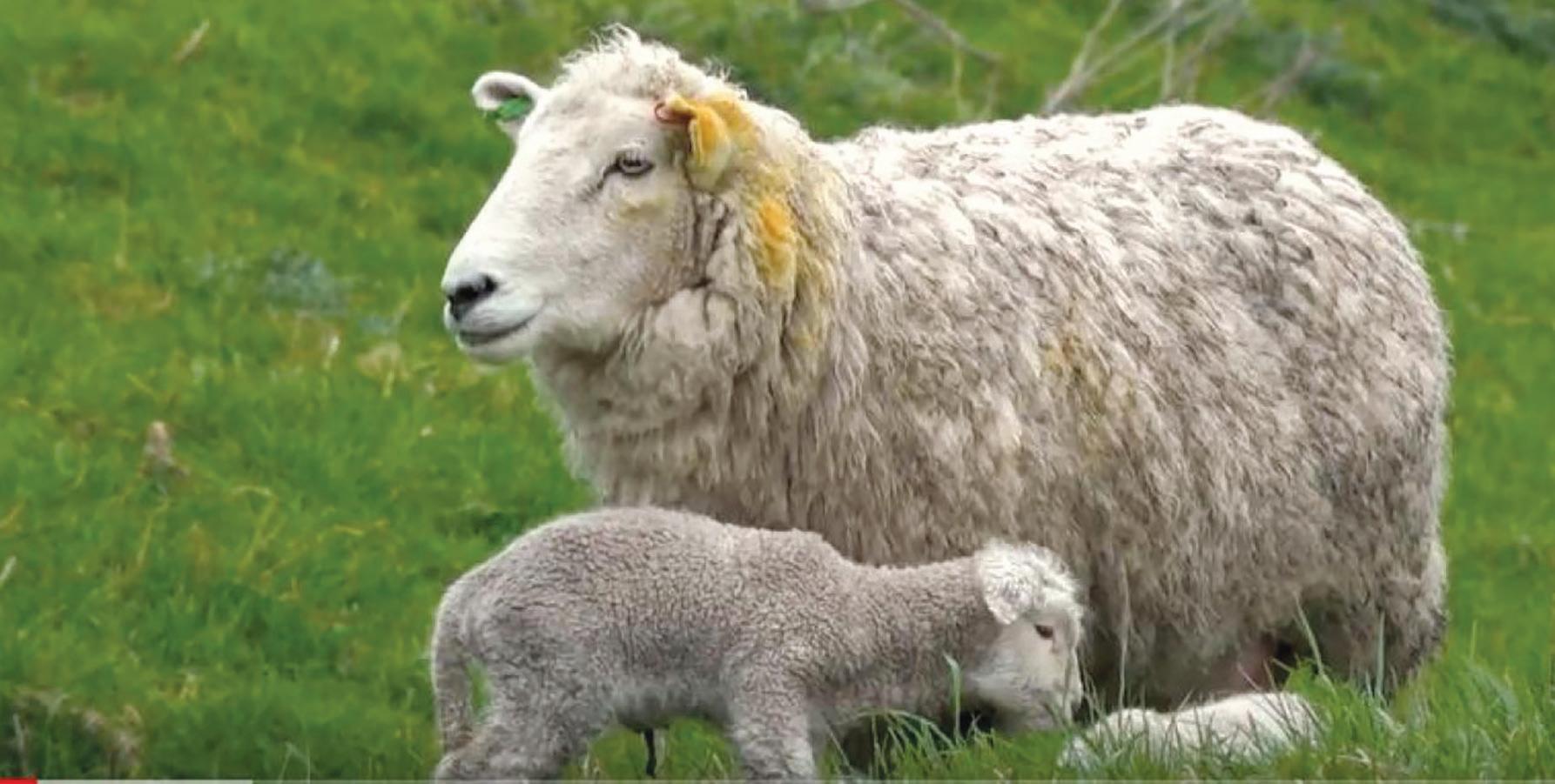
at slaughter ranges significantly between flocks and years, but on average flocks have 20–30% of lambs affected.
Other on-farm
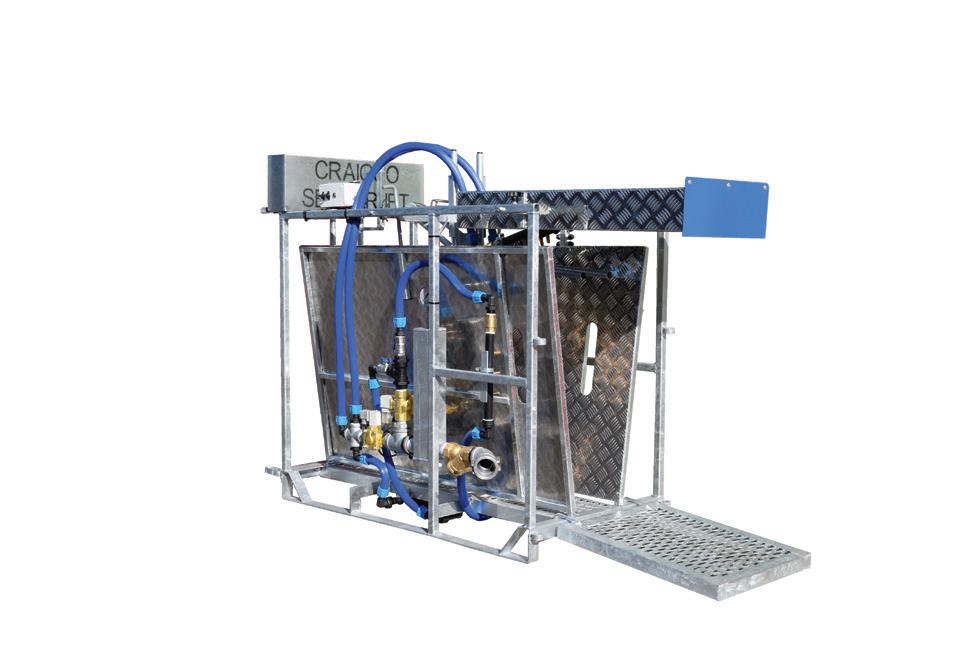
management factors that may be linked to pneumonia include breeding ewe replacements (lambs spend more time in yards) and contact with other flocks through the purchase of other lambs post-weaning.
It is recommended that farmers try and reduce the extent and duration of open mouth panting when moving lambs. Ways to do this include using satellite yards and utilising laneways to allow lambs to drift along at their own pace and targeting cooler days or cooler parts of the day.
Other suggested risk factors of CNP, which are largely anecdotal, include high temperatures and humidity, crowding, stress, dust, excessive exercise, poor ventilation, low immunity and high
parasite loadings.
Sheep with CNP often have sub-clinical symptoms such as reduced growth rates, but affected sheep will often have trouble breathing and pant following exercise and cough.
The best prevention strategy is to ensure animals are well-fed, are up-to-date with animal health treatments and have minimal stressors
(especially exercise and yarding stress).
Ewes in good body condition will grow their lambs as fast as possible to weaning, meaning more lambs are sold at the weaning draft and therefore have less exposure to CNP-causing bacteria or viruses. Those that do remain have well developed immune systems.
Article – Beef + Lamb NZ
• Maintain small mob sizes when yarding lambs.
• Avoid moving lambs long-distances under pressure.
• Good nutrition for ewes and lambs will help prevent CNP.

FARMERS ARE being urged to keep on top of measures to control Cysticercus ovis – or sheep measles – following a spike in infection rates.
Michelle Simpson, project manager for the Ovis Management programme, said data for carcases processed across the country during October found 1.21% were recorded as being infected.
Ovis or sheep measles is caused by the Taenia ovis tapeworm. Although it poses no risk to human health, it can cause blemishes in sheep meat, which is undesirable for consumers and particularly for the export market.
“Usually, the prevalence of affected carcases sits at between 0.45 and 0.55 per cent and anything over one per cent is concerning,” says Simpson.
“October was the first month of the new C. ovis management season and we do expect the figures to come down but we are also seeing it occurring from farms that have not had it before.
“It is really important that farmers keep up to date with regularly dosing all dogs on farm with the required tapeworm treatments and
also ensure any visiting dogs or hunting dogs have been treated at least 48 hours before coming on farm.”
The best practice for dog health and to manage the risk of sheep measles is for all farm dogs to be treated monthly with cestocidal (tapeworm) drugs containing the ingredient Praziquantel - a cheap and effective treatment - and an All Wormer every three months.
Simpson said there was no obvious cause for the spike in cases, but warm wet weather across much of the country had provided ideal conditions for the C. ovis parasite to thrive.
“Keeping to that regular dosing routine is really critical because the C. ovis tapeworm eggs can survive on pasture for up to 300 days,” she says.
“It is not enough to dose your dogs and think ‘that’s it’.”
Dogs become infected with the tapeworm by eating untreated meat or offal infected with live cysts. C. ovis is then spread to sheep through tapeworm eggs in dog faeces left in grazing areas. Eggs can also be spread from dog faeces over large areas, mainly by flies.
Raw sheep or goat meat should
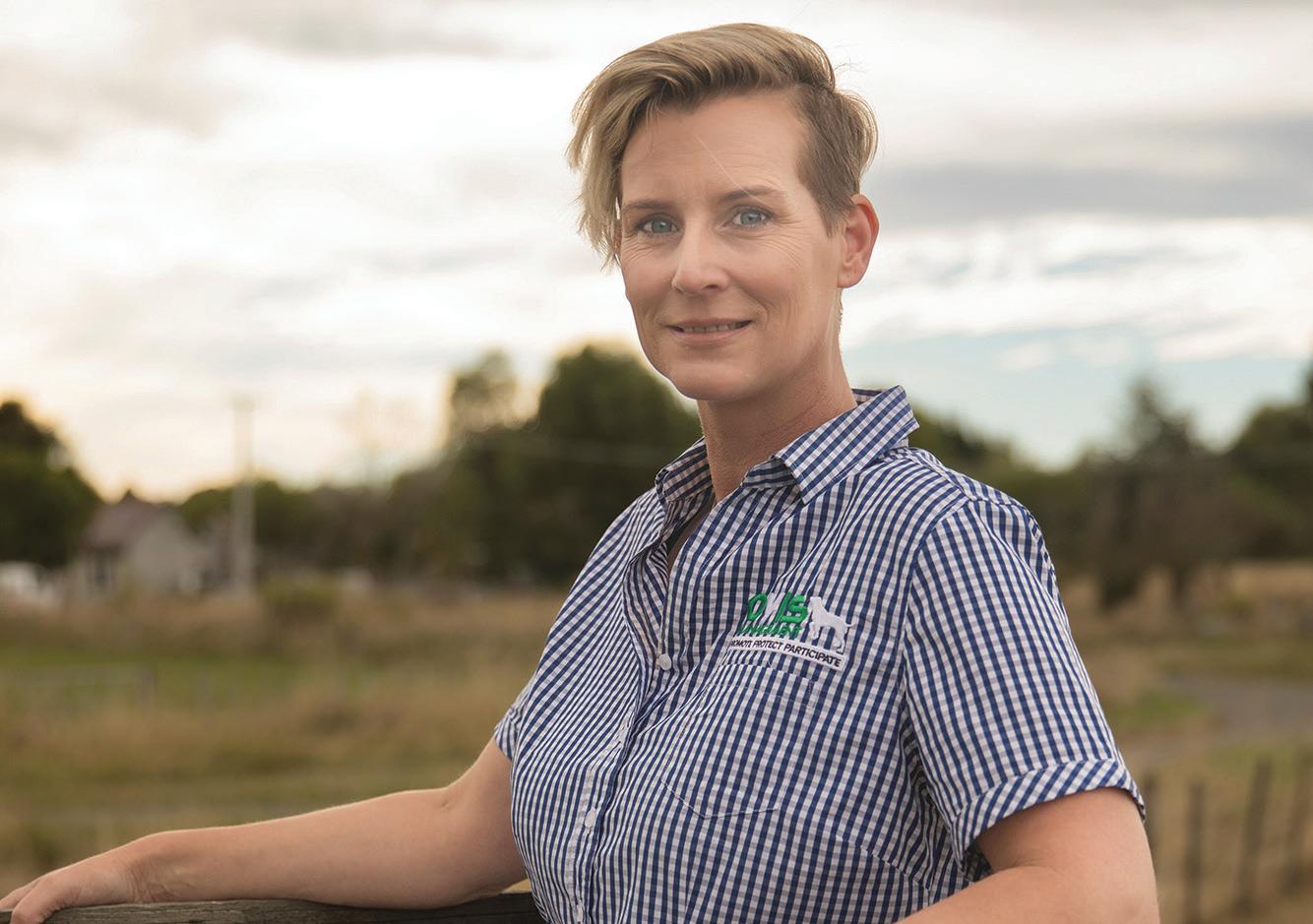
also be either frozen to -10°C or below for at least 10 days or cooked thoroughly before being fed to dogs. Further measures to control sheep measles include preventing town and roaming dogs from accessing grazing areas and disposing of dead livestock quickly and appropriately.
For more information and to view the C. ovis prevalence map showing data for all regions, visit www.sheepmeasles.co.nz.

MARK DANIEL
SLOVENIAN
MACHINERY
manufacturer SIP has been gaining a loyal following over the last five years, with its heavyduty units for grass production. Already known for wide tedders, it chose the recent Agritechnica Event in Germany to launch its new flagship - the Spider HD 1700/16T.
Built around an oversized central chassis, with a total tare of around 4.4 tonnes, the company suggests a tractor of 100hp, with one single and one double-acting remote valve.
Equipped with sixteen 1450mm diameter rotors, said to deliver work rates of up to 20 ha/ hour, each rotor is fitted
with six spring steel tines, mounted on round section tine bars. The tine format sees unequal length prongs, with the shorter tines designed to lift and invert wet grass, without scalping the pasture.
Available in a trailed or semi-mounted format, large centrally-mounted transport wheels are complemented by 16 wheels beneath the rotor assemblies to achieve excellent ground adaption in the paddock.
The company suggests a PTO speed of 400 to 540rpm, with a driveline comprising a 2000Nm rated, double element safety clutch, with the drive taken through a centrally mounted, maintenance-free oil bath gearbox, that in turn uses a hexagonal section drive shaft to each of
the cast rotor gearboxes, lubricated with semiliquid grease.
The rotor frame is a fully welded boxsection structure, using finger clutches at each articulation point for smooth power delivery. Durability is extended with the use of heavyduty support rings beneath each rotor.
With a normal “partial” lift of 1200mm, overall ground adaption over the full 17.2 metre
working width is +2467mm/-1967mm from the horizontal. Working height and tine angle adjustment is achieved hydraulically, with the latter offering 15, 19 or 21-degree positions.
ISOBUS ready, the machine can be supplied with a basic or CCI 1200 control unit and is offered with a 3-year warranty, with no restrictions on area covered or hours worked. www.webbline.co.nz
HELD EVERY two years in Hanover Germany, Agritechnica is the world’s largest agricultural and horticultural technology event.
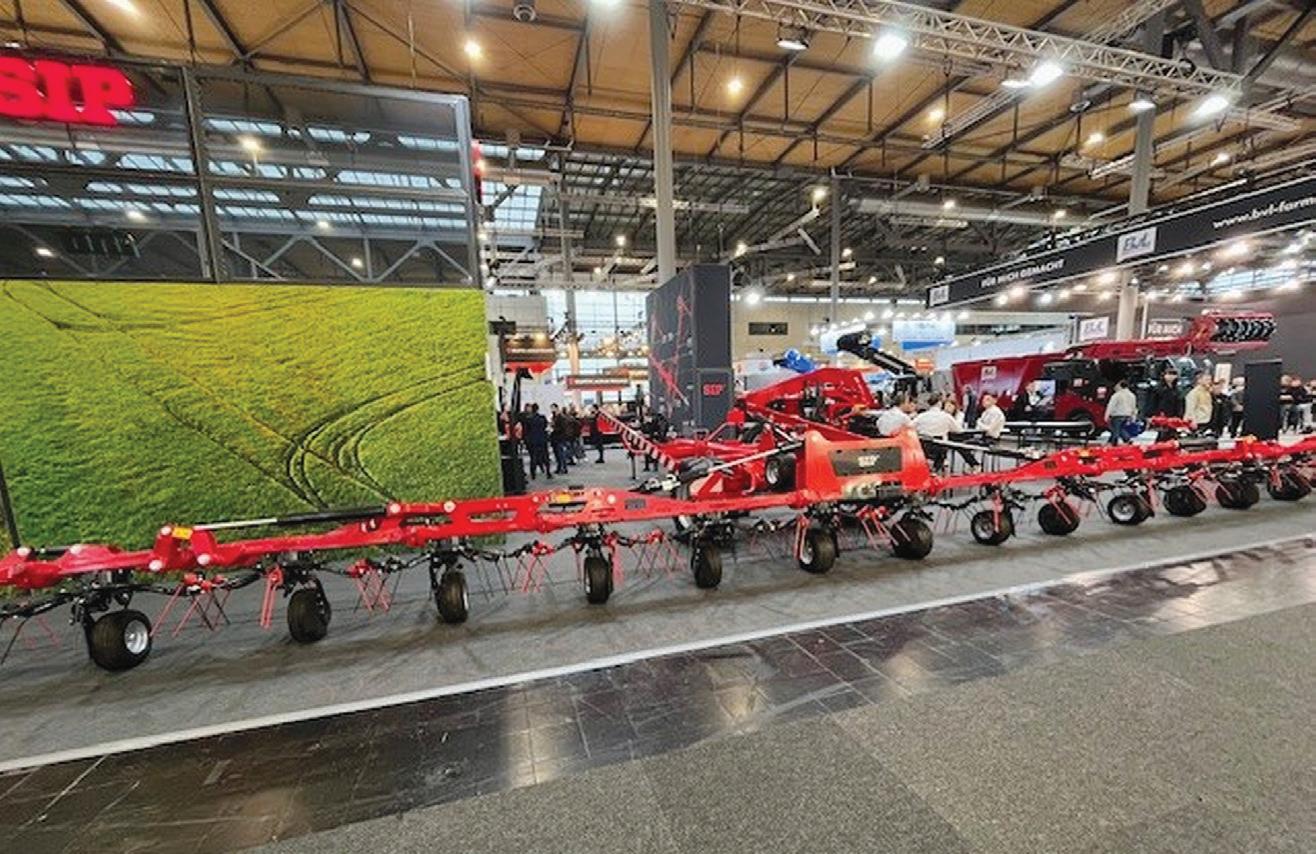
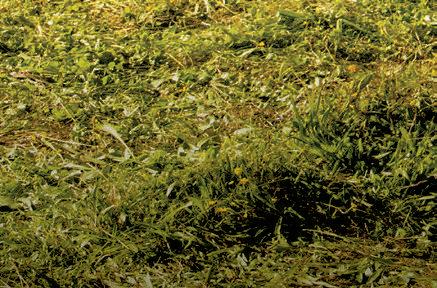
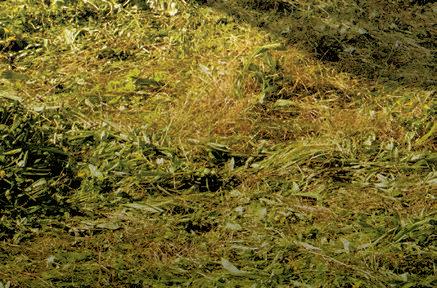

With 2849 exhibitors from 52 countries, this year’s exhibition in November attracted around 476,000 visitors from 171 countries, with 32% from outside Germany, of which 15% came from outside Europe.
Czech Republic, Hungary, Poland, Turkey and Canada.
On the exhibitor front, international companies made up 68%, led by Germany, Italy, China, Turkey and the Netherlands. In addition, many of those exhibitors showcased their products in 37 country pavilions, including Australia,
As part of the event’s Innovation Award Scheme, 234 world premieres from 25 countries resulted in the presentation of two gold, and 22 silver awards. In addition, the Tractor of the Year, chosen by a team of agricultural journalists, saw winners in six distinct categories. Over the coming weeks, our machinery editor Mark Daniel will bring you a flavour of what caught his eye at the world’s largest event of its type. Mark attended as a guest of the Agritechnica organisers DLG, who sponsored travel and accommodation for the event.
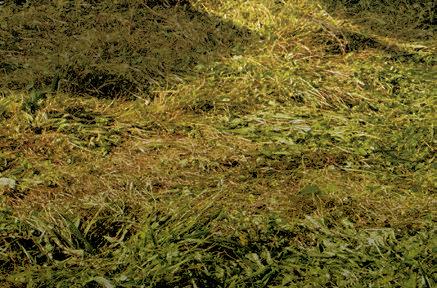

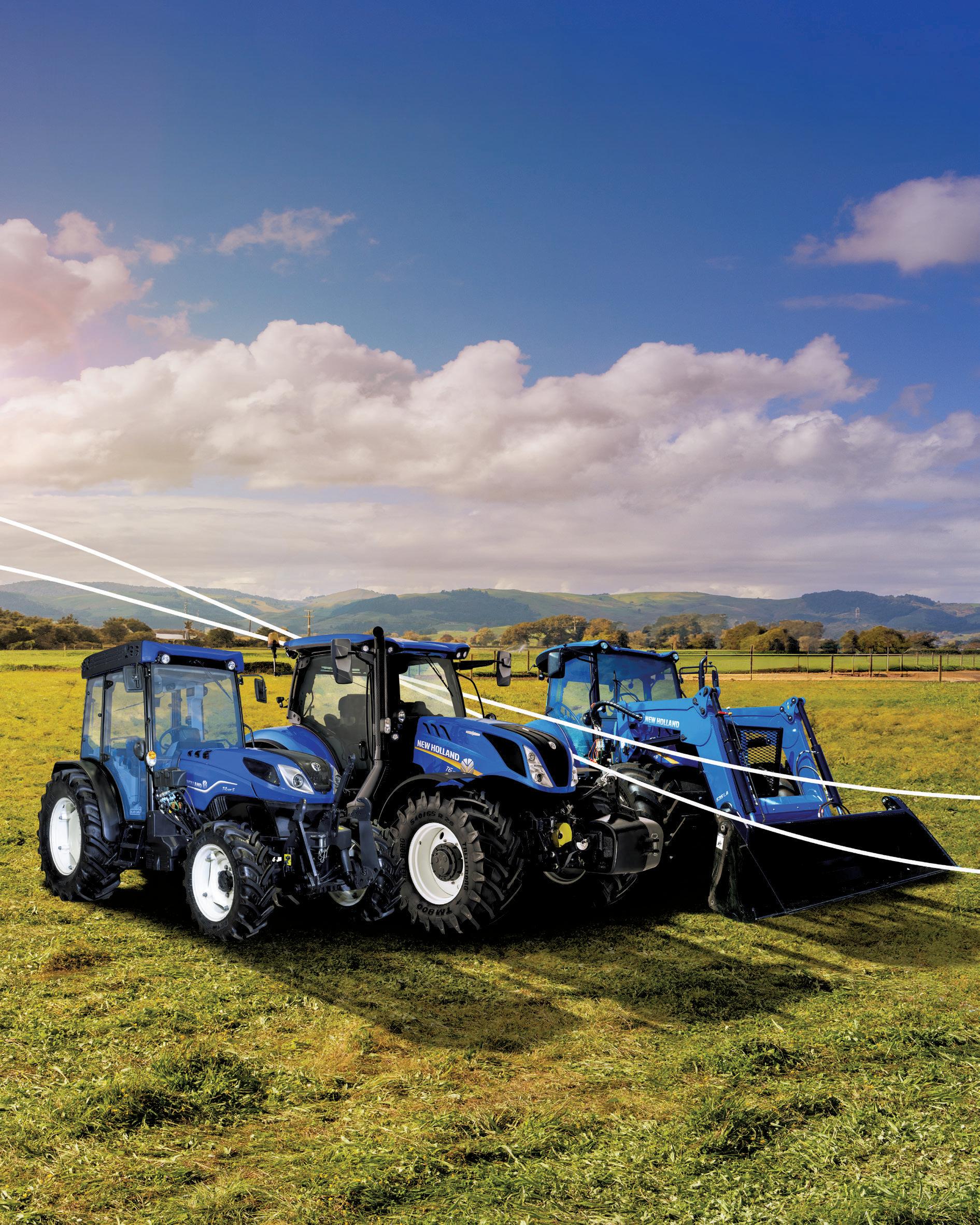
MARK DANIEL markd@ruralnews.co.nz
AGRITECHNICA WAS the launchpad for several “new” tractors, most reworks of existing models, but Deutz Fahr ‘s new 8 Series was the result of a clean sheet, with the manufacturer using multiple superlatives such as a ‘Step into the Future and Age of the Titans’.
Engineered and built at DEUTZ-FAHR Land in Lauingen, Southern Germany, the new 8 Series marks its debut with two high-performance models delivering 313 and 340hp, surprising tractor aficionados by installing an FPT-sourced N67 engine, with eVGT and high efficiency Hi-eSCR system, delivering up to 1398Nm of torque.
The manufacturer explained the decision by suggesting that its traditional supplier, Deutz AG, was moving away from off-road engines in this sector.
Undoubtedly on the mark with its modern styling, the standout feature is SigmaVision: a completely redesigned four-pillar cab, offering panoramic visibility, superior ergonomics, and a spacious yet inviting interior. Completely insulated and supported by a pneumatic suspension system, ensuring quietness and zero vibrations, the driver station is complemented by the new-generation ComfortPro three-zone automatic air conditioning system.
Overall dimensions see the new cab being 200mm longer and wider than its predecessor, with 30% more volume and 11% more glass. Other details include front, rear and side wipers, remote electrically adjusted mirrors, 28 air vents and a premium seat with 45-degree rotation, heating and ventilation and electrical adjustment.
A new iControl armrest integrates intuitive, colour-coded controls, MMI and
two multi-functional ergonomic joysticks – the iMotion joystick, featuring freely assignable buttons for expanded control and the CrossLever joystick with new layer management for precise, intuitive and customisable operations.
Two high-resolution digital displays include a market-leading 15-inch iCluster on the A-pillar and a 12.8-inch iMonitor 5 next to the iControl armrest, offering a fully digital operator experience, merging machine data, guidance functions, and comfort settings in one intuitive interface.
The new electronic architecture enables seamless integration of SDF Smart Farming Solutions, including Auto Guidance, ISOBUS, XTEND, and Telematics. The system supports digital camera integration and is preconfigured for DEUTZ-FAHR TAGS –Tractor Assisted Guidance System, which has been awarded a Silver Medal at the Agritechnica 2025 Innovation Awards.
To enhance comfort, a newly developed front axle suspension incorporates an extralong swing arm and dry disc brakes provide outstanding stability, comfort, and safety, at speeds of up to 60 km/h. A sculpted hood provides best-in-class visibility and manoeuvrability. The engine is HVOcompatible and features a 1000-hour oil change interval, ensuring reduced maintenance costs and maximum uptime.
The TTV transmission delivers smooth, continuous power from 0–60 km/h, providing outstanding traction, acceleration, and control across all terrains at low engine speed, all while keeping fuel consumption remarkably low.
Hydraulic performance has been optimised with up to 220 l/min LoadSensing pump capacity featuring a separate CleanOil tank, 10-way electronic distributors, a
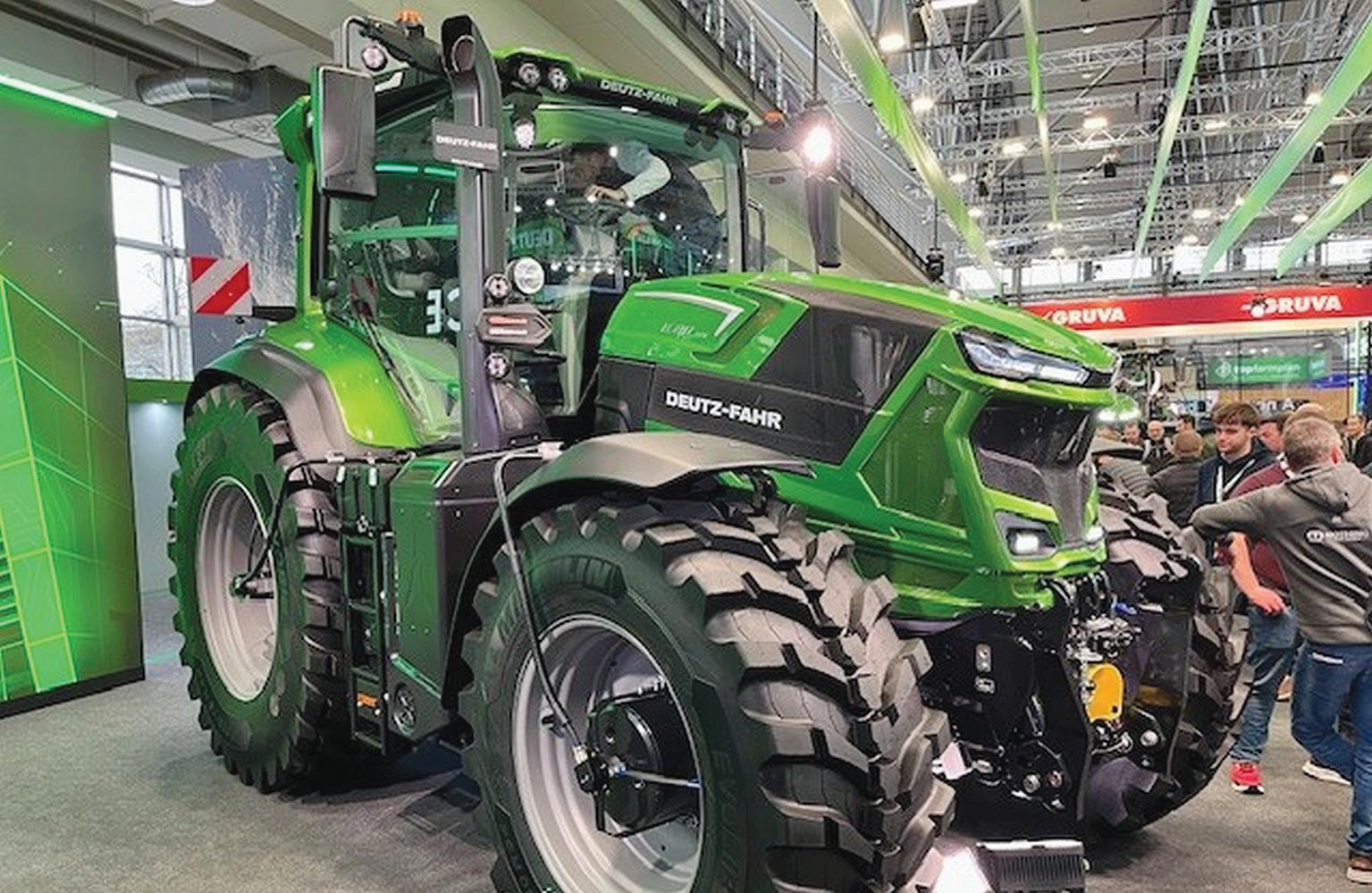





MARK DANIEL markd@ruralnews.co.nz
CREATING A great deal of enthusiasm at Agritechnica, the T5.120 ‘Il Trattore’ styling concept tractor was celebrating the legacy of research and development, engineering, and design expertise, with the concept bearing
a striking green and red colouring and styling inspired by the original first Fiat tractor, the Fiat 702 and the ‘Made in Italy’ logo.
The Il Trattore name is said to signify the importance of streamlined technology that defines the general-purpose tractor which can take on
any task, the essence of that first Fiat tractor and of today’s T5 range.
The iconic 702, one of the earliest mass-produced tractors, was developed to address the labour shortages created by World War I, featuring a fourcylinder engine and loadbearing power to meet the demand for mechani-
cal power to ease physical strain and improve agricultural output.
After the 702’s launch in 1918, Fiat continued to innovate, producing iconically styled tractors such as the Piccola of the 1950s. In the 1970s and 1980s, Fiat demonstrated how style could enhance engineering substance, devel-
oping the 80 and 90 series in collaboration with renowned Italian styling house Pininfarina. This design philosophy continued through the 1990s into the era of Fiatagri – as the Fiat agricultural business had become – right through until it eventually evolved into today’s New Holland brand.
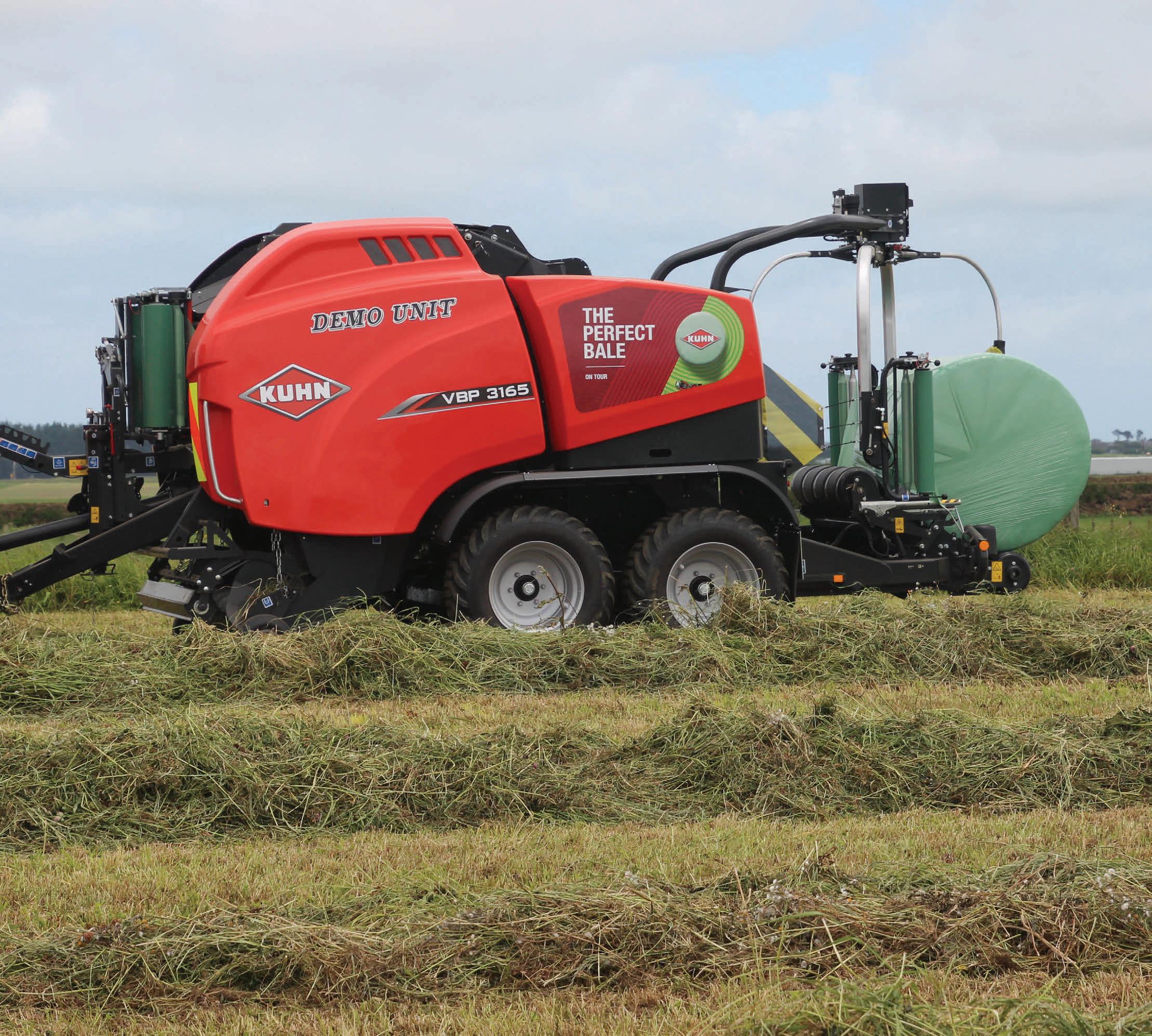
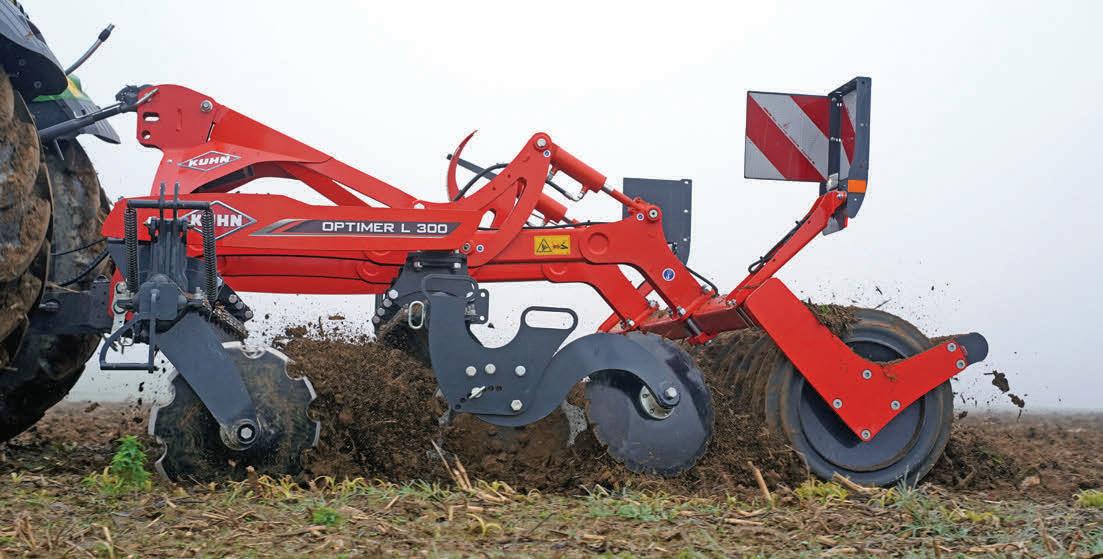



DANIEL markd@ruralnews.co.nz
CASE IH used Agritechnica to reveal its new Puma series tractor, featuring what it claims is an entirely new vehicle design, which allows operators to enjoy a smoother ride with superior manoeuvrability, alongside the latest precision technology.
Available in 155, 165 or 185hp models and equipped with an advanced CVXDrive transmission, the Puma is said to offer improved load handling, alongside renewed traction and working speeds, allowing operators to use power more economically.
Costs are lower thanks to more efficient fuel consumption, while productivity increases due to a 750-hour service interval and the powerful FieldOps platform.
The gross vehicle weight has increased by 18% to 13,500kg and a max payload of 5500kg.
The tractor’s compact design improves manoeuvrability, while a new front axle suspension offers a turn radius of 11.4m, with greater safety and stability at high speeds of 50km/h. Improved braking responsiveness, updated linkage and
hitch, and a new transmission improve the tractor’s drivability and implement control. Changes to the cabin see improved entry, increased storage, a fully active seat option, new cab suspension layout and a new multicontroller armrest, all combining to increase operator comfort, even during long hours in the cab.
On the precision technology front, the new Puma is available with three technology packages available to meet individual operators’ needs. The Puma is configured with ISOBUS and Tractor Implement Management (TIM) for compatibility with the implements of today, as well as Connectivity Included and expandable electronic architecture for ease of future technology integration.
“The Puma series is known for reliability, versatility and getting the job done,” said Ross Macdonald, product marketing manager for Puma Tractors at Case IH.
“The new design, not only upgrades the operator experience but allows users to accomplish more in the paddock each day.”
MARK DANIEL
markd@ruralnews.co.nz
UNDOUBTEDLY THE doyen of rural culture, always with a wry smile, our favourite ginger ninja, Te Radar, in conjunction with his wife Ruth Spencer, has recently released an enchanting, yet educational read centred around rural New Zealand in one hundred objects.
Divided into ten chapters, each exploring ten objects, the book is laid out to encompass a typical Kiwi farm, firstly arriving at the homestead, then the orchards, a troupe of animals and on to the farm shed. Heading out onto the farm, readers explore the cowshed, look at the creek, then wander across the backblocks taking in a wide selection of objects.
The varied range of objects will certainly be familiar with rural dwellers, often seen every day, indeed taken for granted, with little consideration of their evolution. Their stories take in the history and development, laying out the facts and dispelling local and regional folklore.

Te Radar says they have included objects that have a fundamental connection “with the rural character of New Zealand – some that have shaped us and others we have shaped out of necessity”.
“The ones we have chosen had something funny or fascinating to tell us.”
As an example, there can’t be many rural folks who haven’t sat beneath a corrugated iron veranda.
The bull-nosed structures are a classic example of NZ architecture, confirmed by the fact that in 1981, more than 50% of all NZ dwellings were timber framed with corrugated iron roofs, usually with numerous dents created by people walking across them.
This leads to a wonderful story from the 1800s about an Otago waggoner called George Dungey who demonstrated his strength at Cromwell’s Victoria pub, where he flattened the pub’s corrugated wall with a punch. Of course, others have tried over the years and regretted their attempts to emulate old

“Spare Me Days” George. Recognised around the world as being a kiwi invention, the electric fence, designed to keep animals in or of course out, tells a story of Bill Gallagher trying to stop his horse Joe from relieving an irritating itch.
As horses don’t have digits to address such itches, Joe developed a technique to seek relief by rubbing himself against Bill’s Essex car. Said to be built for economy, the Essex was certainly not
built to support old Joe as he rubbed back and forth.
Working on his brothers’ motorcycle, Bill had an idea to connect the machine’s magneto to the car, giving Joe a good “belt” as he rubbed himself. Joe was a fast learner and decided to find somewhere else to have a rub. Gallagher went on to develop the electric fence. This was used along the way to curtail Humphrey the elephant seal’s love affair with some dairy cows in



Opoutere, create elephant corridors in Sri Lanka, keep monkeys away from homes in Saudi Arabia and protect beehives from bears in Canada. Overall, a thoroughly enjoyable and interesting read that will be well received from a Christmas sock or stocking, delivering many hours of relaxation over the holiday. Available from any good bookshops. Visit www. harpercollings.co.nz

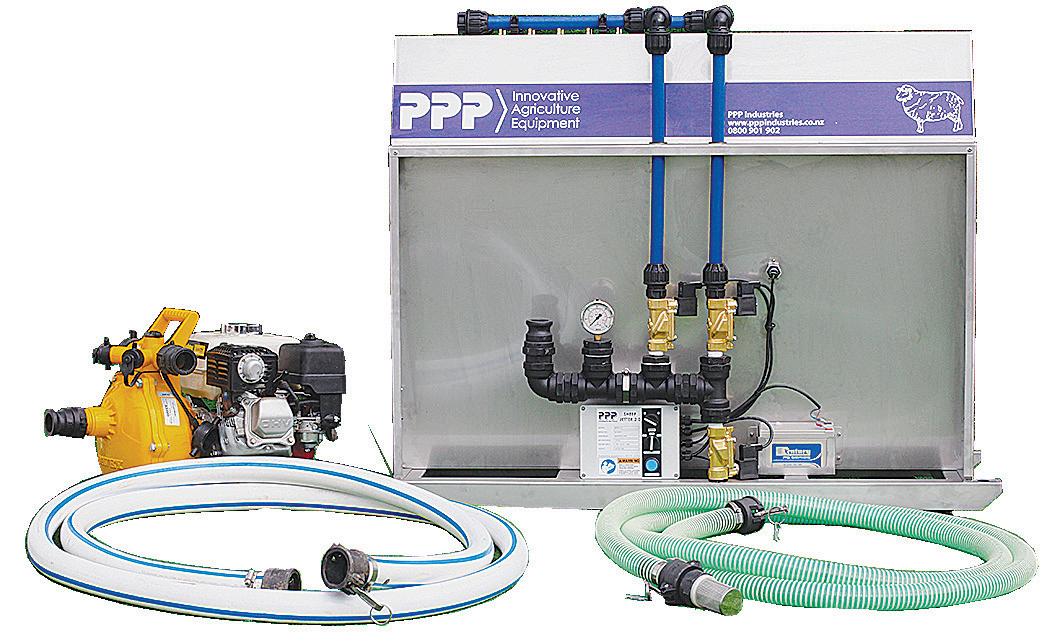



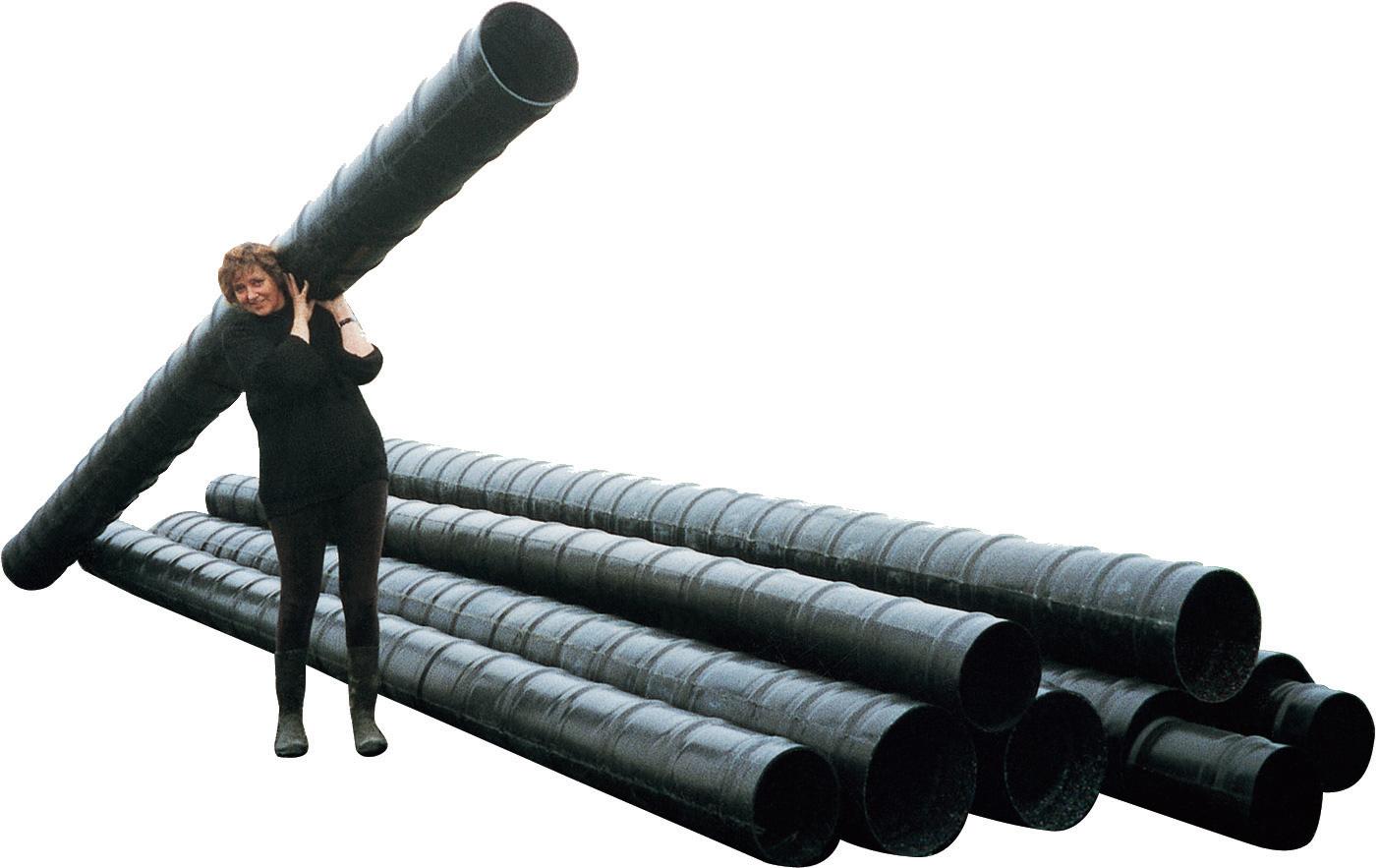


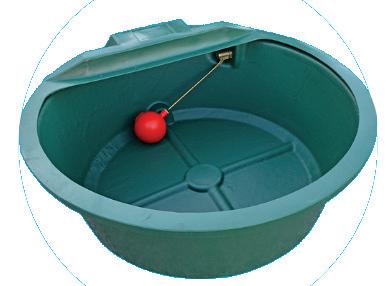
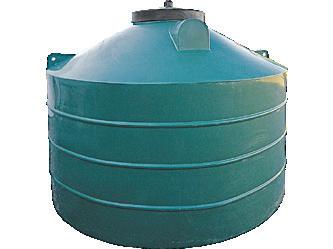


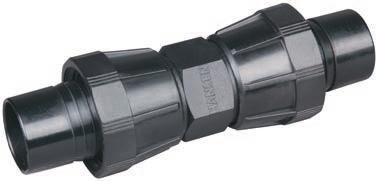
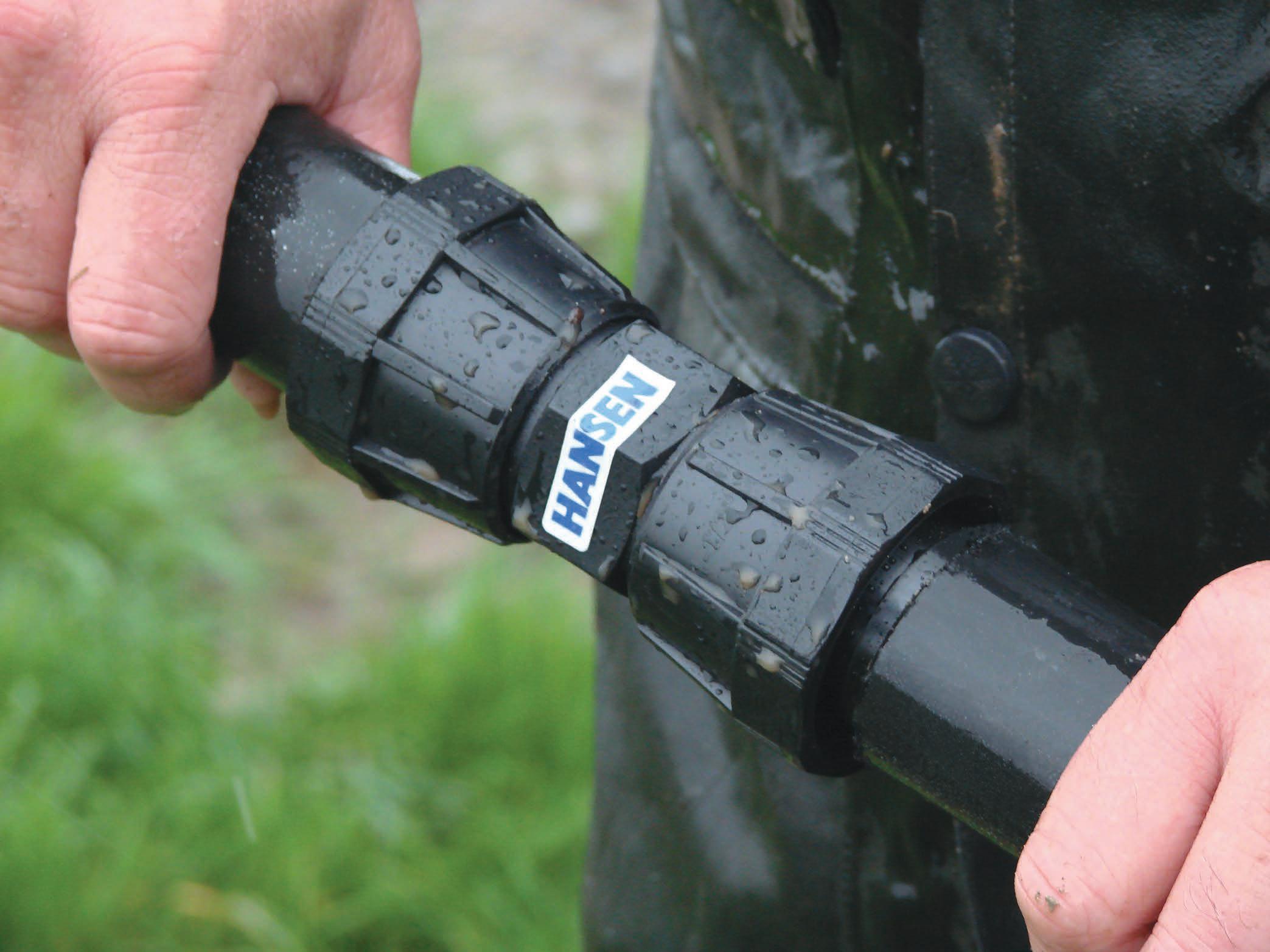
Don’t just ask for a pipe fitting, ask for a Hansen fitting!