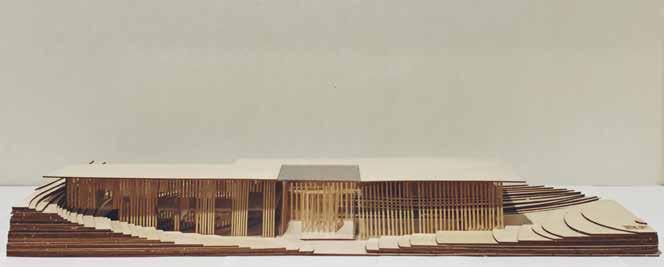
PORTFOLIO
XINRUN JIANG


This landscape restoration project focuses on revitalizing the Lake District National Park in the United Kingdom, specifically addressing a prevalent seasonal drought issue identified through a comprehensive site study. The strategic implementation site, the Lake District National Park, is known for its natural beauty, but the adverse impact of seasonal drought has become a significant concern. To mitigate this issue, our Nature Based Solutions (NbS) strategy aims to employ sustainable and environmentally friendly approaches. This involves the careful selection and implementation of NbS measures such as the restoration of wetlands, afforestation initiatives, and the creation of sustainable water management systems. By strategically introducing these nature-based interventions, we aim to enhance water retention, improve soil moisture levels, and contribute to the overall ecological resilience of the Lake District landscape. This project not only addresses the immediate challenge of seasonal drought but also aligns with broader conservation goals, promoting the long-term health and sustainability of this iconic natural environment.
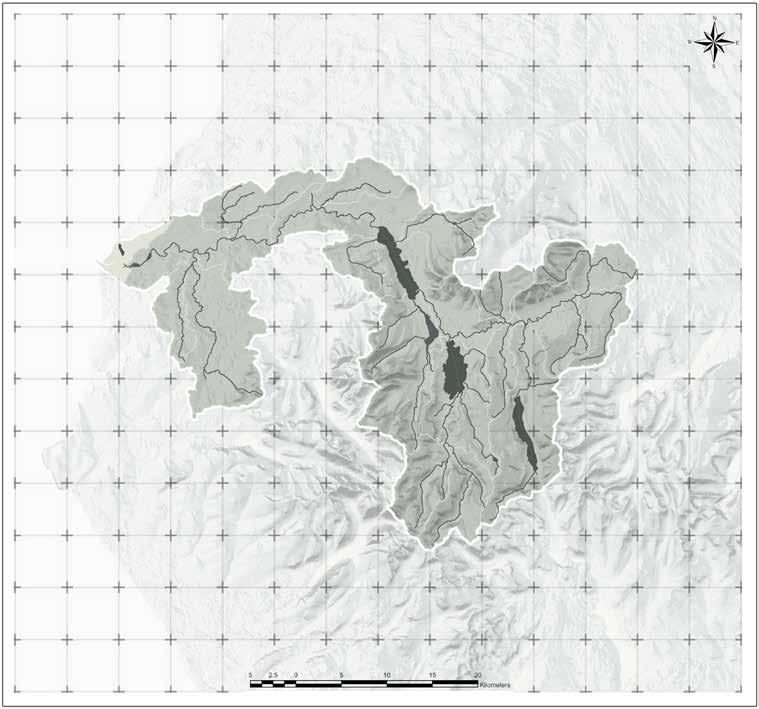

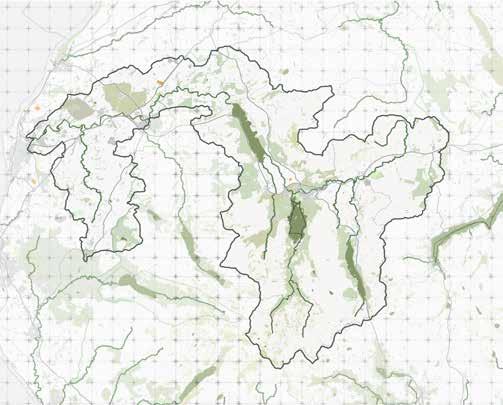
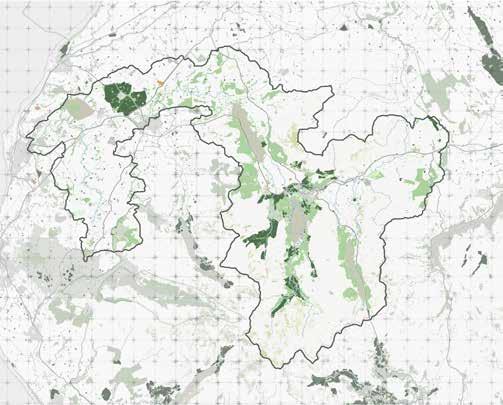
Derwent Operational Catchment is the catchment where the Thirmer Reserve is located. Located in the English Lake District National Park, the catchment plays a vital role in supporting a variety of ecosystems and providing essential services to local communities. The basin is formed by multiple rivers, natural lakes, and artificial reservoirs. The basin supplies water to surrounding residents, businesses, and industries. The catchment covers a diverse landscape
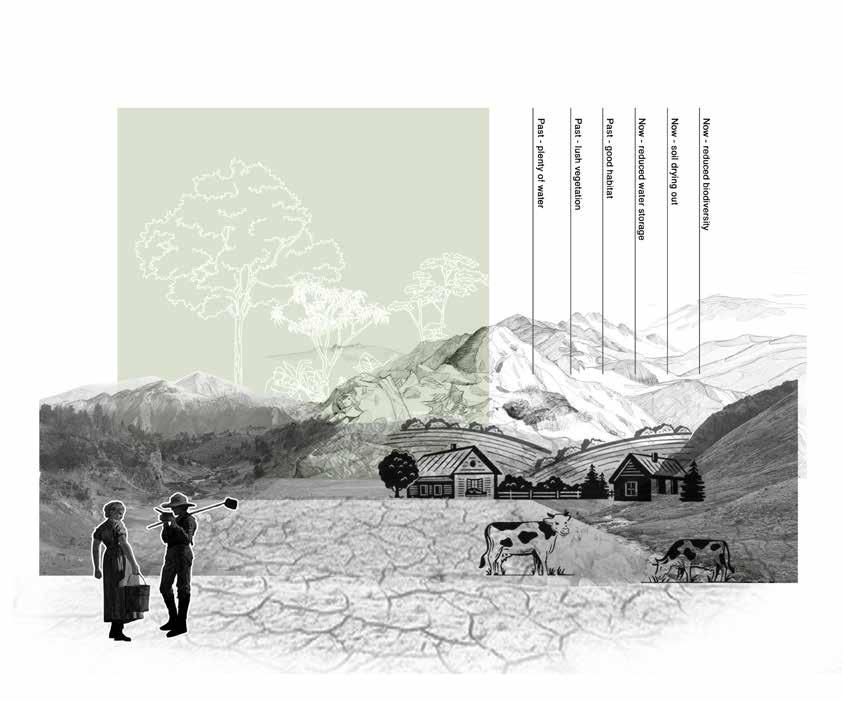
The Derwent operating catchment faces seasonal drought, particularly in summer, which severely affects water levels in the region's reservoirs. This drawing represents the current state of the area. The consequences of these droughts are evident with significant reductions in reservoir storage, with Thirlmere Reservoir, an important part of the catchment area, experiencing a significant decline in storage capacity. By the end of 2019, Thirlmere's reservoir storage capacity had decreased by about 13%. This reduction raises serious
concerns for the region's ecological health, biological survival and the availability of water resources to meet human needs.
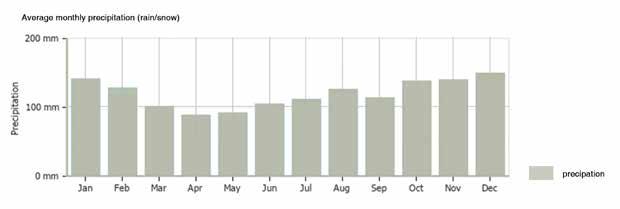
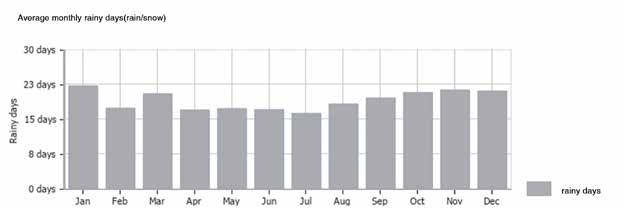
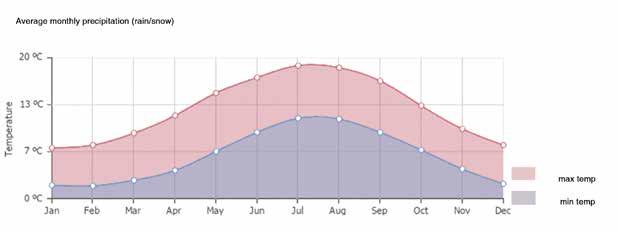
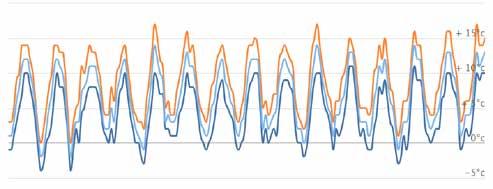
Precipitation in the region is influenced by the westerly wind quadrant system. The net flow is high in winter and low in summer. Seasonal variations are pronounced and are prone to seasonal droughts. Ninety per cent of the region's water supply system comes from lakes and rivers, with
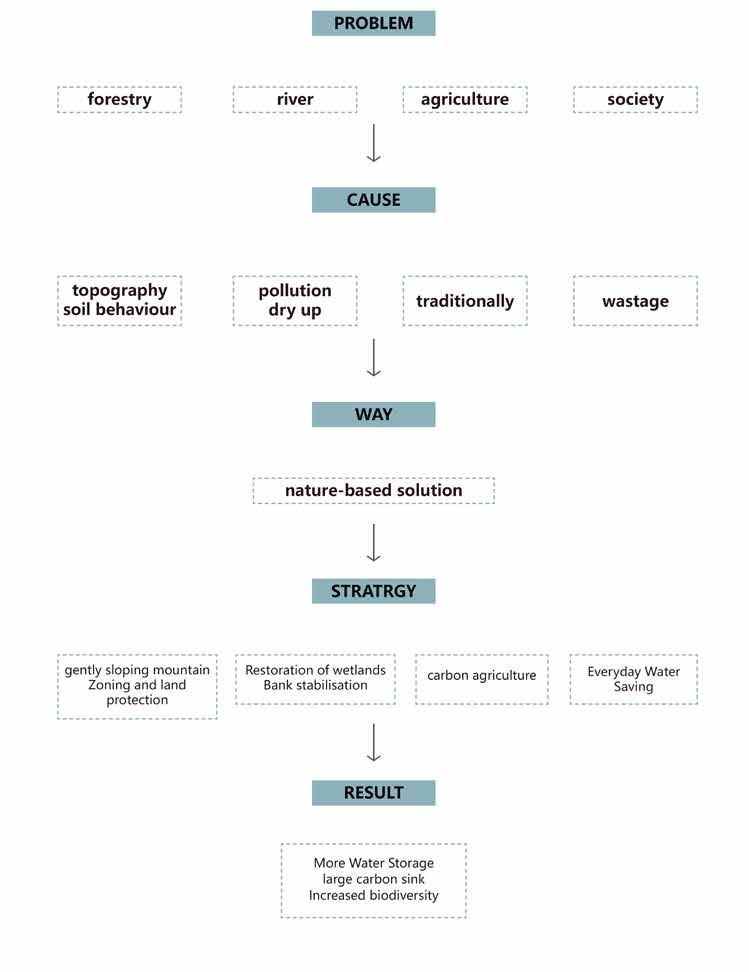
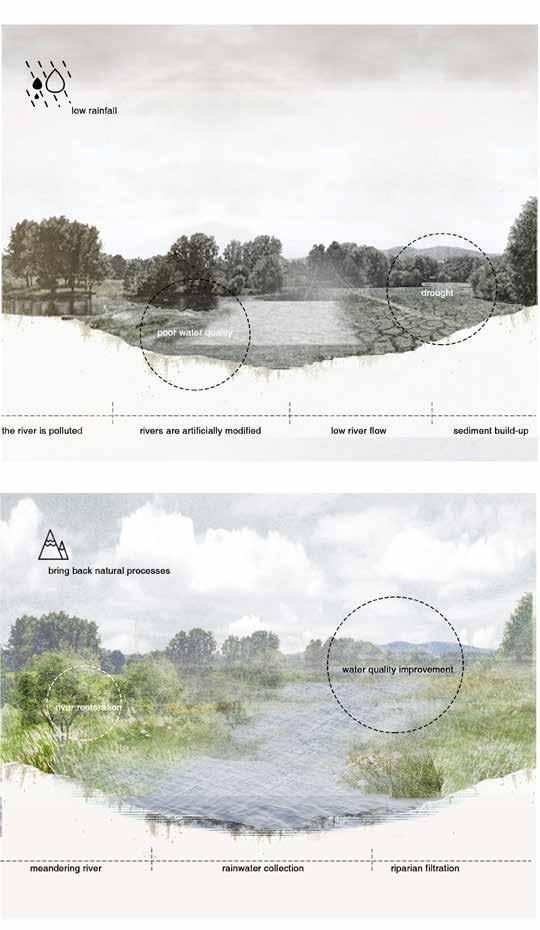
The original river was transformed, resulting in changes in natural flow and drainage patterns. This shift has profound consequences for the ecological integrity of river systems. Due to the need to drain water from rivers for agricultural and urban development, water has been drained in large quantities, destroying the natural hydrological balance and causing adverse effects on aquatic ecosystems and the surrounding environment. In addition, the water quality of the river has been severely affected due to pollution in the surrounding areas. Human activities such as industrial emissions, agricultural runoff, and urban sewage contribute to river water pollution. Pollutants such as pollutants, chemicals and sediment enter rivers, adversely affecting water quality and posing a threat to aquatic life and the health of the entire ecosystem.
Implementing nature-based solutions (NbS) provides a holistic approach to the challenges of modifying rivers. To restore natural flow, river channels are restored, removing man-made obstructions and allowing the river to follow a more natural trajectory. At the same time, establishing riparian vegetation also plays a vital role in filtering and purifying water bodies. Planting native vegetation along riverbanks helps stabilize the soil, reduce erosion, and act as a natural filter, reducing the flow of pollutants into the water. In addition, protecting and restoring wetlands within the watershed can make a significant contribution to improving water quality. Wetlands act as natural buffers, trapping sediment and filtering pollutants before they reach rivers.
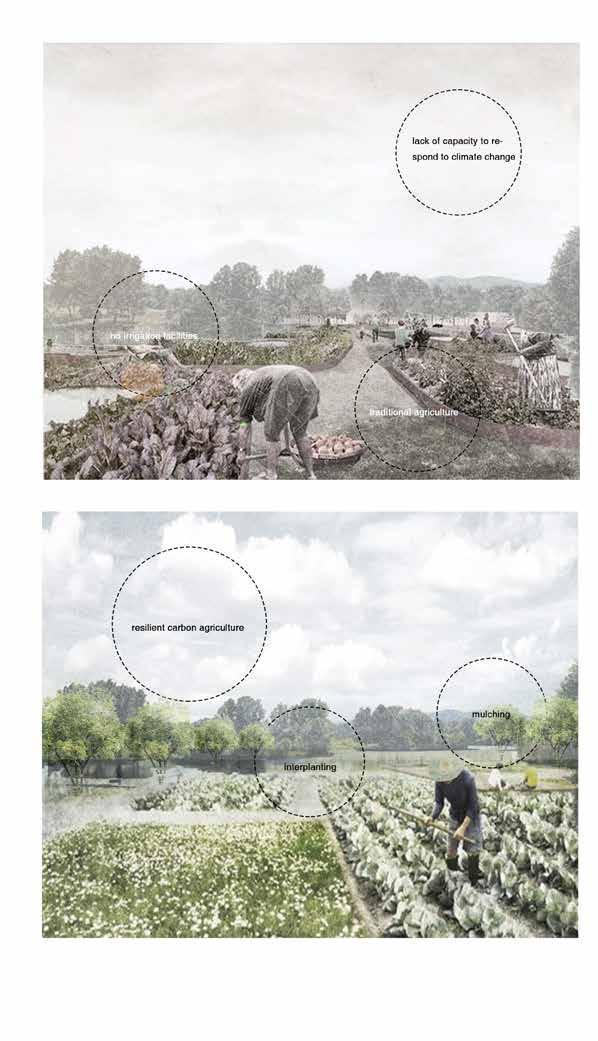
The original river was transformed, resulting in changes in natural flow and drainage patterns. This shift has profound consequences for the ecological integrity of river systems. Due to the need to drain water from rivers for agricultural and urban development, water has been drained in large quantities, destroying the natural hydrological balance and causing adverse effects on aquatic ecosystems and the surrounding environment. In addition, the water quality of the river has been severely affected due to pollution Conventional agriculture faces inherent challenges, especially in the absence of adequate irrigation facilities, resulting in water inefficiency. Reliance on rain-fed farming limits agricultural productivity, a problem exacerbated by water scarcity. Additionally, traditional agricultural practices often lack the adaptability needed to cope with the impacts of climate change. Extreme weather events, changing precipitation
The highland terrain has fast runoff and poor soil water-holding capacity, making rivers dry. Thinning conifers and broadleaf trees. Broadleaf trees have a strong ability to absorb water, resulting in poor water-holding capacity of the soil. The soil has poor water-holding capacity and cannot replenish water in the river in time during the dry season, causing the river to dry up.
Nature-based solutions to implement resilient carbon agriculture to address the challenges of climate change and resource management in the agricultural sector. This farming method optimizes soil carbon sequestration, enhances soil health and promotes sustainable agricultural practices. Practices such as mulching and intercropping are also used. Mulching, in particular, is considered an effective water management tool. By covering the soil surface with organic material or other mulch, mulching helps reduce water evaporation, improves the soil's water-holding capacity, and minimizes evapotranspiration losses, ultimately reducing reliance on irrigation water.
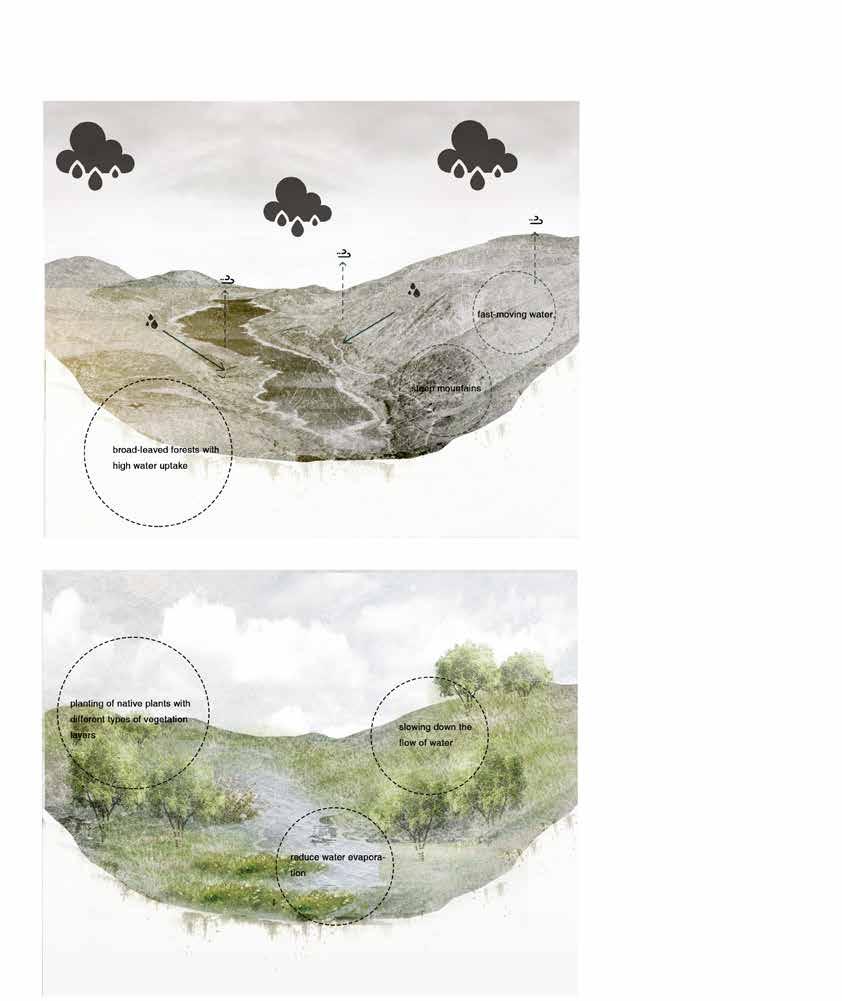
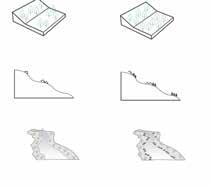
According to the nature based solution strategy, in order to alleviate the drying up of rivers, emphasis should be placed on strengthening the water retention capacity of the soil. Implement sustainable land management practices to increase overall water-holding capacity and protect soil from erosion. In addition, promoting afforestation with a mix of local tree species, including species with efficient water absorption capabilities, can help strike a balance between preventing soil erosion and maintaining appropriate soil moisture. By addressing vegetation composition and soil characteristics to ensure the resilience of the plateau terrain and the sustainable flow of rivers. At the same time, land protection is carried out according to different mountain slopes.
Communities, as centers of human activity and growth, always require large amounts of water to support all aspects of life, including household consumption, agriculture, industrial processes and sanitation. Community water needs are multifaceted and include daily household needs, irrigation needs for farmland, industrial water for manufacturing processes, and overall maintenance of urban infrastructure. However, the growing water demand is faced with severe challenges of water pollution, which not only endangers the quality of available water resources but also leads to serious waste. Whether it is industrial discharges, agricultural runoff or inadequate wastewater treatment, the quality of the water can be compromised, making it unsafe for consumption and a variety of other uses. This all exacerbates the drought problem.
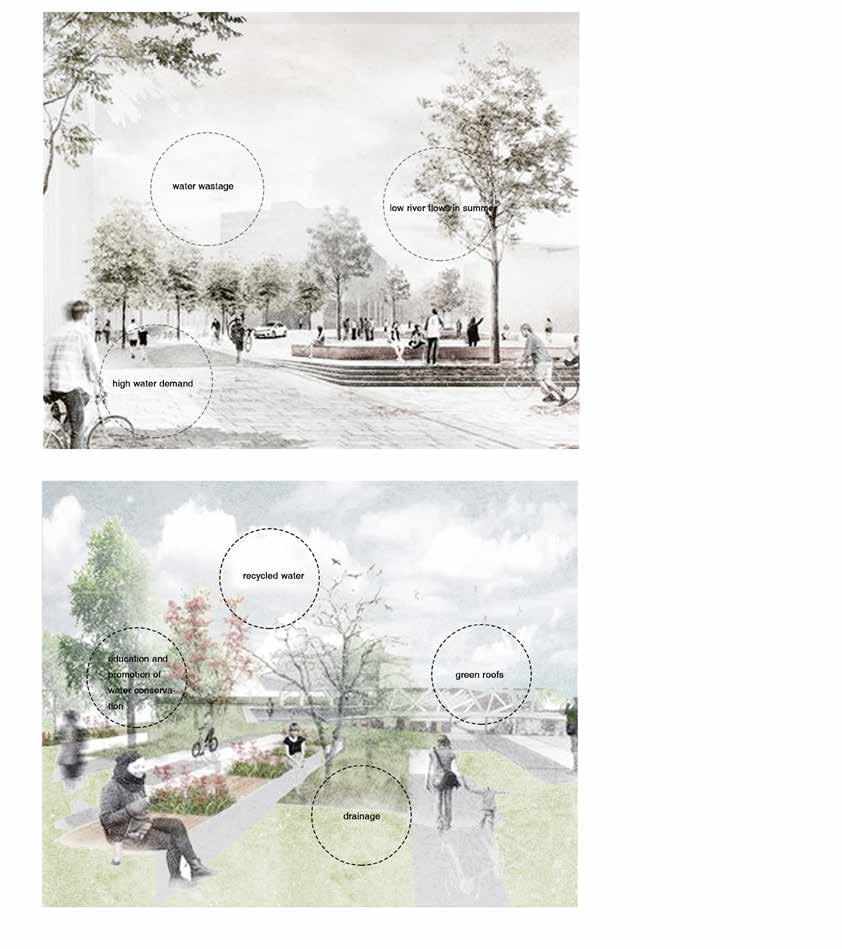

Under nature-based solutions, the adoption of water recycling is one measure to address the growing demand for water resources. Water recycling involves the treatment and purification of wastewater, converting it into a reusable resource for non-potable purposes such as irrigation, industrial processes, or even replenishing natural ecosystems. This practice not only reduces pressure on freshwater sources, but also minimizes the release of treated wastewater into the environment, thereby mitigating potential pollution risks. Establishing efficient drainage systems and implementing green roofs play a key role in water conservation. Well-designed drainage systems help manage stormwater runoff, directing it to storage or infiltration areas and preventing surface water contamination. Green roofs feature vegetation cover that acts as a natural sponge, absorbing and slowing stormwater runoff. Thereby alleviating the drought problem.
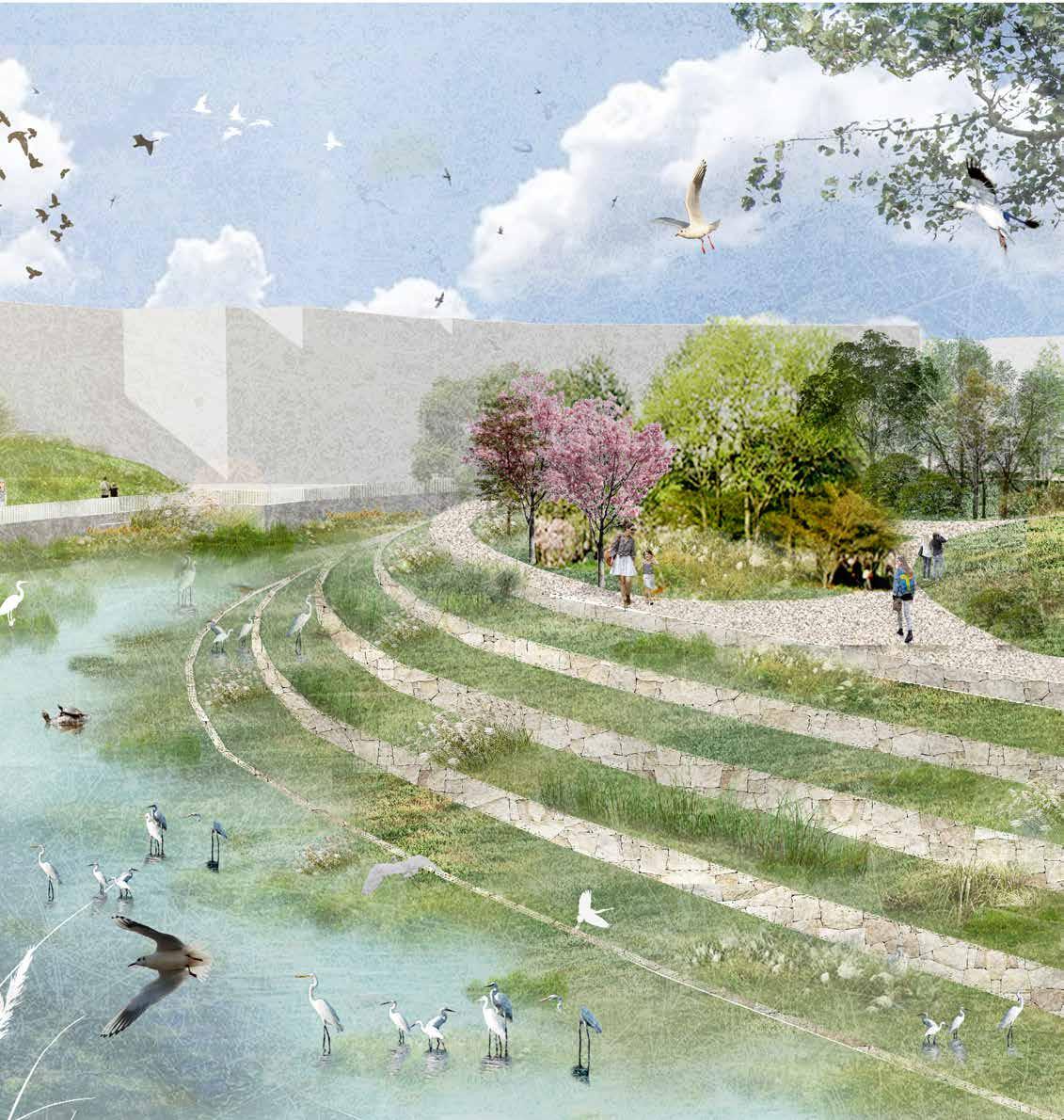
In a place full of rich industrial history and heritage, Ouseburn, we found a unique opportunity to merge food safety, health, and community culture into a shared vision. This place has witnessed many industrial activities that are more than just symbols of food processing, they embody a strong connection between people and their environment. The food landscape is not only material, it also carries cultural and social elements.
In this context, we propose an integrated programme that aims to build interdependence between human, animal and plant species through remediation. We want to promote a symbiotic relationship between ecology and agriculture, increase biodiversity, reuse waste, create healthier soils and cleaner water, produce high quality and healthy food, address food safety issues, and develop a food culture. We want to create a vibrant, healthy and creative Ouseburn community that will provide rich opportunities and a good life for future generations.
Food is essential for human health, serving as more than just sustenance; it is the cornerstone of culture and an expression of identity. The significance of food extends beyond nutrition to include social and environmental dimensions, making food security a crucial concern.
Ouseburn currently shows potential to become a vibrant, creative community focused on sustainable and healthy living, particularly in the industrial and artistic domains. With its rich industrial history as a base for food production, including sites like the toffee factory and protect warehouse, Ouseburn has a profound connection with food. Unfortunately, this industrial heritage has led to health and environmental issues, posing challenges to the community’s food security.
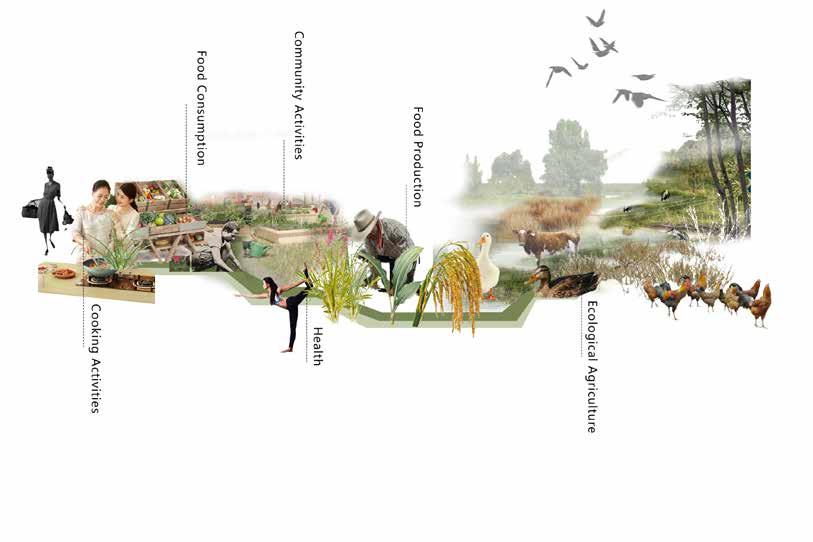
The concept of food landscapes was originally introduced by geographers to indicate and define the socio-spatial manifestations of the relationship between humans and the environment mediated by food activities (i.e., production, distribution, consumption, and disposal) (MacKendrick, 2014). Food landscapes do not only focus on the material aspects of food-related landscapes but also turn to a wider range of elements, including the intangible features of cultural landscapes. In identifying and interpreting cultural landscapes, food has gained prominence in the last two decades. (Schmitz, 2021) Food plays a social role by bringing people together. Shared meals and culinary traditions are often the focus of gatherings, celebrations, and public events. It is thus clear that there is an inextricable link between nature and culture, between society and between
the material and immaterial nature of the food system. Therefore, it can be argued that food is not only a source of nutrition but also a product and process of communities acquiring and applying environmental knowledge and manipulating the environment to meet their social, cultural, and economic needs. (Mintz, 2002) The food landscape is the sum total of material realities, cultural spaces, and practices associated with food. (Johnston, 2015) Over the last two decades, there has been a growing interest in the intersection between landscape and food.
The relationship between food and health is crucial, as the food we consume directly affects our physical, mental, and social health and wellbeing. This is often linked to our food culture. Poor dietary choices, limited access to nutritious food, and unhealthy food environments can lead to a range
of health problems, including obesity, chronic disease, and nutritional deficiencies. Food is more than just sustenance; it is a cornerstone of culture, an expression of identity, and an essential component of our well-being. The importance of food goes beyond mere nutrition and encompasses social and environmental dimensions as well. The safety of food therefore deserves attention.
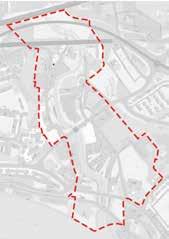
LOCATION
Ouseburn area, Newcastle Upon Tyne
AREA
15.76 hectares of culture. (Mathewson, 2000) In this way, the historic sites of Ouseburn also exemplify the demand for food such as: sweets, cakes, and an industrial food culture. This industrial diet was high in supercarbohydrates, fats, etc., which led to an increased risk of non-communicable diseases and health problems. At the same time, on the other hand, these industrial sites pose environmental problems, such as soil contamination and poor water quality, which affect the well-being of the community. Against this backdrop, we propose a comprehensive programme that aims to build interdependence between human, animal and plant species through remedial measures. We hope to promote a symbiotic relationship between ecology and agriculture, increase biodiversity, enable the reuse of waste, create healthier soils and cleaner water, produce high-quality and
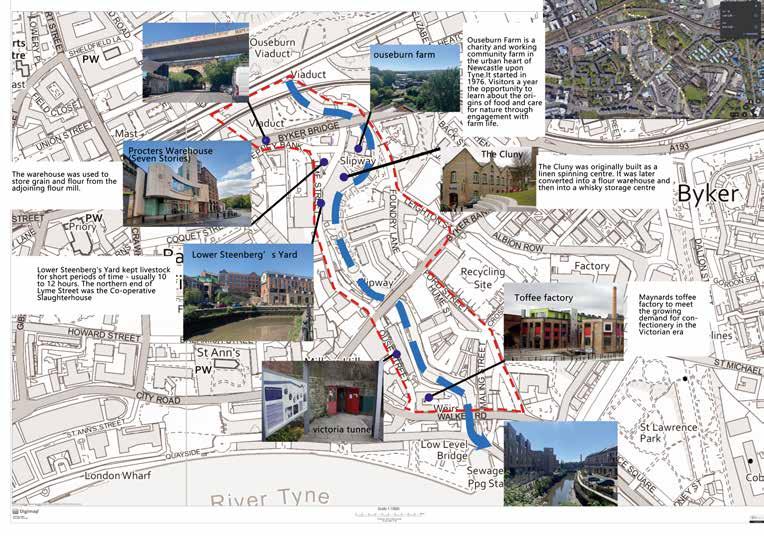
The site was chosen in Ouseburn . The site has a rich history and heritage of industries. In these industries, such as the toffee factory and protect warehouse, processed food was produced and distributed. The relationship between people and the environments mediated by these food-producing activities is a socio-spatial manifestation of food landscapes that are not only concerned with the material aspects of the landscape in relation to food, but also turn to wider elements including the intangible features of the landscape
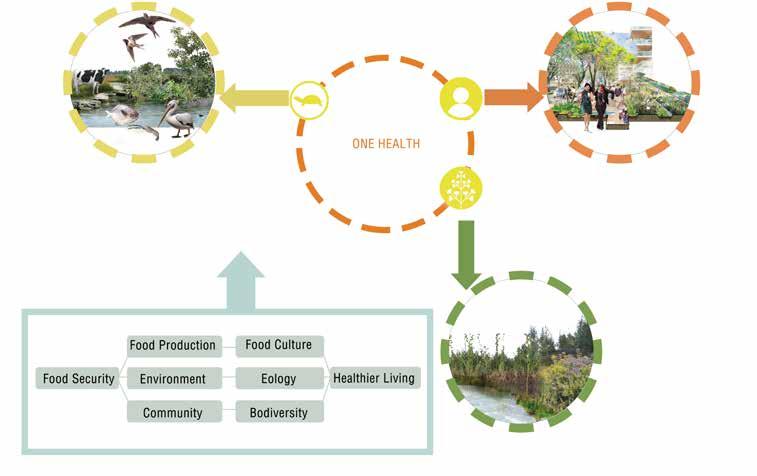
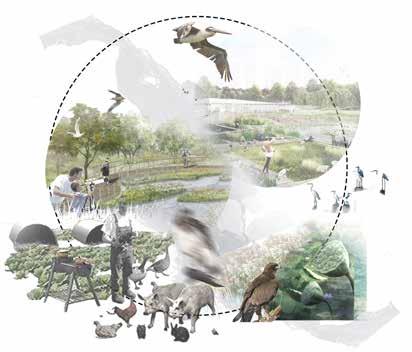
Starting from food safety and guided by a wellness approach, it is hoped that a new food culture community will be established in houseburn to provide a healthy food environment for humans and non-humans and to promote healthy lifestyles. For the development of a healthy food culture community, the safety of food sources is important. In the production of food, water and soil are even more important. The whole programme will be based on remedial measures to establish a system of interdependent relationships between humans, animals and plant species. The programme will promote a symbiotic relationship between ecology and agriculture, increase biodiversity, reuse waste, create healthier soils and cleaner water, produce high quality and healthy food, address food safety issues, and develop a food culture.
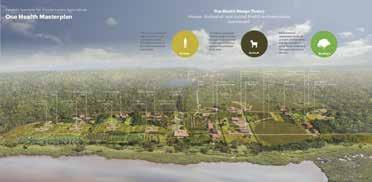
3Rwandan School for Research in Conservation Agriculture
RICA develops healthier, sustainable food systems to ensure food security in the future. The RICA will help ensure the future food security of all Rwandan citizens by educating the next generation of farmers and agricultural leaders to develop healthier, more sustainable food systems.
The master plan designates two plots for savannah and woodland conservation, in addition to a wetland buffer zone to ensure healthy wetlands. The landscape design incorporates agroforestry techniques to maximise the yield of specific crops by restoring the habitat environment around the farmland.
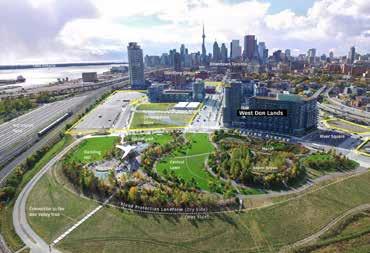
Corktown Park, Toronto
Corktown Park in downtown Toronto combines landscape design with urban flood control measures. Native plant populations from Ontario flourish in the park, attracting a variety of animals to visit and make their homes, while underneath the park, a four-metre-high soil mat reshapes the river’s floodplain, guiding the river south into the lake, and holding back potential flooding from the post-industrial site of West Don Lands. The green space of the park’s riverfront space would be flooded here during the rainy season. The nine-acre upland area to the west will remain dry yearround, providing a diverse range of recreational and leisure activities for city residents.
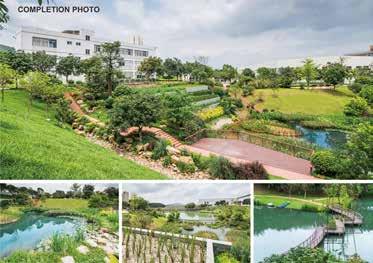
This project addresses the issue of wastewater treatment and aims to reduce the intrusion of untreated sewage into the environment through low-cost, low-impact development solutions that are easy to implement even in remote areas. The project combines stormwater management with wastewater treatment, demonstrating a holistic system with purification achieved using selected plant species and substrates.

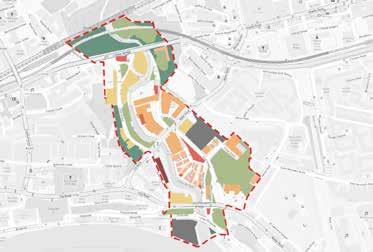
Retail Area
Restaurants and bars
Site Boundary
The west bank of the Ouseburn River is mostly cultural and creative industries, while the east bank is mostly industries.
This has the potential to be a vibrant community. Green spaces are mostly distributed on the edge of the site. The land within the site is highly contaminated and remediation will need to be considered.
There is a high level of internal car parking which could be planned as green space.
Ouseburn River
Transport Routes
Pedestrain Routes
Site Boundary
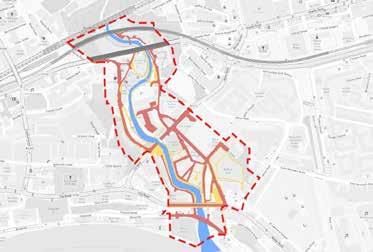
There are three high-level bridges that cross the valley in close proximity to each other. These are the Ouseburn railway Viaduct, the Byker Viaduct carrying the Tyne and Wear Metro, and the Byker road bridge. There are almost no separate pedestrian streets in the site, and the few cycle lanes are on the transport routes.
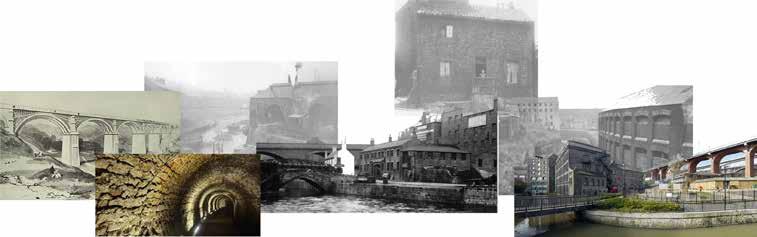
Prior to the Industrial Revolution, the valley was mainly an agricultural area. It was one of the first towns outside the city walls.
1860 1910 1970 NOW

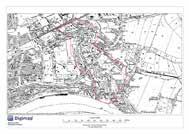
Industrial development began in the 17th century with the manufacture of glass and pottery. in the 19th century it expanded to include other activities that benefited from the river traffic and the natural resources of the area. By the mid-19th century, the banks of the river were densely populated with industrial buildings.
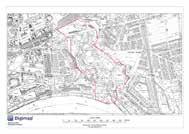

According to the 1868 Ordnance Survey map, the site had until then been occupied by a corn mill and brickworks, but by 1870 it had become a livestock sanatorium. Newcastle was then a centre for imported meat. At the northern end of Lyme Street was the Co-operative Slaughterhouse. By 1906 it was converted into the site of the steam-powered Maynard’s Toffee Factory to meet the growing Victorian demand for confectionery. The area is now a hub for the arts and creative industries. The renovated and restored historic industrial buildings of the valley are now home to a variety of art, music, design and printing studios, as well as a community farm, the National
Flood Coverage Area
Site Boundary
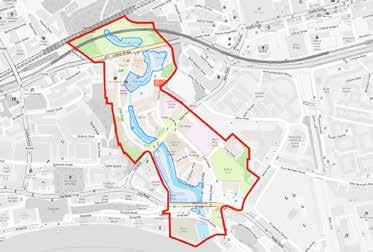
The area is prone to flooding problems. As the river channel has been hardened and treated, the natural infiltration capacity of the water body is greatly reduced, resulting in rainwater not being able to be discharged or absorbed effectively. During flooding periods, the volume of water in the channel increases rapidly and the water cannot be discharged smoothly within the channel, overflowing the river banks and causing areas outside the channel to be inundated. This has an impact on the lives of residents, infrastructure, and the surrounding land.
The site has a rich cultural heritage and history. The venue currently has a well-developed urban industrial and arts scene. Increasingly popular as a destination for tourists and locals, with a range of events and activities and potential to become a vibrant and creative community. Accessible location in Newcastle City Centre with good transport links and close to other key areas.
Landscape changes caused by urbanisation, including loss of natural habitats and impacts on wildlife. Limited provision of suitable green space for ecological and conservation purposes, which may affect the biodiversity of the area, industrial activity and residential life, improving the environment, reducing air, water and soil quality and affecting the quality of life for residents and visitors.
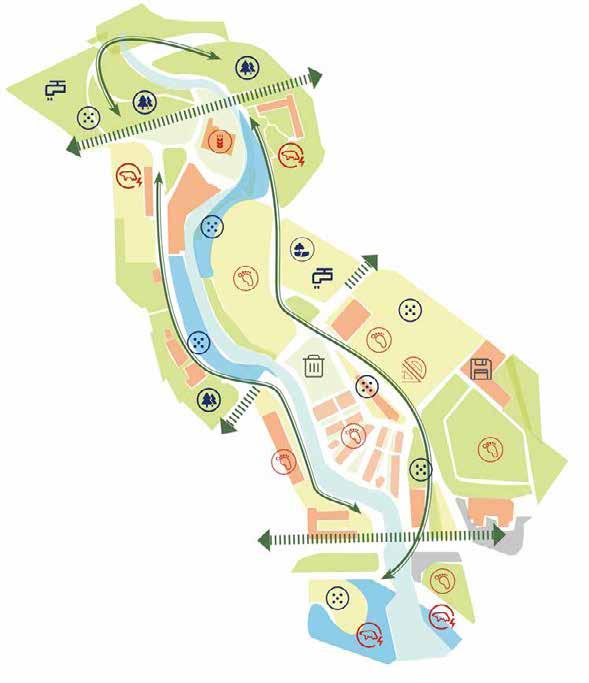
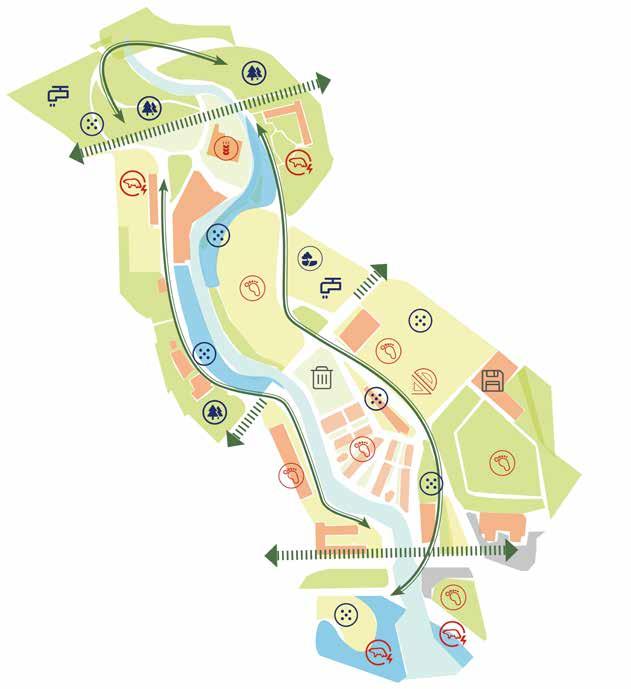
The river on the site is channelised but there is a risk of flooding as the site is located in a river valley and close to the coast. Limited green space and public parks, which could impact on the health and wellbeing of residents and visitors. There is industrial activity and industrial remains, poor environmental quality, pollution and degradation of the river's water quality.
There is a large amount of open space that could be utilised for green spaces and public parks and the quality of the environment could be improved. Road embankment buffers could be created and a rain garden could be planned to purify water from pollution. Food safety protections can be developed and healthy food can be obtained through phytoremediation. Community culture can be developed with neighbourhoods and art districts nearby and high foot traffic.
Masterplan
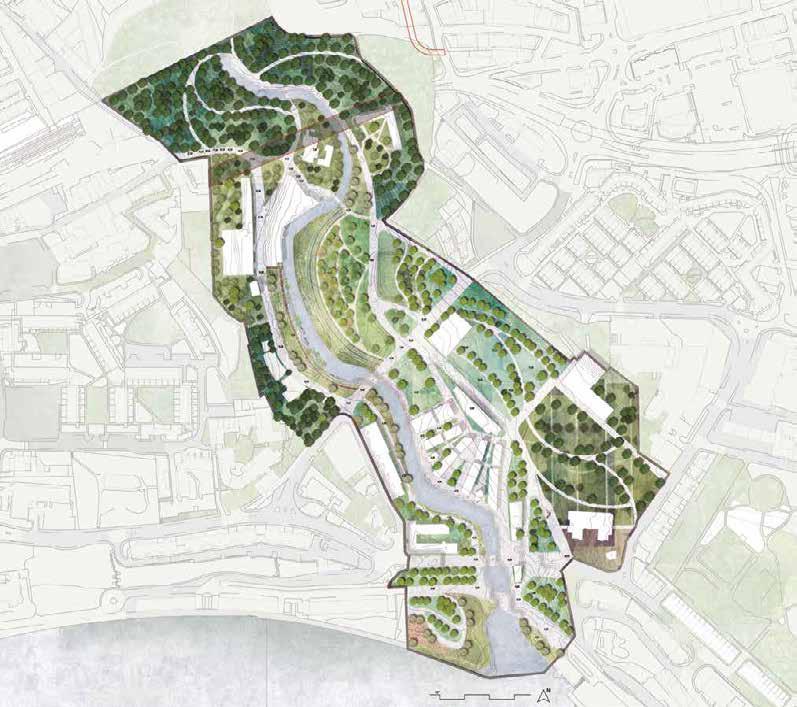
1. Water treatment and soil remediation: purify the water source and prevent more pollutants from entering the river by means of forests on the site and the establishment of rain gardens and embankment buffers. At the same time, the river will be allowed to enter the site to provide irrigation for food production while solving the flooding problem.
Masterplan
1. Water treatment and soil remediation: purify the water source and prevent more pollutants from entering the river by means of forests on the site and the establishment of rain gardens and embankment buffers. At the same time, the river will be allowed to enter the site to provide irrigation for food production while solving the fIooding problem.
2. Food forests and agroforestry are developed underneath the Mori Ri and rain gardens, which ensures that the purified rainwater is able to follow the topography of the terrain into these prefabricated areas to provide irrigation.


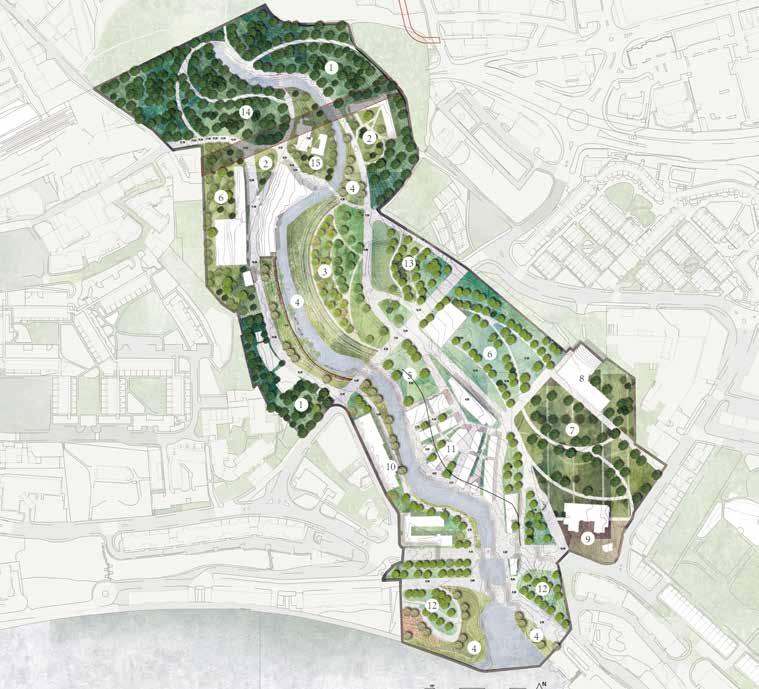
2. Food forests and agroforestry are developed underneath the Mori Ri and rain gardens, which ensures that the purified rainwater is able to follow the topography of the terrain into these prefabricated areas to provide irrigation.
3. Embankment buffers are built underneath these areas to purify the water again.
3. Embankment buffers are built underneath these areas to purify the water again.
1. Water treatment and soil remediation: purify the water source and prevent more pollutants from entering the river by means of forests on the site and the establishment of rain gardens and embankment buffers. At the same time, the river will be allowed to enter the site to provide irrigation for food production while solving the flooding problem.
4. Soil remediation is handled by phytoremediation. Polluted areas throughout the site are remediated to ensure that plants can be grown in these areas in the future.
4. Soil remediation is handled by phytoremediation. Polluted areas throughout the site are remediated to ensure that plants can be grown in these areas in the future.
3. Embankment buffers are built underneath these areas to purify the water again.
5.Vertical farms, farm to restaurants and food hubs are established near the residential areas, and a grow street is established near the road on the left side of the site to provide foraging and planting conditions for the residents and to develop a community culture.
2. Food forests and agroforestry are developed underneath the Mori Ri and rain gardens, which ensures that the purified rainwater is able to follow the topography of the terrain into these prefabricated areas to provide irrigation.
5.Vertical farms, farm to restaurants and food hubs are established near the residential areas, and a grow street is established near the road on the left side of the site to
6. Composition area and storage depot will be built near the
area to handle and recycle the rubbish and turn it into fertiliser for reuse. In addition to this, a floating sland was built in the middle of the site and an aquaponics garden was built underneath the site (this is salt marsh) to provide food for non-humans.
provide foraging and planting conditions for the residents and to develop a community culture.
4. Soil remediation is handled by phytoremediation. Polluted areas throughout the site are remediated to ensure that plants can be grown in these areas in the future.
6. Composition area and storage depot will be built near the residential area to handle and recycle the rubbish and turn it into fertiliser for reuse. In addition to this, a floating island was built in the middle of the site and an aquaponics garden was built underneath the site (this is salt marsh) to provide food for non-humans.
5.Vertical farms, farm to restaurants and food hubs are established near the residential areas, and a grow street is established near the road on the left side of the site to provide foraging and planting conditions for the residents and to develop a community culture.
6. Composition area and storage depot will be built near the
area to handle and recycle the rubbish and turn it into fertiliser for reuse. In addition to this, a floating sland was built in the middle of the site and an aquaponics garden was built underneath the site (this is salt marsh) to provide food for non-humans.
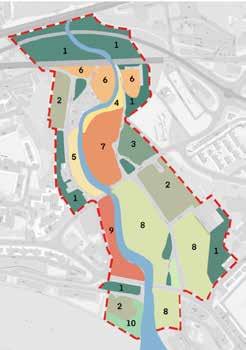
1.Existing woodland
2.phytoremediation
3.Rainwater management
4.Embankment buffer
5.Floating island
6.Agroforestry
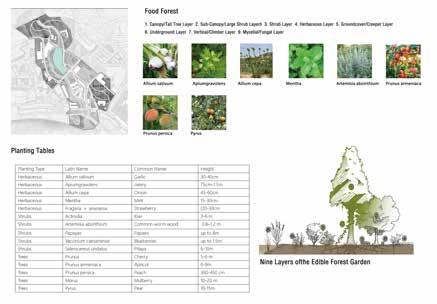
7.Food forest
8.Farming
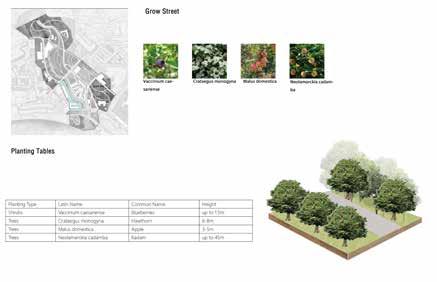
9.Grow street
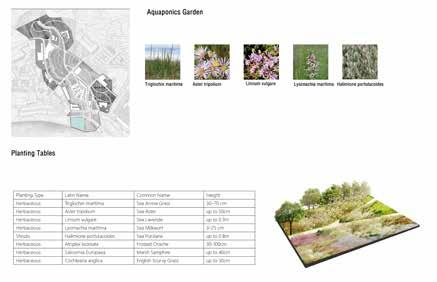
10.Aquaponics garden

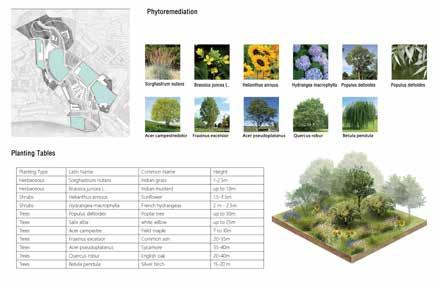
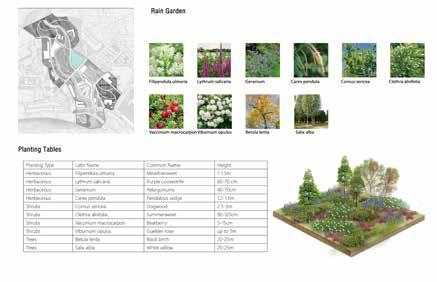
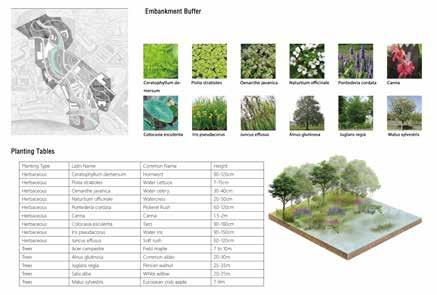
Plants were selected to be native. For the phytoremediation area, the species chosen are mainly trees and shrubs.
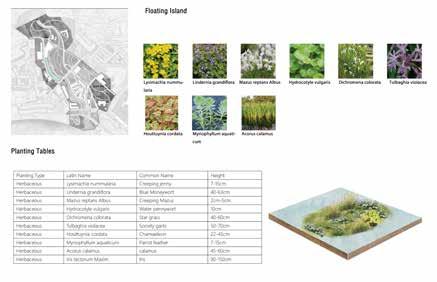
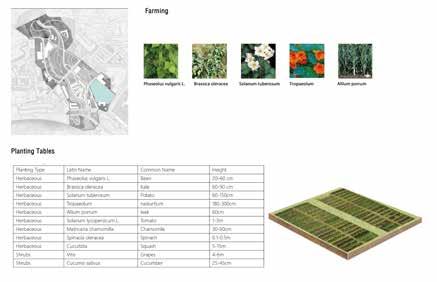
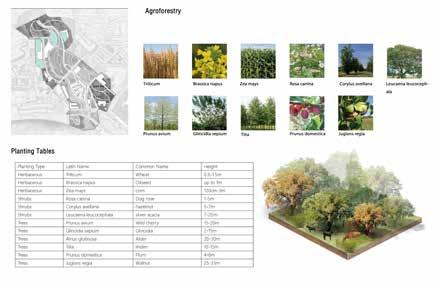
Pollution in the land is absorbed through the use of the plant’s root system. Inedible foods are mainly chosen to prevent contaminants from entering the human body through food. Only a small percentage of plants were edible plants, such as sunflowers, as an experiment. Plants with welldeveloped root systems and strong purification abilities are chosen for the rain garden area, as well as plants that can tolerate flooding and have some drought resistance. Embankment buffer is mainly for 3 types of plants. One is plants that can survive in water for a long time. One is plants that can survive in water for a long time, one is plants that can tolerate humidity, and one is plants that can be planted in arid areas.Floating island’s plant choices are more aquatic plants, whose root systems can purify water. The root system purifies the water. On the other hand, the plant can provide conditions for the survival of fish.Agroforestry area selects multi-purpose trees. For example, gliricidia, which besides being green manure, also provides fuel, fodder and serves as a fence. food forest plants are chosen according to the size and height of the plants. Plants in the agricultural area and the grow street are mostly edible plants. The aquaponics garden selects plants that can survive on salt marsh.
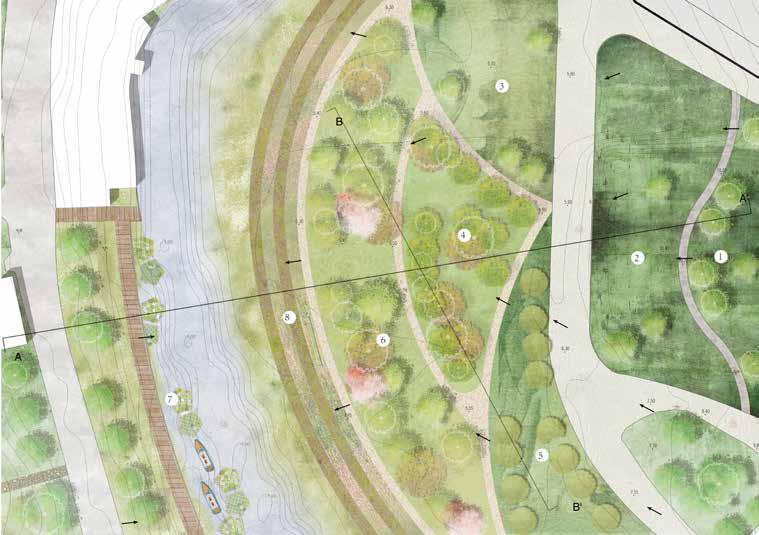
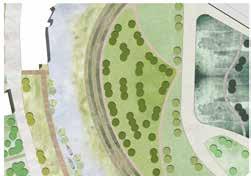
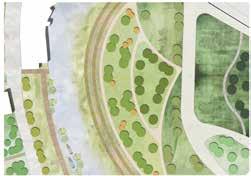
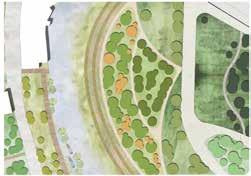




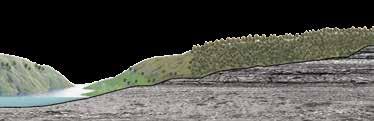
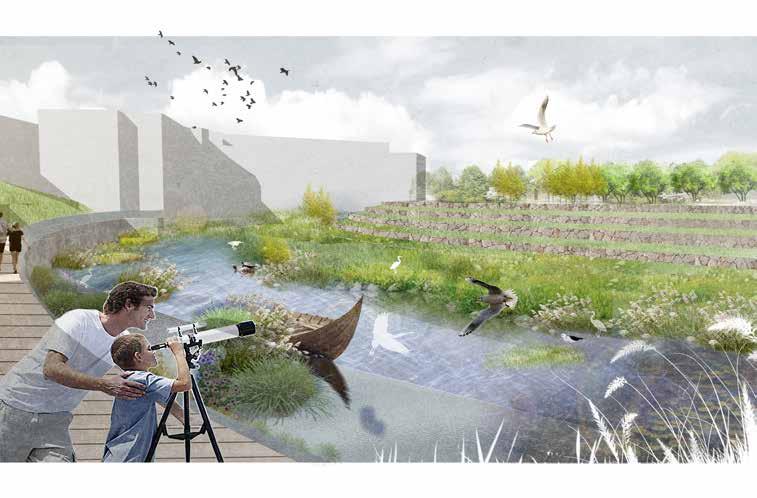
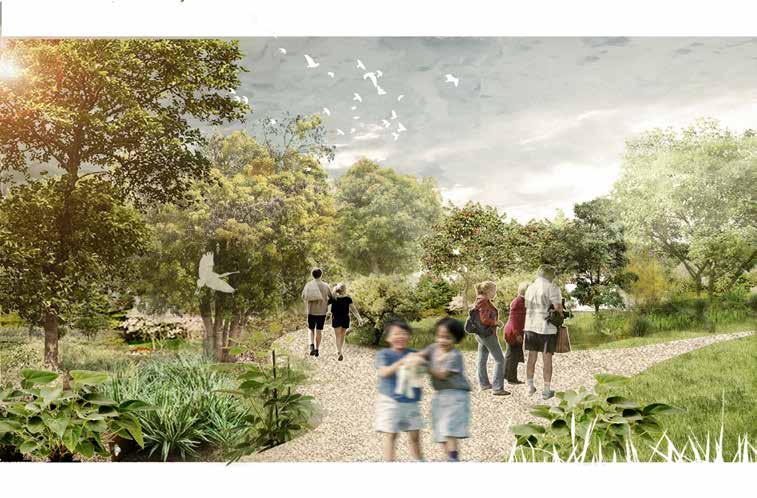
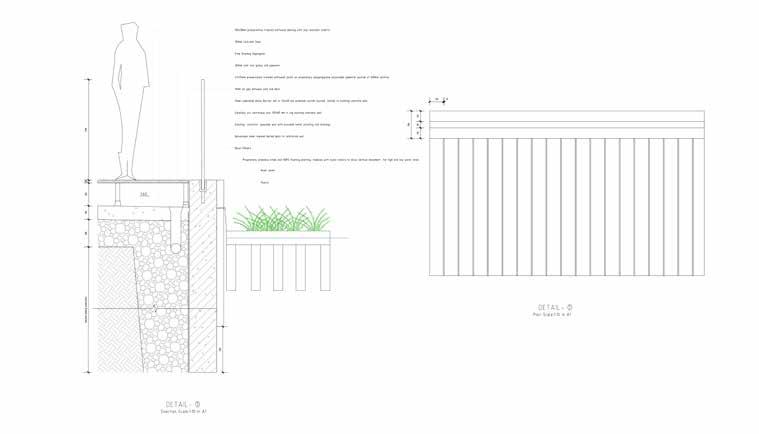
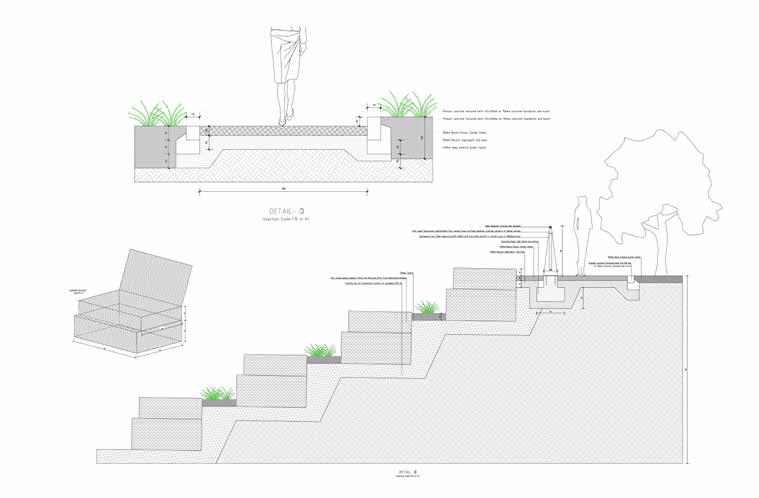
The Detail area was chosen to be in the food forest area. demolished all the buildings in this area. The demolished materials were used to build terraces. This area is a gradually rising plateau. The food forest is at the top. On the left side is the floating island where the fishing boats from the original site are preserved. Below the food forest is a gentle slope. This allows water to enter the interior of the site. Addressing flooding in the site.This is shown in the section.The difference in height of the site is resolved by creating terraces. The area has pollution issues. The food forest occurs in the later stages. The first phase is mainly
RENOVATION OF ACTIVITY CENTRES FOR THE ELDERLY
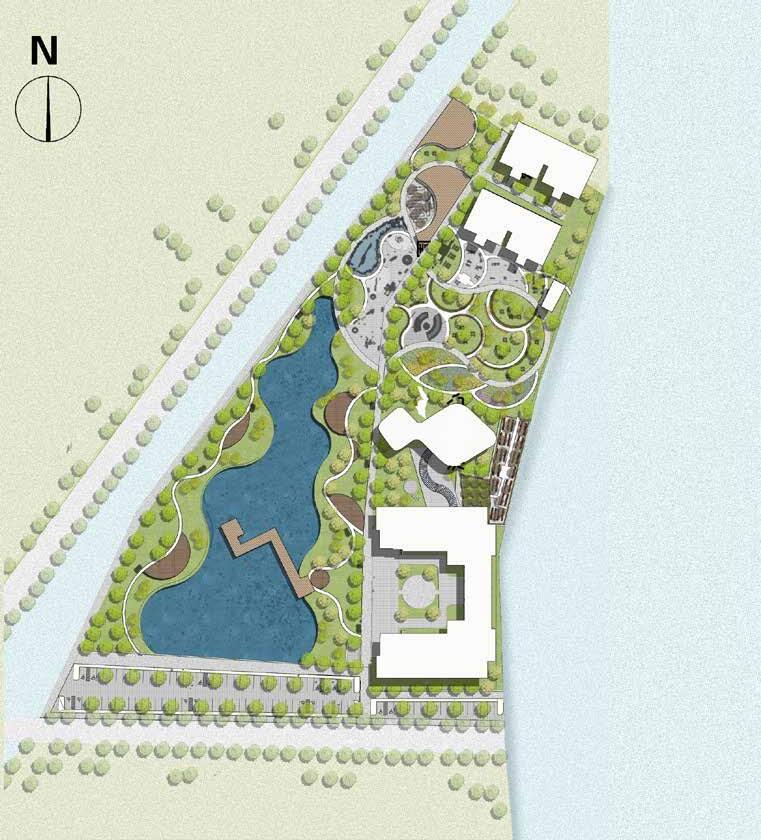
A large number of industrial communities were built near factories in Tianxin Village, Baiyun District, Guangzhou between the 1950s and 1980s to meet the housing needs of workers during the wave of industrialisation. With the development of the times, the young labour force gradually left, leaving behind retired factory workers and the elderly. The elderly are the main residential group. They have physical, mental and social health problems due to limited mobility, attachment to their homeland and the narrowing of the workers’ cultural circle. The project aims to create an industrial memory health community. The physical and psychological needs of the elderly are safeguarded while the emotional needs of the elderly are met with local culture.
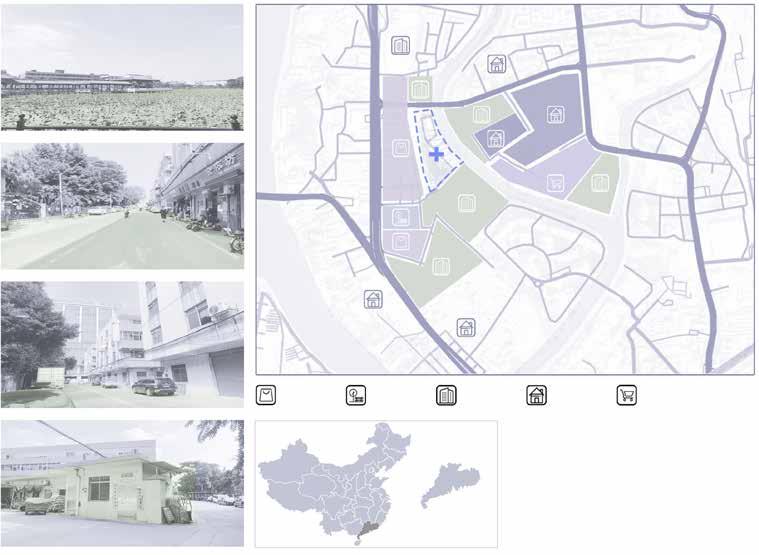

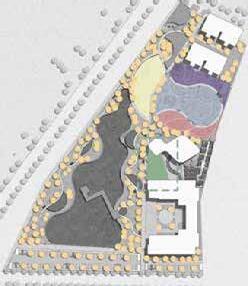
The site is an abandoned industrial land located in Tianxin Village, Baiyun District, Guangzhou City, China. The site is mainly surrounded by industrial areas or abandoned industrial areas, with insufficient internal ecological greenery and a poor environment. There are many residents here, especially the elderly, but the surrounding area has recreational facilities.
Between the 1950s and 1980s, a large number of industrial communities adjacent to factories began to be built and put into use in order to meet the demand for workers’ housing brought about by industrialisation. As times changed, the young labour force gradually moved away, and retired factory workers became the main group of residents in the communities, with the elderly taking the lead. At the same time, the majority of Chinese elderly people want to enjoy the company of their children and grandchildren in their twilight years and to have a sense of security in their old age. They long for unconditional humanistic understanding and affectionate care, especially in terms of affection, love and friendship. These elderly residents, due to limited mobility, attachment to their homeland, and the narrowing of the circle of workers, have gradually developed physical, psychological, and social health problems.
However, at present, the development of elderly care institutions in China focuses mainly on increasing facilities, but often ignores whether these facilities truly meet the physical and mental needs of the elderly. With increasing aging, longer life expectancy, declining mental and physical fitness, and changing social roles, older people are more prone to risky behaviours and psychological disorders.
Therefore, this design aims to create a healthy community with industrial memory that not only protects the physical and psychological needs of the elderly, but also relies on local culture to meet their emotional needs. Based on the behavioural characteristics of the elderly, this design aims to satisfy their living needs, and to shape their sense of belonging to the community and build their living circle from the three aspects of physiological health, psychological health and social relationship health, so as to create a ‘multilevel and diversified comprehensive elderly community’.
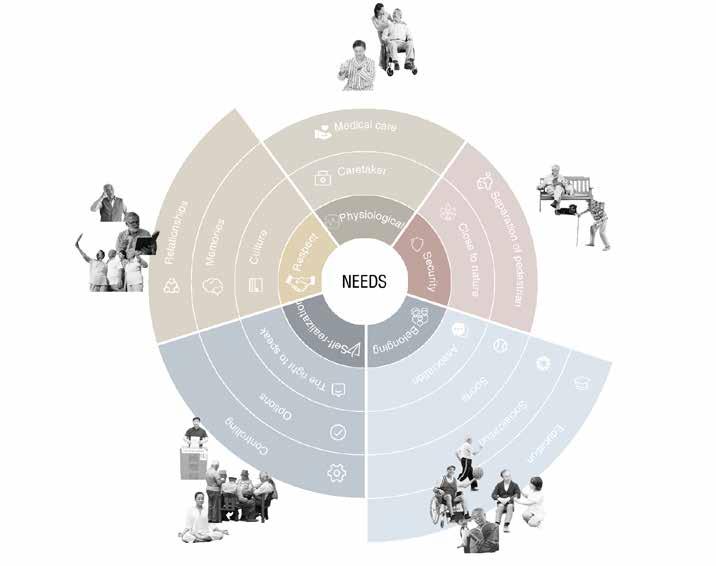
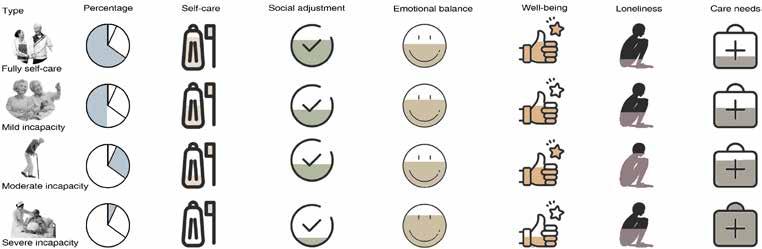
There is a high concentration of middle-aged and elderly people living around the site, who can be categorised into four groups based on their health status and living needs:
Energetic Elderly: This group is in good health, has strong self-care ability and desires to live independently. They actively participate in all kinds of activities, have strong spending power, and have a high demand for socialising and affection. The Vital Elderly wish to continue to maintain social participation and autonomy in their lives while still in good health.
Recreational Elderly: Recreational Elderly are able to take care of themselves basically, but require certain basic living services and may have medical and nursing needs. Depending on their health status, they still possess the willingness to socialise, consume and participate in activities, as well as a high level of dependence and desire for affection.
Care Elderly: Care Elderly are in poorer health, unable to take care of themselves and require round-the-clock care and attention. They would like to be accompanied and provided with comprehensive daily care to ensure a safe and psychologically comforting life.
Demented Elderly: Elderly people suffering from cognitive disorders such as Alzheimer’s disease require special care services. Their diminishing awareness of their surroundings and their tendency to become disorientated require constant professional care. Demented seniors need not only physical care, but also a familiar, safe environment to help reduce the anxiety associated with cognitive deterioration.
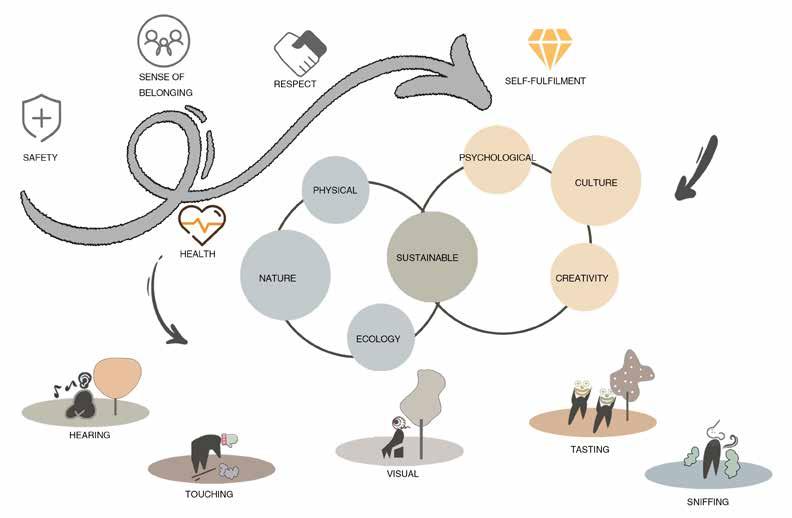
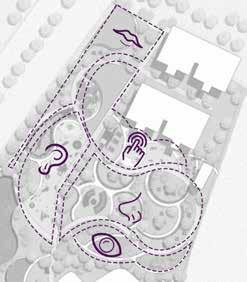
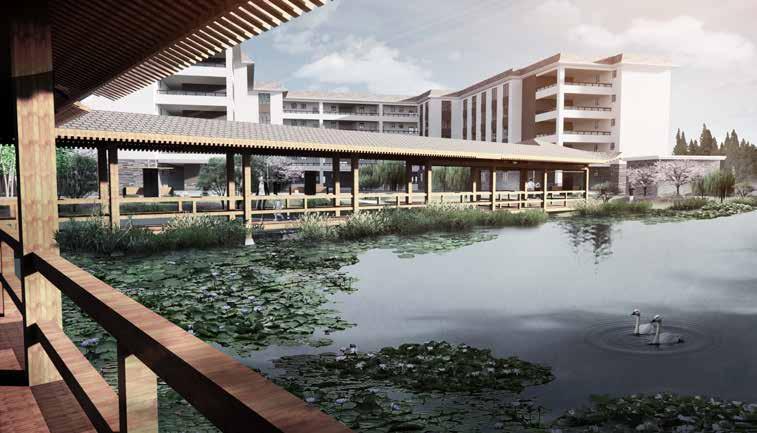
In terms of design, we will focus on the proximity scale of the space to create a basic spatial tone with the ambience of an oriental garden, creating a pleasant and liveable living environment. Through the use of the five senses design (sight, hearing, touch, smell and taste), we aim to
mobilise all types of senses of the elderly in the space to meet their physical and mental health needs. Such a design not only focuses on the aesthetics and functionality of the environment, but also endeavours to enhance the sense of belonging and comfort of the elderly to the environment through multi-level and multi-sensory experiences, creating a high-quality space suitable for long-term living and living of the elderly.





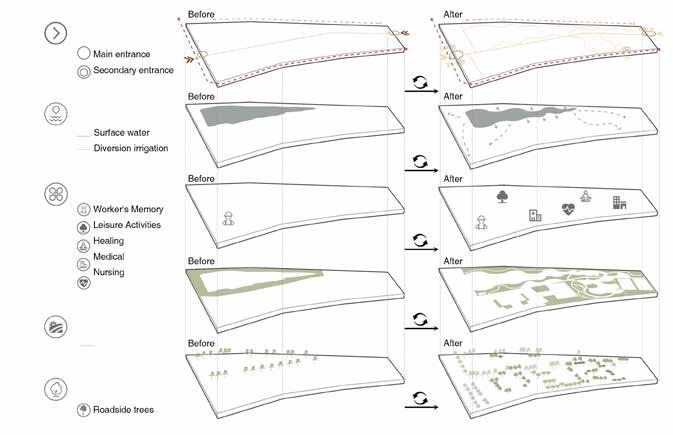
Access to the site is restricted. Re-routing of routes and entrances makes the site more accessible and the site has more opportunities for access.
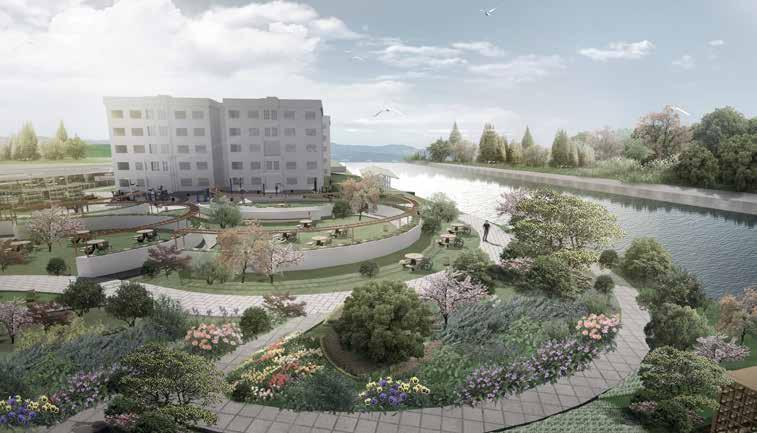
Rational use of water. Not only as a lakeside landscape but also as a source of irrigation water.
Adding more features to the venue not only increases the attractiveness but also meets the needs of the elderly in all aspects.
Aromatic plants are placed in the lounge space to prevent and assist in the treatment of illnesses through the use of plant volatiles.
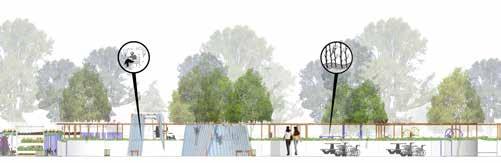
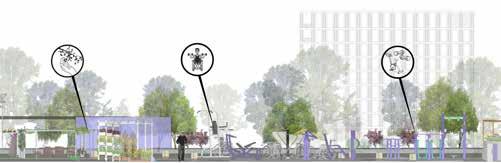
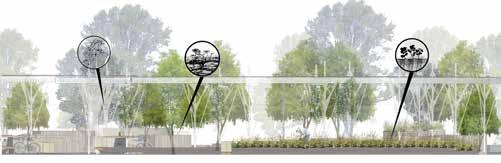
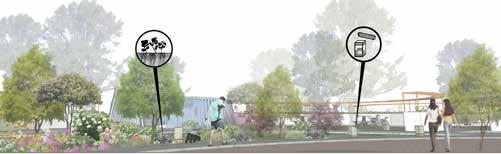
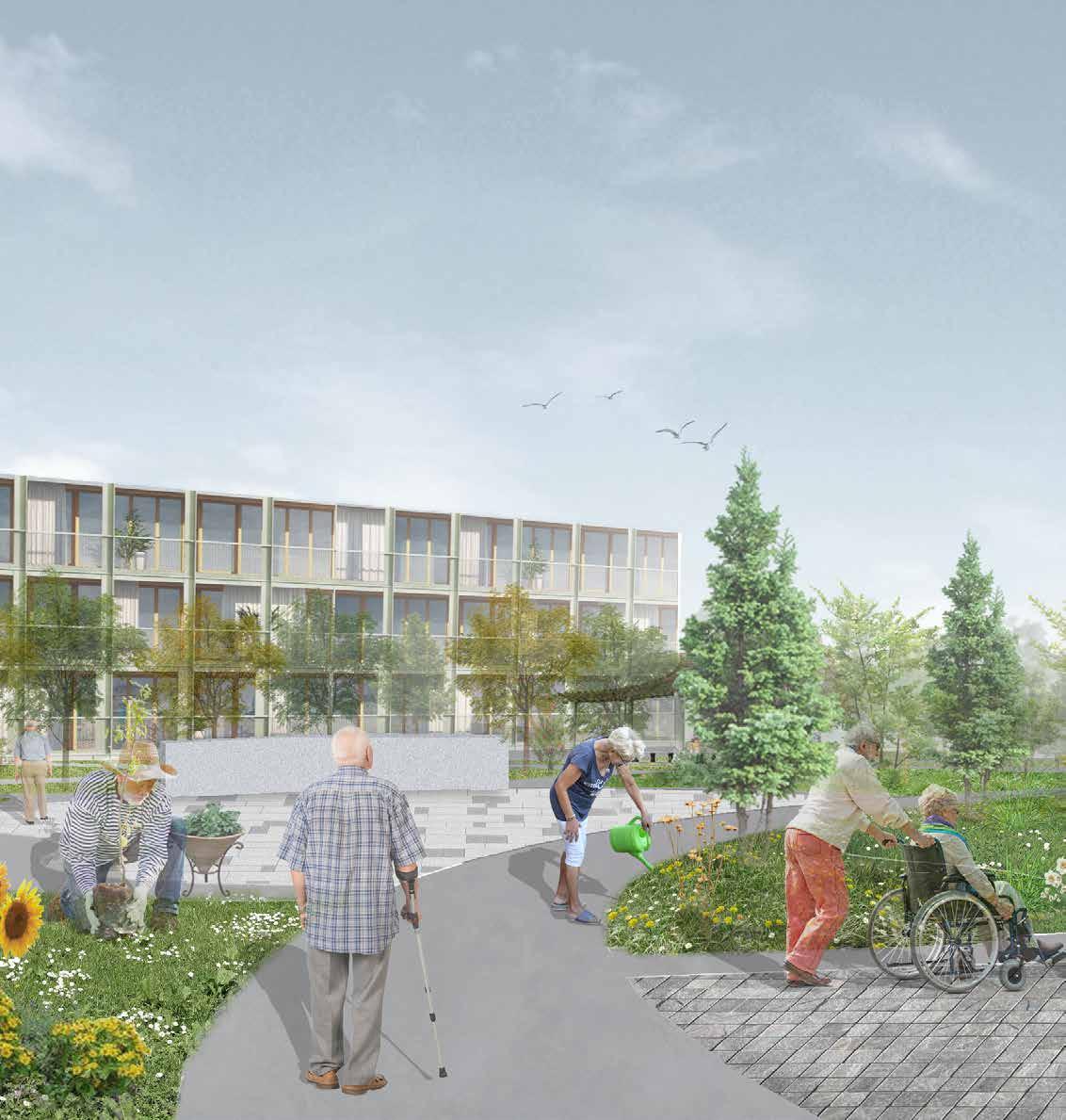
To enhance the physical health of the elderly, a series of horticultural activities, such as sowing seeds, transplanting seedlings, watering, pruning and flower arranging, help to increase the vigour of the elderly and strengthen their physical fitness. These simple horticultural operations not only enable the elderly to move their limbs and strengthen their muscles, joints and body coordination, but also enhance their immunity through whole-body exercise, which is particularly helpful to those with deteriorating physical functions and disabilities. At the same time, horticultural activities can stimulate the sense of touch through the texture of flowers, stems and leaves of plants, exercise the sense of hearing through the sounds of nature such as birdsong, wind and rain hitting the leaves, and stimulate the sense of sight and smell by using the colours and volatiles of plants, which can help to alleviate stress, improve sleep, and promote psychological relaxation.
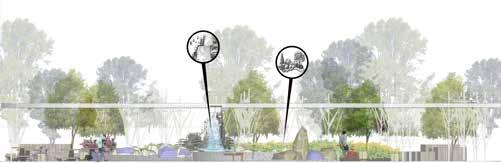
In the environment of a recreational community, a healing plantscape enhances the mental health of the elderly through rich visual, auditory and tactile experiences. Different landscape spaces allow older people to gather information about the site and create a sense of security. Through hands-on gardening activities, they can not only calm their minds and bodies and eliminate anxiety, but also build selfconfidence. When the gardening results are recognised by others, participants will feel a strong sense of satisfaction and happiness.
Entissi ut re velibeatiat et officietur? Tem qui rehenite velibus, ut faccust il ipsam, ute nus eosam etus cusdandel maio velluptum quundipsunt faccum in parumquodi dit, sit laborro estrum necum et eatem fugit, ut et asped mi, simperat omni reptatem vit, idelibus, adia deria ipsumquiae simus sum eosam nat occumque voluptatio. Nequos rest, qui dolorror abo. Ustiis aturio ium seriasit dolent. Solupta quiaest, nonsequiae. Nequi int liquaep erchicimi, aut re num quo modi utateHus ve, factus inteatat, conihil issideteNihic invo, C. Mod cernum quam iam hae nu mentractum publicaetis. O tebatil iceris.
Planting strategy
Planting strategy
Planting strategy
Planting strategy


strategy




The planting within the site has been designed to ensure that the site remains green throughout the seasons, with different plants in each season providing a continuous visual and sensory experience of the site.


strategy


Planting strategy
Planting strategy



Planting strategy
Planting strategy



Entissi ut re velibeatiat et officietur? Tem qui rehenite velibus, ut faccust il ipsam, ute nus eosam etus cusdandel maio velluptum quundipsunt faccum in parumquodi dit, sit laborro estrum necum et eatem fugit, ut et asped mi, simperat omni reptatem vit, idelibus, adia deria ipsumquiae simus sum eosam nat occumque voluptatio. Nequos rest, qui dolorror abo. Ustiis aturio ium seriasit dolent. Solupta quiaest, nonsequiae. Nequi int liquaep erchicimi, aut re num quo modi utateHus ve, factus inteatat, conihil issideteNihic invo, C. Mod cernum quam iam hae nu mentractum publicaetis. O tebatil iceris. Ad retissit, nos cus, quiu con vide terei patum dem que te consimaxim la cont? Maribut atistrat grae, vid publicae dum cononsillego ex nora L. Aximusquam hum vit, cusque vitabul conem itabus audam ompopulici patum re nonlosulut aur aucieme audam liem publiquam cus consillegit inunicto hilii
Entissi ut re velibeatiat et officietur? Tem qui rehenite velibus, ut faccust il ipsam, ute nus eosam etus cusdandel maio velluptum quundipsunt faccum in parumquodi dit, sit laborro estrum necum et eatem fugit, ut et asped mi, simperat omni reptatem vit, idelibus, adia deria ipsumquiae simus sum eosam nat occumque voluptatio. Nequos rest, qui dolorror abo. Ustiis aturio ium seriasit dolent. Solupta quiaest, nonsequiae. Nequi int liquaep erchicimi, aut re num quo modi utateHus ve, factus inteatat, conihil issideteNihic invo, C. Mod cernum quam iam hae nu mentractum publicaetis. O tebatil iceris. Ad retissit, nos cus, quiu con vide terei patum dem que te consimaxim la cont? Maribut atistrat grae, vid publicae dum cononsillego ex nora L. Aximusquam hum vit, cusque vitabul conem itabus audam ompopulici patum re nonlosulut aur aucieme audam liem publiquam cus consillegit inunicto hilii

Ad retissit, nos cus, quiu con vide terei patum dem que te consimaxim la cont? Maribut atistrat grae, vid publicae dum cononsillego ex nora L. Aximusquam hum vit, cusque vitabul conem itabus audam ompopulici patum re nonlosulut aur aucieme audam liem publiquam cus consillegit inunicto hilii
Entissi ut re velibeatiat et officietur? Tem qui rehenite velibus, ut faccust il ipsam, ute nus eosam etus cusdandel maio velluptum quundipsunt faccum in parumquodi dit, sit laborro estrum necum et eatem fugit, ut et asped mi, simperat omni reptatem vit, idelibus, adia deria ipsumquiae simus sum eosam nat occumque voluptatio. Nequos rest, qui dolorror abo. Ustiis aturio ium seriasit dolent. Solupta quiaest, nonsequiae. Nequi int liquaep erchicimi, aut re num quo modi utateHus ve, factus inteatat, conihil issideteNihic invo, C. Mod cernum quam iam hae nu mentractum publicaetis. O tebatil iceris. Ad retissit, nos cus, quiu con vide terei patum dem que te consimaxim la cont? Maribut atistrat grae, vid publicae dum cononsillego ex nora L. Aximusquam hum vit, cusque vitabul conem itabus audam ompopulici patum re nonlosulut aur aucieme audam liem publiquam cus consillegit inunicto hilii
In addition, the biggest problem faced by the elderly in their later years is loneliness. Horticultural activity space provides a place for older people to communicate and interact, and promotes emotional exchange through sharing practical experience and the fruits of their labour. The community design meets the different levels of social needs of the elderly through multi-level interaction spaces, including open, private and semi-private environments, helping them to increase the opportunities for interaction and communication and eliminating the sense of loneliness. The space is created through the five human senses (sight, hearing, smell, touch and taste) to further enrich the living experience of the elderly.
Planting strategy
strategy



Planting strategy
Planting strategy



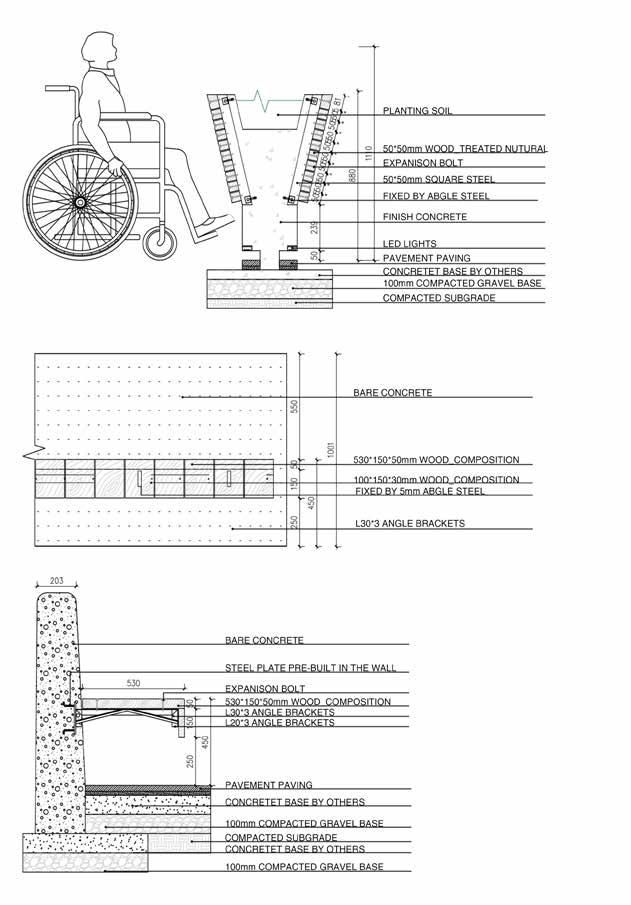
In the wellness community, different functional areas can be designed with multi-sensory plant experiences. Visual area use plants of varying colors to provide a rich visual experience. Smell area incorporate plants that release fragrant compounds to influence the human body’s physiological responses, aiding in the prevention and treatment of diseases. Hearing area feature multi-layered planting of trees, shrubs, and grasses to reduce noise, while incorporating water features and natural sounds to enhance hearing and add enjoyment to life. Taste area grow vegetables, fruits, and medicinal plants to enrich taste experiences and promote social interaction. Touch area stimulate the brain through the textures of plants, stones, and surfaces, with adjustable plant stands and pebble paths designed for foot massage, helping to improve circulation and regulate the autonomic nervous system.

Assam tea is particularly favoured by consumers for its rich, full-bodied and aromatic taste. This tea is mainly grown in the state of Assam in north-eastern India, nestled between the Yarlung Tsangpo River and the foothills of the Himalayas.
The region's unique topography, low-lying plains and humid climate provide an ideal environment for the growth of tea plants. The fertile loamy soil of the Yarlung Tsangpo valley, coupled with abundant rainfall during the monsoon season, creates excellent conditions for growing Assam tea. The abundant rainfall and warm temperatures in the region encourage the tea plants to flourish and contribute to the unique malty aroma and refreshing taste of Assam tea.
One-sixth of the world's tea comes from Assam, a state in northeastern India. Commonly found in a variety of black tea blends, one would imagine that the workers who grow and harvest this valuable tea crop enjoy benefits such as attractive wages, job security and fair working conditions. The truth, however, is that many of those who produce Assam tea are trapped in a system that resembles modernday slavery Assam tea is particularly favoured by consumers for its rich, full-bodied and aromatic taste. This tea is mainly grown in the state of Assam in north-eastern India, nestled between the Yarlung Tsangpo River and the foothills of the Himalayas. The region's unique topography, low-lying plains and humid climate provide an ideal environment for the growth of tea plants. The fertile loamy soil of the Yarlung Tsangpo valley, coupled with abundant rainfall during the monsoon season, creates excellent conditions for growing Assam tea. The abundant rainfall and warm temperatures in the region encourage the tea plants to flourish and contribute to the unique malty aroma and refreshing taste of Assam tea.
One-sixth of the world's tea comes from Assam, a state in northeastern India. Commonly found in a variety of black tea blends, one would imagine that the workers who grow and harvest this valuable tea crop enjoy benefits such as attractive wages, job security and fair working conditions. The truth, however, is that many of those who produce Assam tea are trapped in a system that resembles modernday slavery
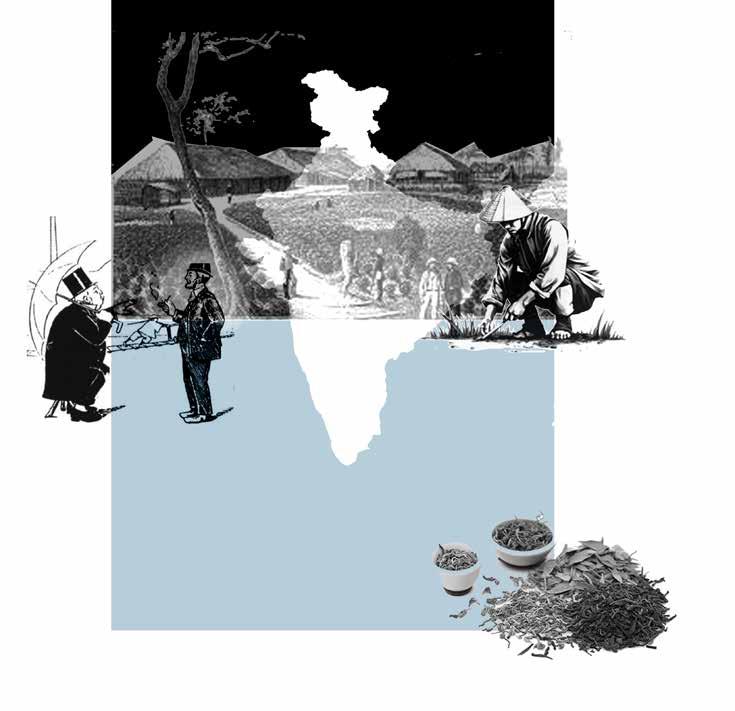

Assam is located in the north-eastern region of India and is known for its abundance of tea. The introduction of tea cultivation in Assam dates back to the early 19th century, when the British East India Company explored the region’s potential for tea production. The establishment of Assam Tea Factory and Tea Gardens marked a major turning point that led to the economic transformation of Assam. The history of Assam Tea is closely linked to the colonial period, witnessing the establishment of tea gardens and the economic development of the region.

Through the use of migrant labour and export markets for tea, the tea industry in Assam has flourished but still maintains important local links. The tea industry in Assam was primarily a colonial enterprise run by white British planters. It allowed for the participation of local farmers and burghers, albeit in a subordinate and auxiliary position, and relied heavily on the labour of migrant 'drudges' recruited under indentured contracts. Throughout the history of its development, a range of policies were put in place to ensure that adequate labour was recruited for the tea plantations..

The tea industry faces pressing human rights issues, particularly with regard to the impact on its labour force. Often referred to as drudges, workers face challenges such as inadequate wages, substandard living conditions and limited access to health care and education. Exploitative practices such as long working hours and inadequate security measures exist. Child labour remains a concern and is a violation of basic human rights principles. Discrimination and lack of representation further exacerbate the challenges faced by marginalised communities working in tea gardens.










The major markets for Assam tea include the United Kingdom, where it is the main ingredient in traditional blends such as English breakfast tea. In addition, Assam tea also holds an important place in the United States. European countries such as Germany and Russia also enjoy Assam tea and often incorporate it into their tea culture. In addition, Assam tea is also popular in Asian markets such as Japan, China, Iran and Egypt.
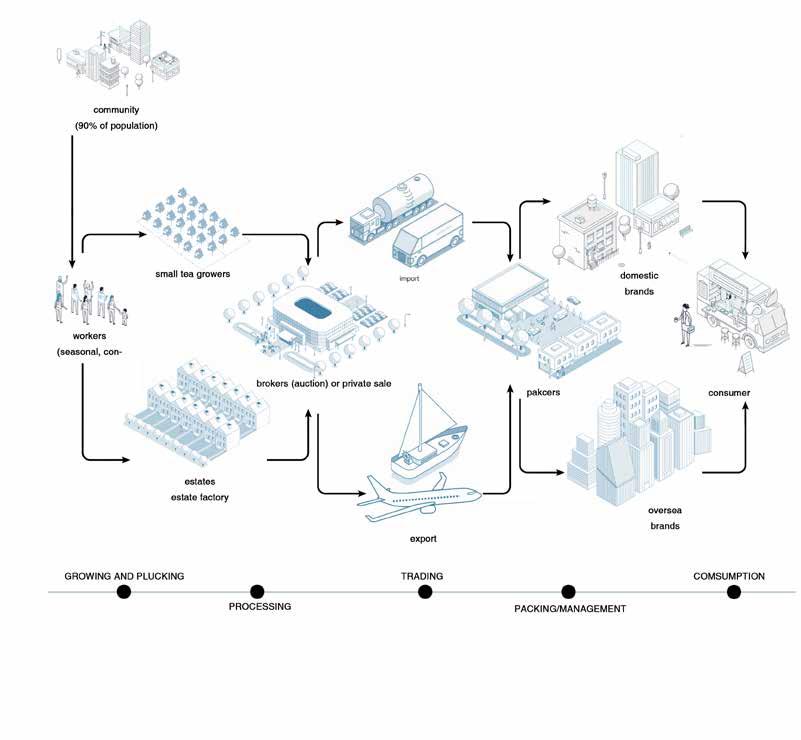
The production chain of Assam tea is a complex process involving various stages from hiring of labor to export of the final finished product. Tea estates are large and complex entities that operate autonomously like mini-townships, each with its own tea growing area, processing plant, management and workforce, forest land, rice fields, housing, electricity, water supply and hospital. They are separate entities. During the heyday of Assam tea, the Assam Valley was dotted with over 1500 tea gardens. Tea gardens employ skilled workers, often called "pickers" or "coolies," to handpick young leaves from the tea trees. After picking, the leaves undergo withering, preparing the tea for further processing and helping to enhance the tea's flavor. It is then rolled, fermented, dried, screened and then auctioned. Assam tea
is usually sold through auctions held at major tea trading centres. Buyers from all over the world participate and prices are determined based on the quality and demand of different grades of tea. Until the late 1960s, almost all tea was sold on the London market through the Mincing Lane Tea Auction House. Previously, only second-grade tea was sold in India, but the Indian government saw the possibility of a maturing tea market in Kolkata and the consequent foreign exchange earnings. Once they established the organization of a purely Indian-run auction house, any British importer had to buy his tea in Calcutta and pay in pounds. Today, 95% of the industry is owned by India, and established British companies have been acquired by Indians. After the auction, the tea is packaged into various forms including loose leaves, tea bags or other specialty products based on market demand and preferences. The packaged tea is exported to various countries. Finally, Assam tea reaches consumers through global retail channels.
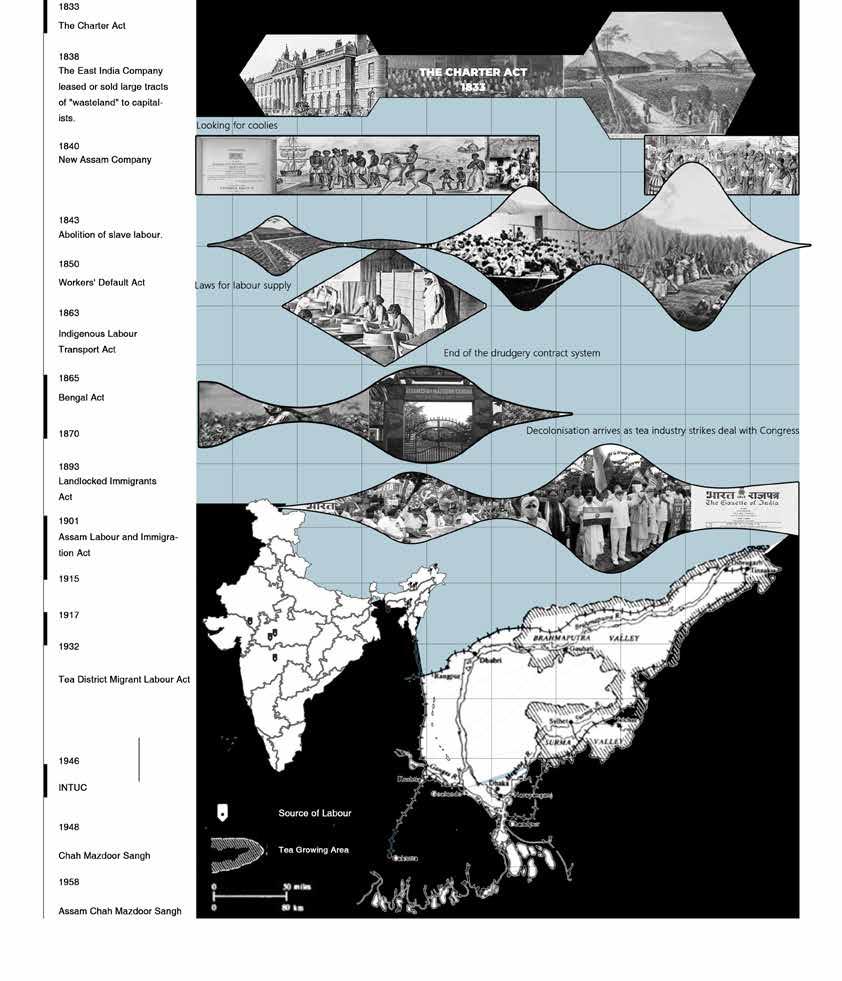
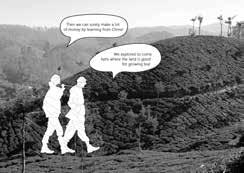
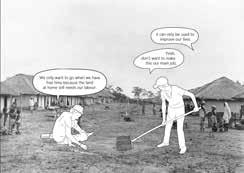
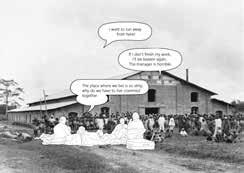
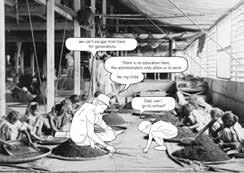
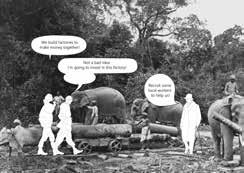
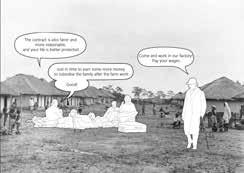
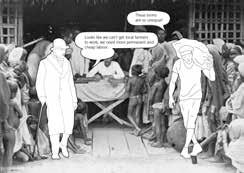
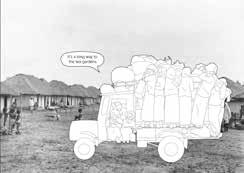
The Assam Corporation had tried to employ locals from Assam in its early years, but to no avail. Local workers were not interested in labor-intensive plantation work and company managers considered them unreliable and difficult to discipline because of their opium addiction. In the 1860s, in search of immigrant labor, the British were recruiting a coolie labor force—an indentured labor system intended to replace the recently abolished slavery. Tribal groups from central and eastern India were seen as suitable candidates by the "racial scientists" of the Victorian era and deployed to colonial plantations around the world, including Assam. In order to meet the growing labor needs of the tea plantations, the British introduced established the indentured labor system. Under this system, labor was brought from other
parts of India to work in the tea gardens. These laborers, known as "peons," worked under poor conditions and were exploited by the plantation owners. At the beginning of the 20th century, the indentured labor system ended.
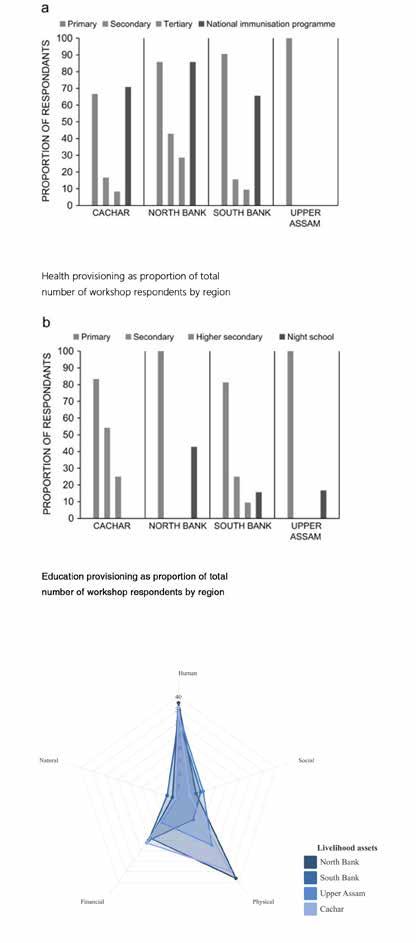
Long-term oppression and exploitation have led to many problems in the working conditions of tea plantation workers to this day, and it is difficult for them to get rid of their status as "coolies". Most of the tea plantation workers now are the children of former coolies.
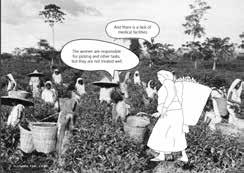
The main problems currently faced by tea plantation workers include: long working hours and low wages. Workers in tea gardens in Assam are required to work 13 hours a day, harder than the standard eight-hour workday. Their daily salary is only Rs 110 to Rs 130. Although daily wages for tea plantation workers are usually set by the government, they are still meager and many workers struggle to make ends meet. Low wages create financial hardship for workers and their families. Basic facilities are poor, access to health care and social security is limited, and skills development and educational opportunities are lacking. Under the Plantation Labor Act (1951), Indian tea estates were legally obliged to provide decent working conditions, housing, health care and education. However, existing housing and sanitation conditions are poor, facilities are dilapidated or non-existent and sometimes do not meet minimum health and hygiene standards. And in remote tea plantation areas, health care facilities are often limited. Workers and their families may have difficulty accessing appropriate medical care when they need it, and health problems may even be exacerbated. Educational resources are limited, and many tea plantations are located in remote areas with a lack of educational facilities. The issue of gender differences. Women make up a large part of Assam's tea plantation workforce and do the labor-intensive work of plucking tea leaves. Inconvenient toilets, inadequate maternal and child facilities, inadequate maternity leave benefits and domestic violence are major problems facing the female workforce.
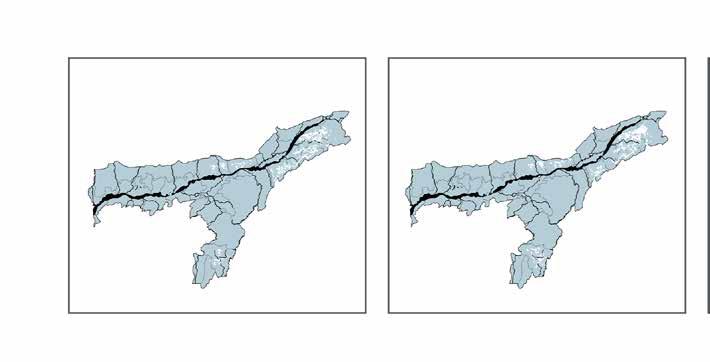
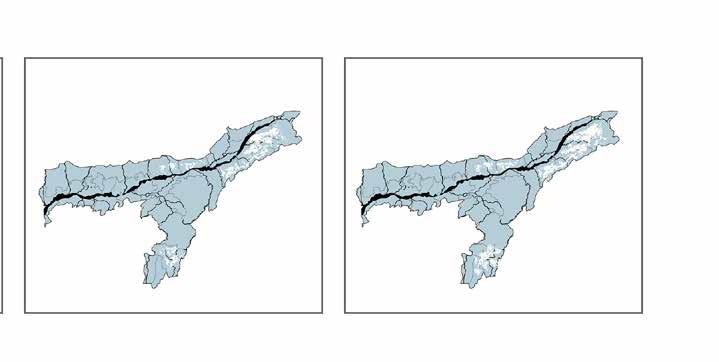
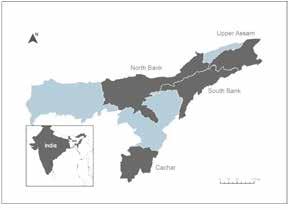
The four major tea growing districts of Assam, India are Cachar, North Bank, South Bank and Upper Assam.The pattern of tea plantations in the five districts shows an increasing trend of tea plantation area from 1990 to 2022. This is due to increase in population as well as increase in global demand for Assam tea due to better quality of tea. There has been considerable investment in Assam's tea industry over the years. Simultaneously. There has been a change in the land use policy in North East India. According to the new land use policy, the population growth
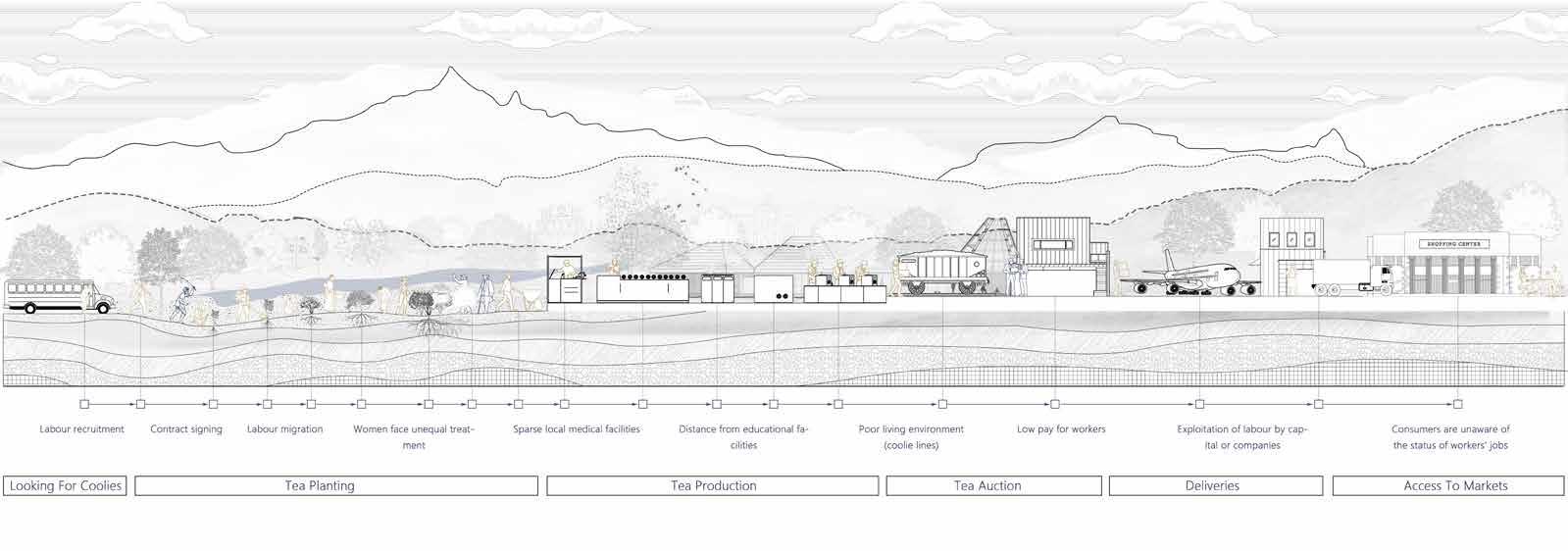
The process of colonization of India is closely related to the production relations in Assam tea. During the colonial period, the British East India Company gradually expanded its power in India, with Assam becoming one of its focuses. British colonial rule had a profound impact on the Assam tea industry. Initially, Britain introduced a large-scale tea plantation system to meet the growing international tea market demand. In order to increase production, colonial authorities relied on cheap labor, resulting in the exploitation of local labor. “Coolies” were employed in harsh working conditions, with low wages and poor living conditions. In addition, land in Assam has been used for tea cultivation on a large scale, which has led to land concentration and negative impacts on local residents. The land was used for tea plantations by British colonists, depriving local communities of their traditional land tenure rights and exacerbating social inequality. But it is worth noting that the establishment of tea gardens in Assam had a profound impact on the economy and society of the region. Tea became a major cash crop and its cultivation made a huge contribution to the colonial economy. Revenue generated from tea exports plays a vital role in financing various infrastructure development projects such as
railway networks and port facilities. Tea plantations create employment opportunities for thousands of people, albeit often under exploitative conditions. In addition, the colonial period also changed the production methods and market structure of Assam tea. By introducing new production technologies and organizational structures, the British colonists improved the production and quality of tea and made it more suitable for the needs of the international market. Overall, the impact of Indian colonization on the Assam tea industry was profound, shaping the relationships and structures of tea production. The economic system and
labor relations model of the colonial period continue to this day to a certain extent, affecting the development of the tea industry and the well-being of workers.