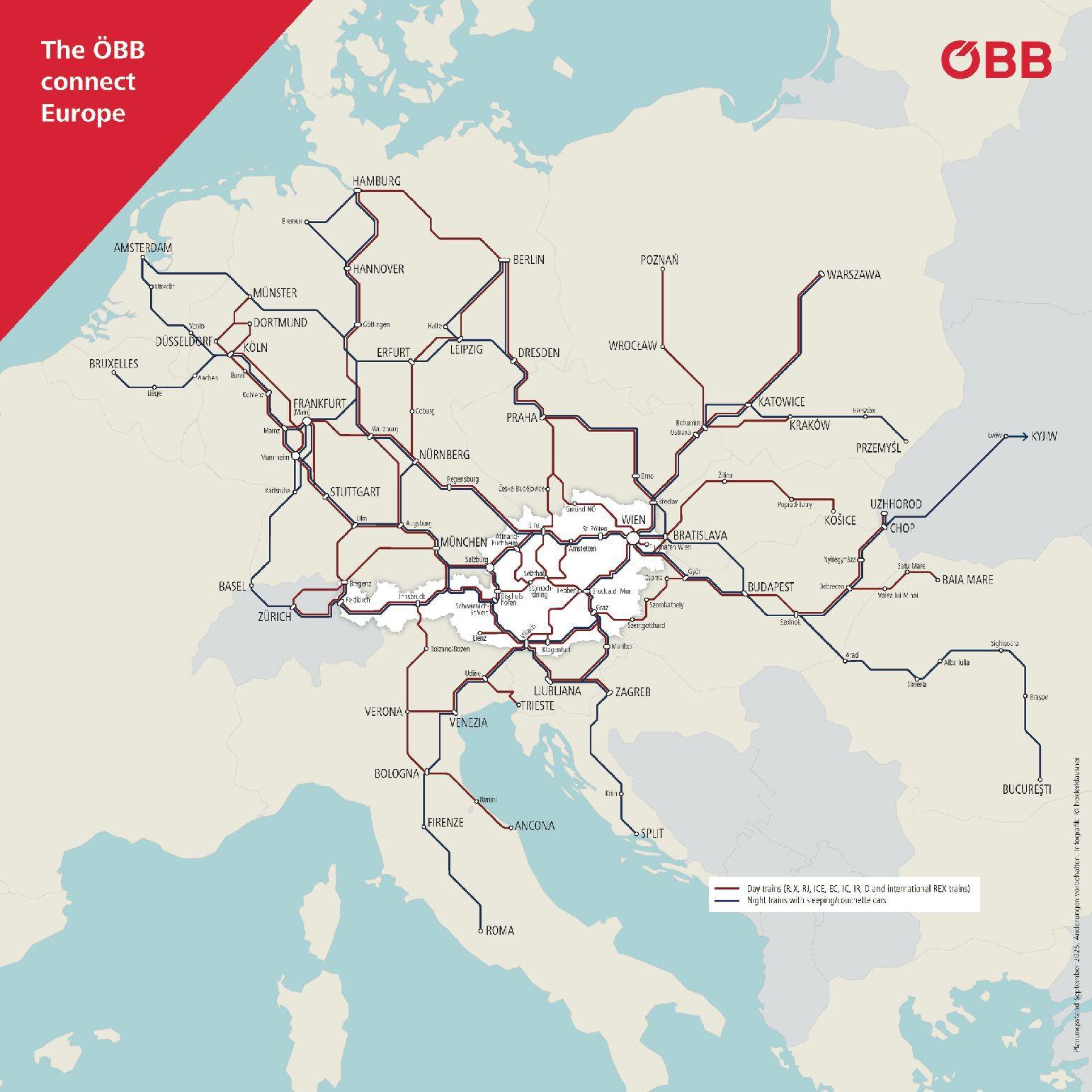
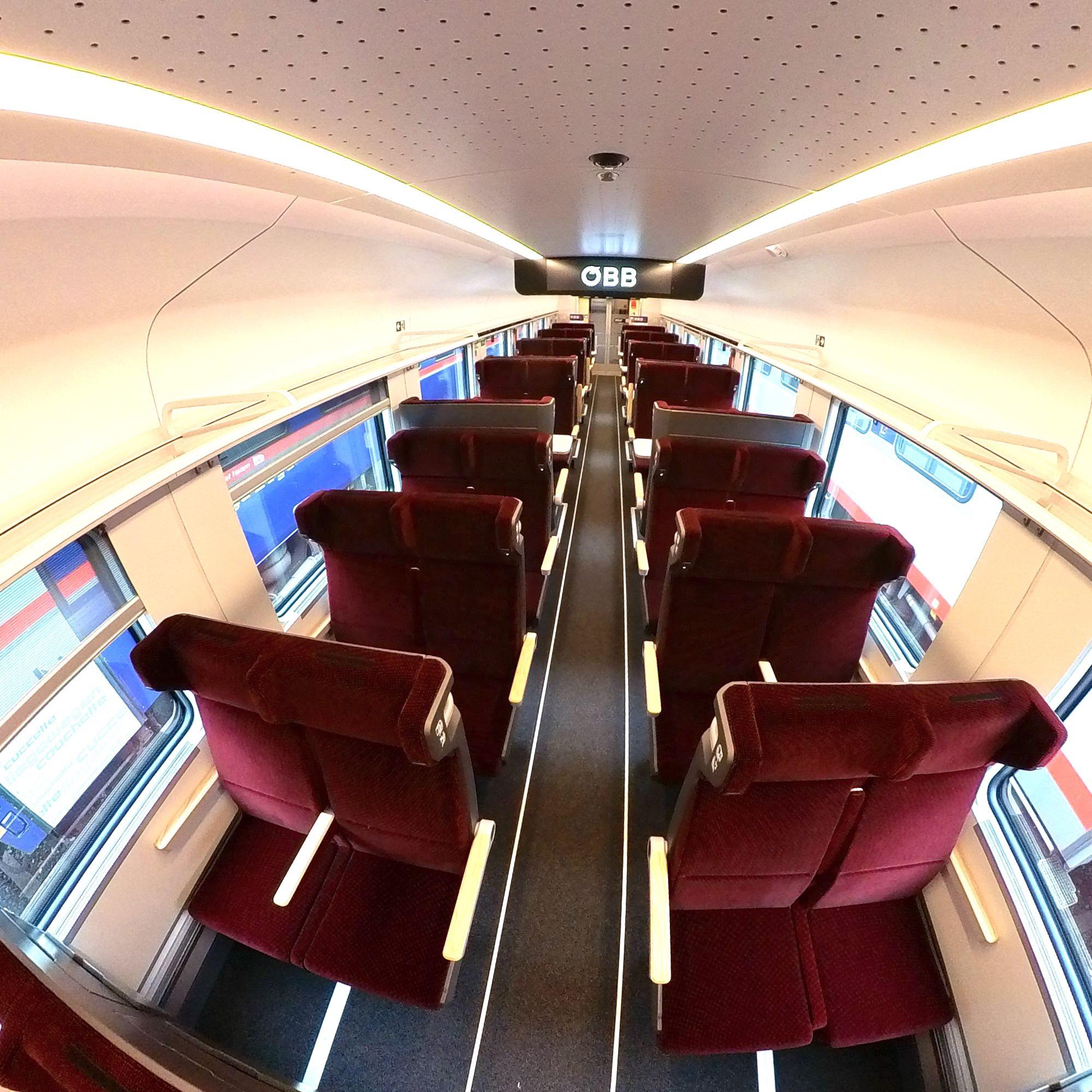
ÖBB connects numerous European cities with modern day and night services.
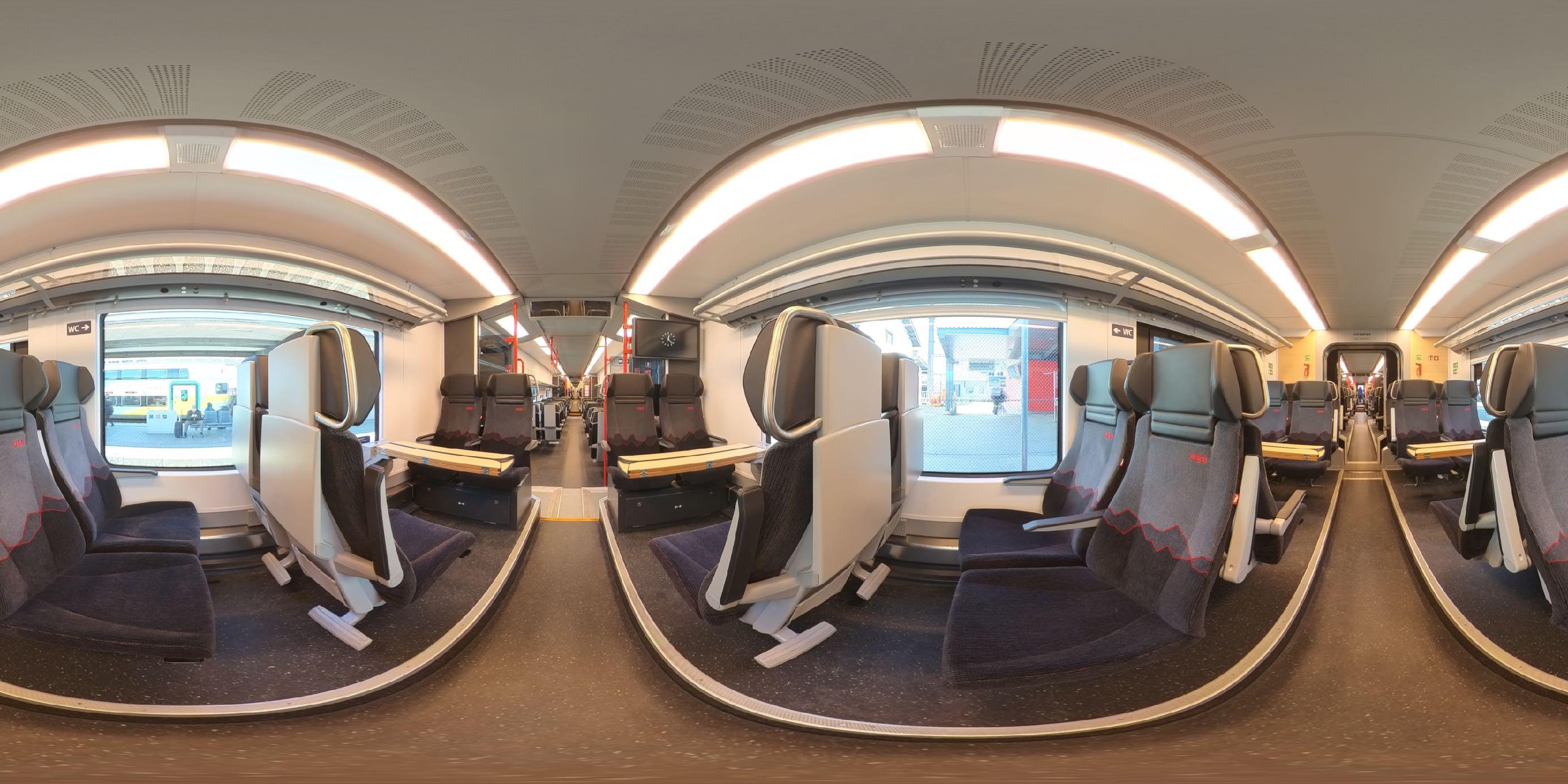
During the day, ÖBB Railjets offer fast and comfortable long-distance travel in Economy, First, and Business classes.
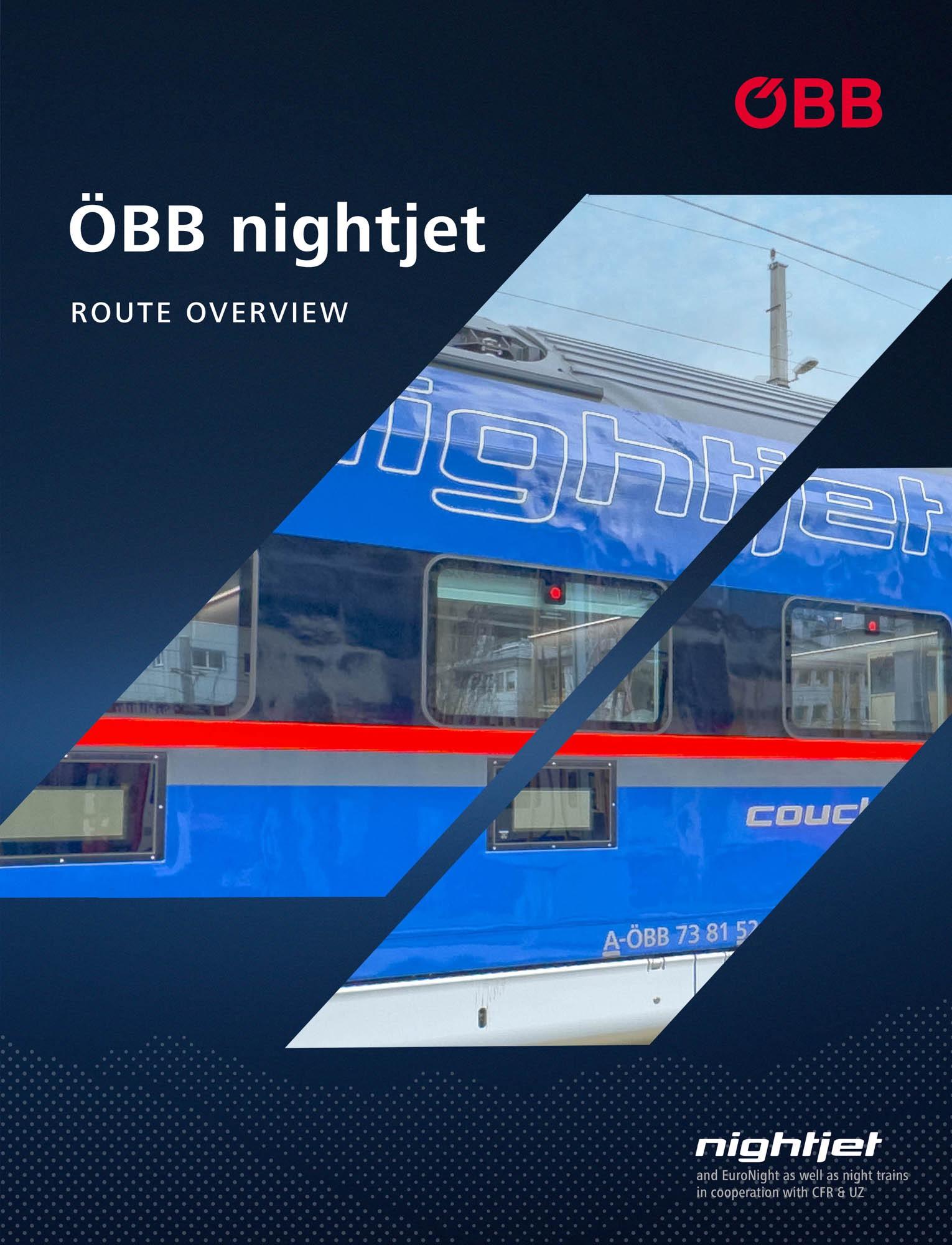
At night, the ÖBB Nightjet provides a relaxing and environmentally friendly journey across Europe. Whether
you prefer a seat, new Mini Cabins, or couchette and sleeper cars – every travel preference is catered for.
Within Austria, ÖBB Cityjets guarantee punctual and comfortable local and long-distance transport.
Further information and booking options can be found via the info button, which leads directly to the ÖBB booking page.


A RRIVAL
T HE C ITY
H ISTORICAL B UILDINGS
C ITY OF L OVE
W ORTH S EEING
A RT & C ULTURE
C HURCHES
B RIDGES
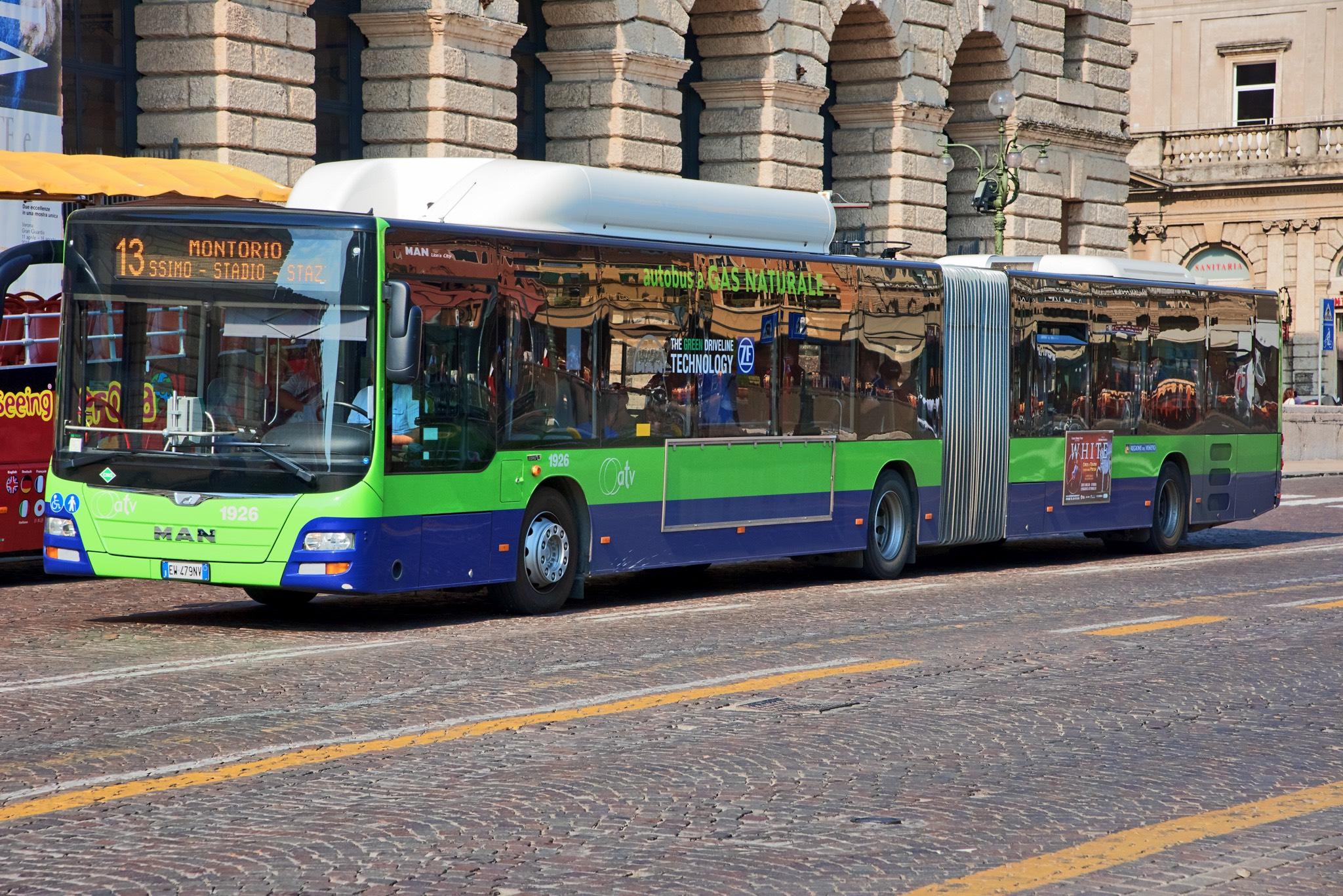
P UBLIC T RANSPORT
I MPRINT
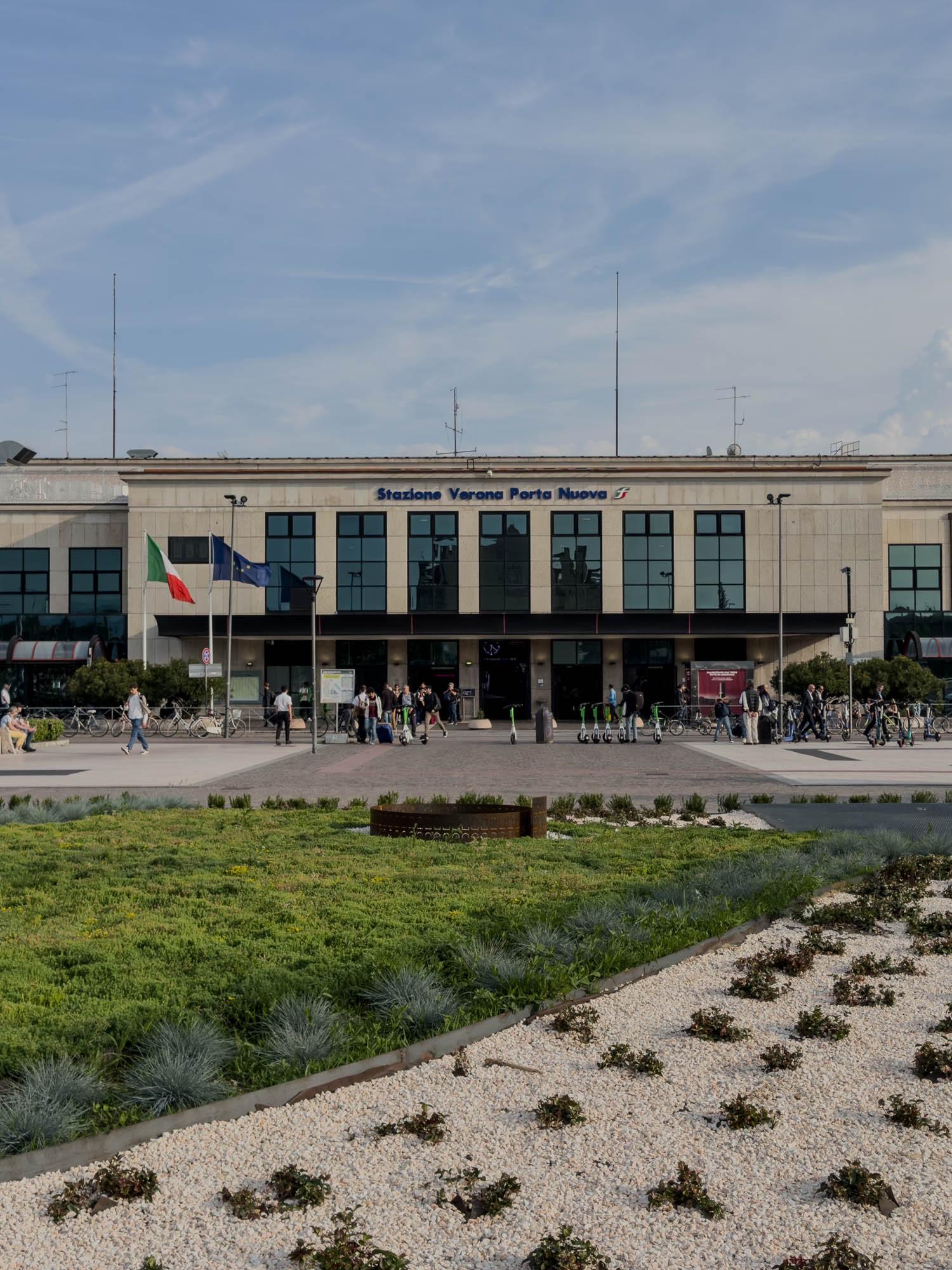

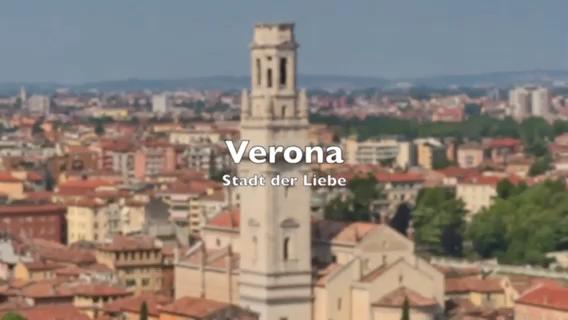
The ÖBB Nightjet brings travelers safely, comfortably, and above all completely stress-free to Verona. No matter whether it's a business or vacation trip, traveling by train is not only more comfortable, it's also much more environmentally friendly.

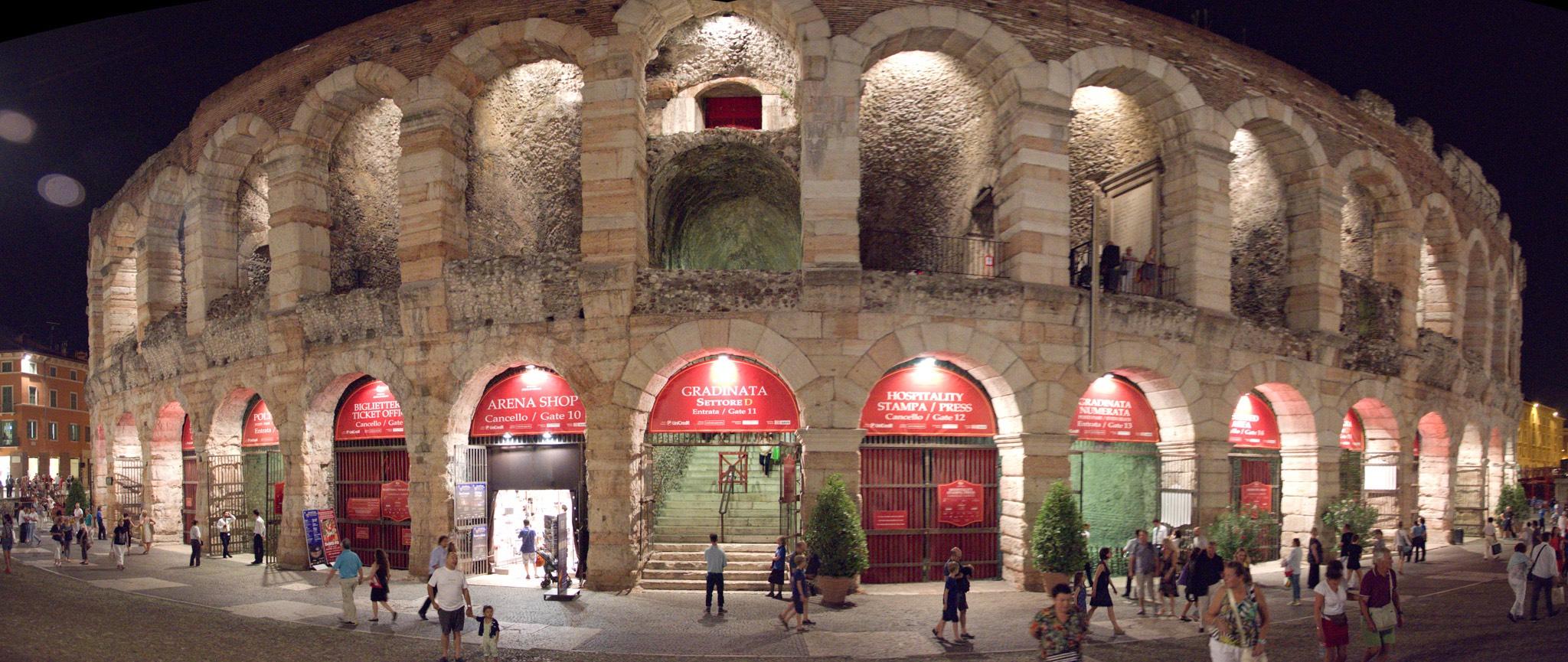
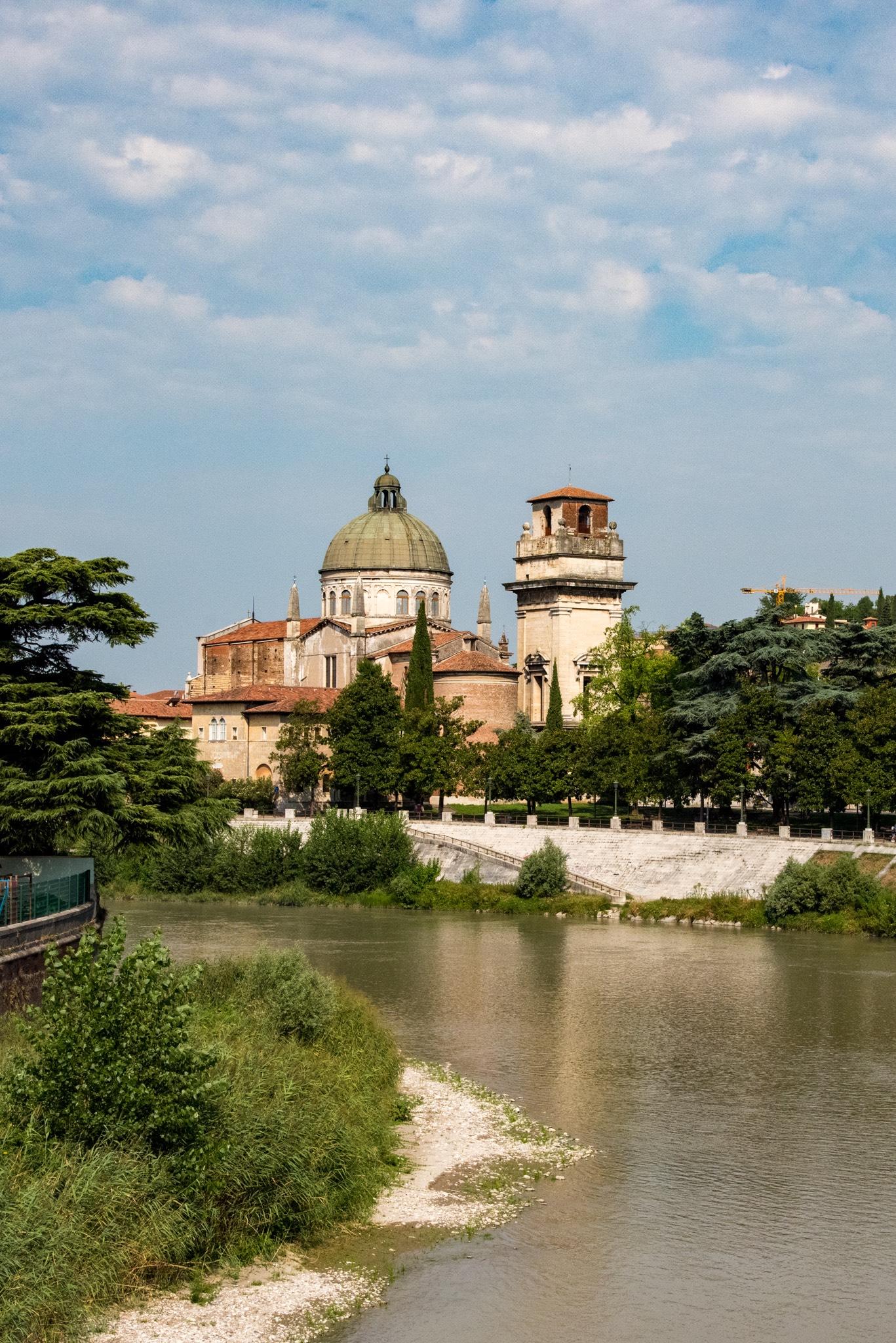
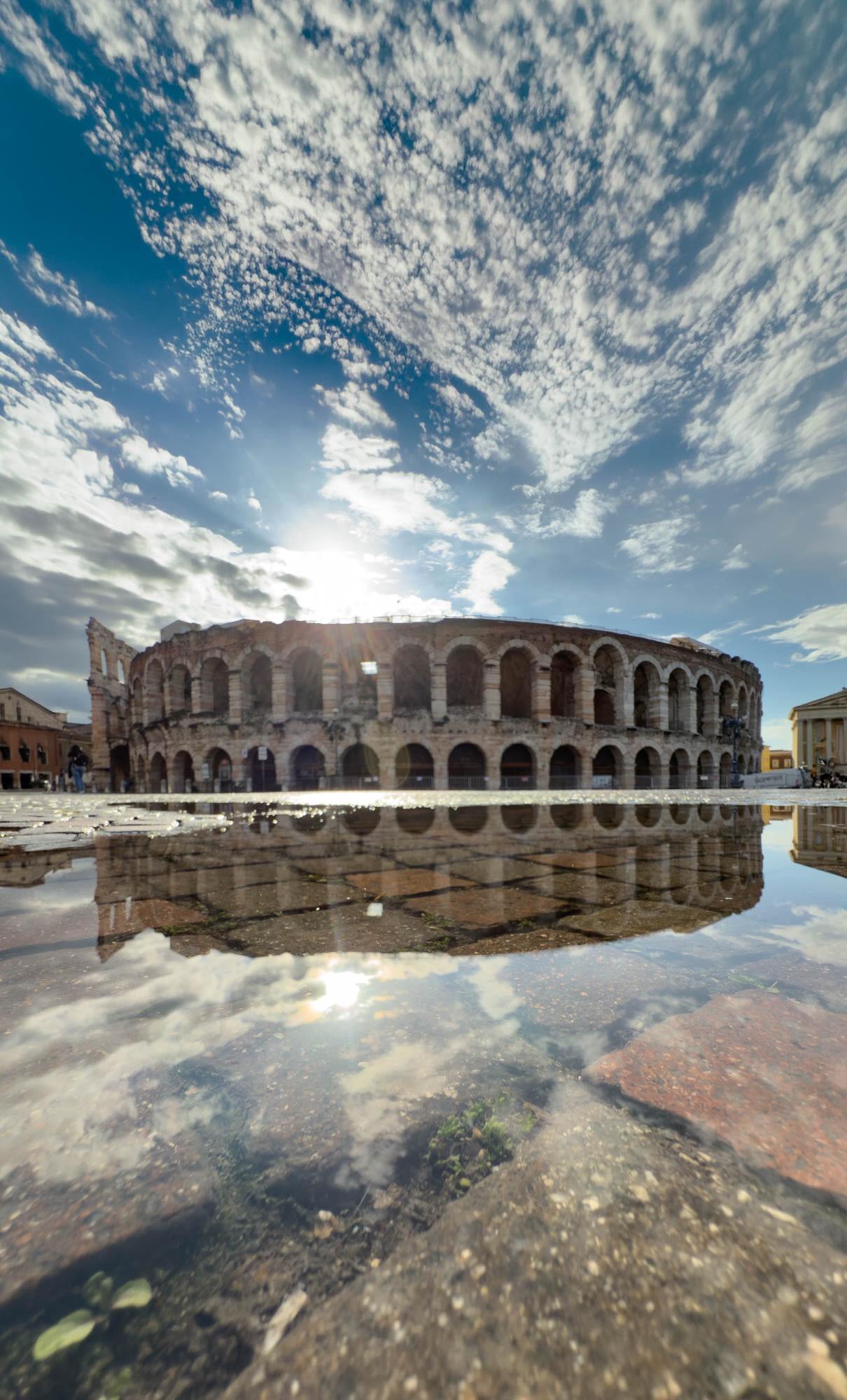
Verona is located on the important Brenner line. Since 2000, the old town has been part of the World Heritage Site. The history of Verona can be traced back to 550 BC. Many buildings still date from the early days of the city. For example, the “Ponte Pietra” was built around 100 BC. The Arena of Verona, which holds a particularly high status among those interested in art, is almost 2,000 years old and was built around the year 30.
Over the centuries, there were various rulers over the city: Verona was a Roman colony, then residence of the Ostrogoth king, part of the Frankish Empire, and margraviate of the Duchy of Bavaria. From 976 to 1184, the city was part of Carinthia. After a phase of independence, it first came under Milanese and then Venetian rule. Under the leadership of the Austrian Empire, Verona belonged to the Upper Italian fortress quadrilateral (Quadrilatero). This consisted of Peschiera, Mantua, Legnago, and Verona.
Above all, the proximity to Lake Garda and Venice makes Verona a popular excursion destination.
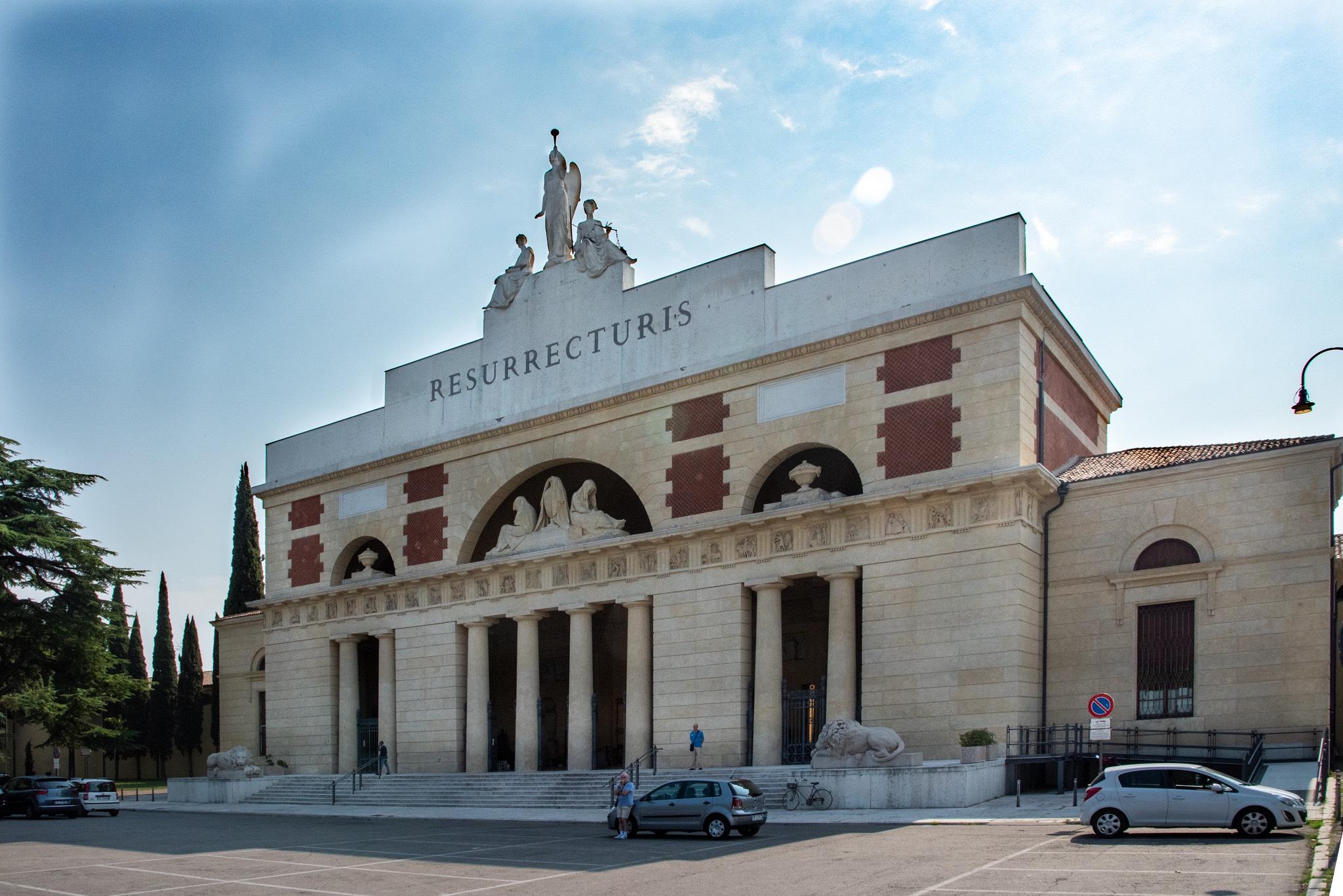
Before the construction of the monumental cemetery in 1829, the dead of the city were buried in the churches. The Napoleonic laws banished the cemetery to its current location outside the city
walls. The cemetery complex is very worth seeing, but if you visit Verona in summer, it can get very hot there.
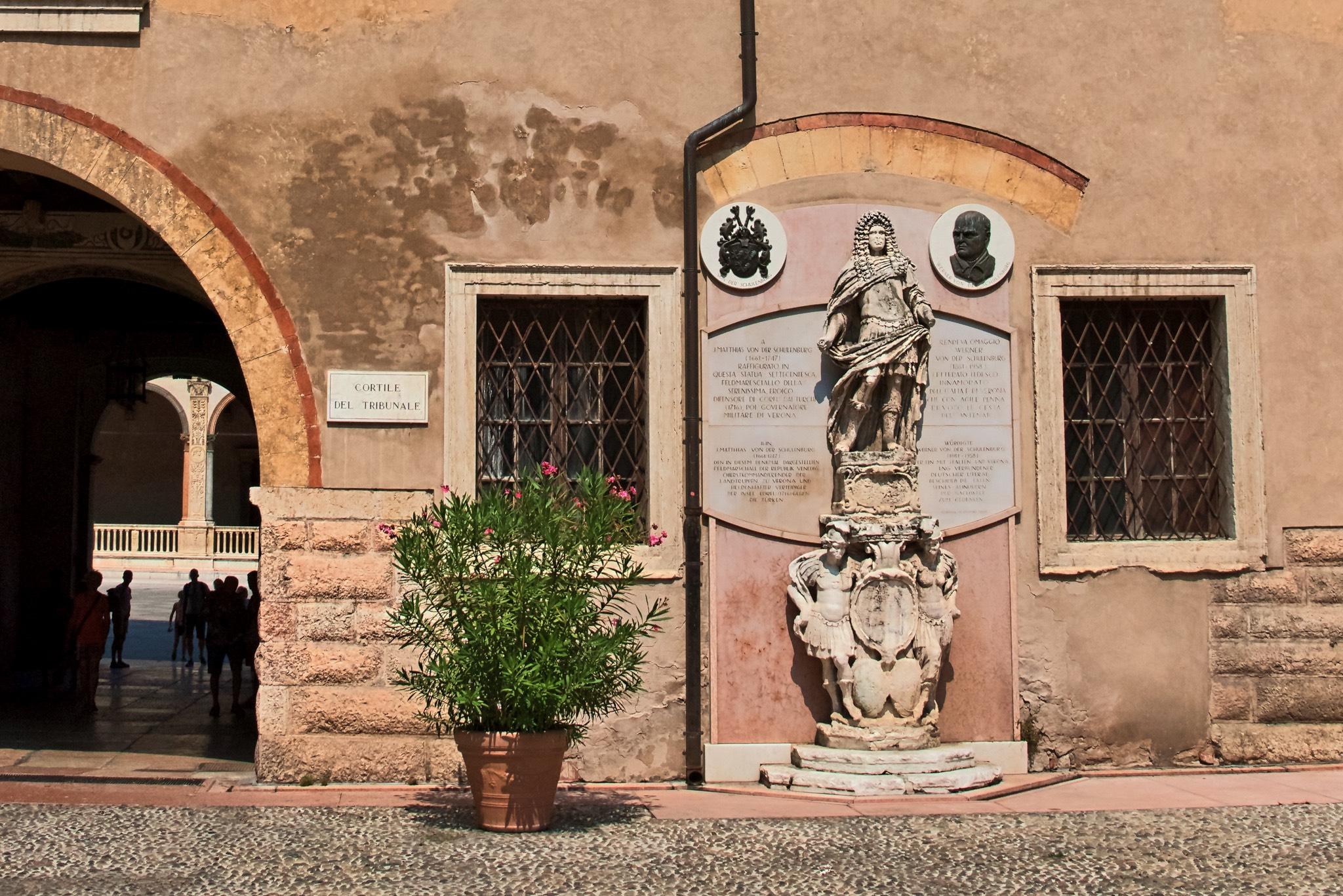
During the rule of the Venetians, this palace was the seat of the captain. The Palace of the Captain (Palazzo del Capitano) is also called “Palazzo di Cansignorio”. This monument was dedicated to the
great Venetian general in the courtyard of the Palazzo del Capitano, in the Cortile del Tribunale.
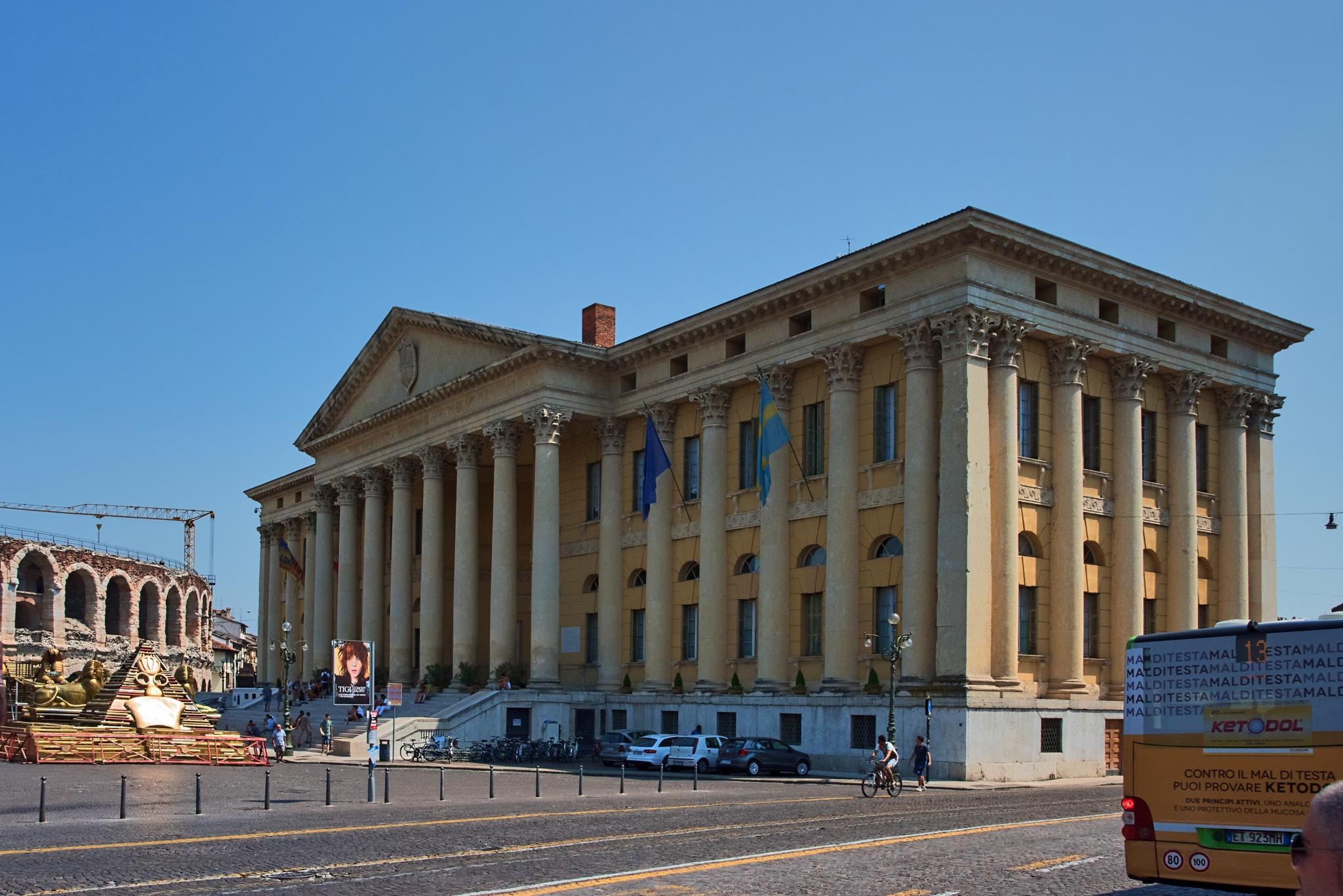
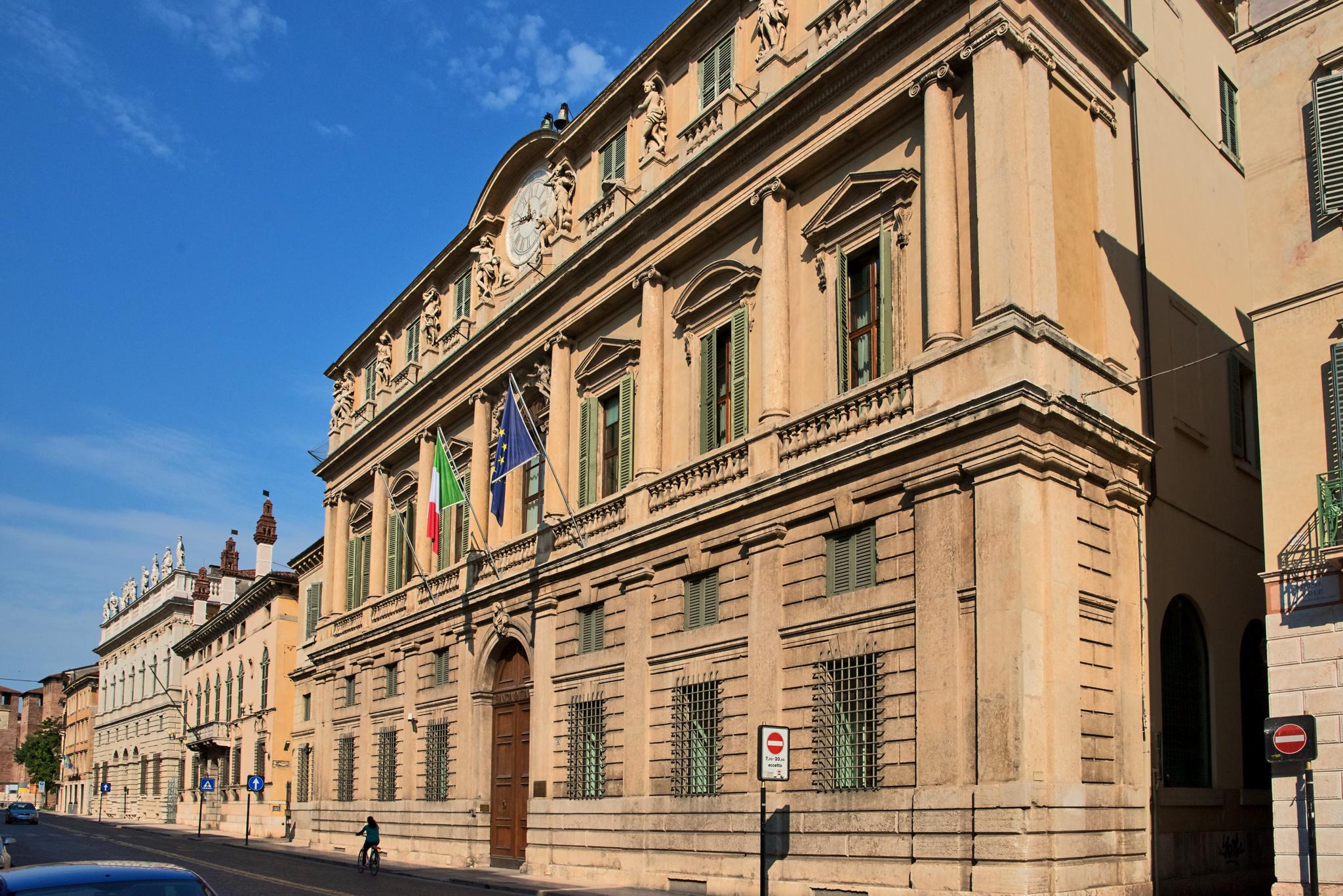
Initially, the palace built from 1836 to 1848 was called “Palazzo della Gran Guardia Nuova”. During Austrian rule, this was the administrative seat. In addition, the palace was used as quarters for the
city guard. Since Veneto's annexation to the Kingdom of Italy, the mighty building has served as the city hall.
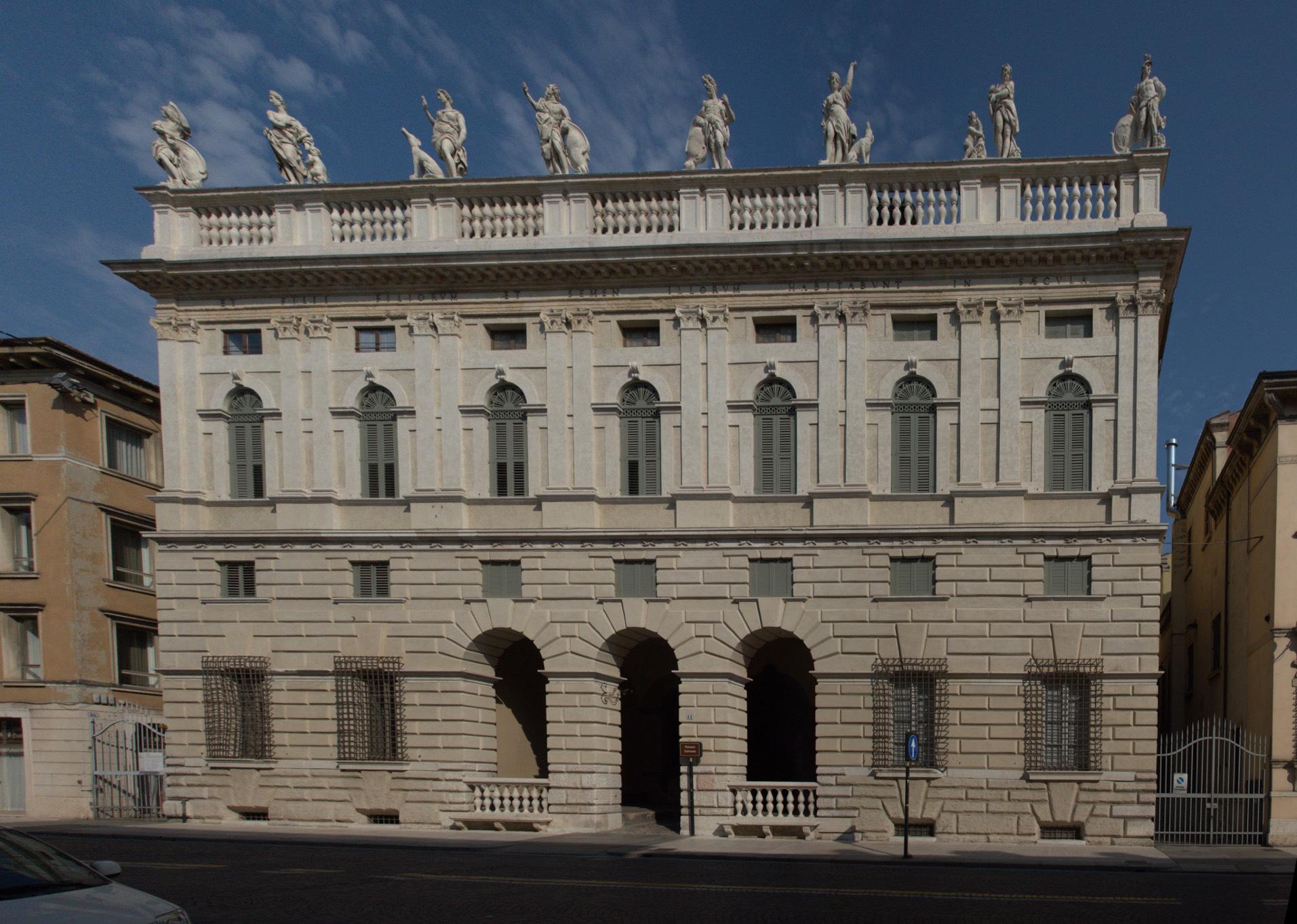
The Veronese Palazzo Canossa was designed by the Italian Renaissance architect Michele Sanmichel in 1527. The representative palace was the city residence of the Canossa family.
The Palazzo Canossa is privately owned and cannot be visited.

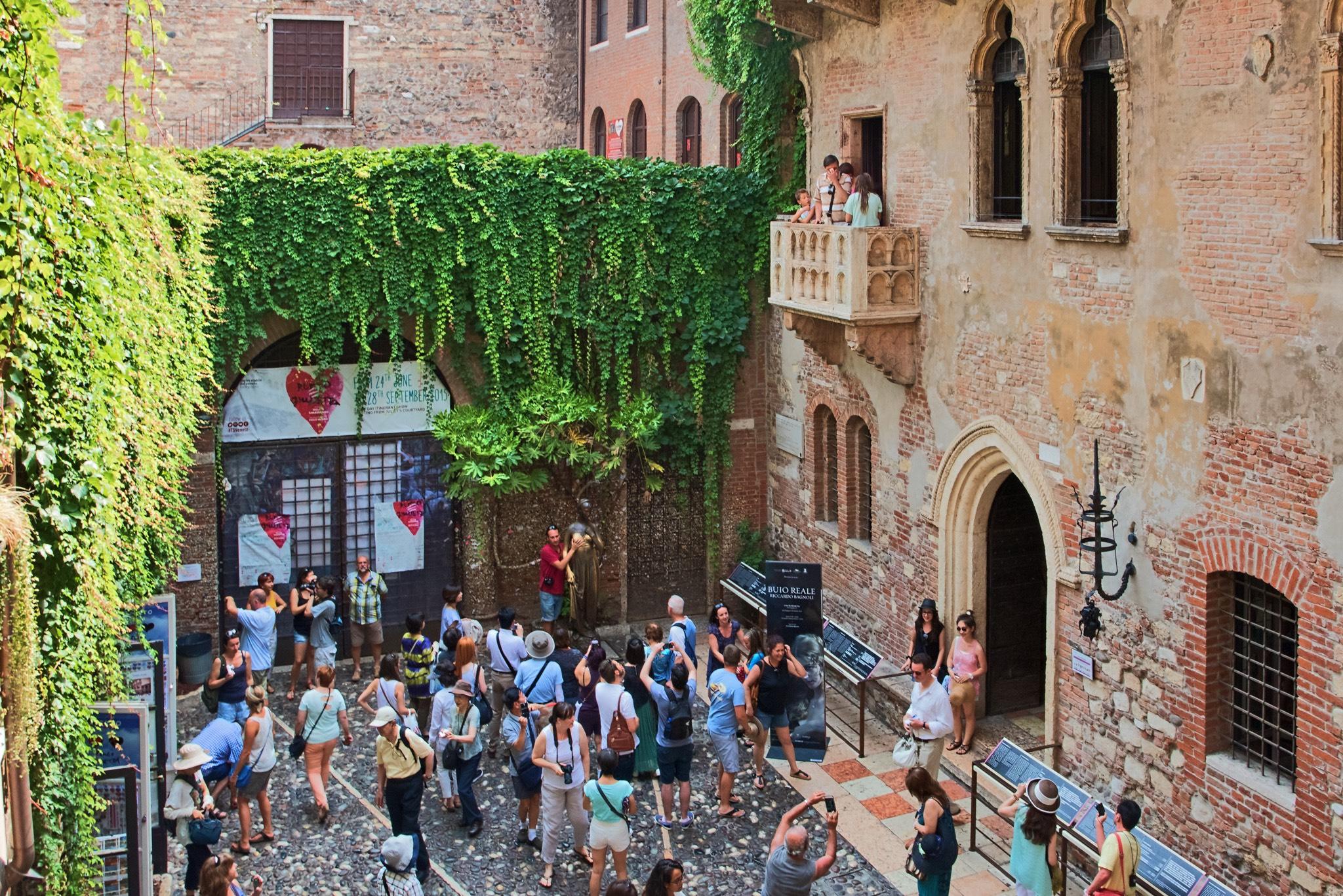
The balcony of Juliet's house (Casa di Giulietta) is one of the most important and most visited attractions in Verona. The balcony, originally part of a sarcophagus, was installed in 1930. The building was owned by the dal Capello family in the 14th
century. Touching the breasts of the statue and leaving a love message on the wall is said to bring good luck. From the first floor of the shop in the courtyard, you can best view both the balcony and Juliet's statue.
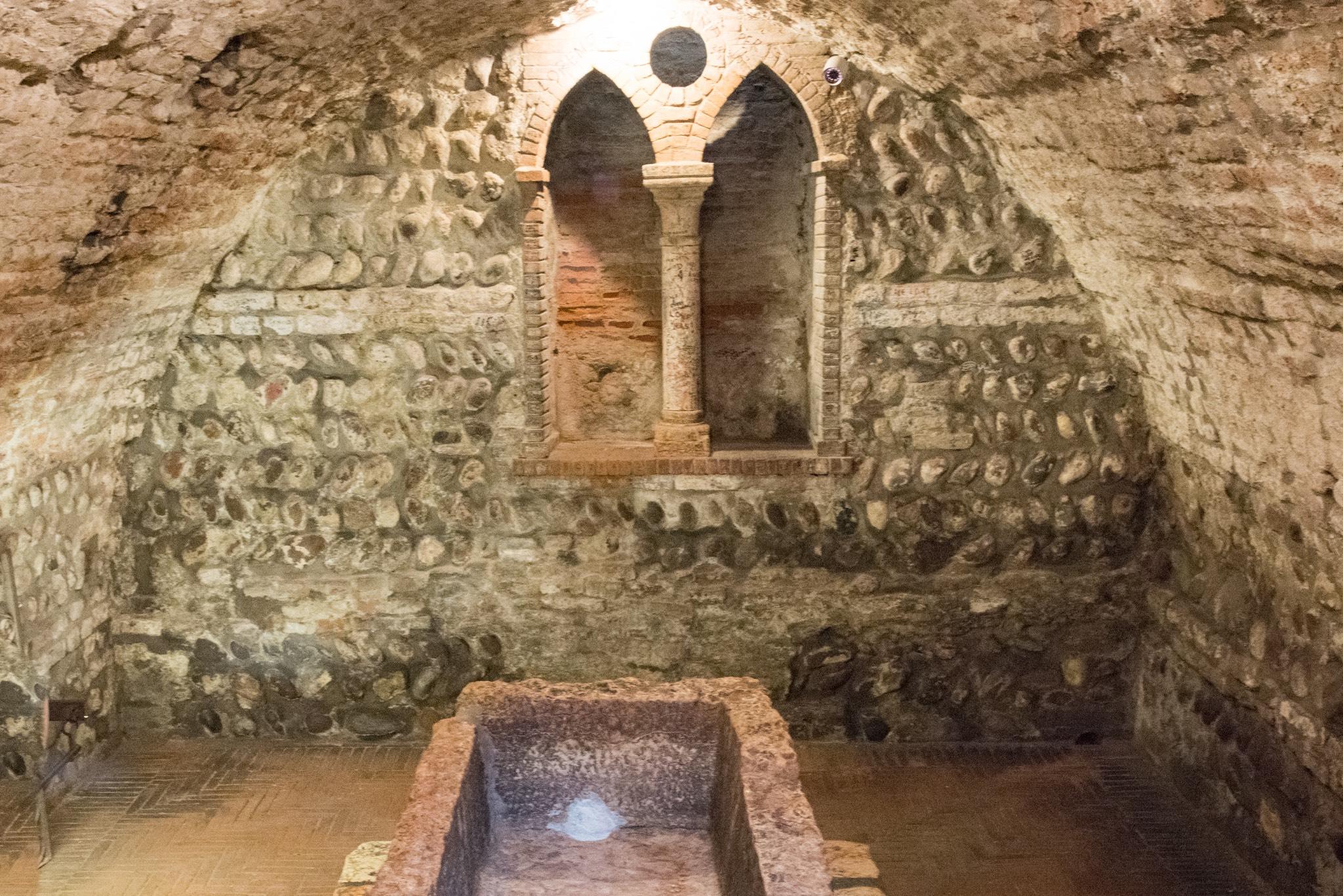
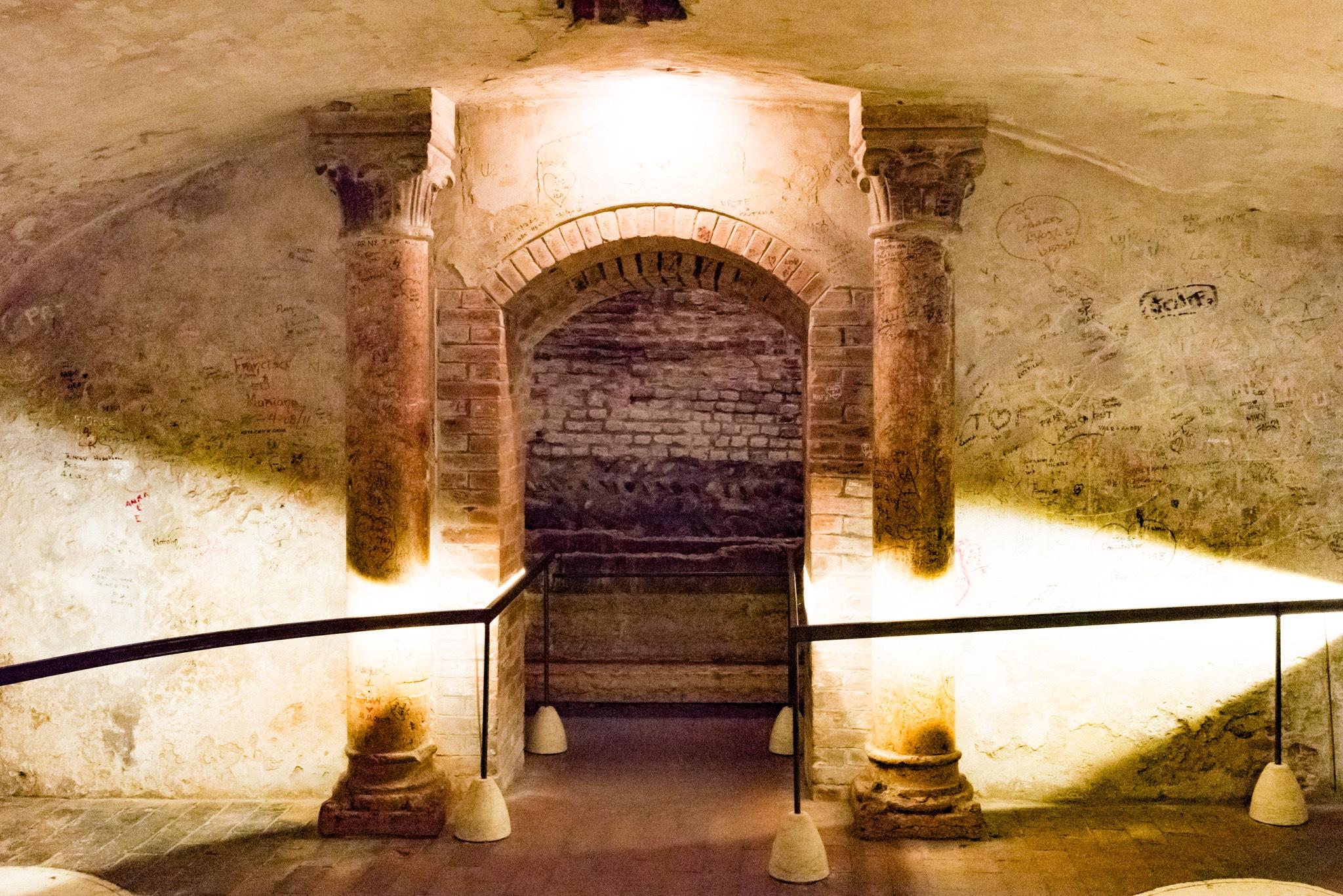
Since Shakespeare's love story is set in Verona, it became necessary to create a final resting place for the unfortunate Juliet in addition to the balcony. In 1937, the ancient Capuchin monastery from the 13th century was chosen as the burial site for the young Capulet. The fresco museum is also housed in the same building.
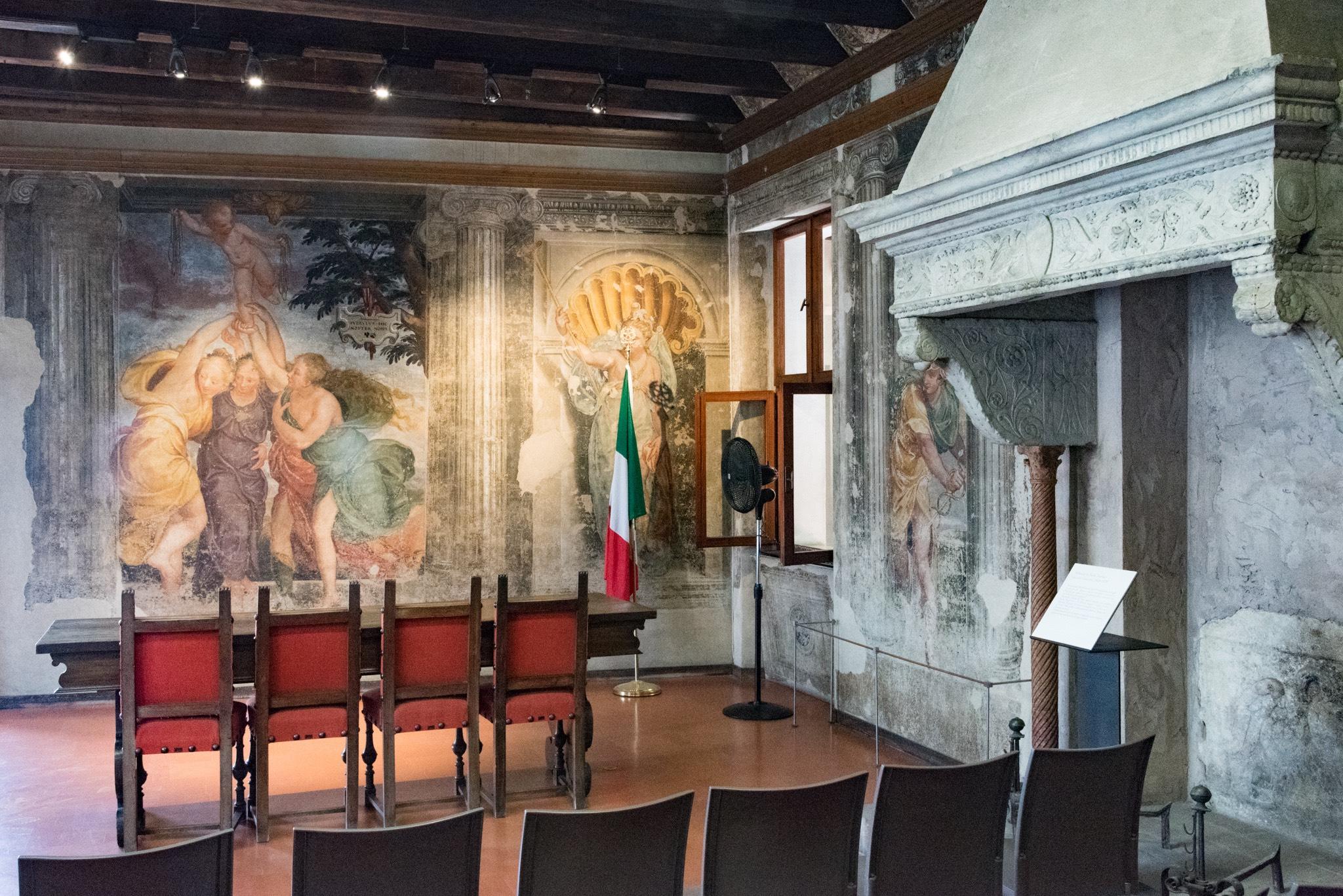
In the "Guarienti Hall" of the Franciscan monastery built in 1230, you can also tie the knot for life.
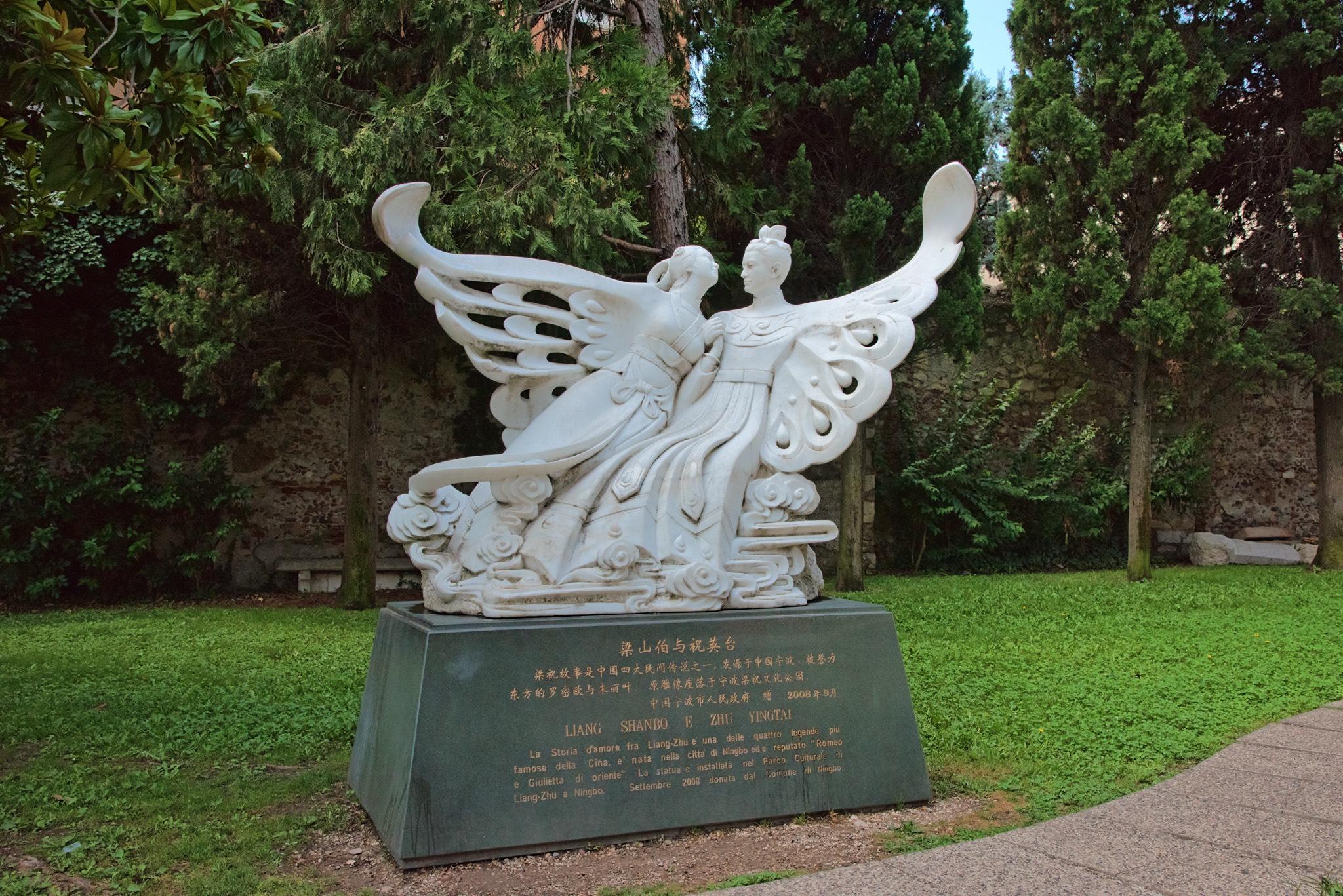
the main
of
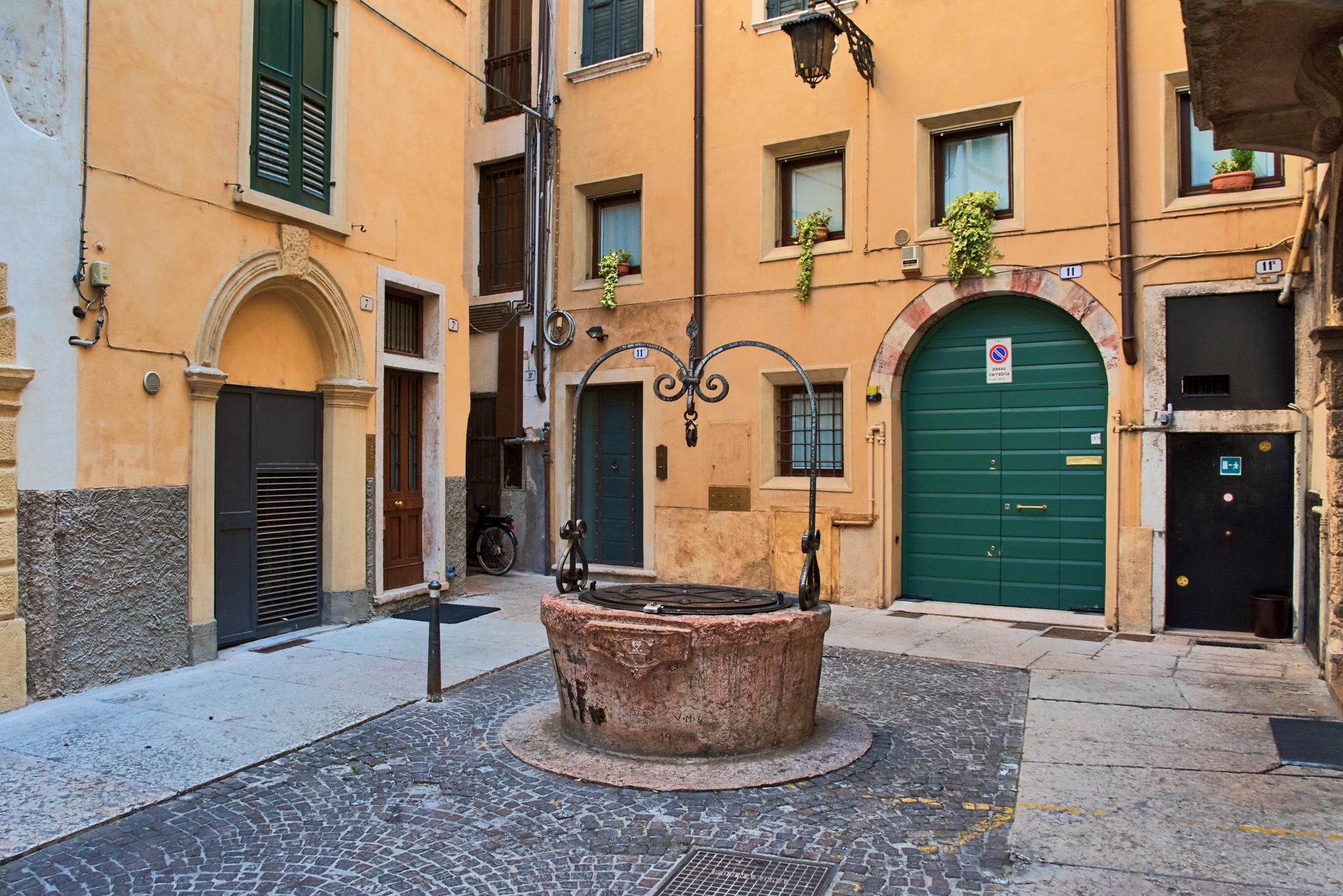
The Pozzo dell’Amore (Love Well) is located in a small courtyard. The place is a pilgrimage site for lovers, who attach padlocks to the well's cover grid as a sign of their love. In addition to the story of
Romeo and Juliet, there is also the Leggenda del Pozzo dell’Amore.
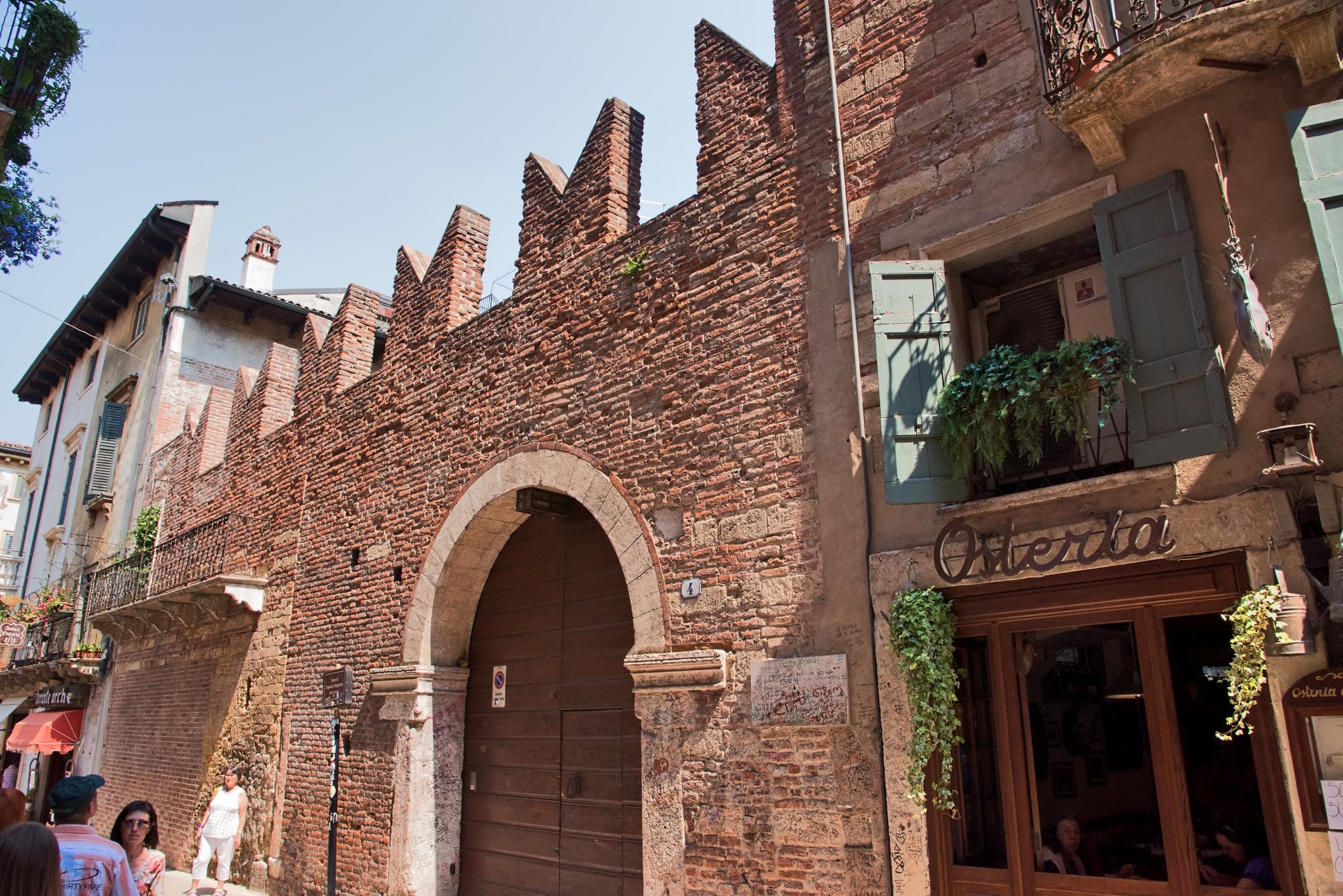
Romeo's house (Casa di Romeo) is actually called “Casa di Cagnolo Nogarola detto Romeo”. It is another attraction that is part of the must-see program when visiting Verona.
It is not the actual house of Romeo, but the Montecchi family lived in this area at that time.
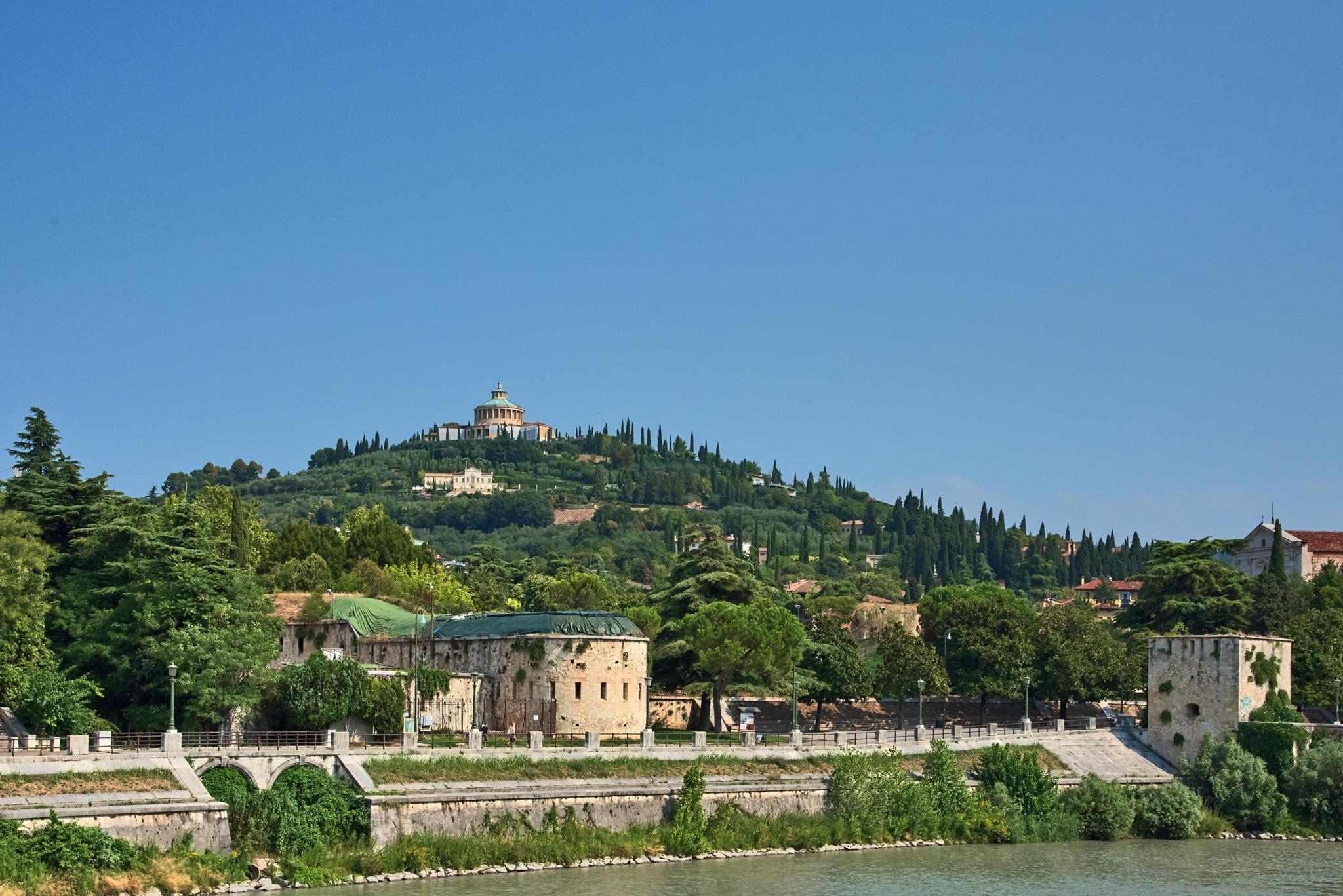
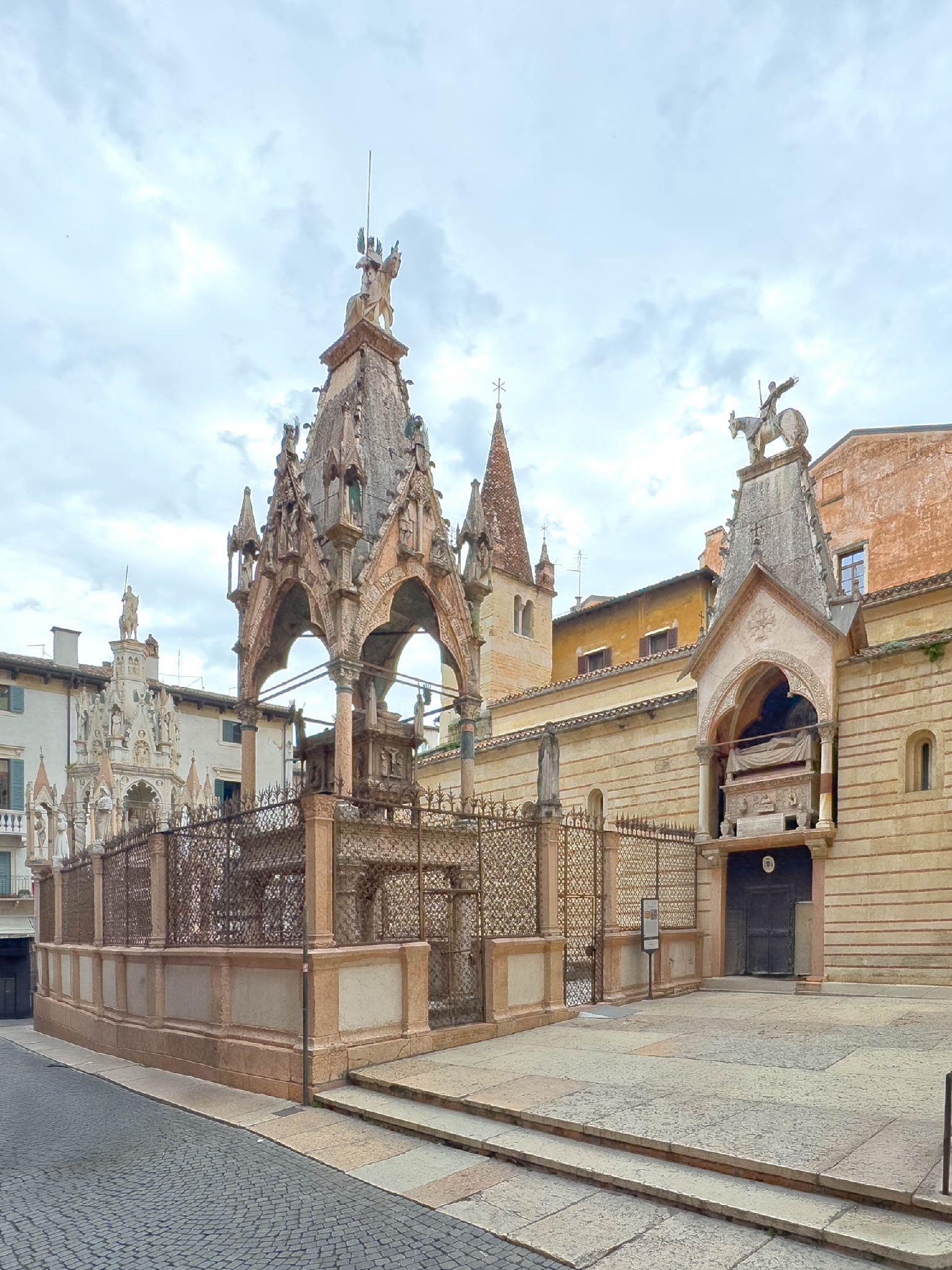
church of Santa Maria Antica. The oldest graves
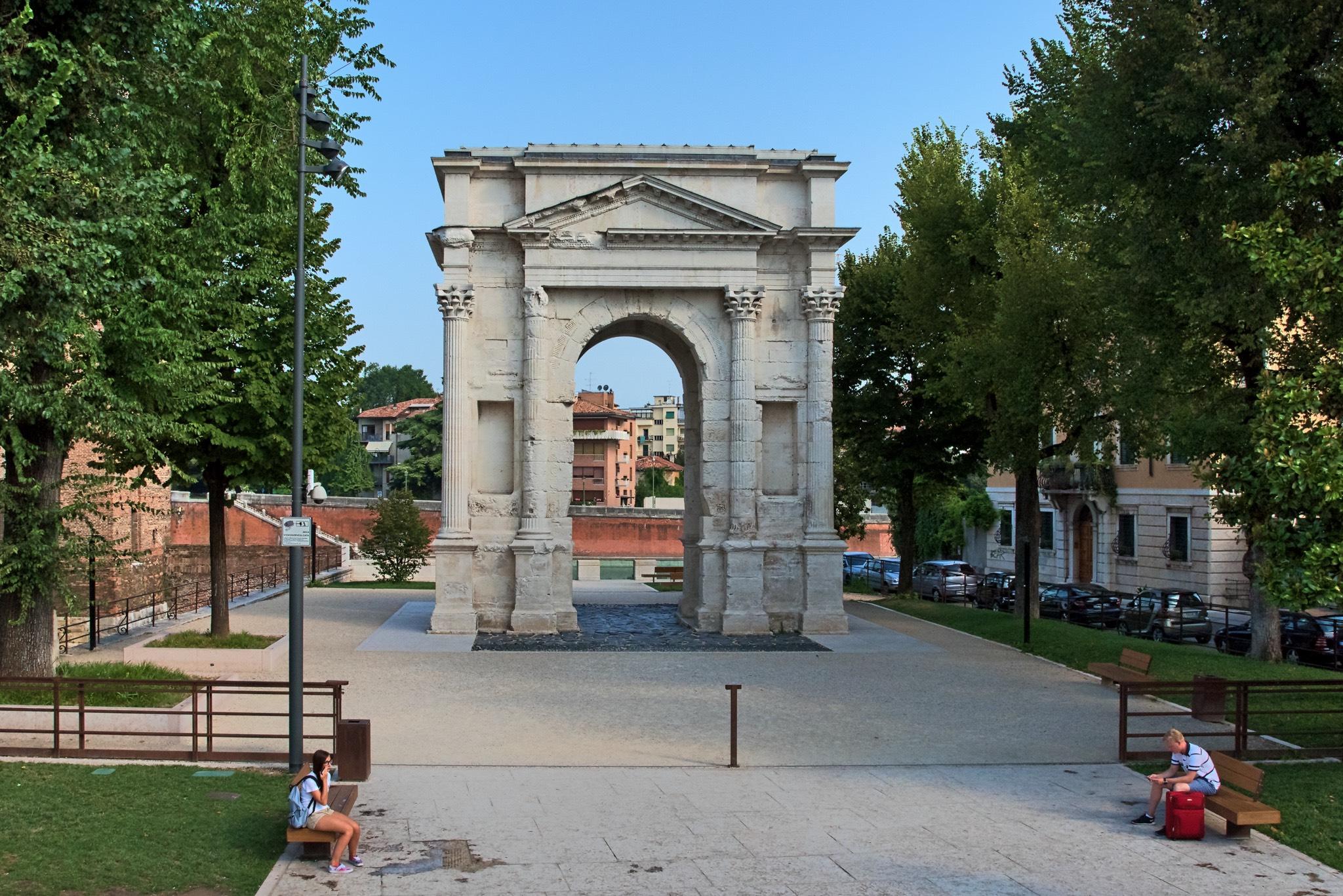
The Arco dei Gavi dates from the 1st century and received its name from the Roman Gavia family. The white triumphal arch once stood in the middle of Corso Cavour and served as a city gate in the
Middle Ages. The French dismantled the arch because it obstructed street traffic. Since 1932, it has stood next to the Castelvecchio.
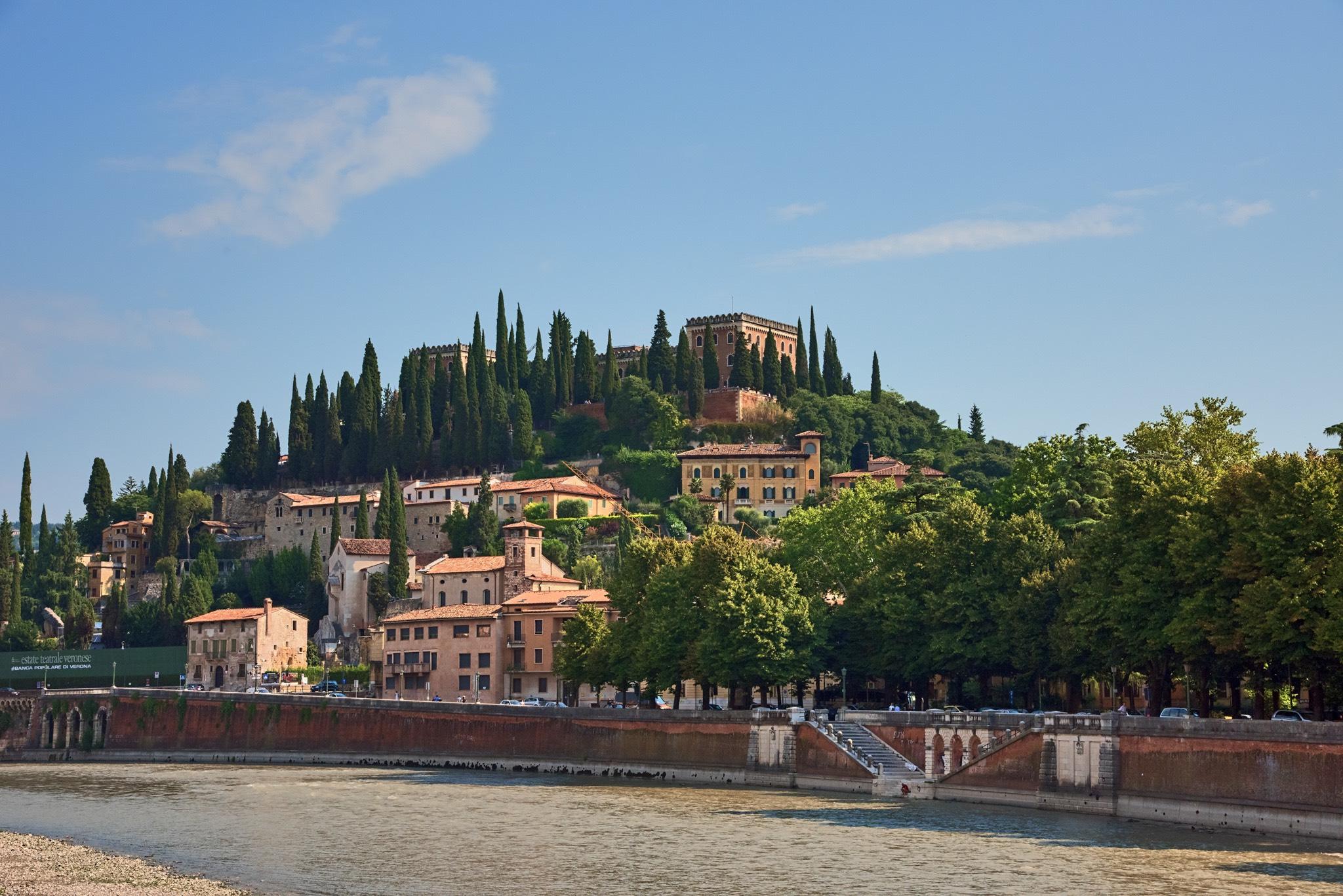
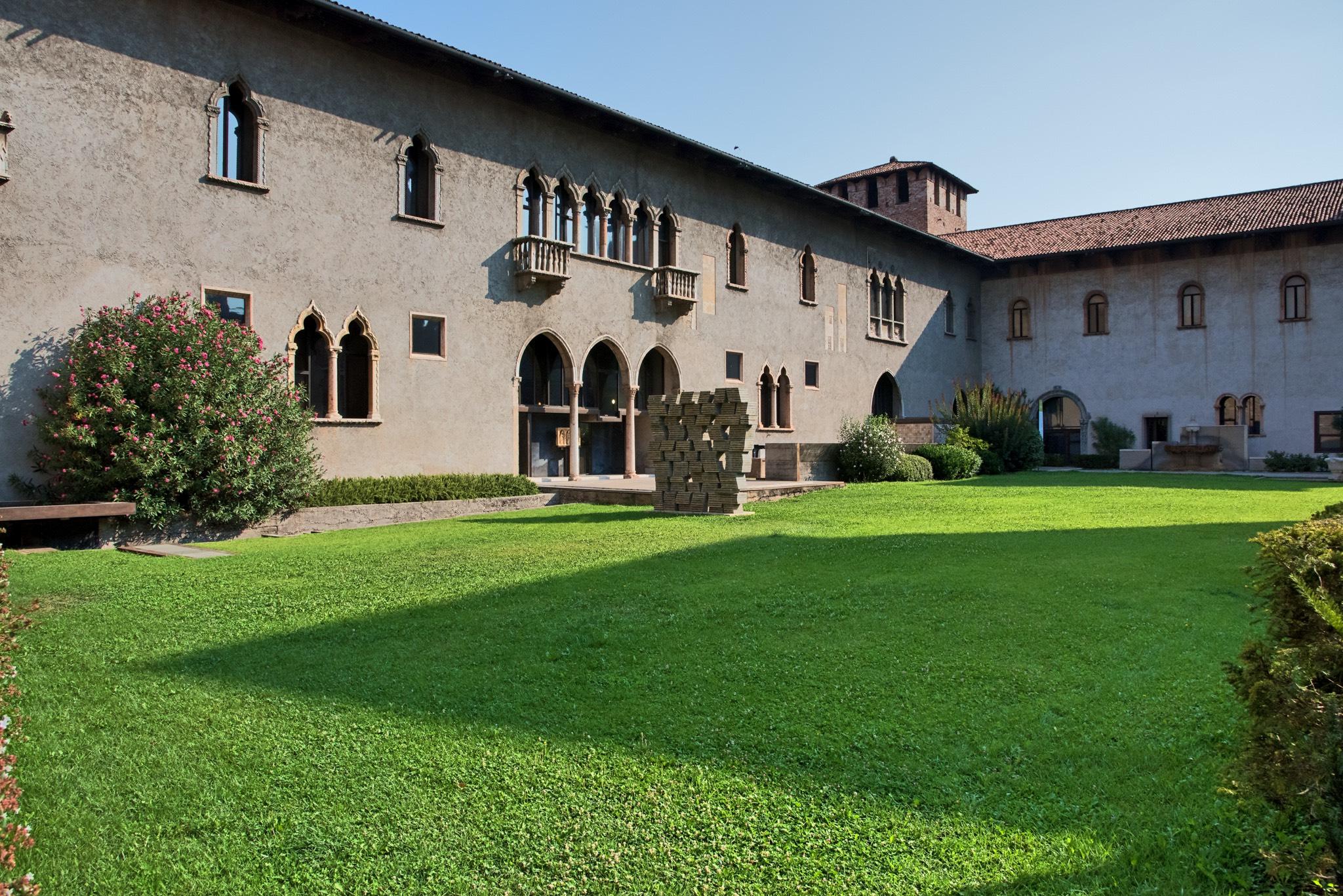
The castle, which got its name from the adjacent San Pietro church, was built in 1398 by Giangaleazzo Visconti. Over the centuries, it was
remodeled several times, partially blown up by the French, and finally converted into a barracks.
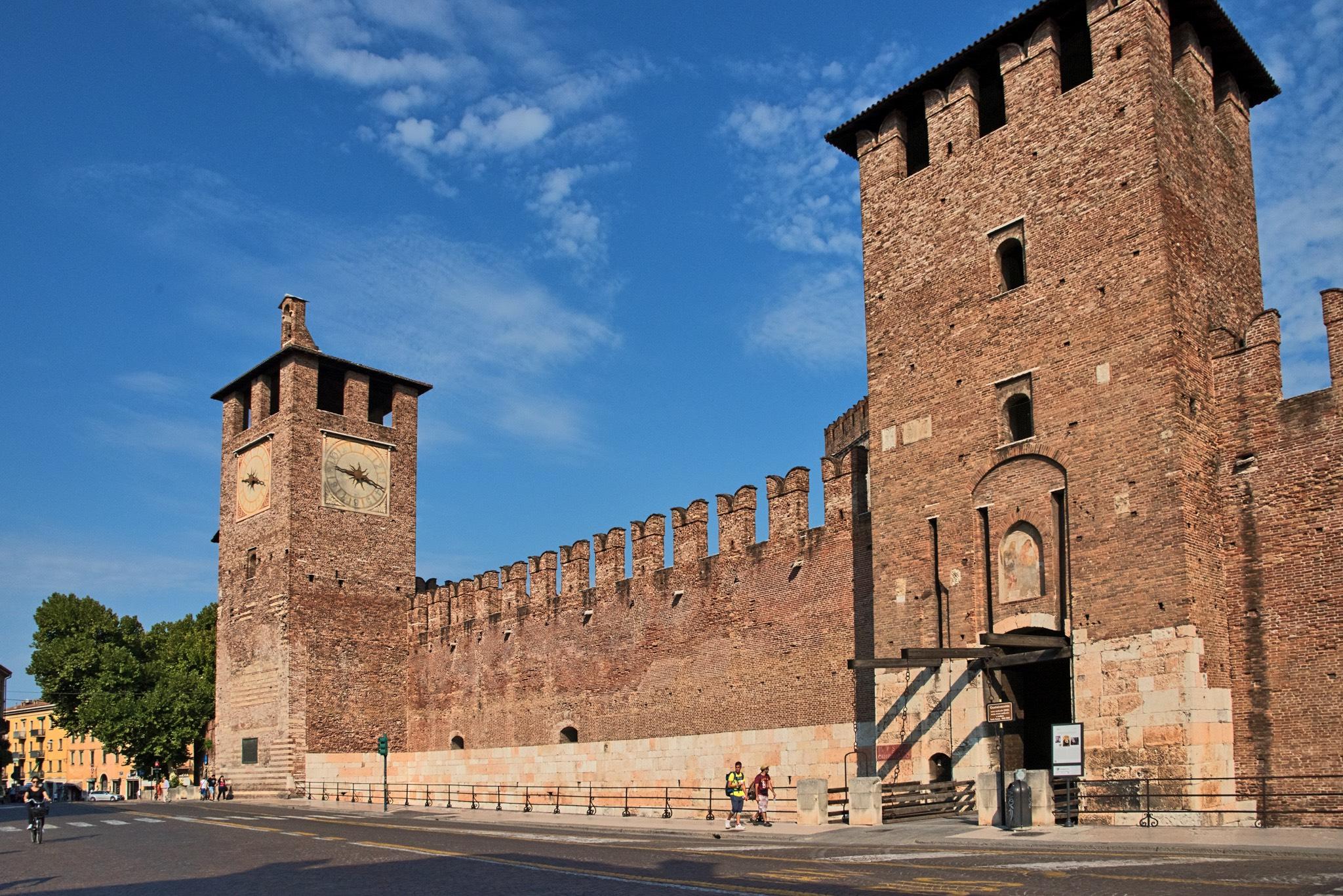
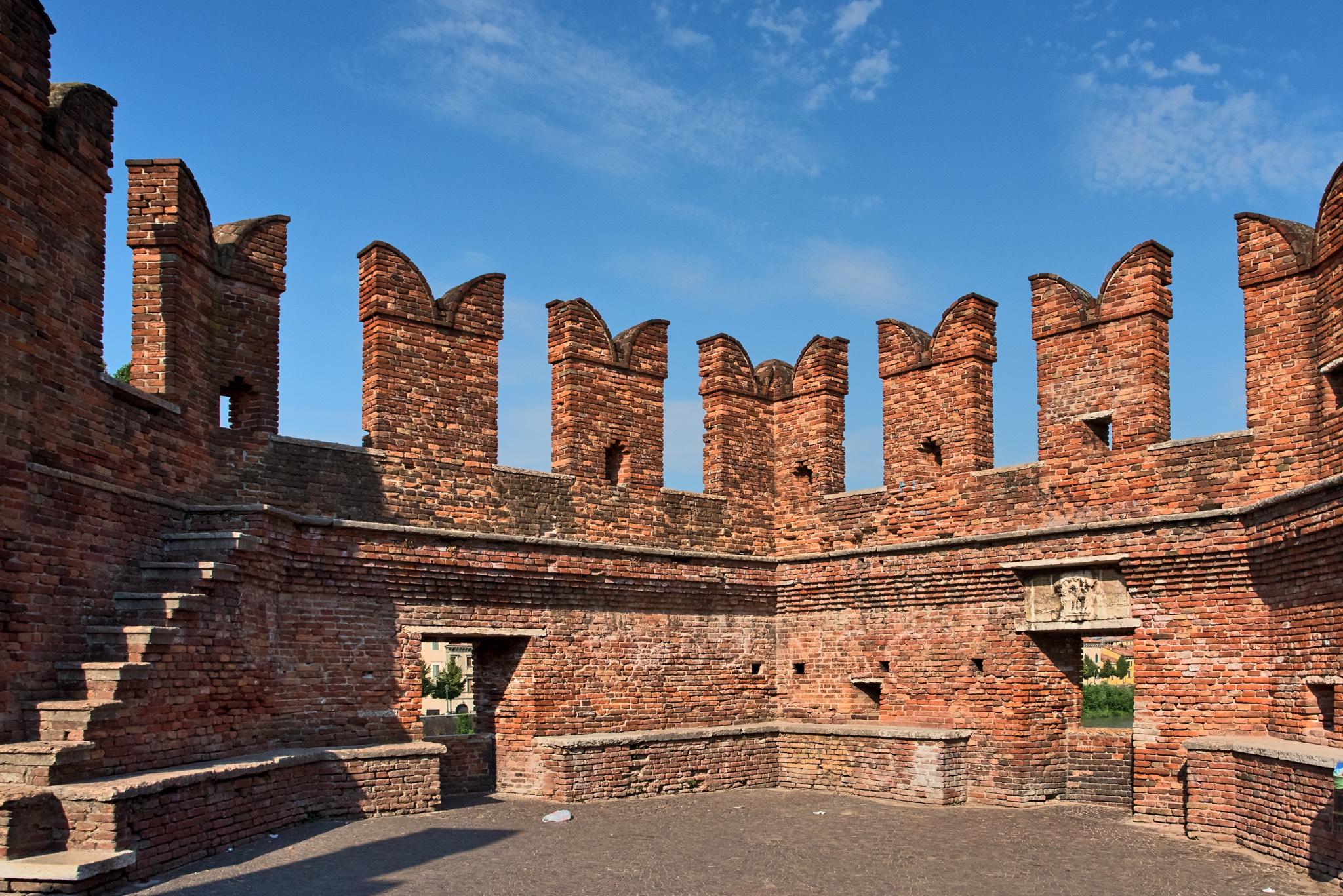
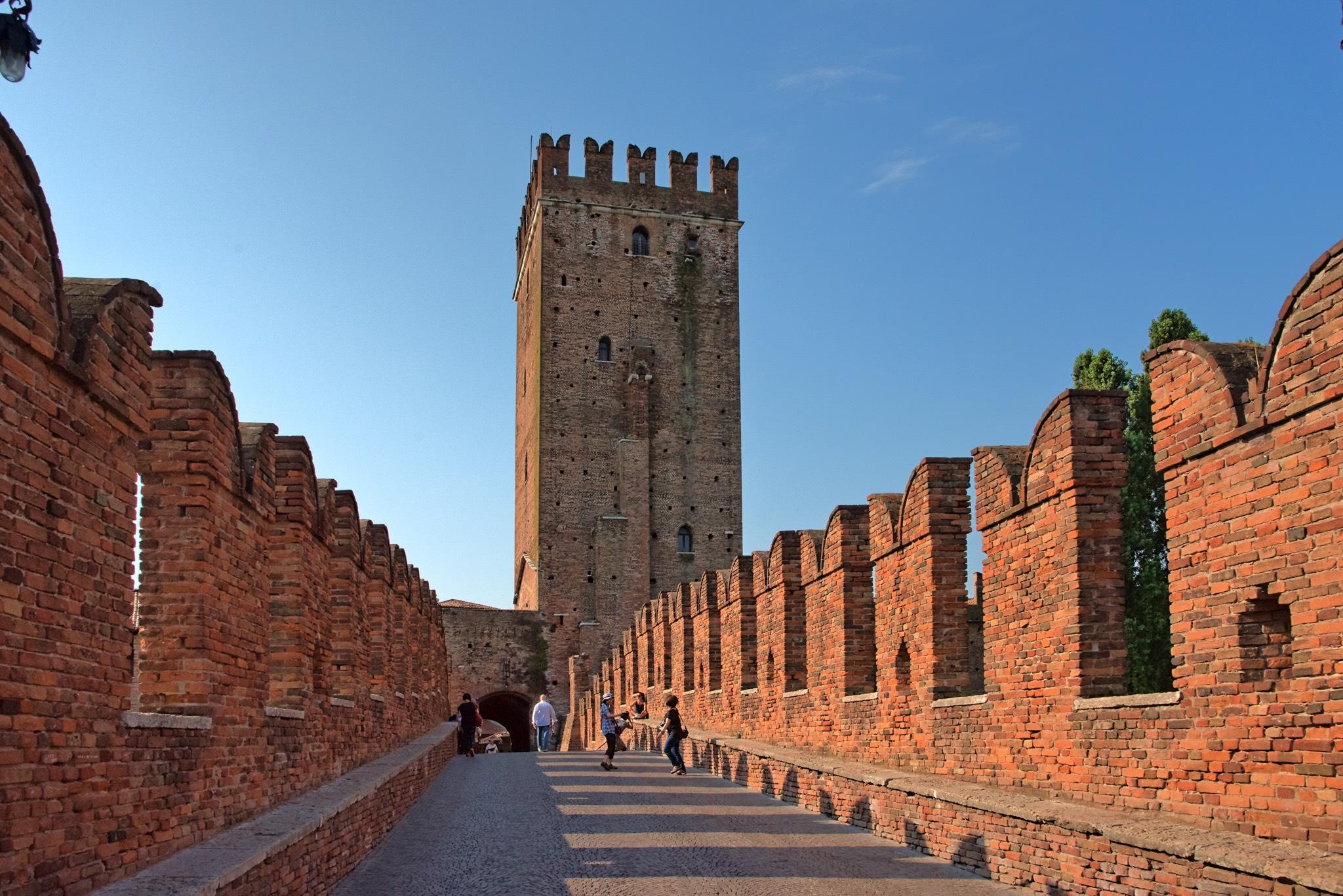
Cangrande II della Scala built the Castelvecchio. In emergencies, the bridge over the Adige provided the castle's occupants with an escape route to the Scaligers' possessions. Particularly striking is the
shape the Scaligers gave to the battlements of their buildings. These are called swallowtail battlements.
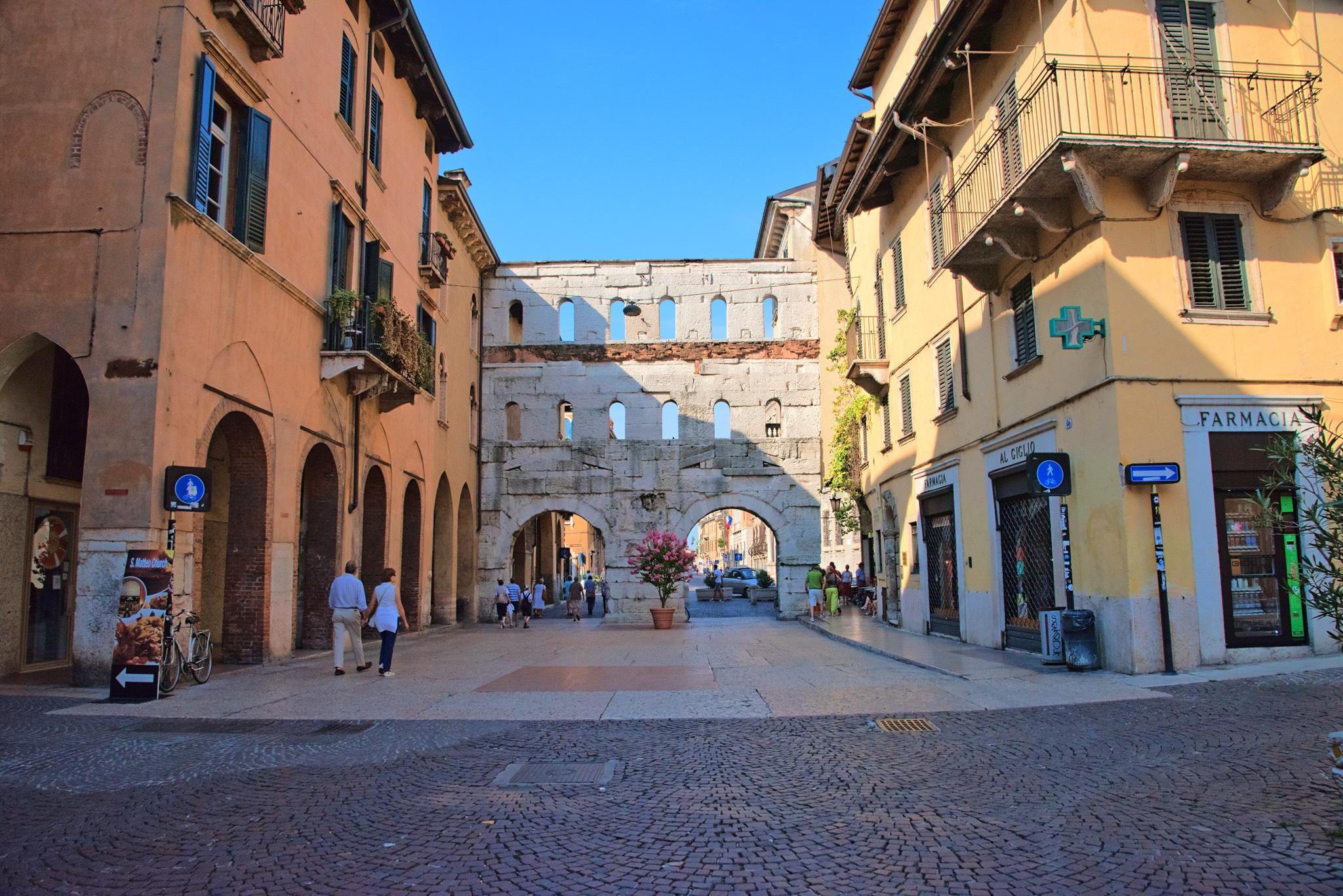
The Porta dei Borsari dates from 265 and was built under Emperor Gallienus. The three-story gate is located on the Roman street Via Postumia. Alongside the amphitheater, the structure is one of the best-preserved testimonies to Roman architecture.
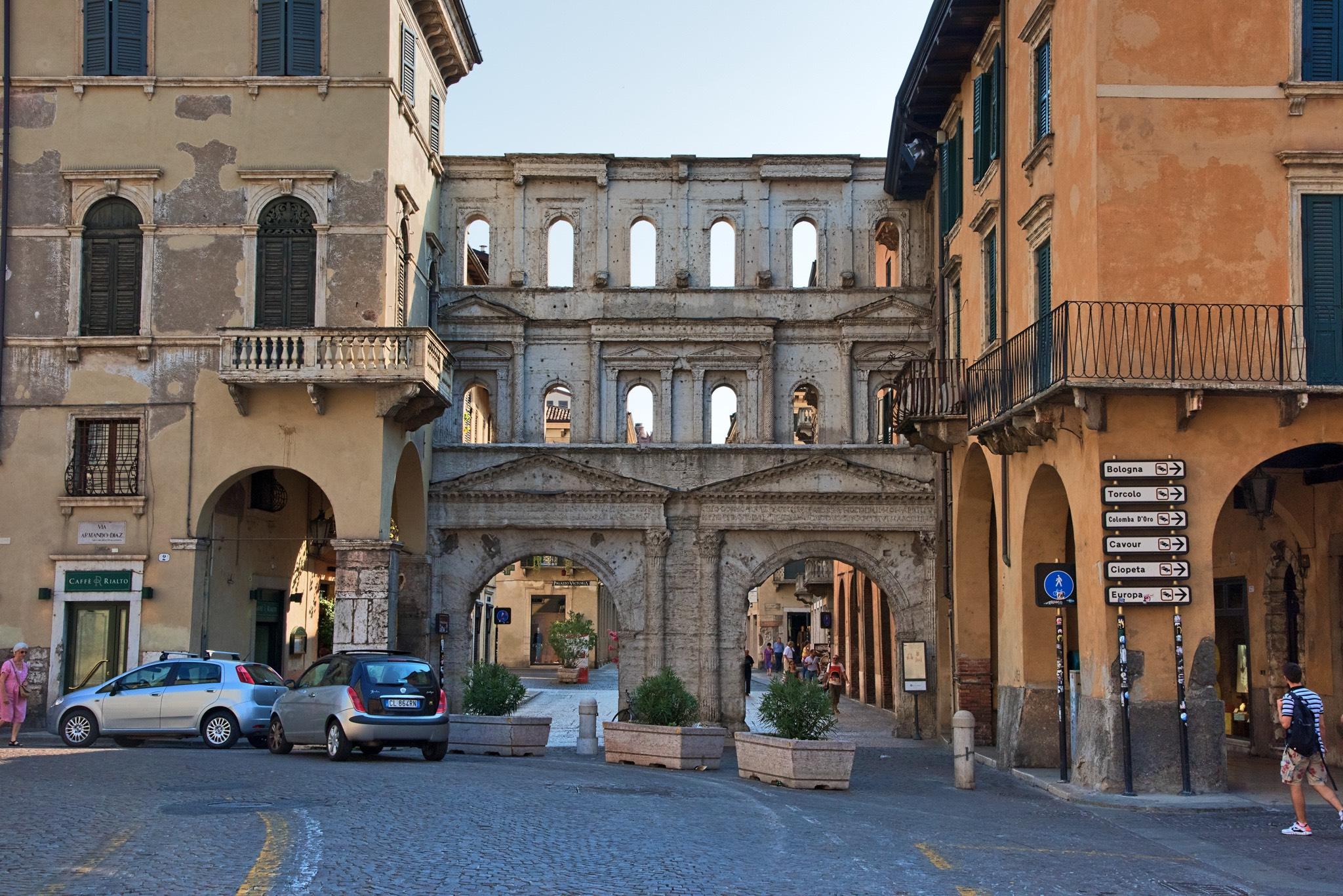
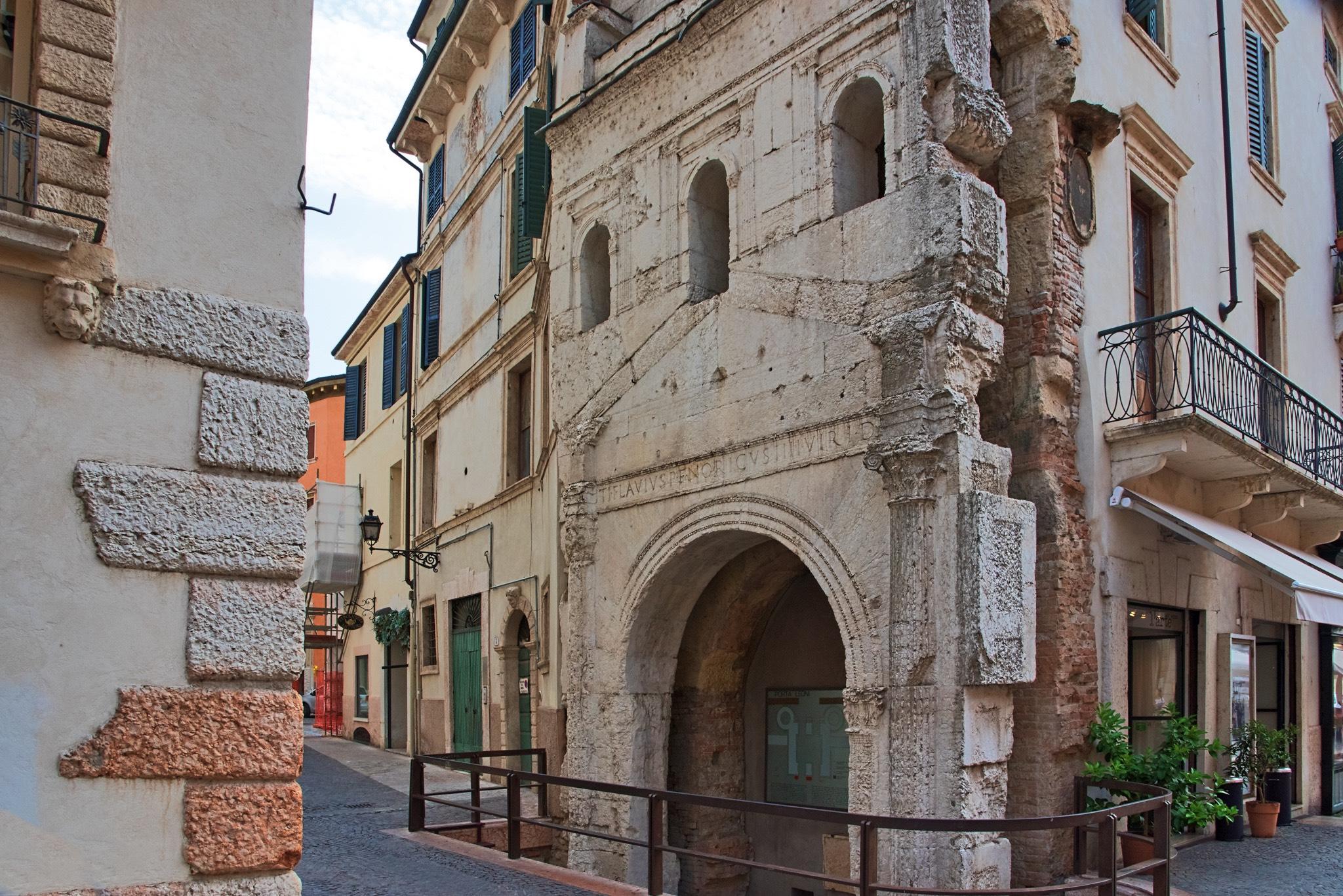
The 13-meter-high gate matched the height of the Roman city wall. It received its name in the 15th century, inspired by a nearby stone Roman sarcophagus decorated with two lions.
Today, the two lions can be found behind the monument to Umberto I.
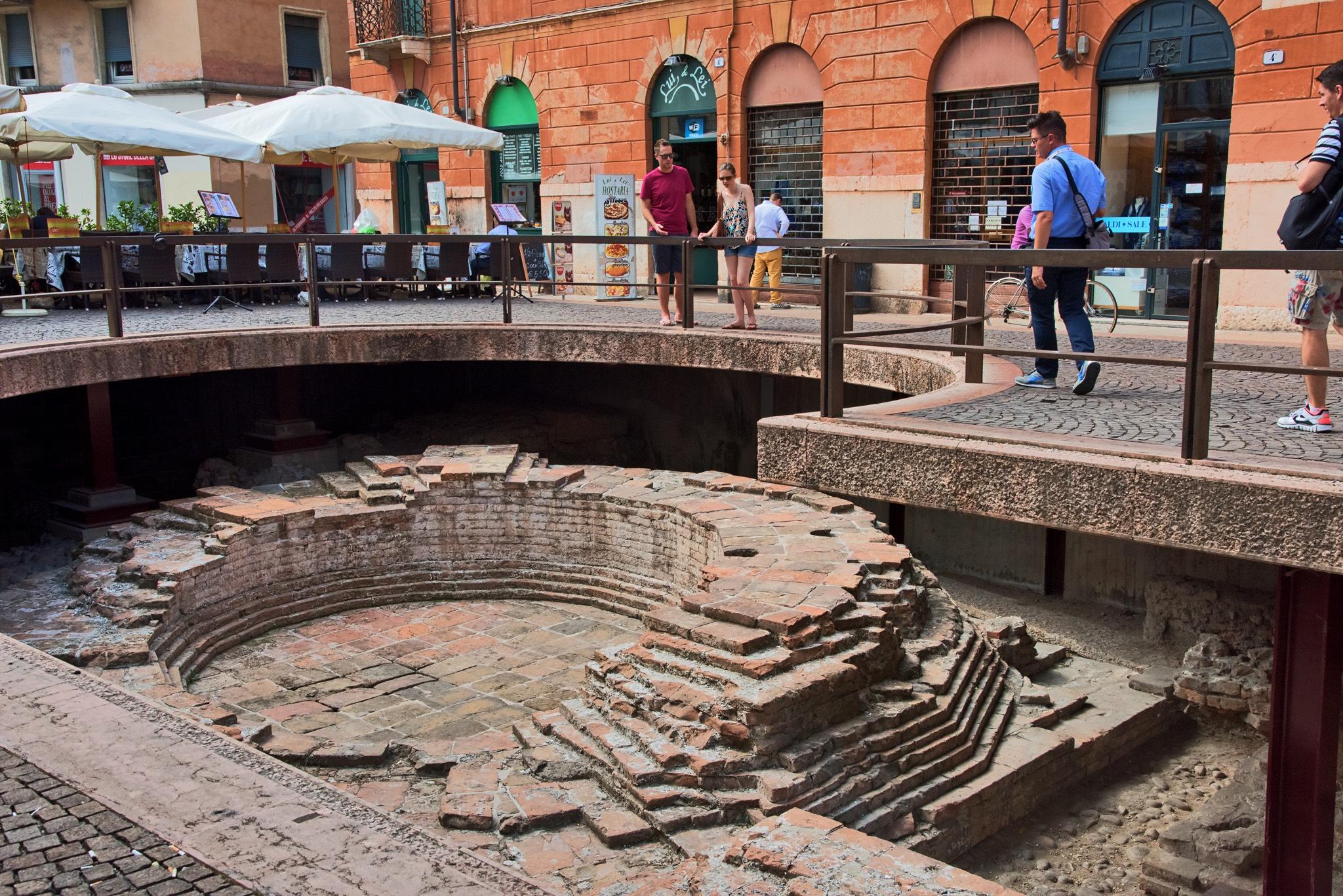
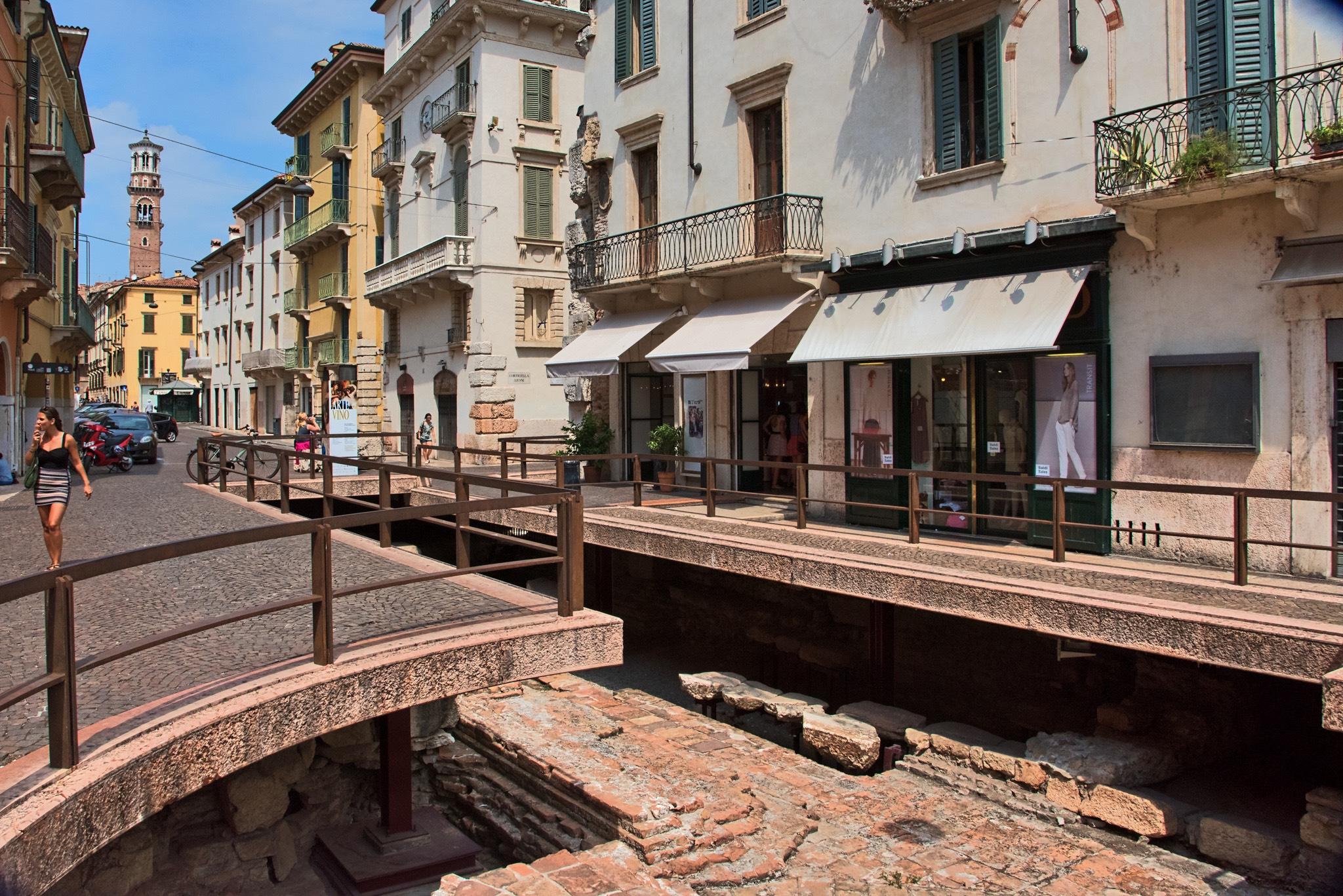
In Via Leoni, you can admire excavations of Roman Verona. Just around the corner from the Porta dei Leoni, there is a beautiful view of the city's foundations. Since buildings were repeatedly
constructed on the ruins of the old city, Roman Verona lies considerably deeper.
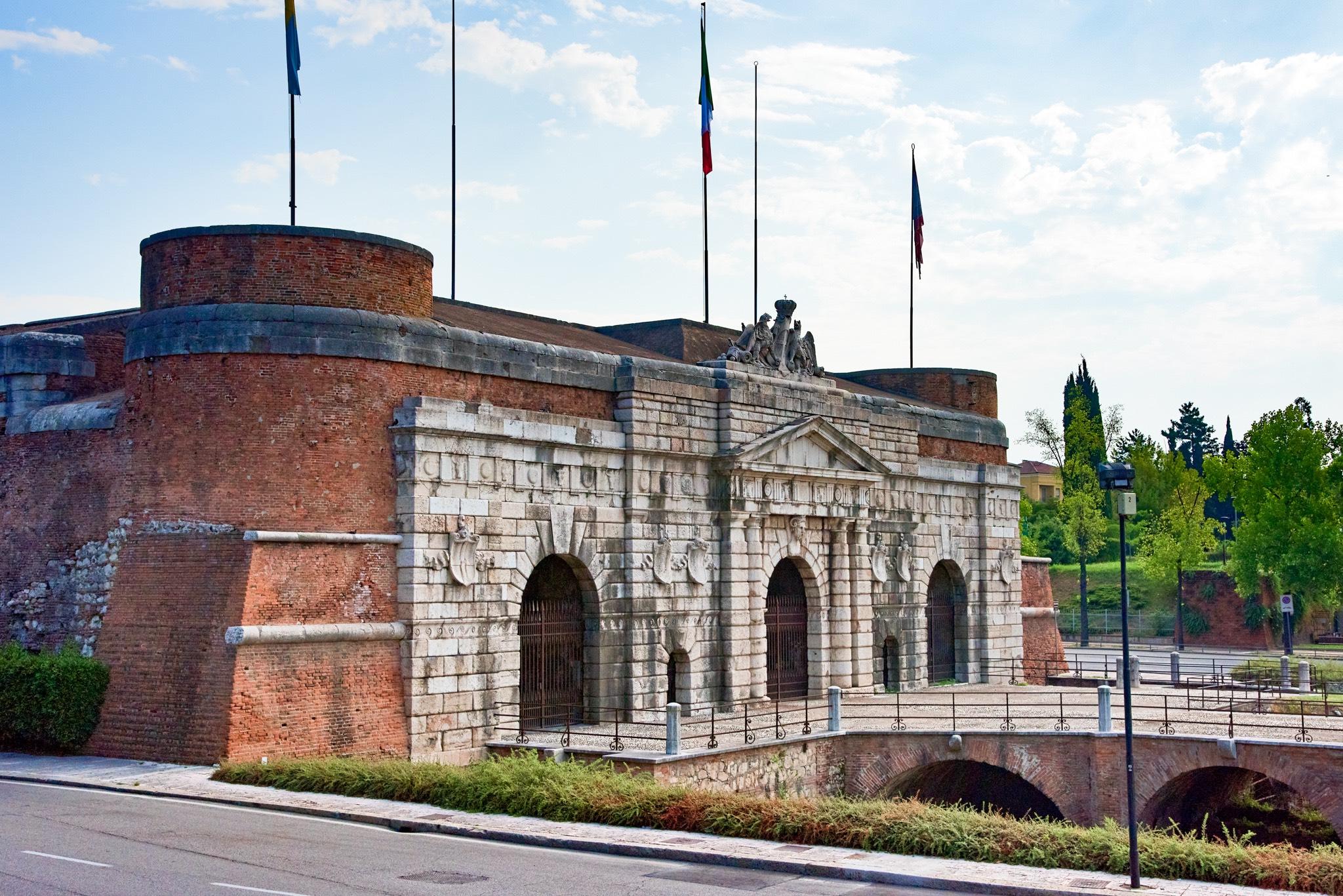
The Porta Palio was part of the city's fortification system. It was built between 1550 and 1561 and is considered a masterpiece by the architect Michele
Sanmicheli. The gate's facade made a very pompous impression on visitors coming to Verona.
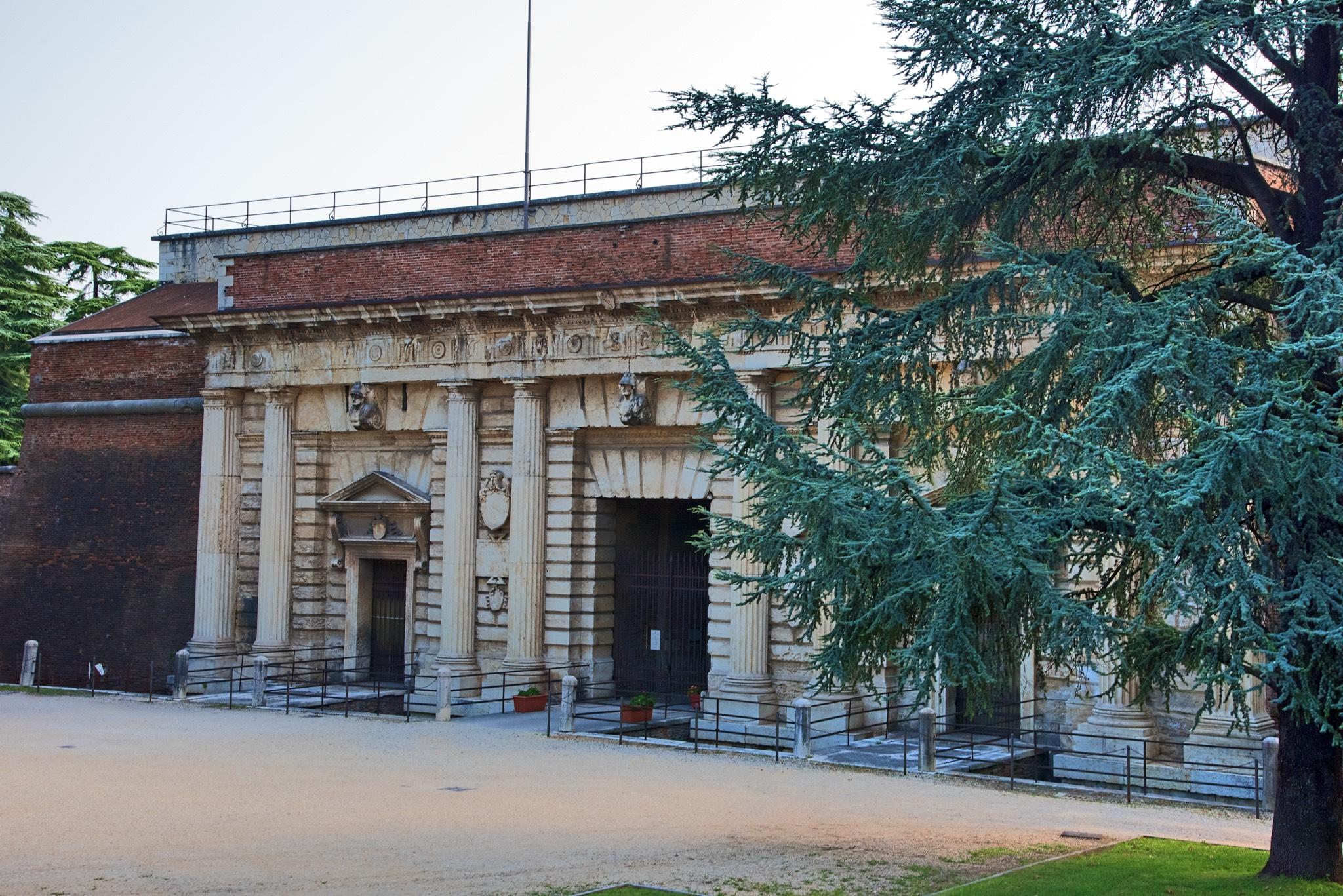
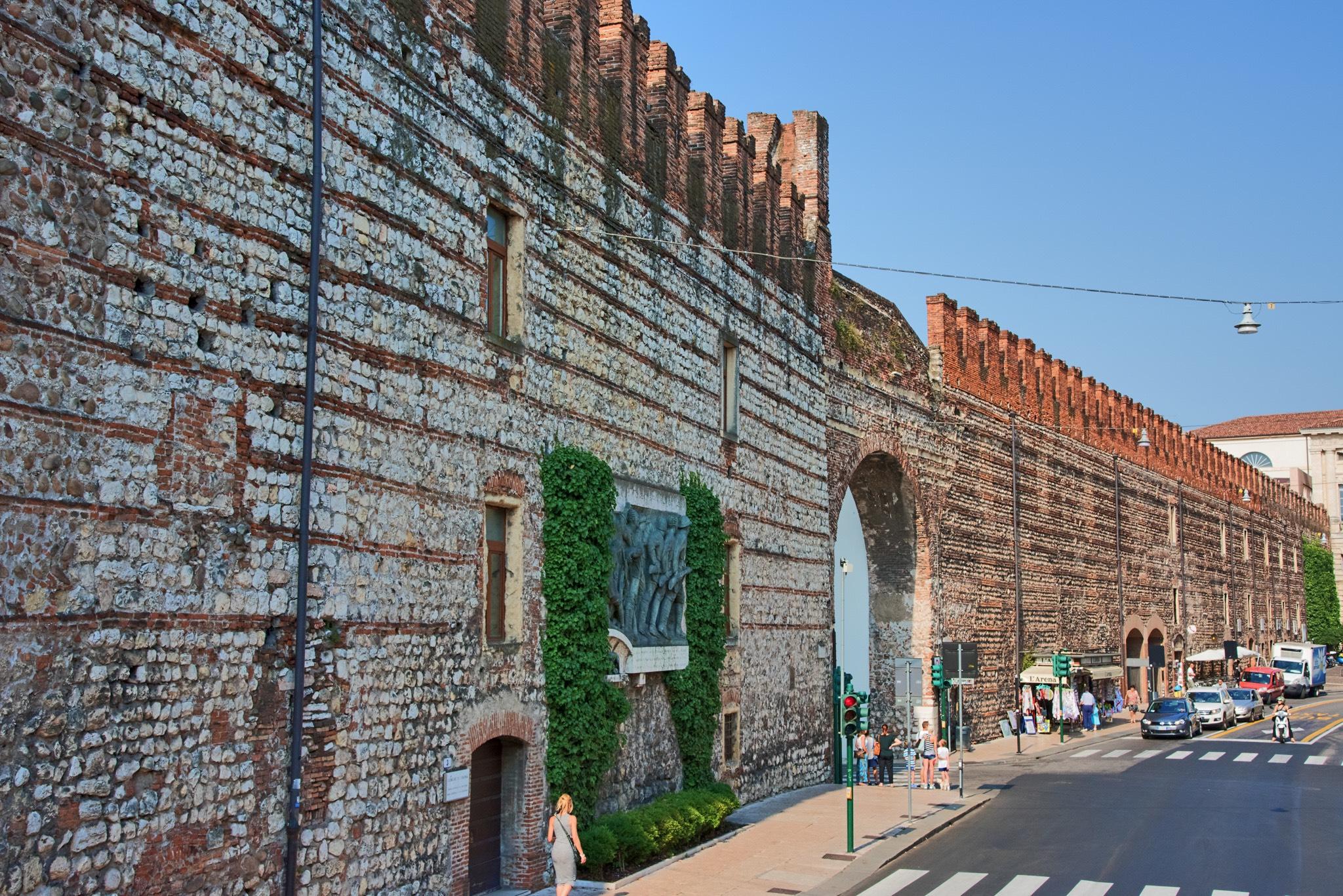
The old town of Verona is still enclosed today by large parts of the city wall. While the Adige encircles the city center, the city wall stands in the southwest—starting at the Arena. Except for Juliet's tomb, almost all attractions are within the wall.
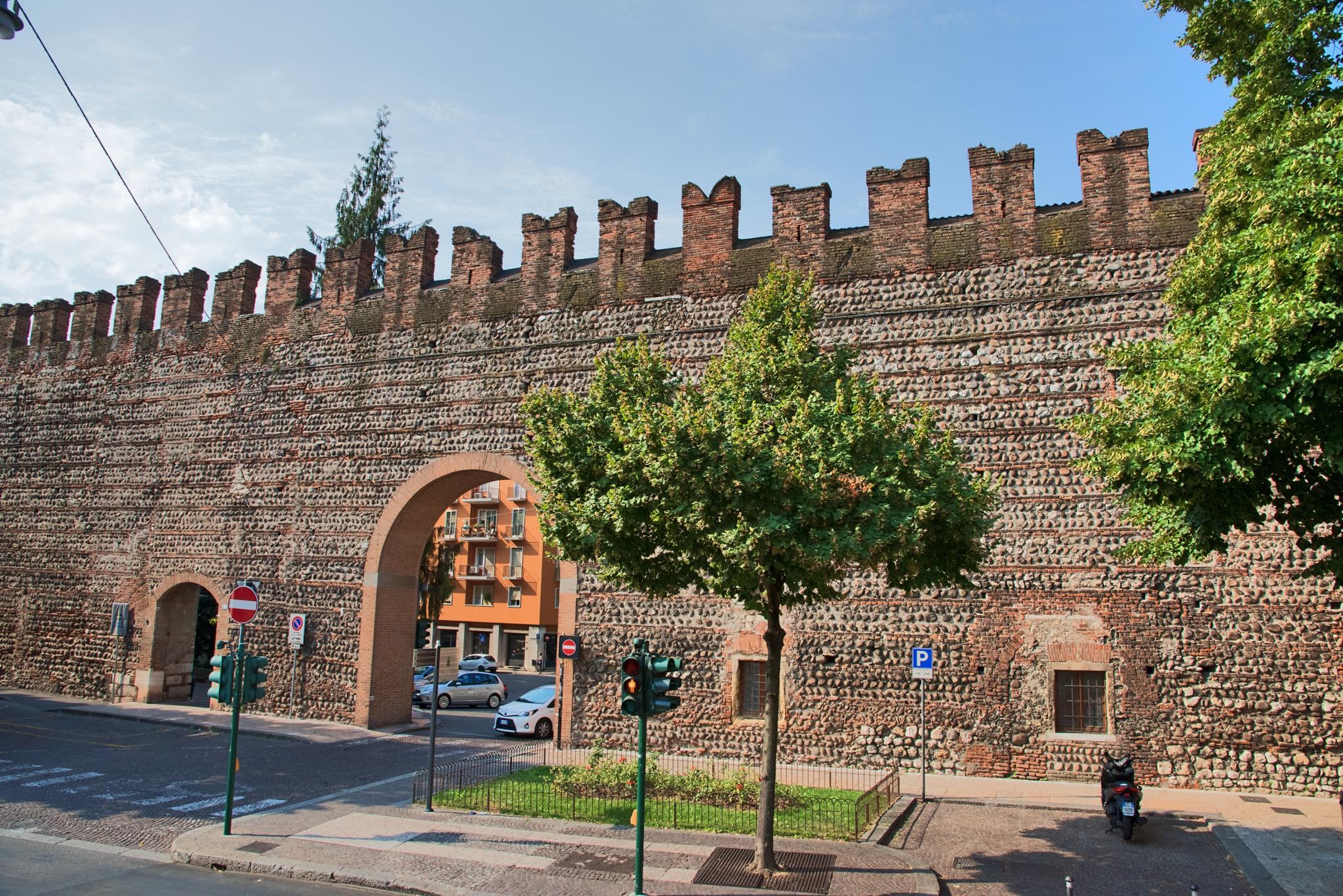
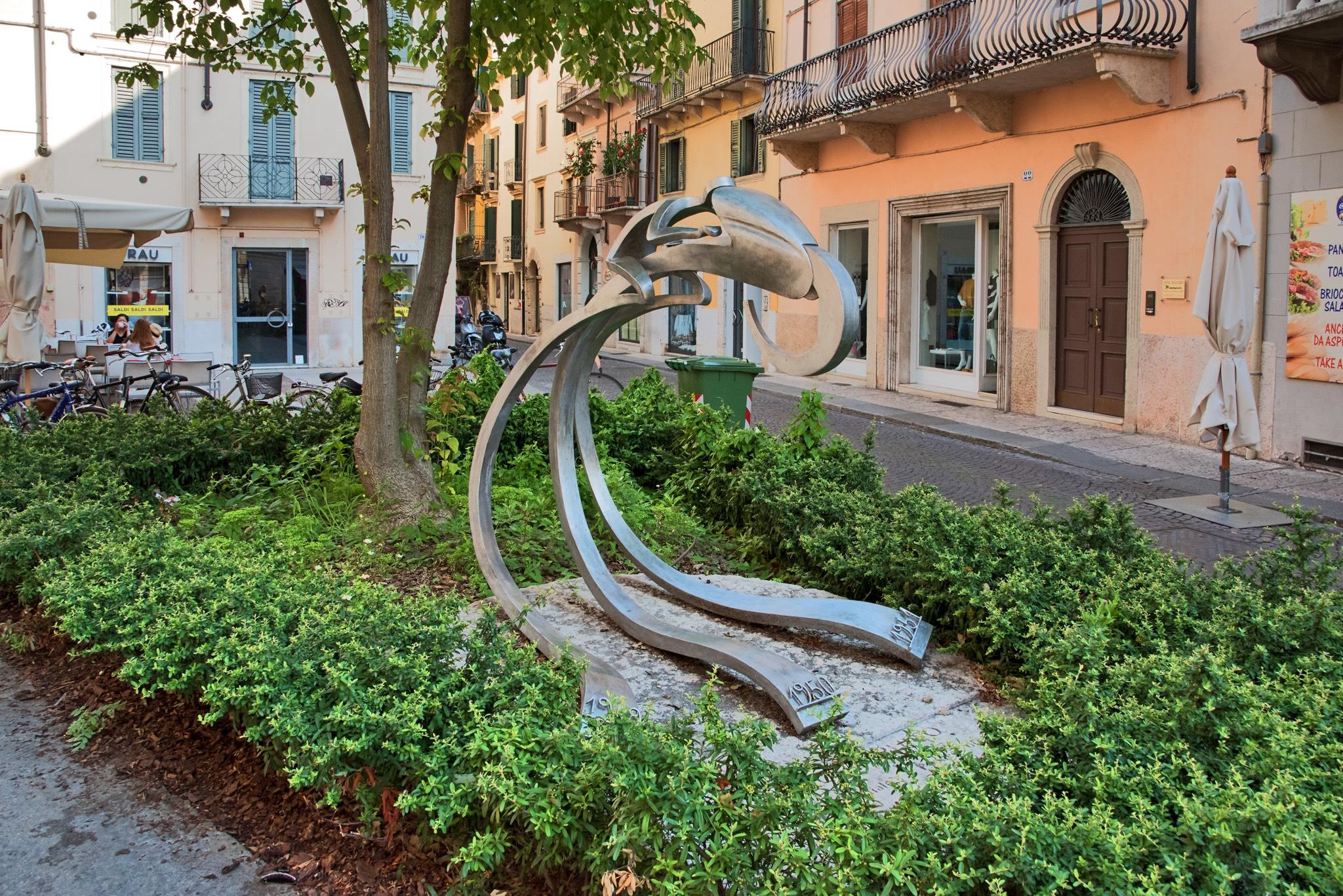
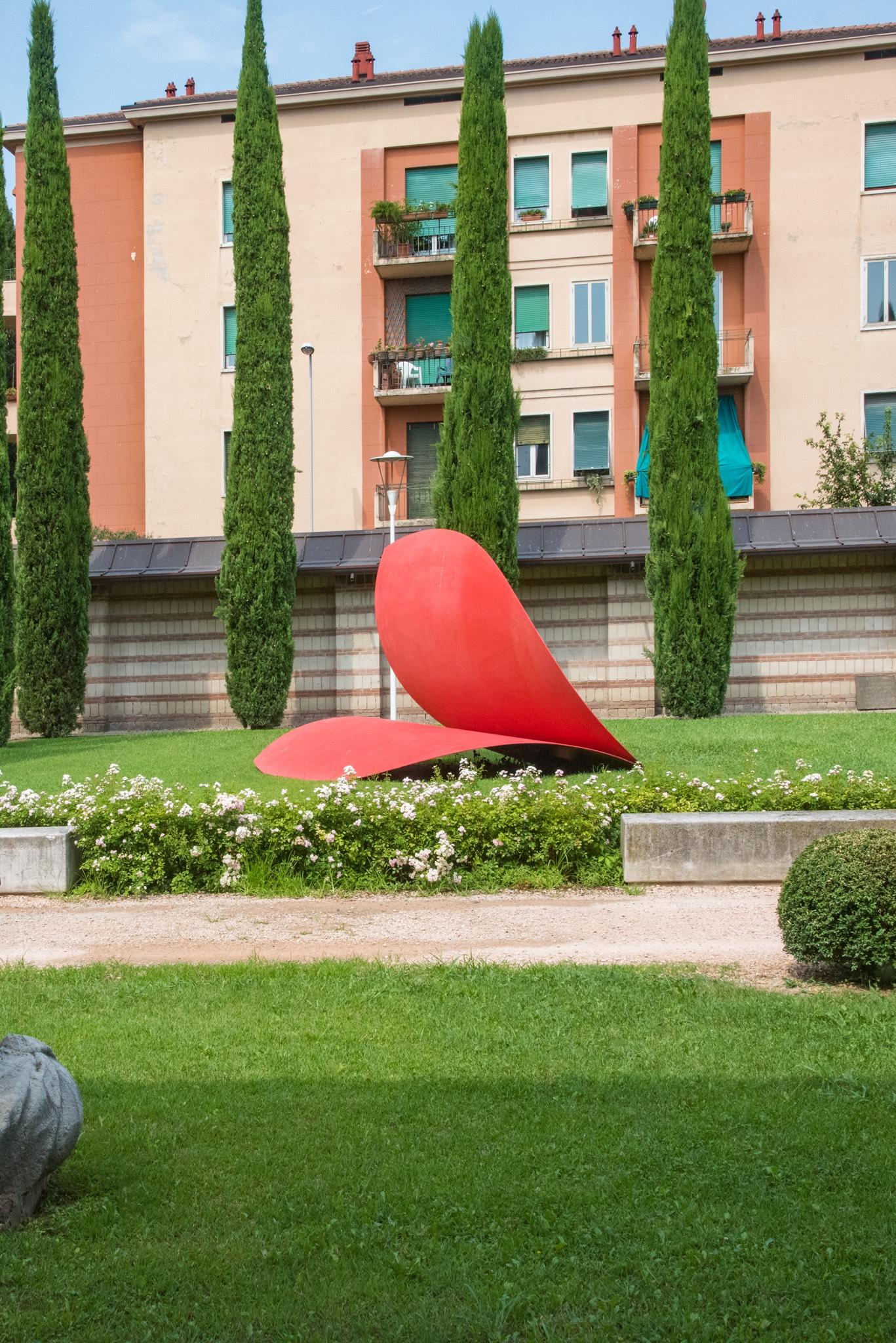
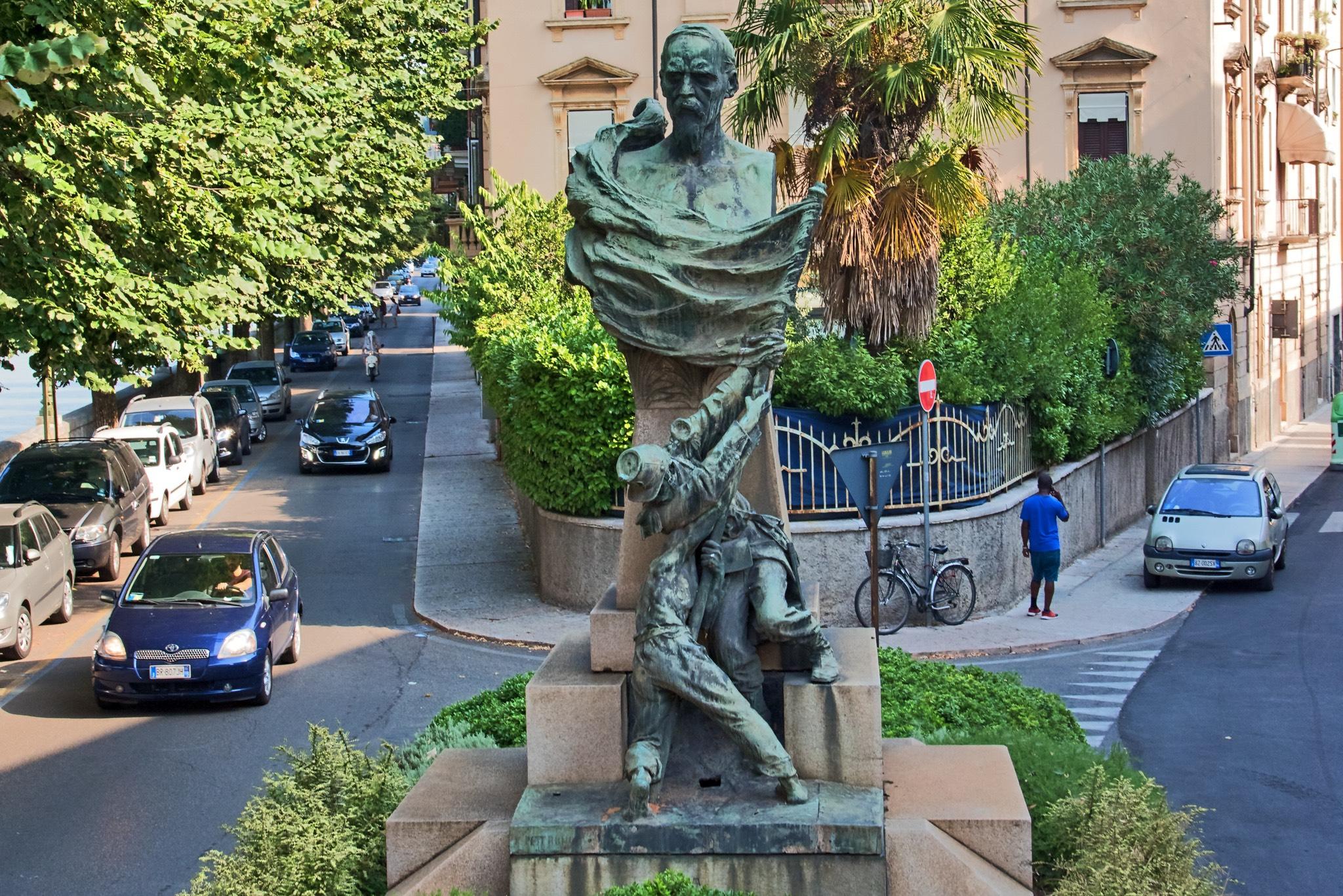
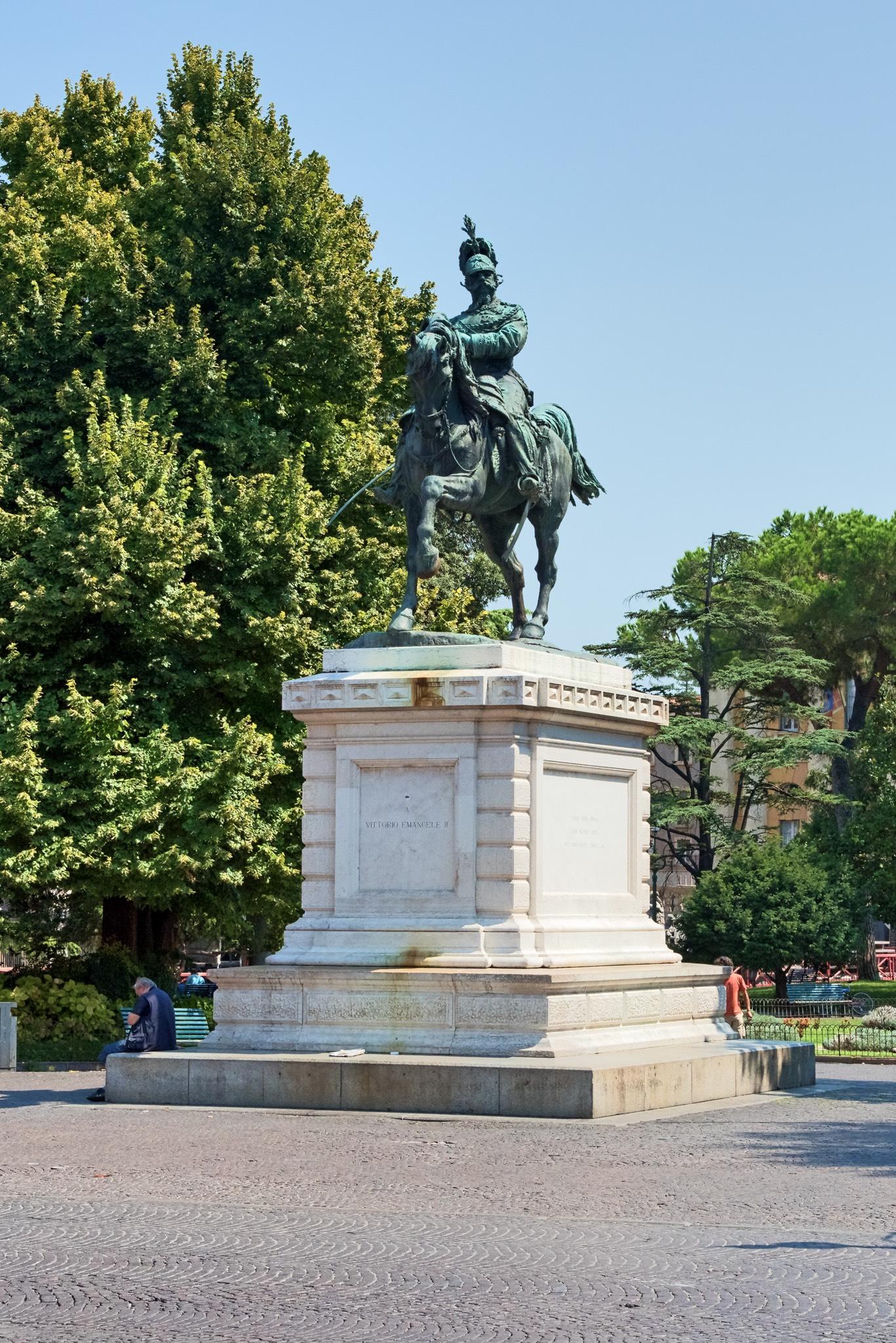
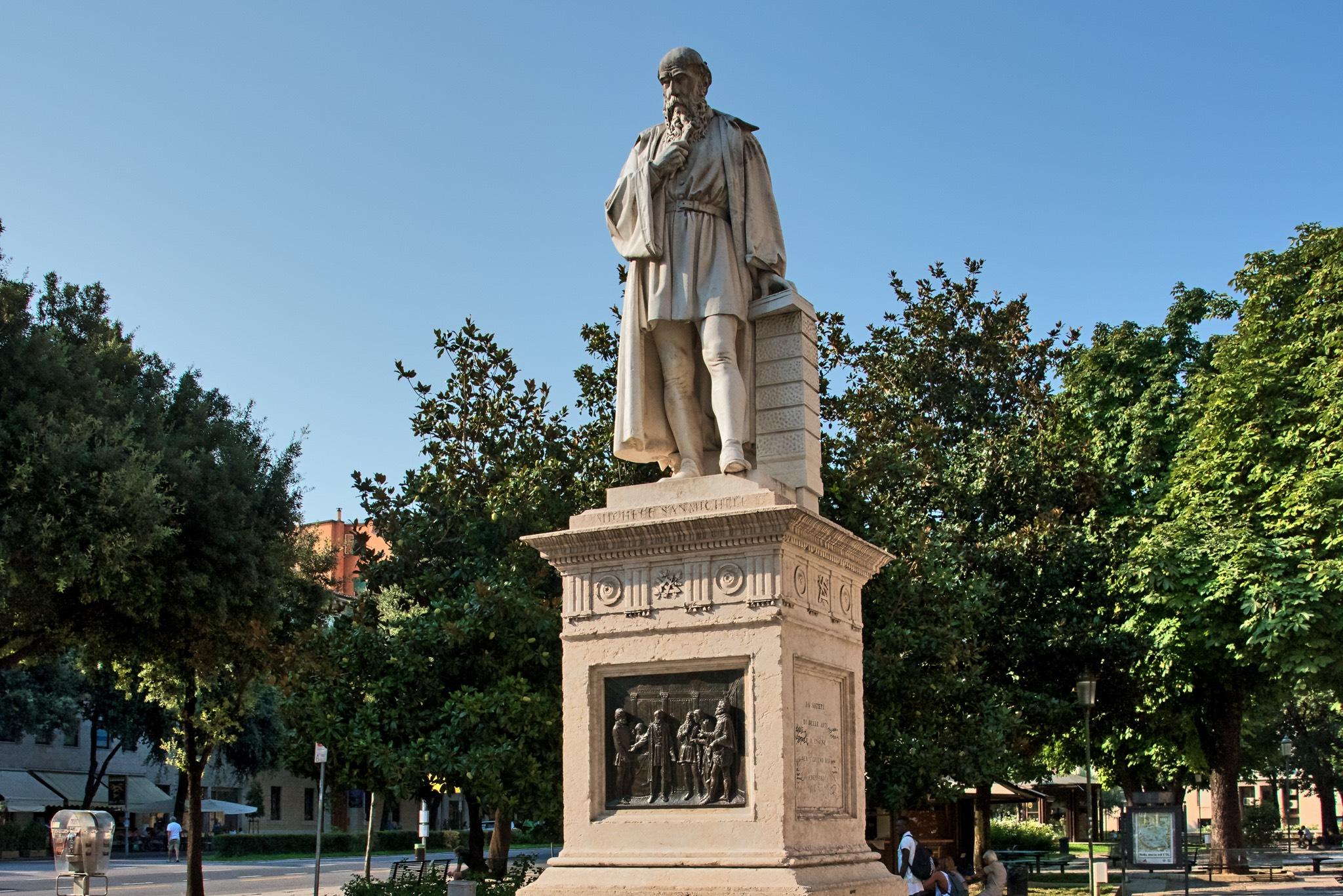
In Verona, there are countless memorials and monuments. In addition to futuristic-looking sculptures, there are of course numerous monuments commemorating great poets, artists, statesmen, and politicians. Verona's eventful past is reflected in these works of art.
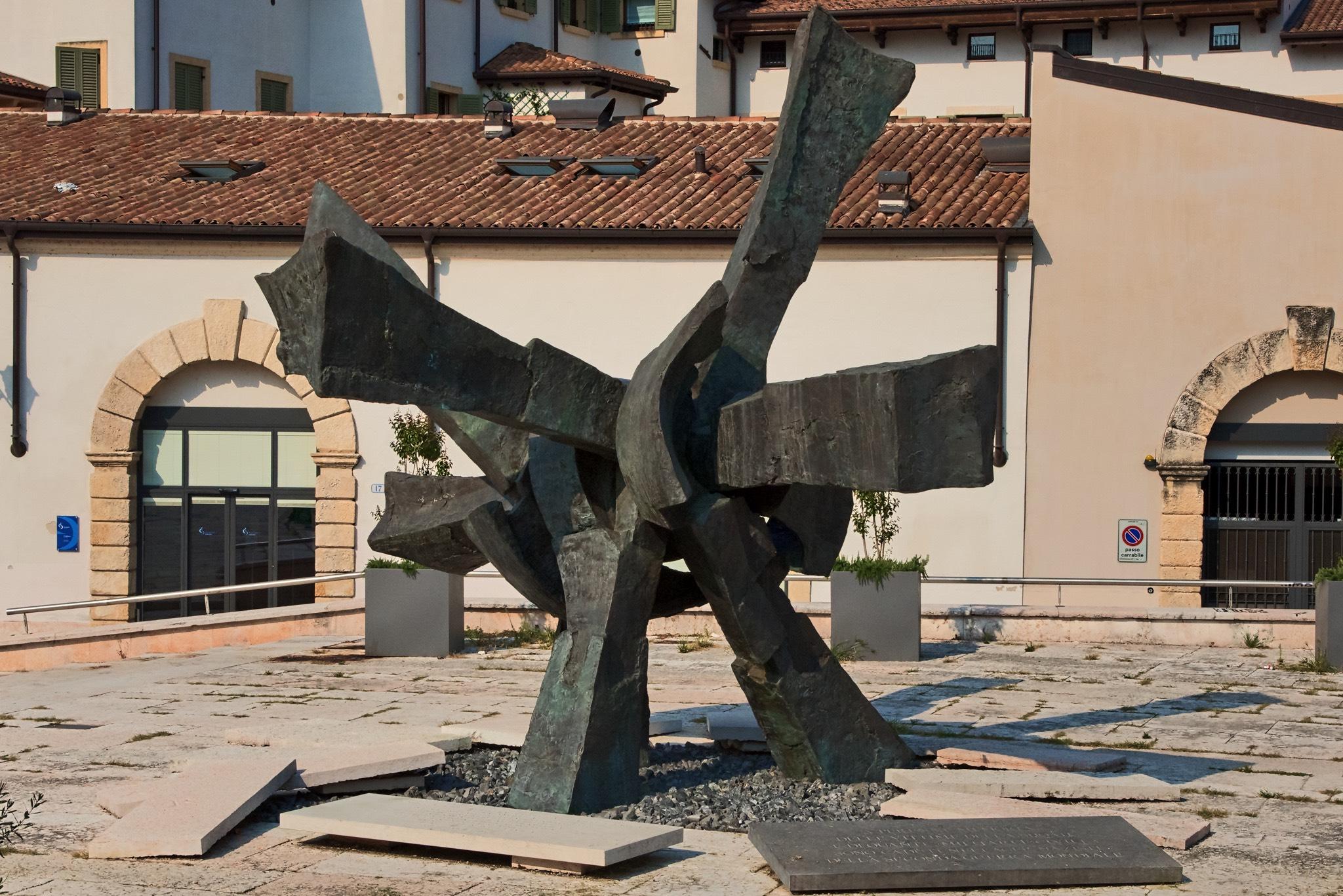
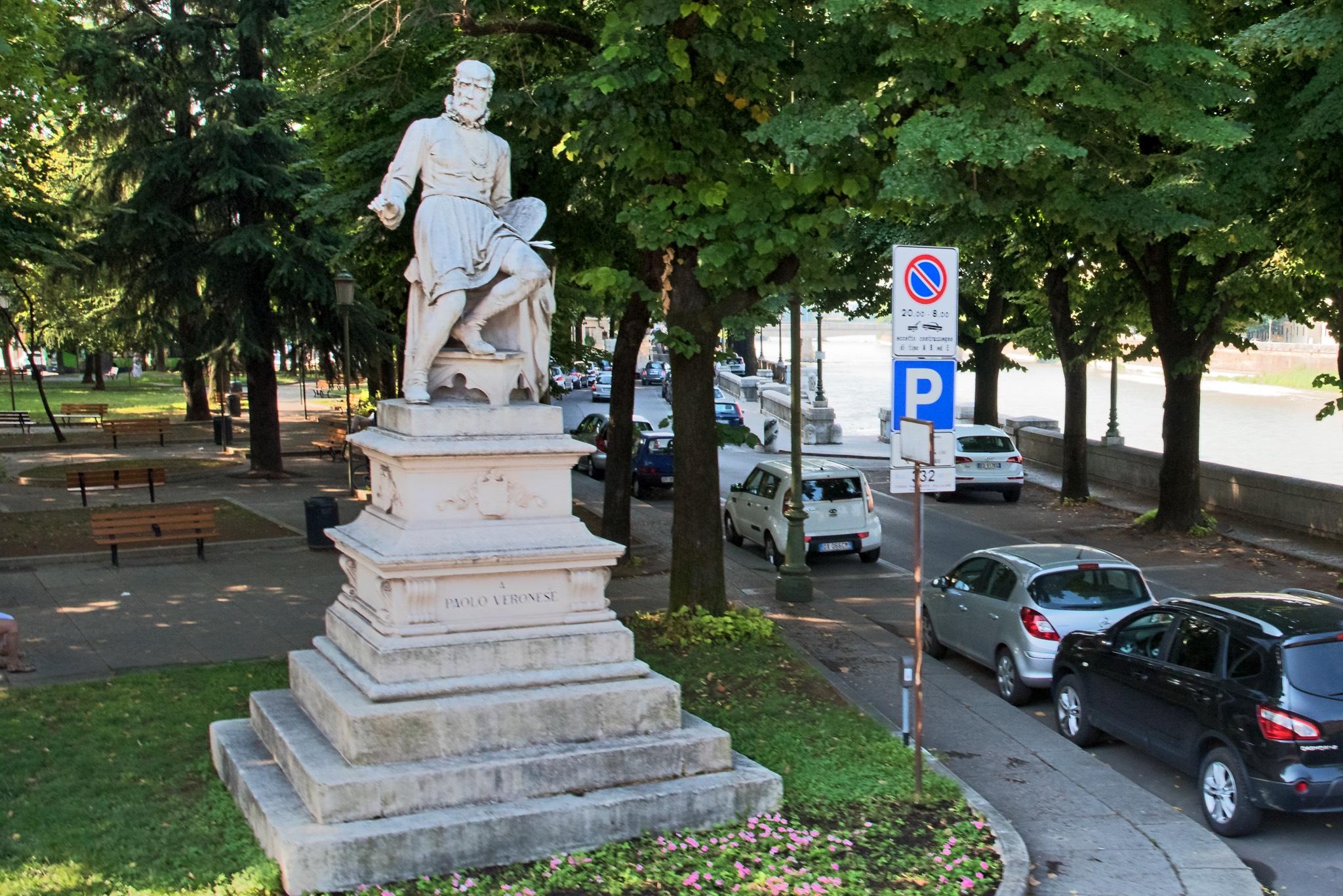
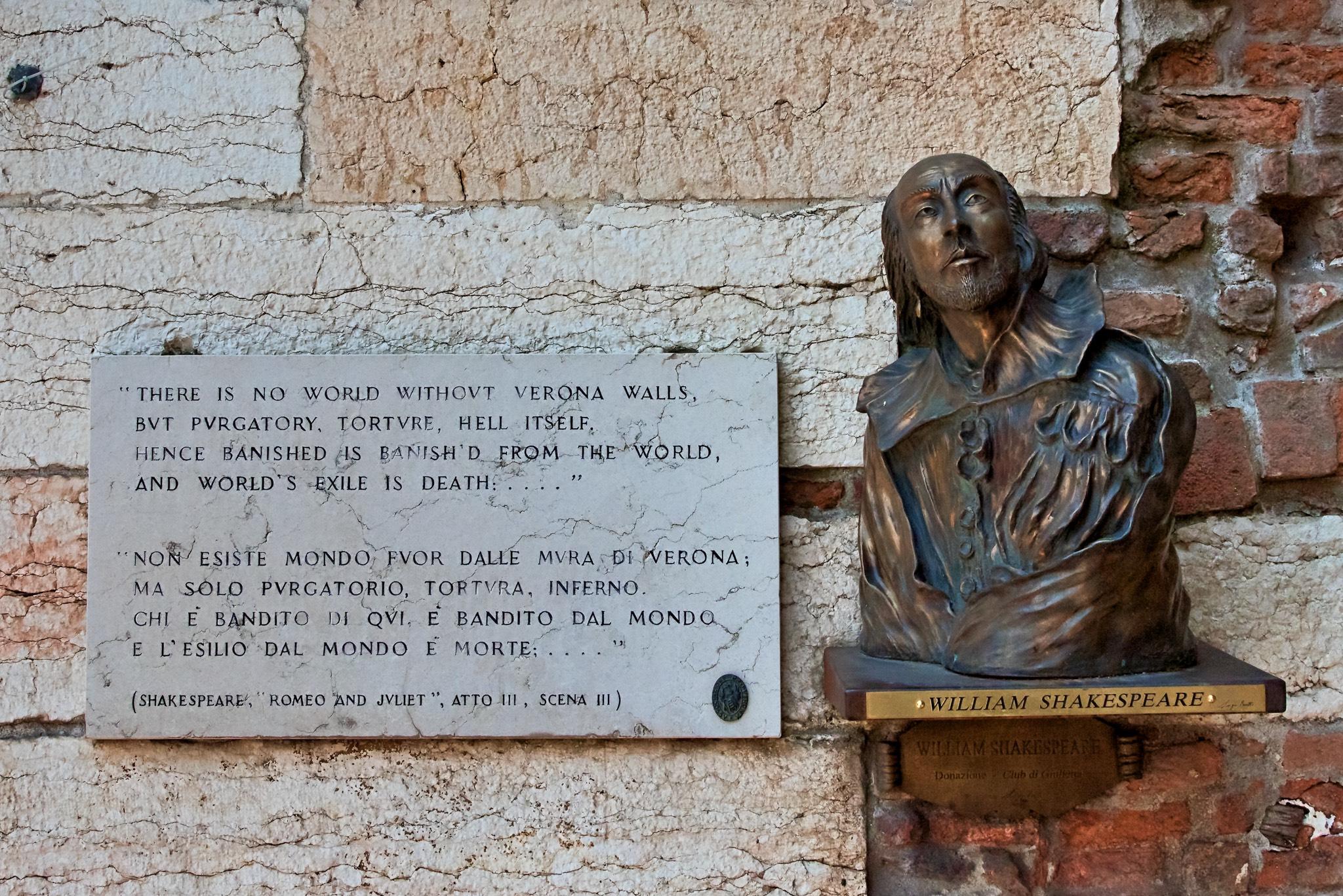
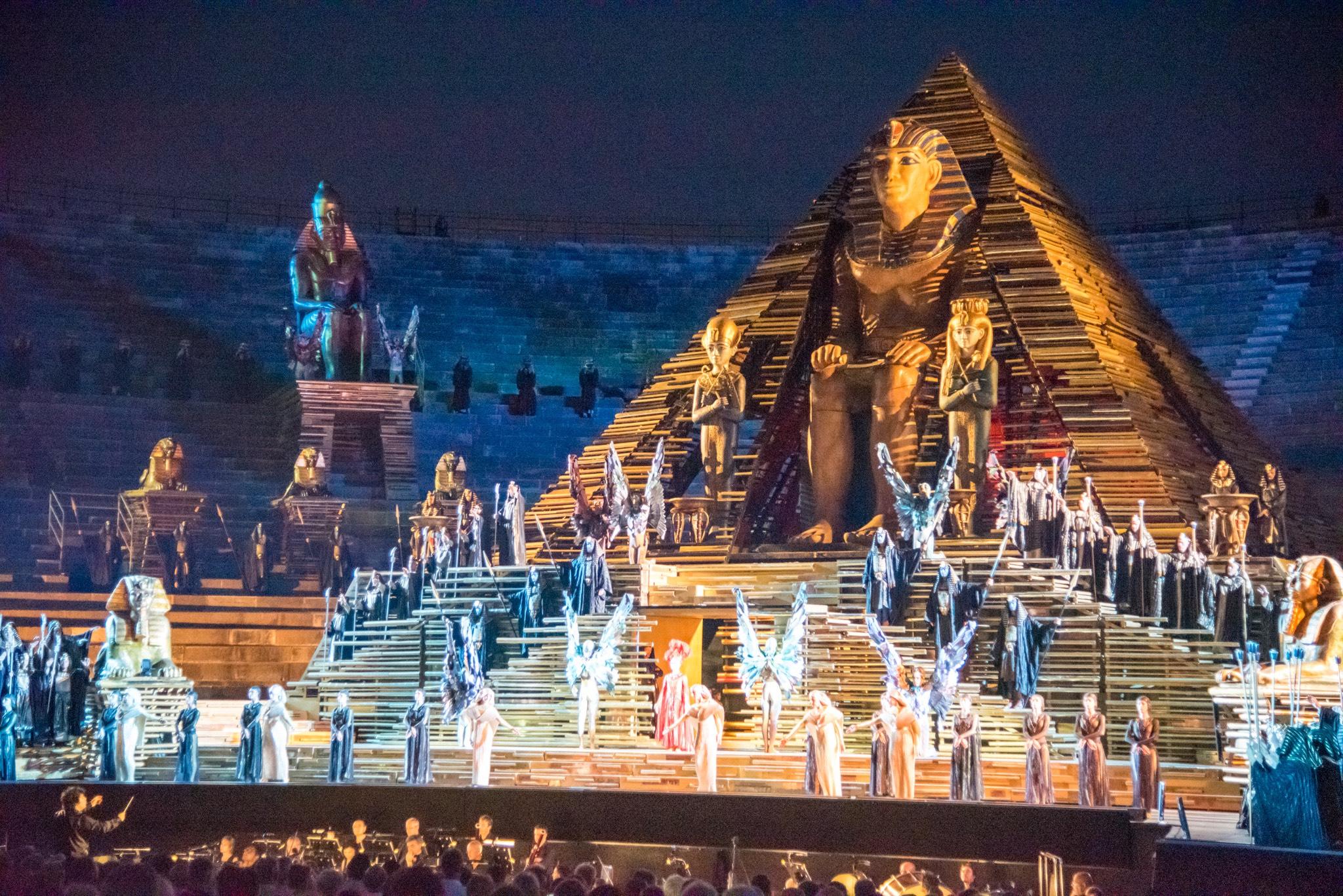
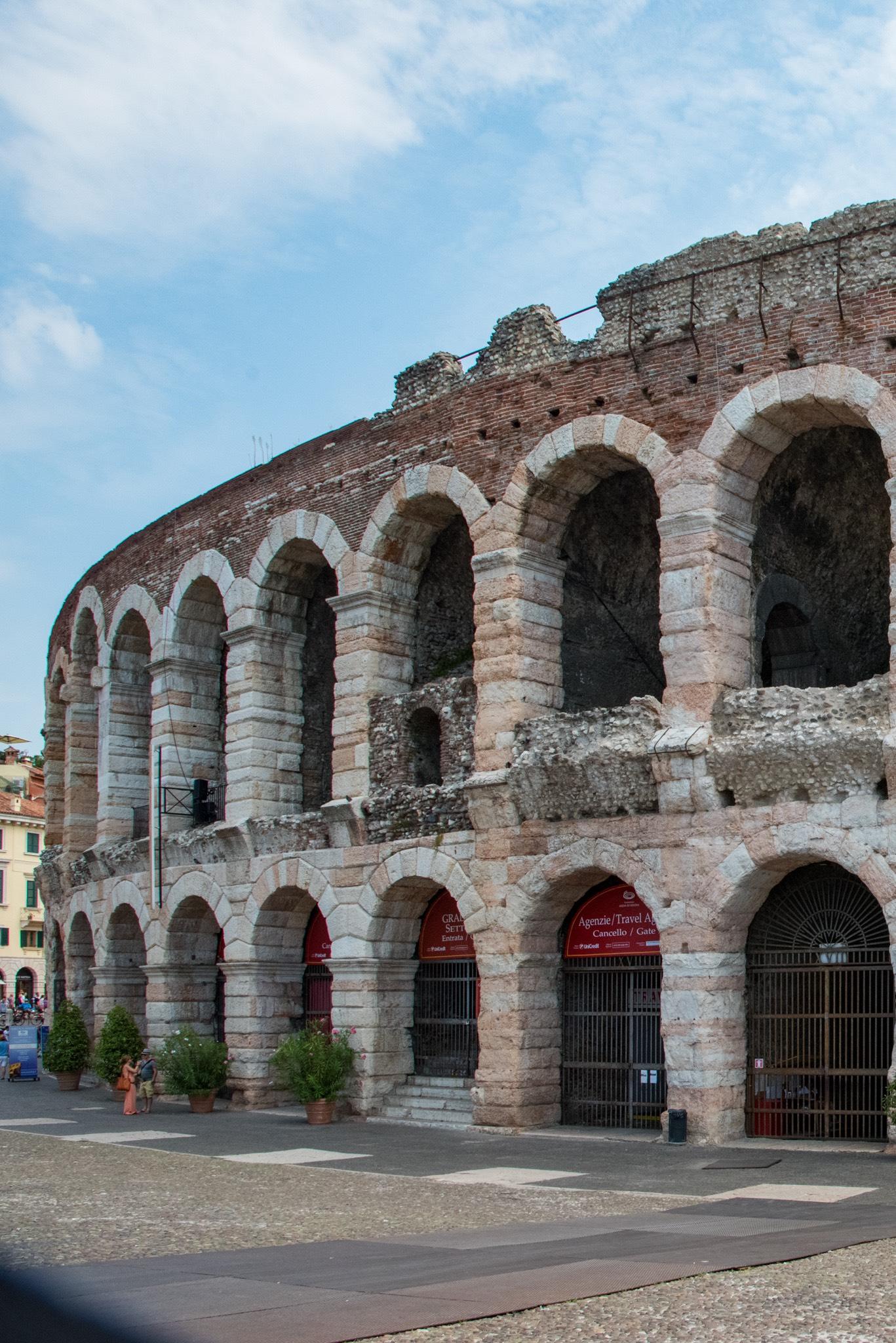
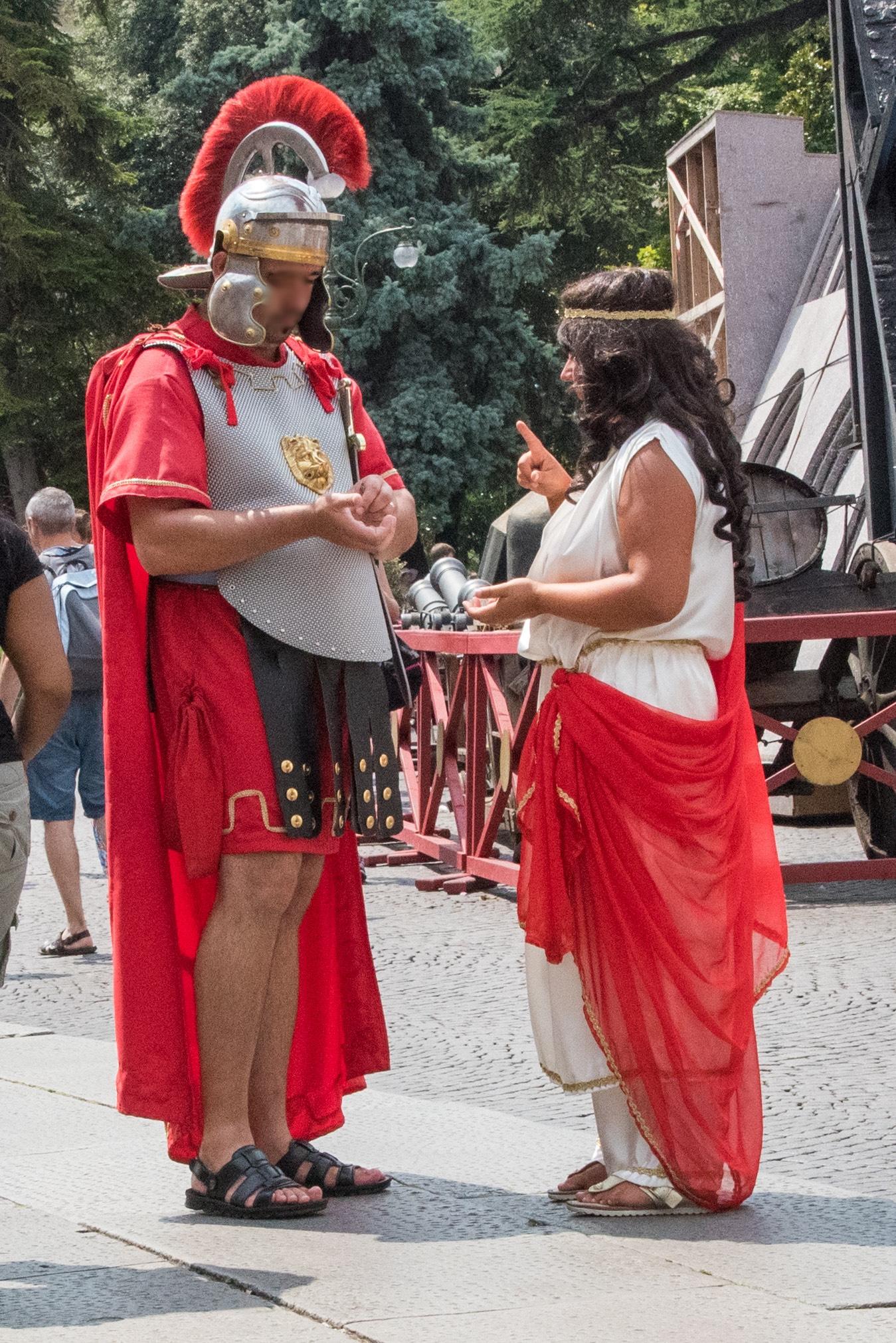
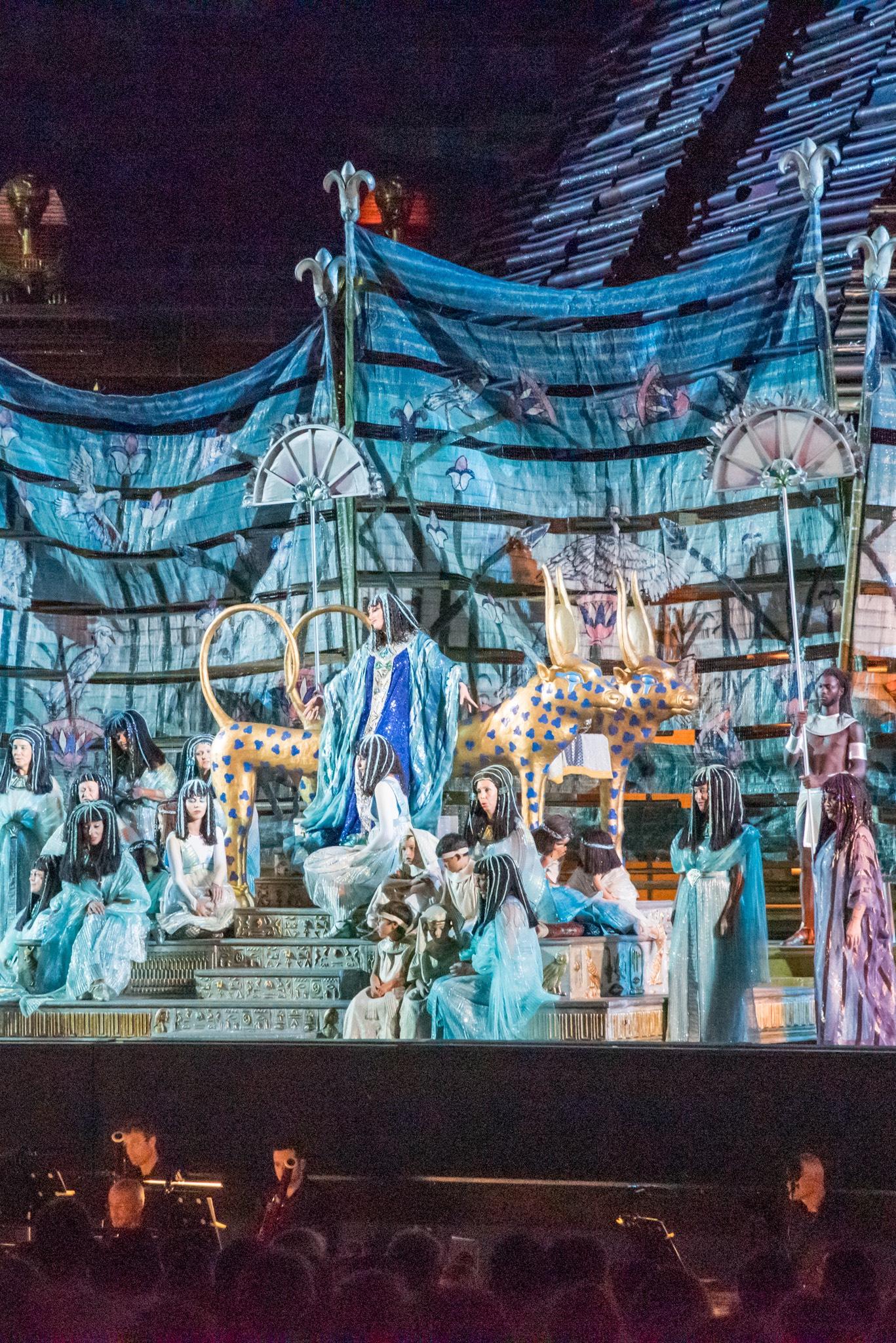
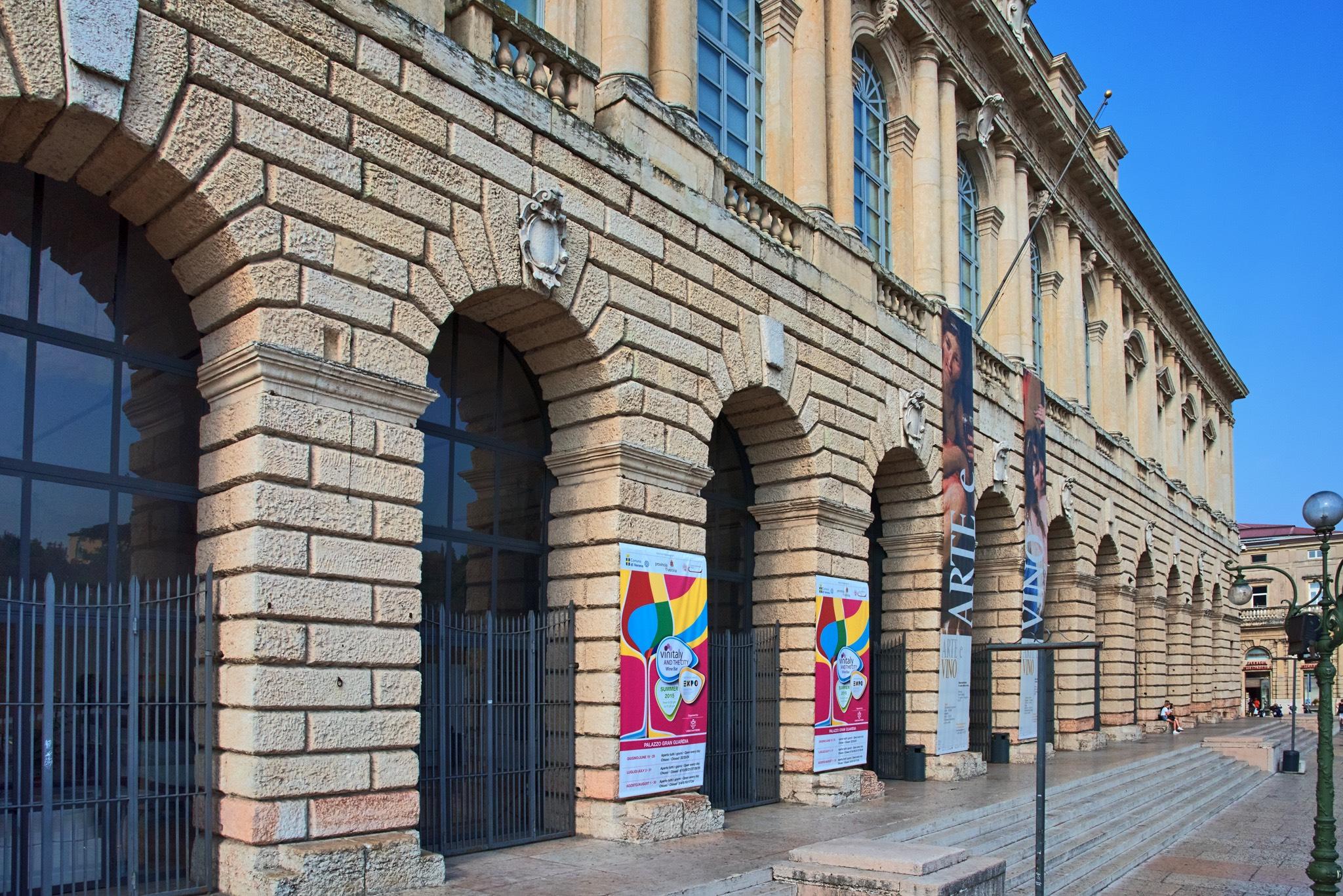
The palace of the great guard (Palazzo della Gran Guardia) was built at the beginning of the 17th century by the architect Domenico Curtoni. The palace has had its current appearance since 1853.
The Palazzo della Gran Guardia is used by the city of Verona for festivities and exhibitions.
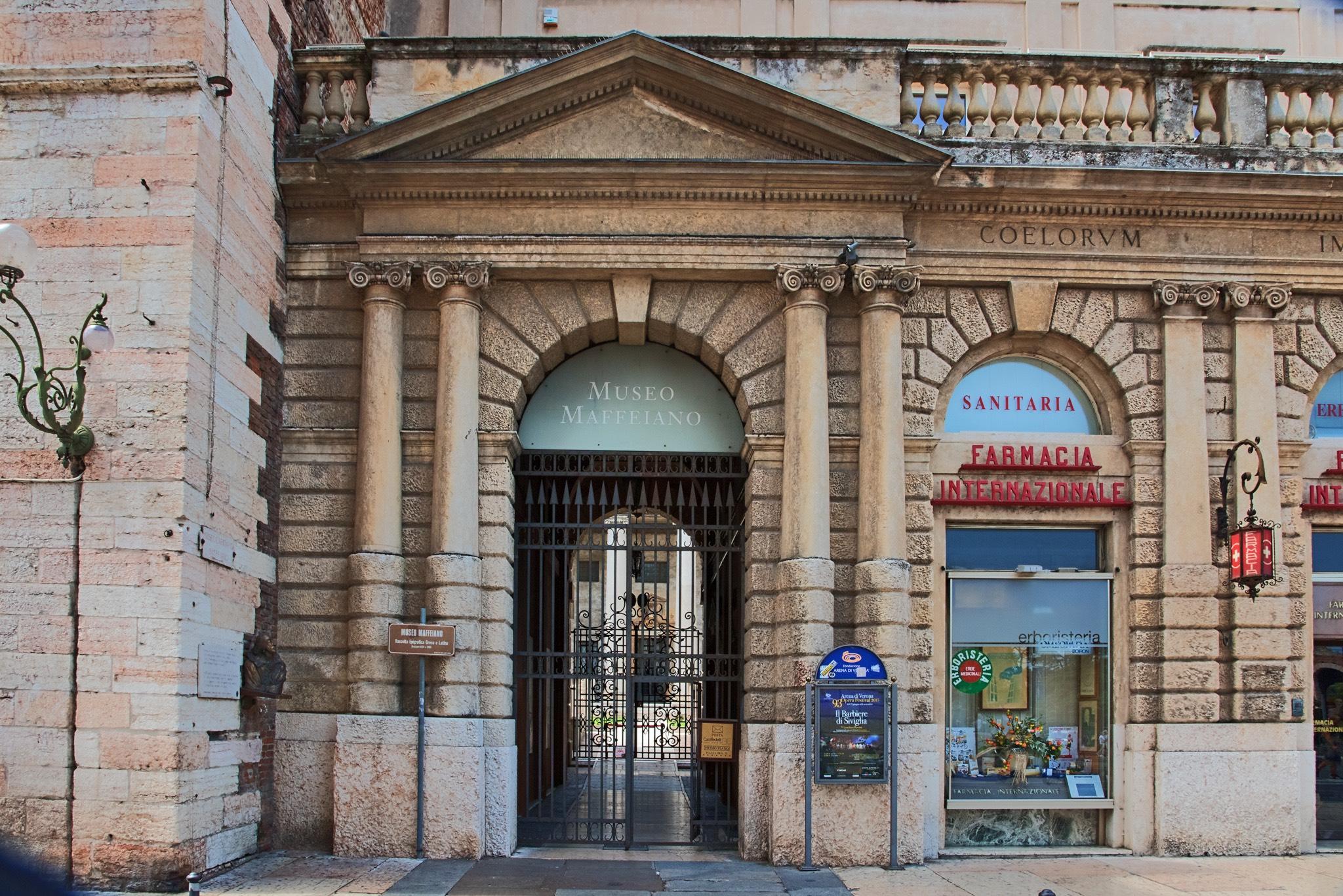
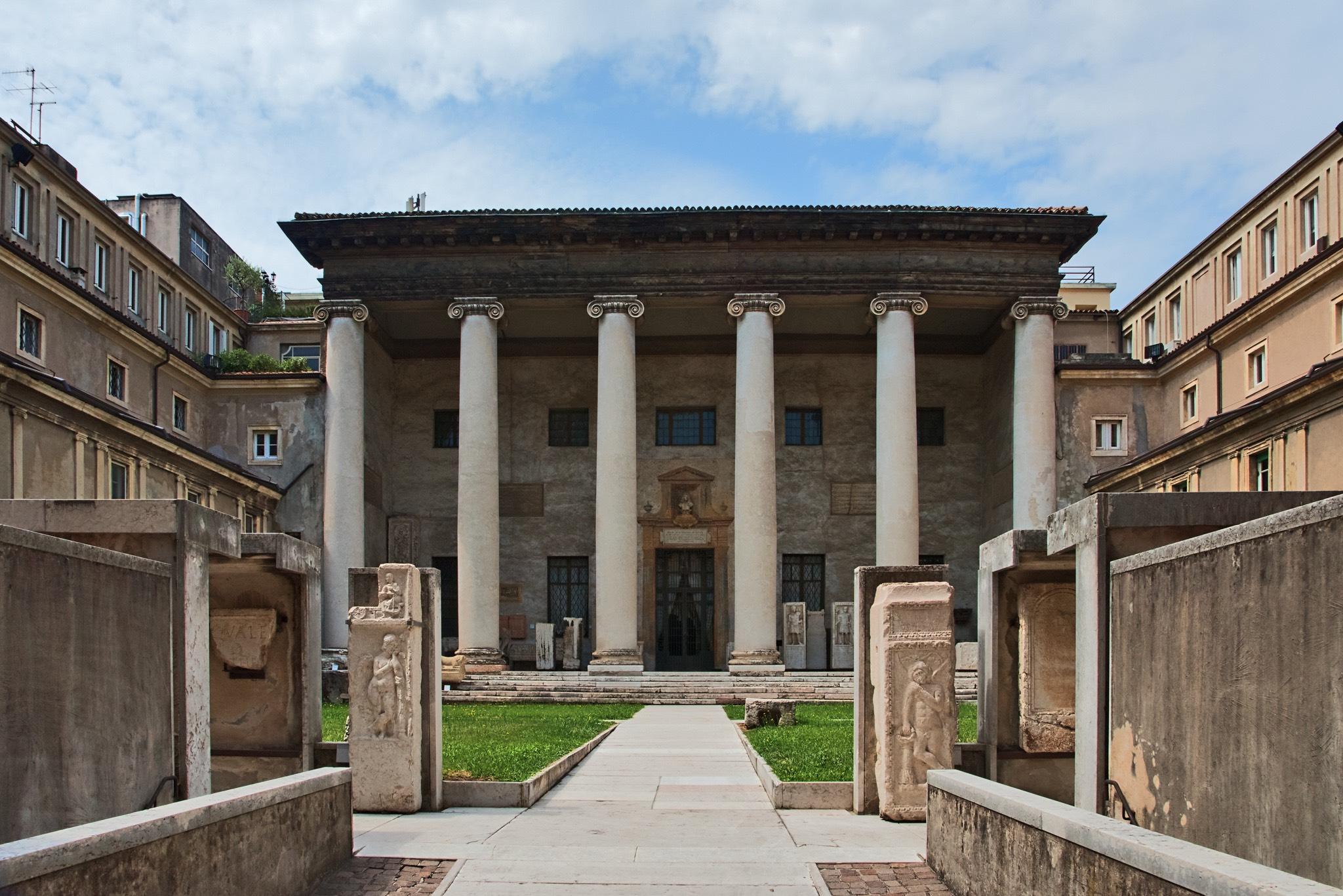
The Lapidario Maffeiano Museum is one of the oldest archaeological museums in Europe. As early as 1612, the first exhibits were displayed in the vestibule of the Philharmonic Academy. The
museum's focuses are stelae and urns located in the rooms. In the outdoor area, there are many inscriptions and reliefs.
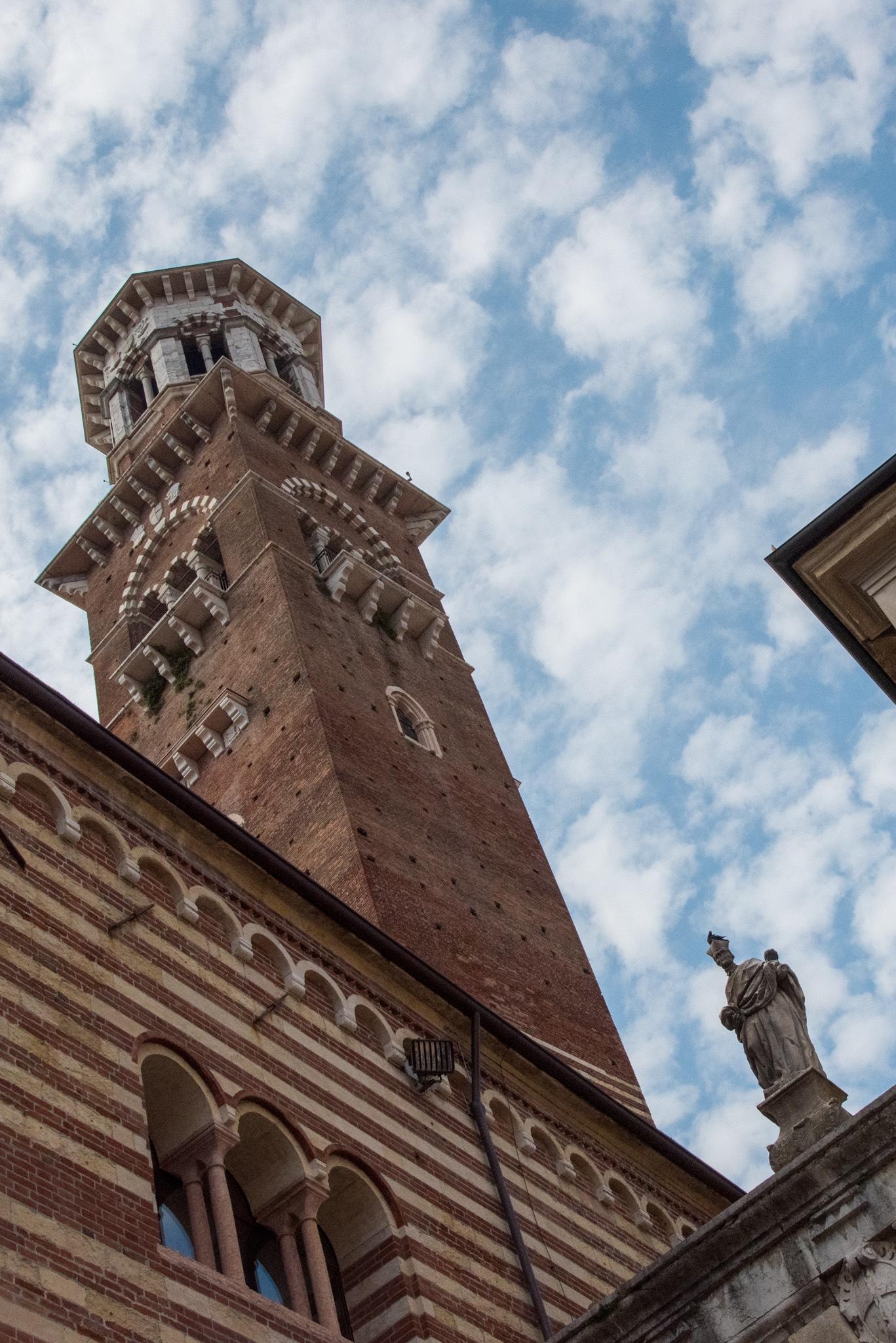
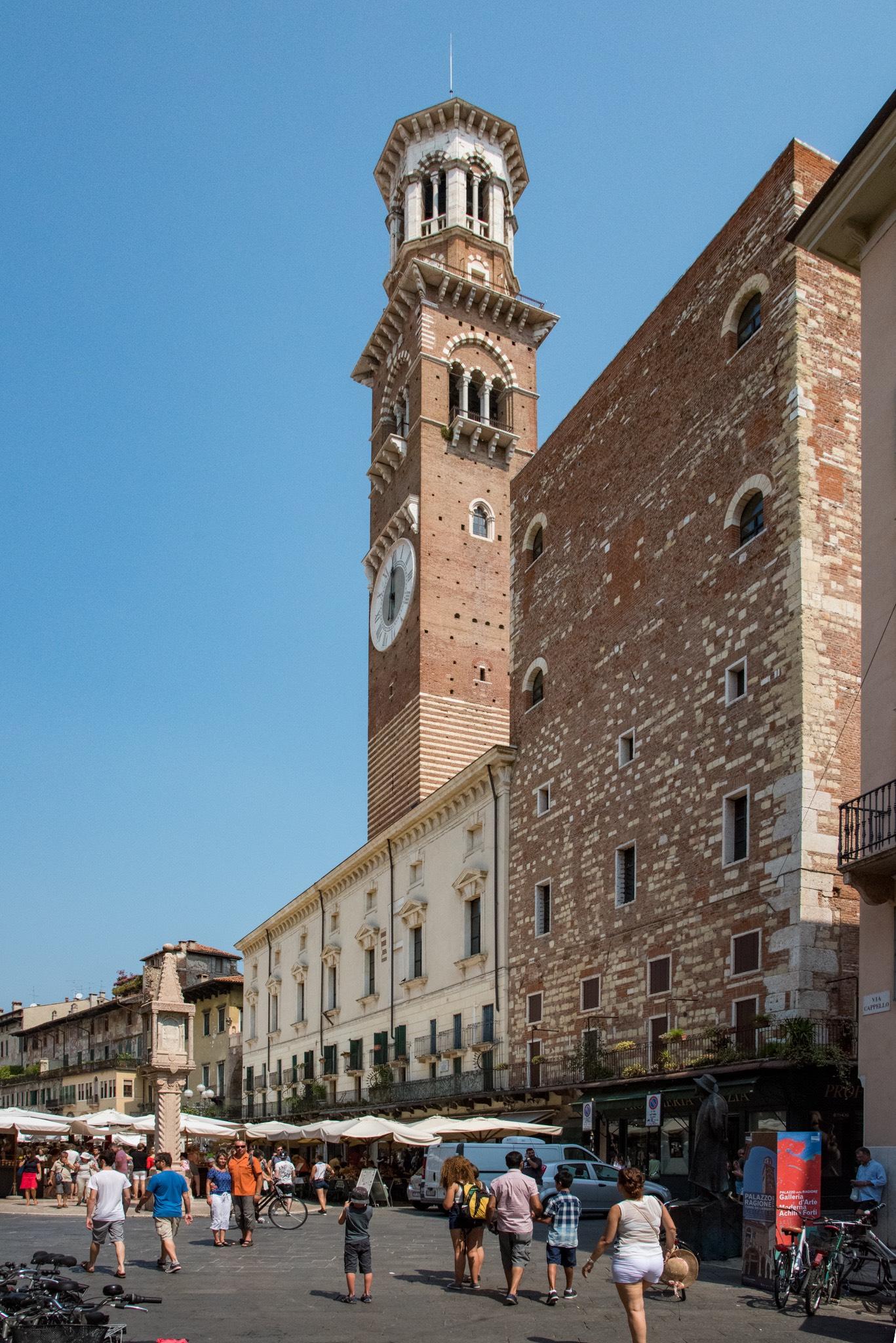
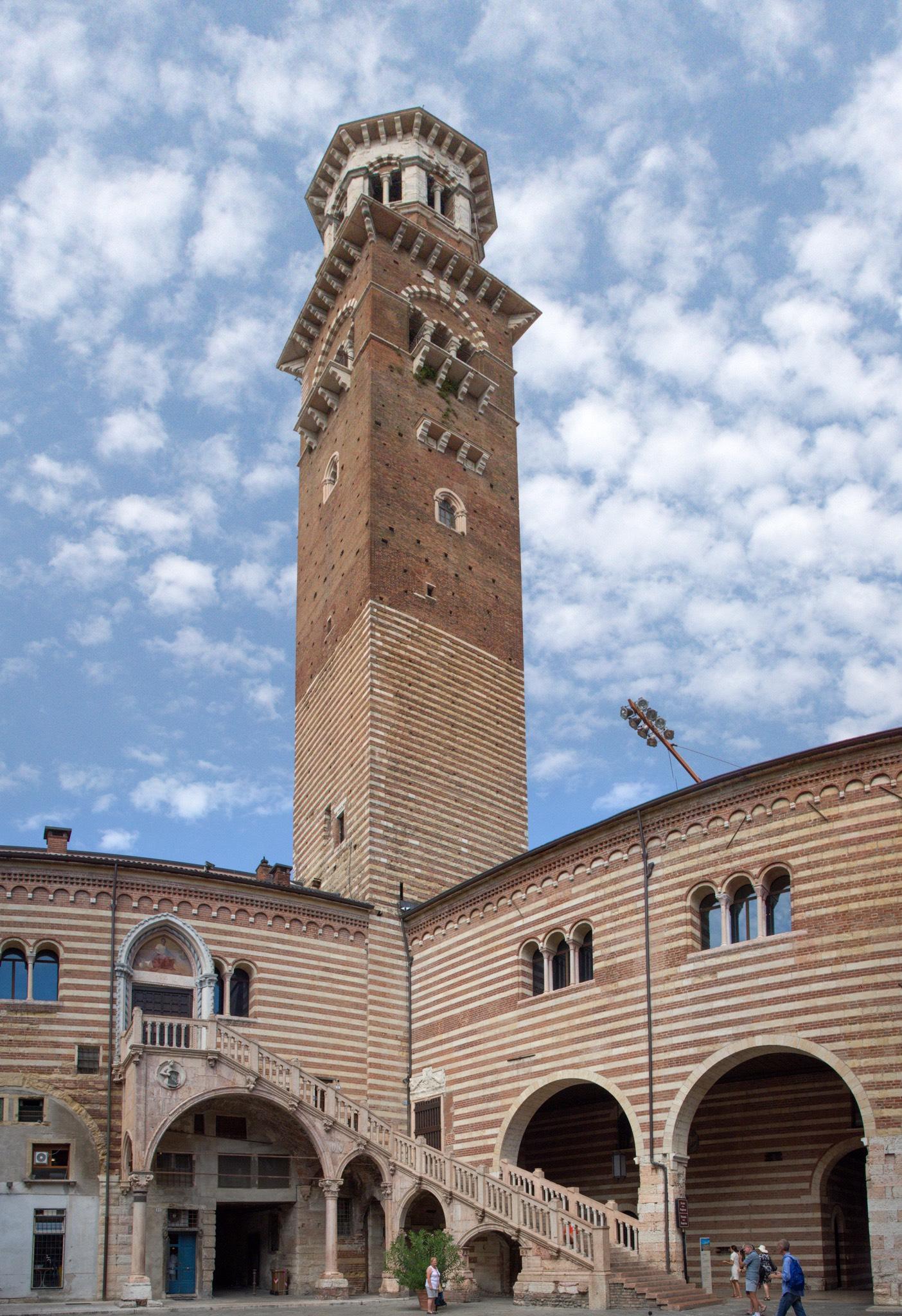
The Palace of Reason (Palazzo della Ragione) houses the “Galleria d'Arte Moderna Achille Forti”. The square where the palace stands was the center of power in Verona in past centuries. The Stairway of Reason (Scala della Ragione) served as access to the court for more than two hundred years. In the southeastern corner of the palace stands the Lamberti Tower (Torre dei Lamberti).

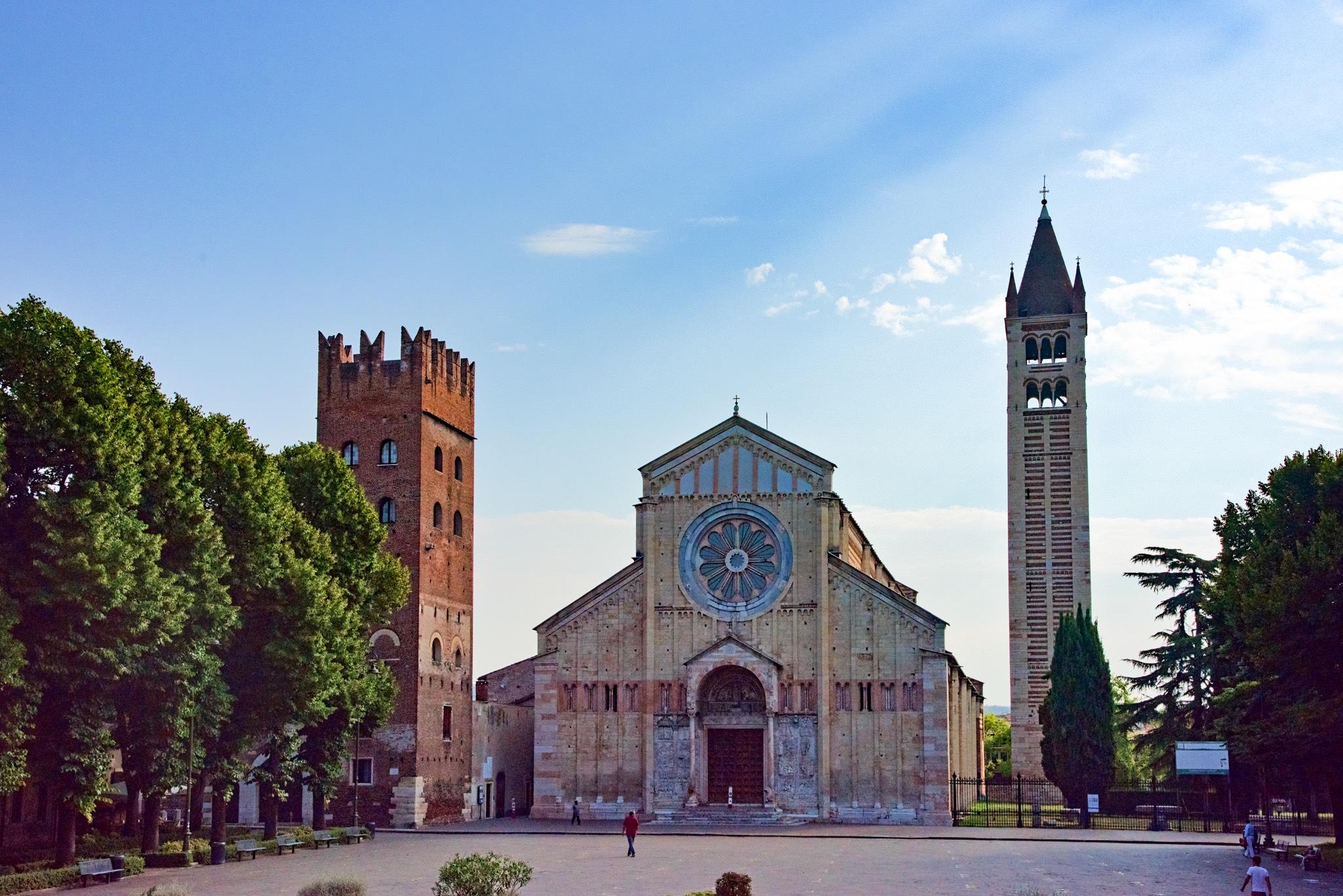
The Basilica di San Zeno Maggiore is one of the most important churches in Verona. The church was built in the 12th and 13th centuries. A church stood at this site as early as the 4th century. The
defense tower (Torre di San Zeno) is the last remaining remnant of the destroyed Benedictine abbey.
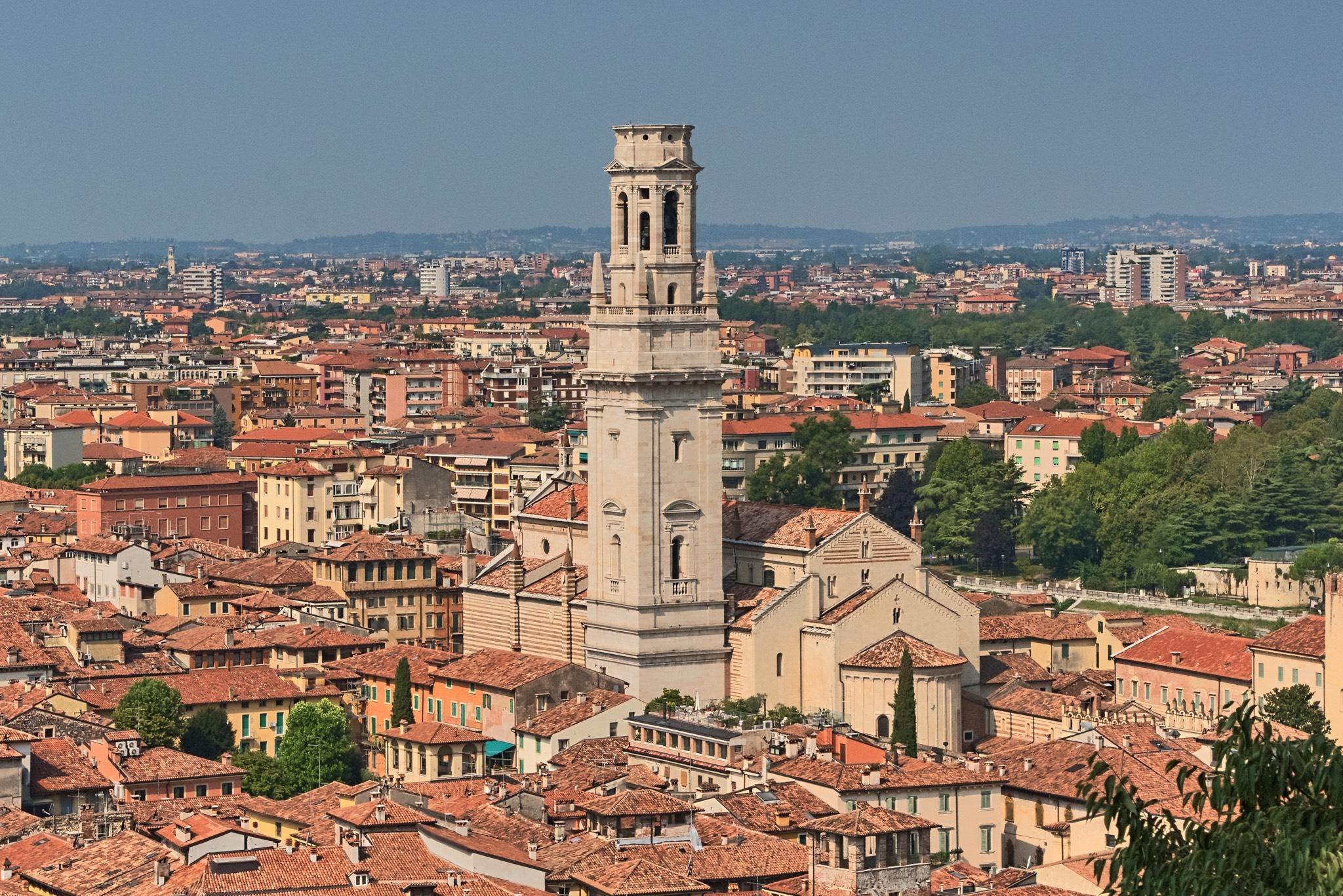
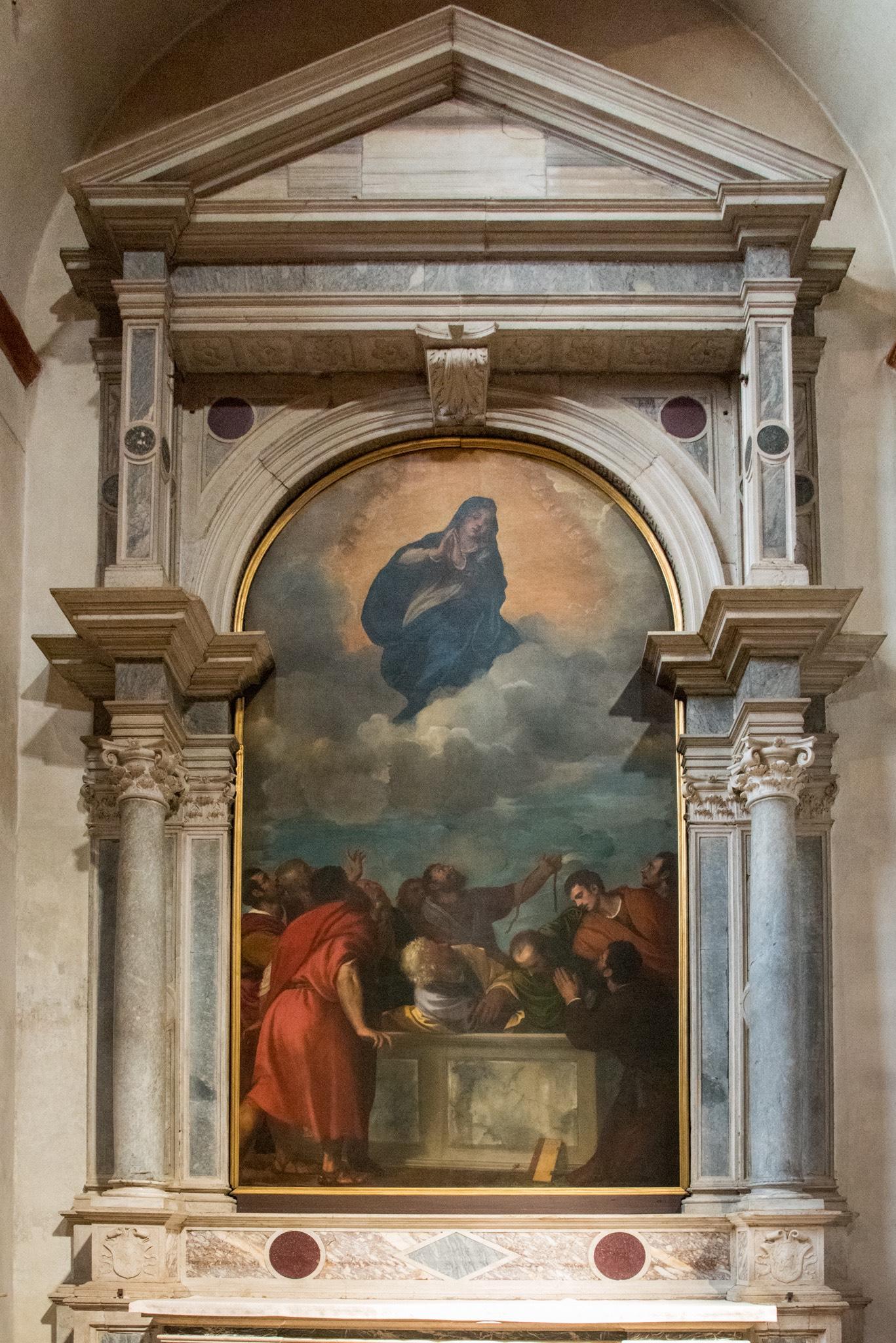
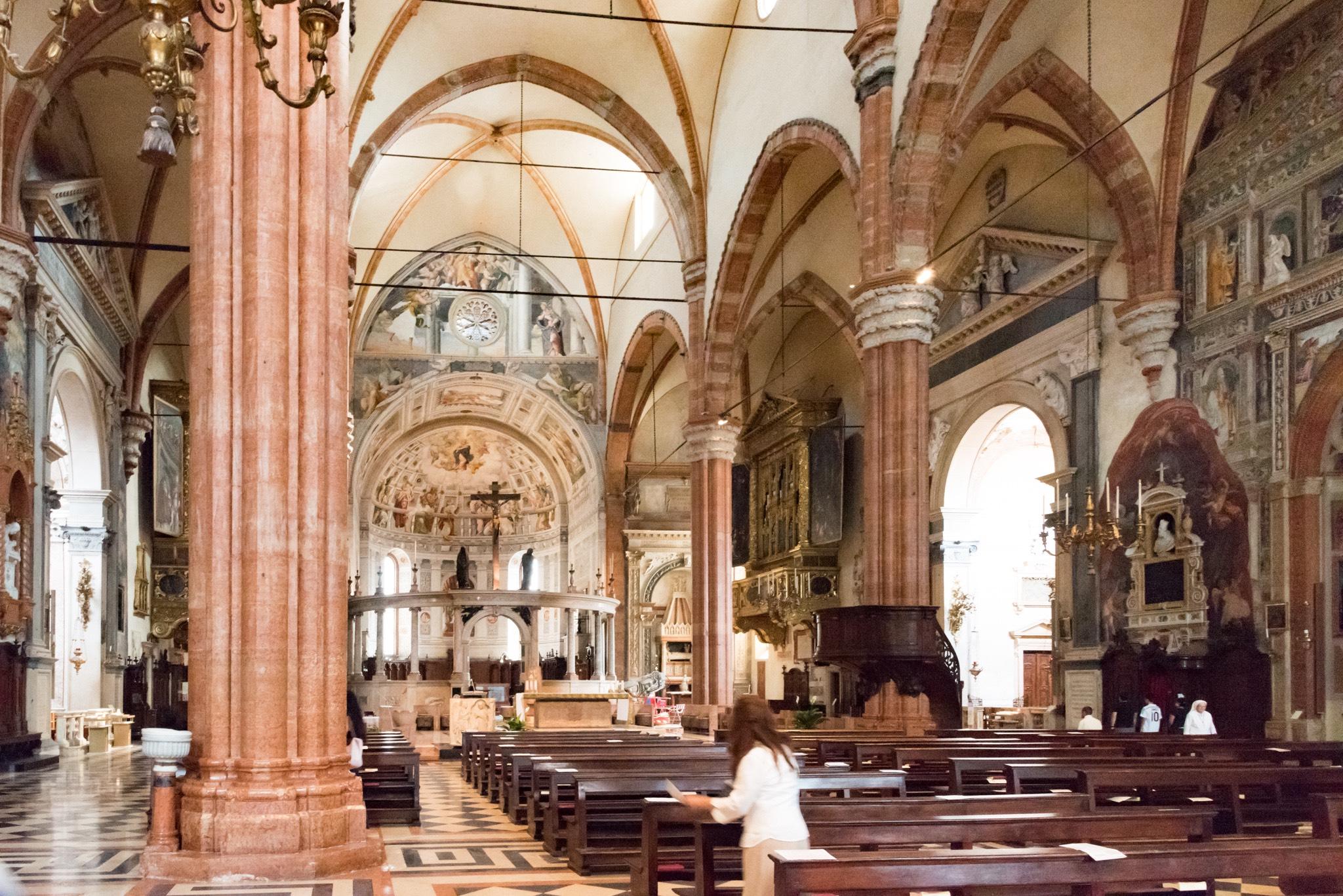
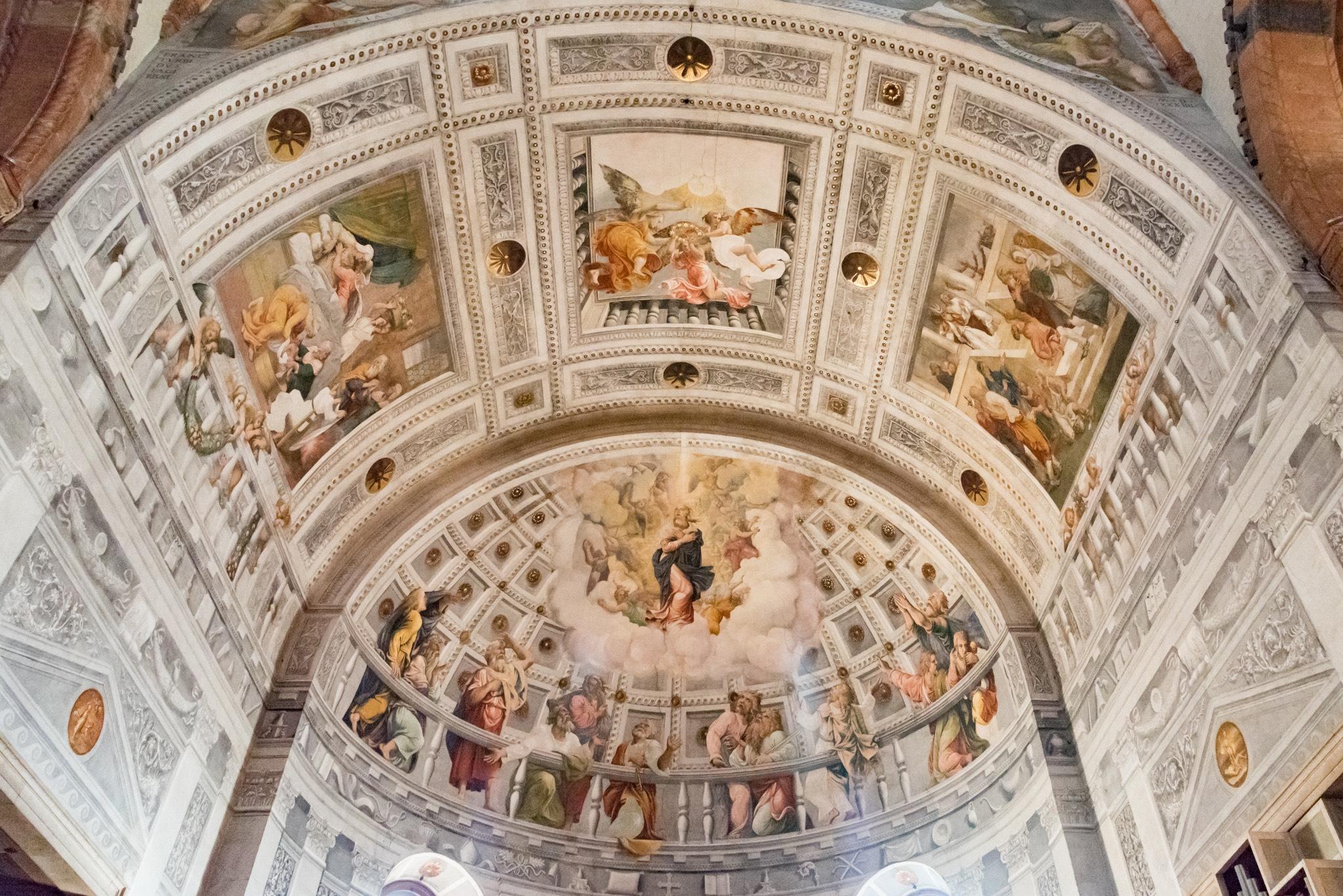
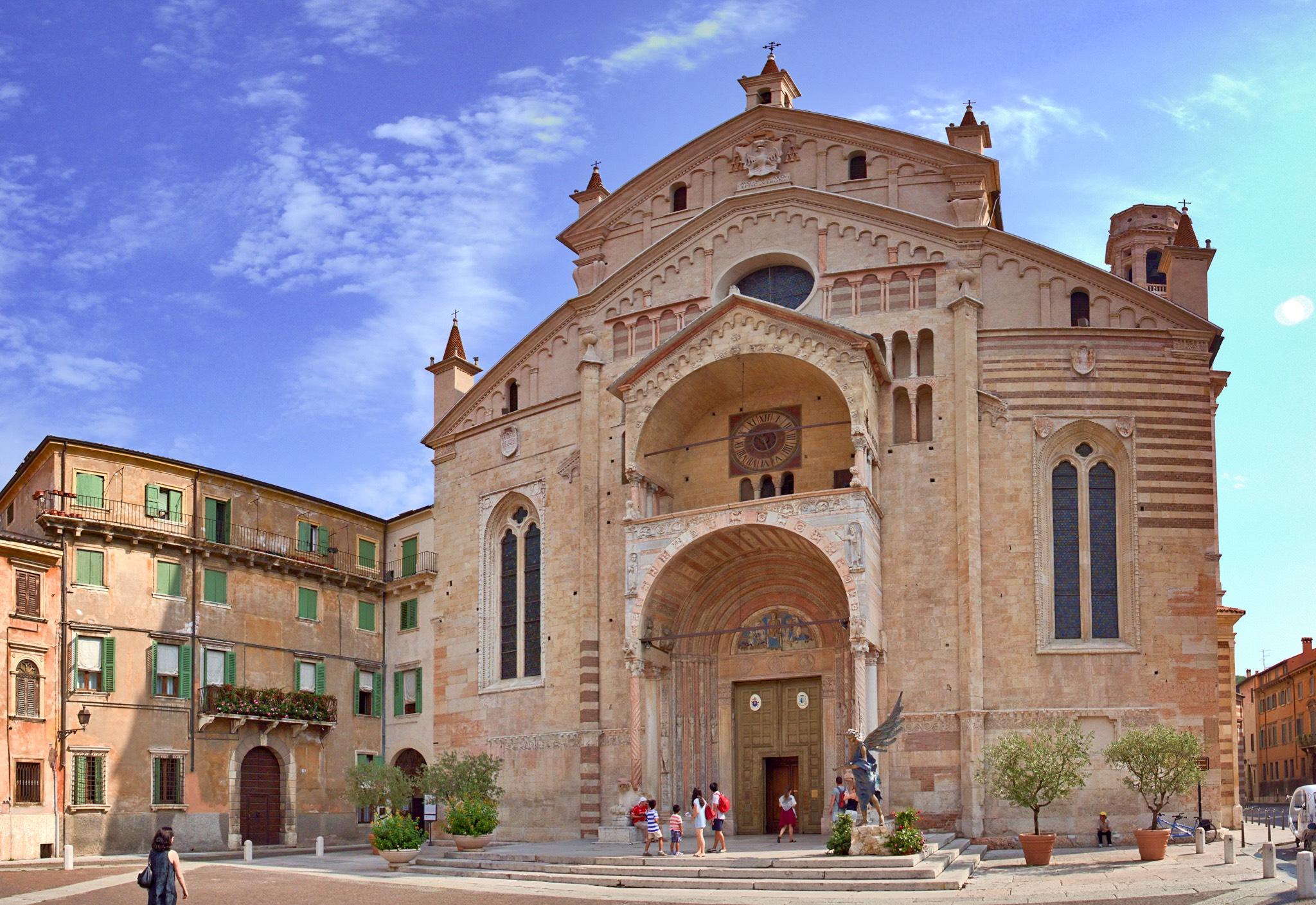
The Cathedral of Verona (Cattedrale Santa Maria Matricolare) was consecrated in 1187. Particularly worth seeing are the portal created by Nicolò and the fantastic frescoes. The cathedral also houses
Titian's altarpiece. Through a door, you enter the baptistery (S. Giovanni in Fonte).
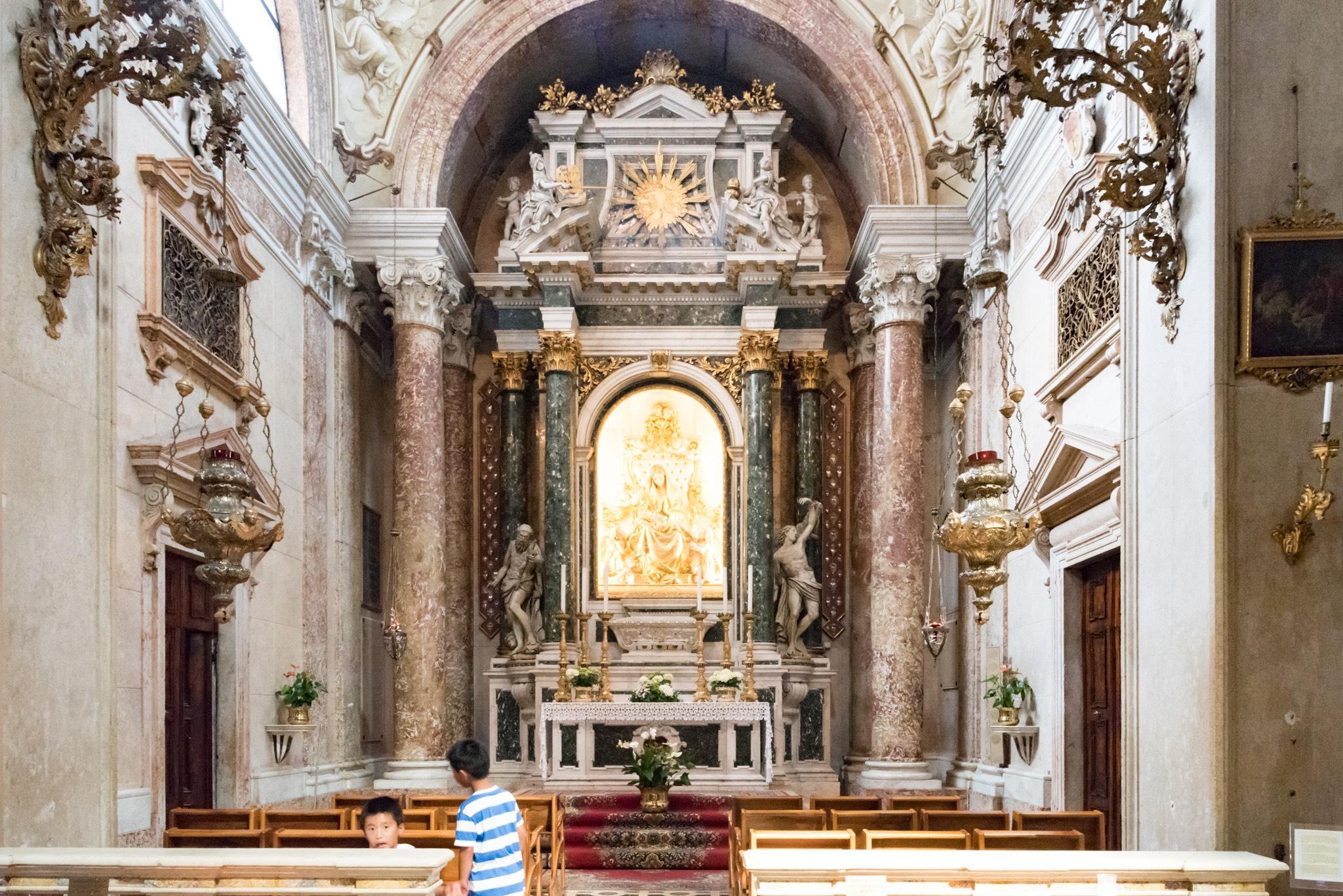
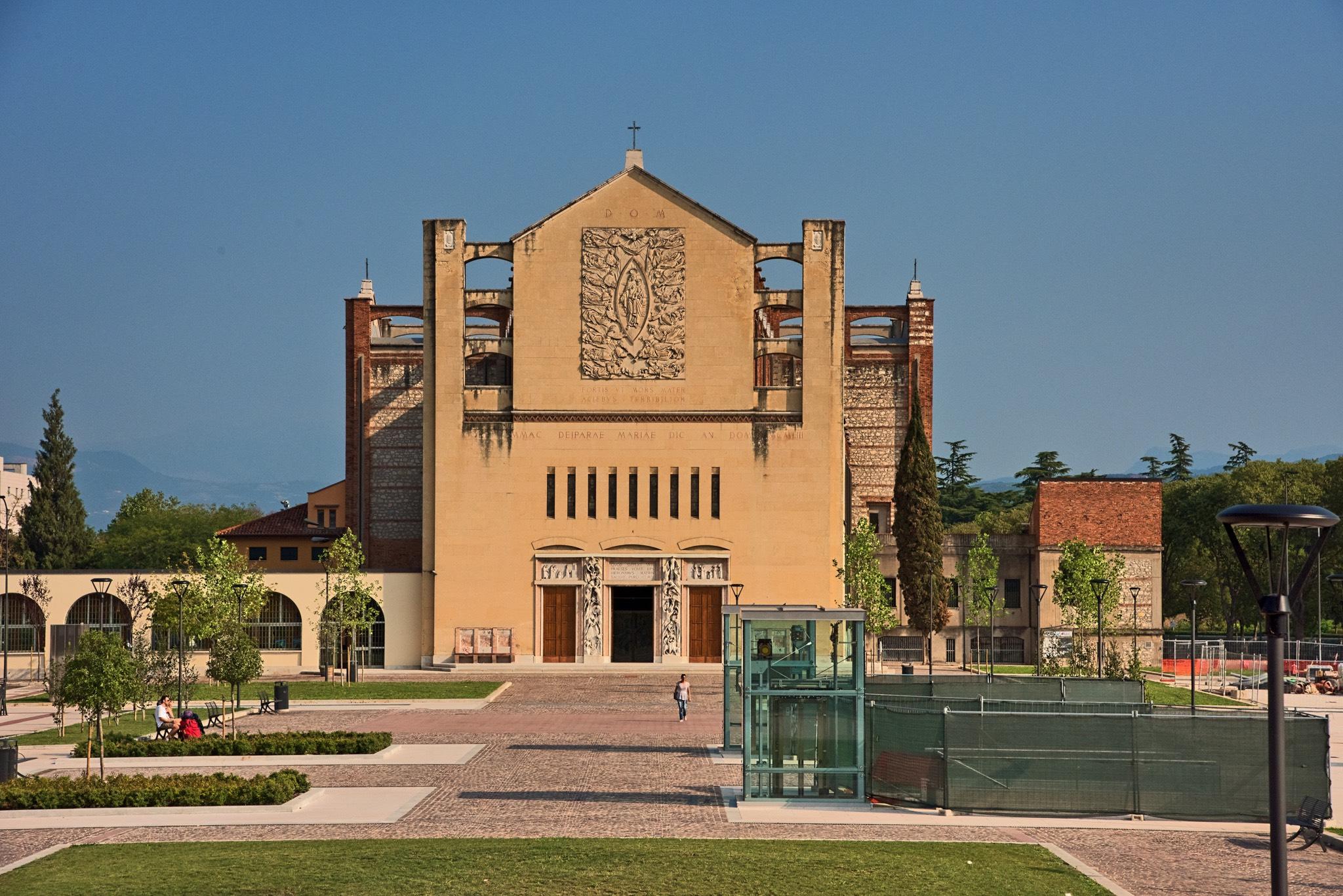
The parish of the Immaculate Heart of Mary (Parrocchia Cuore Immacolato di Maria - Tempio Votivo) was inaugurated in 1952. The church houses the wooden statue of the Virgin Mary
donated by the Order of Malta, which was blessed in 1949 in Castelgandolfo by Pope Pius XII.
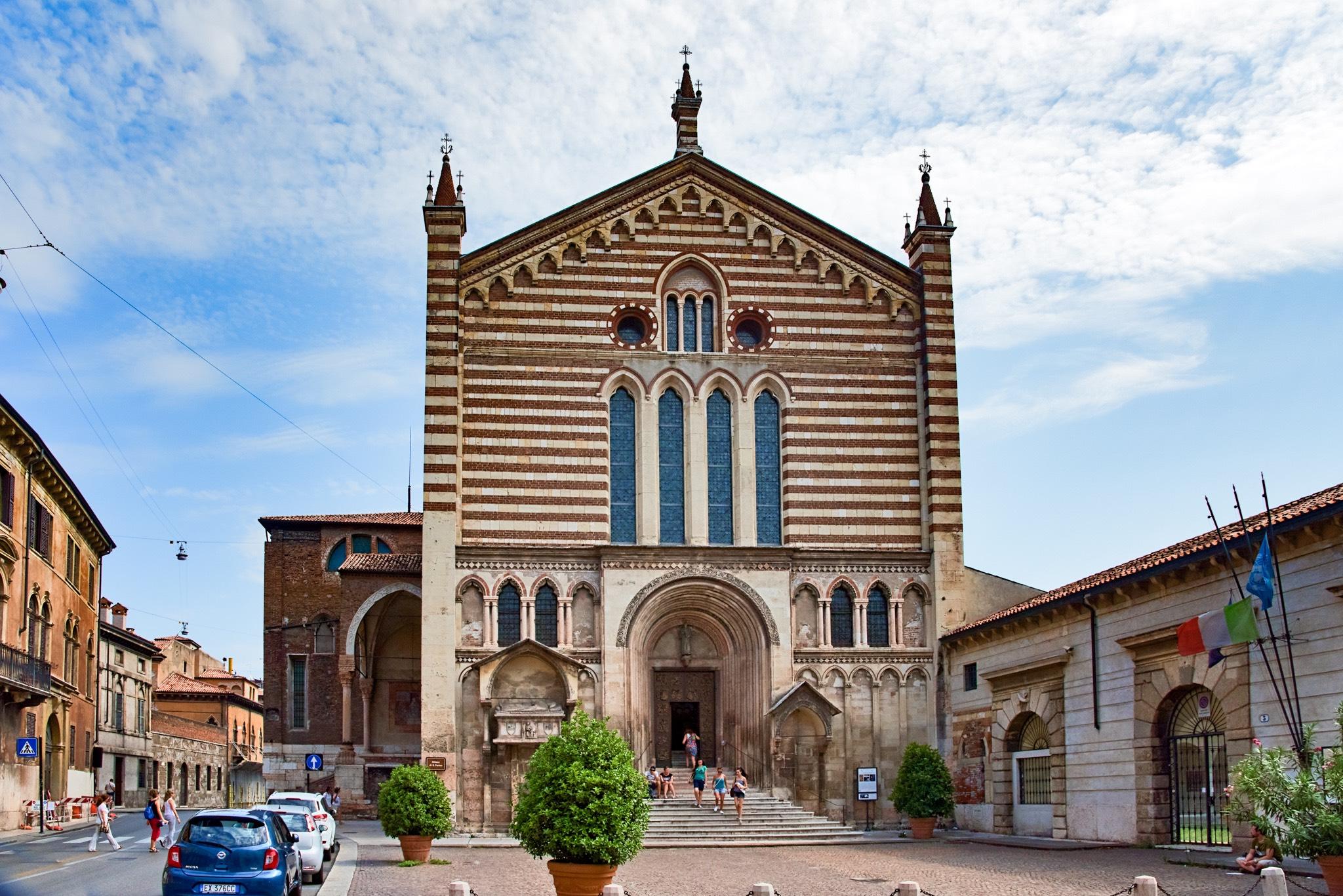
The Gothic church San Fermo Maggiore (Chiesa di San Fermo Maggiore) was completed in 1138. The Benedictine monks began construction of the church in 1065. Particularly worth seeing are the
wooden ceiling and the Romanesque crypt. The facade features Romanesque and Gothic style elements.
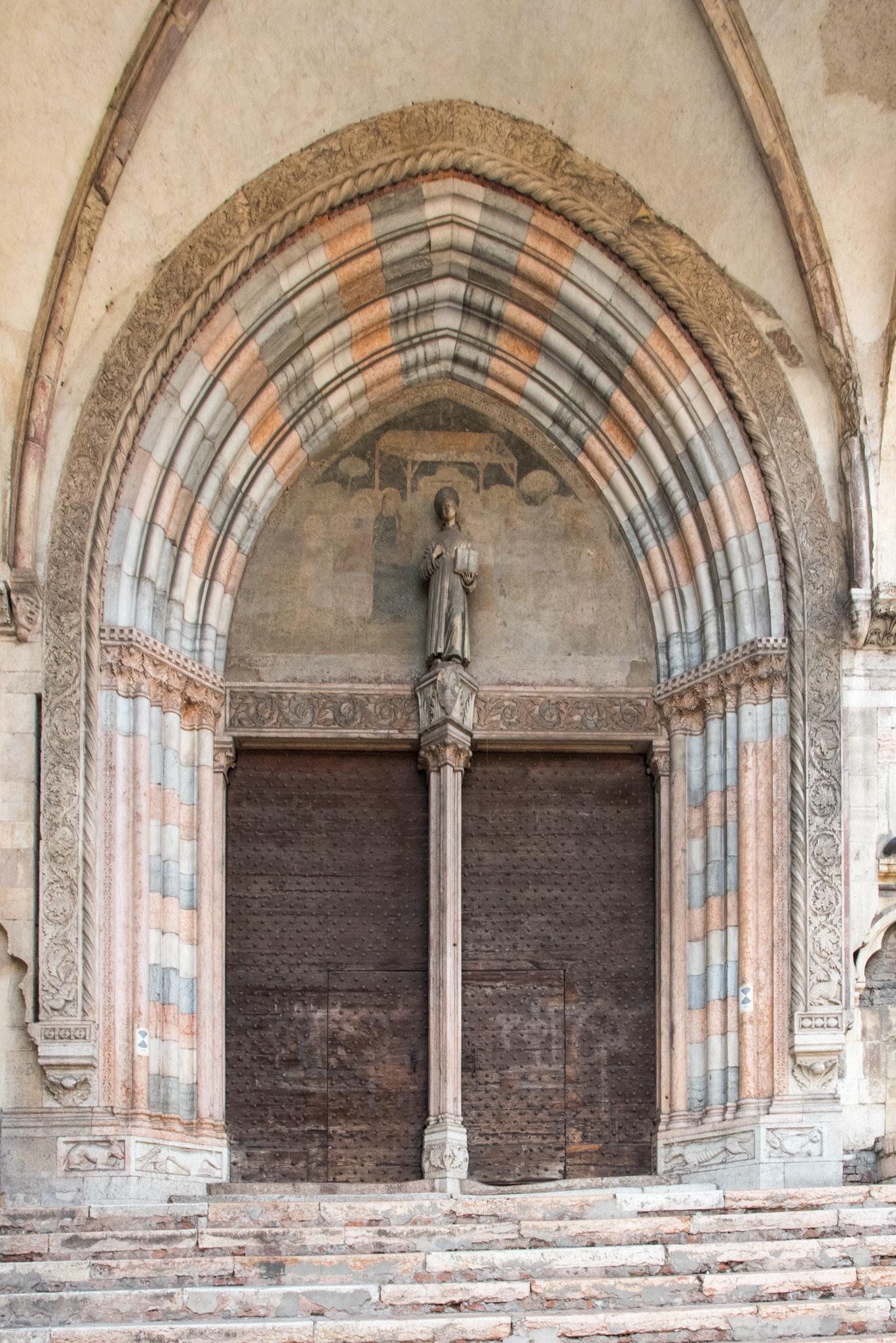
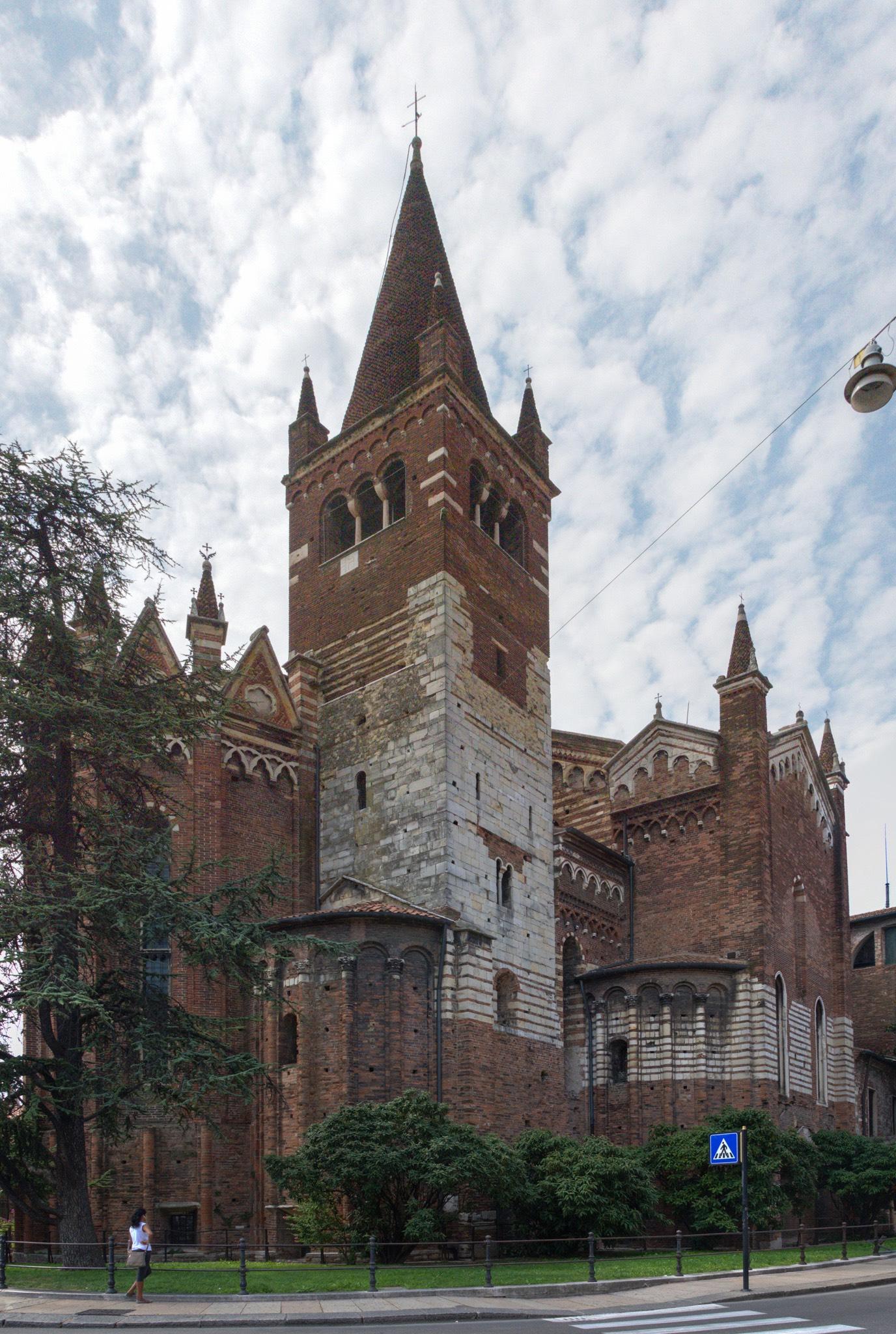
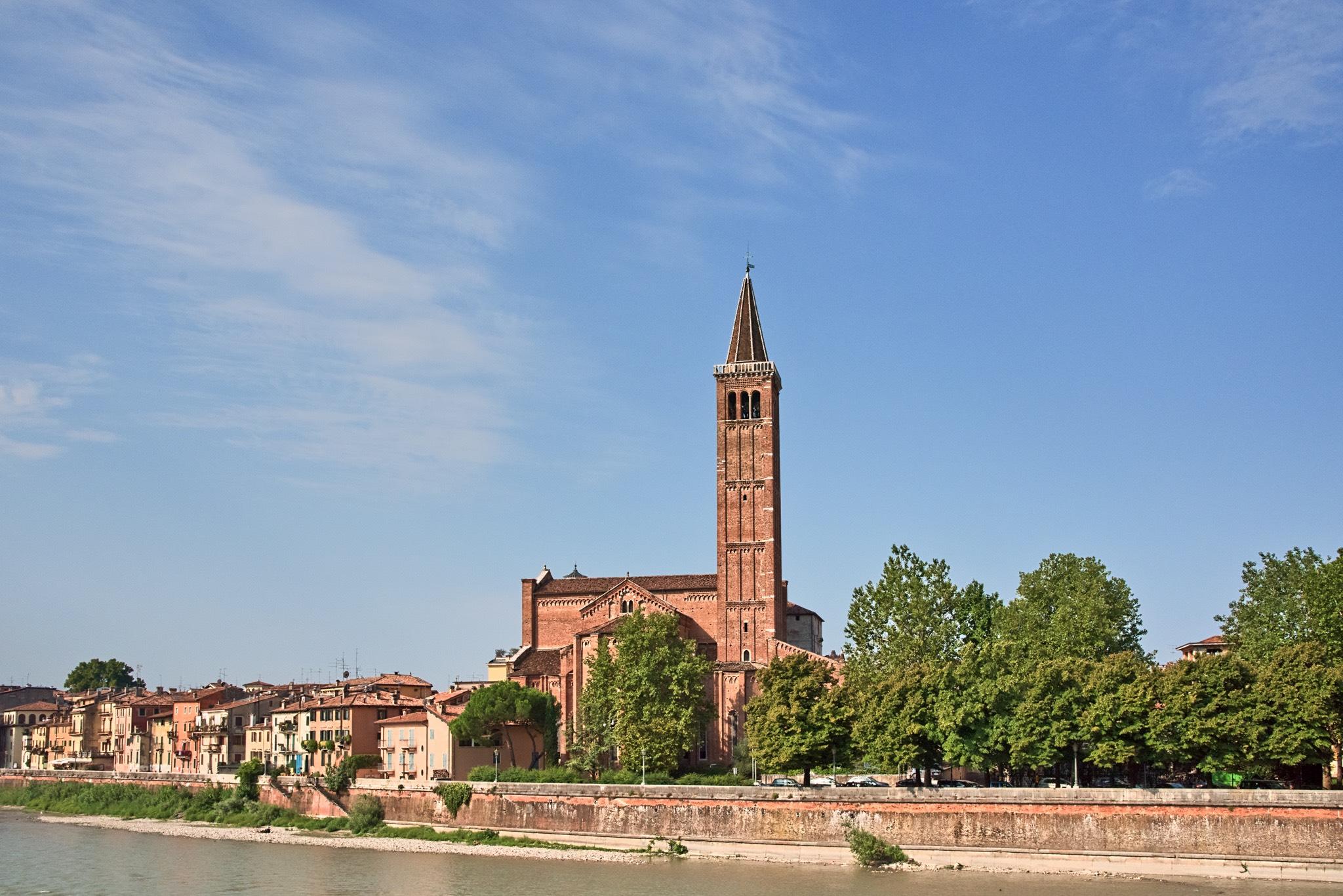
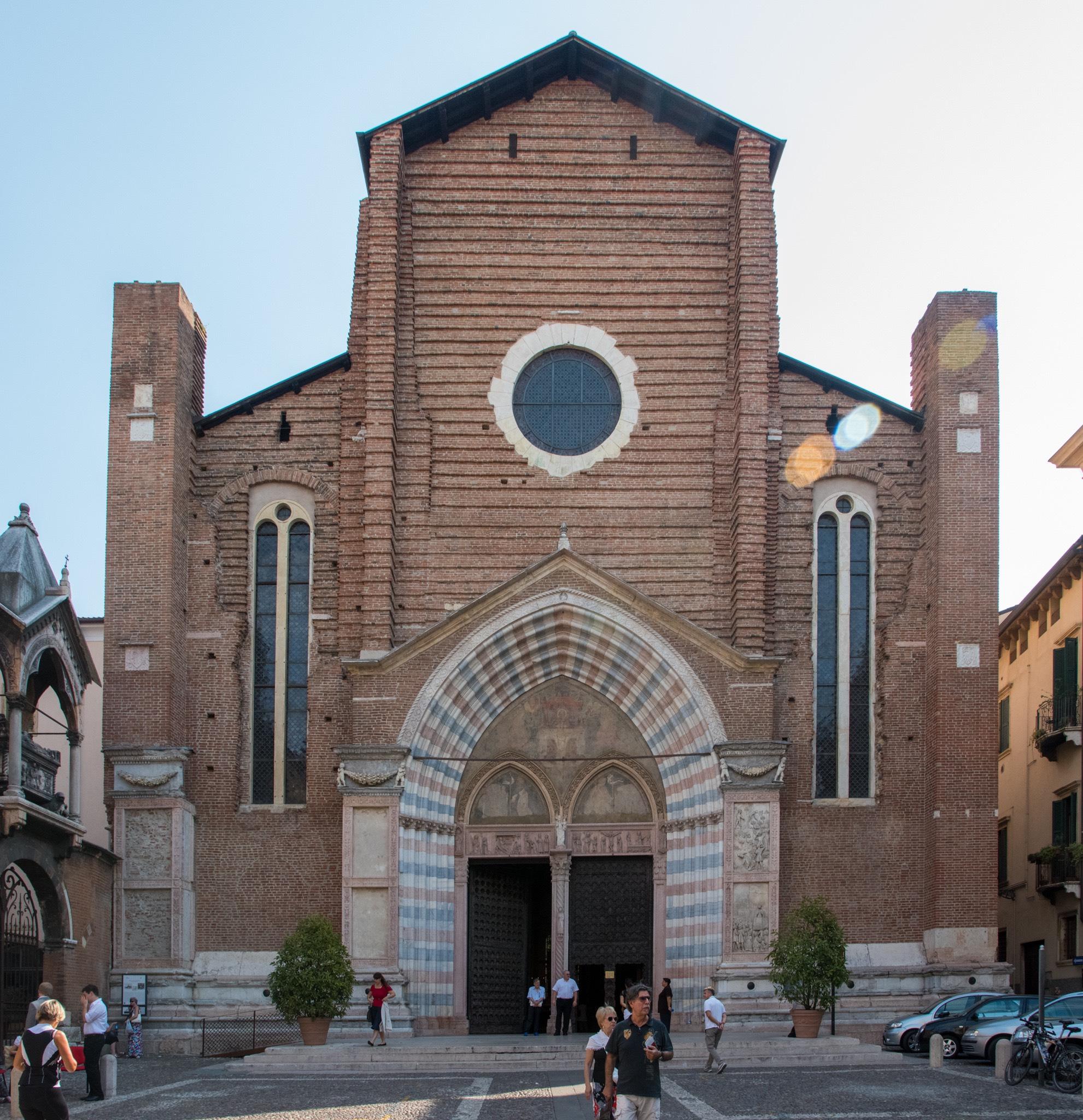
San Pietro da Verona in Santa Anastasia is also known as Sant'Anastasia. The church was built by the Dominicans from 1280 to 1400. The bell tower is 72 m high and houses 9 bells. The imposing
facade is divided into three vertical elements. The interior is very detailed and ornate.
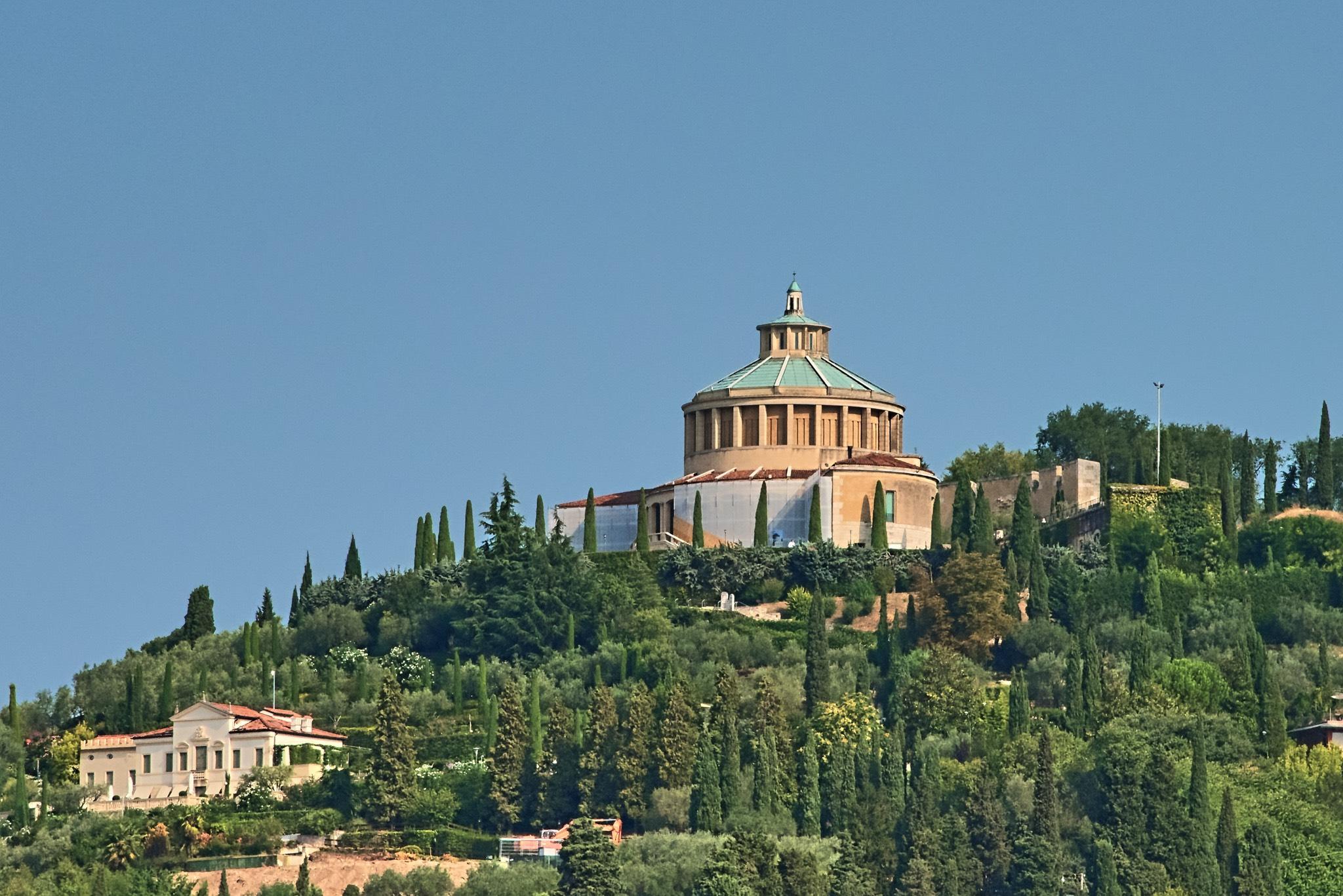
The construction of the Church of Our Lady of the Countryside (Chiesa di Madonna di Campagna) began in 1559. Perched on the hill, the actually oval church looks like a round building. The surprise is great when entering the church, as the interior is octagonal.
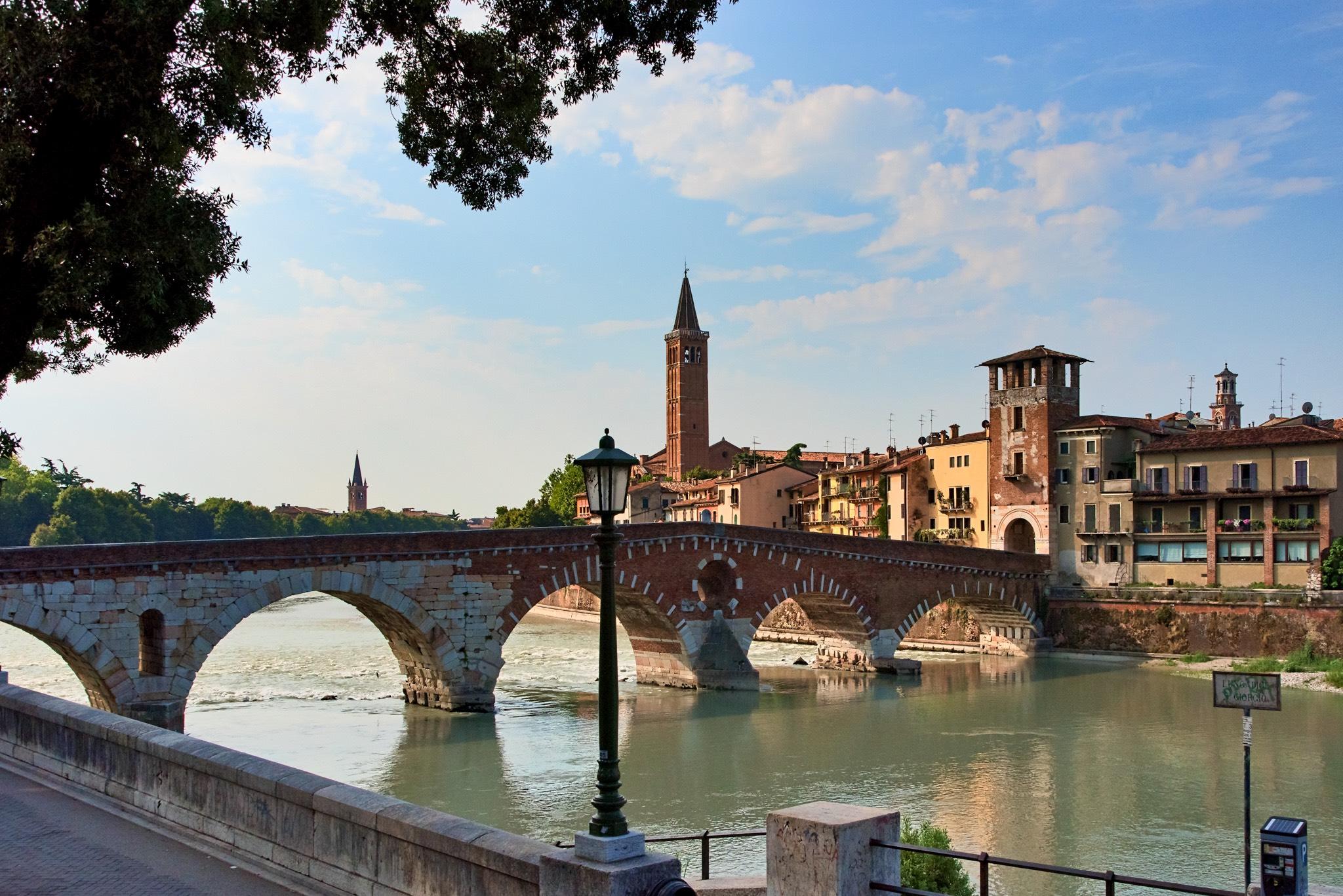

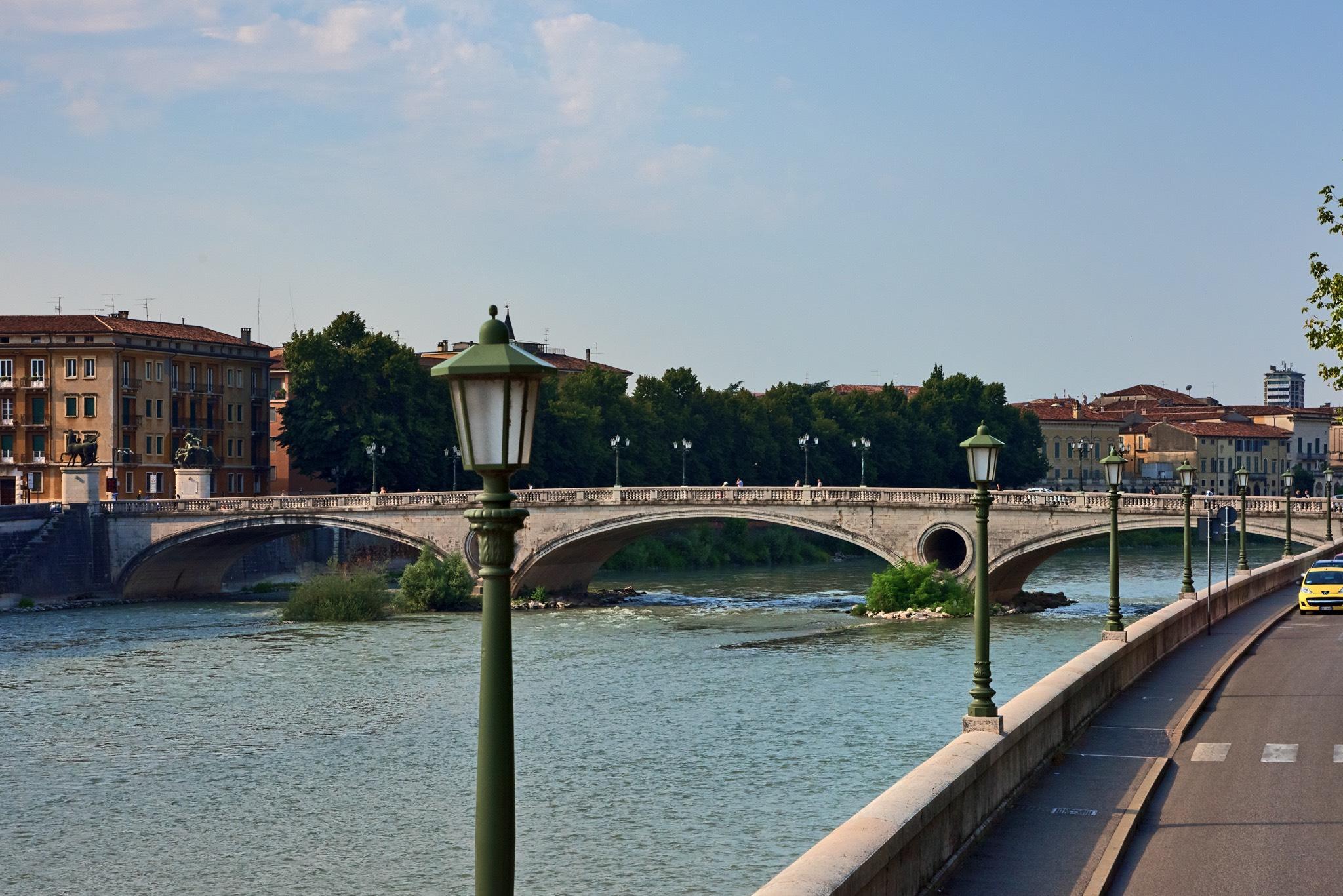
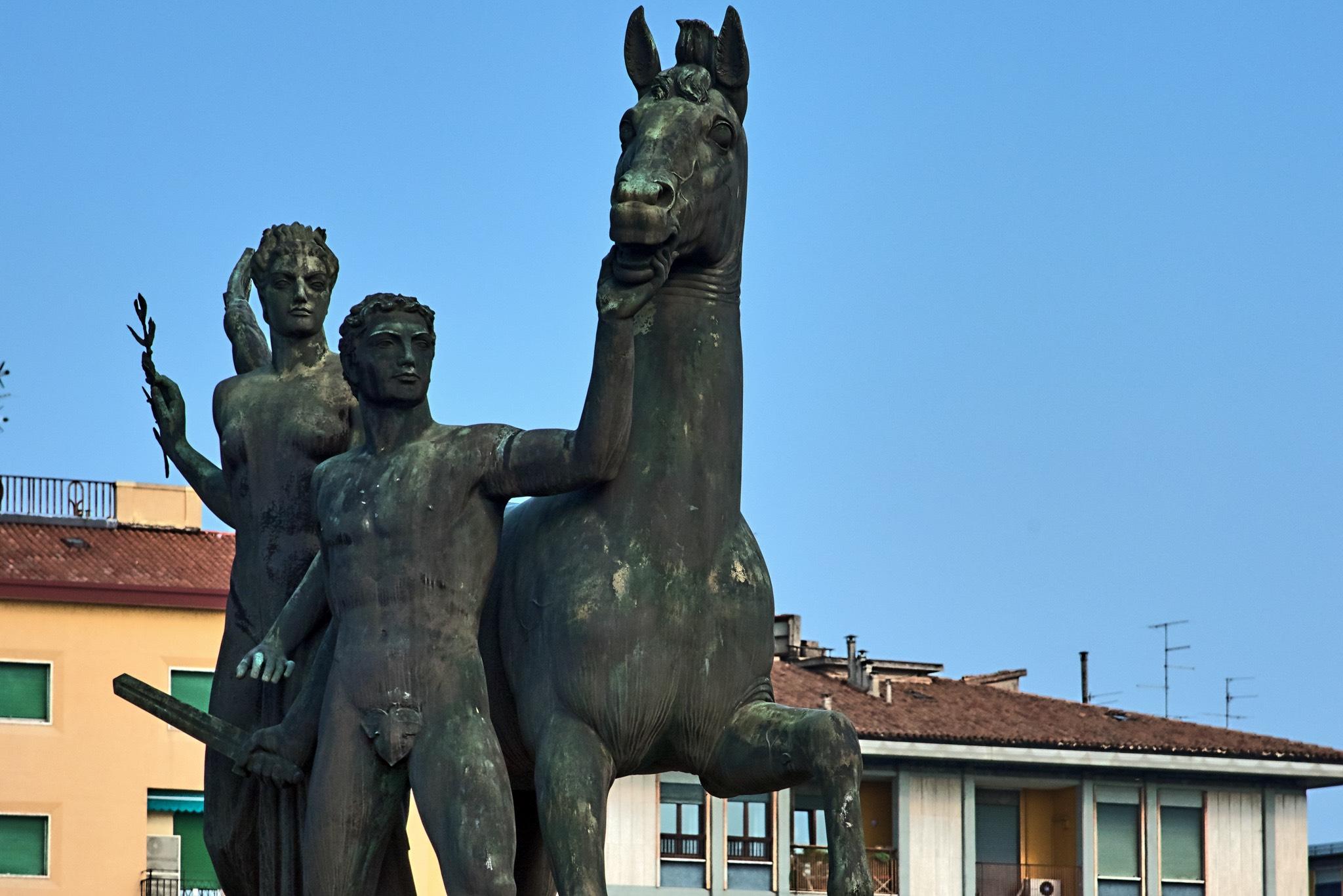
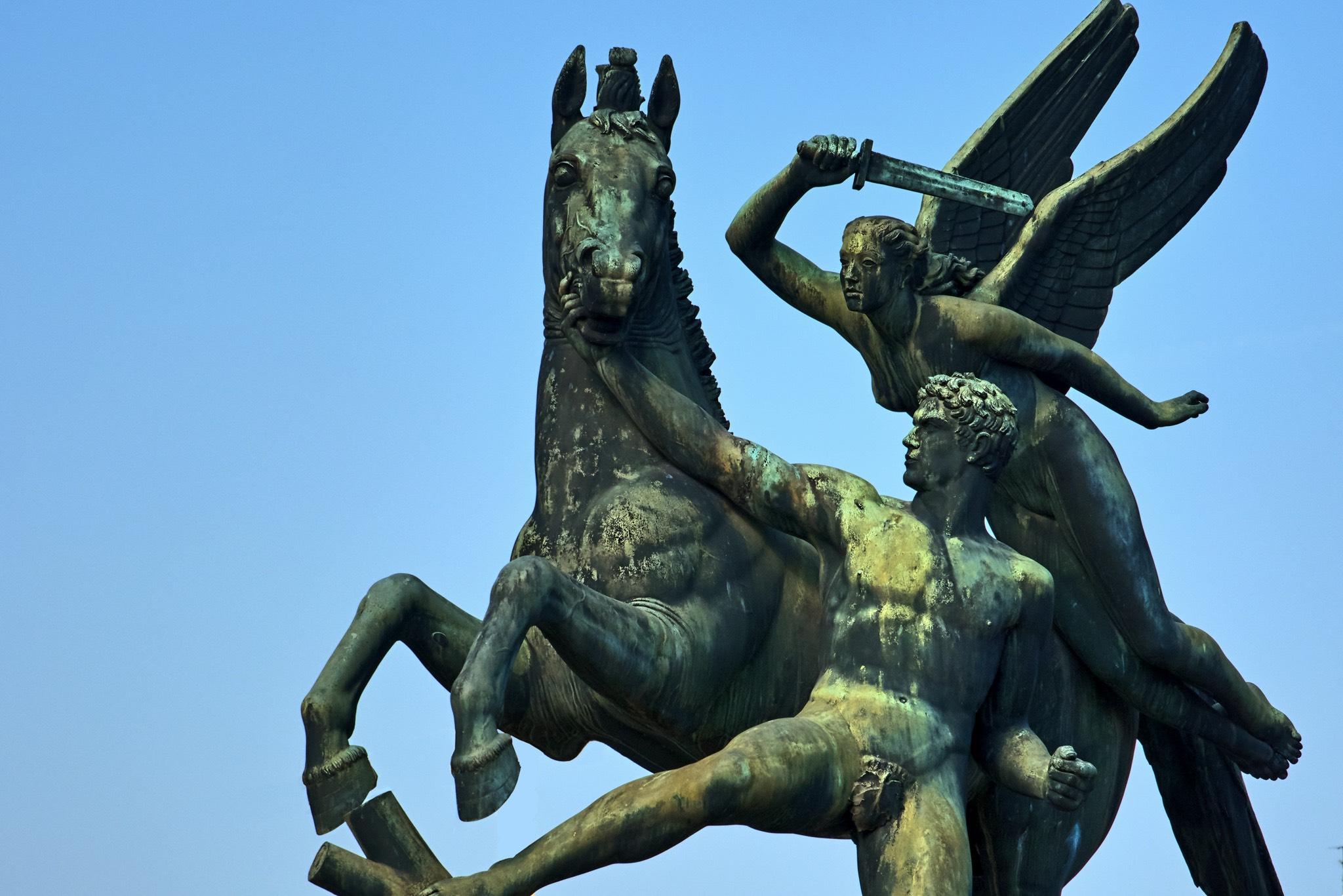
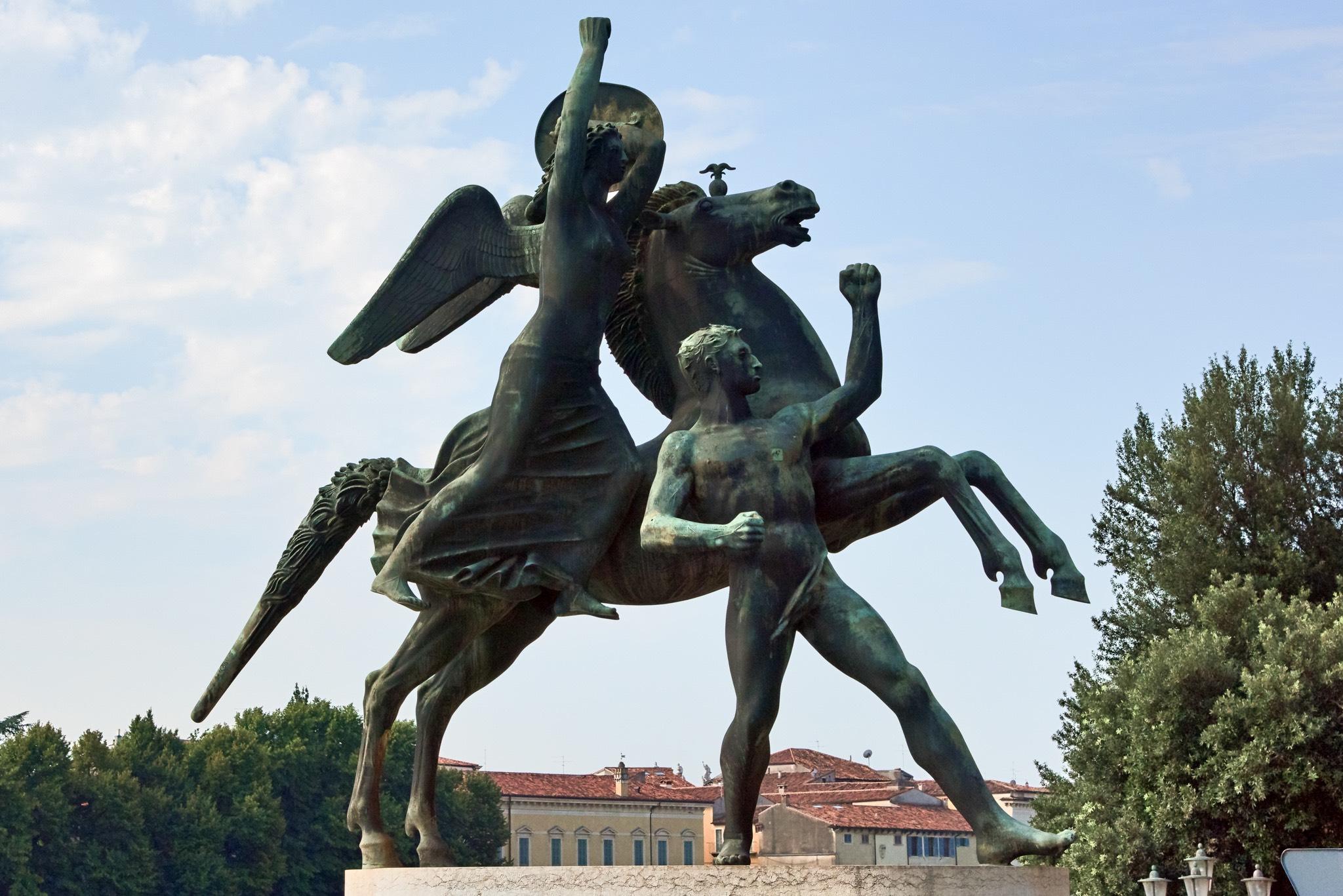
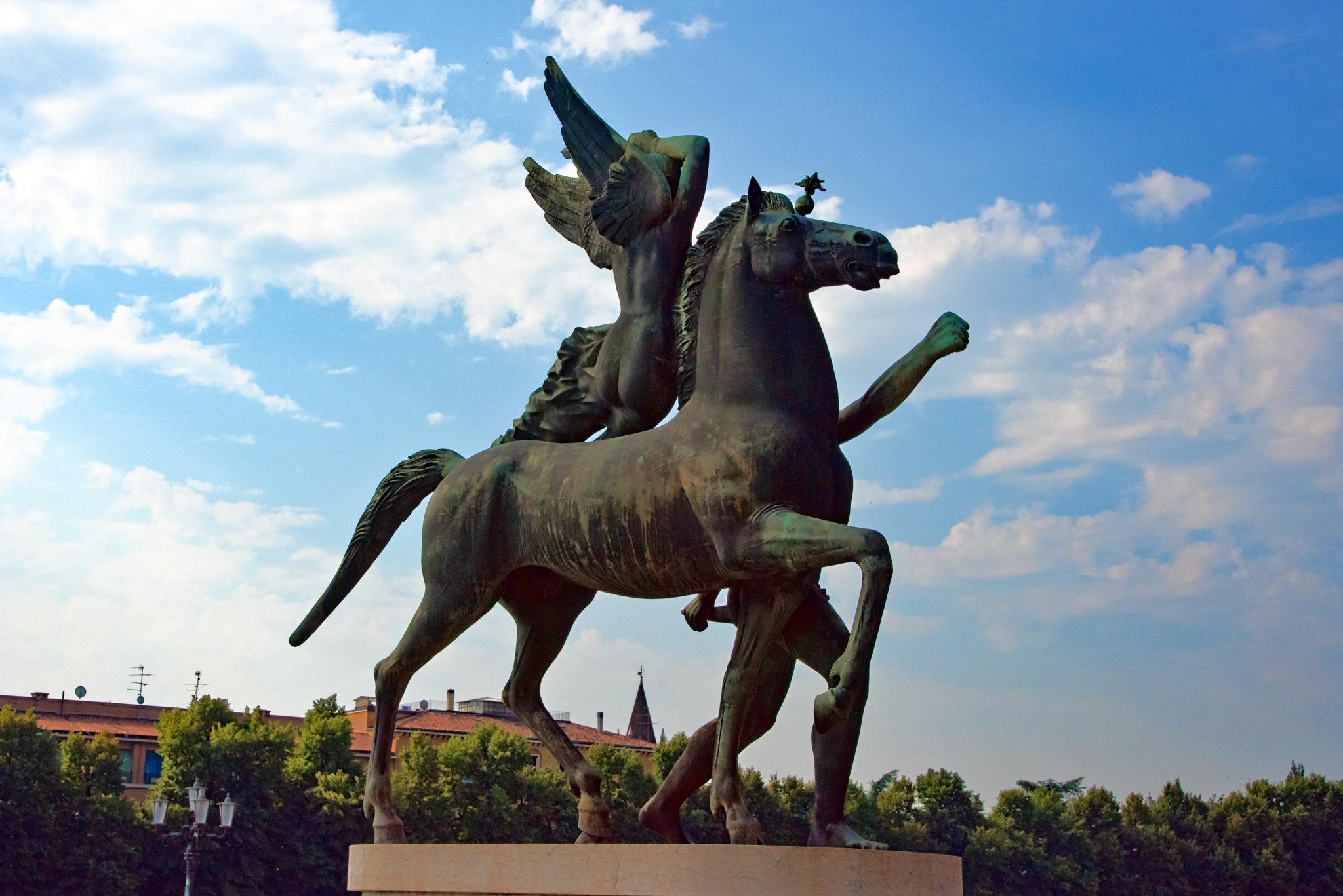
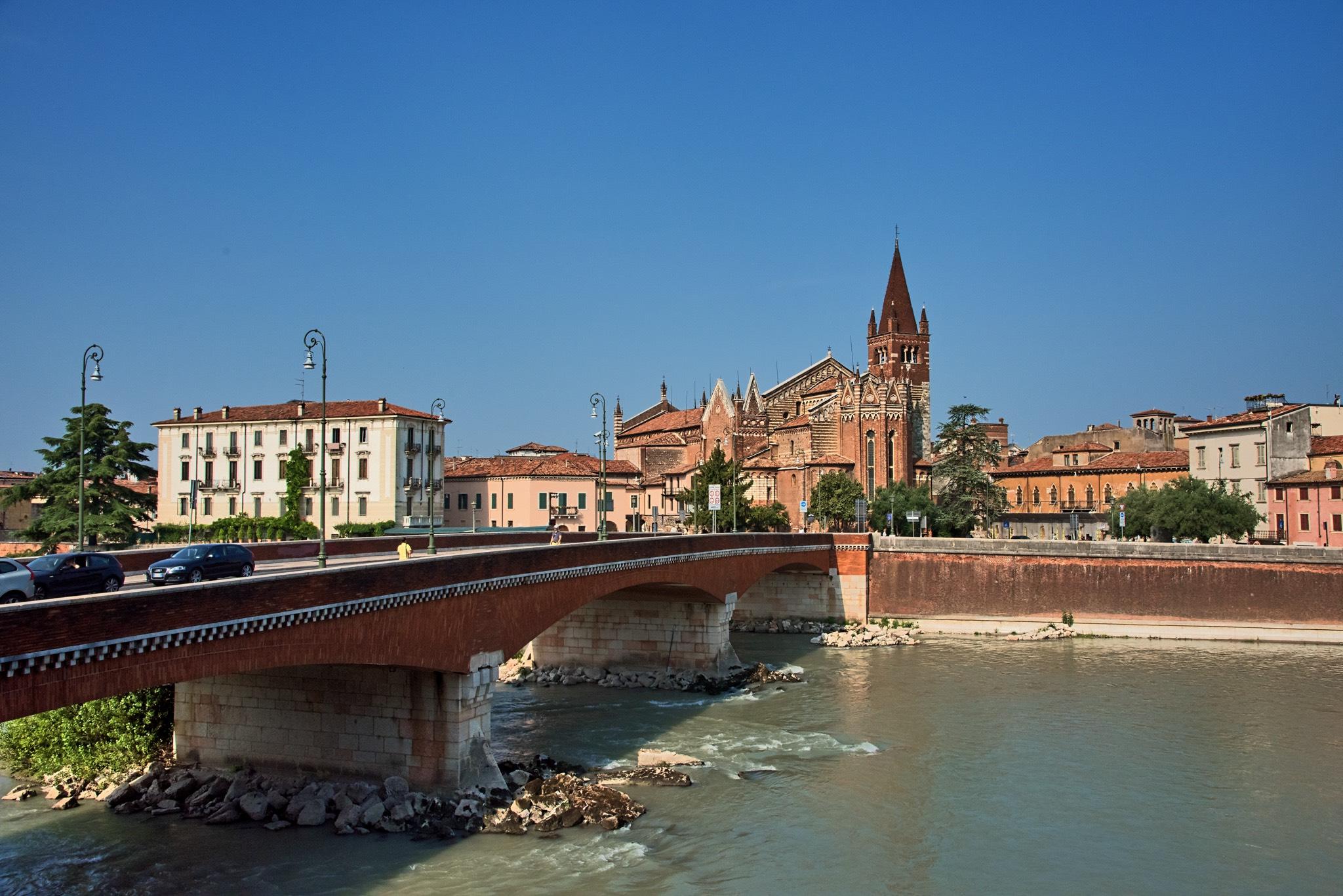
BRIDGE OF SHIPS (PONTE DELLE NAVI)
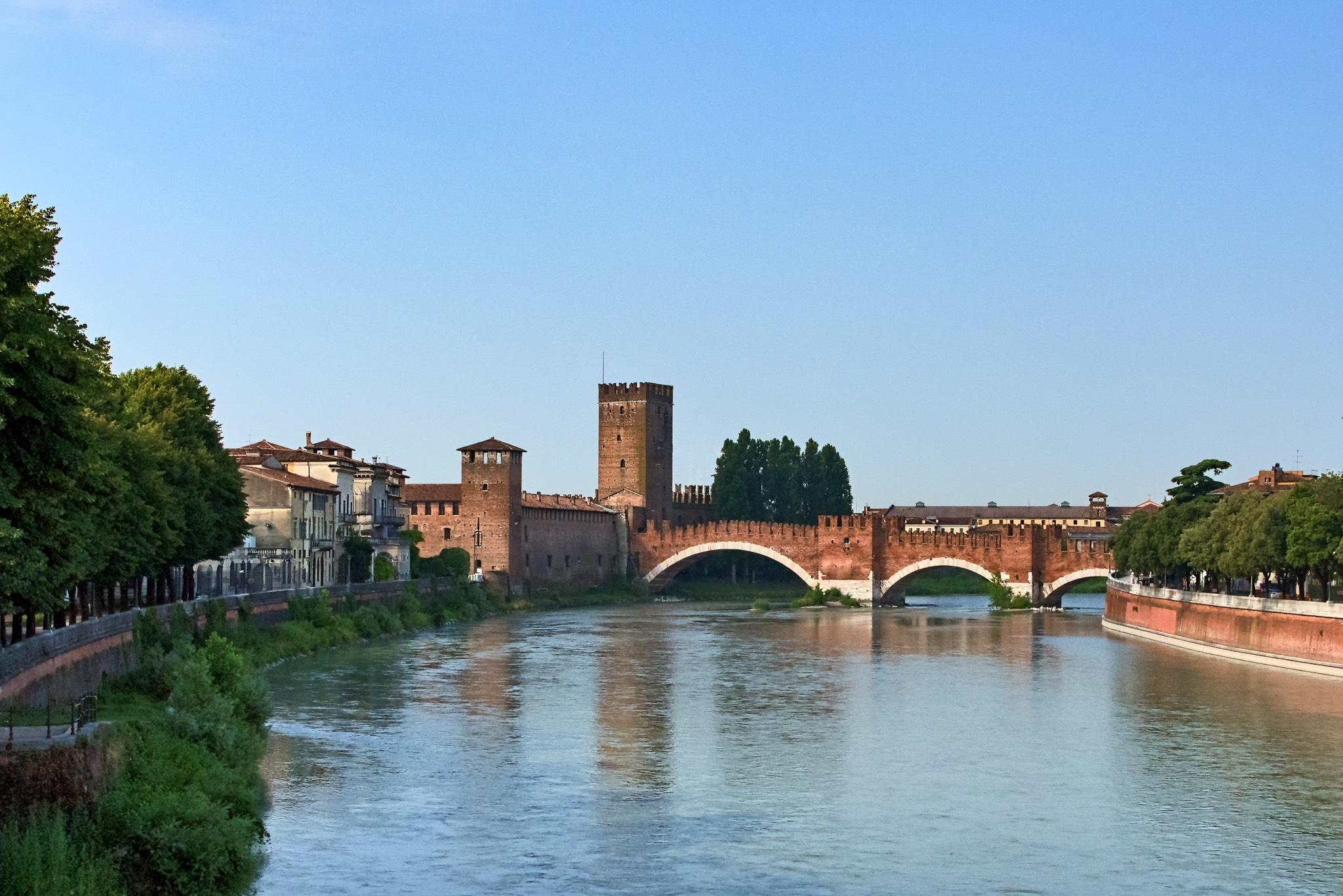
SCALIGER BRIDGE (PONTE SCALIGERO)
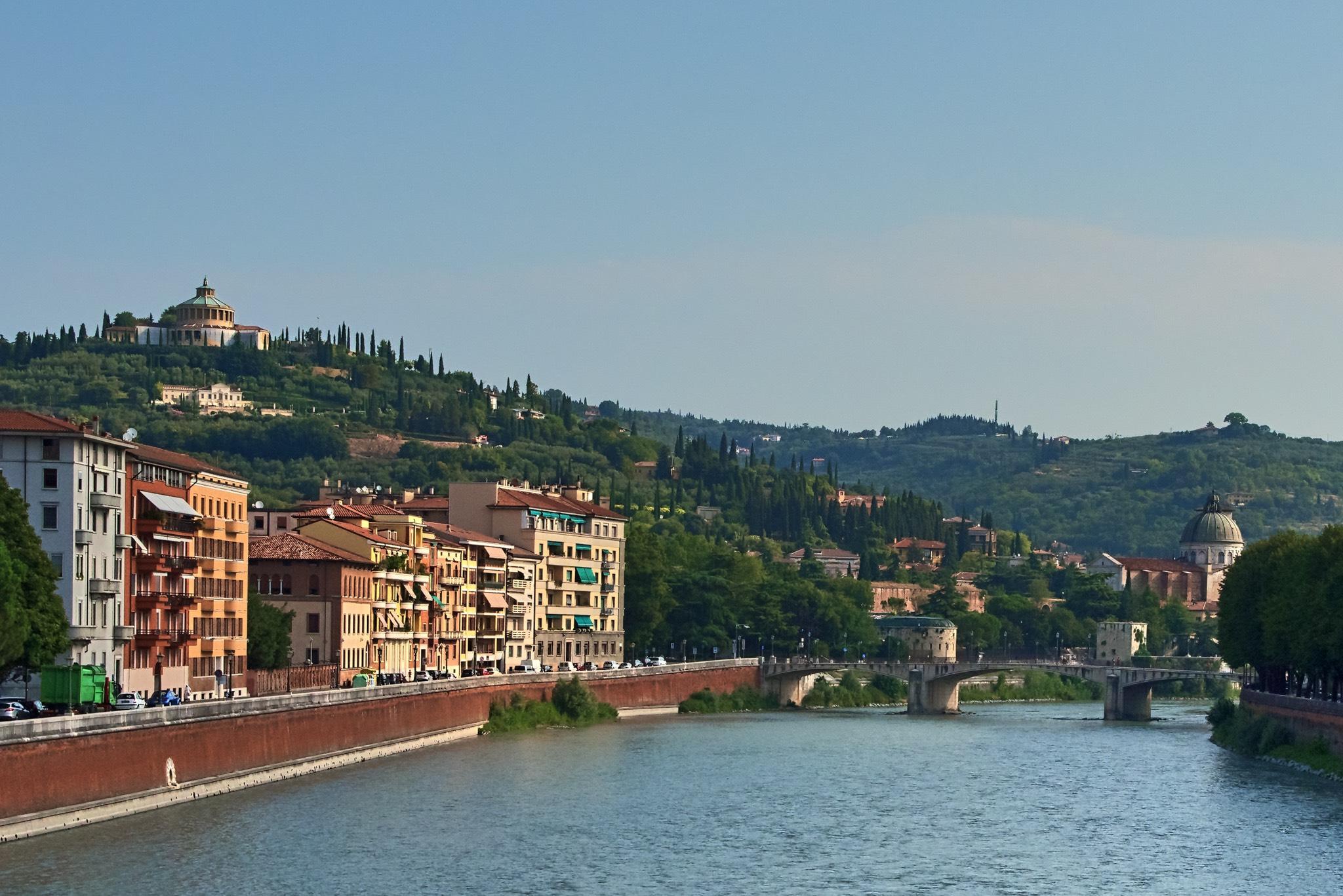
GARIBALDI BRIDGE (PONTE GARIBALDI)
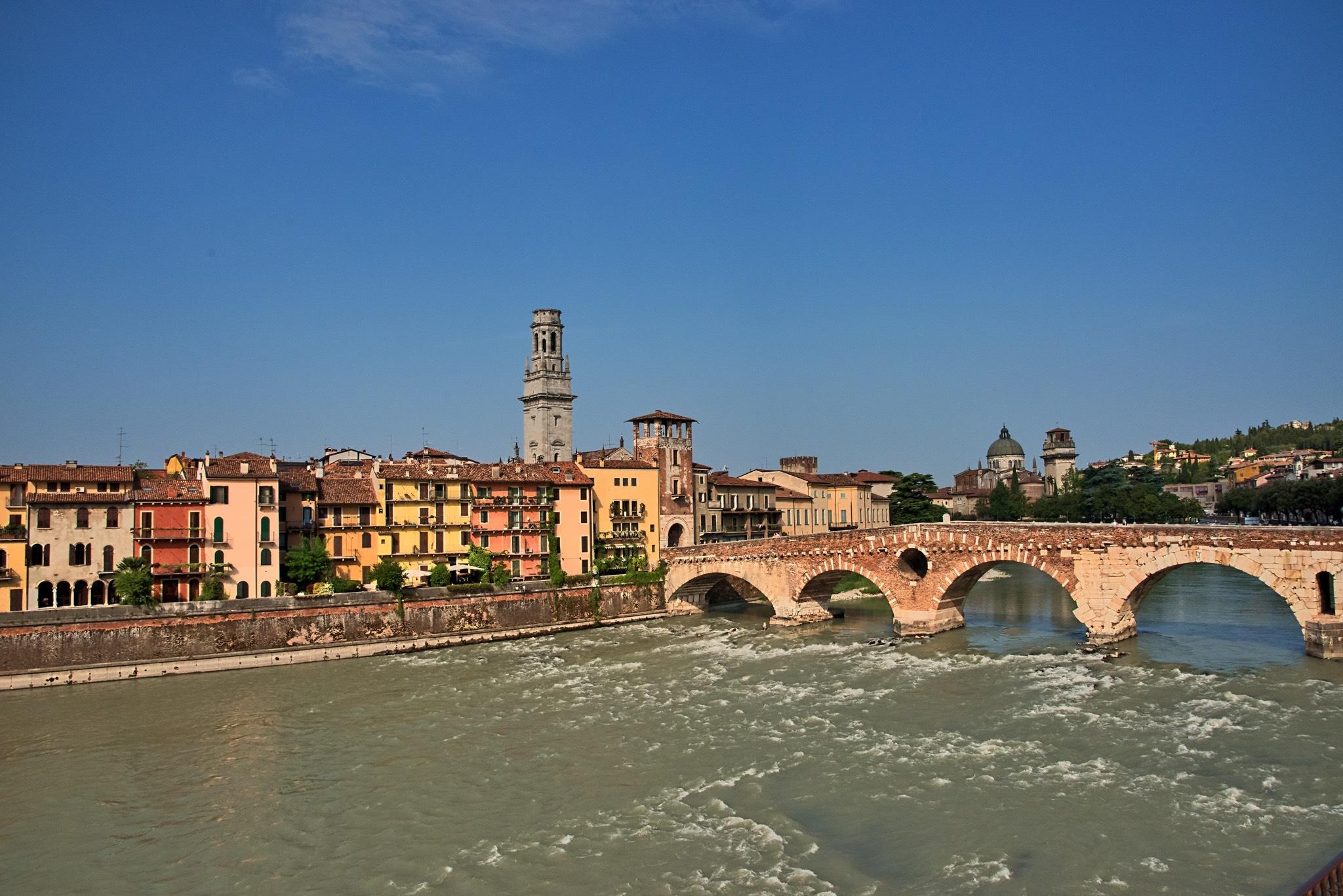
STONE BRIDGE (PONTE PIETRA)
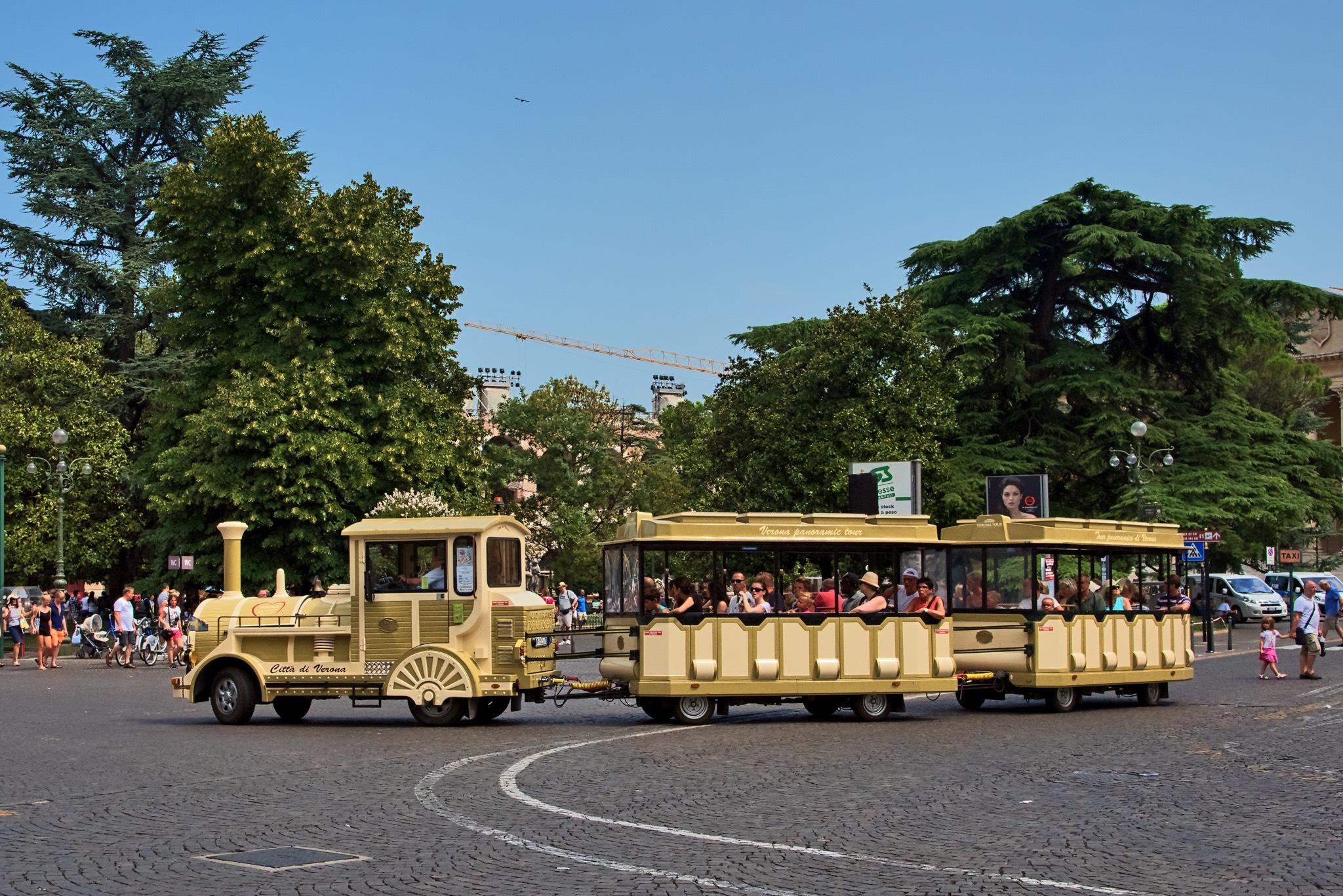

OBB Nightjet and OBB Nightjet Partner










This e-book was made possible through the kind support of the regional tourist offices and the OBB. German proofreading and editorial: Martin Andergassen.
References
Text, videos and photos by Rudolf J. Strutz unless otherwise stated. Timetables and travel information: OBB
Assistance from AI
Artificial intelligence applications are occasionally employed for image editing, including the elimination of undesirable components. Additionally, AI tools can enhance the clarity of images and diminish background noise.
The travel guides are also available free of charge on the OBB online entertainment and internet portal railnet, which is installed on all railjets, nightjets (NG) and cityjets
Copyright
This book was licensed under the Creative Commons License. Conditions of use: attribution, non-commercial, no editing and distribution under the same conditions only as a complete work! The use of individual photos and text is not permitted. This eBook is available free of charge.
All links provided are current at the time of publication of this ebook. Links to tickets usually lead directly to the exhibition location. For tickets and timetables, local public transportation services are linked.
All logos and company names are used for information purposes only; any use outside of this e-book must be approved by the copyright holders.


SCOTTY mobile shows the timetables for all public transport and helps you plan your travel route.


Book your trip online or view the current timetable online and directly on your mobile phone.