C IAO V ENEZIA
V ENICE ' S S ESTIERE
M
USEUMS
I
SLANDS OF THE L AGOON
P UBLIC T
RANSPORT
I MPRINT




M
I
P UBLIC T
I MPRINT

First, it should be mentioned that the access fee does not apply to guests who have reserved a hotel room in Venice and pay the corresponding tourist tax. This fee exclusively affects people who plan a short visit to the lagoon city. The fee applies for a stay from 08:30 to 16:00.
The fee extends over the entire old town. No fee is required for access to the areas Ponte della Libertà, Piazzale Roma, Santa Lucia station, as well as the area directly connected to Piazzale Roma and San Basilio station. The day fee mainly aims to regulate the visitor flows of day tourists. No additional fees
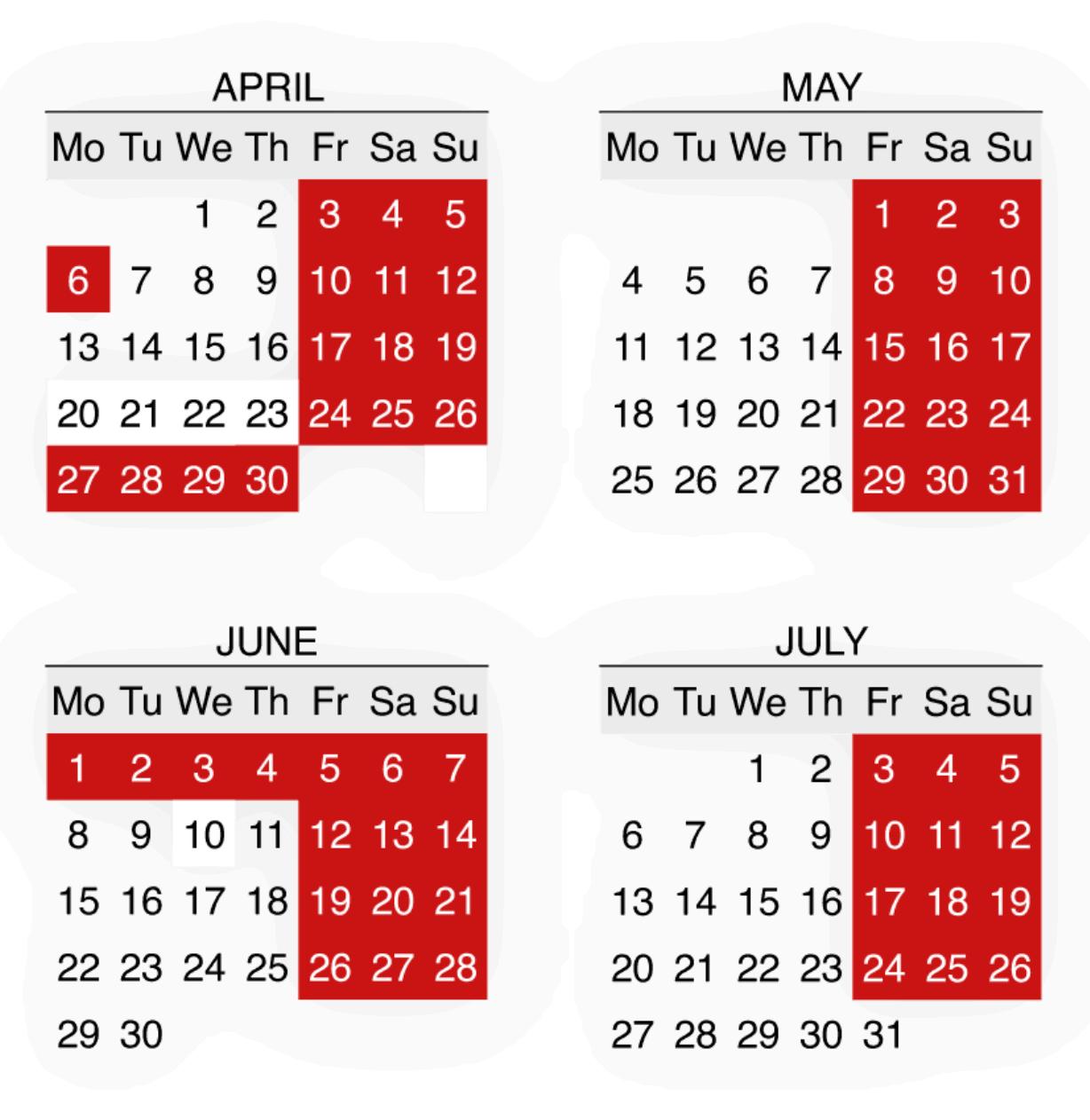
are to be paid for a hotel stay in Venice. Guests who plan their day visit in advance can save money. For bookings on the same day or up to three days in advance, a fee of 10.00 € is due. If you plan your visit four days in advance, the day fee reduces to 5.00 €. The calendar shows the days in the year 2025 when access fees for Venice are charged. With a click on the info button, the fee can be purchased and paid online immediately.


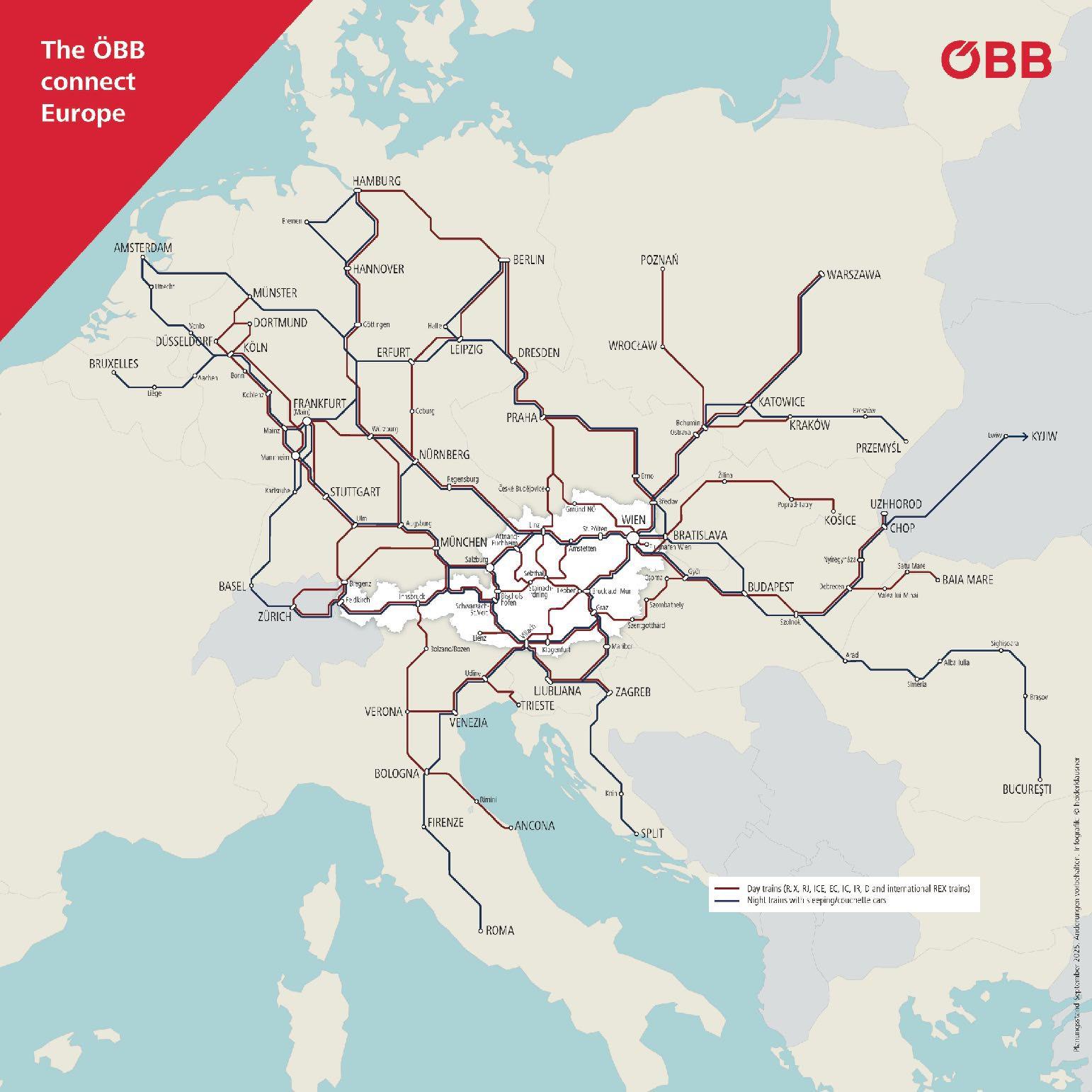
ÖBB connects numerous European cities with modern day and night services.
During the day, ÖBB railjets offer fast and comfortable long-distance travel in Economy, First, and Business classes.
At night, the ÖBB nightjet provides a relaxing and environmentally friendly journey across Europe. Whether you choose a seat, the new mini cabins or comfortable
couchettes and sleeping compartments – there‘s something to suit every travel preference.
Within Austria, ÖBB cityjets guarantee punctual and comfortable local and long-distance transport.
Further information and booking options can be found via the info button, which leads directly to the ÖBB booking page.
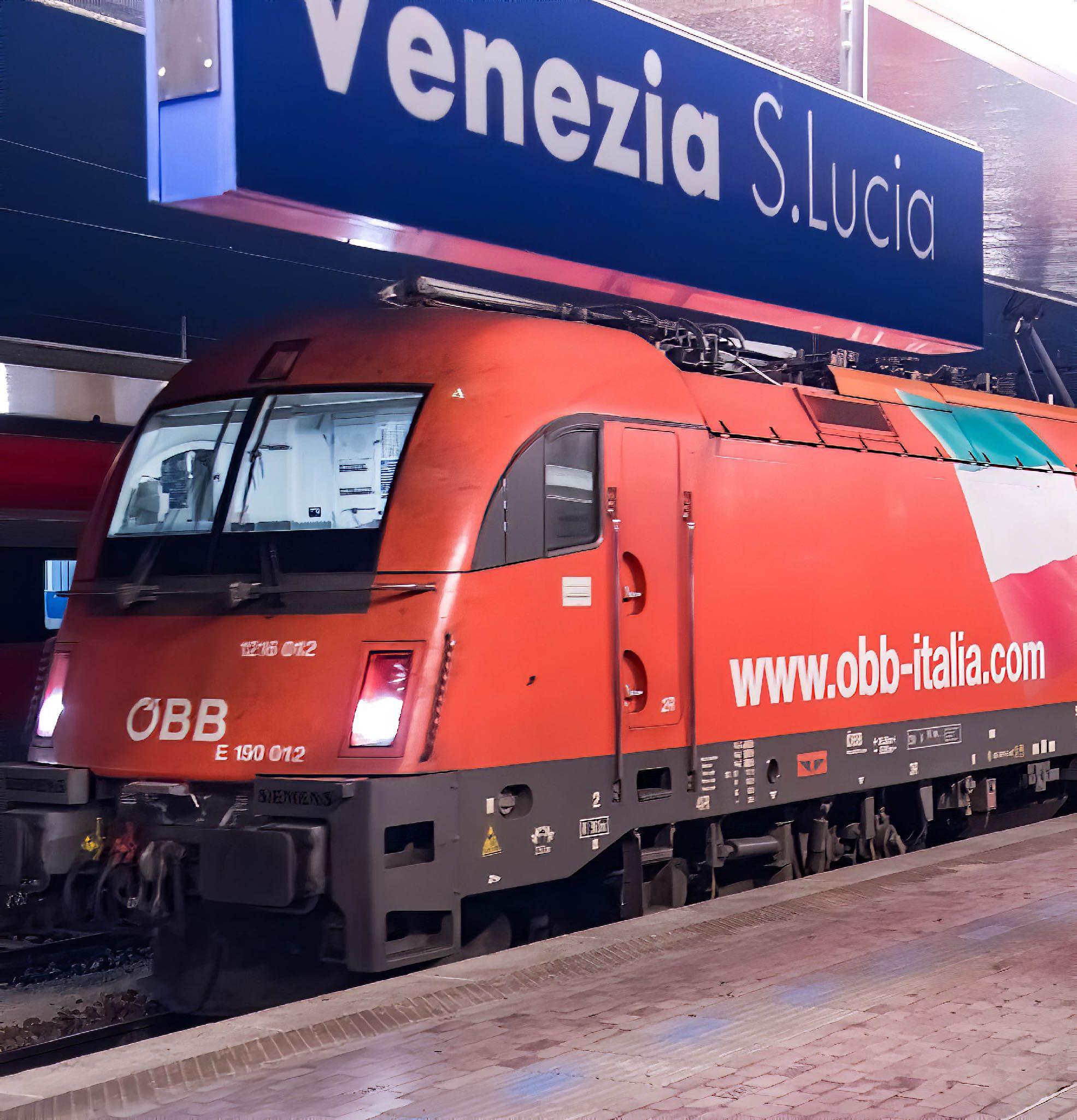
The ÖBB nightjet brings travellers safely, comfortably, and above all completely stress-free to Venice. Whether it's a business or vacation trip, traveling by train is not only more comfortable, it's also much more environmentally friendly.
Venice is connected with a direct nightjet connection from Vienna and Munich, but there are also attractive daytime connections with the ÖBB railjet from Vienna and Munich.
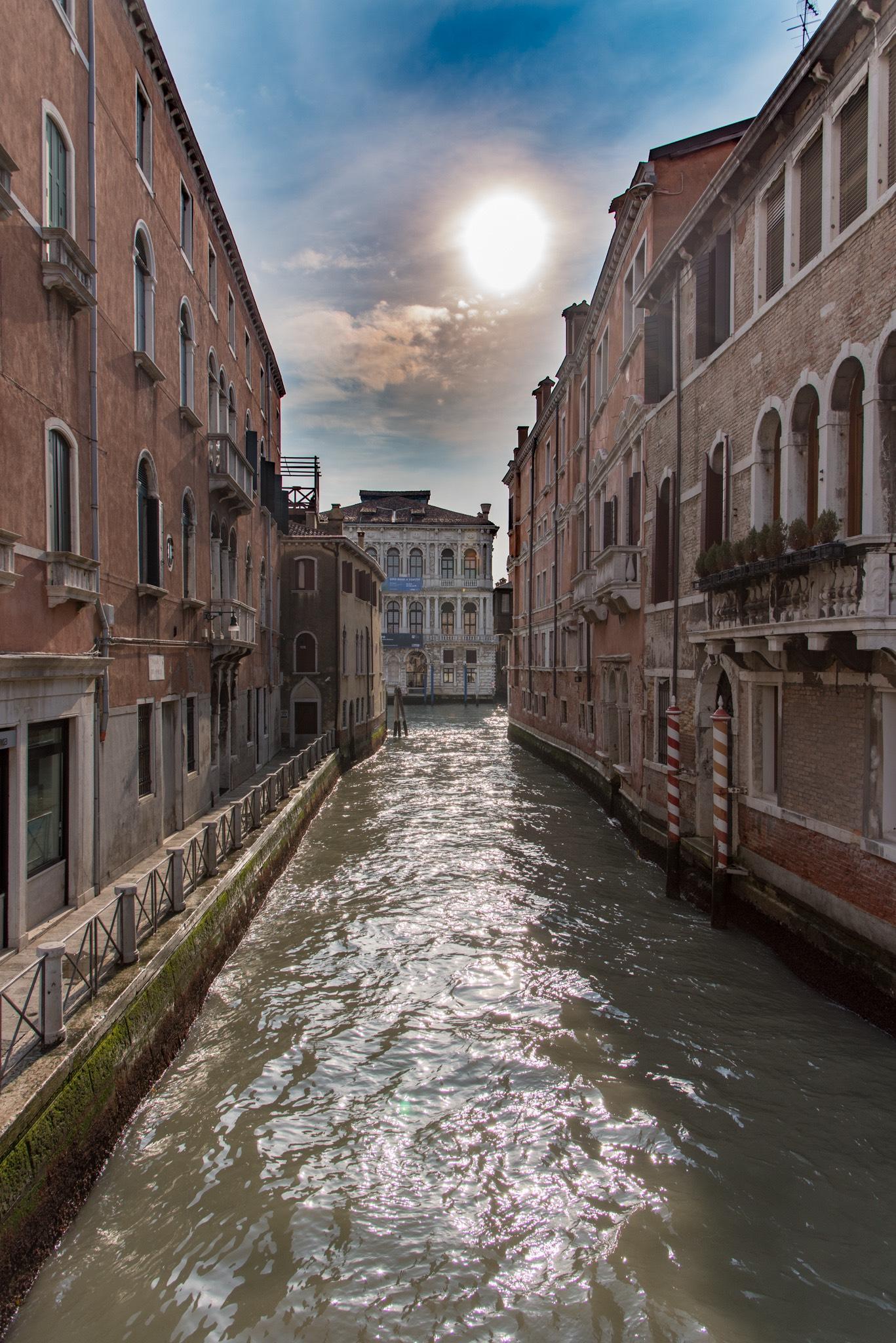
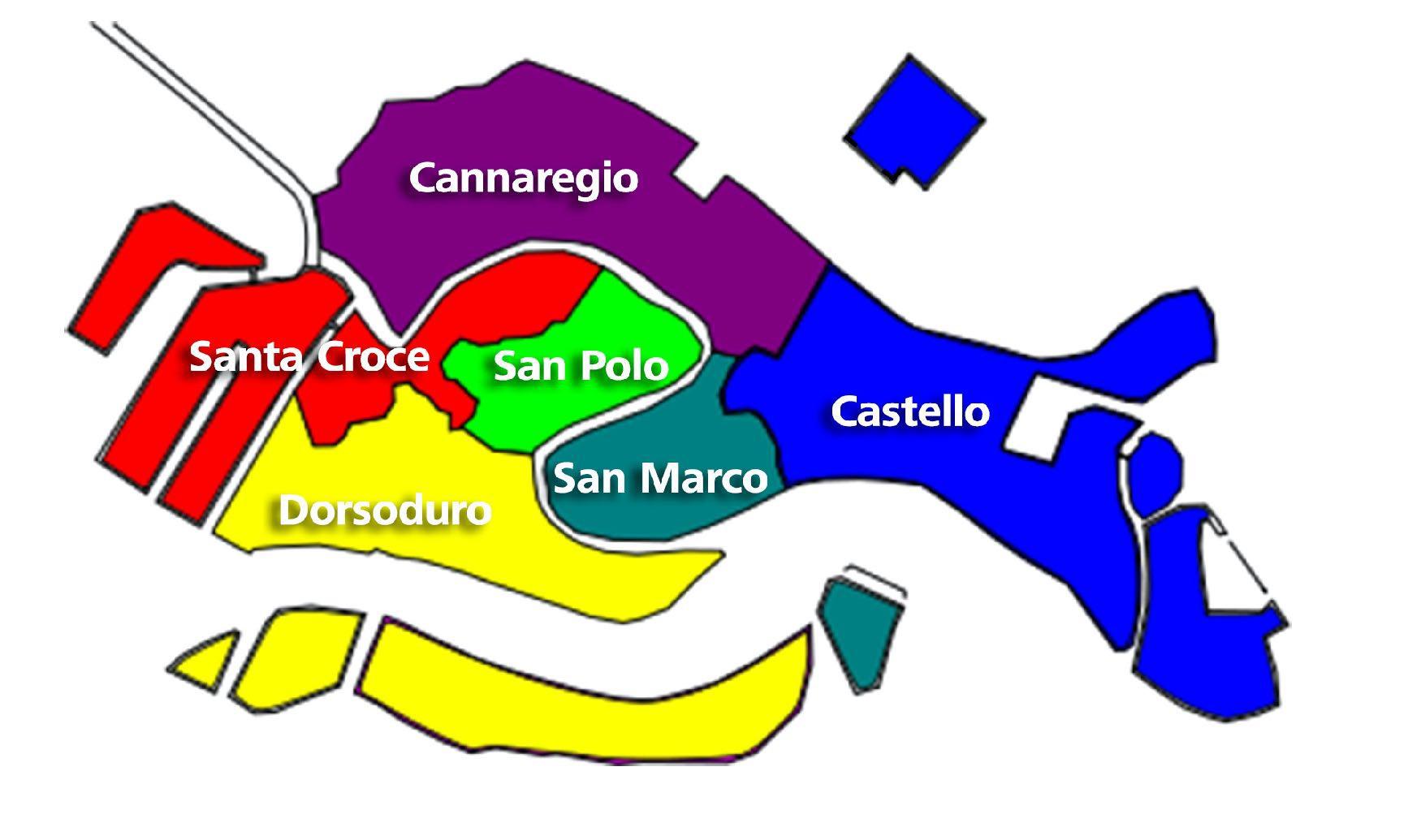
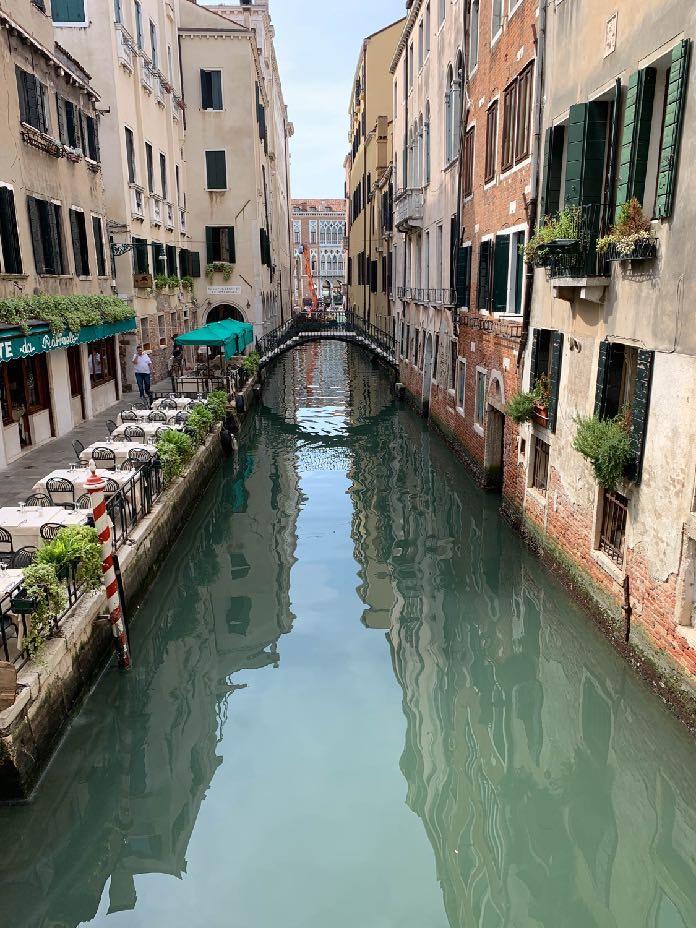
Venice is split into six districts, known as sestieri, a division rooted in medieval governance and shaped by the city’s unique geography. These six sestieri –Cannaregio, Castello, Dorsoduro, San Marco, San Polo, and Santa Croce – emerged during the Middle Ages as Venice expanded its influence as a trading and maritime hub, requiring a well-organised administrative system. With the establishment of the sestieri, each district was granted its own local authority. The Grand Canal bisects Venice, with three sestieri on each side, creating a natural and functional division of the city.
Each sestieri developed a distinct character based on its location and purpose: San Marco became the heart of political and religious life; Castello, home to the Arsenale, served as the maritime and military centre; while Cannaregio grew into a bustling residential quarter. In medieval symbolism, the number six represented balance, making the division into six parts a practical means of distributing responsibilities clearly and efficiently. Over time, each sestieri has cultivated its own unique cultural identity, contributing to the rich tapestry that defines Venice today.

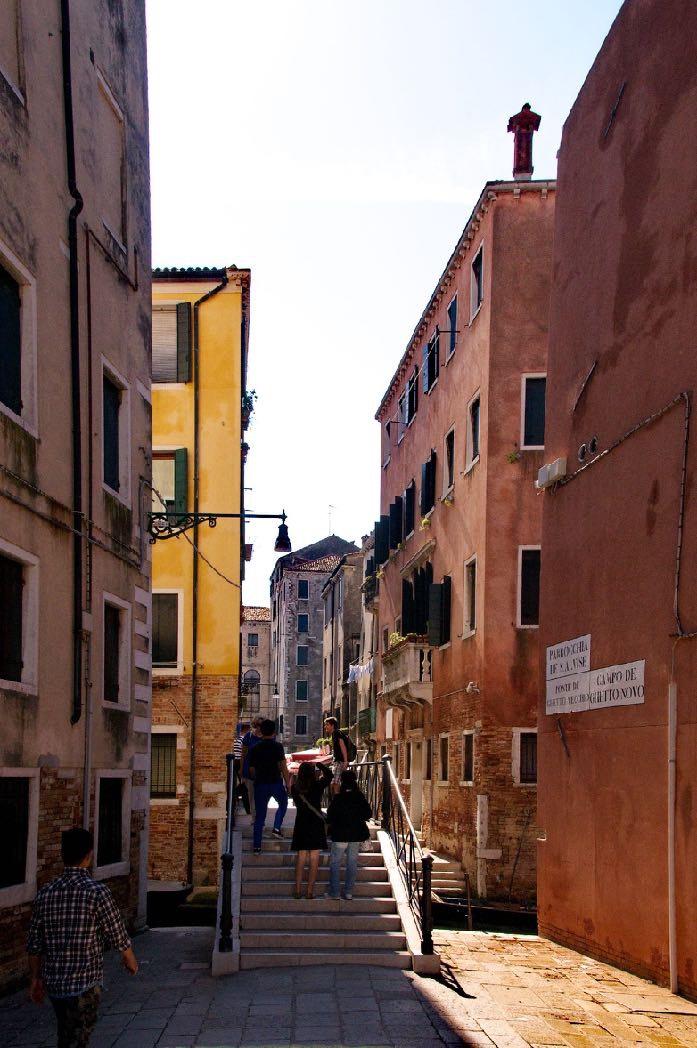
Cannaregio is the second largest and most densely populated district of Venice.
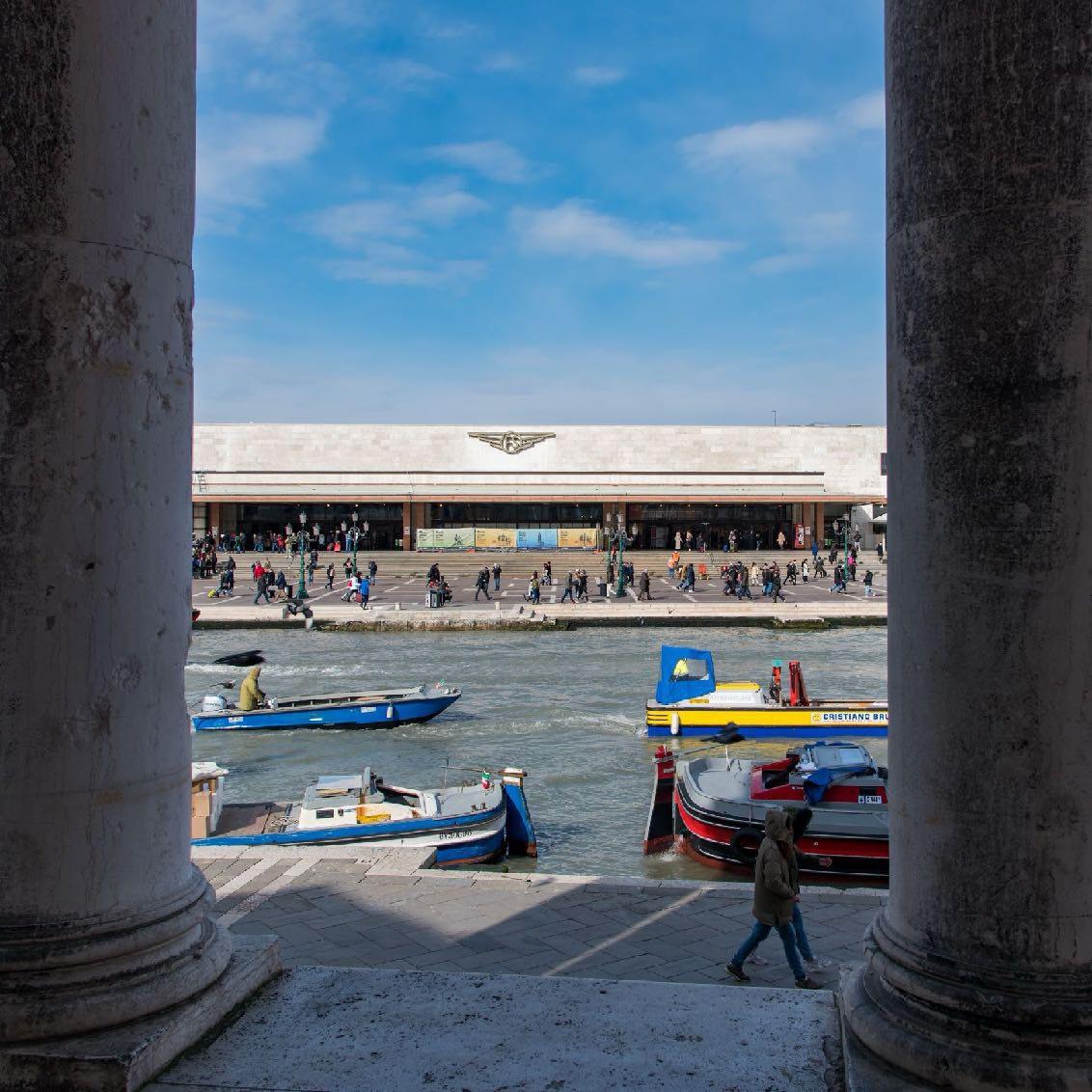
When you arrive at the Santa Lucia station in the lagoon city, u are in the Sestiere Cannaregio.
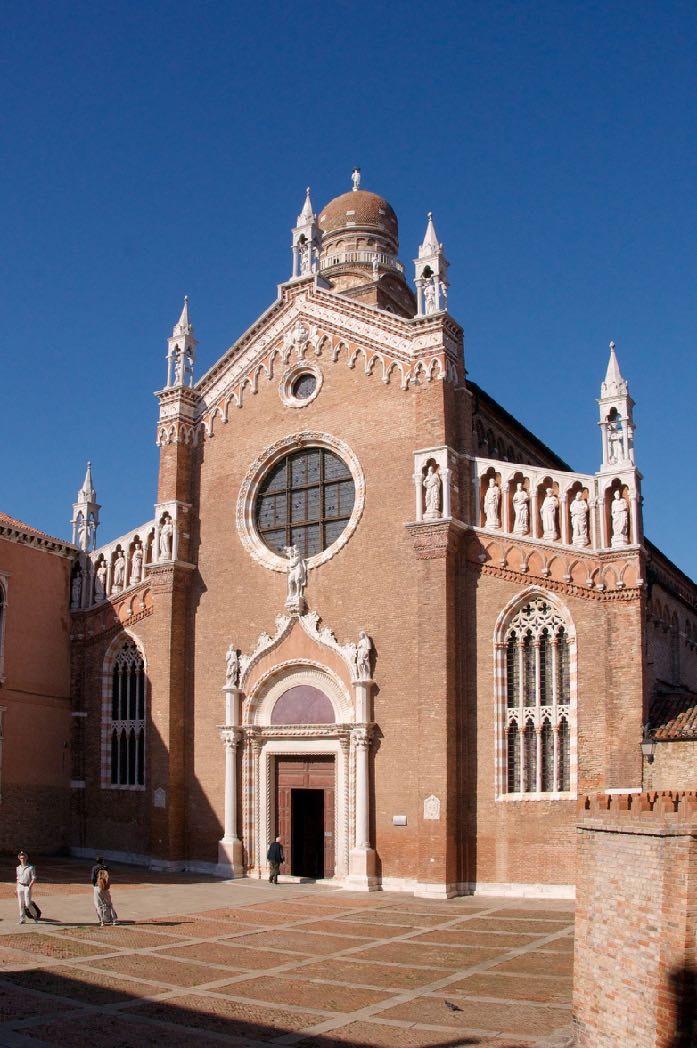
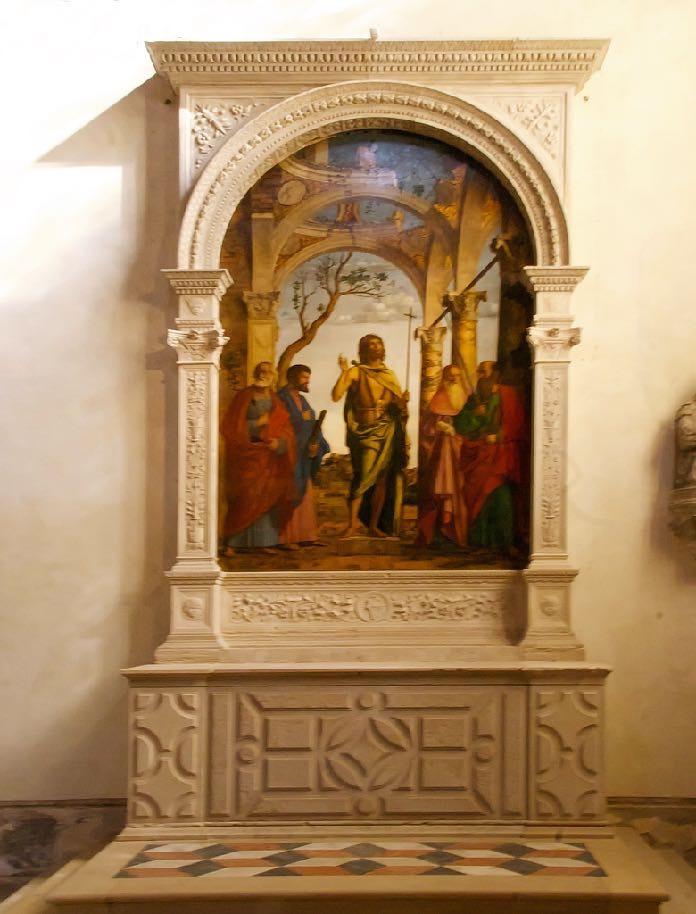
The Roman Catholic parish church houses some important works by Tintoretto and Cima da Conegliano. Although the construction of the church was completed in 1400, the completion of the facade took until 1464. Next to the church is a freestanding bell tower, which was built as early as 1332. Allegedly, the spire of the tower served as a model for the “welschen Hauben” of the Munich Frauenkirche.
The church is dedicated to Saint Christopher, whose statue thrones above the entrance. On the two flanking columns, added in 1481, there is a statue of Mary on each. The name of the church is derived from a miraculous statue of Mary that was found in the nearby garden. This statue can be admired in the church today.
Jacopo Tintoretto lived near the church and developed an intimate connection to it. As proof, the house of God contains some of his major works and his final resting place.
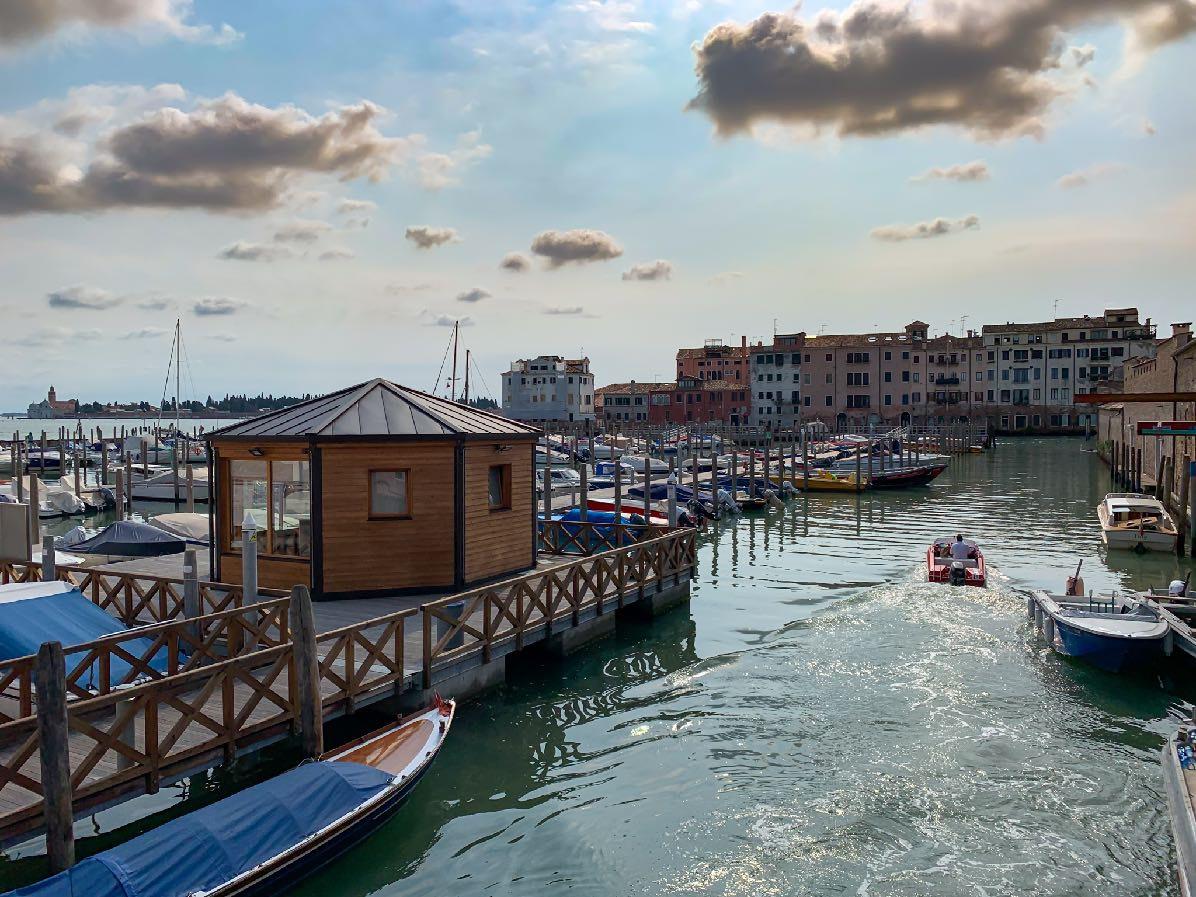
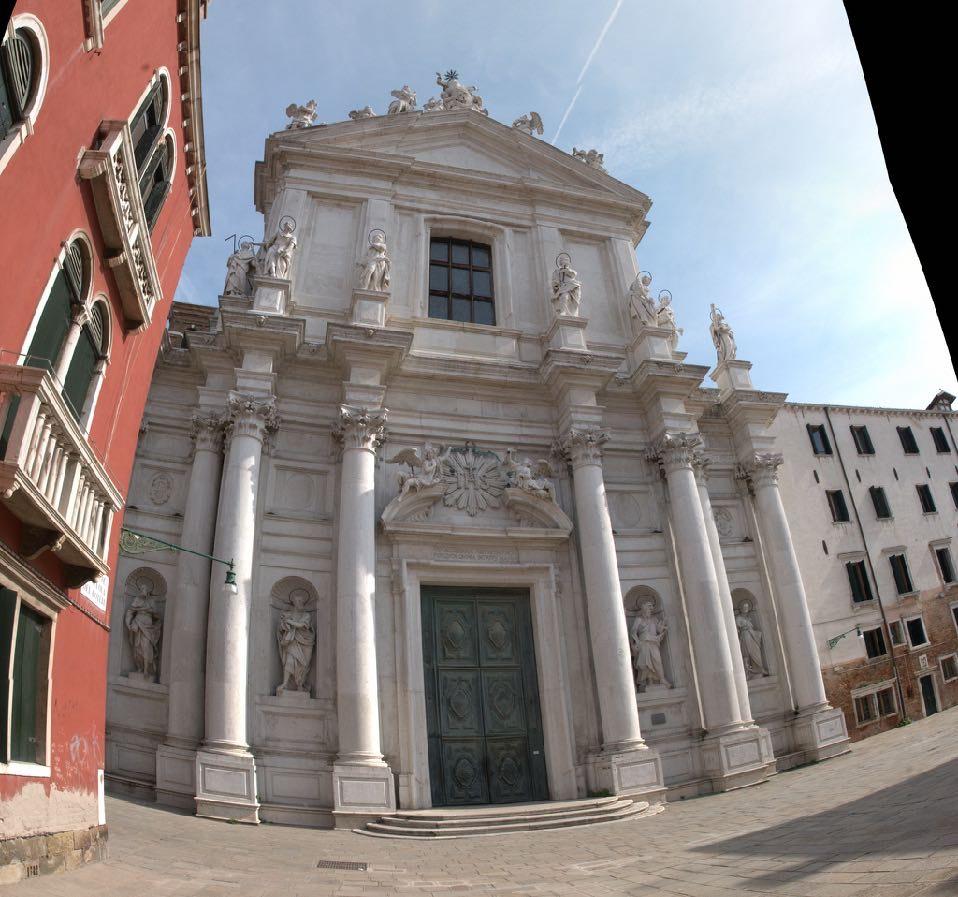
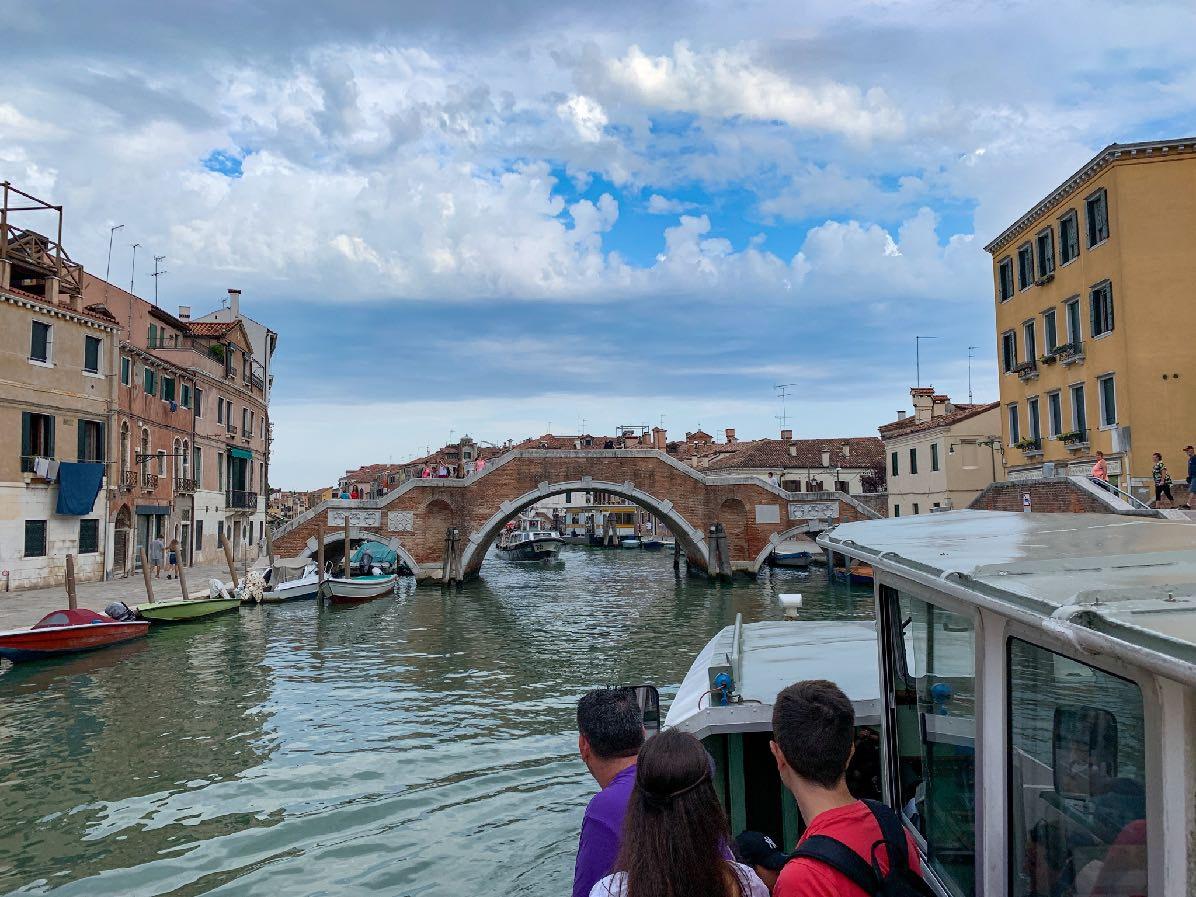
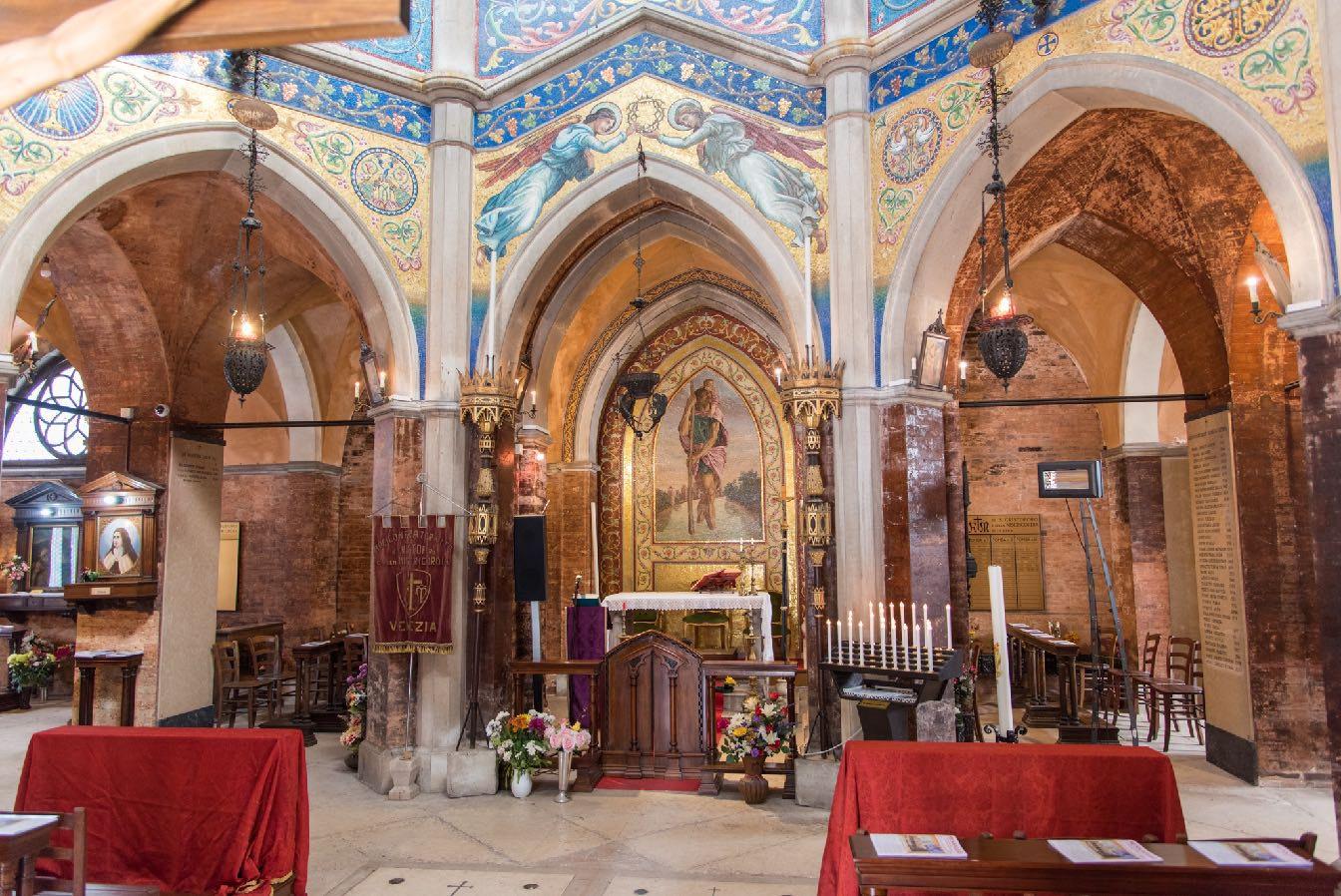
This is Venice's largest district. The name Castello comes from the former residence of the Bishop of Olivolo. Today, only the Fondamenta di Castel Olivolo reminds of the historical seat of the Venetian bishops. From the pier (Line 4.1 and 4.2), you can admire the impressive Chiesa di San Michele in Isola.
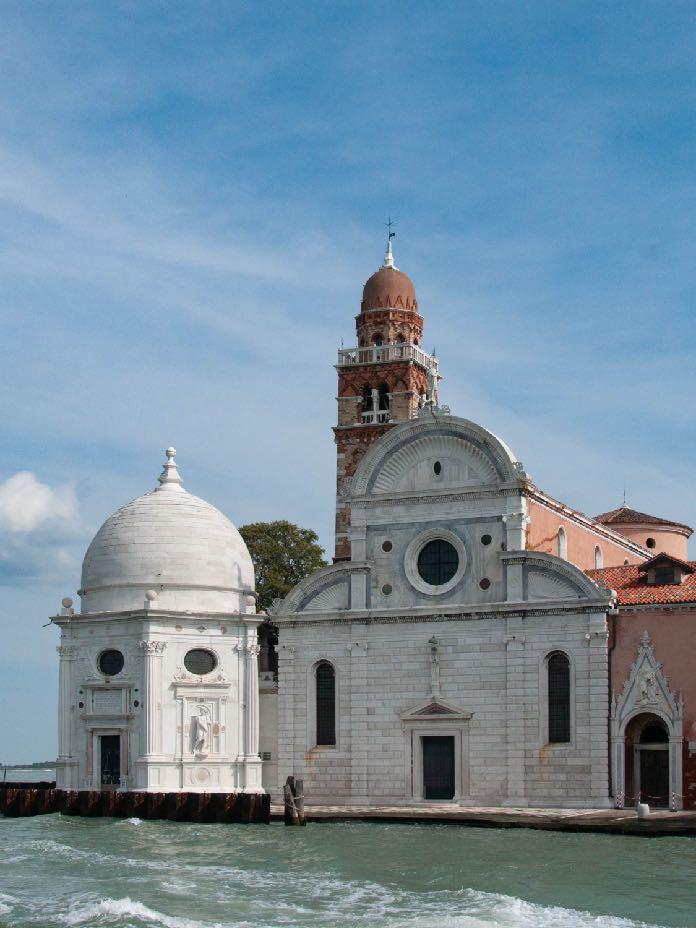

Upstream is the cemetery island San Michele. The island lies between Venice and Murano. Among others, the composers Ermanno Wolf-Ferrari, Luigi Nono, and Igor Stravinsky find their final rest in the cemetery.
The physicist Christian Doppler is also buried on the cemetery island, but his burial site could not be found to this day.
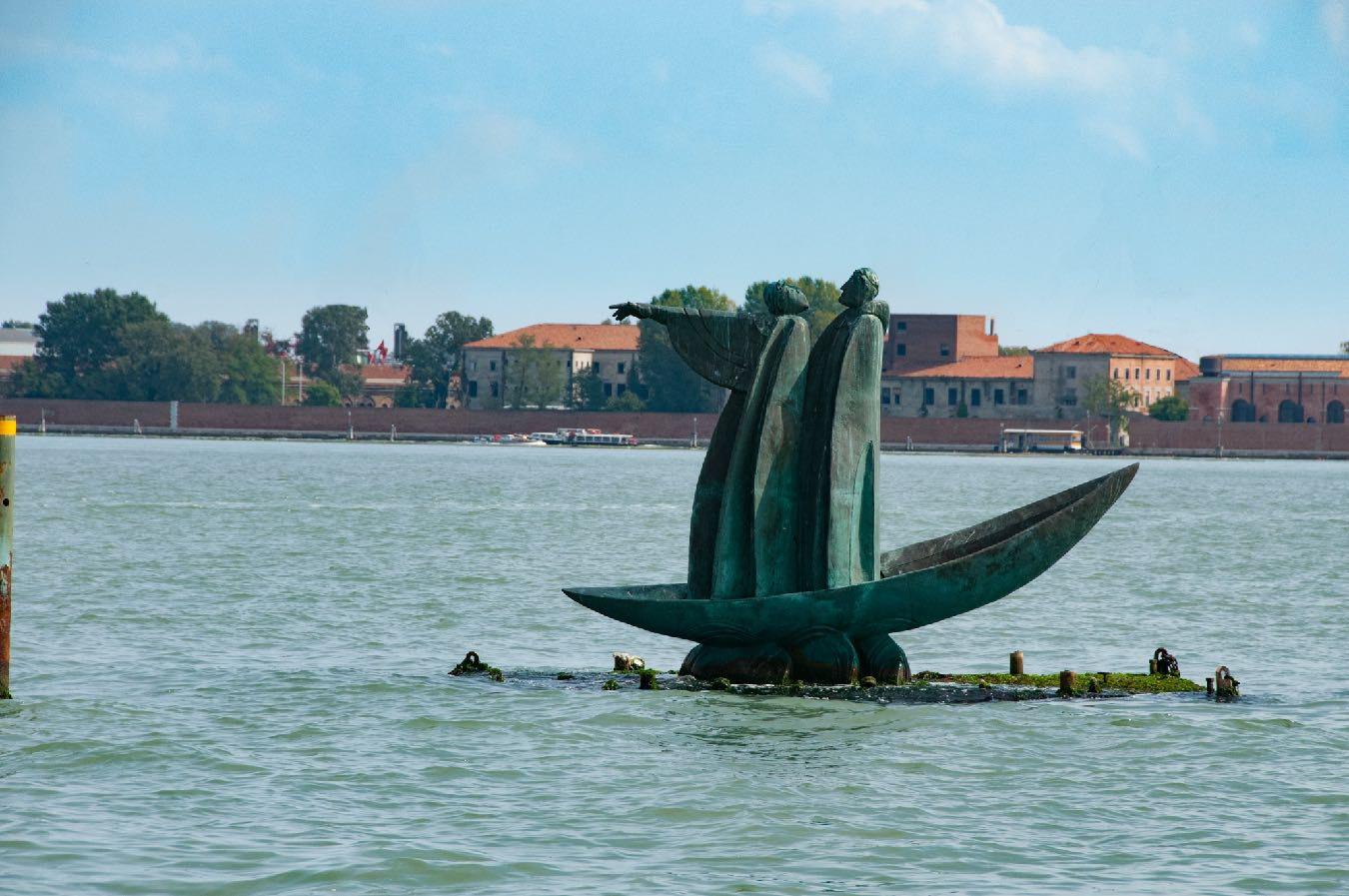
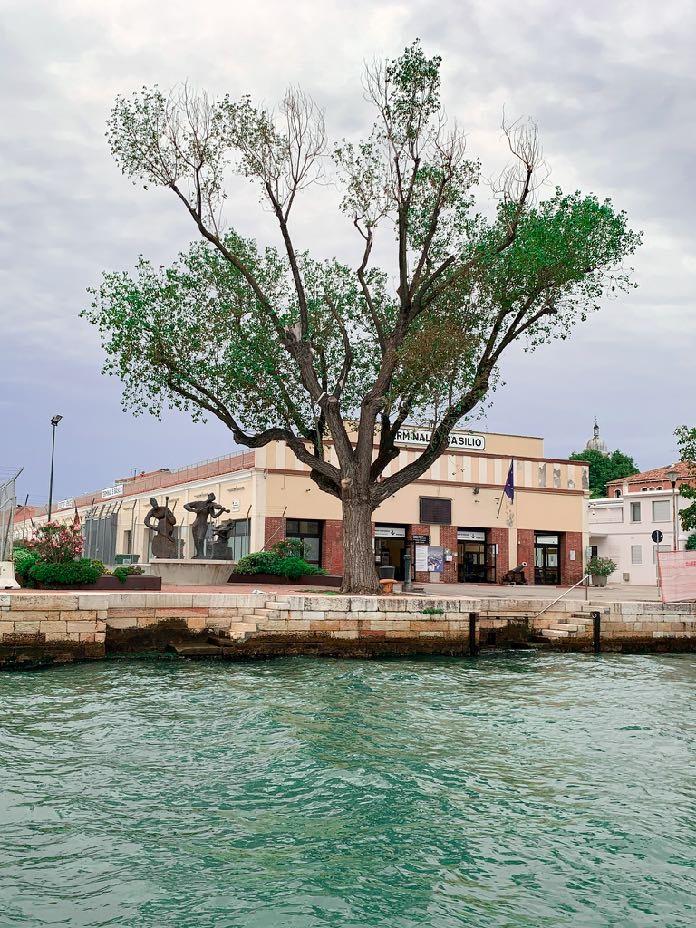
Dante's Barge (2007) is a bronze sculpture crafted by the Russian artist Georgy Frangulyan. It portrays a stylised barge carrying five figures, drawing inspiration from Dante Alighieri's Divine Comedy, especially the Inferno. These figures represent souls navigating the underworld, led by a central figure embodying Dante himself. The sculpture marries expressive forms with a striking, sombre mood, capturing the eternal voyage of the human soul.

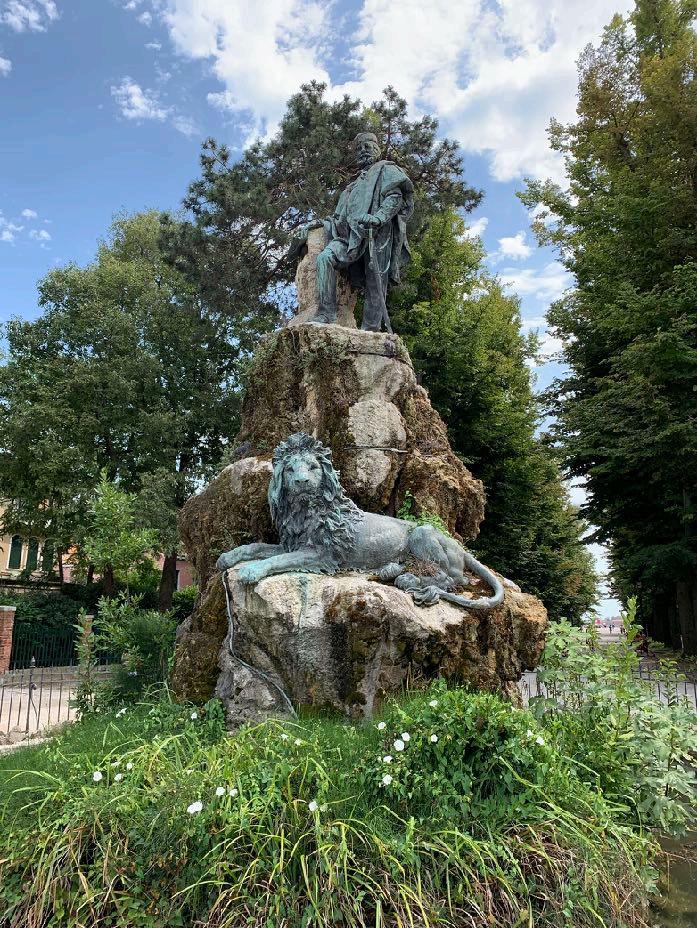
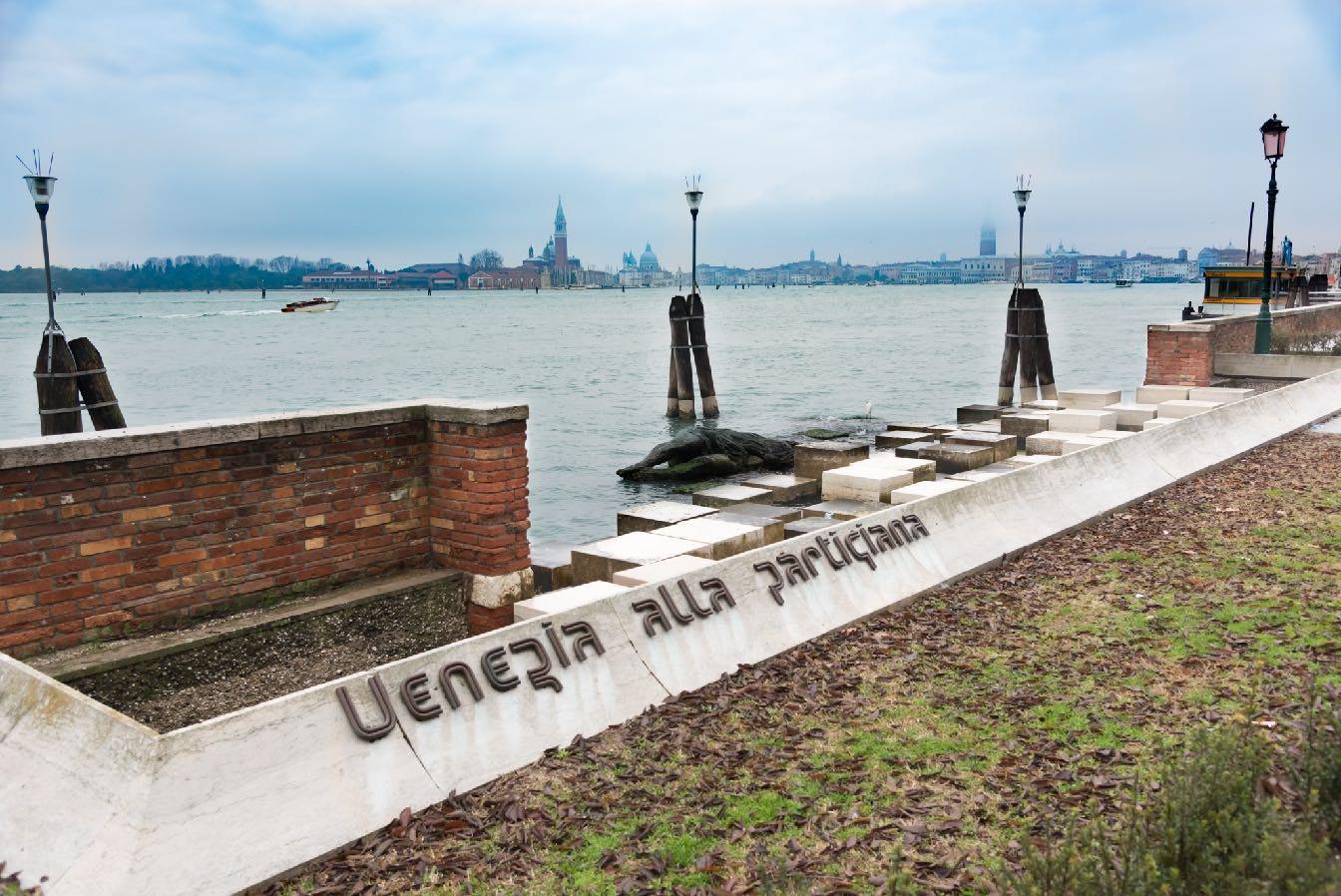


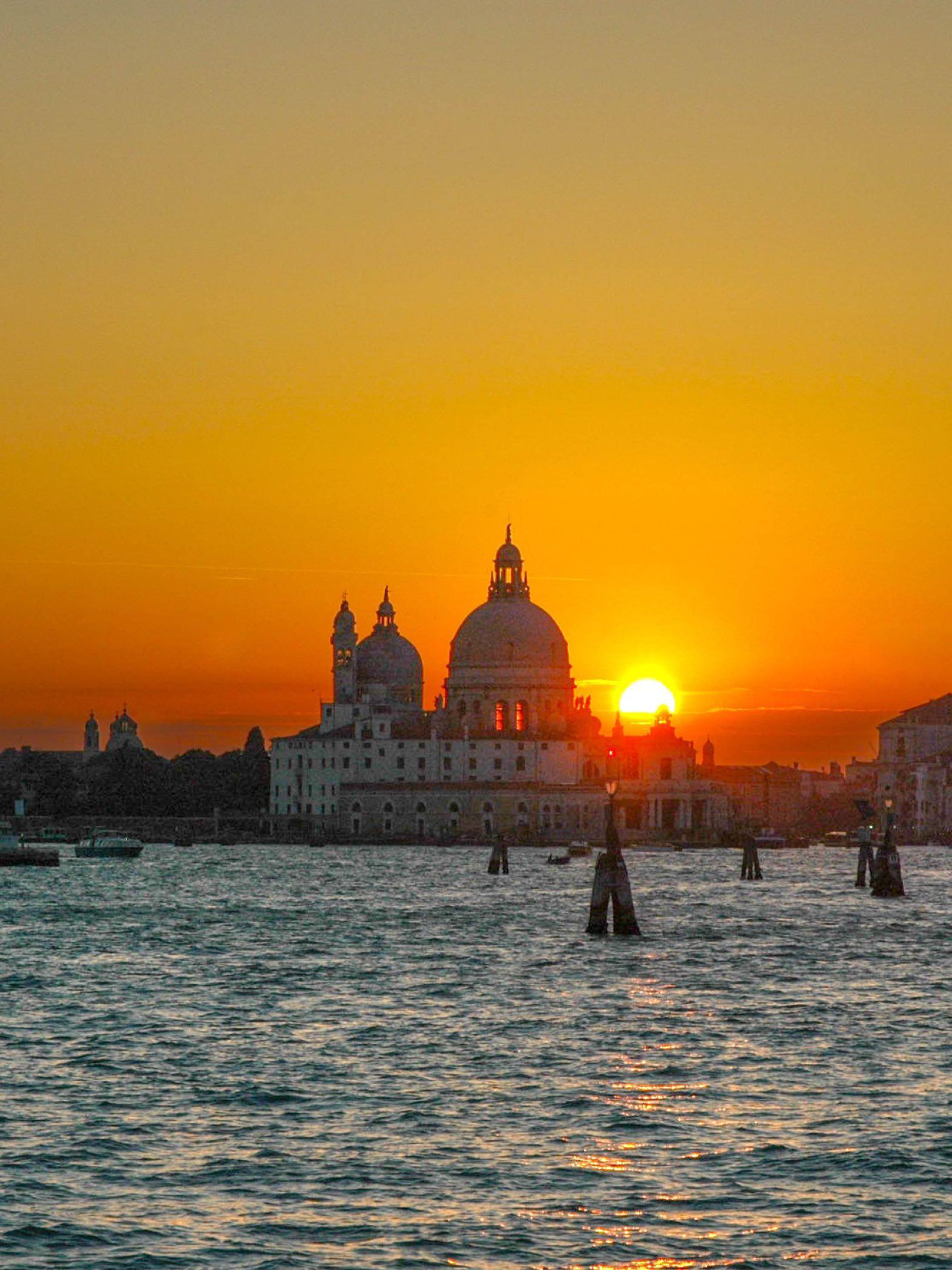
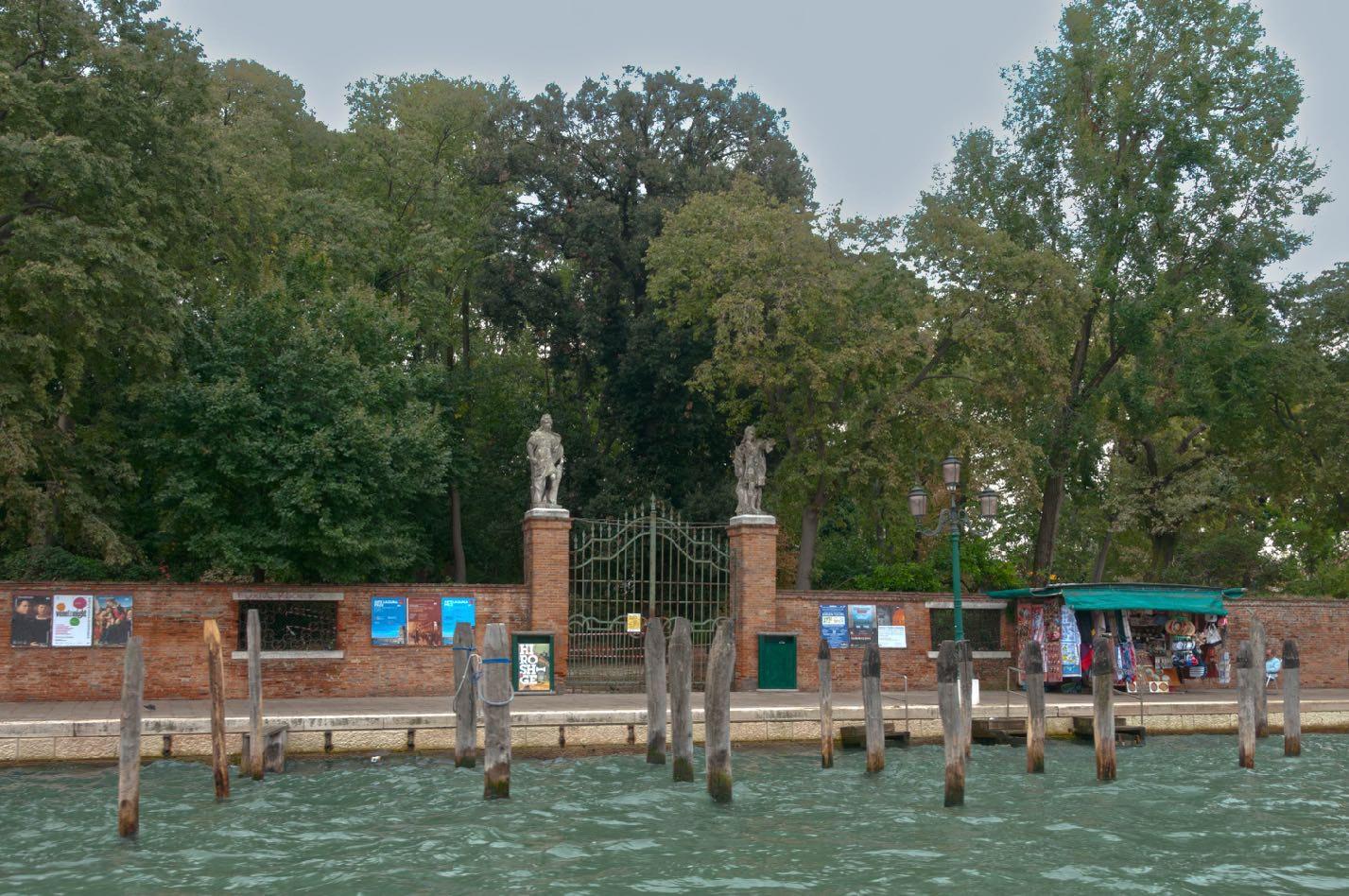
Dorsoduro is located in the south of Venice. The name derives from the solid ground of the district. Dorso duro means hard back and refers to the rocky subsoil. The most famous building in the district is the church Santa Maria della Salute. The house of God was erected in gratitude for deliverance from the plague.
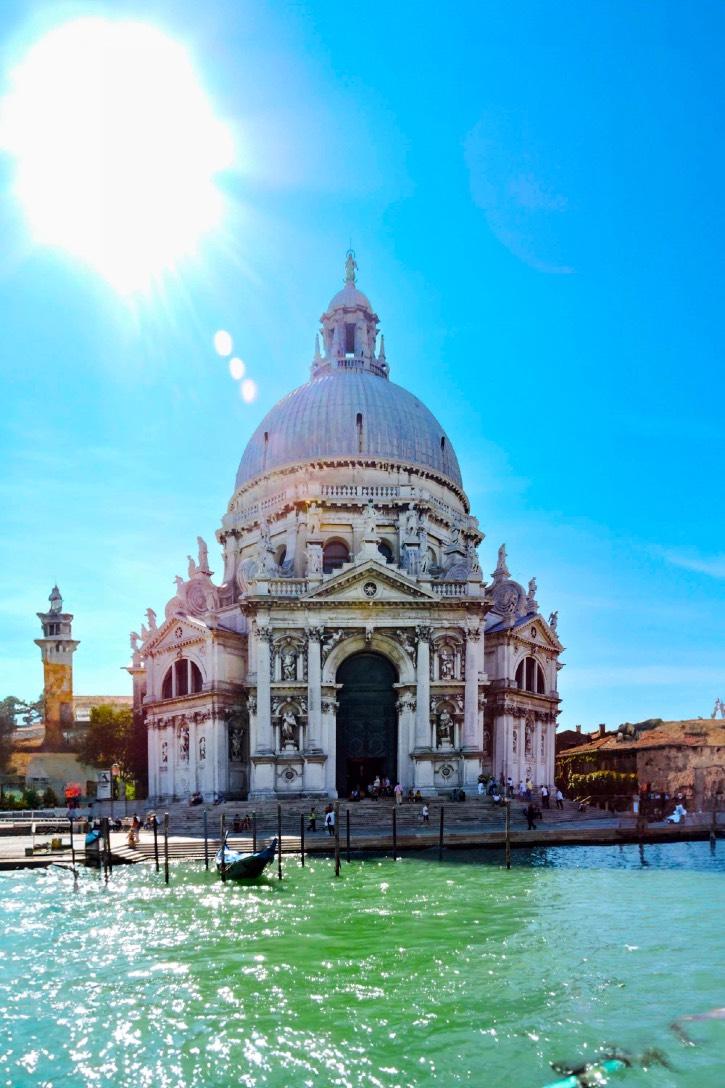
Dorsoduro is Venice’s best-kept secret – a district alive with art, culture, and an irresistible charm. At the Gallerie dell’Accademia, you’ll discover masterpieces by Bellini, Tintoretto, and Titian. The Peggy Guggenheim Collection, set within a graceful palazzo on the Grand Canal, features iconic works by Picasso, Dalí, and Kandinsky. For lovers of contemporary art, the Punta della Dogana offers captivating exhibitions.
Strolling along the scenic Zattere promenade, you’ll be drawn into a laid-back ambiance perfect for lingering and absorbing the surroundings. The quieter Campo Santa Margherita pulses with youthful energy as the vibrant heart of Dorsoduro’s student scene. The baroque splendour of the Basilica di Santa Maria della Salute commands attention with its grand dome and exquisitely detailed interior. Meanwhile, at the Squero di San Trovaso, you can witness skilled craftsmen at work in one of Venice’s last traditional gondola workshops.

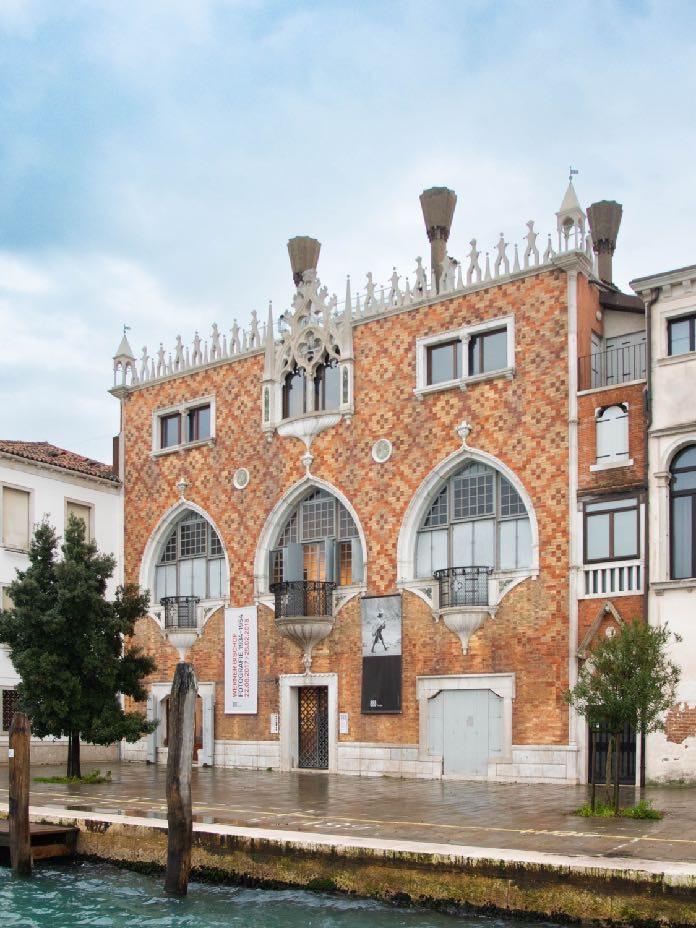
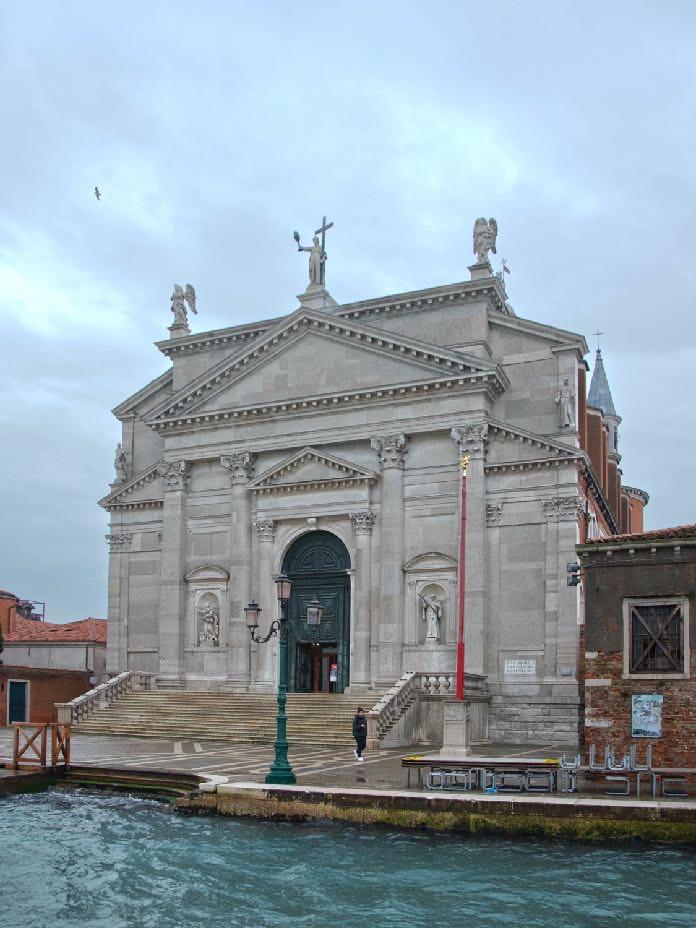
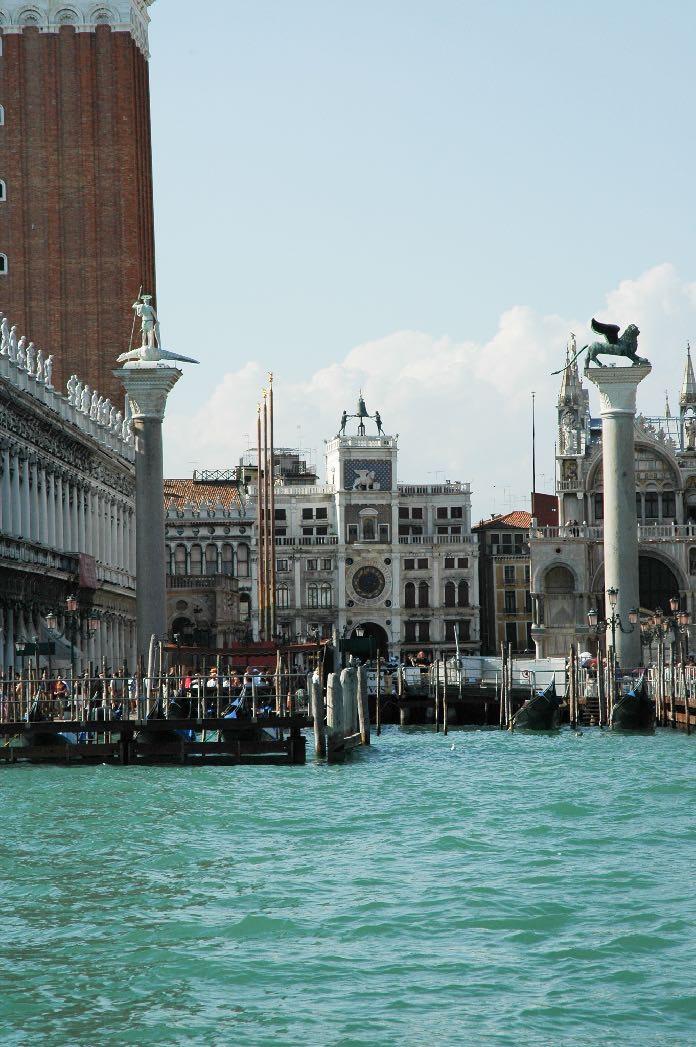
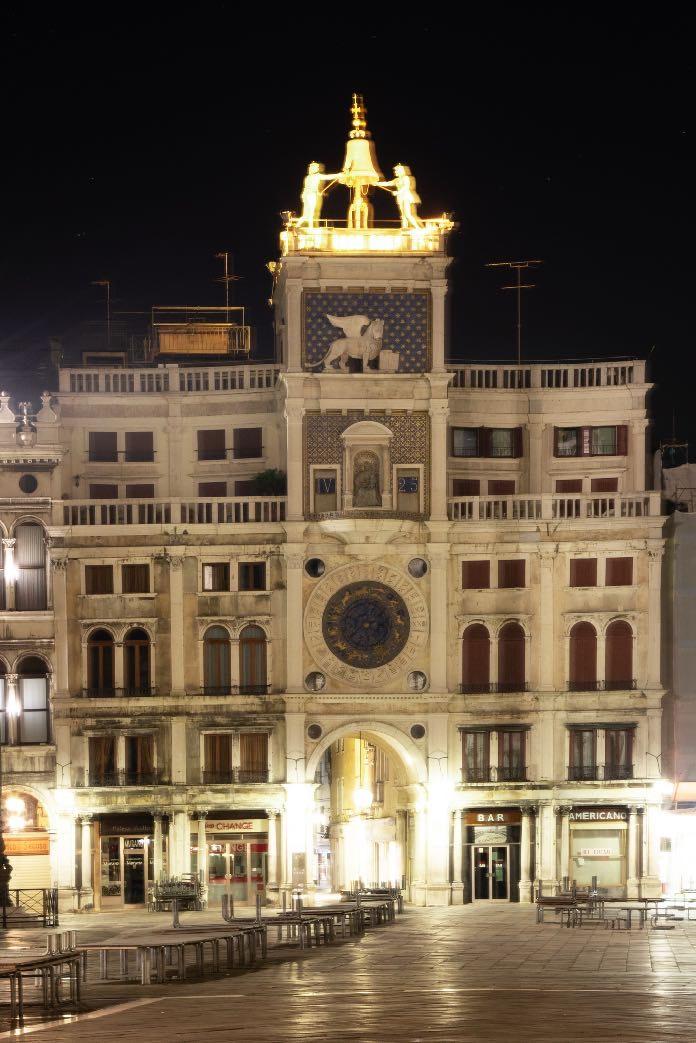
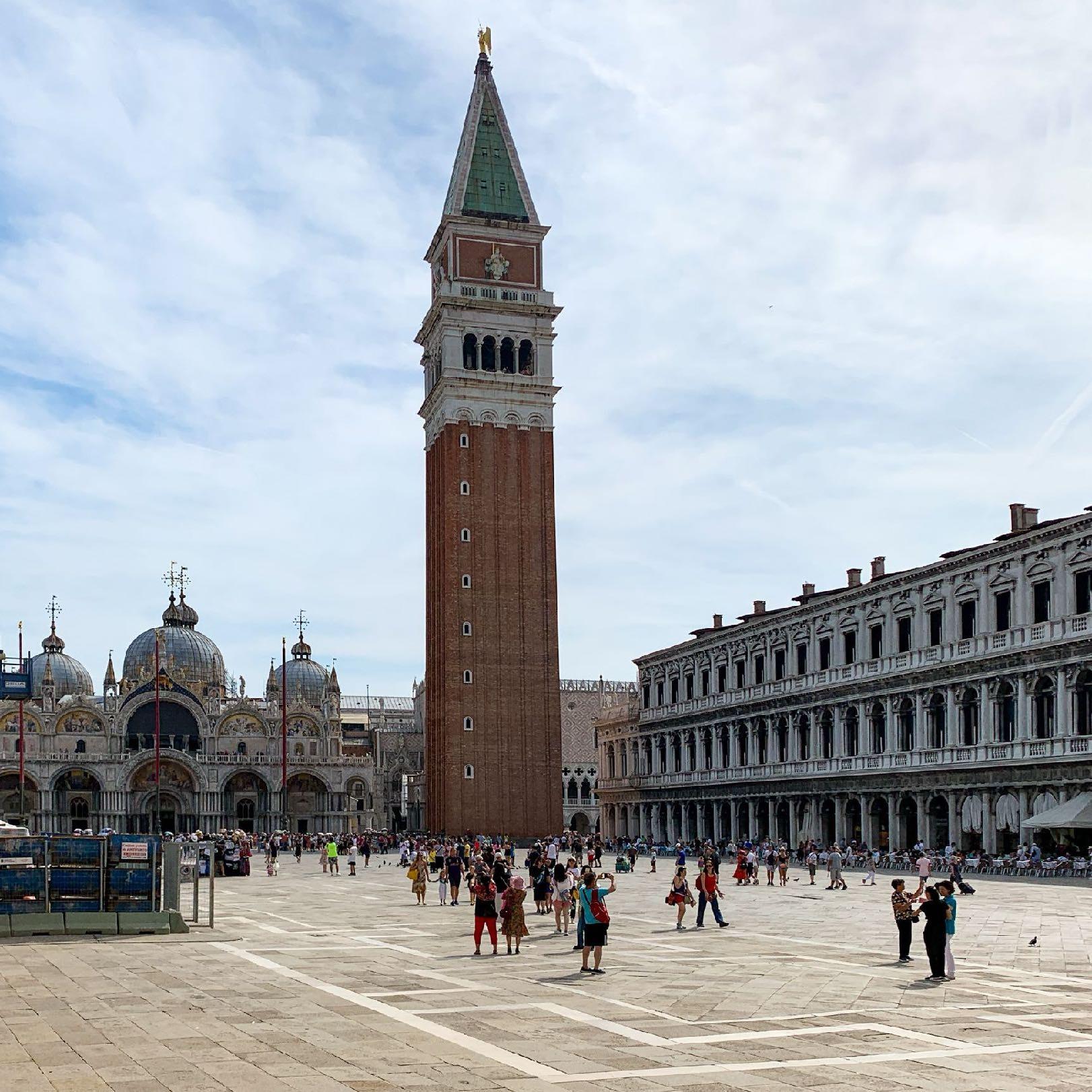
San Marco is seen as the spiritual and political center of Venice. The construction of the Basilica di San Marco dates back to the year 1063. After completion in 1094, continuous work was done on beautification.
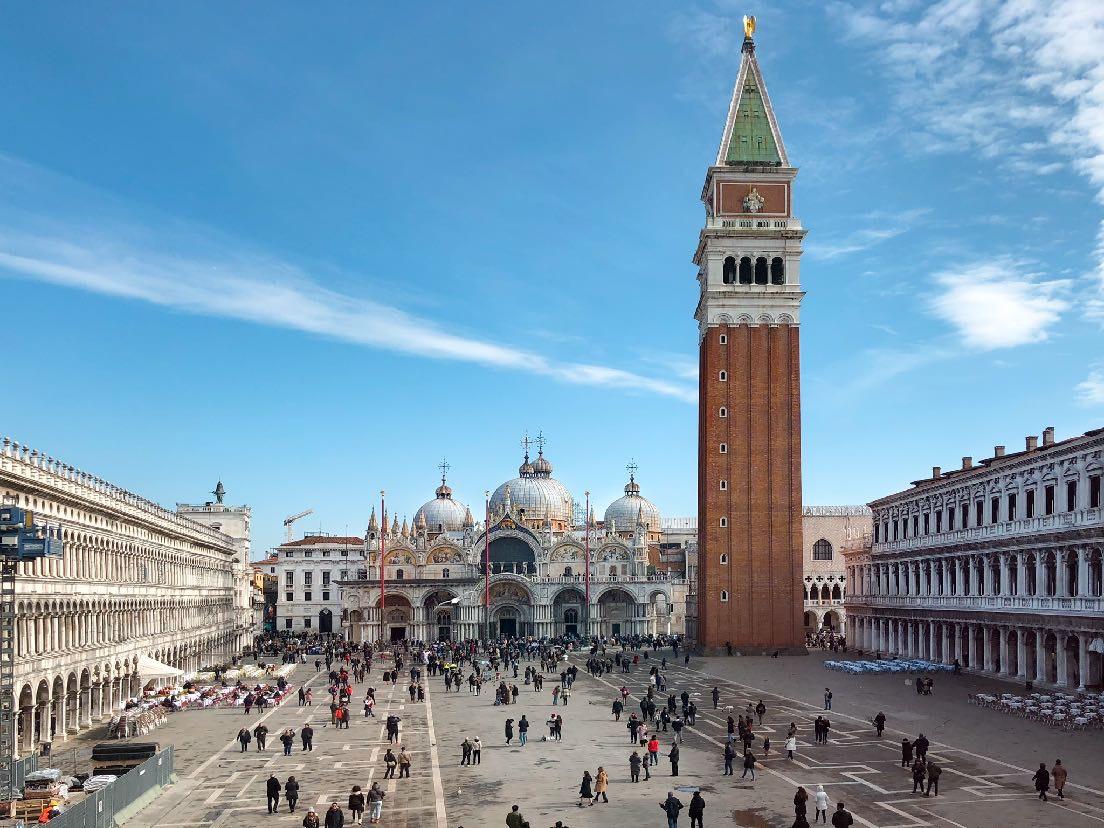
The Campanile di San Marco is almost 100 meters high and thus the tallest building in the city. In 1902, the tower collapsed and was solemnly reopened in 1912.
The clock tower (Torre dell’Orologio) was completed in 1499. The dial of the clock is made of lapis lazuli. In addition to the time, the moon phases, sun constellations, seasons, and zodiac signs are also displayed.
The bell is struck by two huge bronze figures. The masterful clock was built by the Parmense brothers Giampaolo and Giancarlo Ranieri at the end of the 15th century. Bartolomeo Ferracina overhauled the clock in 1757.
Right behind the clock tower begins the lively and bustling activity in the narrow shopping streets of the lagoon city.

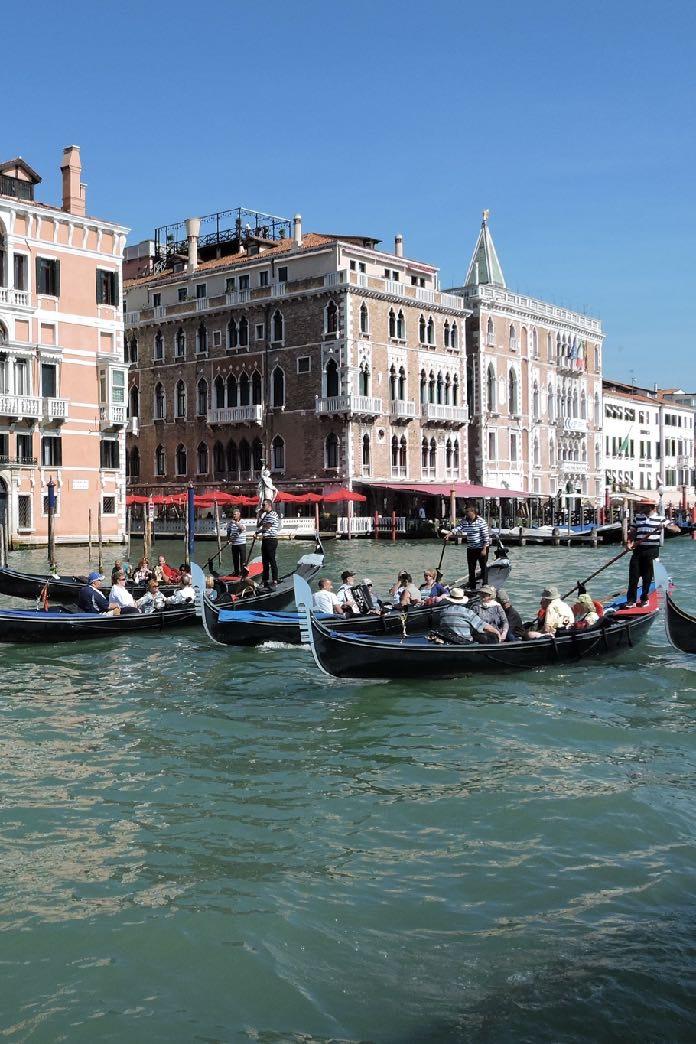
The Piazza San Marco is traditionally the optimal starting point for a gondola ride.



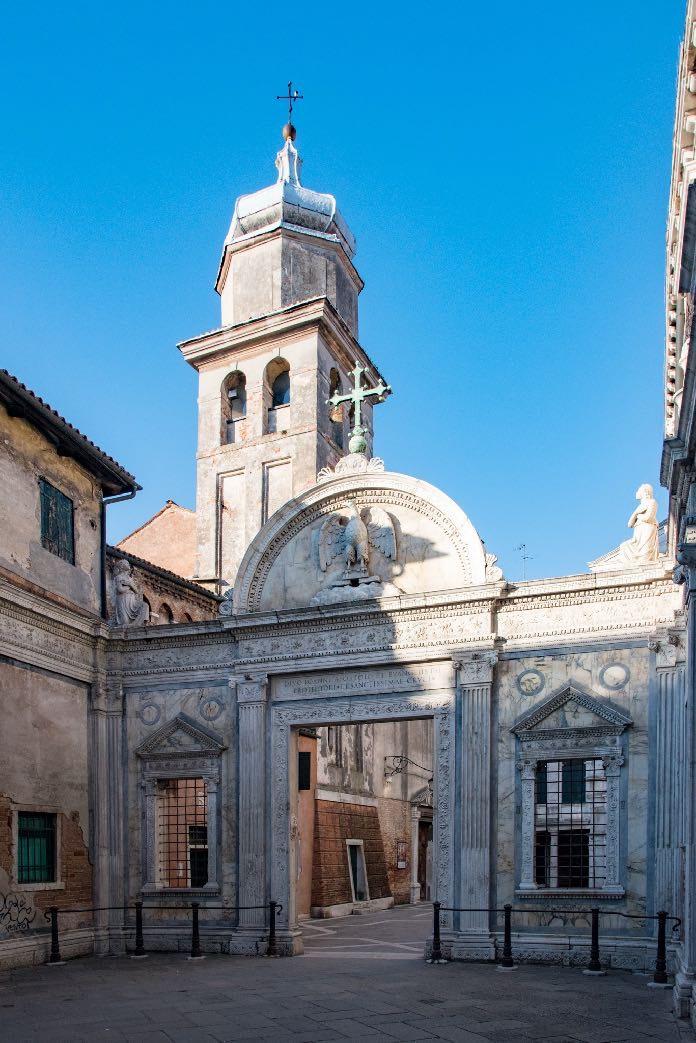
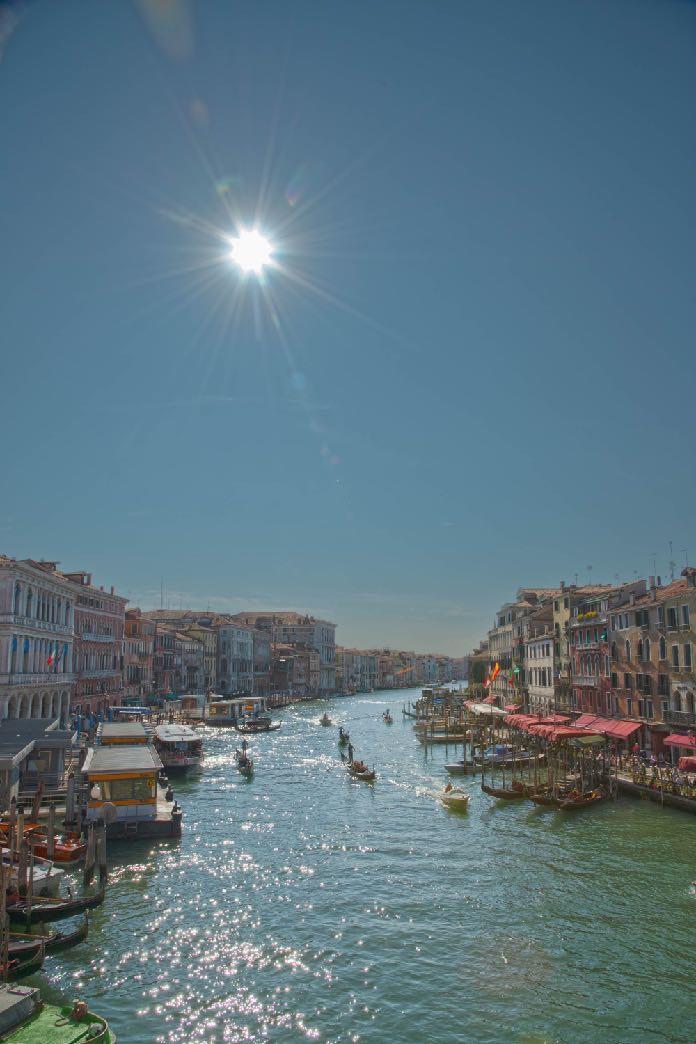
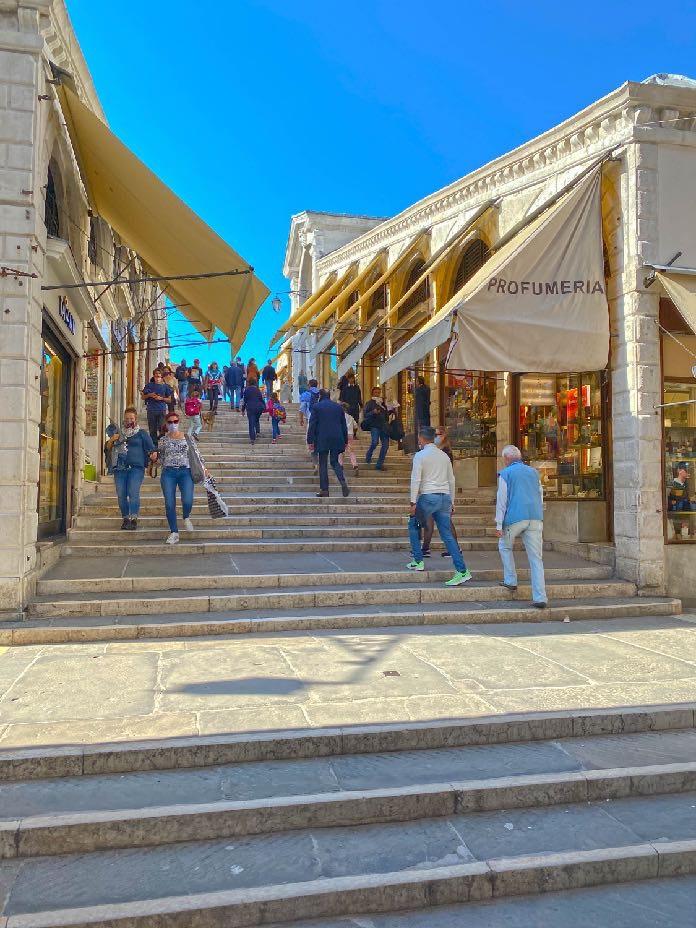
The name of this district comes from the ancient church San Paolo Apostolo. Although San Polo is the smallest district, here is the second largest square in the city, the Campo San Polo. According to legend, the foundation stone of the church San Giacomo di Rialto dates back to the year 421. The current building was erected in 1601.
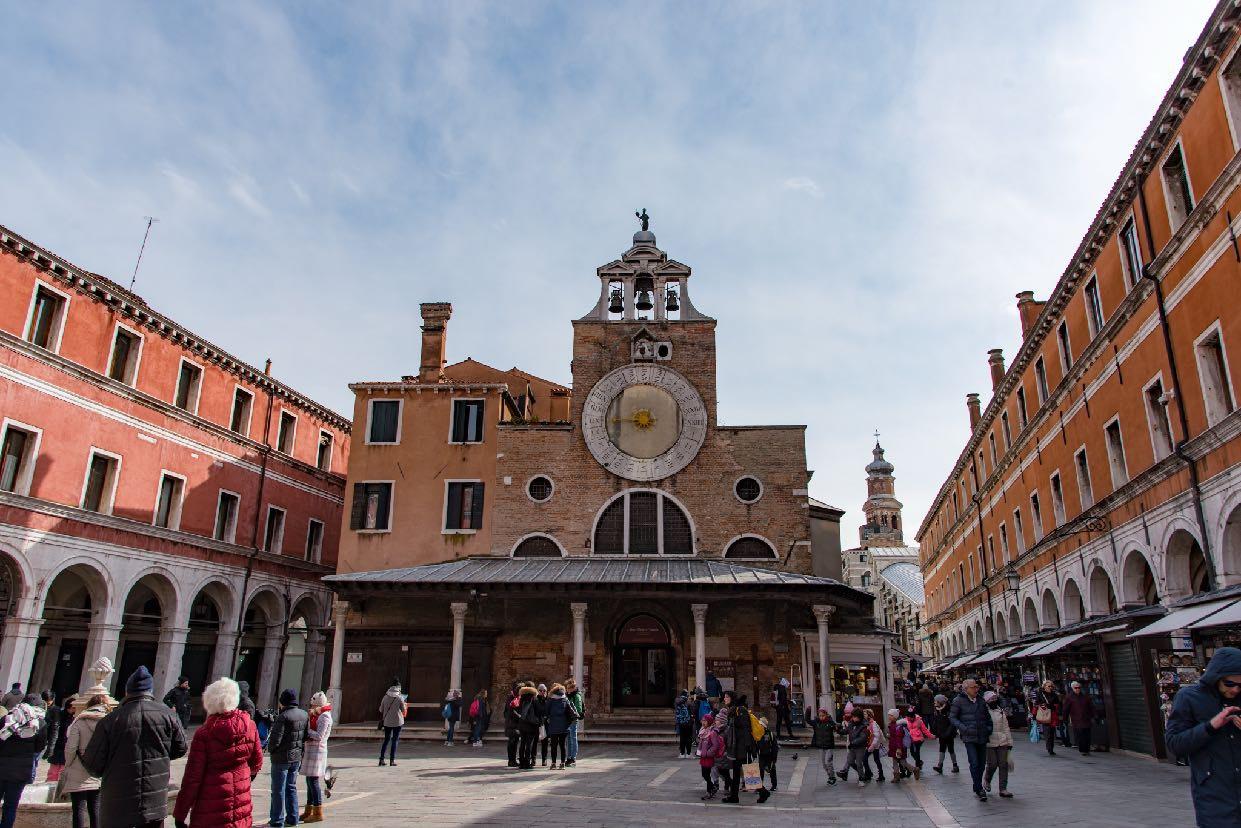
The Roman Catholic parish church is home to several significant works by Tintoretto and Cima da Conegliano. While the main construction of the church was completed in 1400, its façade was not finalised until 1464. Adjacent to the church stands a freestanding bell tower, dating back to 1332. It is believed that the spire of this tower inspired the "Italianate domes" of Munich’s Frauenkirche (Cathedral of Our Lady).
The church is dedicated to Saint Christopher, whose statue is prominently positioned above the entrance. Two statues of the Virgin Mary crown the twin columns flanking the doorway, added in 1481. The church’s name originates from a miraculous statue of the Virgin Mary discovered in a nearby garden, which is now displayed within the church itself. Jacopo Tintoretto lived close by and formed a profound attachment to the church. Testament to this bond are some of his most important works housed here, as well as his final resting place.


The church that gave the Sestiere its name was demolished in the 19th century to make way for the “Giardini Papadopoli” park. In Santa Croce is also the Piazzale Roma. Here is the bus station and a direct connection to the parking garage in Tronchetto. From Tronchetto, the car ferry runs to the Lido.
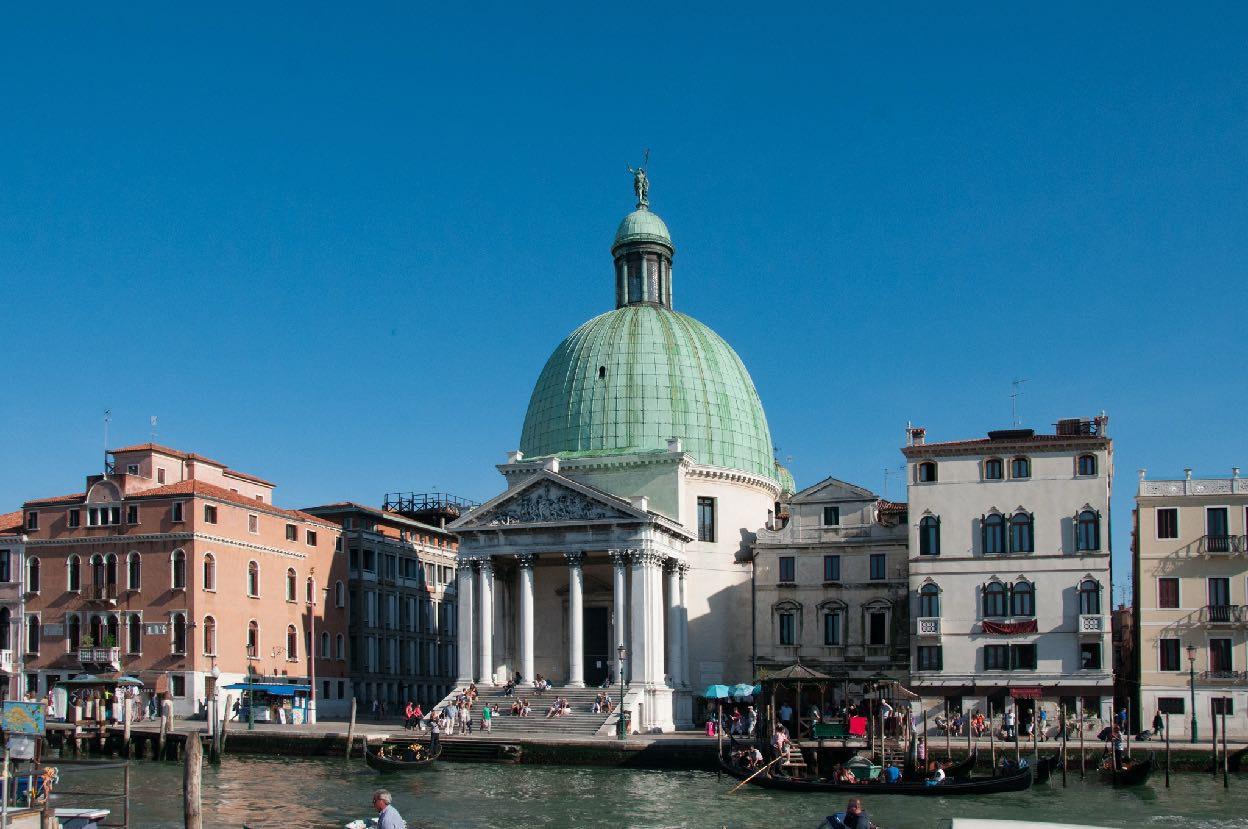

Visitors arriving in Venice by train step off at Santa Lucia station, nestled in the Cannaregio district, and immediately nd themselves beside the Grand Canal. Across the water lies
The striking church of San Simeon Piccolo provides an early taste of Venice’s remarkable architectural splendour. The Ponte degli Scalzi bridge connects you to this area, a popular route for those heading to the Rialto Market in San Polo. From there, travellers often continue over the iconic Rialto Bridge towards St. Mark’s Square.
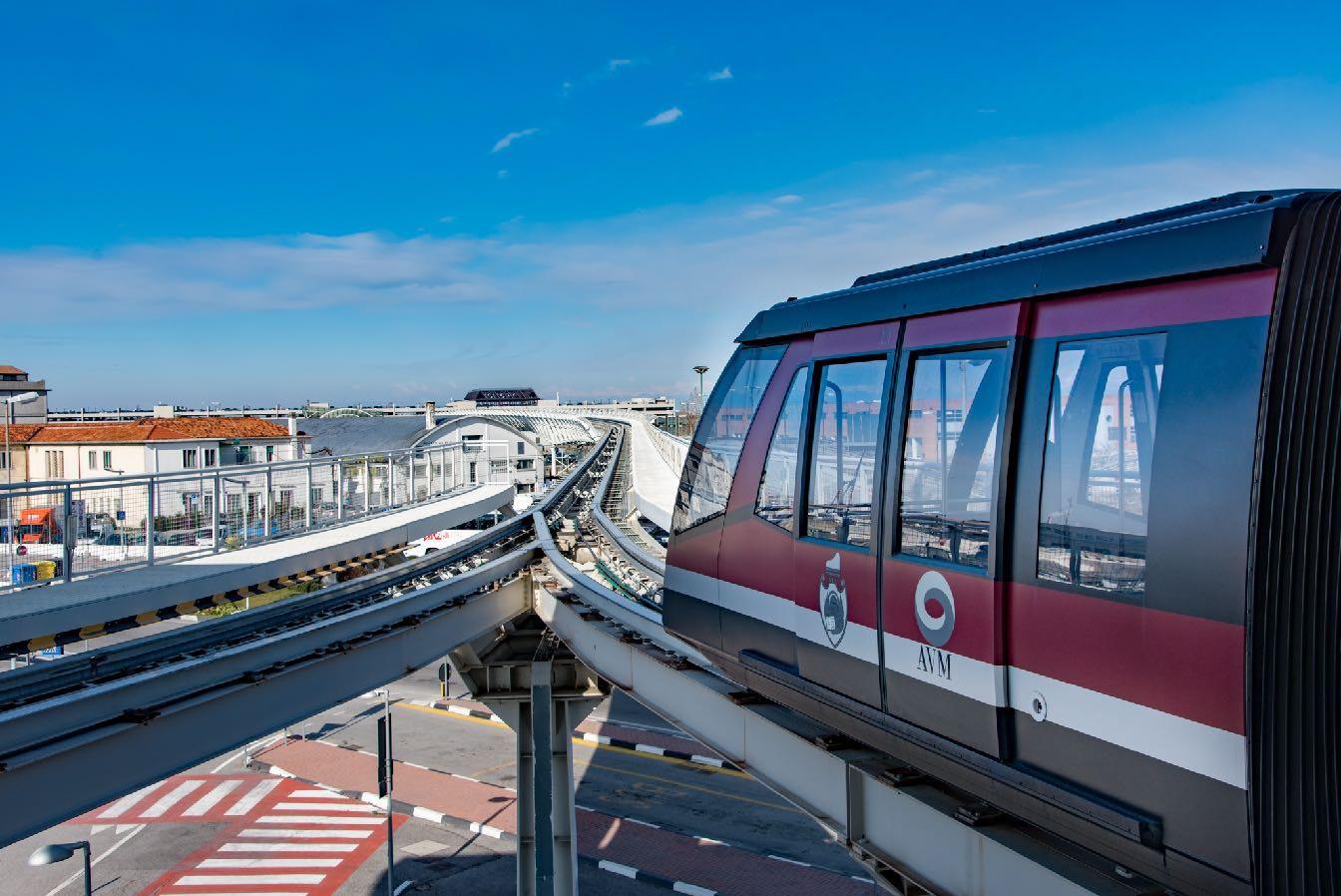
Santa Croce links to Cannaregio via the Ponte della Costituzione bridge. Piazzale Roma serves as the hub for the bus station and the tram terminus to Mestre. Additionally, the People Mover, a funicular railway, departs from here, running through Marittima to Tronchetto.



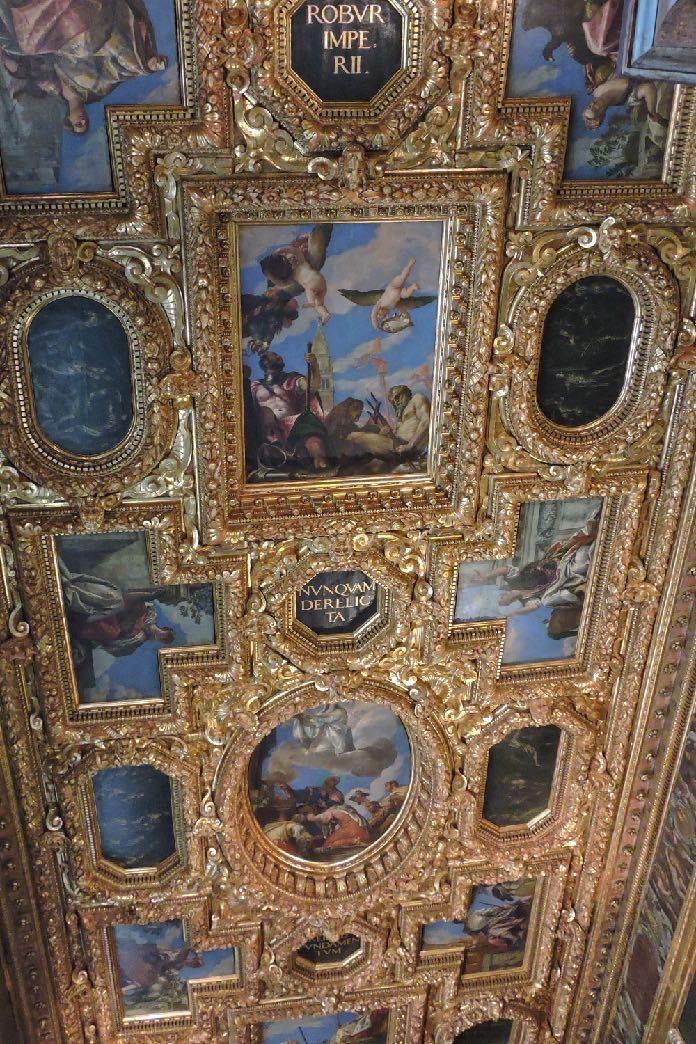

The Palazzo Ducale is located directly on the Piazza San Marco. The magnificent building has been the seat of the Doge and the government of the Maritime Republic of Venice since the 9th century.
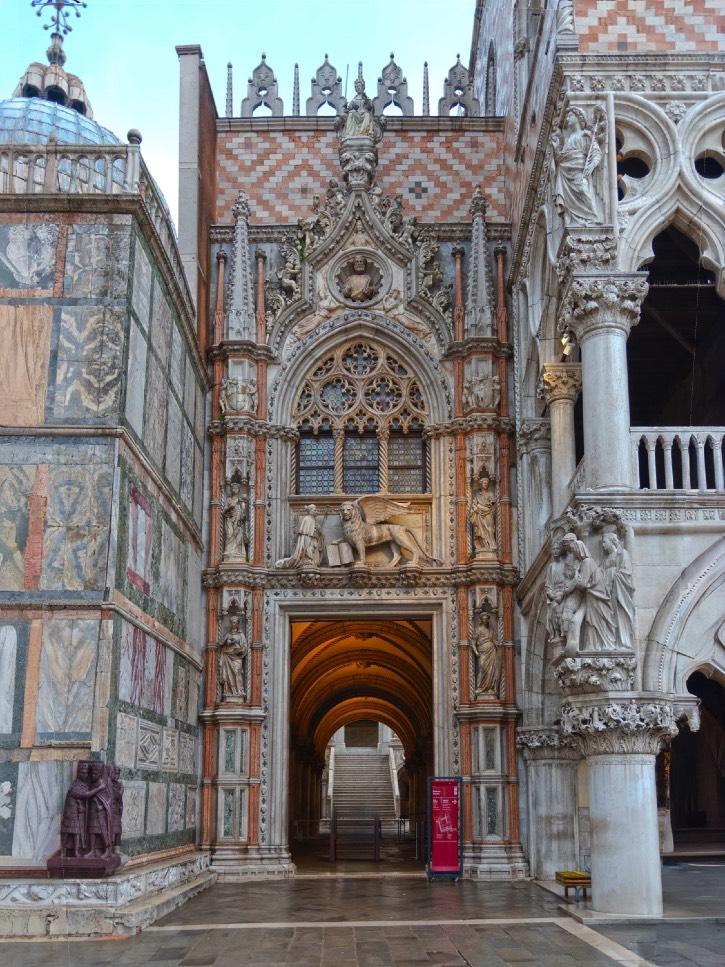
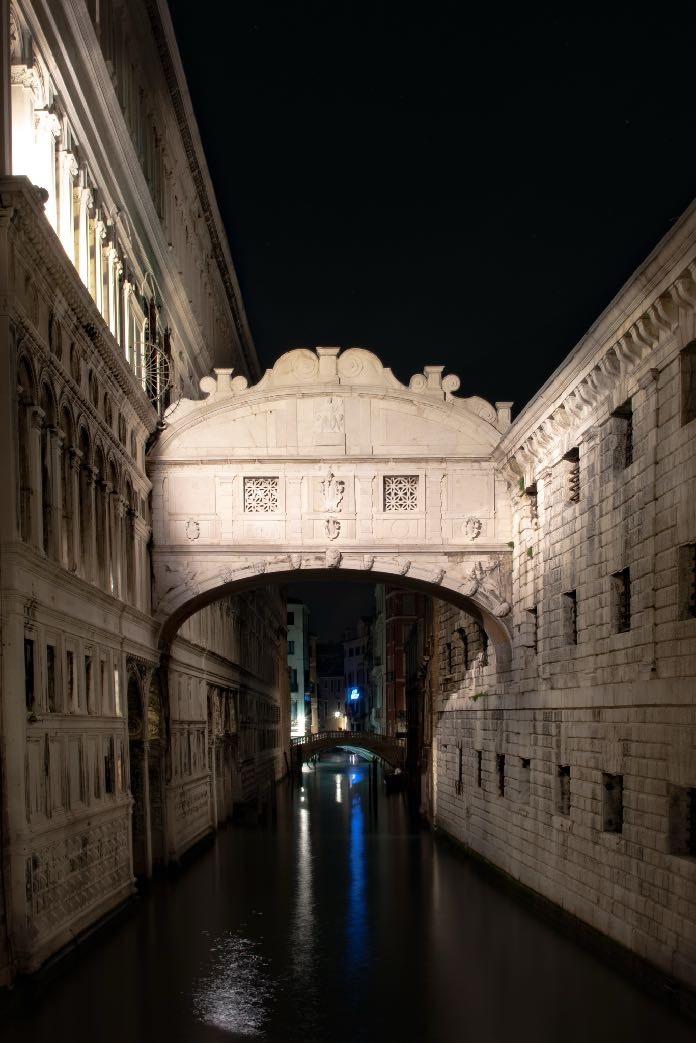
Its magnificent interior continually captivates countless visitors, standing as one of Venice’s most beloved landmarks. The renowned Ponte dei Sospiri, or Bridge of Sighs, leads directly into the “new” prison, a site steeped in over five centuries of history.
According to legend, the bridge’s name originates from the sighs breathed by prisoners as they crossed it. In 1765, Giacomo Casanova famously made a daring escape from the notorious Piombi prison on his second attempt.
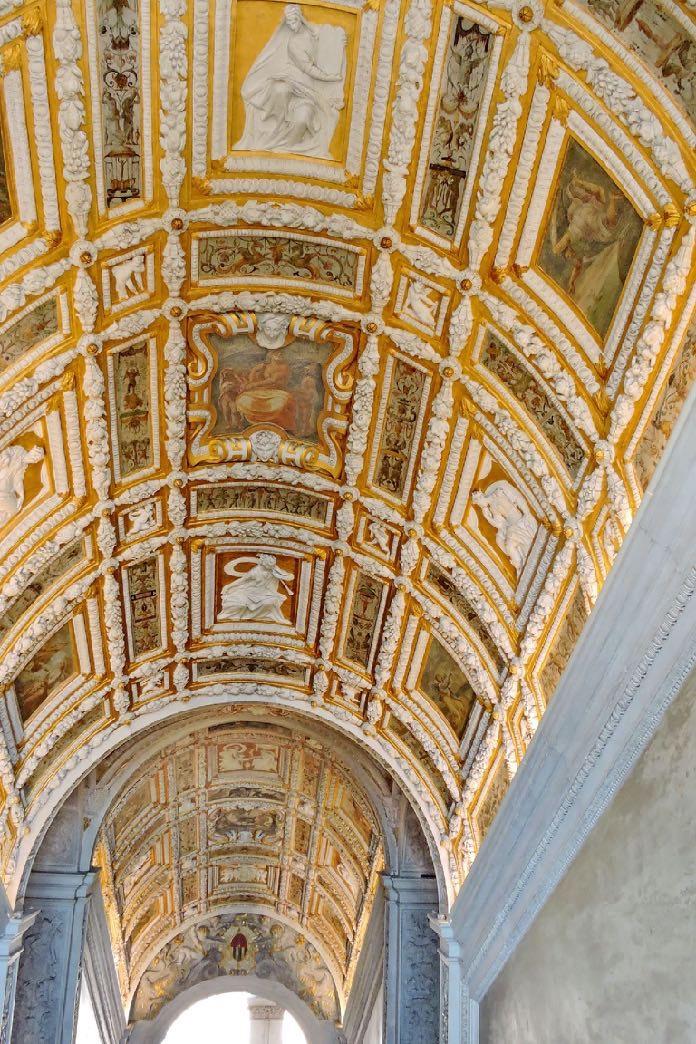
Today, the Doge’s Palace not only preserves the historic prison cells but also showcases an array of artworks that celebrate Venice’s illustrious heritage. The lavishly adorned chambers, such as the Sala del Maggior Consiglio, dazzle with grand frescoes and gilded stuccoes crafted by celebrated masters like Tintoretto and Veronese. Visitors gain insight into the political might and grandeur of the Republic, while also immersing themselves in the artistic zenith that renders this site a singular monument of European cultural history.

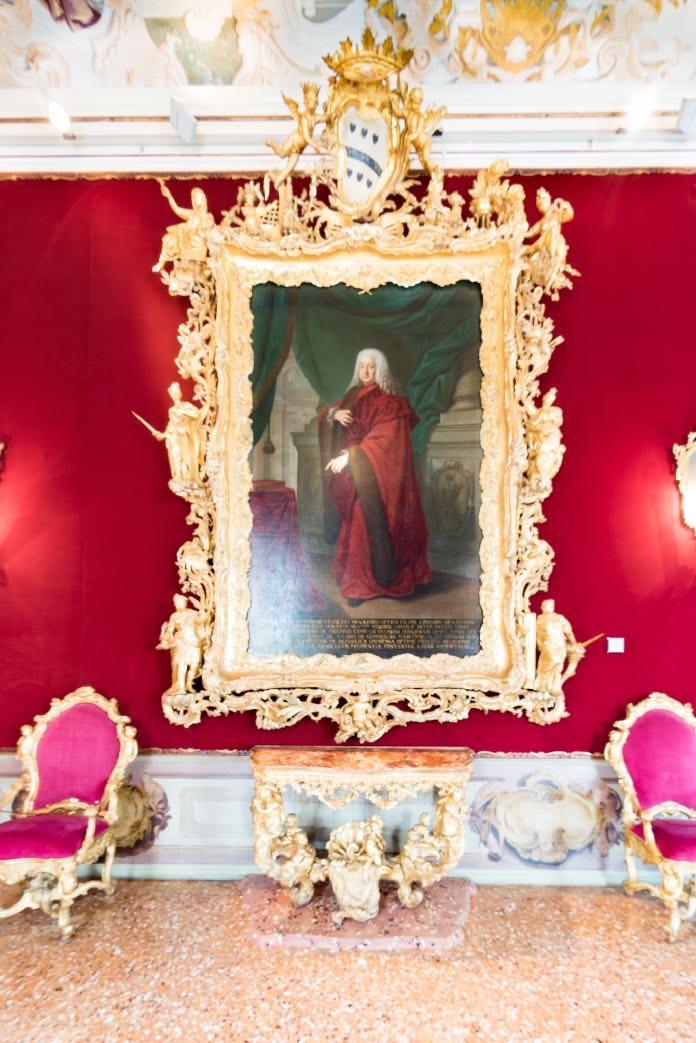
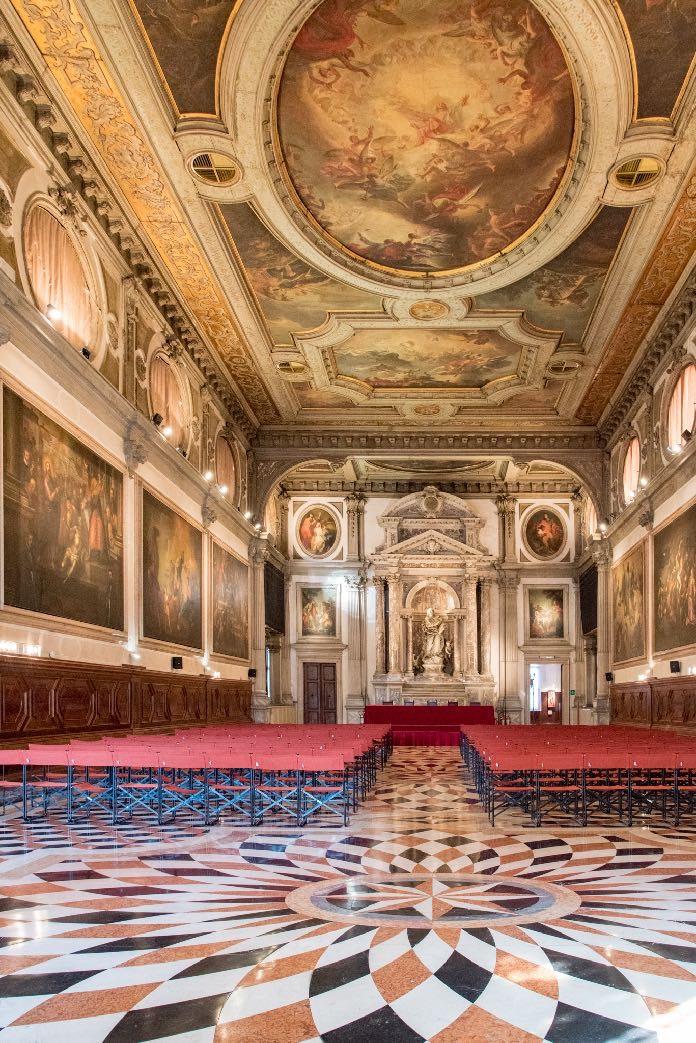
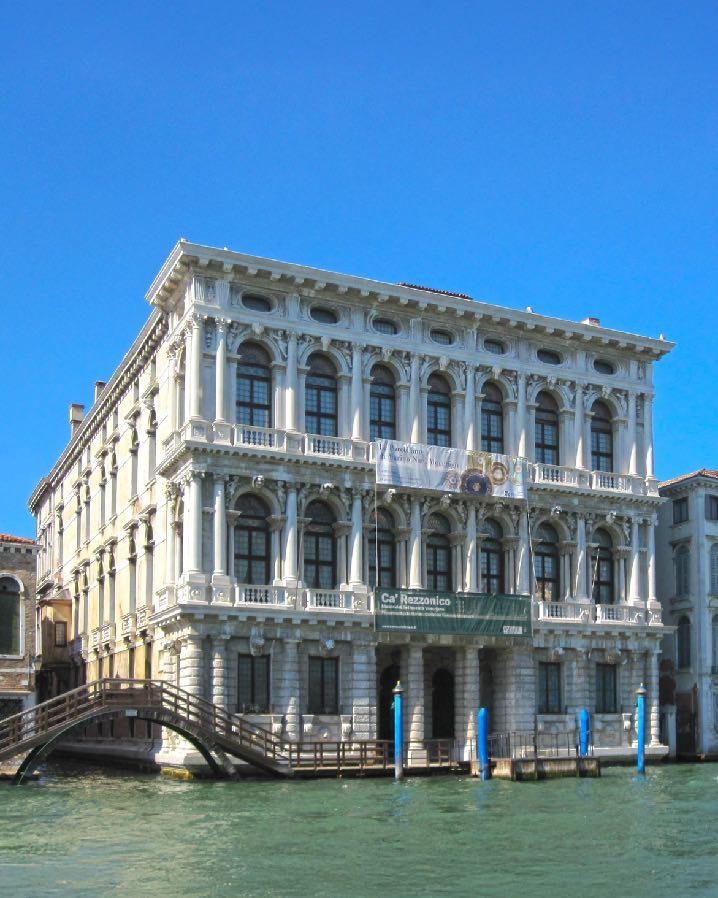
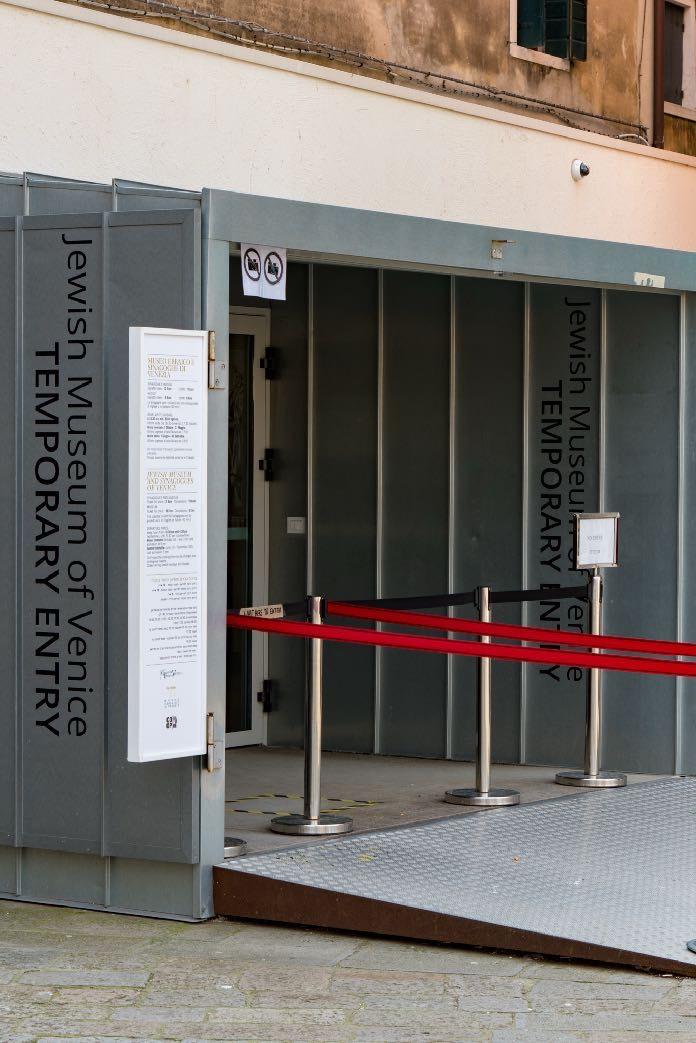
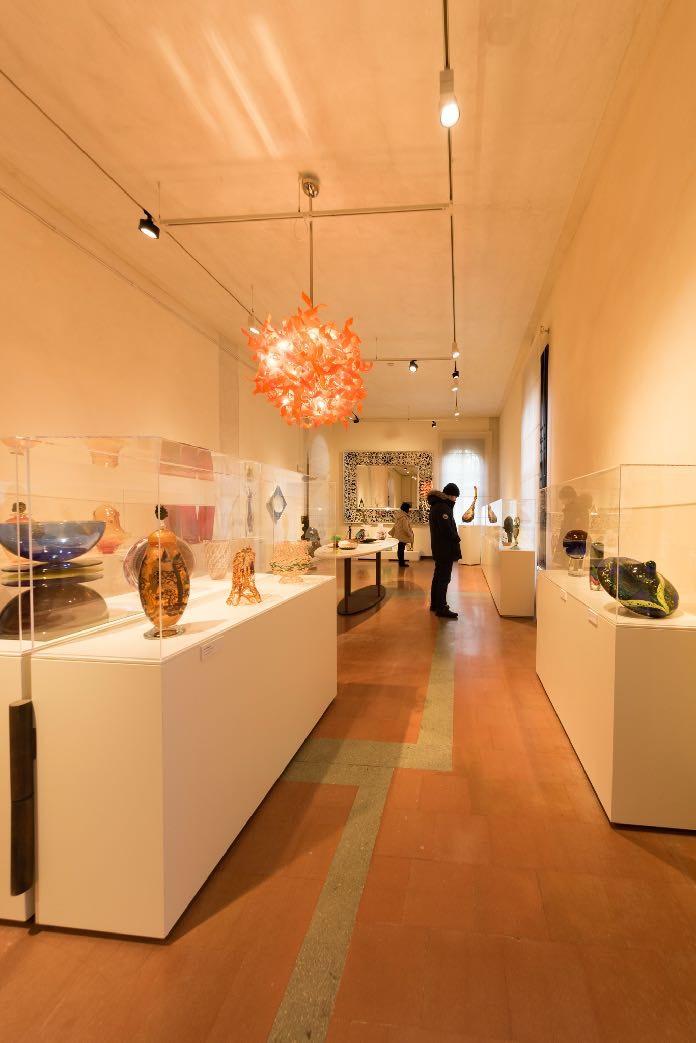
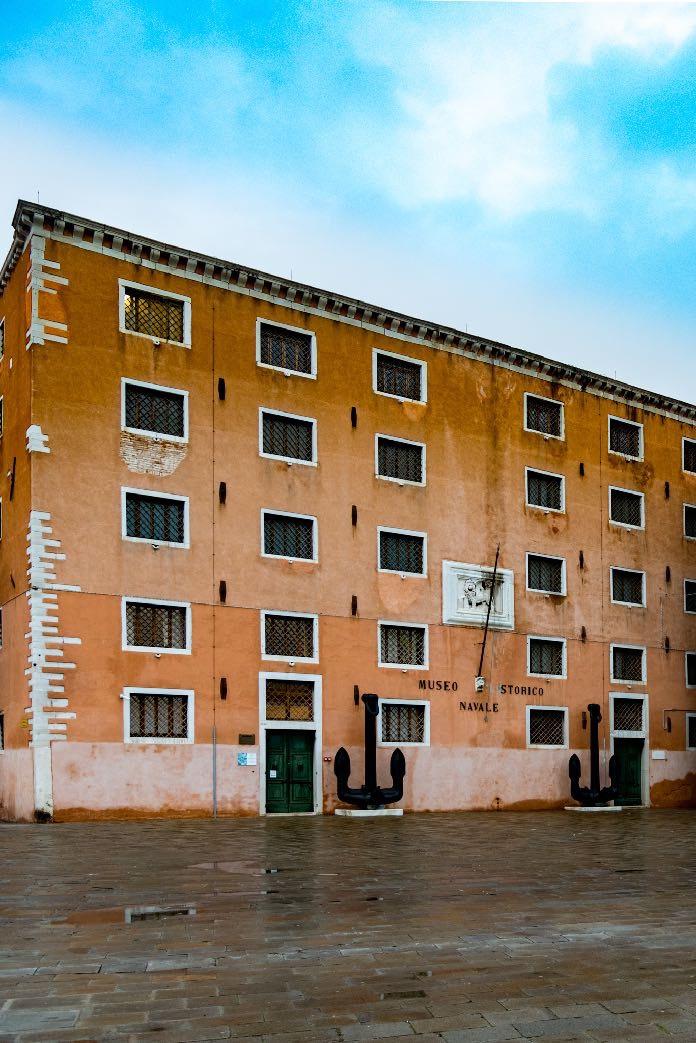
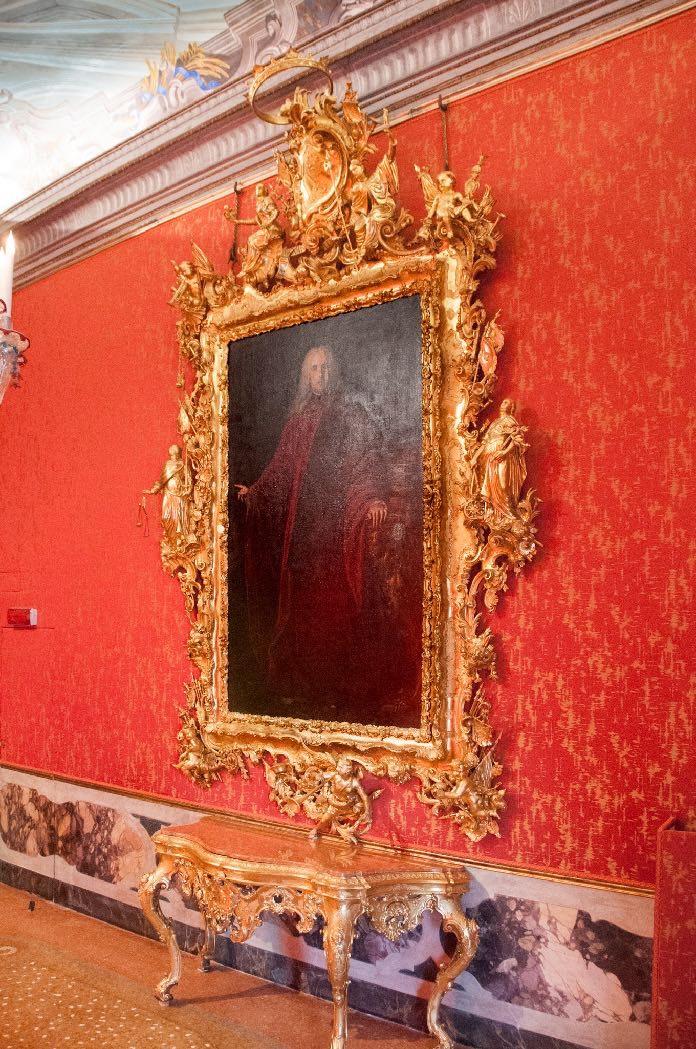
Founded in 2008, the Fondazione Musei Civici Venezia was created to oversee and carefully catalogue Venice’s remarkable artistic heritage preserved within the city’s many public museums. The extensive art collections held in Venice are deeply intertwined with the history of this once-mighty city. Moreover, many of the museum buildings themselves stand as masterpieces in their own right. Through pioneering exhibition techniques and educational programmes, the Fondazione effectively captivates both local residents and international visitors, celebrating Venice’s cultural legacy and emphasising its importance on the world stage.

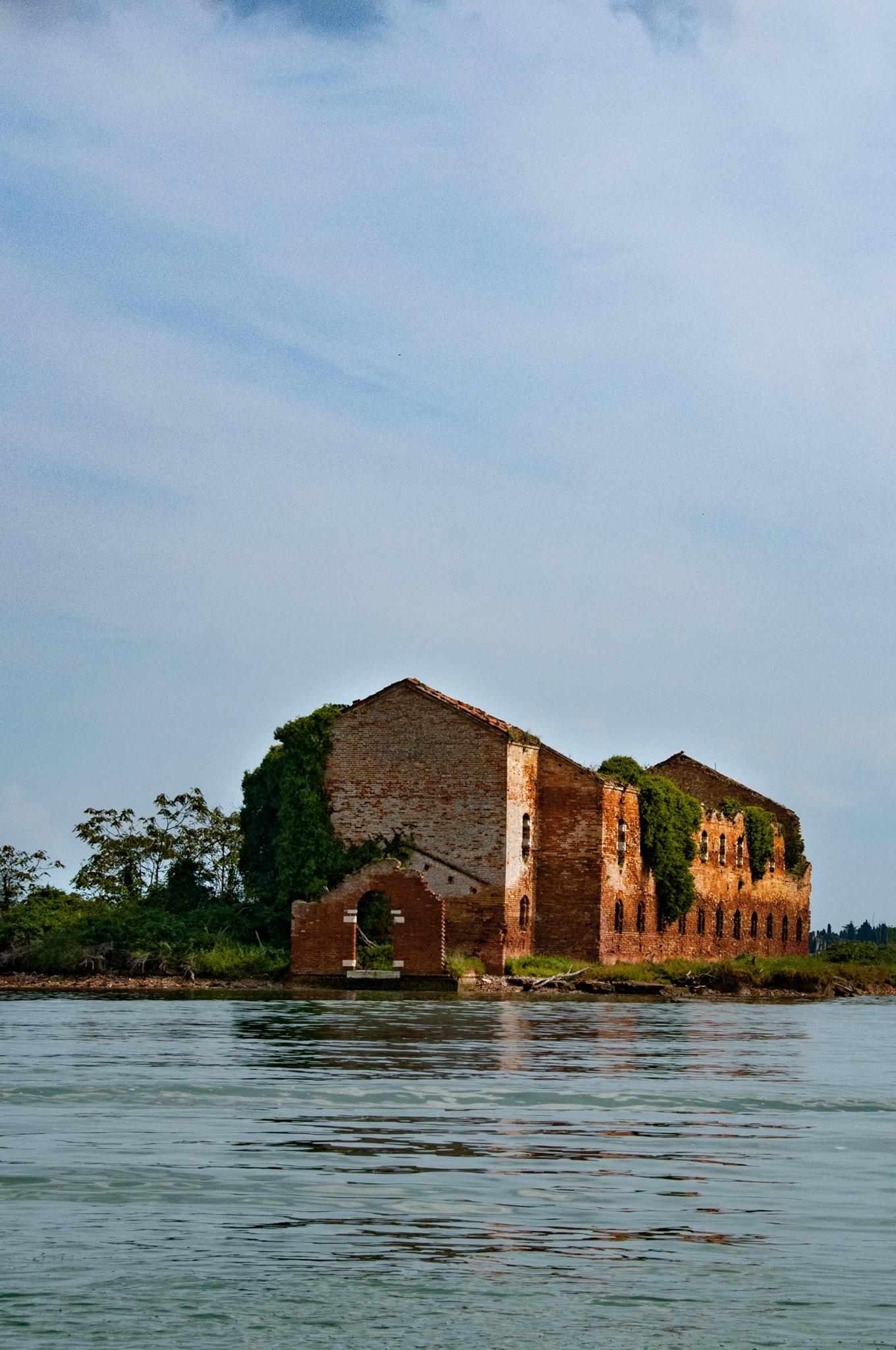
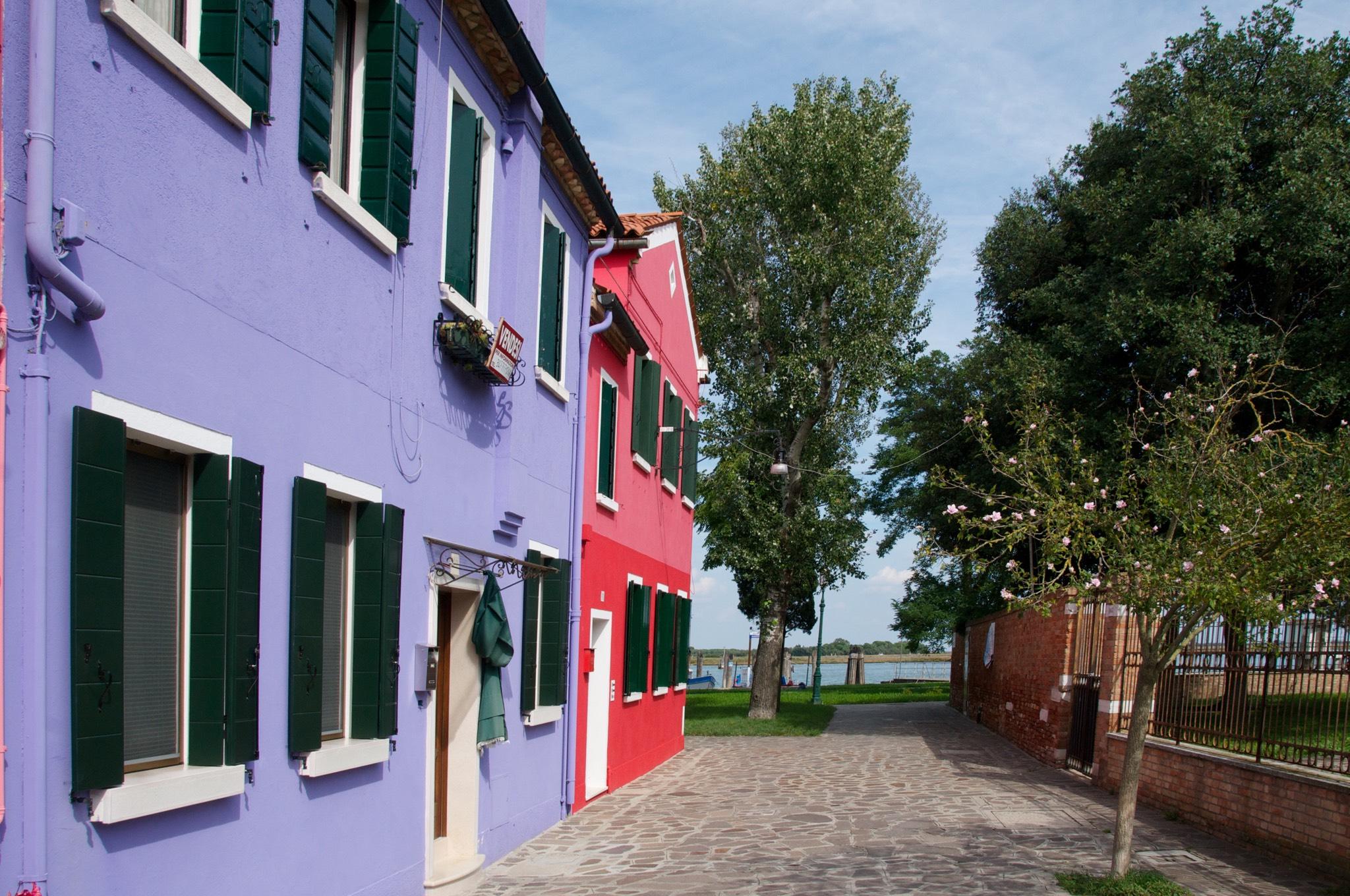
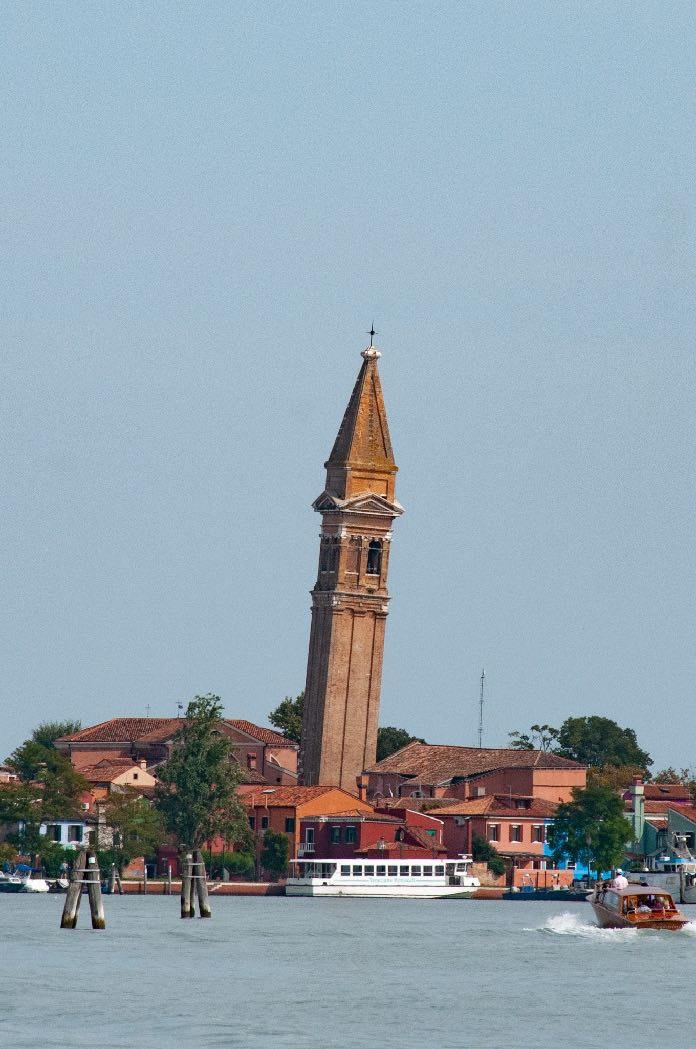
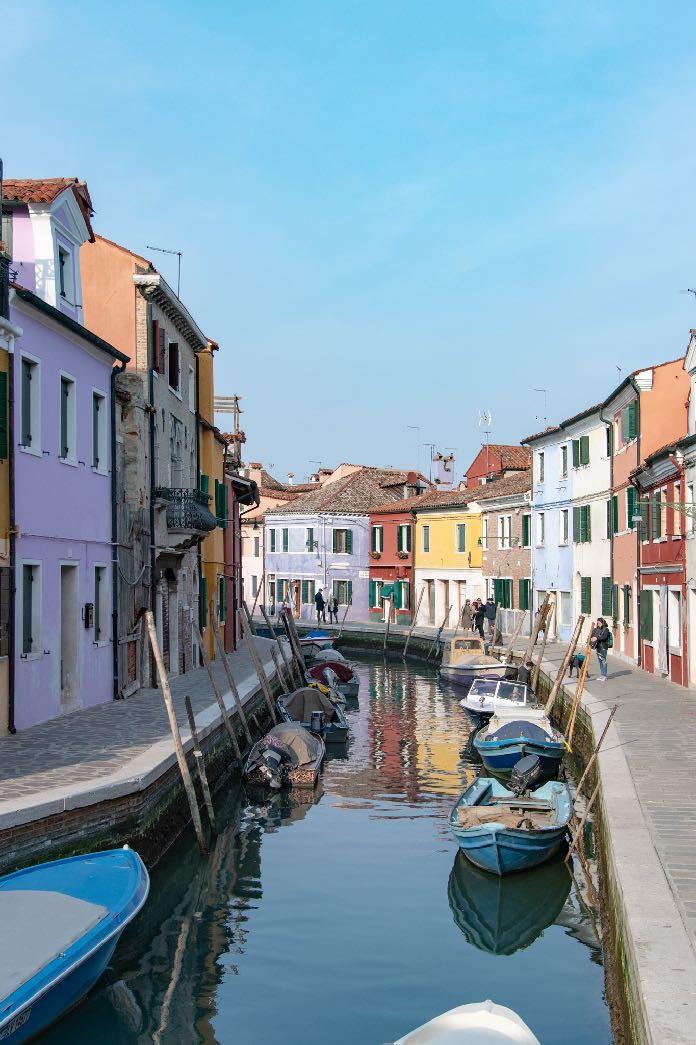
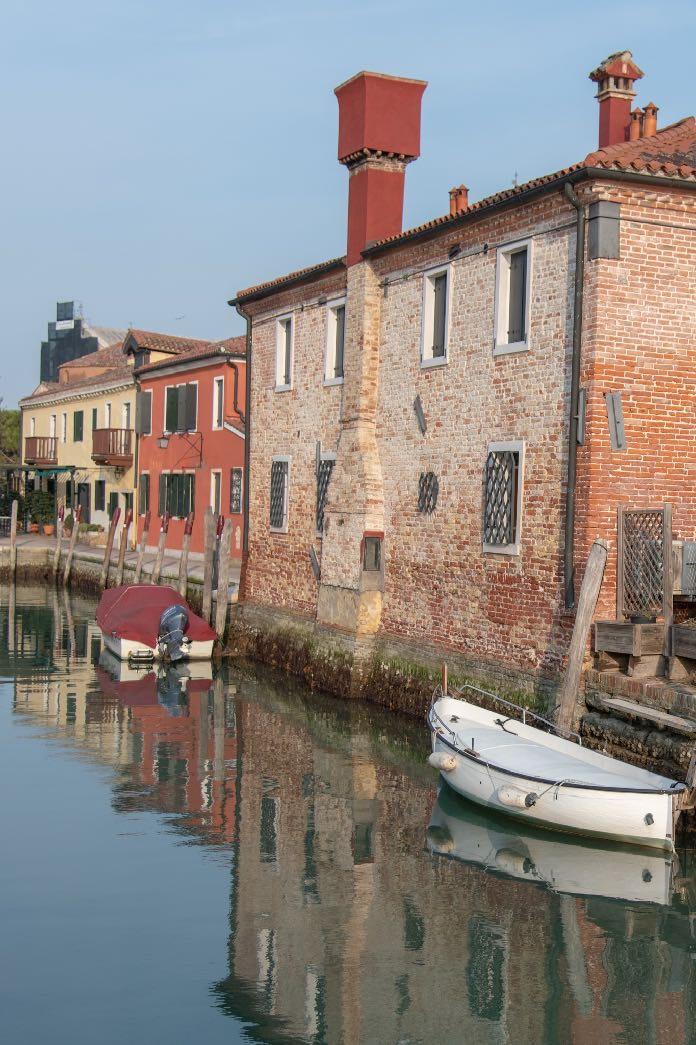
Burano is the most densely populated island in the lagoon. If you take Vaporetto number 12 at Fondamente
you reach
stops
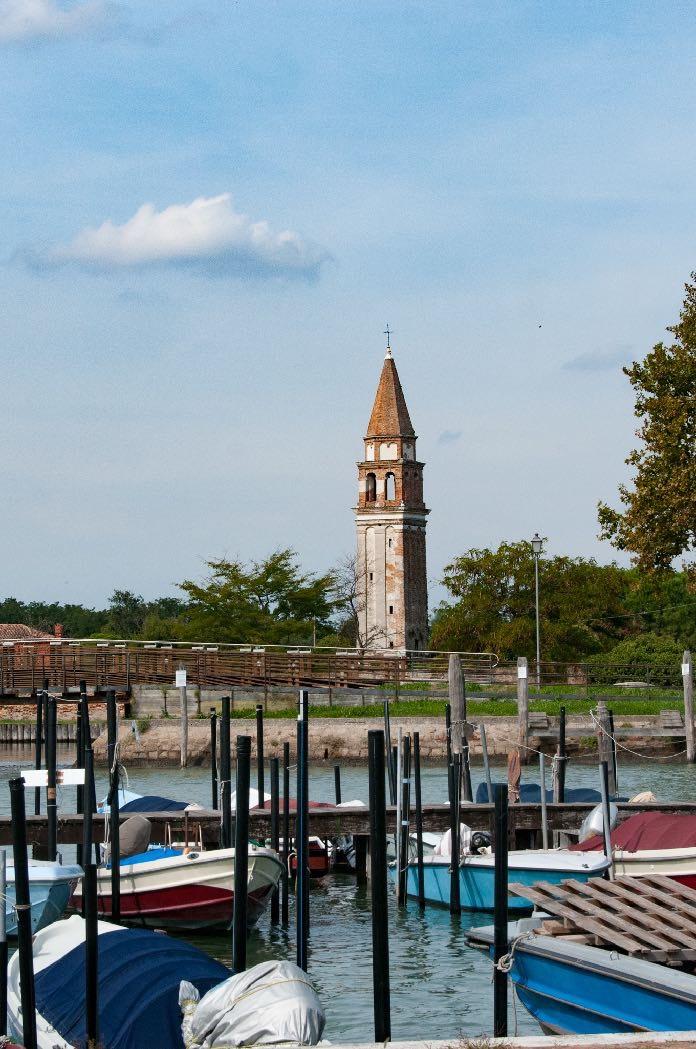


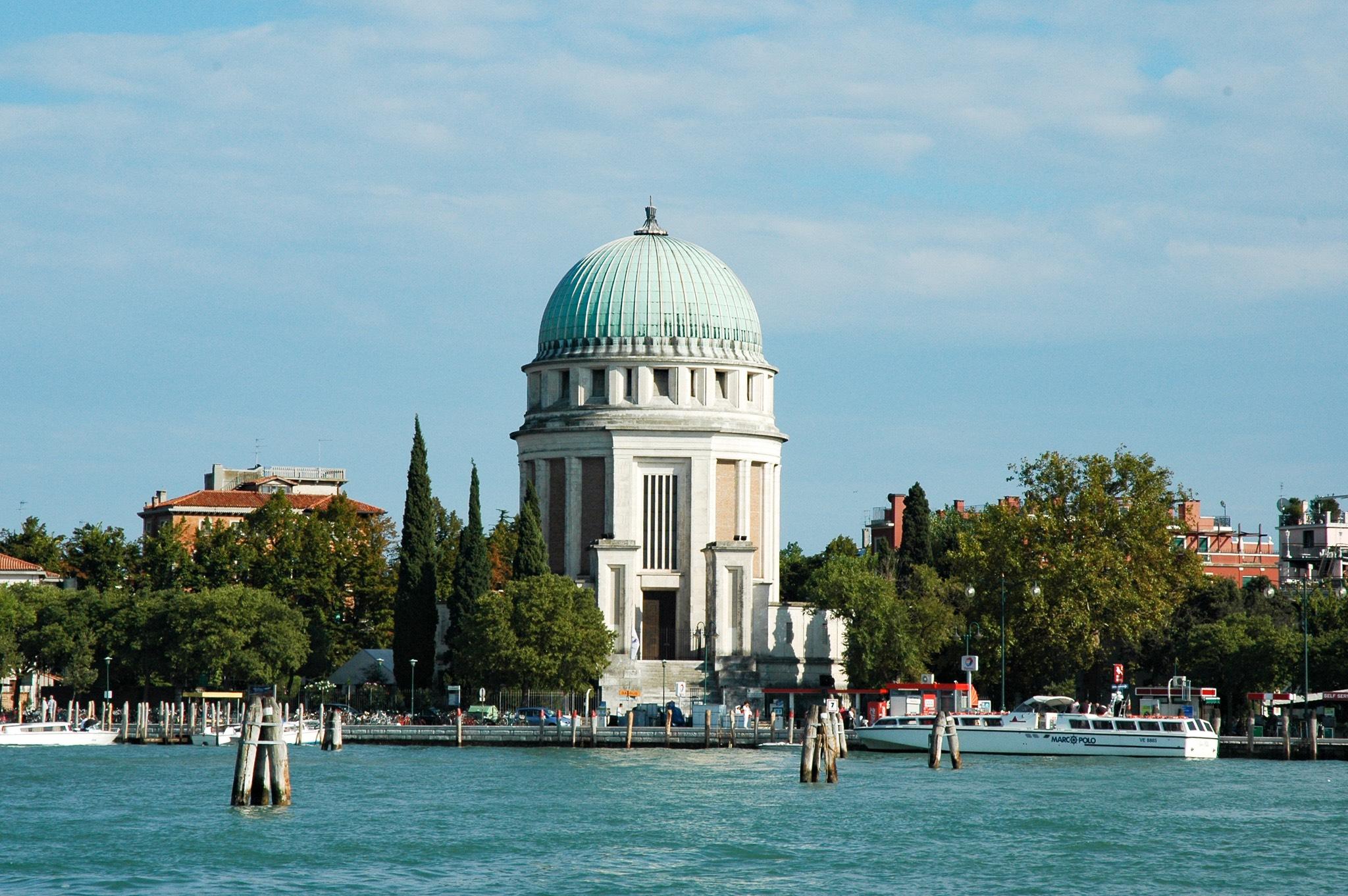
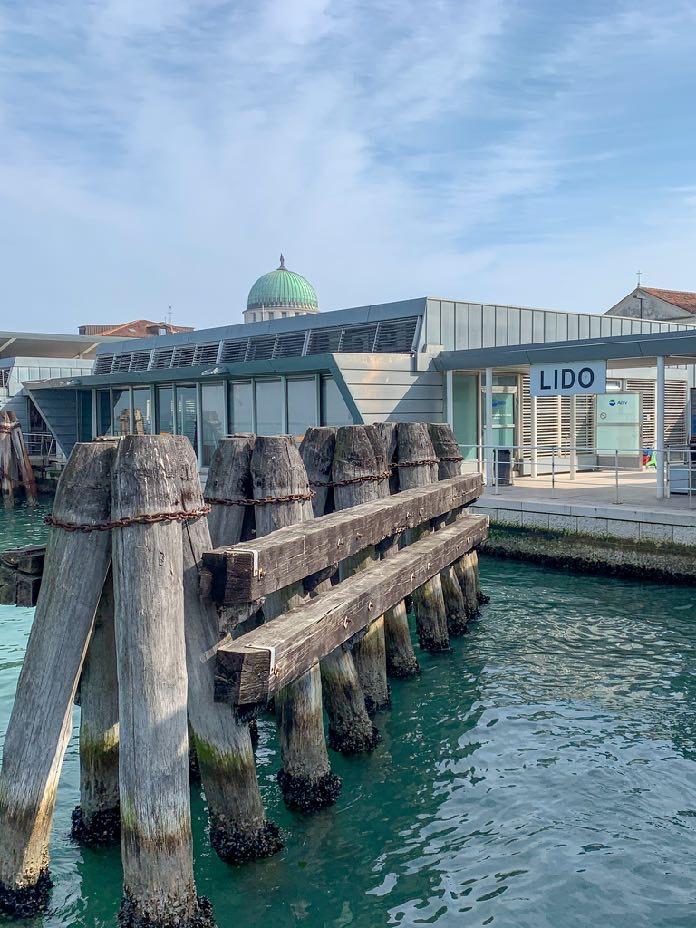
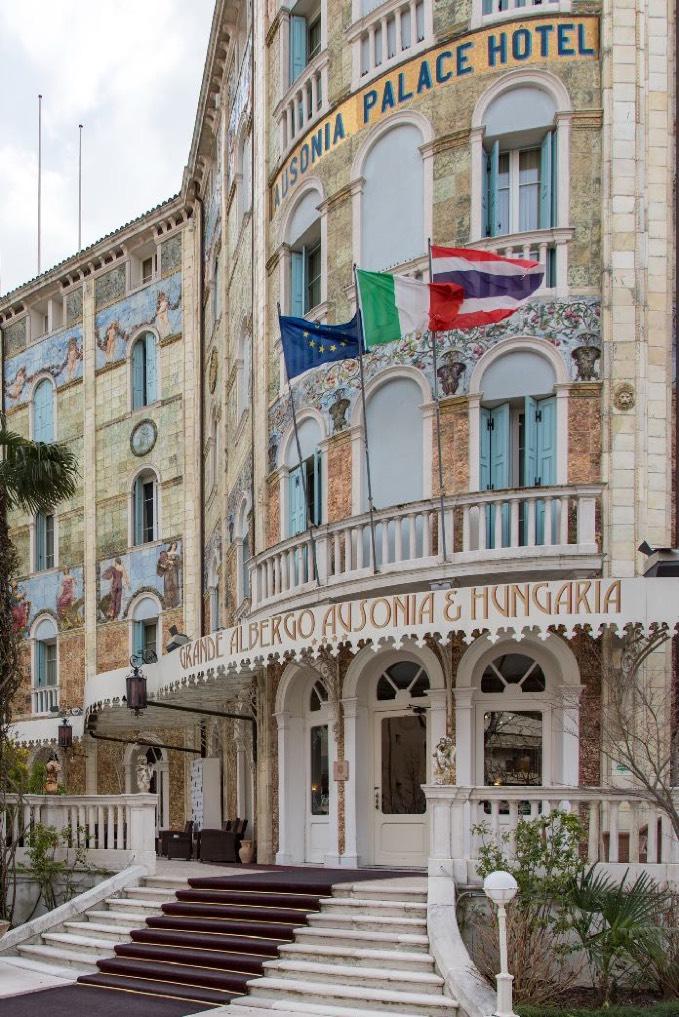
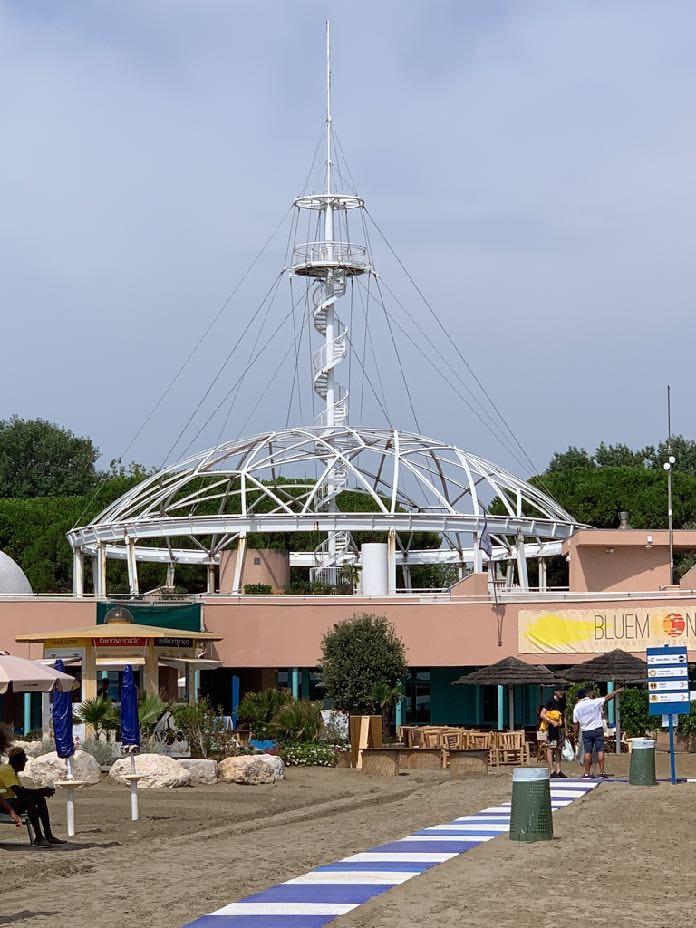
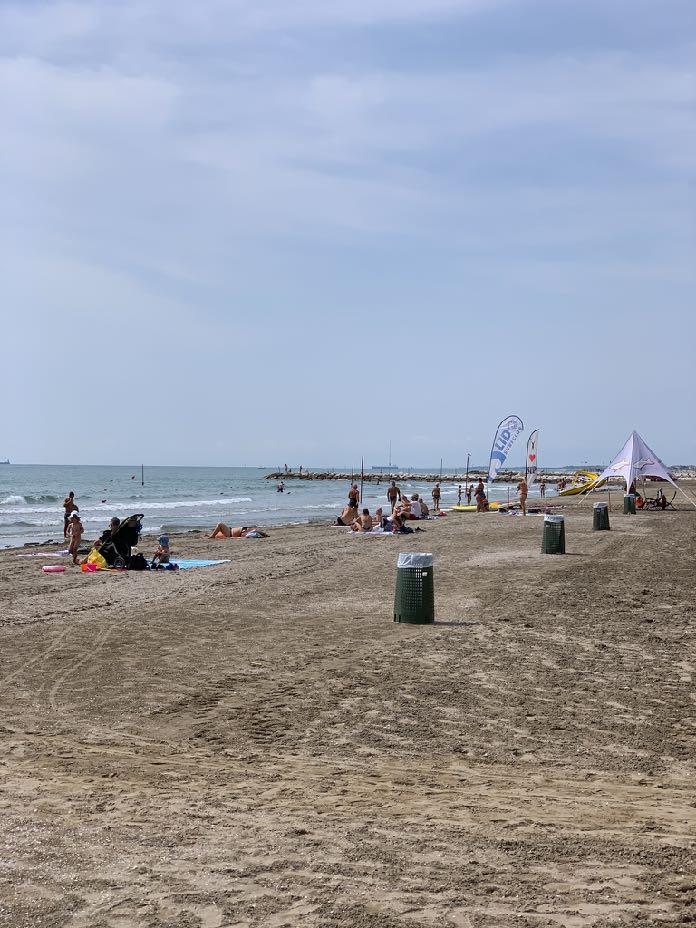
The Lido di Venezia is a long, narrow island in the Venice Lagoon. The name “Lido” comes from the Latin word “litus”, meaning beach, coast. As early as the 19th century, the Lido developed into a fashionable seaside resort.
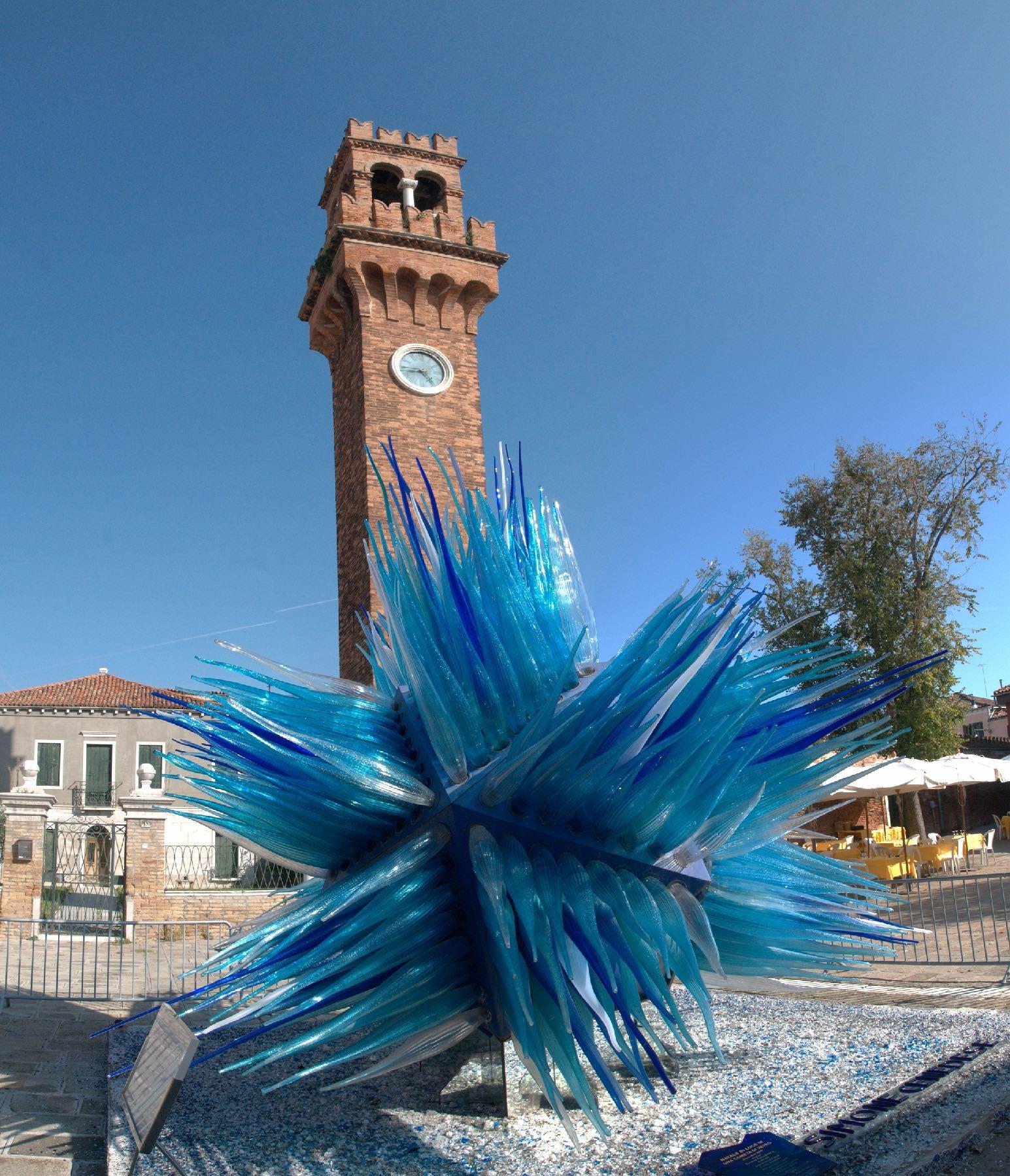
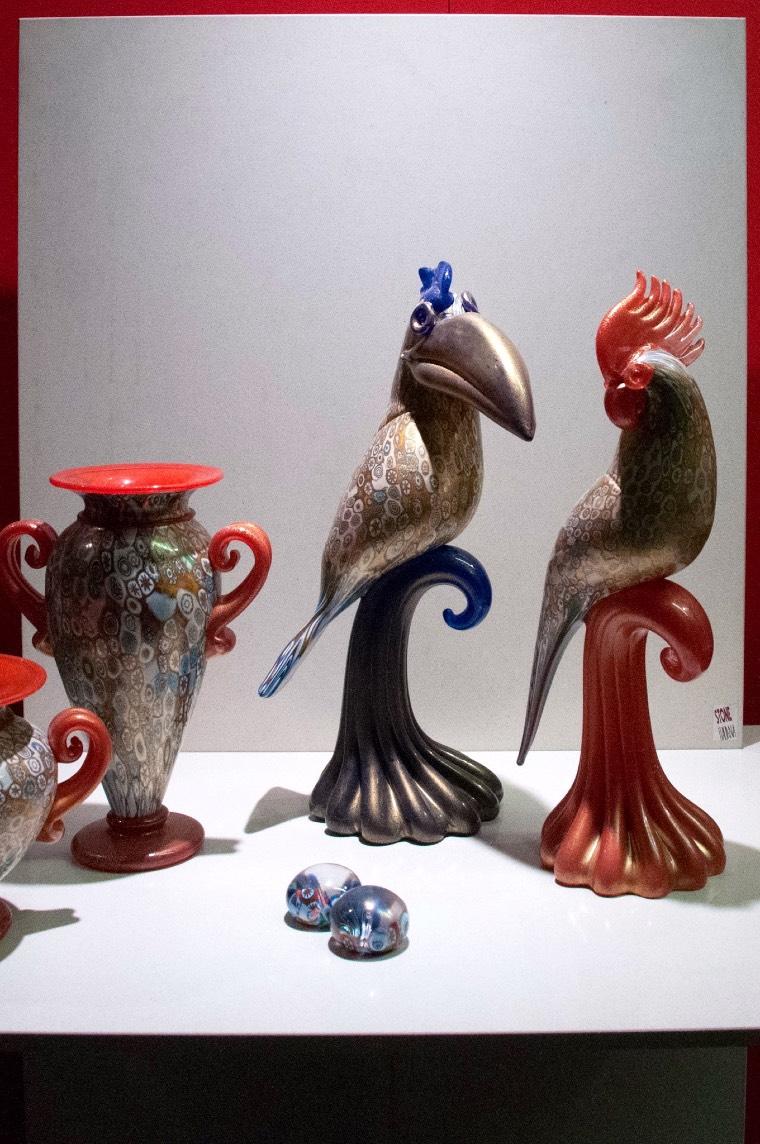
Venice is generally considered the cradle of Central European glassmaking. Historical documents prove that glass was already produced and processed here in 982. To protect against possible fires, the glass furnaces were moved to the island of Murano in 1295. Thus, Murano glass was born.
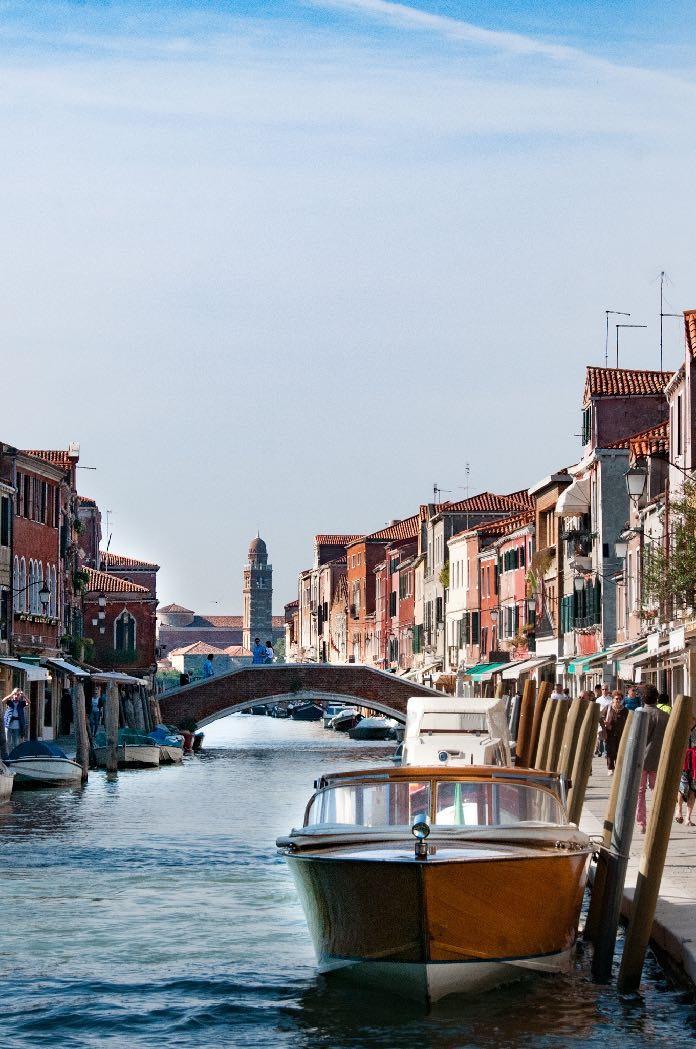
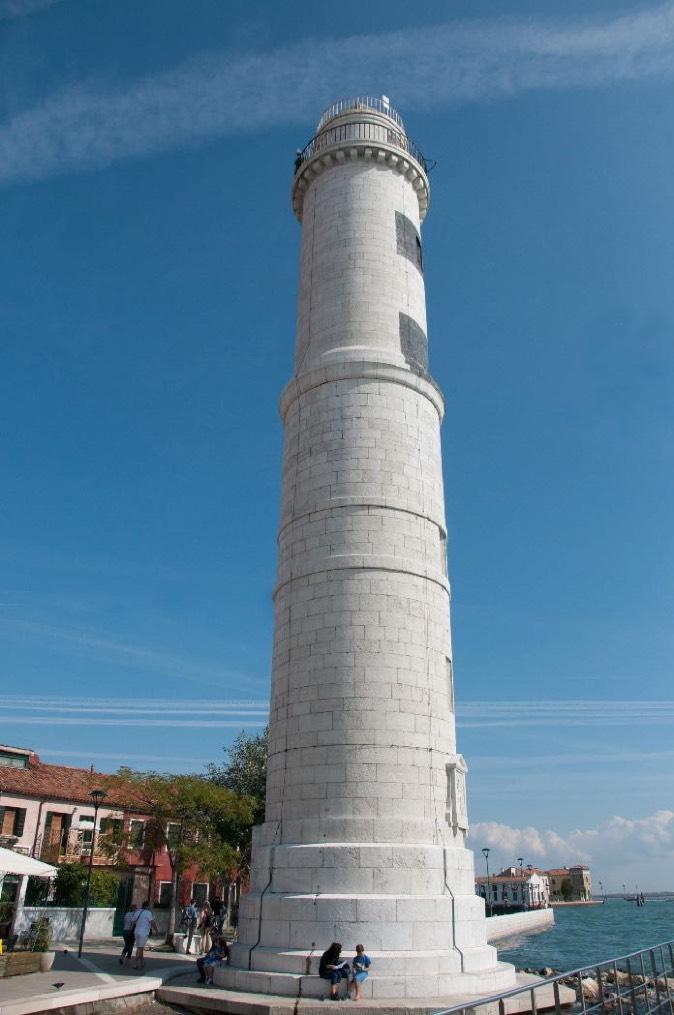
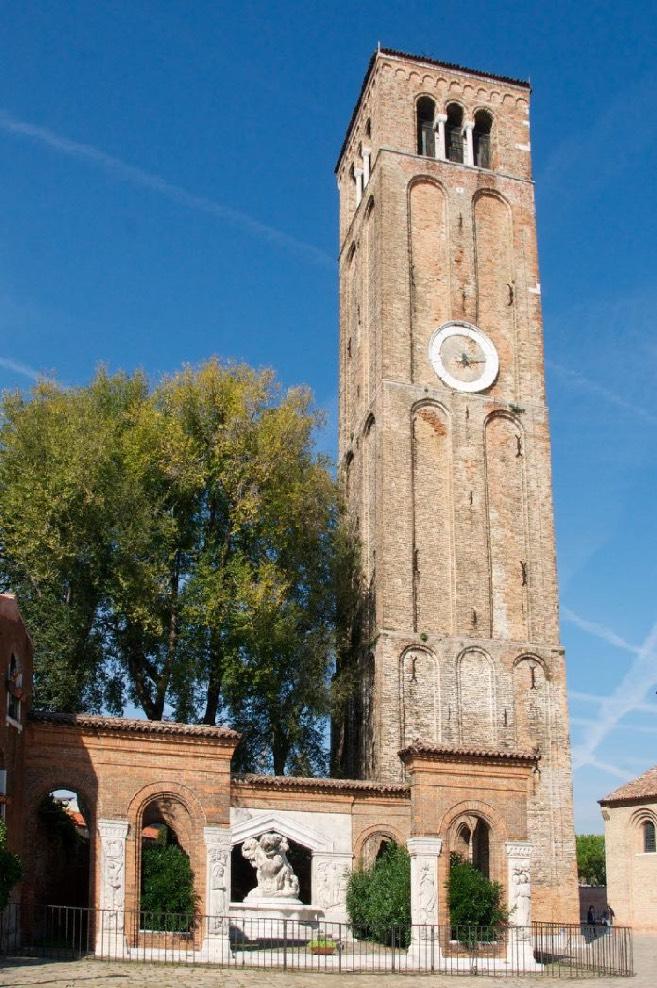

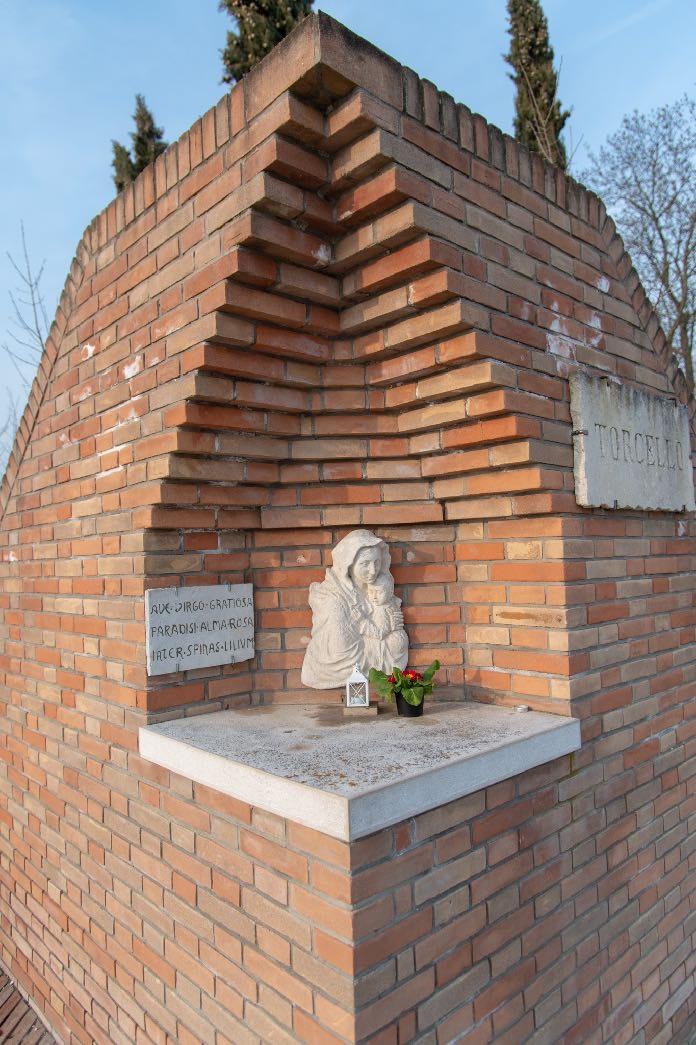
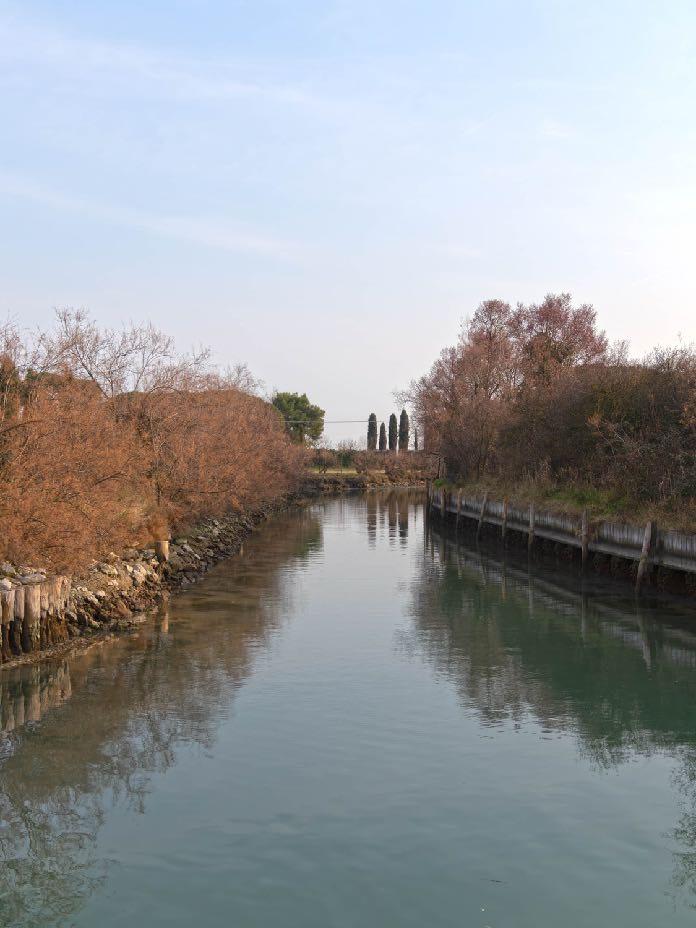
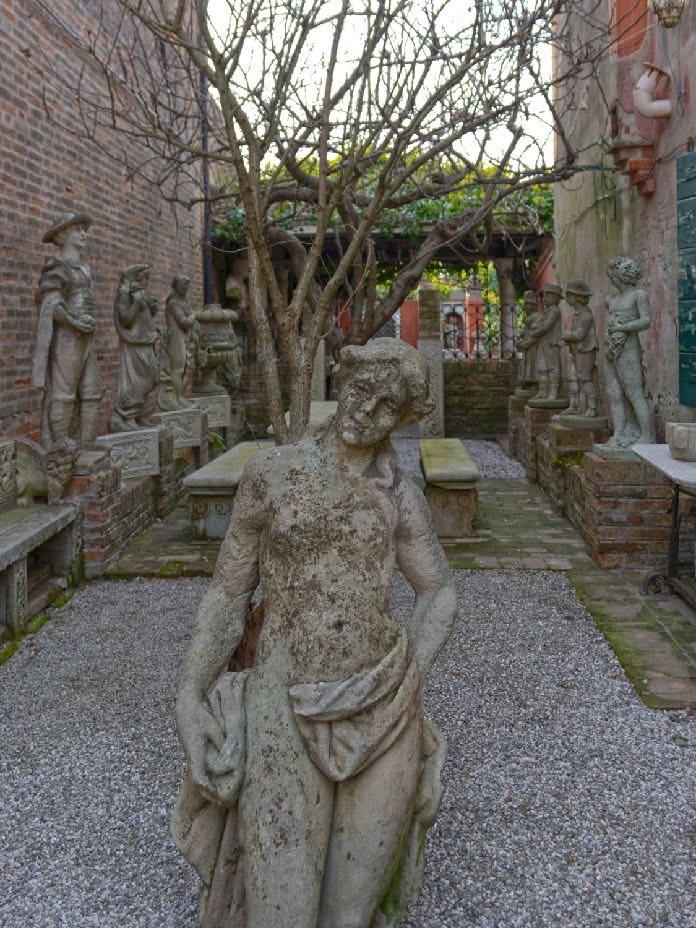
Torcello is located about 150 meters north of the islands Burano and Mazzorbo in the “Laguna Morta”. Here, the tides are no longer noticeable. Particularly significant is the Basilica Santa Maria Assunta, consecrated in 1008 by Bishop Orso Orseolo.

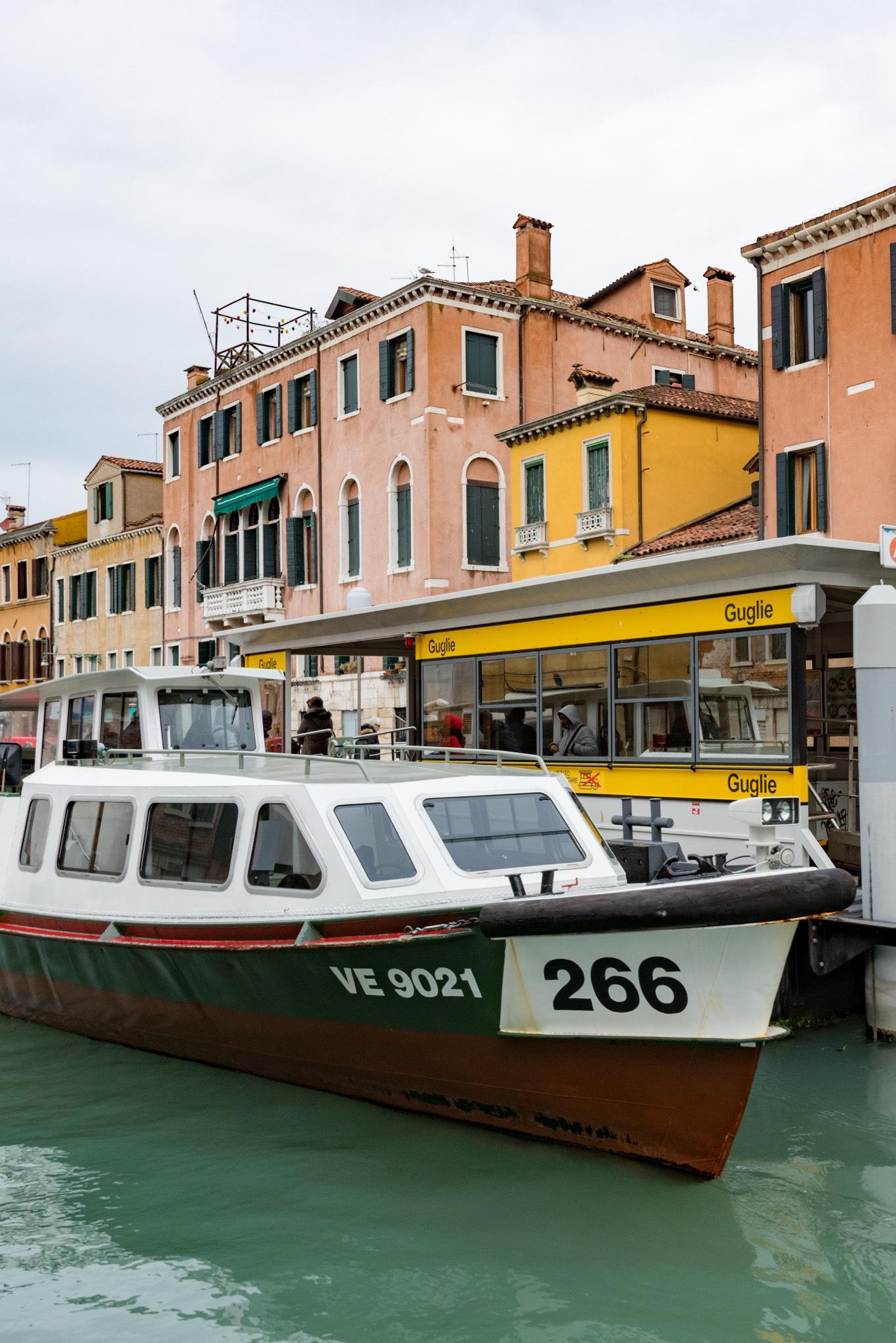


Venice is, of course, served by trains, buses, and trams as well. Regular bus services run on the Lido, while the Santa Lucia train station can be found in the Cannaregio district. Bus and tram routes conclude at Santa Croce.
Within Venice itself, the vaporettos offer a smooth and efficient means of public transport. Operated by ACTV, these boats navigate the entire city, while Alilaguna provides convenient connections from Marco Polo Airport to the city centre. It has been possible for some time now to purchase public transport tickets by credit card at all stations.
For quicker or more romantic journeys, taxis and gondolas are readily available. A taxi ride within the city typically costs around €100, whereas gondola fares vary depending on the time of day, generally ranging from €90 to €120 for a 35minute trip.









IT01c_EN_Venedig © 2026 (Vers. 26.0)
This e-book was made possible through the kind support of the regional tourist offices and the OBB. German proofreading and editorial: Martin Andergassen.
References
Text, videos and photos by Rudolf J. Strutz unless otherwise stated. Timetables and travel information: OBB
Assistance from AI
Artificial intelligence applications are occasionally employed for image editing, including the elimination of undesirable components. Additionally, AI tools can enhance the clarity of images and diminish background noise.
The travel guides are also available free of charge on the OBB online entertainment and internet portal railnet, which is installed on all railjets, nightjets (NG) and cityjets



Copyright
This book is licensed under a Creative Commons license. It may not be used commercially, modified, or distributed in any altered form, and must be shared with proper attribution. The use of individual images or texts is not permitted. The entire travel guide is provided free of charge.
Links
All links provided are current at the time of publication of this ebook. Links to tickets usually lead directly to the exhibition location. For tickets and timetables, local public transportation services are linked.
All logos and company names are used for information purposes only; any use outside of this e-book must be approved by the copyright holders.


SCOTTY mobile shows the timetables for all public transport and helps you plan your travel route.







Book your trip online or view the current timetable online and directly on your mobile phone.