B ONJOUR P ARIS
P ARISIAN IMPRESSIONS
20 ARRONDISSEMENTS
T HE S EINE
G REEN OASES
P ASSAGES À P ARIS
V ERSAILLES
D ISNEYLAND P ARIS
P UBLIC TRANSPORT
I MPRINT


B ONJOUR P ARIS
P ARISIAN IMPRESSIONS
20 ARRONDISSEMENTS
T HE S EINE
G REEN OASES
P ASSAGES À P ARIS
V ERSAILLES
D ISNEYLAND P ARIS
P UBLIC TRANSPORT
I MPRINT

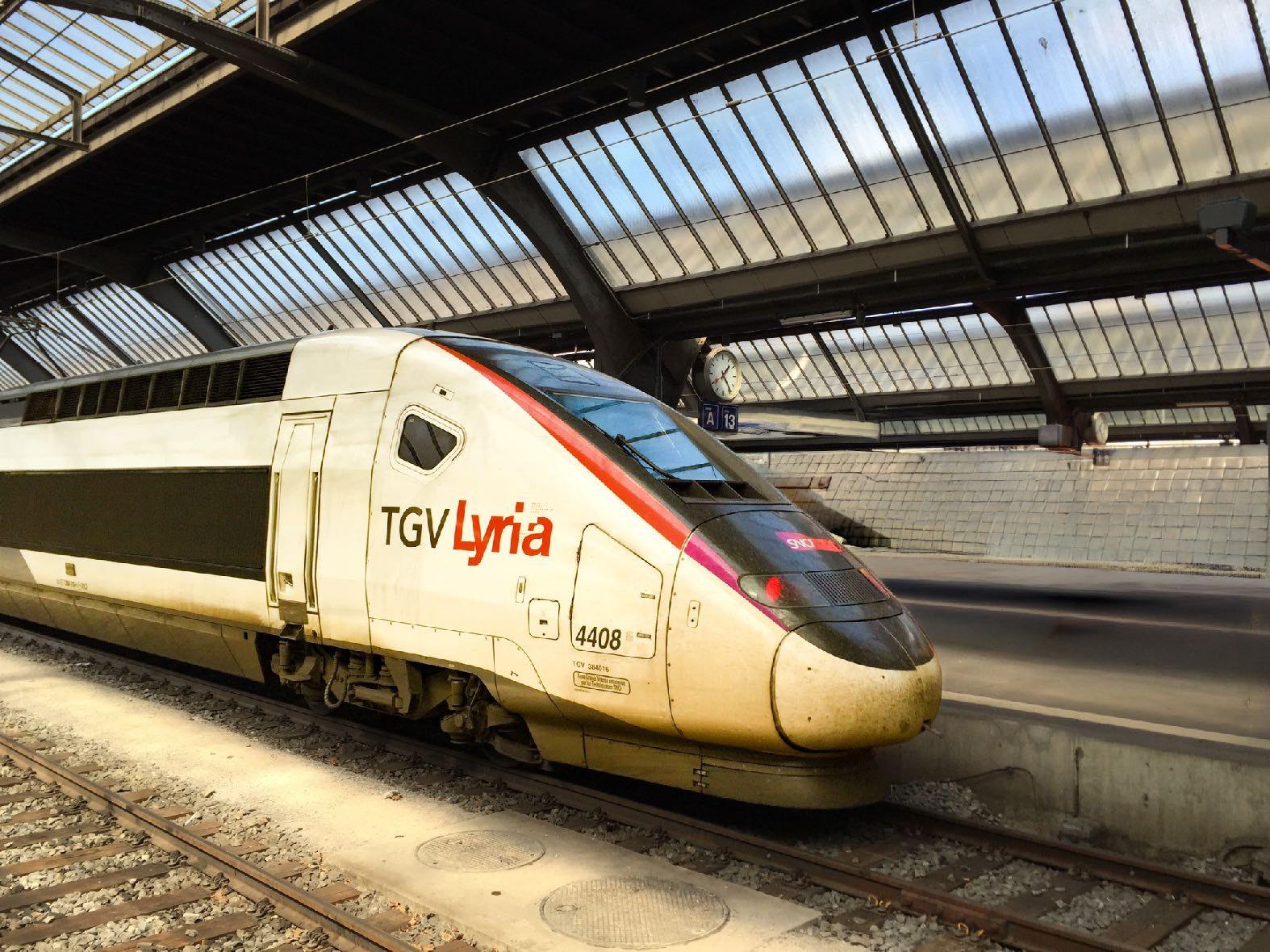
Since 2026, there has been no direct overnight train service between Vienna and Paris. The most comfortable and fastest way to reach the City of Love is by train via Zurich.
With the ÖBB Nightjet, you can travel comfortably overnight from Vienna's main train station directly to Zurich and wake up refreshed in the Swiss metropolis.
From there, you can seamlessly continue your journey with the TGV Lyra, which departs for Paris approximately every two hours. The journey from Zurich to Paris's Gare de Lyon station takes around four hours.
Alternatively, you can travel during the day from Vienna to Zurich on the ÖBB Railjet and change there to the TGV Lyra.
with the ÖBB to Paris
Paris is the perfect city for a short visit. The city is full of historical landmarks and cultural institutions. The arcades and the sometimes enormous shopping centres in Paris offer visitors countless shopping opportunities as well as a varied culinary scene. Whether you want to visit a museum, a gallery, or simply see the city's sights, Paris has something for everyone. Some of the city's most popular attractions include Notre Dame Cathedral, the Eiffel Tower, the Louvre, the Centre Pompidou, and Sacré-Cœur. If you have more time during your visit, definitely consider
destinations outside the city limits like the Palace of Versailles and Disneyland Paris.
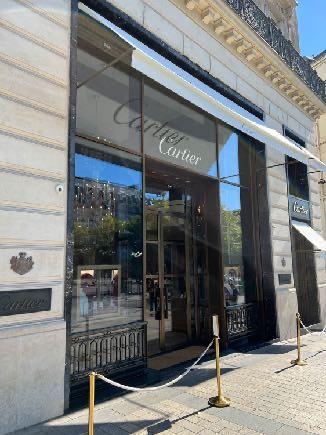
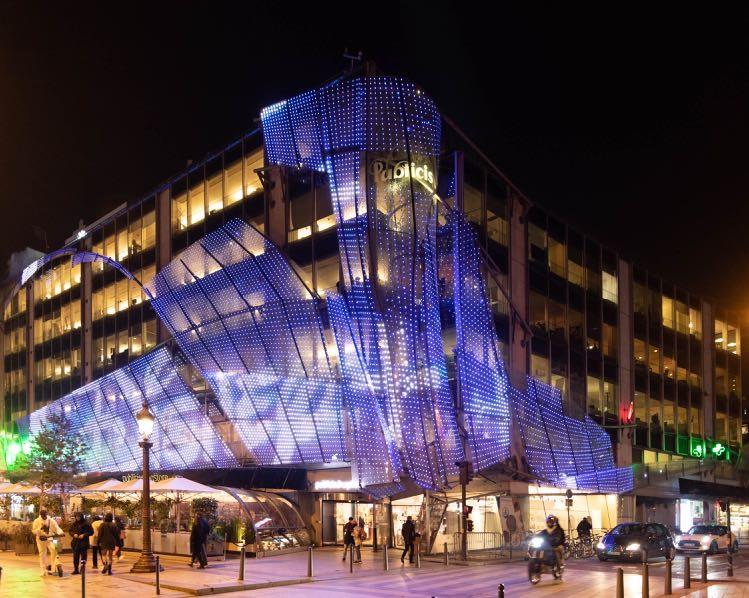
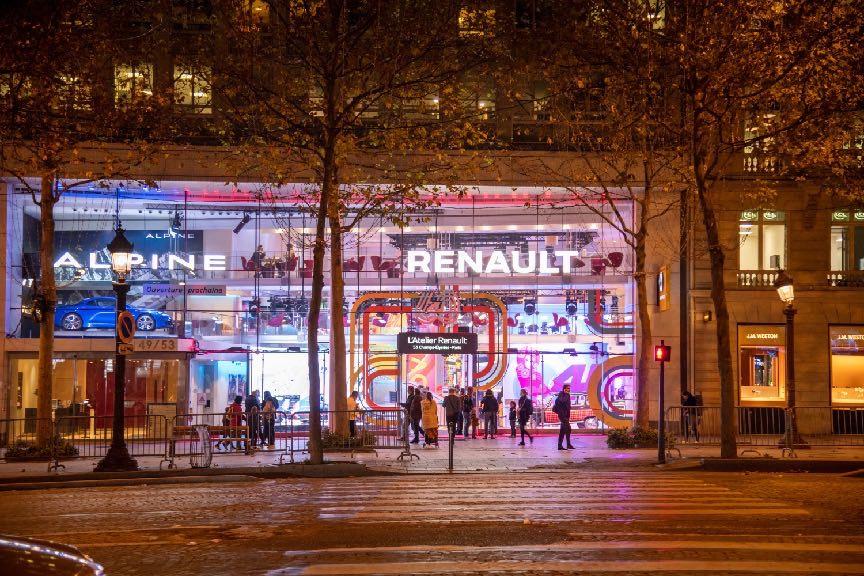
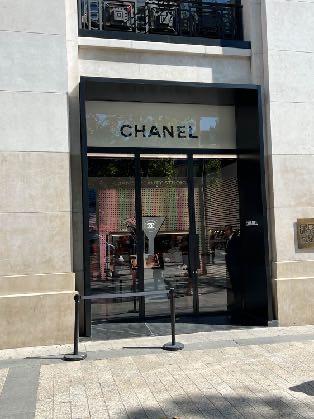
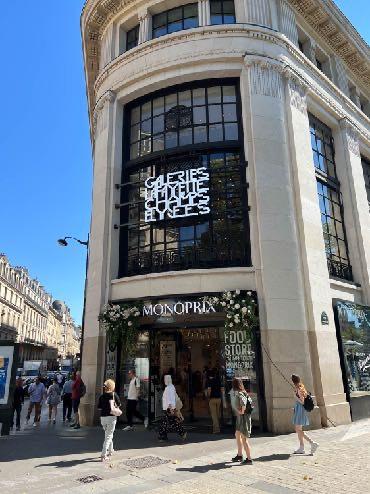
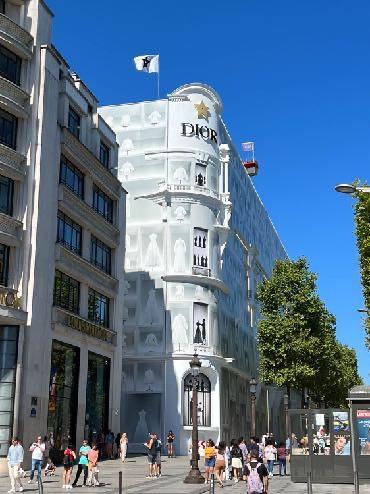
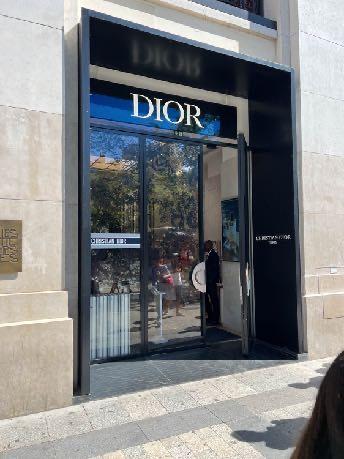
Shopping in Paris is truly an experience. The city offers countless shopping centres and exclusive boutiques. Some of the most popular shopping streets are Rue de Rivoli, Rue du Faubourg SaintHonoré, and of course Avenue des Champs-Élysées.
Paris is also the city of unlimited culinary delights. Thousands of restaurants, cafés, and bistros are ready to tempt guests, catering to every taste and budget.
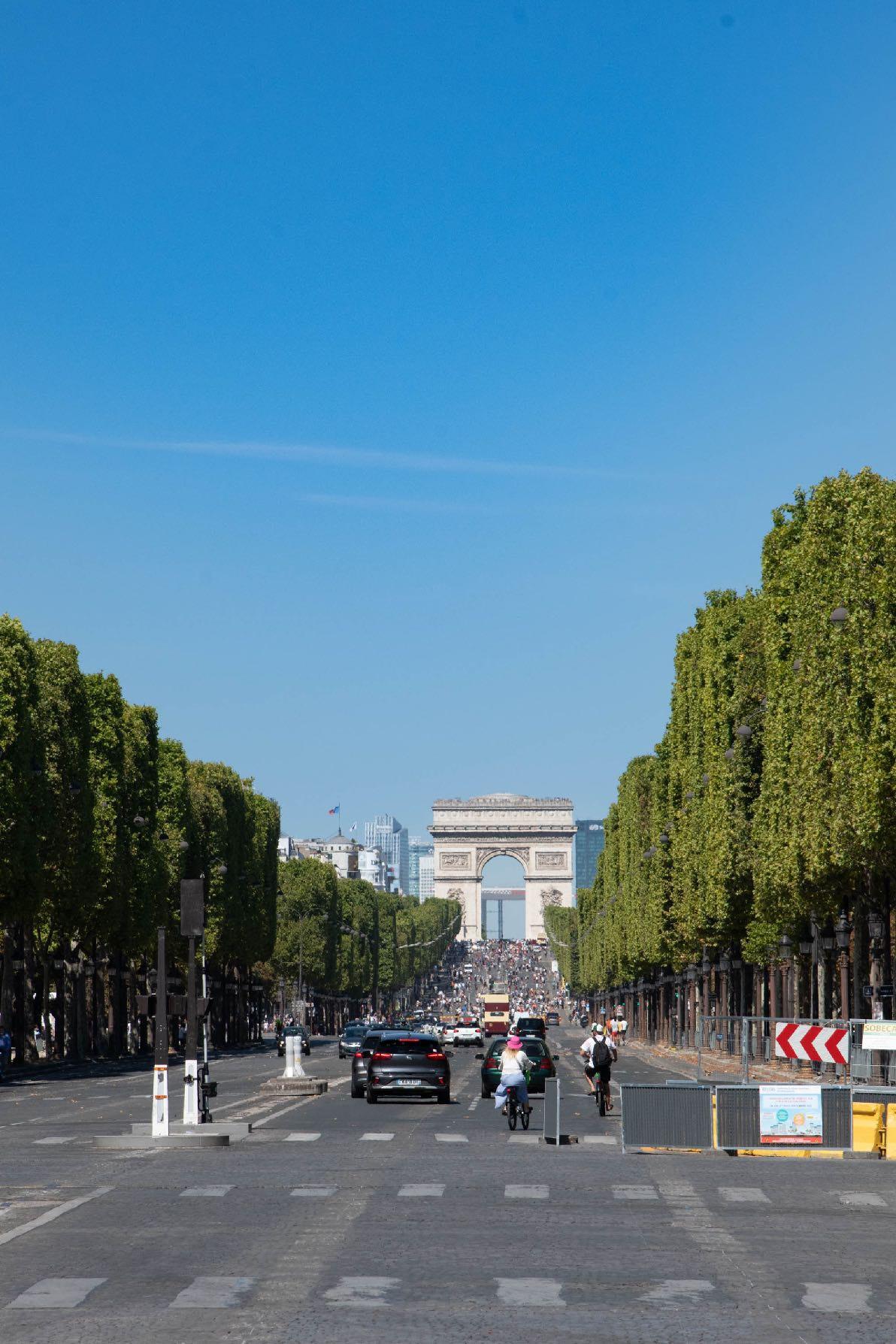
The grand avenue of Paris is 70 metres wide and 1,910 metres long. It starts at Place de la Concorde and ends at Place Charles-de-Gaulle, with the Arc de Triomphe in its centre. Coming from Place de la Concorde, you will see the Jardin des ChampsÉlysées on the right side and behind it the Palais de L’Élysée, the residence of the French President.
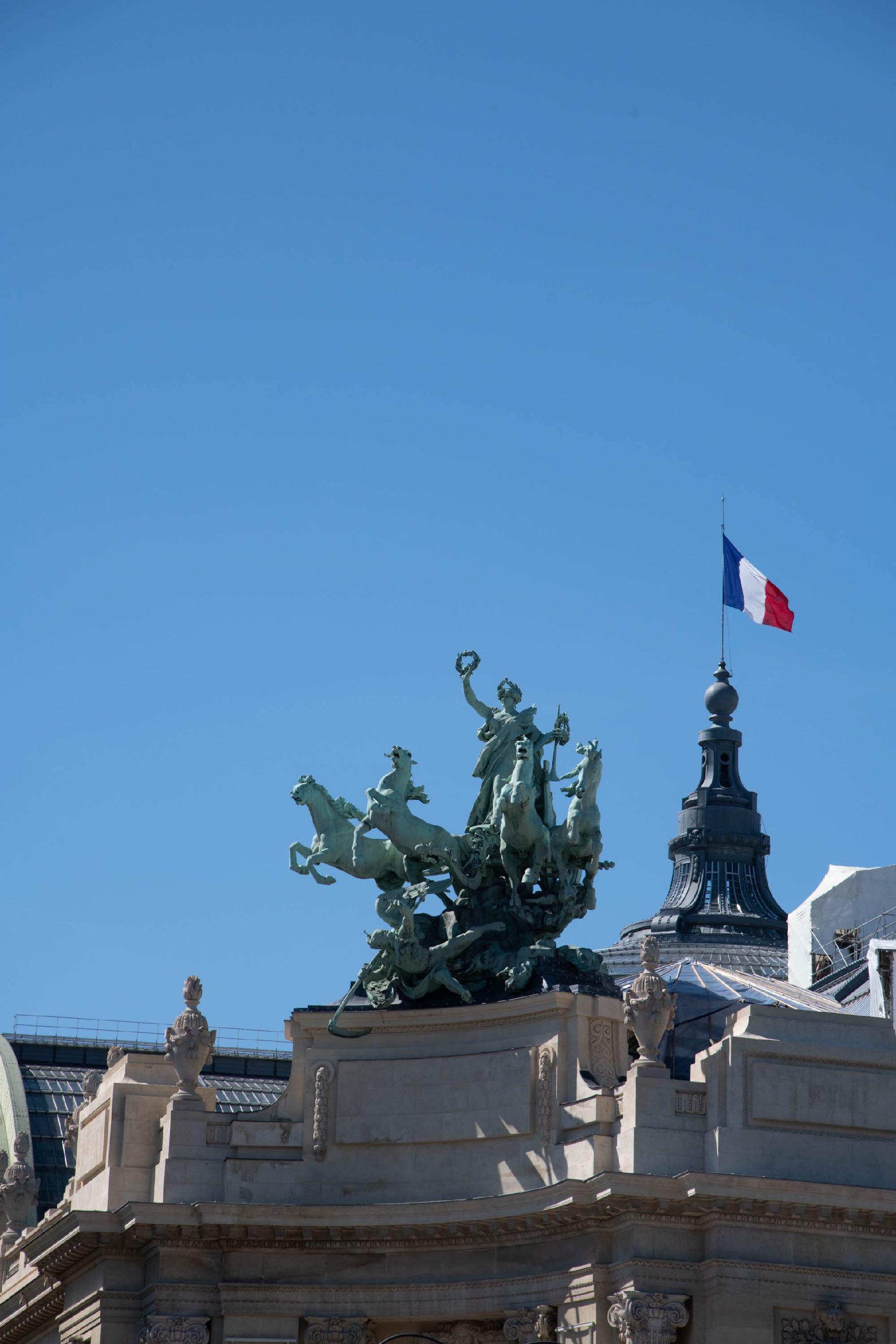
Opposite, on the left side of the street, are the Petit and Grand Palais.
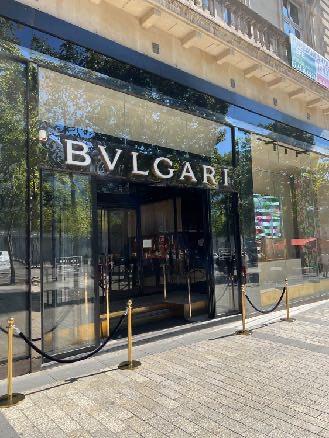
The shops begin at the Franklin D. Roosevelt metro station. The Champs-Élysées is known for its upscale boutiques and high-end shops. Since 2016, the Champs-Élysées is car-free on the first Sunday of each month.
with the ÖBB to Paris
with the ÖBB to Paris

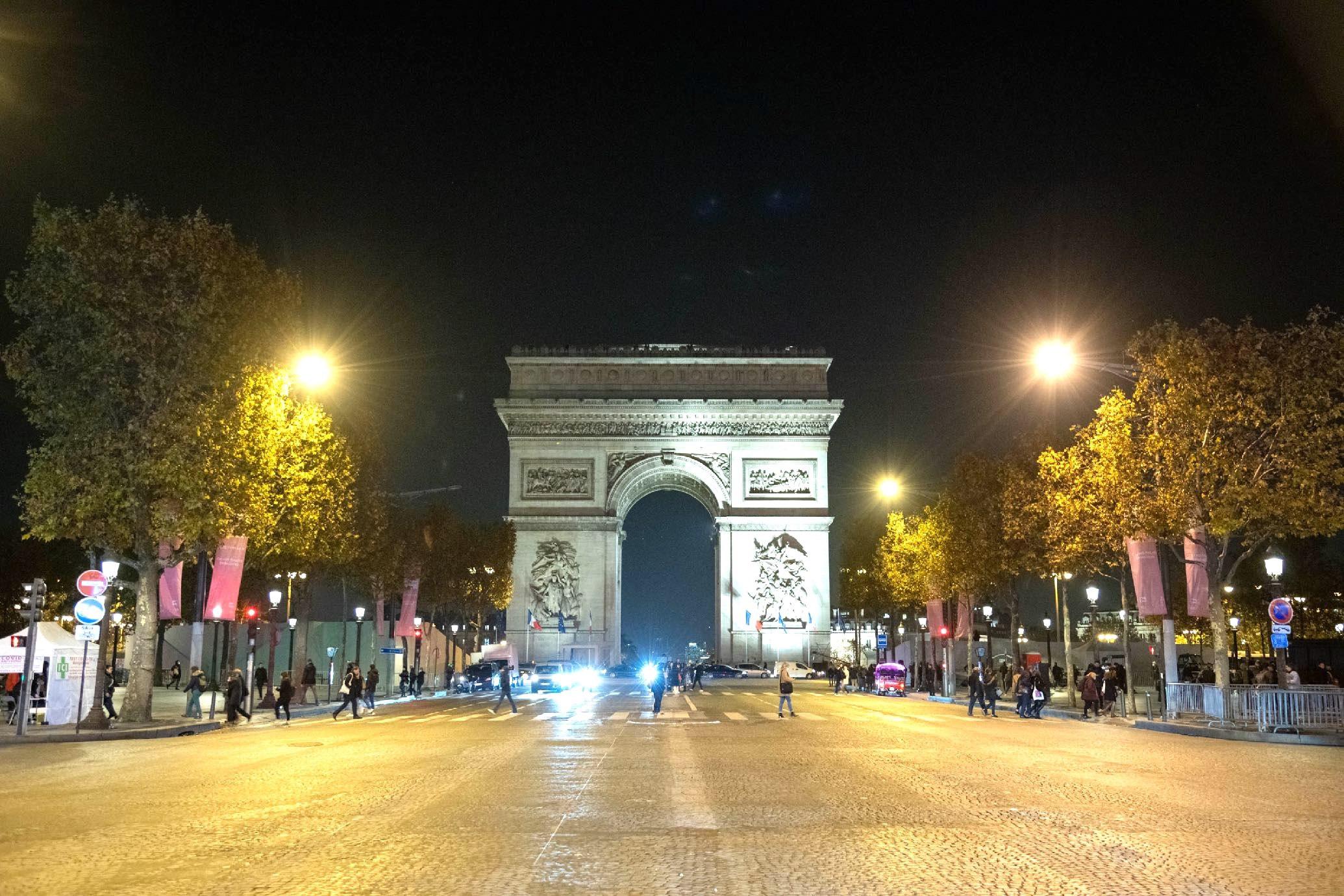

The Arc de Triomphe has been a city landmark since the year 1836. Pedestrians can reach the Arc via an underpass. A spiral staircase with 284 steps leads to the viewing platform. The fantastic panoramic view makes the climb worthwhile. Admission costs €13.00 per person. To save time, be sure to book a ticket online in advance.
The Arc de Triomphe stands at the centre of Place Charles-de-Gaulle, where twelve avenues converge in a star shape. The roundabout has no lane markings. Driving in this oversized roundabout reflects the "Parisian driver mentality." It is simply fascinating to watch the cars go round and round.
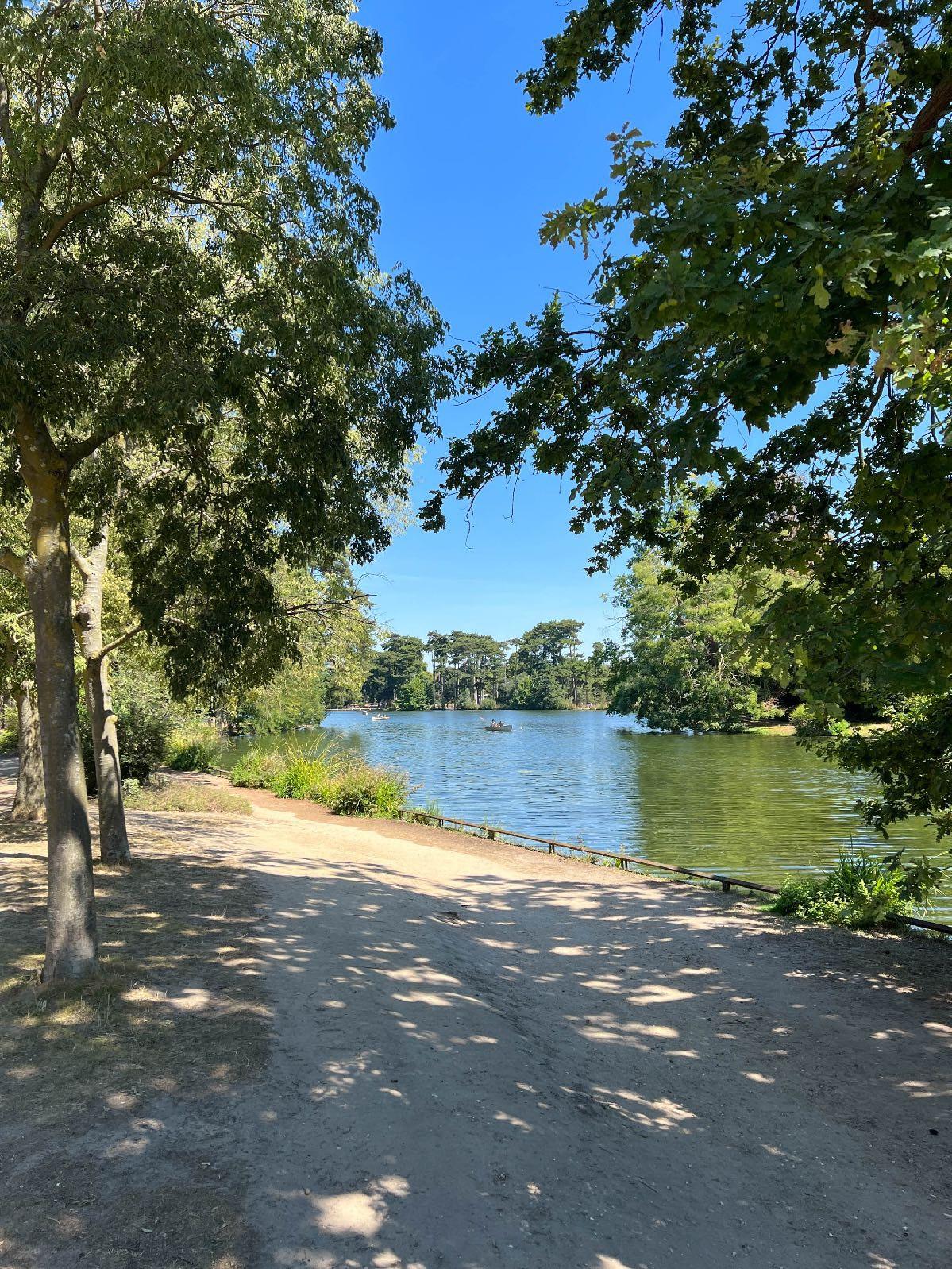
On weekends, the Bois de Boulogne offers plenty of recreational activities such as cycling, jogging, boating, horse riding, and remote-controlled speedboats. Picnicking is allowed in most areas of the park, but barbecuing is not permitted. The park is an ideal place to enjoy nature and stay active.
At night, the Bois de Boulogne is a well-known meeting place for prostitutes. Despite the French government's efforts to remove this activity from the park, the profession continues. The Bois de Boulogne is also home to many protected red squirrels, so dogs must be kept on a lead in the park at all times.
with the ÖBB to Paris
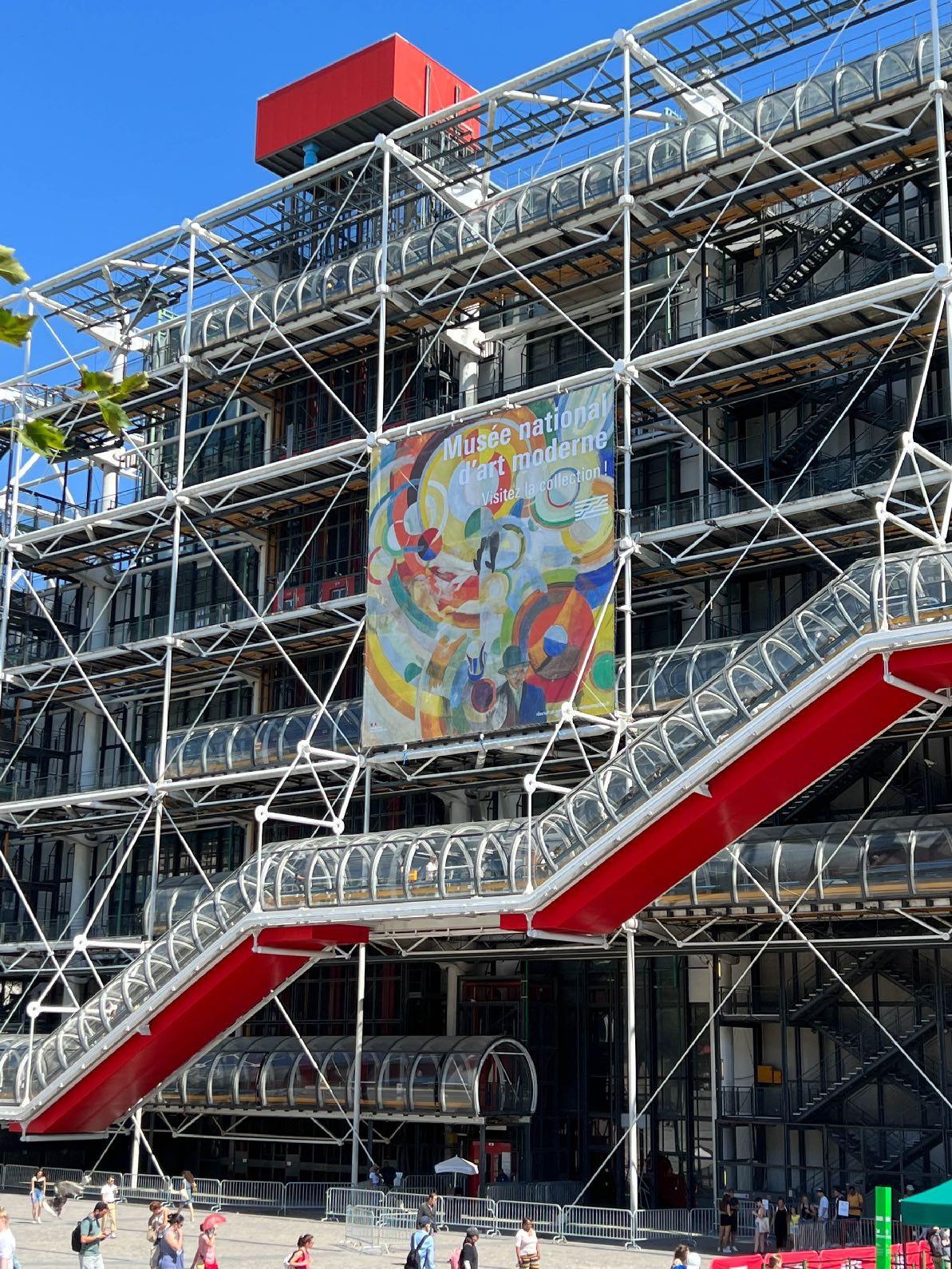
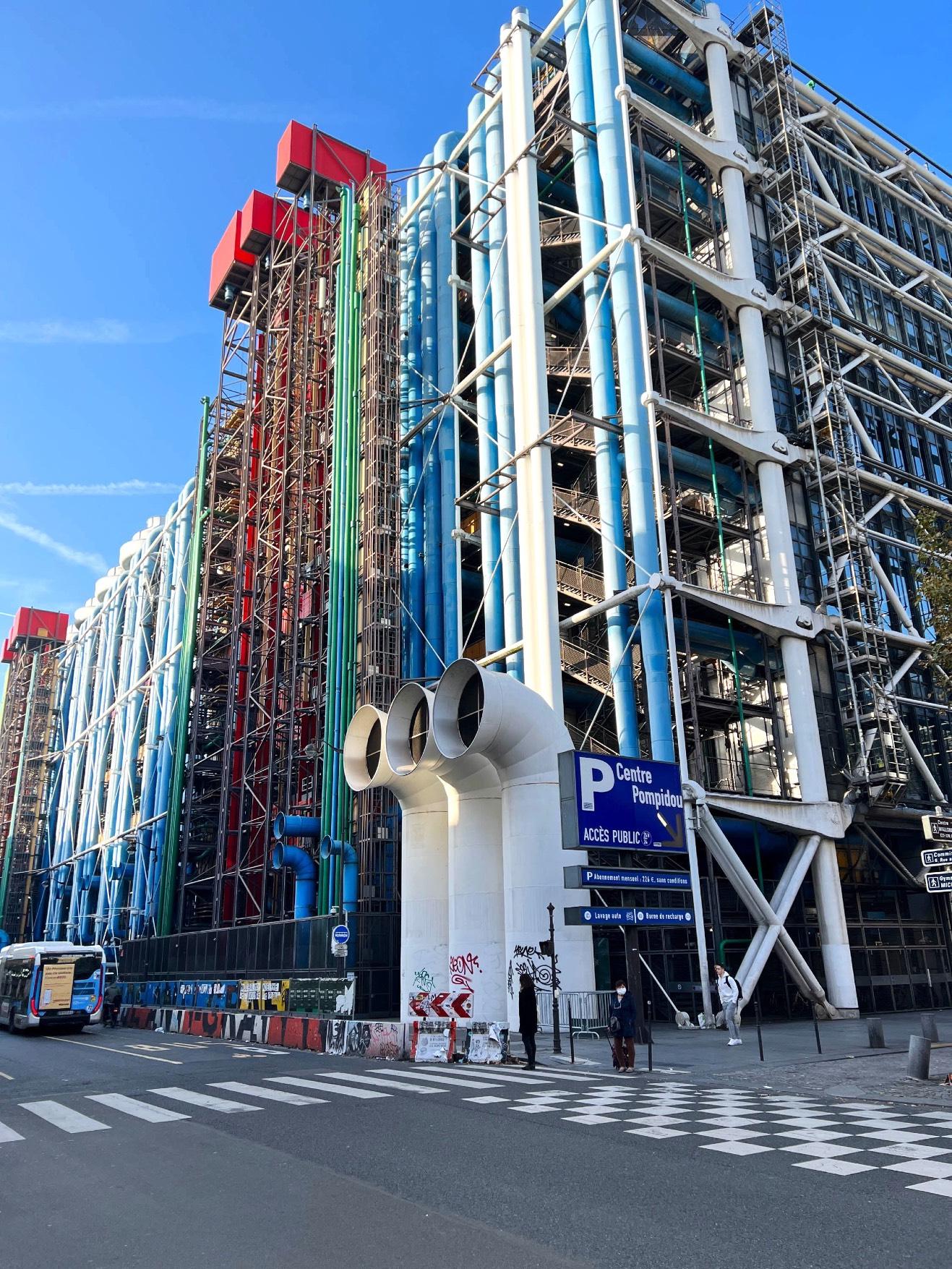
Although it has only been in operation since the year 1977, the Centre Pompidou, affectionately known as "Beaubourg" by locals, has already become a significant and bustling Paris attraction. Renzo Piano designed the colourful building as a combination of museum, library, and meeting place, standing out as an unusual structure in the heart of the city.
The museum houses a unique collection of nearly 100,000 artworks, including masterpieces by Picasso, Kandinsky, Chagall, Matisse, and Léger.
There are plans to renovate the museum and close it for almost four years, likely from 2024 to 2030.
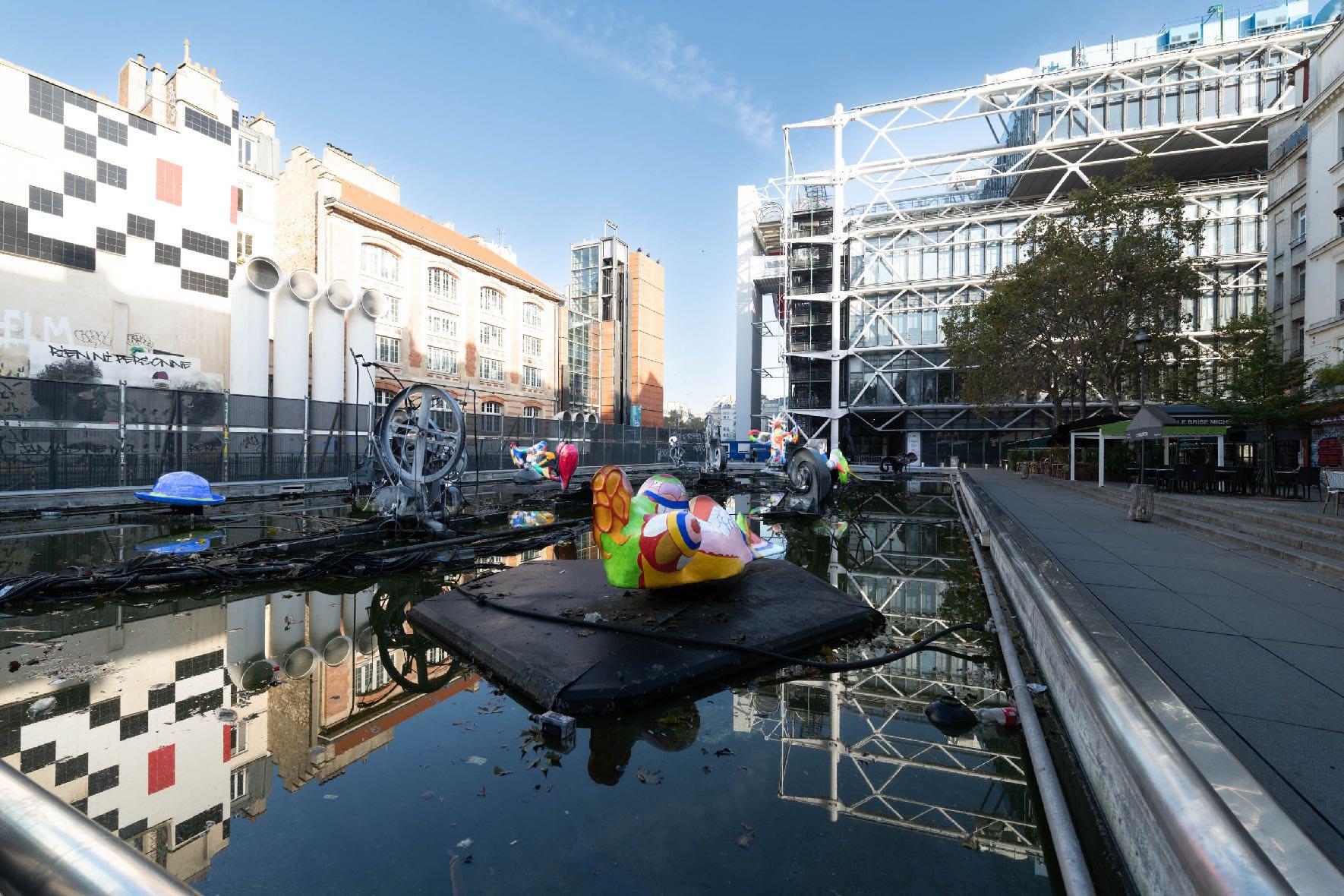
The Stravinsky Fountain is a unique and original water feature, inaugurated in the year 1983. Sixteen waterspraying figures stand on the water surface and represent the works of the famous composer Igor Stravinsky. The flowing and spraying water gives the whimsical impression that the figures were brought to life. Jean Tinguely and Niki de Saint Phalle created this
piece of art. The fountain is located at Place Igor Stravinsky, right next to the Centre Pompidou. The walls of the surrounding buildings display impress ive street art. Numerous bistros and cafés invite visitors to linger. The Stravinsky Fountain has been renovated until the end of of the year 2023.
with the ÖBB to Paris
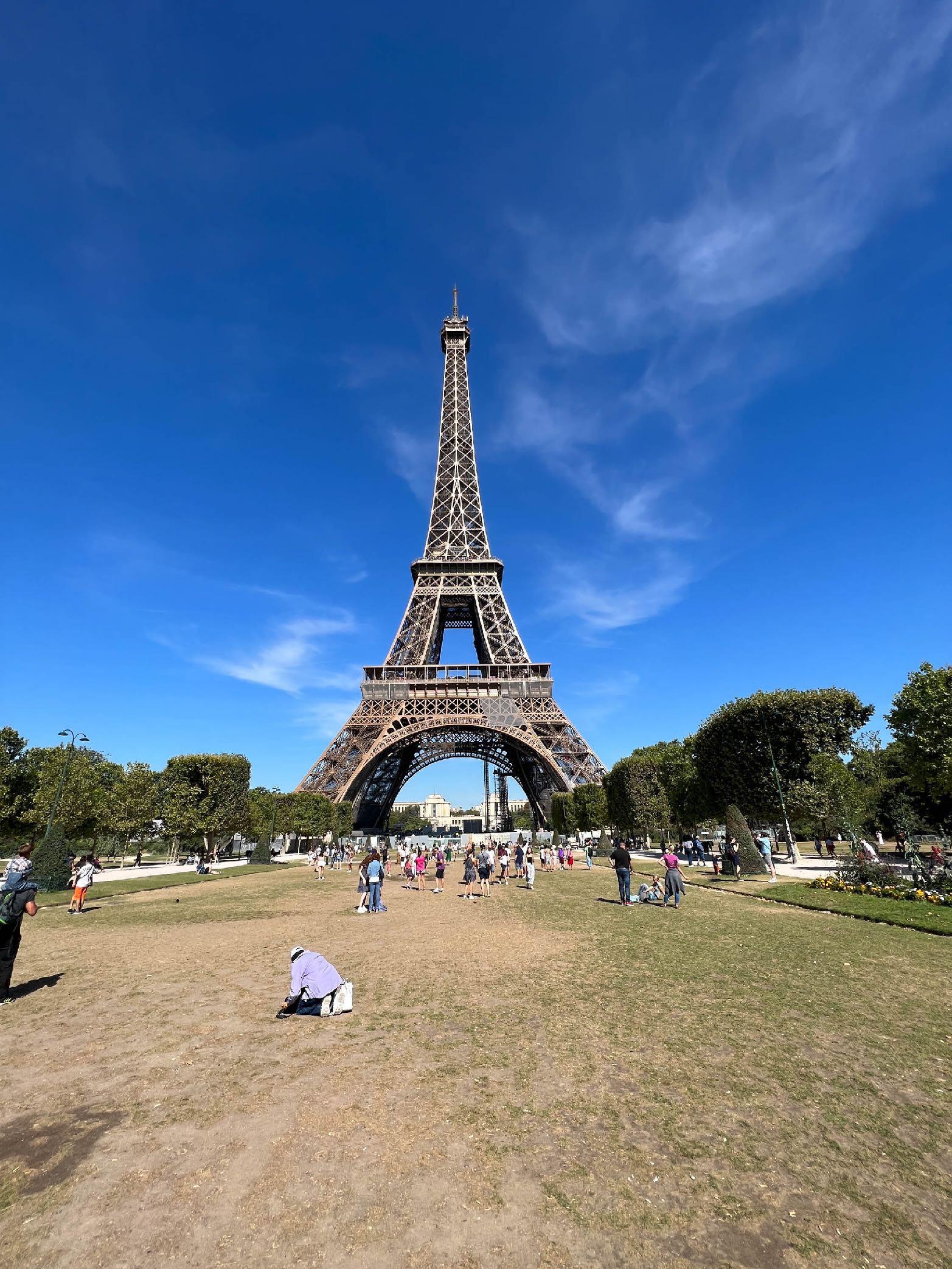
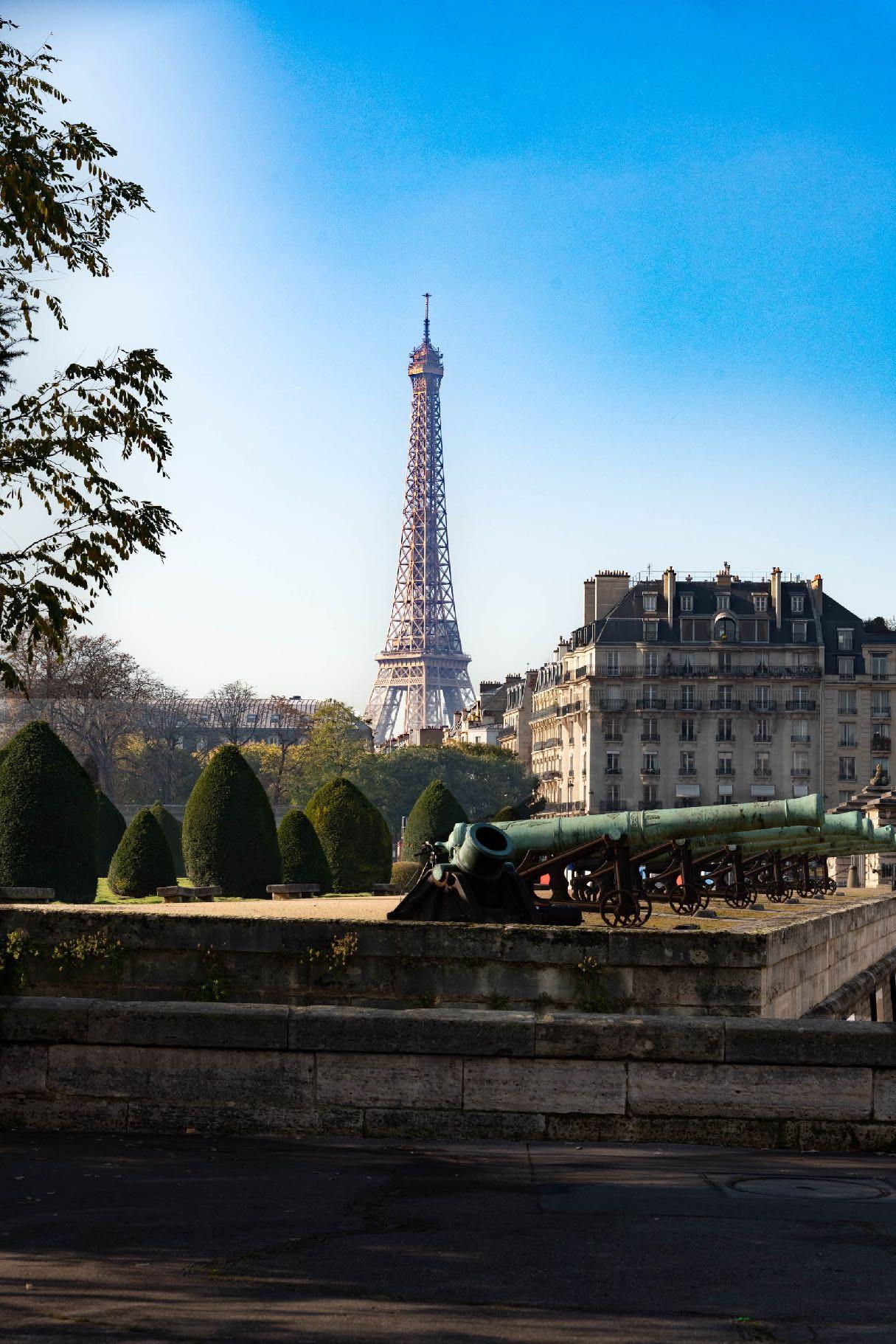
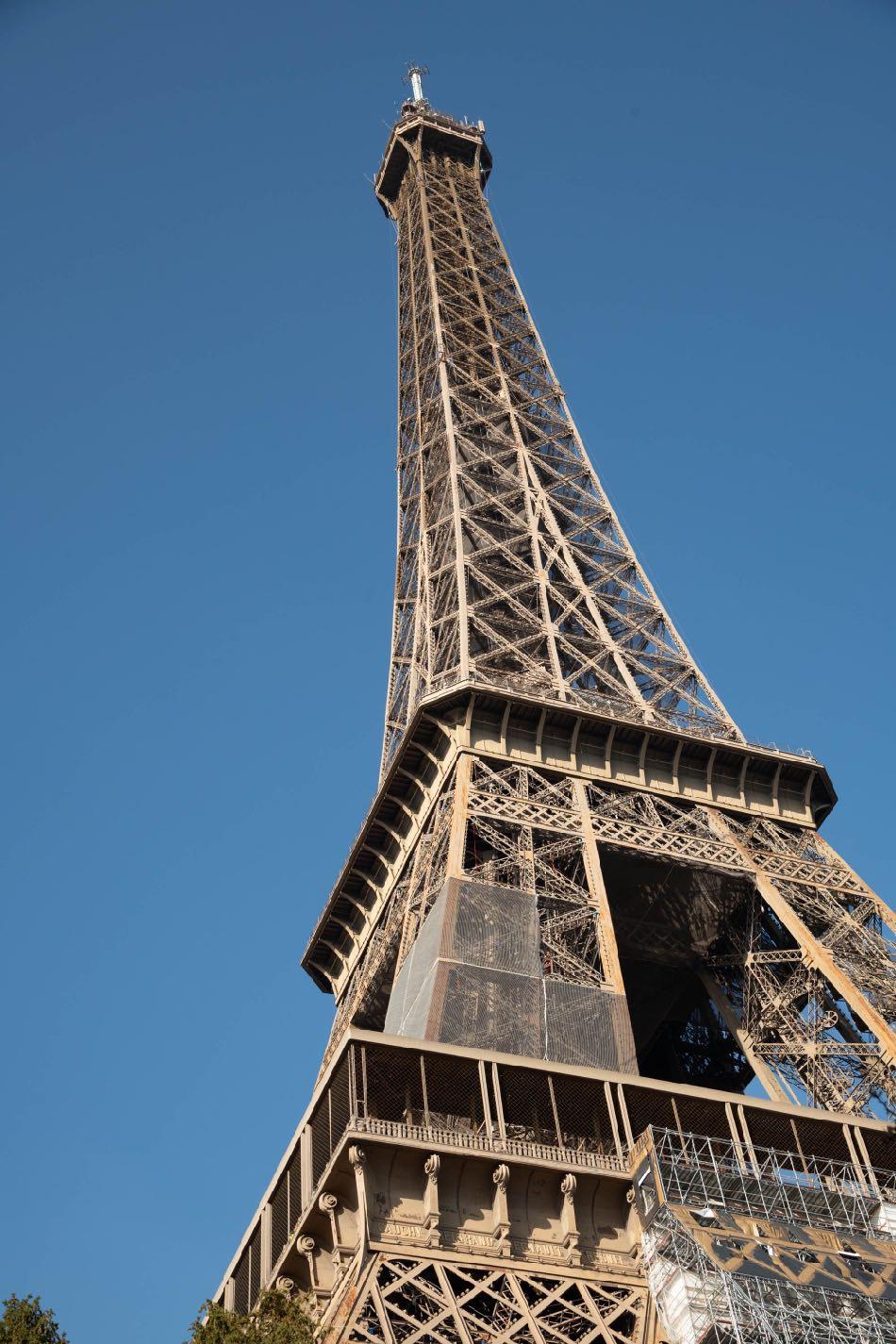
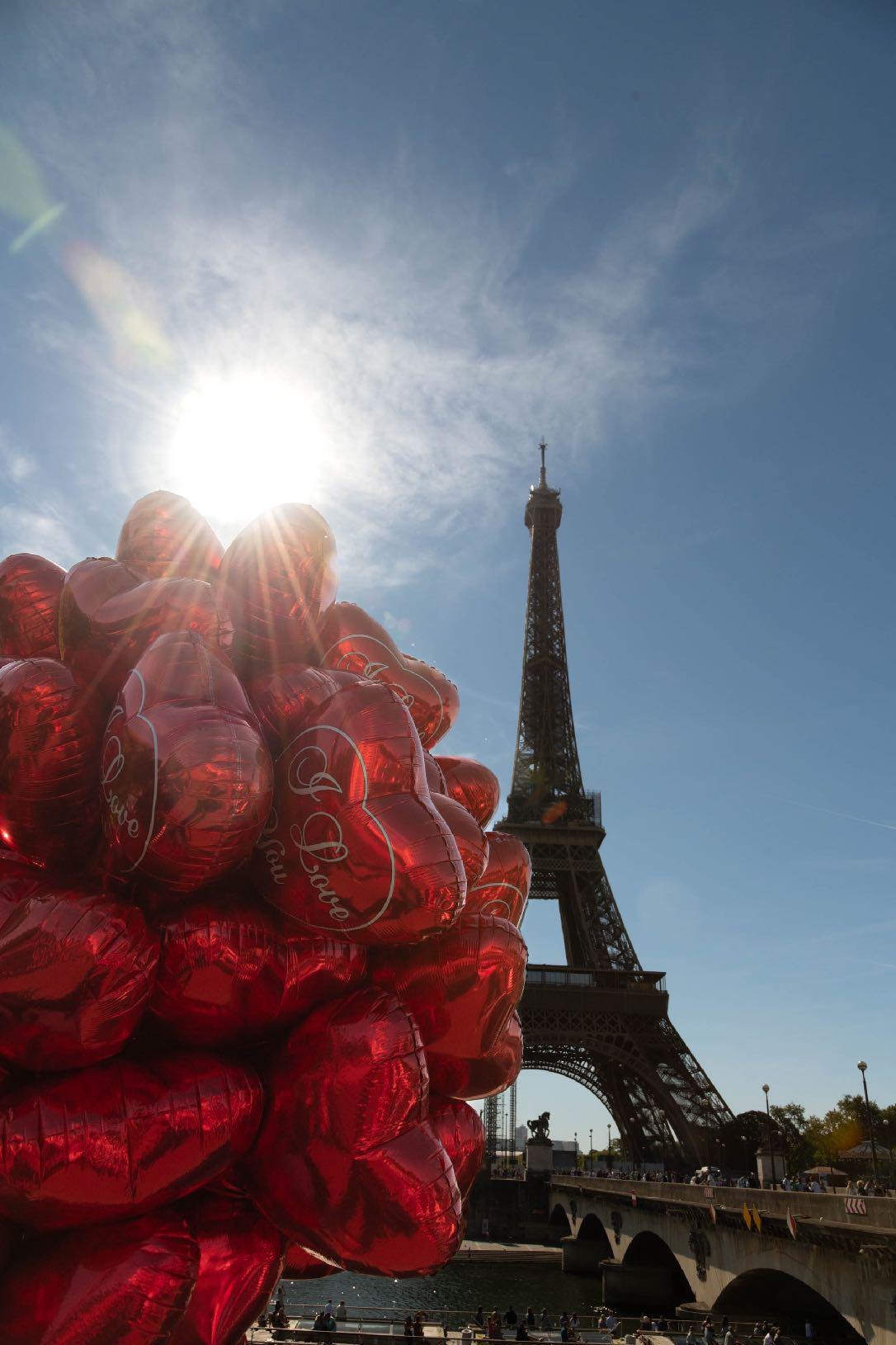
The Eiffel Tower is a 330-metre-high iron tower. It stands in the 7th arrondissement at the northwestern end of the Champ de Mars, near the banks of the Seine. Constructed between the years 1887 and 1889, the 10,100-tonne structure was built as a monumental entrance arch and observation tower for the World Fair,
commemorating the 100th anniversary of the French Revolution. Until the year 1930, it was the tallest structure in the world at 312 metres. Over the years, the Eiffel Tower "grew" to 330 metres due to the antennas installed at its top. Wind and weather cause the tower to sway up to 13 cm, and the metal expands by up to 18 cm due to sunlight.
The first floor covers an area of 4,415 m can accommodate around 3,000 visitors. Here, you will find the self-service restaurant "58 Tour Eiffel" and the Cineiffel cinema. The 300 m Gustave Eiffel Hall can be rented for any occasion. A post of and a souvenir shop are also located on this floor.
The first floor covers an area of 4,415 m can accommodate around 3,000 visitors. Here, you will find the self-service restaurant "58 Tour Eiffel" and the Cineiffel cinema. The 300 m Gustave Eiffel Hall can be rented for any occasion. A post of and a souvenir shop are also located on this floor.
From the east pillar of the Eiffel Tower, a staircase takes you to the top steps. The top platform is only accessible by lifts. The third floor covers an area of 250 m Above it is a 100 m on the platform indicate the directions to major cities worldwide, with distances in a straight line.
The Champagne bar and Gustave Eiffel's apartment have been faithfully restored to their original state and furnished with lifelike wax figures. These figures depict Eiffel himself, his daughter Claire, and the American inventor Thomas Edison.
"Greatness is nothing unless it is lasting."
Napoleon Bonaparte
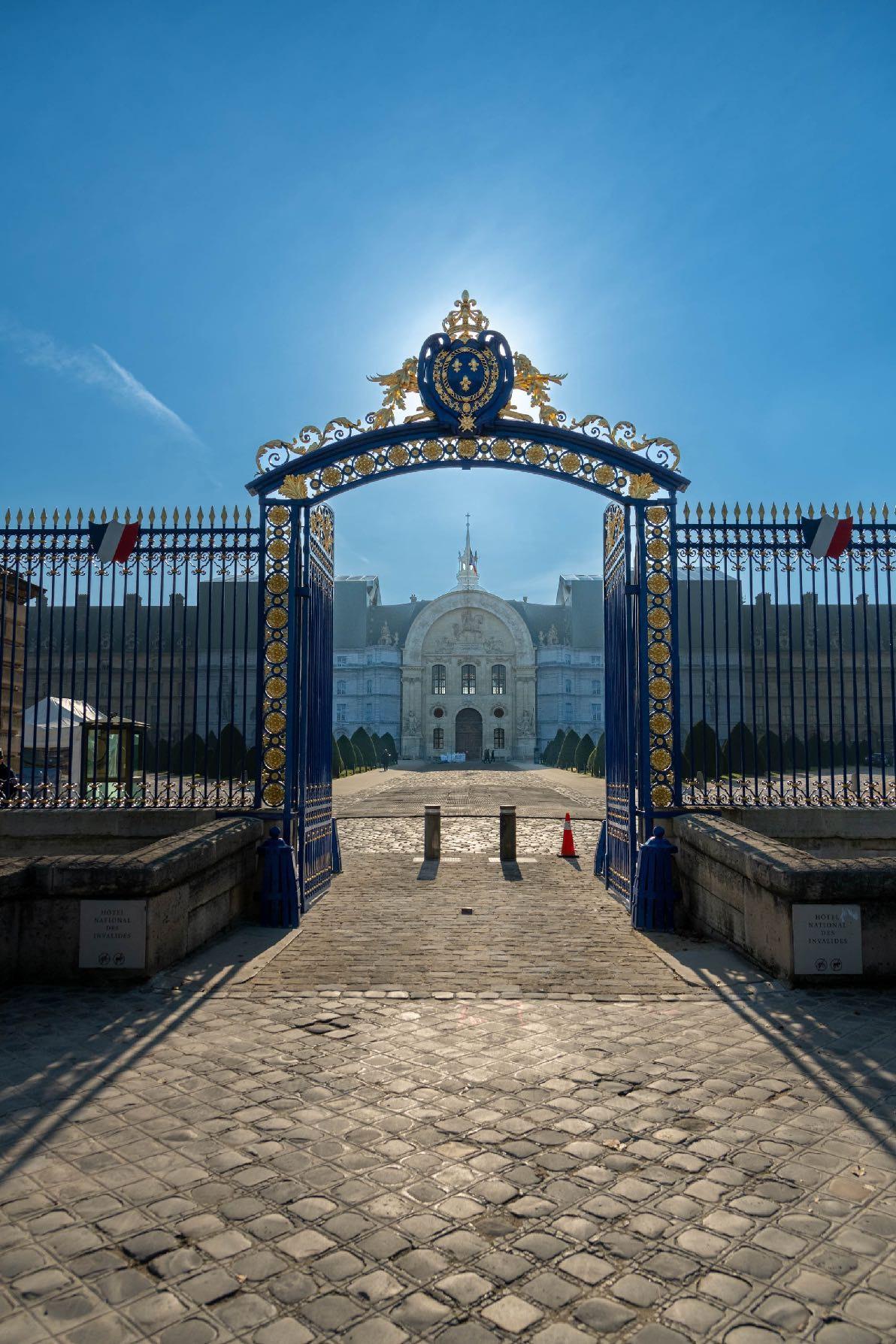
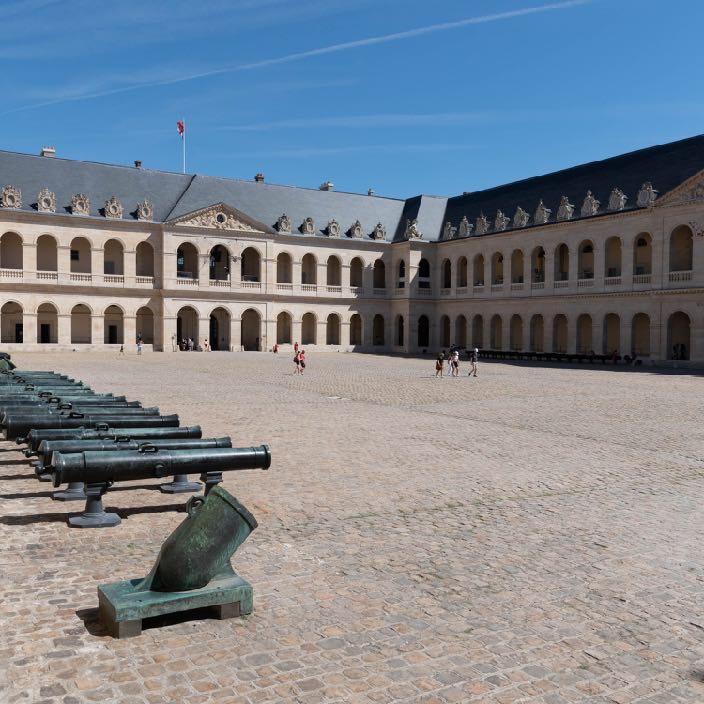
Commissioned by King Louis XIV, architect Jules Hardouin-Mansart constructed the Chapelle royale des Invalides from the year of 1679 to 1708. The 107-metre-high structure is part of the Hôtel des
Invalides (home for injured war veterans). The roof was adorned and refined with nearly 13 kg of gold.
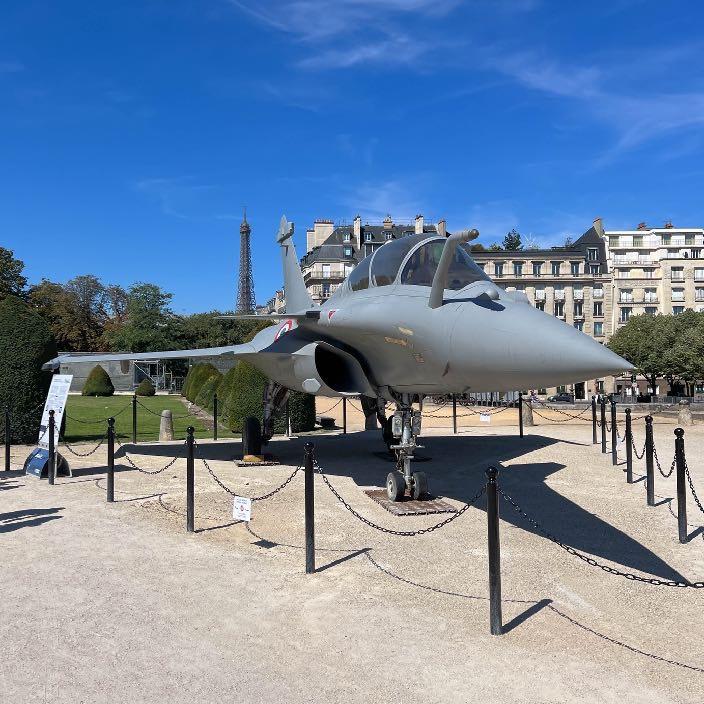
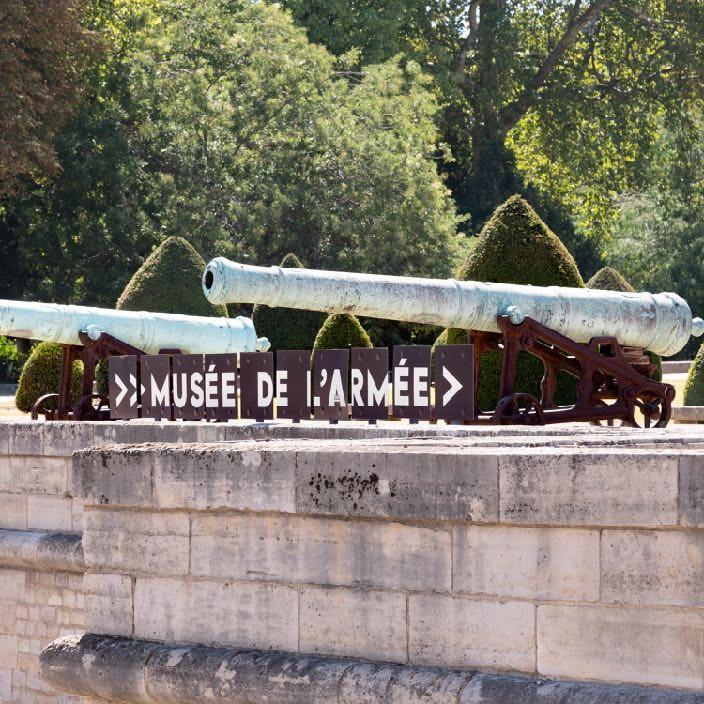
Within the Hôtel des Invalides complex, visitors can find Napoleon's tomb, the fascinating Musée de l’Armée (Army Museum), and the Cathédrale SaintLouis-des-Invalides (Soldiers' Church).
with the ÖBB to Paris

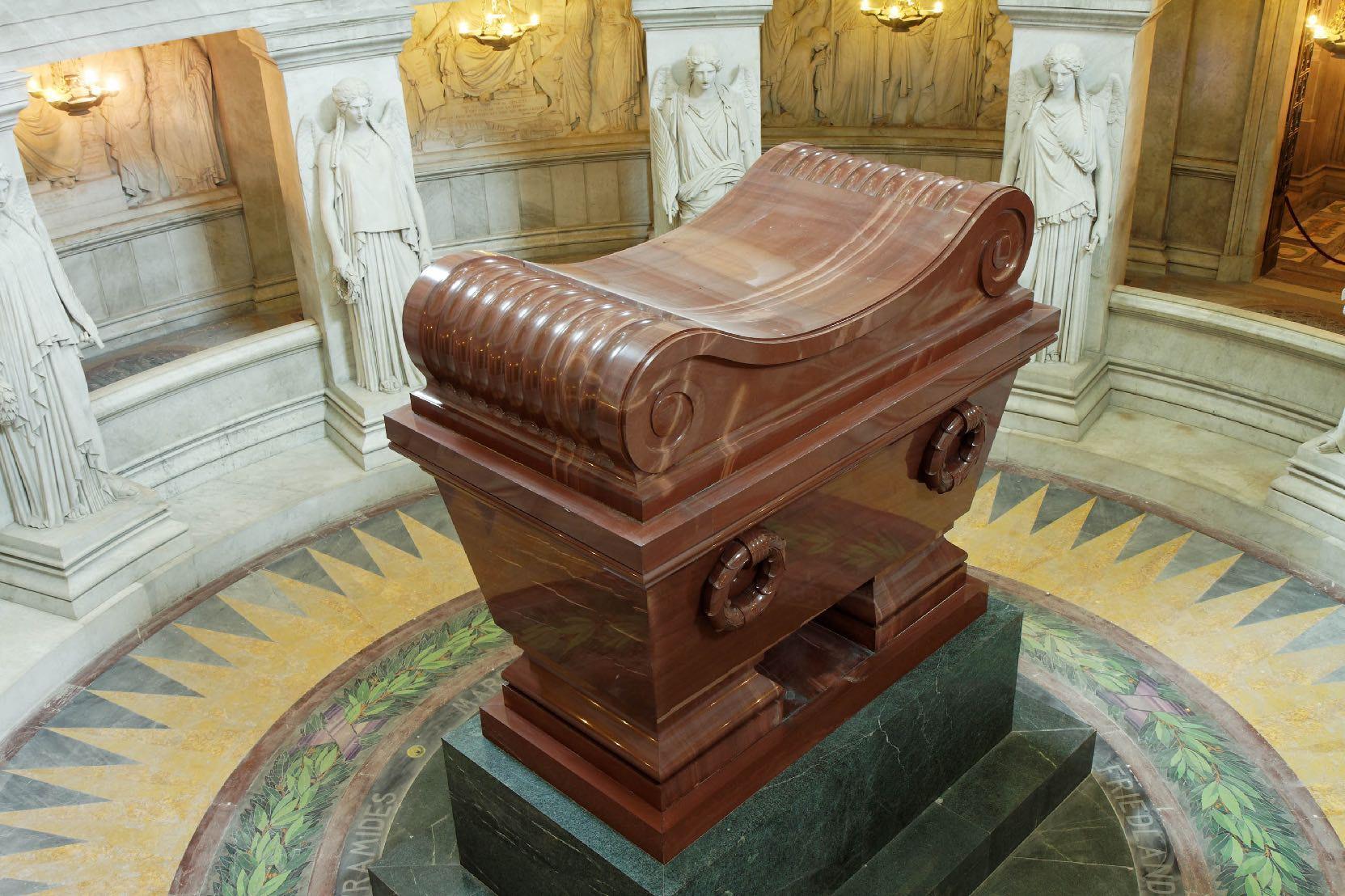
Napoleon passed away on the island of Saint Helena, where he was initially buried. It was not until the year of 1840 that King Louis-Philippe ordered the transfer of his remains to Paris, to the Invalides. Architect Louis Visconti created an unparalleled tomb and memorial. The circular crypt has a diameter of 23 metres. The sarcophagus measures about 4 metres in length and 2 metres in width. It is made of red quartzite and contains five coffins
crafted from tin, mahogany, lead, and ebony. The tomb is guarded by twelve Victorias (which are female statues). The construction of the Emperor's tomb took a considerable amount of time.
After the transfer of his remains, Napoleon was not finally laid to rest until many years later, on 2 April 1861. The sarcophagus is designed so that visitors must either bow or look up to see it.
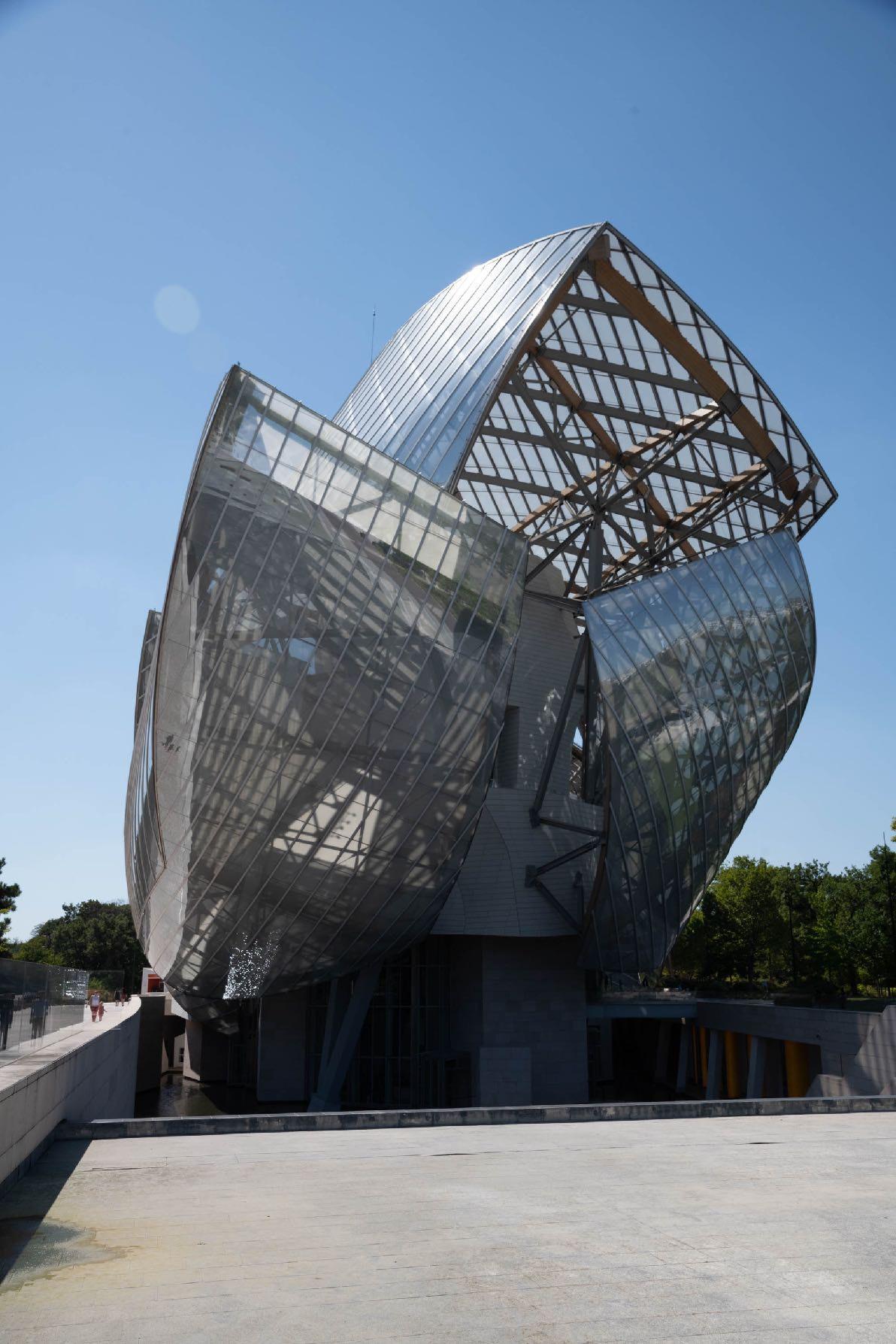
The Fondation Louis Vuitton museum was inaugurated in the year 2014. The visionary behind this futuristic building was Bernard Arnault, the CEO of Moët Hennessy Louis Vuitton (LVMH). The museum primarily showcases artworks from the 20th century. Situated on the edge of the Bois de Boulogne, it is adjacent to the Jardin
d’Acclimatation, a children's amusement park. Spanning an area of over 11,000 m², visitors can explore eleven galleries. A 400-seat auditorium is the location for a variety of cultural events. Numerous terraces offer views of the City of Love, and an outdoor waterfall adds to the unique atmosphere at the museum.
with the ÖBB to Paris
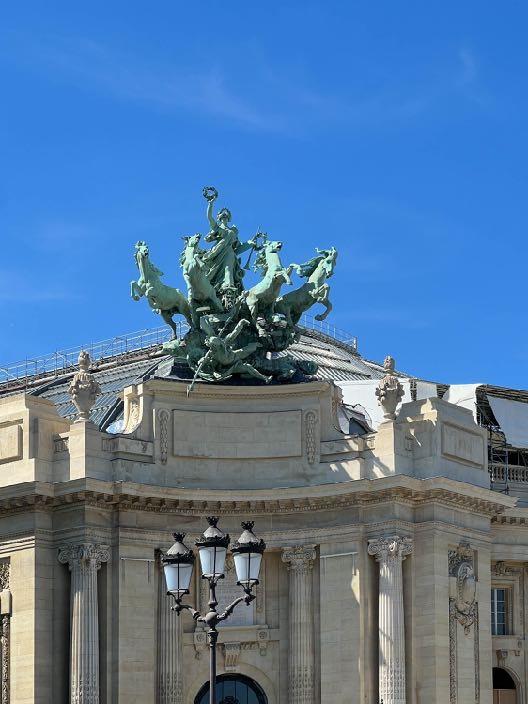
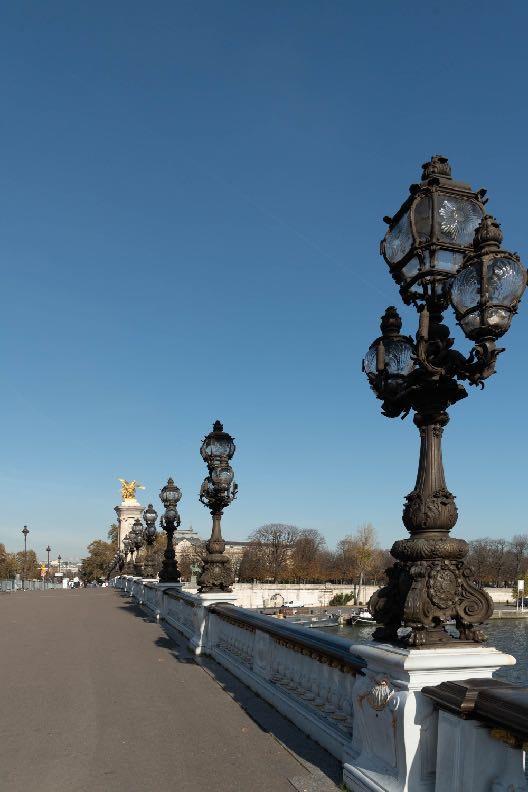
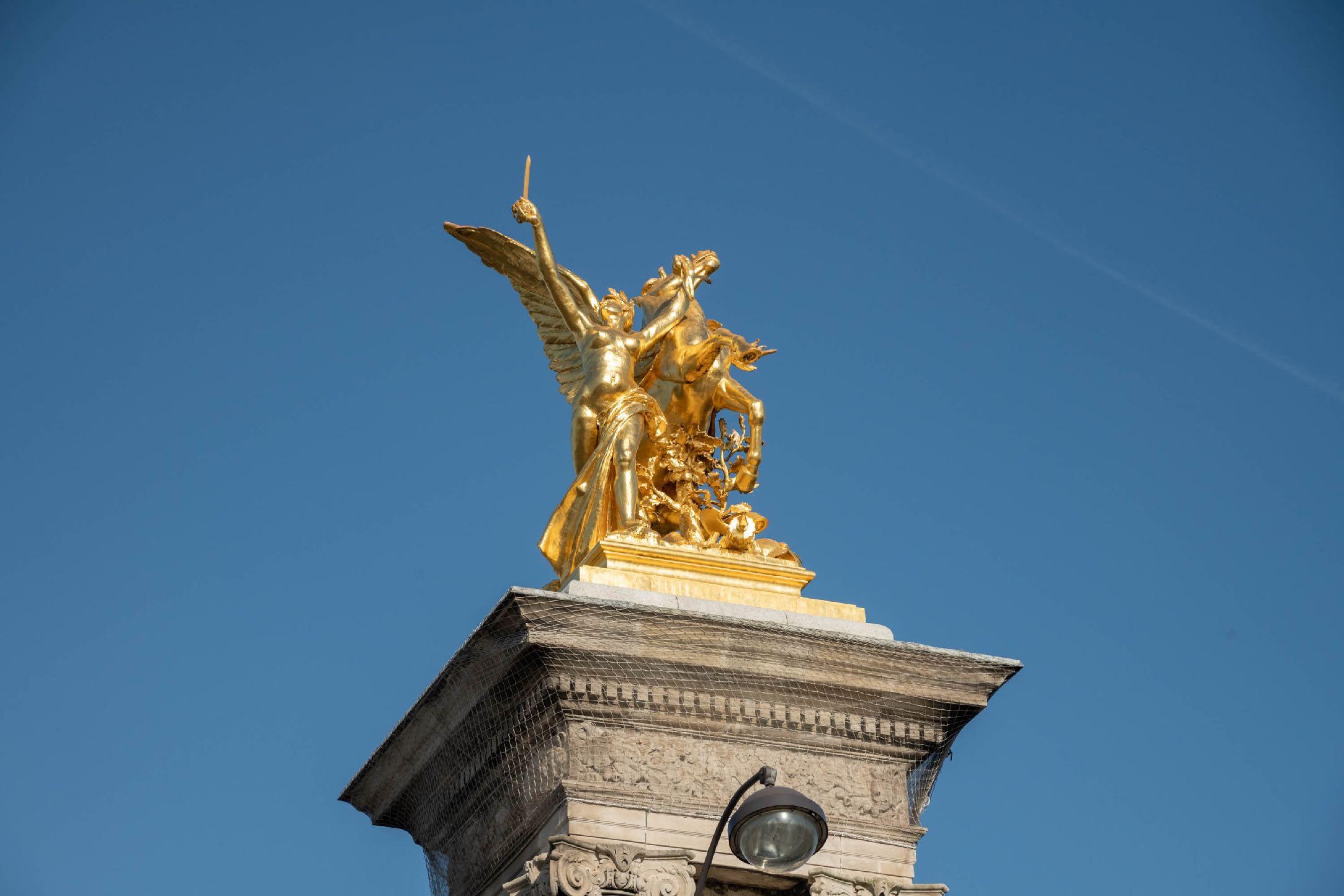
The impressive Grand Palais was constructed for the 1900 World Fair. Along with the Petit Palais on the opposite side of the boulevard, and the adjacent Pont Alexandre III, it forms a remarkable architectural ensemble of the Belle Époque. After various uses, the building now serves the national museums as a gallery for rotating exhibitions.
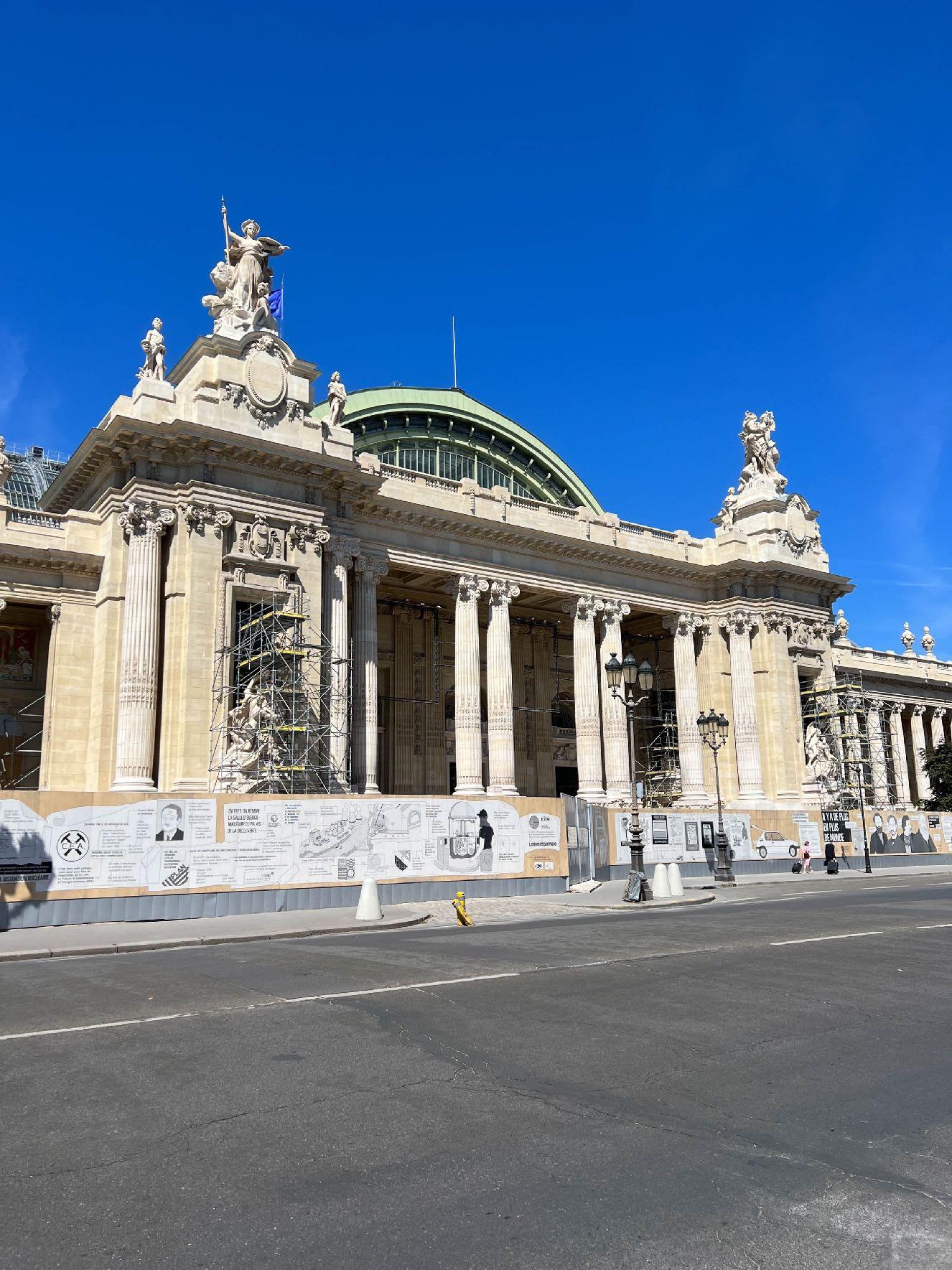
In 2024, it hosted the Olympic fencing and taekwondo competitions. Between 2021 and 2024, the structure experienced an extensive refurbishment.
The initial goal was to prepare for the Olympics, with the complete inauguration planned for spring 2025.
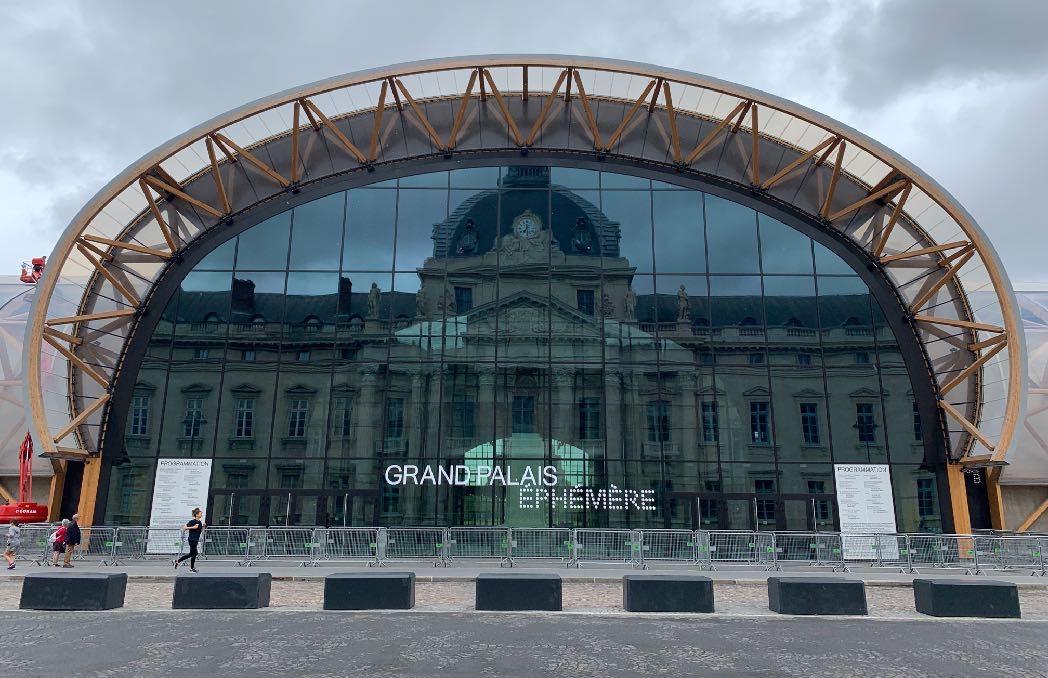
The Grand Palais Éphémère is a temporary event hall on the Champ de Mars. Through the transparent building you can see the École Militaire right behind it. The building was constructed in the year 2021 based on the designs of architect Jean-Michel Wilmotte. The Réunion des musées nationaux et du Grand Palais des Champs-Élysées, along with the organising committee of the 2024 Summer Olympics, commissioned the construction of the approximately 10,000 m² event centre.
It currently serves as an alternative venue for events usually held at the Grand Palais. This purpose will be maintained until the renovation of the Grand Palais is completed.
In 2024, during the Olympic Games in Paris, the wrestling and judo competitions took place at the Champ-de-Mars Arena. The hall will accommodate nearly 8,400 spectators.
Although the initial plan was to take down the hall following the Olympic Games, a discussion emerged regarding the future of the structure. By early 2025, the hall remained intact.
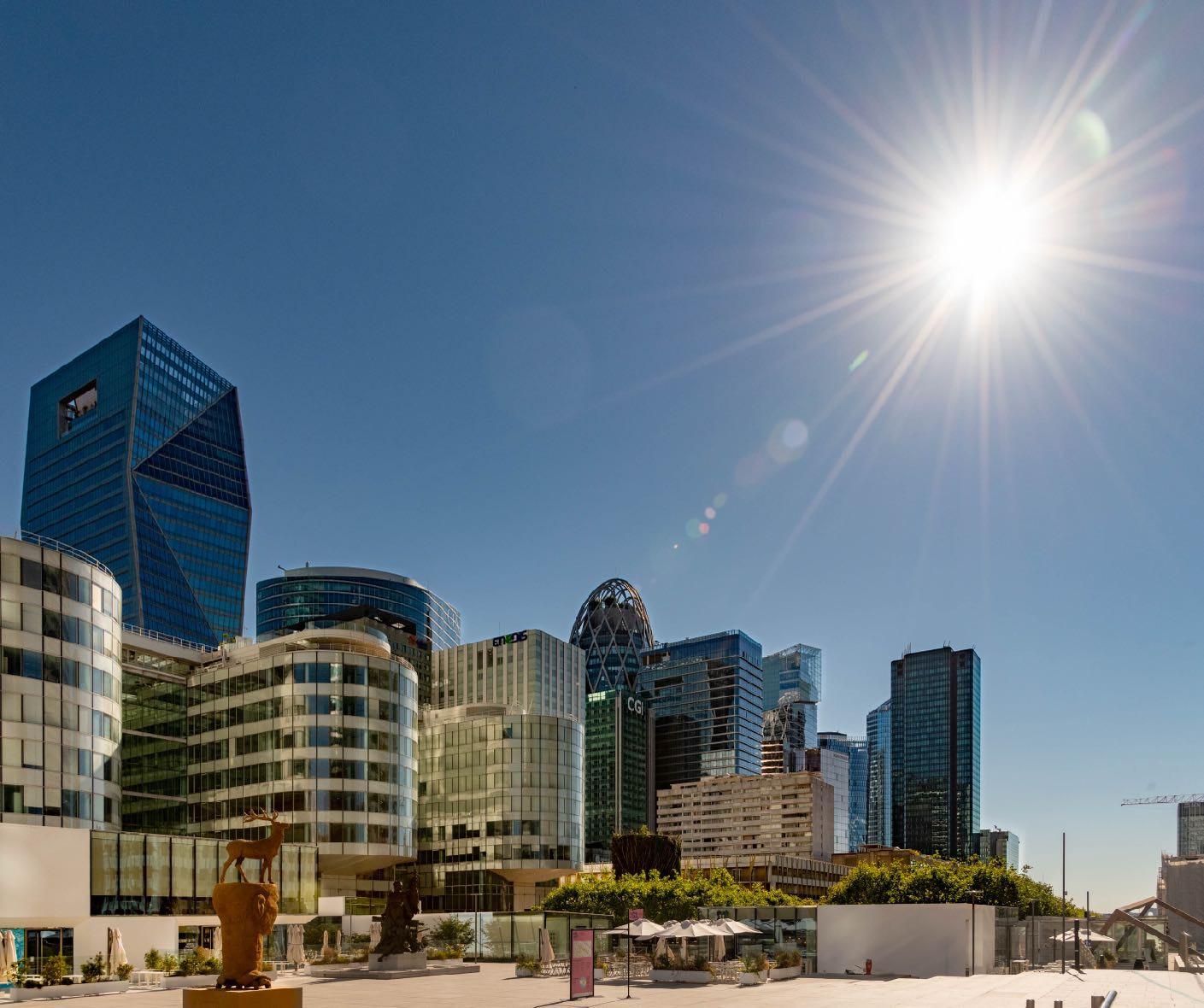
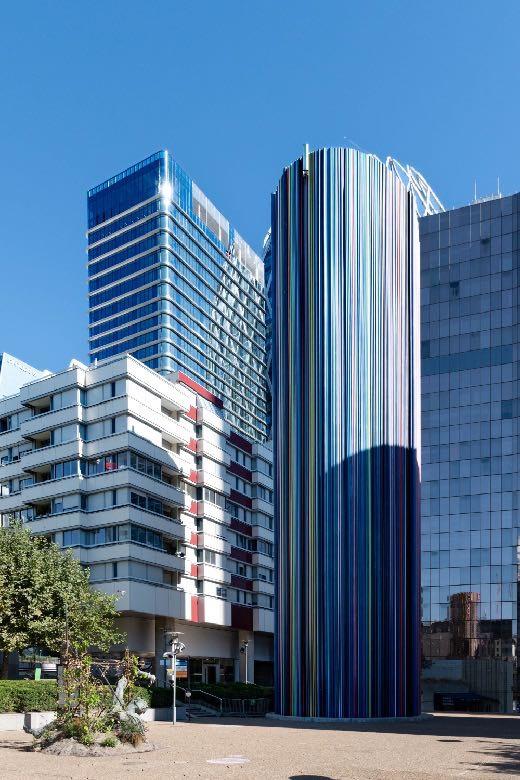
The satellite city of La Défense is a highly modern urban centre. It hosts over 150,000 jobs and homes for 20,000 people. La Défense is Europe's largest office city, located west of Paris along the extension of the Champs-Élysées. The skyline is dominated by numerous skyscrapers, with the impressive Grande Arche de la Défense as its main landmark. This arch is aligned in a straight line with the Arc de Triomphe,
the Champs-Élysées, and the Louvre. From the regional train station in La Défense, RER trains head towards Versailles. The city's above-ground surface is mostly car-free. Driving there is strongly discouraged as finding the correct exit can be quite "daring."
The easiest way to get there is by taking the Metro line 1.
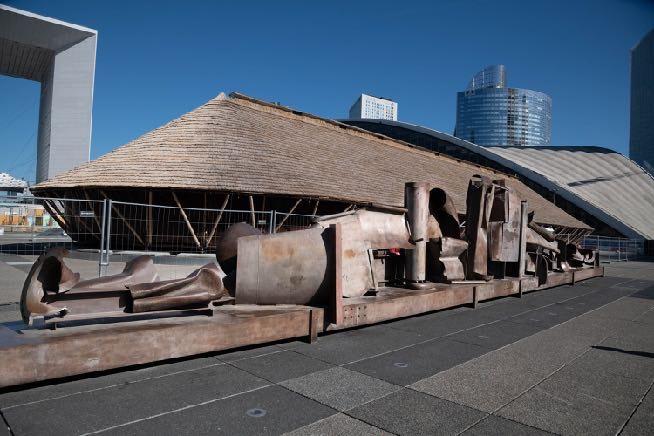
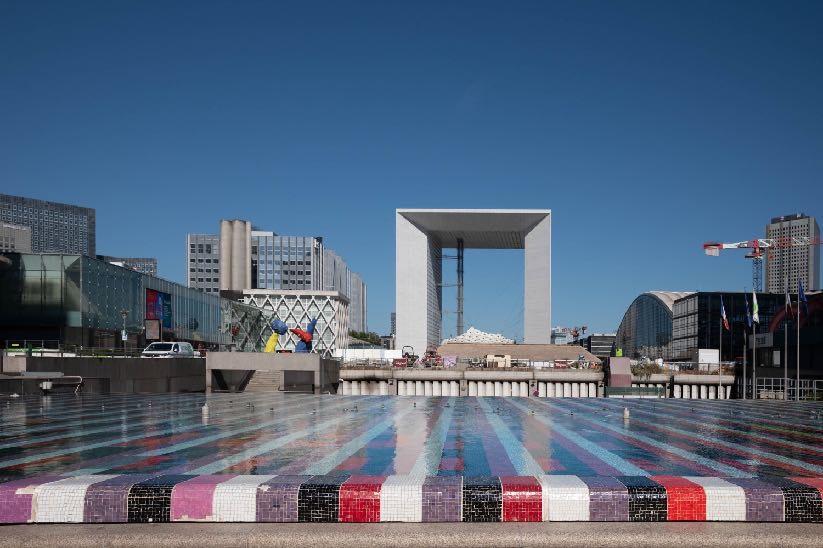
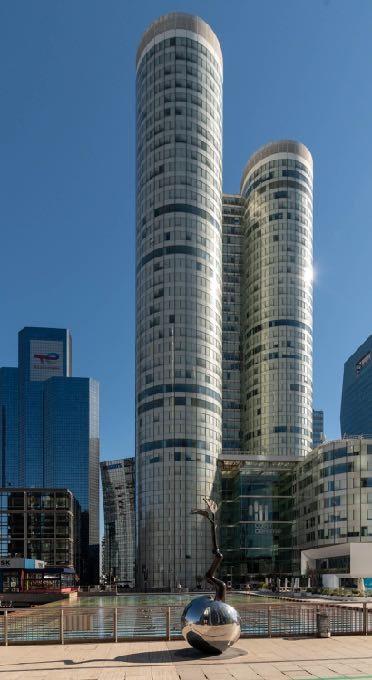
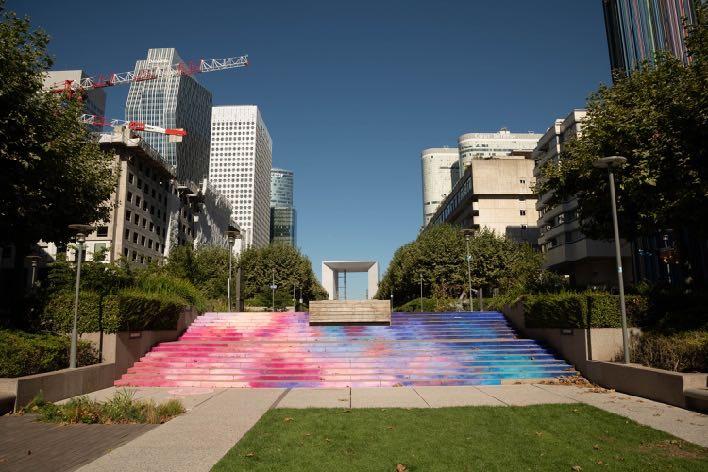

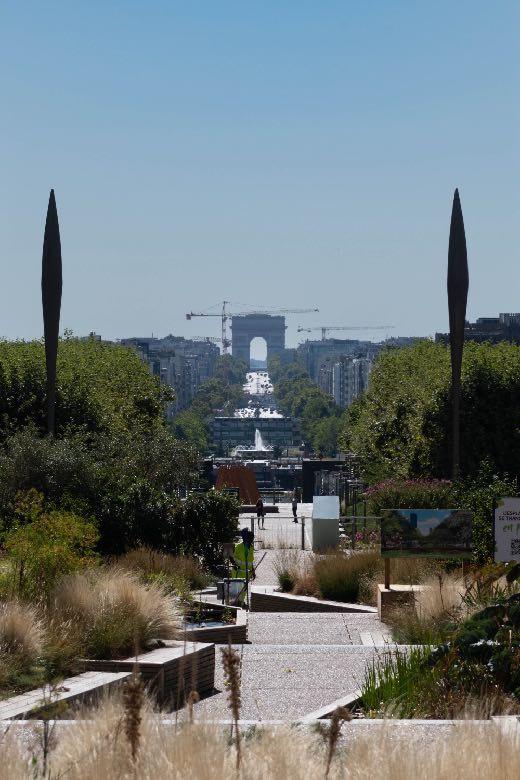
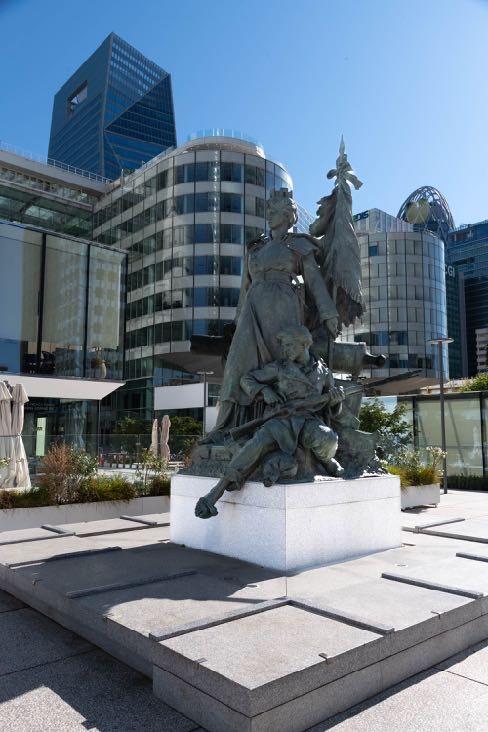
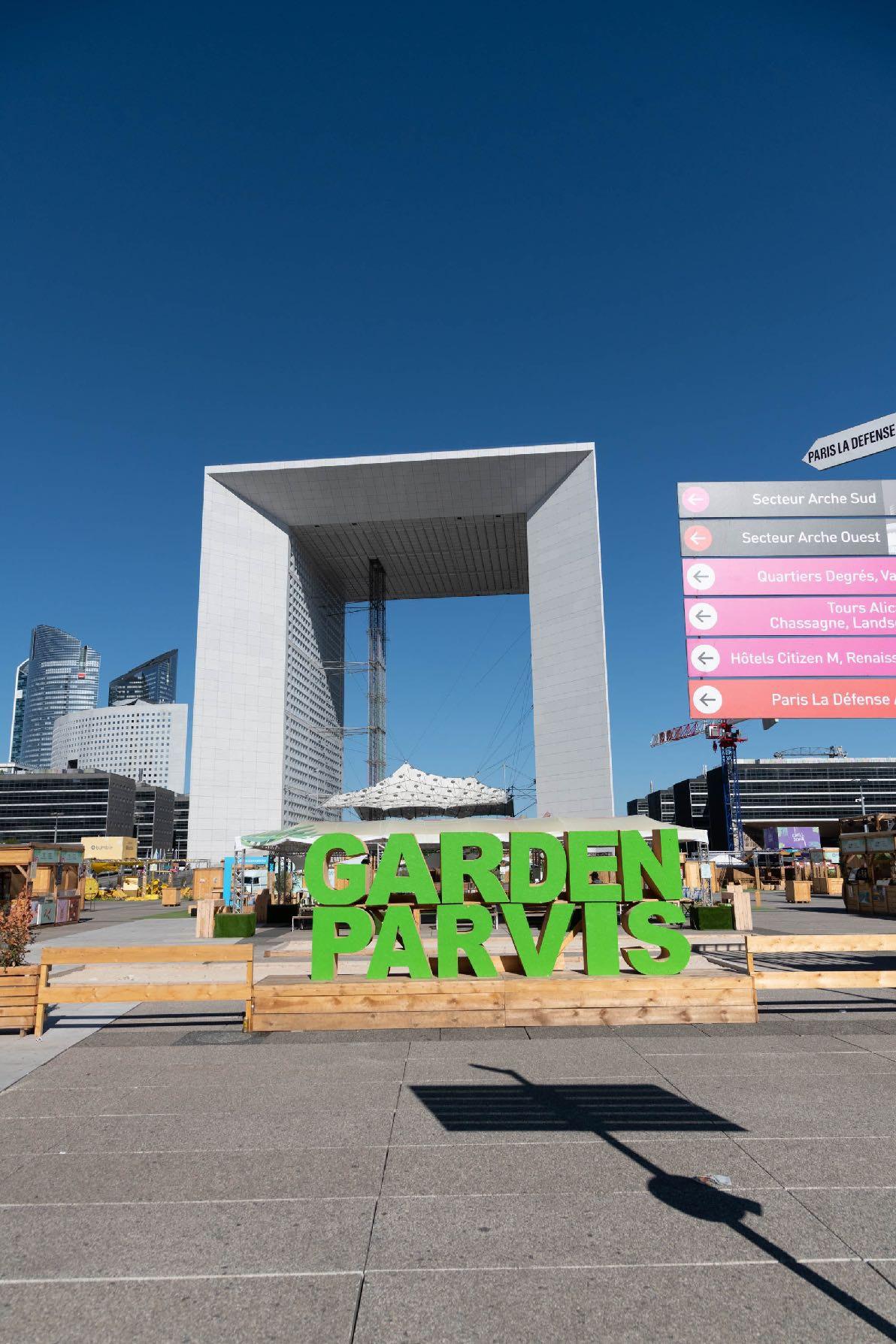
The Grande Arche was inaugurated on 14 July 1989 to mark the 200th anniversary of the French Revolution. The landmark of La Défense stands on the axis of Paris and offers a unique view of the Arc de Triomphe, the obelisk at Place de la Concorde, as well as the Louvre Museum. The 110-metre-high arch is clad in granite and Carrara marble.
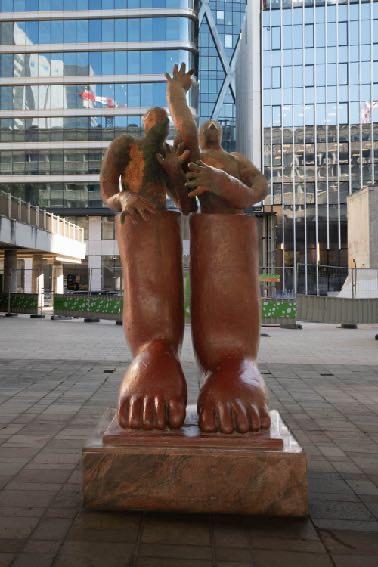
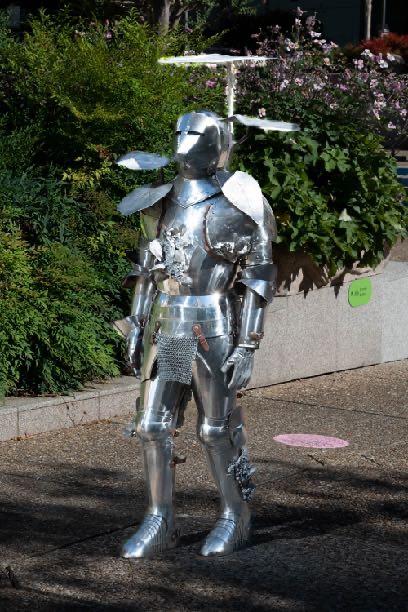
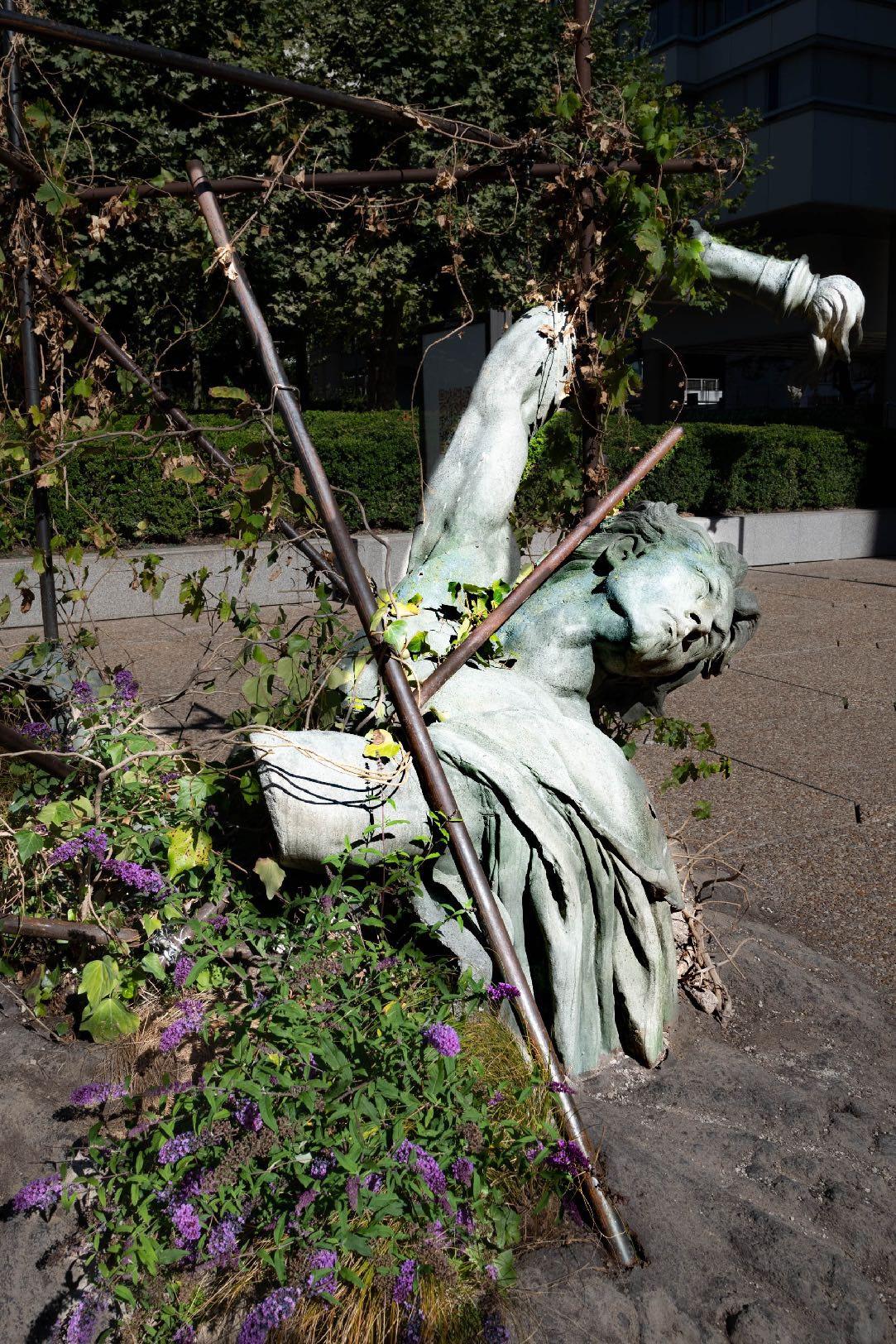
From the rooftop terrace, visitors have a breathtaking view over La Défense and France's largest open-air museum. Here, 69 impressive pieces of art are displayed, including Calder’s Le Stabile and César’s Le Pouce. The arch was built based on designs by Danish architect Johan Otto von Spreckelsen.
with the ÖBB to Paris
The Forum des Halles is the largest shopping and leisure centre in the city, attracting over 41 million visitors annually, most of them young people. In its three levels of underground shopping and entertainment, visitors find over 160 shops and restaurants. Numerous light shafts illuminate even the third underground level with daylight.
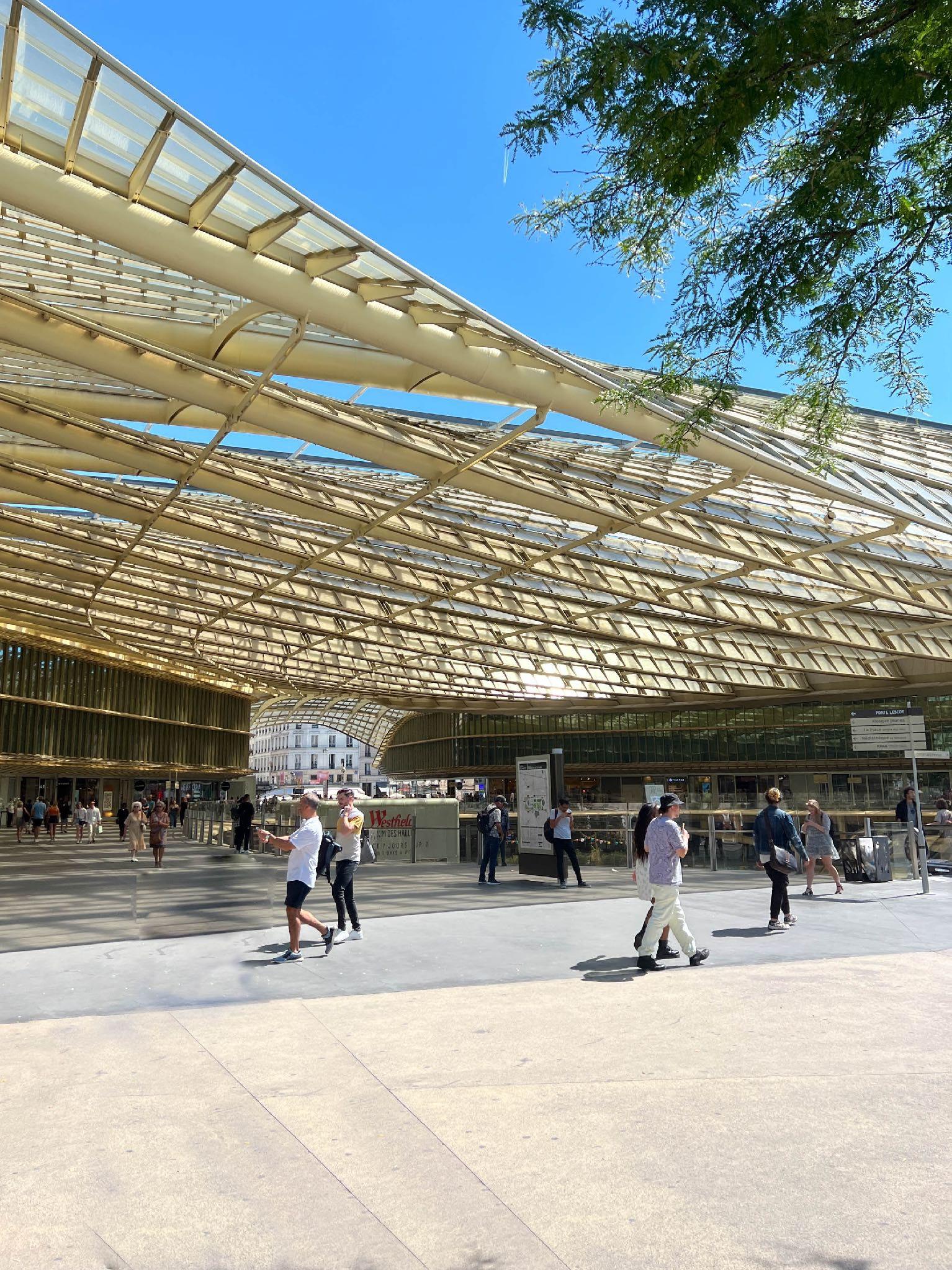
At the Forum, you can choose from 26 cinemas or exercise in Paris's largest swimming pool. Beneath the centre lies the Châtelet - Les Halles metro station, used by over 800,000 commuters daily. It is notoriously confusing and should be navigated with caution if you are not familiar with the station.
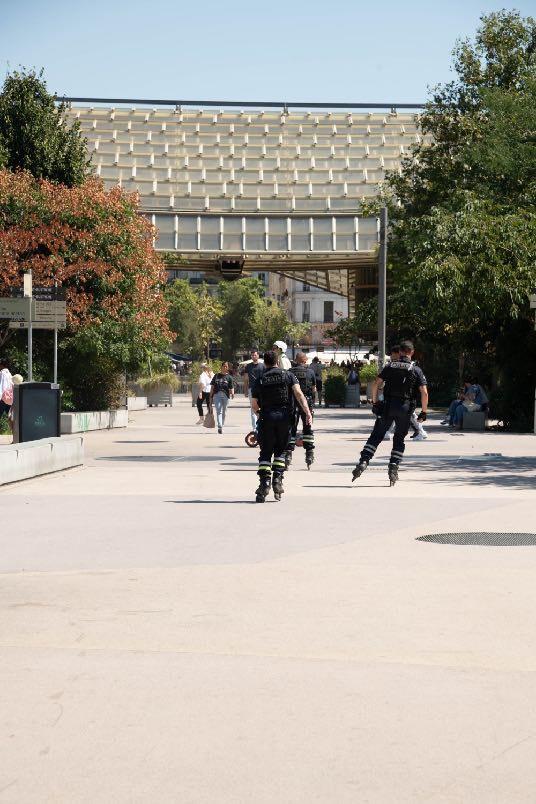
The French police are very present all over the city of Paris. Their vehicles are quite varied in their appearance. There are cars with wailing sirens or heavy motorcycles thundering up the ChampsÉlysées. In the Les Halles area, you can find a unique type of "police vehicle": inline skates. Naturally, officers also patrol on bicycles, boats, or horses. What stands out especially: they are always dressed appropriately and functionally for their mode of transport.
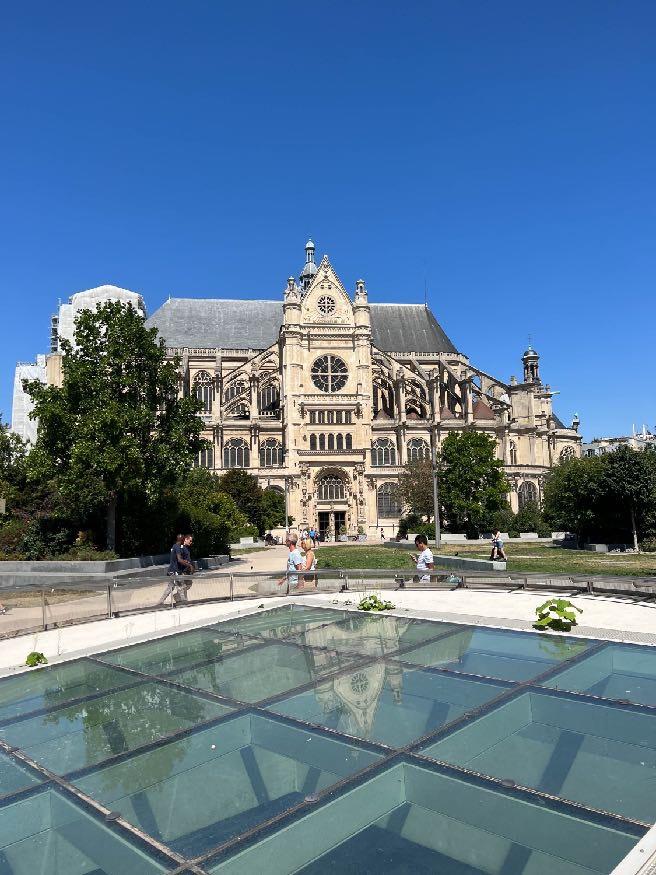
Saint-Eustache is an outstanding church building dating back to the 16th century. The church is dedicated to the martyr Eustachius. SaintEustache was the church of the market traders who worked in the halls of Paris. With a length of 100 metres and a width of 43 metres, this immense house of worship is the largest Renaissance church in France. The first communion of the Sun King, Louis XIV, took place here. Anna Maria Mozart, the mother of Wolfgang Amadeus, was buried in the parish cemetery. The exact location of her grave is no longer known.
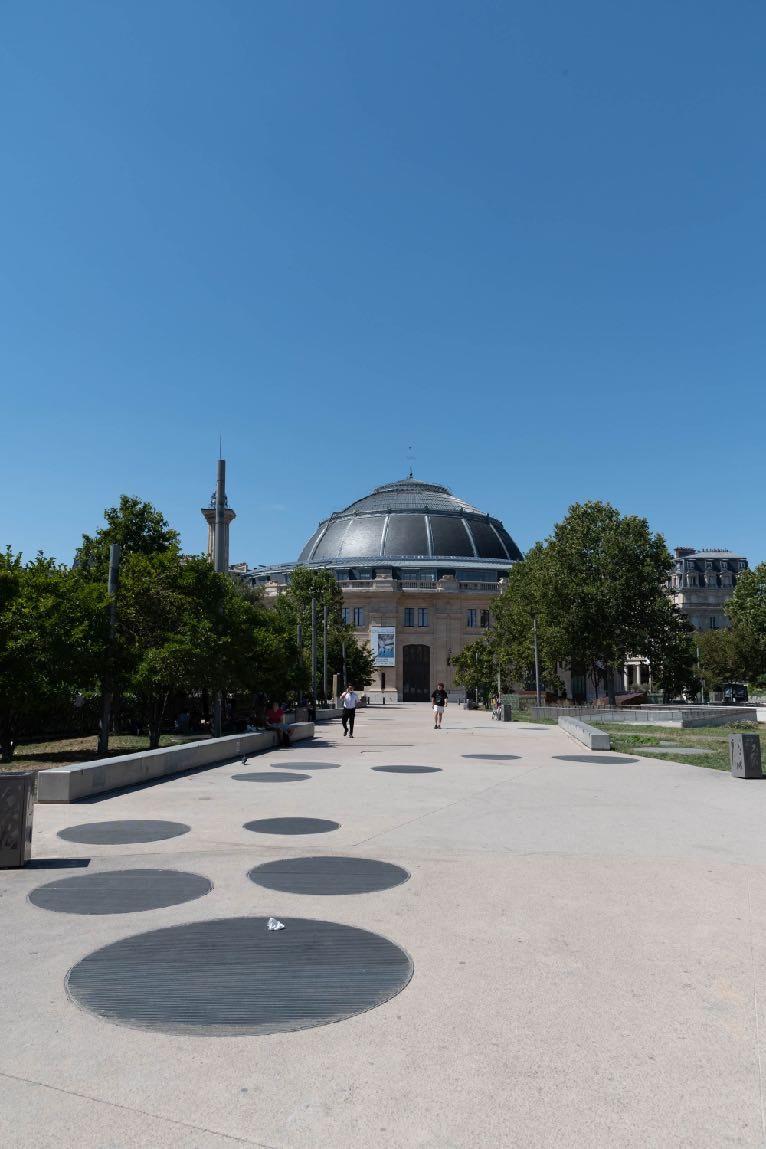
Sometime in the 18th century, the city's grain supply was relocated to this site. After a redesign of the building, it was reopened as a stock exchange in the year 1889.
In 2016, the Bourse de Commerce was converted into a private museum based on the designs of Japanese architect Tadao Andō
Since the end of May 2021, the majority of François Pinault's collection has been exhibited in Paris. Other museums housing his collection include the Palazzo Grassi and the Punta della Dogana in Venice.
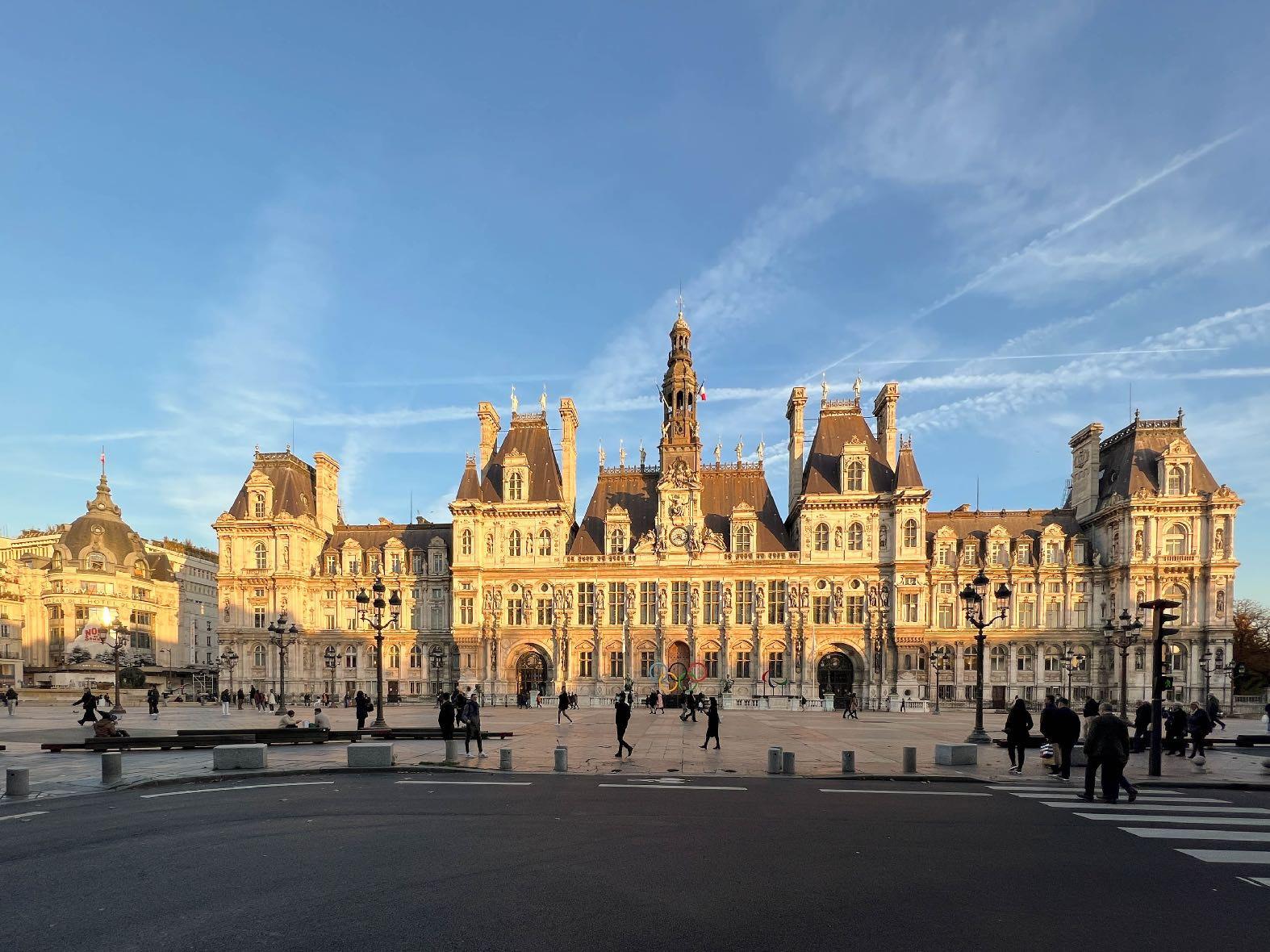
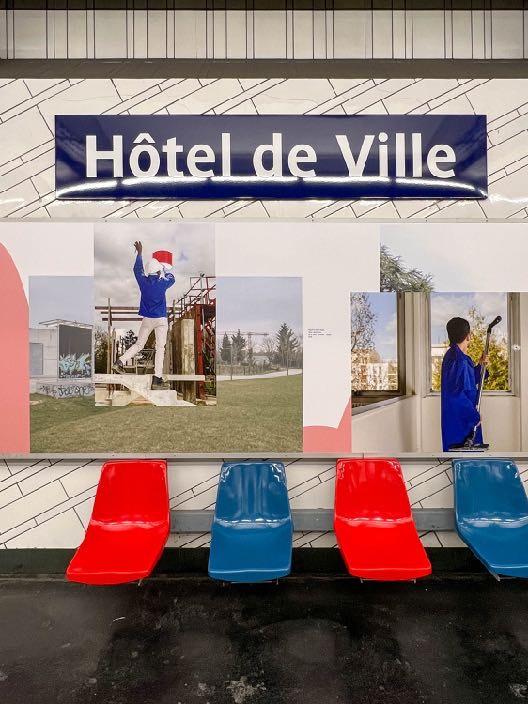
The Paris City Hall was constructed in the second half of the 19th century in the Neo-Renaissance style. This impressive building now serves as the seat of the city administration and houses numerous offices, meeting rooms, and event halls. Particularly striking is the grand hall, where receptions, concerts, and other cultural events are regularly held.
Besides its function as an administrative centre, the Hôtel de Ville also holds significant historical importance.
On 30 January 1871, the Paris Commune was proclaimed here. This event still holds great symbolic power, especially for the French left.
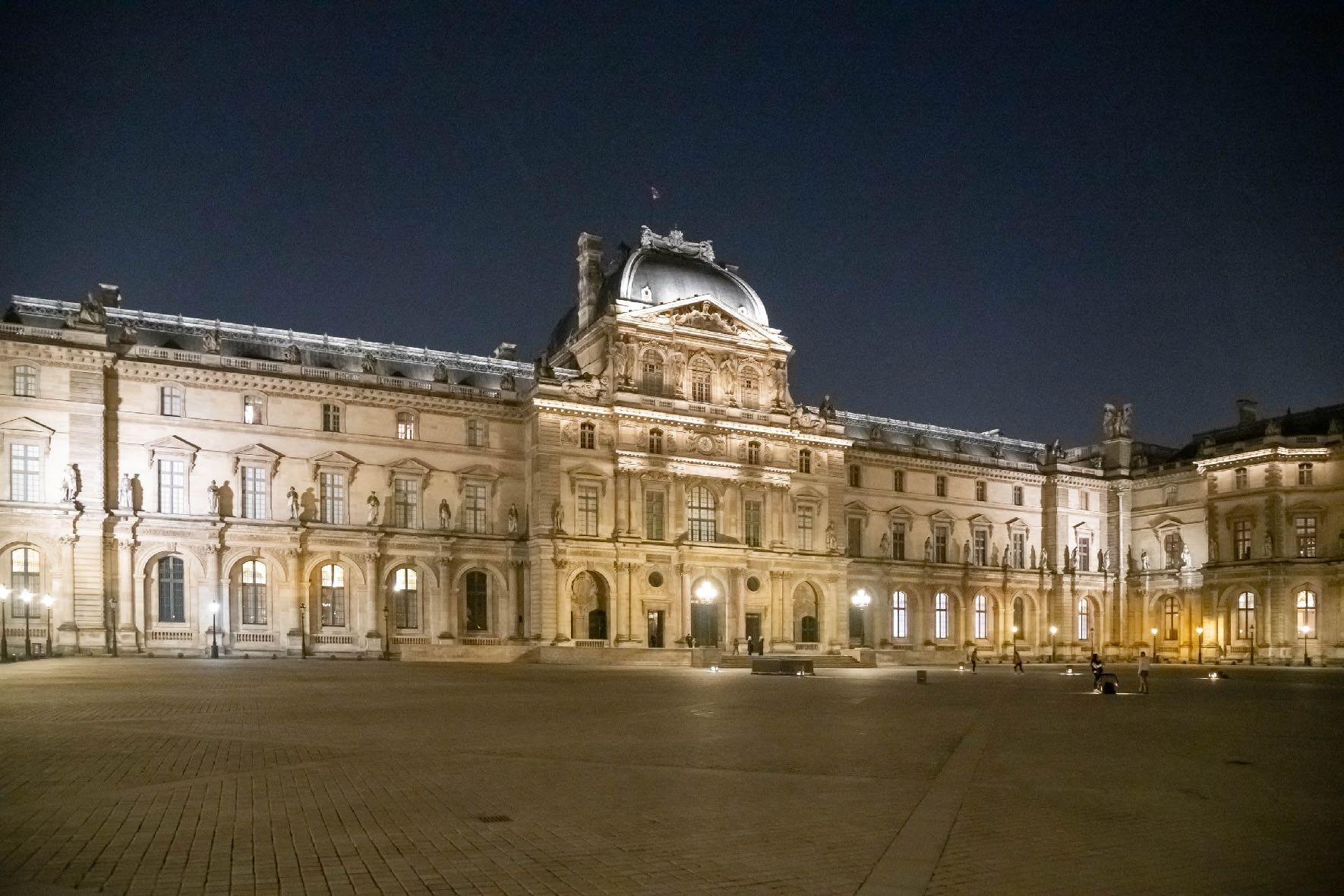
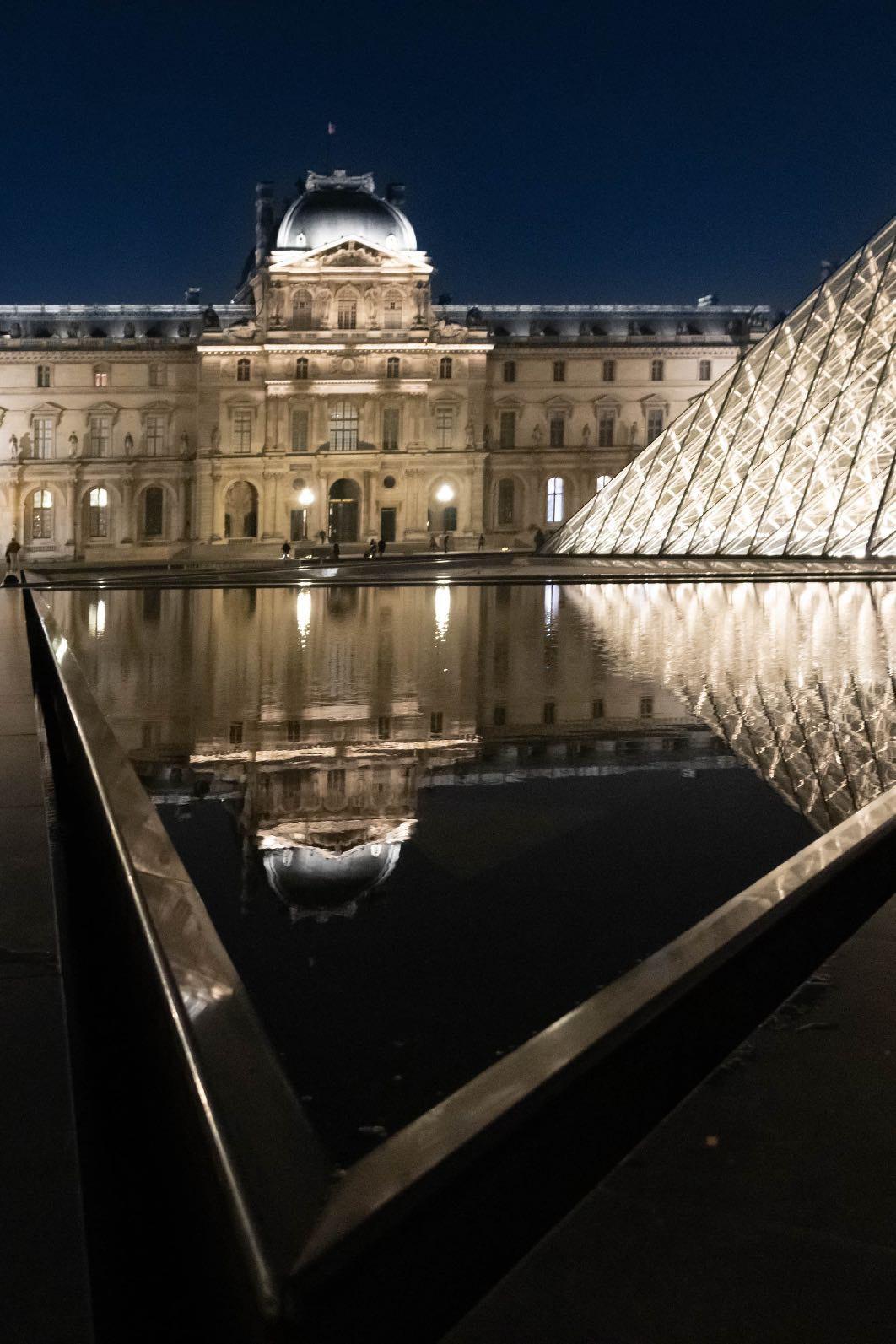
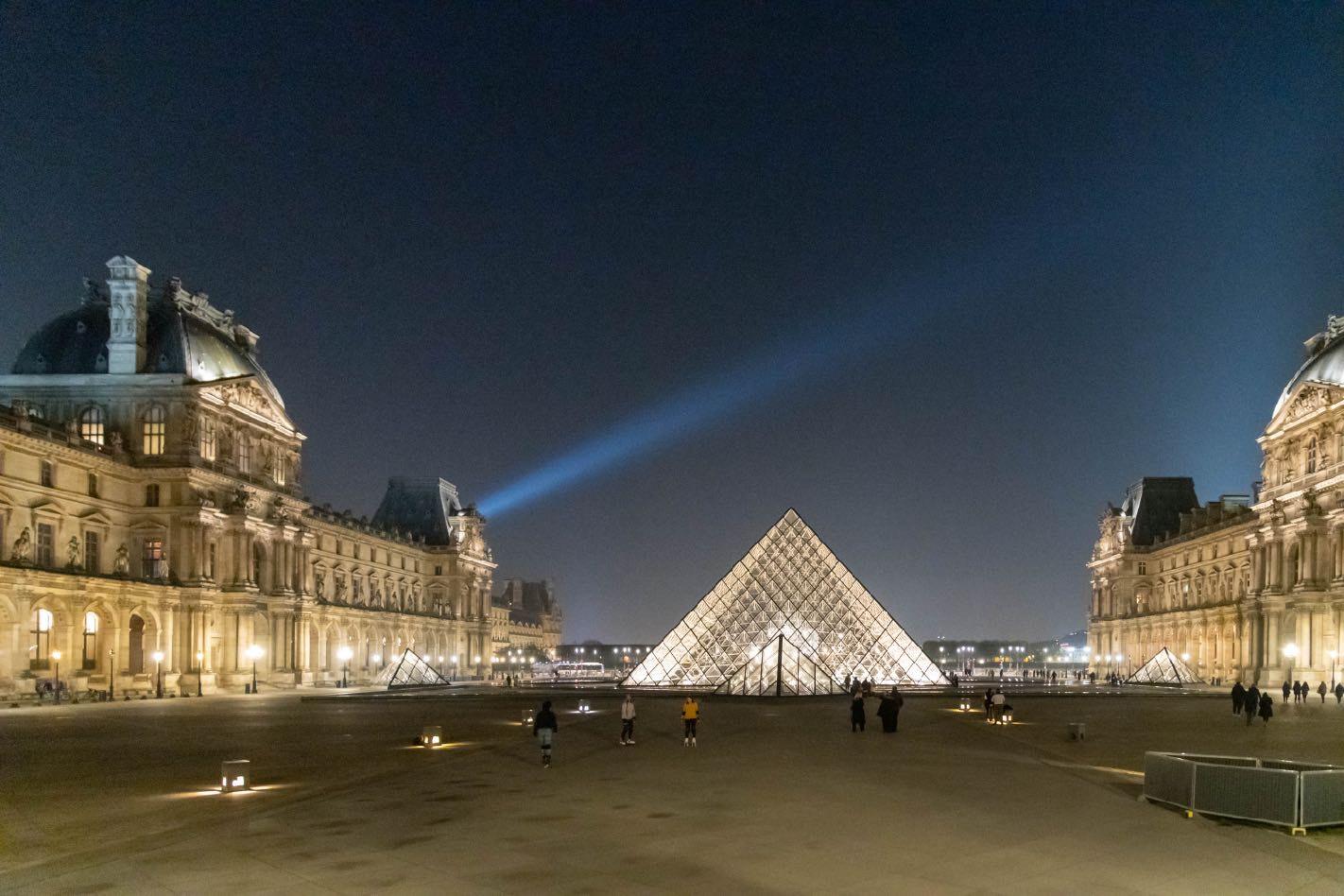
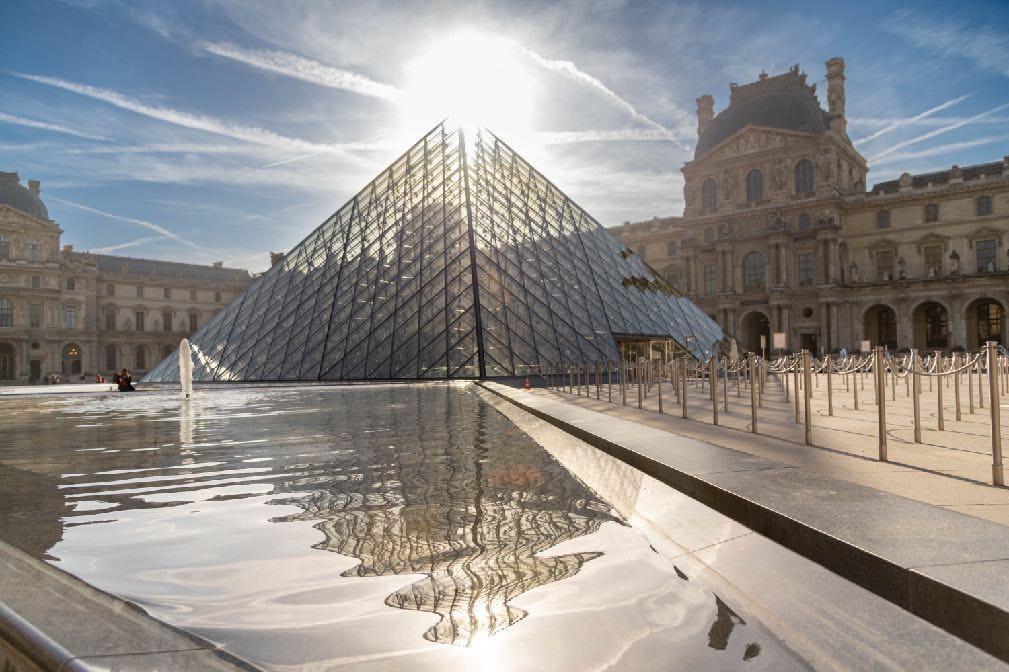
The Palace du Louvre is impressive first due to its enormous size. The museum houses over 35,000 artworks in more than 400 rooms! It is nearly impossible to see everything in a single day. If you only have limited time, definitely pay a visit to the Denon Wing. Some of the most famous masterpieces are on display here, including the
Mona Lisa, the Winged Victory of Samothrace, and The Raft of the Medusa.
It is advisable to purchase tickets in advance of your visit. The Musée du Louvre is closed every Tuesday. Admission is free for youths under 18 and EU residents up to 25 years old. Free entry for all is granted on the national holiday, 14 July.
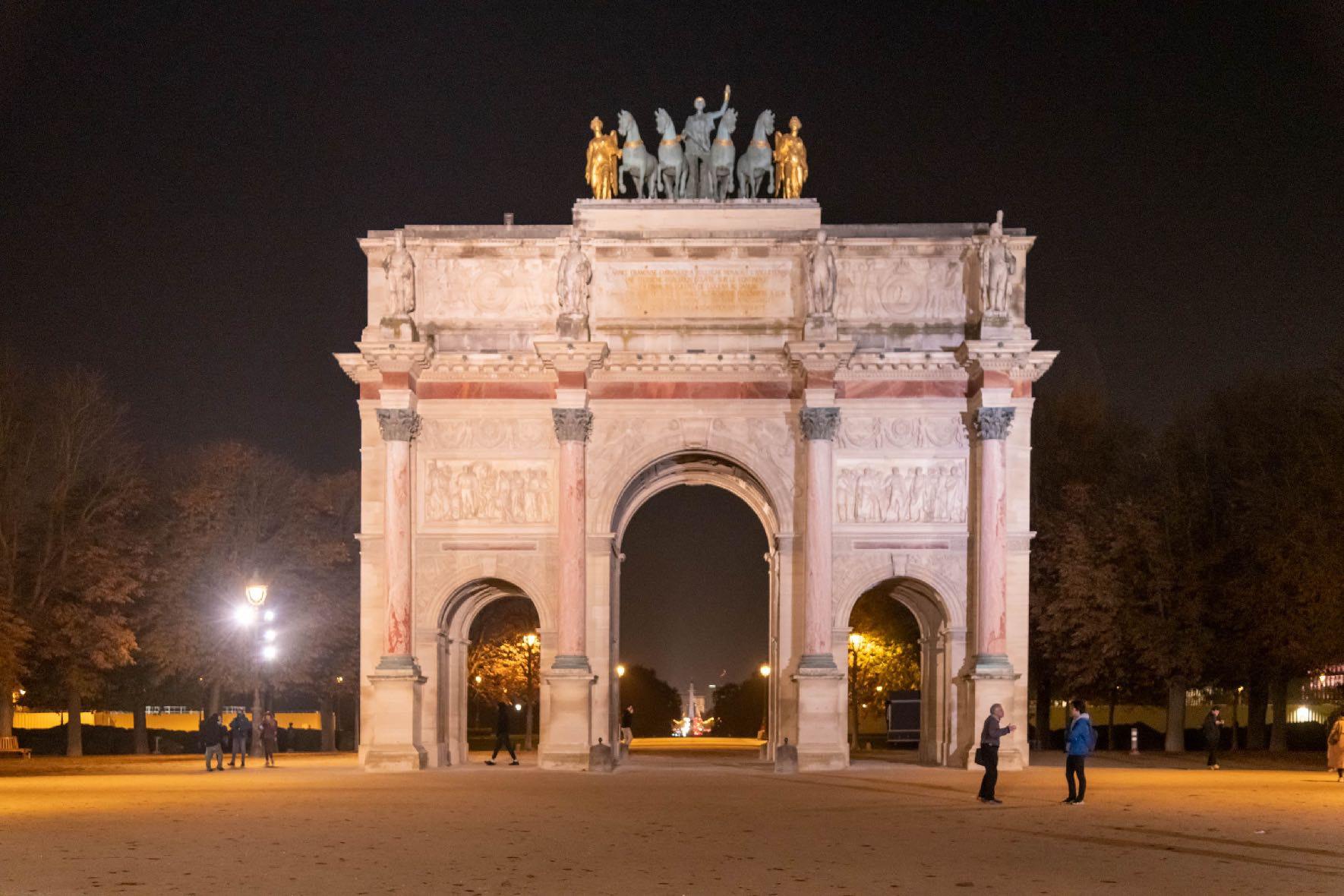
The Arc de Triomphe du Carrousel is a magnificent neoclassical structure. The triumphal arch stands 19 metres high, 24 metres wide, and over 7 metres deep. Constructed between the years 1806 and 1808, it served as a monument to Napoleon's military victories. The architecture of the arch is in the Corinthian order and is an impressive example of
this style. Although smaller than the Arc de Triomphe at the other end of the Champs-Élysées, it is no less imposing.
The larger Arc de Triomphe de l’Étoile is about twice the size, designed in the same year but not completed until much later, in 1836.
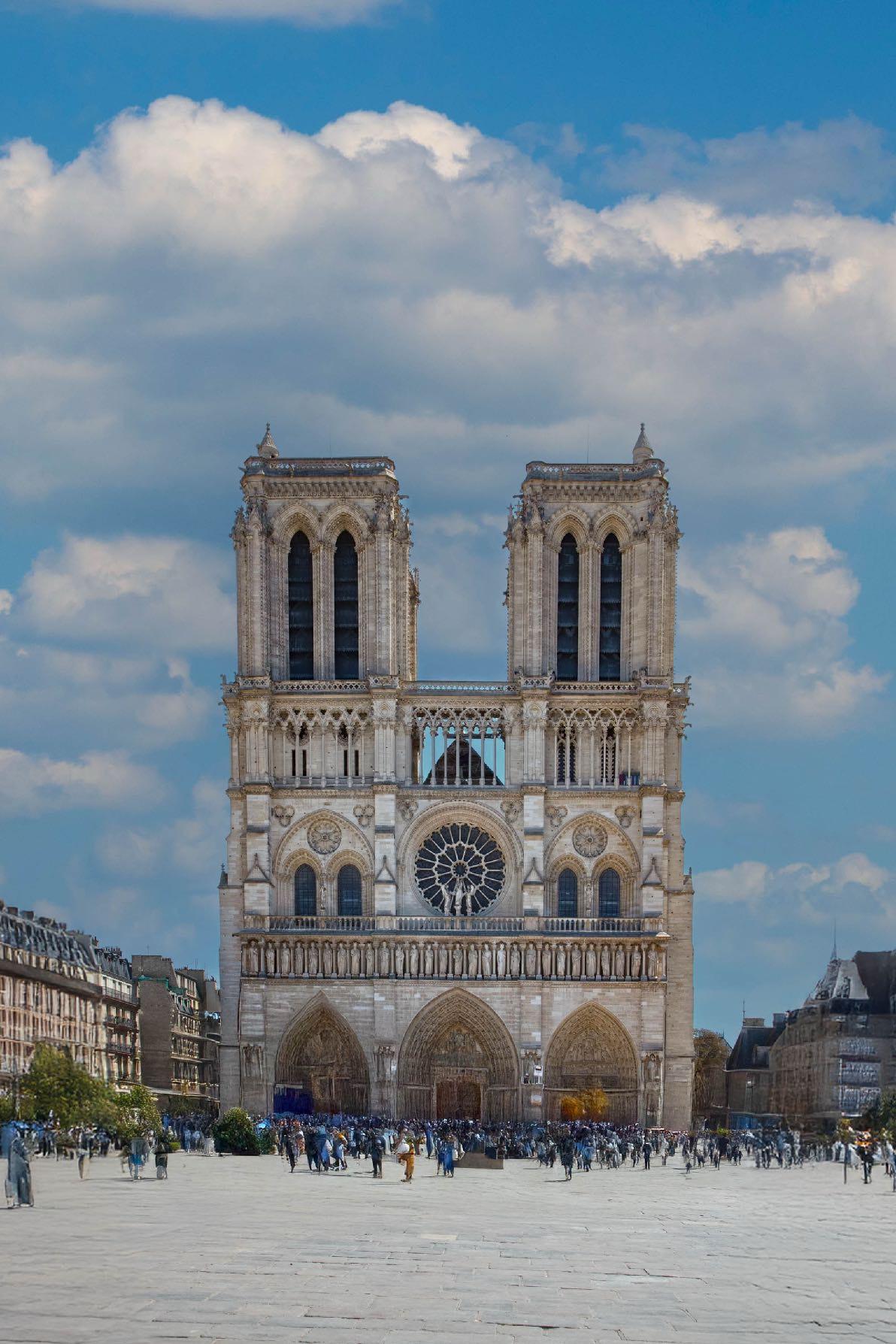
The Cathédrale Notre-Dame was constructed between the years 1163 and 1345 and is considered one of the earliest Gothic structures in France. Its striking silhouette rises at the eastern tip of the Île de la Cité, in the heart of Paris's historic centre.
The cathedral is a significant site in French history. Numerous important events have taken place here,
including the coronation of Napoleon Bonaparte and the liberation celebrations after World War II.
France's kilometre zero, the reference point used to measure distances from Paris, is located in the square right in front of the cathedral.
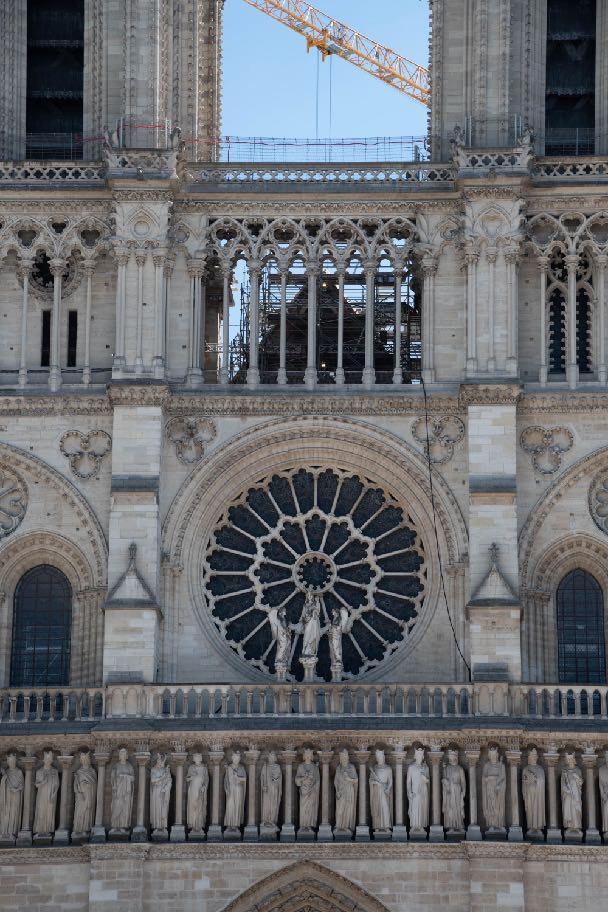
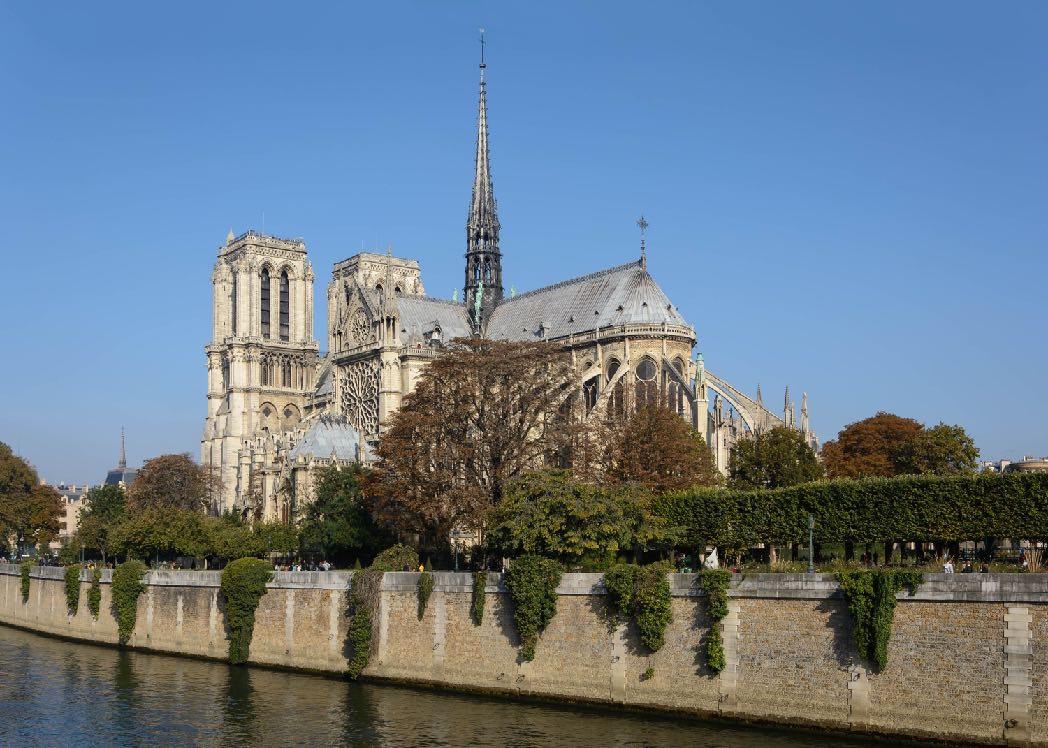
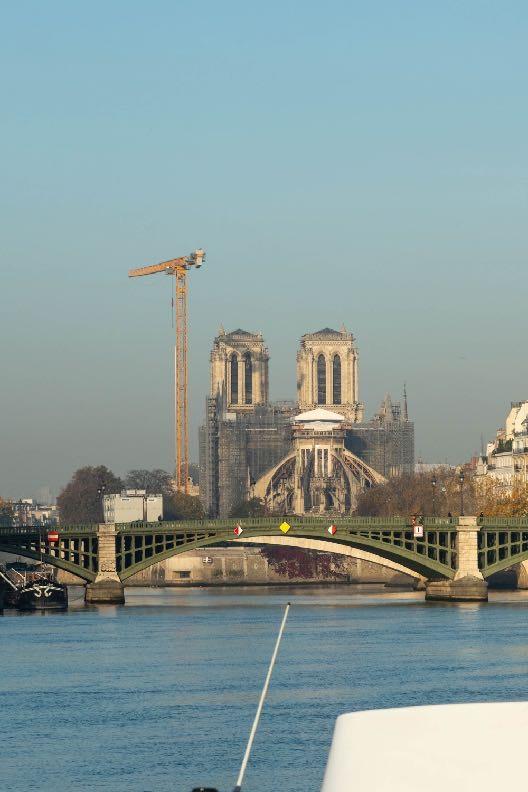
The church endured considerable destruction due to a catastrophic fire that occurred on April 15 and 16, 2019. The entire globe was taken aback and grieved the loss of such a vital piece of cultural heritage. Despite this unfortunate incident, the "Notre-Dame construction site" continued to stand as a symbol of Paris and France, attracting visitors from around the world who come to appreciate its magni fi cence. The restoration of the cathedral, which spanned several years, extended until the close of 2024. On December 8, 2024, the long-awaited moment arrived, and NotreDame was joyfully reopened in a grand ceremony. Now, one of the iconic sites of the Seine metropolis is once again prepared for worship services.
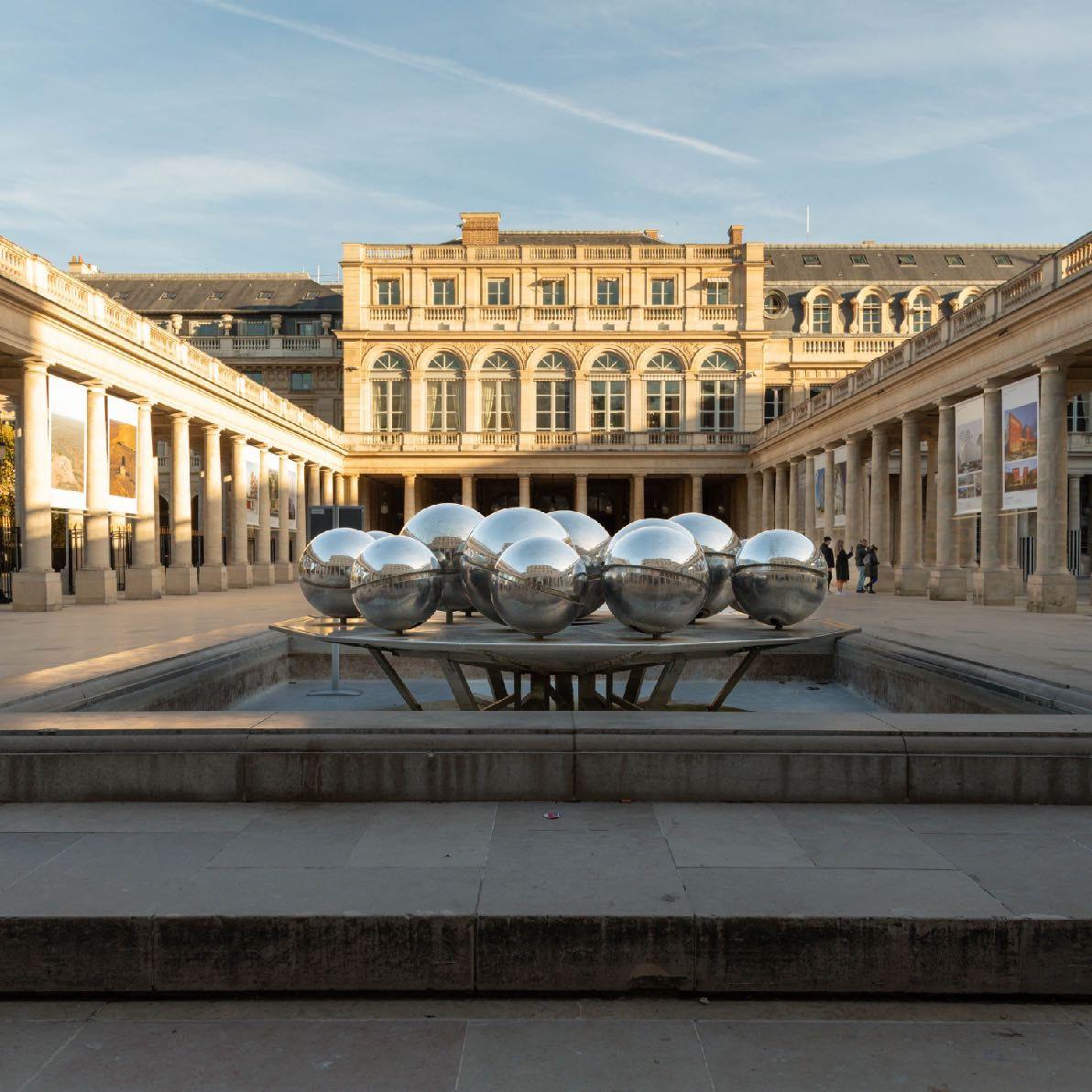
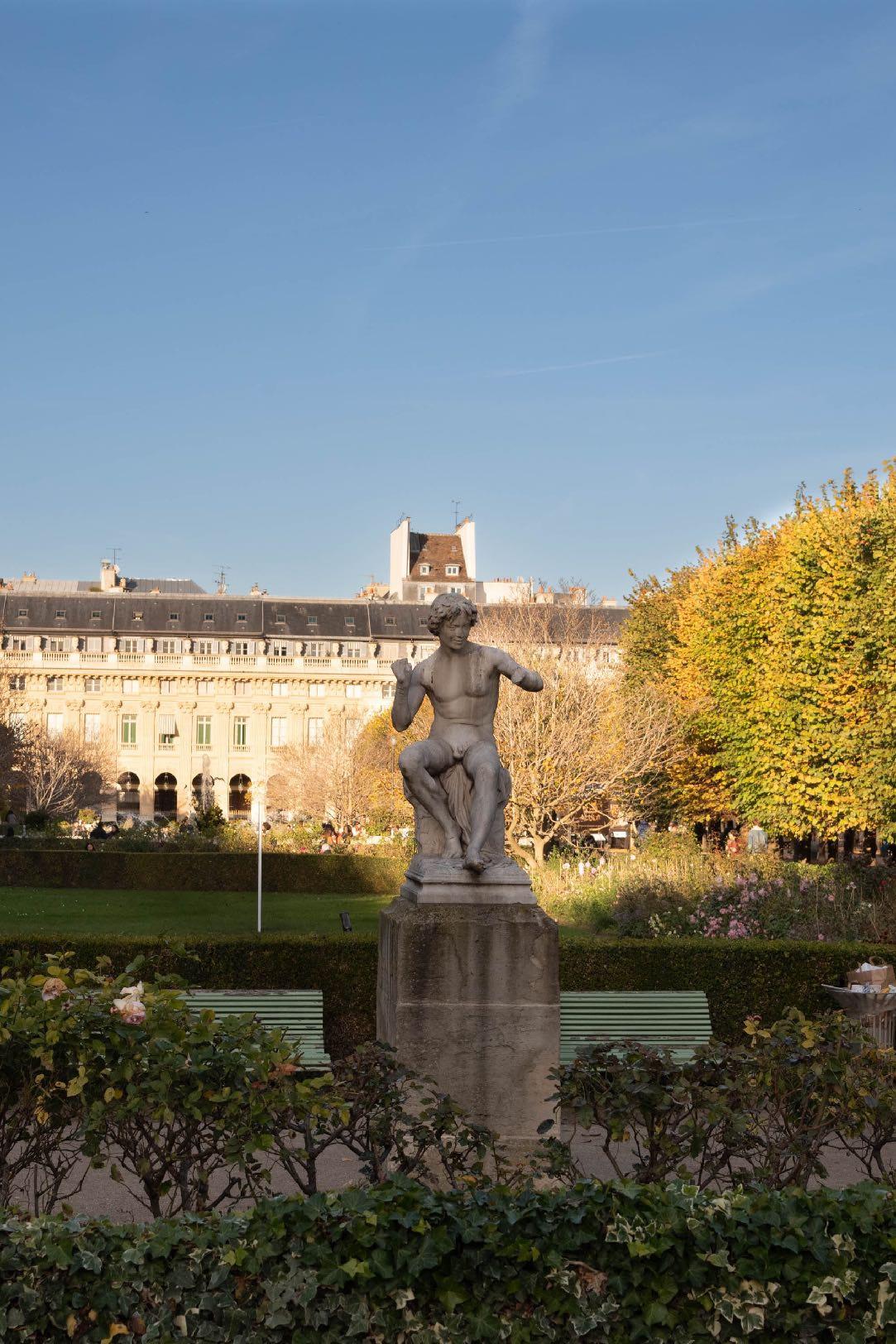
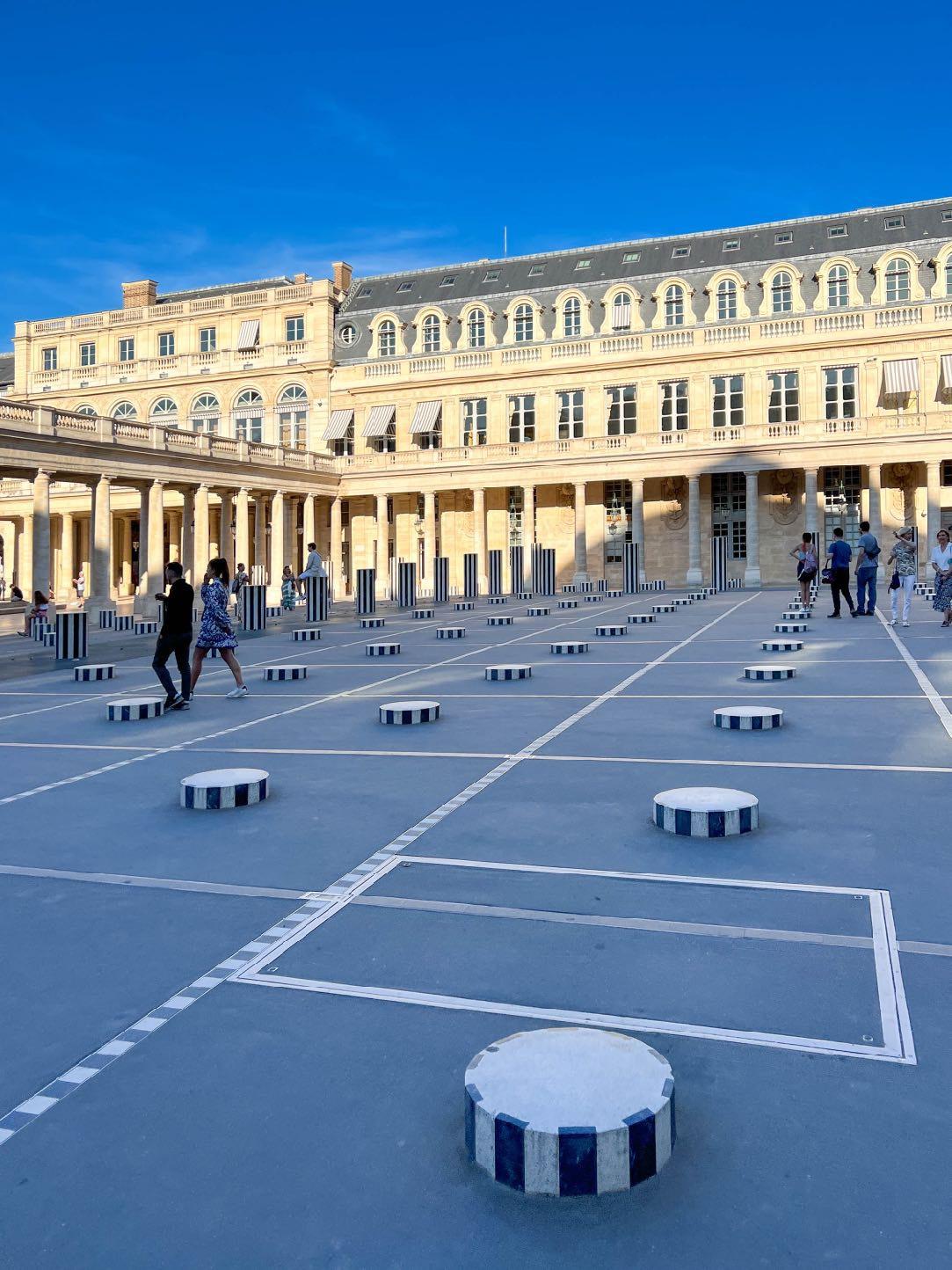
The Palais Cardinal was constructed between the years 1627 and 1629 by Jacques Le Mercier for Cardinal Richelieu. After his death in 1642, the palace passed to the Crown and received its current name. The Queen Mother, Anne of Austria, and her two young sons, the future Louis XIV and Philippe d’Orléans, resided in the Palais-Royal.
The city palace is located about 150 metres north of the Louvre. Today, the main wing of the palace houses the Conseil d’État (Council of State). The west wing contains the Comédie-Française and the Conseil constitutionnel (Constitutional Council). The east wing of the Palais-Royal is home to the Ministry of Culture. The palace garden invites visitors to relax.
with the ÖBB to Paris
The Statue of Liberty in New York was erected in October 1886 to mark the centenary celebrations of the United States' independence. It was a gift from the French people to the Americans. The original was created by Frédéric Auguste Bartholdi, and Gustave Eiffel designed the metal framework.
In Paris, there are at least seven interesting replicas of the Statue of Liberty. Although they are all significantly smaller than the American original, their locations have been chosen to ensure that the Statue of Liberty is also impressively displayed in Paris. Two of the statues are situated directly on the Seine, while the others are in parks and museums.
Île Aux Cygnes

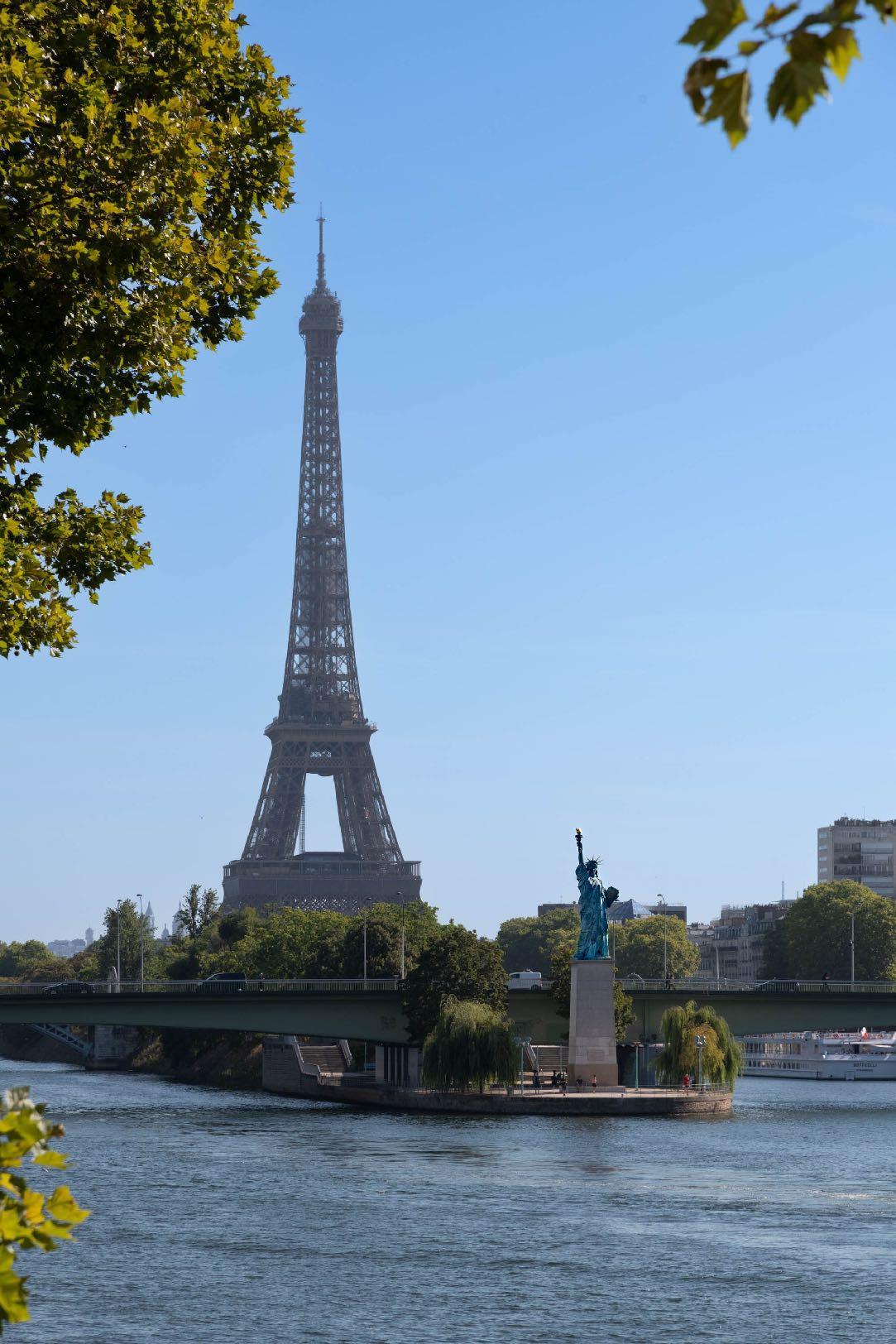
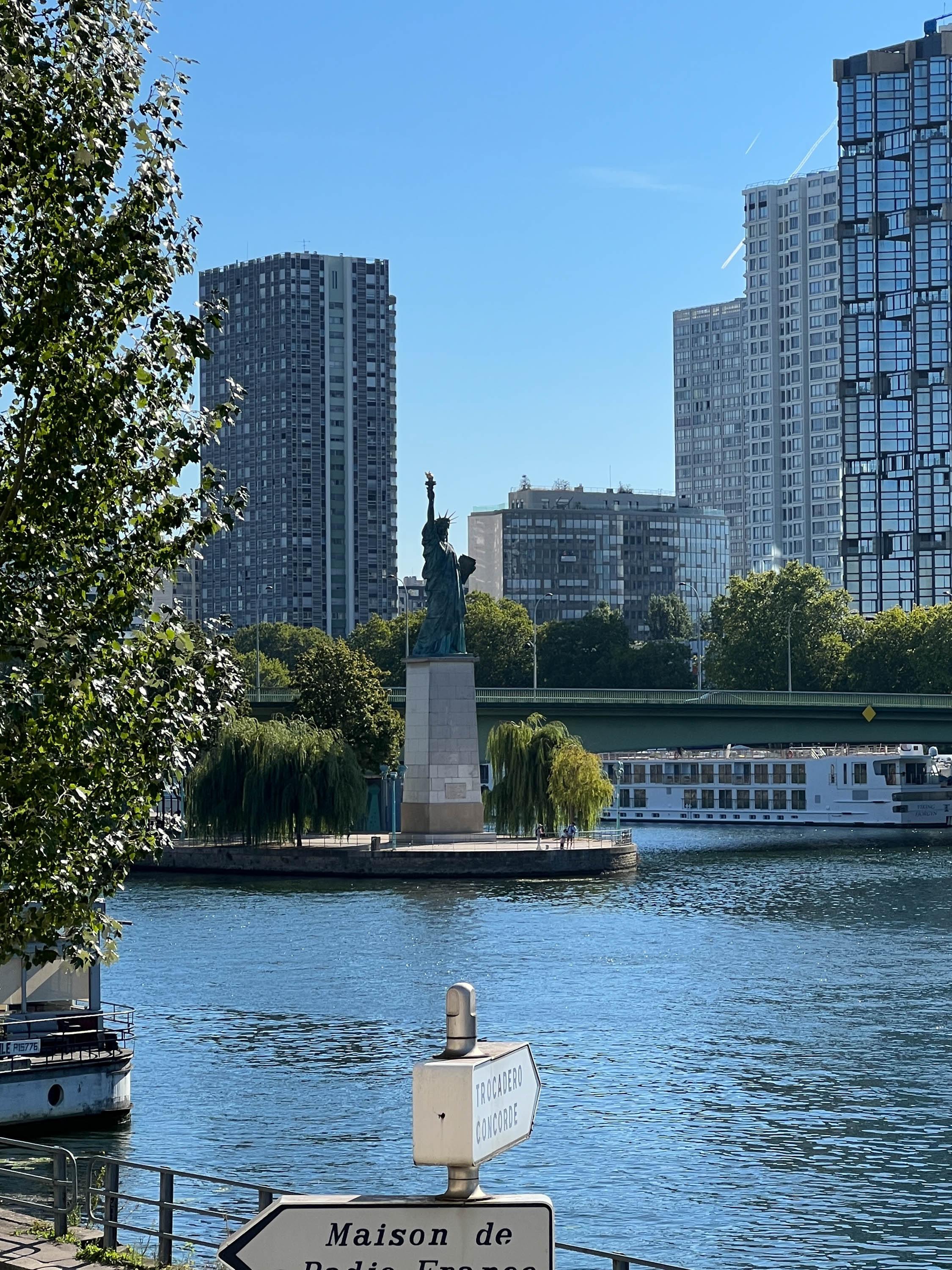
An 11.5-metre-high replica of the Statue of Liberty stands at the southwestern tip of the Seine island Île des Cygnes. The copy was inaugurated three years after the American original, on the 100th anniversary of the Storming of the Bastille. The plaque bears the inscription: "IV JULY 1776 = XIV JULY 1789" (the date of the US Declaration of Independence and the Stormng of the Bastille).
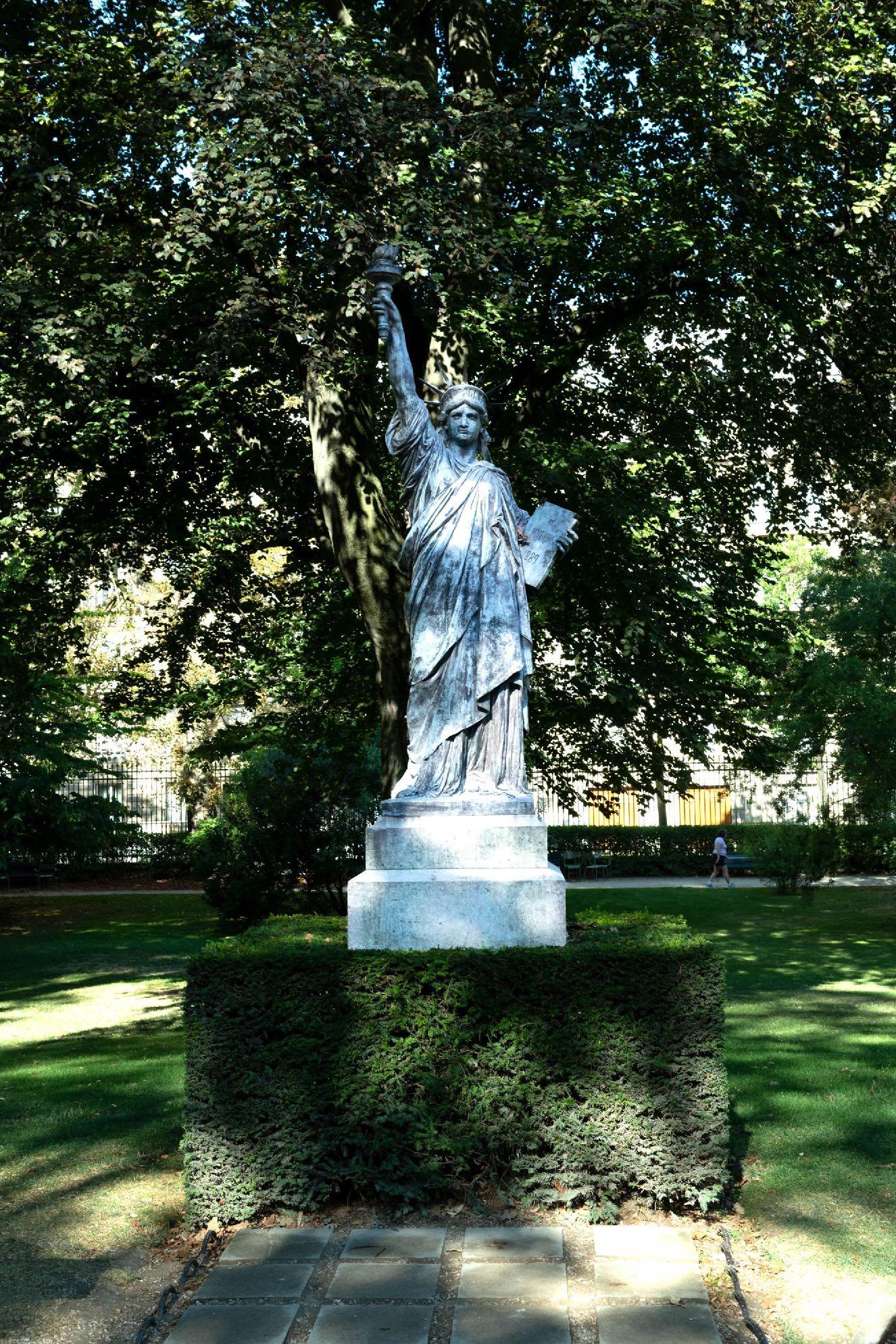
In the Jardin du Luxembourg, visitors will find another replica of the Statue of Liberty, alongside numerous other statues of famous personalities. This replica is about 3 metres high. In 2013, after various damages and the theft of the flame, the sculpture was moved to the Musée d’Orsay. The current version in the Jardin du Luxembourg is a Statue of Liberty made of bronze.
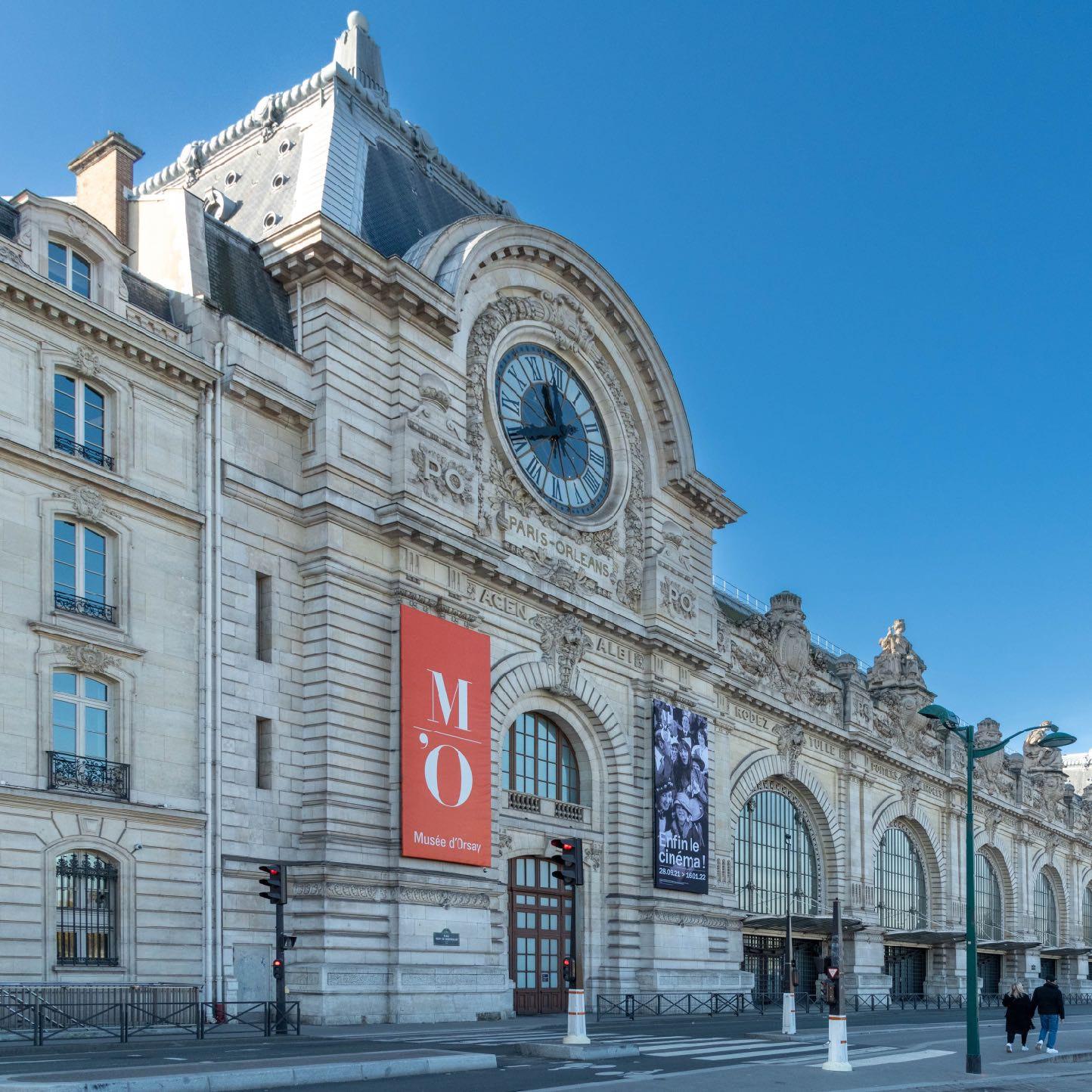
In the Musée d’Orsay, the original model of the New York Statue of Liberty stands in the entrance area. Alongside masterpieces by impressionist painters such as Matisse, Monet, and Renoir, there are also notable artworks by Rodin. Visitors entering the museum are greeted by the nearly threemetre-high statue. The statue was moved from the Luxembourg Gardens to the museum in 2013.
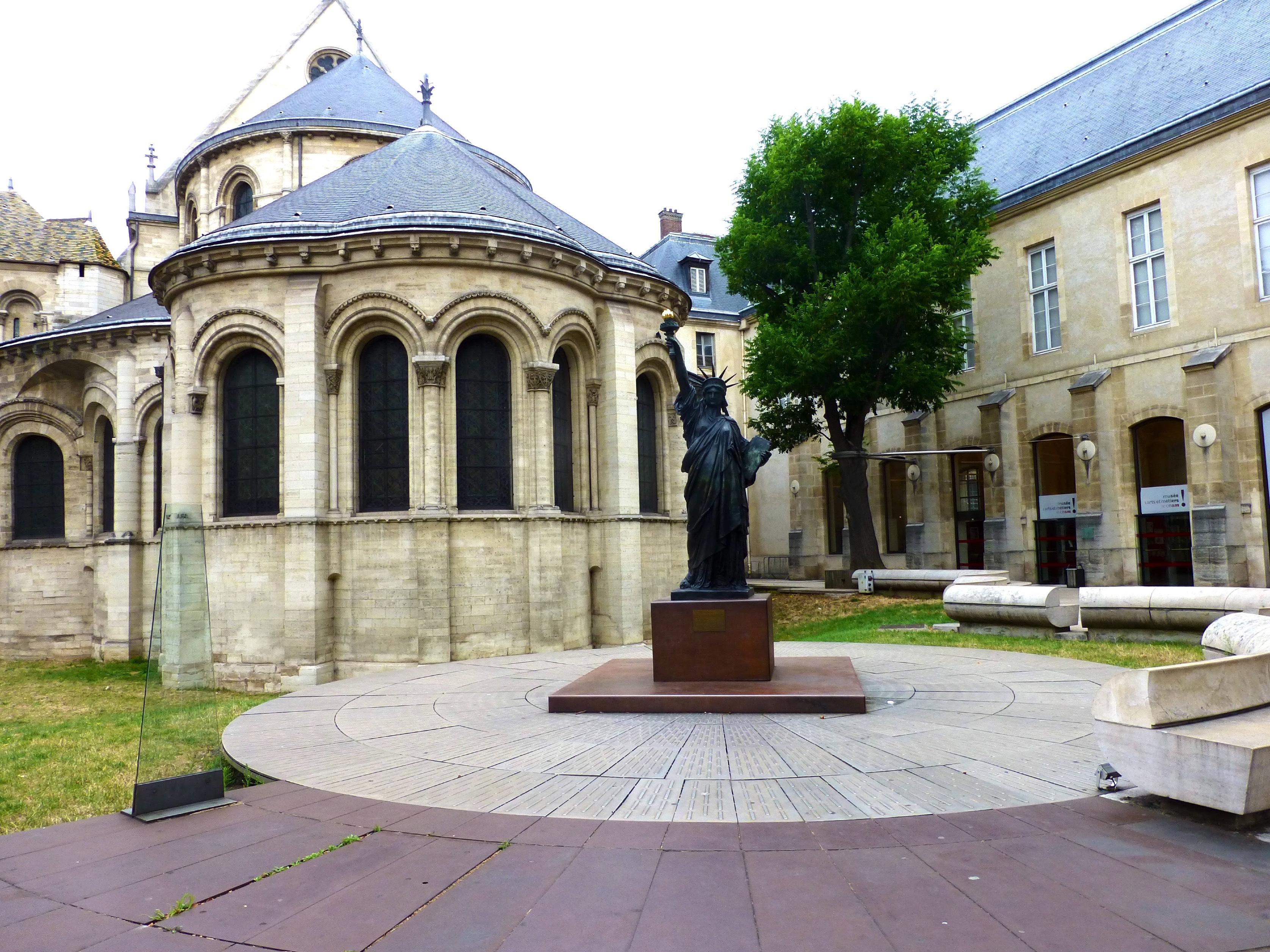
In the Musée des Arts et Métiers, you can find two Statues of Liberty. The first stands in the square in front of the museum. This bronze work was created in 1881 with the involvement of Gustave Eiffel. The second Statue of Liberty is made of plaster and can be viewed in the former church. Auguste Bartholdi crafted the plaster model for the construction of the Statue of Liberty in New York.
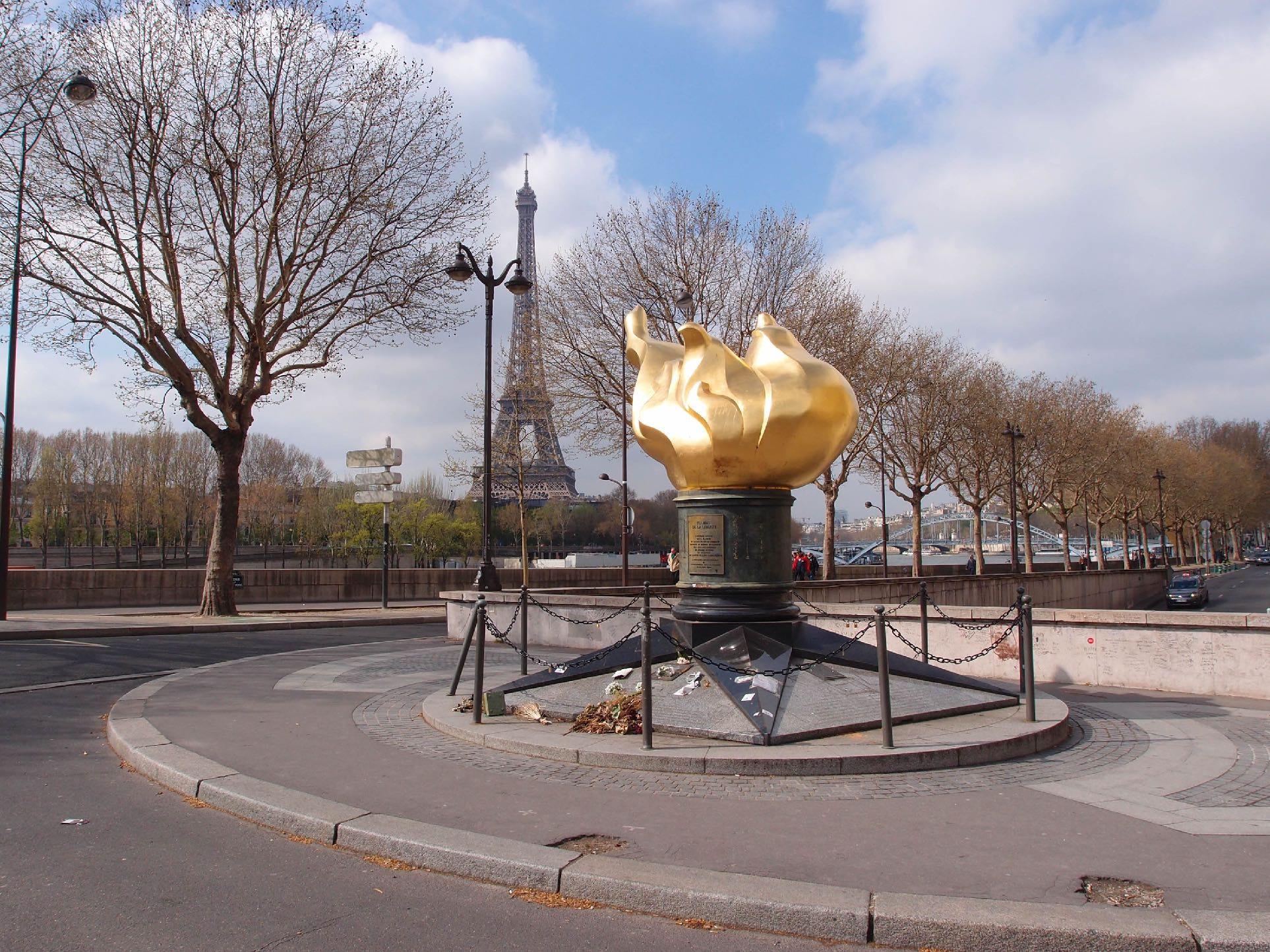
A replica of the Liberty Flame, which the Statue of Liberty in New York Harbour holds in her hand, stands majestically in the square. Place Diana is located at Place de l’Alma, directly above the western entrance of the Voie Georges Pompidou expressway tunnel. The tunnel where Princess Diana tragically lost her life in a car accident on 31 August 1997 runs beneath the square.
Place Michel-Debré
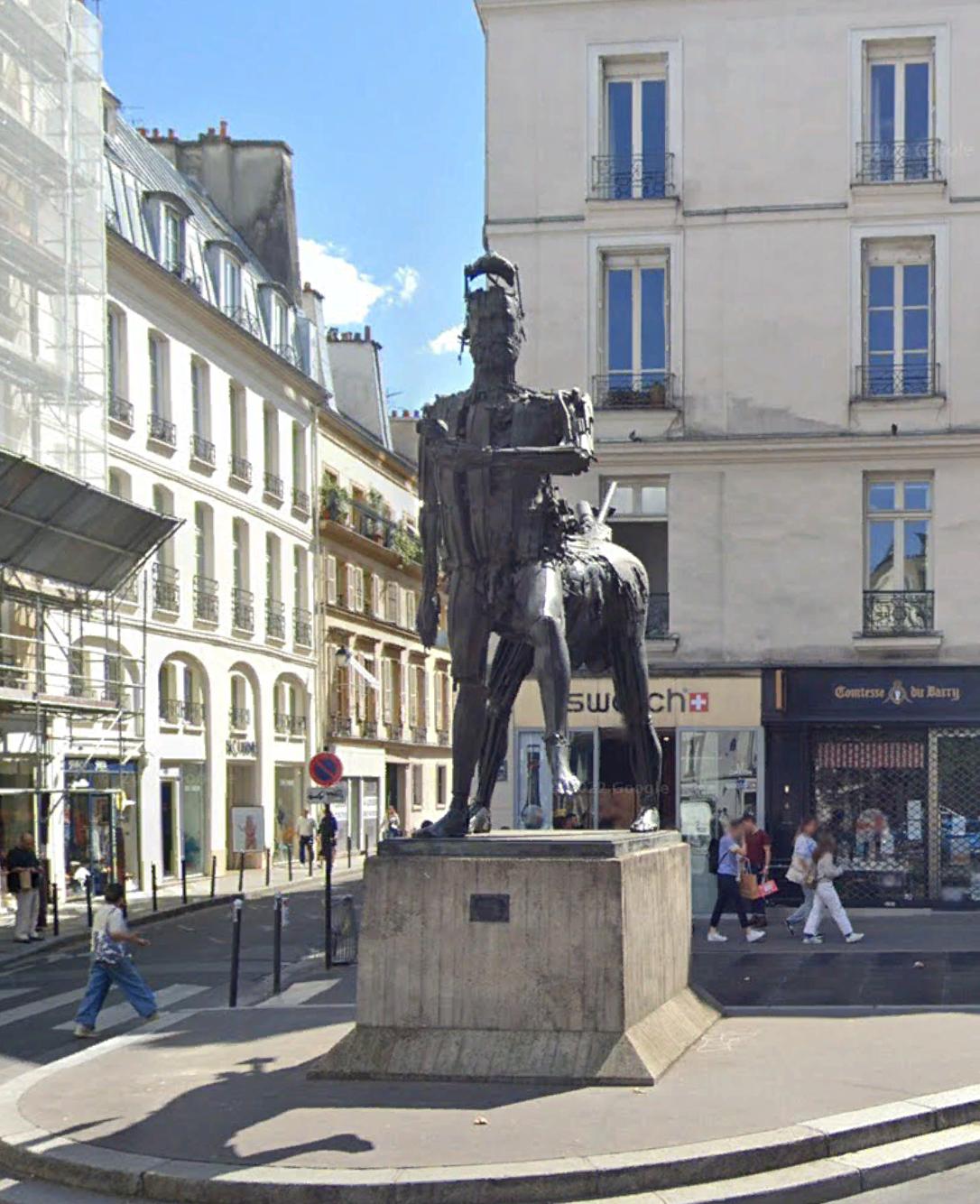
At the intersection of Rue de Sèvres and Rue du ChercheMidi stands an impressive figure, half human and half horse. This centaur is the work of the famous French sculptor César. Created in honour of Picasso, the figure contains numerous symbols. The centaur holds a dove in its hand and carries laurels on its head. A hidden miniature of the Statue of Liberty is located in the upper part of the armour.
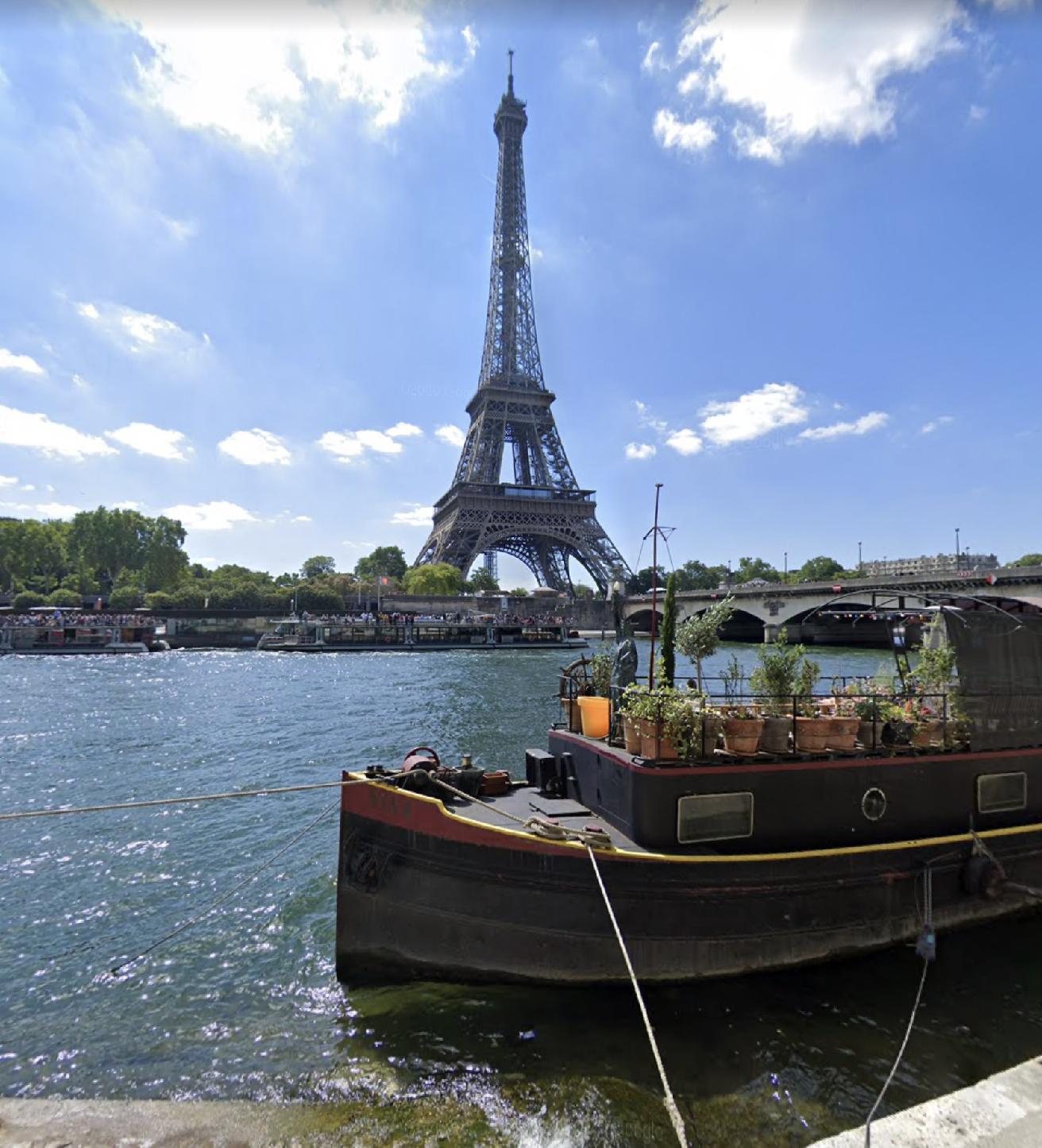
The bridge directly in front of the Eiffel Tower is the Pont d’Iéna. On the Trocadéro Gardens side, about 100 metres along the Seine at Port Debilly, visitors will fi rst come across a floating restaurant. Next to it, at the bow of a small barge, stands another replica of the Statue of Liberty. Port Debilly is ideal for particularly impressive photos of the Eiffel Tower.
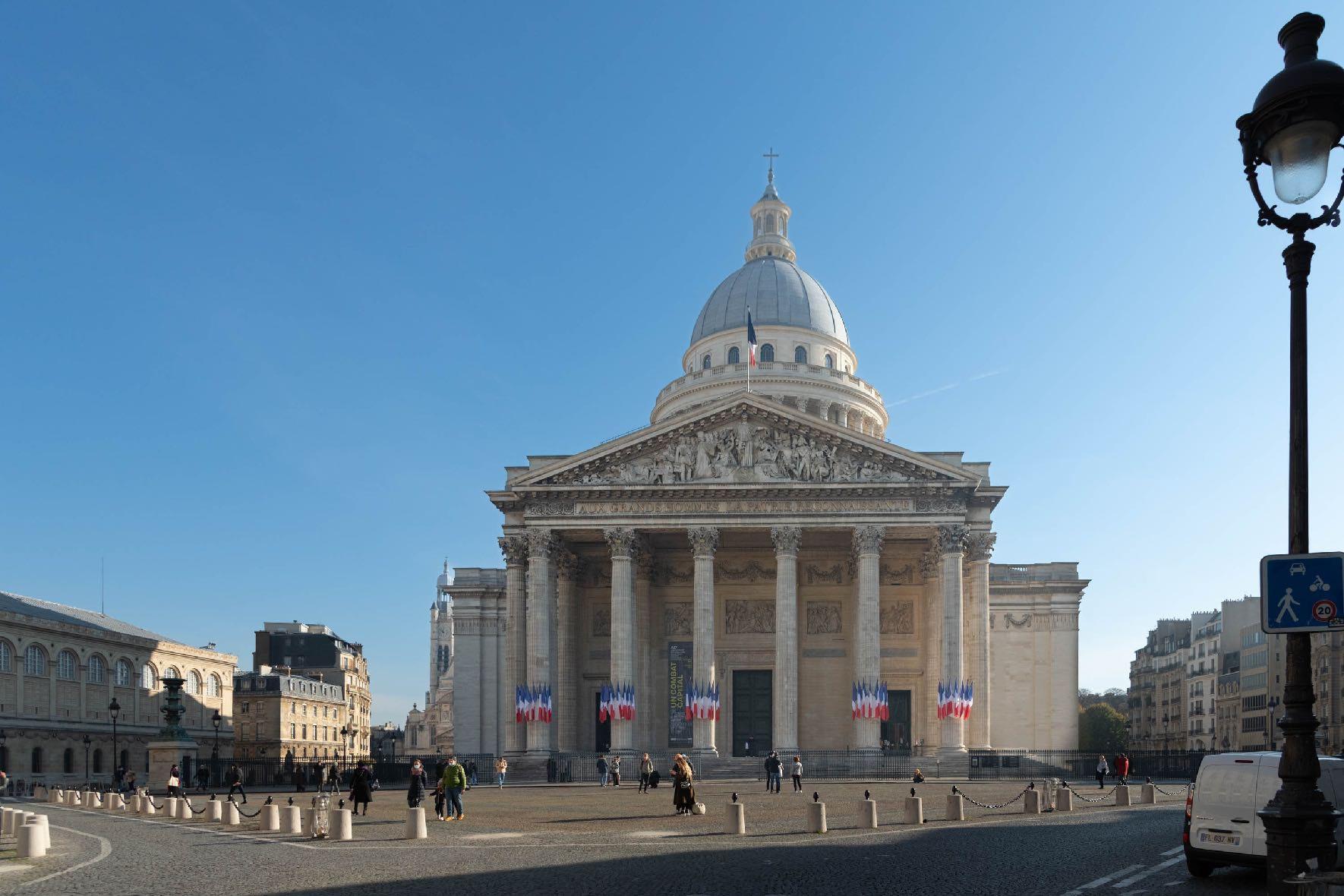
The Panthéon, located on the Montagne SainteGeneviève (Hill of Saint Genevieve) in Paris, is a significant symbol of France. It serves as a national hall of fame and houses the tombs of many of the country's famous personalities.
Originally planned as a church, the building was constructed by Jacques-Germain Soufflot and his
students between the years of 1764 and 1790 on the orders of King Louis XV. After its completion, it was repurposed by the leaders of the Revolution as a secular memorial.
Since then, numerous renowned figures have found their final resting place here, including Victor Hugo, Marie Curie, and Voltaire.
with the ÖBB to Paris
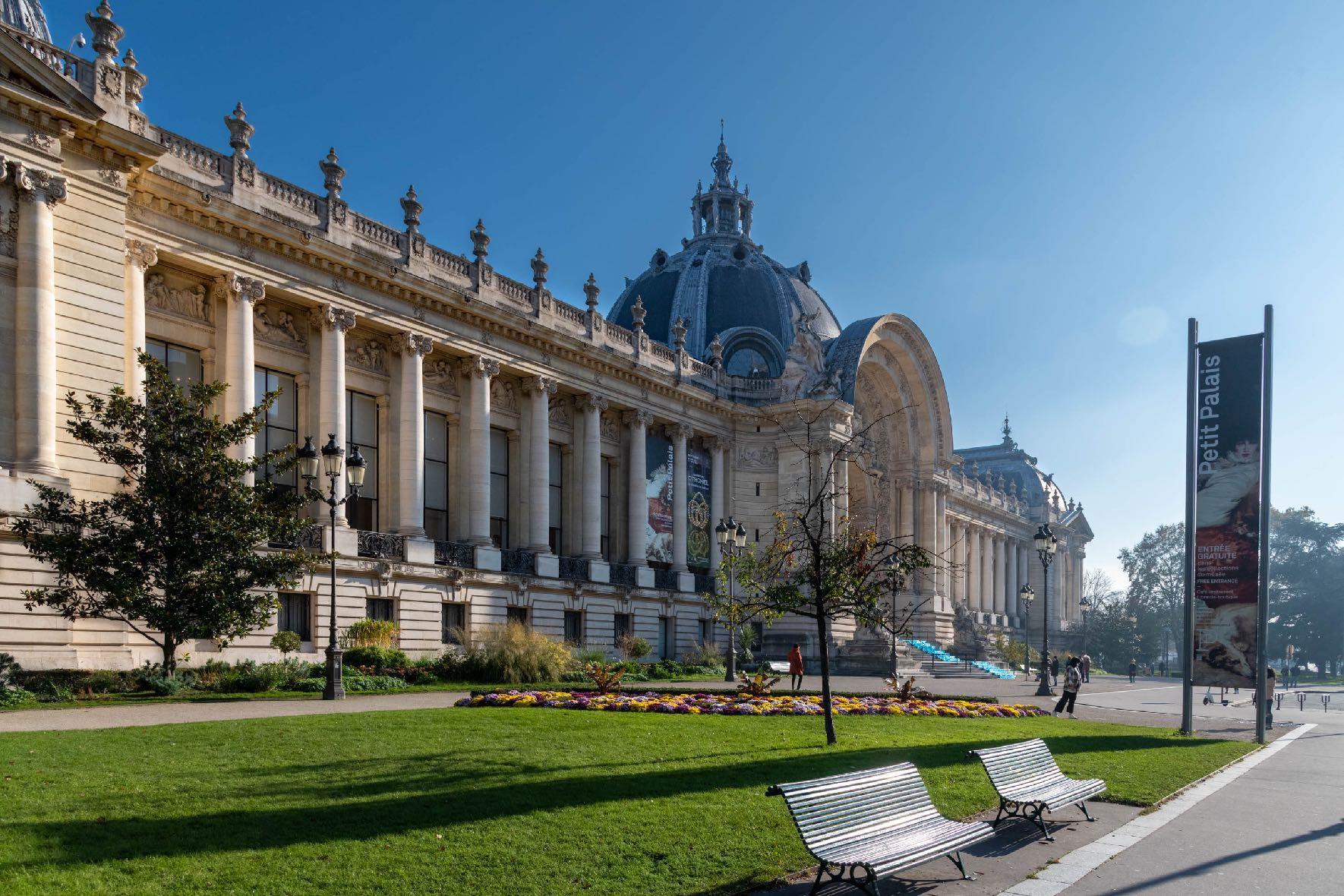
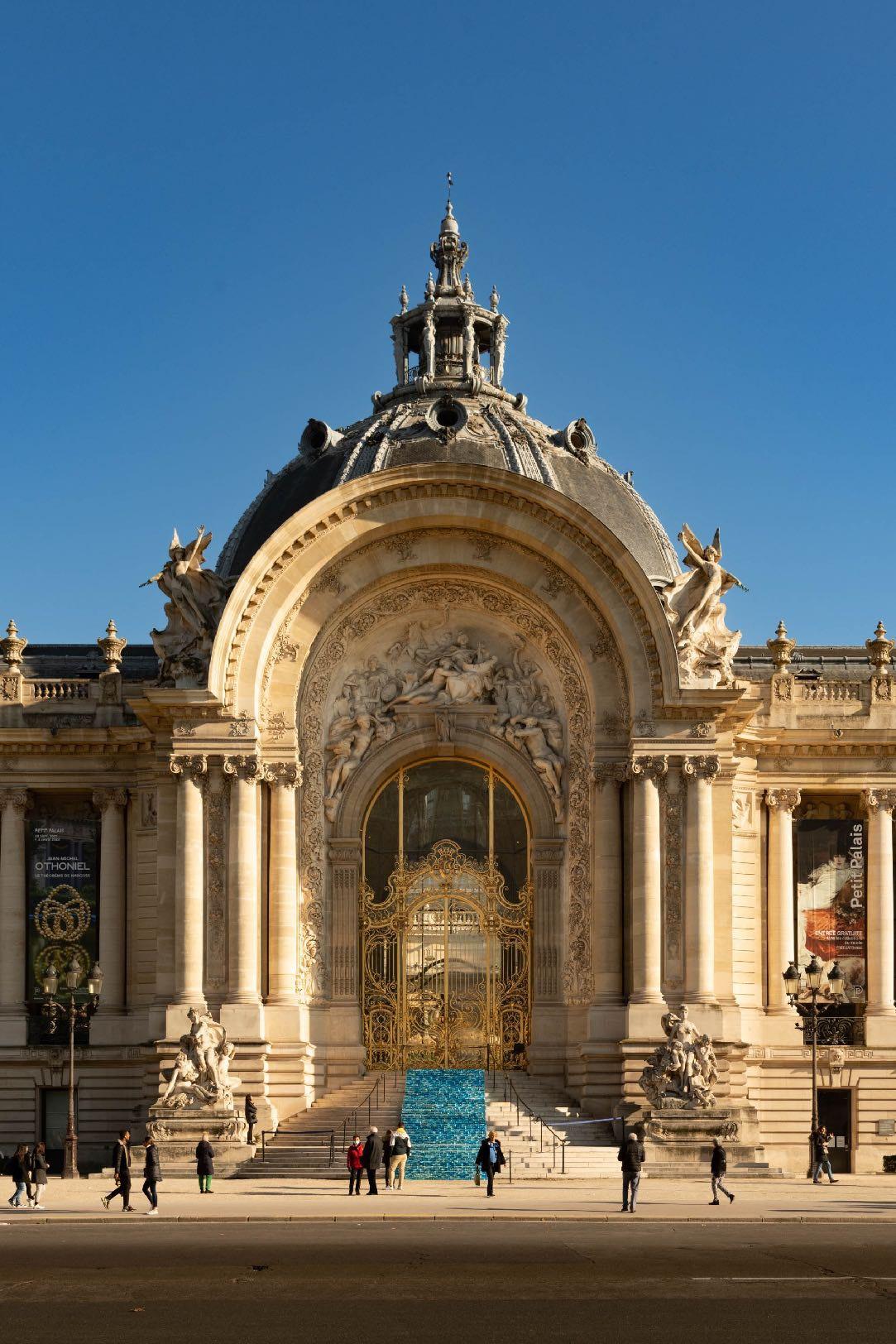
The Petit Palais was constructed from 1897 as an exhibition pavilion for the 1900 World Fair. Today, it houses the Musée des Beaux-Ar ts de la Ville de Paris, the city's fine arts museum. In the "Courbet and Realism" exhibition, visitors are encouraged to visit the impressive oil painting titled "Firefighters Rushing to a Fire." In the Louis VI Hall, one can
admire precious furniture and ceramics. Paintings by renowned artists such as Paul Cézanne, Gustave Courbet, and Auguste Rodin are also displayed here. Another highlight of the collection is the painting "Tea in the Afternoon" by Marie Bracquemond. Admission to the Petit Palais is free.
with the ÖBB to Paris
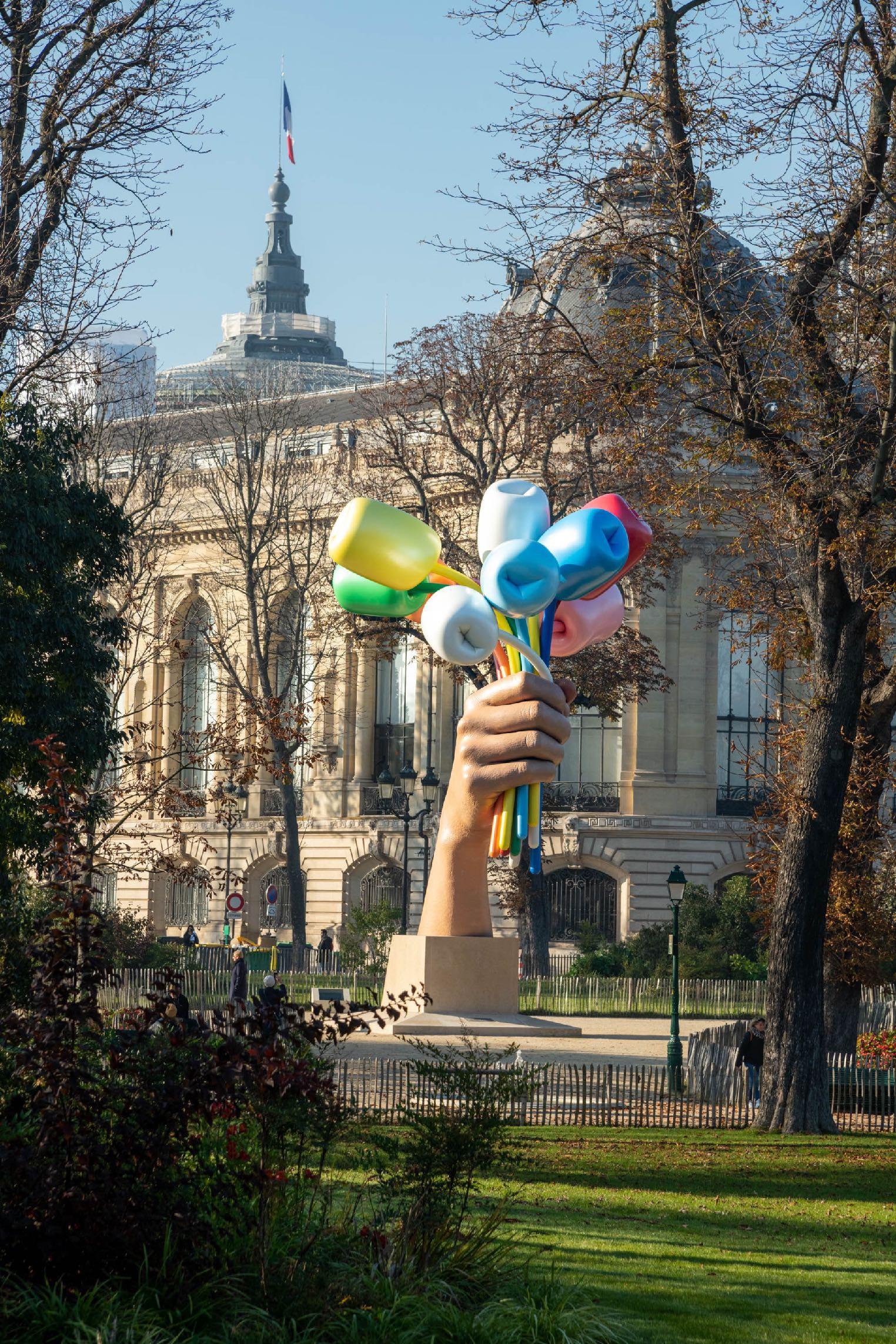
The metal sculpture Bouquet de tulipes, created by Jeff Koons, stands east of the Petit Palais and is a tribute to the victims of the November 2015 attacks. The 11-metre-high hand, modelled after the Statue of Liberty, holds stylised flowers and is made of polychromed bronze, aluminium, and stainless steel. The bouquet deliberately consists of 11 flowers to honour the victims, while the missing 12th flower symbolises the losses. The sculpture is an impressive symbol of remembrance and commemoration.
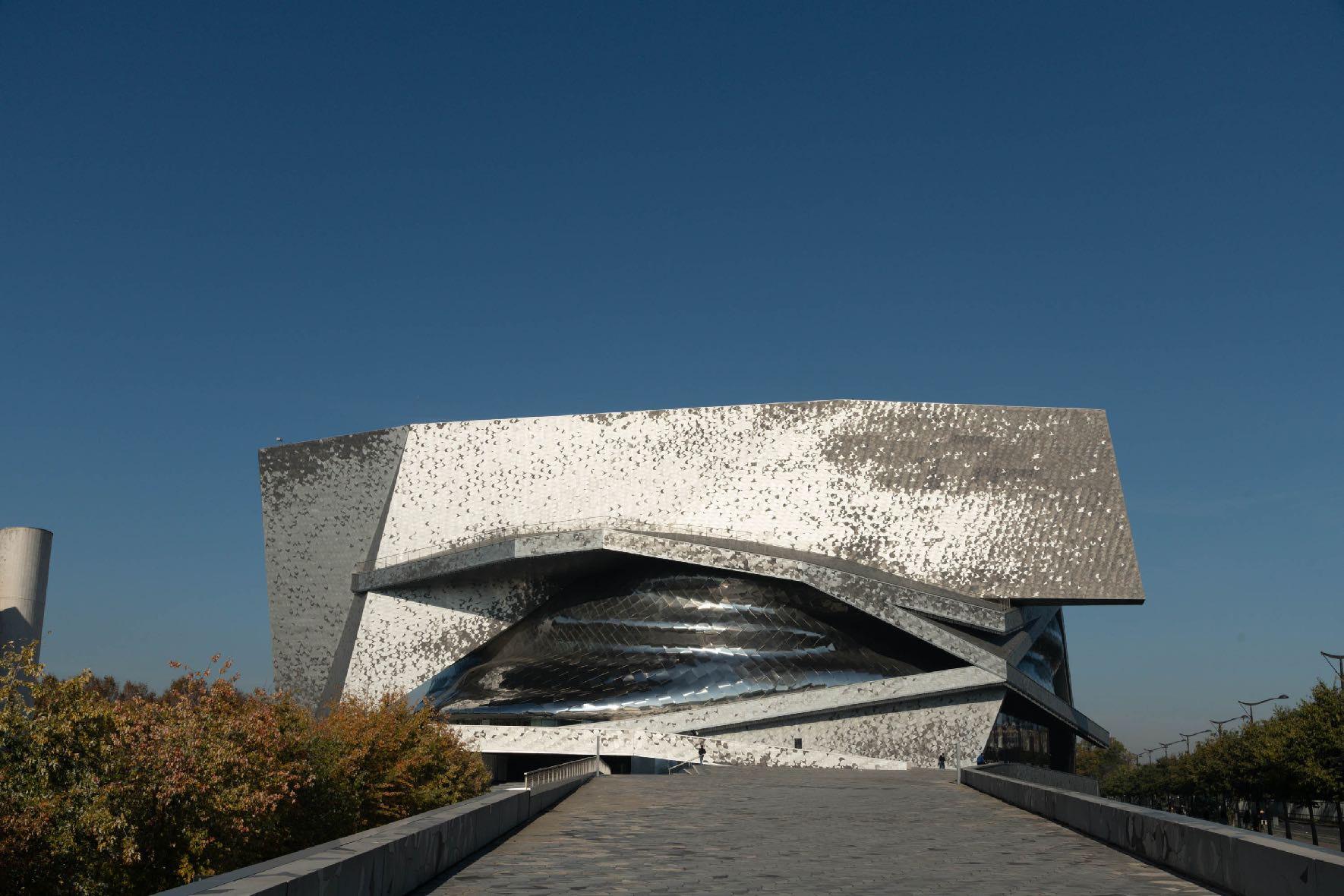
The Philharmonie de Paris is the city's musical hub. The impressive building was designed by Jean Nouvel. During the day, visitors can explore the Musée de la Musique and its rotating exhibitions. In the evenings, music lovers can choose between three concert halls. The Grande Salle enchants with its exceptional acoustics.
The Philharmonie de Paris offers a diverse programme with exciting events for art enthusiasts, including concerts, shows, and temporary exhibitions. A hidden gem is the BELVÉDÈRE, a viewing point on the roof of the building. The Philharmonie de Paris is open Wednesday to Sunday from 12:00 pm to 8:00 pm.
with the ÖBB to Paris
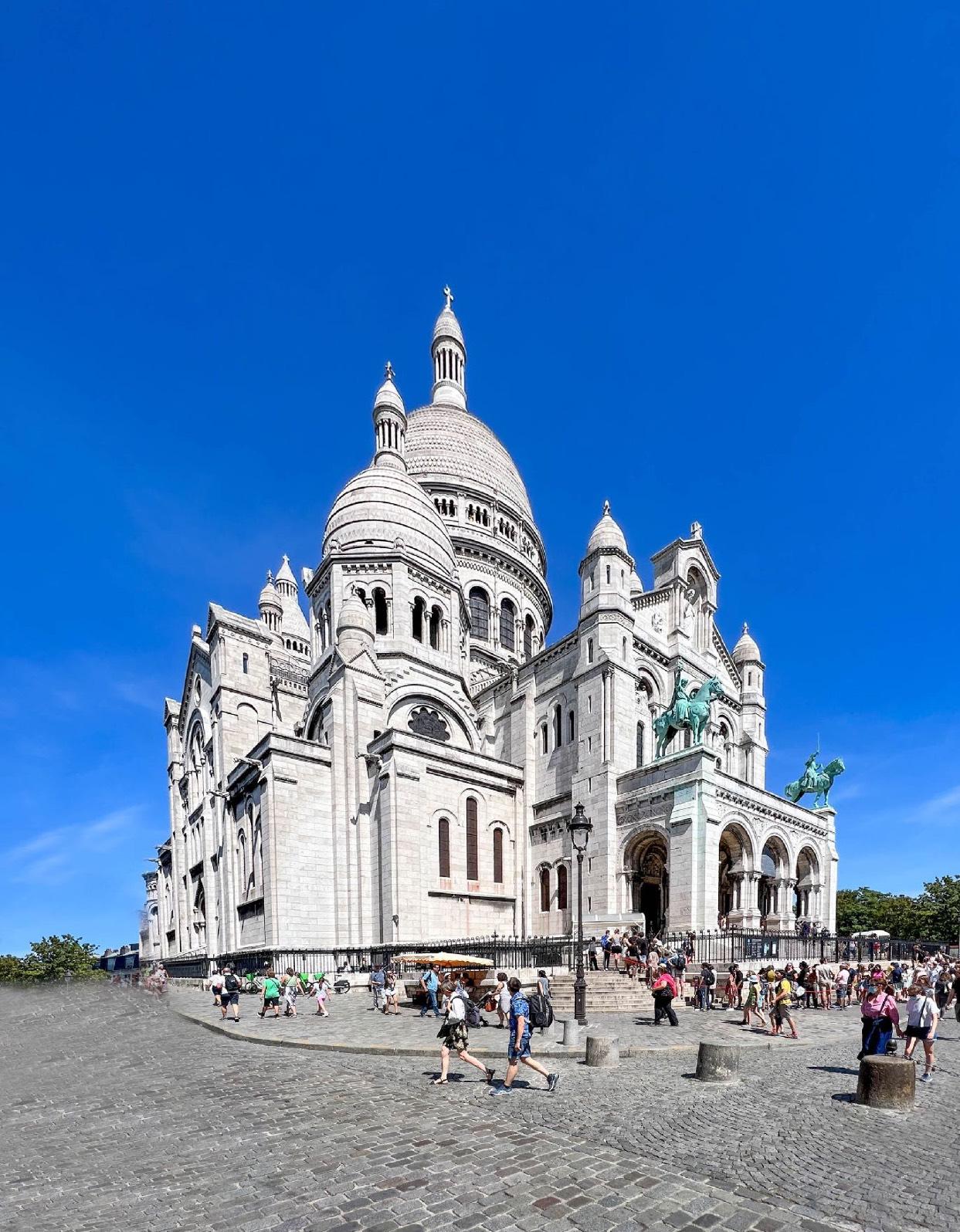
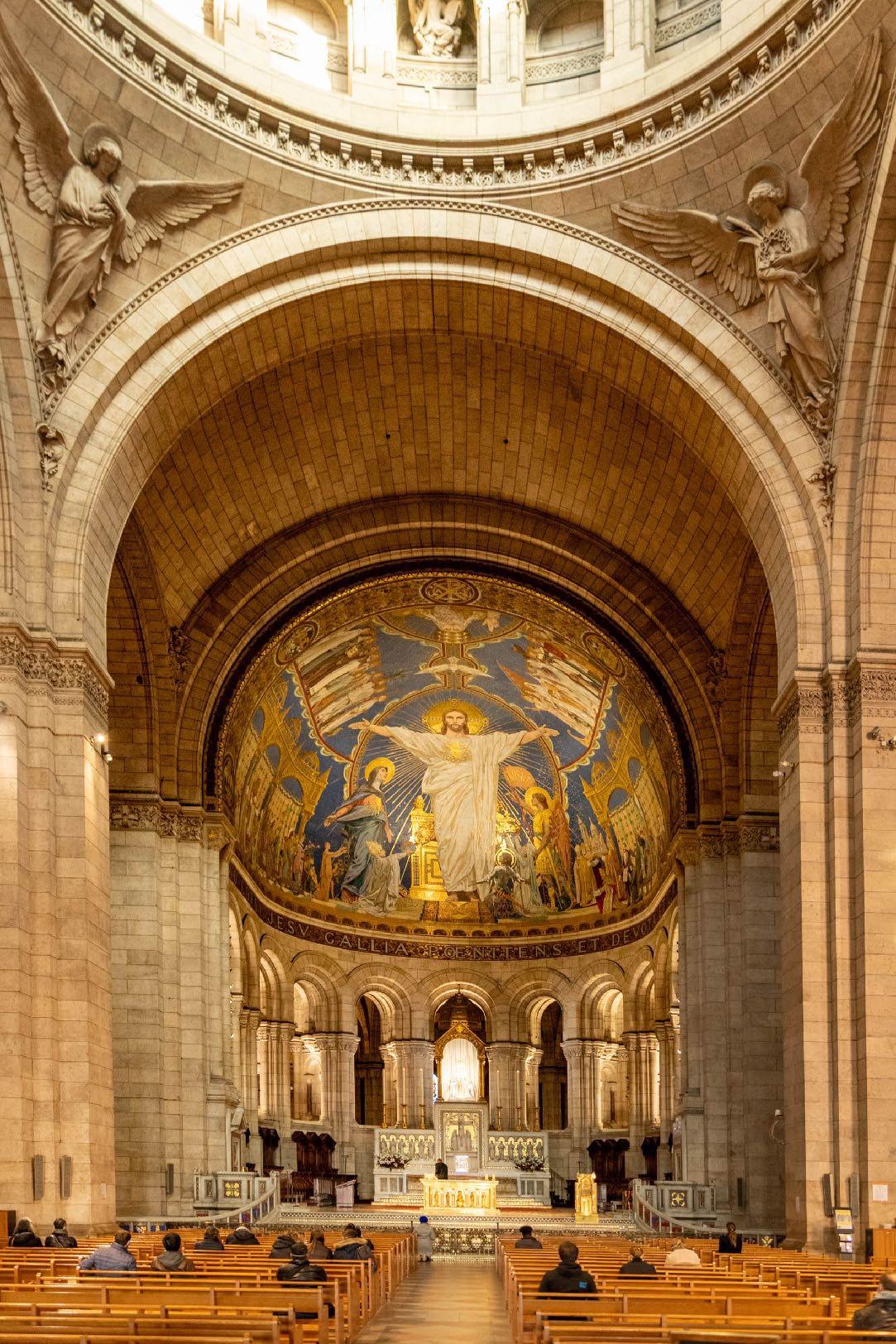
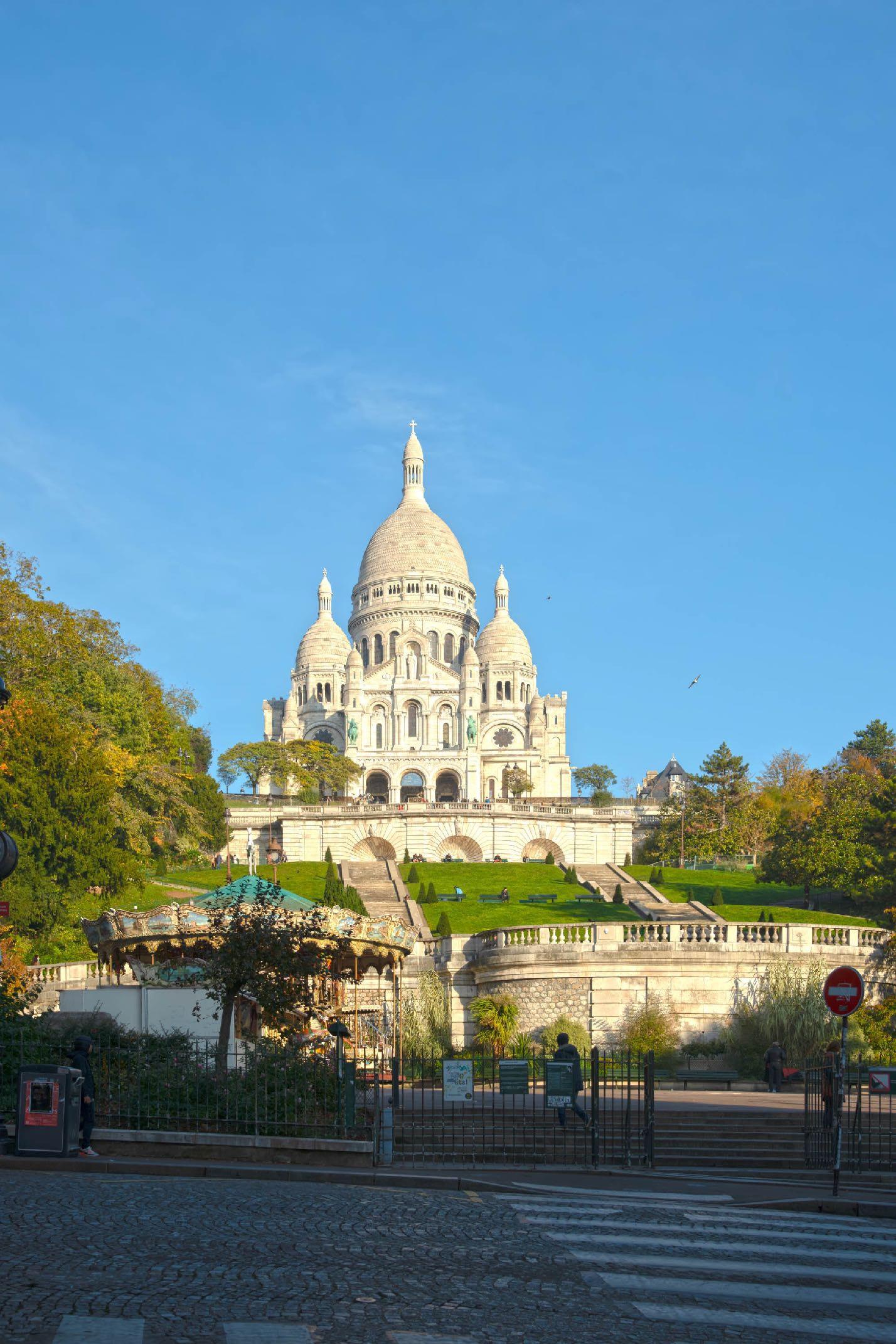
The Basilica of Sacré-Cœur on Montmartre Hill is a Roman Catholic pilgrimage church. Construction of this neo-Byzantine style building began in the year 1875. The steps in front of the basilica are particularly popular with visitors year-round. Every day, you will see hundreds of people sitting on the steps, enjoying the breathtaking view over the city
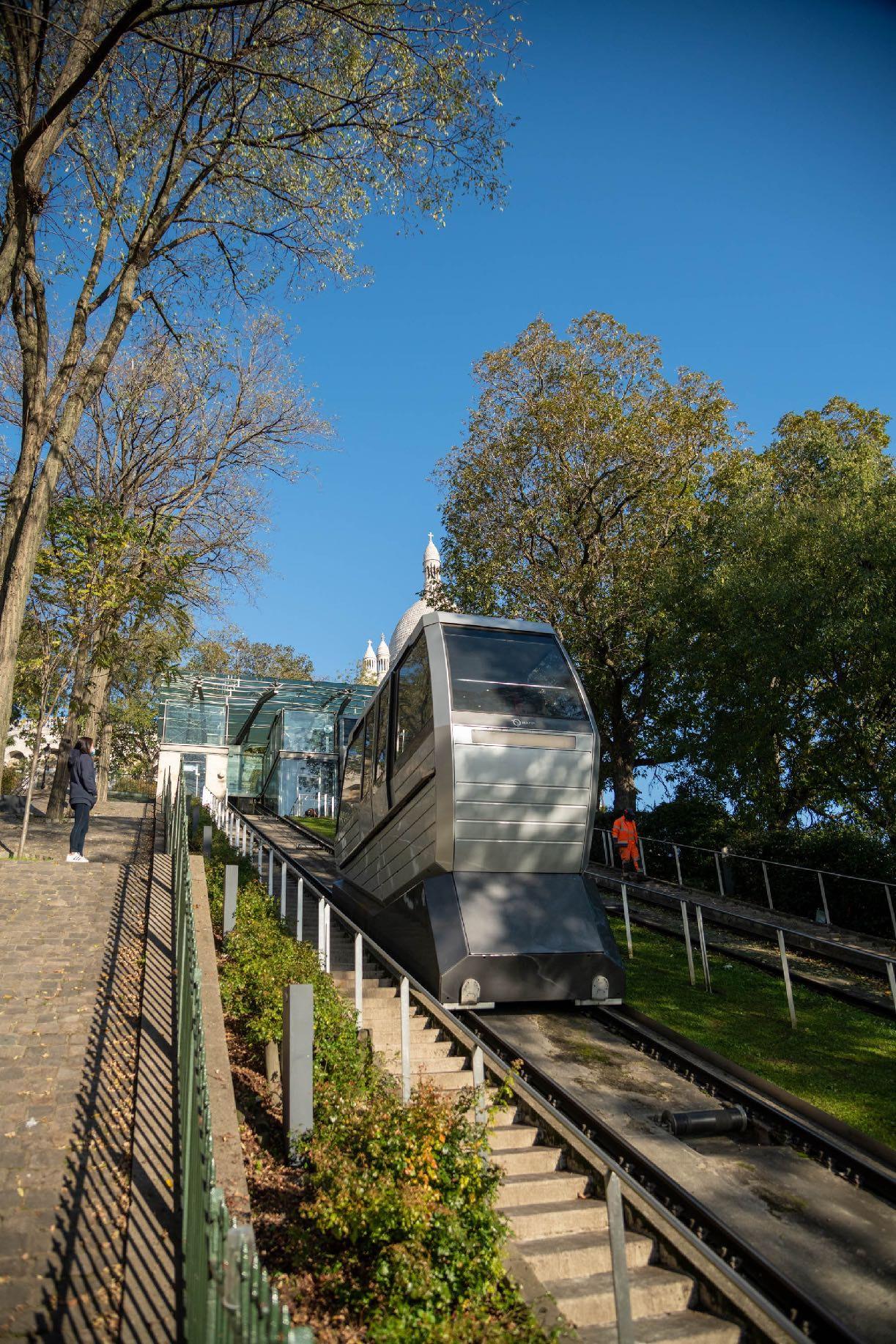
from this elevated position. From here, you can also spot the nearby church of St-Vincent-de-Paul de Paris. Another way to reach the basilica is via the Funiculaire de Montmartre – a funicular railway that bypasses the lower part of the steps. The cost is equivalent to a metro ticket. Entry to the basilica is free.
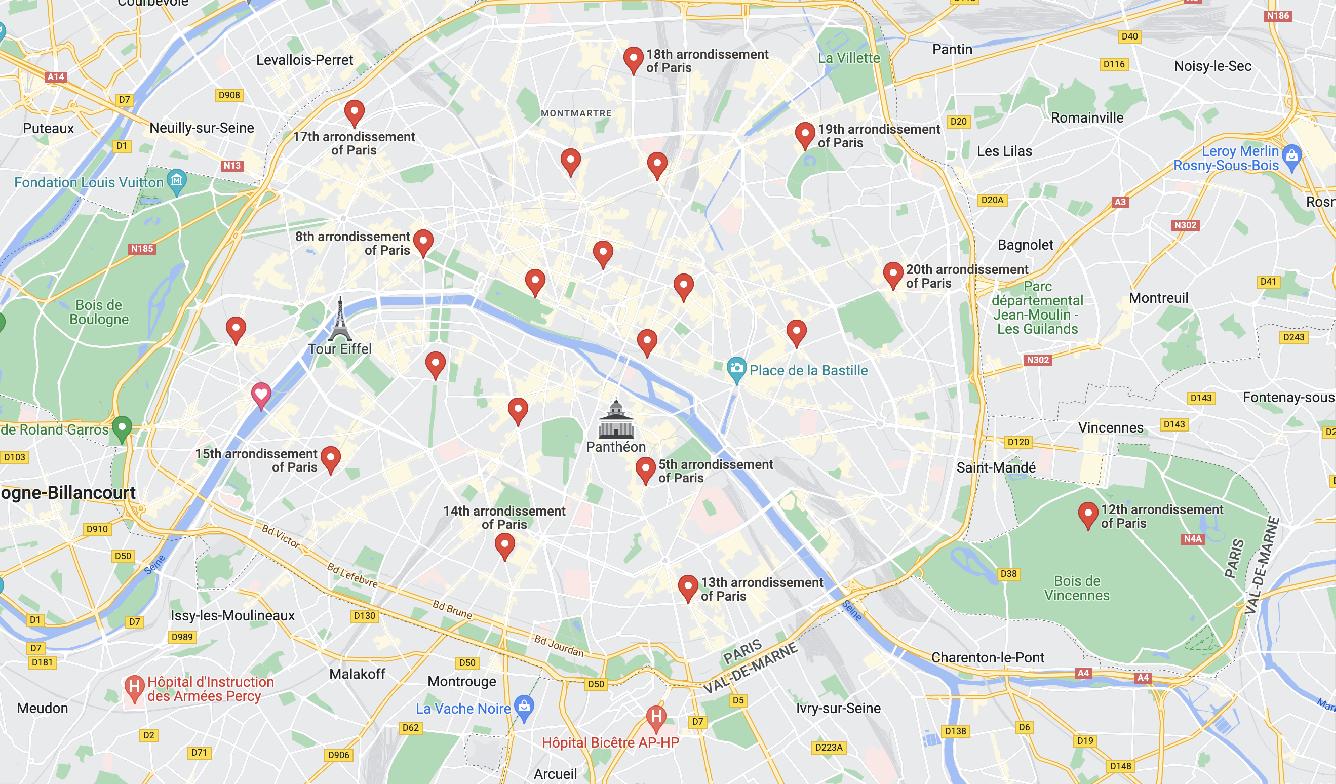

The French capital is divided into 20 arrondissements (or districts). Each administrative district is made up of four quartiers (quarters or neighbourhoods).
The first numbering was carried out in the year 1795. The last addition to the sequence of numbers took place in 1859. Arrondissement No. 1 is the Louvre district. The numbers were assigned in a spiral, clockwise from the centre of the city outwards.
For that reason, at the borders of some districts, numbers meet that seemingly do not match. For example, the 9th arrondissement borders the 8th and 10th, but also the 1st, 2nd, and 18th districts. This often affects both sides of the same street (each street sign displays the arrondissement number).
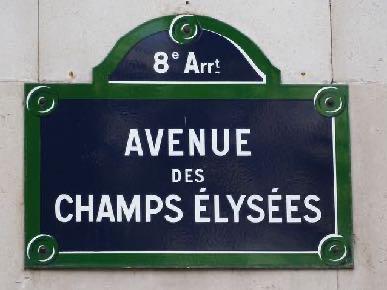
In the heart of Paris lies the 1st arrondissement. With its numerous attractions, hotels, restaurants, and shopping opportunities, it is one of the oldest areas along the Seine.
The district stretches from the Louvre Museum to Place Vendôme. Among its most famous attractions, besides the Louvre, is the Jardin des Tuileries, which lies between the palace and the Place de la Concorde. The western tip of the Île de la Cité is also part of the Louvre district.

The 3rd arrondissement lacks the typical Parisian tourist attractions, but instead exudes an authentic charm. In the southern part lies the sought-after Marais, which is known for its trendy bars, cafés, boutiques, and art galleries.
Even though it is close to the city centre, it is a relatively quiet place, perfect for lingering. There are still some addresses worth seeing. The Picasso Museum, Place de la République, and several grand mansions are definitely worth a visit.
The 2nd arrondissement on the right bank of the Seine is the smallest district in the city, yet it remains a popular attraction for tourists. The area once housed the Paris Stock Exchange and is considered the financial centre of Paris. Thanks to its central location and numerous hotels, it is an excellent starting point for visitors who wish to stay close to Paris's main attractions.
The area boasts countless cafés with the typical "Parisian ambiance," numerous boutiques, and arcades. The main tourist attraction of the district is undoubtedly the Paris Opera.
The vibrant 4th arrondissement is full of well-known tourist attractions. Here you will find the Notre-Dame Cathedral, the Town Hall, and the Centre Pompidou.
In this historic district, you will also find parts of the Marais, Notre-Dame, and Quartier Latin neighbourhoods, as well as the Seine islands Île de la Cité and Île Saint-Louis.
There are also numerous restaurants, cafés, and hotels, making the district one of the most popular destinations for visitors to the city.
Luxembourg is considered the spiritual and intellectual heart of Paris. The district is very popular with locals and includes the famous Saint-Germain-des-Prés quarter, which still recalls the splendour of bygone days when authors and philosophers frequented the shops and lingered.
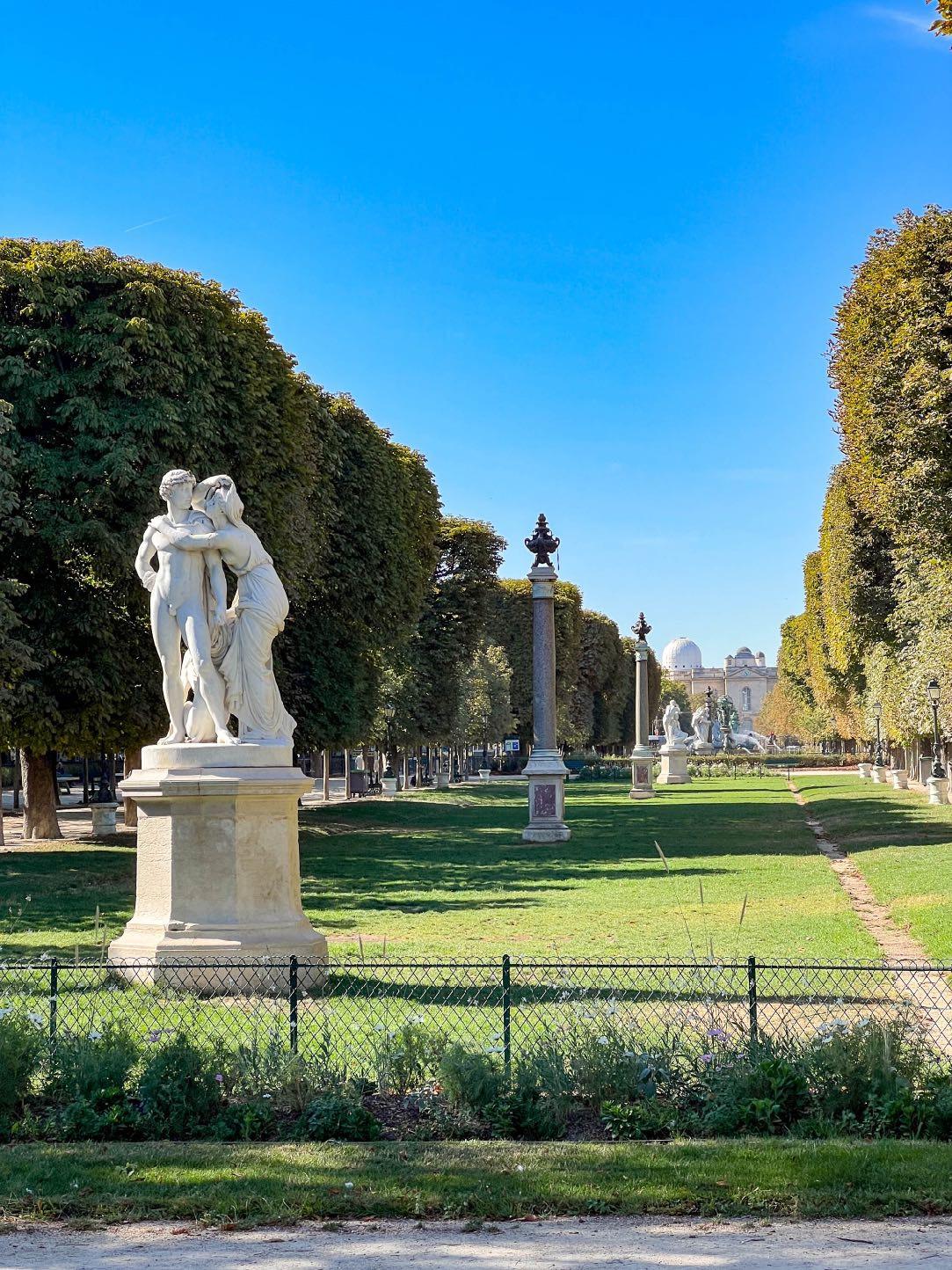
In addition to cultural sites and art galleries, one can also find romantic cafés and various shops here. The Jardin du Luxembourg provides a refreshing green space in the area. It features another replica of the Statue of Liberty from New York and monuments to French queens.
The 5th arrondissement on the left bank of the Seine is also a popular district in Paris. Here you will find the Latin Quarter, a vibrant student area that has developed around the renowned Sorbonne University.
The Quartier Latin exudes a very unique Parisian charm with its winding alleys and quaint bistros.
The main attractions of the district include the Panthéon, the Botanical Garden, and the picturesque shopping street Rue Mouffetard with its delicatessens, cafés, and restaurants.
The 7th arrondissement is considered one of the most popular districts of Paris, mainly due to the worldfamous Eiffel Tower.
The trendy left bank district also offers a range of significant museums such as the Musée d’Orsay, the Musée du Quai Branly, and the Musée Rodin. Bourbon is considered one of the most exclusive and also most expensive residential areas in Paris.
The 9th arrondissement is renowned for the famous Opéra Garnier, built in the year 1875. Its large shopping centres, such as Galéries Lafayette, Le Printemps, and Nouvelles Galéries, mainly attract crowds of shoppers.
On the border with the 18th arrondissement (to the north) lies the well-known entertainment district of Pigalle.
With its many hotels offering good value for money, the ninth district is a very pleasant place to stay.
Here lies the most famous street in Paris, the Avenue Champs-Élysées. The most exclusive luxury shops line up one after another. This area is very expensive, even by Parisian standards. The excellent public transport and the prime central location, which allows everything to be reached on foot, contribute to the popularity of the eighth district.
The attractions in this area include the Arc de Triomphe, the Élysée Palace, and the Place de la Concorde.
The 10th arrondissement in Paris is an up-and-coming district featuring picturesque pedestrian bridges and unconventional cafés along the Canal Saint-Martin.
In the alleys around Place de la République feature trendy bars and restaurants, while the Marché SaintMartin offers gourmet food stalls. Rue Sainte-Marthe is a quiet street lined with art studios and international restaurants.
The international train stations Gare de l’Est and Gare du Nord are located almost next to each other. The Gare de l’Est is the terminus for the ÖBB Nightjet, while the Eurostar from London arrives at Gare du Nord.
On the border between the 11th and 12th arrondissements is the Opéra Bastille. This district also houses the international train station Gare de Lyon.
This quiet district is mainly a residential area. From a tourist perspective, it is rather calm here. Thanks to public transport, it is easy to reach the city centre, making it an ideal starting point for visitors on a city trip.
The district's attractions include the impressive clock tower of Gare de Lyon and the railway embankment turned park: Viaduc des Arts.
The 11th arrondissement is a diverse and popular district that attracts night owls who want to visit the lively bars around Rue Oberkampf and the surrounding streets.
Gourmets and fashion enthusiasts alike flock to the boutiques and elegant restaurants around Rue de Charonne.
Especially the Parisian youth likes to gather in this lively quarter.
In the 13th arrondissement, visitors will encounter a variety of cultural influences. Everything from classic buildings to modern skyscrapers can be found here.
This district is heavily influenced by its East Asian atmosphere, as many people with Asian heritage have settled here. There are numerous Asian restaurants serving delicious dishes.
Also worth mentioning is the Butte-aux-Cailles quarter, which impresses visitors with its rural charm and its trendy cafés, bars, and restaurants.
The 15th arrondissement of Paris is a densely populated residential area with picturesque shops located around the La Motte Grenelle metro station and the Tour Montparnasse skyscraper. The Musée Bourdelle houses the studio and garden of sculptor Antoine Bourdelle, where artists like Chagall also worked. In the expansive Parc André Citroën along the Seine, a hot air balloon is used as a viewing platform with city views.
At the southwestern tip of L’île aux Cygnes stands a replica of the Statue of Liberty from New York.
The 14th arrondissement includes Montparnasse, a shopping district with simple restaurants, creperies, and historic bistros. The unconventional spirit of the area is re fl ected in its lively cafés and the Montparnasse Cemetery, where notable figures like Jean-Paul Sartre are buried.
The Catacombs of Paris attract adventurous tourists, while contemporary art lovers visit the Fondation Henri Cartier-Bresson. A prominent landmark in this area is the 210-metre-high Tour Montparnasse.
The 16th district is home to many exclusive museums and diplomatic missions, including the Fondation Louis Vuitton and the Palais de Tokyo.
The wealthiest residents of the city live here. There are countless trendy restaurants as well as the Maison de Balzac, a house museum where the writer once lived.
South of the 850-hectare Bois de Boulogne is the Parc des Princes football stadium, home to the team of Paris Saint-Germain.
The Butte-Montmartre district is situated around the picturesque Montmartre hill ("La Butte"). This former artists' village was once home to famous painters such as Pablo Picasso and Salvador Dalí.
The imposing Basilica of Sacré-Cœur de Montmartre crowns the hill. From the steep, winding streets of the district, visitors have a breathtaking view of the city.
The Place du Tetre, the Dali Museum, and the Montmartre Cemetery are also worth a visit. The Moulin Rouge cabaret is one of Paris's most recognized and famous landmarks.

The 17th arrondissement is the perfect place to relax during your visit and spend a beautiful day.
Place de Clichy is a meeting point for local youth. Tourists visit the Musée national Jean-Jacques Henner. In the narrow streets of the Batignolles quarter, one can find shops, wine bars, and restaurants that attract an unconventional crowd.
The boulevards converge in a star shape at Place Charles de Gaulle. At the centre of the square stands the Arc de Triomphe, which is also the starting point of the Champs-Elysées.
The 19th arrondissement in the north of Paris was once considered an unpleasant area, but it has now become a popular district.
Among the most beautiful attractions in this arrondissement are the Parc des Buttes-Chaumont with its waterfalls, built on a quarry, and the Parc de la Villette, which houses the Cité des Sciences museum.
Families also enjoy the Canal de l’Ourcq with its riverside promenade and the cycle path that leads to the Parc de la Villette.
The 20th arrondissement of Paris is an unusual area that evolved from a former industrial centre. The trendy Belleville quarter buzzes with activity thanks to a large number of affordable Chinese restaurants and numerous new galleries for contemporary and street art. The gritty bars in this area are frequented by a rather artistic crowd.
Overall, it is a cosmopolitan residential area for immigrants. A popular attraction is the Père Lachaise Cemetery, where celebrities such as Oscar Wilde and Jim Morrison are buried.
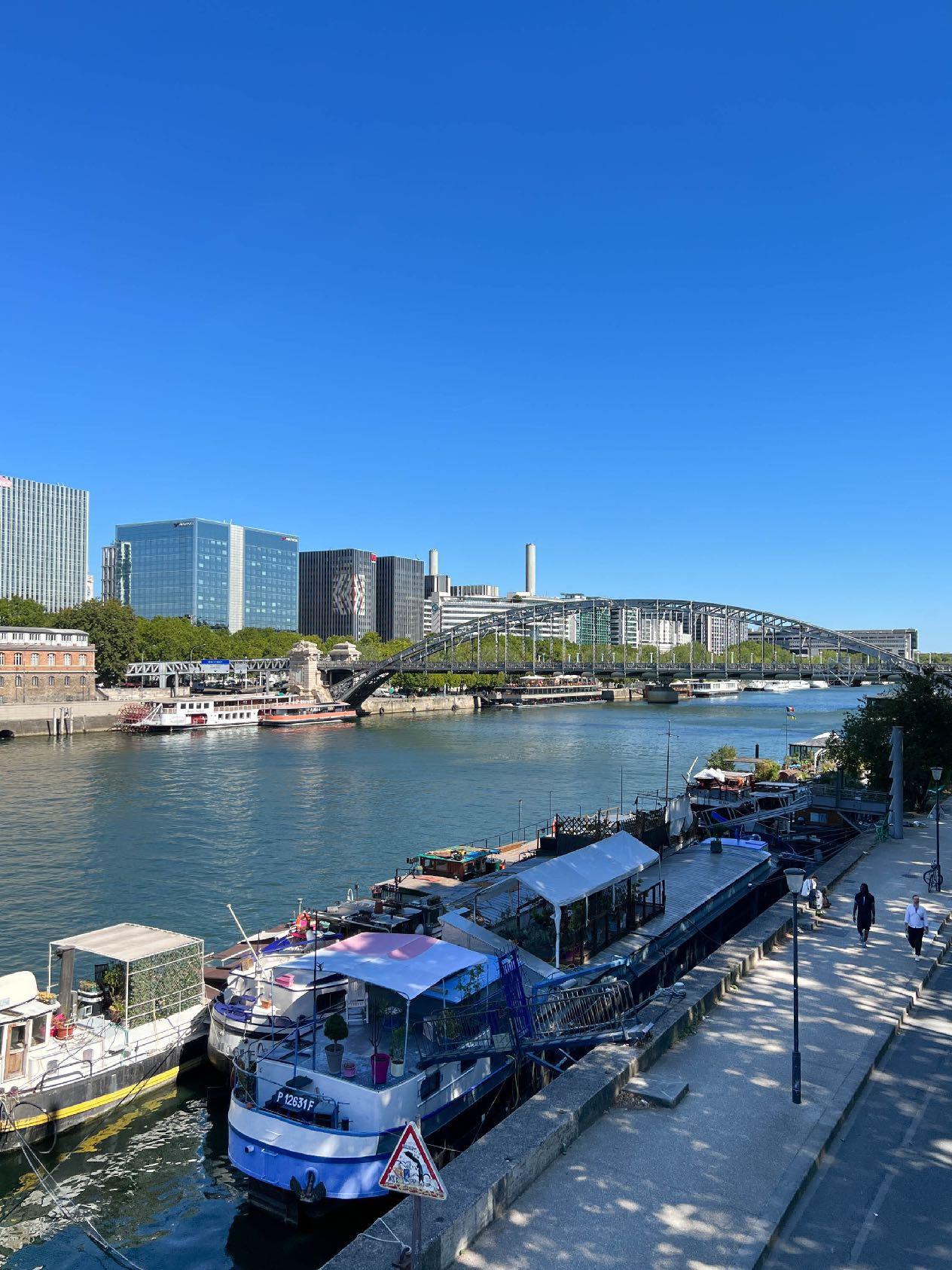

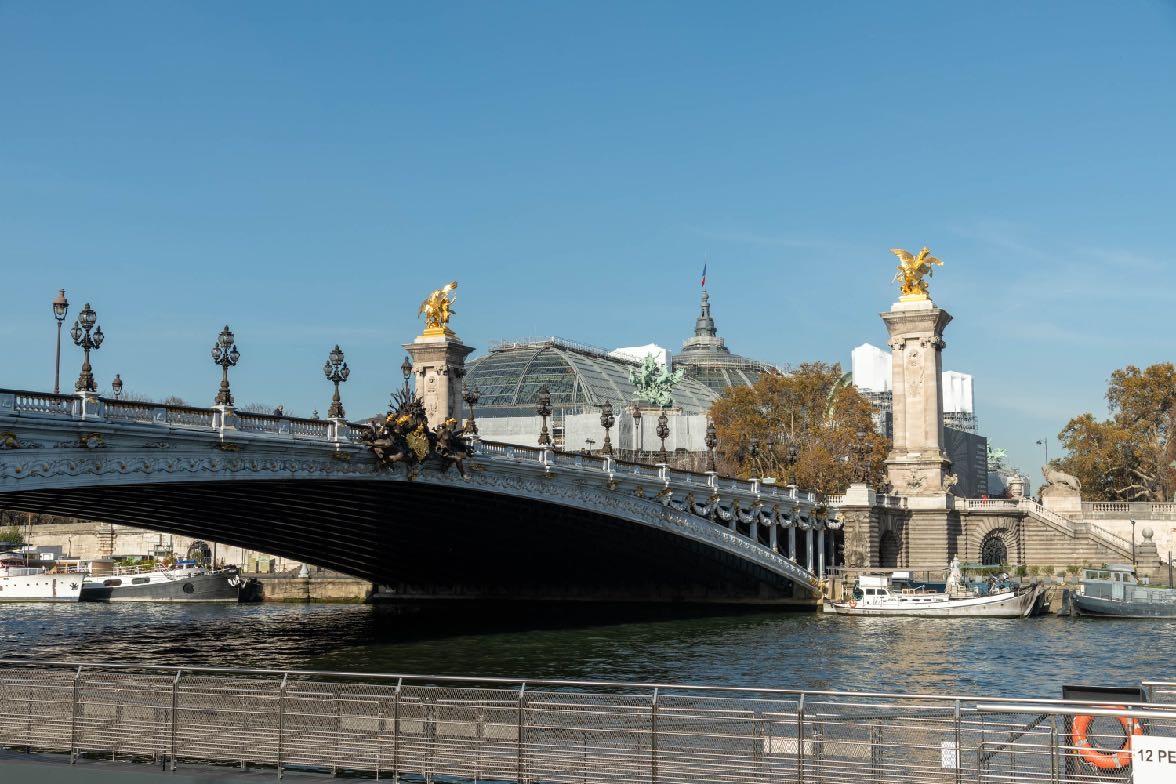
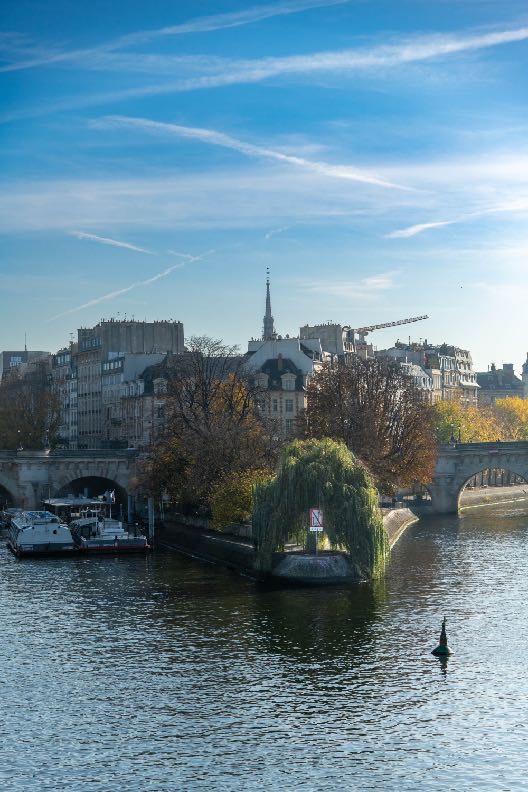
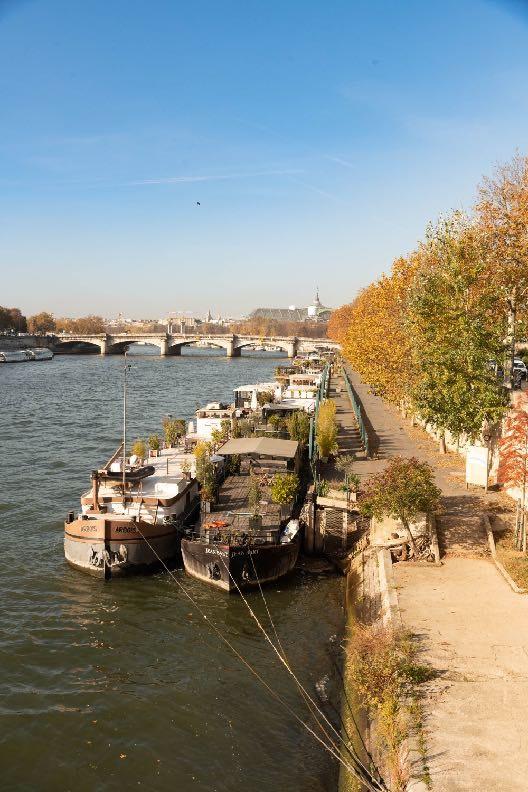
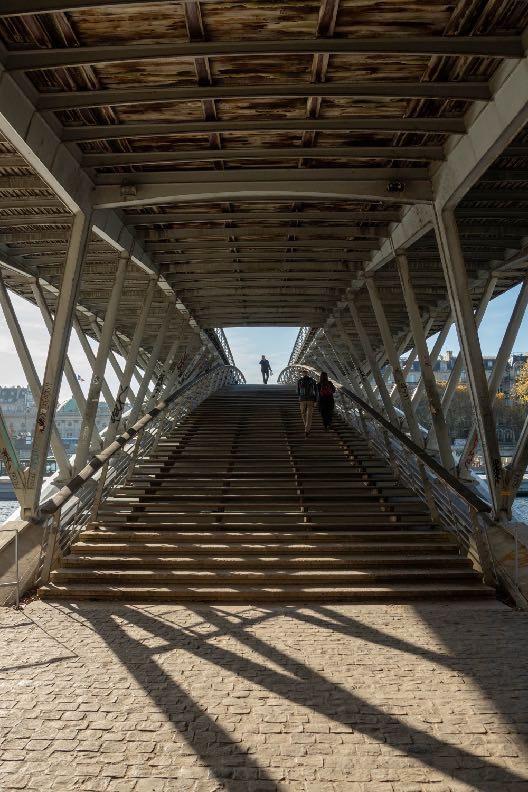
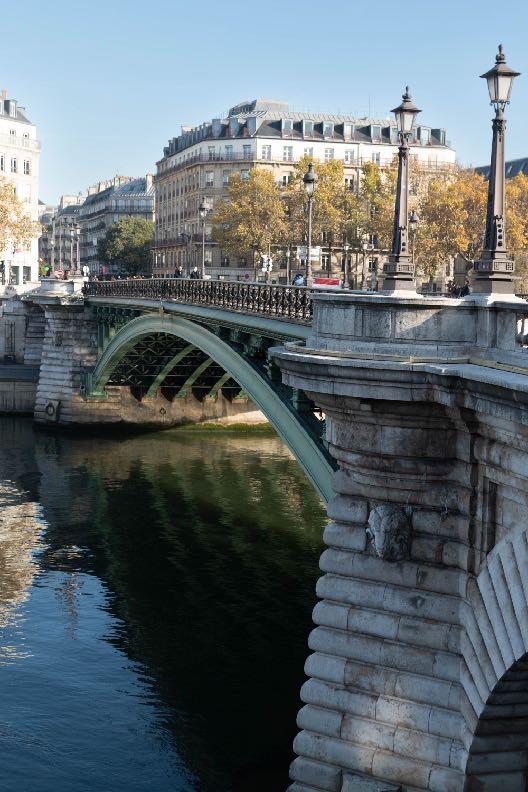
The city of Paris and the river Seine create an incredible place to simply get lost in. A walk along the banks of the Seine is a refreshing way to discover the beauty and charm of this stunning city. There are many ways to explore the Seine, from boat tours and bicycle rentals to the famous ferries.
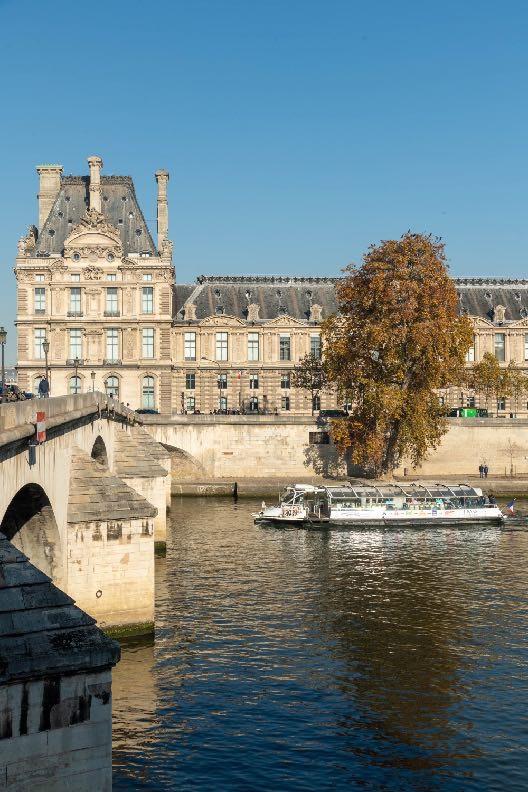
A walk along the banks of the river Seine is an especially romantic way to experience Paris in all its splendour. The route takes you through the heart of the city, from Place de la Concorde past the Louvre Museum to Notre Dame. Along the way, you see magnificent buildings like the Musée d’Orsay, the Eiffel Tower, and the historic Pont des Arts. The view of the Seine not only lets you feel the pulse of the city but also hints at its connections with art and culture.
The view of the Seine is always breathtaking – especially when you stroll along its banks on sunny days with clear skies and let yourself be carried away by the magical atmosphere. It is an unforgettable experience: Colourful boats glitter in the sun, tourists stroll leisurely along the riverbank, and the typical Parisian flair is palpable everywhere. Whether you walk directly along the bank or prefer to sit in small cafés away from the hustle and bustle, it is always worth a visit!
The Seine is approximately 775 km long and originates in the Bourgogne-Franche-Comté region. It flows into the English Channel at Le Havre. It is a wonderful river with much to discover along its course.
with the ÖBB to Paris
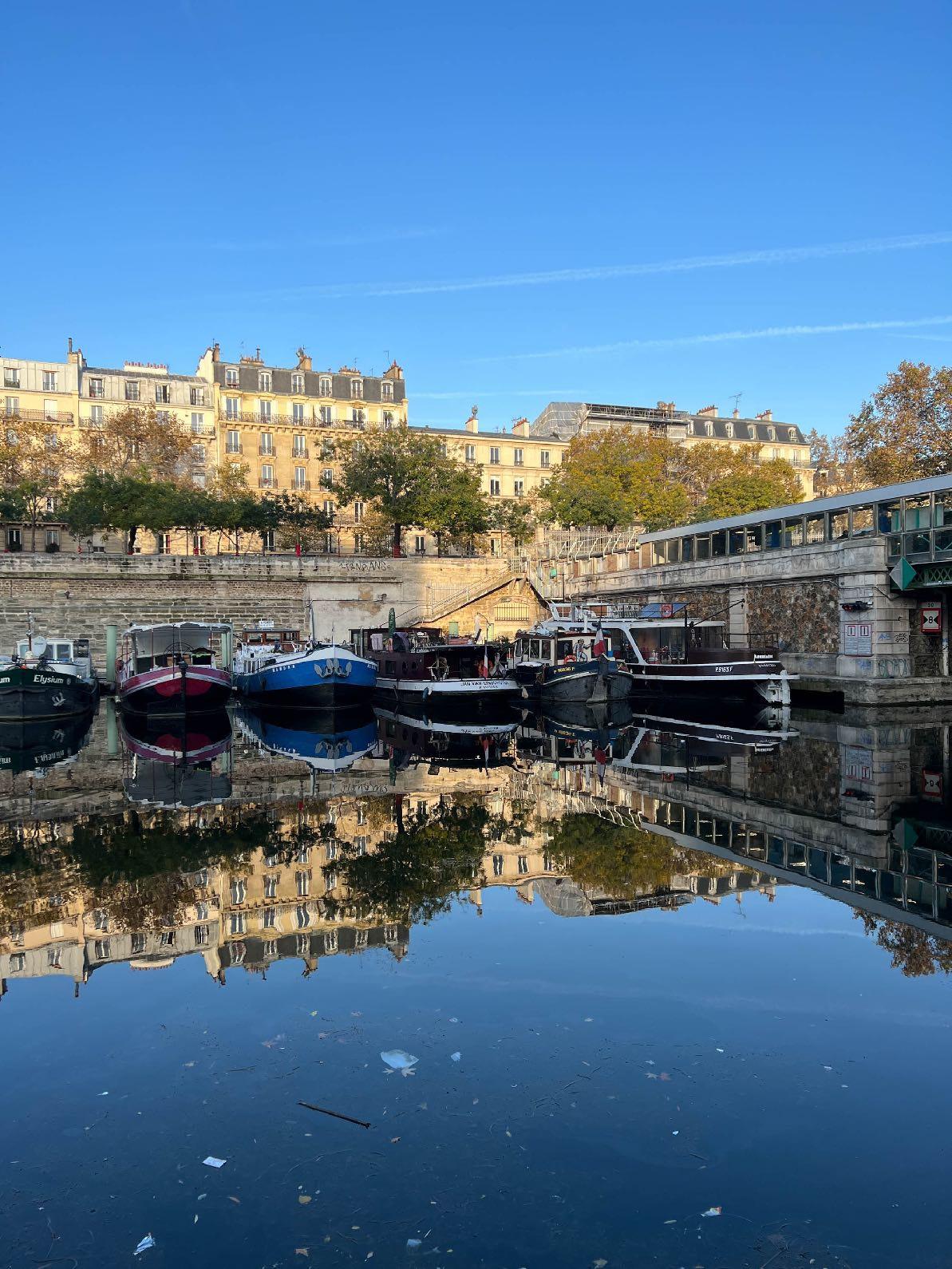
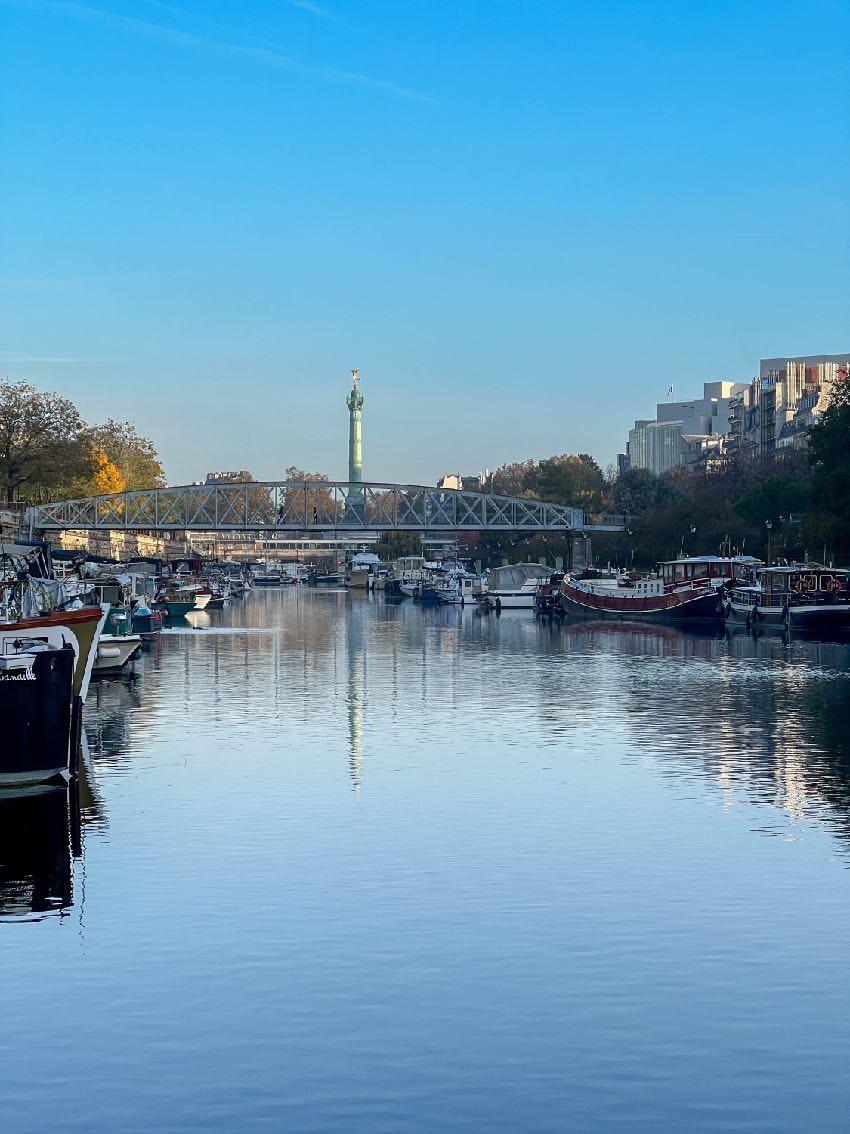
South of the Place de la Bastille, the Canal SaintMartin re-emerges into daylight. The canal is about 4.5 km long and connects the Bassin de la Villette with the Port de l’Arsenal. More than half of the canal runs through a tunnel. The construction of the tunnel dates back to a decree by Napoleon Bonaparte in the year 1802.
The tunnel was designated a "monument historique" in 1990. Through the small Jardin du Port de l’Arsenal, you can reach the banks of the Seine heading south. Tourists can book trips on the Canal Saint-Martin with small excursion boats. The "ticketlink" leads to a page where visitors can book their boat trip on the canal.
with the ÖBB to Paris

Jardin des Tuileries
Place de la Concorde
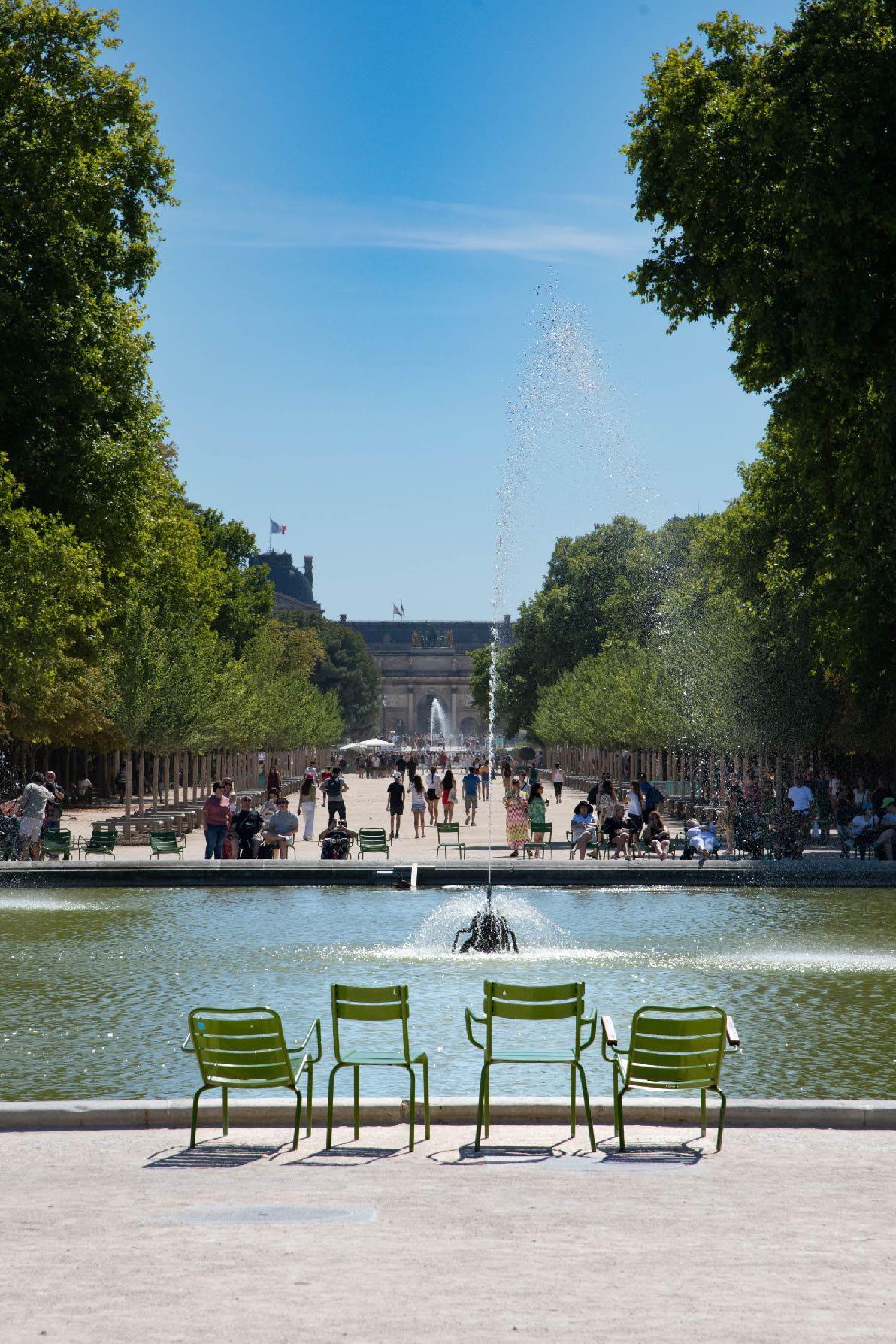



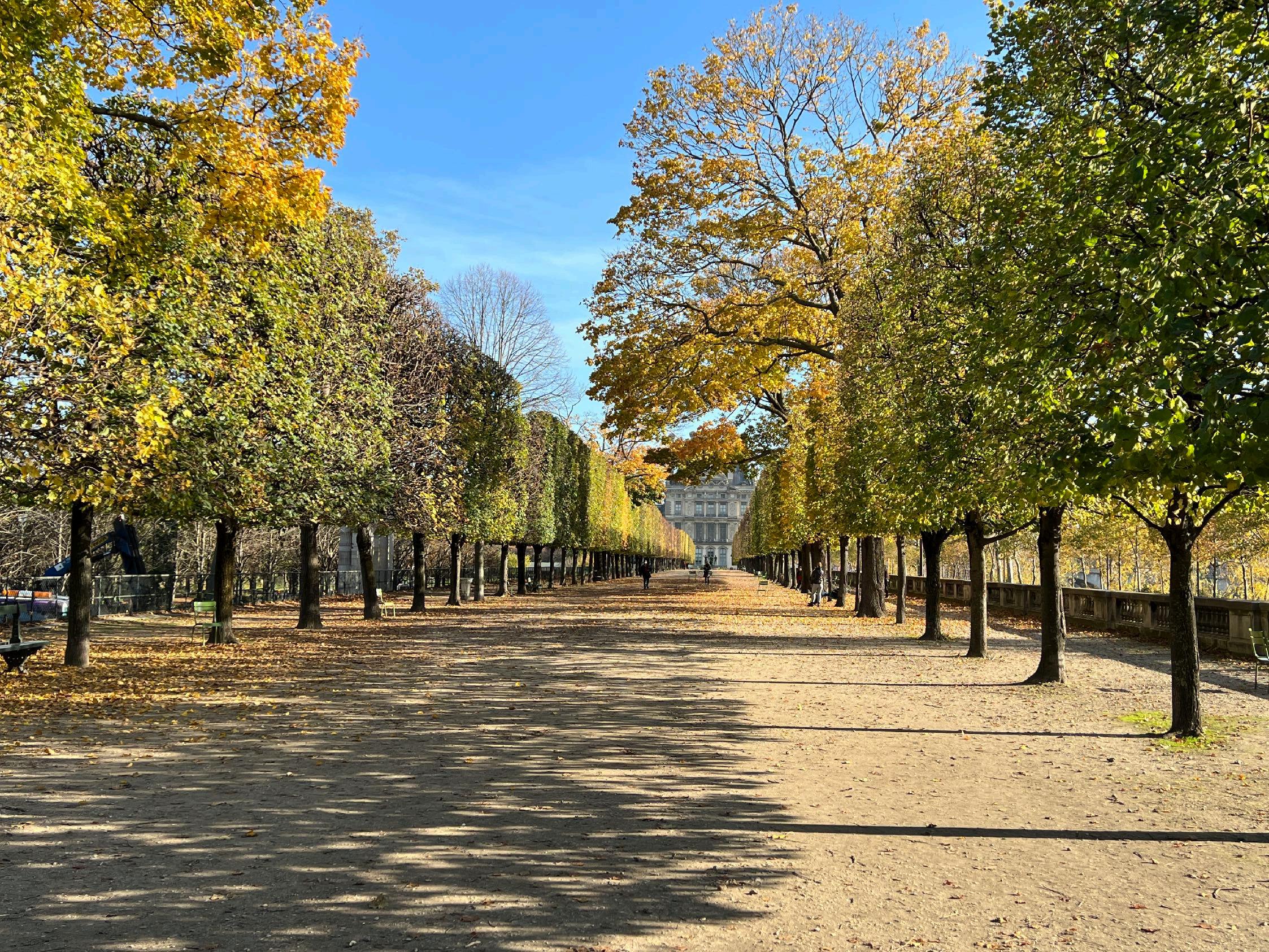
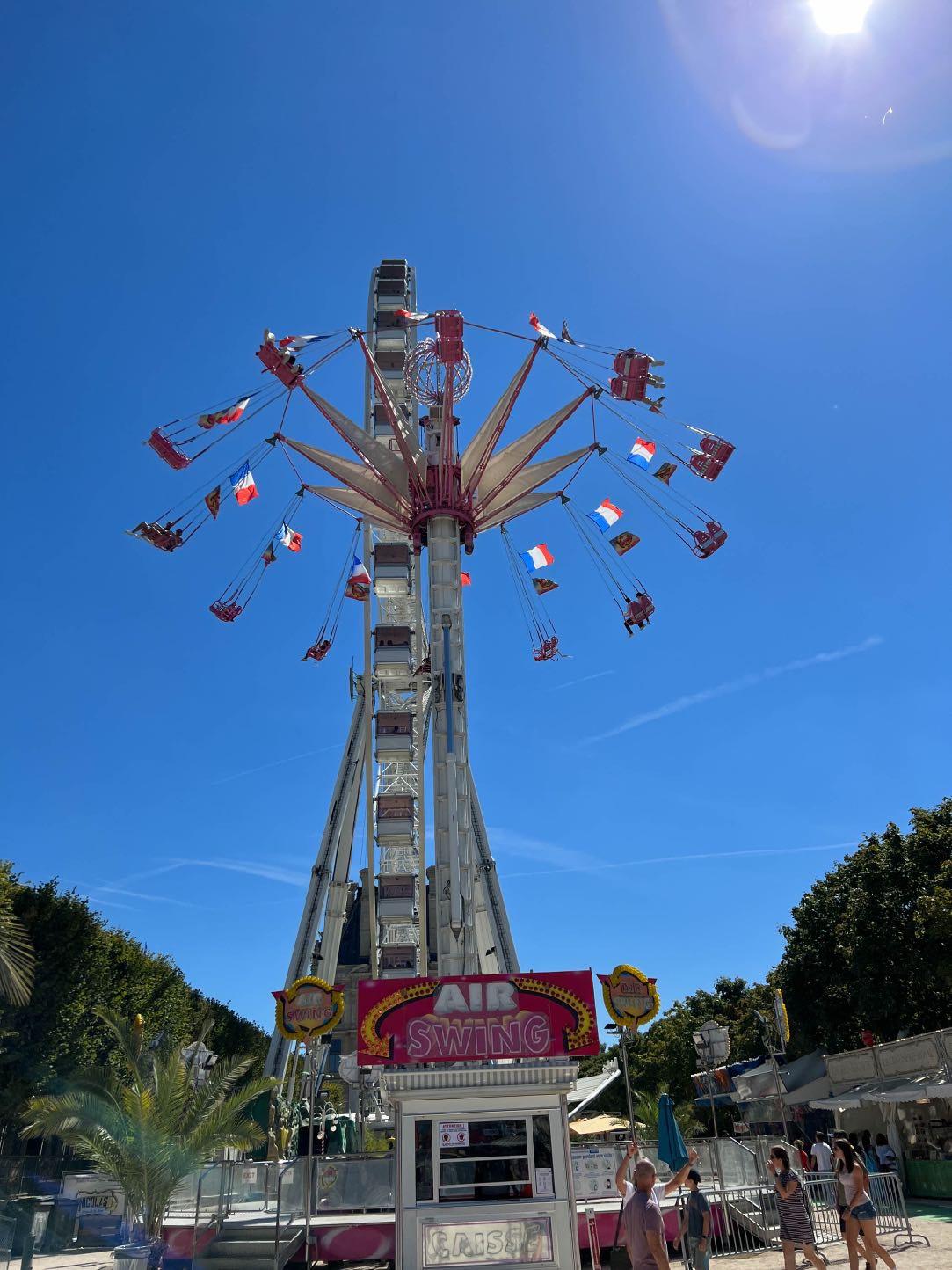
In the year 1564, Queen Catherine de Medici had brickworks established at the current site of the park. A hundred years later, the king's gardener, Andre Le Nôtre, was commissioned to design a Baroque-style park in the same spot. Thus, one of the city's most popular walking and recreational parks was born. Situated between Place de la Concorde and the Louvre, the park is a welcome
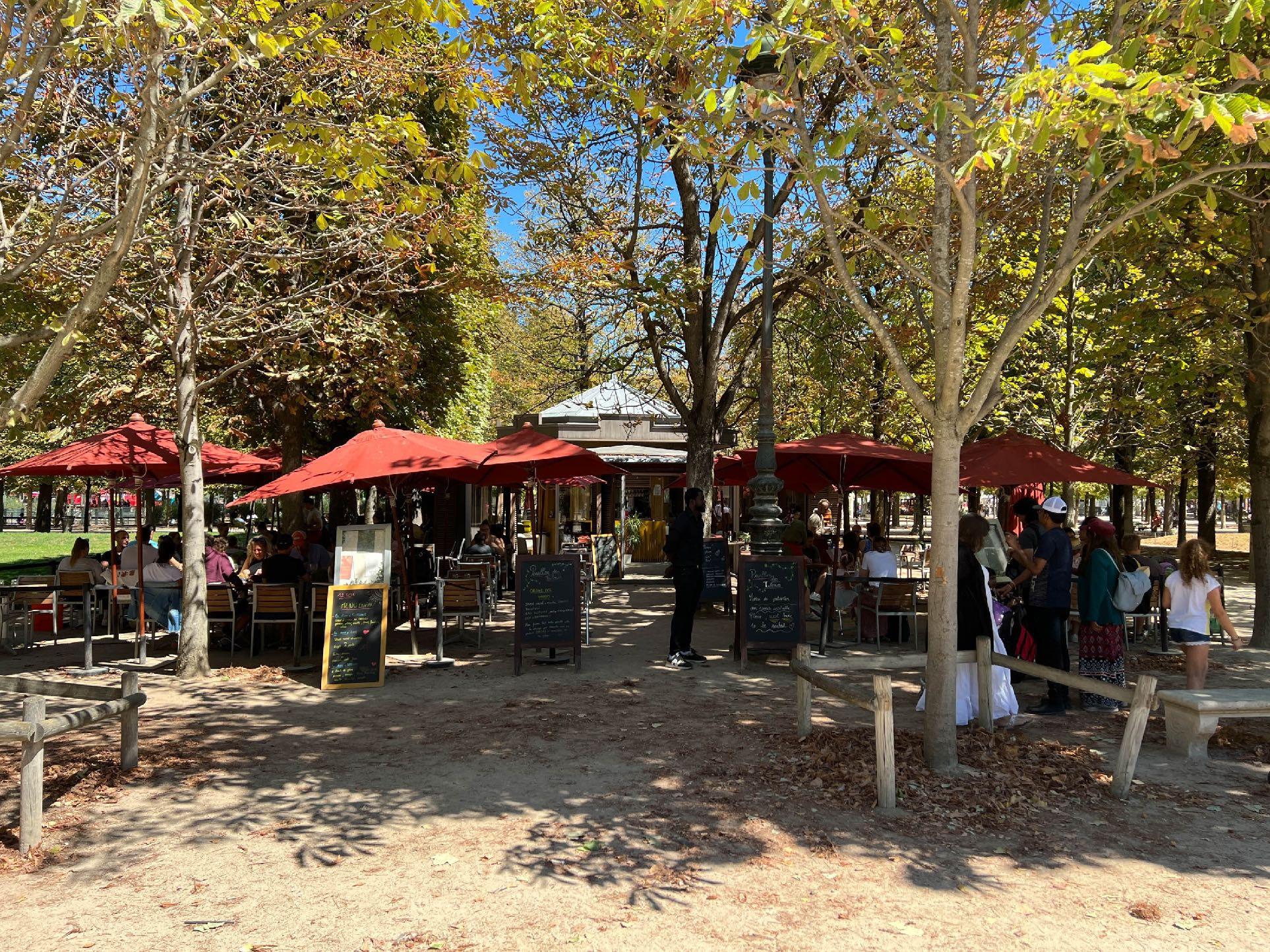
green oasis in the city. Tired or hungry visitors can refresh themselves at some of the restaurants nestled in the greenery. In the southwest, the Musée de L’Orangerie showcases works by Monet.
For those who enjoy fairgrounds or a ride on the ferris wheel, the Fêtes des Tuileries takes place in the summer.
with the ÖBB to Paris

Jardin des Plantes
57 Rue Cuvier
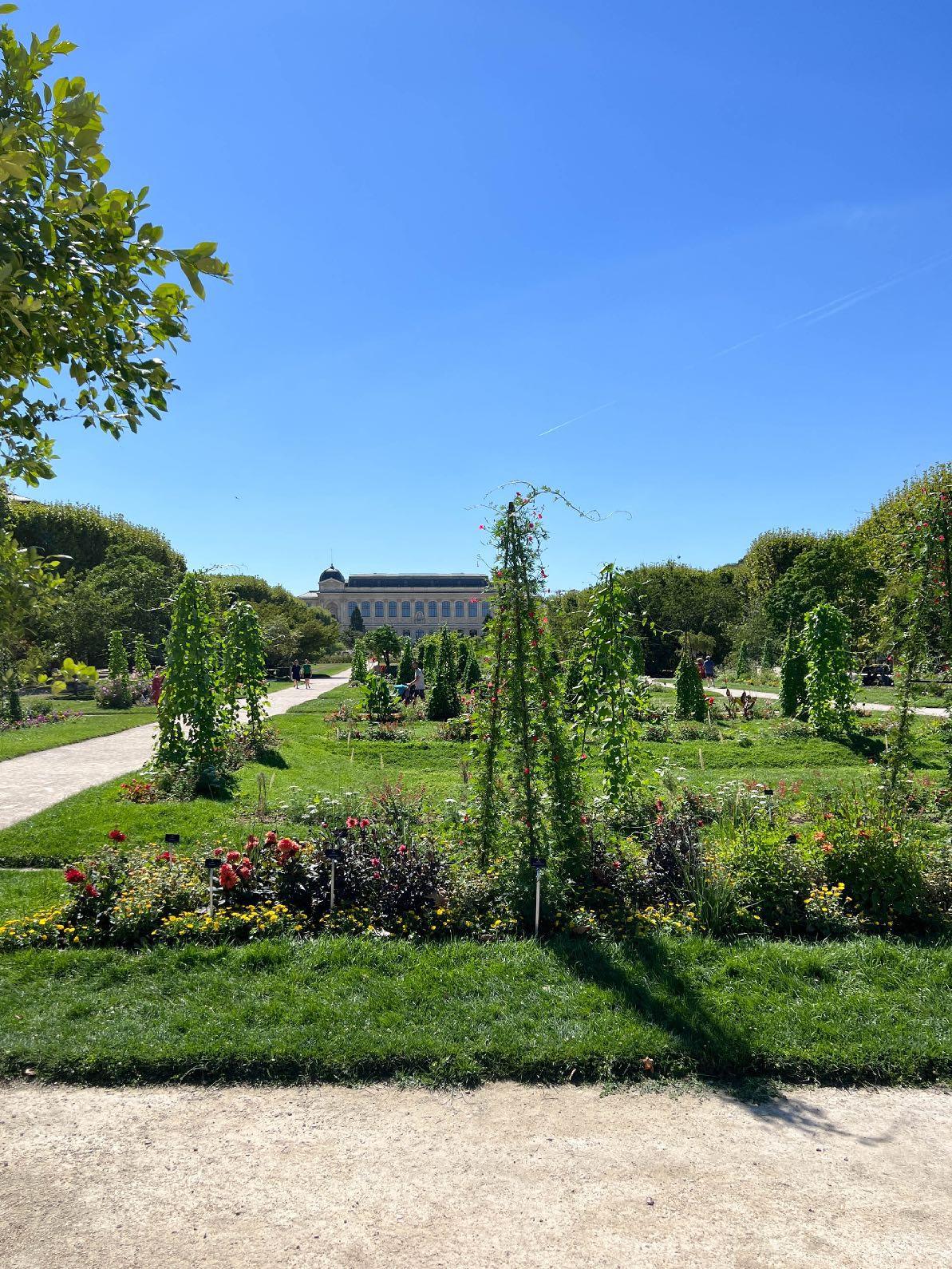
The "Jardin des Plantes Médicinales" was founded in the year 1626. Later, in 1635, it was renamed the "Jardin du Roi" to be accessible to the public. The garden was created as the "Jardin royal des plantes médicinales" (royal medicinal plant garden) by the royal physicians of Louis XIII.
Today, the "Jardin des Plantes" includes a zoo and the Gallery of Evolution. The diversity of plants and the meticulous care of the collections have made the Jardin des Plantes a landmark for botanical sciences and a source of inspiration for many generations of researchers and nature enthusiasts.
with the ÖBB to Paris
Jardin du Luxembourg
RER B – Luxembourg
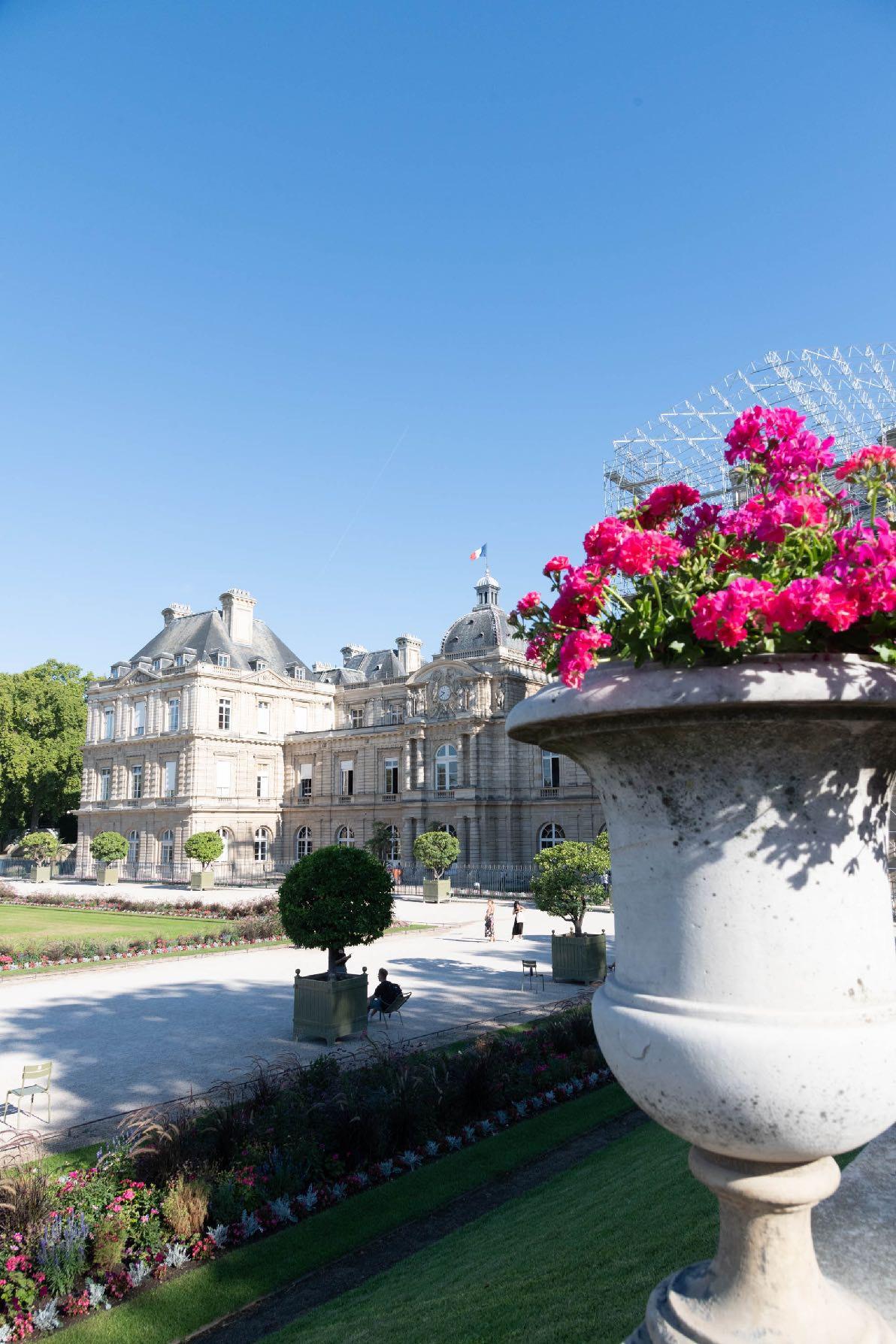
The palace park of the Palais du Luxembourg was created around the year 1611 by order of Maria de Medici, the widow of King Henry IV, as the park for her new country estate. Today, the French upper house, the Senate, meets in the Palais du Luxembourg. The park is very popular with Parisians and offers numerous opportunities for sporting
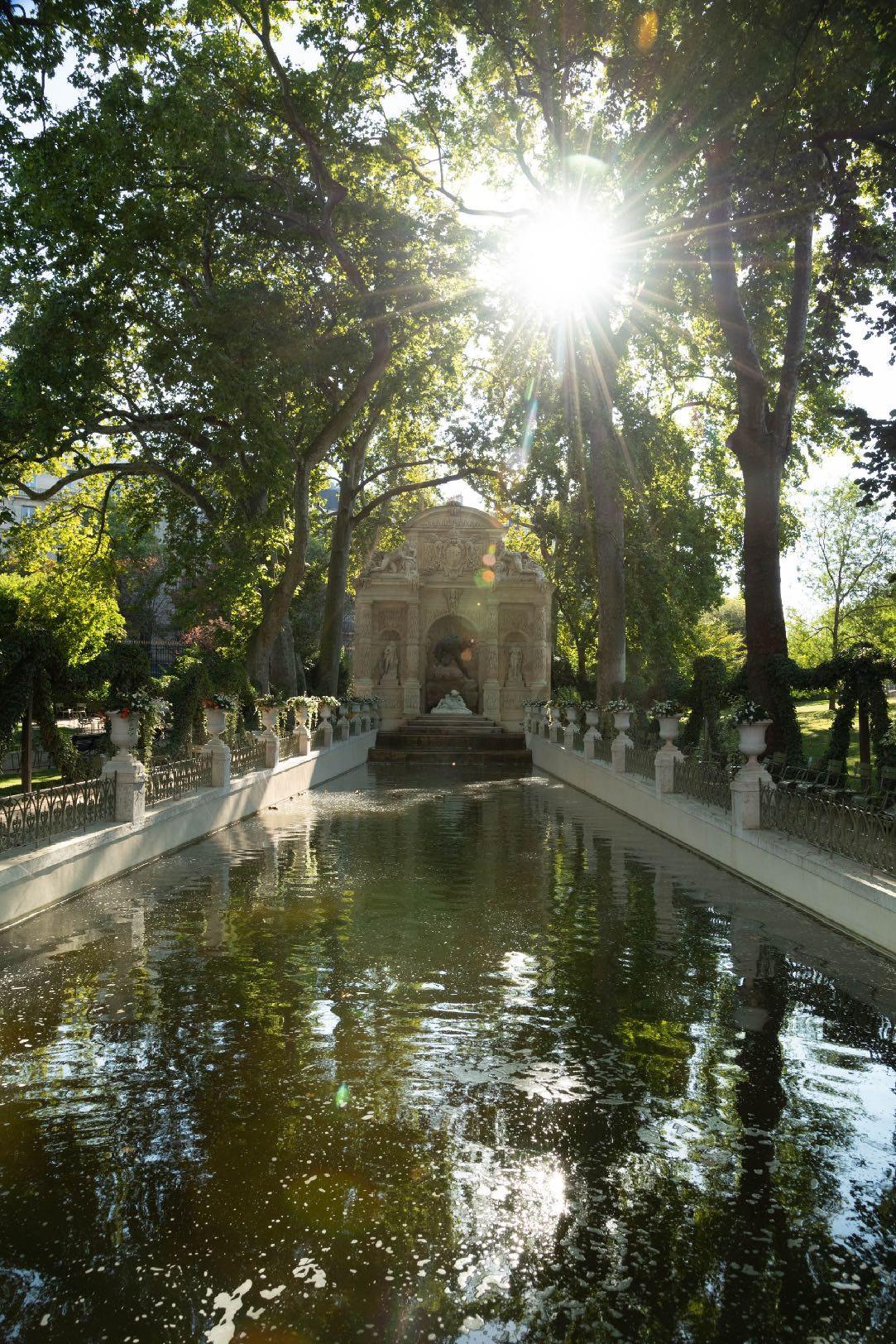
activities. East of the palace is the impressive Fontaine Medicis. Statues of French queens and famous women of the country are arranged around the central water basin.
A replica of the New York Statue of Liberty by Auguste Bartholdi can be found in the southwestern part of the park (entrance Rue de Fleurus).
with the ÖBB to Paris
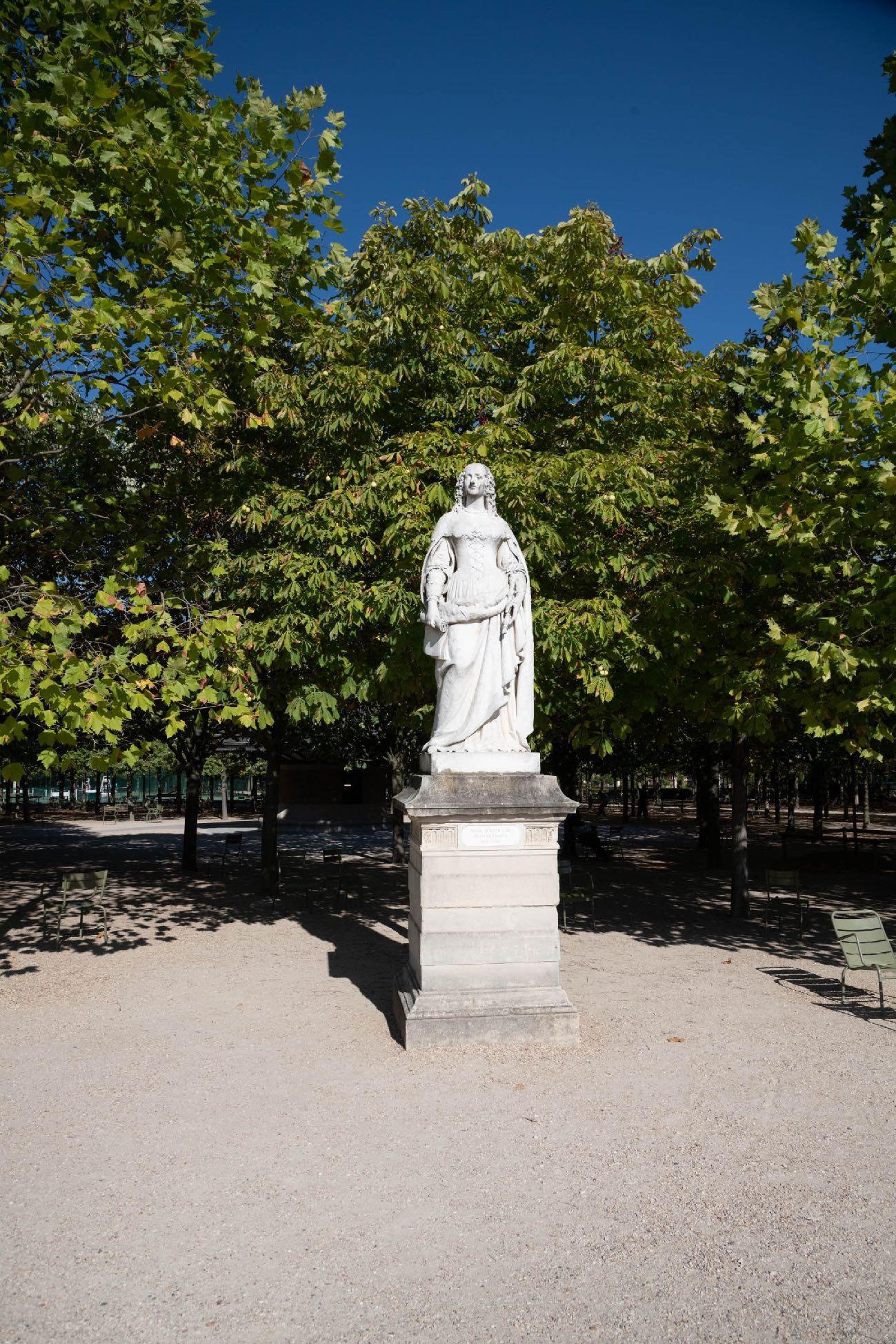
The parents of Queen Anne of Austria were Philip III of Spain and Margaret of Austria. Anne married King Louis XIII in the year 1615, making her Queen of France and Navarre until 1643. After her husband's death, she served as regent of France from the year 1643 to 1651 for her underage son, King Louis XIV.
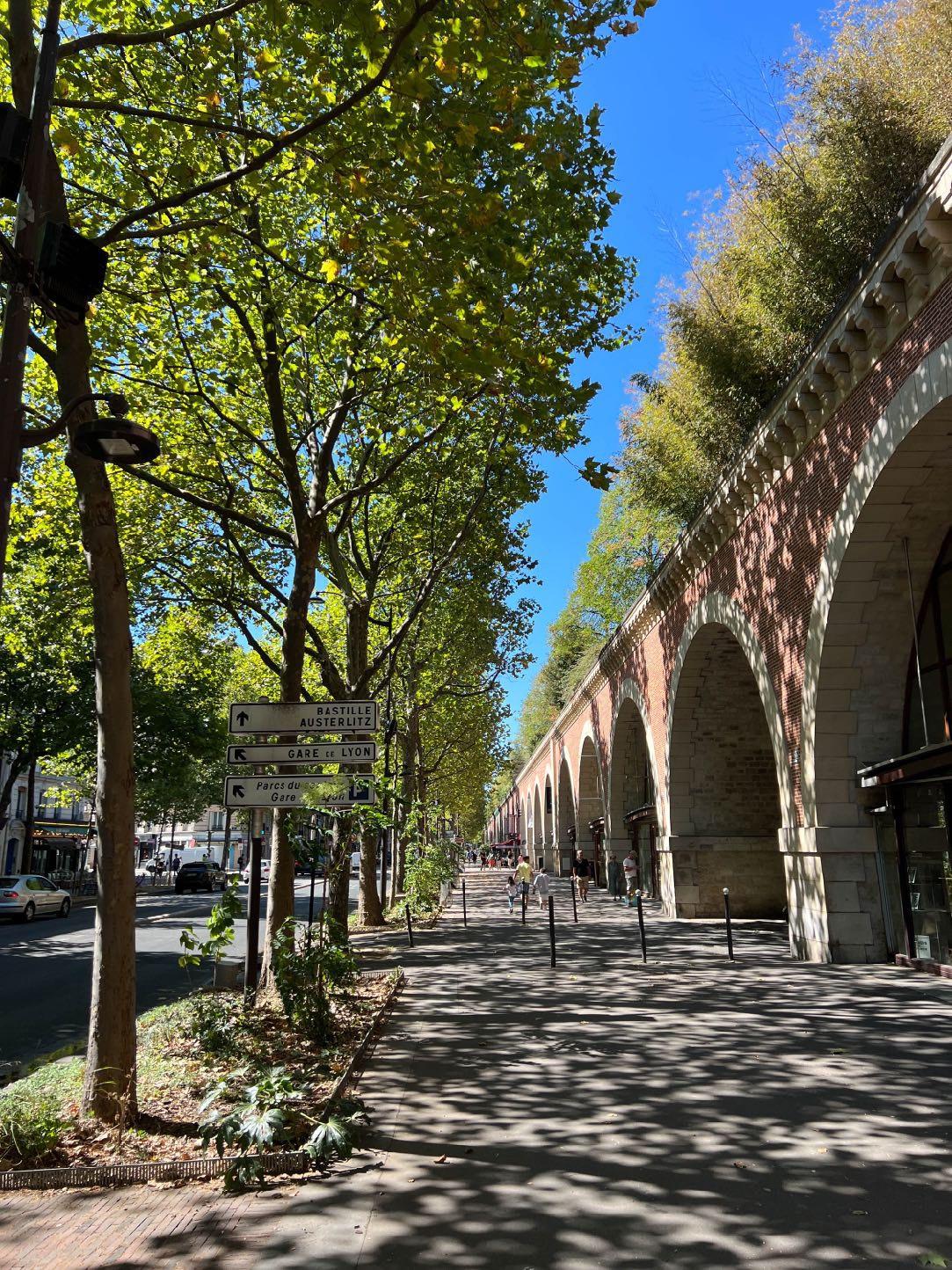
Viaduc des Arts
1-127 Avenue Daumesnil
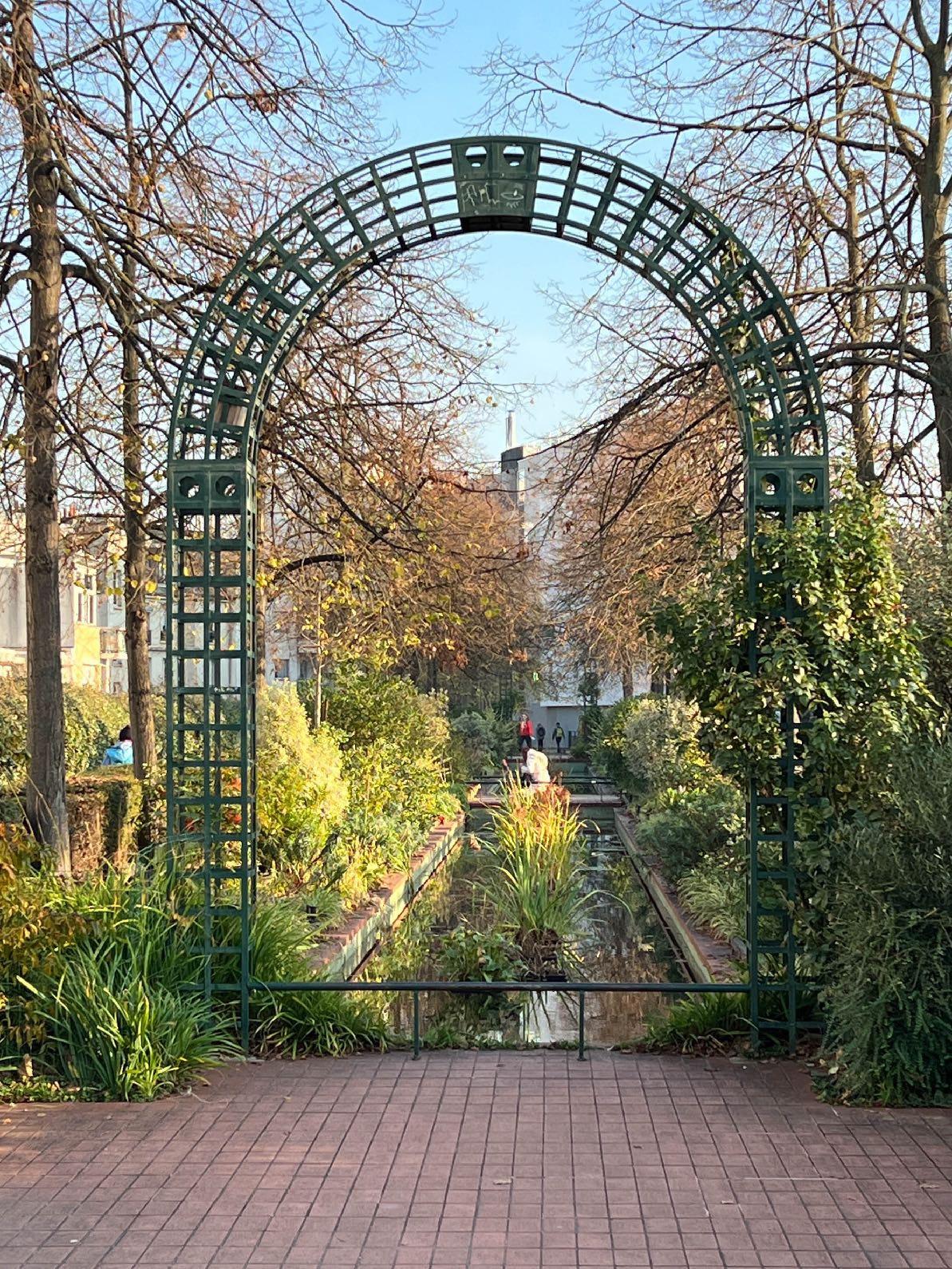
The "Viaduc des Arts" originally carried the railway line from Paris to Marles-en-Brie. The Opéra Bastille now stands where the Gare de la Bastille station once was. To save the approximately 1.3 km long viaduct from demolition, the Paris city administration began renovating the arches and removing the tracks in 1989. In the year 1993, architects Patrick
Berger, Philippe Mathieux, and Jacques Vergely started creating a planted promenade.
Since 2014, the world's first elevated park walkway has been called "Coulée verte René-Dumont." The transformation of the 64 arches has also allowed numerous shops to be established.
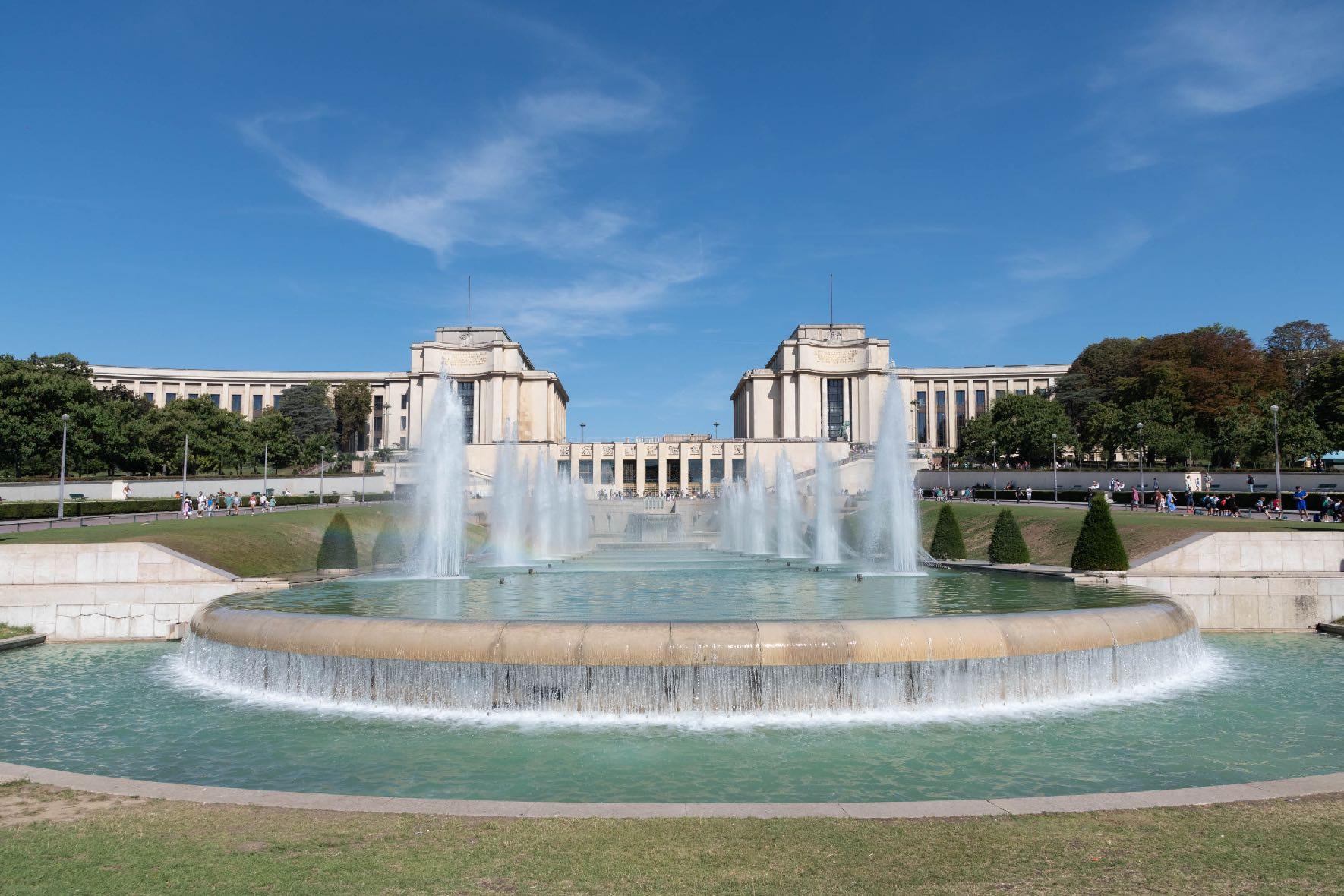
Jardin du Trocadéro
Pl. du Trocadéro et du 11 Novembre

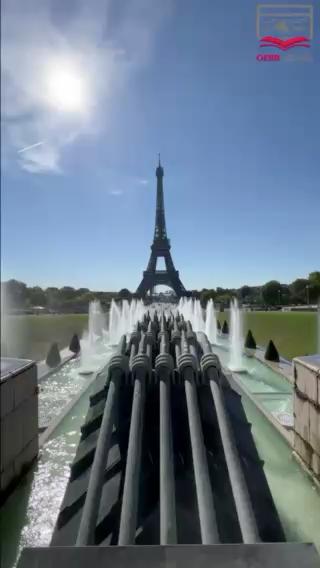
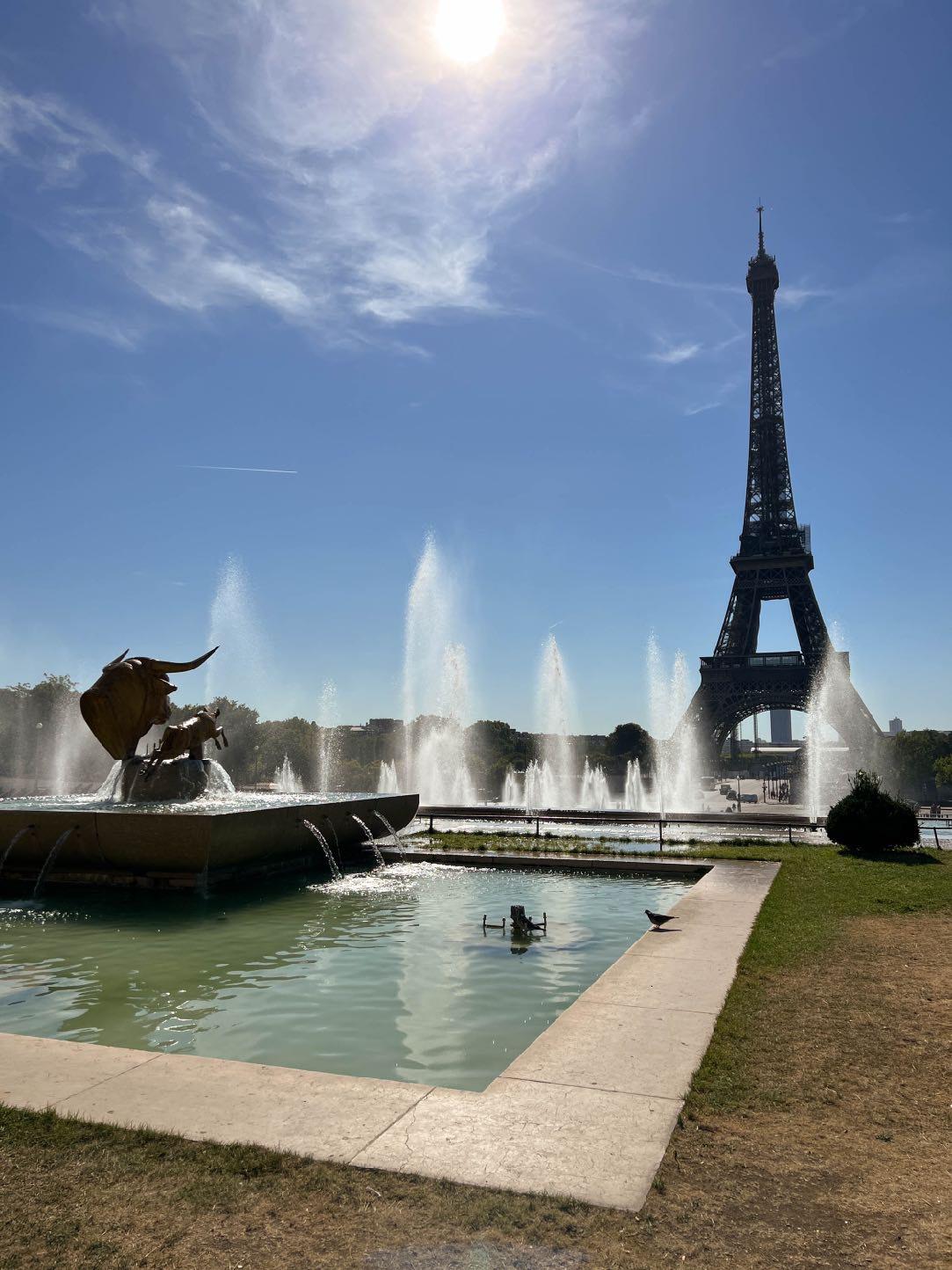
The complex, covering an area of 93,930 m², is divided into several terraces. The central terrace houses the Warsaw Fountain (Fontaine de Varsovie). Every year, the 20 water cannons shoot 8,240 m³ of water into the air, creating 56 fountains. The water then cascades down steps into an elongated basin.
In the evening, the fountain's lighting creates a special atmosphere. The Jardin du Trocadéro was created for the 1878 World Fair.
The garden is located on the right bank of the Seine and offers a breathtaking view of Paris's iconic landmark: the Eiffel Tower.
with the ÖBB to Paris
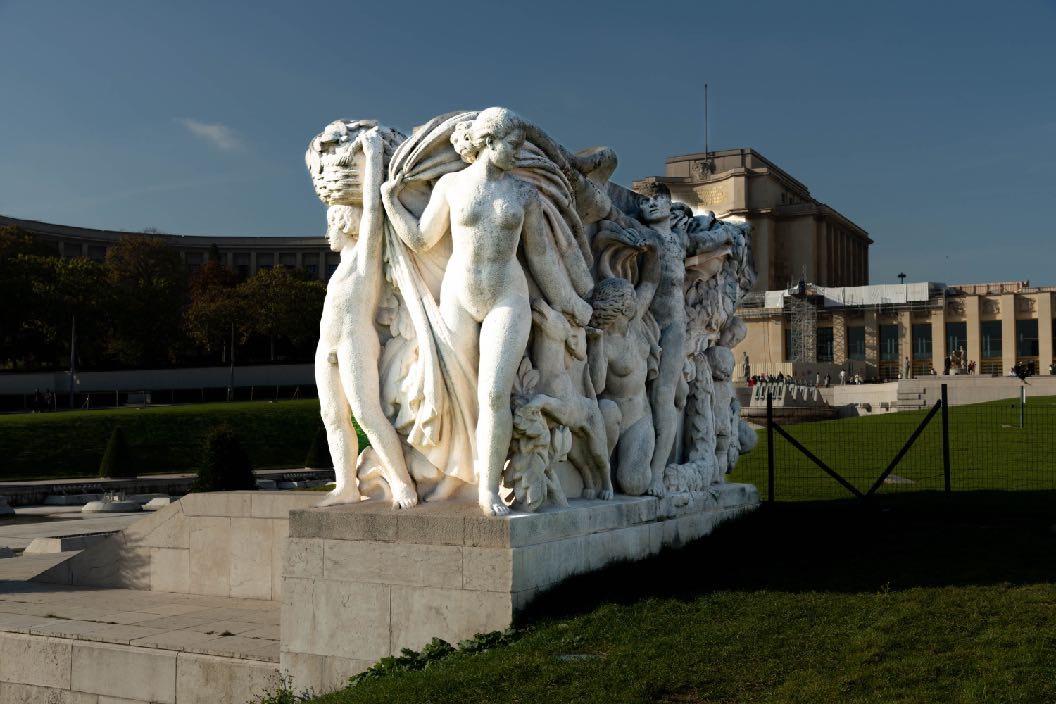
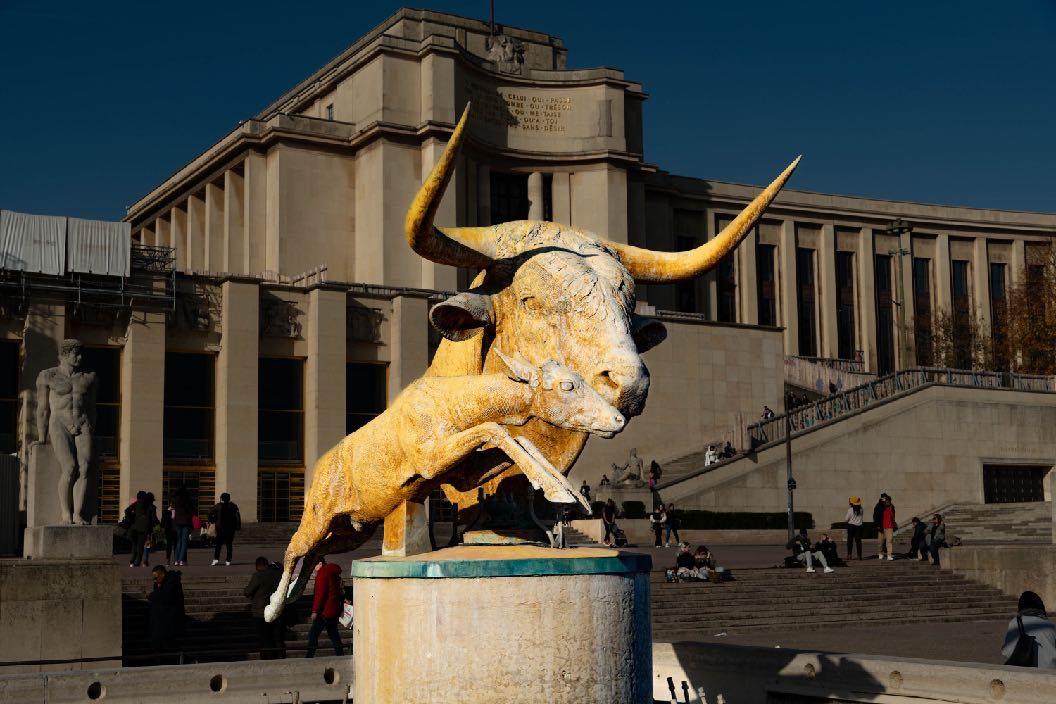
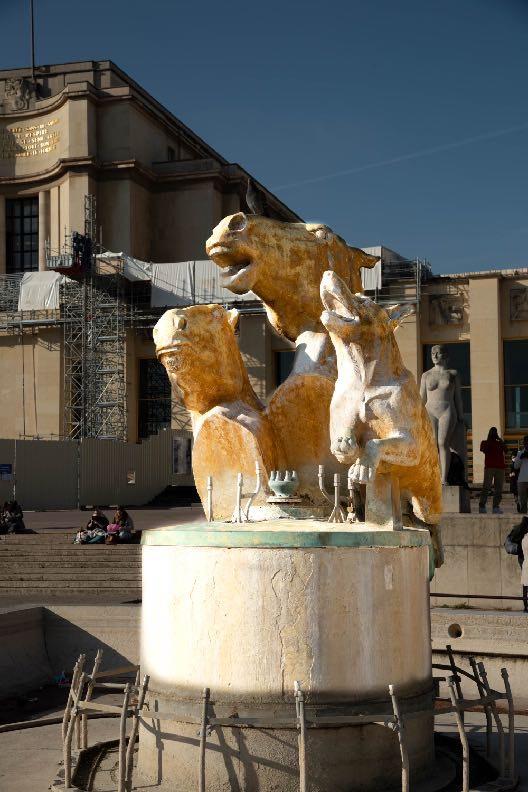
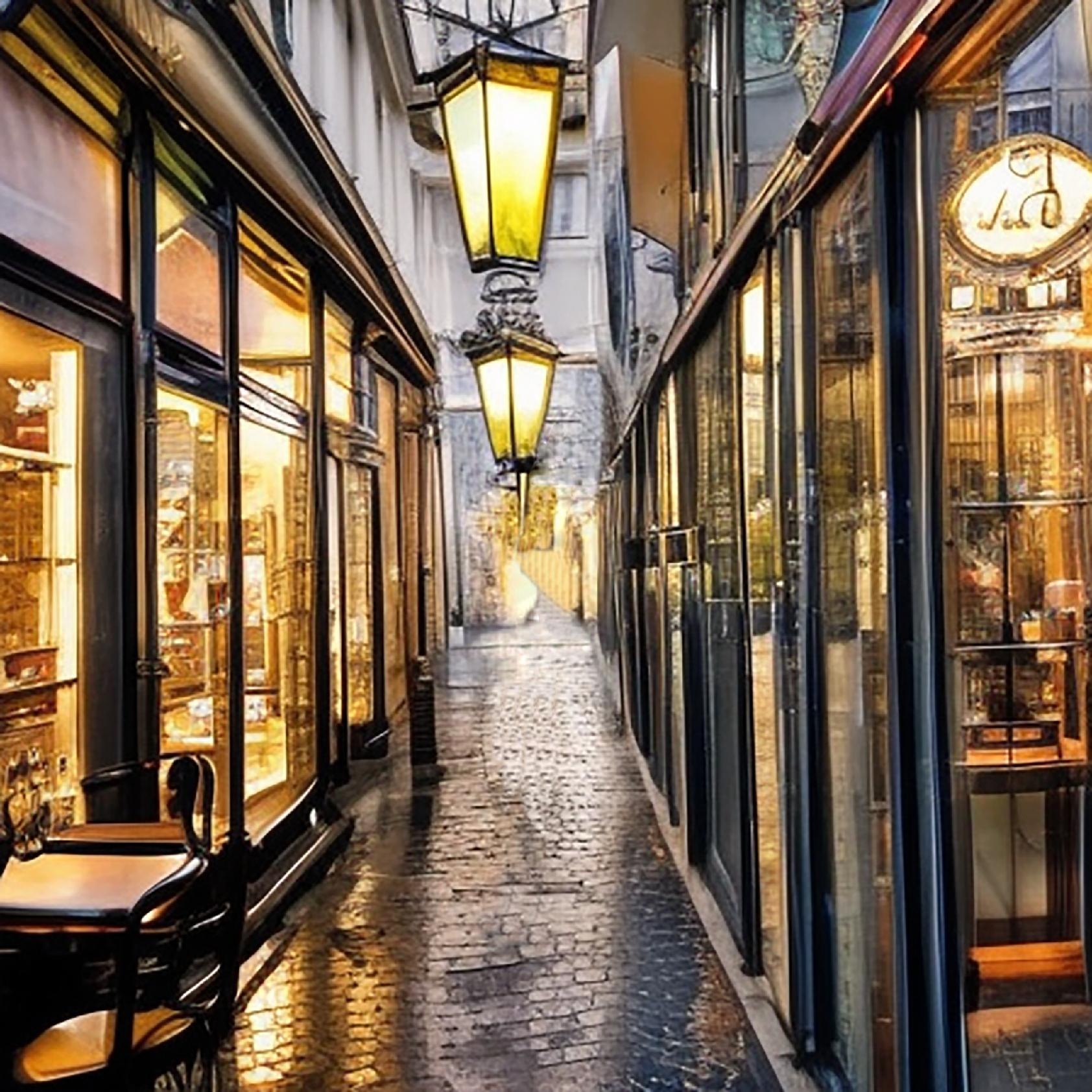

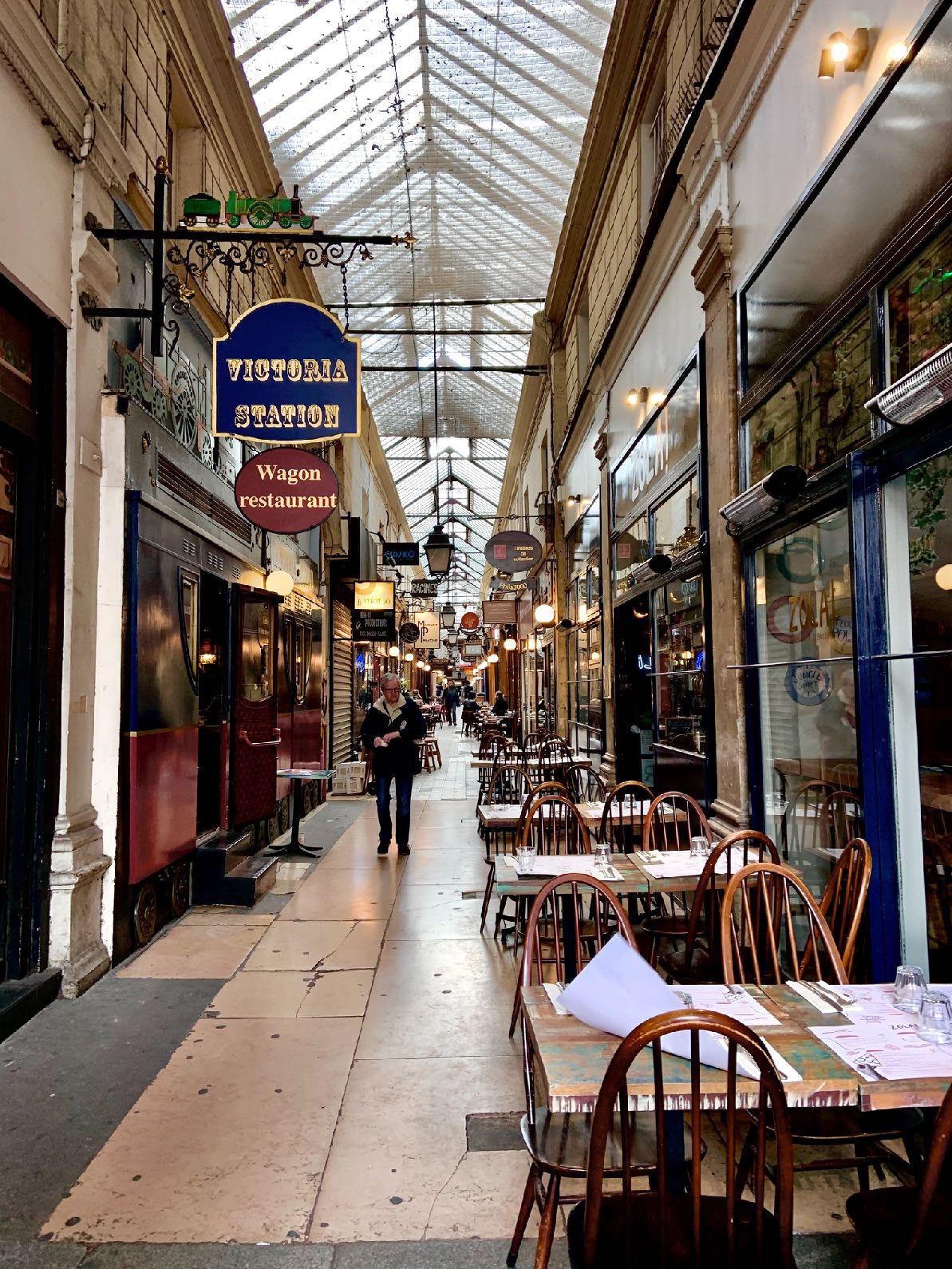
Many of Paris's arcades were built in the 19th century. Since at that time the streets were not paved, rain and mud made shopping a difficult task for the wealthy and elegant. People wanted to be seen and admired without getting dirty. The arcades were Paris's solution to this problem and were created by covering passageways between buildings in the city centre with glass windows. This made shopping and strolling a pleasure, no matter the weather.
By the year 1860, more than 180 arcades had been built, serving as predecessors to modern shopping centres. Today, around 20 of these covered passages still remain. Visiting the arcades offers the perfect opportunity to experience the unique charm of the Parisian flâneur times.
PHOTO: Passage Jouffroy (Felipe Castro auf Unsplash).

6, rue de Beaujolais / 5, rue des Petits-Champs
Length: 33 metres
The "Passage des Deux-Pavillons" was opened in the year 1820 on the ground floor of a 17thcentury building. This passage connects the gardens of the Palais-Royal with the Colbert and Vivienne arcades. The name comes from the two pavilions between which the entrance at 6 Rue de Beaujoulais is located. It is the smallest covered passage in the city. Originally, the passage was relatively straight. In the year 1826, the owner of the Galerie Vivienne bought the passage and altered it so that visitors exiting the passage had a direct view of his gallery.

Galerie Véro-Dodat
19, rue Jean-Jacques-Rousseau / 2, rue du Bouloi
Length: 80 metres
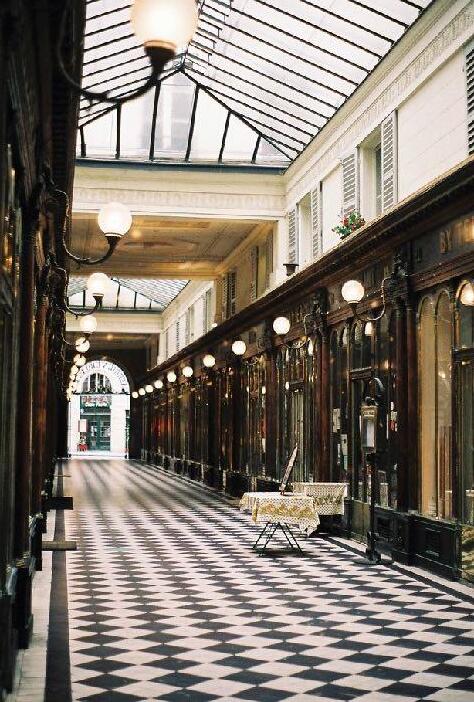
The Galerie Véro-Dodat is located near the Louvre Museum and has been a listed historical monument since the year 1965. Its beautiful marble floor, made of black and white tiles, gives the gallery depth. An impressive glass roof and numerous engravings adorn the ceiling. Since its founding in the year 1826, the gallery has housed many exquisite shops selling decorations, furniture, art, and shoes. Here you can find everything your heart desires – as long as your budget allows it!
120, Rue Saint-Denis – 3, Rue de Palestro
Length: 47 metres
The Passage Bourg-l’Abbé was constructed in the year 1828 and was named after the nearby monastery. It is relatively short but extremely convenient as it directly connects to the beautiful Passage du Grand-Cerf. The Passage Bourg-l’Abbé mainly houses artisan workshops, but there is also a small café at the transition to the Passage du GrandCerf.
33, rue d’Alexandrie / 2, place du Caire / 237-239, rue Saint-Denis / 14, 34 and 44 rue du Caire
Length: 360 metres

The Passage du Caire is the oldest, longest, and narrowest covered passage in Paris. It is located in the heart of the Sentier district, the traditional home of textile manufacturers in the 2nd arrondissement.
"The Way to Cairo" was inaugurated at the end of the year 1798 on the occasion of Napoleon's campaign in Egypt. The influence of the Nile country makes the passage unique. Nowadays, it is mainly used by wholesalers, fabric makers, and mannequins, and is located in the Sentier district. The Galerie Saint-Denis and the Galerie Sainte-Foy also branch off from the Passage du Caire.
40, rue des Petits-Champs / 23, rue Saint-Augustin
Length: 190 metres
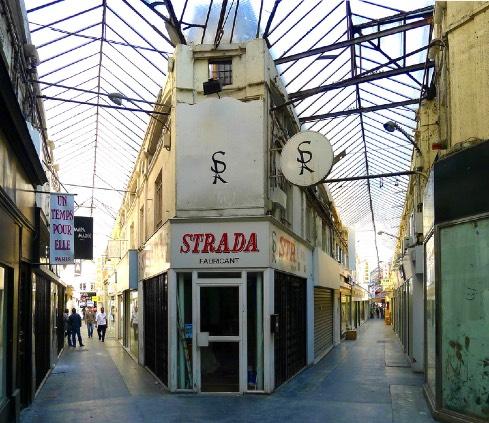
At 190 metres in length, the Passage Choiseul is the longest straight passage in Paris. Although the Passage du Caire is longer overall, it is laid out in a branching manner.
Since its opening in the year 1827, it has lost much of its splendour. Although the famous couturier Kenzo opened a shop there in 1970 (which has since moved to the Place des Victoires), the Passage Choiseul has never regained its former glory. Today, visitors will find restaurants, boutiques, bookshops, jewellers, art galleries, and hairdressers.
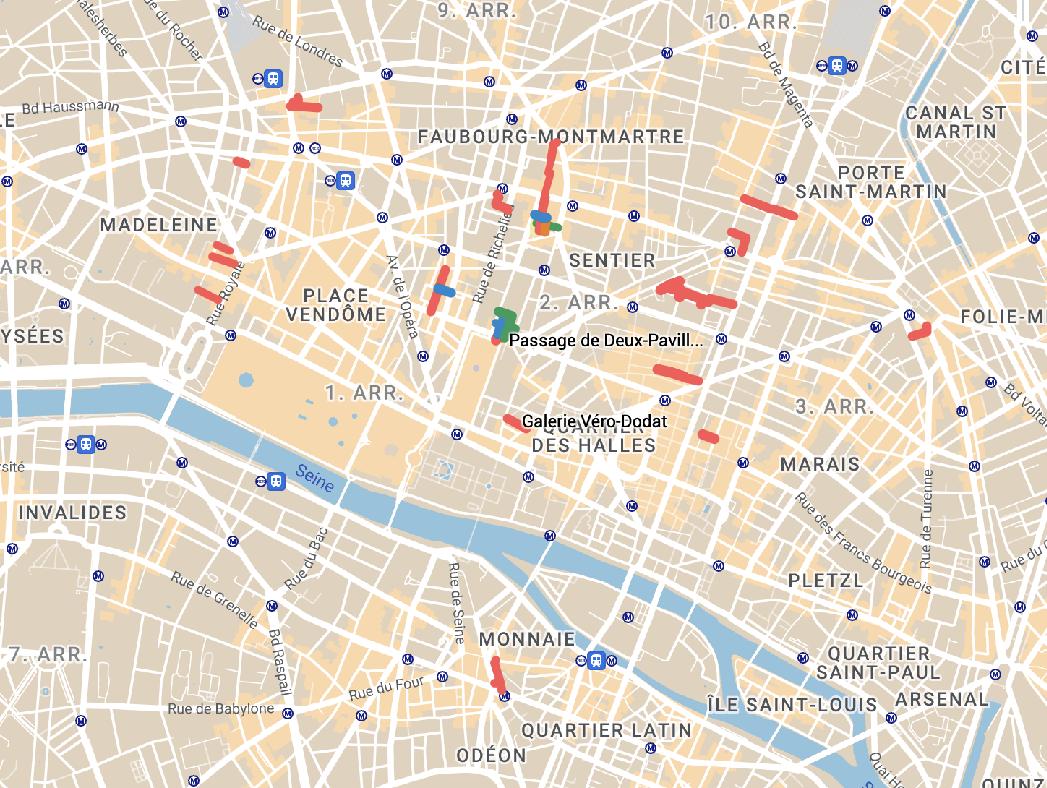
Google maps with an overview of the passages of Paris




6, Rue des Petits-Champs / 2, Rue Vivienne
Length: 83 metres
The Galerie Colbert is a stunning rival to the Galerie Vivienne as one of the most magnificent galleries in all of Paris. It features a fantastic rotunda crowned by a glass dome, with a statue of Eurydice at its centre. This beautiful building was acquired by the Bibliothèque Nationale de France and now houses several institutes, including those for art history and national heritage, along with research laboratories and art history schools. The exquisite Art Nouveau-style brasserie "Le Grand Colbert" is located at the entrance of the gallery on Rue Vivienne.

10, Rue Saint-Marc / 8, Galerie des Varietés
Length: 60 metres
145, rue Saint-Denis / 10, rue Dussoubs
Length: 117 metres

Galerie Montmartre
151, Rue Montmartre / 25, Passage des Panorama
Length: 70 metres

10, rue Saint-Marc / 11, boulevard Montmartre
Length: 133 metres
The Galerie Montmartre has existed since the year 1834. It serves as a "side entrance" to the Passage des Panoramas. Here, you will find shops, cafés, and small restaurants of various kinds.
The entrance to the Galerie Montmartre is located in the Rue Montmartre near a bus stop.
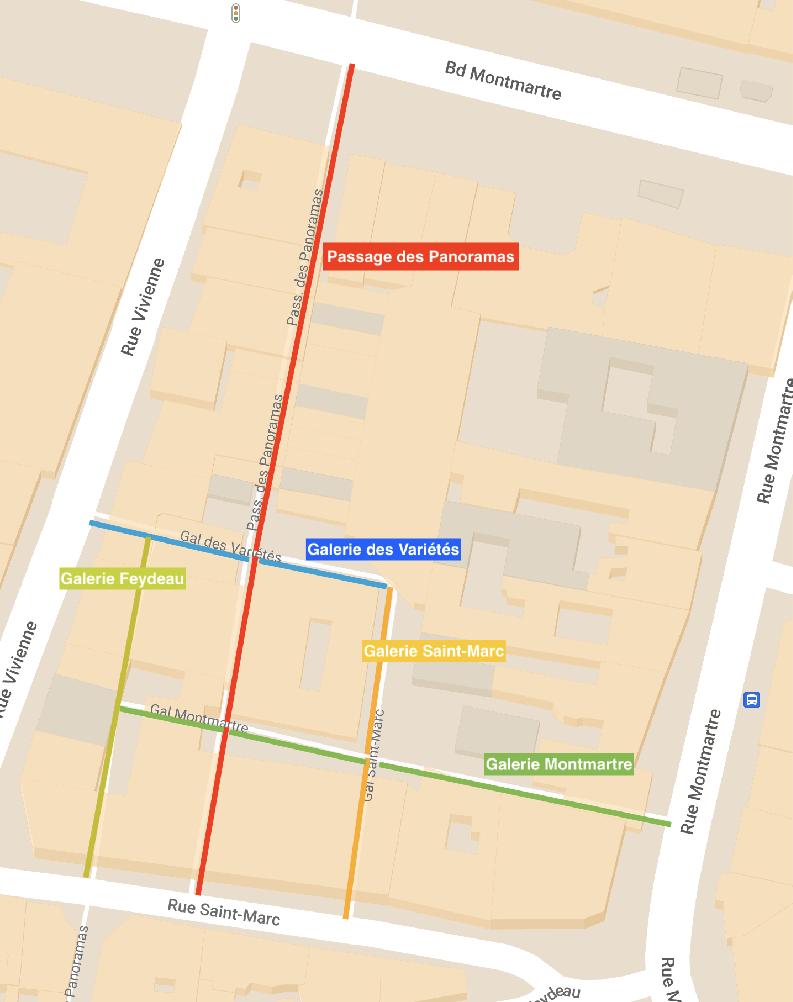
The Passage des Panoramas was built in the year rst covered passage and became the most famous passage in Paris. Today, many shops offer postcards, coins, old photographs, books, and curiosities. Numerous cafés and restaurants cater to visitors' needs.
The following galleries are interconnected like a labyrinth: Galerie Montmartre, Galerie des Variétés, Galerie Feydeau, Galerie Saint-Marc.

Google maps of the Passage des Panoramas


PASSAGE DES PANORAMAS

GALERIE FEYDEAU
GALERIE SAINT-MARC
GALERIE DES VARIÉTÉS
GALERIE MONTMARTRE
119, Boulevard de Sébastopol / 212, rue Saint-Denis
Length: 92 metres
This place owes its name to its proximity to Rue du Ponceau. This name, in return, is derived from a small bridge, a "Ponceau" or "Poncel," which was built near Rue Saint-Denis over a covered sewer and which dates back to the year 1605.
The passage was opened in the year 1826 and shortened in 1854 when Boulevard Sébastopol was created. This led to the loss of many architectural features, and the passage became a place where warehouses for clothing brands from the Sentier district were housed.
5, boulevard des Italiens / 97-99, rue de Richelieu
Length: 80 metres
The Passage des Princes is a small, covered building in the 2nd arrondissement of Paris, built during the time of Baron Haussmann. The beautiful glass roof is supported by flourishing metal arches that form arabesques. The decorative dome from the year 1930 and its width are impressive. However, what you see today is not
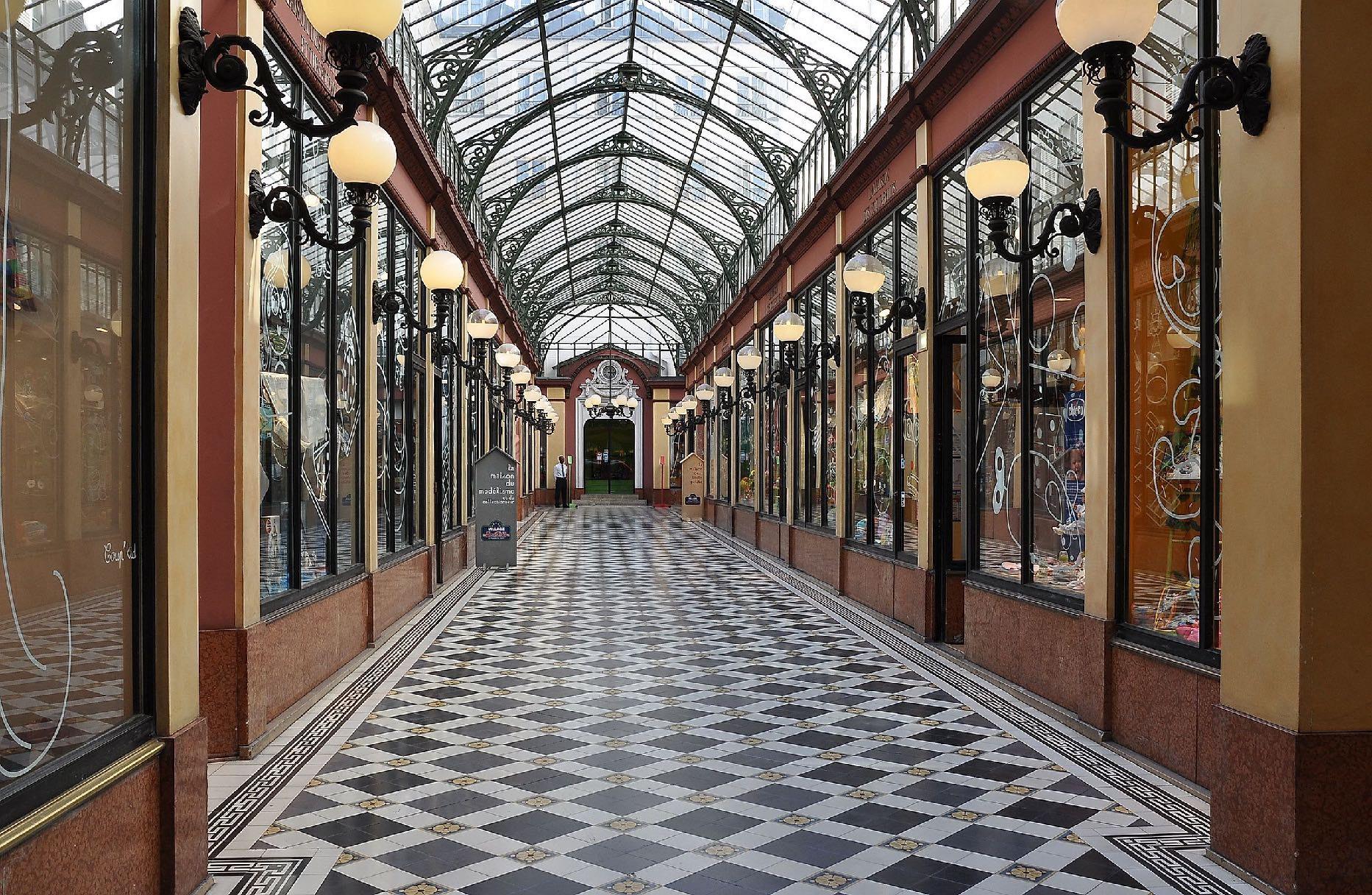
This is a small gallery near Rue Saint-Marc. It was named after Saint Mark. The gallery is a "side branch" of the Galerie des Variétés.
8, Rue Saint-Marc / 23, Galerie des Variétés
Length: 60 metres
59, rue Sainte-Anne / 52, passage Choiseul
Length: 47 metres
The Passage Sainte-Anne was opened in the year 1829 on the site of the former convent of the Nouvelles Catholiques community, shortly after the Passage Choiseul began operation. In the year 1974, it was protected as a monument along with Passage Choiseul 2.
The name originated because the passage has an entrance on Rue Sainte-Anne. Anne of Austria was Queen of France and the wife of Louis XIII. The passage starts at Rue Sainte-Anne and leads into the Passage Choiseul. Currently, however, the Passage Sainte-Anne is closed.
Galerie des Variétés
38, Rue Vivienne / 28, Galerie Saint-Marc
Length: 53 metres
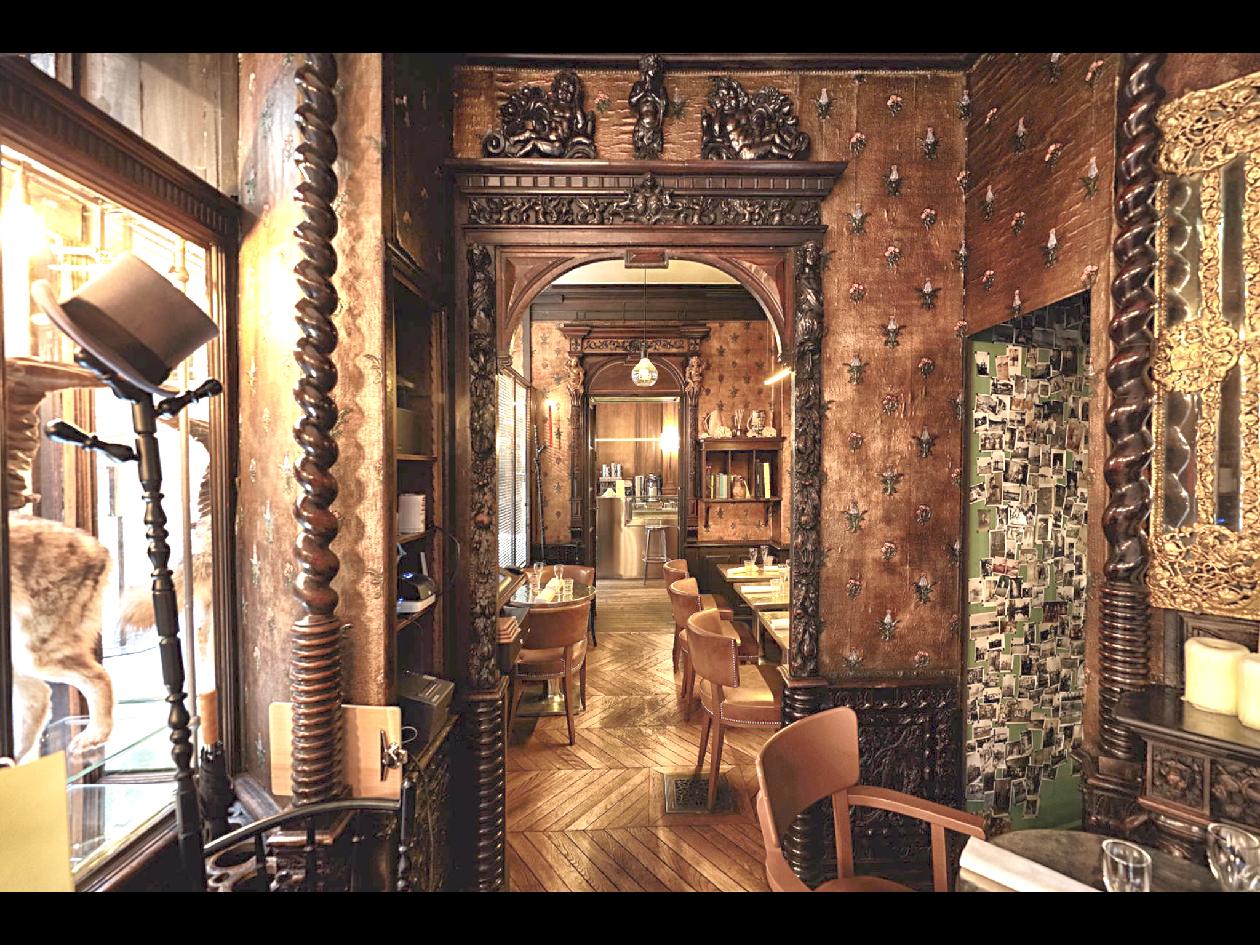
The name comes from its proximity to the variety theatre. The gallery houses the spectacular Caffè
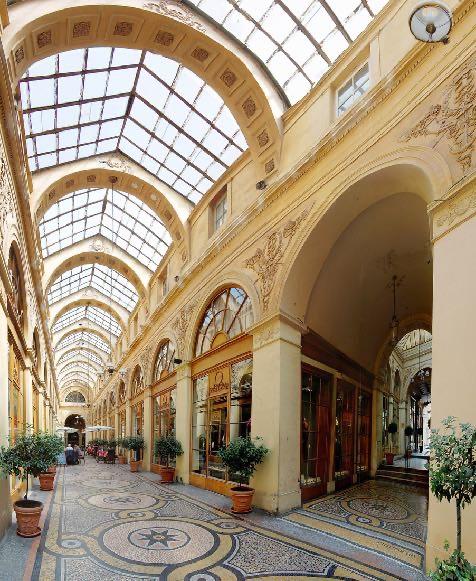
4, rue des Petits-Champs / 6, rue Vivienne / 5, rue de la Banque
Length: 176 metres
Upon entering the Galerie Vivienne, the opulent neoclassical style and Pompeian paintings immediately catch the eye of visitors. The immense glass roof provides the gallery with a bright atmosphere. The colourful mosaic fl oors and numerous paintings and sculptures are optimally illuminated.
Since its founding in the year 1823, the gallery has housed luxurious boutiques, cafés, and antique shops. Its fame was primarily based on the establishment of numerous prestigious brands. Jean-Paul Gaultier lived in the Galerie Vivienne for some time.
The Galerie Vivienne in any case is one of the most impressive passages in the city.
82, rue Quincampoix / 157, rue Saint-Martin
Length: 46 metres
The Passage Molière is a partially covered passage located in the western part of the 3rd arrondissement. The cobblestone floor is slightly sloped, causing a stream to form in the middle of the path when it rains. The numbering of the buildings does not follow the usual Parisian style (even numbers on one side and odd numbers on the other).
The passage was named because it is close to the former Molière Theatre. The theatre itself was named after the famous author and actor Molière. During the Revolution, it was referred to as the "Passage of the SansCulottes" and the "Passage of the Nurses."
The official description of the passage is as follows: "The Passage Vendôme leads into Rue de Vendôme and opens onto the outbuildings of the Temple. The street was named in memory and honour of Duke Philippe de Vendôme, the Grand Prior of the Hospital Priory of the Knights Templar. Rue de Vendôme was inaugurated on the day Duke Philippe de Vendôme received the title of Grand Prior of the Order of Saint John of Jerusalem, the successor to the Templars."
16, rue Béranger / 1, place de la République
Length: 57 metres
59, rue Saint-André-des-Arts / 21, rue de l’AncienneComédie und 130, boulevard Saint-Germain
Length: 120 metres
This "trading court" was established as early as the year 1730. Under the local arcades, people played the "palm game". This game is the precursor to modern tennis. Another game, called the "short game," was played indoors here. Today, traces of this former sports facility can still be found behind some shops.
Cité Berryer
25, rue Royale / 24, rue Boissy-d’Anglas
Length: 95 metres
The passage is named in honour of the lawyer Pierre-Nicolas Berryer (the elder). Rue Berryer was named in honour of his son. The Cité Berryer was founded in the year 1723 as the "passage du marché d’Aguesseau" and was renamed and redesigned in the year 1745. The Cité Berryer is also known as "le Village Royal," and here you will find many prestigious boutiques.
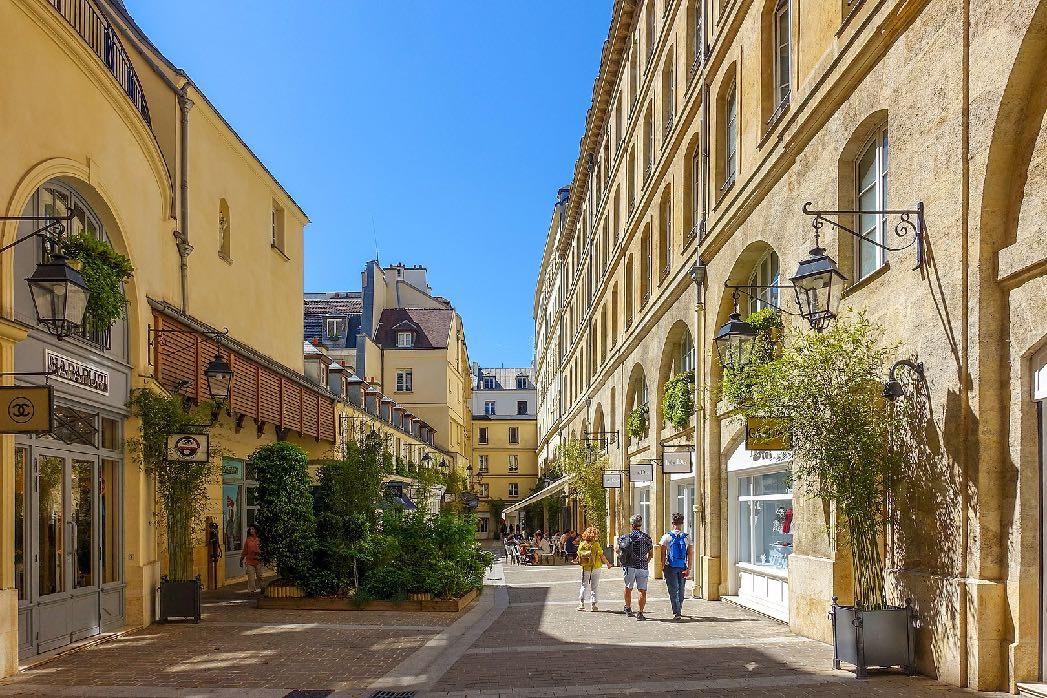
Galerie de la Madeleine
9, place de la Madeleine / 30, rue Boissy-d’Anglas
Length: 53 metres
The Galerie de la Madeleine was designed by Théodore Charpentier in the year 1840 and opened in the year 1846. It is located near the church and Place de la Madeleine. Originally, it housed many small shops and artisans. Today, exclusive luxury stores have moved into the passage.
28, rue Pasquier / 31, rue de l’Arcade
Length: 29 metres
Passage du Havre
109 rue Saint-Lazare / 69 Rue de Caumartin
Length: 115 metres
Passage Jouffroy
10-12, boulevard Montmartre / 9, rue de la GrangeBatelière
Length: 140 metres
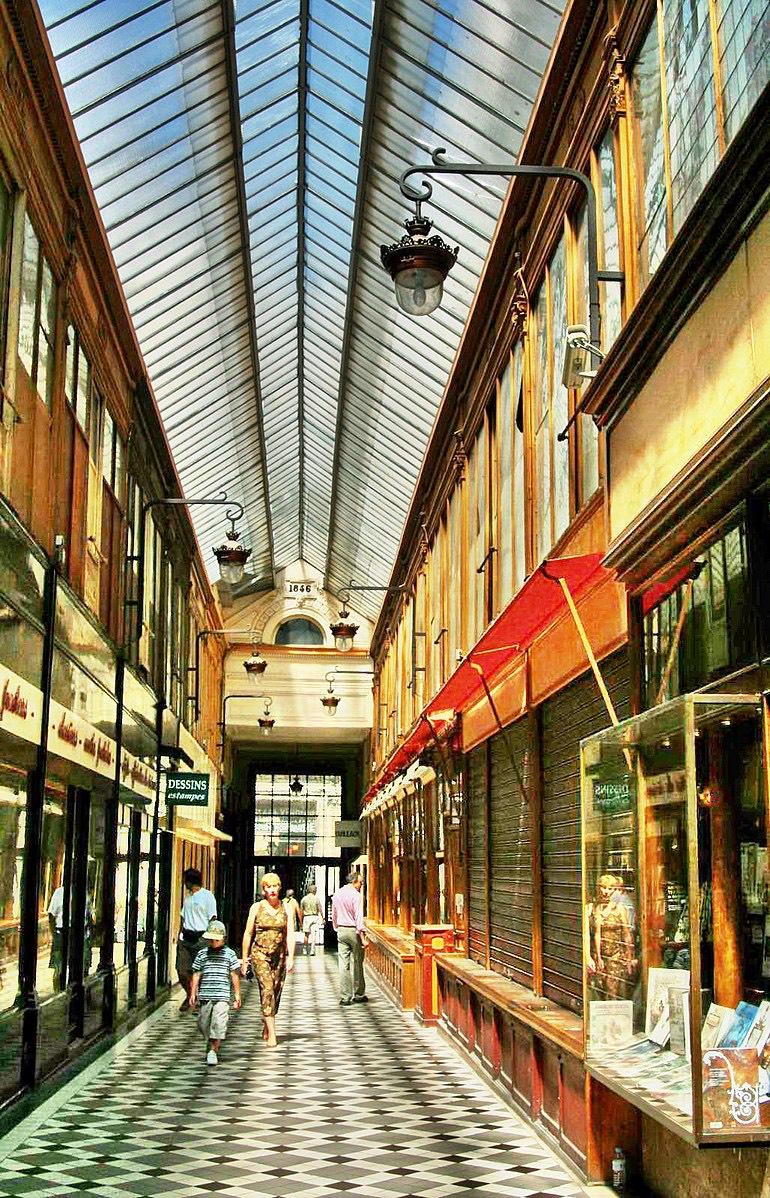
6, rue de la Grange-Batelière / 31, rue du FaubourgMontmartre
Length: 75 metres
The Passage Verdeau has been known by its current name since the year 1846. It was created by the Société du Passage Jouffroy as an extension of the Jouffroy and Panorama passages.
Despite its connection to its "sibling passages," this passage was neglected for a long time. With its impressive shiny glass roof and clear neoclassical design, the Passage Verdeau is bathed in natural light. After the opening of the Hotel Drouot, it attracted many antique dealers who chose to reside and open their shops here. It is also a meeting place for collectors of old books and antique postcards.
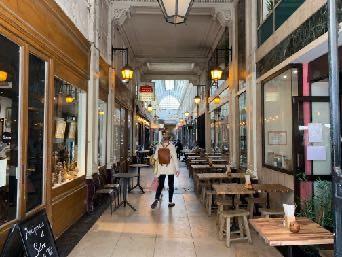
43, rue du Faubourg-Saint-Martin / 46, rue du Faubourg-Saint-Denis
Length: 216 metres
The Passage Brady, built in the year 1828 and one of the few remaining passages in Paris that consist of two parts (separated by the Boulevard de Strasbourg), is known as "Little India." It invites visitors on a visual, sensory, and aromatic journey, housing numerous Indo-Pakistani shops as well as stores from Mauritius and Réunion. This is the perfect place to buy exotic products and rent colourful costumes while sampling delicious and spicy foods. The entrances to this vibrantly decorated world can be found at 22 or 33 Boulevard de Strasbourg and at 43 Rue du Faubourg Saint-Martin (for the open section of the passage).
18, Boulevard Saint Denis / 12, rue du Faubourg-SaintDenis
Length: 120 metres
The Passage du Prado is a district that houses both residential and commercial buildings. Unfortunately, it does not enjoy the best reputation due to the many small businesses and the noise and disorder that disturb the residents. The partially dilapidated state of this passage also conveys a sense of insecurity.
In the year 2014, the local residents founded an organisation with the aim of improving the image of the Passage du Prado.
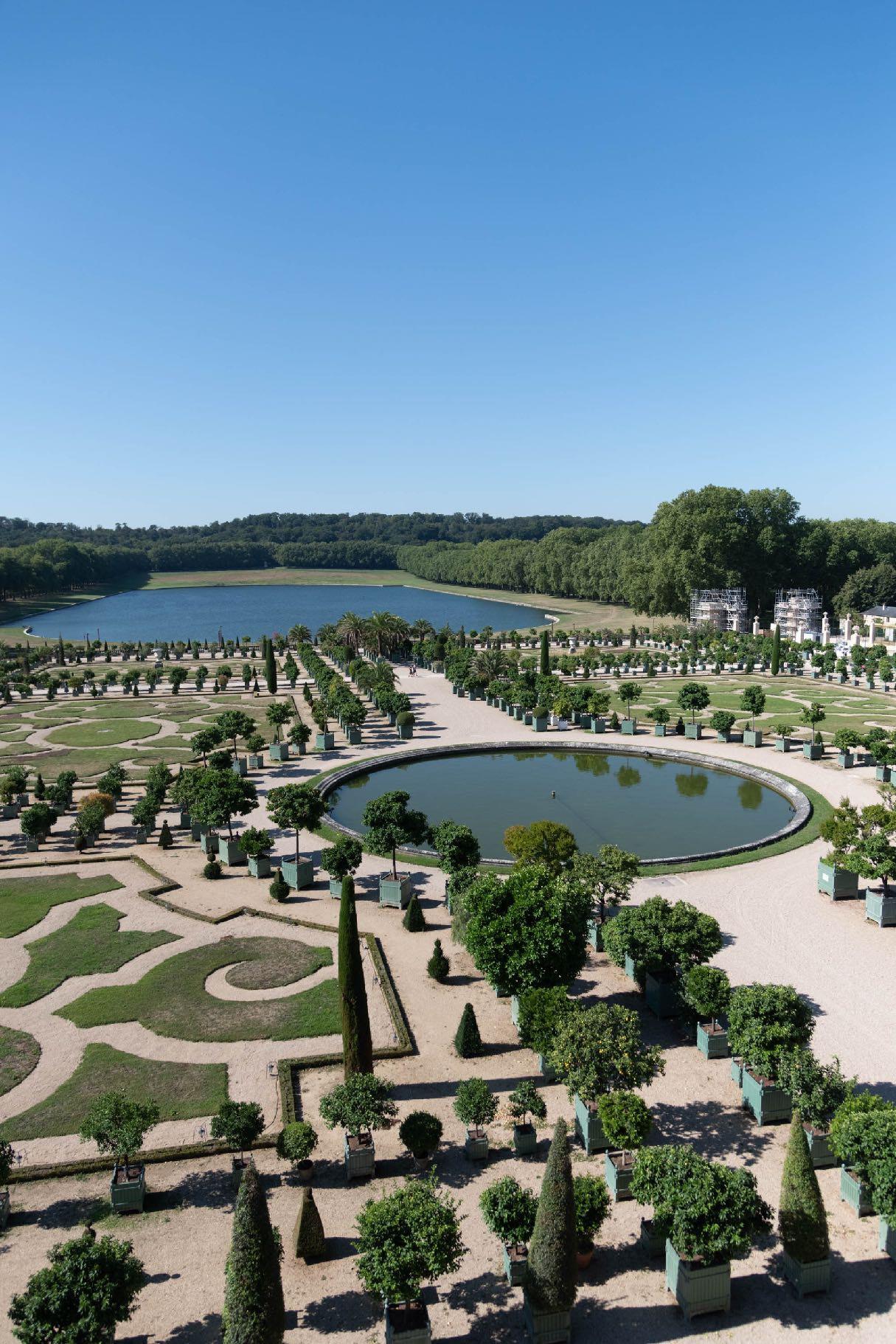




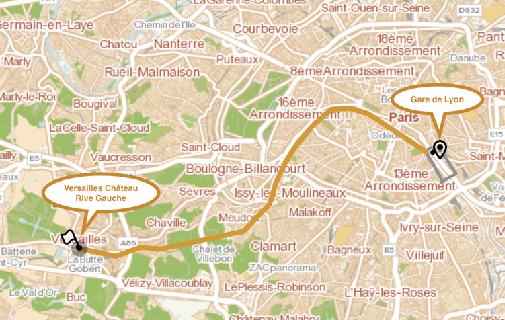
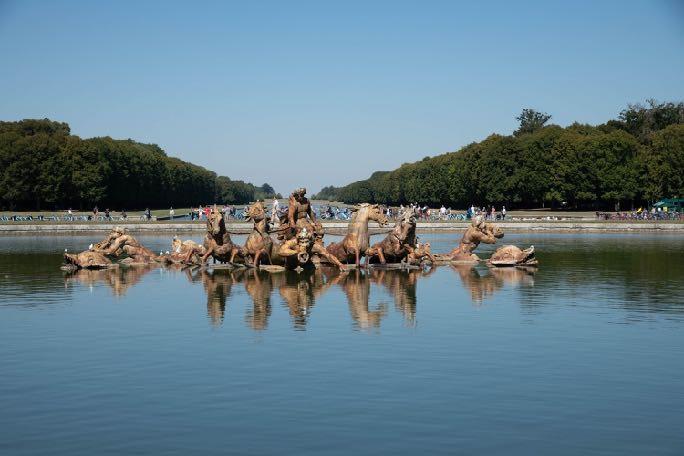
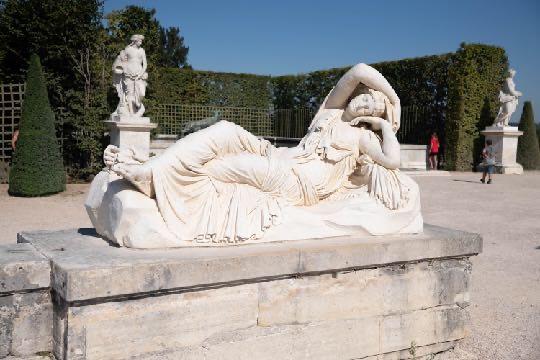
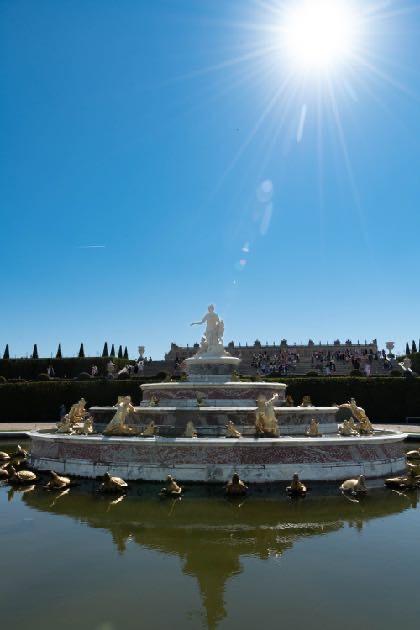
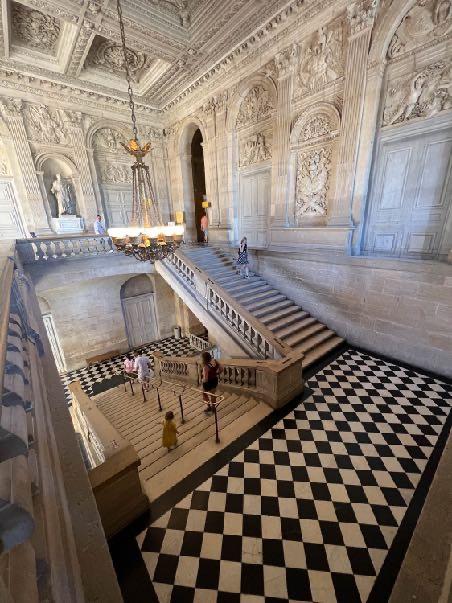
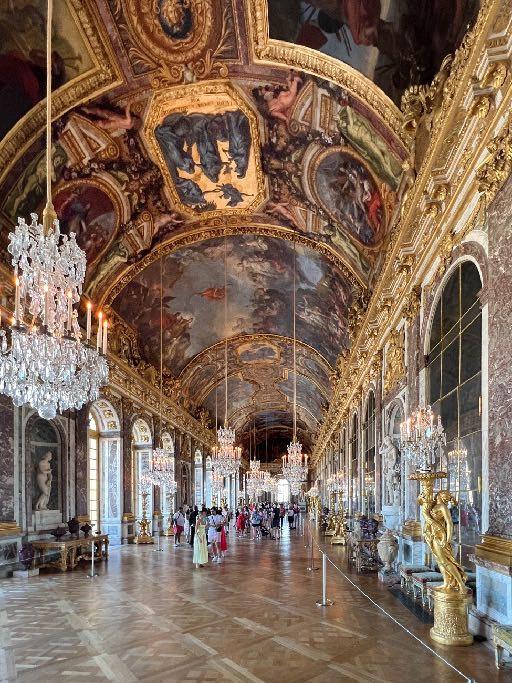
The château is located about 25 km west of Paris. The train journey from Gare de Lyon takes around 60 minutes. The best stations to exit are Versailles Château Rive Gauche or Versailles Chantiers. The walk from both stations is about 15 to 20 minutes. Due to its proximity to the city and easy accessibility, the château and its park are very popular with visitors.
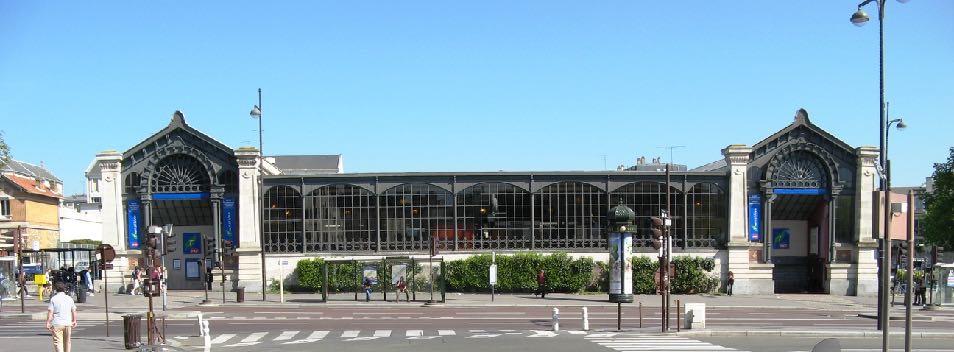
The link leads directly to the booking page of the RATP for the public transport network of Paris.


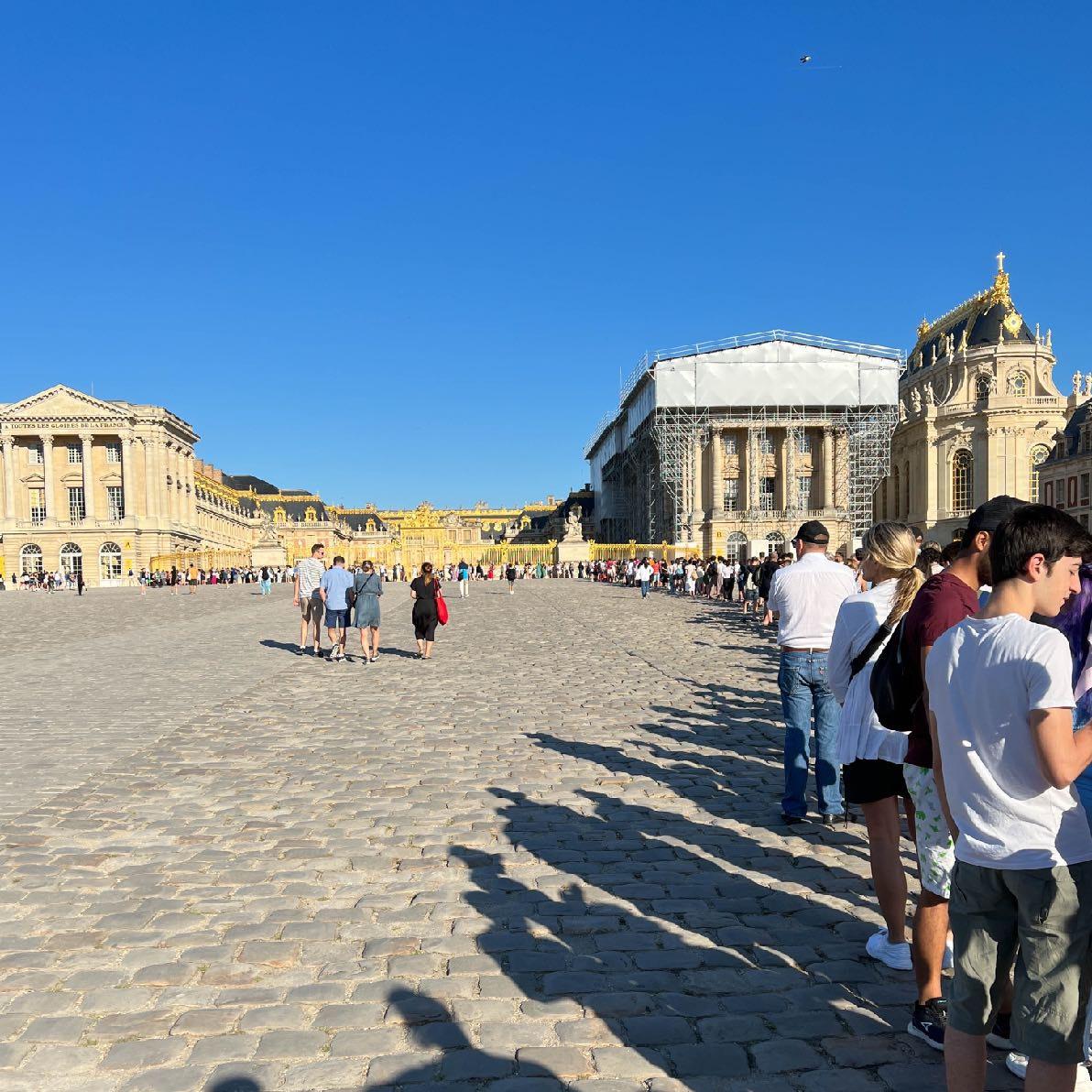
Queuing and waiting are great French virtues. Since the château is closed on Mondays, there is a massive rush on Tuesdays. By 8:30 AM, a huge crowd is already waiting to get in. It is definitely advisable to buy your tickets in advance. Otherwise, your visit to Versailles could turn into a frustrating experience.
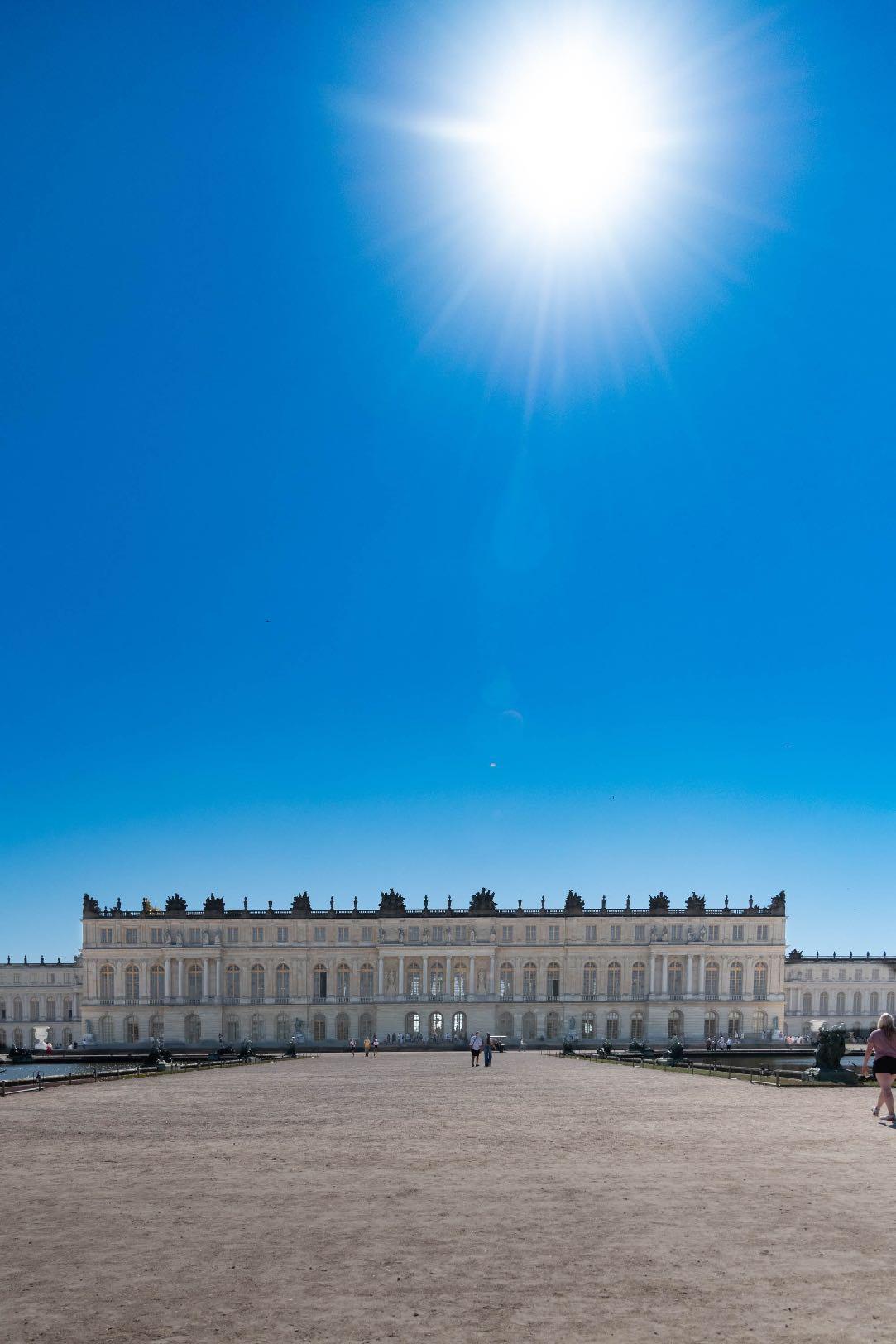
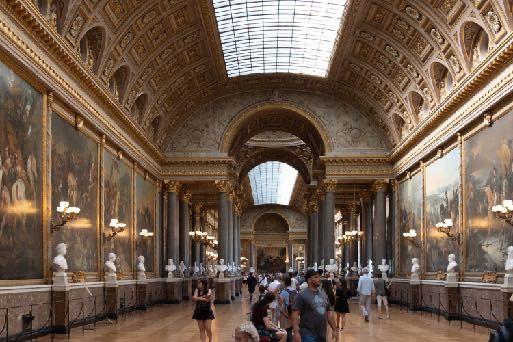
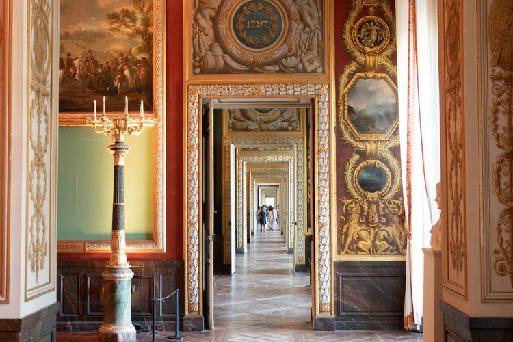
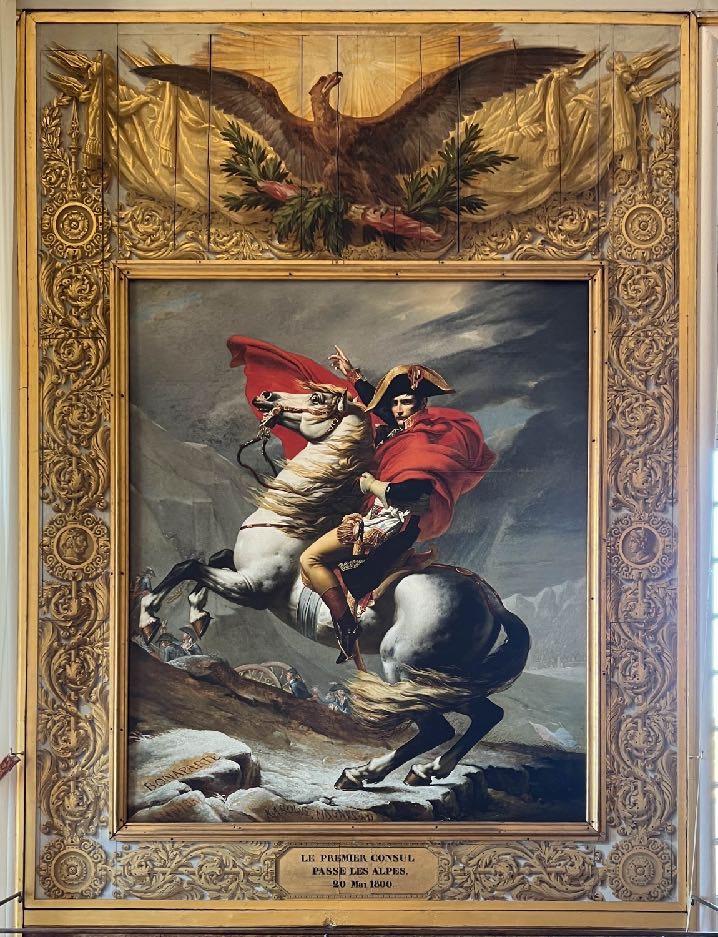
Originally, Louis XIII had a small hunting lodge built in Versailles. The building was so small that Anne of Austria, the king's wife, did not have her own quarters. Between the years 1631 and 1634, a threewinged hunting lodge was constructed, which still forms the core of the Palace of Versailles today. Later, Louis XIV had a magnificent palace built on
this site, which was completed in its current dimensions at the beginning of the 18th century.
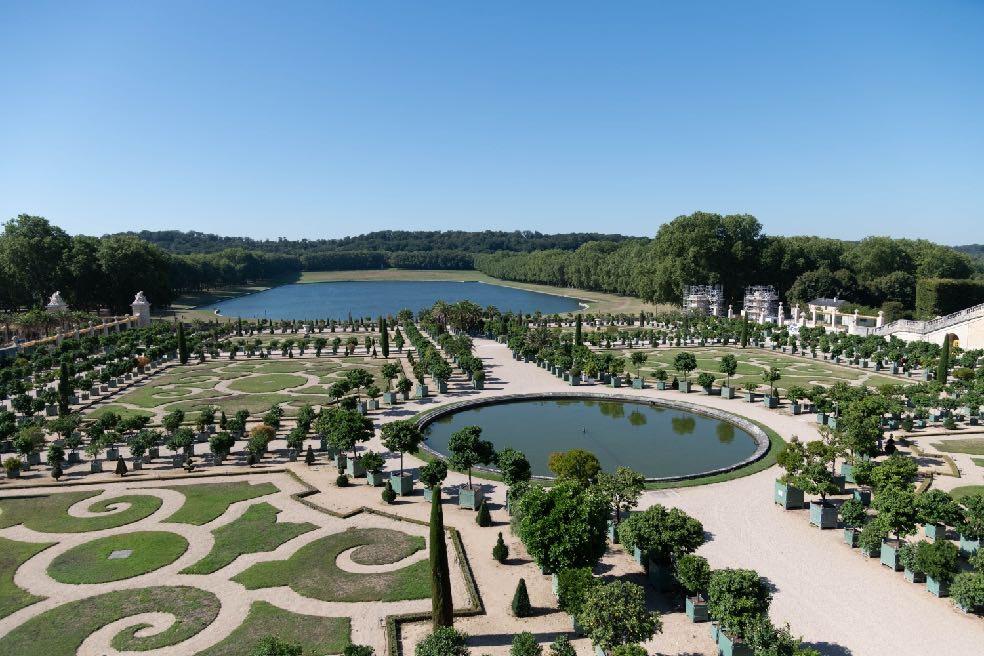
For over 15 million visitors each year, the Palace of Versailles is a must-see destination. Visitors should definitely plan an entire day for exploring the palace and its gardens.
with the ÖBB to Paris
with the ÖBB to Paris
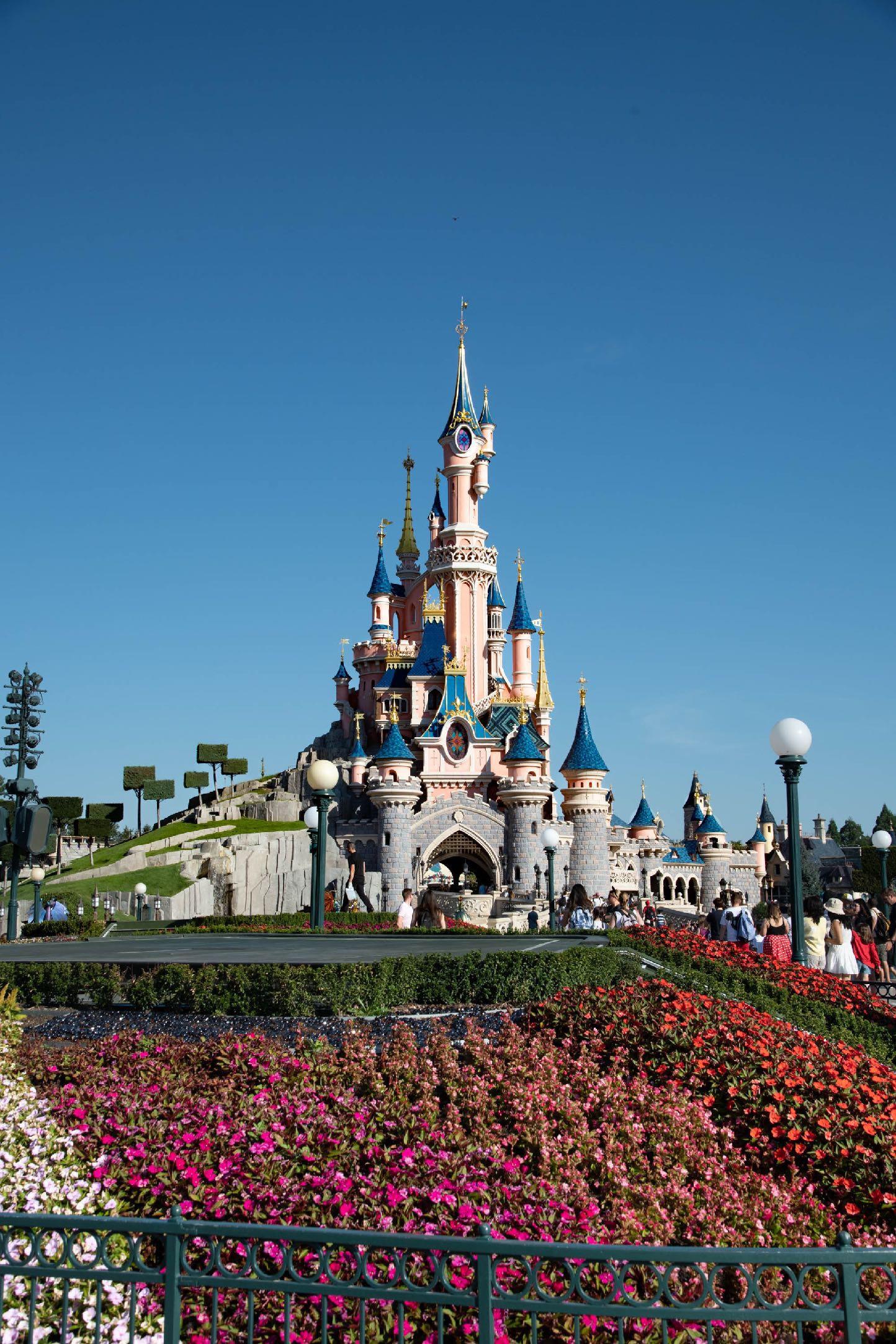


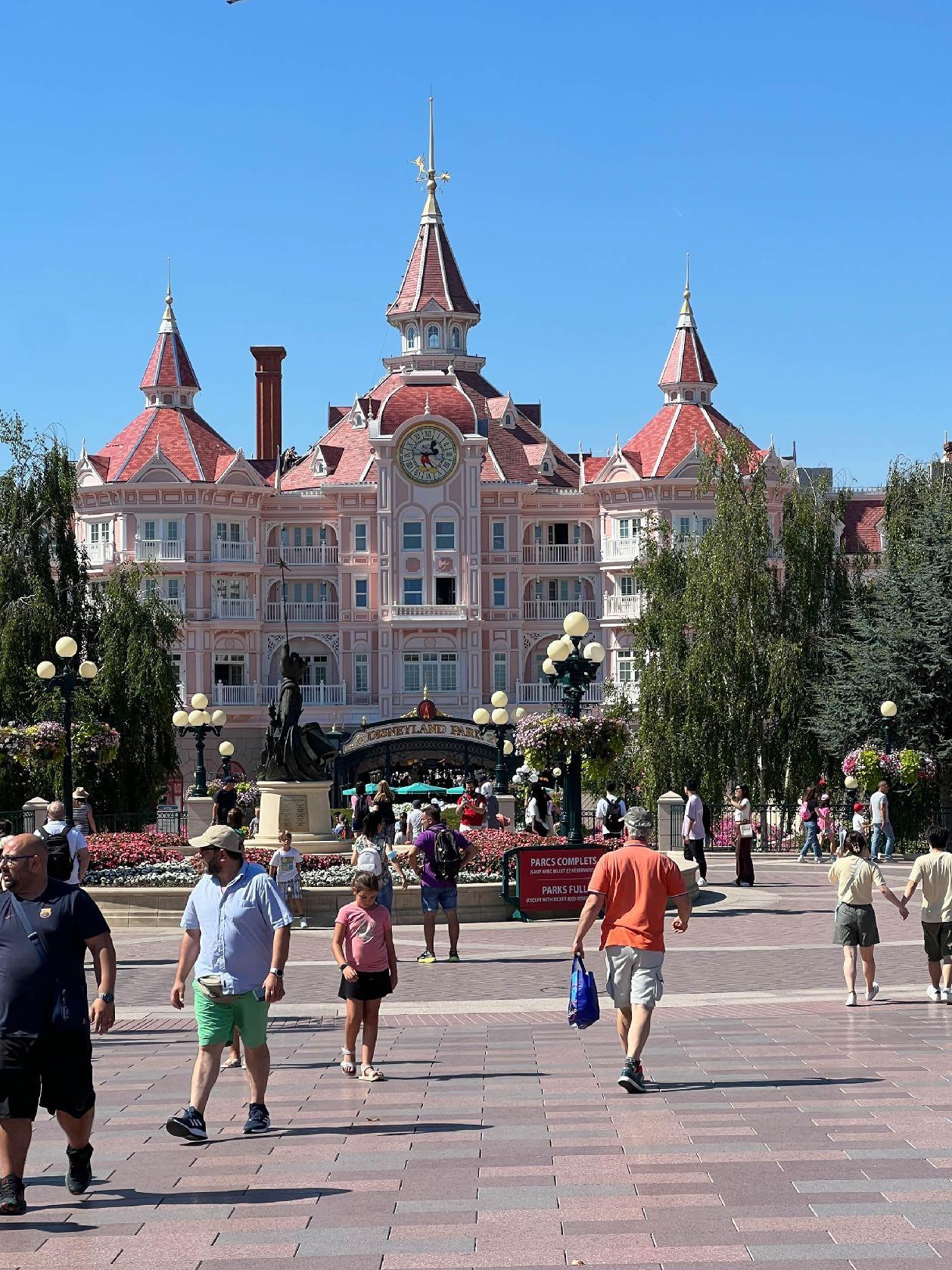
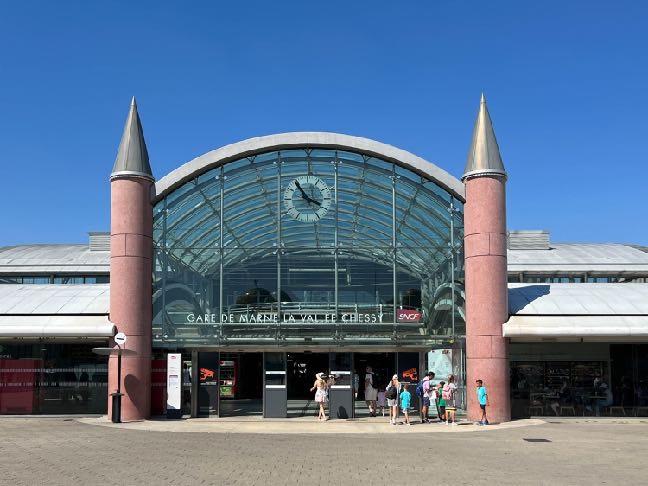
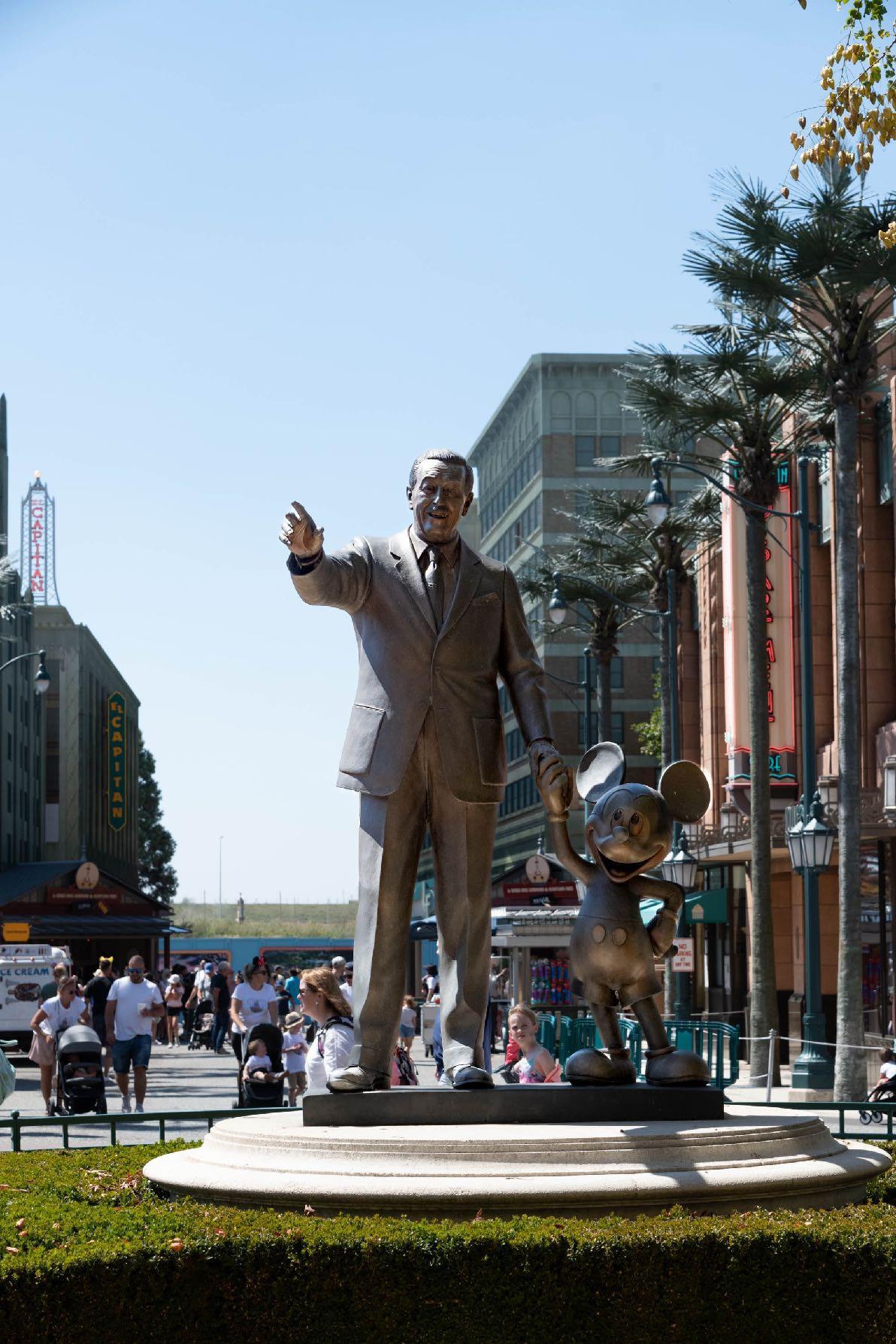
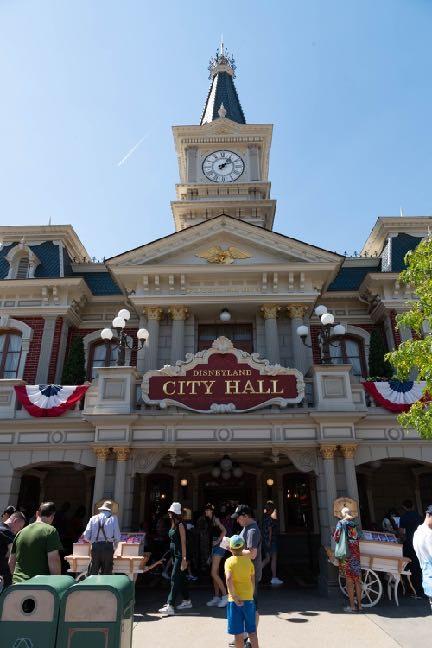
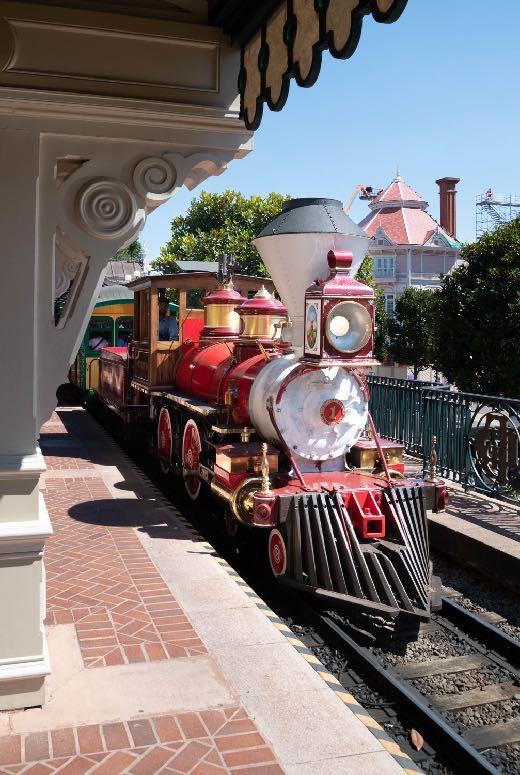
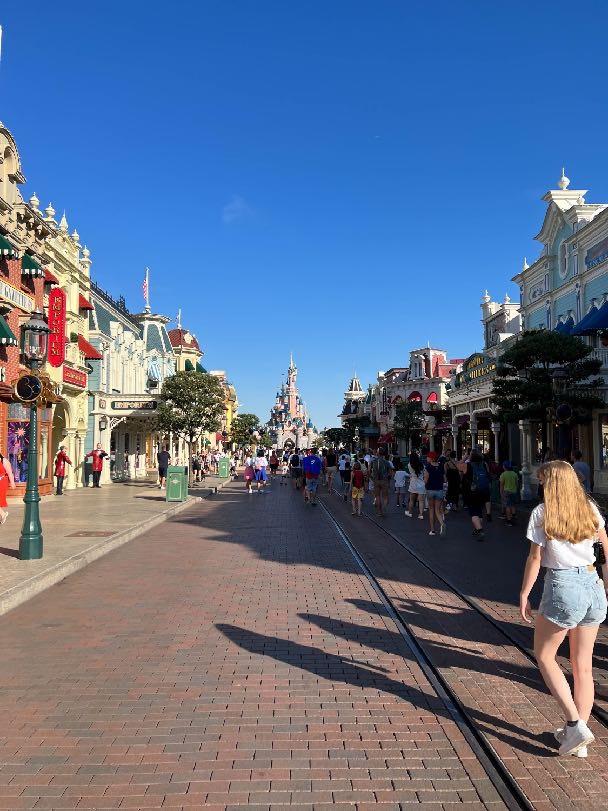
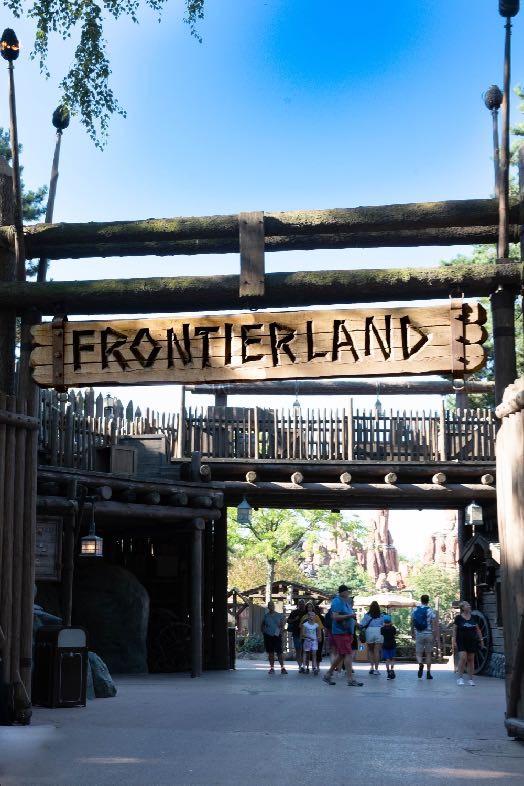
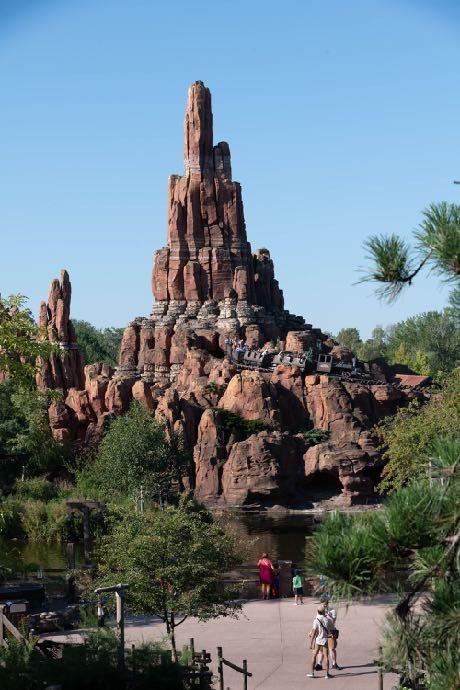
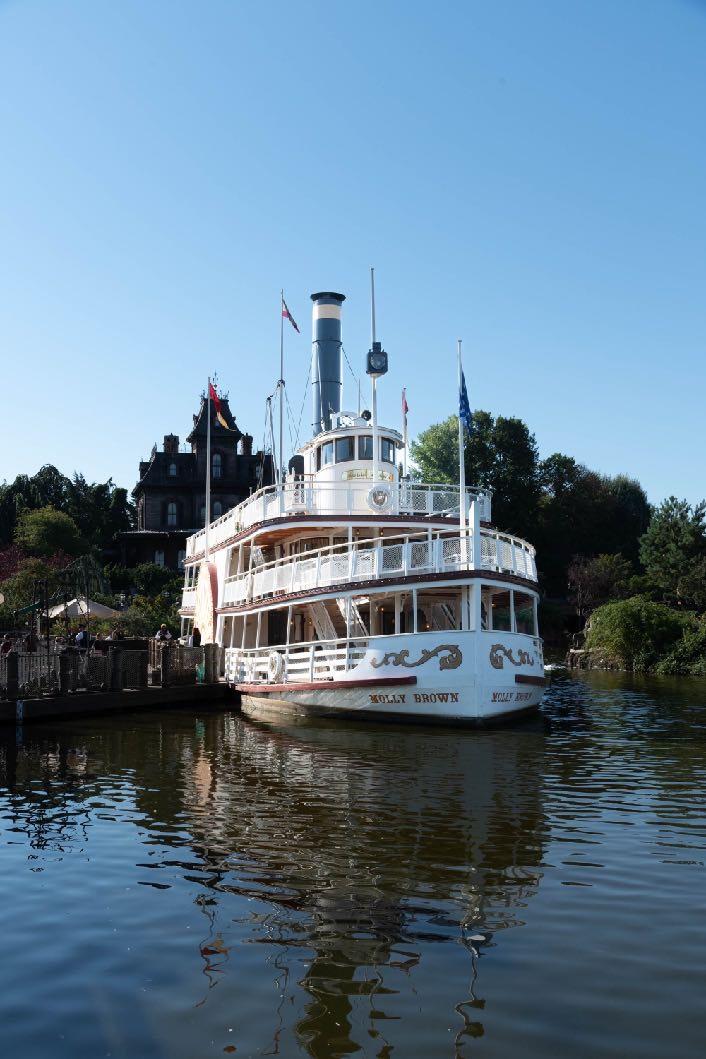
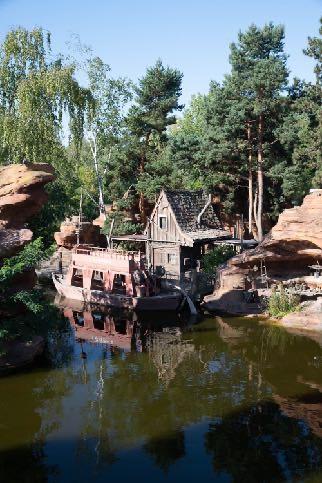
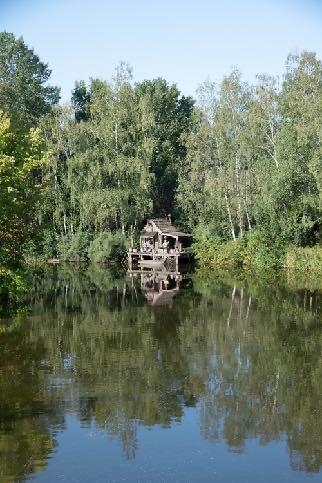
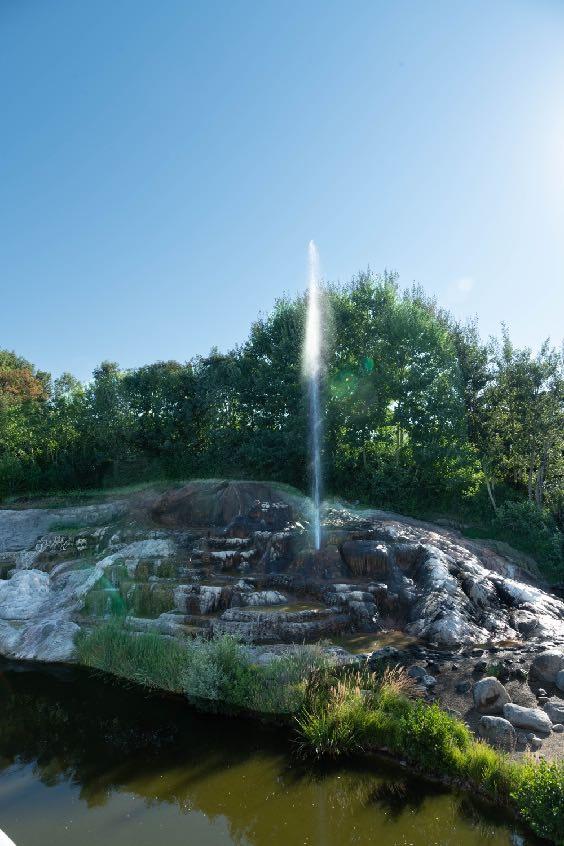
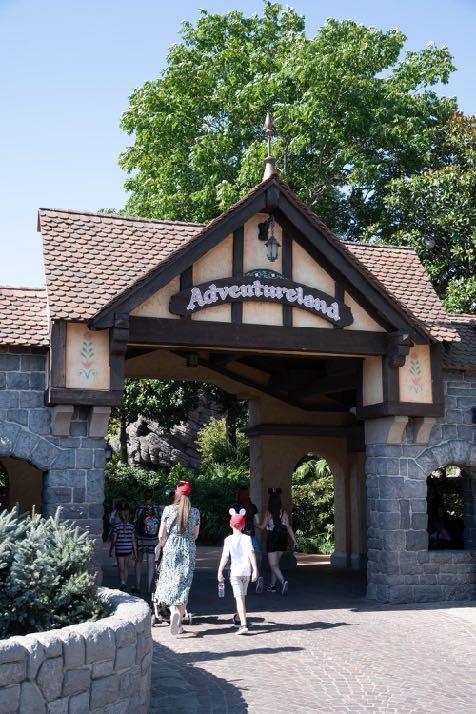
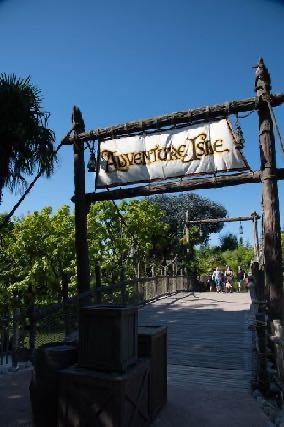
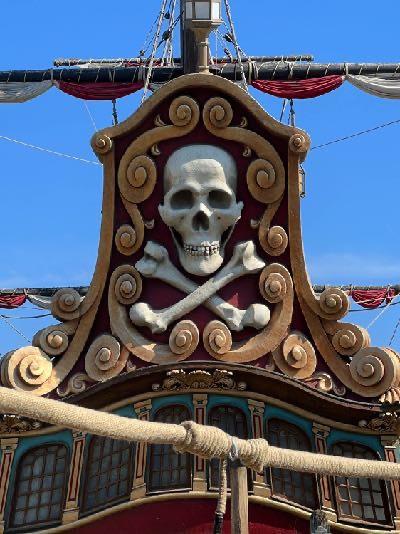
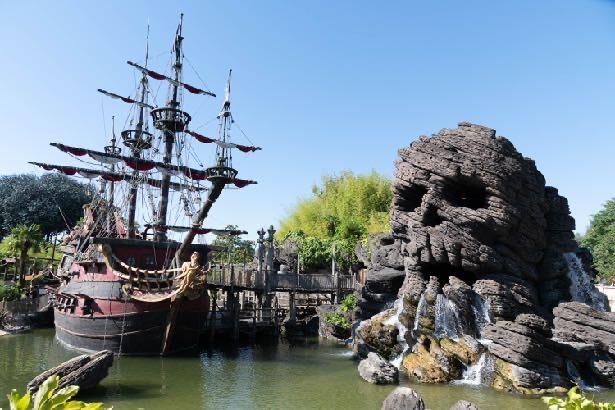
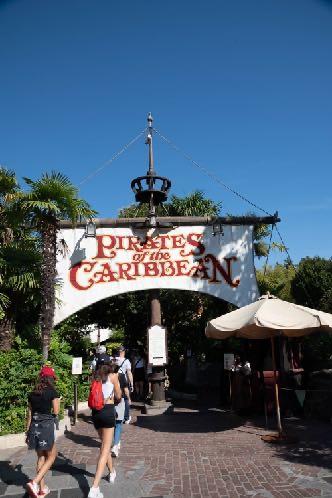
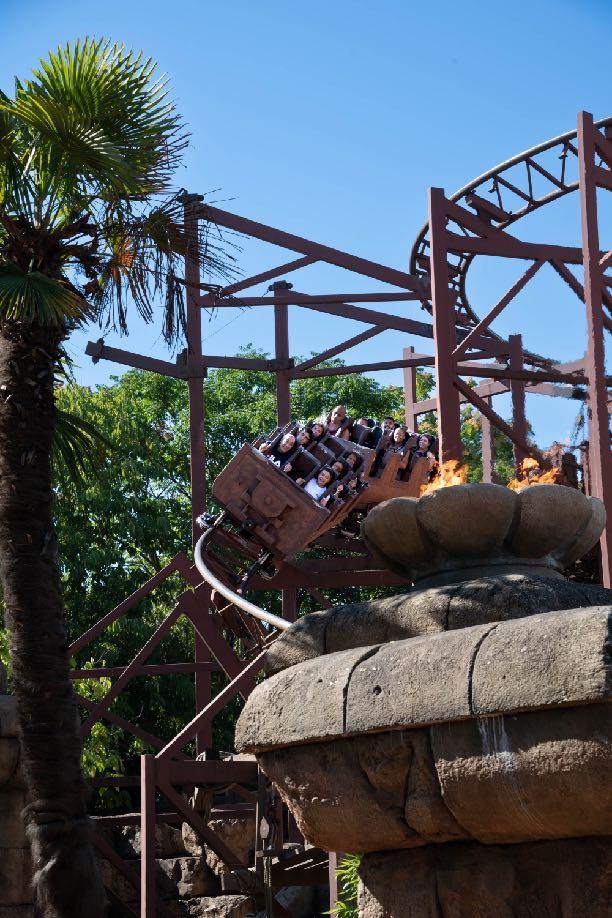
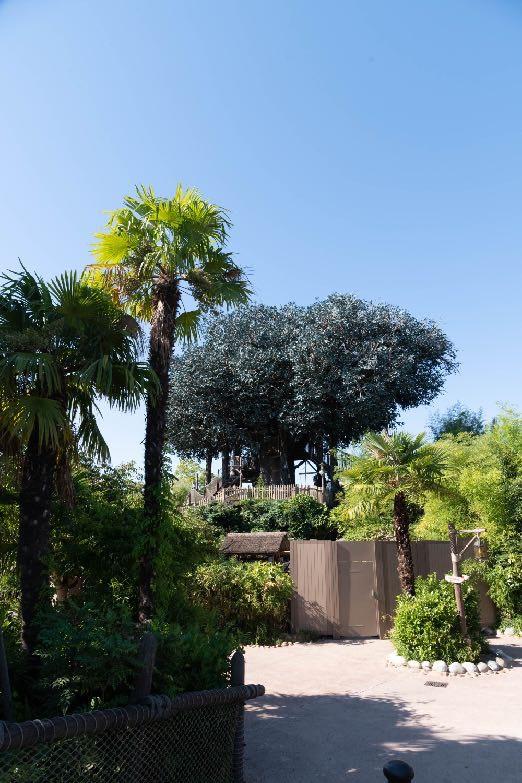
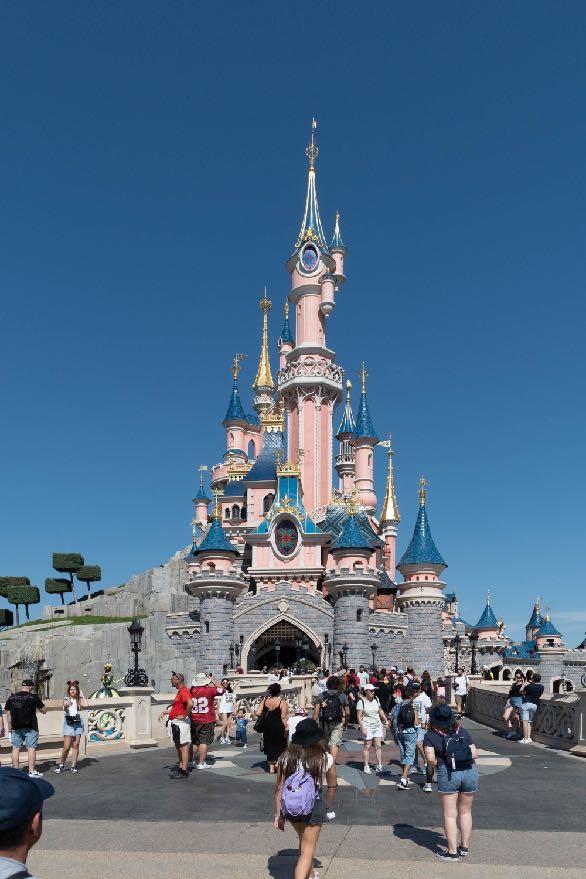
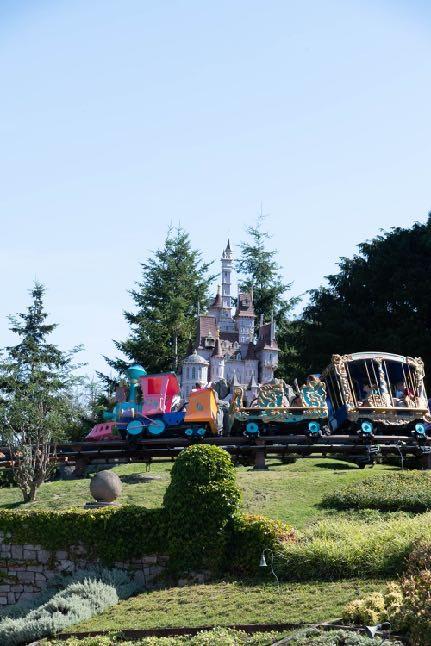
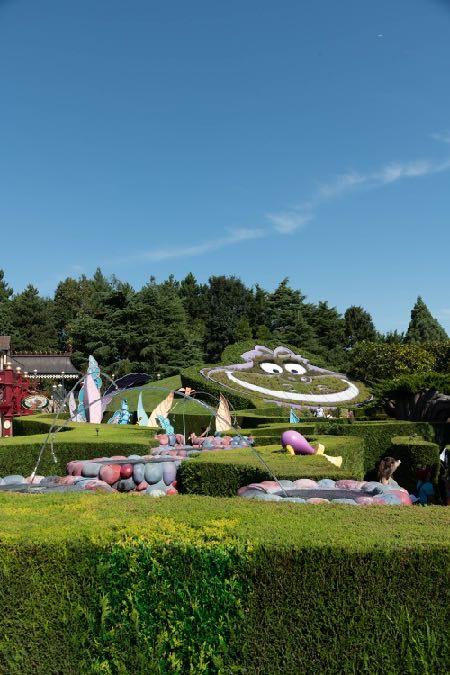
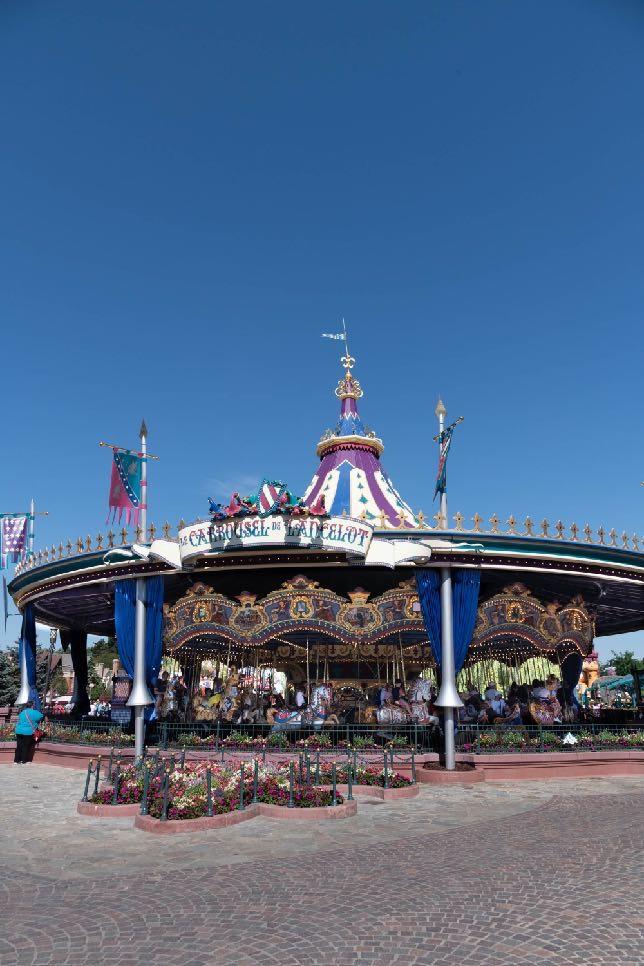
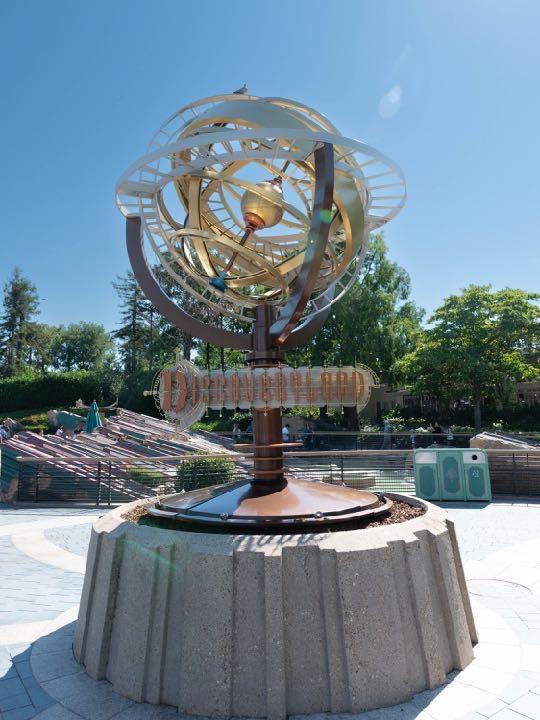
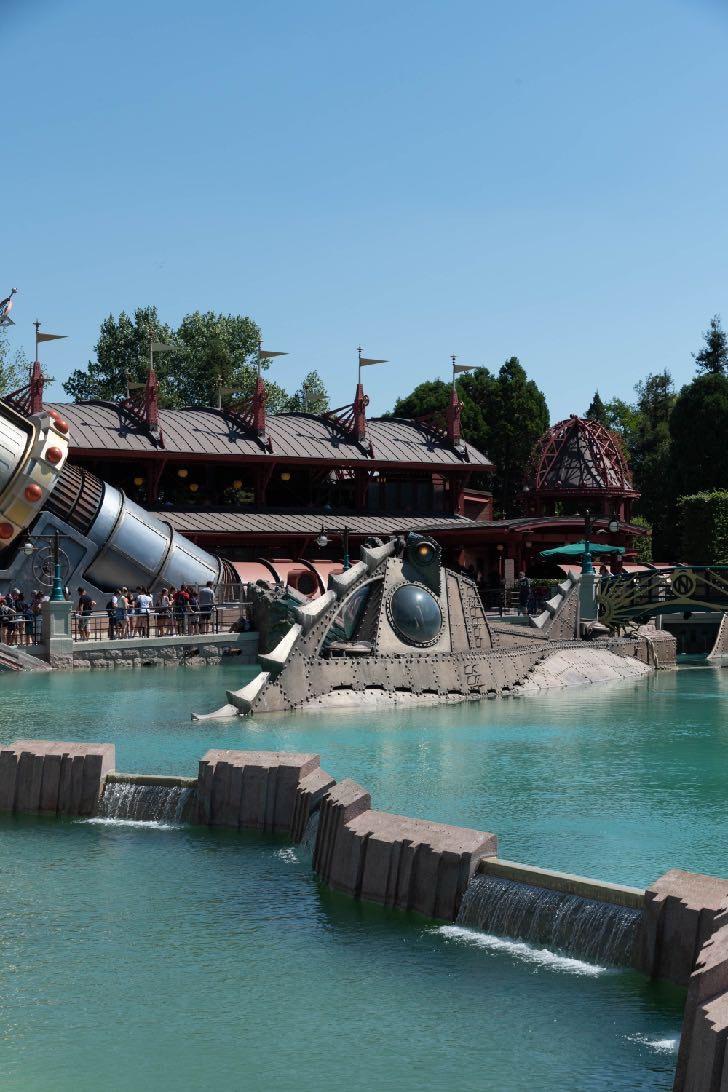
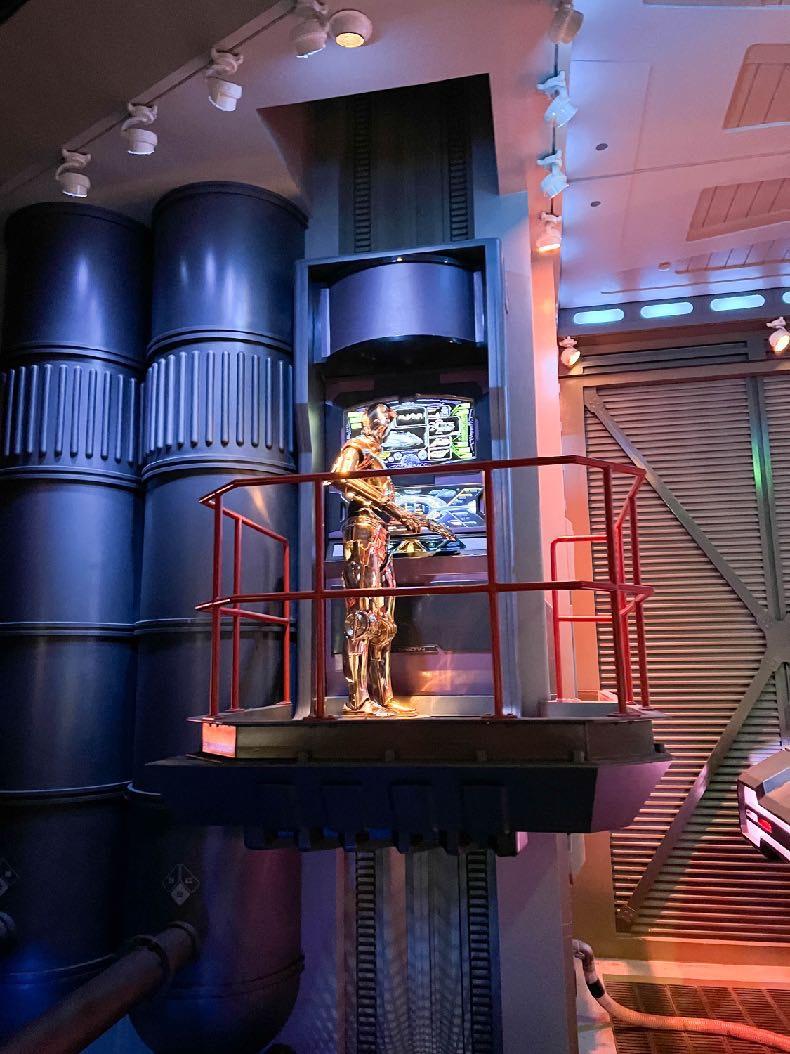
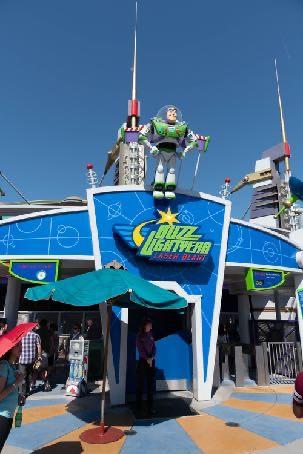
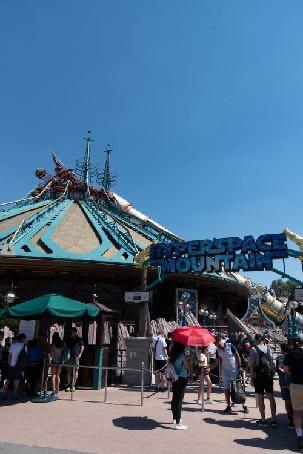
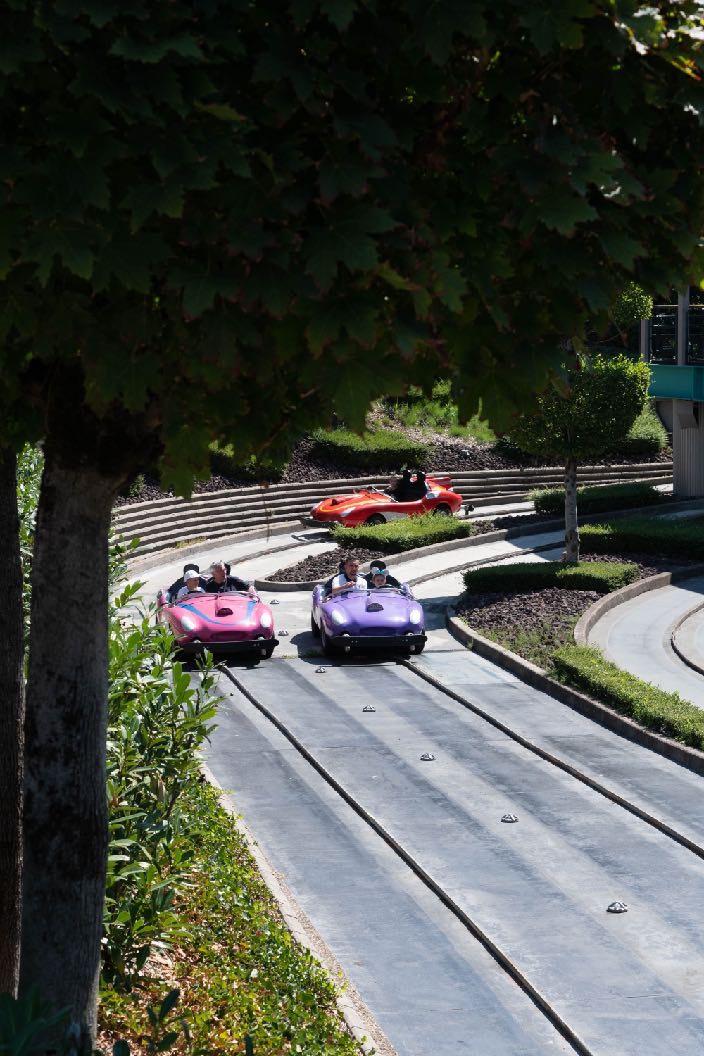
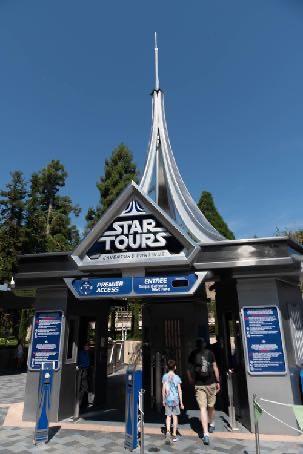
Disneyland Paris öffnete 1992 die Tore. Nach Disneyland Paris opened its doors in the year 1992. After initial difficulties, the park found its audience and now offers entertainment and fun for the whole family. The site features seven roller coasters, reaching speeds of up to 92 km/h. Six Disney hotels, catering to all price ranges, provide over 5,000 rooms. All
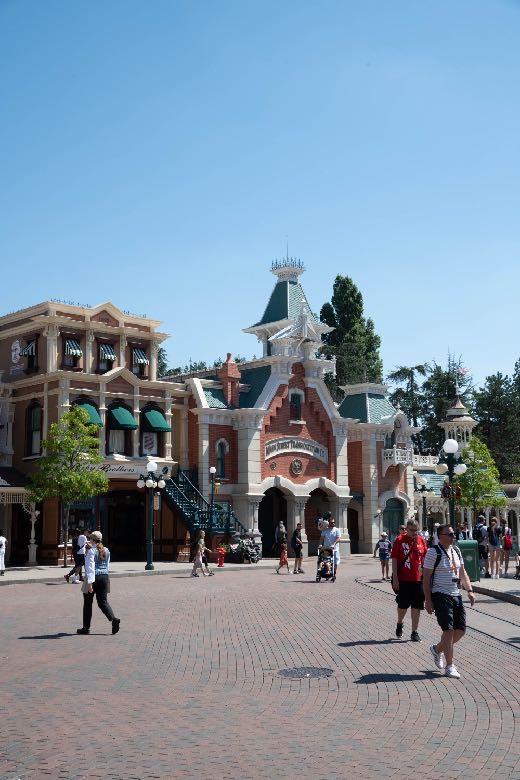
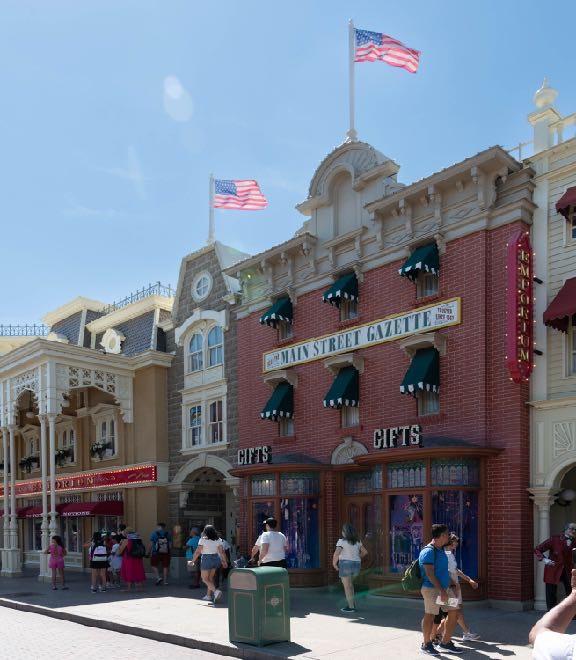
Disney parks are divided into themed areas: Main Street USA, Frontierland, Adventureland, Fantasyland, and Discoveryland.
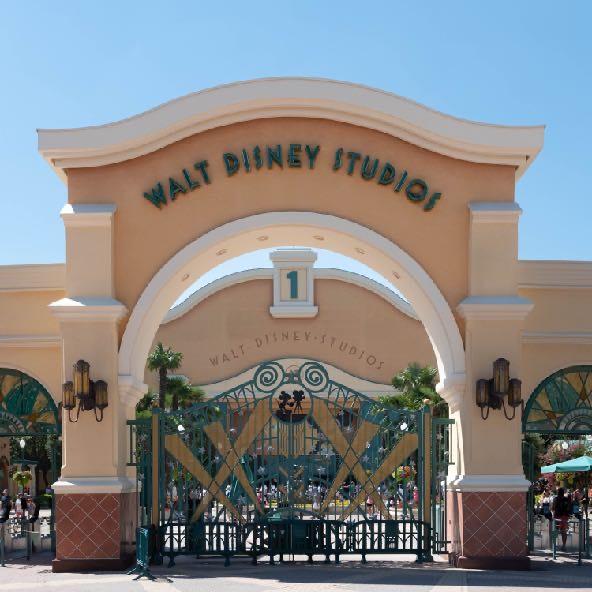
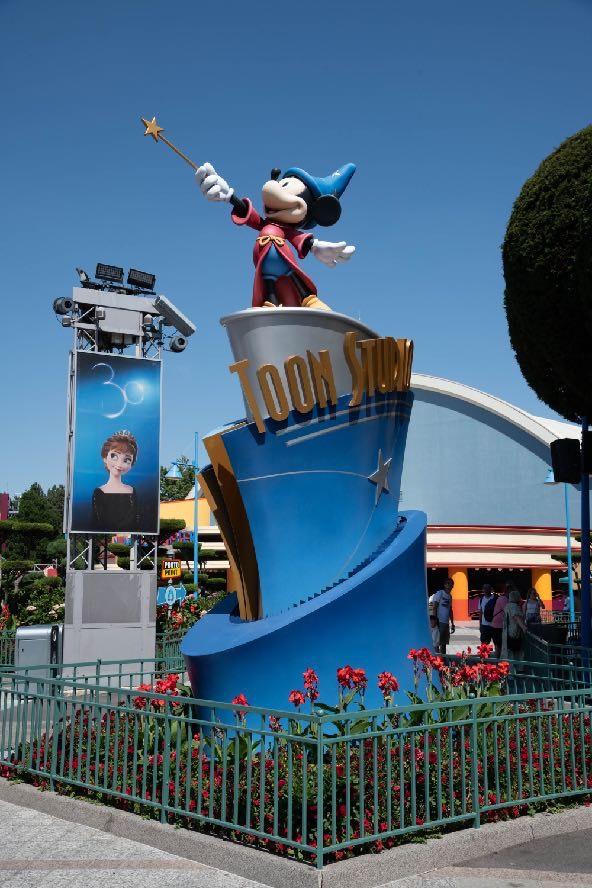
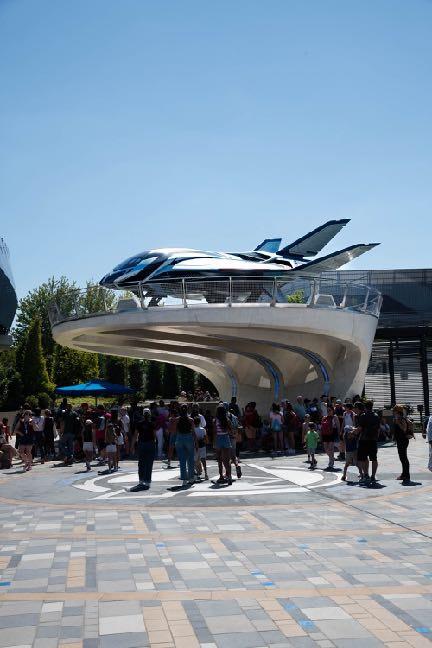
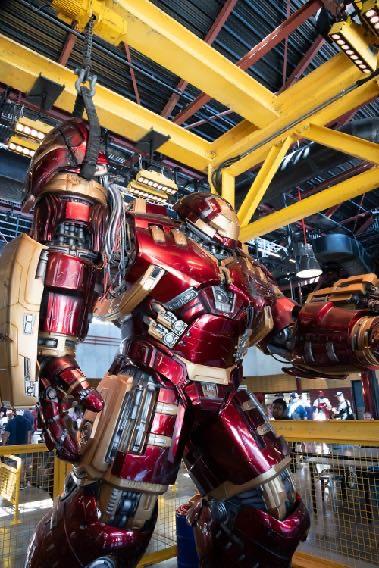
The Walt Disney Studio Park can be visited for an additional fee, featuring breathtaking areas like Worlds of Pixar, Toon Studio, Production Courtyard, and Avengers Campus.
with the ÖBB to Paris


with the ÖBB to Paris

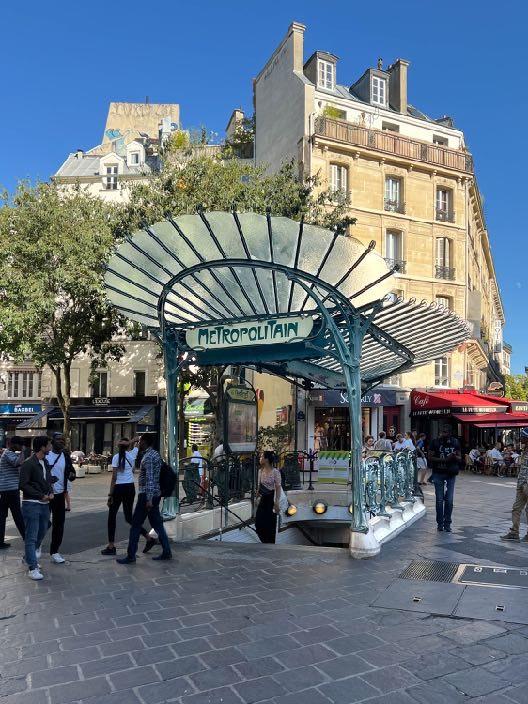
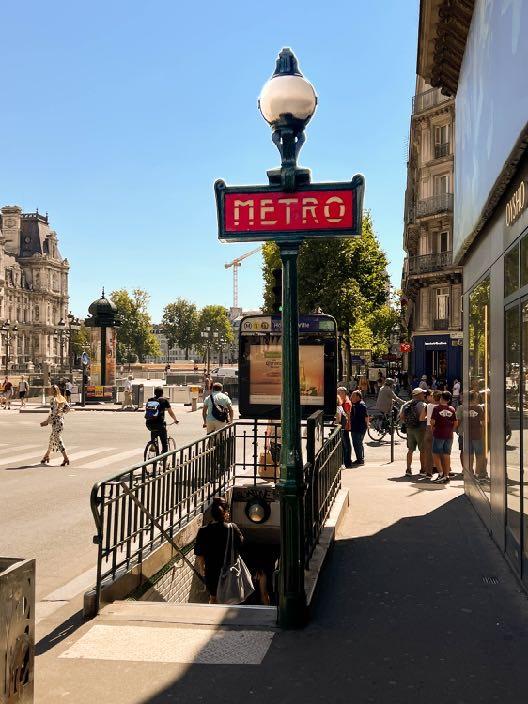
Public transportation in Paris is handled by the RER (regional express trains), Metro trains, trams, and buses. The major train stations in Paris still reflect the era when different railway companies built their own stations in the city. Most train stations are a blend of impressive historic buildings and modern architecture.
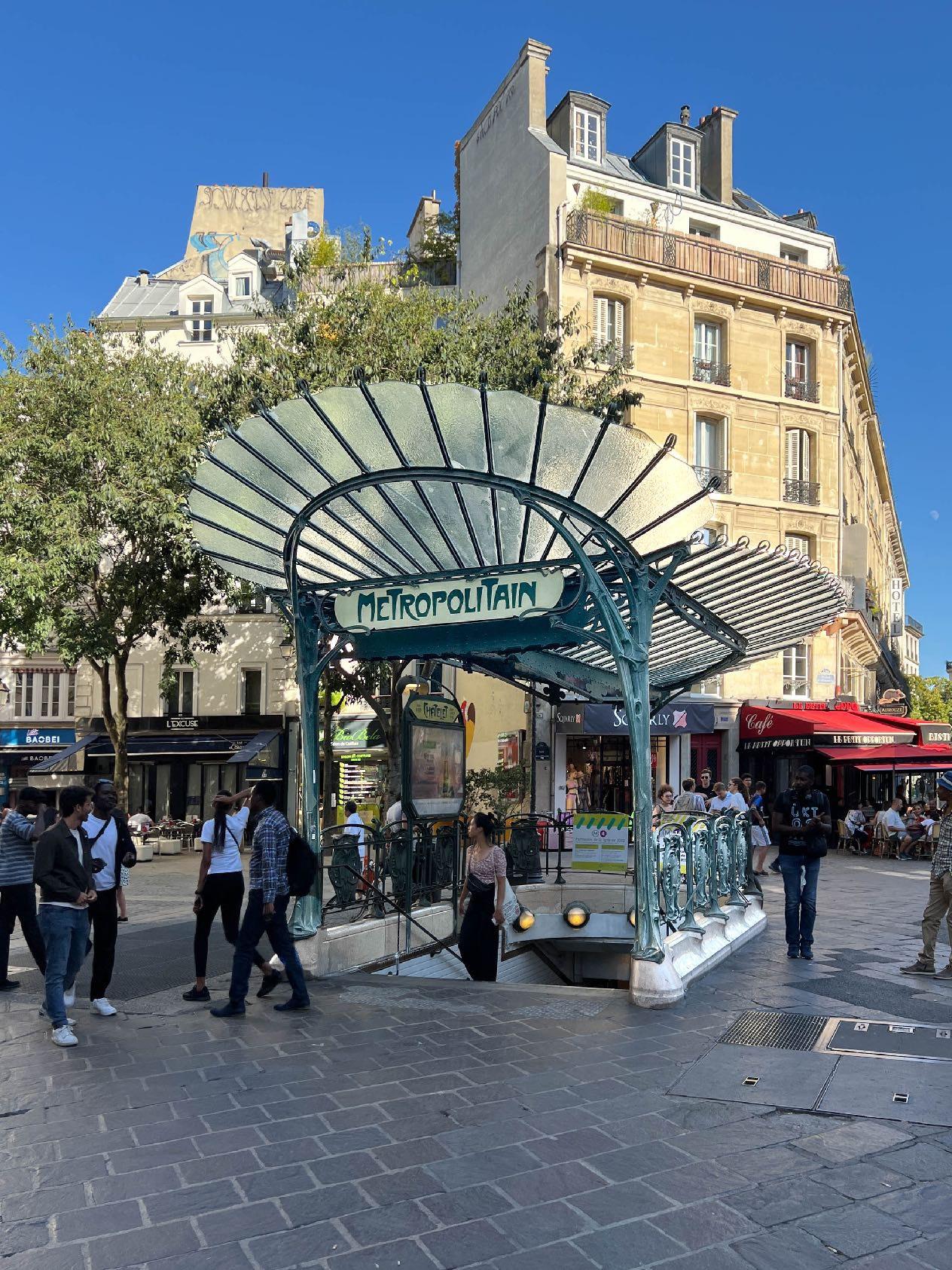
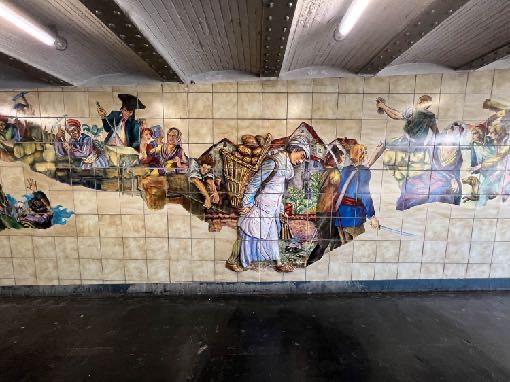
The Metro stations are not built according to a common design, making it quite difficult for visitors to navigate. Many of the train and Metro stations are very extensive, so if you want to return to the same station after your trip, it's advisable to remember the exit number.
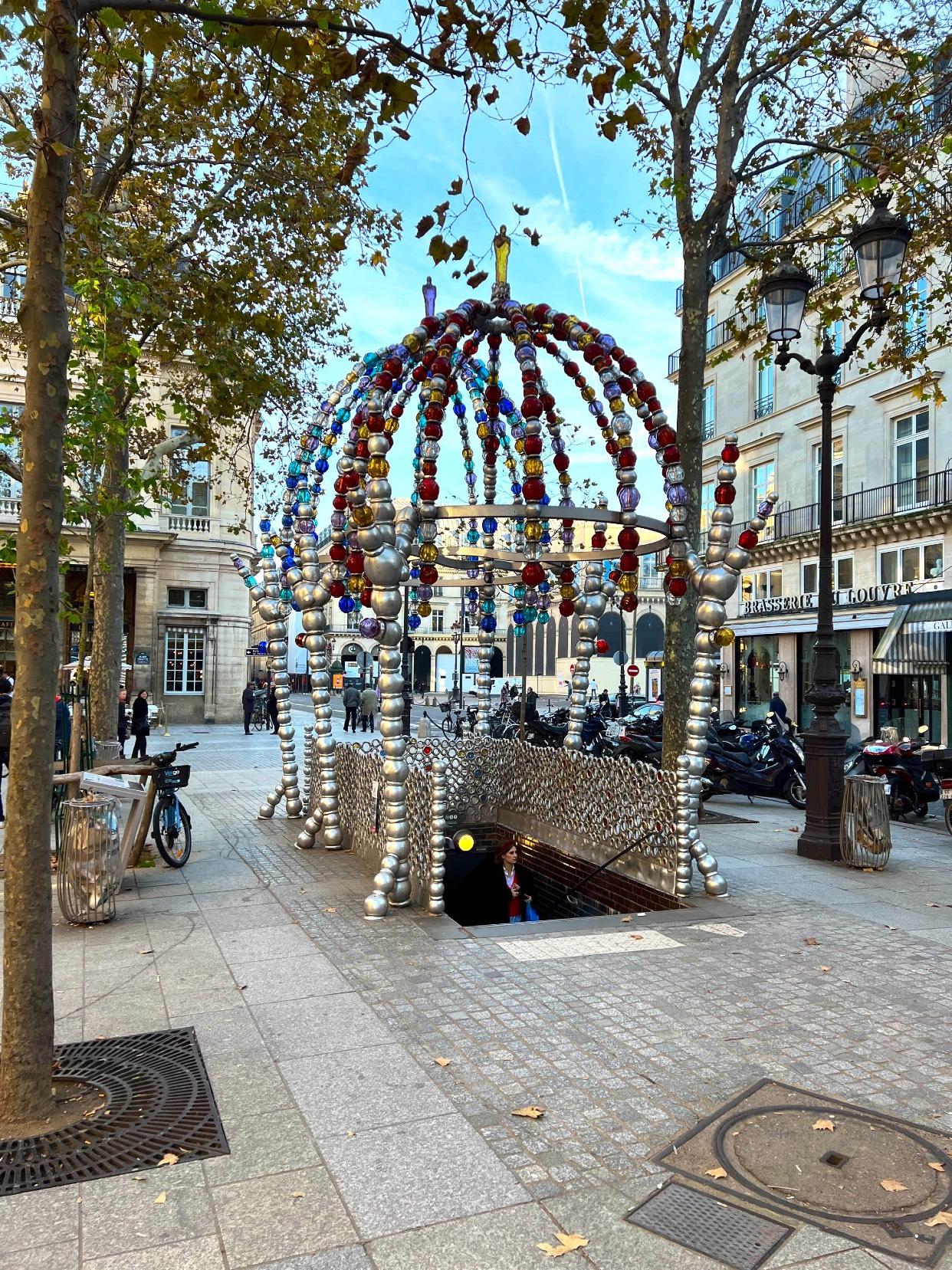
The artwork Le Kiosque des noctambules by JeanMichel Othoniel was installed in the historic centre of Paris in the year 2000. It serves as a Metro entrance to the Palais Royal-Musée du Louvre station (Metro lines 1 and 7) and consists of a series of aluminium and Murano glass spheres.
The canopy over the entrance to the staircase is an impressive dome in warm colours like yellow, white, and red, representing the day. Another dome gives the impression of night, featuring cool colours such as blue, white, yellow, and violet. Both domes are topped with small sculptures made of glass figures.
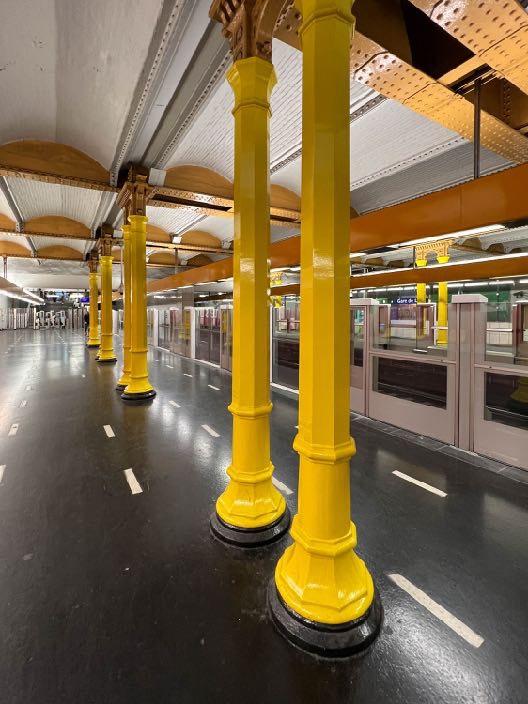
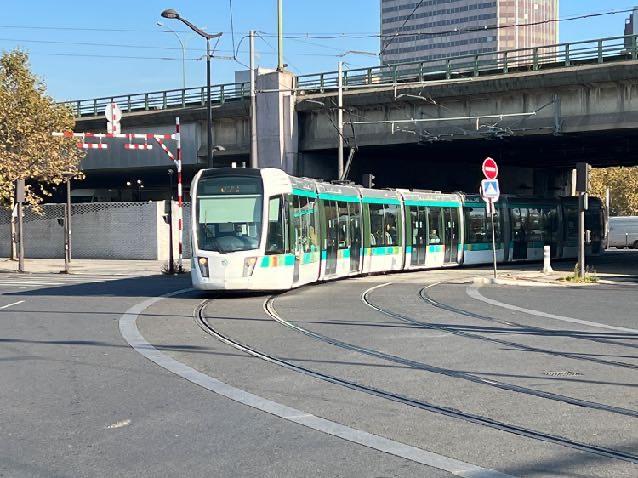
In addition to the RER suburban trains, the Métro, and bus lines, trams also operate in the Île-de-France region, which encompasses the Paris metropolitan area. Around the year 1925, Paris had a tram network of over 1,100 km, served by 122 lines. The last tram in Île-de-France was discontinued in 1957.
Since the year 1992, however, the region has experienced a renaissance of tram lines. In addition to the two-track trams, "Translohr trams" (T5 and T6)
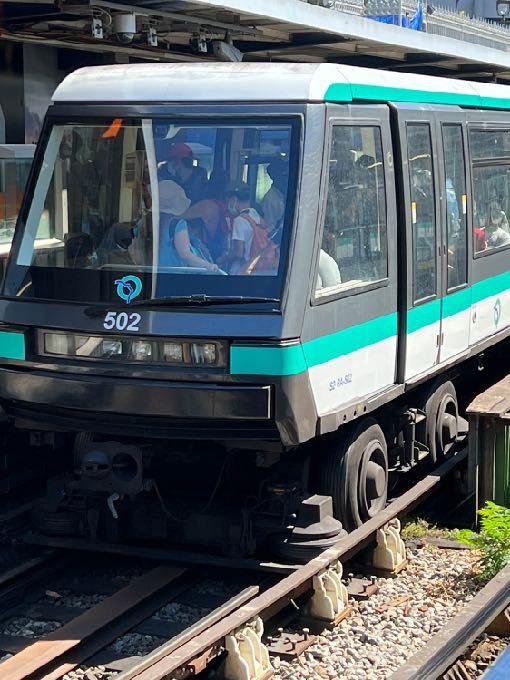
The Paris Métro Line 1 is the oldest subway line in the city. In terms of number of daily passengers, it ranks second after Line 4. Line 1 runs right through the centre of Paris, connecting the La Défense station in the west with Château de Vincennes in the east.
Since December 2012, Paris Métro Line 1 has been using only fully automated trains. Driverless vehicles are exclusive to Line 1.
The train carriages run on rails and have nitrogenfilled rubber tyres. The Bastille station is reached via the tightest curve in the entire Métro network, with a radius of only 38 metres. It is highly recommended
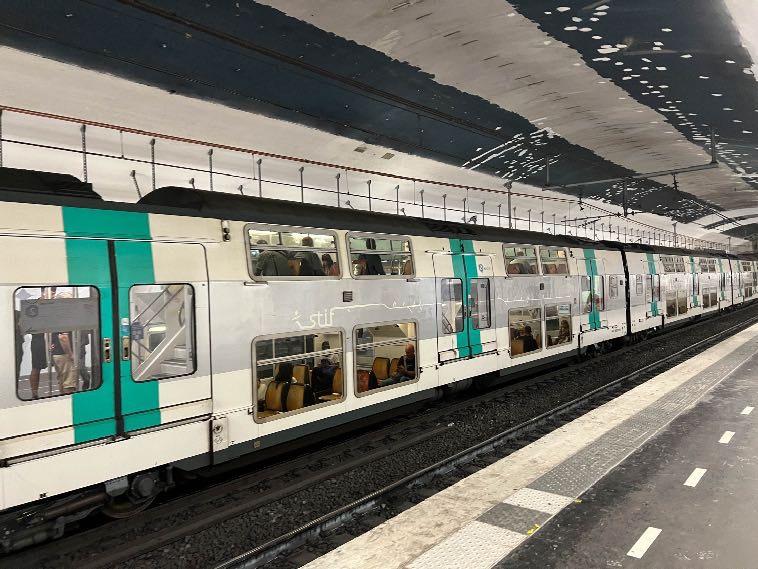
The term RER stands for "réseau express régional," the regional express network. The five lines, A, B, C, D, and E, serve a total of 257 stations throughout the Île-de-France area.
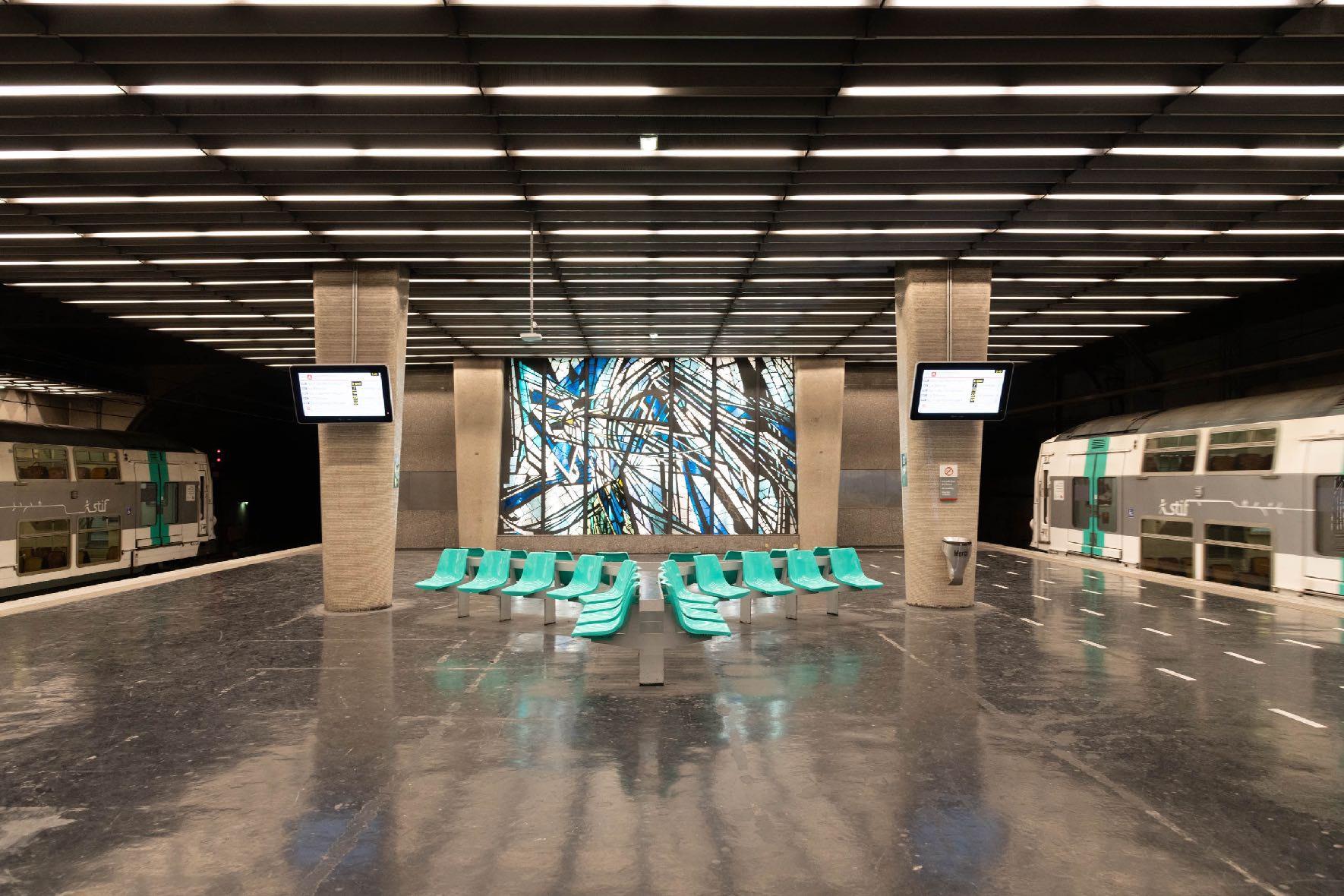
On many RER routes, compact double-decker carriages are used. The photo shows MI 09 series carriages on the RER A line.
Within Paris city limits, most RER train routes are underground.
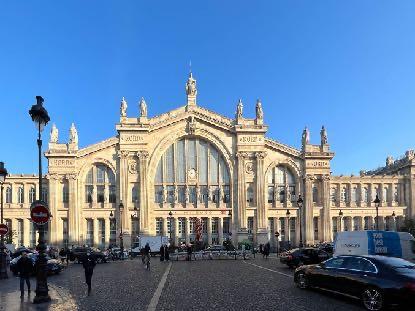
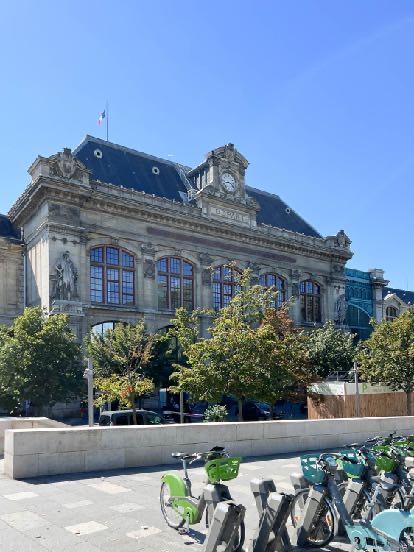
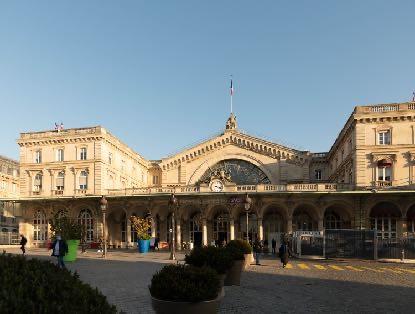
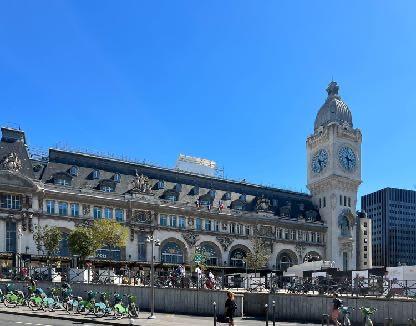
Travellers reach Paris by train via one of the city's seven terminus stations. These stations are well connected to public transport and thus easily accessible. As some of the stations are quite large, it is advisable not to arrive at the last minute before departure. It can take quite some time to navigate the station and find the correct platform.
Gare de l'Est is the departure and arrival station for the ÖBB Nightjet. The French TGV reaches destinations in the east from here. The Moscow Express and the Orient Express also depart from this station.
The Eurostar to London and the Thalys to Brussels depart from Gare du Nord. This station is just a few minutes' walk from Gare de l'Est.
The TGV to Zurich departs from Gare de Lyon. A particular gem in this station is the fantastic restaurant "Le Train Bleu"!
Opposite Gare de Lyon, on the other side of the river Seine, lies Gare d'Austerlitz. From here, national destinations are served.
The smallest long-distance station in the city is located right next to Gare de Lyon. National car trains depart from here.
Travellers heading to the western coast of France depart from Gare Montparnasse. This station serves destinations in Brittany and the Bordeaux region.
Due to its proximity to the city's major department stores, Gare Saint-Lazare station offers excellent shopping opportunities. It is reserved for trains heading to northern France.
with the ÖBB to Paris




OBB Nightjet and OBB Nightjet Partner








This e-book was made possible through the kind support of the regional tourist of fi ces and the OBB . German proofreading and editorial: Martin Andergassen.
References
Text, videos and photos by Rudolf J. Strutz unless otherwise stated. Timetables and travel information: OBB
Assistance from AI
Artificial intelligence applications are occasionally employed for image editing, including the elimination of undesirable components. Additionally, AI tools can enhance the clarity of images and diminish background noise.
The travel guides are also available free of charge on the OBB online entertainment and internet portal railnet, which is installed on all railjets, nightjets (NG) and cityjets
Copyright



This book was licensed under the Creative Commons License. Conditions of use: attribution, non-commercial, no editing and distribution under the same conditions only as a complete work! The use of individual photos and text is not permitted. This eBook is available free of charge.
Links
All links provided are current at the time of publication of this e-book. Links to tickets usually lead directly to the exhibition location. For tickets and timetables, local public transportation services are linked.
All logos and company names are used for information purposes only; any use outside of this e-book must be approved by the copyright holders.