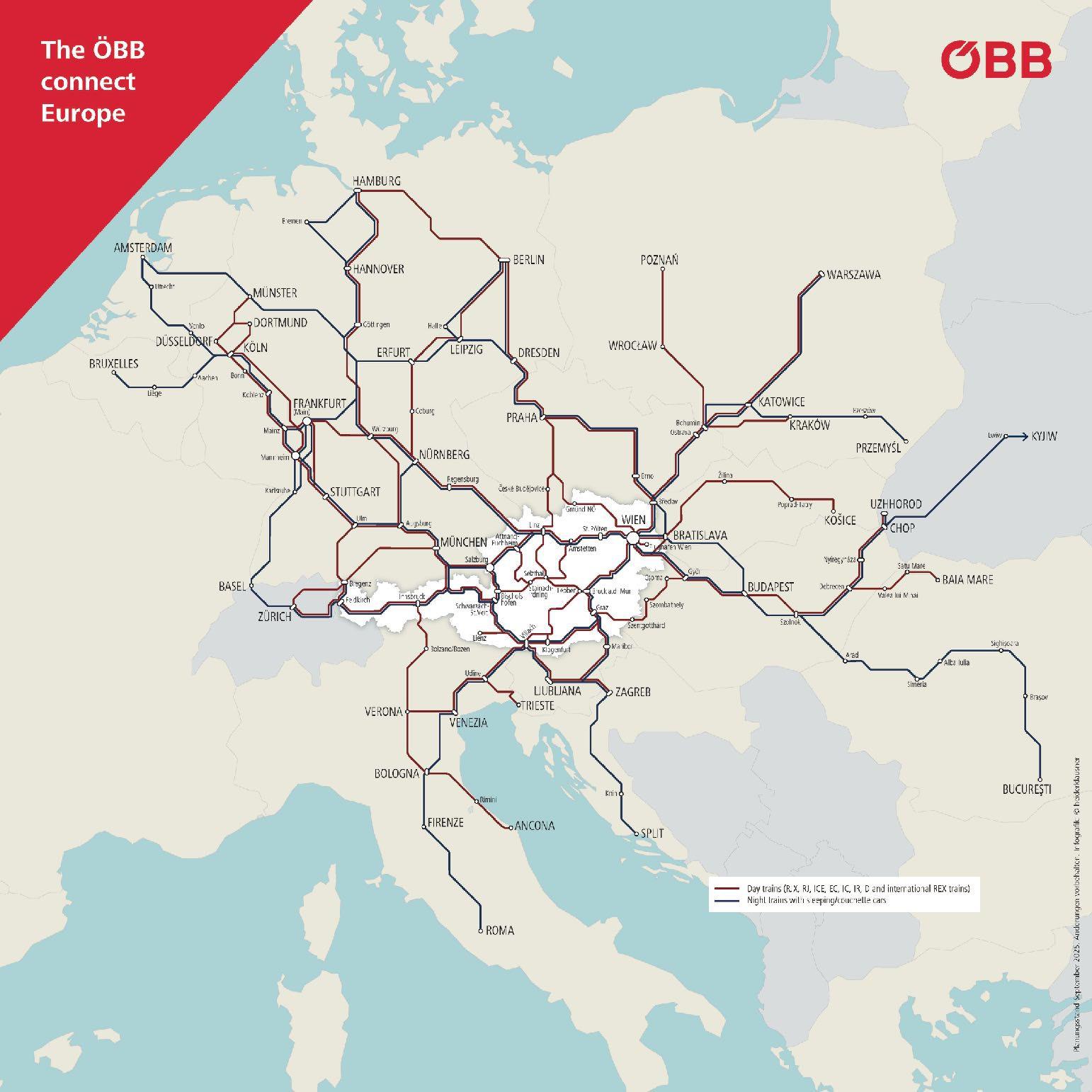
ÖBB connects numerous European cities with modern day and night services.
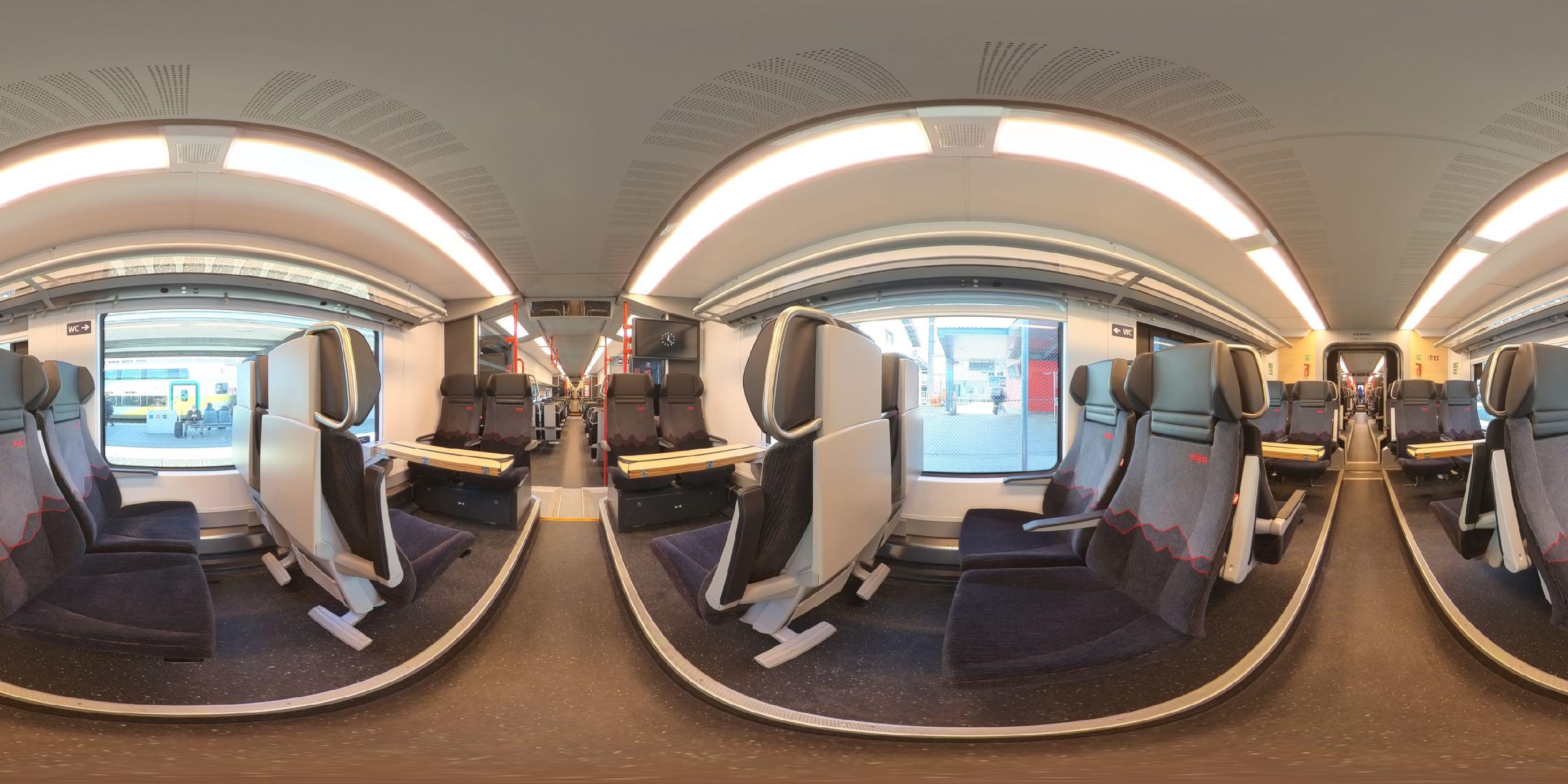
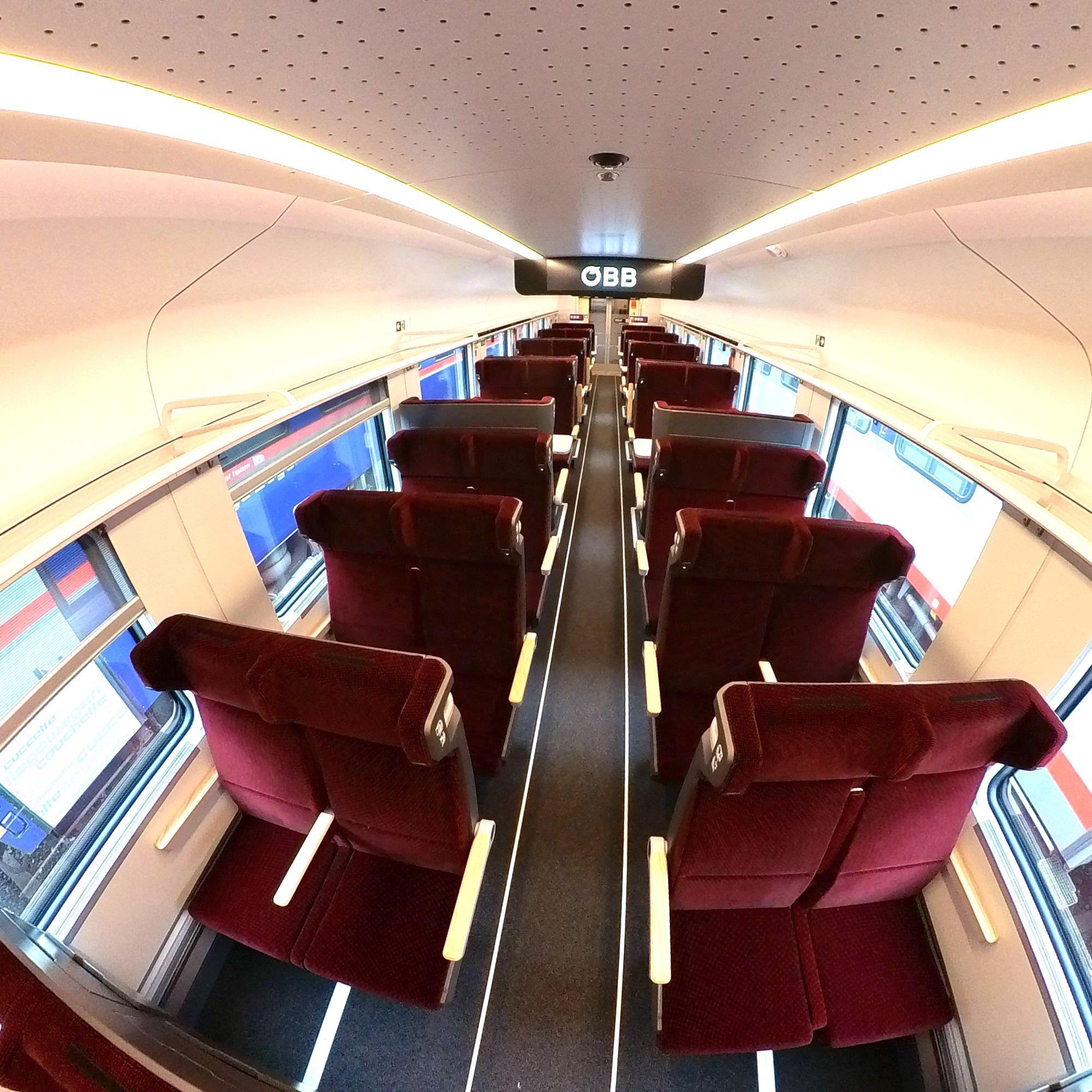
During the day, ÖBB Railjets offer fast and comfortable long-distance travel in Economy, First, and Business classes.
At night, the ÖBB Nightjet provides a relaxing and environmentally friendly journey across Europe. Whether
you prefer a seat, new Mini Cabins, or couchette and sleeper cars – every travel preference is catered for.
Within Austria, ÖBB Cityjets guarantee punctual and comfortable local and long-distance transport.
Further information and booking options can be found via the info button, which leads directly to the ÖBB booking page.


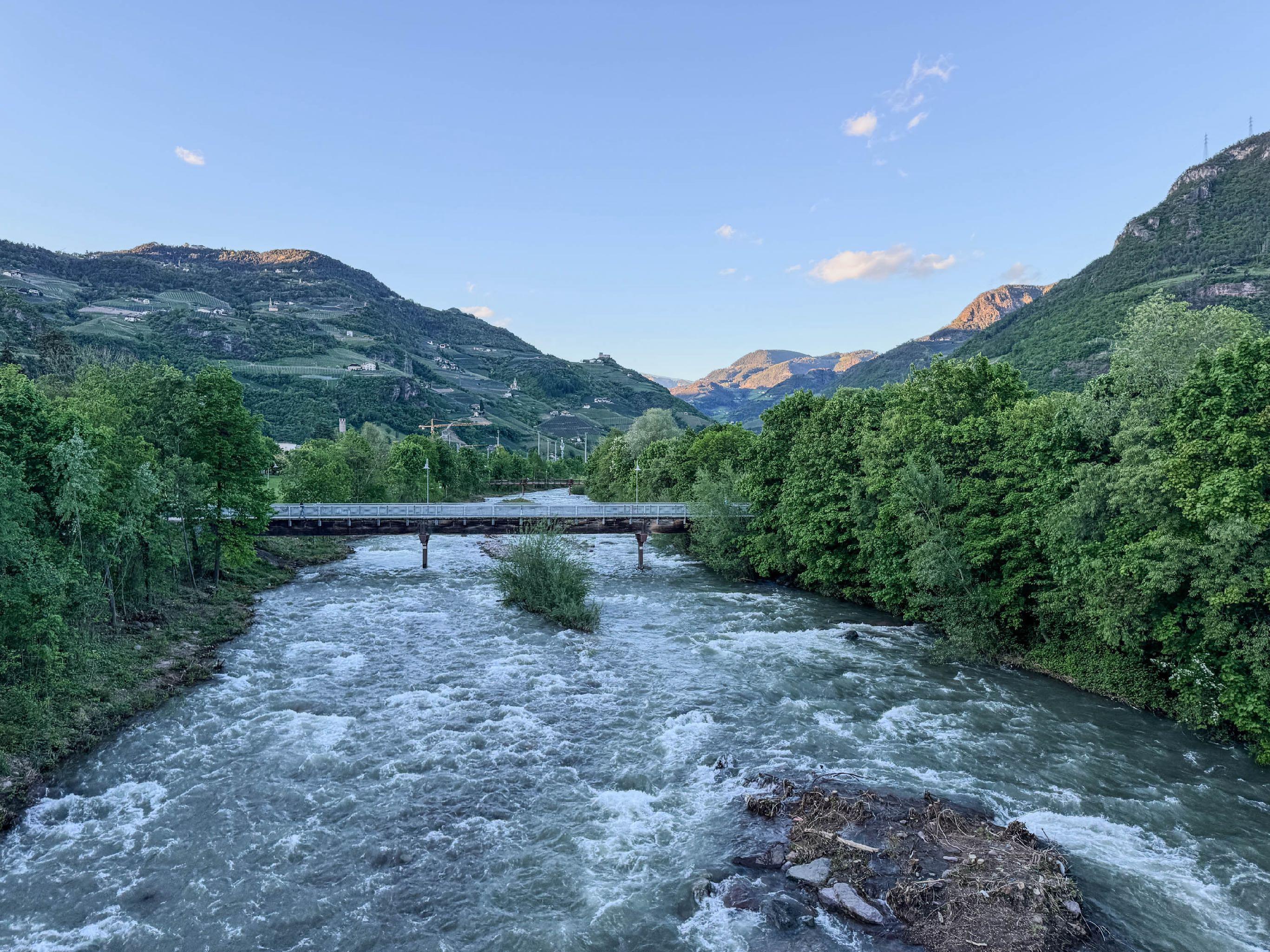
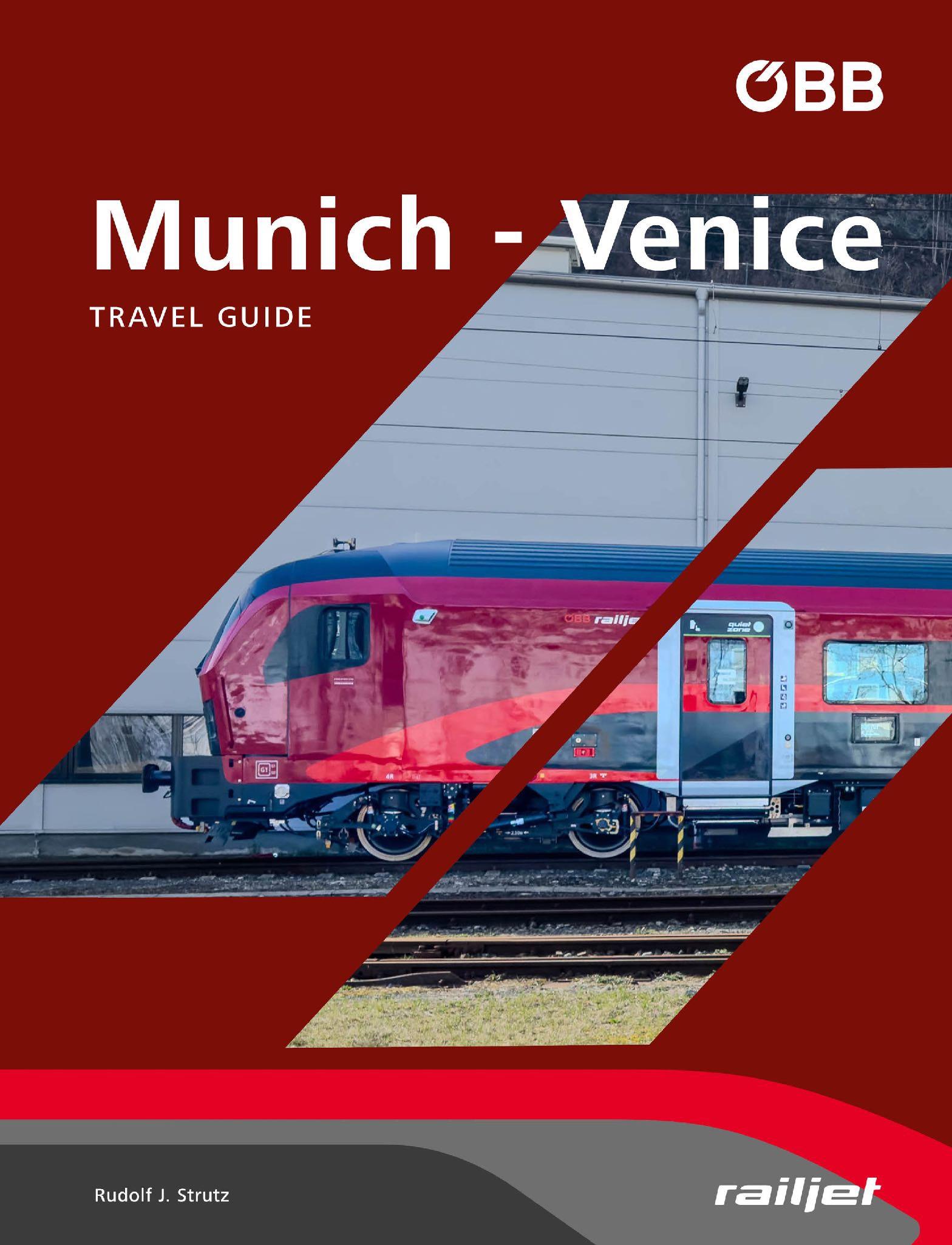
Munich - Venice

Imprint







Munich
















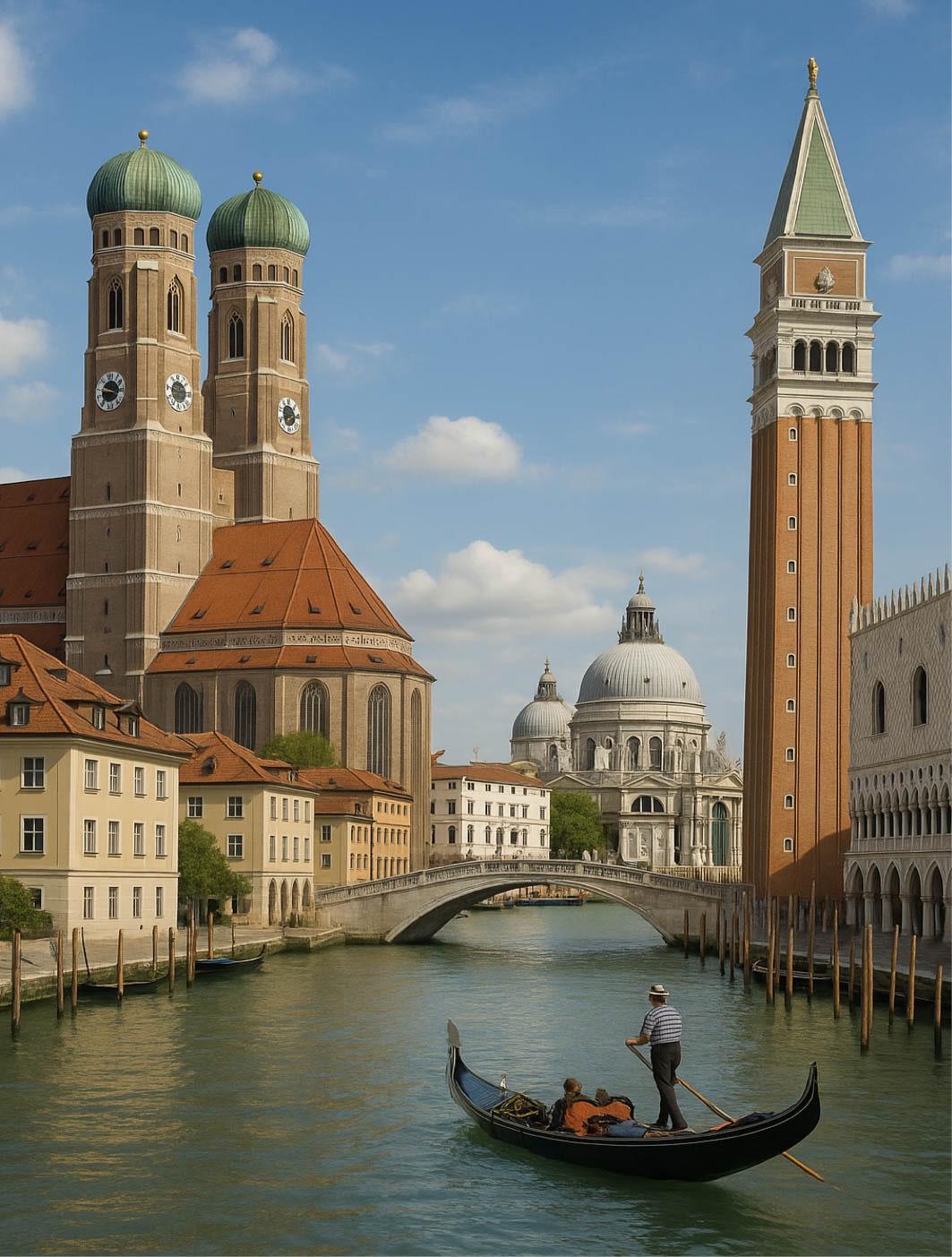

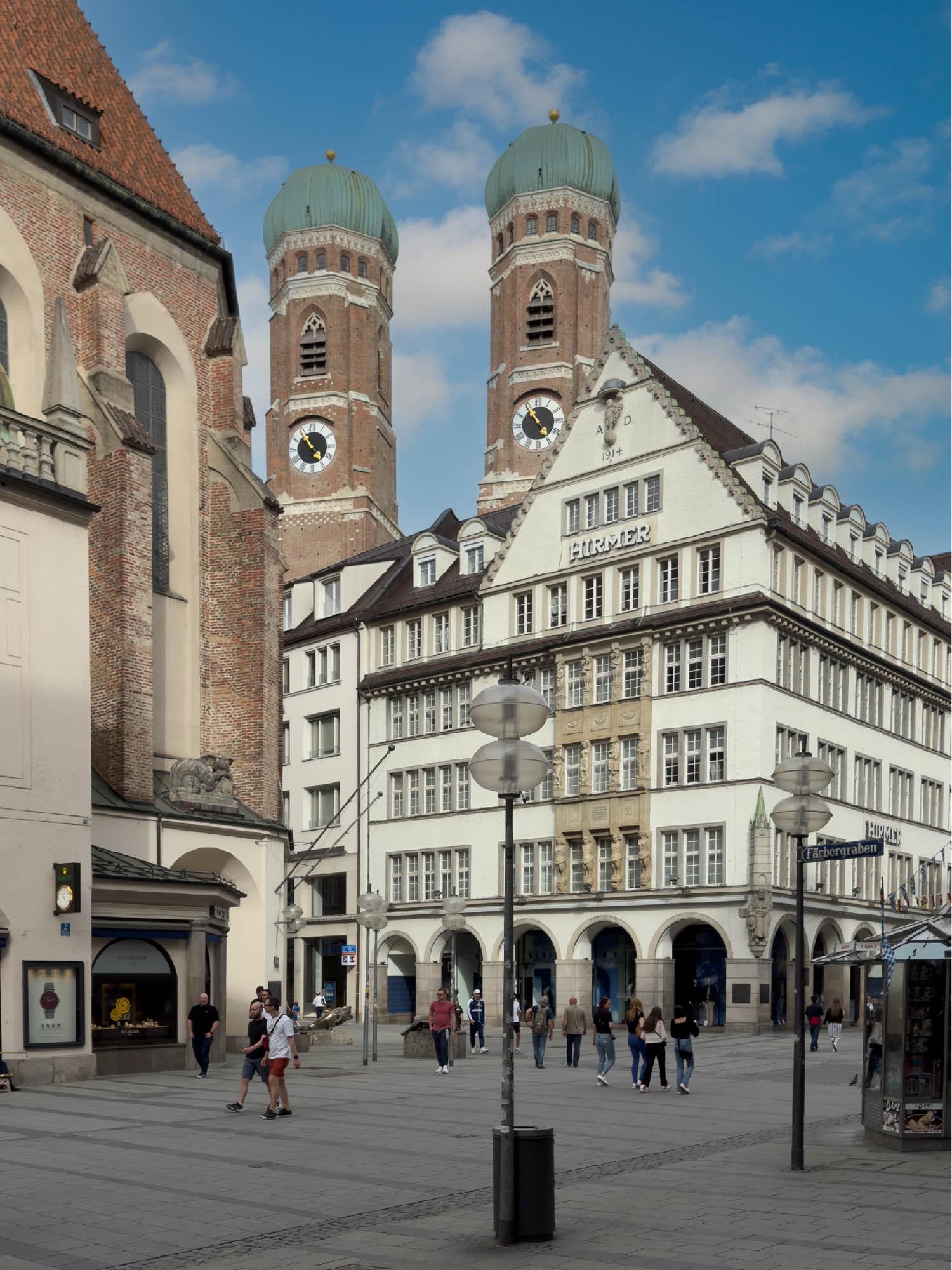
Munich is a vibrant city that combines old and new. Here you will find diversity, joy of life and a warm community of locals. The city of Munich is a wonderful place to relax and explore.
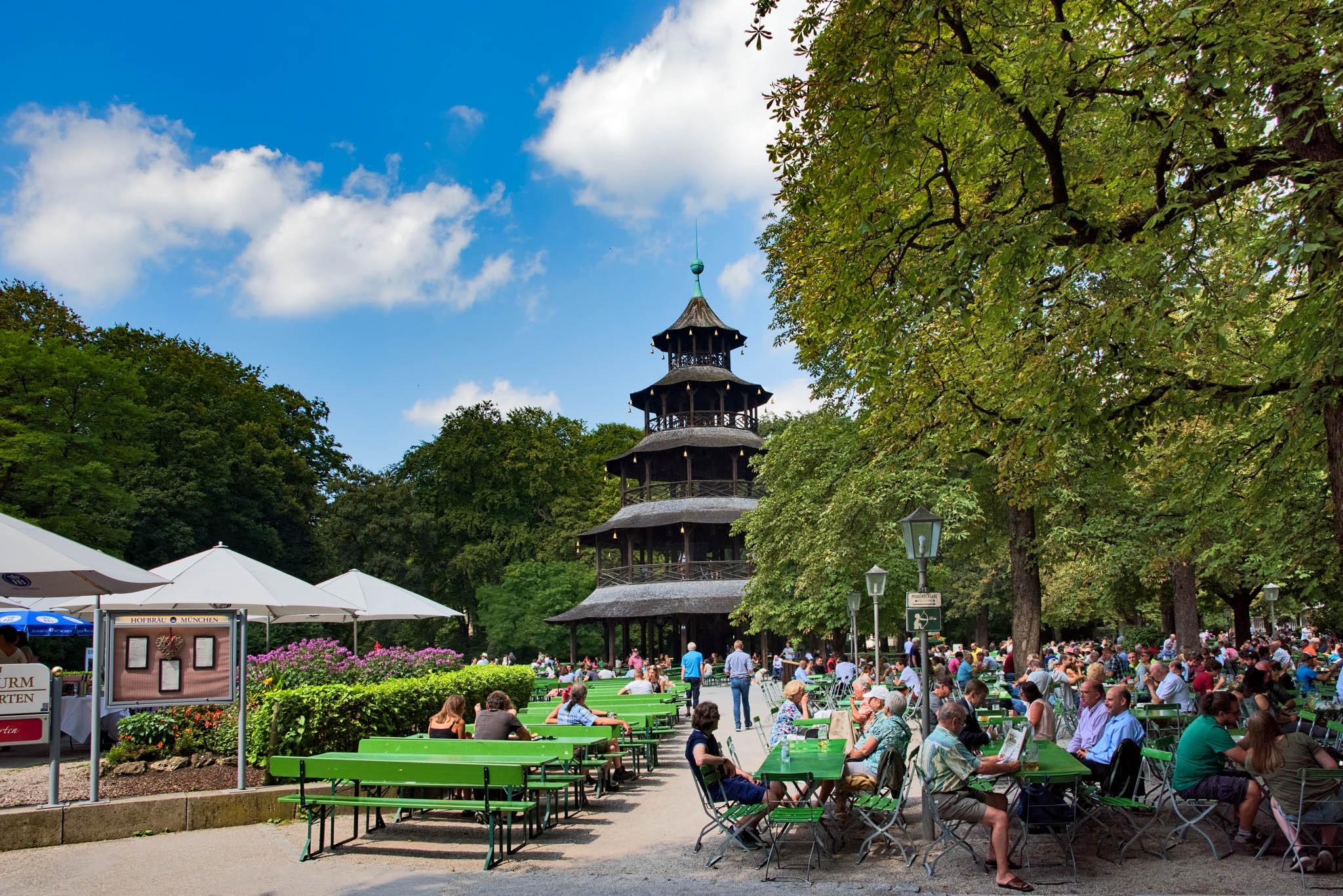


The starting point of the Brenner route is the exciting metropolis on the Isar river. The Bavarian capital impresses visitors with its history, culture and numerous sights. Munich is a perfect travel destination for travelers of all ages. The locals' joy for life is contagious. No matter whether you are visiting the city for the first time or are returning again and again - you will never be bored here because there is always something new and exciting to discover! The city's many parks and green spaces offer a relaxing oasis in the middle of the hustle and
bustle of city life. Here you can escape from everyday life, go for a walk or just enjoy nature.
Especially in summer, the beer gardens around the city are a popular meeting place to celebrate life with a cool drink and Bavarian delicacies. The people of Munich are known for their hospitality and cosiness, which makes a visit to this lively city an unforgettable experience.
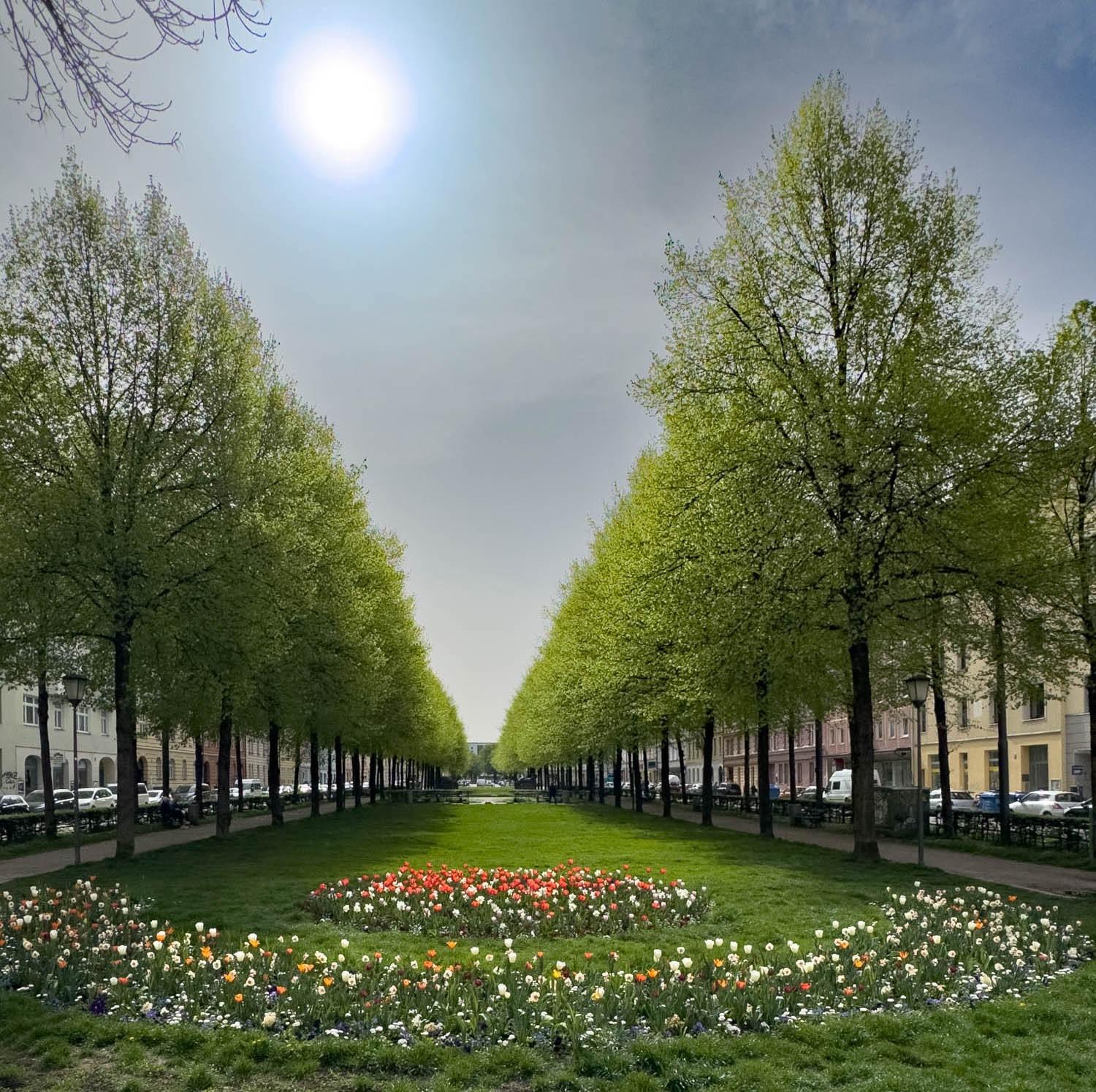

The Munich East train station (Ostbahnhof) in Haidhausen is an important transport hub for both local and long-distance traffic. The Bordeauxplatz stretches in front of the Ostbahnhof, while Orleansplatz is located directly in front of the station building. The station is optimally connected to various express train lines and is also served by the U5 subway line.
The Bordeauxplatz in front of the Munich East train station invites you to linger with its numerous benches and green spaces, while the lively Orleansplatz in front of the station building forms a contrast.
From here, travelers can easily and comfortably reach all directions in Bavaria and beyond. Bordeauxplatz is not only used by travelers but also by locals as a meeting spot to chat with friends and neighbours and enjoy the sun. Orleansplatz, on the other hand, bursts with life and excitment. It is home to numerous shops, restaurants and cafés that attract visitors and locals alike.
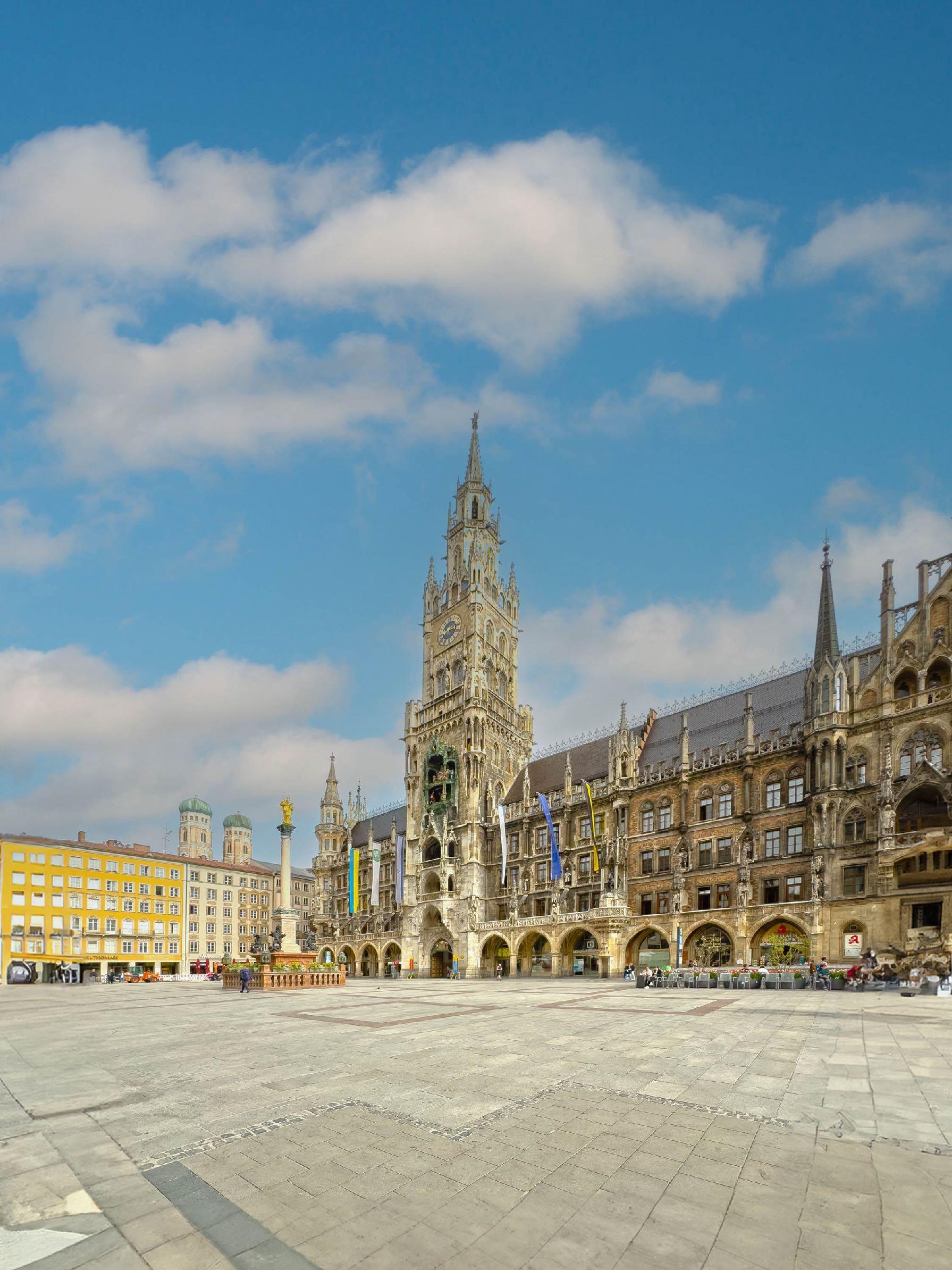

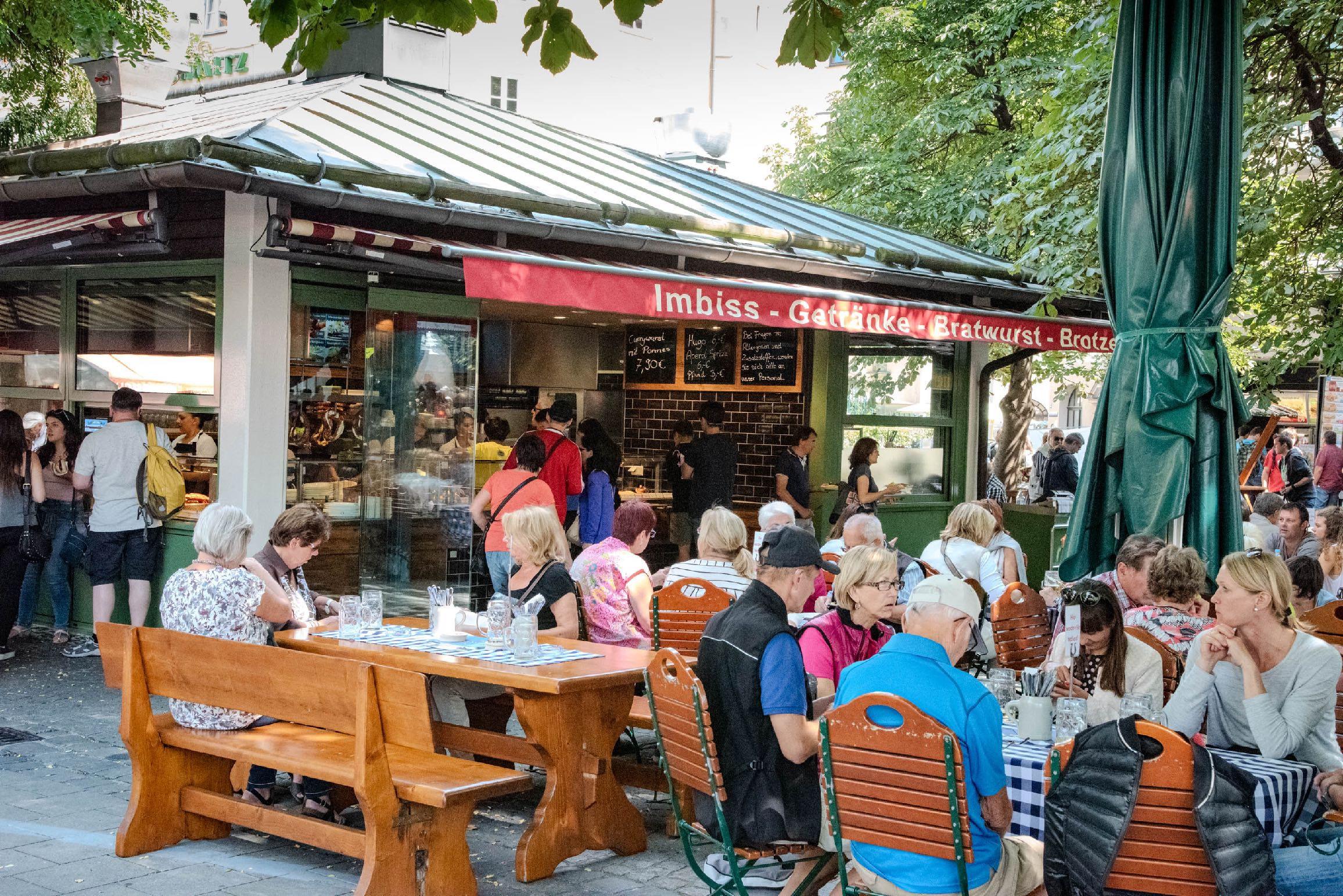
Munich's Viktualienmarkt is a food market that is open daily (except Sundays and on public holidays) and has existed since 1807. Over an area of 18,591 square metres, permanently installed stalls with a wide range of offerings build the core of the market. They are supplemented by seasonally rotating stands. The market stalls are arranged around a beer garden and are surrounded by Munich's central maypole and several figurine fountains. The Viktualienmarkt has developed from a farmers' market into a popular shopping spot and meeting point for foodies.
Around 110 traders offer fruits, vegetables, meat, cheese, fish, bread, spices, flowers and much more.
You can spend your lunch break indulging in typical Bavarian fare in the beer garden of Munich's Viktualienmarkt, and of course top it off with a local beer. Take a leisurely break here to recover and recharge after your shopping spree. The market is not only an attraction but also a convenient place for all visitors to enjoy a break in the heart of the city.
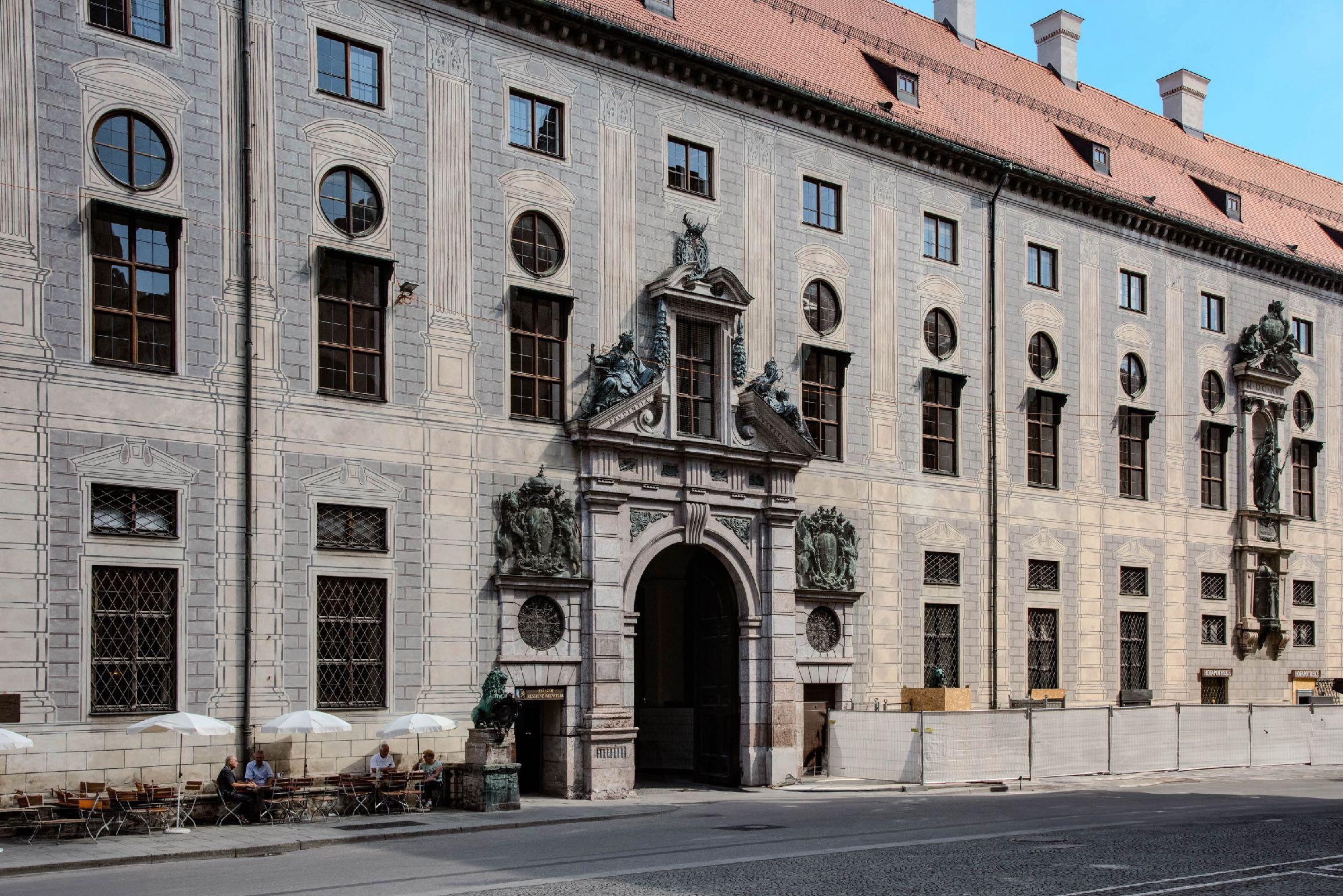
From 1508 until 1918, the Munich Residence served as the residence and government seat of the Bavarian dukes, princeelectors and kings. The residence was built from a castle in the northeast of the city fortifications ("Neuveste", 1385). The ruling princes transformed the Residence into a magnificent royal home. The excellent taste in art and high political demands of the House of Wittelsbach gave rise to magnificent rooms and extensive art collections from the Renaissance, early Baroque, Rococo and Classicism.
Today, the Munich Residence, together with the museums of the Bavarian Palace Administration (Residenzmuseum, Treasury, Cuvilliés Theater) and other cultural institutions, form one of the largest museum complexes in Bavaria.
The world-famous collection of jewels, goldsmith's works, enamel, crystal and ivory works in the collection of the Munich Residenz now includes over 1200 individual pieces. It is the result of the Bavarian rulers' centuries-long passion for collecting.
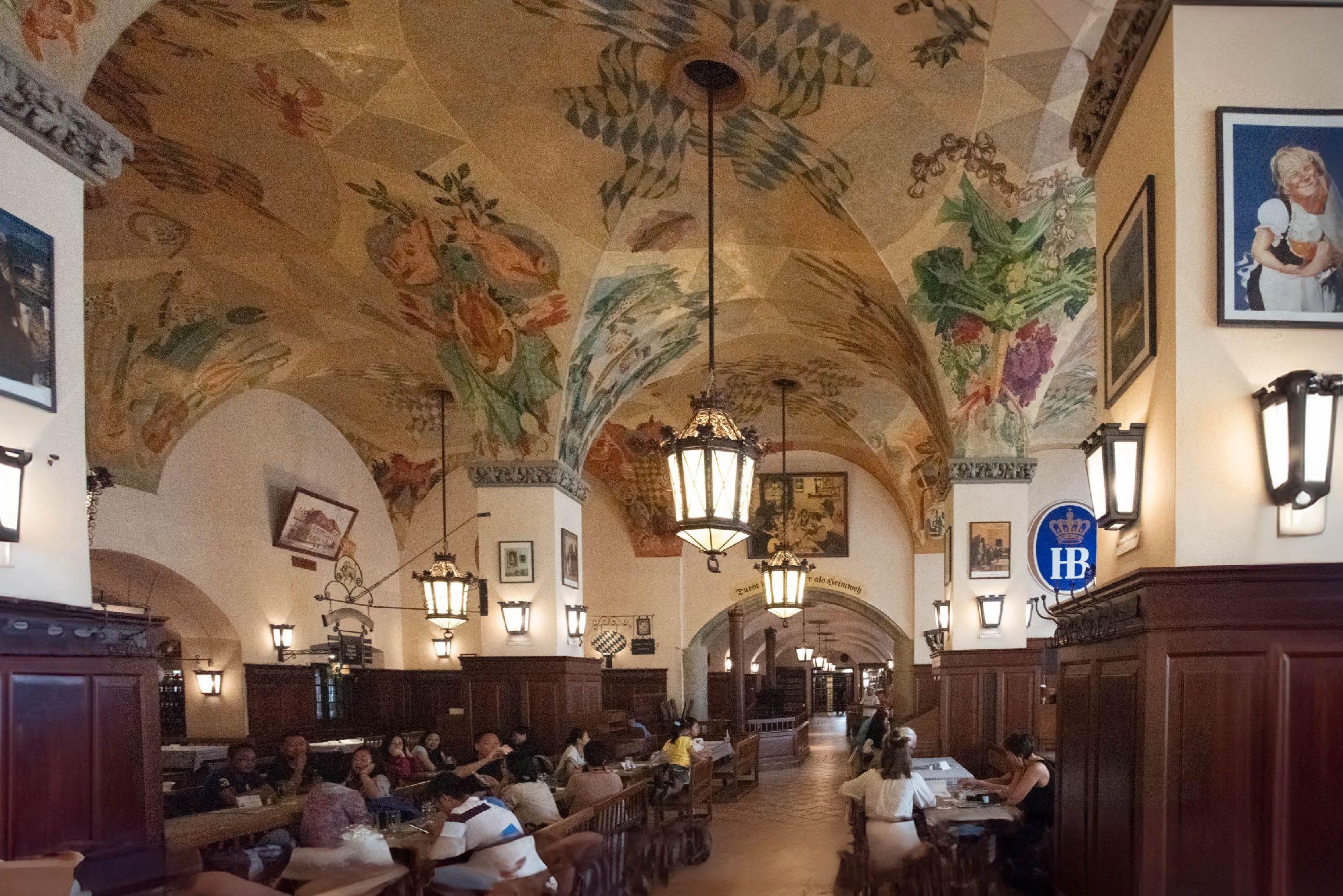

The history of the Munich Hofbräuhaus begins in the year 1589, when the Bavarian Duke Wilhelm V commissioned the construction of the brewery to supply the Wittelsbacher Court.
The most famous part of the Hofbräuhaus is the so-called Schwemme on the ground floor. This is a spacious beer hall with rustic wooden tables that can accommodate around 1,000 people.
Regular guests of the Hofbräuhaus have the opportunity to keep their private beer mugs on the shelves.
On the upper floors there is a ballroom with nine-metre-high vaulted ceilings for around 1,500 people. Other rooms on the upper floors can accommodate more than 1,000 people (the coat of arms hall, the Munich room, the bay window room, the brewery, and the former “drinking room”).
During summer, the inner courtyard with the lion fountain serves as a beer garden. A shop in the entrance area lets visitors browse for souvenirs from Munich and the Hofbräuhaus in particular.
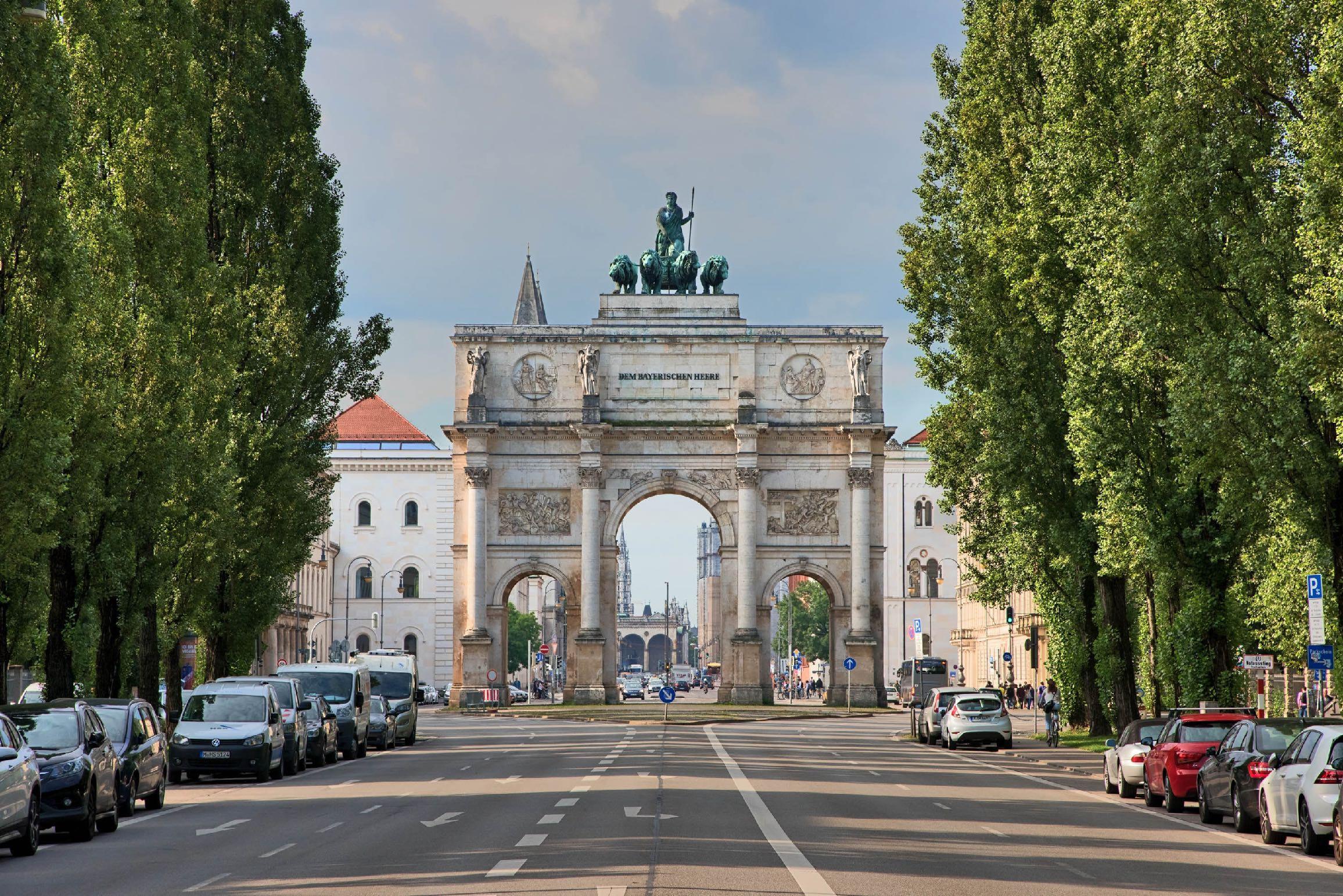

The imposing Siegestor (Victory Gate) at the beginning of the magnificent Leopoldstrasse in Munich tells of the city's close connection to Italy and symbolises peace.
The triumphal arch together with the Feldherrnhalle at Odeonsplatz were designed by King Ludwig I and his court architect Friedrich von Gärtner, based on the model of the Arch of Constantine in Rome. Both, the Feldherrnhalle and the Siegestor, were built to honor the Bavarian Army.
The connection to Italy was not only reflected in the architecture of the Siegestor, but also in the cultural influence on Munich's society. Many Italian artists and intellectuals settled in Schwabing, which led to a lively cultural exchange in this region. This gave rise to a vibrant artists' quarter that is still known today for its bohemian atmosphere. The proximity to the Siegestor as the entrance to Schwabing also became a symbol of the cosmopolitanism and diversity of Munich's culture.
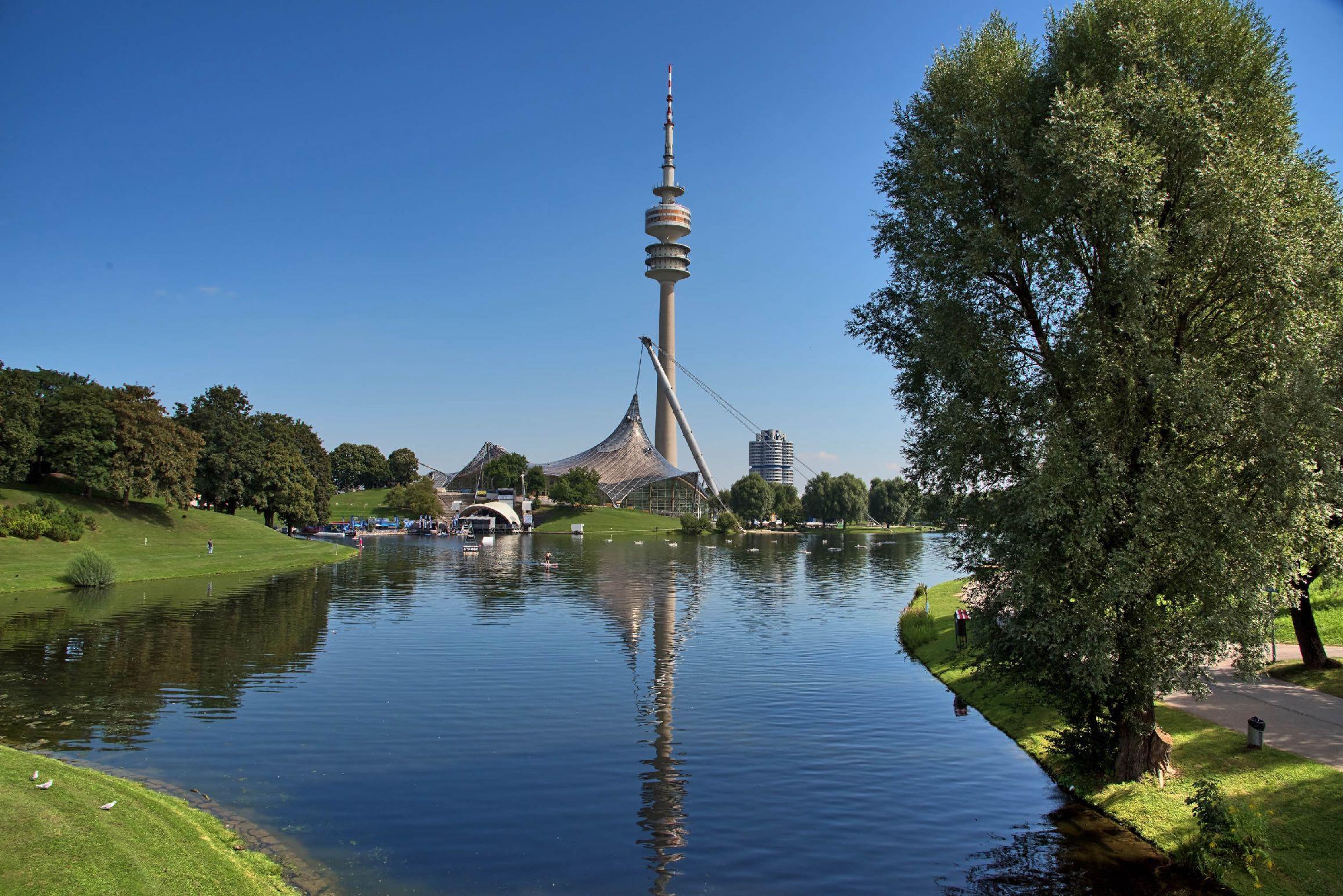

Since the 1972 Olympic Summer Games, over 11,500 events with more than 200 million visitors have taken place in the 85hectare park.
Since then, the Olympic Park buildings have been the venue for 31 world championships, 12 European championships and almost 100 German national championships. In addition, numerous other events such as concerts, trade fairs and exhibitions are regularly being held here.
The Olympic Park in Munich has developed into an important cultural centre over the years. In addition to sporting events, the broad variety of concerts by international artists have also become an established part of the programme. The idyllic location of the park, surrounded by the characteristic tents and the imposing Olympic Tower, creates a unique atmosphere for visitors from all over the world. Open-air events take place during the summer months, where visitors can enjoy the interaction of nature, architecture and the event.

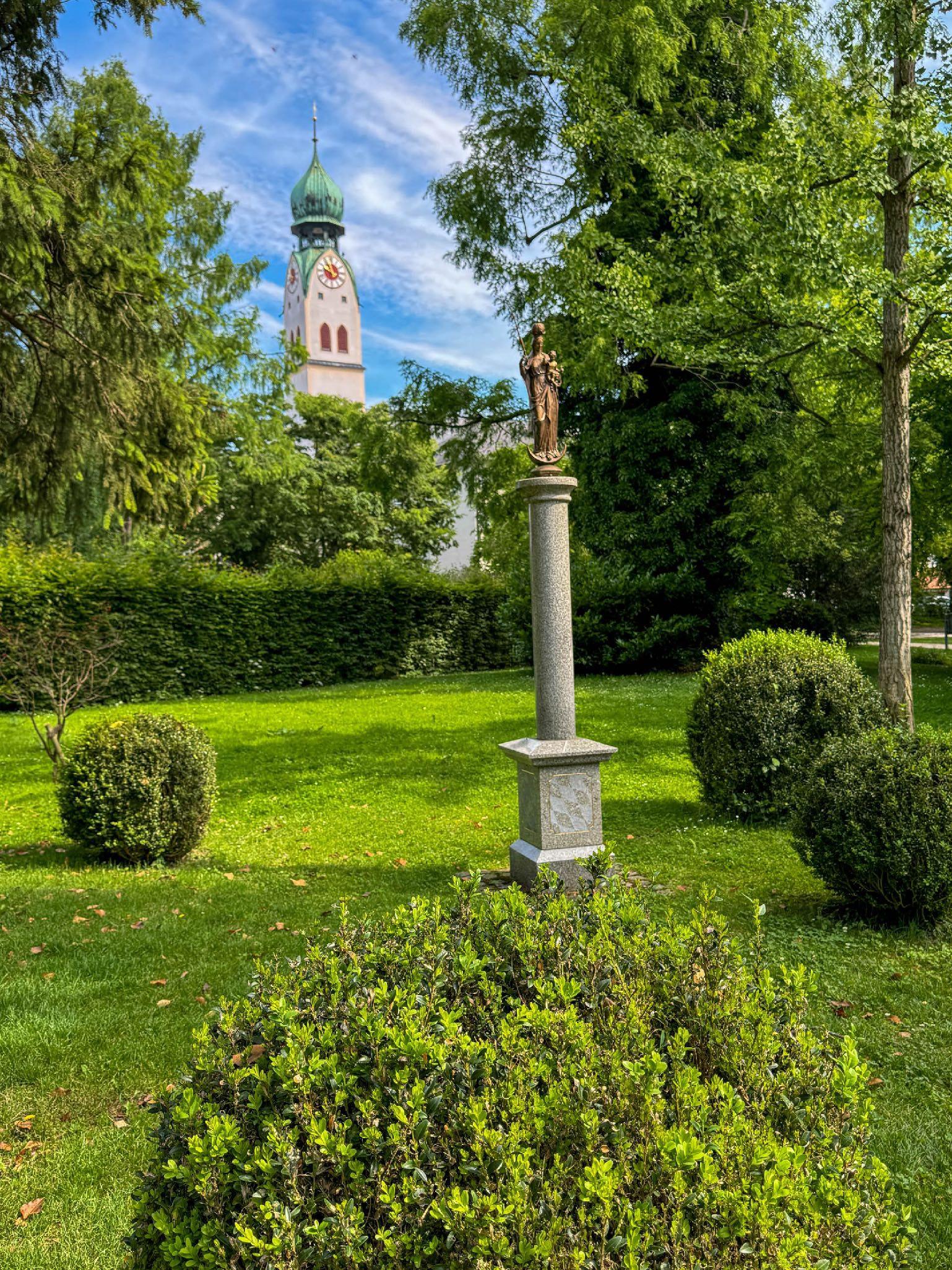
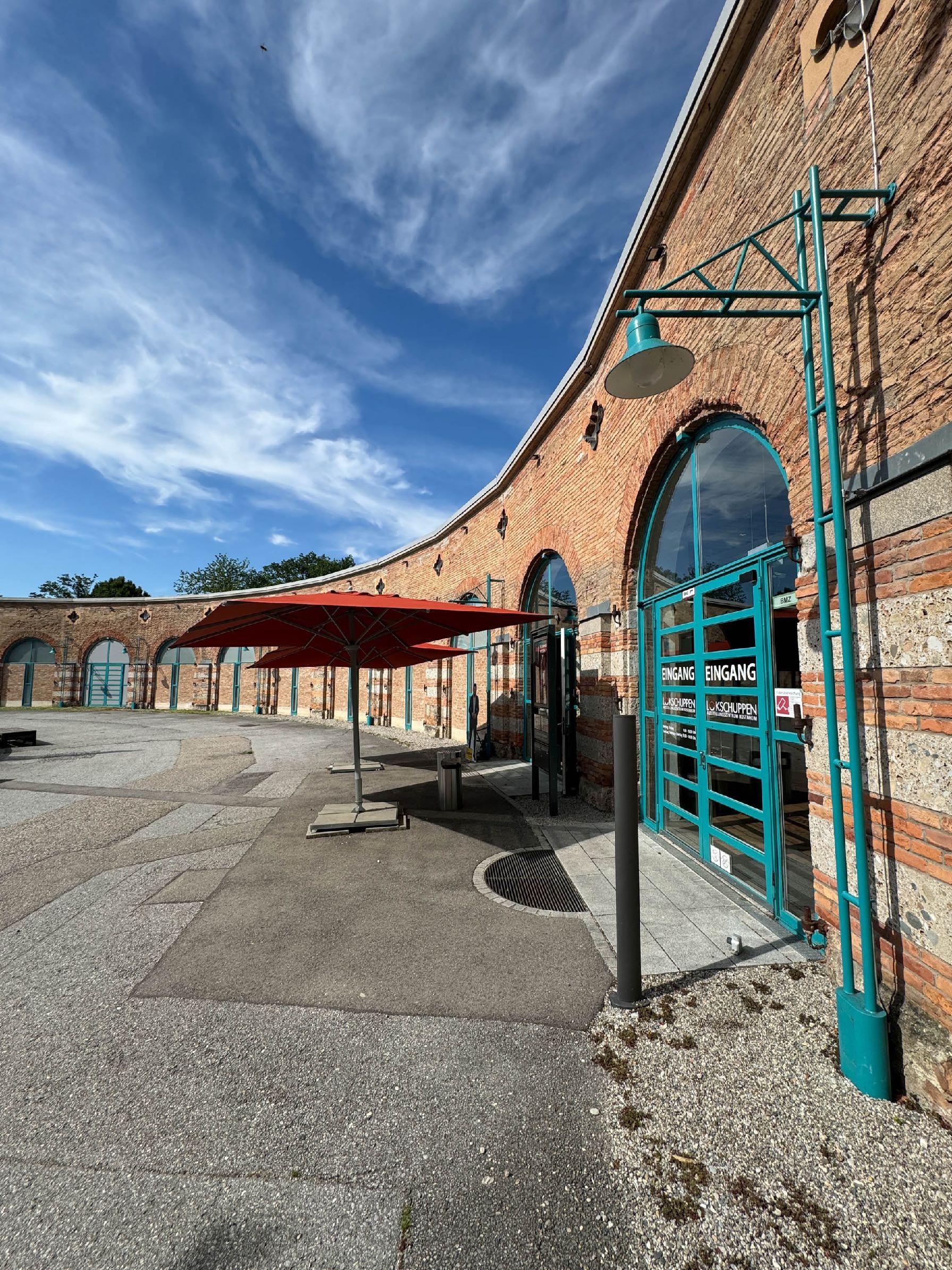
Rosenheim is often referred to as the northernmost city in Italy. The combination of southern flair and Bavarian cosiness gives the city of Rosenheim its special charm.
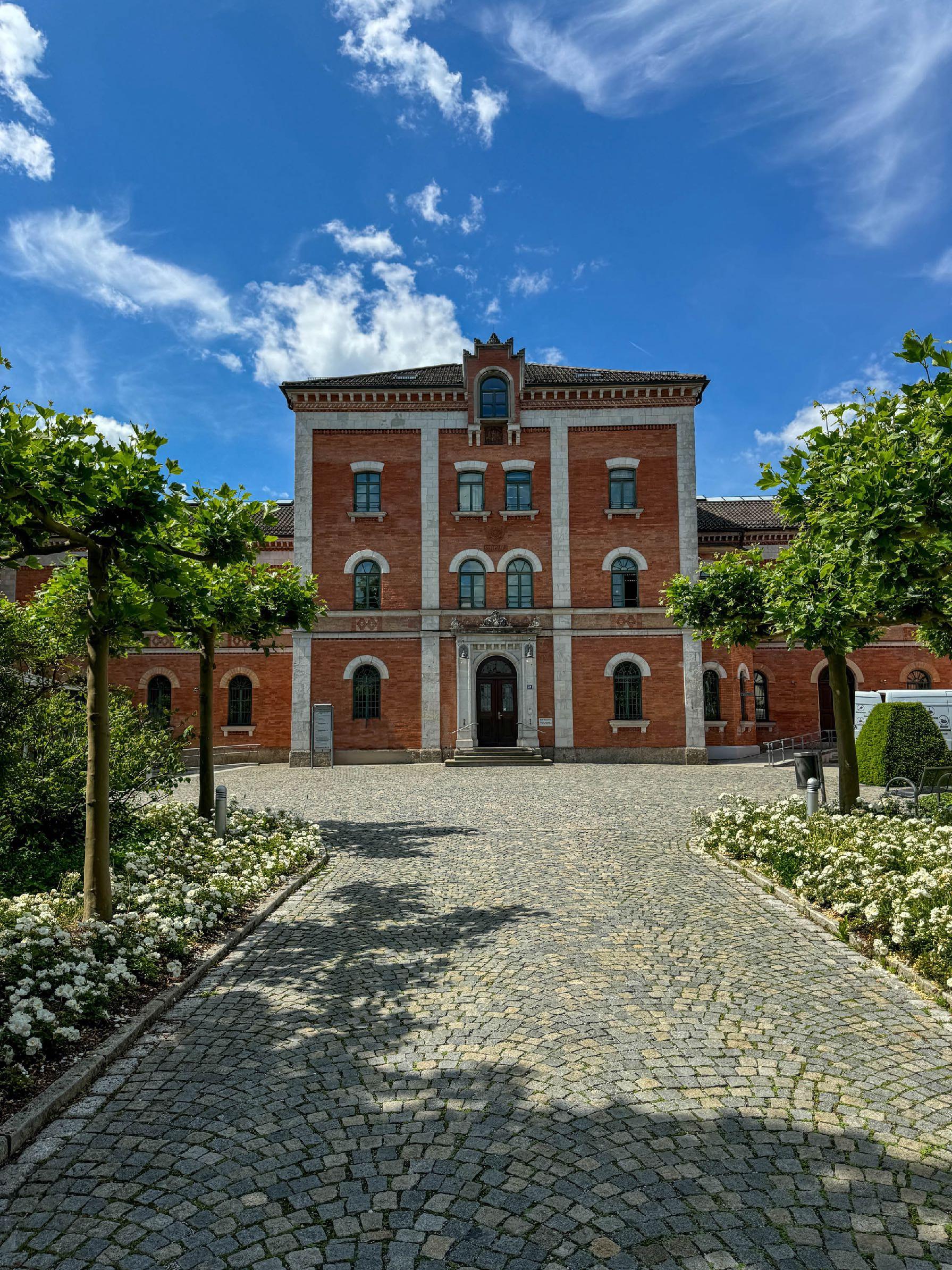
The TV series "Rosenheim Cops" has played a major role in making Rosenheim even more famous. Originally, only five to six episodes were planned, but over the past 20 years, more than 500 episodes of the show have been produced. When walking through Rosenheim, you will regularly come across lifesized cutouts of characters from the series that invite you to take a selfie.
The city of Rosenheim combines Bavarian cosiness with Italian charm and invites you to linger. A tour can begin in the "living
room of the city" or with a delicious Weisswurst (white sausage) at the market on Ludwigsplatz. In addition to the numerous sights, Münchener Straße is also an unofficial mall, inviting locals and tourists to a shopping spree. At lunchtime, visitors can enjoy a cold beer and regional specialties in a Bavarian beer garden under large canopy trees.
The green oasis “Riederpark” in the city centre has belonged to the city of Rosenheim since 1925. For anyone interested in art, a visit to the Rosenheim municipal gallery is a must.
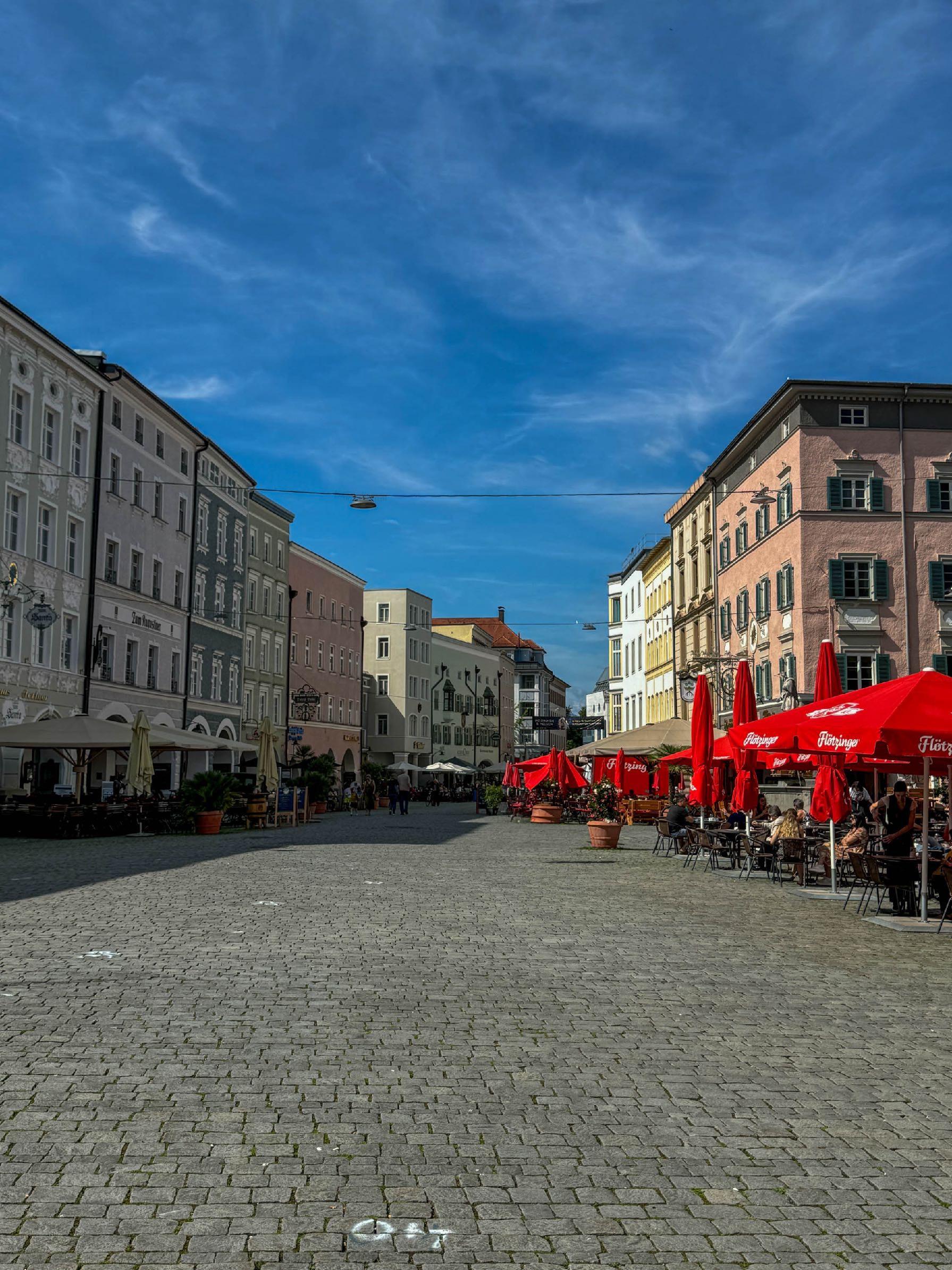

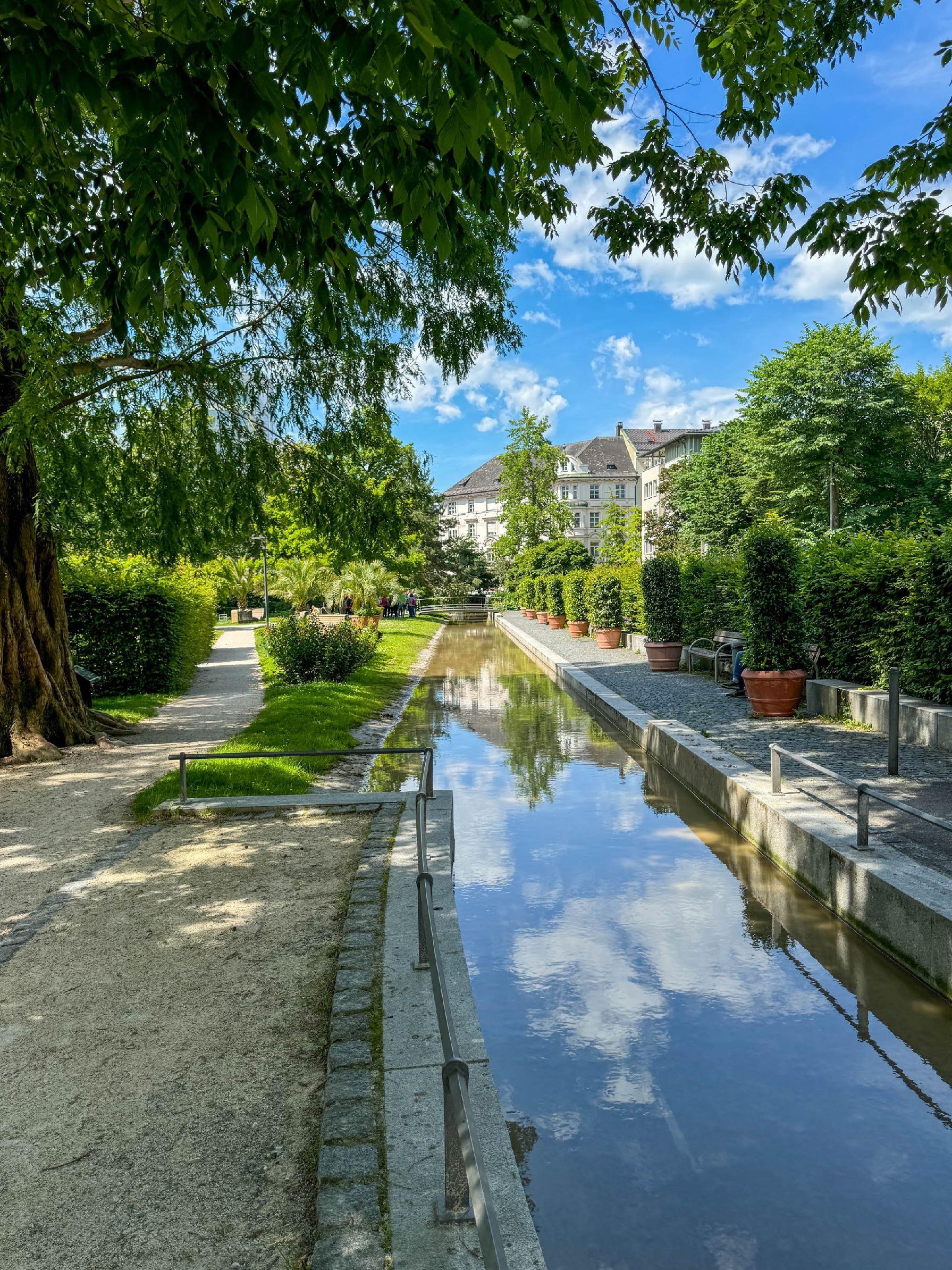


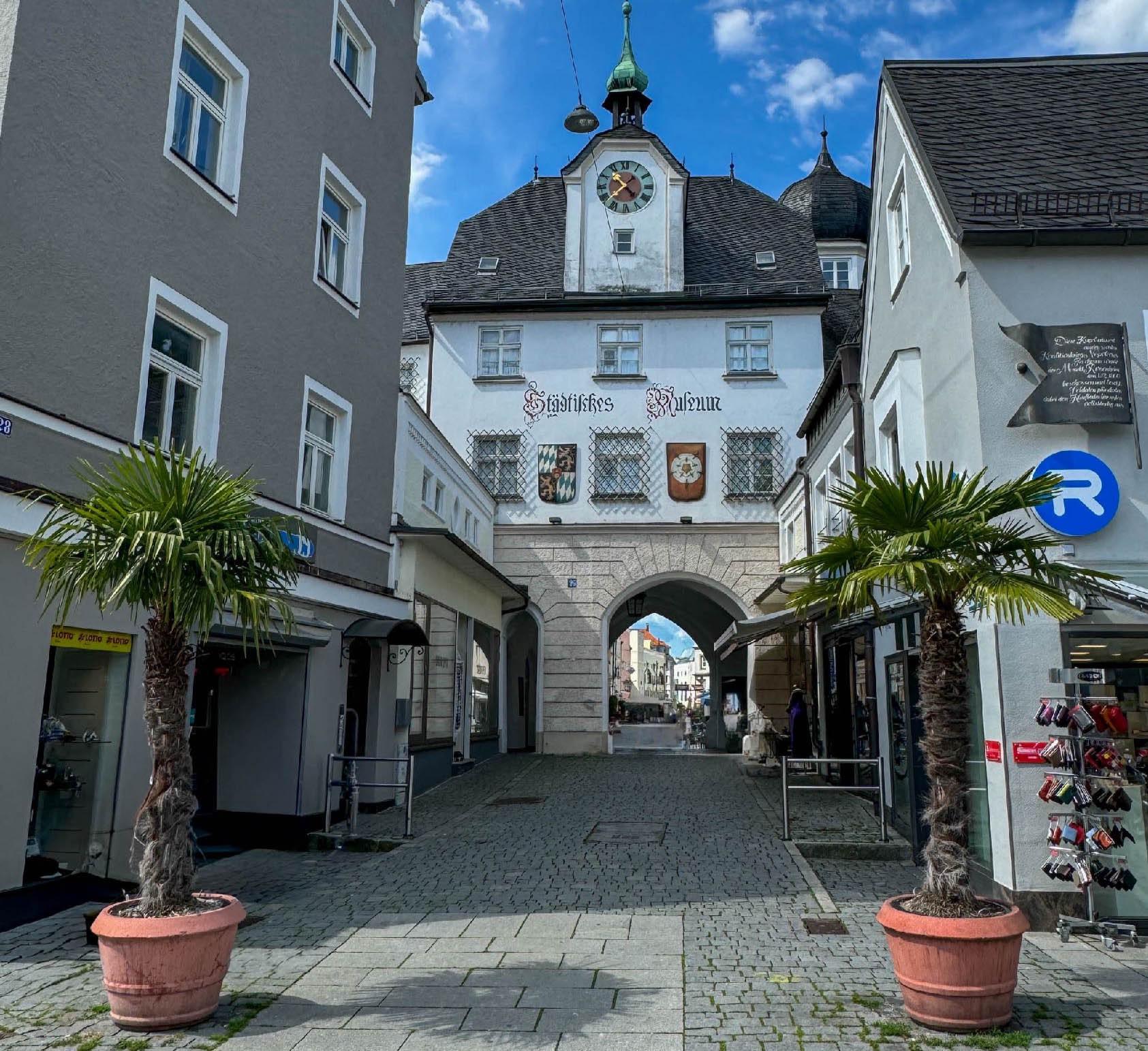
The Mittertor is the last remaining of the original six city gates that protected the Rosenheim market until the 19th century. The lower part and the archway date back to the 14th century, while the upper floors and the tower were rebuilt after the great market fire of 1641. Previously known as the East Gate, it was given the name Mittertor in the 15th century due to the expansion of the market to include Ludwigsplatz, Kaiserstraße and the Färberviertel. Since the year 1885, the Mittertor has housed the Rosenheim Municipal Museum, which presents over 5,000 objects on the history of Rosenheim and the surrounding
region from the Stone Age to the 1950s. In addition to bourgeois bedrooms from the 18th century, the museum also shows exhibits on handicrafts, traditional costumes and agricultural equipment.
A highlight is the model of the city of Rosenheim the way it was around 1900. The model shows the buildings and streets of that time in great detail. Here, visitors have the opportunity to immerse themselves in the past and experience a fascinating journey through the history of the city.

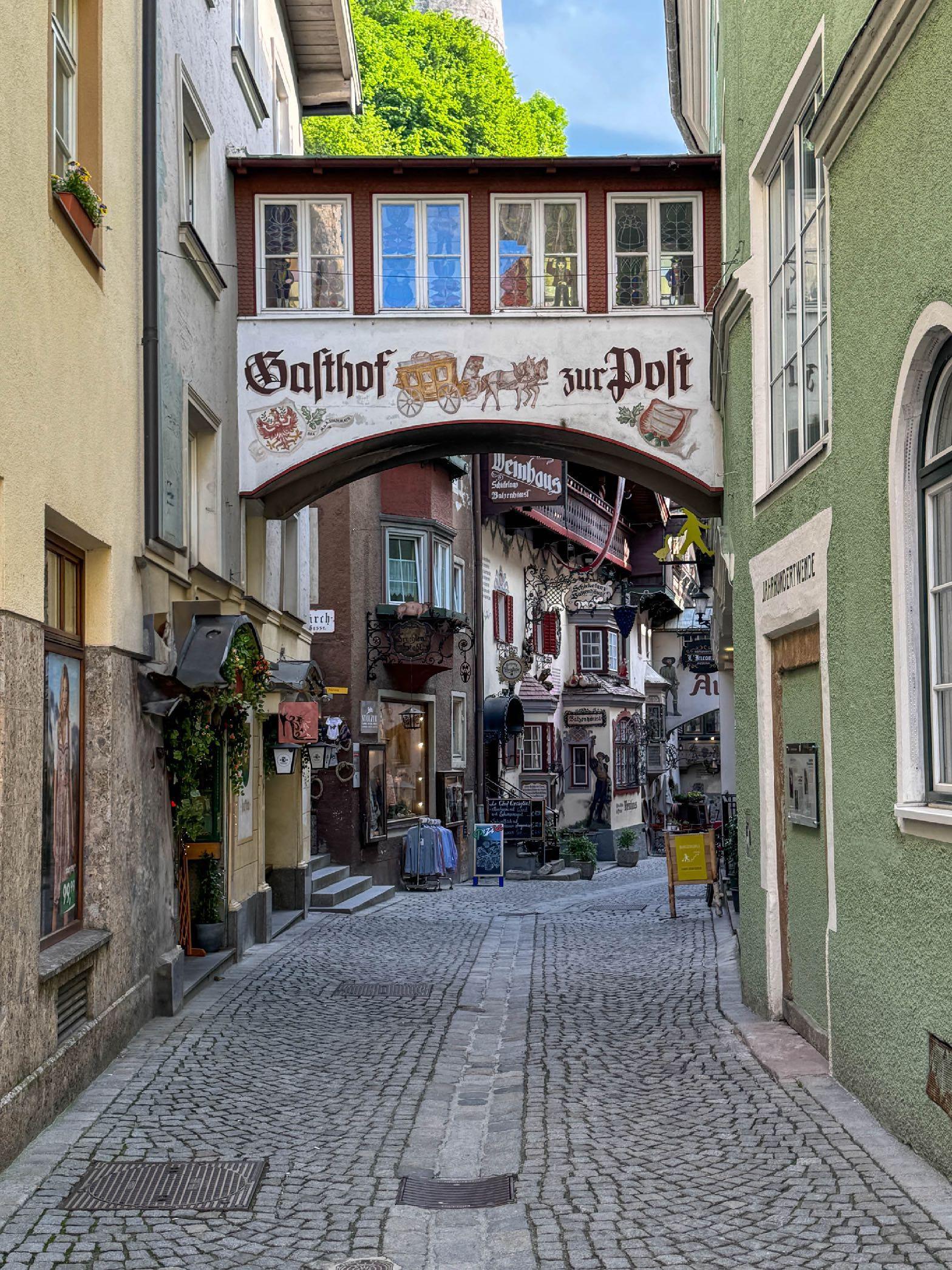
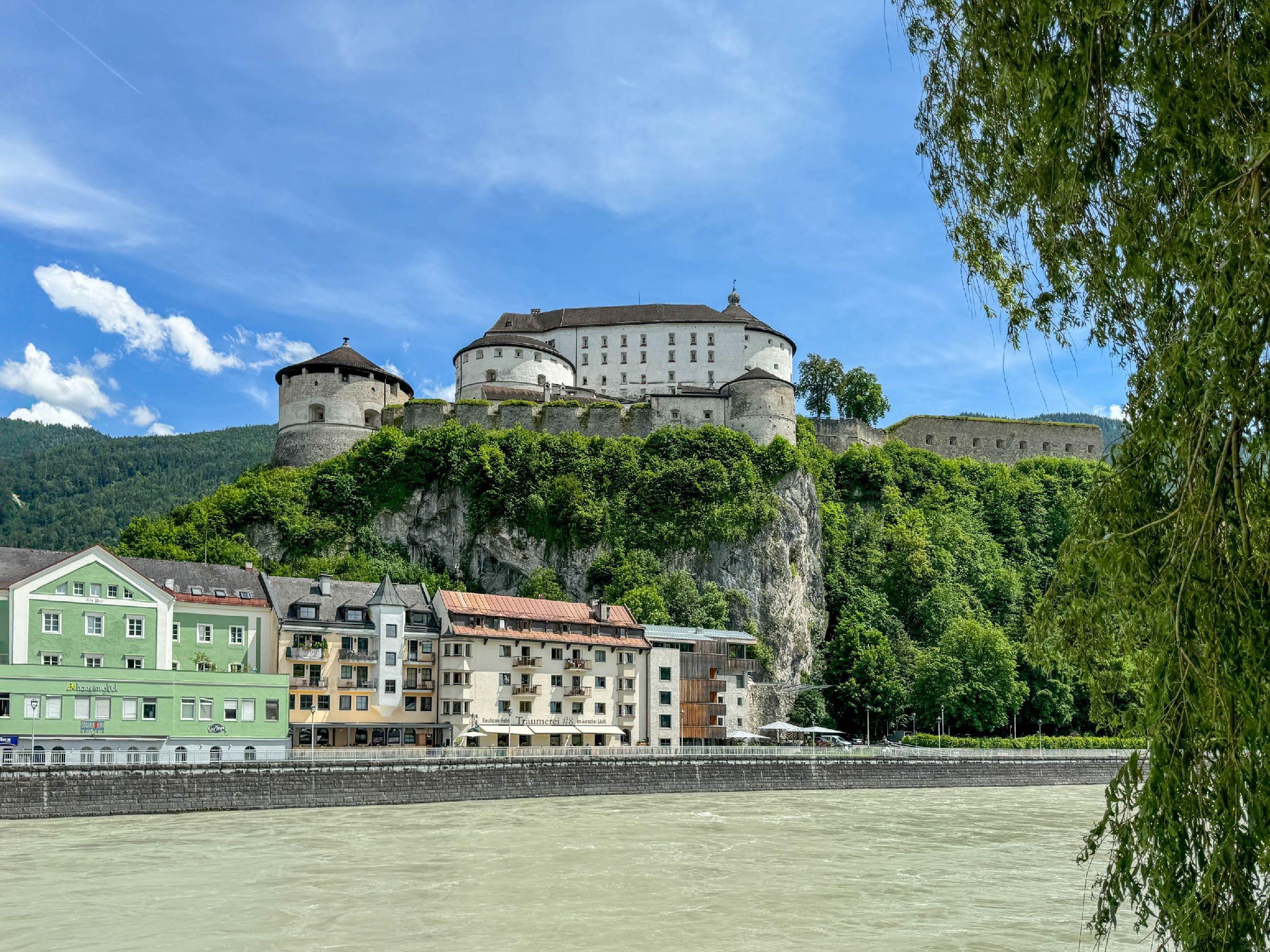
The second largest city in Tyrol is located on the border to the Free State of Bavaria. Kufstein is characterized by its idyllic location at the foot of the Kaiser Mountains as well as its rich history and culture. The imposing Kufstein Fortress towers over the city and offers an impressive view of the surrounding area. The museum inside the fortress tower gives you the opportunity to learn more about the history of the region.
Thanks to the variety of cultural events, Kufstein is a popular destination for a relaxing weekend. Every year, the largest pop
The impressive medieval fortress towers high above the city. Here you can also listen to the open-air organ every day. Kufstein is home to the world-famous Riedel glassworks.
and rock music festival in western Austria, the Kufstein Unlimited, takes place here. Entry is free and the festival lasts two days. Kufstein's gastronomy is also well-known and offers a variety of restaurants and cafes that serve local specialties as well as international cuisine.
One of the most famous folk songs is about the town of Kufstein. The composer Karl Ganzer composed the song in 1947 about “the pearl of Tyrol” and “the green Inn river”. The Kufstein song has sold more than 100 million copies.
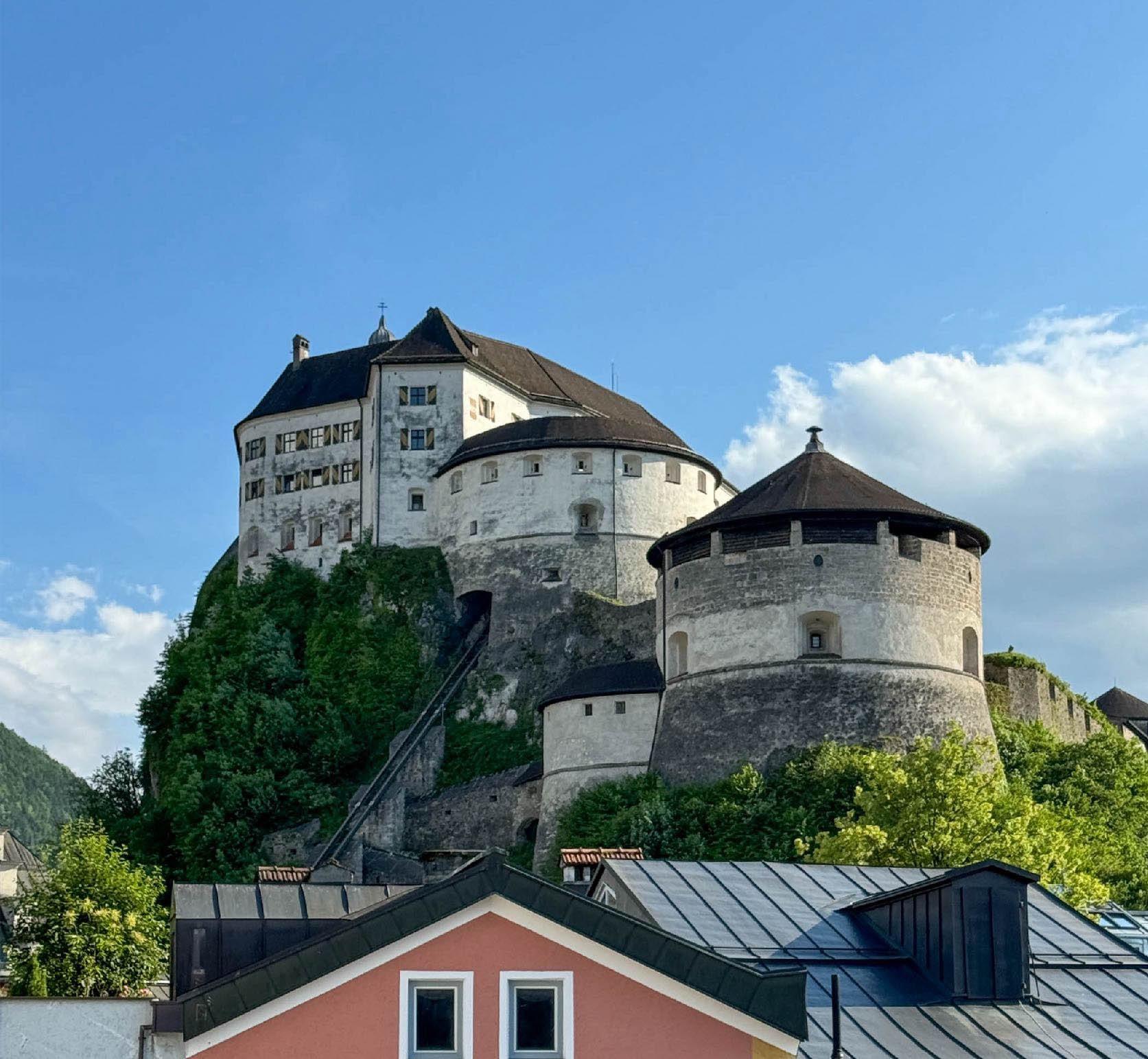
The Kufstein Fortress sits on a 90-metre-high rock above the city. The history of this landmark goes back to the year 1205, when the fortress "Castrum Caofstein" was owned by the bishops of Regensburg. After conquering the castle in the year 1504, Emperor Maximilian I had it expanded into the fortress we see today.
Visitors can reach the fortress on foot or by taking the Kaiser Maximilian Panoramic Railway. The Heroes' Organ was built in the year 1931 as a memorial to those who died in World War I.
After two expansions, it has been the largest open-air organ in the world since 2009. Every day at 12.00 noon (in July and August also at 6.00 p.m.), the organ resounds throughout the city. Within the walls of the fortress, visitors will find the Anna Battery, a picturesque garden with trees and a spacious plant and herb garden. It should be noted that poisonous plants also grow in this garden!
The fortress is open daily from March to November from 9.00 a.m. until 6.00 p.m.

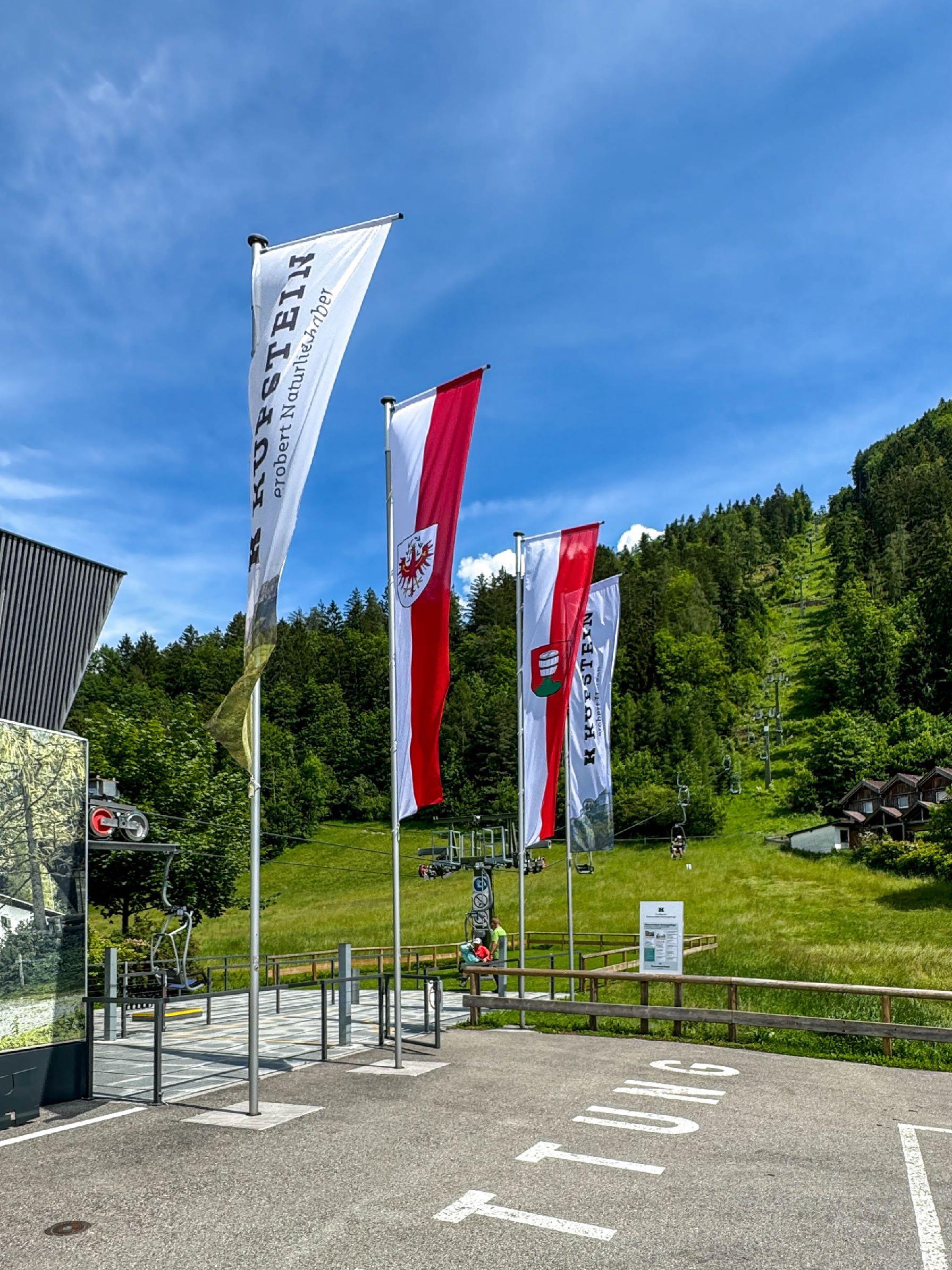
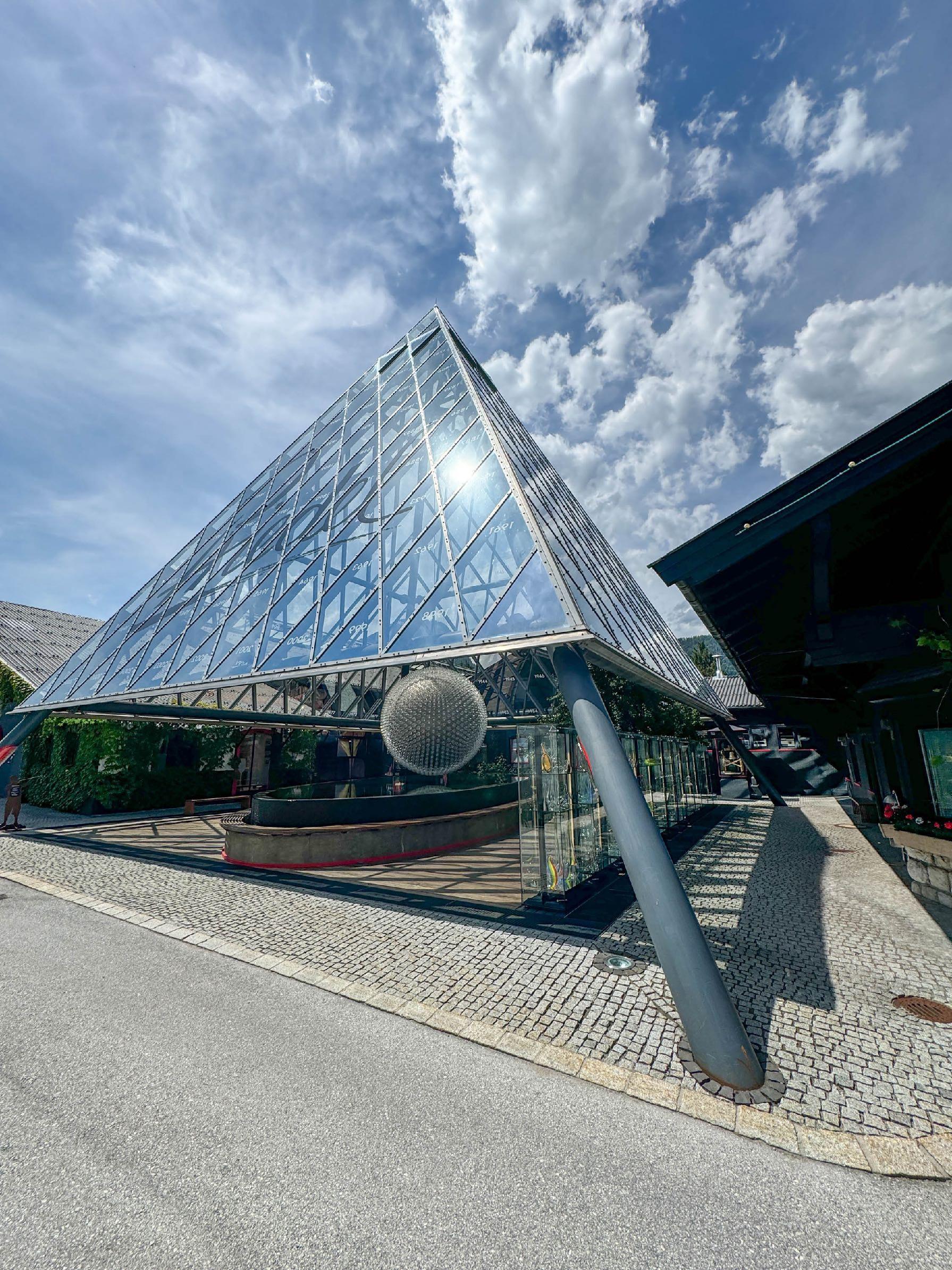

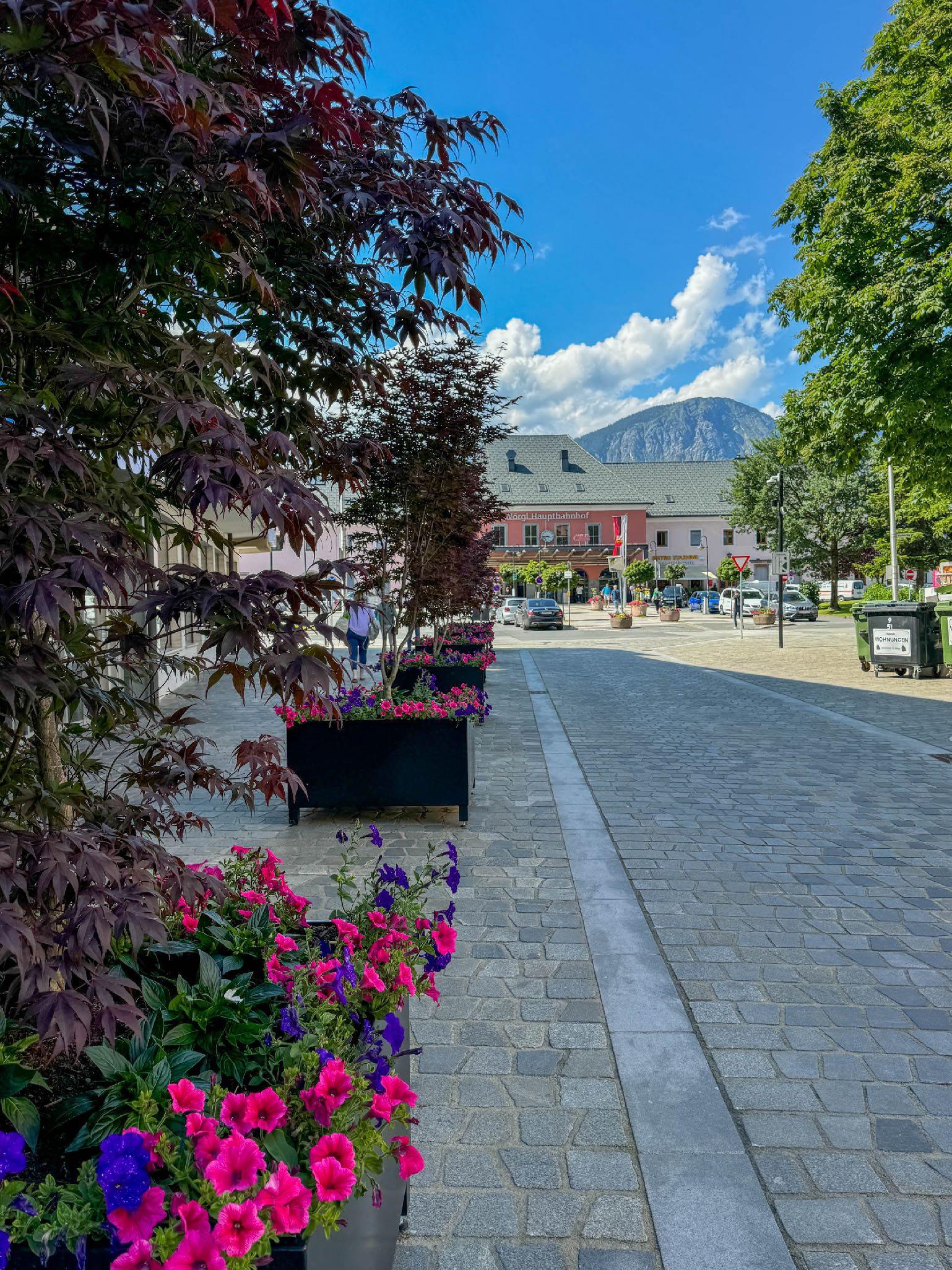

The municipality of Wörgl in Tyrol has almost 15,000 inhabitants and is the fifth largest city in the state. Finds of urn graves that are around 2,500 years old prove a long history of settlement in the region. Wörgl is not only a popular residential area, but also an important transport hub and the shopping centre of the Tyrolean lowlands. Bahnhofstrasse in Wörgl is considered the second longest shopping street in Tyrol.
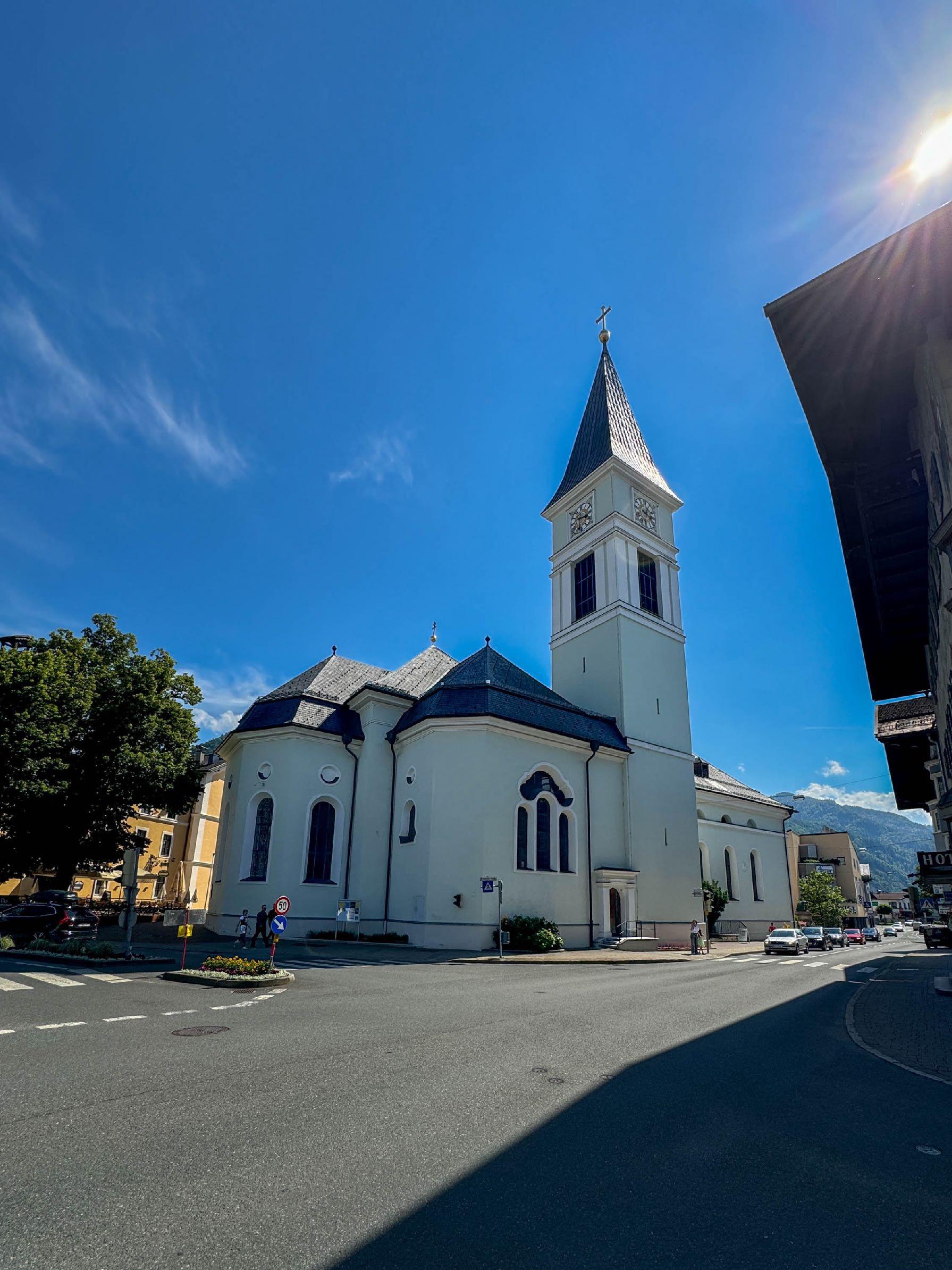
Thanks to its location, Wörgl is an ideal starting point for trips to the nearby Wildschönau or the Brixental. The town parish
The town of Wörgl combines the best of urban and rural life in a successful way. As an important transport hub, the town is easily accessible. The history of Wörgl dates back to Roman times.
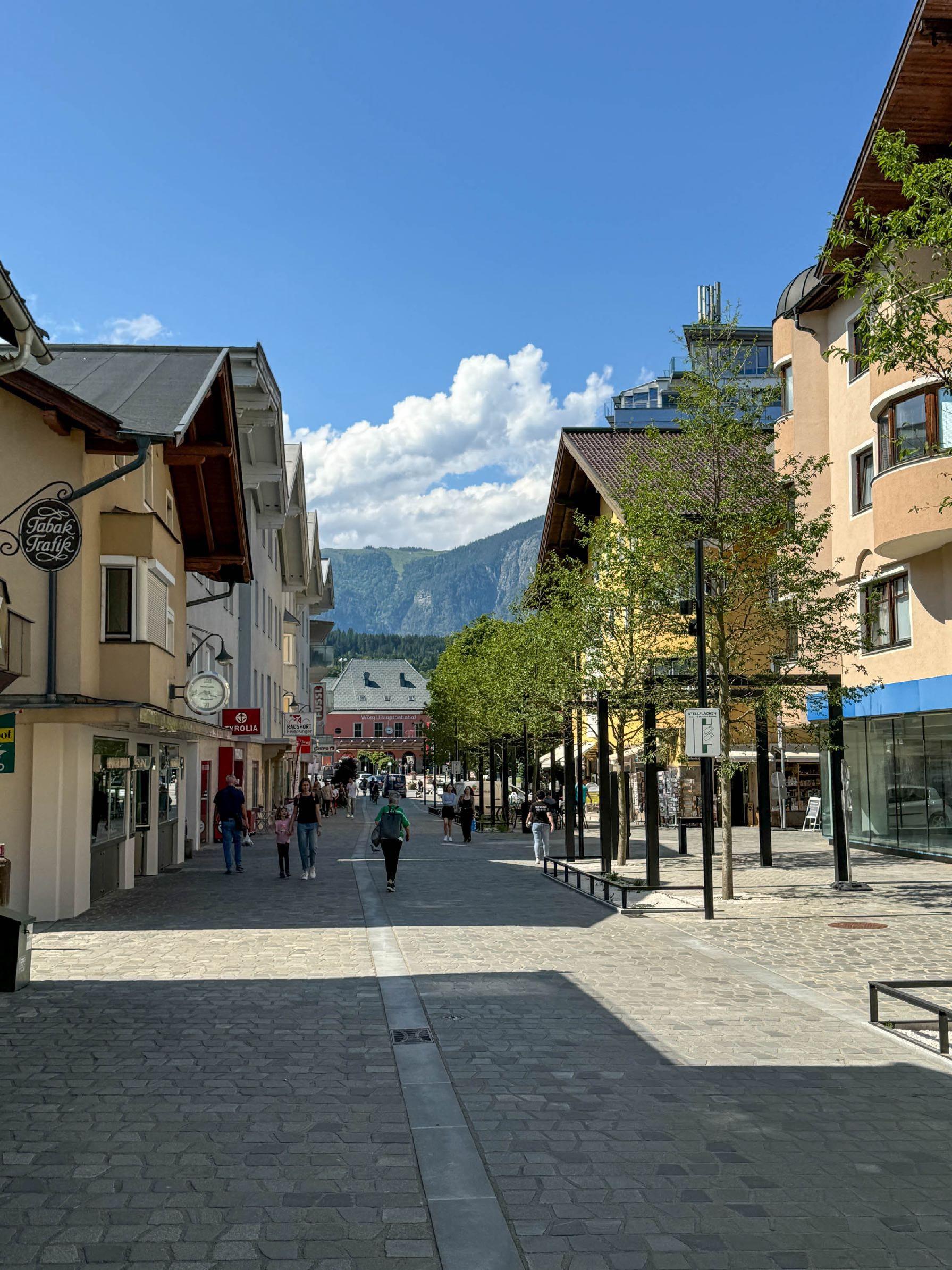
church and the "Wörgl Milestones" in the town itself are also worth seeing.
In June 1932, the Wörgl Free Money Project was launched, which attracted worldwide attention. This experiment, initiated by the then-mayor Unterguggenberger, led to an upturn in the construction industry and a reduction in unemployment by a quarter. In September 1933, however, the project was terminated due to a court ruling.
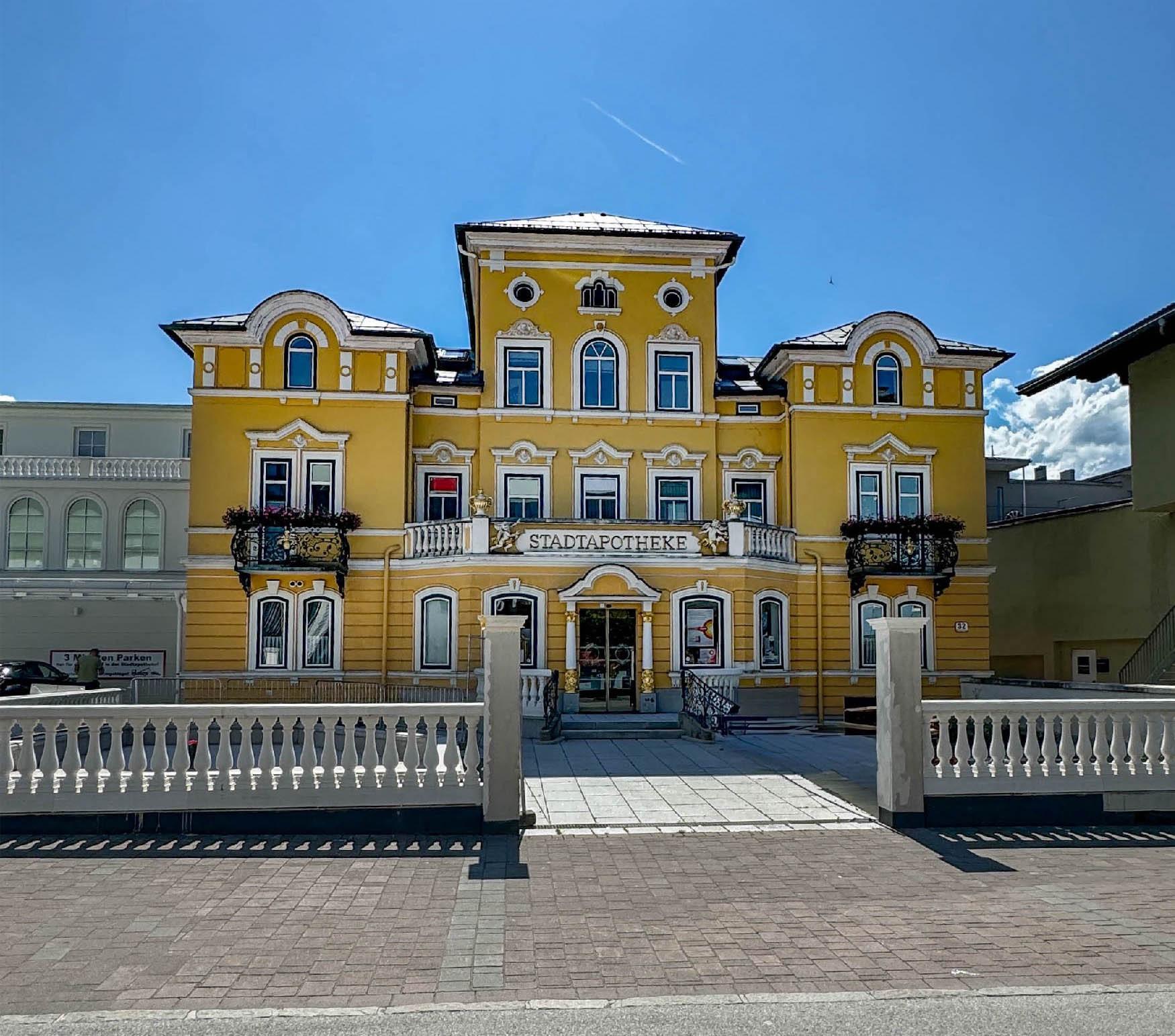

The "House Stawa", which was planned and built in 1905 by master builder Ferdinand Mayr and now serves as the city pharmacy, was originally designed as a coffee house.
The pharmacist Carl Alfons Koch acquired the "Villa Edelweiss" in the year 1907 and set up a pharmacy there.
The fairytale-like two-storey villa is oriented to the northeast towards Bahnhofstrasse and is characterized by alternating protruding and recessed structures. The city pharmacy is an impressive example of a representative, stately home with a
garden, built in the style of late 19th century villas. The garden is surrounded by an ornate black metal fence with gold-plated elements.
In the middle of the garden there is a fountain made of concrete and white marble, which carries a sculpture of a couple in love, also decorated with gold elements.
The city pharmacy is rightly considered the most beautiful building in Wörgl.

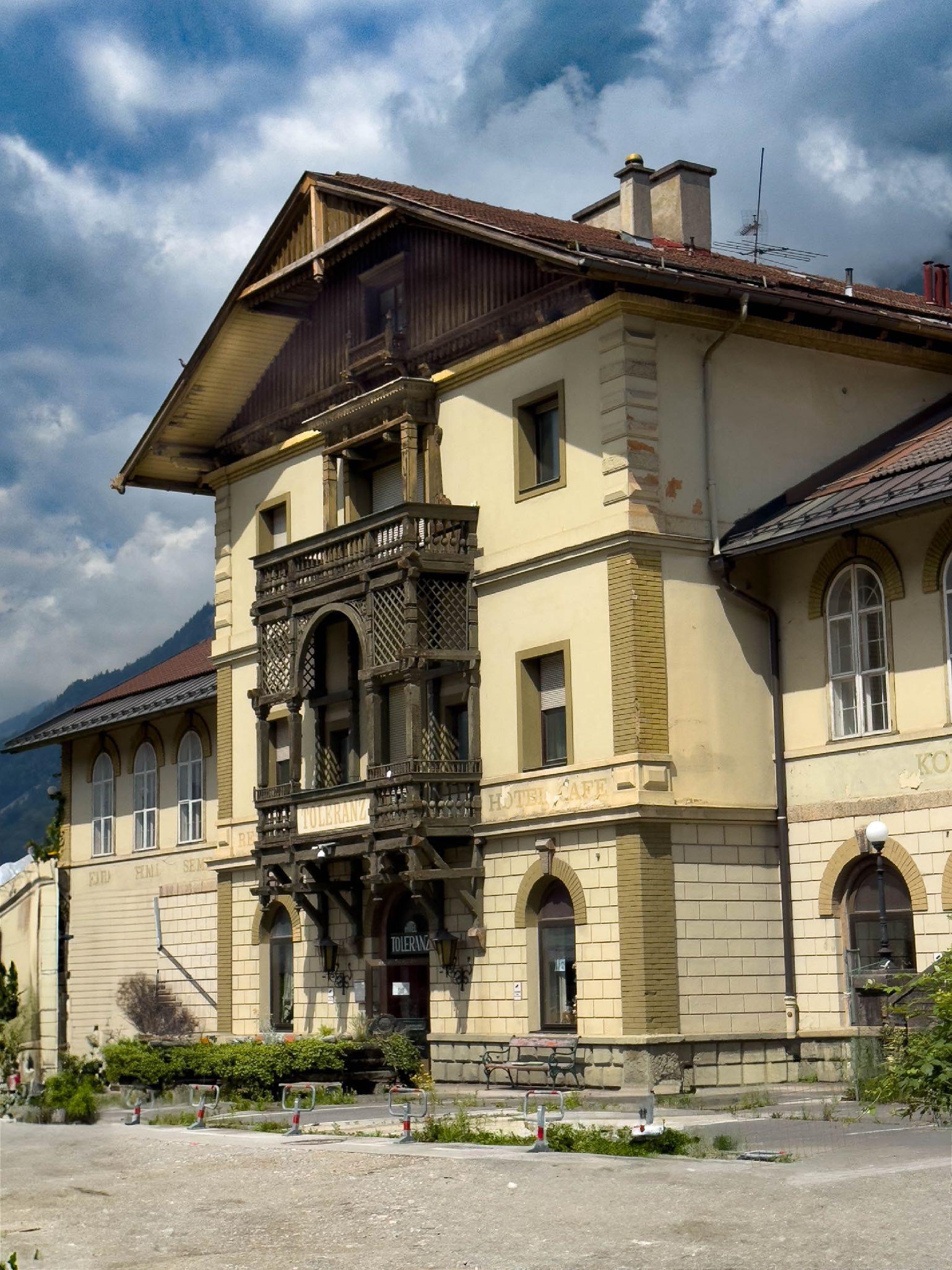
The unique nature, fascinating history and special geographical location of the Silver Region Karwendel make the town of Jenbach a fantastic Tyrolean travel destination all year round.
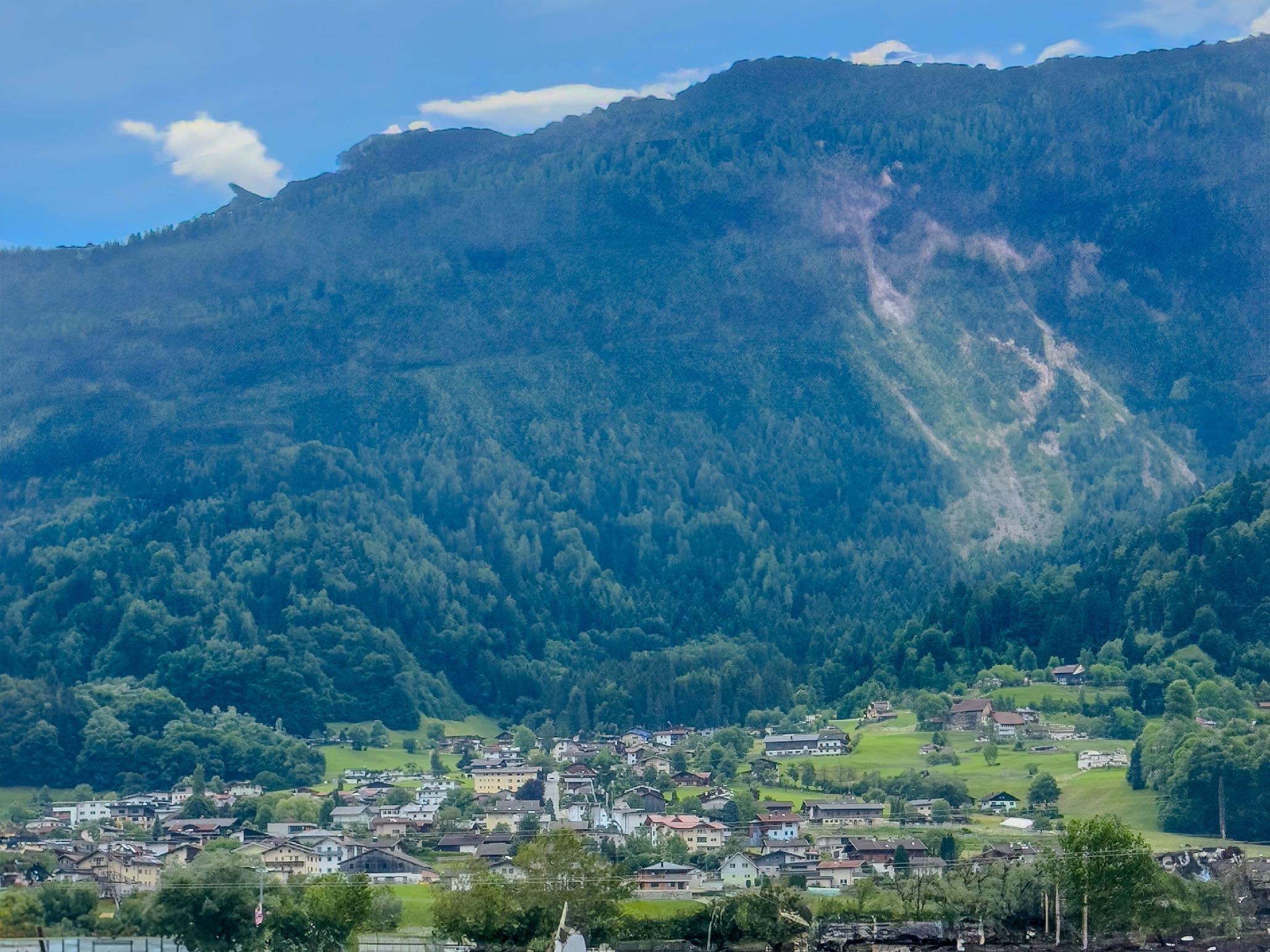
Jenbach is not only characterized by its unique geographical location, but this town plays an important role as a transport hub.
The train station of the town of Jenbach acts as a hub for mobility, where all express trains stop. This means you can get to the Silver Region quickly and easily. The Silver Region offers numerous options for active visitors. There are family-friendly destinations such as the Risstal with the oldest alpine village in Europe - the Engalm - and a show dairy. But enthusiastic
mountaineers will also get their money's worth. They can look forward to challenging hikes on the Loassattel, the hiking trails of the Kellerjoch panoramic mountain and on the Gilfert. Cyclists and mountain bikers can look forward to relaxed cycling tours either alone or with the whole family. Culture lovers will also not feel left out in the region.
There are regular connections from Jenbach to the Zillertal and Achensee.
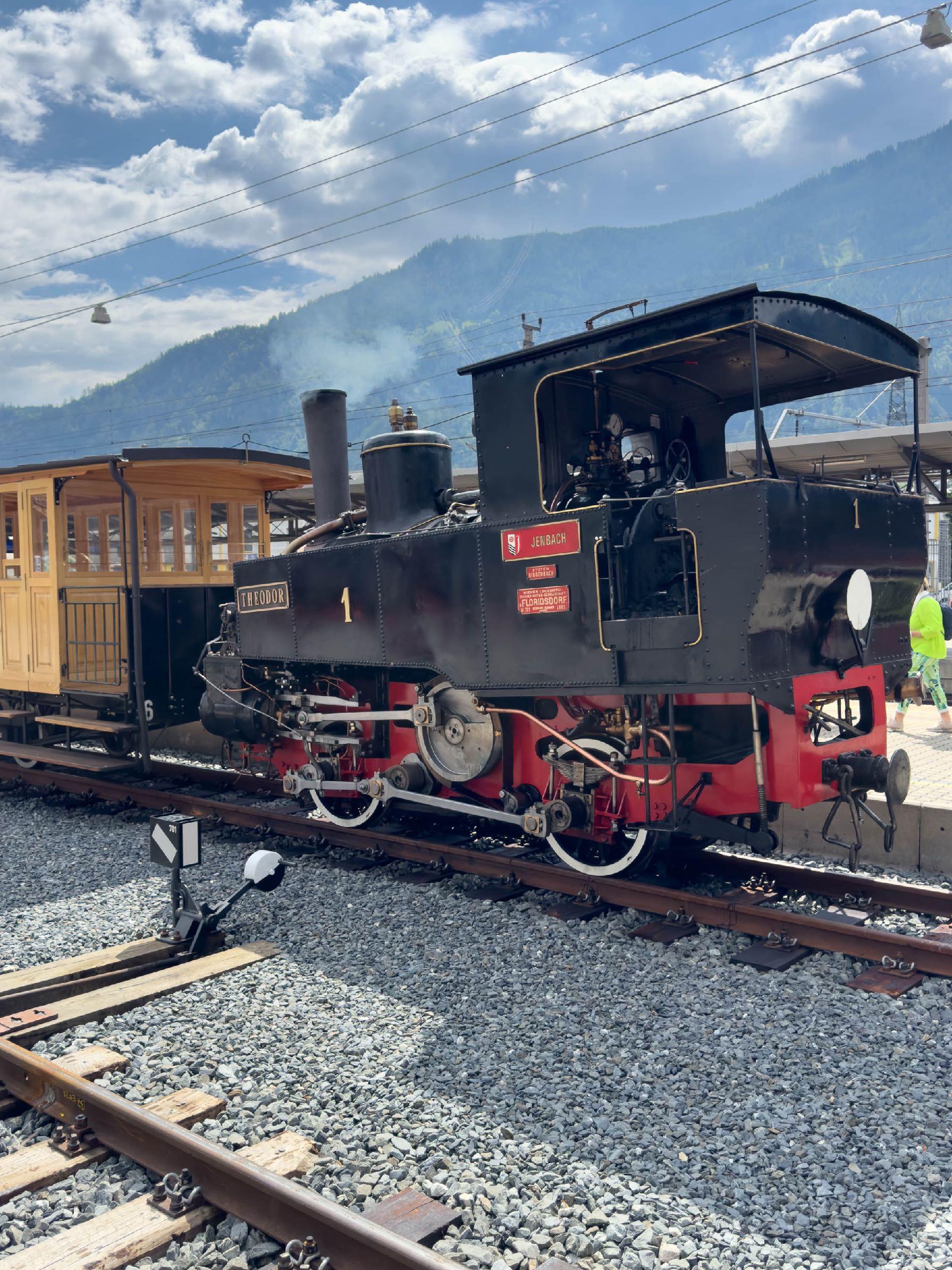
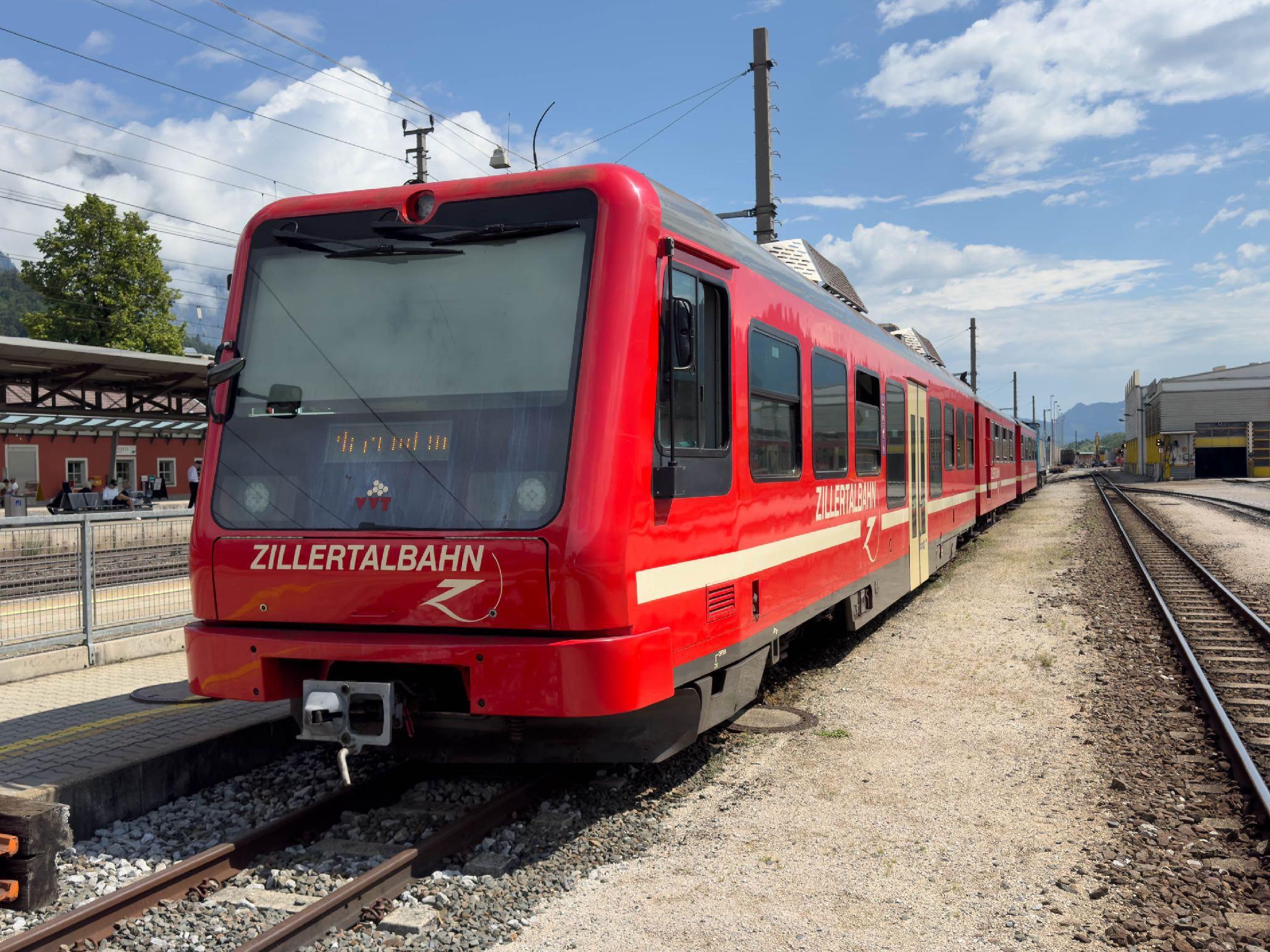

The Zillertal Railway is a narrow-gauge railway with the socalled “Bosnian” gauge of 760mm. The route runs from Jenbach for almost 32km to Mayrhofen in the Zillertal and was opened in the year 1902.
The majority of the shares belong to the Zillertal communities, which is why they are proud of "their" railway. The route stretches over 32km, partly double-track, with a total of 35 bridges and passes well-known tourist destinations.
Nowadays, in addition to the historic trains that are used for special occasions, numerous modern trains run on this route. The Zillertal Railway also plays an important role in freight transportation.
The Zillertaler transport companies also operate several regional bus lines in the Zillertal area. The steam trains reach a maximum speed of 35 km/h.

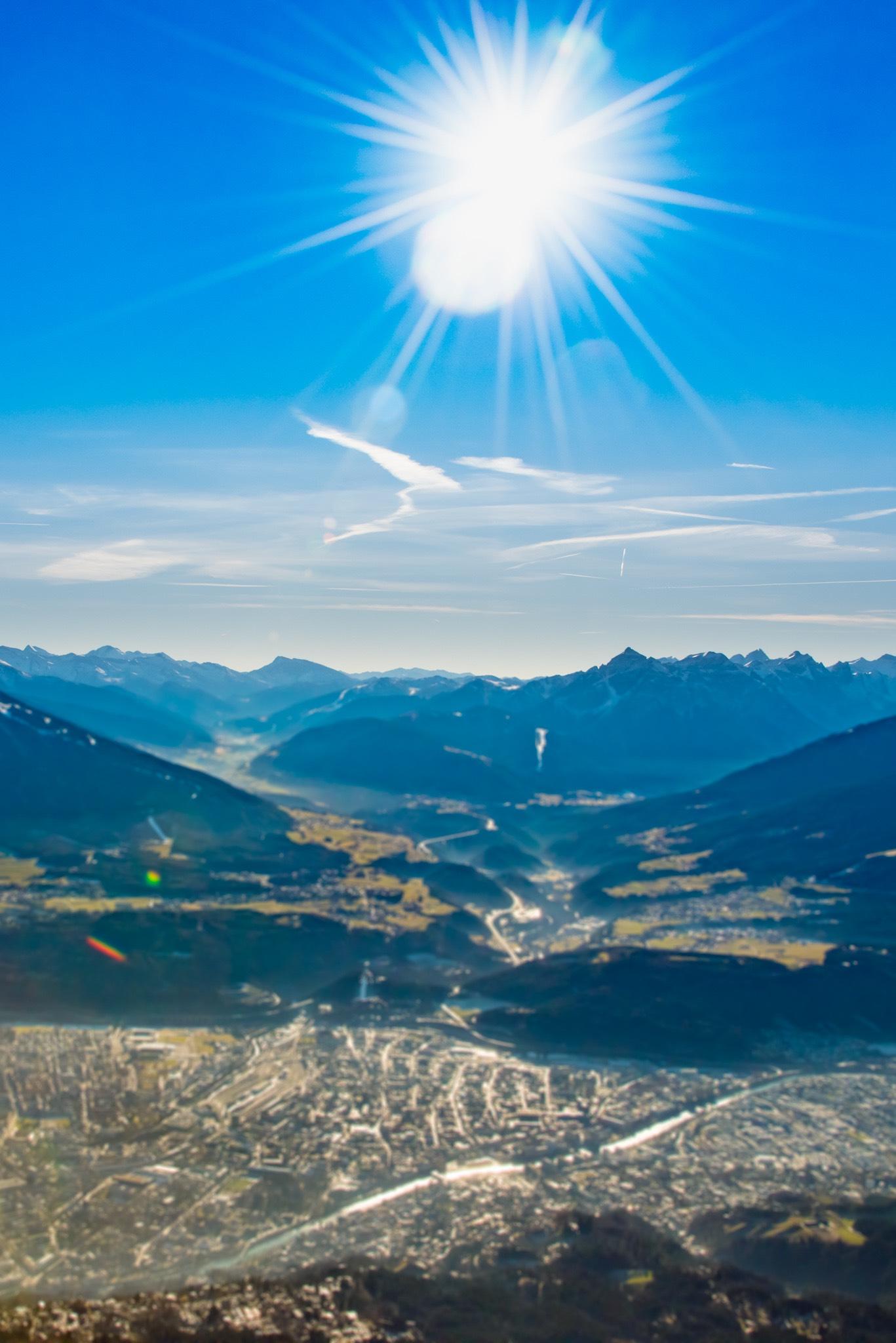
Innsbruck offers all the advantages of a large city. Yet everything is so close that it takes less than 15 minutes to take the tram into the forest or the cable car into the high mountains.
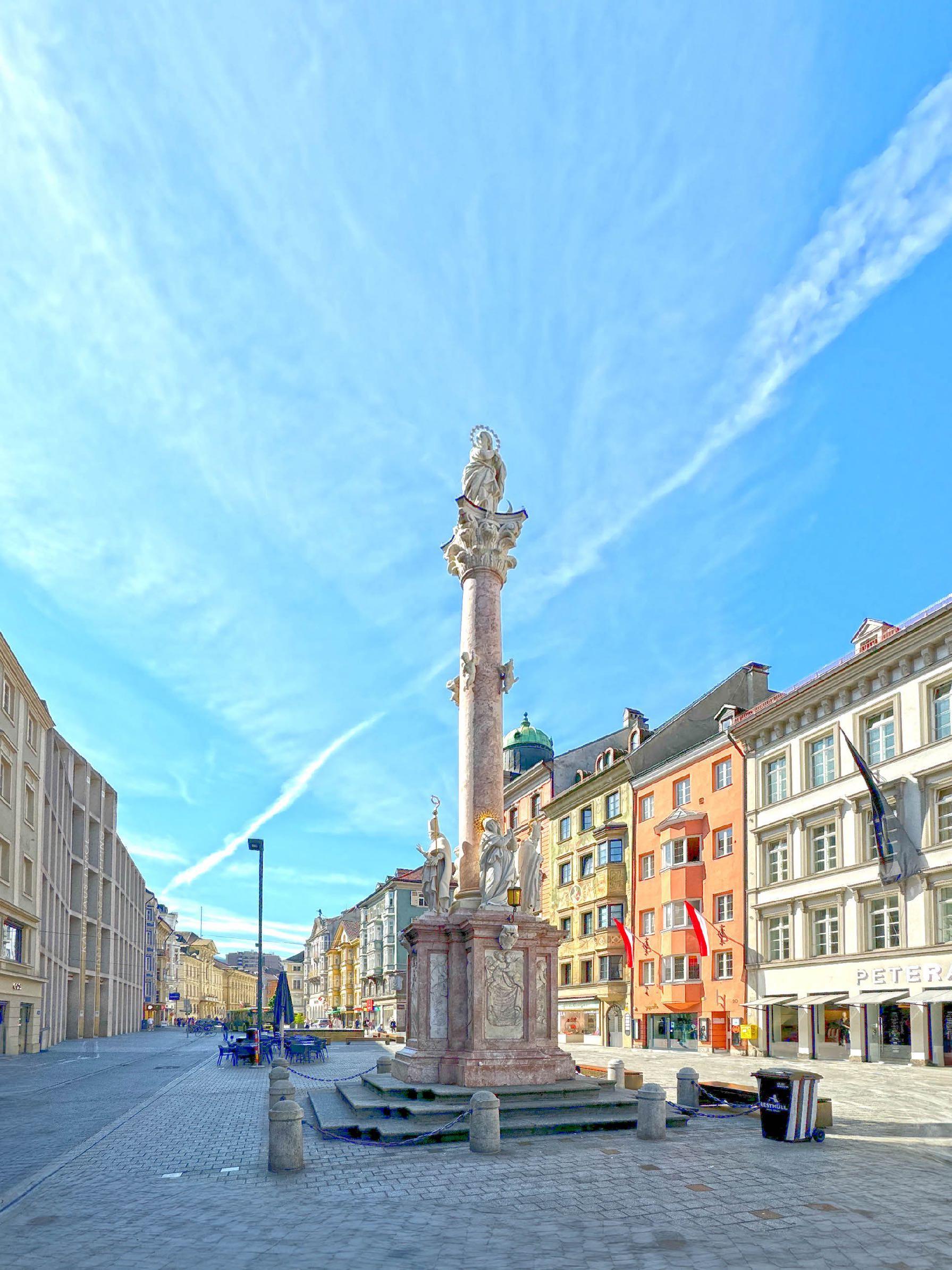
The capital city of the state of Tyrol is picturesquely nestled in the Alps. Innsbruck offers numerous opportunities for sporting activities in both summer and winter. From easy hiking trails to challenging tours, the city and its surroundings offer everything your heart desires.
With the Nordkette cable car, it is even possible to reach an altitude of 2,000 metres from the city center in just 30 minutes. In addition to the mountains, the sights also make Innsbruck a special travel destination. The Imperial Hofburg, built under
Emperor Maximilian I around the year 1500, still impresses visitors today. It was later modernized by Maria Theresa. In the Hofkirche, also known as the "Schwarz Mander Church," 28 life-sized figures guard the tomb of Emperor Maximilian. The famous "Silver Chapel" is also located here.
The “Golden Roof” is one of the city’s landmarks. In the Alpine Zoo, which can be reached by the Hungerburgbahn, you can admire over 2,000 animals.
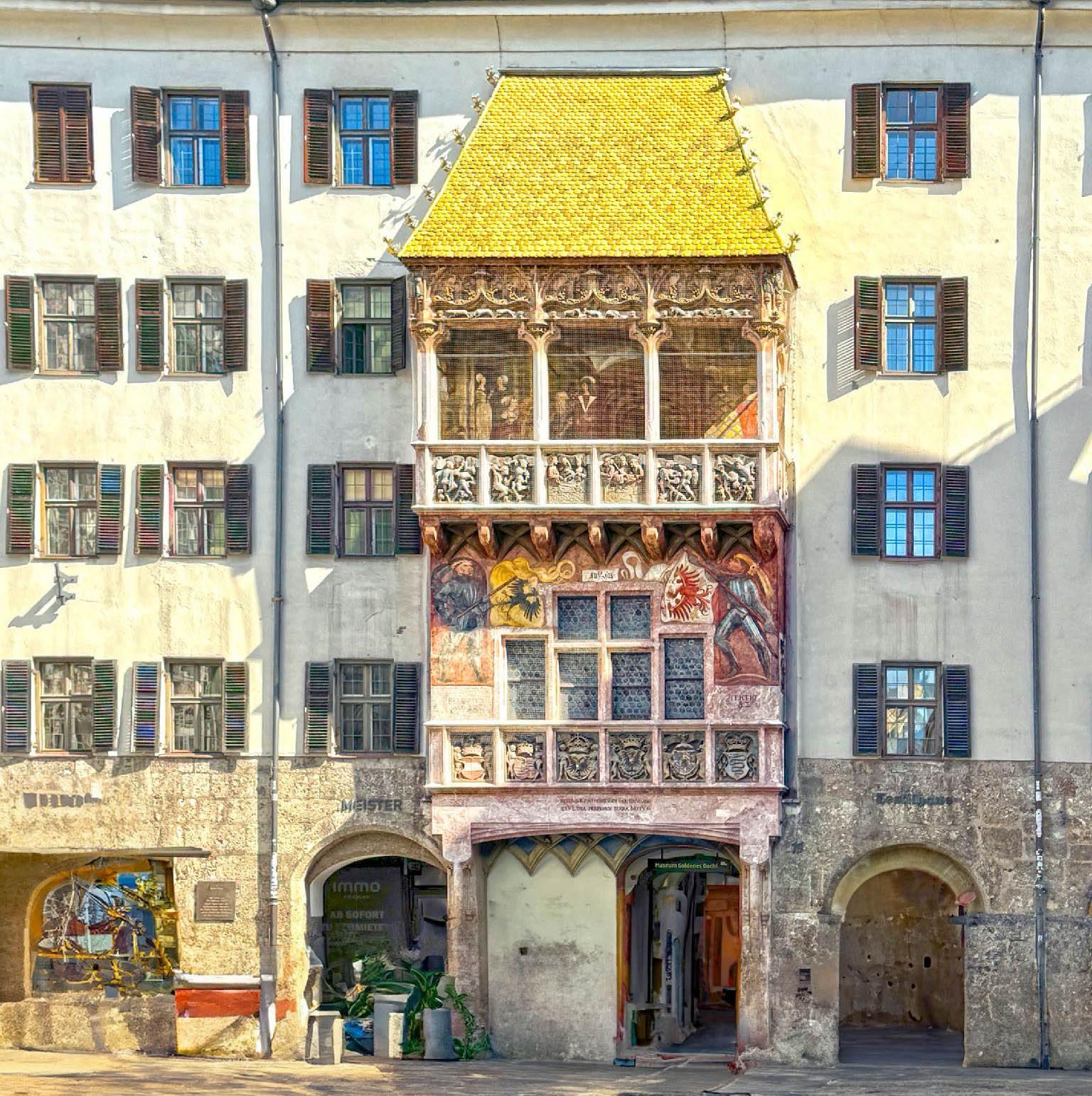

The Golden Roof (Goldenes Dachl) is a magnificent oriel in the late Gothic style at the Neuer Hof in Herzog-Friedrich-Straße in Innsbruck's old town. The imposing building is the most famous landmark of Innsbruck. The 2,657 fire-gilded copper shingles shine in the sunlight and testify to the city's wealth.
Emperor Maximilian I commissioned the construction of the Golden Roof between 1497 and 1500. Nikolaus Türing the Elder is considered the architect, while Jörg Kölderer, the court painter of Emperor Maximilian I, was responsible for the
frescoes. The magnificent decoration of the bay window with filigree Gothic ornaments gives it an almost fairytale-like aura.
The eighteen artfully carved sandstone reliefs mark the transition from the late Gothic to the early Renaissance and are considered to be important Tyrolean works of art due to their excllent quality and beautiful motifs. In order to protect them, they were replaced by copies in 1952. Six original reliefs have been completely restored and can now be admired in the museum.
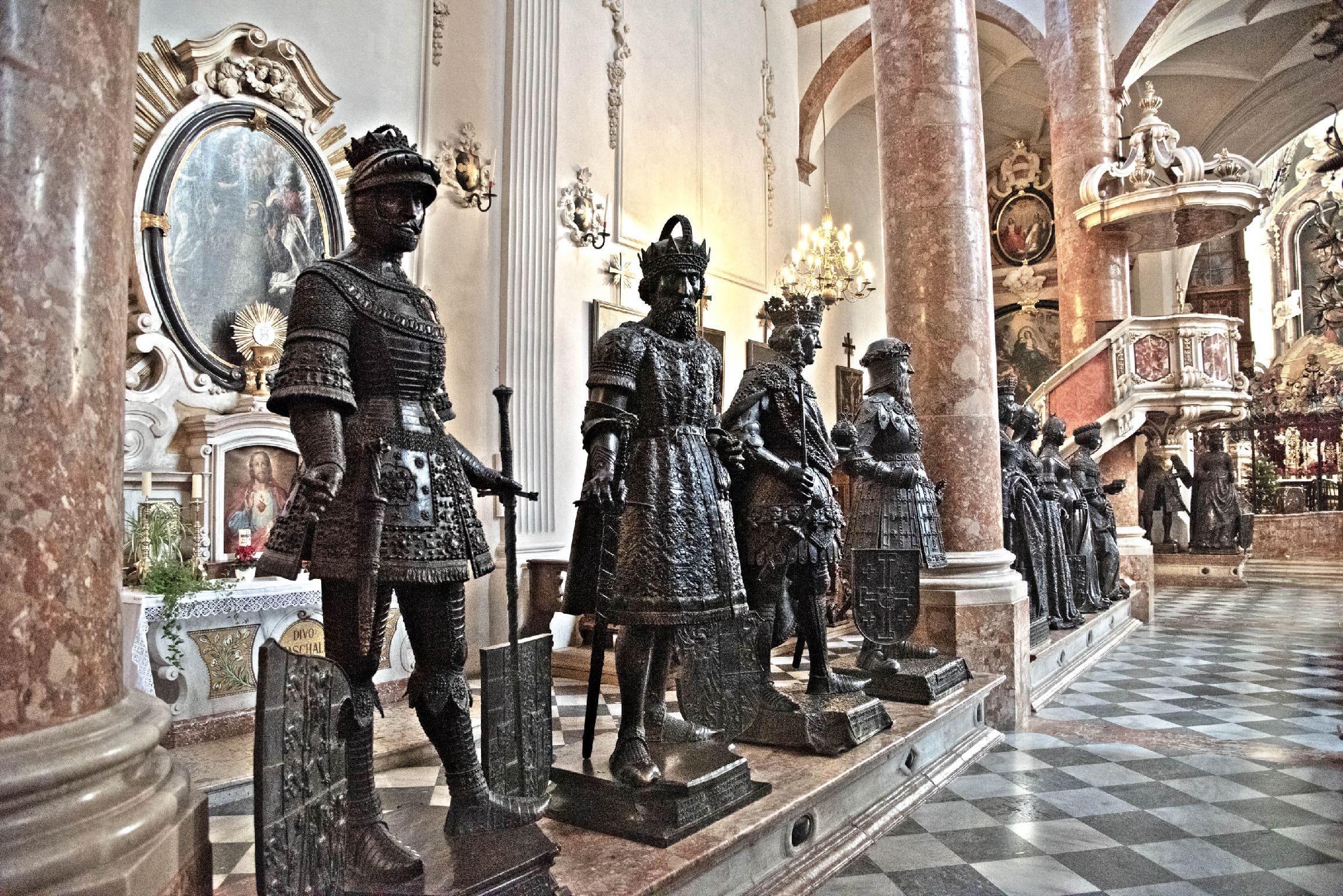

The Hofkirche of the Roman Catholic Church is located in the heart of Innsbruck. It is also known as the Franciscan Church or Schwarzmander Church. It was built between the years 1553 and 1563 as the resting place for the tomb of Emperor Maximilian I. However, the monarch was actually buried in the castle of Wiener Neustadt in 1519.
The centre of the church is dominated by the empty tomb of Emperor Maximilian I, around which 28 life-size bronze figures (black men) are grouped.
The freedom fighter Andreas Hofer has been resting in the Hofkirche since 1823.
The "Silver Chapel" is located on the floor above the church and above the former city moat. Archduke Ferdinand II had it built between the years 1577 and 1578 for himself and his wife Philippine Welser and expanded it in 1587. The chapel, named after the "Silver Altar" with a silver Madonna and her symbols, consists of two rooms separated by a grille.
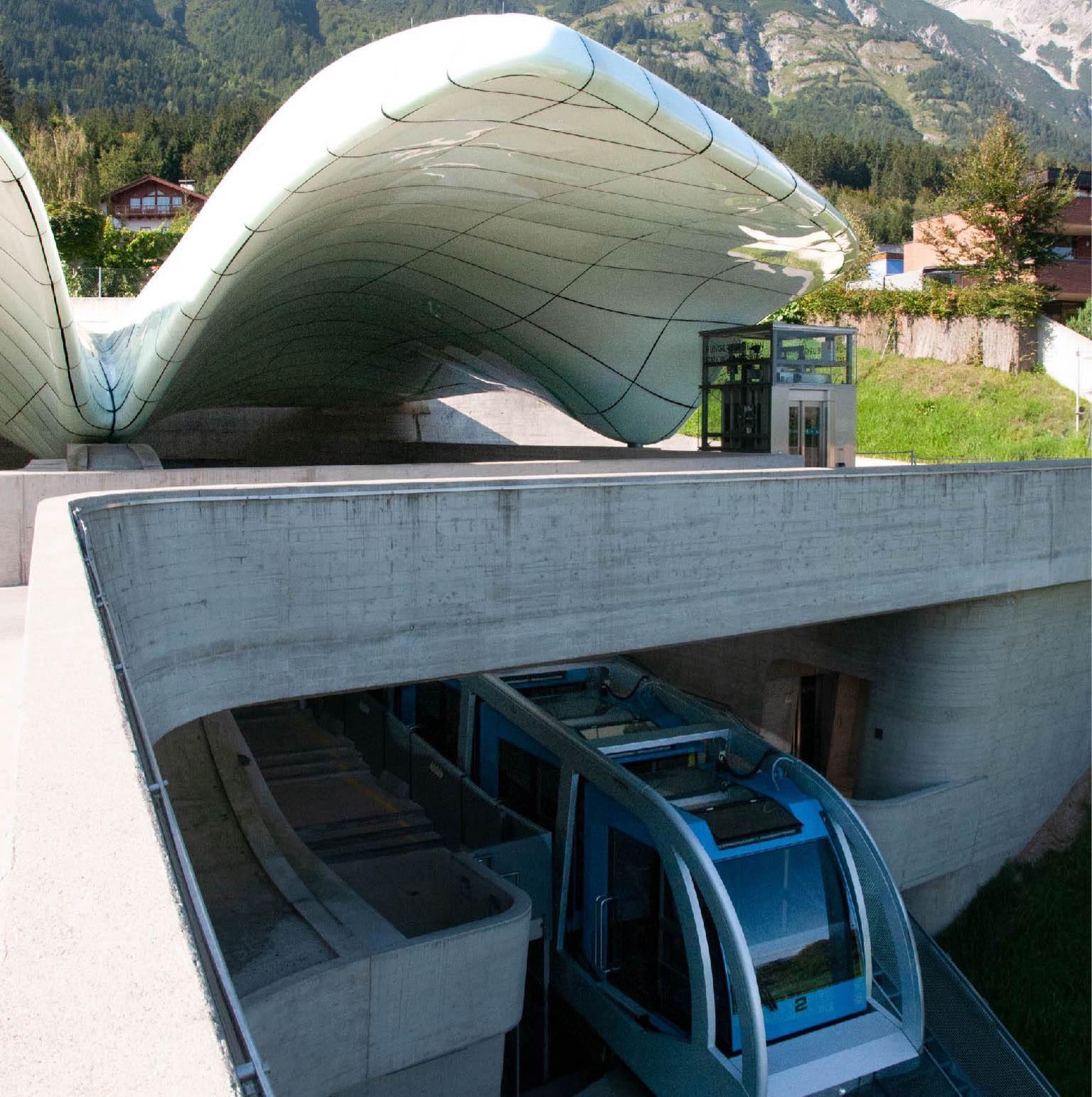
The Hungerburgbahn connects the centre of Innsbruck with the Hungerburg over a distance of just under two kilometres and stops at the Löwenhaus and Alpenzoo stations. These stations were built according to the plans of the renowned architect Zaha Hadid, who had already designed the Bergisel ski jump in Innsbruck.
The picture shows the mountain station on Hermann Buhl Platz. The valley station of the Seegrubenbahn is in Hungerburg. On the Seegrube, the "Seegrube by Don"
restaurant, which is open all year round, invites guests to enjoy Tyrolean cuisine and experience a wonderful view of the city of Innsbruck. In the summer months, it is recommended to visit the award-winning Nordkette Path of Perspectives with its various elements and platforms.
The Hafelekarbahn takes visitors from the mountain station of the Seegrubenbahn to the “Top of Innsbruck” at 2,334m, the Hafelekar. The Innsbruck Nordketten Bahnen offer a selection of combination tickets for visitors.
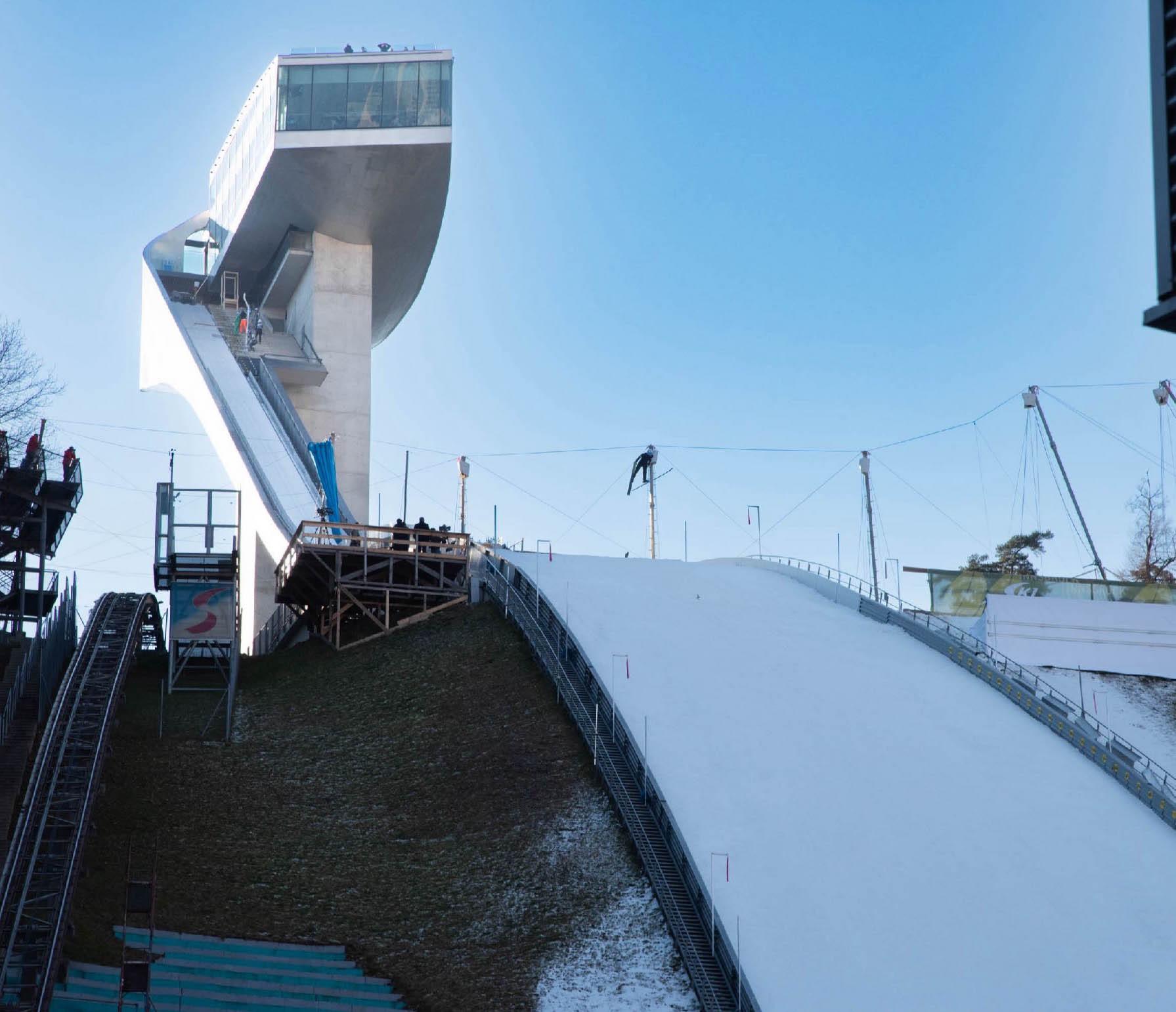
The Bergisel is not only worth a visit because of its striking ski jump, there is a lot more to discover here. Since the year 1817, the Bergisel plateau has been used by the Kaiserjäger soldiers for military exercises and was gradually developed into a "Heroes' Mountain". The Andreas Hofer Memorial is also located there. The Regimental Museum of the Tyrolean Kaiserjäger is worth a visit.
If you are already on the Bergisel, you should definitely visit the Tirol Panorama. The giant panorama painting of the Battle of

the Bergisel has been delighting visitors since 1896. In the year 2010, the 1.000m² and 360° painting was moved to the newly built museum.
The Bergisel ski jump is visible from Innsbruck's main train station. The concrete ski jump was built for the 1964 Olympic Games and was also the venue for the 1976 Olympics. The new ski jump, designed by the architect Zaha Hadid, was opened in the year 2002. The "Bergisel Sky" restaurant serves food and drinks as well as an impressive view.

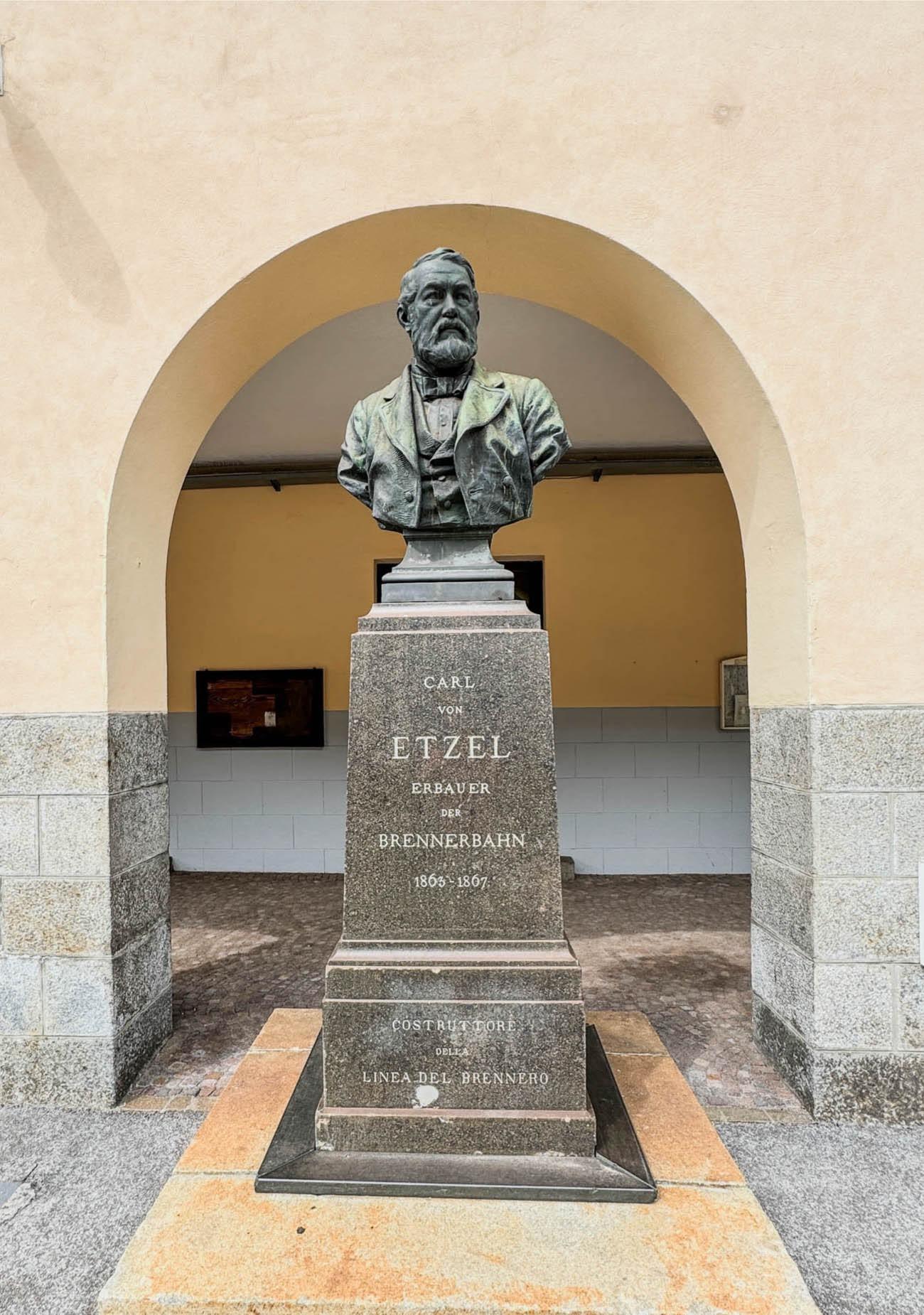
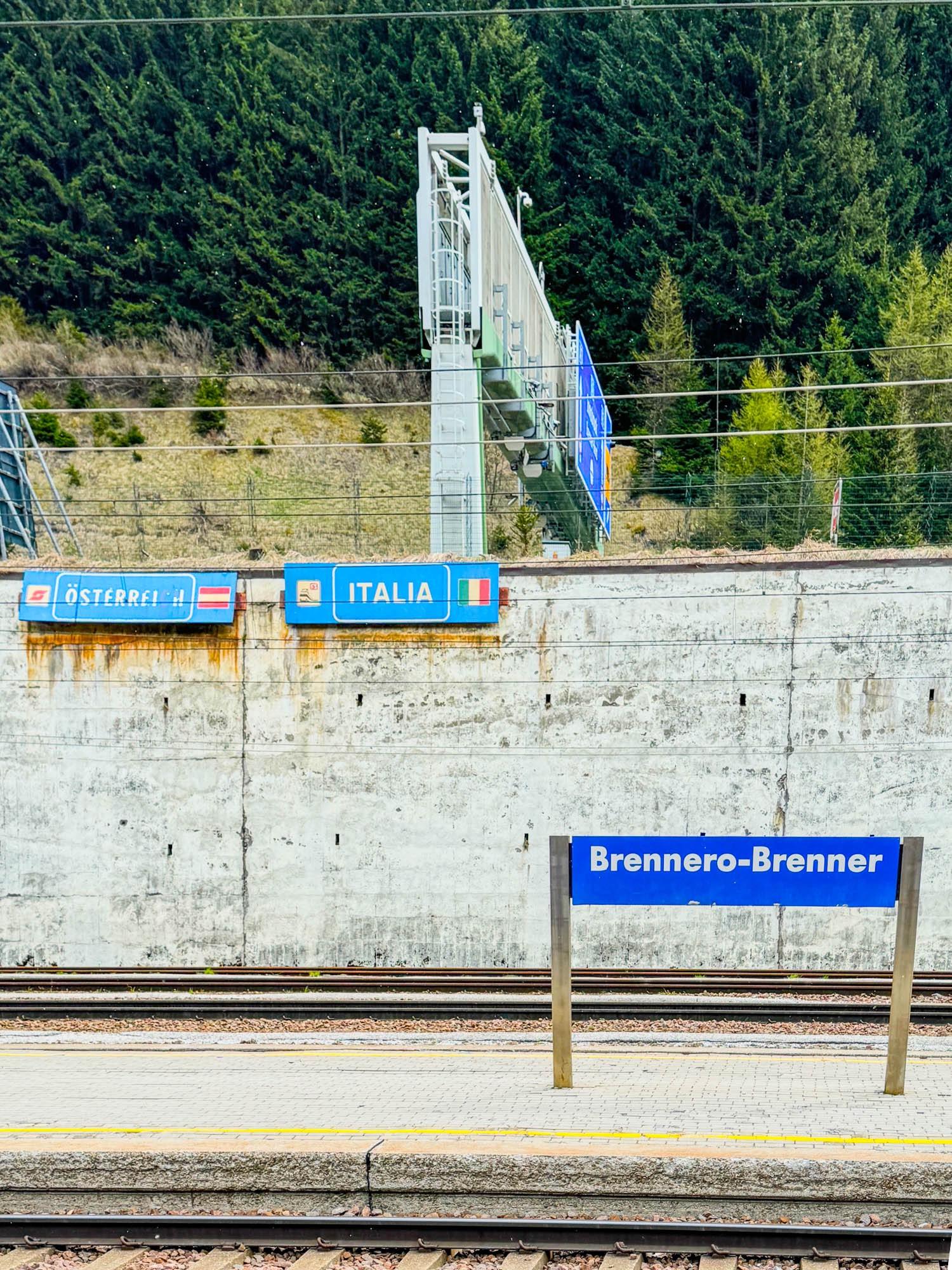
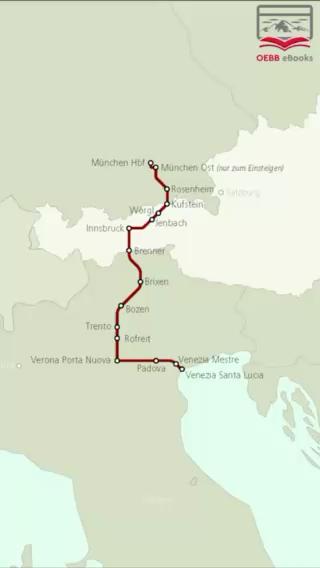
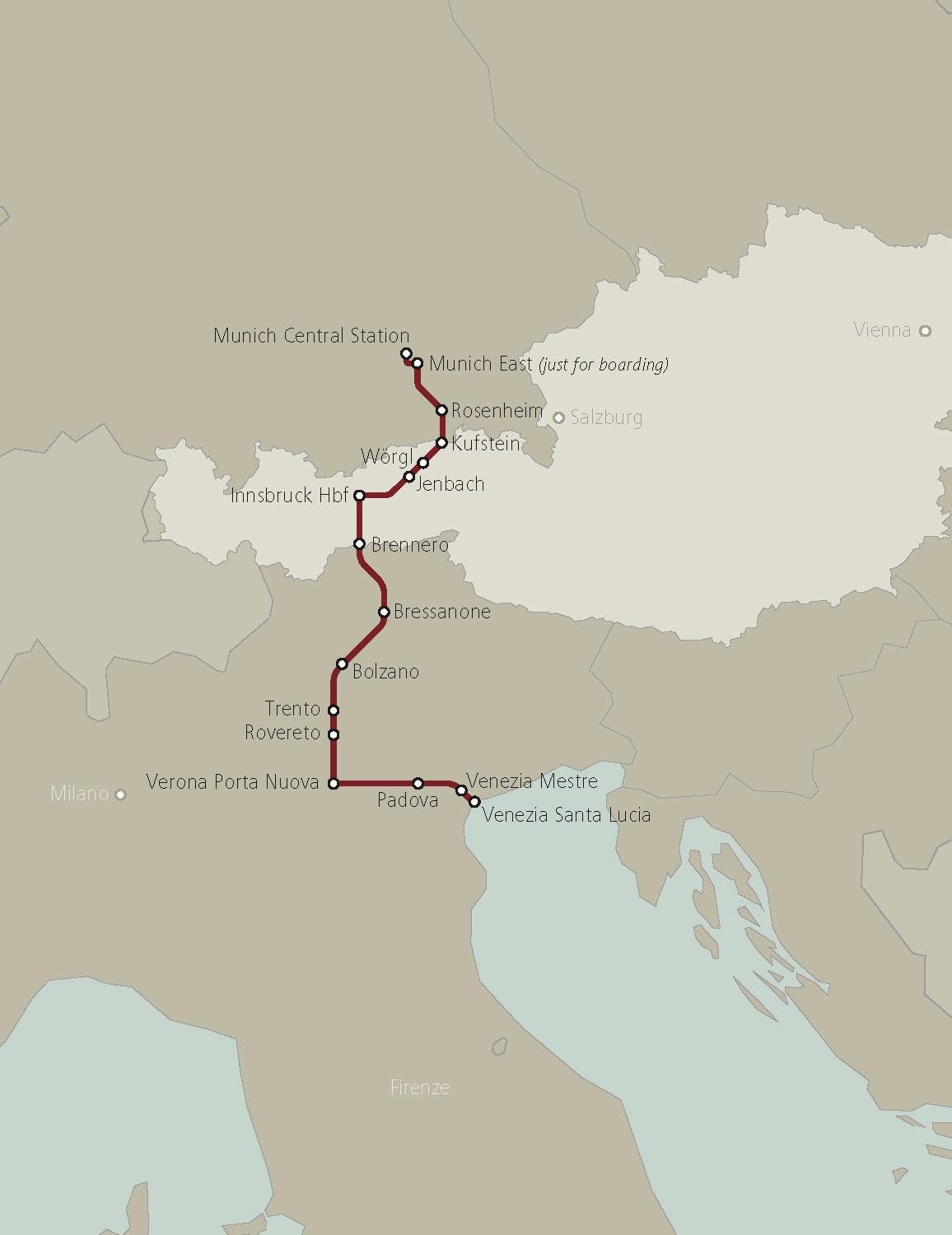
The railway line from the city of Innsbruck over the Brenner Pass and Bolzano to Verona is called the Brenner Railway. Together with the DB, the OBB trains run from Munich to Venice.


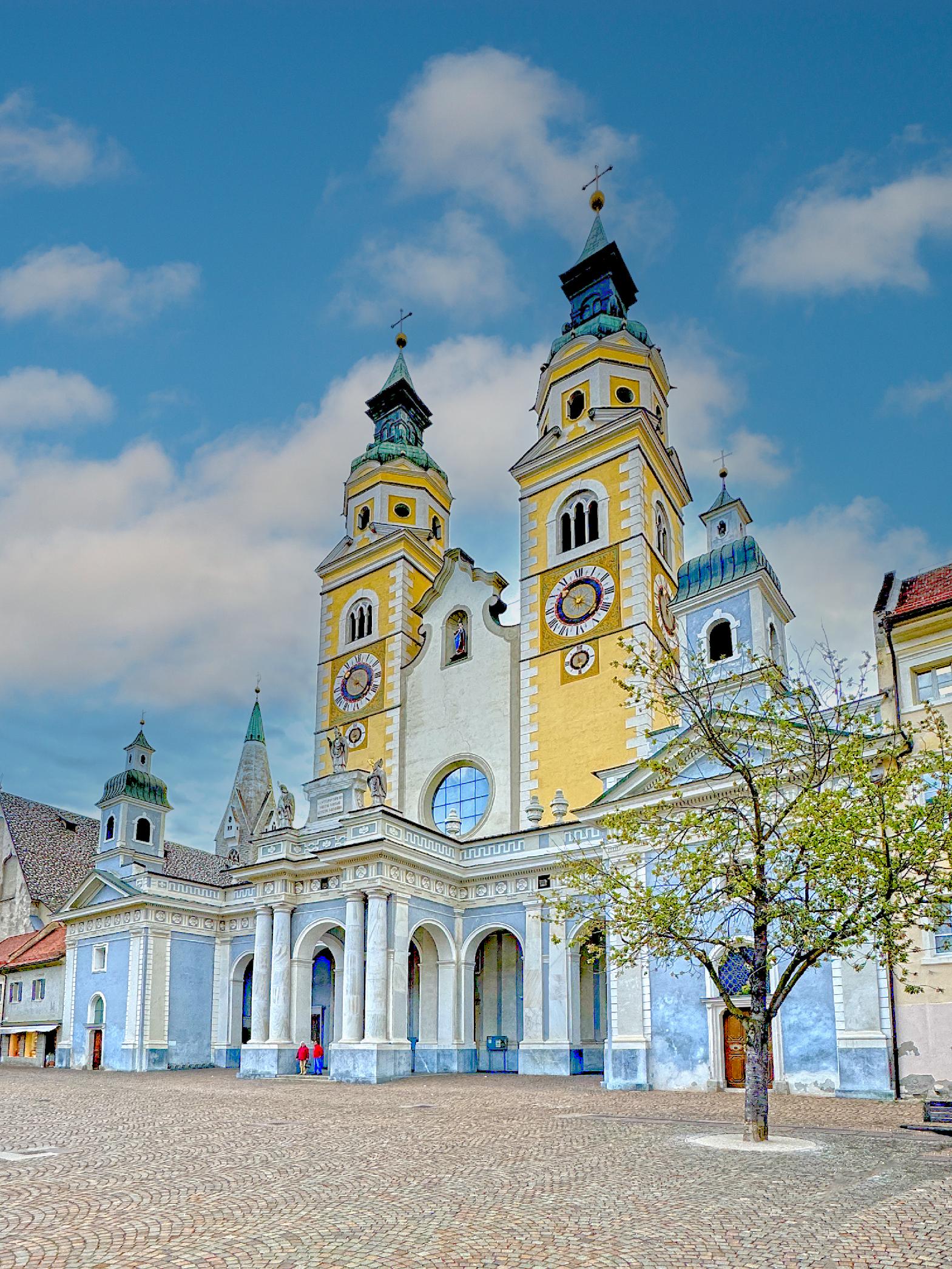
Bressanone (Brixen) is a place with a rich history, many cultural treasures and breathtaking views of nature. Unforgettable moments are guaranteed in this vacation and relaxation paradise.
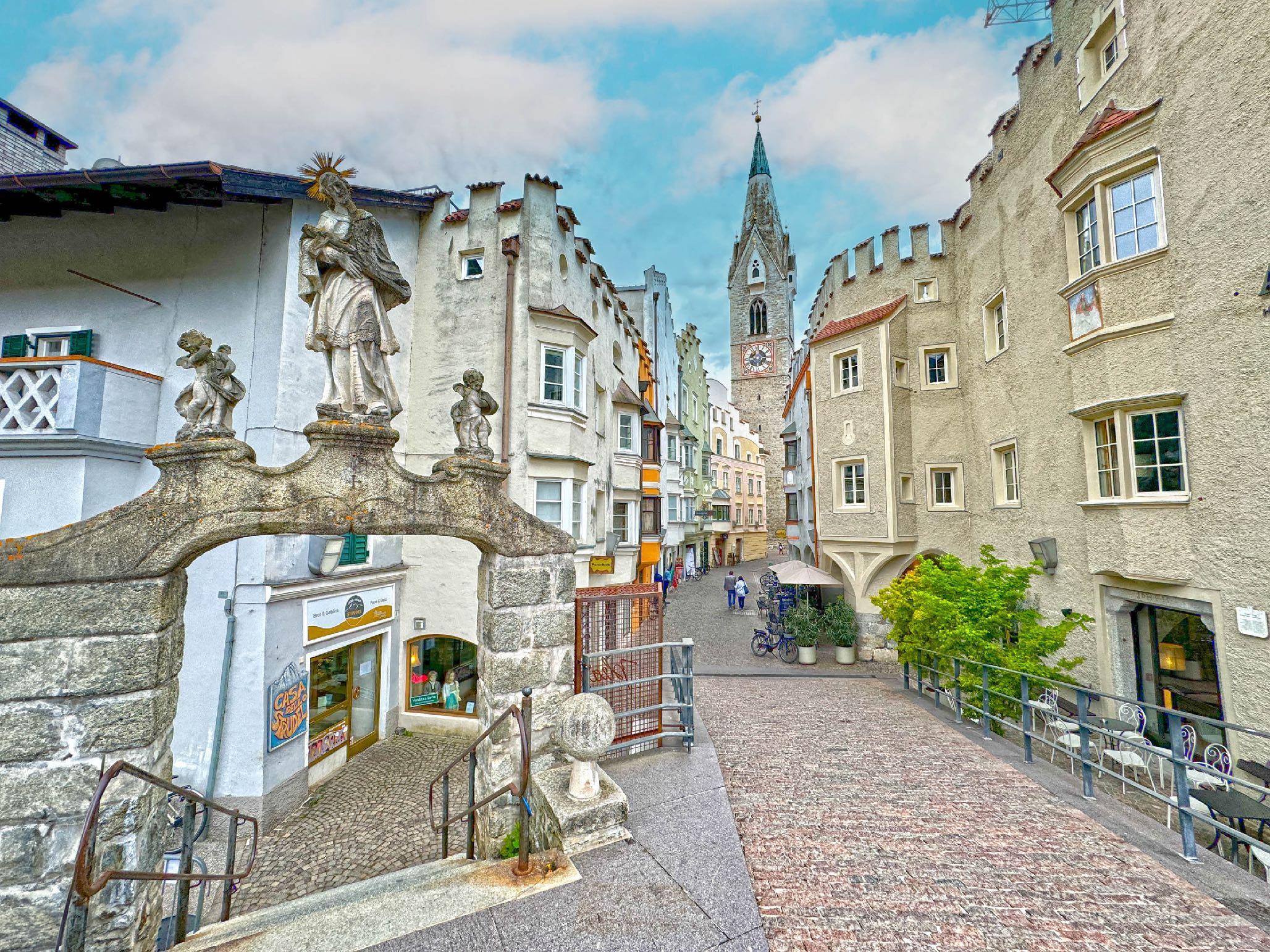
The town of Brixen lies at the foot of the picturesque and majestic Dolomite mountains and exudes a charming, medieval flair. The old town of Brixen is a winding labyrinth of cobbled streets, lined with historic buildings and idyllic squares.
Brixen is a true paradise for hikers and those seeking relaxation. Rolling hills of vineyards, green meadows and imposing mountain peaks form the perfect backdrop for a relaxing holiday. The lively culture and art scene is reflected in the galleries, museums and events in Brixen. The local cuisine spoils
guests with delicious South Tyrolean specialties in cosy restaurants and rustic inns.
In the cosy cafes and traditional restaurants, visitors can get to know South Tyrolean cuisine with its regional specialties such as Schlutzkrapfen, Kaiserschmarrn and Tirtlan. Not to be forgotten are the fantastic regional South Tyrolean wines that are produced in the surrounding vineyards.
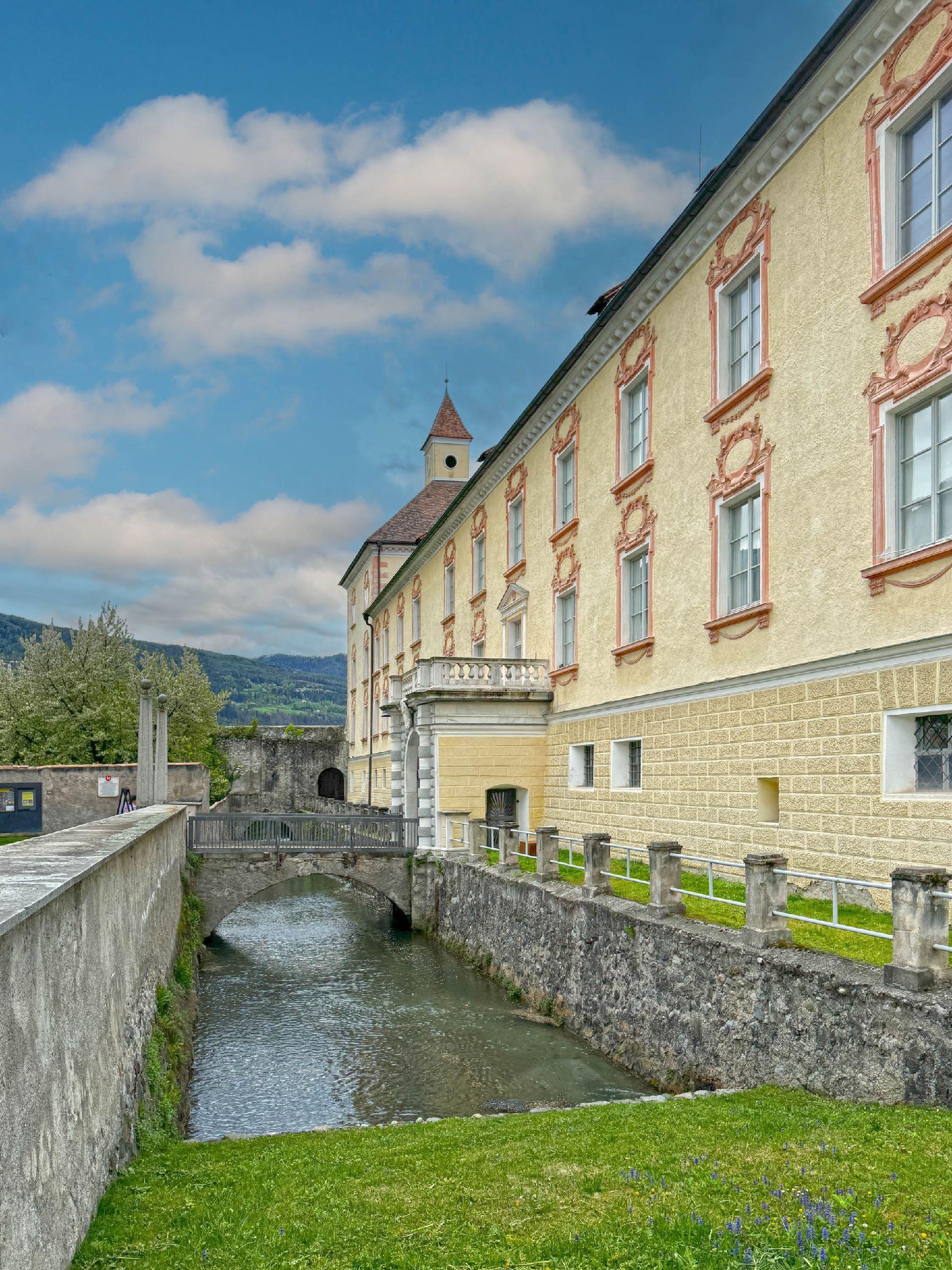

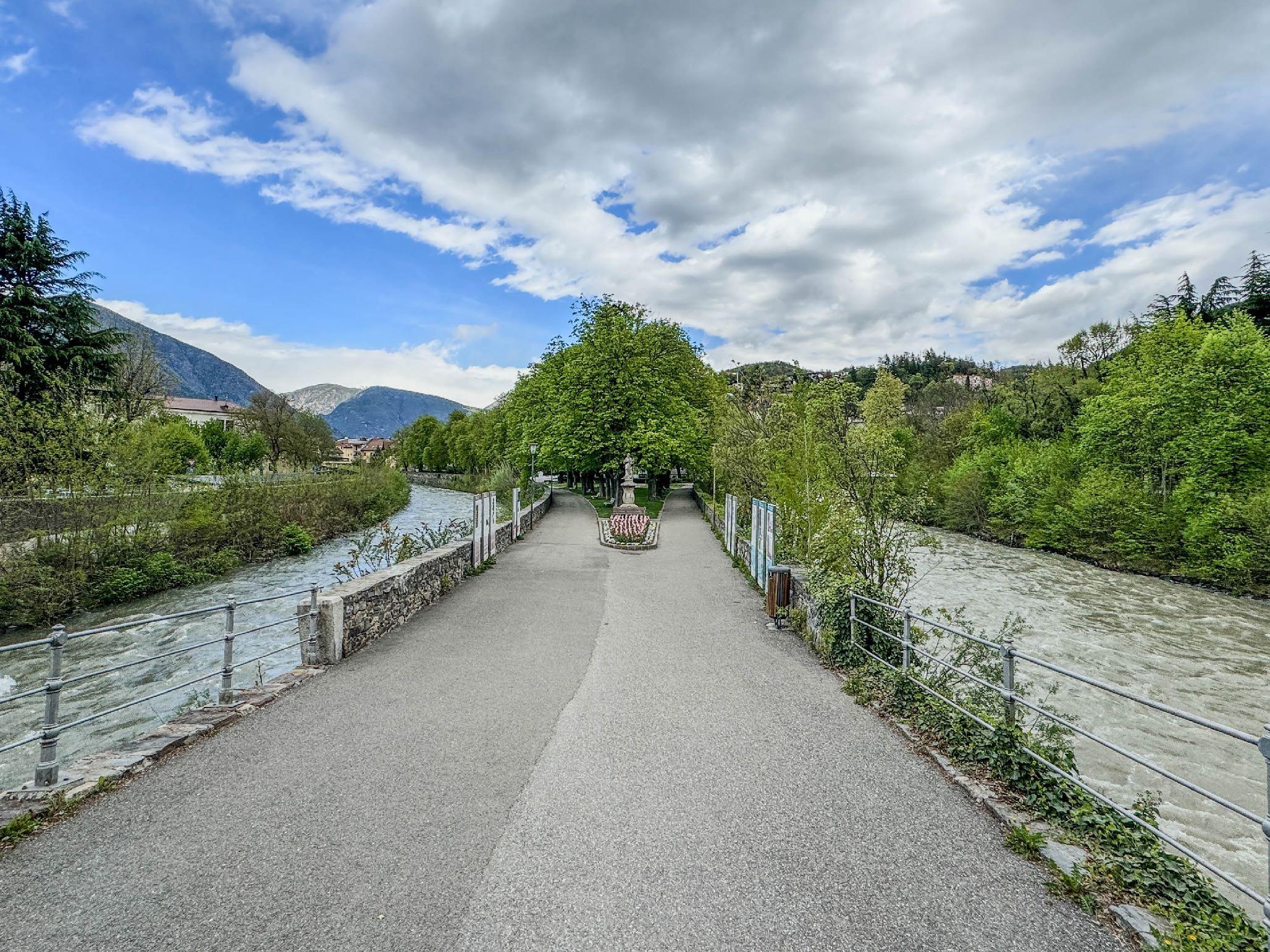
The Rappanlagen (Giardini Pubblici Rapp) were designed in 1883 as a spa garden at the confluence of the Eisack and Rienz rivers. The garden was named after the then-governor of Tyrol, Franz von Rapp. The source of the Eisack, the second longest river in South Tyrol, is at the Brenner Pass. The Rienz river has its source at the foot of the striking Drei Zinnen (Three Peaks).
Brixen has a close relationship to the water. A total of 48 drinking water fountains in the city and the surrounding area make the region an open-air water museum.
At every fountain you will find plaques that prompt you to "Refill your bottle!"
Brixen is a place rich in history, culture and natural beauty. The town and its surrounding area are a true paradise for hikers and anyone looking for pure relaxation.
This is a place full of magic where you can lose yourself in the here and now, thanks to its connection with nature and water.
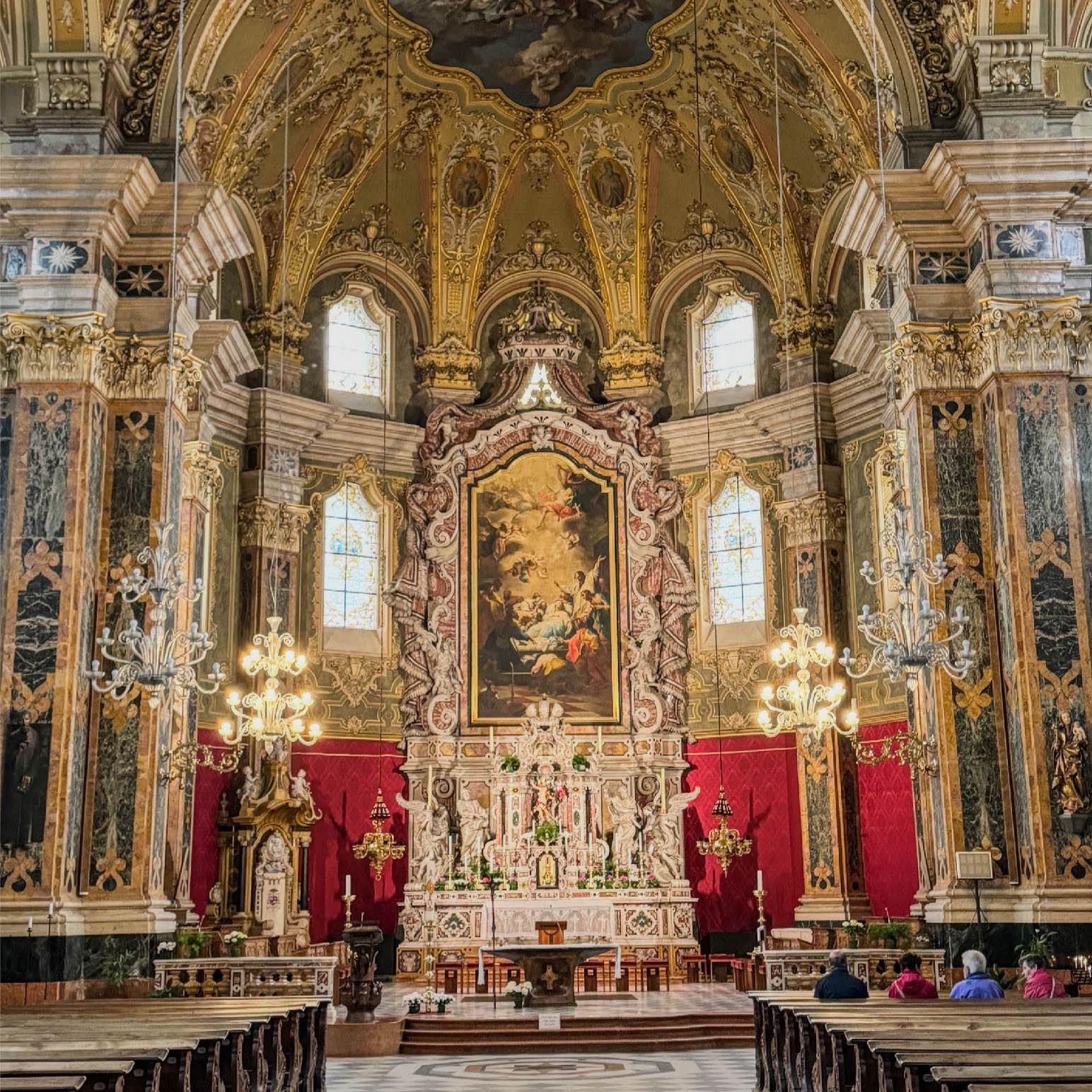
The Cathedral of the Assumption of the Blessed Virgin Mary and St. Cassian is the largest church in Brixen. It serves as the episcopal church of the Roman Catholic Diocese of BozenBrixen and bears the titles of cathedral and minor basilica. It is dedicated to the Assumption of Mary and St. Cassian. Together with surrounding buildings such as the cathedral cloister, the Johannskapelle and the Frauenkirche, it forms Brixen's cathedral district.
Originally the bishop's seat was in Säben, but was soon moved to Brixen. The once powerful Prince-Bishopric of Brixen was governed from here. Although the bishop's seat was moved to Bolzano in the year 1964 and the parish church of the Assumption of Mary was named a co-cathedral, the cathedra (the bishop's "chair") and the cathedral chapter remain in Brixen. Thus, the Brixen Cathedral remains the most important church in the diocese. The first three bishops of Bozen-Brixen (Joseph Gargitter, Wilhelm Egger and Karl Golser) are buried here.
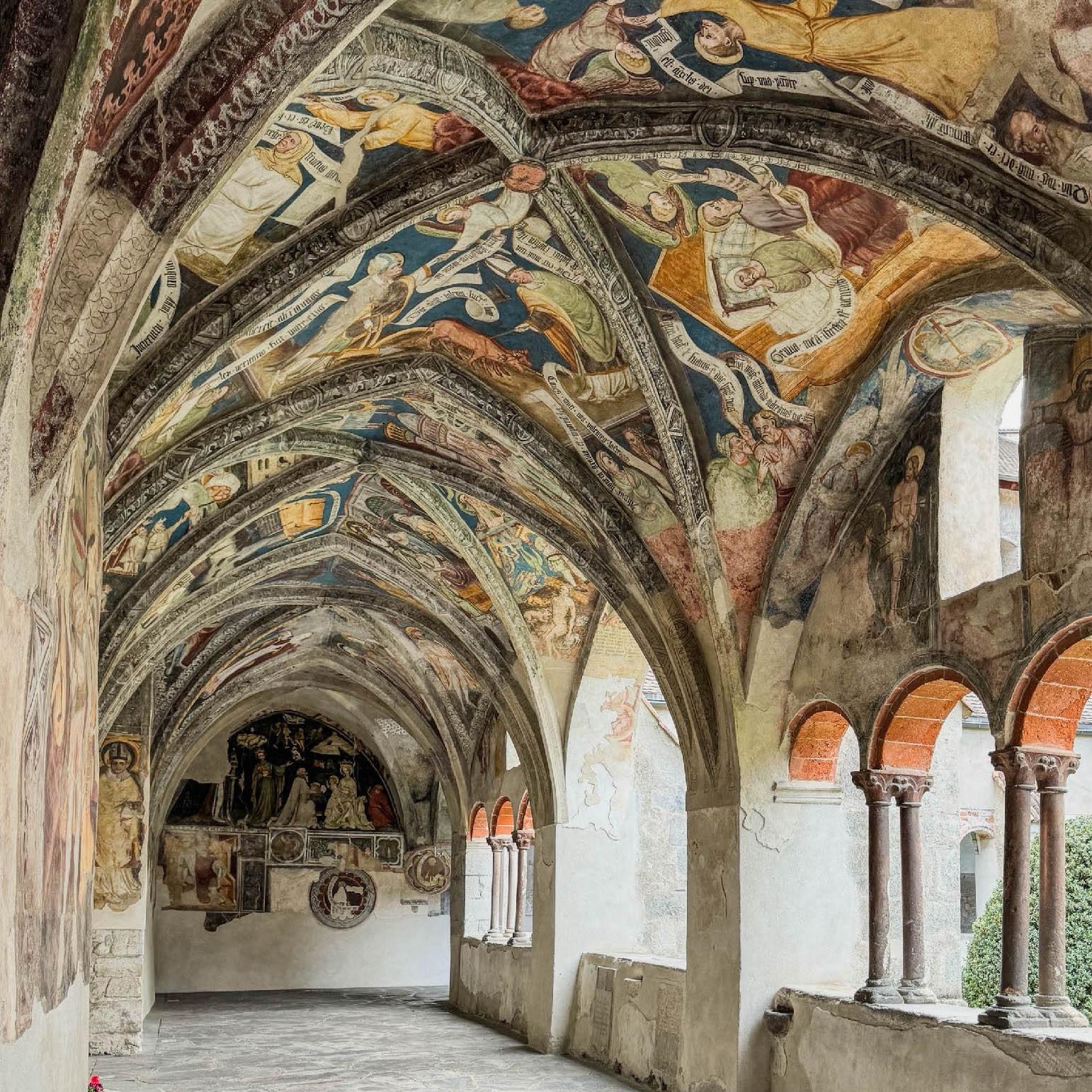

The Brixen Cathedral's cloister is one of the most important works of art in South Tyrol. Its painting began after the Gothic remodeling of the cloister and continued throughout the 15th century, mostly on commission from the capitulars who were buried there. The names of the artists are mostly unknown, but based on stylistic analyses, one can deduce their origins:
There were both locals and traveling artists from Italy and Germany. A distinction is made between paintings in the soft style (1390–1440) with idealized figures and motifs, the
beginning of the naturalism of the late Gothic period around the middle of the 15th century, and the late art of the Middle Ages, which was dominated by landscapes and bodies, in the last third of the 15th century.
The frescoes have been restored in recent decades by the South Tyrolean Monument Protection Office and are in very good condition.

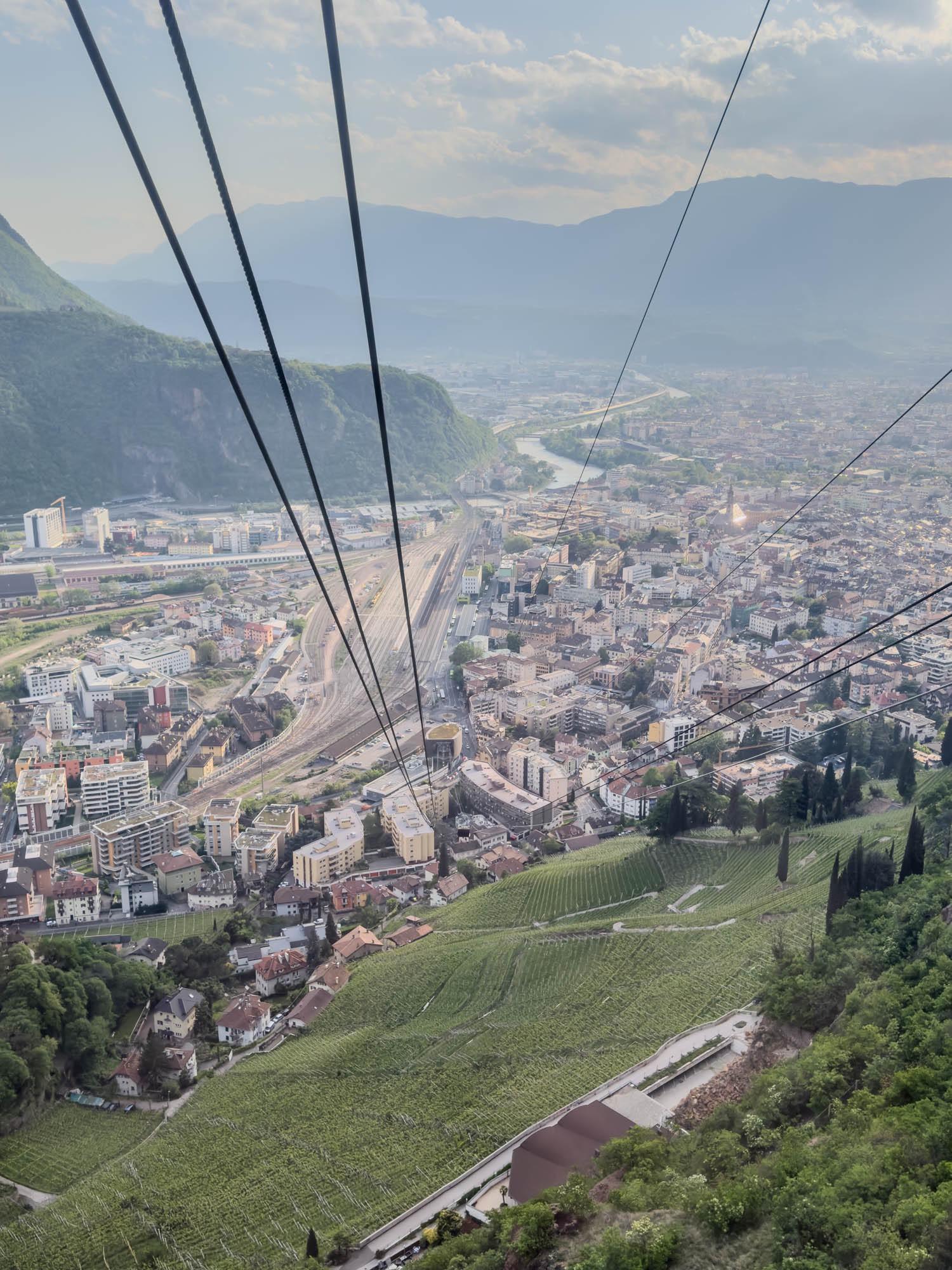
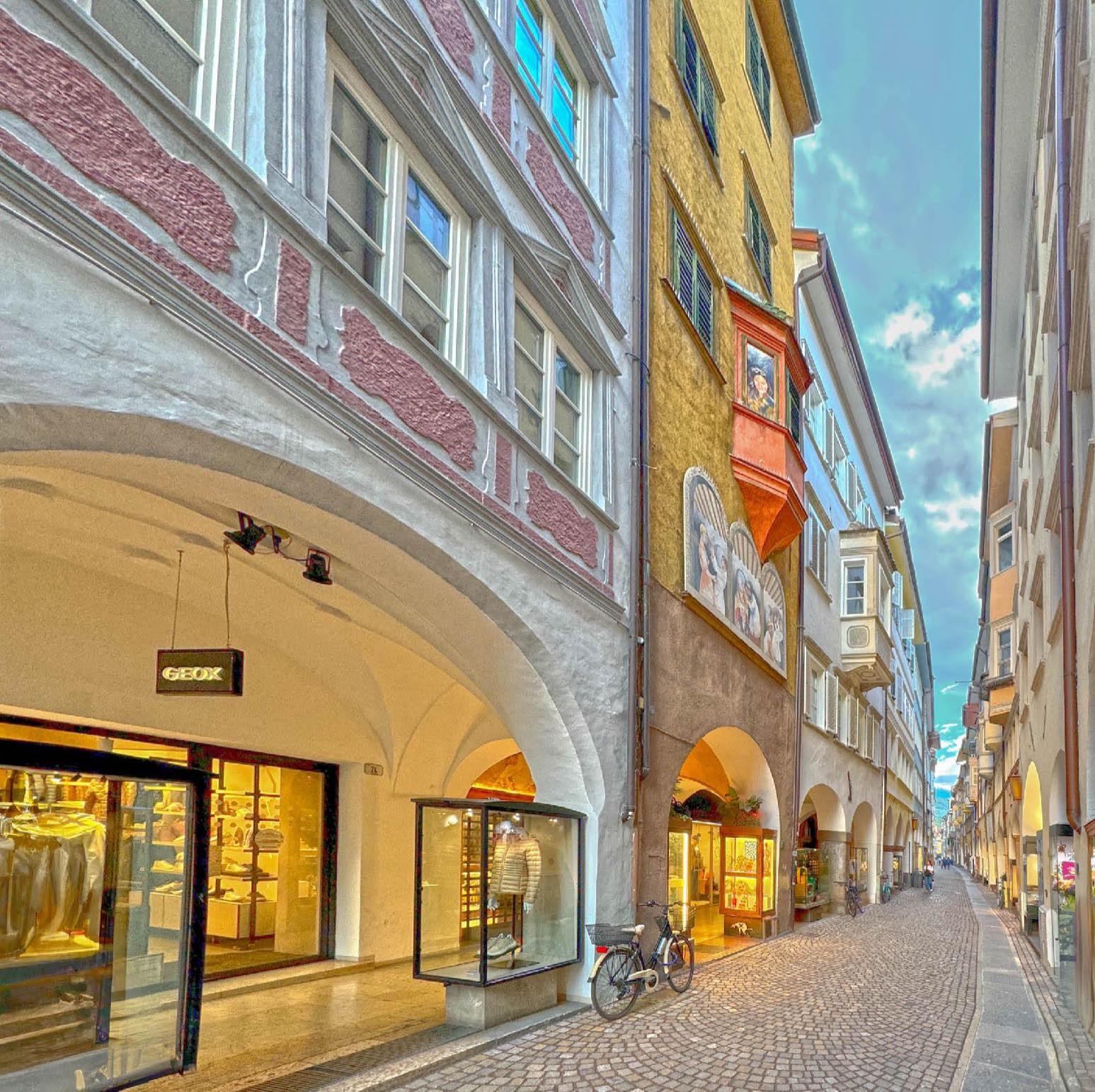
As the capital of the South Tyrol region, Bolzano is the gateway to the Dolomite Mountains. Here, the North meets the South and the Mediterranean meets the Alps. In the historic old town you can stroll leisurely through the arcades and visit the numerous shops, restaurants and bars.
More than 50 kilometres of cycling paths and beautiful hiking trails invite you to enjoy being active in and around Bolzano. With the help of the two cable cars, visitors can easily climb the surrounding mountains. The view from the mountains over the
Picturesque town with a historic center. Bolzano is a cosy place for shopping and a destination for wine lovers. Promenades and many cycling and hiking trails invite you to linger.
city of Bolzano is breathtaking and a wonderful experience in any season. Visitors to Bolzano can enjoy the fresh mountain air and take in the impressive views.
Visitors to the city of Bolzano can round off a day full of outdoor activities with a visit to one of the city's cosy cafes or restaurants. Bolzano offers a perfect mixture of culture, nature and enjoyment, making it an ideal destination for anyone who wants to experience the best of a holiday in the Alps.
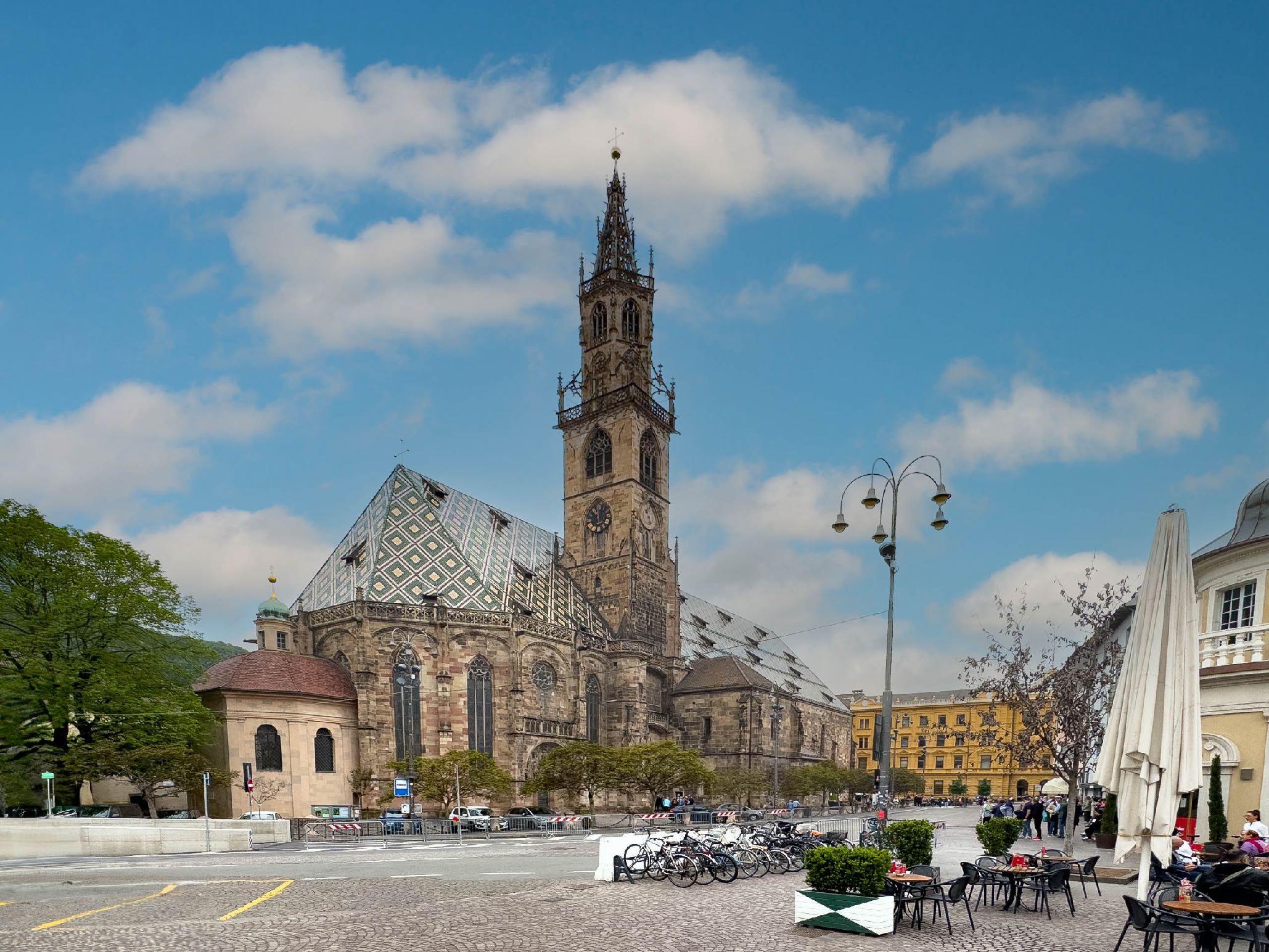
The origins of the imposing cathedral on Waltherplatz in the heart of Bolzano date back to the 5th century. An early Christian basilica once stood here. The current Cathedral of the Assumption of Mary was built on its remains. Construction in the late Gothic style began around 1300 and was only completed over two centuries later, in the year 1519, with the completion of the 65-metres-high steeple. The Cathedral of the Assumption of Mary houses numerous works of art such as the "Chattering Mother of God", the Crucifixion Fresco on the steeple wall and the Chapel of Grace. The artistically decorated
gates such as the Lion Portal in the romanesque style and the Leitacher Portal are also worth seeing. The cathedral treasury is located right next door in the old provost's office. Archduke Rainer of Austria, who died in Bolzano in 1853, is laid to rest in the crypt.
The cathedral is open Monday through Saturday from 7.30 a.m. to 6.00 p.m. and Sundays from 8.00 a.m. to 8.00 p.m. The cathedral's treasury can be visited from Tuesday to Saturday between 10.00 a.m. and 12.30 p.m.
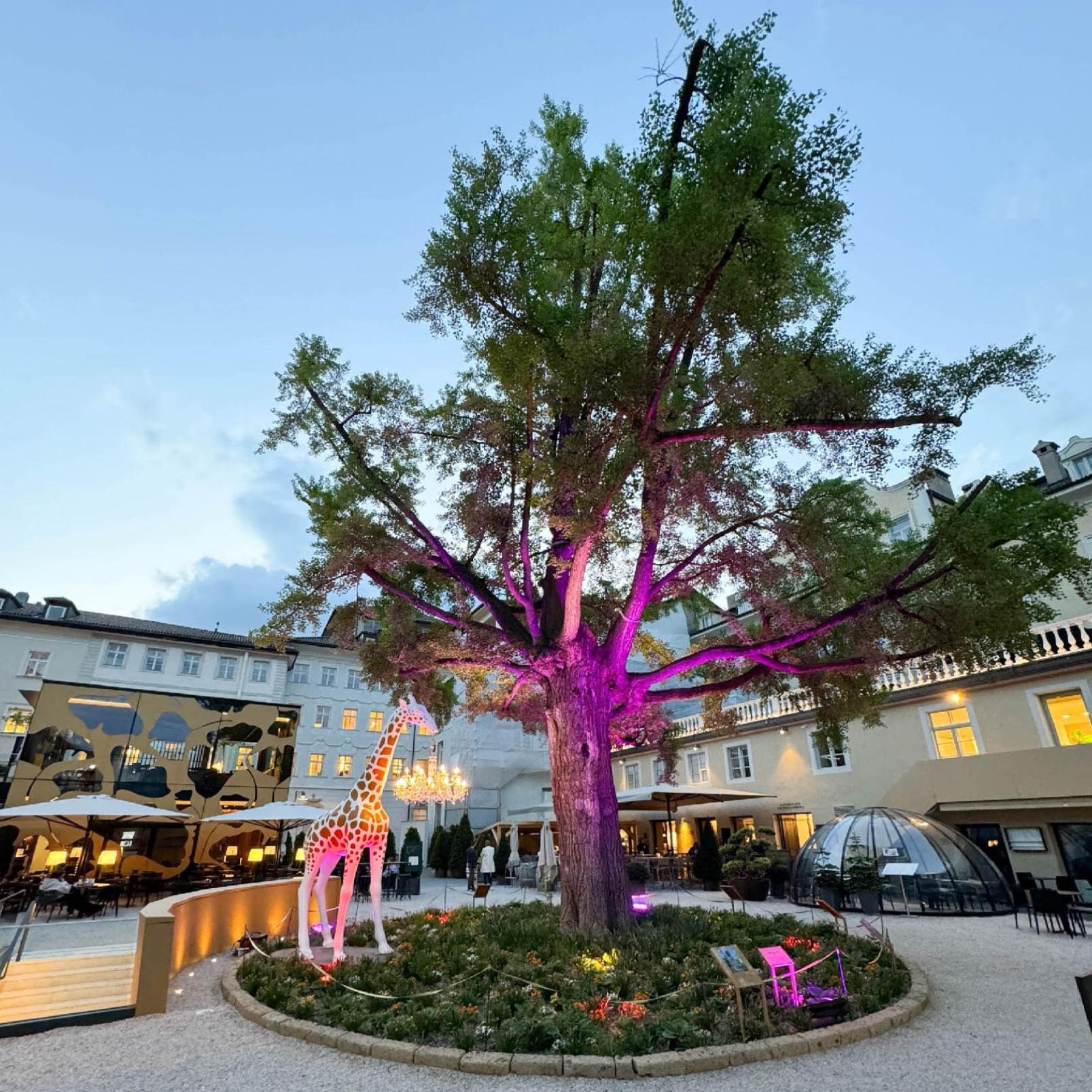

The Palais Campofranco, located on Bolzano's Walther Square, was once the residence of Archduke Rainer of Habsburg, the deputy king of Lombardy-Venetia. The impressive courtyard of the historic building complex houses a ginkgo tree, a gift from Empress Sissi to her uncle Archduke Heinrich as an expression of her appreciation. The ginkgo biloba tree was planted in the year 1889. The ginkgo plant symbolizes love, friendship, constancy, hope and peace. In the year 2000 it was declared the "Tree of the Millennium".
After a four-year renovation period which was completed in September 2021, the Palais Campofranco has been shining in new splendor. There is a large grocery store in the basement of the palace.
The inner courtyard is full of cafes and bistros. The upper floor is home to an impressive restaurant with a wonderful terrace. In front of the palace, the cosy Loacker Cafe invites you to enjoy the legendary chocolate specialties.
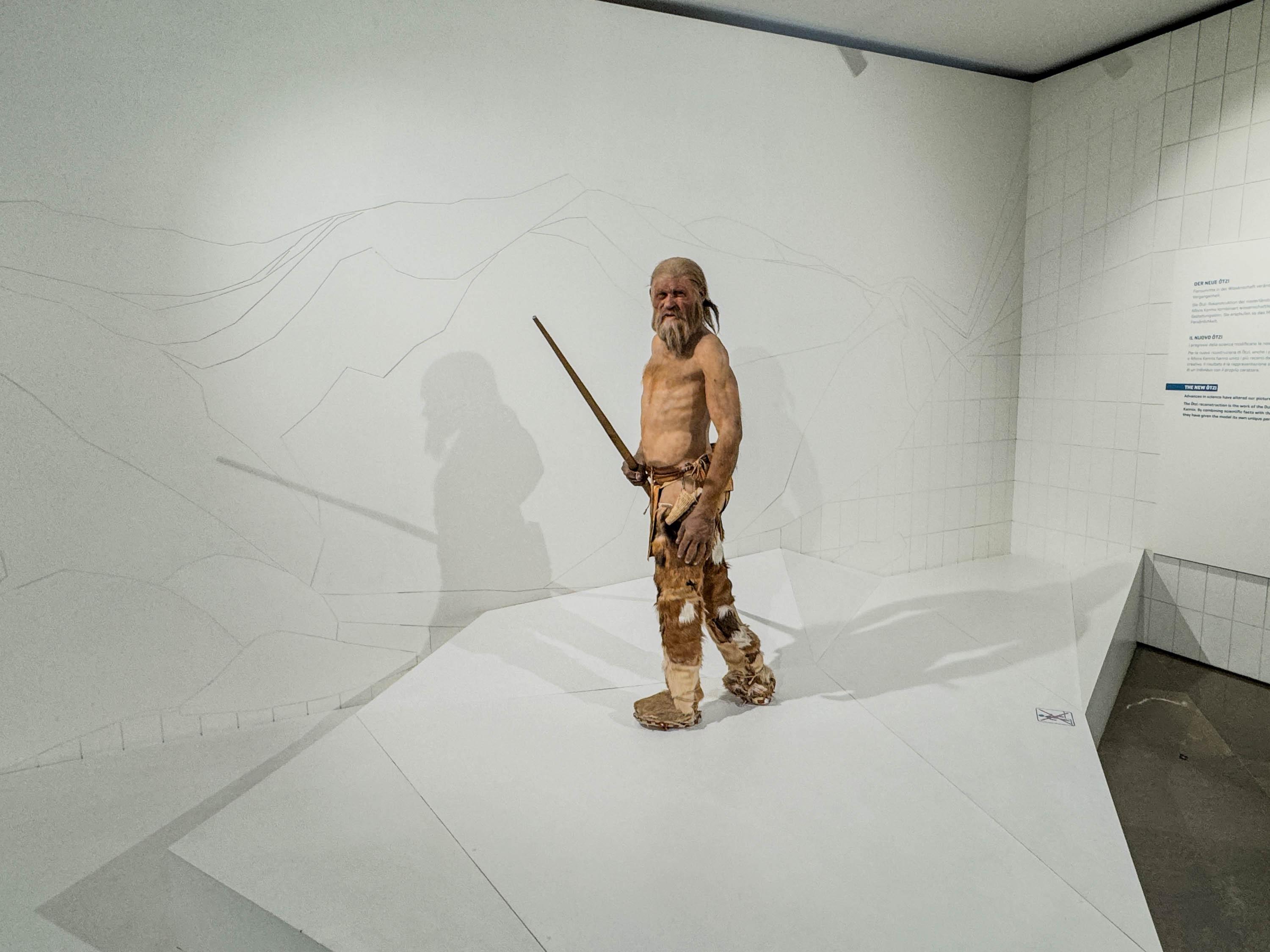


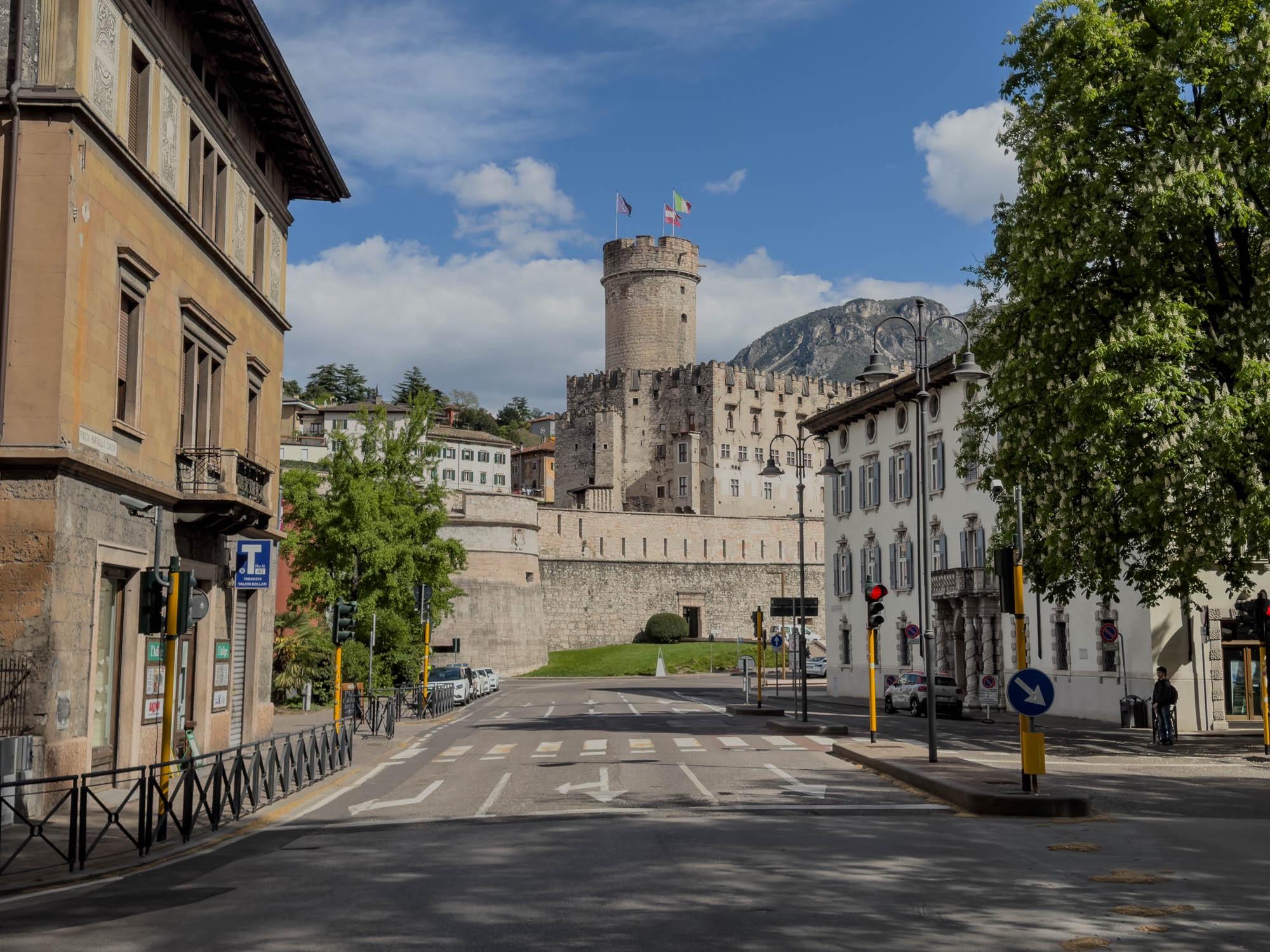
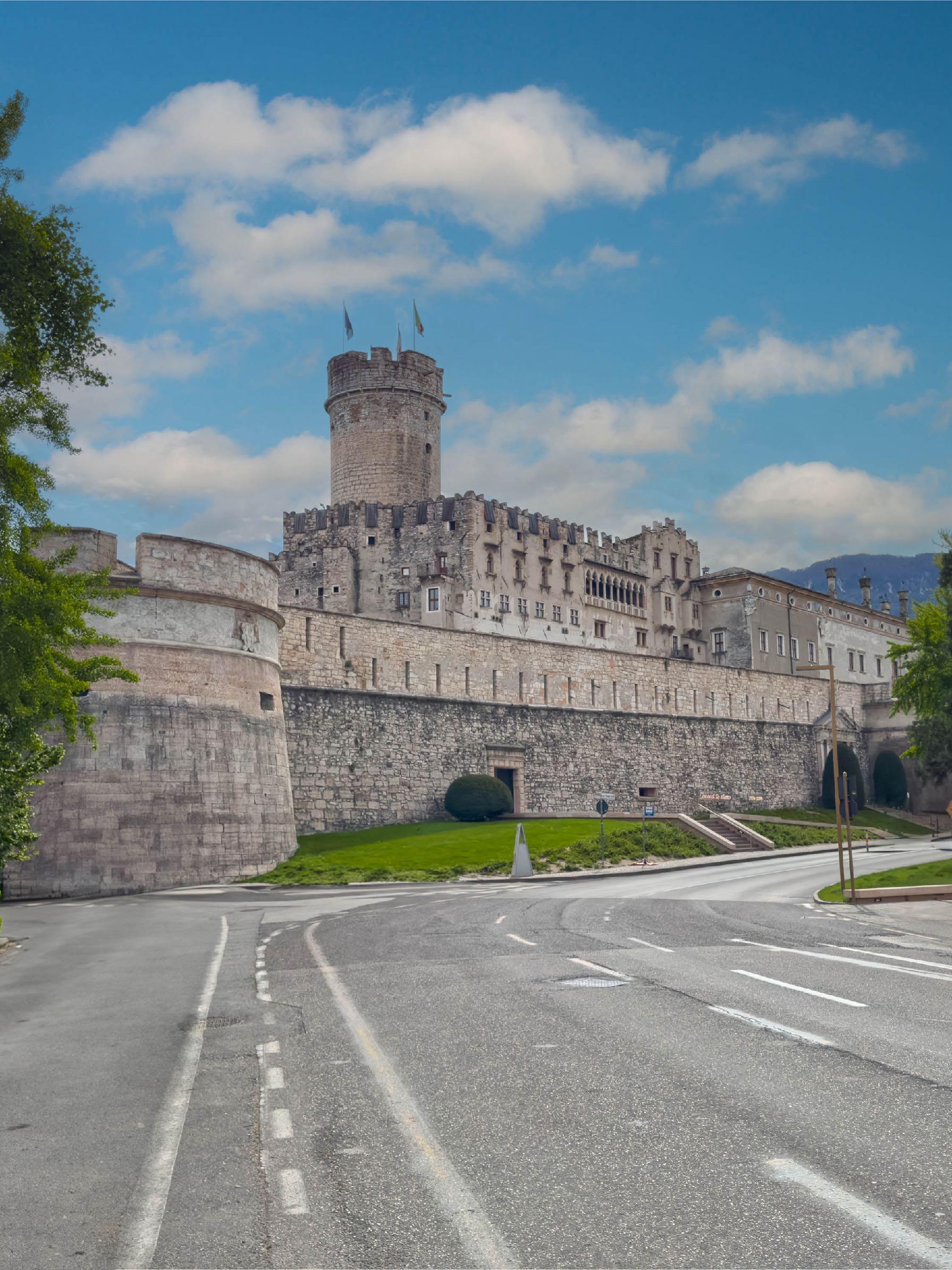
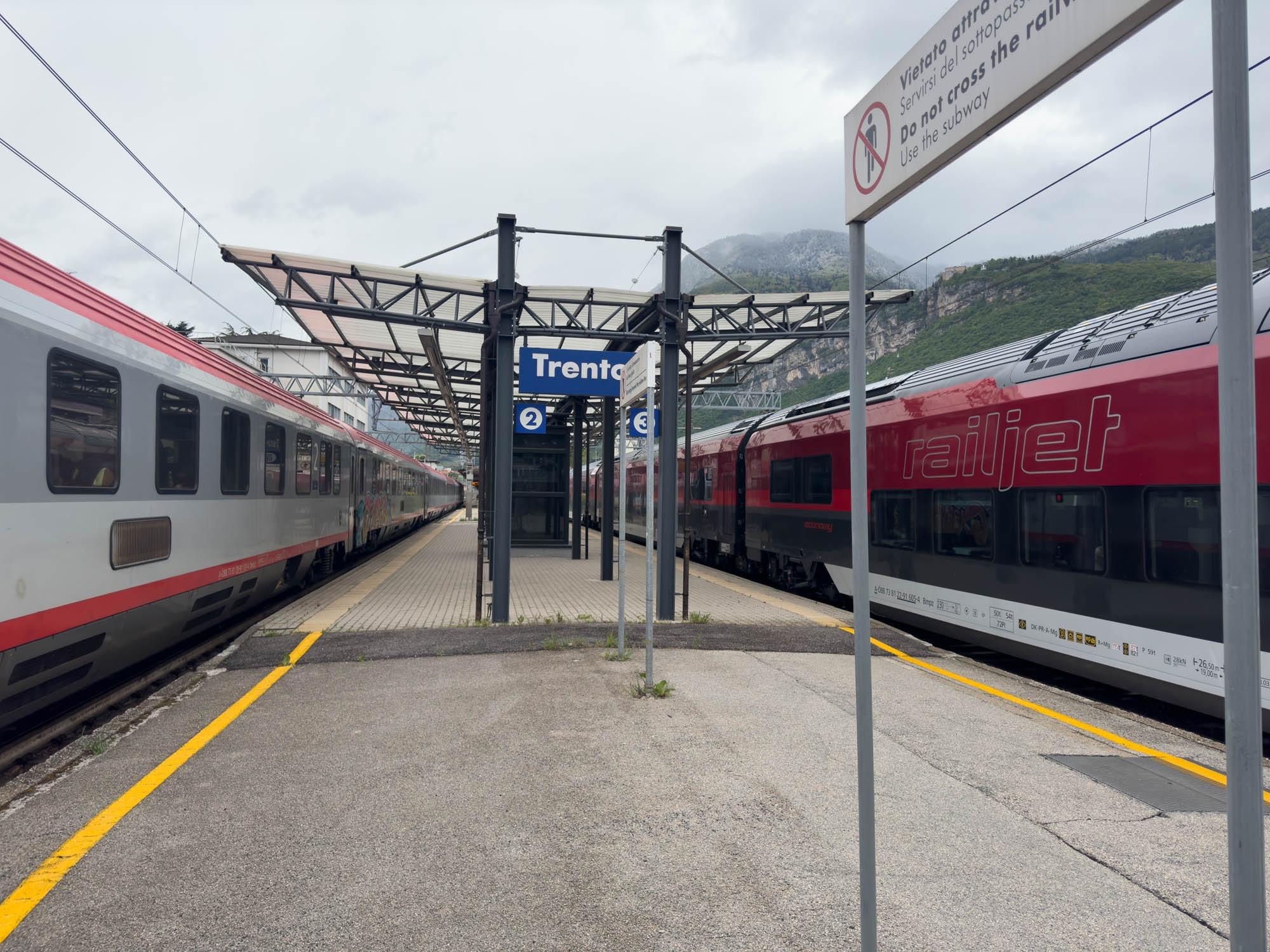
The city of Trento, with its palaces and castles, offers countless opportunities to experience the place. It is worth to explore the city's hidden corners - an adventure for all senses.
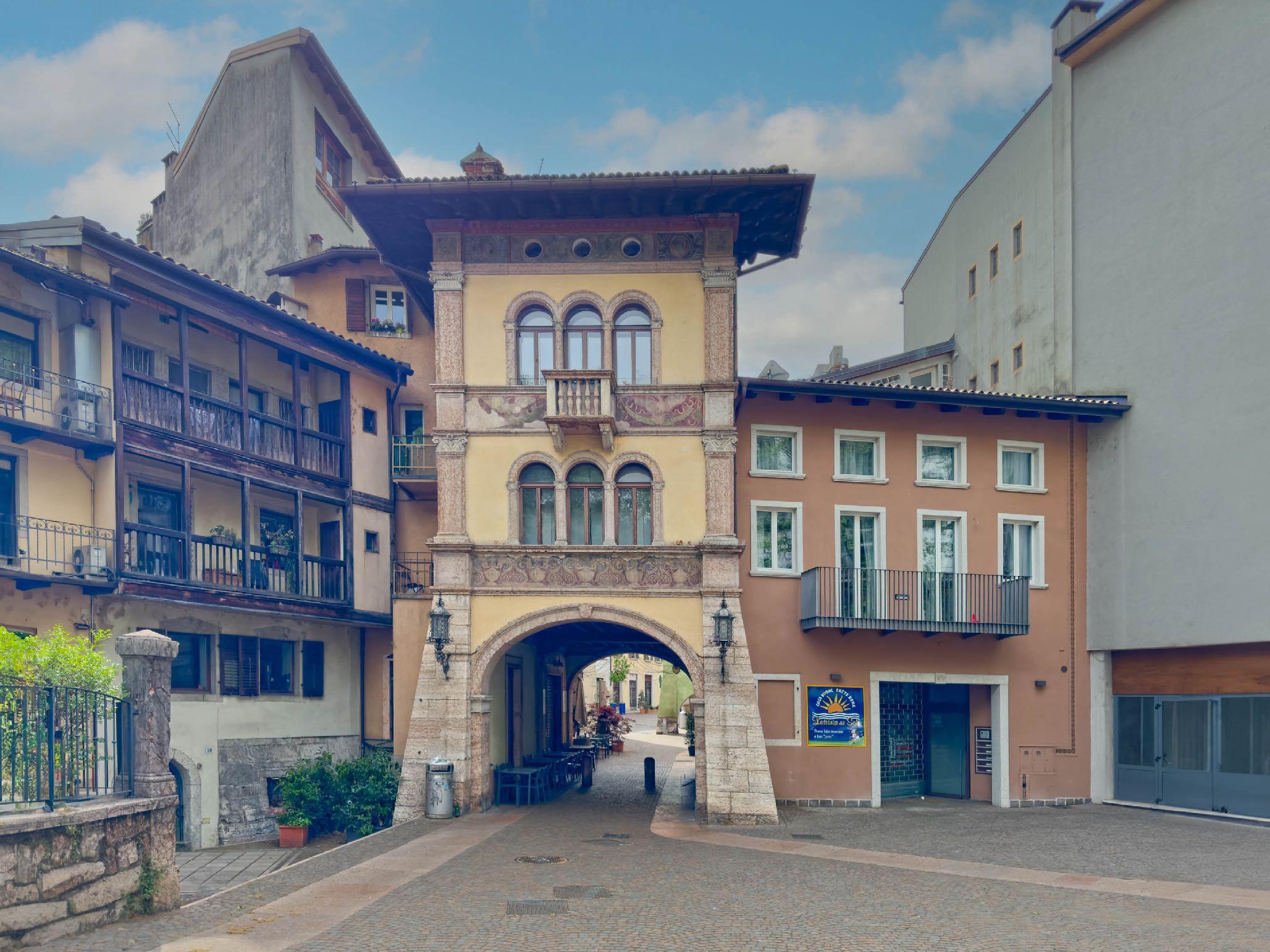
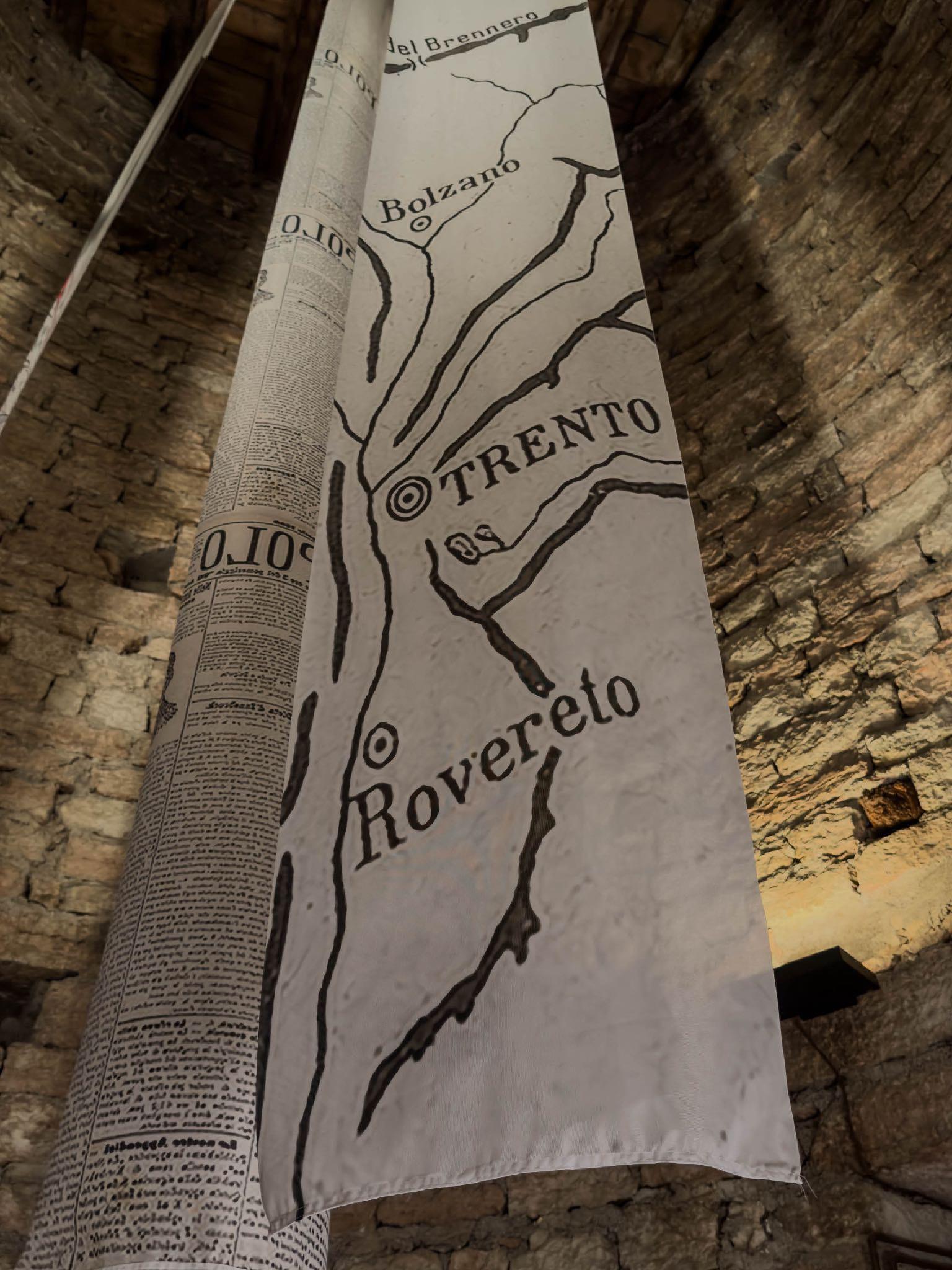
The capital of Trentino has an eventful past. The city was founded by the Celts and later conquered by the Romans, who renamed it "Tridentum". In the year 1004, Emperor Henry II transferred secular power to the bishops. Despite various revolutions, the bishops remained in power until Napoleon's troops invaded in the year 1796. After that, the area became part of the Austro-Hungarian Empire. From that point on, technical projects began to be implemented, such as the diversion of the Adige, the construction of the Brenner railway and more modern urban development.
Trento's medieval streets and magnificent squares invite you to immerse yourself in times gone by. The city's rich history comes to life here and showcases the important role the capital of Trentino once played. Trento's numerous art treasures and historic buildings make every walk an unforgettable experience. Anyone who strolls through the narrow streets and admires the magnificent palaces feels like they have been transported back in time. Every step reveals new facets of this fascinating city, full of stories and secrets.
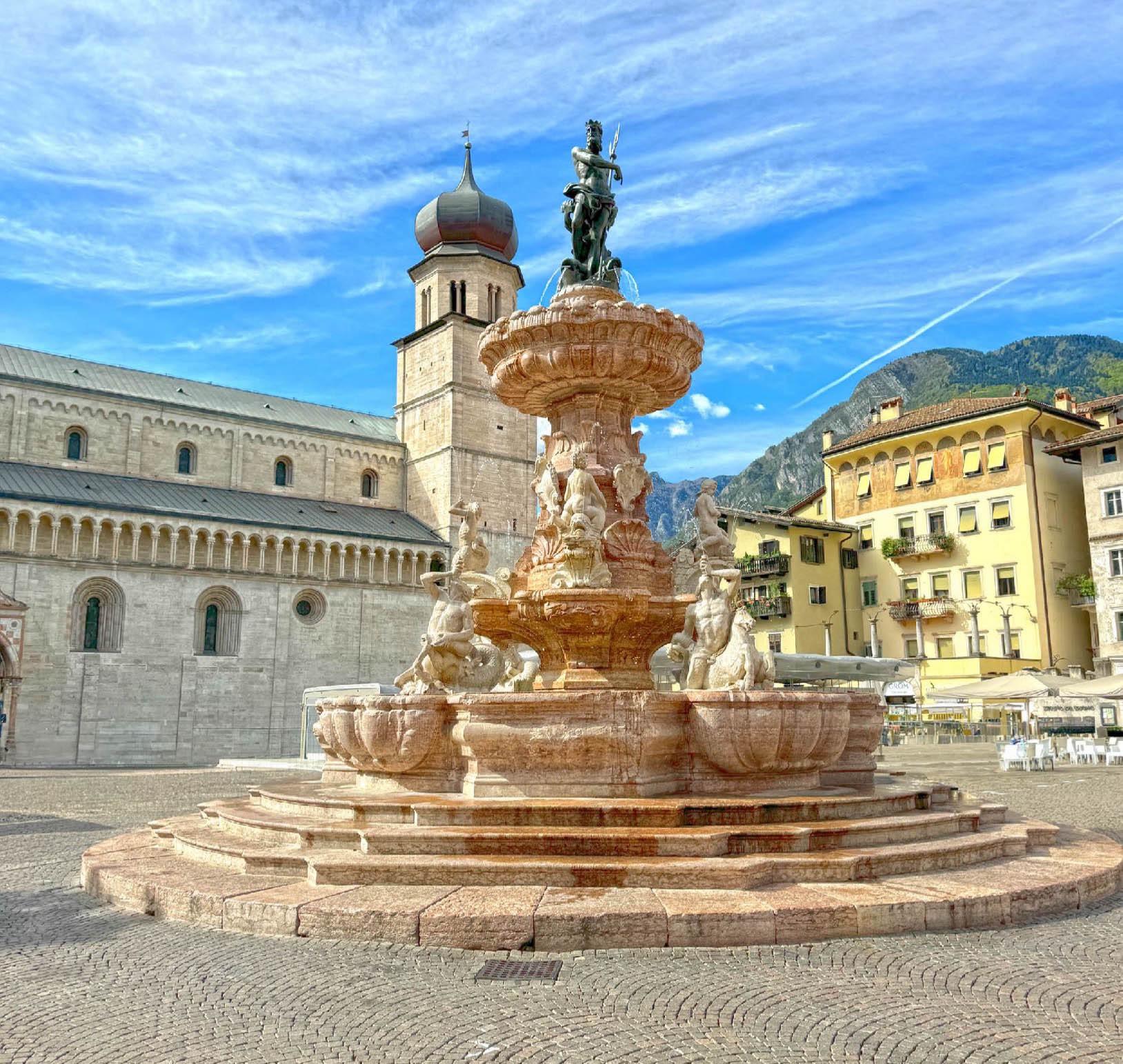
The shining fountain, a masterpiece of the famous sculptor Francesco Antonio Giongo, also known as "the hunchback", attracts all eyes with its beauty and imposing size.
The bronze figure of Neptune, rising majestically from a shell, radiates a certain mystical aura. The artistic decorations and filigree details of the fountain fascinate every viewer and give the cathedral square a very special atmosphere.
It is said that the fountain is most impressive in the early morning hours, when the first rays of sunlight make the water sparkle.
The legends and stories surrounding the shining fountain make it a true jewel of the city. Every visitor, whether local or tourist, senses the magic and attraction of this magnificent work of art.

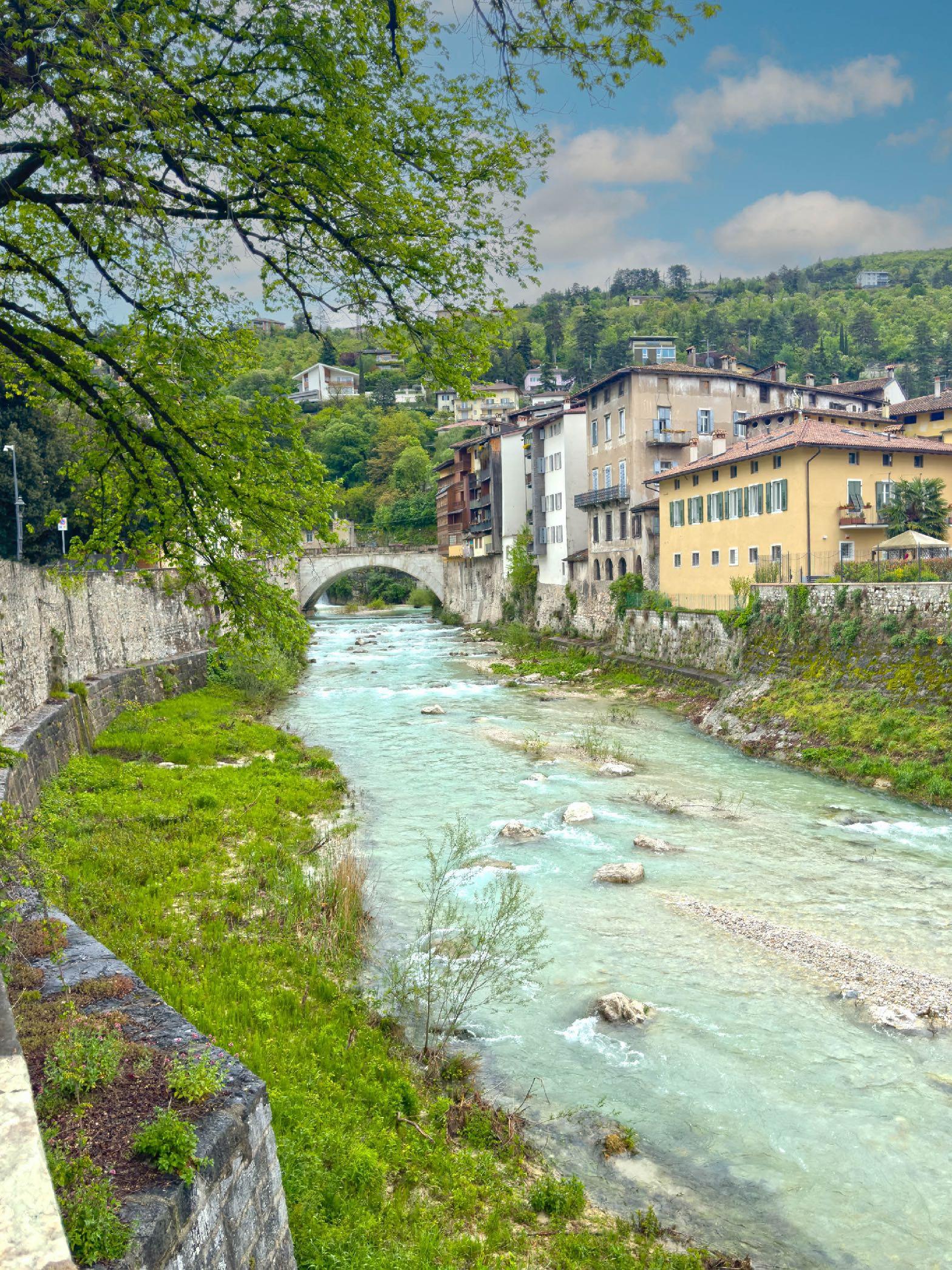
The city of Rovereto is the hometown of the Futurist artist Fortunato Depero. This makes Rovereto the link between past, present and future.
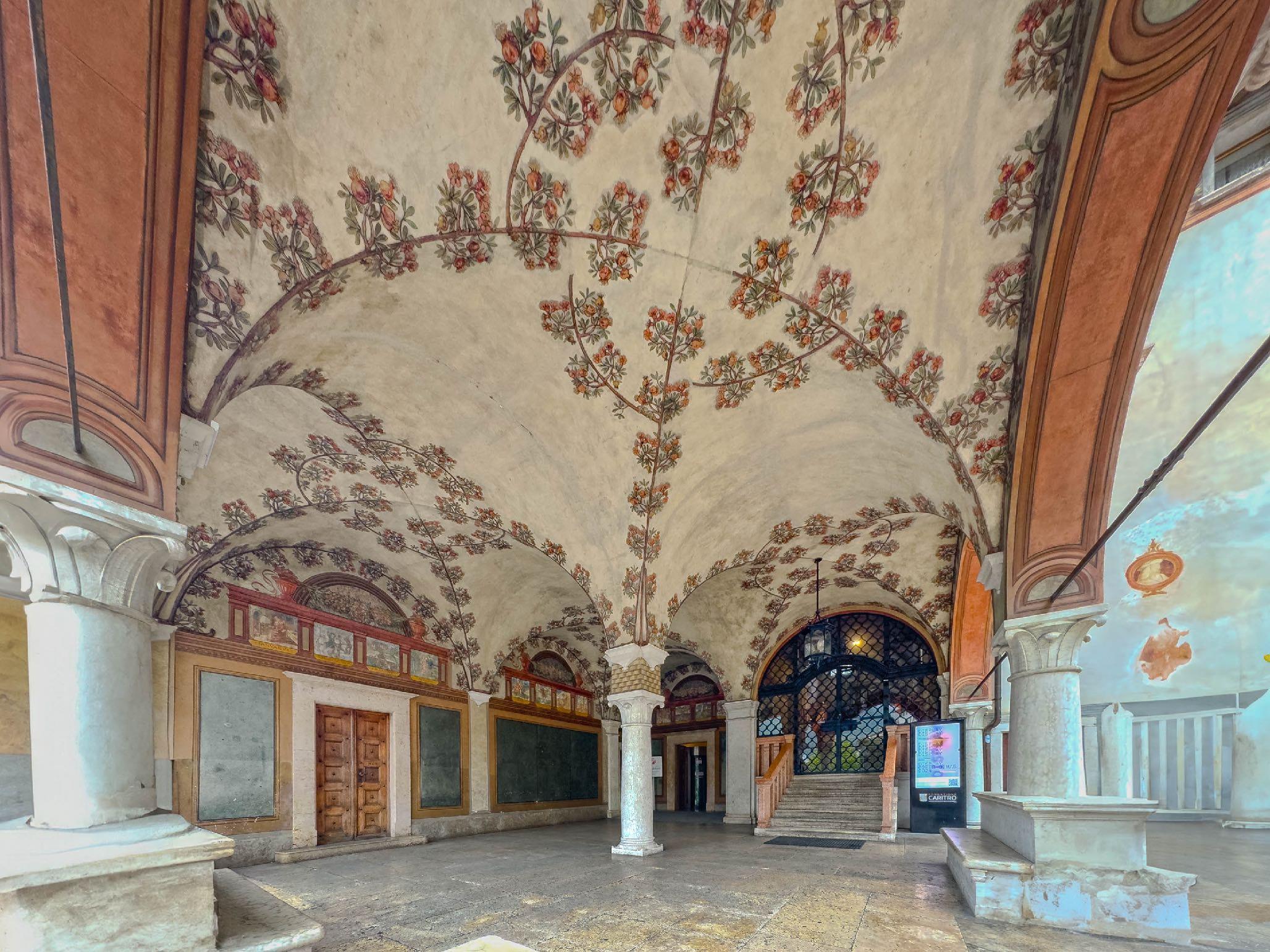
Rovereto is the second largest city in the province of Trentino and impresses with its Italian small-town charm, its Venetian architecture and the diverse structures that particularly appeal to art and culture lovers.
Old palazzi and civic palaces in the Baroque and Renaissance styles bear witness to the town's economic and cultural heyday in the 17th and 18th centuries. Rovereto is only a few kilometres from Lake Garda. The imposing Castel Veneto houses a war museum.
The Peace Bell in Miravalle,is particularly well-known; it rings a hundred times every evening and commemorates the victims of war around the world.
In the course of history, the cultural capital of Trentino has been ruled by Venetians, Tyroleans, Austrians and, since 1919, Italians. The city was a hard-fought front-line city in the First World War, but has long since overcome its warlike past and is therefore today known as the "Città della Pace" (City of Peace).
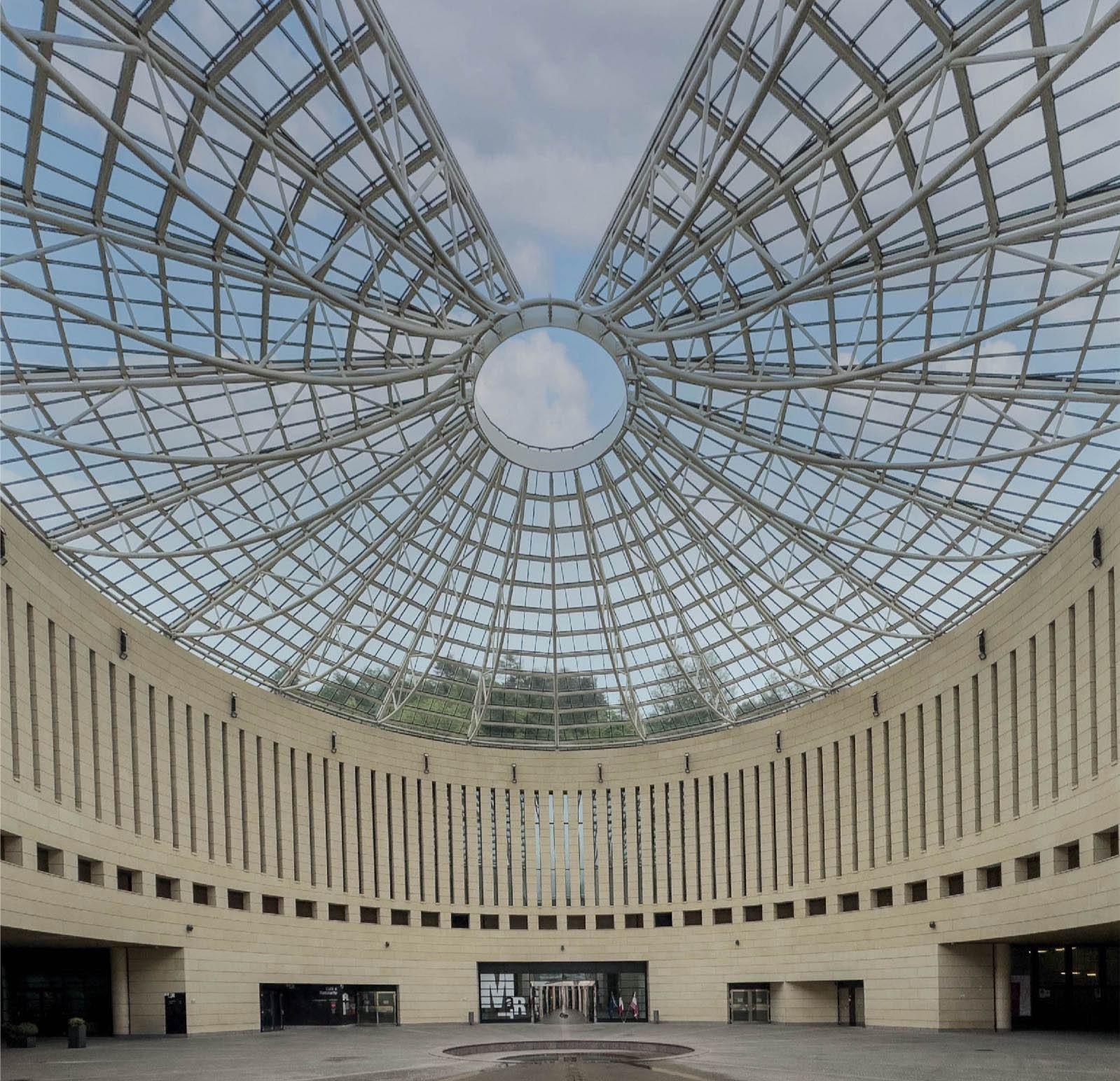

The Museum of Modern and Contemporary Art of Trento and Rovereto (MART) presents mainly Italian works of art from the 20th and 21st centuries. The collection houses more than 15,000 works, including the most important collection of Futurist art in Italy, as well as a research center on Futurism.
Fortunato Depero is considered one of the leading representatives of Futurism in Italy and opened the first Futurist museum, the Galleria Museo Depero, in the year 1959. Due to the extensive growth, the MART was built in the year 2002
according to the plans of the Ticino architect Mario Botta. The imposing building houses three-storey museum halls arranged around an impressive circular agora covered by a glass dome. This central location can accommodate events with up to 1,200 visitors.
The Futurist Fortunate Depora designed the small Campari soda bottles in 1932.
with the ÖBB railjet from Munich to Venice
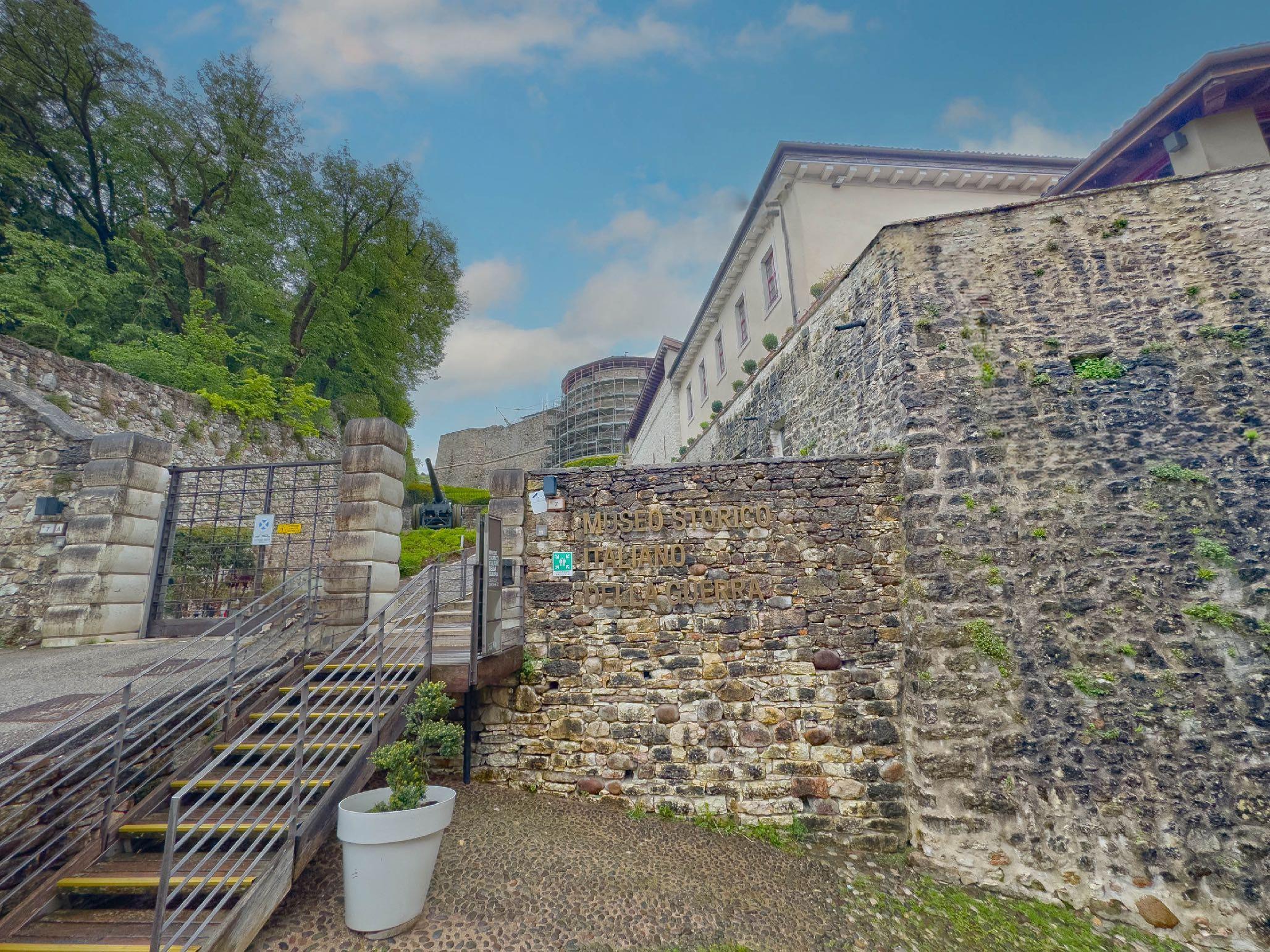
The Museum of Italian War History (Museo Storico Italiano della Guerra) provides a vivid depiction of the various battles and strategies that took place in the region during World War I. Visitors can gain insight into what happened before 1919 through original artifacts, documents and interactive displays. One can really feel the tension and horror of the war that once swept through this picturesque town in the Adige Valley. The exhibition also shows the impact of the war on the population and their daily life in the town.
In addition to the military aspects, personal stories of soldiers and civilians are presented at the museum to give visitors a comprehensive picture of the time period. This shows how profound the First World War was for the people of this region and the long-term impact it had on their lives.
A visit to this museum is therefore not only informative but also emotionally touching.

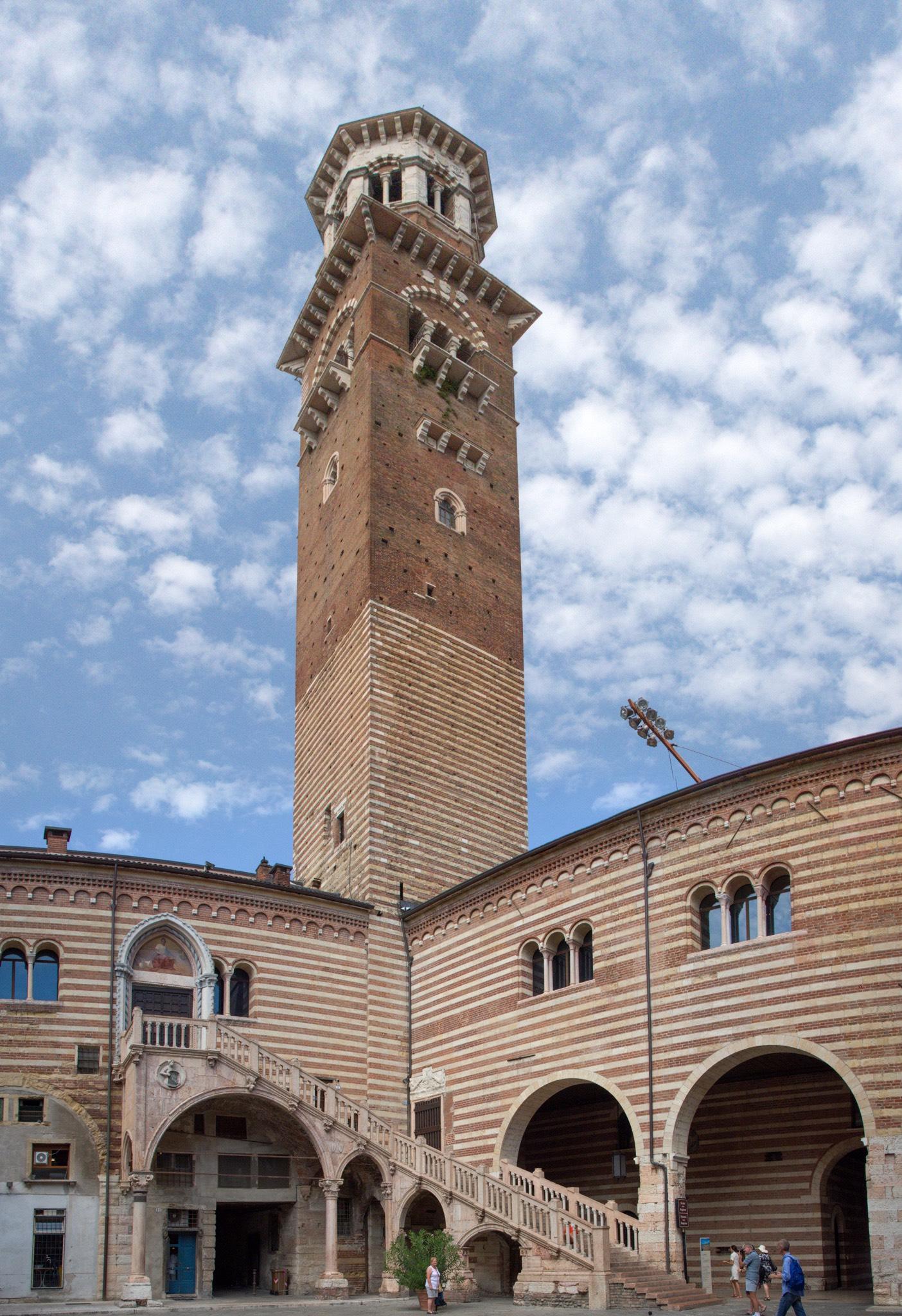
Verona is not only home to the most famous lovers in history - Romeo and Juliet - but also offers a multitude of other secrets and attractions.
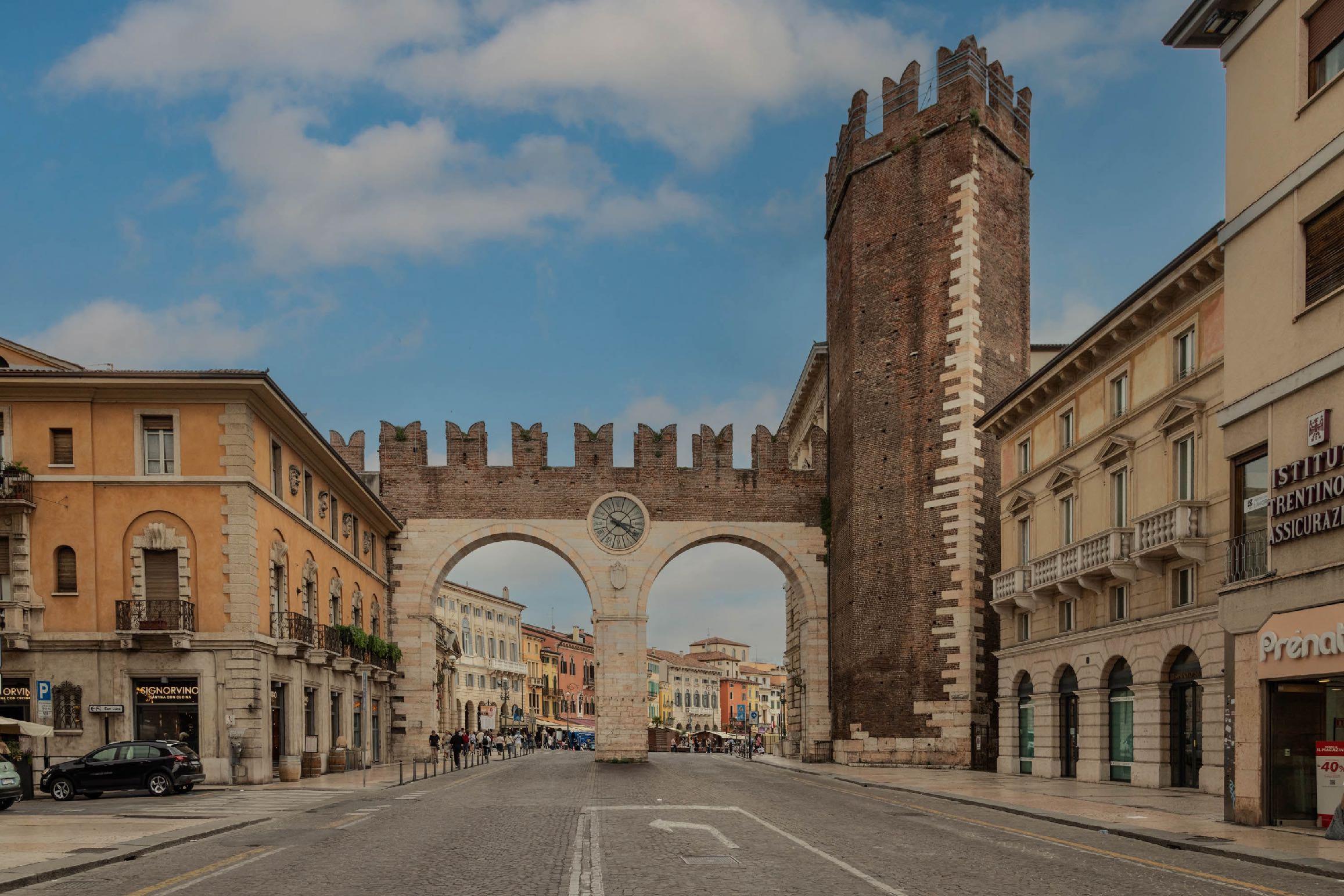
Verona is one of the most beautiful cities in Italy, thanks to its unique buildings and monuments. Visitors entering through the gates of Piazza Brà are left speechless.
The huge square is surrounded by numerous restaurants and street cafes to the west. The enormous Verona Arena to the northeast is impossible to miss. Tourists stream along Via Giuseppe Mazzini with its shops and restaurants to Via Cappello. It is difficult to choose what to visit in the city centre with its many worthy destinations. To visit Juliet's balcony,
Romeo's house, the magnificent palaces and the Scaliger tombs, it is advisable to spend a few days in Verona. The magnificent churches and the Castelvecchio should not be forgotten, either.
Since Verona is located only about 30 km to the southern end of Lake Garda (easily accessible by bus or train), it is a popular tourist destination. The old town with the ancient amphitheatre, the Arena, was added to the list of UNESCO World Heritage Sites in the year 2000.
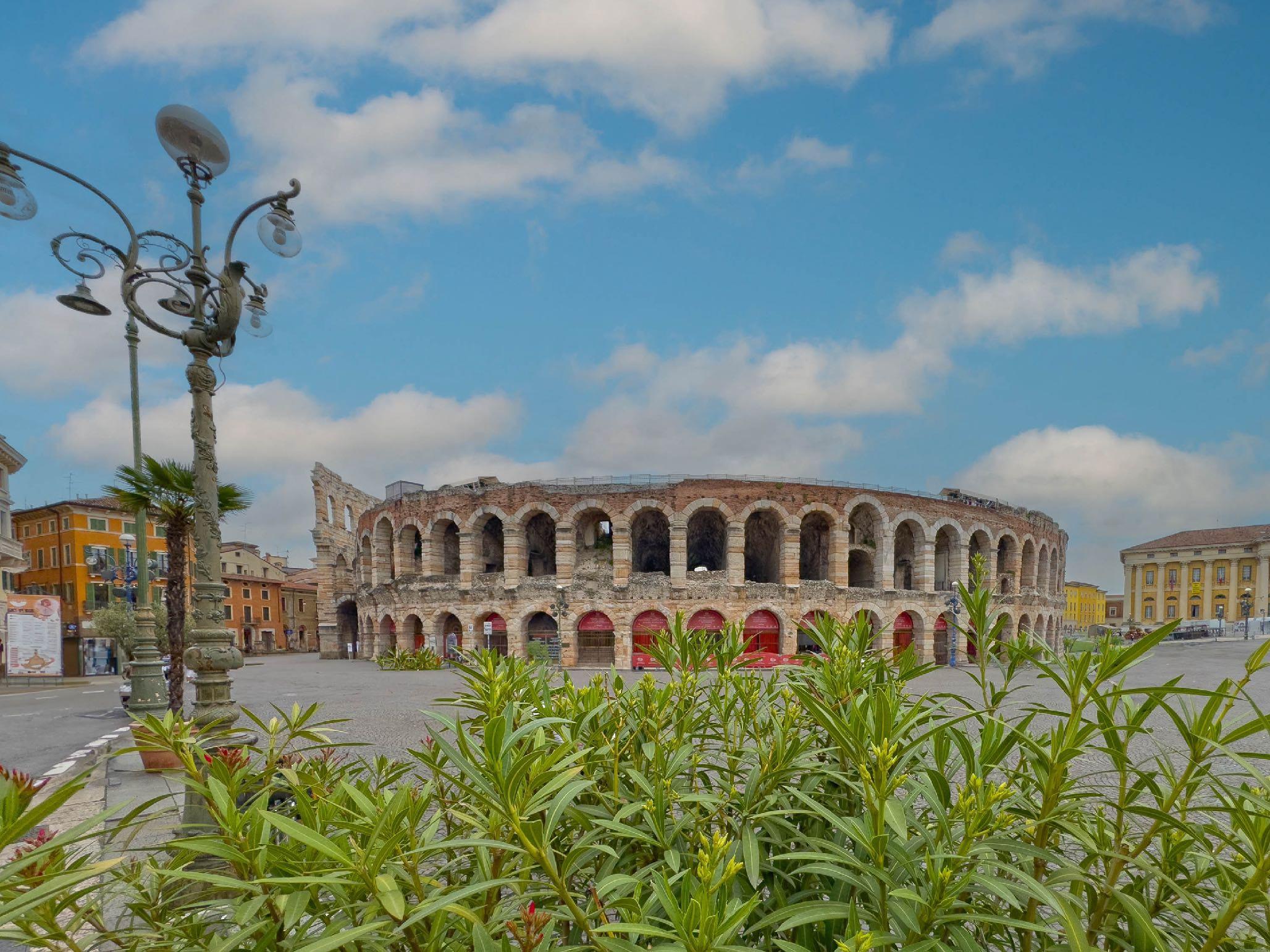
The Arena di Verona is often referred to as "The most Italian place on earth". A visit to an opera in the arena is an unforgettable experience. The 2024 opera season starts on June 7th and ends on September 7th.
The event begins with a special gala under the direction of Riccardo Muti, 150 musicians and over 300 choir artists. The amphitheatre was built around the year 30 AD and initially measured 152 metres by 113 metres. Today it measures 138 metres by 109 metrs and is exactly 24.1 metres high. The Arena
di Verona is the third largest intact ancient amphitheatre. Only the Colosseum in Rome and the Arena of Capua are larger. The 45 rows of seats can accommodate 20,000 spectators. On August 10, 1913, the opera Aida was performed to mark Giuseppe Verdi's 100th birthday. Thanks to the excellent acoustics, the arena quickly established itself as a popular concert venue. Opera performances and rock concerts take place at the arena from June to September, while many international singers and musicians come to perform in spring and autumn.
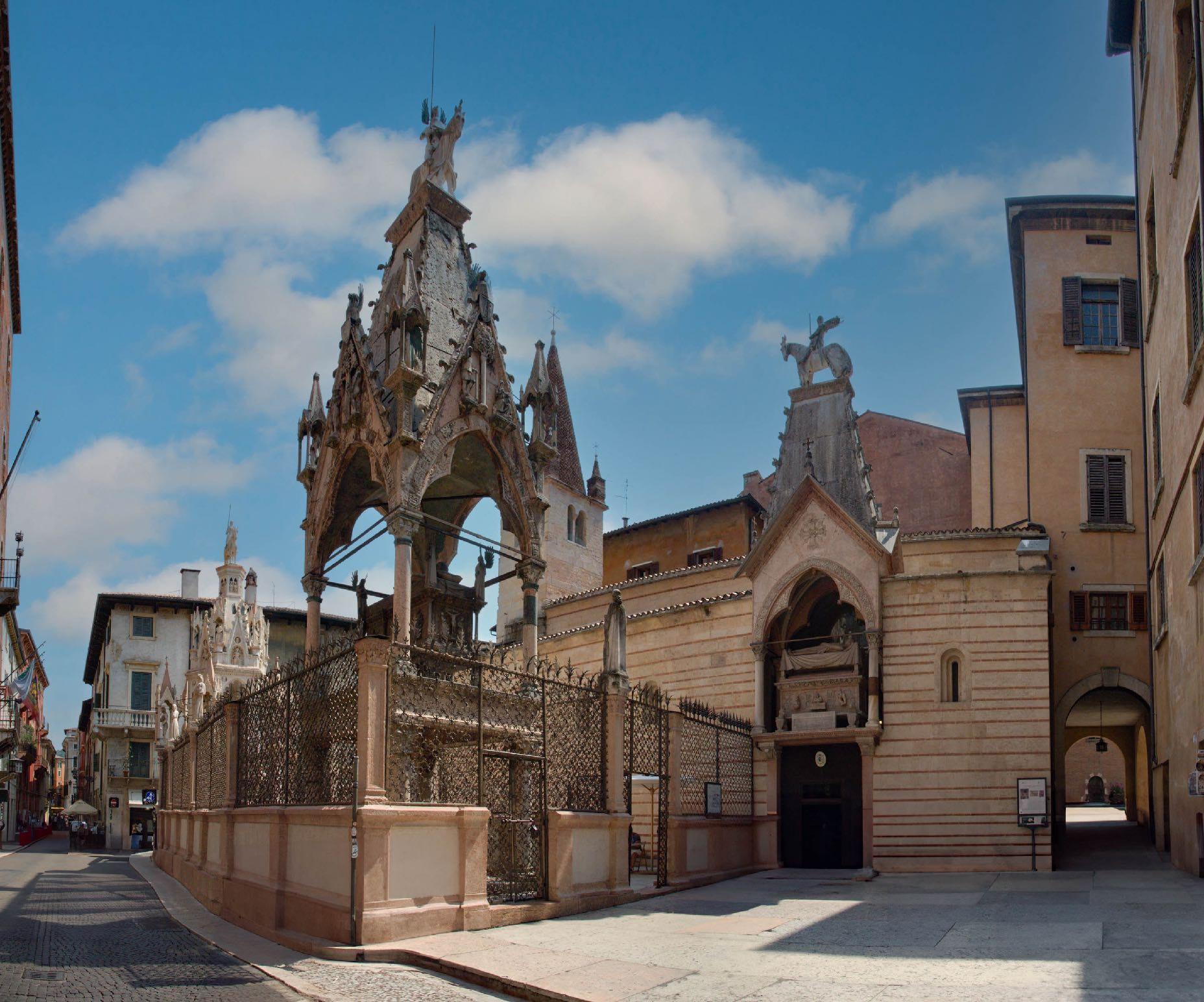

The Scaliger Tombs in Verona commemorate the burial place of the Scaliger family, who ruled the city from the yar 1260 until 1387. Most of the tombs are located in a family cemetery next to the church of Santa Maria Antica, surrounded by wrought iron railings. Only the tomb of Cangrande I is integrated into the facade of the church.
The remaining monuments consist of stone sarcophagi, some in large Gothic shrines with equestrian statues. These stand separately next to the church in a fenced-in area. The 14th
century tombs with equestrian statues are among the oldest monumental representations of their kind. The tombs are richly decorated and testify to the power and wealth of the Scaliger family. Each of them tells its own story, from wars and triumphs to family dramas and political intrigues. The artistic design of the monuments shows the influence of the Gothic style and gives the tombs a majestic aura. Visitors can use the inscriptions and reliefs to get an idea of the life and work of the Scaliger rulers and delve deeply into the history of Verona.
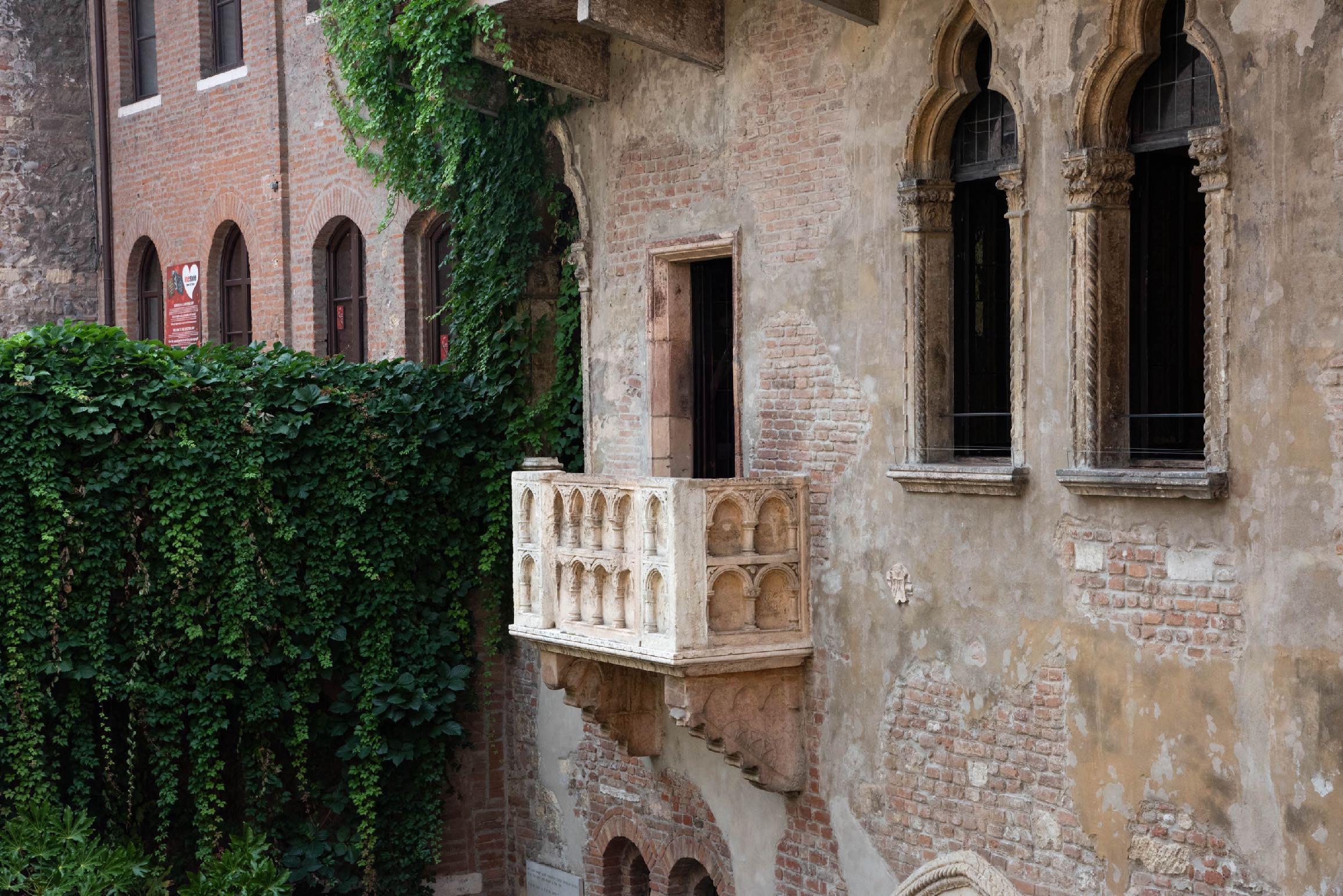

Juliet Capuleti's parents' house is a must-see. It was built in the 13th century and was owned by the dal Capello family until the end of the 19th century. In the year 1935, the city of Verona acquired this dilapidated property. In order to further boost tourism, they came up with the idea of bringing the myth of Romeo and Juliet to life. The most famous balcony in world literature is actually an ancient sarcophagus that came from the catacombs of the arena. The architect Antonio Avena, who was commissioned to renovate it, created a romantic atmosphere.
As you enter the property through an archway, you will notice an engraved hat - the dal Capello family crest. The courtyard leads to the legendary balcony on the first floor, where Juliet supposedly promised Romeo her eternal love. In the courtyard you will find a bronze statue of Juliet, created by the sculptor Nereo Constantini.
Visitors touch the figure's right breast in hopes of eternal love and happiness. In the year 2014, the original figure was replaced by a copy in order to protect the original monument.
with the ÖBB railjet from Munich to Venice

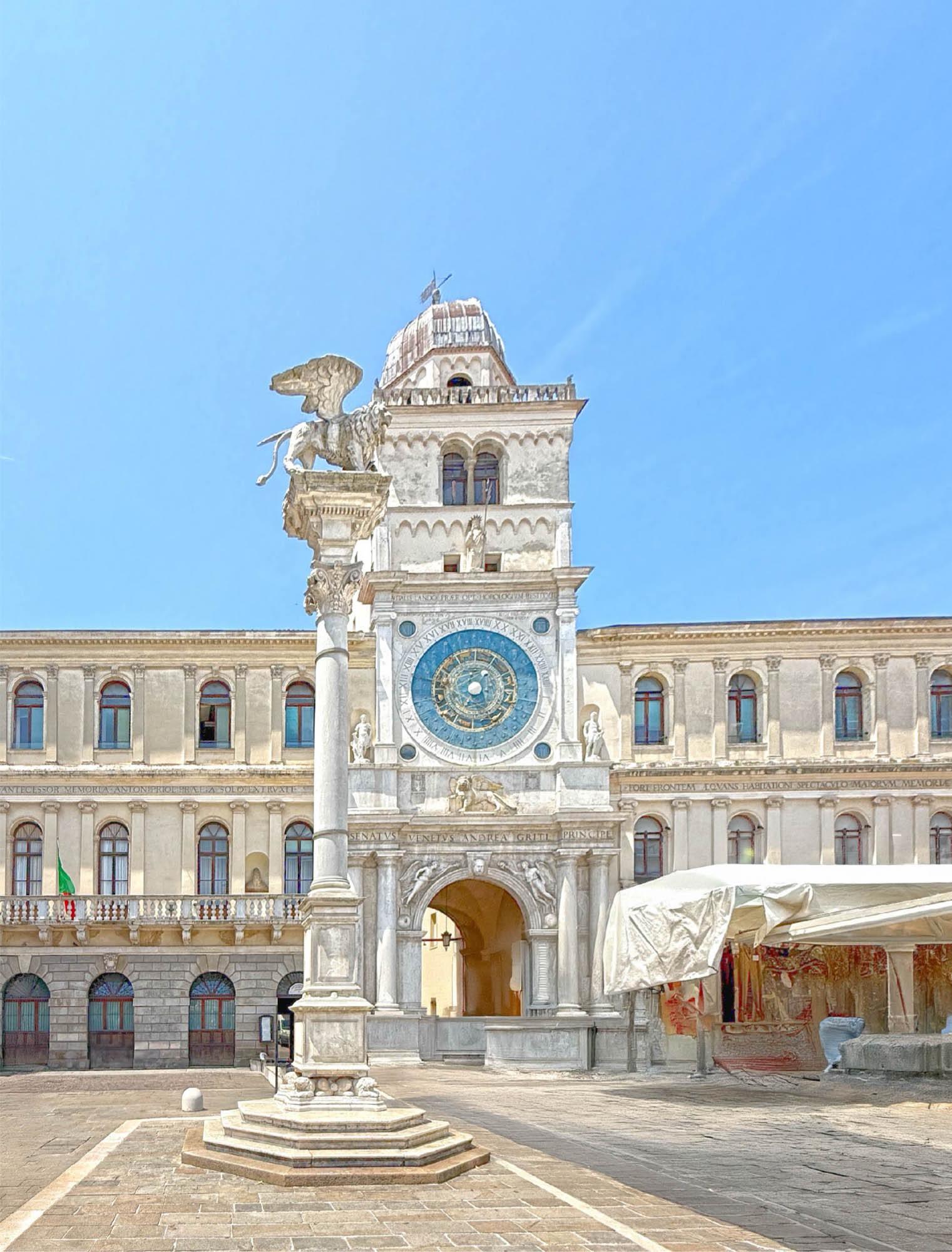
Padova, a historic city in northern Italy, captivates with its rich culture, magni fi cent basilicas, and vibrant markets. The university, one of the oldest in the world, shapes the city’s dynamic and intellectual flair.
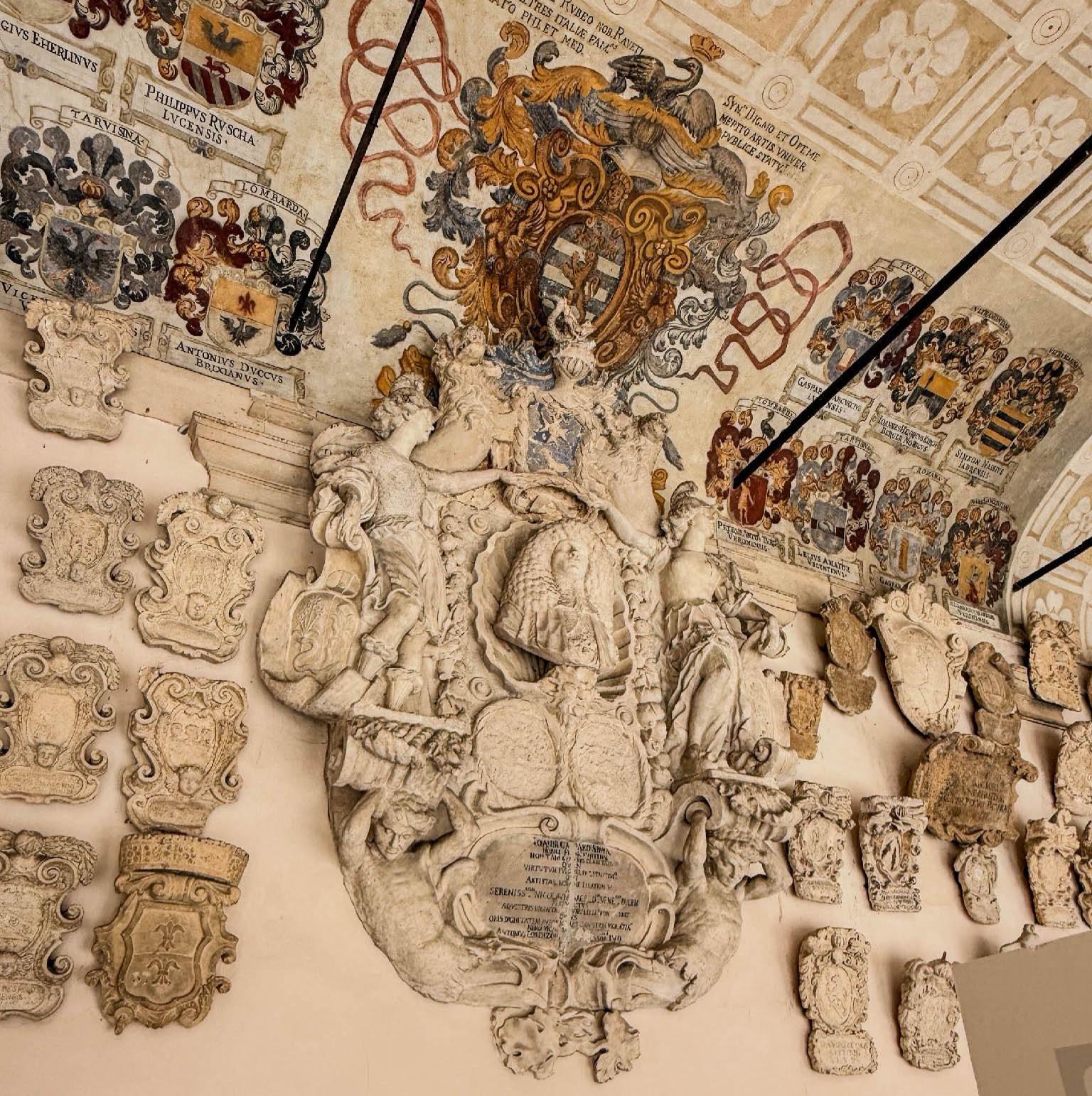
Padova is a city steeped in history, situated in northern Italy within the Veneto region, roughly 40 kilometres to the west of Venice. It is especially renowned for its distinguished university, established in 1222, which ranks among the oldest institutions of higher education in Europe. The city’s origins trace back to the Roman era.
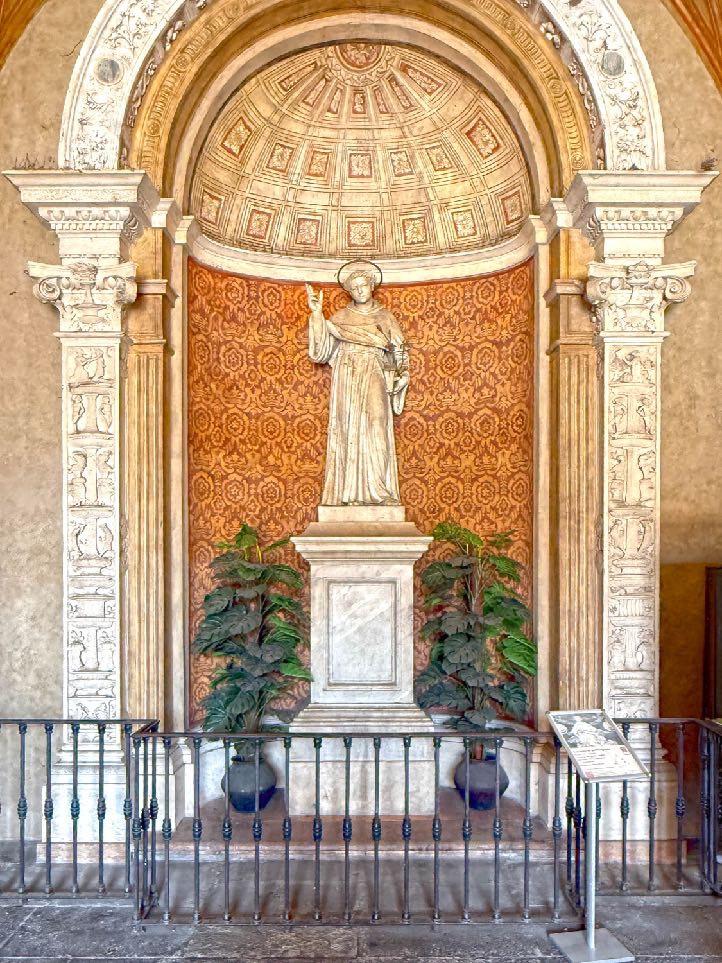
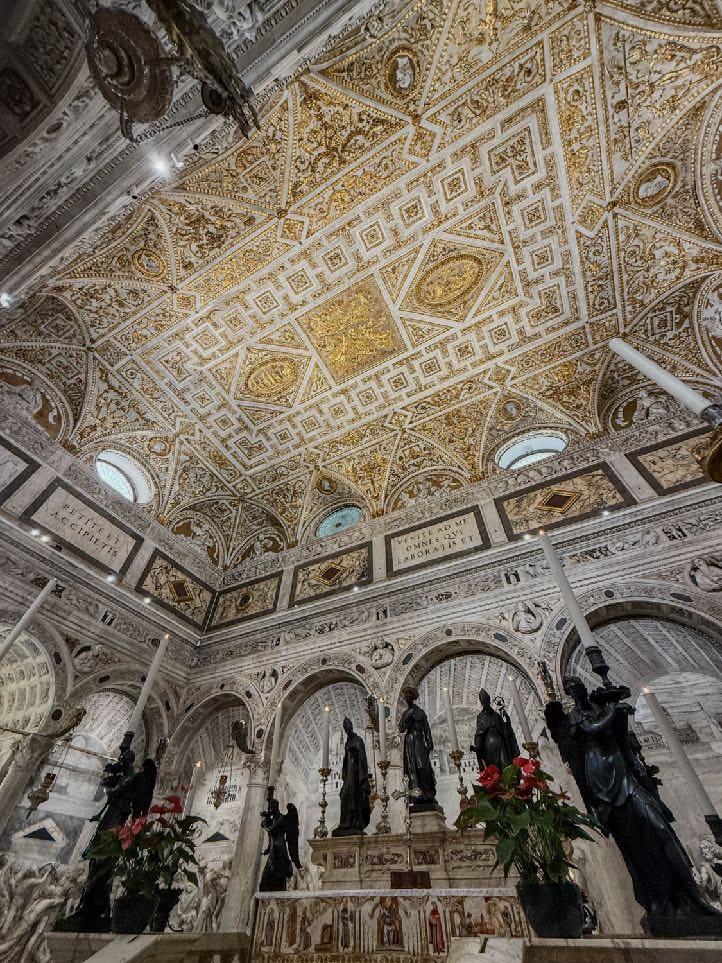
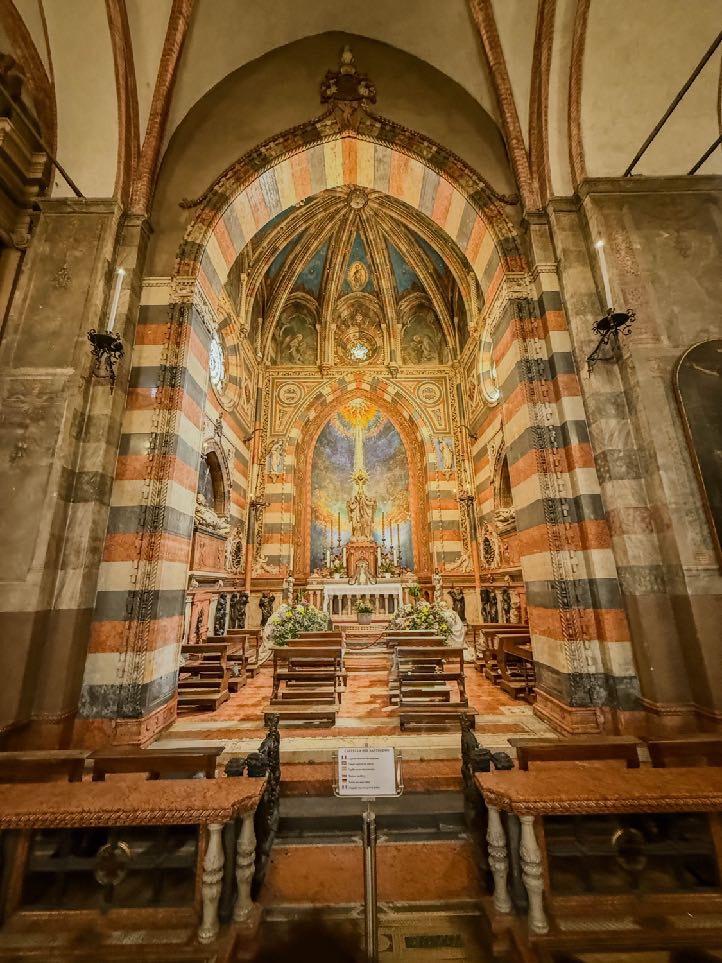
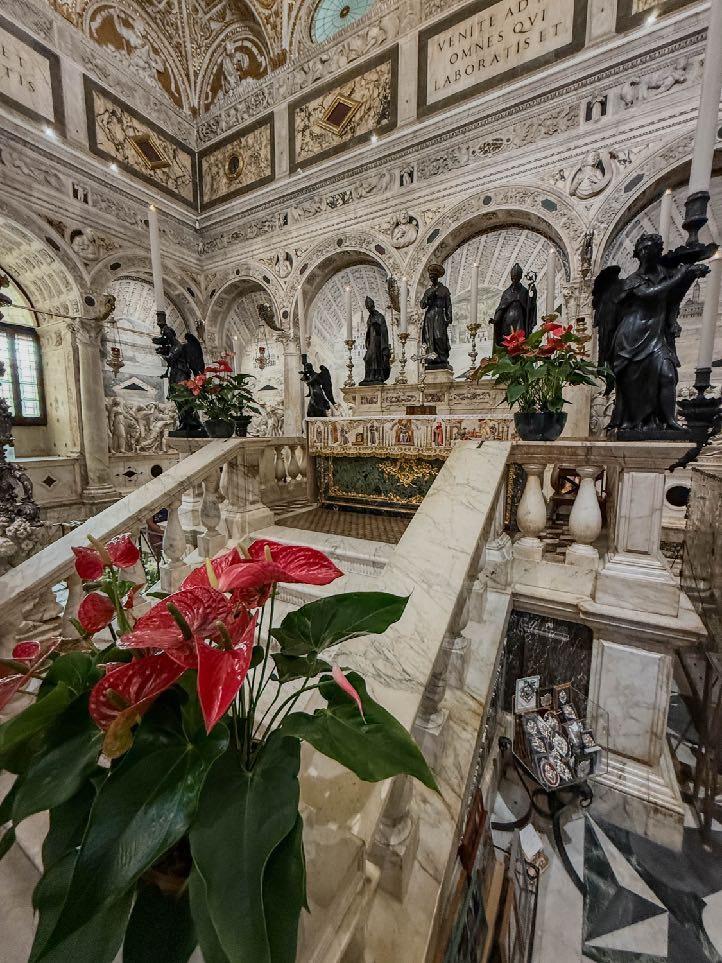
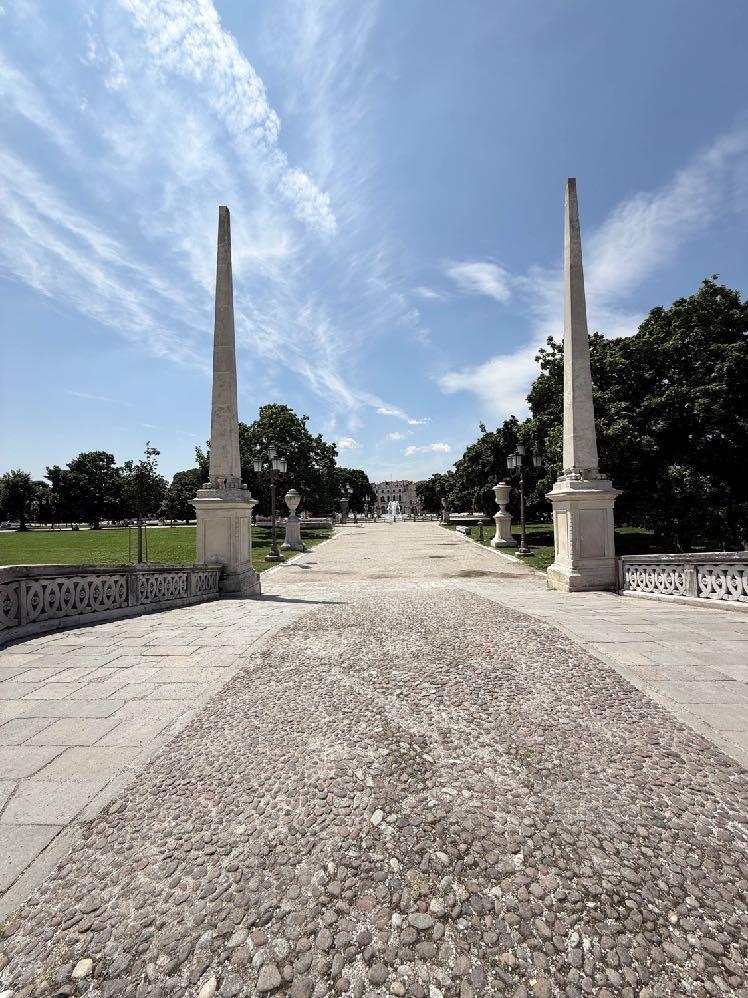
The Basilica of Sant’Antonio, an important destination for pilgrims, contains the tomb of Saint Anthony. Padova is also famous for Prato della Valle, one of the largest public squares across Europe. The Scrovegni Chapel, adorned with frescoes by
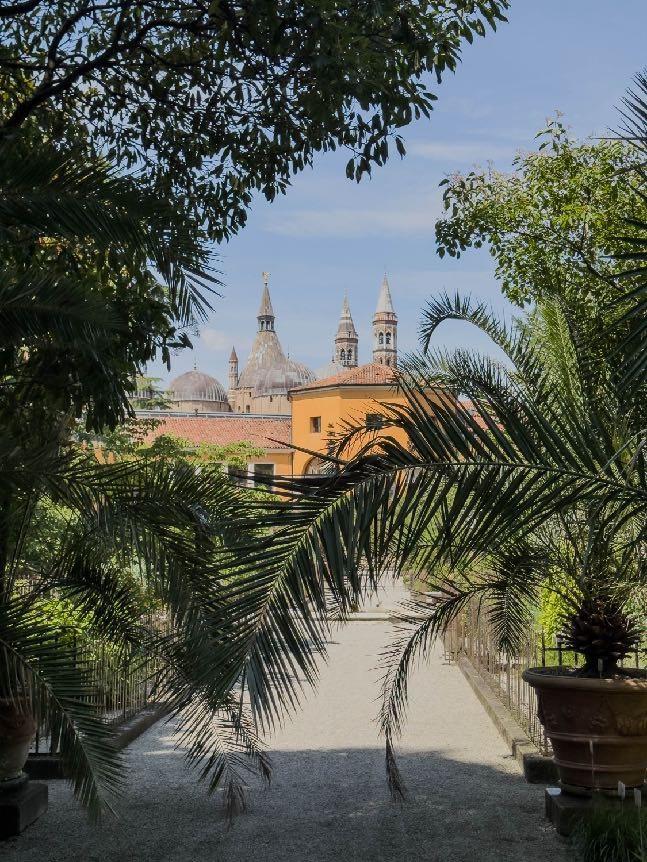
Giotto, has been designated a UNESCO World Heritage Site. The city boasts a lively cultural environment featuring numerous museums and theatres. Its university botanical garden, founded in 1545, holds the distinction of being the oldest botanical garden worldwide. Padova serves not only as a key economic hub in northern Italy but also as an inviting location for visitors to explore and enjoy.
Merging historical grandeur with modern vibrancy, Padova draws a great number of tourists each year.

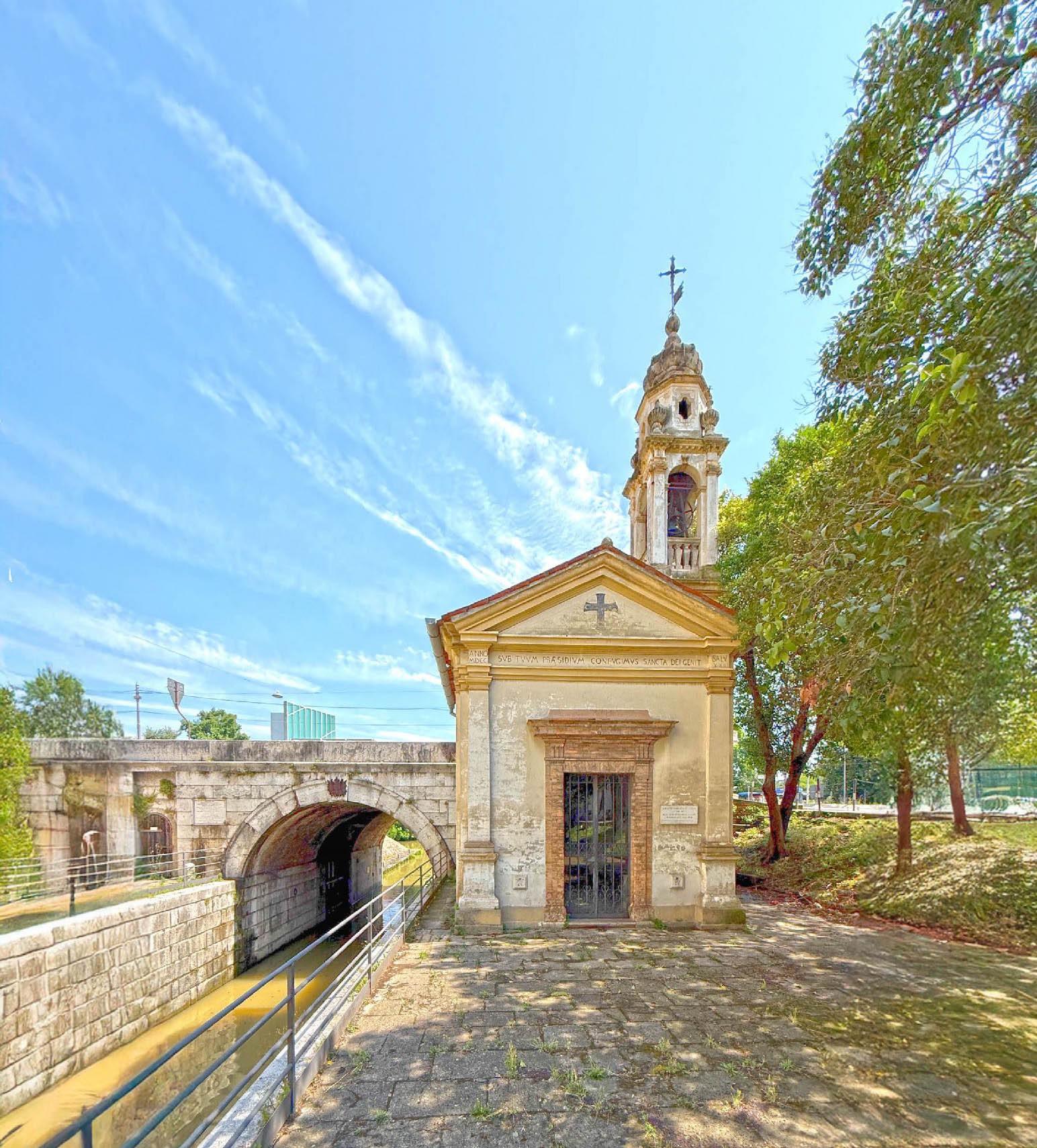
In the 18th century, this location was an important station for river navigation. This is where the toll for using the waterways was collected. On the left side of the Oratory of the Blessed Virgin, there is a plaque from
between 1720 and 1730 listing the respective toll fees. In the Oratory of the Holy Virgin, a holy mass is celebrated every Wednesday at 6:00 PM.

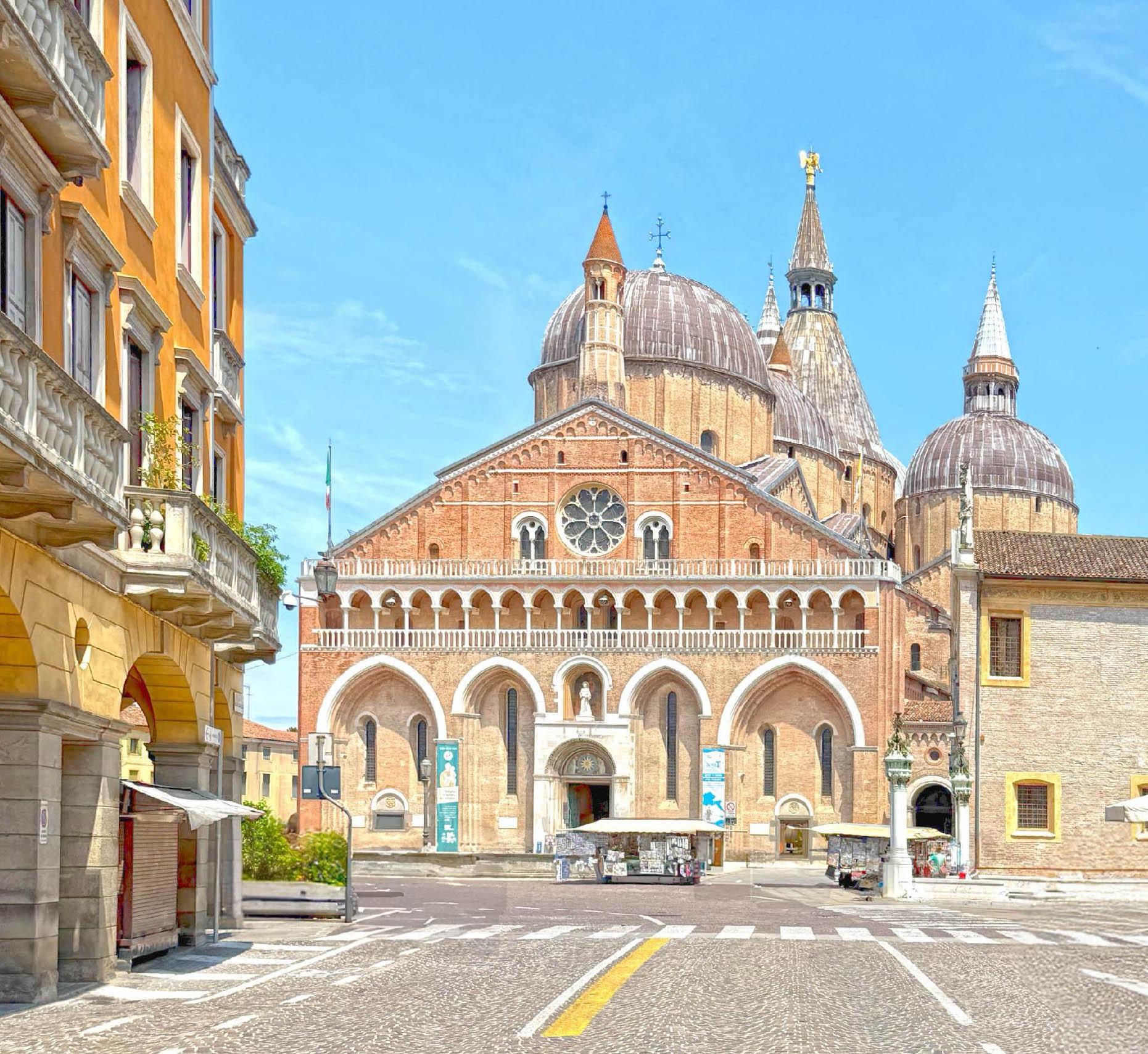
The Basilica of Sant’Antonio di Padova (Basilica of Saint Anthony) is one of Italy’s most famous and visited pilgrimage sites. It is among the international shrines officially recognized by the Pope.
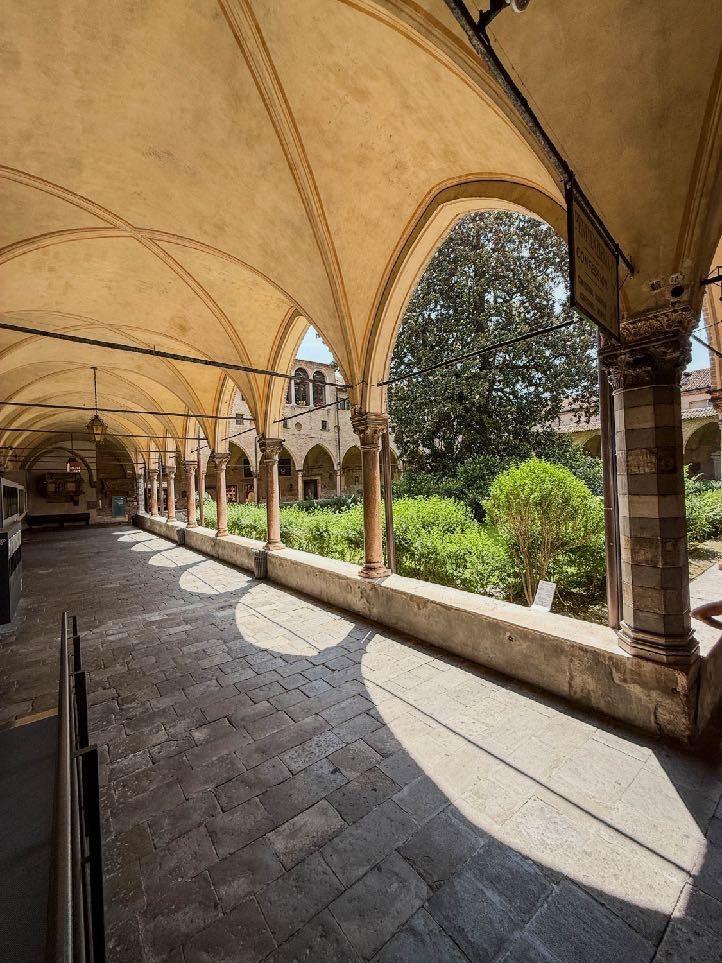
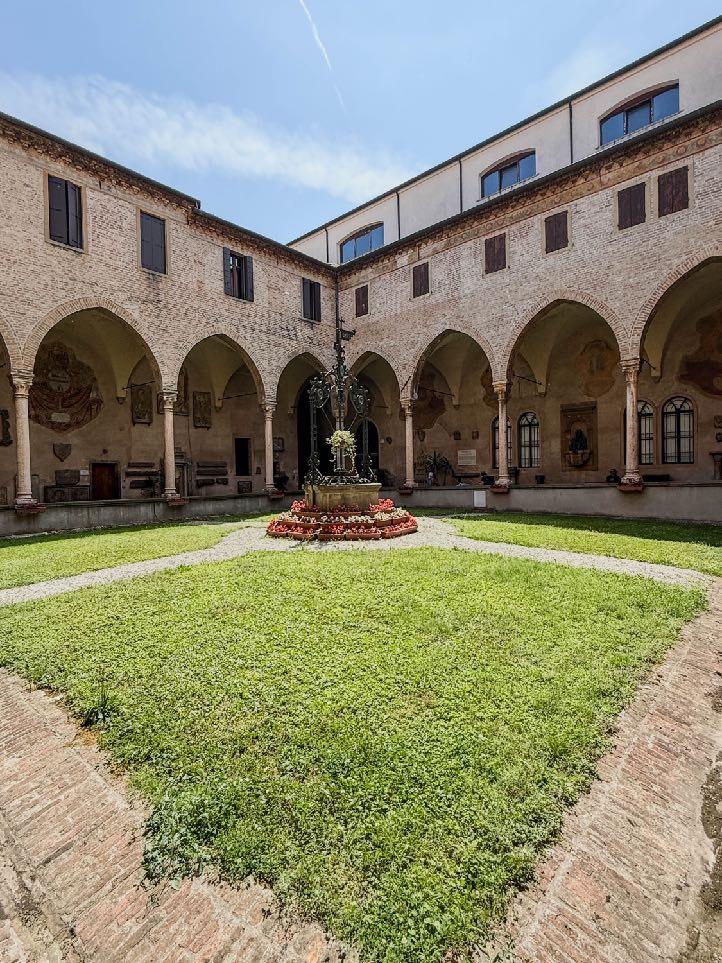
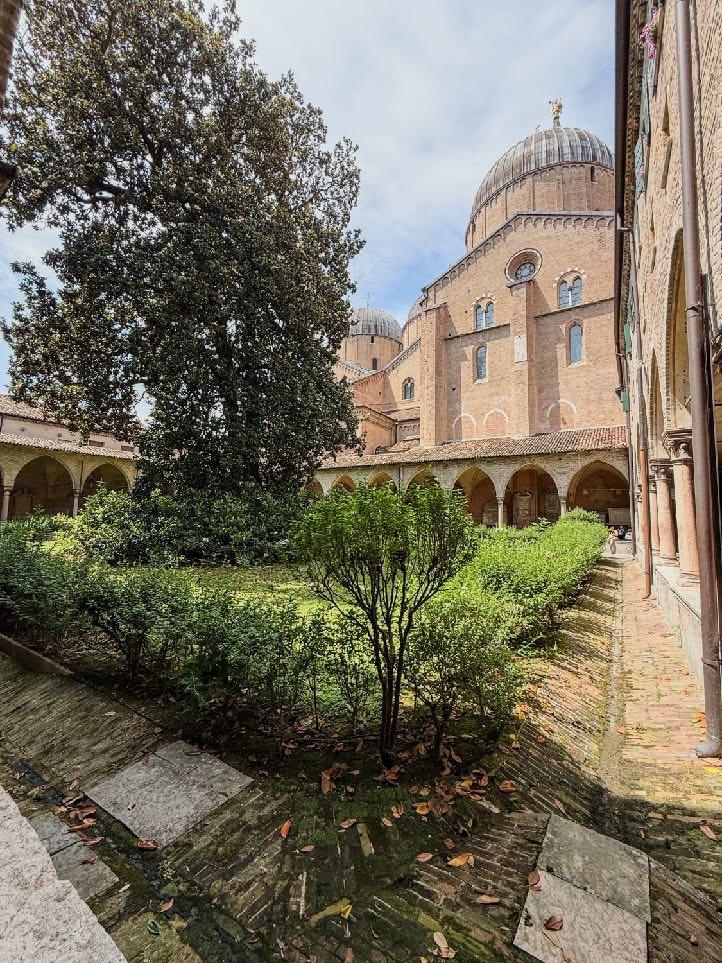
The church was built between 1232 and 1310, directly adjacent to a small chapel dedicated to Maria Mater Domini. In this chapel, Saint Anthony of Padova found his final resting place in 1231. The five cloisters can be traced back to 1433.
with the ÖBB railjet from Munich to Venice
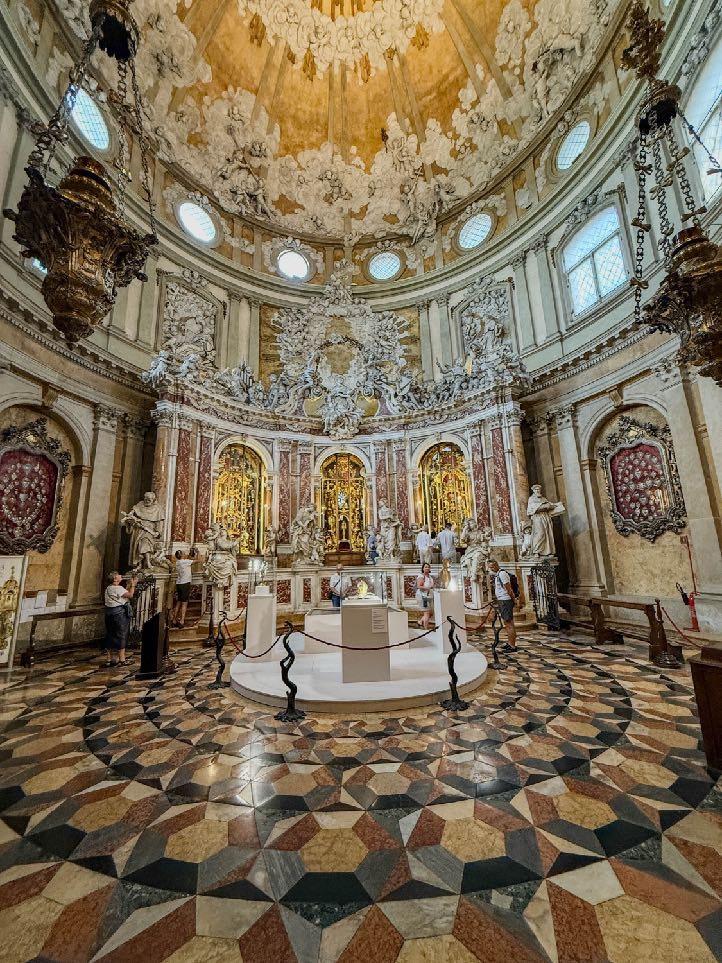
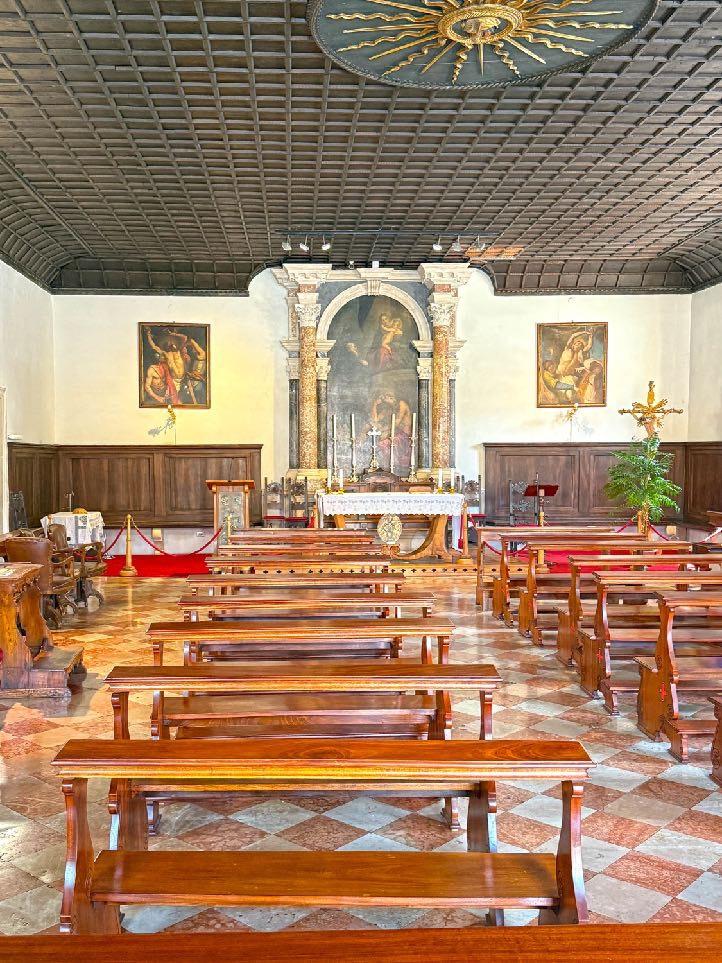
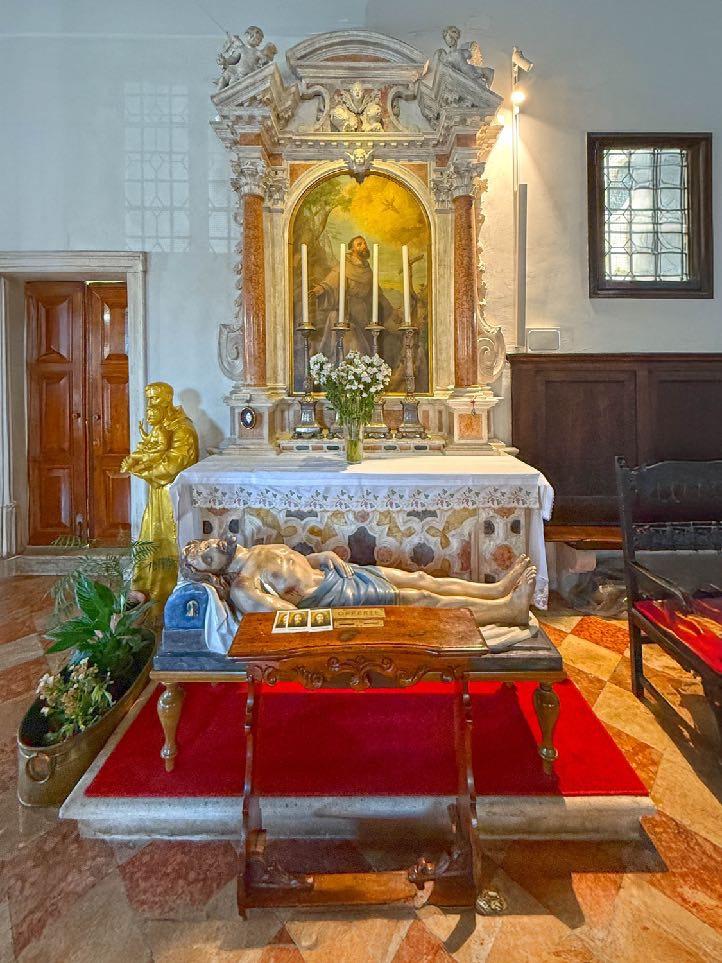
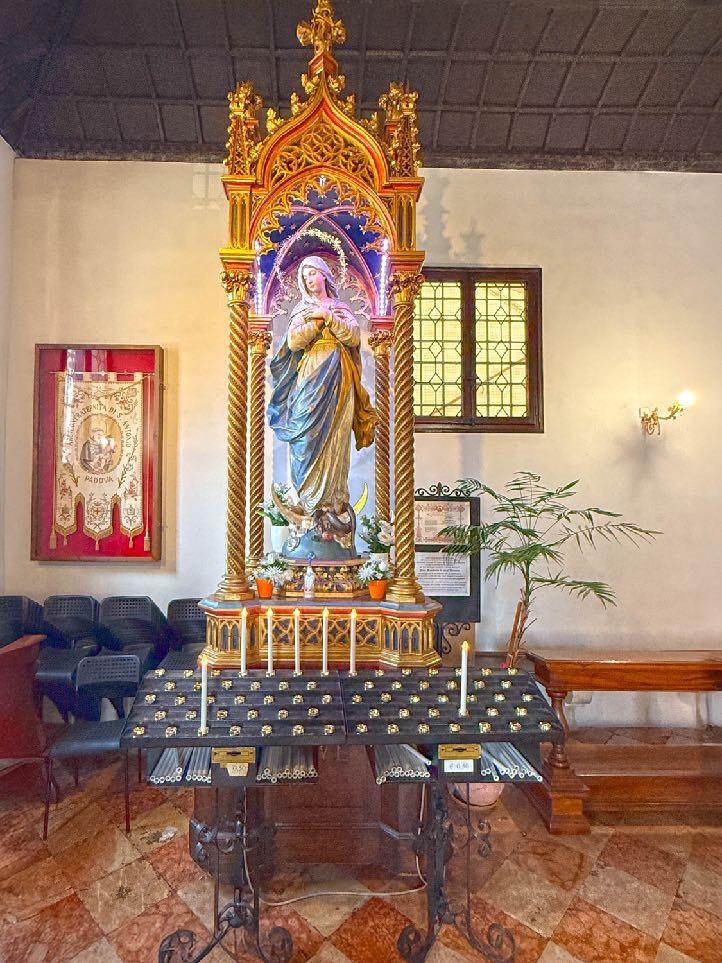
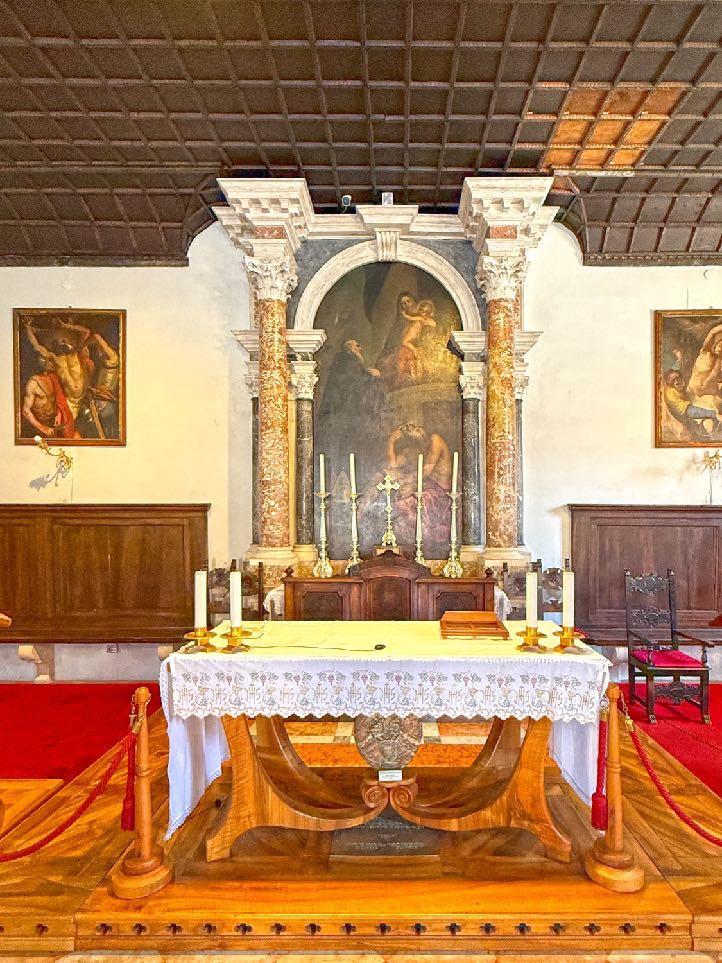
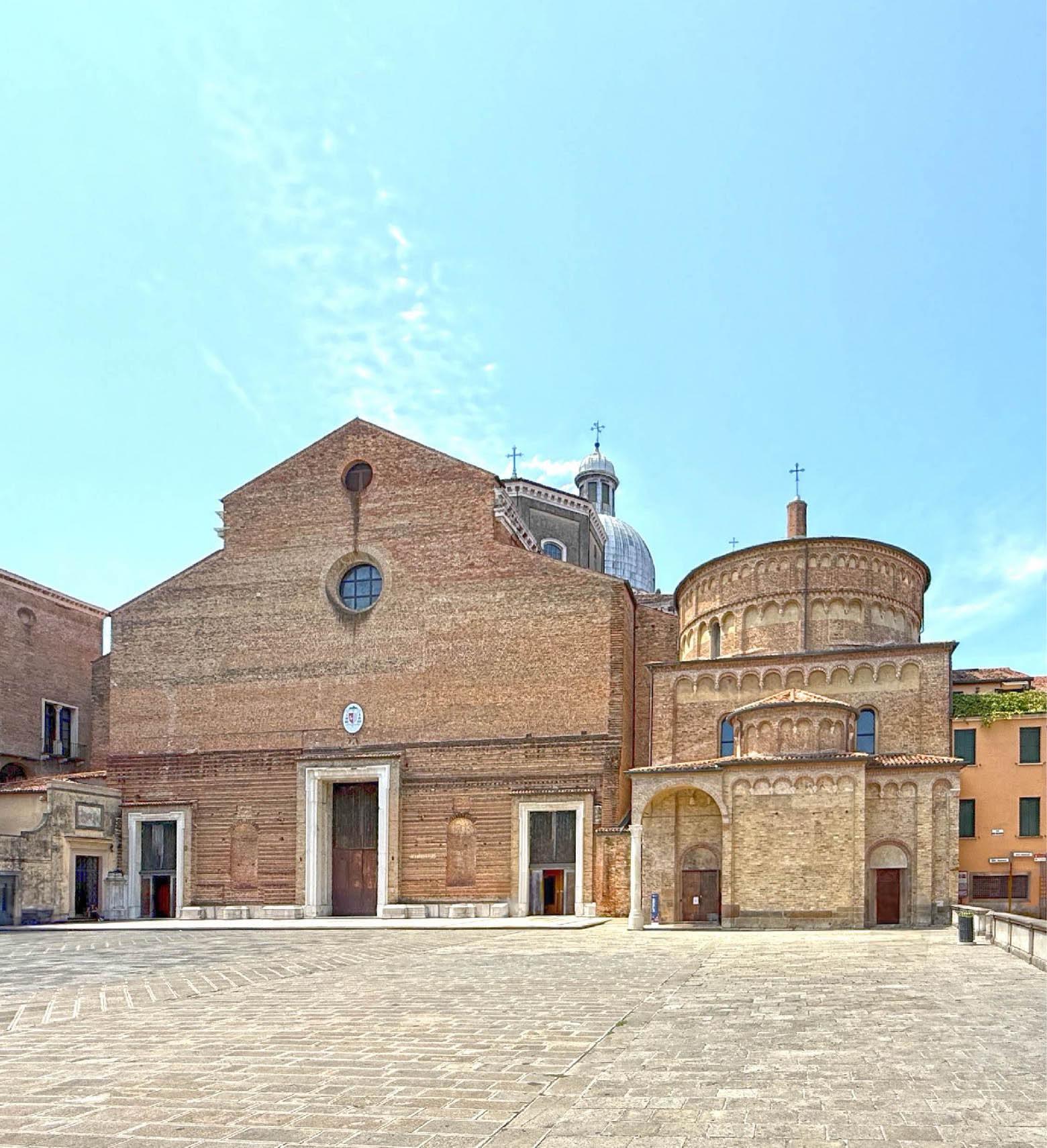
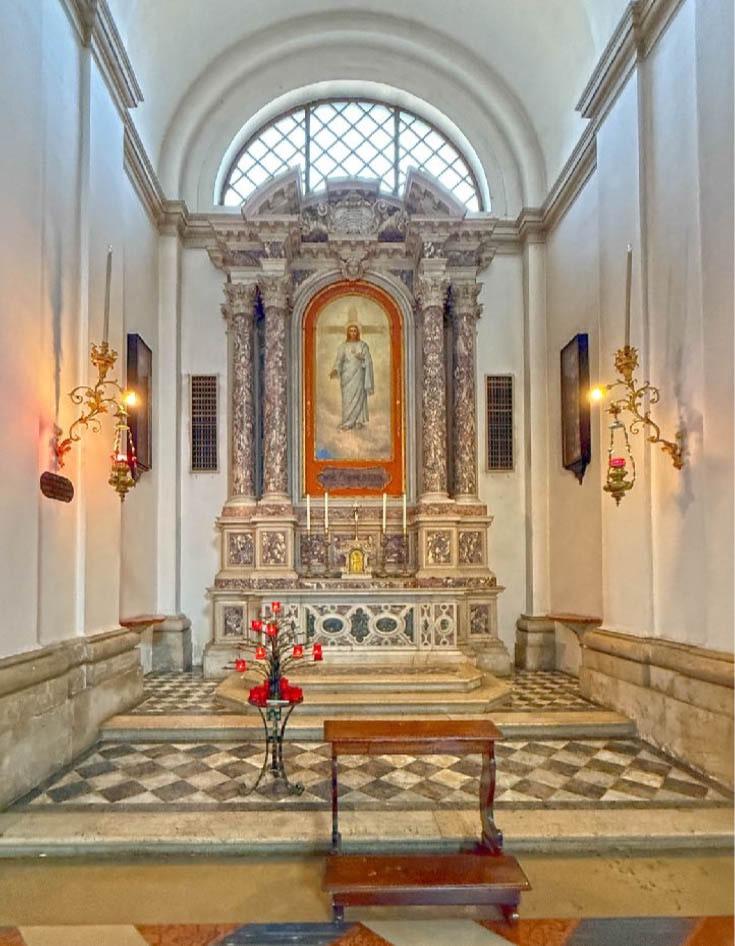
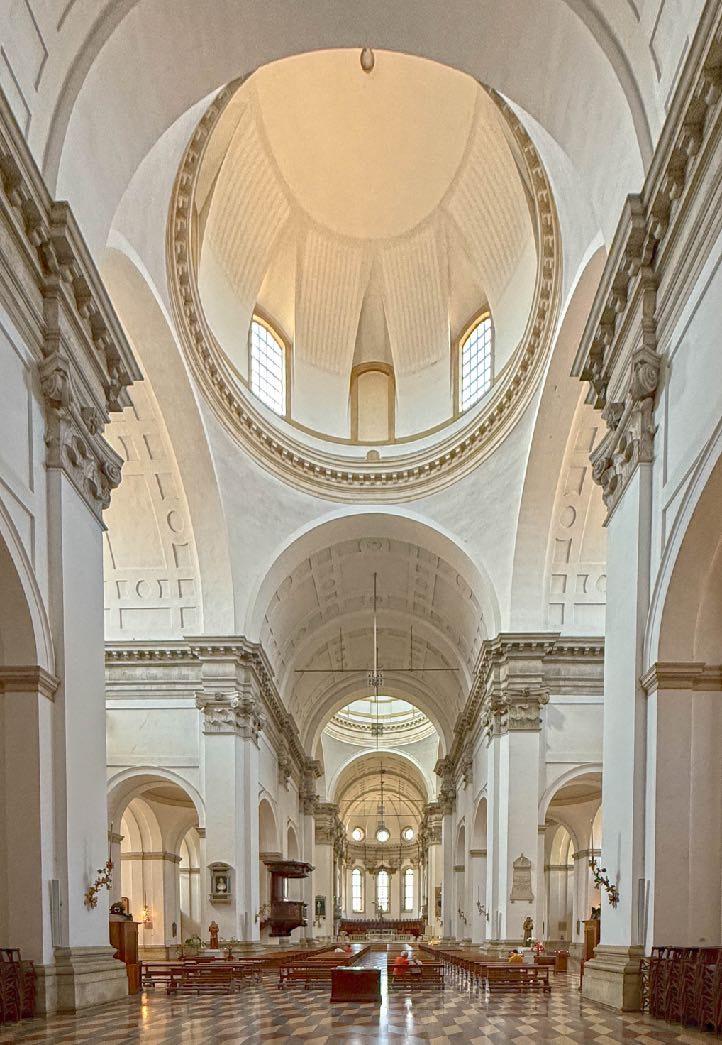
The Basilica Cattedrale di Santa Maria Assunta (Cathedral Basilica of the Assumption of Mary) is the bishop’s church of the Diocese of Padova.
The first cathedral was consecrated at this site in 1075. The foundation stone for the current church was laid in 1522.
with the ÖBB railjet from Munich to Venice
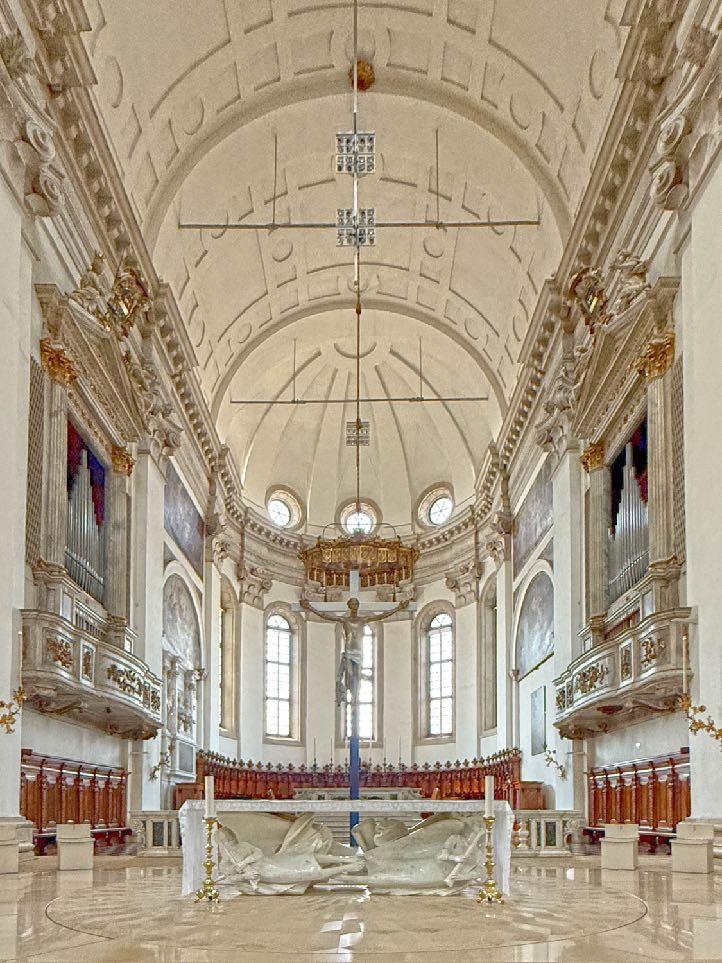
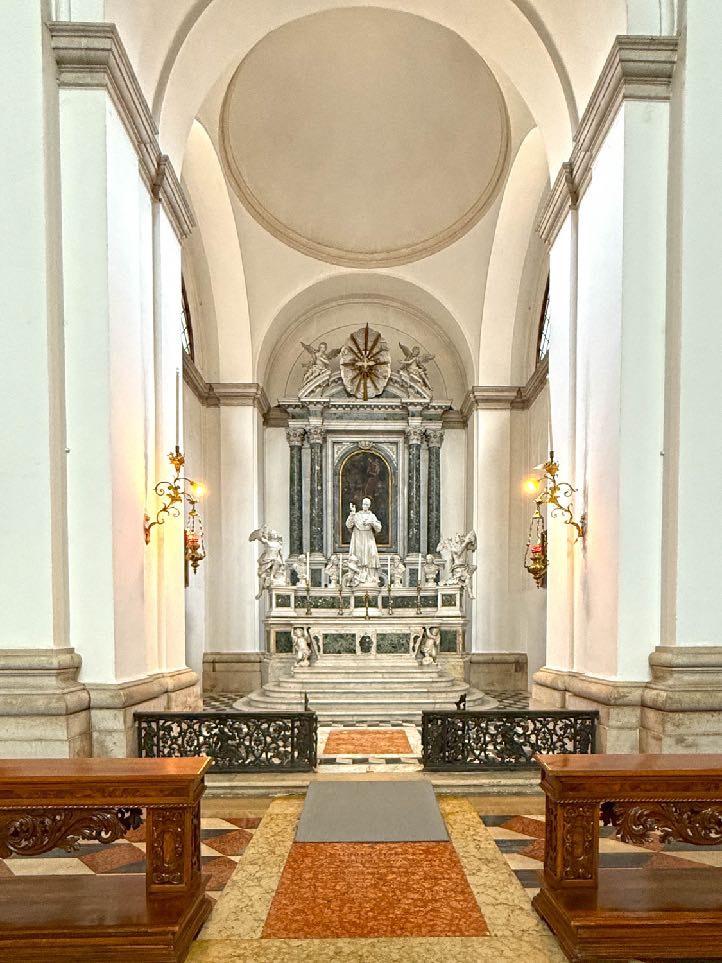
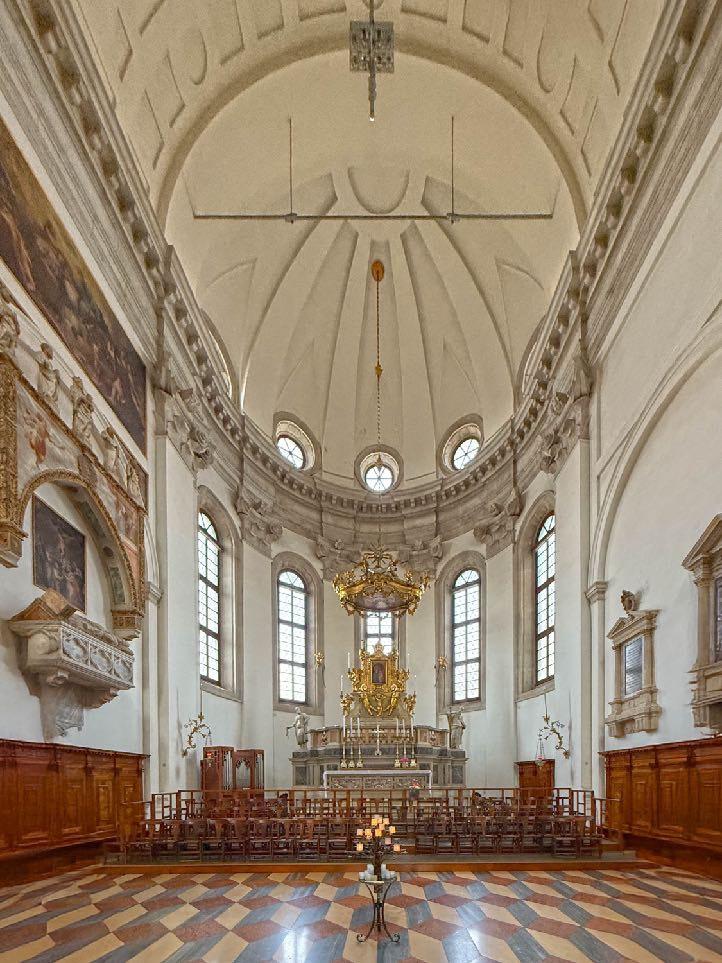
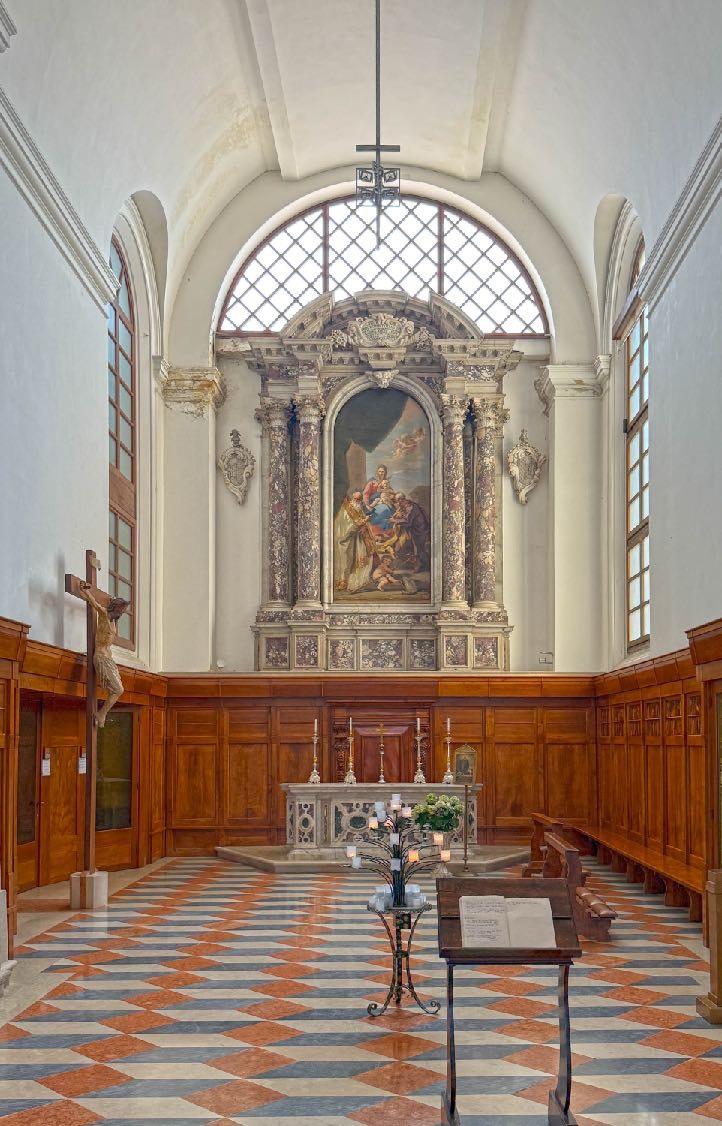
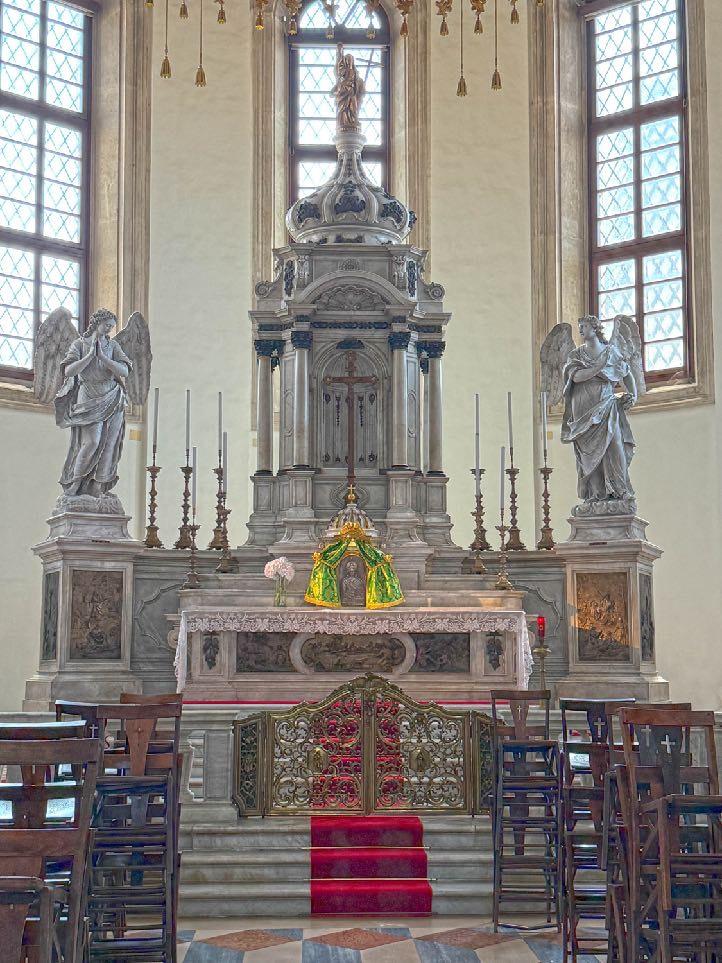
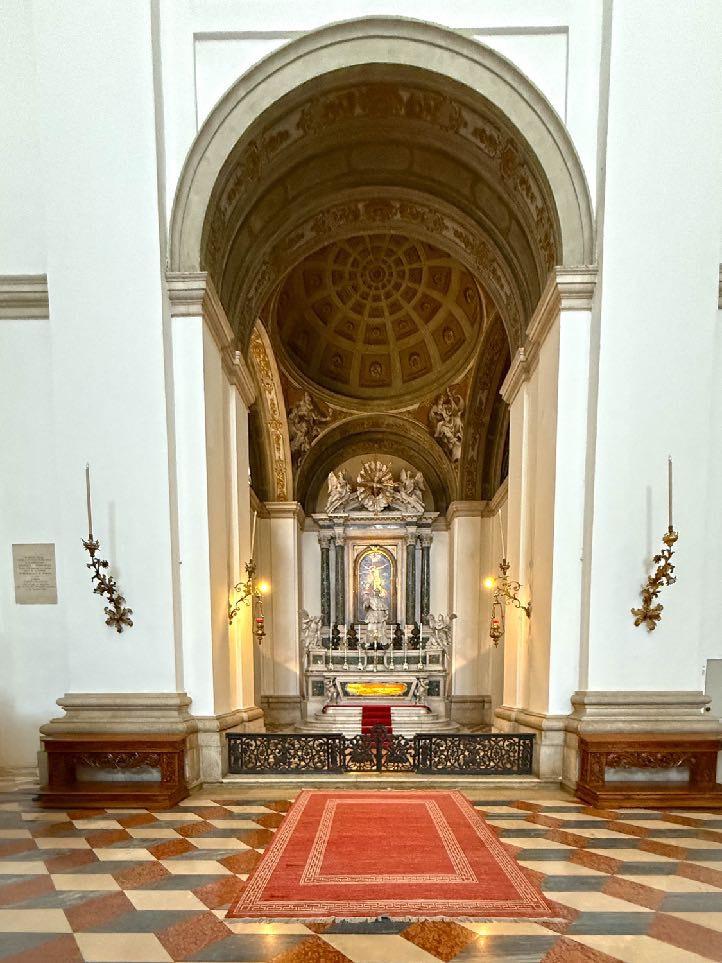
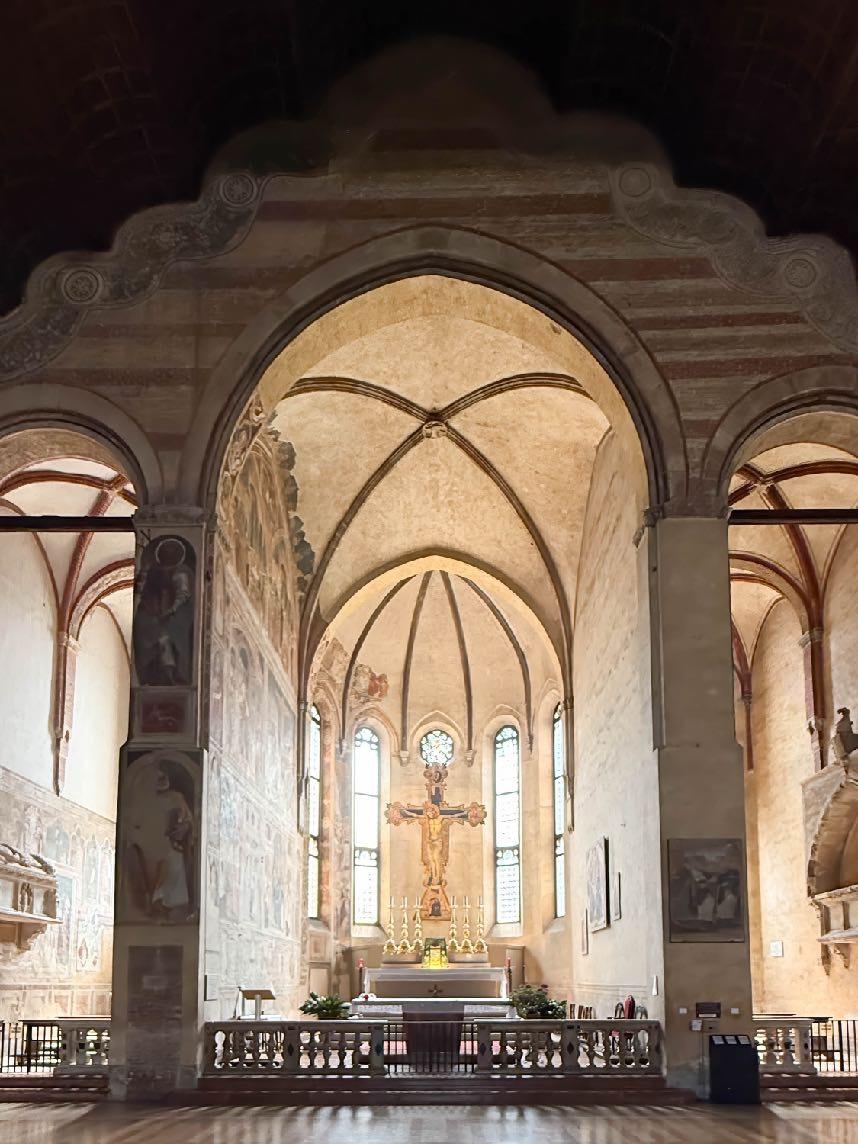
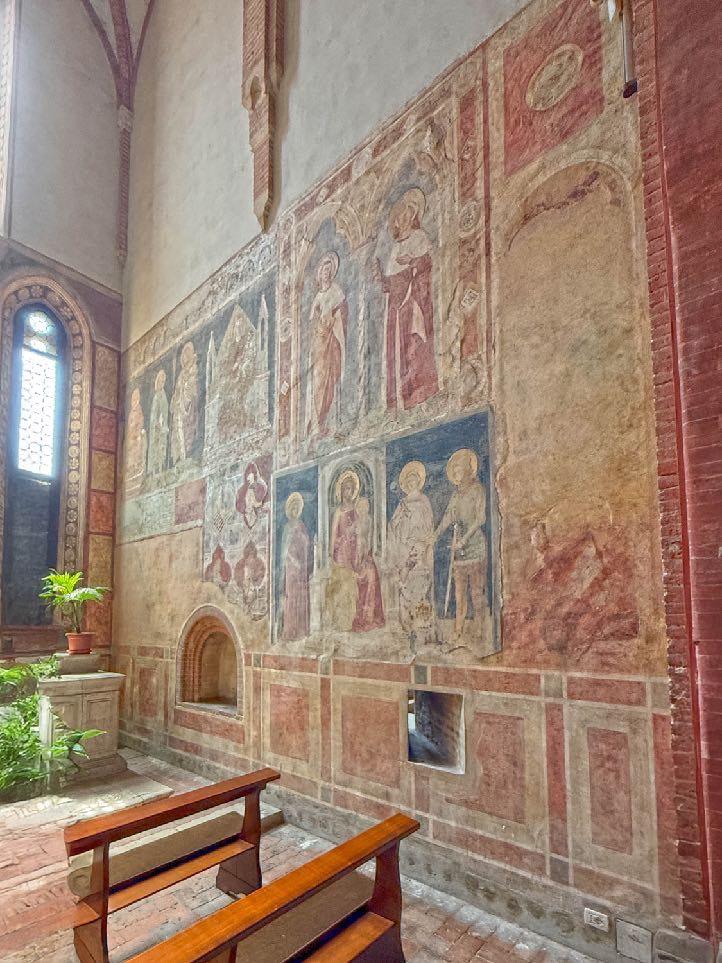
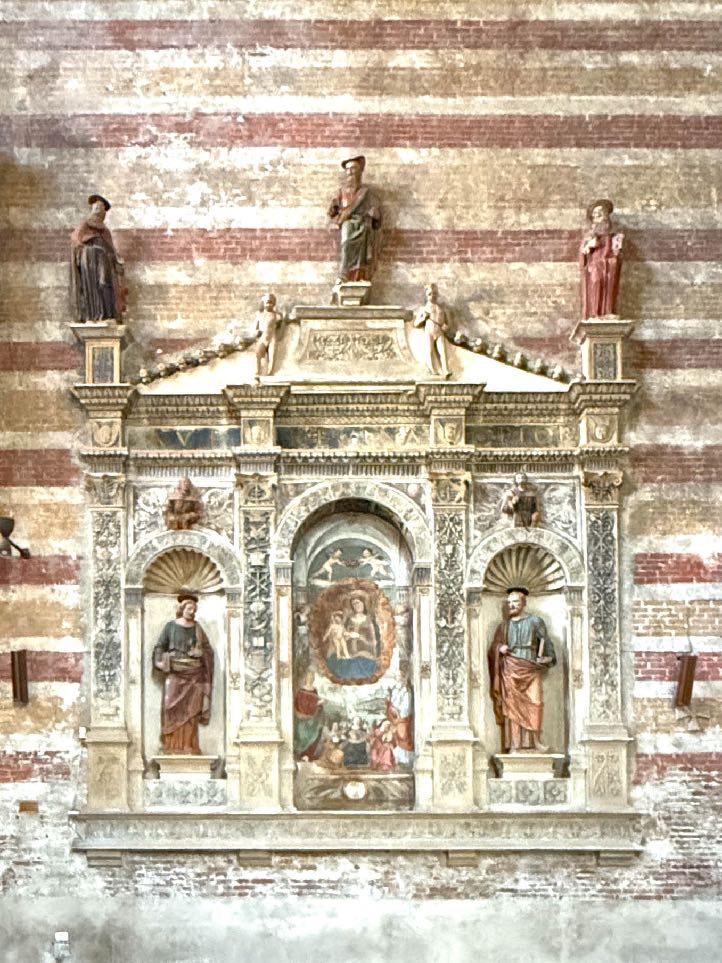
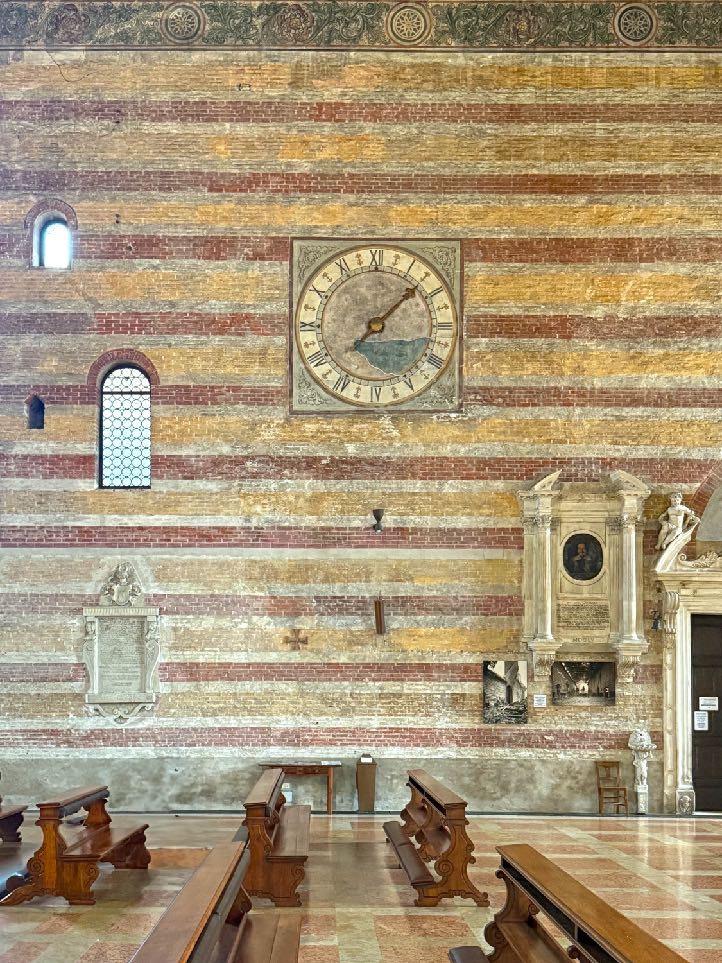
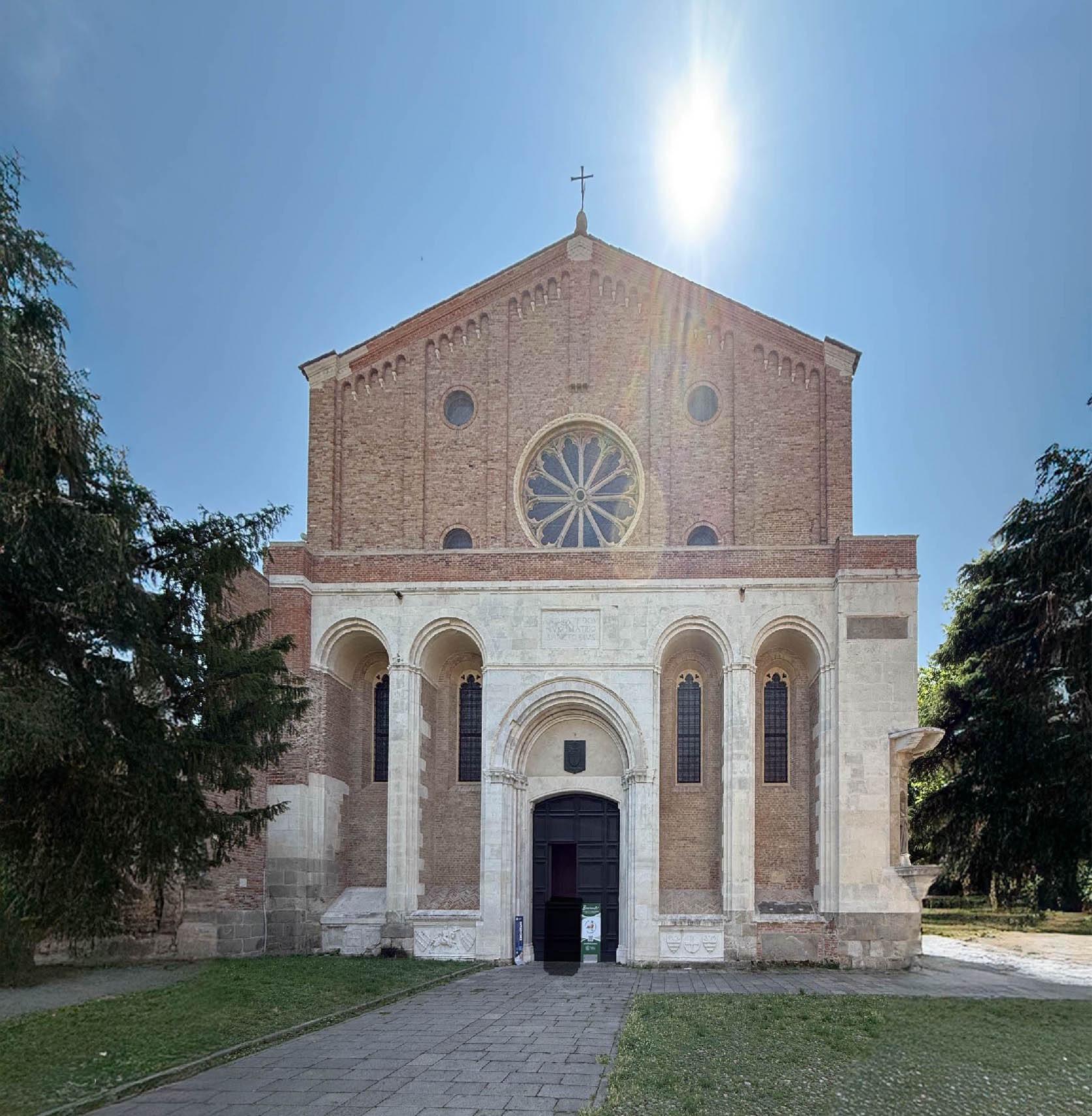
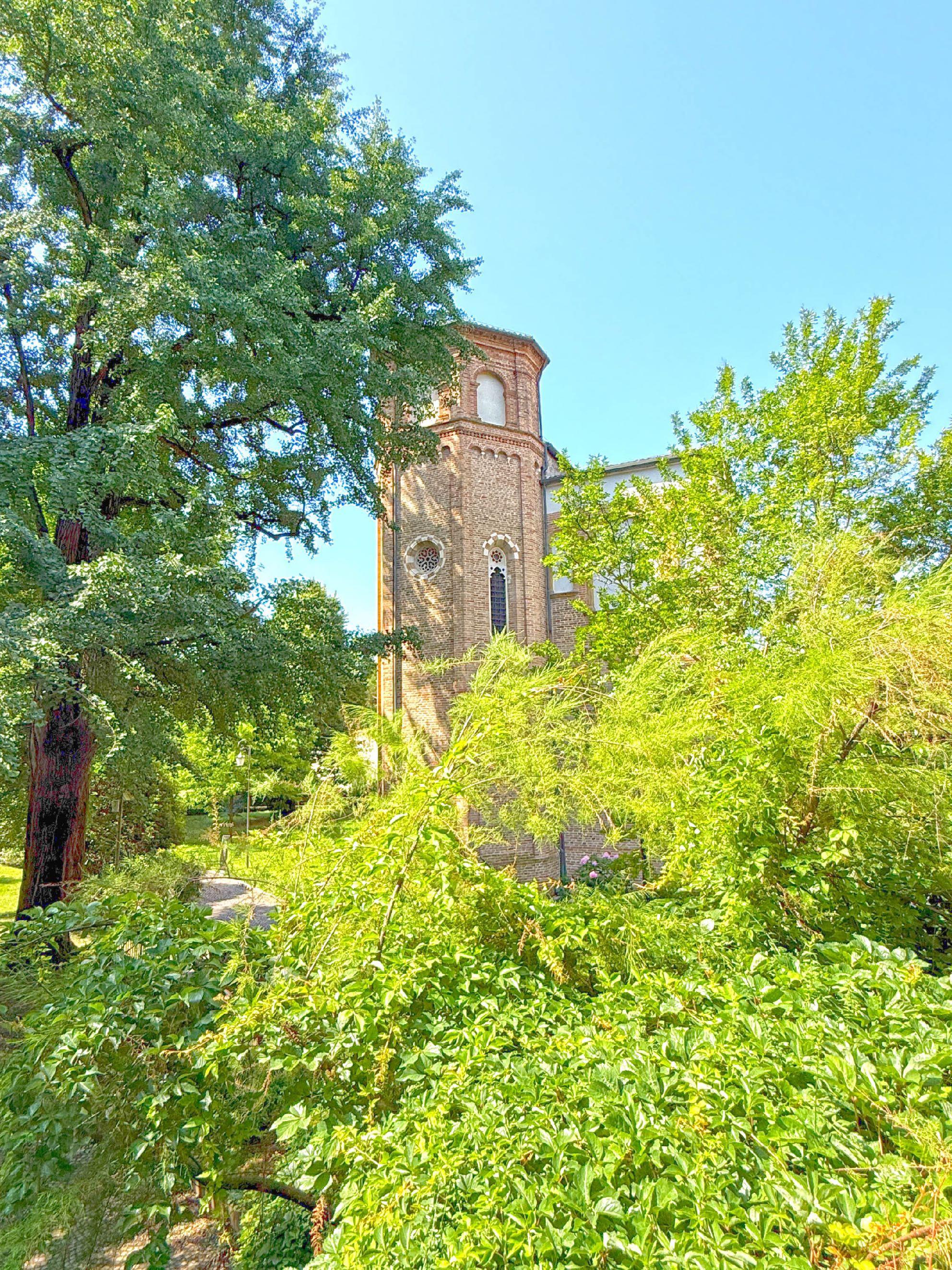
The Chiesa degli Eremitani (Church of the Eremitani) is dedicated to the apostles Philip and James the Less. Its construction took place in 1276. A notable visitor was Martin Luther, who visited the monastery during his trip to Rome in 1510.
Above the main altar is a painted cross from the 14th century. The Ovetari Chapel is located on the southern choir wall, where impressive frescoes can be admired.
The Cappella degli Scrovegni (Scrovegni Chapel) houses the famous fresco cycle by Giotto, created in the 14th century. This artwork covers an area of approximately 700 m² and is part of the UNESCO World Heritage.


The frescoes, depicting scenes from the lives of the Virgin Mary and Jesus, cover all the walls of the chapel. Directly opposite the altar is the impressive Last Judgment, which concludes the narrative of humanity’s redemption.
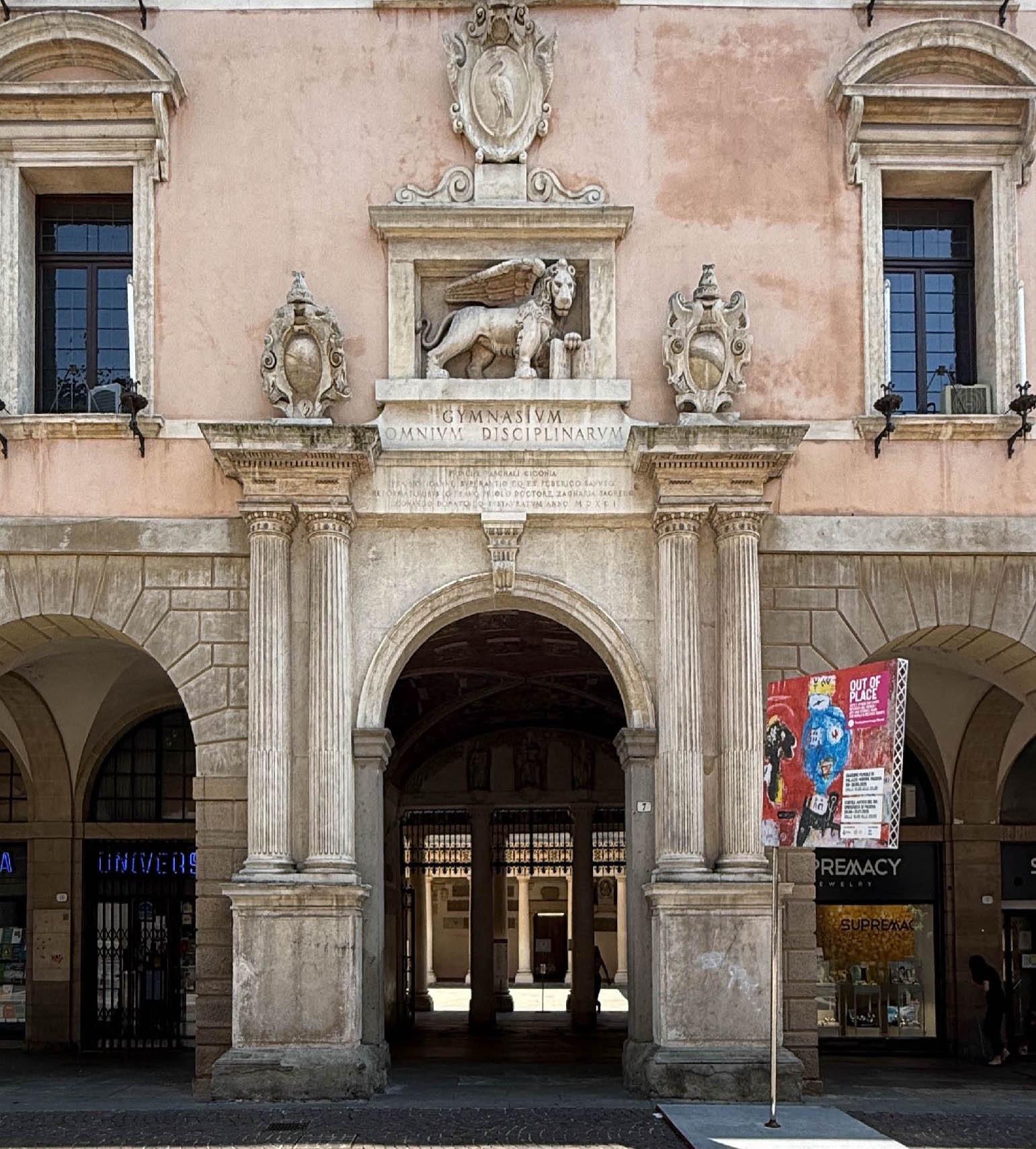
The Università degli Studi di Padova, also known as the University of Padova, is one of Italy’s most prestigious academic institutions. It was founded in 1222, making it the third oldest university in the country after Bologna and Modena.
Currently, approximately 63,000 students are enrolled at this university. From 1592, the famous scientist Galileo Galilei taught there. The university is distinguished by a wide range of academic disciplines.
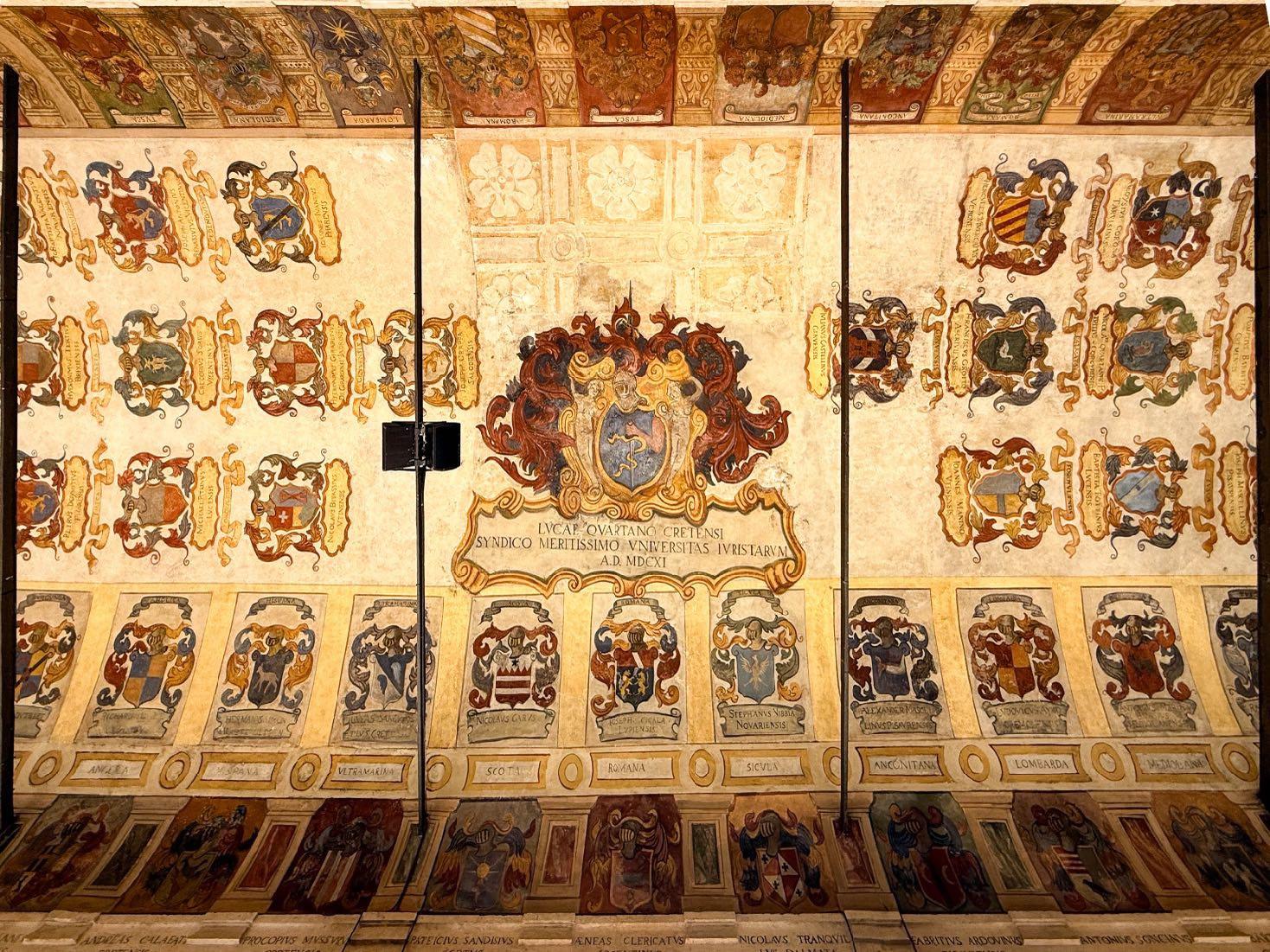
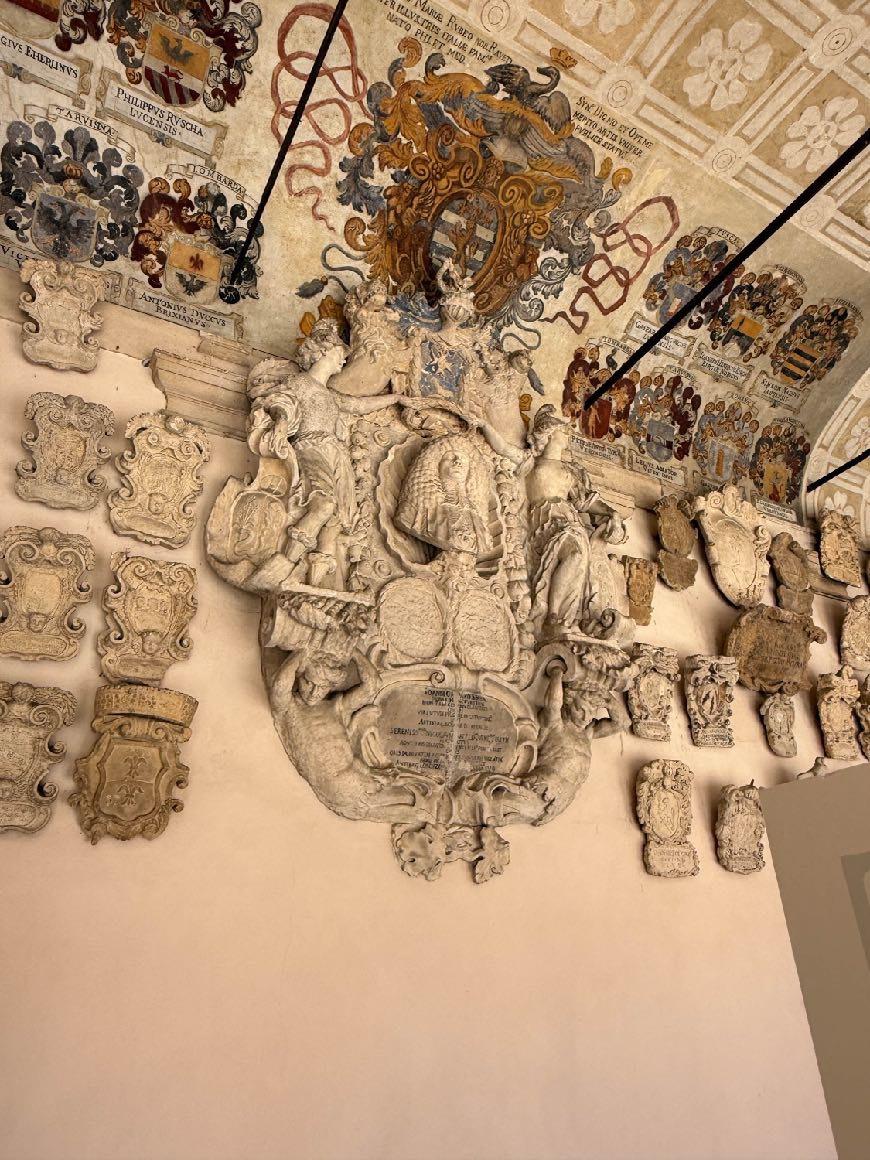
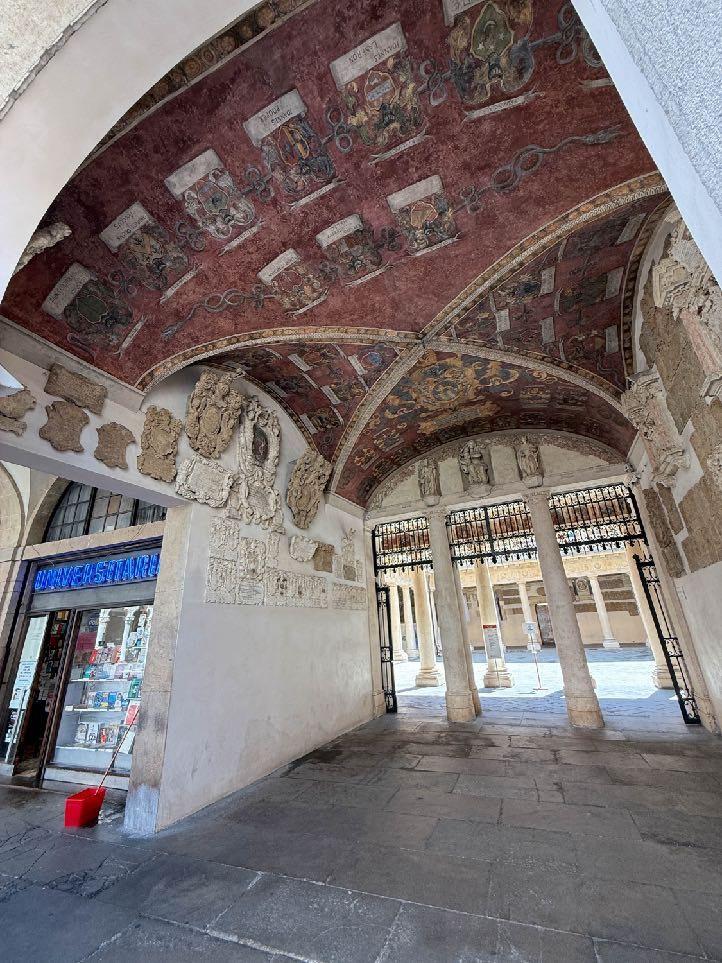

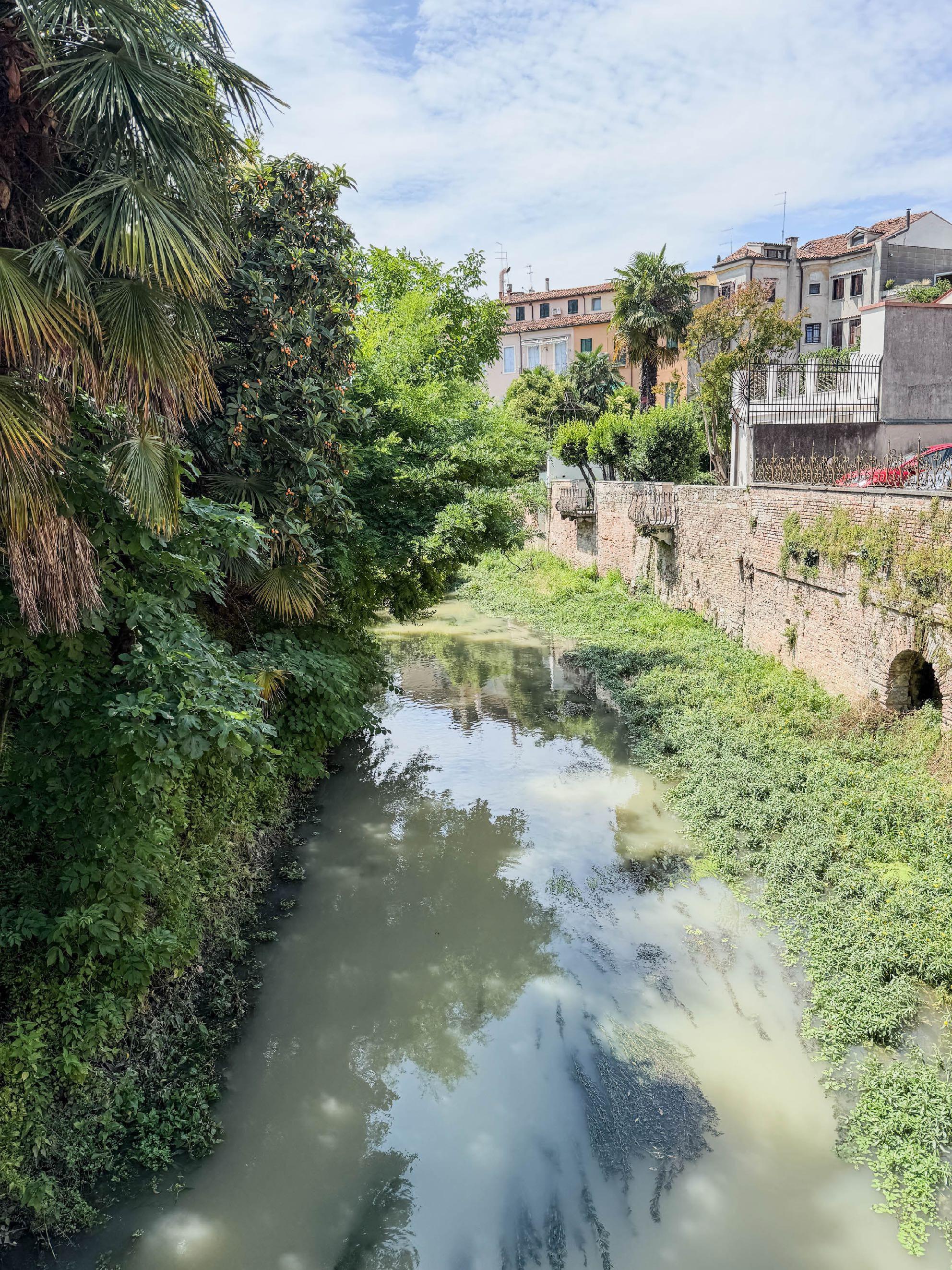
As one of the stops on the route from Munich to Venice, the hidden treasure of Padova presents itself. This city offers a variety of impressive sights, buildings, and discoveries.
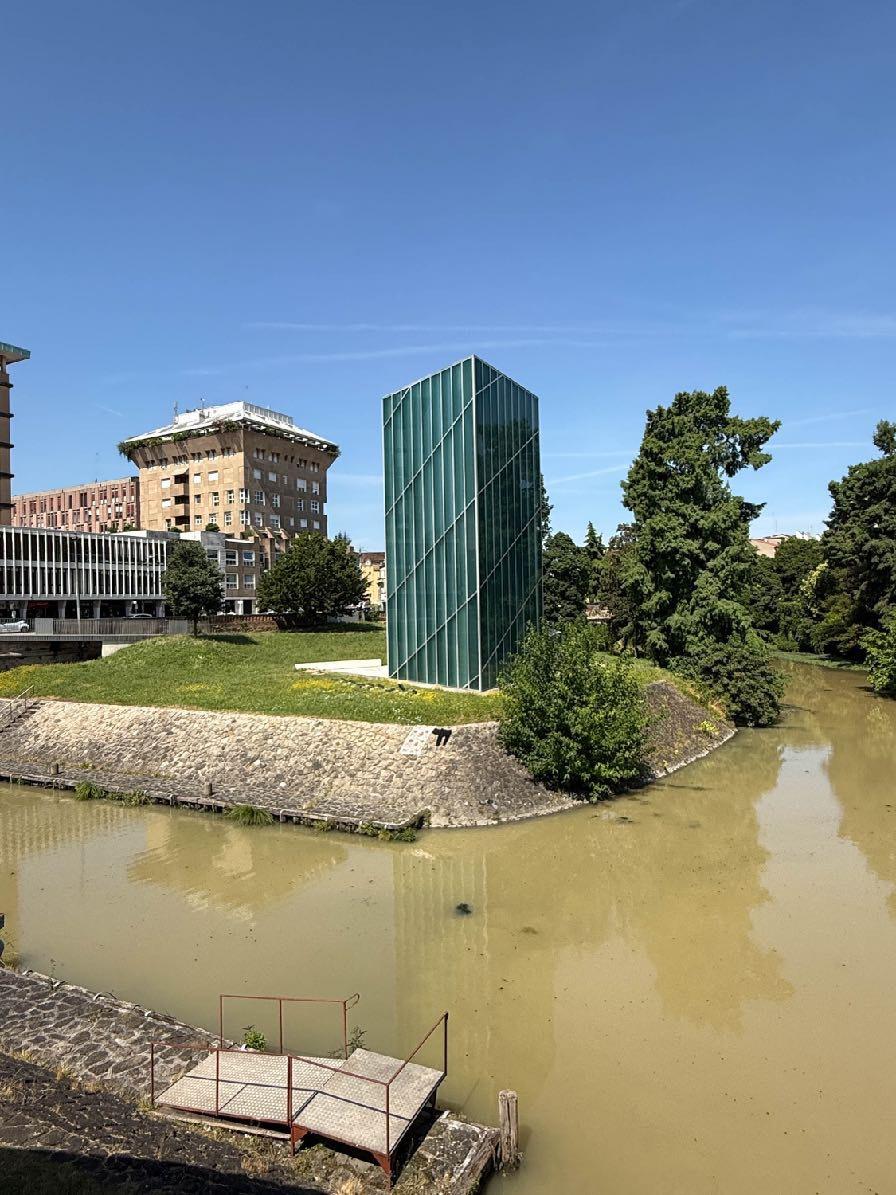
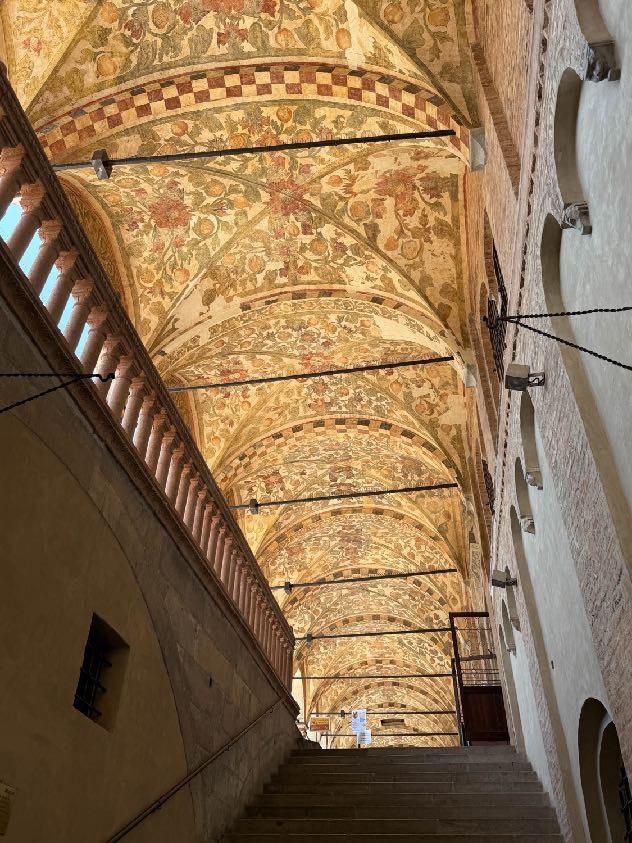
Below are some views of the city along with a Google Maps link to spark curiosity for a visit to this historically significant city. The small canal in the image is located in close proximity to the botanical garden.
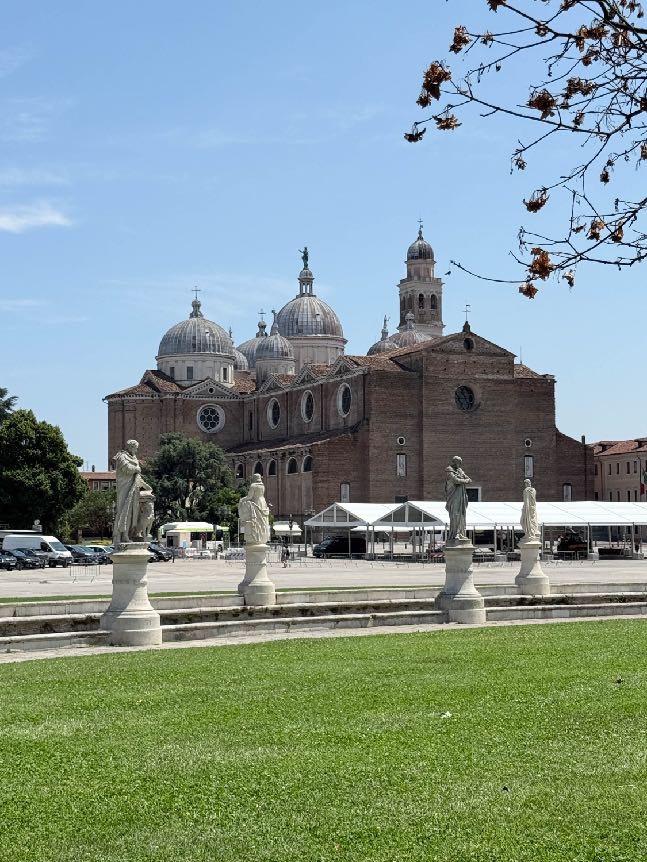
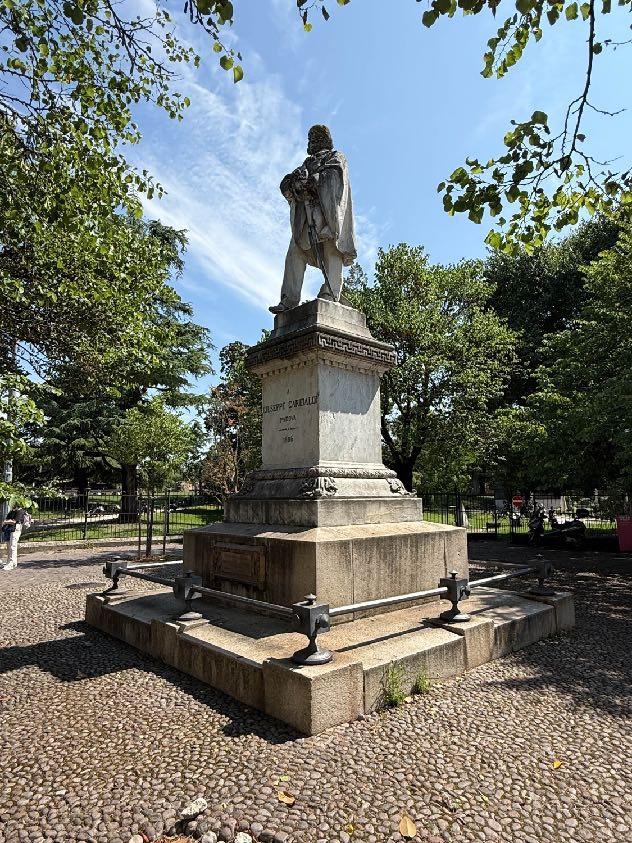
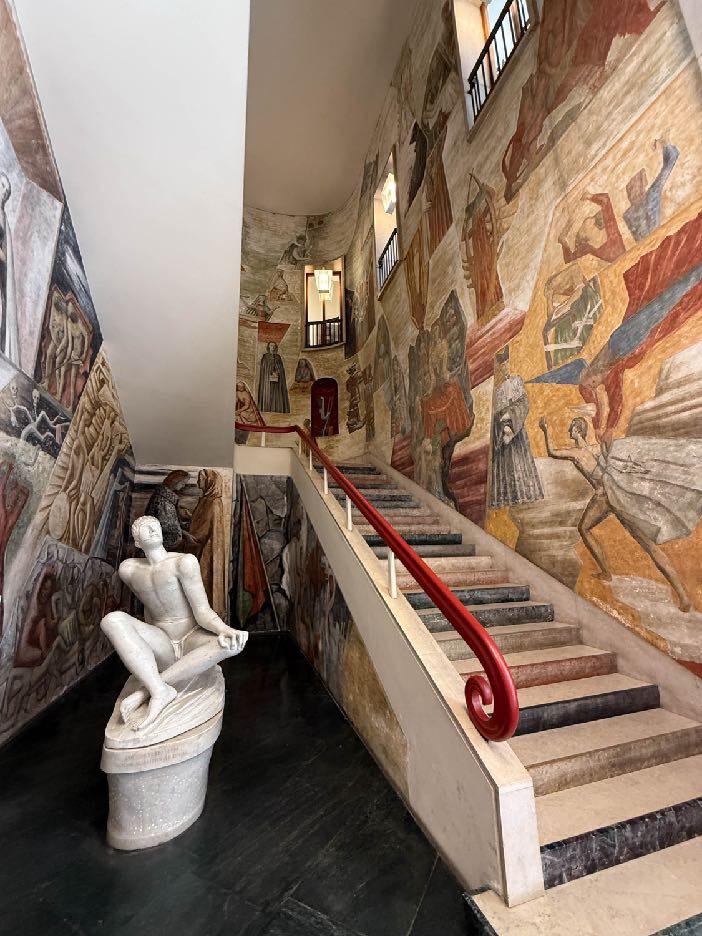
with the ÖBB
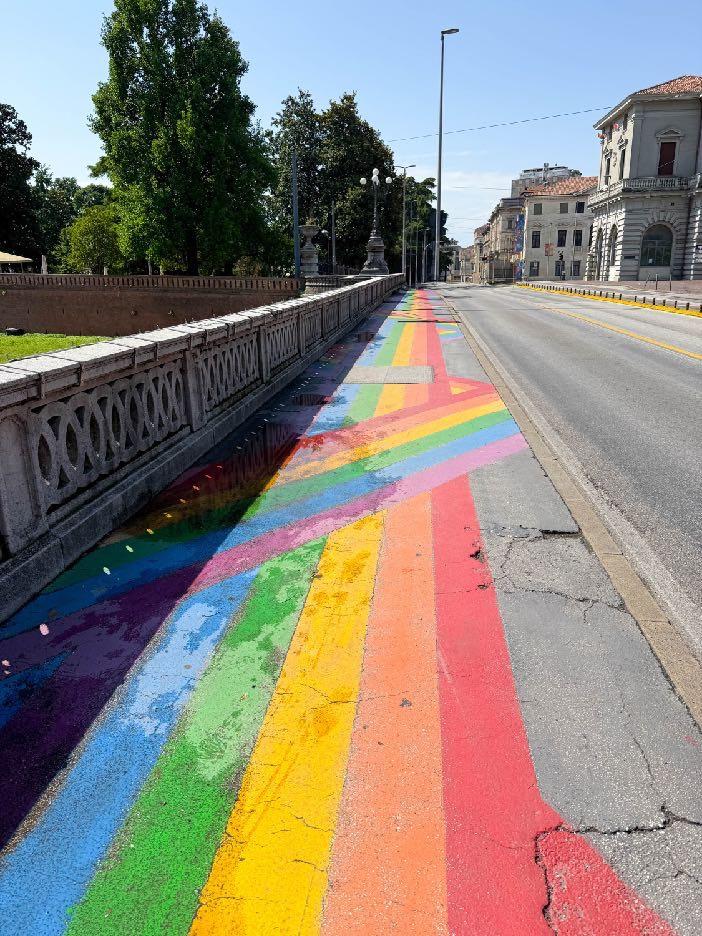

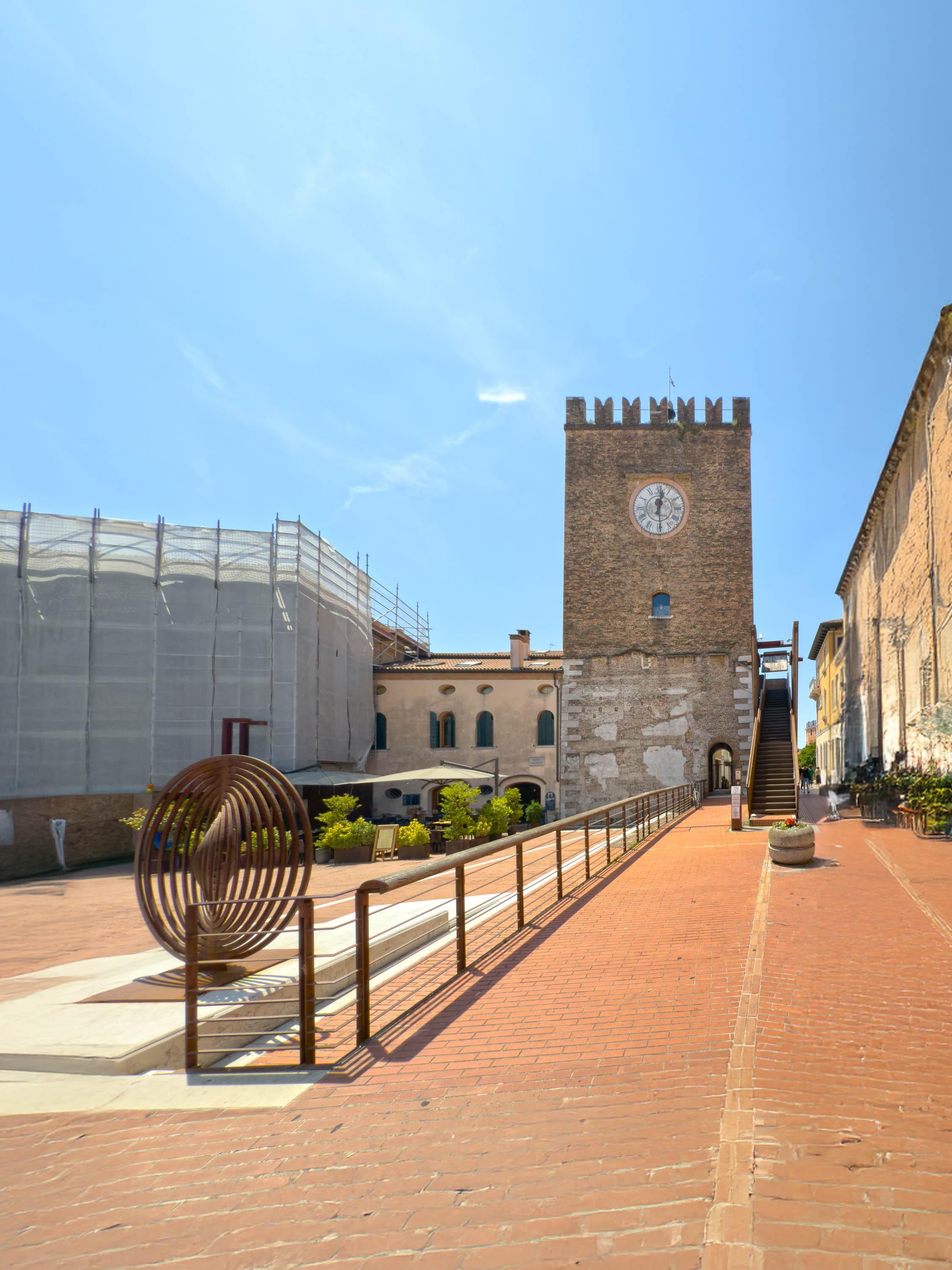
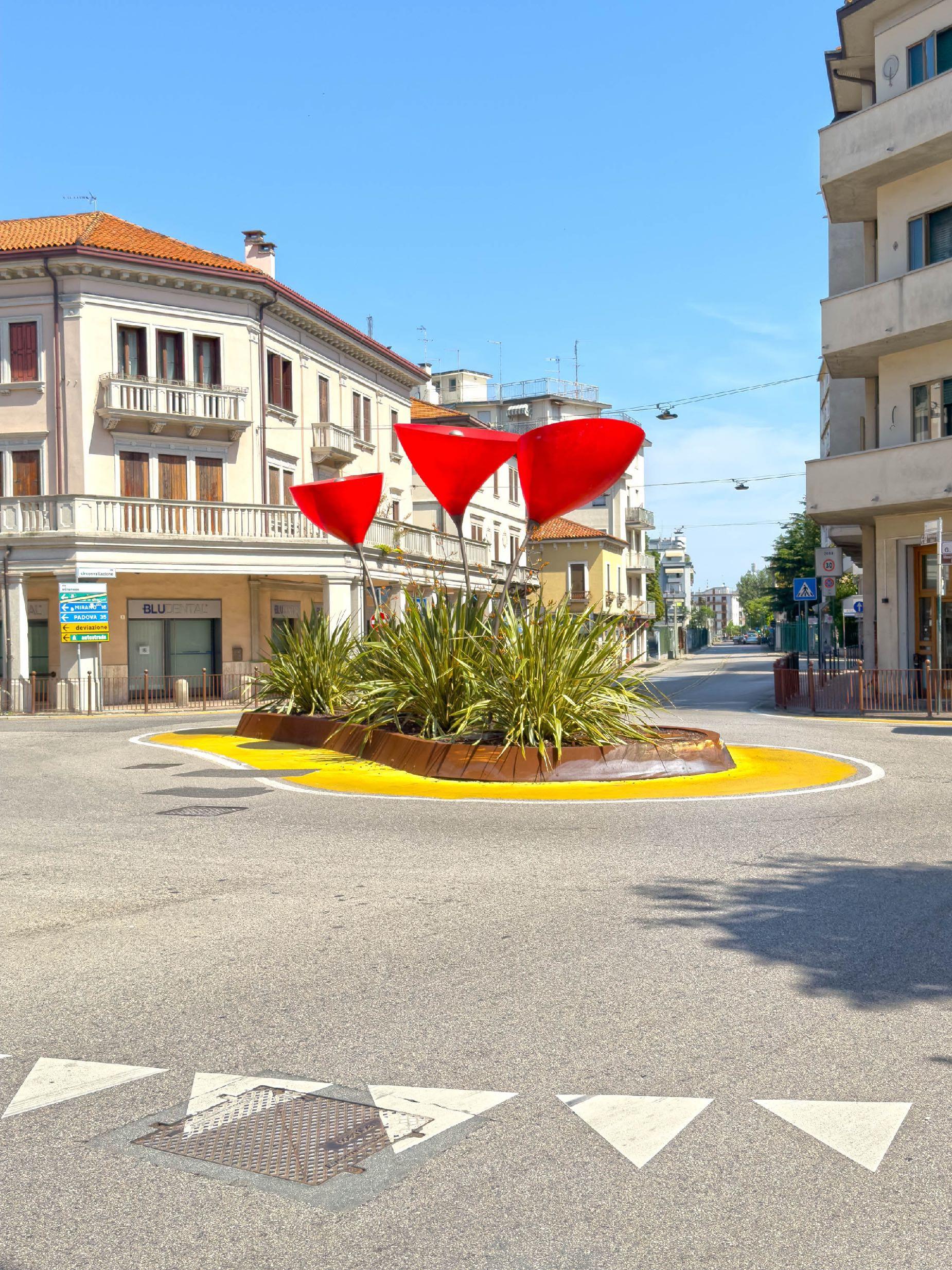
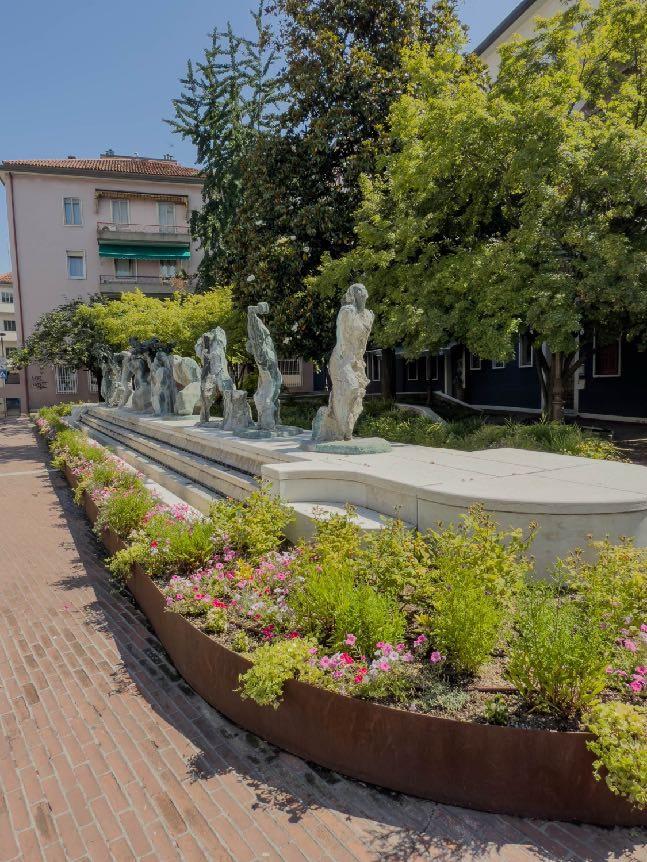
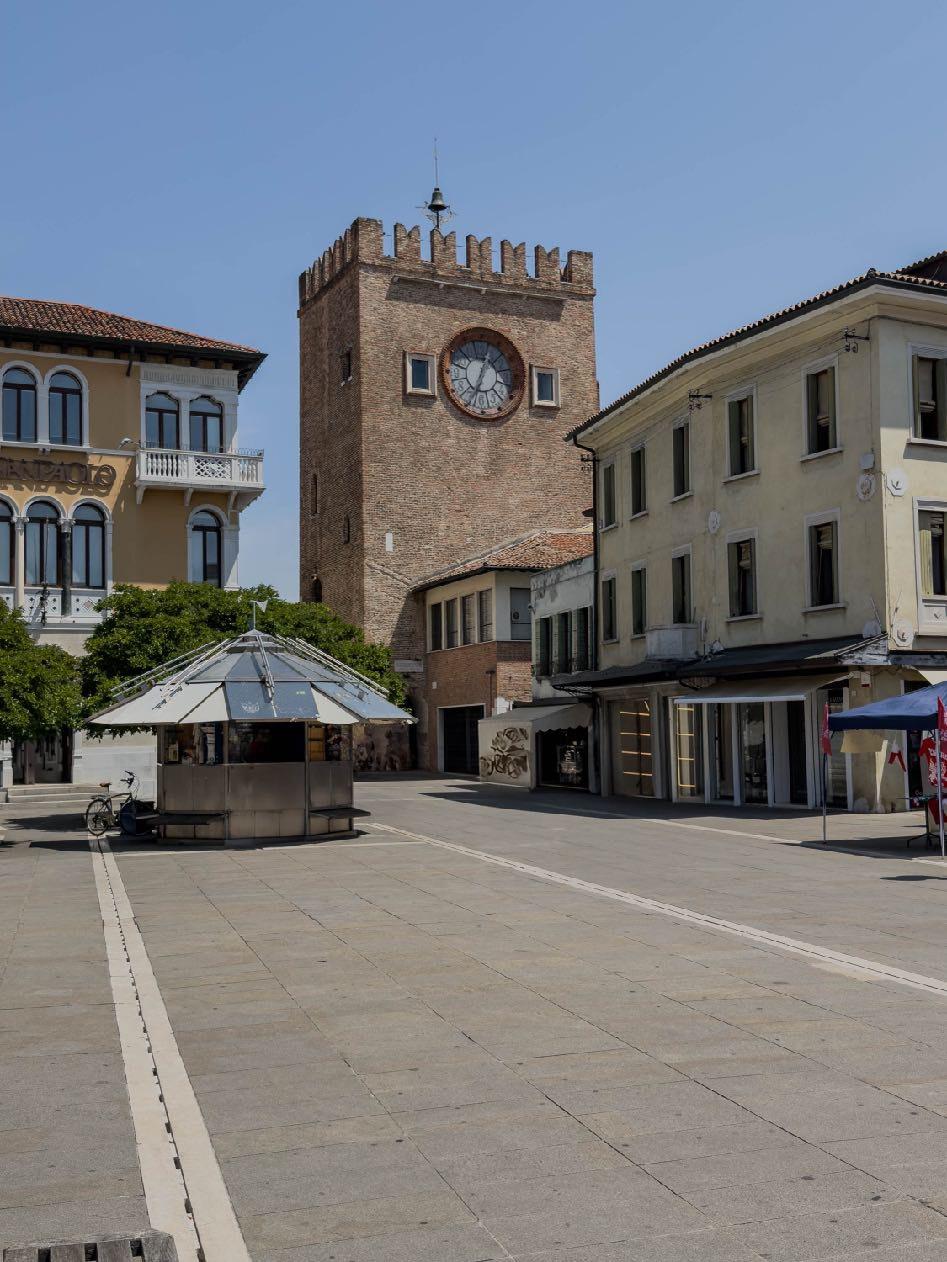
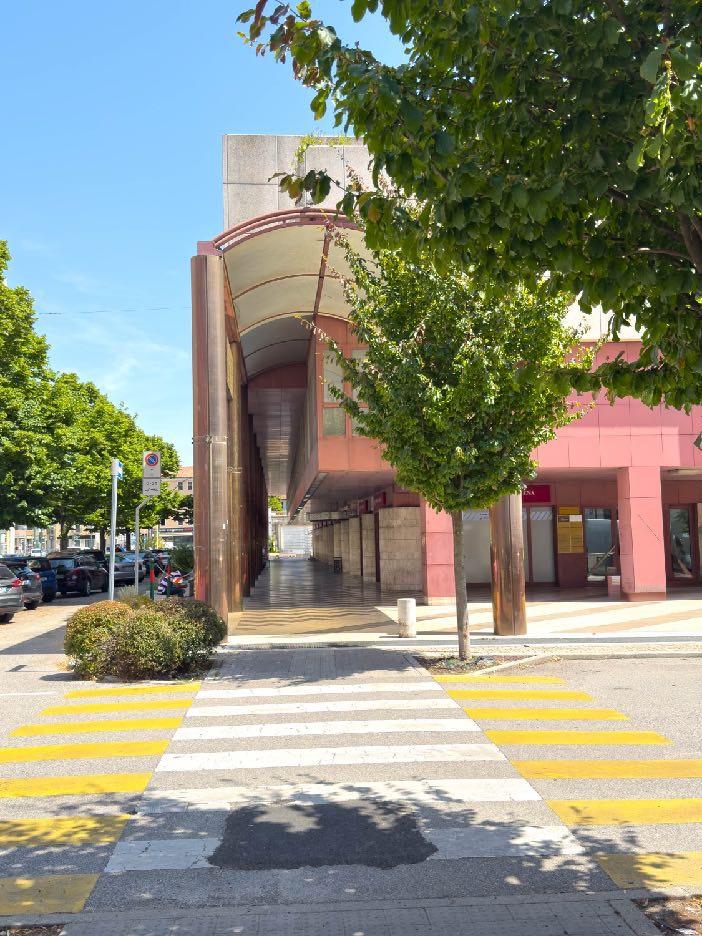
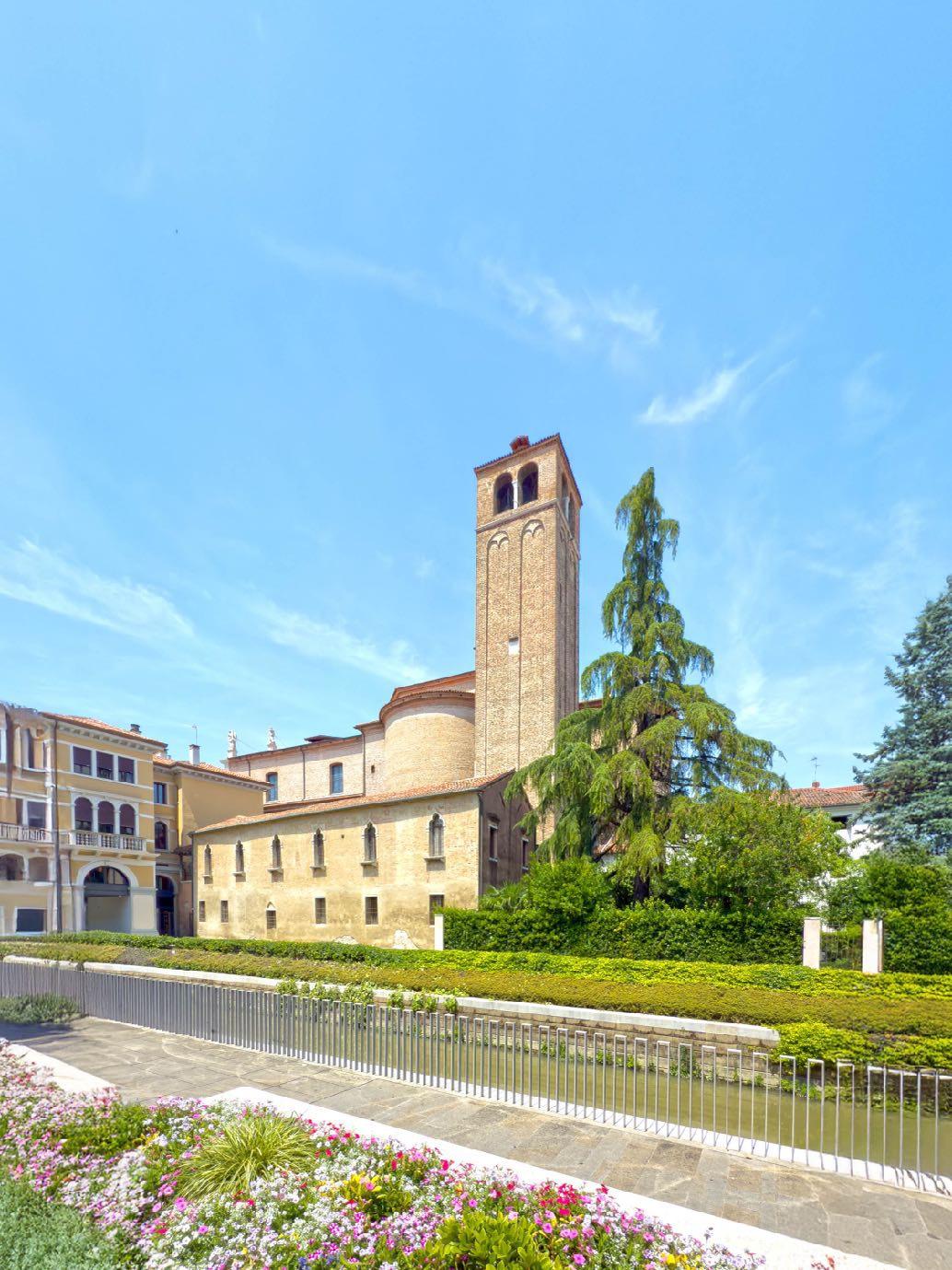
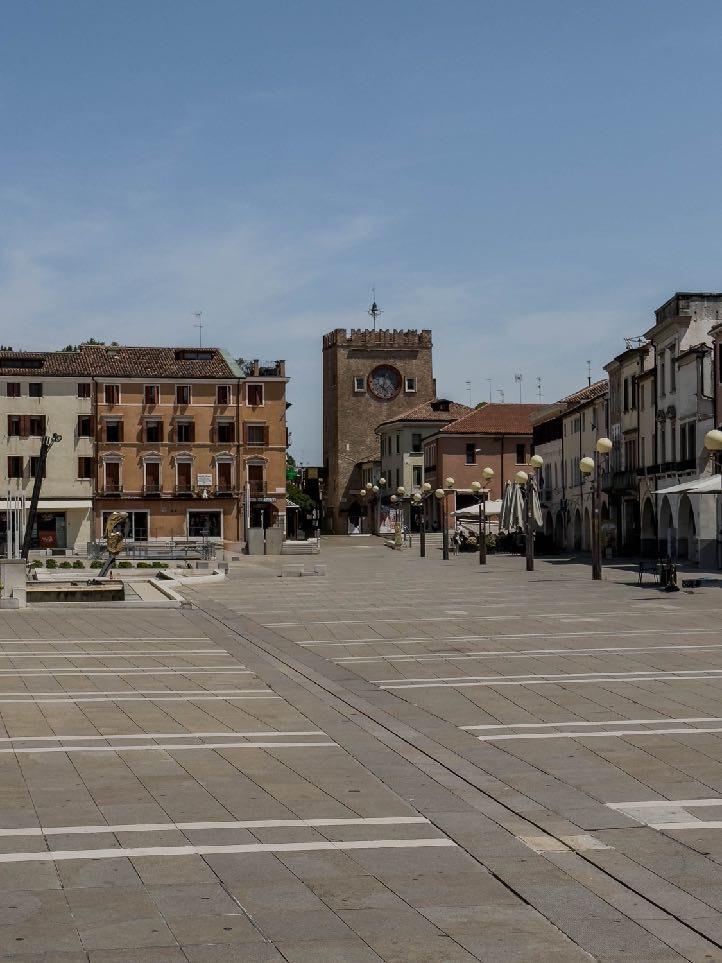
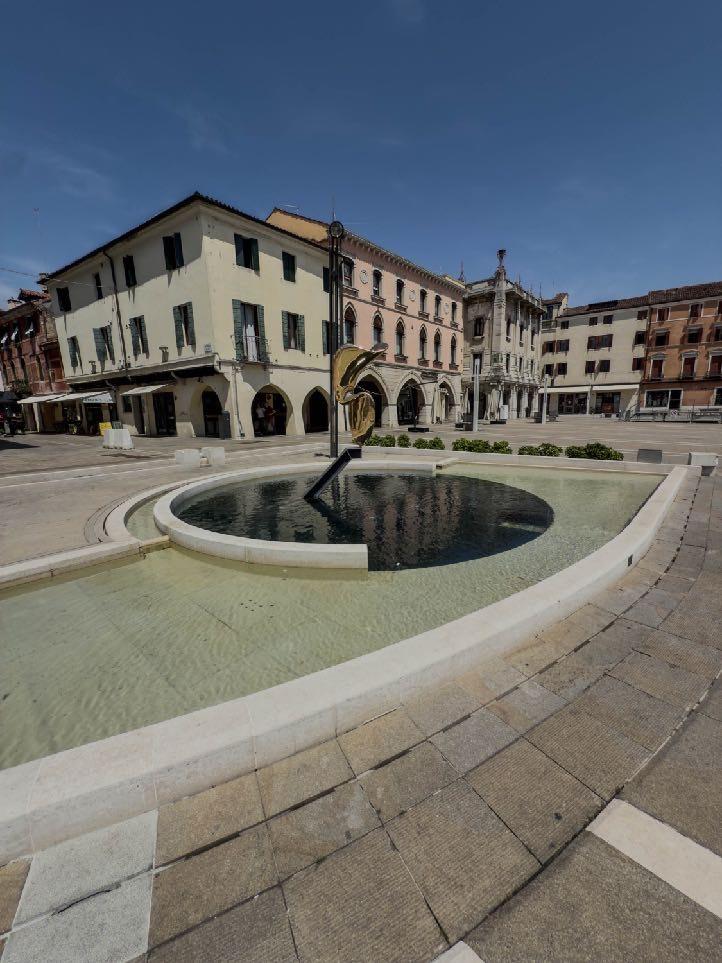
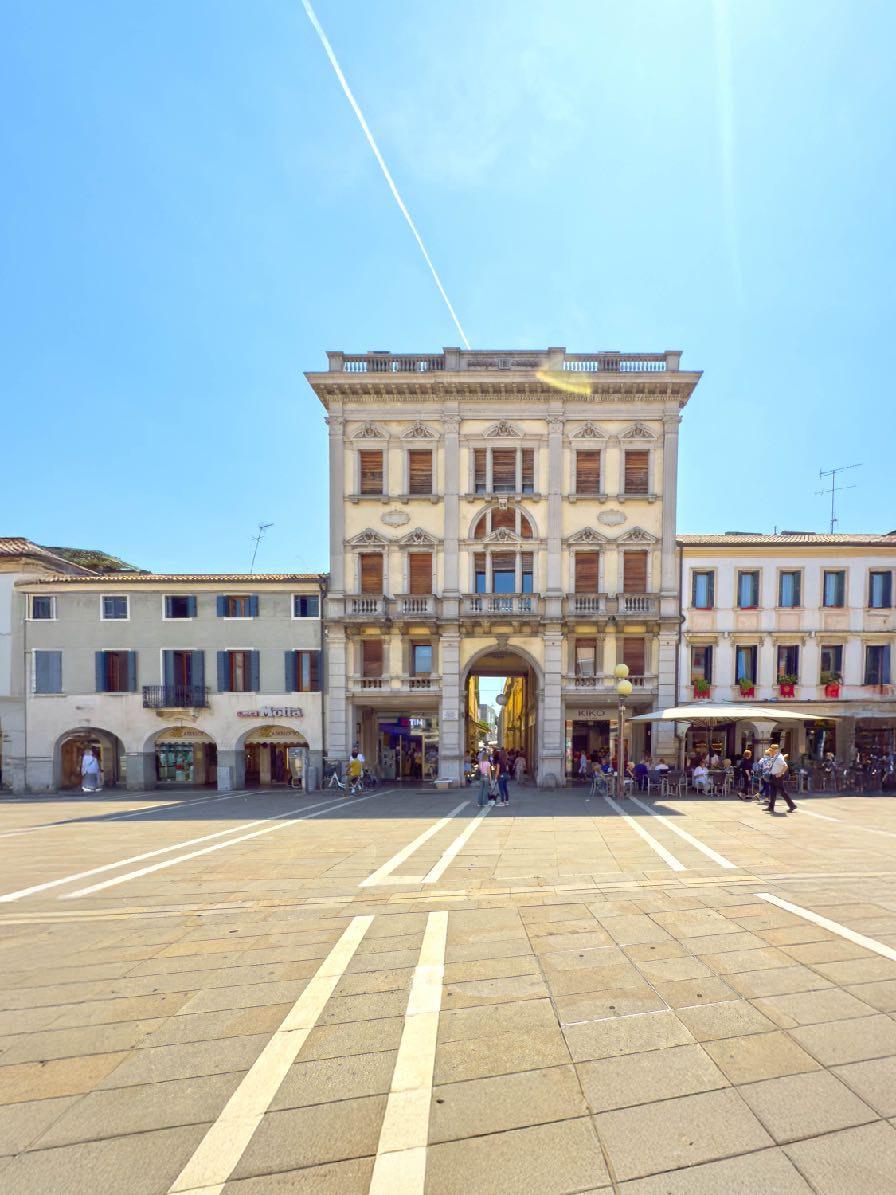
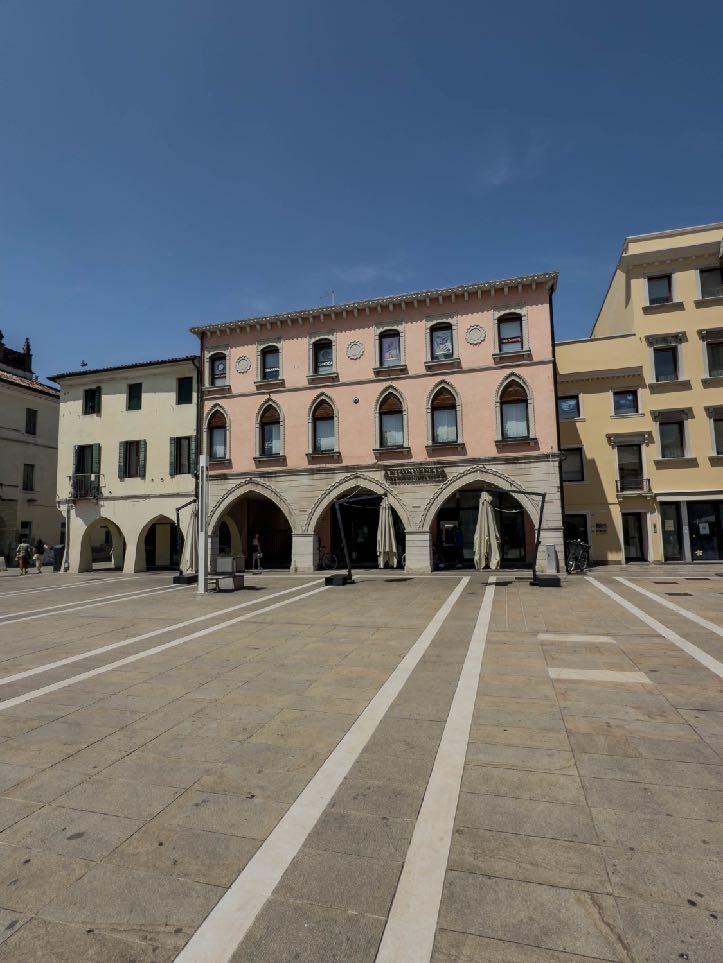
Mestre, the most significant city in the mainland of the Venice province, combines contemporary urbanity with close proximity to the historic lagoon metropolis.
with the ÖBB railjet from Munich to Venice
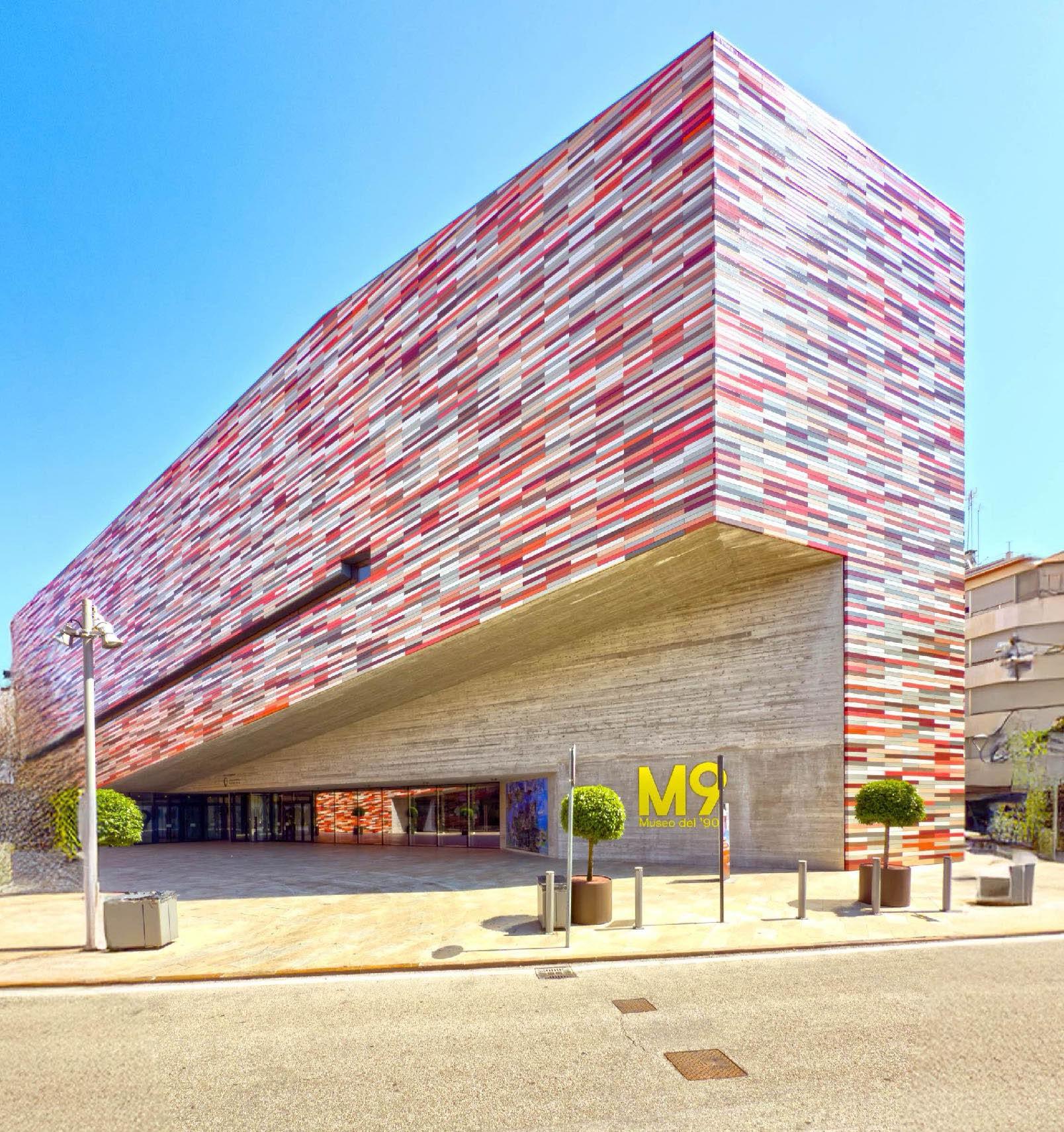
The M9 Museum Quarter showcases the developments and events of the 20th century. It serves as both a learning and event venue and sees itself as a complementary counterpart to the island city frequented by numerous tourists. A diagonal axis runs across the squa-
re, stretching from Piazza Erminio Ferretto to Via Cappuccina. This path leads through the courtyard of the Convento delle Grazie, which was integrated into the museum quarter after extensive renovation.

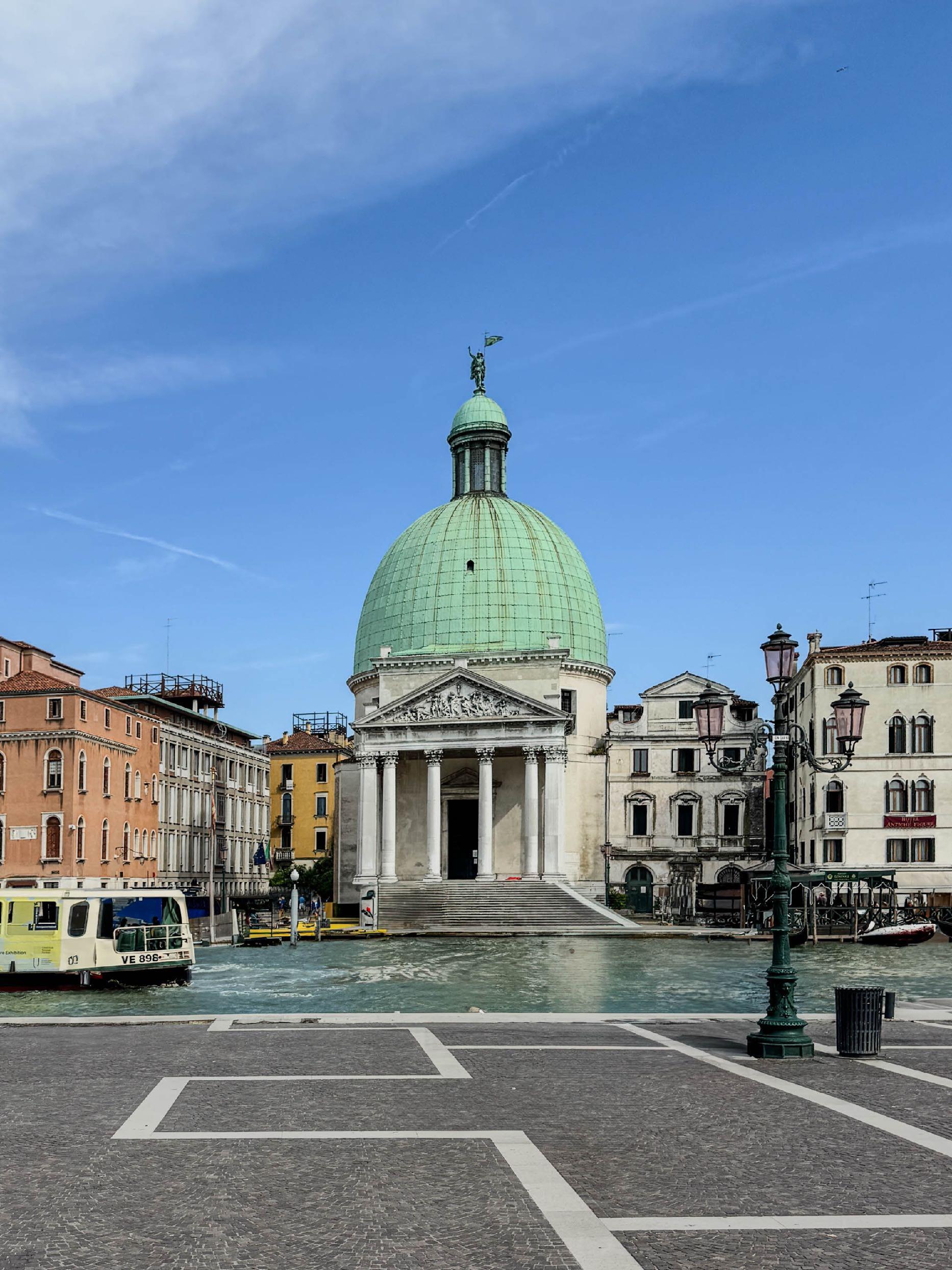
Venice is a fascinating city in the middle of a lagoon, distinguished by its picturesque waterways, impressive palaces, and significant historical past.
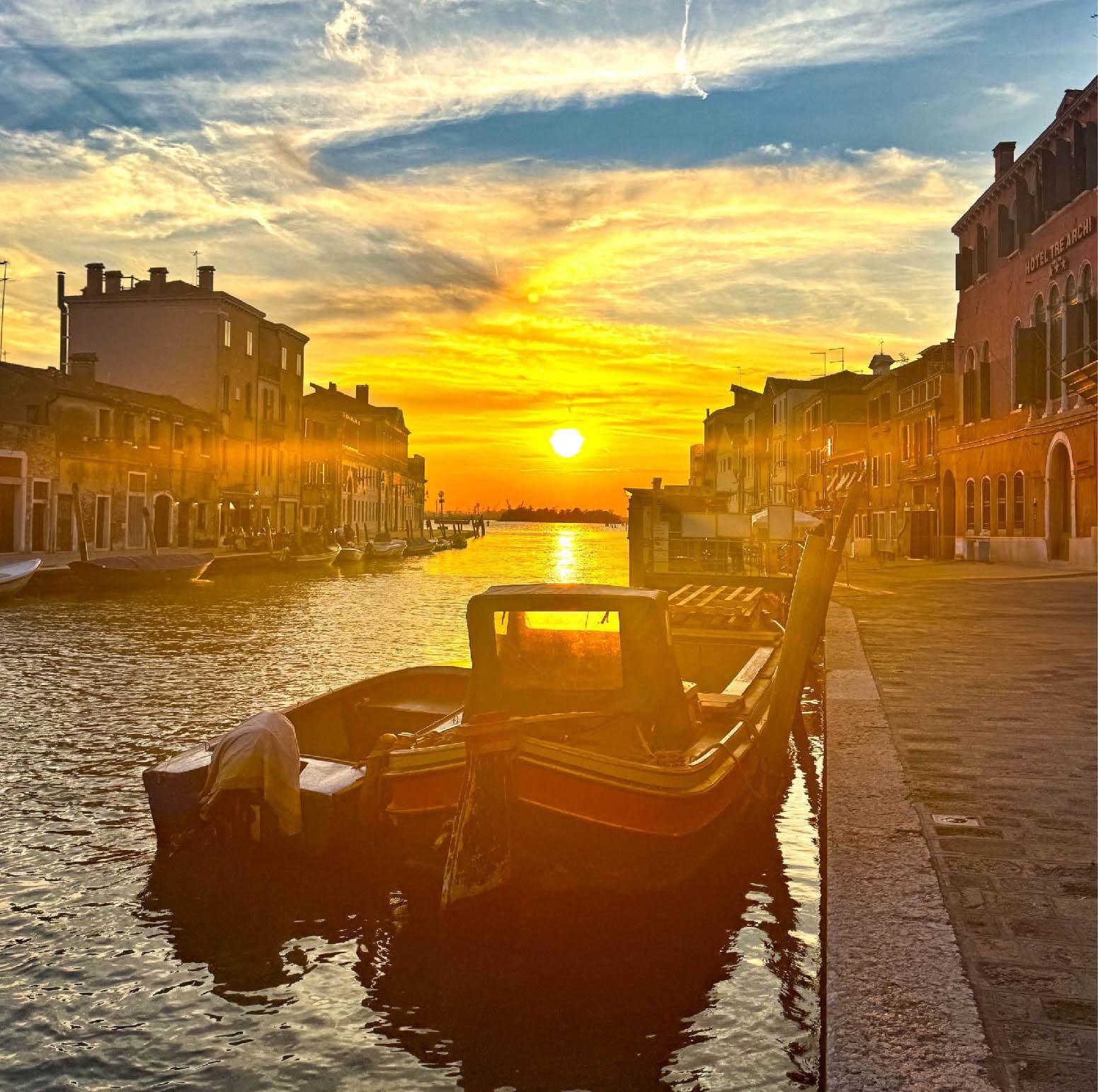
Venice is unquestionably one of the most captivating historic cities worldwide. Its distinctive ambiance is unmatched, creating a unique and almost enchanting experience. The most eco-friendly and convenient way to arrive at this lagoon city is certainly by train. ÖBB Railjet services and overnight sleeper trains connect travellers directly from Munich to the Canal Grande. Upon reaching Venezia Santa Lucia station, visitors find themselves immediately on the city’s principal transportation route. From this point, an intricate maze of narrow streets, winding waterways, and ancient bridges unfolds before
explorers, accessible either on foot or via the renowned Vaporetto waterbus line. Each corner reveals tales from centuries long past, while the splendid palazzi and the grand St. Mark’s Square stand as the cultural centre of Venice.
Particularly at dusk, the city unveils its singular allure, captivating onlookers with a luminous display that bathes the stone façades in a warm golden glow. Venice’s rich cultural heritage is further reflected in its world-renowned art galleries and museums, where masterpieces by Titian, Tintoretto, and Bellini are displayed with pride.
with the ÖBB railjet from Munich to Venice

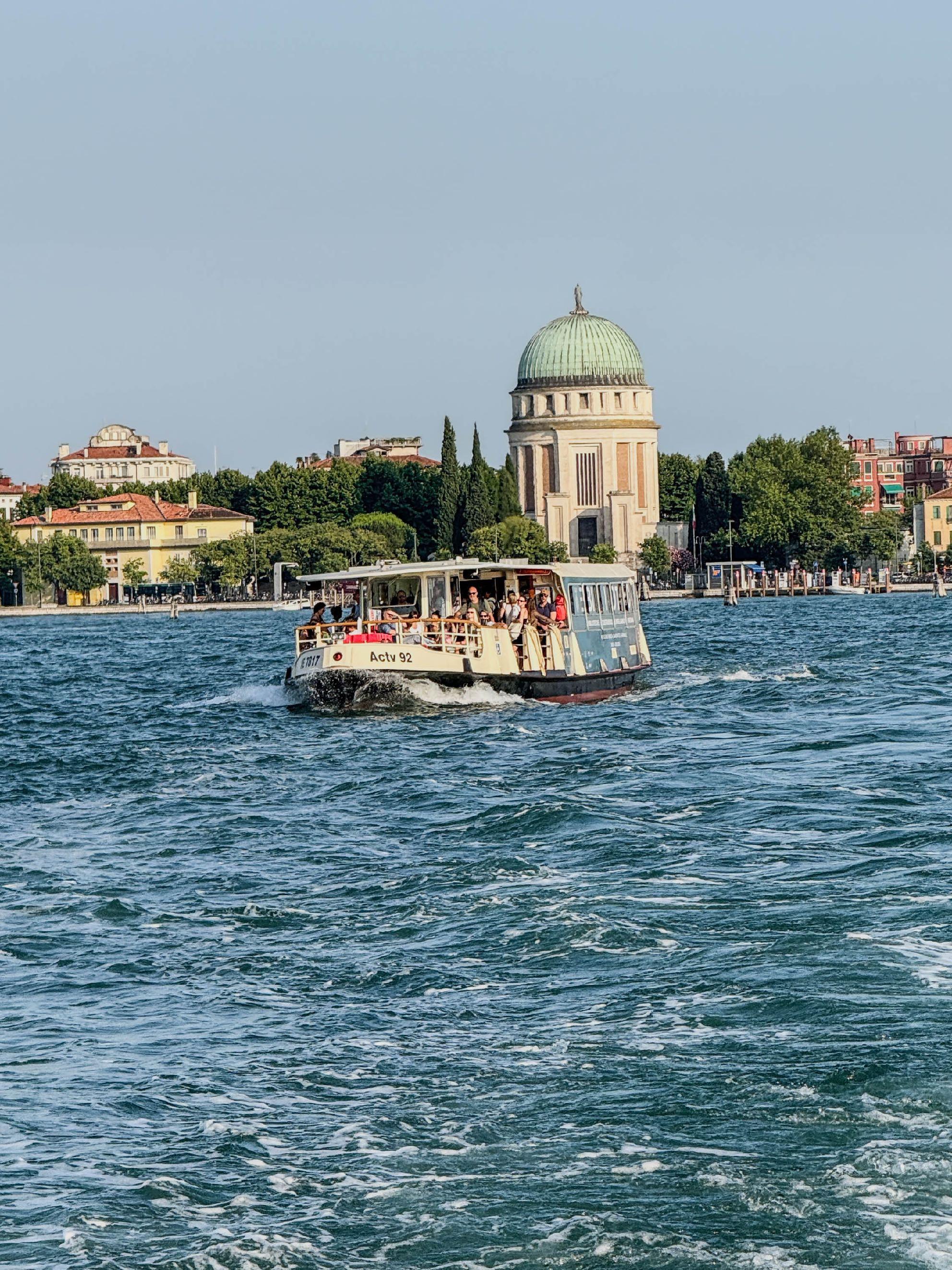
Depending on the number of planned trips with the Vaporettos (water buses), each visitor has the opportunity to choose the most cost-effective ticket. Various ticket options can be compared and booked on the ACTV website.
For those planning only a few trips, there is also the option to purchase tickets directly at the docks with a debit or credit card. Alilaguna, the second water bus company in Venice, also offers a transfer pass.
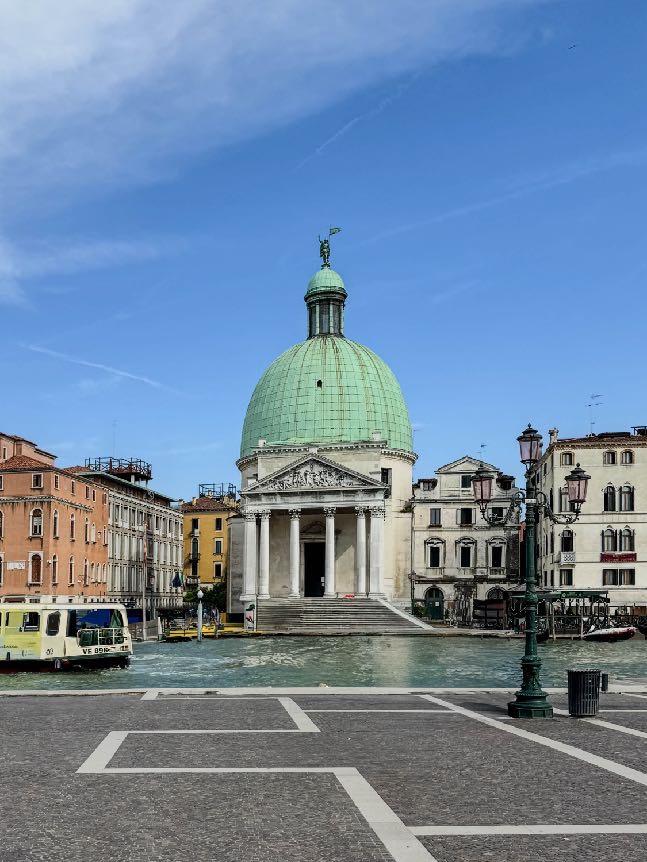
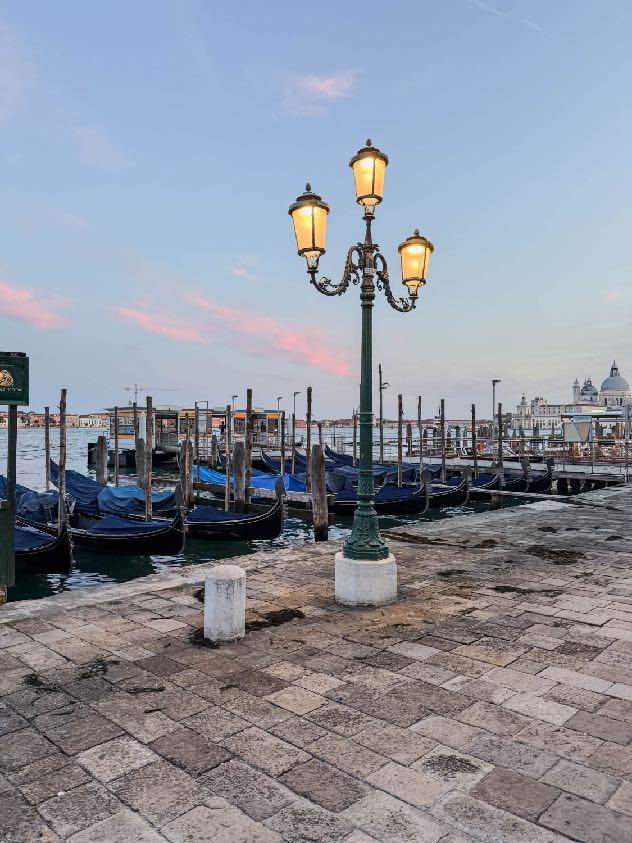
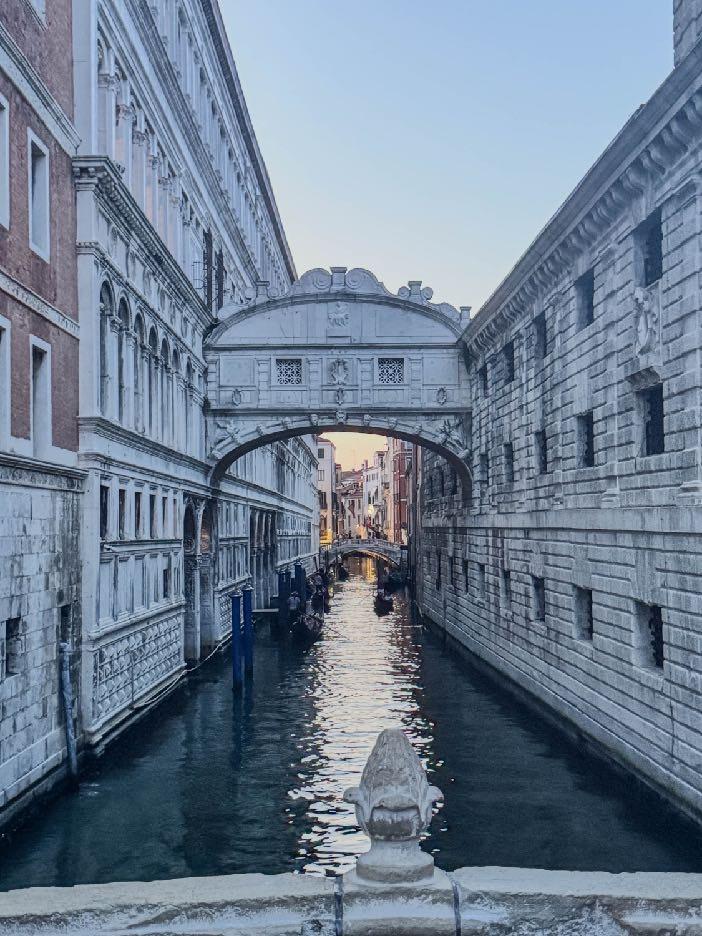
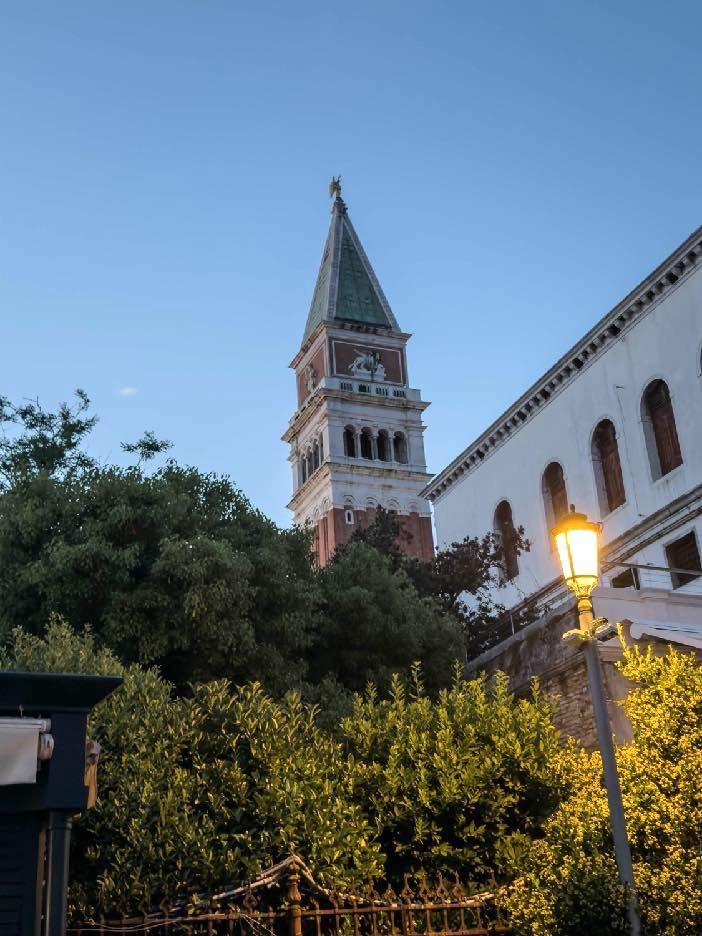

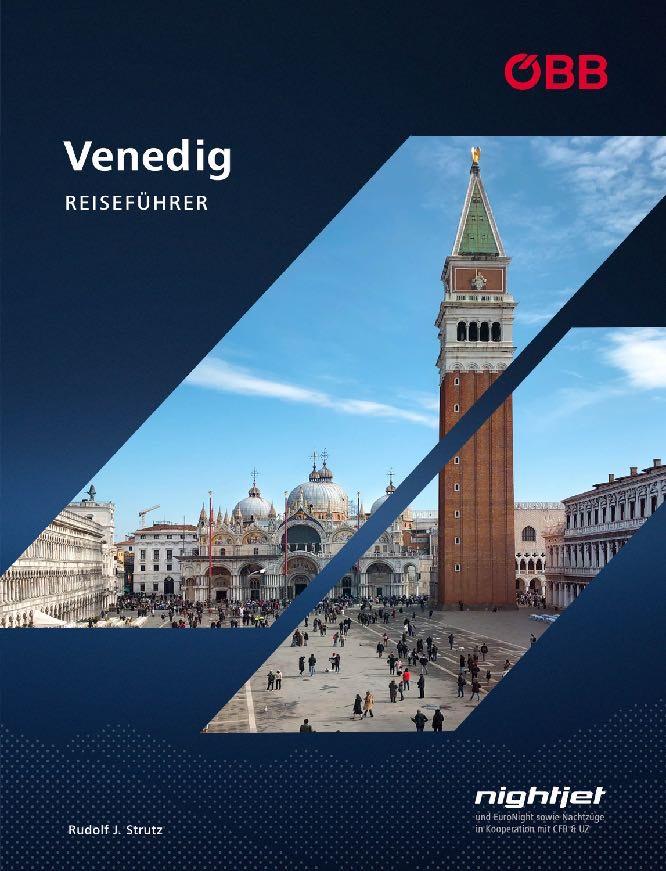
Venice is furthermore thoroughly featured in two additional travel guides. Detailed insights and contextual information about the historic city situated on the Grand Canal are brought to life through a wealth of illustrations. Moreover, there is a dedicated publication solely focused on the remarkable Venice Carnival, which vividly

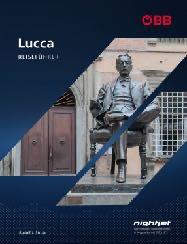
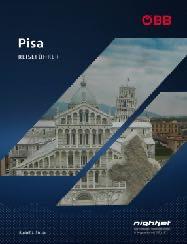

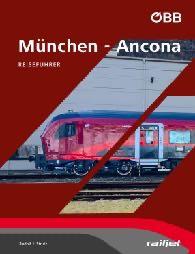
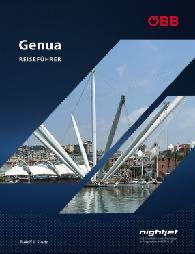
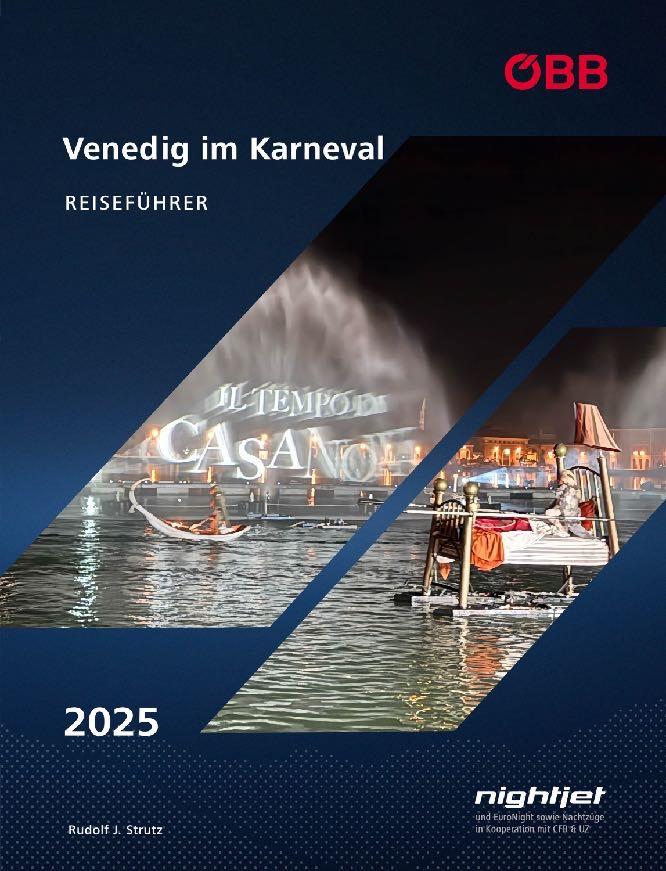
portrays its distinctive ambiance. Visitors are encouraged to explore lesser-known districts and hidden gems beyond the typical tourist routes, enriching their understanding of Venice’s multifaceted character. This approach offers a more intimate and authentic encounter with the city’s vibrant culture and timeless charm.


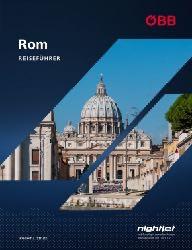
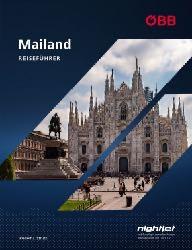
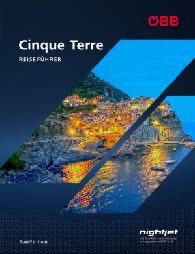
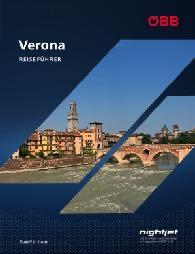
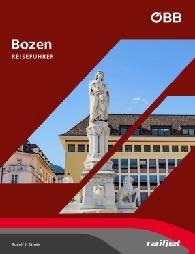

OBB Nightjet and OBB Nightjet Partner









This e-book was made possible through the kind support of the regional tourist offices and the OBB. German proofreading and editorial: Martin Andergassen.
References
Text, videos and photos by Rudolf J. Strutz unless otherwise stated. Timetables and travel information: OBB
Assistance from AI
Artificial intelligence applications are occasionally employed for image editing, including the elimination of undesirable components. Additionally, AI tools can enhance the clarity of images and diminish background noise.
The travel guides are also available free of charge on the OBB online entertainment and internet portal railnet, which is installed on all railjets, nightjets (NG) and cityjets
Copyright
This book was licensed under the Creative Commons License. Conditions of use: attribution, non-commercial, no editing and distribution under the same conditions only as a complete work! The use of individual photos and text is not permitted. This eBook is available free of charge.
All links provided are current at the time of publication of this ebook. Links to tickets usually lead directly to the exhibition location. For tickets and timetables, local public transportation services are linked.
All logos and company names are used for information purposes only; any use outside of this e-book must be approved by the copyright holders.

SCOTTY mobile shows the timetables for all public transport and helps you plan your travel route.


Book your trip online or view the current timetable online and directly on your mobile phone.





ebooks@oebb-ebooks.at