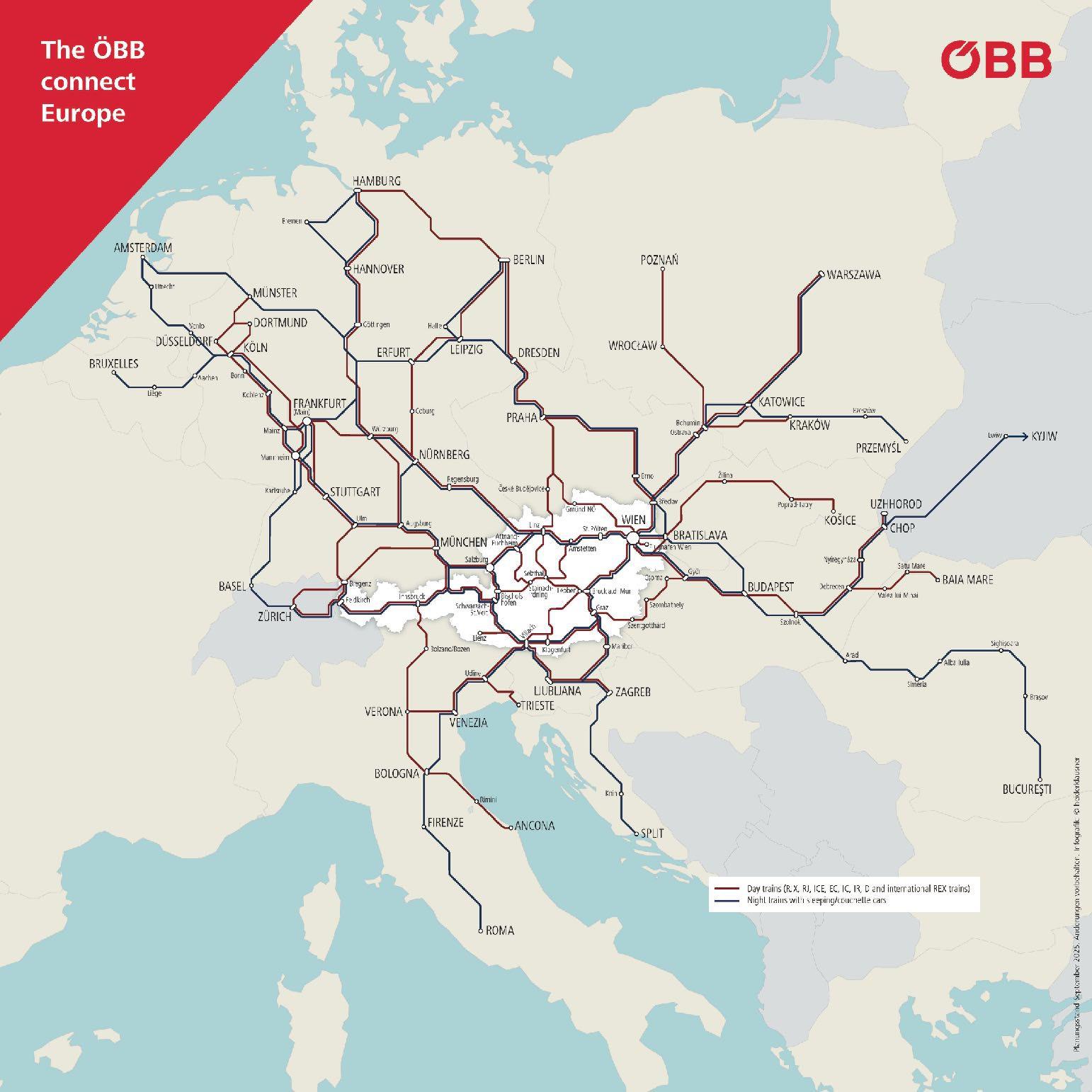
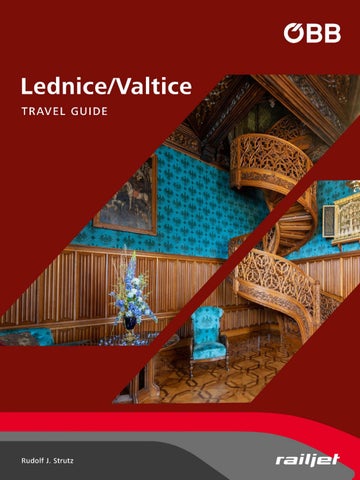
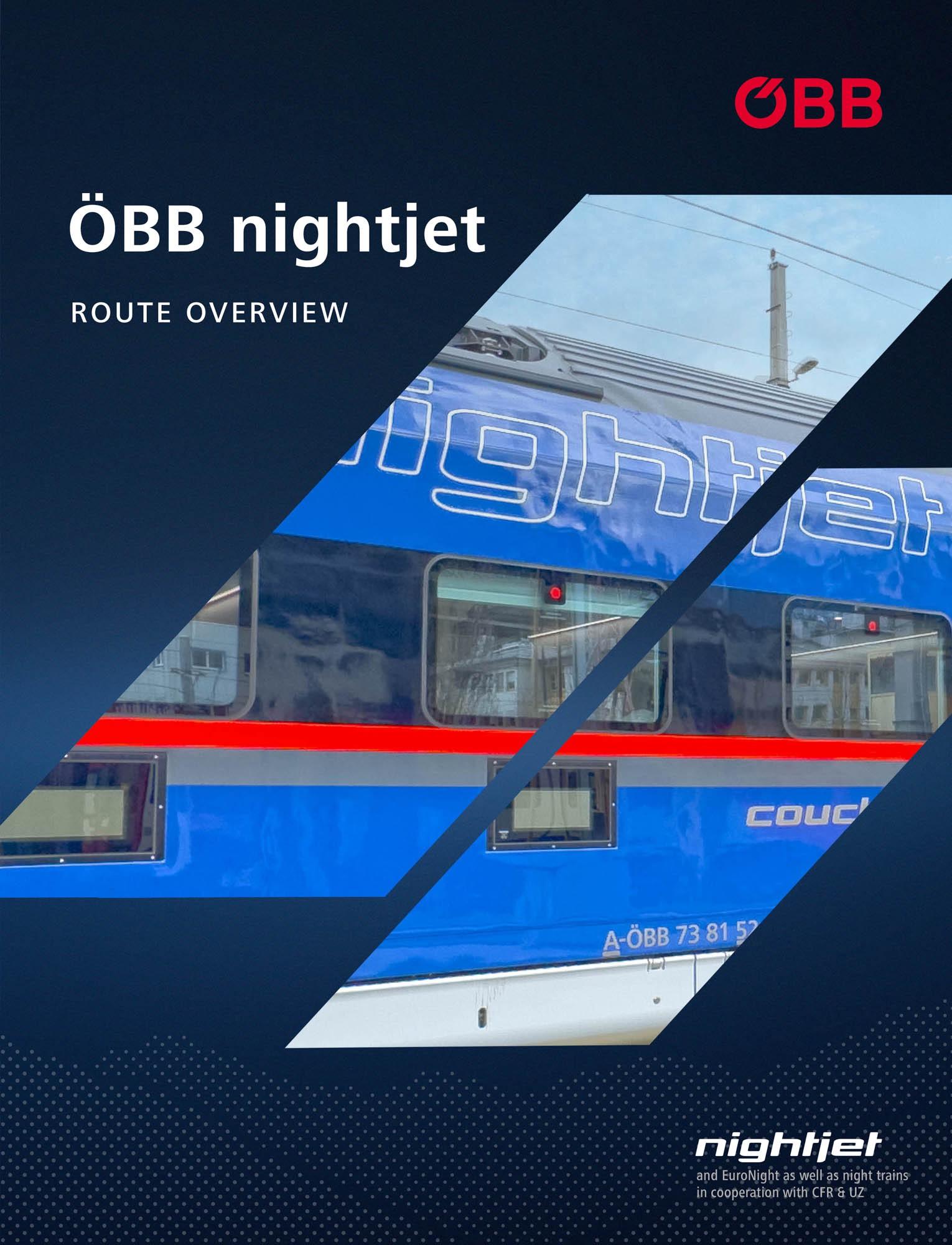
ÖBB connects numerous European cities with modern day and night services.
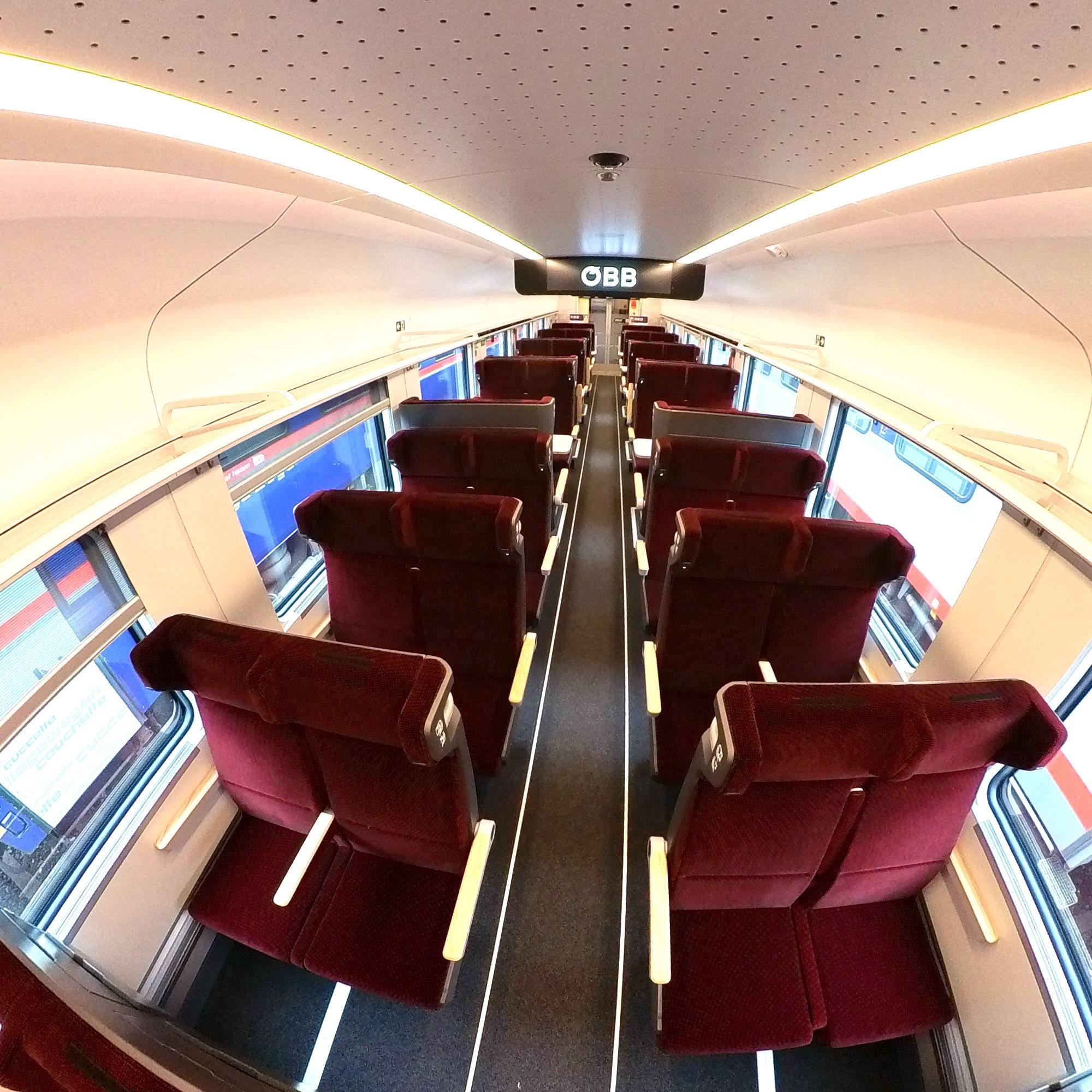
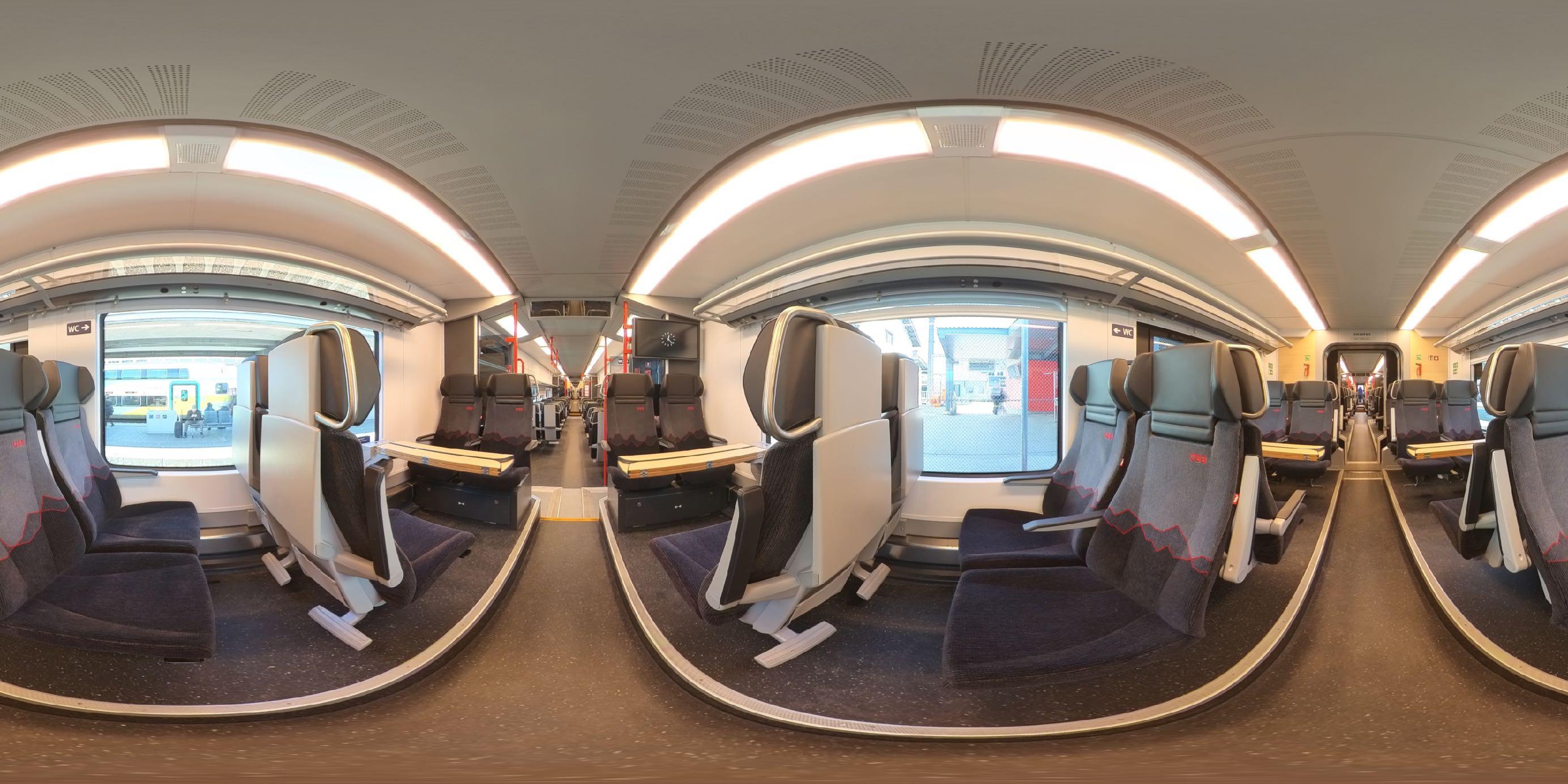
During the day, ÖBB Railjets offer fast and comfortable long-distance travel in Economy, First, and Business classes.
At night, the ÖBB Nightjet provides a relaxing and environmentally friendly journey across Europe. Whether
you prefer a seat, new Mini Cabins, or couchette and sleeper cars – every travel preference is catered for.
Within Austria, ÖBB Cityjets guarantee punctual and comfortable local and long-distance transport.
Further information and booking options can be found via the info button, which leads directly to the ÖBB booking page.


ARRIVAL
LEDNICE-VALTICE
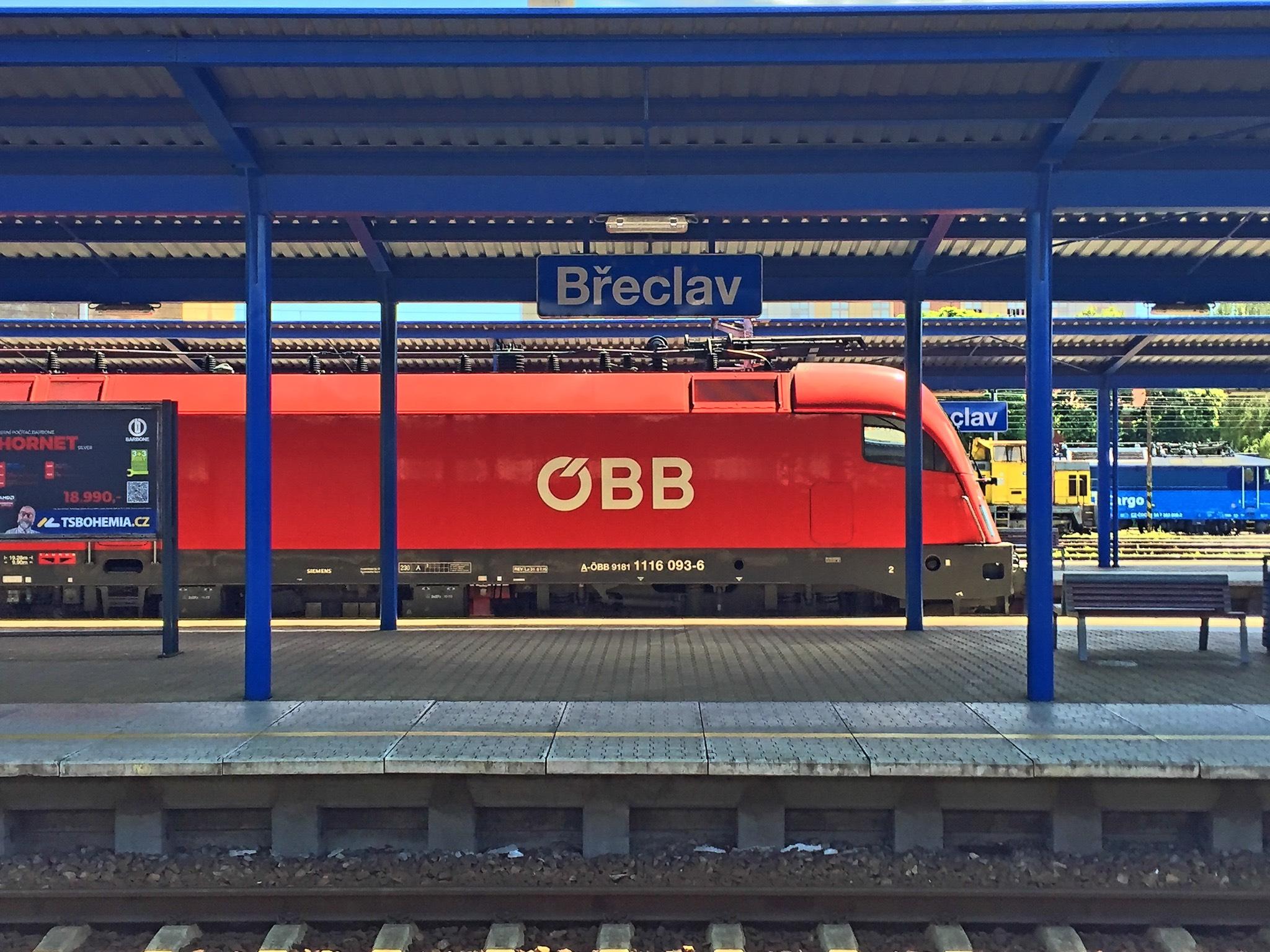
BRECLAV
VALTICE
VALTICE CASTLE
LEDNICE CASTLE
MIKULOV CASTLE
WORTH SEEING
IMPRINT

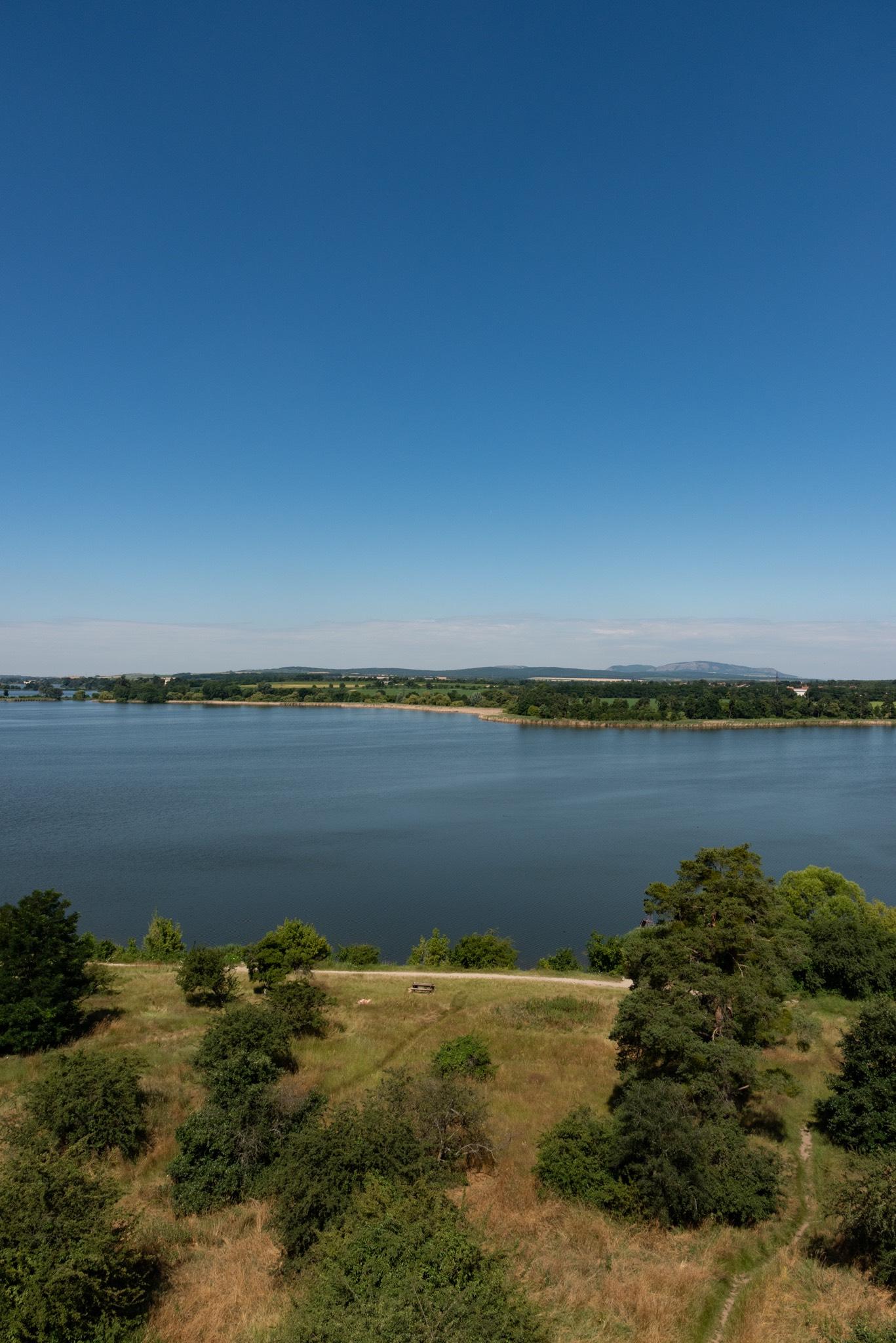


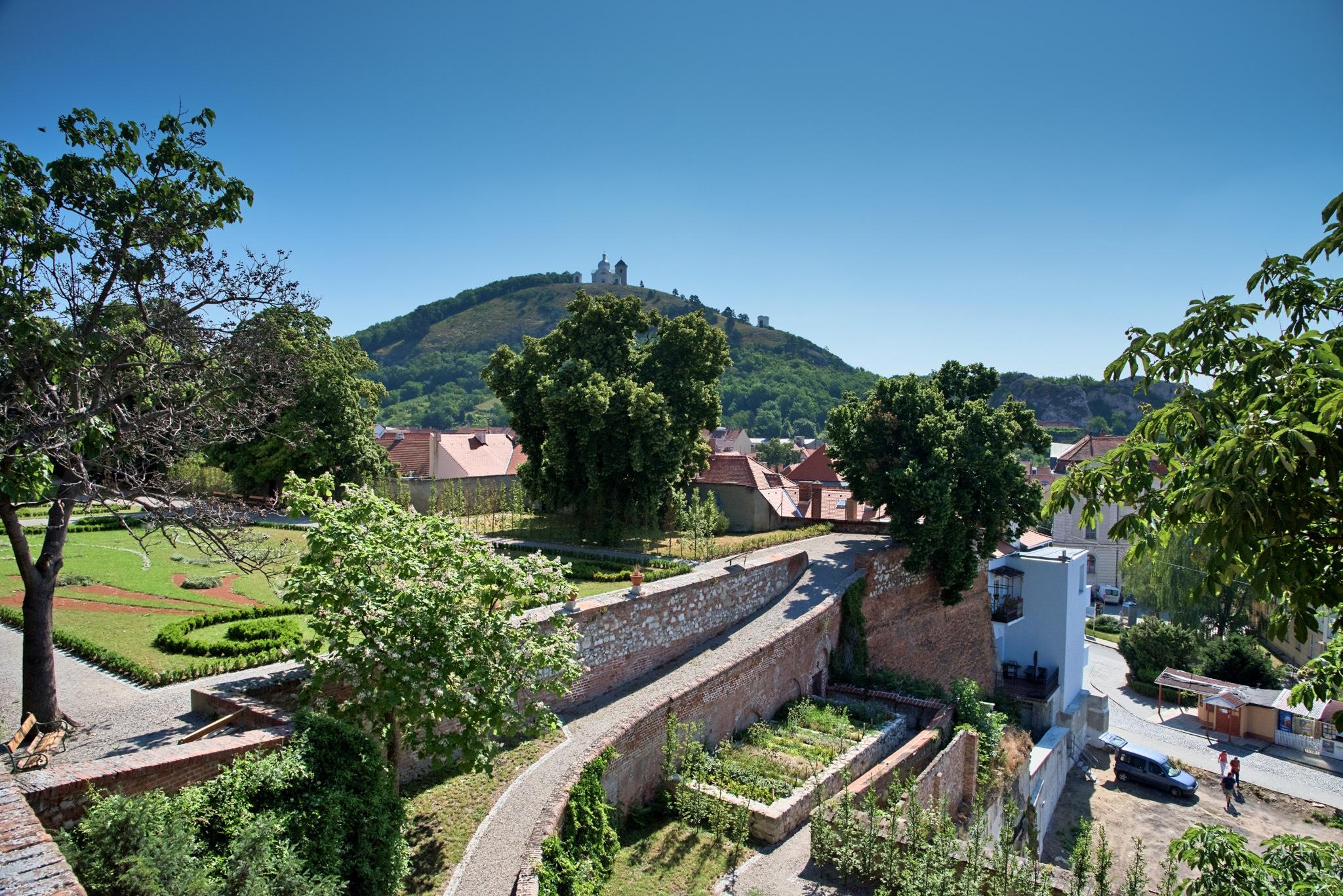
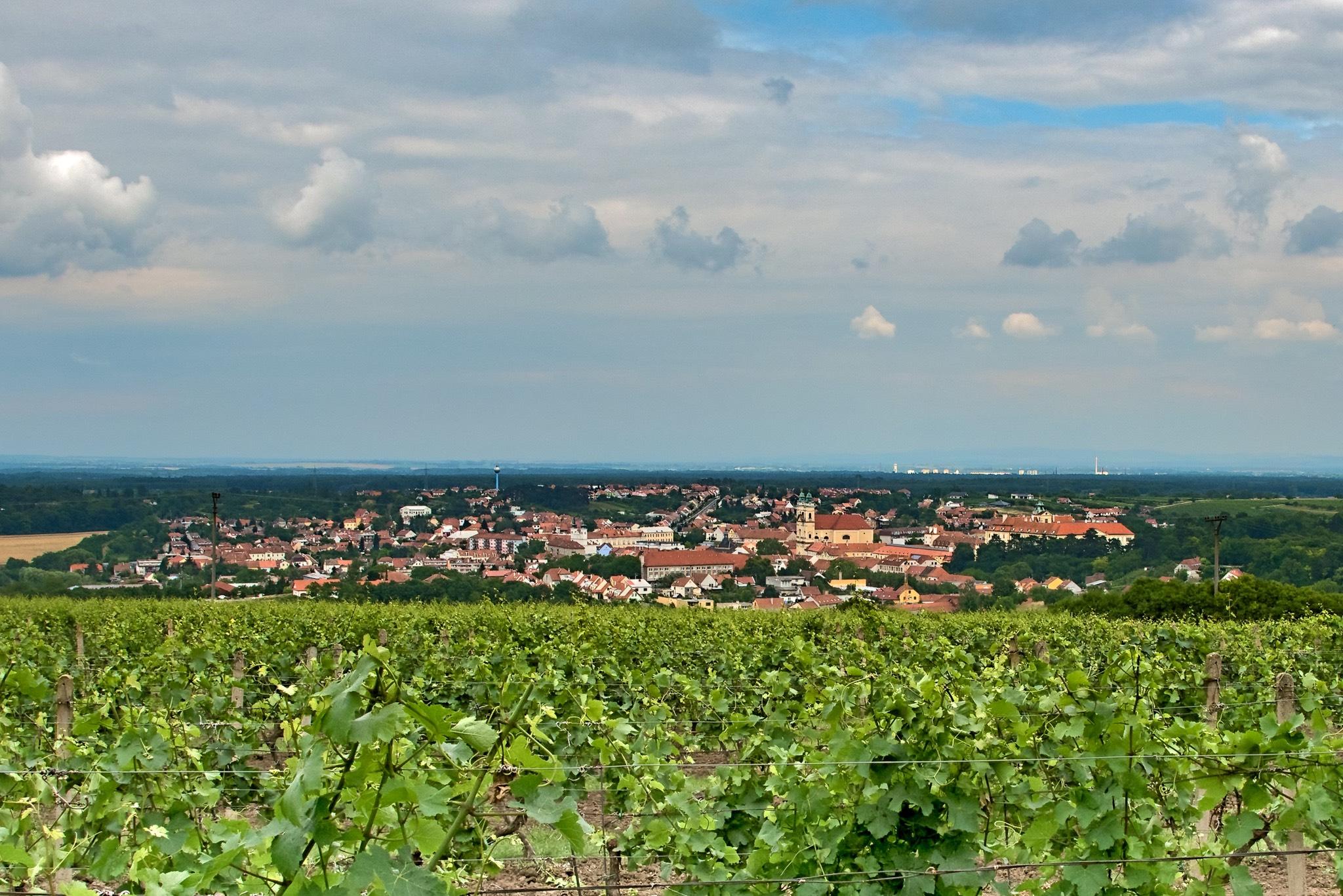
Region around Valtice Castle
Region around Lednice Castle
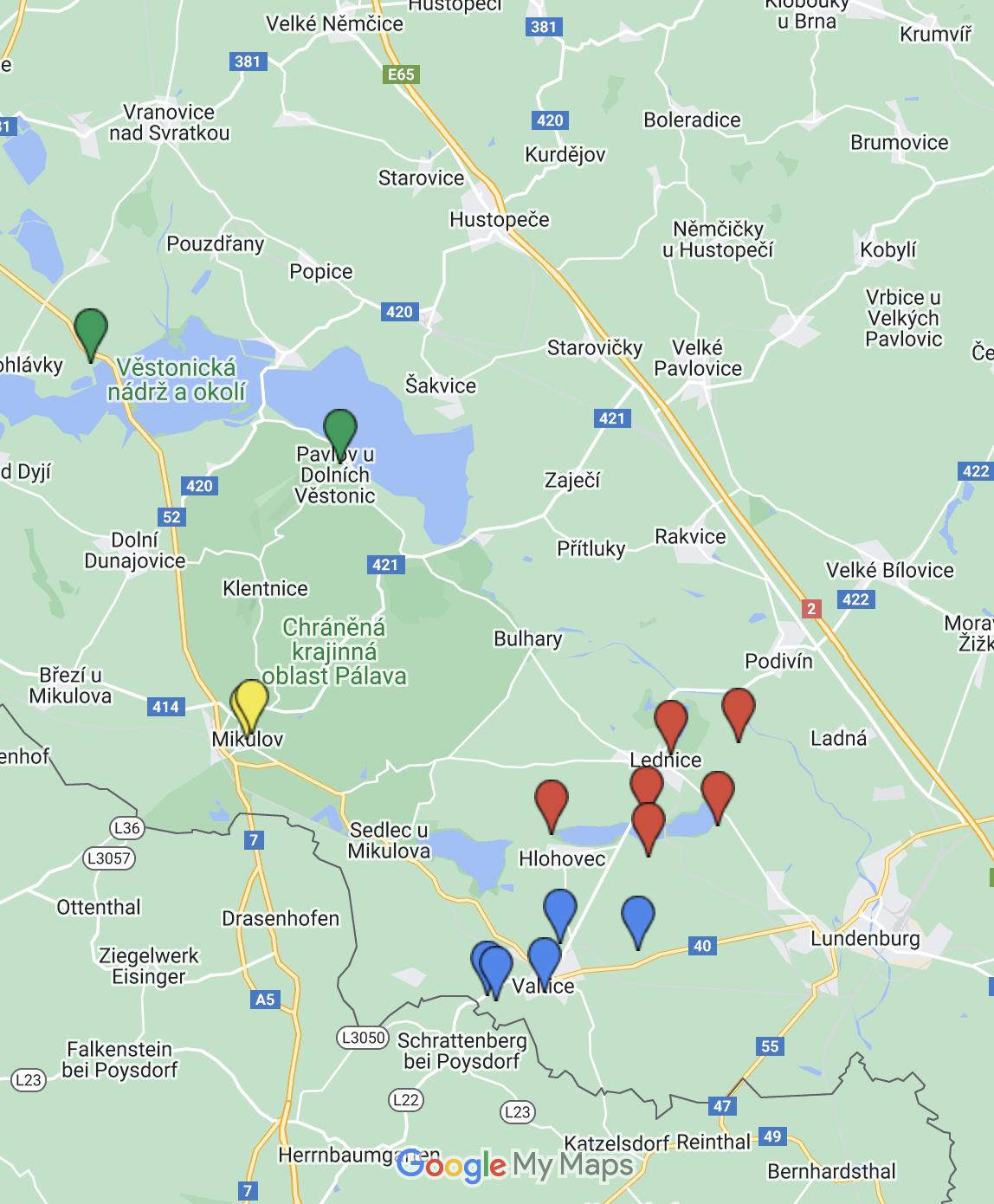
Archaeological Museum and Aqualand Mikulov Castle
The region created by the Princes of Liechtenstein in southern Moravia resembles a fairytale landscape. Magnificent palaces, manicured gardens and flower meadows, fantastic buildings, and vast forests, whose inhabitants are repeatedly glimpsed, provide unforgettable impressions. Here are the most important
sights of the Lednice and Valtice cultural landscape (Lednice and Valtice). Numerous pictures and background information on the buildings are intended to whet your appetite for excursions to this UNESCO World Heritage site not far from Vienna.

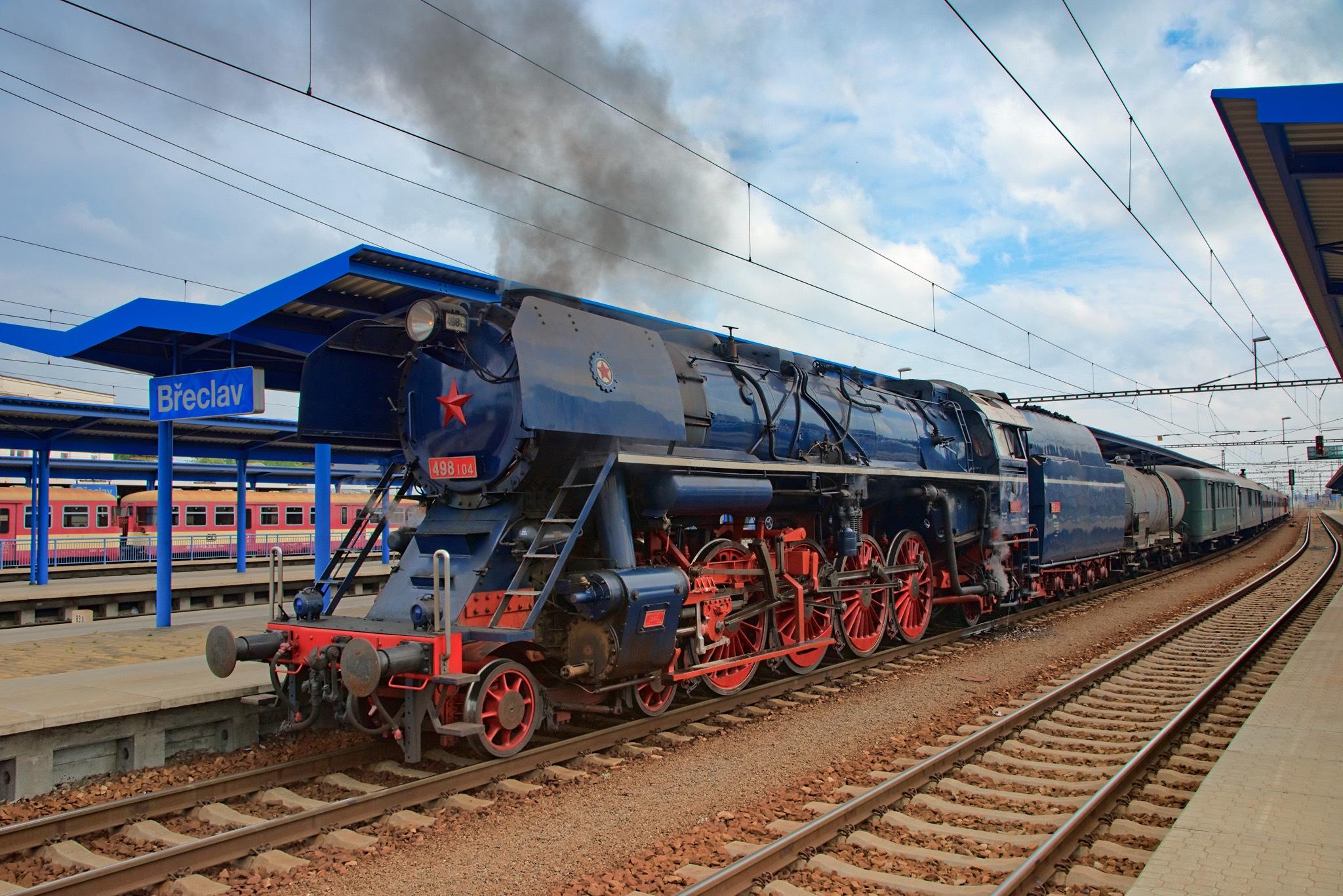

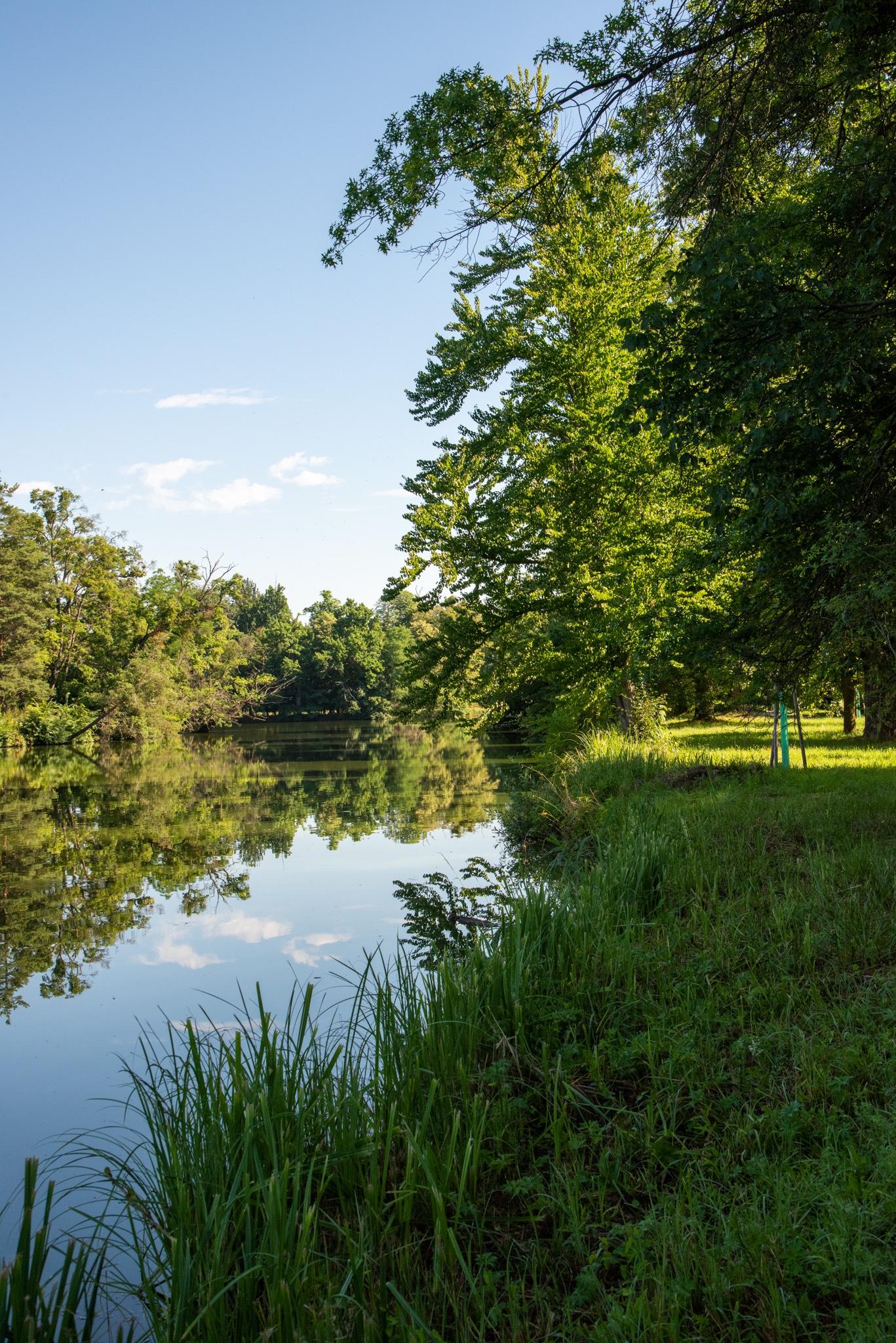
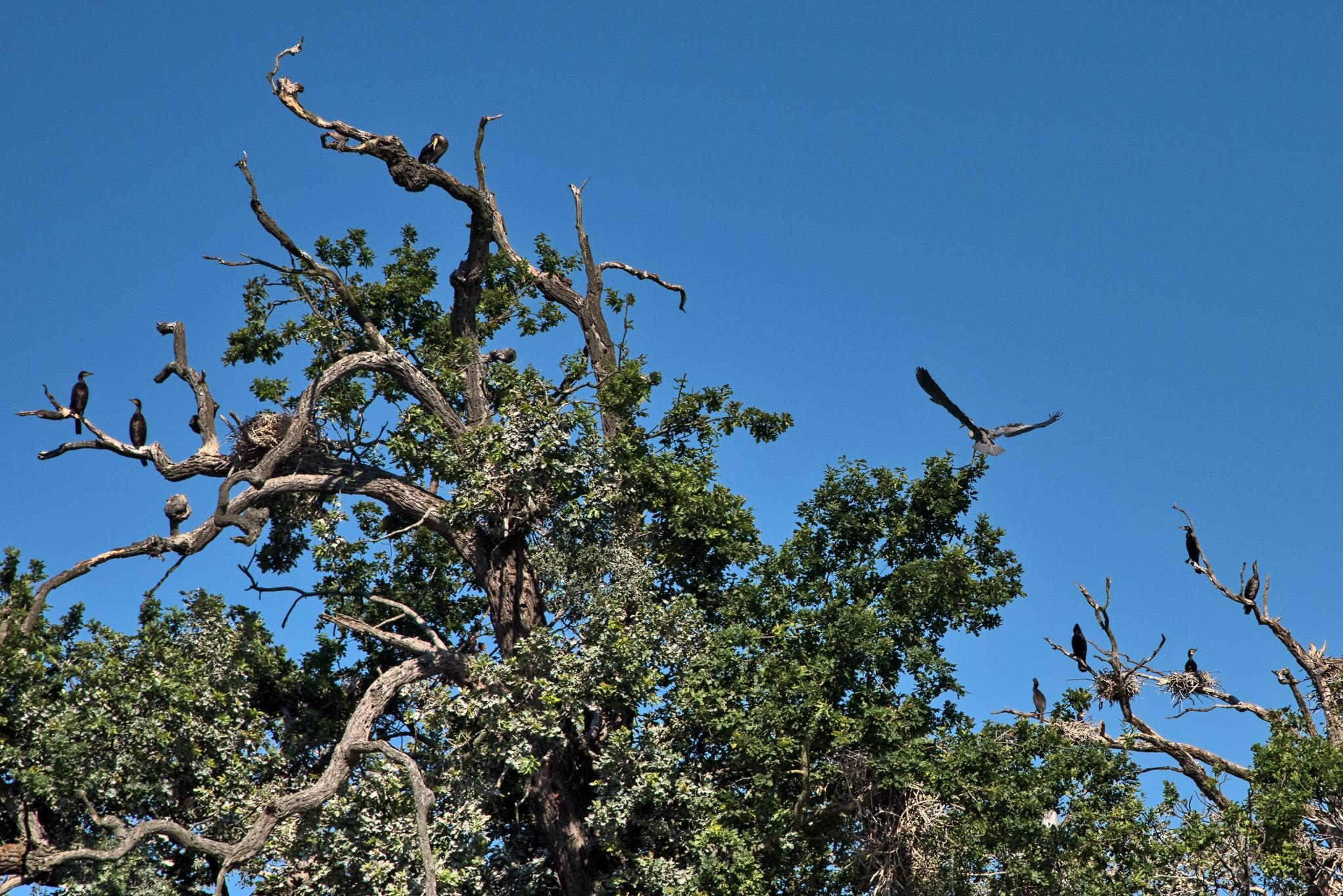
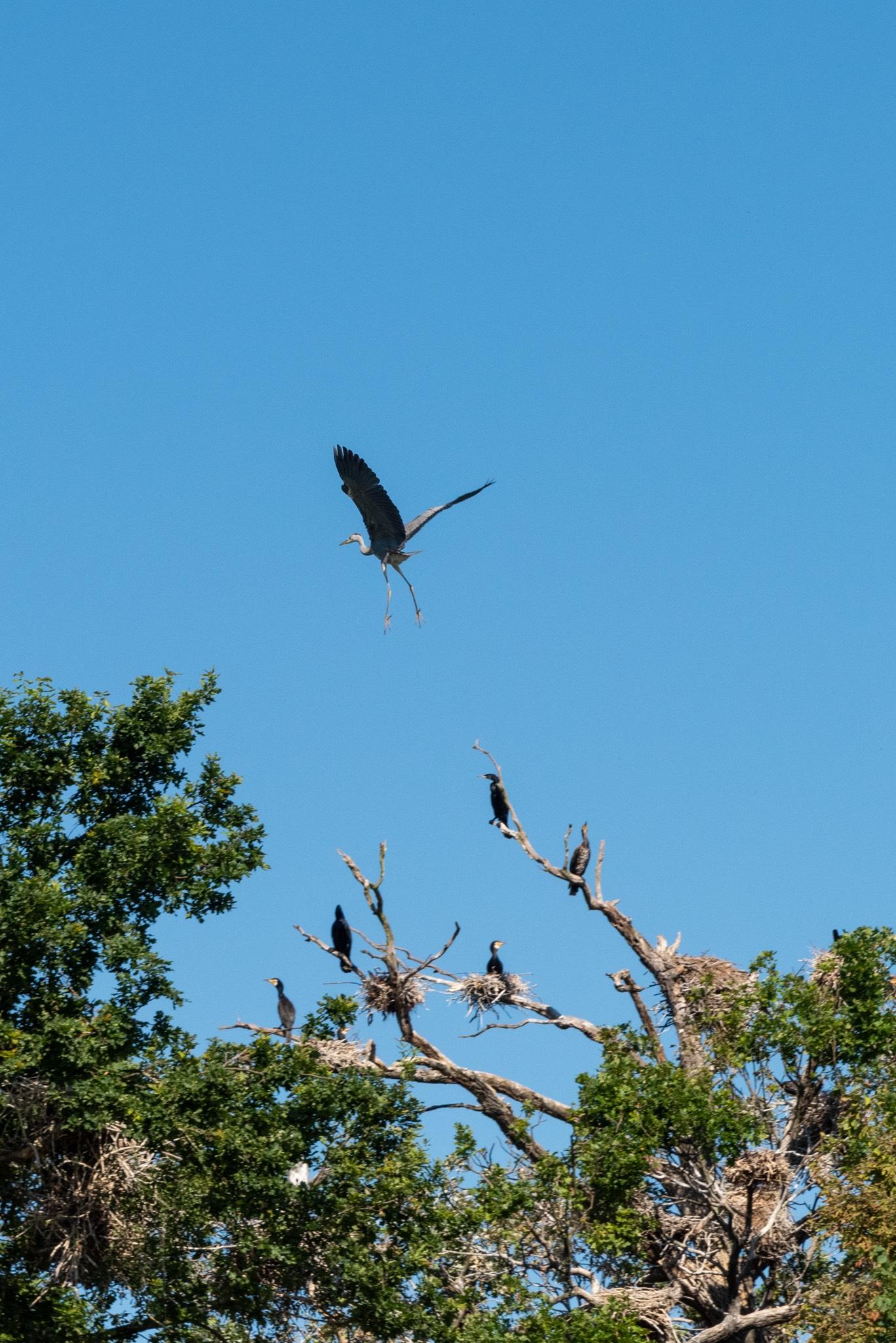
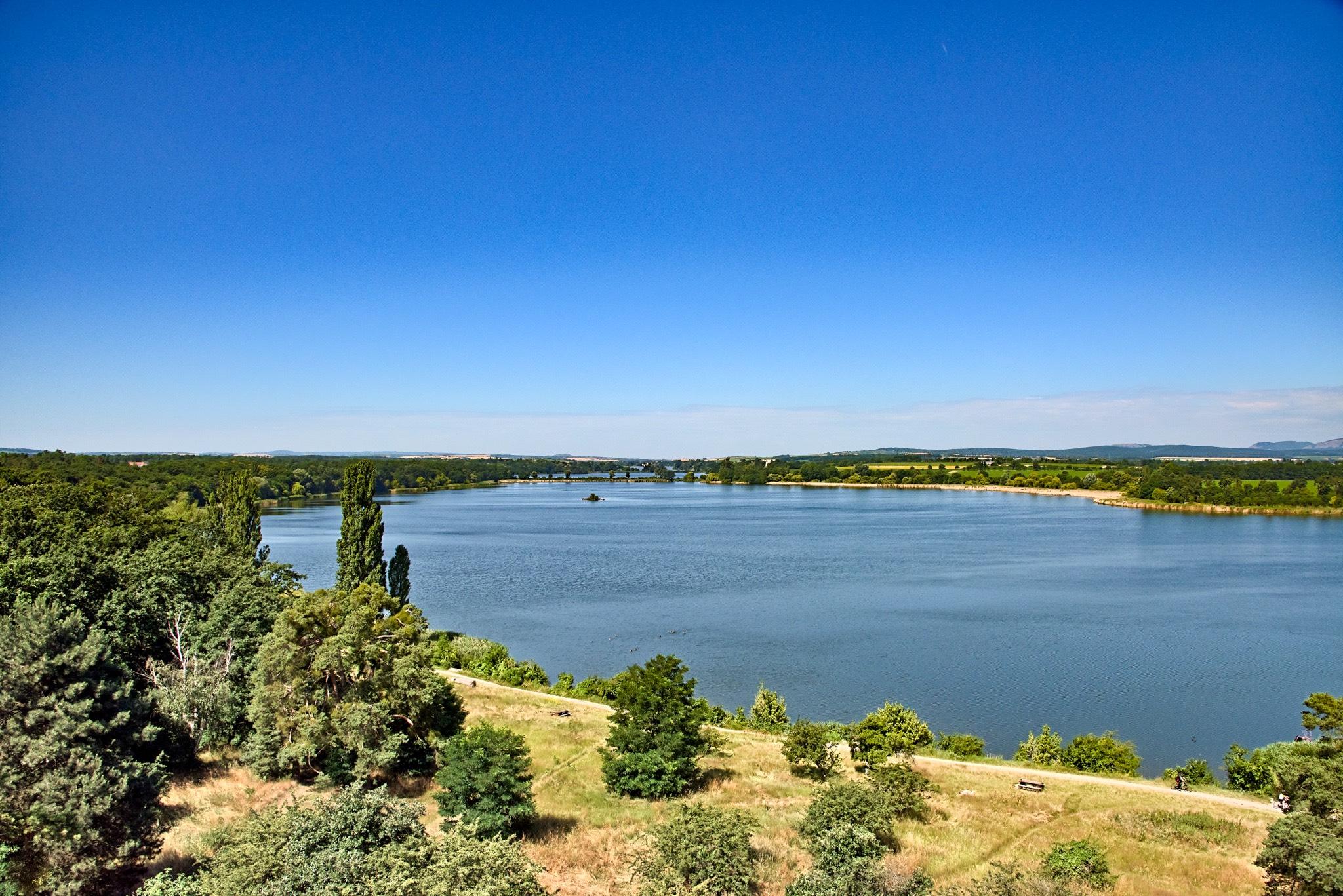
The gateway to the Lednice-Valtice Cultural Landscape is the town of Břeclav (Lundenburg). Here lies the Czech nature reserve Lednice Ponds, consisting of six ponds. Numerous breeding colonies of grey herons and night
herons populate one of the most important bird sanctuaries in the country. The ponds were established in the 14th and 15th centuries and are located on the border between Moravia and Lower Austria.
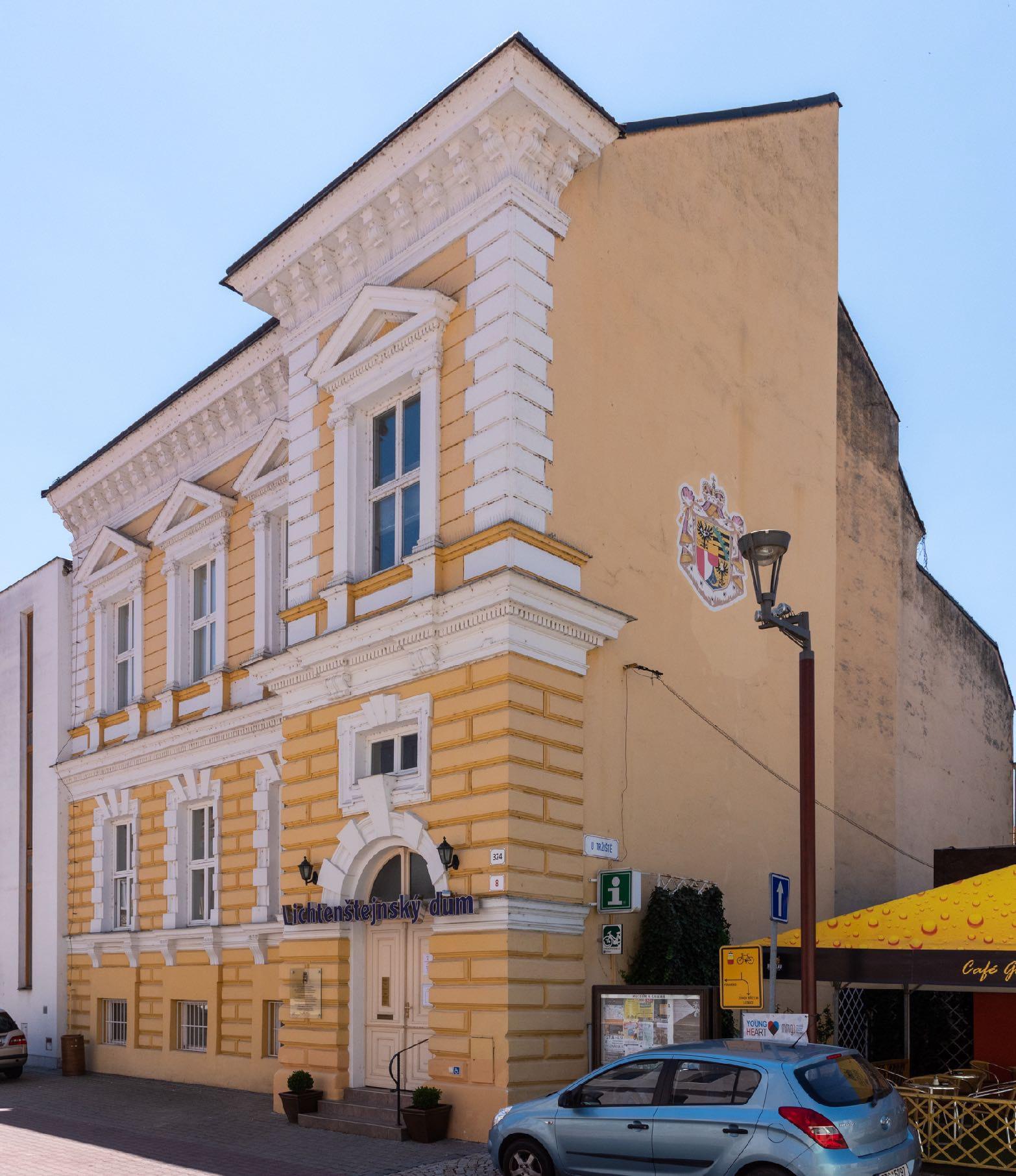


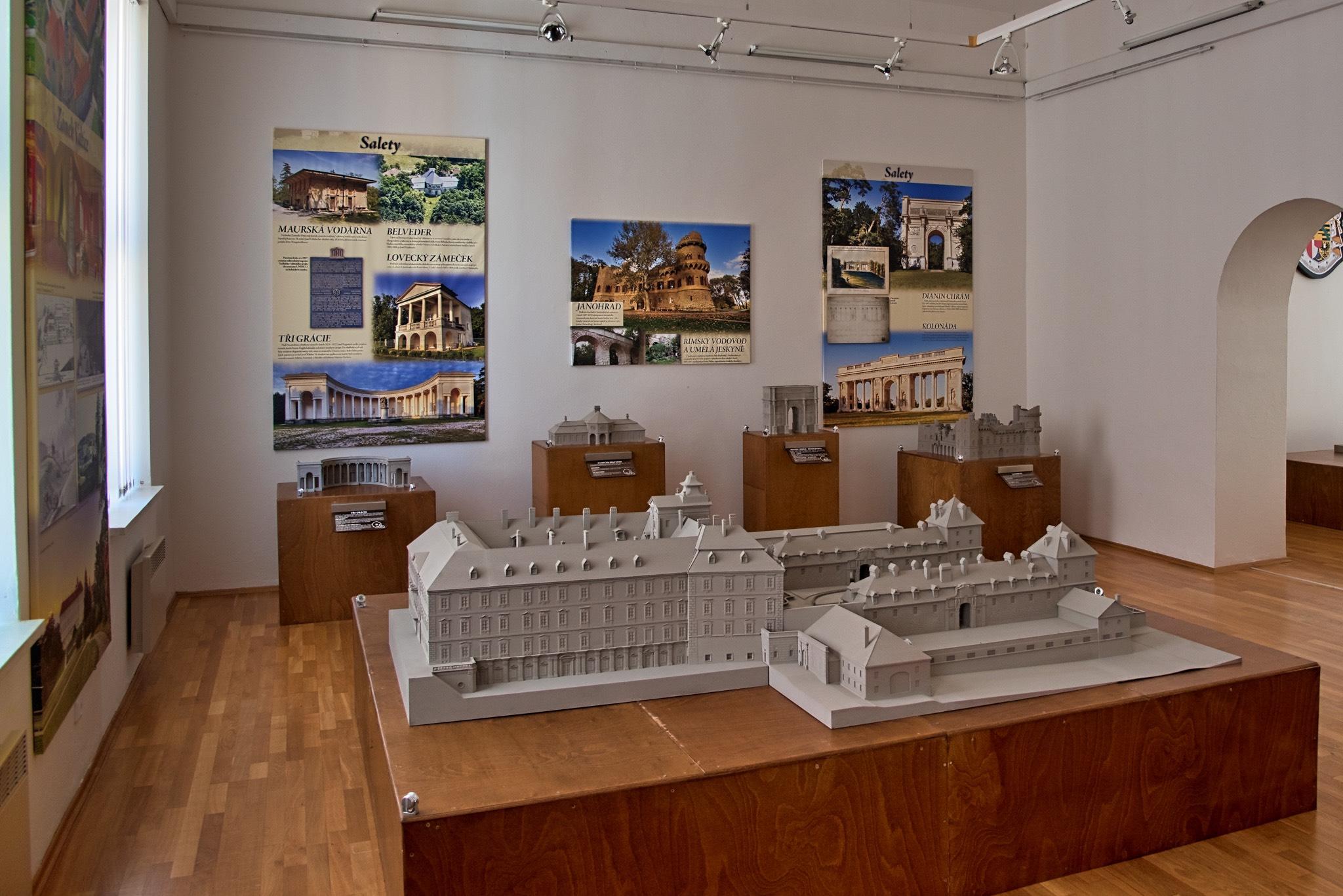
The Liechtenstein House was built at the end of the 19th century as a Jewish elementary school. It served as a school until around 1995 and housed the city's museum until 2007. The first floor now houses the Tourist Information Center, and the second floor houses an exhibition on the Liechtenstein family.

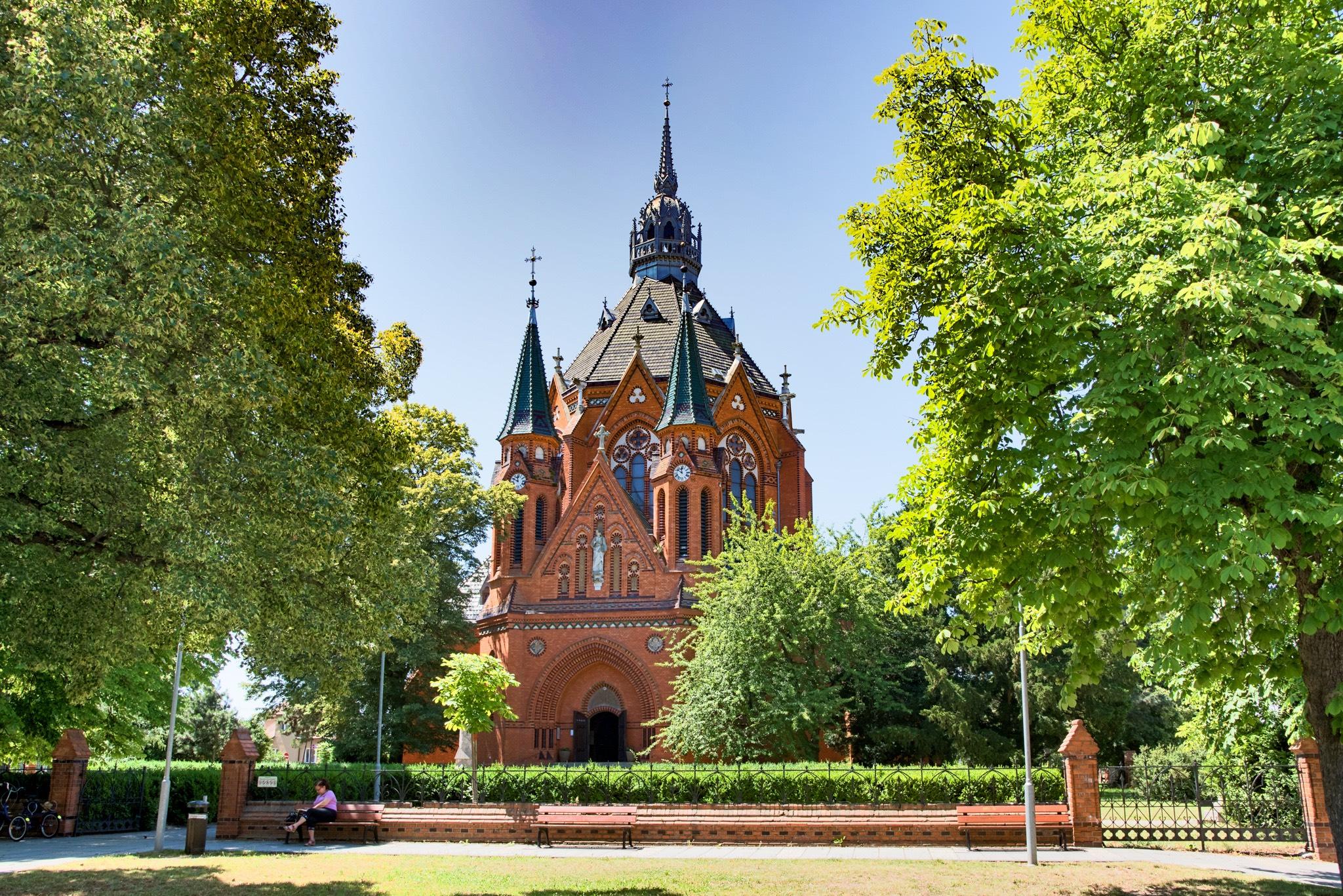
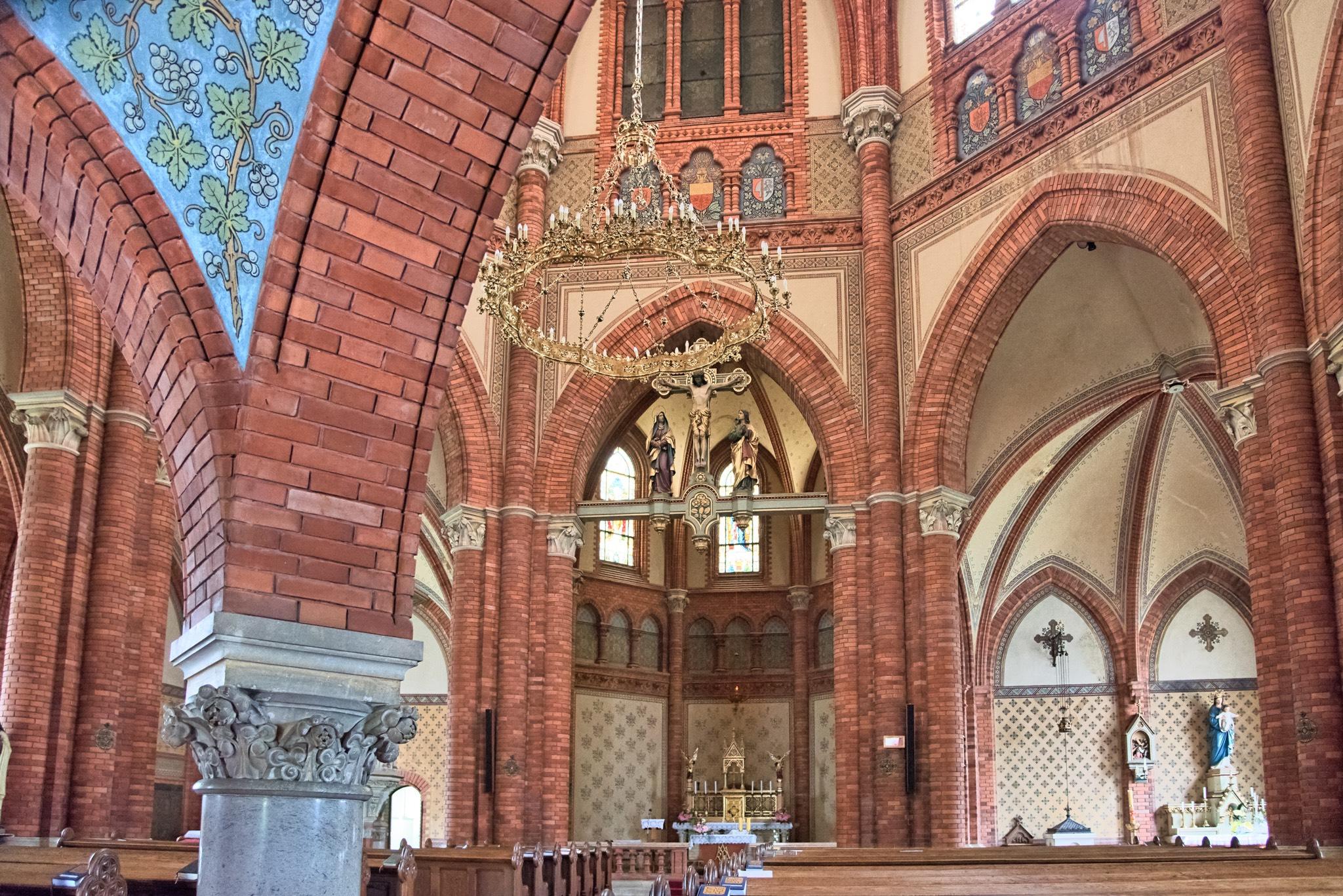
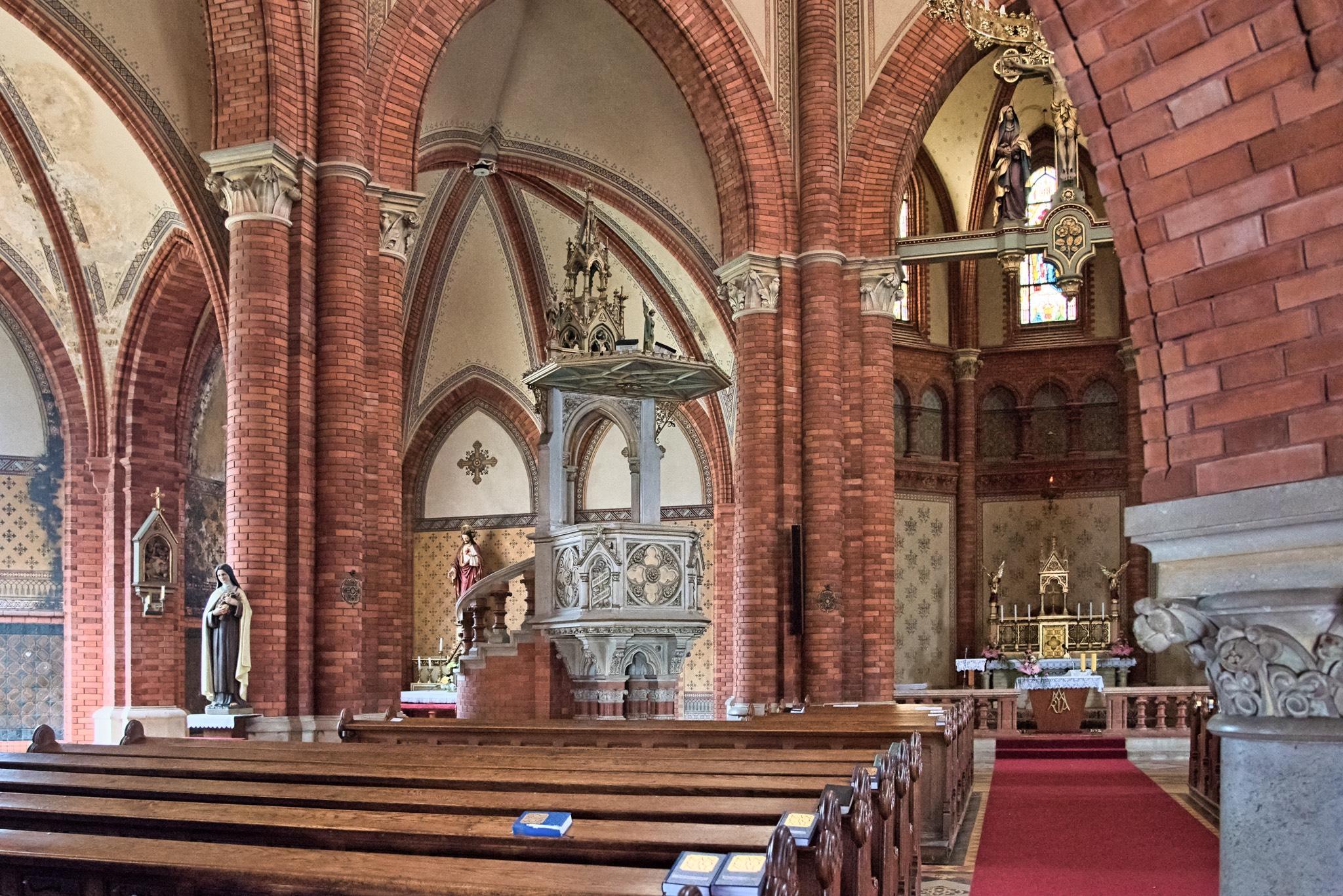
The impressive church was built by Karl Weinbrenner from 1895 to 1898. Approximately 200 different types of bricks, tiles, and ceramics were used as building
materials, all manufactured and supplied by regional companies. A larger-than-life statue of Jesus stands above the entrance.
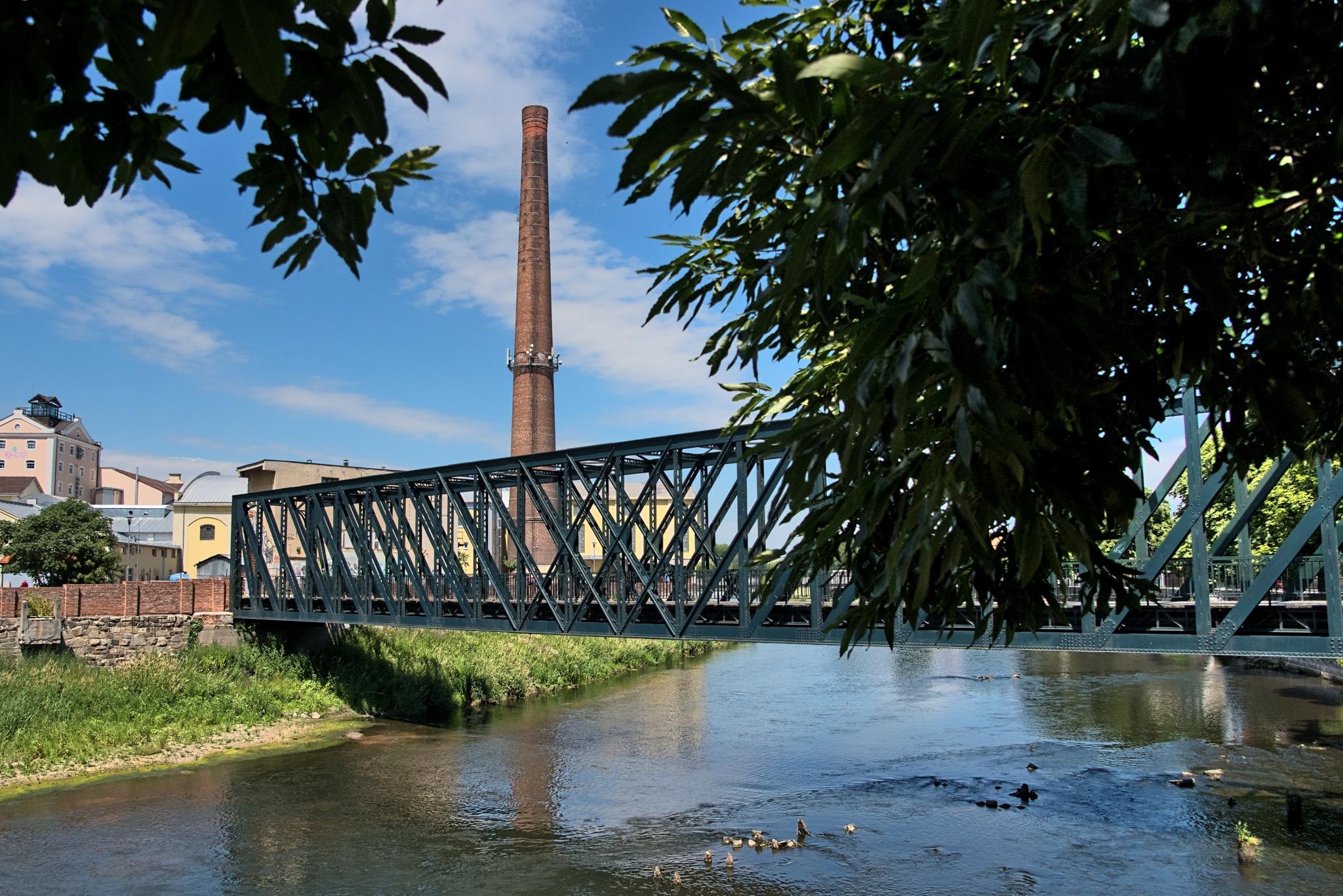
The "Sugar Bridge" is a railway bridge over the Thaya (Dyje) River, built in 1898. A connecting track to the Břeclav sugar factory ran over the bridge. After the
sugar factory was closed in 1992, the bridge was renovated and opened to pedestrians and cyclists.
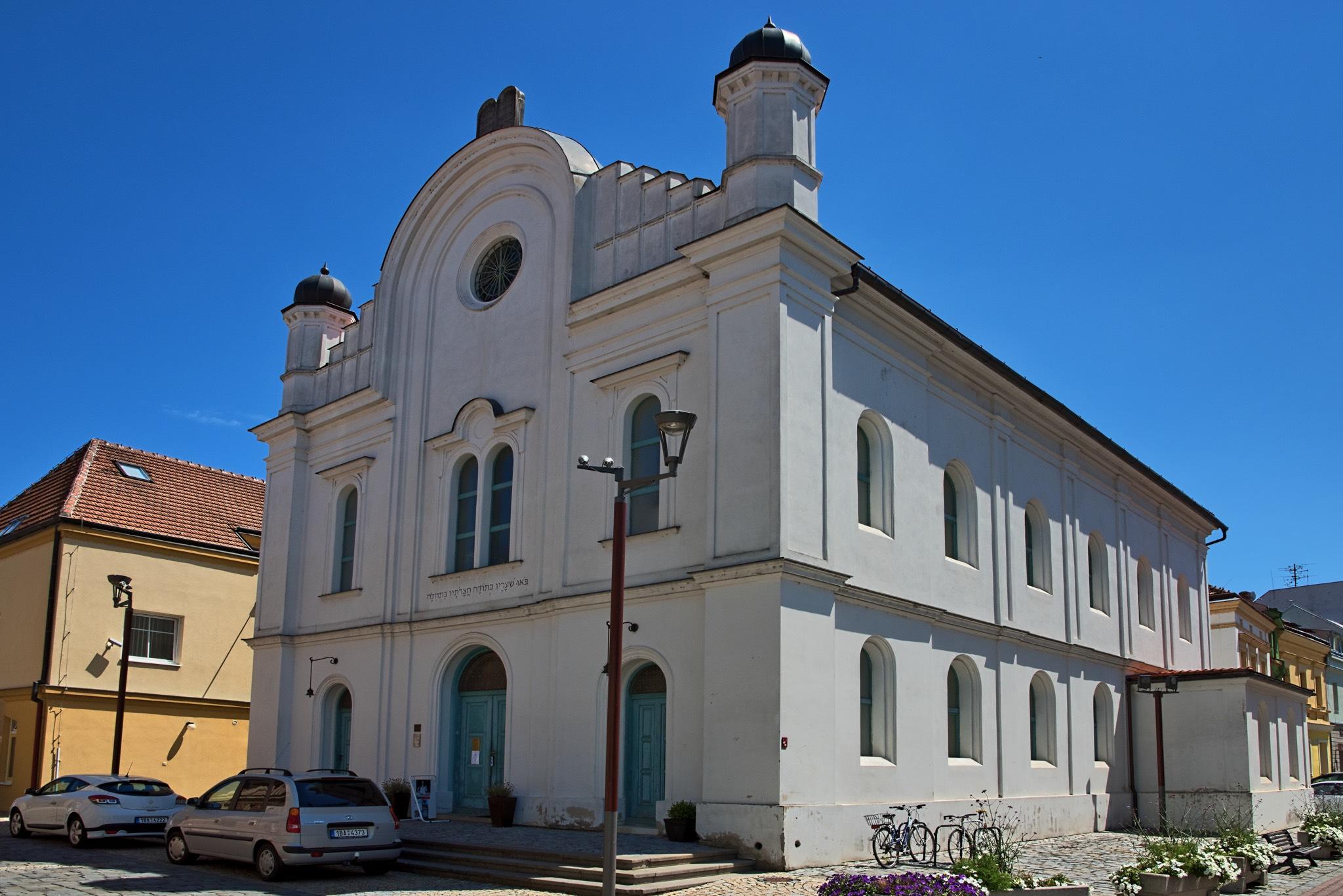
The Břeclav Synagogue, which today serves as the city's cultural and event space, was built in 1868. After World War II, the building was used primarily as a storage
facility and was completely renovated and restored from 1997 to 1999.
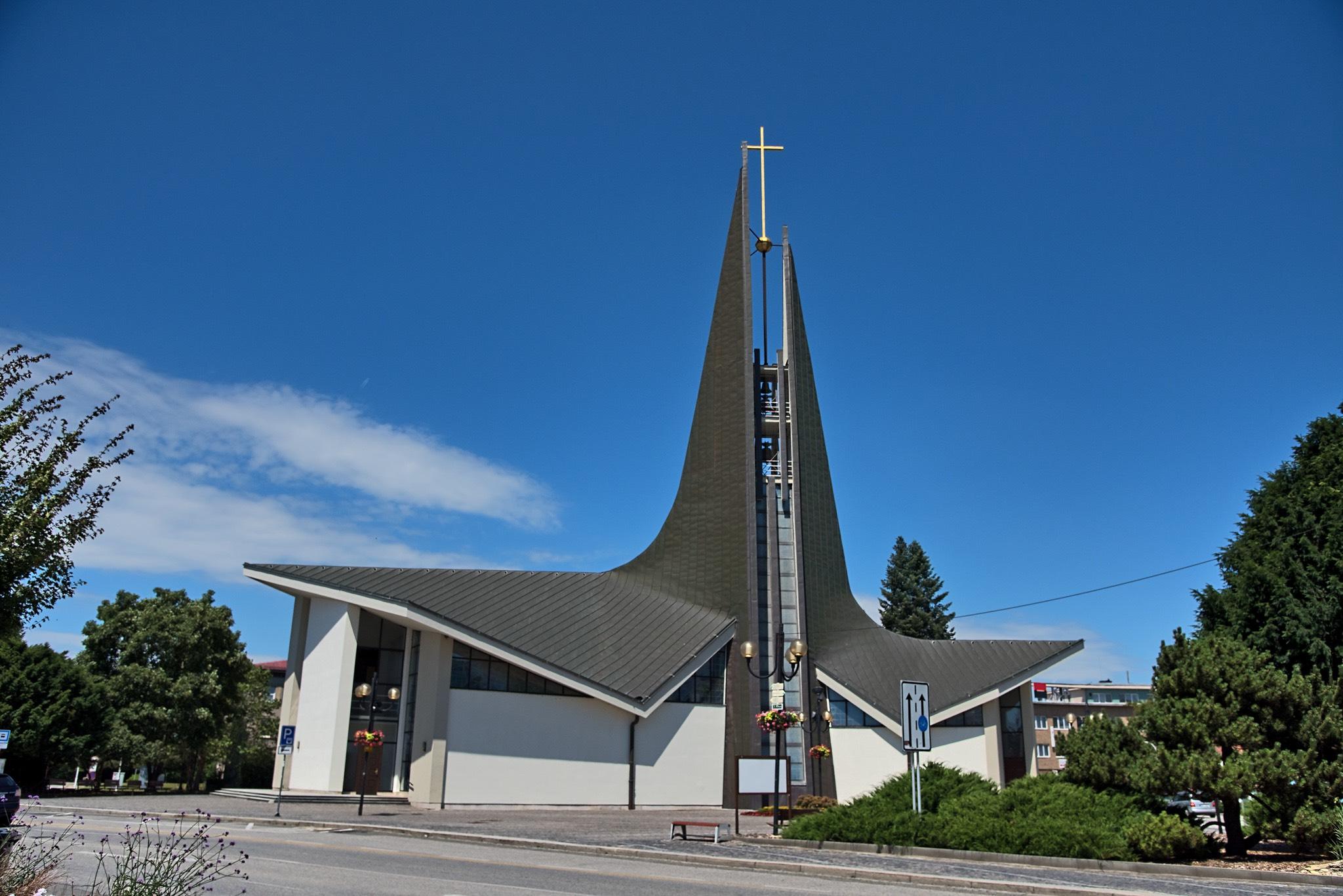
The futuristic-looking St. Wenceslas Church was built between 1992 and 1995. A Romanesque church had already stood on the site of the new building in the 11th
century. The immediate predecessor was destroyed in World War II. Excavations of the Romanesque church can be admired beneath St. Wenceslas Church.


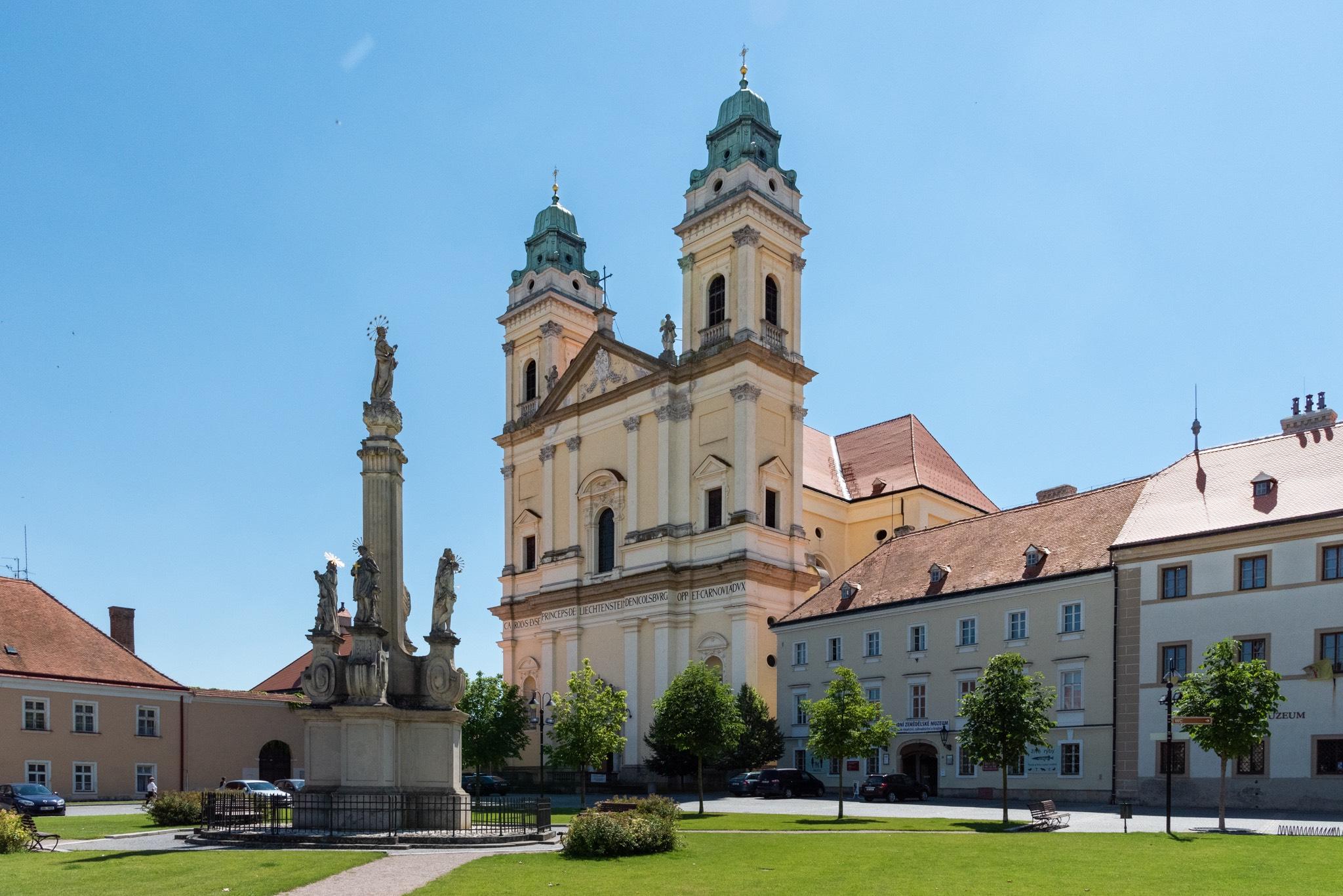
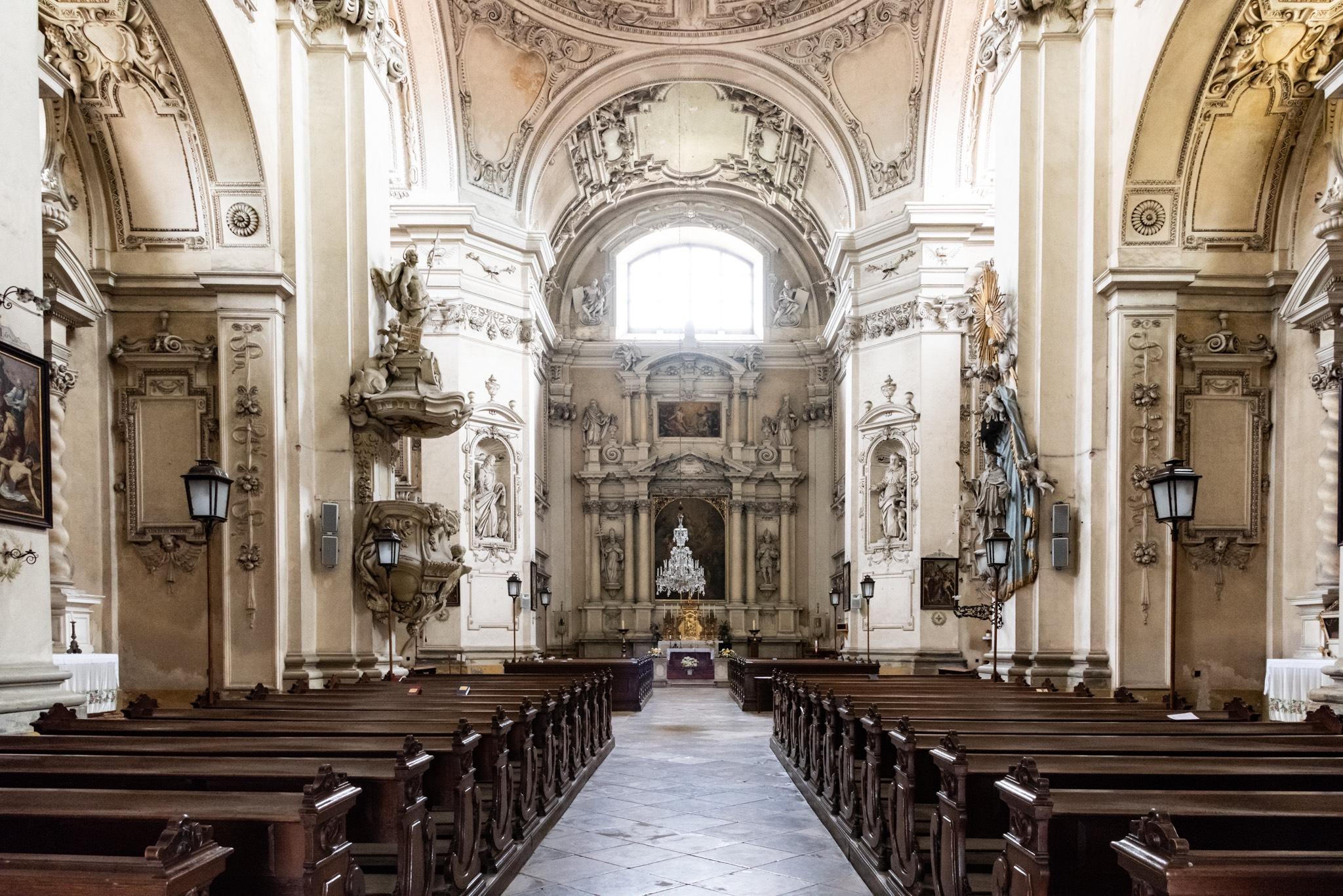
The Parish Church of the Assumption of the Virgin Mary (Kostel Nanebevzeti Panny Marie) bears the inscription: "Built by Charles Eusebius, Prince of Liechtenstein,
Mikulov, Opava, and Krnov in the years 1631-1671." Above the altar, two copies of paintings by Peter Paul Rubens can be admired.
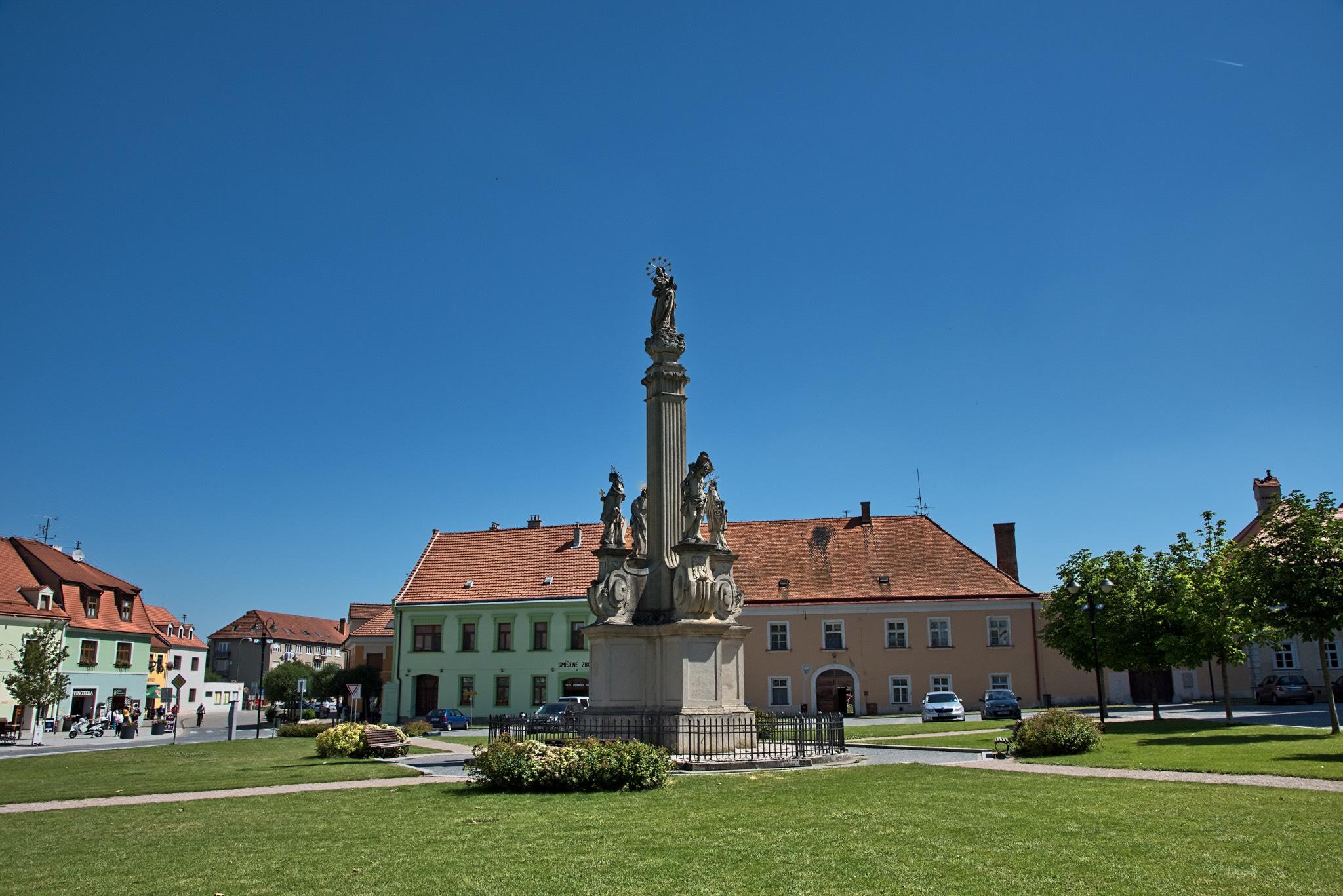
The first plague column within the Habsburg Monarchy was erected during the Baroque period on the Graben in Vienna. Over time, this column type developed into a veritable trend: Plague, Trinity, and Marian columns were erected in numerous locations throughout the
Danube Monarchy in a variety of shapes, sizes, and designs. The dimensions and splendor of each column depended largely on the financial resources of the respective location.
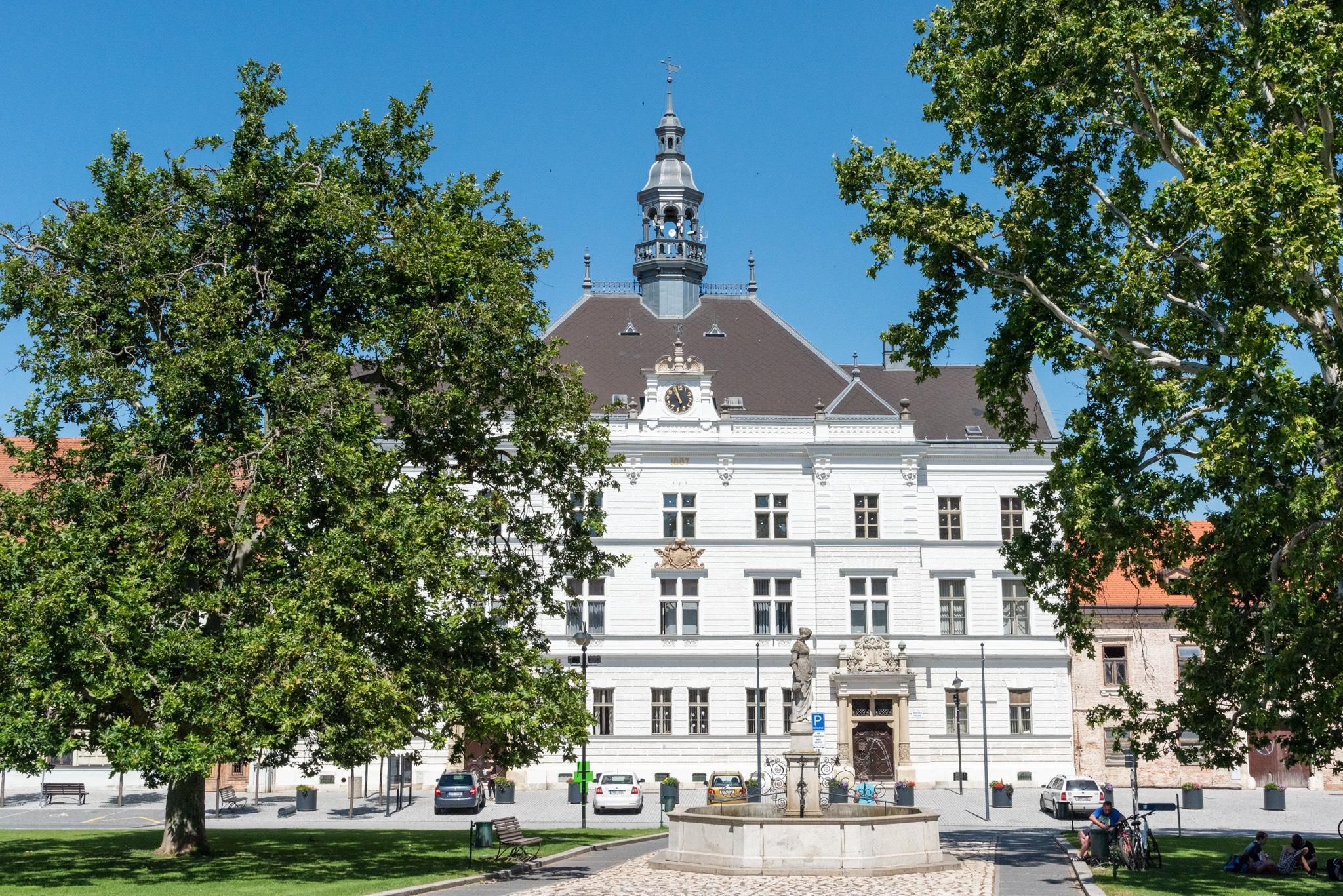
The town hall, built in 1887, is located on Freedom Square. The magnificent ceremonial hall inside the building is particularly impressive. Directly in front of the town hall stands a sandstone sculpture depicting a girl with a jug.
Cozy cafés and small boutiques around the square invite visitors to linger, allowing them to not only admire the historic architecture but also enjoy the vibrant hustle and bustle of the city.

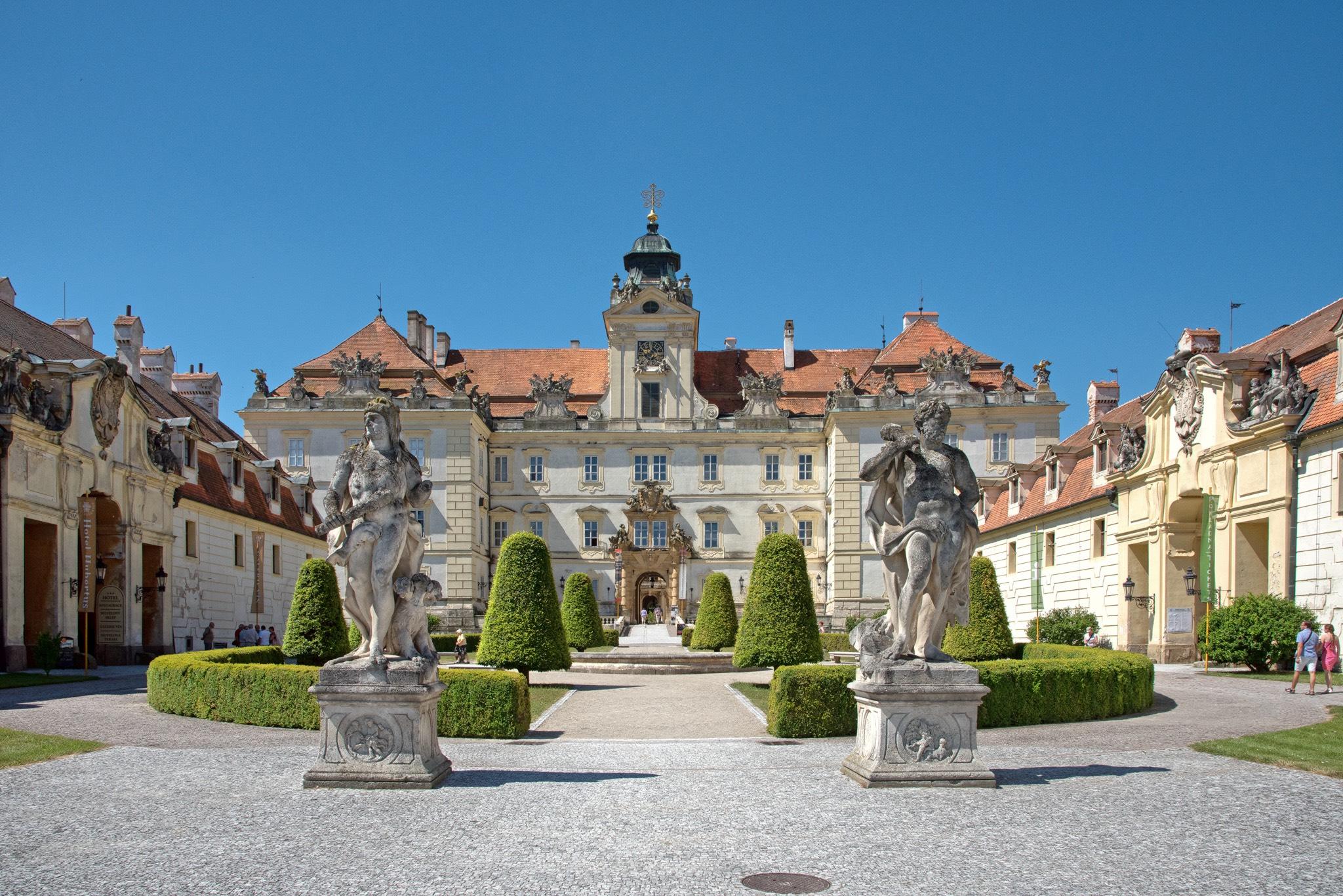
In 1395, Johann von Liechtenstein acquired Valtice Castle and commissioned Fischer von Erlach and Antonio Beduzzi to remodel the building according to his vision. In the following years, renowned architects were
regularly engaged to make the castle both more comfortable and more impressive. In the 18th century, the castle underwent a comprehensive expansion, with Baroque elements shaping the architecture.
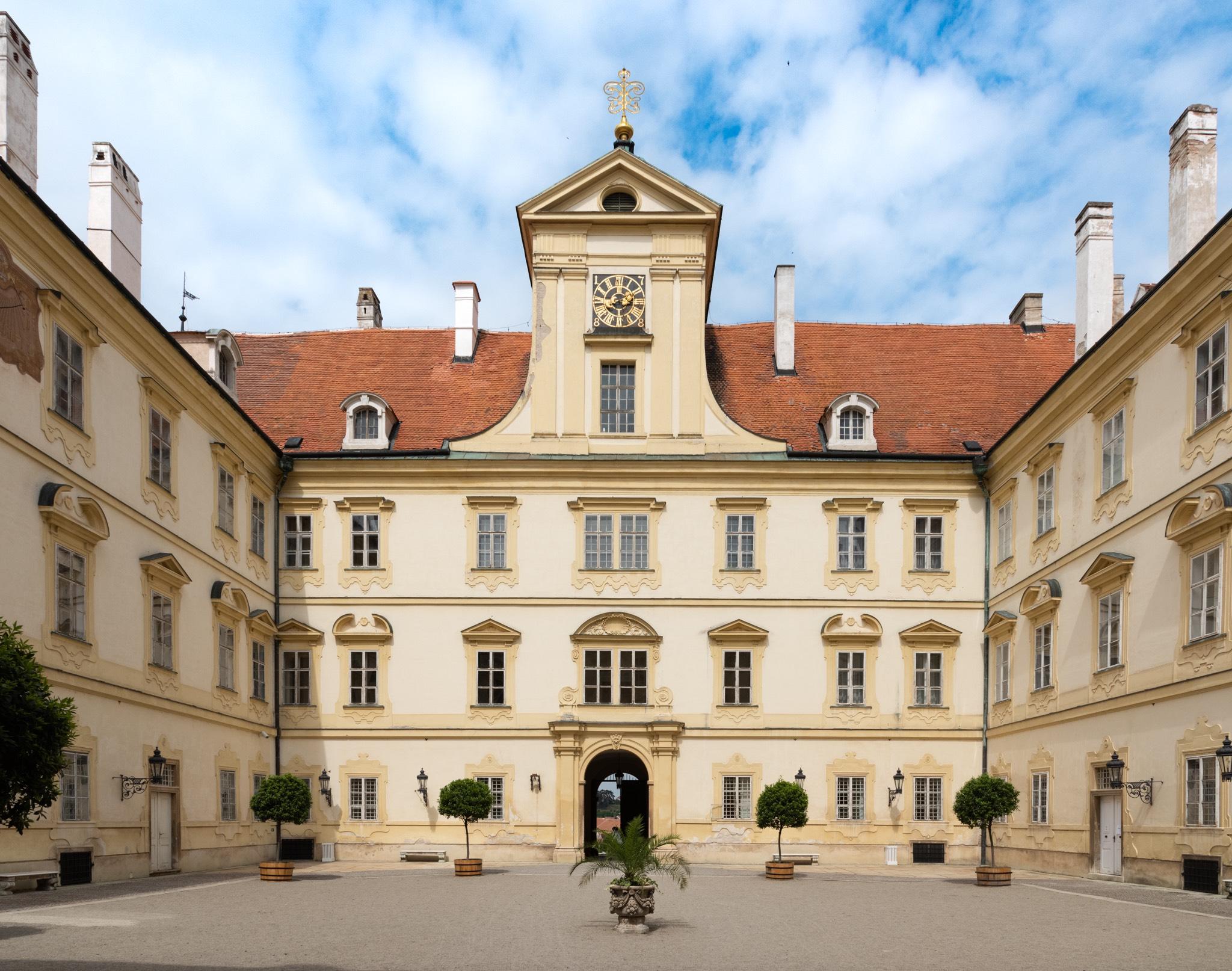
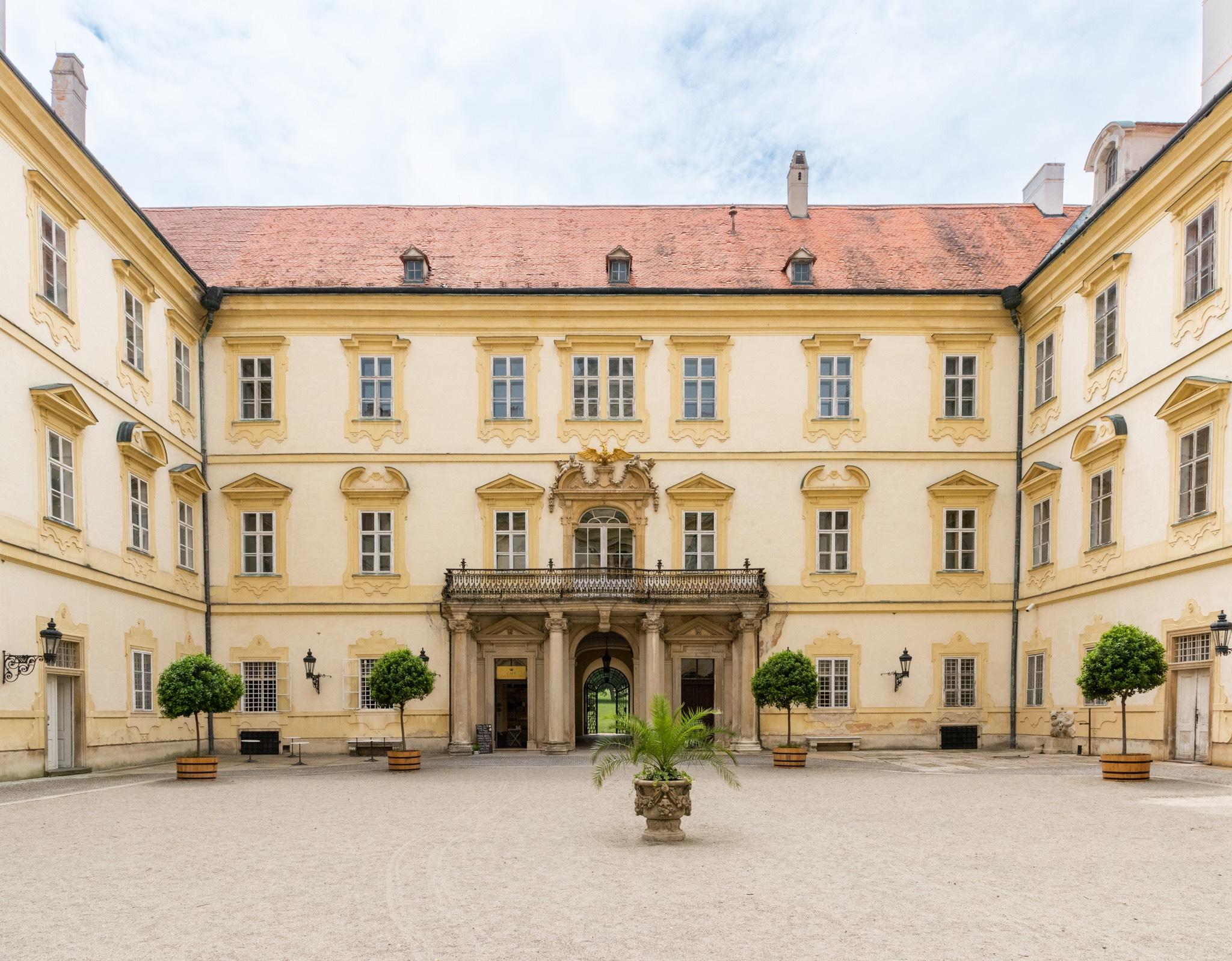
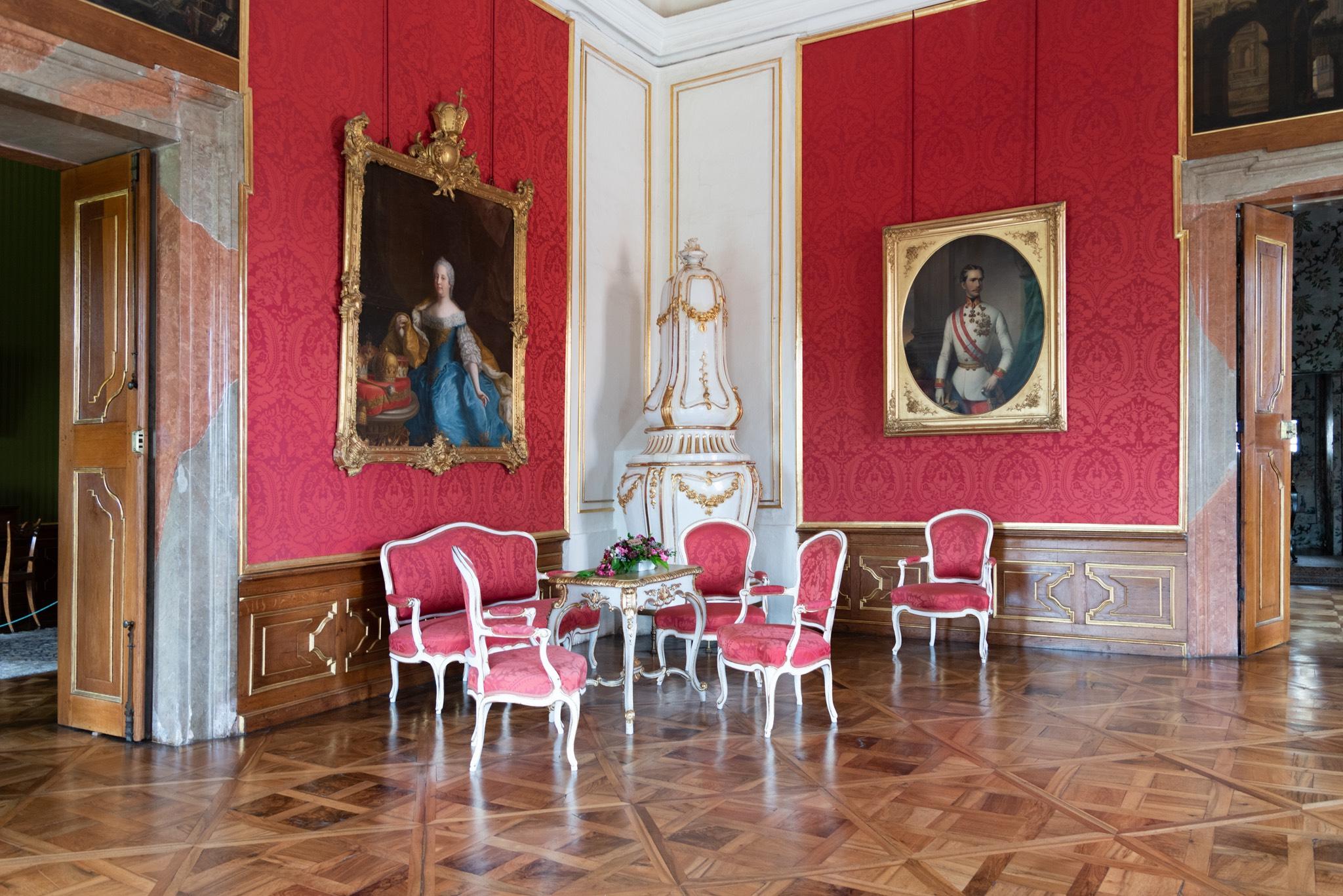
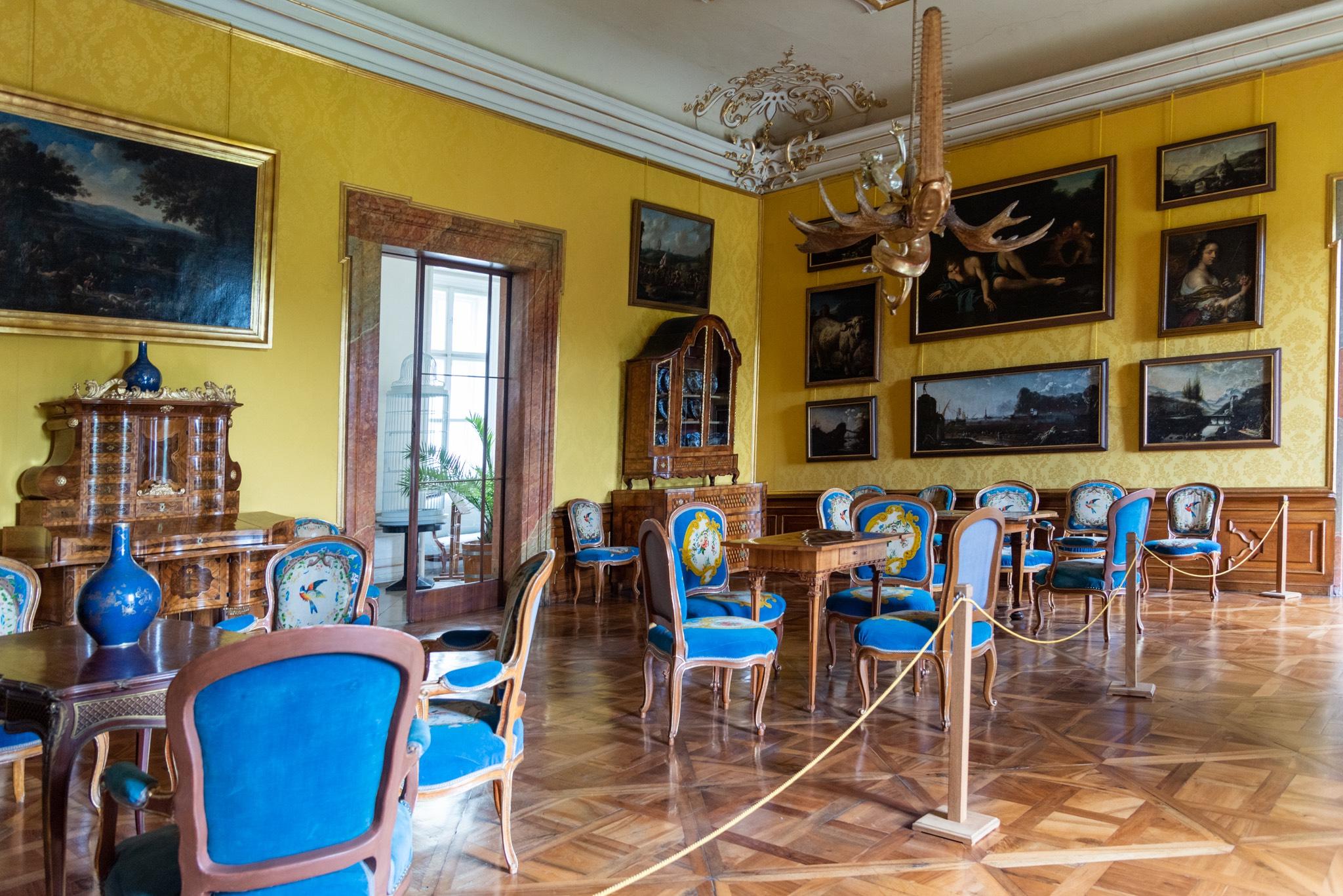
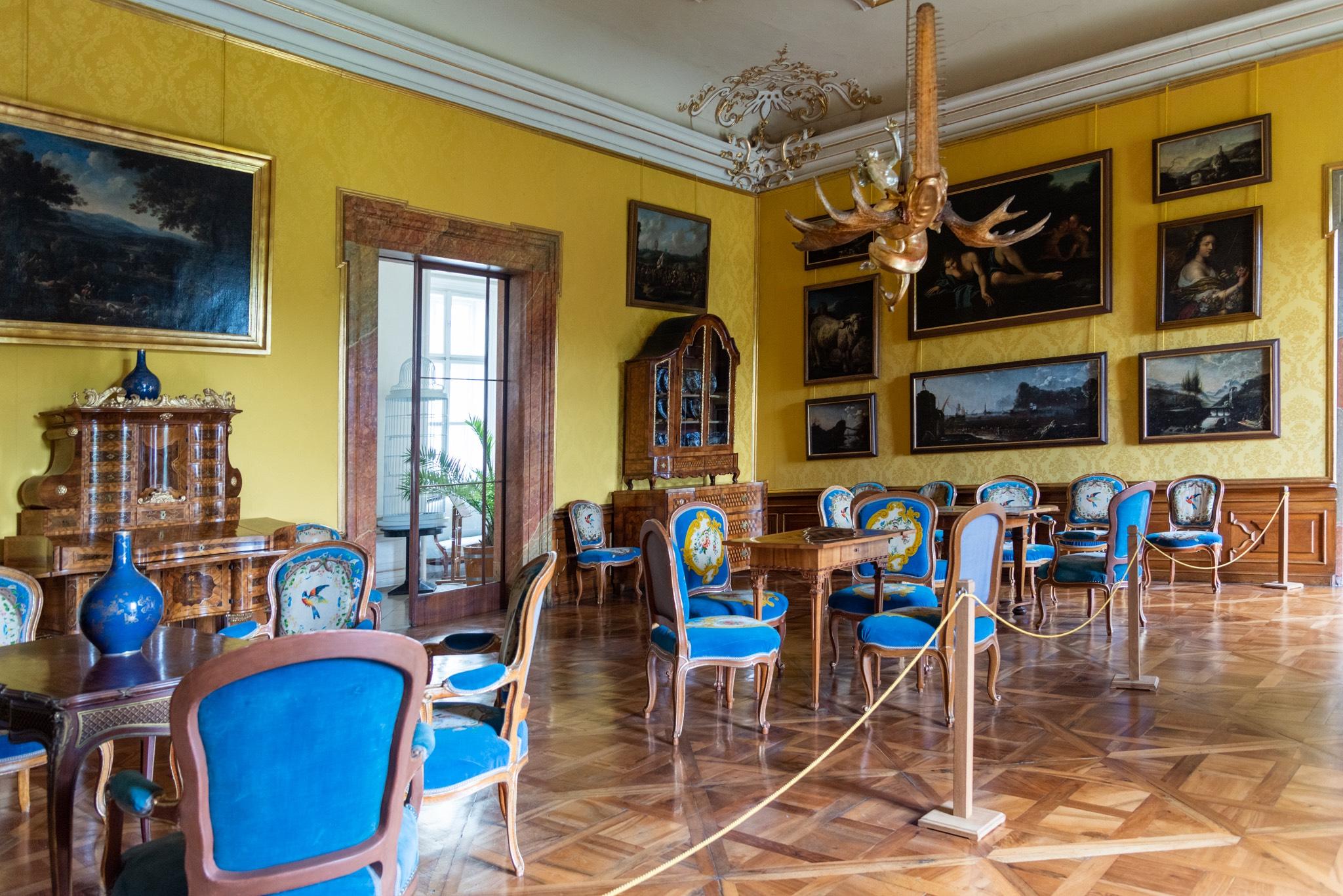
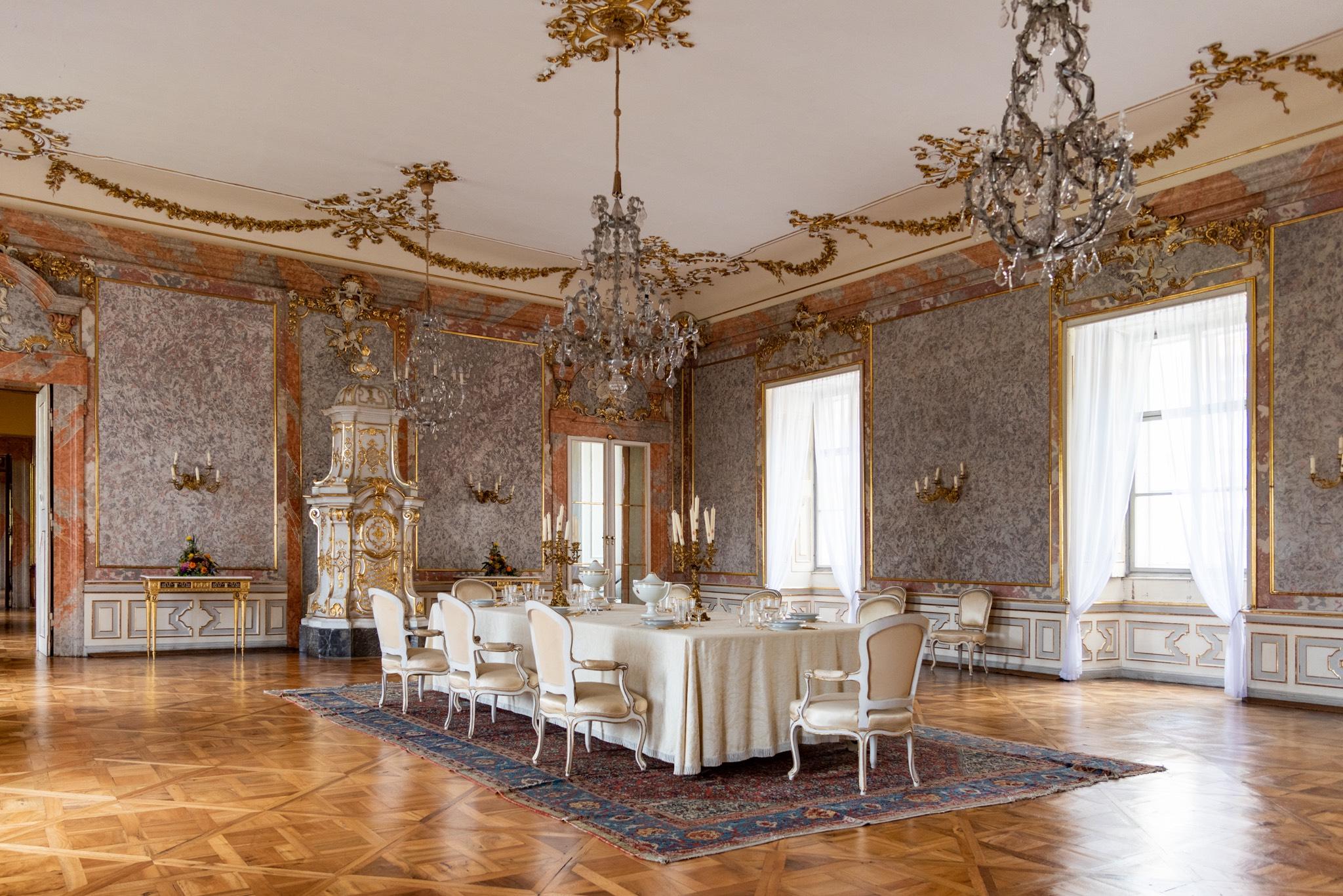
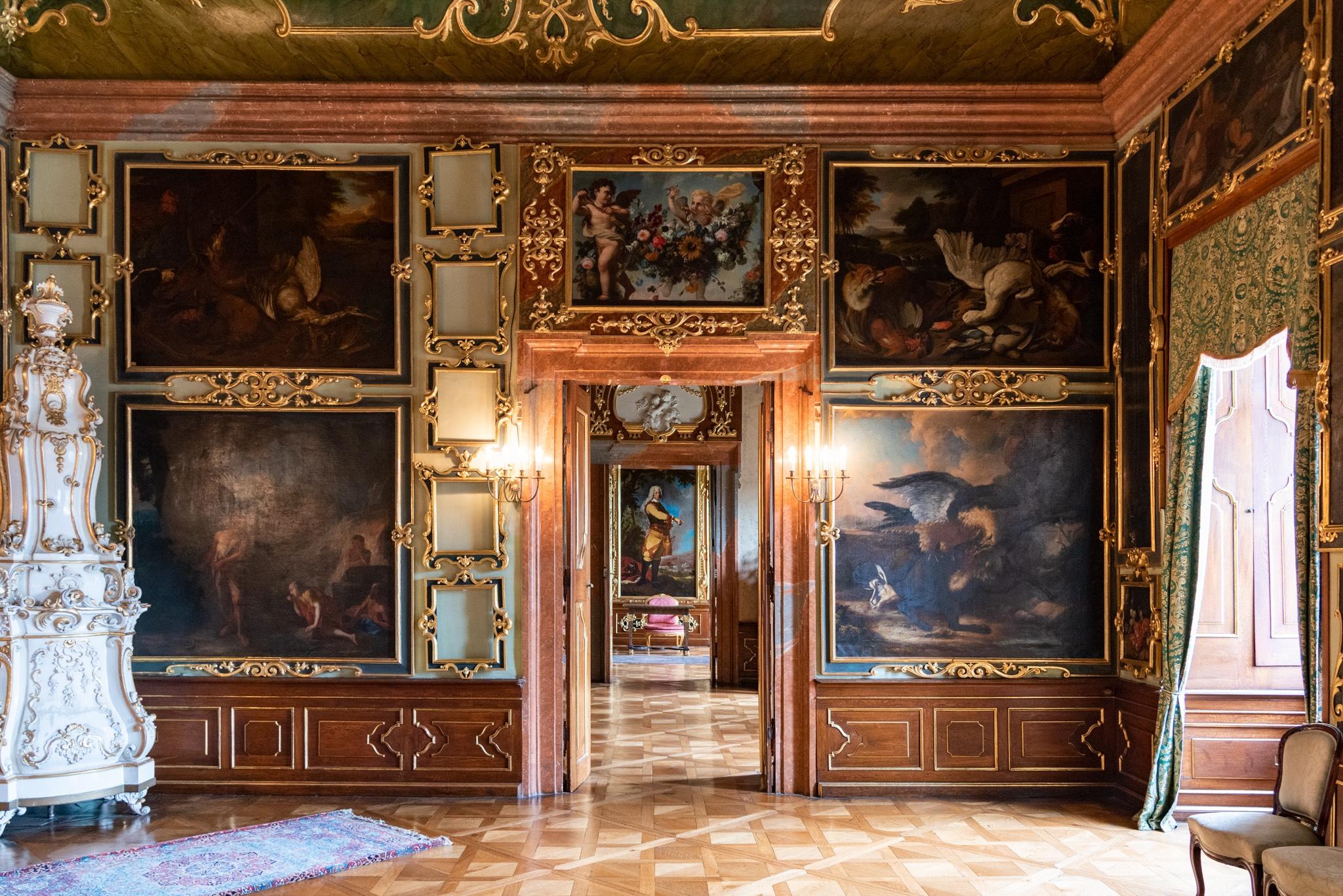
Felsberg Castle boasts approximately 100 rooms. These offer impressive insights into the lifestyle and history of the princely family, as well as the elaborate interior design of past centuries. Of particular note are the
magnificent halls, adorned with elaborate stucco work, historic paintings, and valuable furniture. Of the approximately 100 rooms in the two-story castle, 17 meticulously restored rooms are accessible to visitors.
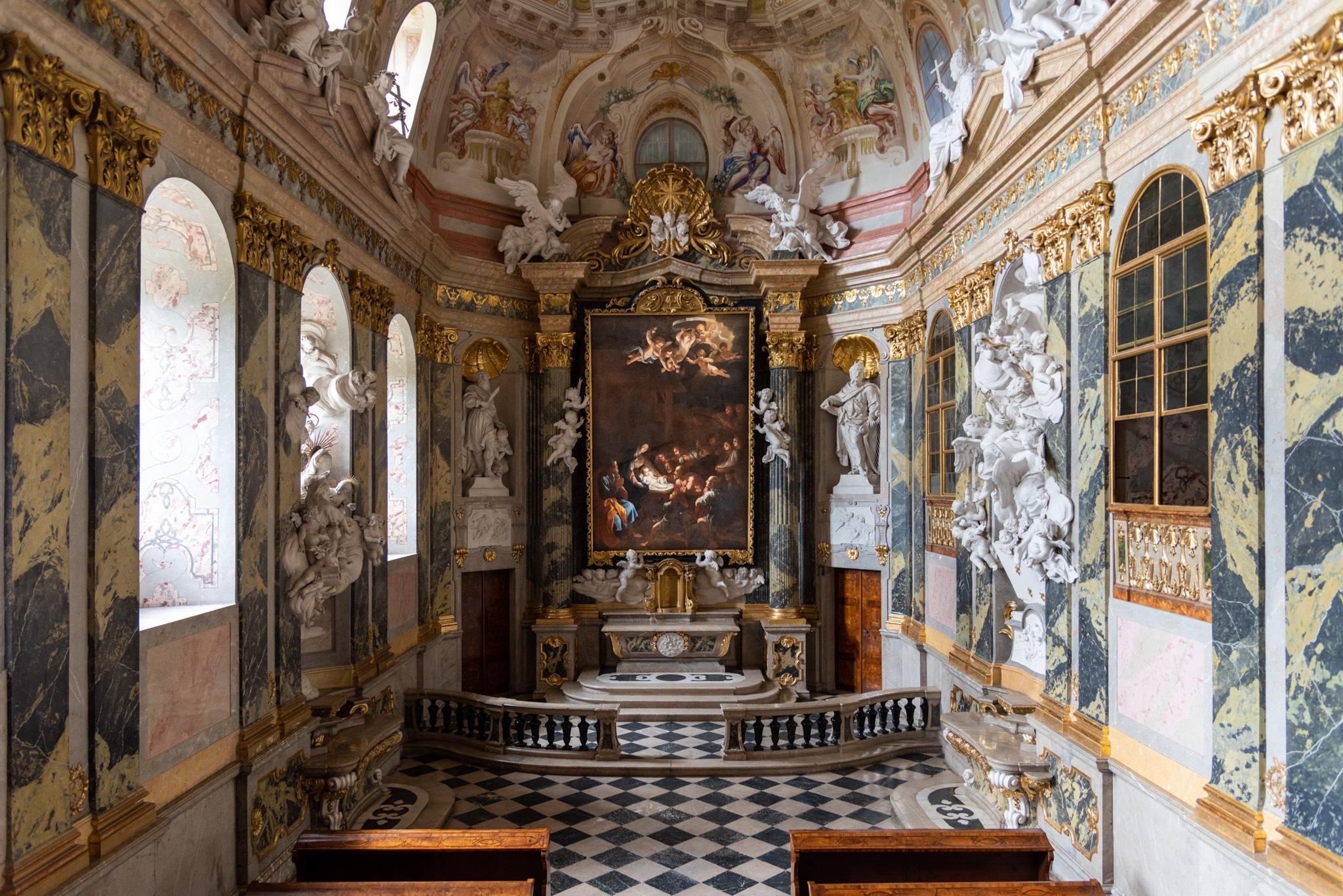
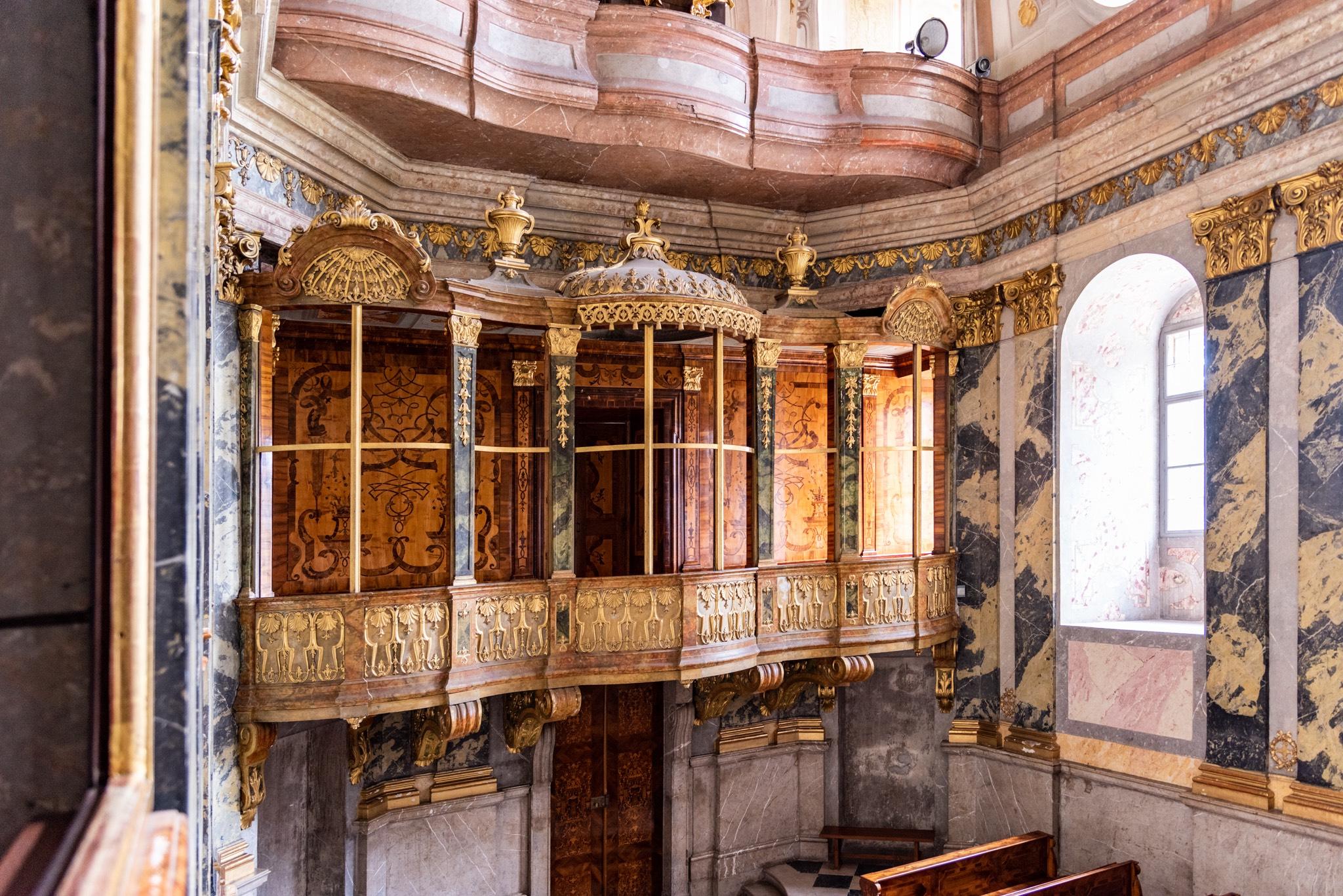
The castle chapel at Felsberg Castle was built in 1726 at the behest of Johann Adam von Liechtenstein according to designs by Fischer von Erlach. The interior is striking in its Baroque style, evident in elaborately crafted stucco
elements and a magnificent altar. Particularly noteworthy are the intricate frescoes depicting biblical scenes, created by renowned artists of the era.
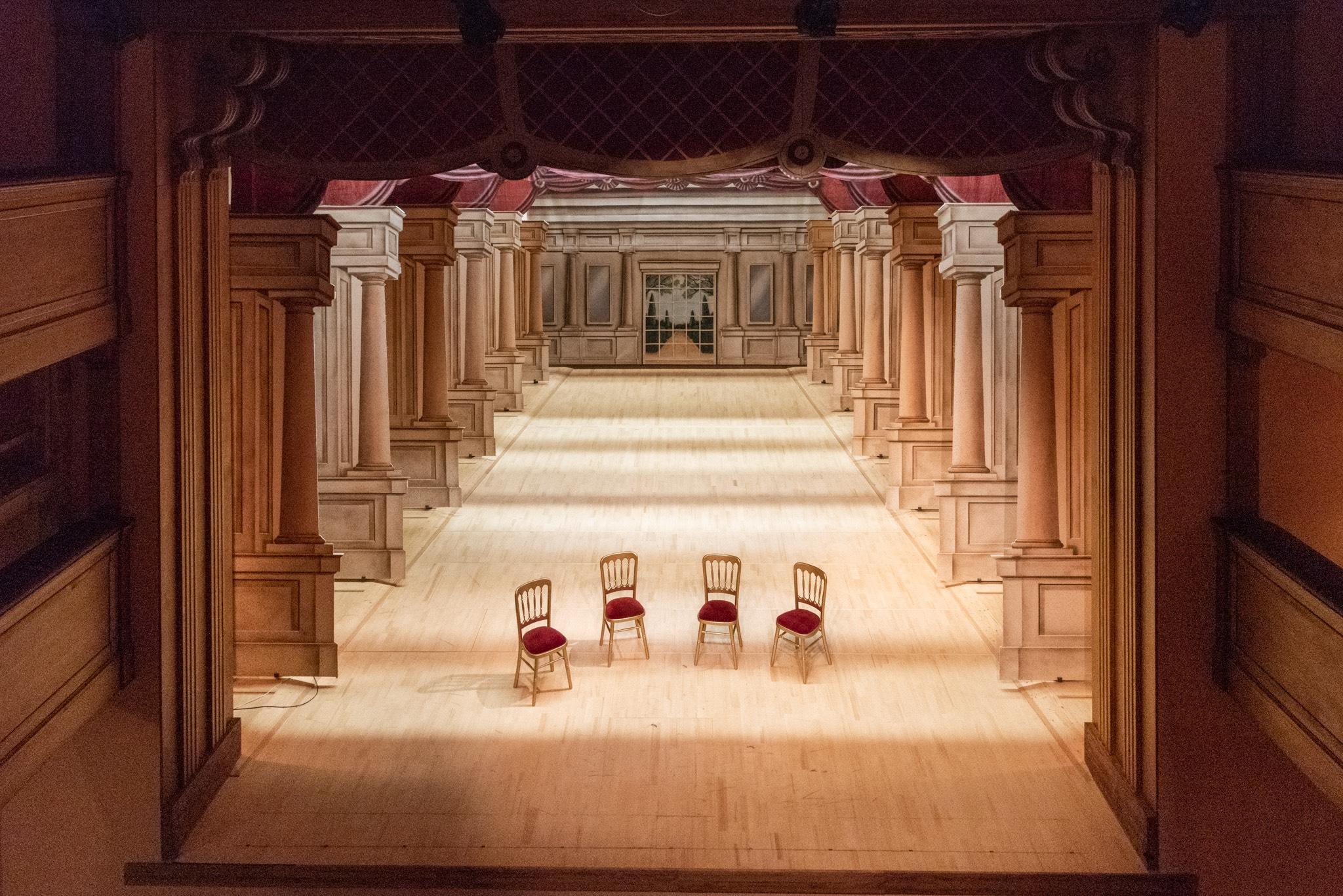
The reconstruction of a Baroque-style theater within Valtice Castle continues the history of the Baroque theater.
The detailed reconstruction includes not only the architectural elements but also the original stage equipment and furnishings, allowing visitors to immerse themselves in the atmosphere of the 18th century.
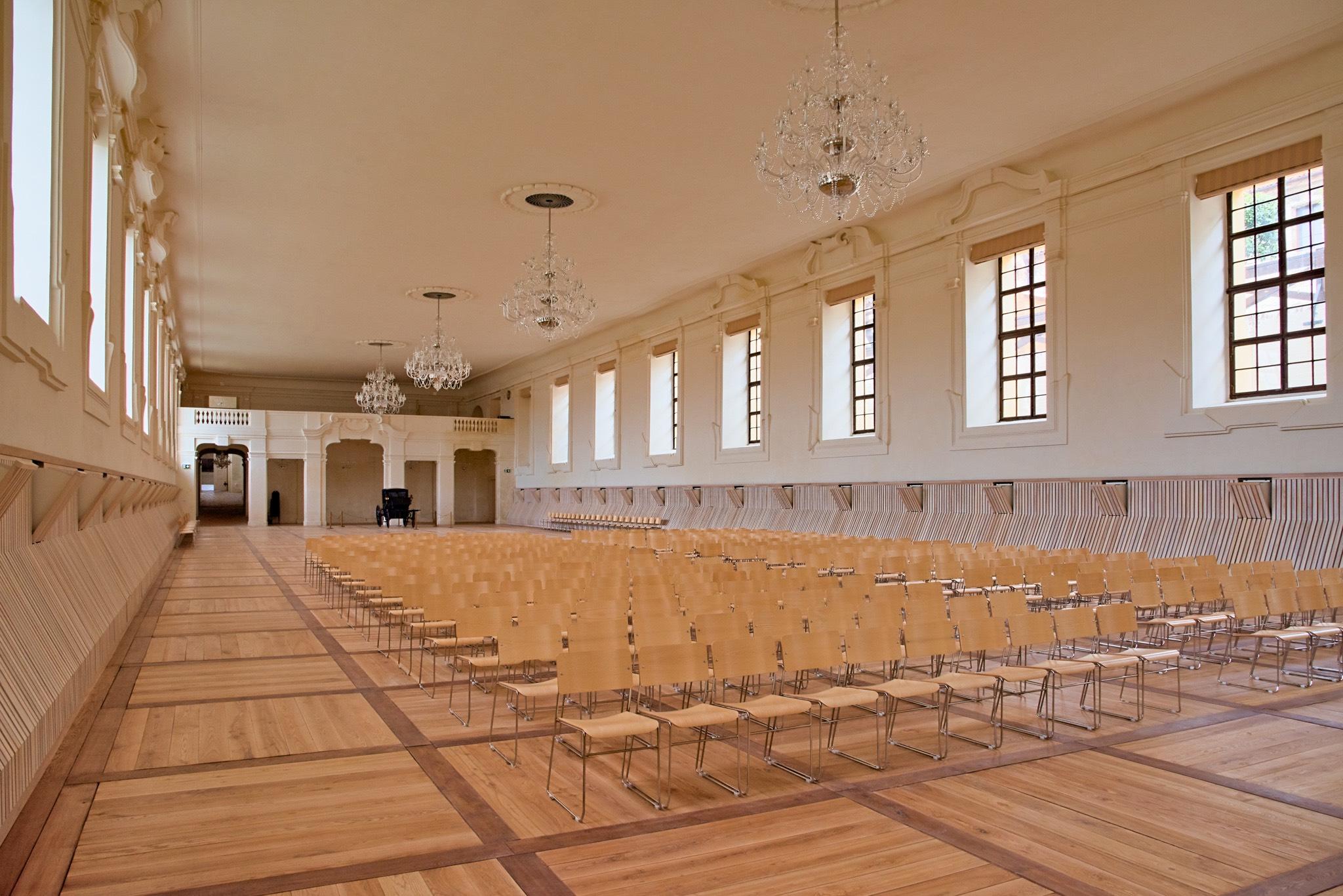
WINTER RIDING HALL
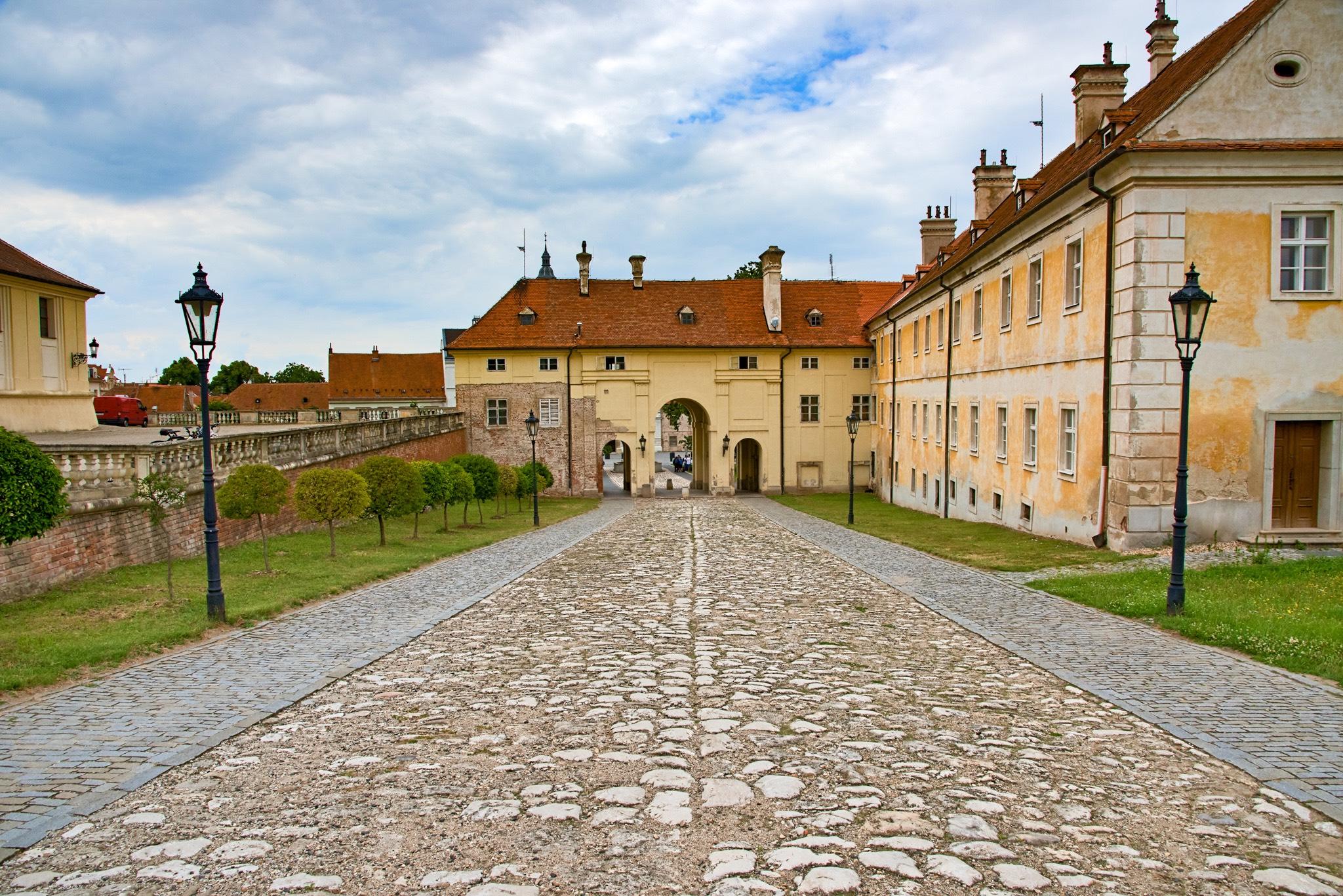
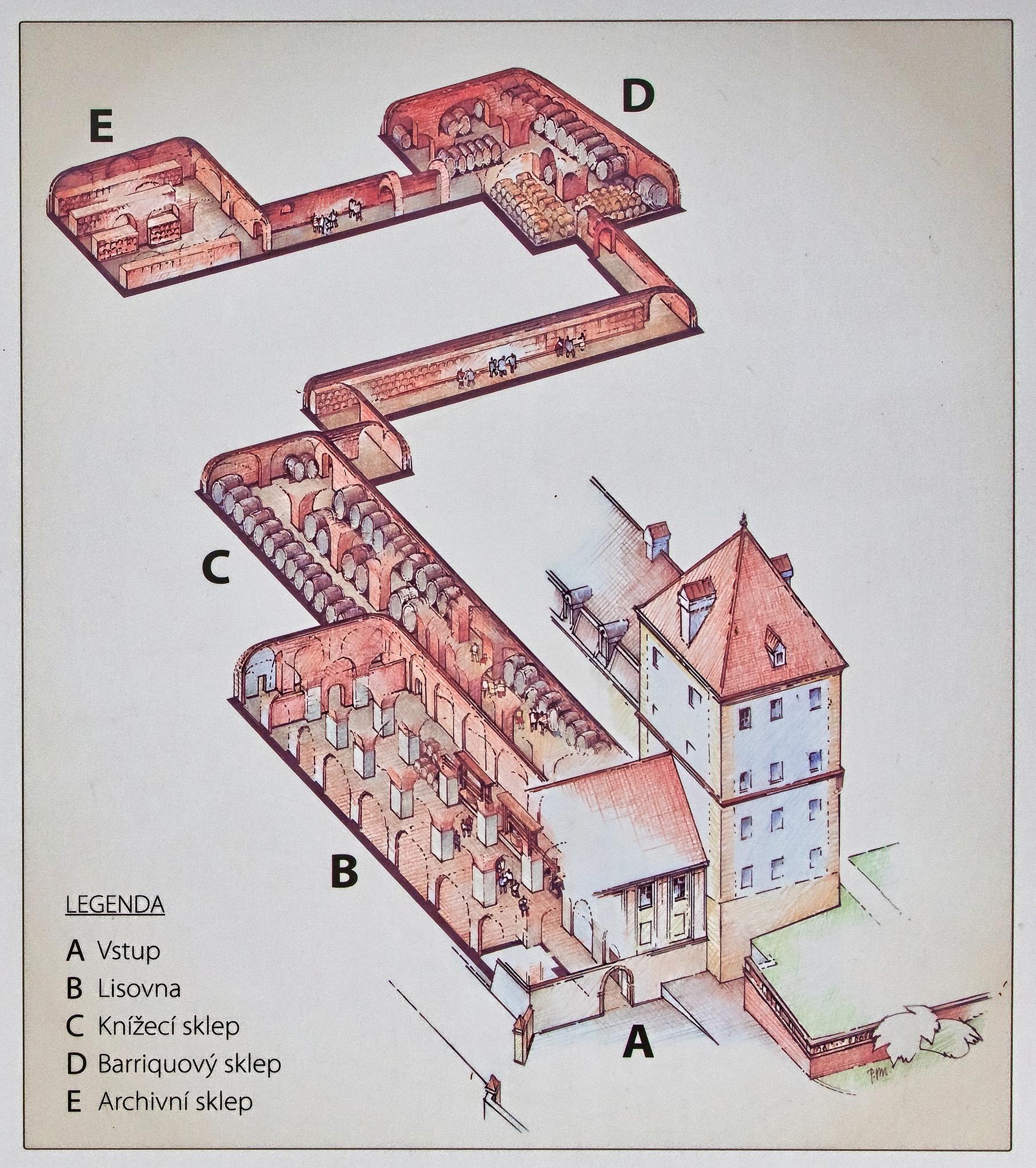
The Castle Cellar (Zámecký sklep) is located directly in front of Valtice Castle. The venerable walls date back to 1430 and are among the largest and oldest wine cellars
in the Czech Republic. Tours and wine tastings are offered here.
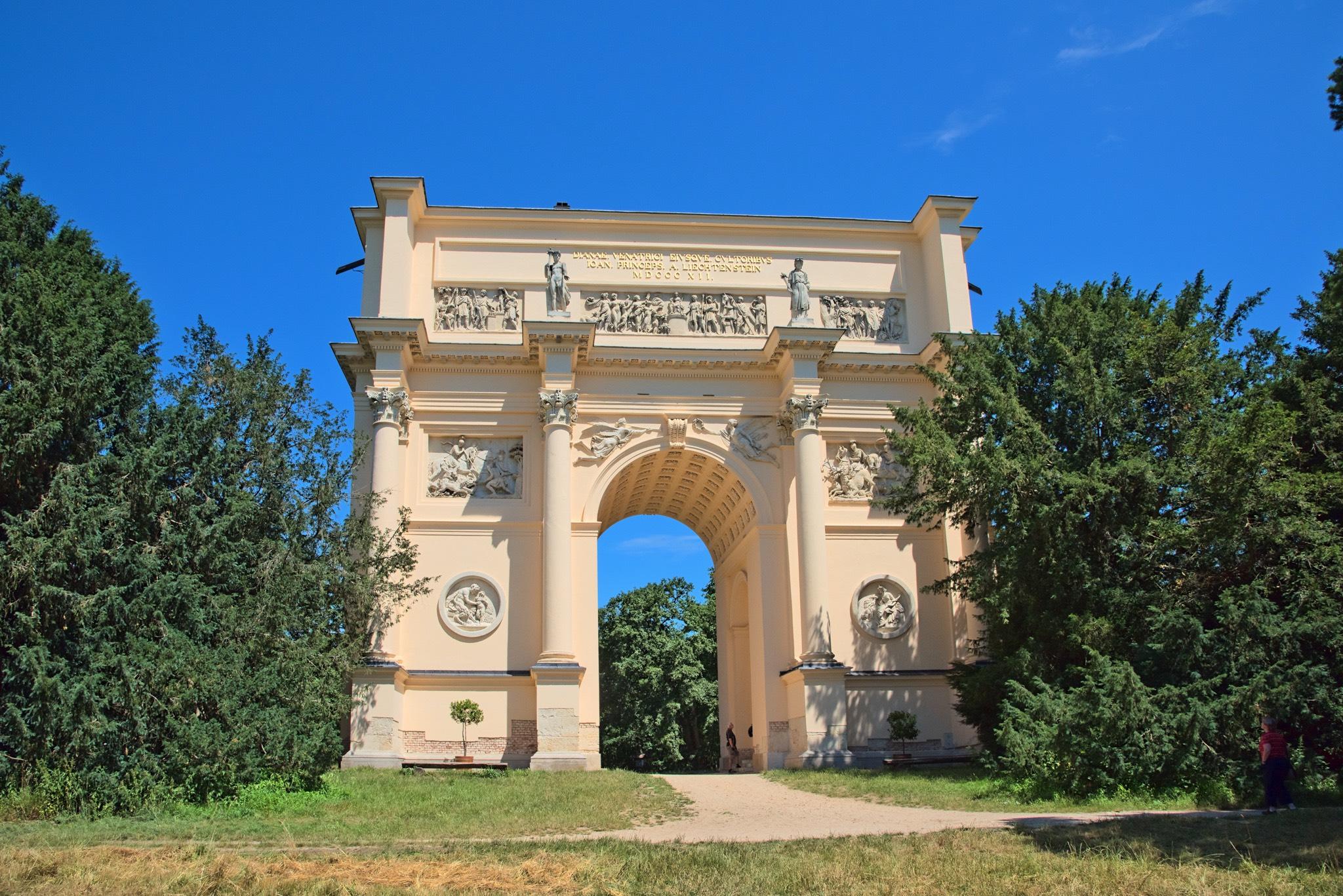
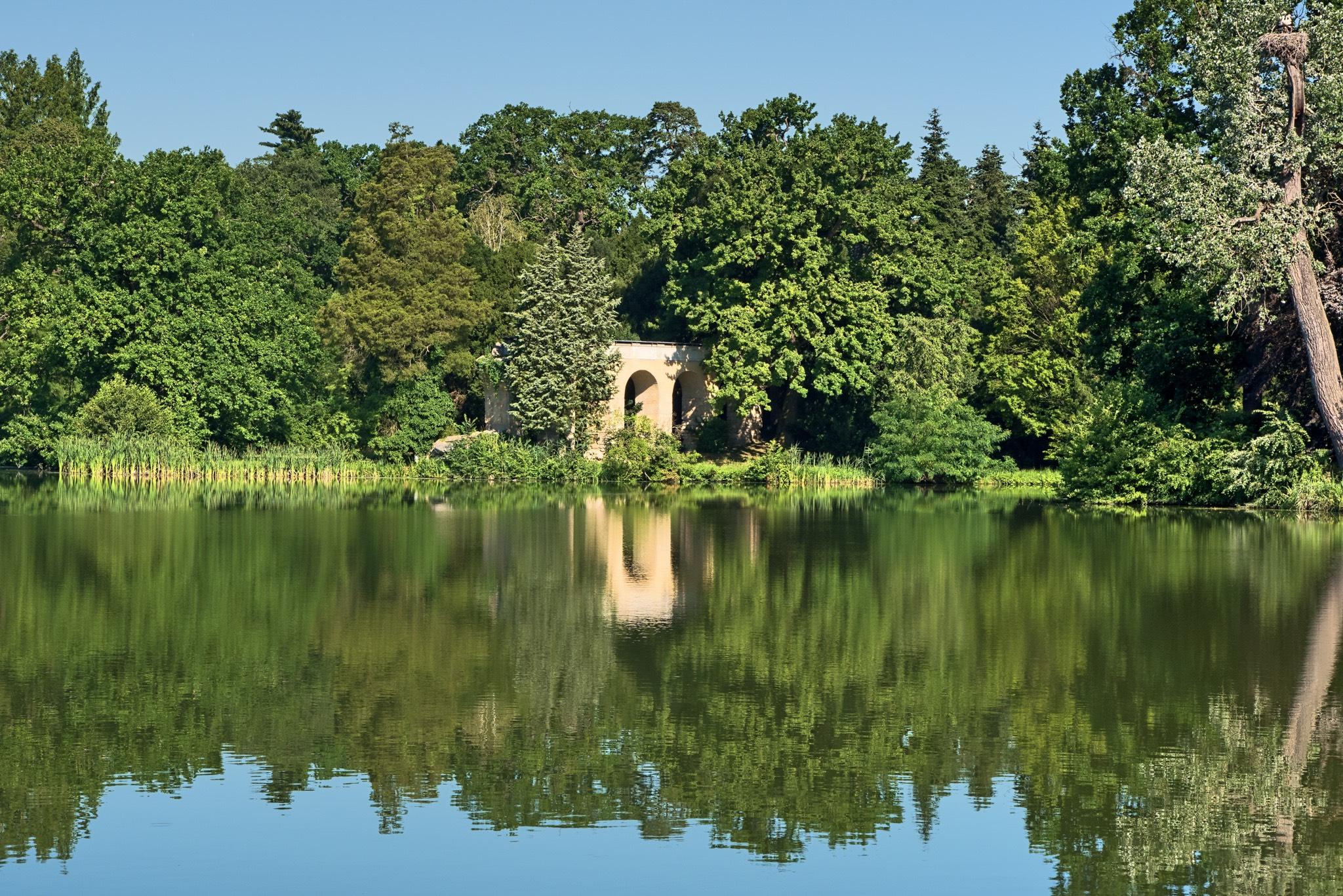
The Temple of Diana is also called the "Rendezvous" due to its hidden location. This imposing structure was built by Joseph Kornhäusel according to plans by Joseph
Hardmuth. Hunting parties and guests of Prince Johann I of Liechtenstein could relax and refresh themselves at the Temple of Diana.
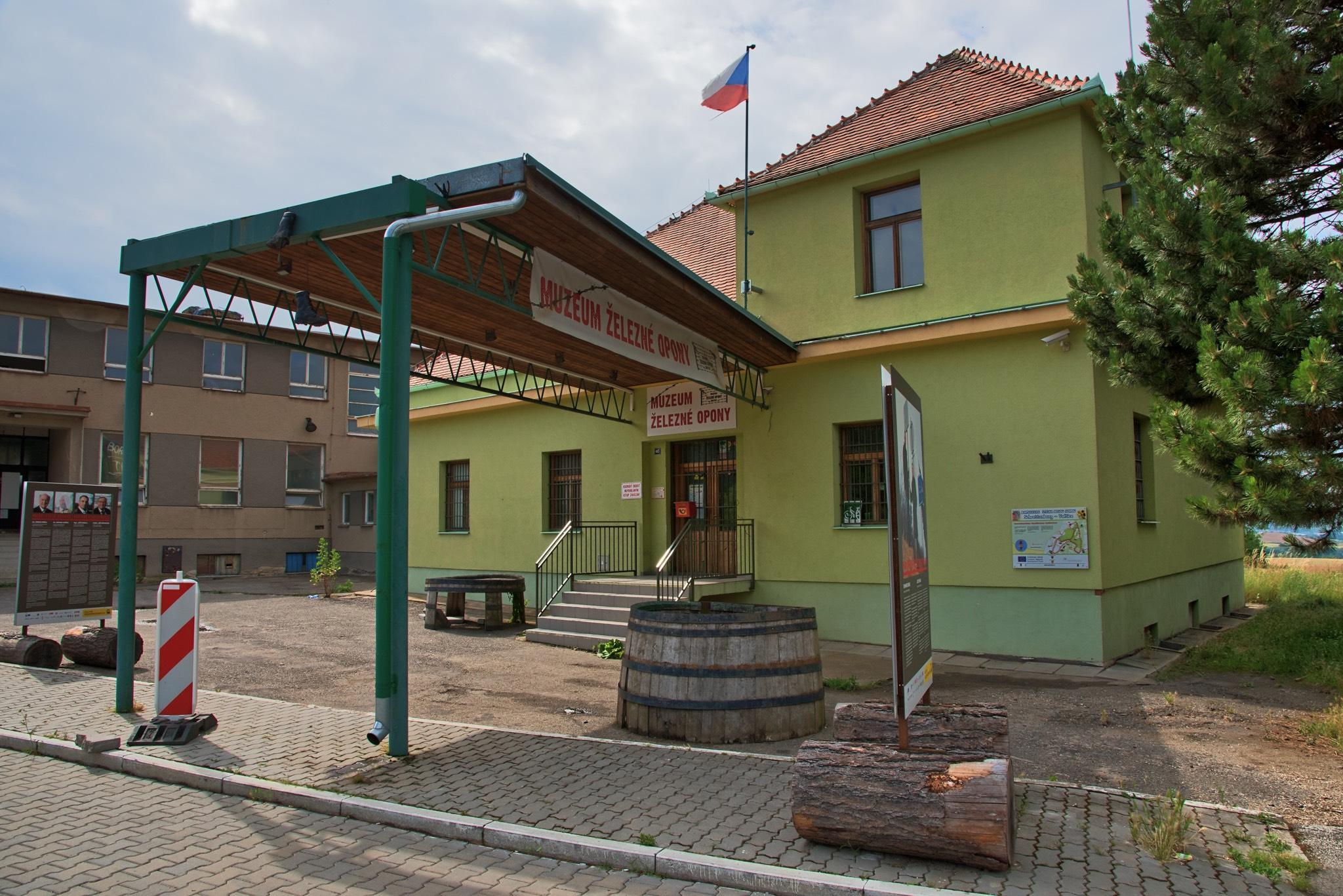
A museum dedicated to the history of the Iron Curtain. The former border post building houses many exhibits commemorating the Iron Curtain era, particularly the years from 1951 to 1989.
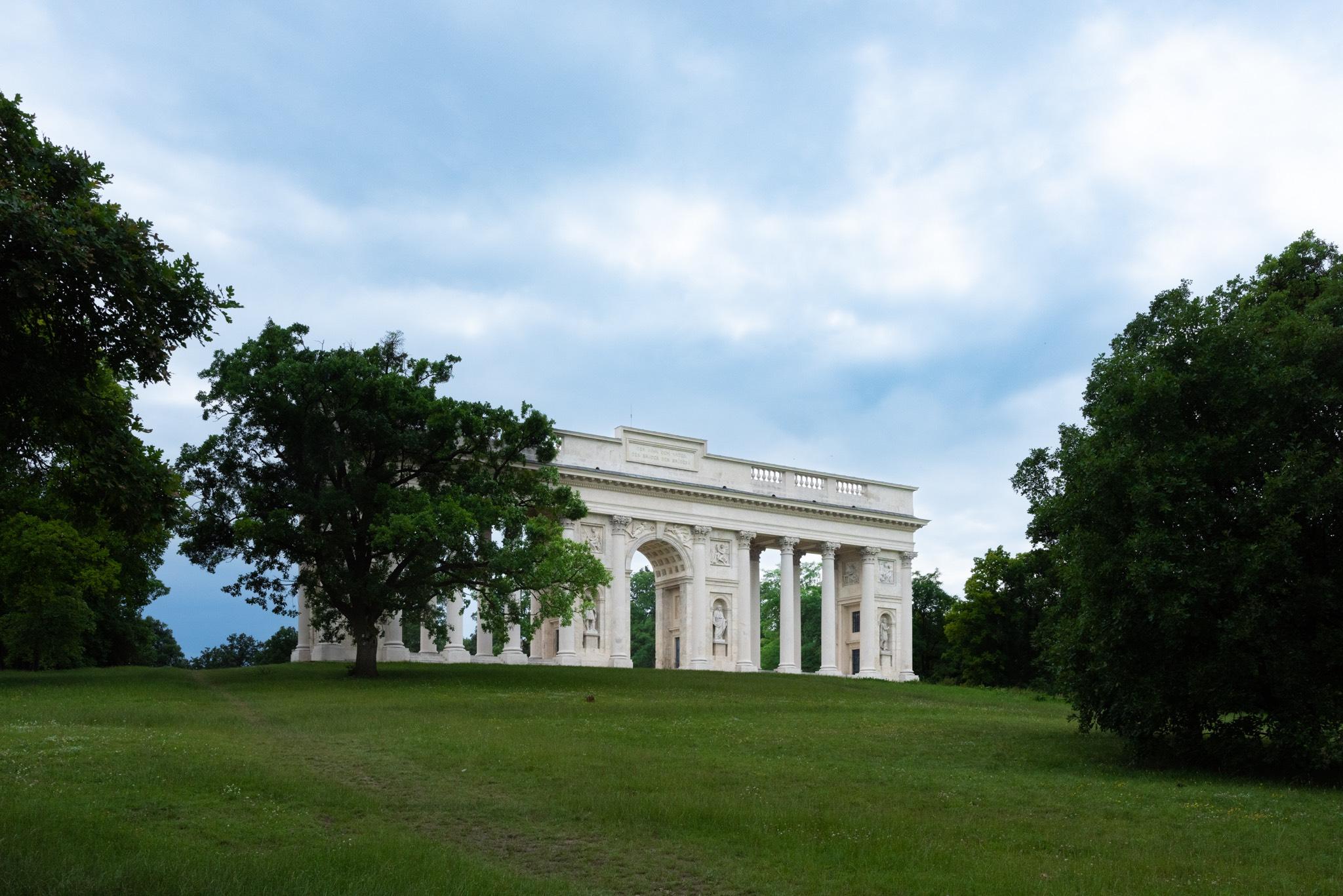
The wall bears the inscription: "Son to father, brother to brothers" and "To the minds of the unforgettable, the only surviving son." Alois I of Liechtenstein commissioned
the construction of the colonnade to commemorate his father and his deceased brothers. Construction was completed under his younger brother, Jan Josef I.
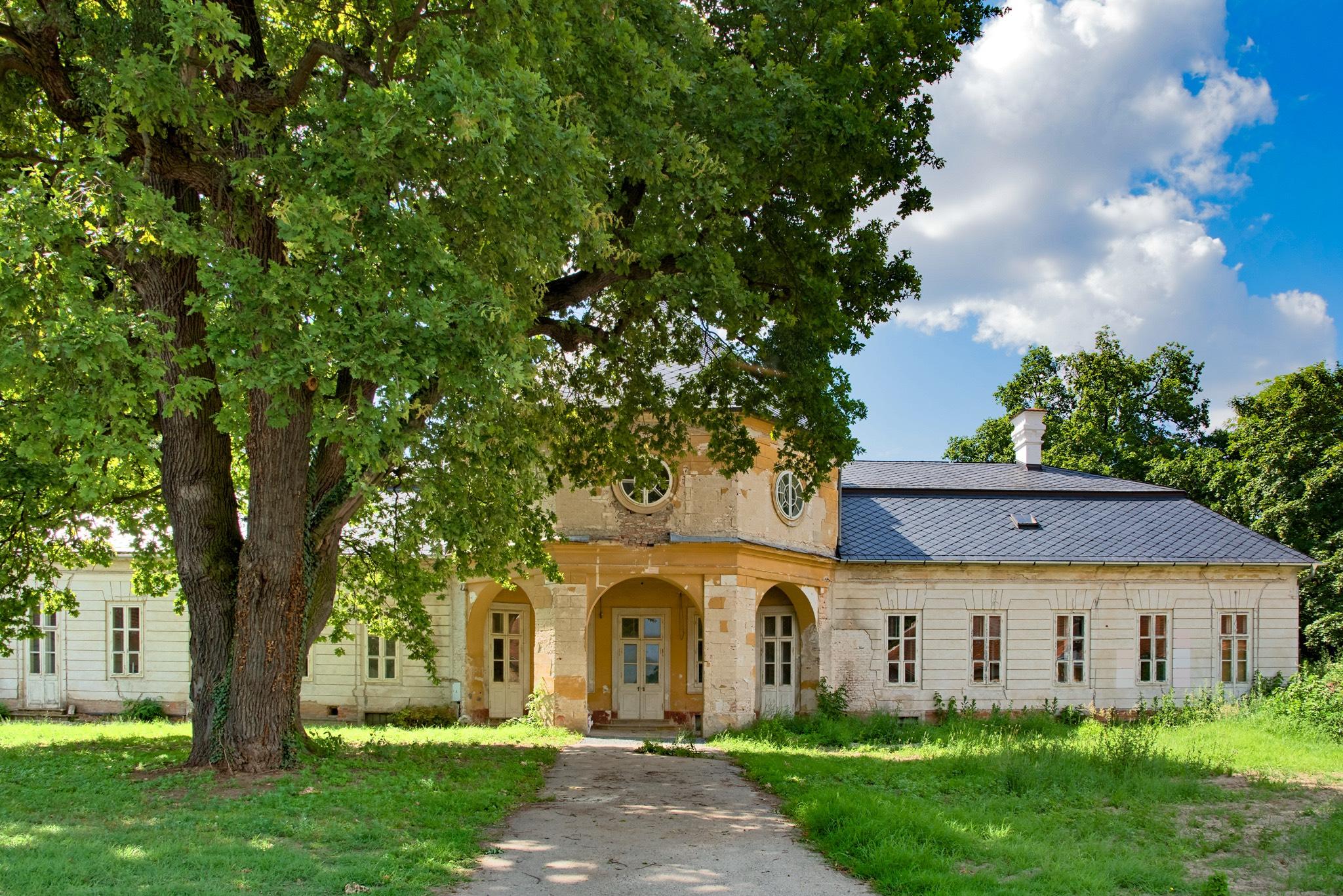
The formerly magnificent pleasure palace of the Liechtenstein family is now privately owned and can only be viewed through a fence. The courtyard of the palace, built in 1818, housed aviaries housing noble birds
such as pheasants and peacocks. The building is romantically situated in the heart of the forest. It has been open to the public again since 2021 after extensive renovations.

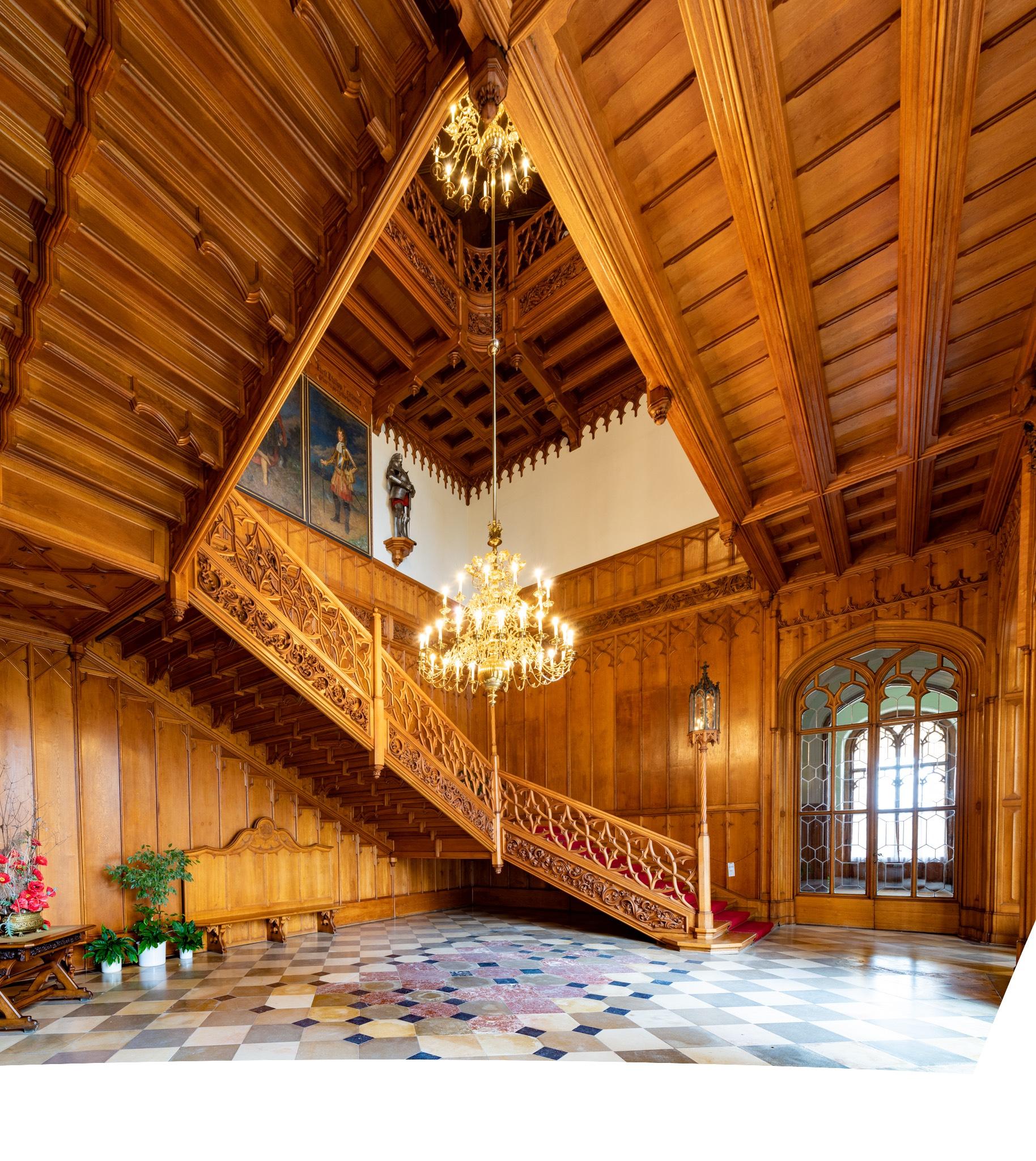

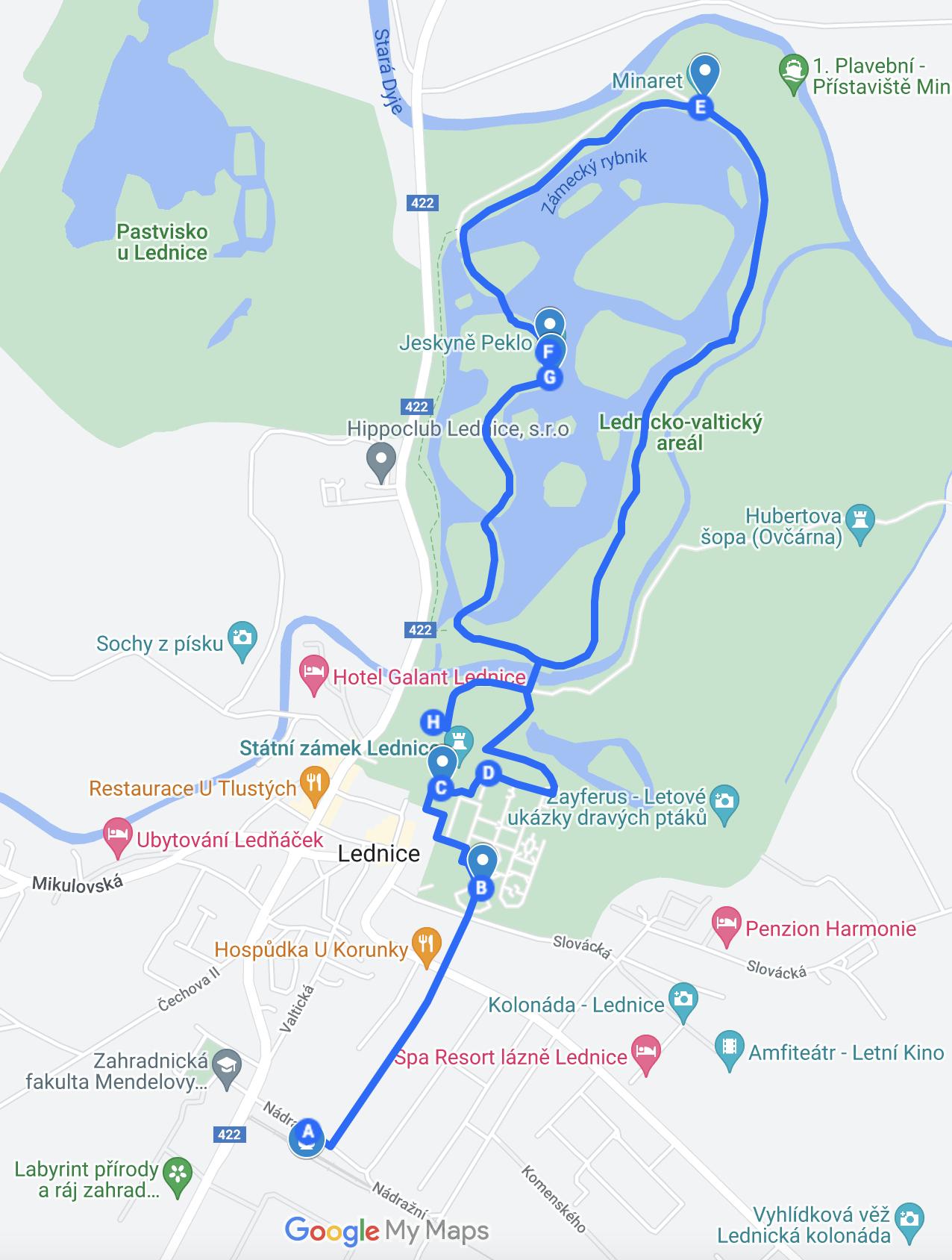
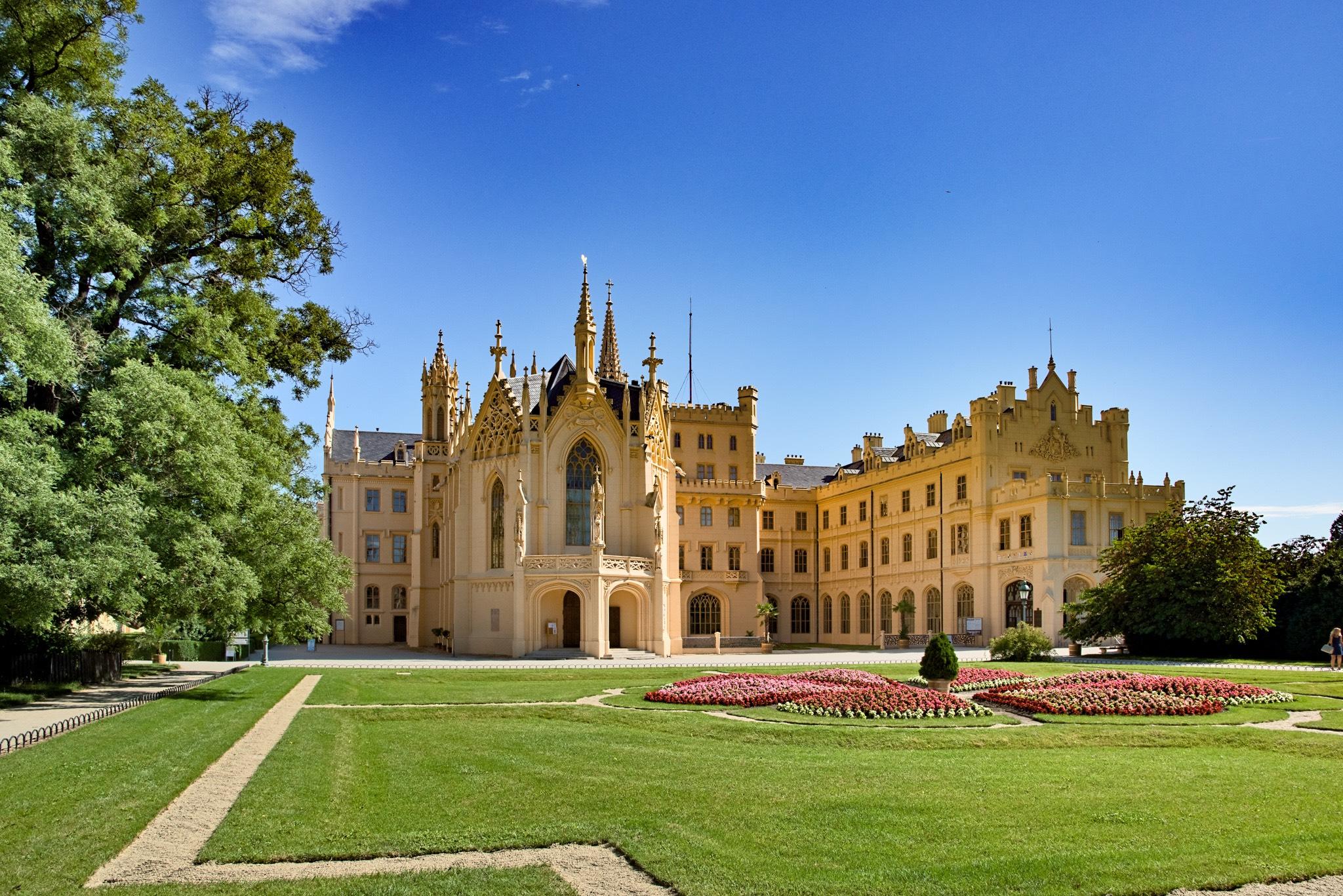
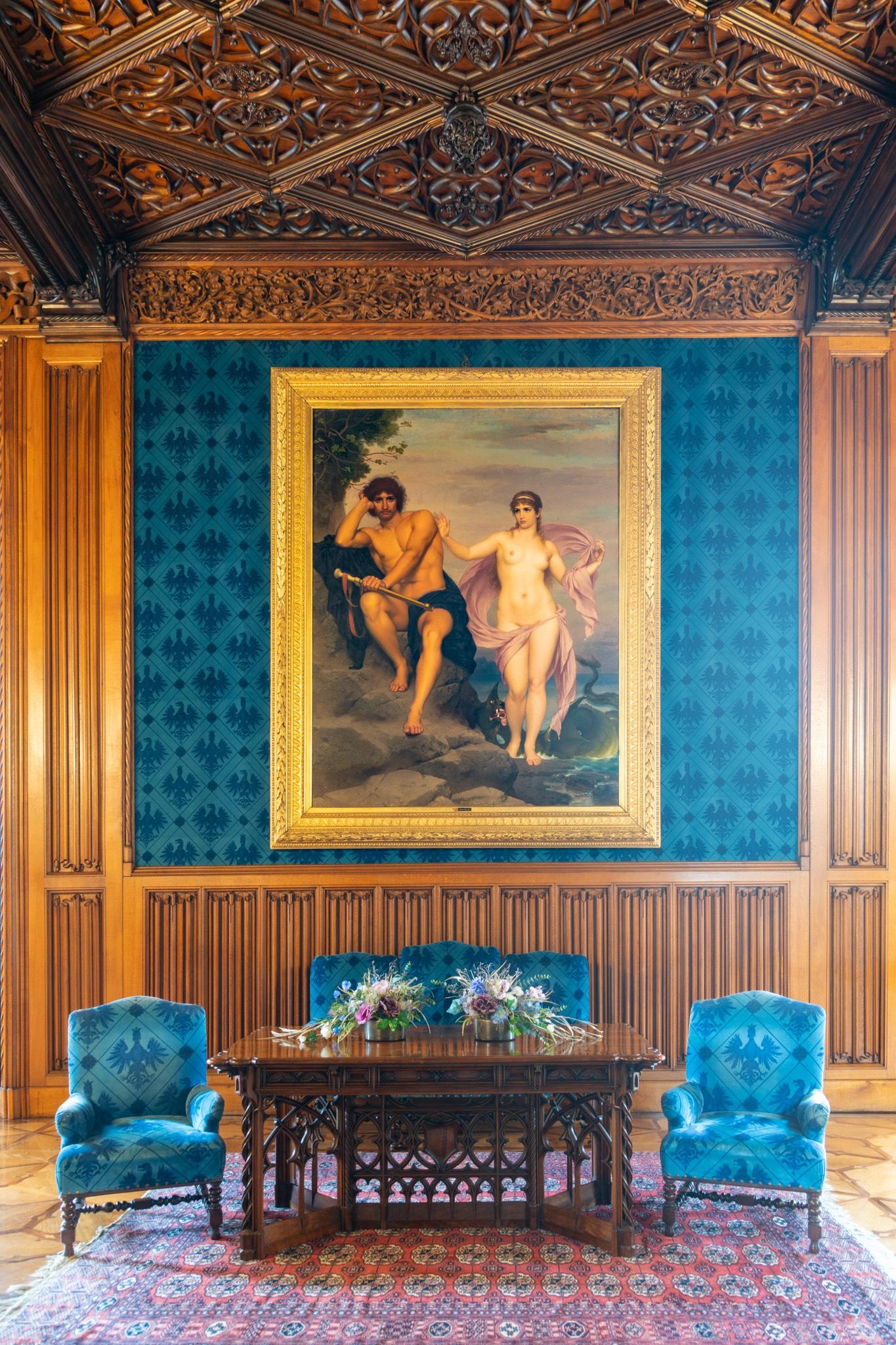
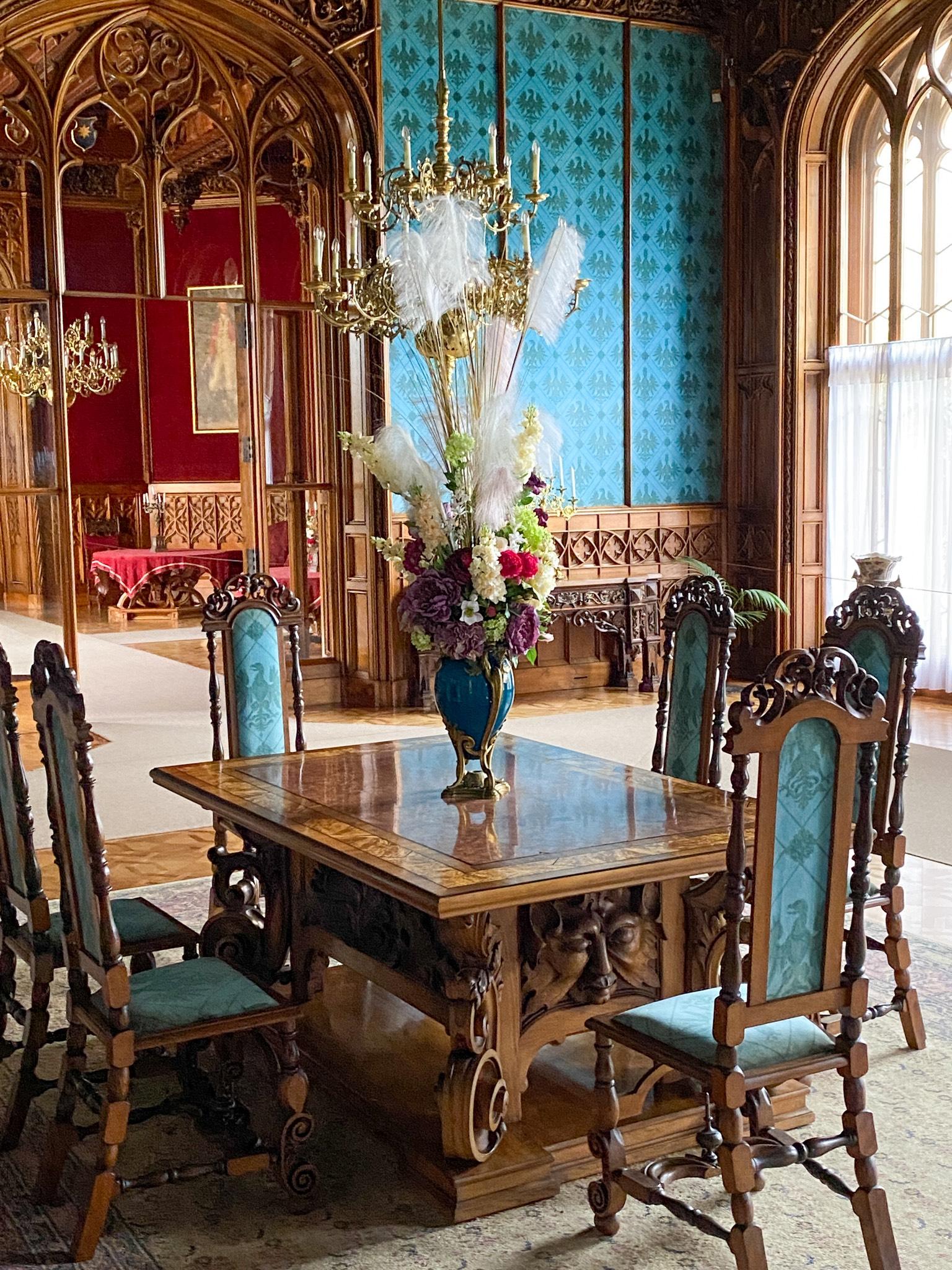
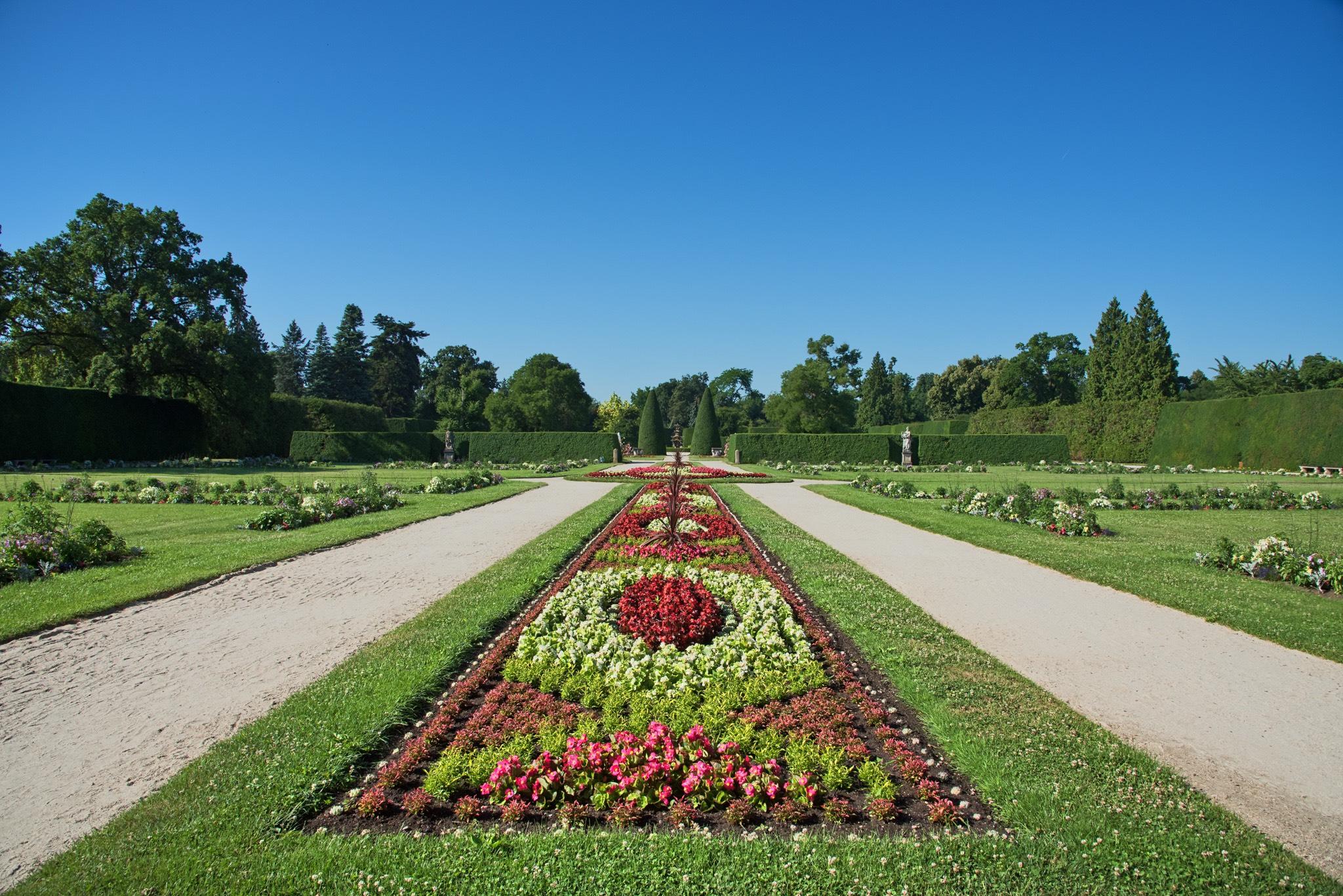
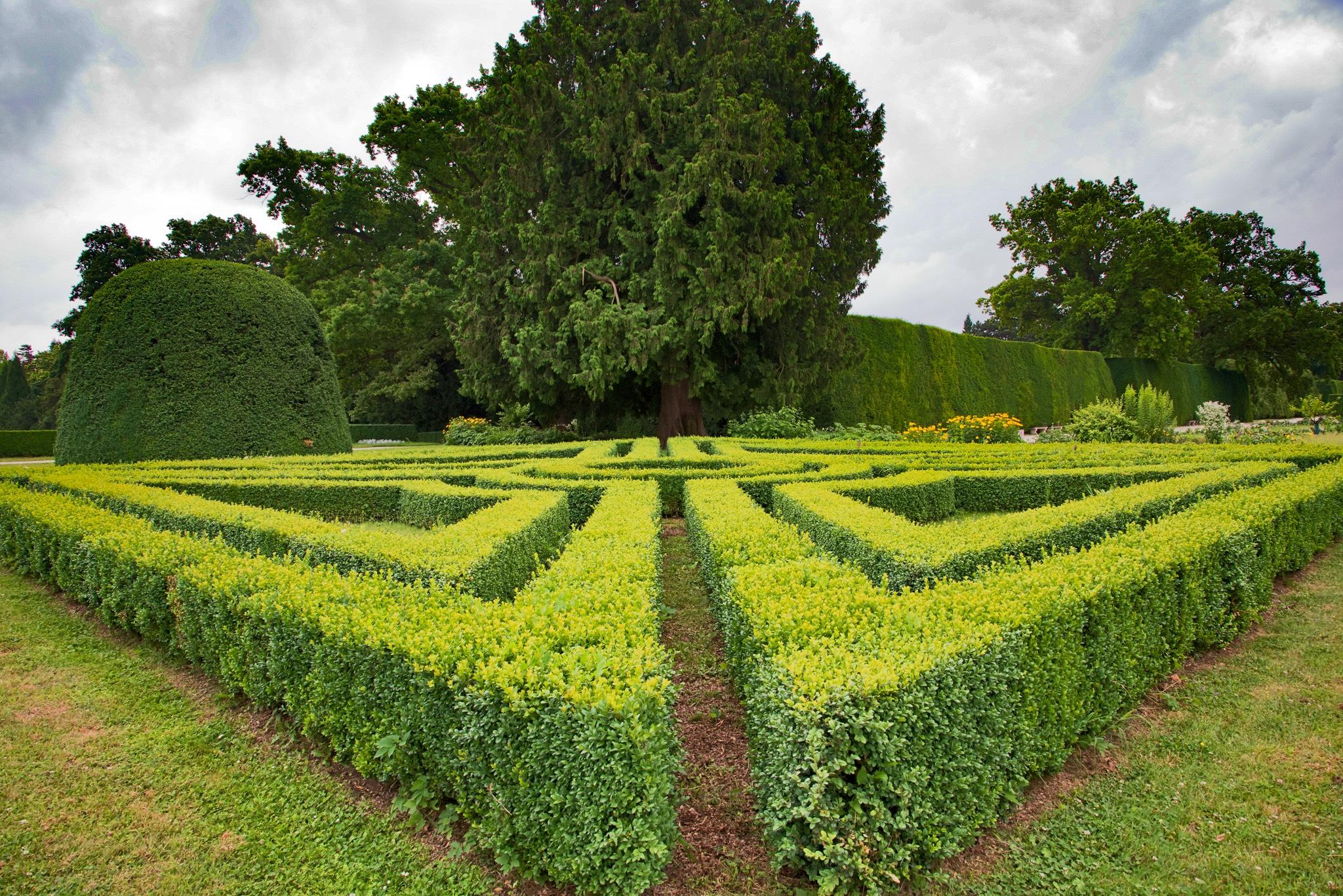
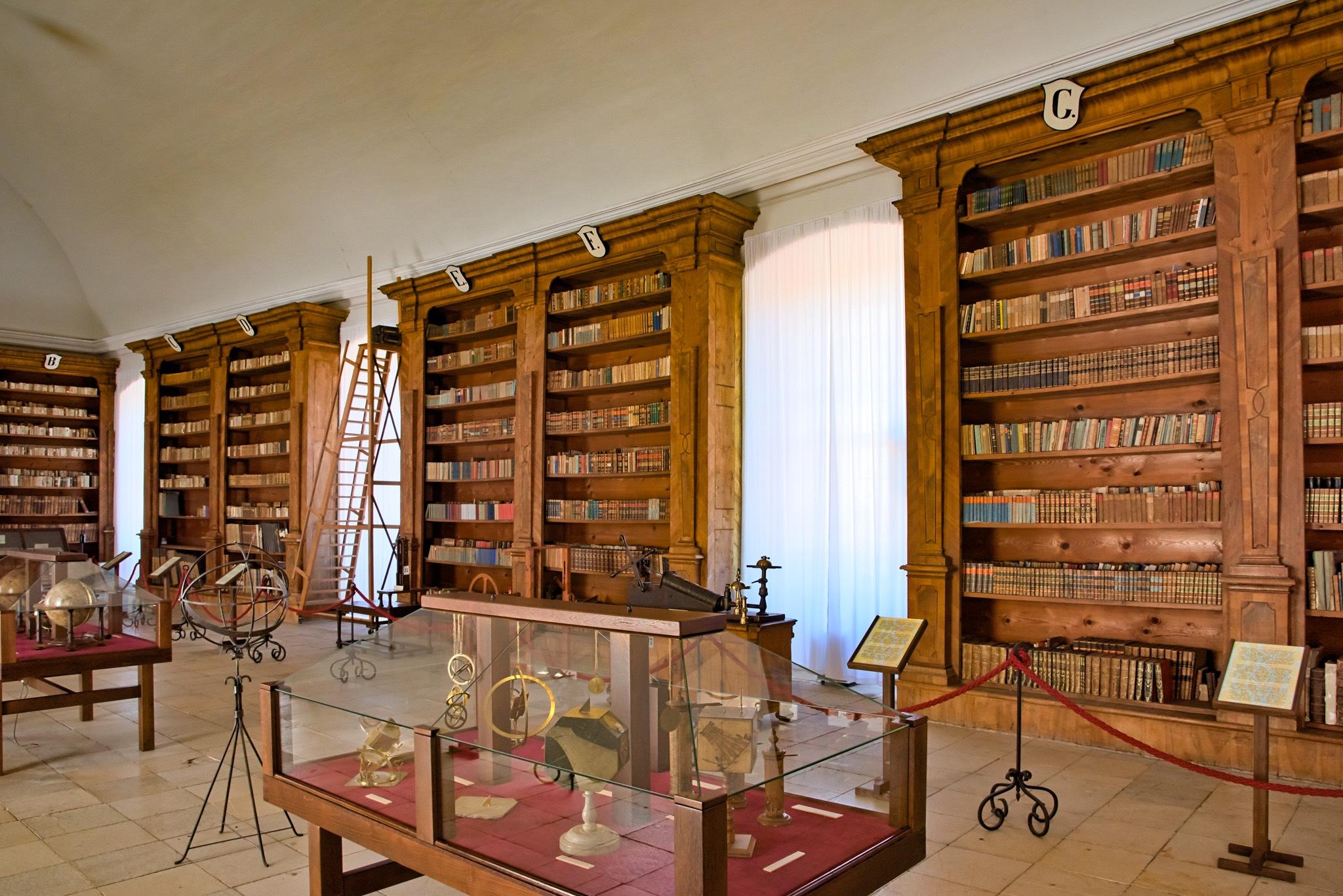
The magnificent Lednice Castle is a testament to the exquisite taste of the Liechtenstein family. A tour of the castle also provides insight into the private life of the
princely family. Particularly noteworthy are the carvings, the ornate parquet floors, and the famous carved spiral staircase.
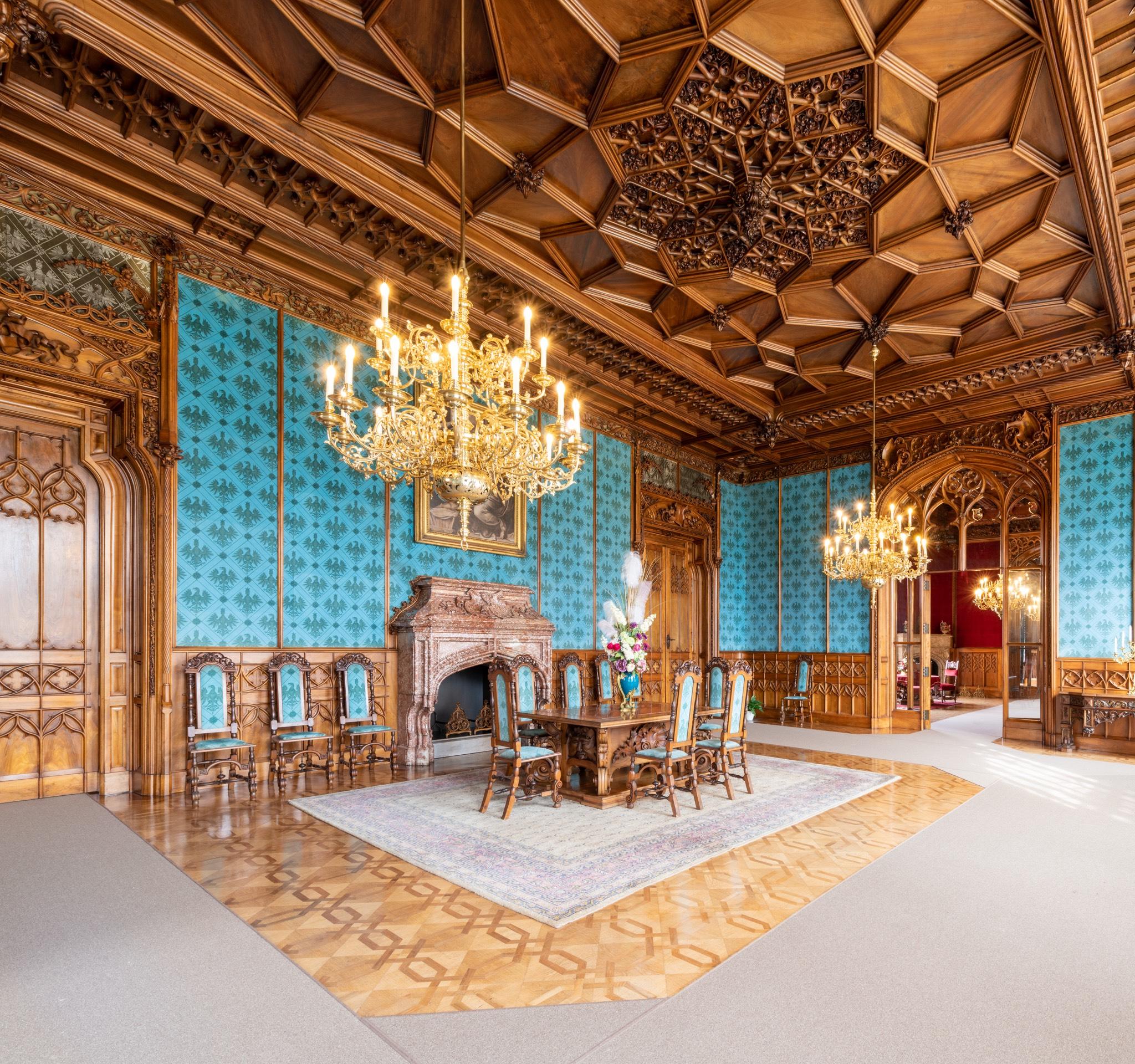

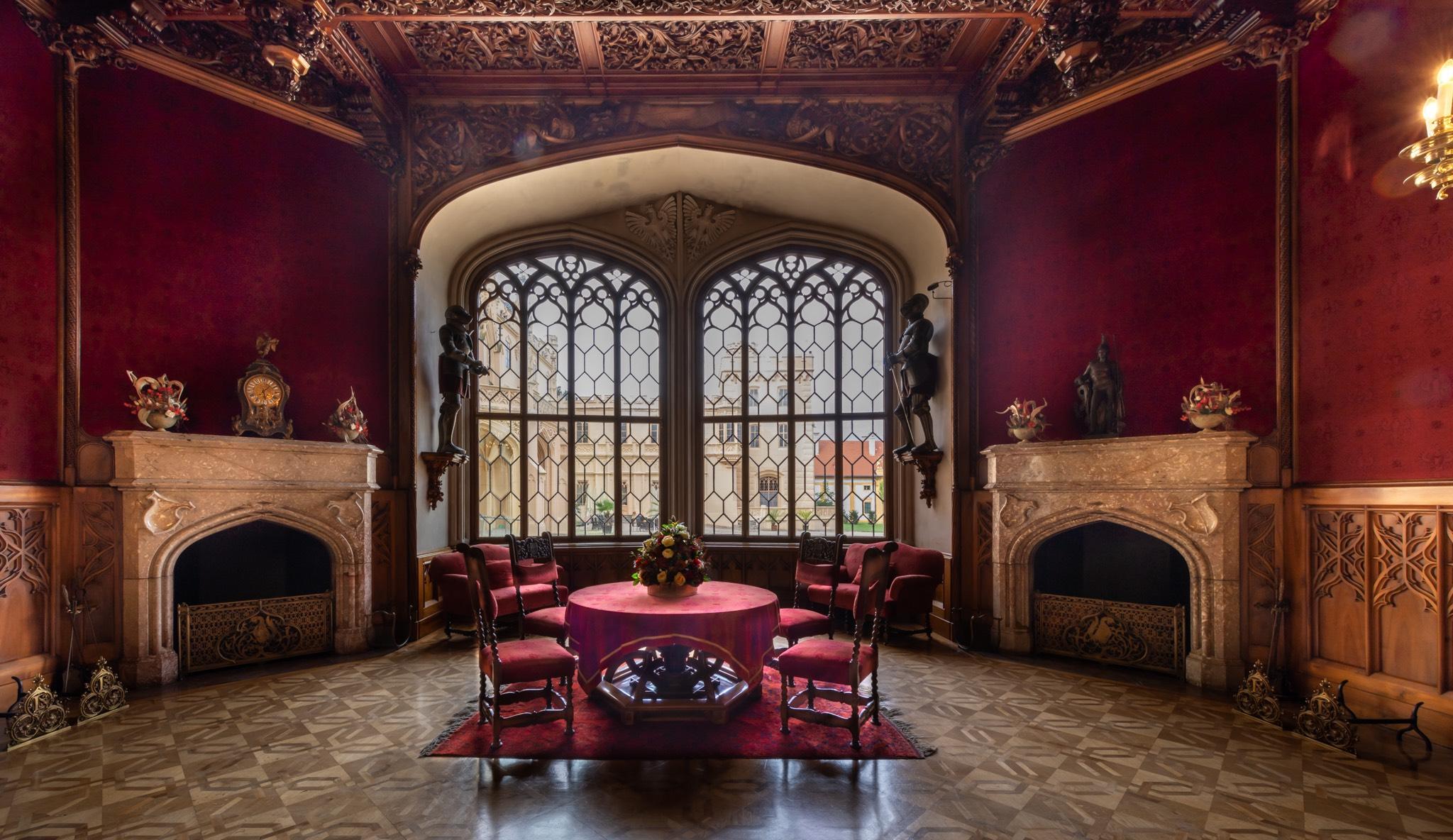

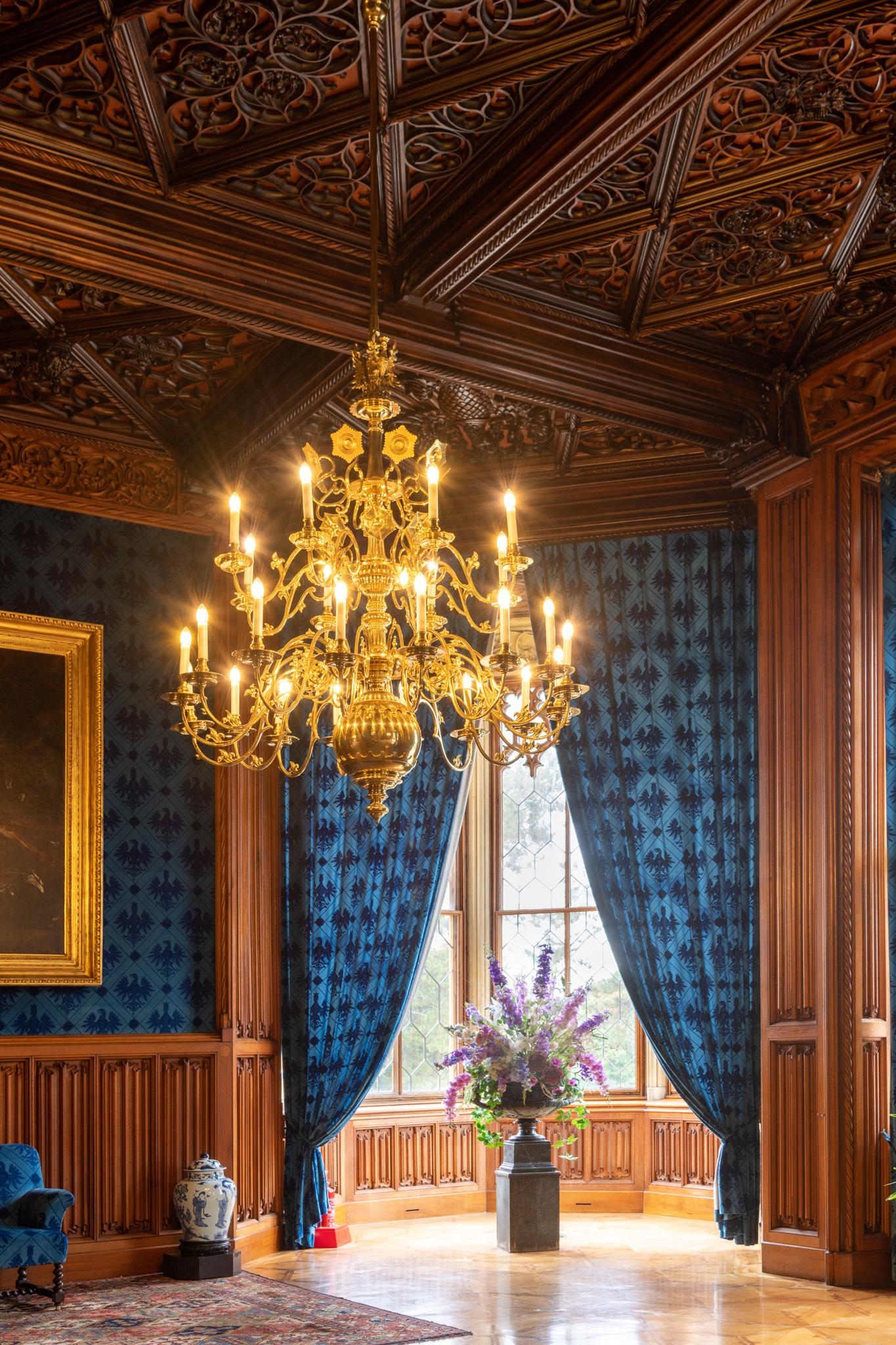

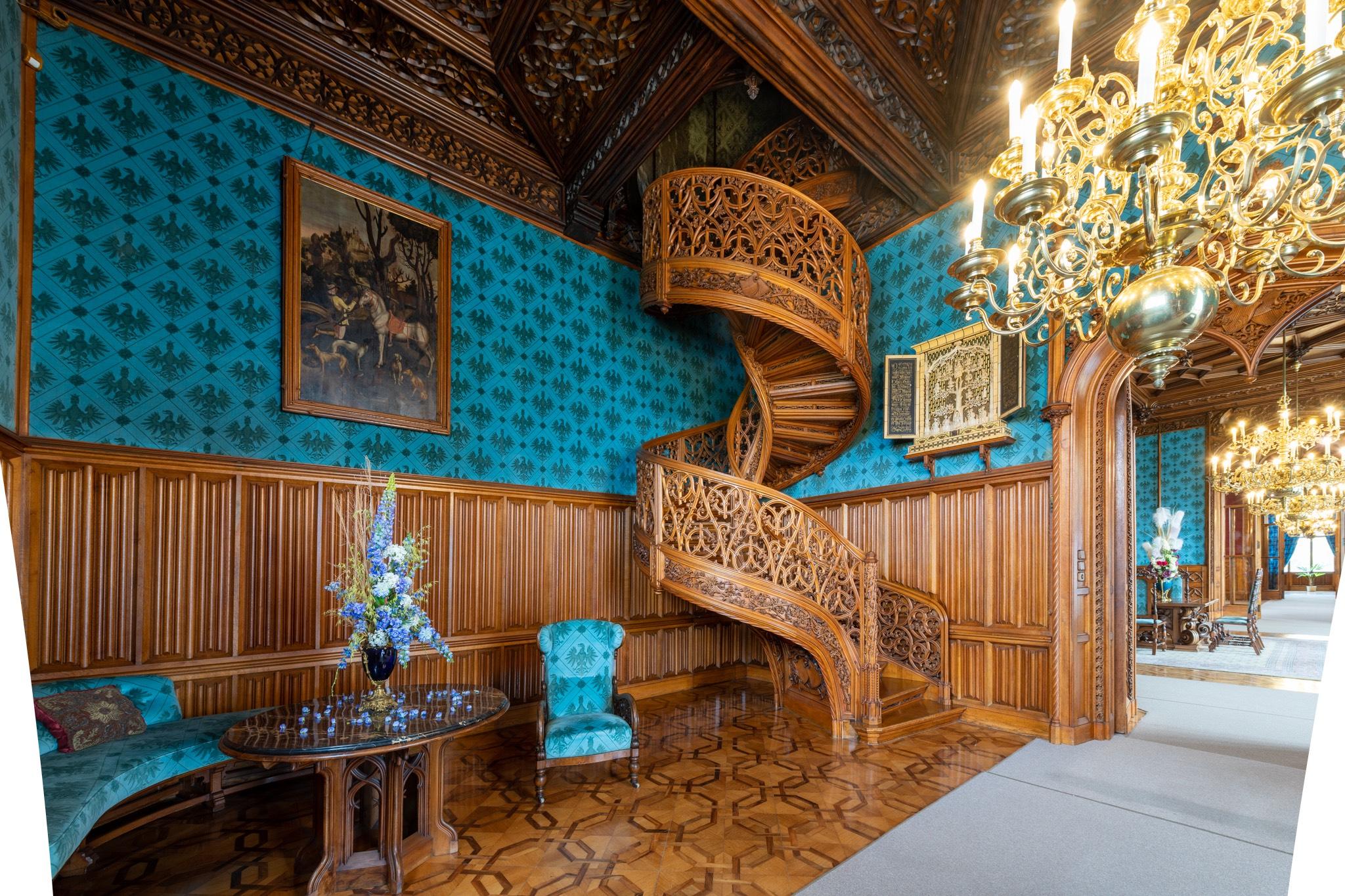
Castle library with spiral staircase
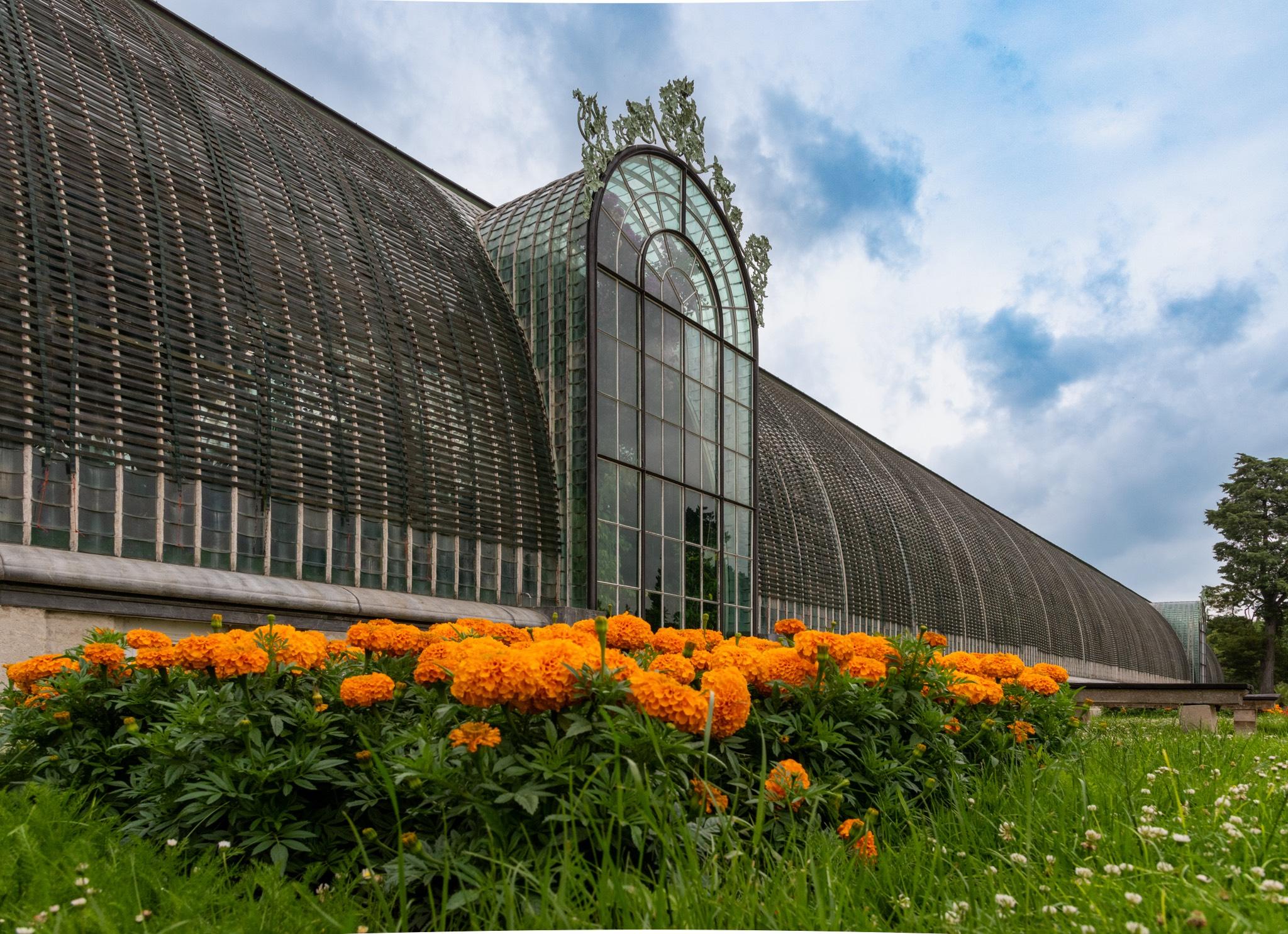
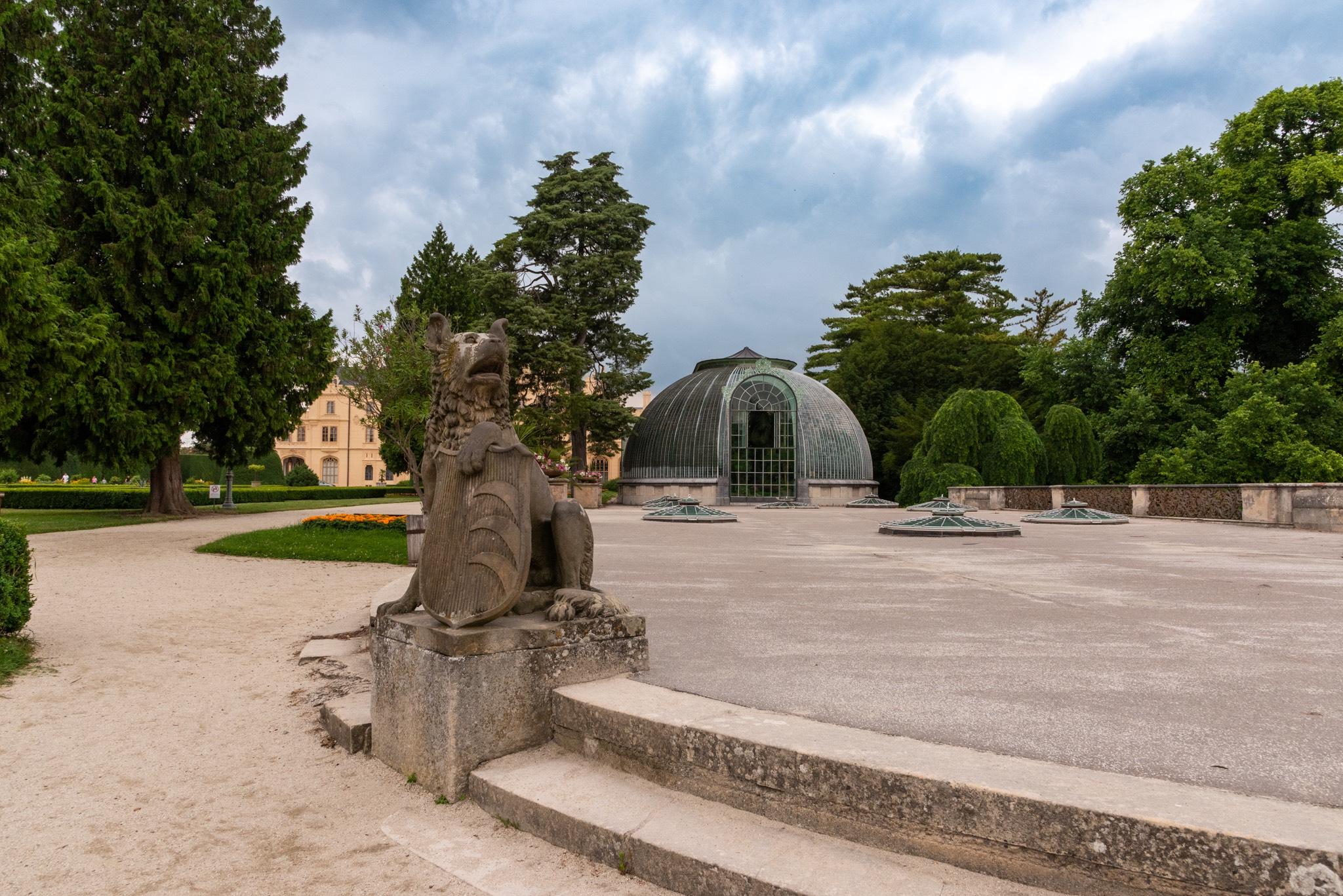
The Skleník (Greenhouse) measures 90 meters long, 13 meters wide, and 10 meters high. It is a cast iron structure manufactured in Northern Moravia. Built between 1843 and 1845, the greenhouse was considered a technical masterpiece of its time. The
technical implementation and architectural design of the Skleník not only attracted scientists and botanists, but also made the greenhouse a significant landmark in the region.
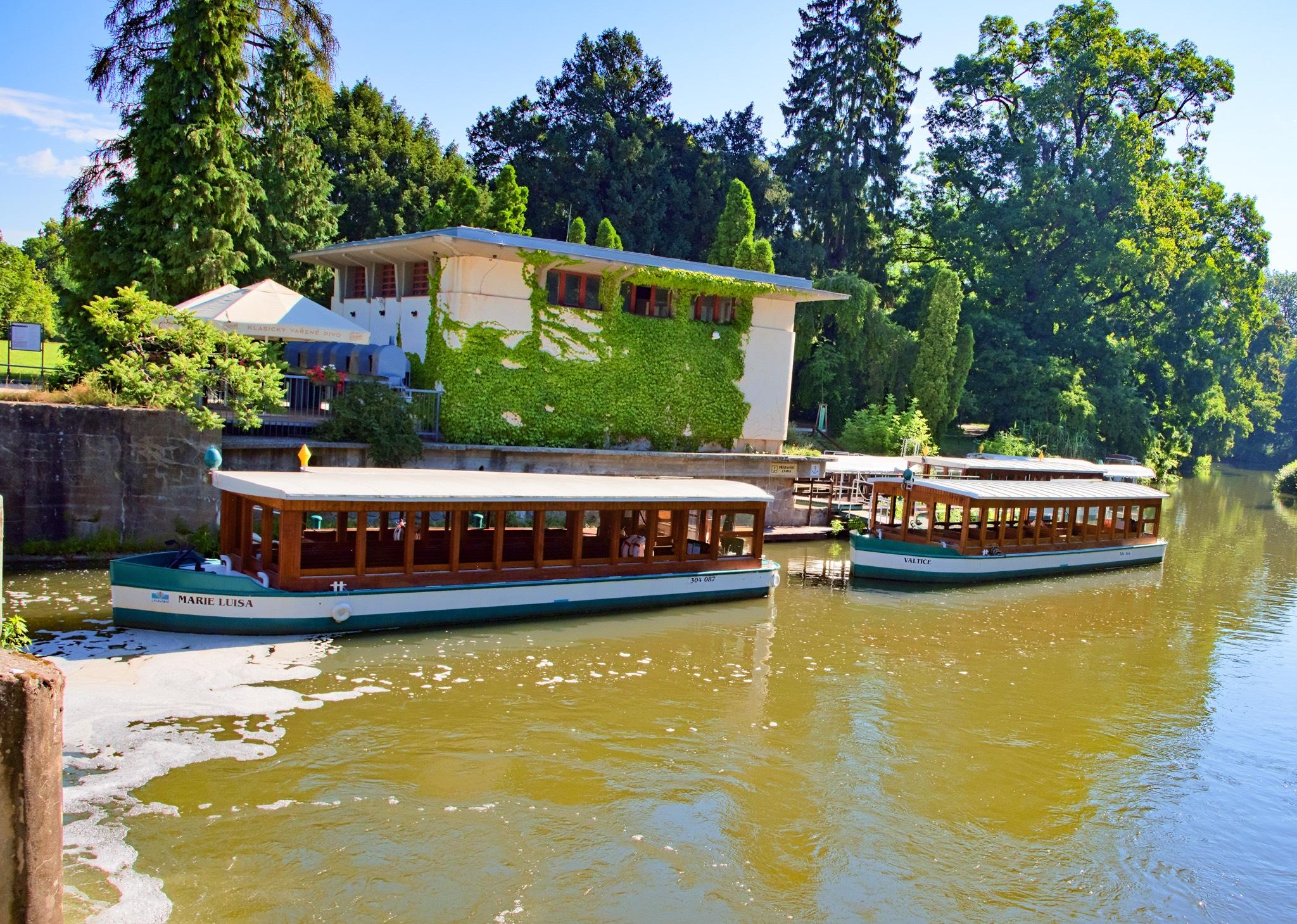
A magical boat trip takes you through Lednice Castle Park along the meandering branches of the Thaya River. During the trip, the history and significant sights of the former Liechtenstein family estate are explained. Directly
behind the castle, guests have the opportunity to choose one of two boat tours and experience the park from a unique perspective from the water.
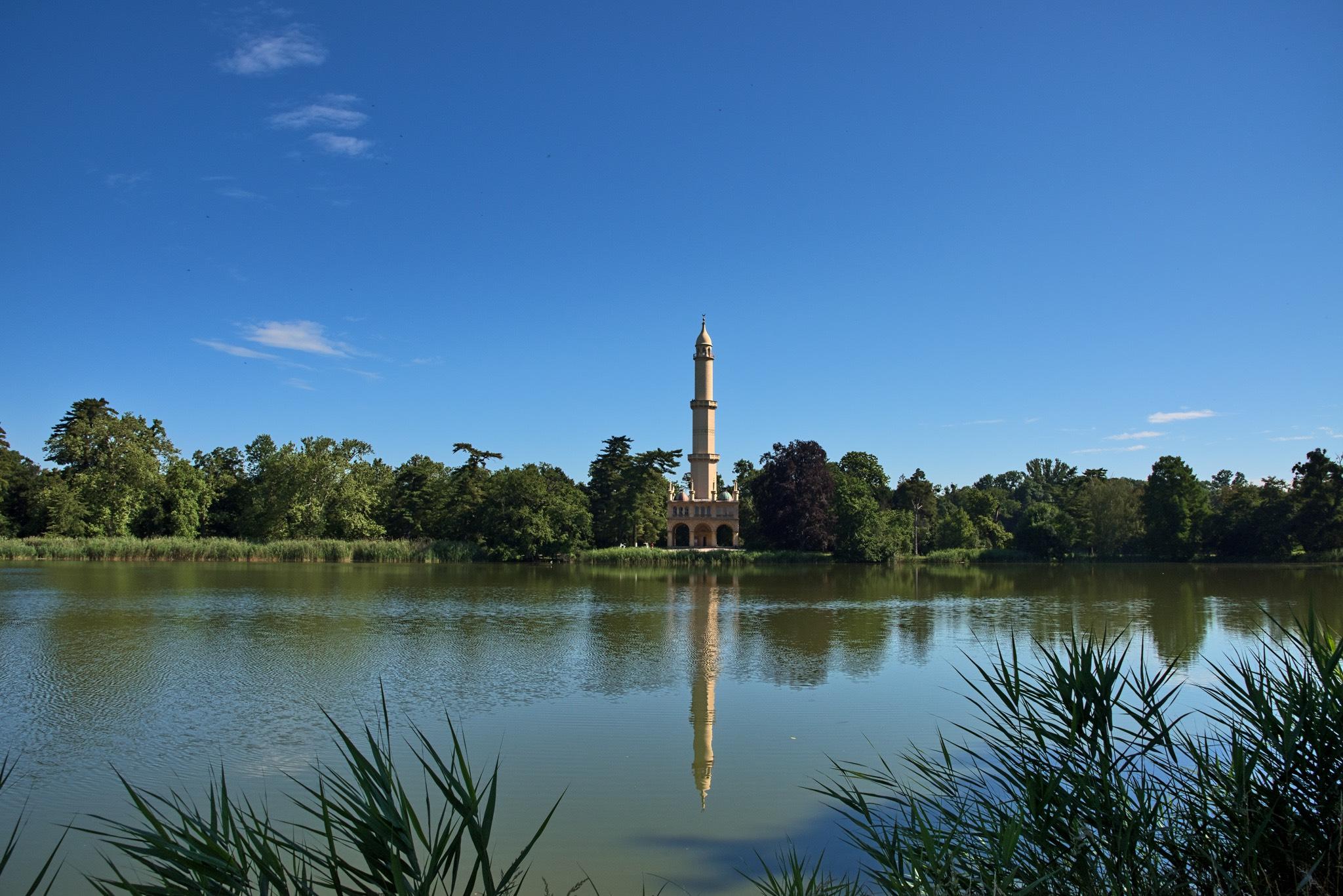
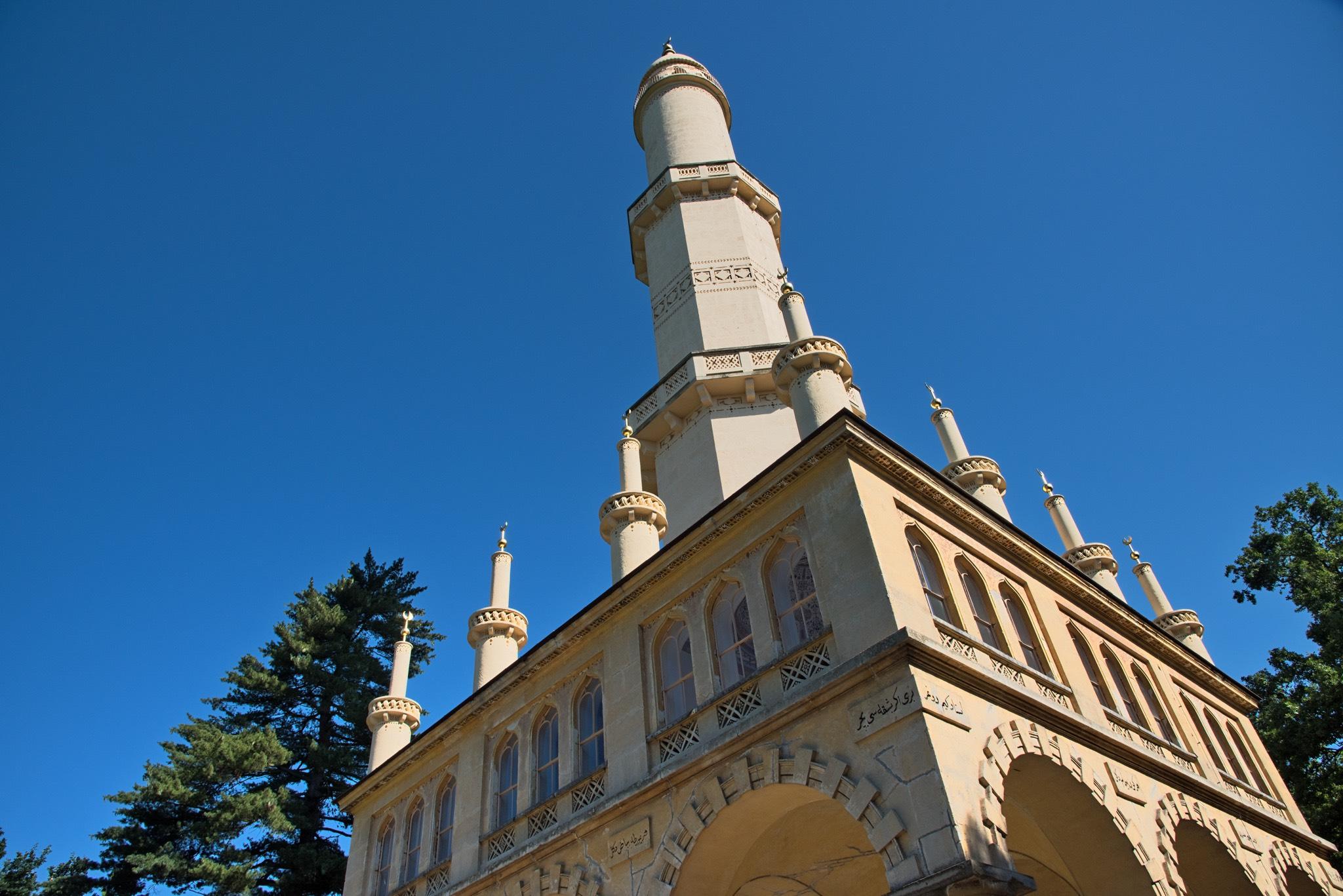
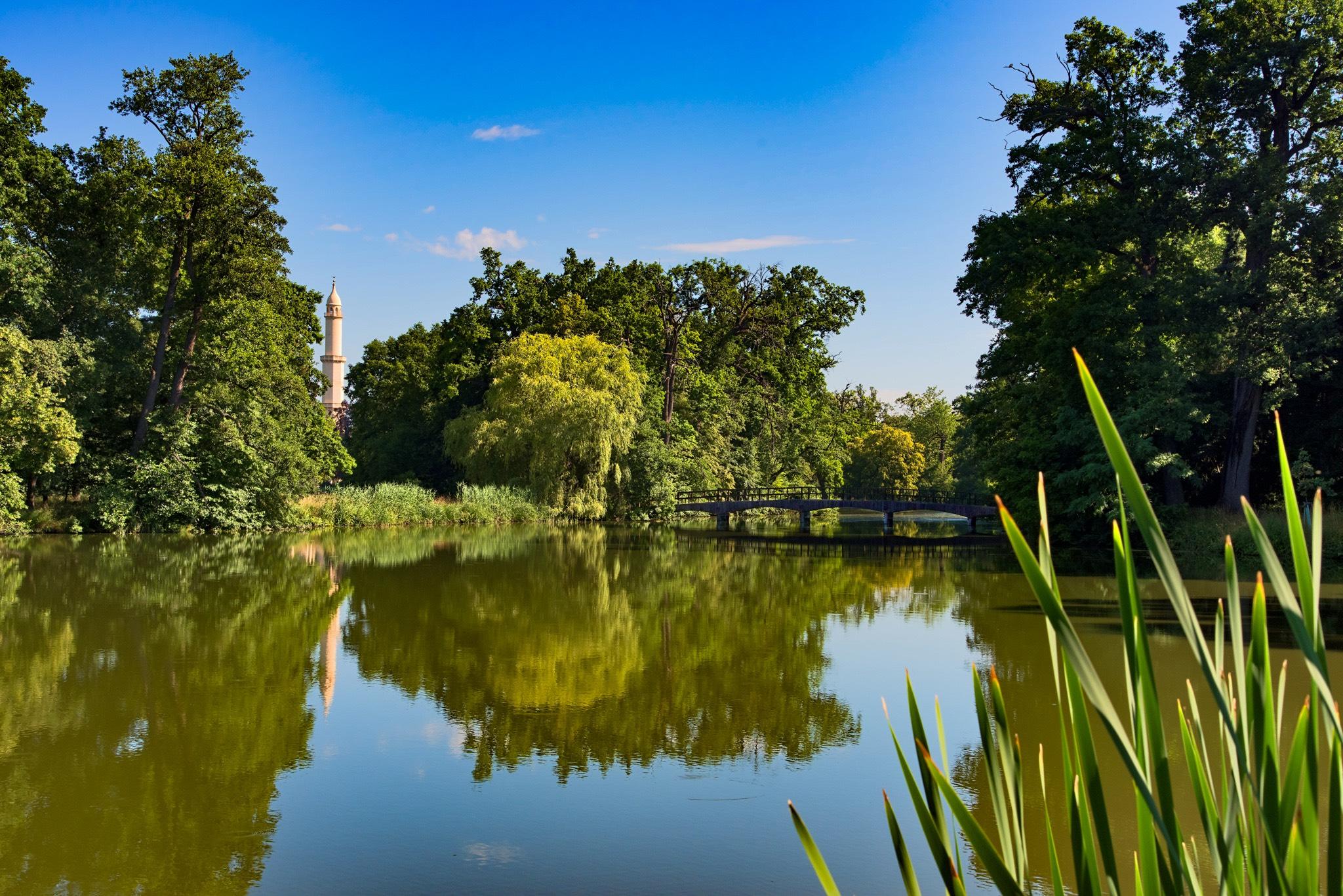
The top of the minaret is reached after climbing 302 steps. From the 60-meter-high structure, a comprehensive view of the entire site opens up. It is said that Alois I of Liechtenstein had the minaret built by
Joseph Hardmuth between 1797 and 1802 because he and his subjects could not agree on a location for a new church.
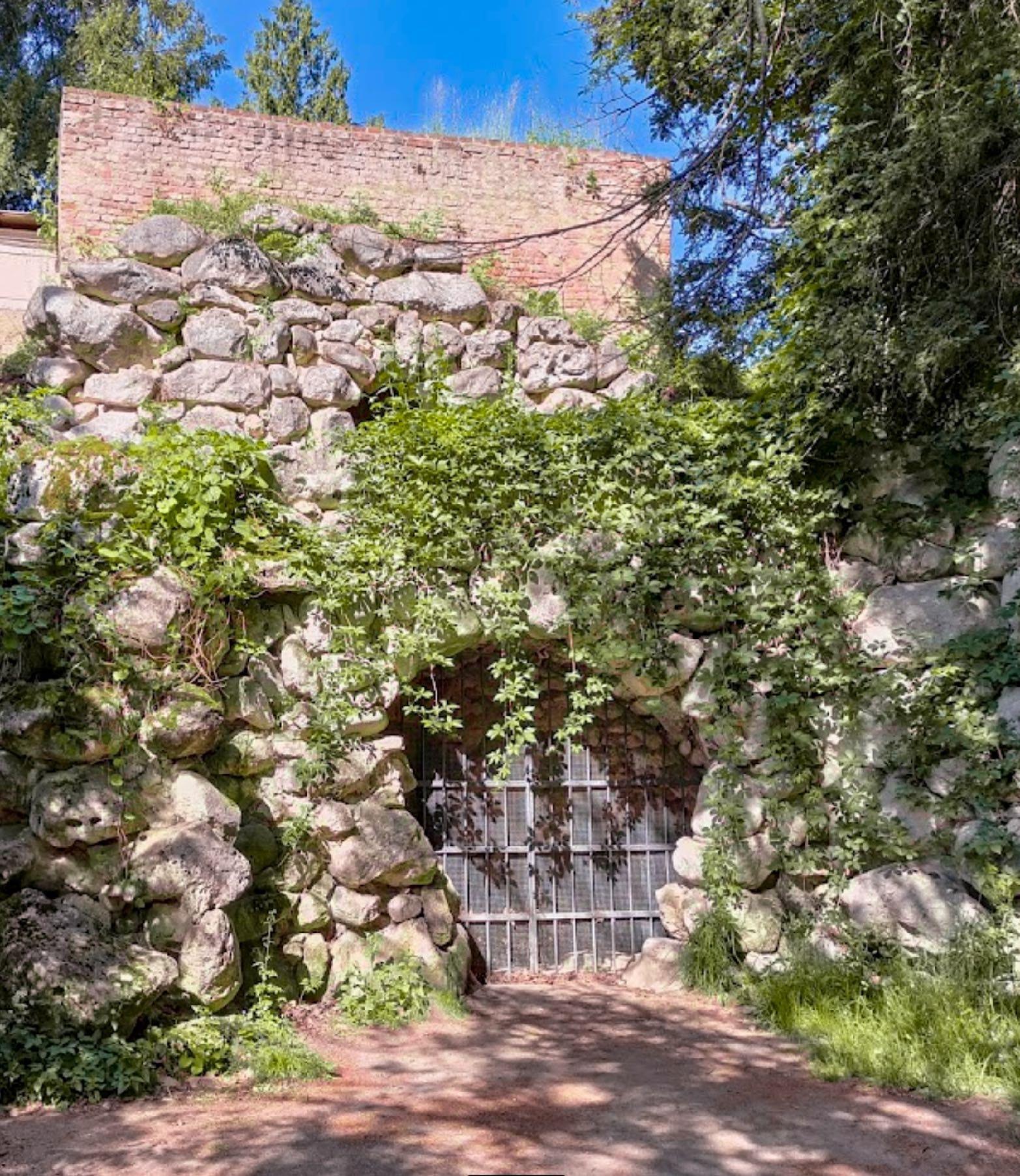
With the construction of Jeskyně Peklo (Hell's Cave), Alois I of Liechtenstein added an interesting and mystical element to the castle garden towards the end of the 18th century. The Austrian architect Isidore Canevela
was entrusted with the design of the grotto. A pavilion stood atop the grotto, which no longer exists. The grotto is not accessible.

In 1805, Joseph Hardtmuth built a Roman-inspired aqueduct within the park. The structure also includes several grottos and an artificial waterfall. Hardtmuth was also the founder of the pencil factory named after
him. His son Carl developed the Koh-i-noor pencils, which were produced in 17 different degrees of hardness and brought the company international fame.
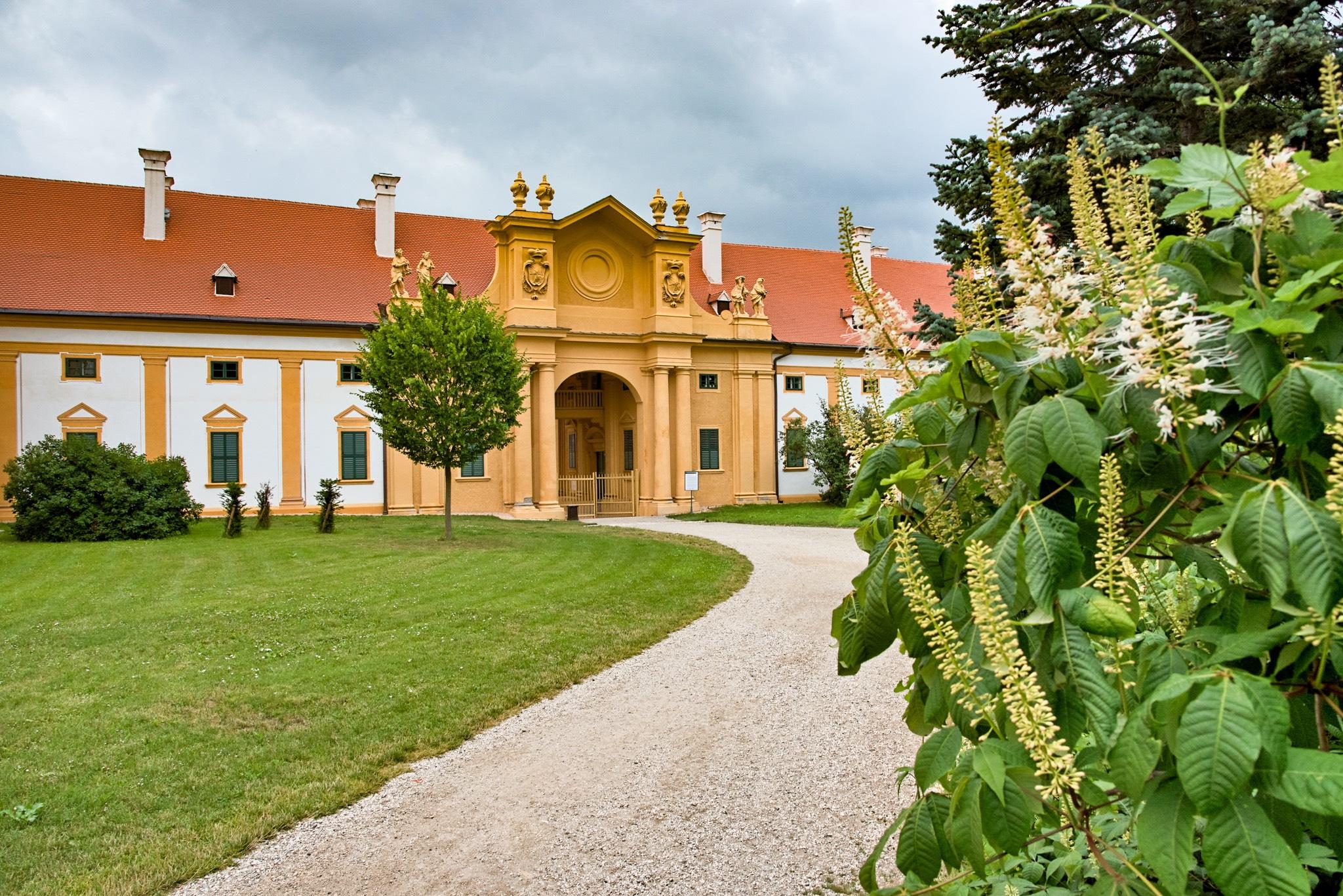

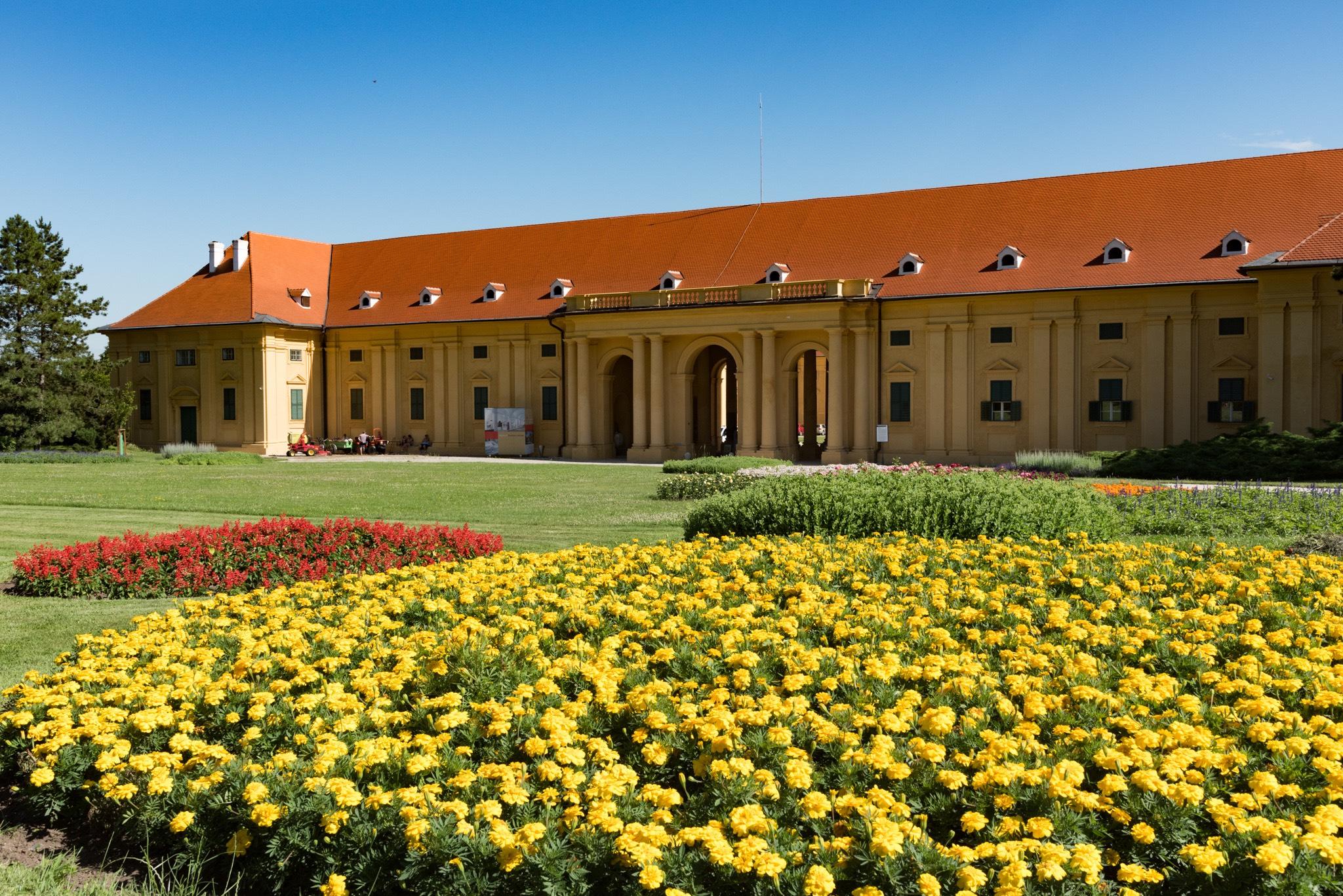
Johann Fischer von Erlach was responsible for the riding stables of Lednice Castle, built at the end of the 17th century. The construction was completed by Domenico Martinelli. The completely renovated building now
houses a modern conference and exhibition center. The event center (Multifunctional Center of Lednice Castle) is located in the castle's former stables.
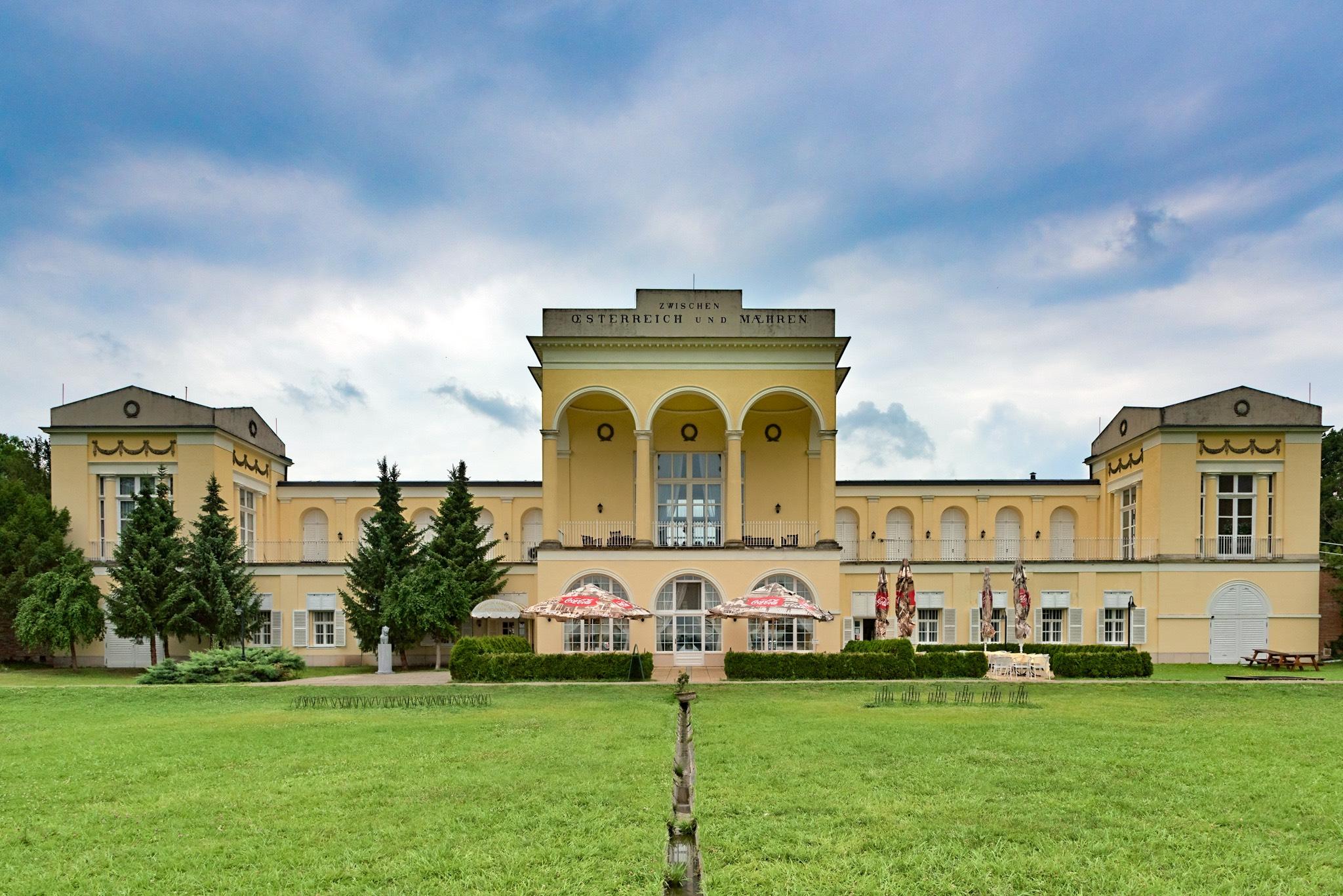
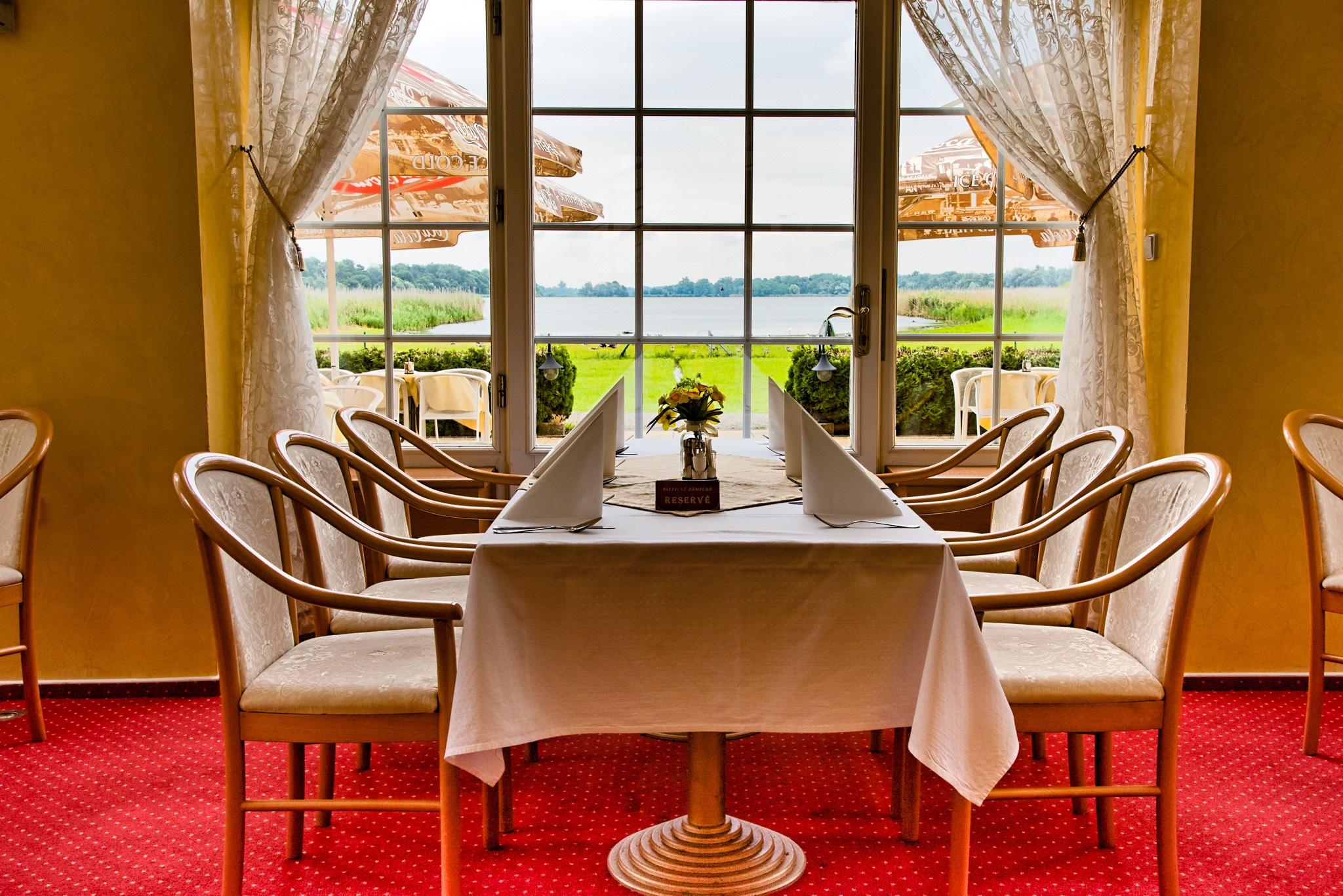
The small border castle was built between 1816 and 1827 on what was once the border between Lower Austria and Moravia. Located in Hlohovec
(Bischofswarth), the building was formerly located half on Austrian and half on Moravian territory. Today, it serves as a restaurant and hotel.
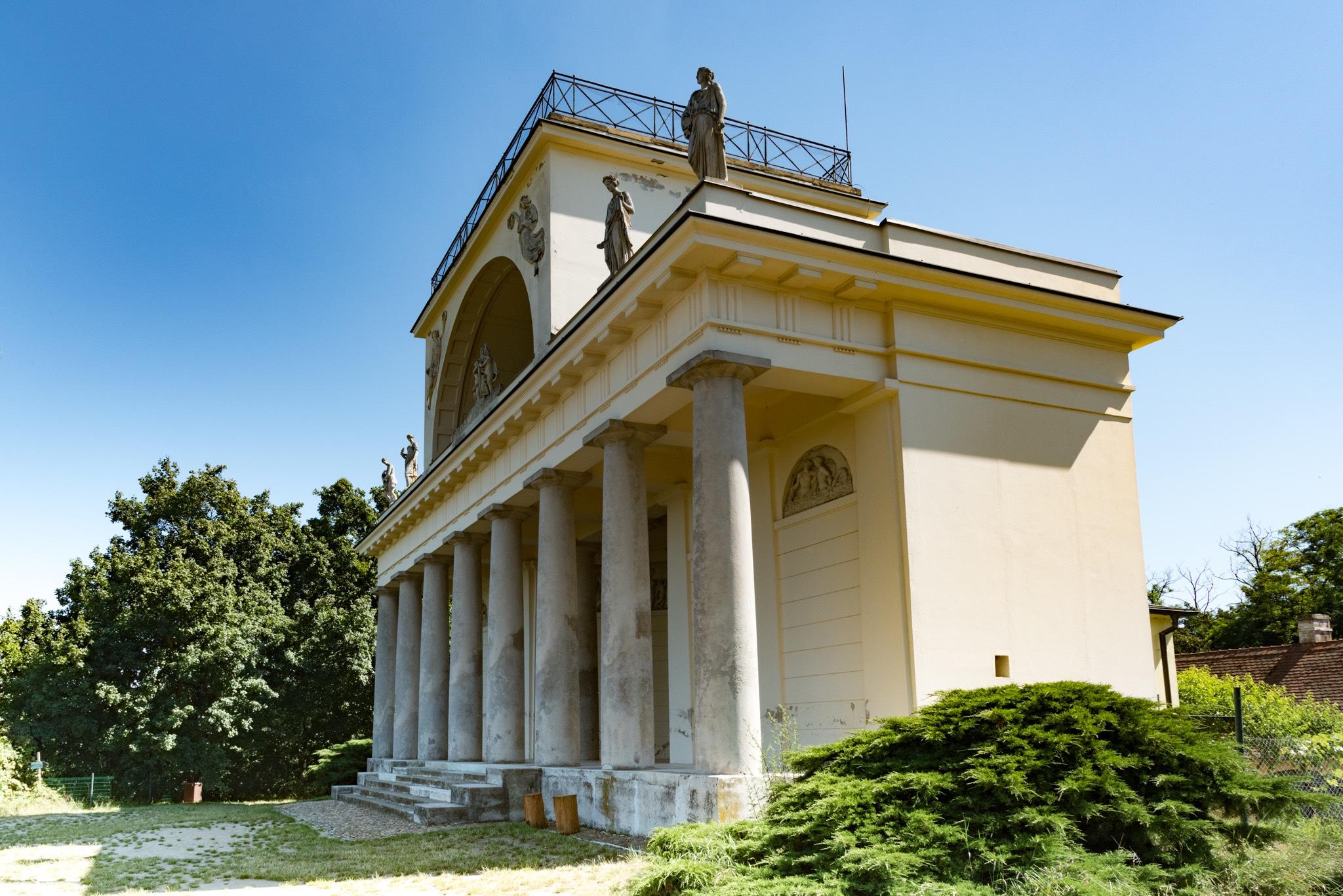
The Temple of Apollo was built on a sand dune by Joseph Kornhäusel between 1817 and 1819. The Austrian sculptor Josef Klieber created the reliefs of the
Muses accompanying Apollo on the sun chariot. Behind the temple is a small restaurant. There, you can also get the key to the stairs to the temple roof.
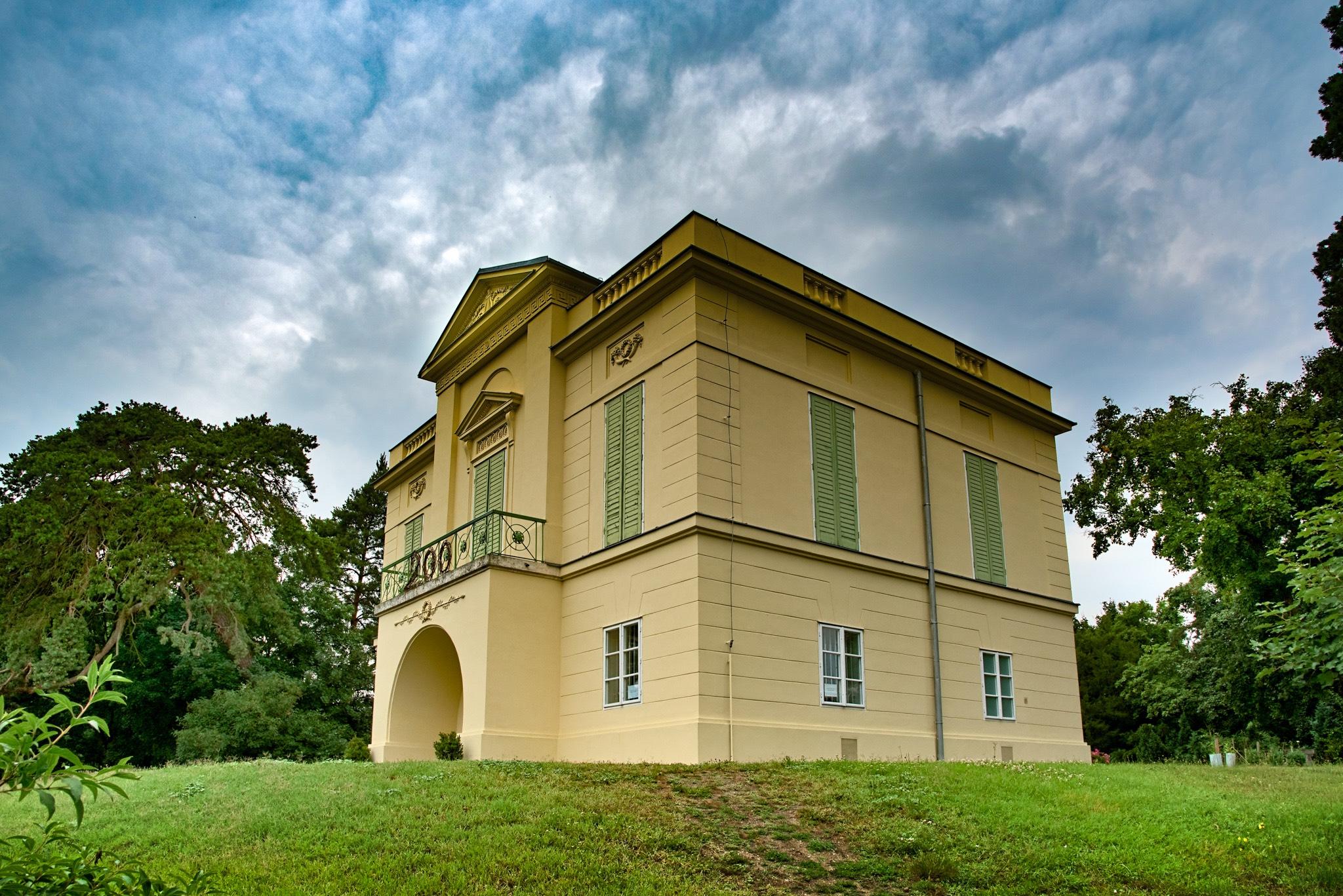
The rooms of the Teichschlösschen, built by Joseph Georg Kornhäusel between 1814 and 1816, are available for rental for receptions and various events. However, public viewing of the Teichschlösschen is not permitted.
These rooms were once a gathering place for guests of the Liechtenstein family to pursue their hobbies, such as hunting and fishing.
In front of the Sanctuary of the Three Graces stands a sculpture by Johann Martin Fischer. The Three Graces, gazing over the landscape with the temple in the
background, are the Greek goddesses Pallas Athena, Artemis, and Aphrodite. The temple was designed by Franz Josef Engela.
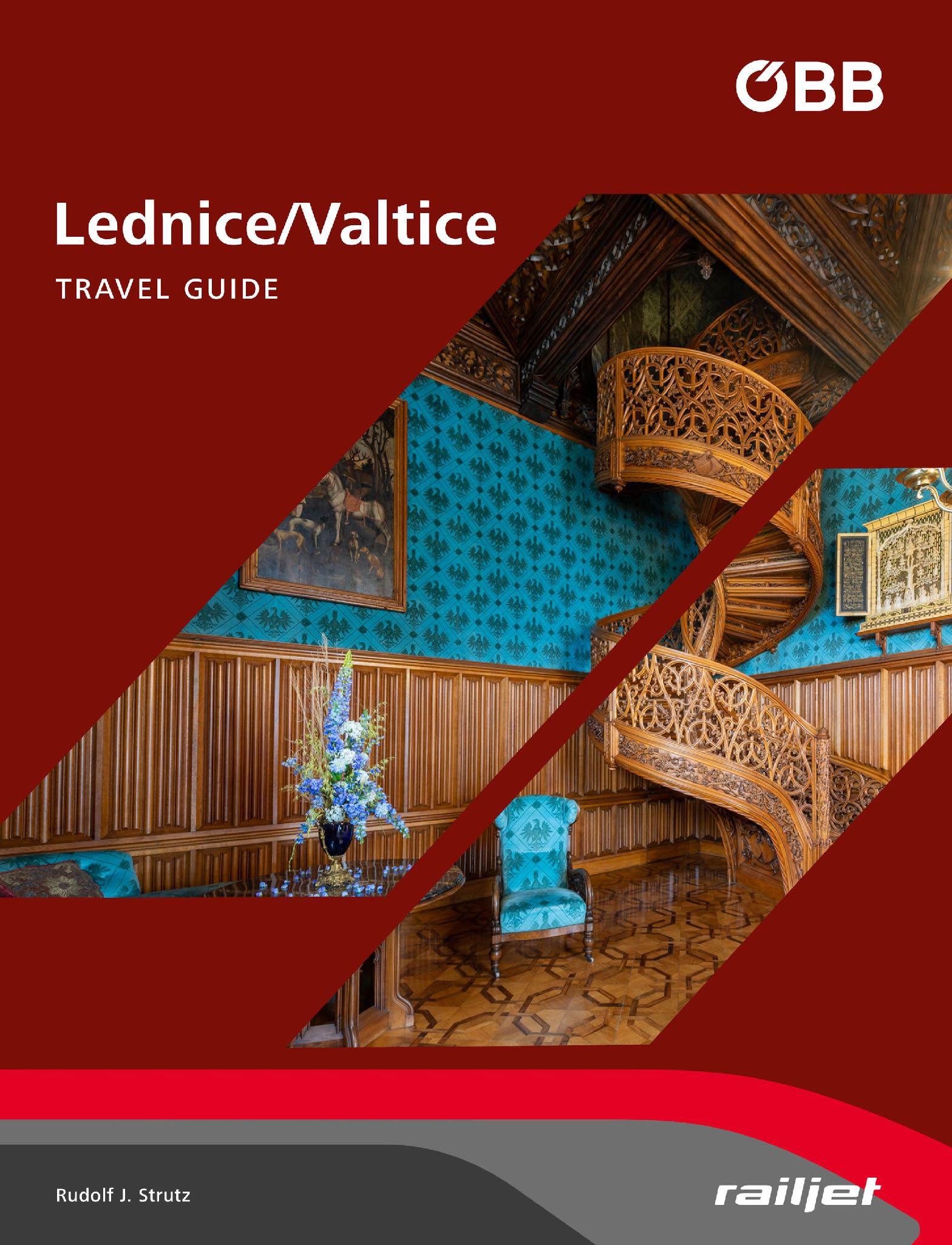
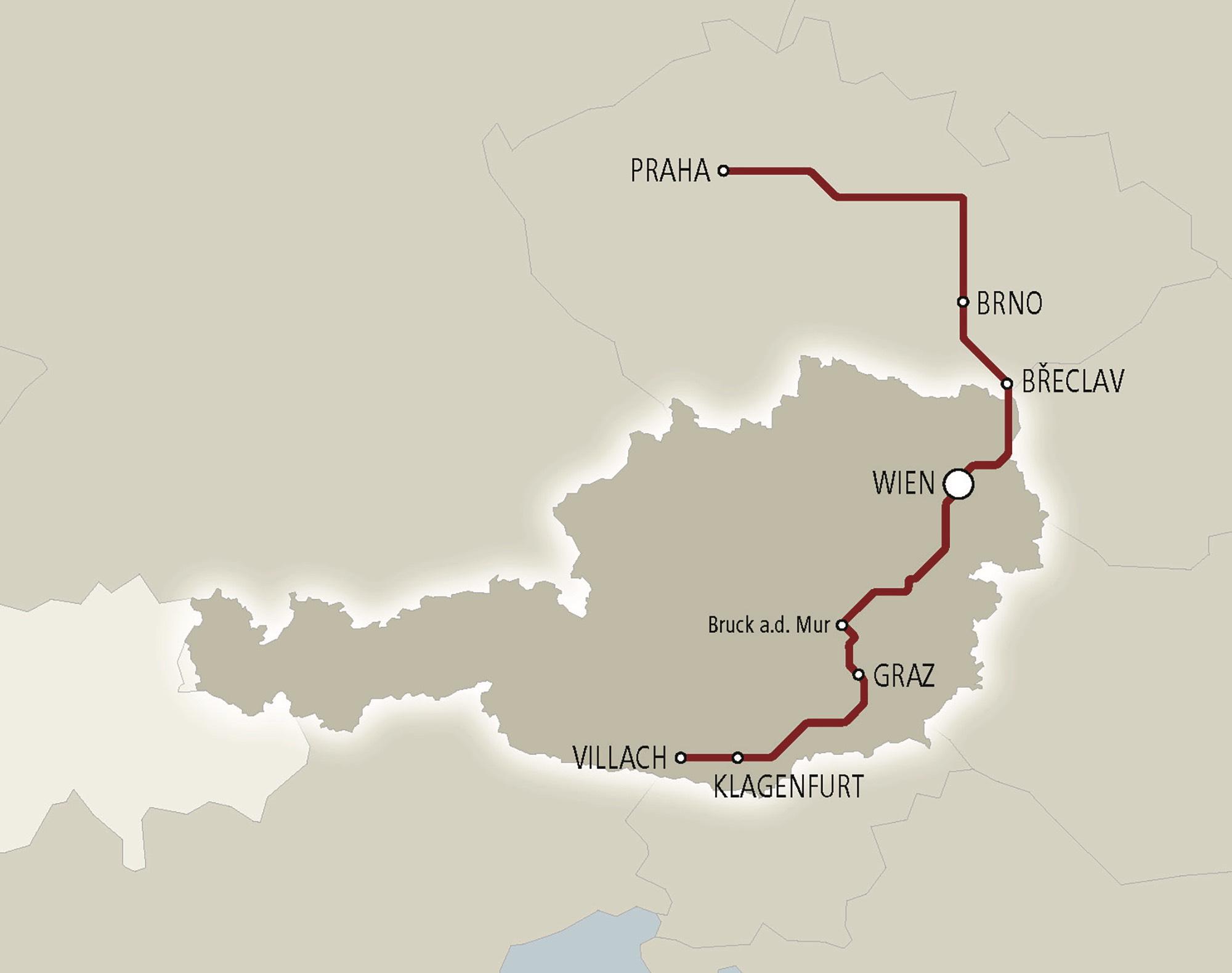
with the ÖBB railjet to Lednice Valtice
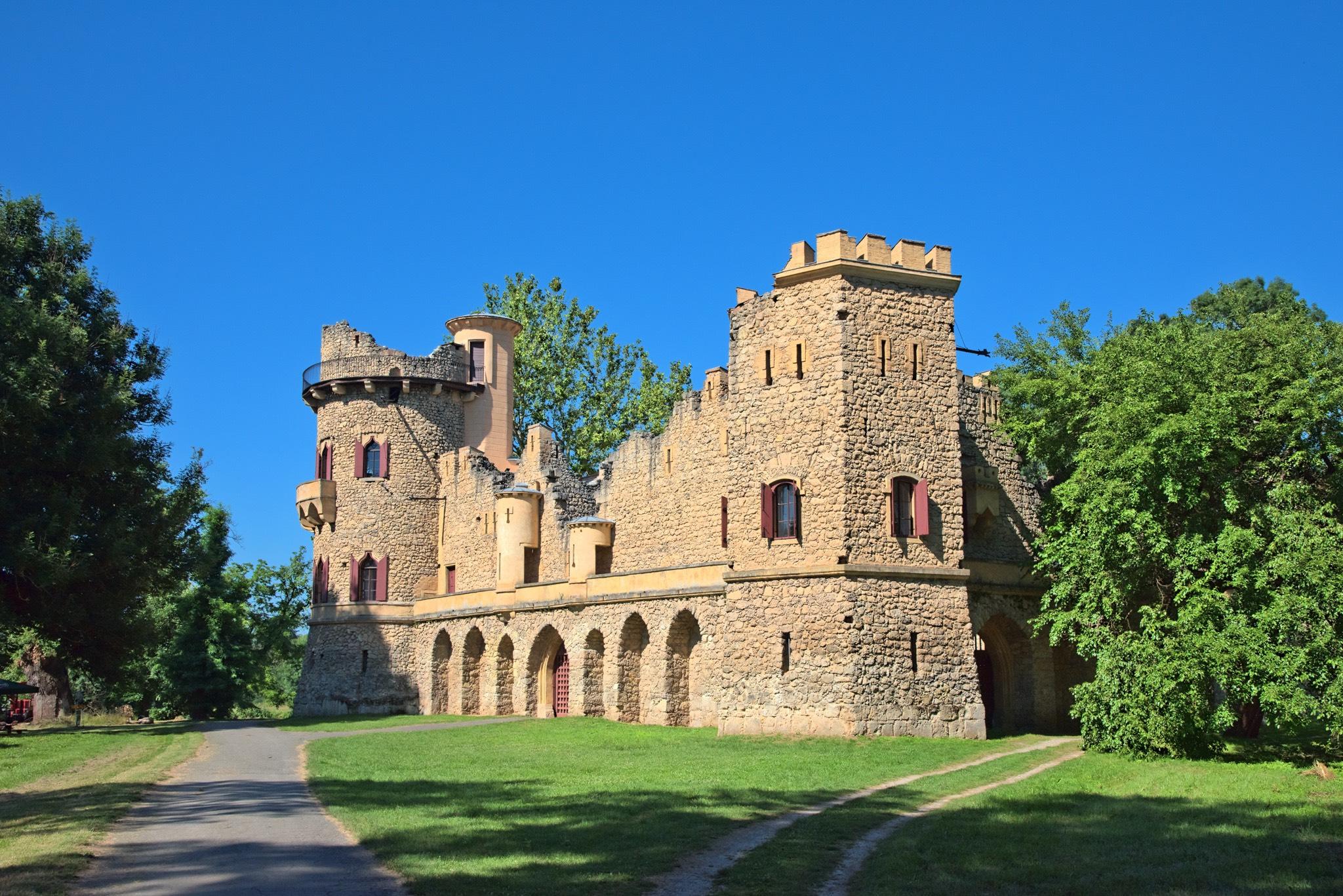
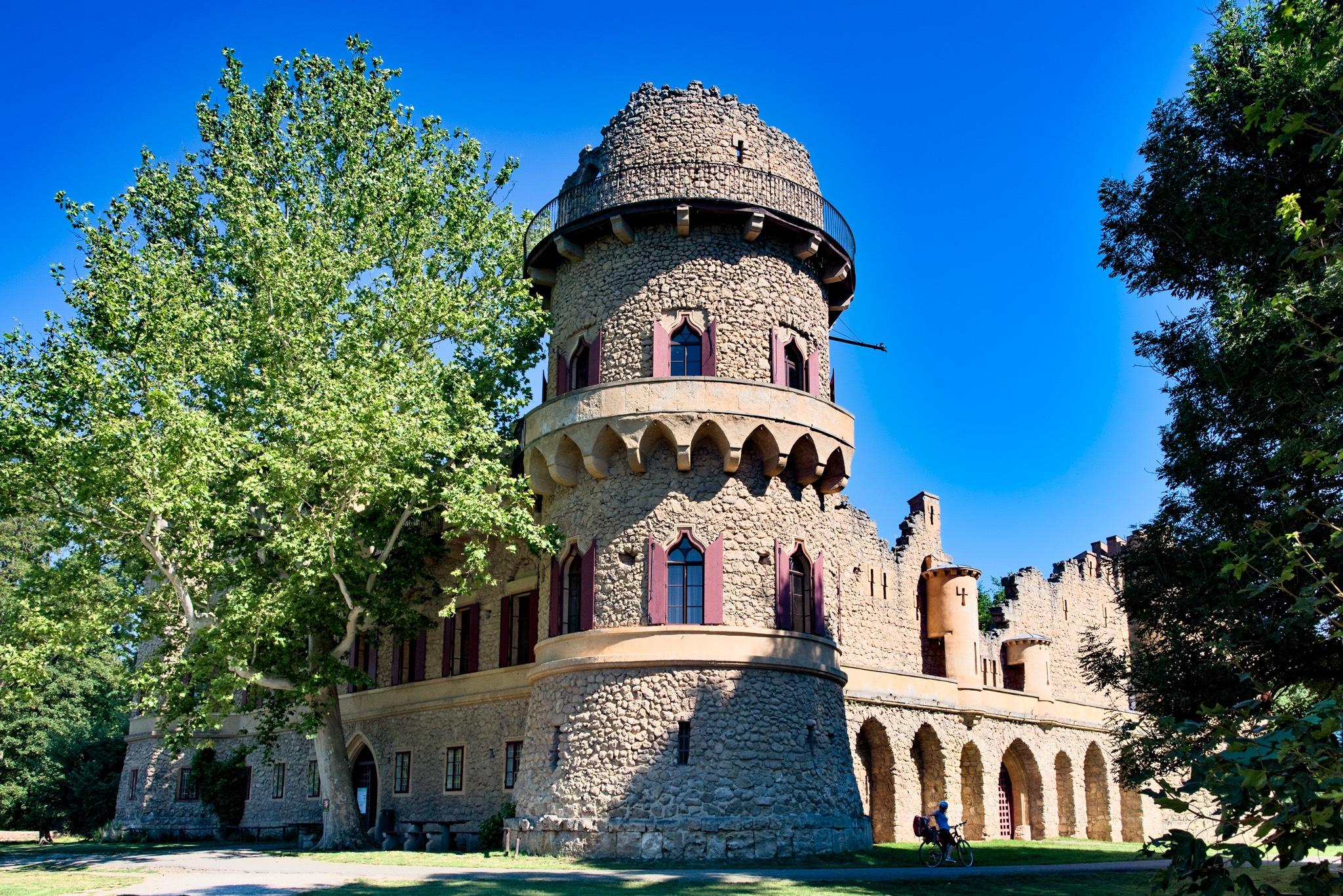
The building resembles a ruin destroyed in battle; the architect deliberately intended this to convey a romantic impression. After its completion in 1807, lavish parties and receptions were held here. Today, the Johannesburg Palace houses a hunting museum and a wedding hall.
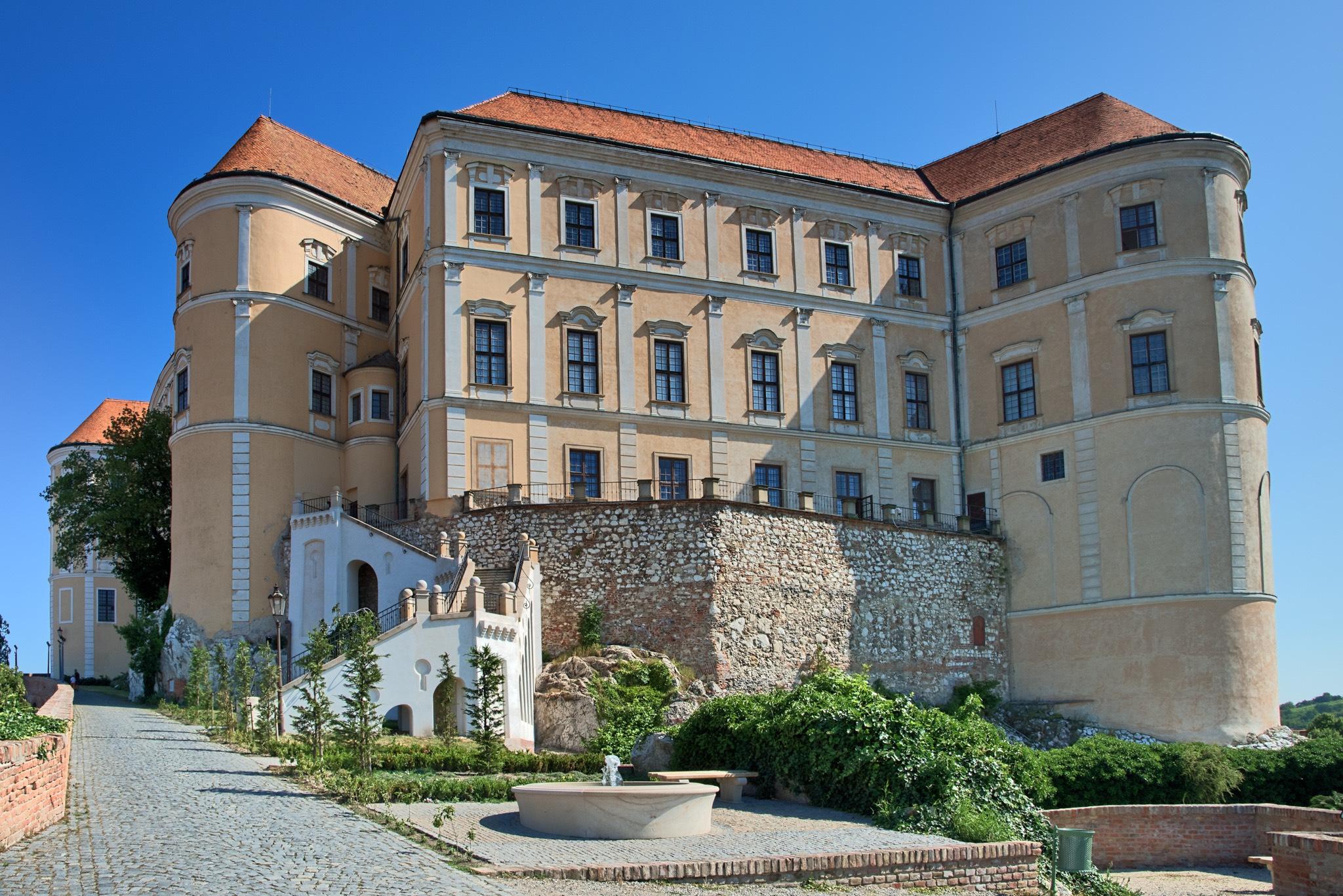
The castle boasts a rich history. During the AustroPrussian War, it served as the headquarters of the Prussian King Wilhelm I and Otto von Bismarck. The
preliminary peace treaty of Nikolsburg was also signed here. Today, the castle houses the district museum.
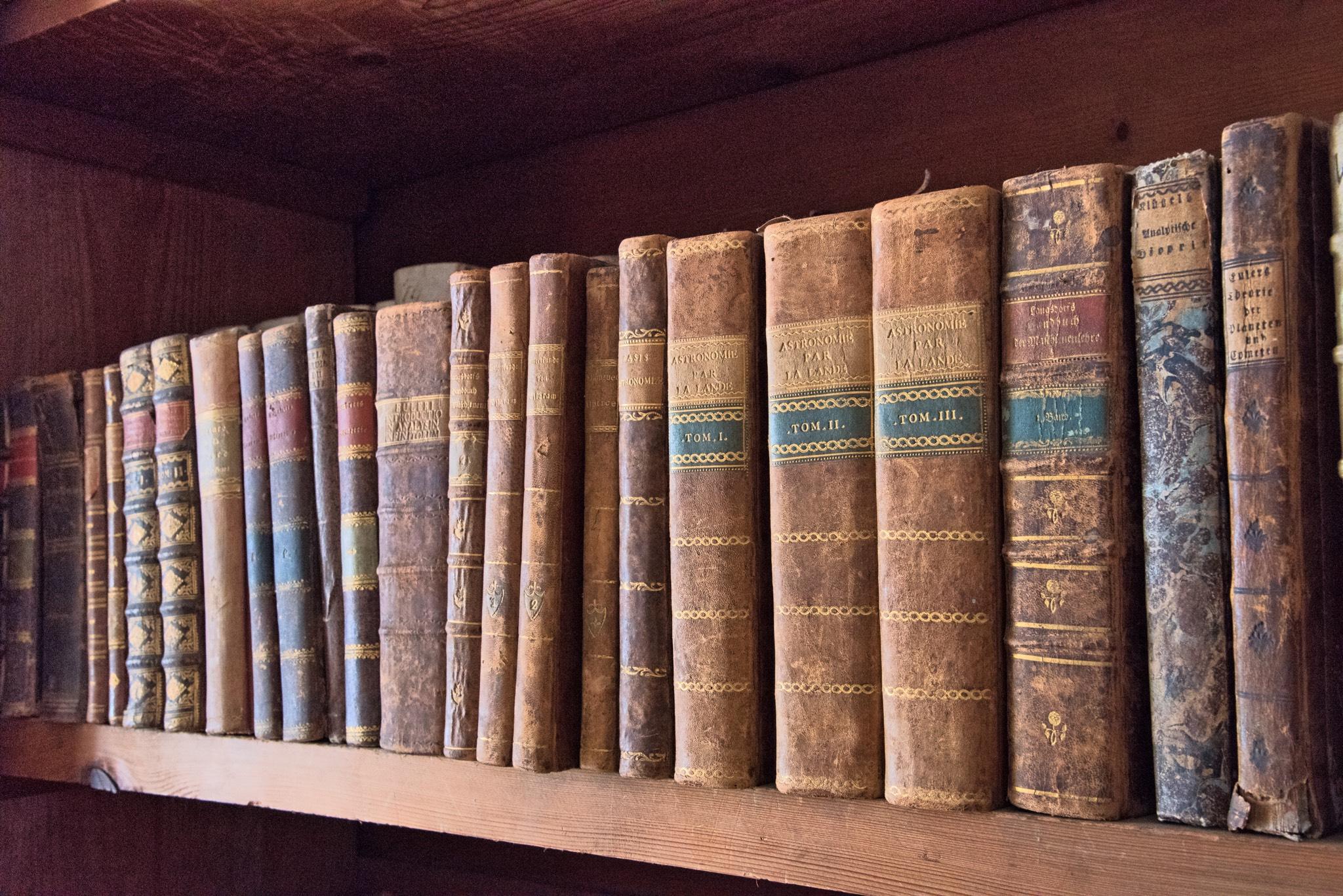

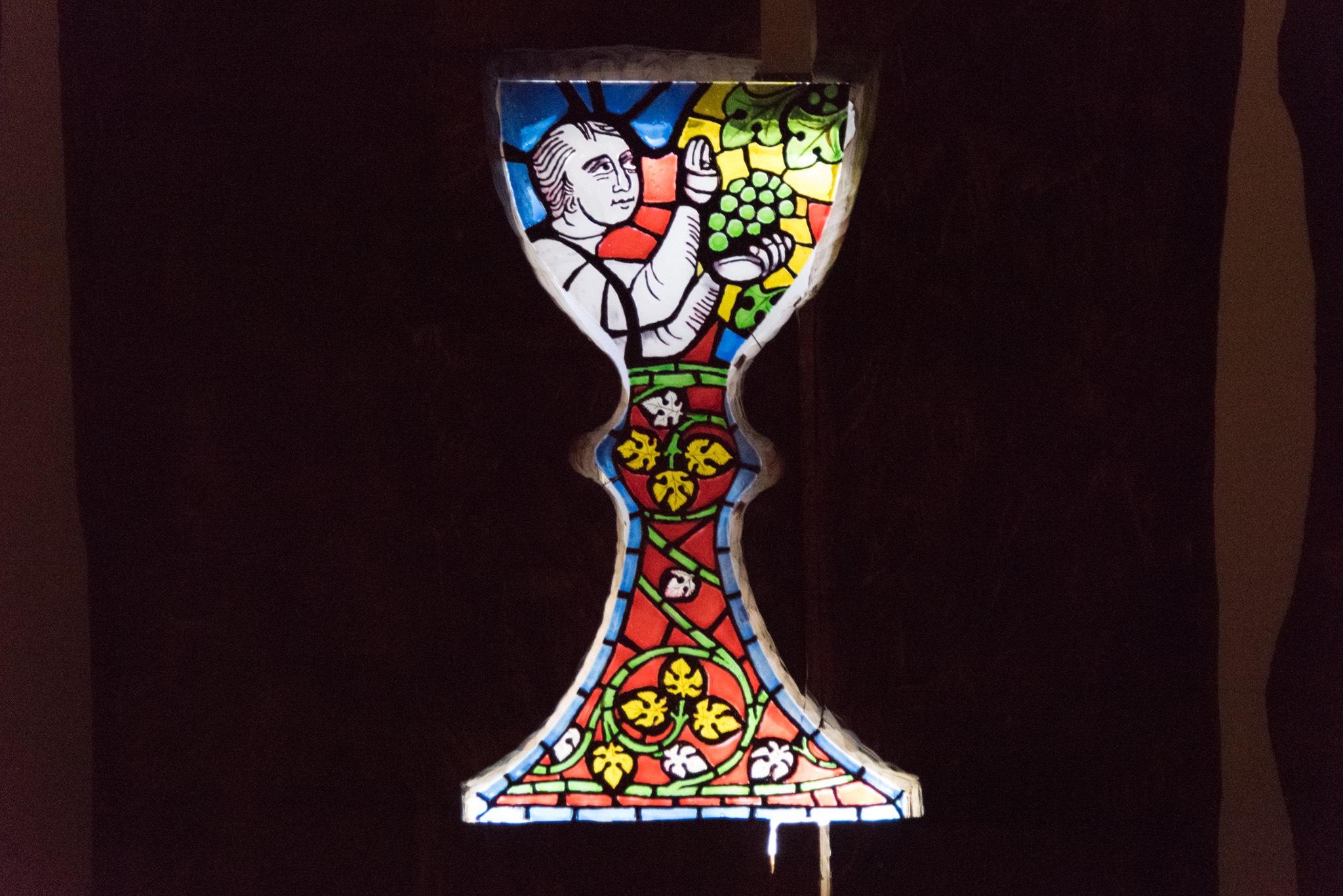
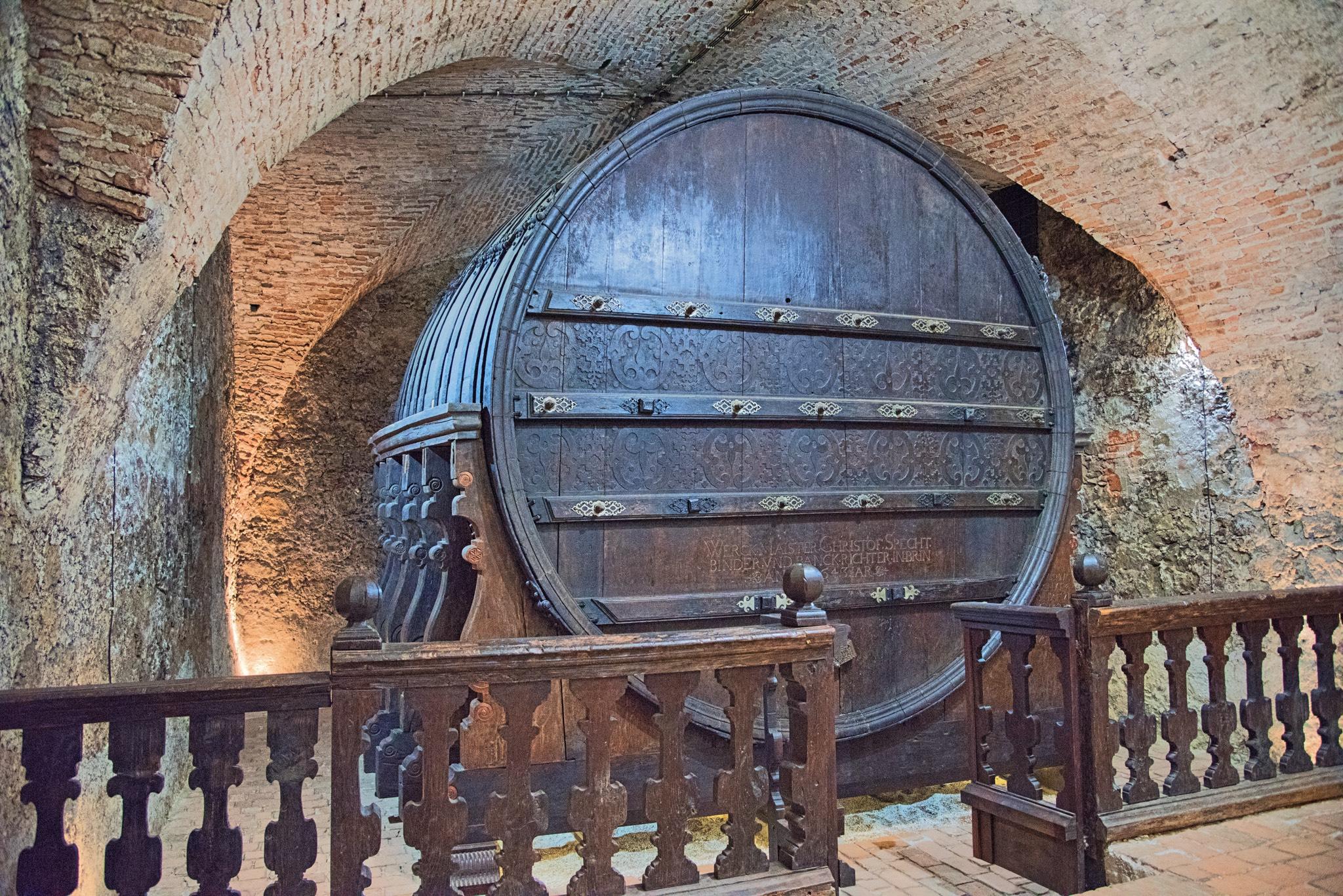
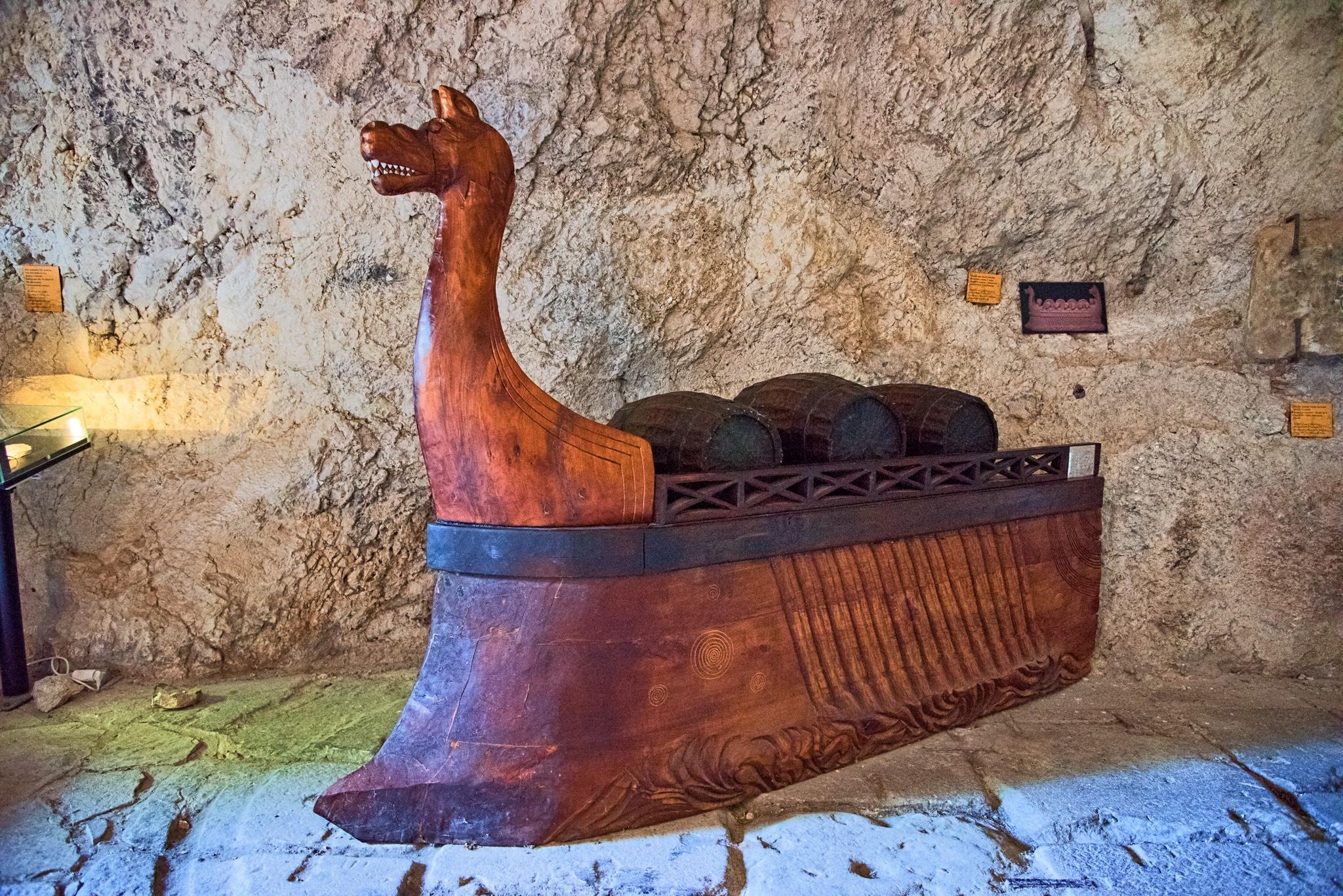
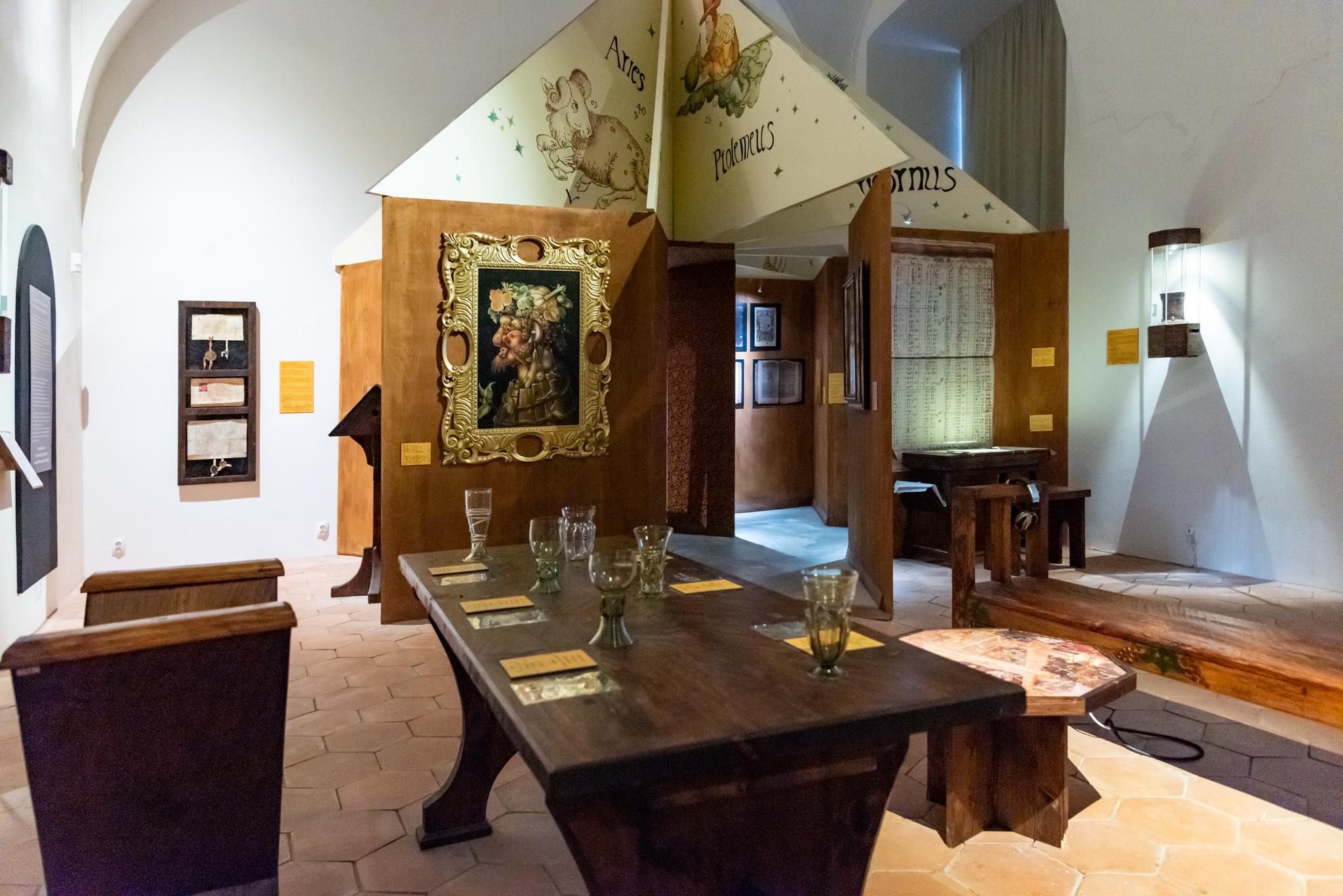
In the wine cellar of Nikolsburg Castle, numerous artfully designed barrels await discovery. Particularly impressive is the enormous giant barrel from 1643. This enormous vessel holds 1,014 hectoliters (approximately 101,400 liters) of wine. Numerous other barrels, each with its
own unique story, invite you to marvel and linger. The careful storage and care of the wines in this historic setting conveys a striking image of tradition and craftsmanship.
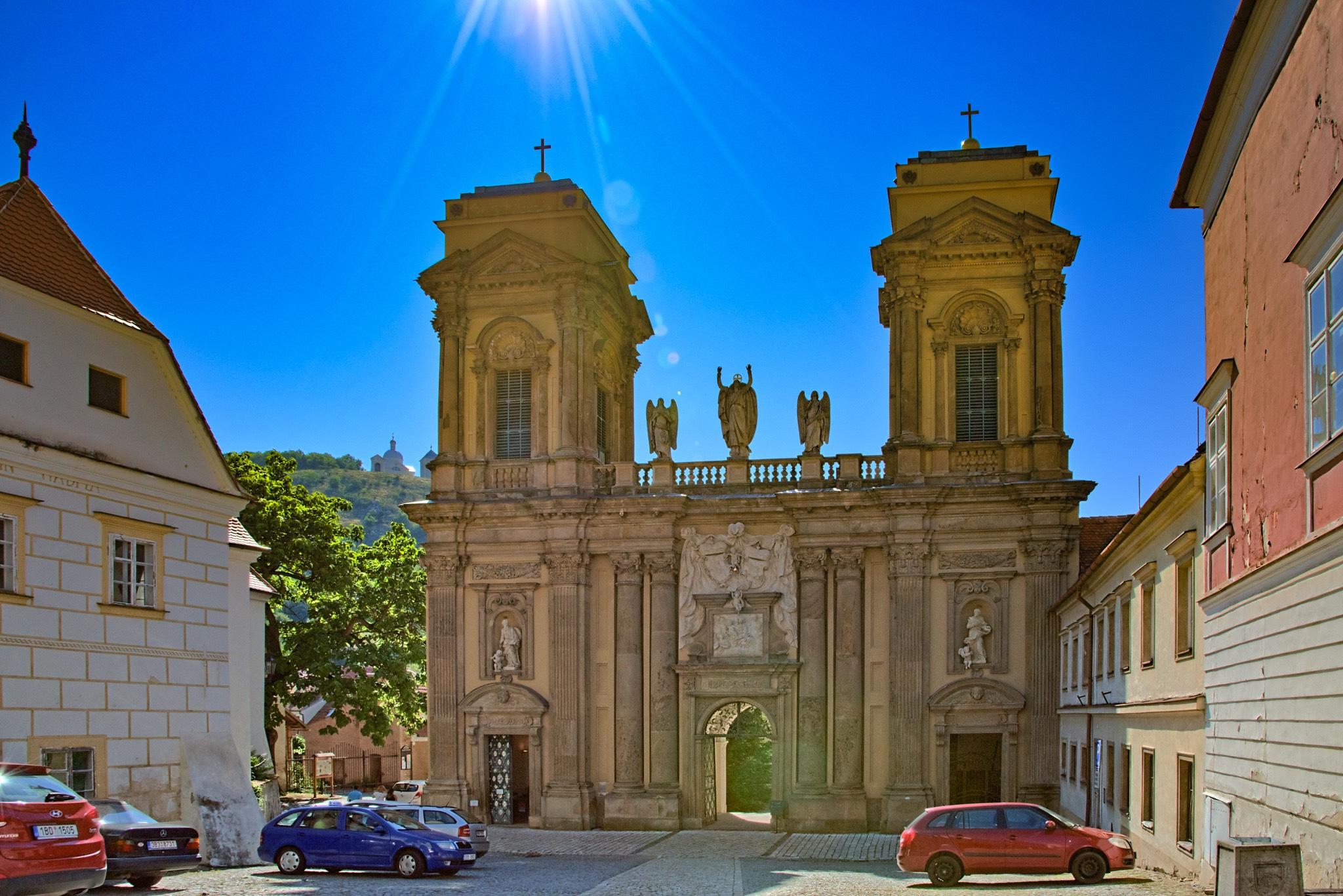
St. Anne's Church was built between 1623 and 1656, modeled on the Casa Santa in Loreto, Italy. The Dietrichstein family's burial chapel is located on the
southwest side of the church. The façade was designed by Fischer von Erlach.
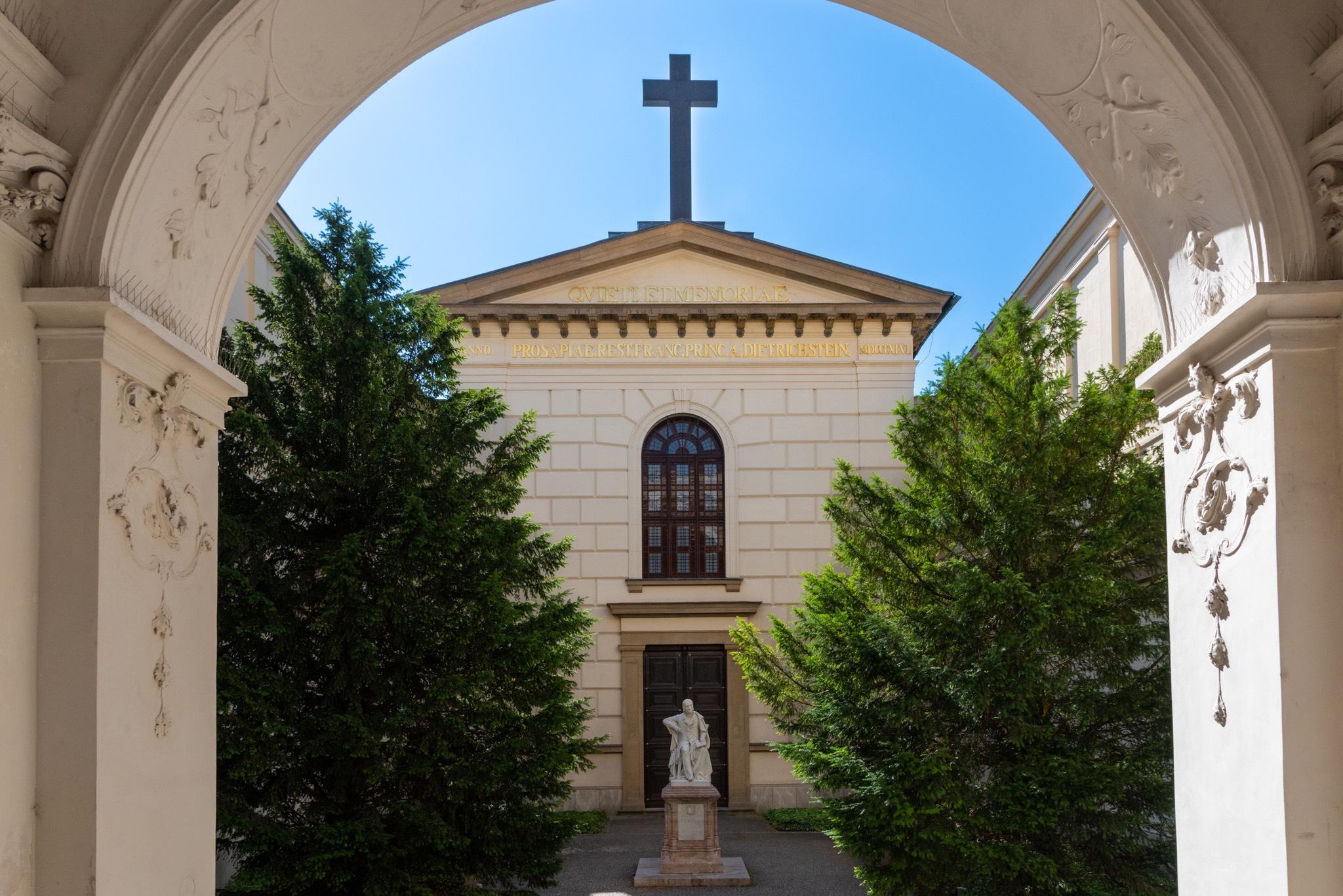


DIETRICHSTEINSKÁ HROBKA (DIETRICHSTEIN CRYPT CHURCH)
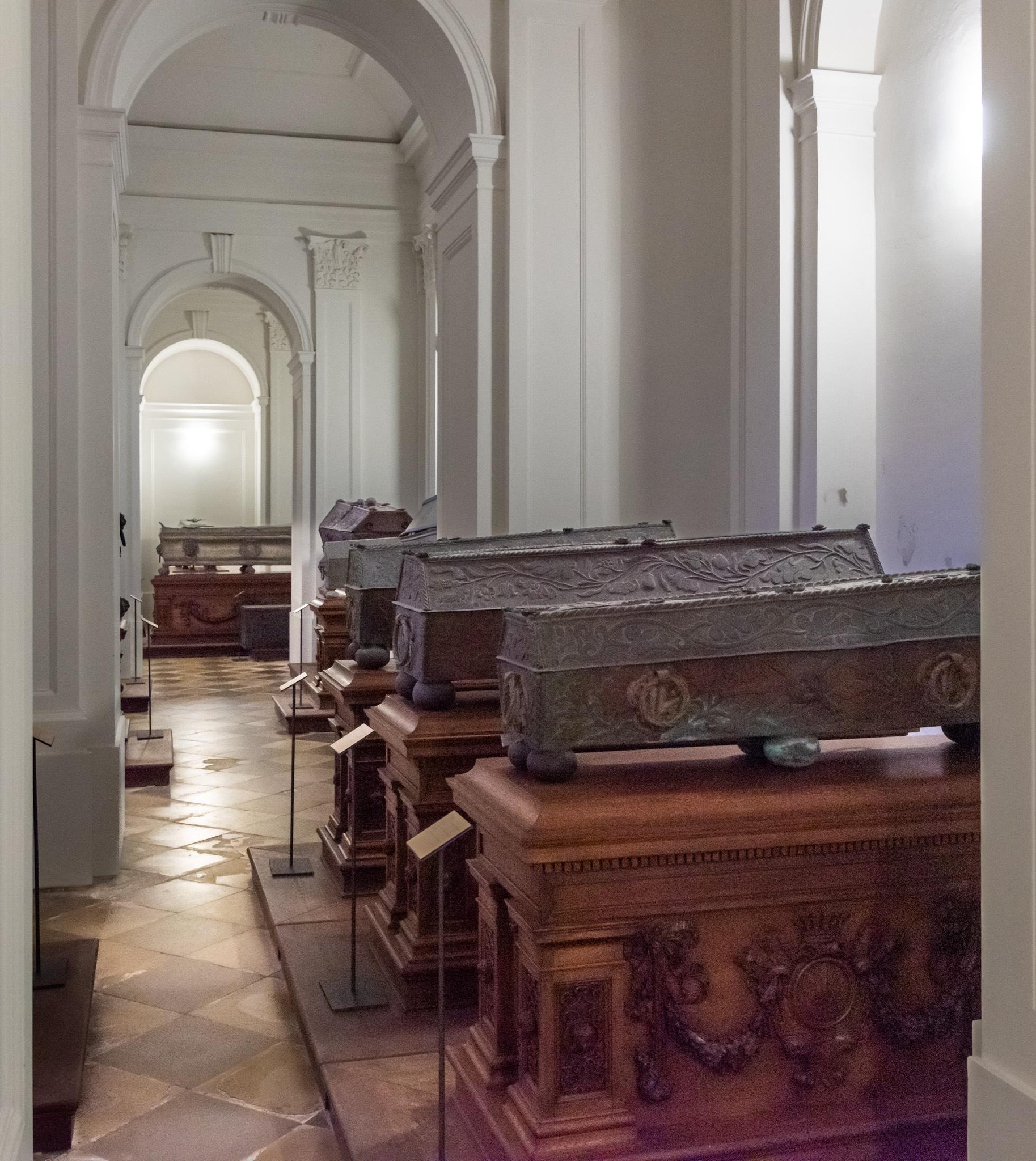
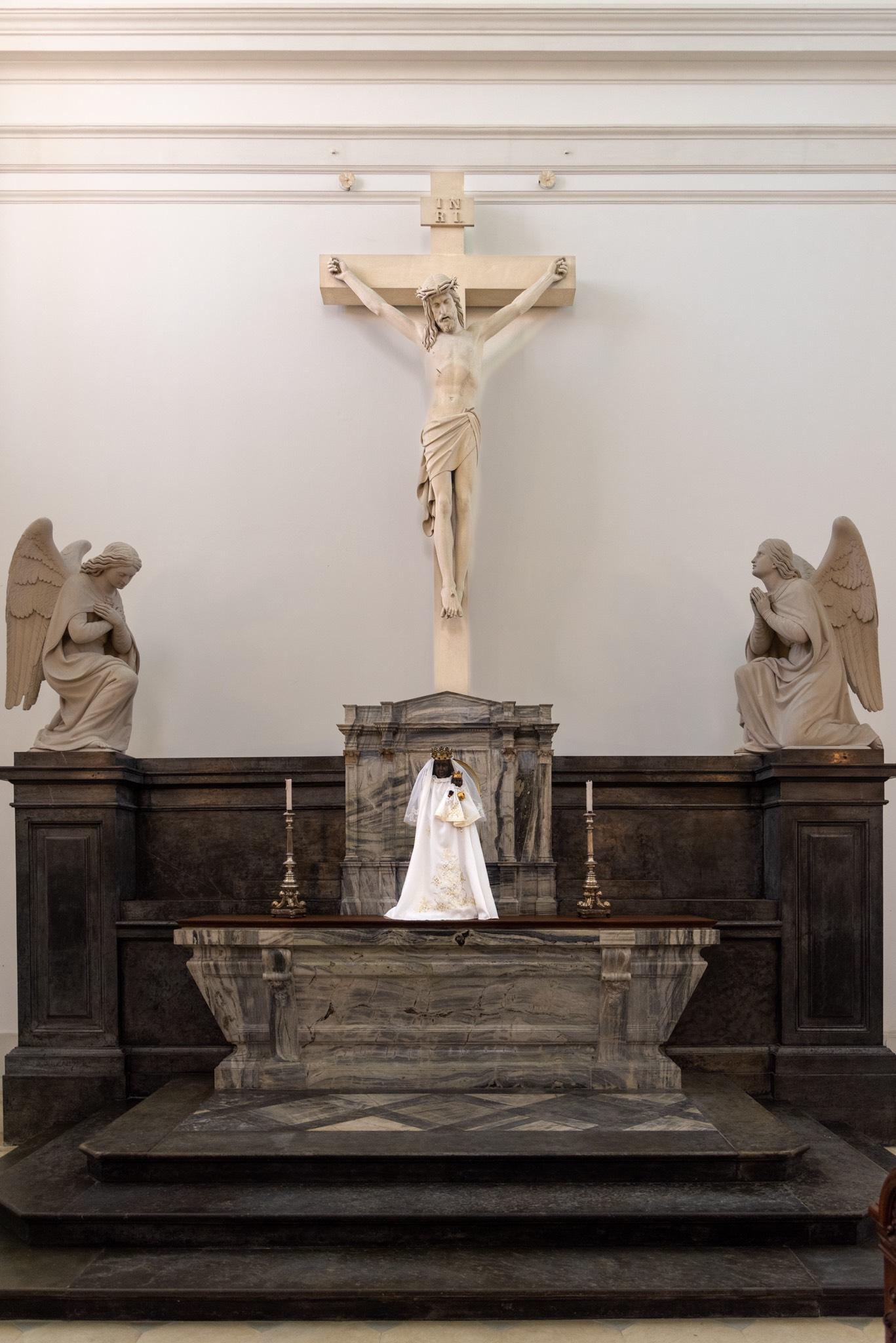
Today, the former Loreto Church of St. Anne serves as the crypt of the Dietrichstein family. Numerous pilgrims once venerated the miraculous Black Madonna of Loreto on this site. Although the fire of 1784 damaged the
building, both the exterior walls, the facade, and the statue remained intact. Over the centuries, the building's function has changed several times, while always retaining its historic charm.
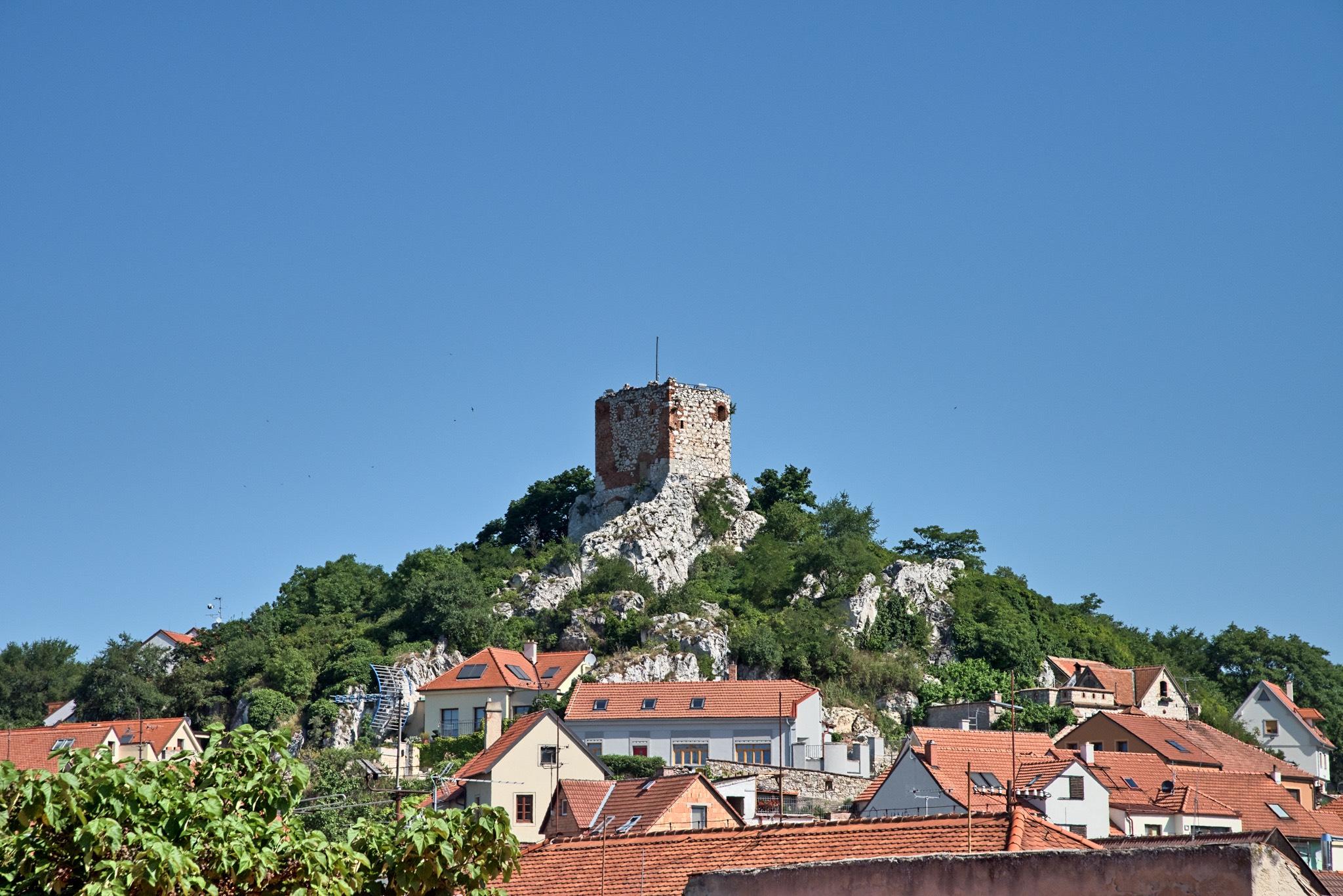
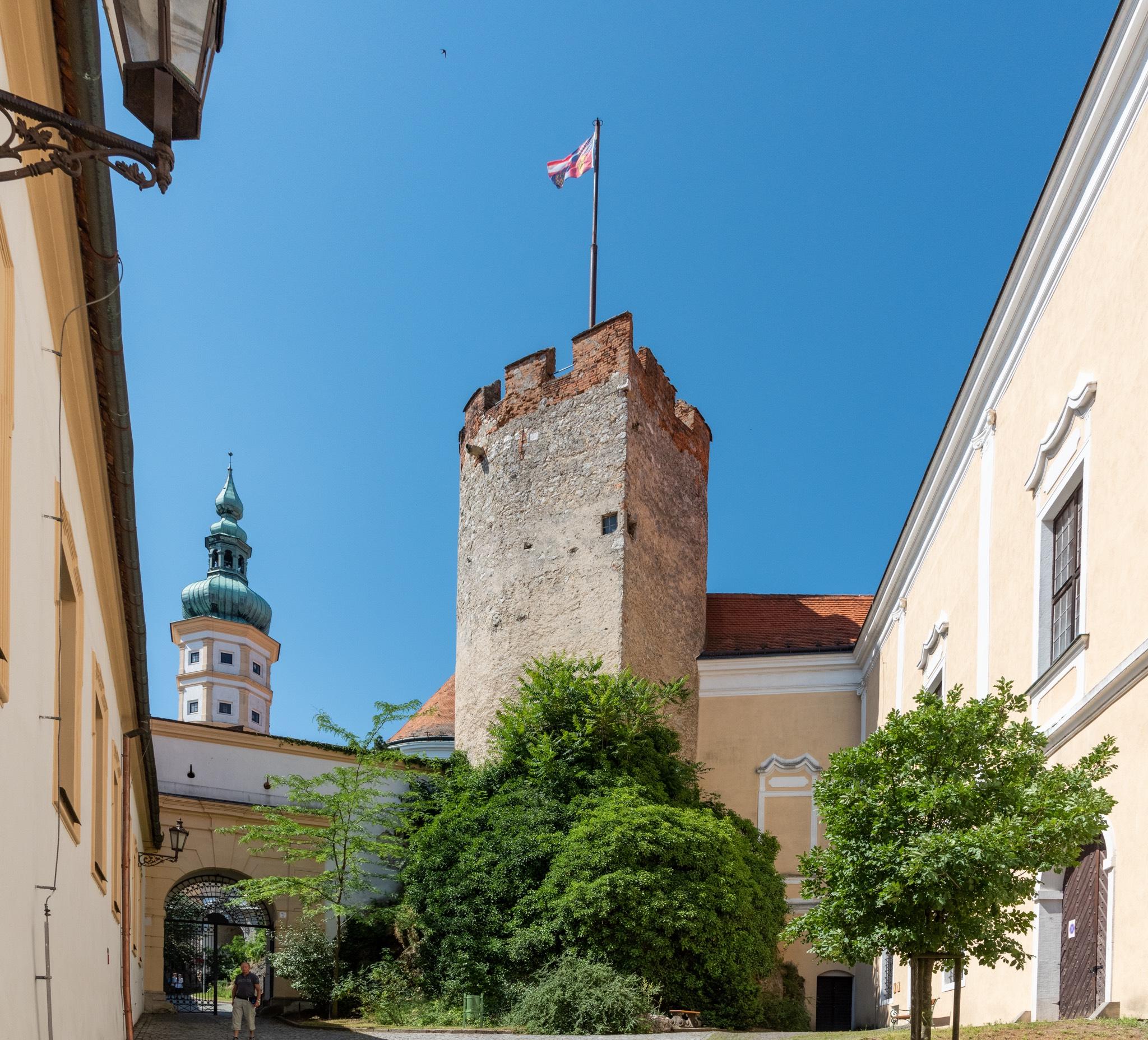
Geisburg Castle was built in the 15th century to protect the strategically important road from Vienna to Brno. The then-modern fortifications now serve as a
recreational area for the local population. The raised flag signals that the castle is open.
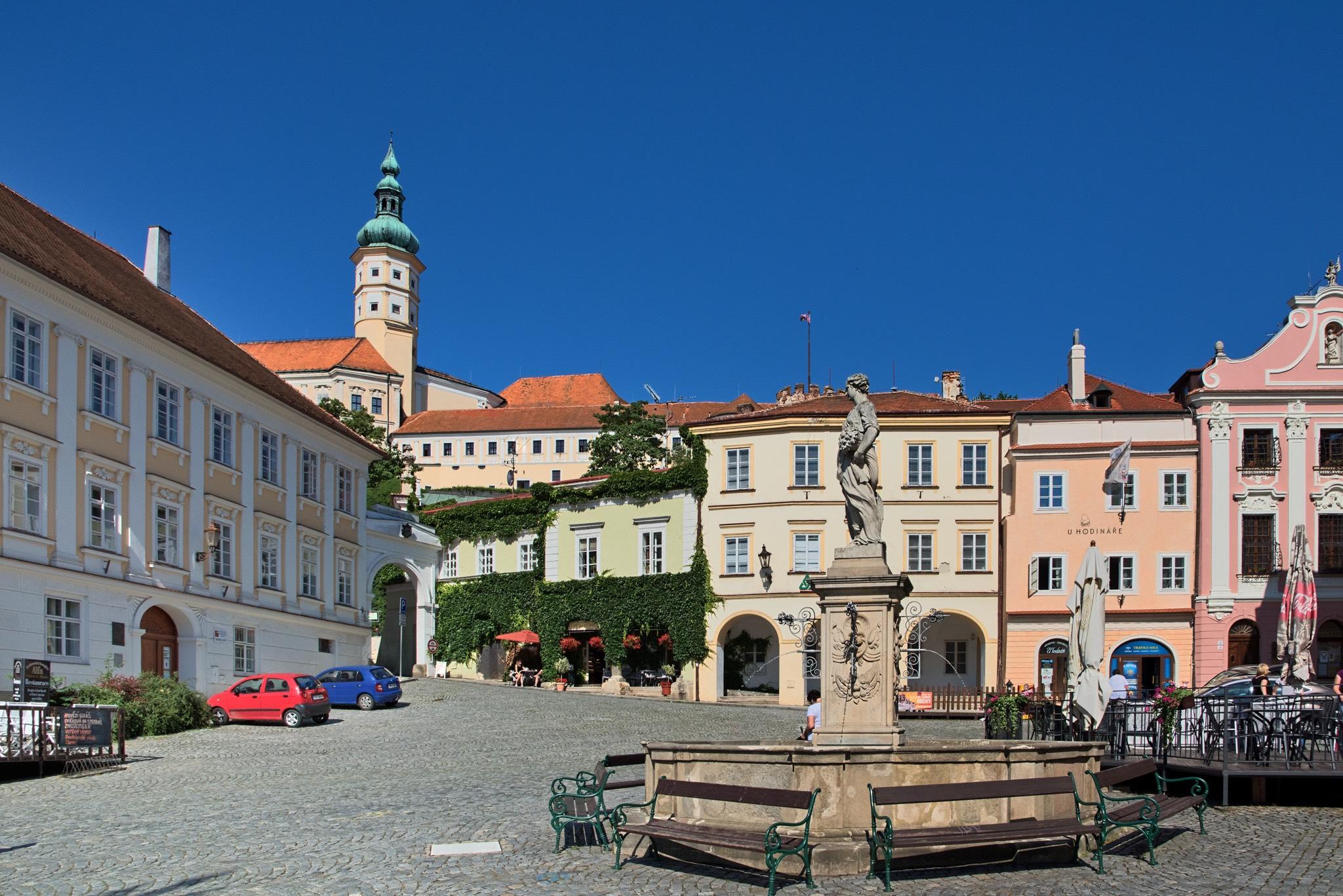
The town center was laid out in its current form as early as the 16th century. The square features a statue of the Holy Trinity and a fountain built in 1700. The corner
house at number 11, the Graffito House (Sgrafitový dům U Rytířů), is a special gem of the square.
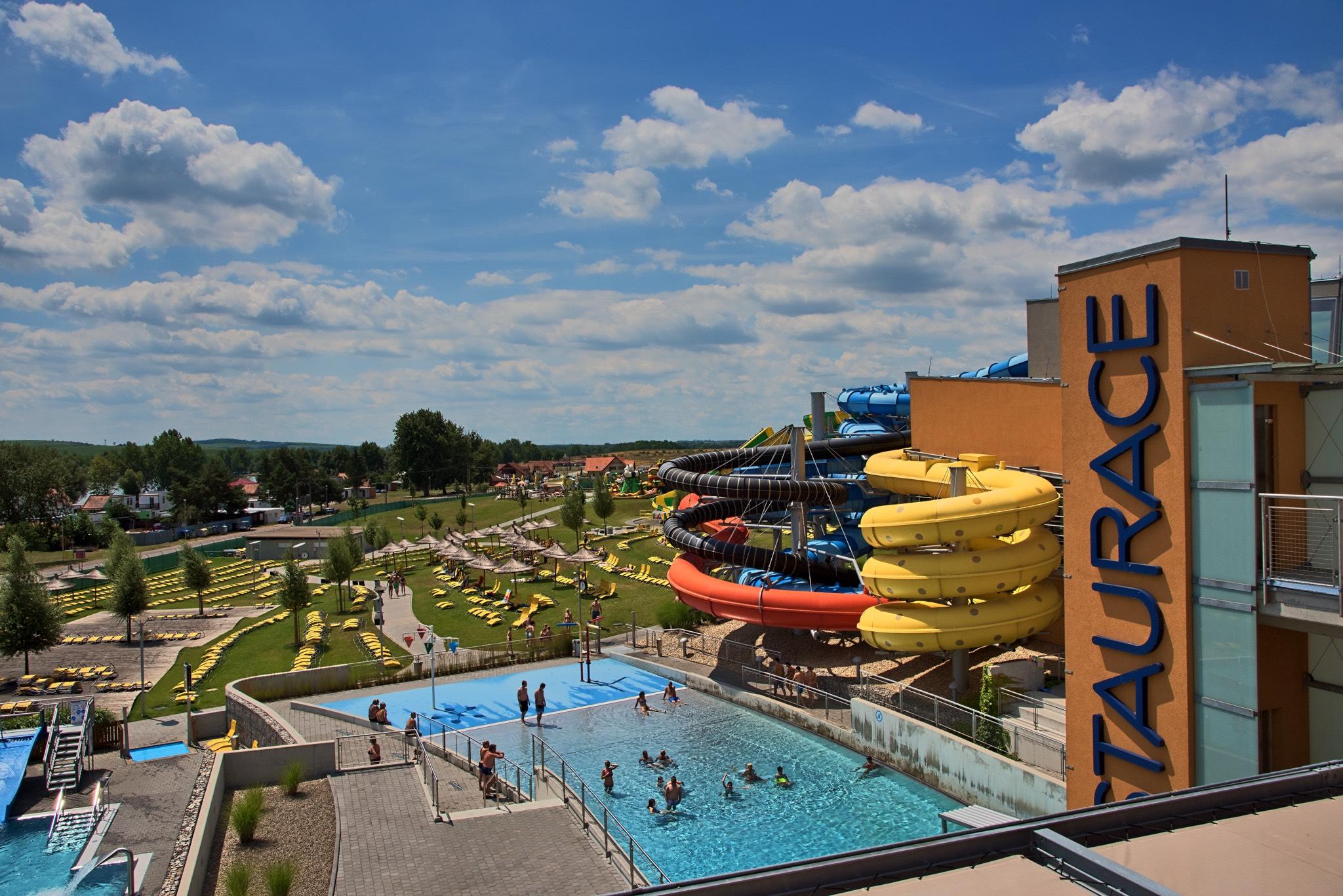

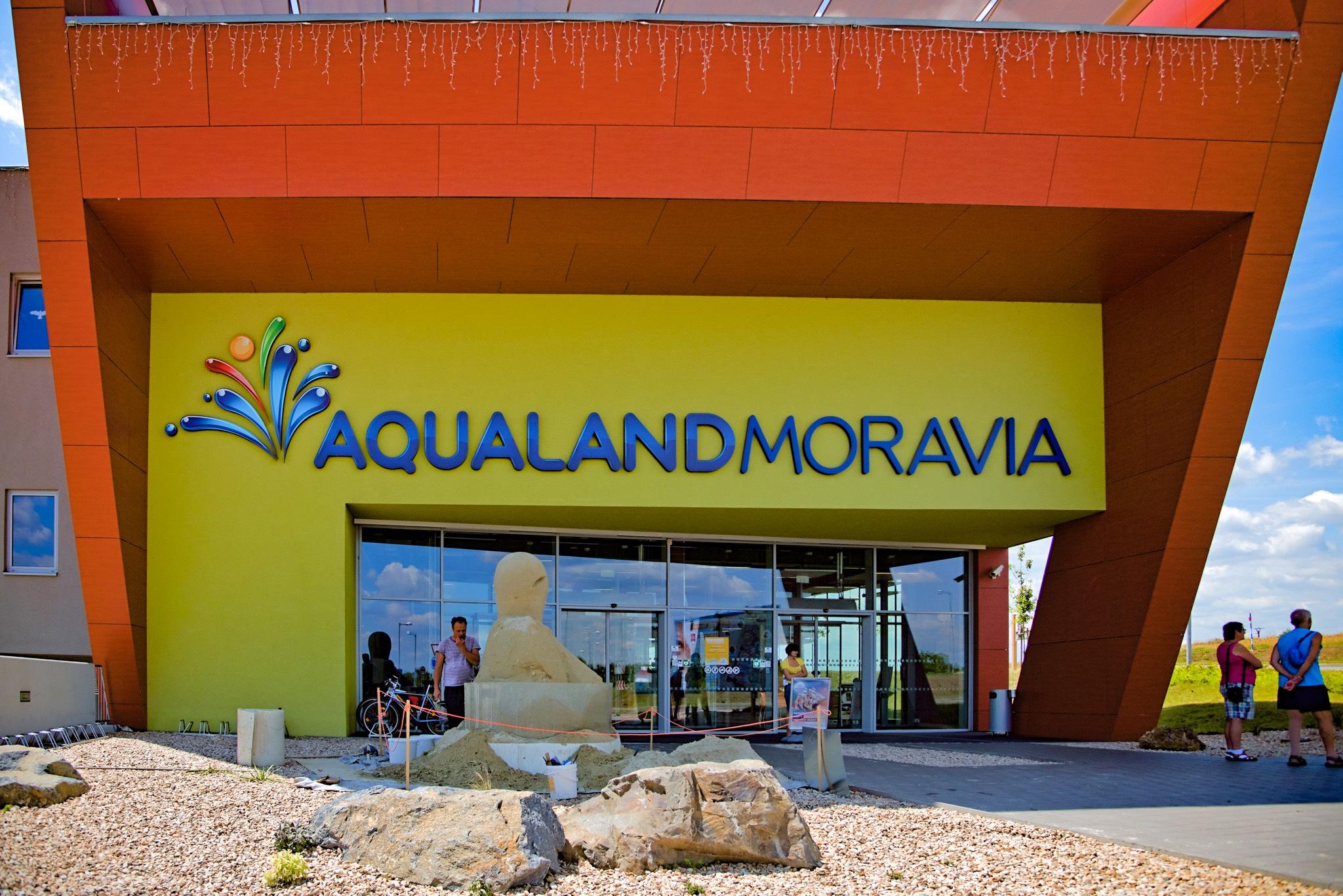

Aqualand Moravia is a huge sports and recreation facility in the village of Pasohlávky. It features a spacious outdoor pool and an indoor pool. Wellness facilities
include various saunas, whirlpools, and massages. The numerous slides are particularly popular.
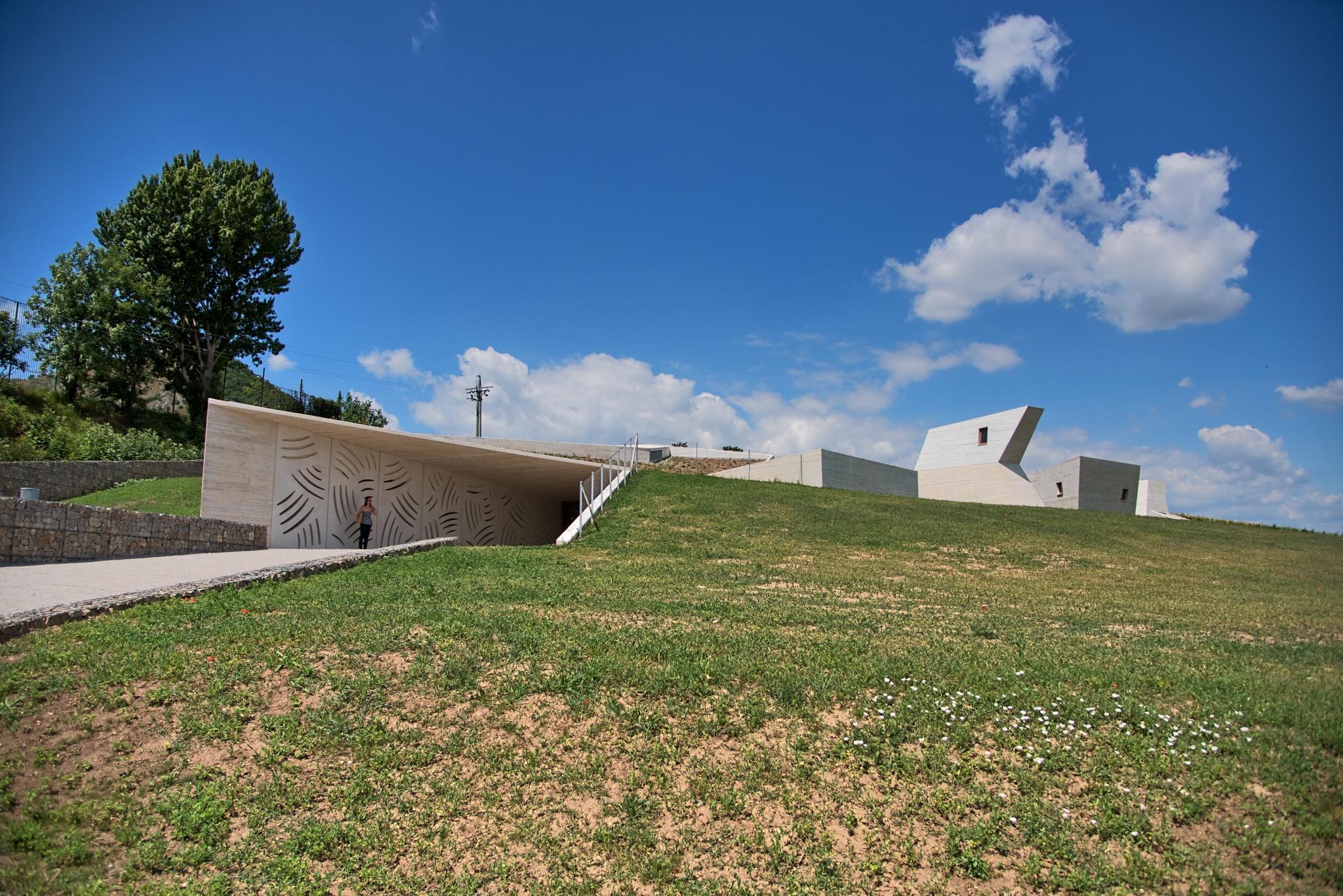

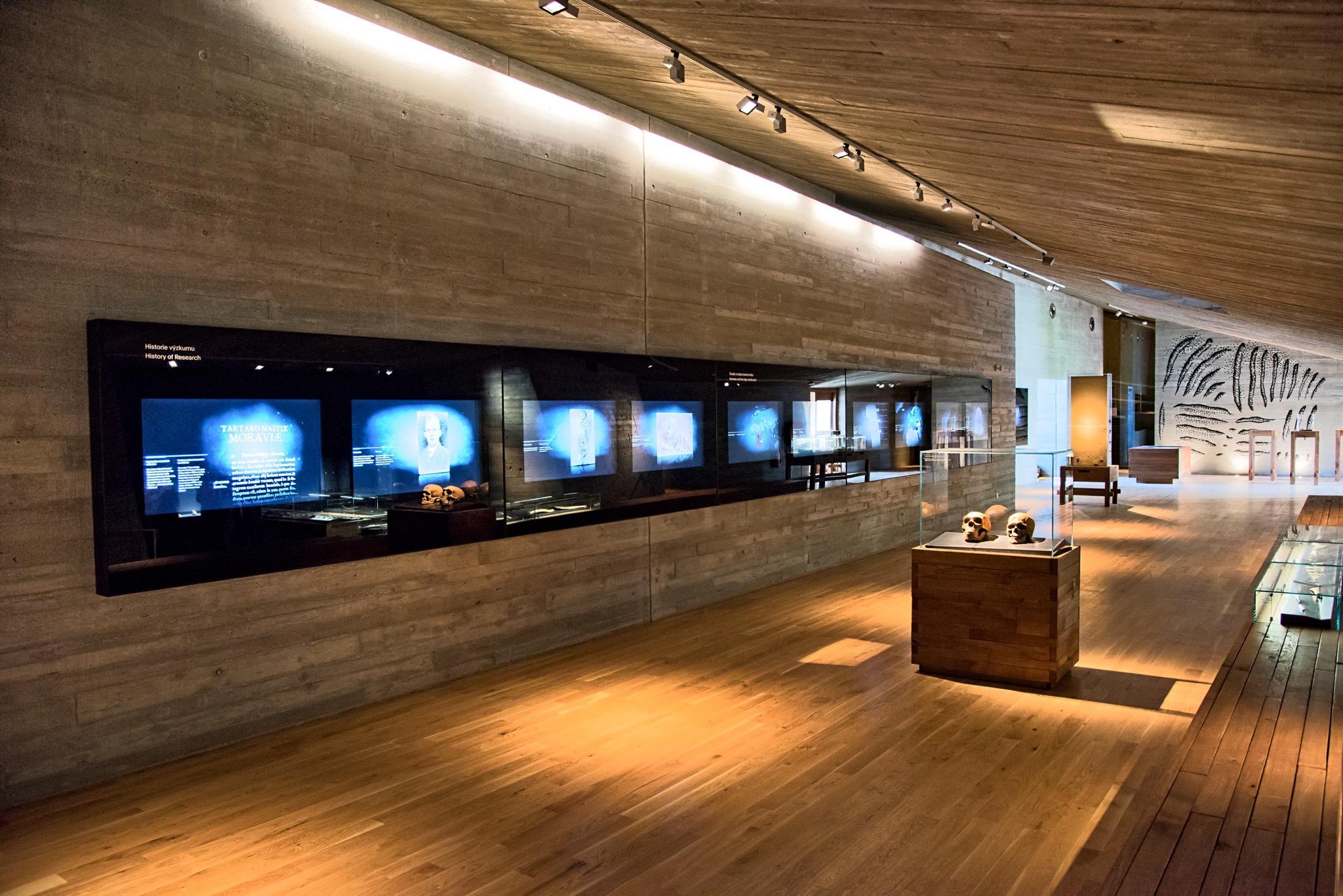
The Pavlov Archeopark is housed in an architecturally interesting building. Here, you can learn about the archaeological history dating back to the Ice Age. The
museum features excavations from the prehistoric settlement of Věstonice, where the Venus of Dolní Věstonice was discovered.
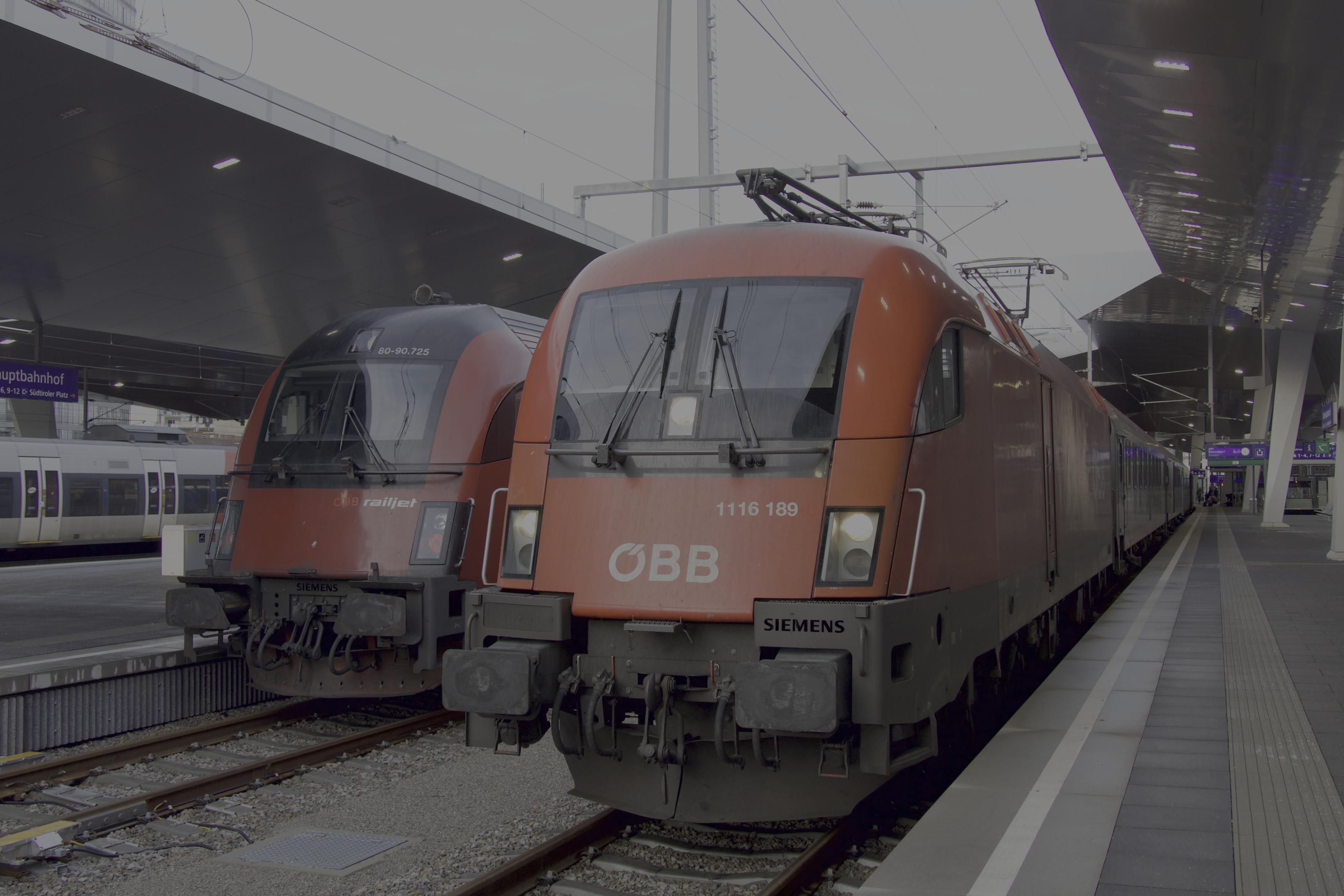

OBB Nightjet and OBB Nightjet Partner










This e-book was made possible through the kind support of the regional tourist offices and the OBB. German proofreading and editorial: Martin Andergassen.
References
Text, videos and photos by Rudolf J. Strutz unless otherwise stated. Timetables and travel information: OBB
Assistance from AI
Artificial intelligence applications are occasionally employed for image editing, including the elimination of undesirable components. Additionally, AI tools can enhance the clarity of images and diminish background noise.
The travel guides are also available free of charge on the OBB online entertainment and internet portal railnet, which is installed on all railjets, nightjets (NG) and cityjets
Copyright
This book was licensed under the Creative Commons License. Conditions of use: attribution, non-commercial, no editing and distribution under the same conditions only as a complete work! The use of individual photos and text is not permitted. This eBook is available free of charge.
All links provided are current at the time of publication of this ebook. Links to tickets usually lead directly to the exhibition location. For tickets and timetables, local public transportation services are linked.
All logos and company names are used for information purposes only; any use outside of this e-book must be approved by the copyright holders.


SCOTTY mobile shows the timetables for all public transport and helps you plan your travel route.