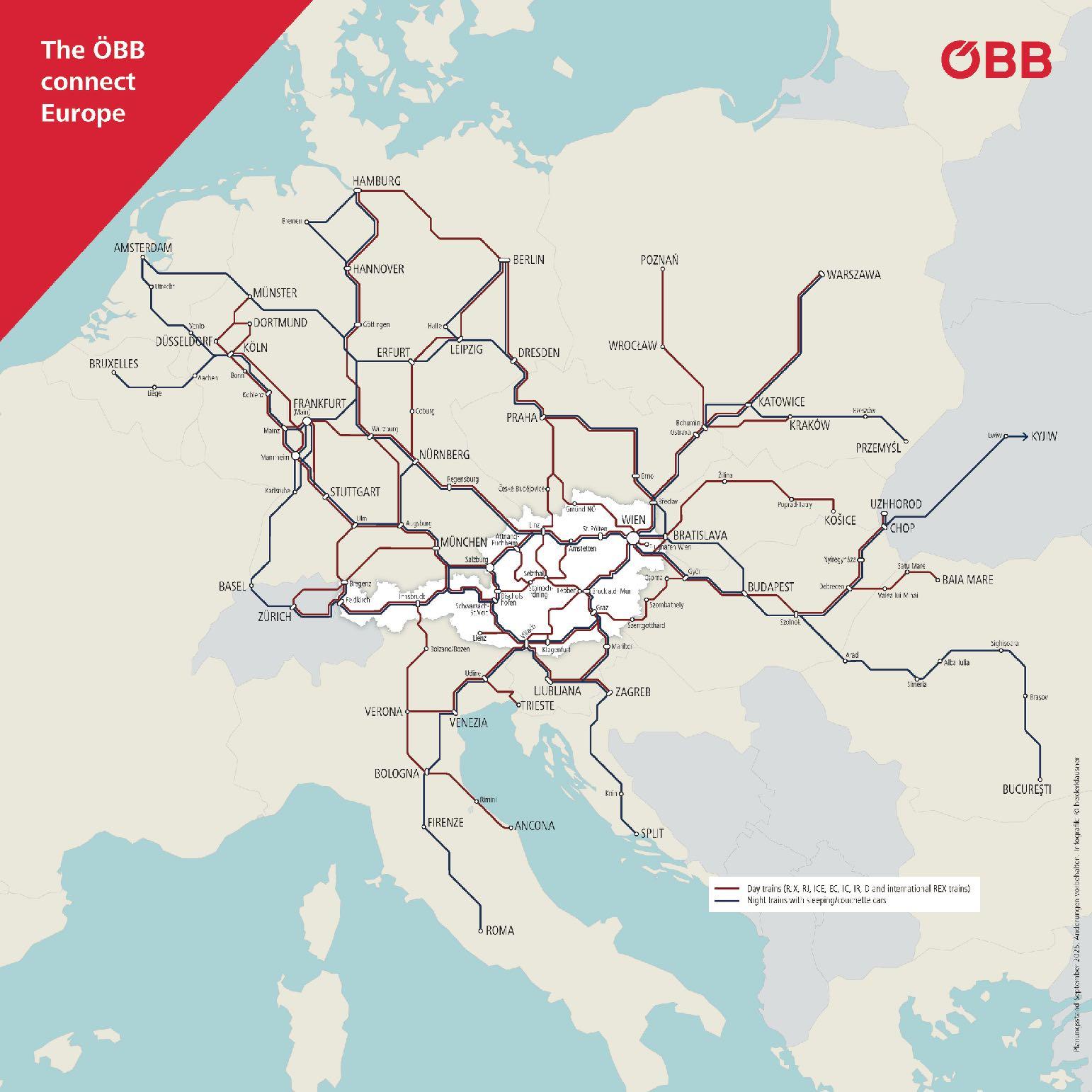

ÖBB connects numerous European cities with modern day and night services.
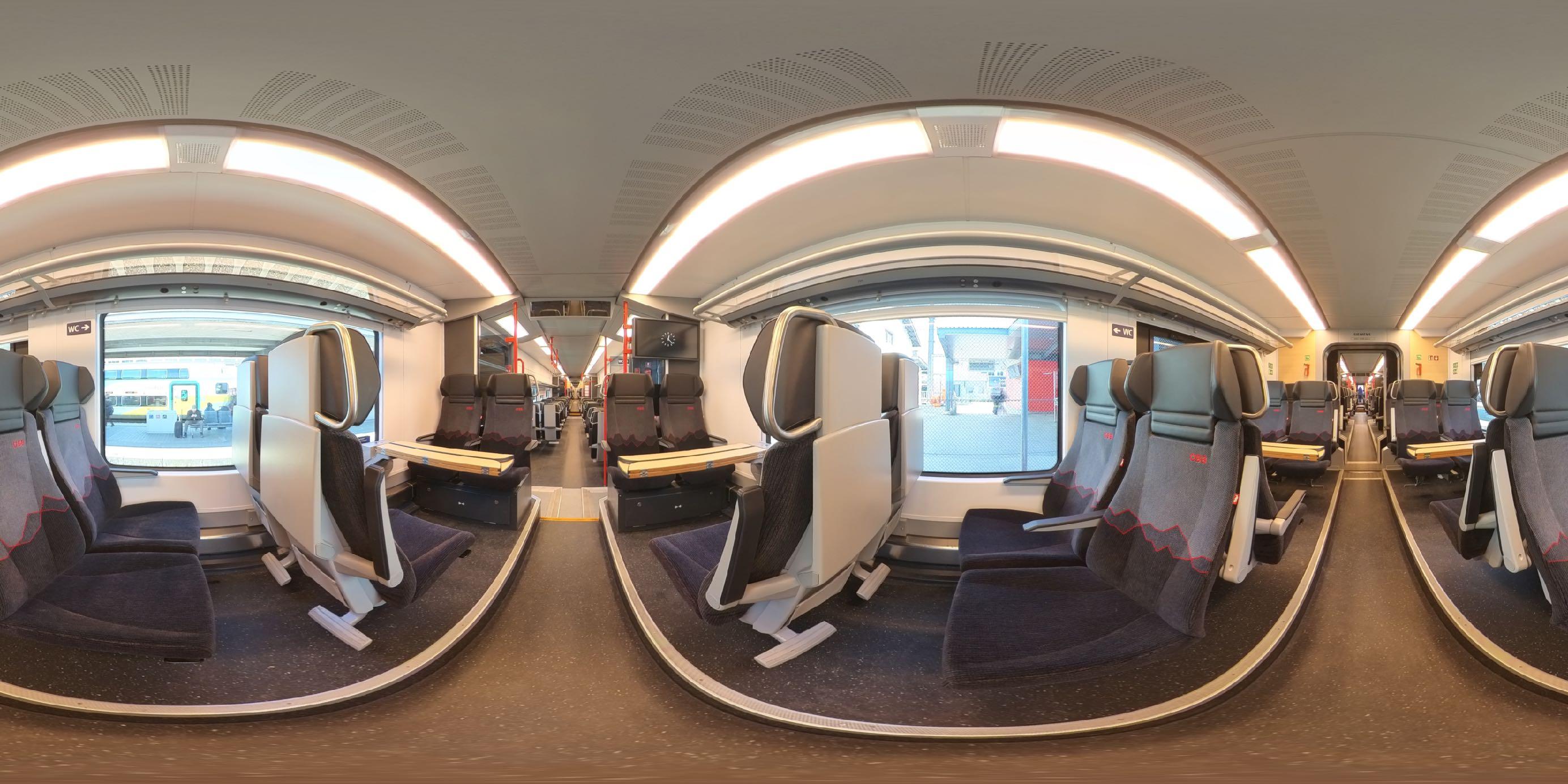
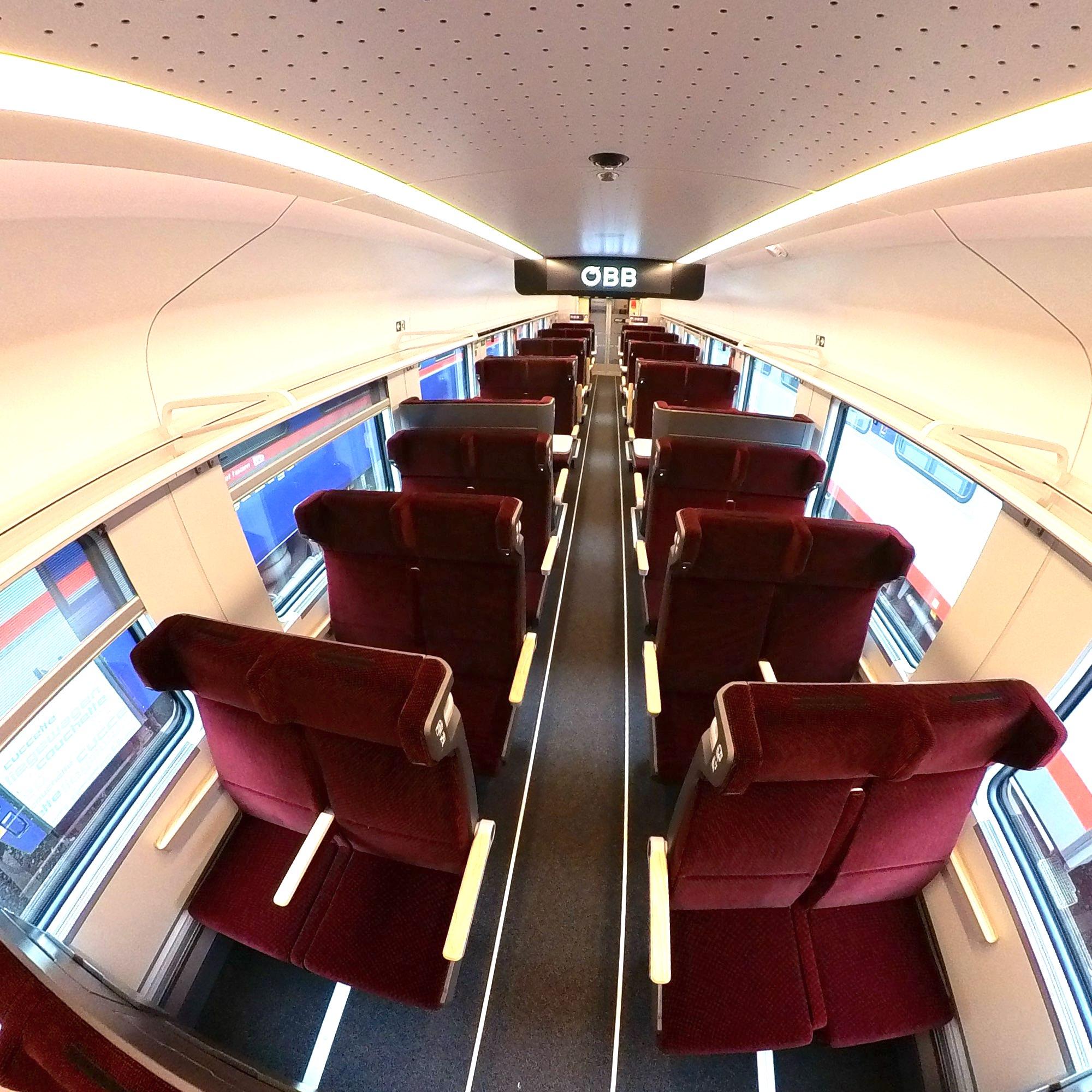
During the day, ÖBB Railjets offer fast and comfortable long-distance travel in Economy, First, and Business classes.
At night, the ÖBB Nightjet provides a relaxing and environmentally friendly journey across Europe. Whether
you prefer a seat, new Mini Cabins, or couchette and sleeper cars – every travel preference is catered for.
Within Austria, ÖBB Cityjets guarantee punctual and comfortable local and long-distance transport.
Further information and booking options can be found via the info button, which leads directly to the ÖBB booking page.









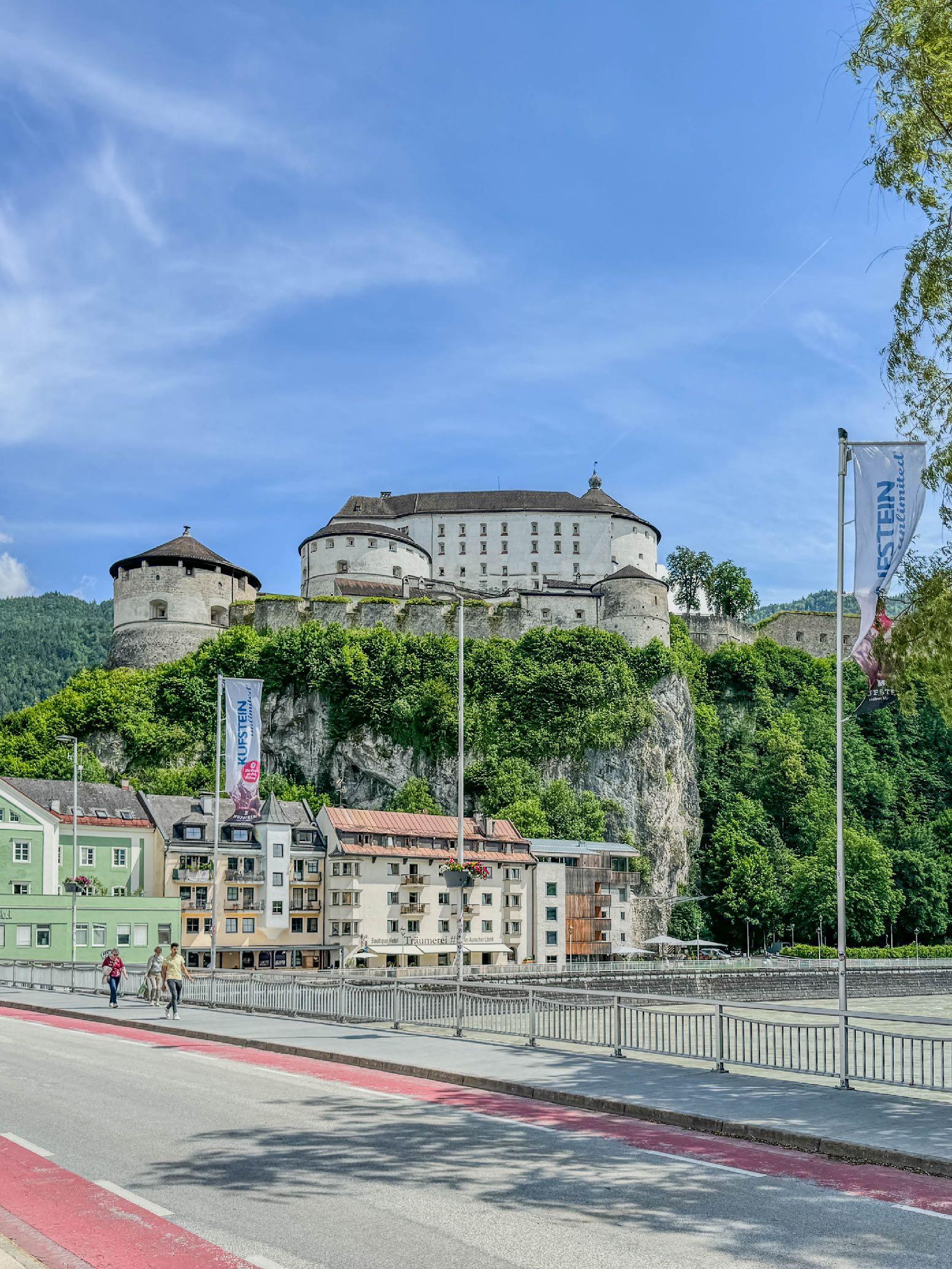
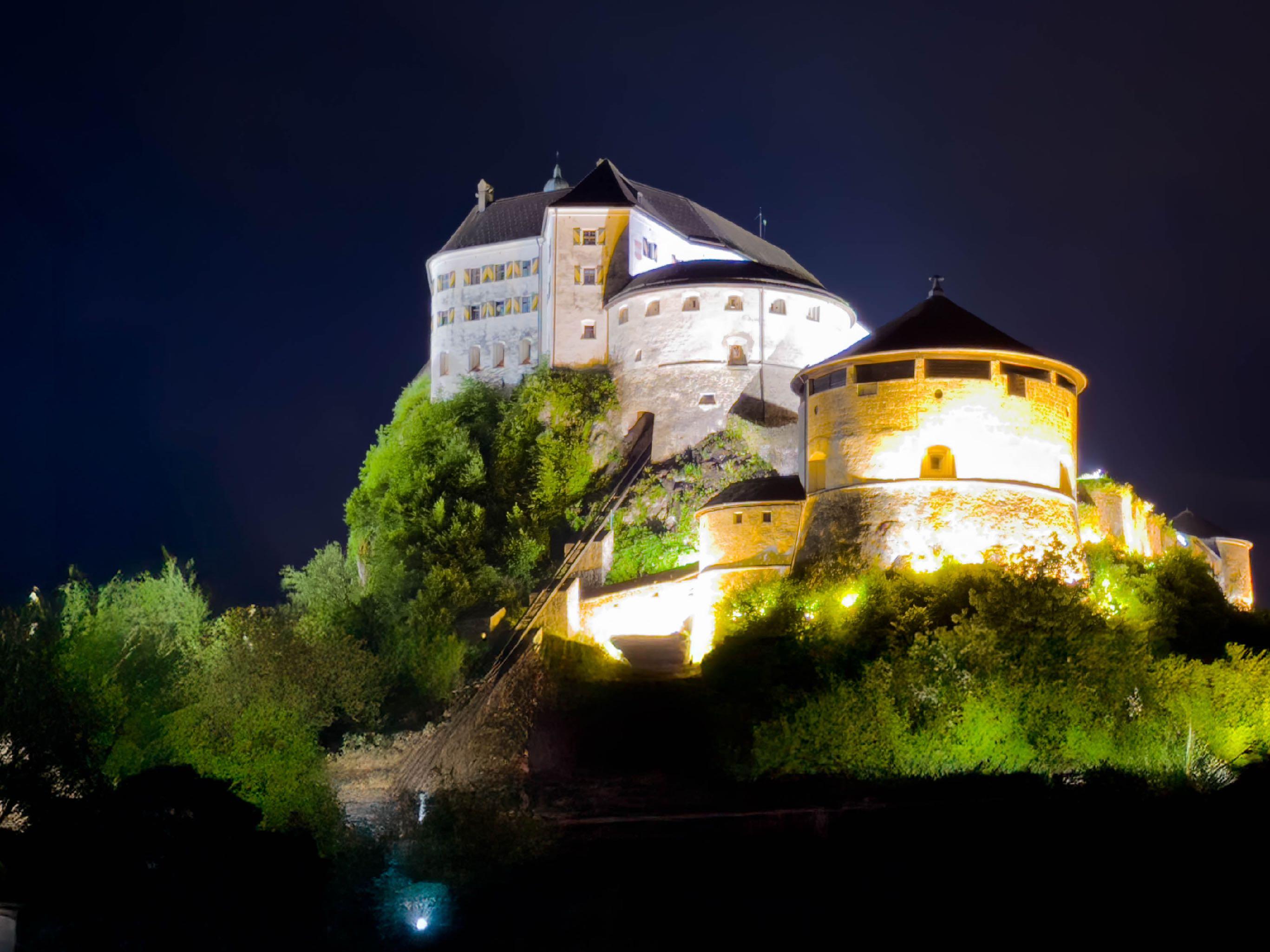

(Greetings from Kufstein)
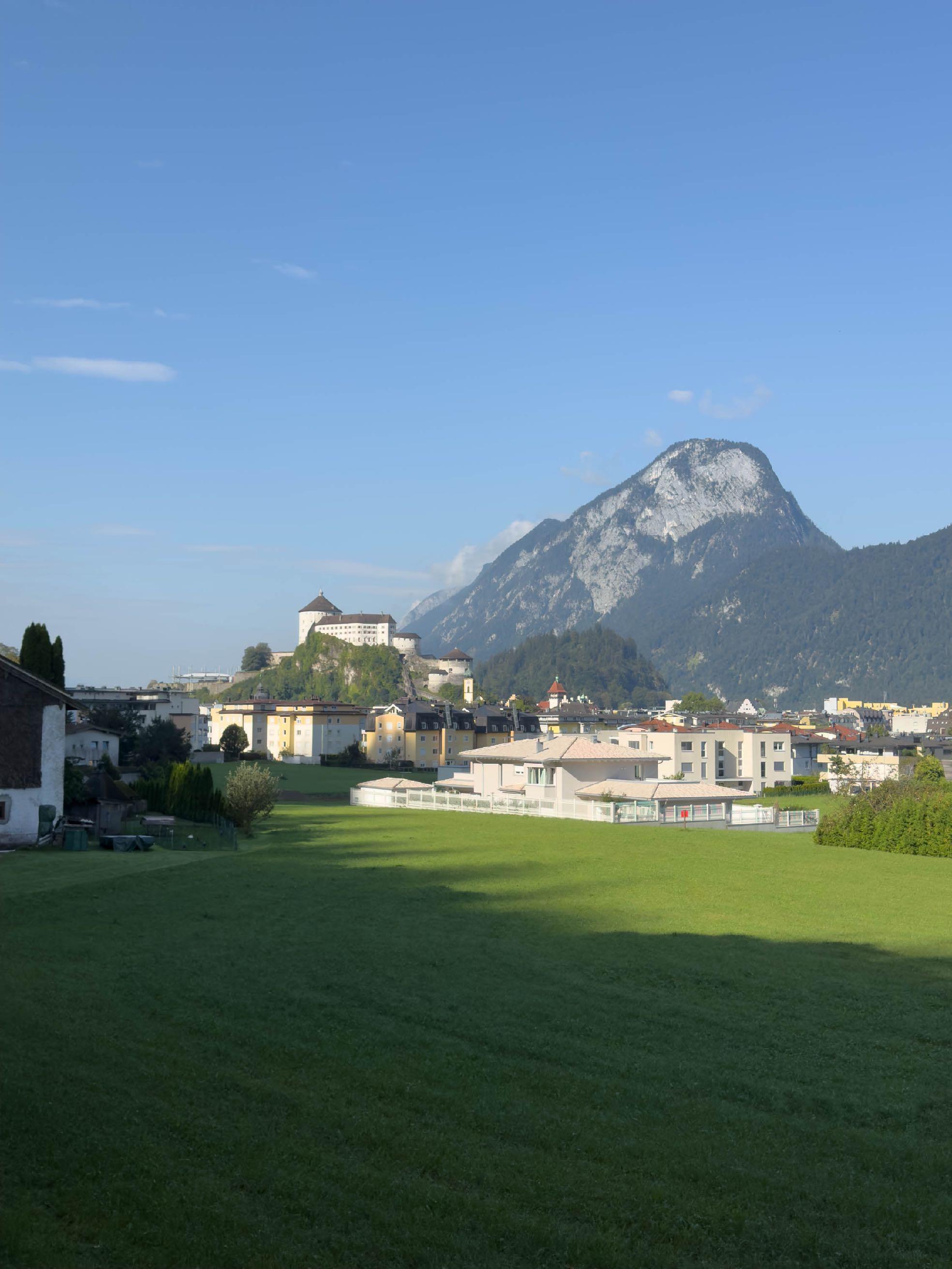


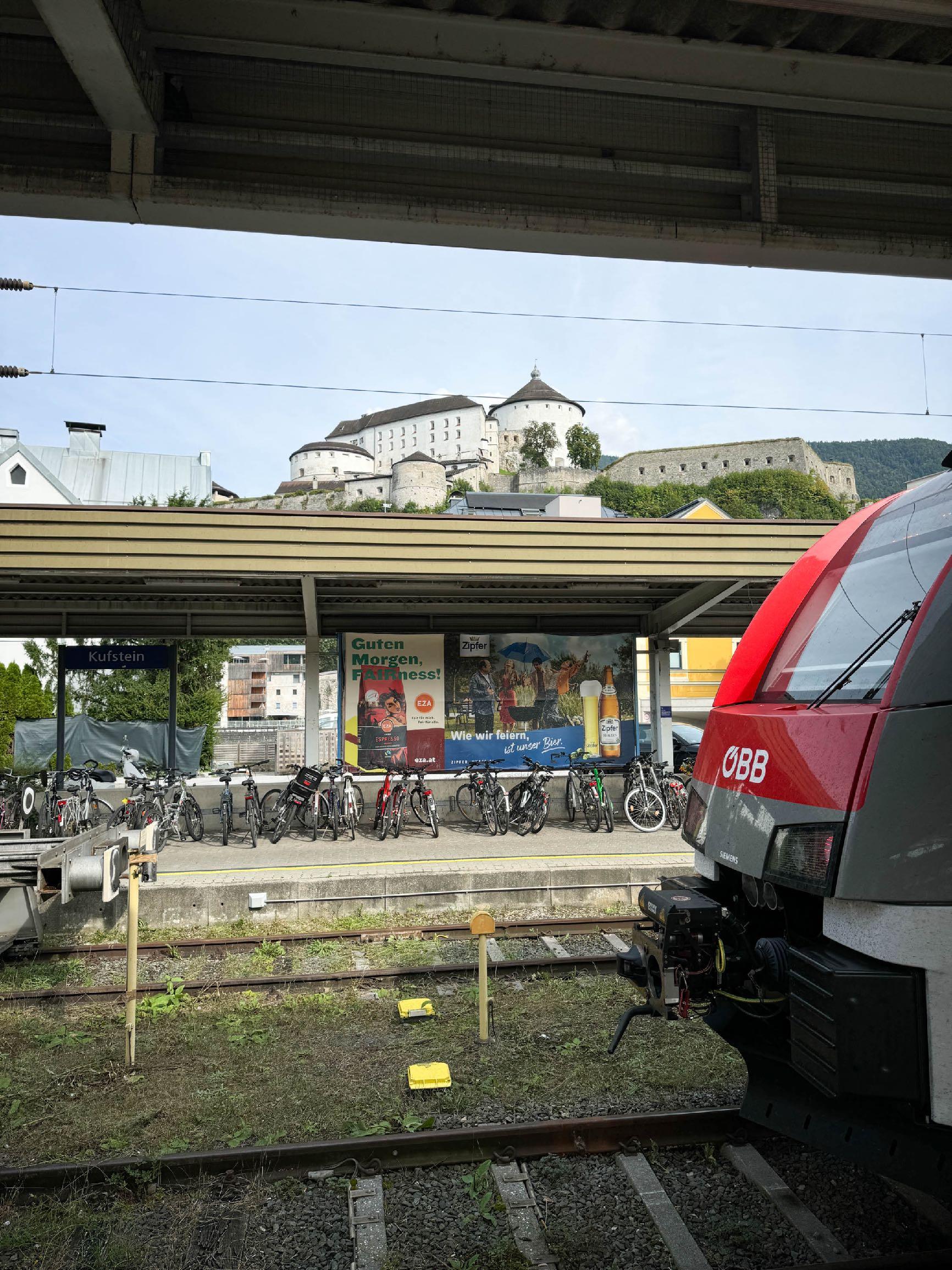


Budapest to Zurich also passes through the city on the Inn.
All destinations and attractions in the Kufstein region are easily accessible by public transportation. To explore the hiking and leisure paradise, you can travel environmentally friendly and conveniently by train. The 360° link offers a view of Kufstein’s train station.
with the ÖBB railjet to Kufstein

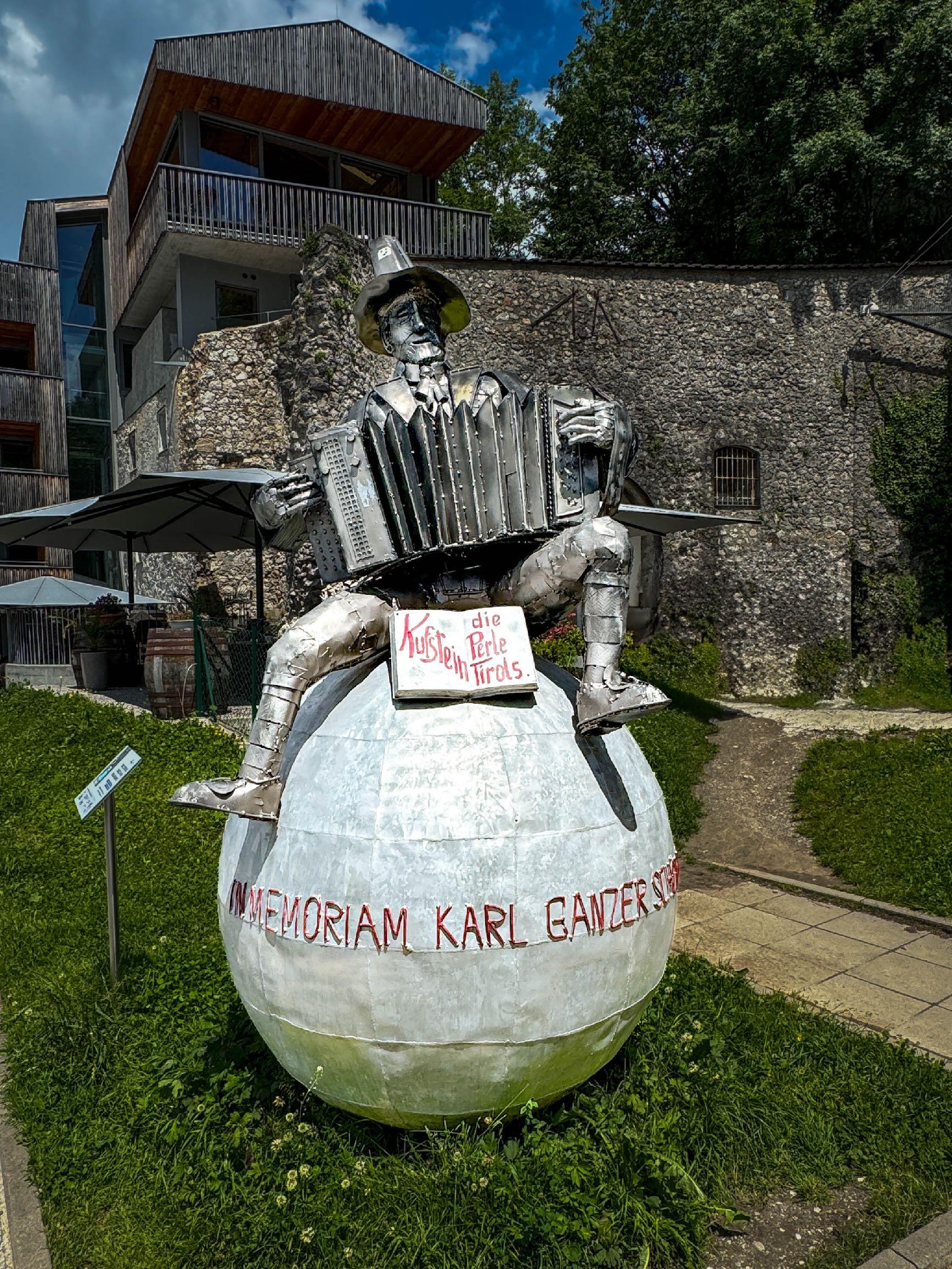
1.
Kennst du die Perle, die Perle Tirols ? Das Städtchen Kufstein, das kennst du wohl!
Umrahmt von Bergen, so friedlich und still.
Ja das ist Kufstein dort am grünen Inn, Ja das ist Kufstein am grünen Inn,
Refrain:Ho – la – di – le .....
Ho – la – di – le ..... ............ bei uns in Tirol !
Es gibt so vieles, bei uns in Tirol. Ein gutes Weinder’l aus Südtirol. Und mancher wünscht sich, s’möcht immer so sein.
Bei einem Madel und nem Glasel Wein, Bei einem Madel und einem Glasel Wein.
Refrain:Ho – la – di – le .....
Ho – la – di – le ..... ............ bei uns in Tirol !
Und ist der Urlaub, dann wieder aus, dann nimmt man Abschied, und fährt nach Haus.
Man denkt an Kufstein, man denkt an Tirol.
Mein liebes Städtchen lebewohl, lebwohl Mein liebes Städtchen lebwohl, lebewohl.
Refrain:Ho – la – di – le .....
Ho – la – di – le ..... ............ bei uns in Tirol !
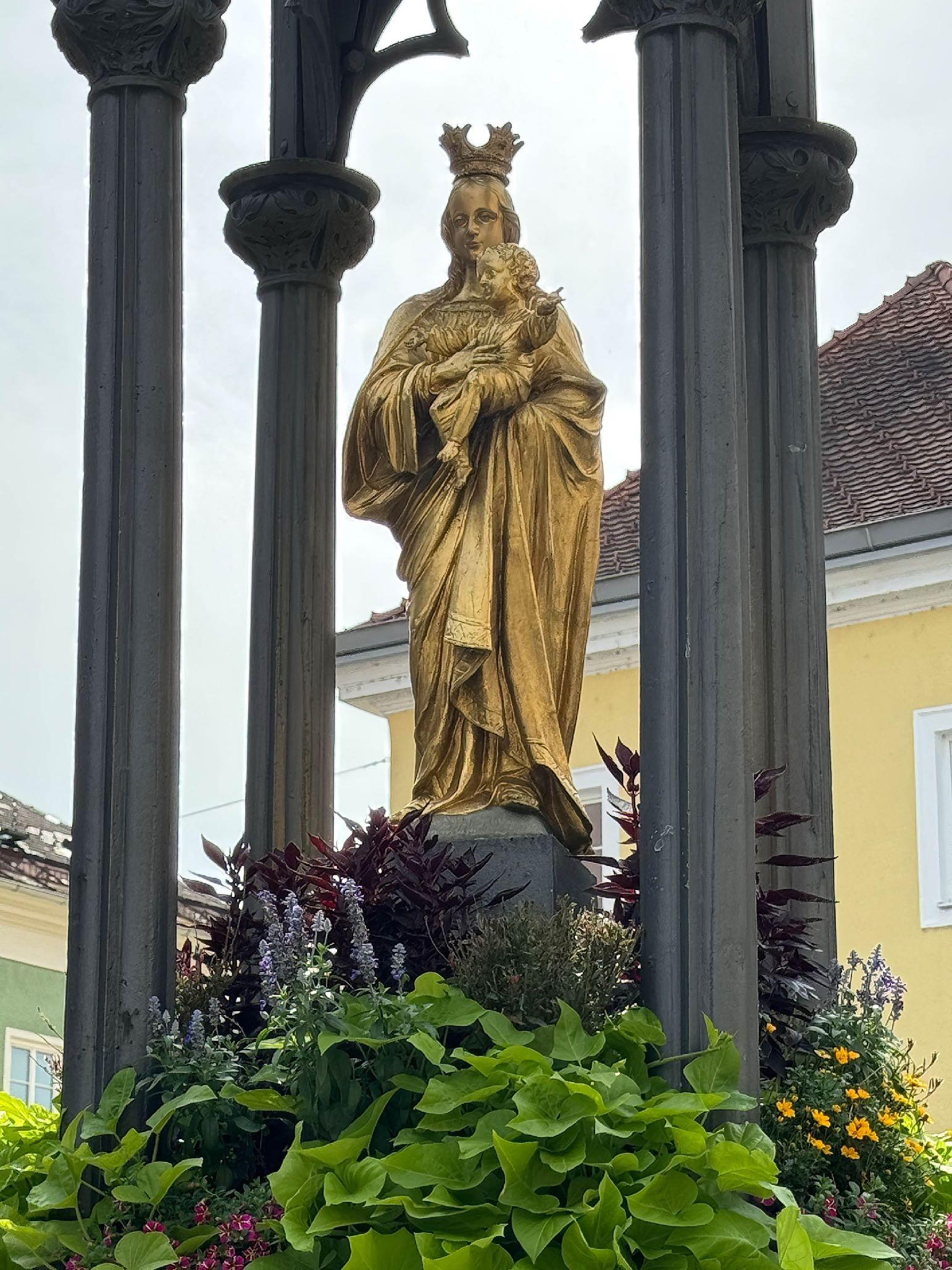
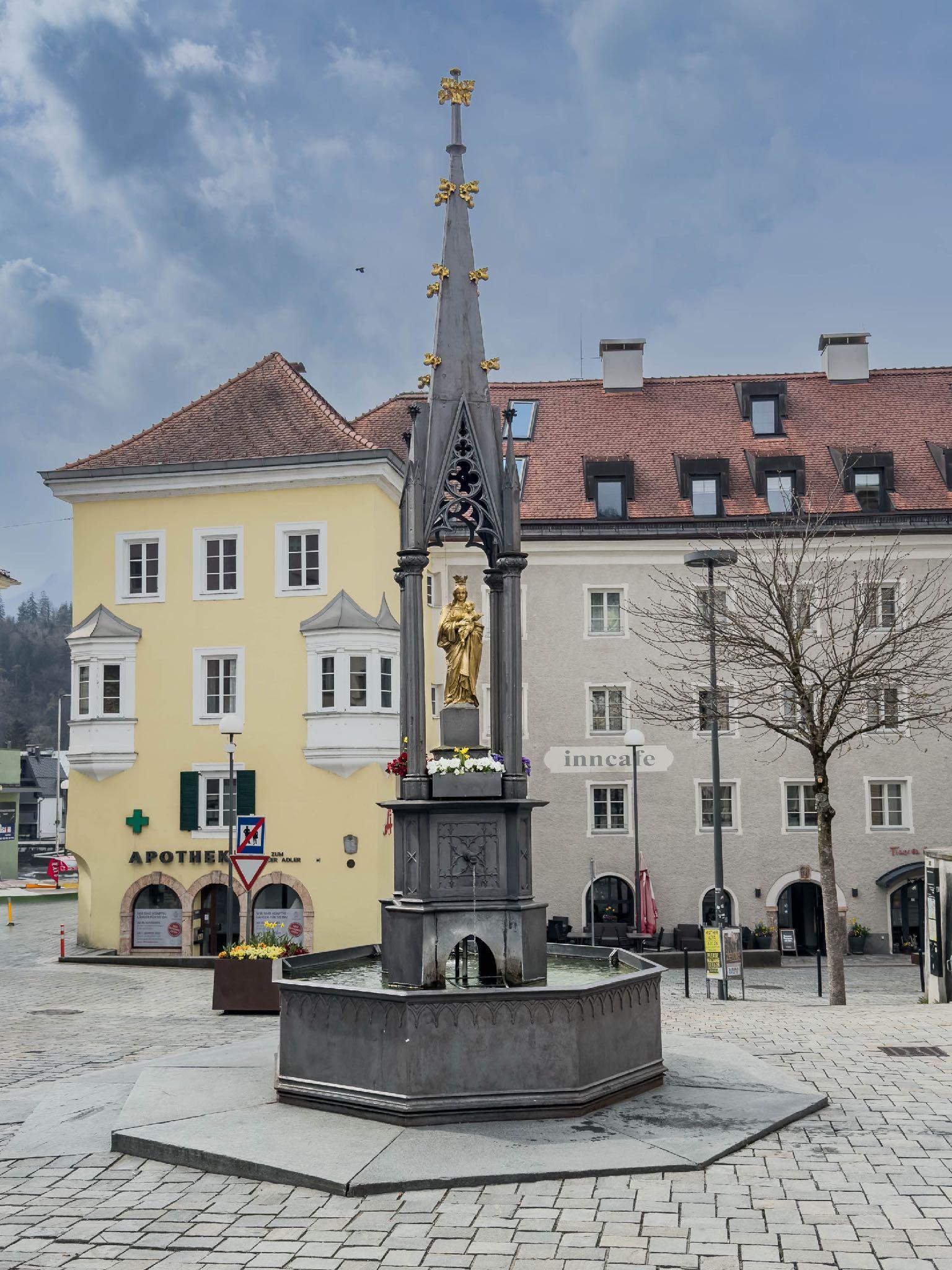
Originally, Kufstein’s city center was supplied with drinking water through three fountains. Today, only the Marian Fountain, built in 1861, remains active and provides water. A faithful replica of the fountain’s spire, which was lost for about a century, was commissioned by the Kufstein Heritage Association in 2015.
Since 1894, the city has sourced its drinking water from the Hofinger Spring in the Kaisertal, which remains the main source of water supply today. The Marian Fountain dispenses pure spring water originating from the Kaiser Mountains nature reserve. Everyone has the opportunity to fill their water bottle at the fountain.
with the ÖBB railjet to Kufstein
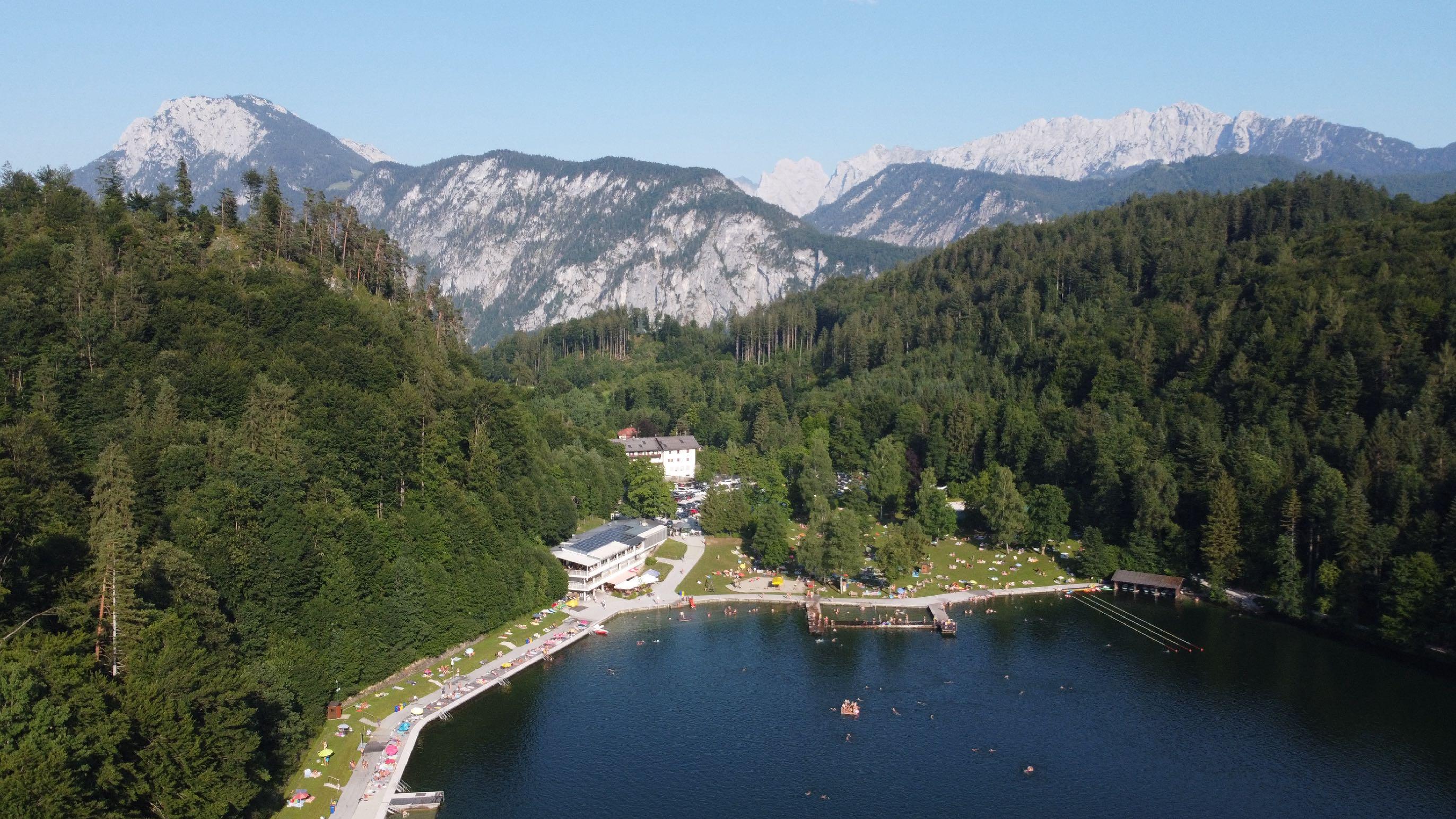
North of Kufstein, in the Brandenberg Alps, lies the Hechtsee. The circular path around the Hechtsee can be completed in less than an hour. For more extensive hikes, the 4-Lakes Hike is recommended. The four “Thierberg Lakes” include Pfrillsee, Längsee, Hechtsee, and Egelsee. The Hechtsee is the largest lake in this group.
At its deepest point, the Hechtsee reaches a depth of 57 meters. It also offers excellent swimming opportunities, including a public lakeside beach. This beach is open from early May to September.
The leisure bus line 50 provides a connection between the city of Kufstein and the Hechtsee.
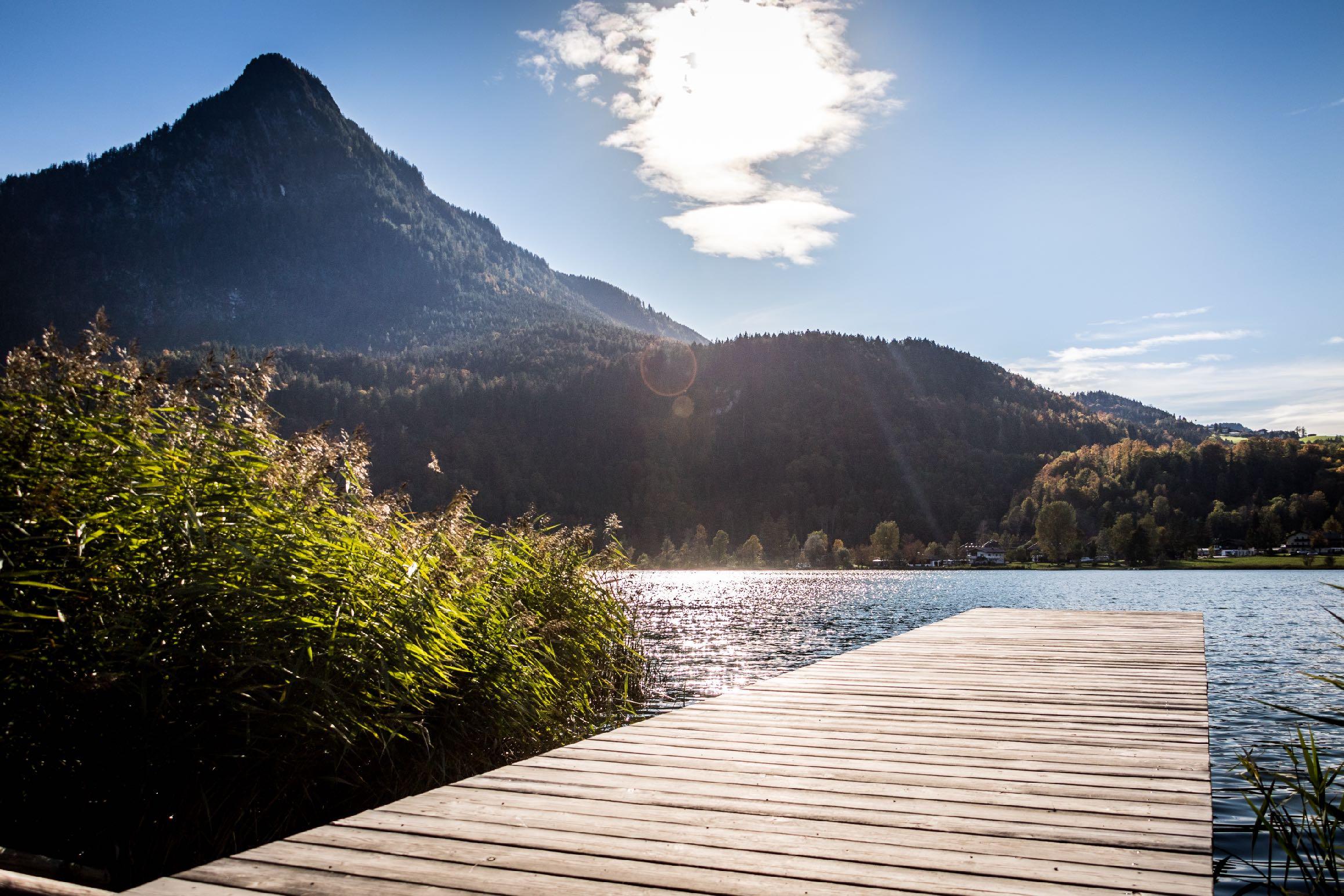
The Thiersee is a recreational lake covering an area of 25 hectares with a maximum water depth of 12 meters. Here, you can fully enjoy the pleasures of the water.
An approximately 2.1-kilometer-long circular path allows for physical activity along the shore.
In addition to its role as a swimming lake, the Thiersee is particularly known as a place of power in the Kufsteinerland. The harmonious combination of green meadows, dense forests, surrounding mountains, and the deep blue water of the lake creates a space of calm and energy. Every visitor will discover their own personal favorite spot around the Thiersee.
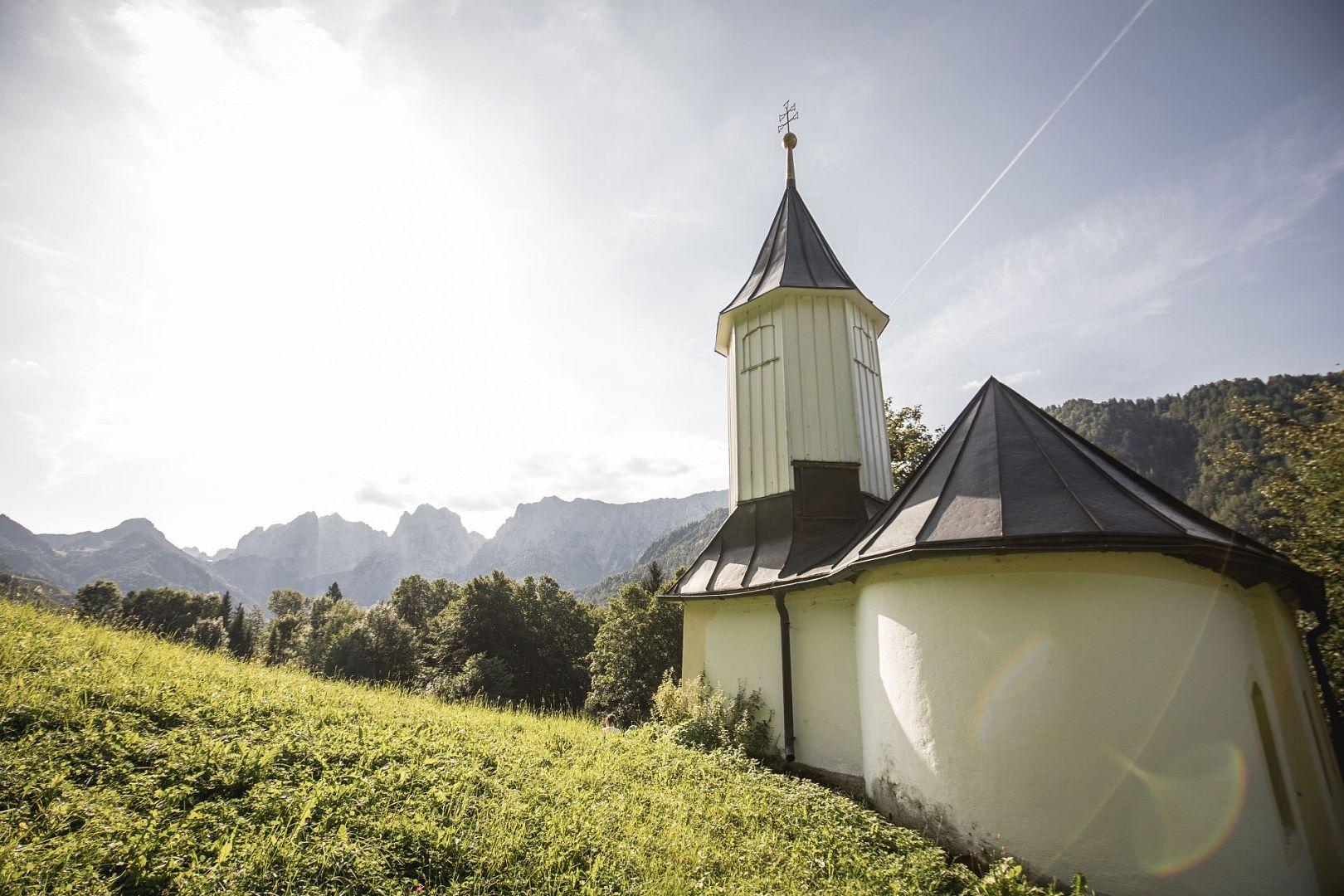
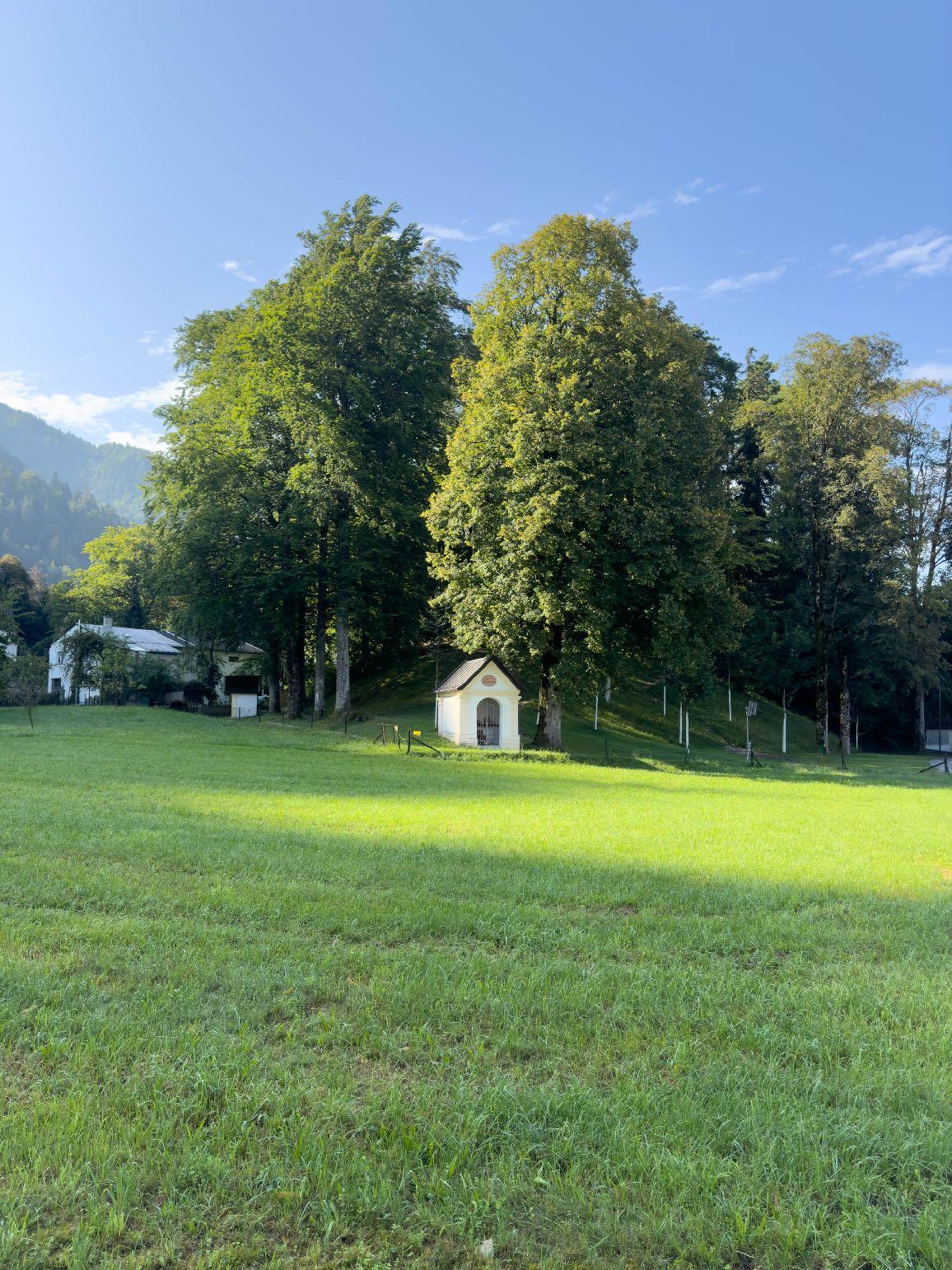
The origins of the Antonius Chapel date back to 1711. During the War of the Bavarian Succession, large parts of Ebbs were destroyed by French troops.
A farmer from the Kaisertal built the Antonius Chapel out of gratitude that his farm and family remained unharmed during the war.
This chapel serves as a memorial against war. Hikers need between 60 and 90 minutes to reach the chapel from the Kaiser ascent in Ebbs.
In front of the Antonius Chapel, numerous benches invite visitors to rest and offer an impressive view of the mountainous landscape.
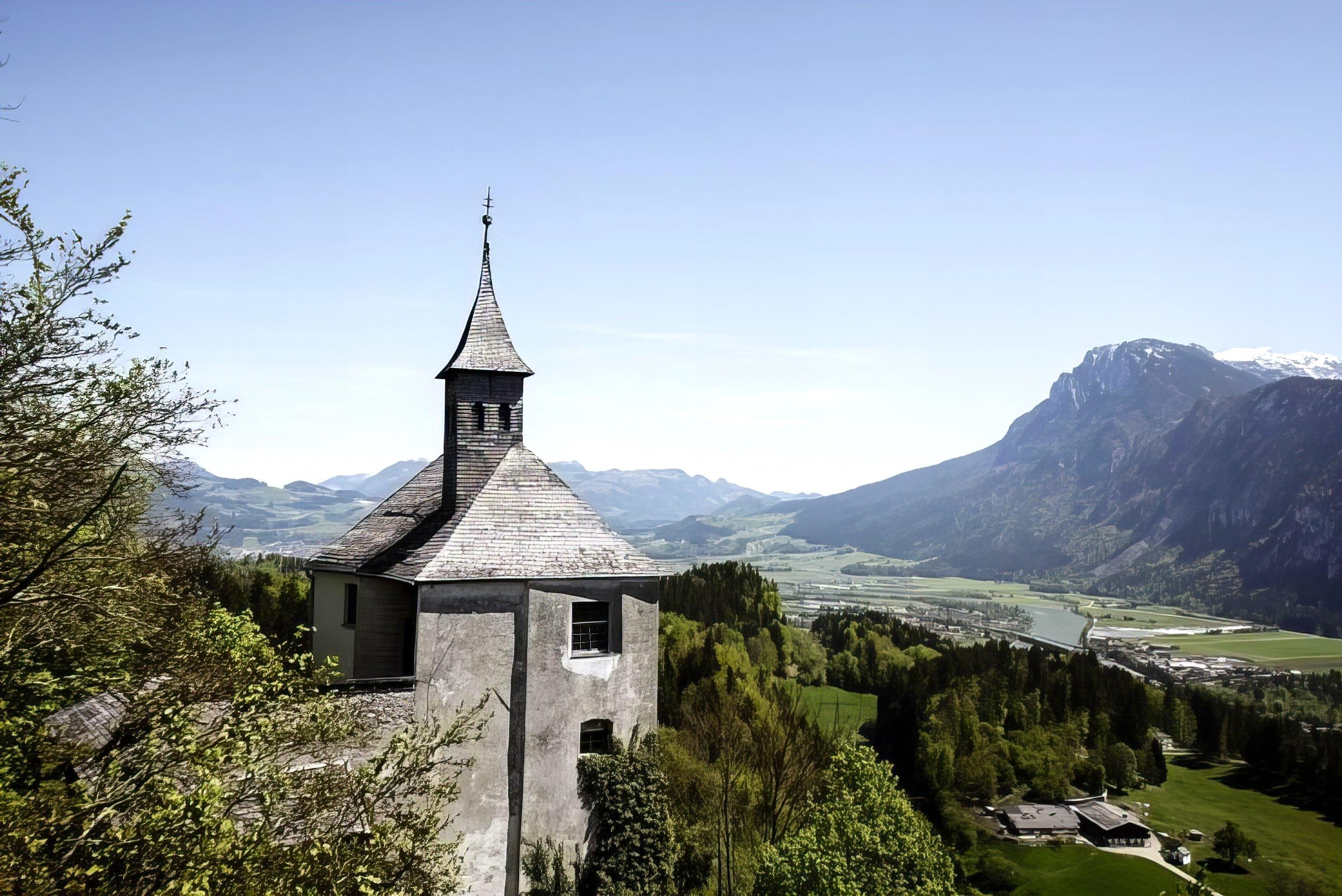
From the Thierberg Chapel, a breathtaking panoramic view of the surrounding mountain landscape opens up. In the keep, numerous exhibits from Bavarian-Tyrolean history can be found. The castle was built in 1280. A steep but rewarding ascent over many root- and steplined switchbacks leads to the Thierberg Chapel, located at 721 meters.
Around the chapel of grace, statues of the Virgin Mary can be found repeatedly. The altar is adorned with a painting of the “Beheading of St. John.”
From April to November, a holy mass is celebrated every Wednesday at 08:00 AM.
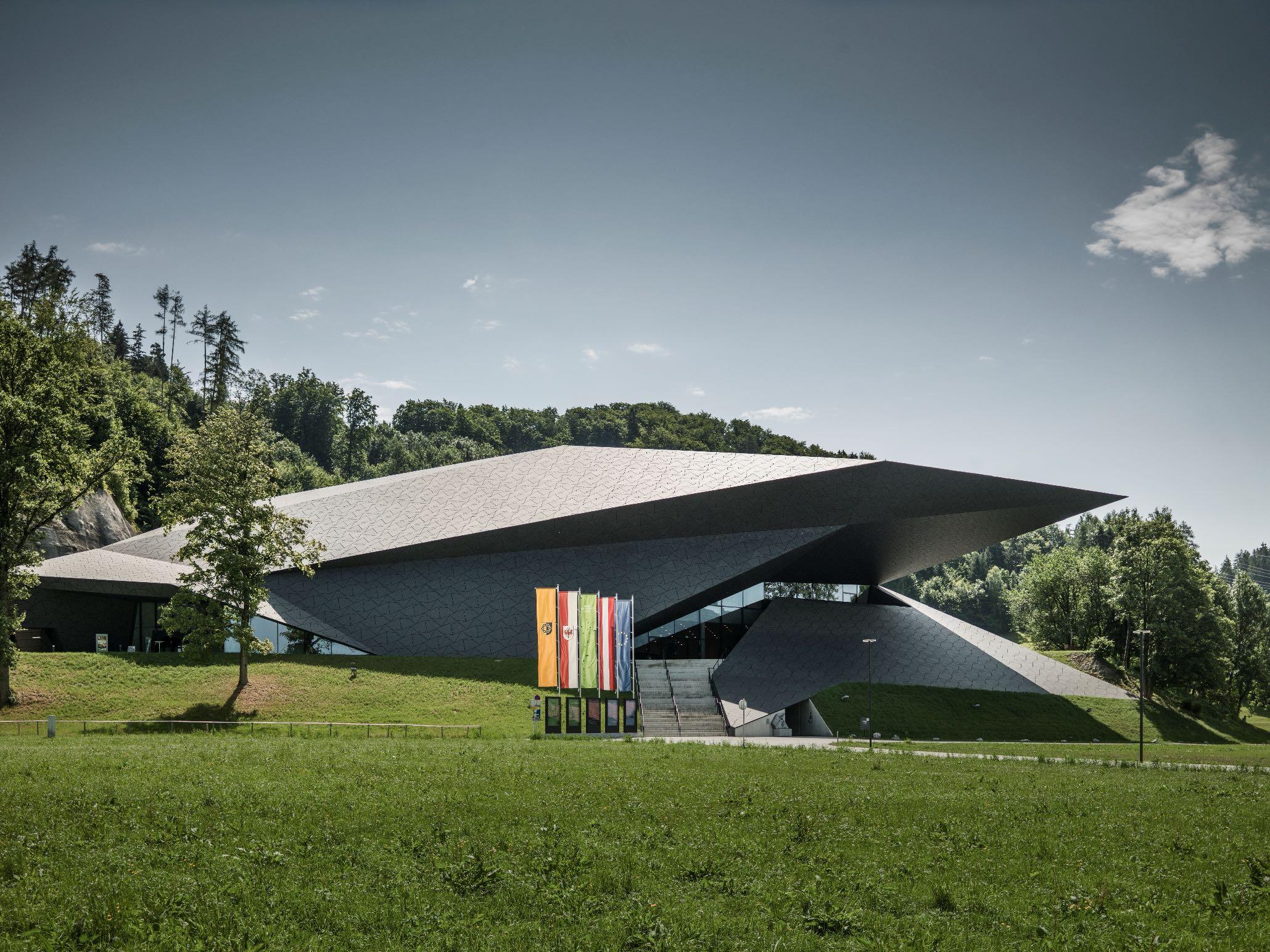
The Tyrolean Festival Erl was founded in 1997 by Gustav Kuhn and celebrated its premiere in 1998 with Richard Wagner’s “Das Rheingold.” Initially, only the Passion Playhouse was available, but with the inauguration of the impressive Erl Festival Hall in 2012, a new era began for the Tyrolean Festival Erl.
The summer season spans 25 days and usually begins on the first Thursday in July. The winter season, on the other hand, takes place from December 26 to January 6. Since April 2017, the so-called “Piano Days” have been held. On the weekend of Palm Sunday, from Thursday to Sunday, an entire weekend is dedicated to the piano.
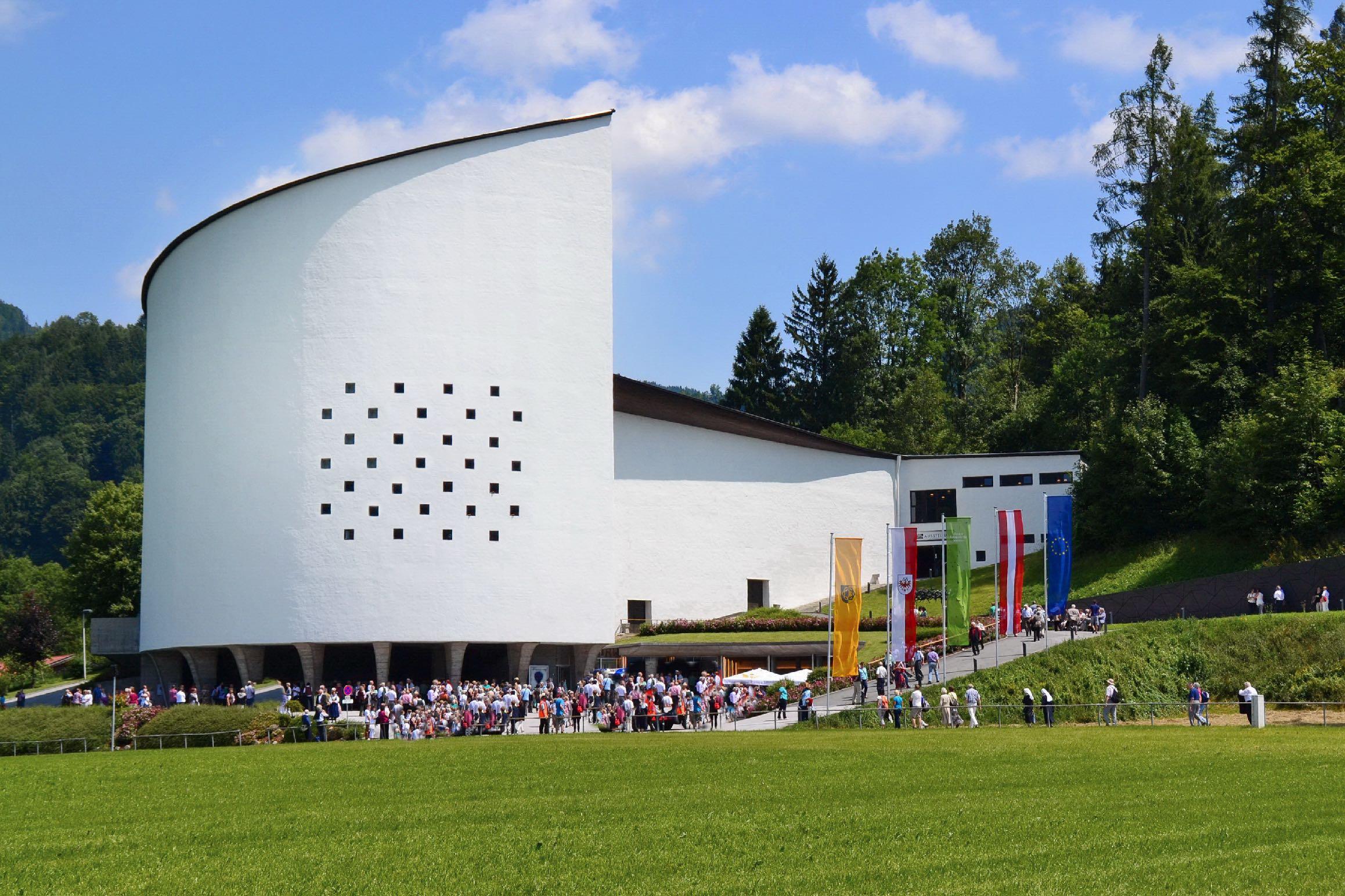
The Passion Plays in Erl are considered the oldest passion play in the German-speaking world. This religious performance, staged since 1613, has been included in UNESCO’s Intangible Cultural Heritage. Every six years, the Passion of Jesus Christ is presented. A special feature of the Erl Passion Plays is the participation of 600 amateur actors, which corresponds
to about one-third of the village’s population. The Erl Passion Plays take place every six years, and during a season from May to October, a total of 32 performances are held.
The next Erl Passion Plays will begin on Sunday, May 25, 2025, at 1:30 PM.
with the ÖBB railjet to Kufstein

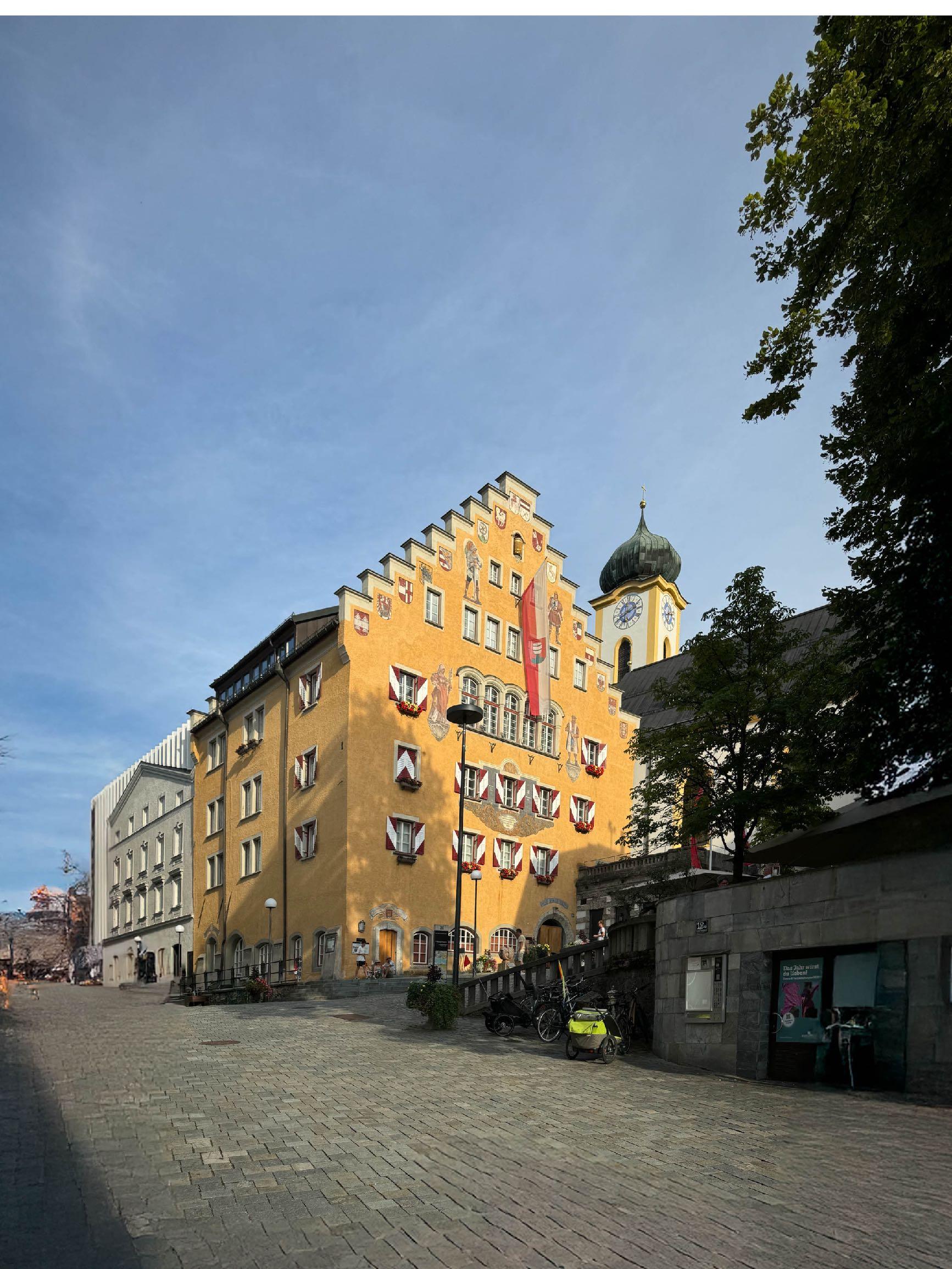
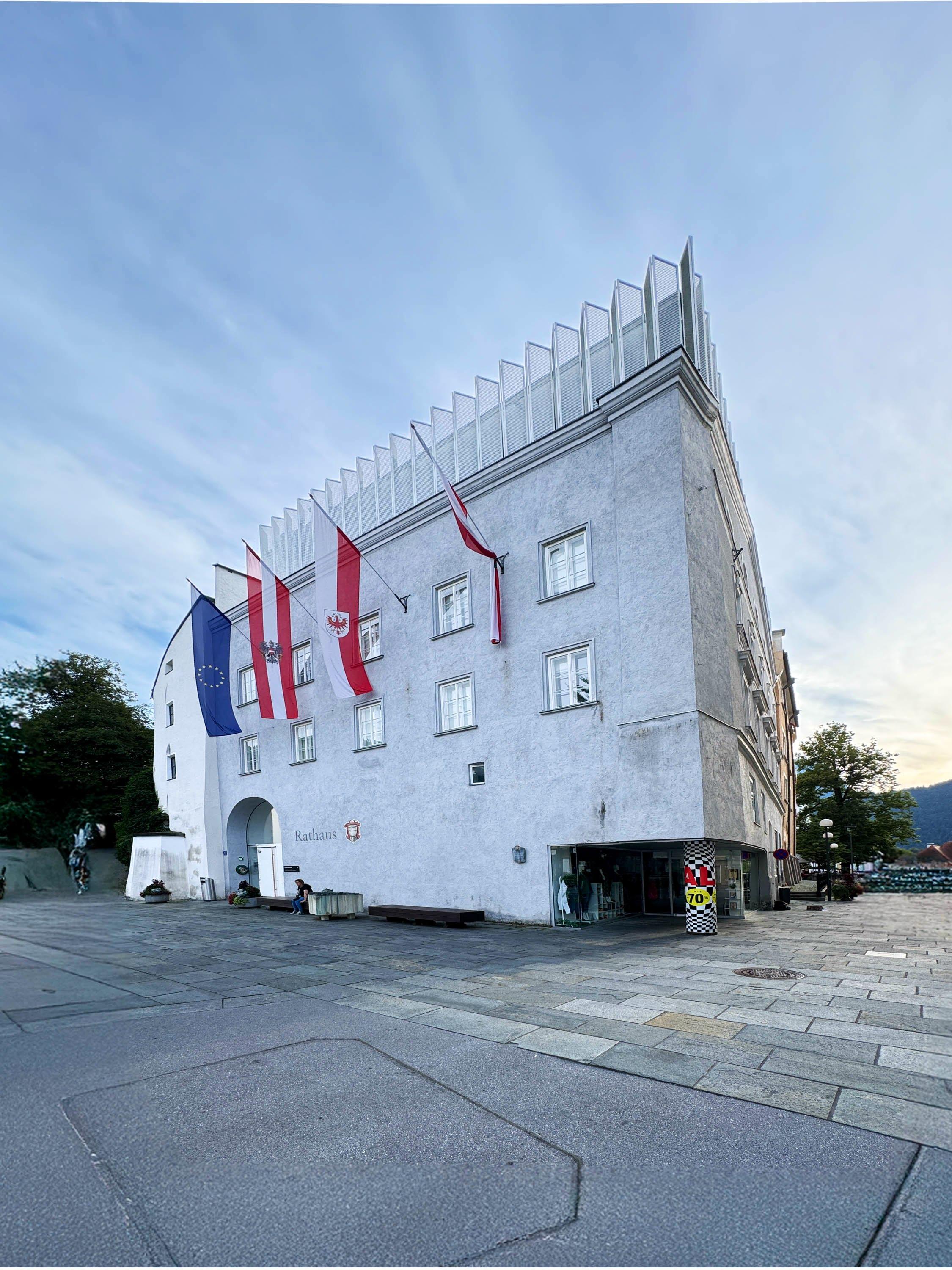
At the beginning of the 16th century, the foundation for Kufstein’s Town Hall was laid. However, the striking stepped gable facade was only created in 1923 during a renovation. In 2011, the historic Town Hall was merged with the neighboring Bildsteinhaus. The entrance at the Upper Town Square is rather simple and unpretentious, without unnecessary embellishments. Until the 19th
century, there was a balcony at the corner of the Town Hall where the Kufstein pillory stood.
Condemned individuals were chained there and publicly displayed. Compassionate citizens could throw coins into a provided hat. After their time at the pillory, the condemned were expelled from Kufstein through the Upper Town Gate under the jeers of onlookers.
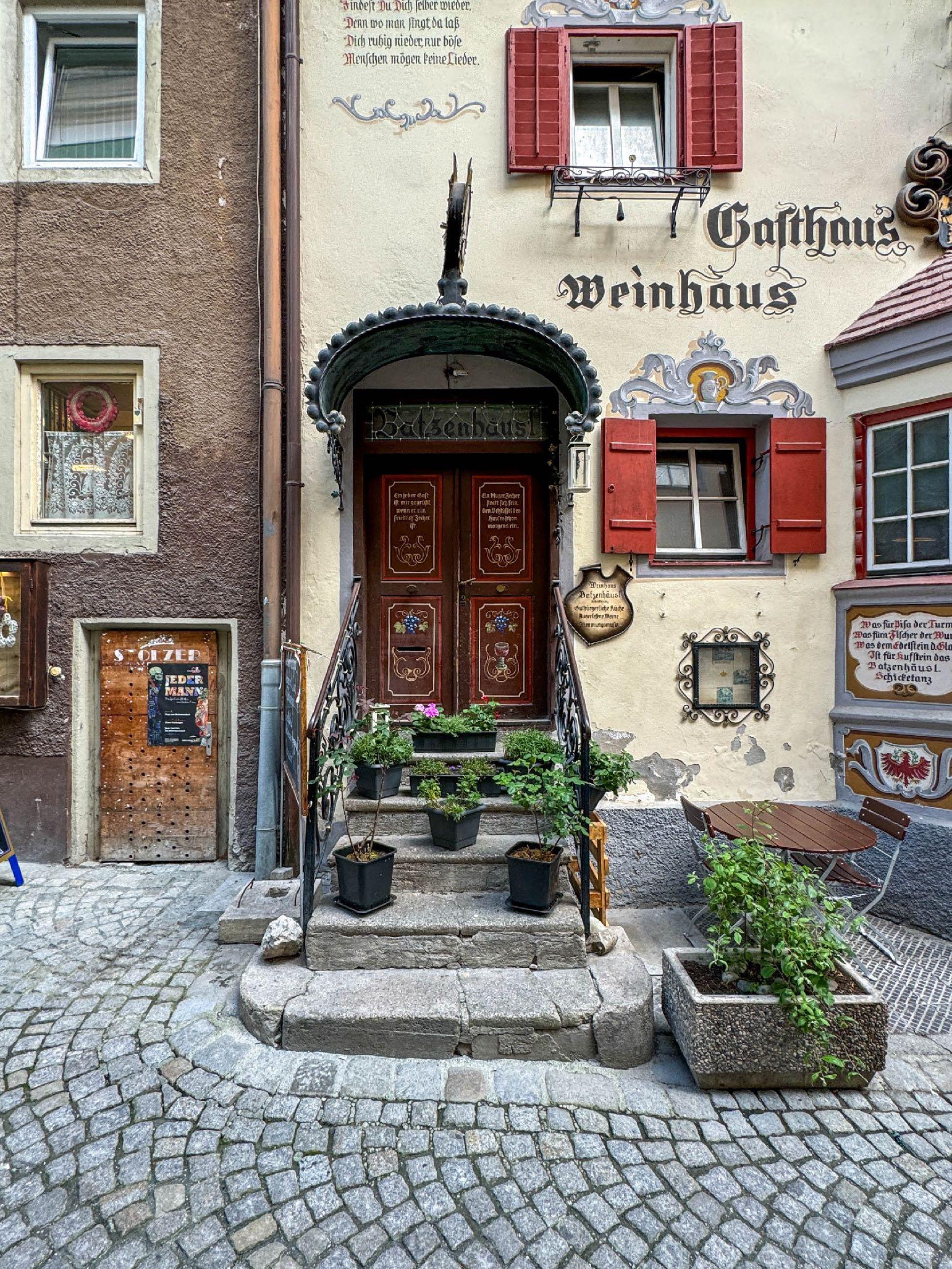
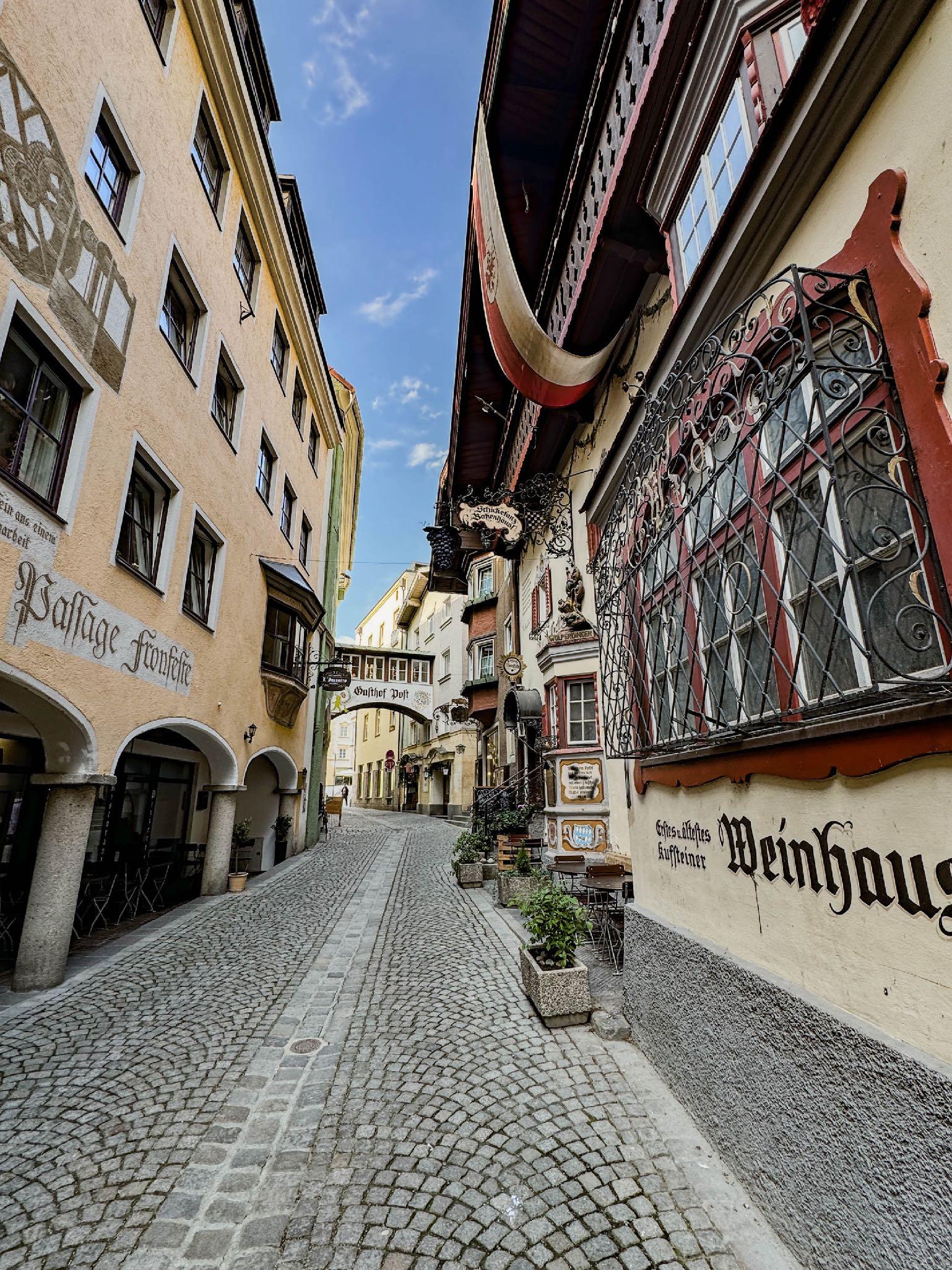
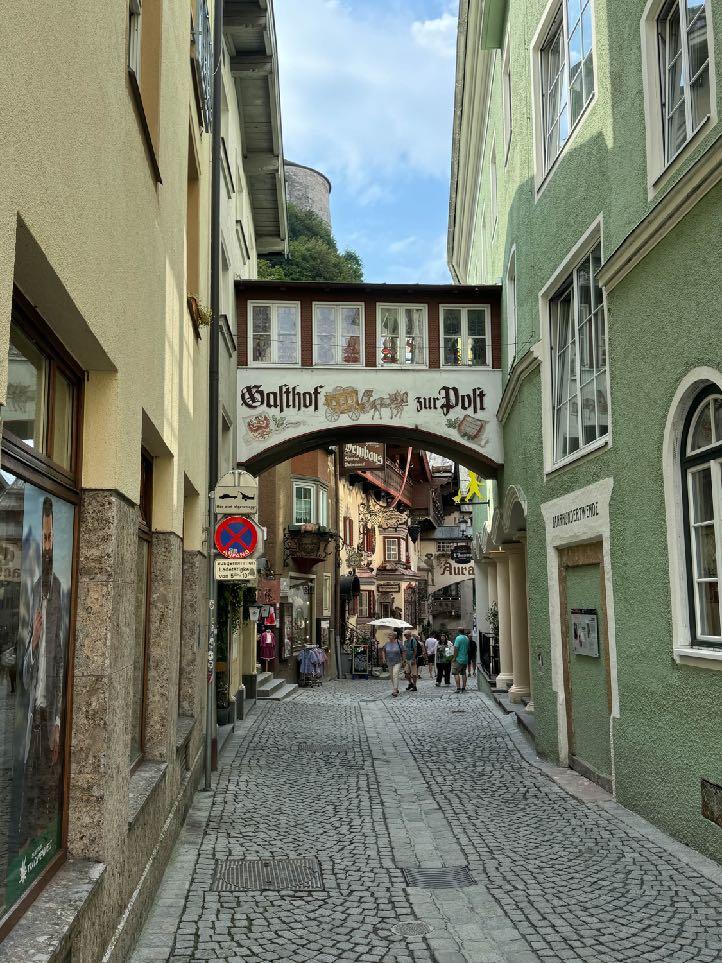
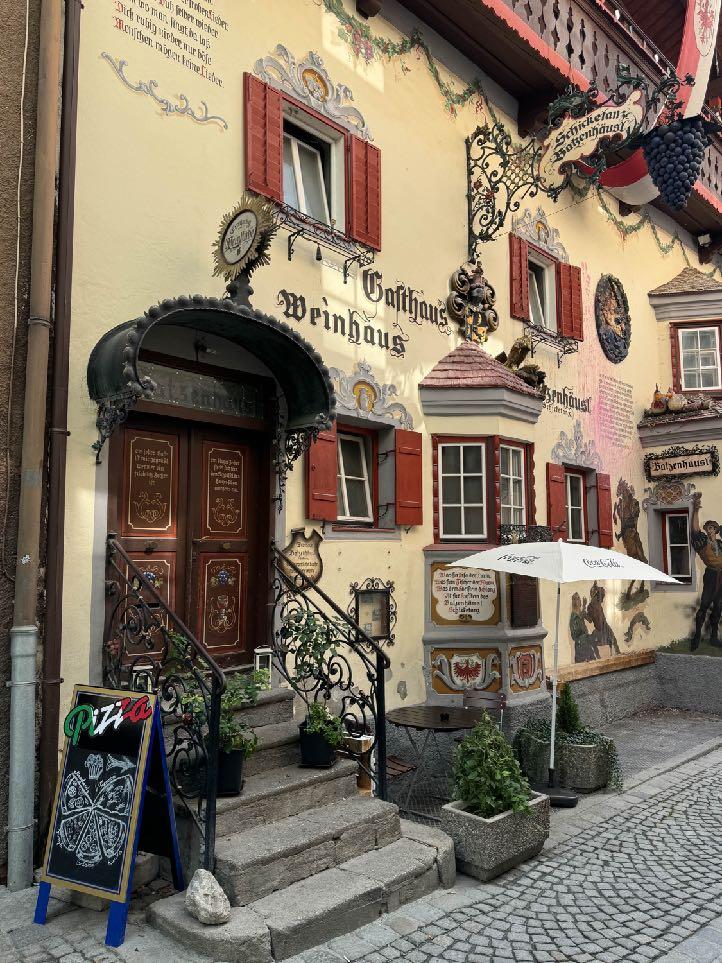
inscription referencing the song can be found at this inn.
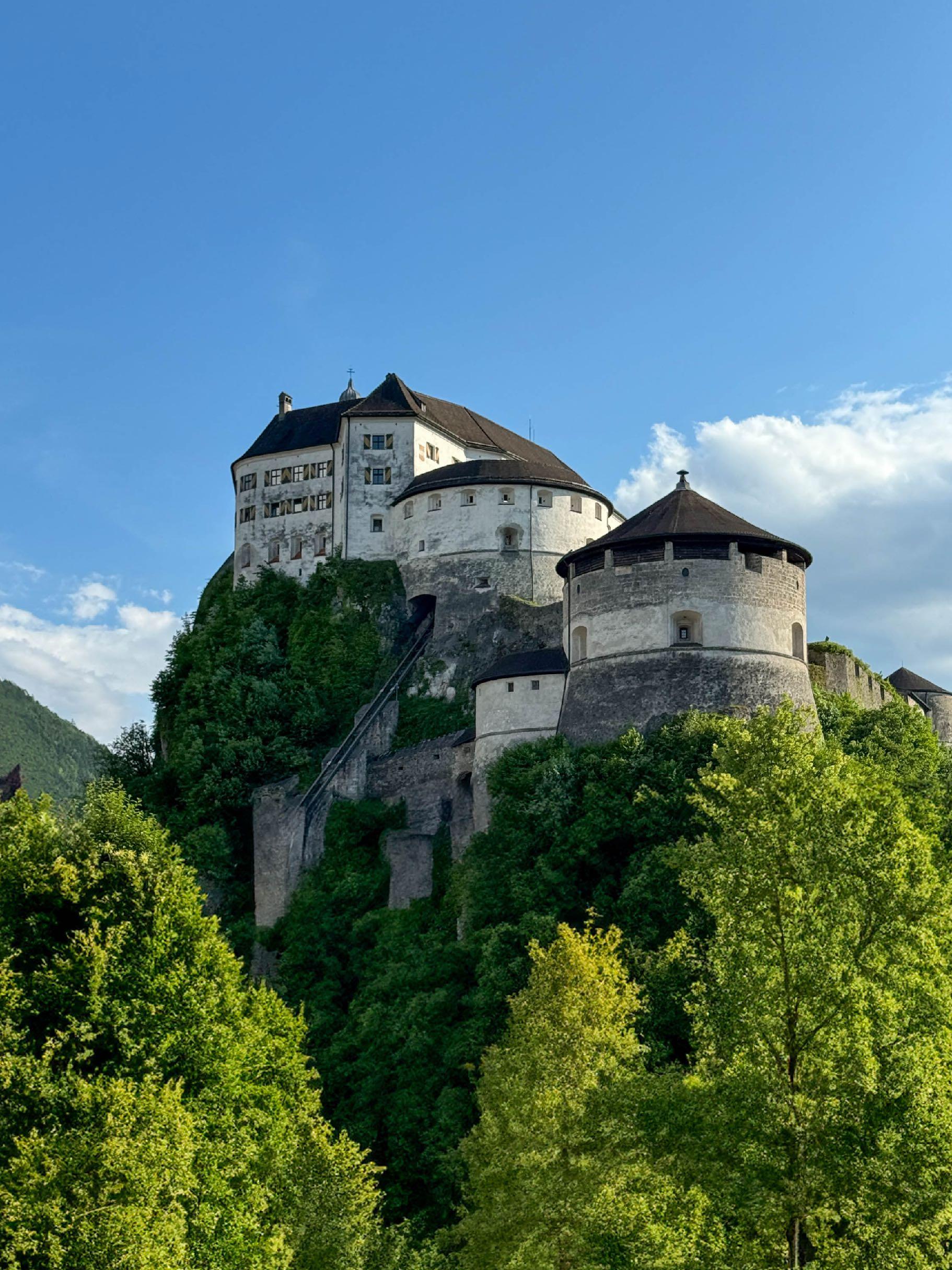

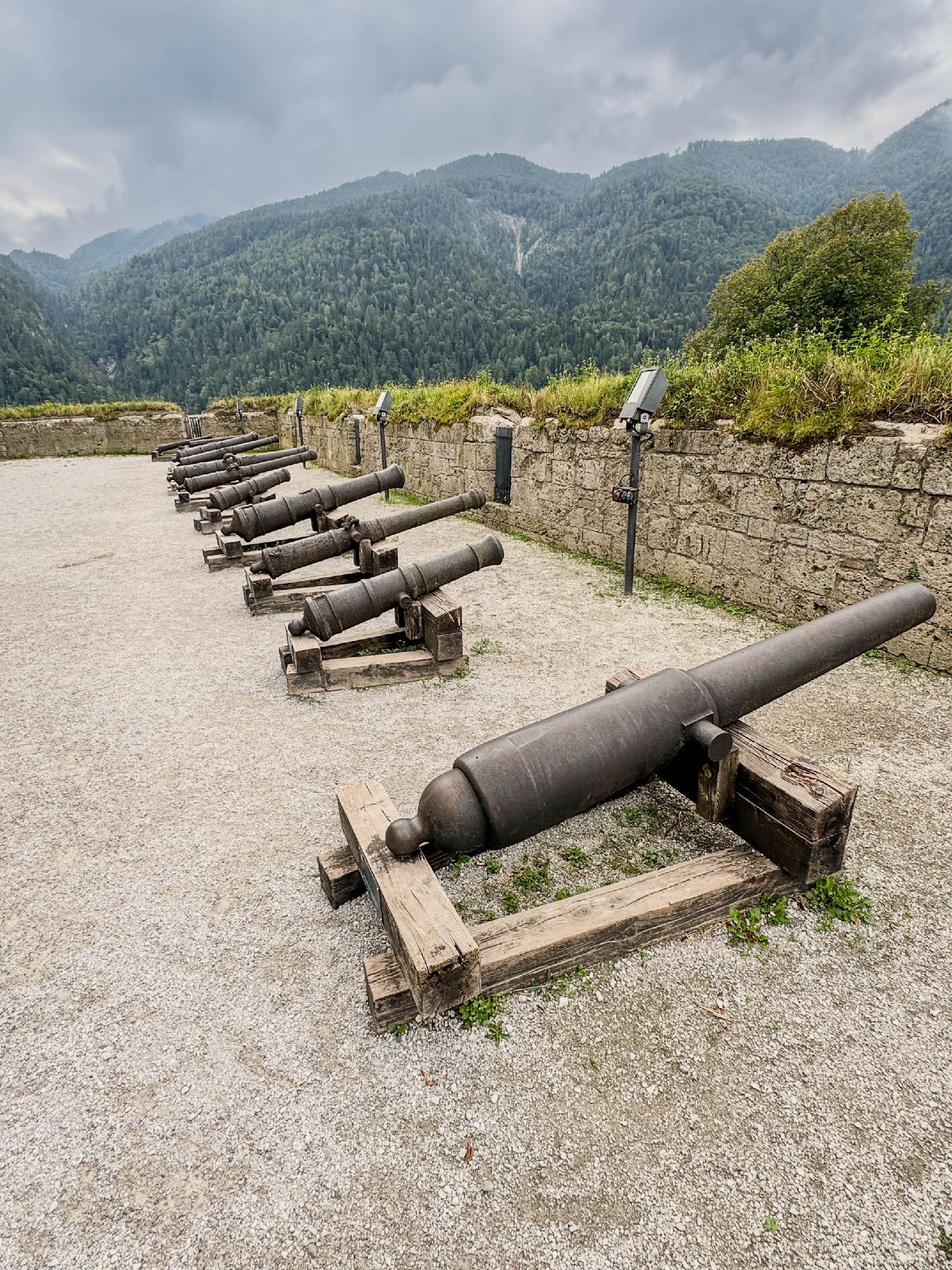
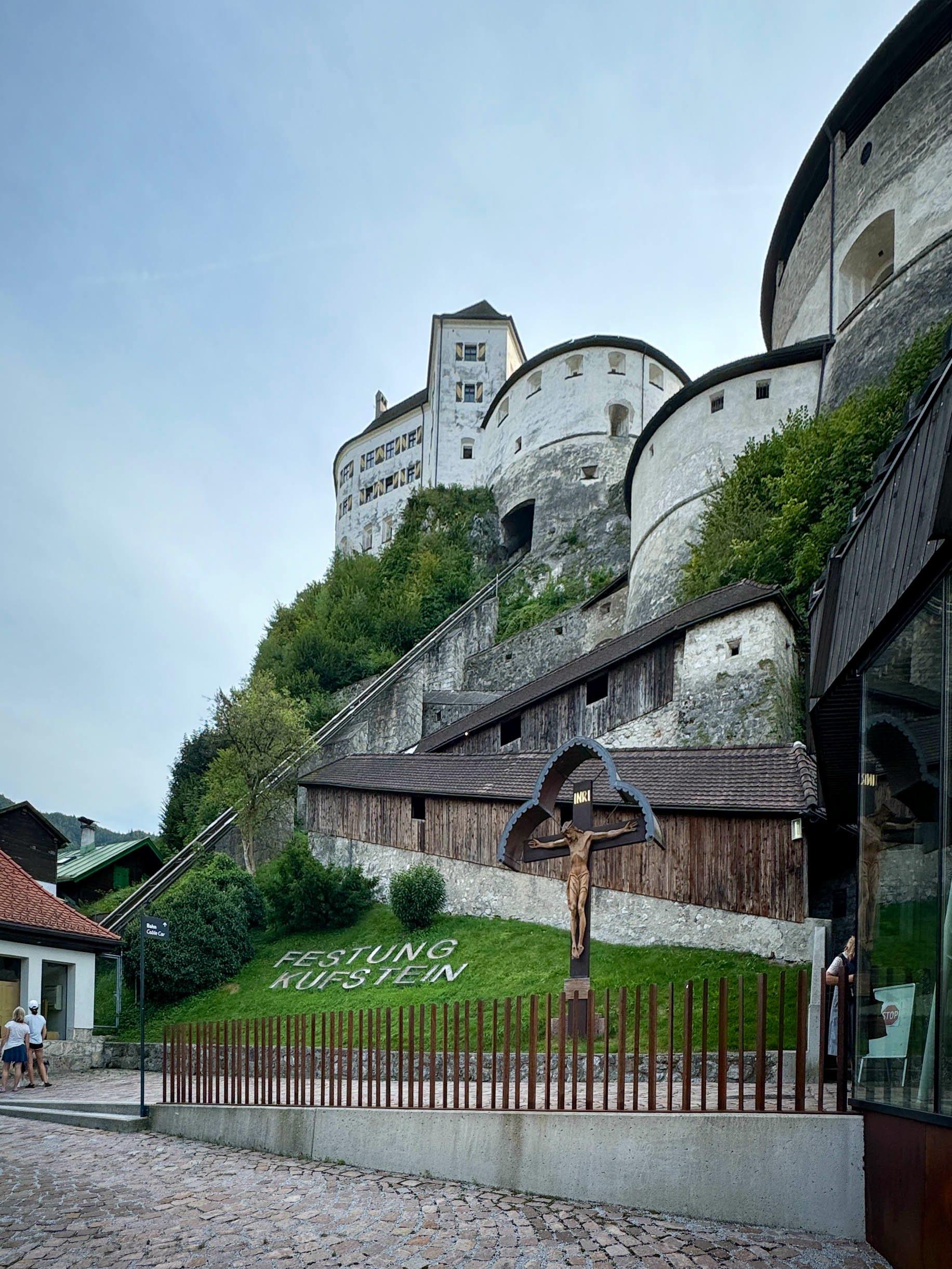
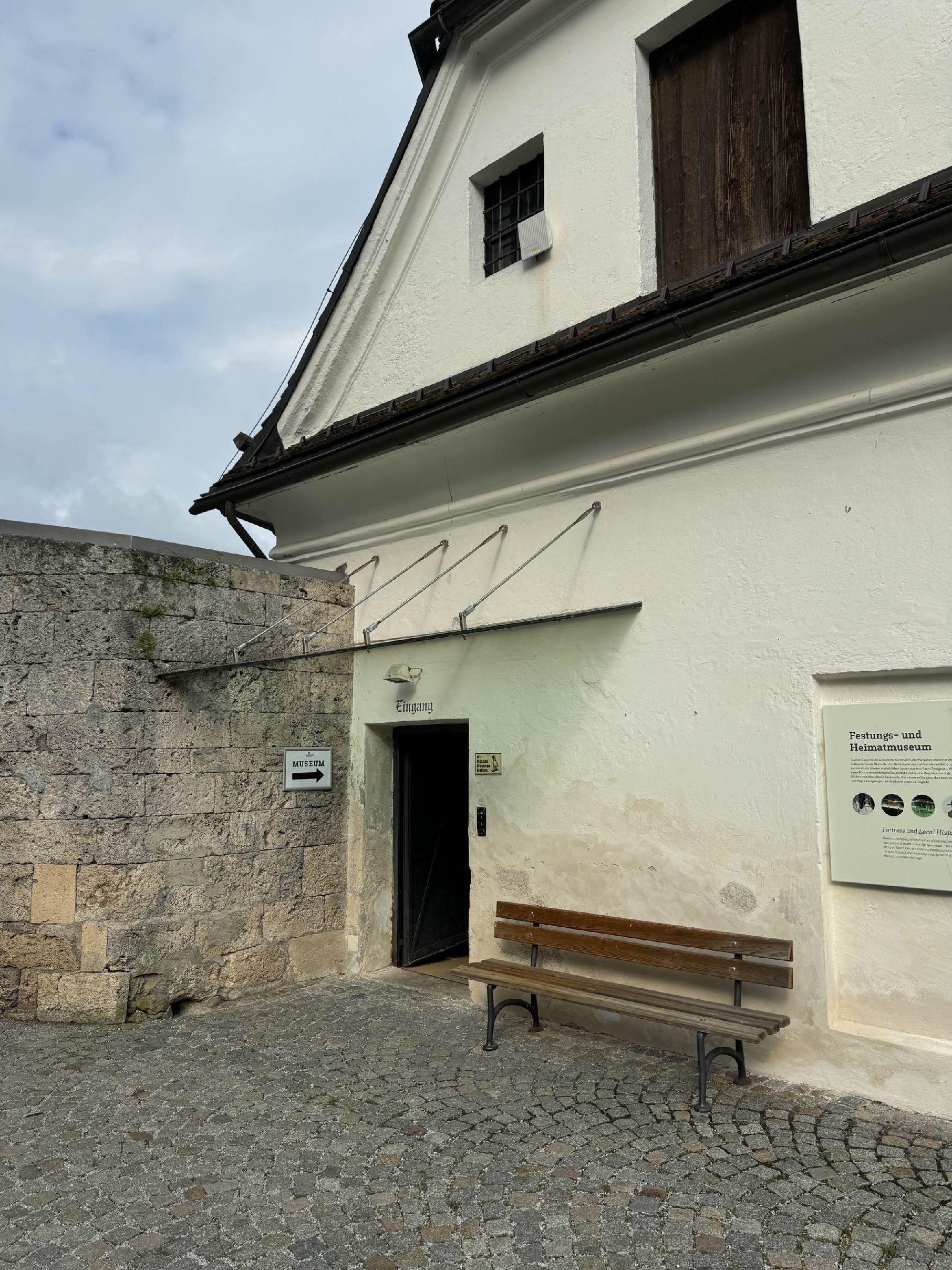
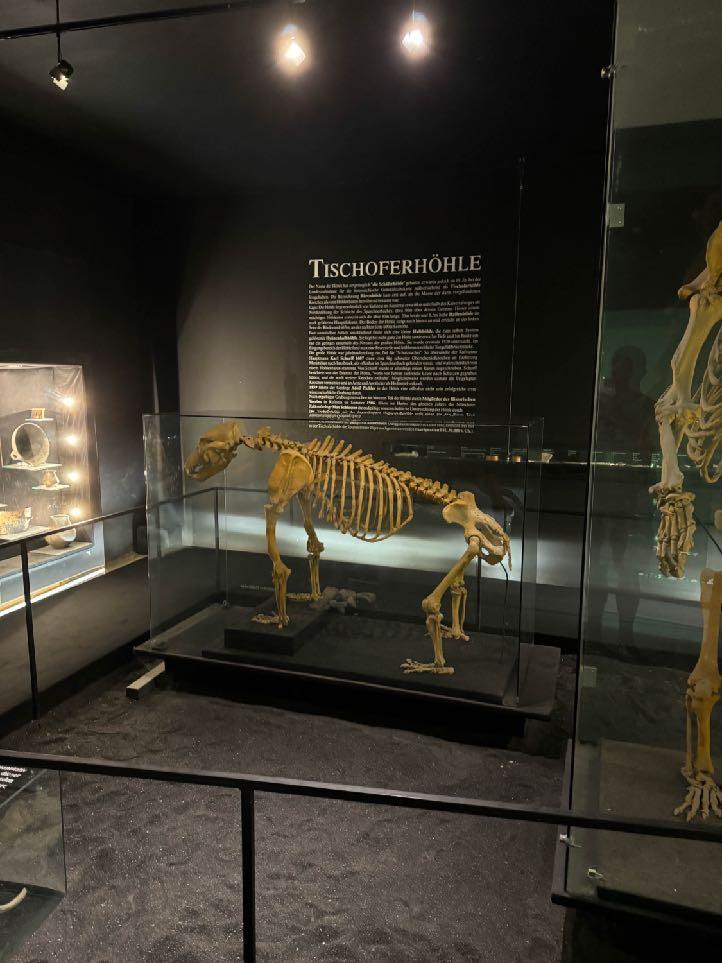
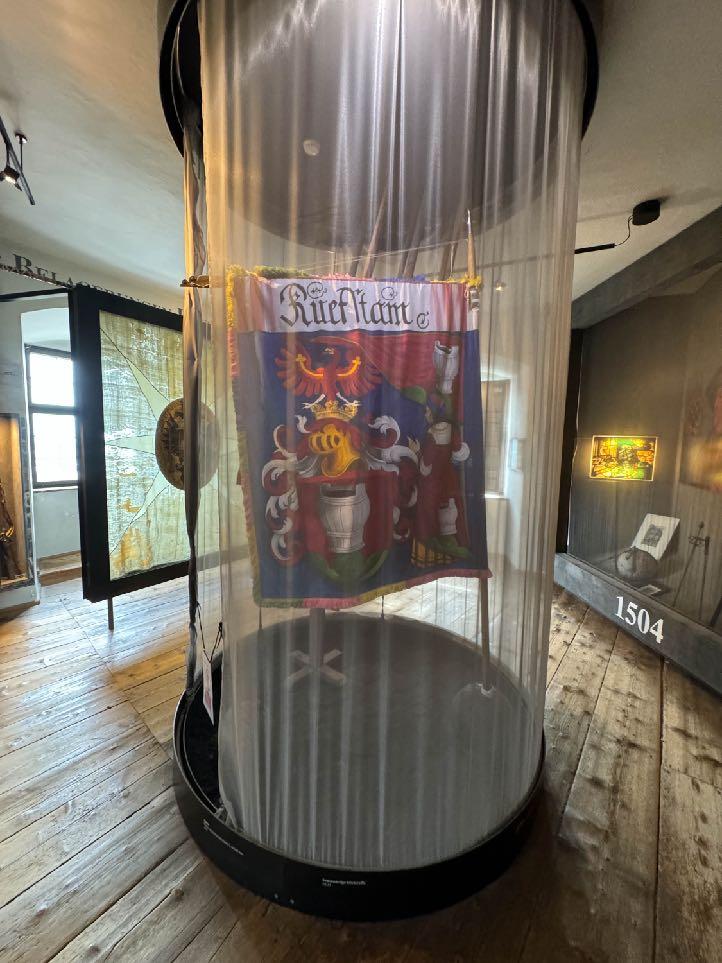
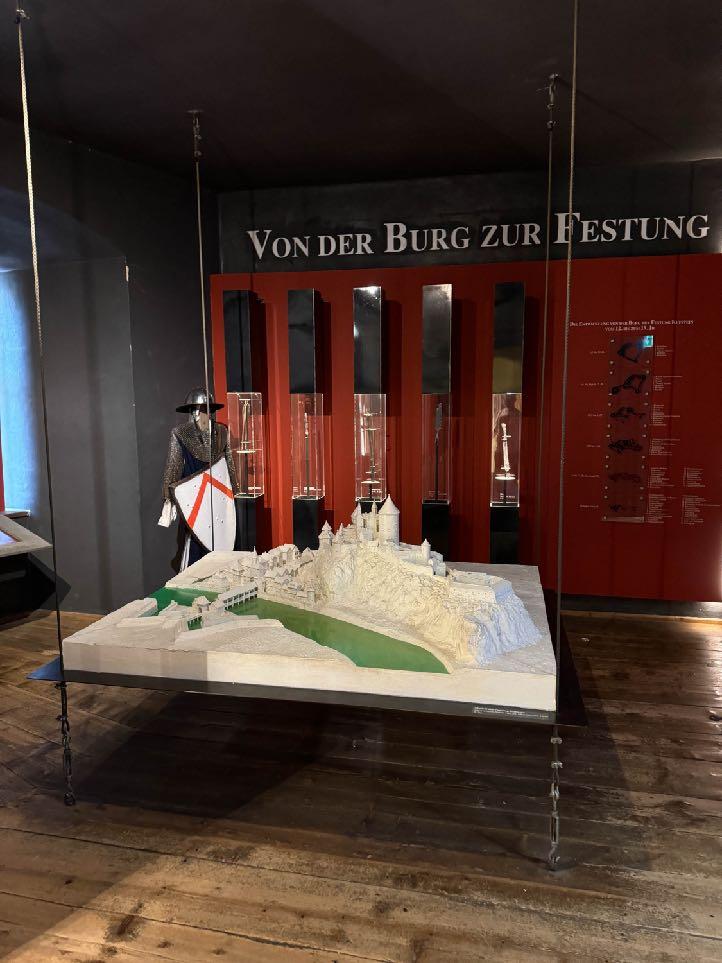
The earliest mention of the fortress under the title “Castrum Caofstein” dates back to 1205. It initially belonged to the Bishops of Regensburg. After numerous negotiations, ownership of the fortress was
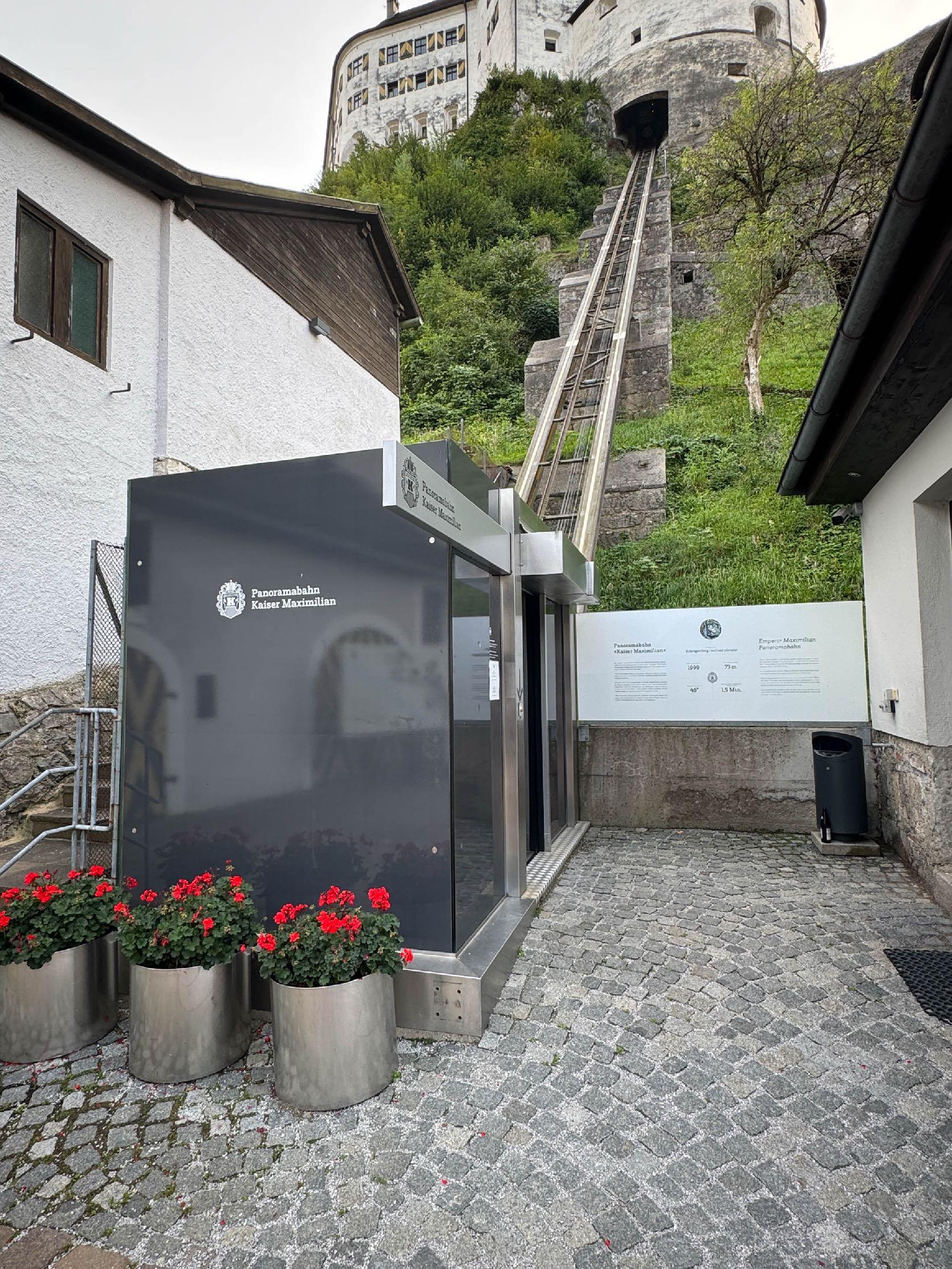
transferred to the city of Kufstein in 1924. Instead of climbing the stairs to the fortress, there is also the option to take the “Kaiser Maximilian” panoramic railway.

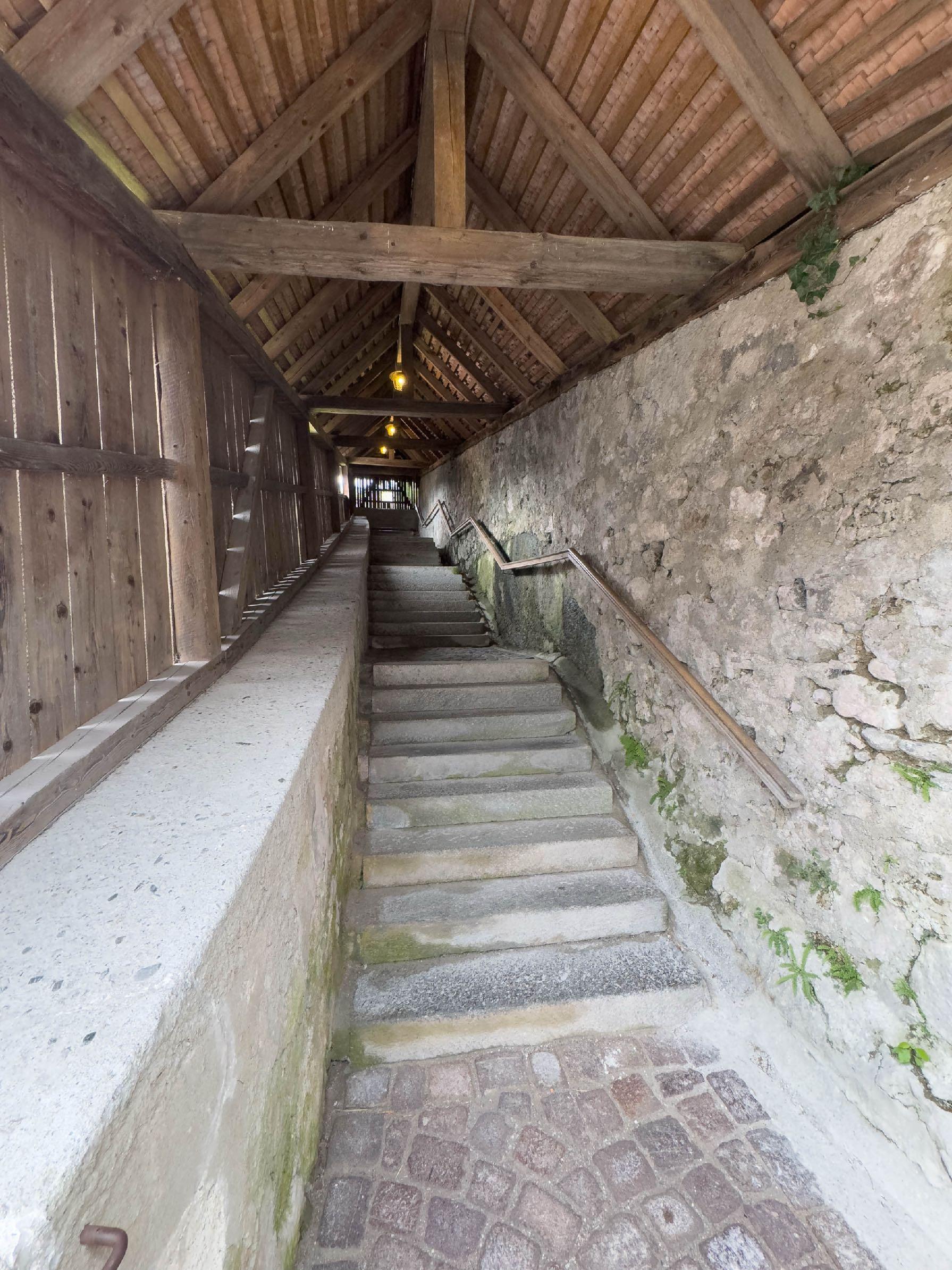
An approximately 200-meter-long zigzag path with 174 steps is one of the options to reach the fortress rock. Alternatively, you can take the Kaiser Maximilian panoramic railway from Festungsneuhof to the castle rondel. The admission fee includes both the ascent and descent with the railway. The current cable car was built in 1999.
As early as the 17th century, a mechanical freight elevator, the “Bavarian Machine,” was in operation at this site. It was used to supply the fortress with food, cannons, and ammunition. The historic elevator was demolished in 1965. At the mountain station, visitors can still admire the wall remnants and the running wheel of the old elevator.
The notorious robber captain Sándor Rózsa played a significant role in the Hungarian Revolution of 1848. After the uprising was suppressed, he returned to his original occupation of robbery. After committing numerous crimes, he was finally arrested in 1858. Initially sentenced to death by hanging, his sentence was commuted to life imprisonment in a fortress.
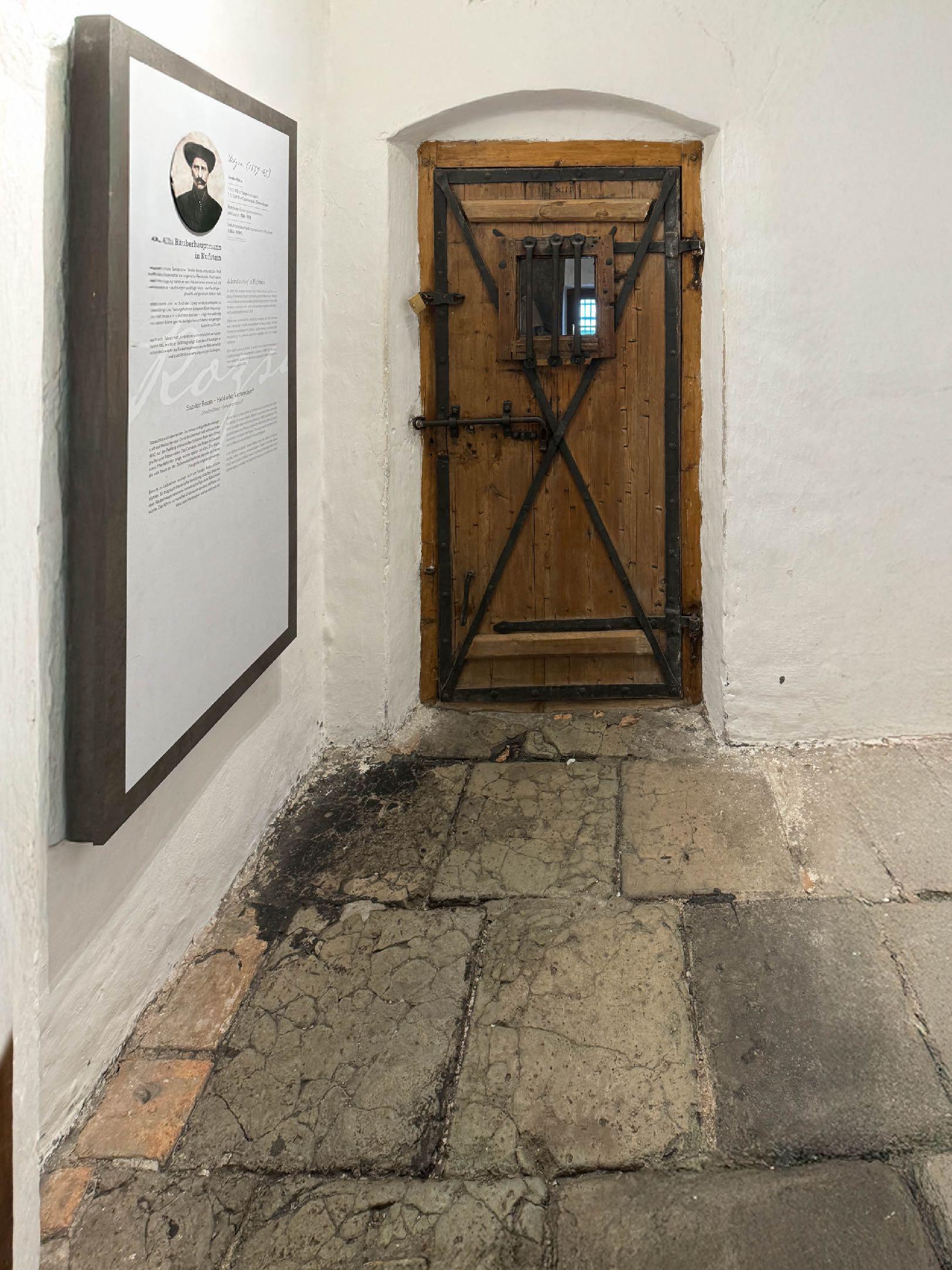
Kufstein Fortress was chosen because it was far from his area of operation.
Due to his exemplary behavior, he was pardoned in 1868. However, when he resumed his criminal activities, he ended up in a Hungarian prison just a year later, where he died in 1878.
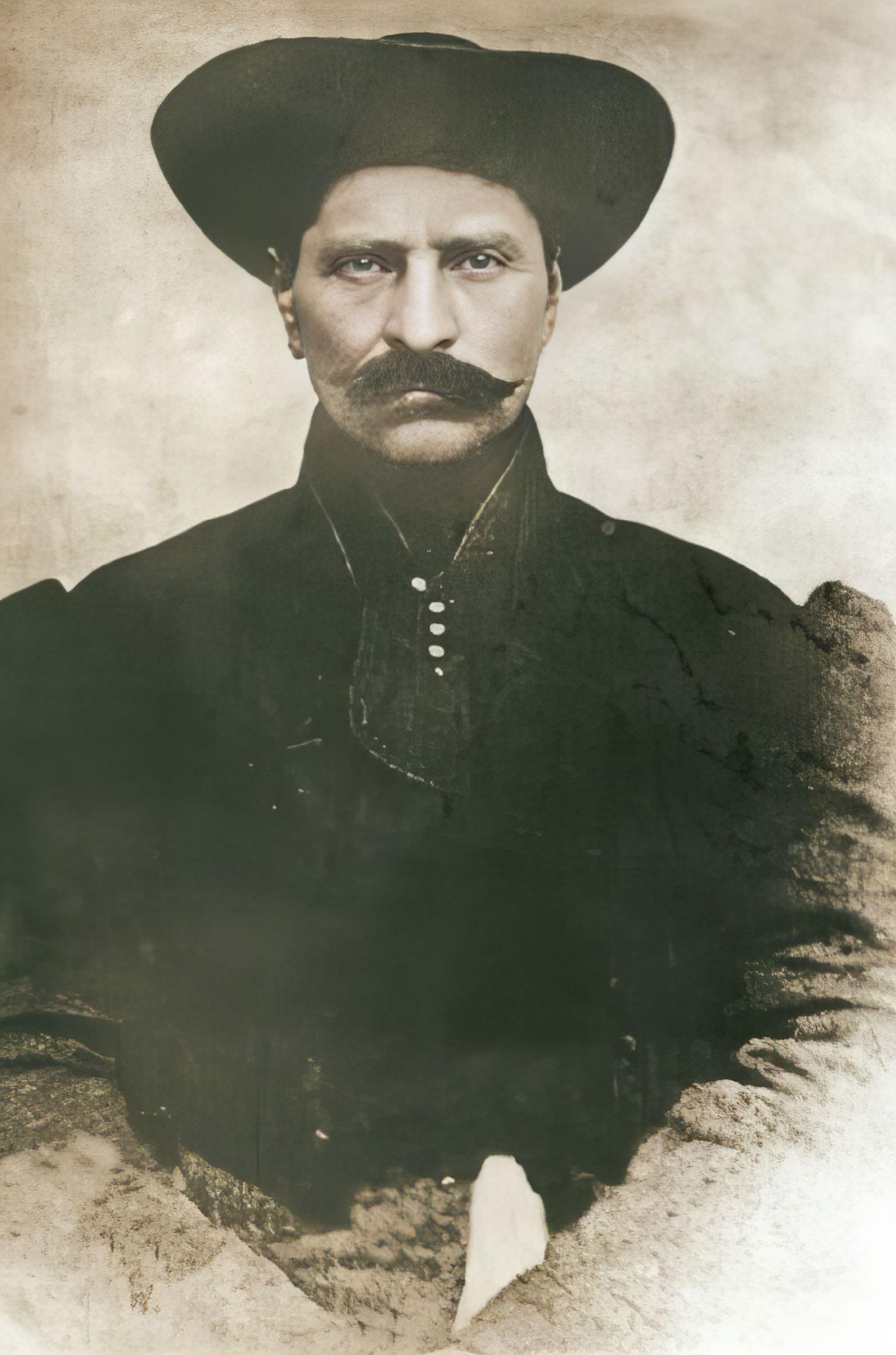
Sándor Rózsa (1813 - 1878)
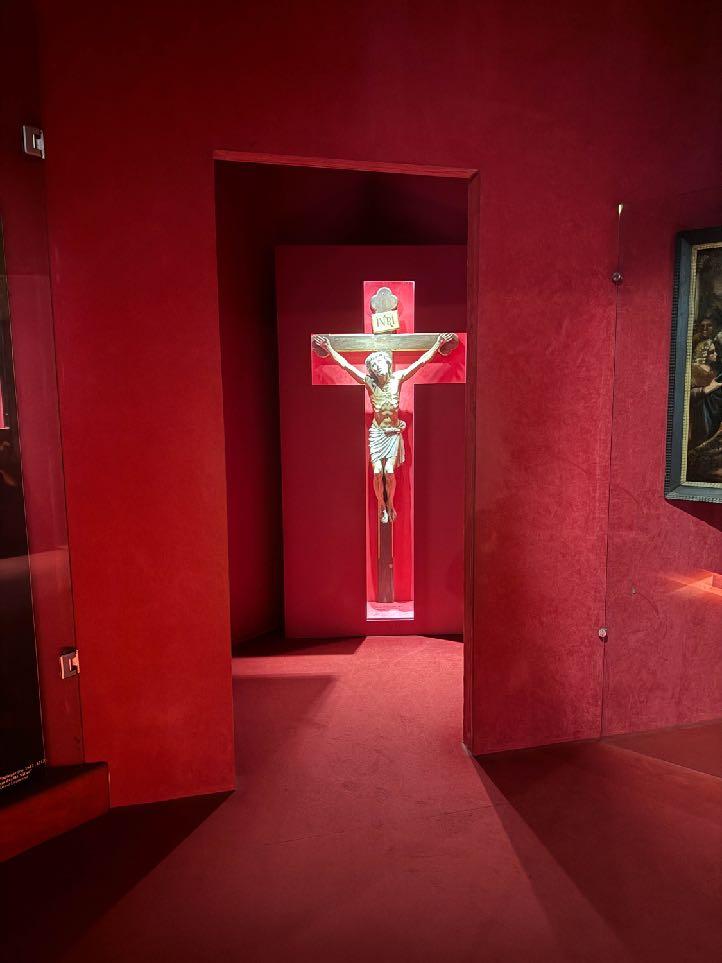
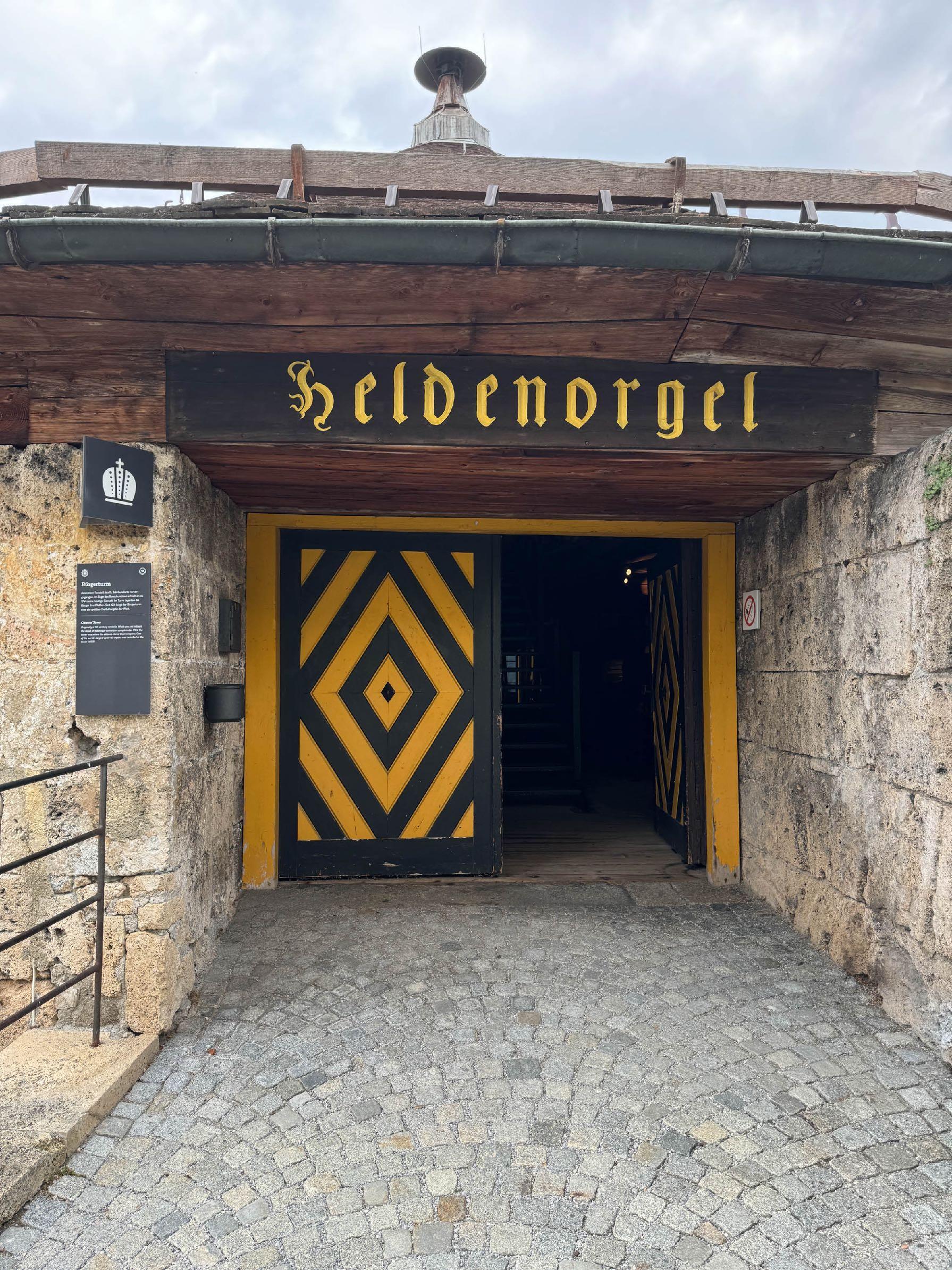
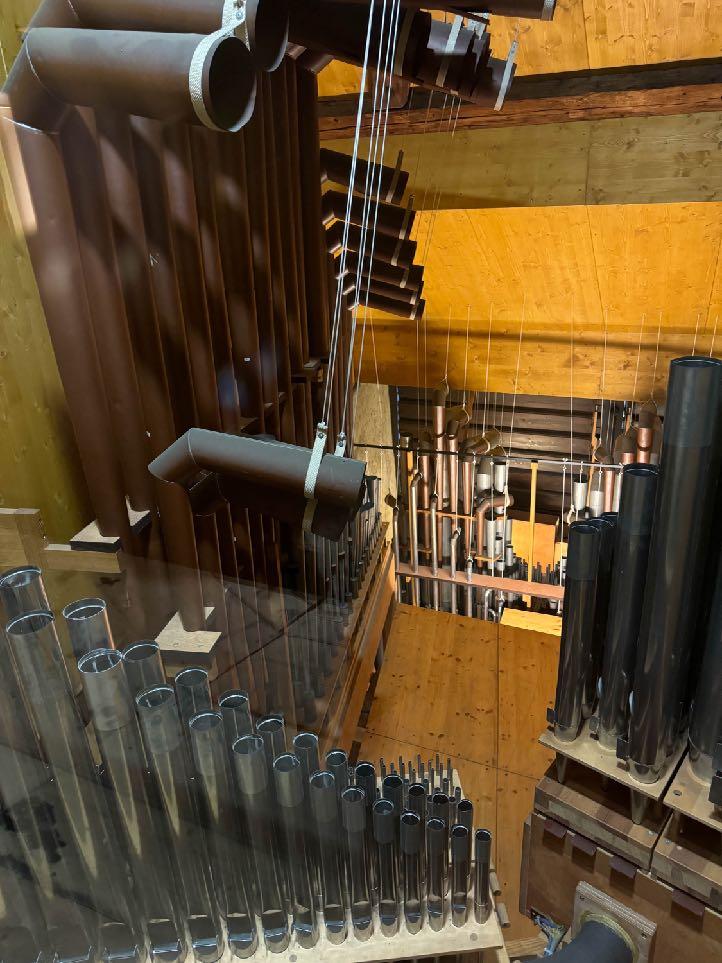
The Heroes’ Organ was erected in 1931 as a “sonic monument” in honor of those who fell in World War I. With its 4,948 pipes, the Heroes’ Organ is one of the largest open-air organs in the world.
A roughly ten-minute concert is performed daily at 12:00 PM and, in July and August, additionally at 6:00 PM.
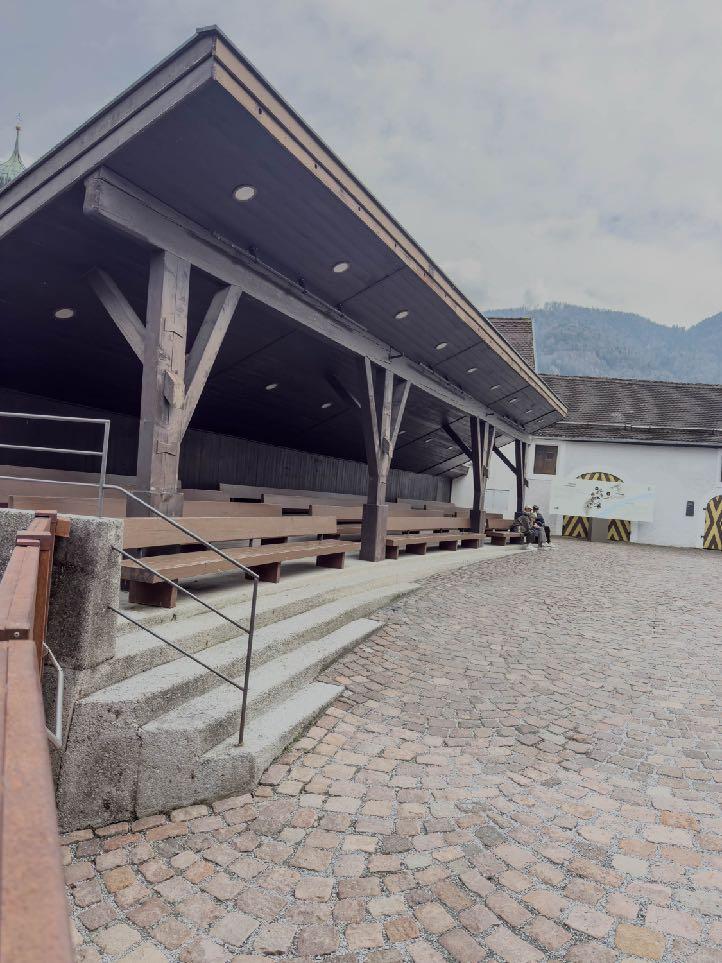
This organ performance can be heard throughout the entire city. Under optimal weather conditions, the Heroes’ Organ can be heard as far as the Kaisertal.
In front of the console where the organist plays the instrument, there is a spectator grandstand.
with the ÖBB railjet to Kufstein
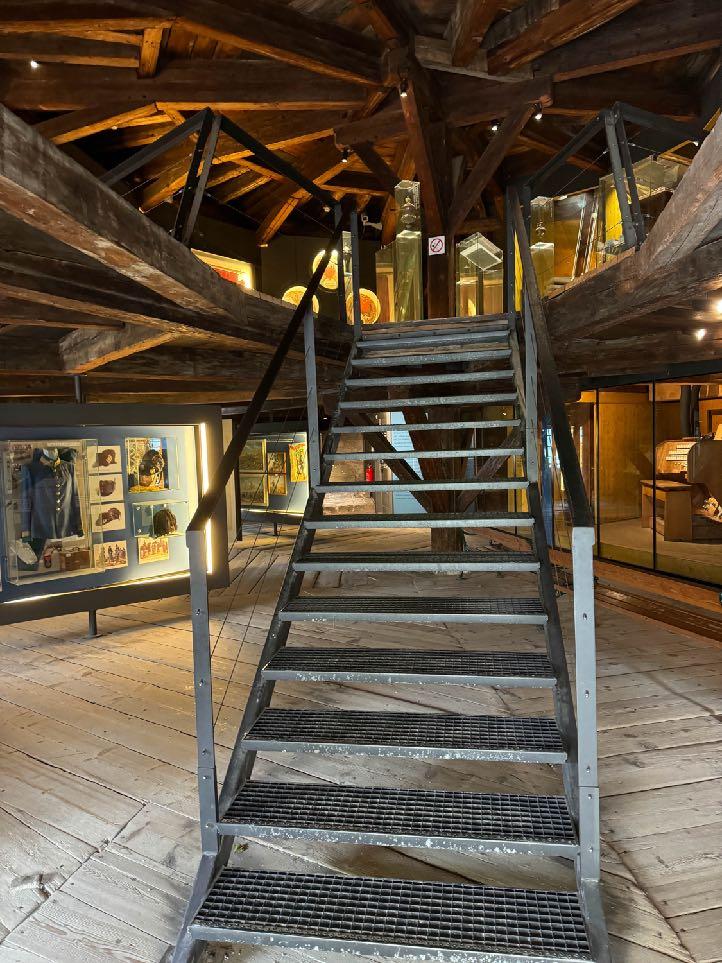
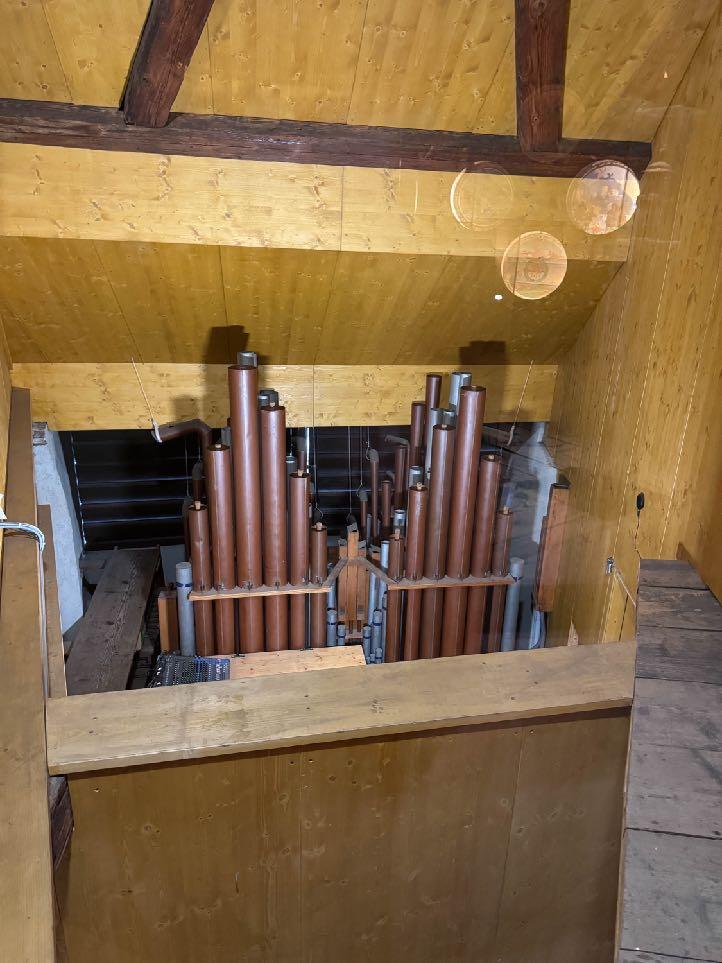
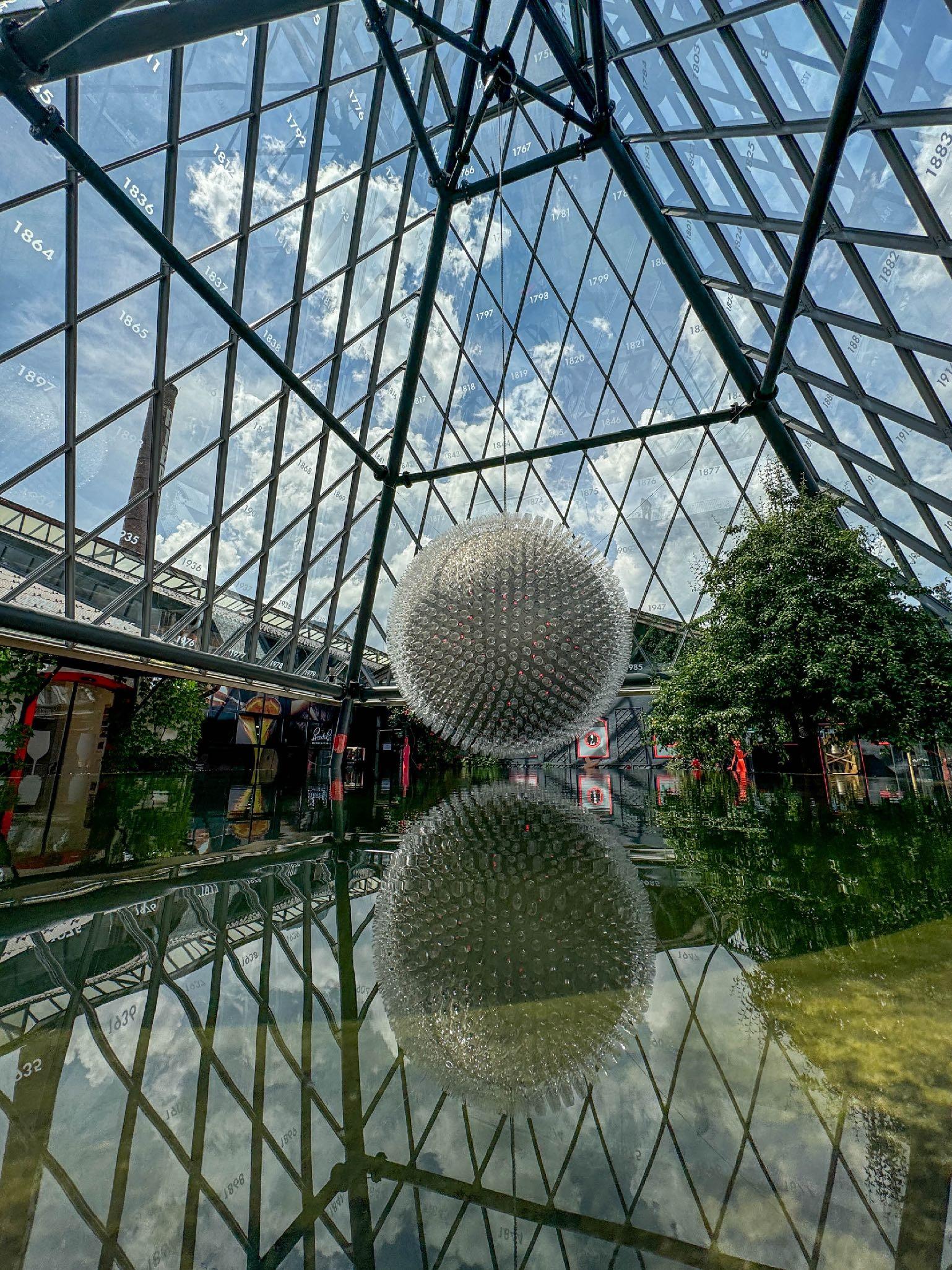

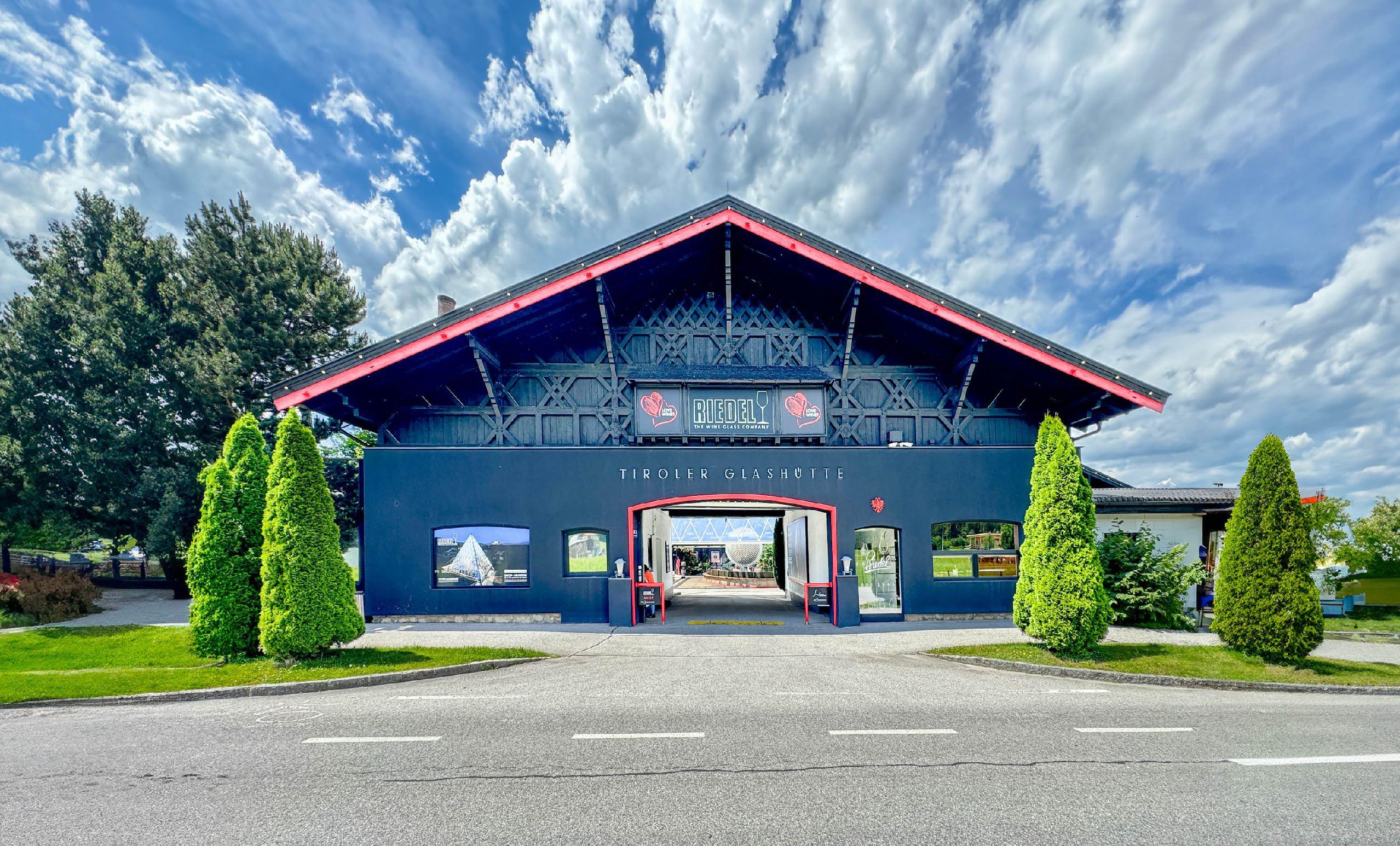
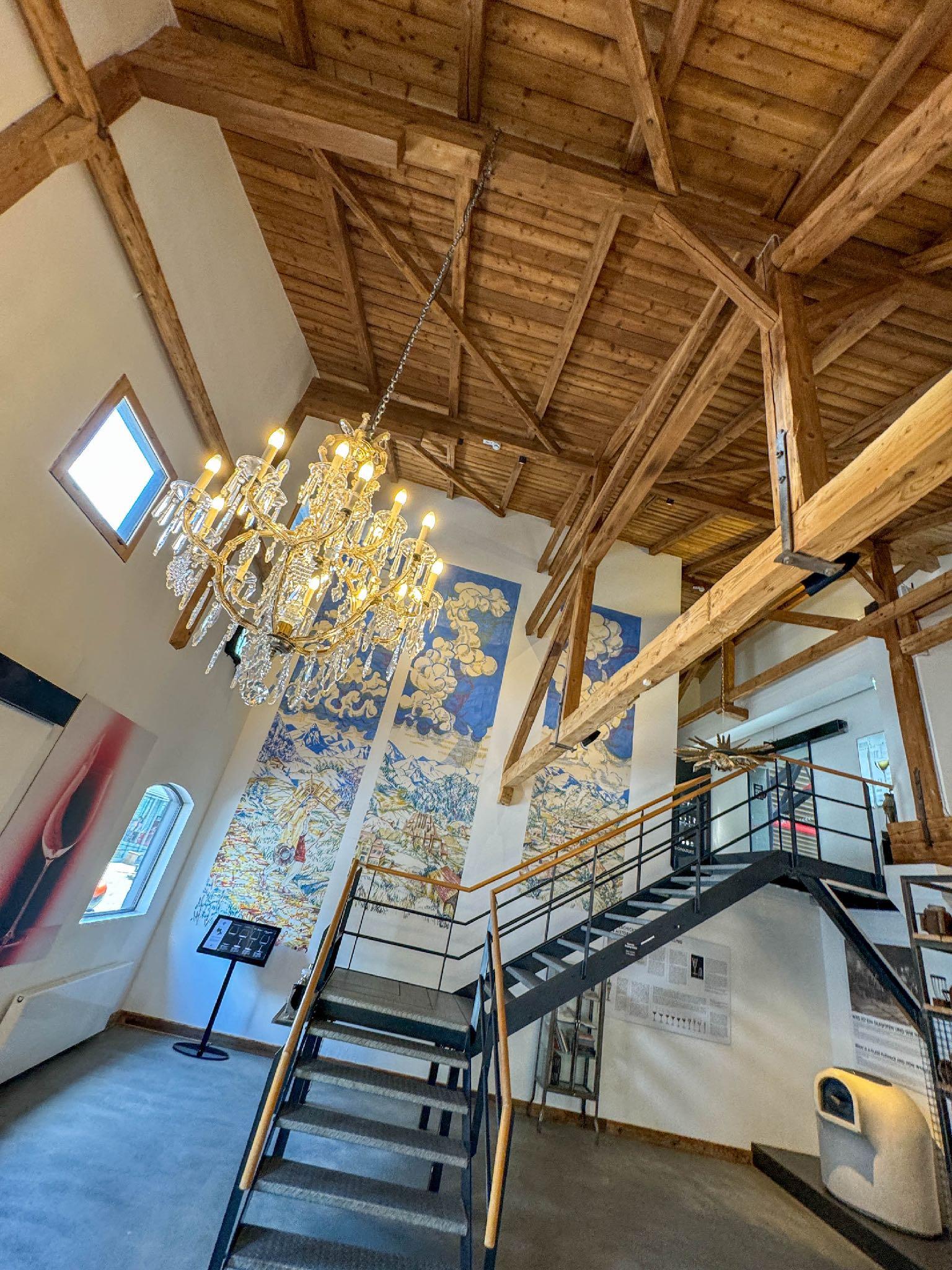
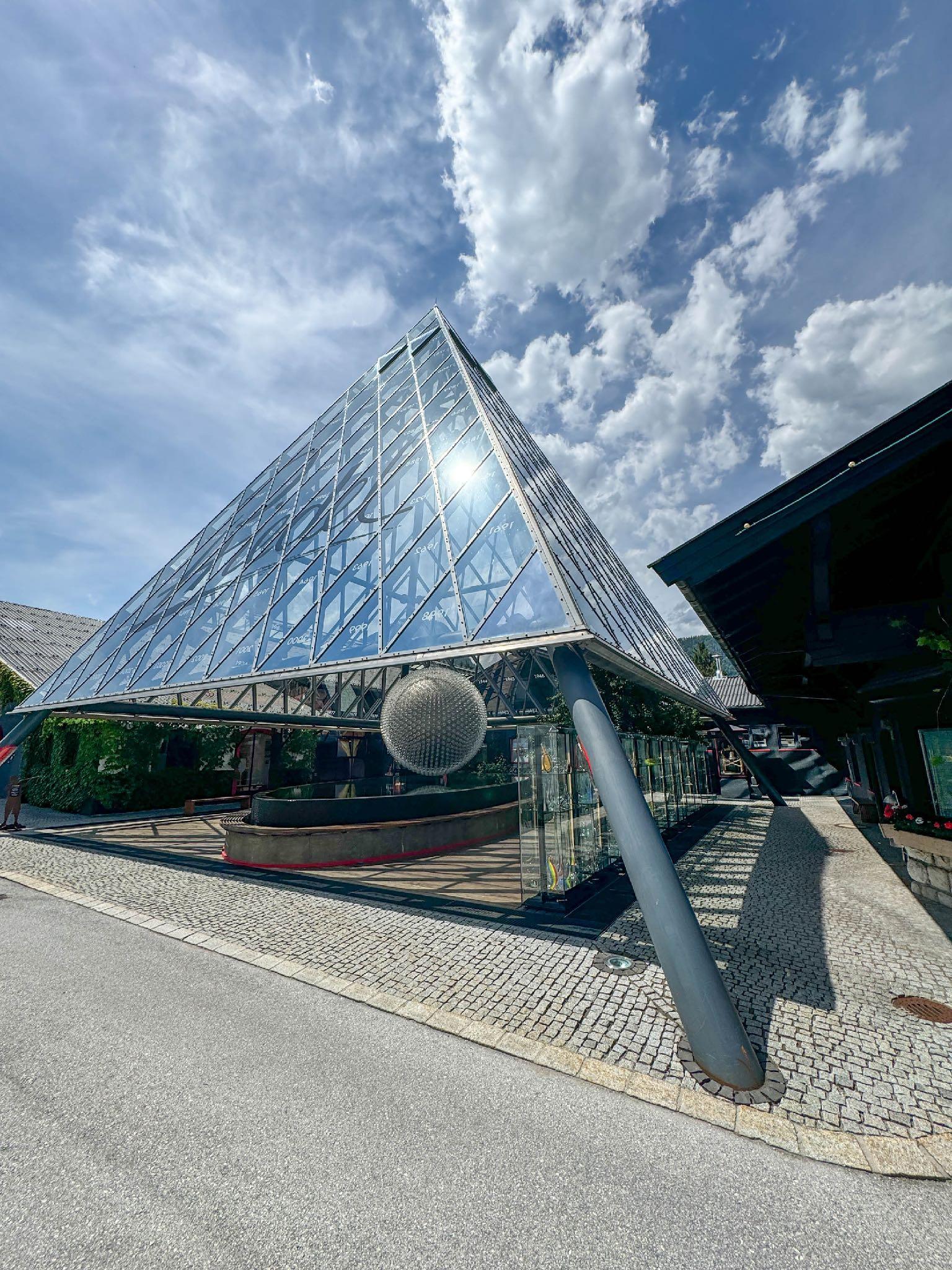
When the glass merchant Johann Christoph Riedel began earning his living through glass trading in 1673, he laid the foundation for a company that is now globally renowned. Riedel is internationally known for its high-quality glasses, suitable for all types of beverages. The Tyrolean Glassworks has established an impressive museum at its headquarters in Kufstein.
The history of eleven generations of glassmakers illustrates the challenges and triumphs of the Riedel company. In the glass cabinet, the intricate glassworks of the Riedel family are impressively displayed. Additionally, there is a section dedicated to glass production, the history of glass, and glassworks.
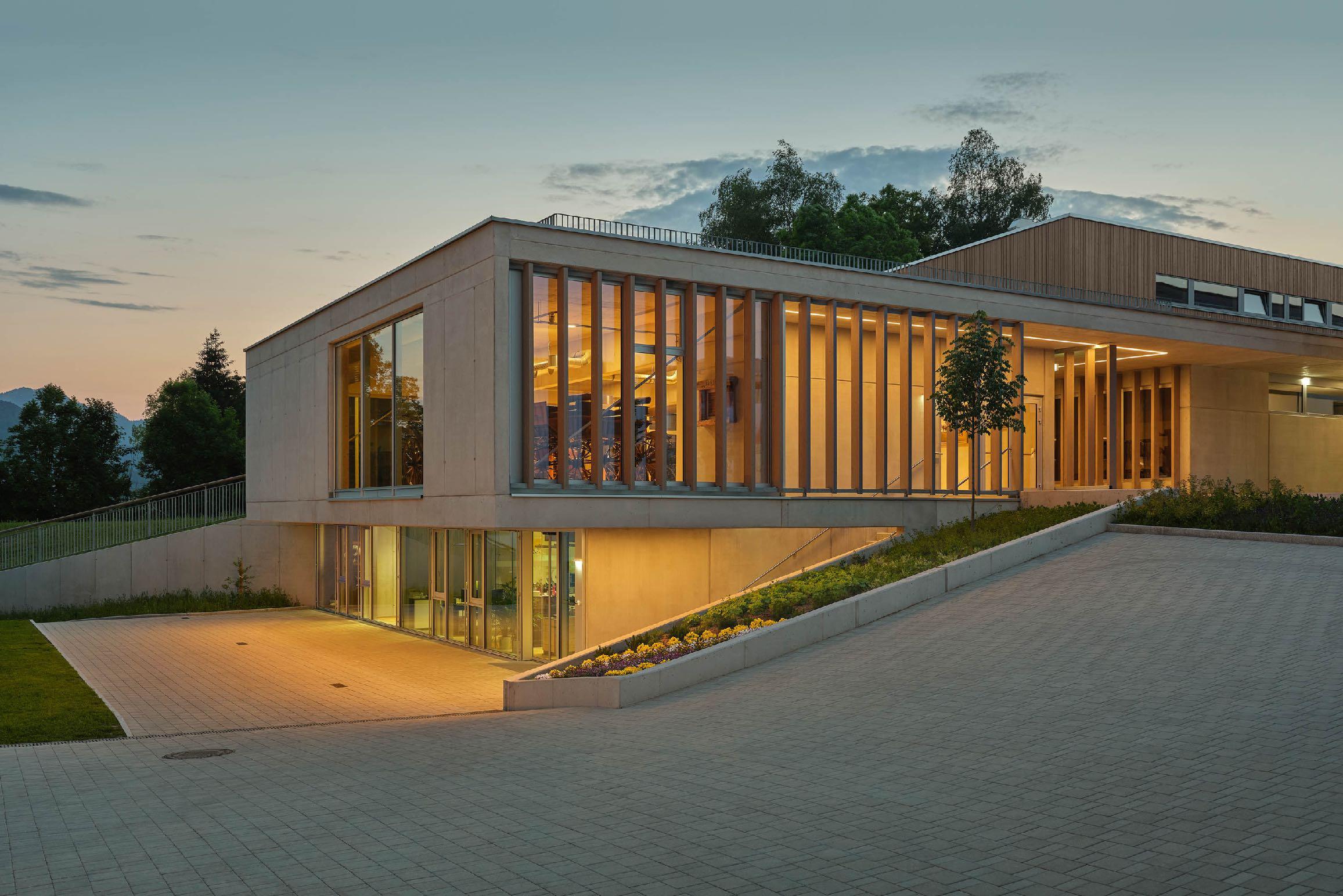
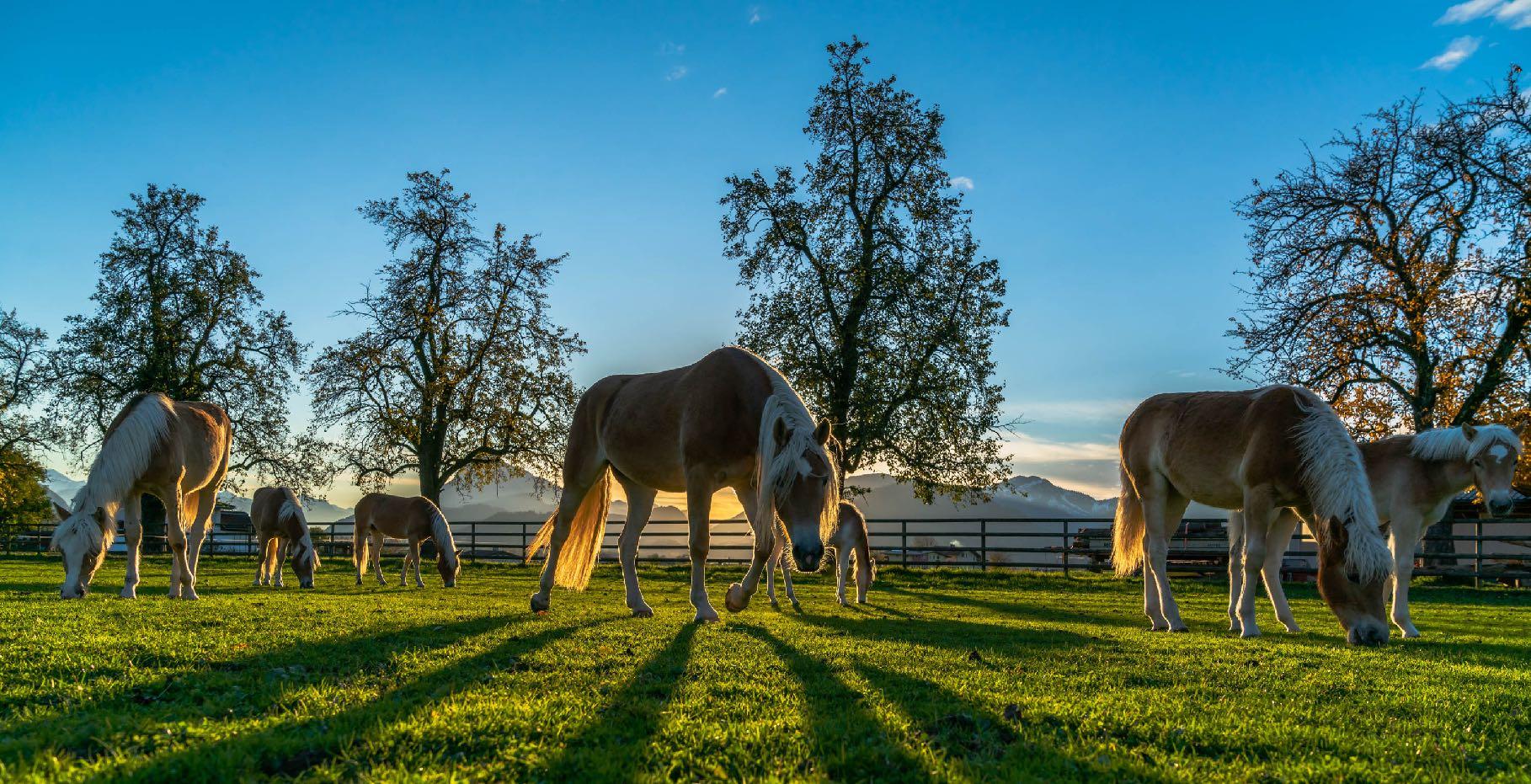
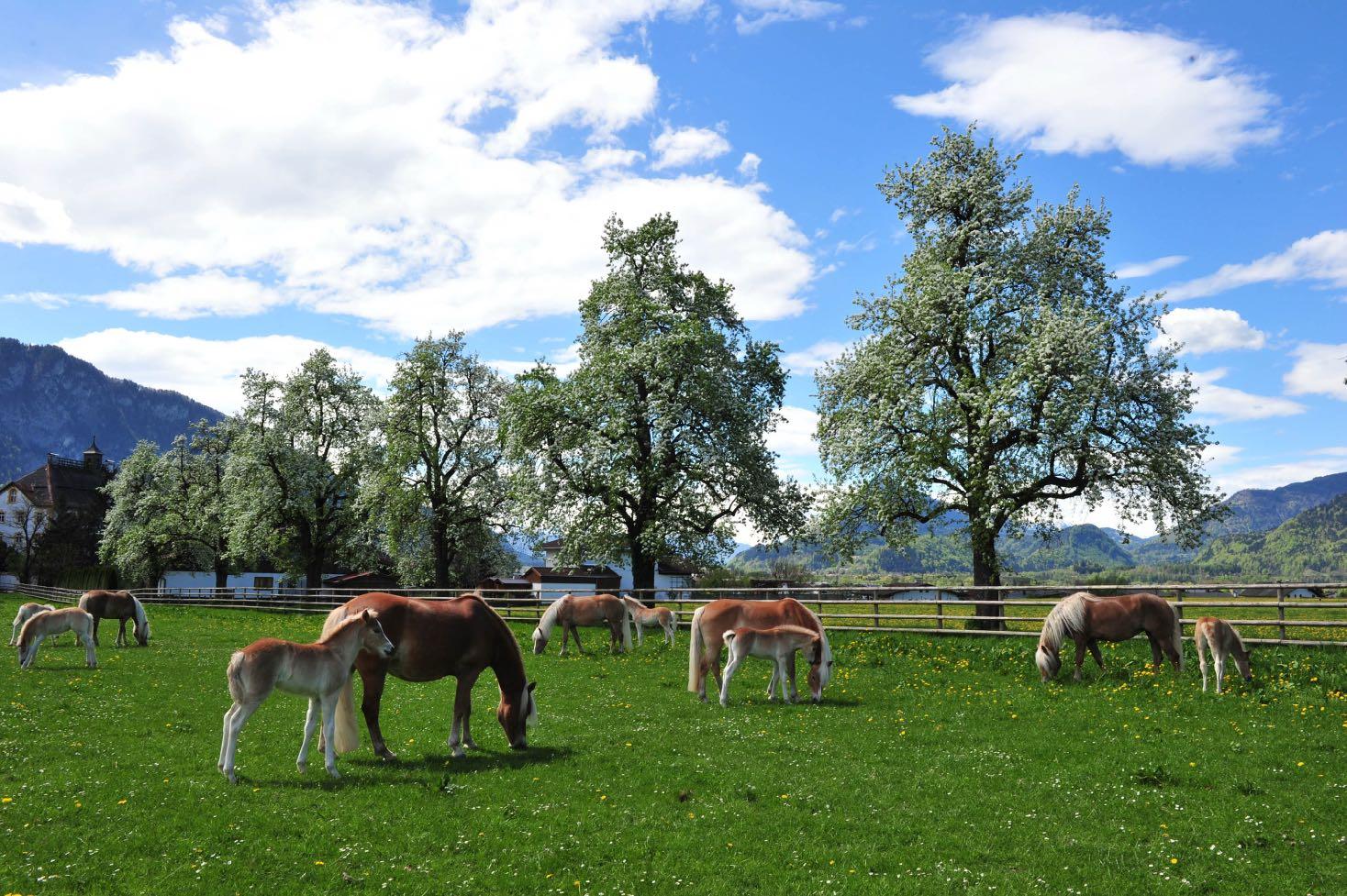
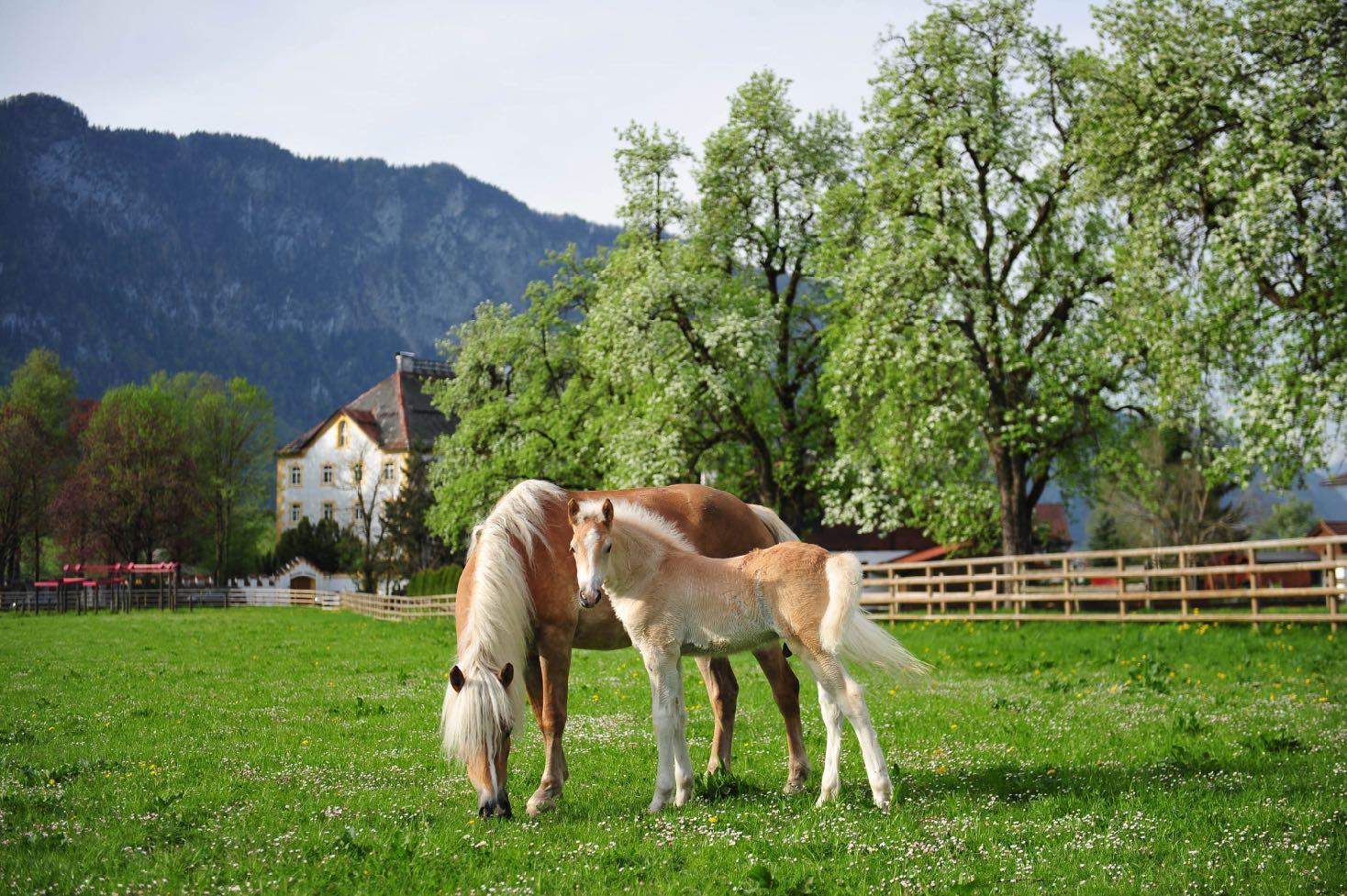
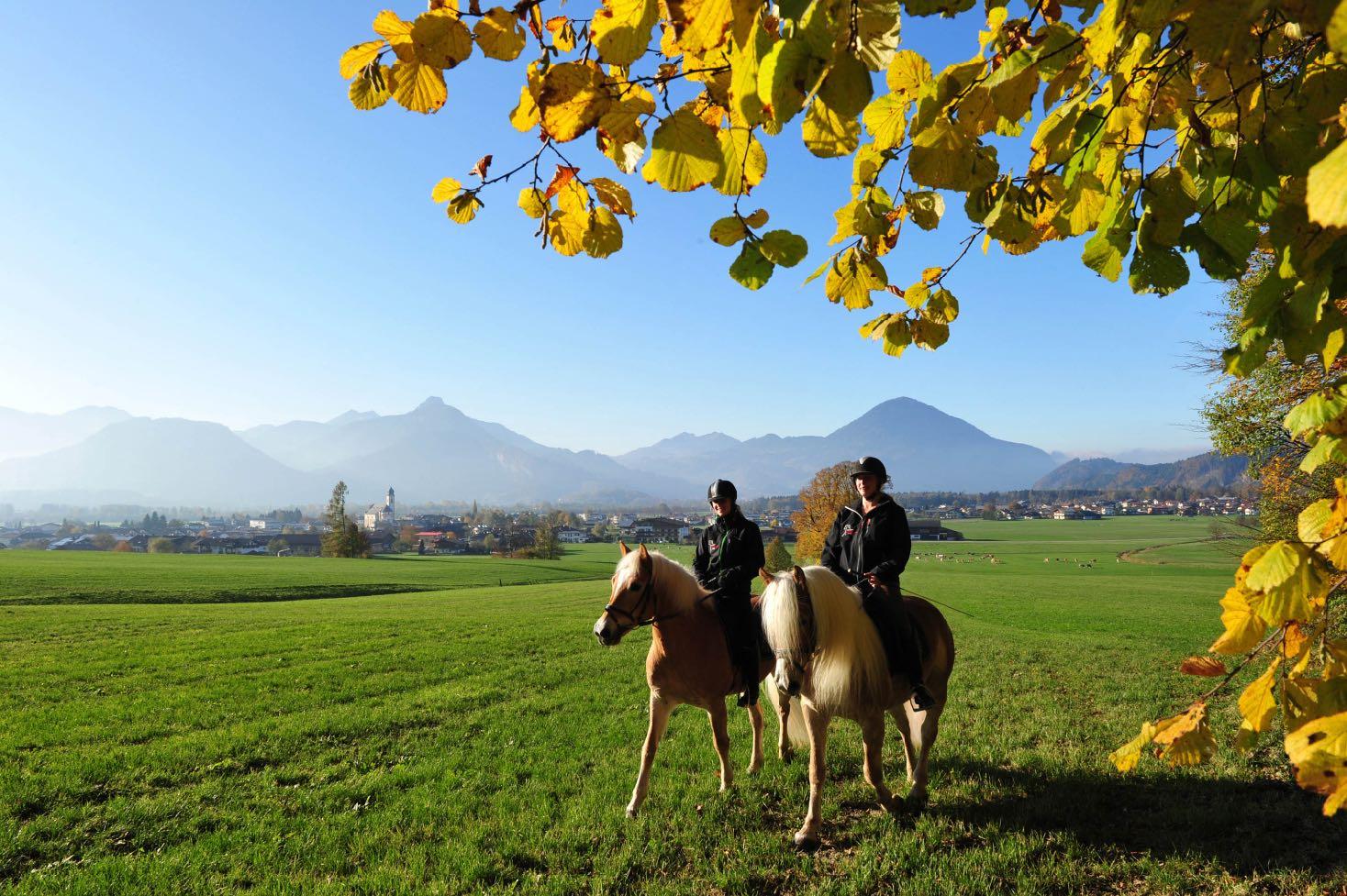
The holiday resort of Ebbs at the Zahmer Kaiser, just about 10 km from Kufstein, is often referred to as the village of Haflinger horses. In 1947, the Tyrolean Ha fl inger Horse Breeding Association decided to establish a base at Wagrain Castle. At that time, the international center for Haflinger horses was founded between the Zahmer Kaiser nature reserve and the Inn River.
More than 100 Tyrolean Haflinger mares, foals, young horses, and renowned breeding stallions live here. The horse paddocks cover an area of 3 hectares and offer a breathtaking view of the Kaiser Mountains. During the summer months, riding courses are regularly offered. As the instruction is individually tailored, these are suitable for both beginners and advanced riders.
with the ÖBB railjet to Kufstein
with the ÖBB railjet to Kufstein
In today’s Kufstein-Zell district, a church existed as early as the 8th century. In the 9th century, a settlement with a church was established on the eastern slope of the fortress hill, though it was only documented in 1373. Until 1810, it was part of the original parish of Ebbs and has experienced numerous events in the turbulent history of the often-contested border town on the Inn.
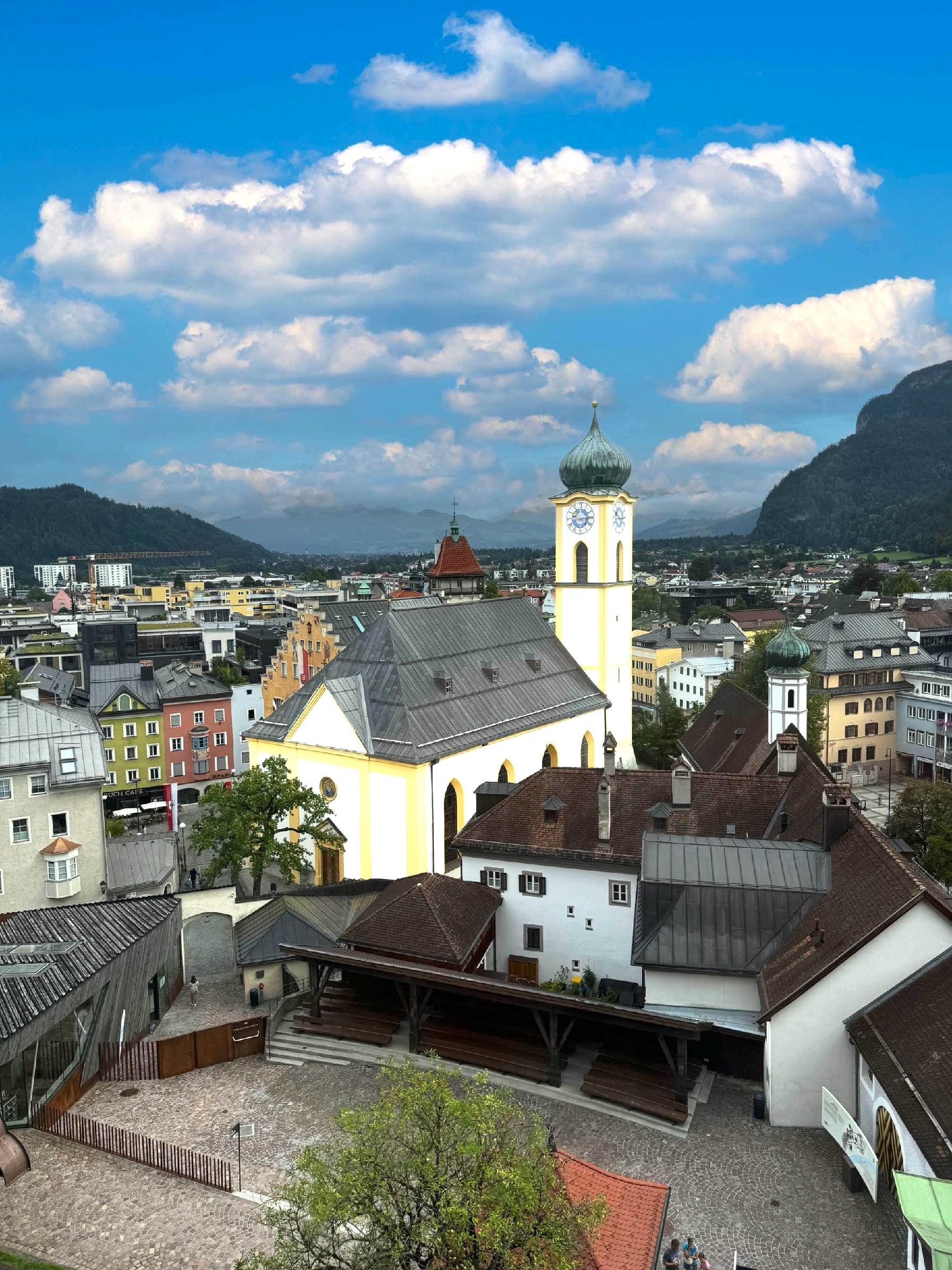
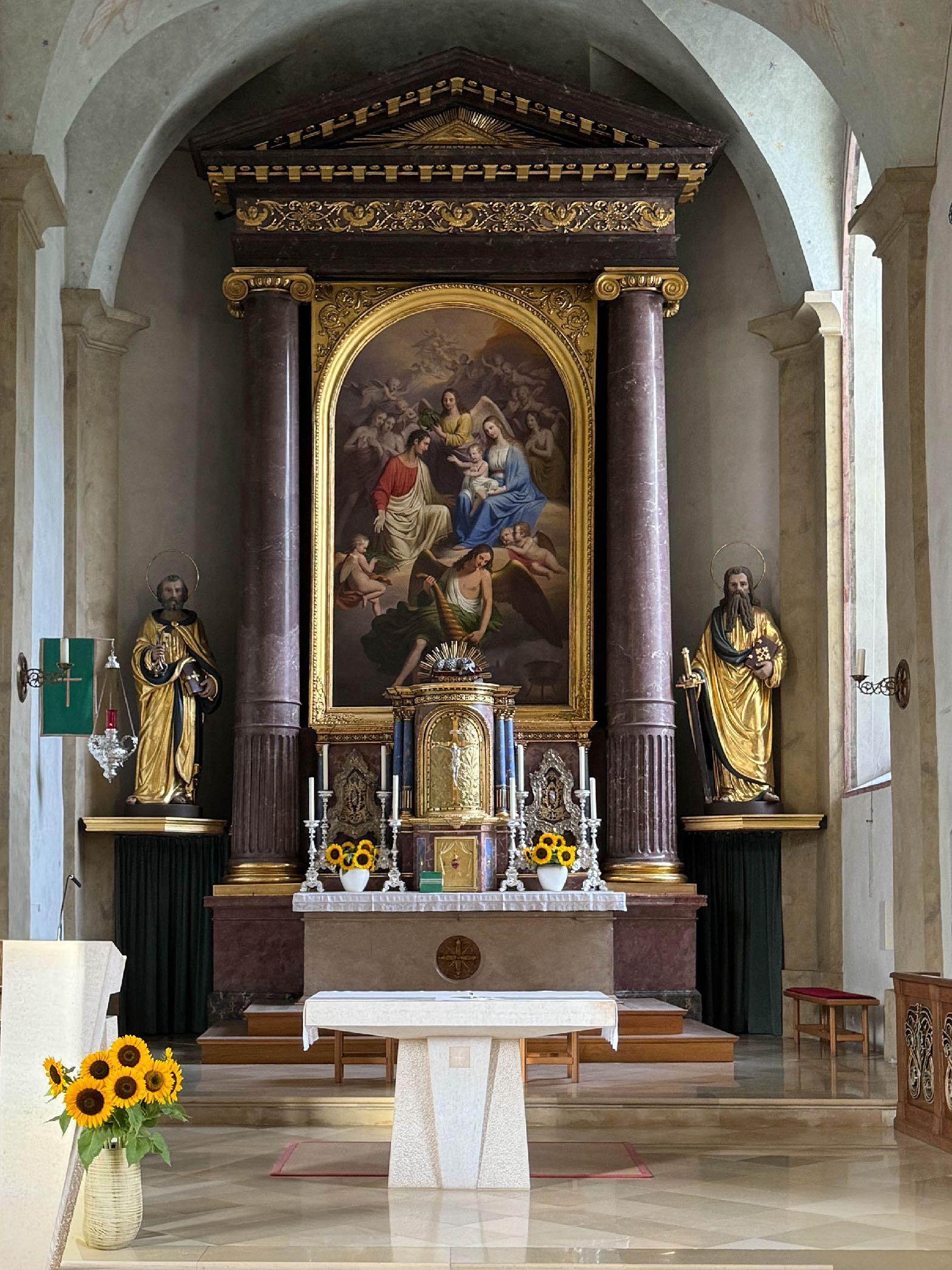
The classicist high altar, designed by Johann Stumpf, is considered the oldest piece of furniture in the church.
The altar painting, created by Josef Arnold the Elder, depicts Saint Vitus as a martyr, surrounded by Mary and Jesus. The altar is flanked by two apostles: Peter with the keys on the left and Paul with the sword and the Gospel on the right.
with the ÖBB railjet to Kufstein
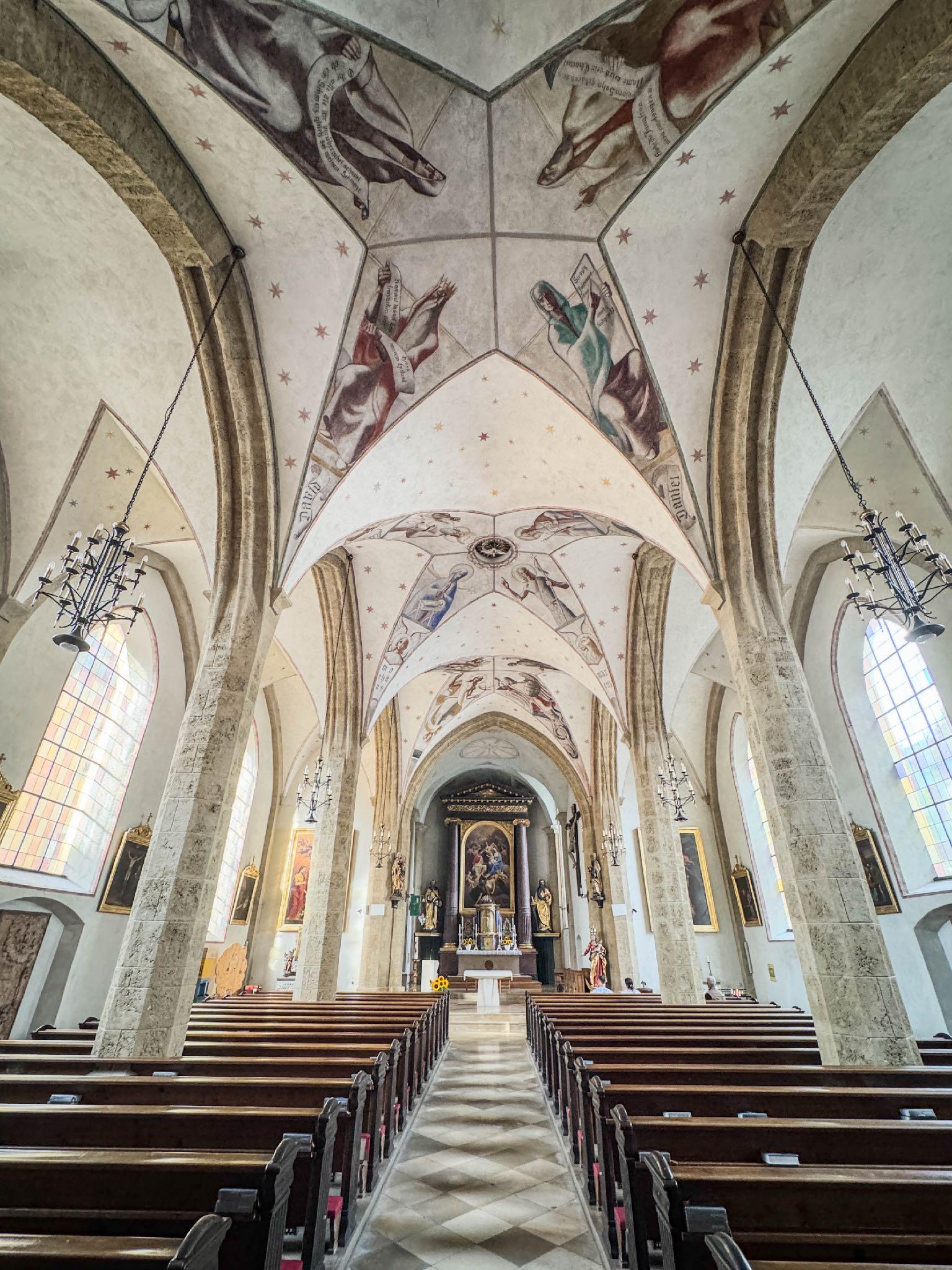
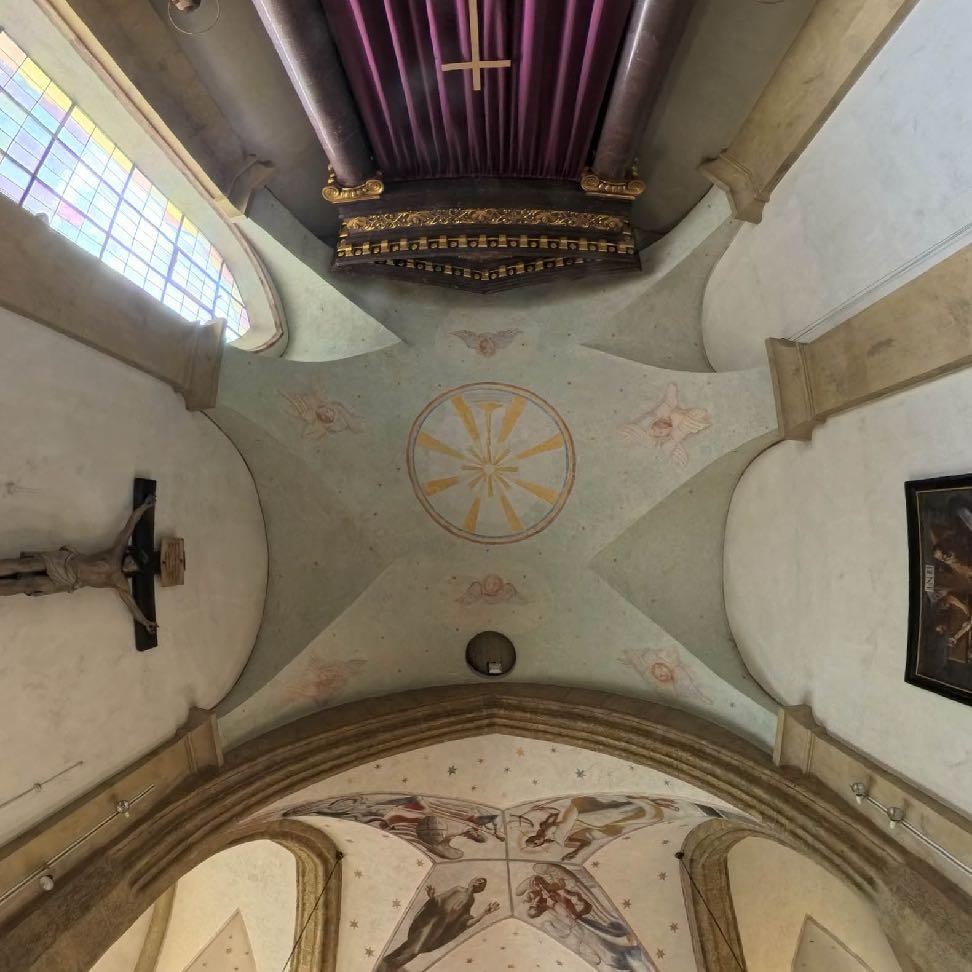
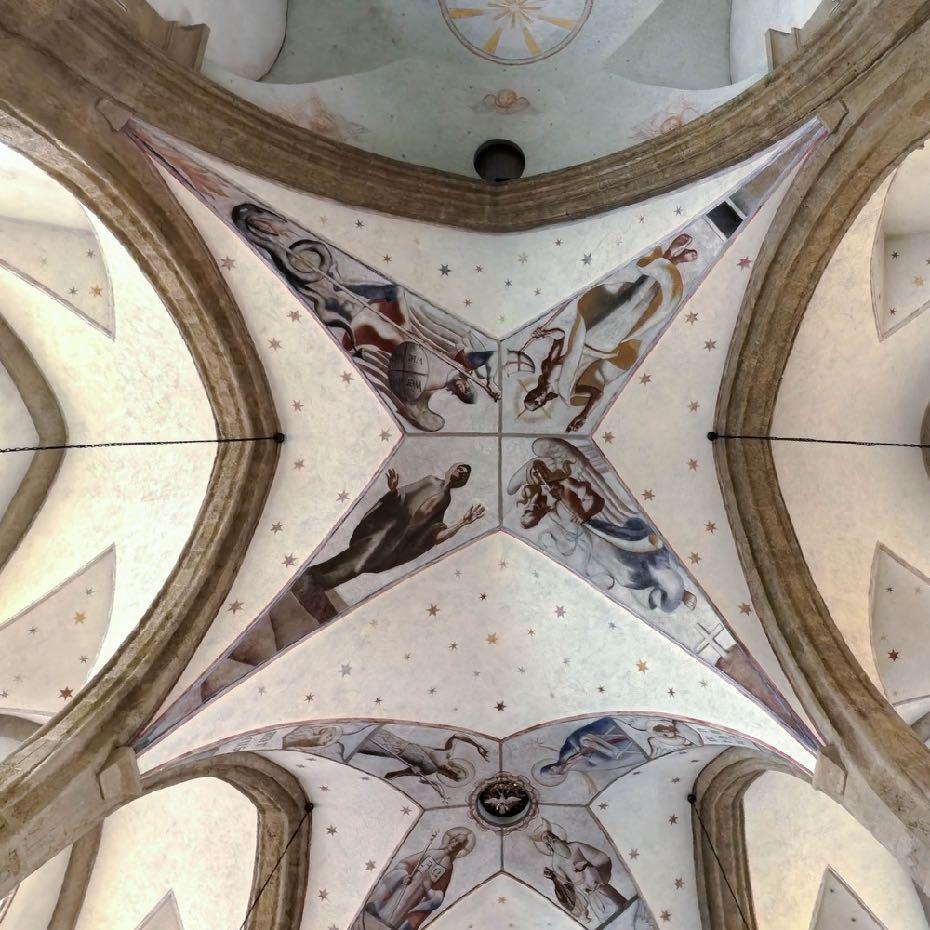
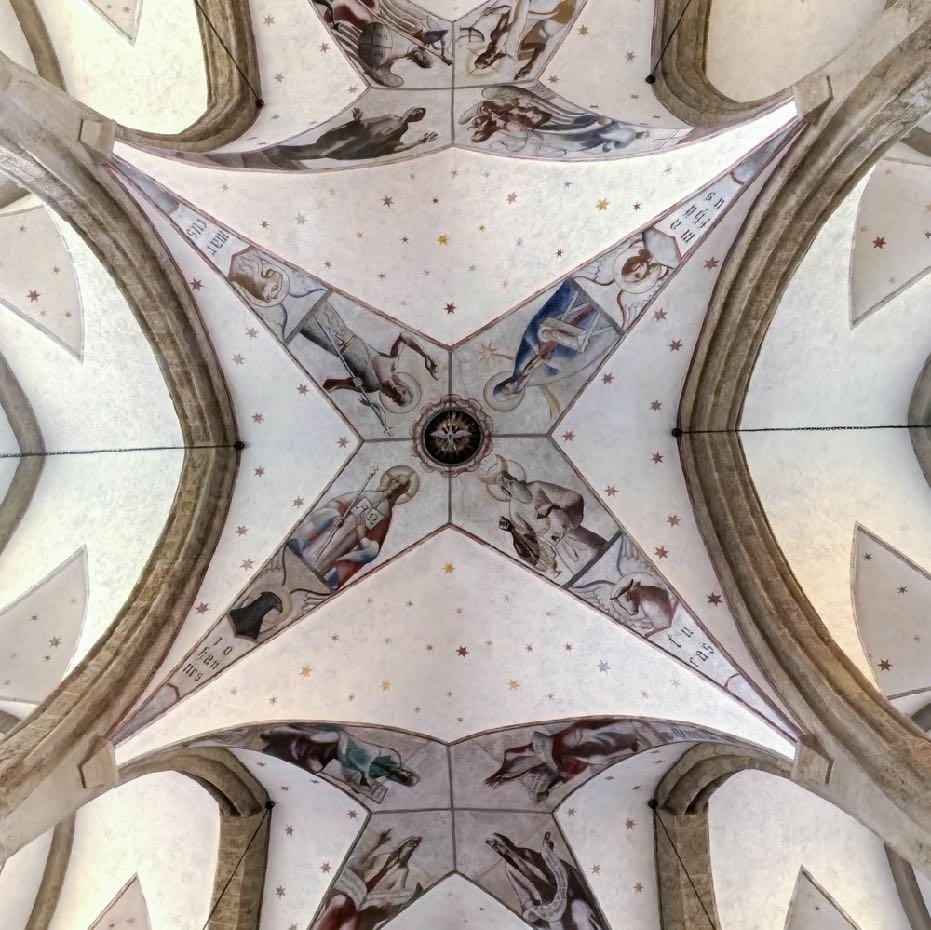
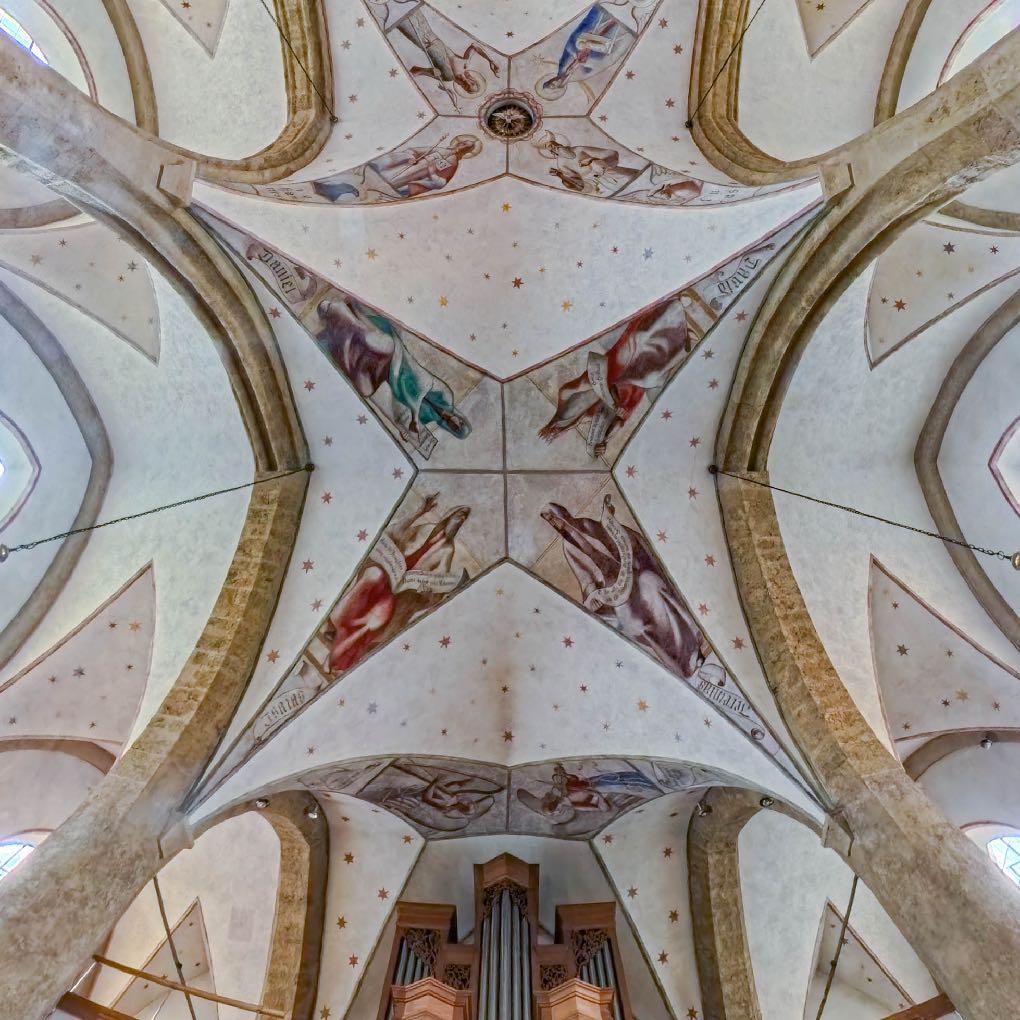
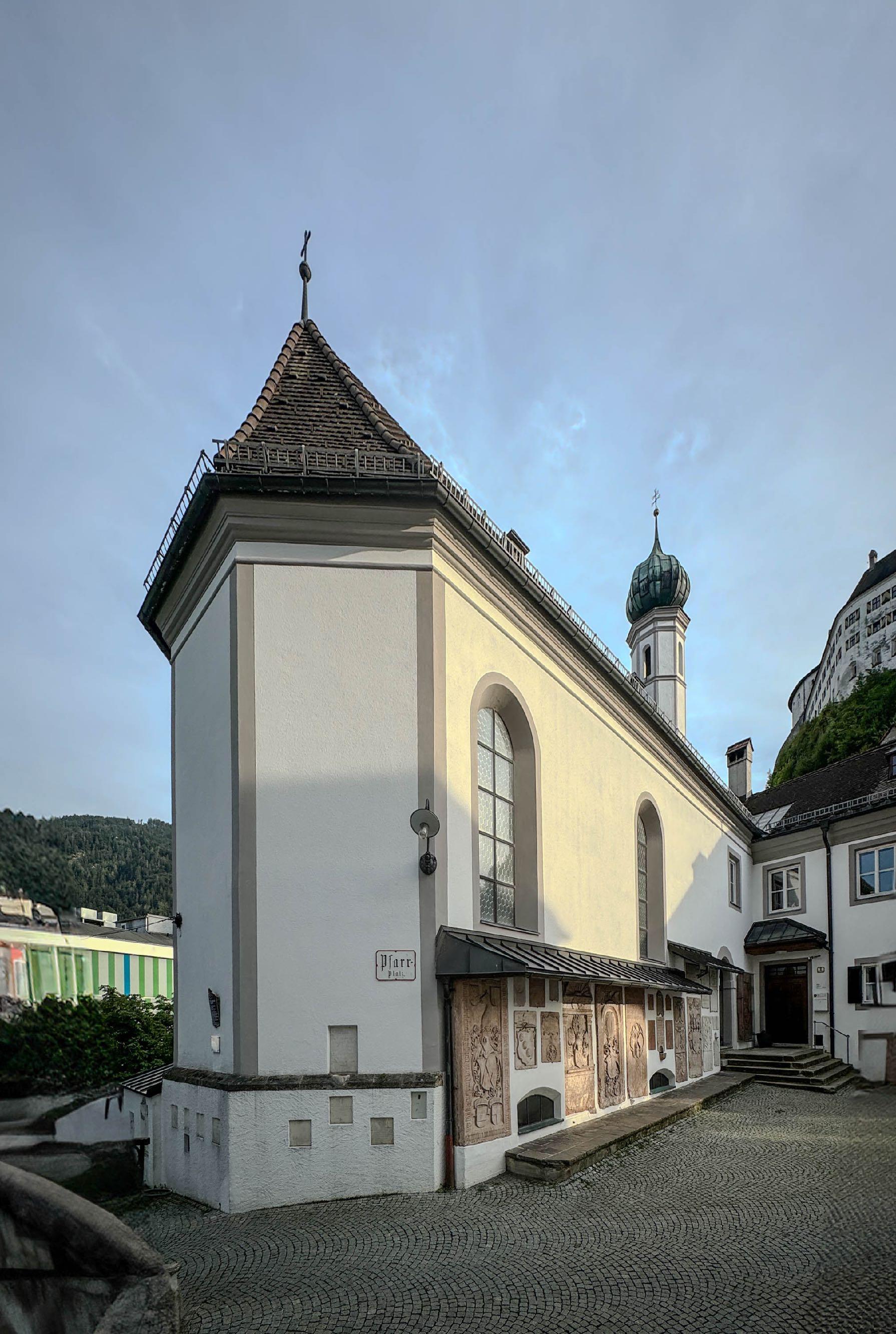
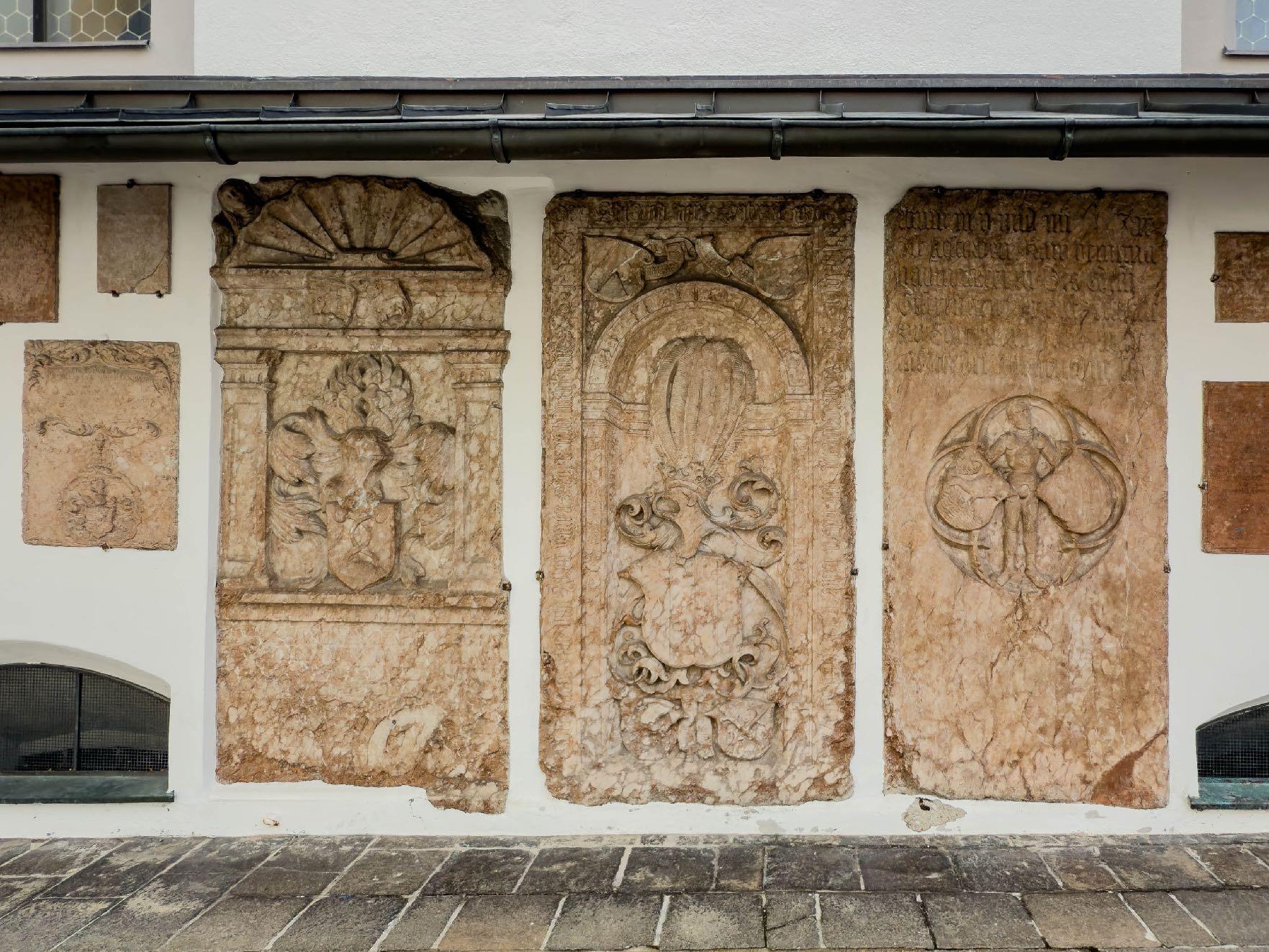
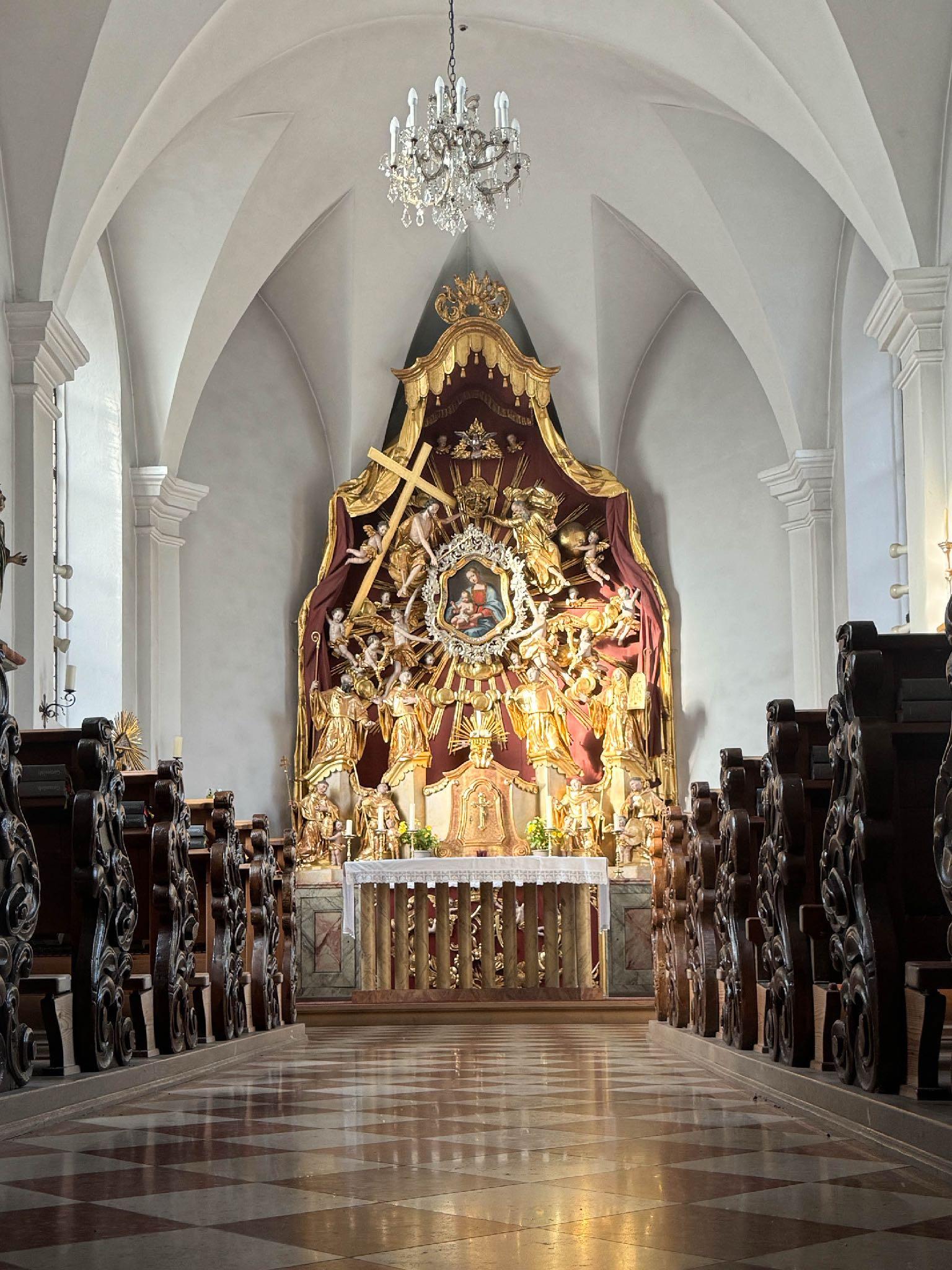
The Holy Trinity Church serves as a branch church of the St. Vitus Parish Church. In 1502, the wealthy Kufstein citizen Weinränntl initiated the construction of this house of worship, evidently aiming to secure a permanent place in the daily mass. After the city fire in 1703, the church was rebuilt. The Rococo canopy altar was created in 1765.
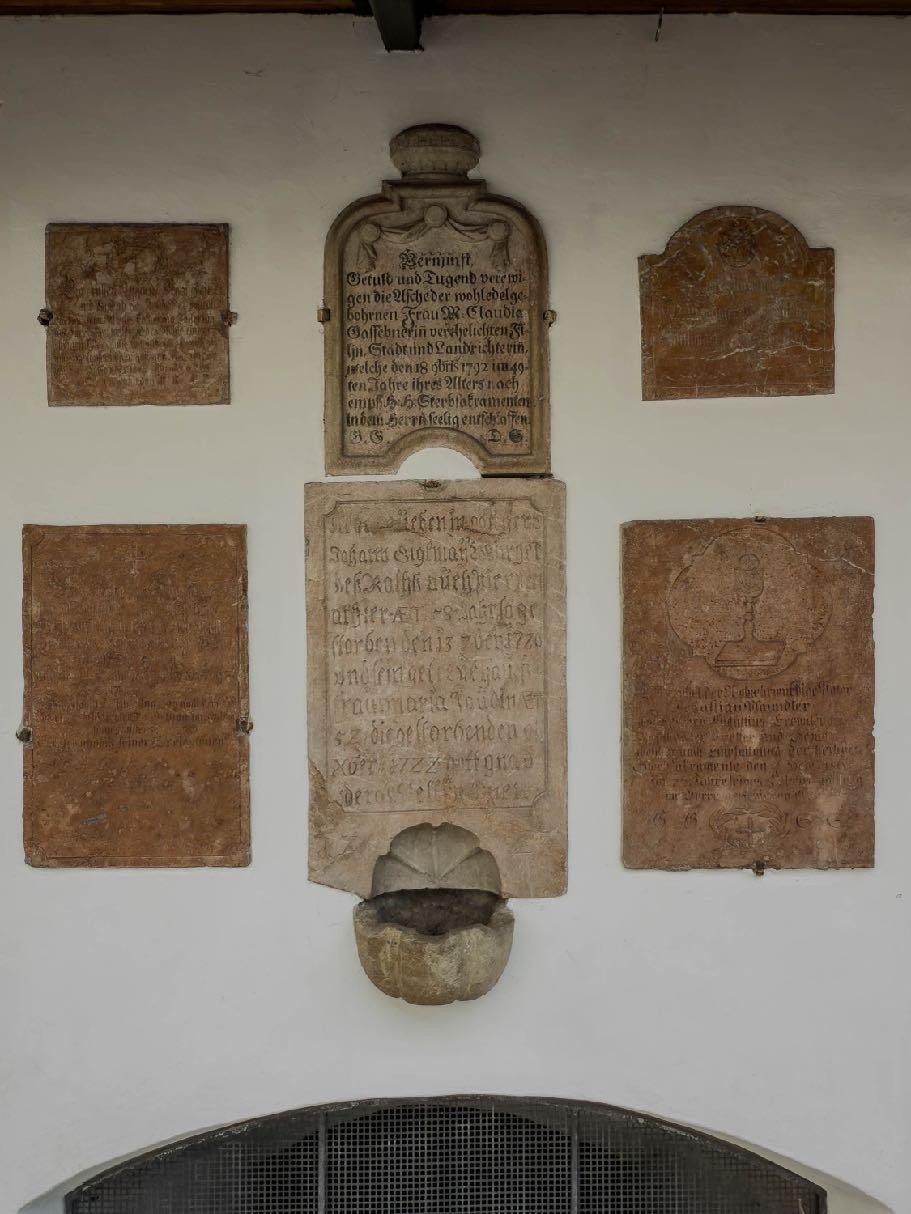
Both churches were built on the site of the former city cemetery. Numerous gravestones on the walls of the Holy Trinity Church serve as a reminder of this.
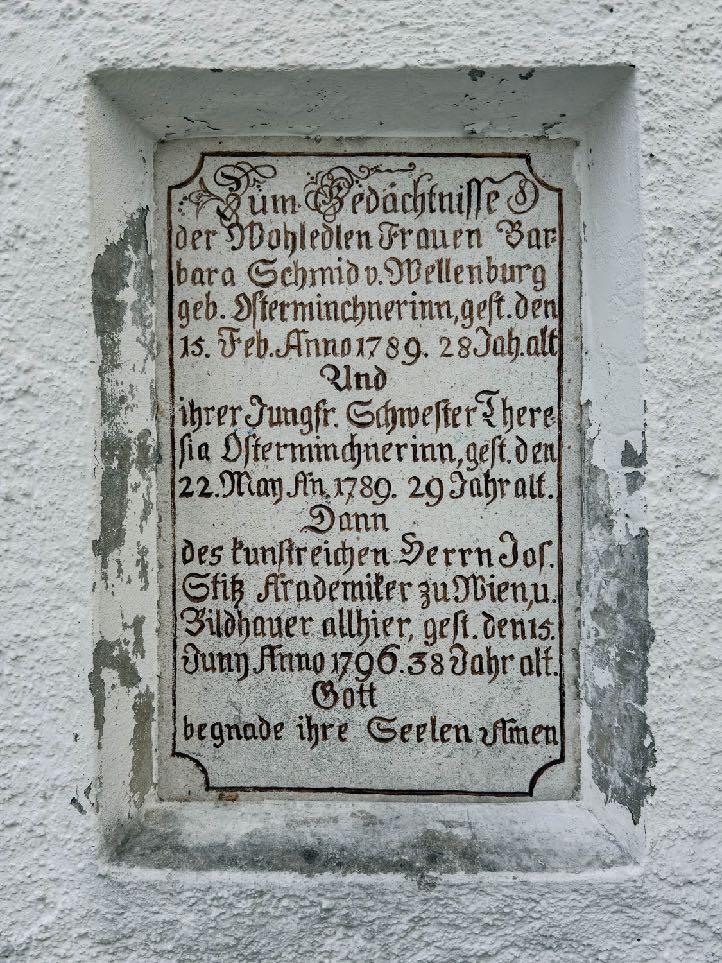
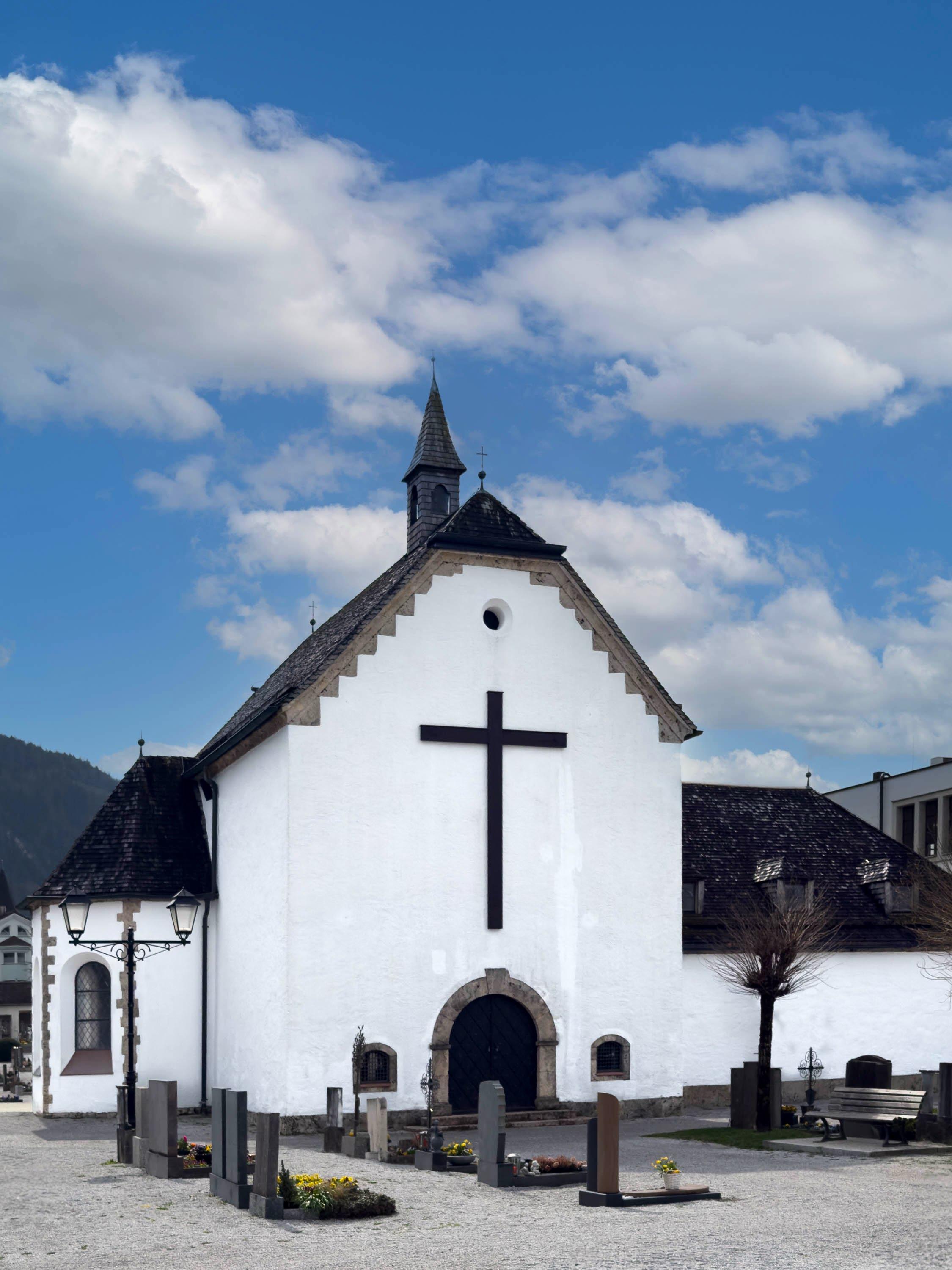
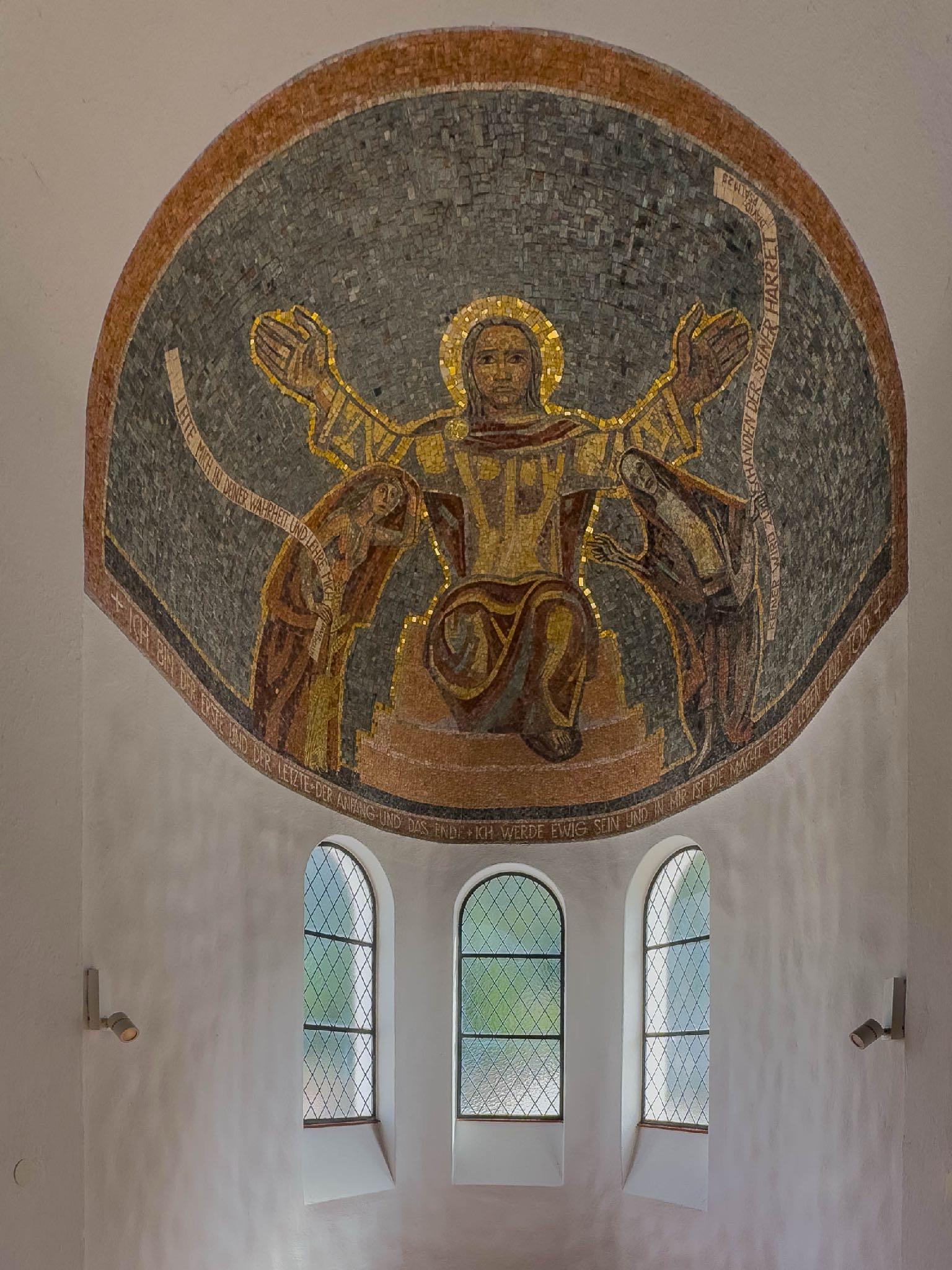
The newest church in Kufstein was built in 2013. Before the construction of the Holy Spirit Cemetery Church, mourners had to go to the St. Vitus Parish Church after the cemetery ceremony to attend the service. The new building was constructed next to the old mortuary chapel. The church’s interior includes some elements from the inventory of the former hospital church, on
whose site a wing of the university of applied sciences was built.
A special feature of this house of worship is that the space can also be used for secular farewell ceremonies. The ceremonial room in the church is flooded with natural light from three sides.
Josef Georg Madersperger was born on October 6, 1768, in Kufstein. Today, the birthplace of the sewing machine inventor houses a small museum. A collection of sewing machines is presented there. The life and work of the inventor are vividly illustrated through audiovisual media. Madersperger shares the fate of many significant inventors. Initially, no one saw practical use for the sewing machine.
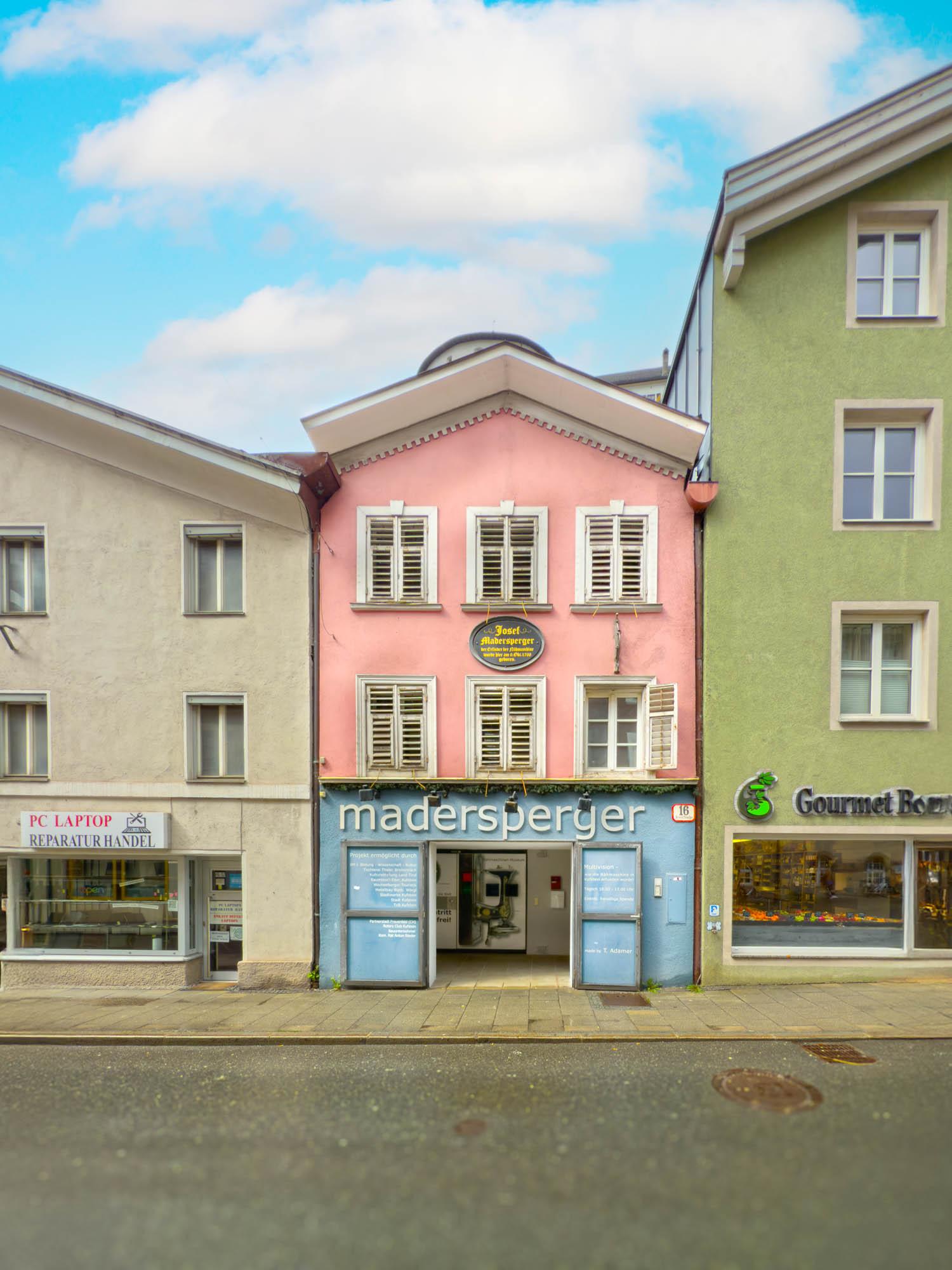
As there was no interest in the first sewing machine and thus no buyer could be found, he donated it to the Imperial Polytechnic Institute in Vienna in 1839. Madersperger’s grave, from his death in 1850, is located at the St. Marx Cemetery in Vienna and is still maintained by the Vienna Tailors’ Guild.

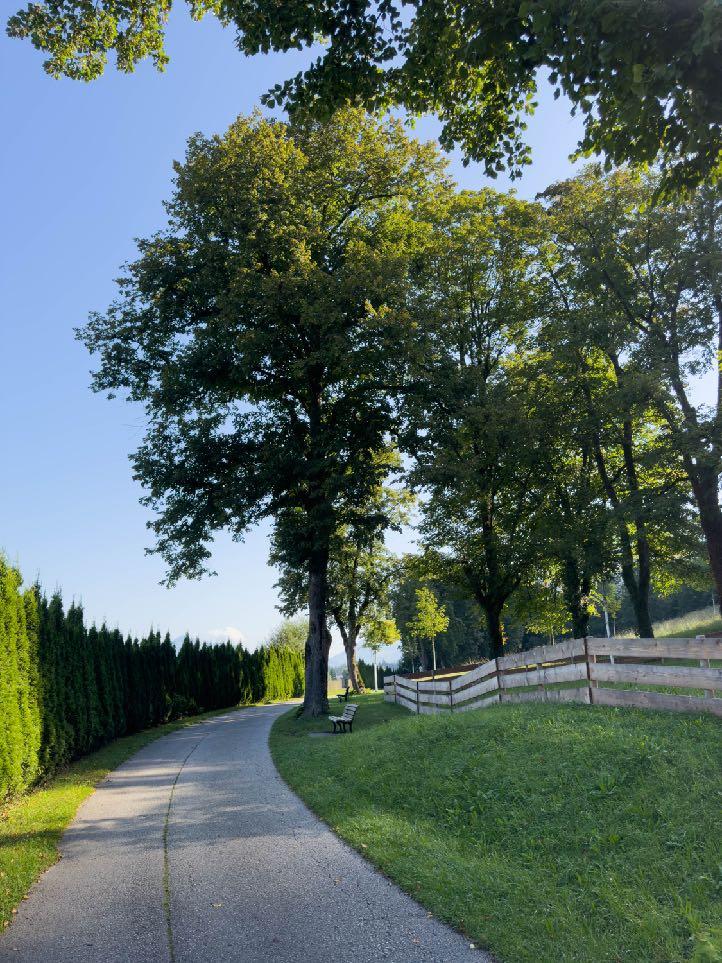
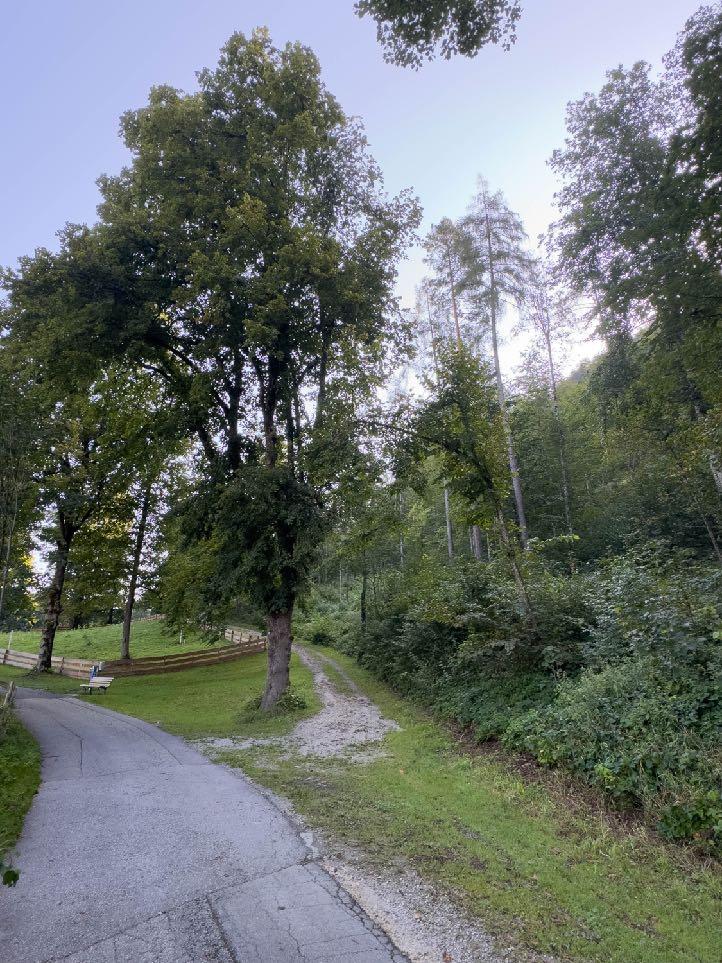
On the way to the Kaiserlift, one encounters an impressive monument. The sculptor Norbert Pfretzschner from Kufstein designed this monument in 1906. Friedrich List was a German economist who was particularly committed to free trade between the German principalities and the expansion of the railway network. He was far ahead of his time and fell out of favor with King Wilhelm I of Württemberg.
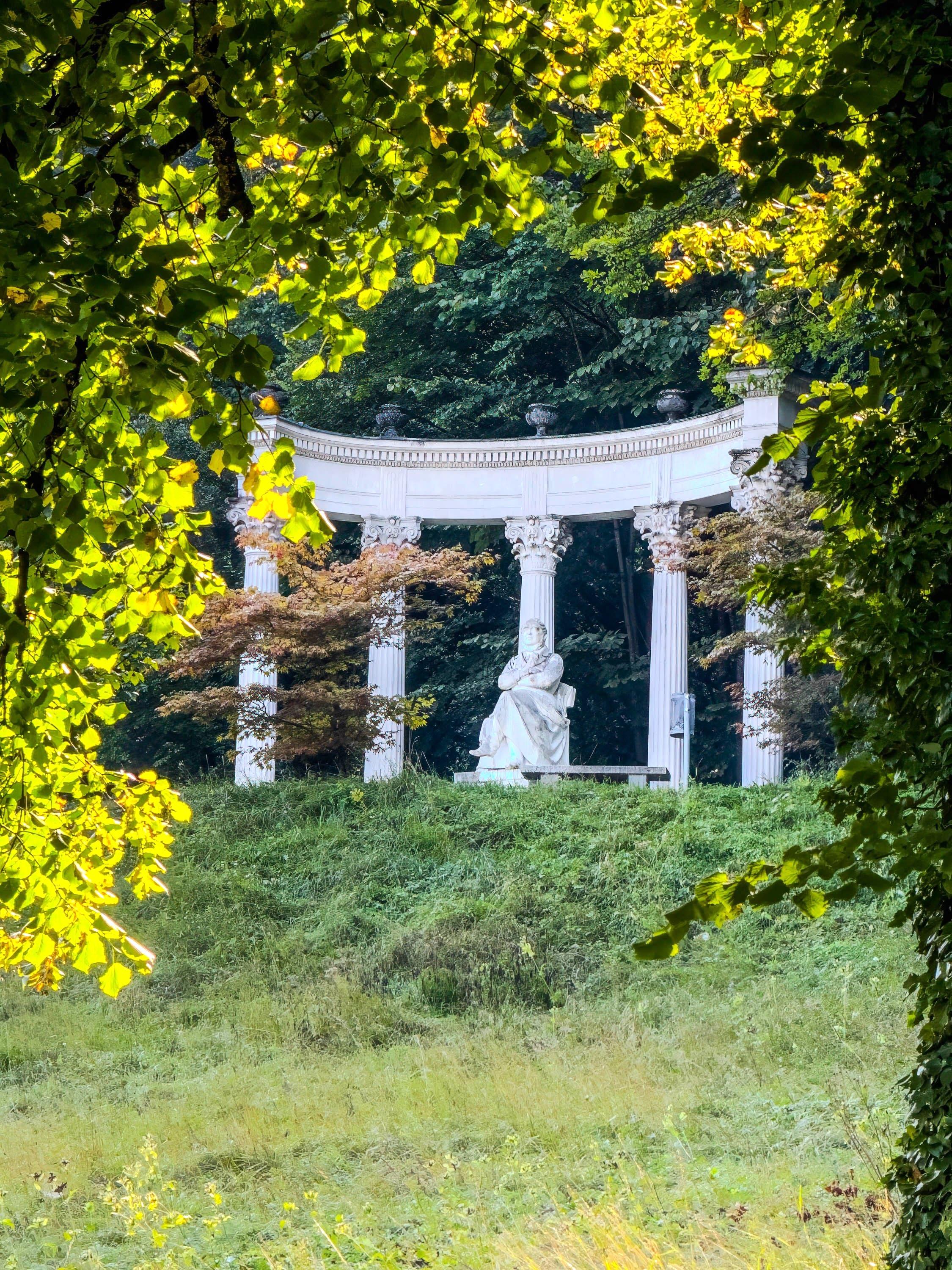
Ultimately, he was sentenced to fortress imprisonment due to his reformist ideas. He spent the rest of his life in unrest, constantly confronted with the stubbornness of politicians. In 1846, Friedrich List reached Kufstein at the end of his life’s journey, where he took his own life.
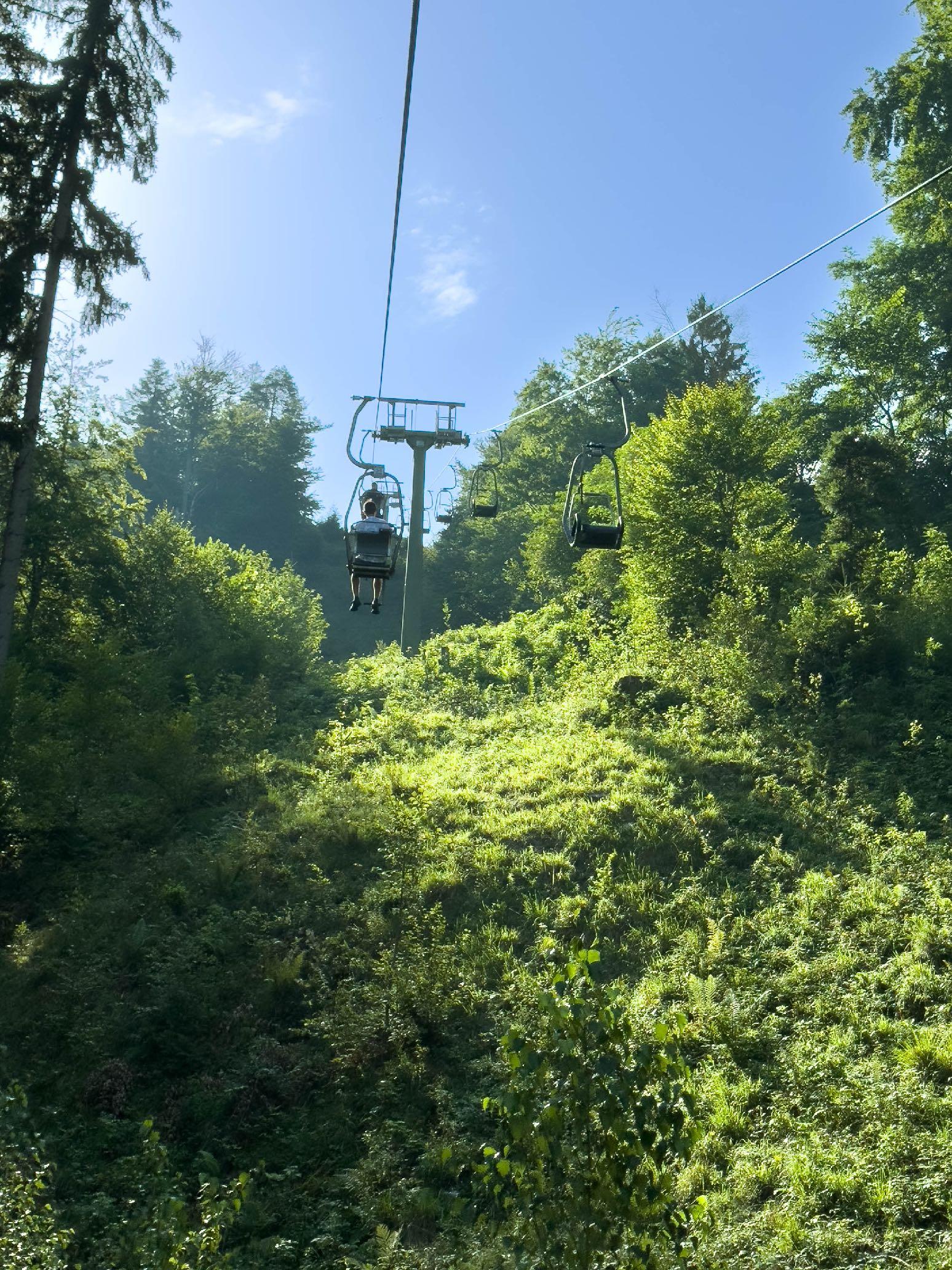
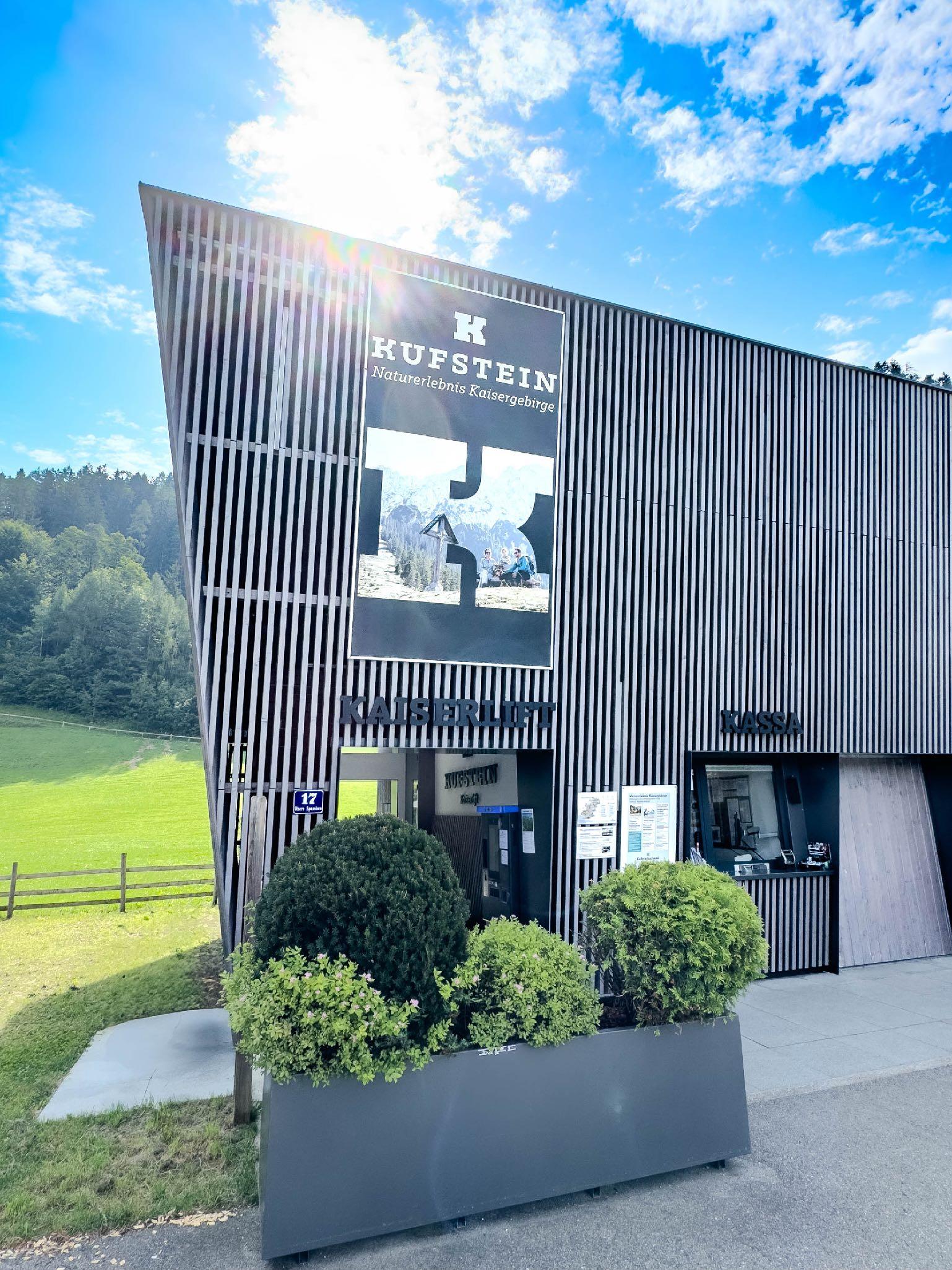
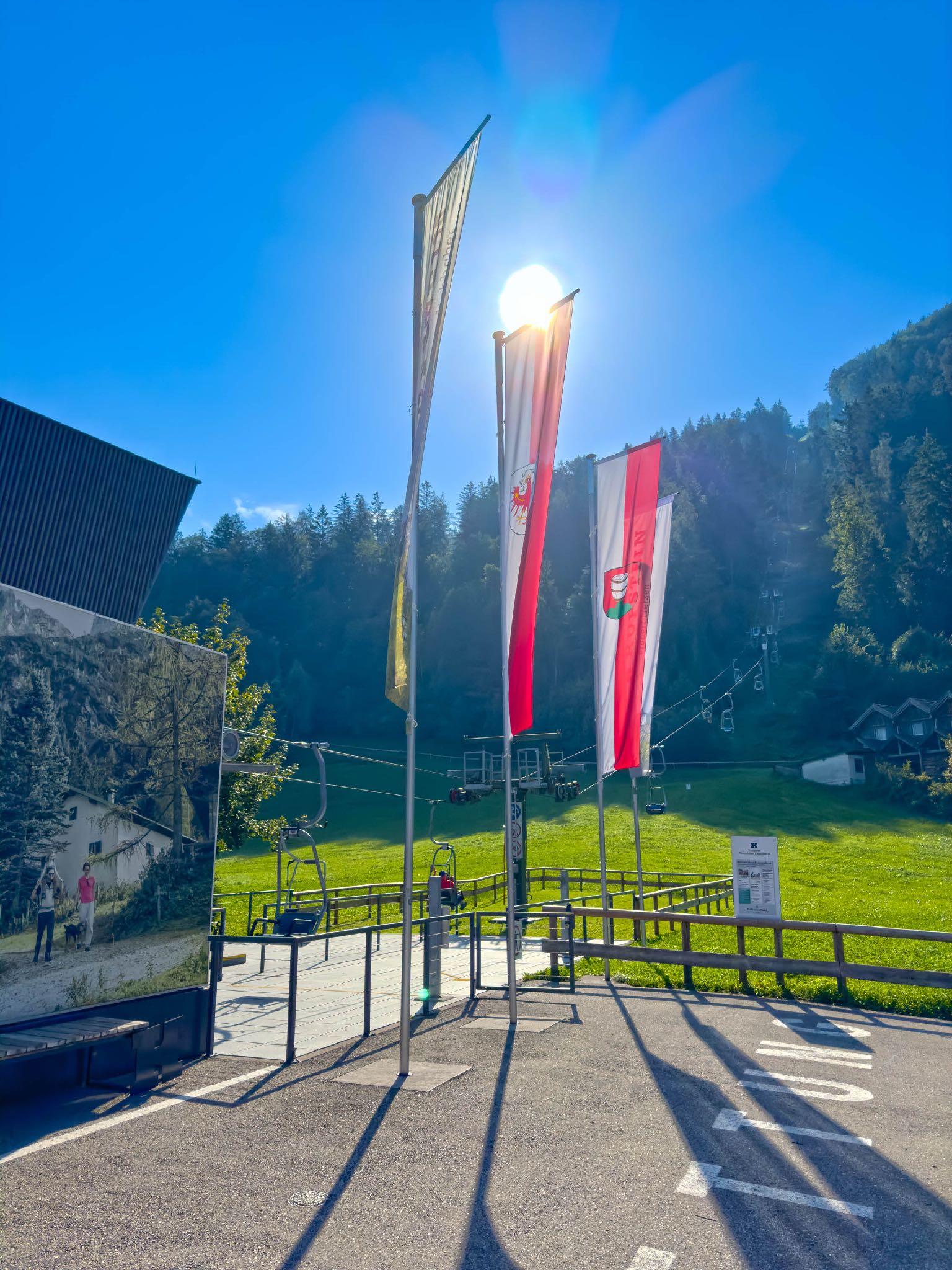
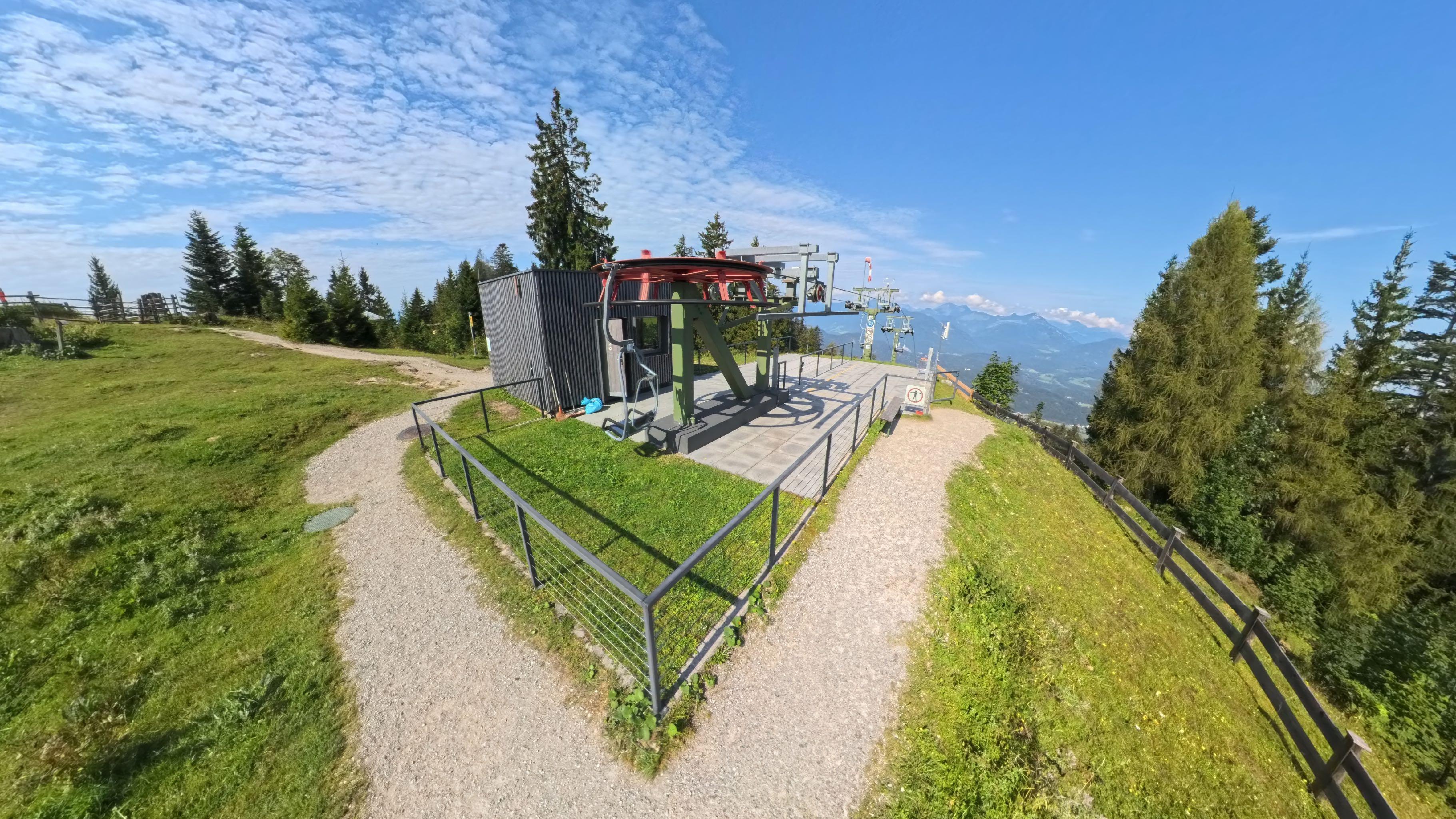
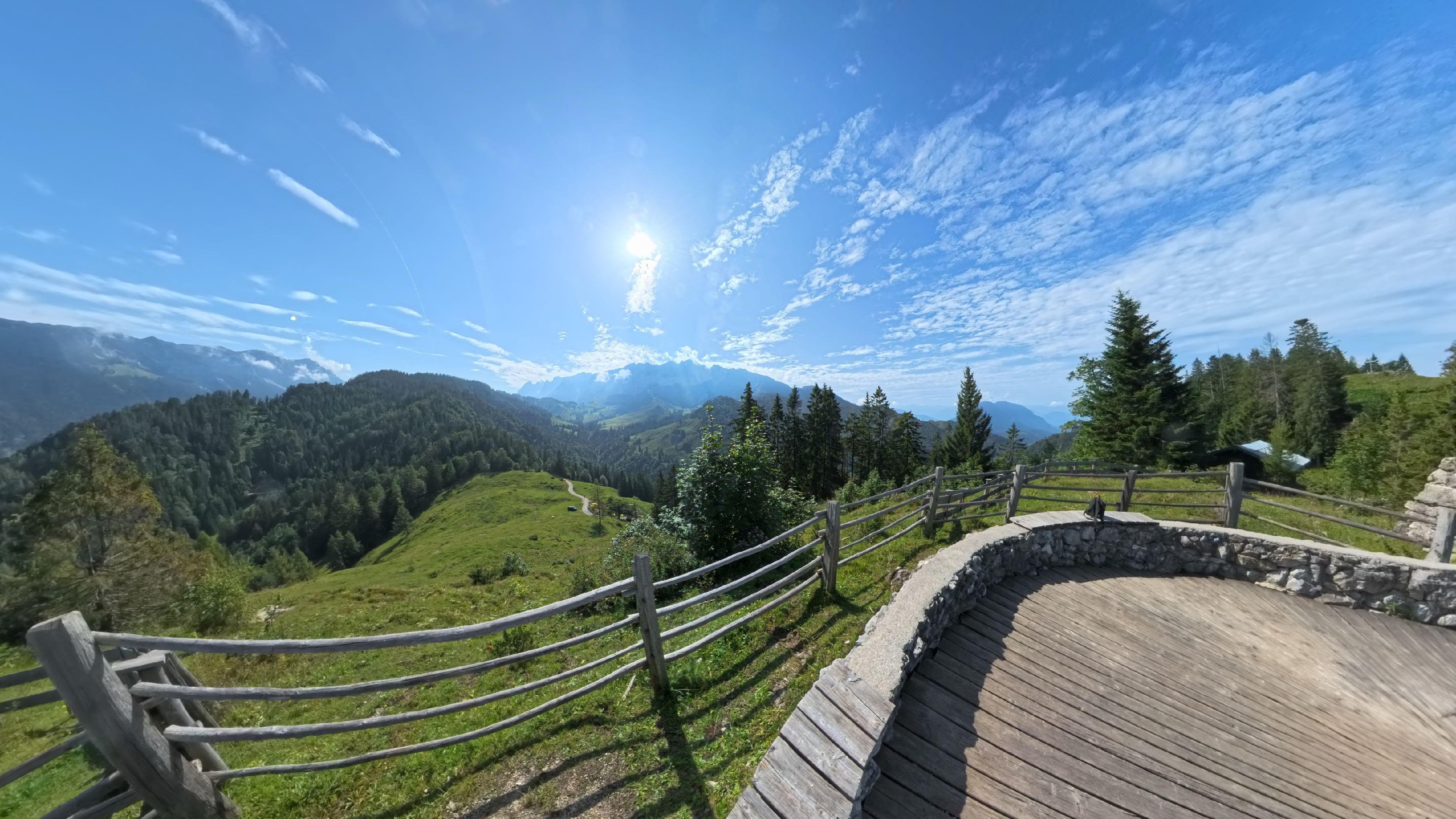
In just 30 minutes, passengers reach the Brentenjoch mountain station, located at an altitude of 1,256 meters. The Kaiserlift is divided into two sections, with a transfer at the Duxer Alm intermediate station at 896 meters to the second section of the Kaiserlift. The Kaiserlift is open daily from May 1 to November 2, from 8:30 AM to 4:30 PM.
During boarding and alighting, staff ensure comfort and safety. Yellow and red flags indicate whether the speed should be reduced for safe disembarking. Those bringing a stroller should ensure it is suitable for rough terrain. At the Brentenjoch, the Brentenjoch Alm and the Weinberghaus guesthouse invite visitors to take a break.
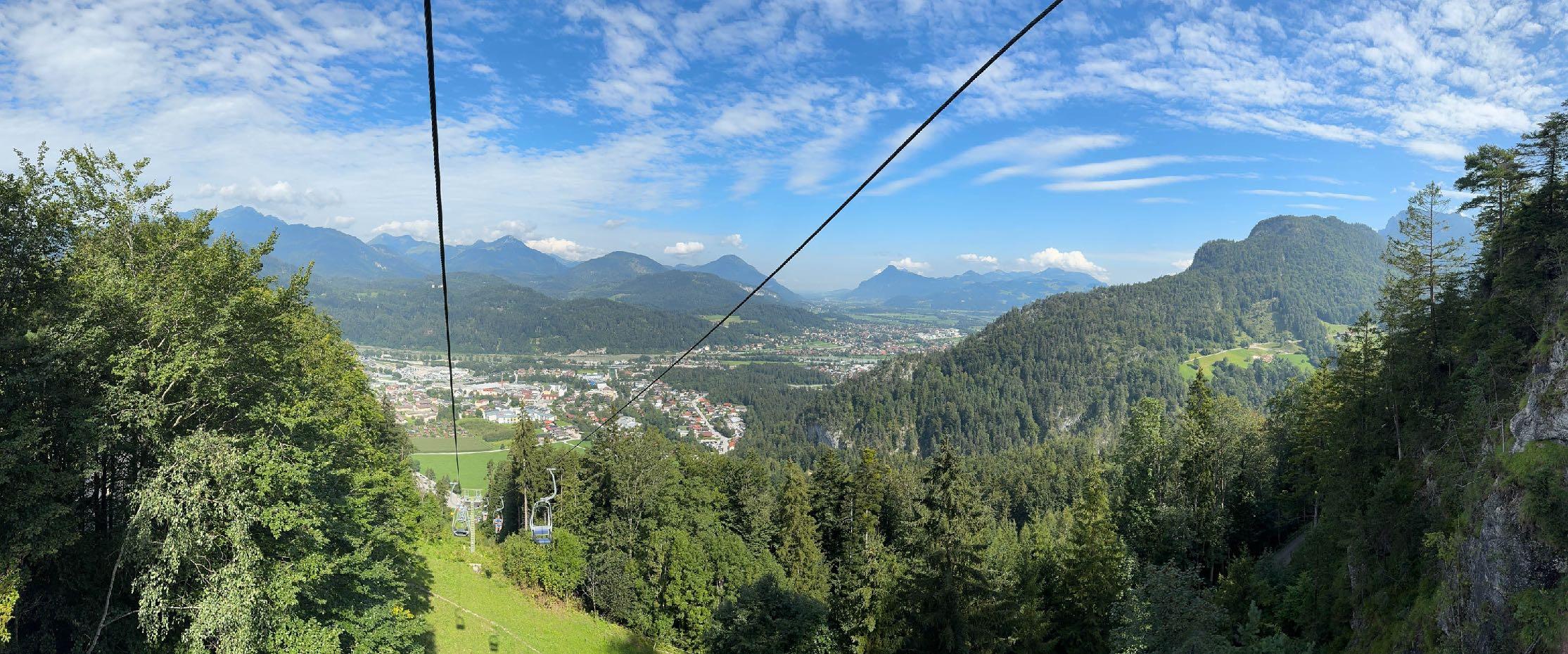
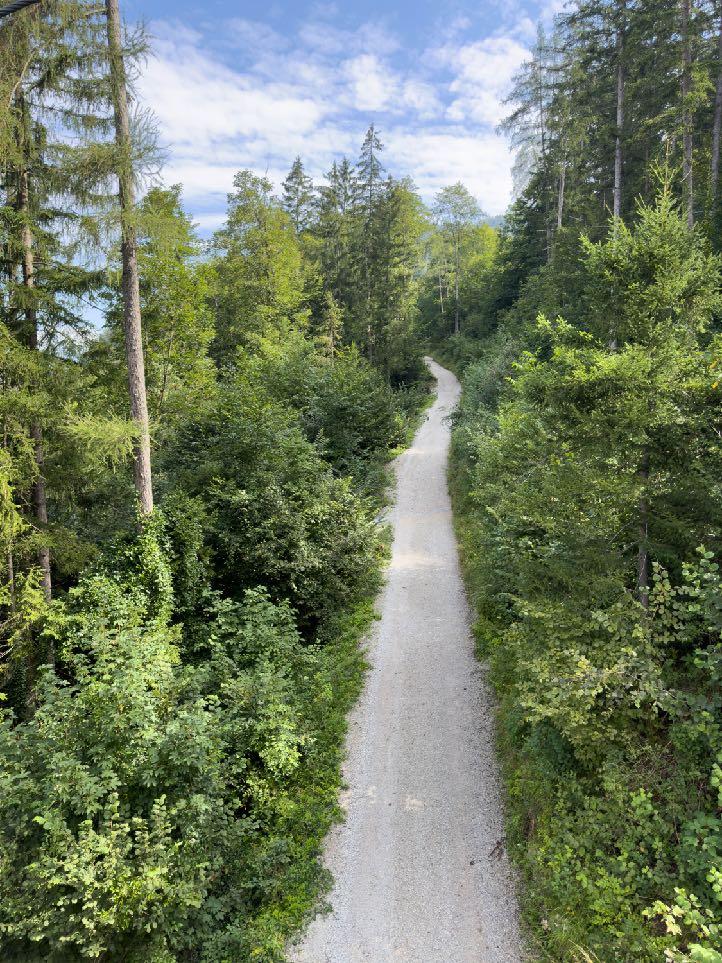
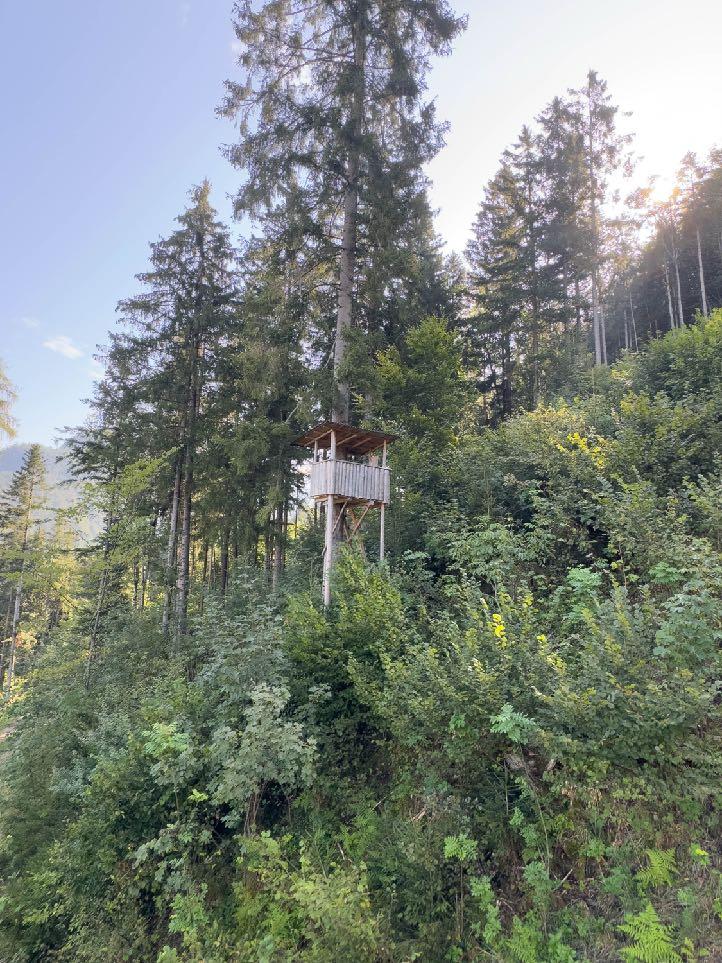

The Kufsteinerland is highly popular among active individuals. The view of the Tyrolean mountain landscape, including the foothills of the Zahmer and Wilder Kaiser as well as numerous mountains and peaks, is impressive. The region also offers a variety of relaxing accommodations in different price categories. Kufstein itself is excellently connected to the public transportation network.
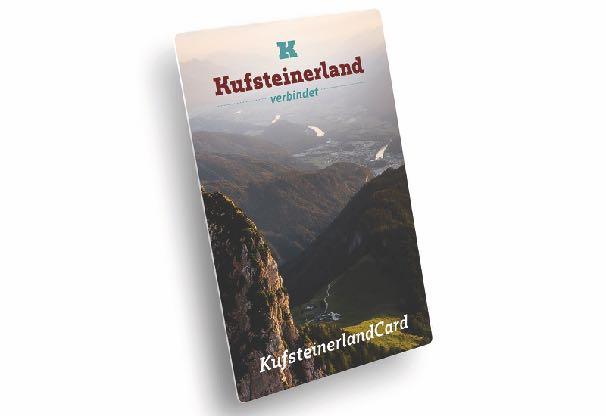
Vacationers receive the free “Kufsteinerland Card” at accommodations, which offers numerous benefits.
For further information, simply click on the image of the “Kufsteinerland Card.”

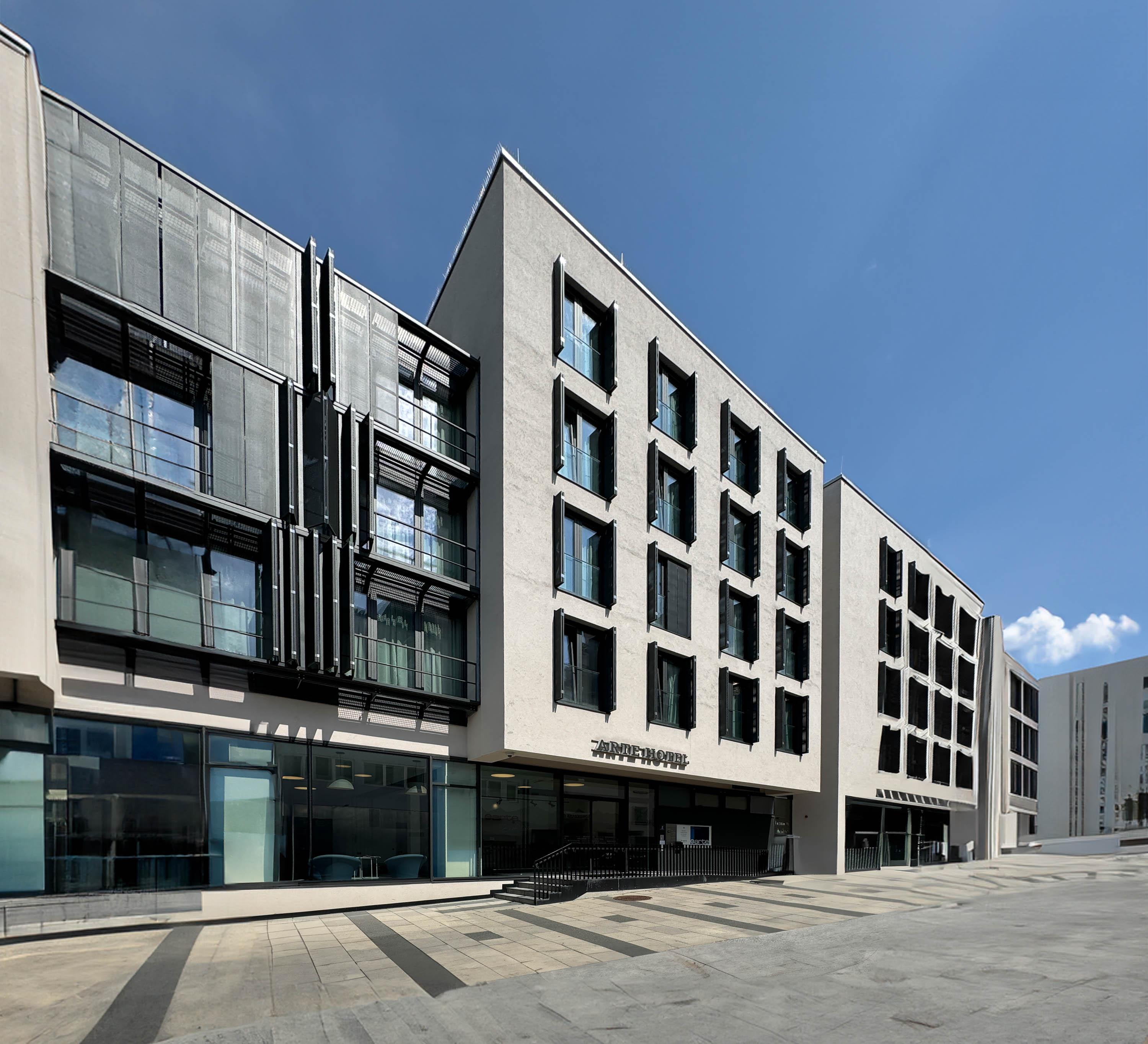
A contemporary hotel located in close proximity to the Kufstein Cultural Quarter. 85 bright double rooms, equipped with individually adjustable air conditioning, shower, and toilet, offer four-star accommodation. Free internet and a paid underground parking garage complement the offer.
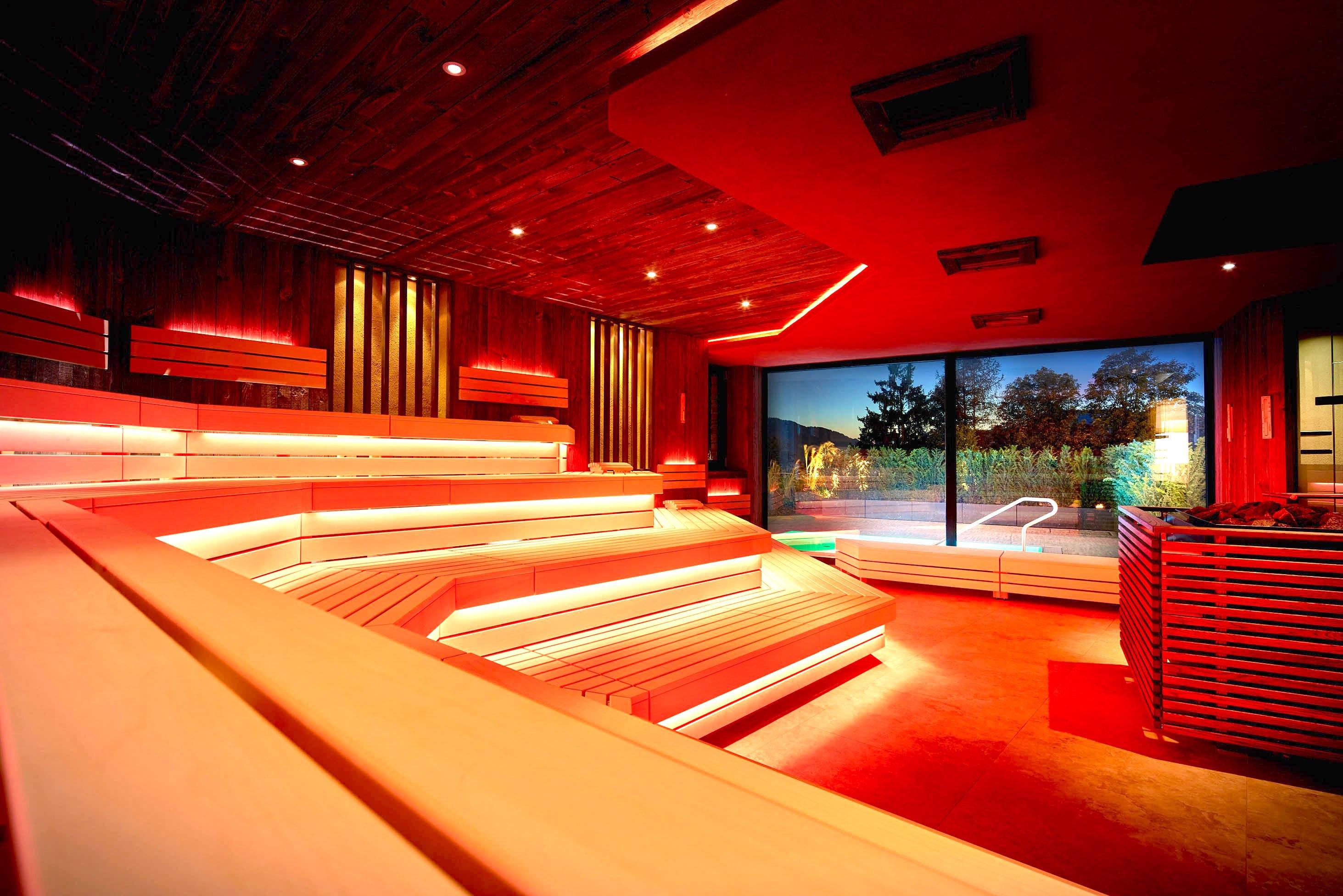
On the top floor, guests have the opportunity to exercise on modern cardio equipment. The view of the fortress is also breathtaking from the sauna one floor higher.
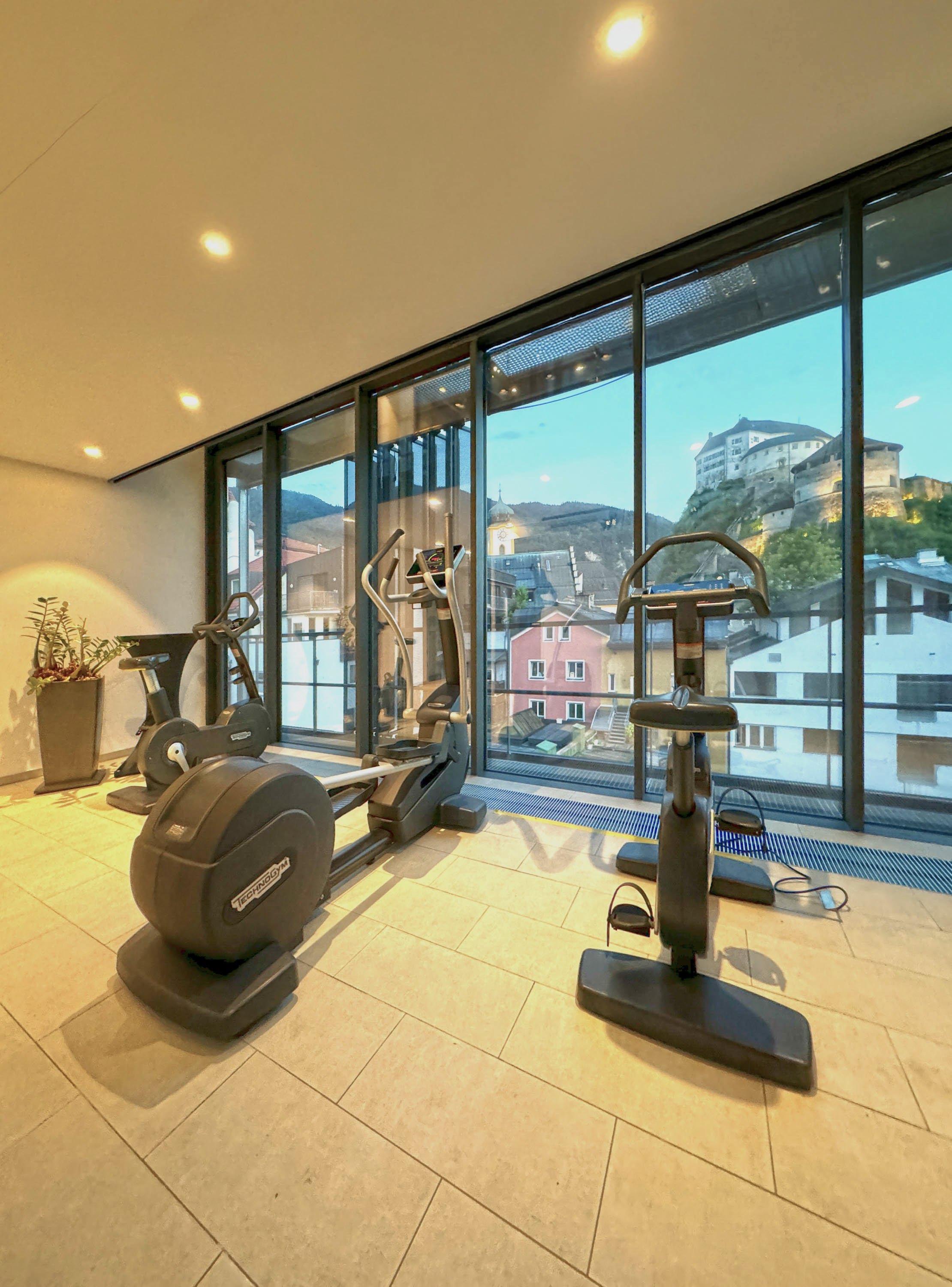
Sports above the rooftops of Kufstein
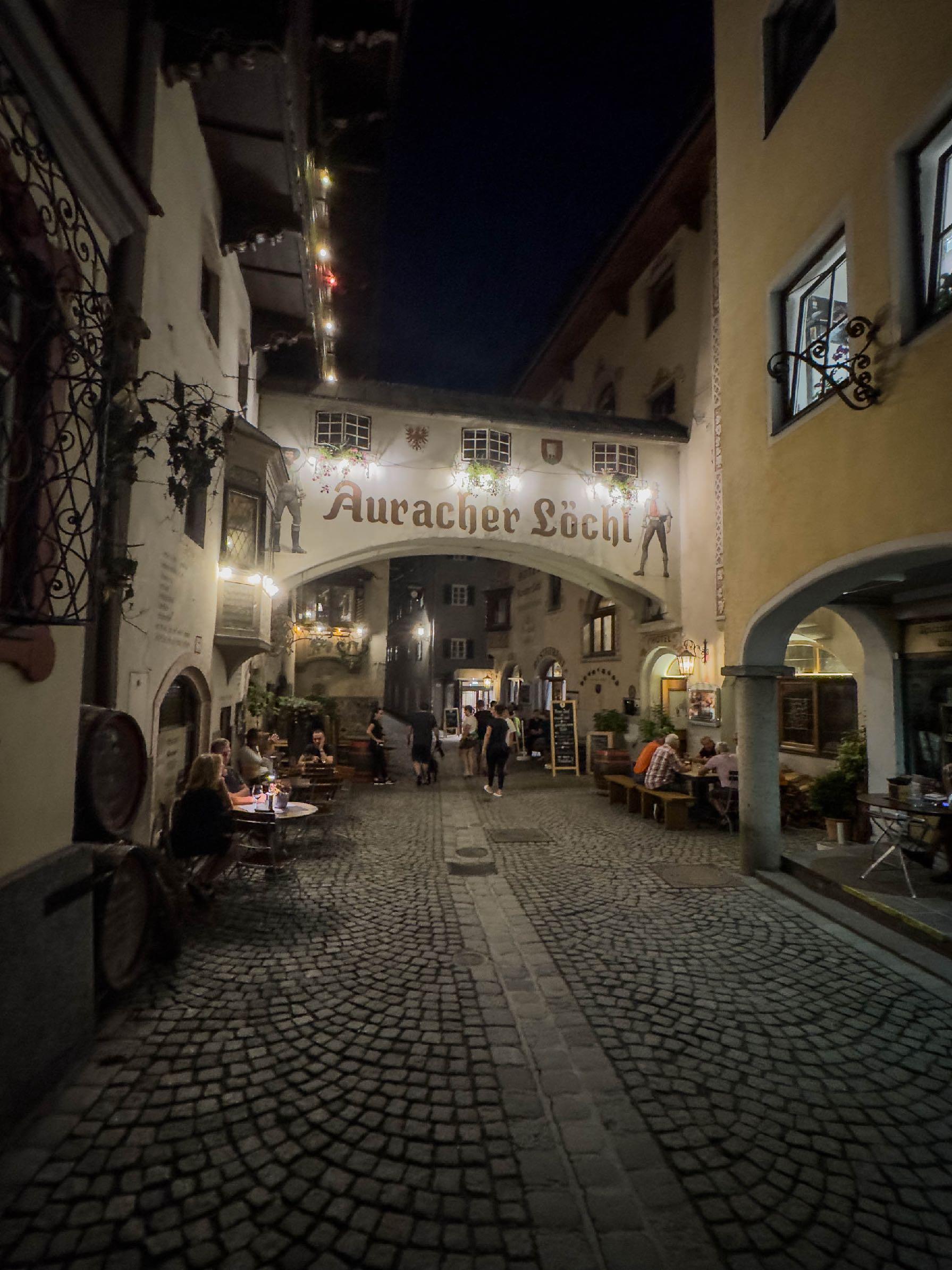
The Auracher Löchl looks back on a 600-year history. This exceptional boutique hotel offers not only impressive rooms but also first-class cuisine.
The Boutique Hotel Auracher is part of a building complex that includes a steakhouse, a restaurant, a bistro, and a unique hotel.
For gin enthusiasts, Kufstein is particularly appealing. In the “Stollen 1930” Gin Bar, you can participate in an unforgettable gin tasting. With over 1,000 different gin varieties, the Gin Gallery has been recorded in the Guinness Book of Records. Every last Sunday of the month, the exclusive Gin Dinner takes place, combining a journey through the world of gin with a culinary delight.
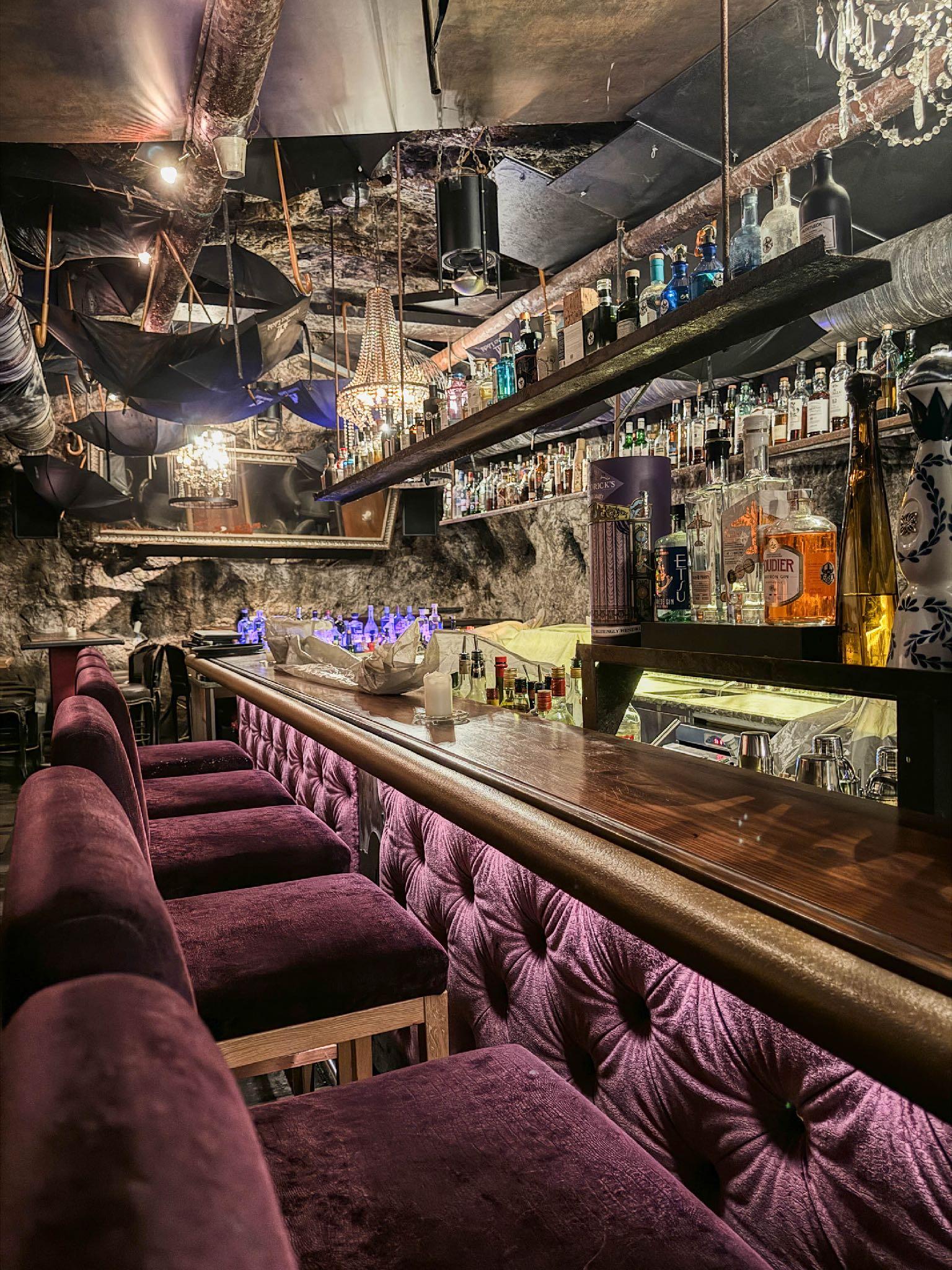
1930 - Gin-Bar
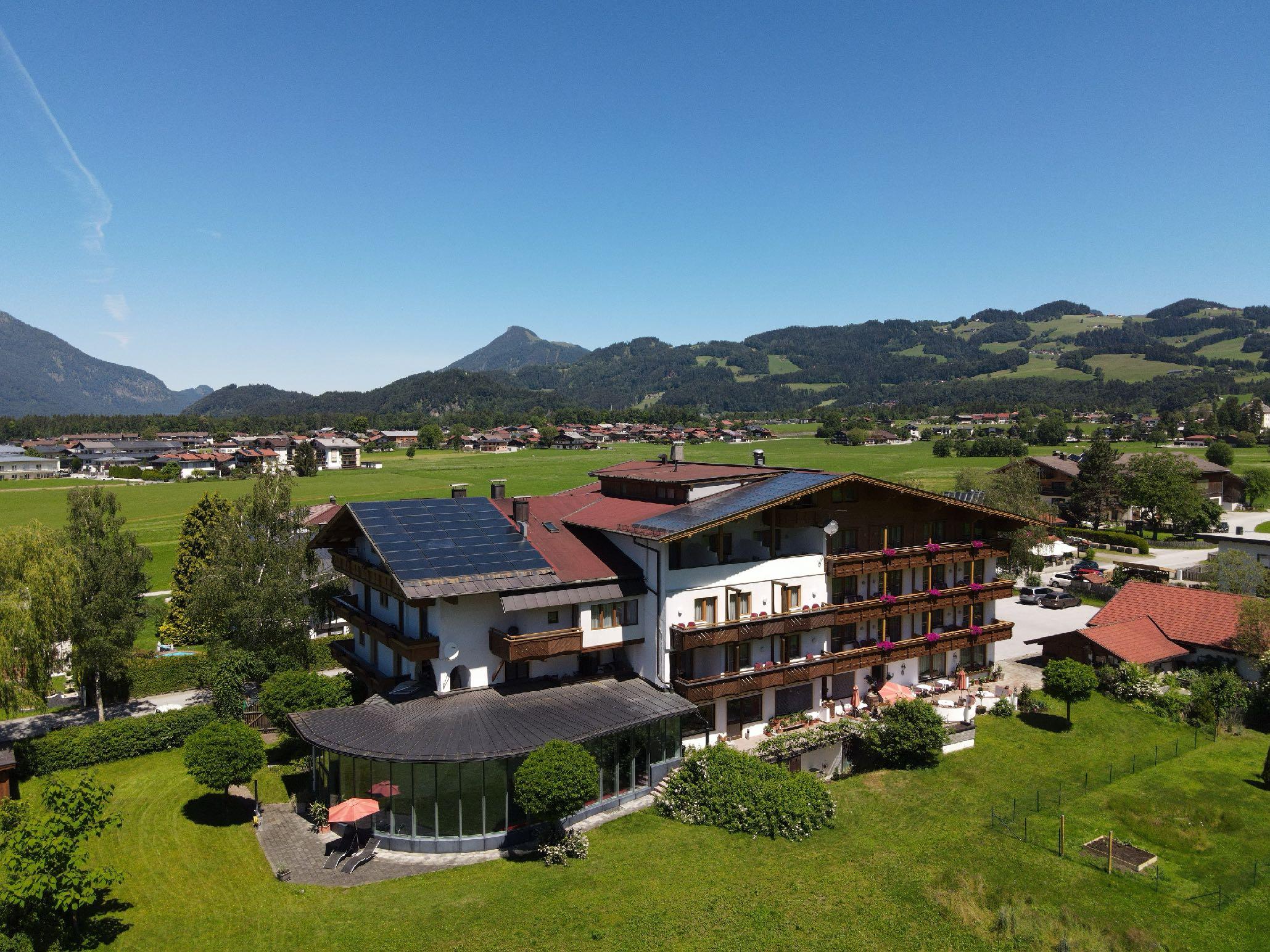
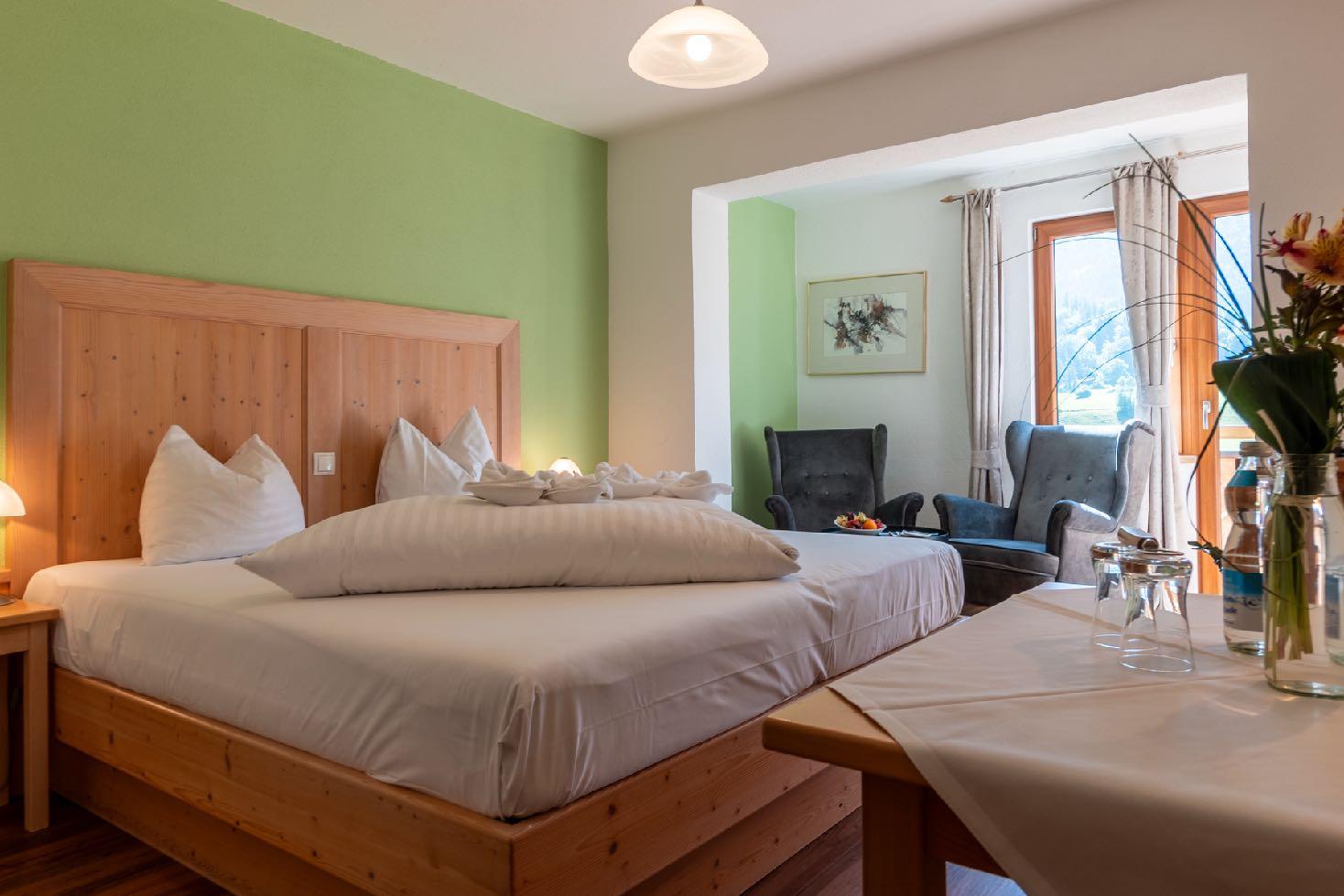
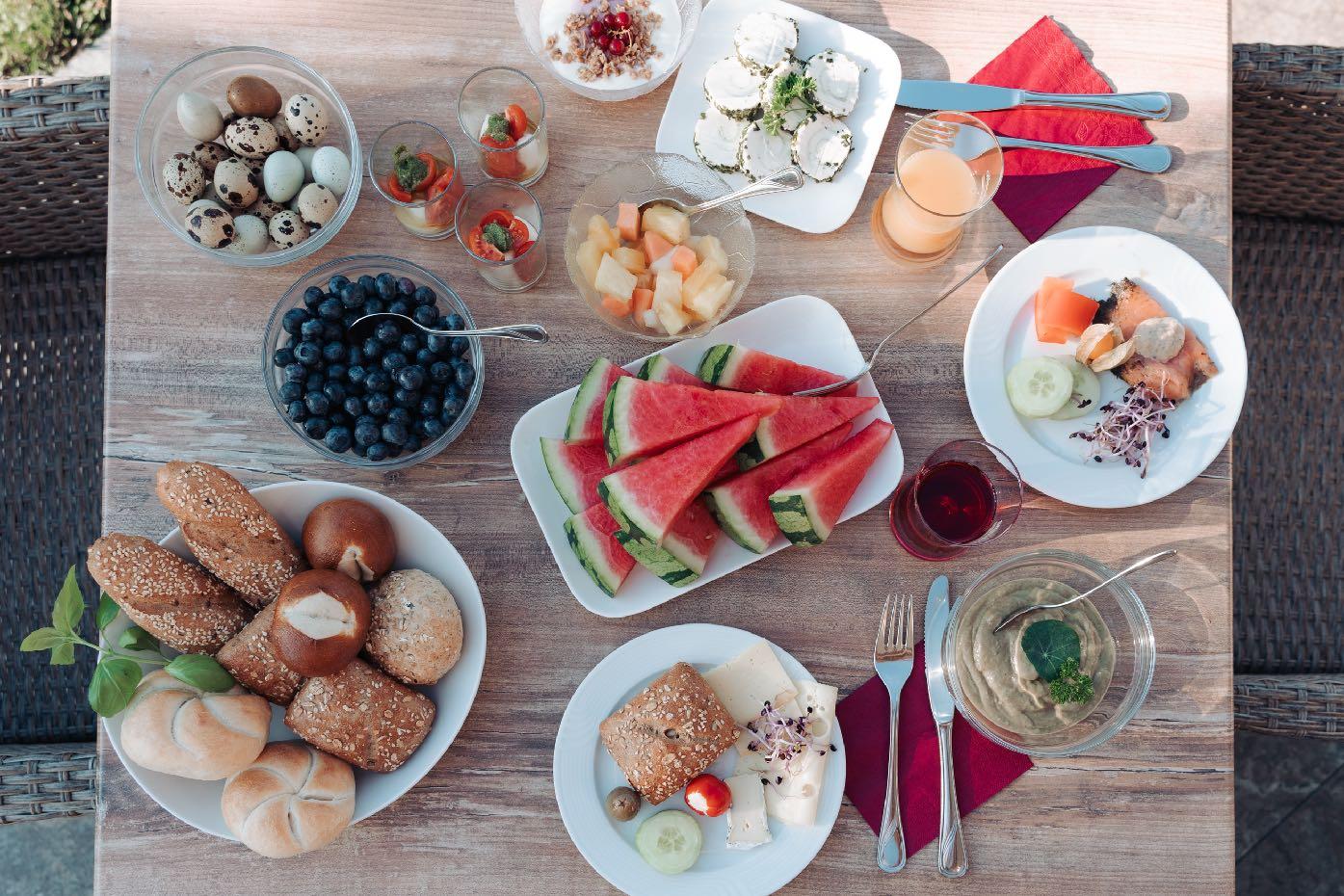
The “dasKAISER” hotel is located in Ebbs, approximately 9 km from Kufstein train station. The rooms at “dasKAISER” are extremely spacious (between 28 and 35 m²) and feature their own balconies. The in-house kitchen places particular emphasis on regional products. Guests who want to learn more about herbs can participate in a herb workshop.
During this seminar, seasonal herbs are processed. Under the guidance of the senior manager, participants create either a herbal pillow, a soothing cream, or a herbal oil. Guests can also relax in the spa area. The panoramic indoor pool and the organic herbal sauna made of Swiss stone pine offer pure enjoyment and relaxation.
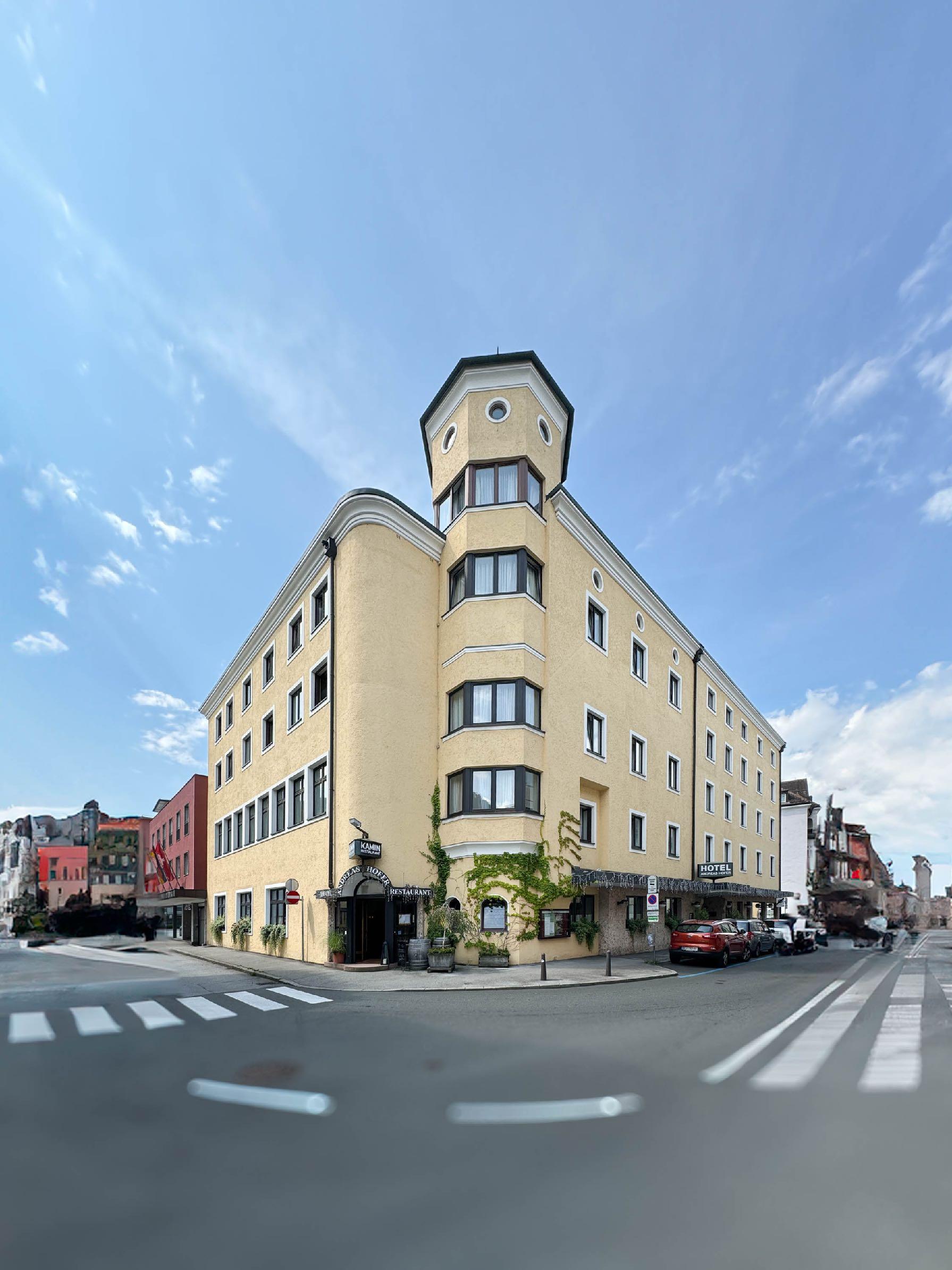
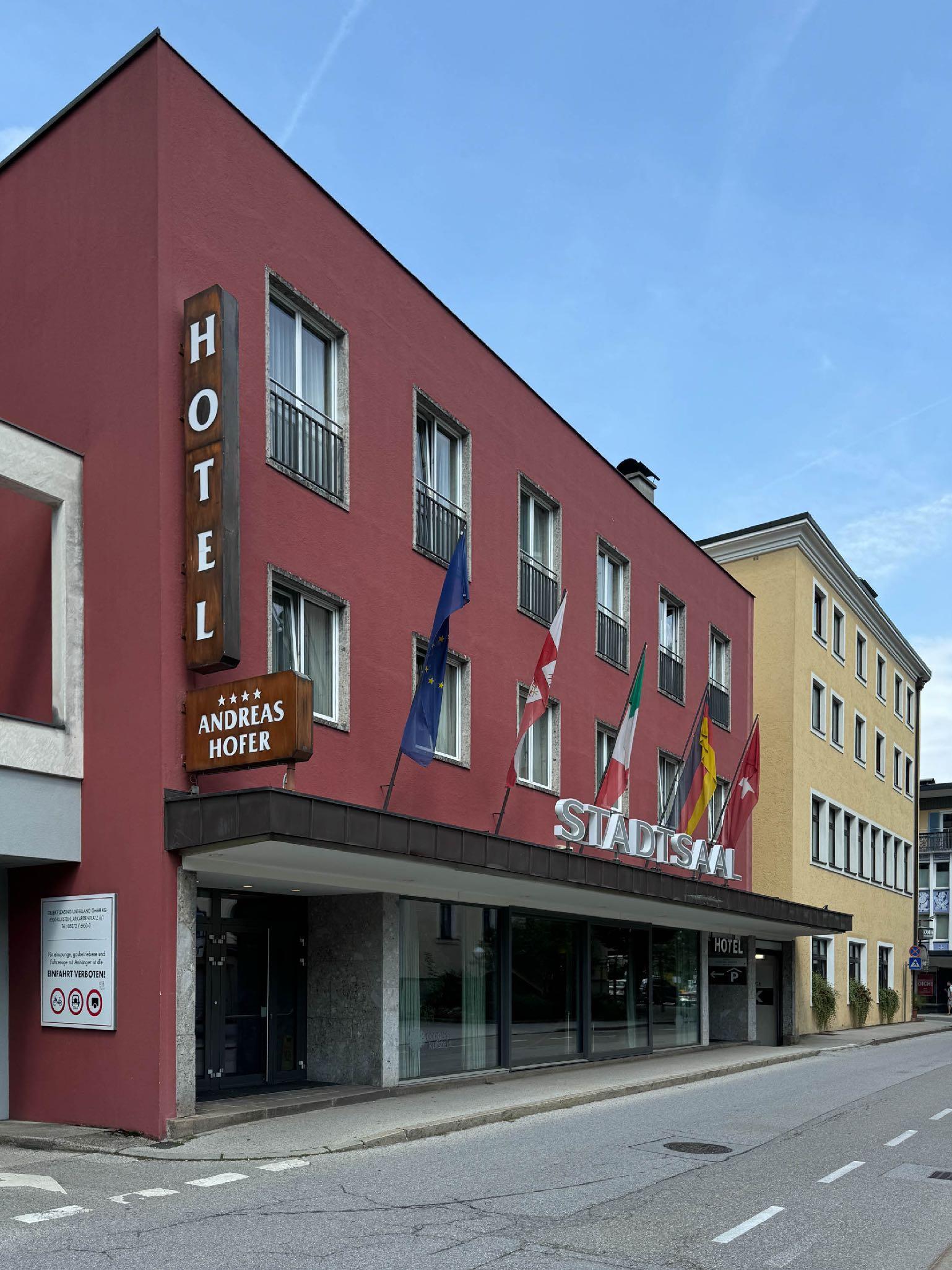
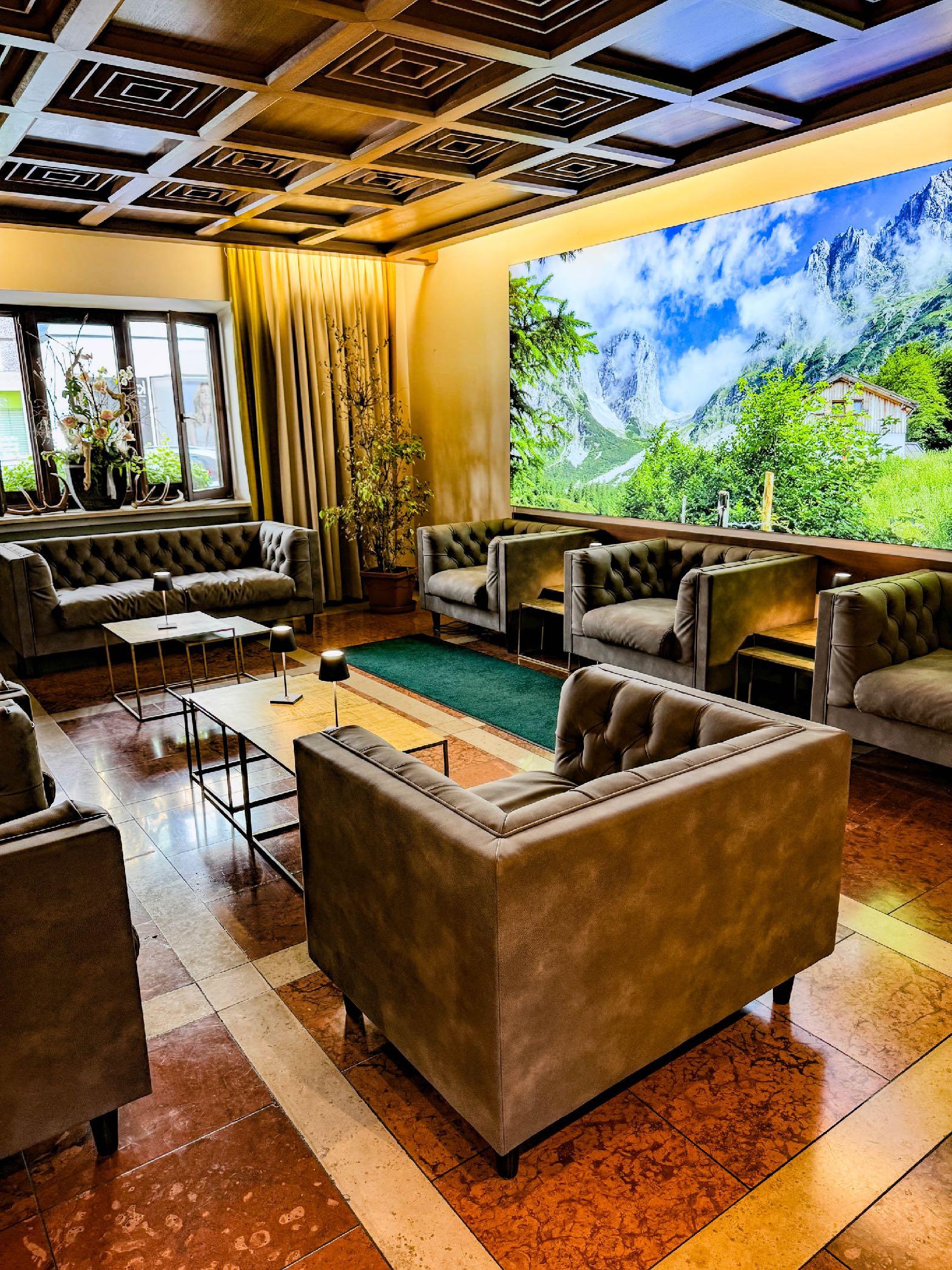
The family-run hotel is located in the center of Kufstein. The four-star establishment is particularly aimed at business travelers. Characteristic Tyrolean hospitality and individual service are at the heart of the Andreas Hofer Hotel. According to their own statement, a stay in Tyrol becomes an unforgettable experience.
Particularly noteworthy is the impressive rooftop terrace, which offers a direct view of the Kufstein Fortress. The room offerings include studio apartments, vacation apartments with three or four rooms, and accommodations for long-term guests.
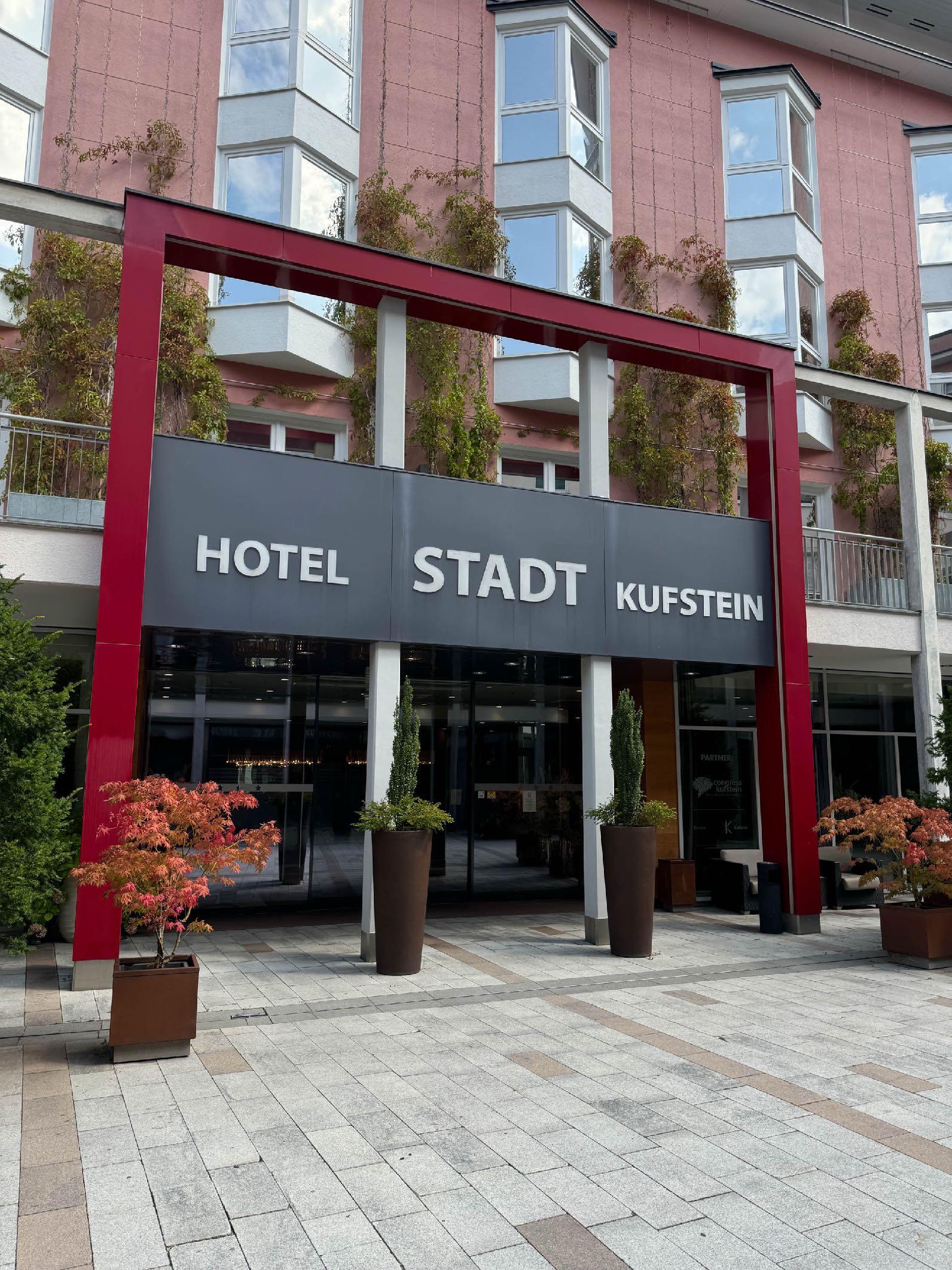
The Hotel Stadt Kufstein is specifically designed for hosting congresses, meetings, and seminars. However, in a business hotel, well-being, relaxation, and cuisine also play a significant role. Room sizes range between 19 and 50 m²
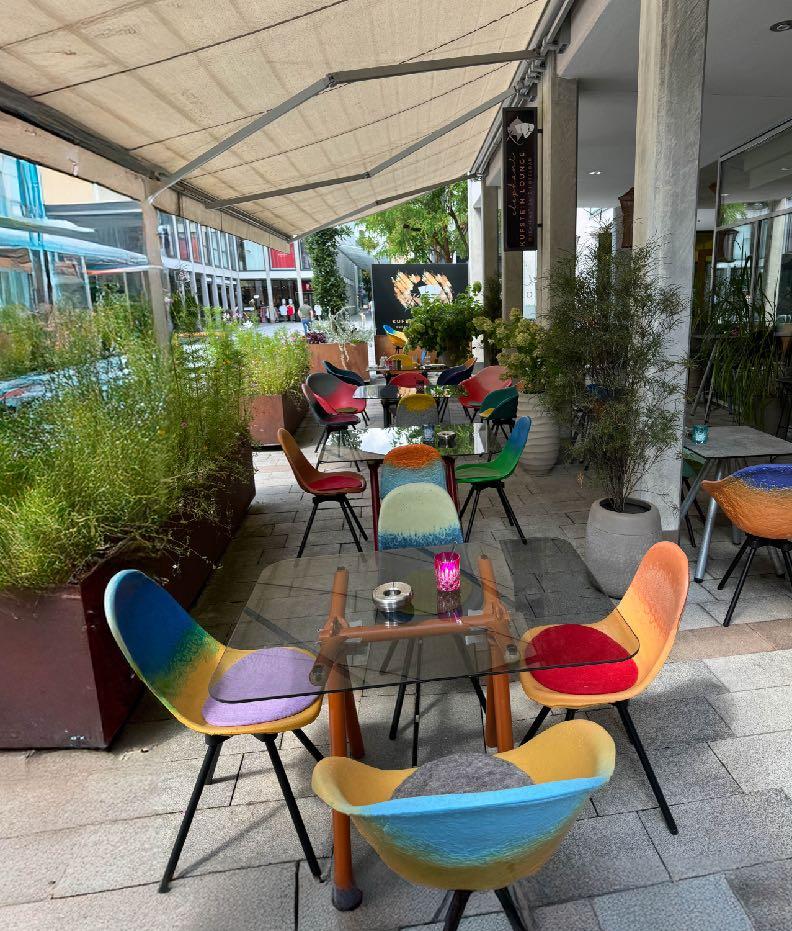
The Elephant Kufstein Lounge has become a trendy meeting place in the city.
The lounge is open daily from 7:30 AM to 11:30 PM. The special “hotel bar flair” can be experienced every day from 4:00 PM.
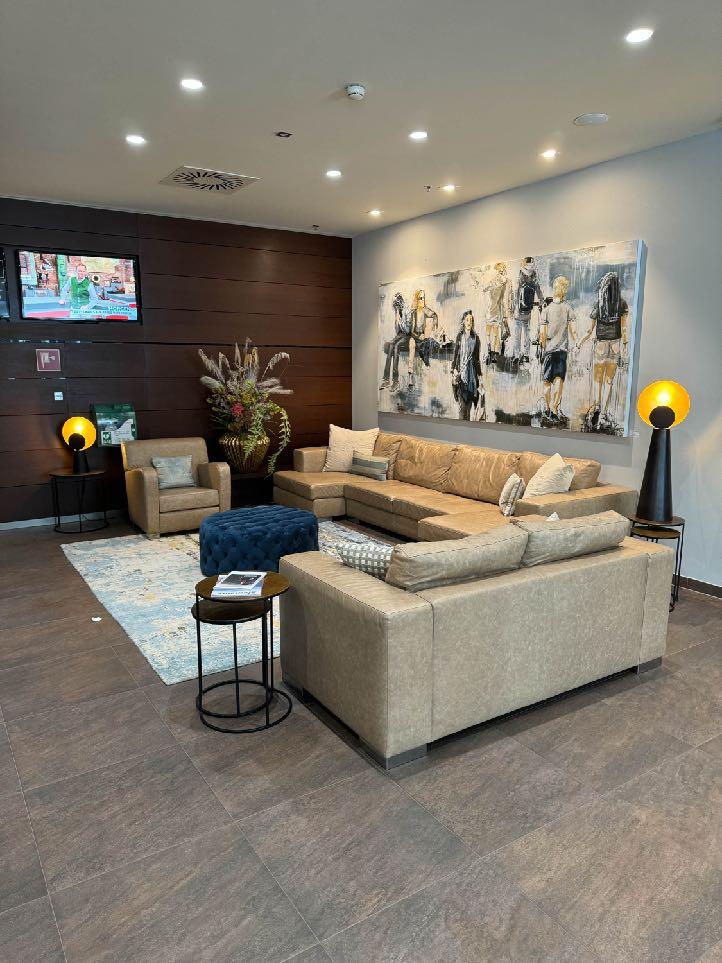
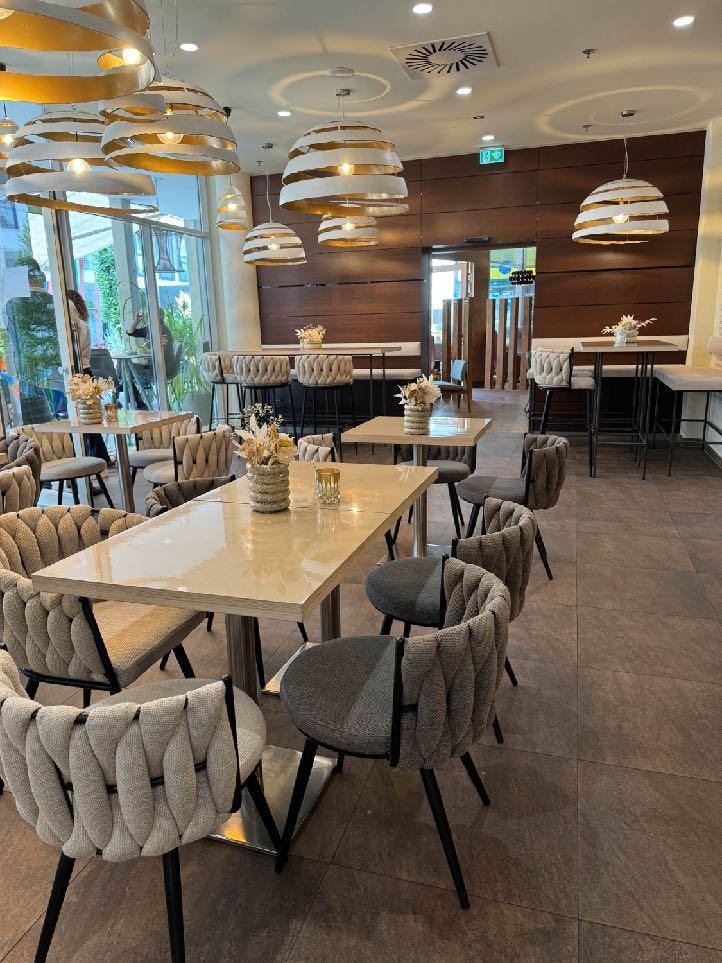
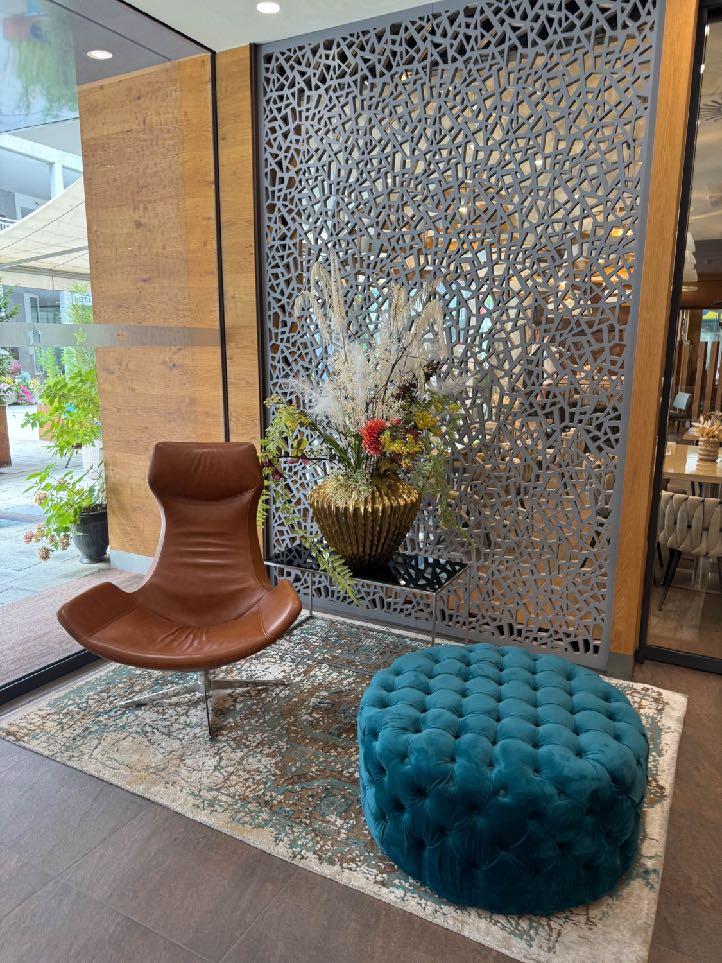
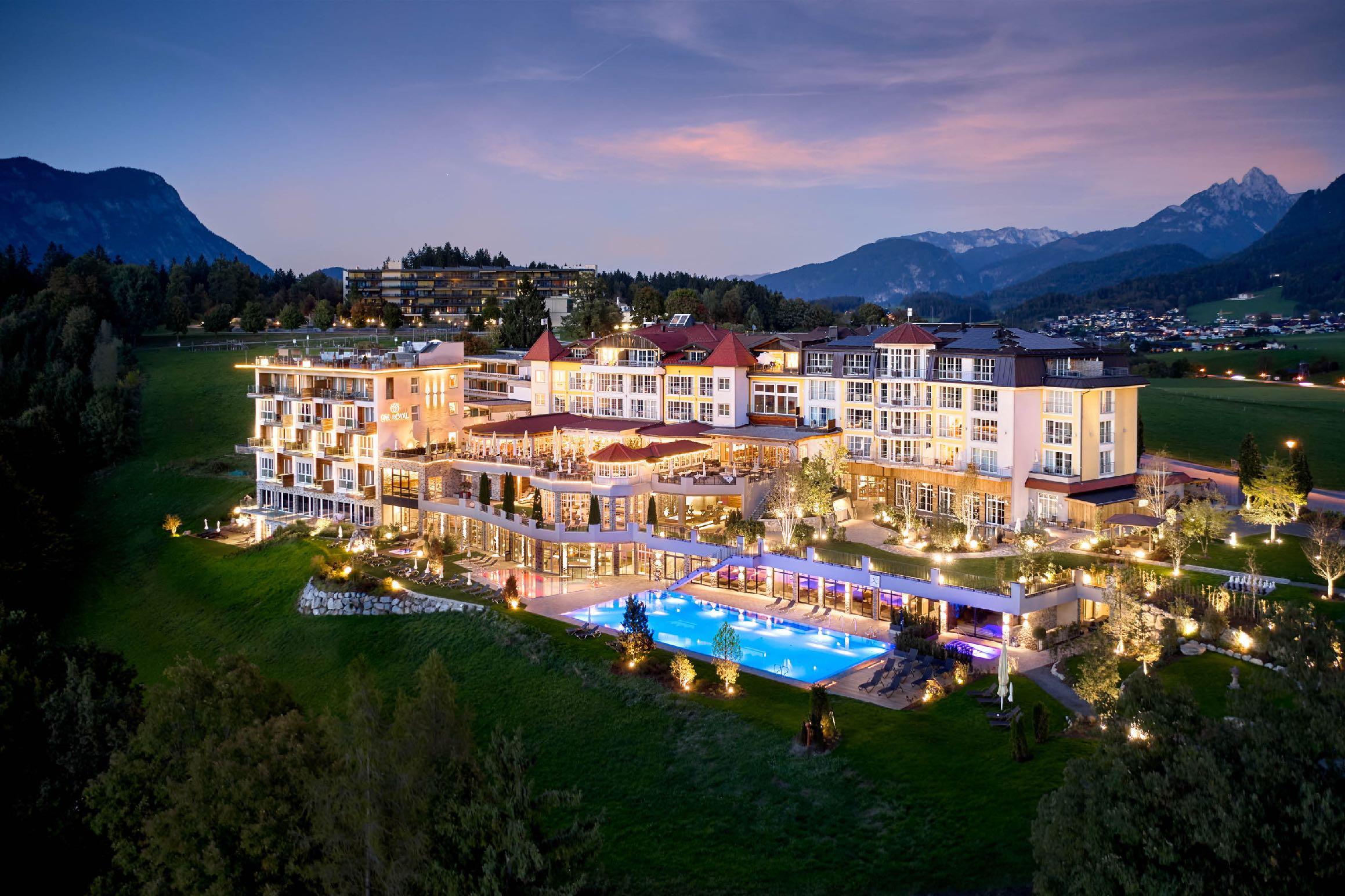
Southwest of Kufstein lies Bad Häring, where you’ll find a truly majestic accommodation: the Hotel Panorama Royal. A true temple of wellness welcomes guests. The wellness area spans an impressive 7,500 m², and the seven pools offer year-round relaxation opportunities. The headline on the hotel’s website, “Source of Energy, Strength, and Joy of Life,” is, in fact, rather understated. The comfortable rooms range in size from 28 m² to 90 m²
Culinary delights are a priority at Atelier Freund-Schafft. The three-toque-awarded chef Markus Freund creates an exclusive gourmet experience here three times a week. In summary, the Hotel Panorama Royal is a retreat for comprehensive relaxation.
with the ÖBB railjet to Kufstein
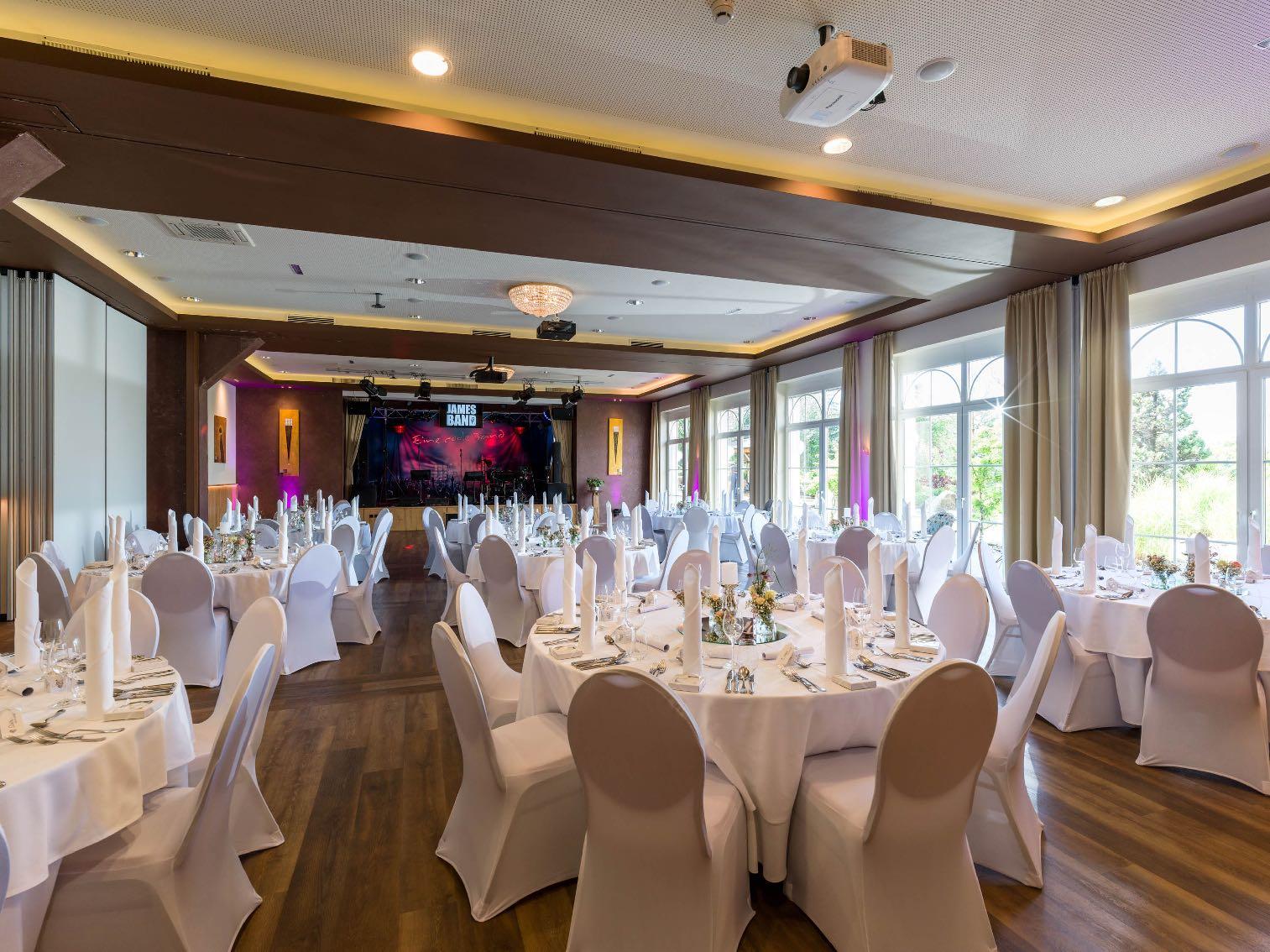
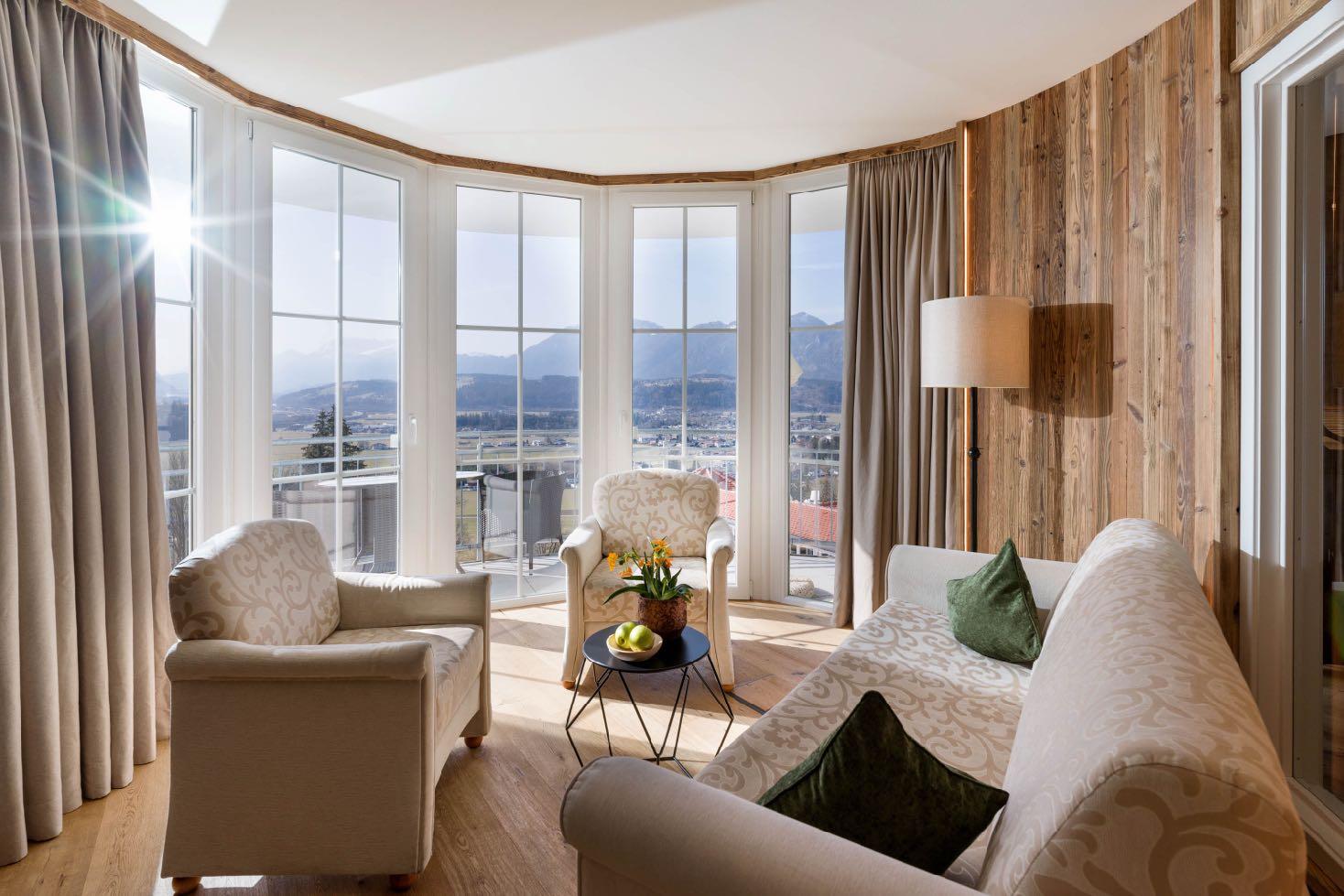
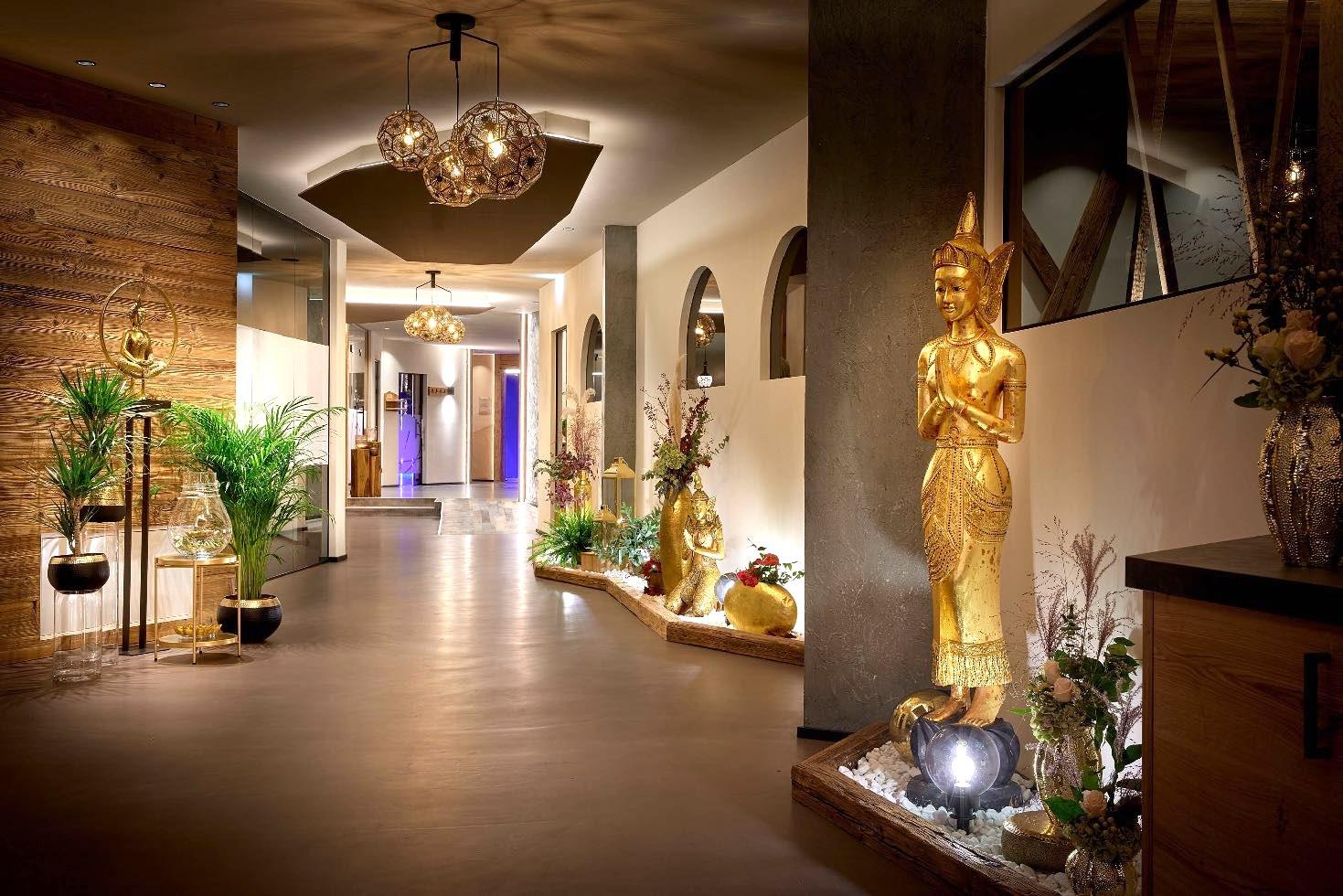
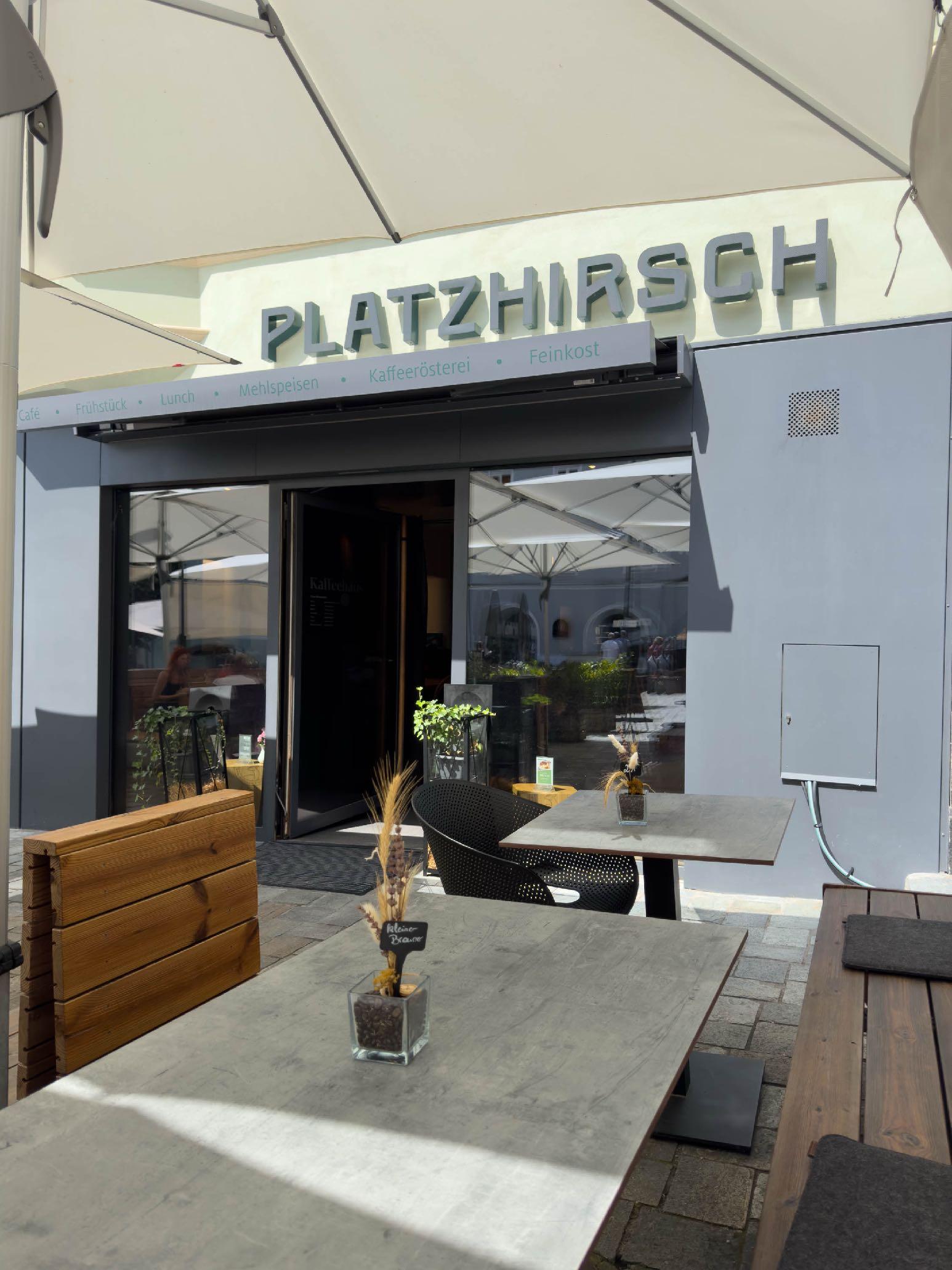
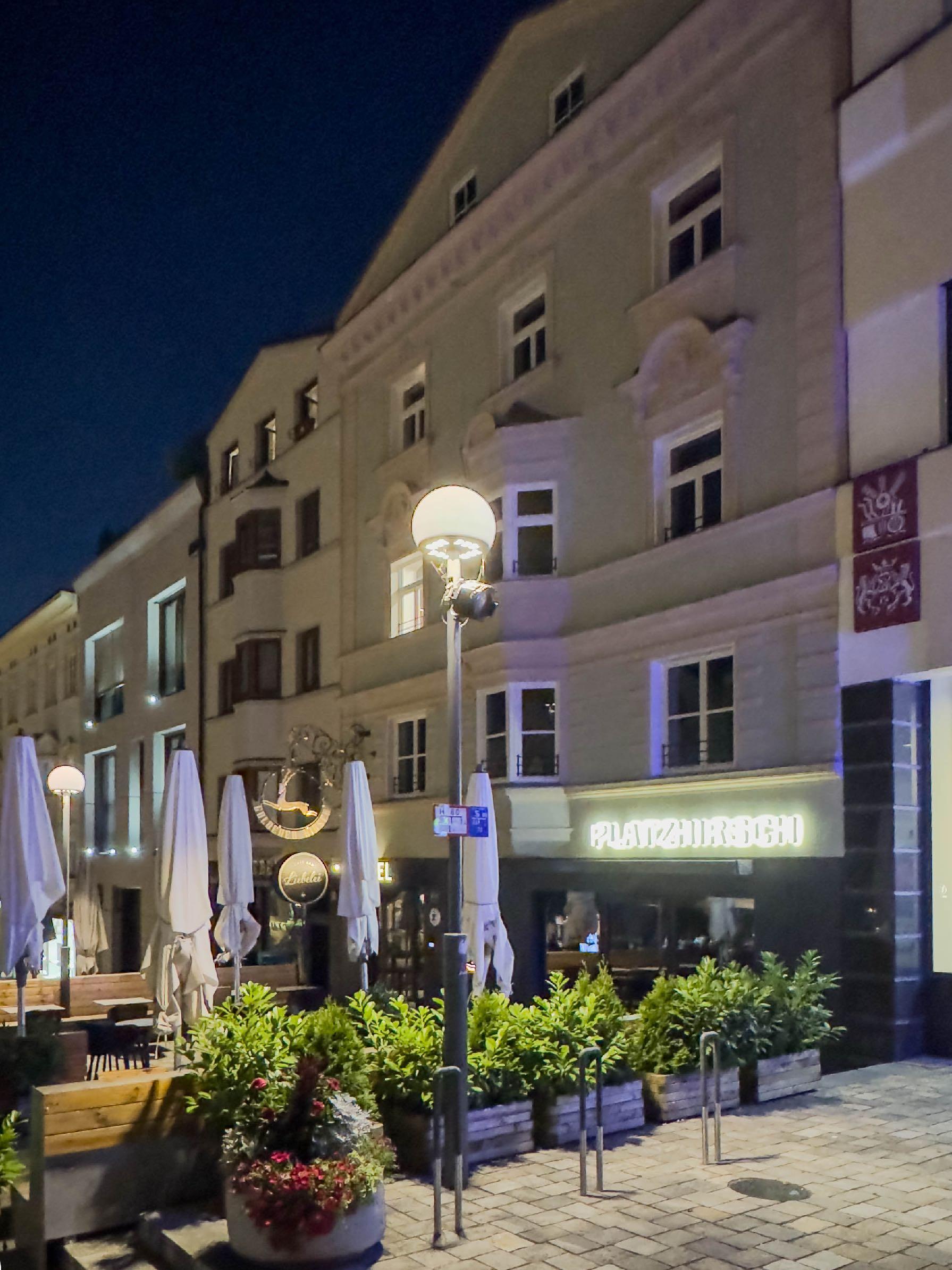
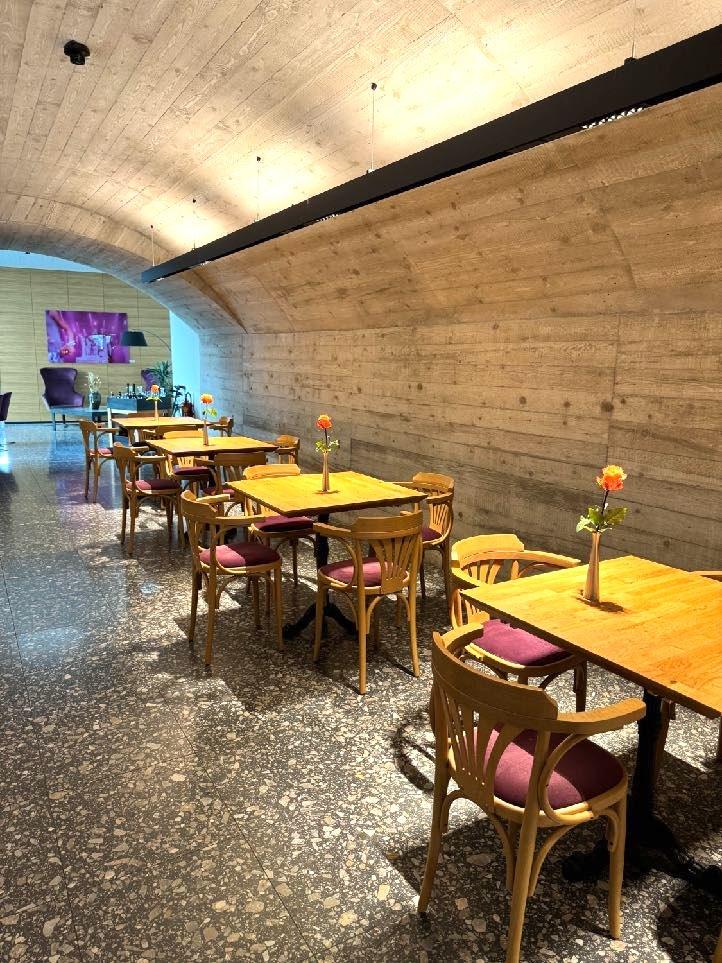
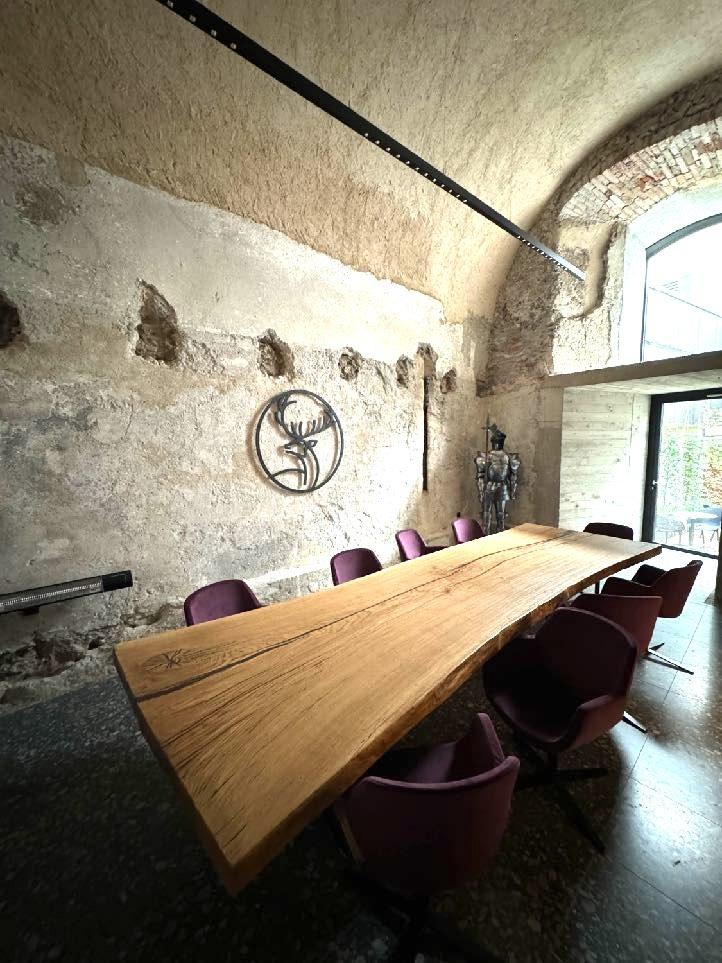
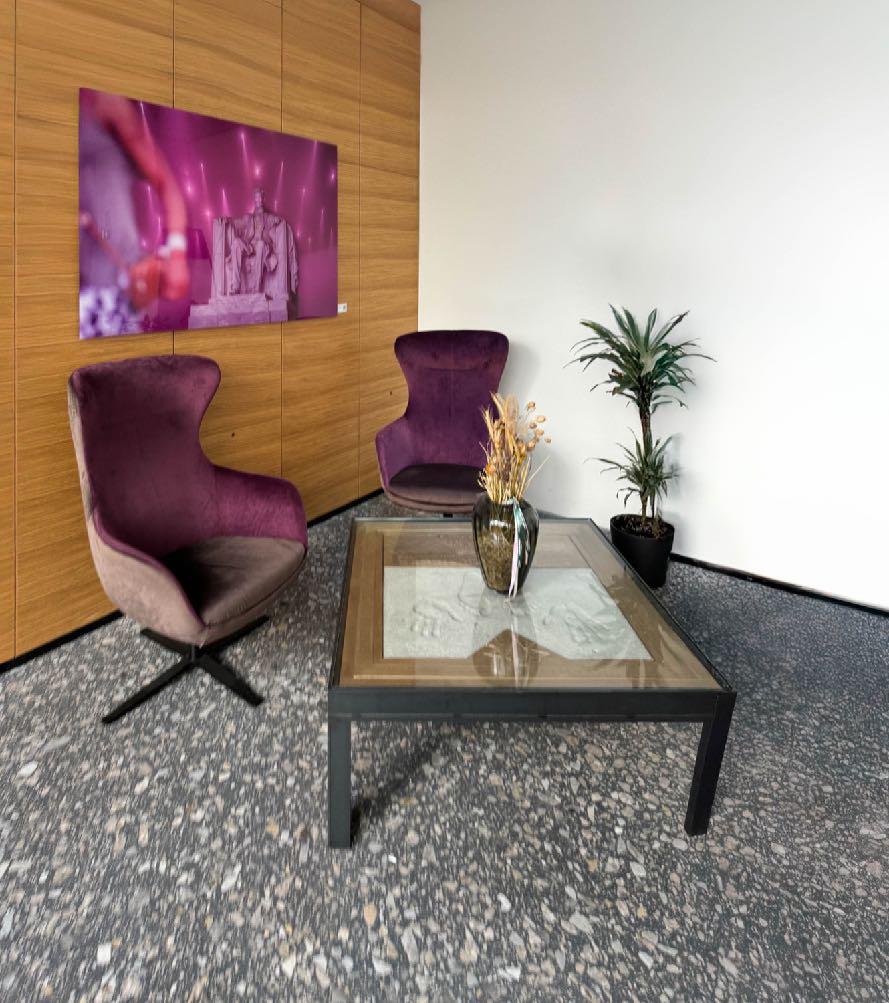
With 15 rooms and suites, the Old Town Hotel Platzhirsch presents itself as a small, cozy establishment. Particular emphasis is placed on exclusivity and personal service. In addition to the hotel operations, there are some special aspects to know about the Platzhirsch.
“Casual Dining” serves as a talent forge, offering young culinary talents the opportunity to showcase their skills.
Guests can always view the latest events on the Platzhirsch website.
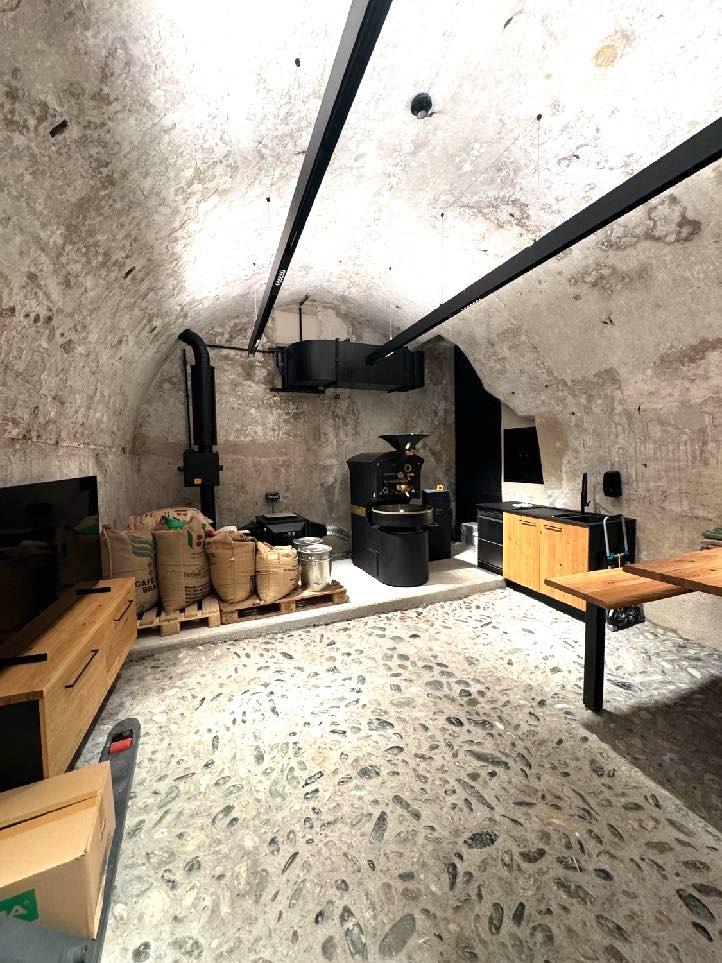
The excellent café represents an oasis in the city of Kufstein. The in-house coffee roastery ensures highquality, fresh coffee.
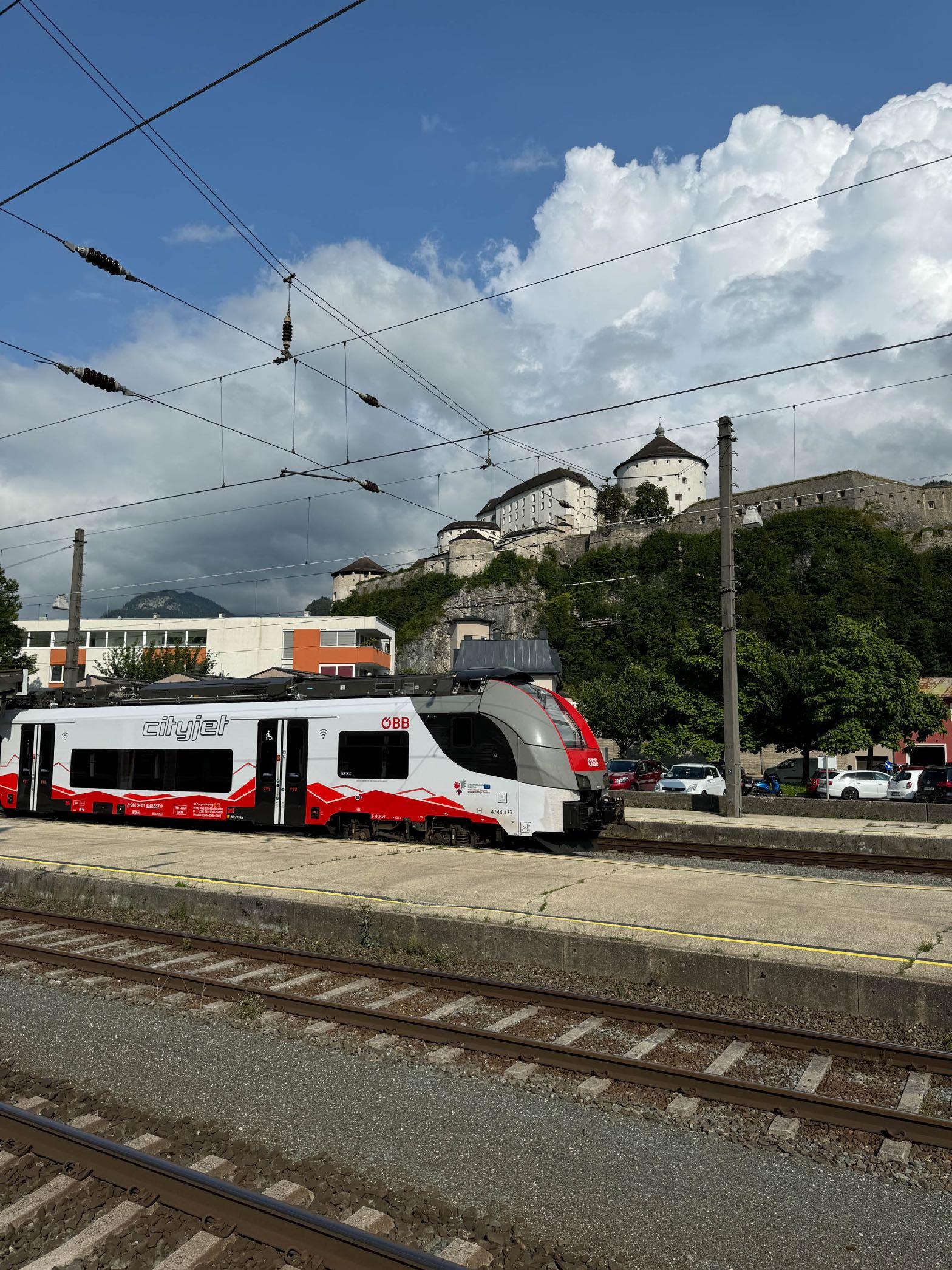

OBB Nightjet and OBB Nightjet Partner







AT53_EN_Kufstein © 2026 (Vers. 26.0)
This e-book was made possible through the kind support of the regional tourist offices and the OBB. German proofreading and editorial: Martin Andergassen.
References
Text, videos and photos by Rudolf J. Strutz unless otherwise stated. Timetables and travel information: OBB
Assistance from AI
Artificial intelligence applications are occasionally employed for image editing, including the elimination of undesirable components. Additionally, AI tools can enhance the clarity of images and diminish background noise.
The travel guides are also available free of charge on the OBB online entertainment and internet portal railnet, which is installed on all railjets, nightjets (NG) and cityjets



Copyright
This book was licensed under the Creative Commons License. Conditions of use: attribution, non-commercial, no editing and distribution under the same conditions only as a complete work! The use of individual photos and text is not permitted. This eBook is available free of charge.
All links provided are current at the time of publication of this ebook. Links to tickets usually lead directly to the exhibition location. For tickets and timetables, local public transportation services are linked.
All logos and company names are used for information purposes only; any use outside of this e-book must be approved by the copyright holders.
with the ÖBB railjet to Kufstein

SCOTTY mobile shows the timetables for all public transport and helps you plan your travel route.


Book your trip online or view the current timetable online and directly on your mobile phone.





ebooks@oebb-ebooks.at