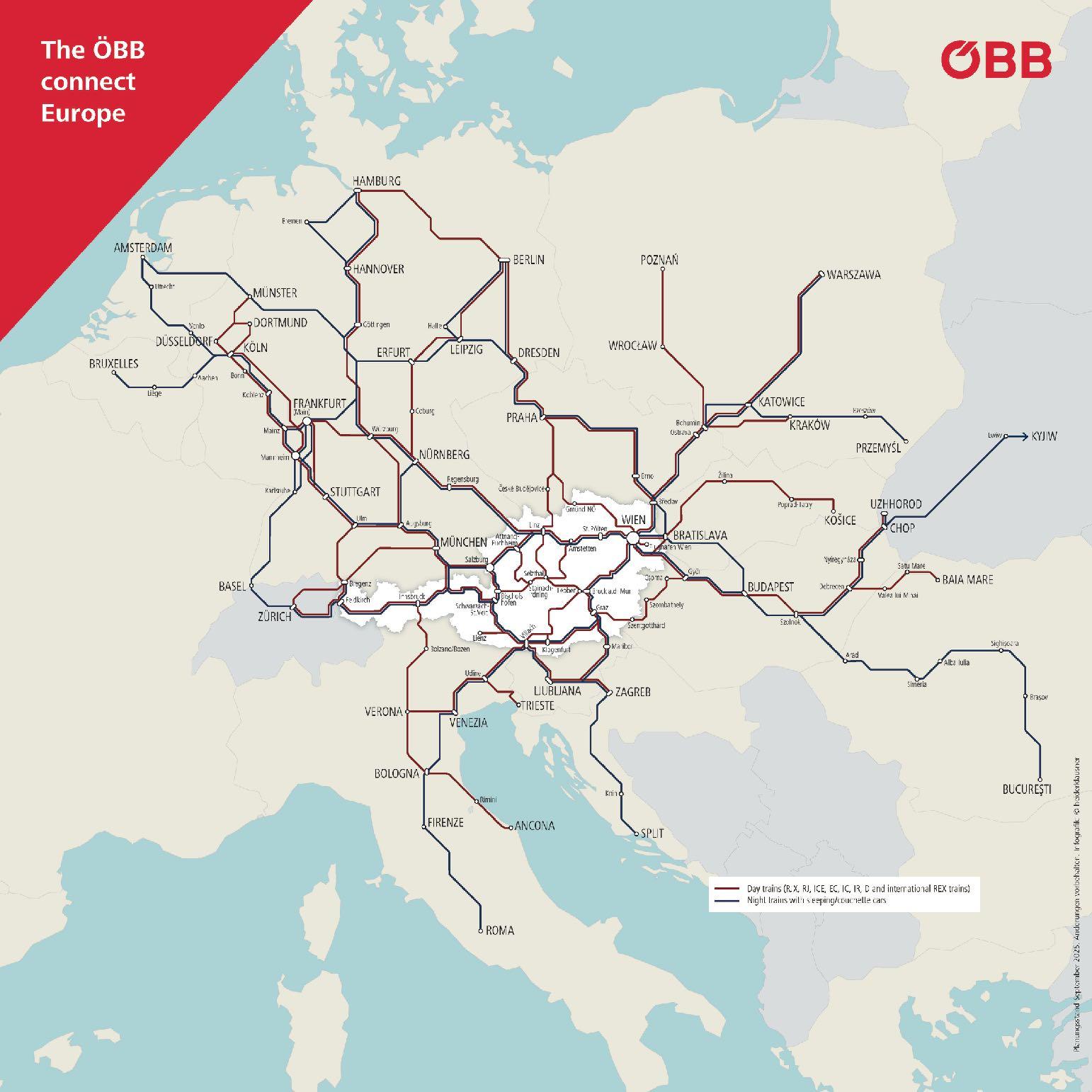

ÖBB connects numerous European cities with modern day and night services.
During the day, ÖBB Railjets offer fast and comfortable long-distance travel in Economy, First, and Business classes.
At night, the ÖBB Nightjet provides a relaxing and environmentally friendly journey across Europe. Whether
you prefer a seat, new Mini Cabins, or couchette and sleeper cars – every travel preference is catered for.
Within Austria, ÖBB Cityjets guarantee punctual and comfortable local and long-distance transport.
Further information and booking options can be found via the info button, which leads directly to the ÖBB booking page.


HELLO GRAZ
CULINARY CAPITAL
WORTH SEEING
CHURCHES
MUSEUMS & ART
DINE & WINE
SHOPPING
HOTELS
PUBLIC TRANSPORT
IMPRINT

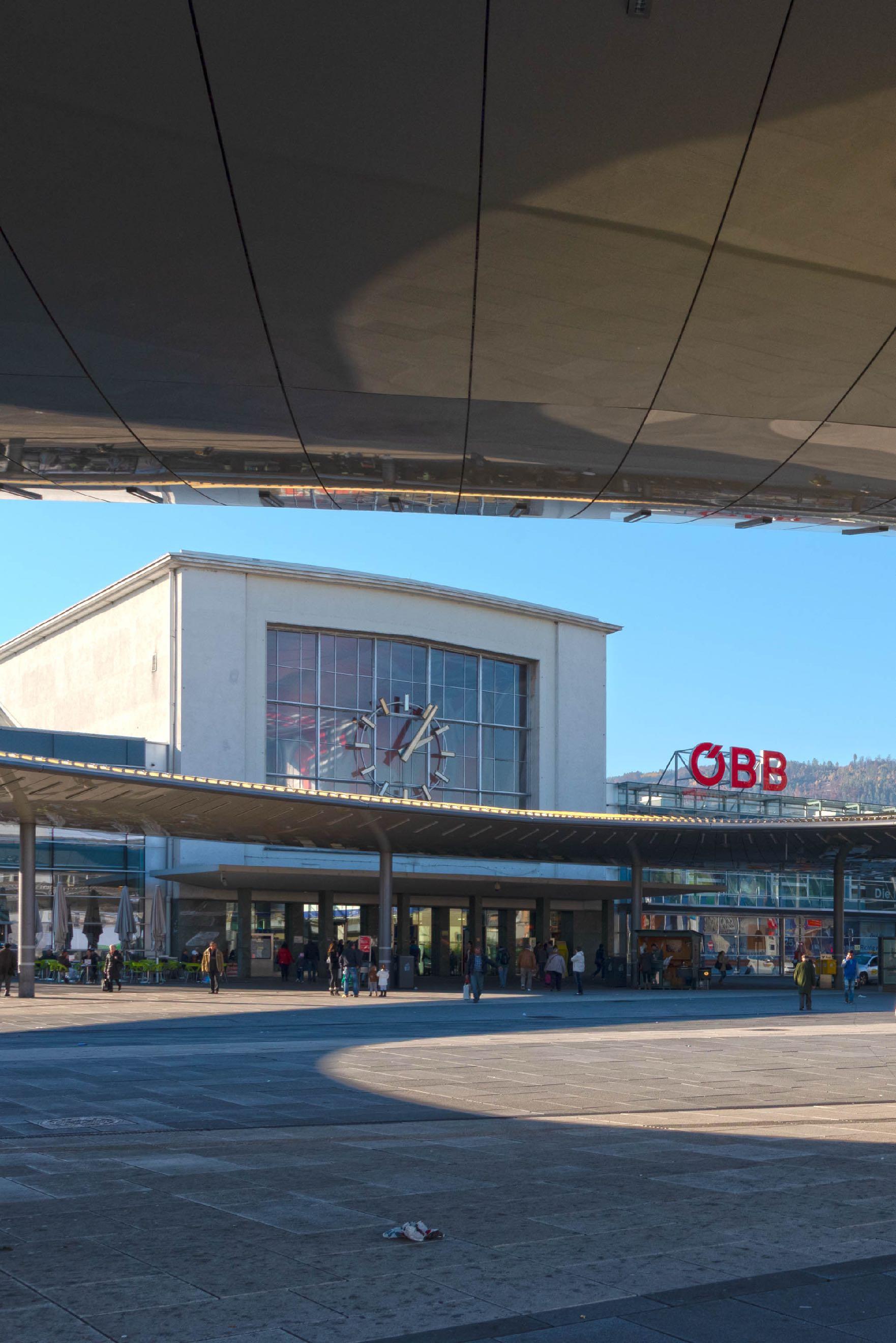




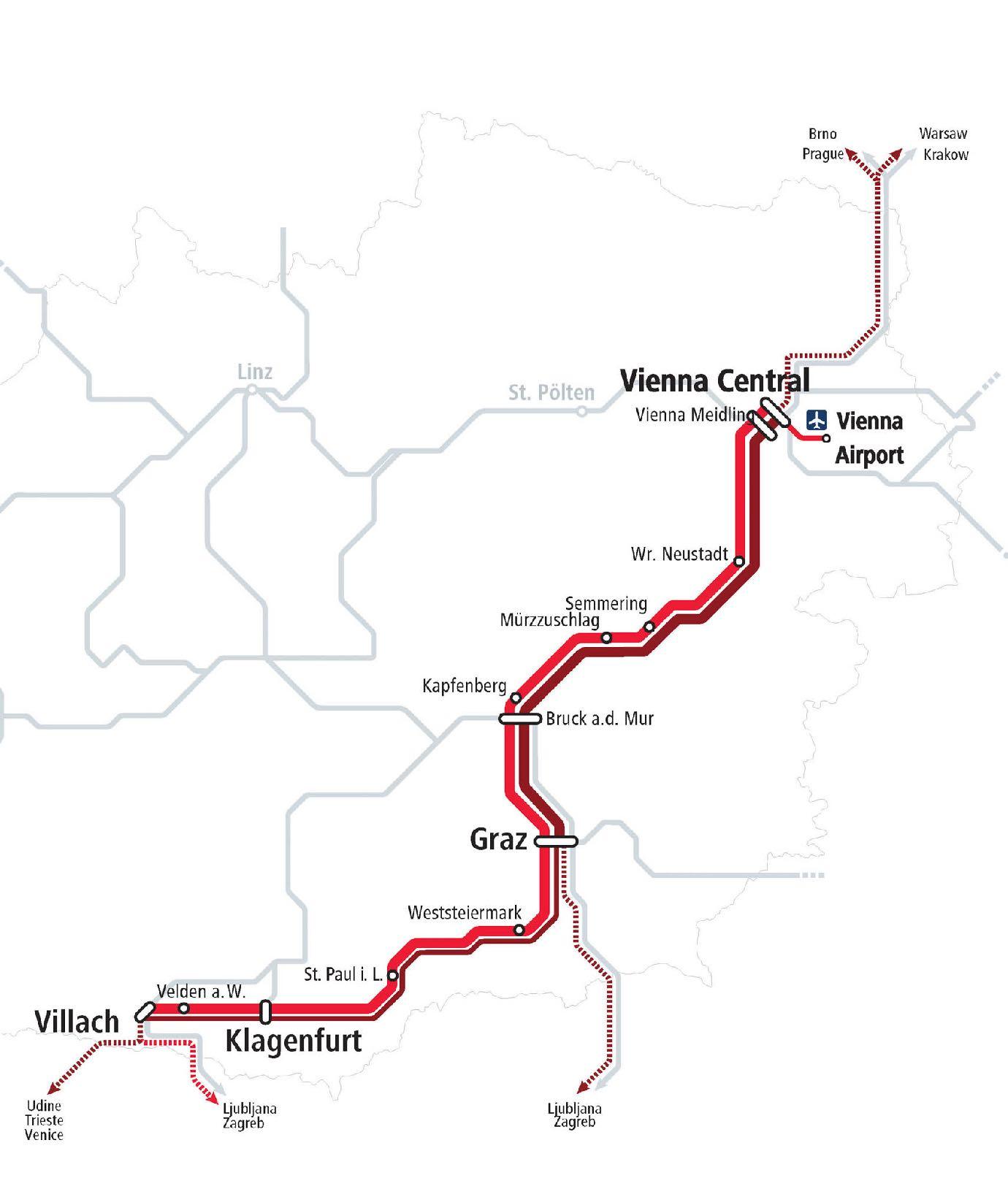

The groundbreaking Koralm Railway project establishes a direct link between Graz and Klagenfurt. Central to the 126-kilometre route is the Koralm Tunnel, an impressive 32.9-kilometre twintube tunnel. Designed for speeds of up to 250 km/h, the line slashes travel time between Graz and Klagenfurt from around three hours to just 45 minutes. Beyond facilitating international passenger journeys to Italy, this new connection also significantly enhances freight transport.
The launch of the Koralm Railway marks a major milestone in upgrading regional infrastructure and boosting economic growth in Styria and Carinthia. Moreover, it plays a vital role in easing road traffic congestion by providing an environmentally friendly alternative for moving both people and goods. Equipped with cutting-edge technology and innovative safety features, the railway is set to uphold the highest standards well into the future.
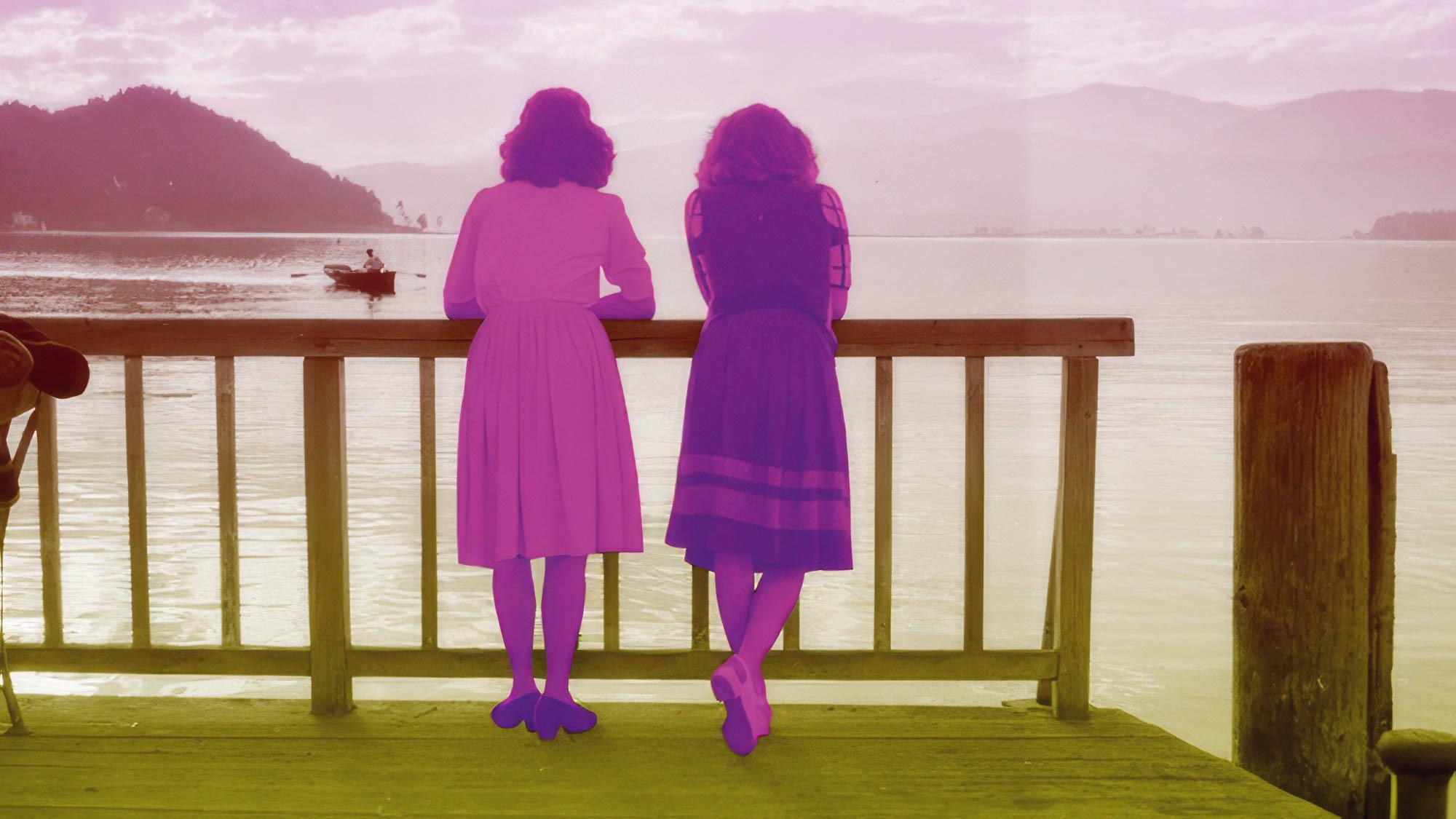
© Eugen Hauber, Multimedia Collections - "Holiday at Lake Wörthersee, August 1948"
The Koralm Railway forges a stronger transport link between Styria and Carinthia. To mark its inauguration, a joint exhibition is launched simultaneously at the Museum of History in Graz and the kärnten.museum
(Carinthia Museum) in Klagenfurt. This exhibition compellingly highlights the intertwined history spanning the past 1,000 years that unites the communities of Carinthia and Styria.


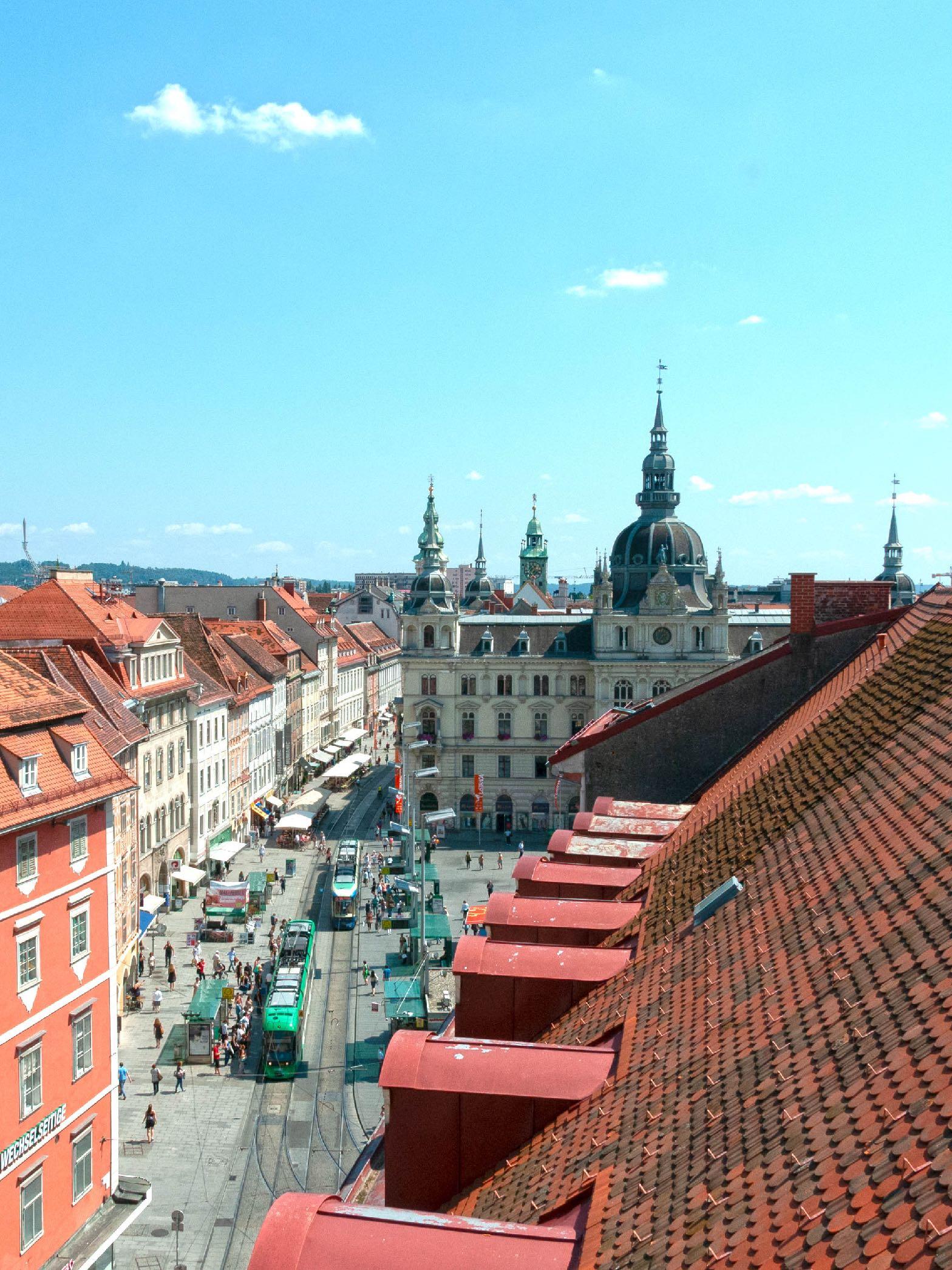

with the OBB to Graz
Since 2008, Graz has proudly borne the title of Austria’s "Culinary Capital". This distinction is thanks to a unique salad speciality, the "Krauthäuptel", which can be savoured at the city’s many farmers' markets from mid-March through to November.
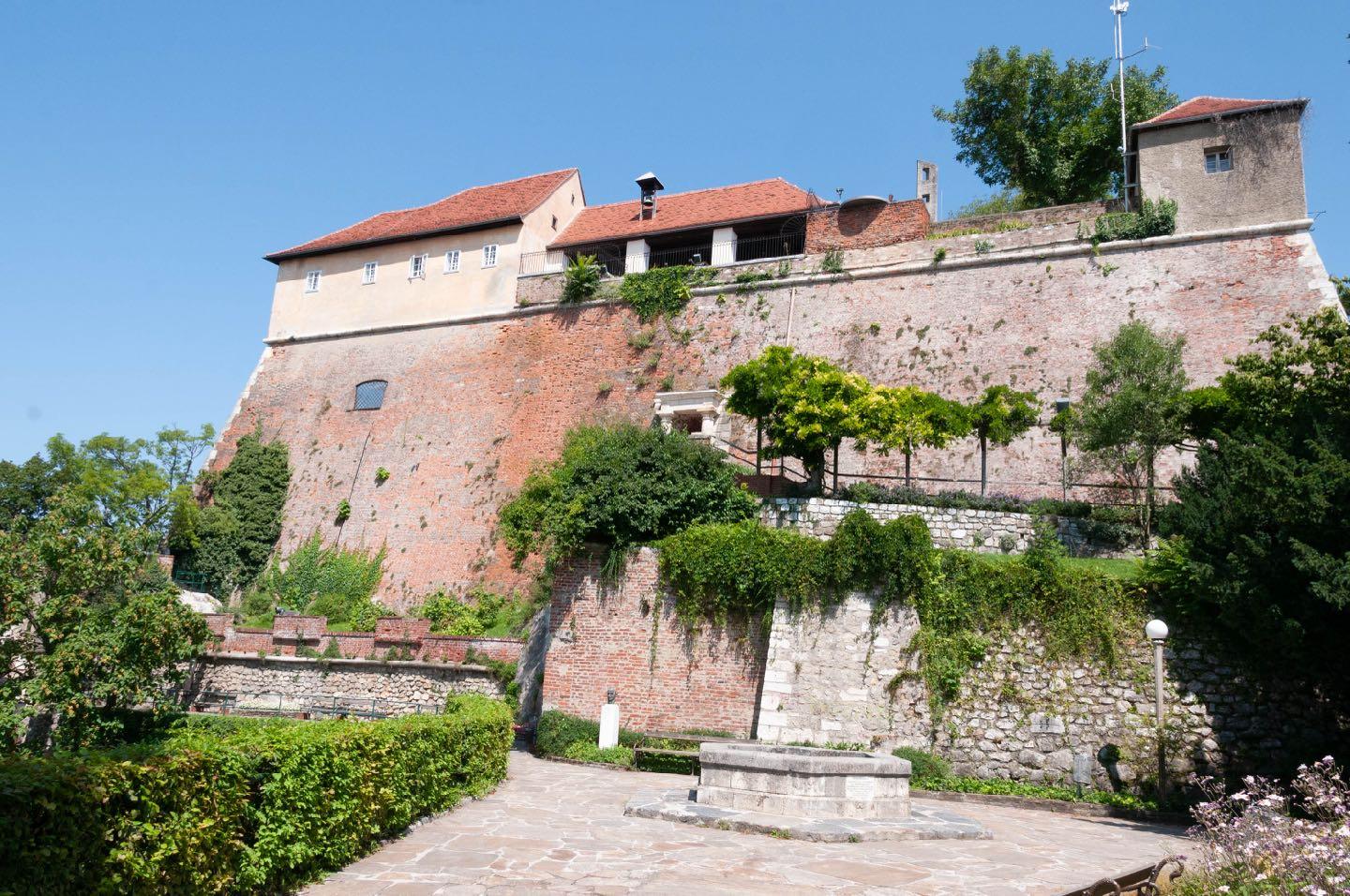
From the Turkish Well, one is treated to a striking vista of the formidable Schlossberg Bastion. This historic edifice is home to the Graz Museum Schlossberg. The Turkish Well itself plunges to a depth of 94 metres, situated directly beneath the Stall Bastion.
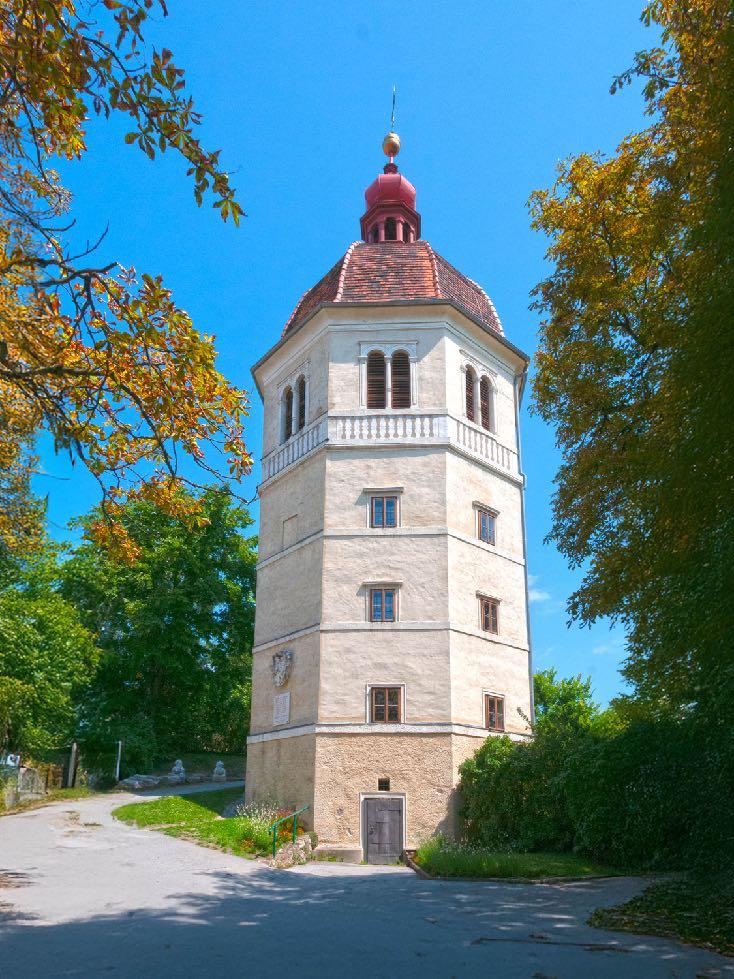
The bell tower is home to the famed "Liesl." Each day, its chimes resound precisely 101 times at 7:00 a.m., 12:00 p.m., and 7:00 p.m. This remarkable figure is said to honour the legend that the bell was forged from 101 cannonballs seized from the Turks.
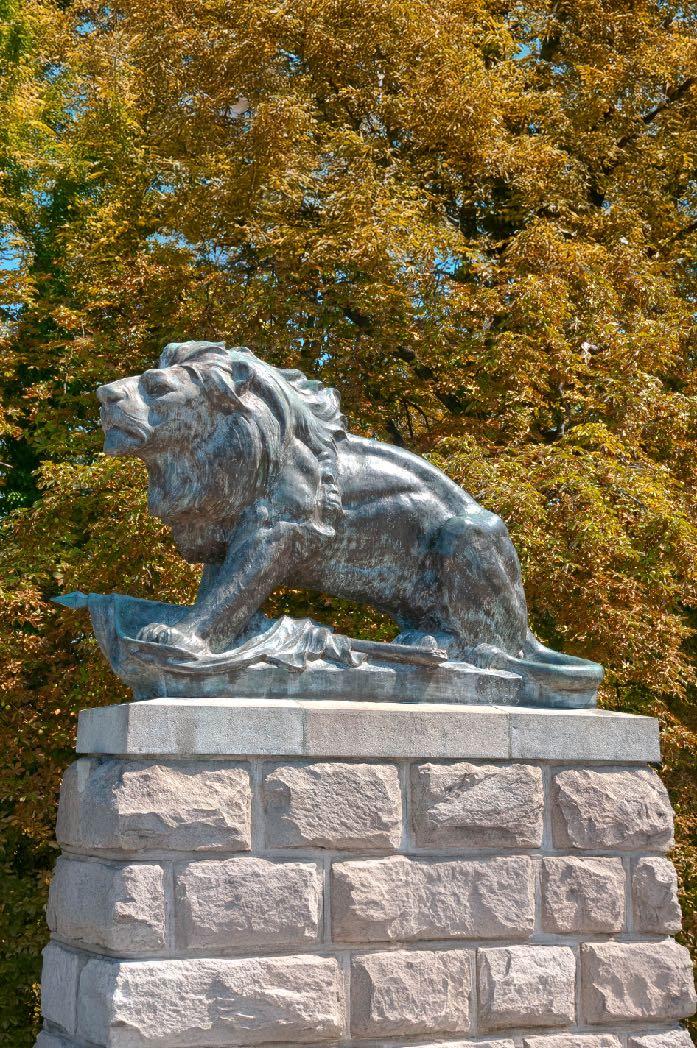
Upon the Fernberg Bastion stands the Hackher Lion, a tribute to Major Franz Hackher zu Hart, the brave defender of the castle hill. Though the original statue was melted down during the Second World War, a faithful replica was erected in 1966, continuing to honour his valour.
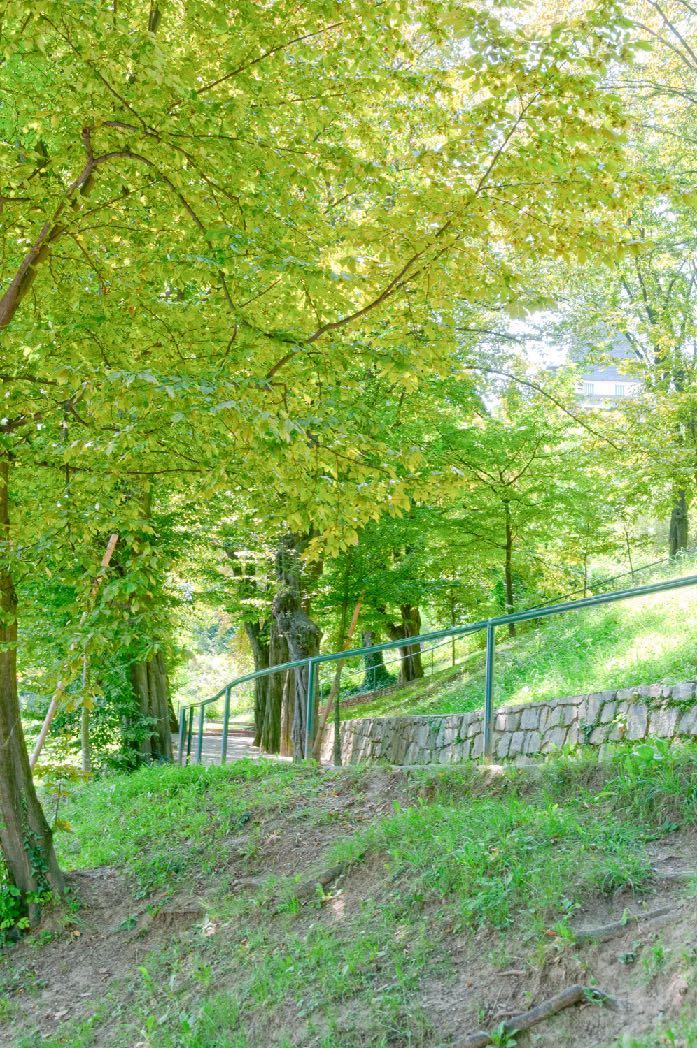
Graz’s Schlossberg offers a variety of ways to explore its heights. For the more active visitor, a hike on foot is a great choice, perhaps beginning at Karmeliterplatz. Alternatively, those who favour stairs might opt for the Kriegssteig, or War Path, which starts at Schlossbergplatz. This route is split into five parts and includes a total of 260 steps.
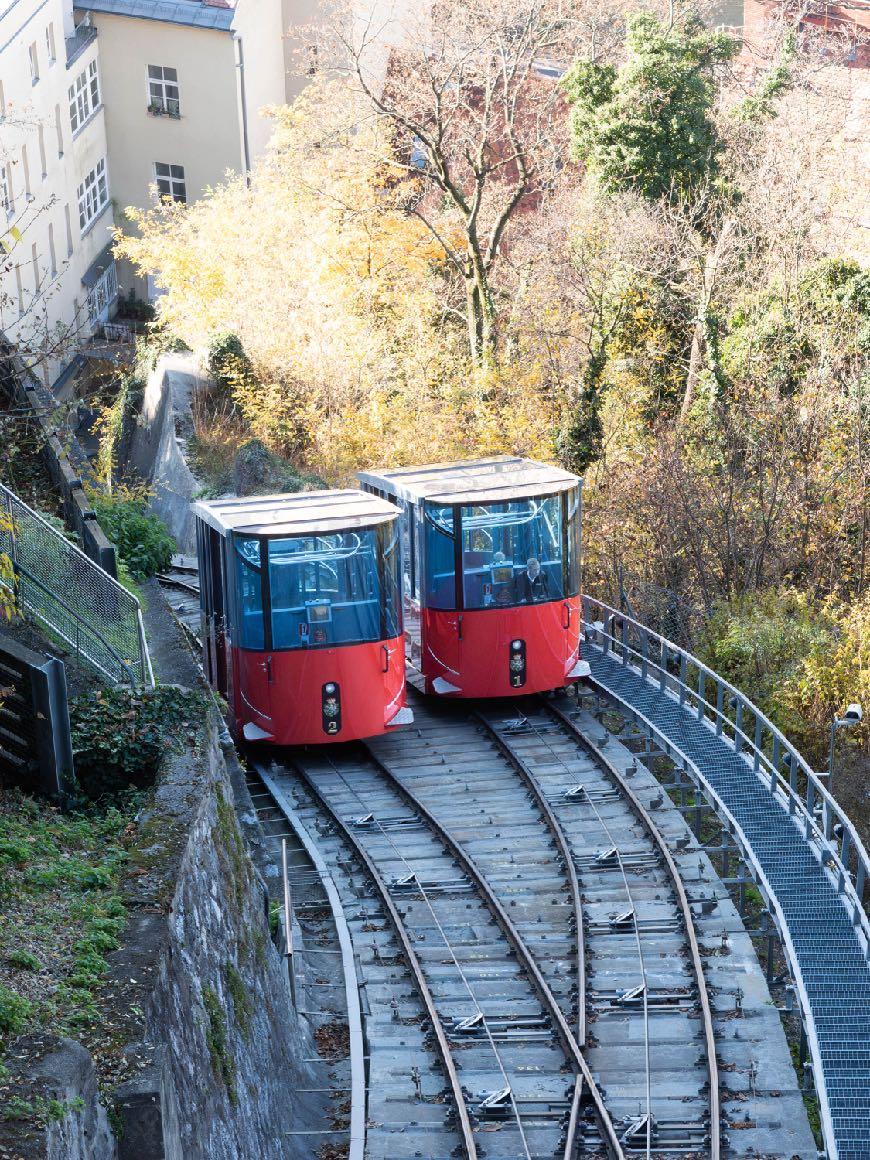
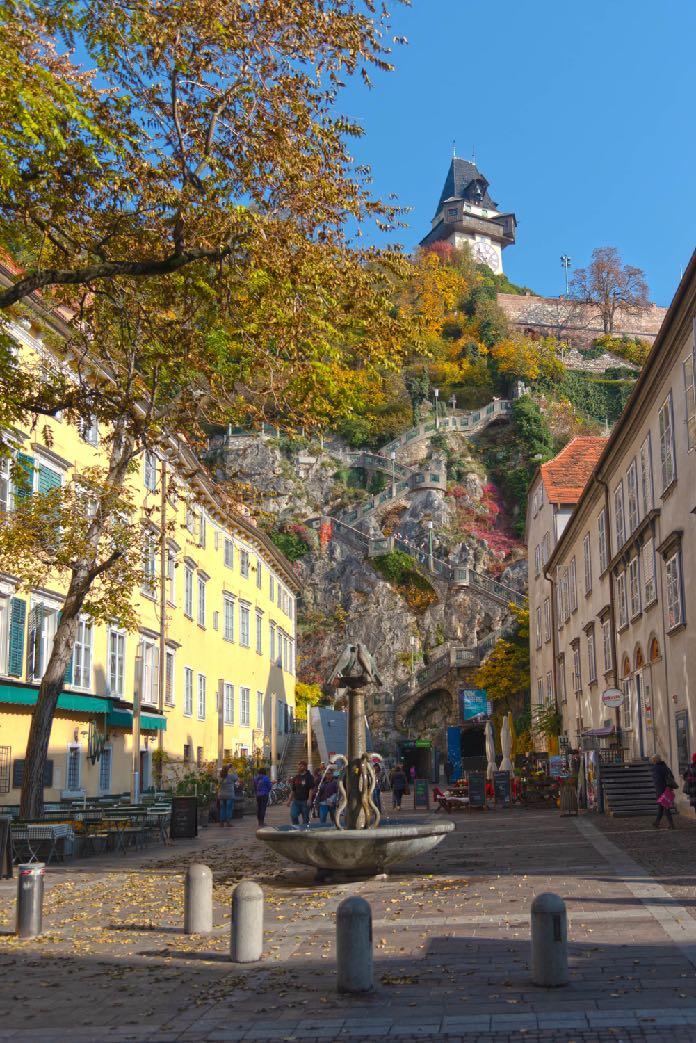
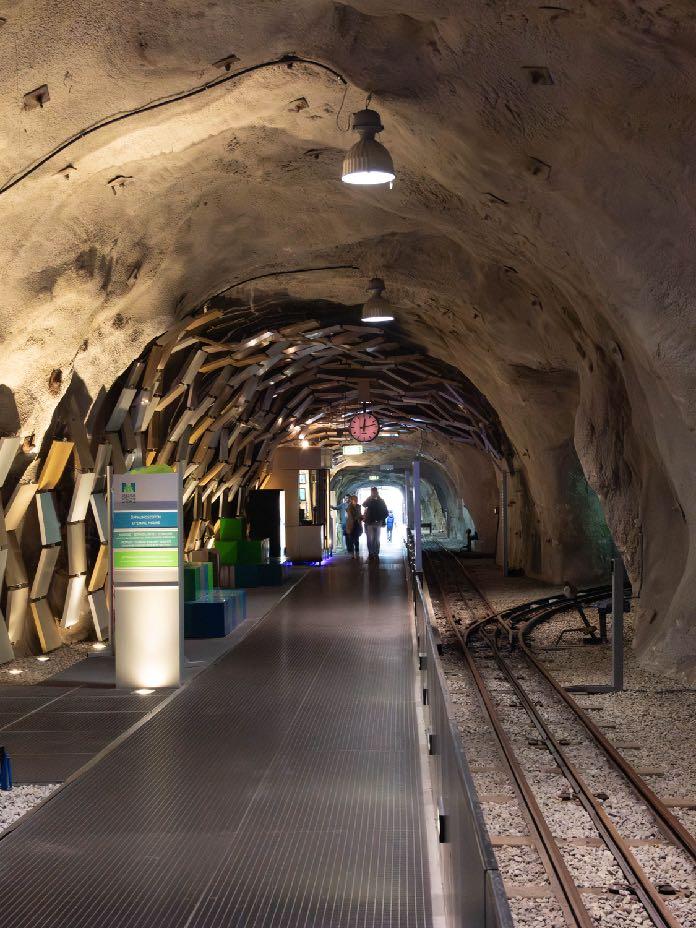
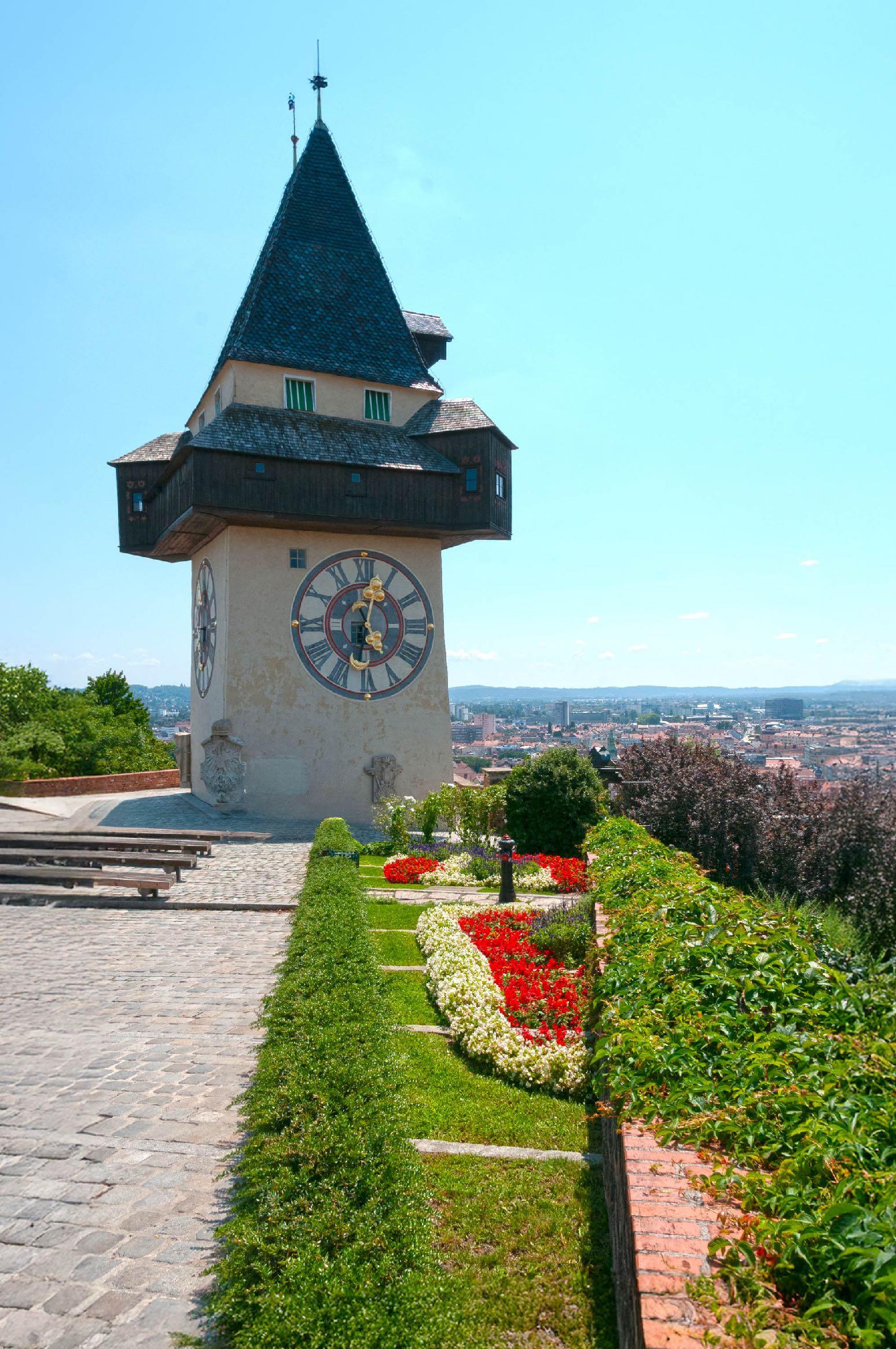
Beginning your journey at the ascent to the Schlossbergsteig trail, the route gently winds past the enchanting fairytale train before arriving at the Schlossberglift chairlift. Within a mere minute, you find yourself atop the iconic clock tower. Just a short 300 metres beyond lies the valley station of the Schlossbergbahn funicular railway. Its mountain station is conveniently nestled beside the historic casemates and the bell tower. The funicular ride itself lasts around two minutes, offering a brief yet delightful ascent.
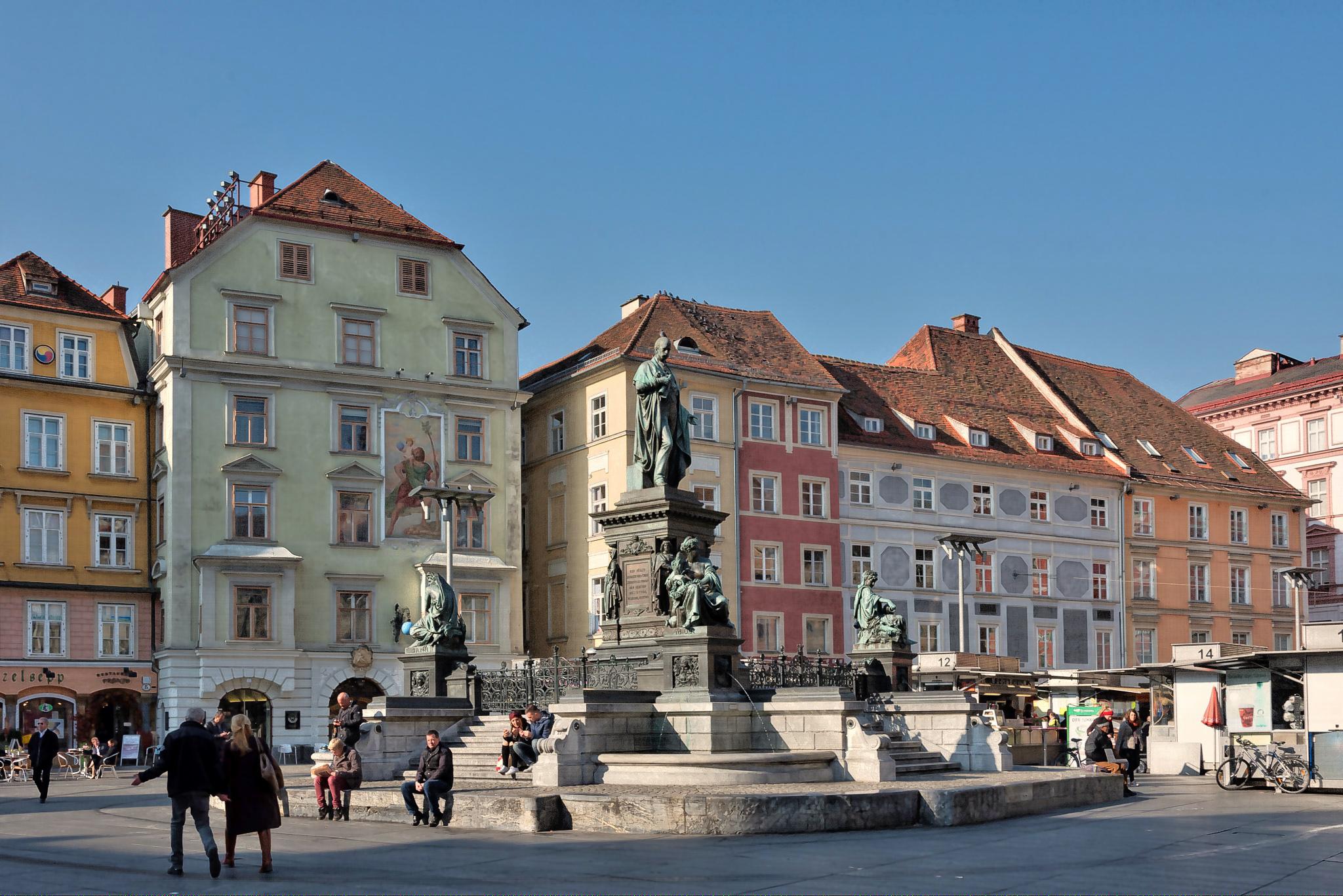


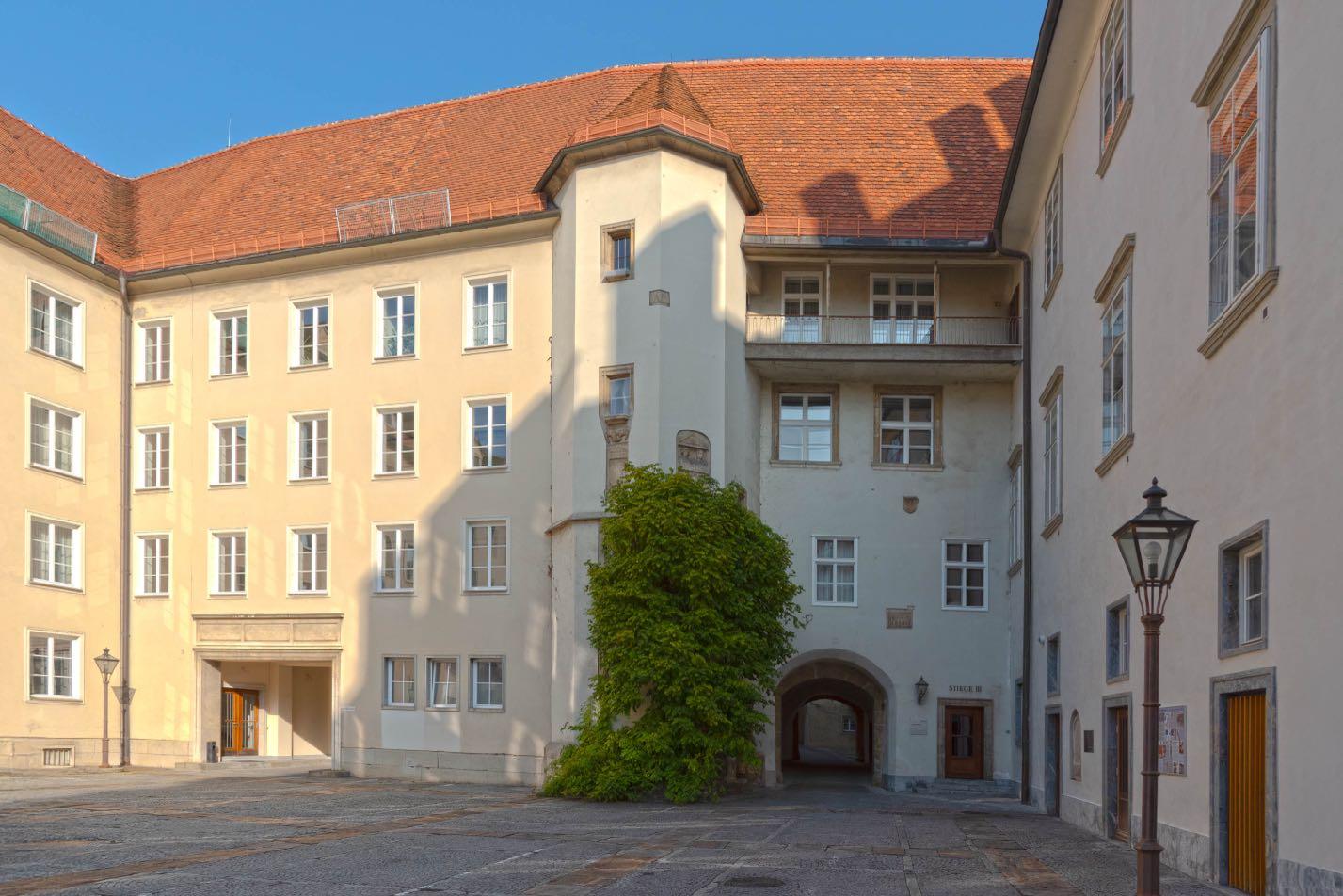
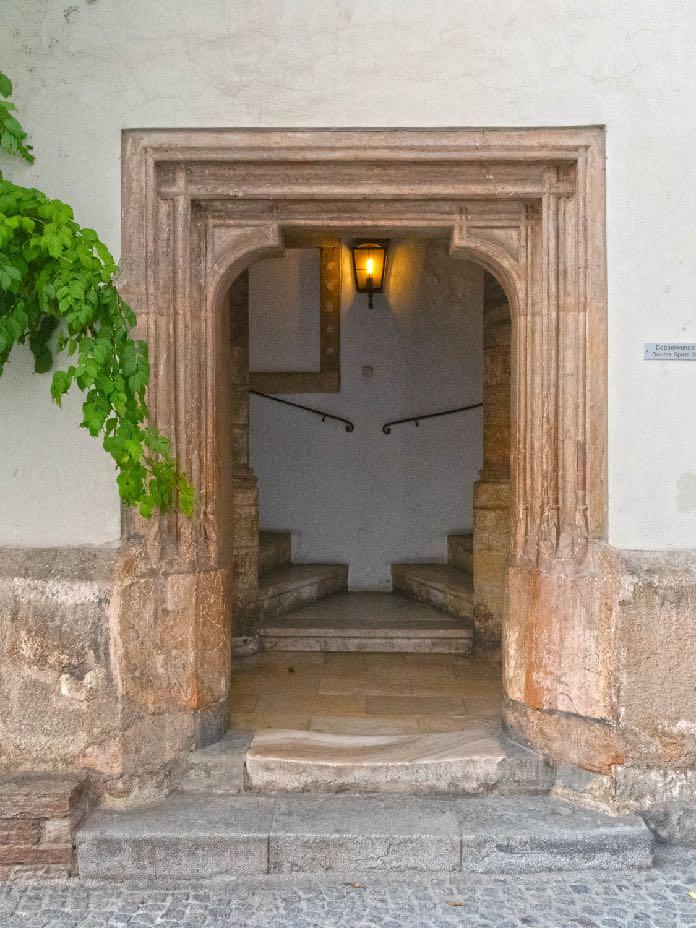
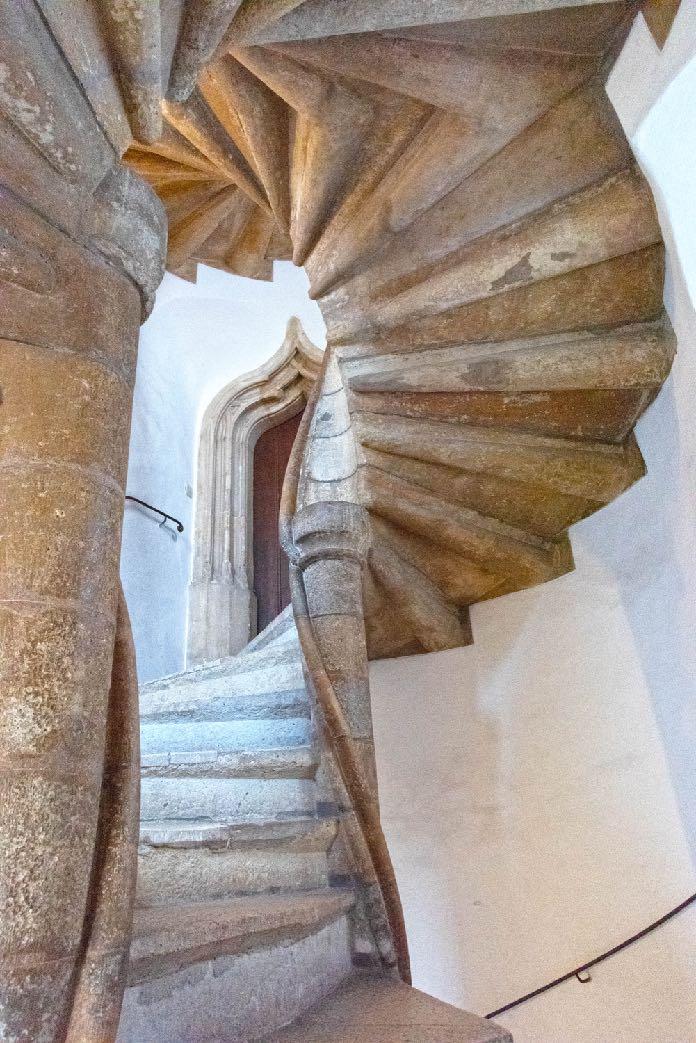
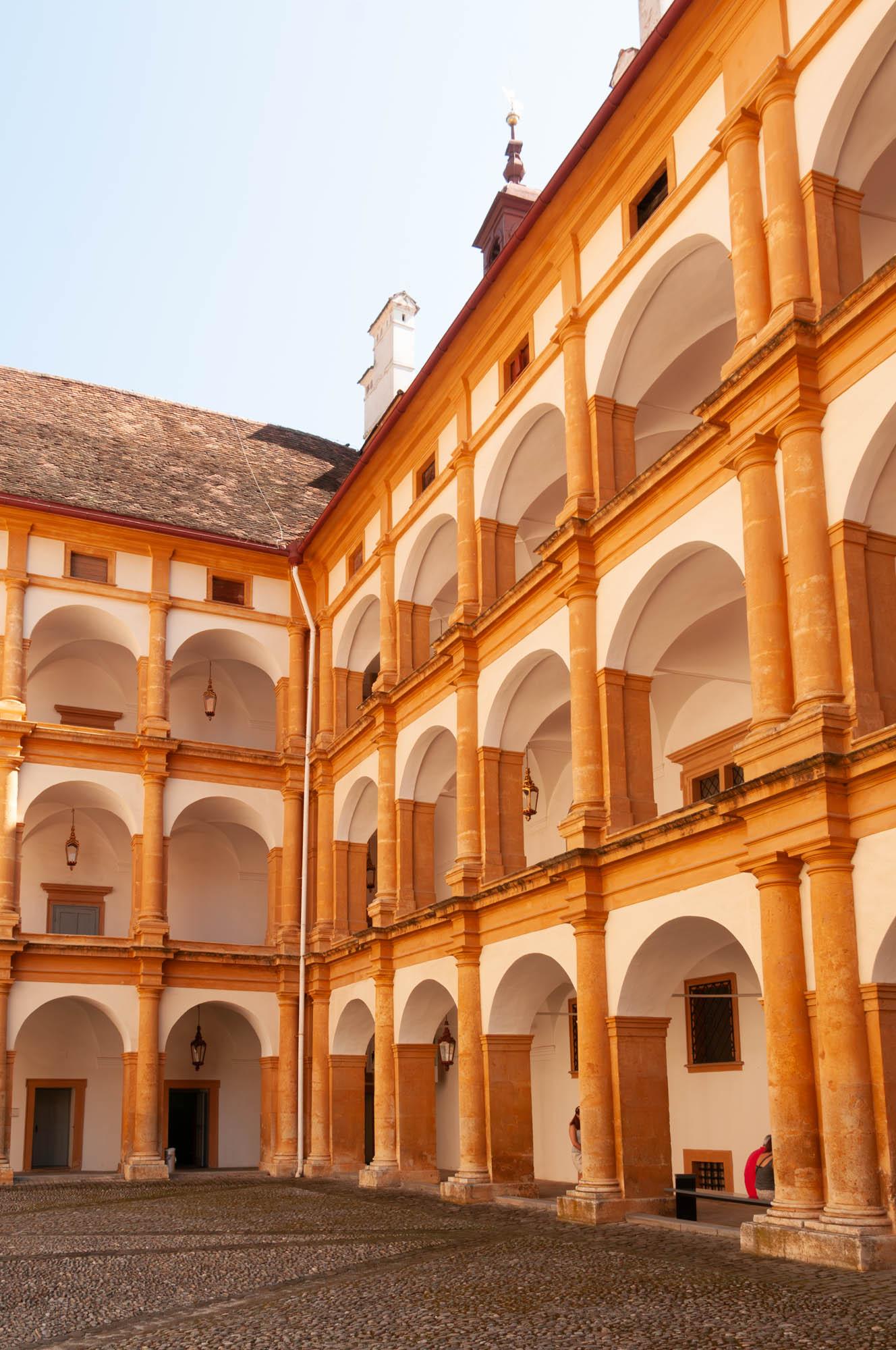
The Habsburgs erected the castle in 1438, and it now functions as the official residence of the Governor of Styria. Of particular note is the Gothic double spiral staircase, crafted in 1499, which captivates visitors with its design. In Graz, locals affectionately refer to it as the "Stairway of Reconciliation," for its twin paths continually meet and intertwine.
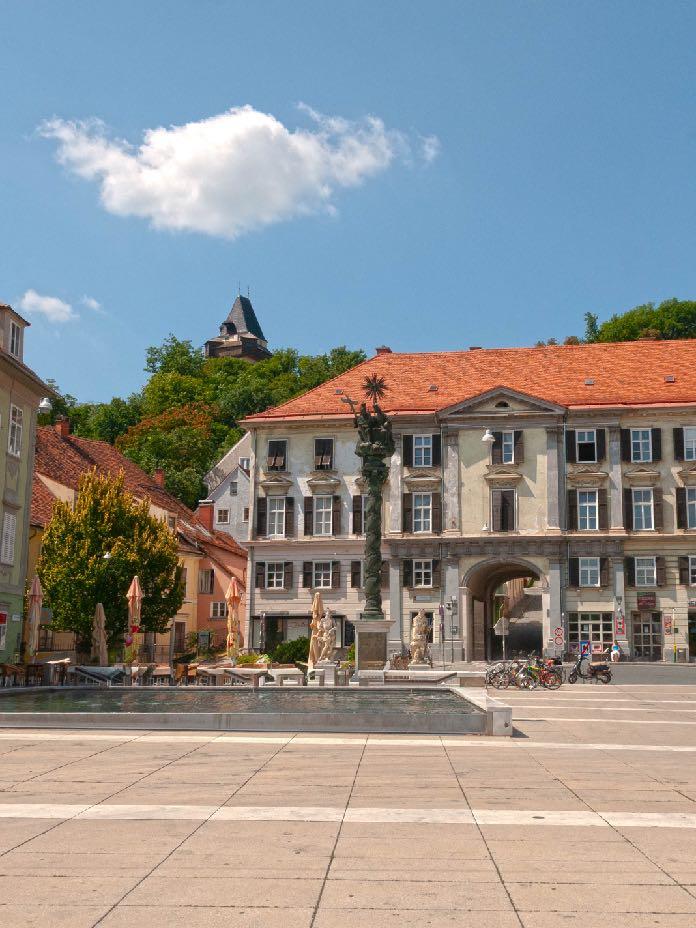
From the central square, the quaint Sportgasse winds its way straight to Karmeliterplatz. This charming square serves as the perfect starting point for a gentle walk up to Graz’s Schlossberg, or Castle Hill. The climb begins along the street aptly named "Am Fuße des Schlossberges" (At the Foot of the Castle Hill). Standing proudly in Karmeliterplatz is the Trinity Plague Column.
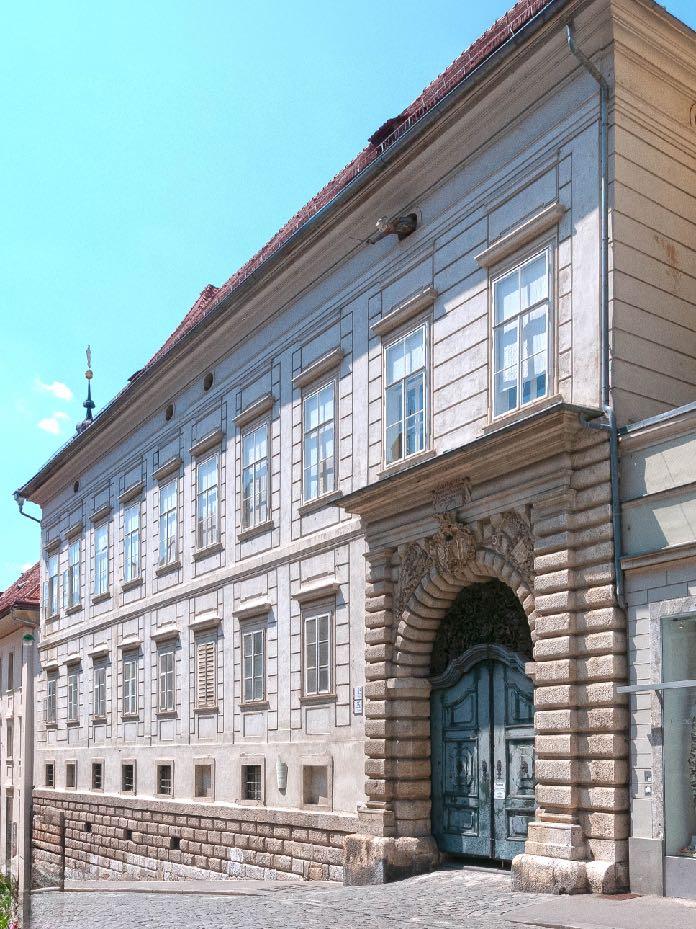
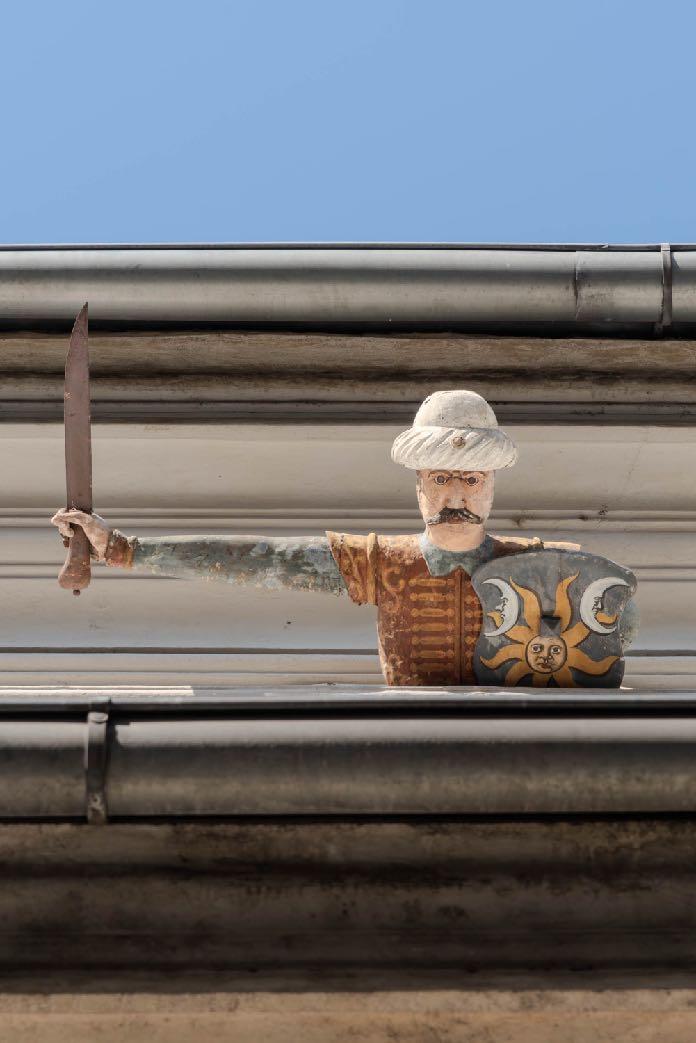
A bearded man, adorned with a turban and clutching a dagger, gazes out from a small window beneath the roof of Palais Saurau. Many tales have sprung up around his image, yet as Graz was never under Ottoman occupation, it is probable that the Counts Saurau were merely embracing a contemporary fashion trend.
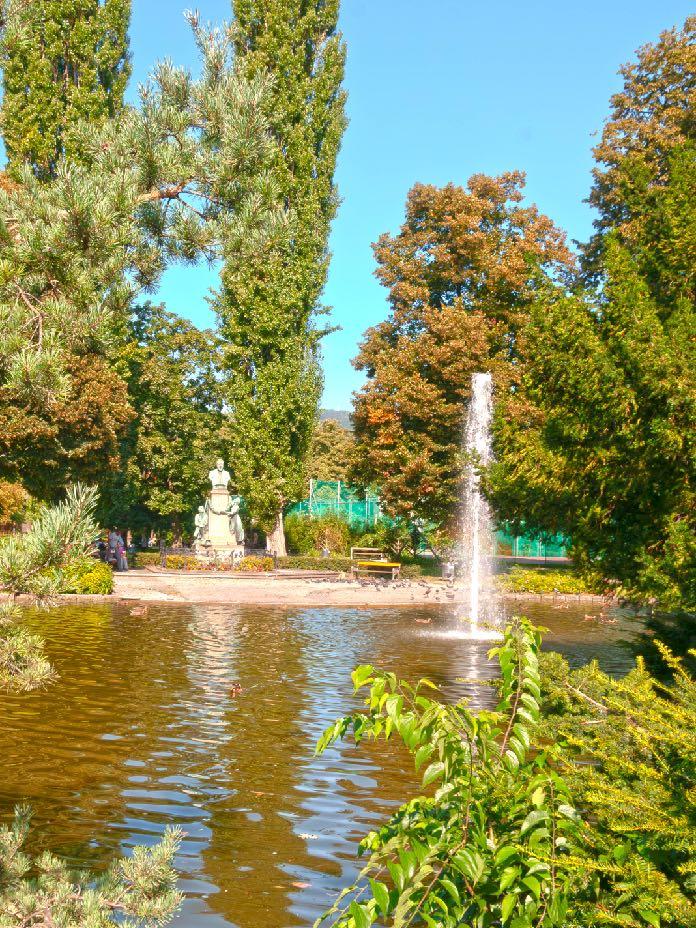
The Volksgarten in Graz spans 4.6 hectares and is situated in the Lend district. If you stroll from Lendplatz towards Annenstraße, you’ll discover the park on the right side of the street. The Mühlgang stream runs through the park, splitting it into two parts, where ponds provide a habitat for many ducks and goldfish.
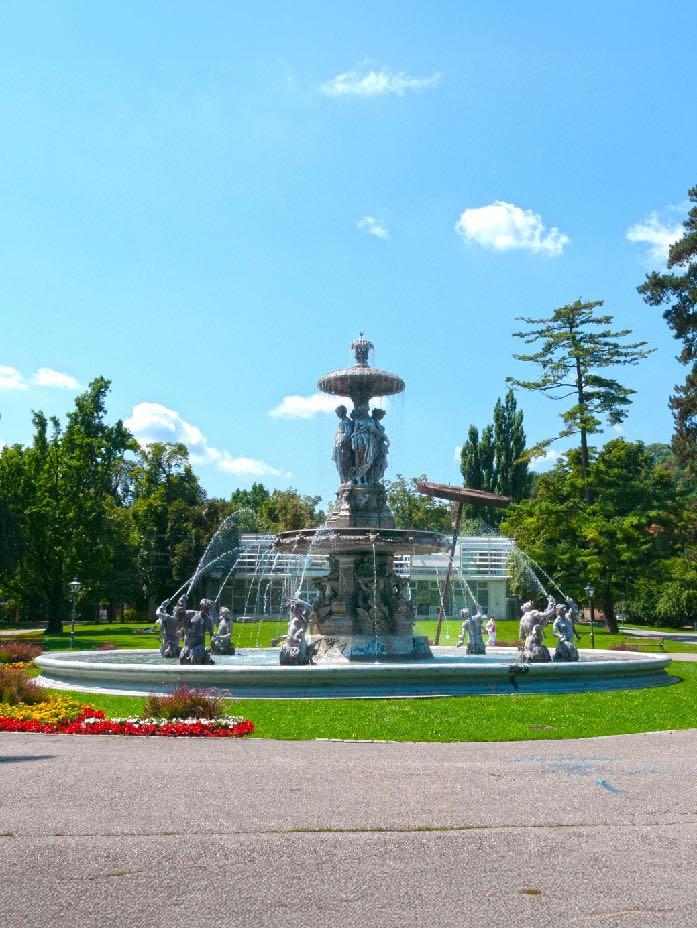
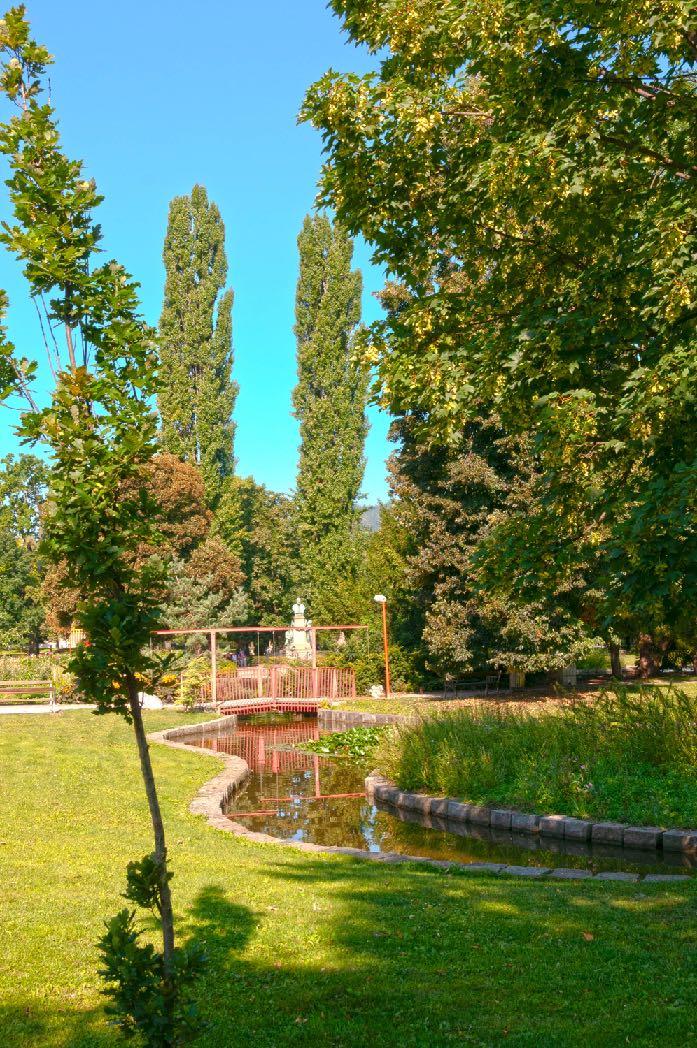
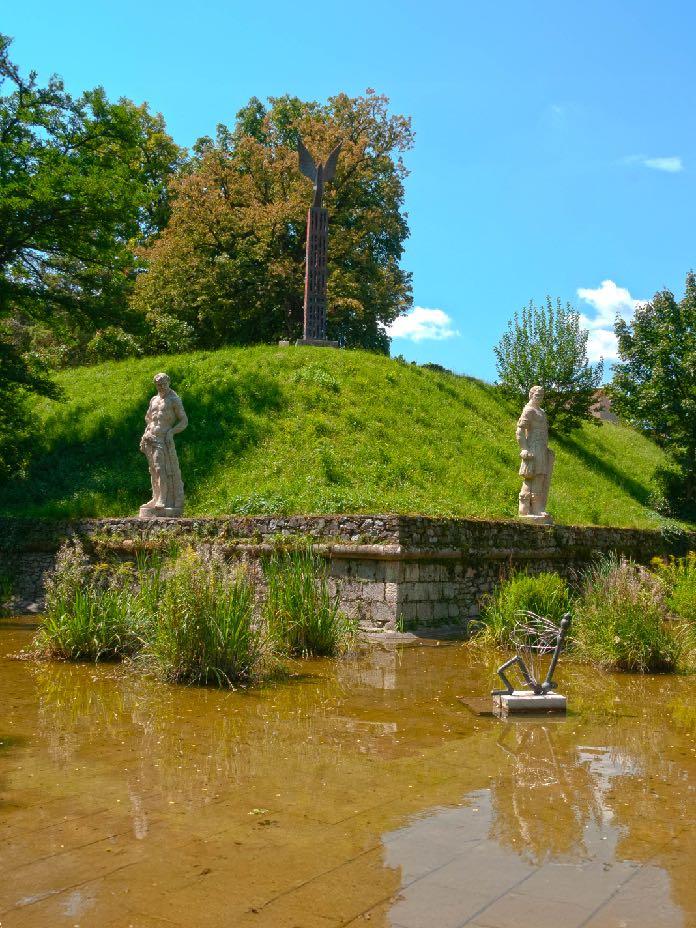
The city park fountain stands as a remarkable relic from the 1873 Vienna World’s Fair. Since 1987, Graz’s city park has been designated a protected nature reserve, boasting a wealth of welcoming benches that provide an ideal spot to relax and unwind. The park is also home to many squirrels, endearingly known as “Hansis,” who have made it their cosy habitat.
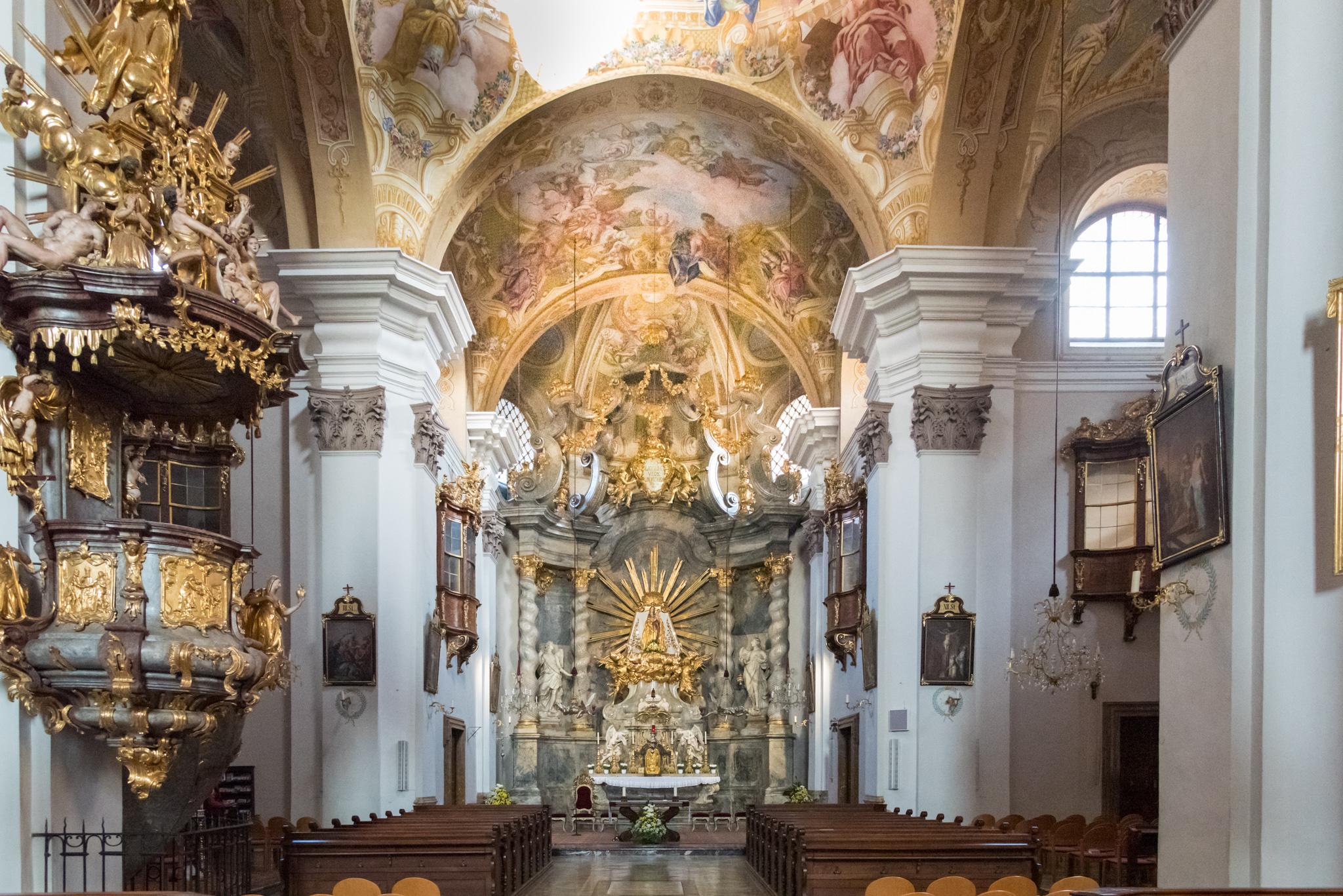

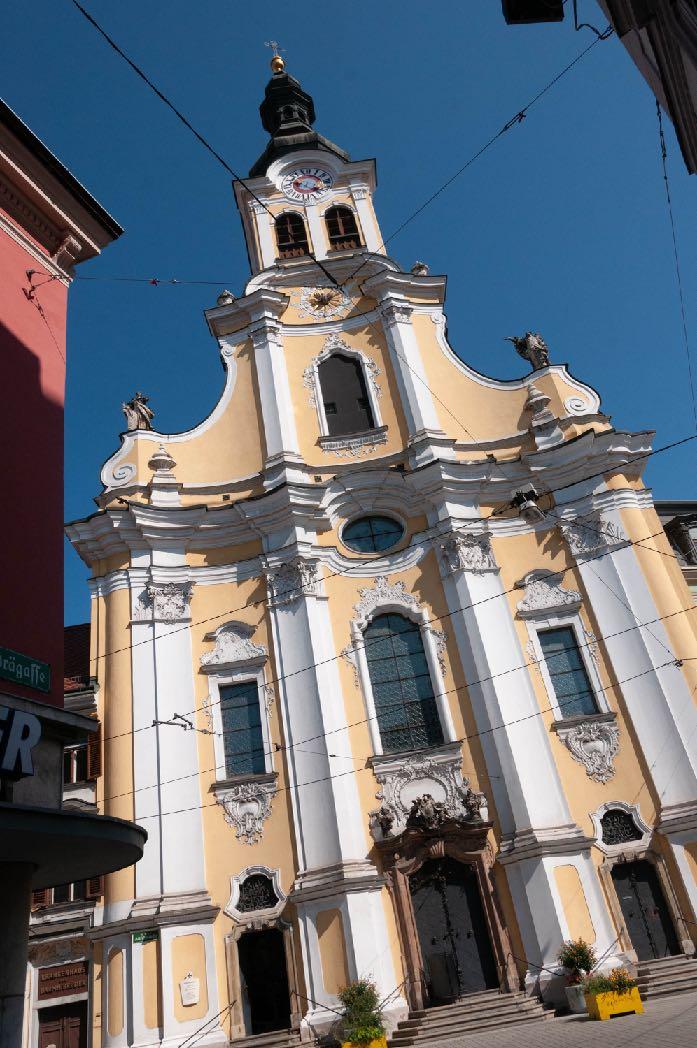
The Church of the Annunciation of the Blessed Virgin Mary is situated midway between Südtiroler Platz and the Rosegger House. Its origins trace back to the Thirty Years' War, with its consecration taking place in 1636.
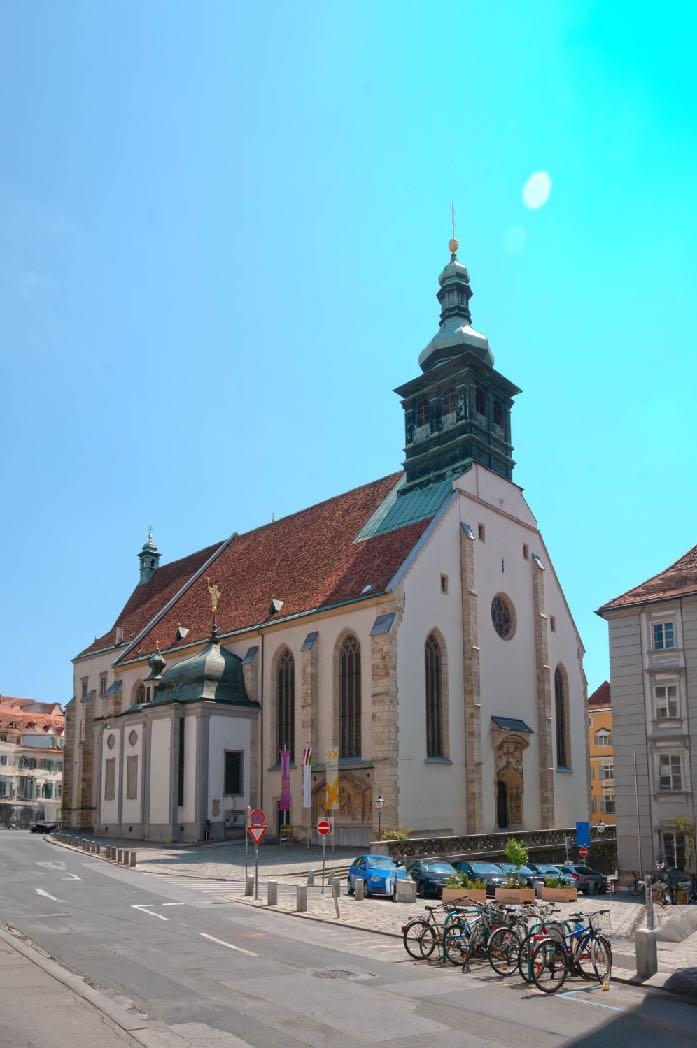
One must not be misled by the modest exterior of Graz Cathedral. Although the building's splendid paintings have sadly vanished almost entirely, the so-called "Plague of God" fresco remains. This poignant artwork, dating back to the harrowing year of 1480, can be found on the south side. The three calamities—locusts, war, and pestilence—were seen by the people as divine punishment. Painted by Thomas von Villach, the fresco serves as a heartfelt appeal for mercy and reconciliation. Within the cathedral, visitors are especially struck by the magnificent high altar and the two reliquary shrines flanking the entrance to the chancel.
After roughly a century, the original structure was demolished and replaced by the present building, constructed between 1735 and 1740.
Owing to its role as a garrison church, the second ship’s bell from the battleship SMS Tegethoff has been preserved here since 1973.
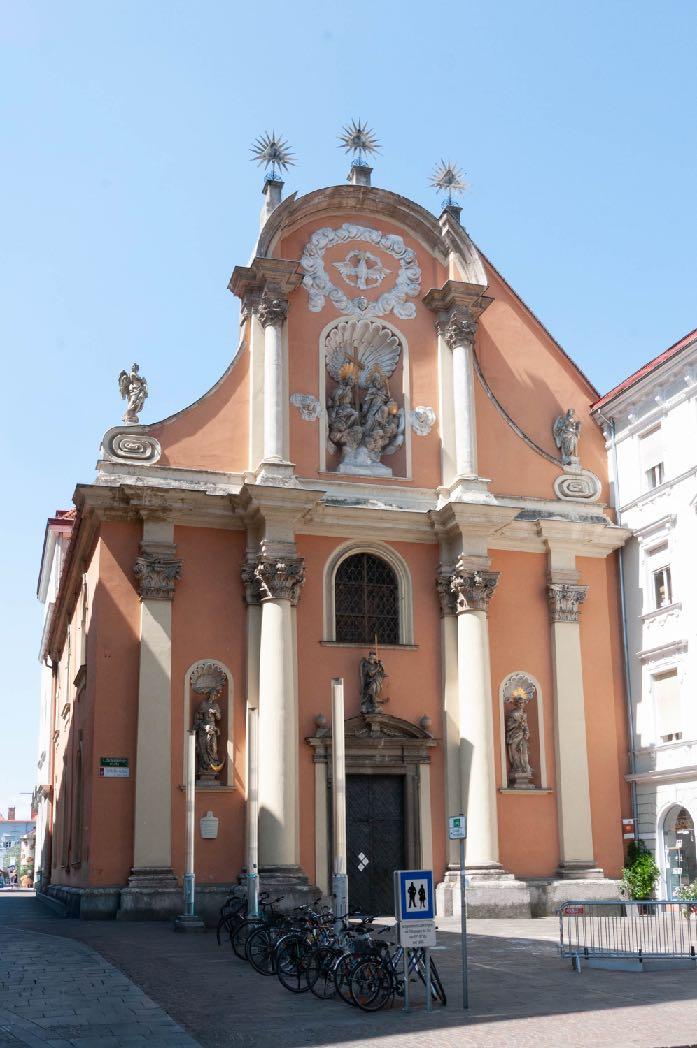
The church is situated on Schlossbergplatz, with the Murkai riverbank lying just behind it. Originally constructed as an Ursuline convent church, the Church of the Holy Trinity was consecrated in 1704. Its architectural style is distinctly Italian Baroque, and the interior is consistently adorned in the same Baroque manner.
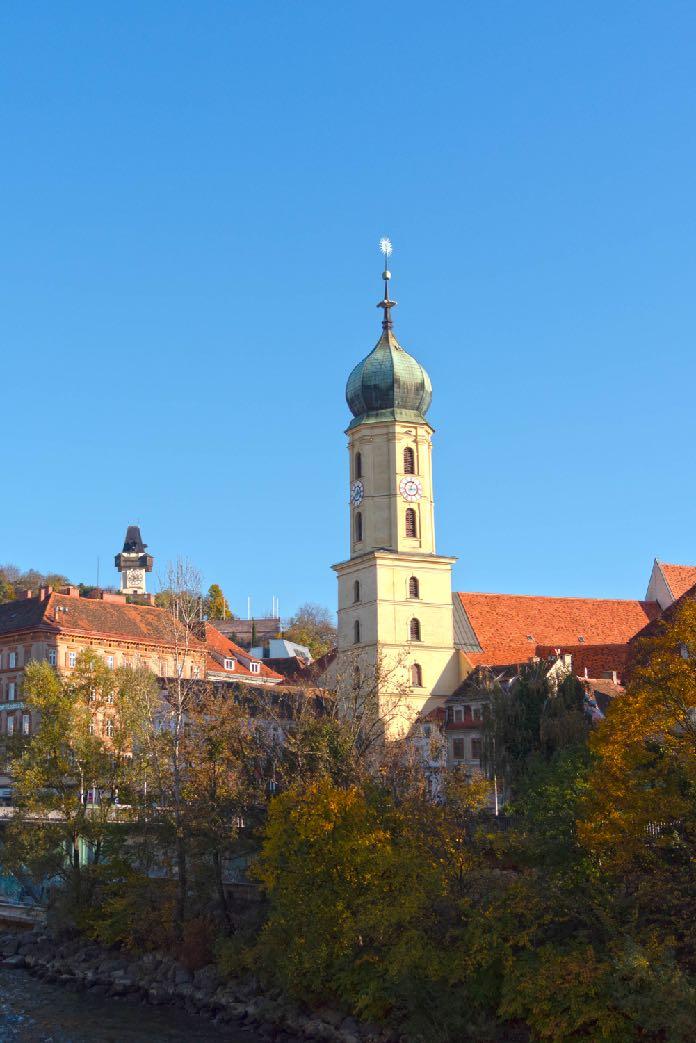
At the heart of the Franciscan Quarter stands the Franciscan Church. Adjacent to this impressive place of worship, first documented in 1249, you’ll discover charming historic shops alongside a variety of restaurants, cafés, and bars. A visit to the cloister of the Franciscan monastery is an absolute must.
Particularly striking are the sculptures of the four Church FathersAmbrose, Augustine, Gregory the Great, and Jerome.
On the south side altar, one can find a portrait of Saint Ursula, the patron saint of the order from which the church takes its name.
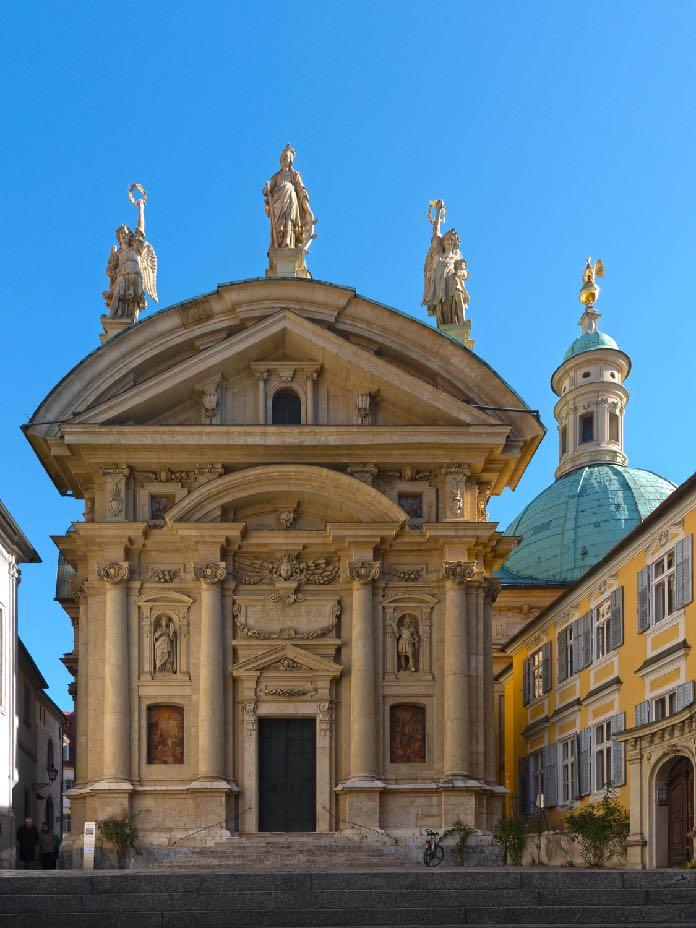
Adjacent to Graz Cathedral stand St Catherine's Church and the Mausoleum of Emperor Ferdinand II. In 1614, the emperor entrusted Giovanni Pietro de Pomis, originally from near Milan, with the commission to construct the grandest mausoleum of the Habsburg dynasty. The mausoleum was completed in 1634.
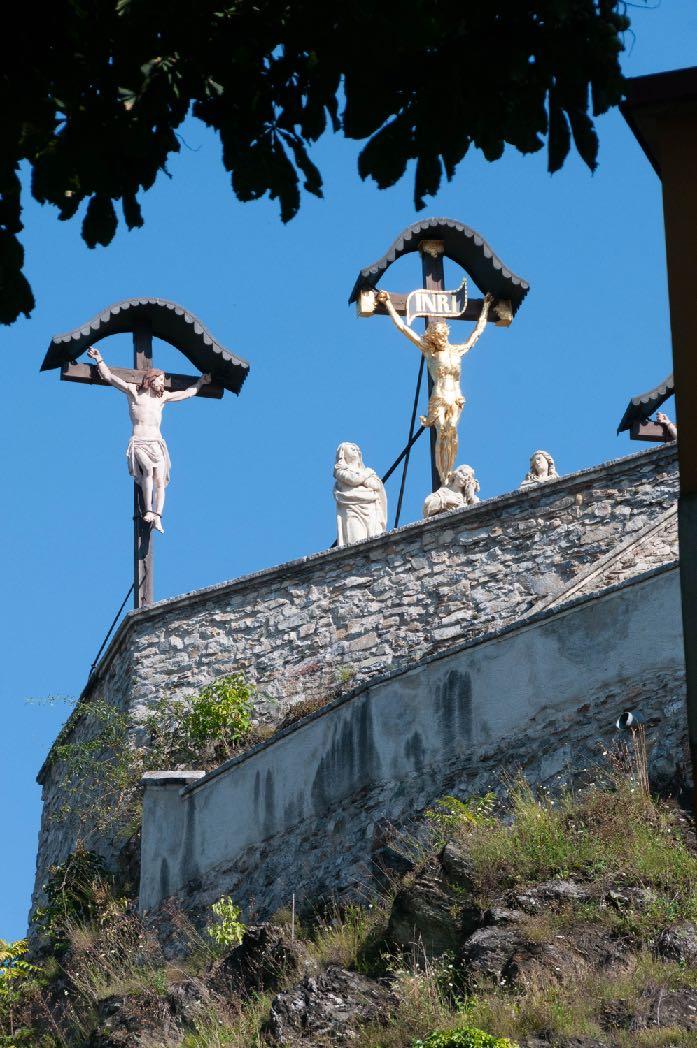
The Graz Calvary was erected on the Austein hill in the 17th century. It was modeled after Golgotha, the hill of crucifixion in Jerusalem. Above the entrance to the Holy Stairs, a stage recreates the scene from the Gospel of John in which Pilate presents the imprisoned and tortured Jesus to the Jewish people. The life-size figures are divided into three sections.
The entrance to the crucifixion group is on the right side of the church. The Calvary is easily accessible by bus line 67.
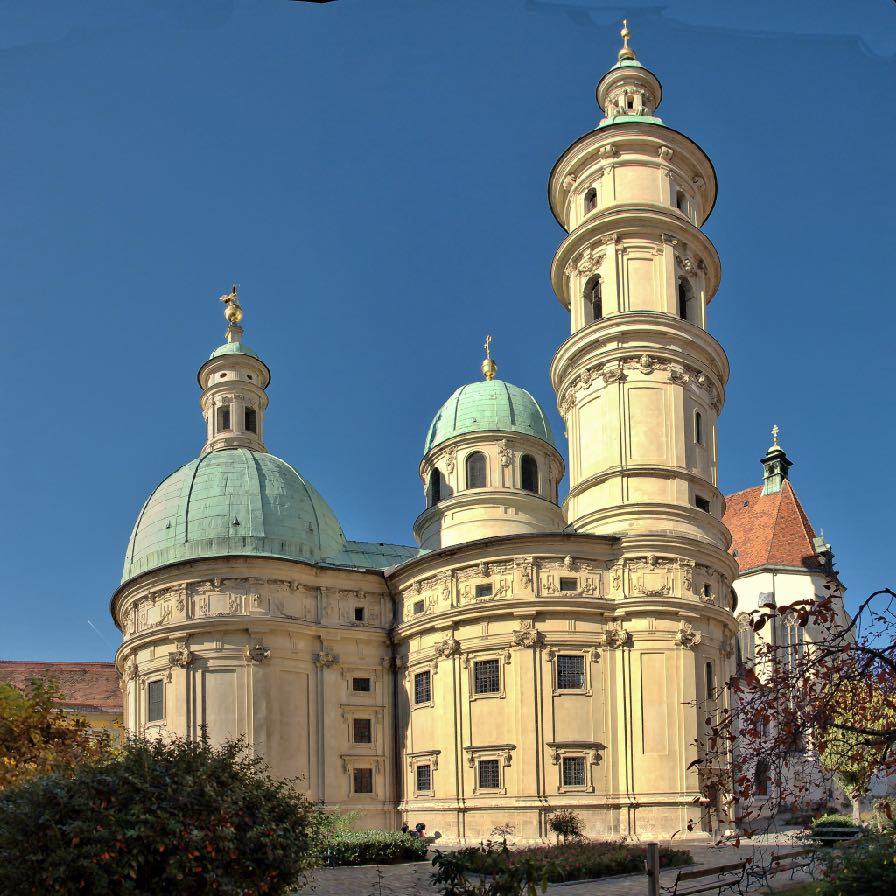
Perched grandly atop a hill in the Mariatrost district of Graz, the Basilica of Mariatrost stands as one of the foremost Baroque pilgrimage churches. Constructed between 1714 and 1724, it showcases breathtaking architecture, expertly crafted by the brothers Andreas and Johann Georg Stengg. Even now, it continues to enchant numerous pilgrims and visitors alike.
The collection of the cathedral, castle, mausoleum, historic university, and seminary is famously referred to as Graz’s city crown. Nestled at the base of the Schlossberg hill, this city crown is celebrated as a treasured historic gem of Graz.
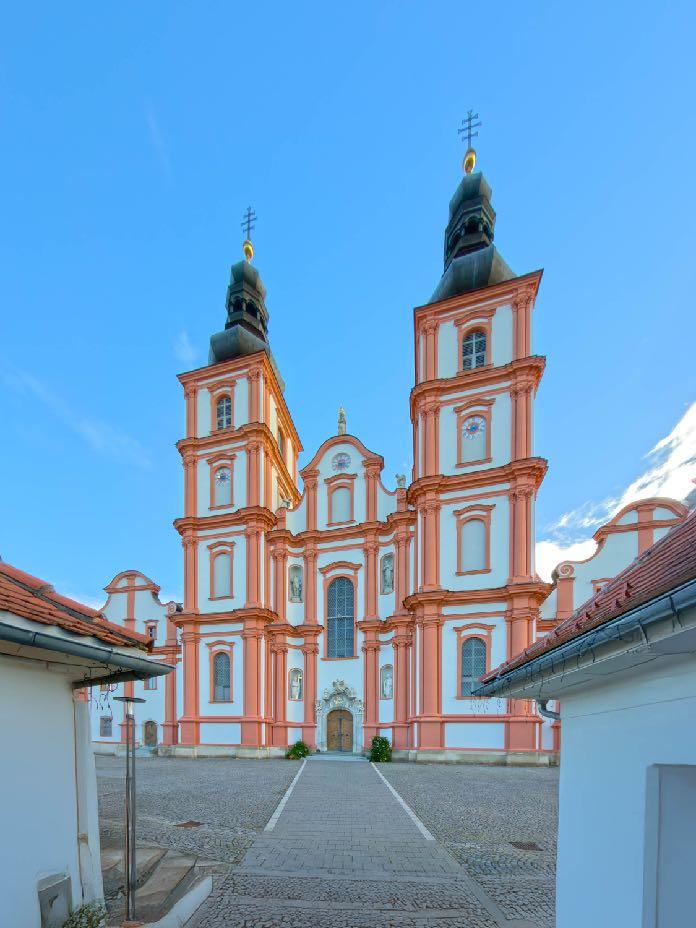
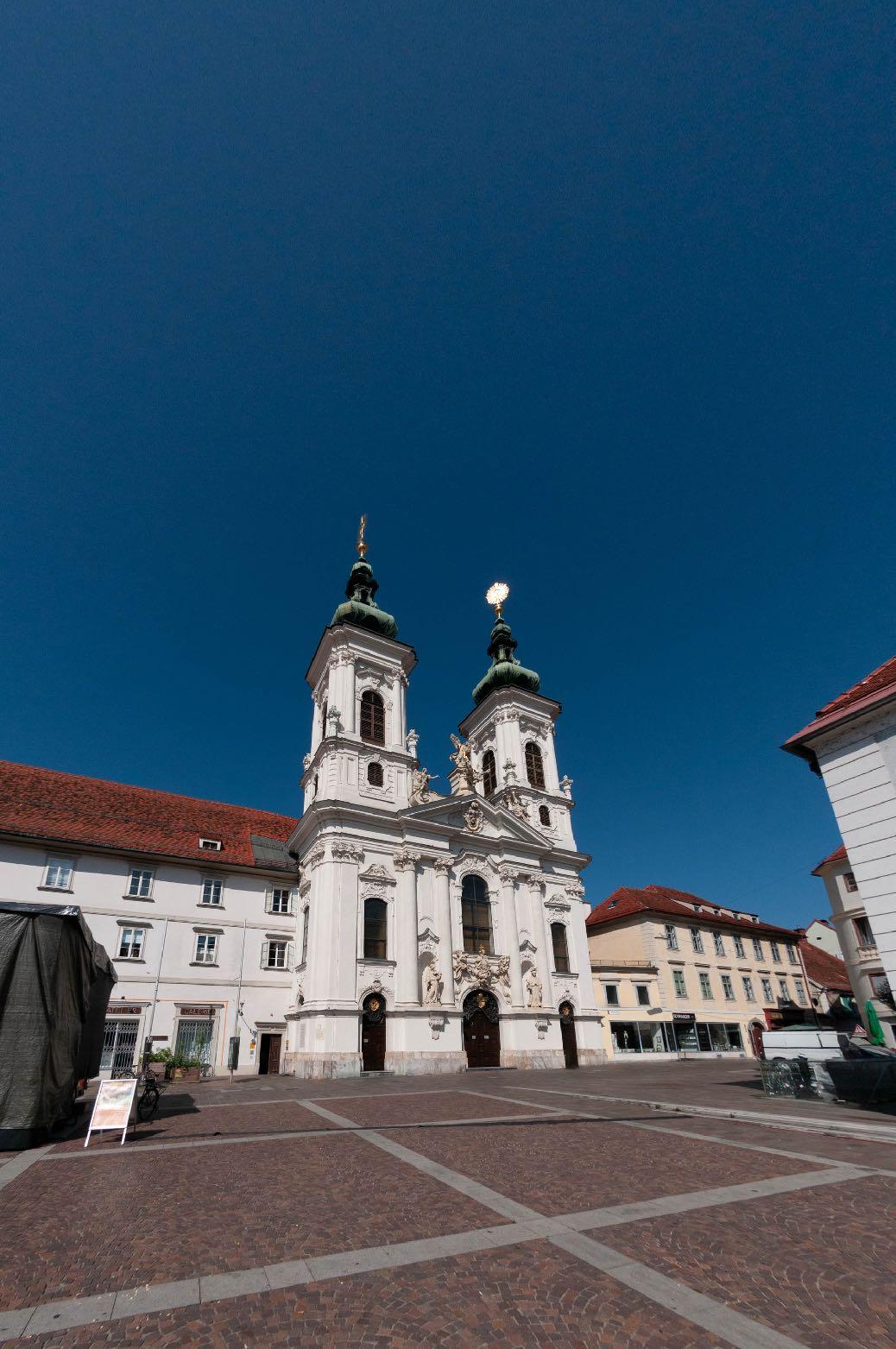
Giovanni Pietro de Pomis, a disciple of Tintoretto, commenced the construction of the Baroque church in 1604. He designed the church in the Venetian style, notably without towers, which were subsequently added by Josef Hueber. The Minorite Halls are accessible through the courtyard, with the grand Minorite Hall standing out as one of the most exquisite Baroque interiors in the state capital.
The full designation of Graz’s city parish church is the Provost, Main, and City Parish Church of Graz-Holy Blood. A church has occupied this site since as early as 1440. The former high altarpiece, titled "Assumption of Mary," now graces the Baroque St. John Nepomuk Chapel. This remarkable work is attributed to the Venetian master Tintoretto. Following the destruction of the Gothic stained-glass windows during the Second World War, the artist Albert Birkle was commissioned to design replacements. In a striking and controversial move, Birkle depicted the dictators Hitler and Mussolini as tormentors of Christ within his work, a choice that sparked considerable headlines throughout the 1950s.
The complex comprises three halls in total, offering an ideal venue for congresses, conferences, and cultural events. Regular church concerts and orchestral masses are held within the parish church, enriching its vibrant cultural programme.
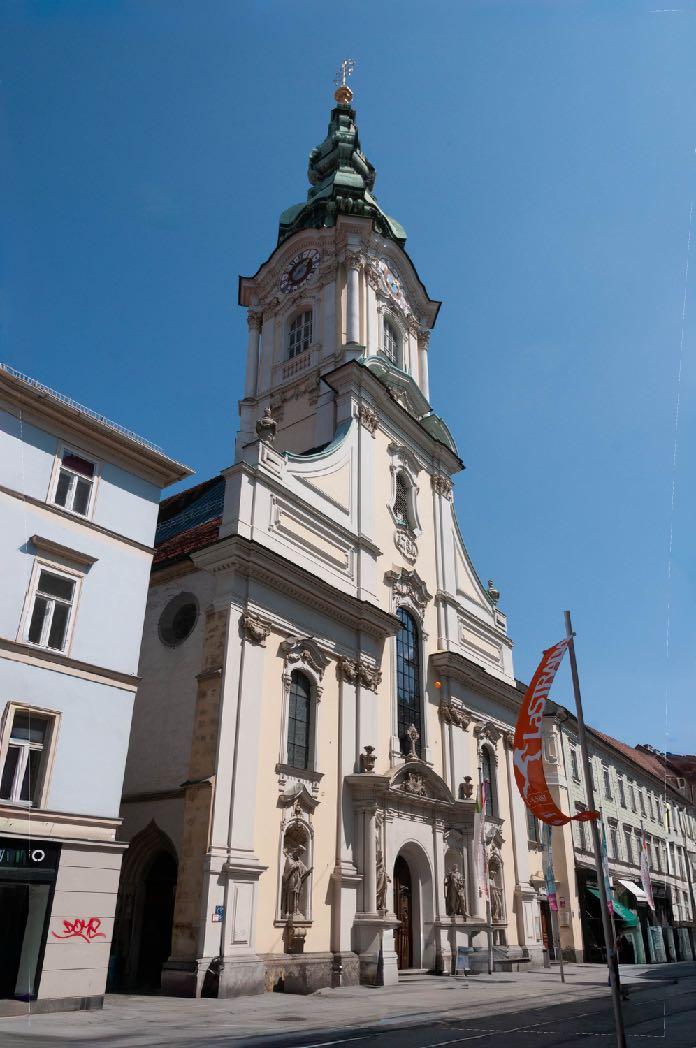
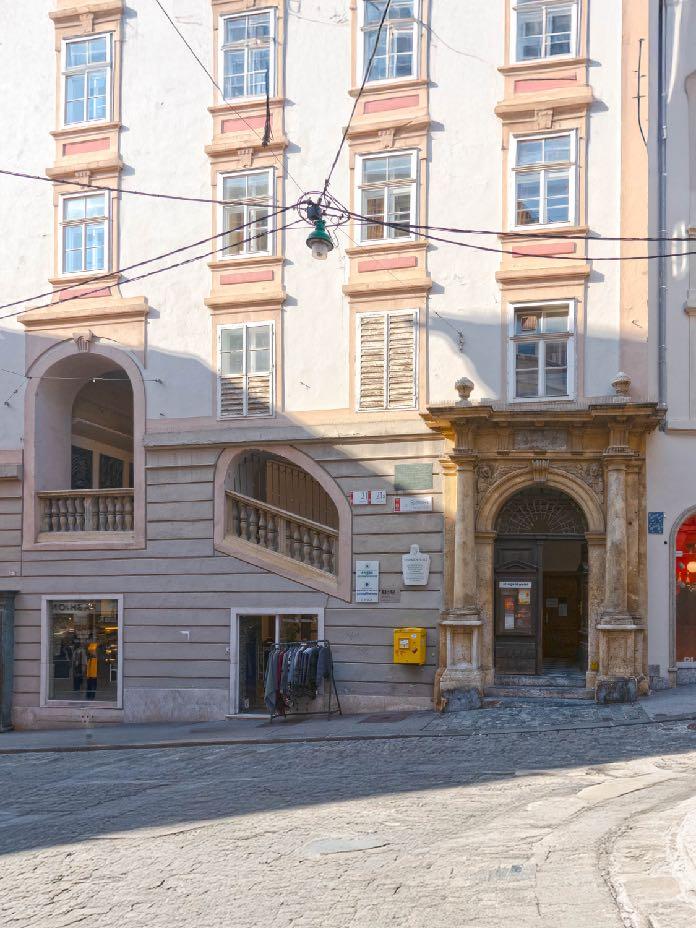
As the church lies tucked behind the house on Sporgasse, access is gained through its distinctive staircase. Known as the "Stiegenkirche" or staircase church, it was first recorded in 1343 and stands among the oldest structures in the city.
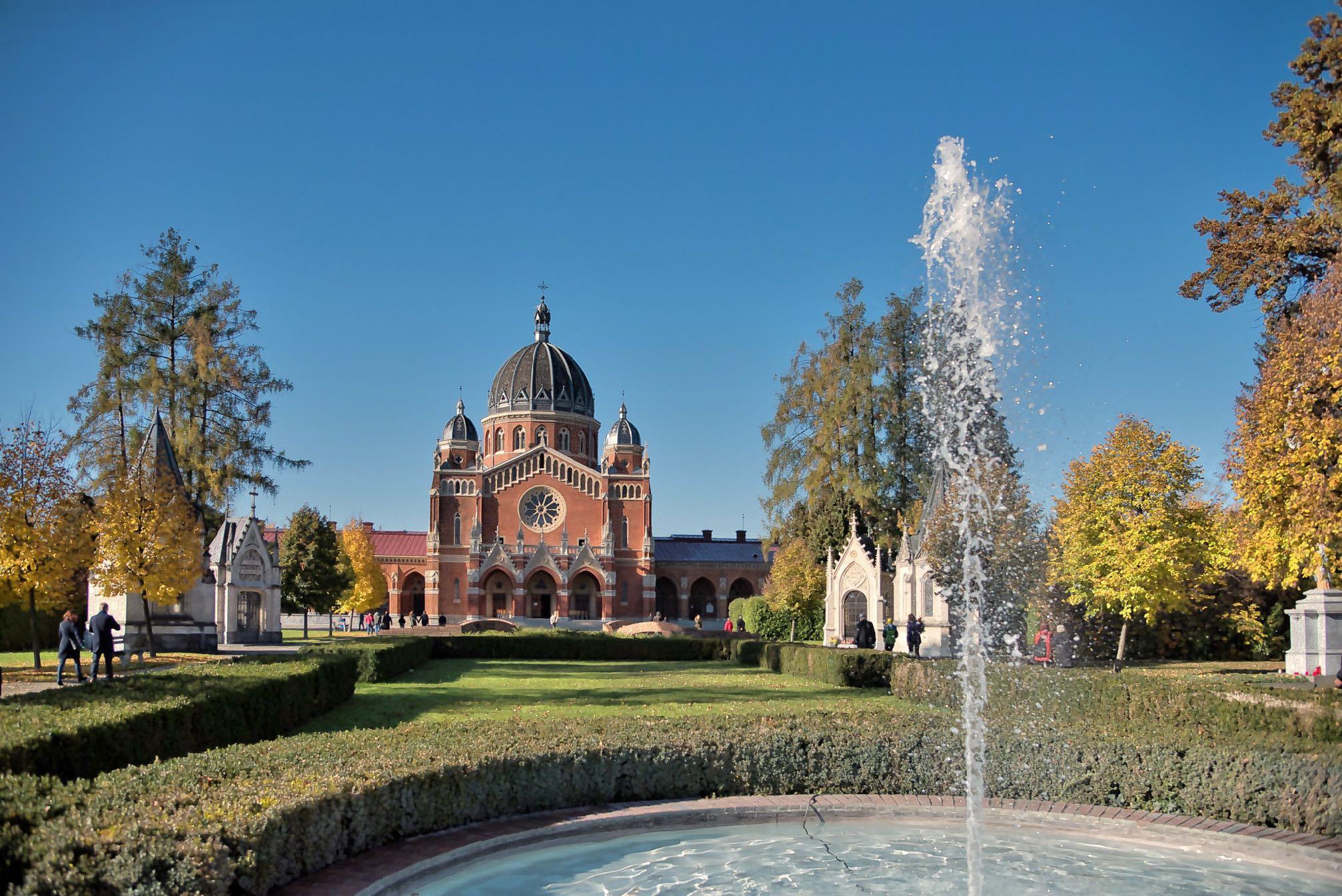
The Serbian Orthodox Church of Saints Cyril and Methodius is situated within Graz’s Central Cemetery. Erected in 1886, the building initially served as a Roman Catholic church. In 1996, it was transferred to the care of the Parish of St. John and subsequently entrusted to the Serbian Orthodox Diocese of Central Europe.

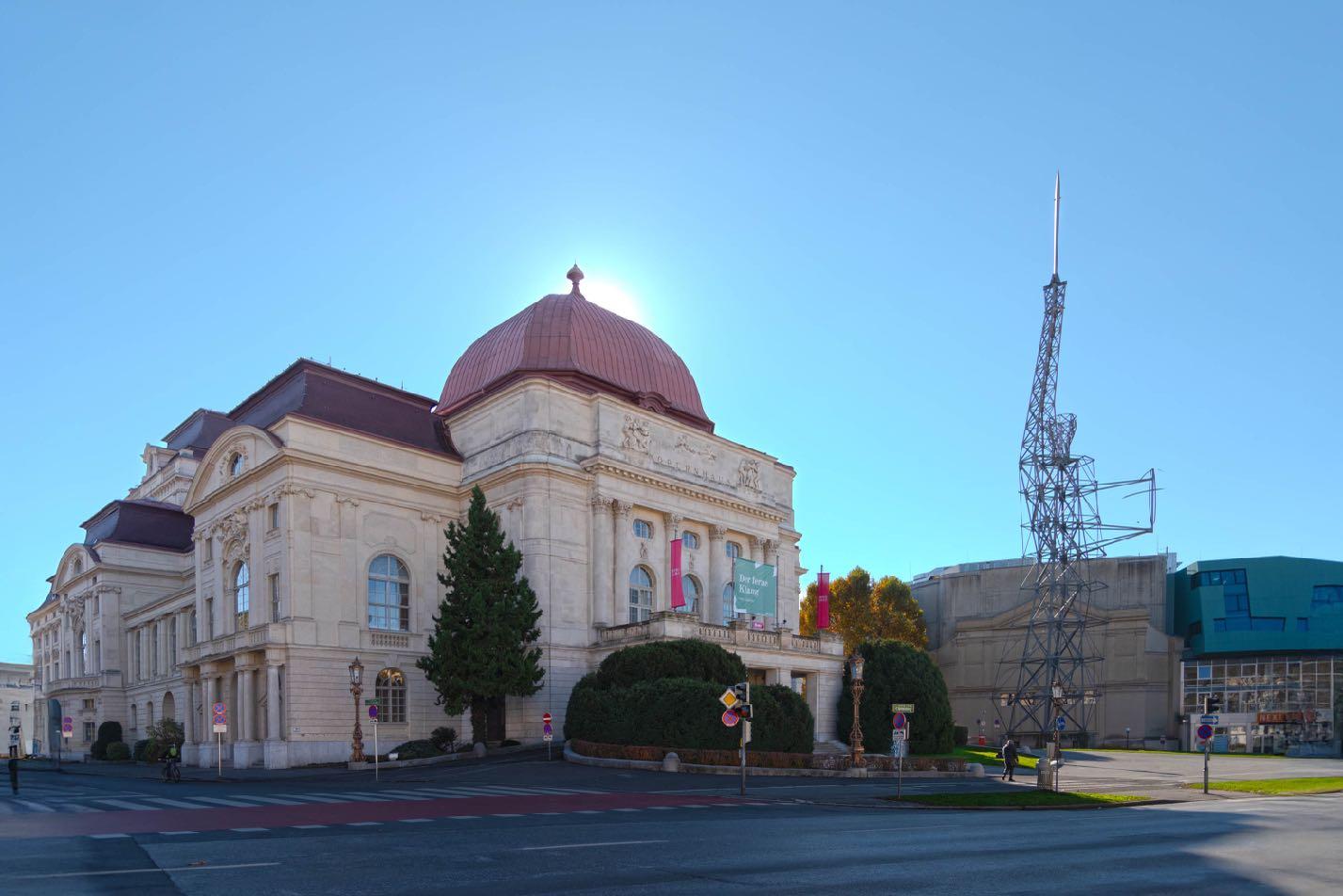
The Graz Opera House, designed by Fellner and Helmer in the manner of Fischer von Erlach, was inaugurated in 1899. Standing proudly on Opernring, the 54-metre-high sculpture titled
"Lightsaber," inspired by New York’s Statue of Liberty, stands as a powerful emblem of human rights.
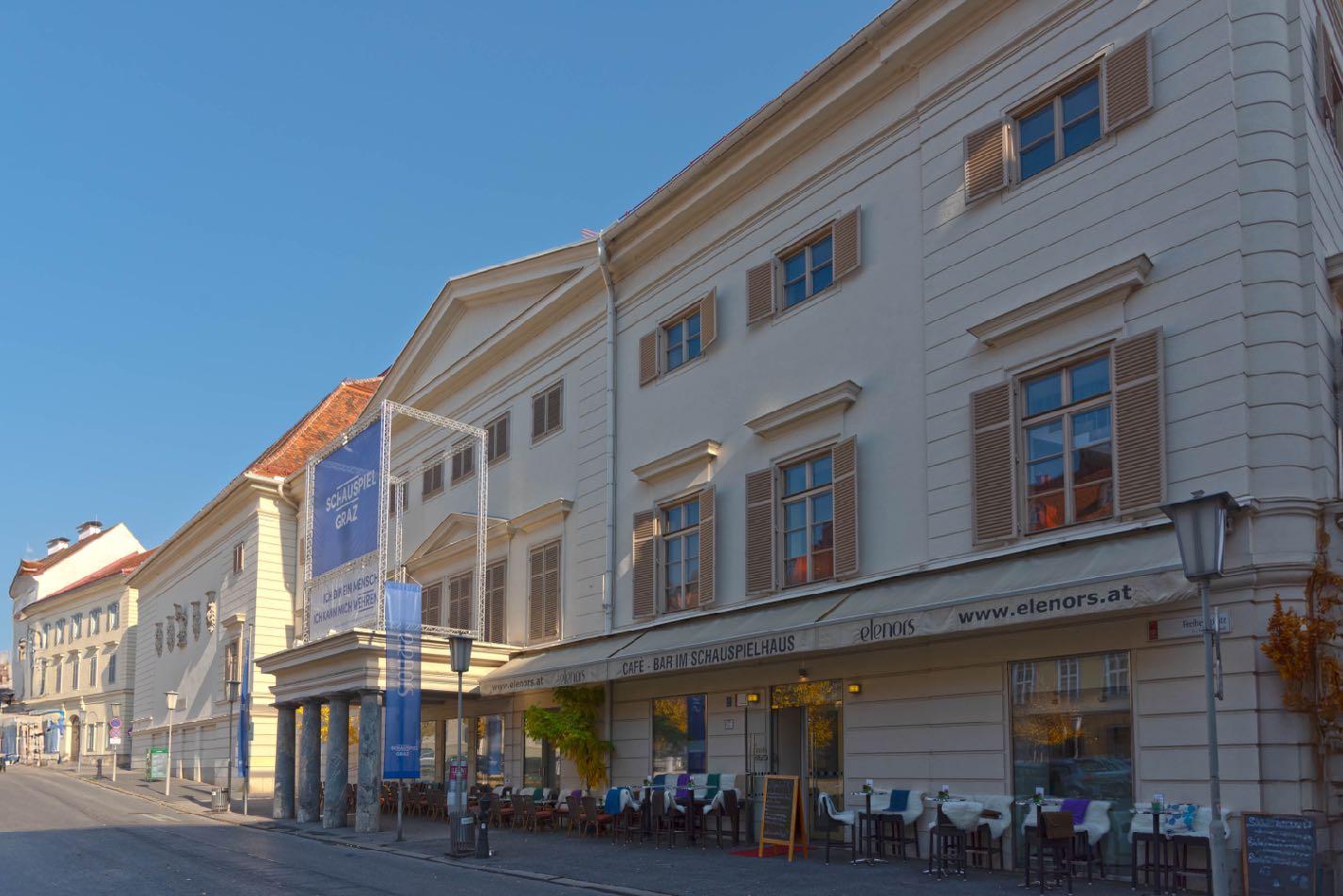
The Schauspielhaus Graz, established in 1825, stands as one of Austria’s foremost theatres. Boasting three distinct venues, it provides a stage for a wealth of world and Austrian premieres. Its
varied programme is further enhanced by musical performances, readings, and panel discussions, creating a rich cultural tapestry.

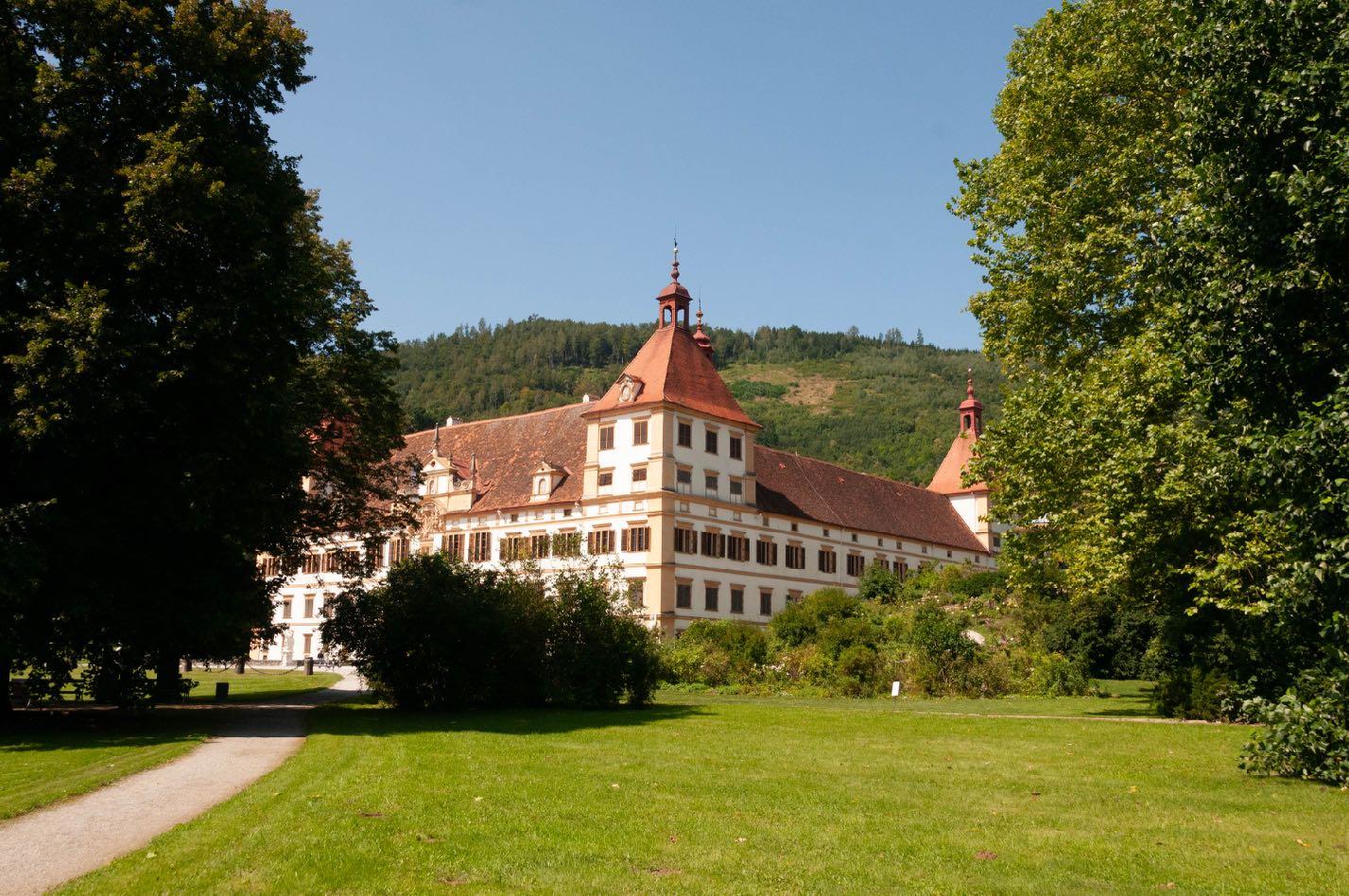
Eggenberg Palace in Graz stands as one of the most remarkable Baroque masterpieces of the 17th century, having once been the splendid home of the Eggenberg family. The exquisitely crafted

The Graz Tramway Museum is housed within the historic premises of the former Mariatrost tramway. Established in 1971, the association proudly showcases a remarkable collection of vintage
interiors, the vast palace gardens, and the extraordinary Planet Gallery - renowned for its captivating astronomical symbolism -are especially noteworthy.
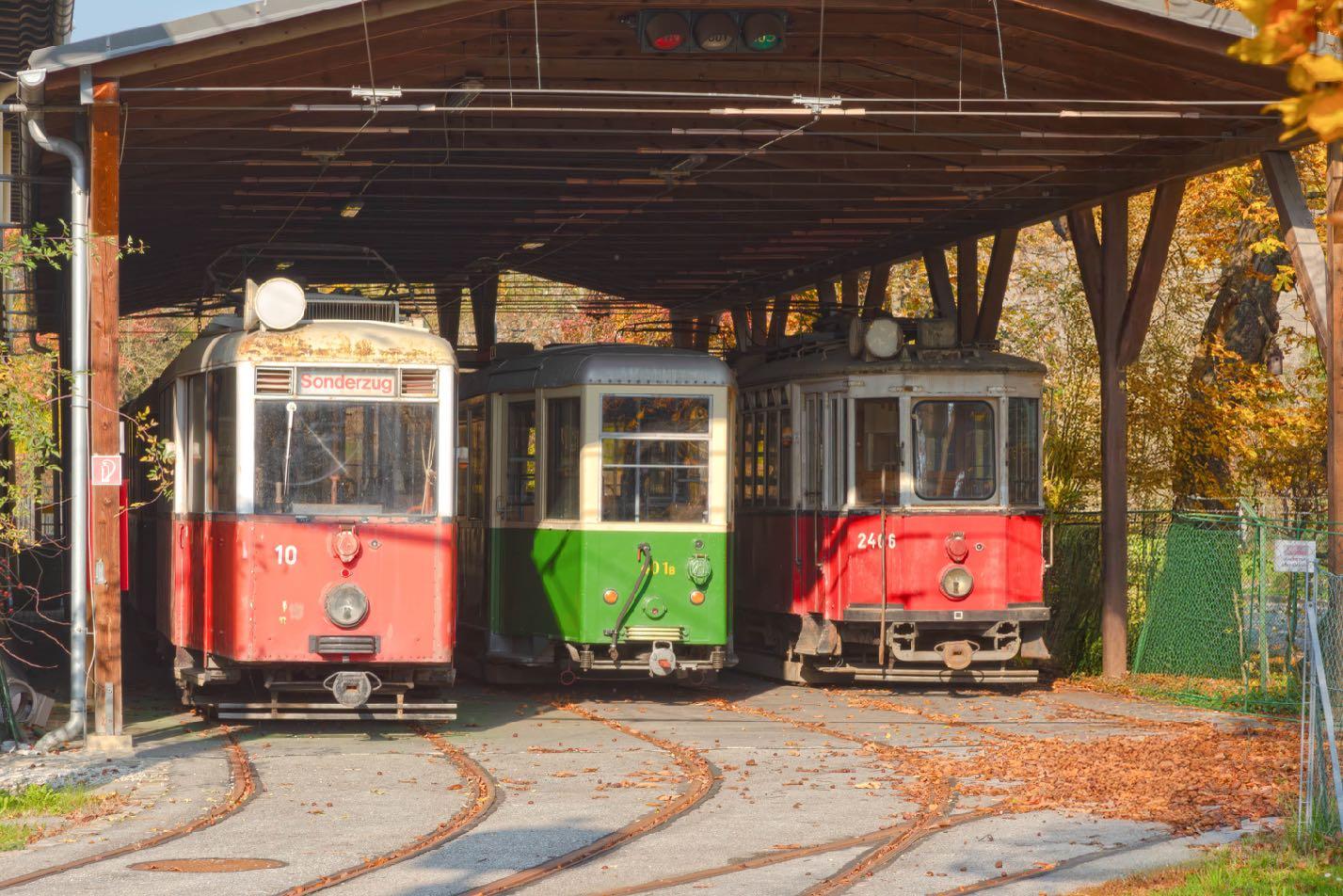
trams from Graz, Vienna, Munich, and New York. Numerous historic vehicles are also available for private hire, offering a unique and memorable experience.
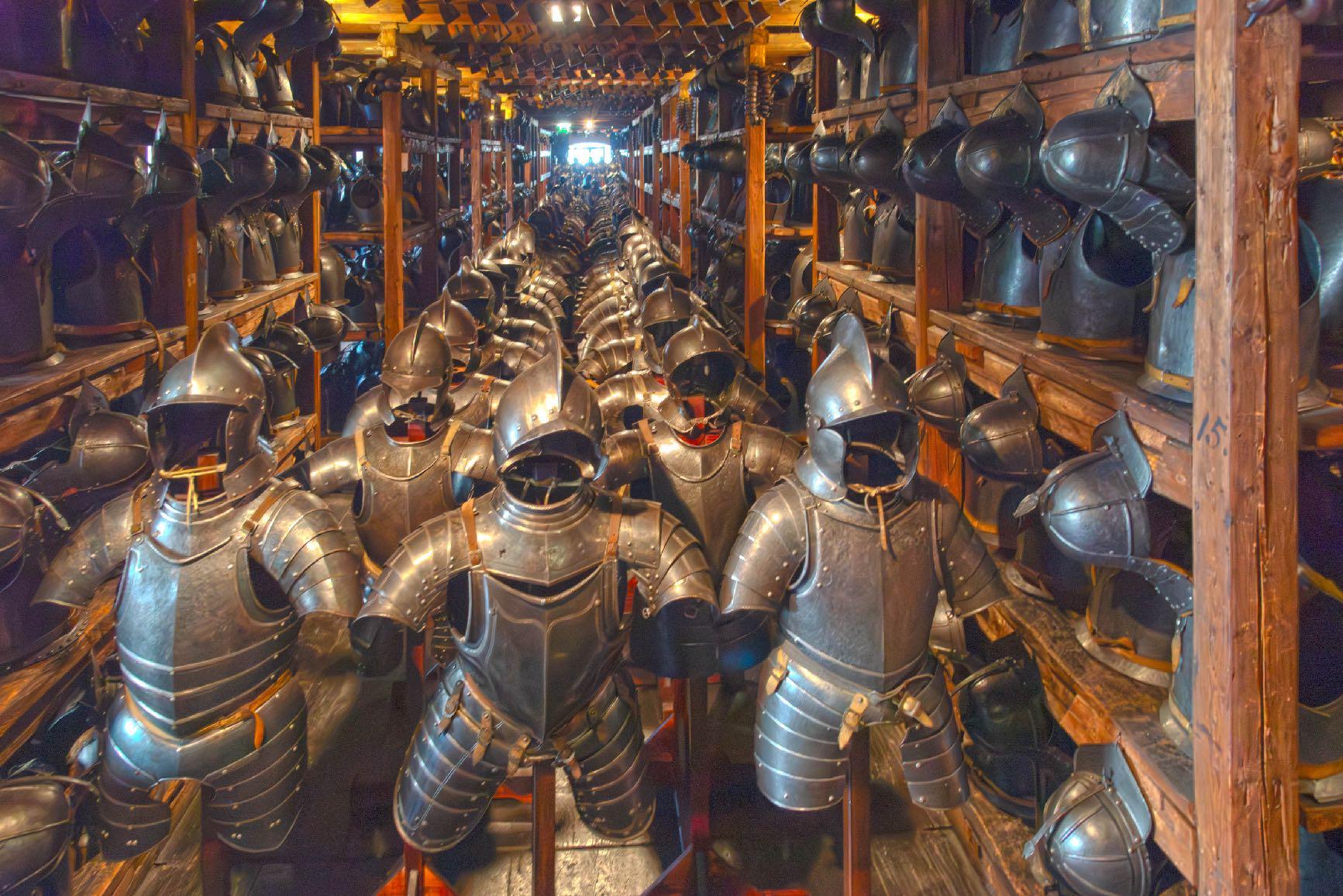

Spanning five floors, the Graz Armory boasts a remarkable collection of 32,000 artefacts. It stands alone as the only armory worldwide to remain preserved in its original condition. The
weapons on display date from the late 15th century through to the early 19th century. Visitors will find the Graz Tourism information office on the ground floor.
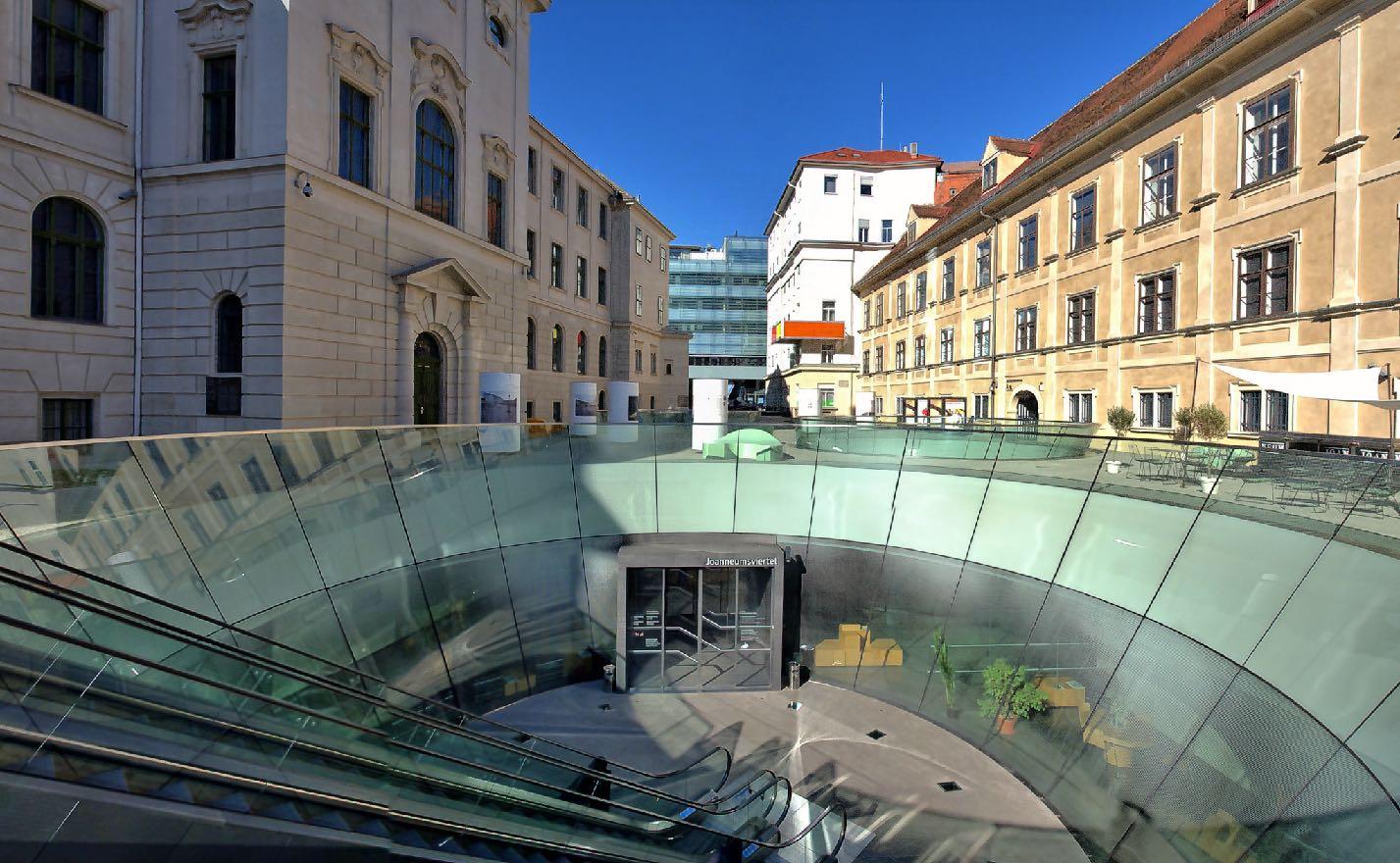
Established in 1811, the Universalmuseum Joanneum stands as one of Europe's oldest yet most progressive institutions. Within the Joanneum Quarter, you will find Austria's largest and oldest state
library. The Neue Galerie Graz, alongside extensive multimedia collections and the Natural History Museum, are also situated within this cultural hub.
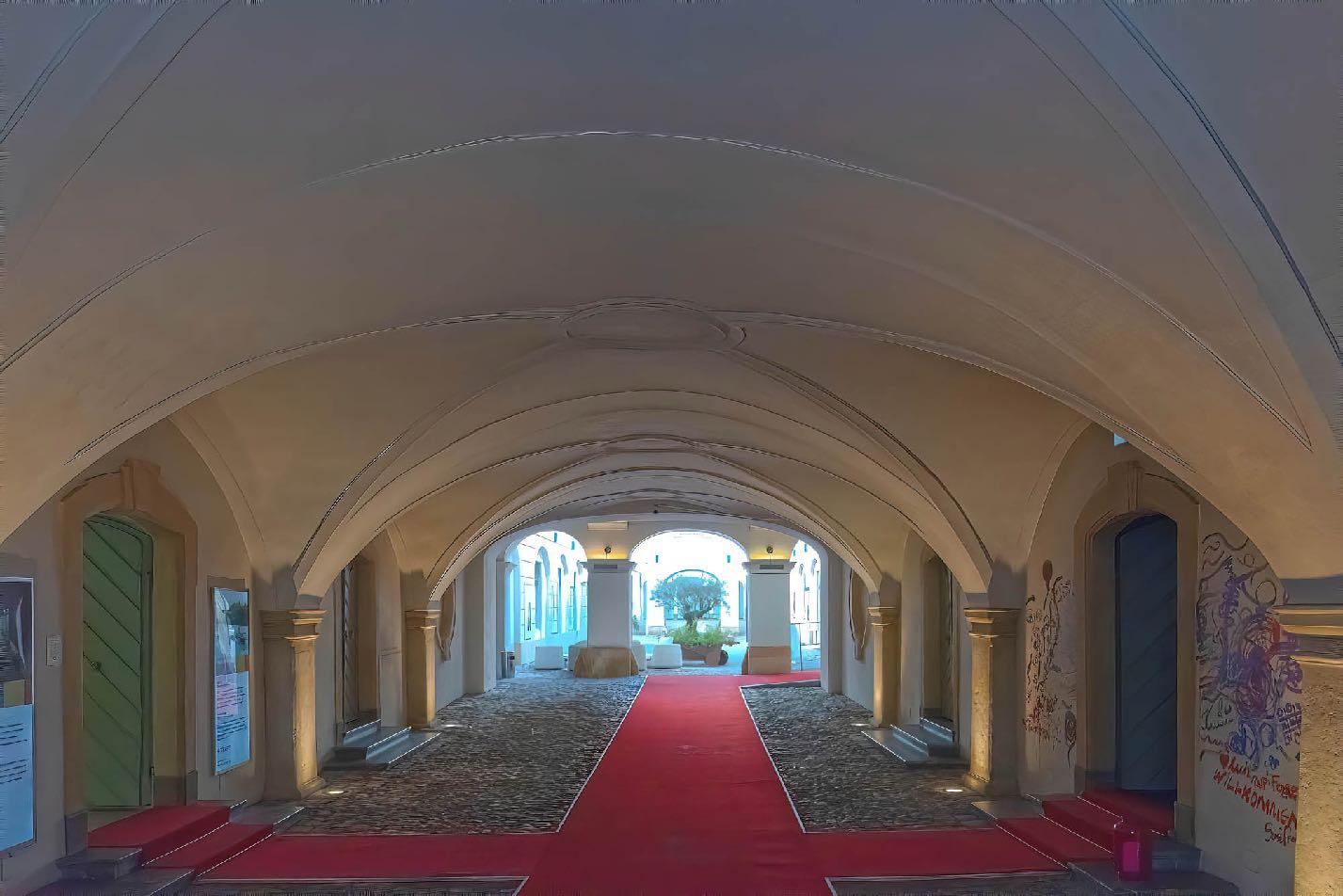
The House of History in Graz brings Austrian and Styrian history of the 19th and 20th centuries to life in a captivating way. Emphasising social and political transformations, it encourages
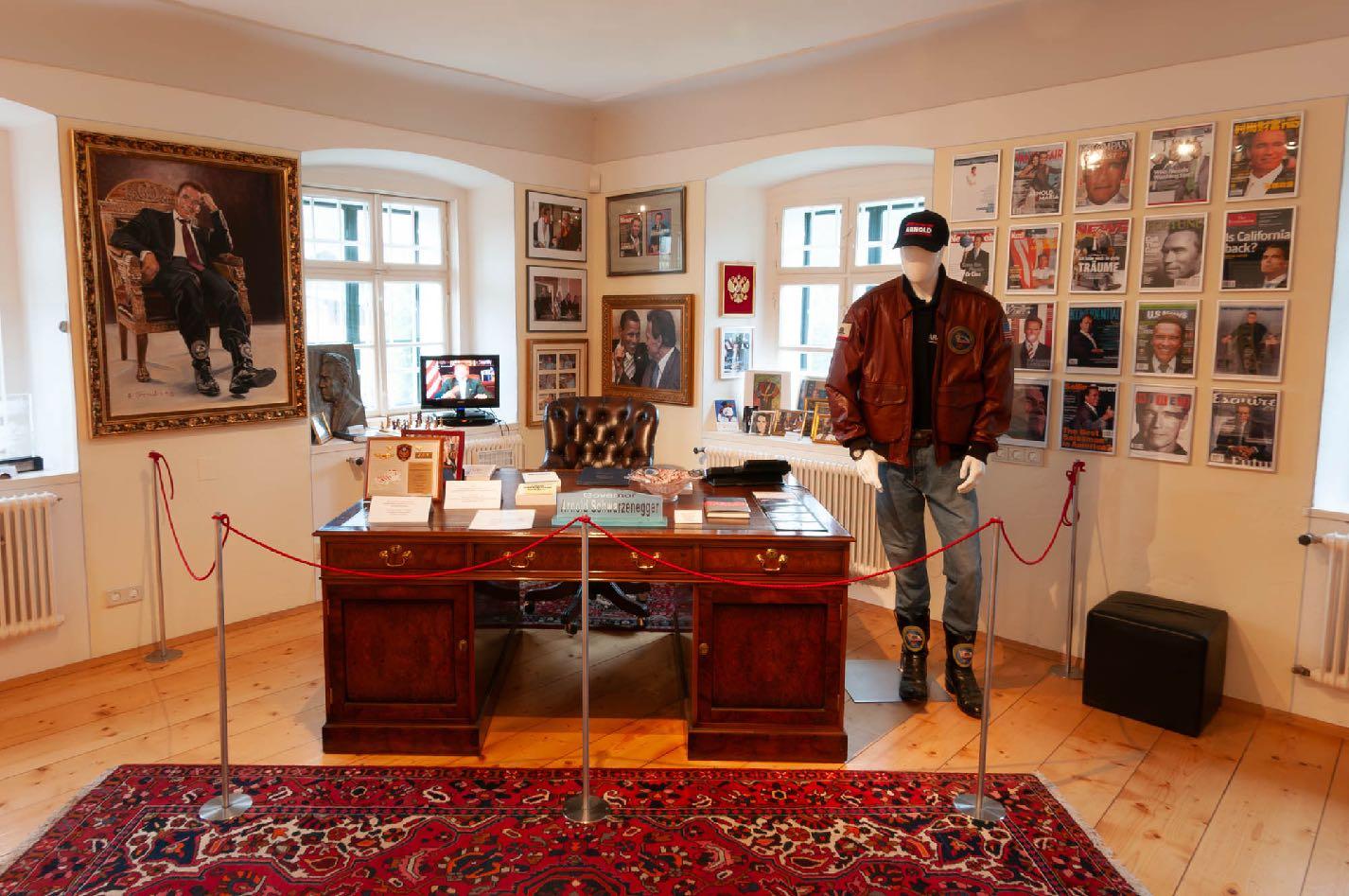
Arnold
visitors to engage with history in an interactive manner. Through compelling exhibitions, historical events are presented in an accessible and thought-provoking way.
It showcases an intriguing array of exhibits that chronicle his remarkable journey as a bodybuilder, Hollywood star, and governor.
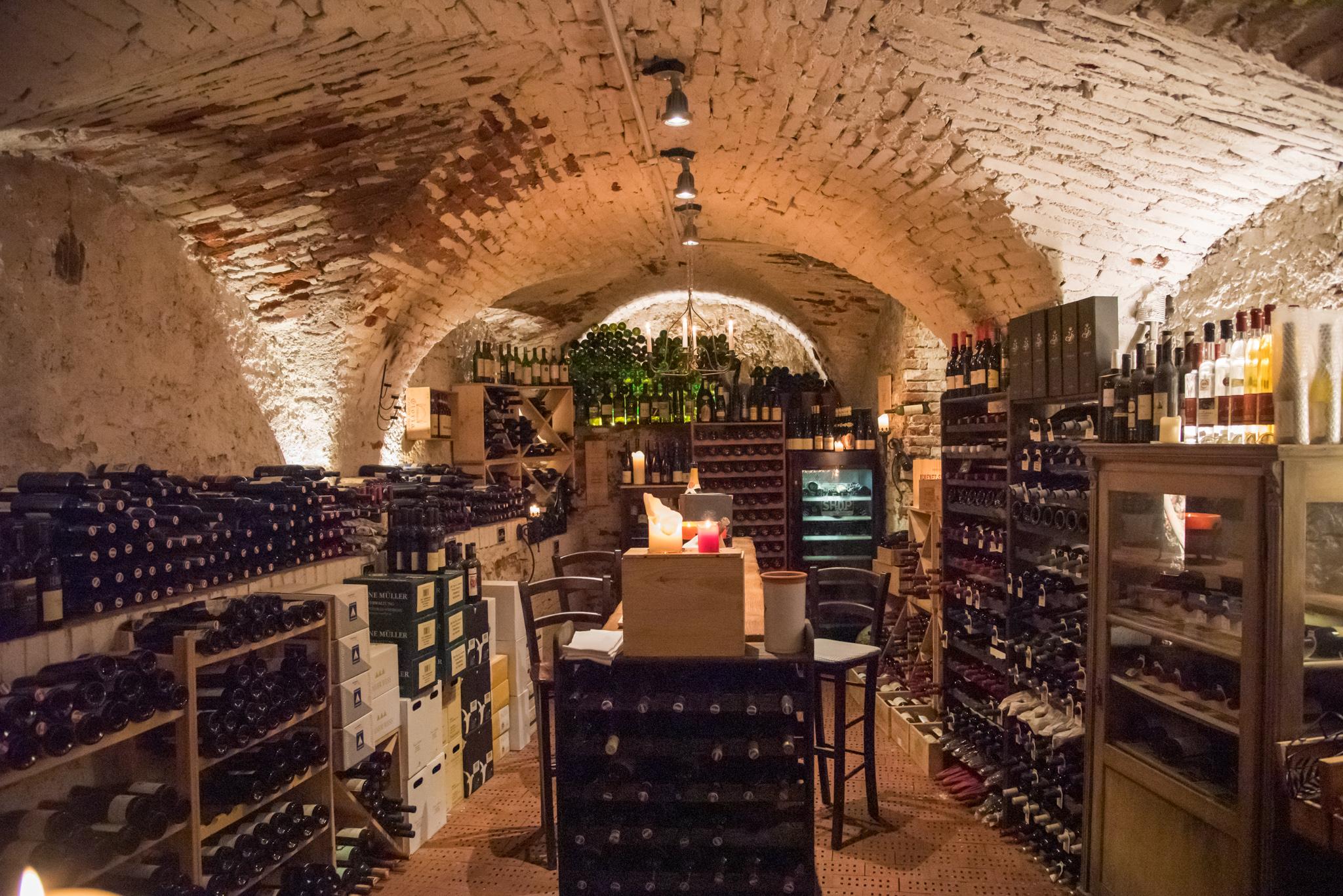

wine
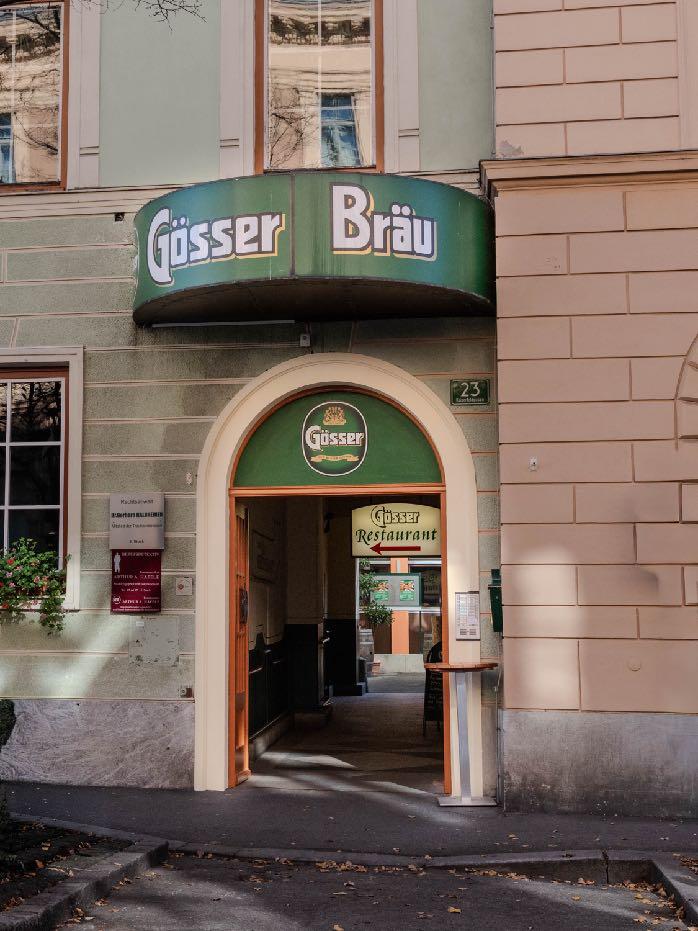
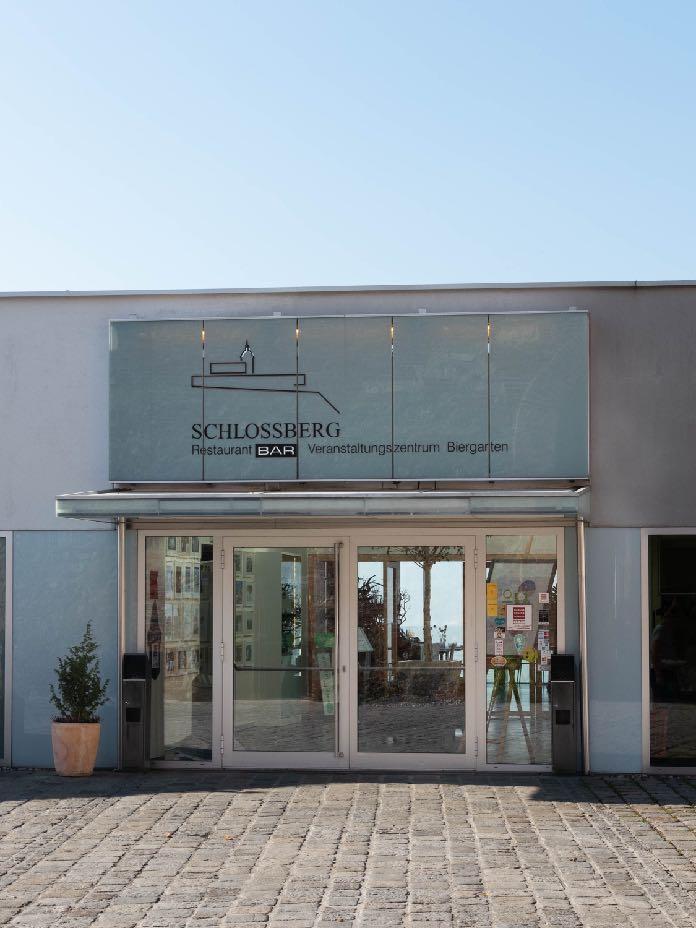
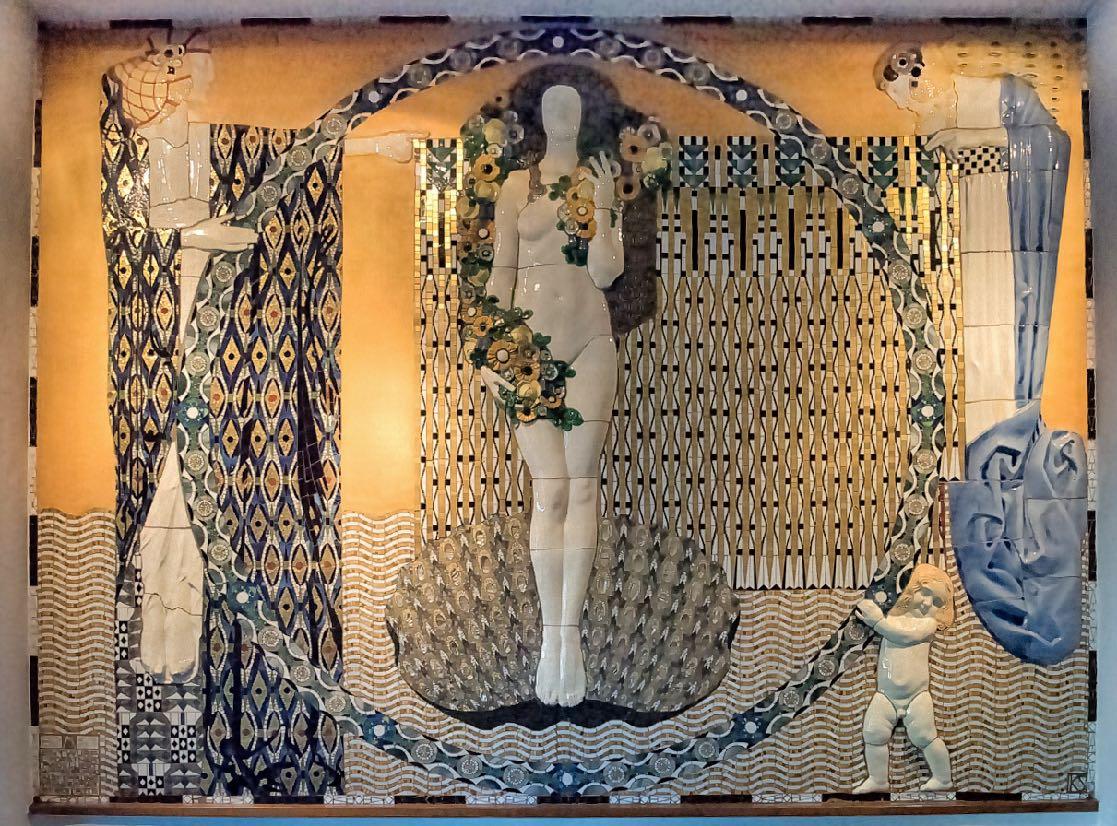

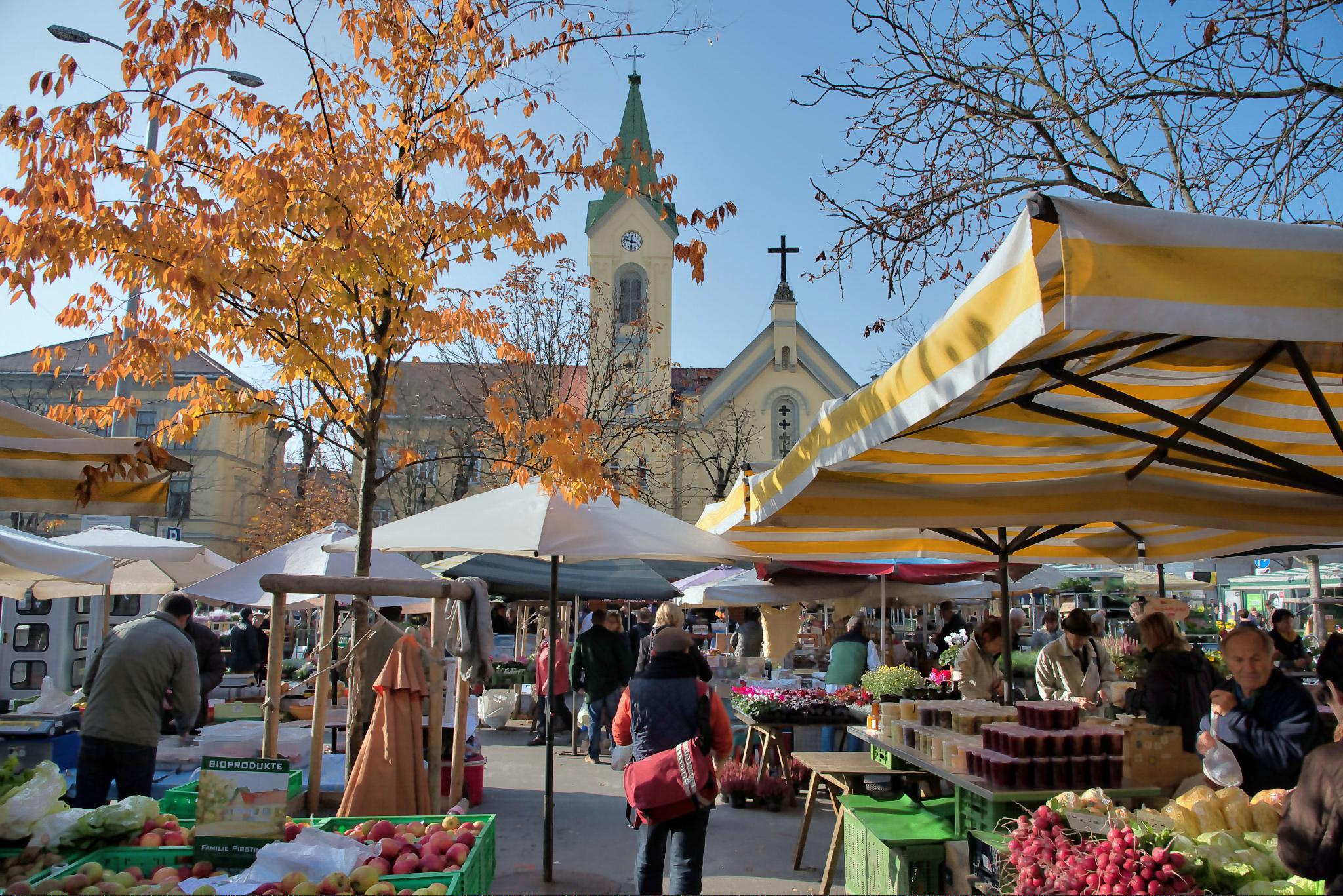
From Monday to Saturday, the market women hold court at Kaiser-Josef-Platz. Here, you’ll discover a splendid array of vegetables, fruit, cheese, and ham, all sourced locally.
Particularly on Saturdays, the bustling market and its numerous stalls serve as a favourite gathering spot for the residents of Graz.
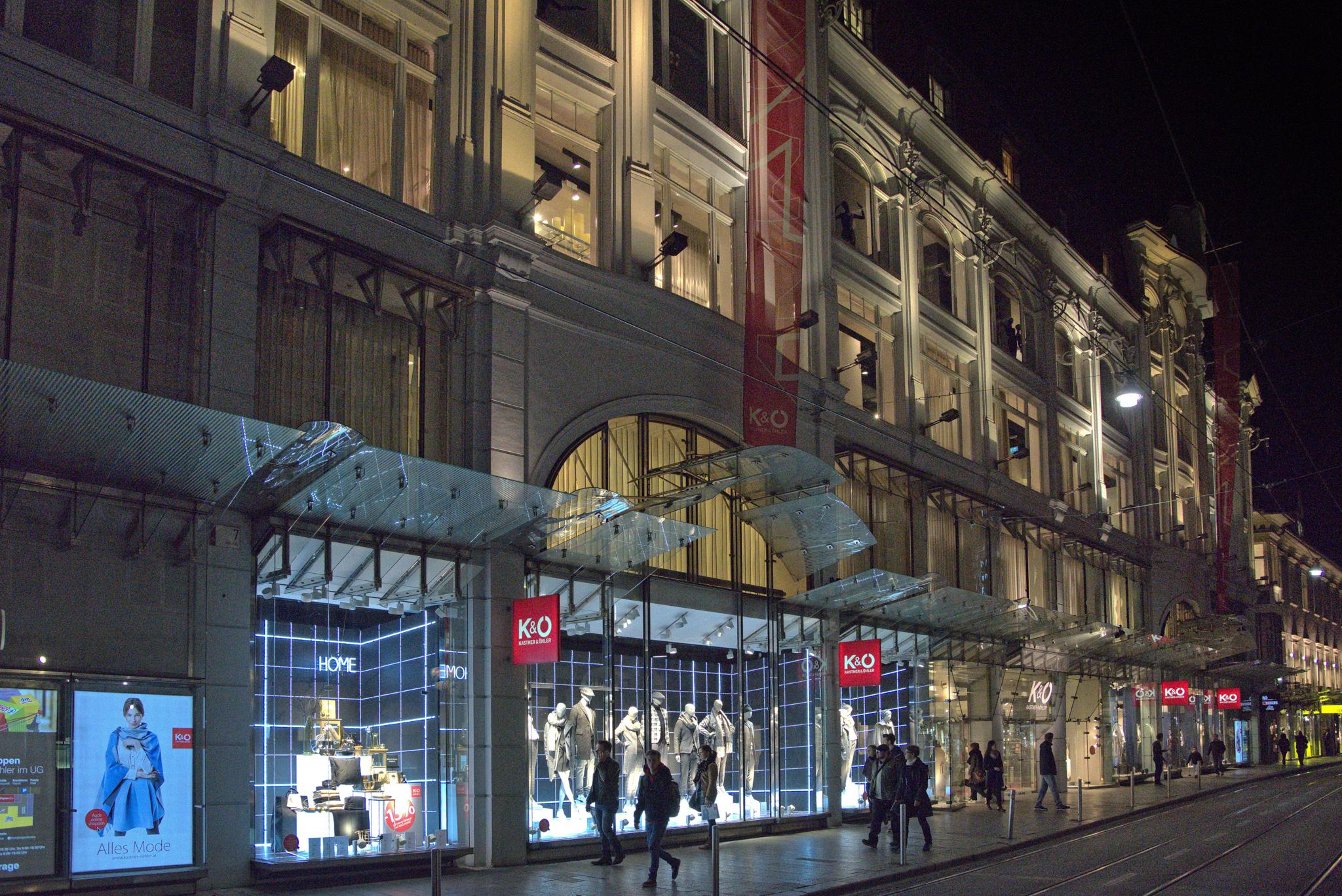
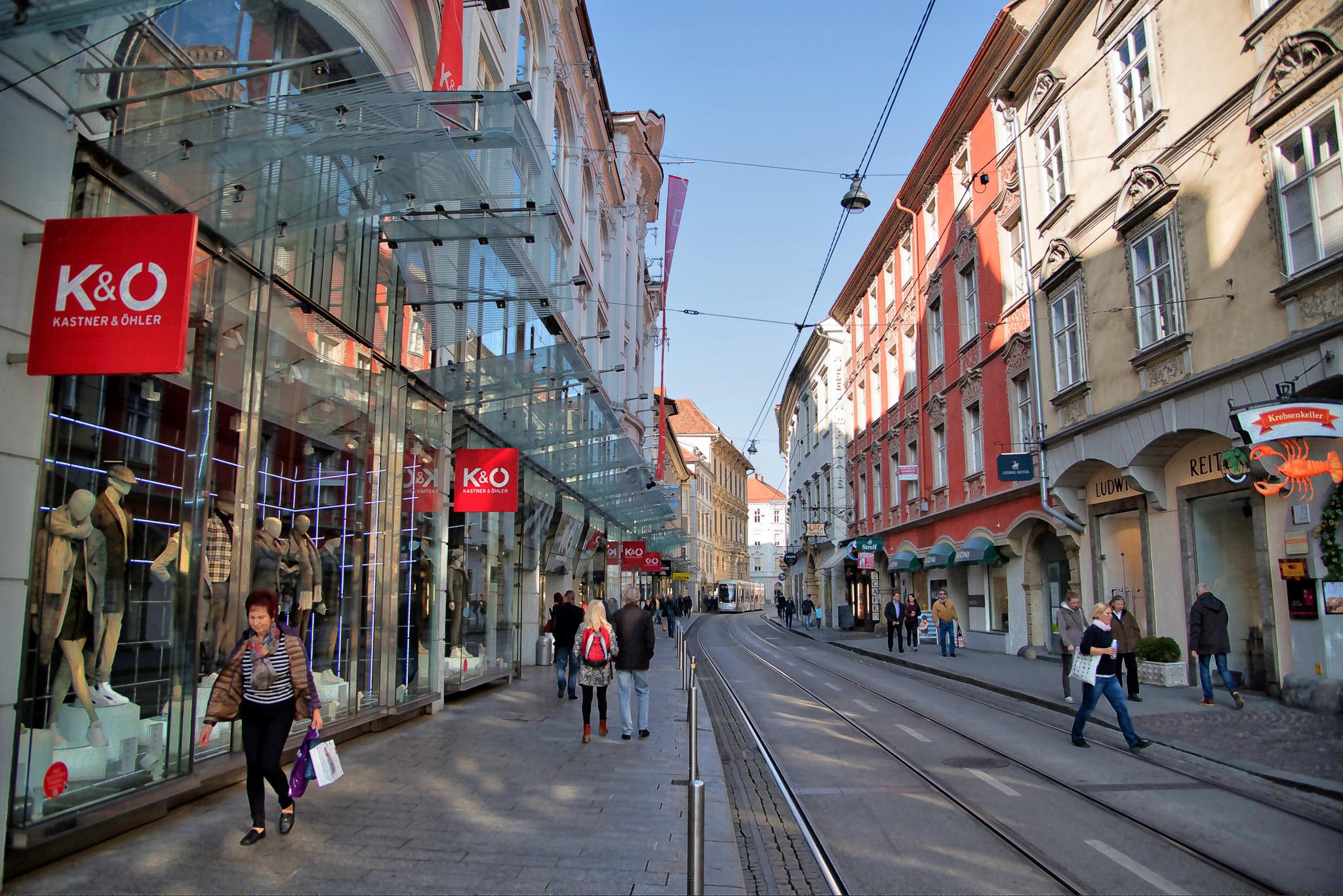
Kastner & Öhler is the go-to department store in Graz. Spanning eight floors, it offers everything you need to indulge your shopping cravings, particularly in fashion for women, men, and
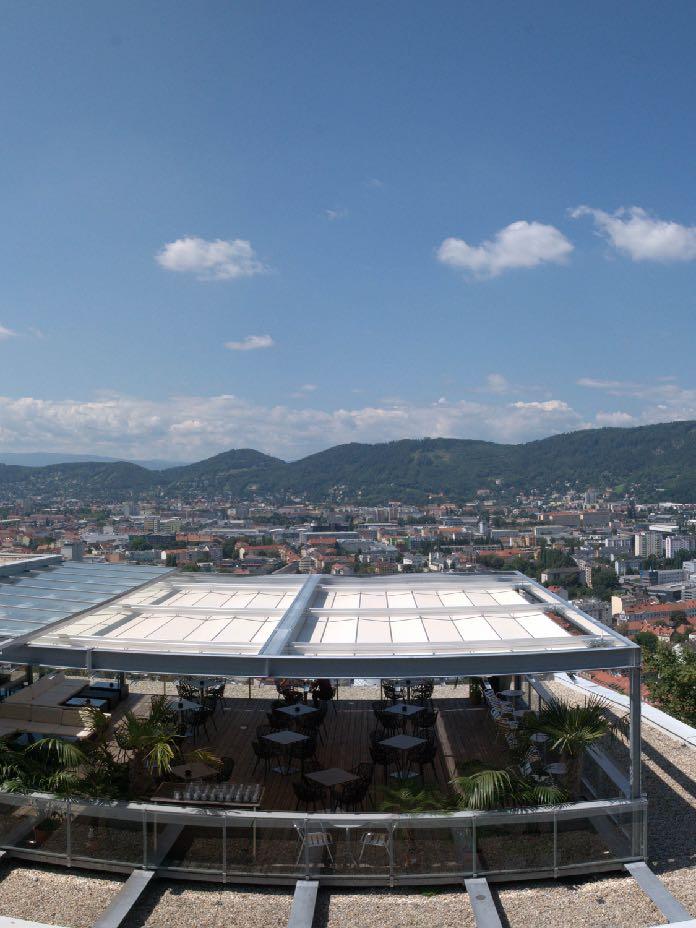
children. It’s a beloved tradition to explore one of the store’s many delights, whether that’s savouring a coffee or soaking up the stunning views of Graz from the rooftop terrace.
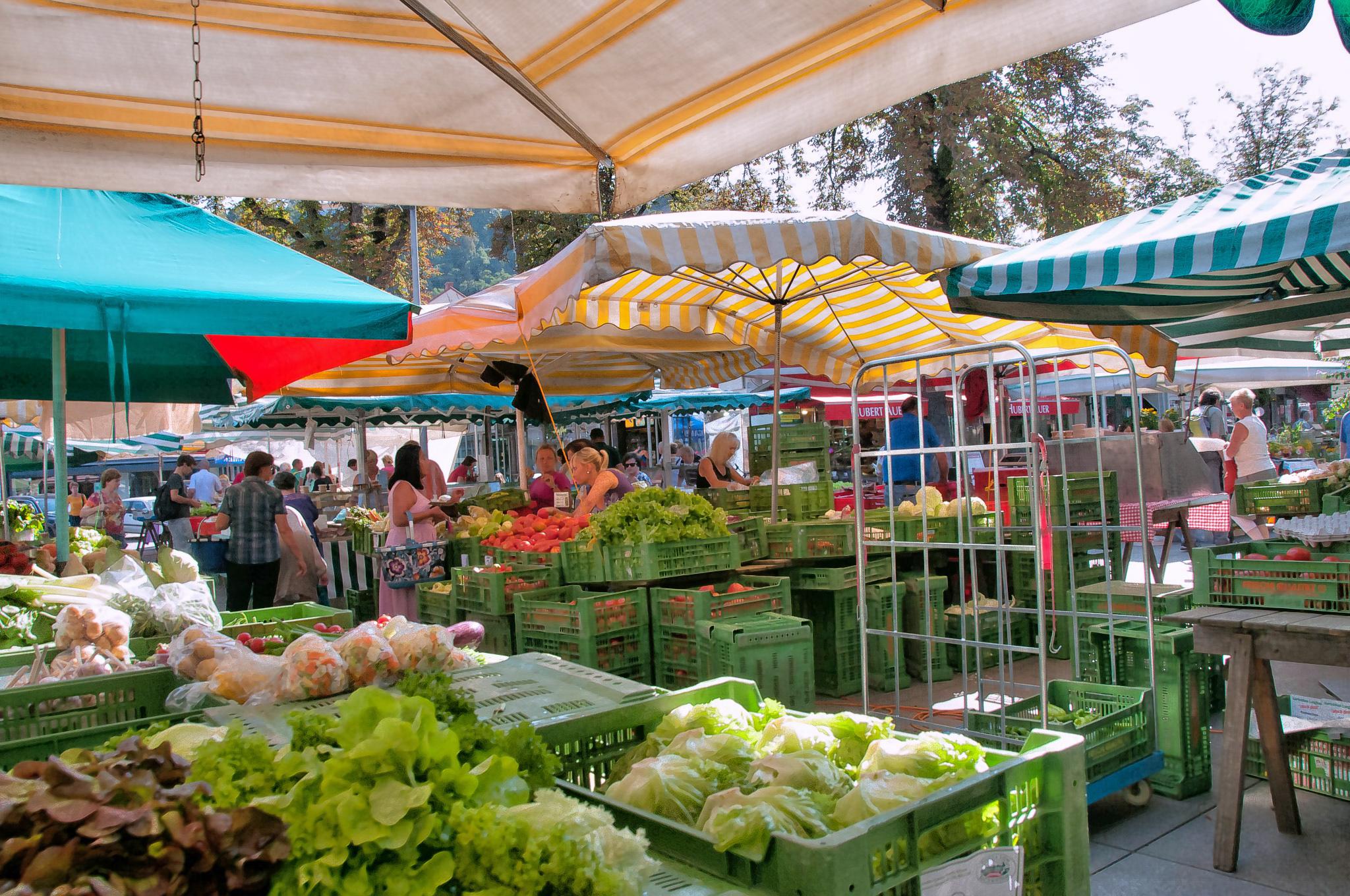
The market at Lendplatz is held every day on the right bank of the Mur River, with the exception of Sundays. Graz, being home to 800 urban farmers, proudly claims the highest concentration
of market days in Europe. At Lendplatz, only farmers themselves sell their produce, not traders. The surrounding area of the square offers plenty of opportunities for socialising.
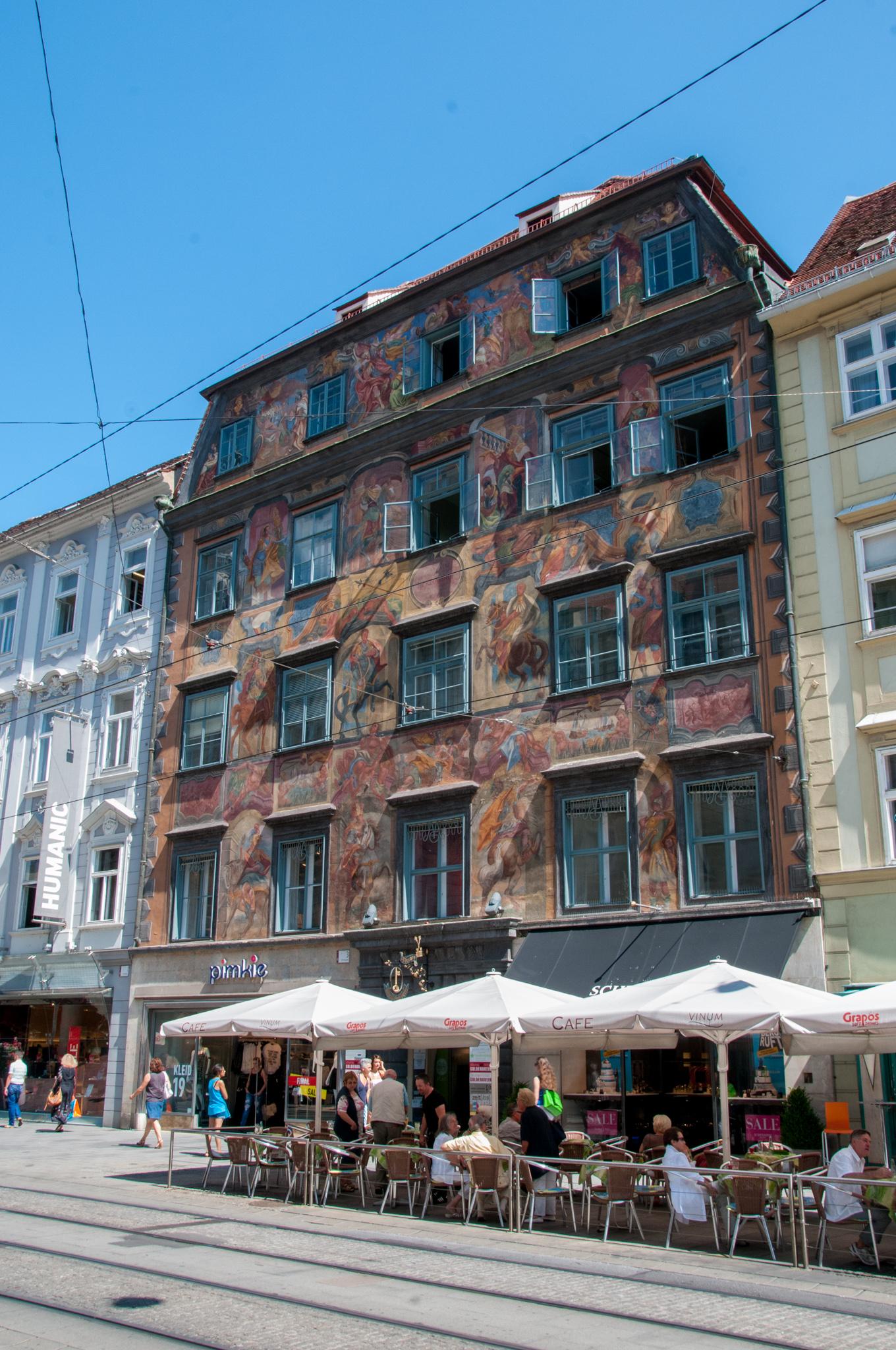
Iron Gate. This splendid Baroque boulevard is accessible by all of Graz’s tram lines, while the remainder of the area is reserved for pedestrians.
state parliament building), the Painted House, as well as a variety of shops, cafés, and restaurants.
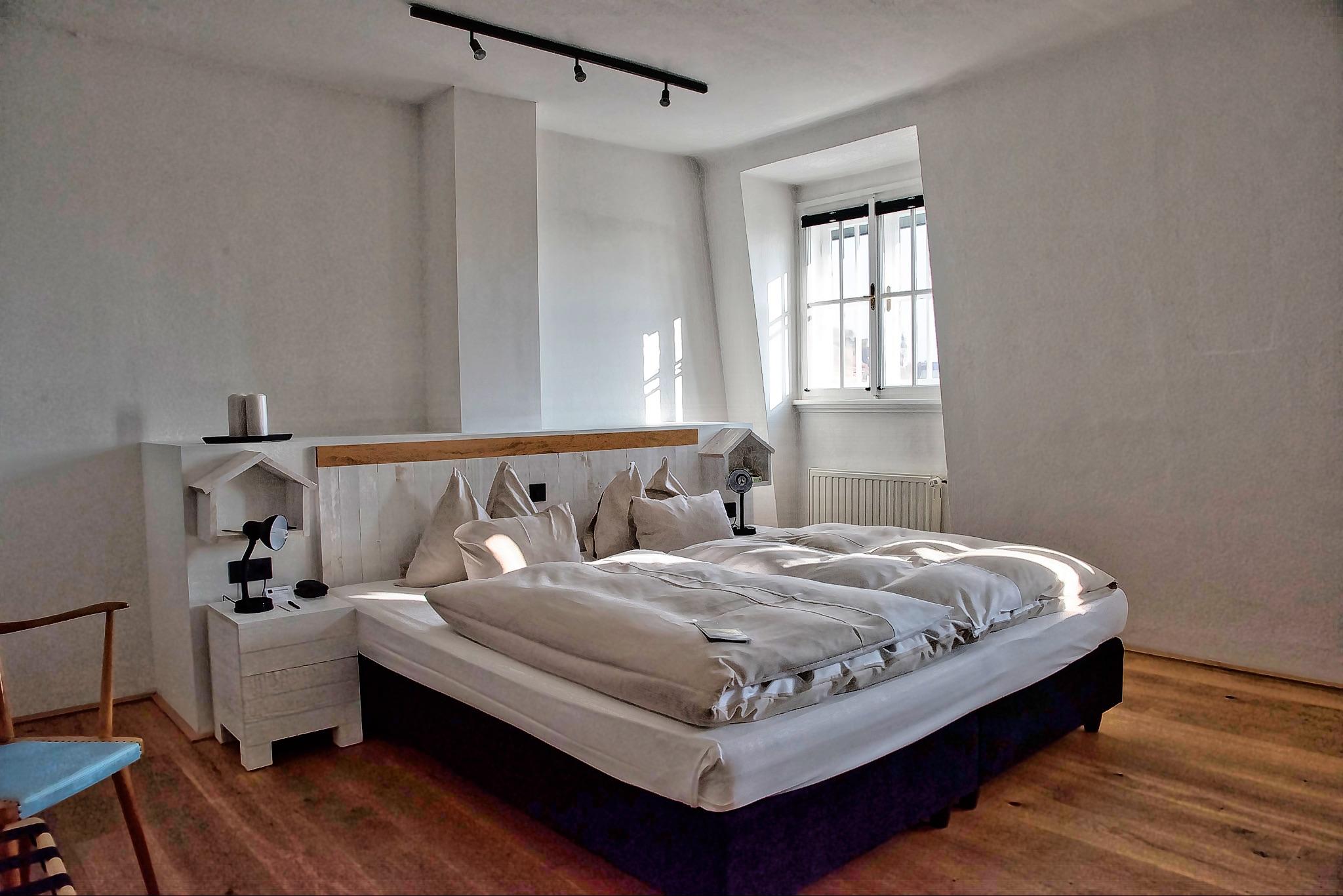

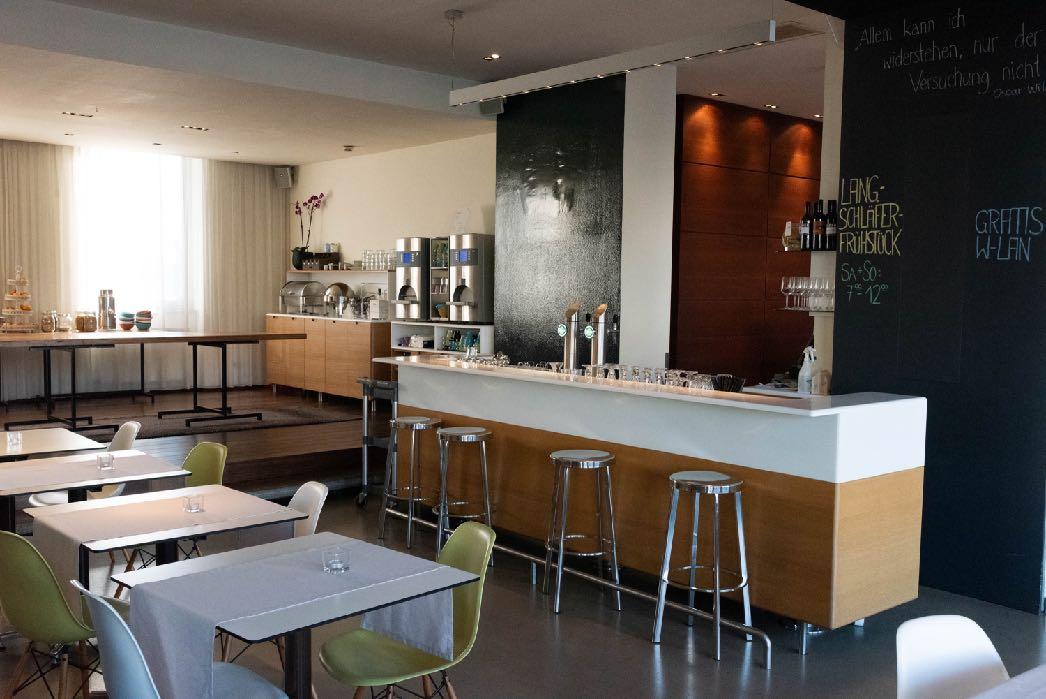
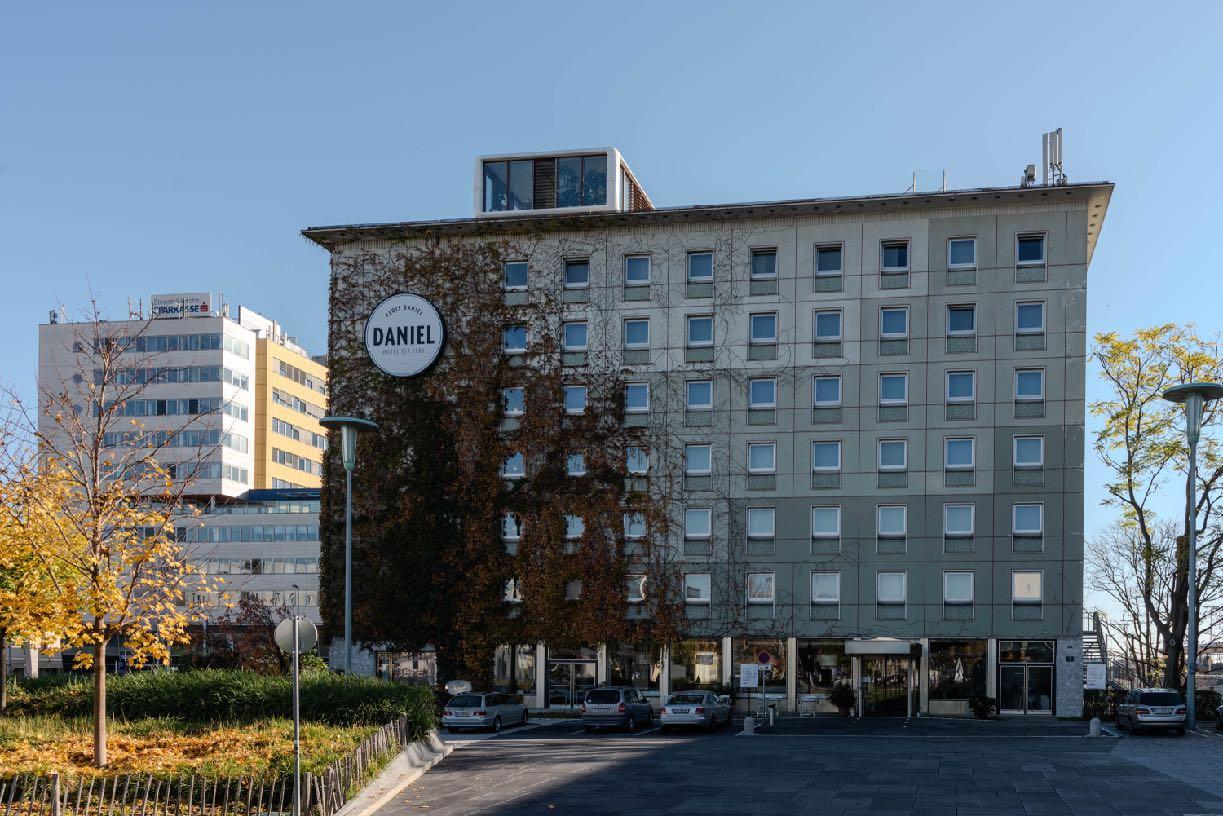
Hotel Daniel sits right next to Graz Central Station. The tram stop is just a short stroll away, and the city centre can be reached in a mere 15 minutes on foot. Guests have the delightful option to hire a Vespa scooter, an e-bike, or even an Ape Calessino – a charming three-wheeled vehicle – directly from the hotel.
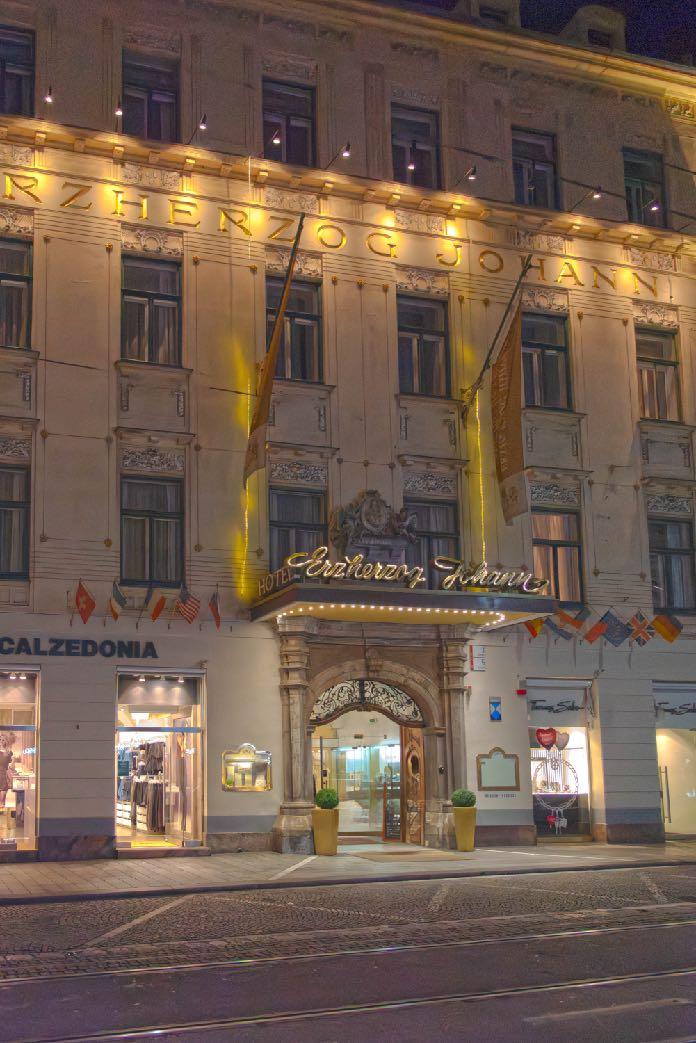
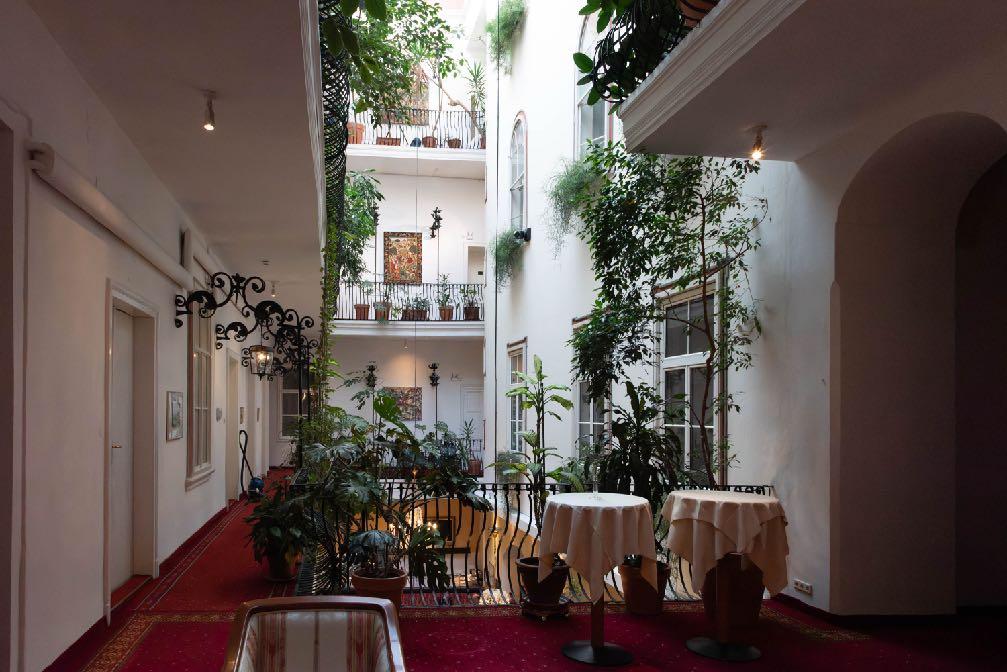
Situated just beside the main square, the Palais-Hotel Erzherzog Johann is steeped in history. The Café Erzherzog Johann can be found within the charming glass-roofed inner courtyard. Opposite the reception area, guests are invited to relax with a drink at the Ernst Fuchs Bar.
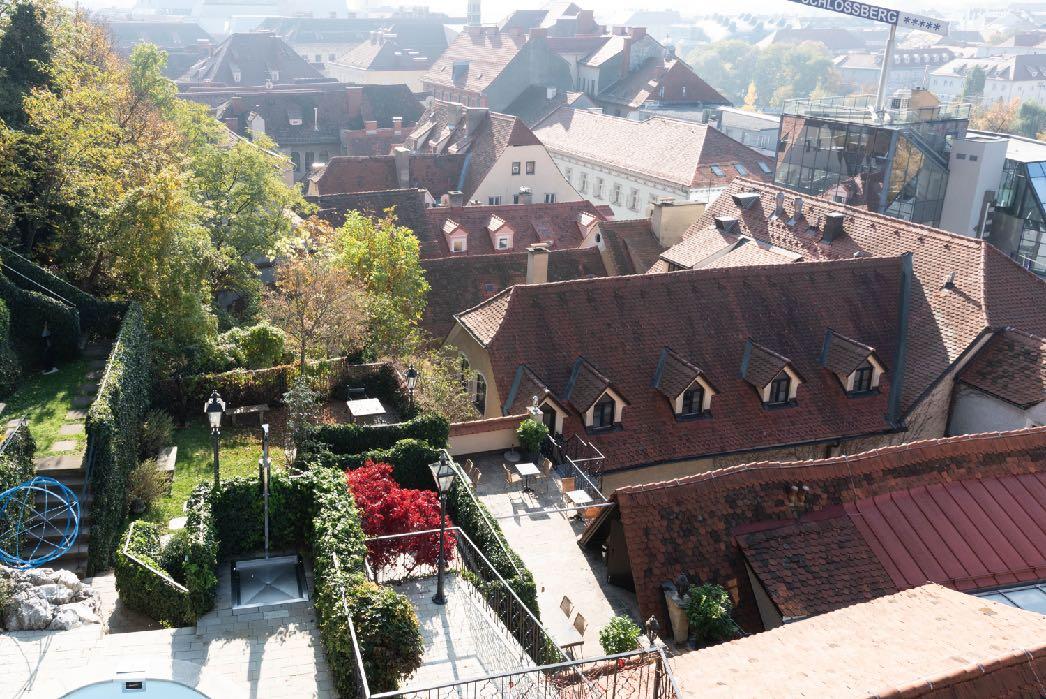
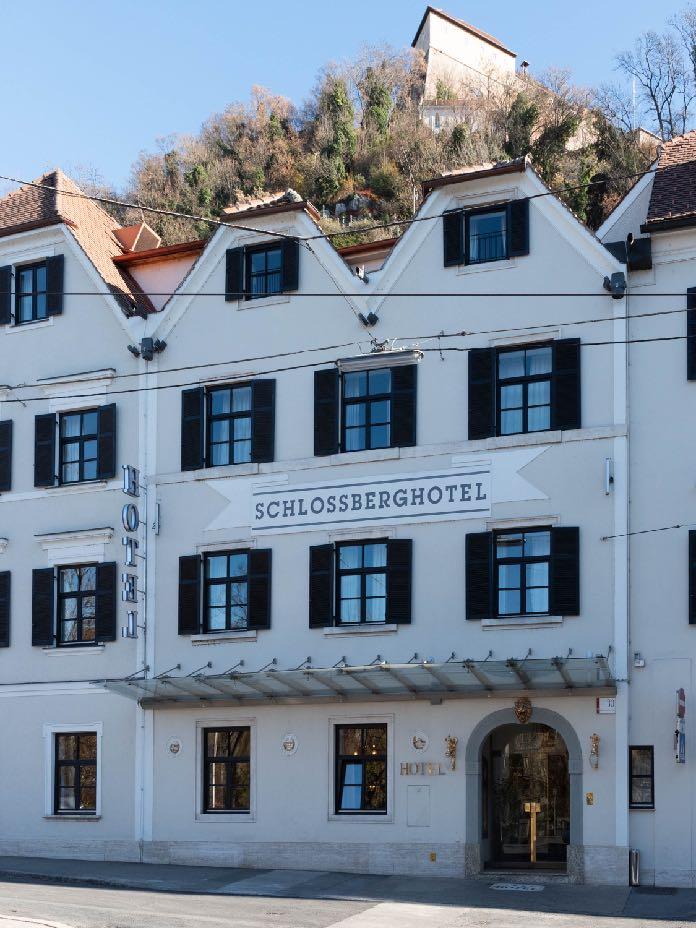
The Schlossberghotel in Graz is a true art hotel, where the art of living is brought to life through an impressive collection of original contemporary artworks. Beyond its elegant façade, the hotel hides a multi-level garden perched on the Schlossberg hill, providing guests with breathtaking panoramic views.
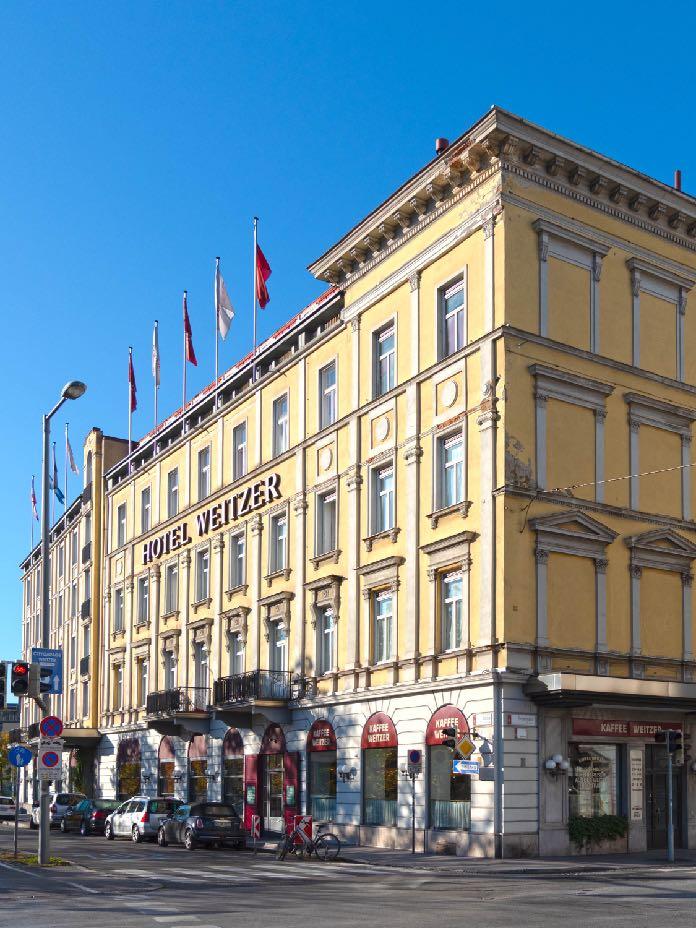
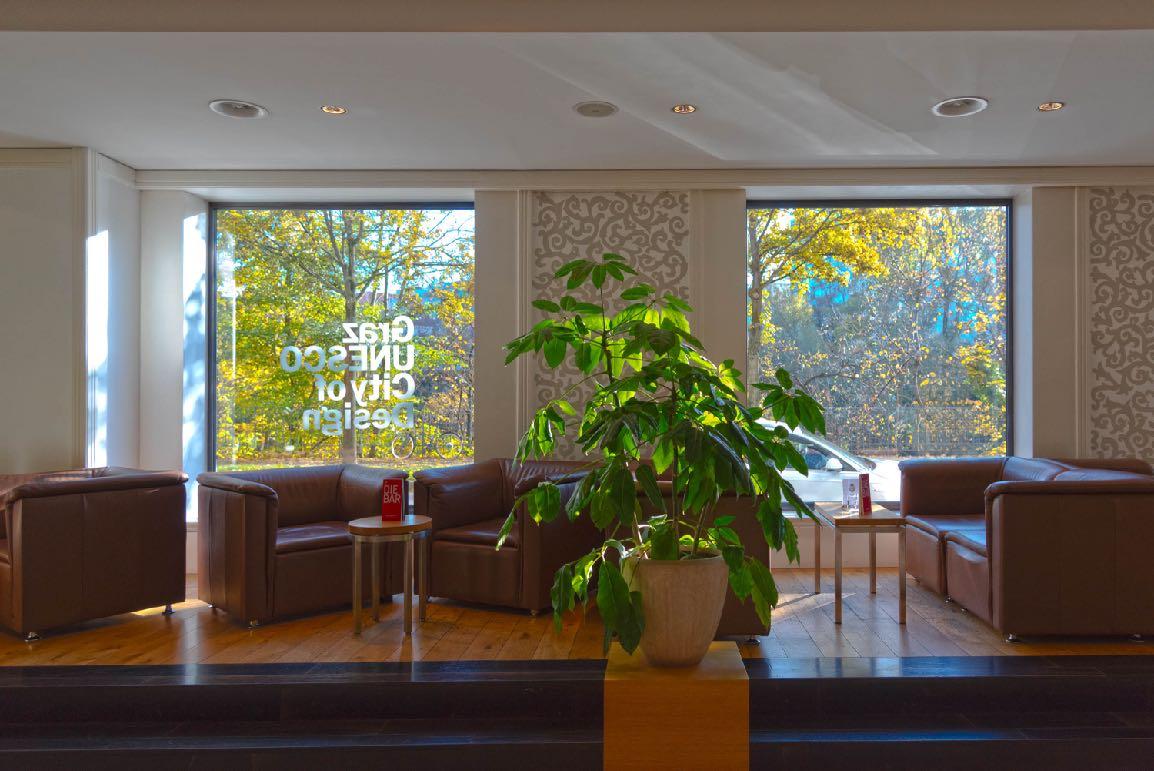
The Weitzer Hotel enjoys a prime position right on the banks of the Mur River, just a short five-minute stroll from the bustling main square. Within its elegant walls, guests will find the charming restaurant “Der Steirer” as well as the famed “Kaffee Weitzer”. For those keen to discover the city in style, the hotel offers bicycle rentals and even the option to hire a Mercedes convertible.
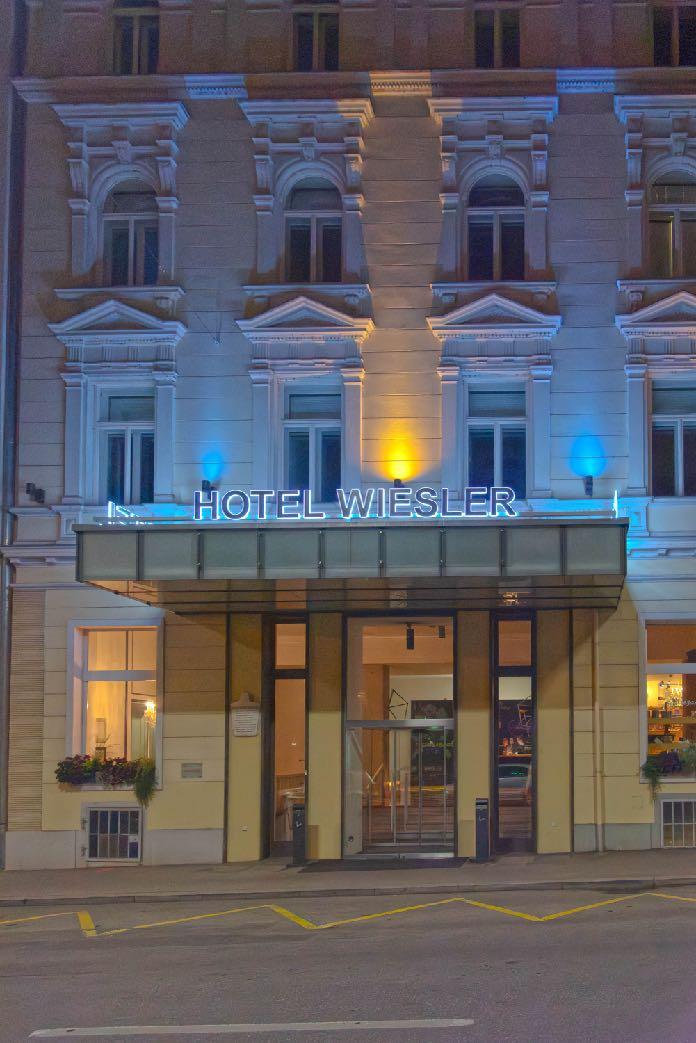
The Wiesler is merely a minute’s walk from the Kunsthaus, with the city centre just a leisurely stroll beyond. Within the building, you’ll find the restaurant “Speisesaal” alongside a distinctive barber shop on the first floor, where genuine gentlemen can indulge in a professional shave.
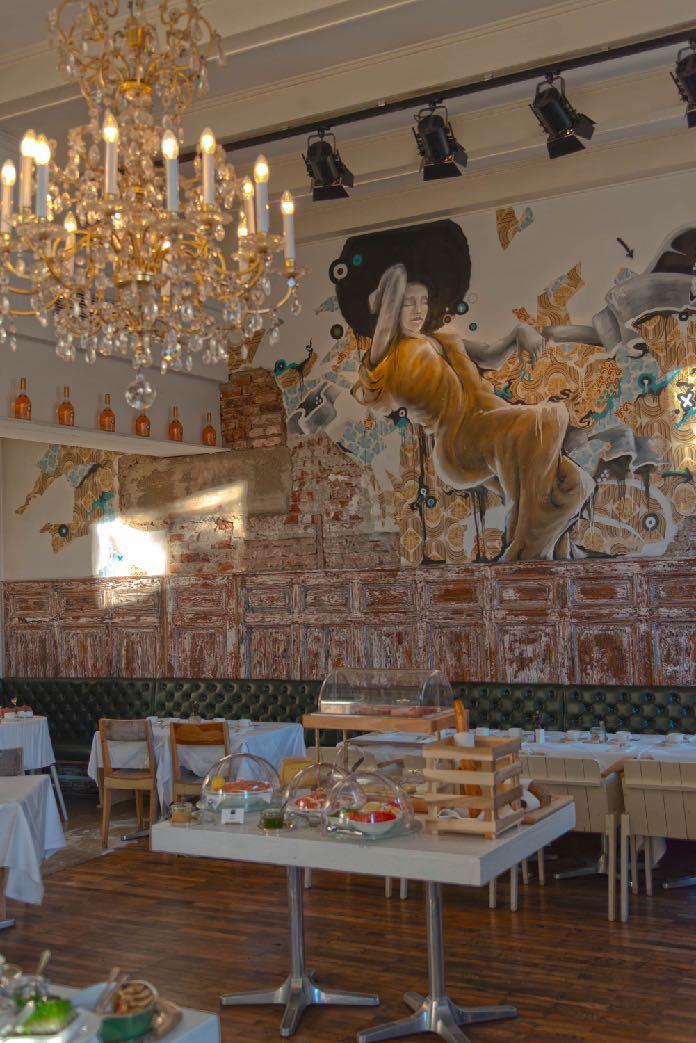
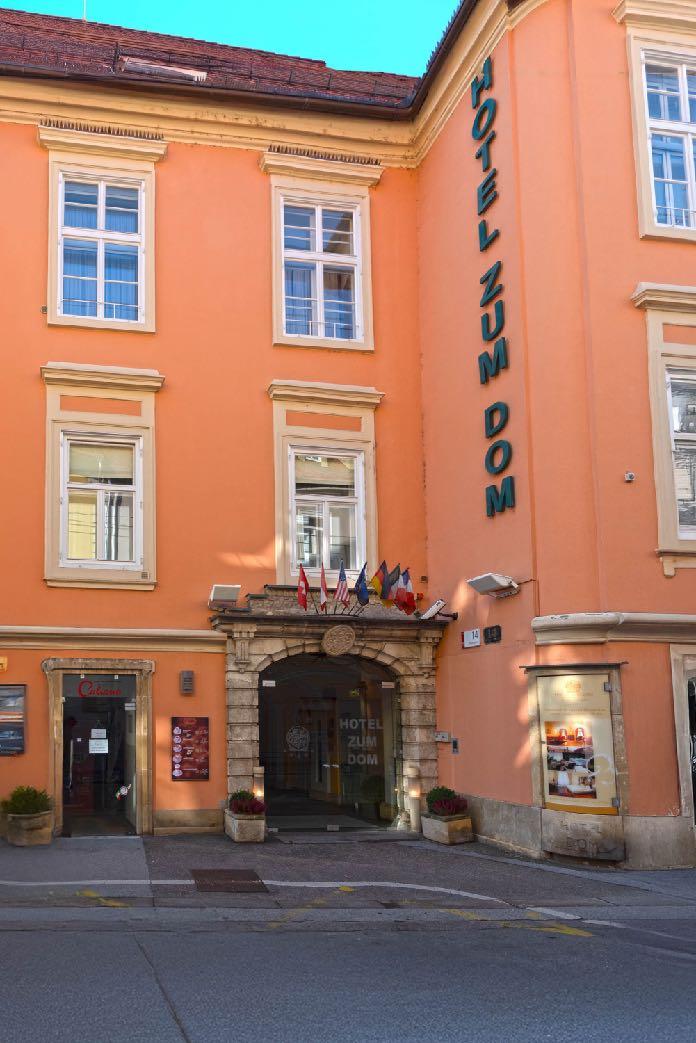
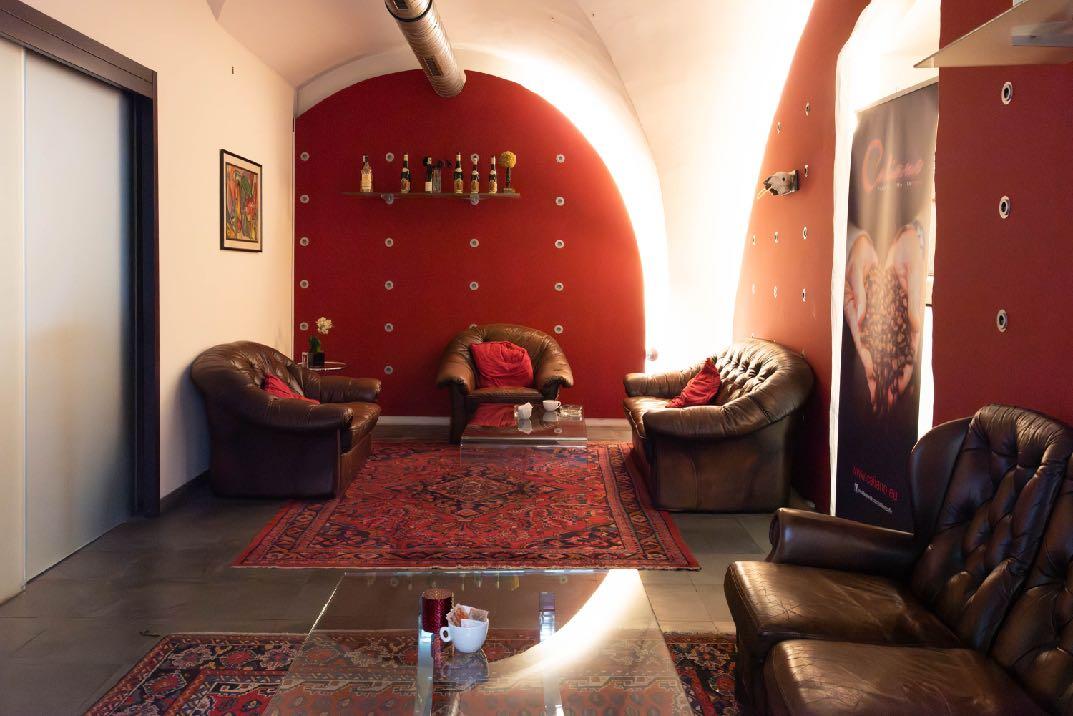
The Hotel zum Dom is nestled within the elegant Palais Inzaghi on Bürgergasse. This charming boutique hotel enjoys a prime location just a stone’s throw from the cathedral. The neighbourhood is brimming with quaint, romantic lanes and picturesque squares, promising an unforgettable experience.
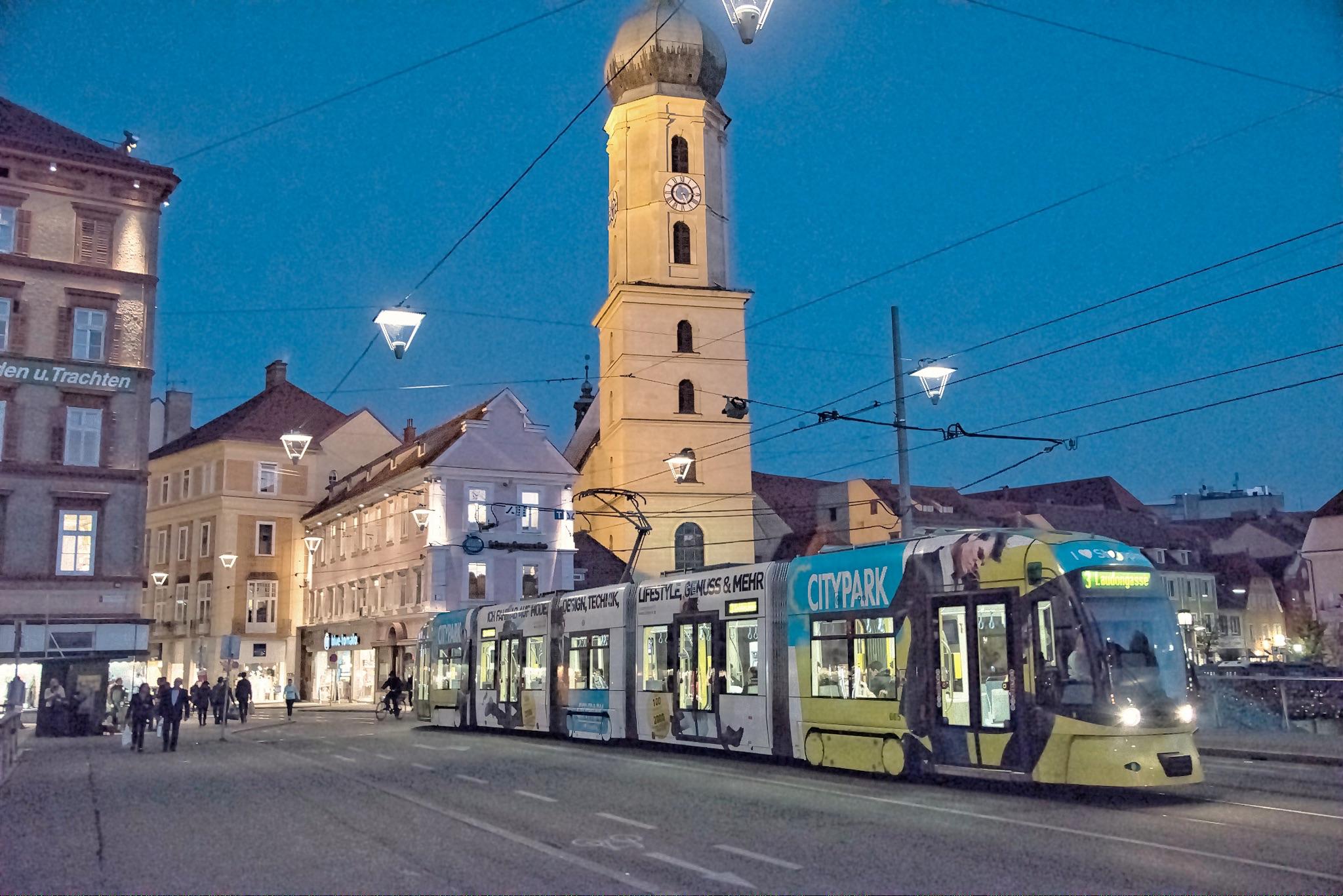

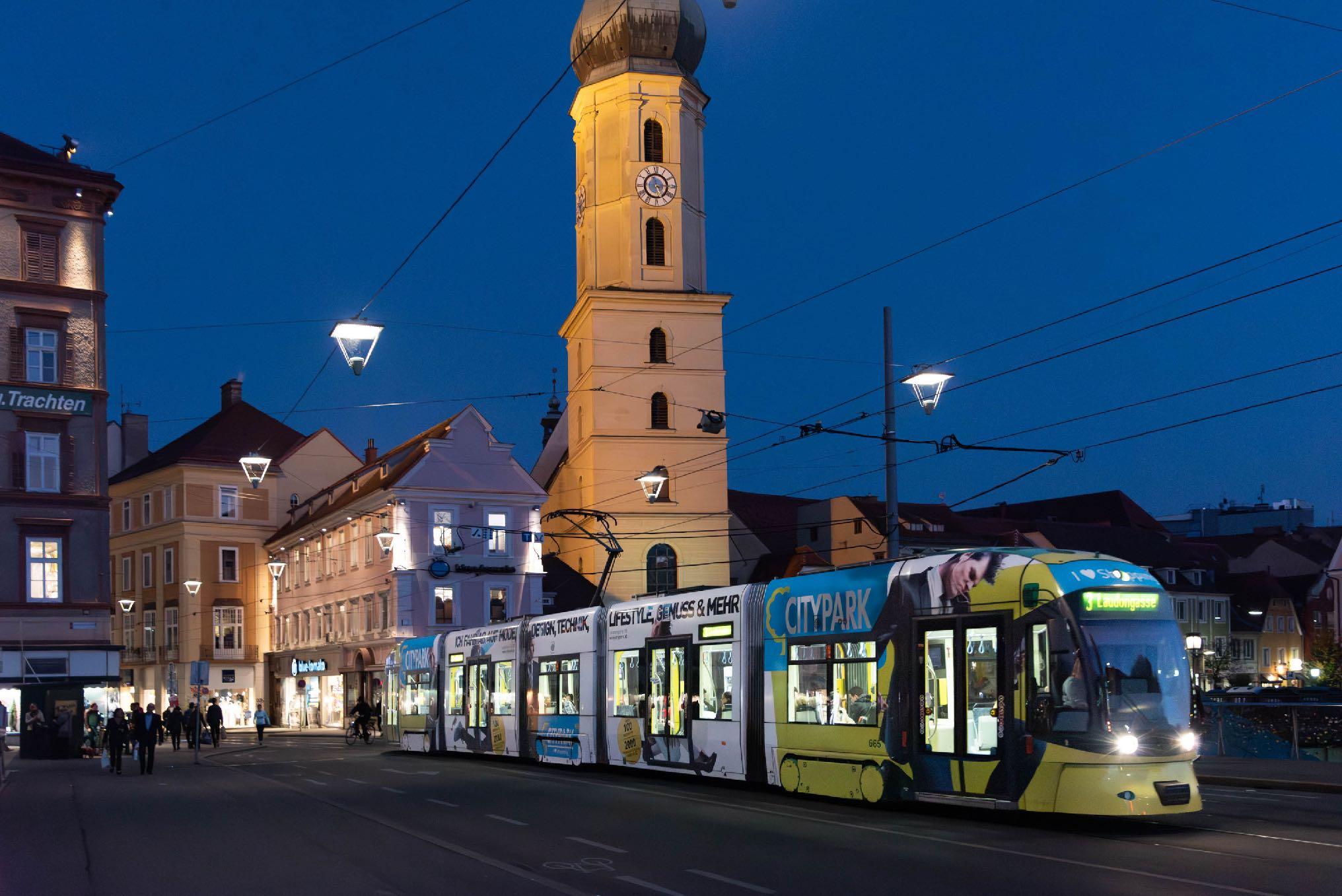
The city of Graz, in collaboration with the tourism board and city authorities, has introduced the "Old Town Tram" initiative. This allows for free tram rides within the city centre every weekend
and on public holidays. Please note that this offer is valid solely on the specified tram lines. For more information, kindly visit the Holding Graz website.
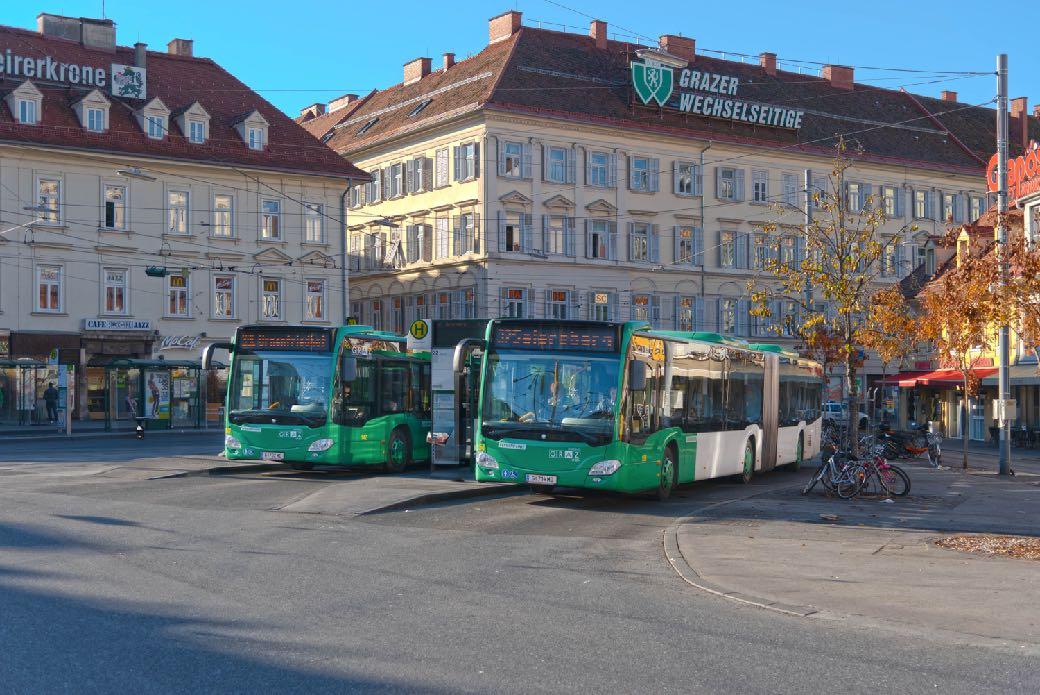
Jakominiplatz stands as the vibrant heartbeat of Graz’s public transport network. It is the bustling crossroads where tram and bus lines converge, making it the perfect starting point for anyone looking to explore the city centre by public transport. From here, an exciting and varied walking tour of Graz unfolds.
The lively atmosphere at Jakominiplatz is further enlivened by numerous events and street performers, bringing the city’s urban spirit palpably to life. It is a place where locals and visitors alike come together, exchange stories, and savour a rich array of culinary delights and quaint shops. Thus, the square is not merely a transport hub but a social gathering spot that truly makes the city’s heart beat.
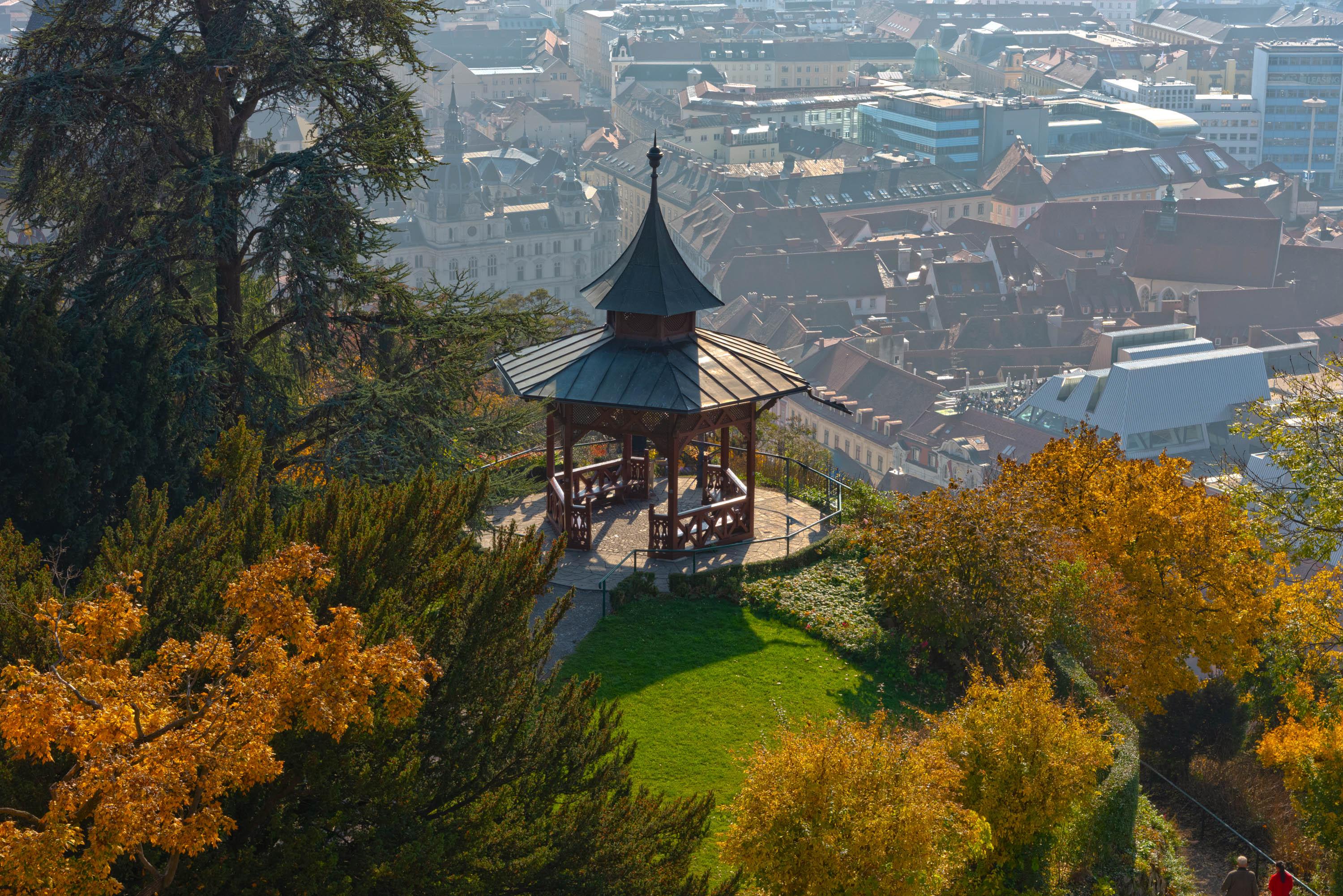


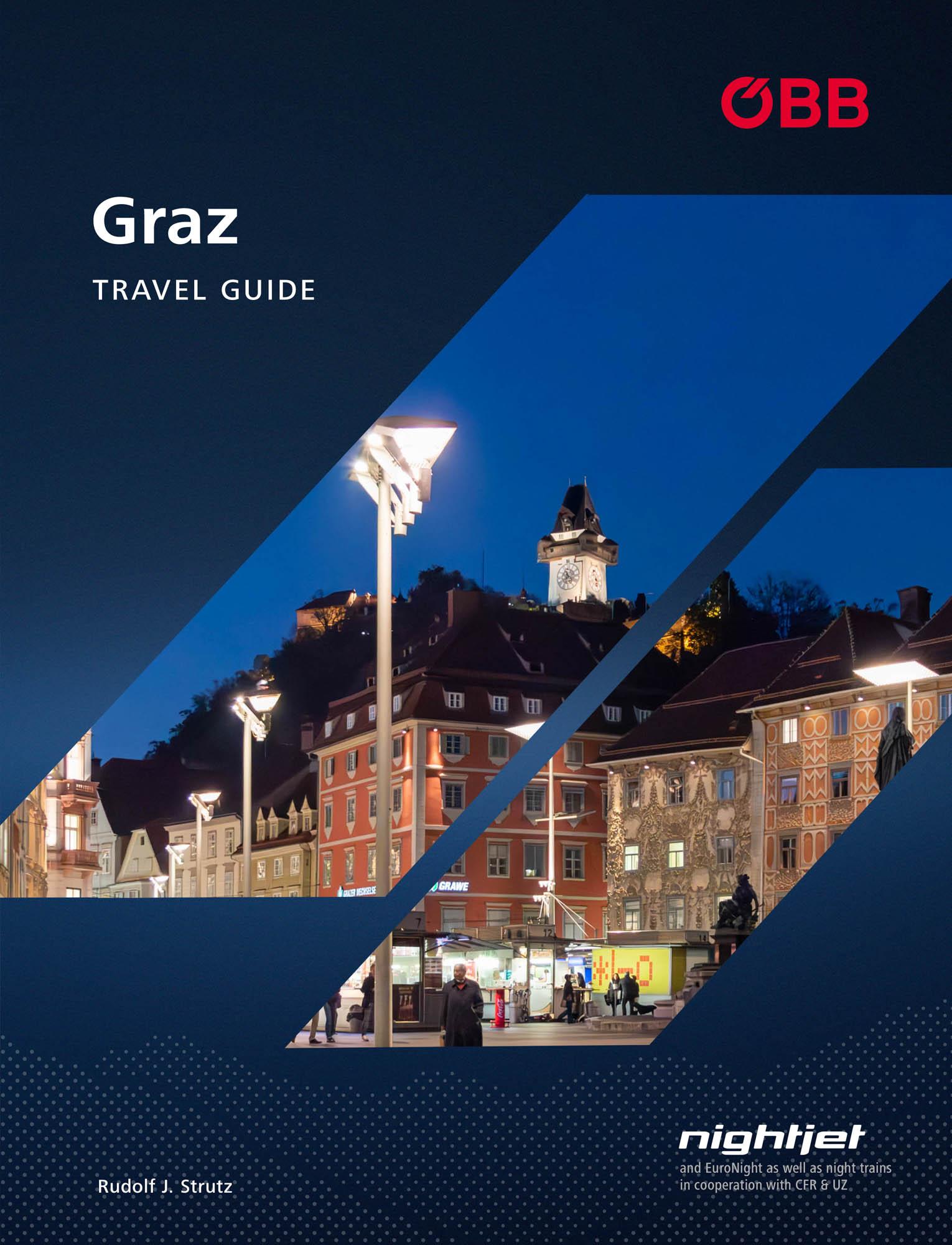
Graz travel guide
Extended version of the travel guide




OBB nightjet and OBB nightjet Partner
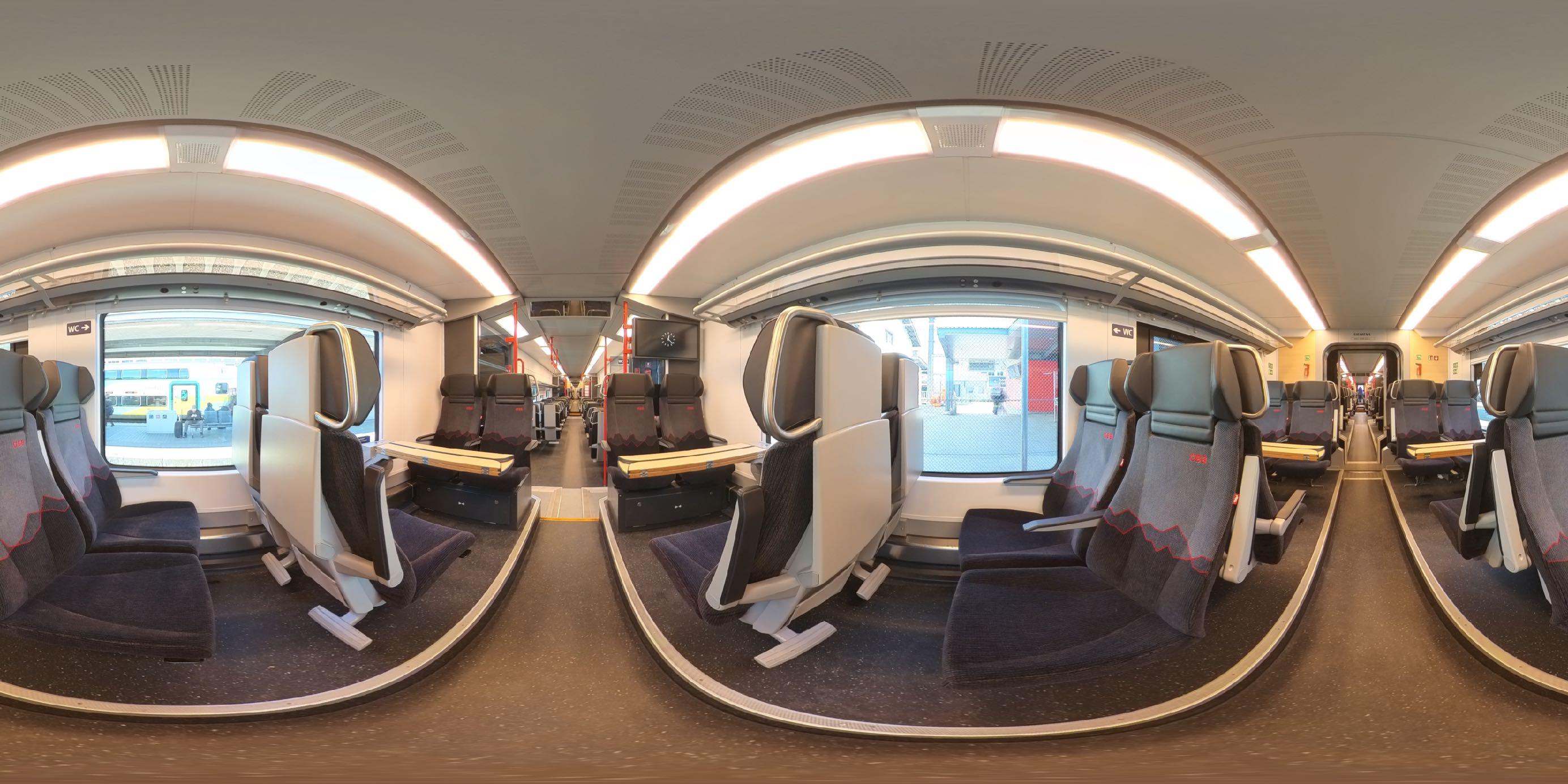


This e-book was made possible through the kind support of the regional tourist offices and the OBB. German proofreading and editorial: Martin Andergassen.
References
Text, videos and photos by Rudolf J. Strutz unless otherwise stated. Timetables and travel information: OBB
Assistance from AI
Artificial intelligence applications are occasionally employed for image editing, including the elimination of undesirable components. Additionally, AI tools can enhance the clarity of images and diminish background noise.
The travel guides are also available free of charge on the OBB online entertainment and internet portal railnet, which is installed on all railjets, nightjets (NG) and cityjets



Copyright
This book was licensed under the Creative Commons License. Conditions of use: attribution, non-commercial, no editing and distribution under the same conditions only as a complete work! The use of individual photos and text is not permitted. This eBook is available free of charge.
All links provided are current at the time of publication of this ebook. Links to tickets usually lead directly to the exhibition location. For tickets and timetables, local public transportation services are linked.
All logos and company names are used for information purposes only; any use outside of this e-book must be approved by the copyright holders.


SCOTTY mobile shows the timetables for all public transport and helps you plan your travel route.
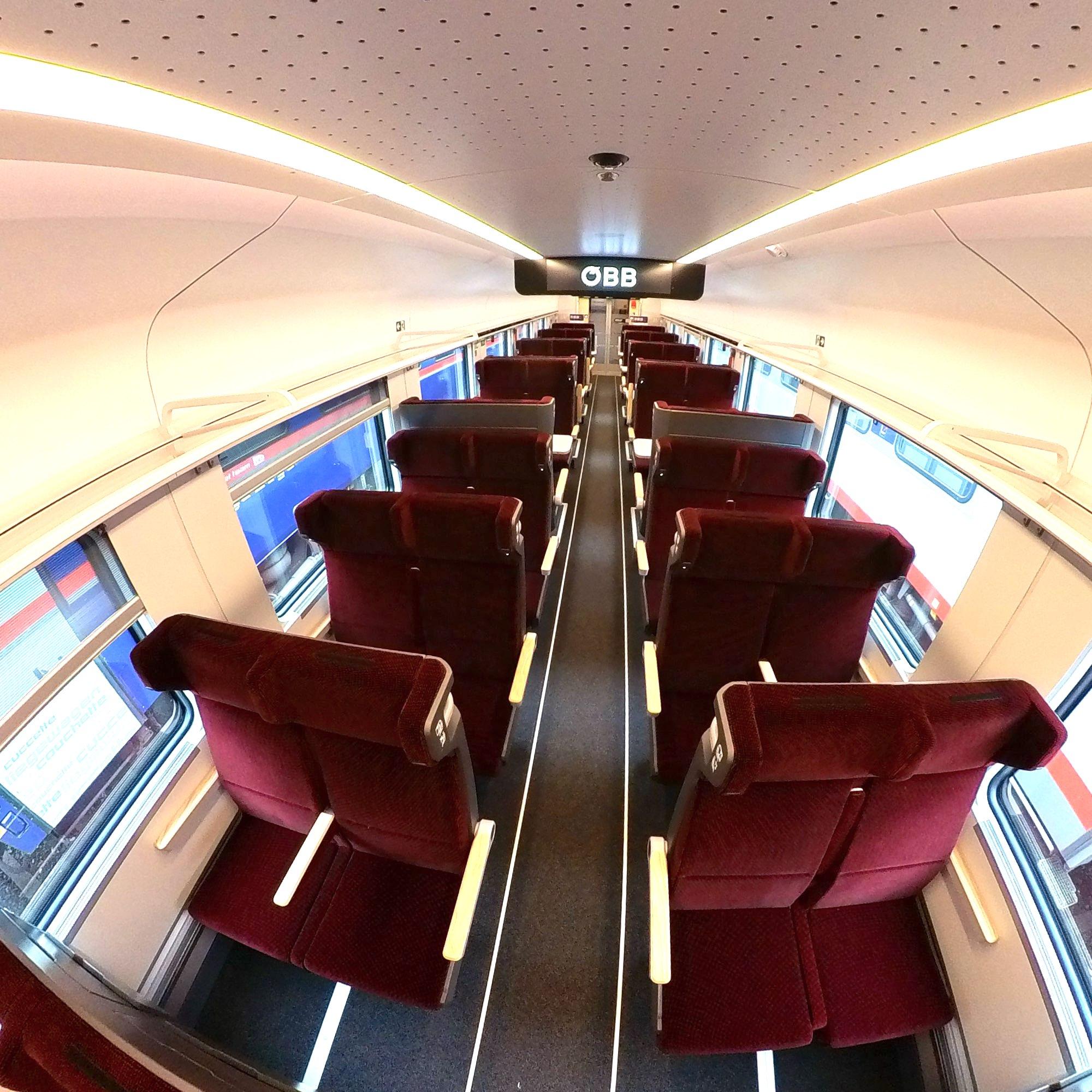

Book your trip online or view the current timetable online and directly on your mobile phone.