

ÖBB connects numerous European cities with modern day and night services.
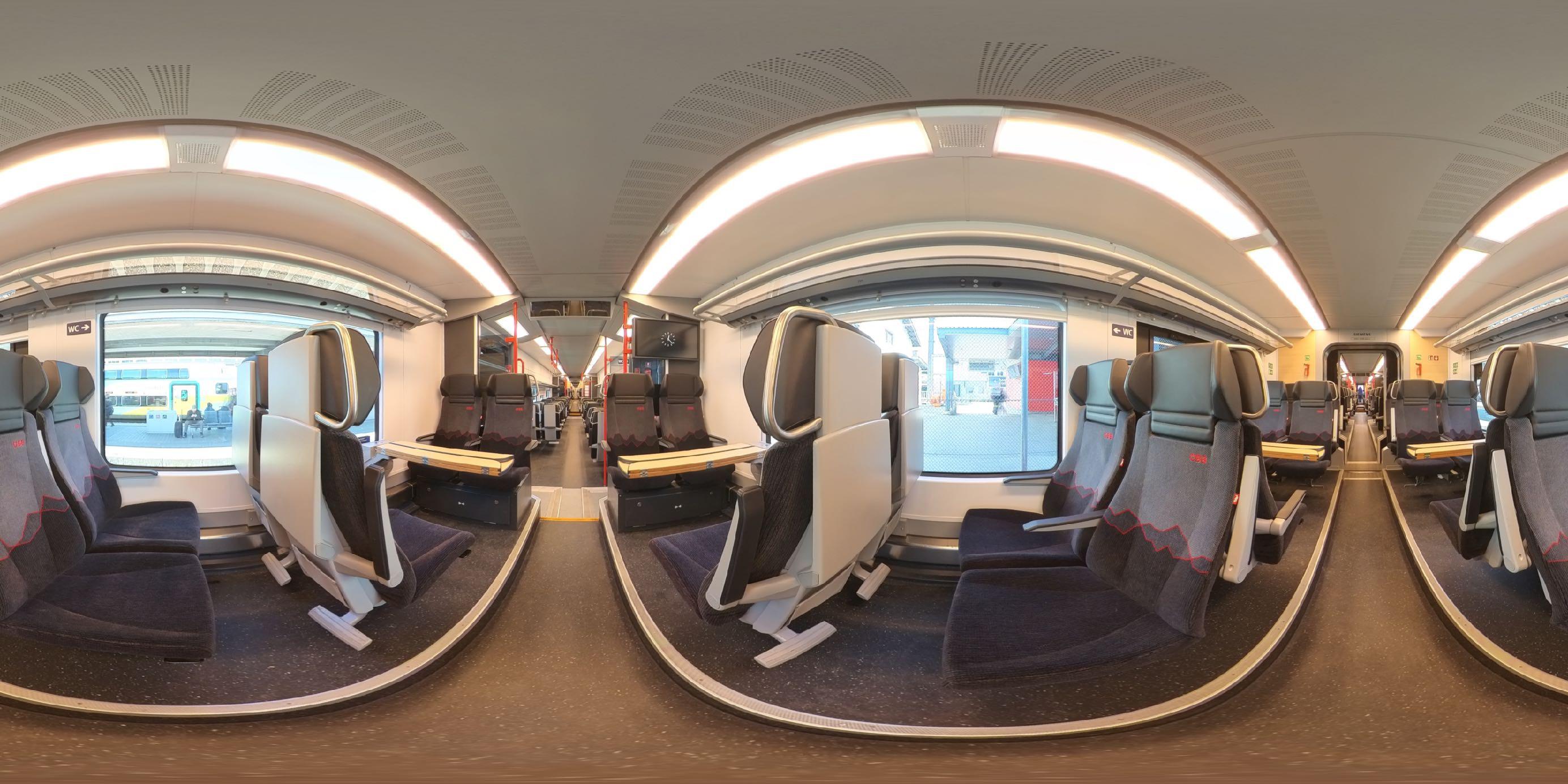
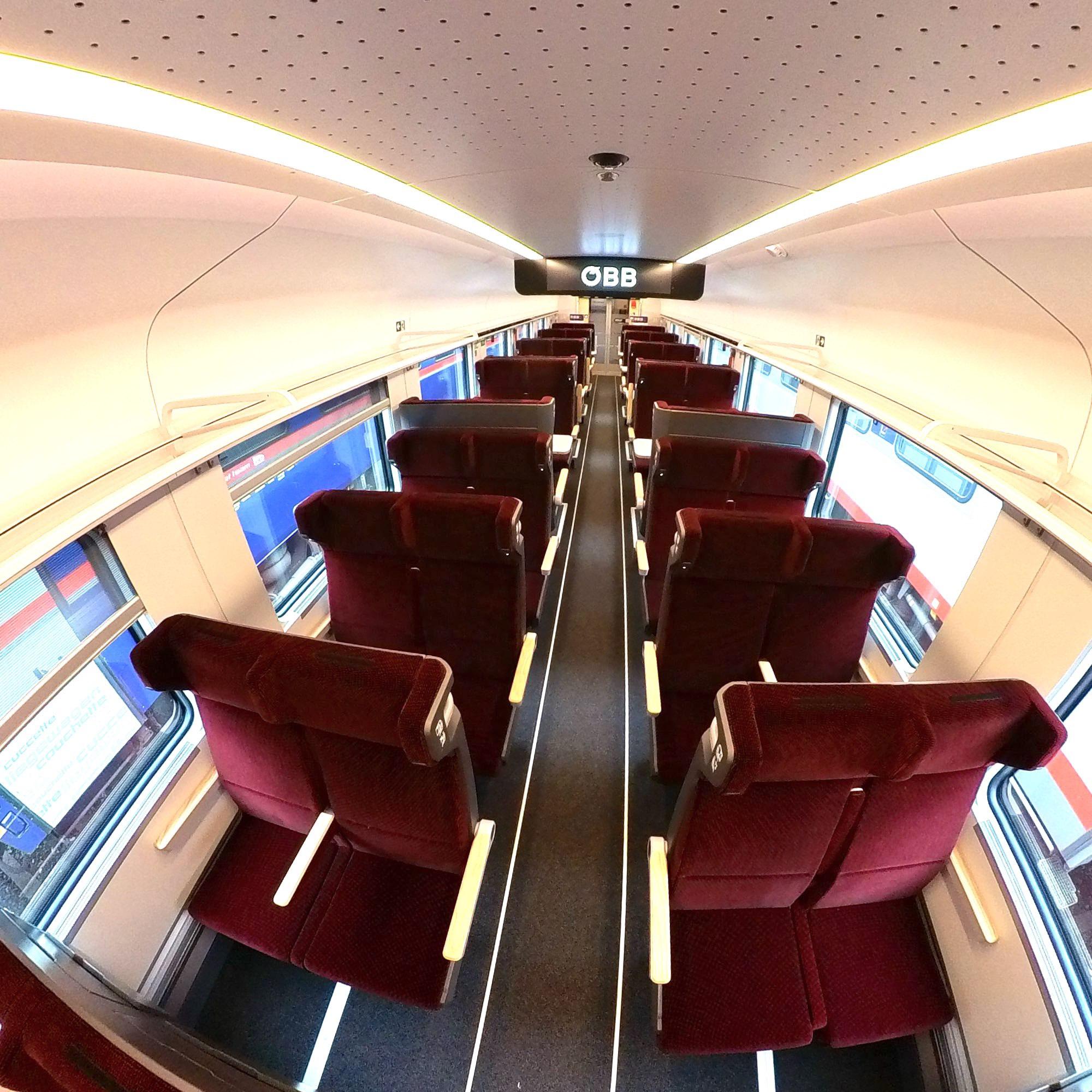
During the day, ÖBB Railjets offer fast and comfortable long-distance travel in Economy, First, and Business classes.
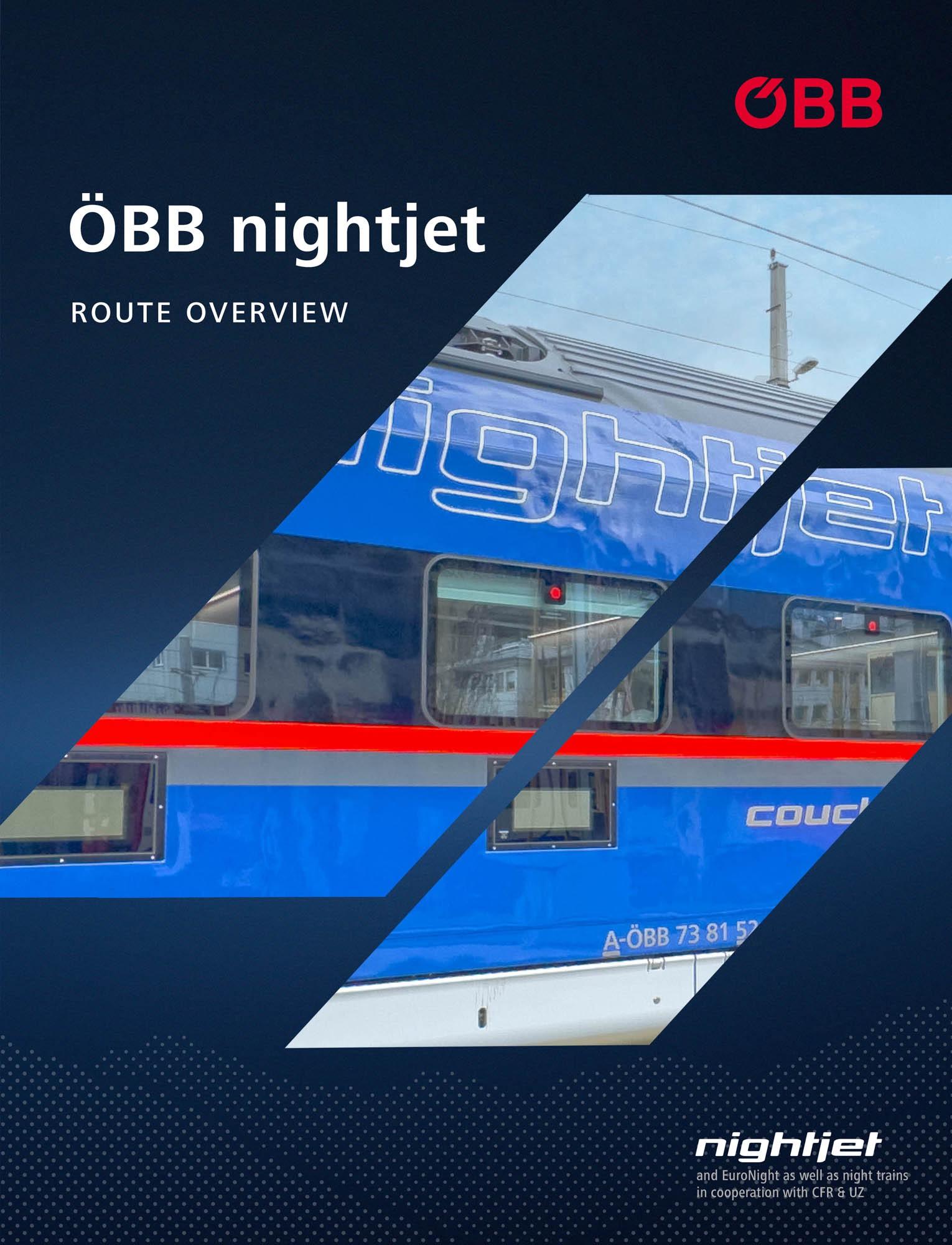
At night, the ÖBB Nightjet provides a relaxing and environmentally friendly journey across Europe. Whether
you prefer a seat, new Mini Cabins, or couchette and sleeper cars – every travel preference is catered for.
Within Austria, ÖBB Cityjets guarantee punctual and comfortable local and long-distance transport.
Further information and booking options can be found via the info button, which leads directly to the ÖBB booking page.





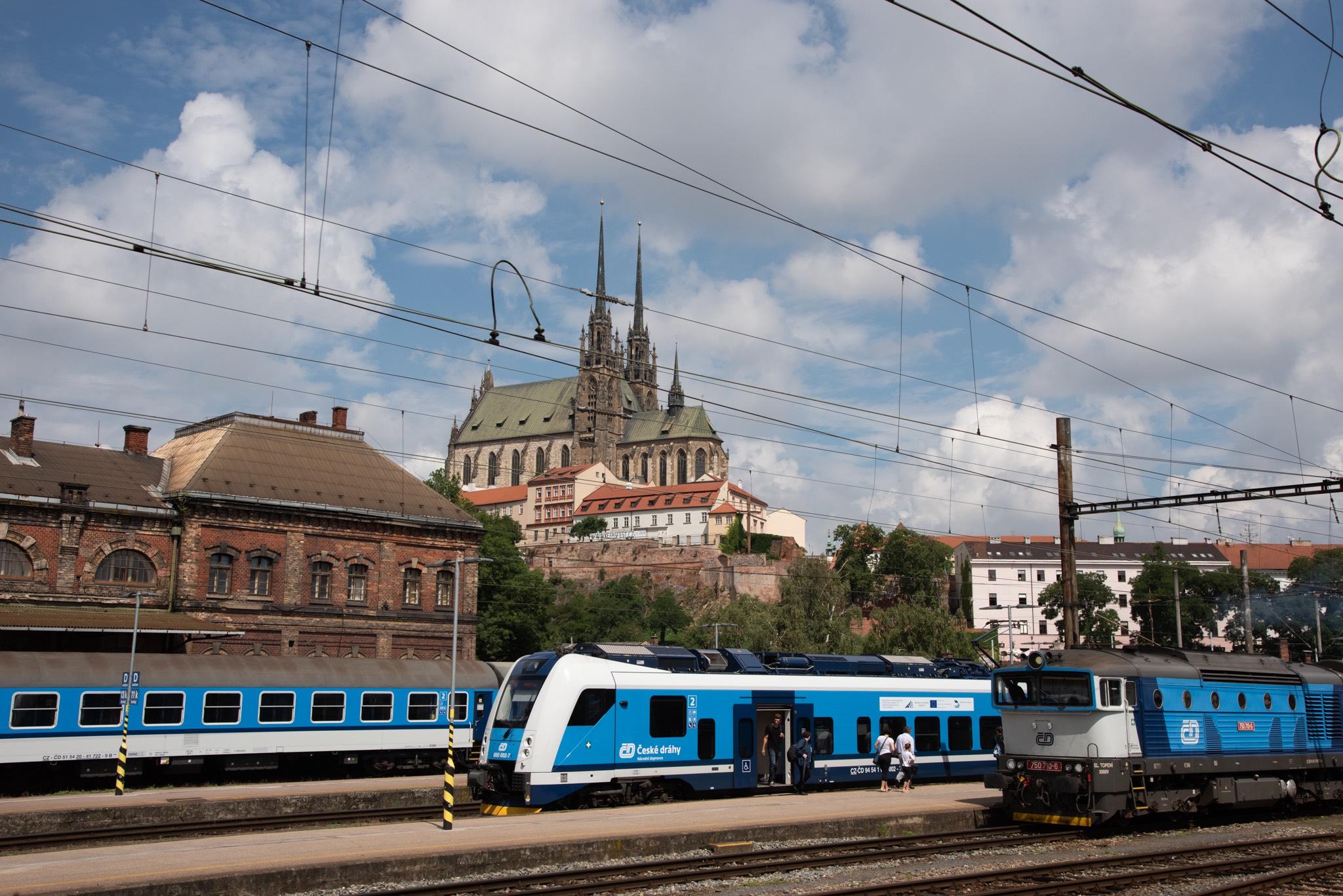
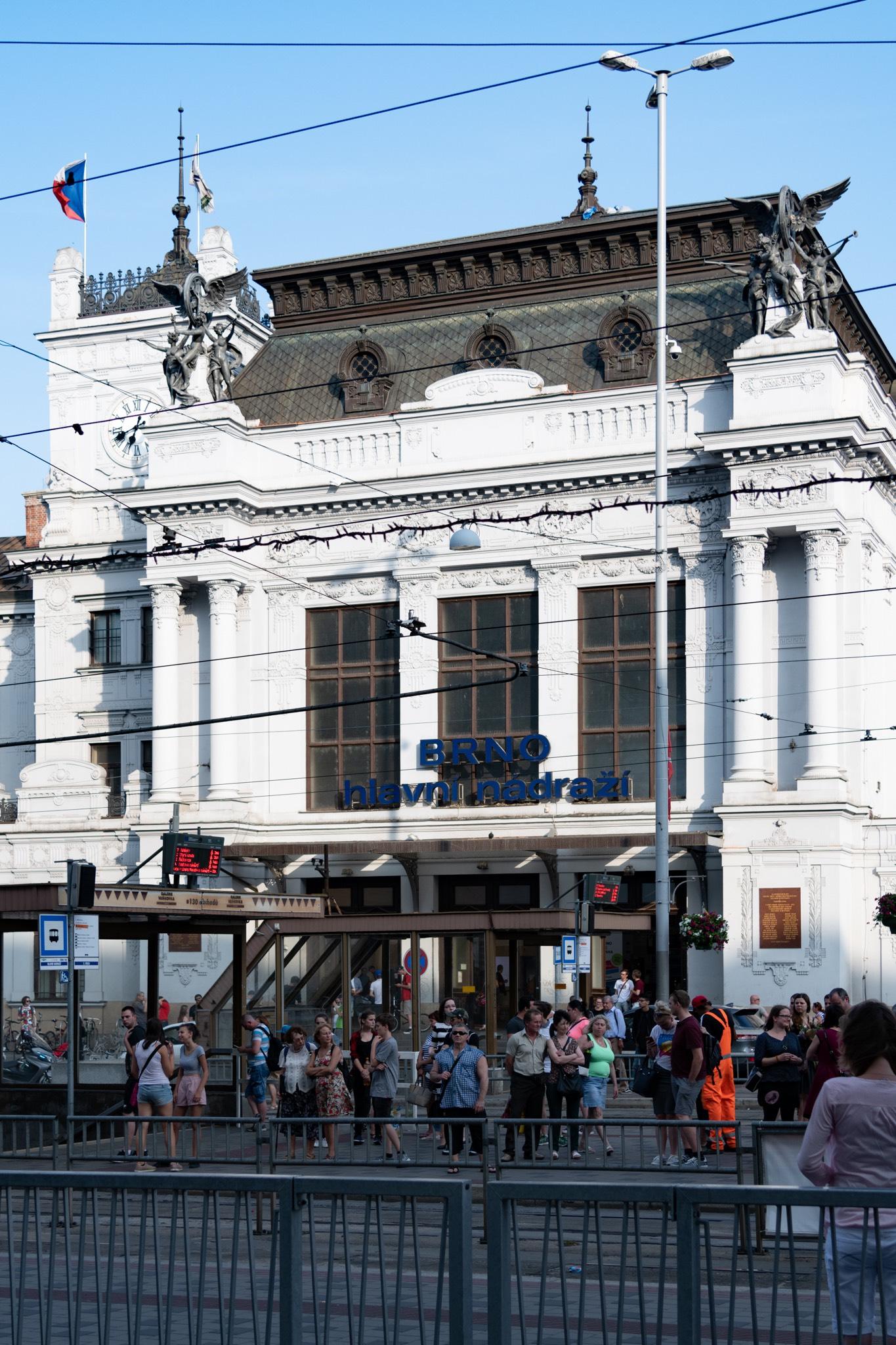
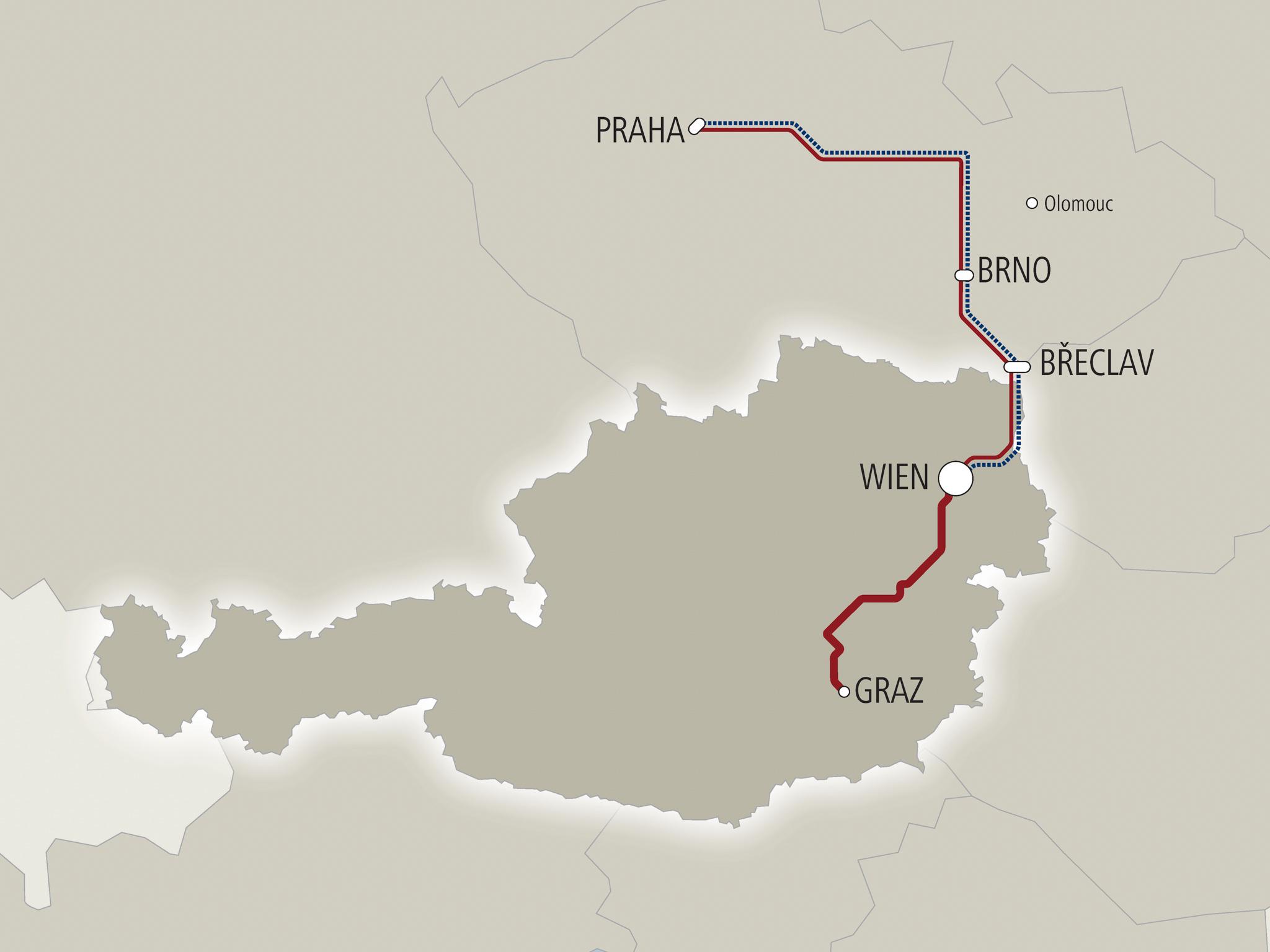
The railway line from Graz via Vienna to Berlin runs directly through Brno. The comfortable ÖBB Railjet continues on to Prague and Berlin. From Vienna, the train reaches Brno in less than 90 minutes.

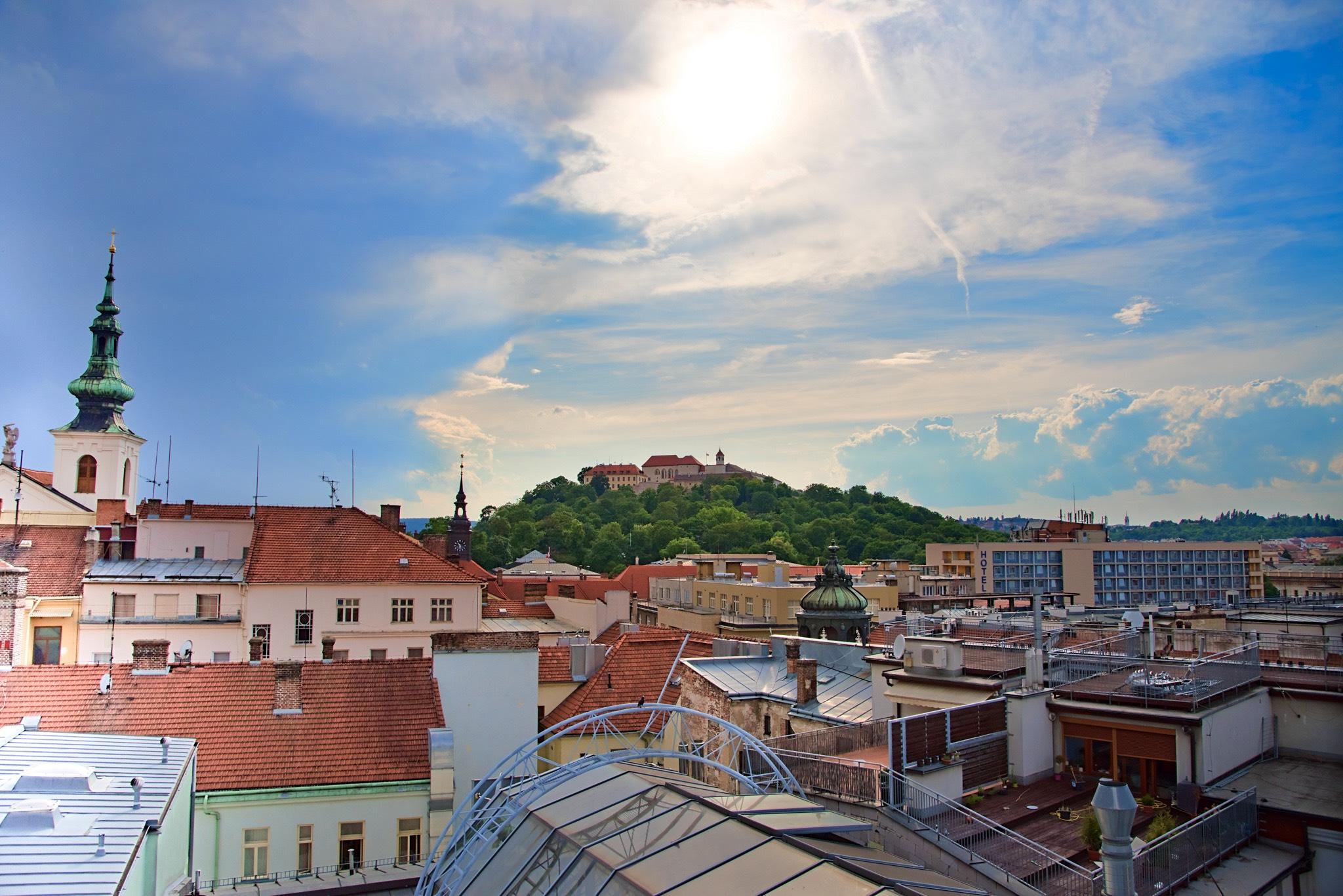
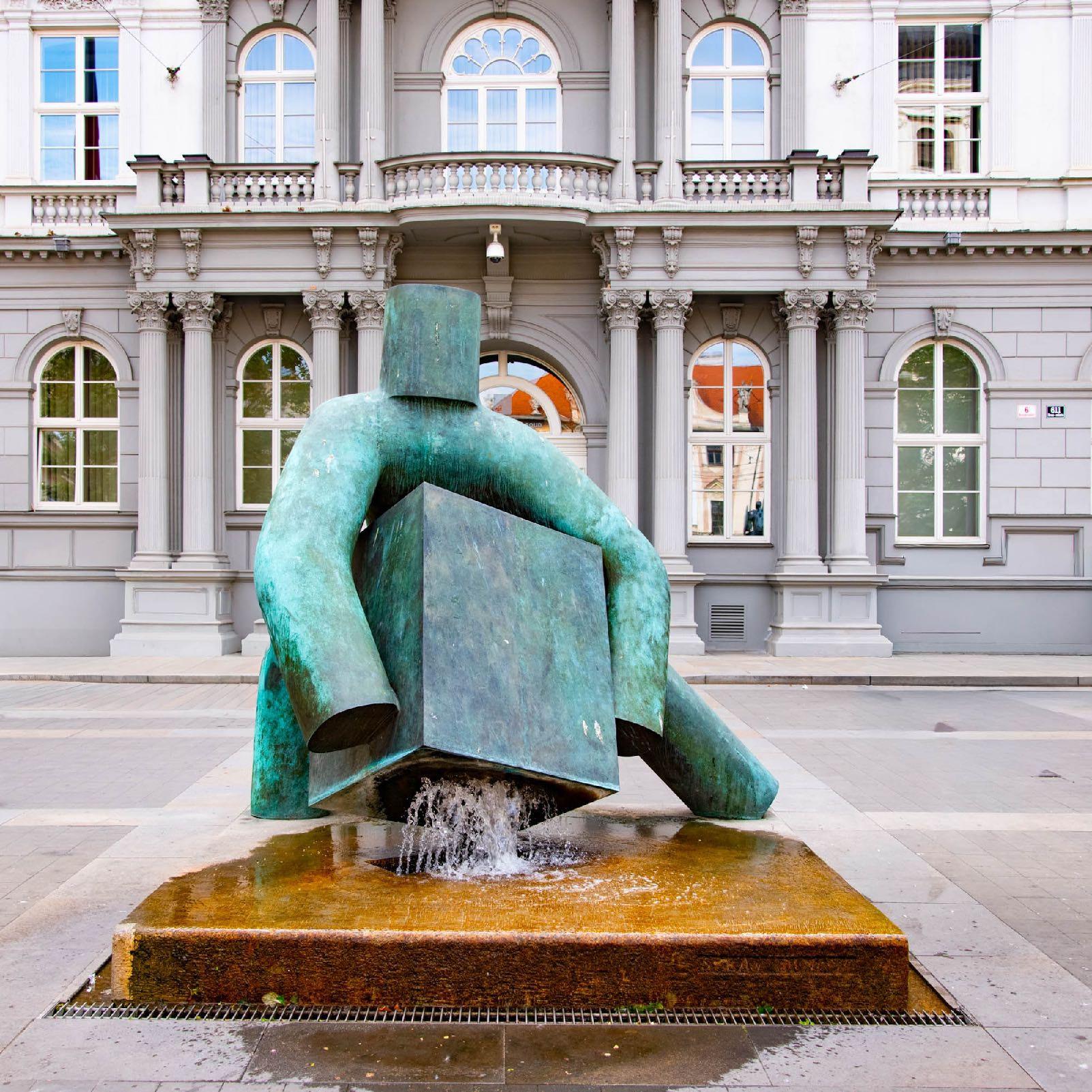


380,000 people live in its 29 districts. The city's name derives from Brno Castle, which was built between 1021 and 1034. In 1243, Wenceslas I founded Brno as a royal city with special privileges. The Špilberk Fortress, one of Brno's most famous landmarks, was first mentioned in writing in 1277. From 1349 onward, Brno served as the residence of the Margraves of Moravia. In 1641, Brno was declared the capital of Moravia.
Over the centuries, Brno has been repeatedly affected by military conflicts. During the Thirty Years' War, the Swedes
The Battle of Austerlitz, also known as the "Battle of the Three Emperors," took place near Brno in 1805, in which Napoleon I defeated both the Austrian and Russian forces. Today, Brno is known primarily for its hospitality and its numerous inviting inns serving excellent beer and hearty food. The city lies on the railway line between Vienna and Prague and has excellent public transport connections.


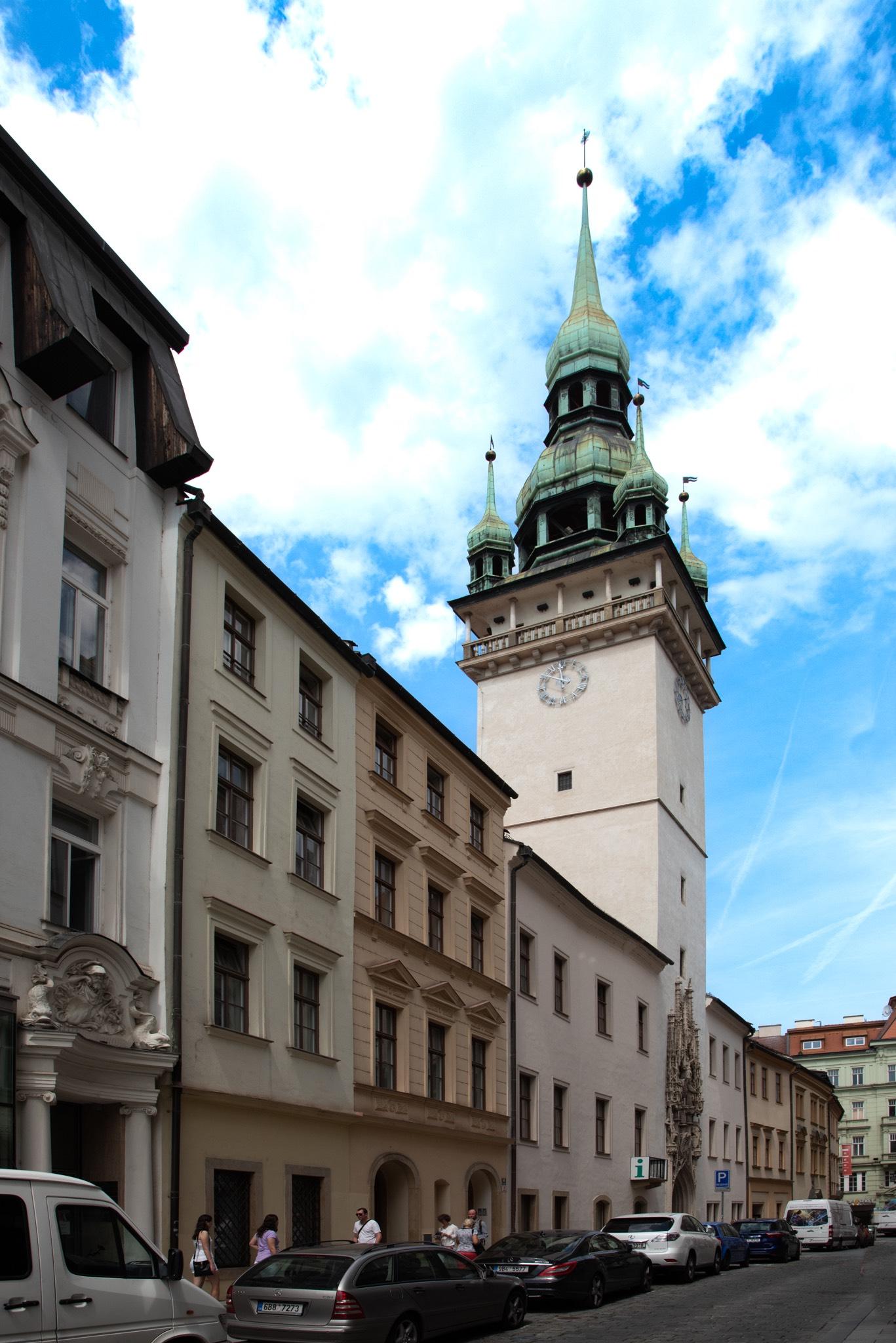
Brno's historic town hall served as the city's administrative center from 1373 to 1935. It is the oldest secular building within the city limits. Its origins can be traced back to 1240, when a single-story structure with a tower was built. Visitors to
the town hall should definitely visit the gallery and the historical rooms.
A climb up the 63-meter-high tower is also highly recommended.
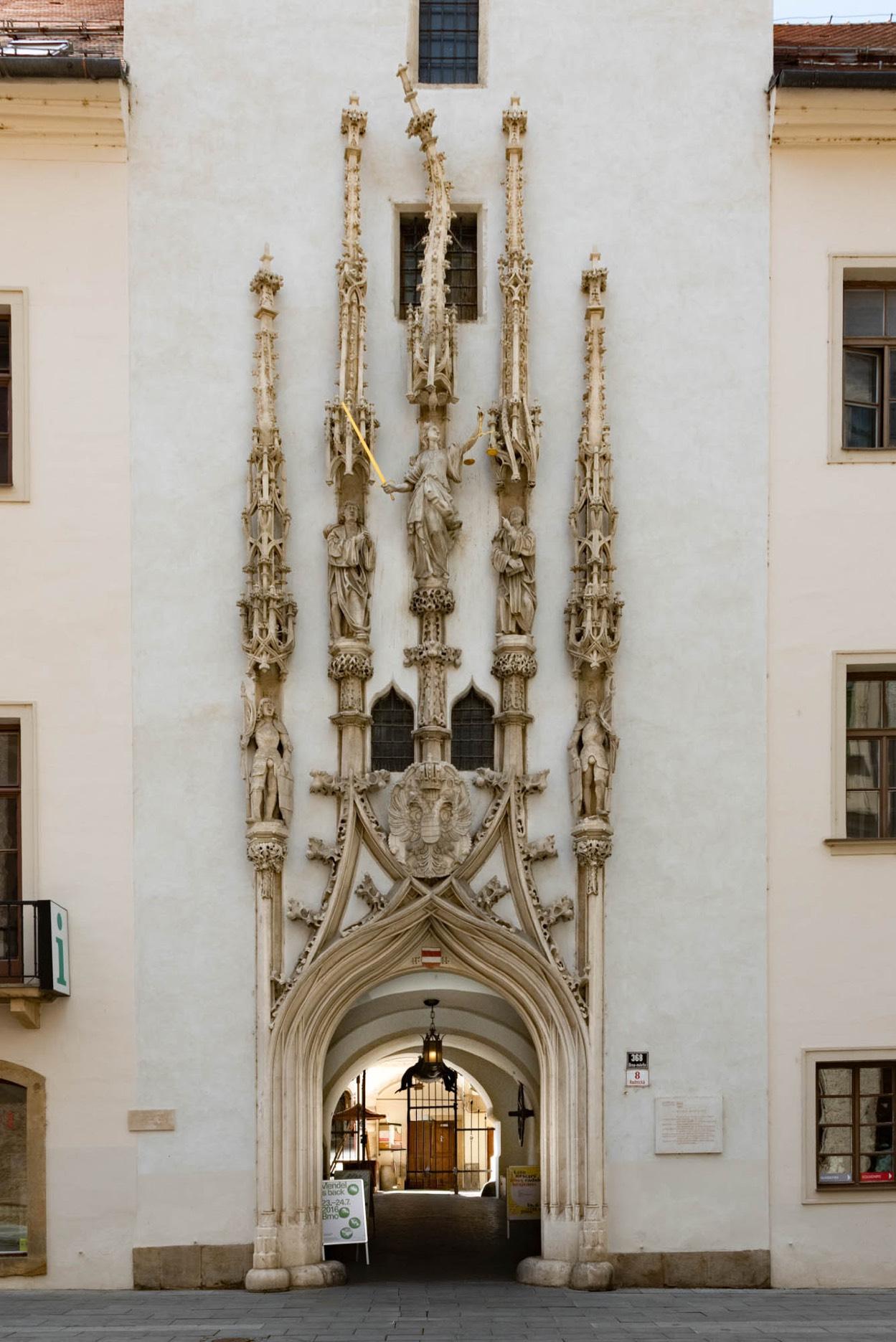
It actually appears as if the elaborately crafted central turret, known in technical terminology as a pinnacle, is about to fall on anyone passing through the gate.
According to tradition, the portal's creator, Anton Pilgram, was dissatisfied with the compensation, and when his request for additional payment was not met, he deliberately built the turret crooked.
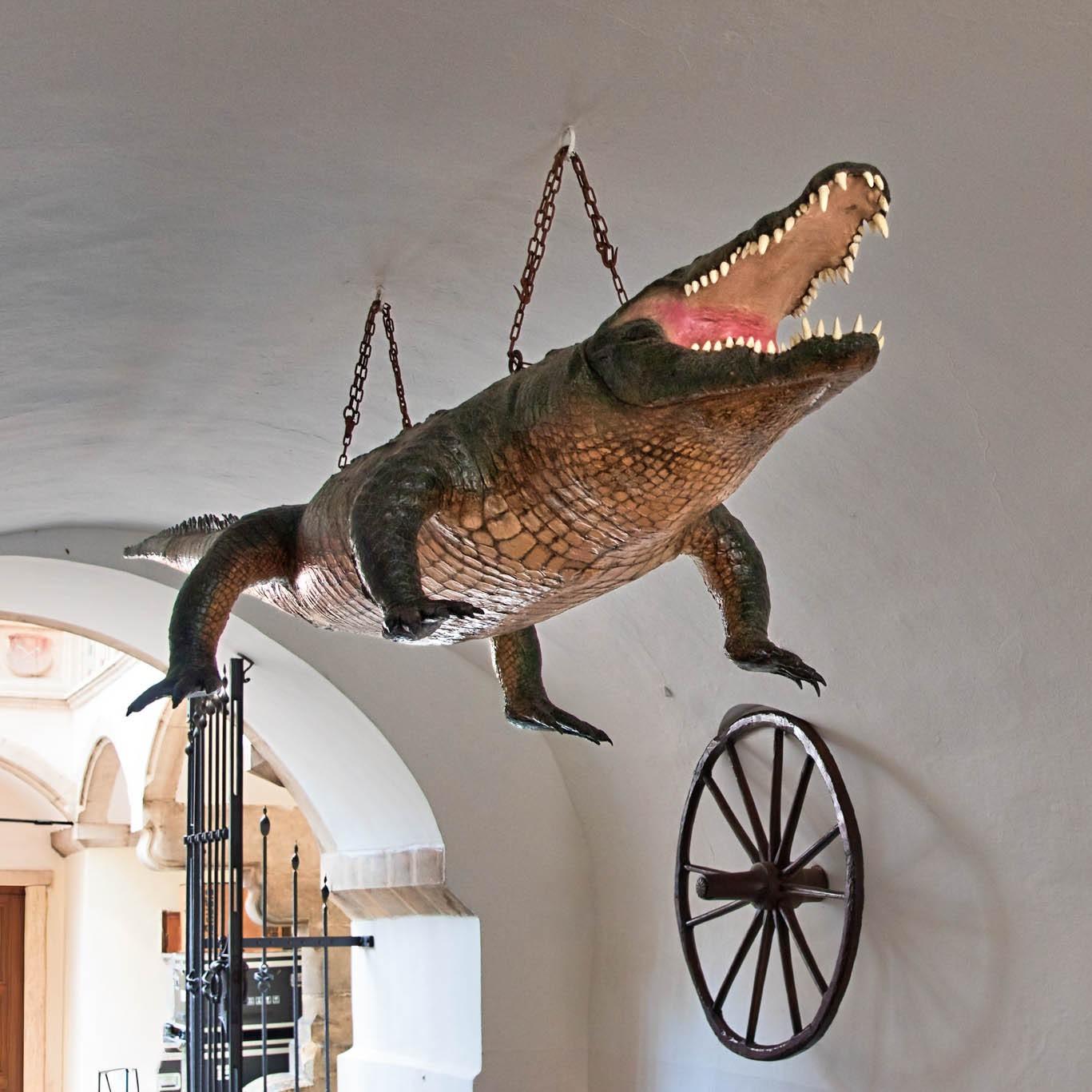
According to legend, a dragon lived near Brno, frightening the city's residents and eating their domestic animals. The so-called "Brno Dragon" was actually a crocodile presented to Brno as a gift by the Hungarian King Matthias II.
According to legend, on May 14, 1636, the carpenter George (Jiri) Birk from Lednice crafted a wheel constructed without a single nail. It rolled 54 kilometers to Brno that same day.
Further legends can be discovered on the western exterior wall of the Old Town Hall. A sinister stone face protrudes from the wall there. According to tradition, this spot marks the spot where a traitorous councilor was immured in the wall in 1424 during the Hussite Wars.
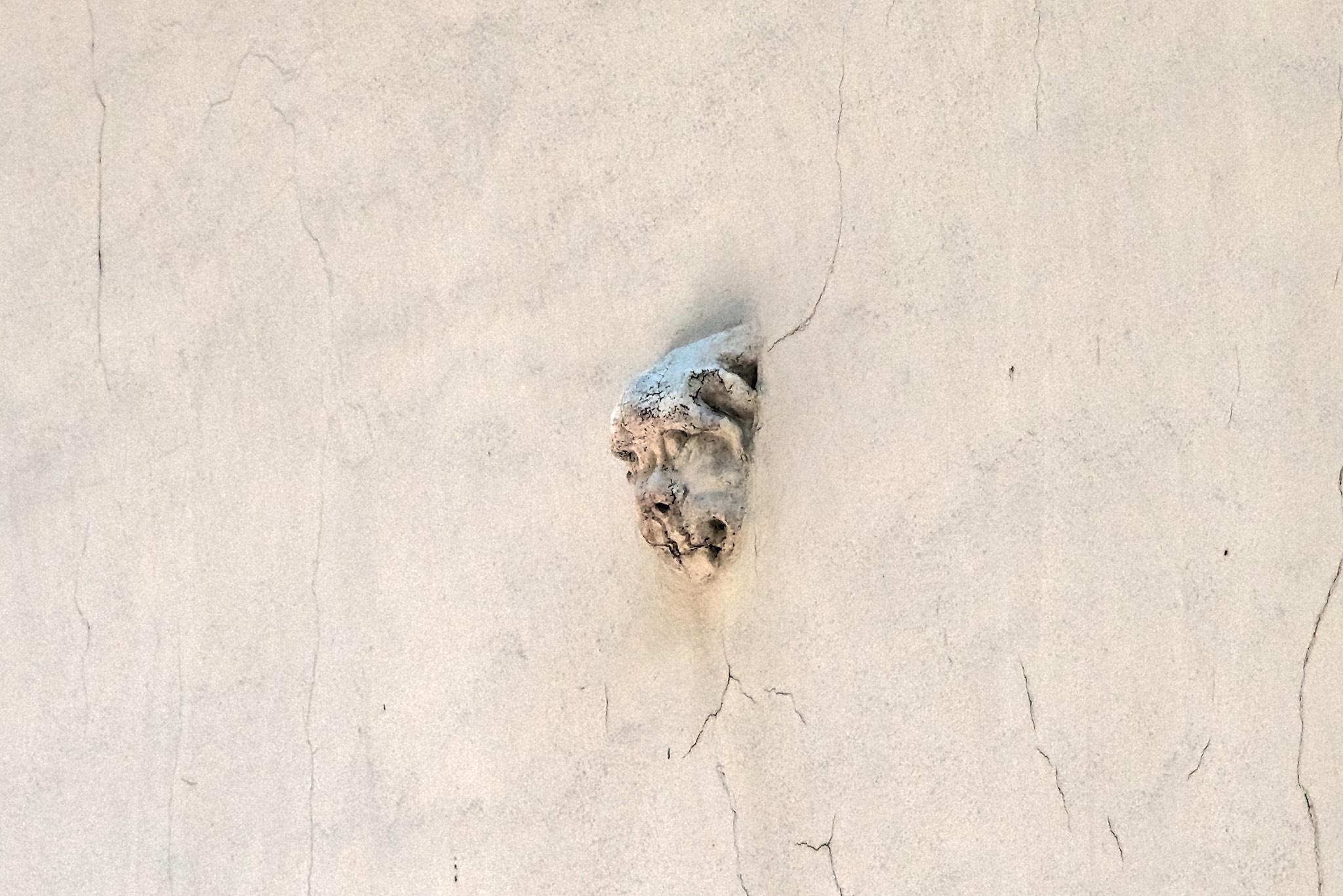
The city of Brno had sided with Emperor Sigismund in the war, but according to legend, the councilor attempted to open the city gates to the Hussites.
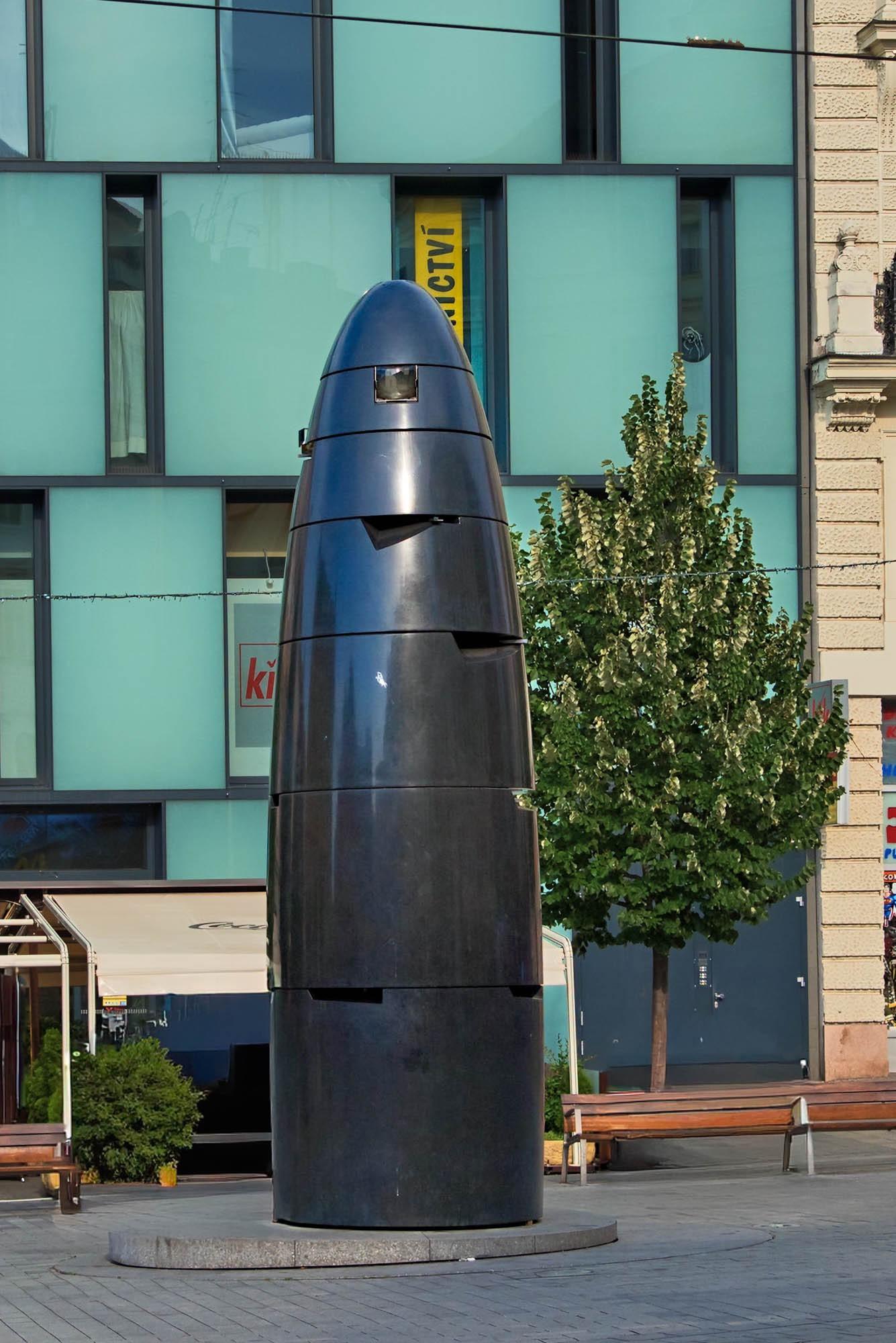
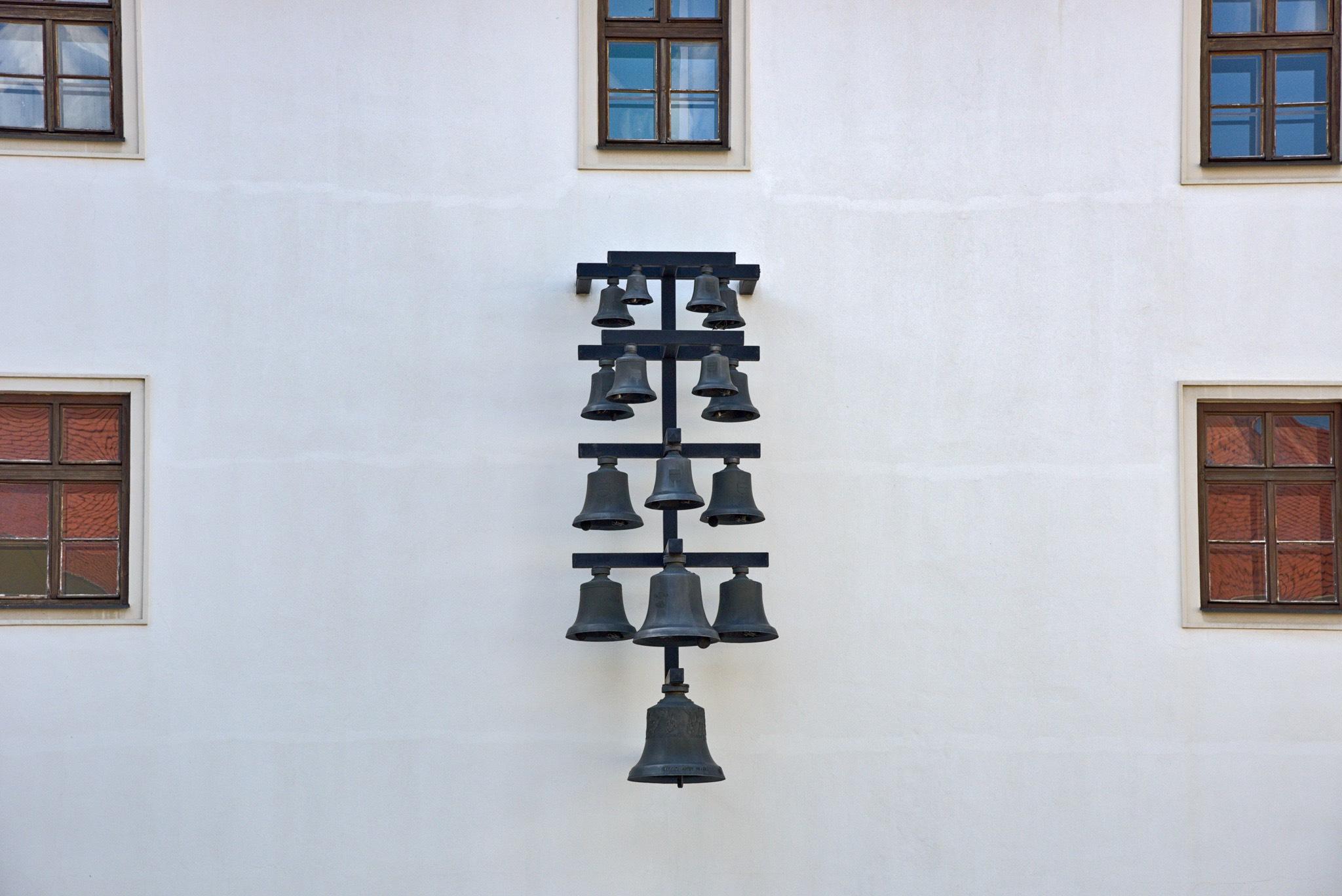
Every day at 11:00 a.m., exactly at the sound of the "midday bells" of St. Petrov Cathedral, a chime sounds in the Astronomical Clock. From the interior of the clock, which is designed to resemble a bullet, a glass ball rolls out, which a lucky catcher can take home as a souvenir.
The design of the clock commemorates the defense against the Swedes.
The falling ball, meanwhile, stands as a symbol of protection and peace. The clock embodies the unstoppable flow of time.
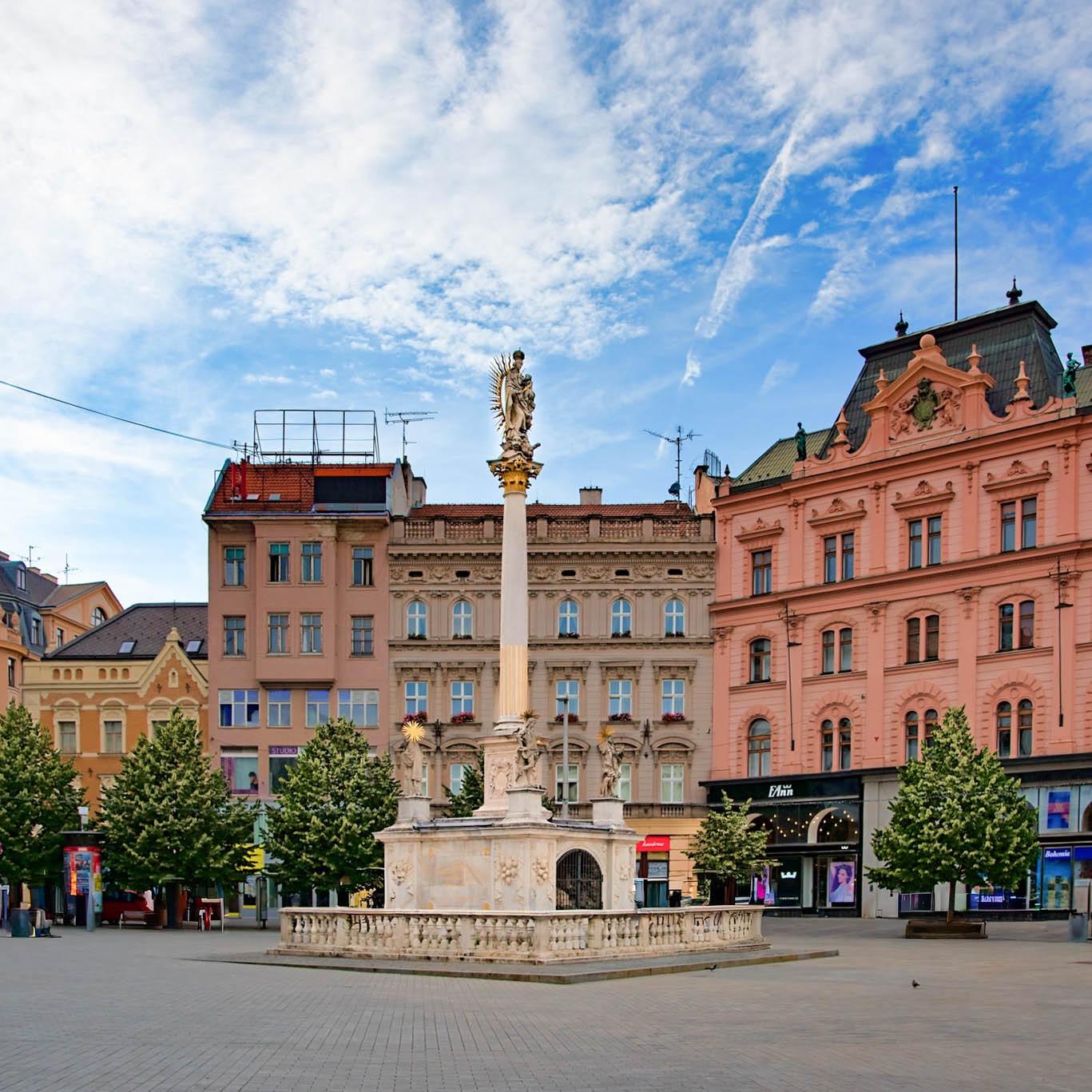
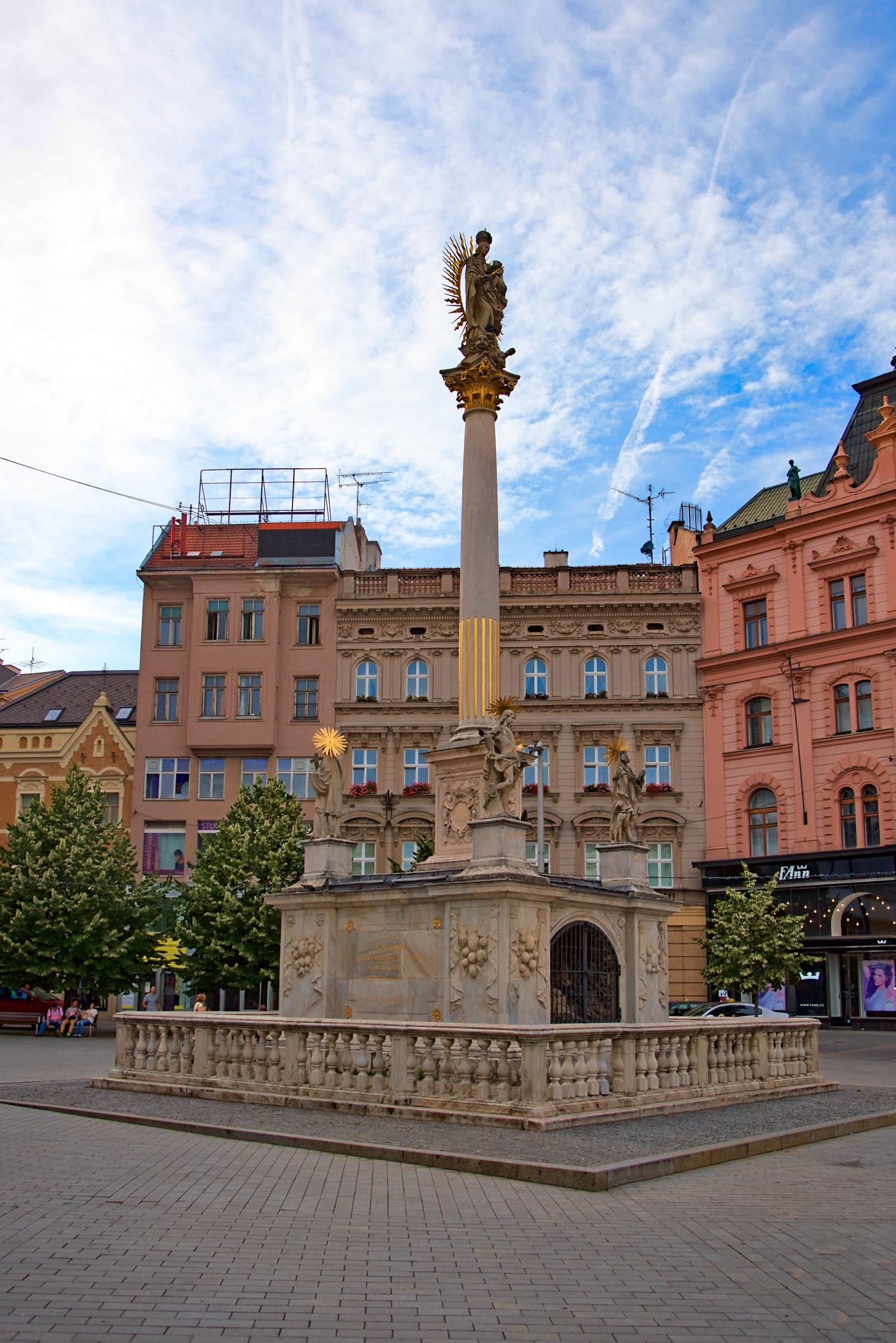
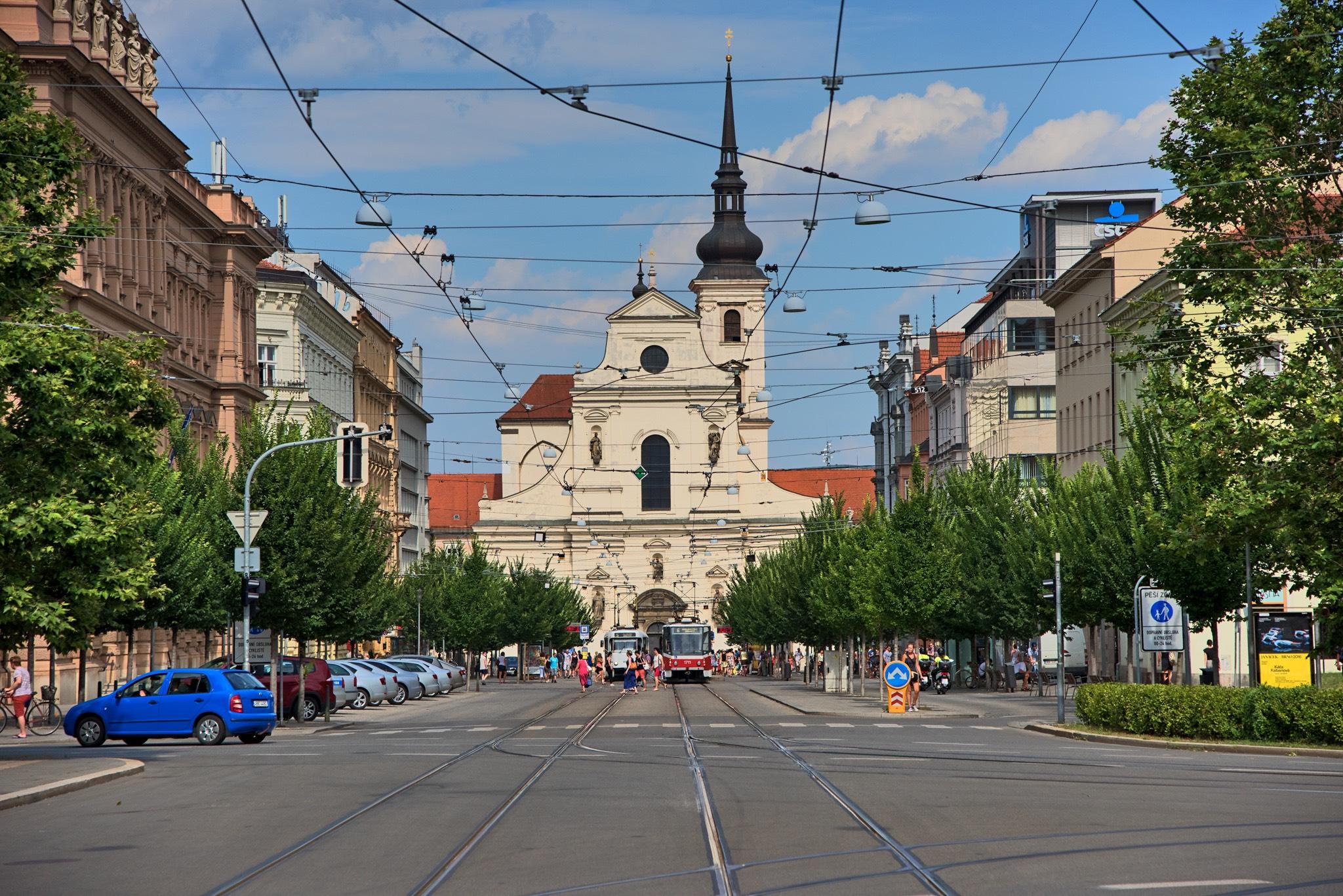
The Plague Column was built in 1679. An artificial grotto was created as its base, in which St. Rosalia (patron saint of Palermo) rests. The saint is considered a protector against the
plague in the Catholic Church. An impressive statue of the Virgin Mary sits on the column's capital.
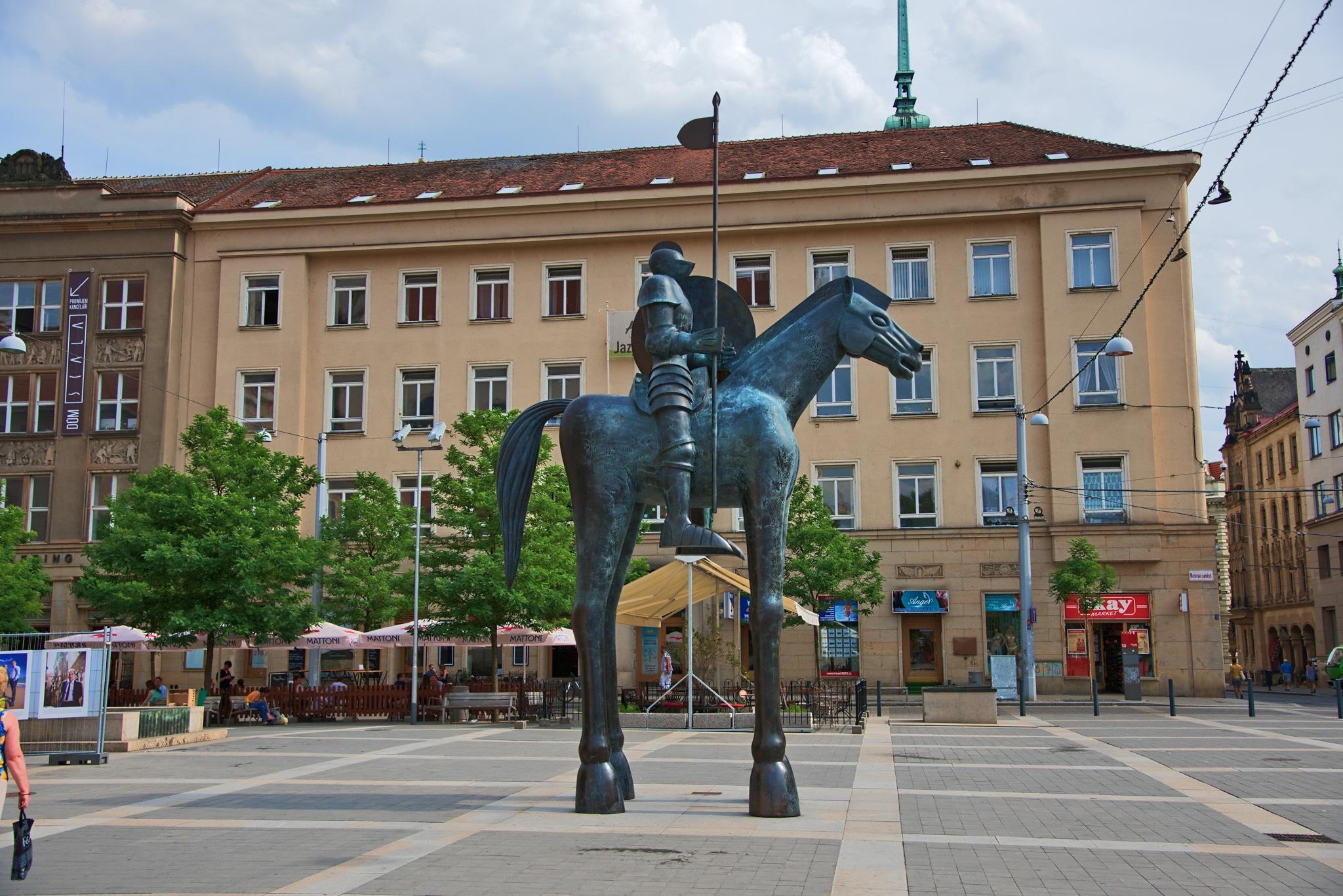
In 2015, the sculpture of Moravian Margrave Jobst, designed by Czech artist Jaroslav Róna, was erected. The horse's outstretched legs are reminiscent of a giraffe. The rider's closed visor lends the statue a particularly mysterious aura.
The sculpture stands in the historic market square and attracts both locals and tourists fascinated by its unusual combination of medieval symbolism and modern design.
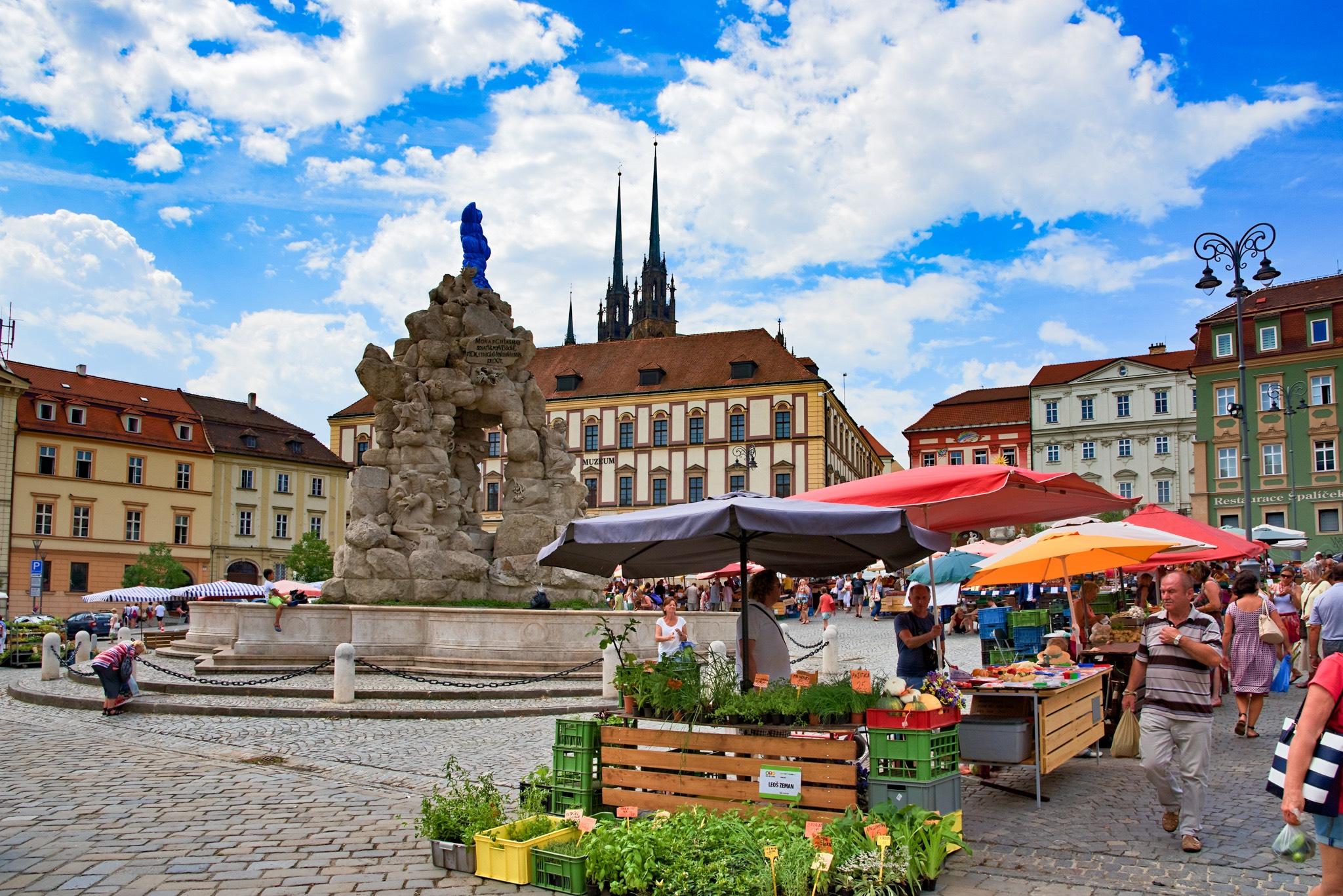
The Cabbage Market has served as the city's central marketplace since the 13th century. Until the 15th century, it was known as the "Upper Market." Merchants display their wares around the Baroque Parnas Fountain, created by Fischer von Erlach.
Below the square stretches a sprawling labyrinth of corridors and rooms. It once served as a storage area and escape route. Numerous cafés and boutiques line the surrounding streets, inviting visitors to linger.

The Baroque-style fountain was built between 1690 and 1695. Its planning and design were the work of Johann Bernhard Fischer von Erlach. At the top of the fountain is a statue depicting Europa. The statue symbolizes not only the mythological figure of Europe, but also the connection between continents and cultures. It is surrounded by other allegorical figures representing elements such as rivers and the seasons, creating a harmonious union of art and nature.

The upper part of the Cabbage Market is dominated by a Trinity Column from 1729.
The column serves not only as a religious symbol but also as an art-historical testament to Baroque sculpture, which characterizes the square as a whole and invites visitors to linger.v
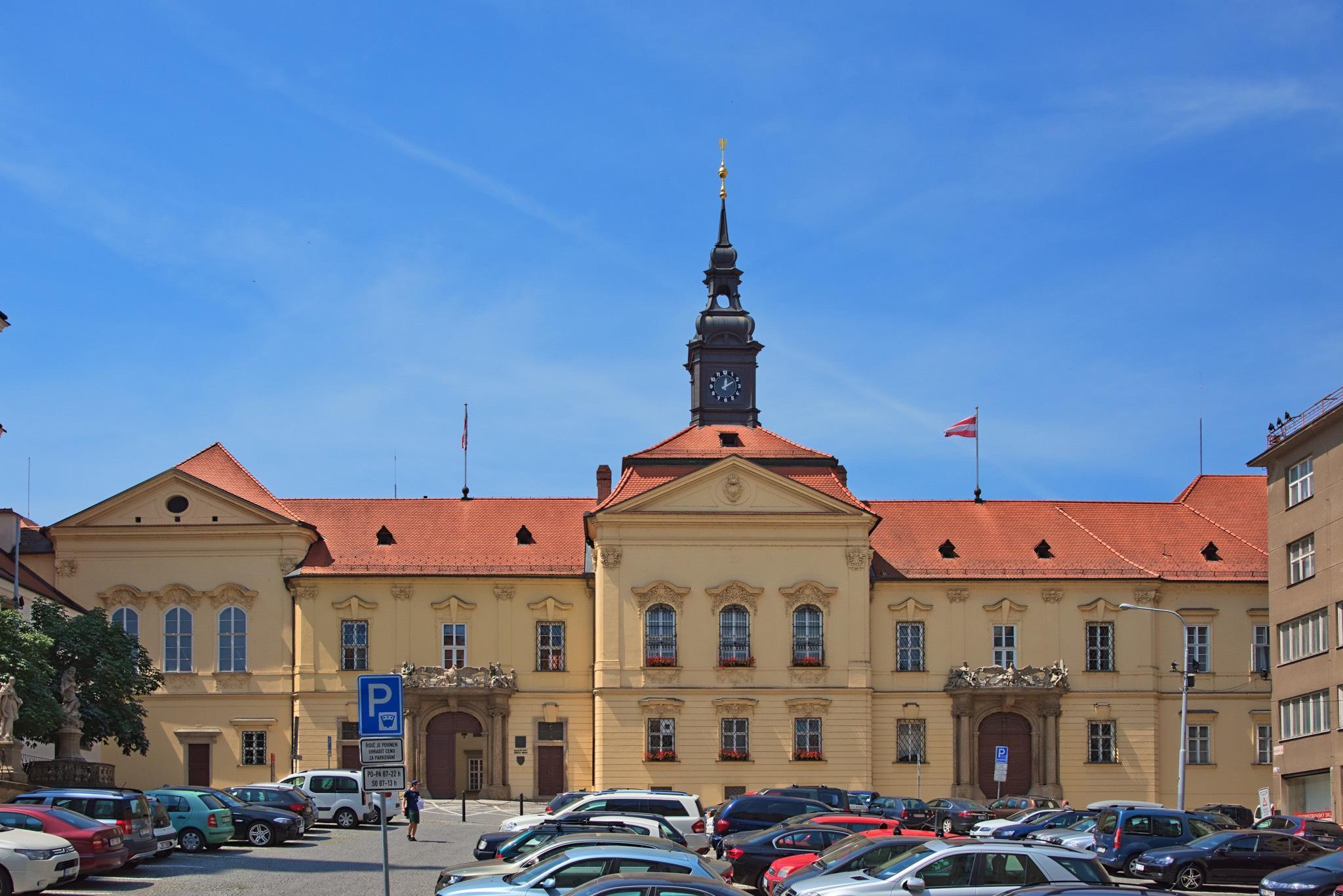
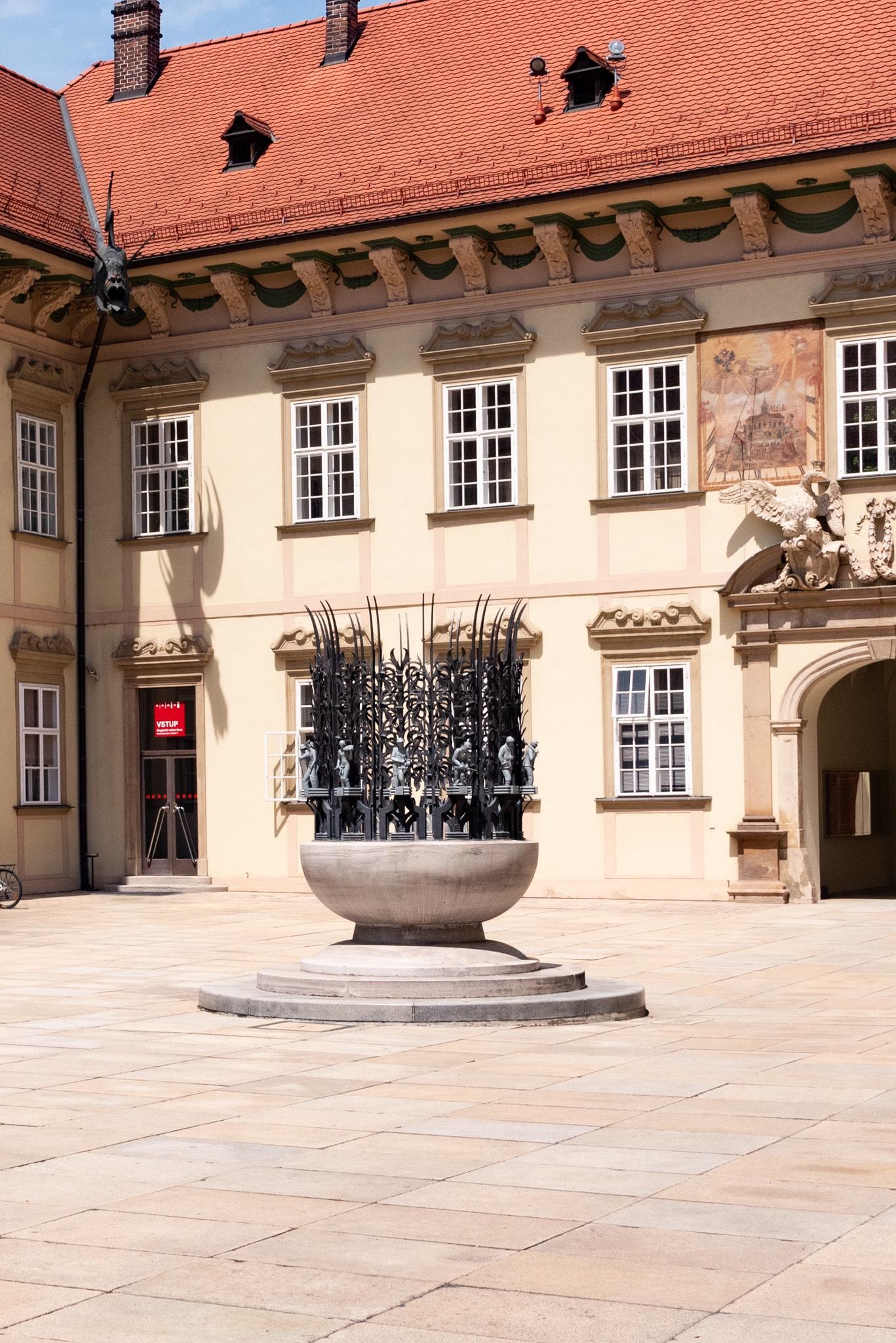
As early as the first half of the 13th century, the parliament of the Moravian estates met here. Particularly striking in the courtyards are the fountain depicting the allegory of the twelve months, as well as the imposing gargoyle.
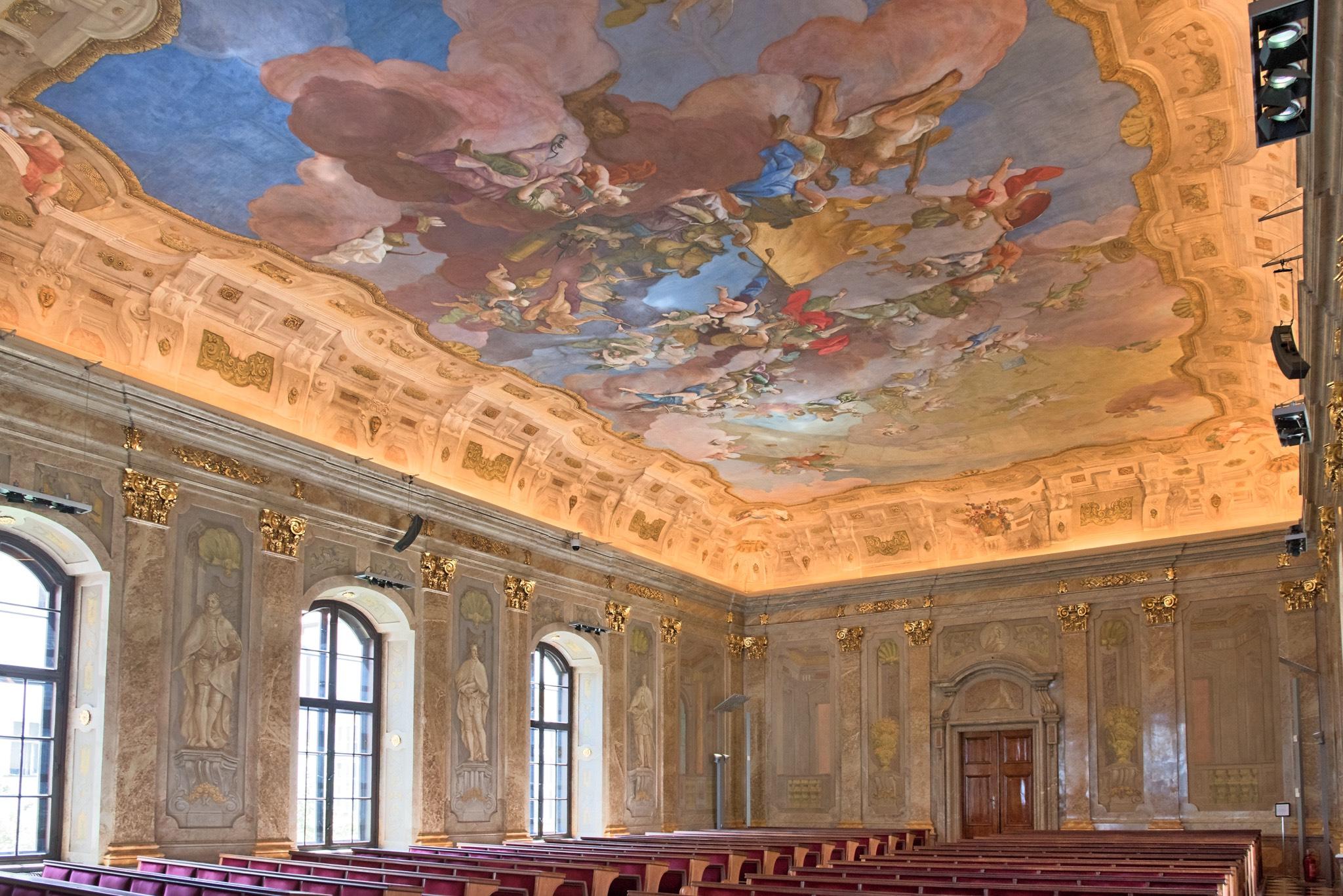
Over the centuries, the building has been expanded and redesigned several times, blending various architectural styles. Particularly noteworthy are the Gothic vaults and Baroque decorations, which lend the building a unique atmosphere.


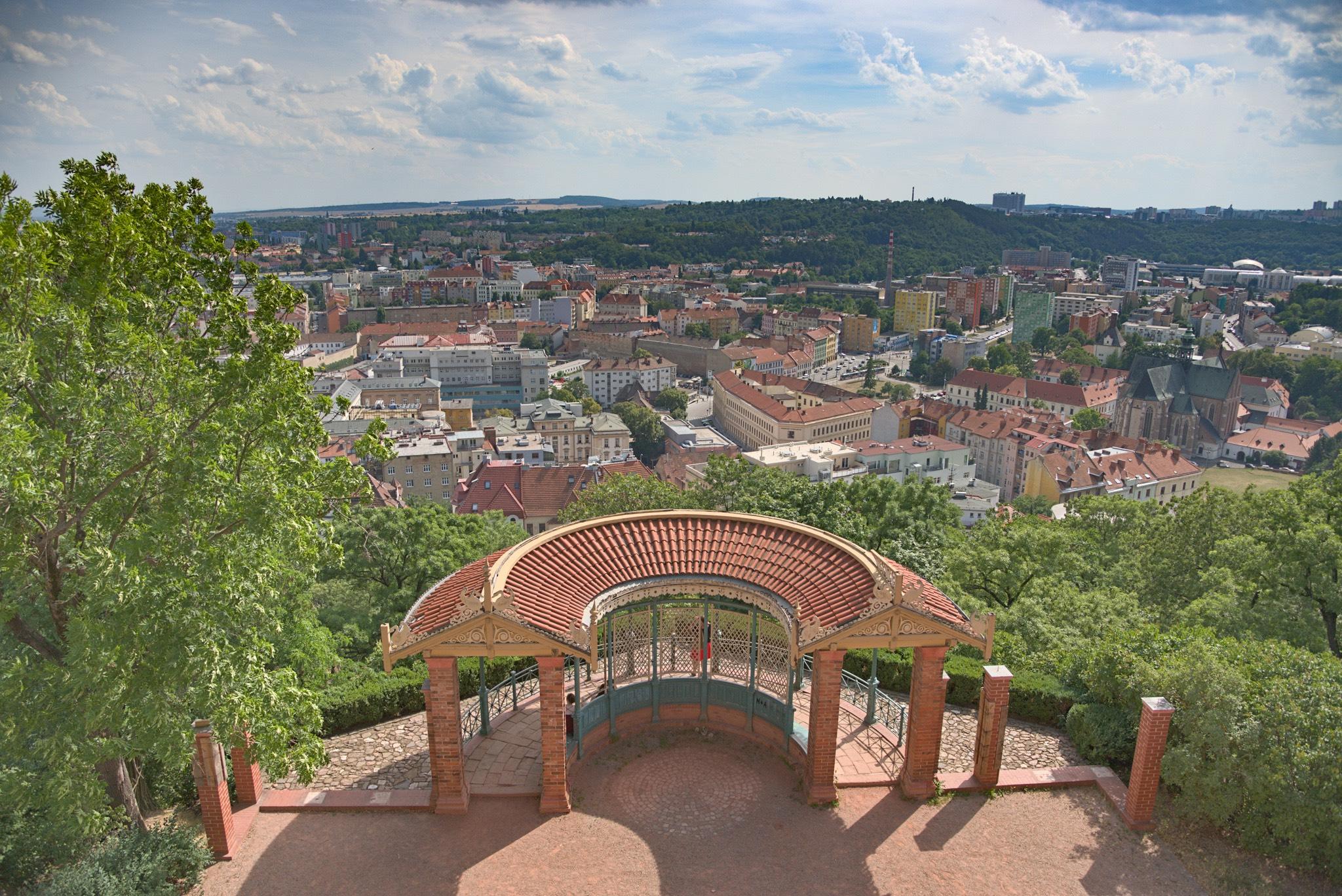
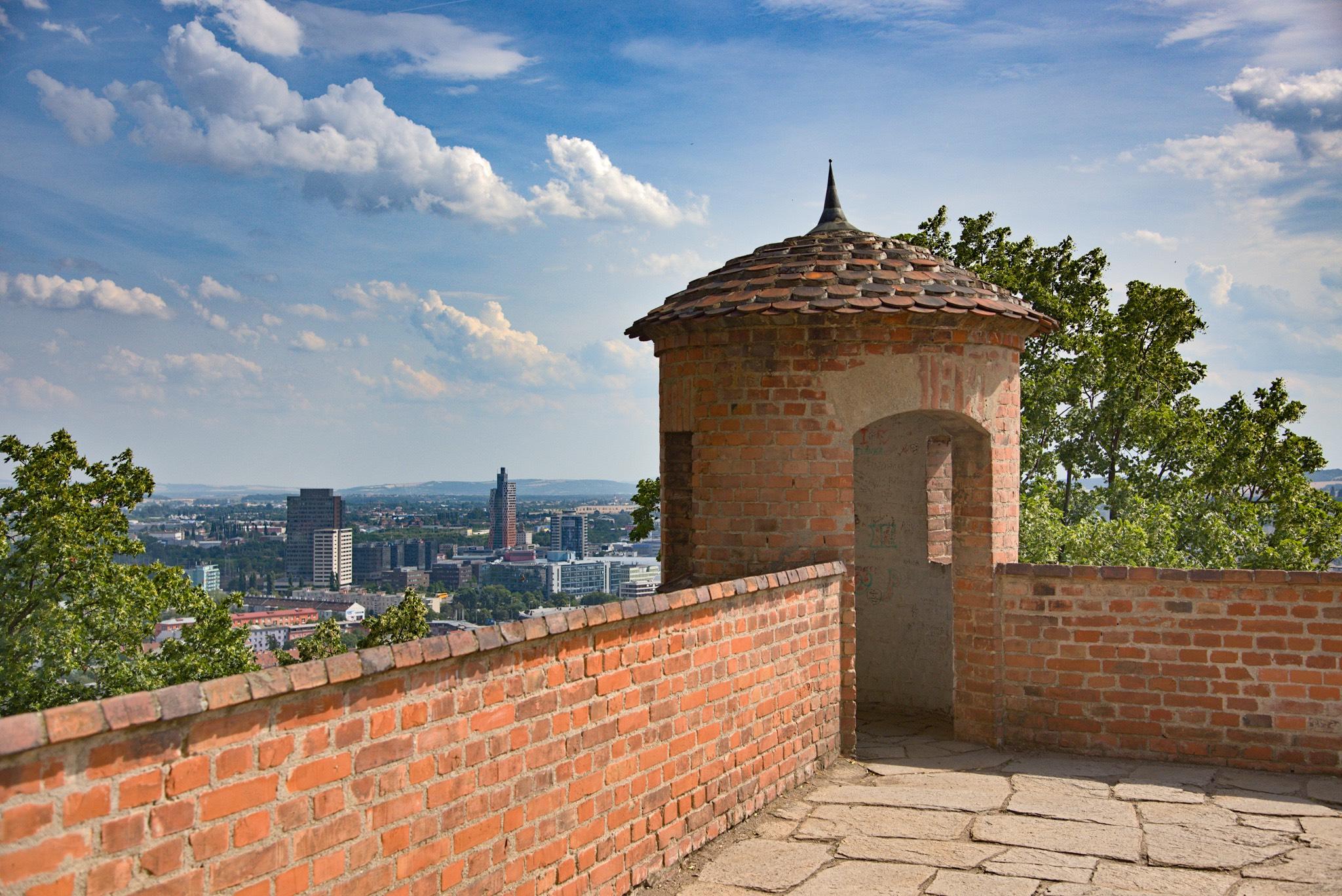
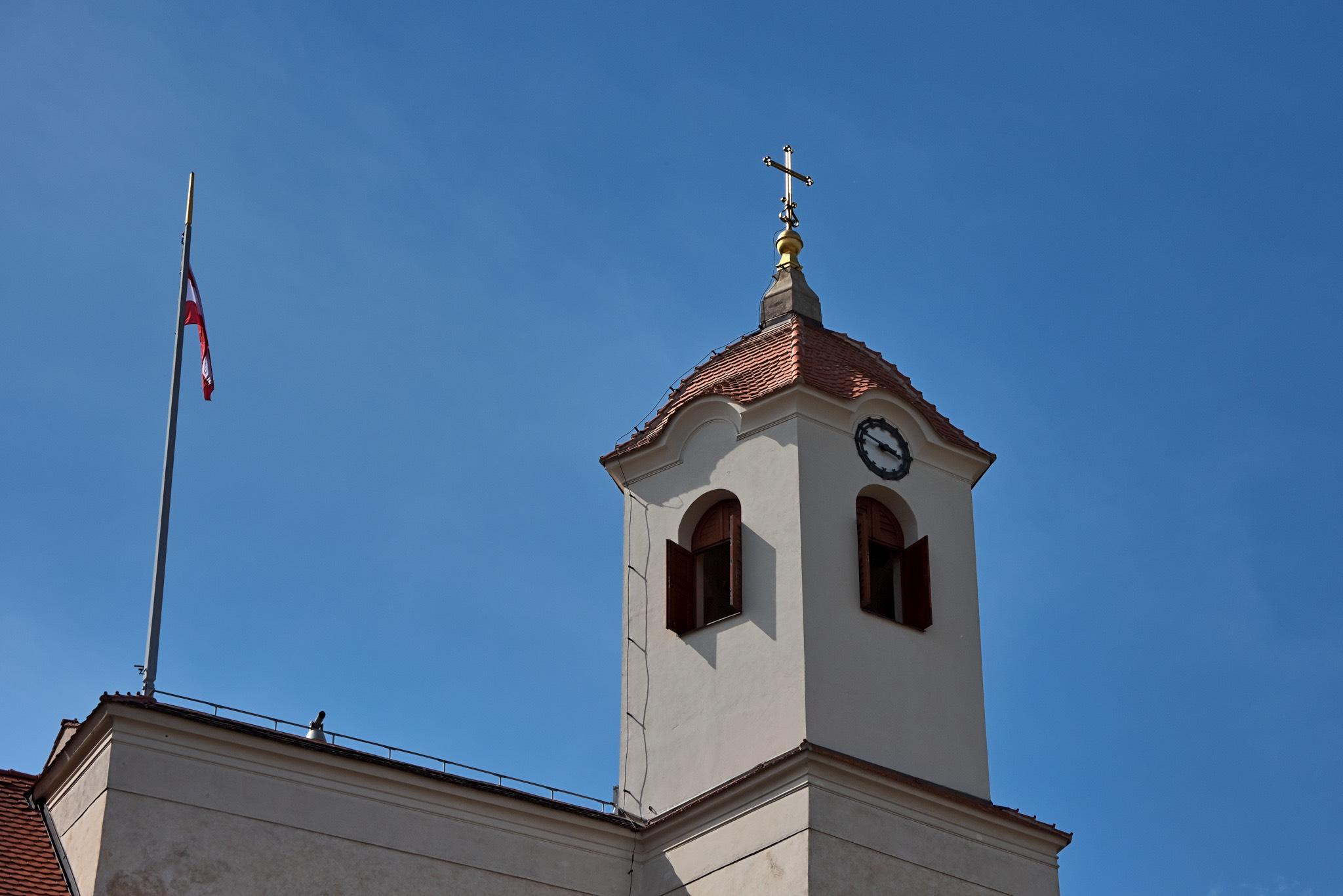
King Přemysl Otakar II had the castle built on Špilberk in 1250; at that time, he was still a Moravian Landgrave. A walk through the dungeon and casemates brings the fortress's past as a feared prison back to life. Guests can enjoy a meal at a restaurant within the castle complex. The observation tower in
the inner part of the castle complex offers a charming view over Brno.
The castle has served as a military fortification since ancient times; today, art and culture can be found within its walls.
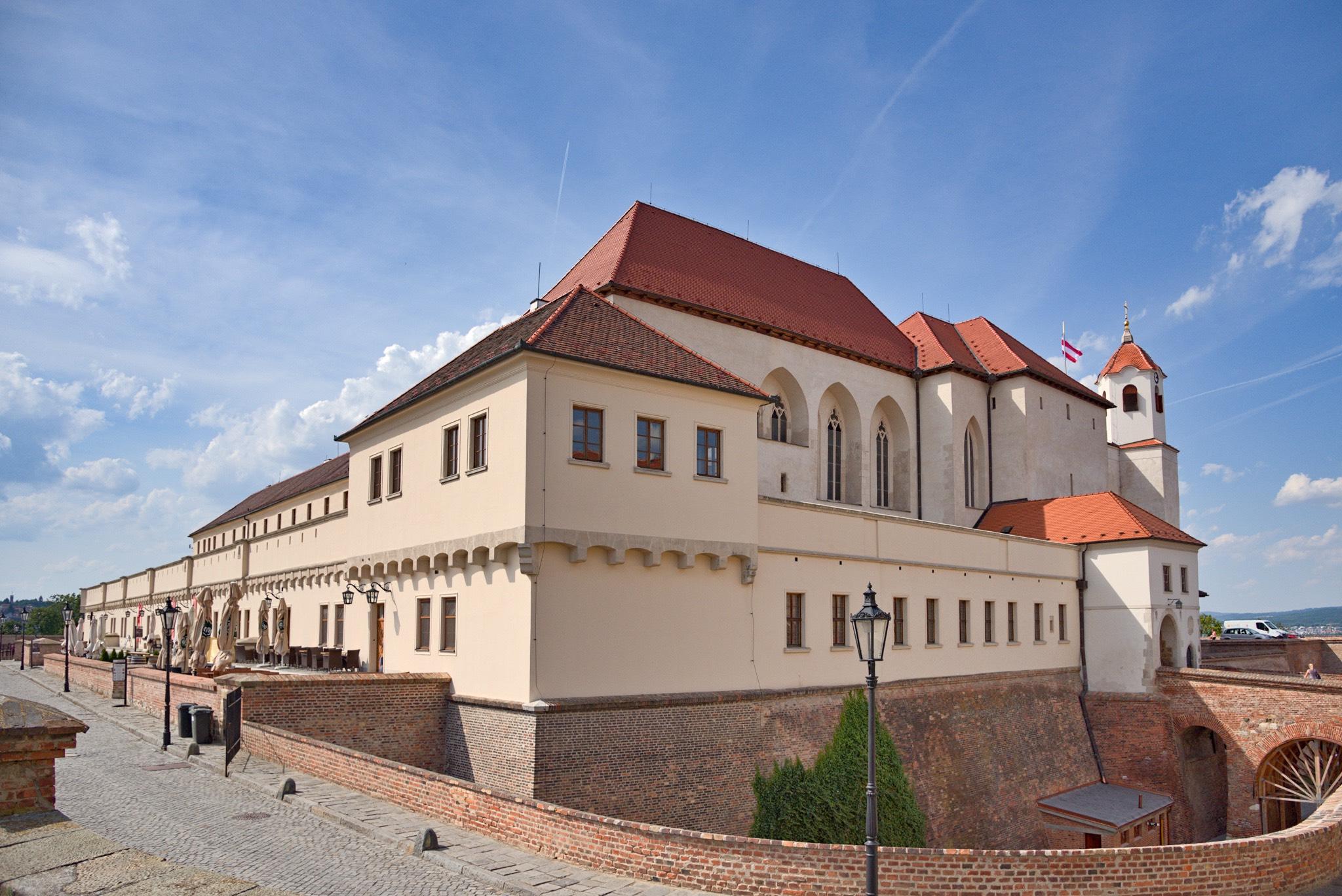

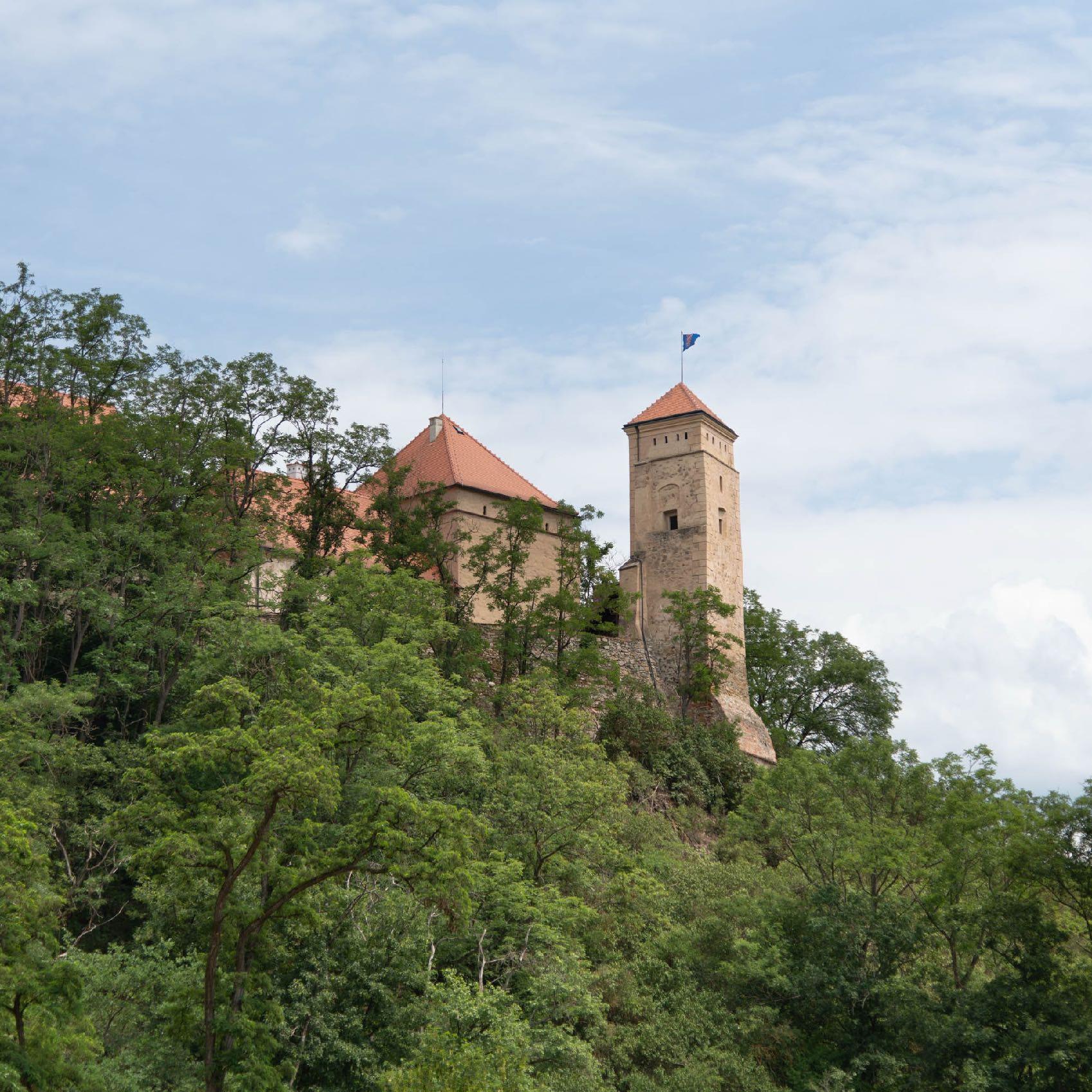
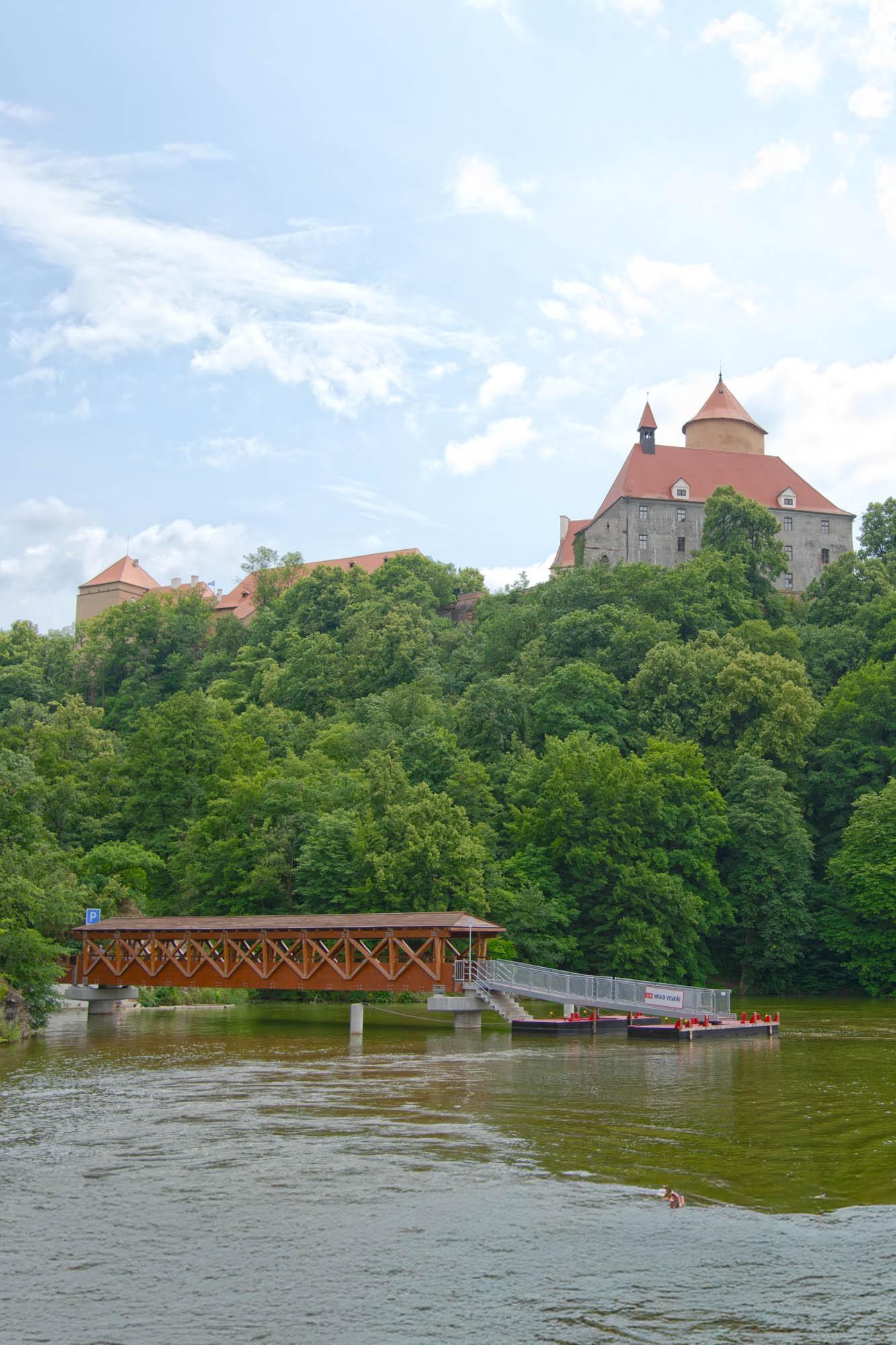
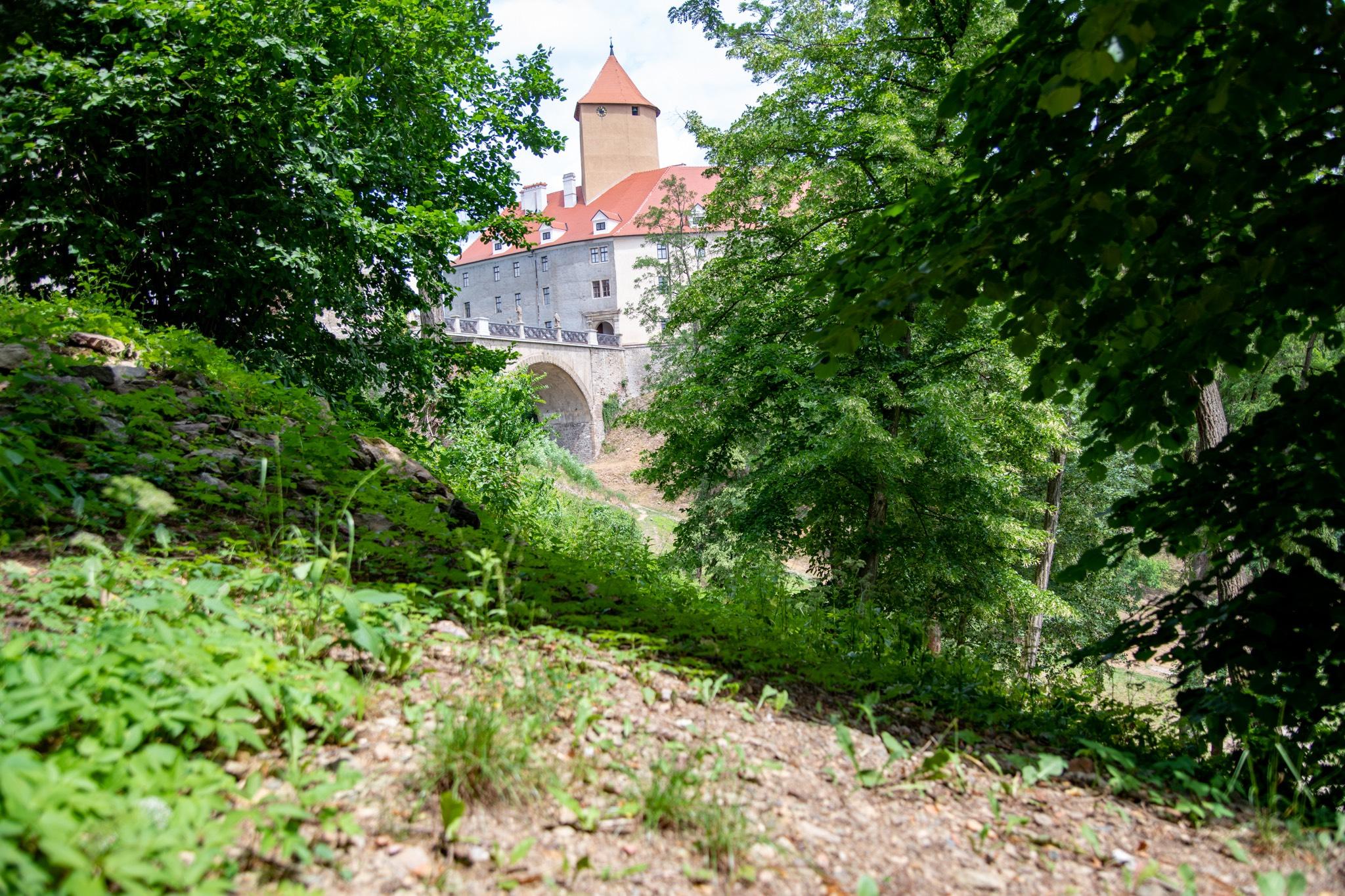
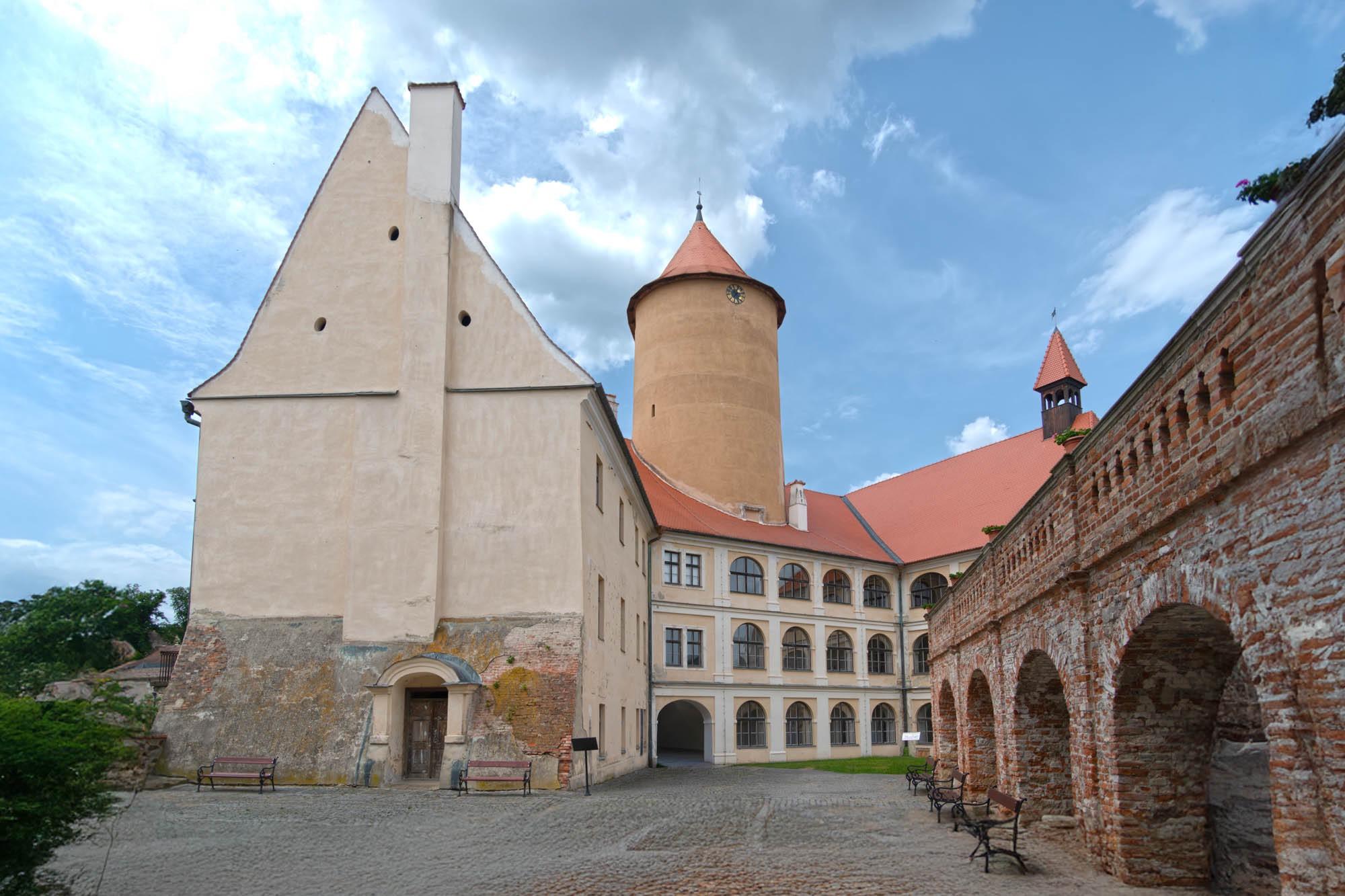
Eichhorn Castle was first mentioned in writing in 1222. This castle, originally built as a royal fortress of Bohemia, has been extensively restored and is definitely a worthwhile destination. Veveří Castle is located on the shores of the Brno Reservoir.
Winston Churchill was a frequent guest of this castle. Veveří Castle impresses not only with its historical significance but also with its picturesque location, which attracts numerous visitors.
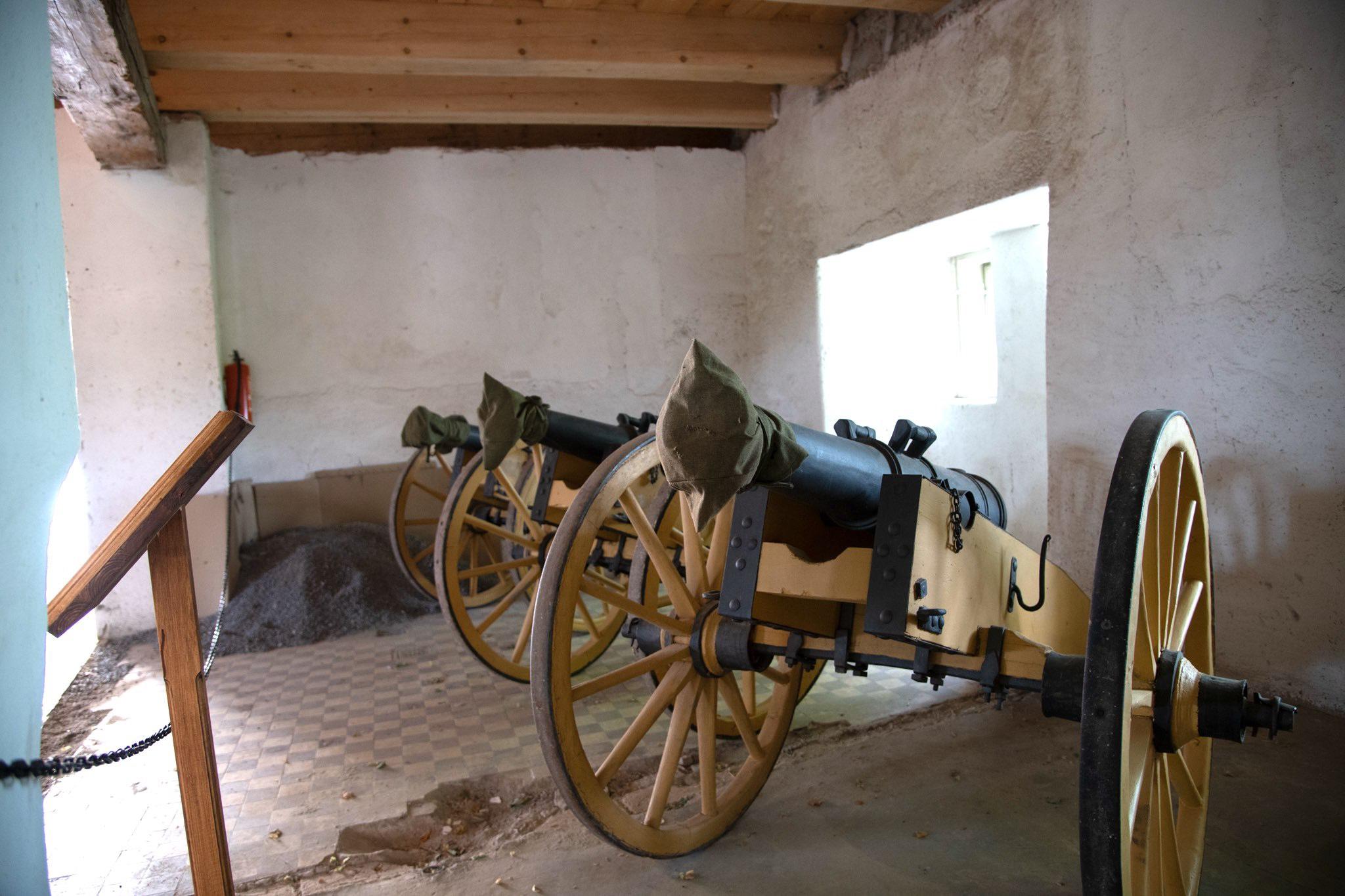
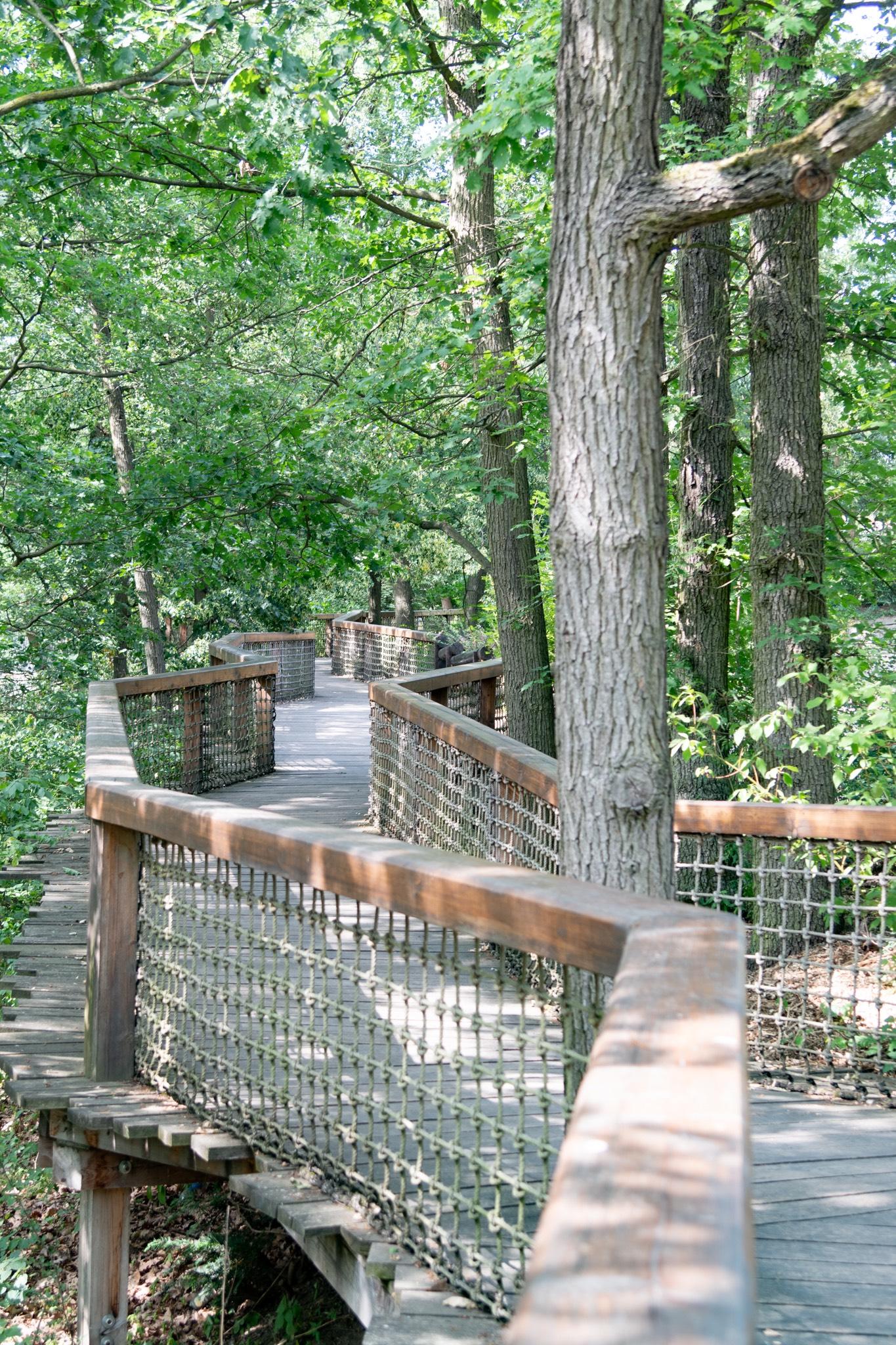
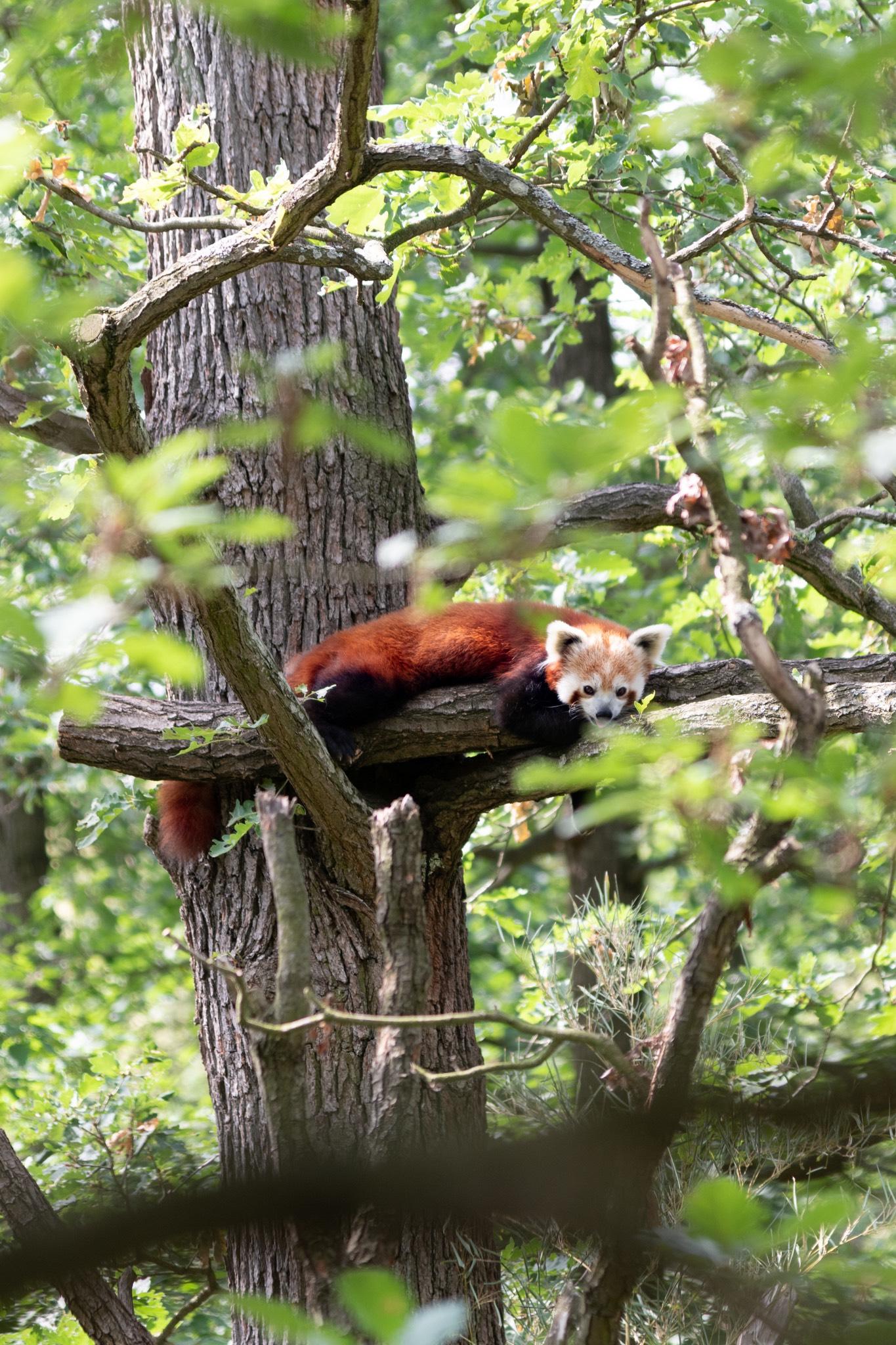
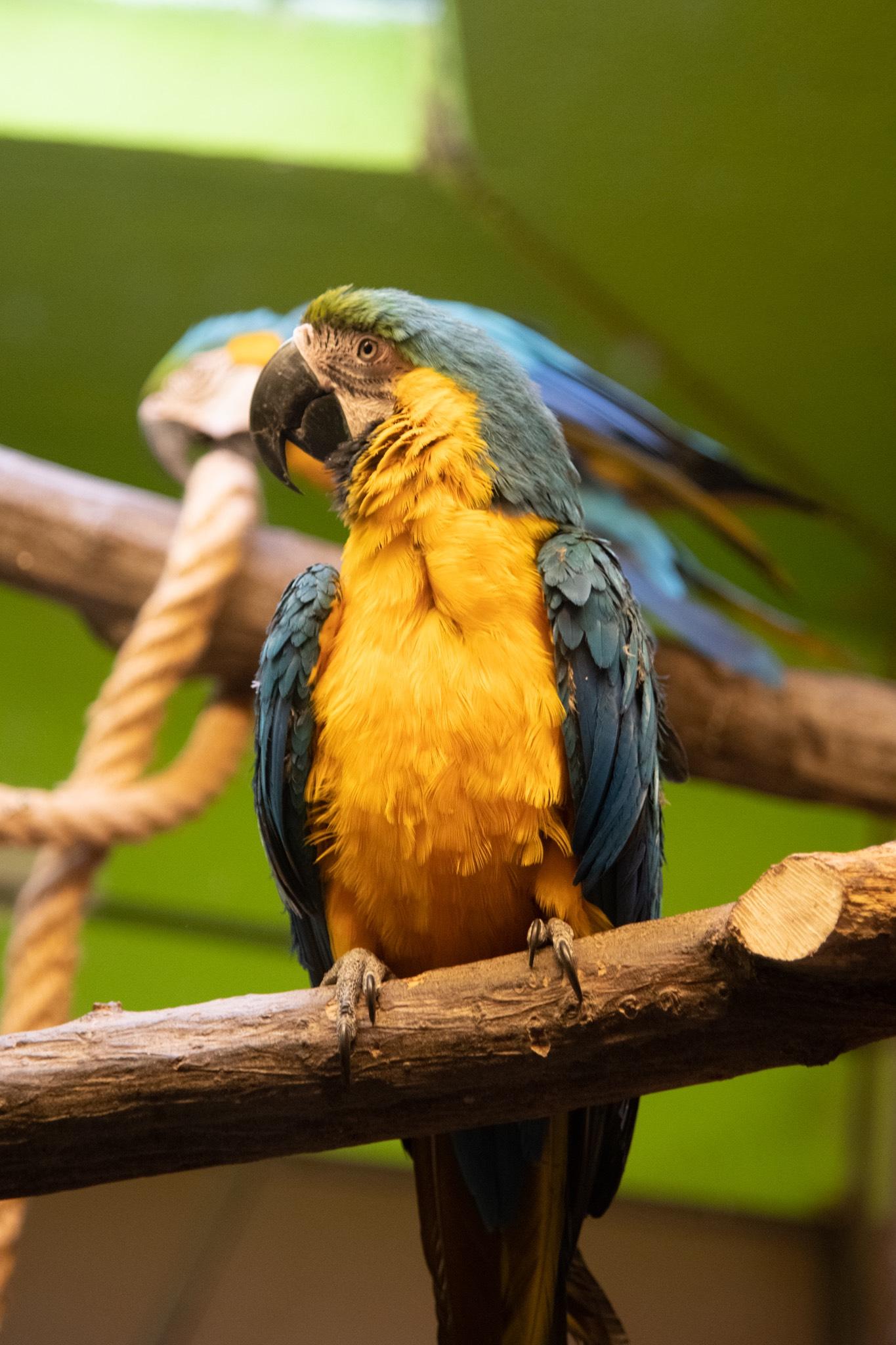
As early as 1935, an organization was founded with the goal of establishing a zoo in Brno. The zoo officially opened in 1953. Today, nearly 1,700 animals from approximately 370 different species live there.
The zoo has continuously developed over the decades and today places great emphasis on the protection of endangered species and environmental education for its visitors. Numerous modern enclosures and near-natural habitats provide the animals with optimal conditions.


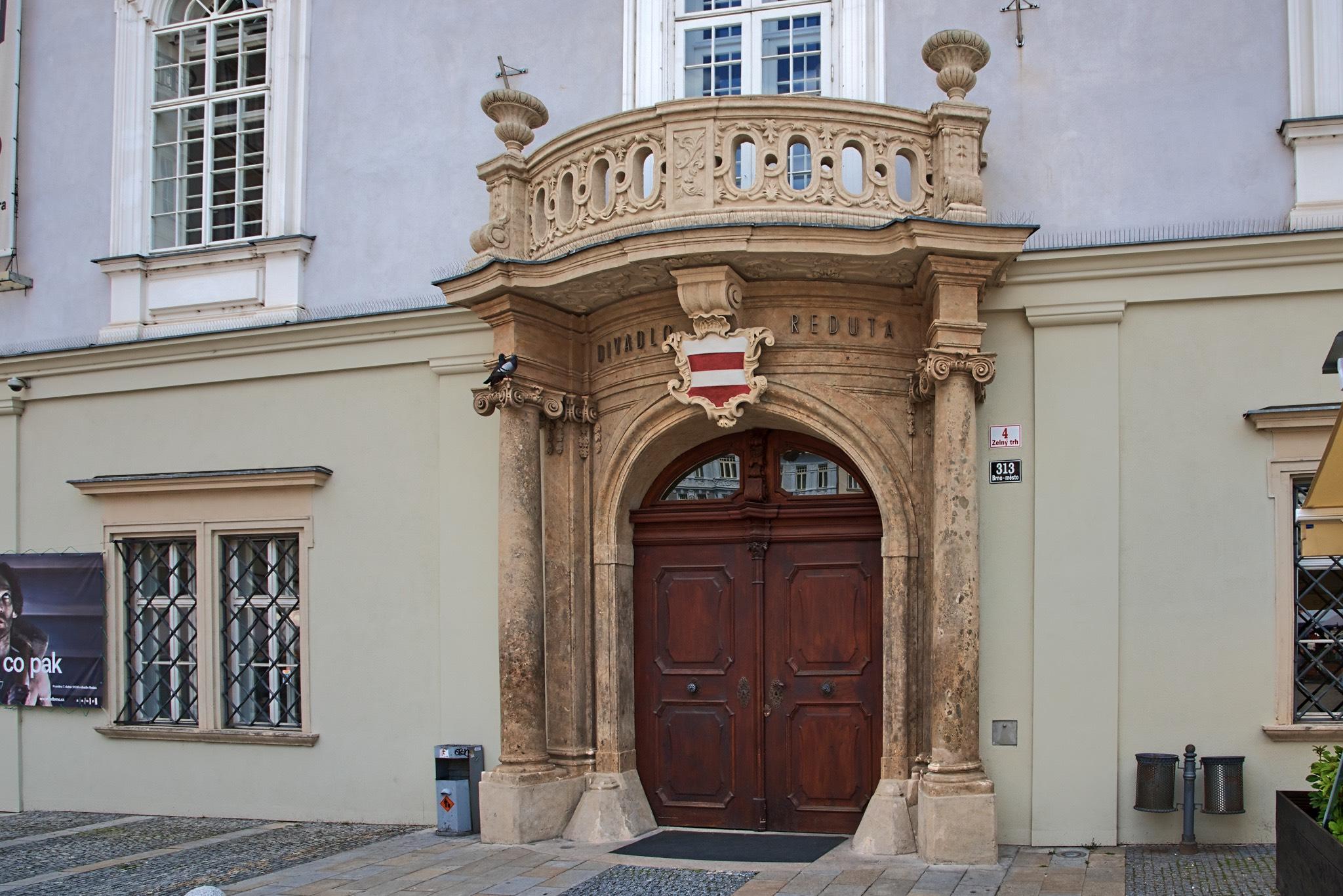
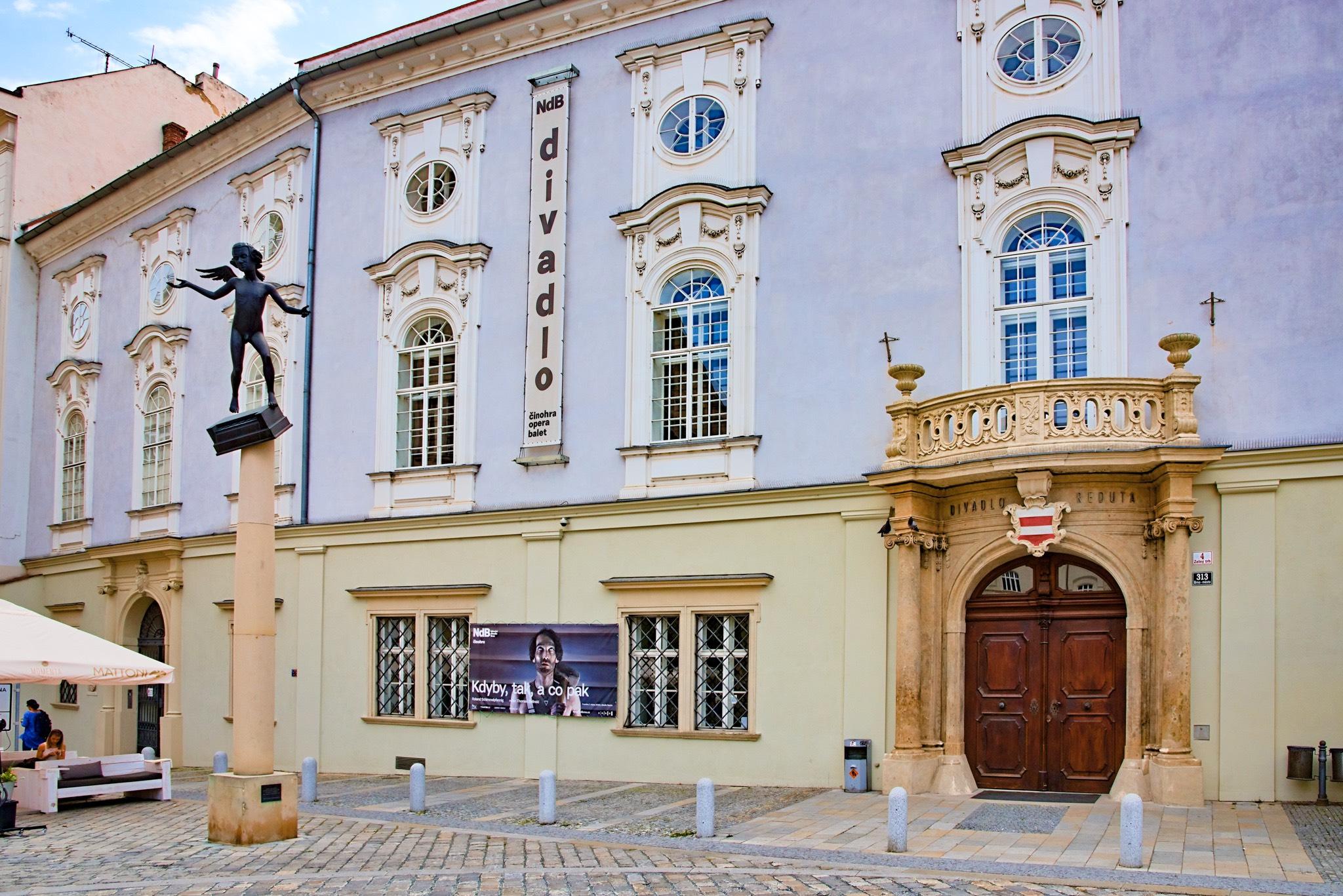
The history of the Reduta Theater dates back to 1605, when the first municipal theater opened on this site. Over the centuries, the building was destroyed by fire several times. After extensive renovations in the 1950s, the theater served as a venue for the Czech operetta scene for about four decades.
In 2005, it underwent further renovations, making it one of the three venues of the National Theater in Brno. In 1767, the eleven-year-old Wolfgang Amadeus Mozart performed here.
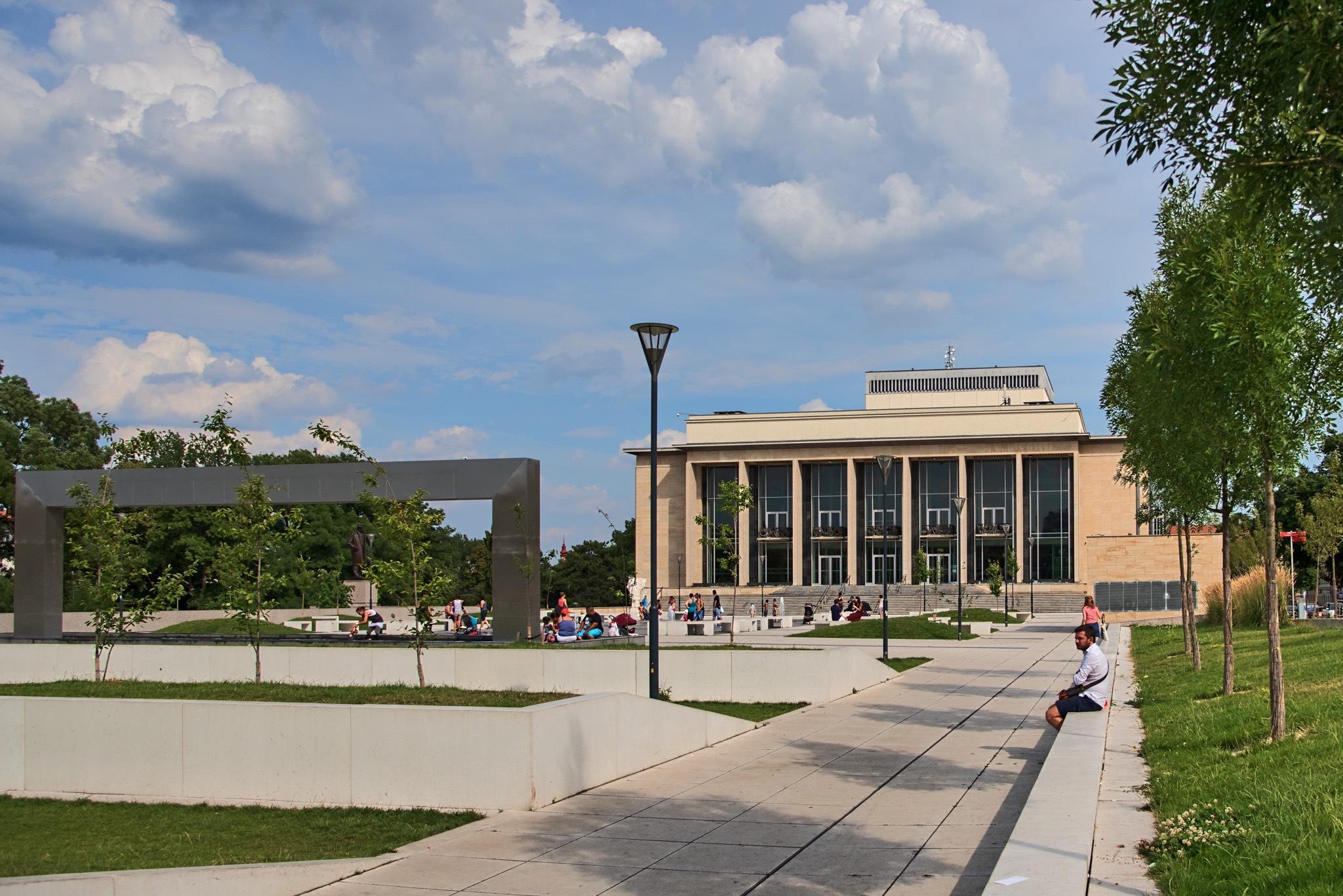
When it opened in 1965, the Janáček Theatre was considered the largest and most technically advanced theatre building in what was then Czechoslovakia. Since its founding in 1965, the National Theatre Brno – Janá č ek Theatre has primarily presented opera and ballet performances.
The theatre building impresses not only with its striking architecture but also with its excellent acoustics and modern stage technology, which enable it to stage sophisticated productions of the highest quality.
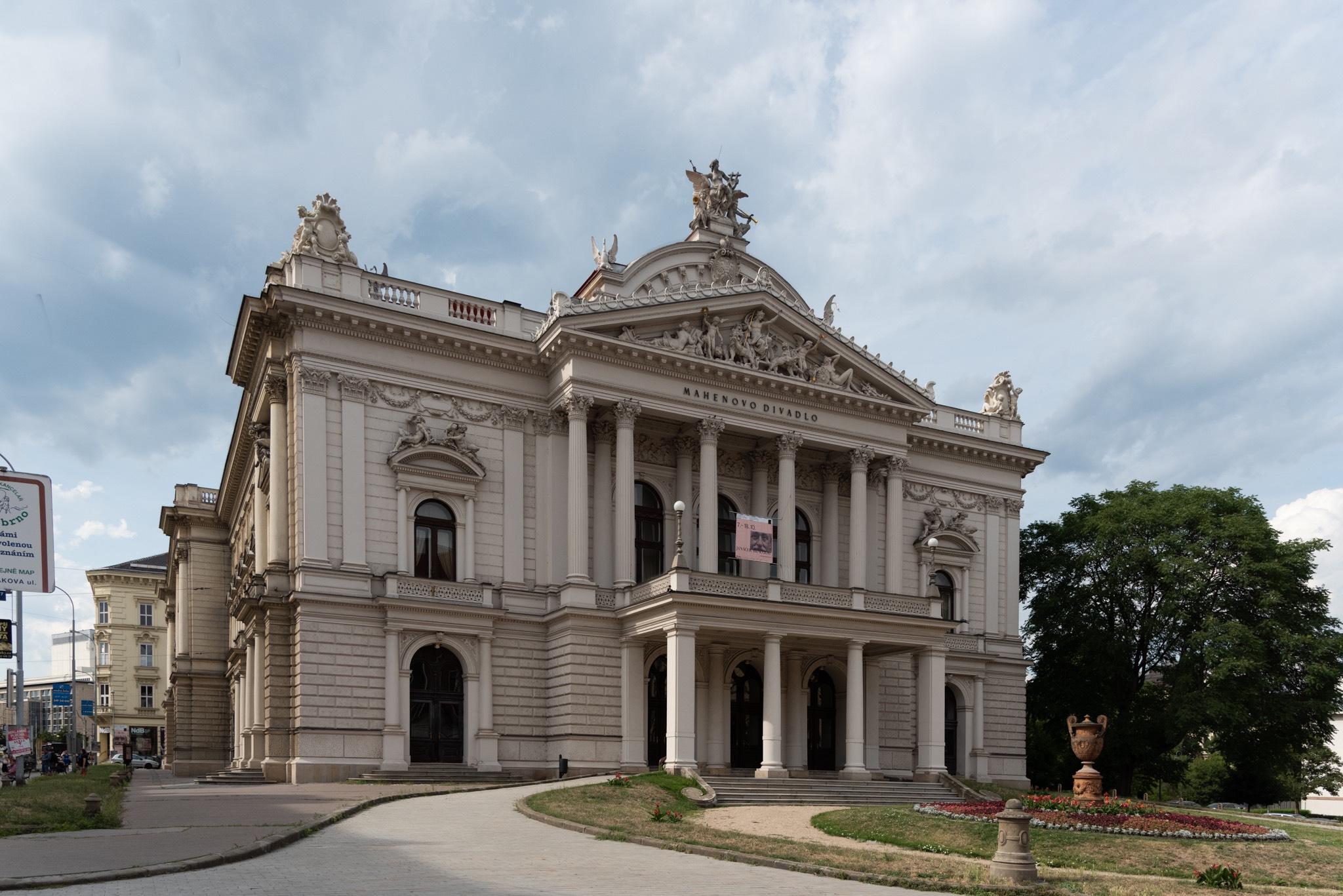
The Mahen Theatre was built between 1881 and 1883 as a German city theatre. It was the first fully electrified theatre building in Brno. In 1919, it became the stage of the Brno National Theatre.
Premieres of operas by Leoš Janáček were held here. Since its opening, this theatre has enjoyed great popularity.

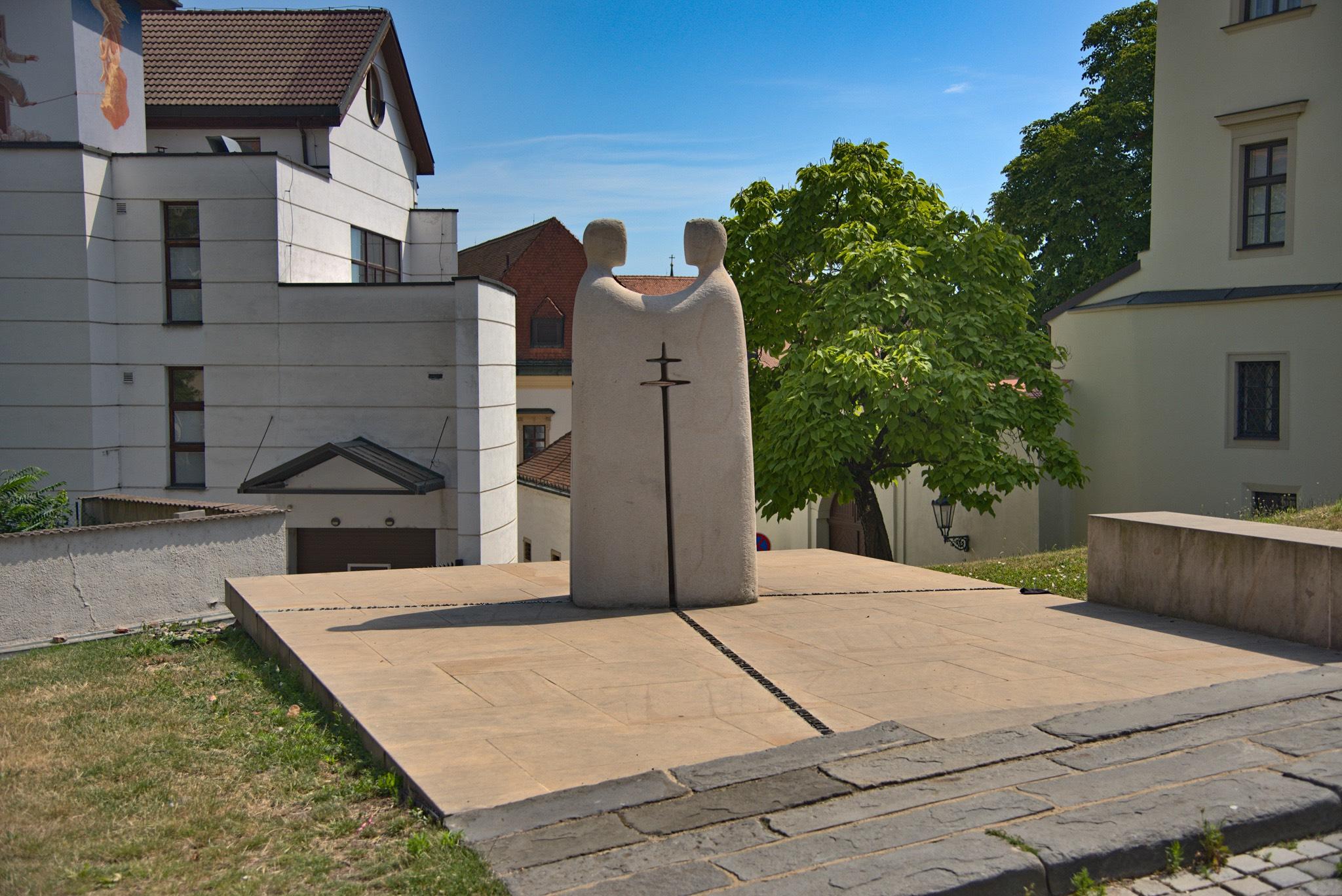
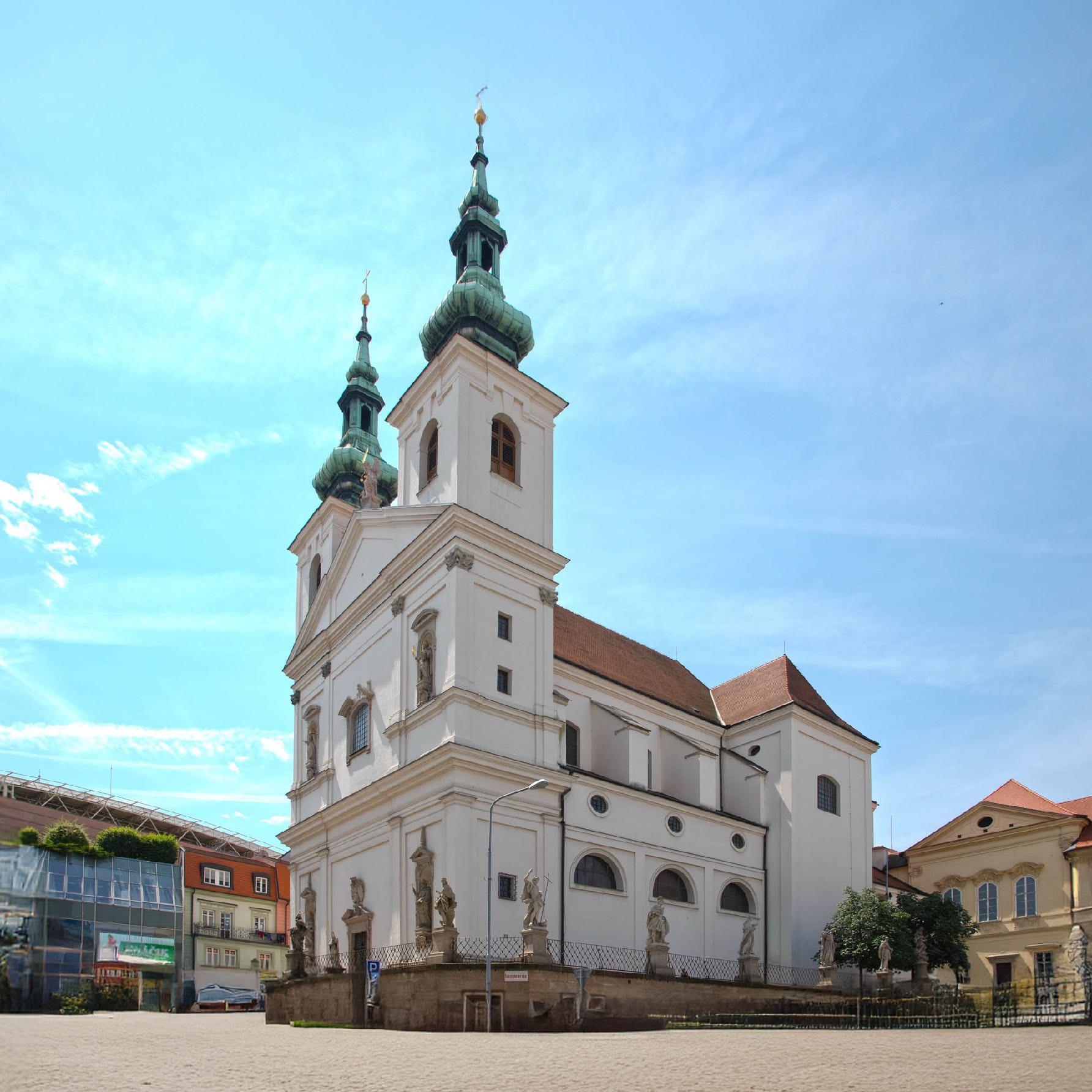
St. Michael's Church is closely linked to the work of the Dominican Order in Brno. As early as the 13th century, the church was an integral part of the Dominican monastery.
The cathedral's Baroque terrace is decorated with stone statues of saints. The church is not open to the public.
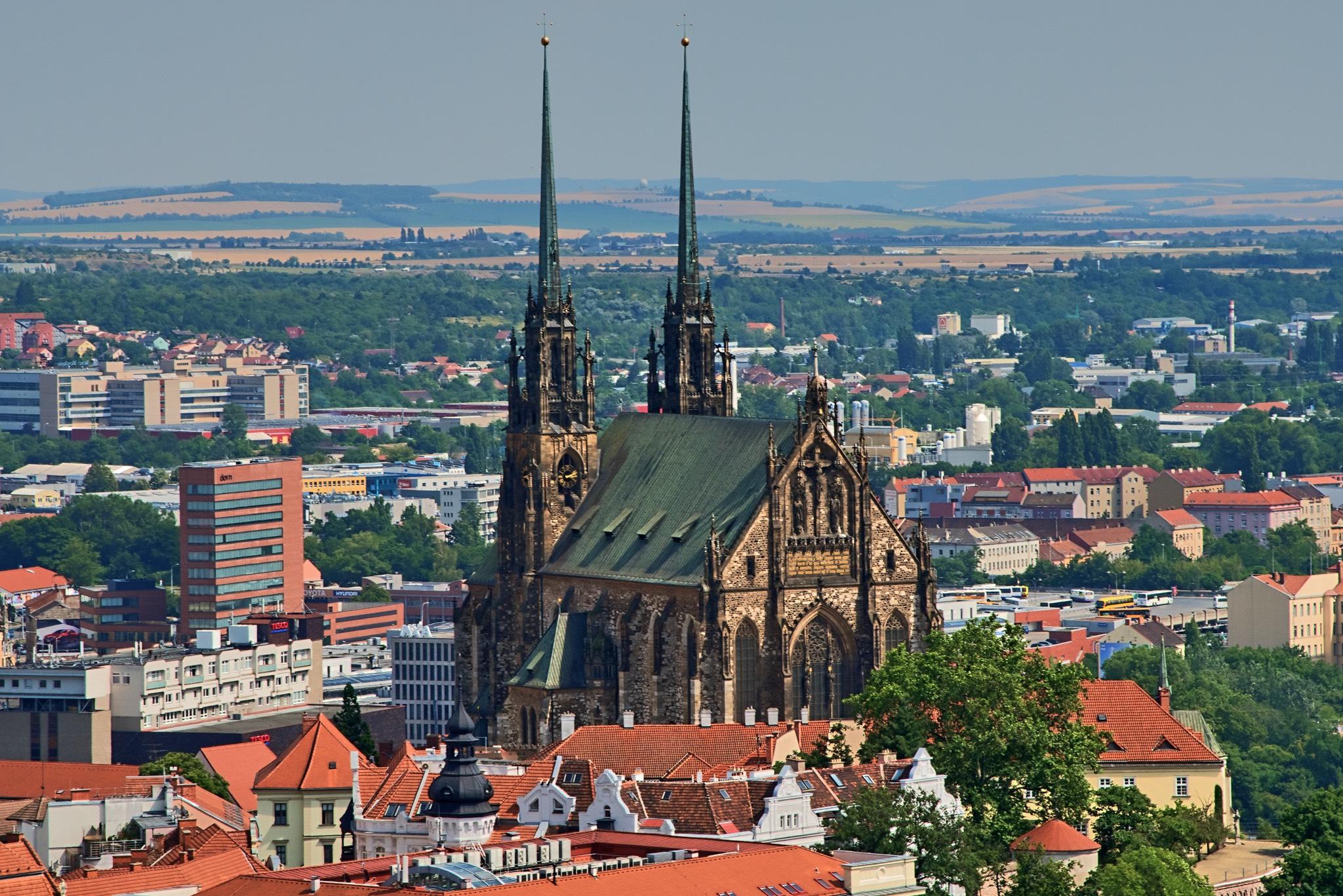
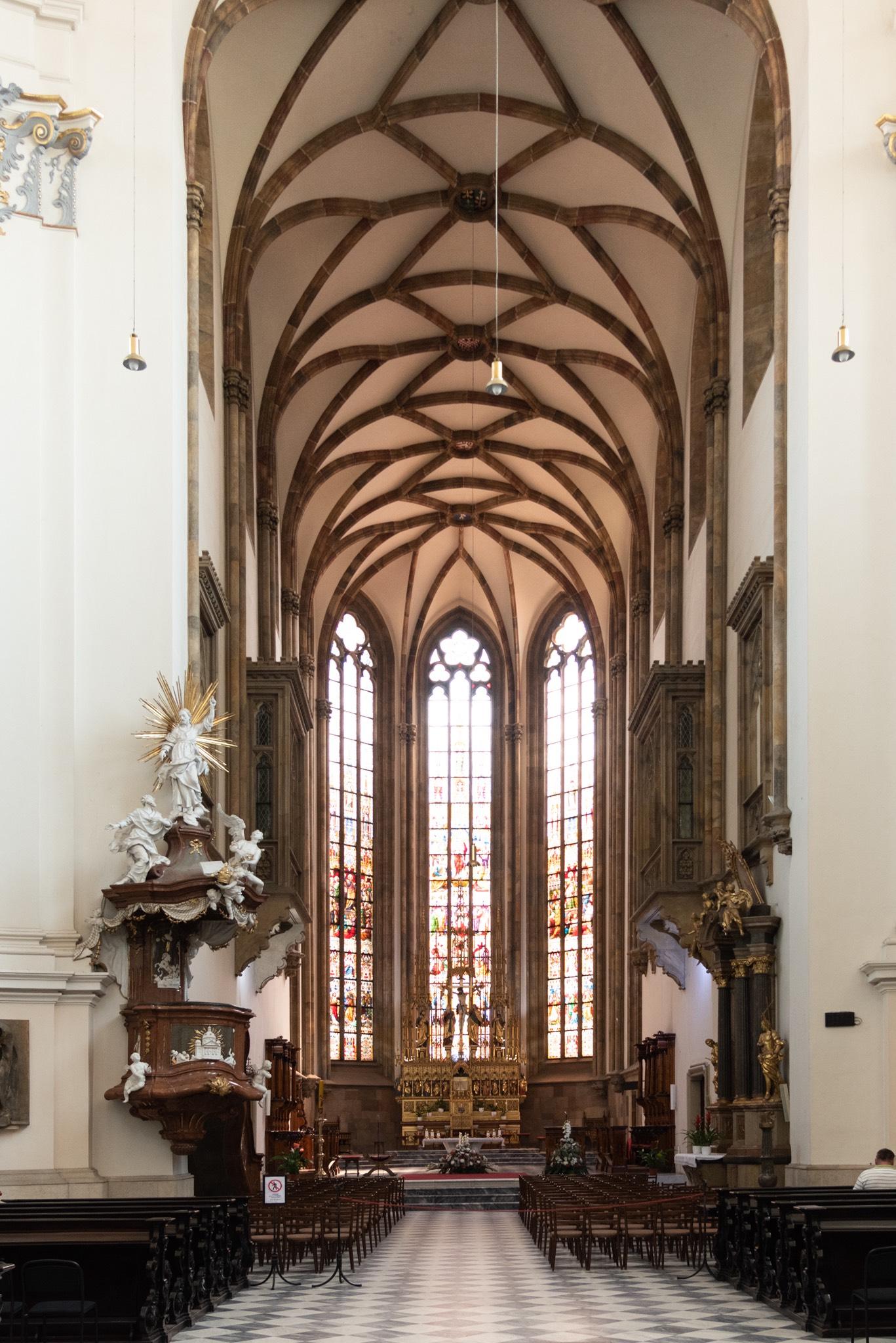
The origins of the church date back to 1180, when Margrave Konrad Otto commissioned its construction. During the chaos of the Thirty Years' War, the building was severely damaged and extensively rebuilt from 1743 to 1745. In 1777, St. Peter and Paul became the cathedral of the Diocese of Brno.
with the ÖBB railjet to Brno

The midday bells from Brno Cathedral are heard not at 12 noon as usual, but at 11 a.m. The explanation for this peculiarity can be found in a legend from the Thirty Years' War:
The city of Brno was defended against the Swedes under the command of a very clever general, Jean-Louis Raduit de Souches. From May 4 to August 15, 1645, the Swedish army under Lennart Torstensson, Count of Ortala, besieged the city. Despite heavy shelling, the Swedes were unable to capture the fortified city of Brno.
Finally, Torstensson, already growing impatient, promised his soldiers that he would abandon the siege if he failed to capture Brno by the midday bells on August 15. On that day—the battle was in full swing—Souches gave the order for the midday bells to ring an hour earlier.
The Swedes left, and since then Brno has been “an hour ahead” of everyone else – at least as far as the midday bell is concerned.
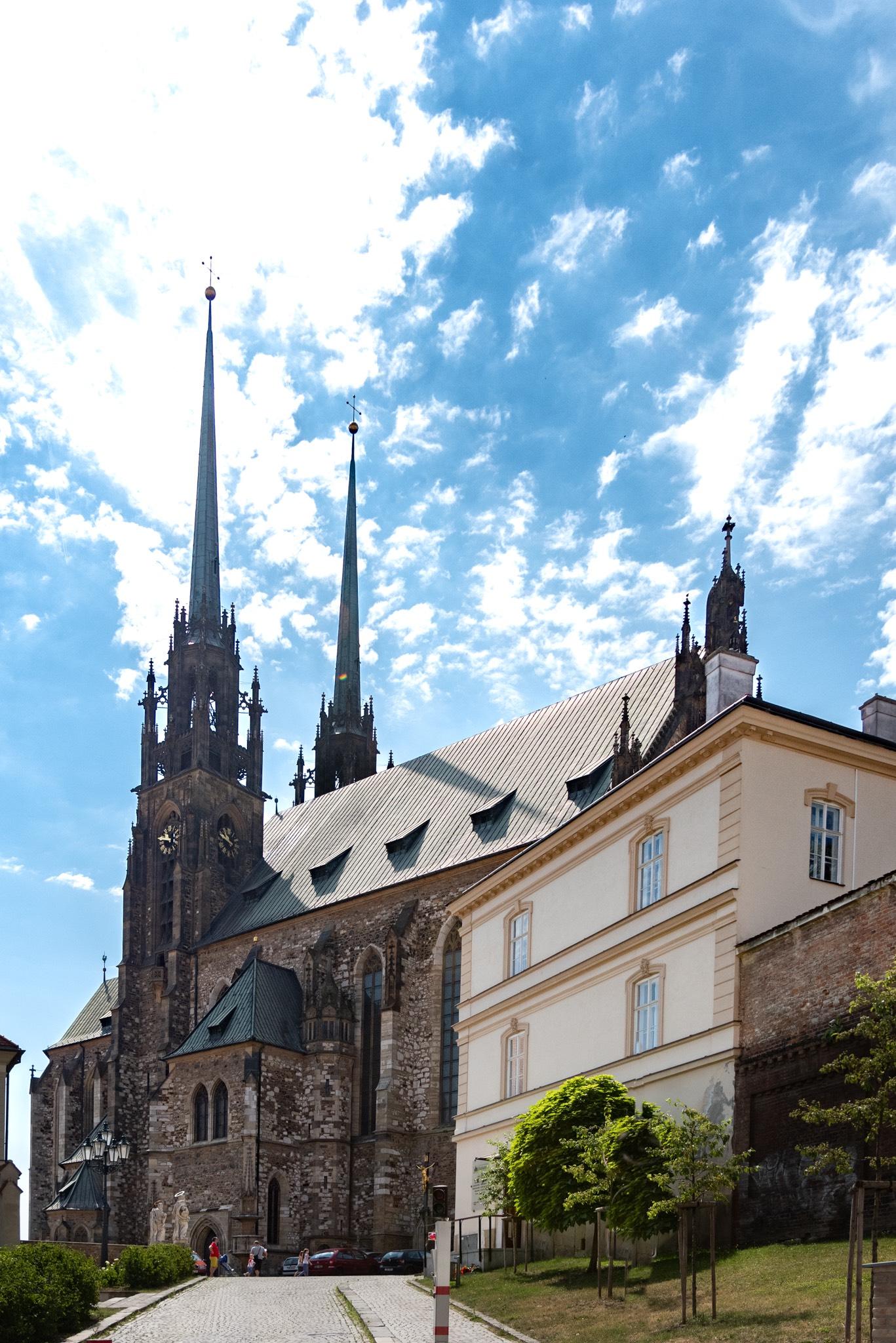


The "Christ Church" was consecrated in 1867. After World War II, the church was transferred to the Evangelical Church of the Czech Brethren and renamed "Jan Ámos Komenský Church."
Because of its red bricks, the building is popularly known as the "Red Church."
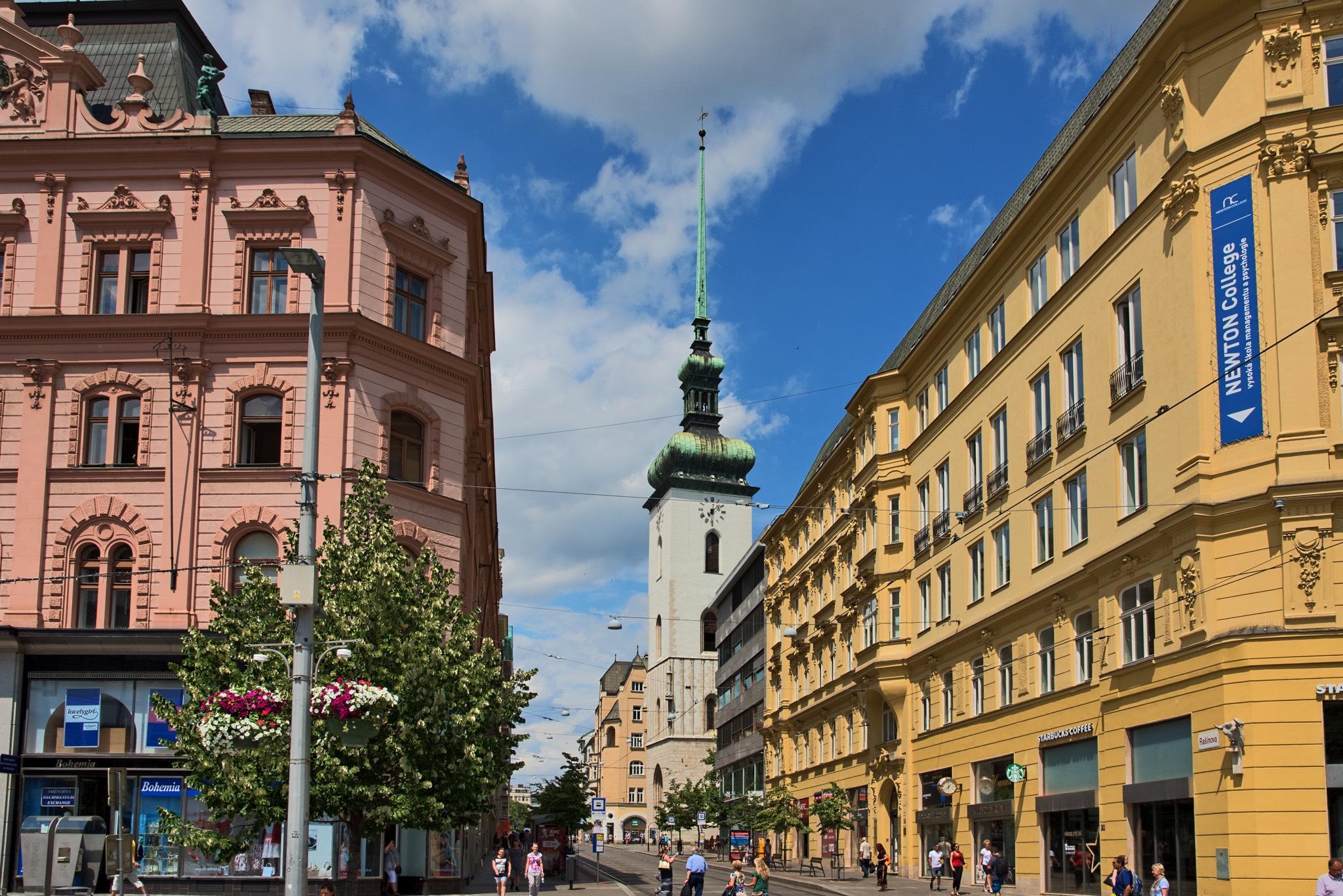
The first written records date back to 1228. Colonists from Germany and Flanders celebrated their mass here. The church in its current form was completed in 1592.
Here you can also find the tomb of Jean-Louis Raduit de Souches, who defended the city against the Swedes.
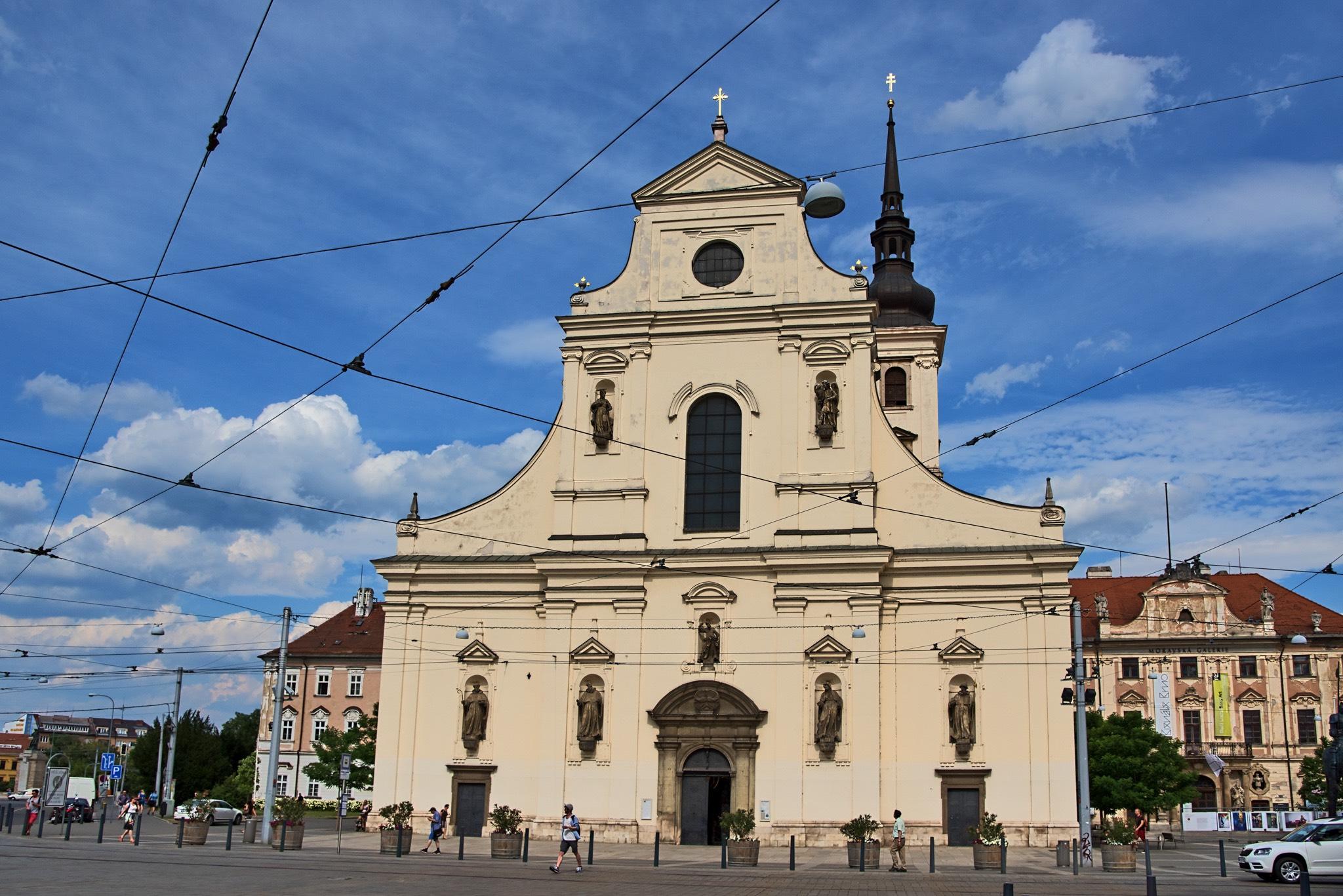
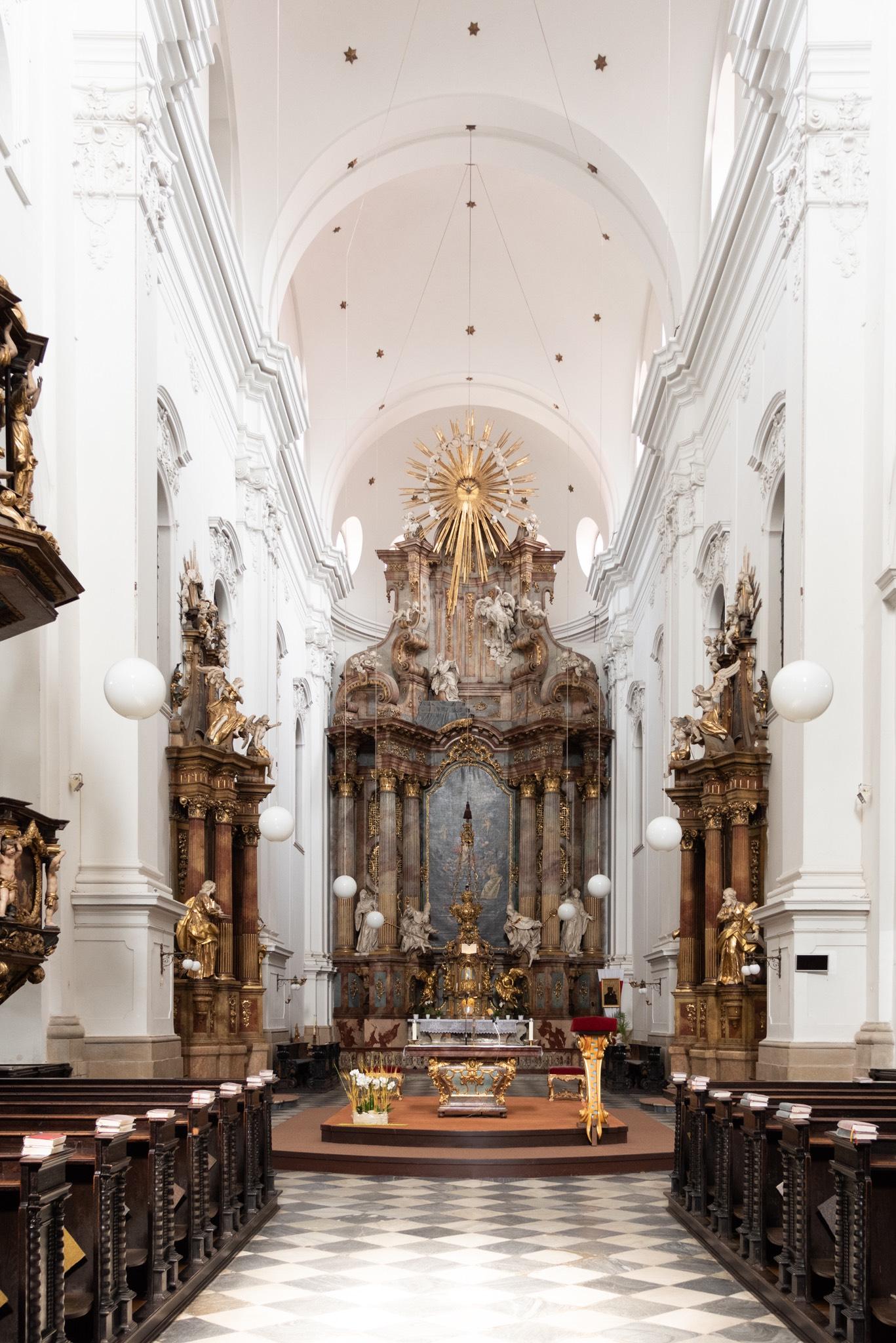
In 1350, Margrave John Henry of Luxembourg commissioned the brother of Emperor Charles IV to build an Augustinian monastery. The church was destroyed during the Thirty Years' War and rebuilt from 1665 to 1675.
The painting of the Revelation of Christ to the Apostles is one of the church's great treasures.


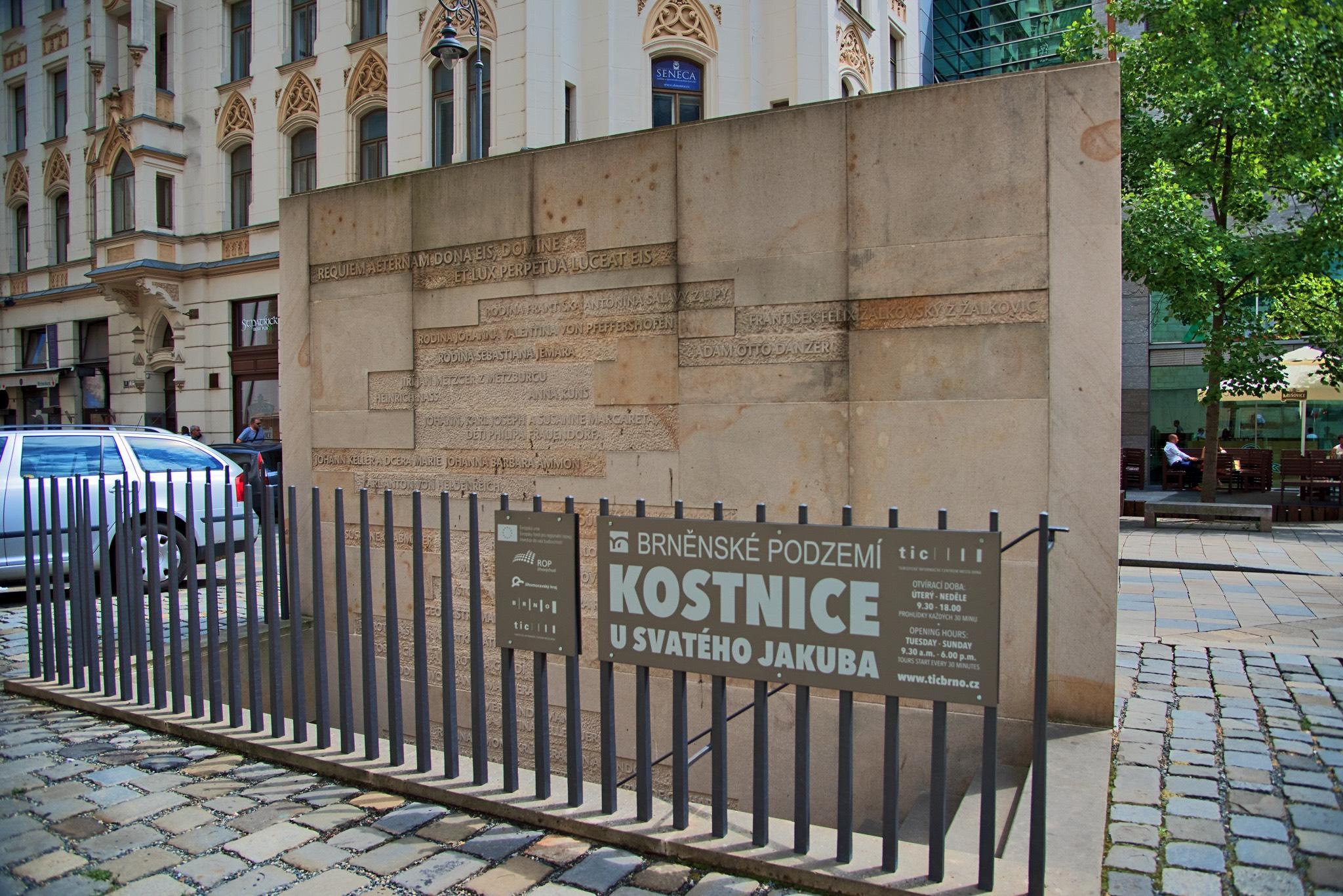
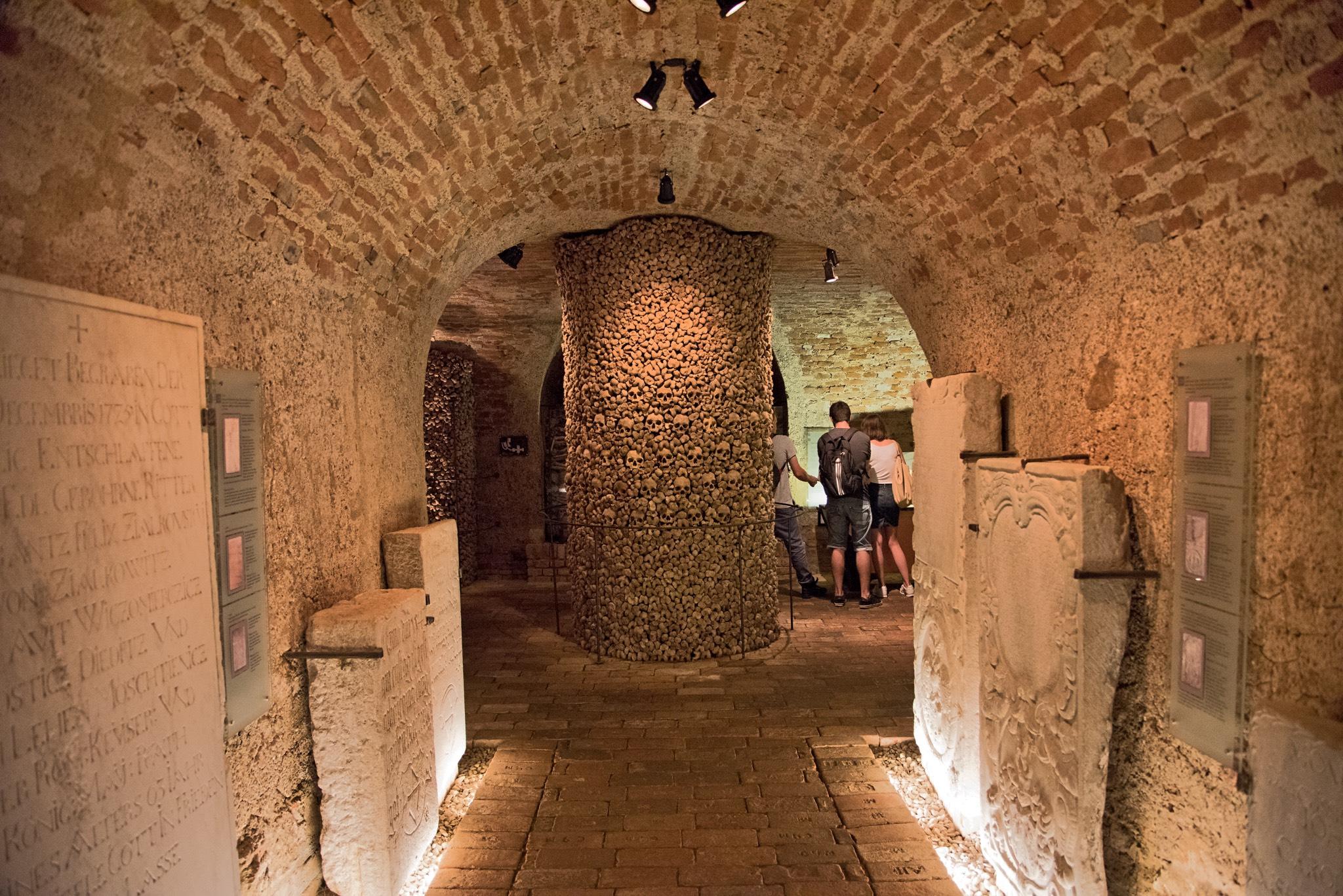
The ossuary beneath St. James's Church is one of the largest in Europe, with more than 50,000 bones. The bones come from the church in Petrov, which was dissolved in 1784.
Over the centuries, the vault fell into obscurity and was accidentally rediscovered in 2001. It has been open to visitors since 2012.


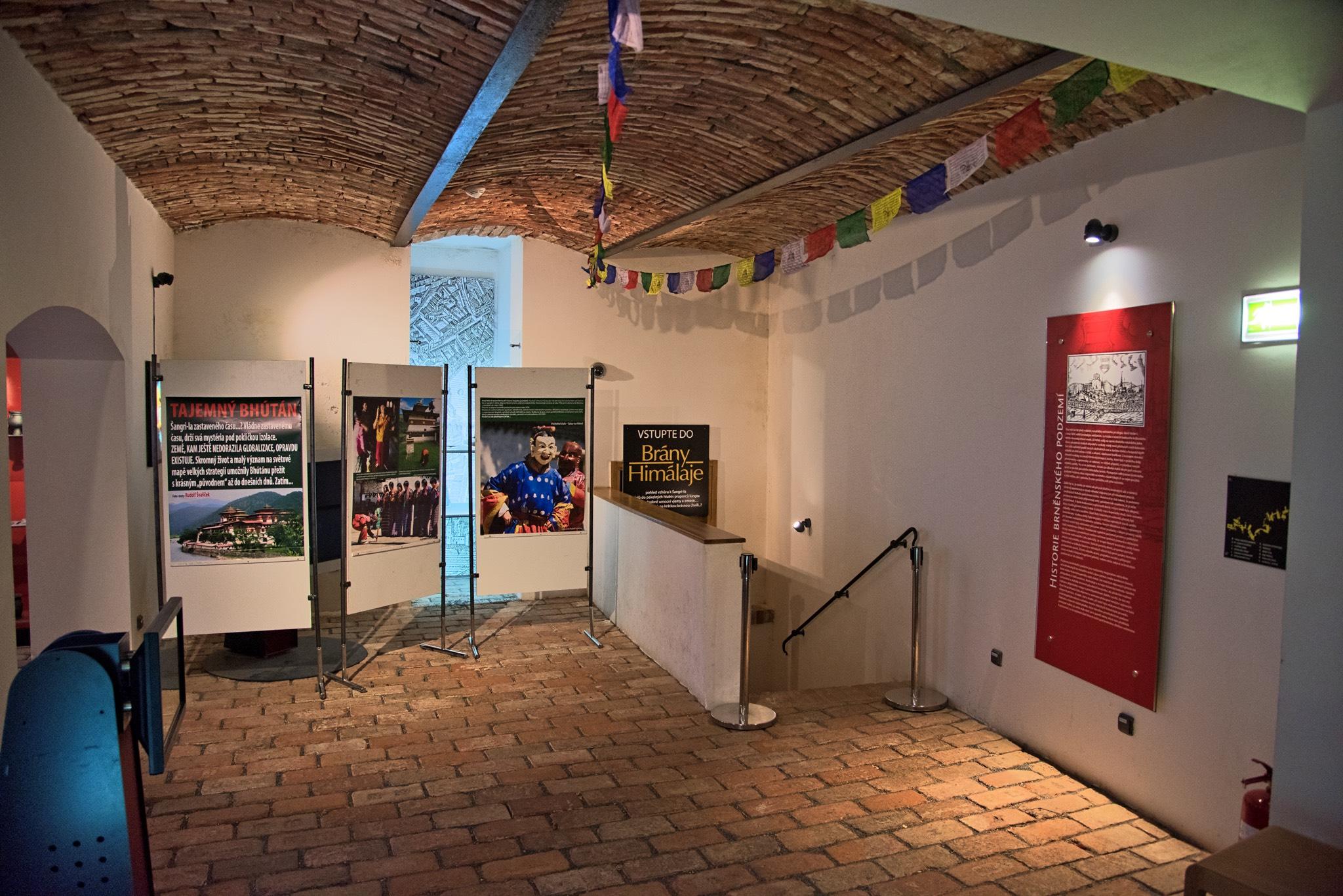
The labyrinth beneath the Cabbage Market is comprised of the relics of the cellars of former residential buildings.
The extensive network of chambers and passageways, located approximately 6 to 8 meters below the market square, was
used for storing food and also served as a place of refuge in threatening situations. The narrow passageways and partially damp walls still bear witness to the long history and diverse uses of this underground complex.
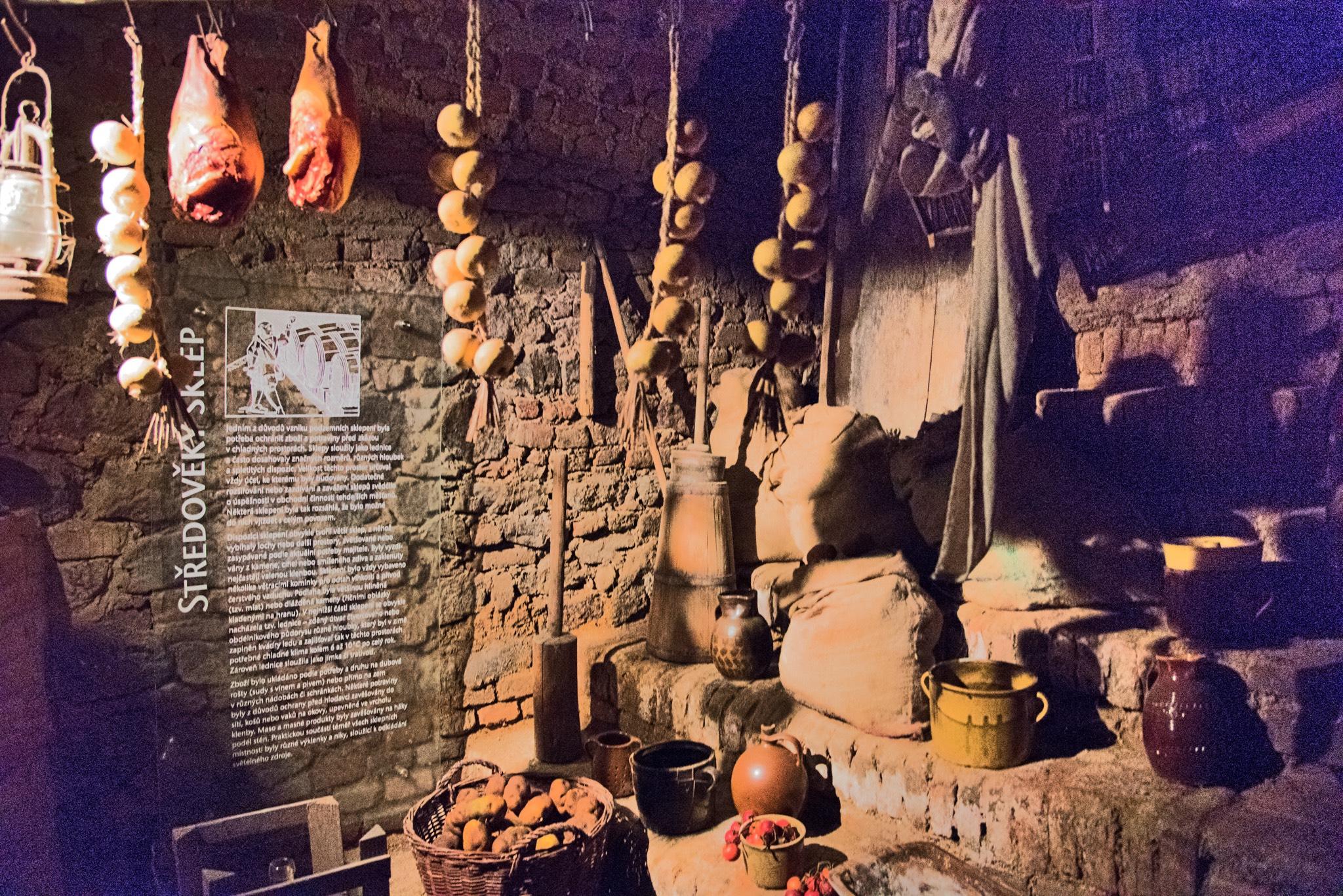


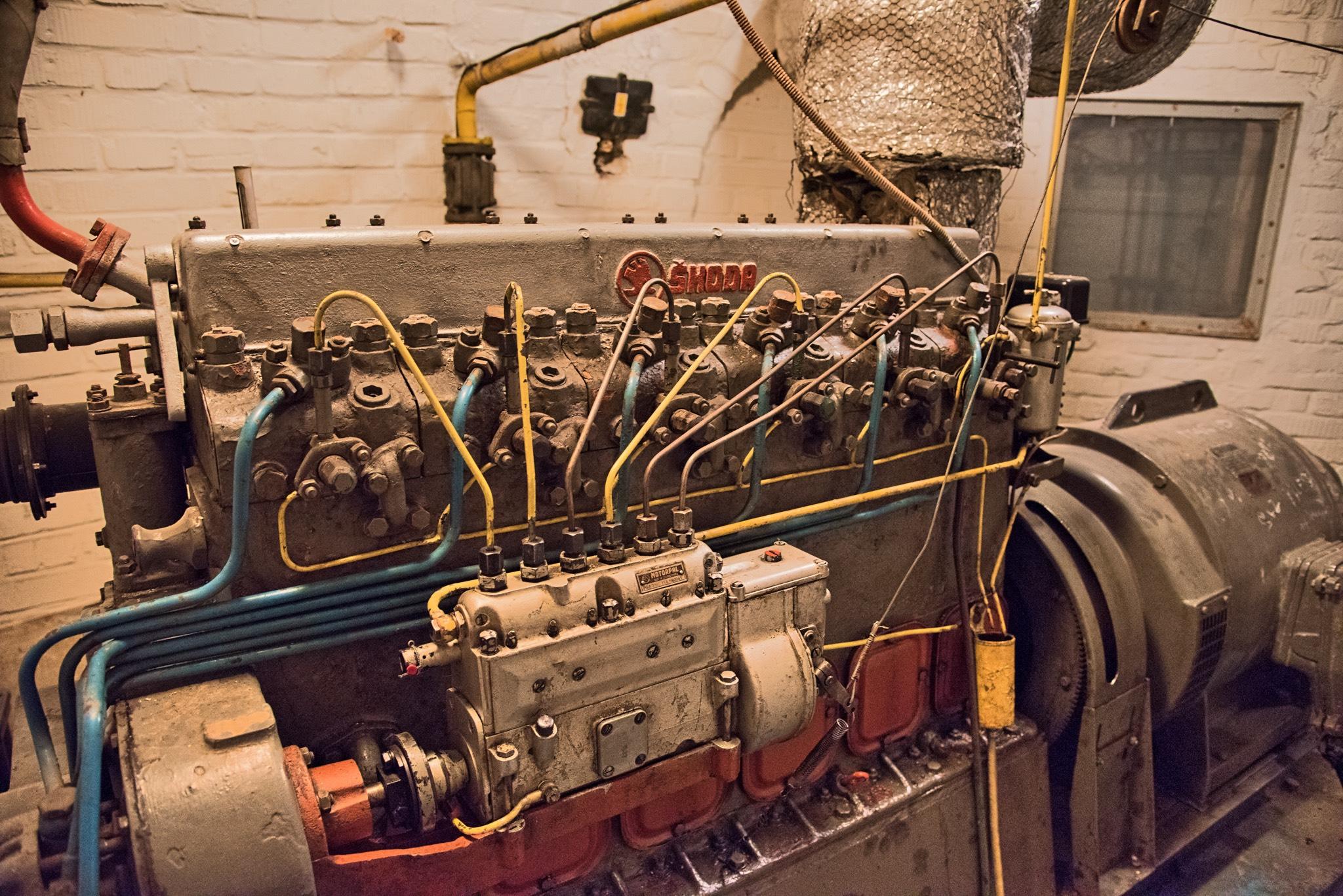
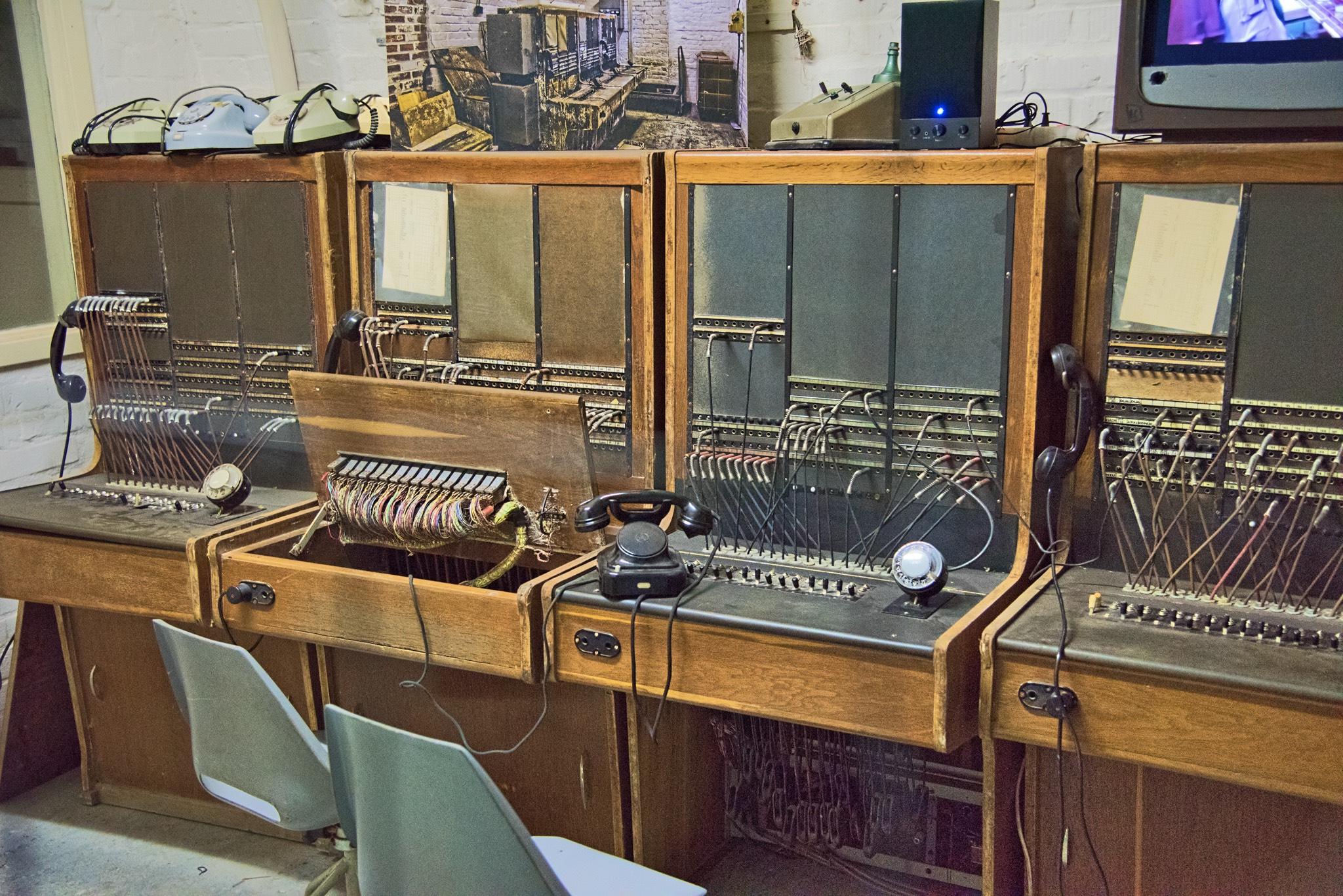
The bunker complex was built during the Nazi era. After the end of the war, the shelter, located in the rock below Spielberg Fortress, served as a commercial space for a wine wholesaler. Between 1948 and 1959, the bunker was expanded by the communist regime to provide protection against nuclear attacks. In the decades that followed, the bunker remained largely unused and fell into obscurity.
In the course of historical research, the complex returned to public attention.


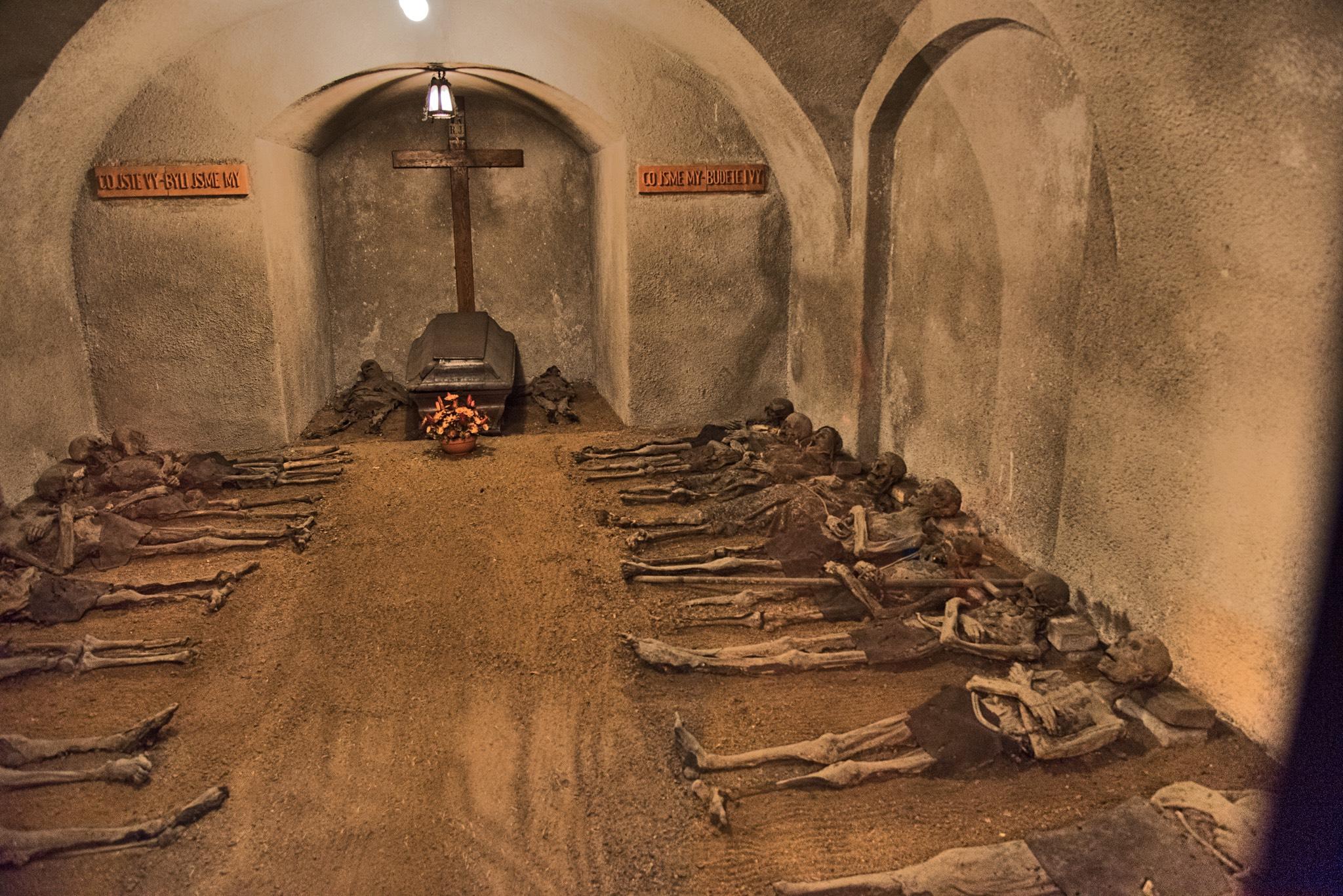
The Capuchins have been in Brno since 1604. Construction of the city's first Capuchin monastery also began in that year. Since the mid-17th century, the crypt has served as the monastery's crypt.
Here, the dead dried out naturally and mummified without embalming. Emperor Joseph II banned this type of burial in 1784.

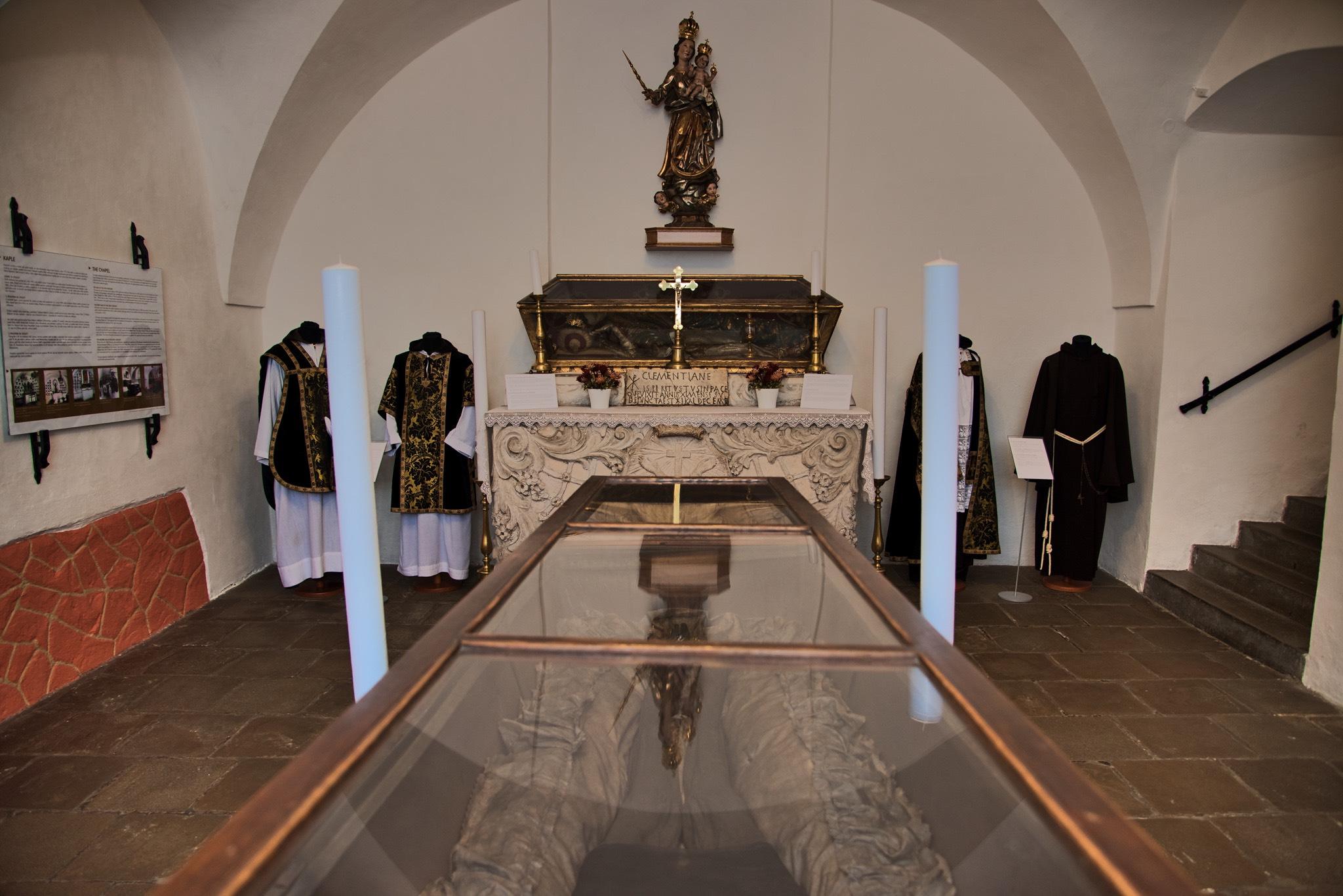
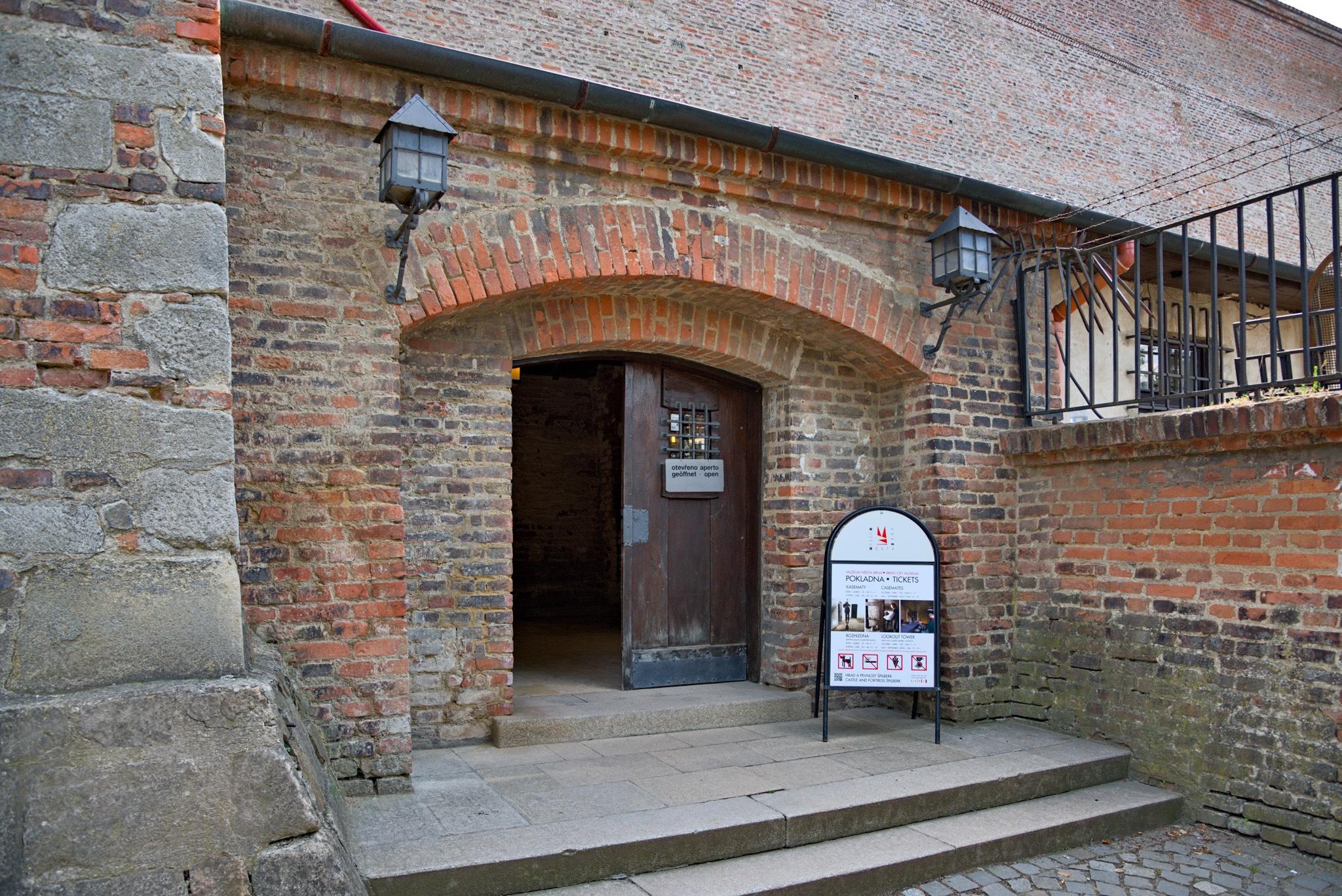
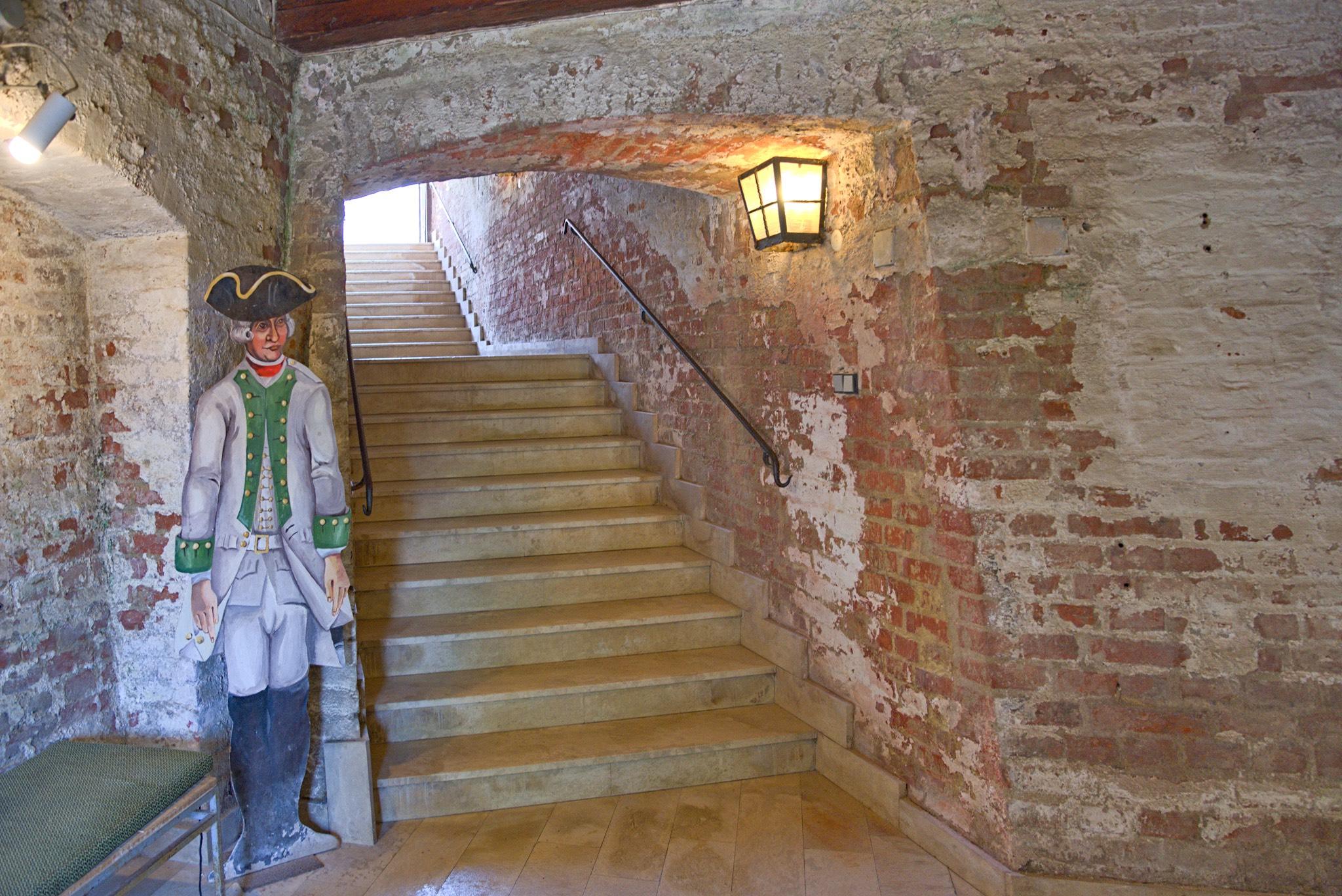
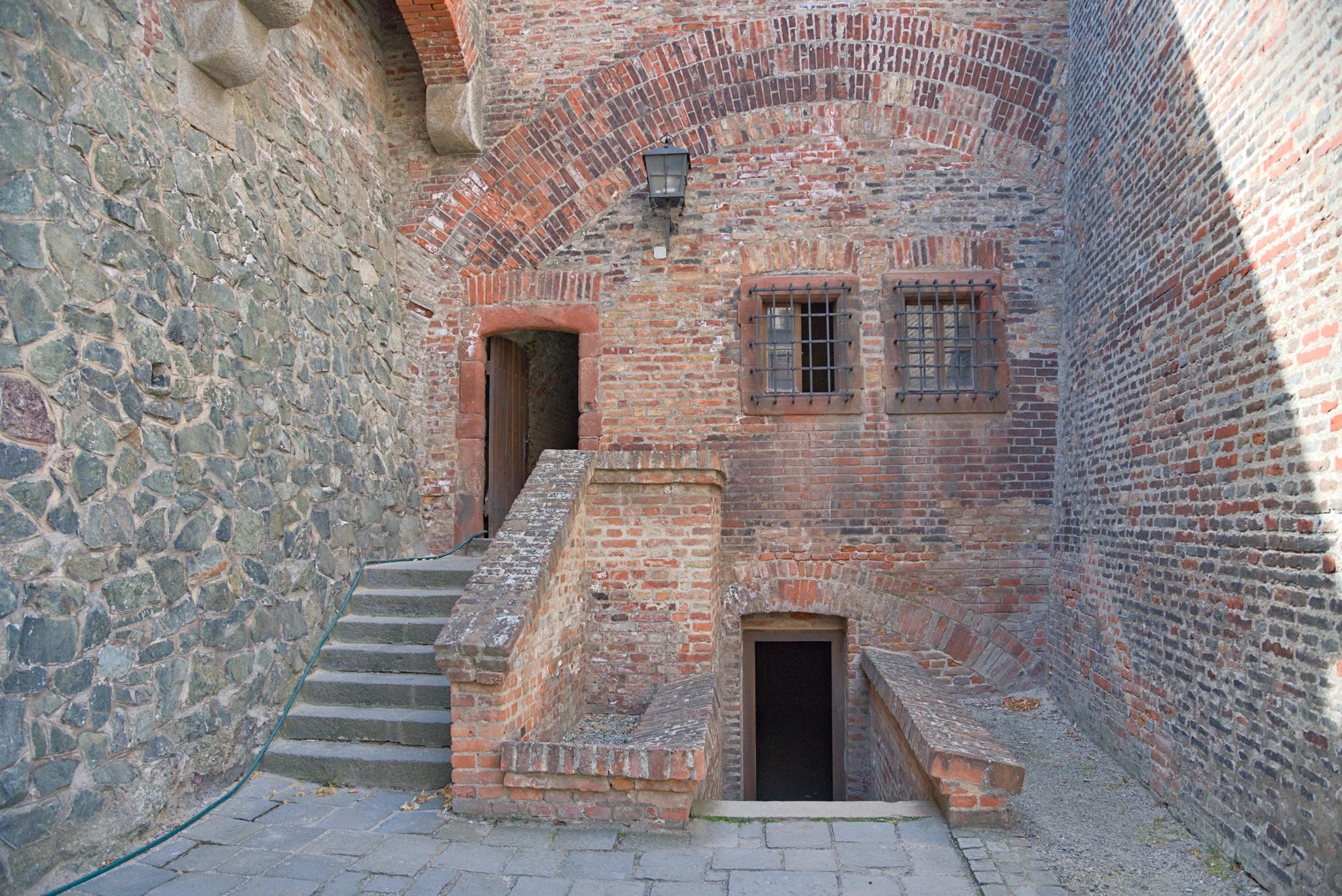
The Brno City Museum is housed in several buildings. The Špilberk Fortress houses the museum, administration, and archives. Other museums belonging to the complex include the Menin Gate and the Villa Tugendhat, an important building by
the German architect Ludwig Mies van der Rohe. The impregnable fortress developed into one of Europe's most notorious prisons, the so-called "Dungeon of Nations."


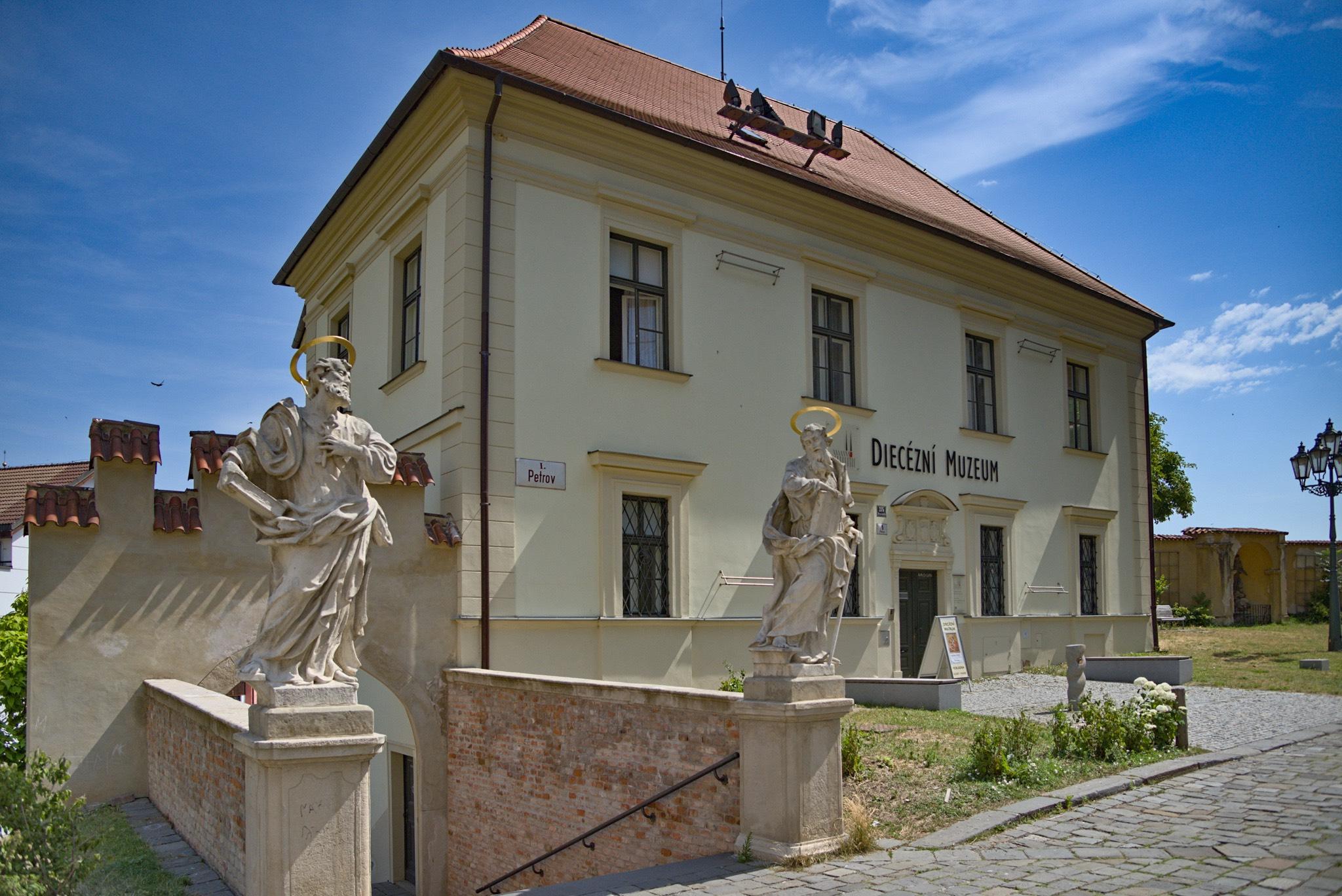
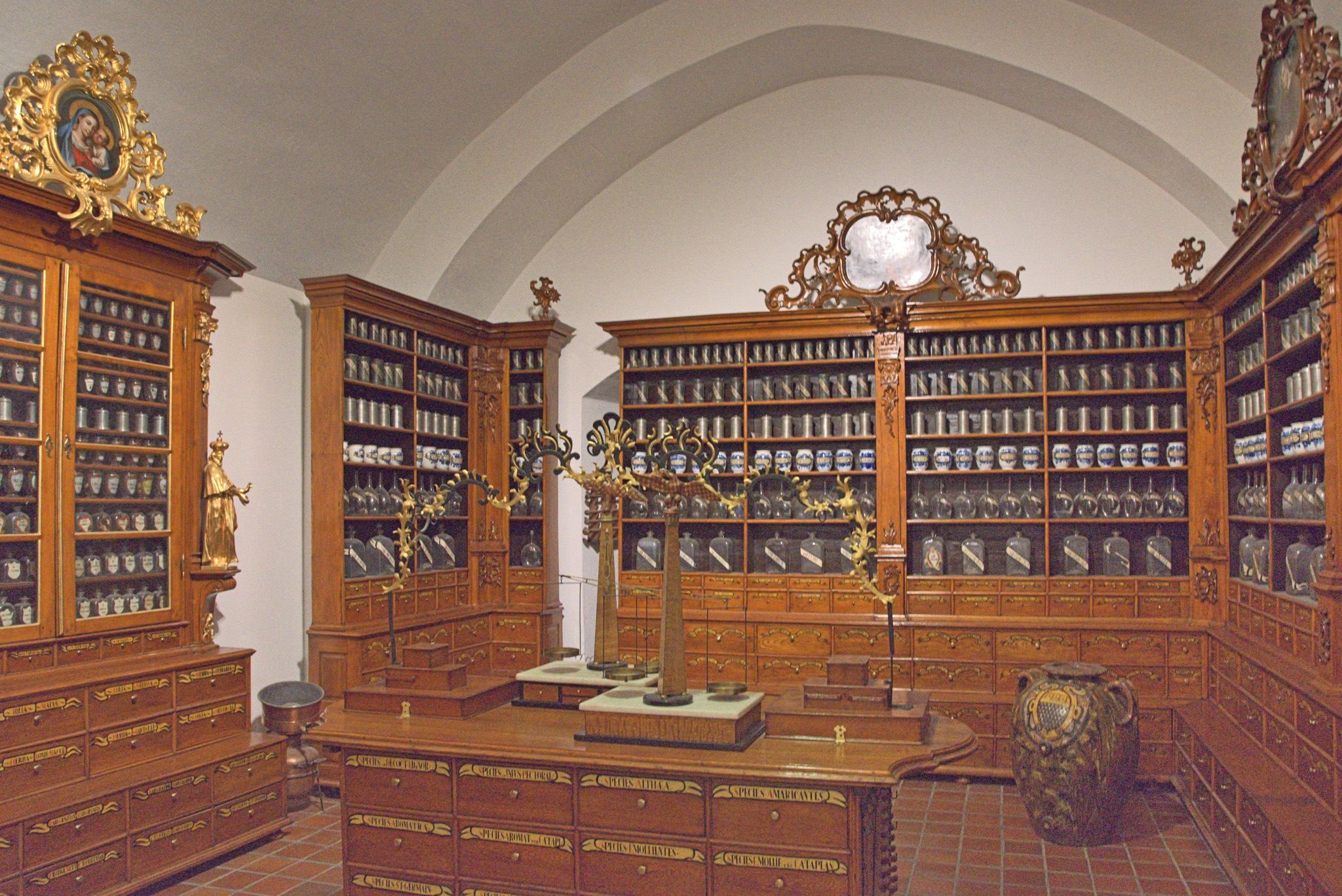
The Diocesan Museum features the permanent exhibition "Vita Christi – The Life of Christ." It features Gothic and Baroque exhibits from the churches and parishes of the Brno Diocese.
The museum is particularly proud of the painting "Madonna of Eichhorn," dating from the 1340s.
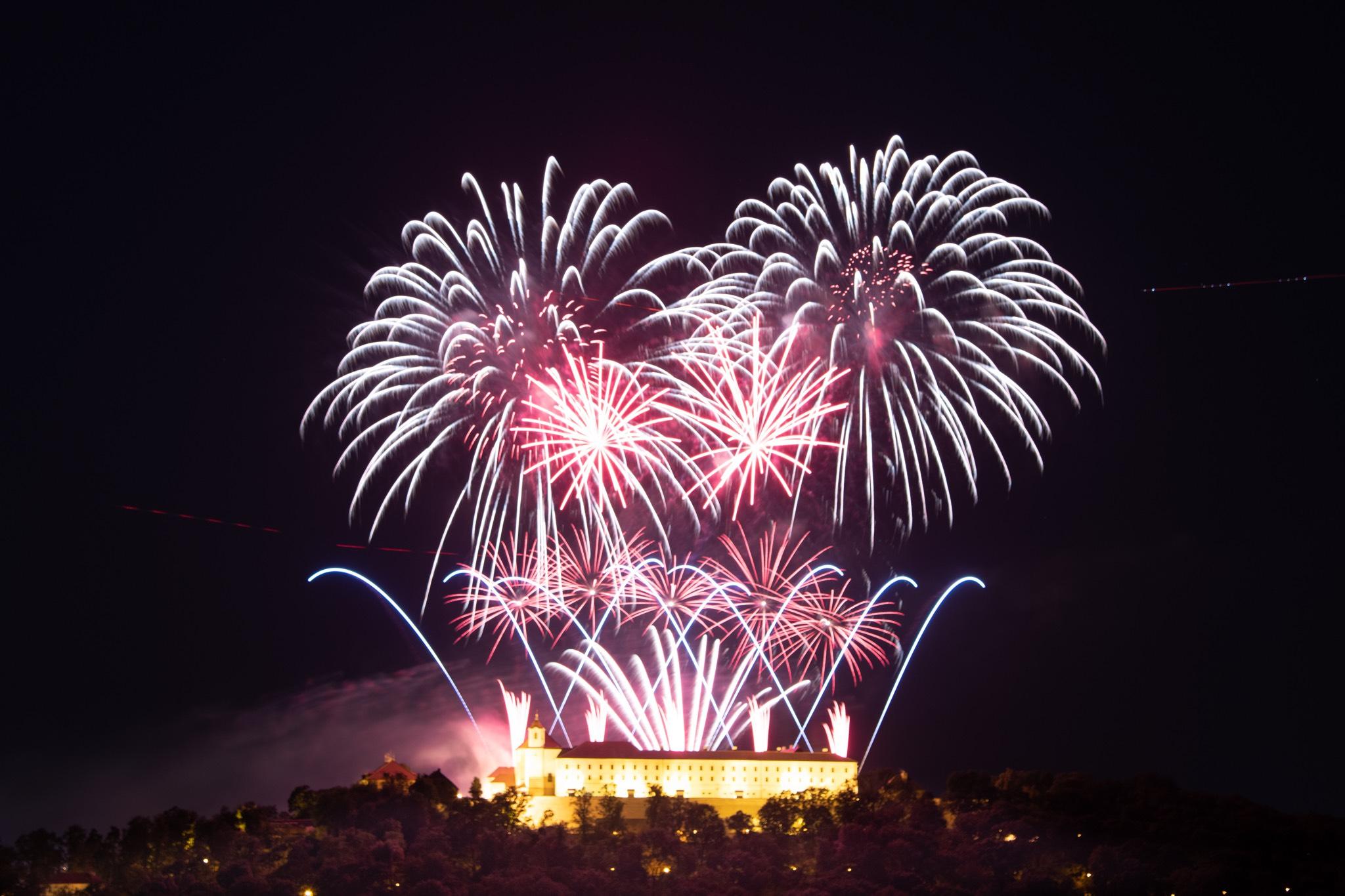

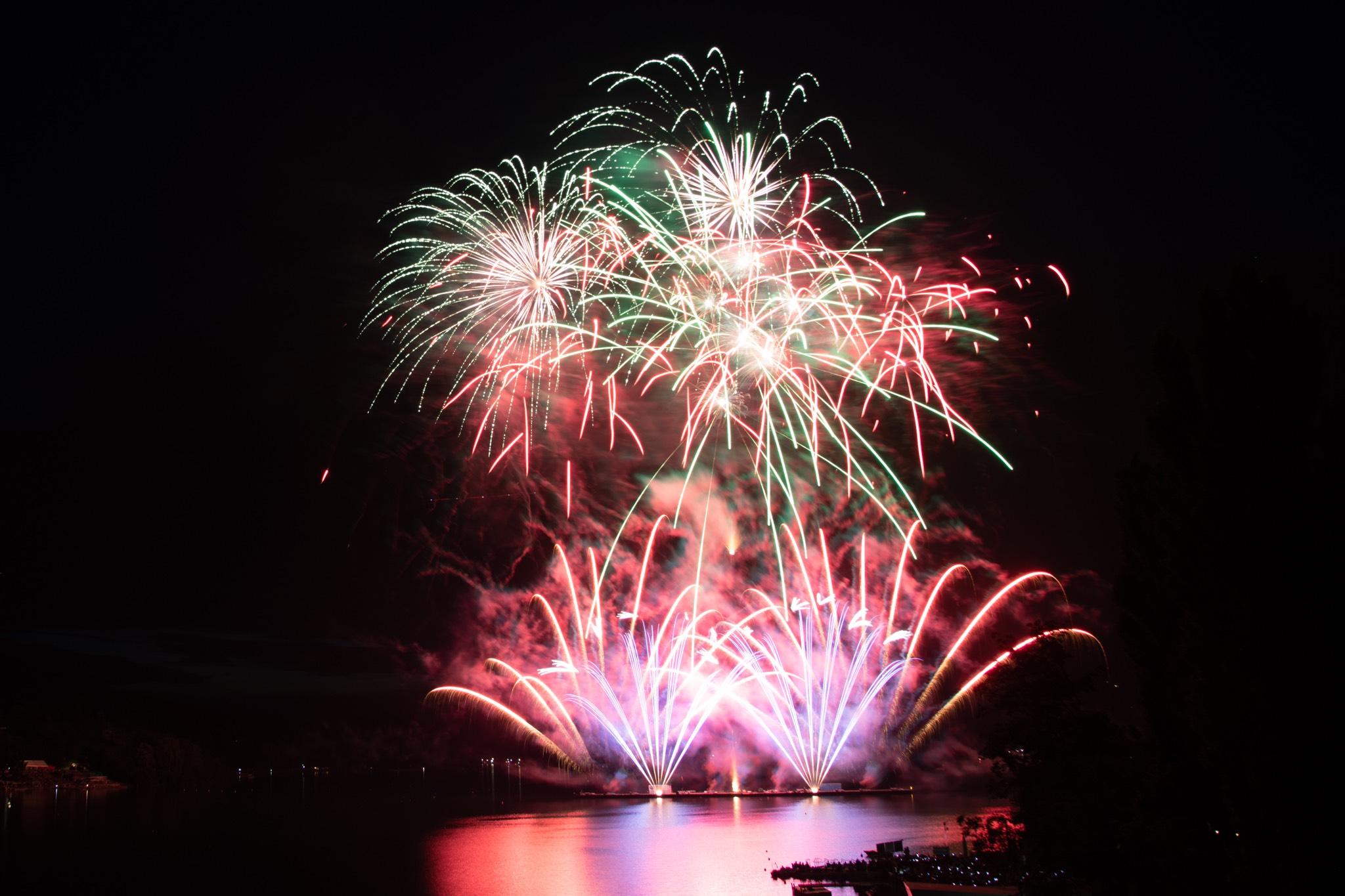

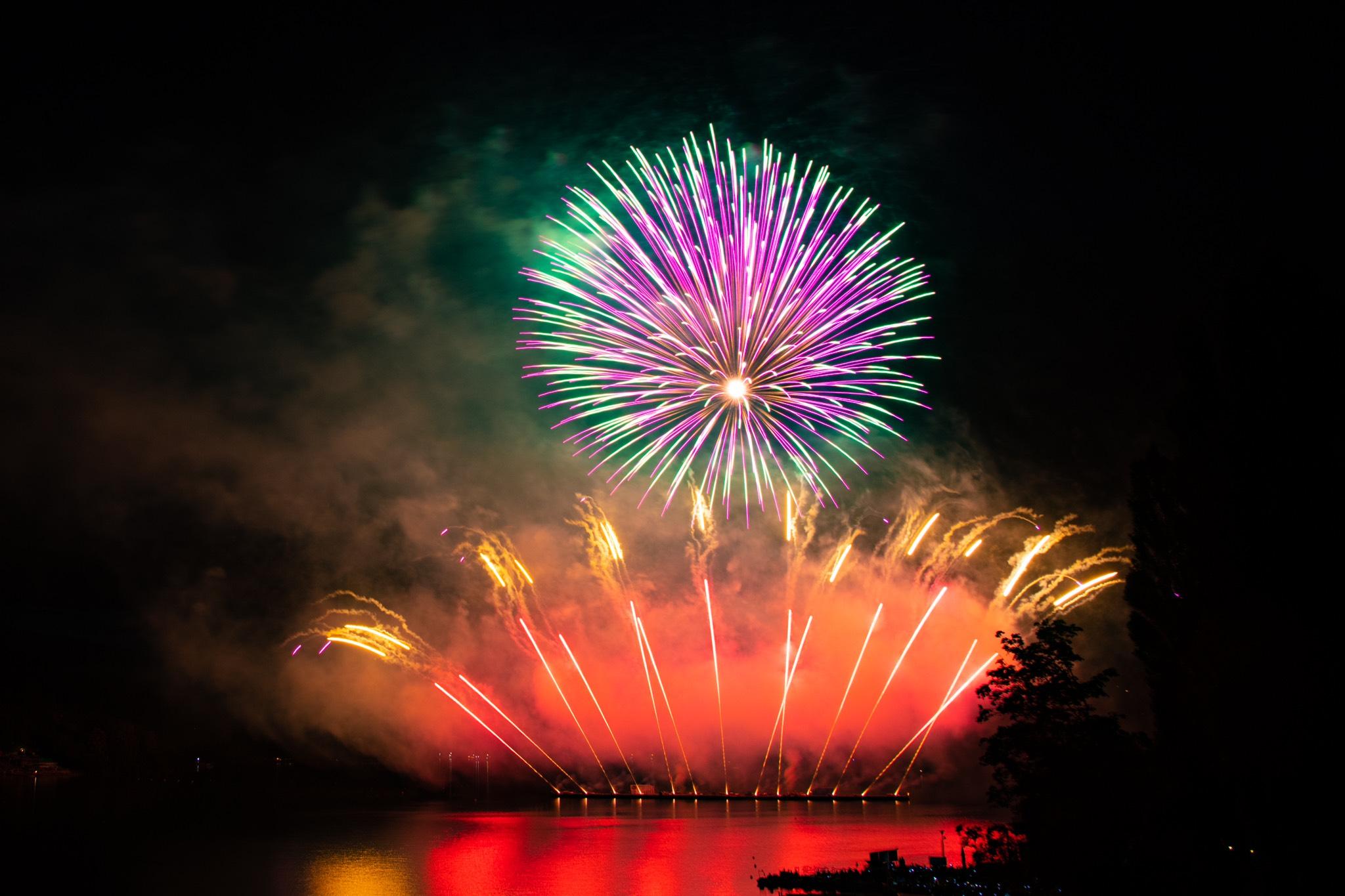
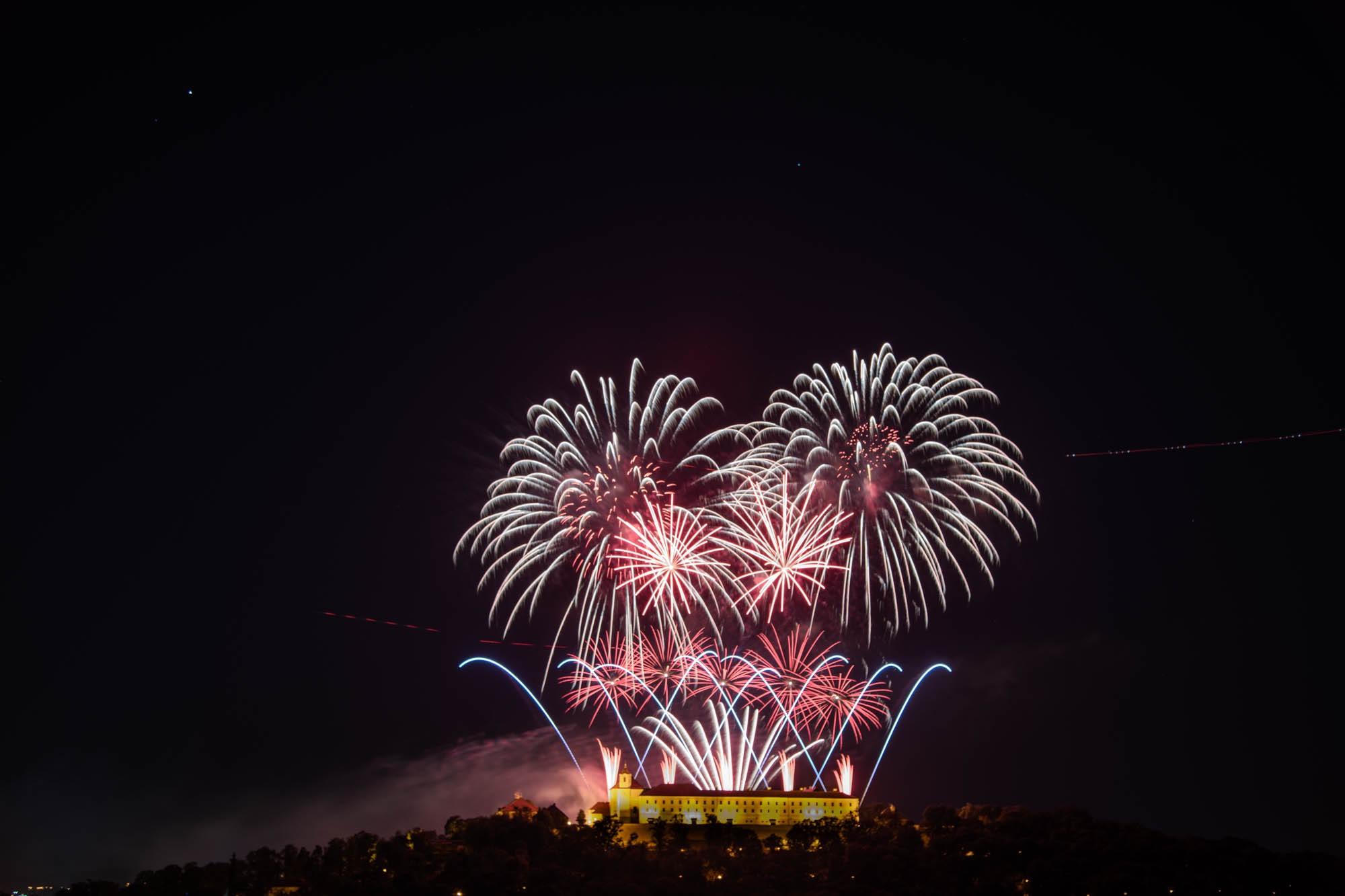
Brno hosts major fireworks festivals every year. International competitions for the most outstanding fireworks displays take place at the Brno Reservoir. The concluding fireworks display is presented in the city at Špilberk Castle. Admission to the
fireworks display is free. In addition to fireworks, AI-assisted drone shows are also presented. As part of the Ignis Brunensis festival, visitors can also enjoy musical performances, culinary stalls, and craft markets.

OBB Nightjet and OBB Nightjet Partner






This e-book was made possible through the kind support of the regional tourist offices and the OBB. German proofreading and editorial: Martin Andergassen.
References
Text, videos and photos by Rudolf J. Strutz unless otherwise stated. Timetables and travel information: OBB
Assistance from AI
Artificial intelligence applications are occasionally employed for image editing, including the elimination of undesirable components. Additionally, AI tools can enhance the clarity of images and diminish background noise.
The travel guides are also available free of charge on the OBB online entertainment and internet portal railnet, which is installed on all railjets, nightjets (NG) and cityjets



Copyright
This book was licensed under the Creative Commons License. Conditions of use: attribution, non-commercial, no editing and distribution under the same conditions only as a complete work! The use of individual photos and text is not permitted. This eBook is available free of charge.
All links provided are current at the time of publication of this ebook. Links to tickets usually lead directly to the exhibition location. For tickets and timetables, local public transportation services are linked.
All logos and company names are used for information purposes only; any use outside of this e-book must be approved by the copyright holders.

SCOTTY mobile shows the timetables for all public transport and helps you plan your travel route.

Book your trip online or view the current timetable online and directly on your mobile phone.