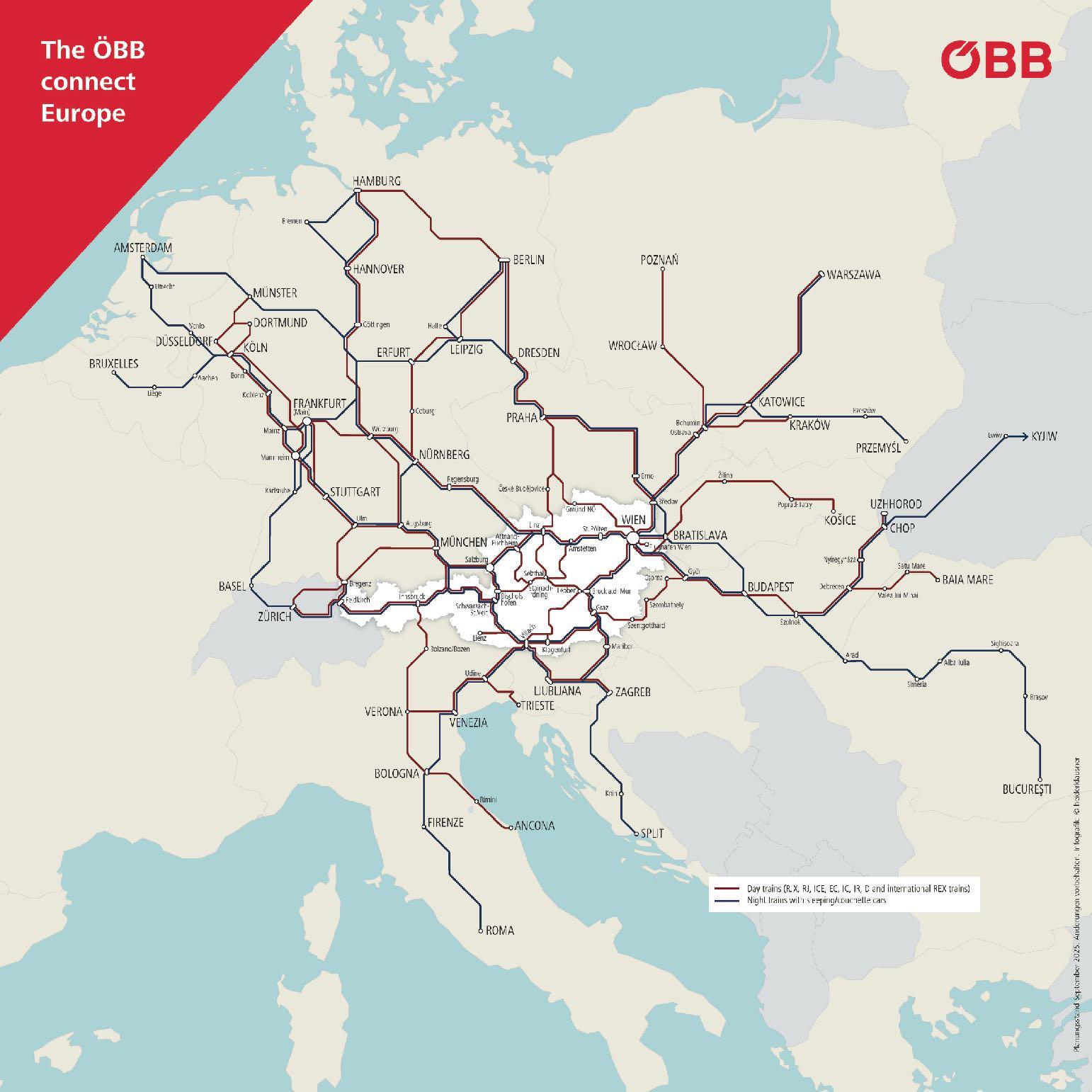
ÖBB connects numerous European cities with modern day and night services.
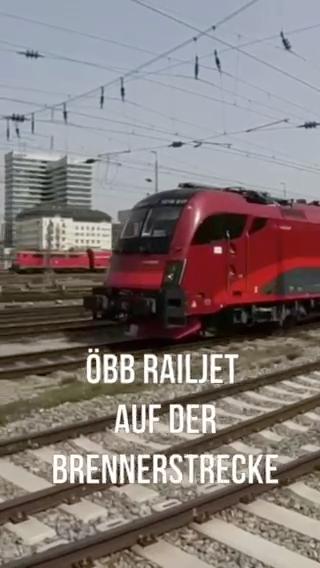
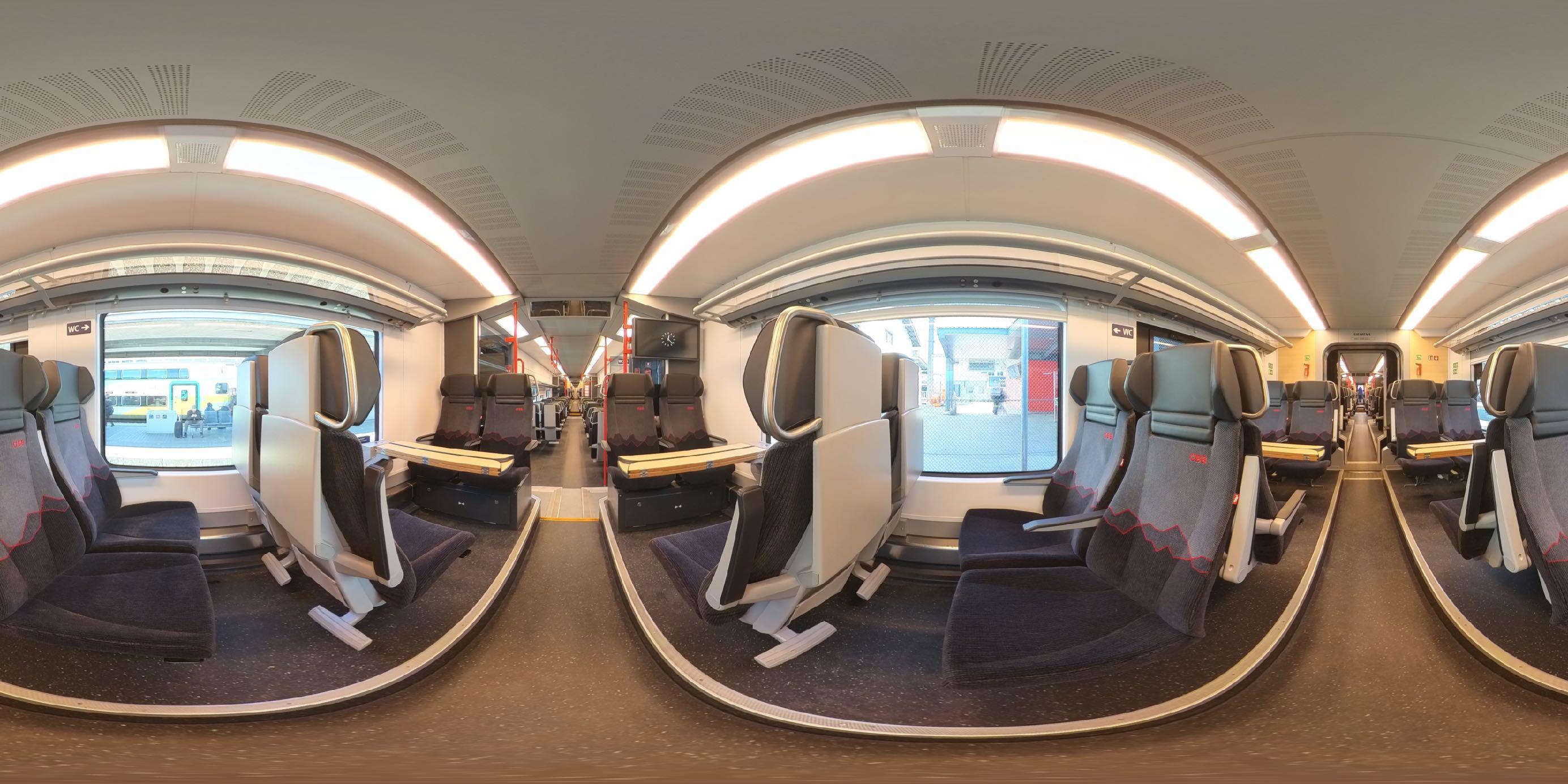
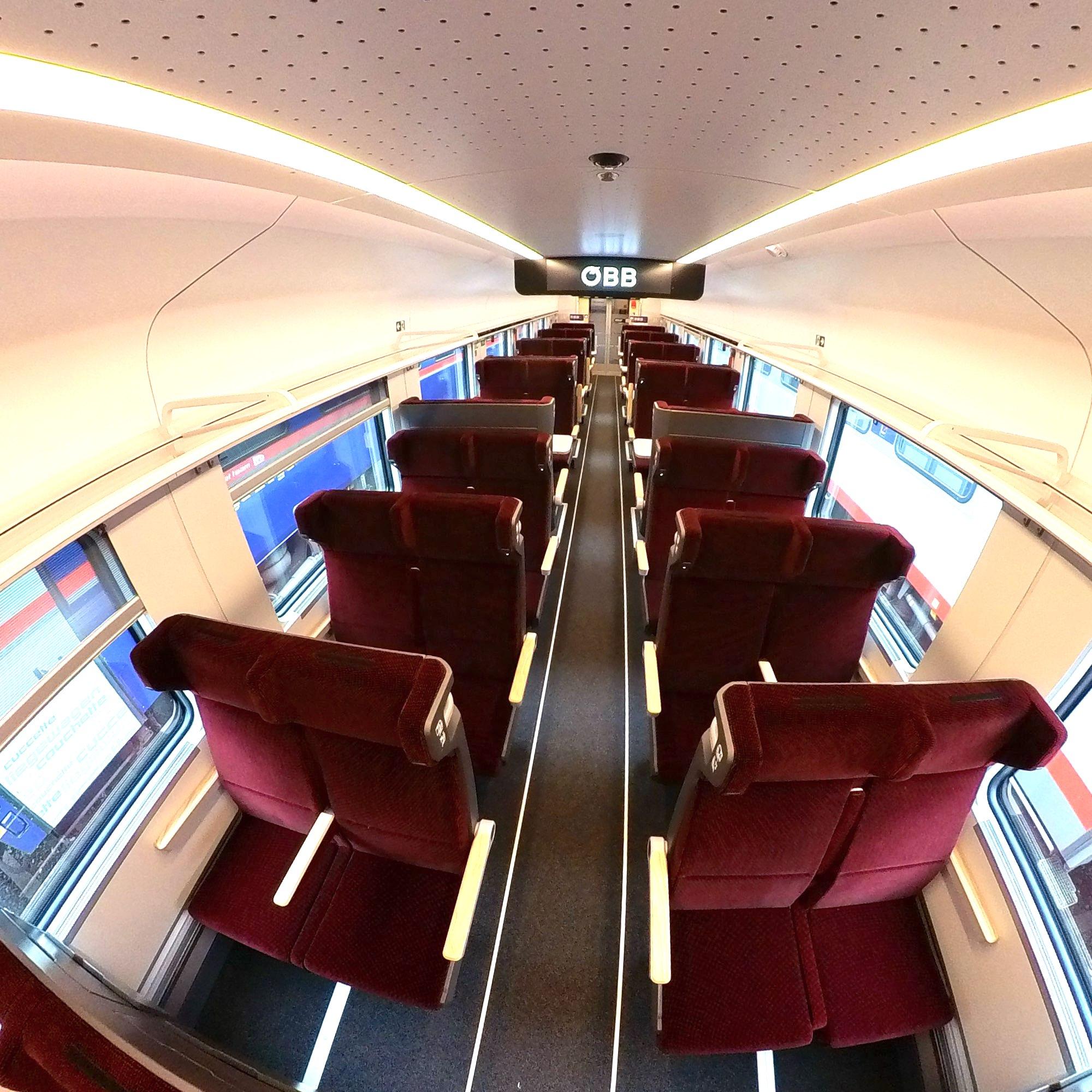
During the day, ÖBB Railjets offer fast and comfortable long-distance travel in Economy, First, and Business classes.
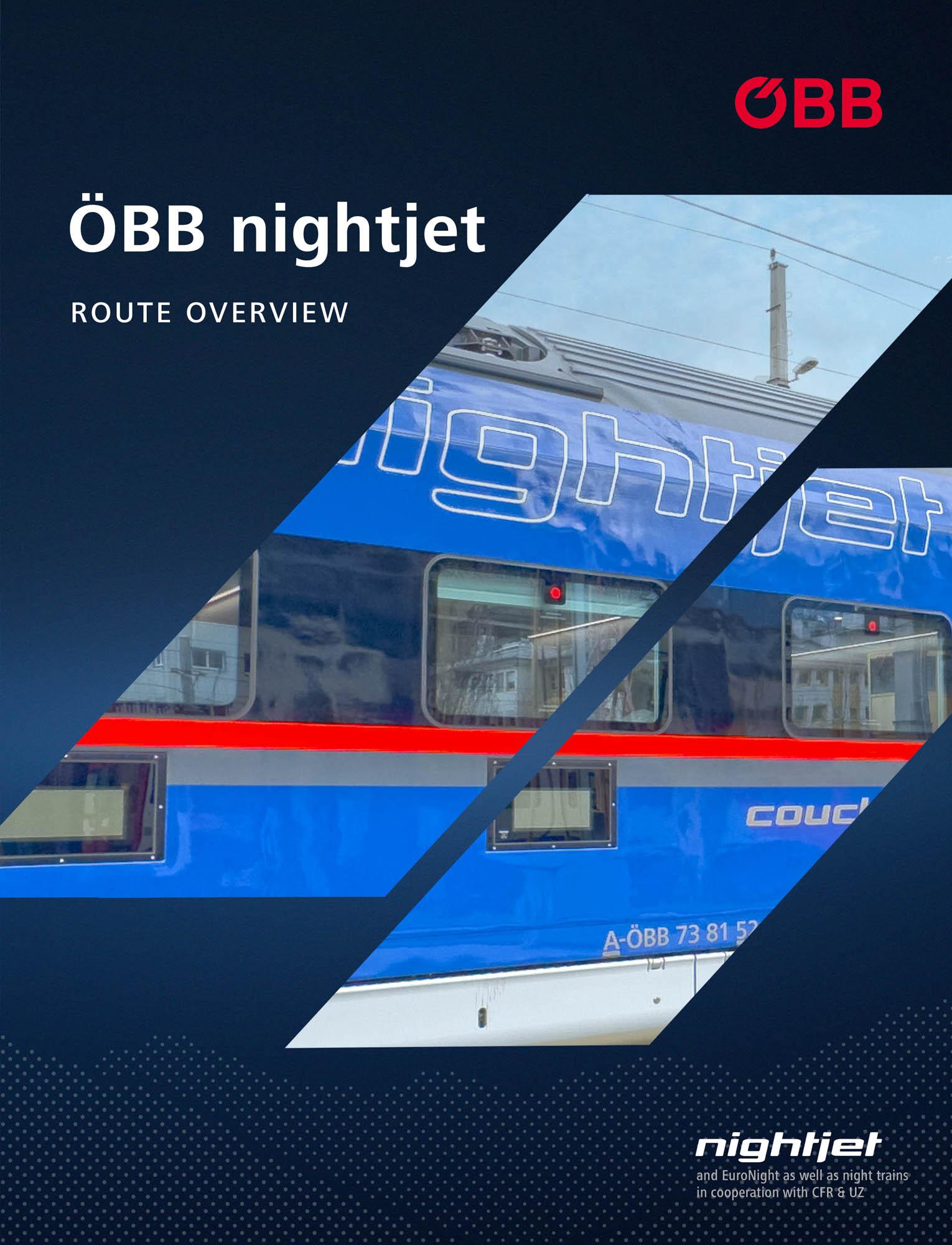
At night, the ÖBB Nightjet provides a relaxing and environmentally friendly journey across Europe. Whether
you prefer a seat, new Mini Cabins, or couchette and sleeper cars – every travel preference is catered for.
Within Austria, ÖBB Cityjets guarantee punctual and comfortable local and long-distance transport.
Further information and booking options can be found via the info button, which leads directly to the ÖBB booking page.


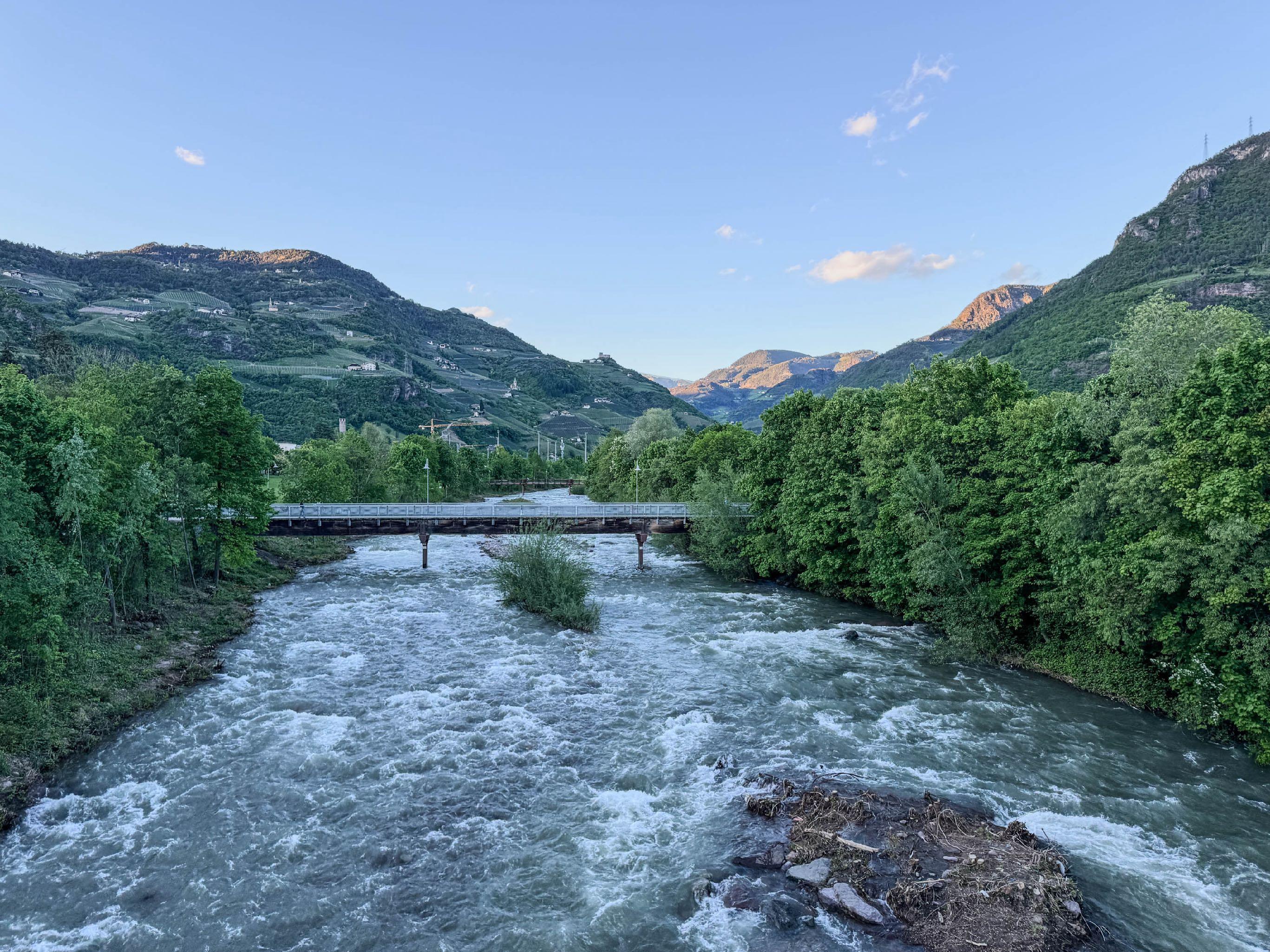











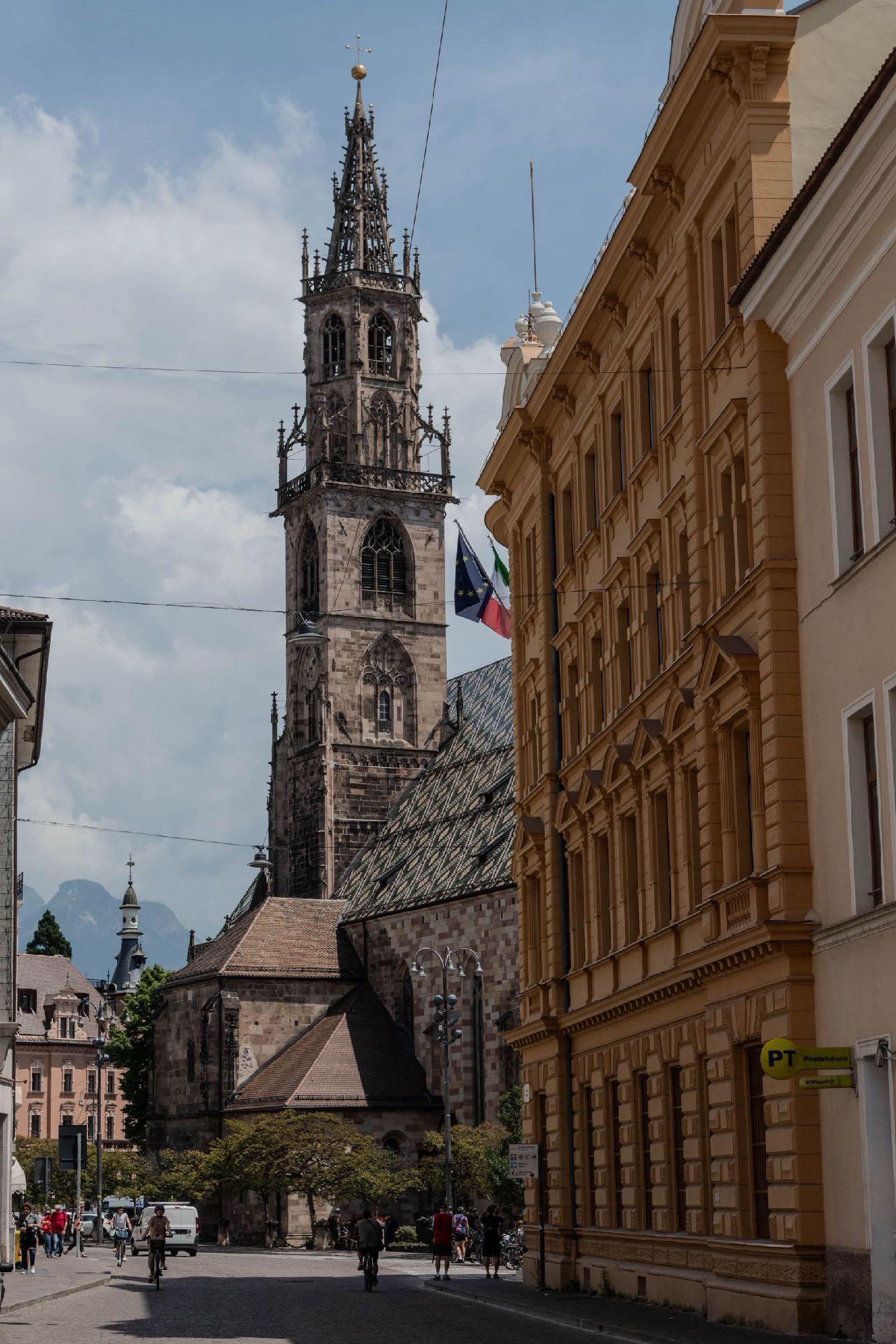


Bolzano forms the lively heart of South Tyrol. The capital of the province attracts with a variety of shops and boutiques, historical squares, a diverse cultural offering, and exquisite gastronomy.
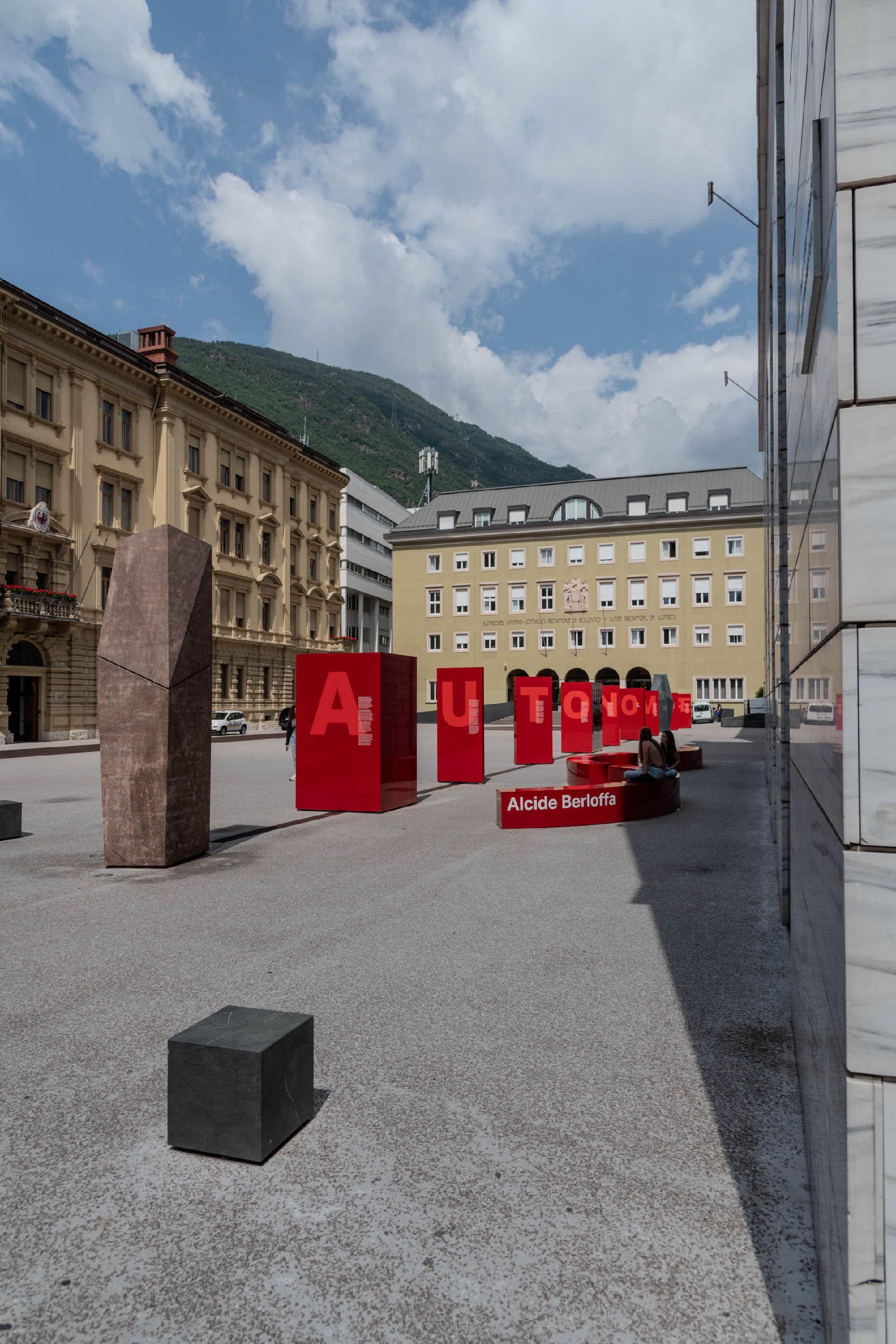


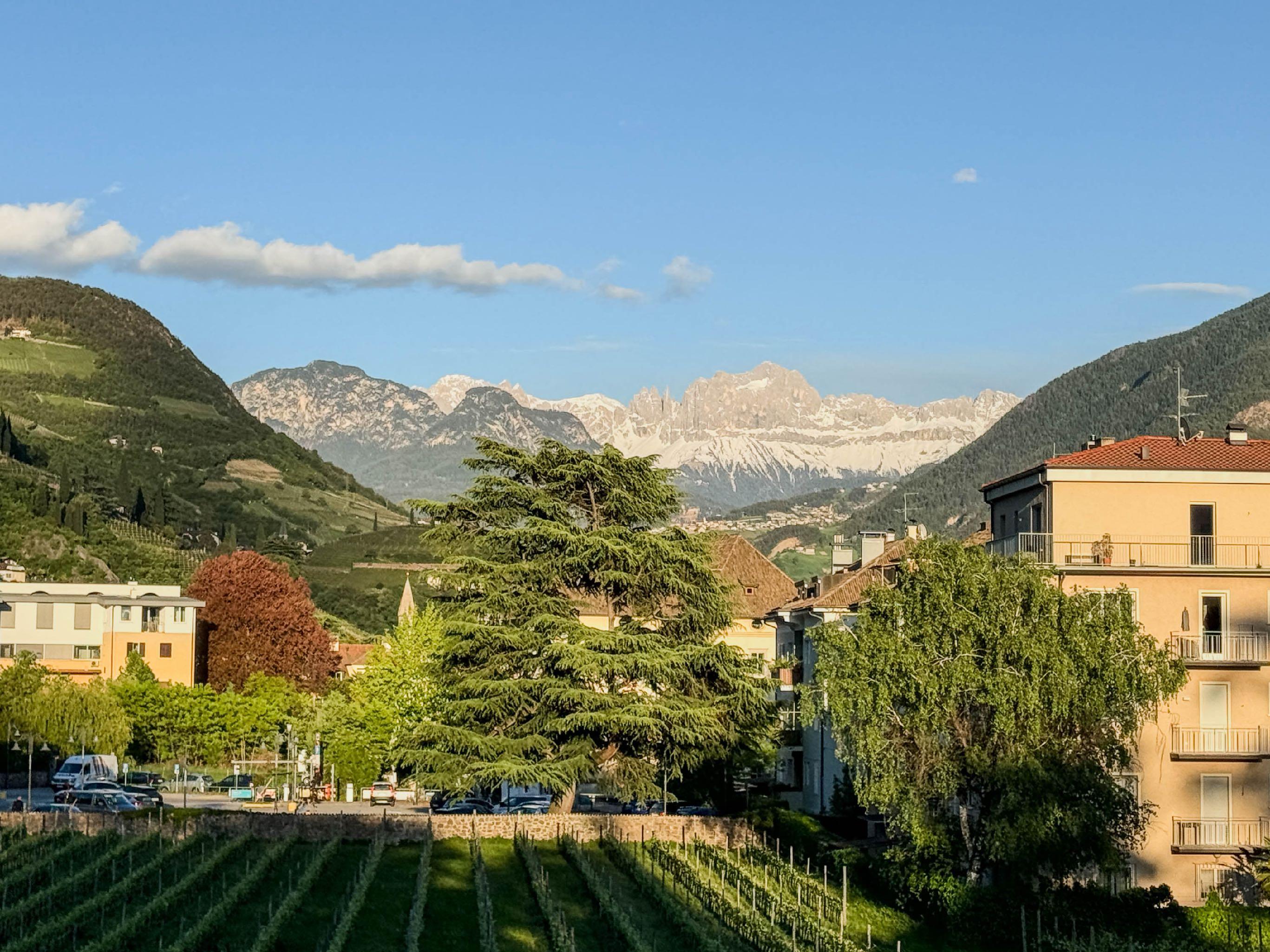
Bolzano is the capital of South Tyrol. The city is home to around 110,000 inhabitants and is thus the largest city in South Tyrol and the third largest in historical Tyrol. The surroundings of Bolzano are characterized by numerous vine-covered hills. Bolzano is often referred to as the gateway to the Dolomites. "Ötzi," one of the oldest inhabitants of the region, is housed in the Archaeological Museum.
The Messner Museum in Sigmundskron Castle is dedicated to the South Tyrolean Reinhold Messner, born in Brixen.
In the numerous wine cellars of the city, visitors can taste local wines and learn more about the traditional wine production in the region. The picturesque old town of Bolzano invites you to stroll and discover.
Bolzano is known as a shopping city, with a variety of boutiques and shops offering local products and handmade goods. The mix of culture, history, and nature makes Bolzano a popular destination for tourists from all over the world.
Bolzano train station is an essential railway station on the Brenner line. Here begins the connection between Bolzano and Merano, which is why the "Stazione di Bolzano" functions as a separation station.
In 1859, the building designed by Alois Negrelli was constructed. At this station, the ÖBB Railjets from Vienna stop, as well as the ÖBB trains of the Brenner line arriving from Munich or Verona. Towards Rome, the Frecciarossa of Trenitalia operates from here.

From the station, you can reach the city center in just a few minutes via Via della Stazione. Walther Square is only about 300 meters away. Along Via Renon (to the east) is the bus station. Continuing along this street, you reach the valley station of the Ritten cable car.
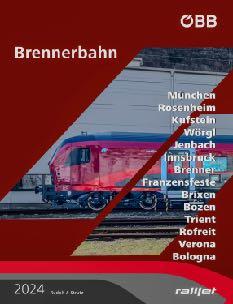
For detailed information on the Brenner route, a special travel guide is available that briefly explains all stations from Munich to Bologna.
with the ÖBB railjet to Bolzano

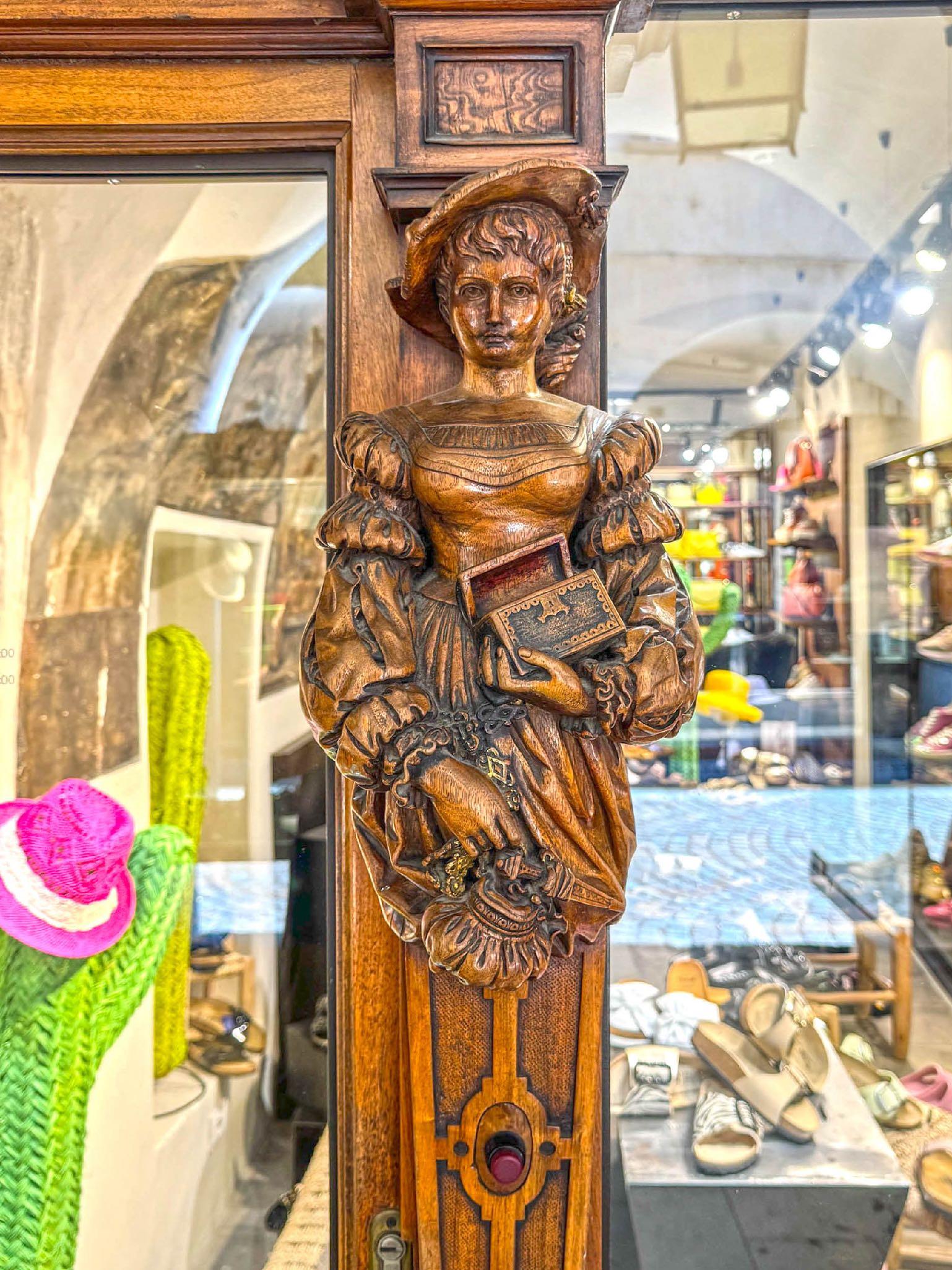

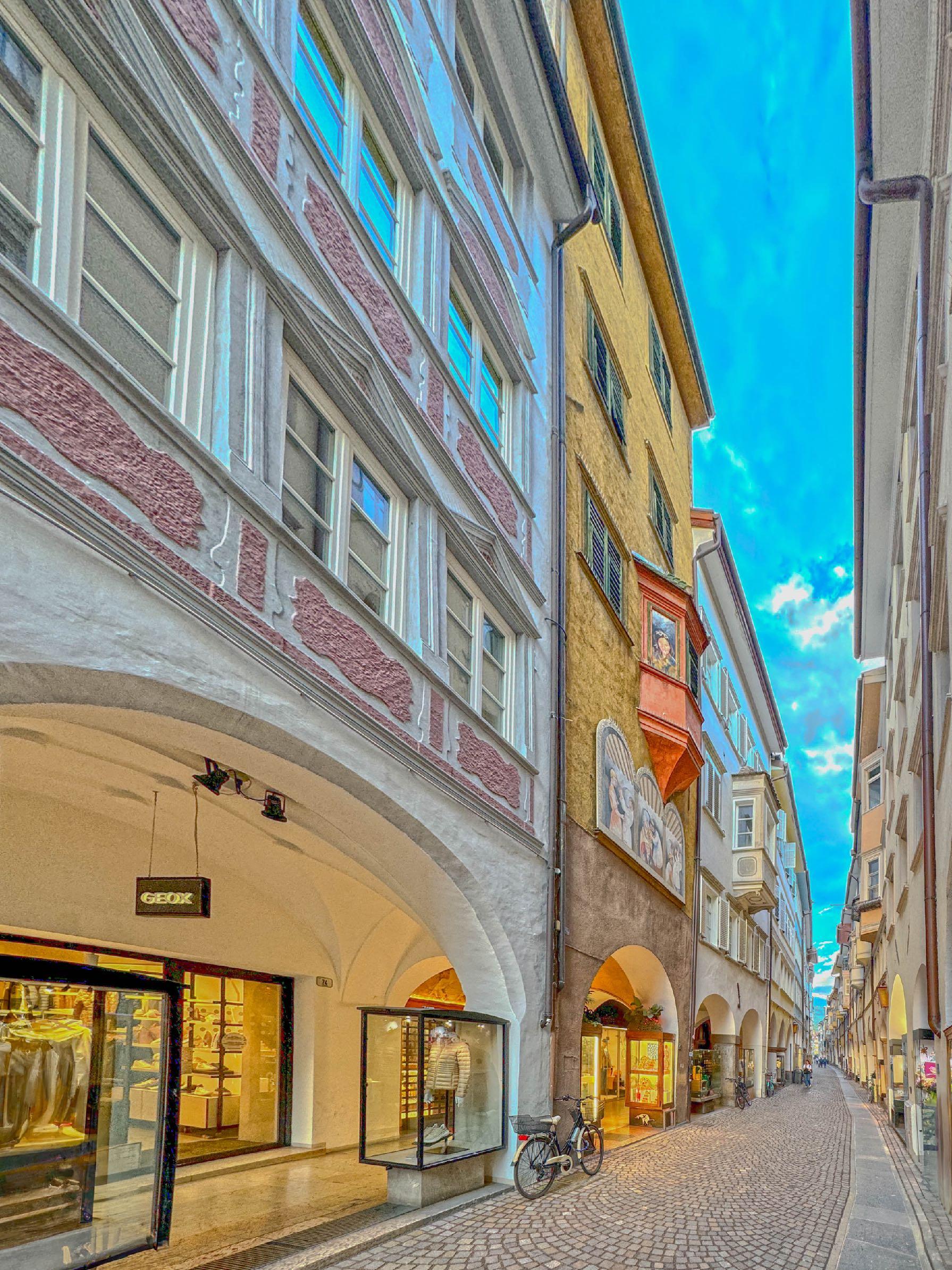

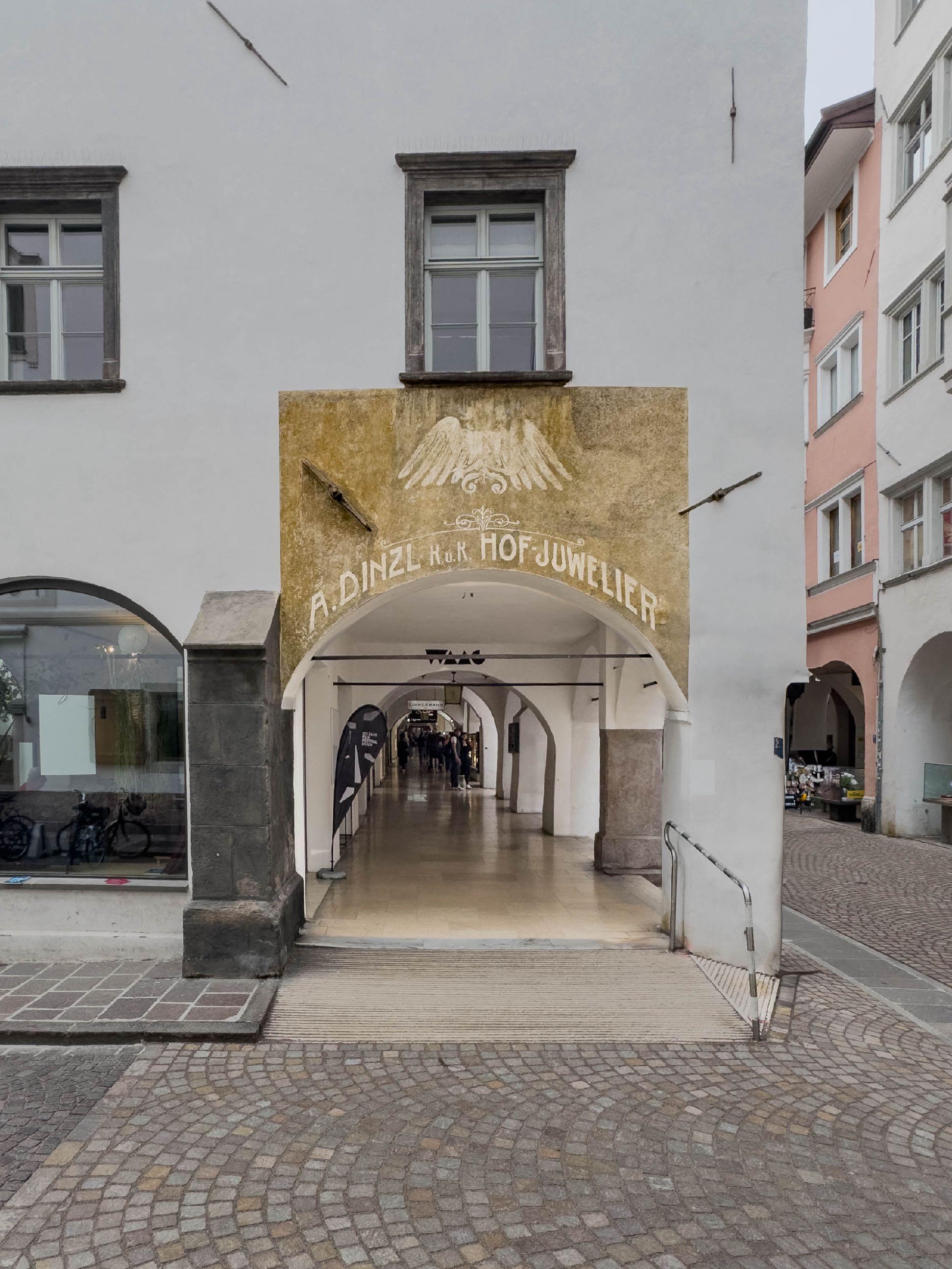
The arcades have their origins in the 12th century. During the reign of Emperor Frederick I Barbarossa, the bishops of Trent built the characteristic market facility. The central grain market and the weigh house were built in the historical center of Bolzano.
The arcades were first mentioned in writing in 1490 as "under the vaults." Over many generations, attractive shops have settled in the arcades. To this day, signs bear witness to the centuries-old history of Bolzano's central shopping street. The
with
characteristic arches and vaults give the street a unique flair and invite visitors to stroll and discover. Whether looking for traditional craftsmanship or modern design shops, the arcades offer a diverse selection of shops and boutiques.
Each building tells its own story and lets visitors immerse themselves in past times. Dive into the pulsating heart of Bolzano and let yourself be enchanted by the historical atmosphere of the arcades.
the ÖBB railjet to Bolzano
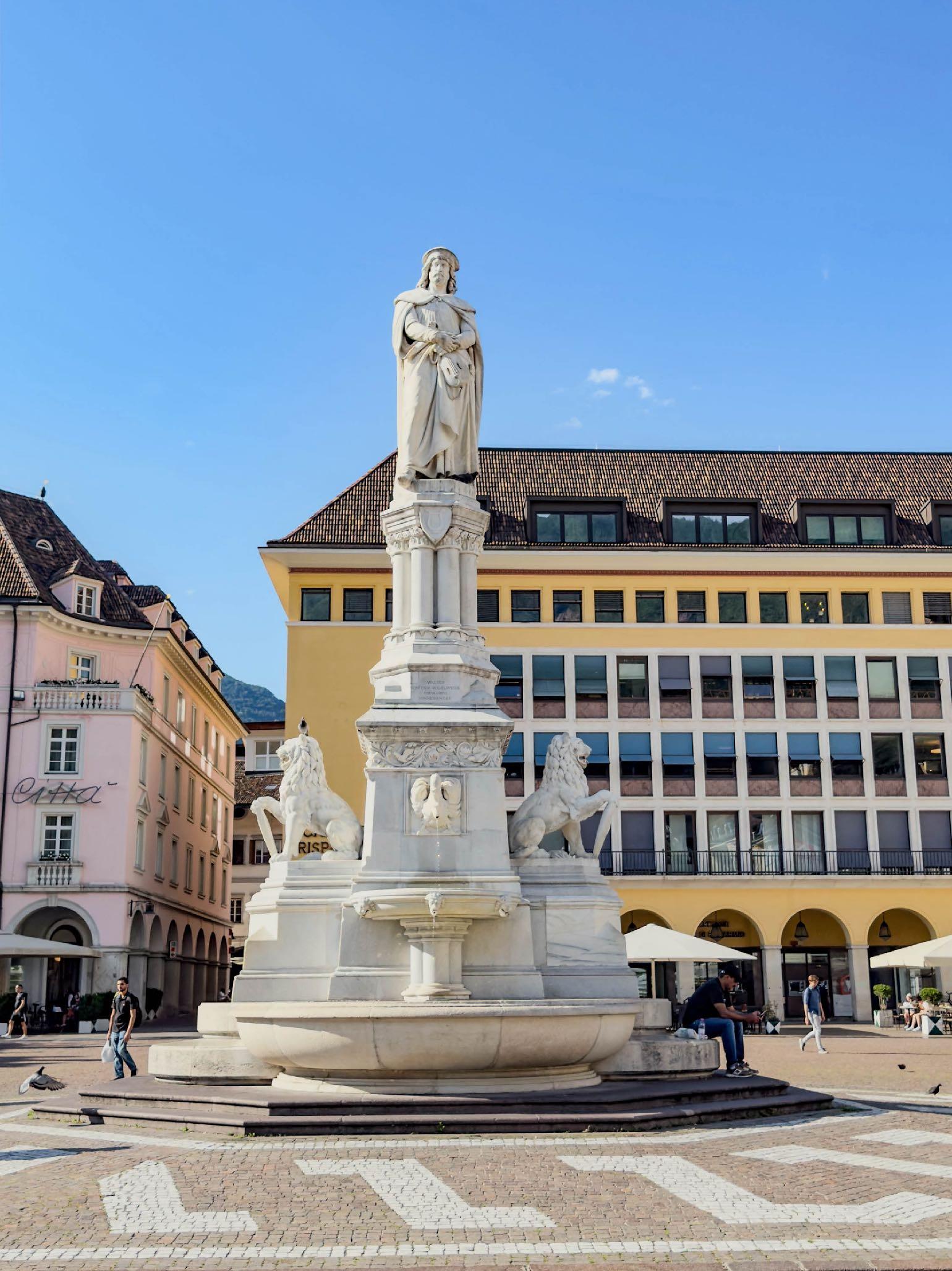

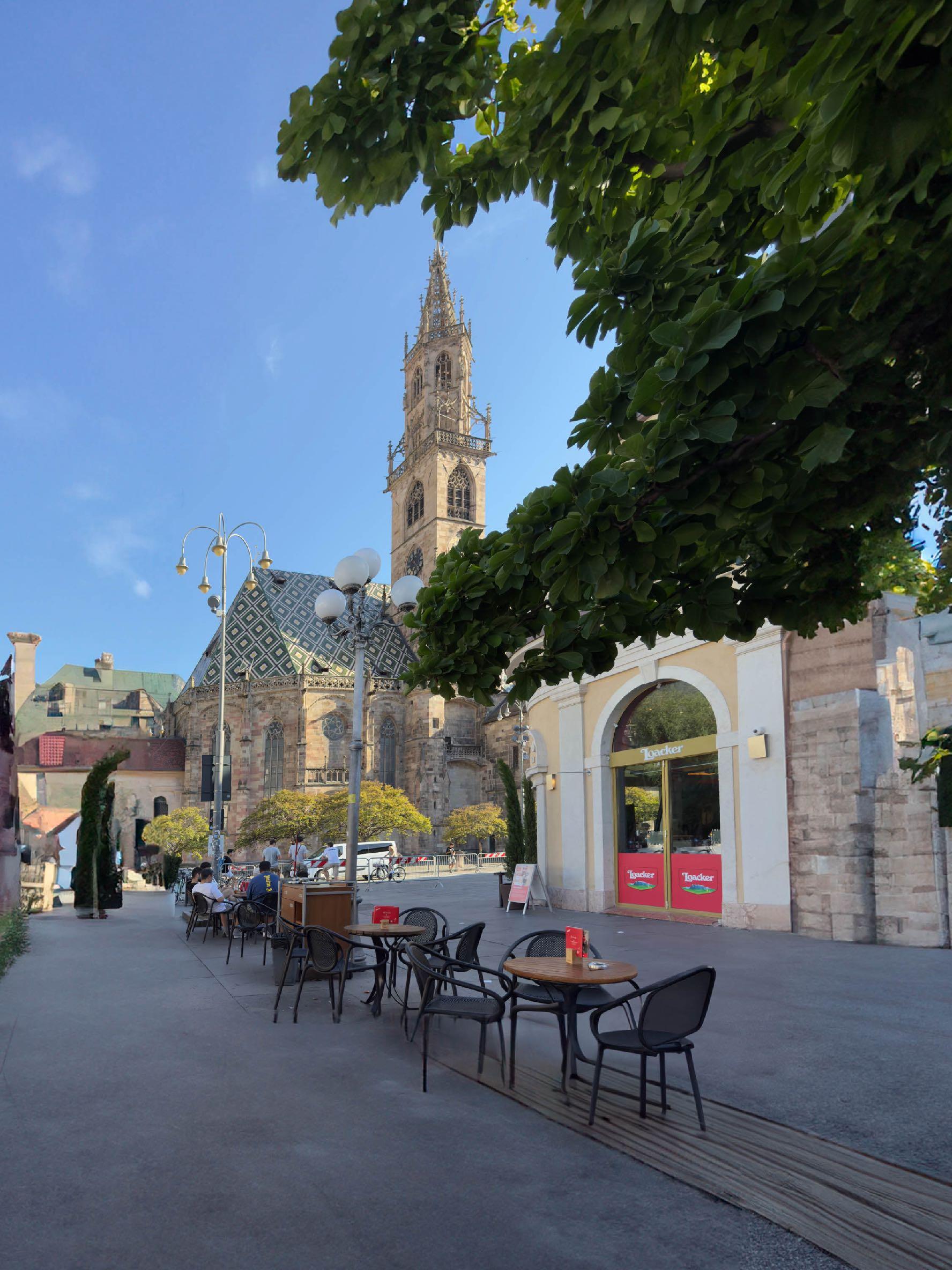
The central square of the city, known as Walther-von-derVogelweide-Platz or simply Walther Square, is a popular meeting point. Here you can find a variety of restaurants and cafés that invite you to linger. The imposing Walther statue, which reaches a height of over three meters, was erected in 1889. Every visitor to Bolzano will inevitably come across this impressive monument, which is one of the most photographed sights in the city.
The square is surrounded by significant buildings, including the Cathedral Parish Church of the Assumption of Mary, the Palais
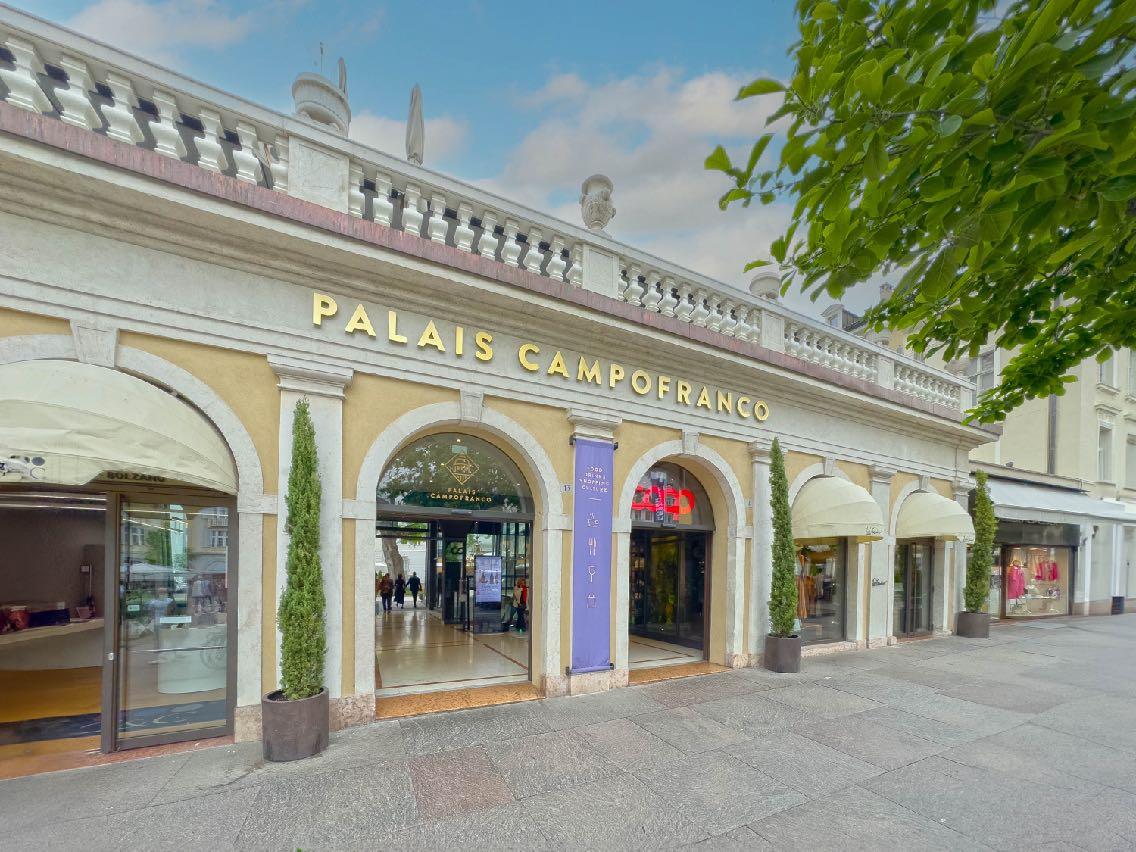
Menz, and the Palais Campofranco with the approximately 160-year-old "Elisabeth Ginkgo."
Walther Square impresses not only with its imposing buildings but also with the lively atmosphere that prevails there. During the day, you can observe the colorful hustle and bustle of locals and tourists streaming across the square. In the evening, Walther Square offers a romantic ambiance when the lights of the restaurants and cafés come on and live music plays.

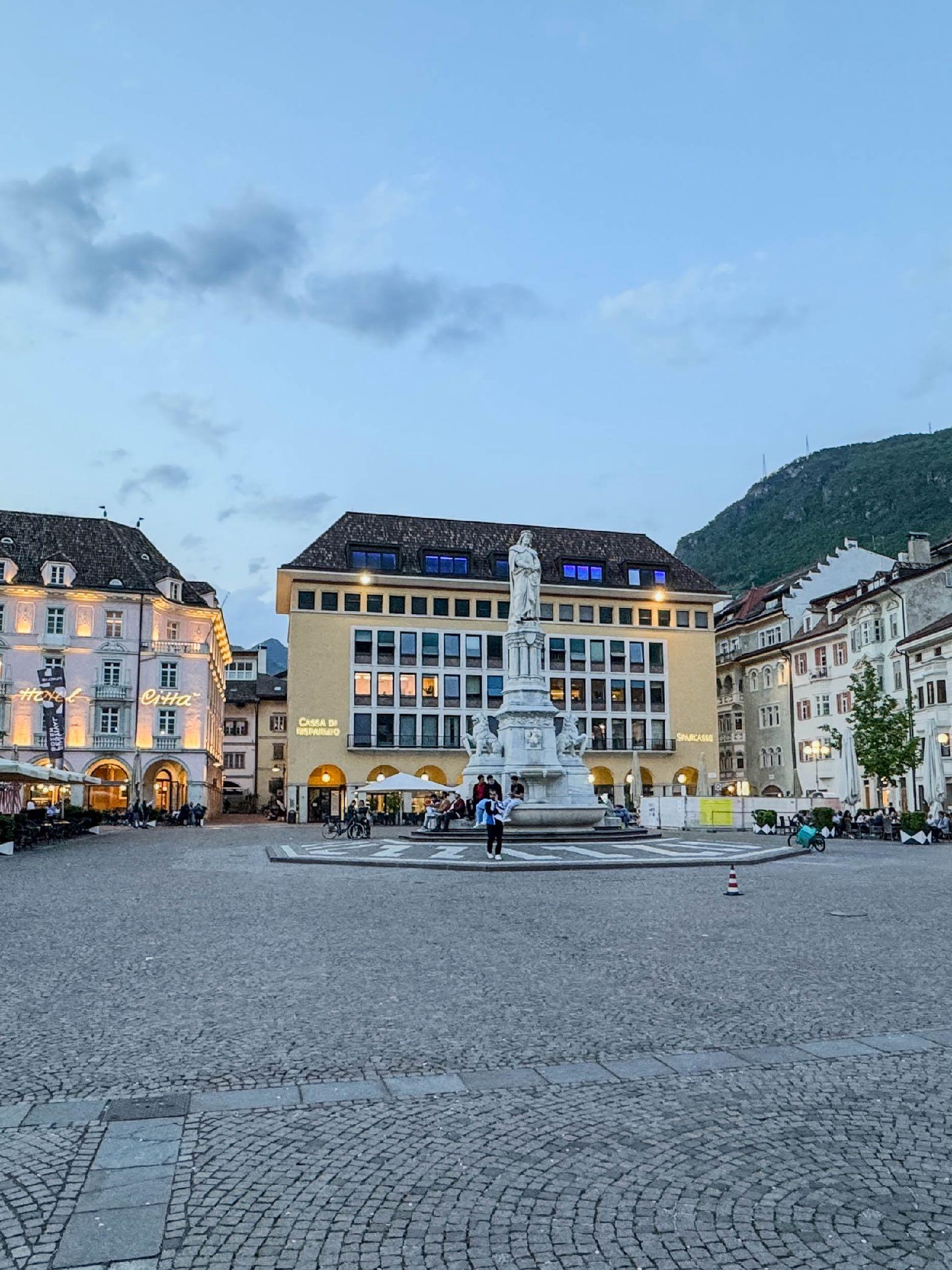
The actual birthplace of the minstrel Walther von der Vogelweide is unknown. In the 19th century, there was a widespread assumption that he came from the Vogelweiderhof in Laion in the Eisack Valley.
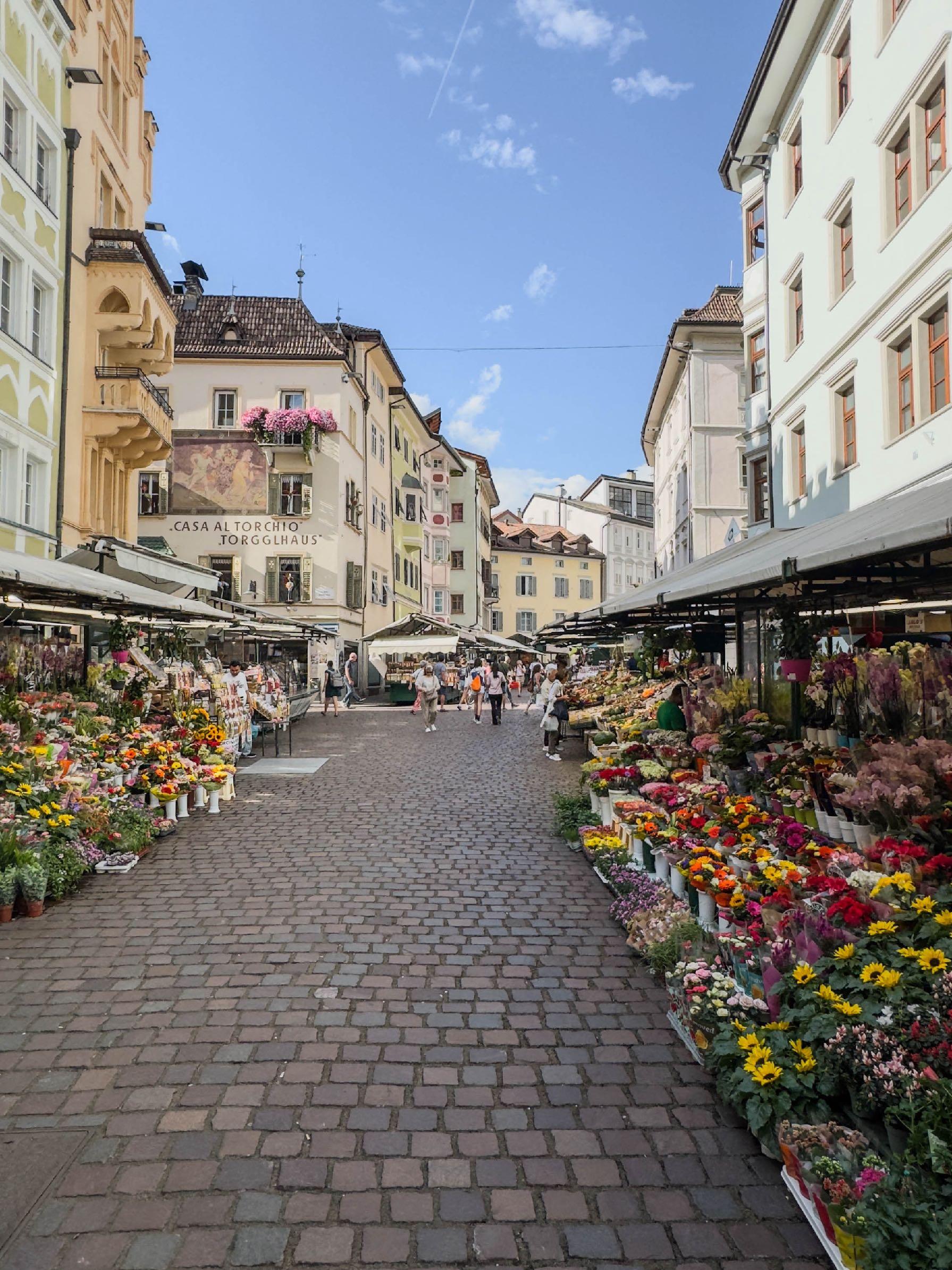

Just a few steps away from Walther Square is the famous Bolzano Fruit Market. Trade was already conducted here in the 14th century.
Originally known as "Upper Square," it developed into the name "Fruit Square," which eventually led to the current name. Along the street market, sales stands line up on both sides, offering flowers, vegetables, bread, spices, and many regional specialties.
The fruit market is open from Monday to Friday from 07:00 to 19:00. On Saturday, the market closes at 13:00. On Sundays, the fruit market remains closed.
For tourists, visiting the fruit market is an indispensable destination. One of the most famous visitors to the fruit market was Johann Wolfgang von Goethe, who reported on this place during his Italian journey in 1786. The fruit market is bordered by some striking and impressive buildings.
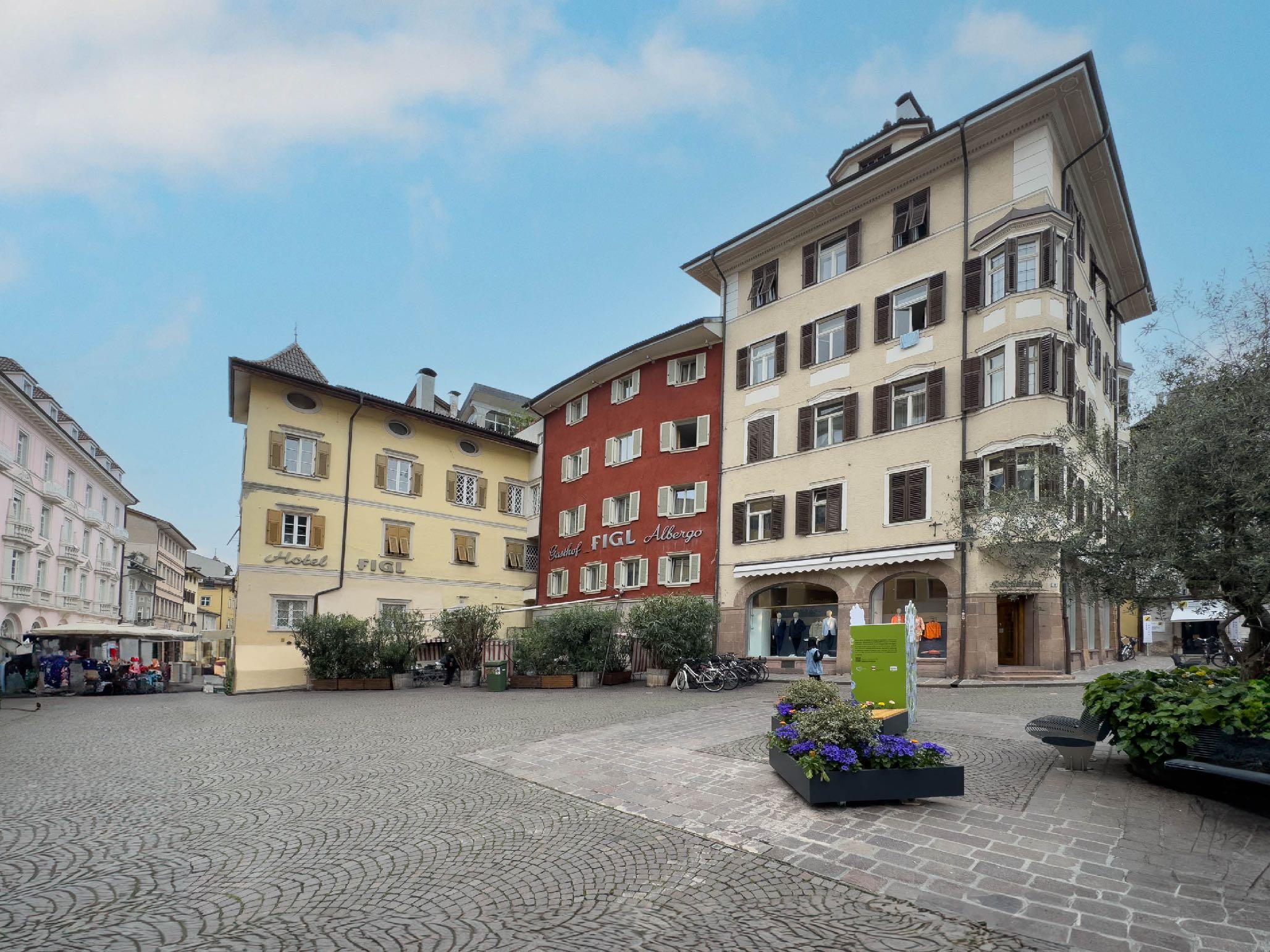

South of the Bolzano arcades lies the oldest square in the city, Grain Square (Kornplatz). This was the centerpiece of the market settlement founded in the 12th century. According to Bolzano city law, it was prescribed that grain could only be traded on Grain Square.
Over time, the regulations were extended to the trade in cheese, chestnuts, and nuts. In 1487, the provincial court order stipulated that Grain Square should henceforth serve as a general inner-city assembly and muster place.
Grain Square was thus not only an important trading place but also a central location for assemblies and events in Bolzano. The city's residents used the square not only for trading goods but also as a meeting point to exchange news and make decisions.
At this site, there was formerly the castle of the Prince-Bishops of Trent, which was destroyed in 1277 by Meinhard II of Tyrol, as well as the Church of Saint Andrew, which was partially demolished in 1785.
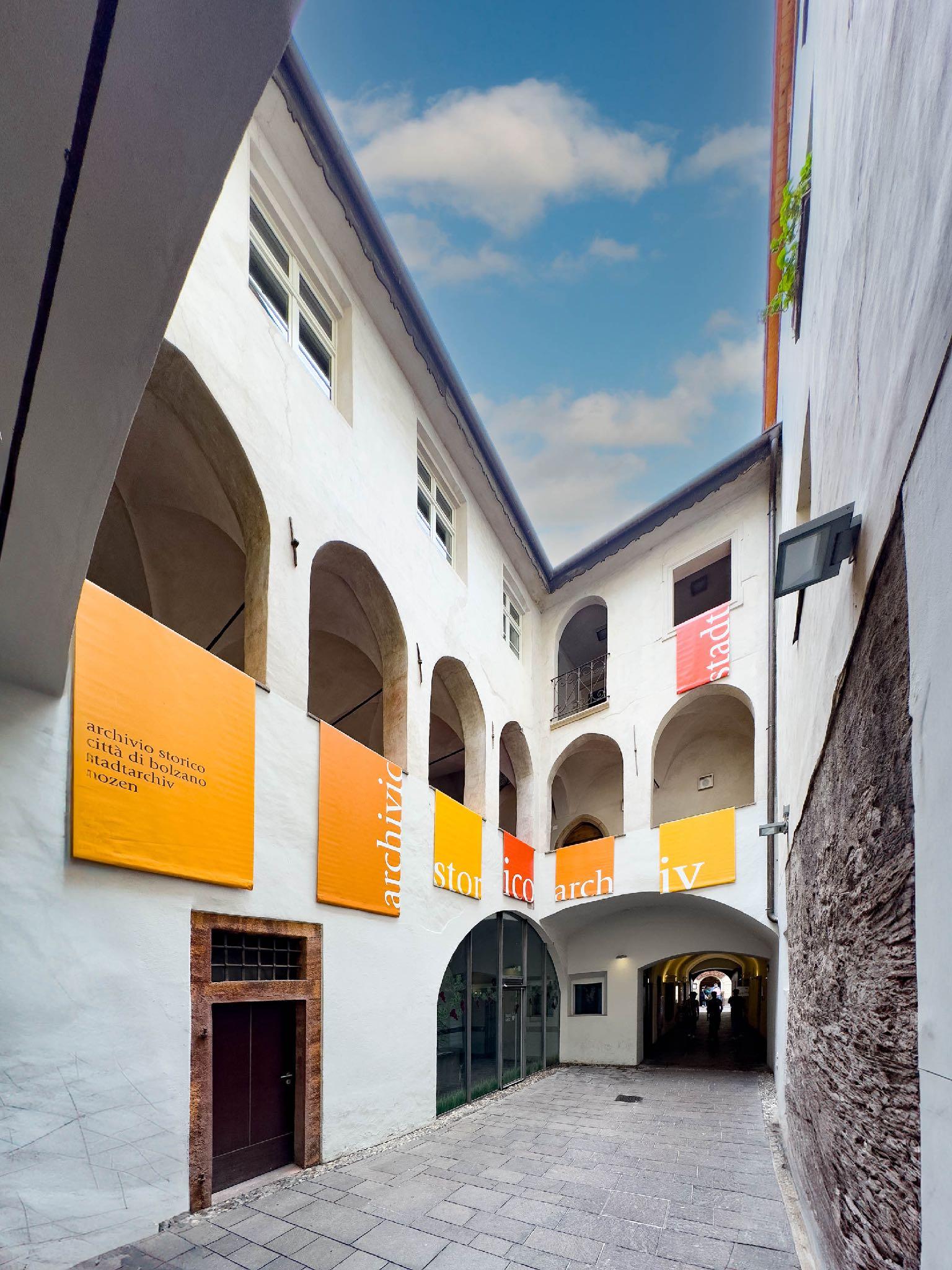
In the heart of Bolzano's old town is the Old Town Hall. From 1455 to 1907, the city administration was housed here in the arcades No. 30. In the historical rooms of the Old Town Hall, one has the opportunity to admire the impressive vaulted ceilings decorated with artistic paintings.
A walk through the historical halls and rooms of the Old Town Hall transports the visitor directly into the past.
with the ÖBB railjet to Bolzano
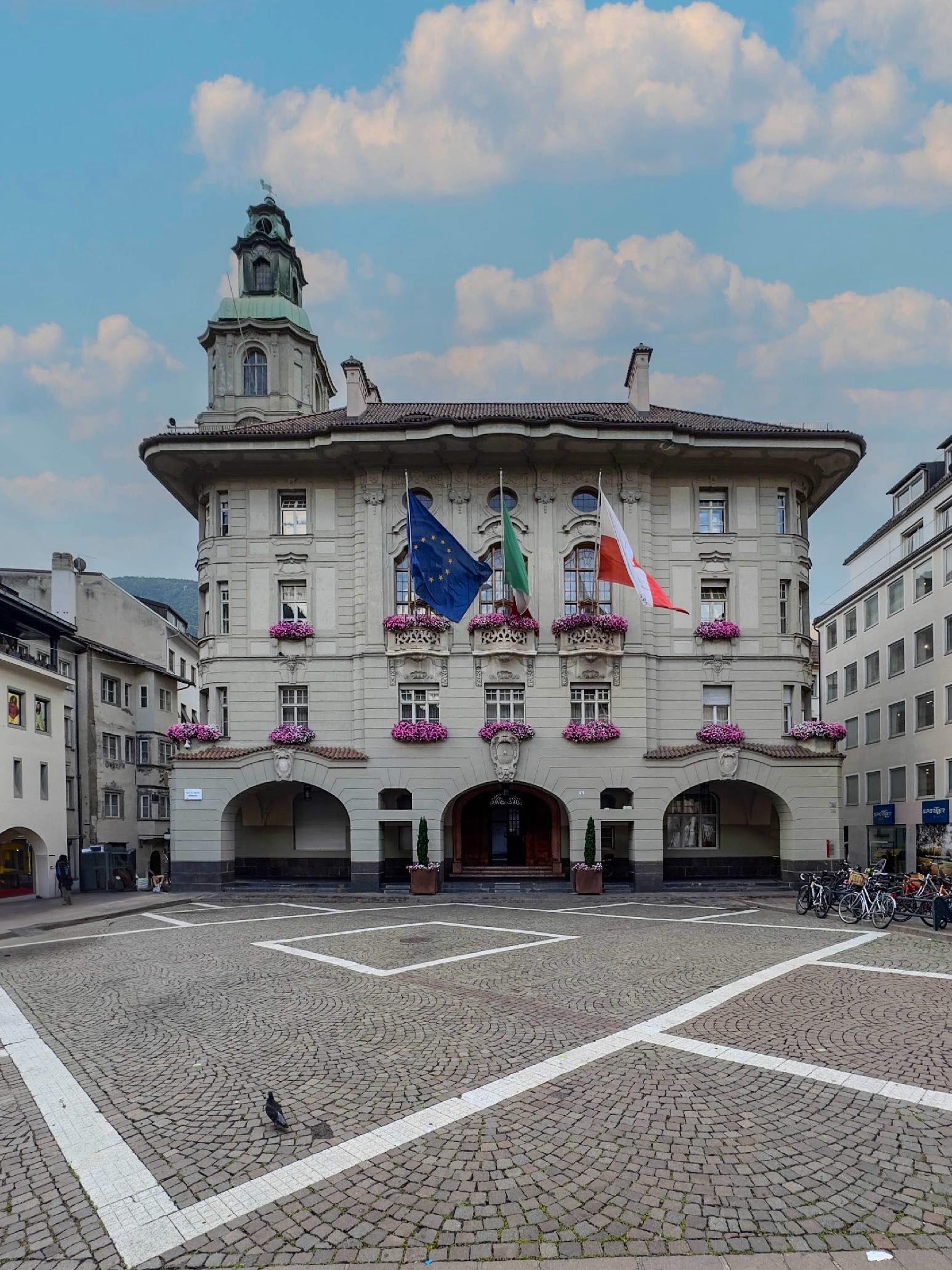
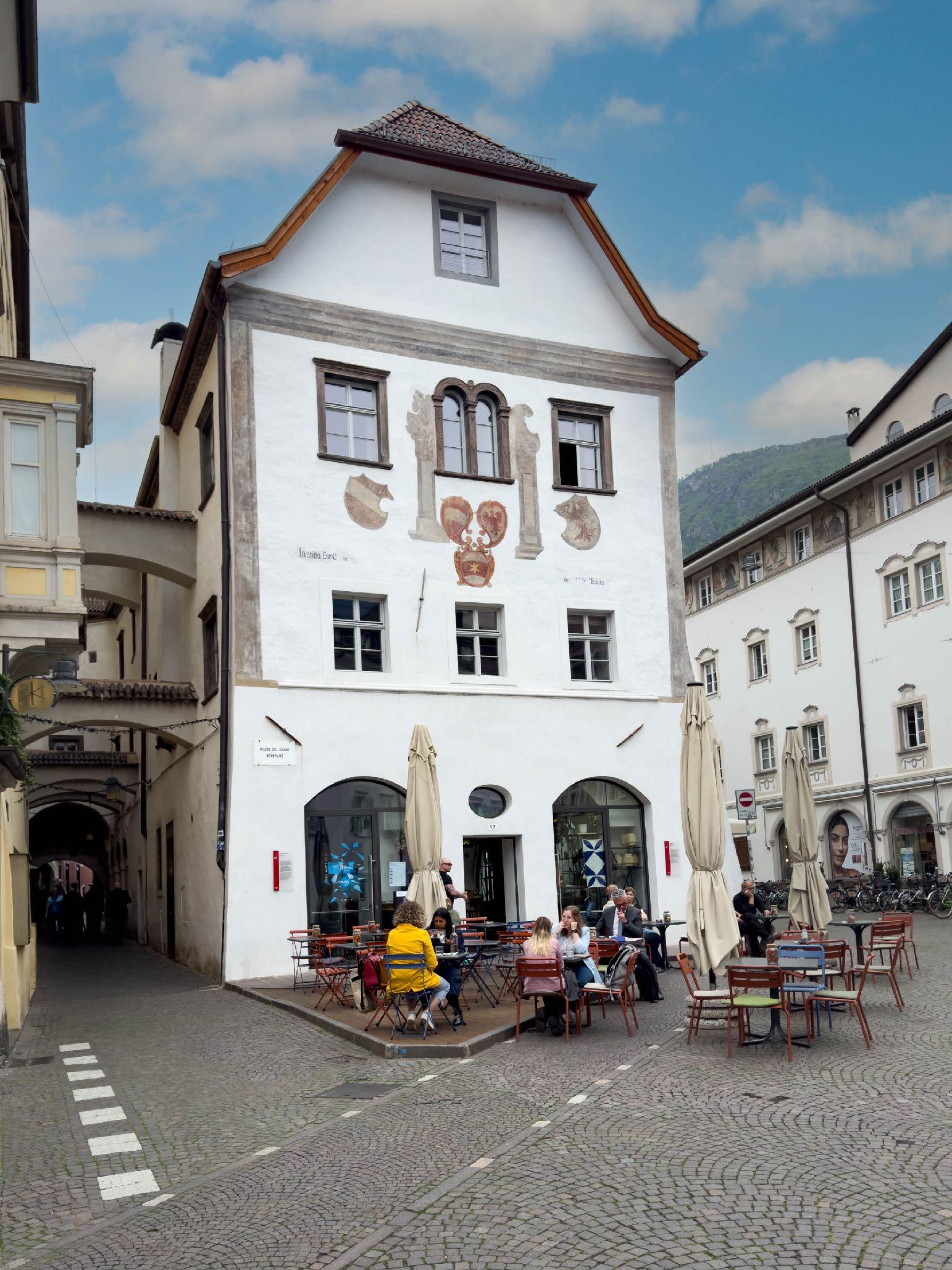
The building is located between the southern arcades and the former central grain market square. Until 1780, it was the location of the public fron scale, where grain and liquids were measured and weighed according to the old market regulations. The Weigh House on (Waaghaus) Grain Square is one of the oldest buildings in the provincial capital Bolzano. Grain Square is one of the oldest corners of Bolzano; once the castle of the Prince-Bishops of Trent stood here, which was probably destroyed in 1277 by Meinhard II of Tyrol during a raid.

The Café Waag, located in the Weigh House, is a popular meeting point for locals and tourists. The historical building with its charming ambiance invites you to a cozy breakfast, lunch, or a relaxed aperitivo.
The view of the bustling grain market gives the café a special atmosphere. Here, you can literally feel the history of the city and feel transported back to past times.
with the ÖBB railjet to Bolzano
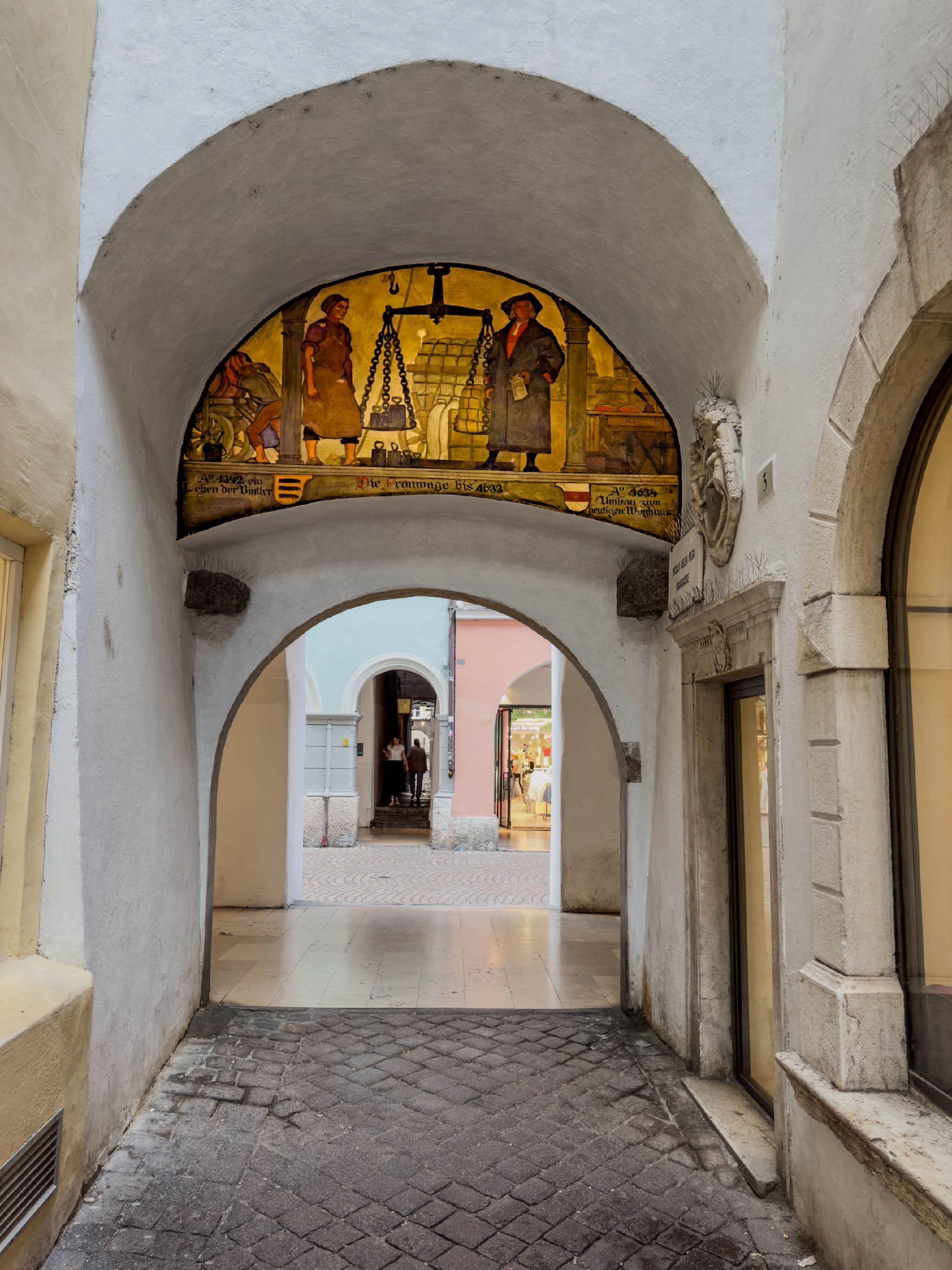
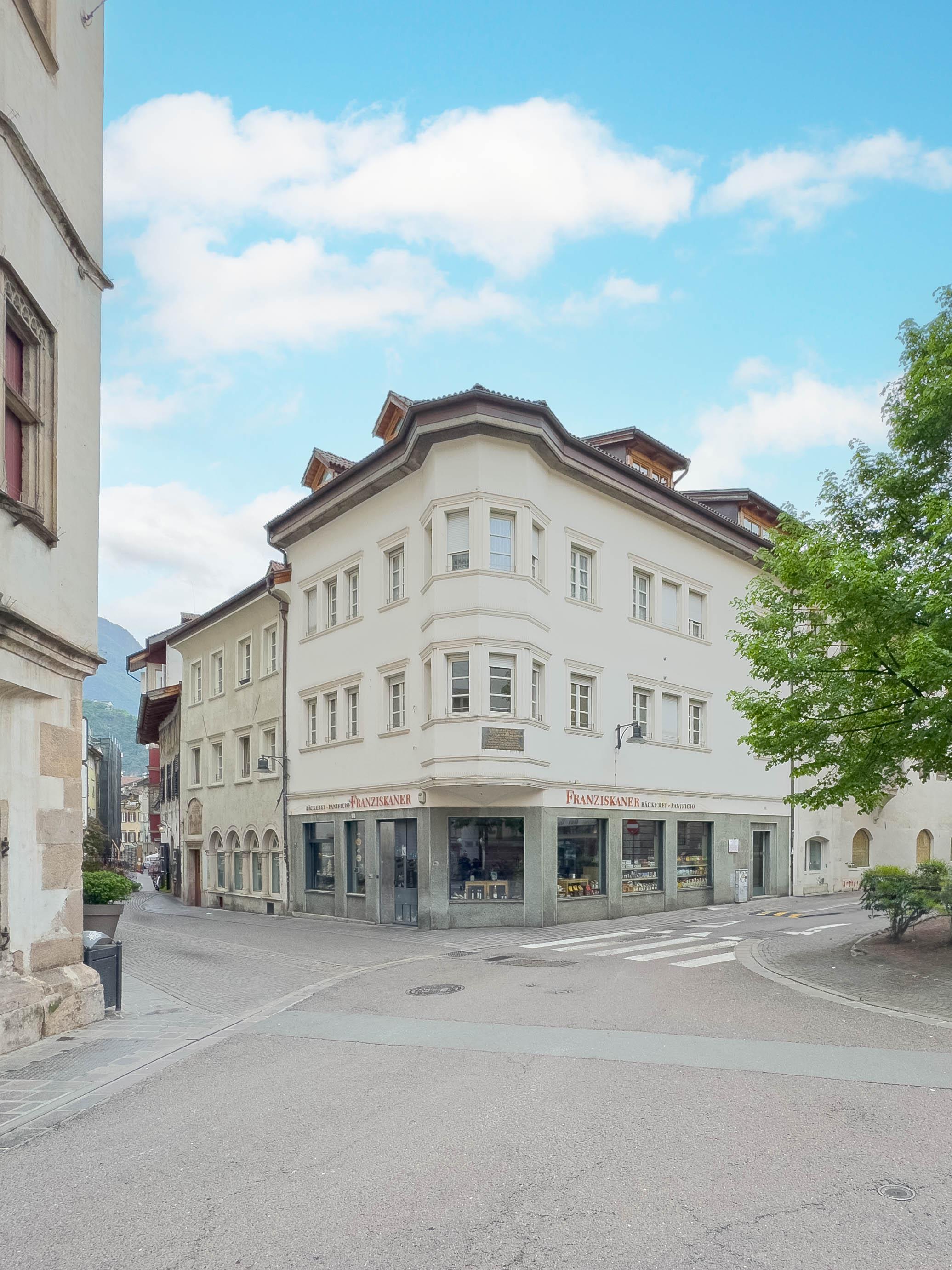
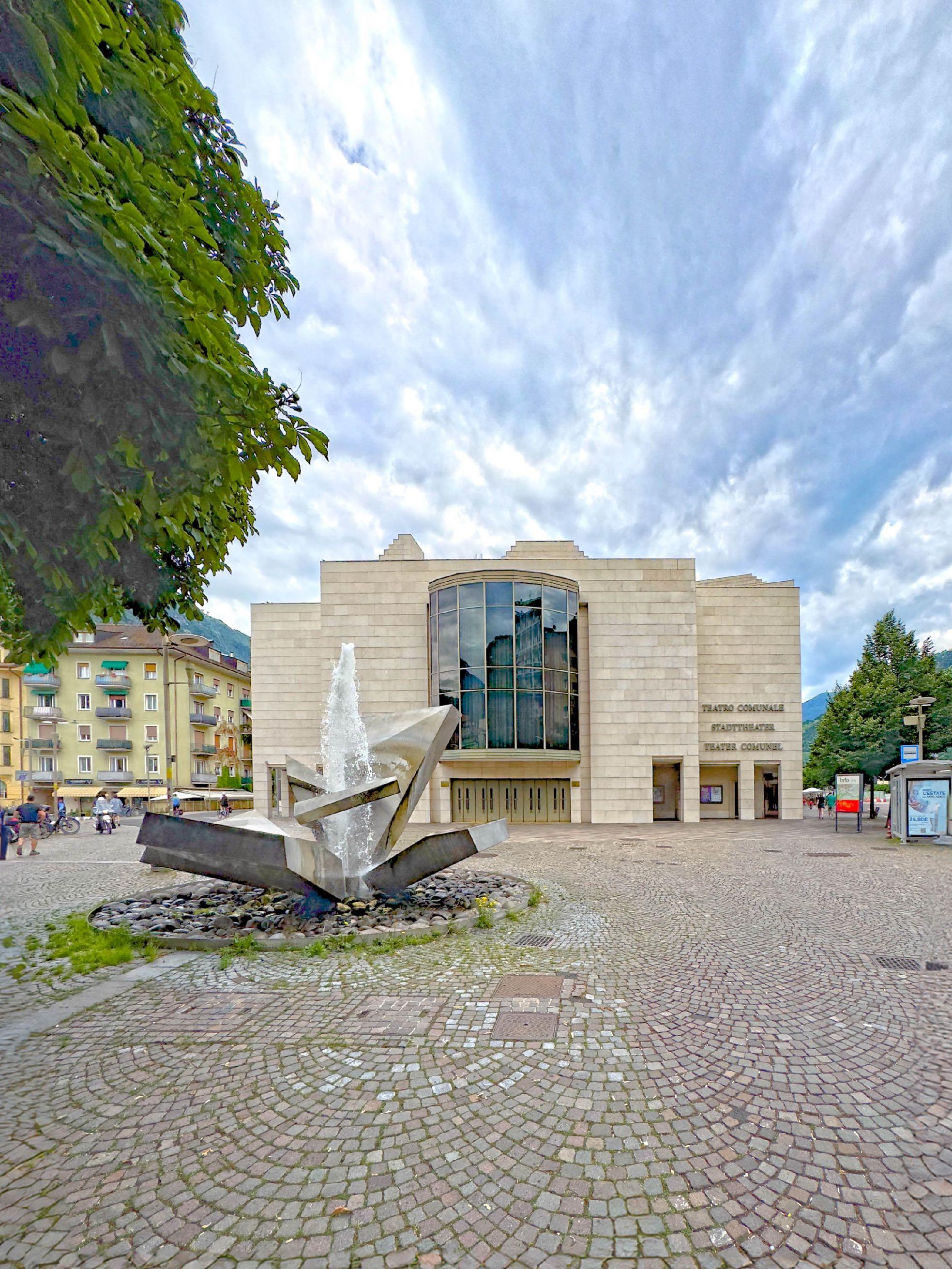
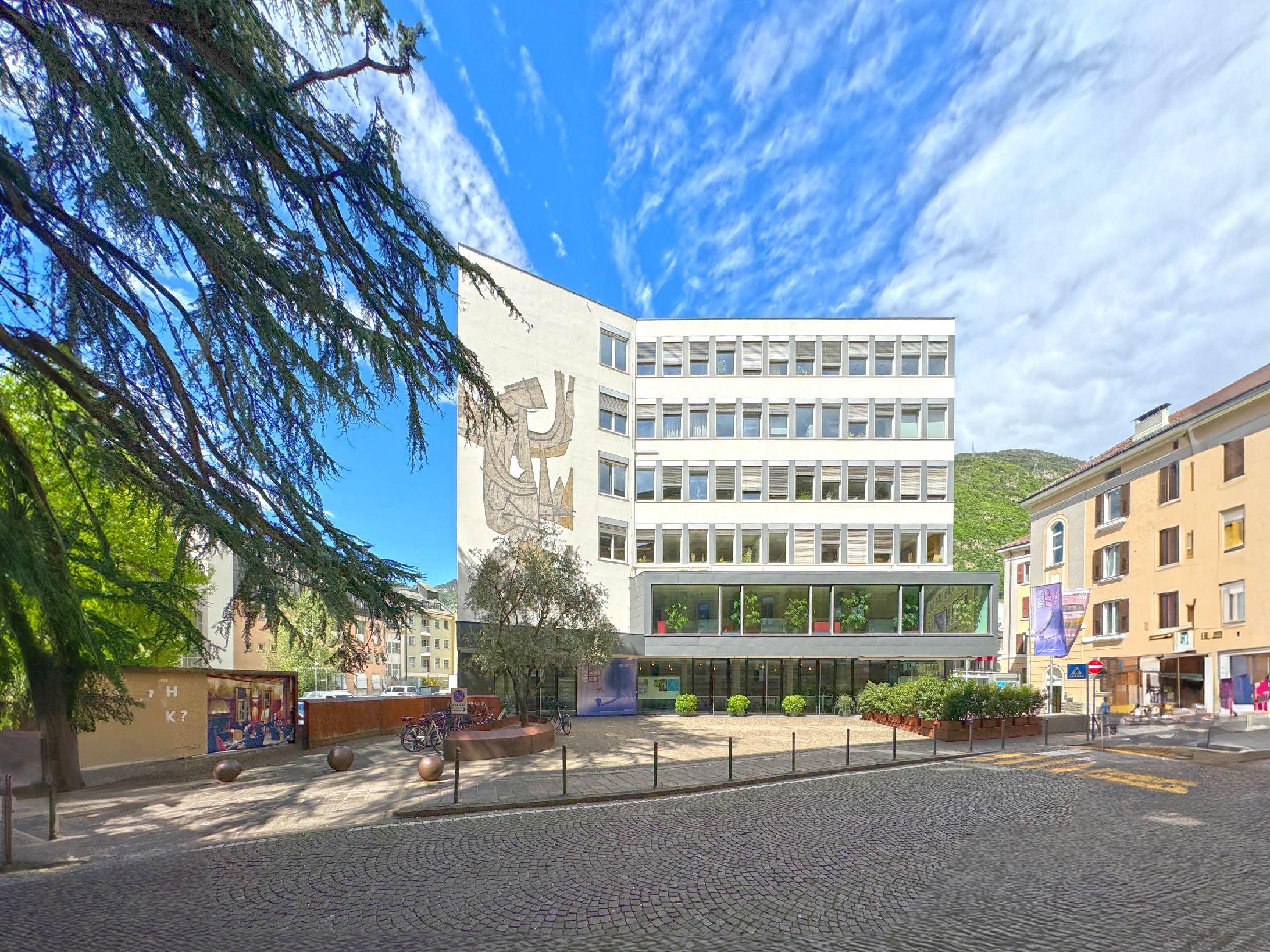
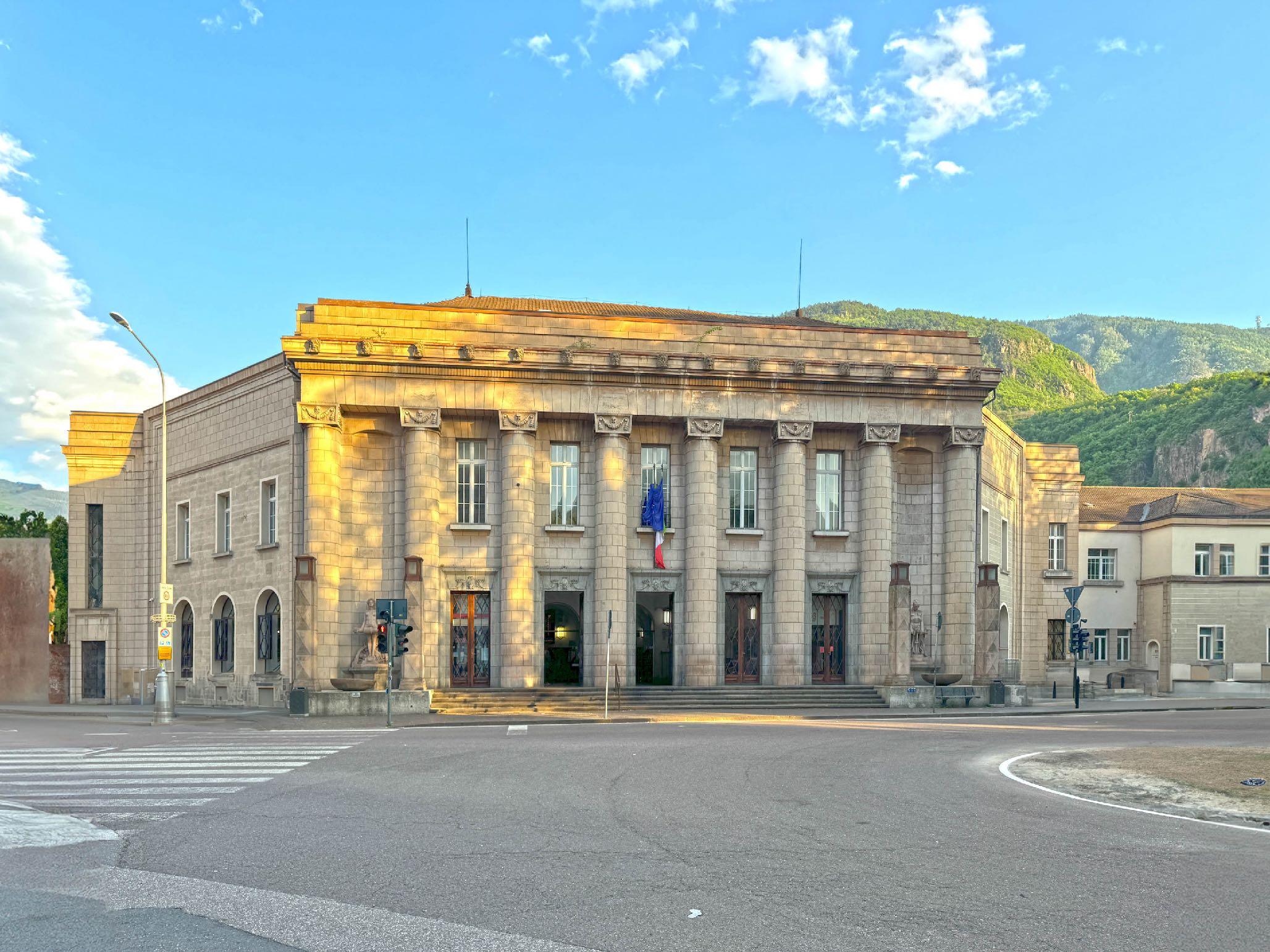
The cultural center "Walther von der Vogelweide" is only about 300 meters from Bolzano's main train station. The modern "culture palace" offers a spacious theater and congress hall that seats over 500 spectators. Additional event spaces such as the Sparkasse Hall and contemporary technical equipment ensure that the "Walther House" becomes an important meeting point for cultural events in Bolzano. In addition to the cultural experience, the theater café in the lower foyer is the ideal place to enjoy a coffee.
with the ÖBB railjet to Bolzano

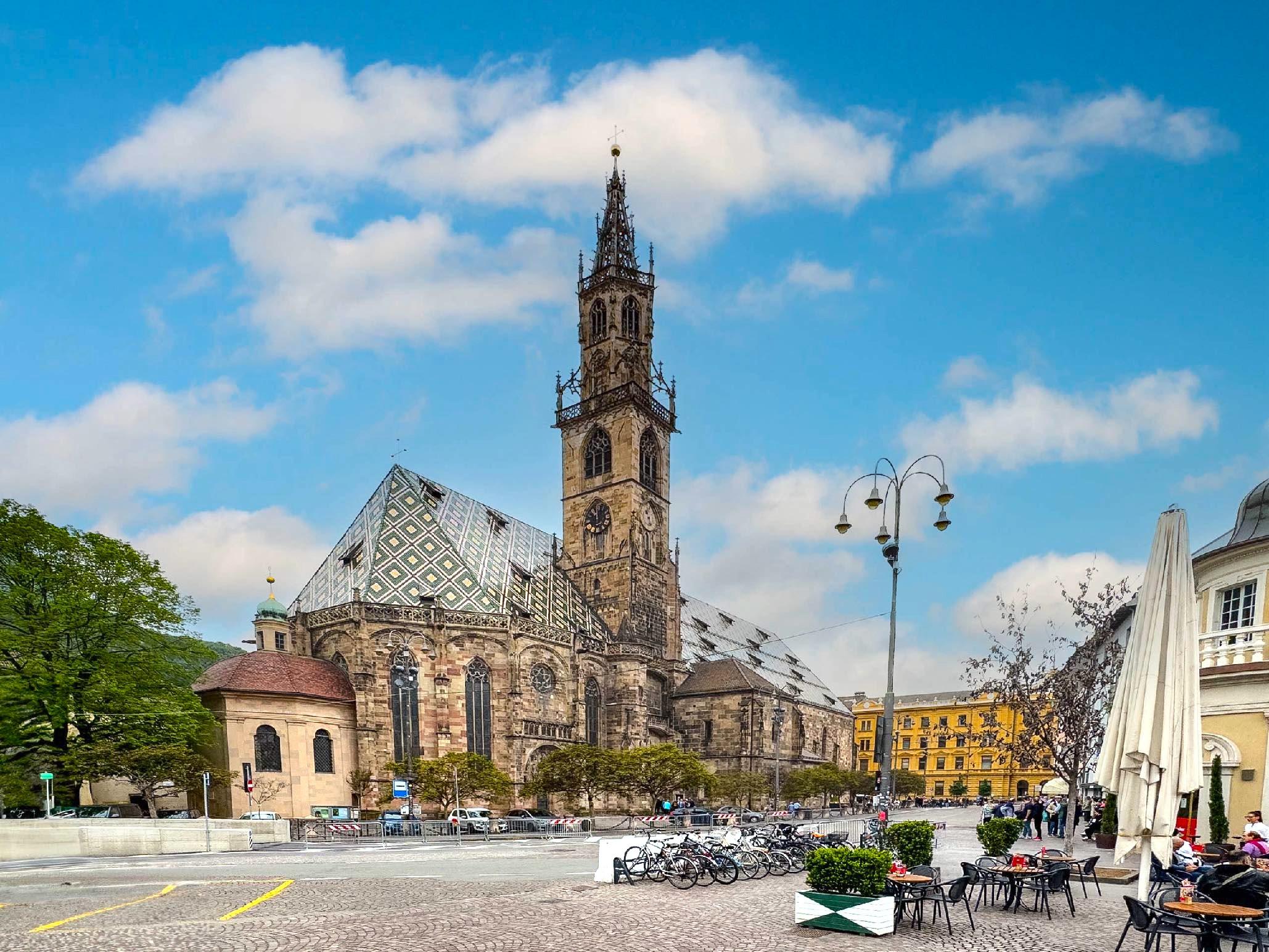
The Cathedral of the Assumption of Mary (Dom Maria Himmelfahrt) is located directly on Bolzano's Walther Square. At this site, there was already an early basilica and a Romanesque church. Between the 13th and 14th centuries, the current Gothic cathedral was built from reddish (Gröden) and yellow (Lower Country) sandstone. The Cathedral of the Assumption of Mary today serves as the parish church of Bolzano and as the cathedral of the Diocese of Bolzano-Brixen. Since 1964, the bishop has also had his seat in Bolzano, while the cathedral in Brixen remains the bishop's church of the
Roman Catholic Diocese of Bolzano-Brixen. Inside the Bolzano Cathedral, the magnificent frescoes and paintings from various epochs are particularly impressive. Especially worth seeing are the wall paintings in the Gothic choir, depicting scenes from the life of Jesus. The imposing organ and the artistic altars also captivate visitors. The impressive cathedral radiates a deep spiritual atmosphere and invites you to pause and find peace. The rich history and impressive architecture make the Bolzano Cathedral a special place for believers and art lovers alike.
with the ÖBB railjet to Bolzano
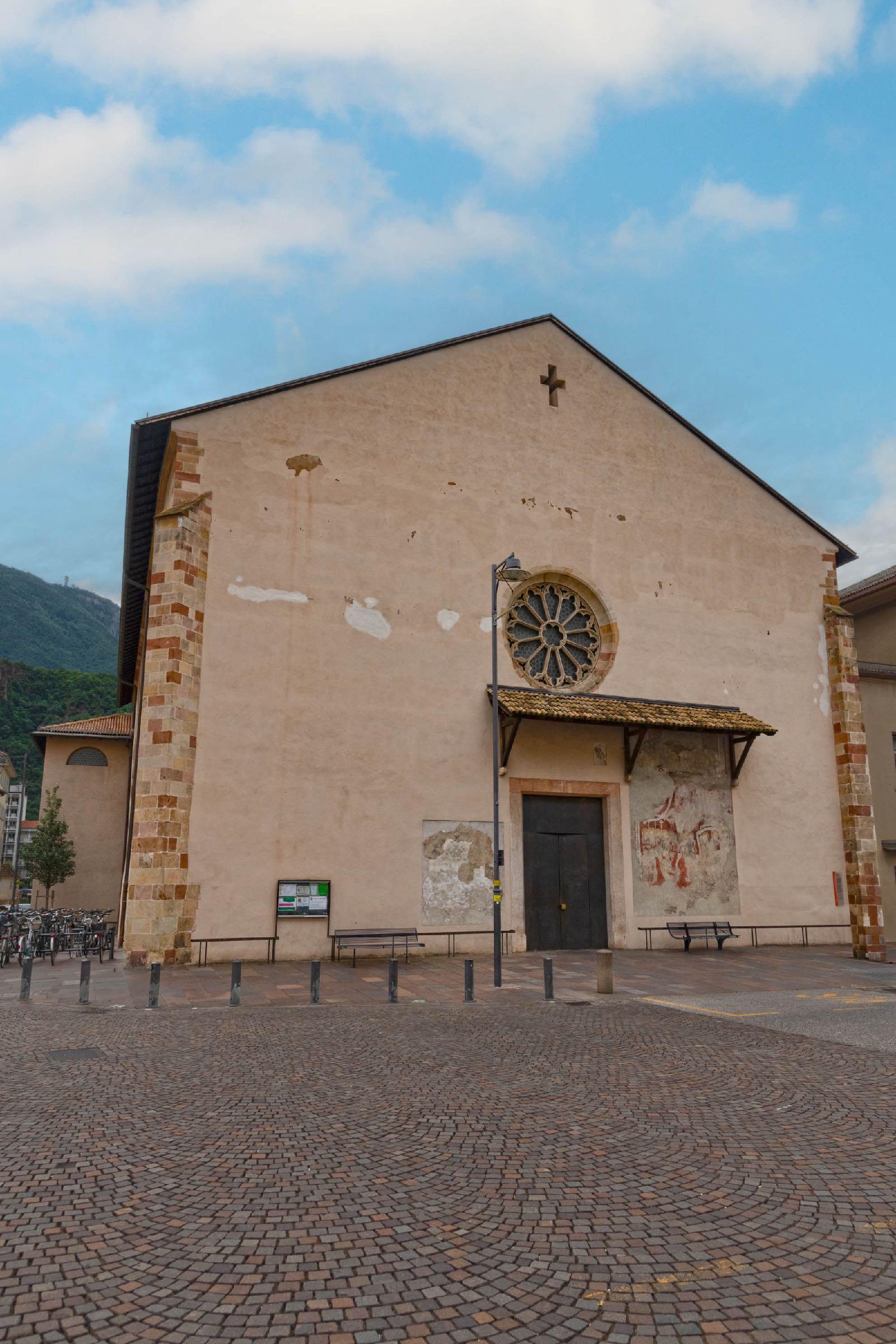
The Dominican Church and the former monastery in Bolzano are among the most significant historical buildings in Bolzano. The Roman Catholic church is dedicated to Saint Dominic. The monks' choir of the church is considered one of the earliest examples of Gothic sacred architecture in Tyrol. The Gothic wall paintings in the church and cloister from the period between 1320 and 1520 are the most important of their kind in Bolzano. The altarpiece by Guercino in the nave is an outstanding example of Italian Baroque style. The frescoes in the cloister tell the story of Saint Dominic and are impressive in their detail and
color intensity. Particularly noteworthy is the depiction of the Three Kings, kneeling before the newborn Jesus with precious robes and gifts. These paintings are masterpieces of their time and attract many visitors and art lovers to the Dominican Church in Bolzano every year.
The atmosphere in the monastery is characterized by peace and contemplation, a place of retreat and spiritual experience for believers and interested parties alike.
with the ÖBB railjet to Bolzano
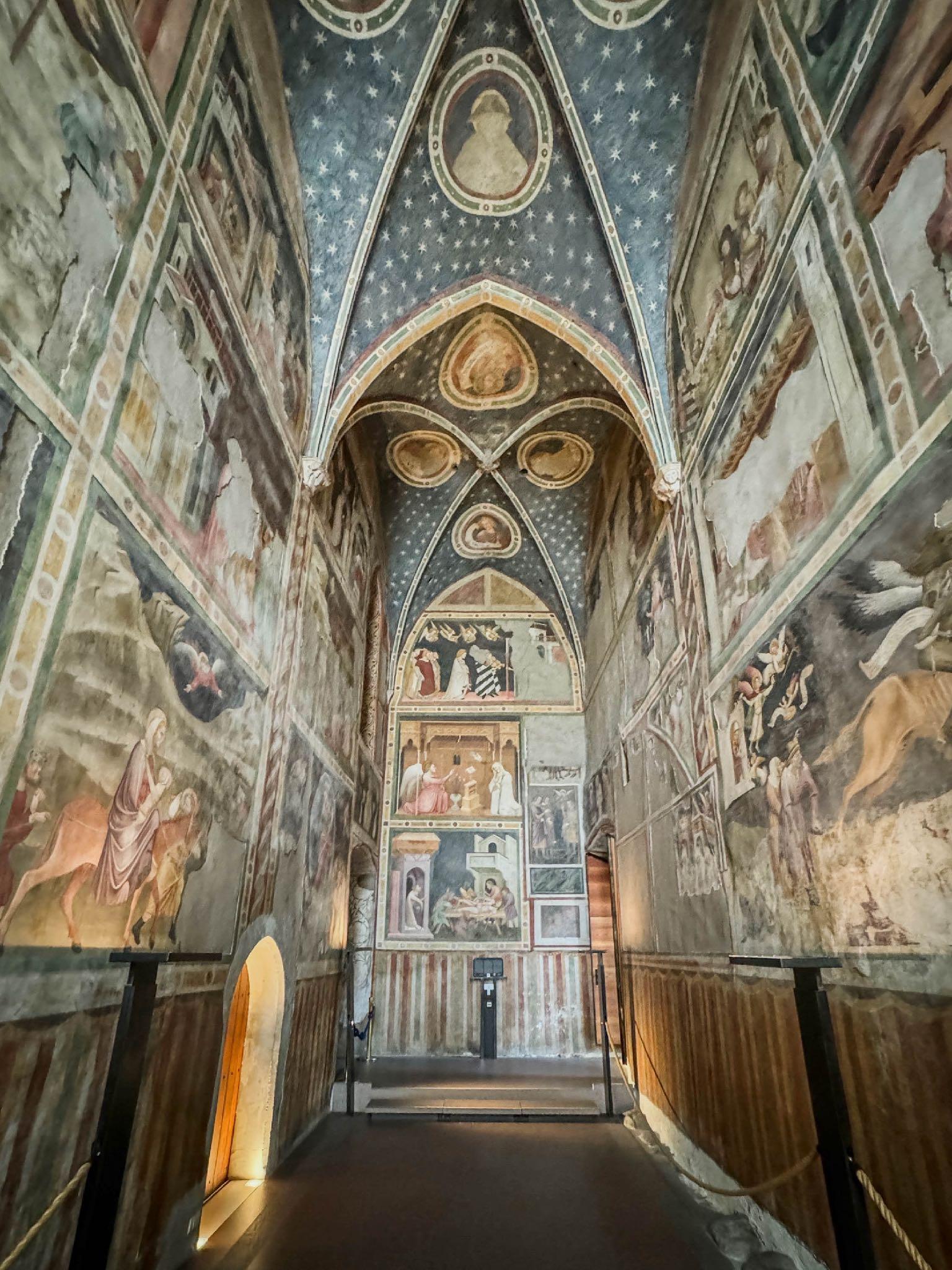
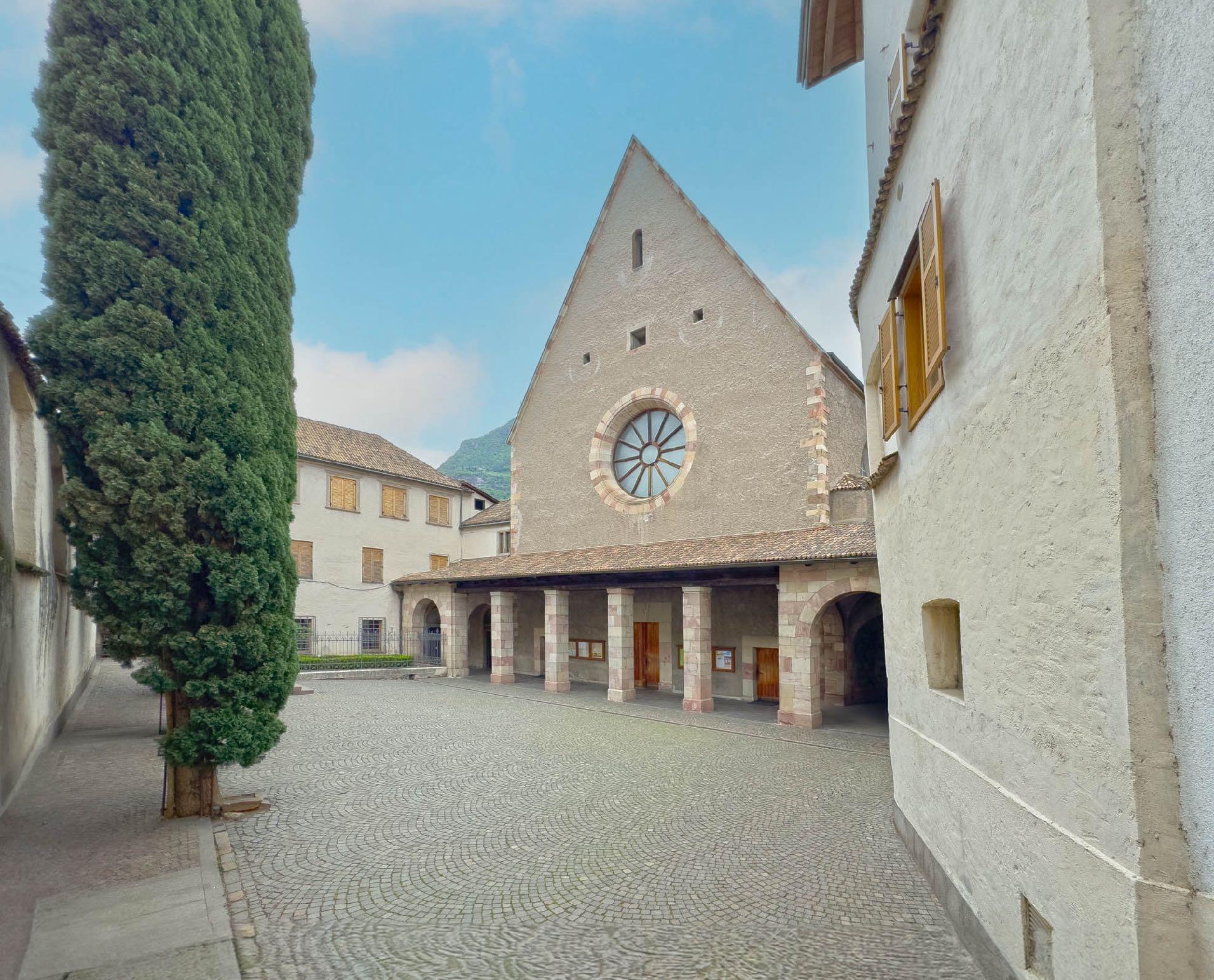
As early as 1221, a monastery of the Franciscan Order was established at the current location. The church dates from the first half of the 13th century. Today, a vault from the 14th century shapes the interior. The cloister is an impressive example of Gothic architecture; previously, a Romanesque cloister was there. In the church, there are numerous frescoes from various epochs, including works from the school of Giotto as well as from the 17th and 18th centuries. Particularly noteworthy is the carved and painted winged altar depicting the birth of Jesus, created by the Brixen master Hans Klocker in
1500. The interior of the church today shines in an inviting light that falls through the modern glass windows by Widmoser. The artistically designed windows merge in a fascinating way with the historical paintings and frescoes on the walls. Thus, a harmonious connection between tradition and modernity is created that captivates visitors. The cloister, a masterpiece of Gothic architecture, invites you to immerse yourself in past times and experience the history of the Franciscan Order in all its splendor. with the ÖBB railjet to Bolzano
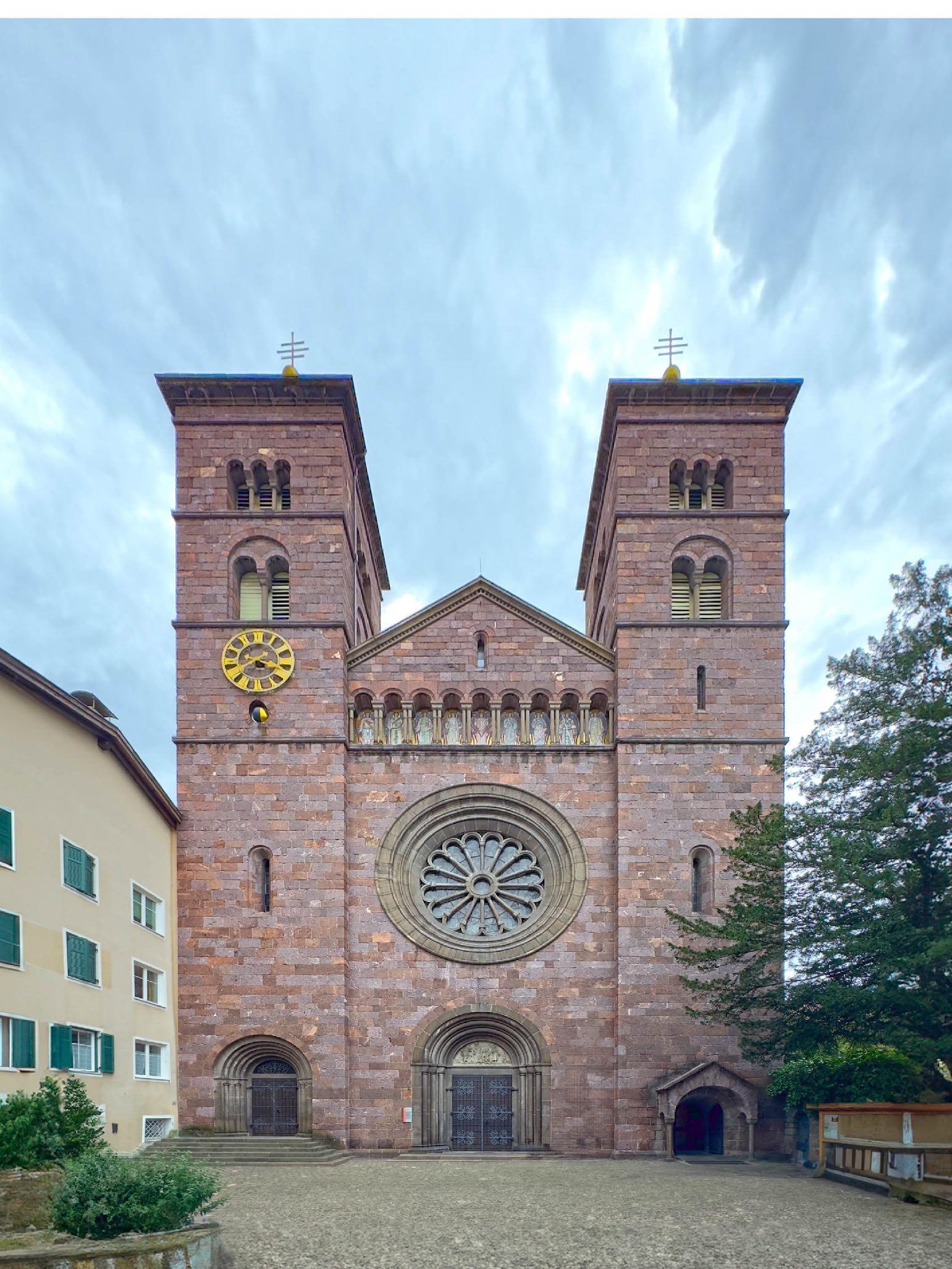
The Sacred Heart Church (Herz-Jesu-Kirche) was built on June 25, 1897, by the Eucharistiners and is structurally connected to the Stillendorf residence. The construction took place on the occasion of the centennial anniversary of Tyrol's consecration to the Sacred Heart of Jesus in 1796 and the fiftieth anniversary of Emperor Franz Joseph I's reign. It was the first church of the Eucharistiners in the German-speaking area, which came to Bolzano in the fall of 1897 thanks to the mediation of the Zallinger-Stillendorf family. Emperor Franz Joseph I took over the patronage of the church in 1898, which he visited twice.
The consecration took place on June 9, 1899, by Prince-Bishop Eugenio Carlo Valussi of Trent, in the presence of the Austrian heir to the throne, Archduke Franz Ferdinand. During the First World War, the Sacred Heart Church served as the garrison church of the k.u.k. Kaiserjäger. After all major churches in Bolzano were severely damaged by air raids in the Second World War, the Sacred Heart Church remained the only one unscathed and was used as a place of worship from 1944 to 1950. Since 1982, it has been under monument protection.
with the ÖBB railjet to Bolzano
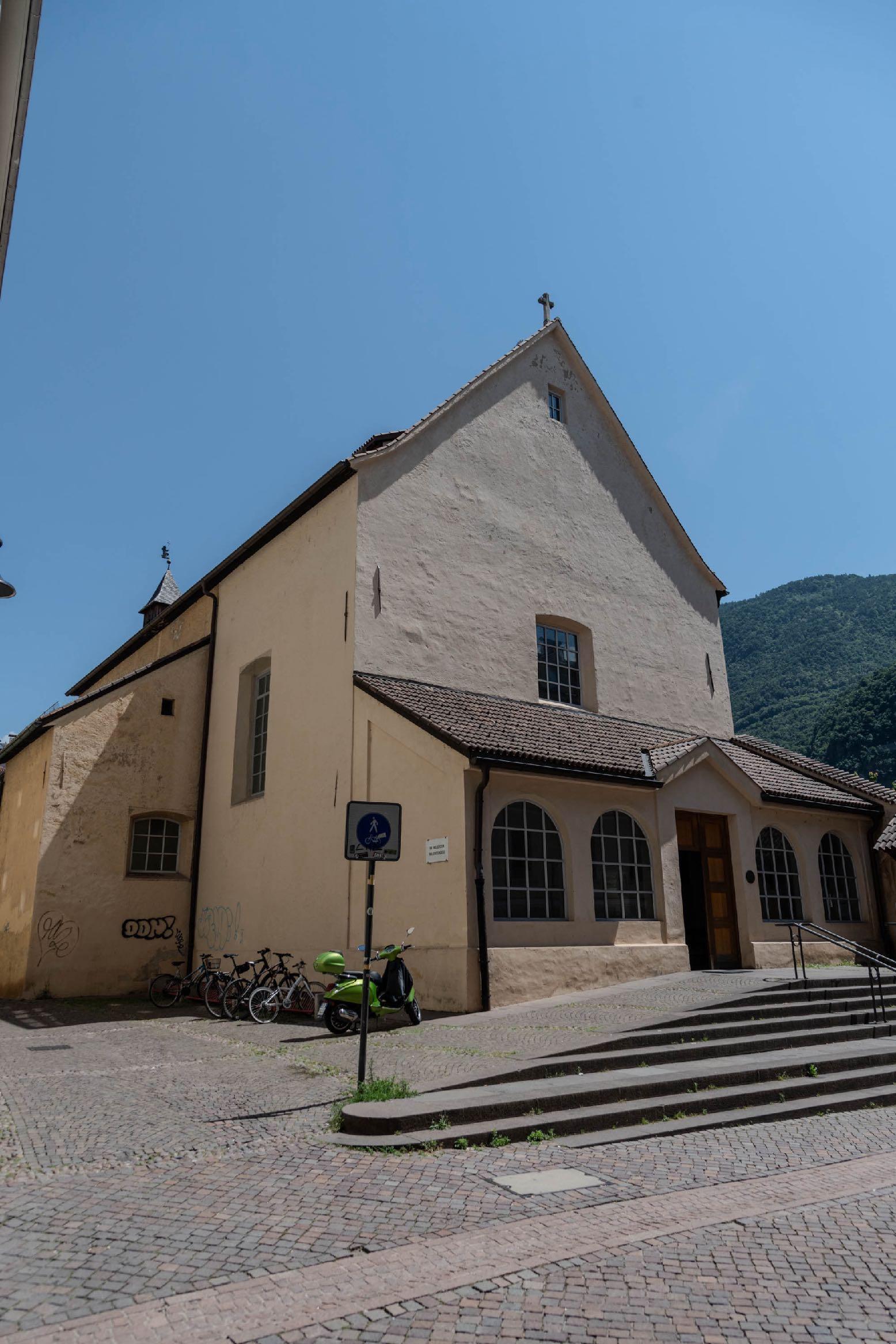
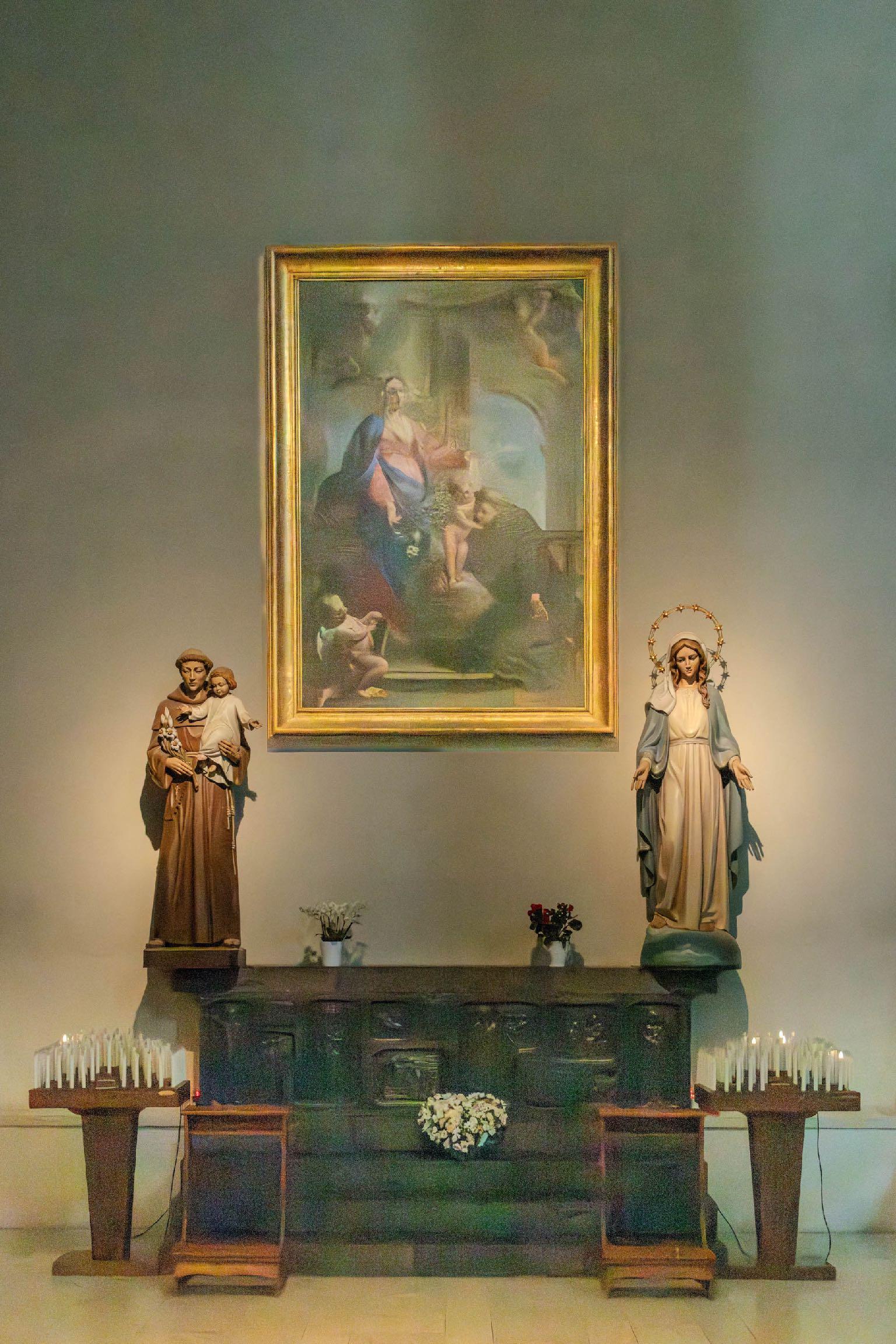
At the site where Wendelstein Castle once stood, the Bolzano city castle of the Counts of Tyrol, construction began in 1599 for a simple church of the Capuchin Order. The order church with the associated monastery was created. This first Capuchin church in South Tyrol was dedicated to Saint Anthony of Padua. The interior of the church is also kept simple, but the altarpiece at the baroque main altar, which comes from Felice Brusasorci of Verona, is worth seeing. It shows a depiction of Saint Anthony of Padua holding the baby Jesus in his arms. His
typical attributes, the baby Jesus and the lily robe, are clearly recognizable. The artistic depiction appears lively and radiates deep religiosity.
Believers have been pilgrimaging to this Capuchin church for centuries to admire the wonderful works of art and find peace and consolation in the spiritual atmosphere. Over the years, the Capuchin church and the associated monastery developed into an important spiritual center of the city of Bolzano.


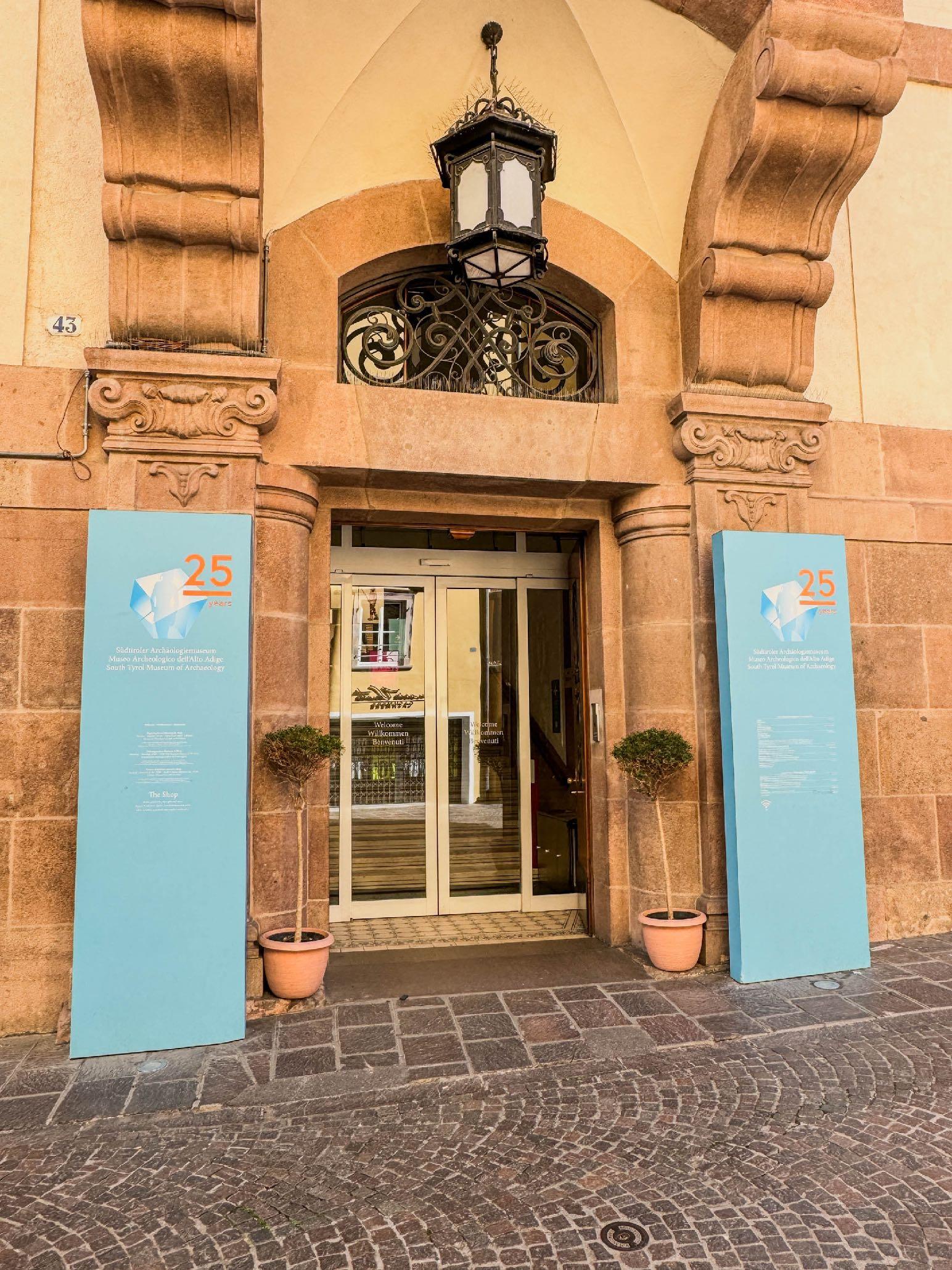
The Archaeology Museum in South Tyrol is famous for the exhibition of the "Man from Tisenjoch," known as "Ötzi," and houses an impressive collection of artifacts from the Neolithic to the Roman period. Visitors can immerse themselves in the fascinating history of the region and experience the development of human culture up close.
The museum is not only a place of the past but also a living testimony to the diversity and richness of South Tyrolean archaeology.
A special attraction of the Archaeology Museum in South Tyrol is the interactive exhibition, which allows visitors to actively immerse themselves in the world of archaeology.
There are workshops where you can try out the techniques of Stone Age people yourself, as well as guided tours through the Roman ruins of the region. This makes history come alive and experiential. Both adults and children can learn new things in an entertaining way.
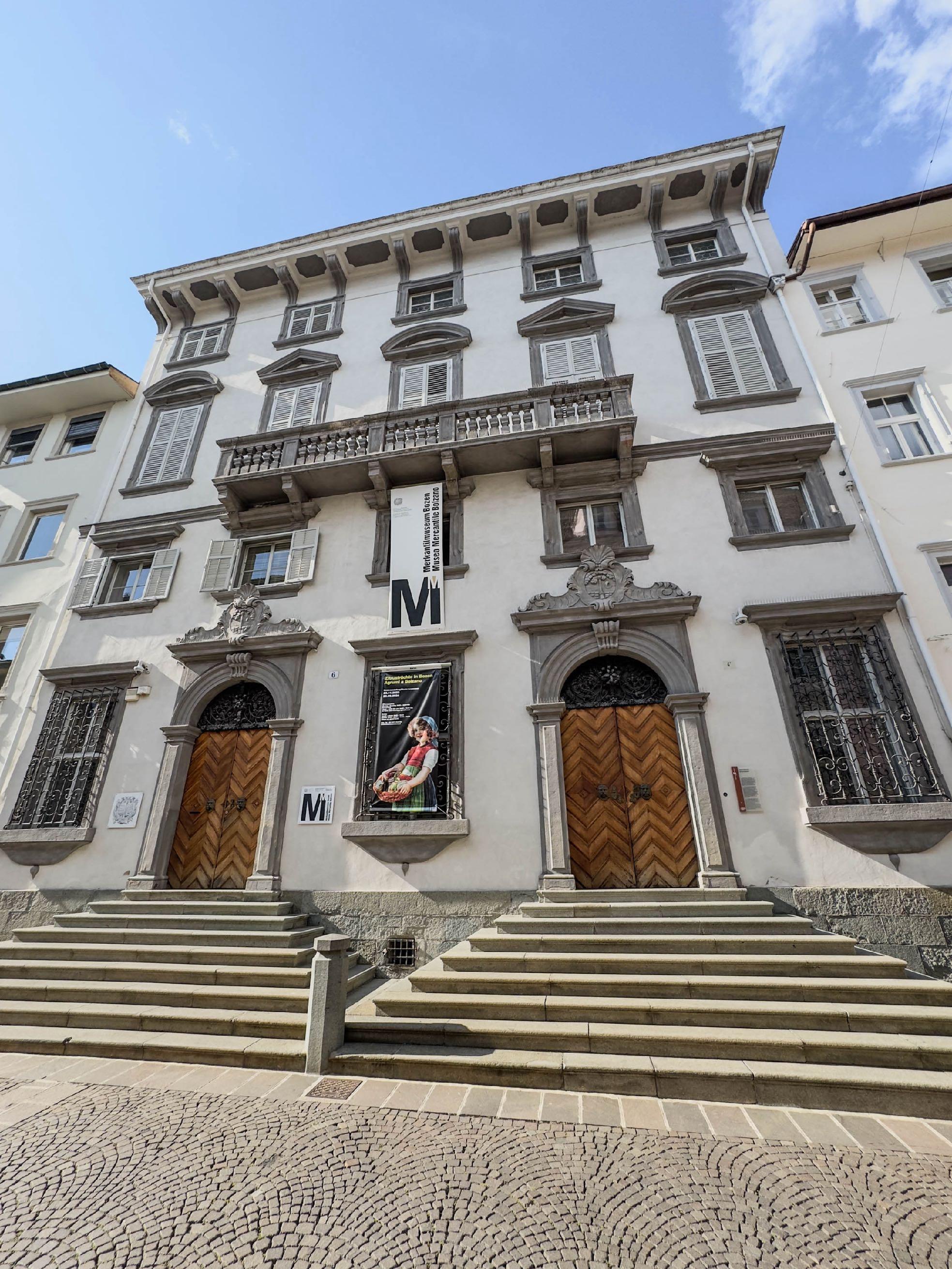
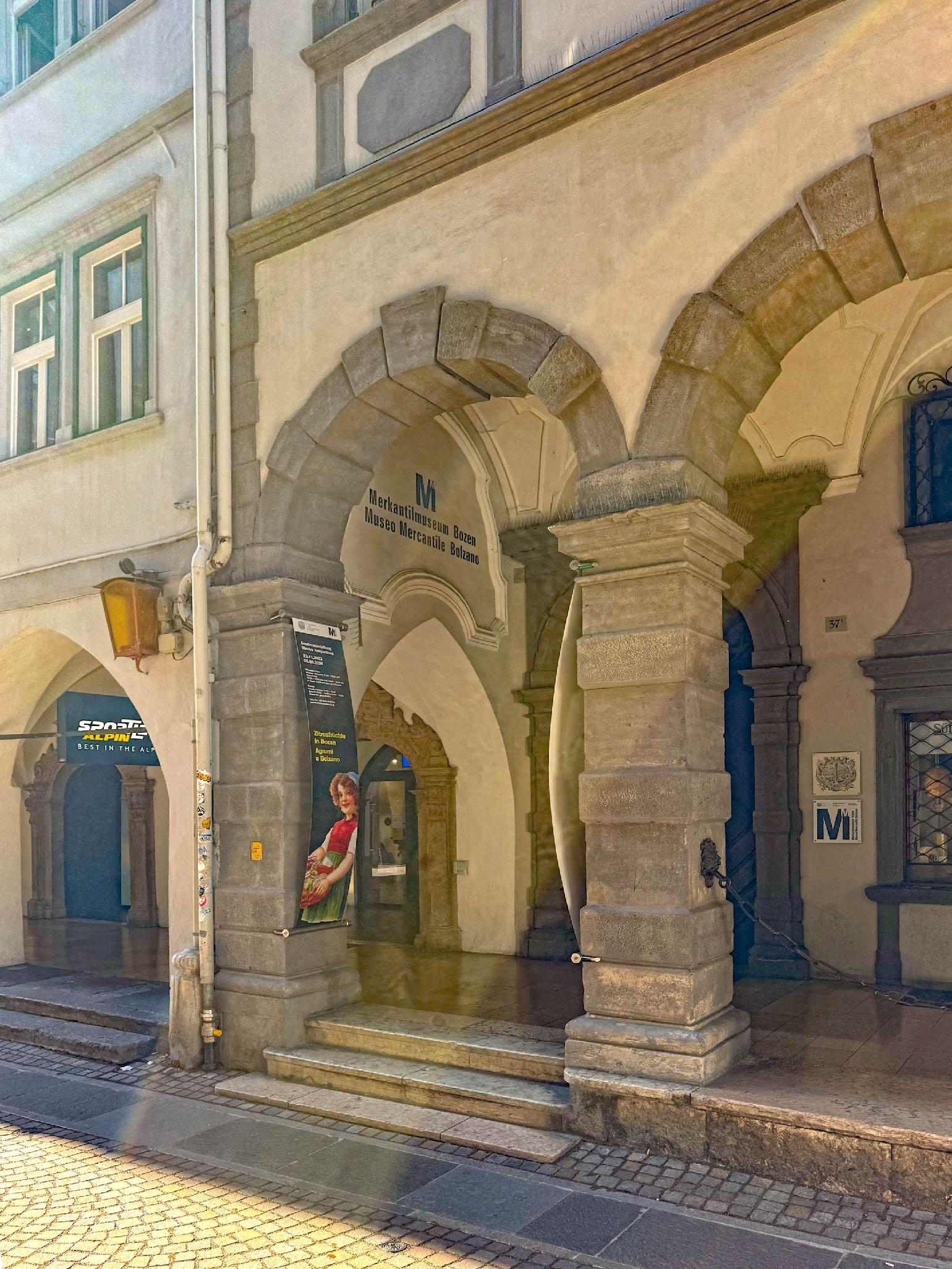
In recent years, the museum tour has been expanded to include a descent into the medieval cellar of Bolzano. Down here, visitors can admire the original vaults where precious goods were once stored. The diffuse light streaming in through narrow windows bathes the stone walls in a mysterious light and makes visitors feel like they are in past times. Individual exhibits tell of Bolzano's trading past and immerse visitors in the world of medieval trade.
with the ÖBB railjet to Bolzano
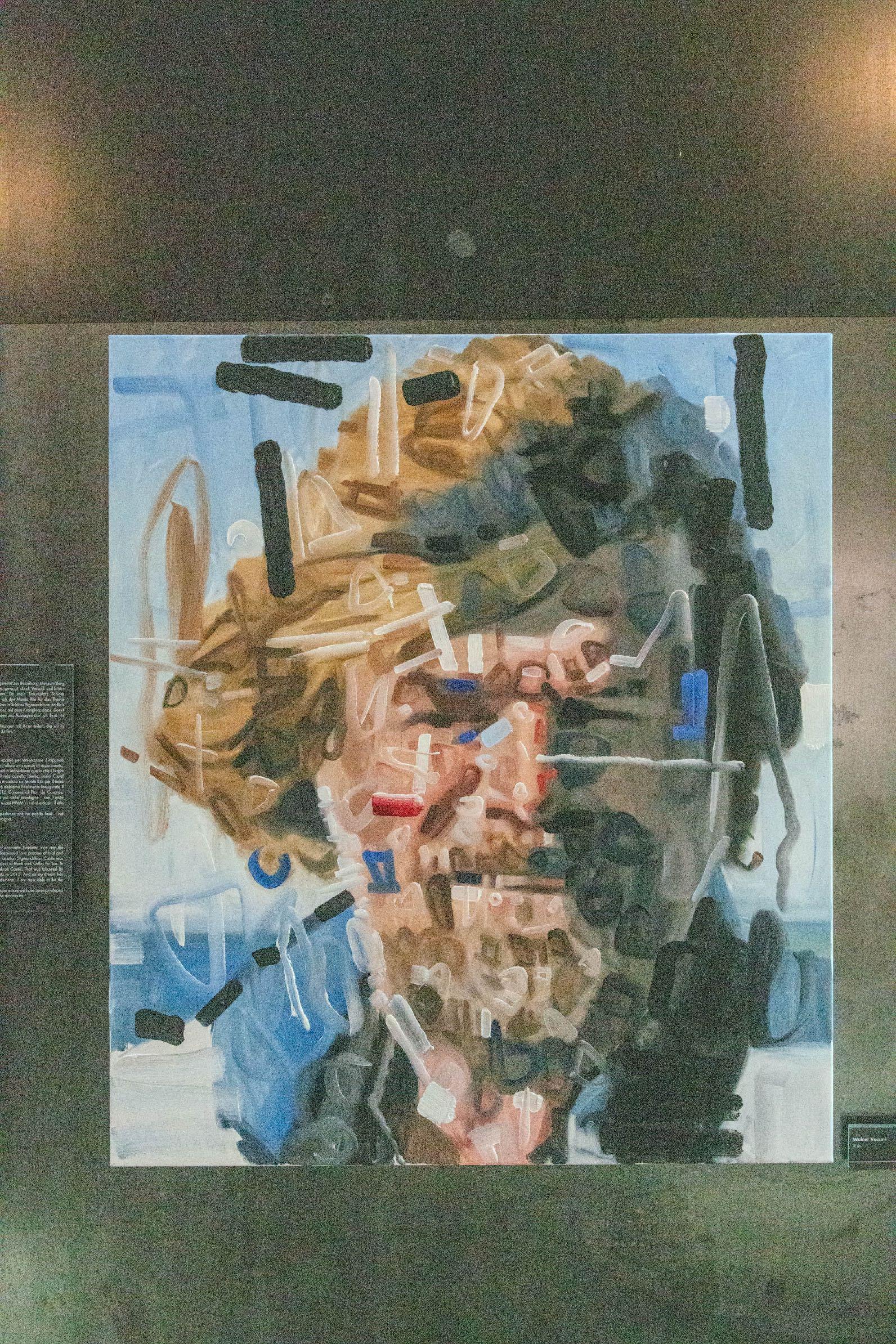
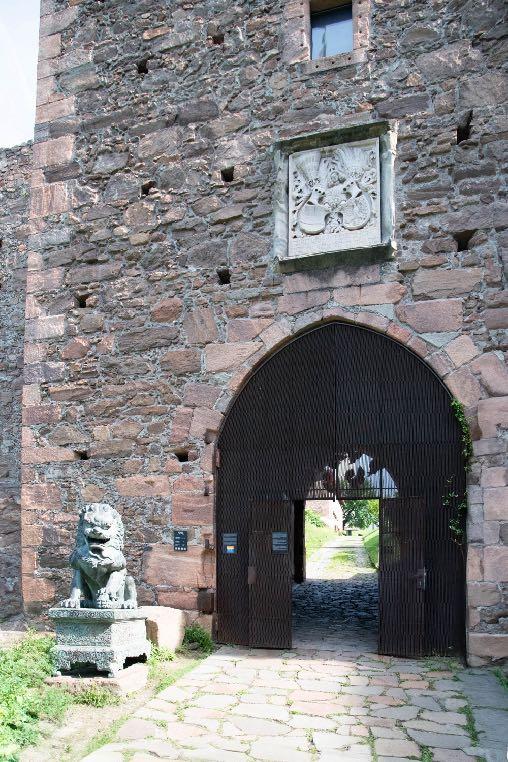
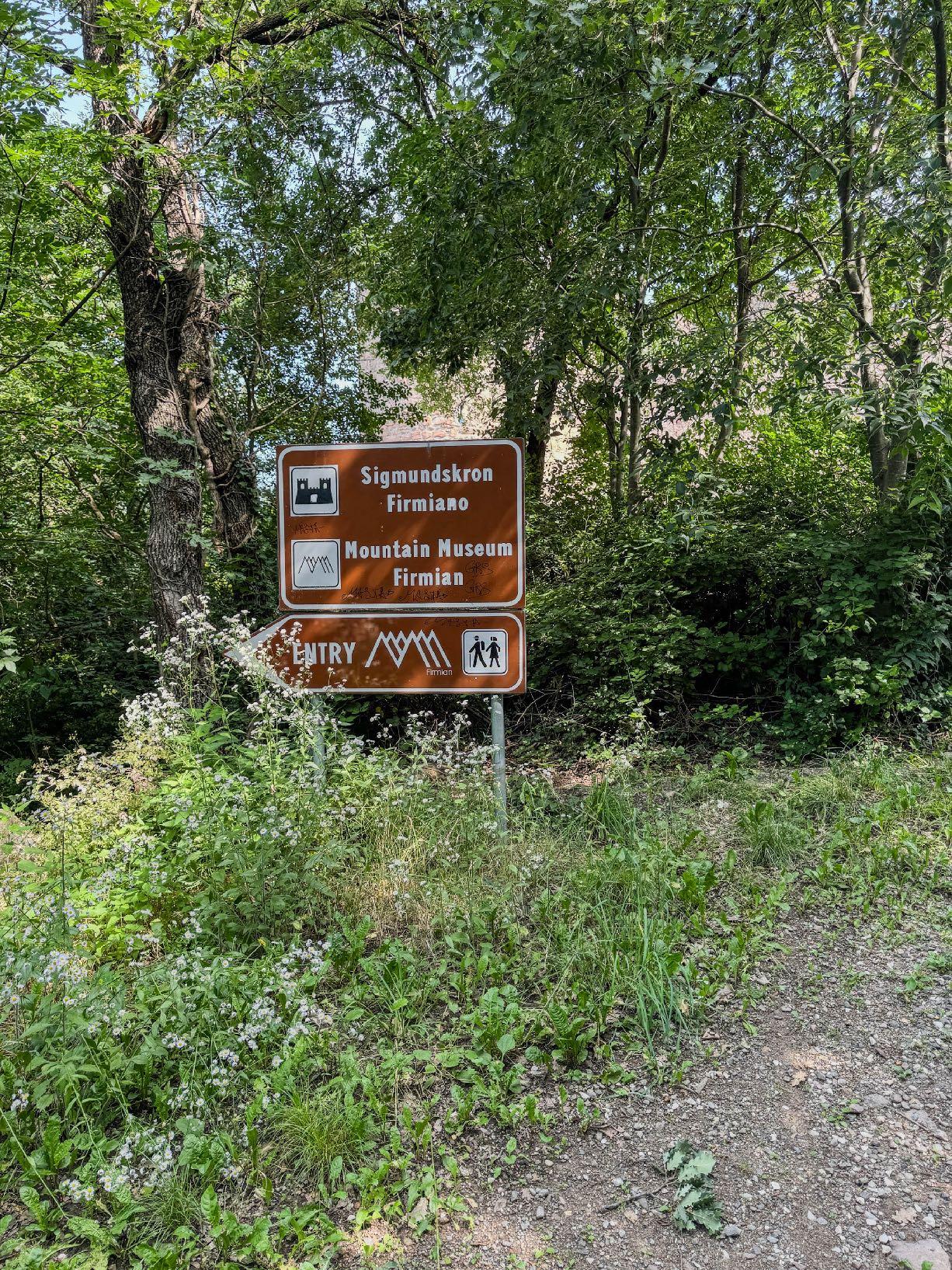
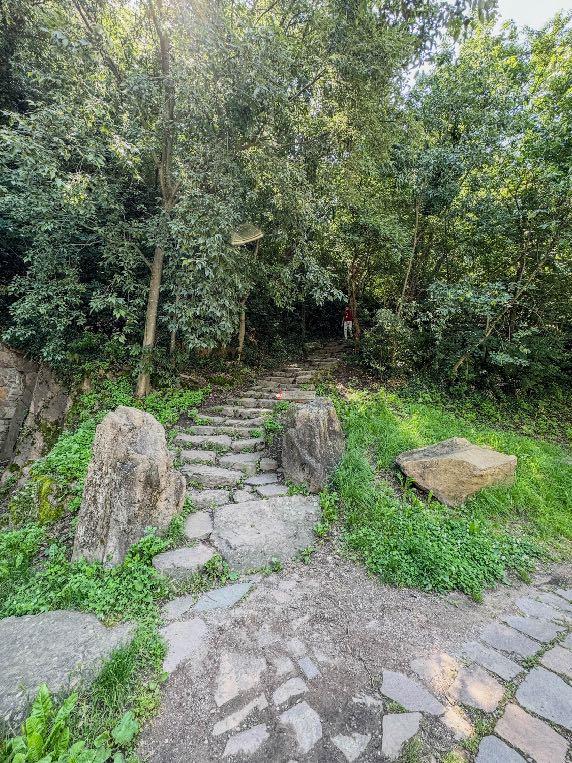
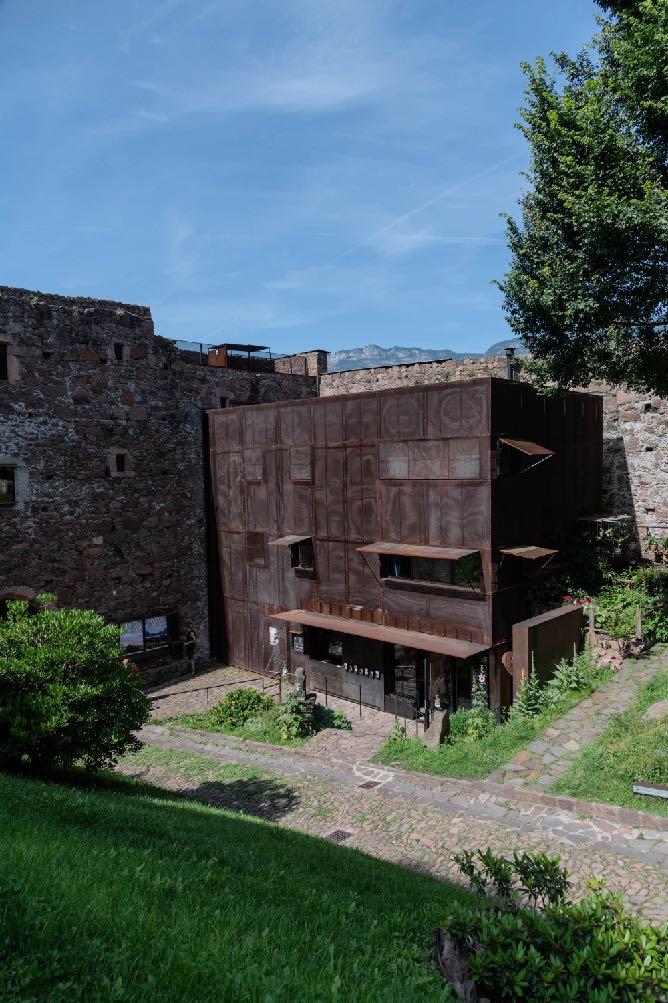
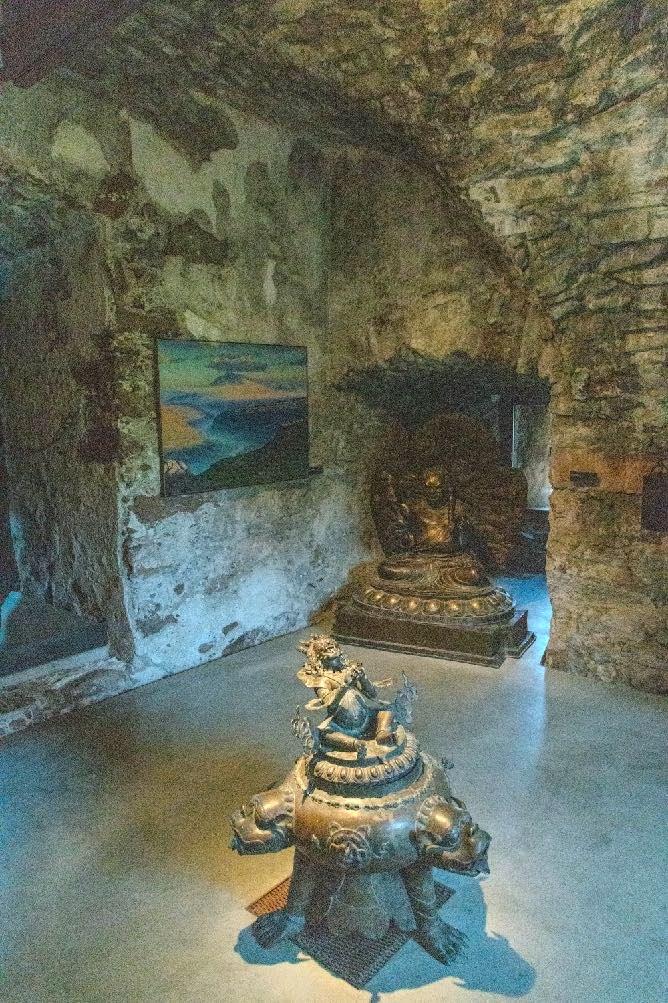
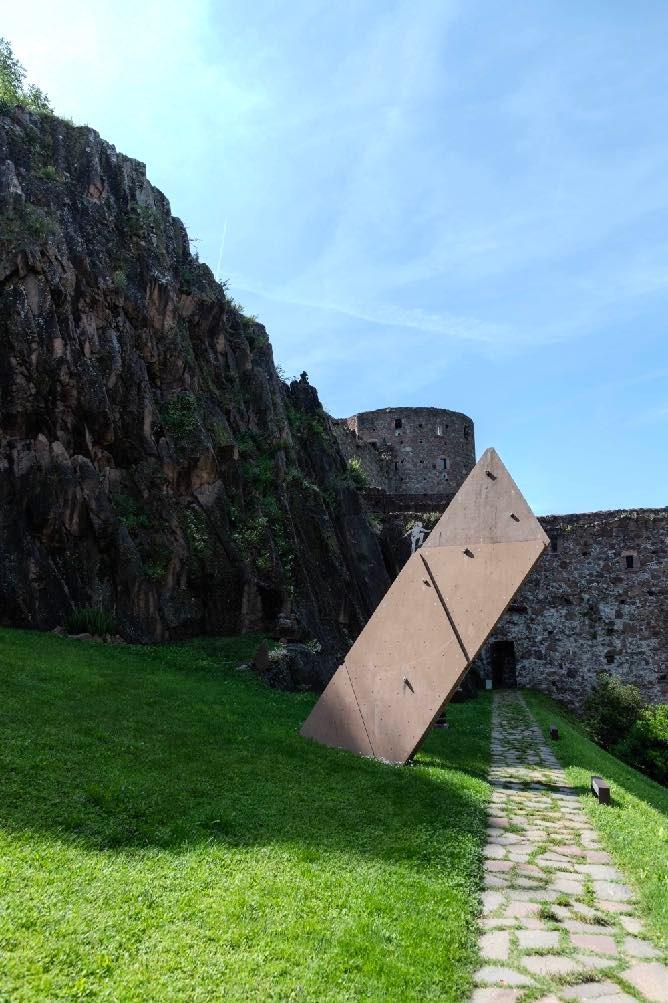
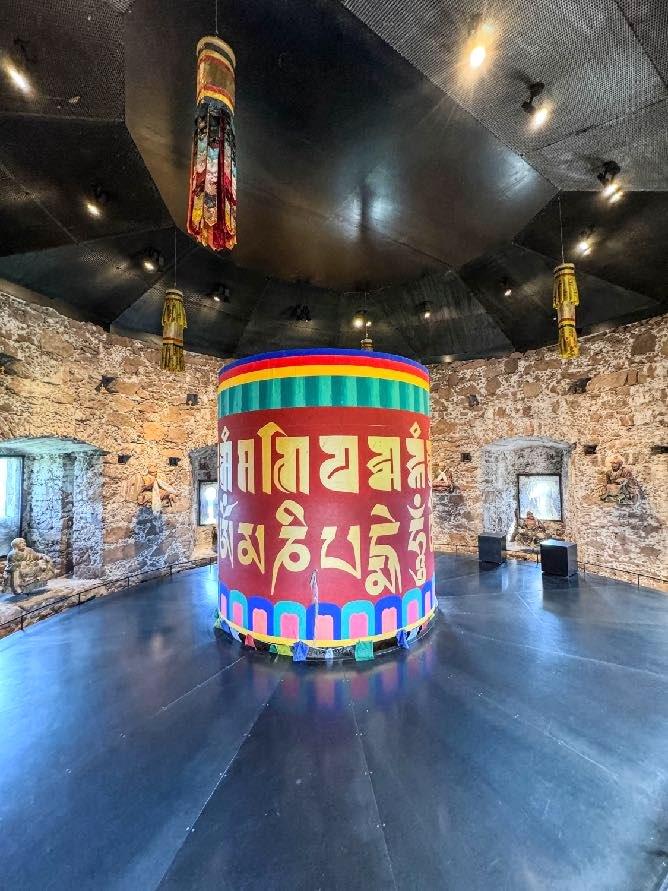
Reinhold Messner presents a comprehensive insight into his ascents and the regions where the peaks he climbed are located in six mountain museums. The Firmian Museum forms the center of the exhibition sites and is located in Sigmundskron Castle, high above the confluence of the Adige and Isarco. This castle is one of the oldest in South Tyrol and provides insights into fortress construction techniques with its walls partially over five meters thick.
At the center of the "Messner Mountain Museums" (MMM) are both permanent and annually changing exhibitions. Here, the




relationship between humans and mountains is thematized. The exhibition extends over the entire area of the castle. Visiting the old walls and battlements also provides an authentic insight into life in a medieval castle. Anyone visiting the Firmian Museum immerses themselves not only in the world of mountains but also in the fascinating past of South Tyrol.
The Firmian Museum is open from late March to early November, closed on Thursdays.


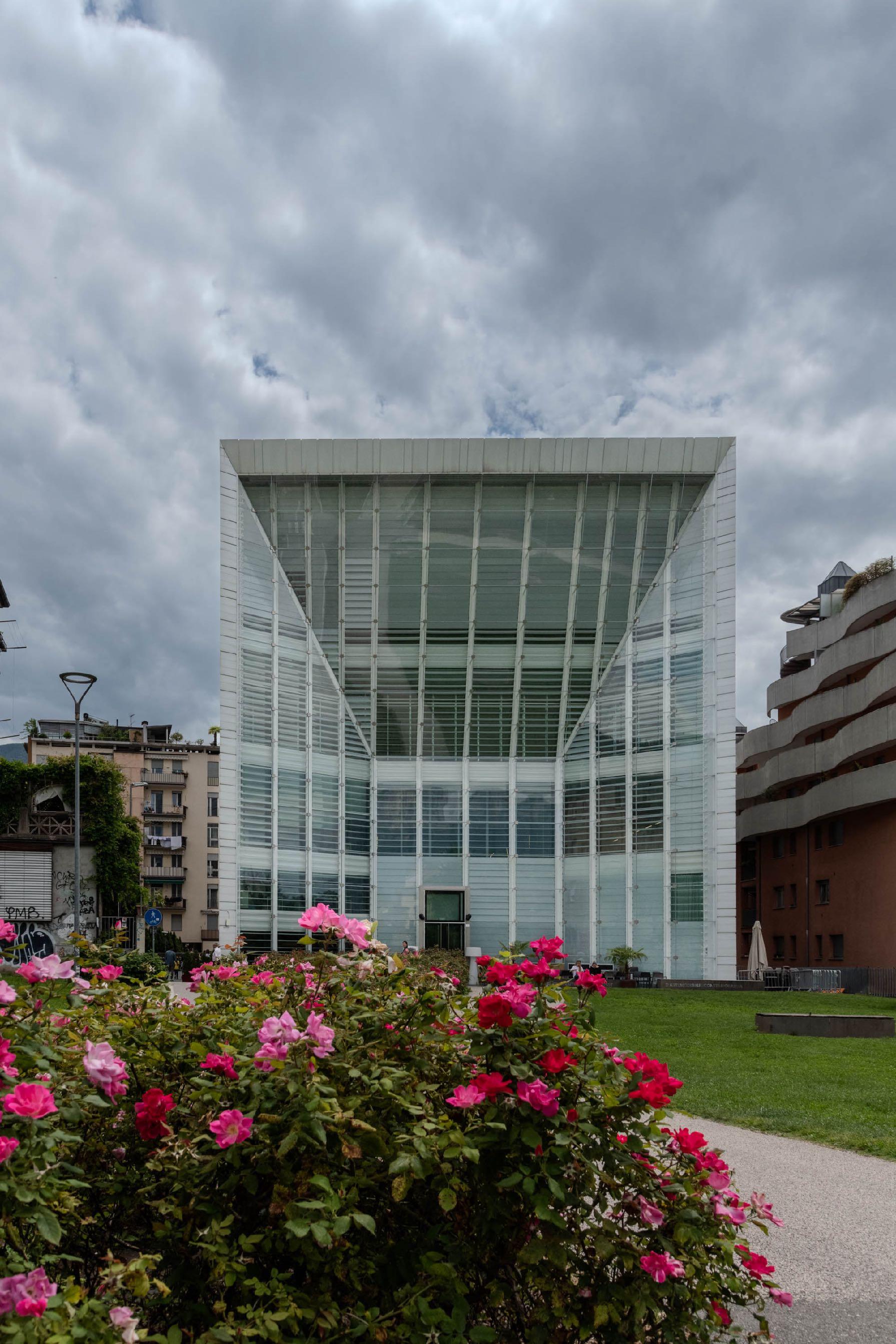

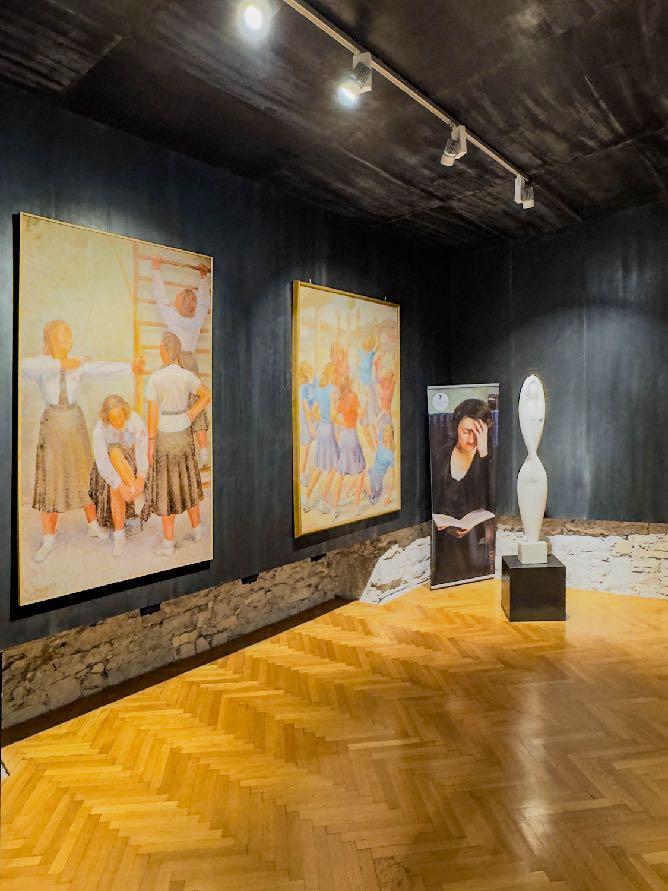
The Museion, a museum for modern and contemporary art in Bolzano, takes its name from Greek, meaning "Temple of the Muses." The futuristic building on the Talfer meadows was opened in May 2008.
The two bridges that cross the Talfer are architectural masterpieces and a popular photo motif for visitors to the Museion. They not only connect the two banks but also symbolize the connection between tradition and modernity that the museum for modern and contemporary art embodies.
Originally, the focus of the "Museum for Modern Art" association was on regional art promotion and documentation in the area from Ala to Kufstein (historical Tyrol from 1900). In the 1990s, differences between German and Italian art were discussed due to Bolzano's geographical location. Over time, the museum turned more and more to contemporary art and took the name Museion in 1991.
The Museion is closed on Mondays and open until 22:00 on Thursdays.
with the ÖBB railjet to Bolzano
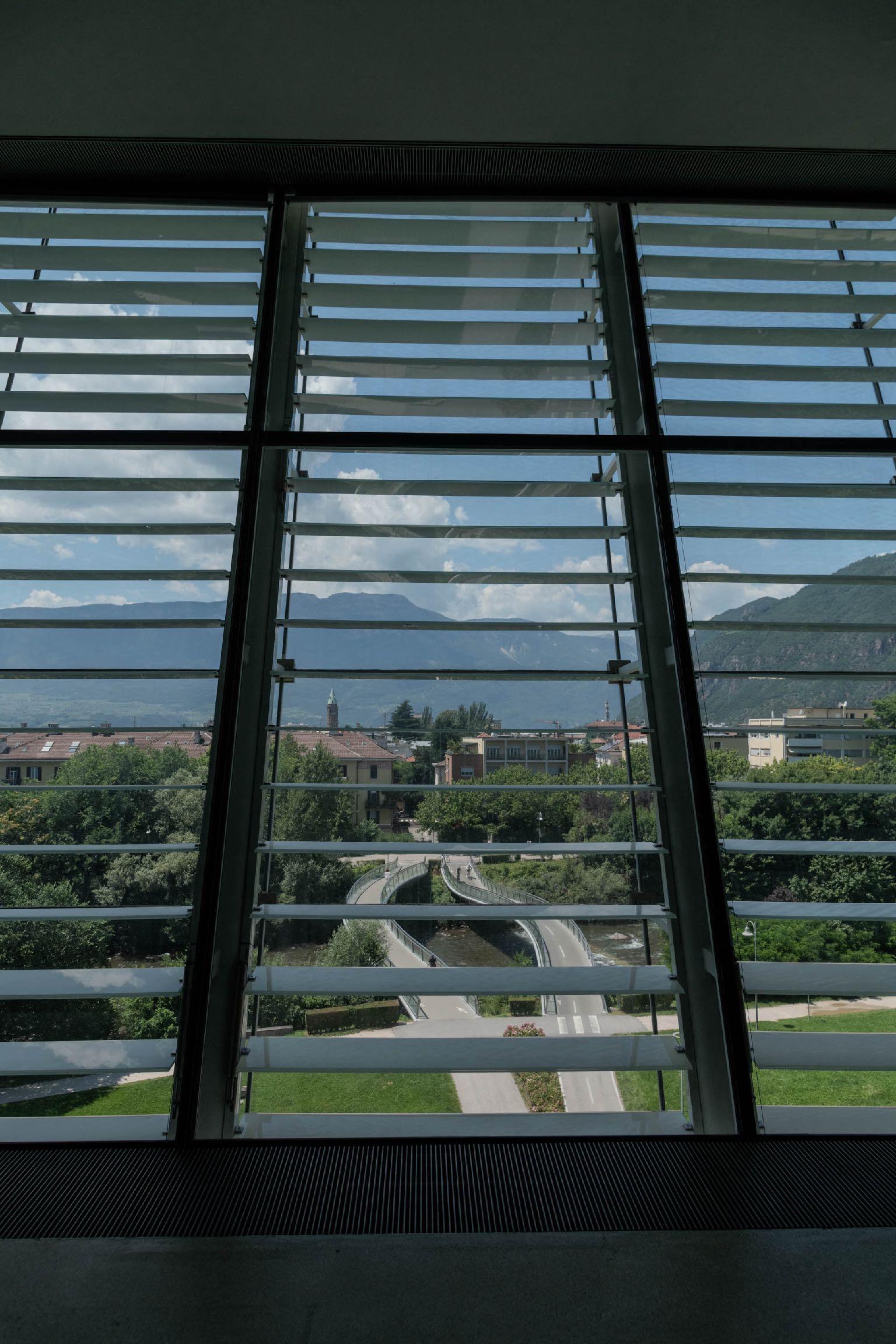
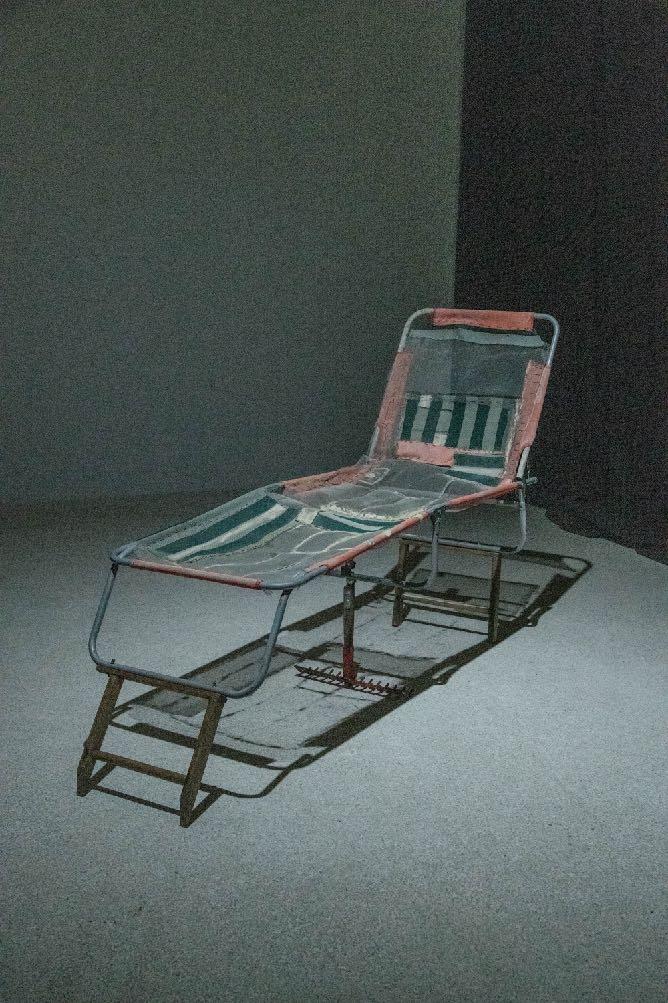
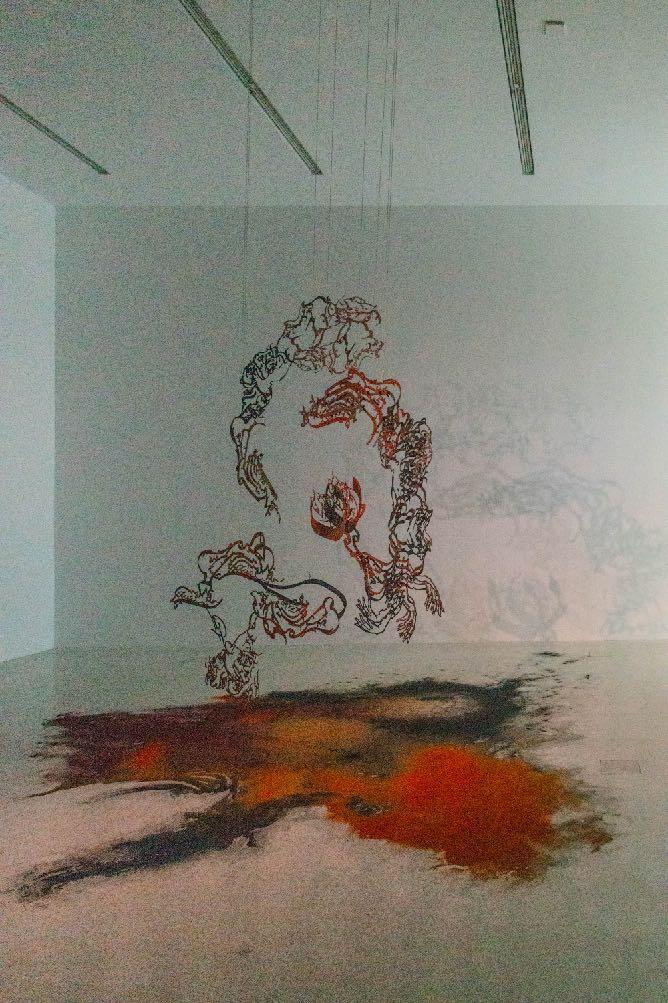
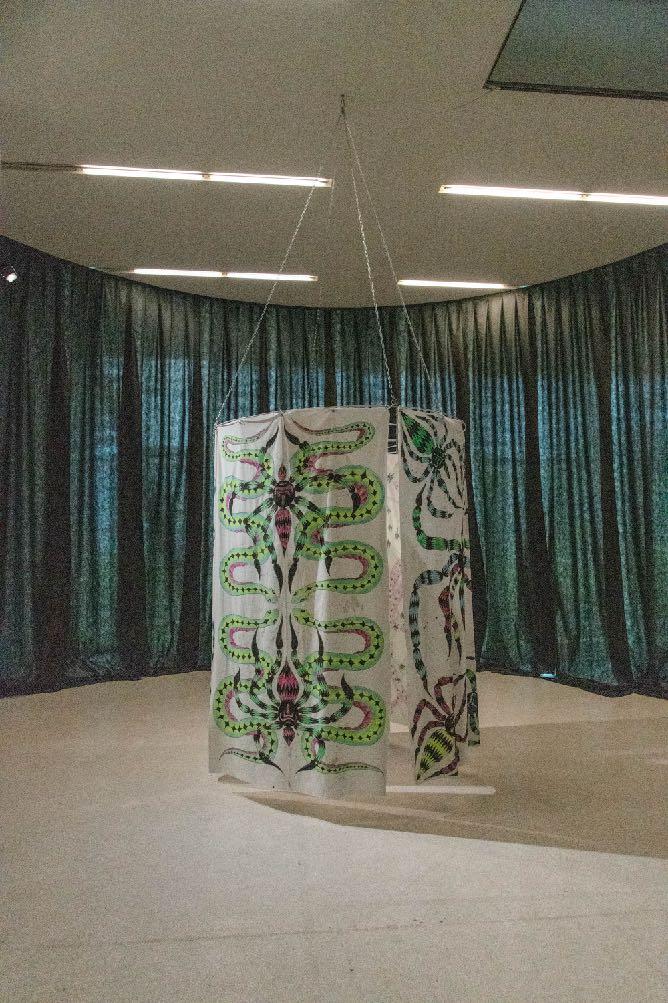
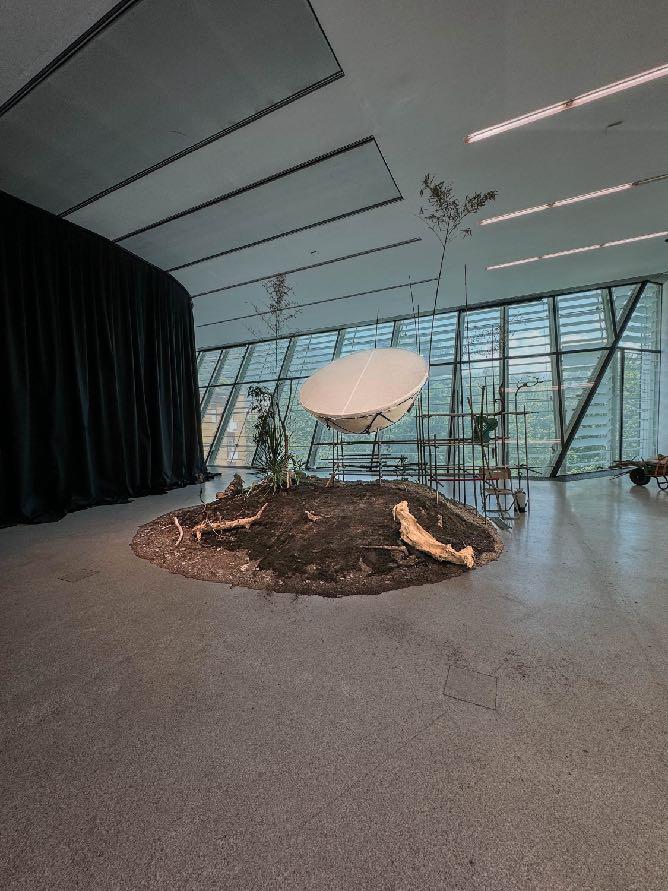
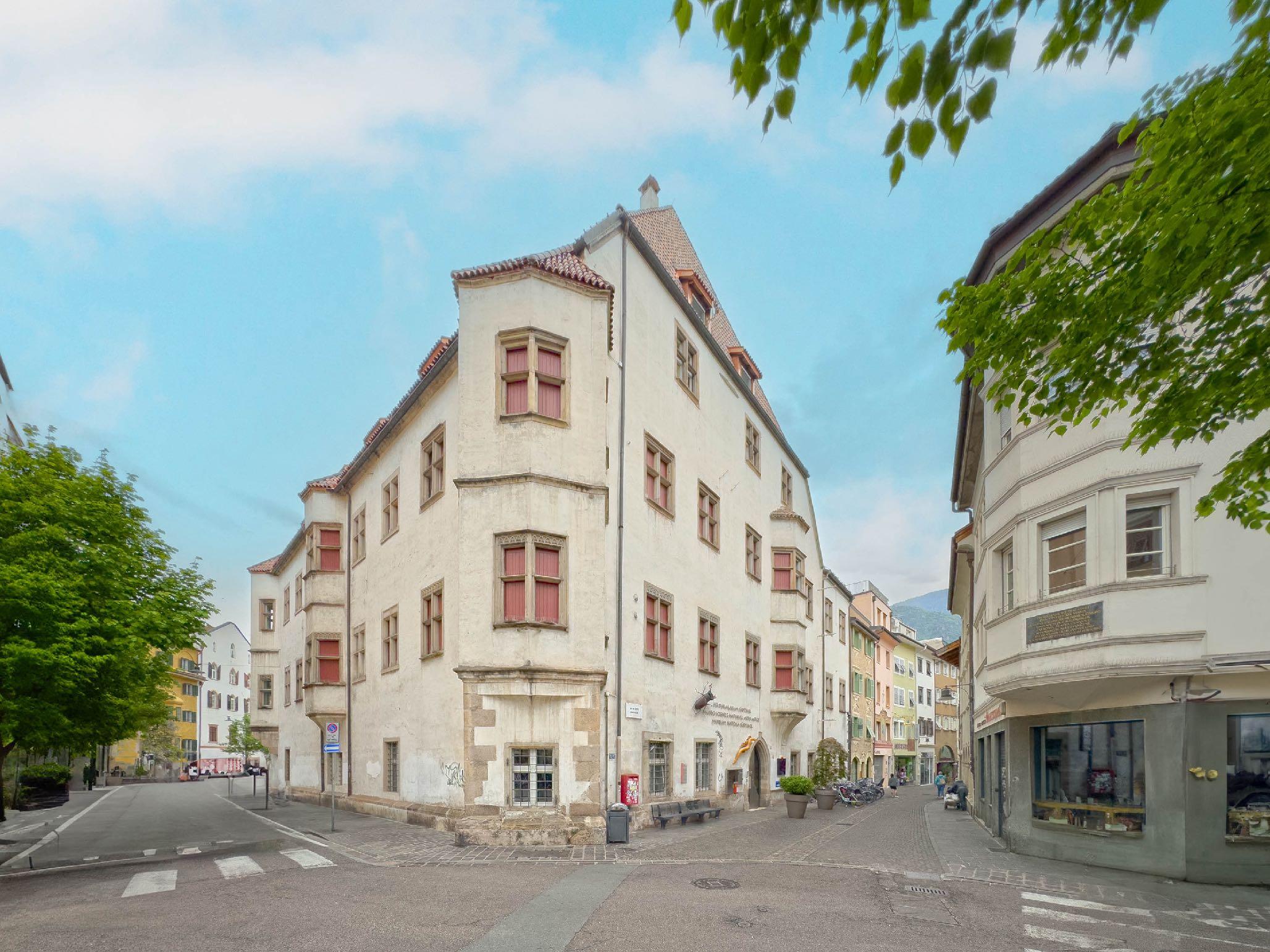
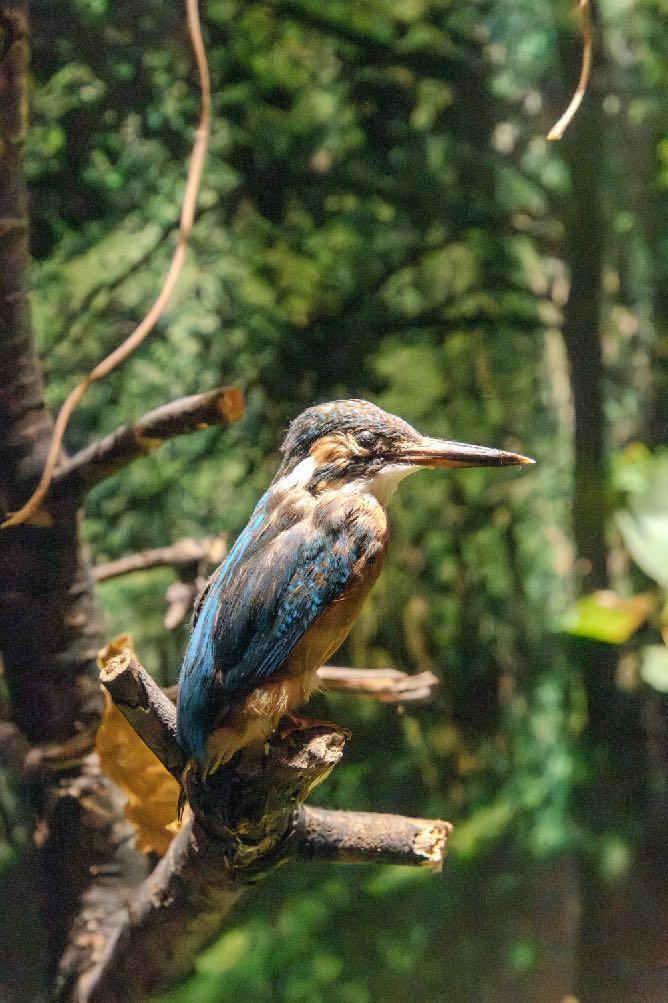
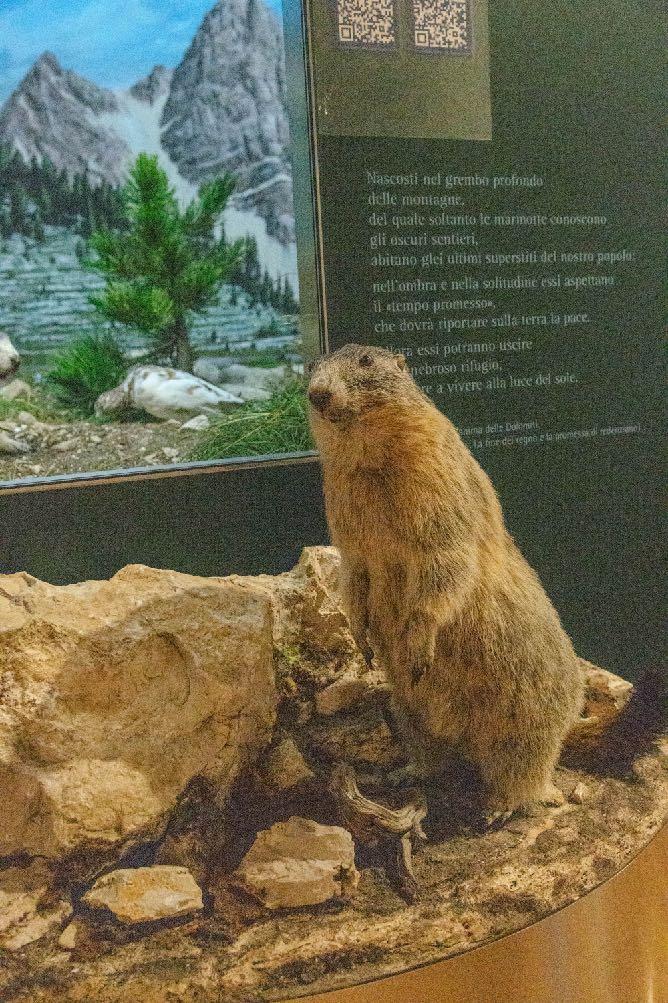
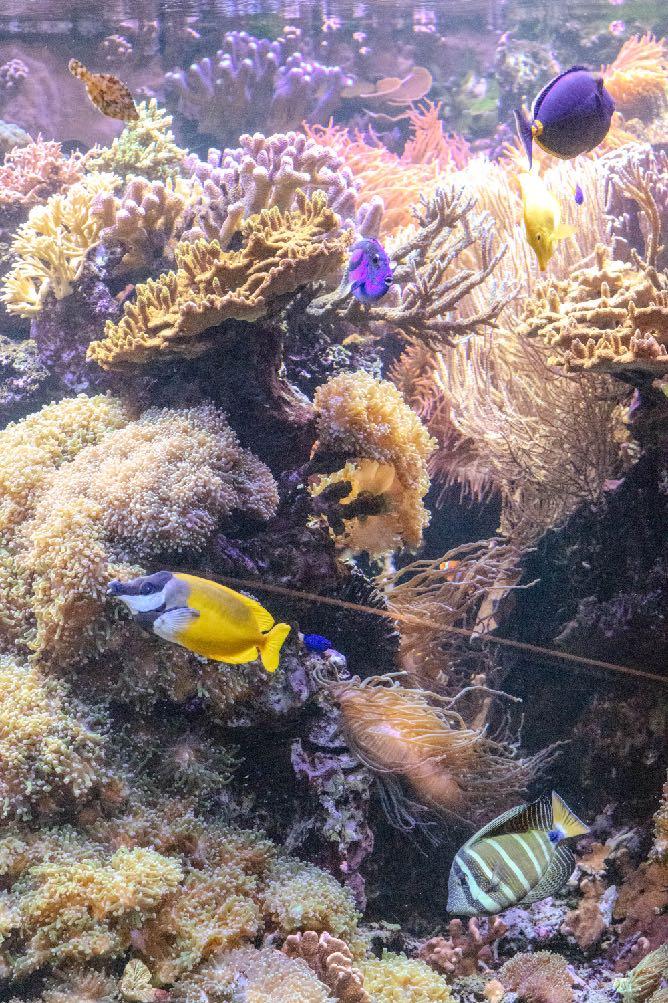
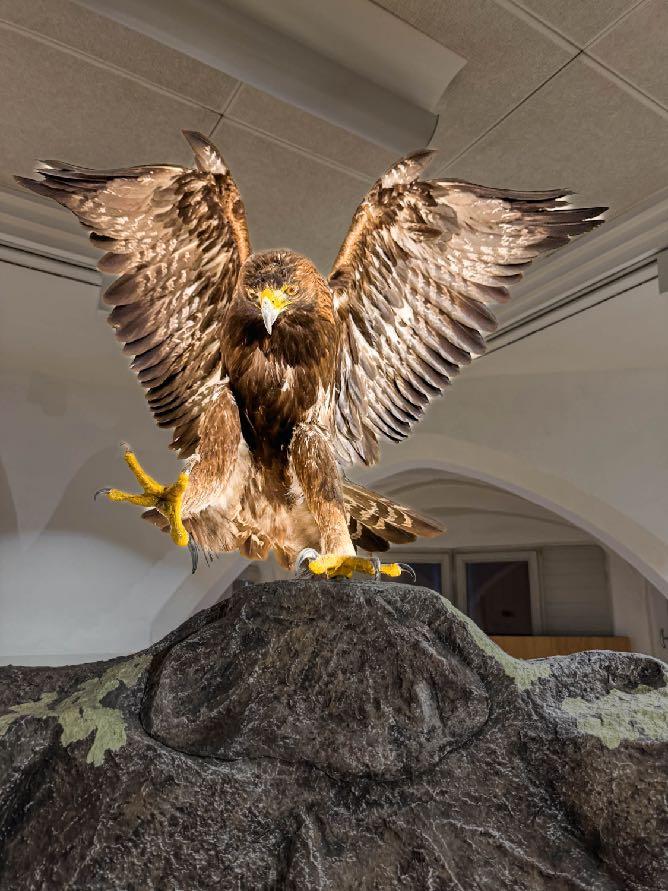
The Nature Museum in Bolzano is the sole provincial museum for natural history in South Tyrol. It serves as the central collection and documentation center for natural history objects of the province. Since 2020, the South Tyrol Planetarium in San Valentino in Campo (southeast of Bolzano) has also been managed by the Nature Museum. The permanent exhibition is divided into two areas: the geology of South Tyrol and the characteristic habitats of the region. A special highlight is a large, living anthill. Visitors can also admire a 9,000-liter coral
reef aquarium to get an impression of what a coral reef looked like about 230 million years ago. Where the majestic Dolomites stand today, a tropical primordial sea stretched over millions of years. The museum is open daily and closed on Mondays. In addition, regularly changing special exhibitions on various topics from the natural sciences take place. Thus, visitors can always discover new things and expand their knowledge. The interactive elements in the exhibitions make the visit particularly exciting and educational for young and old.
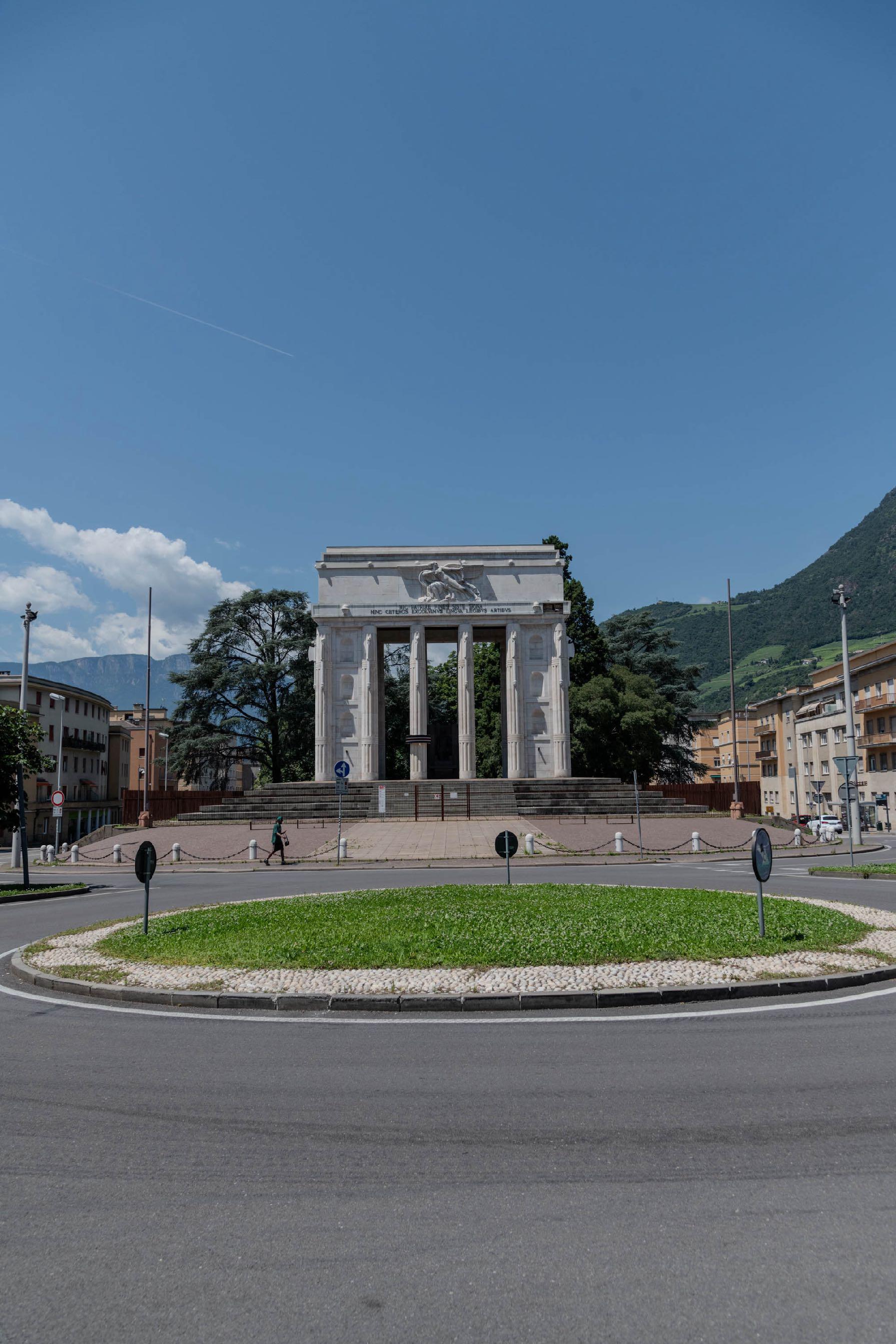
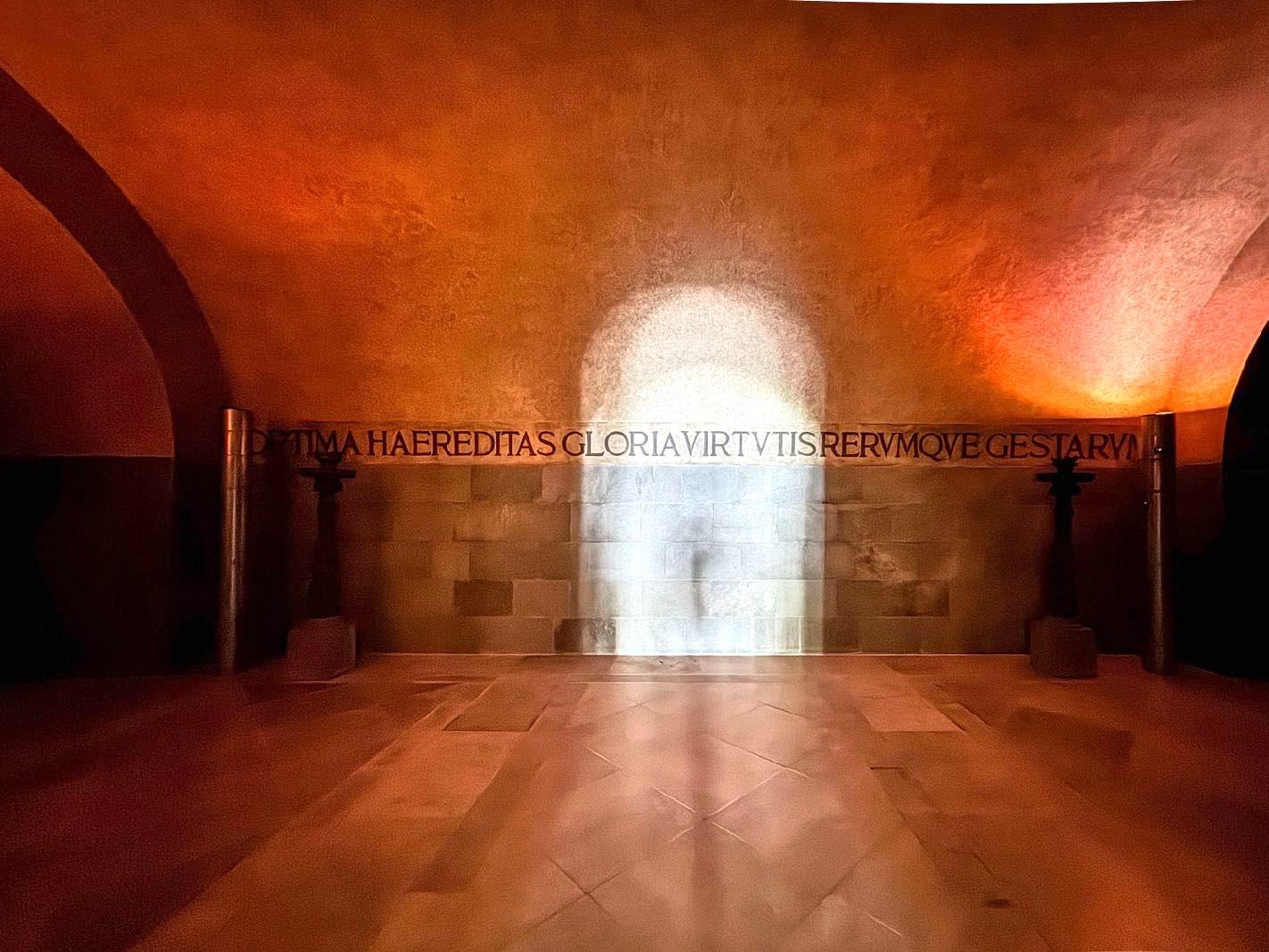
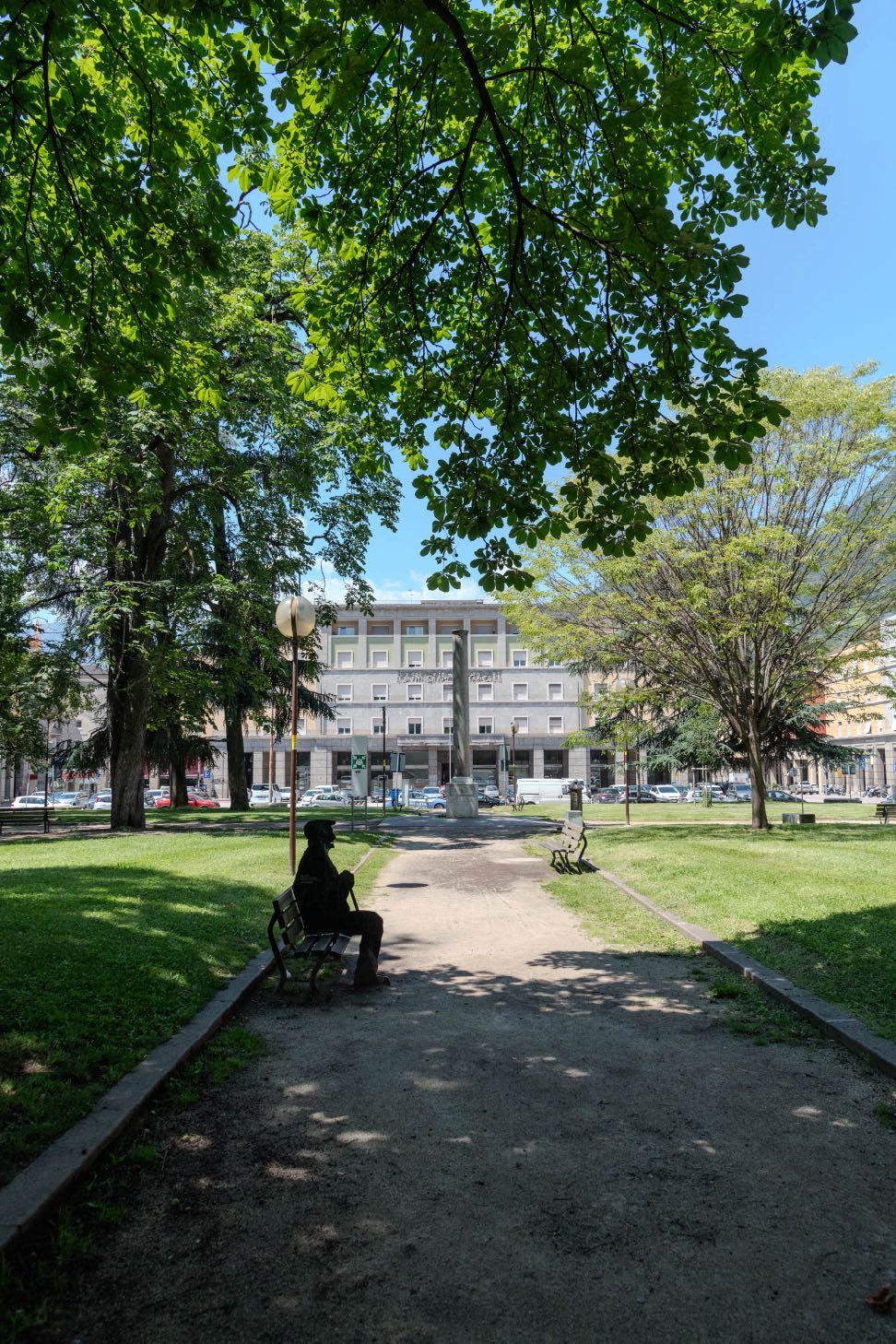
The Victory Monument in Bolzano was unveiled on July 12, 1928. Over the decades, it was a symbol for various rulers and ideologies. In 2011, a commission was established by the Italian government, the provincial government of South Tyrol, and the city of Bolzano to process the history of the monument.
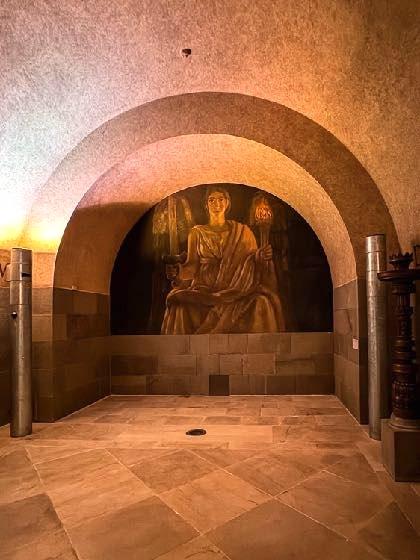
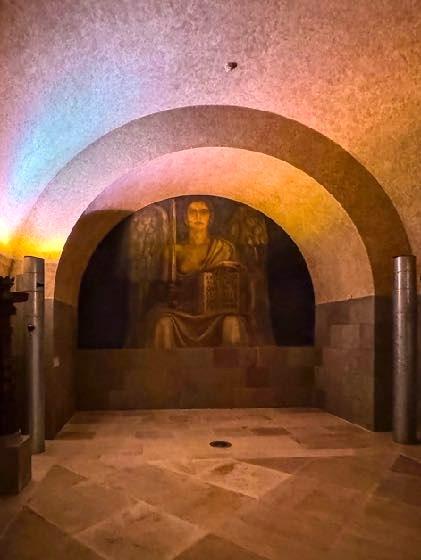
Under the title "BZ '18-'45 one monument - one city - two dictatorships" an impressive exhibition was created in the basement of the Victory Monument.
The exhibition impressively shows the eventful history of the monument, which had served various political currents over time. Visitors can view artifacts and documents from the time of fascism and National Socialism, providing insight into the dark chapters of the past. The commission worked closely with historians to ensure a well-founded representation and to sensitize visitors to the importance of processing history.


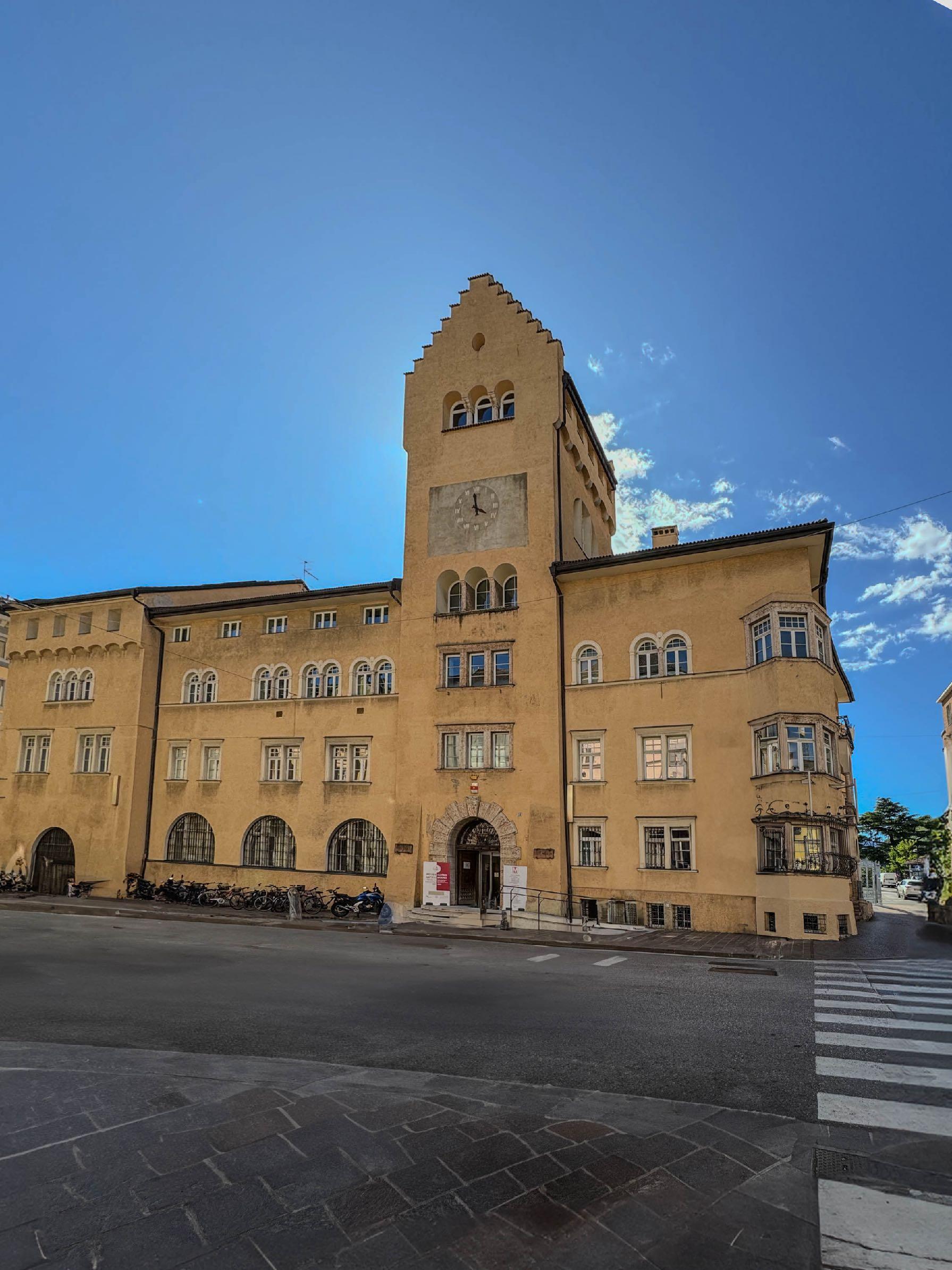

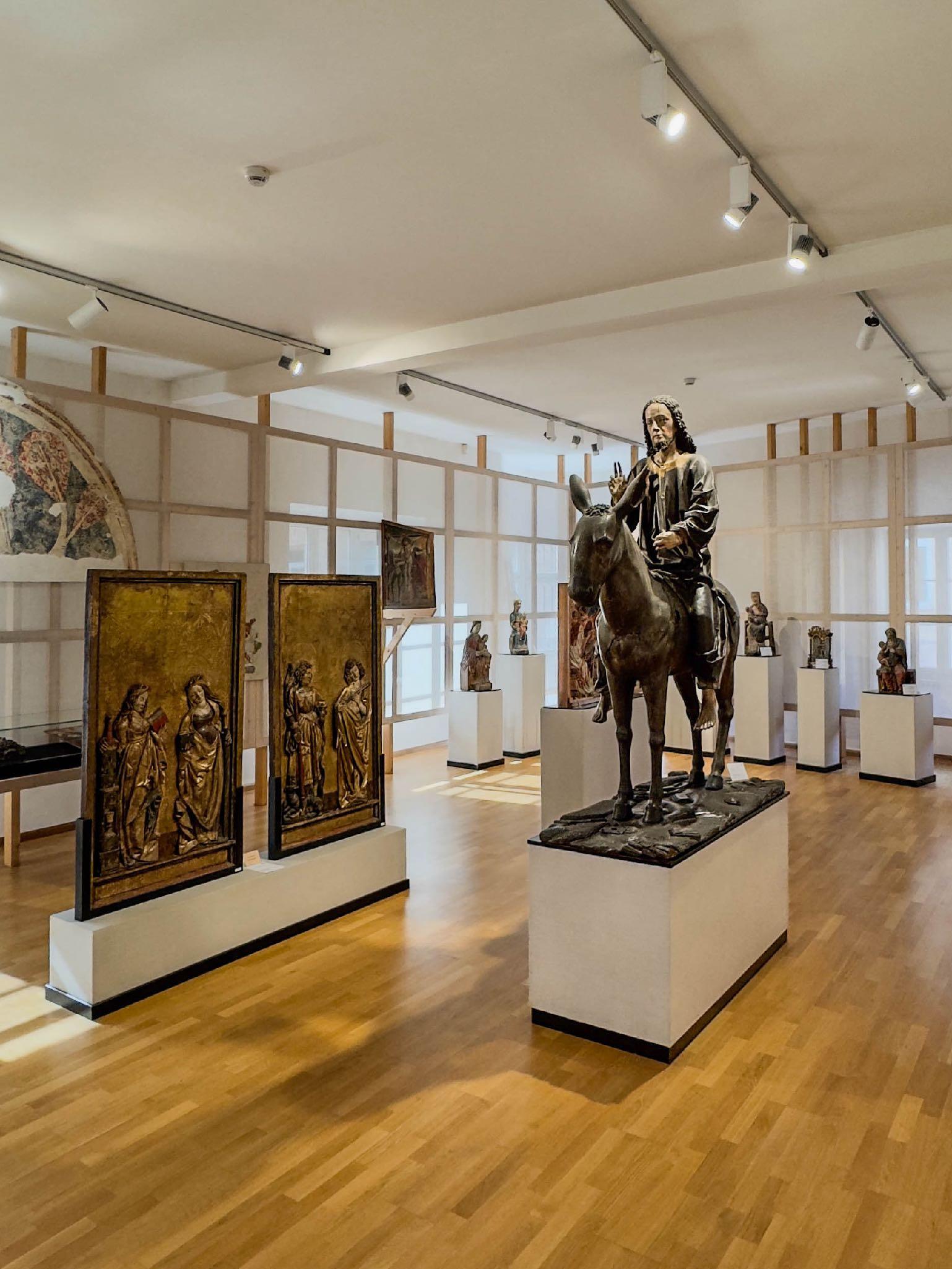
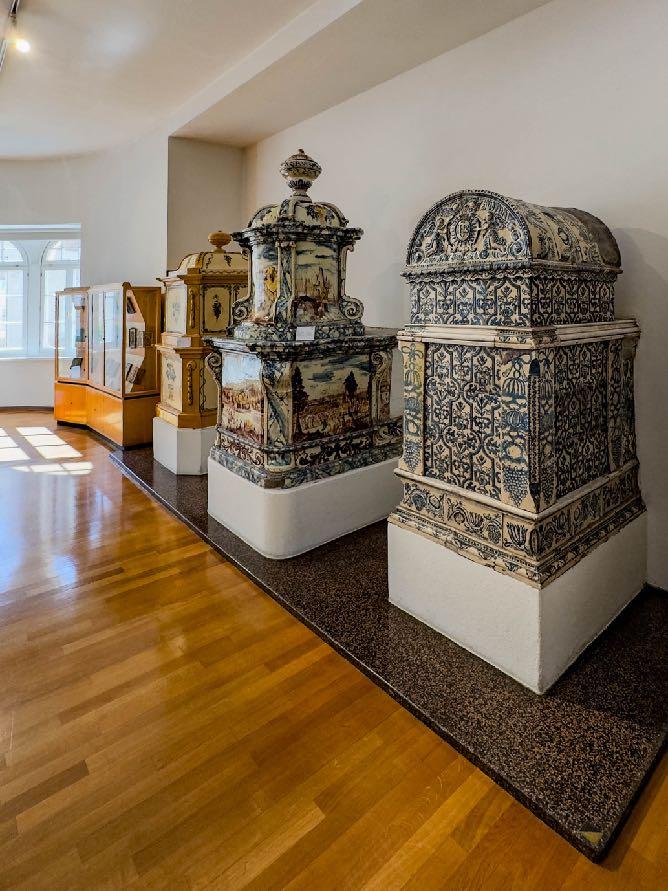
In 1882, the Bolzano Museum Association was founded with the aim of preserving ecclesiastical art. In 1900, the construction of a museum was decided, which was opened five years later. The collections include paintings, sculptures, altars, as well as folkloristic objects from all of South Tyrol.
The museum enjoyed great popularity from the beginning. Over time, the museum was able to steadily expand its offerings and thus establish itself as an important cultural center in the region. In addition to the classic collections of paintings, sculptures, and folkloristic objects, it now also
houses a variety of interactive exhibitions on various themes. These exhibitions allow visitors to experience the rich cultural history of South Tyrol in an exciting way and be inspired by the diversity of the collections.
Through the wide range of events, the museum has further solidified its reputation as an attraction for art and culture lovers.
The museum is open daily except Mondays.
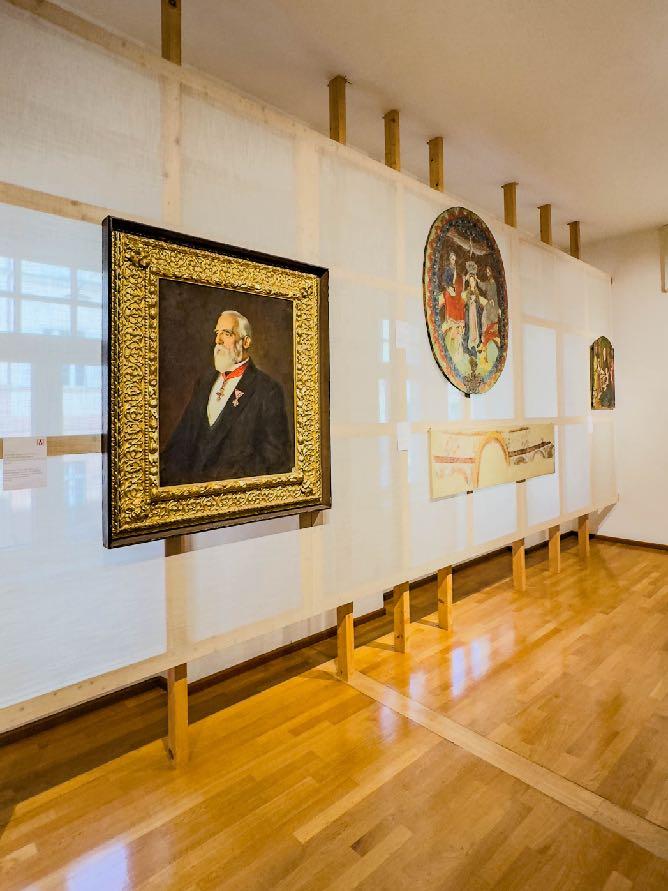
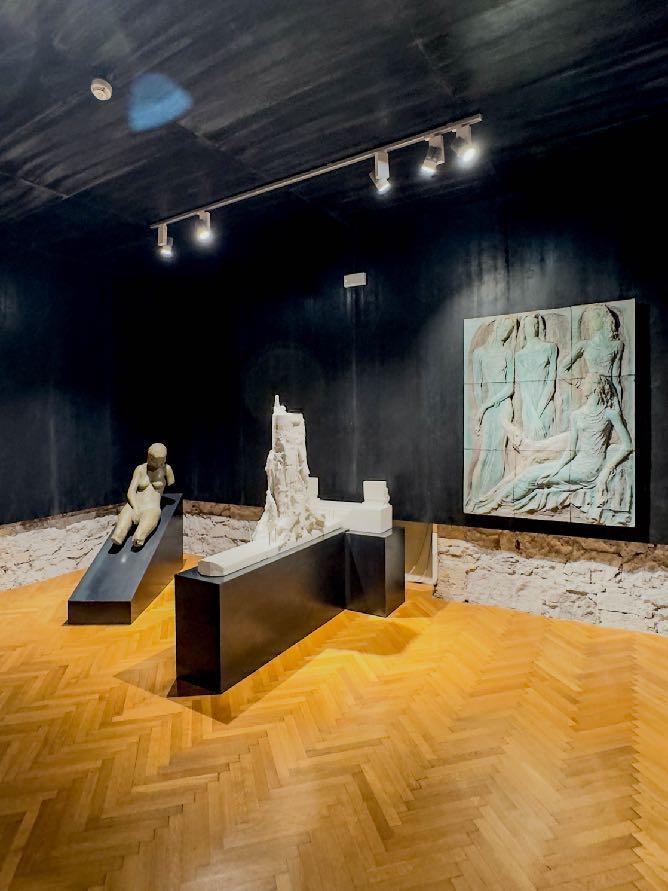
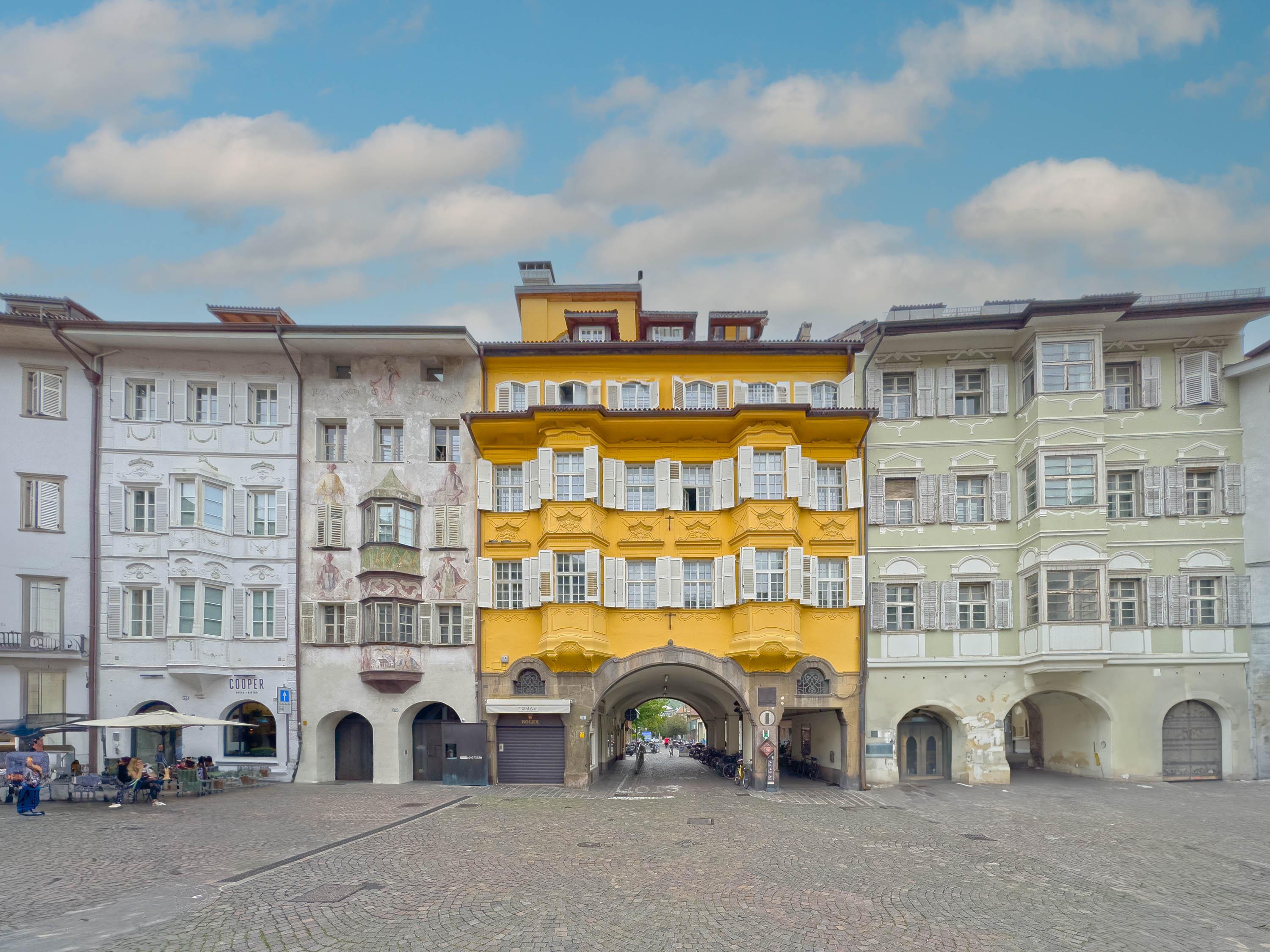

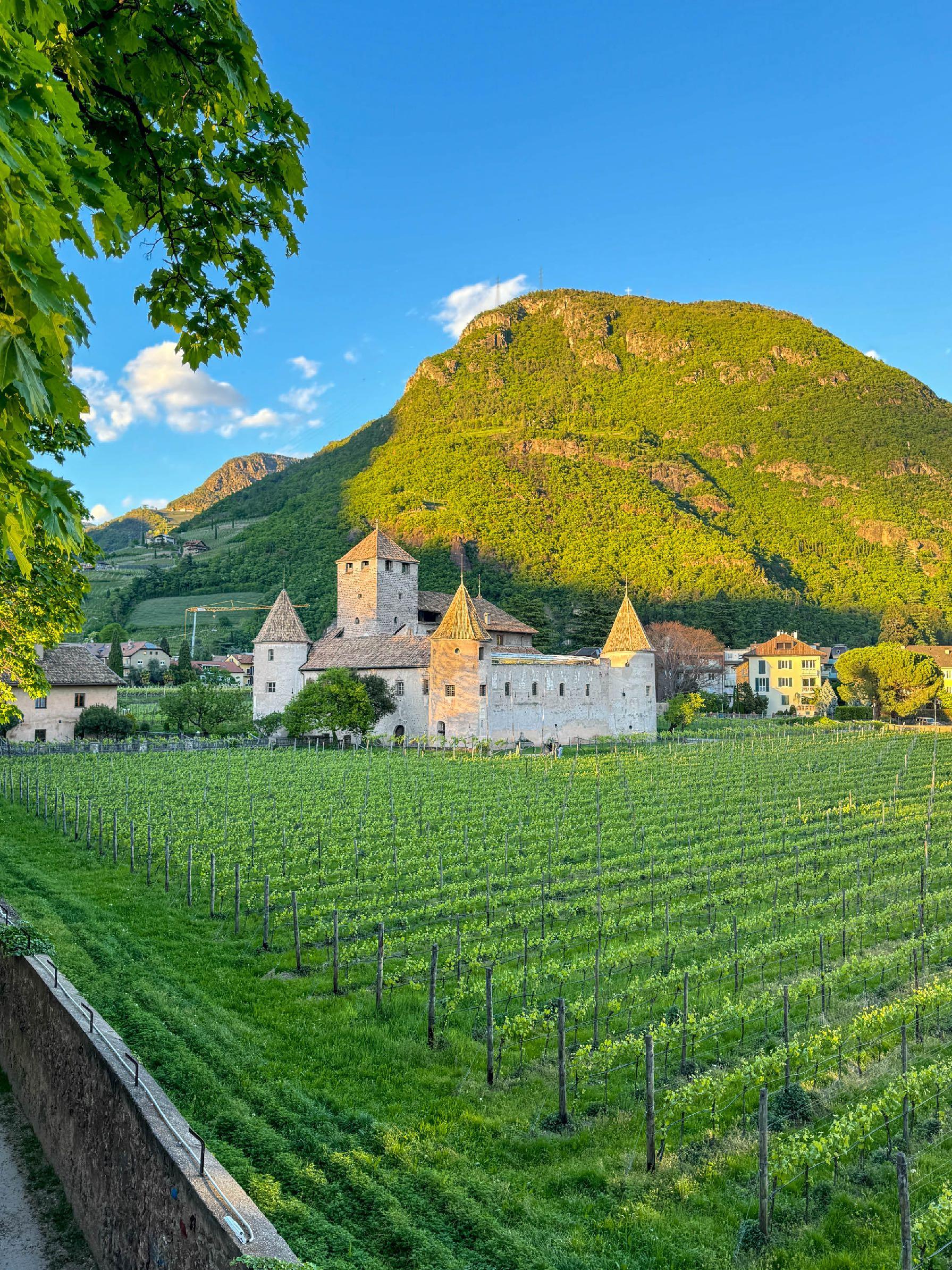
Maretsch Castle is located east of the Talfer promenade and is surrounded by picturesque vineyards. The lowland castle was first mentioned in writing in 1273. The Romanesque castle was built by the Lords of Maretsch. In 1558, the Römer family of Maretsch gave the castle its current appearance. Well-preserved frescoes, commissioned by Lukas Römer, tell the history of the castle. Nobles who belonged to the Protestant faith met here regularly.
Over the centuries, Maretsch Castle changed owners several times. From 1919 to 1974, it housed the state archive. After a comprehensive renovation in 2003, the castle was used as a conference and cultural center from 2007.
As a representative venue, it is open to visitors only on days without events. The respective visiting times can be found on the website of Maretsch Castle.
with the ÖBB railjet to Bolzano
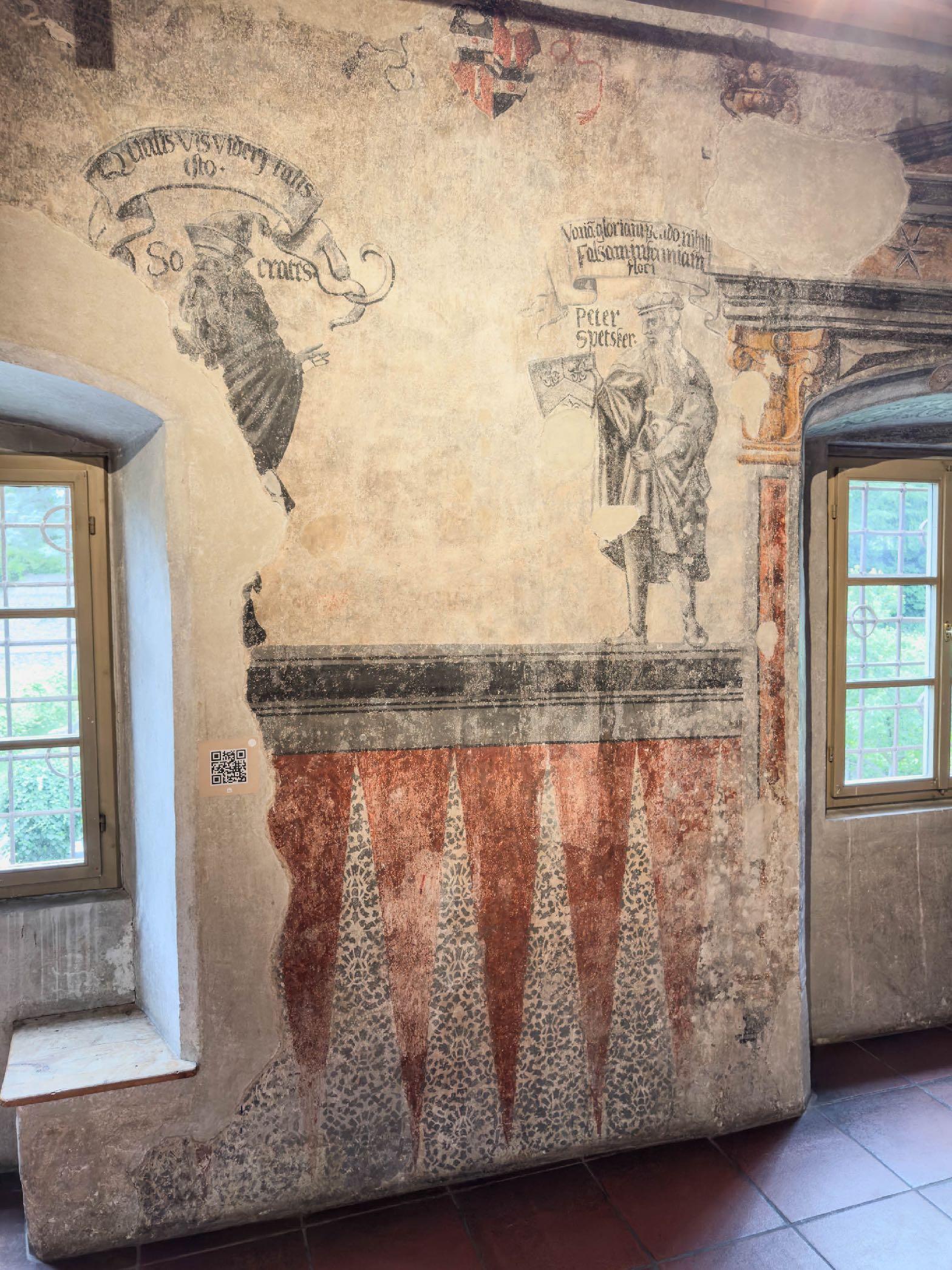
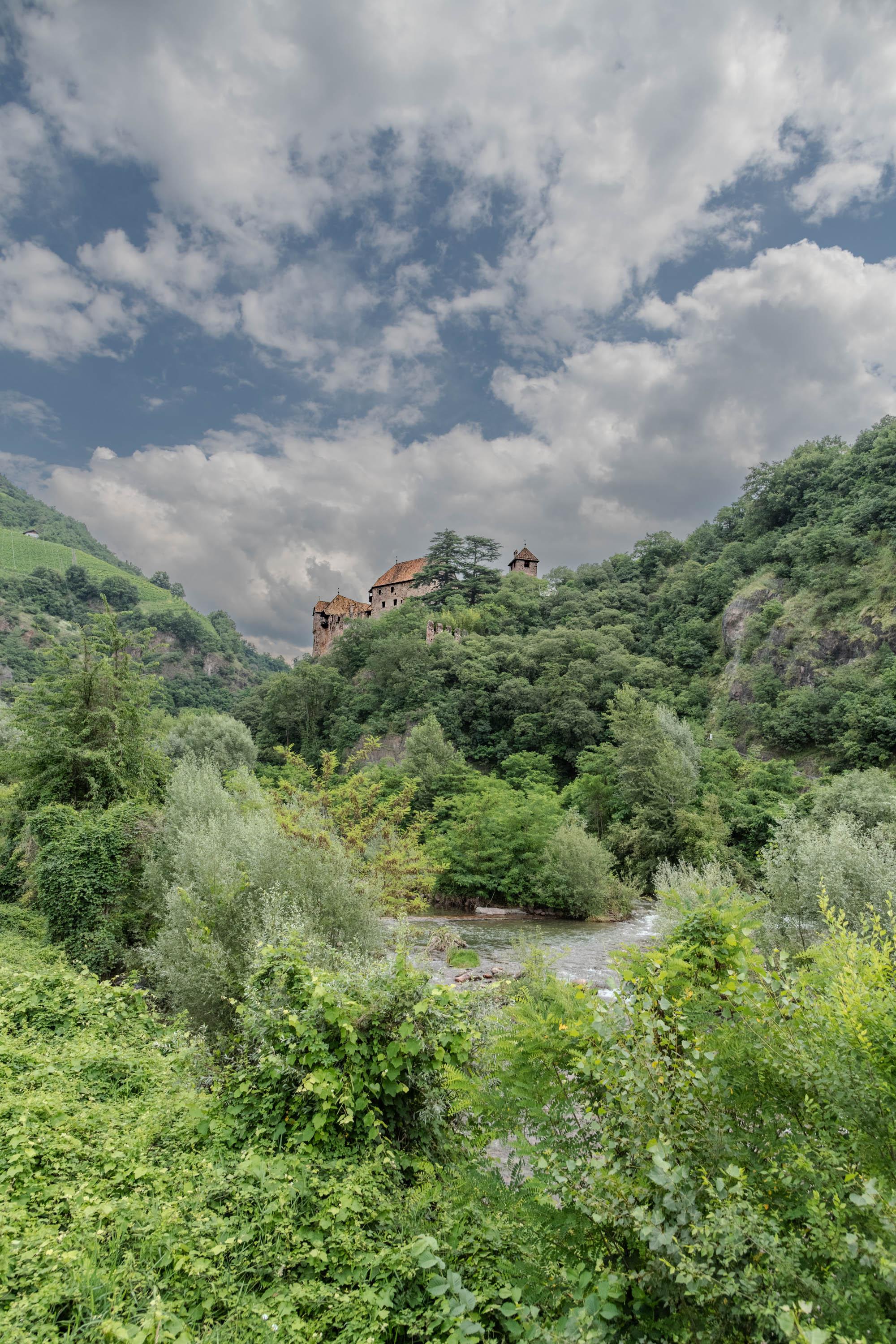
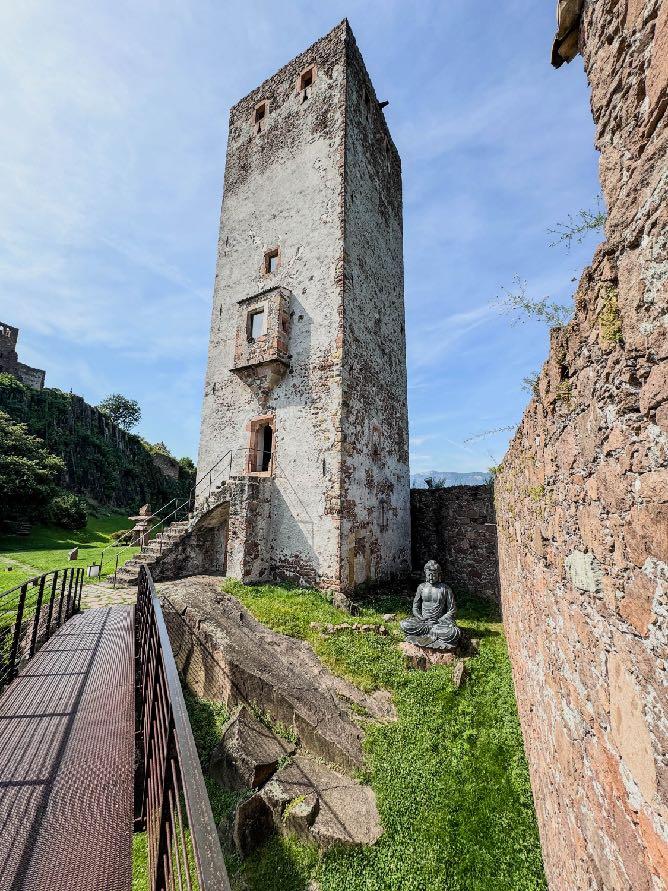
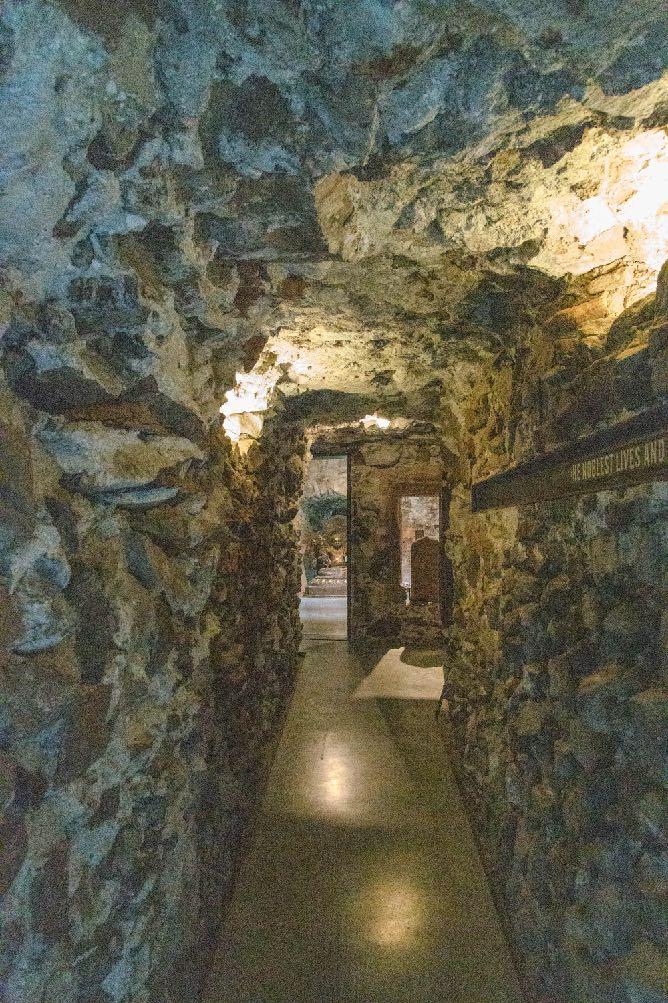
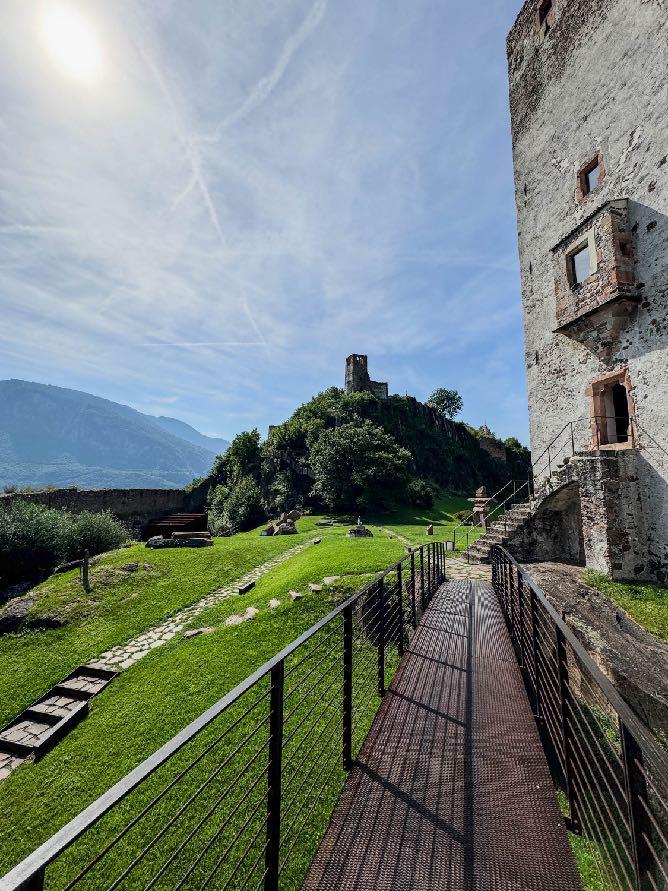
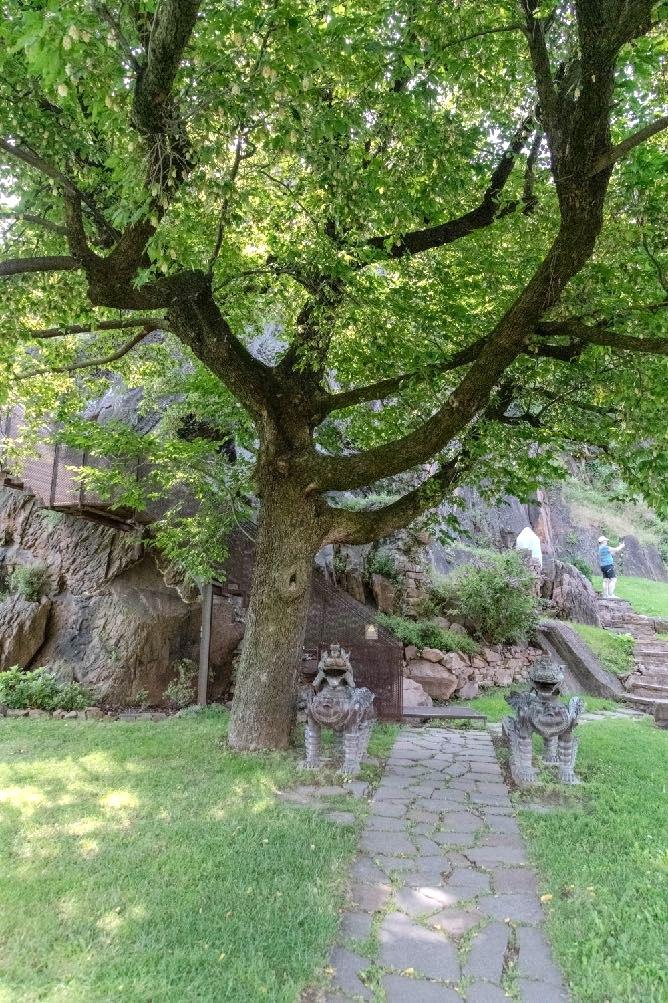
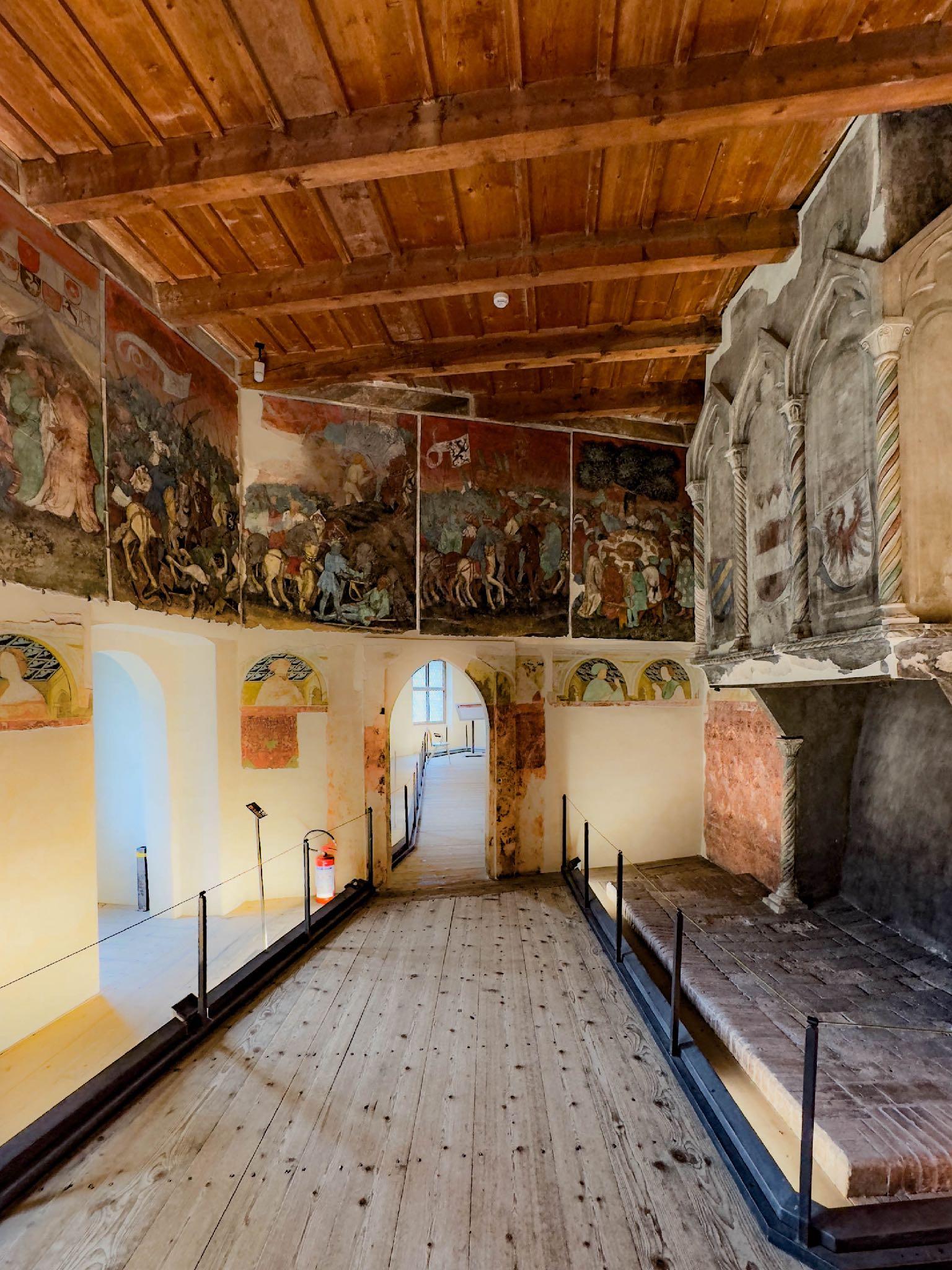
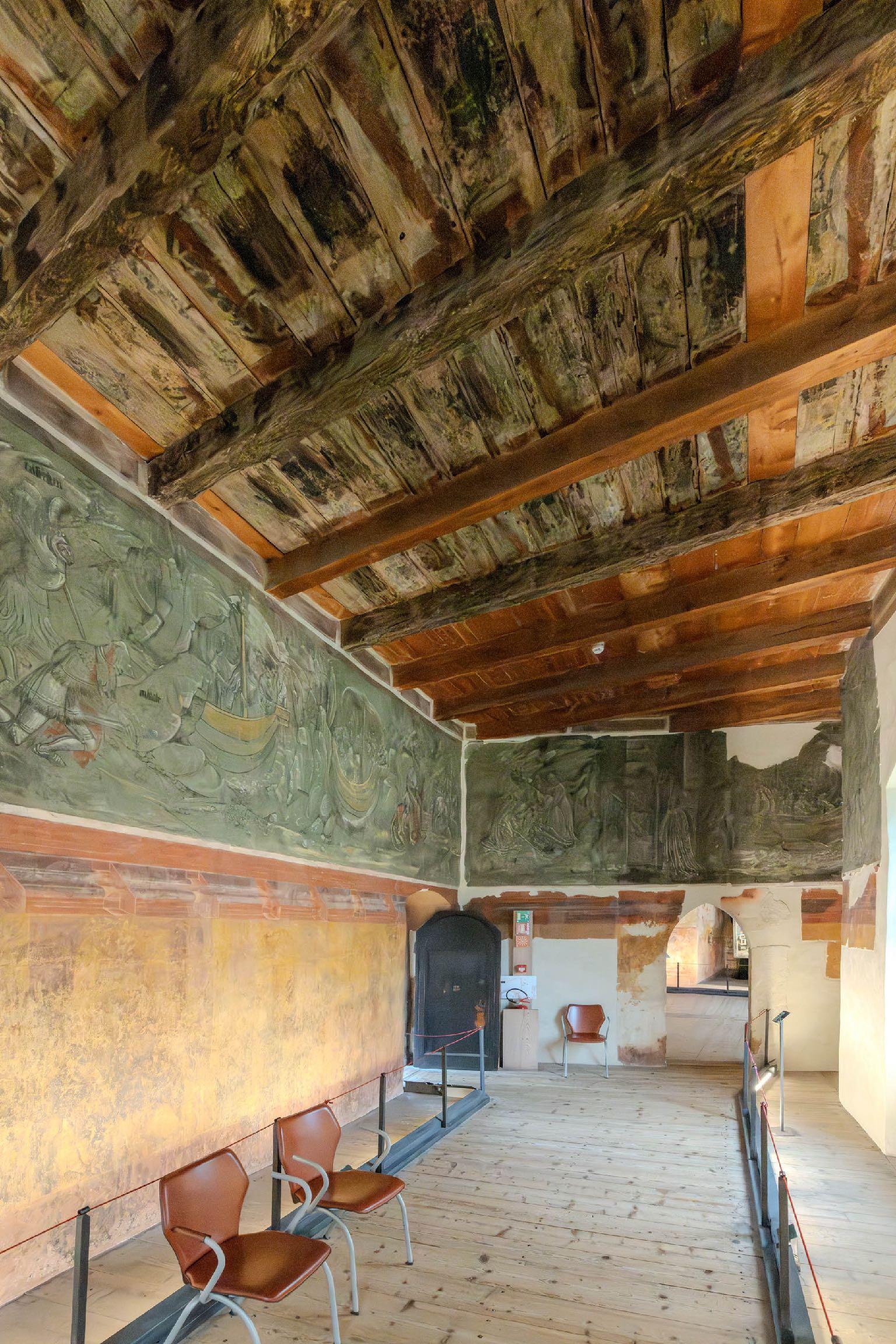
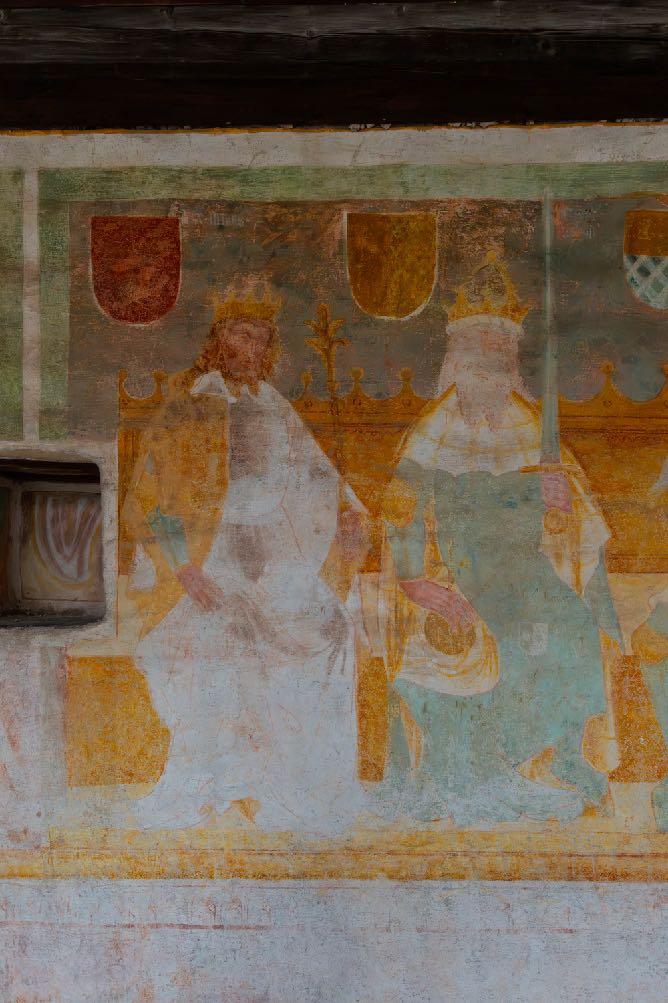
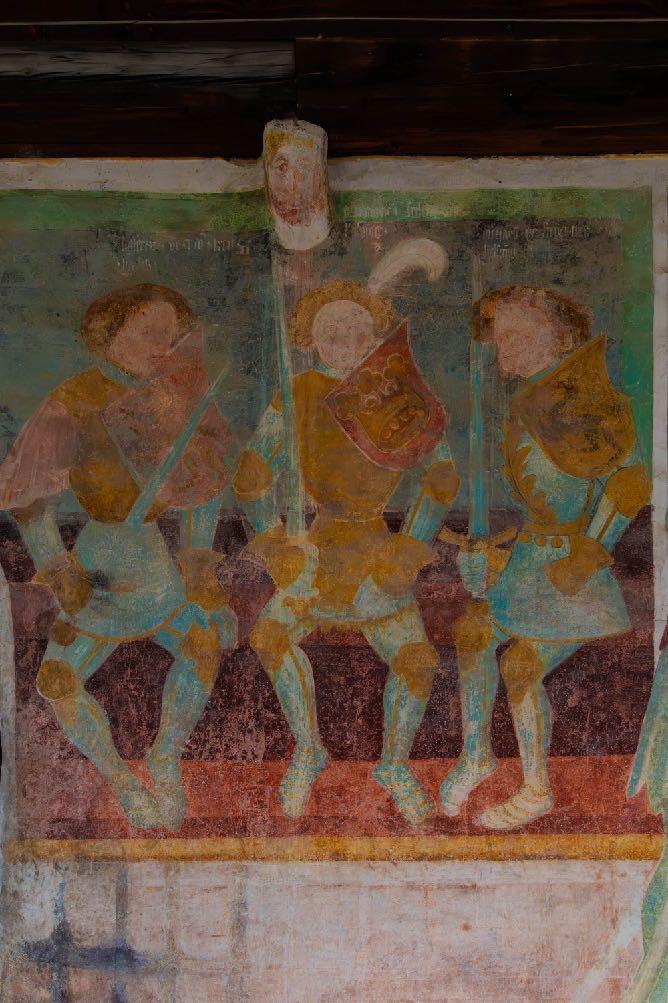
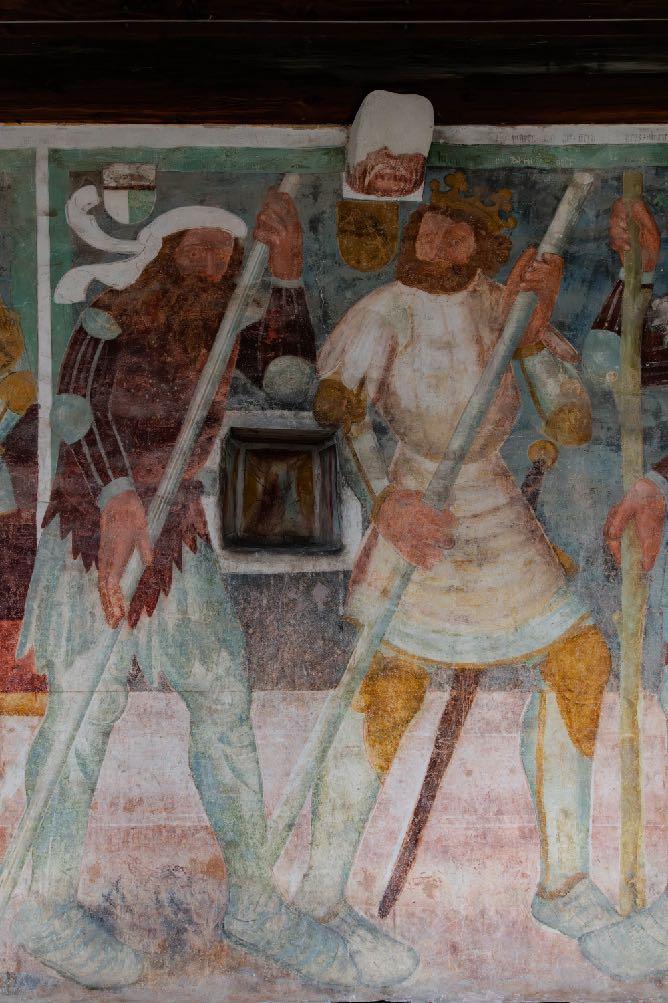
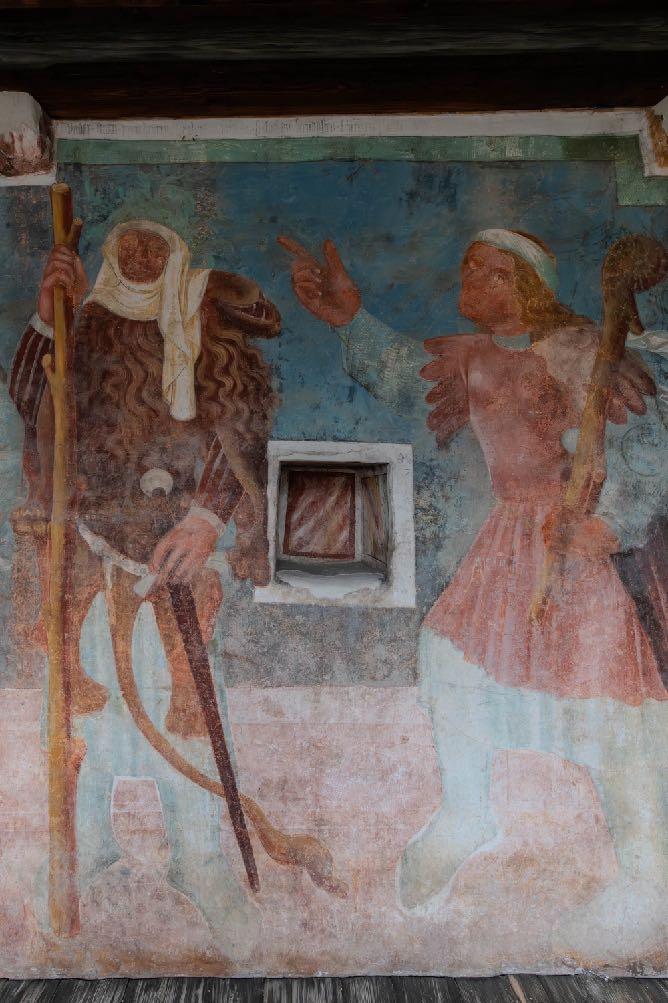
Runkelstein Castle, perched on a picturesque viewing rock, is famous for its most significant and best-preserved secular frescoes in the Alpine region.
The castle was built from 1237 by the brothers Friedrich and Beral von Wangen. Later, the brothers Niklaus and Franz Vintler, members of a wealthy merchant family from Bolzano, acquired Runkelstein Castle in 1385 and had it expanded and adorned with unique wall paintings. These frescoes are a unique testimony to the courtly culture of the time, the clothing of the nobility, and the tournament system. Over the
years, the castle changed owners several times, was expanded, and rebuilt.
Finally, Emperor Franz Josef donated Runkelstein Castle to the municipality of Bolzano in 1893, which owns it to this day. Since 2000, the gates of the medieval castle of Bolzano have been open to visitors.
Bus line 12 goes directly to the "Runkelstein Castle" stop. Sturdy footwear is recommended for the path from the station to the castle.
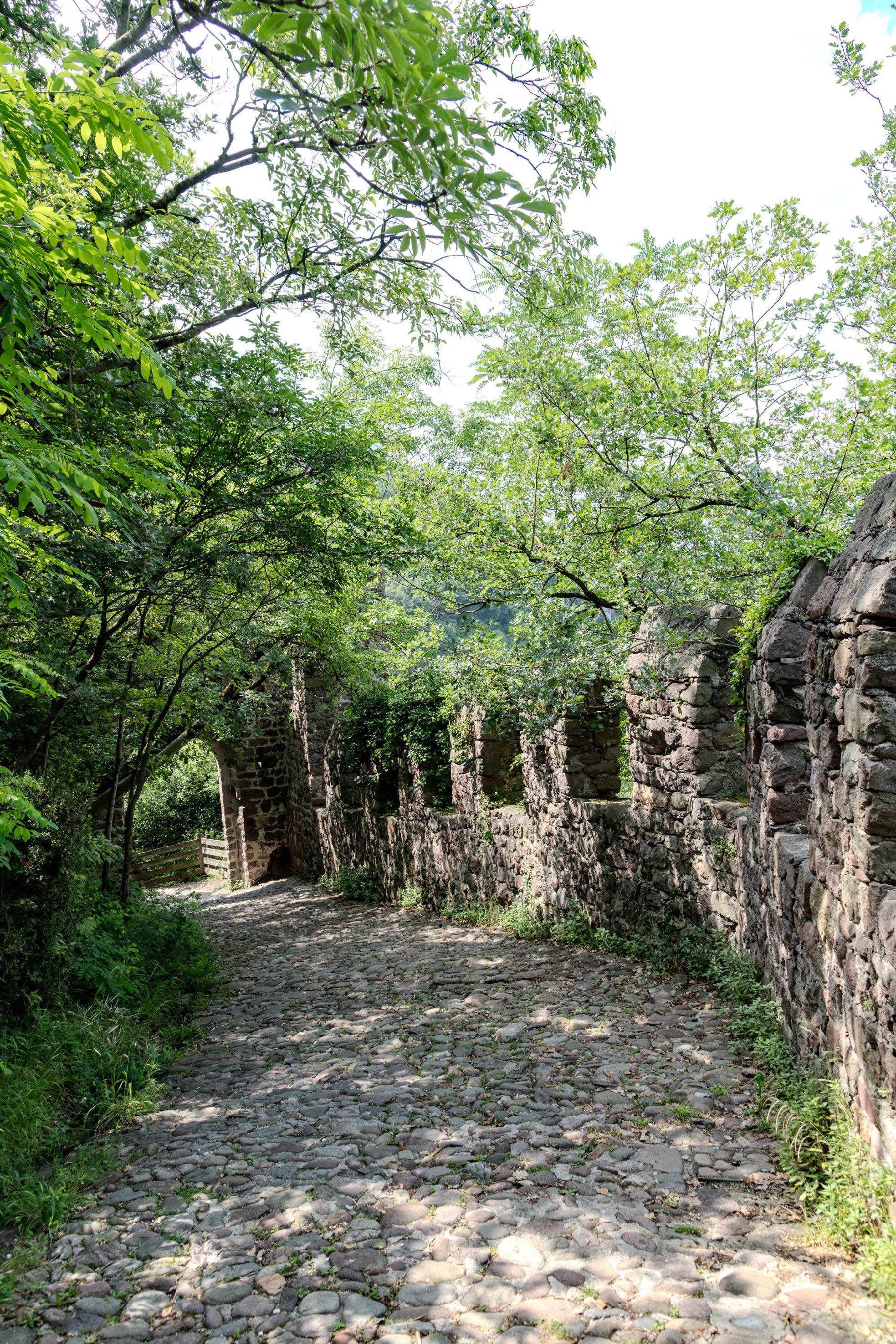
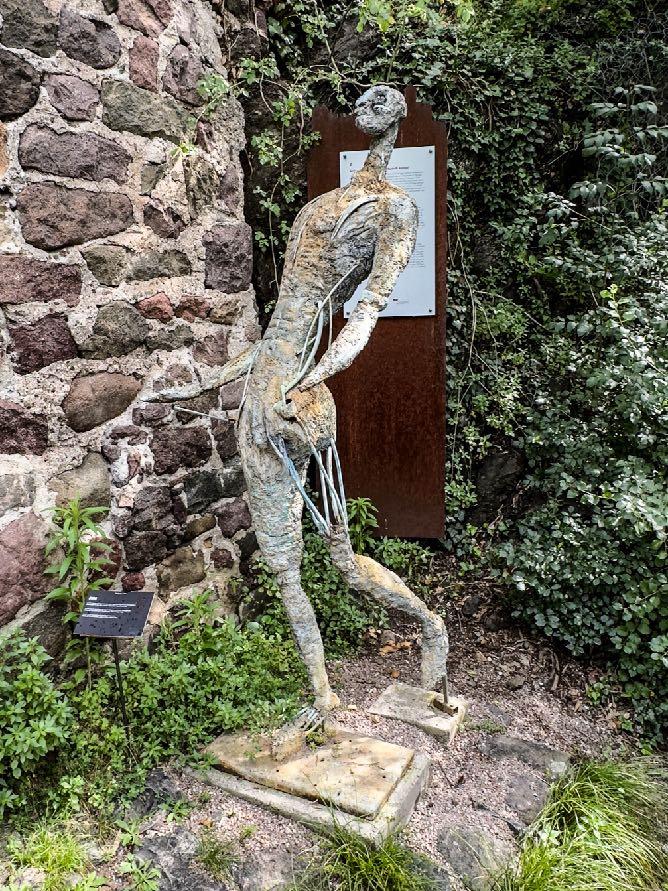
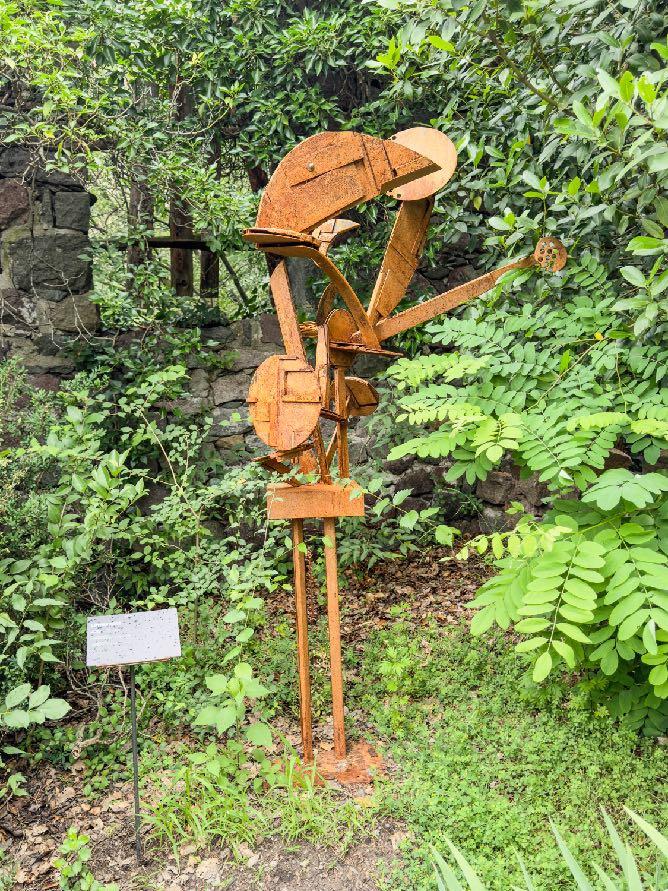
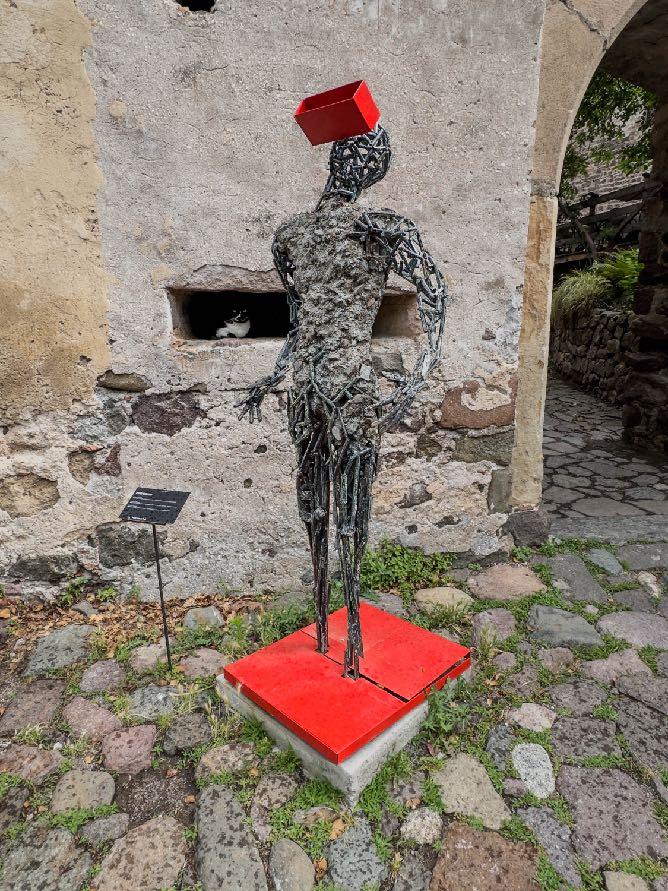
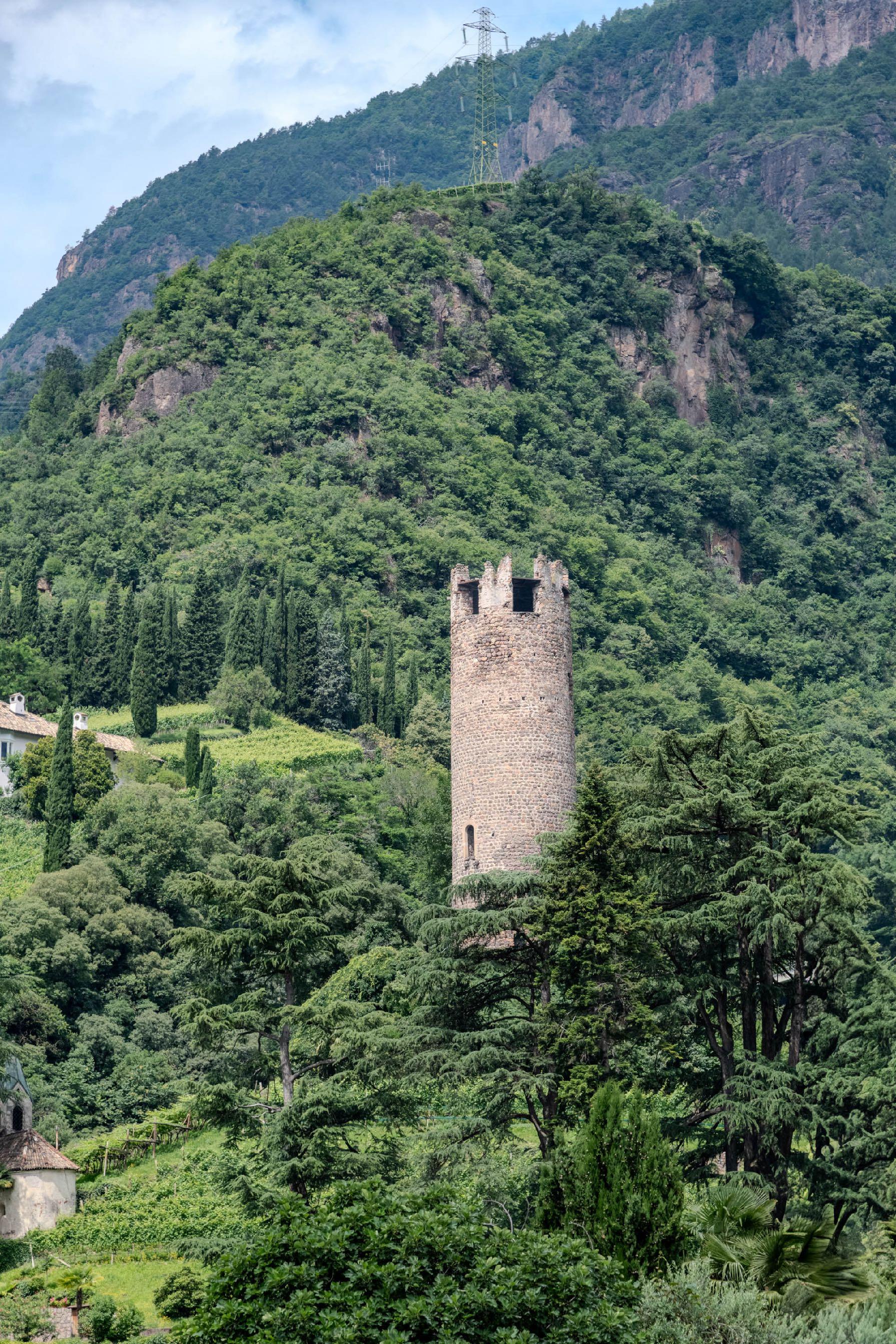
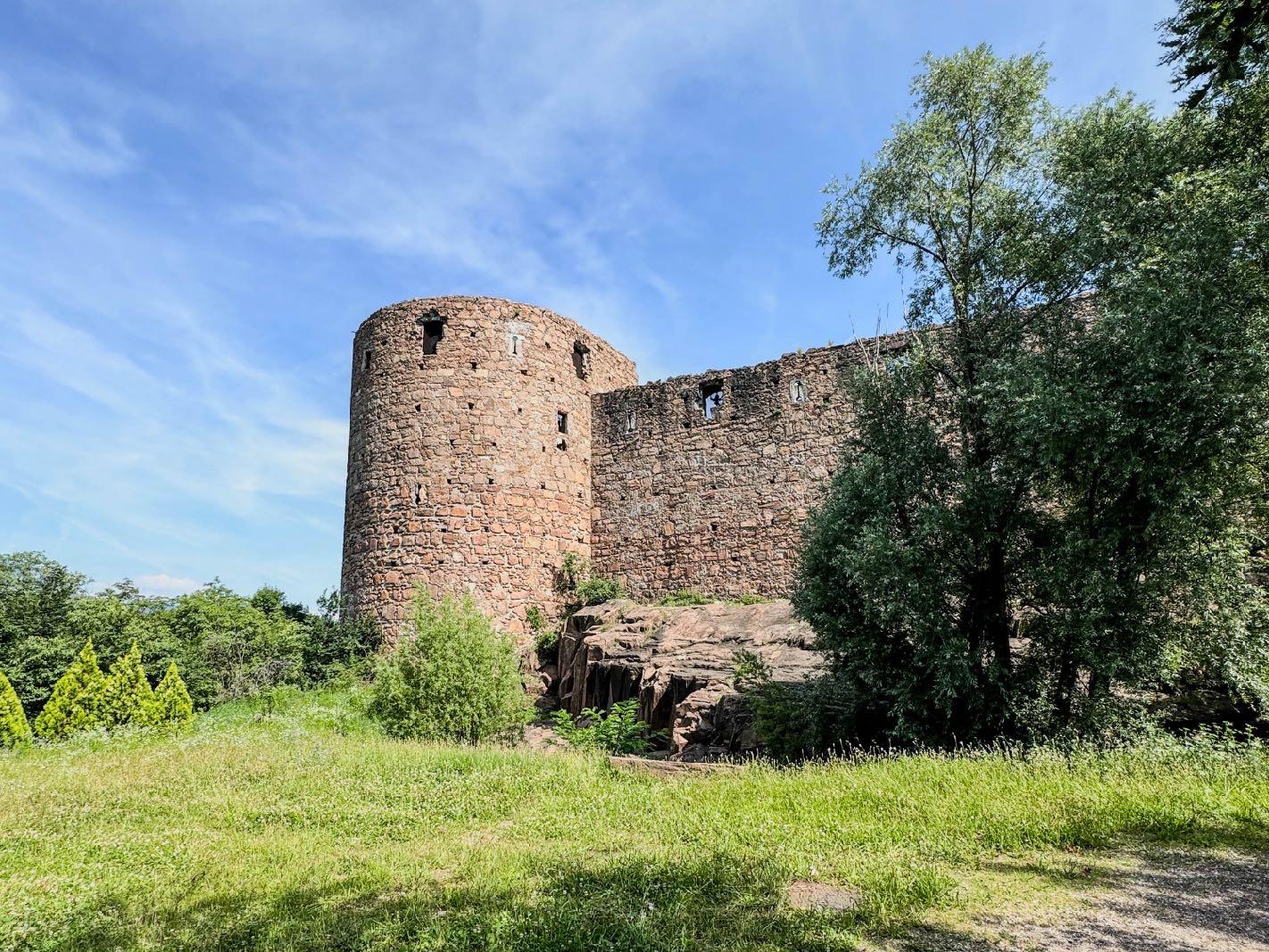
The ruin of Treuenstein Castle (also called Troyenstein or Trojenstein) is the remnant of a fortress built in the 13th century. It sits on the northern edge of the city of Bolzano, in the Gries district. Hikers approaching the ruin of Treuenstein Castle are surrounded by a mysterious flair. The dense trees give the surroundings a mystical atmosphere.
The slender round tower, also known as the "Sliced Tower," rises majestically into the sky and fascinates with its swallowtail merlons. Anyone taking the path from Runkelstein Castle to the
city center can admire the tower from afar and enjoy the beauty of this historical site. Below the keep lies a neo-Gothic residence that seems to tell stories from long past times. The Oswald Chapel, hidden among the trees, radiates a calm and spiritual aura.
Although Treuenstein is not accessible to visitors, they can still let the history and beauty of this place affect them and immerse themselves in past times.
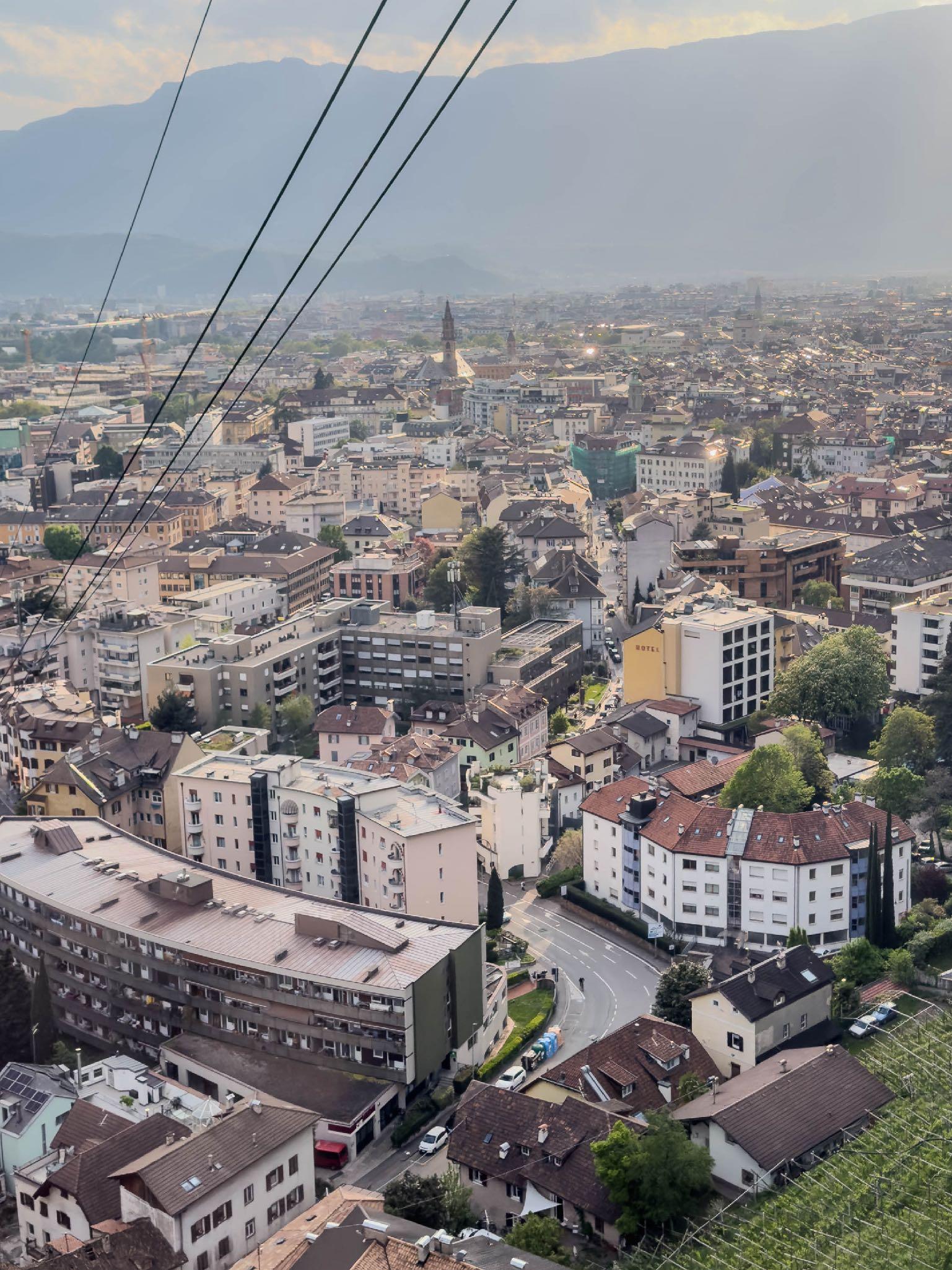

Three cable cars transport visitors to the surrounding mountains over 1,200 meters high in a short time. Kohlern and the Ritten are easily accessible and offer exciting adventures.
The view from the peaks of Kohlern and the Ritten is fascinating. Many hiking trails invite you to explore the surroundings and enjoy the beauty of nature.
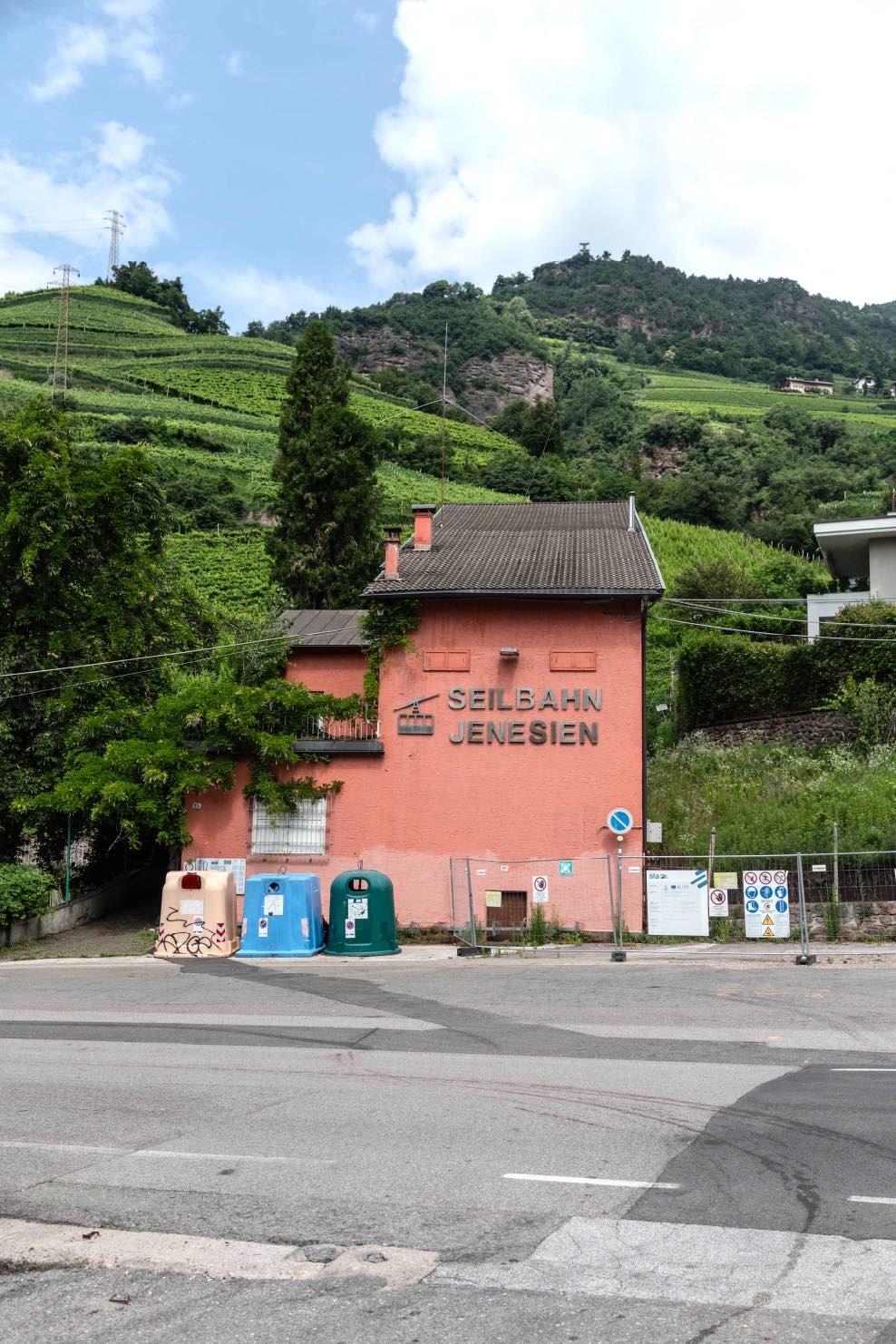
The cable car to San Genesio is currently being dismantled and then rebuilt. San Genesio can be reached by bus line 156.
The picturesque landscape around Bolzano always tempts you to an excursion. Even if it is possible to drive into the mountains by car, the cable cars are the ideal means of transport for a hike.
with the

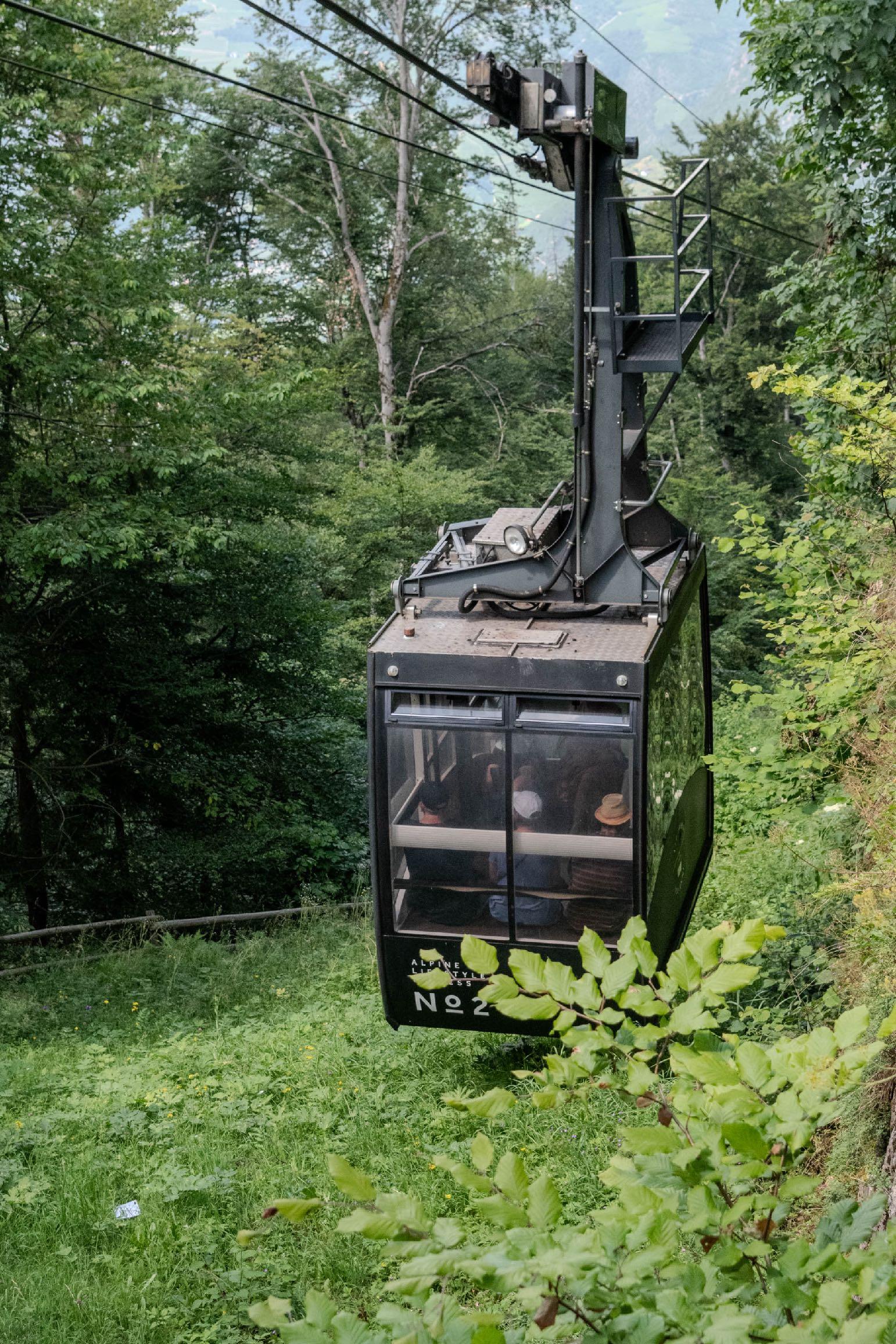
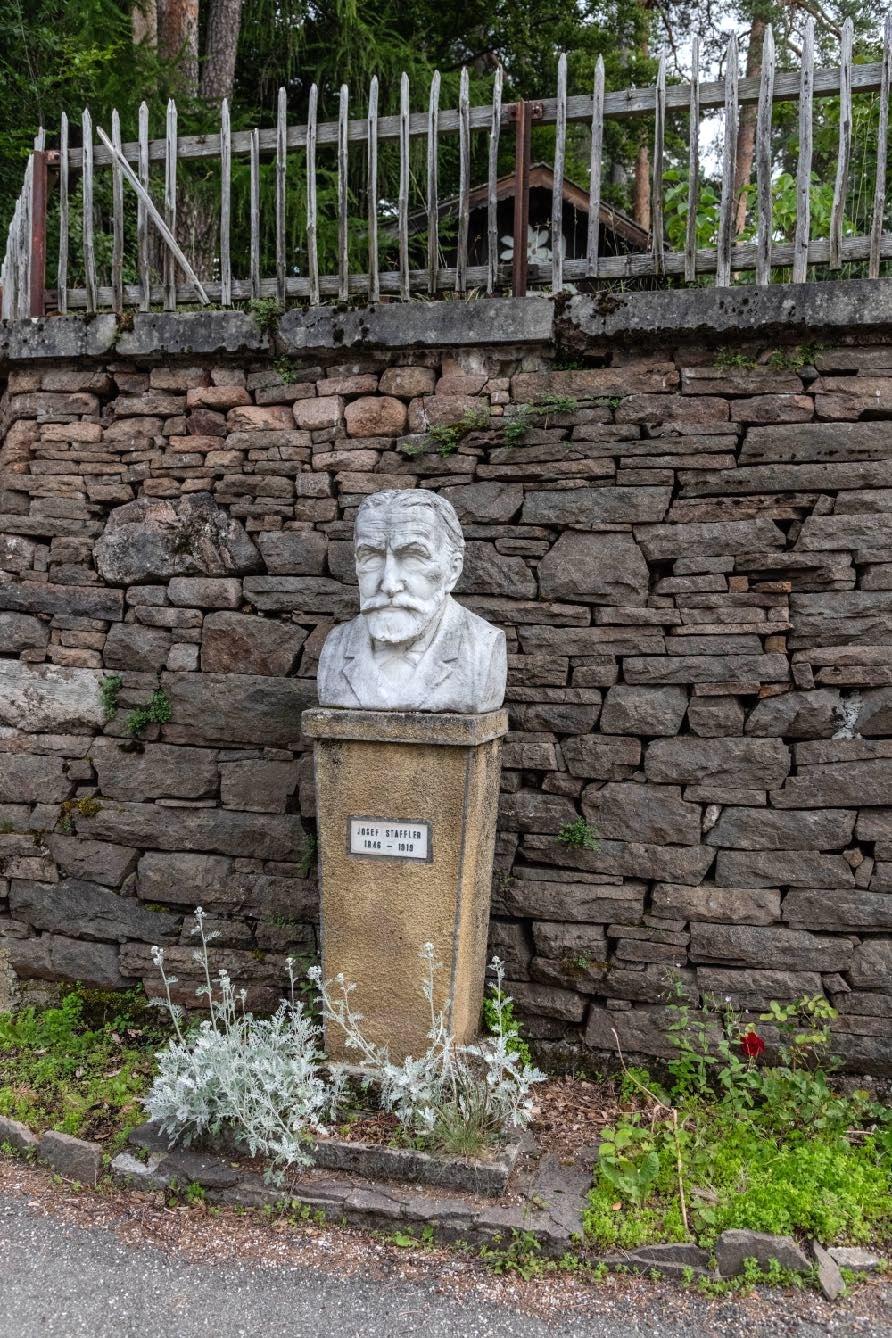
More than a hundred years ago, the idyllic place Kohlern was discovered by wealthy Bolzano residents as an ideal summer retreat. At that time, travel to the mountain village was only possible on foot or with ox carts.
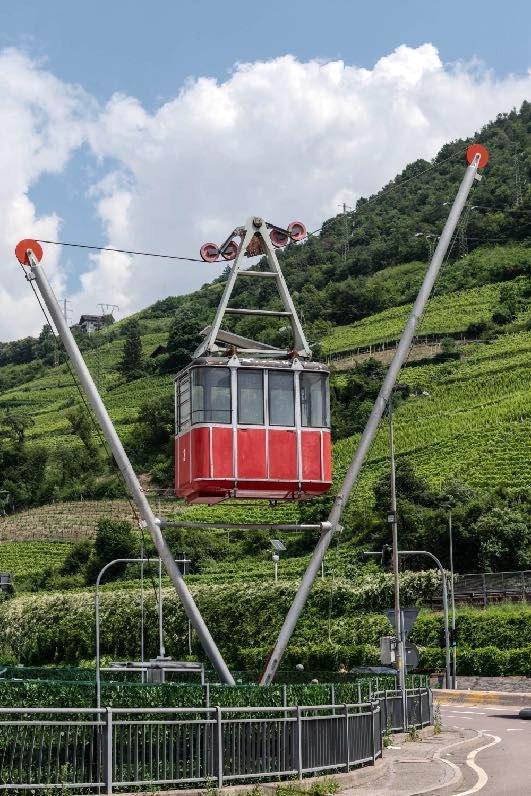
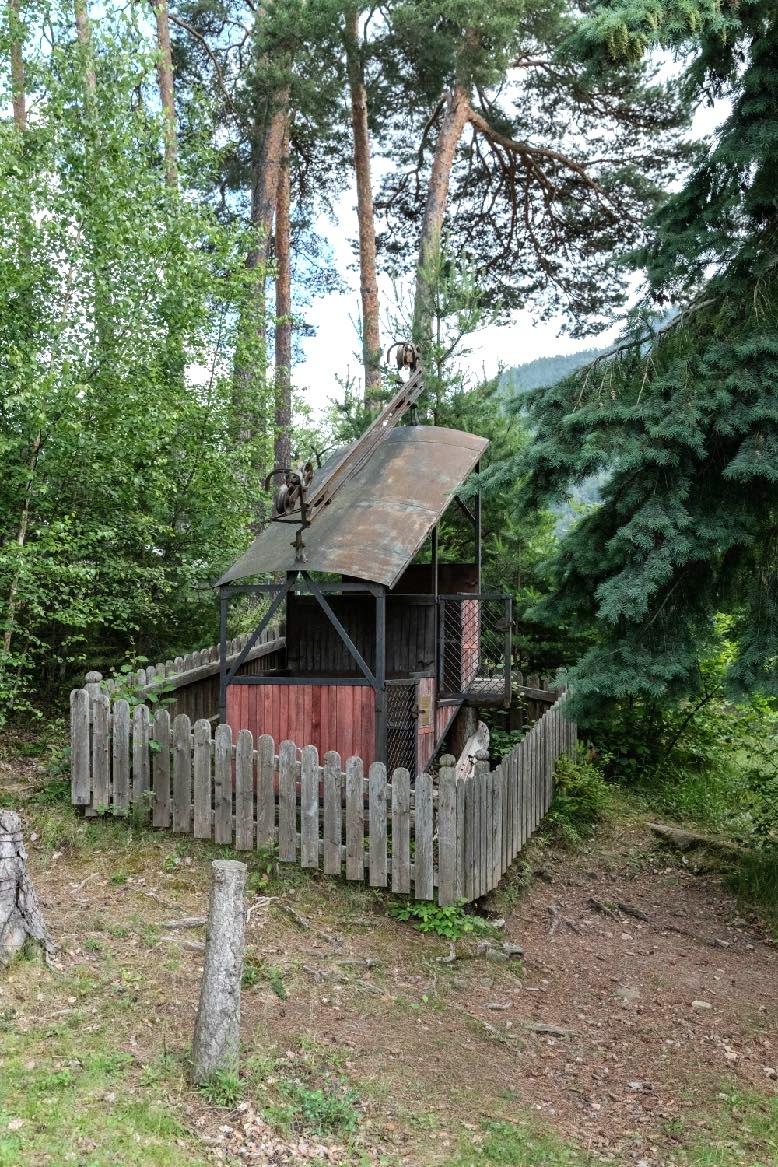
The enterprising innkeeper Josef Staffler recognized the potential of the picturesque area and decided to promote tourism by introducing an innovative means of transport: a cable car. The Kohlern cable car was opened at the end of 1908 and is today the oldest passenger cable car in the world.
A replica of the original cabins can be admired near the mountain station.
Travelers can reach the cable car from Bolzano station on bus lines 1, 6, and 9 from Monday to Saturday, and on Sundays and holidays with line 14 from Walther Square.
The Kohlern cable car operates daily from 06:50 to 19:30 and runs every 15 minutes. On Sundays and holidays, operations start at 08:00. During the lunch break from 11:00 to 12:00, the cable car is stationary.
with the ÖBB railjet to Bolzano
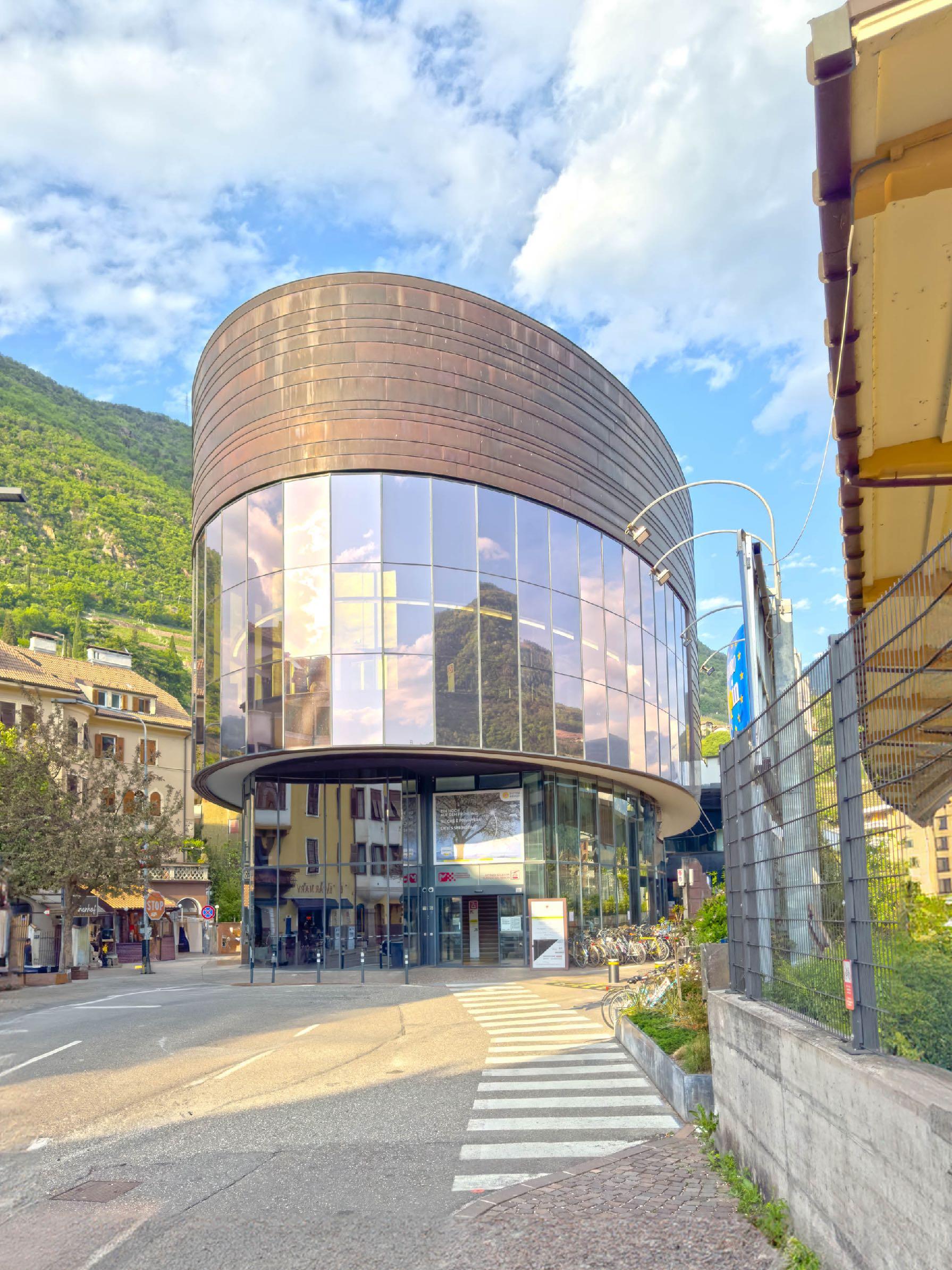
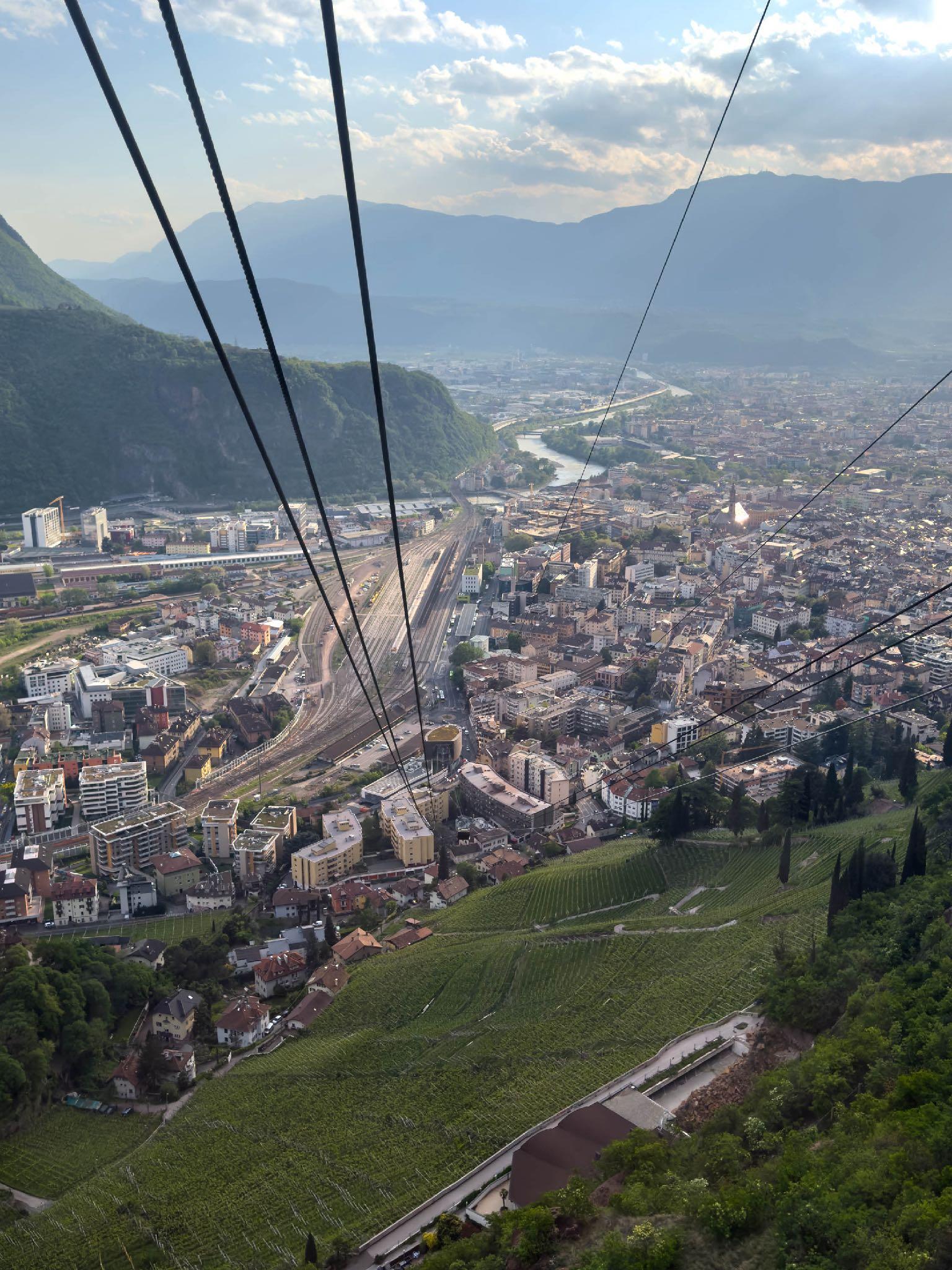
Every 4 minutes, the Ritten cable car transports passengers from Bolzano to Soprabolzano and vice versa. After only 12 minutes, passengers reach their destination with this cable car. This aerial cableway is a 3S cable car (tricable gondola lift) and belongs to the South Tyrol transport association. The Ritten cable car ascends from Bolzano to the Ritten, where hikers and travelers can discover a variety of activities. The mountain station on the Ritten is at a stop of the Ritten railway.
Once at the top of the Ritten, guests are treated to a spectacular view of the surrounding Dolomites. The clear
mountain air and the silence of nature invite you to take extended walks or hikes.
In addition to the numerous hiking trails, there are also inviting mountain huts and dining options to try regional South Tyrolean delicacies. For those who prefer something more adventurous, mountain bike tours are available, or in winter, you can ski down the slopes. The wide range of leisure activities on the Ritten leaves no wishes unfulfilled and attracts many visitors every year.
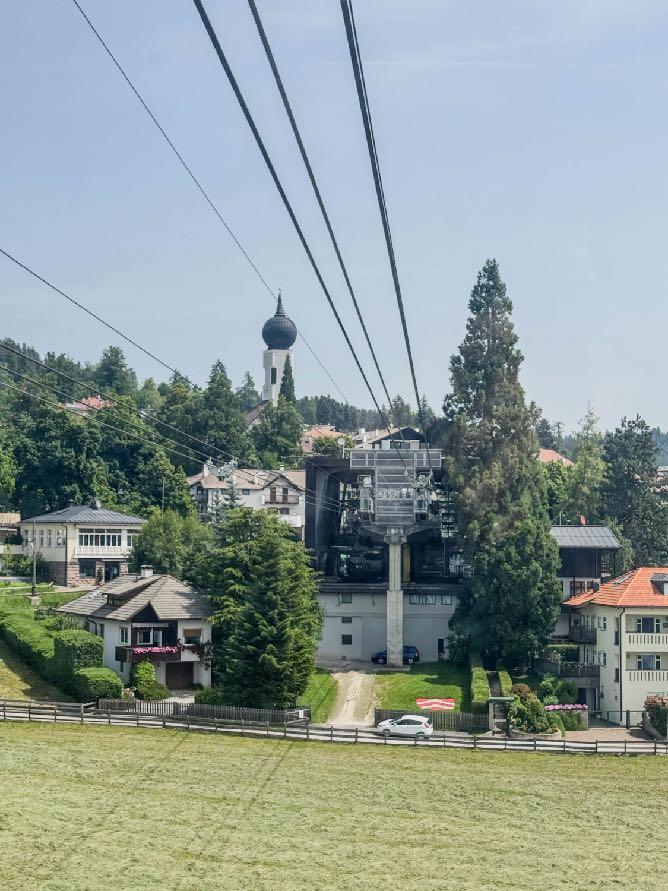
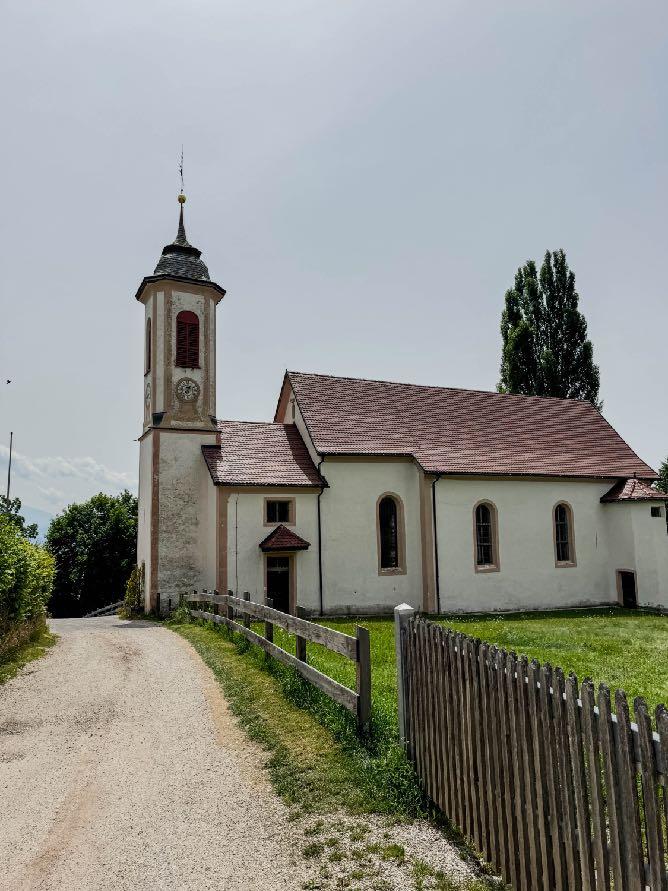
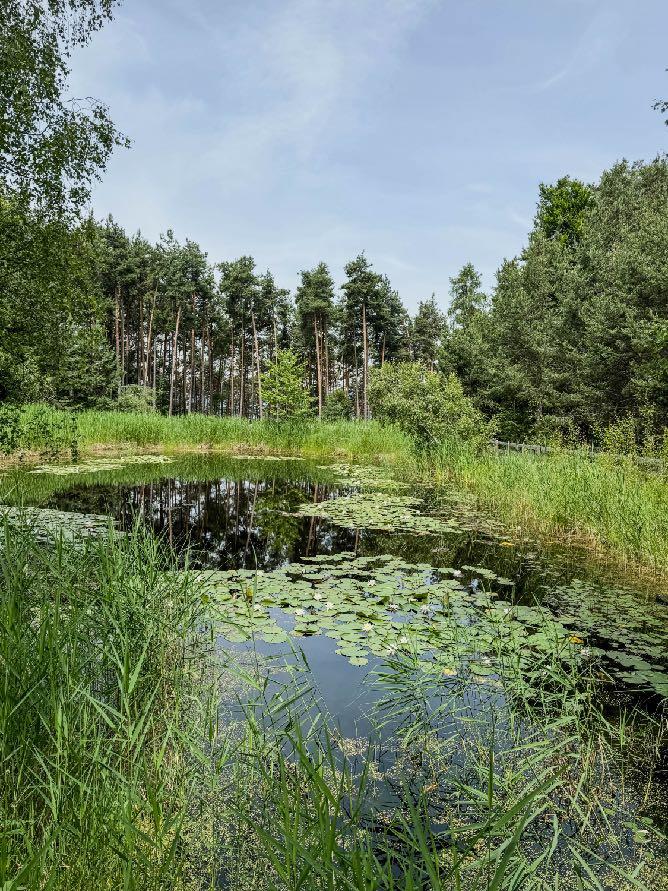
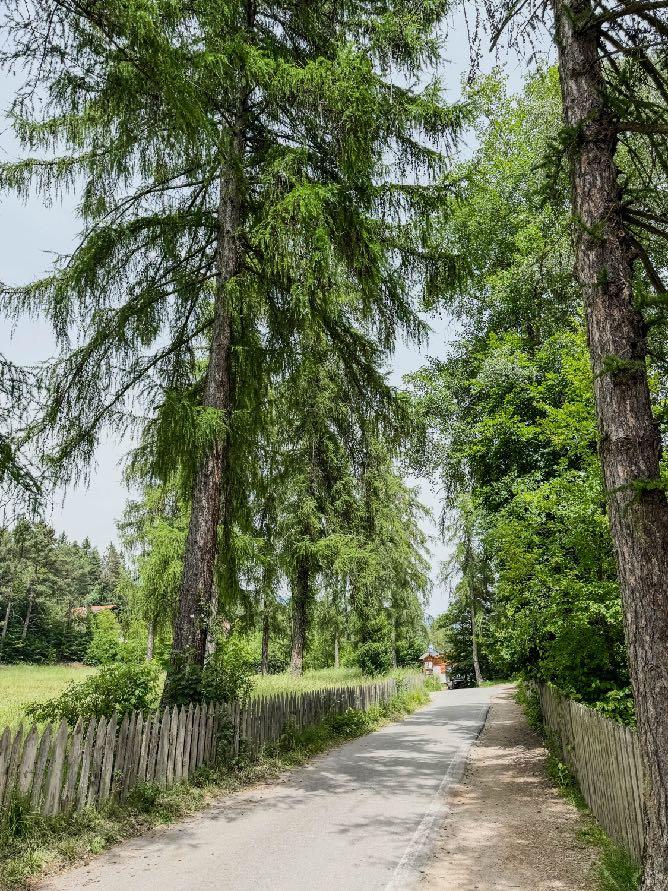
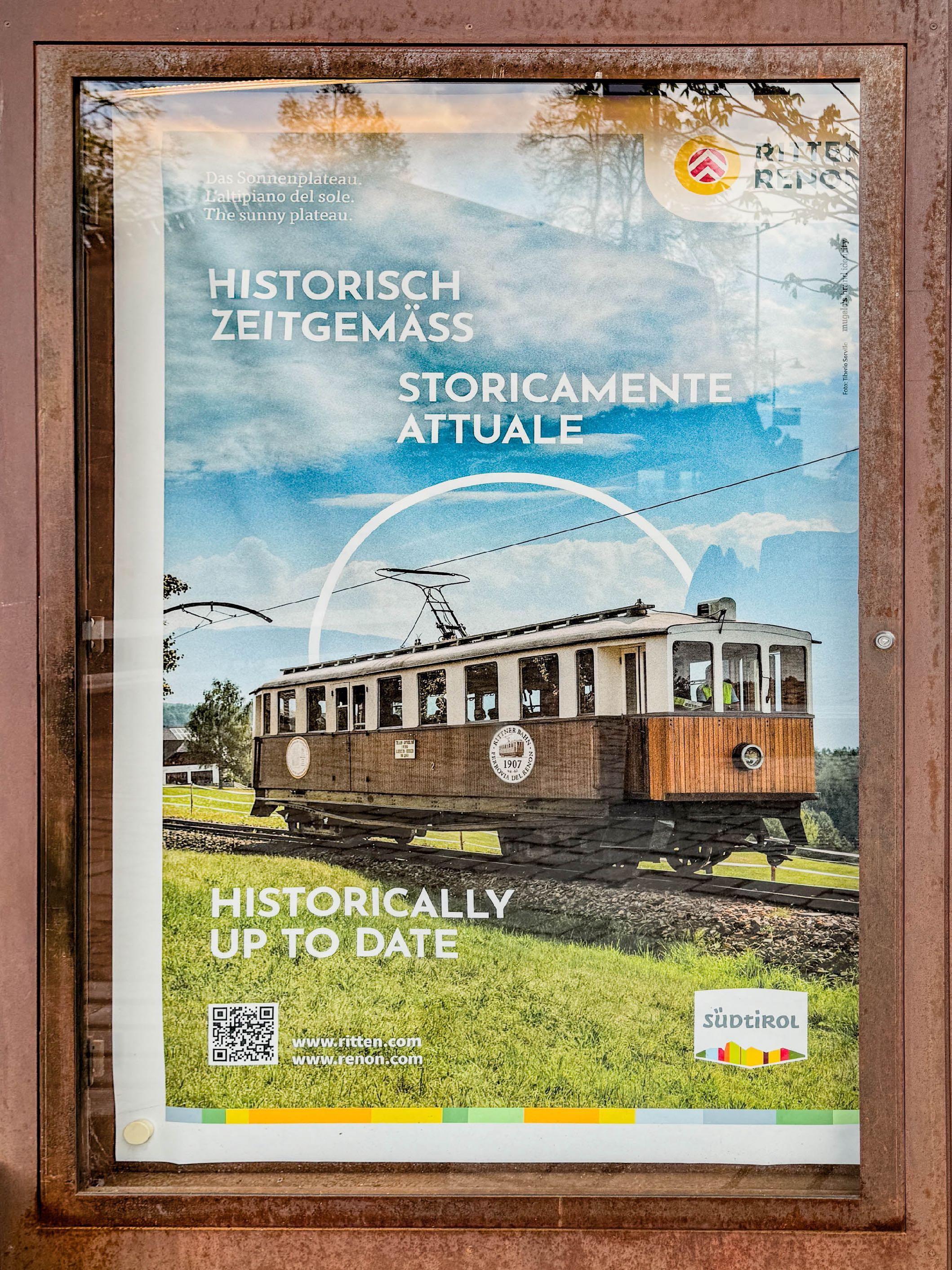
In 1907, the ceremonial opening of the Ritten Railway took place. At that time, the route led directly from Walther Square to the Ritten. On part of the way, a rack drive was used due to the steepness. This mountain railway was constructed after the model of the Belle Epoque in Switzerland, with the aim of making the mountains accessible to wealthy tourists. Over the years, the Ritten Railway increasingly became a general means of transport for the local population. In 1966, the rack section was decommissioned and a cable car from Bolzano to Soprabolzano was built instead. Since 2009, the old cable car

has been replaced by the modern Ritten cable car. Today, the narrow-gauge railway is the last of its kind in South Tyrol.
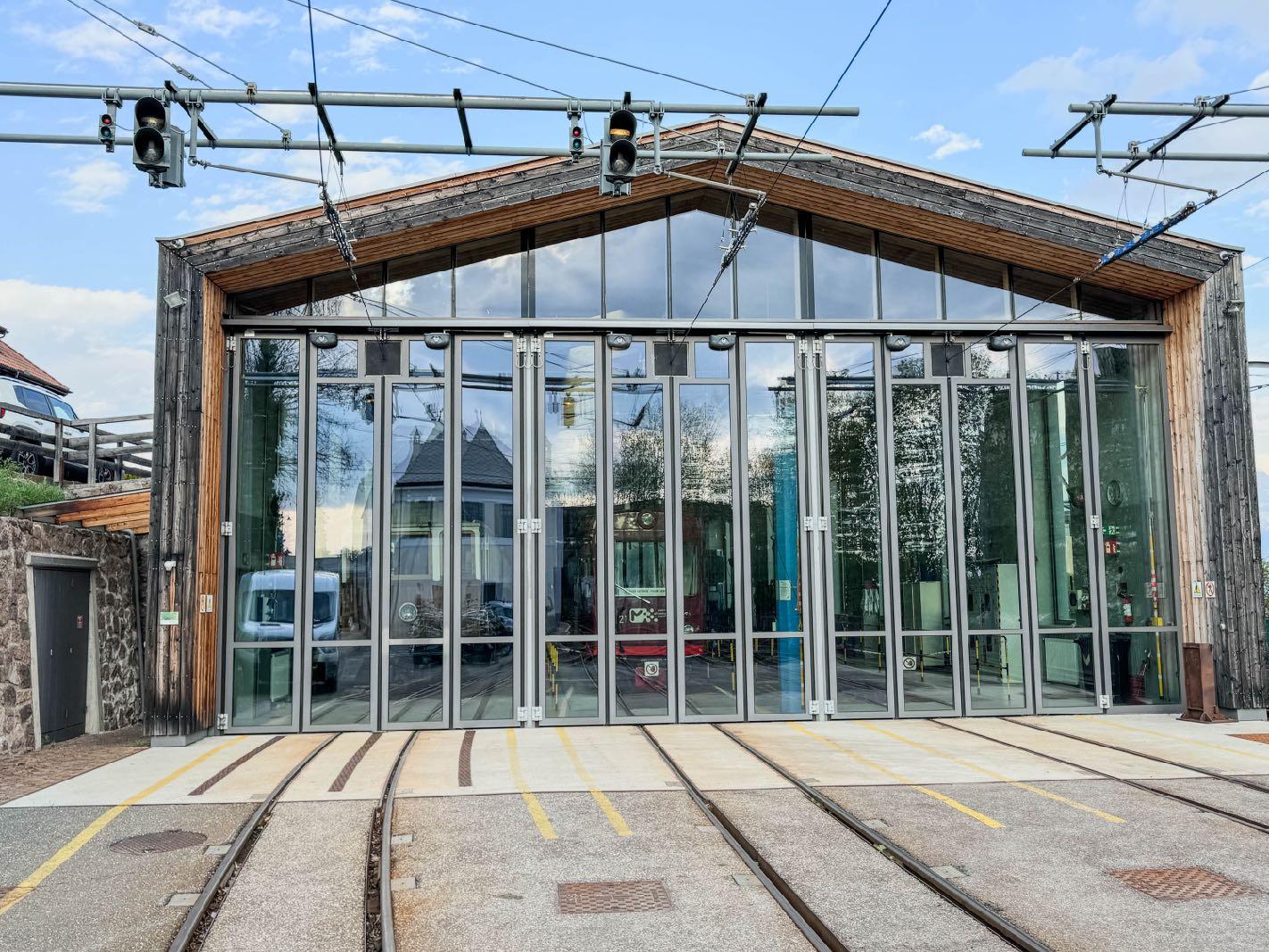
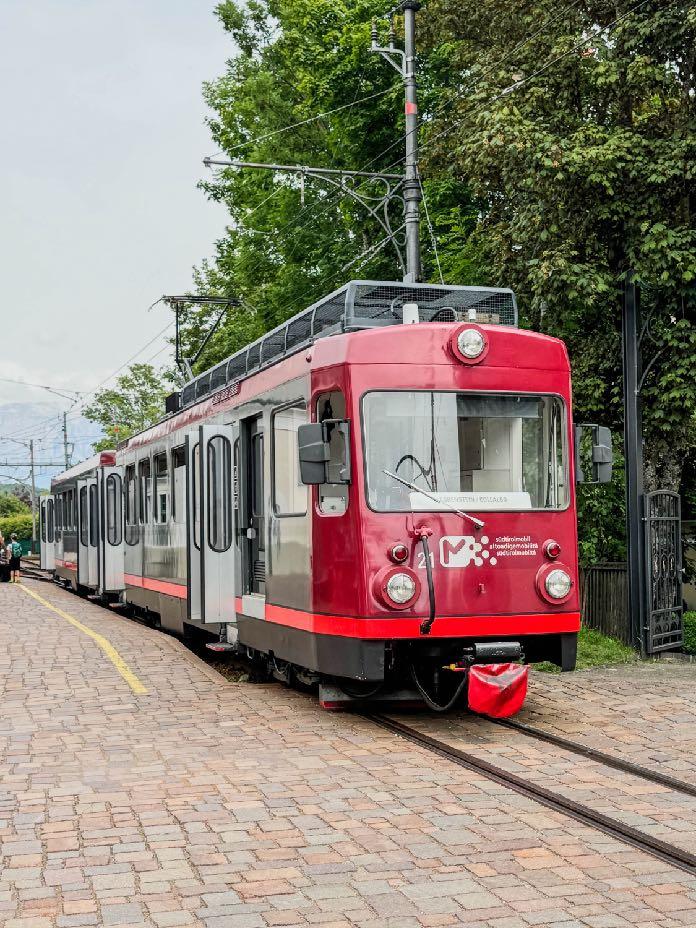
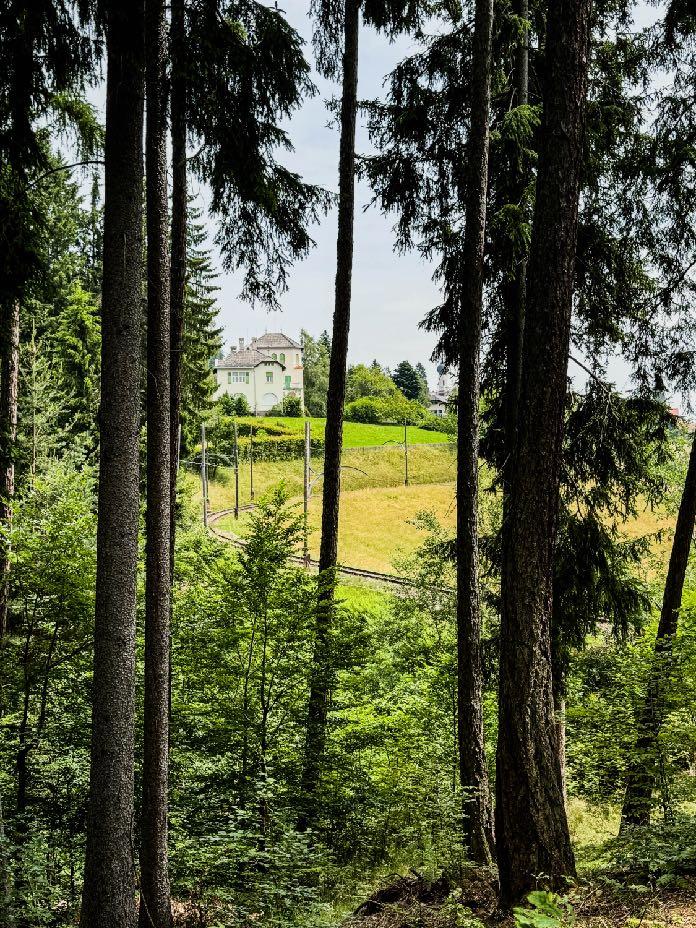
The Ritten Railway connects Soprabolzano with Collalbo and continues to Maria Assunta. The ride on the narrow-gauge railway is an unforgettable experience that transports visitors back to a past era and at the same time reveals the beauty of South Tyrol's nature. The Ritten narrow-gauge railway operates year-round.
with the ÖBB railjet to Bolzano


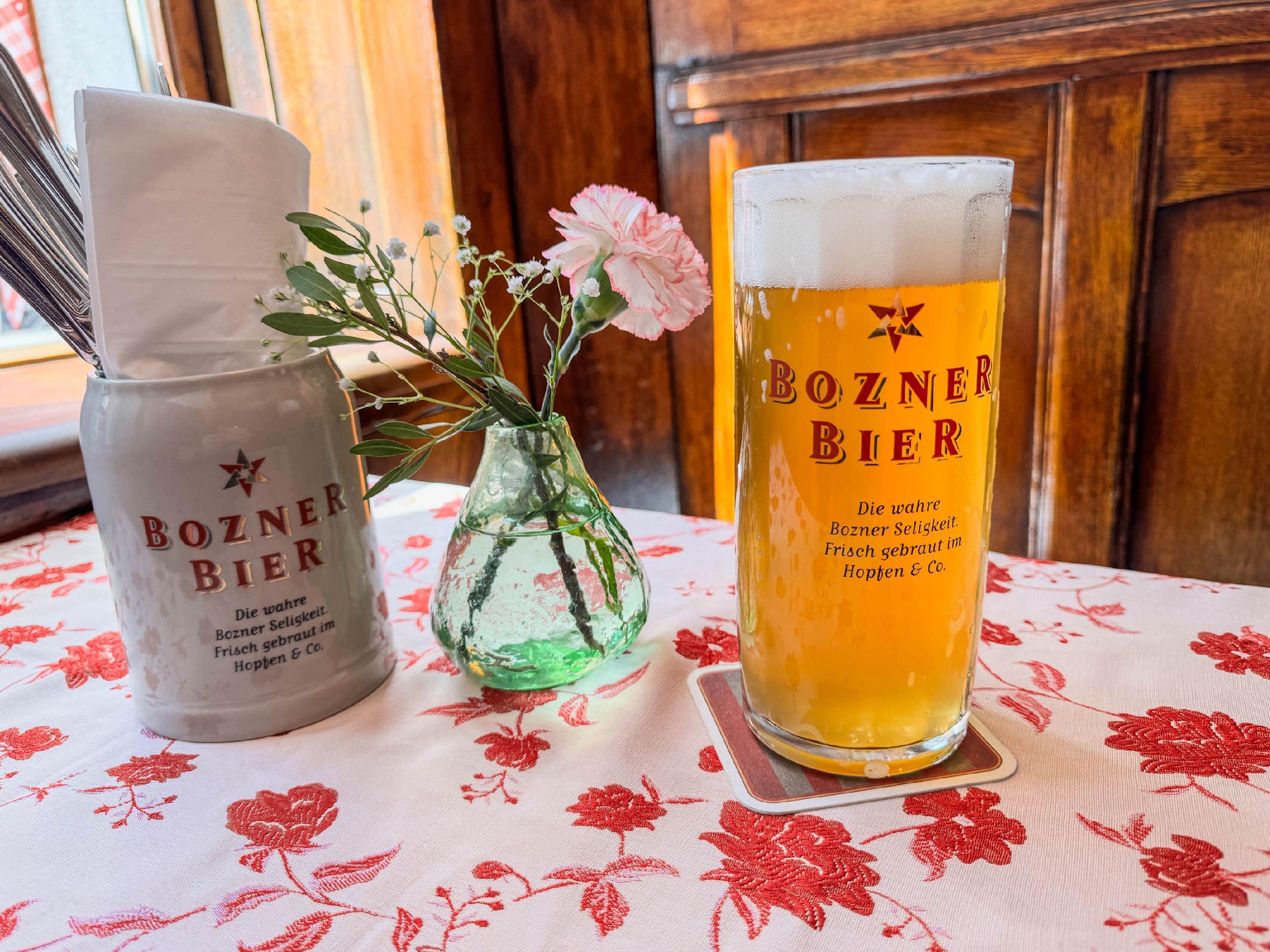

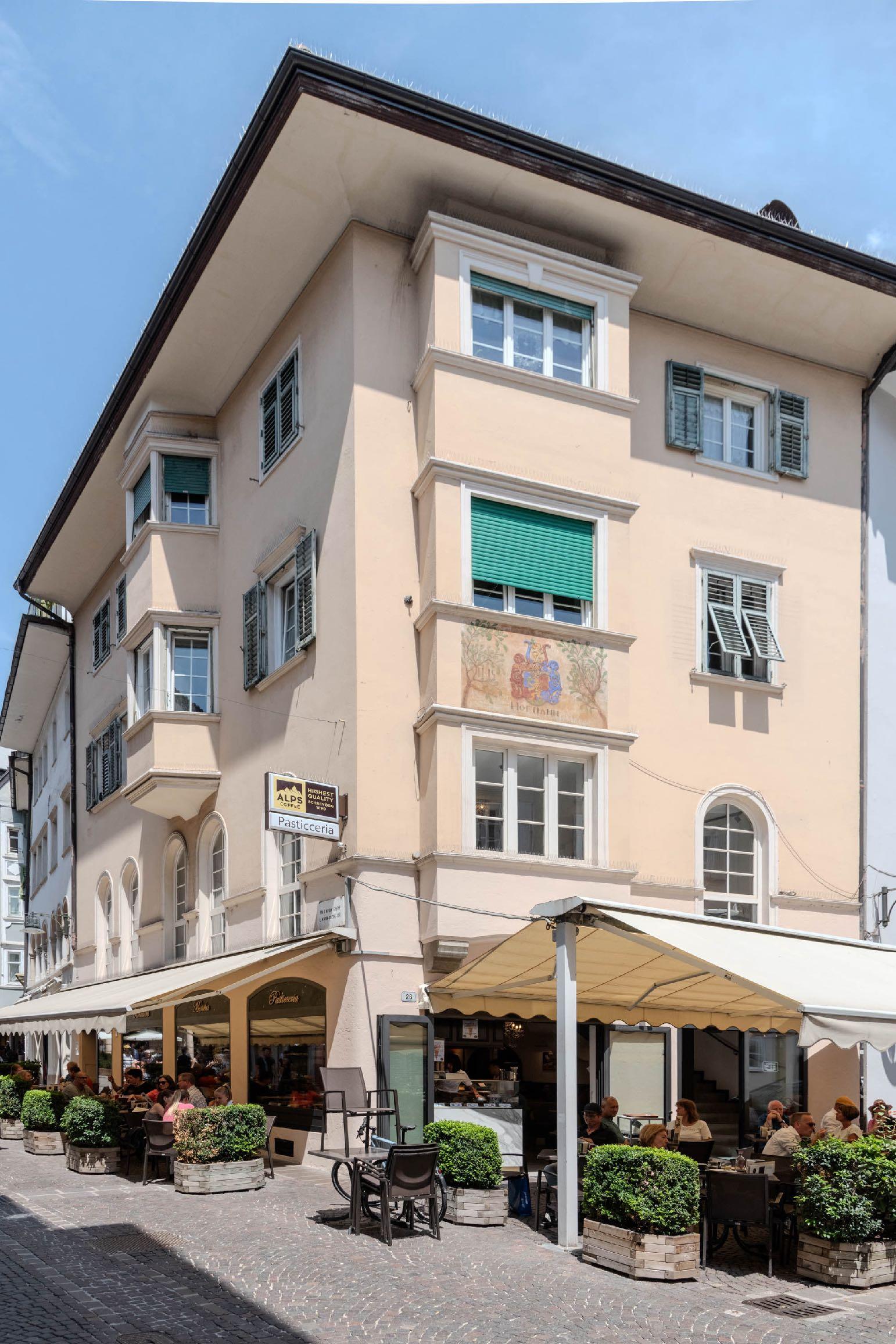
regional specialties. Particularly popular are the cozy garden locales where you can enjoy the famous South Tyrolean wines, local beers, and tasty dishes from the kitchen. The numerous restaurants also offer a variety of dishes for every taste, from classic Mediterranean cuisine to international specialties. Thus, every visitor is sure to find the right place for an enjoyable stay in Bolzano.
with the ÖBB railjet to Bolzano
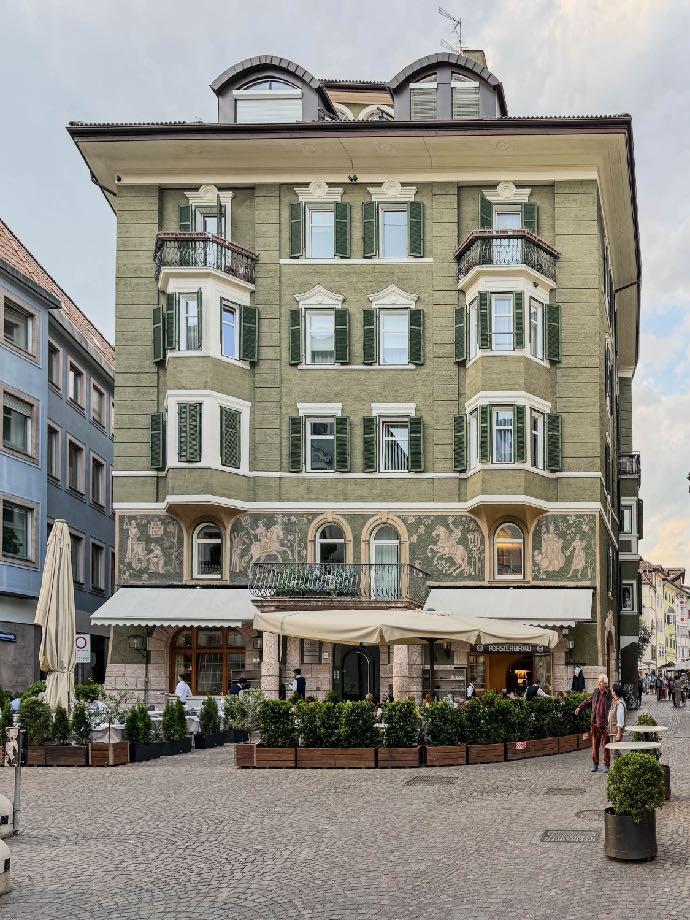
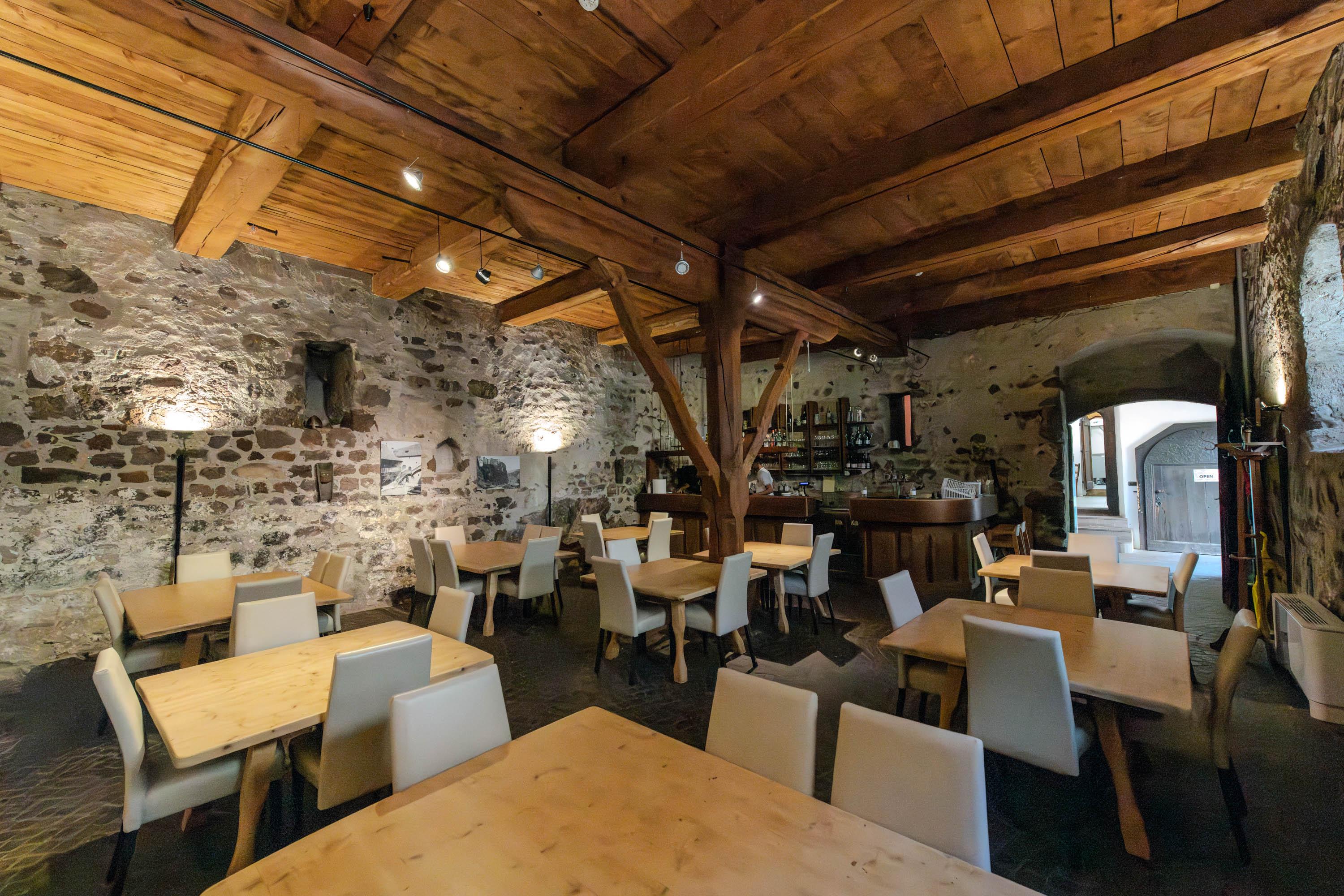
The rustic Forst Brewery stands for more than just good beer. With its long tradition and friendly ambiance, it invites guests from near and far to spend cozy hours. The rustic furnishings and diverse menu ensure that every visitor feels immediately comfortable and gladly returns. From hearty snacks to substantial main courses to sweet desserts - there is something for every taste here. Anyone visiting the Forst Brewery immerses themselves in the history of brewing and can simultaneously enjoy today's life in Bolzano. A place that connects tradition and modernity in a unique way.
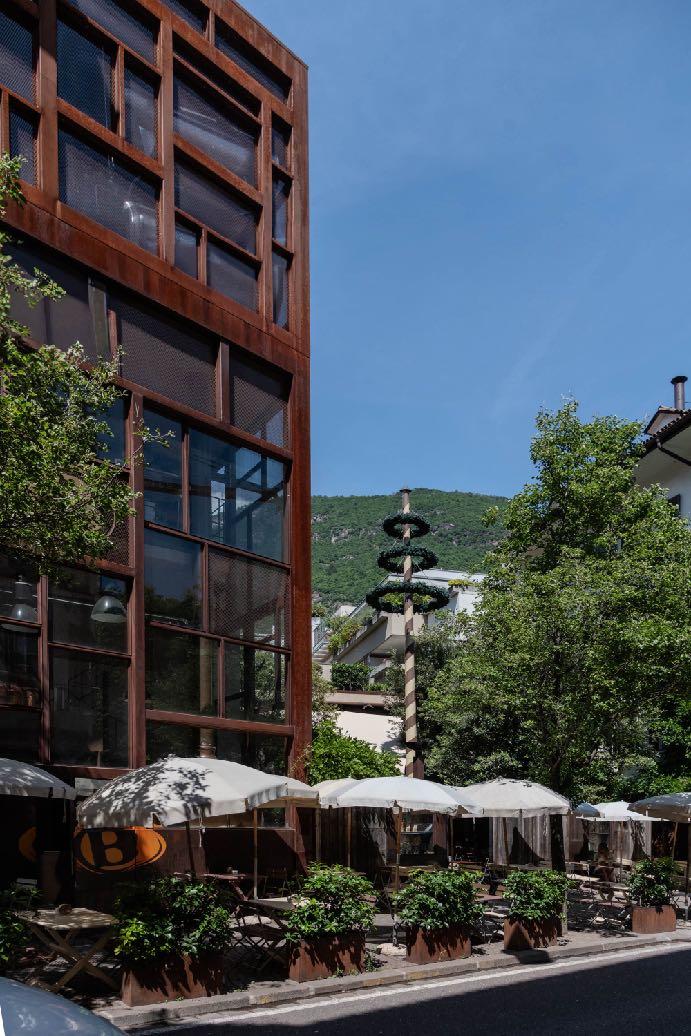
A charming inn where visitors of all ages feel extremely comfortable. In the warm season, the spacious beer garden is very popular. The diverse menu is enriched by the house's own beer specialties. In addition to classic beer varieties, the "Master Brew Beers" are also brewed at Batzen Häusl. The beers surprise with unexpected aromas like citrus fruits, mango, apricots, cherries, pineapple, honey, whiskey, coffee, and vanilla, offering a true taste experience. The best way to explore the flavorful variety of Batzen Häusl is to let the staff advise you.
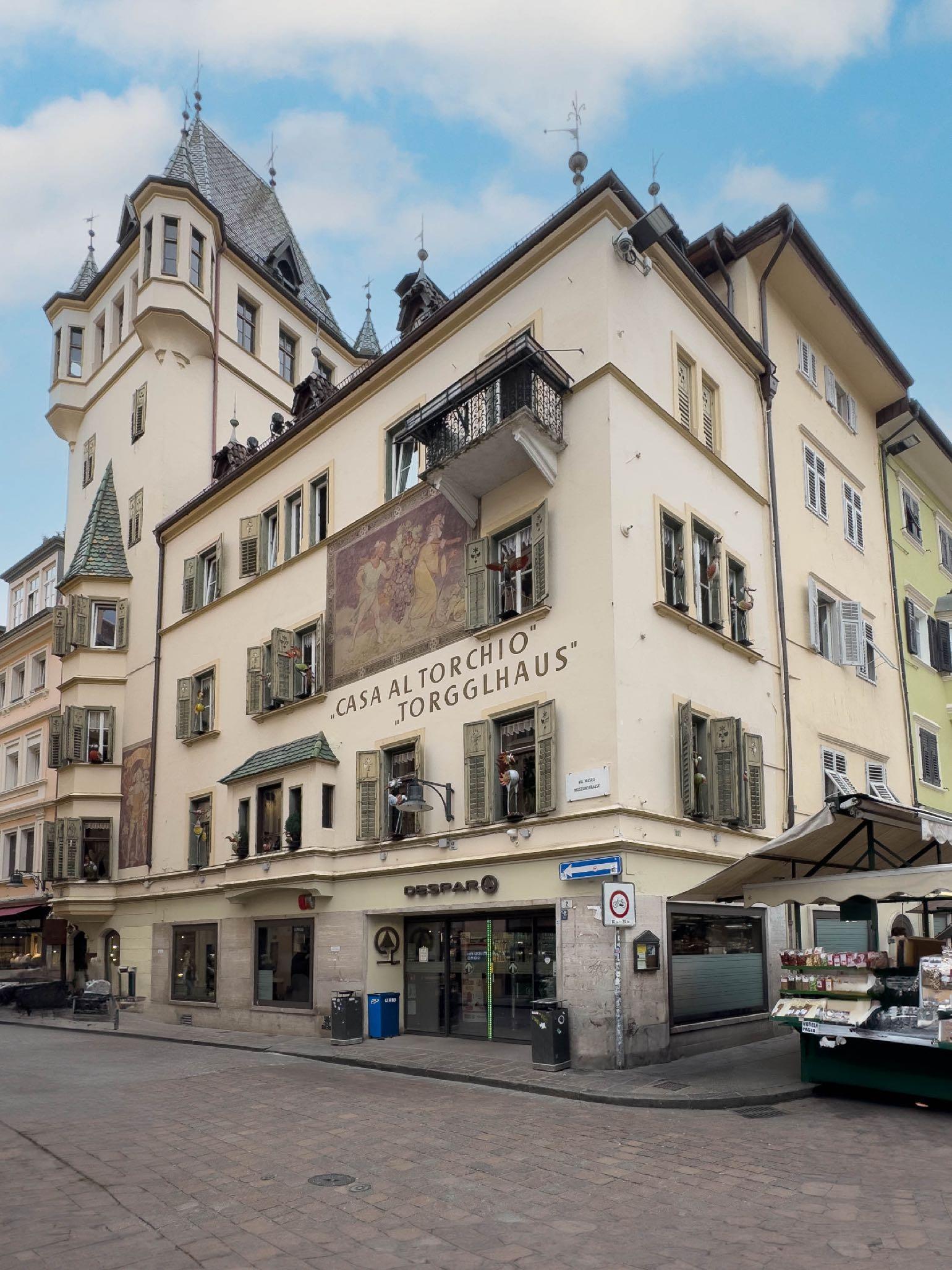
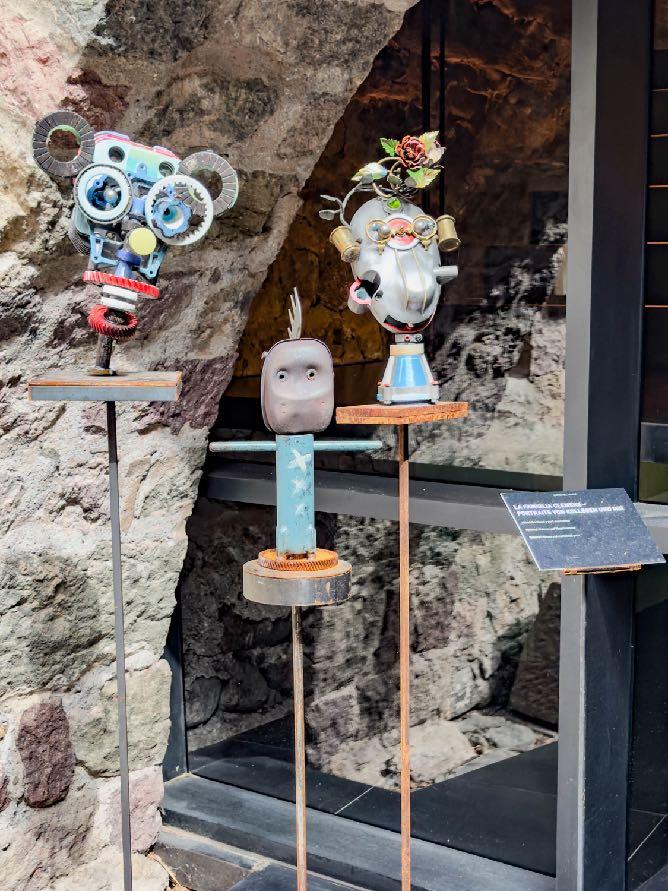
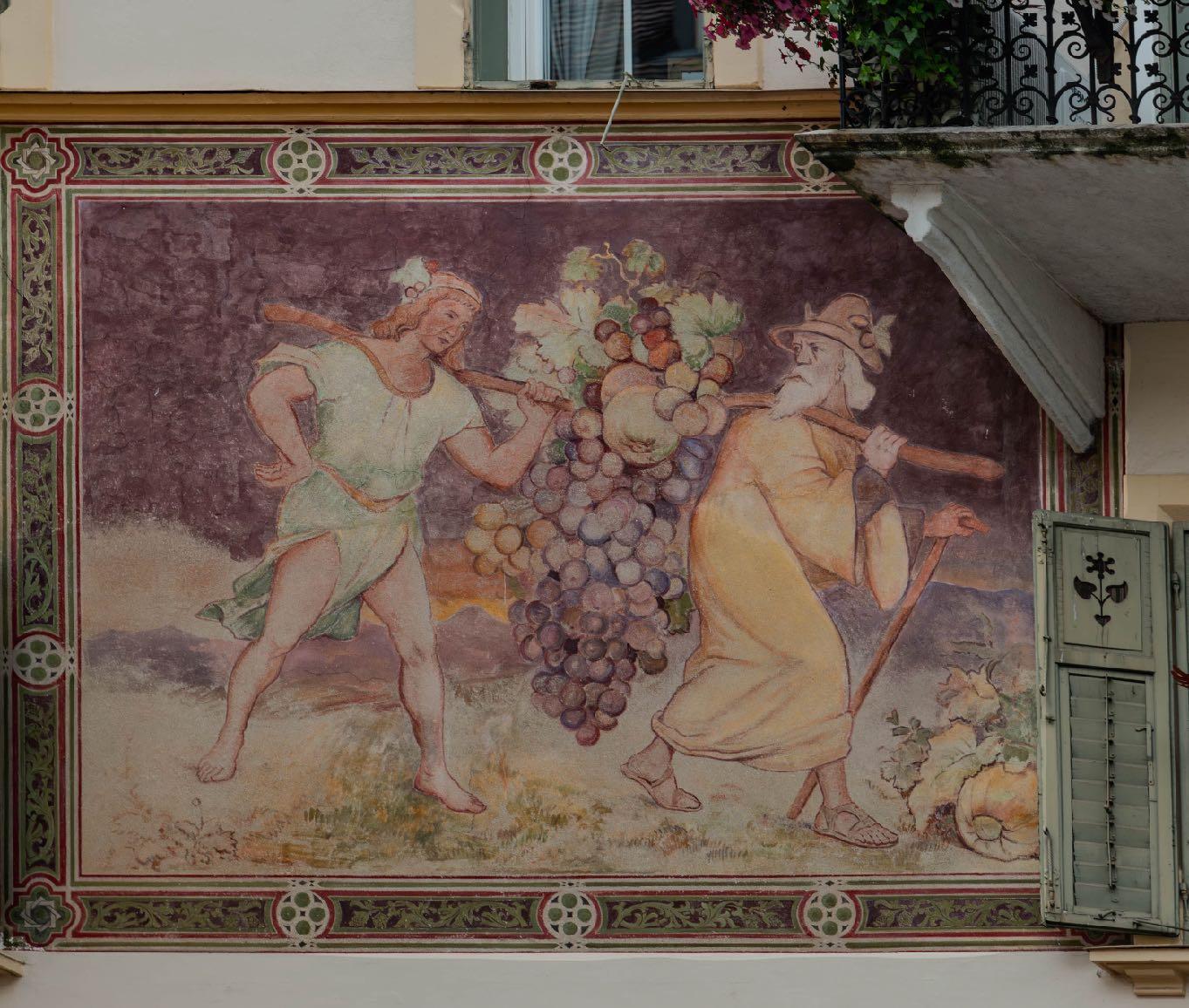
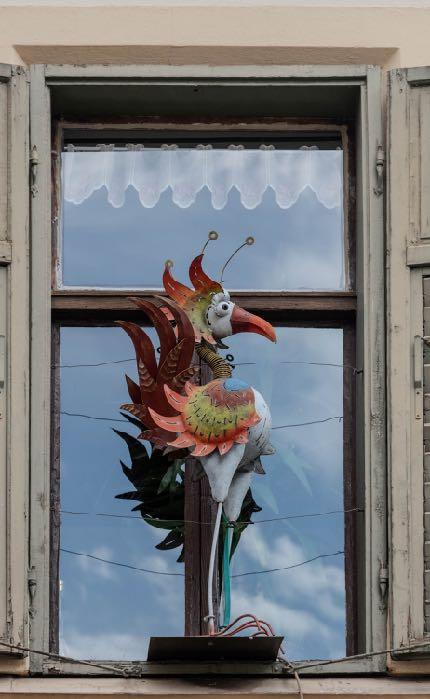
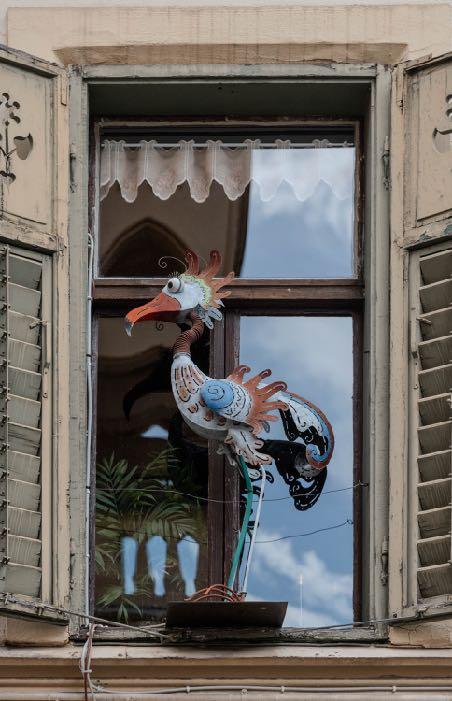
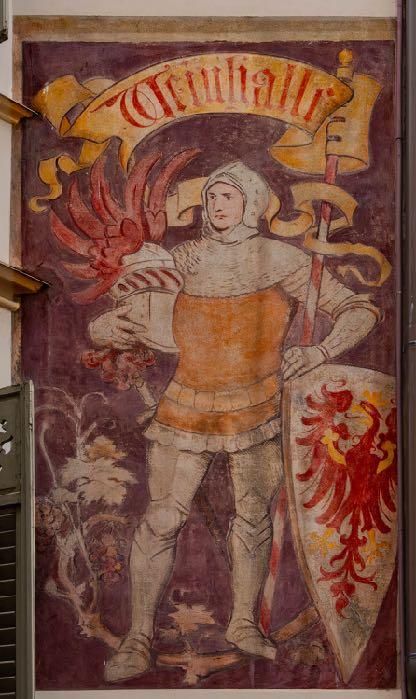
Caleb. Particularly noteworthy are the many colorful figures at the windows of the Torgglhaus.
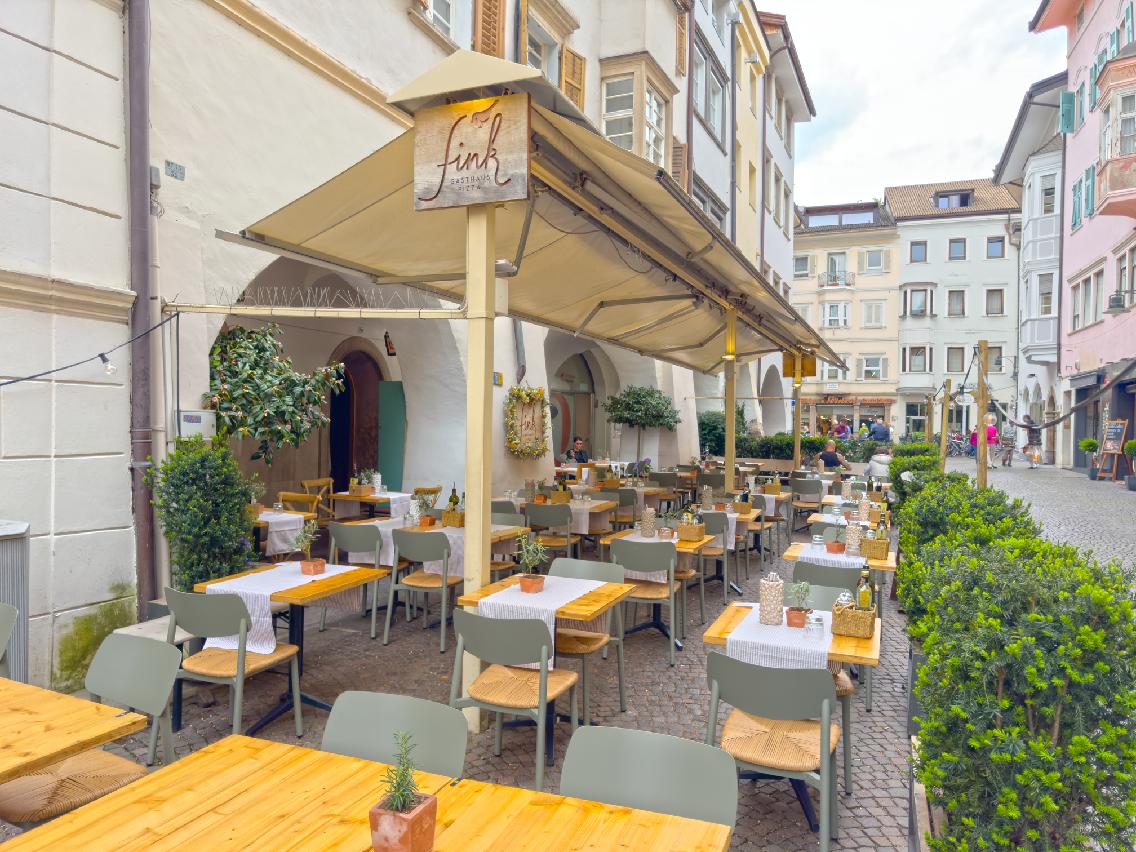
The Fink is one of the most traditional eateries in Bolzano. In addition to an excellent selection of regional and international dishes, you also have the opportunity to enjoy a pizza here. The restaurant is always very popular, so it is advisable to reserve a table in advance.
In addition, the Fink offers a special service: Flyingknödel, a catering service that enriches celebrations and various events air. Anyone who chooses Flyingknödel can be sure that their event will be a complete success.
The name is derived from the Franciscan Church, which is only a few steps away. In the basement, the former wine press can be admired. Once, the basement was at the same level as the ground floor. Floods and construction debris led to the former first floor now serving as the entrance to the inn. The menu offers both regional and international specialties. Particularly noteworthy are the homemade desserts as well as the extensive selection of wines. The "Inn of the Old Town" is not only a place for good food but also for enjoyable moments around the noble grape juice.
The Franciscan Stuben is closed on Tuesdays.
with the ÖBB railjet to Bolzano
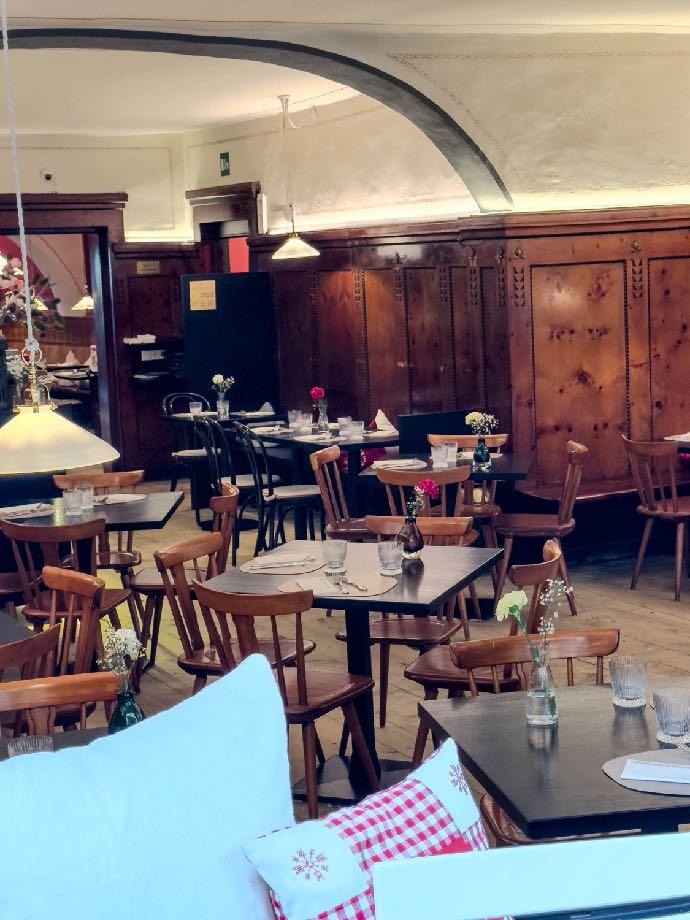
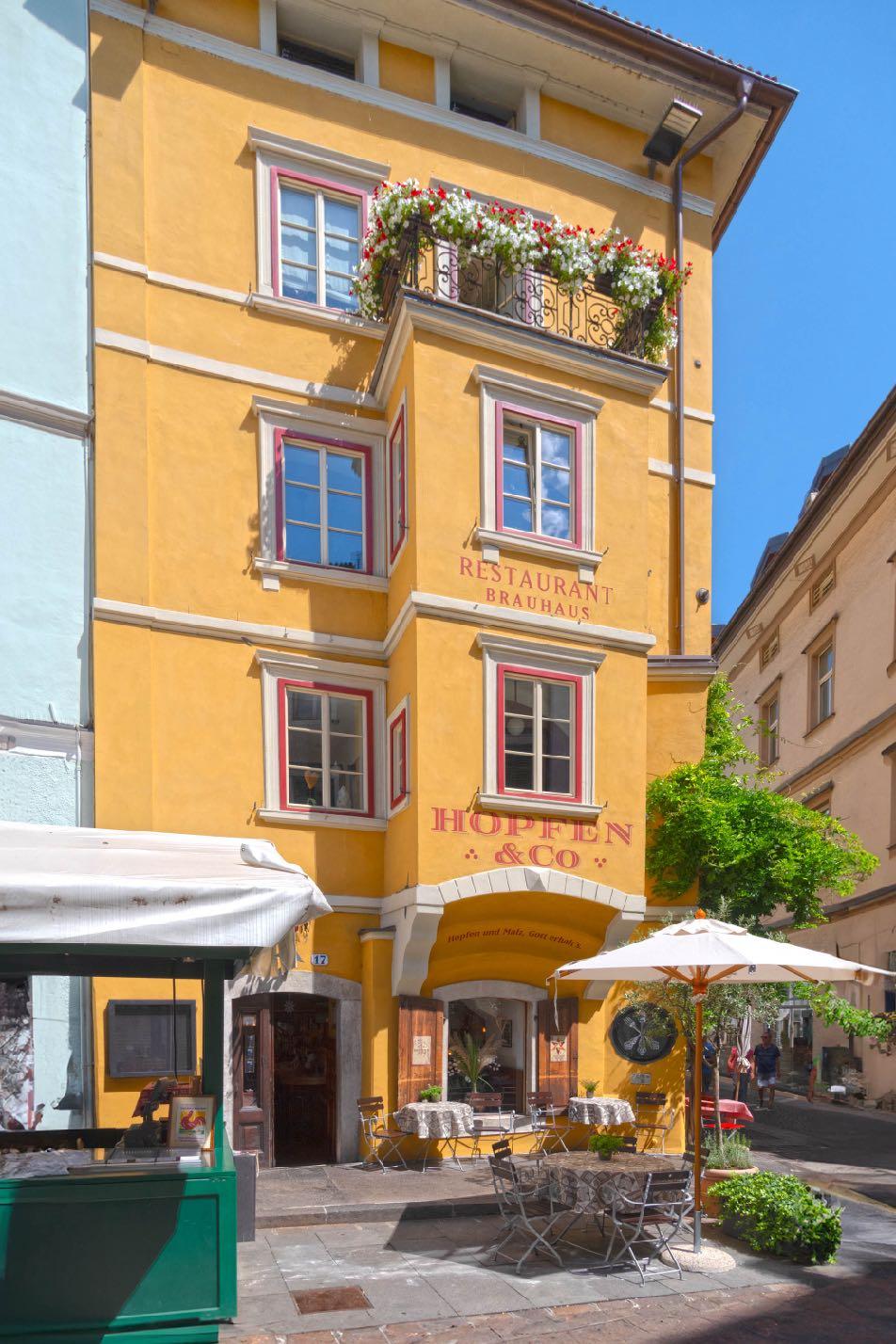
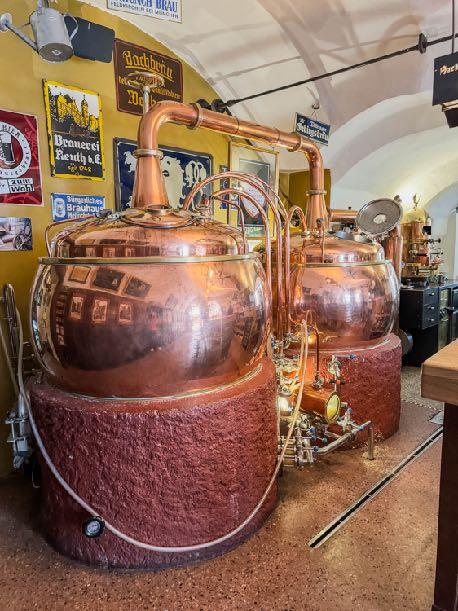
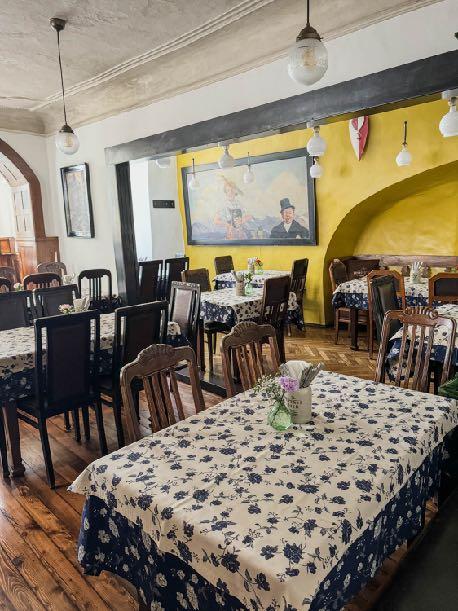
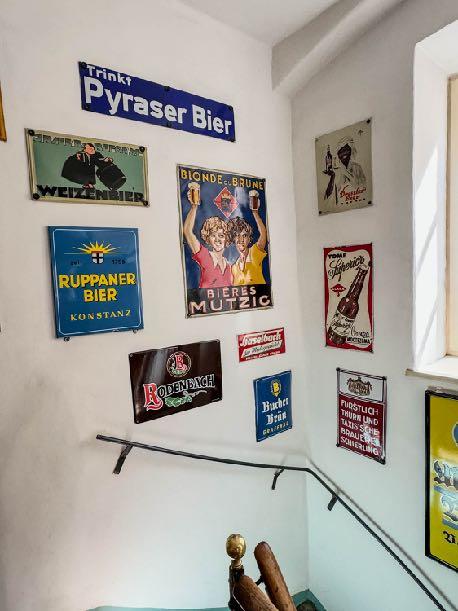
At the entrance to the fruit market, Hopfen & Co has been located since 1998, which has become a fixture in Bolzano. As the first inn brewery in South Tyrol, the inn quickly experienced a great rush of guests. Here, visitors have the opportunity to enjoy Bolzano beer as well as traditional cuisine with Mediterranean accents. In addition to Bolzano beer, fresh Bolzano bread is also baked. Particularly noteworthy is the extensive collection of beer advertising signs. Beer tastings and events such as beer festivals or live music evenings are also often organized here. The diverse offerings and rich history make Hopfen & Co a popular meeting point for locals and tourists alike.
with the ÖBB railjet to Bolzano
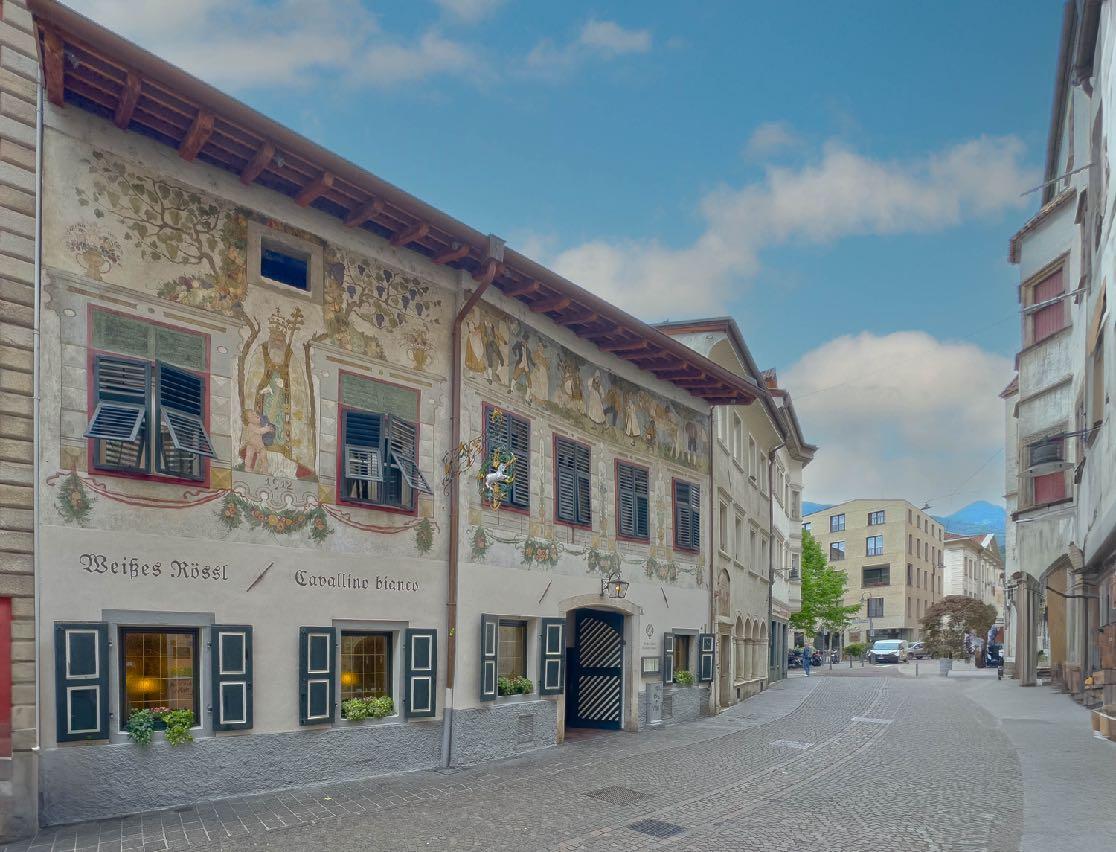
In the "White Horse," tradition is upheld. The oldest inn in the city is located in Bindergasse, in close proximity to the Natural History Museum. In addition to goulash, Wiener Schnitzel, and Kaiserschmarrn, typical South Tyrolean specialties such as dumplings are also served and provide culinary delight. Here, nd refuge. The wood-paneled walls air of the traditional inn. The White Horse is not only a place of culinary pleasures but also a place
The White Horse is closed on Sundays.
The stylish restaurant Zur Kaiserkron is located on the ground floor of the enchanting Palais Pock. Previously, the renowned Hotel Kaiserkrone was here, where important personalities such as Pope Pius VI, Emperor Franz I, and Emperor Franz Josef resided. After the end of the First World War, the hotel operation was discontinued. Behind the doors of the elegant Zur Kaiserkron, the joy of enjoyment comes first. Exquisite Italian cuisine is served here.
The experienced kitchen team conjures up delicious dishes with passion and creativity that seduce the senses.
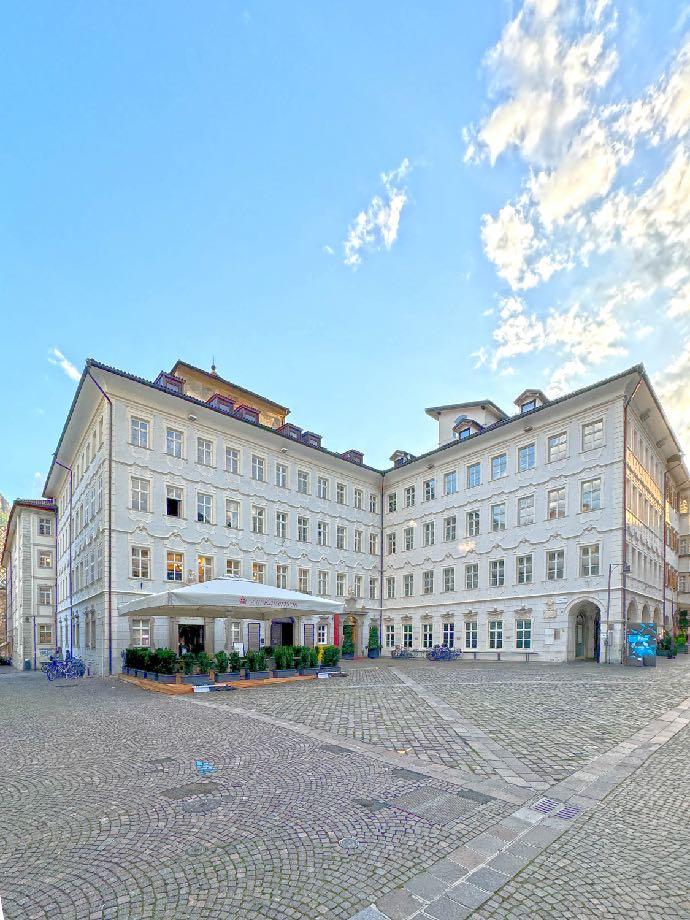
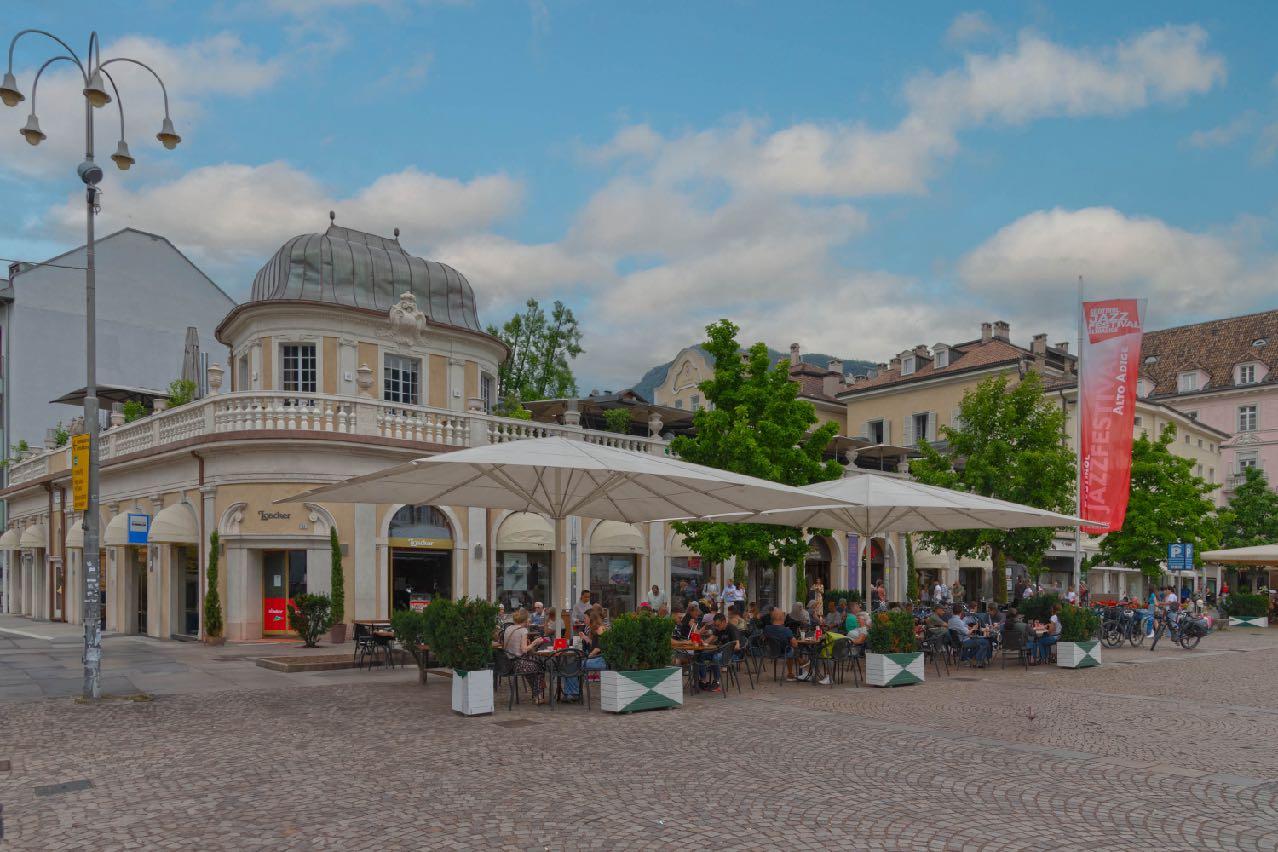
Directly on Walther Square, on the roof of Palais Campofranco, is one of the most impressive restaurants in the city. The warm sun rays envelop Walther Square in golden light while you sit on the terrace of META and overlook the lively surroundings. META exudes a relaxed Mediterranean atmosphere and offers a breathtaking view. As a guest at META, you collect unforgettable experiences at any time of day or night. Every bite and every sip is a feast for the senses and makes you forget time. At META, the boundaries between past and present blur, and you feel like in another world.
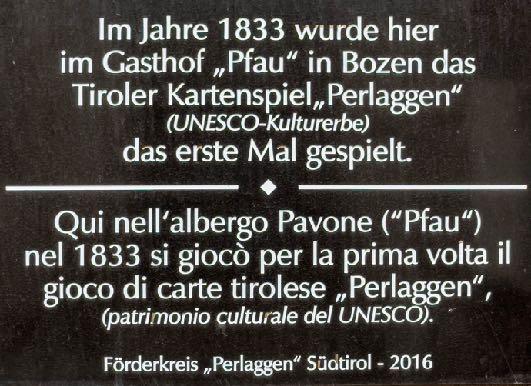

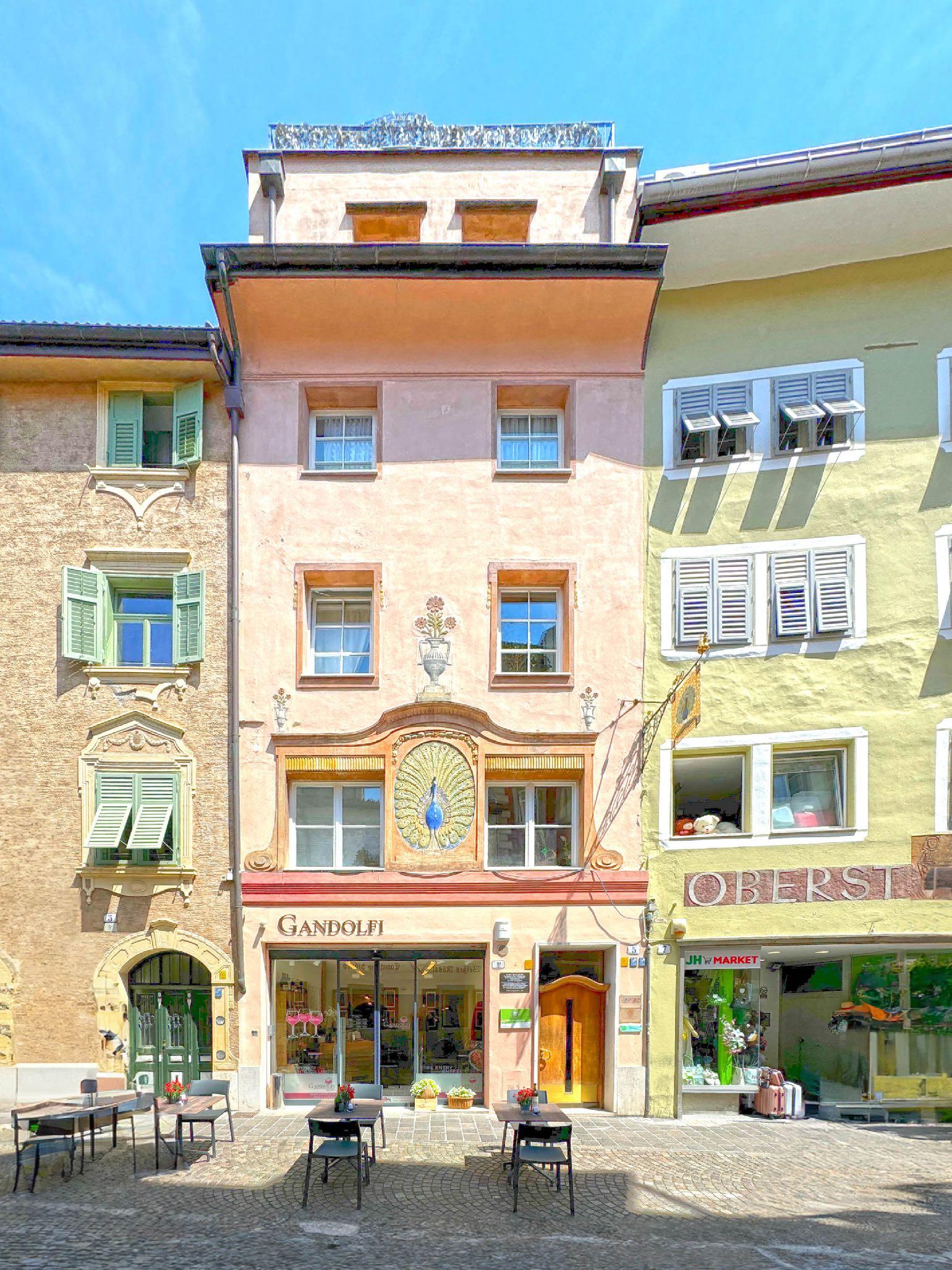
In the former inn "Zum Pfau," the game Perlåggen was invented in 1833. This card game mainly finds its followers in South Tyrol, in the Tyrolean Oberland, and in the Innsbruck region. At the beginning, the preferred cards had no special names. Only much later did the term "Perlågg" prevail. The game is played with the German deck, which consists of the four suits acorns, leaves, hearts, and bells, totaling 33 cards. Today, "Gandolfi zum Pfau" is located in the premises of the inn, a place entirely dedicated to wine.

OBB Nightjet and OBB Nightjet Partner










This e-book was made possible through the kind support of the regional tourist offices and the OBB. German proofreading and editorial: Martin Andergassen.
References
Text, videos and photos by Rudolf J. Strutz unless otherwise stated. Timetables and travel information: OBB
Assistance from AI
Artificial intelligence applications are occasionally employed for image editing, including the elimination of undesirable components. Additionally, AI tools can enhance the clarity of images and diminish background noise.
The travel guides are also available free of charge on the OBB online entertainment and internet portal railnet, which is installed on all railjets, nightjets (NG) and cityjets
Copyright
This book was licensed under the Creative Commons License. Conditions of use: attribution, non-commercial, no editing and distribution under the same conditions only as a complete work! The use of individual photos and text is not permitted. This eBook is available free of charge.
All links provided are current at the time of publication of this ebook. Links to tickets usually lead directly to the exhibition location. For tickets and timetables, local public transportation services are linked.
All logos and company names are used for information purposes only; any use outside of this e-book must be approved by the copyright holders.

SCOTTY mobile shows the timetables for all public transport and helps you plan your travel route.


Book your trip online or view the current timetable online and directly on your mobile phone.