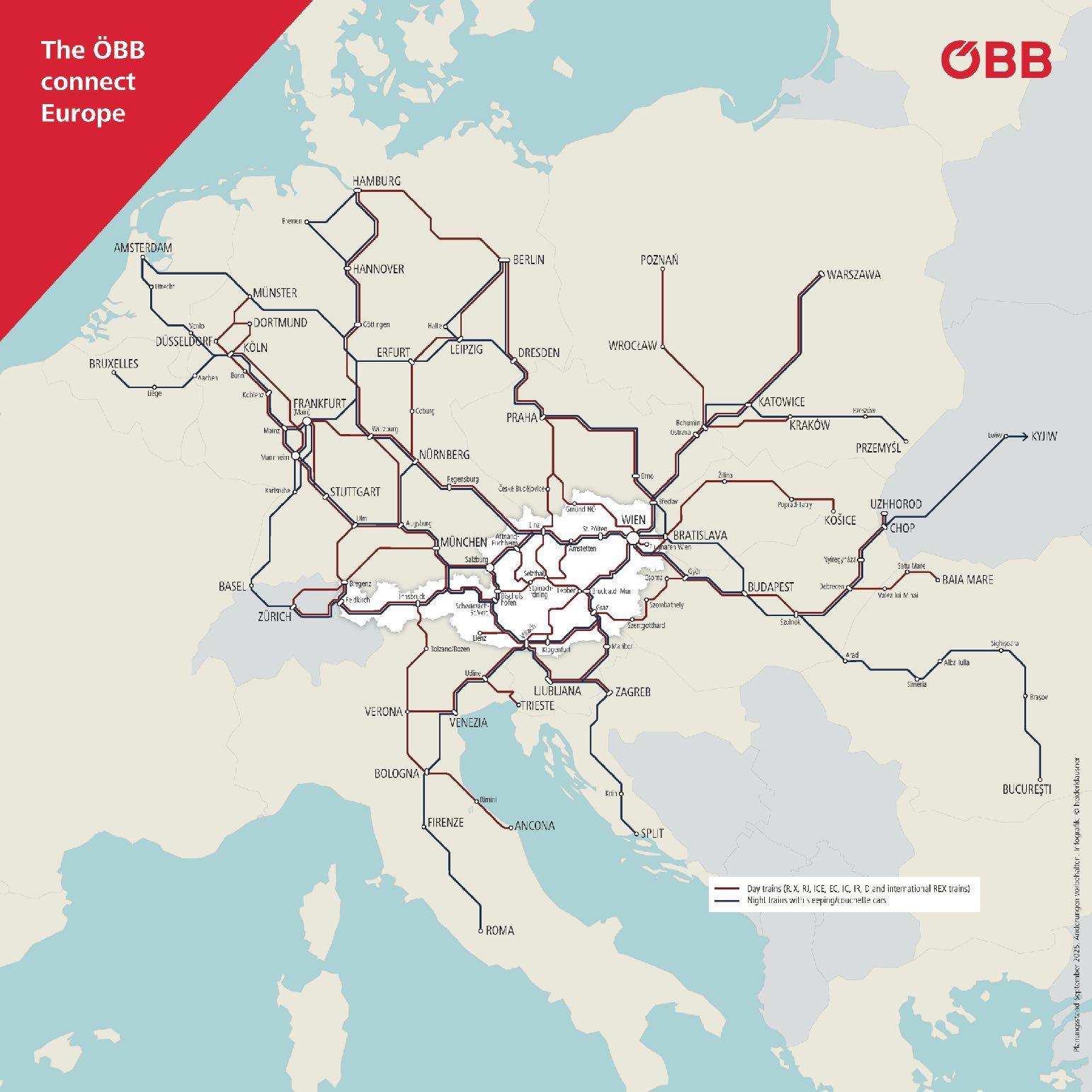

ÖBB connects numerous European cities with modern day and night services.
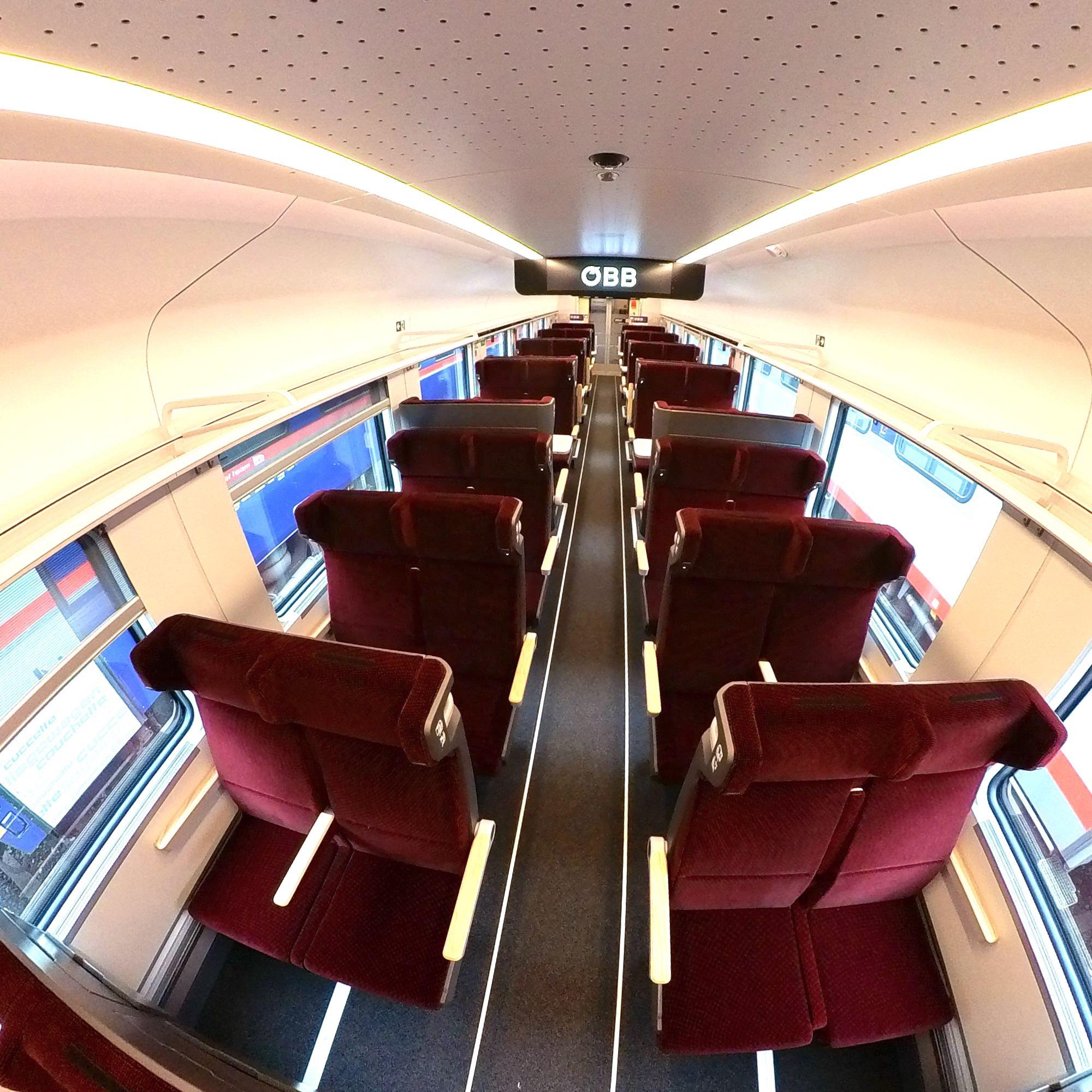
During the day, ÖBB Railjets offer fast and comfortable long-distance travel in Economy, First, and Business classes.
At night, the ÖBB Nightjet provides a relaxing and environmentally friendly journey across Europe. Whether
you prefer a seat, new Mini Cabins, or couchette and sleeper cars – every travel preference is catered for.
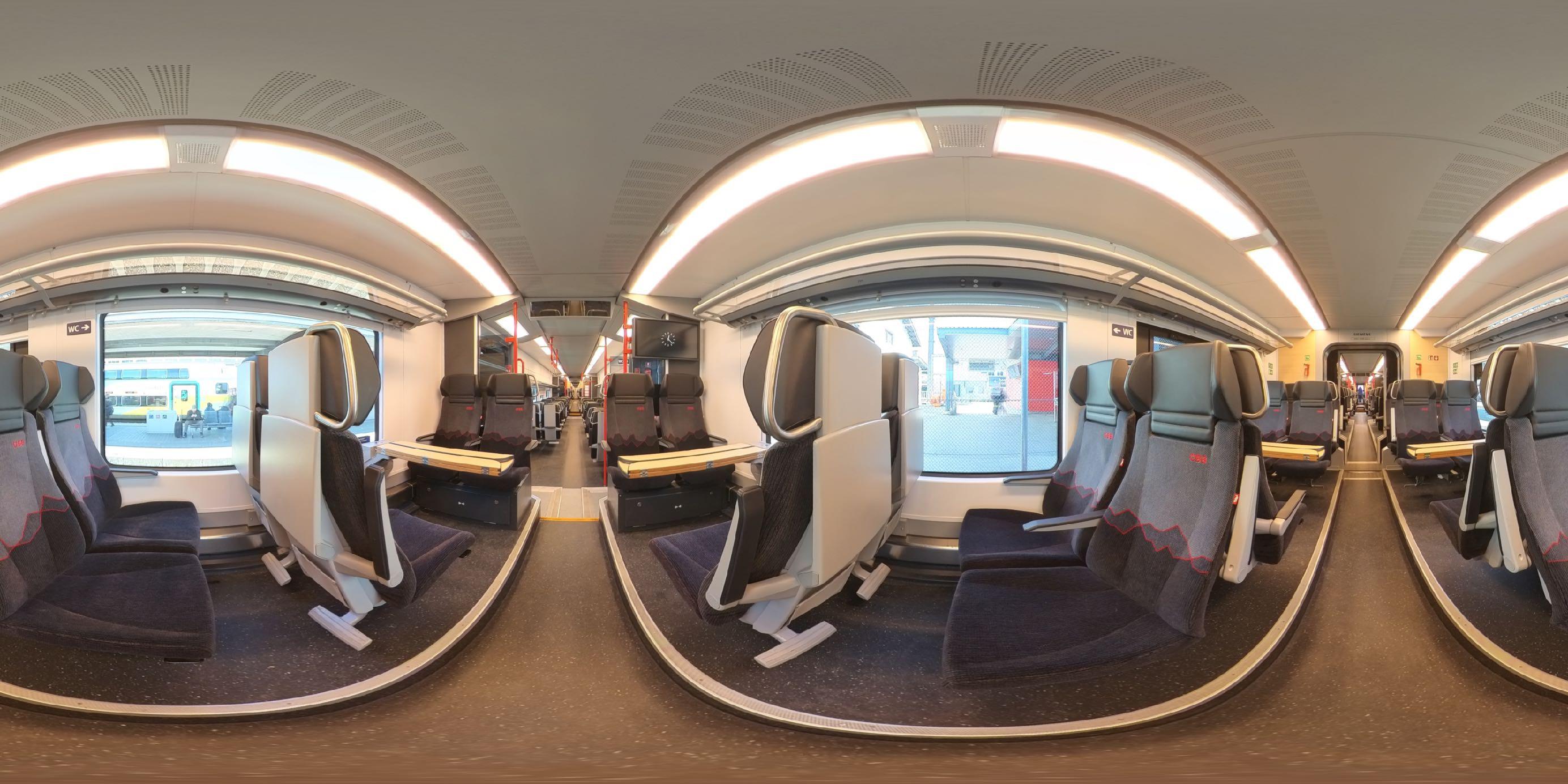
Within Austria, ÖBB Cityjets guarantee punctual and comfortable local and long-distance transport.
Further information and booking options can be found via the info button, which leads directly to the ÖBB booking page.


SERVUS VIENNA
THE CITY
SIGHTS
RINGSTRASSE
MUSIC
MUSEUMS
HOTELS
SHOPPING
PUBLIC TRANSPORT
IMPRINT

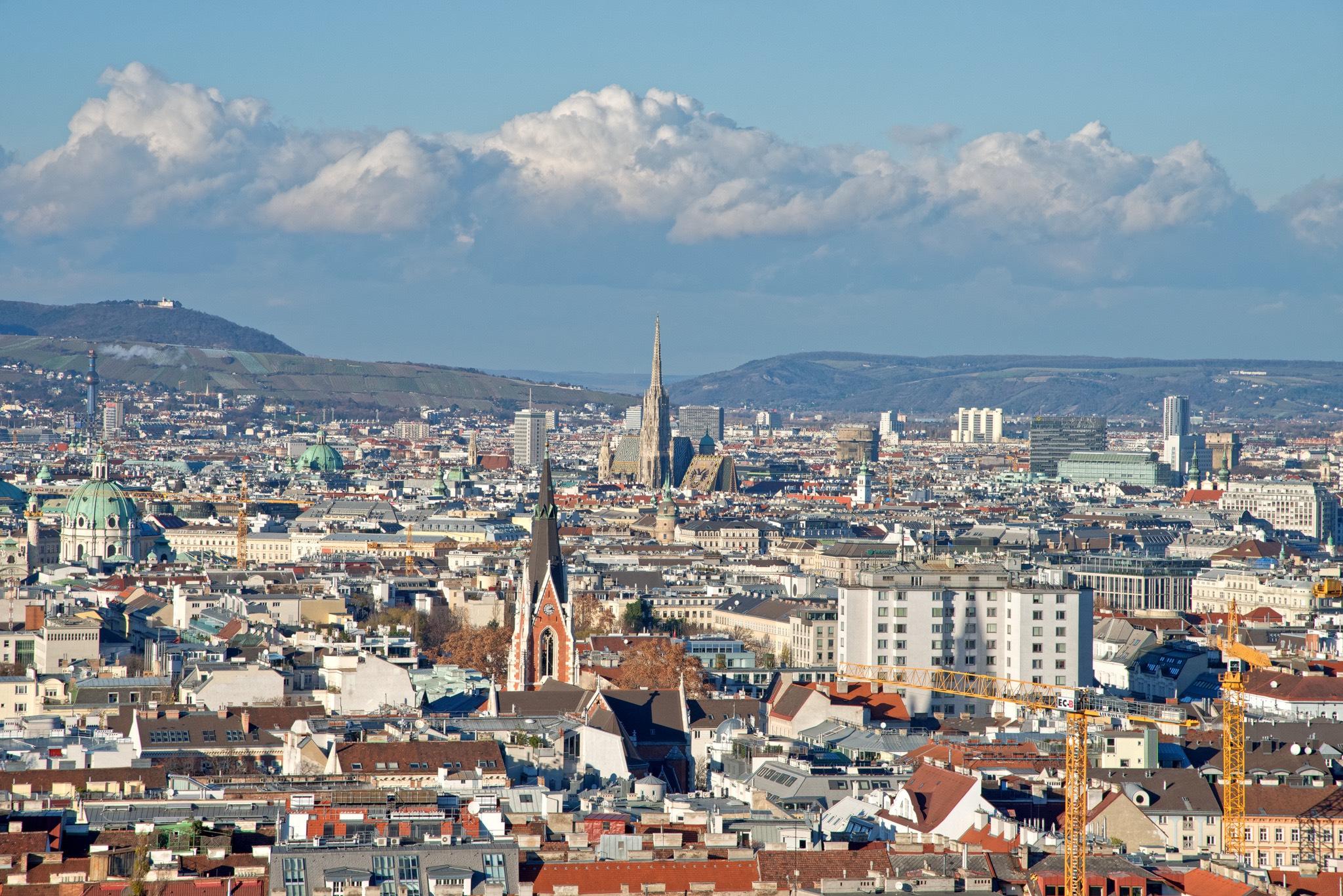



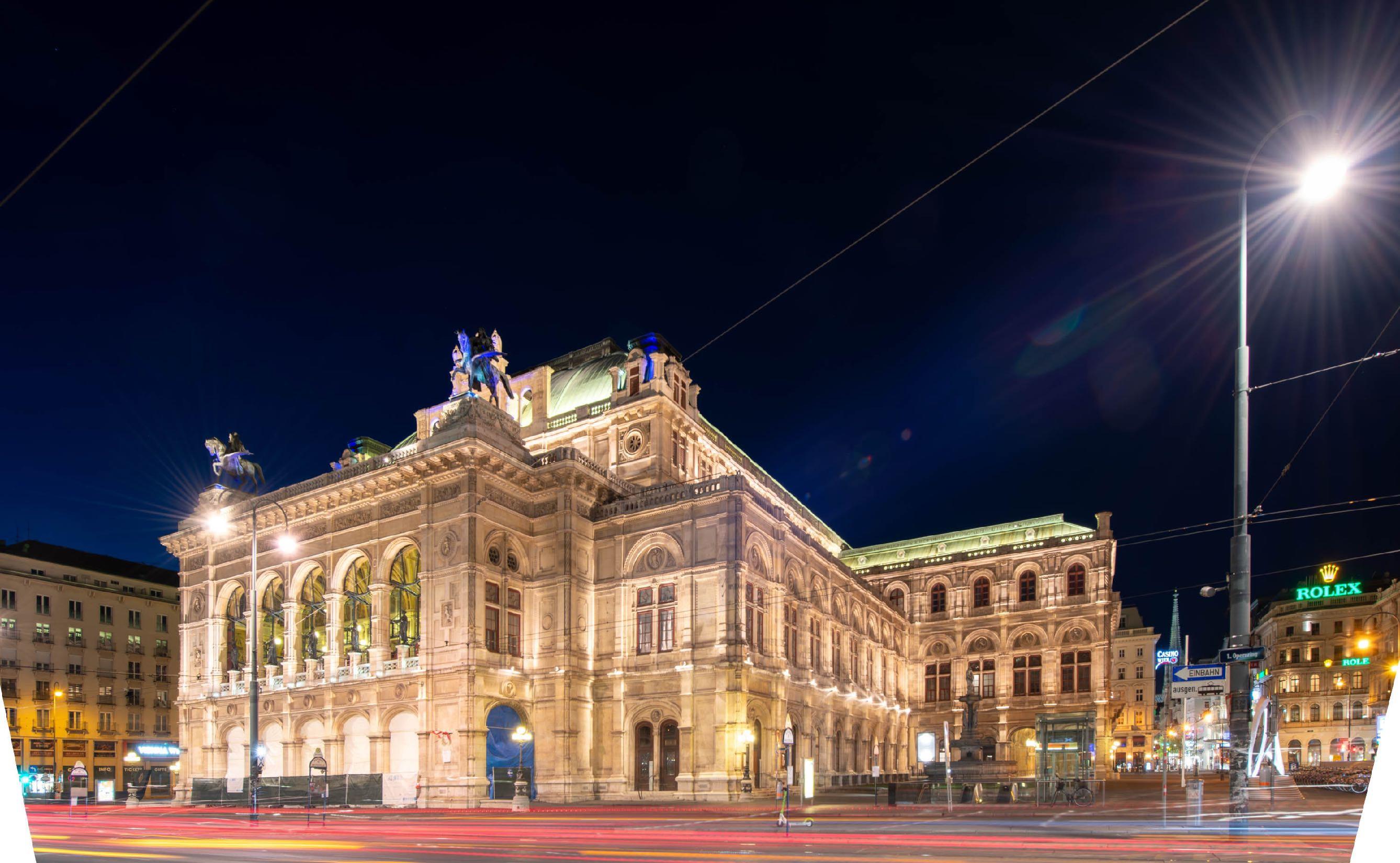
Vienna, a metropolis of music and cultural highlights, is internationally renowned. The most outstanding figures in the arts have lived and created here. But Vienna offers much more than just a cultural center. Excellent restaurants, traditional Viennese cafés, and museums
characterize the image of the Austrian capital. Vienna's city center, with its numerous imposing buildings, reflects the illustrious history of the country that was once the home of the Austrian Emperor.
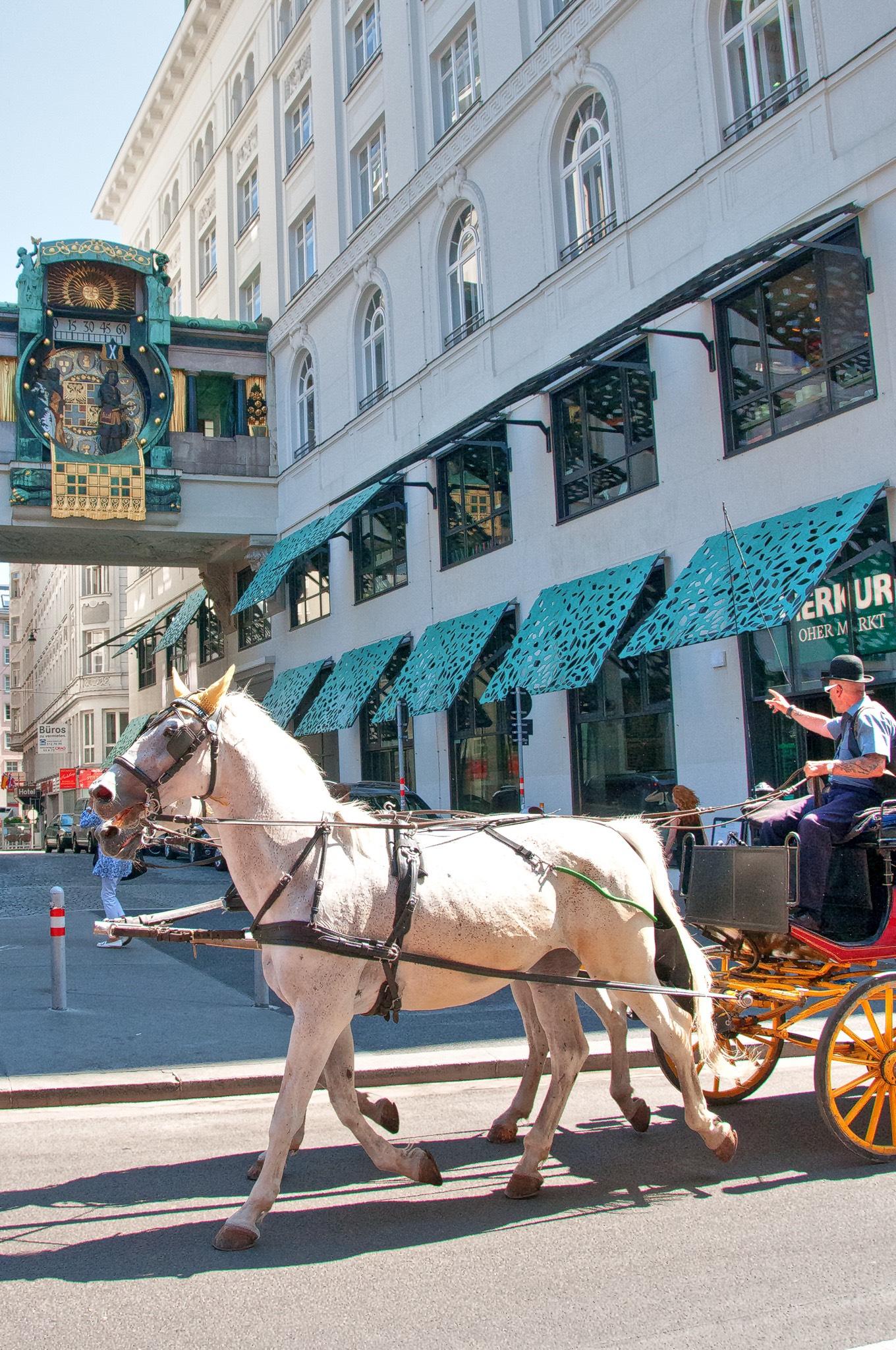

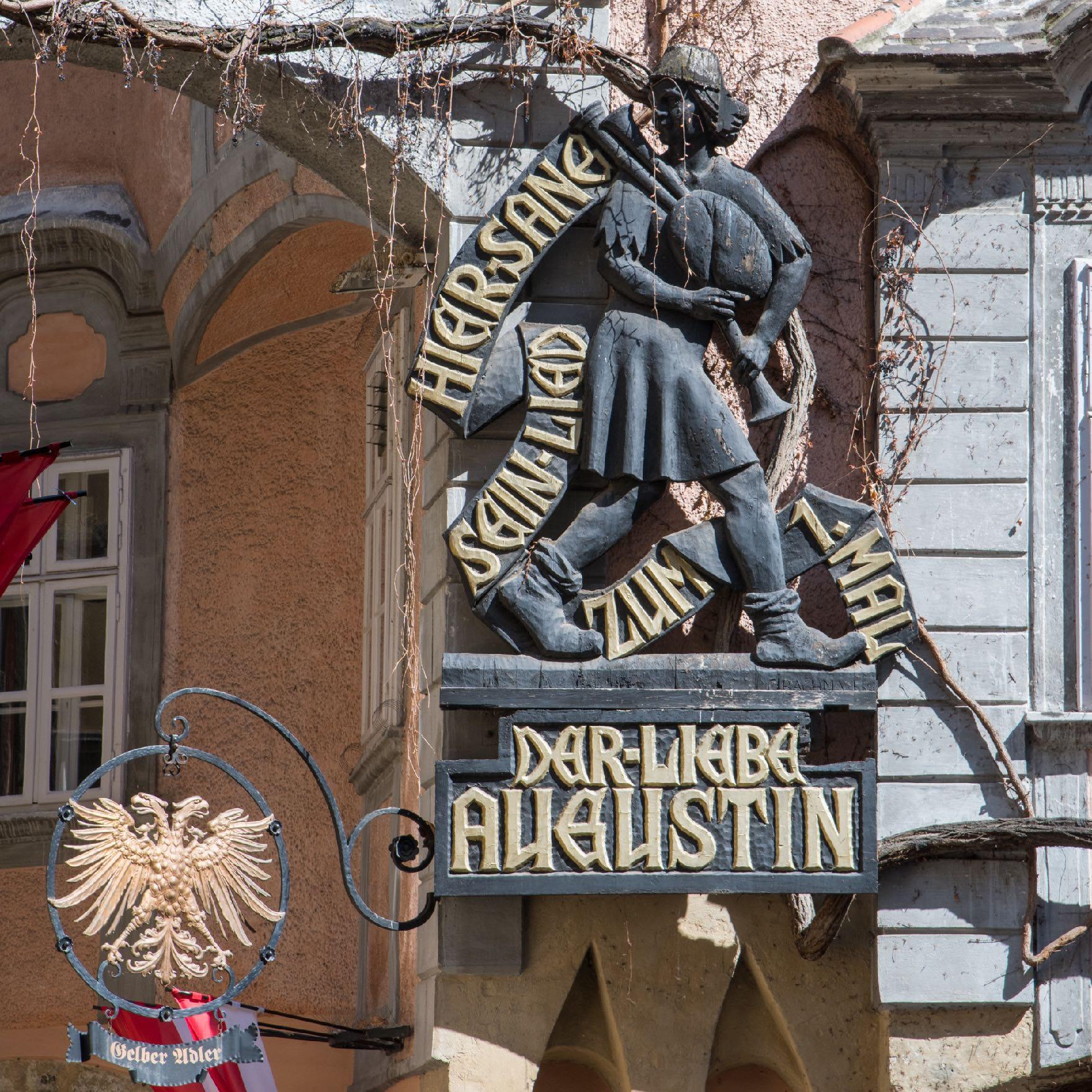
In the year 1278, the Habsburg family started their 630-year times.
The city of Vienna is divided into 23 individual districts. The number of the district can be found on the street signs. True Viennese refer to their district simply by number, for example "the first".
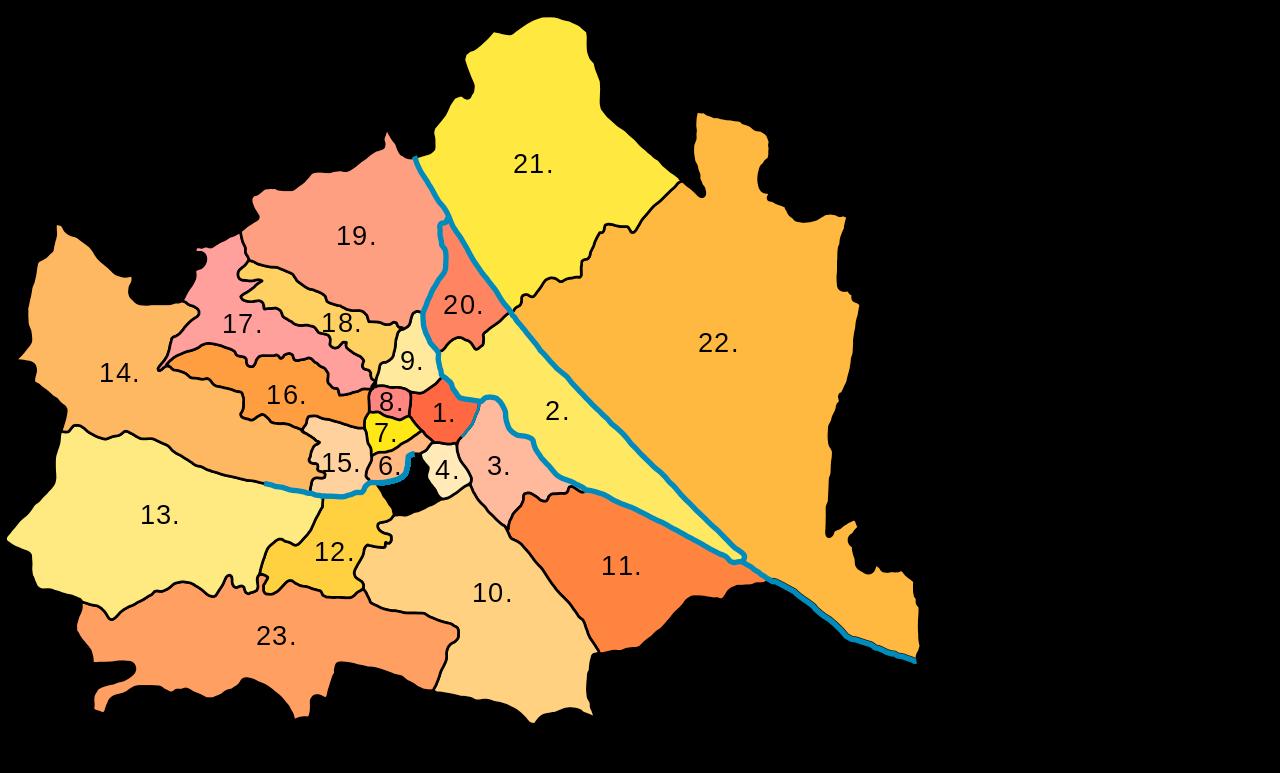
1. Innere Stadt
2. Leopoldstadt
3. Landstraße
4. Wieden
5. Margareten
6. Mariahilf
7. Neubau
8. Josefstadt
9. Alsergrund
10. Favoriten
11. Simmering
12. Meidling
13. Hietzing
14. Penzing
15. Rudolfsheim-Fünfhaus
16. Ottakring
17. Hernals
18. Währing
19. Döbling
20. Brigittenau
21. Floridsdorf
22. Donaustadt
23. Liesing

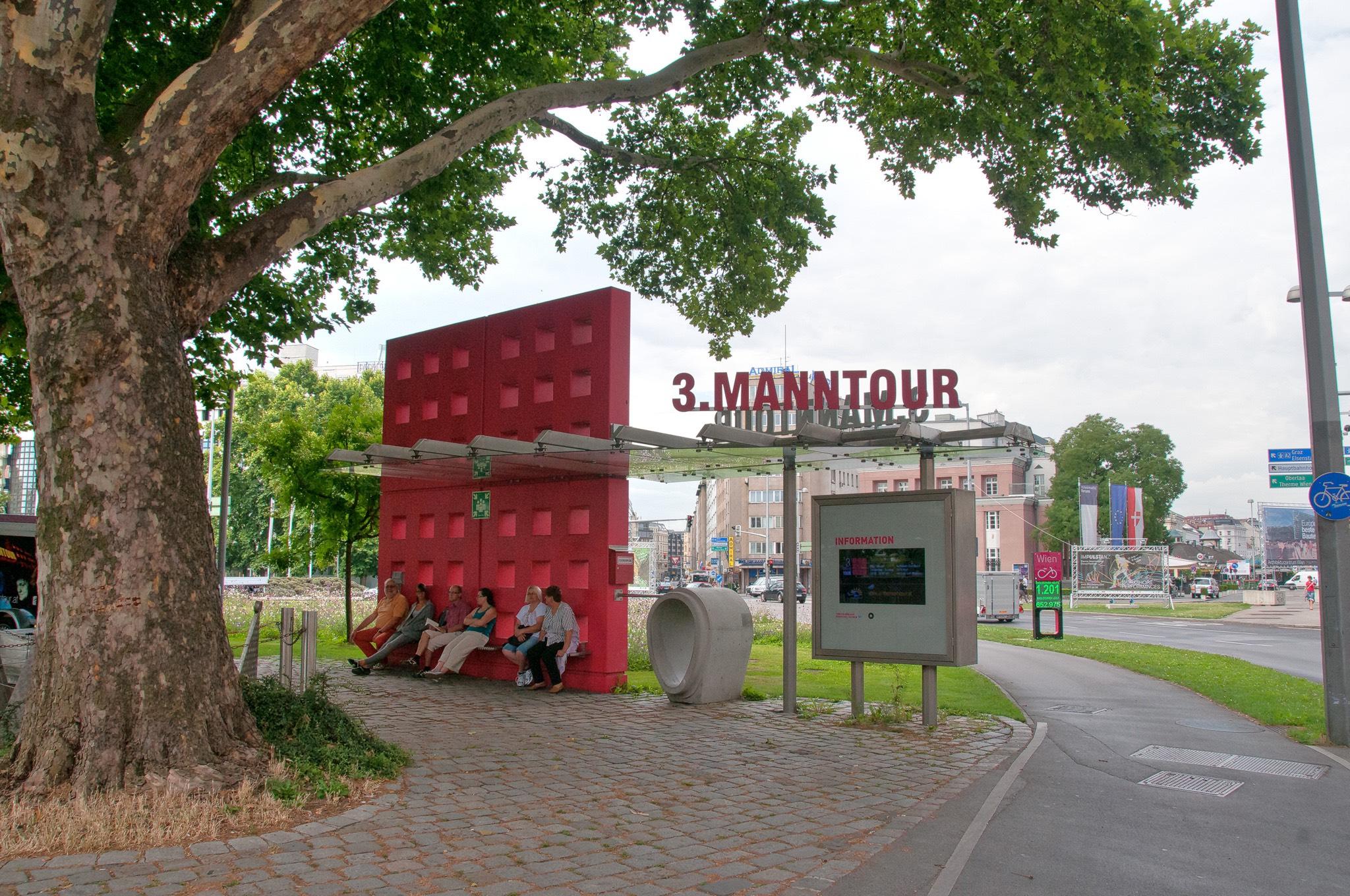
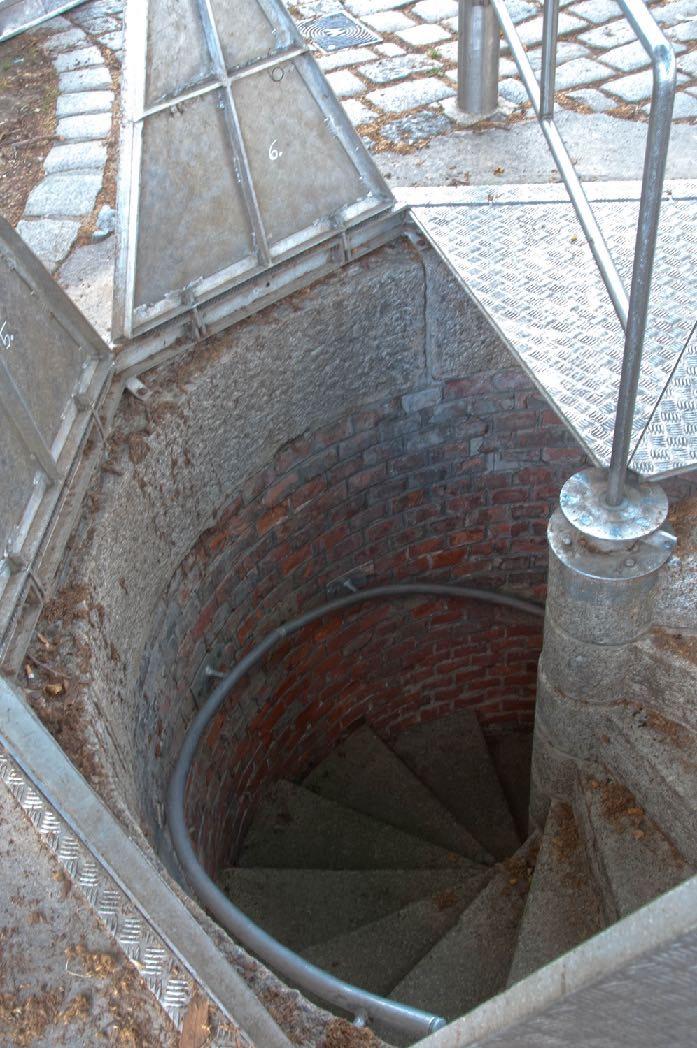
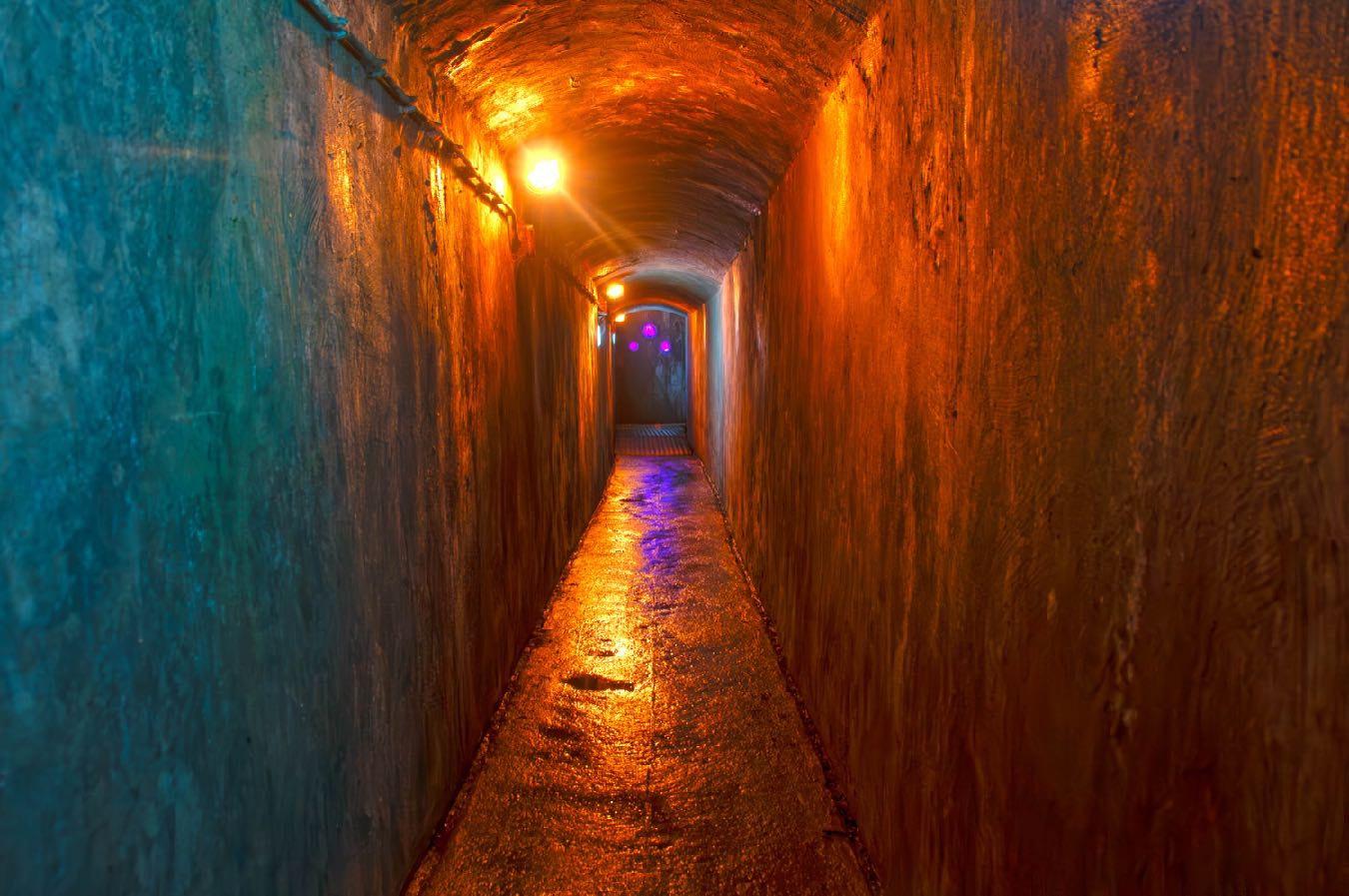
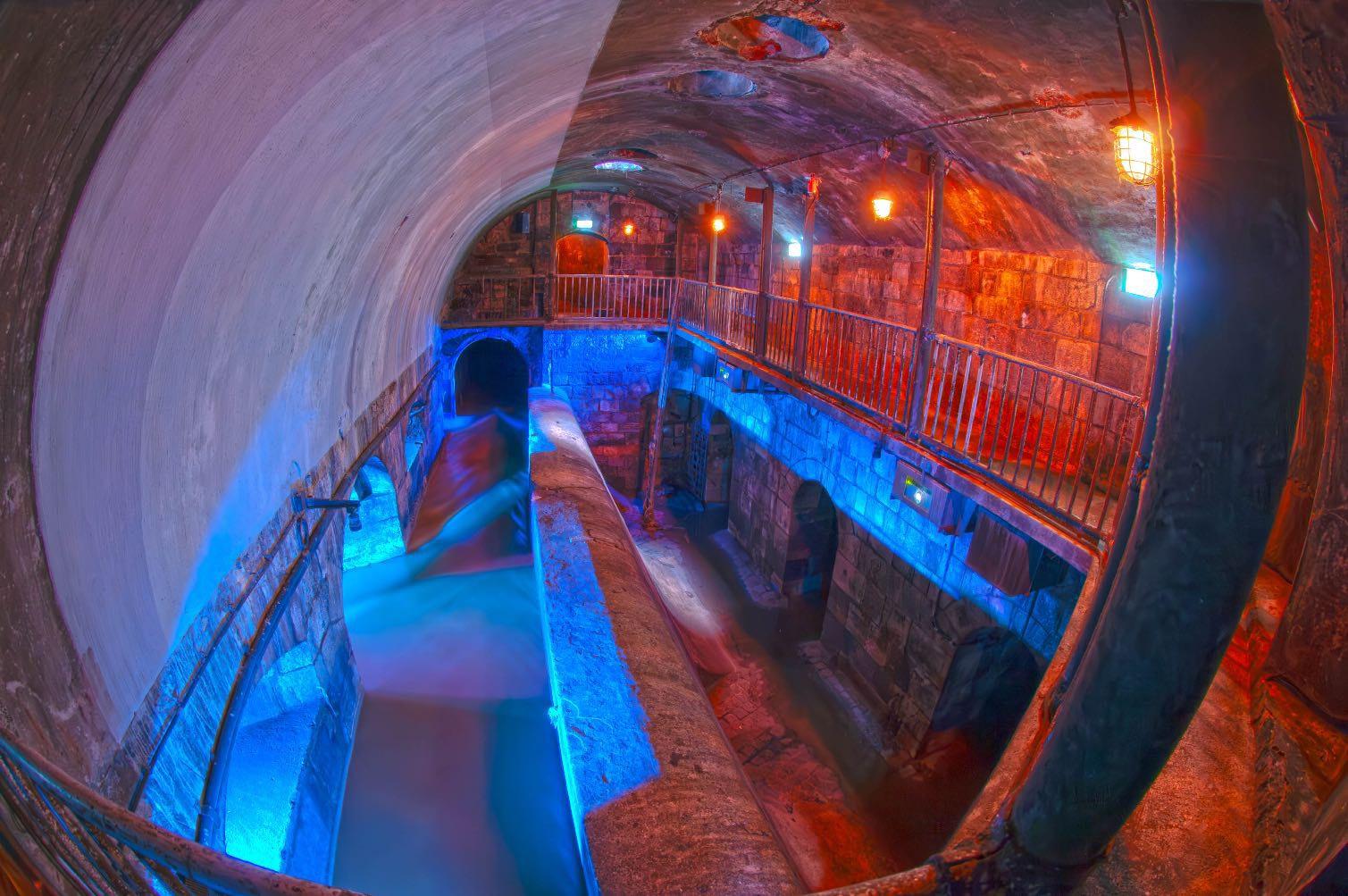
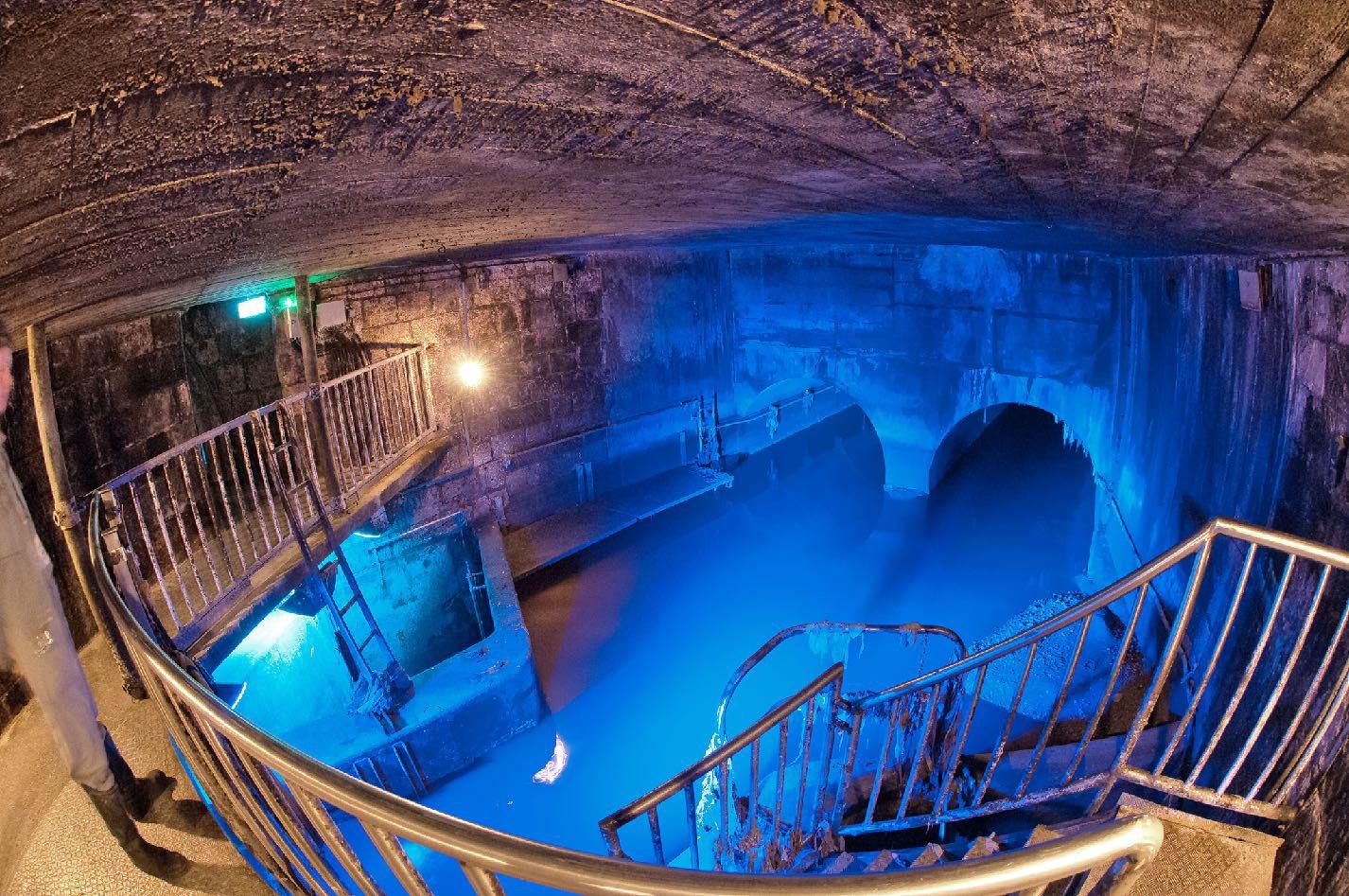
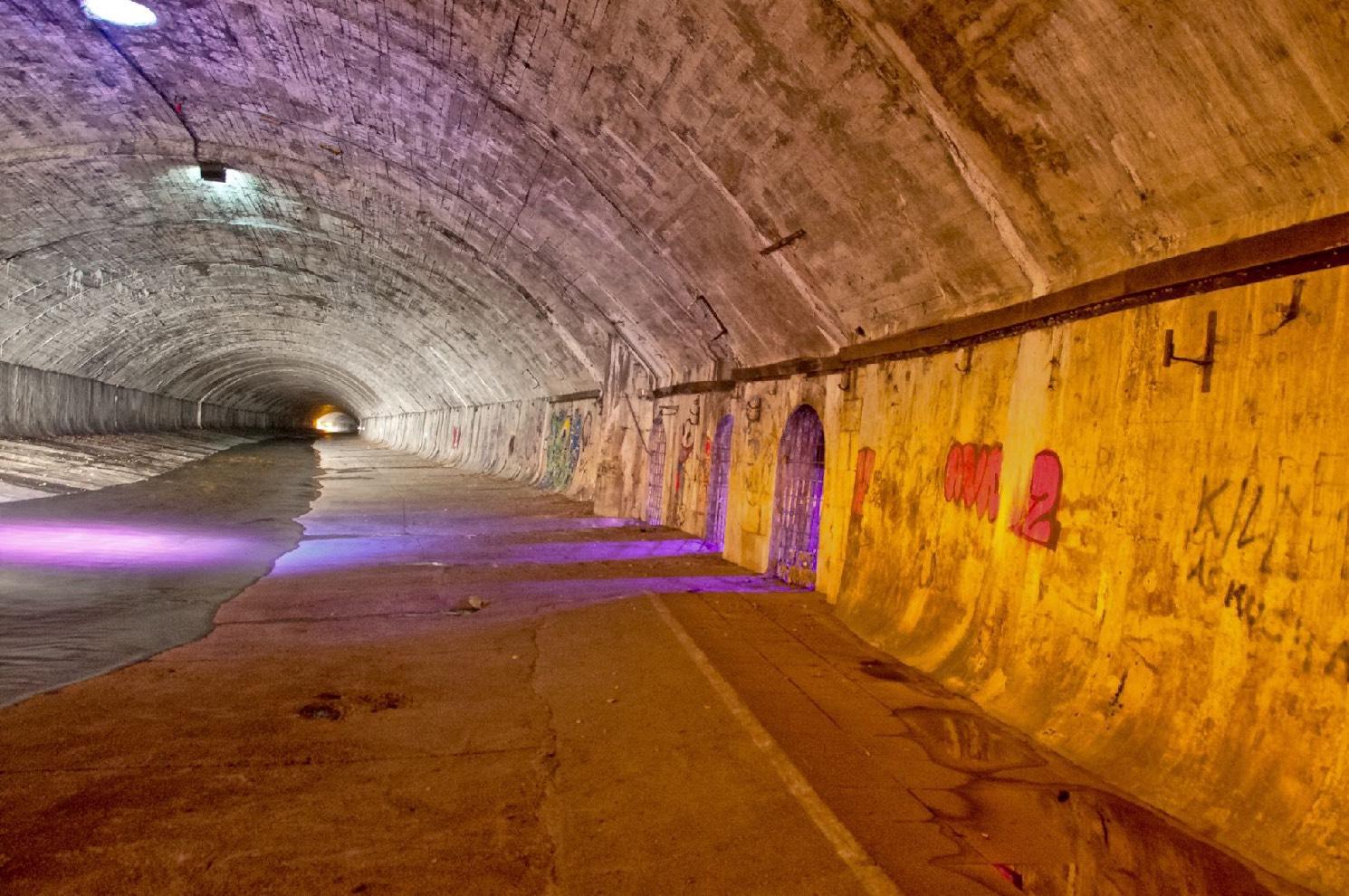
Several key scenes of the movie "The Third Man" were filmed in the "Vienna Underground". The tour shows filming locations and guides you through the streets of
Vienna to the arch of the Wienfluss river. The canal network of the city encompasses 2,400 kilometres of canals.
with the OBB nightjet to Vienna
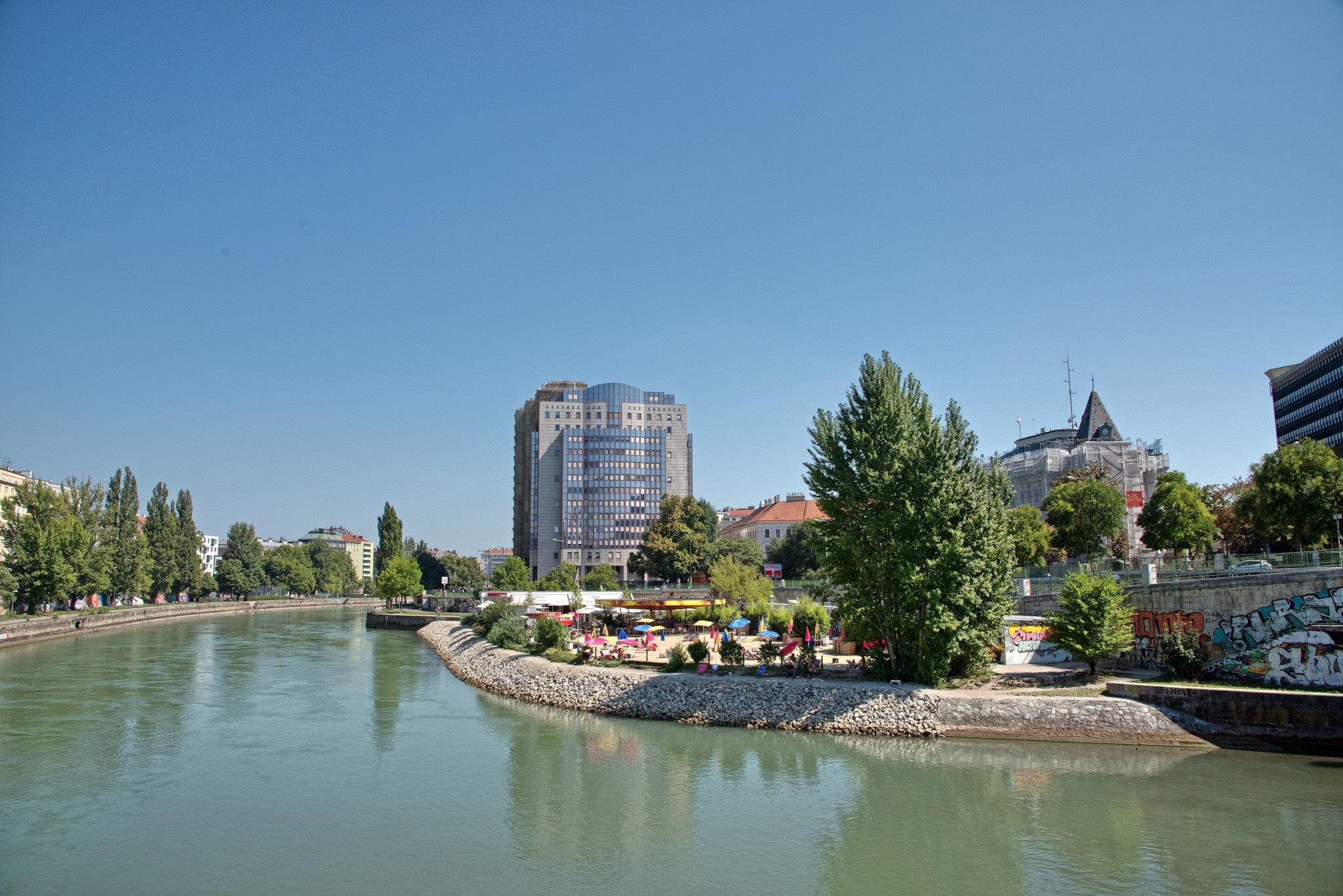
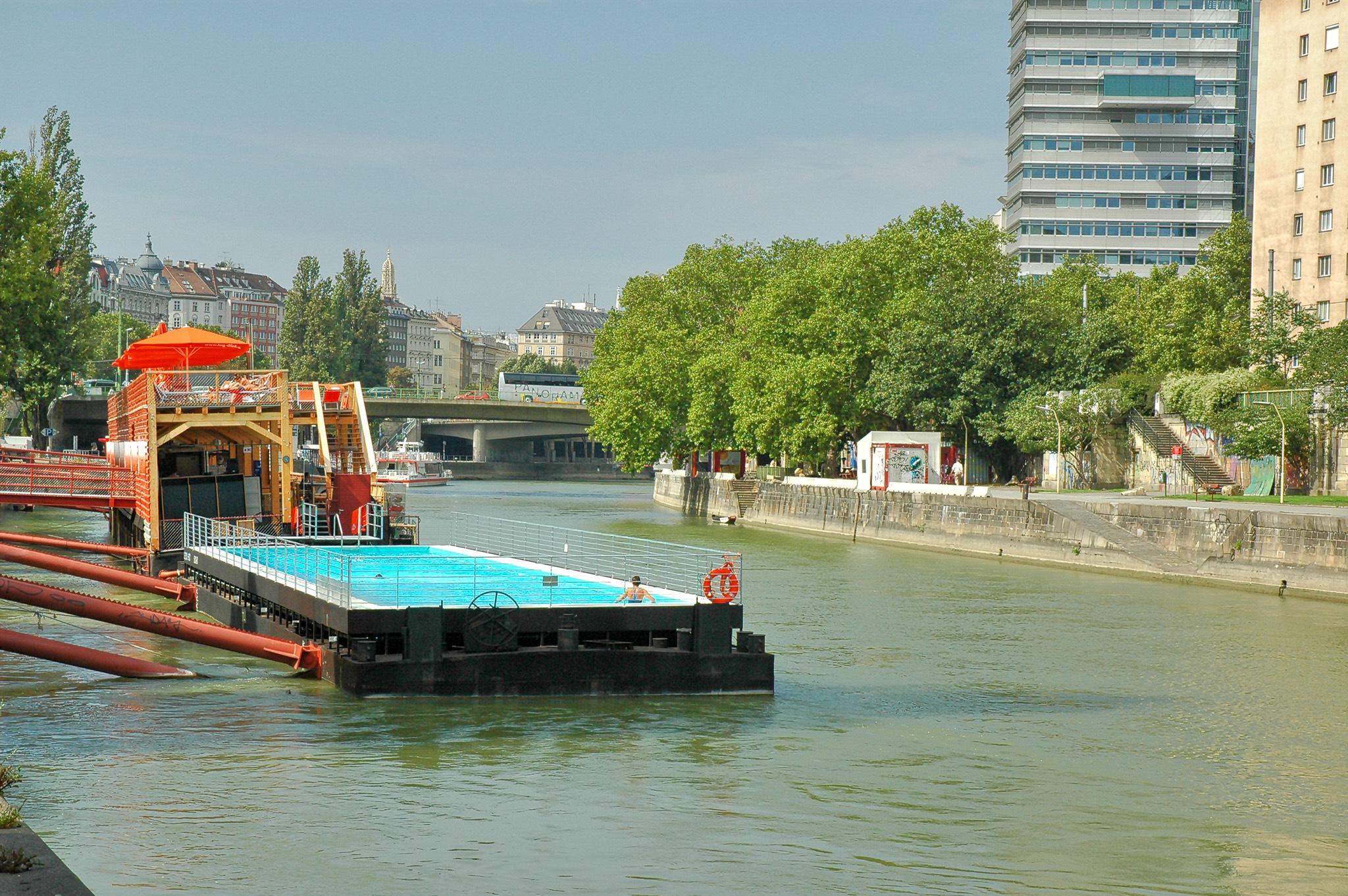
The area alongside the Danube canal is a perfect R&R spot in the middle of the city. Numerous cafes and even a "Badeschiff" (like a floating swimming pool) attract many guests. The Danube canal can be reached by underground (Station Schwedenplatz). A tip: bring a drink and sit at the waterfront or enjoy the many graffiti.
Badeschiff Wien


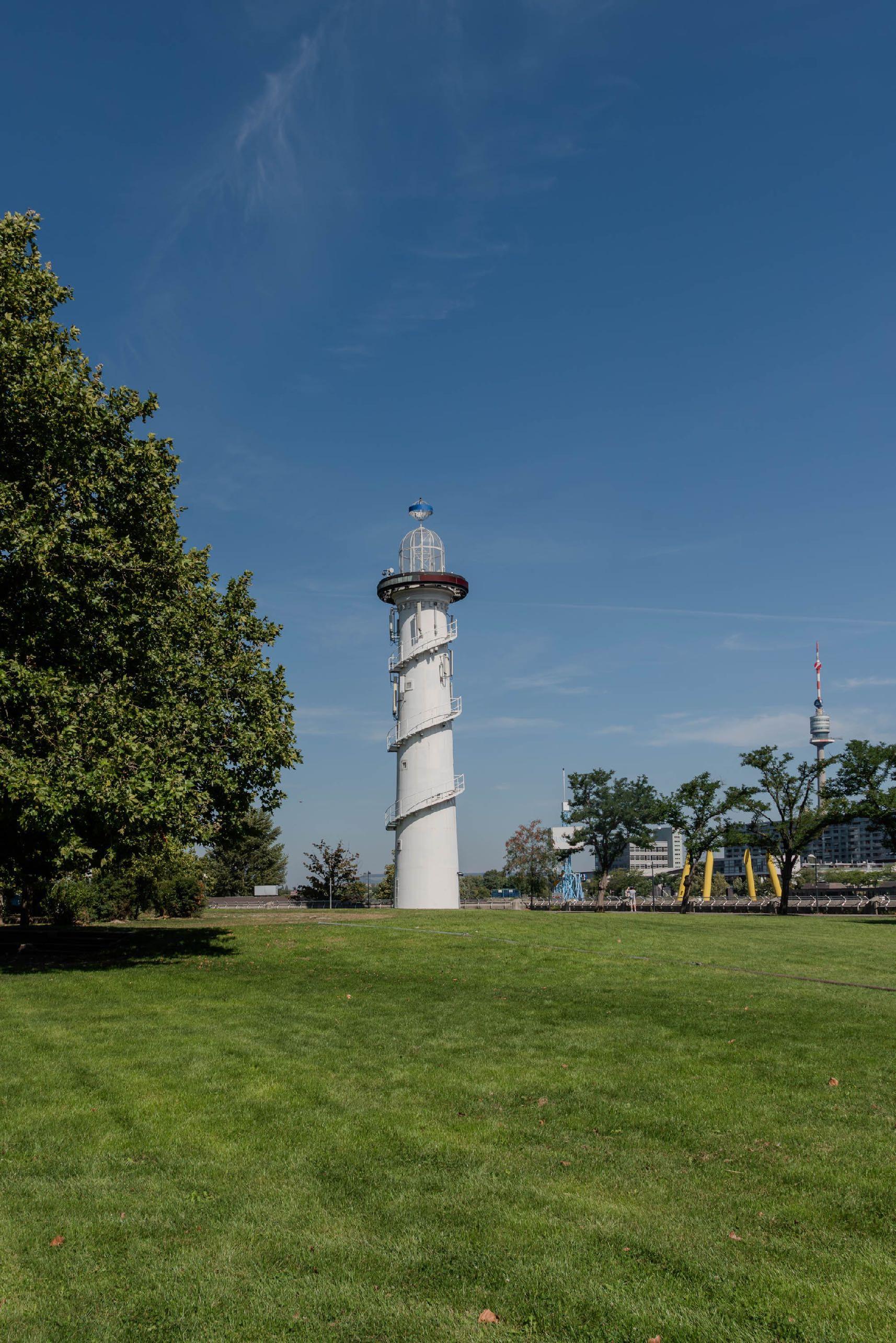
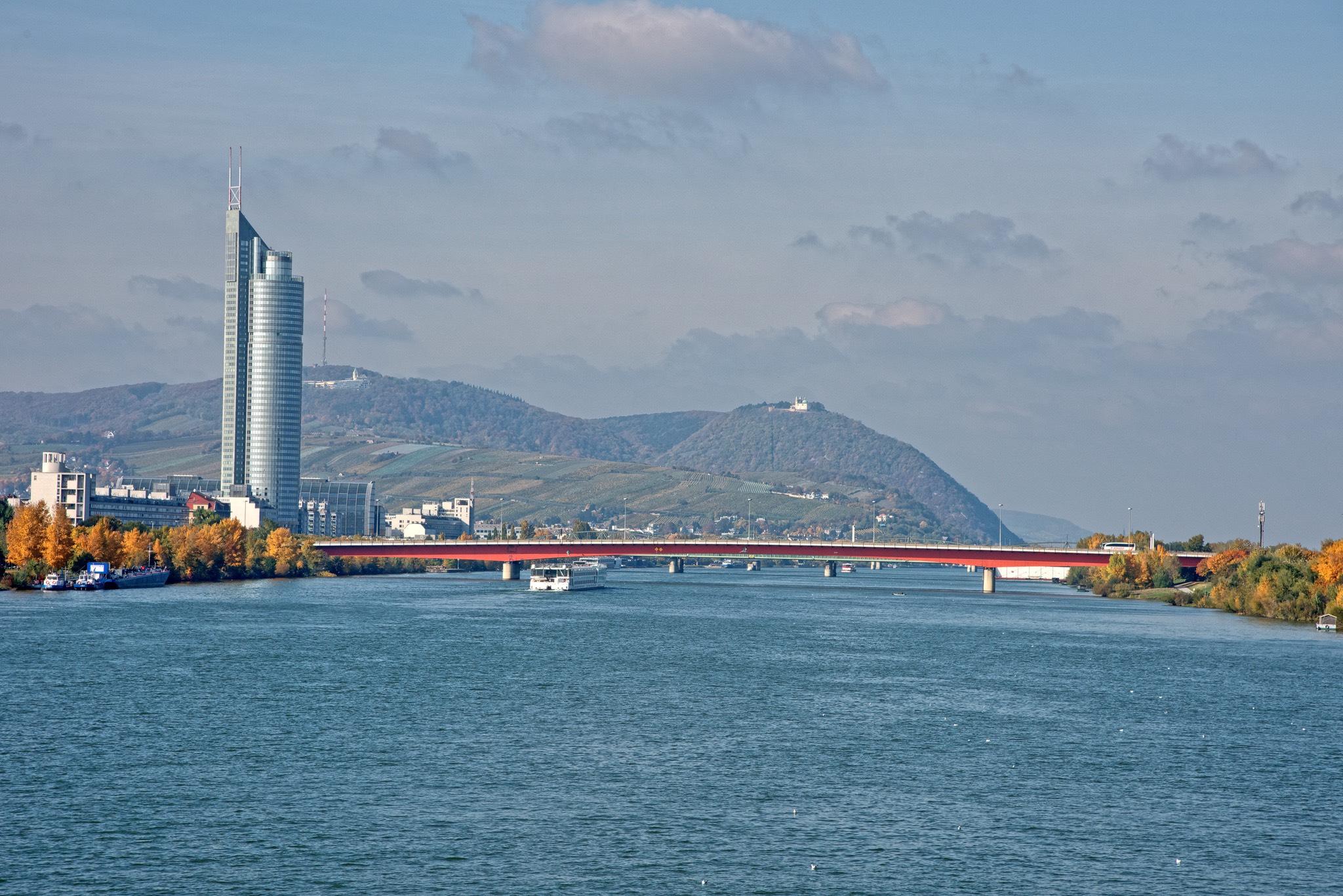
“No Title” - Bruno Gironcoli
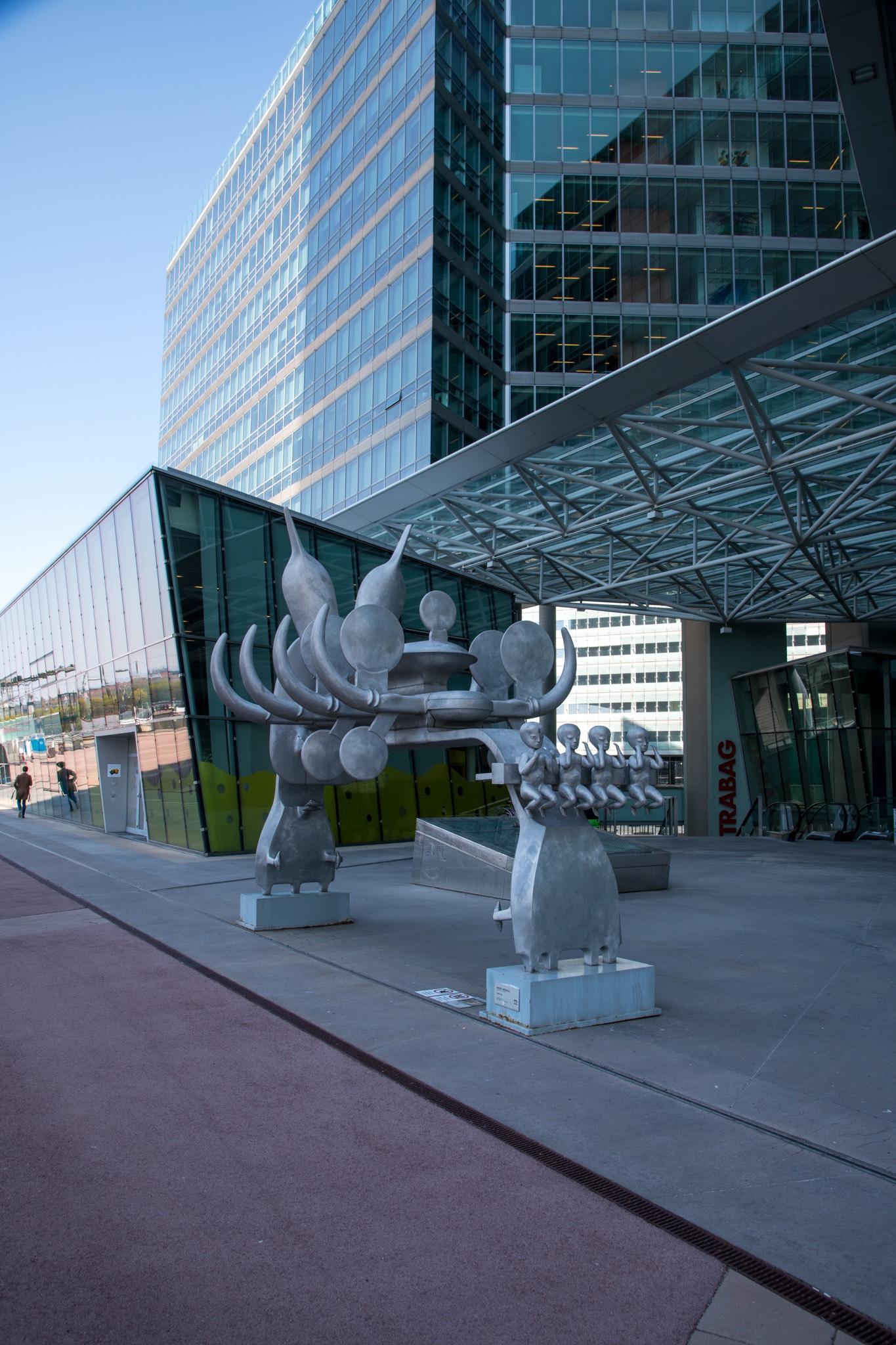
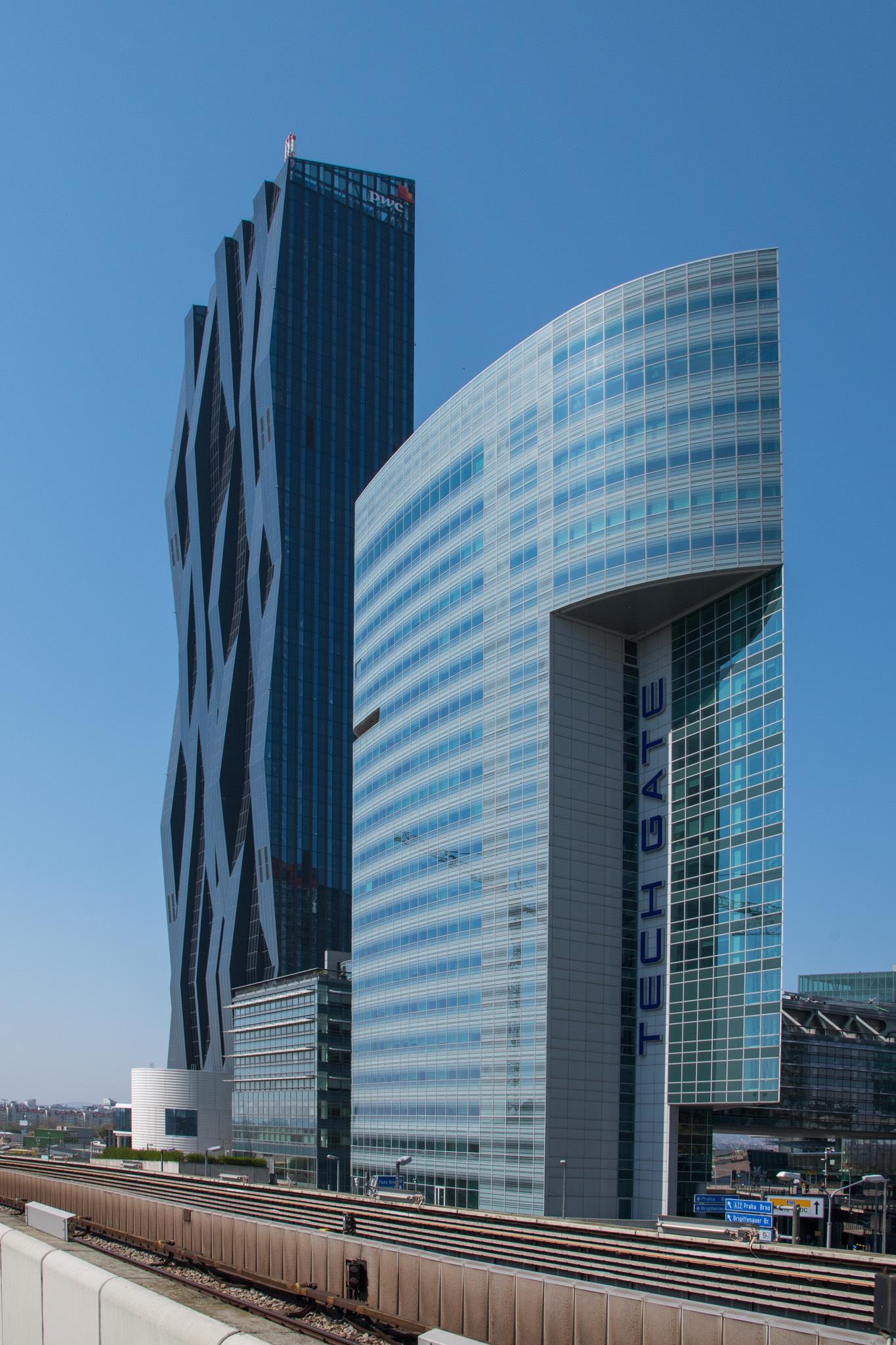
DC-Tower & Tech Gate
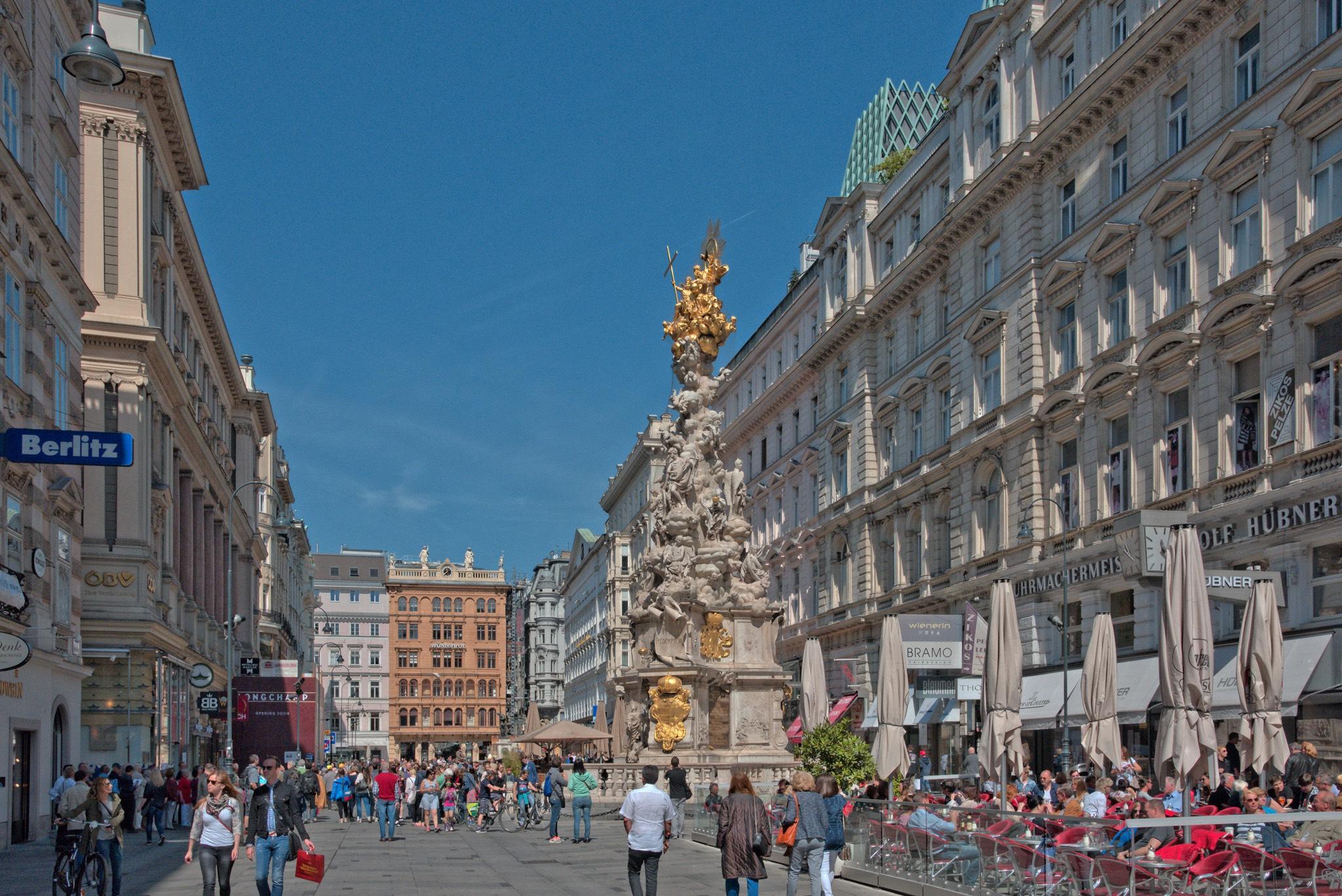
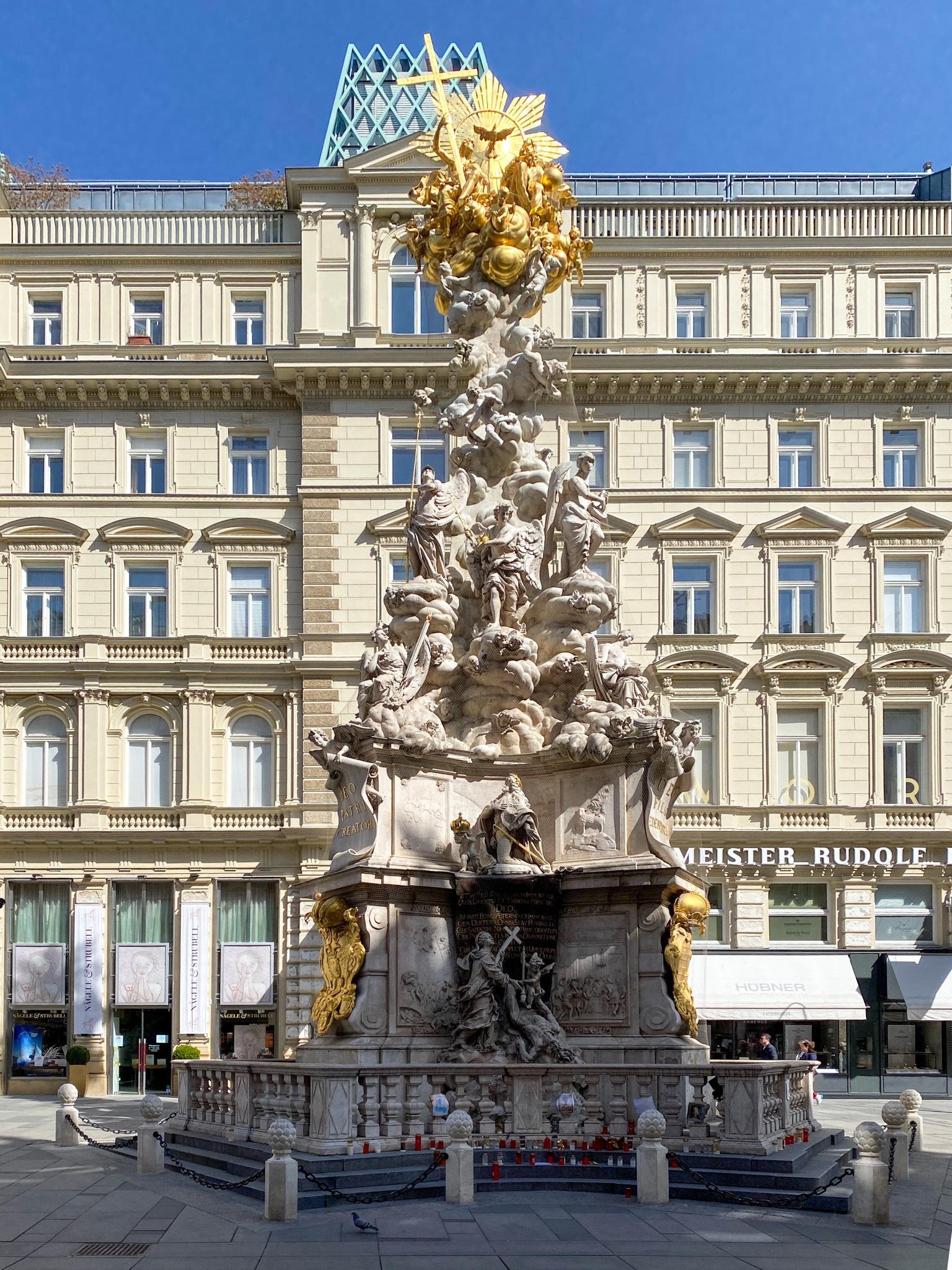
The original construction work that resulted in what today is known as the Graben were financed with the ransom collected for the English King Richard the Lionheart.
Today, the Graben is a posh boulevard, where seeing and being seen is very important. Shops and cafes are found alongside the street.


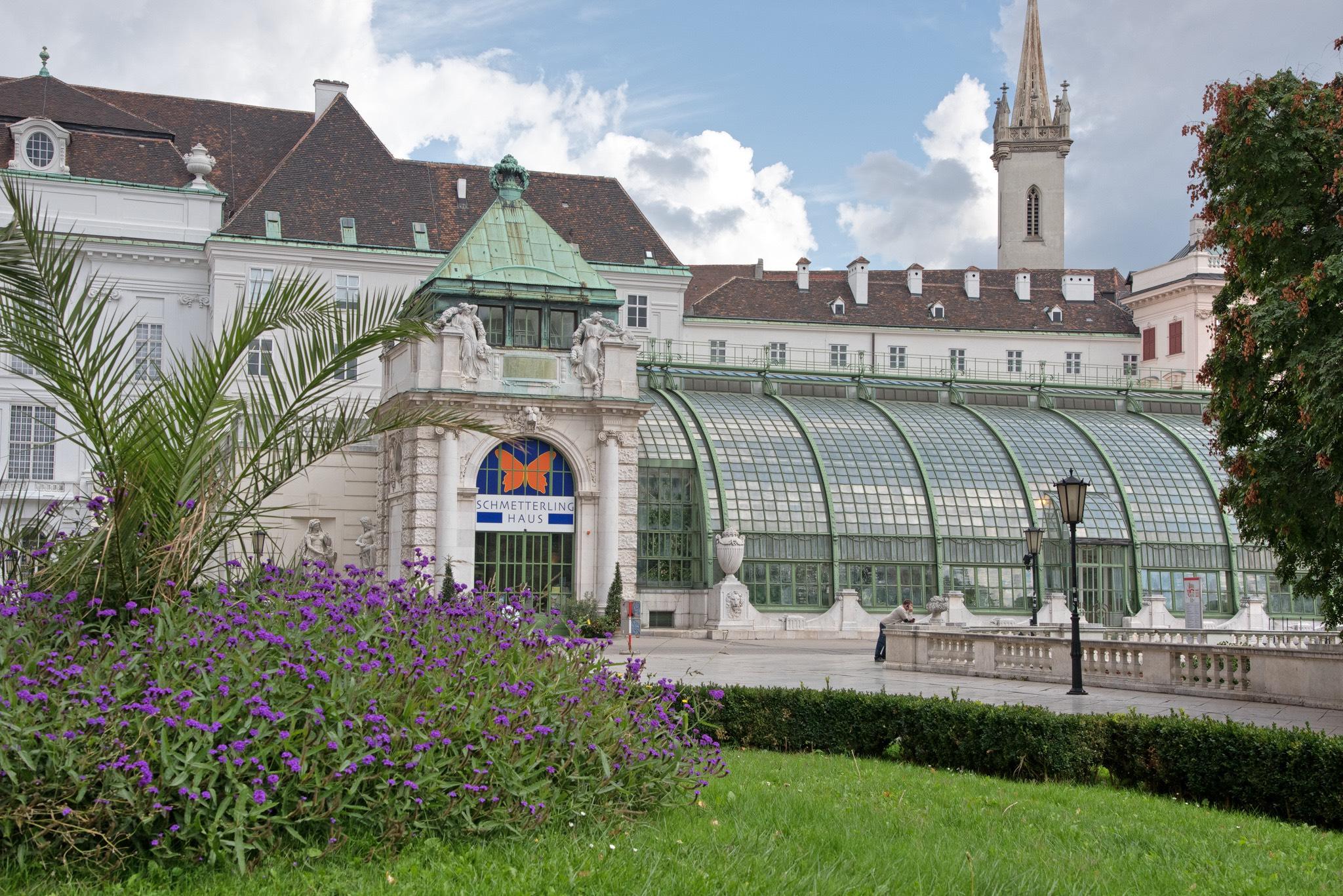
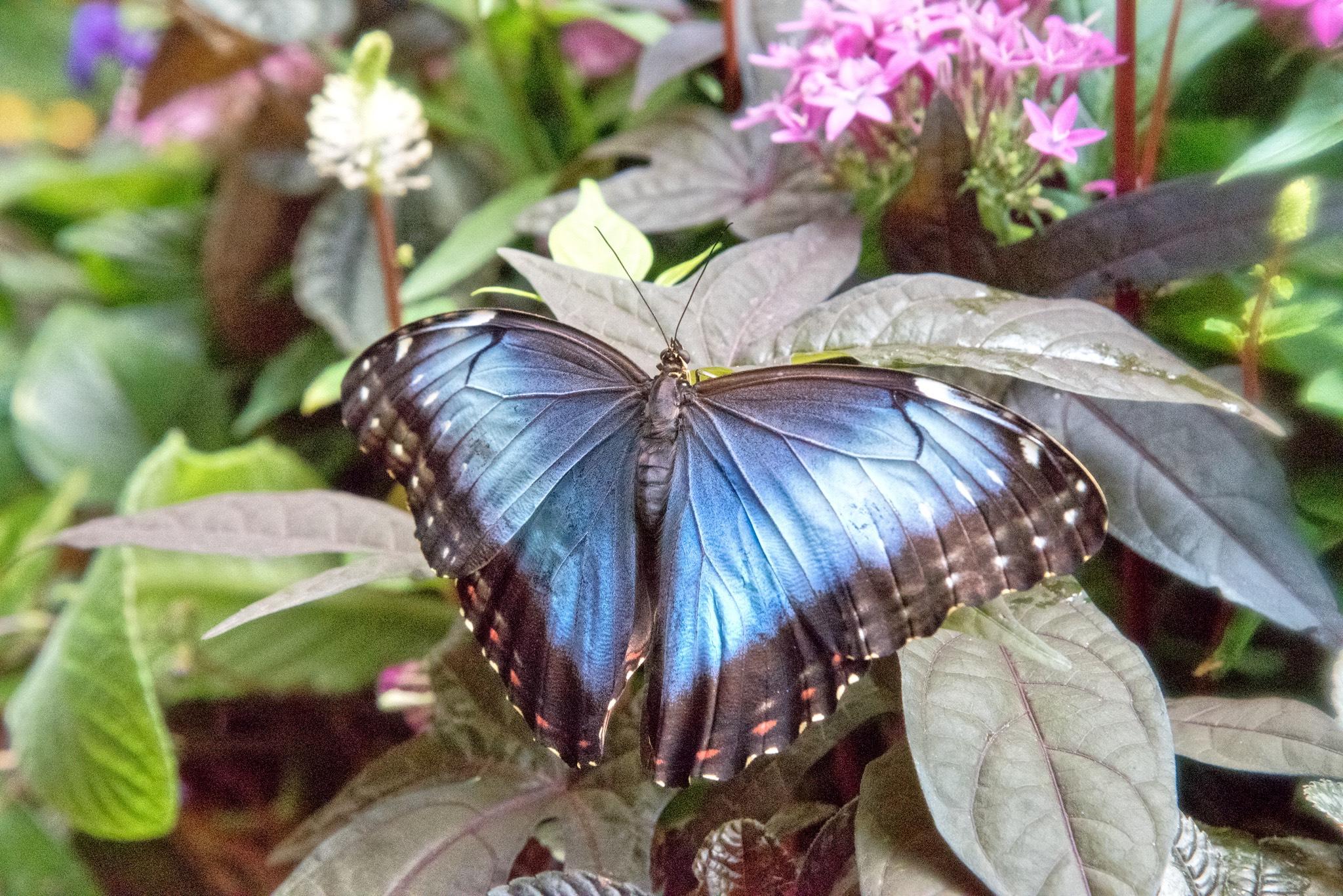
The Burggarten park is the home of many colorful butterflies. With waterfalls and ponds, the proprietors tried to reconstruct a tropical rain forest, which serves as a habitat for numerous exotic animals. Besides the
butterflies, which fly around freely in the building, visitors can also see animals hatch.
with the OBB nightjet to Vienna

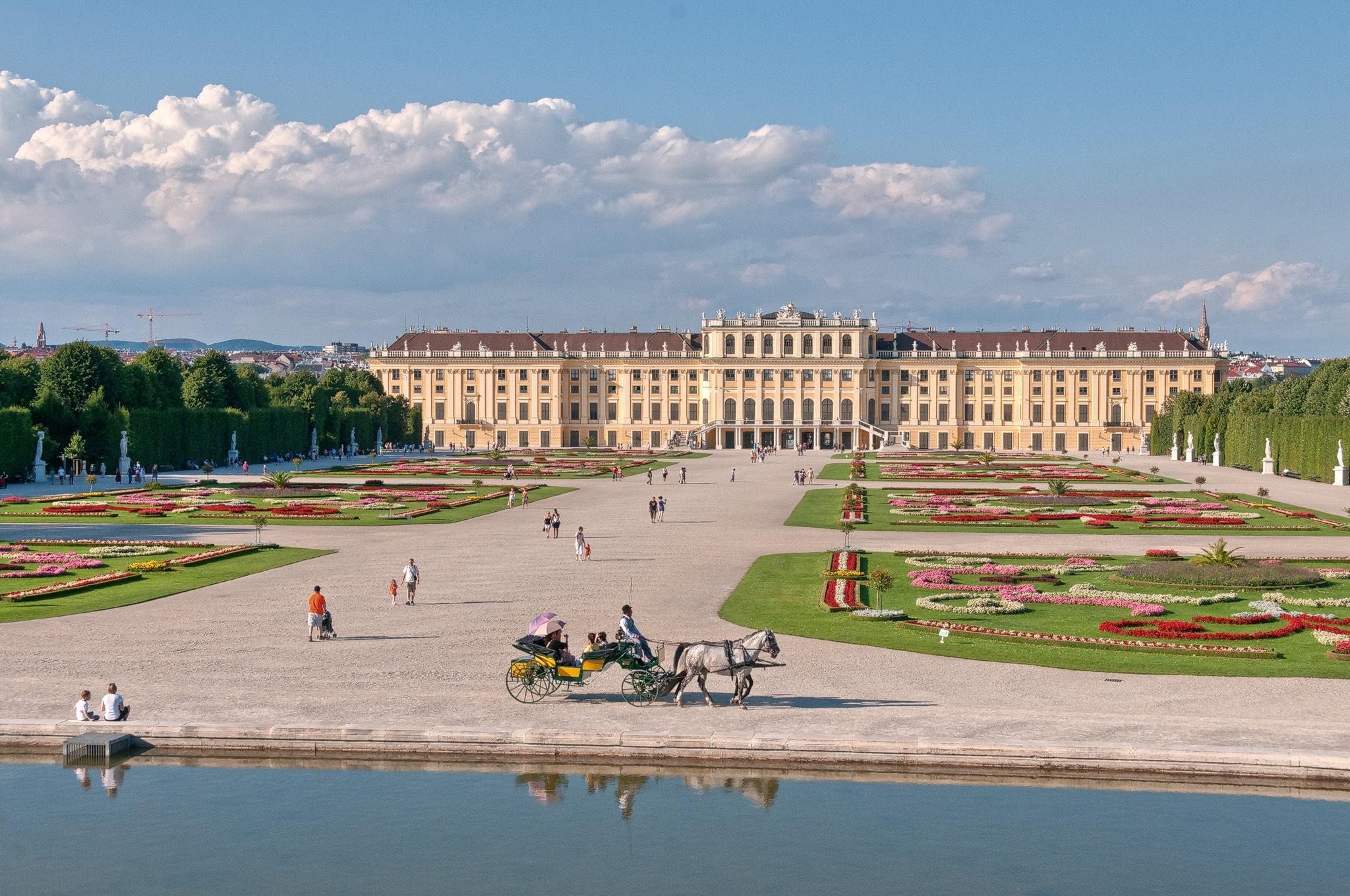
This was Empress Sisi's abode during the summer months. The castle has 1,441 rooms. The Hall of Mirrors was the location for Mozart's performance when he
was only six years old. The Grand Galerie hosted the Vienna Congress in 1814 and 1815. And the ample site also houses the Gloriette and the Palm House.
with the OBB nightjet to Vienna

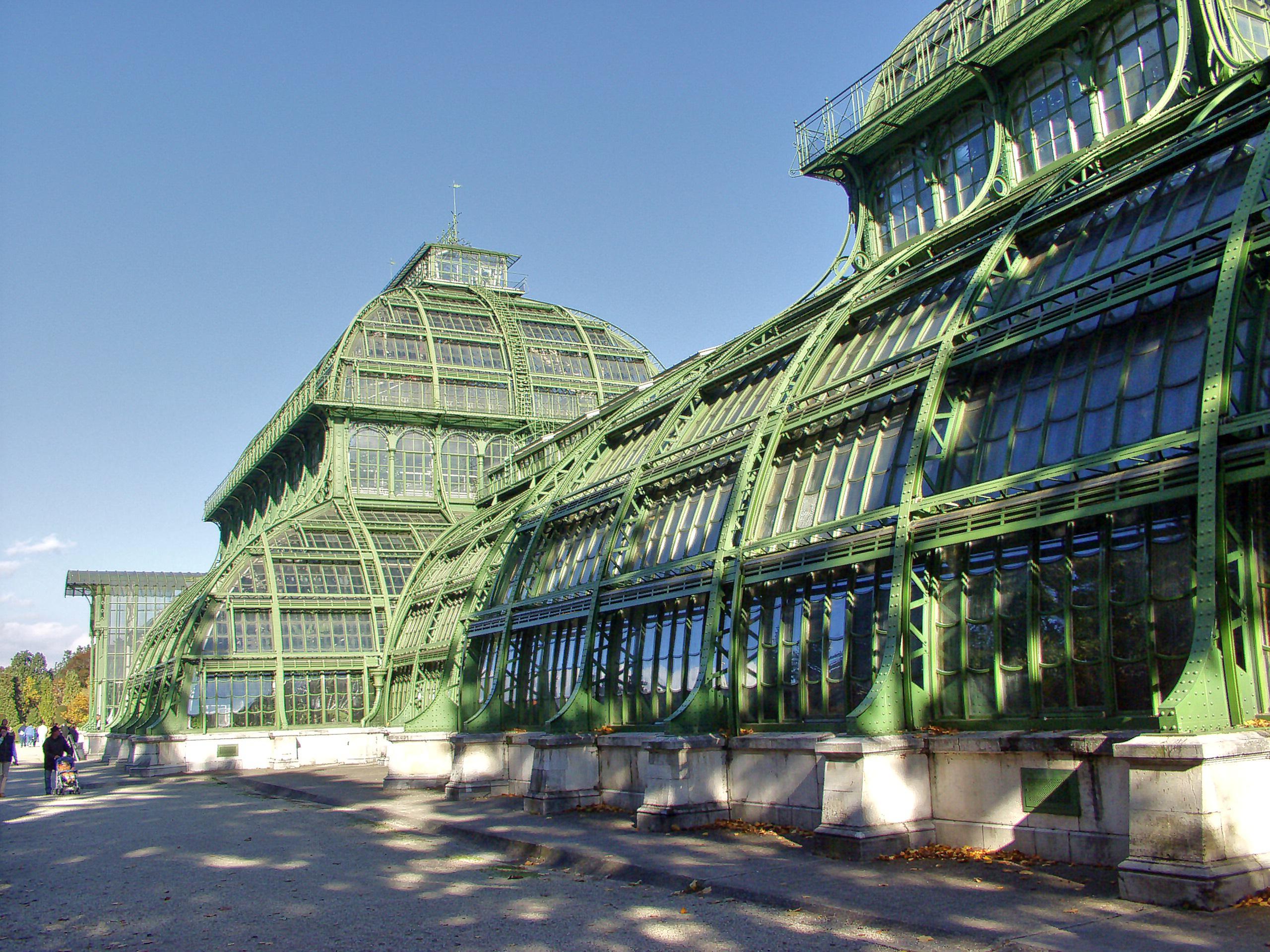

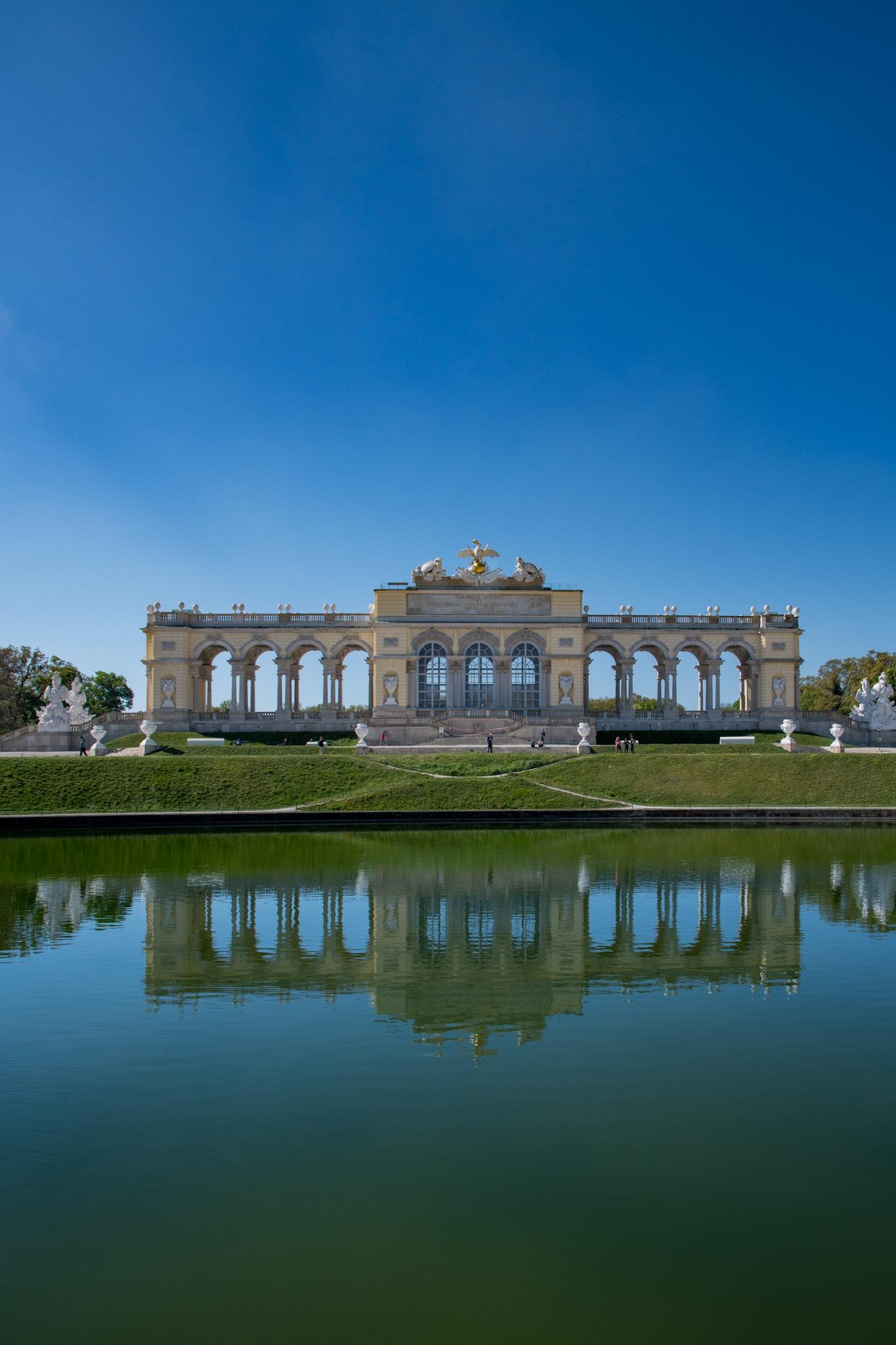
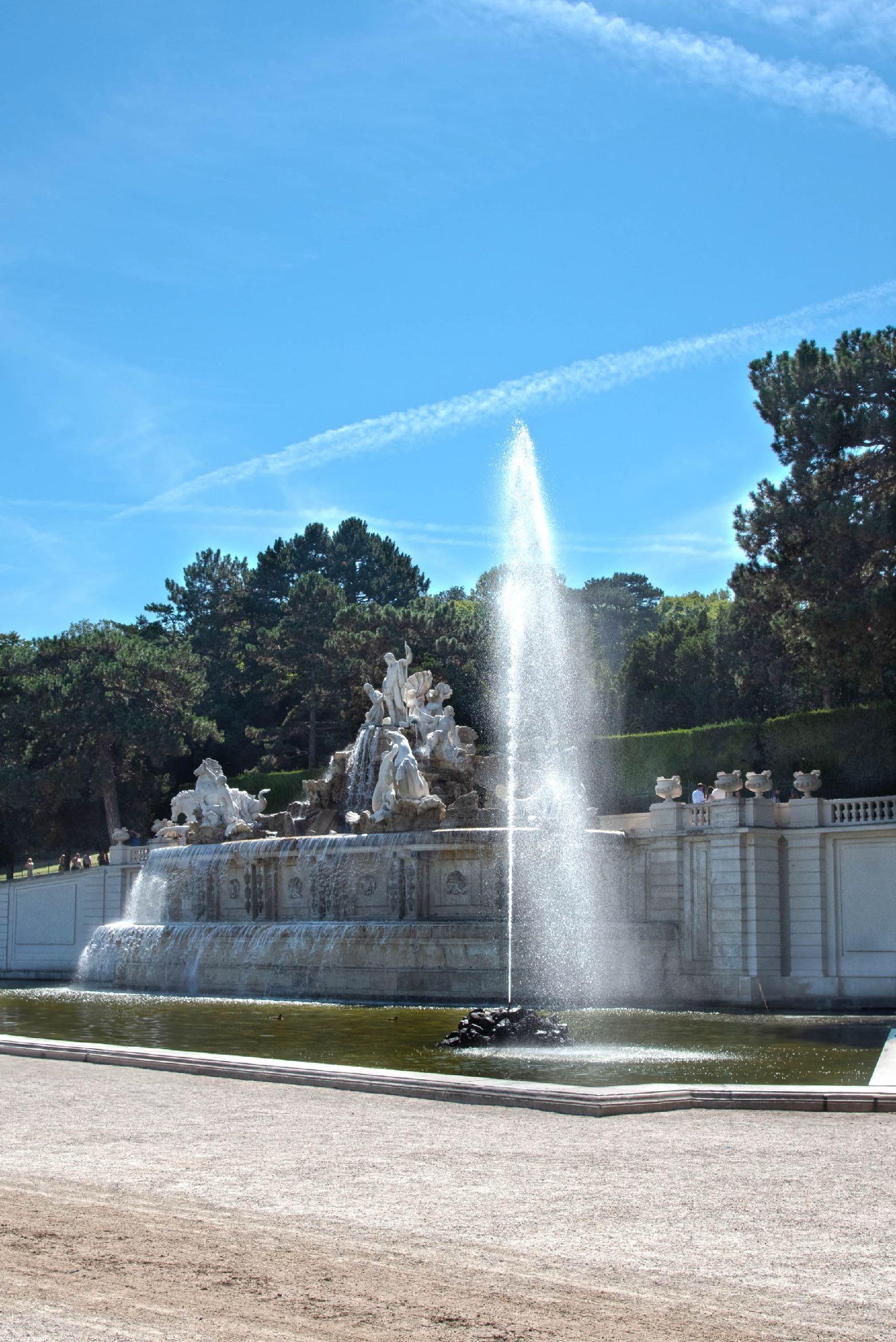
Römische Ruine (Roman Ruin
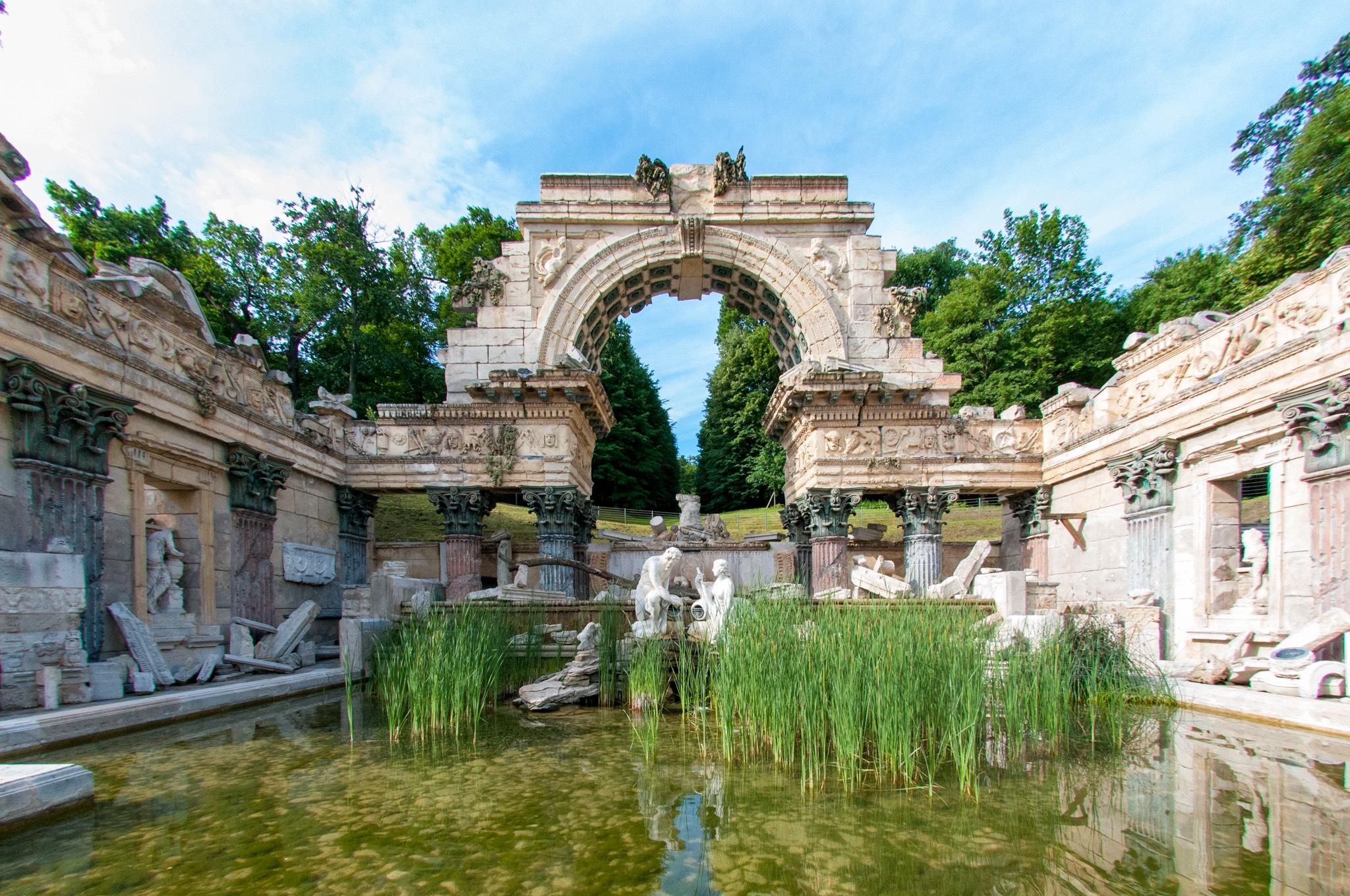
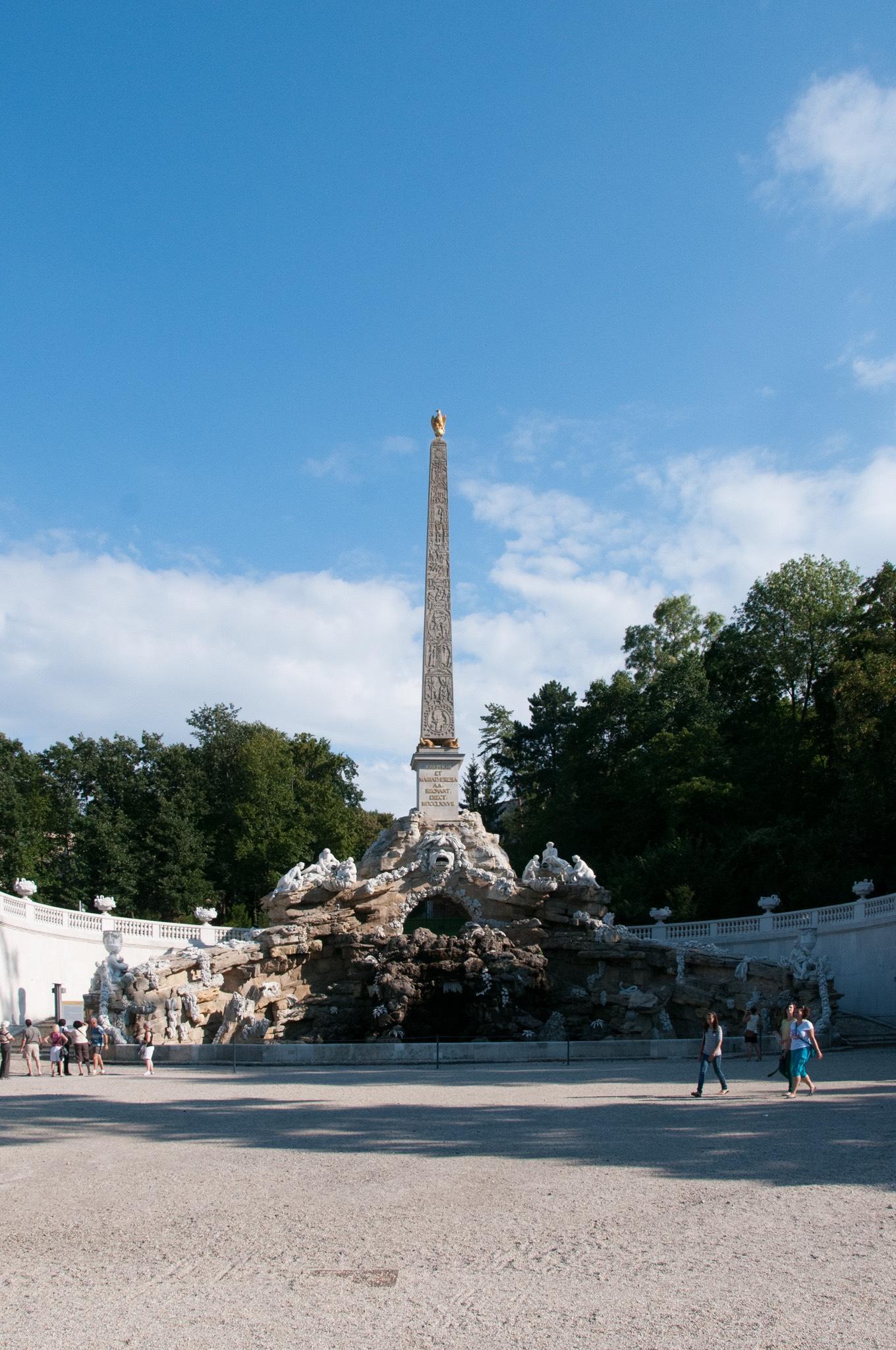
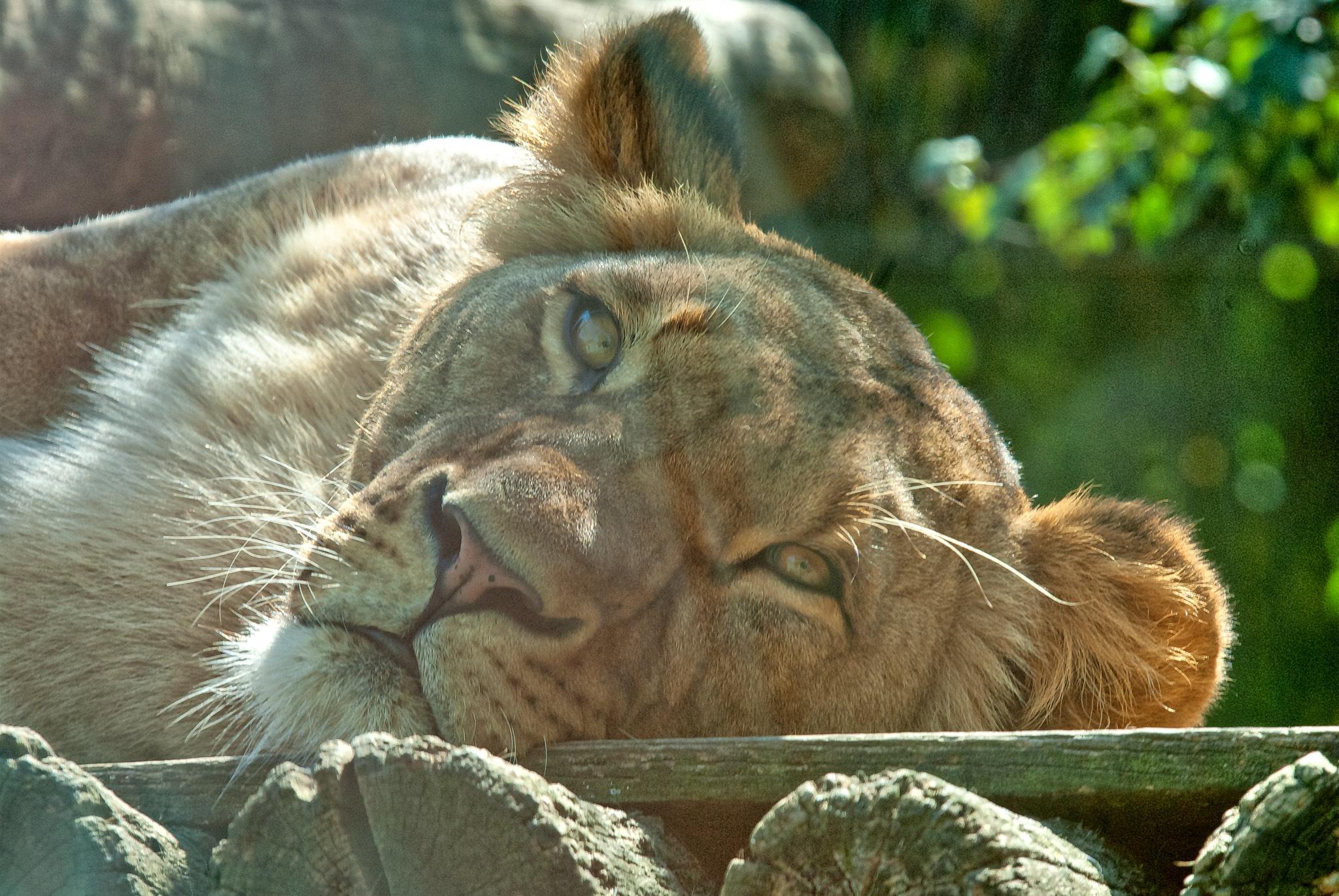
Maria Theresia's husband, Emperor Franz I Stephan von Lothringen, presented the Menagerie in Schoenbrunn Castle to his guests in 1752. The animals seemed to enjoy Vienna, and the first african elephant
baby was born in Schoenbrunn in 1906, as well as the panda bear Fu Long, who was also born here.
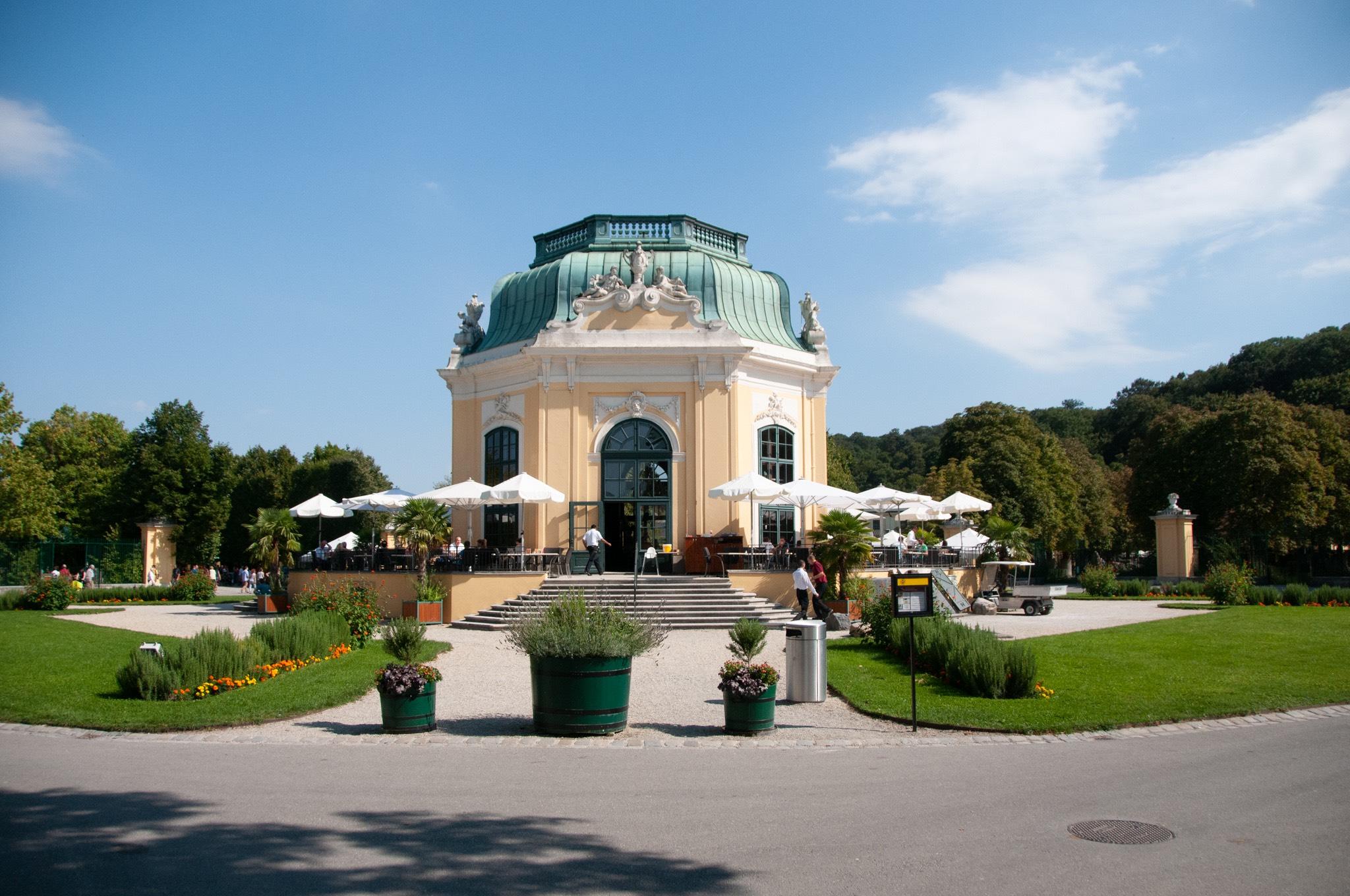
Kaiserpavillon (Emperor's Pavilion)
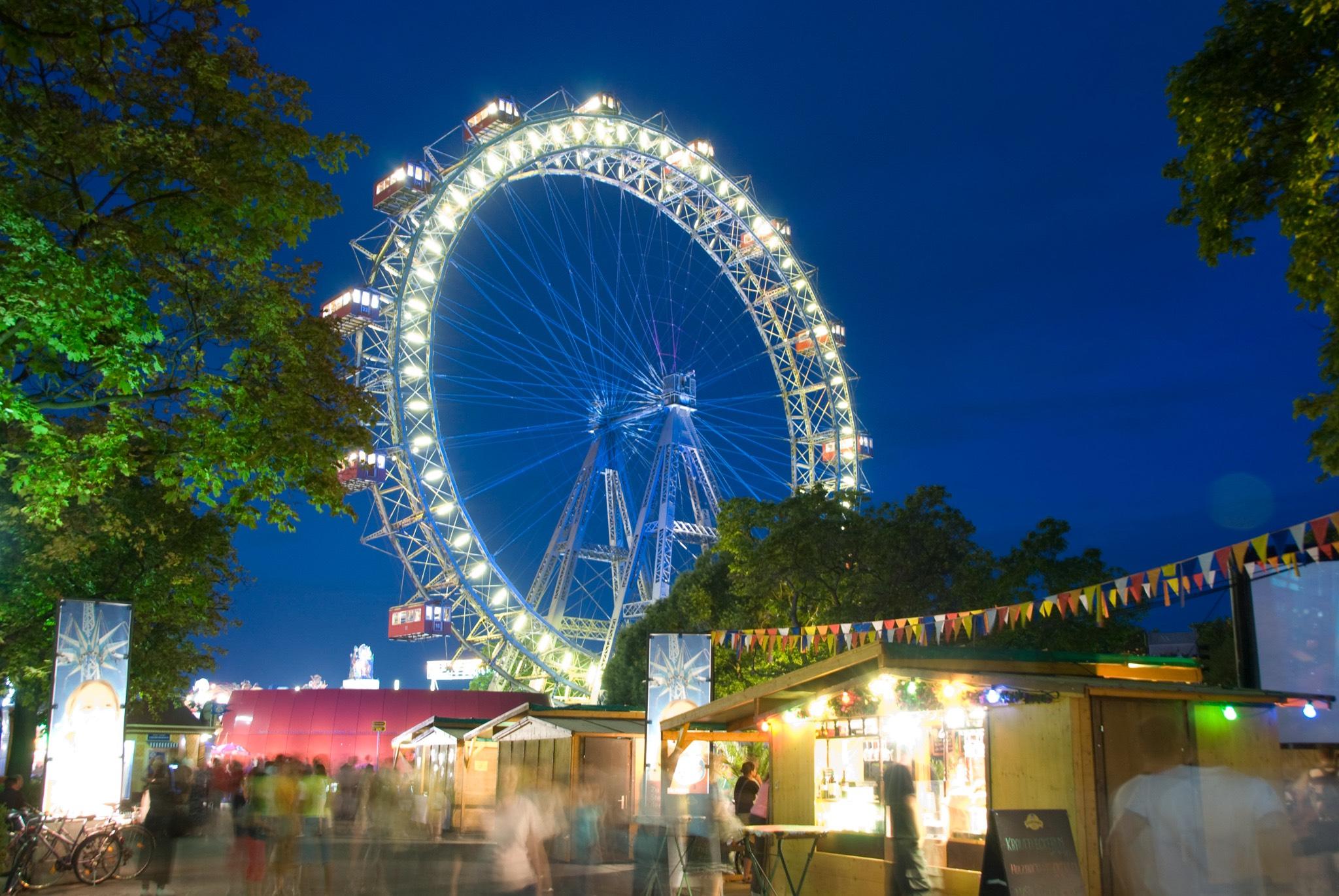
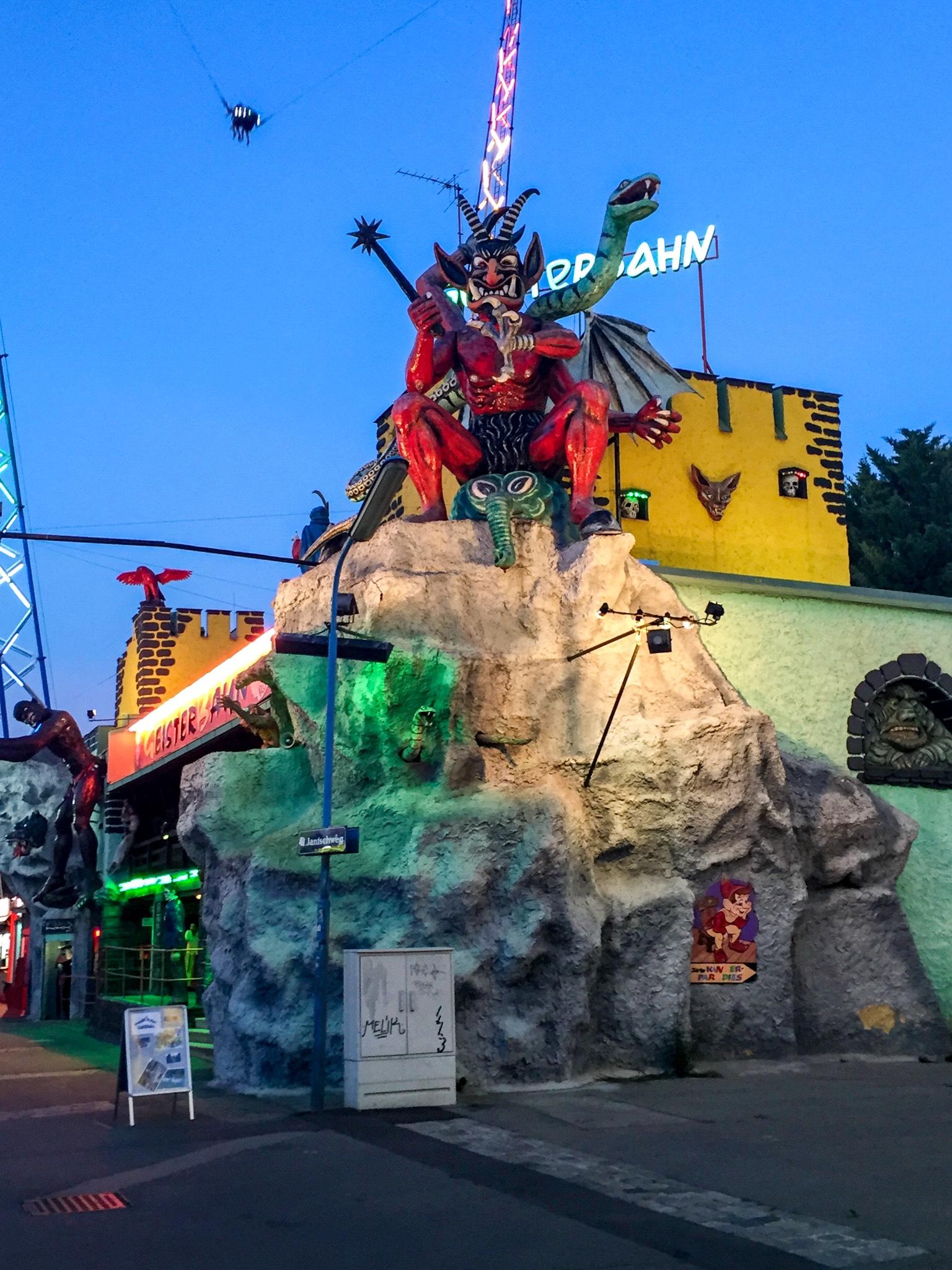
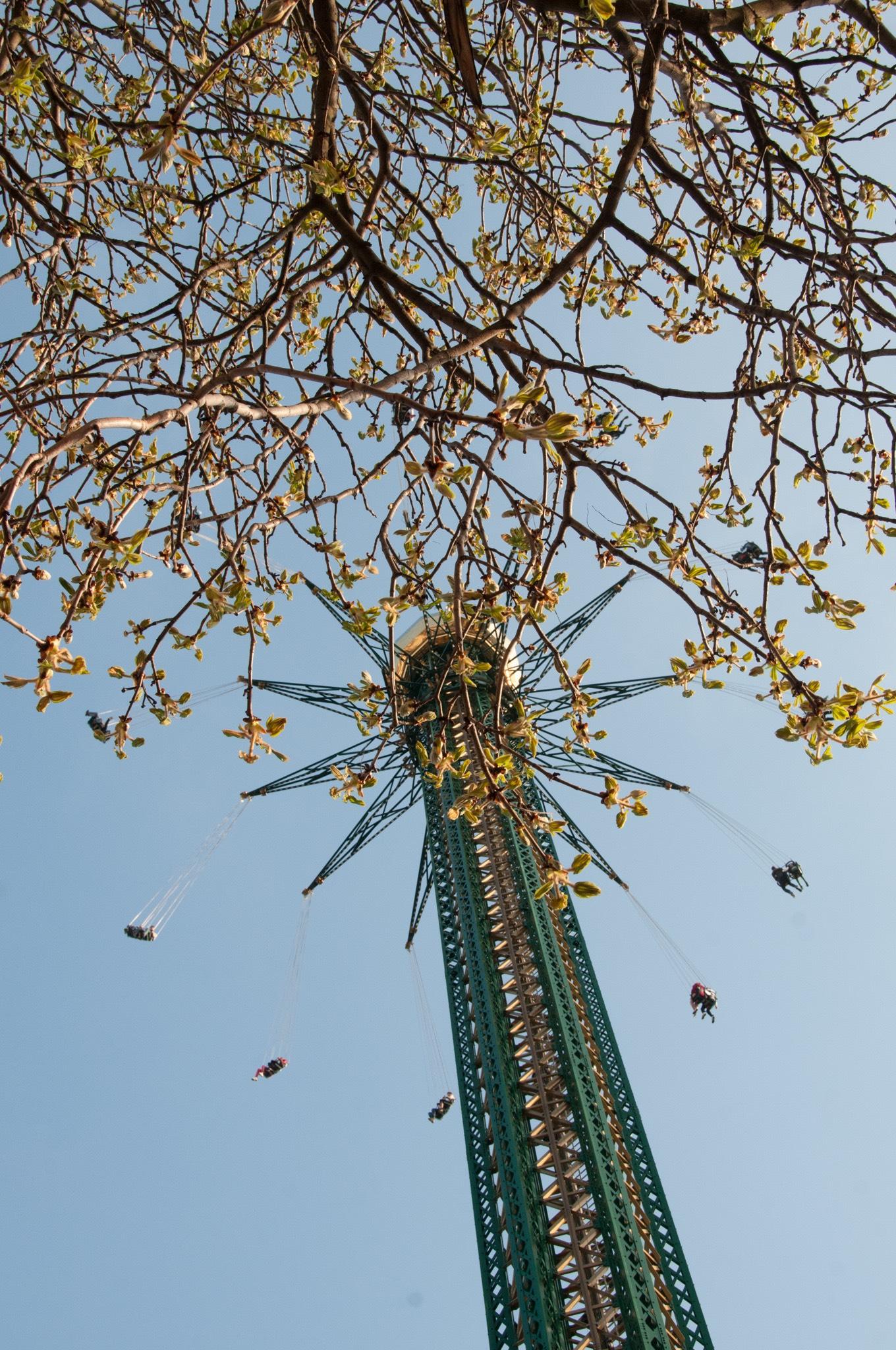
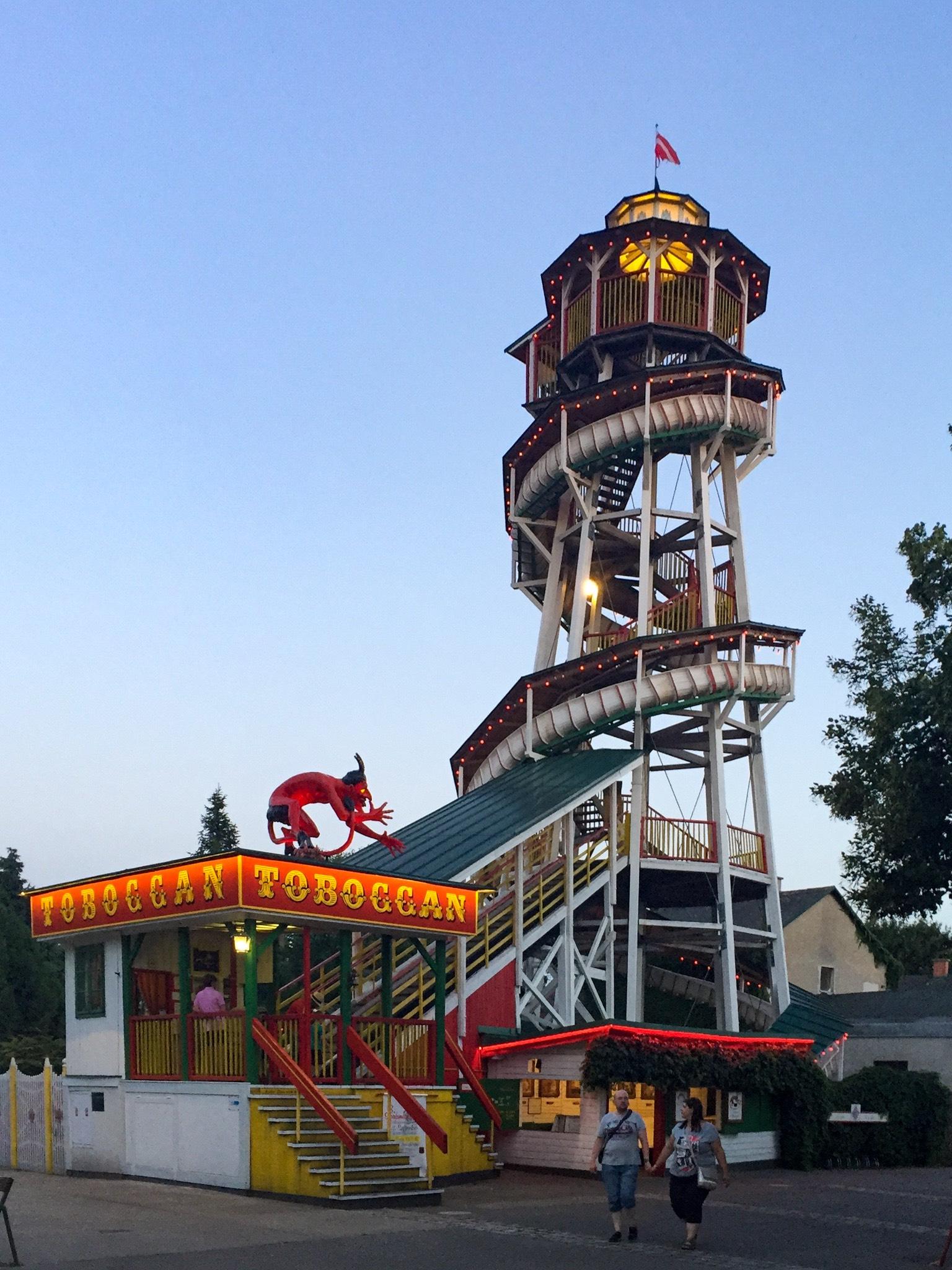
Emperor Joseph II opened the Prater in 1766 for the public. The former hunting grounds of the Emperor encompass six square kilometres. The amusement park, in season from March to October, is called
"Wurstelprater". From Praterstern Station, visitors can admire the giant ferris wheel, which is open yearround.
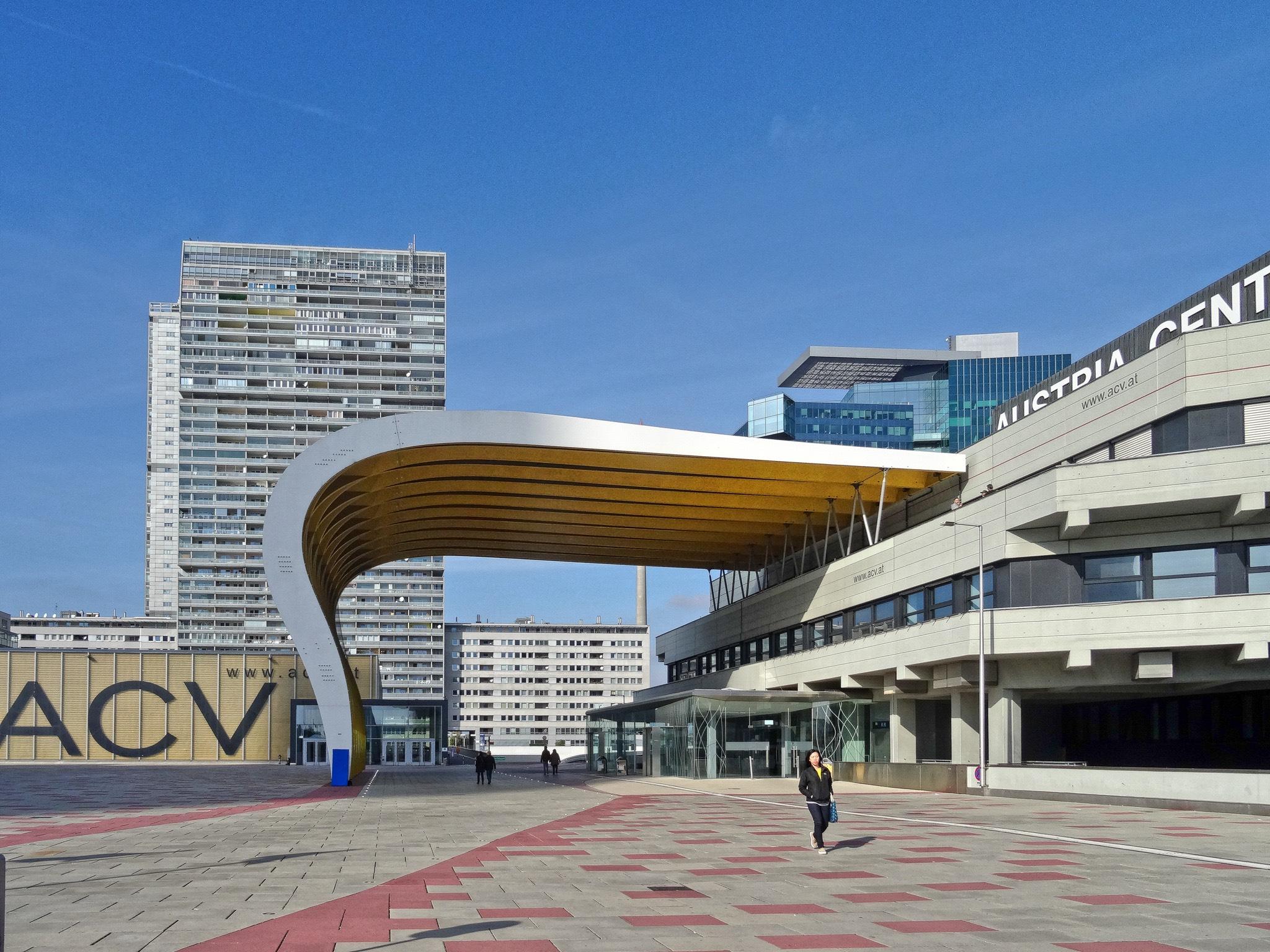
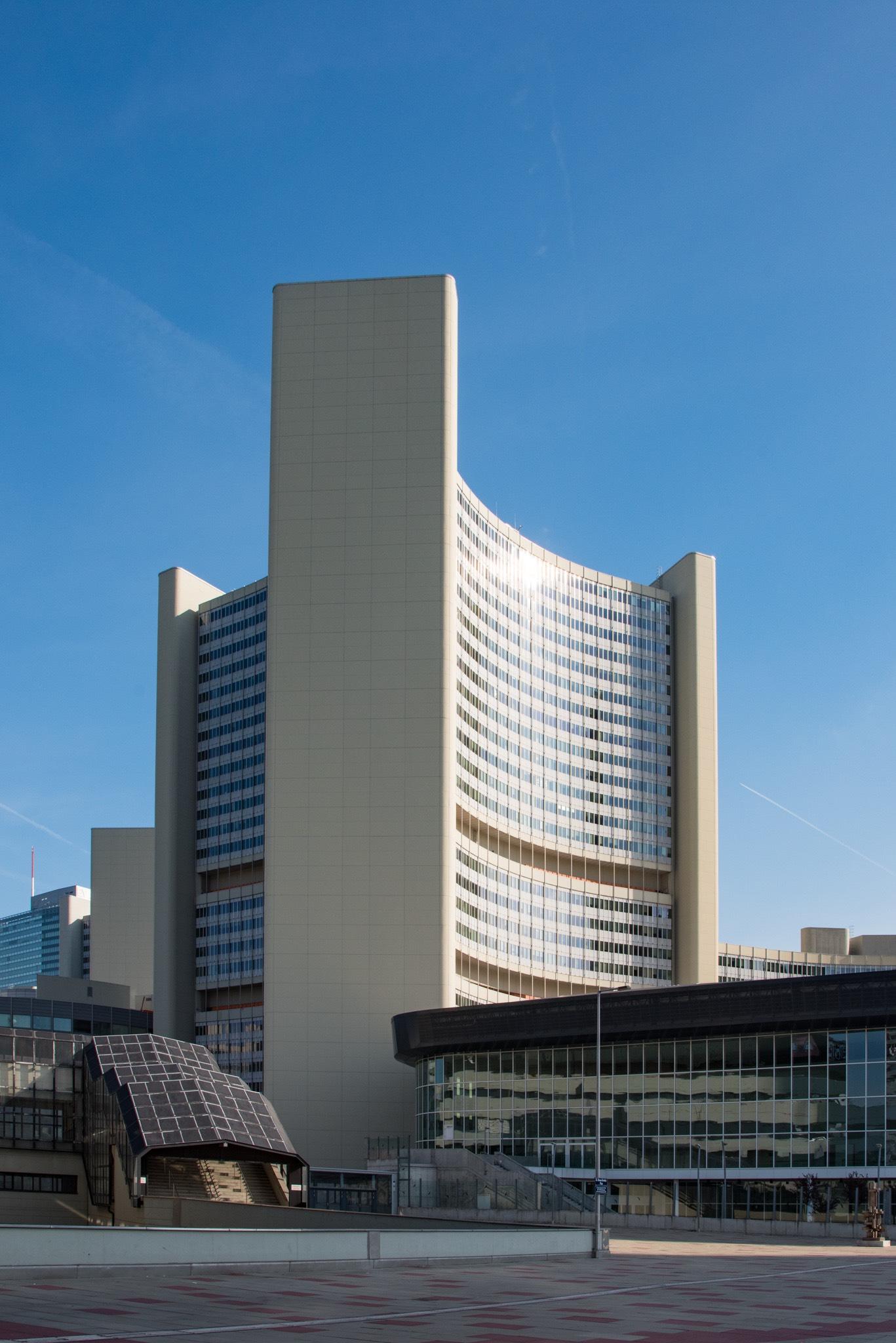
It is home to the UNO City and the Austria Center Vienna. Besides modern of fi ce buildings and apartments, the Kaiserwasser area and the Old Danube offer optimal opportunities for rest and recreation. The
UNO City and Austria Center Vienna are located right next to the underground station, which is also the starting point for a walk through the Donaupark to the Danube Tower or to the Old Danube.
Vienna International Center (VIC)
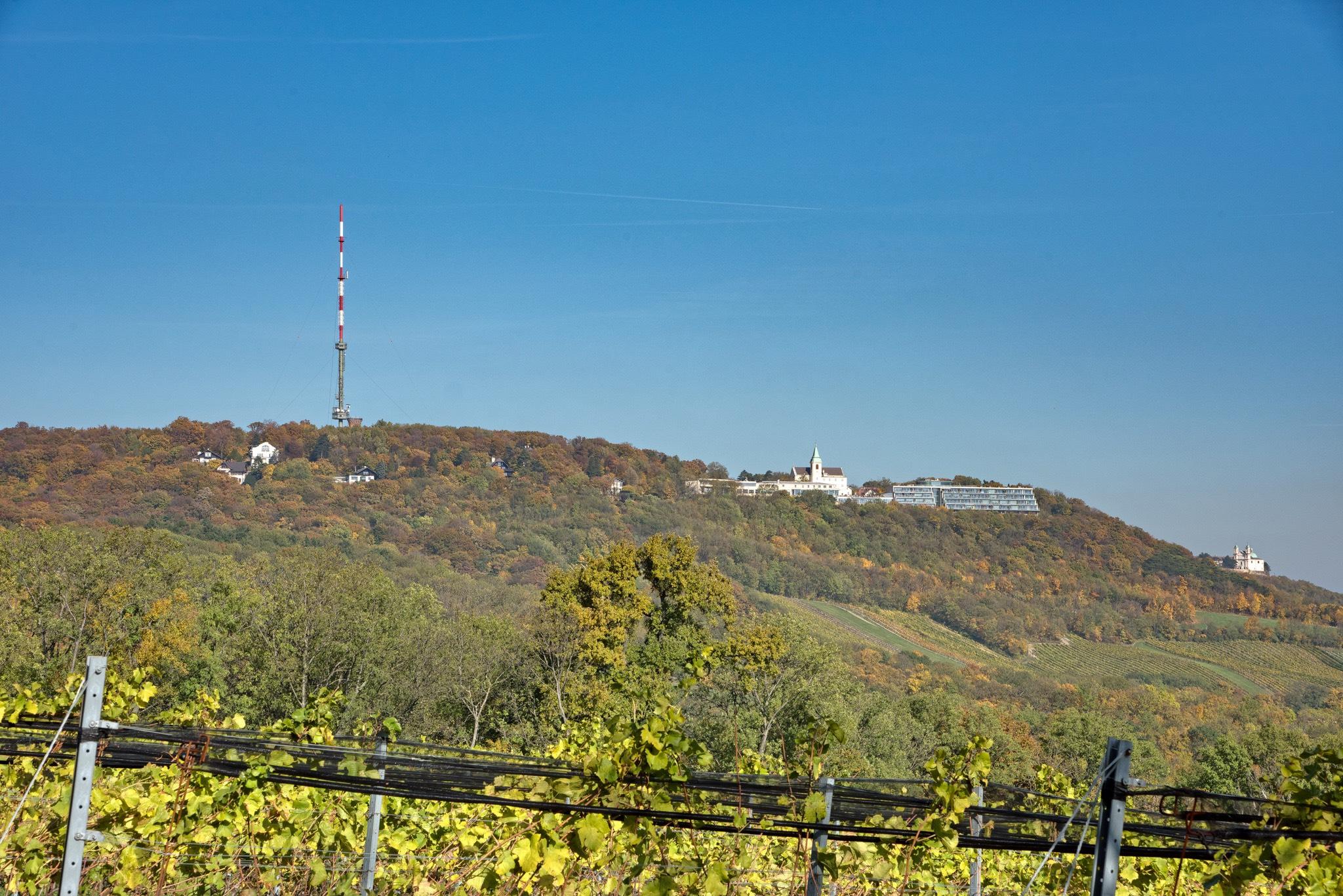
The Kahlenberg hill is a popular destination. The "Monte Glatzo", what the hill is called in Viennese dialect, was the route on which Polish King Sobieski and the reserve army came to the aid of occupied
Vienna in 1683. The eradication of the Ottoman army of Kara Mustafa and the liberation of Hungary were the result.
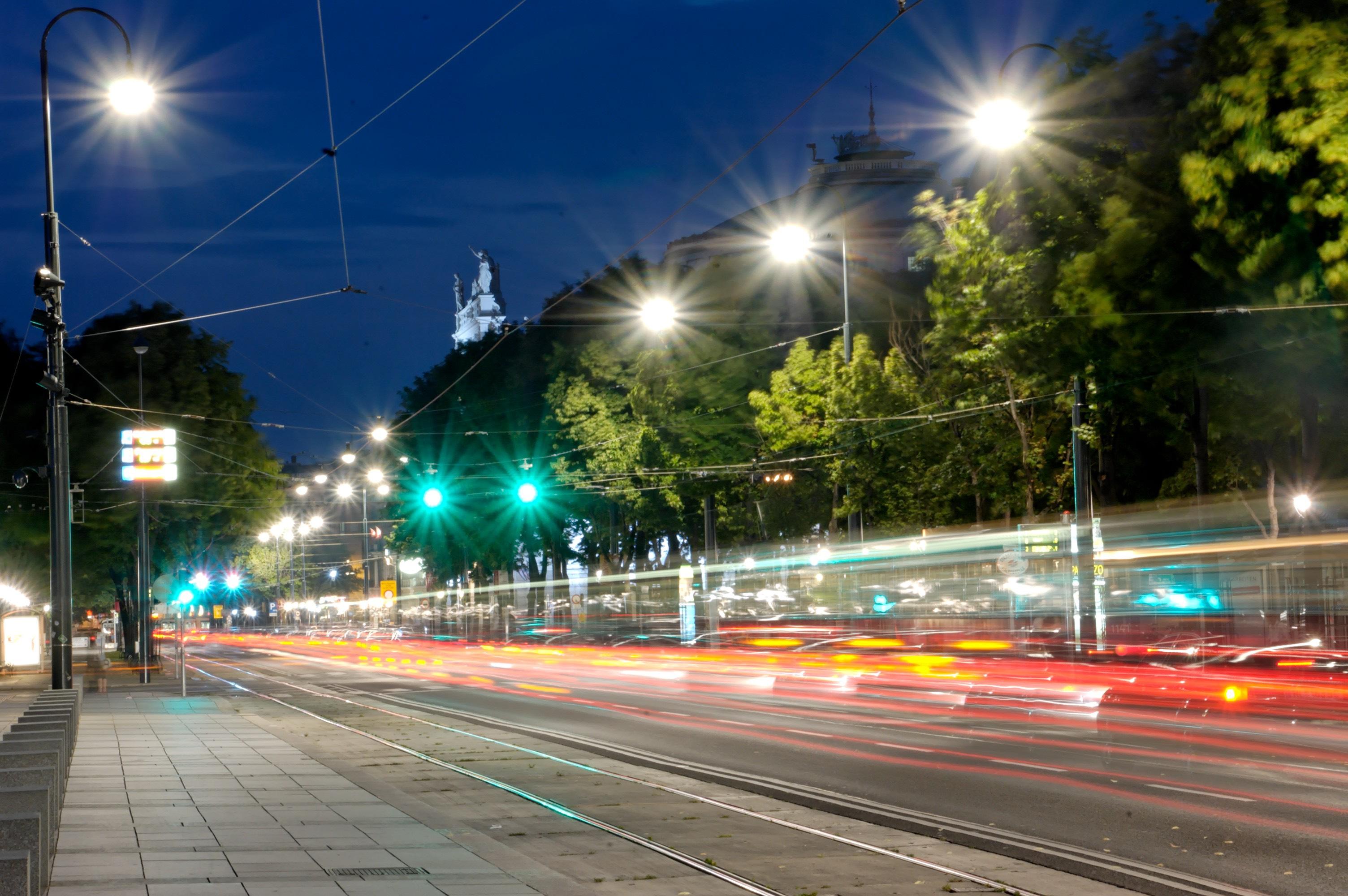

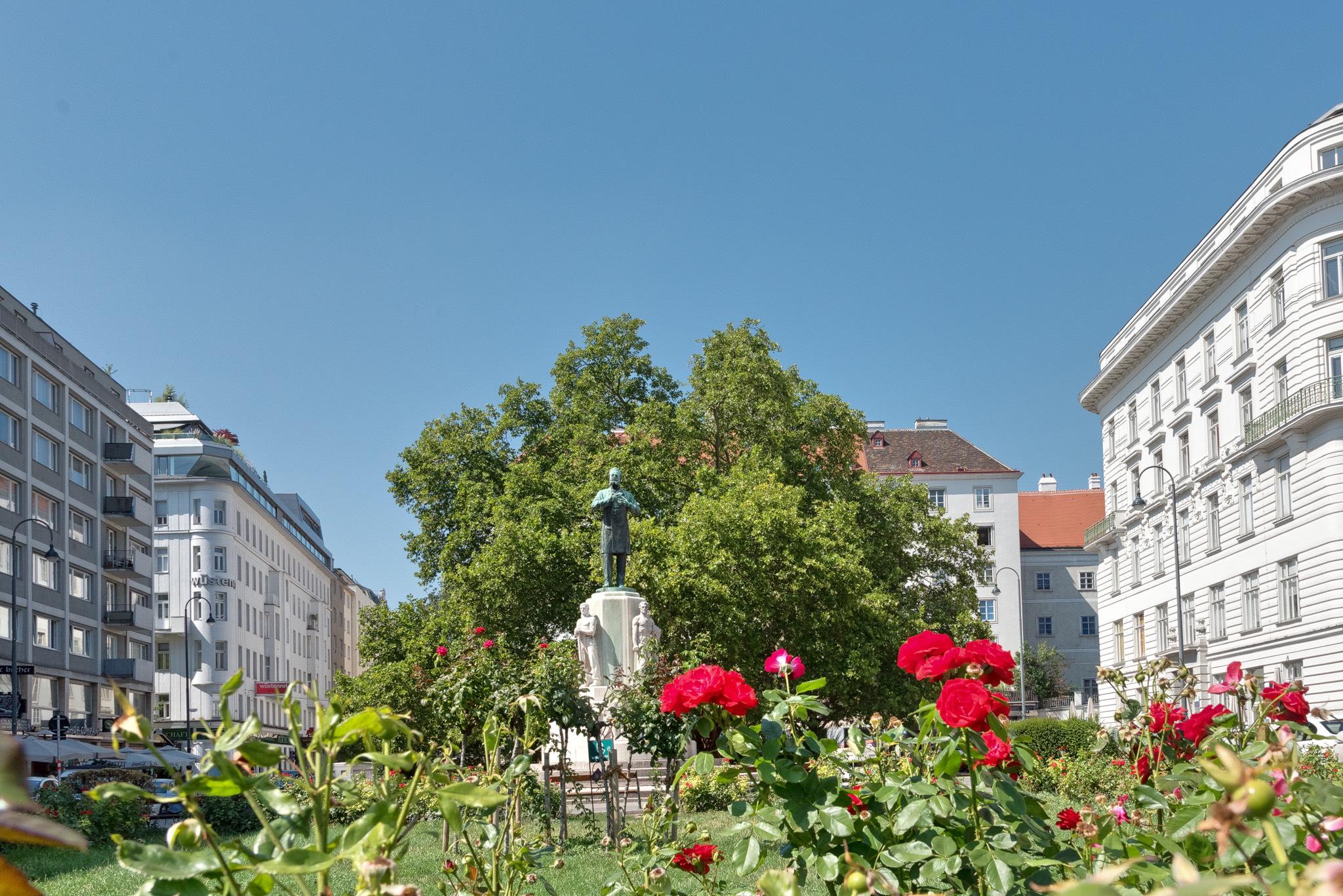
Karl Lueger was mayor of Vienna from 1897 to 1920. On this square is the Café Prueckel, which is frequented predominantly by students from the nearby University of Vienna.
The cafe is under monument protection and is popular especially for its 1950s-style interior decorati ons.
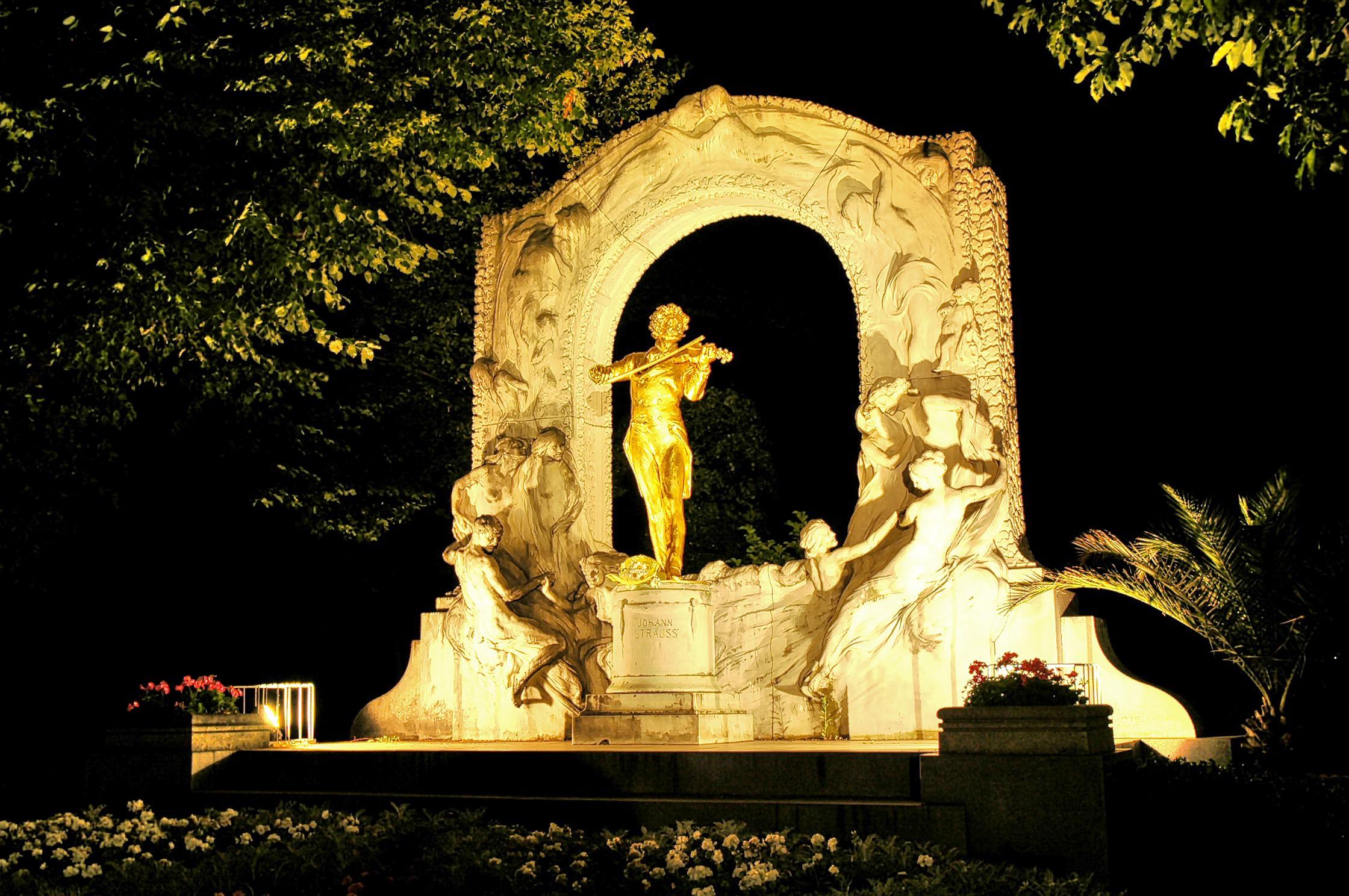
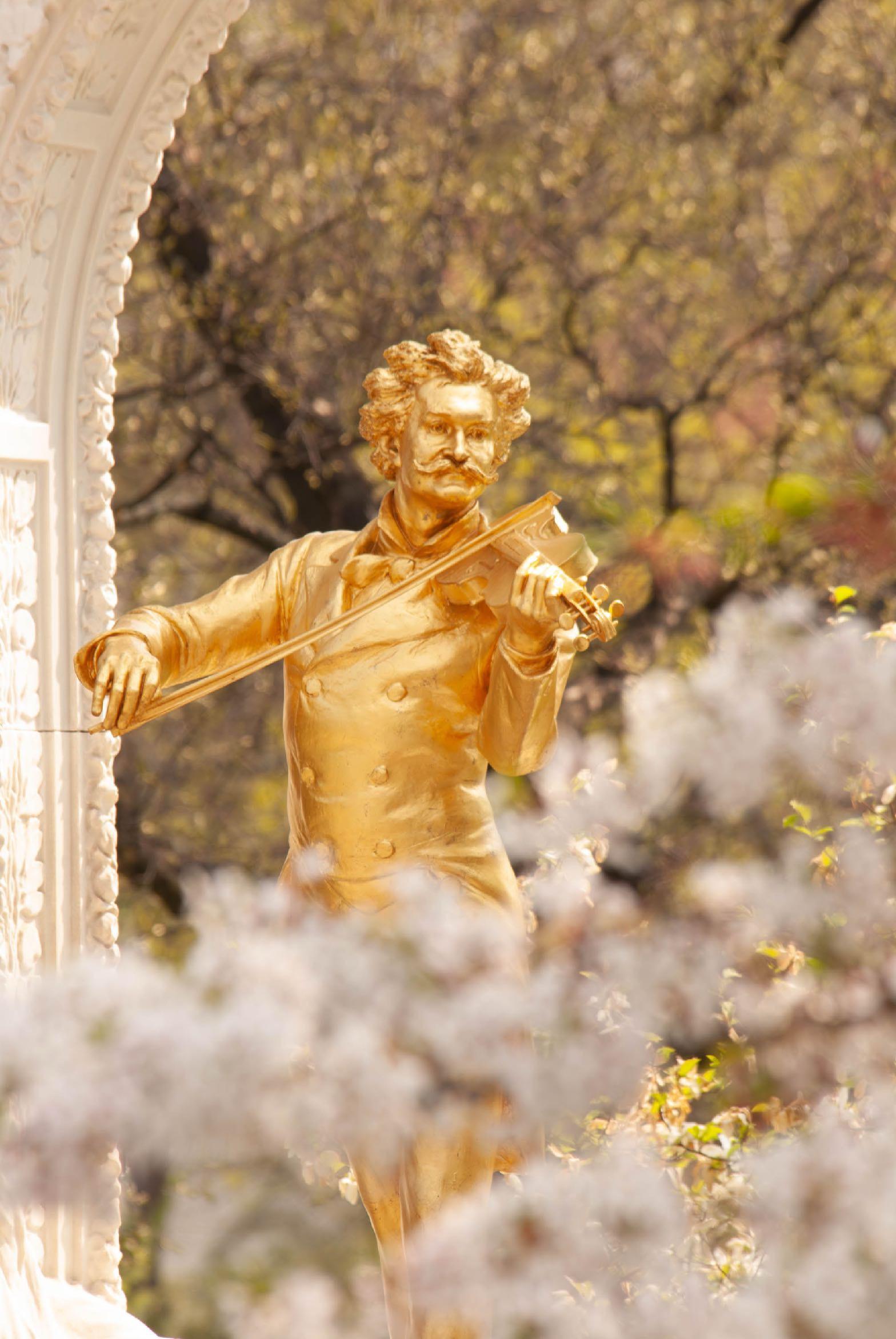
The Vienna Stadtpark was the first public park of the city. Over time, more and more monuments were erected in the park, among them the golden JohannStrauss-Memorial.
The gold plated bronze statue was unveiled in 1921 and is one of the most-photographed monuments world-wide.
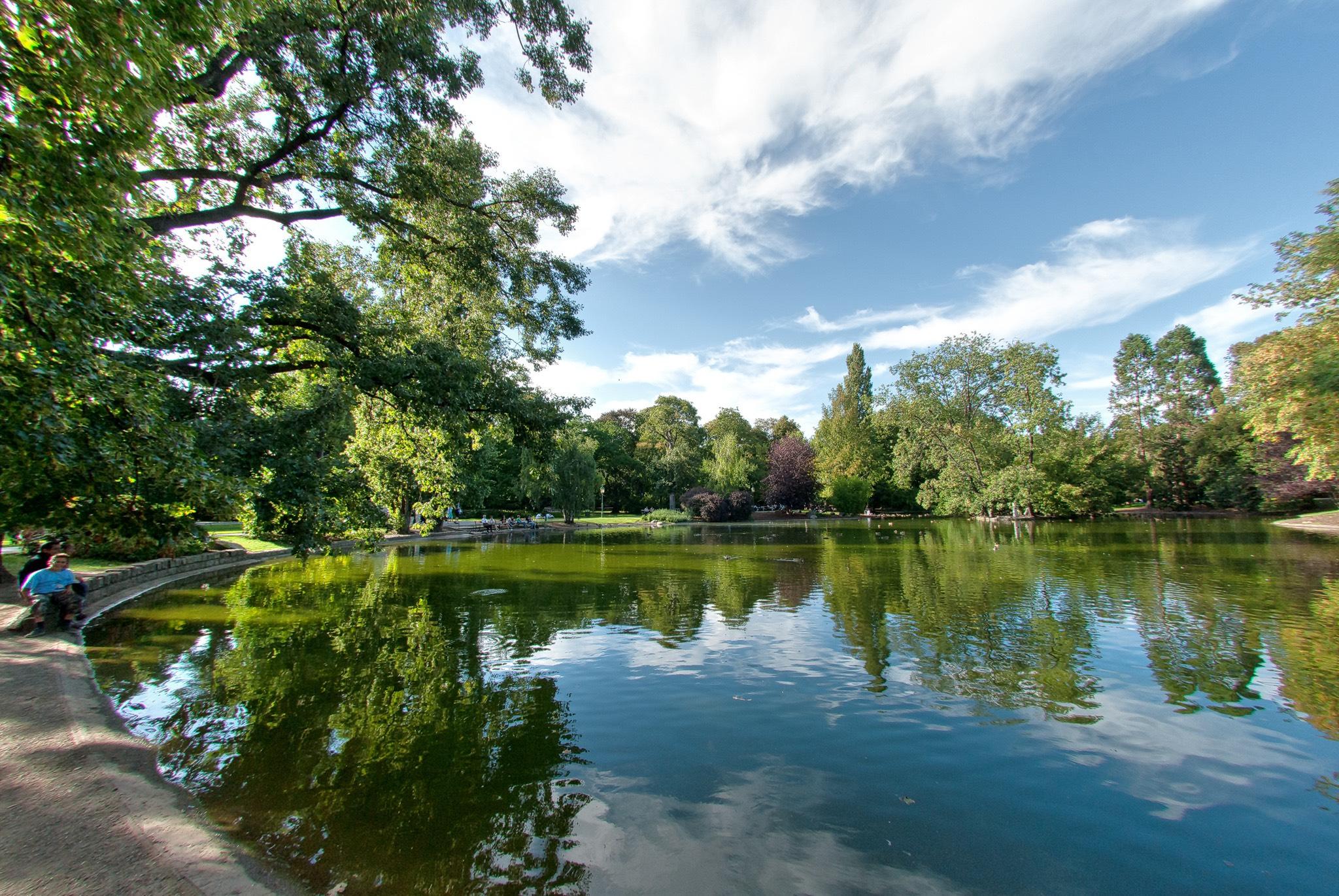
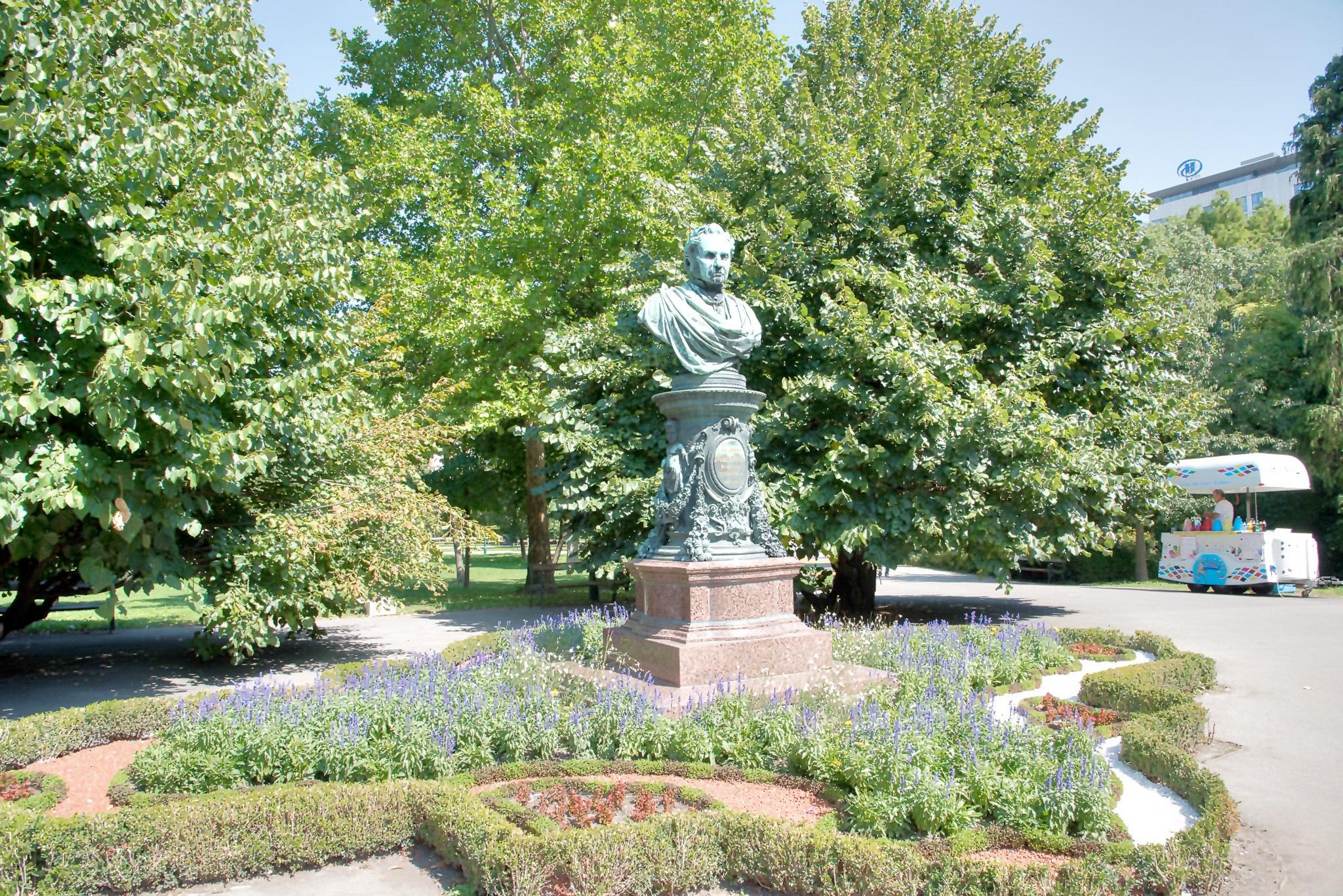
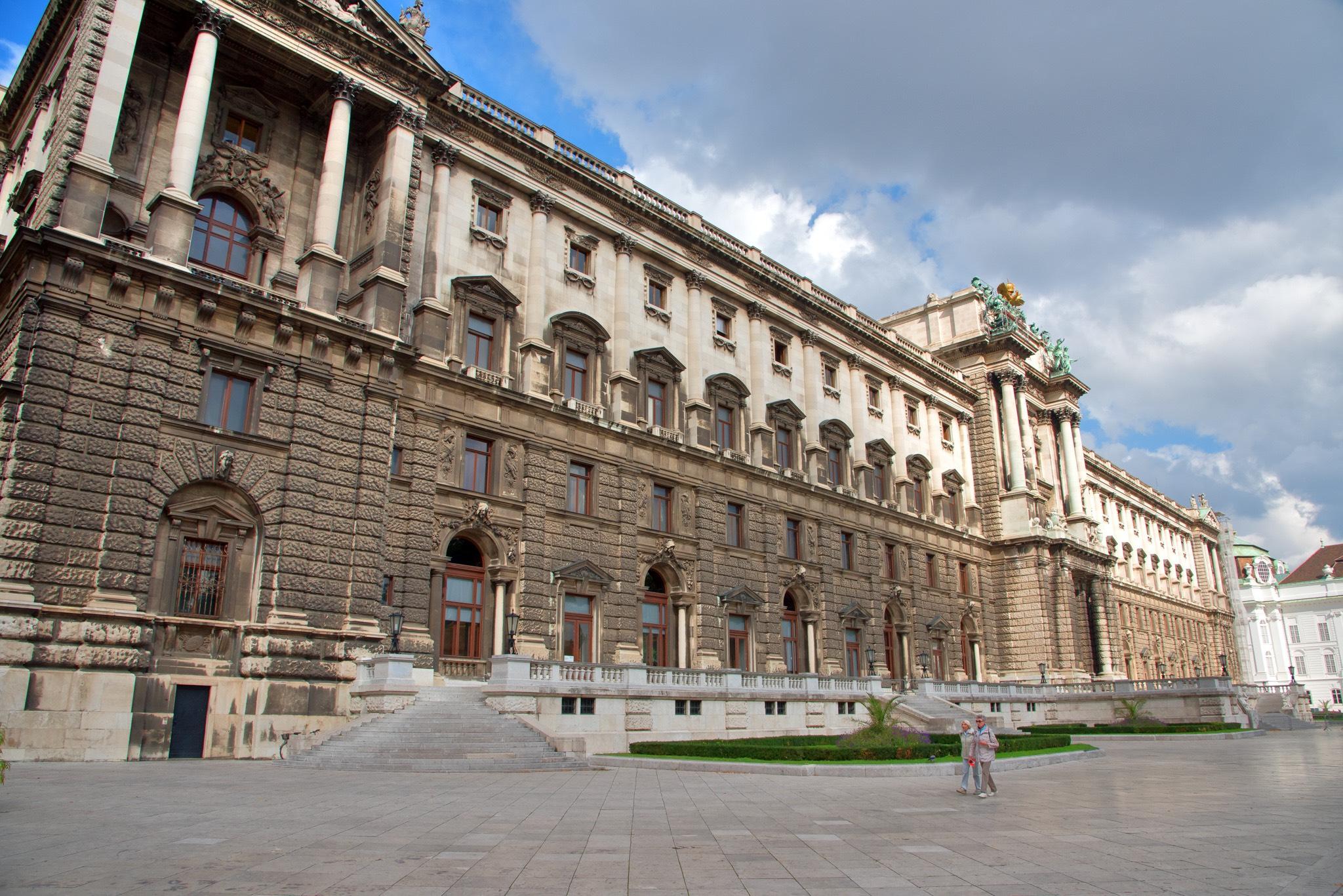
Here is also a famous spot for taking pictures: the Mozart Memorial. The ample park, which also houses the
During the warmer months, the wide green serves as a recreation and relaxation space for many visitors.
and a cafe, leads visitors to the
Mozartdenkmal (Mozart Monument)
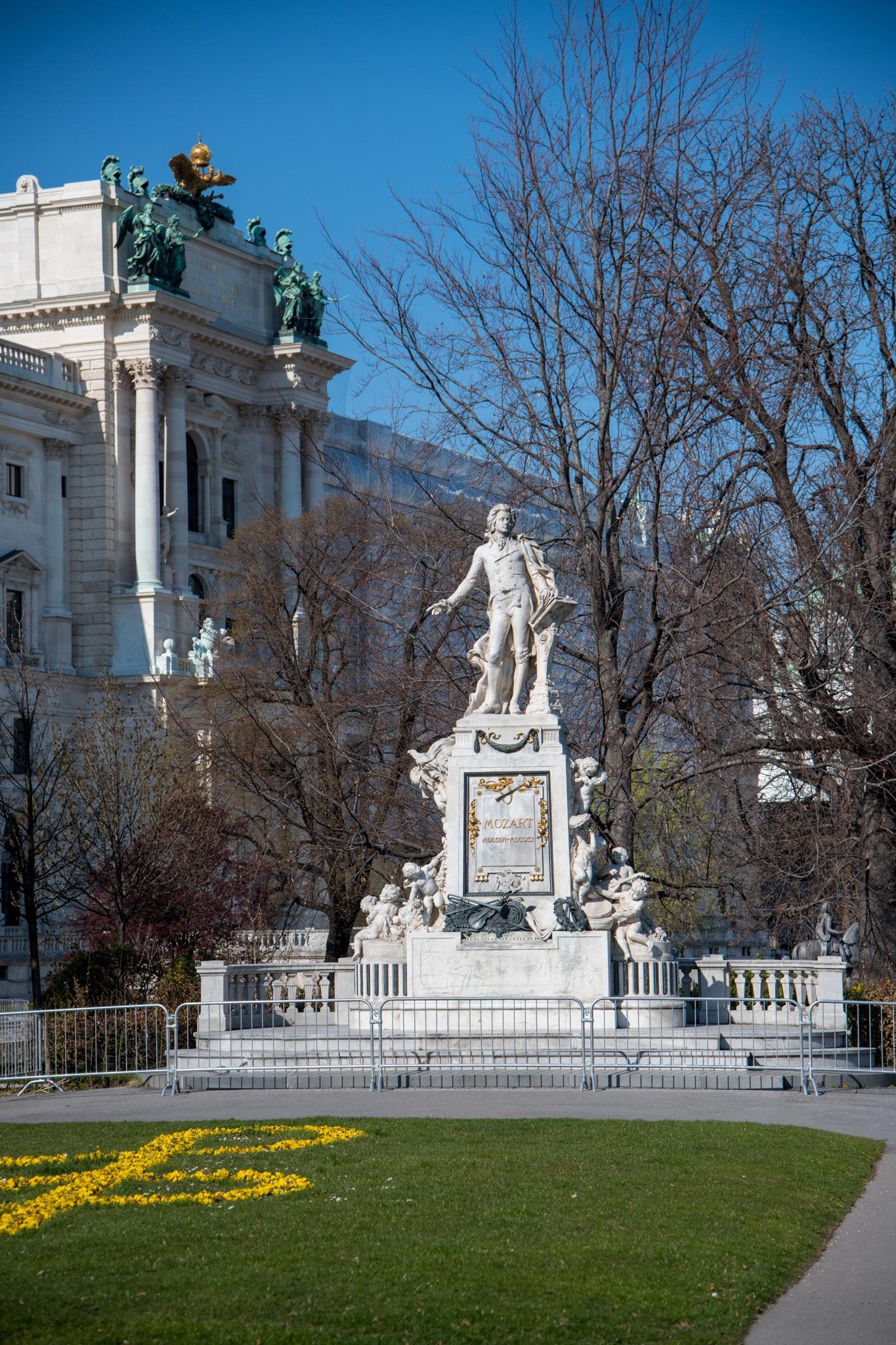
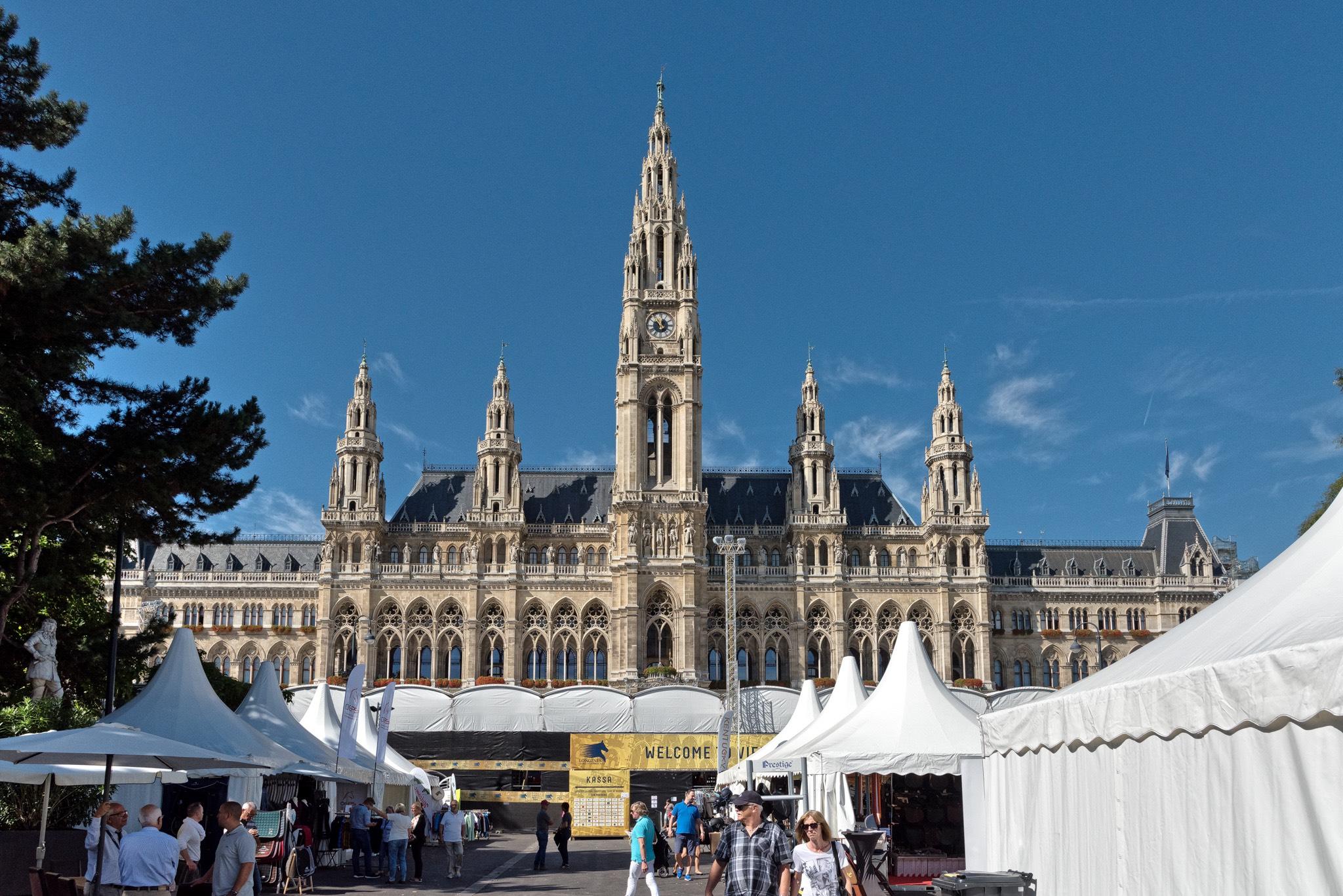
The former master builder of the Cologne cathedral, Friedrich von Schmidt, completed the 100-metre building in the year 1883. The City Hall as well as the square in front of it are both well-booked event
locations. Here is also the location for the Life Ball. During winter, advent markets and ice skating ranks are the highlights for visitors.
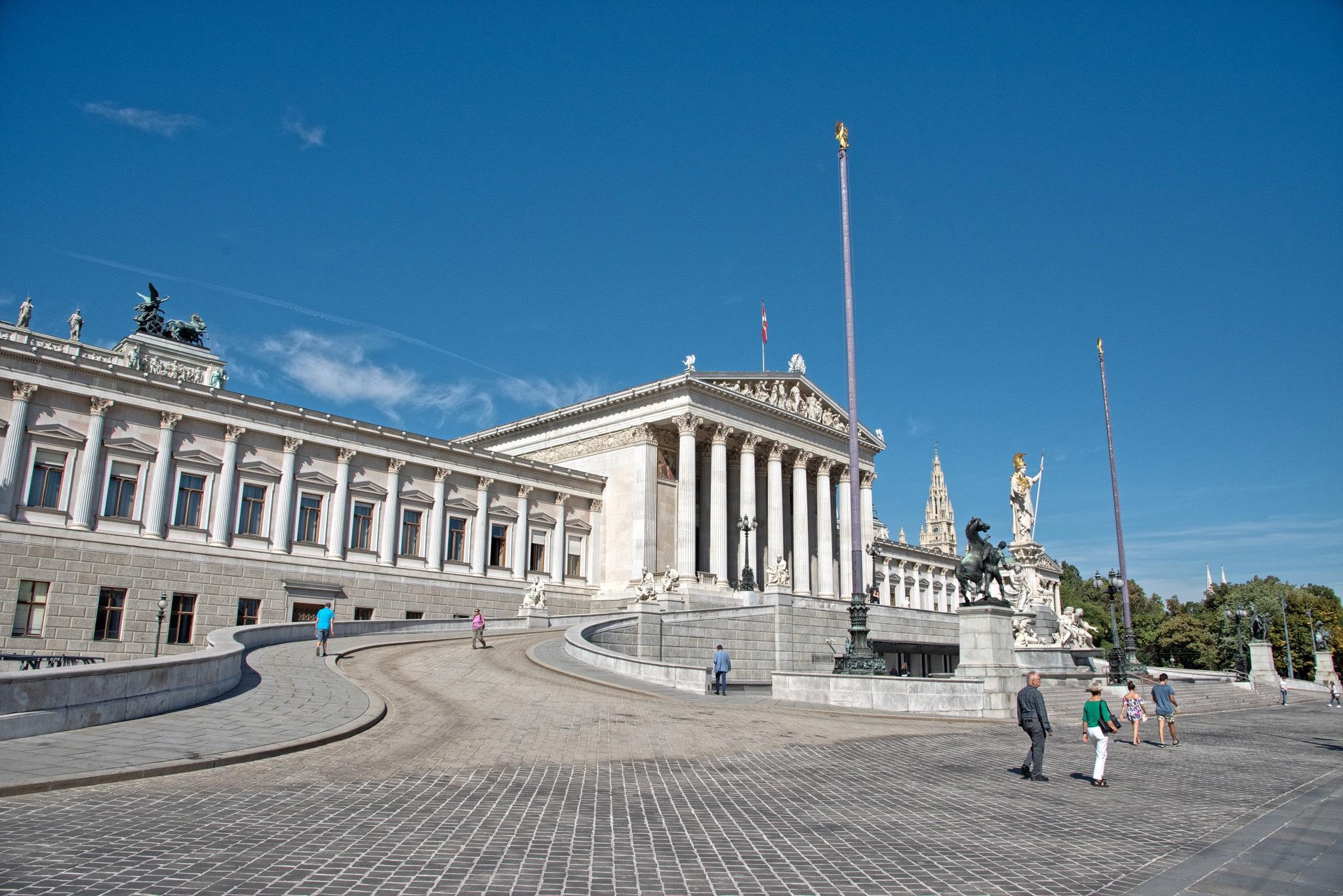
From 1883 to 1918, the “Reichsrat” (Imperial Council) building hosted many representatives from countries which were members of the council. After the Second World War, the building hosted the National Council
and the Federal Council. The Pallas-Athene-Fountain in front of the building was completed in 1902 and is particularly impressive.
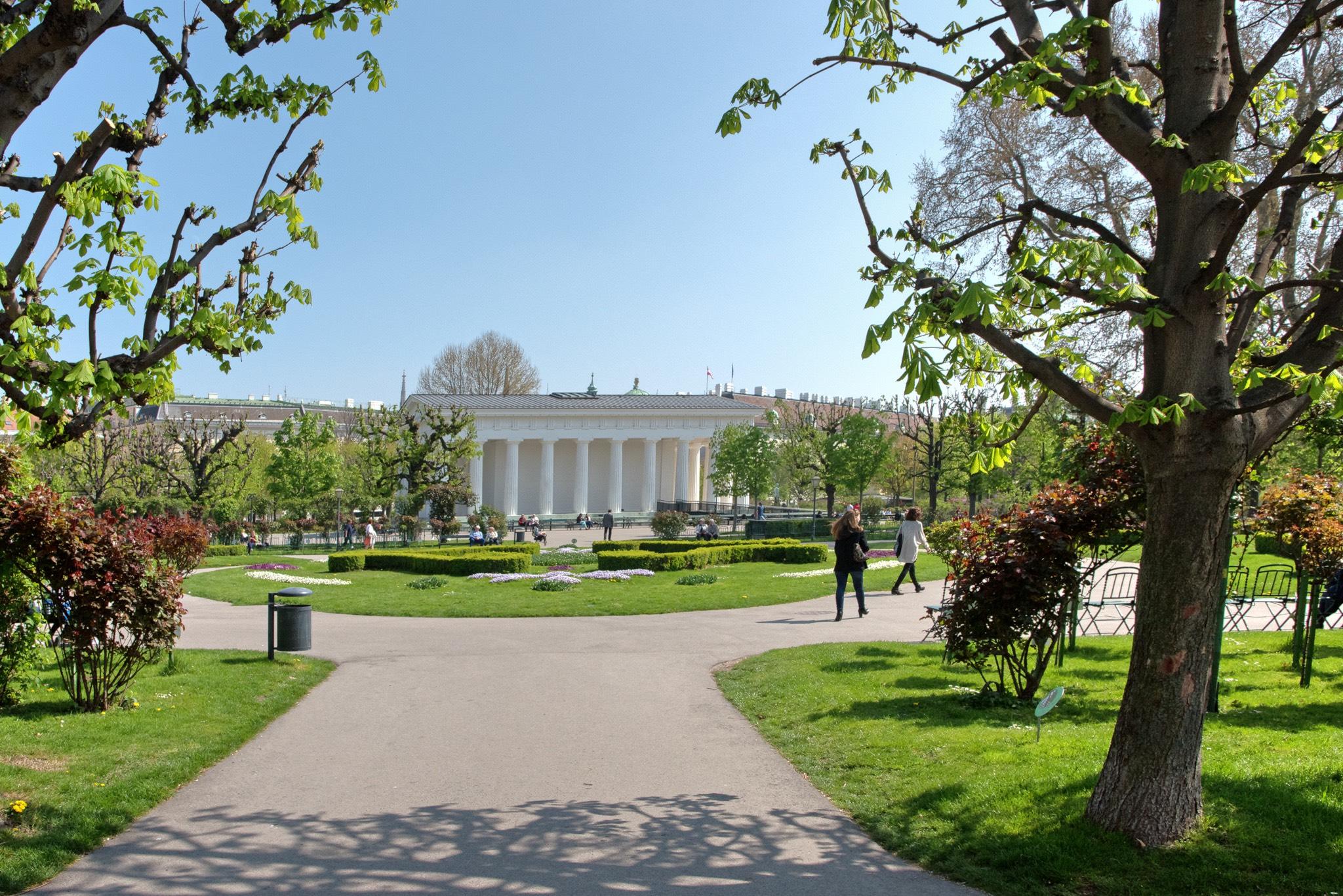
Across the street from the parliament is the "Rose Garden" of Vienna. The Volksgarten park offers visitors the opportunity to become a sponsor for a favorite rose.
When you enter the park from the parliament, you will see the Theseus temple, which is a smaller replica of Athens' Theseions.
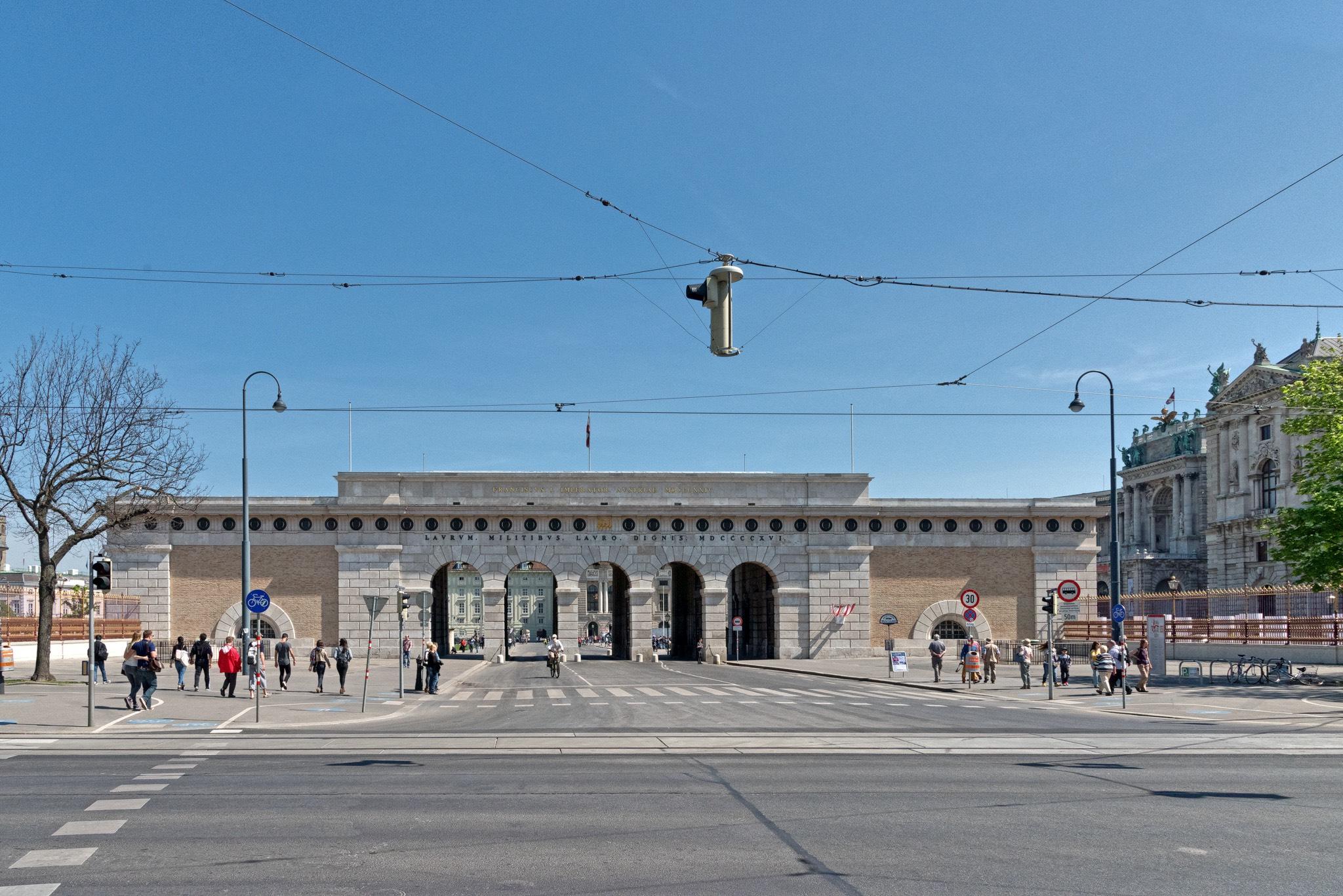
The name of the square refers to the two statues of horsemen, which stem from Anton Dominik Fernkorn. When entering the square from the Ring, Archduke Karl is on the left and Eugen on the right. The
Heldenplatz hosts parades and demonstrations of the Austrian Armed Forces on October 26, Austria's National Holiday.
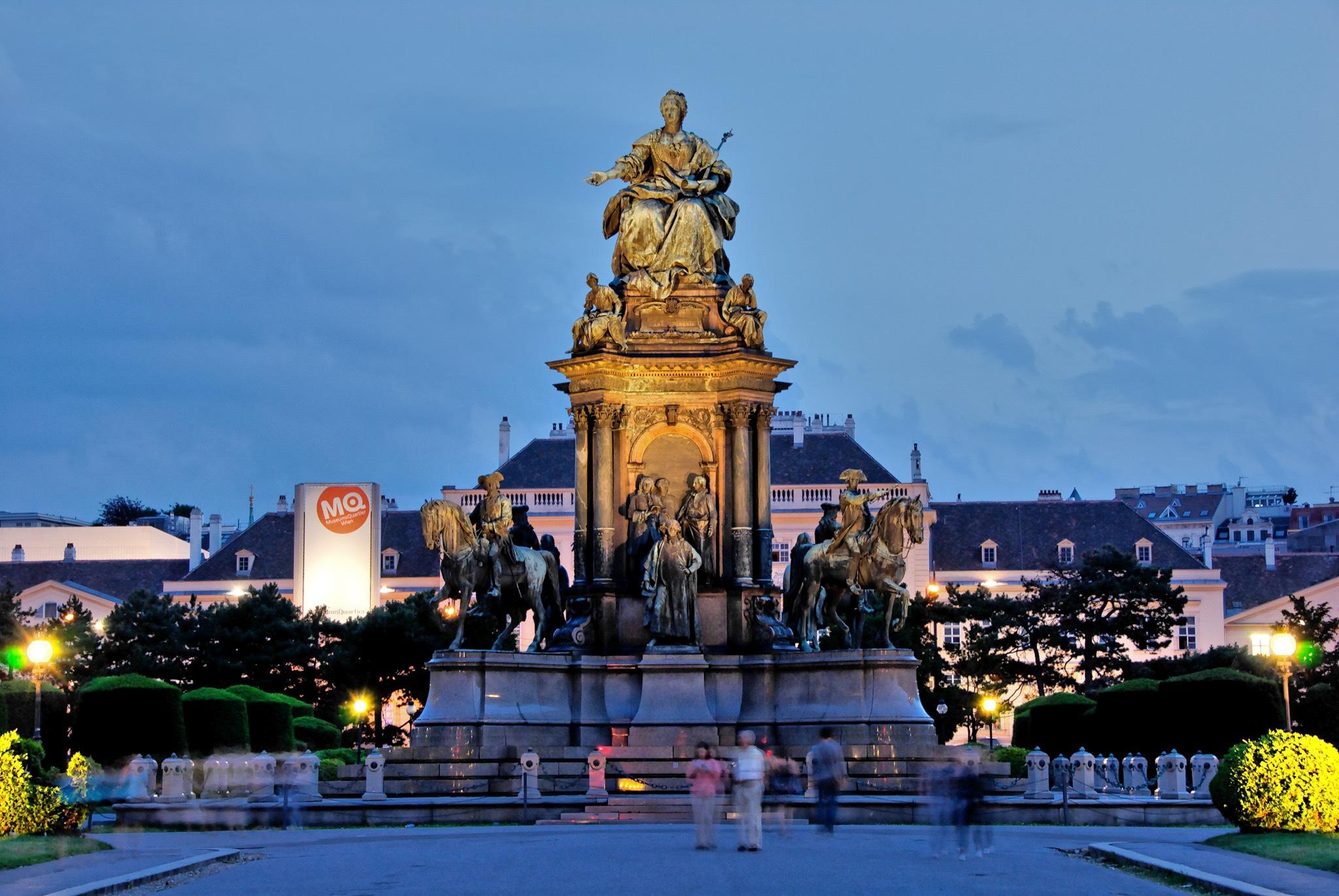
The memorial of Empress Maria Theresia has been on the square since 1999. To the right and left of the memorial are the Museums of Art History and Natural History.
Right behind the statue is the Museumsquartier (museum quarter), which houses the Leopold Museum amongst many others and offers a broad gastronomical variety.
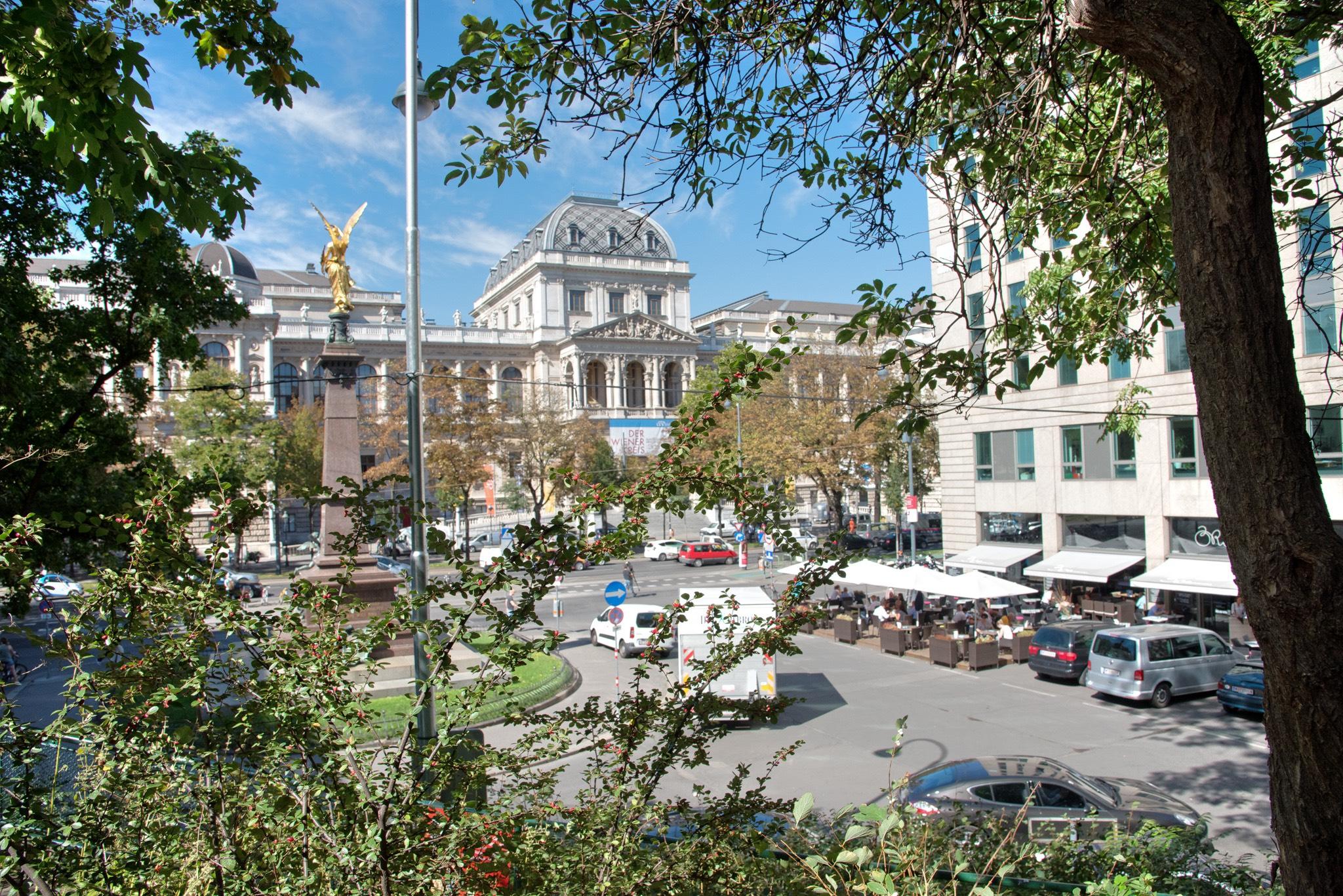
The University of Vienna was founded in 1365 and is the oldest and largest university in the Germanspeaking world.
The university can be reached via the Schottentor station, which is a hub for ten tramway lines, two bus lines and one underground train line.
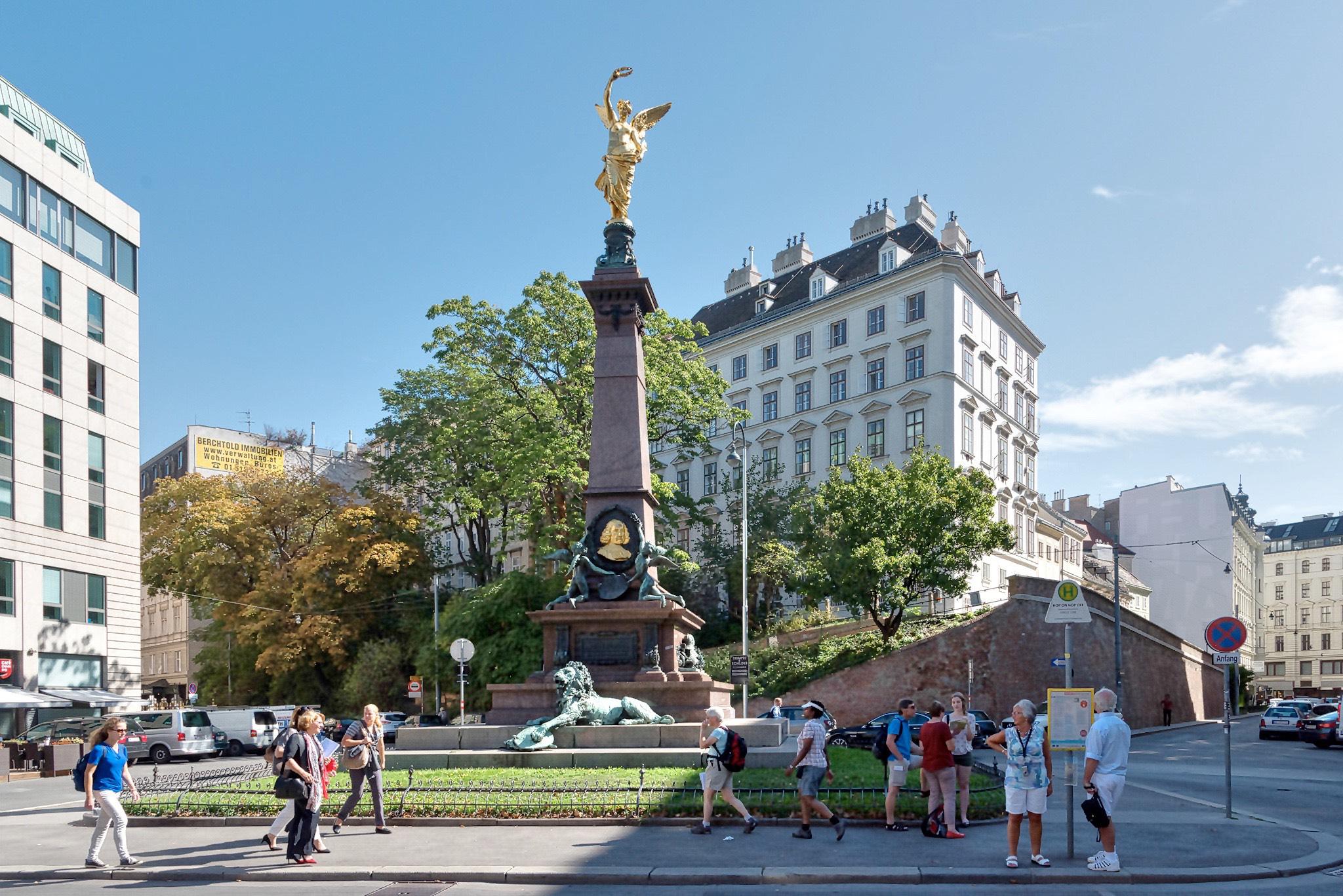
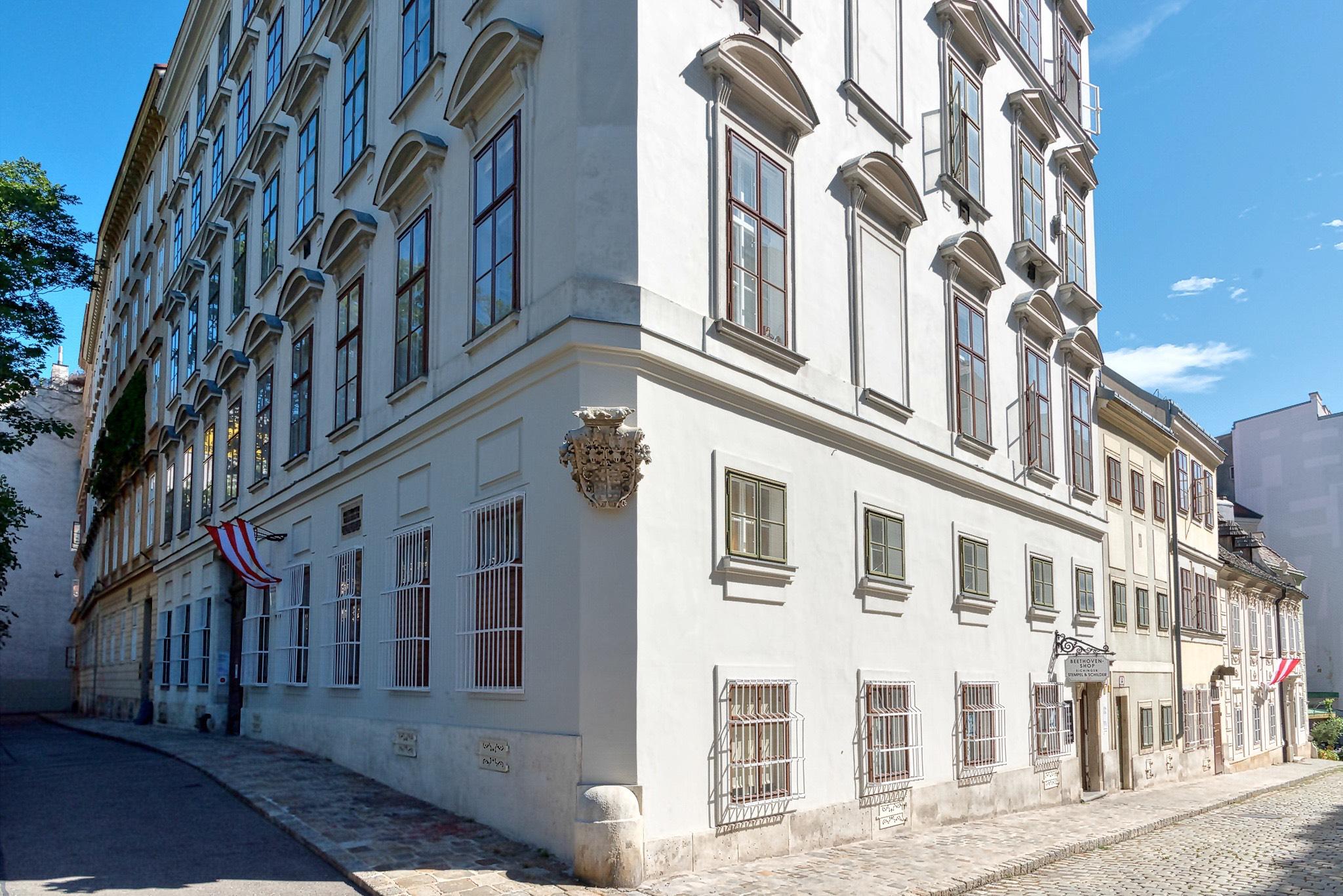
The Moelker Bastei was part of Vienna's fortification. The memorial shows Andreas von Liebenberg, the mayor during the second siege by the Turks.
Behind it, in the Pasqualihouse, Ludwig van Beethoven composed some of his most influential works from 1804 to 1815.

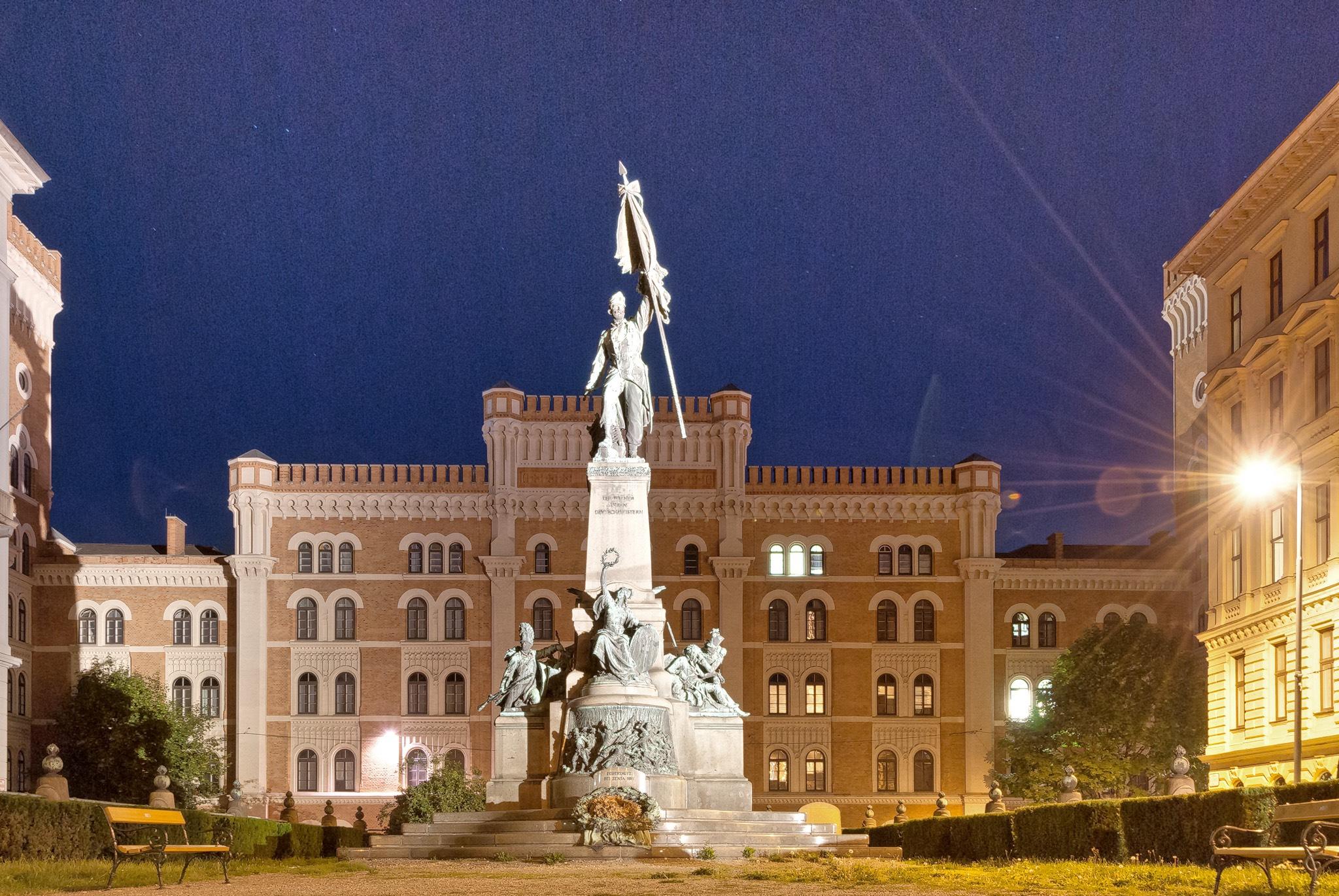
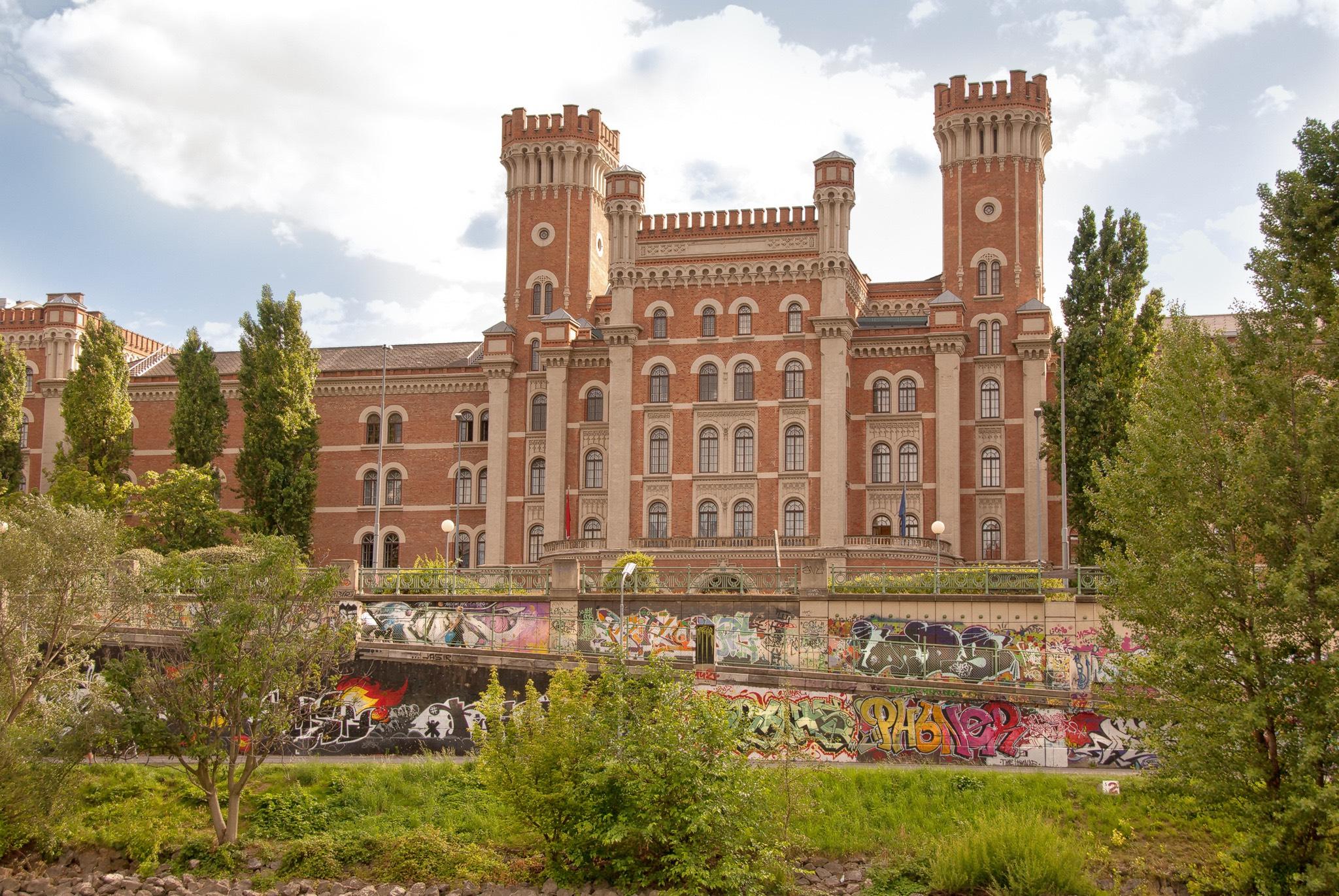
The square is dedicated to the memorial of Infantry Regiment Hoch- and Deutschmeister No. 4. The monument is in front of the Rossau Barracks.
The history of the legendary regiment “Hoch- and Deutschmeister” dates back to the time of the Turkish Wars in 1695. In the year 1895, it became Vienna's home regiment.
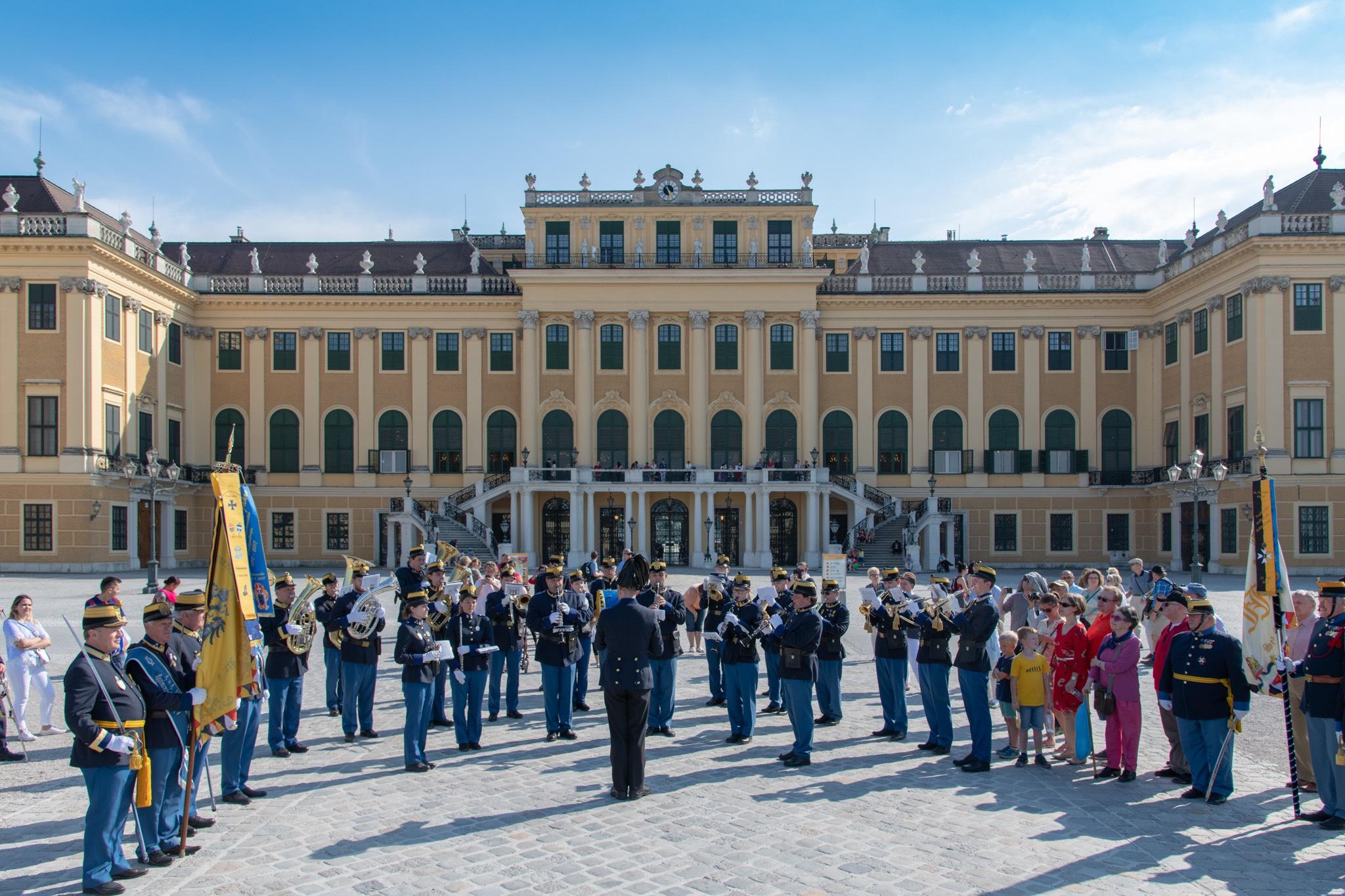

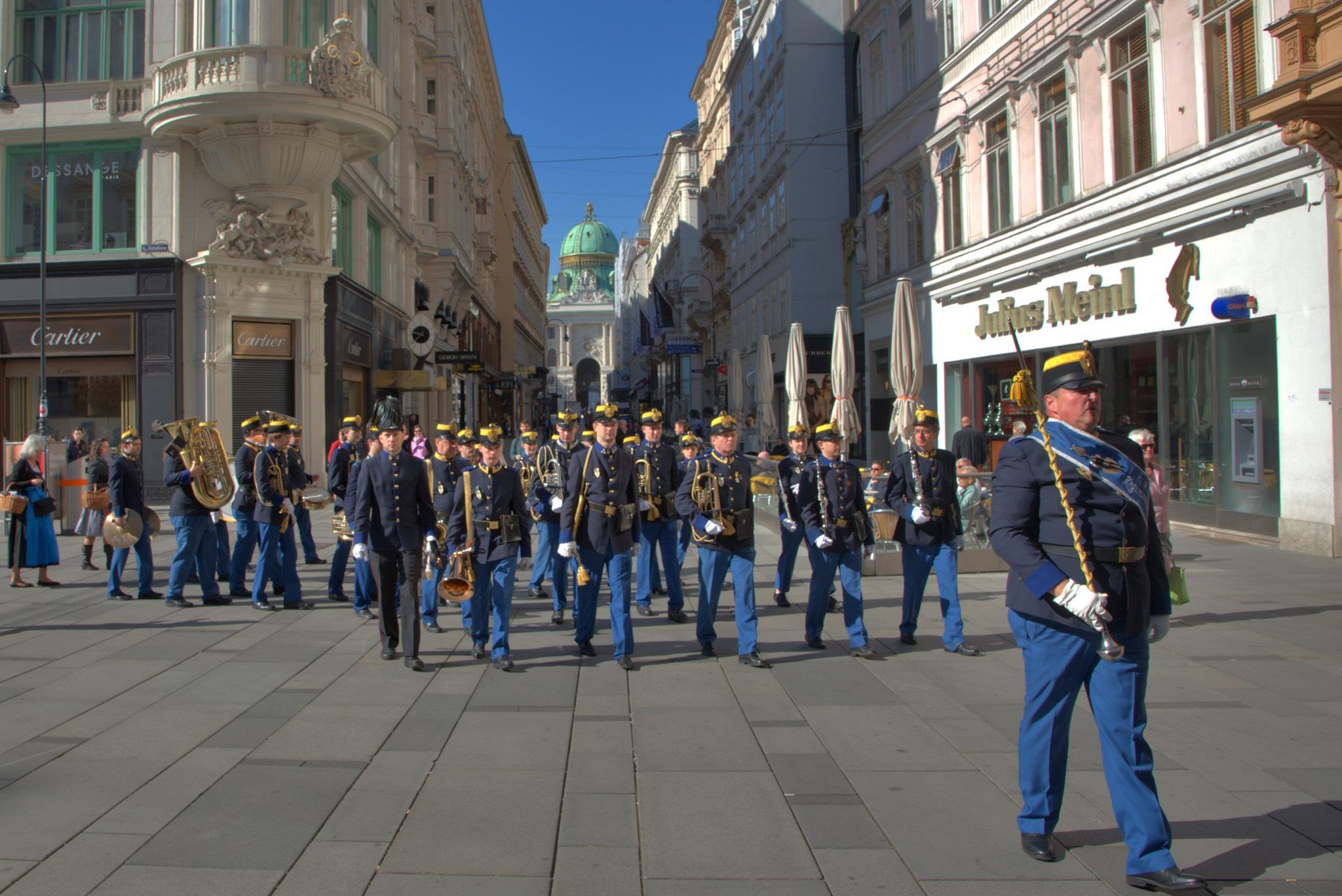
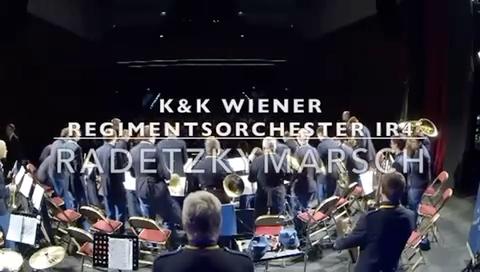
The k.&k. Vienna Regiment Orchestra IR4 - “Hoch- and Deutschmeister” developed from the continuation of the traditional Regiment Bands from imperial times. Throughout the entire year, the popular orchestra puts
on shows and performances. Information and dates can be found on the website:
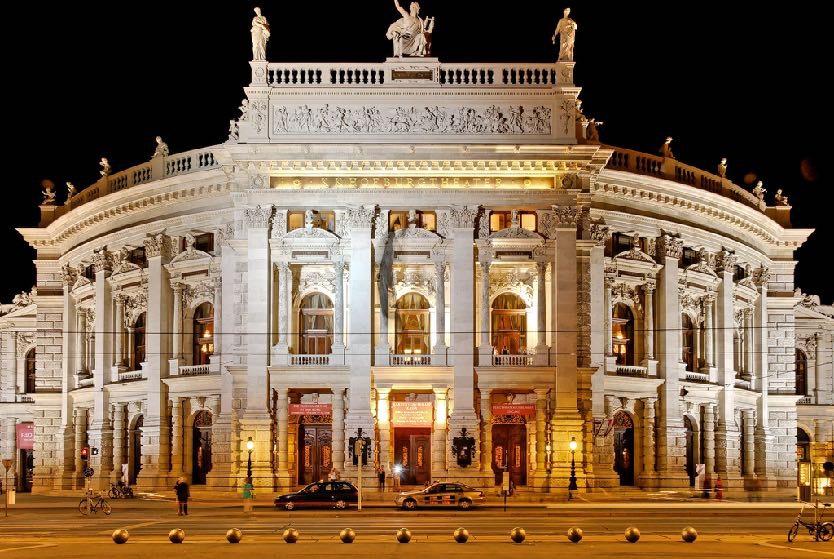
Universitätsring 2
1010 Wien
+43 51 4 44-4140
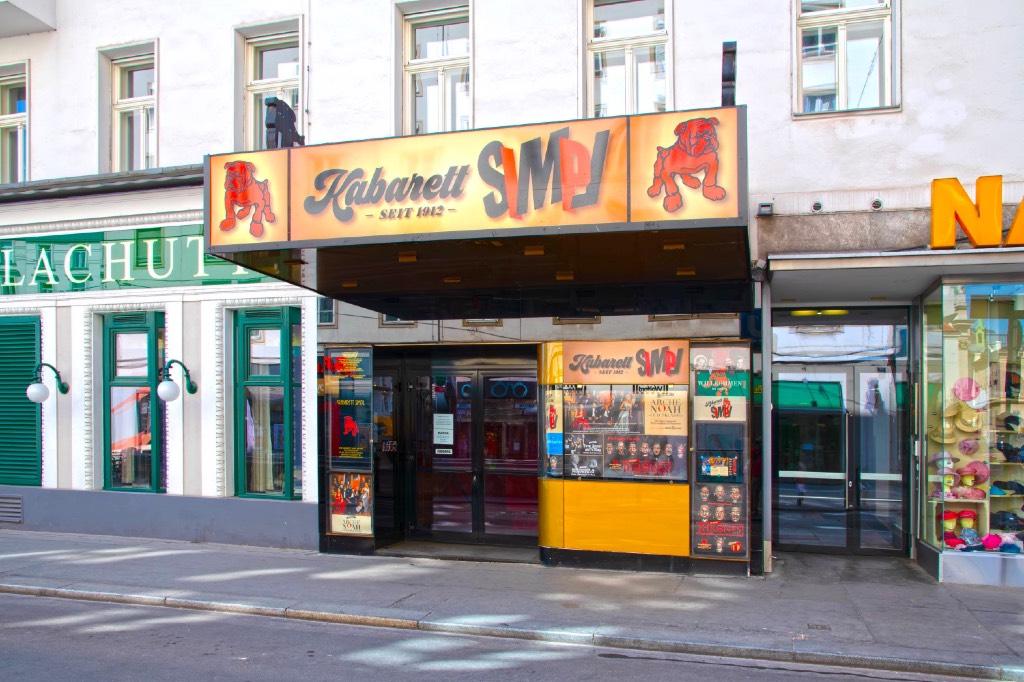
Kabarett Simpl
Wollzeile 36
1100 Wien
+43 1 512 474 214
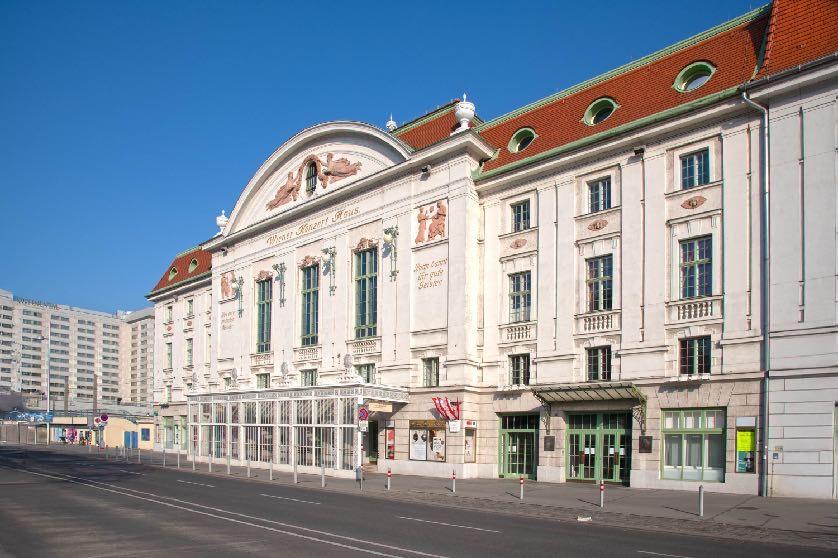
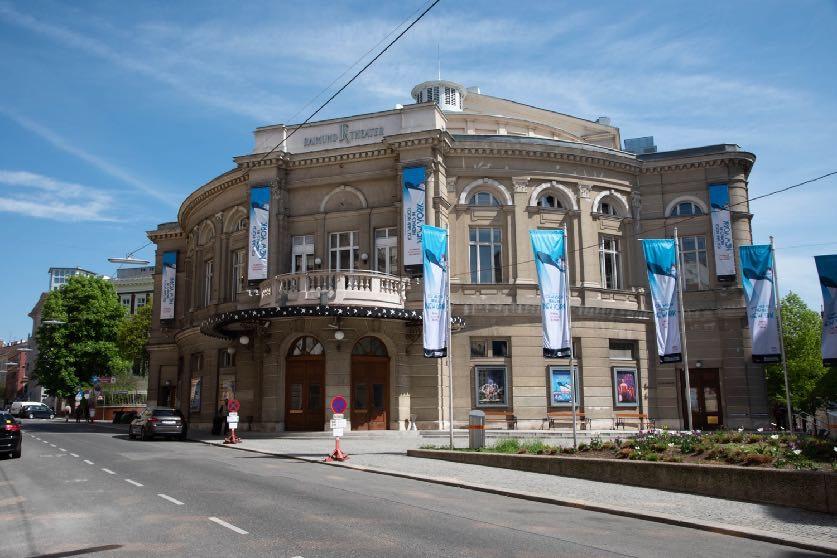
Lothringenstraße 20
1030 Wien
+43 1 24 20 02
Wallgasse 18-20
1060 Wien
+43 1 58 8 85
Seilerstätte 9
1010 Wien
+43 1 58 8 85
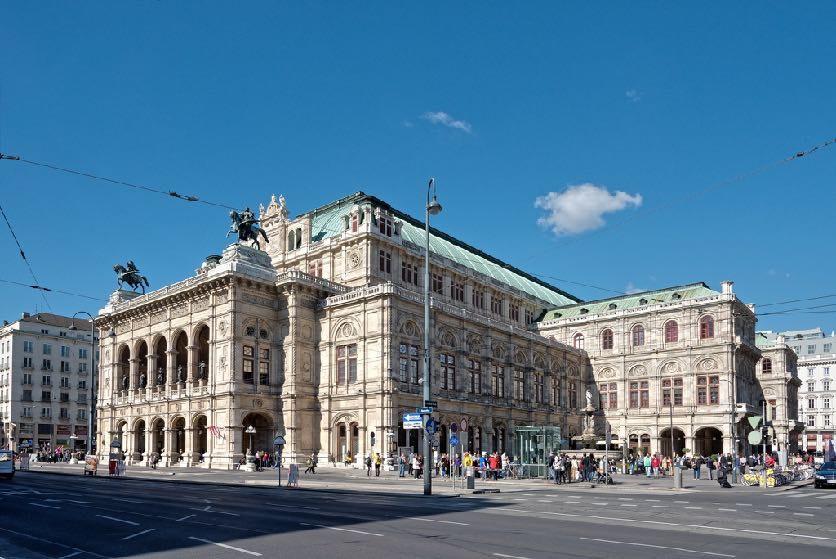
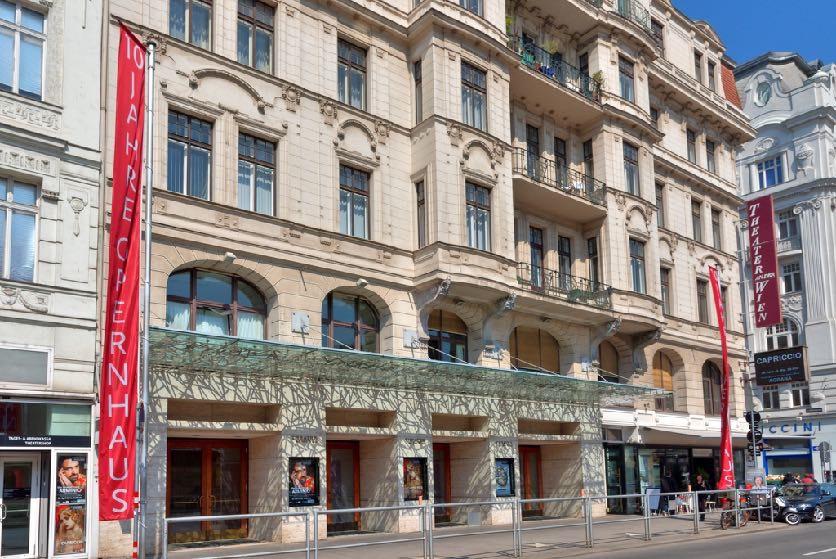
Opernring 2
1010 Wien
+43 1 51 4 44-2250
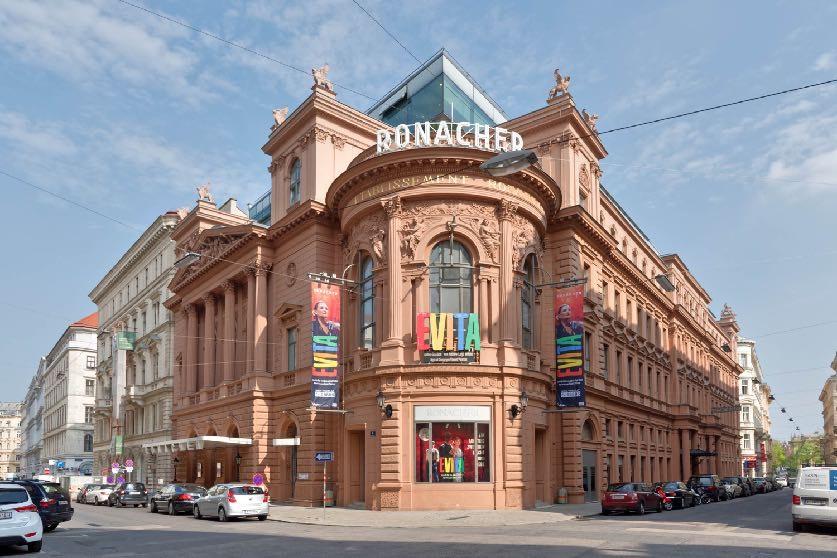
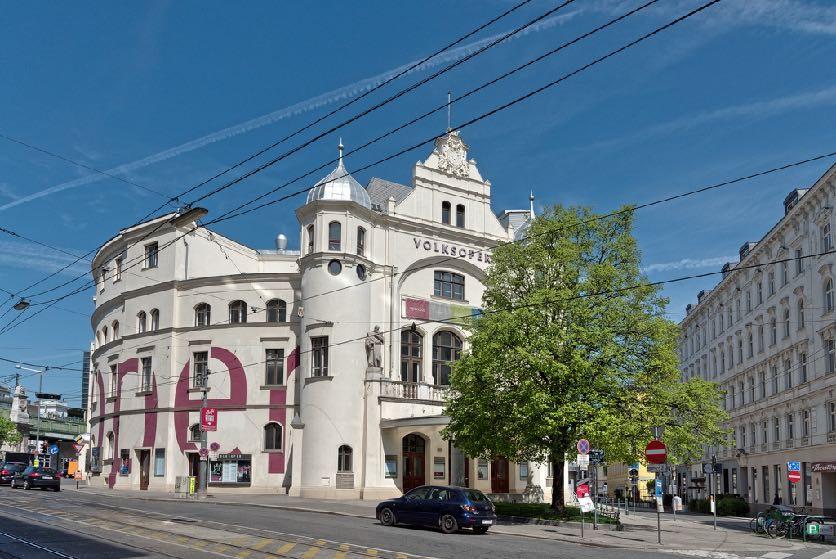
Währinger Straße 78
1090 Wien
+43 1 514 44 3670
Arthur-Schnitzler-Platz 1
1070 Wien
+43 1 52 11 10
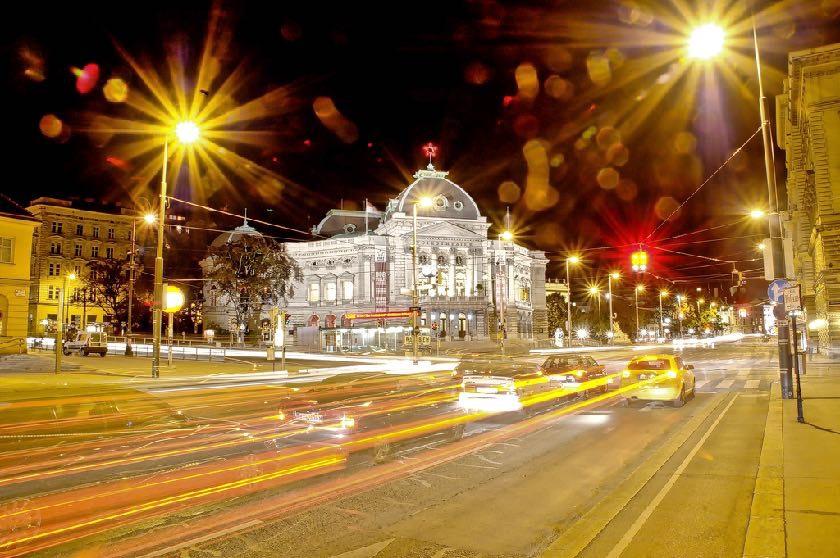
Linke Wienzeile 6
1060 Wien
+43 1 58 8 85

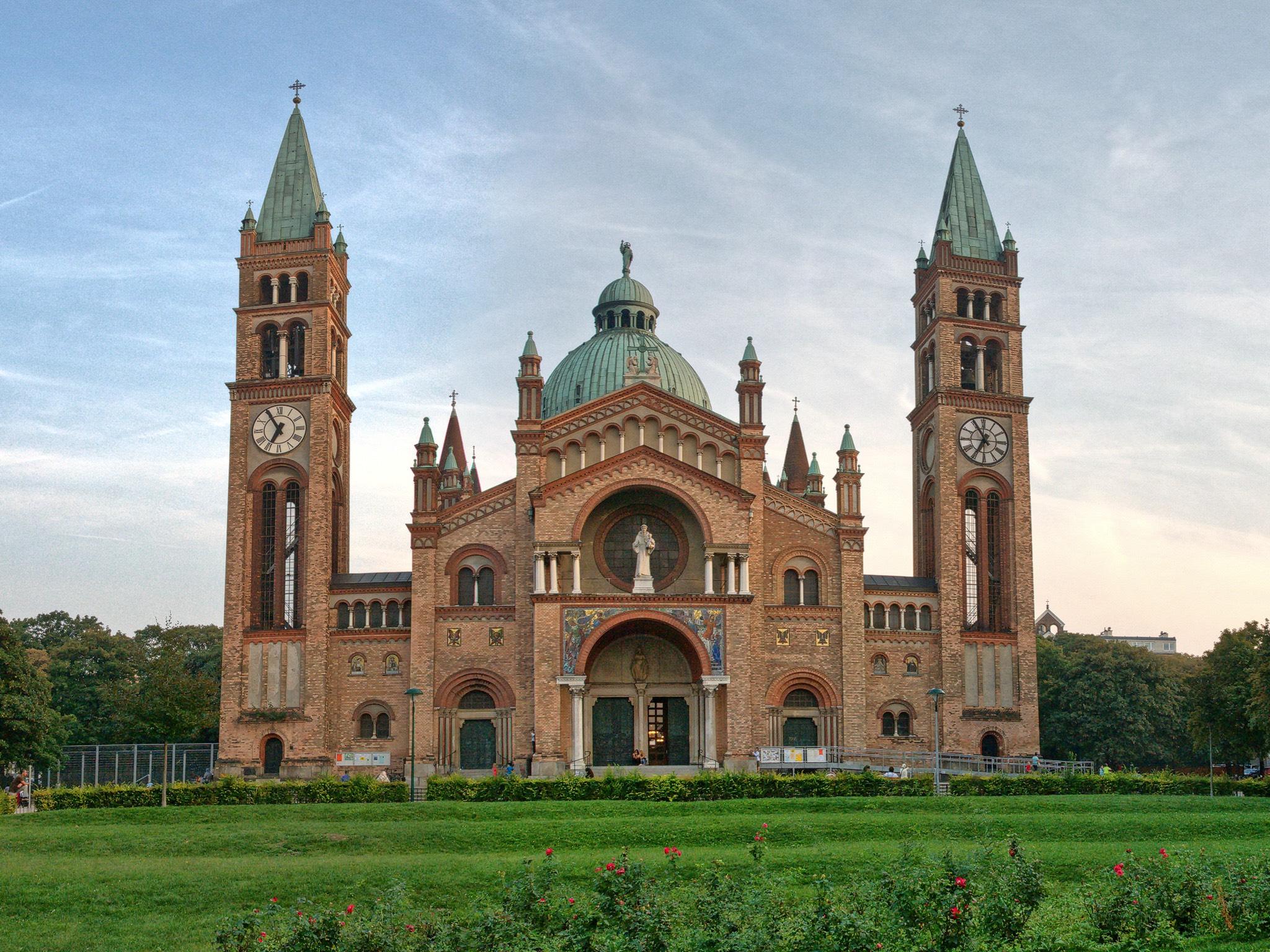
The
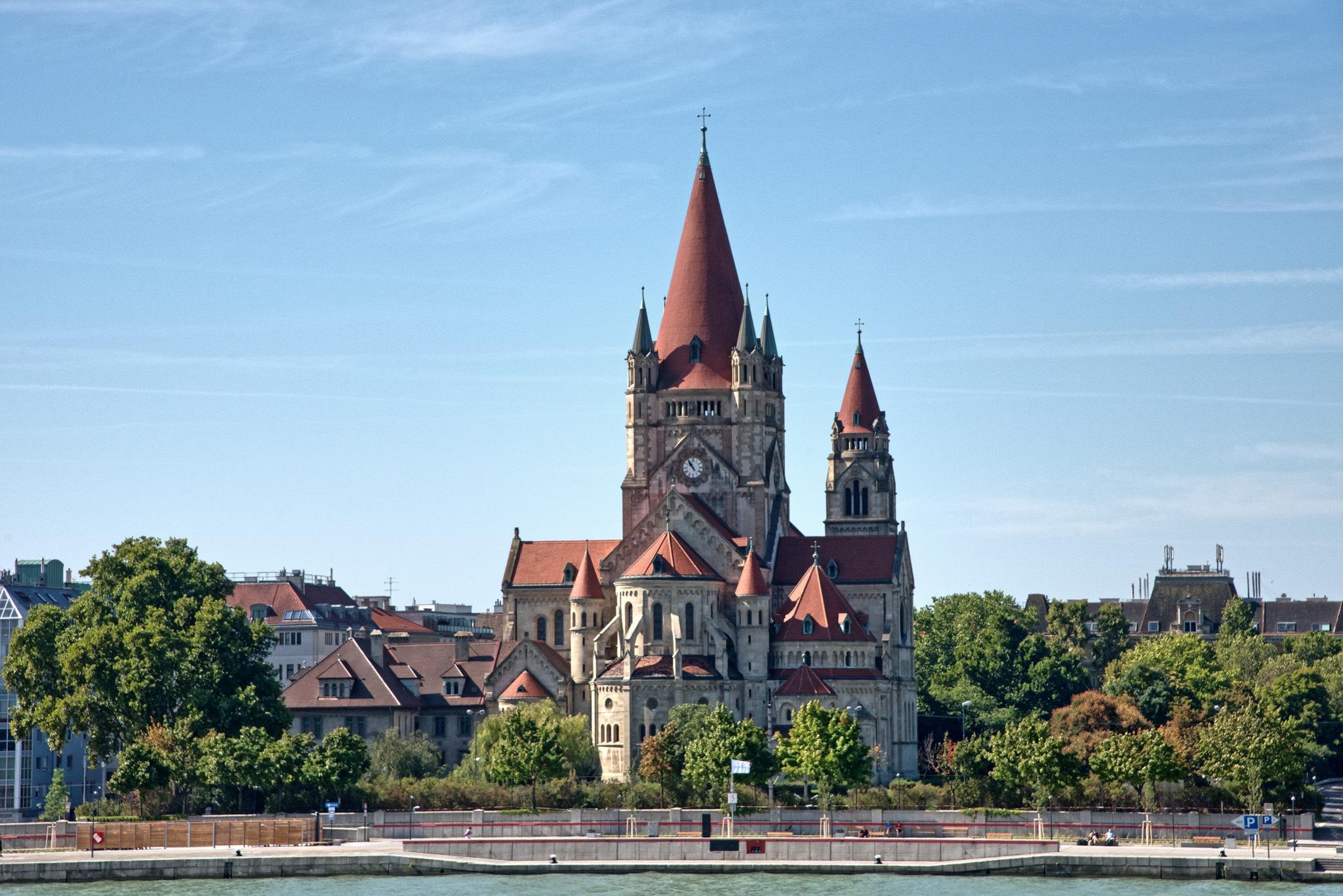
church is from the Danube, which is why we chose the corresponding underground station.
with the OBB nightjet to Vienna
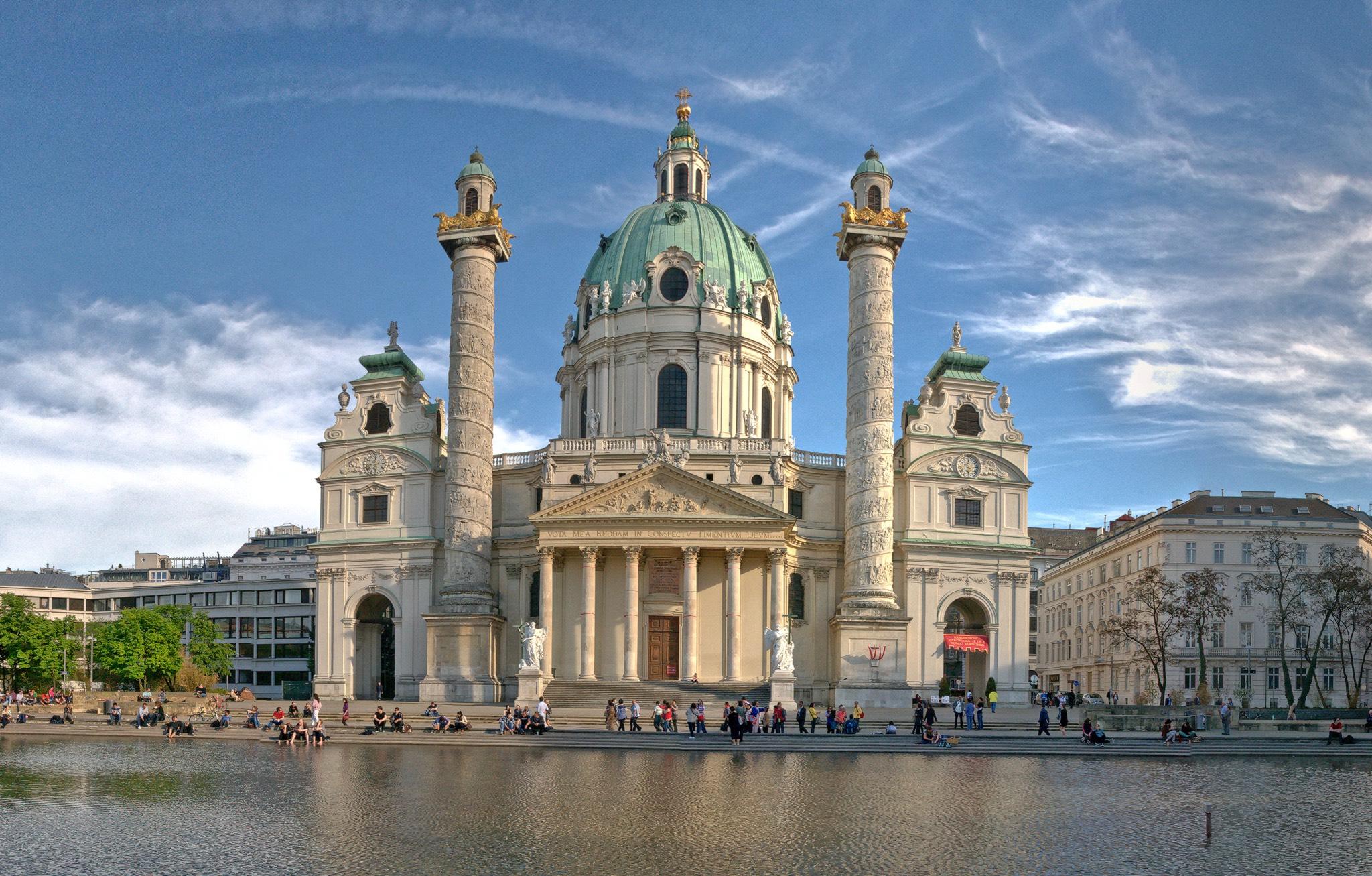
When the pestilence ravaged Vienna in 1713, Emperor Karl VI. vowed to build a church for Karl Borromaeus, if the pestilence were averted.
On the inside, an elevator takes visitors up to the dome to admire the frescos by Michael Rottmeyr up close.
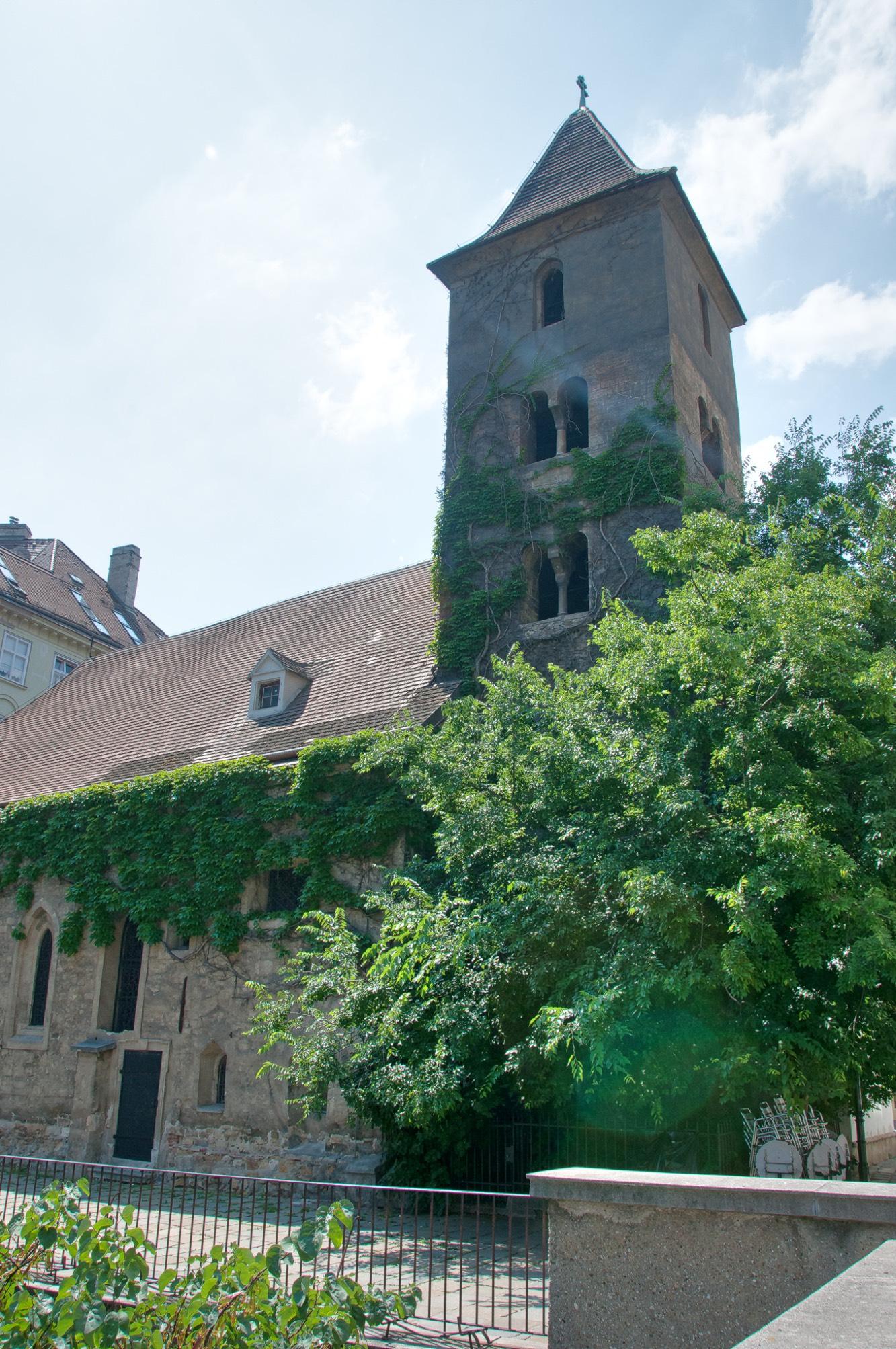
Peter's Church. Thus, the Ruprecht's Church became the oldest, still standing church of the city. If you believe the tales, this church was built in the year 740. Right next to the church was the Salzamt ("salt department"). The so-
grocer). When the salt trading monopoly was lifted, the department was inoperable. Until today, the Viennese refer to a useless complaint as "complaining at the Department of Salt".
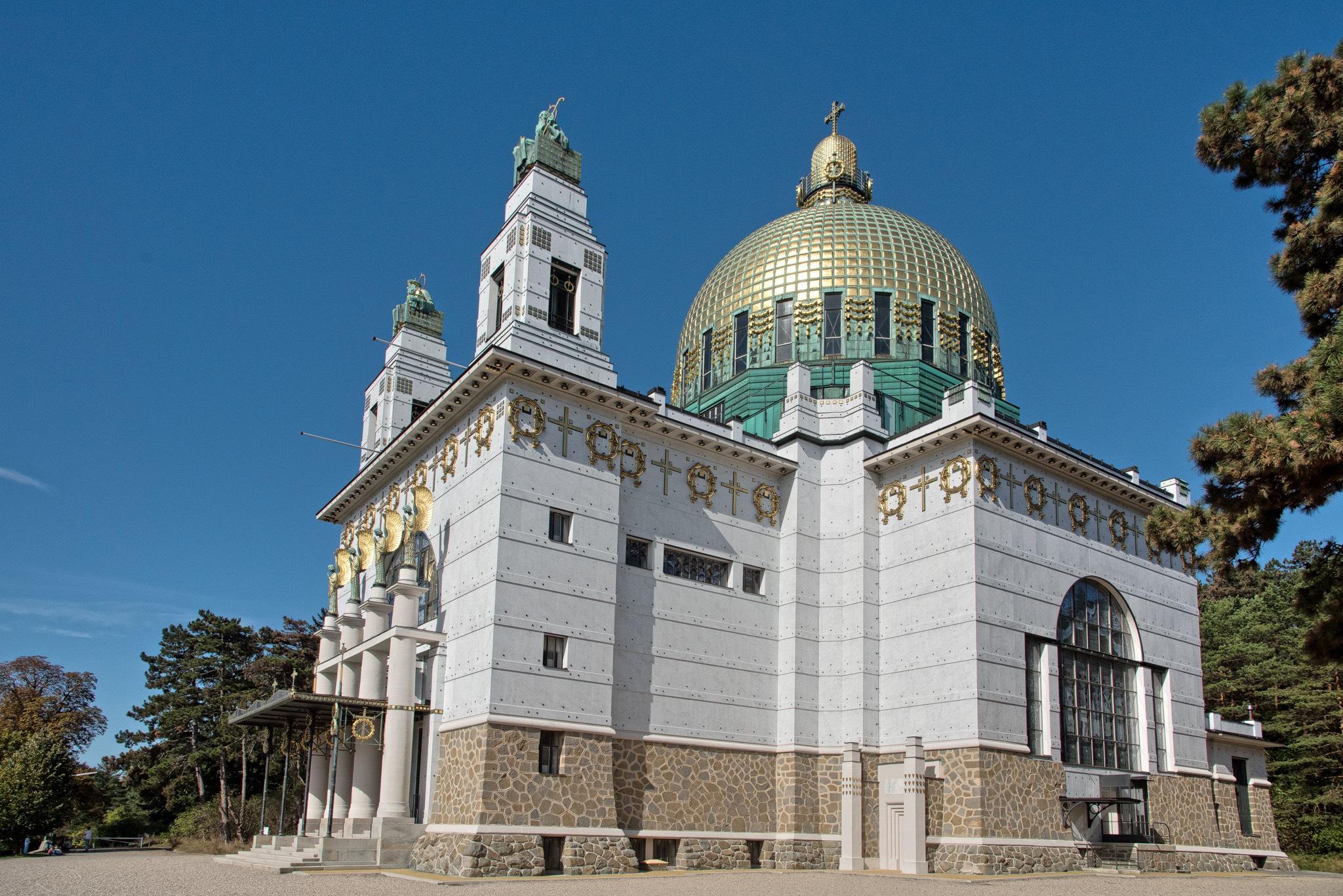
The church at Baumgartner Hoehe was built by Otto Wagner. The Church of Saint Leopold or Otto-WagnerChurch lies on the Baumgartner Hoehe, a centre for social medicine.
The location which is in a nice place for a relaxing walk in one of the green zones of the City, is reachable using busses 47A or 48A.
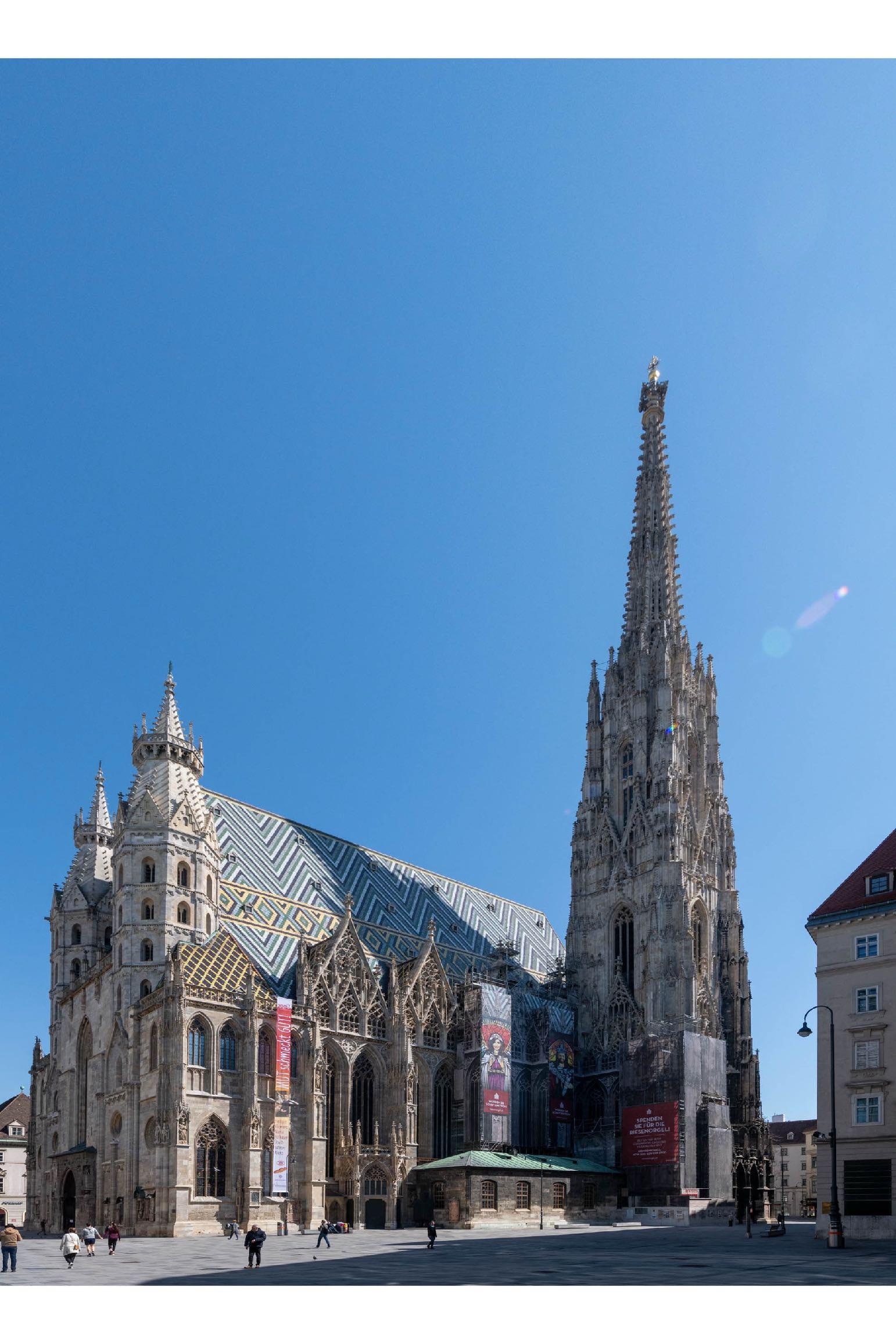
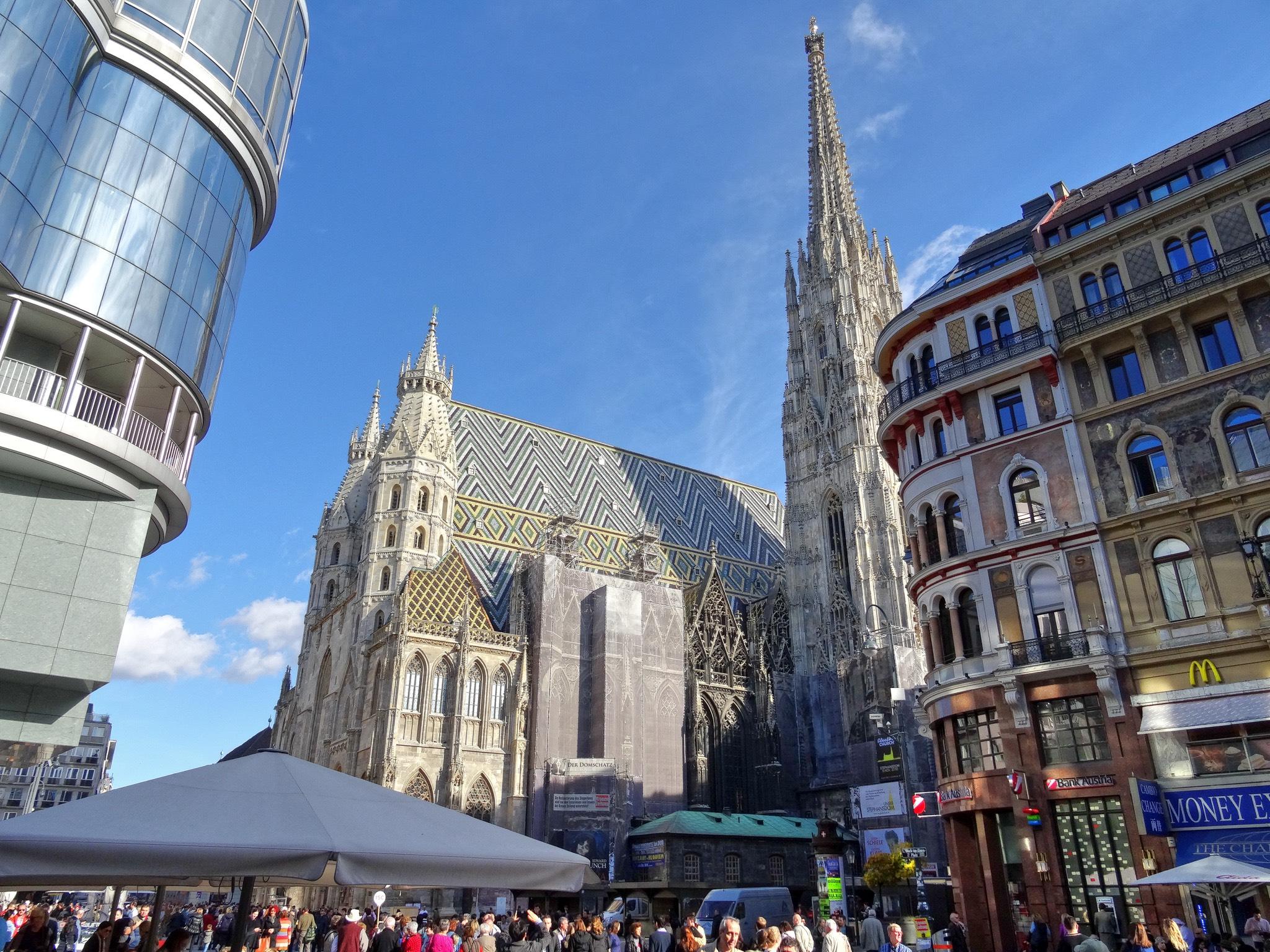
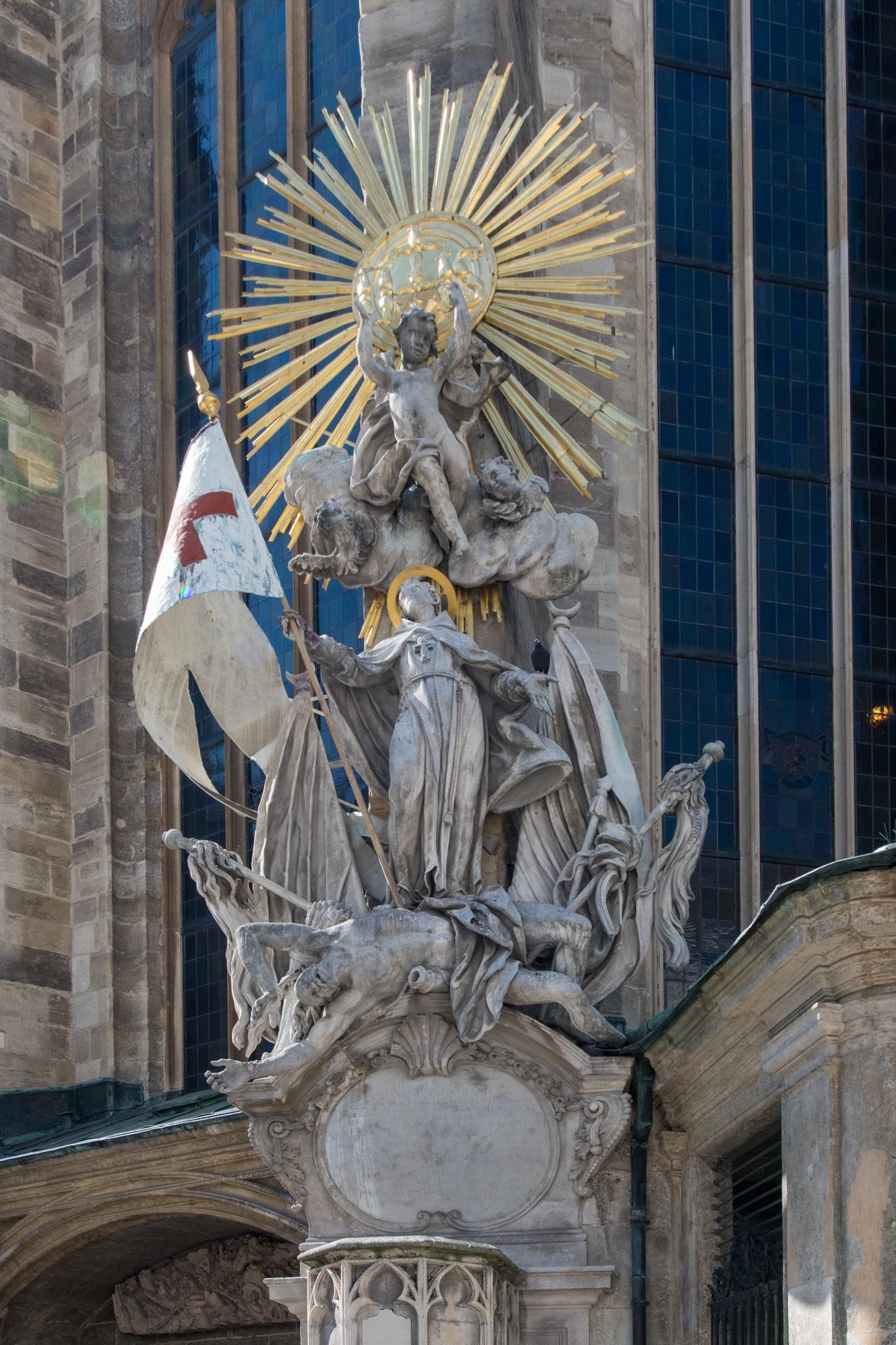
The "Steffl" is not only the landmark of Vienna, but the Cathedral St. Stephen of Vienna is also the most wellknown church of Austria. Originally, two high towers were planned, but the north tower only made it to 68 metres, whereas the south tower measures 136,4 metres in height. The Austrian-Hungarian monarchy did not allow for a church to be higher than St. Stephen's Cathedral. The largest church of Austria, the Cathedral of Maria-Conception in Linz, is shorter by two metres. The enormous bell "Pummerin" weighs over 20 tons and traditionally rings to greet the new year.
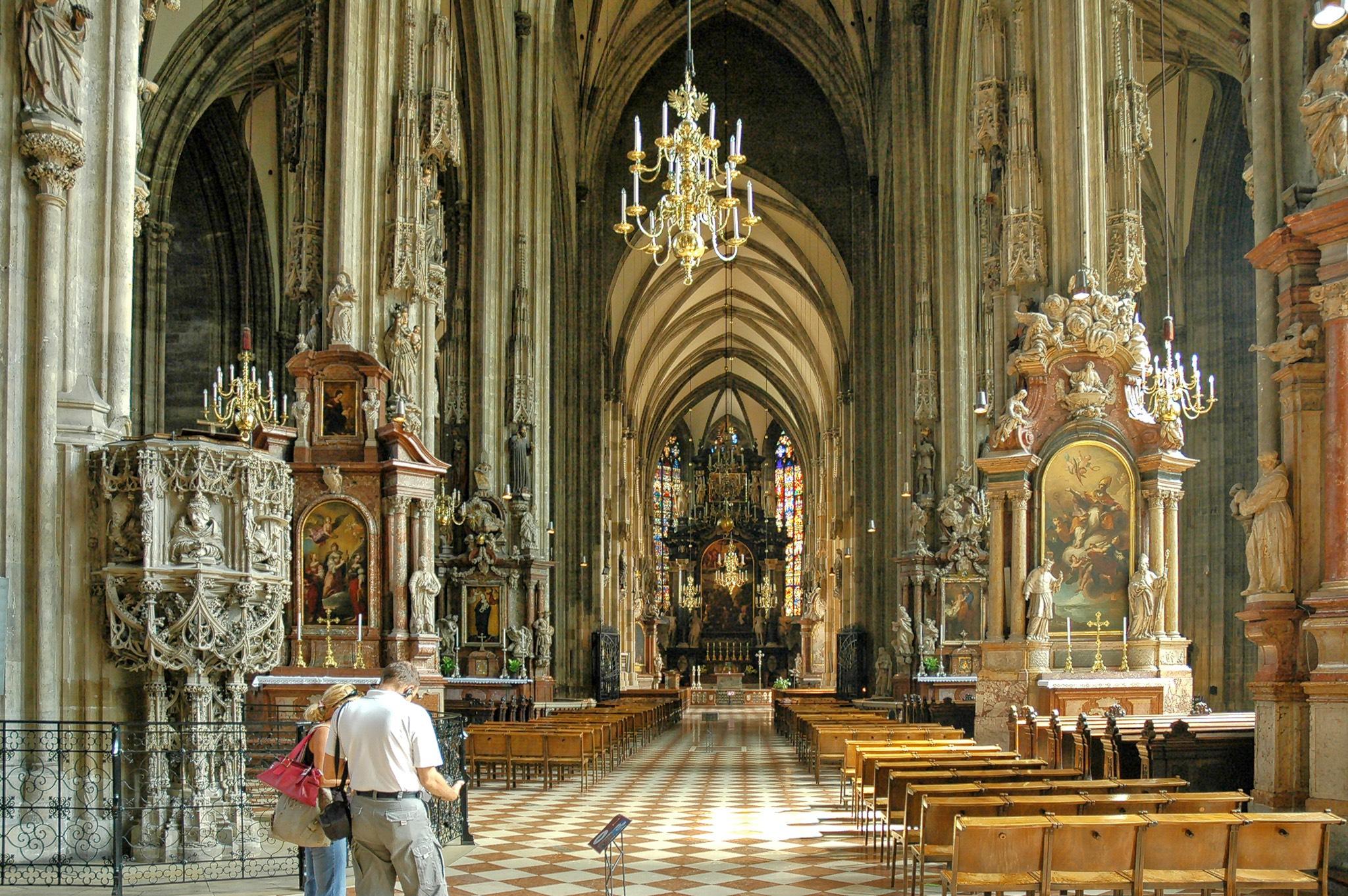
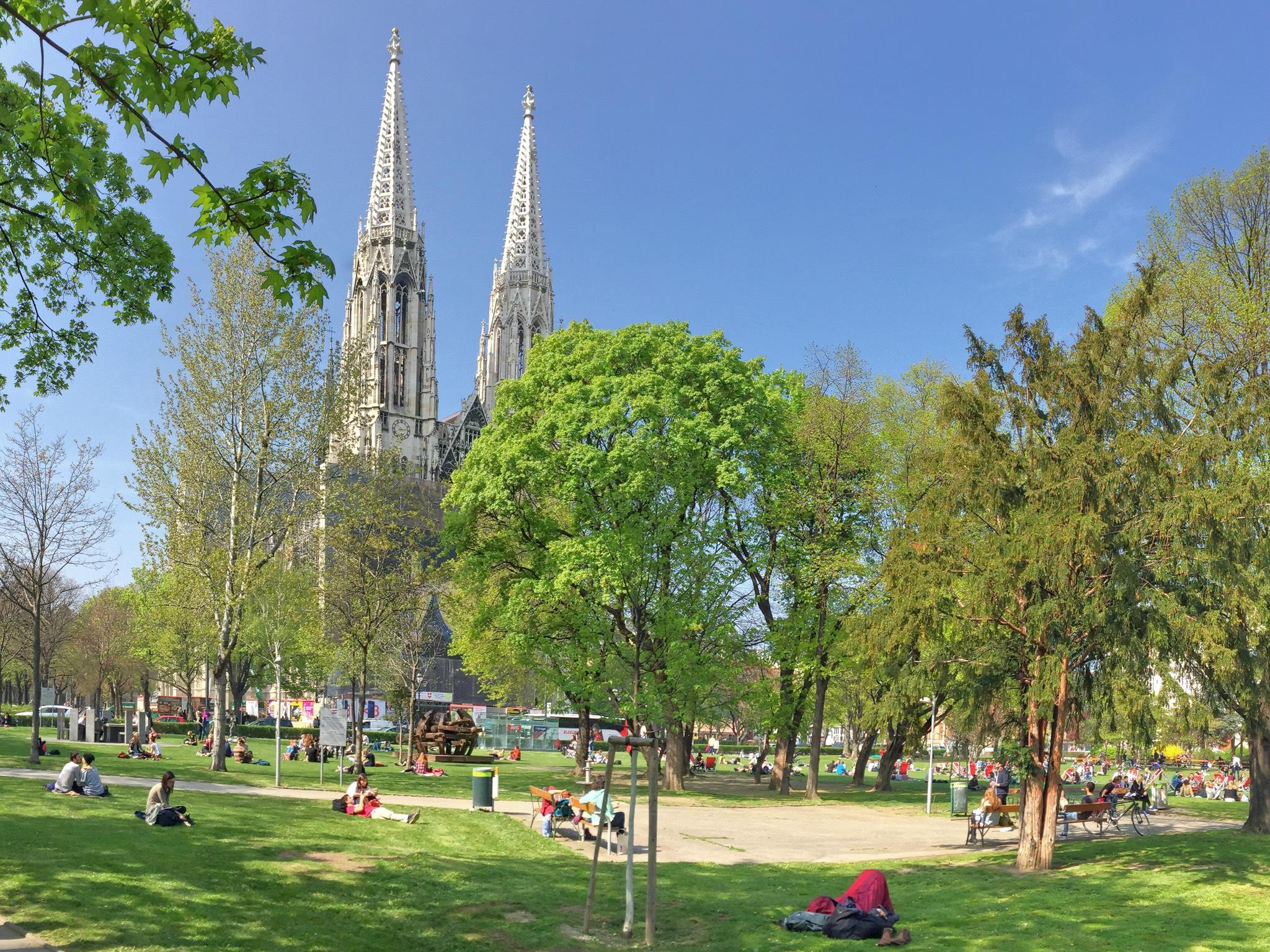
In 1853, Emperor Franz Joseph I. narrowly escaped an assassination attempt. In gratitude, Archduke Ferdinand Maximilian, who later became Emperor of Mexico, called for a charity collection. The Votivchurch
is the symbol for the cohabitation of all nations of the Danube Monarchy and the most significant neo-Gothic sacral building in the world.
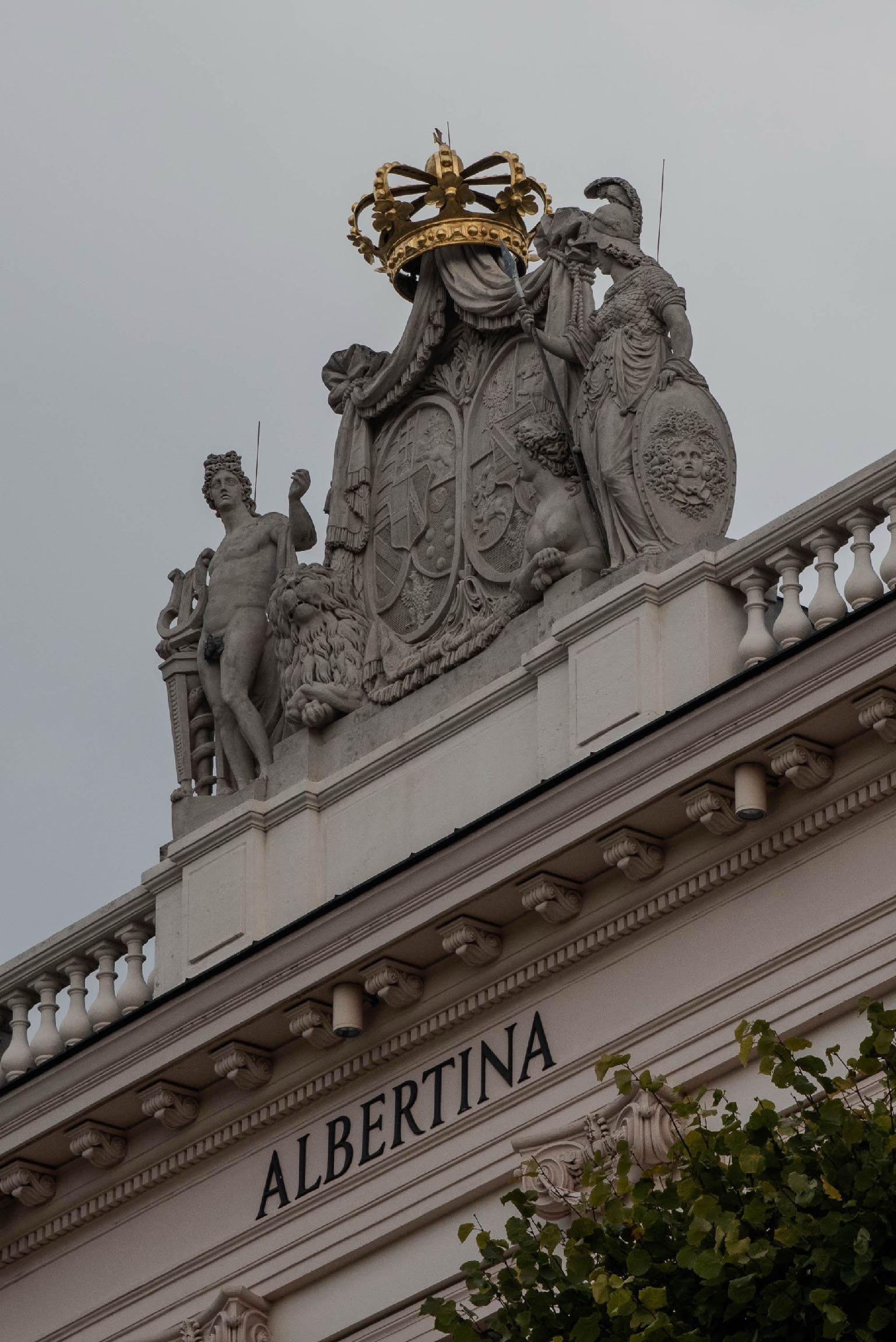

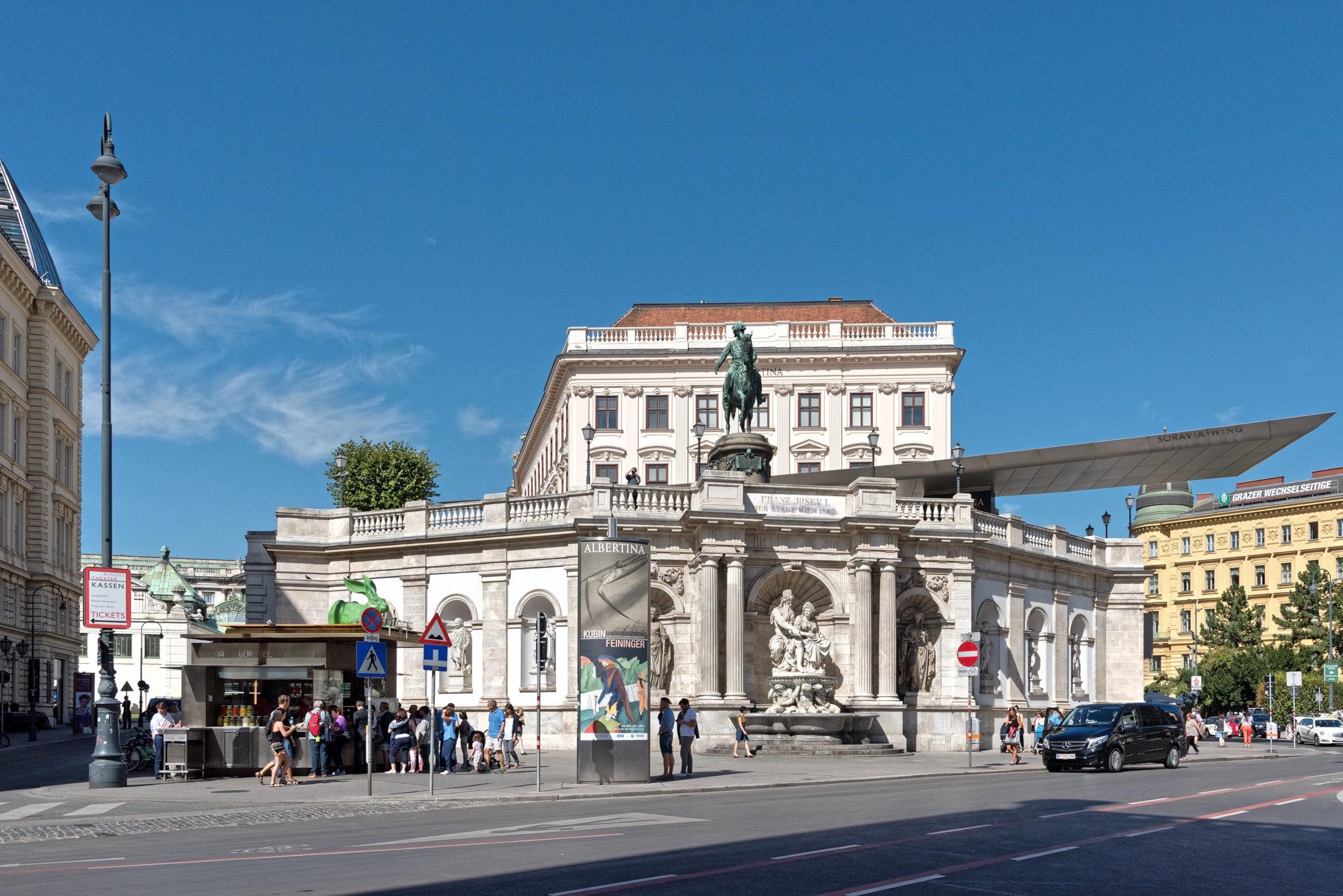
The name stems from the founder of the collection,
of
is one of the most frequently visited museums of Austria and is an important part of a visit to Vienna, especially for those interested in art.
The
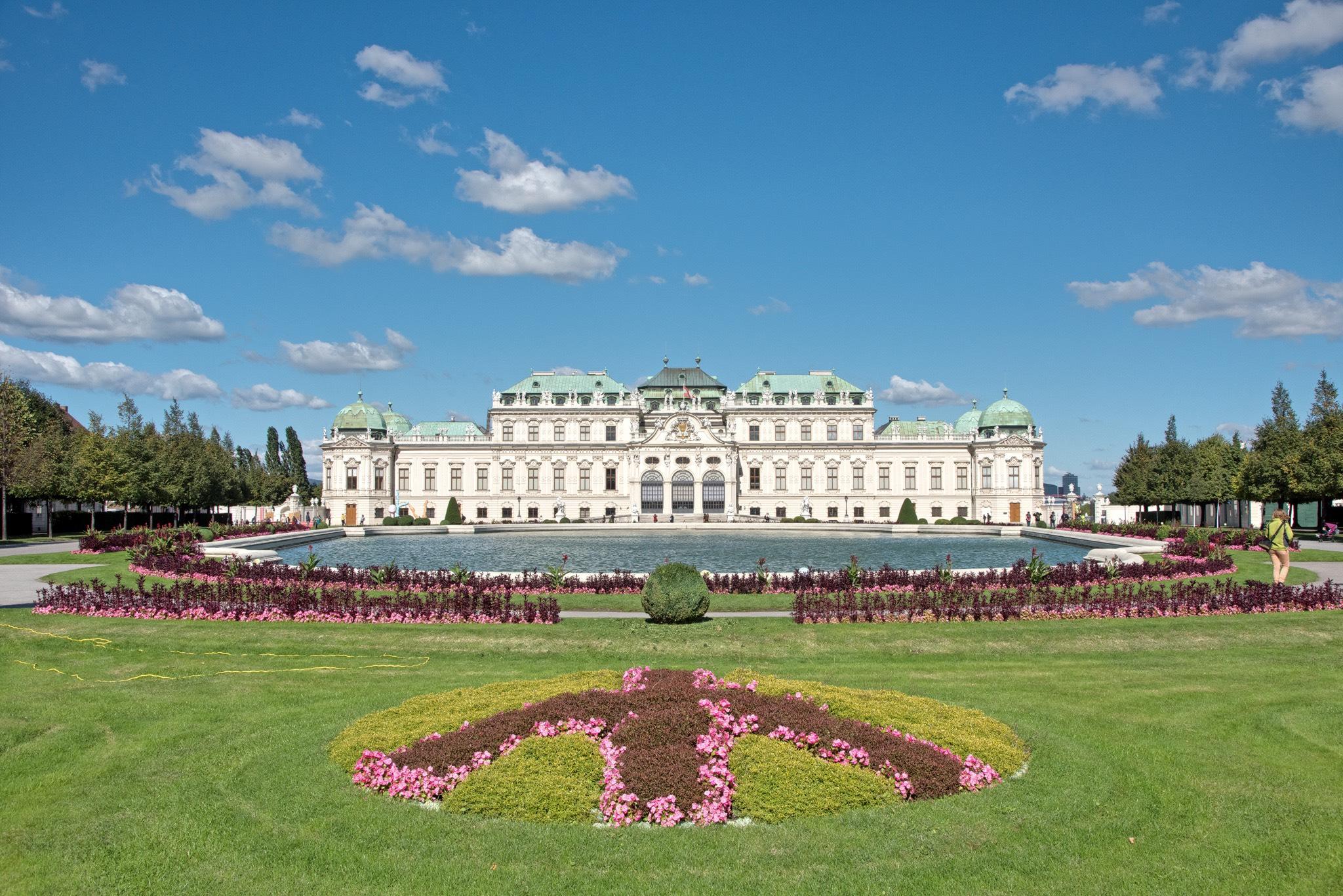
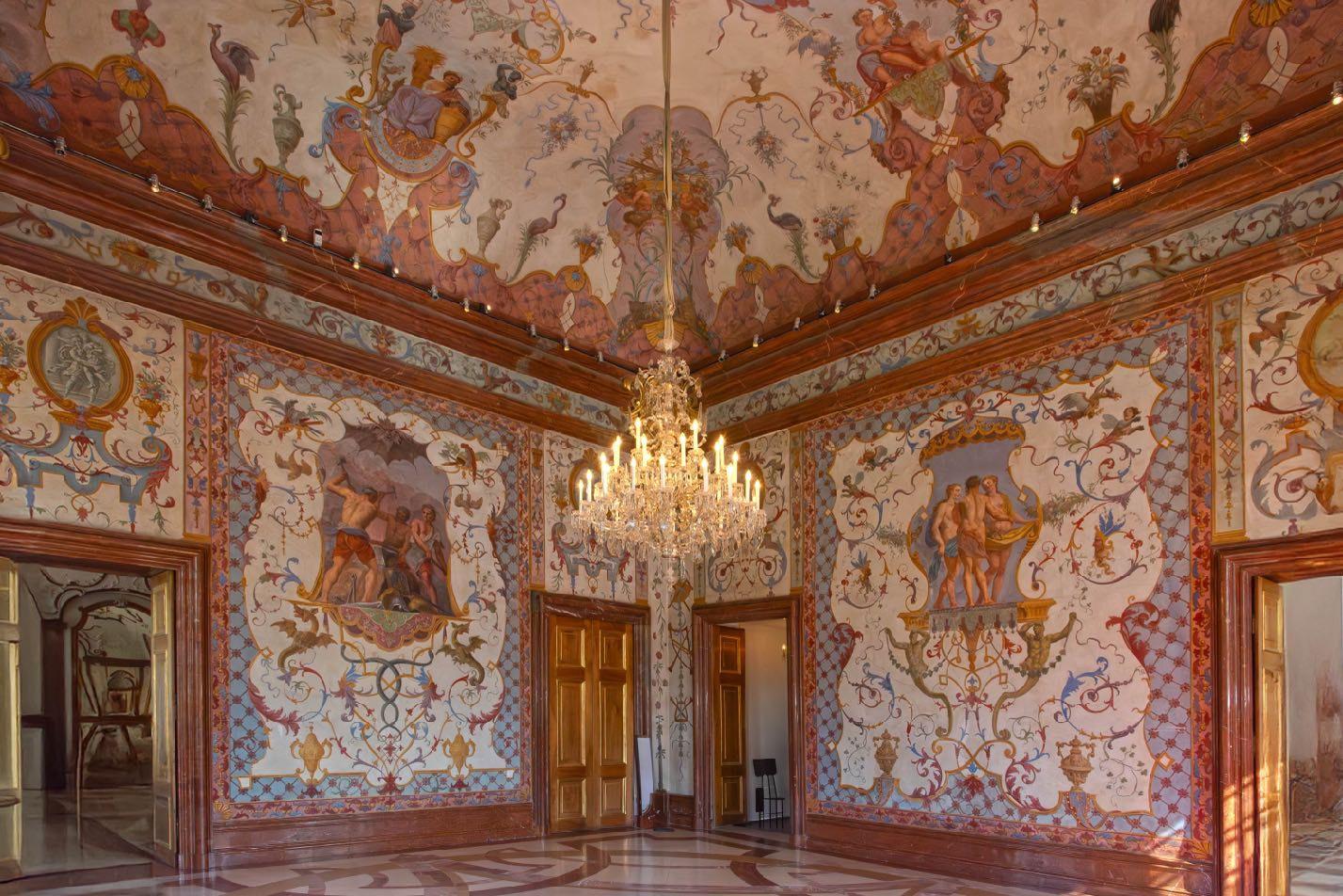
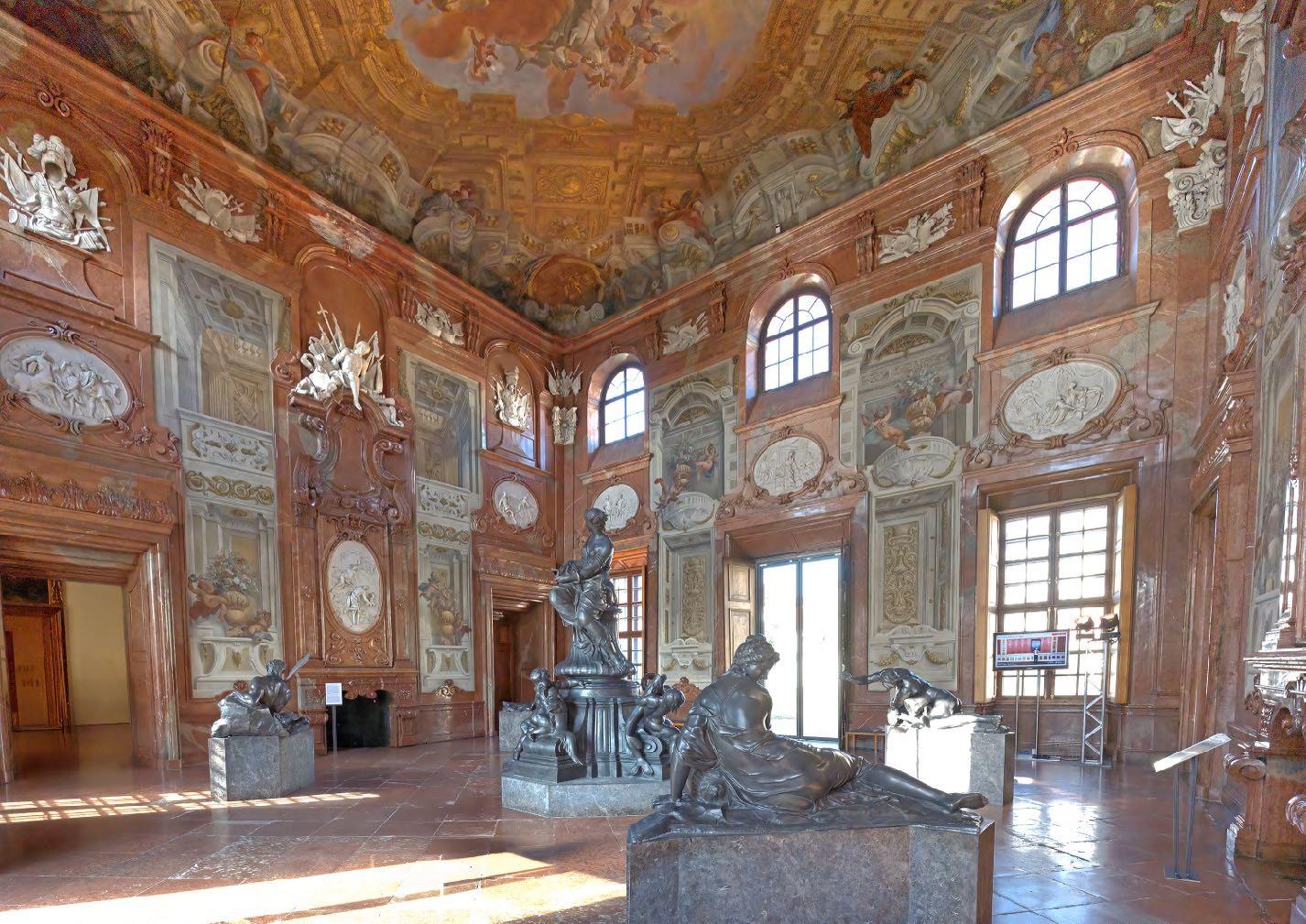
The Upper Belvedere is of particular importance for Austria. On May 15, 1955, Austria's Treaty was signed in the Marble Hall. The Belvedere was the summer residence of Prince Eugen.
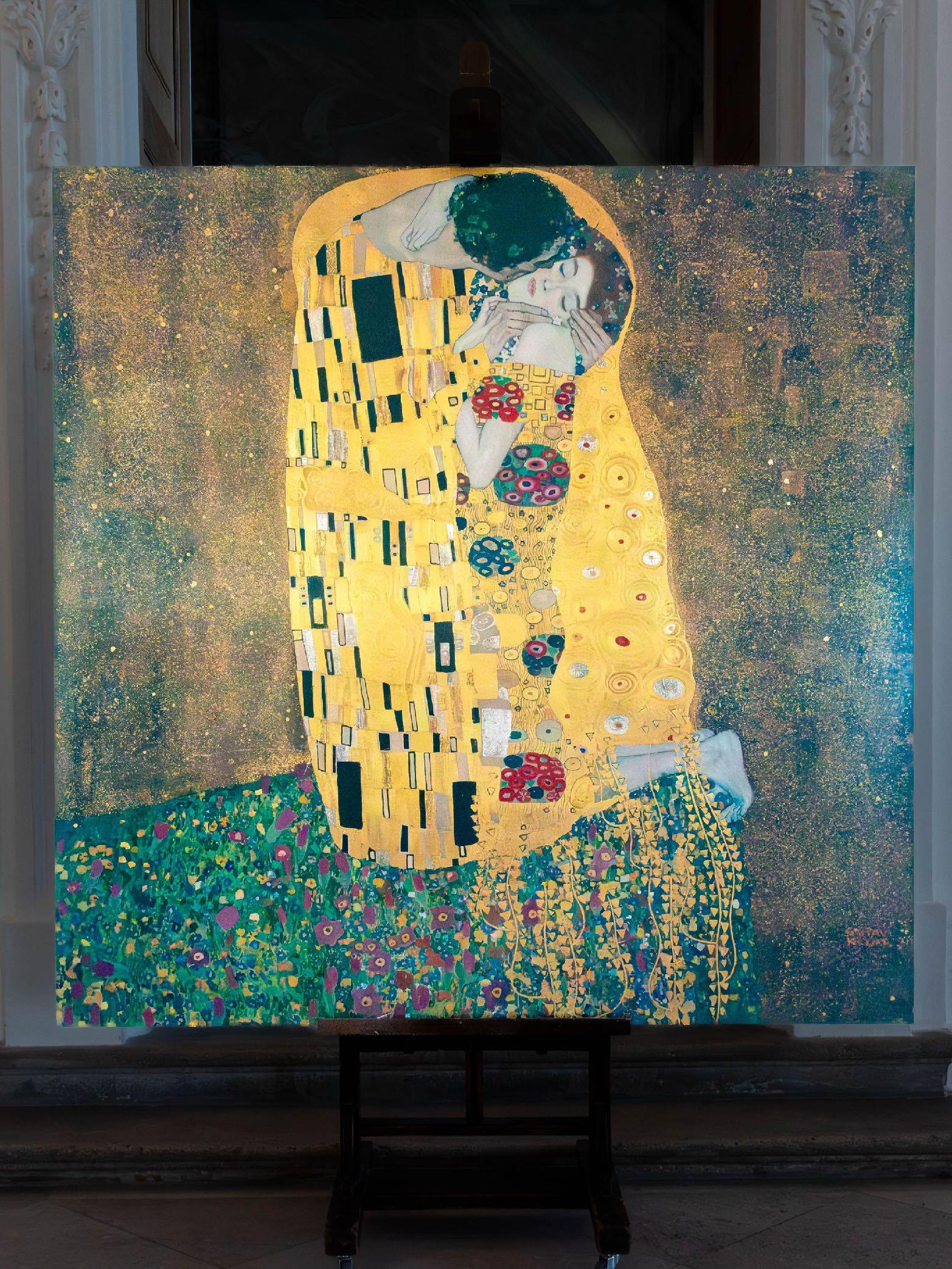
Today, it is an important museum with the world's largest collection of Gustav Klimt paintings.
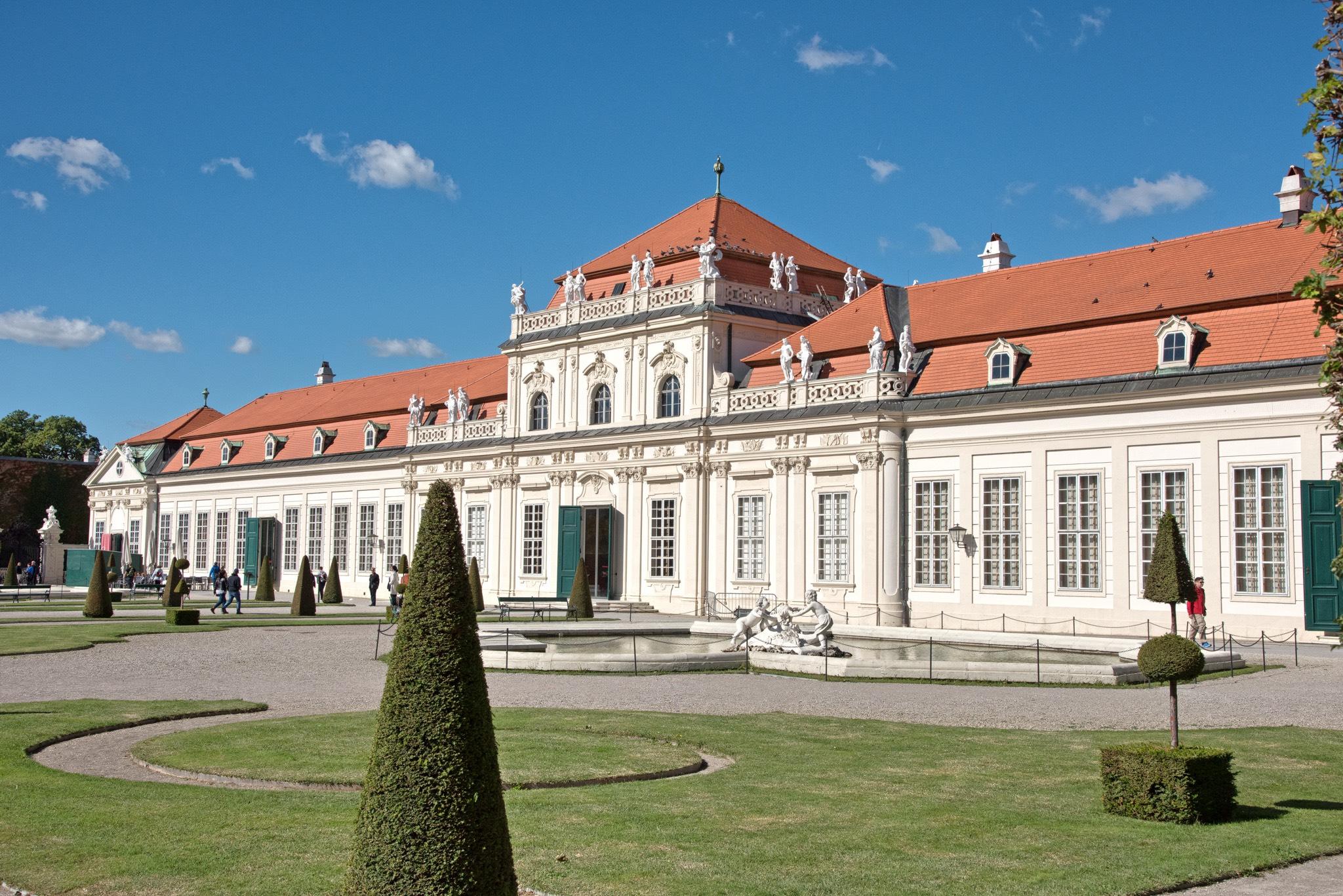
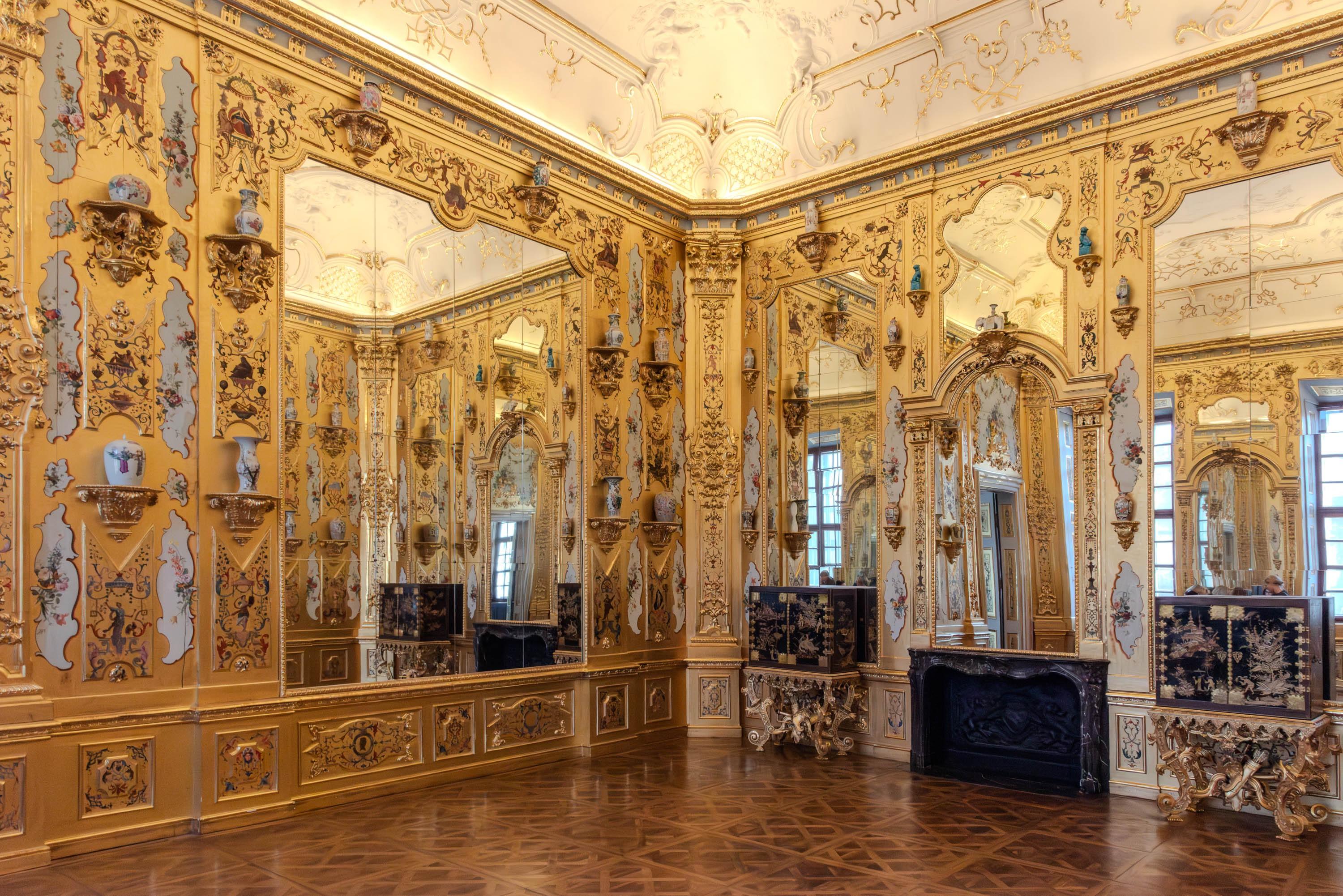
The Lower Belvedere, the Orangerie and the pompous Stables house exhibitions on a regular basis. The pompous decor of the rooms is particularly impressive.
Here, visitors can experience first-hand, how the royals of the monarchy used to live.
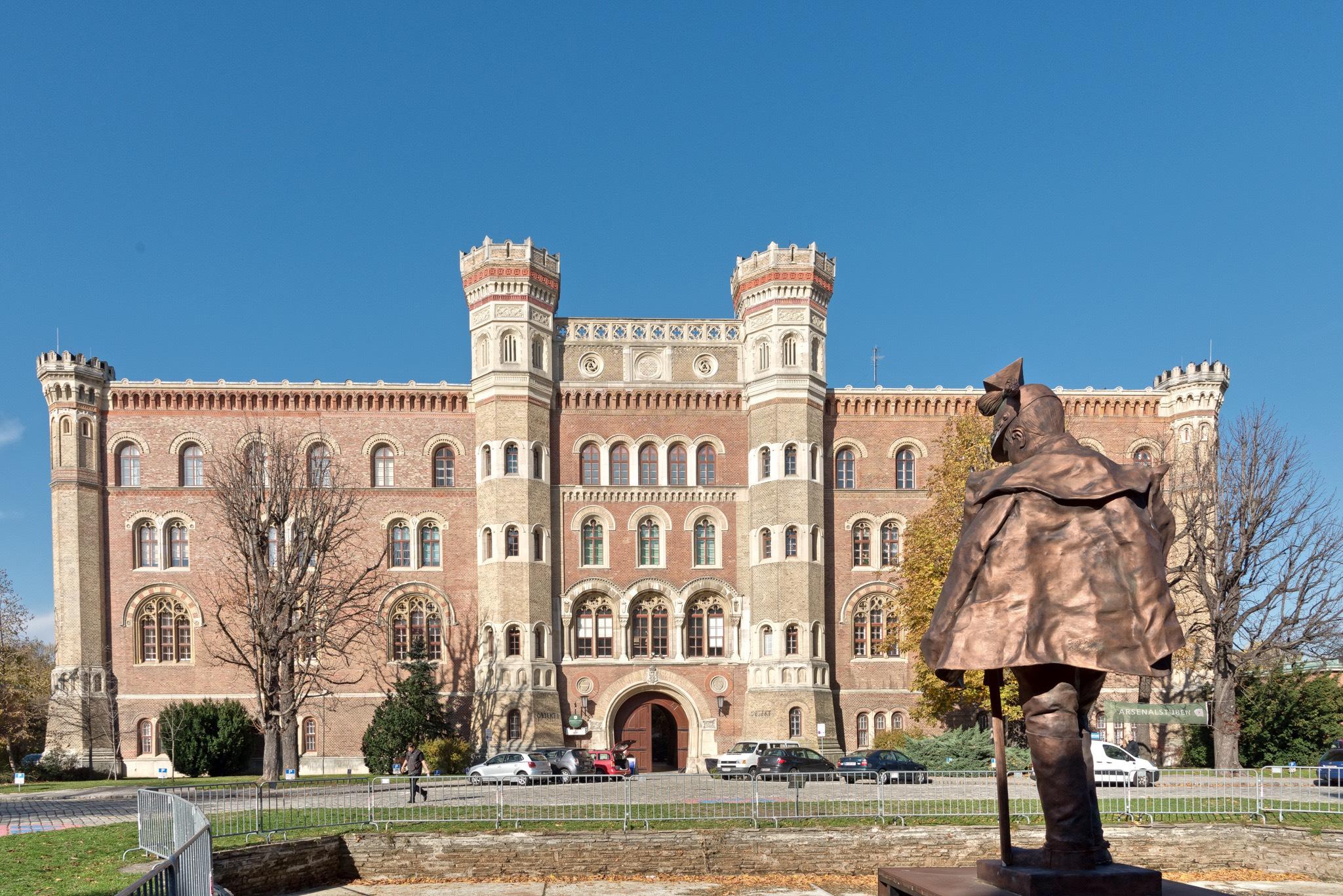
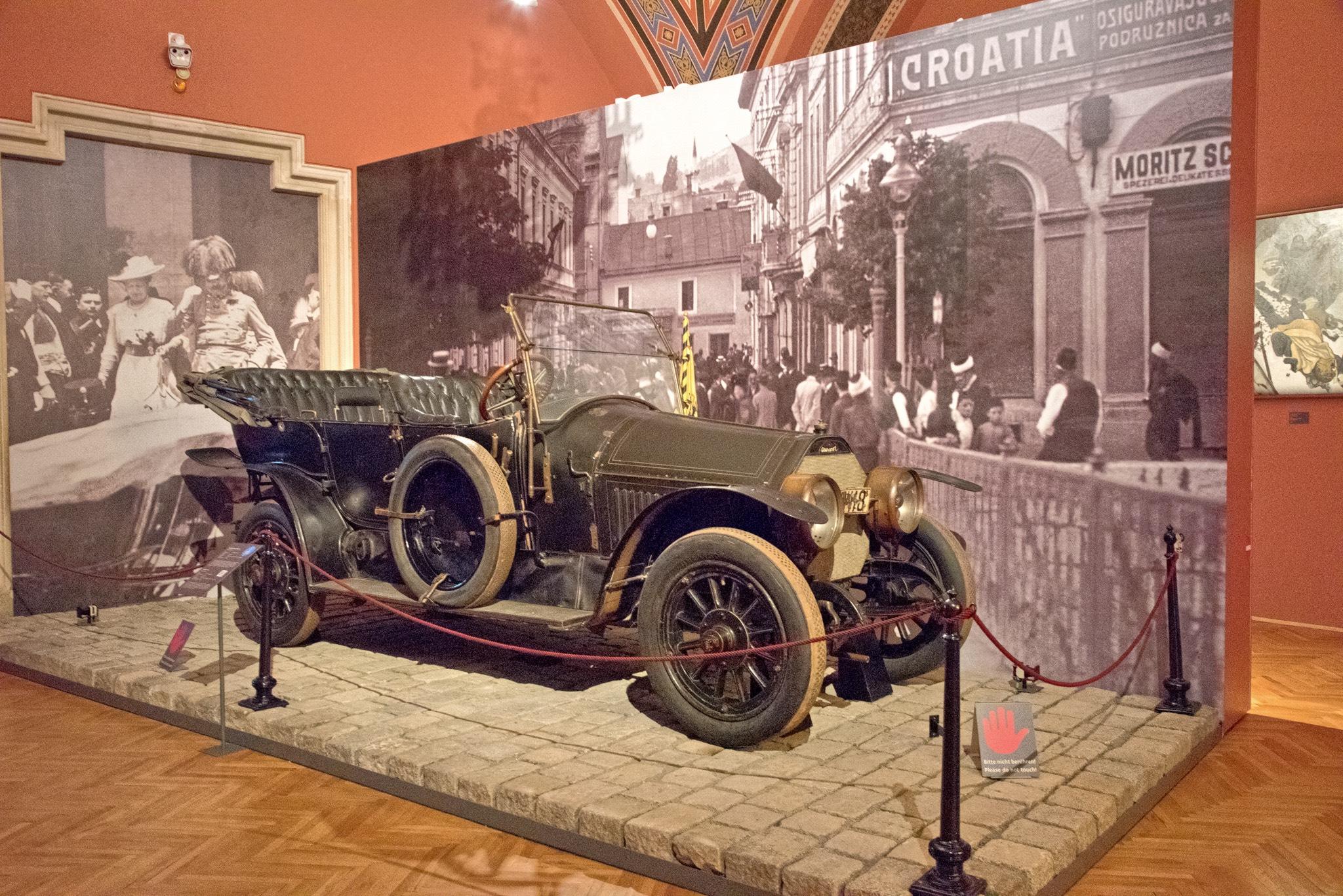
The history of the Austrian Armed Forces from the Thirty Years' War to the youngest history. Impressive exhibitions with countless exhibits.
The Museum of the Armed Forces' History is housed in the Arsenal. It is accessible via bus 69A from the Main Station.
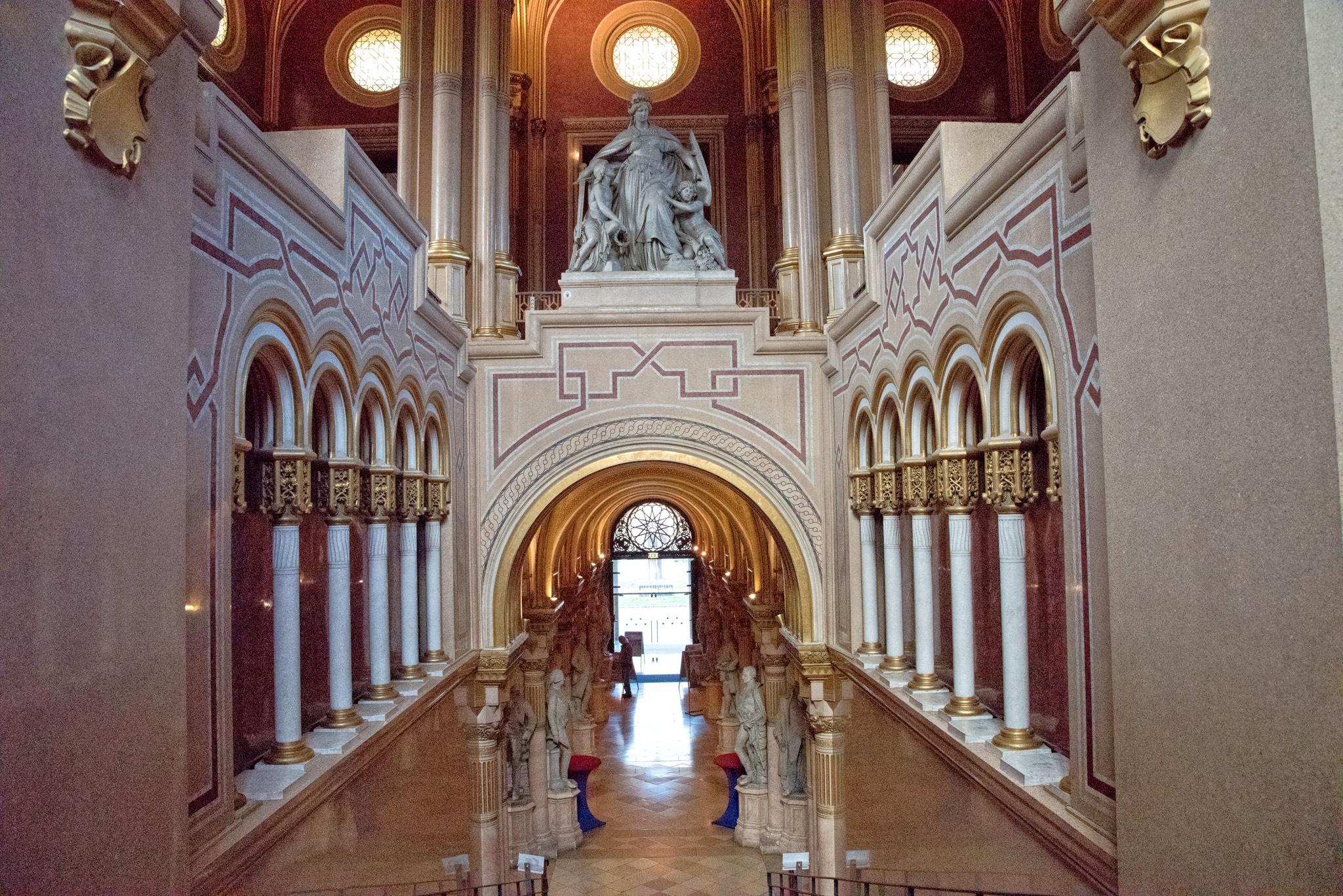
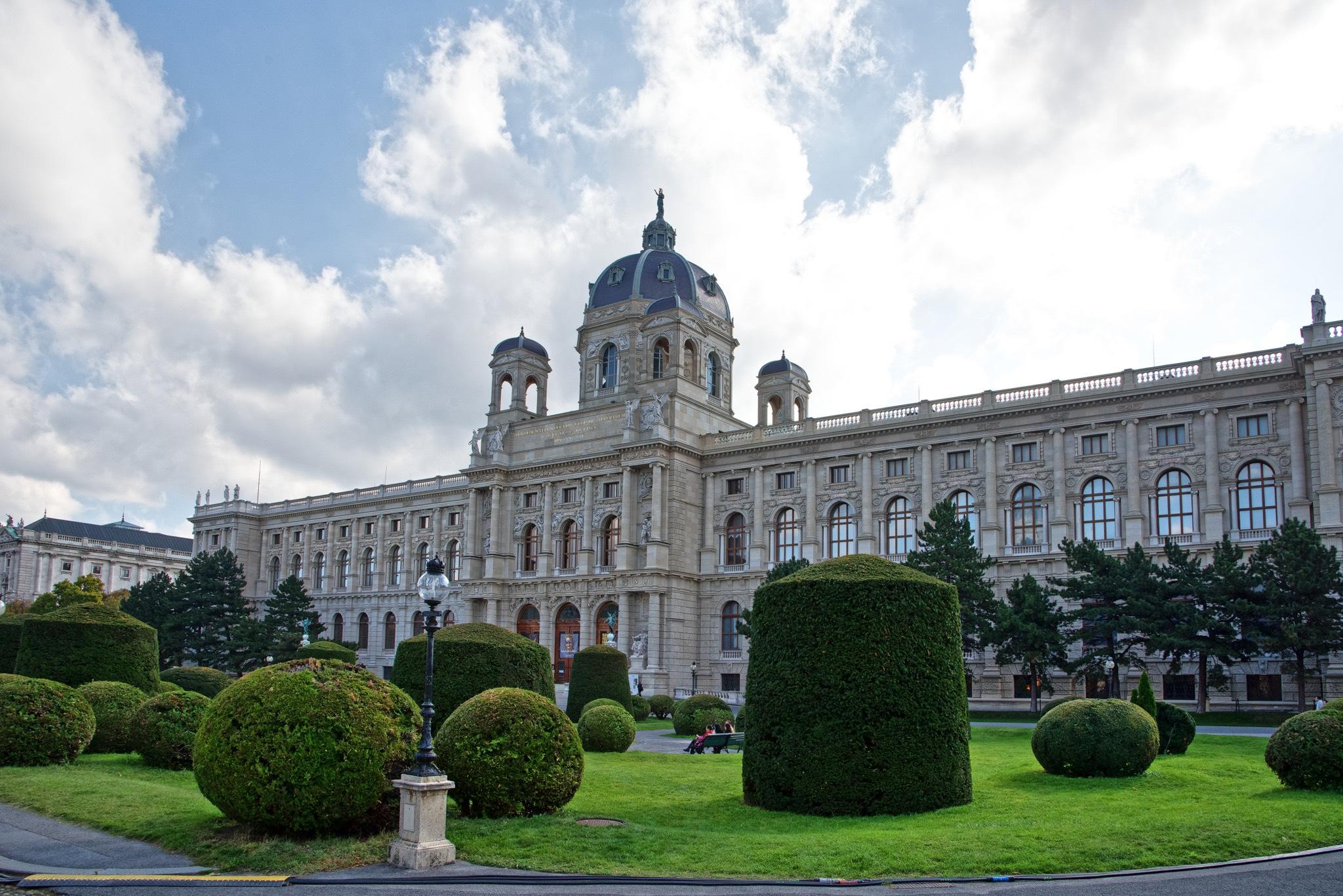
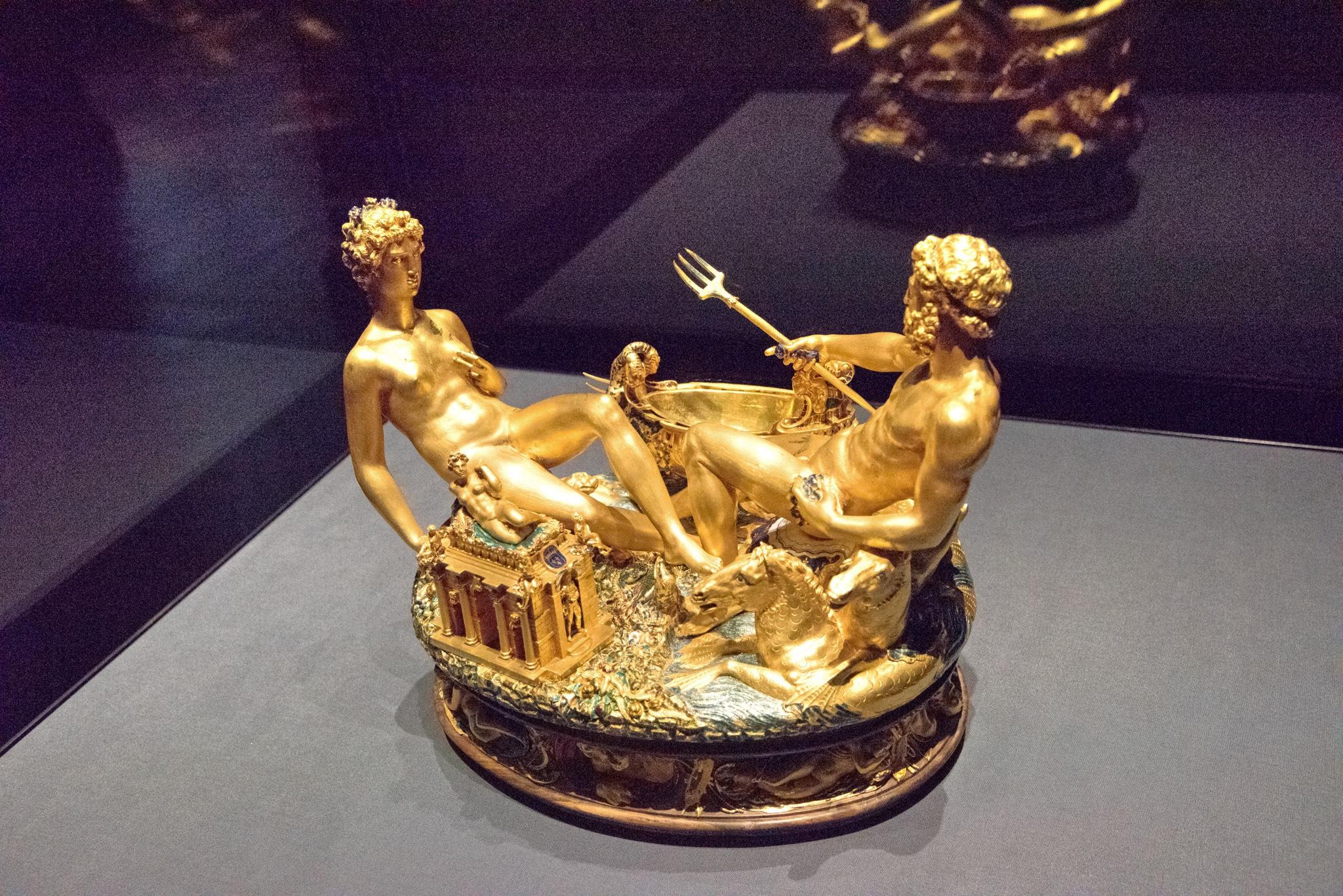
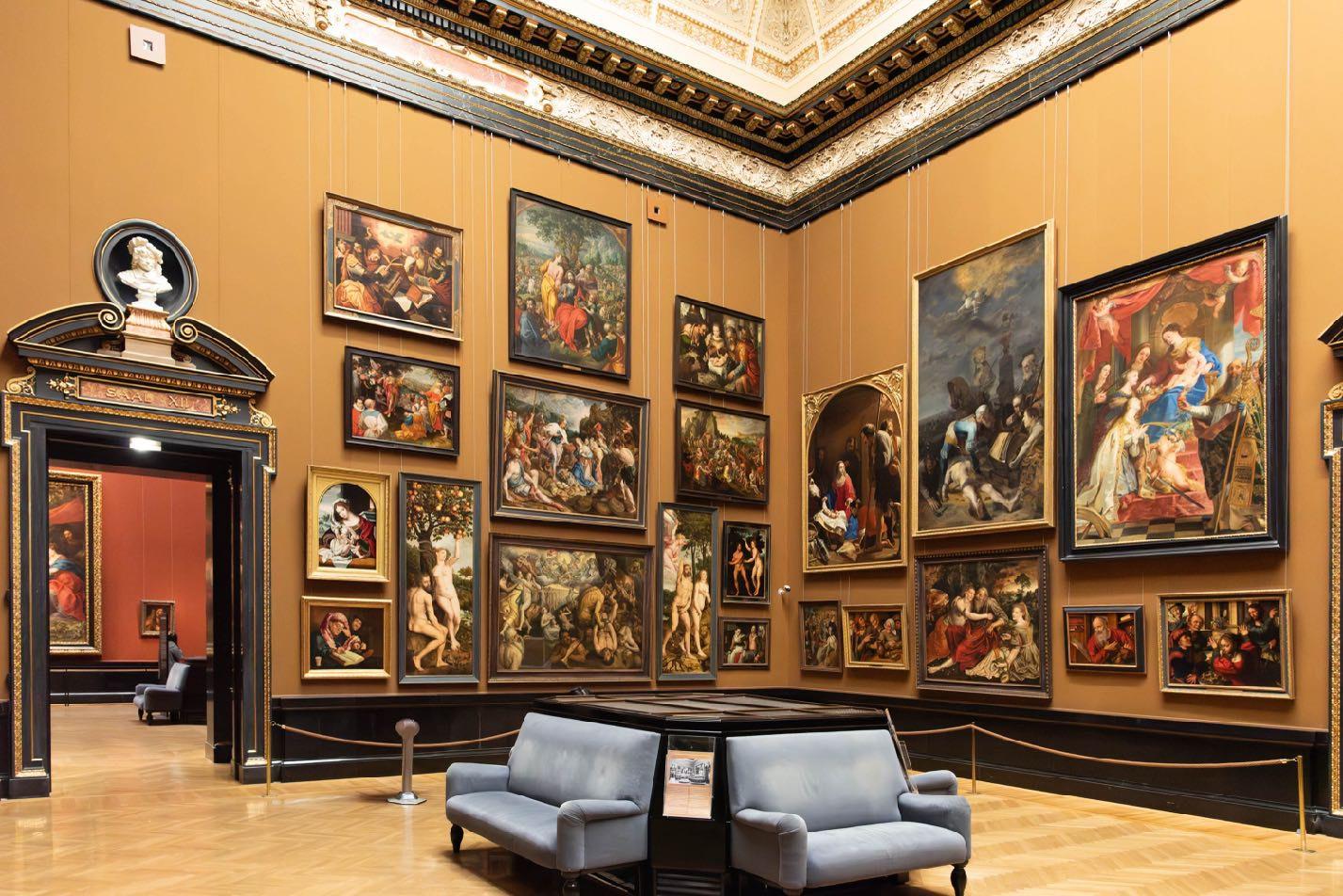
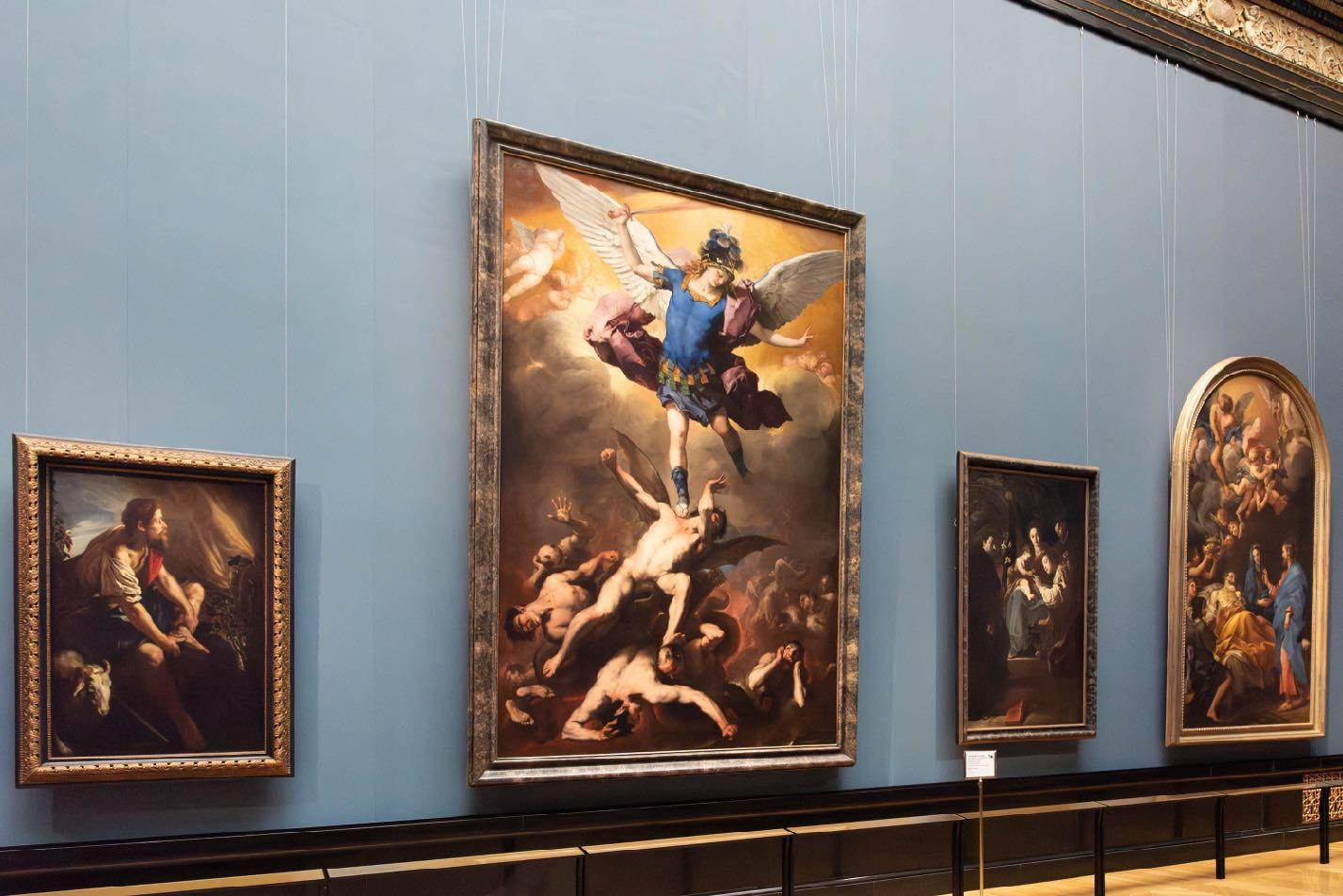
When looking from the Ring to Empress Maria Theresia, the Museum of art history is to the left side. When entering the museum, one is overwhelmed by the pompous decor.
The upper level is a beautiful cafe. It is a breathtaking museum with many highlights.
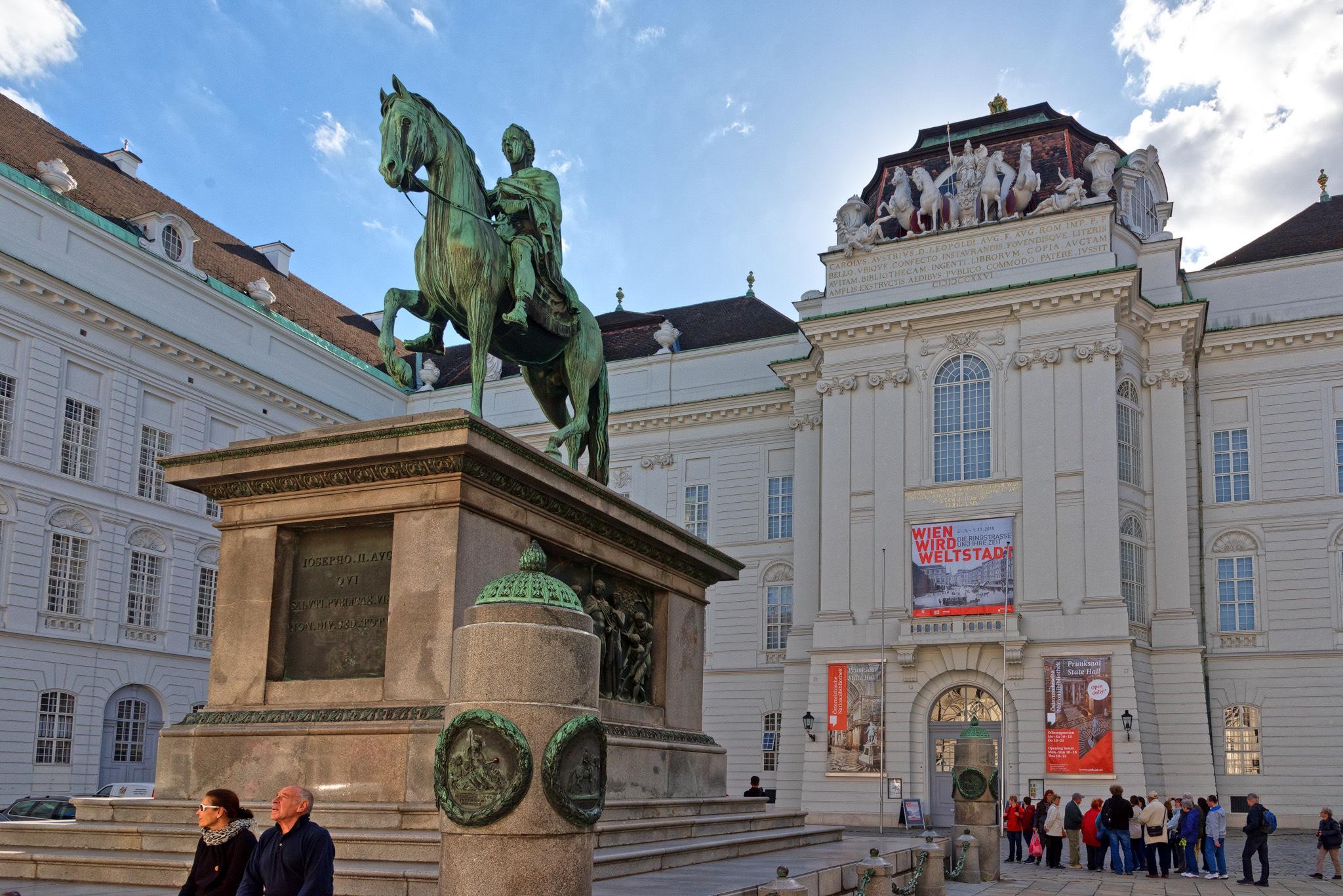
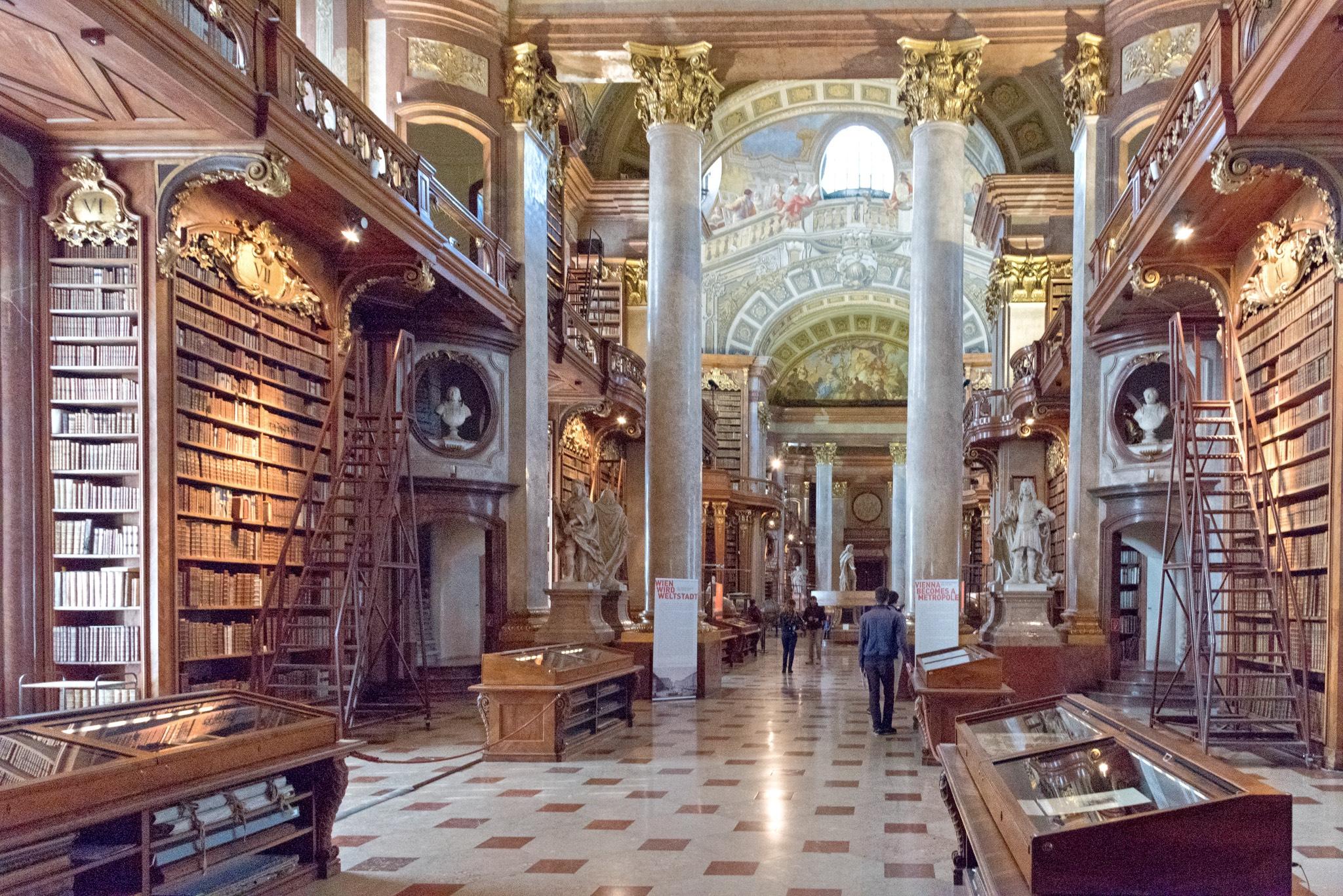
The ceremonial room of the Austrian National Library is one of the most beautiful halls of its kind and shows the largest baroque library of Europe. The National Library houses more than 200,000 volumes. Visitors
can also admire the Prinz Eugen collection, which comprises more than 15,000 volumes.
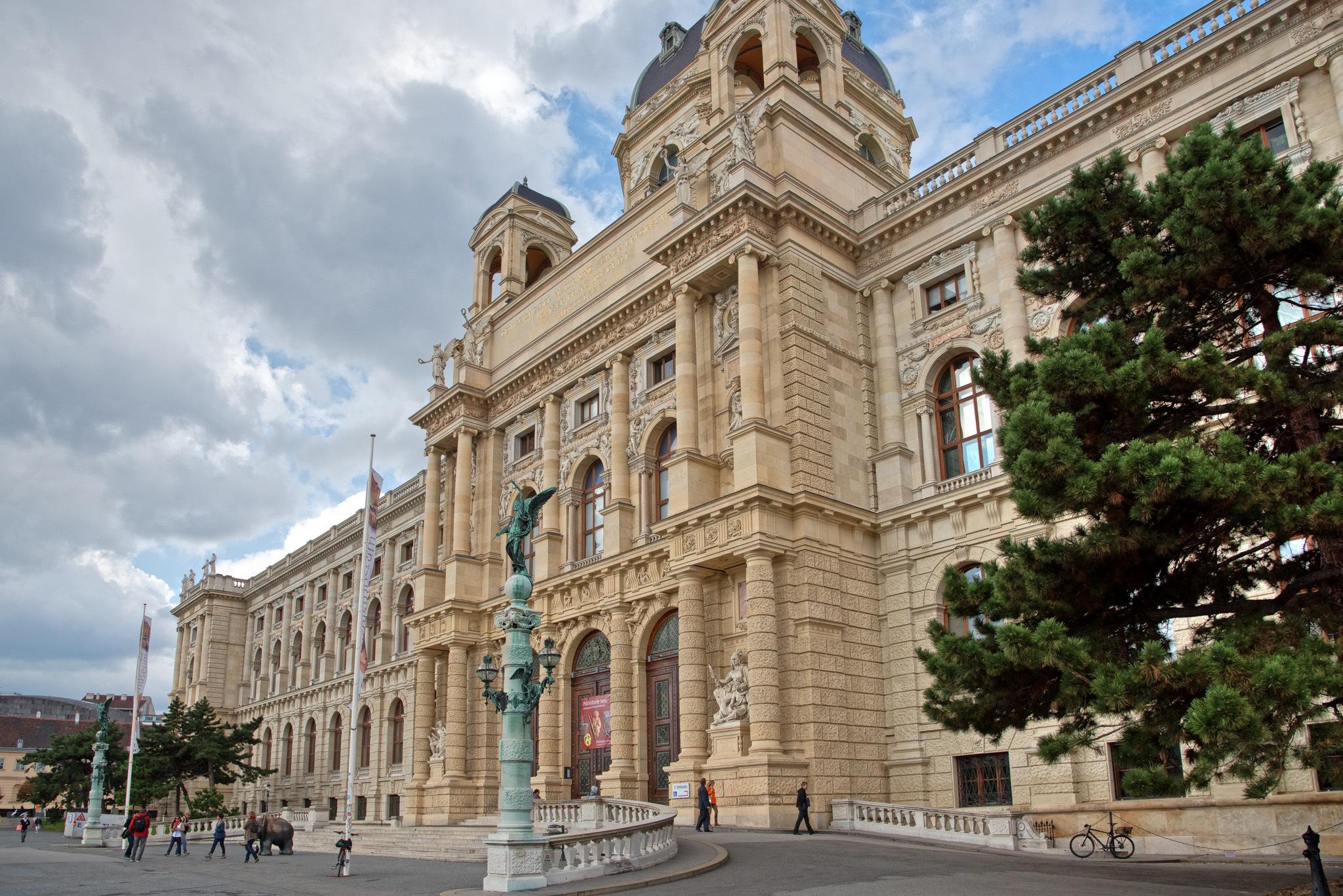
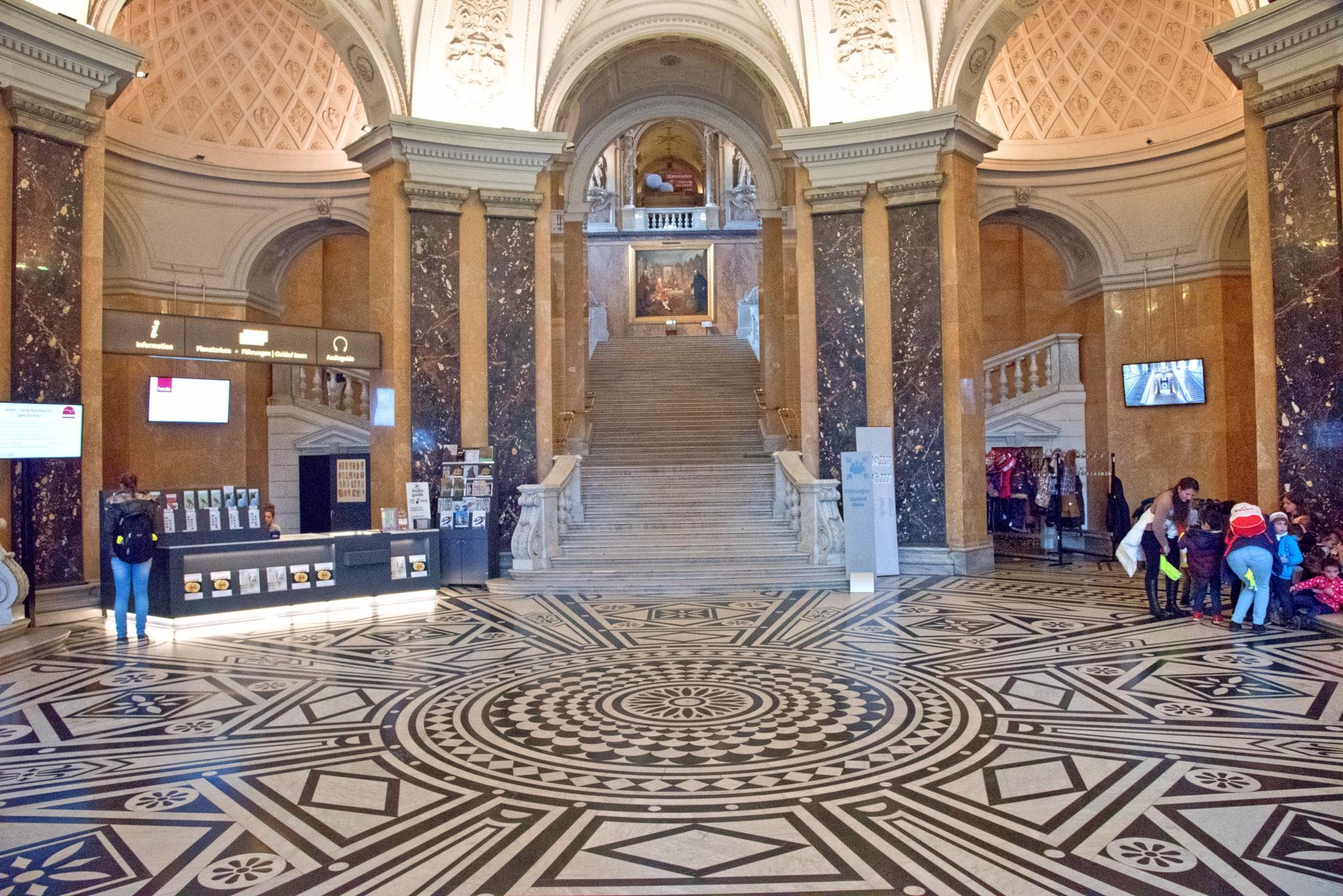
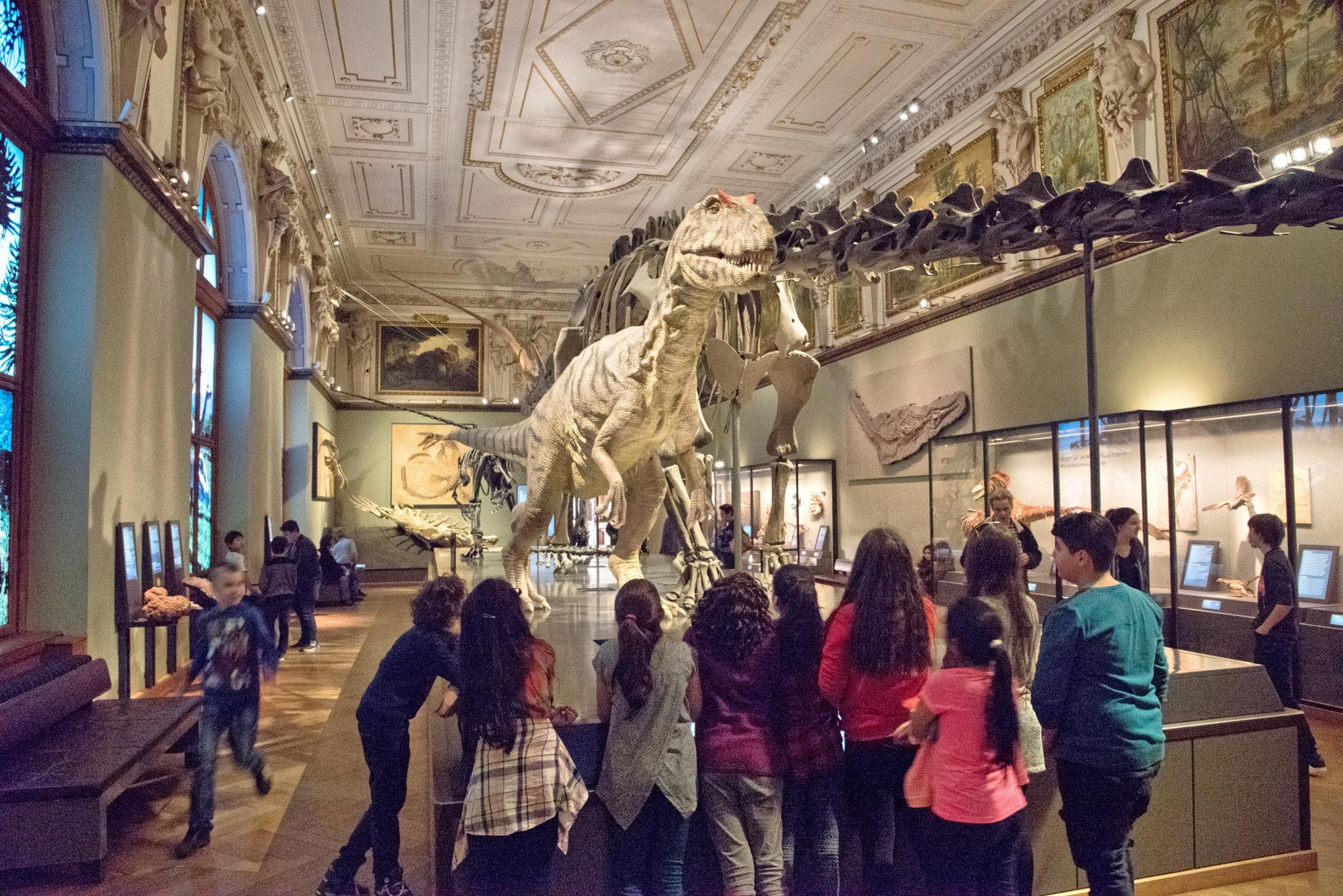
Across from the Museum of Art History is the Museum of Natural History. An incredible 30 million exhibits make this museum one of the most important collections world-wide. The "tame" dinosaur is
particularly popular with young visitors. It is an animatronics model of an Allosaurus.
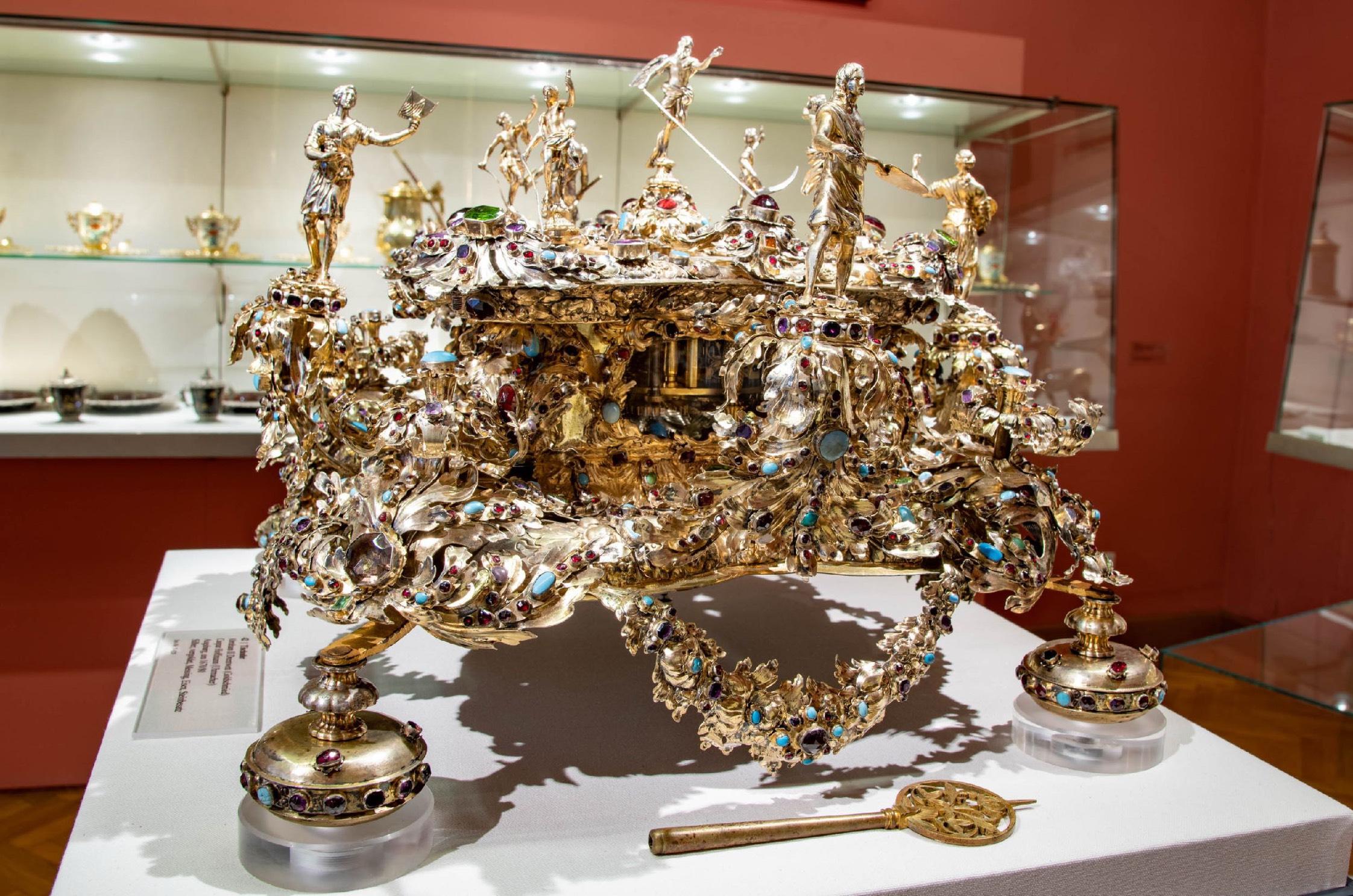
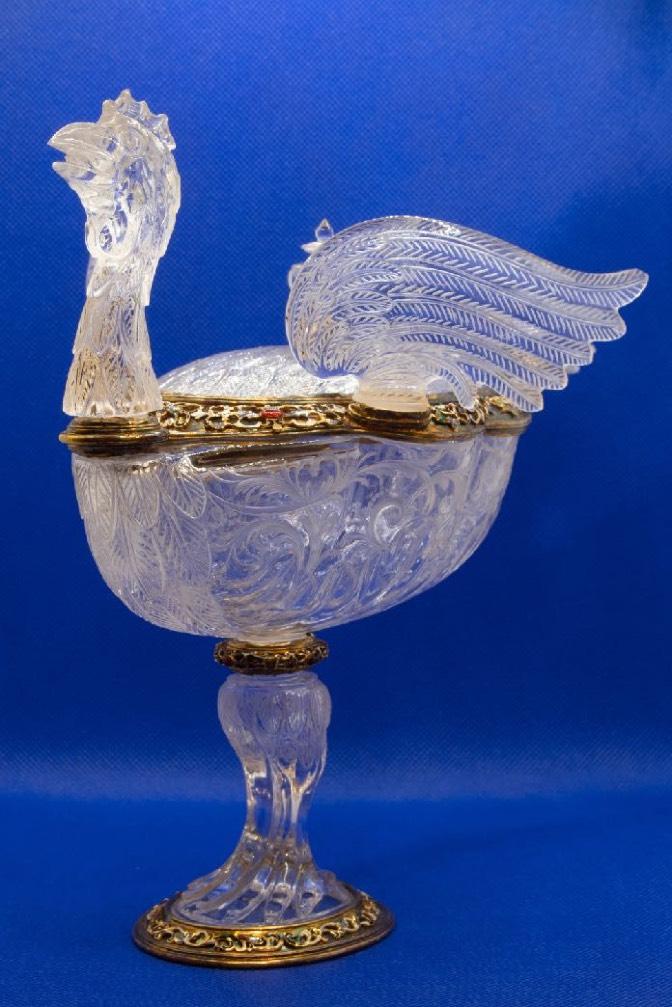
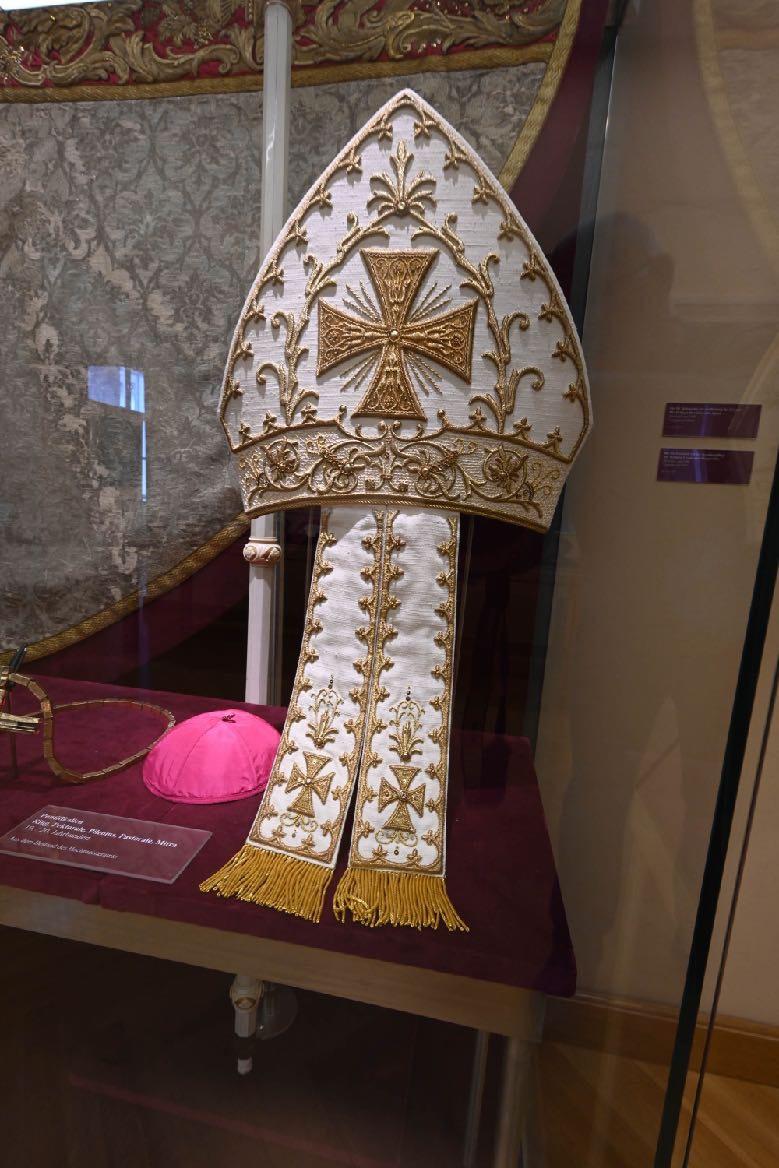
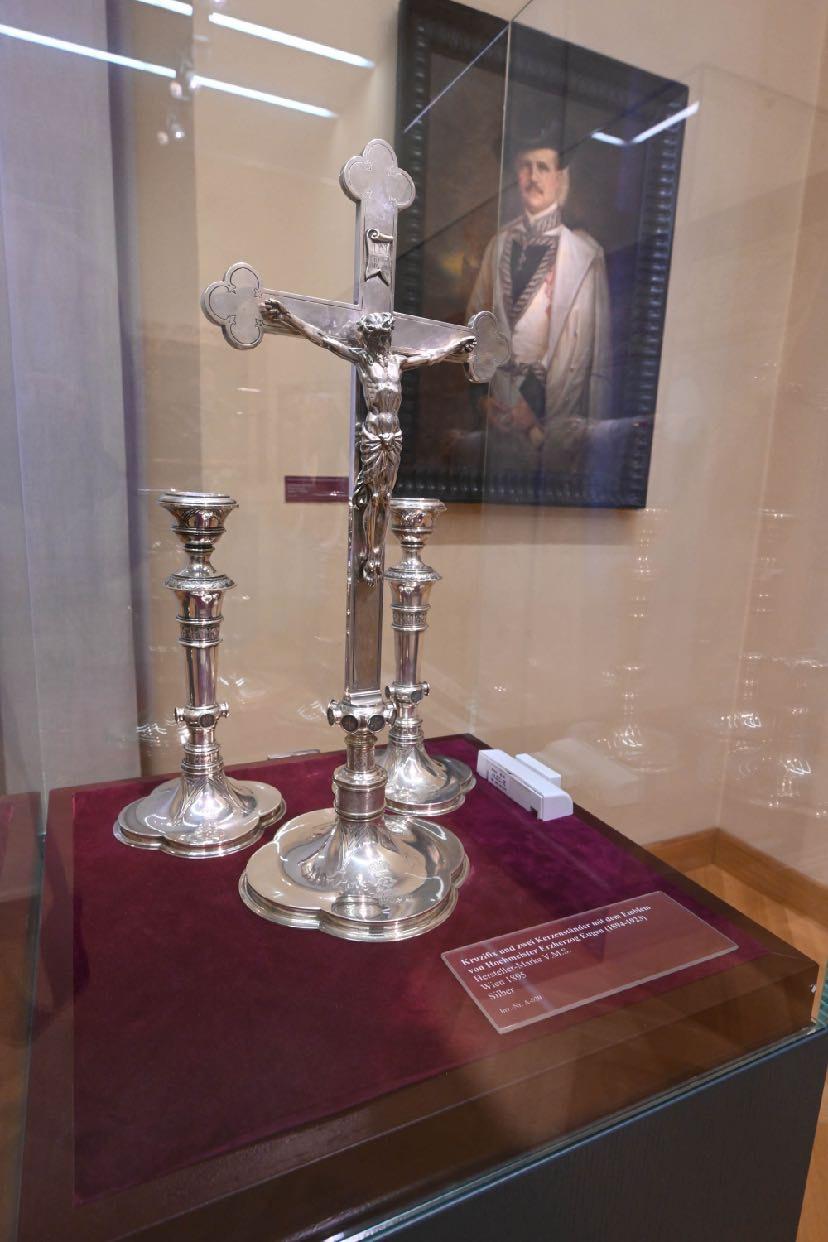
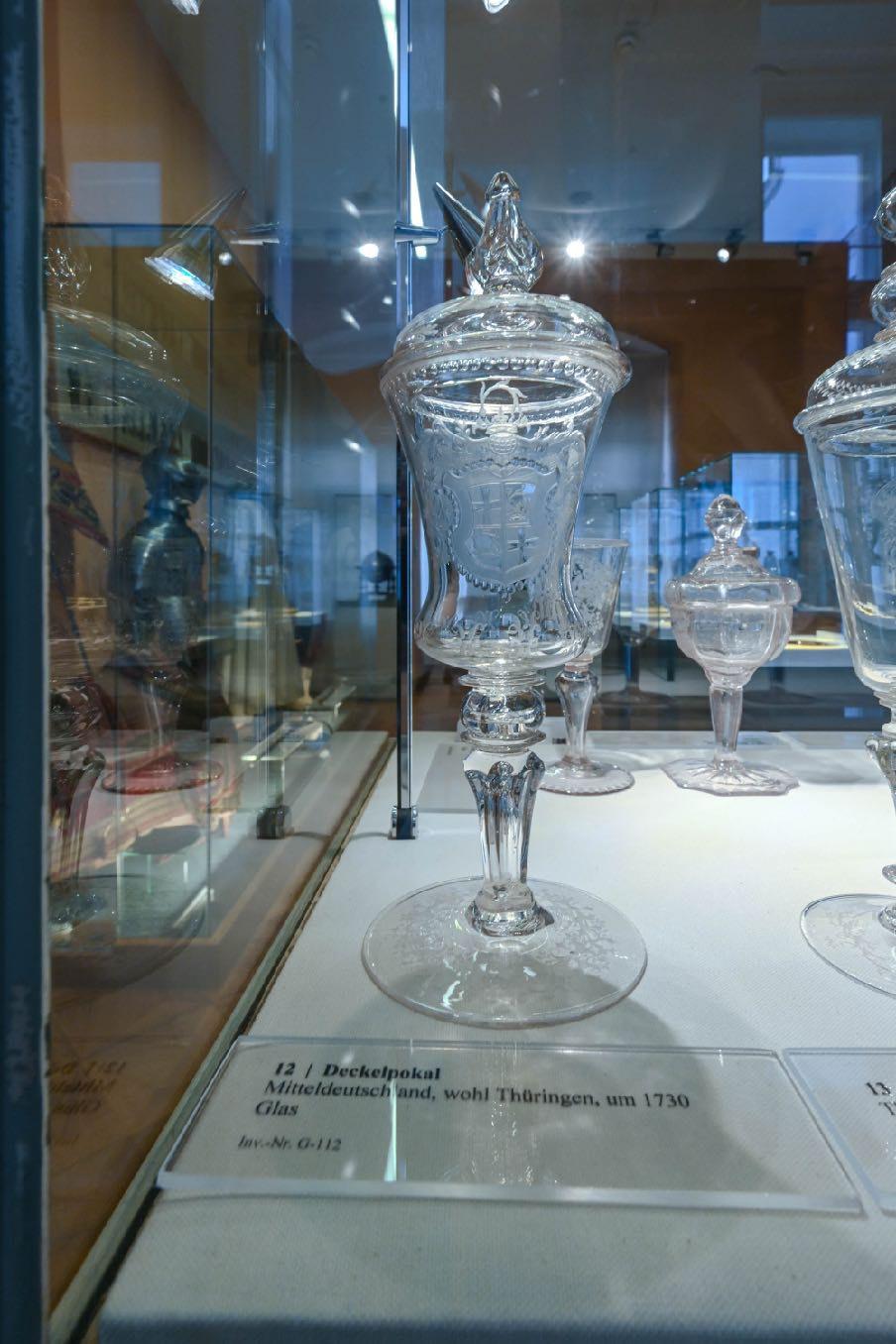
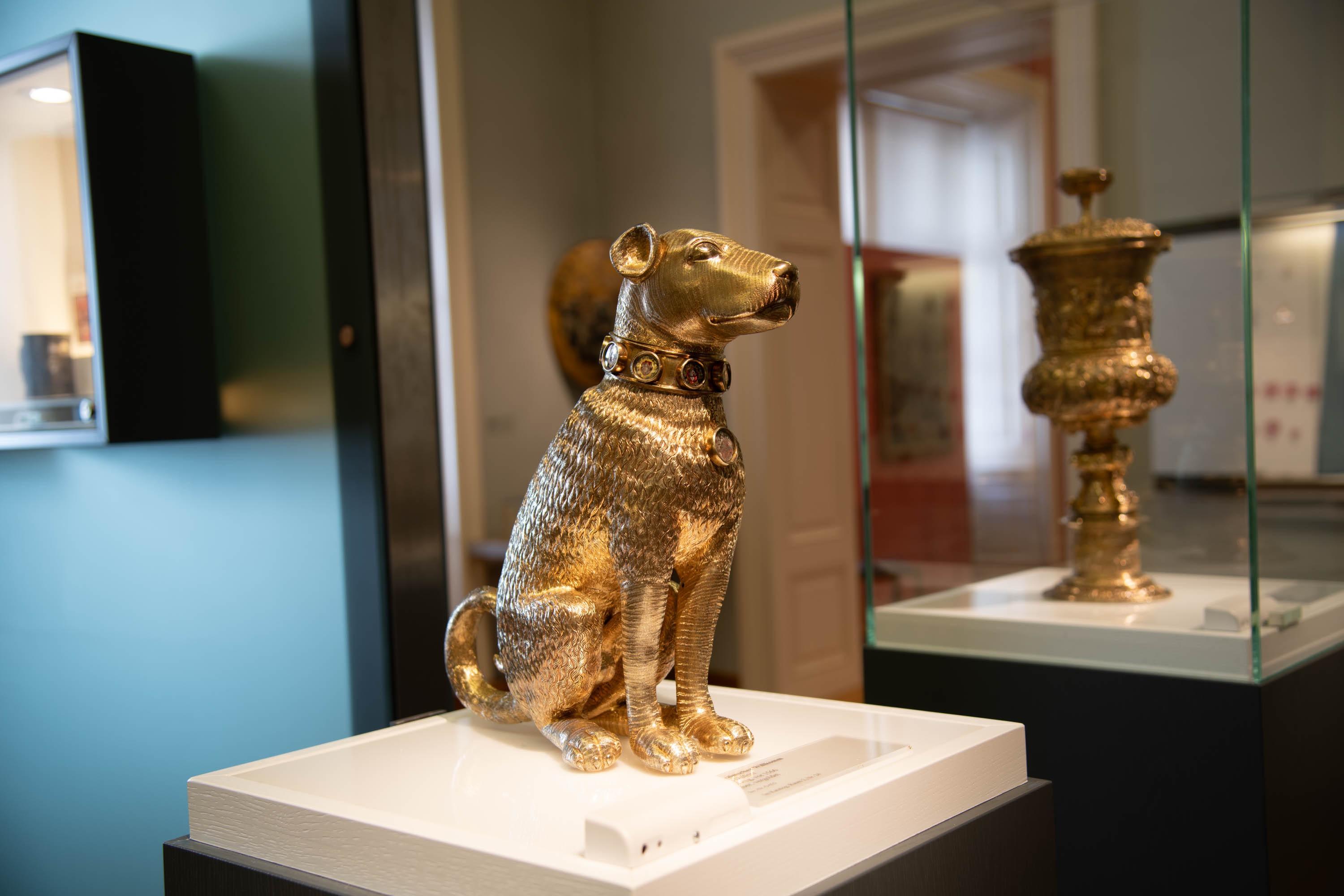
The earliest exhibits of the Teutonic Order date from the period between 1524 and 1526. These are inventories of the Teutonic Master in Mergentheim. The first inventory of the "Teutschmeister'sche alte Effecte" (Old Teutonic Master Effects) was compiled in 1606. This collection offers an extraordinary compilation of works of art and paintings documenting the Order's eventful history.
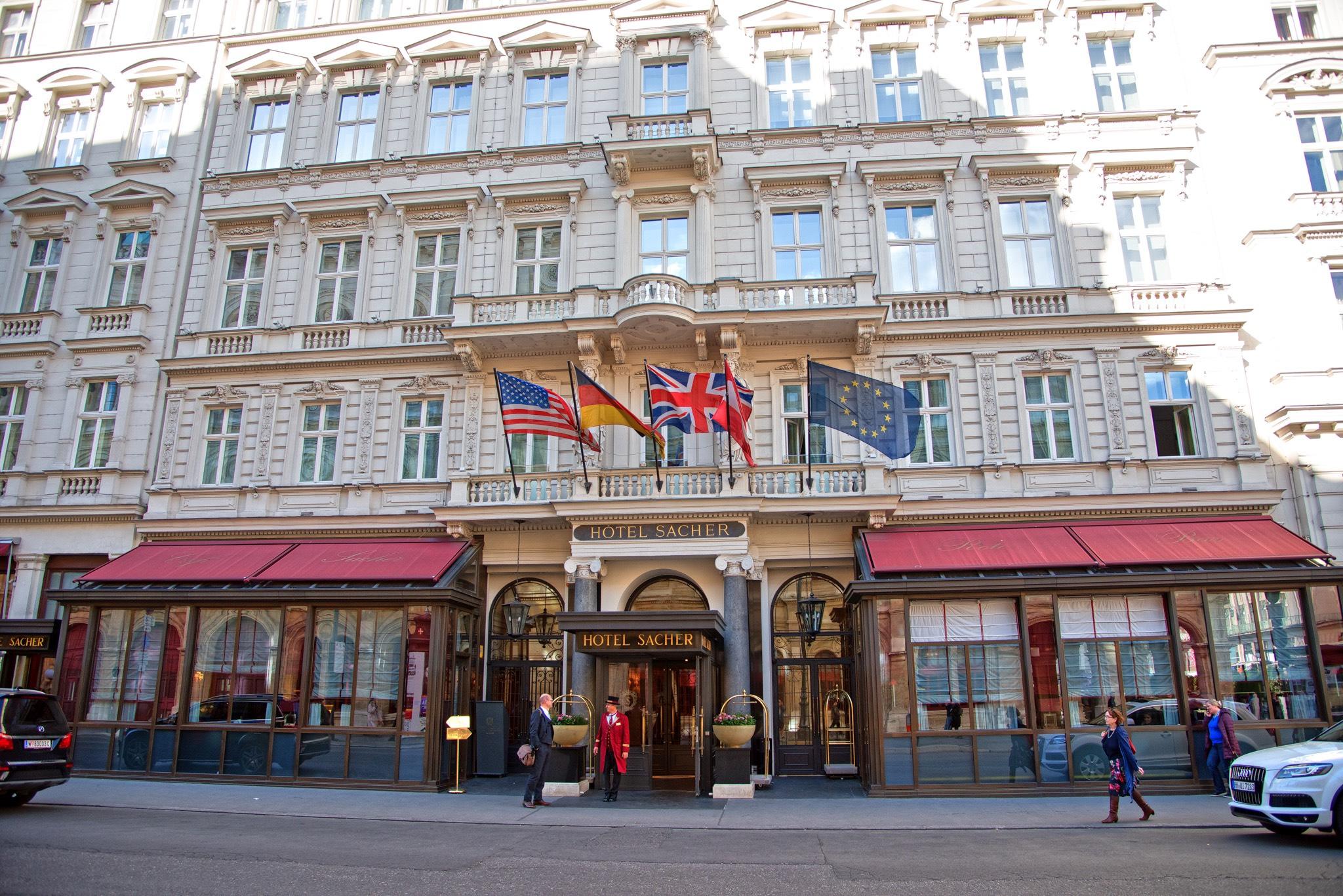

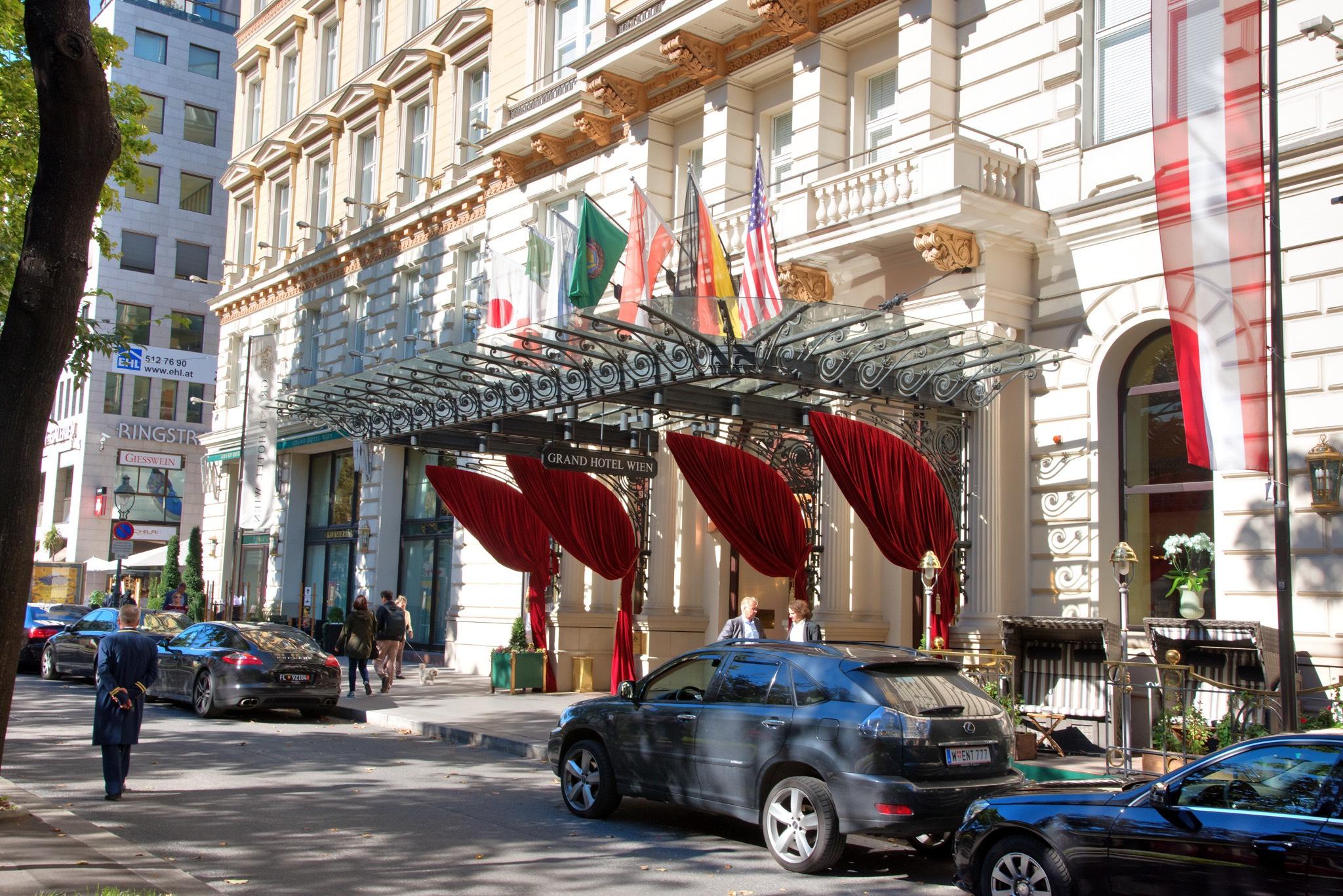
The so-called Ring Street Hotels have a long-standing tradition and many have a melodious name. In every district, visitors will find hotels in their price range. Tourists should make sure their accommodation is well
connected to the great public transport network. At the website wien.info, visitors can quickly find the best hotel for their needs.
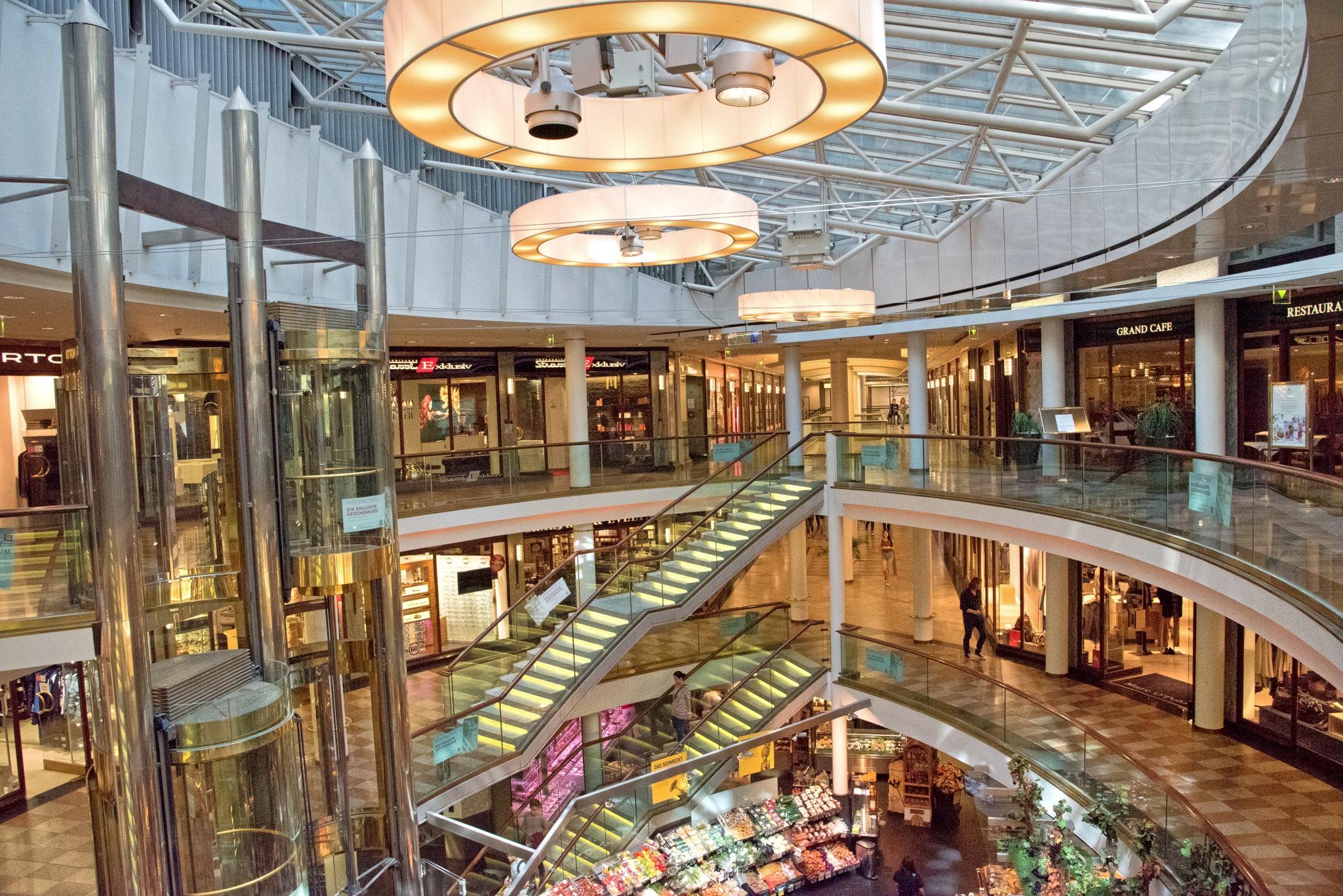

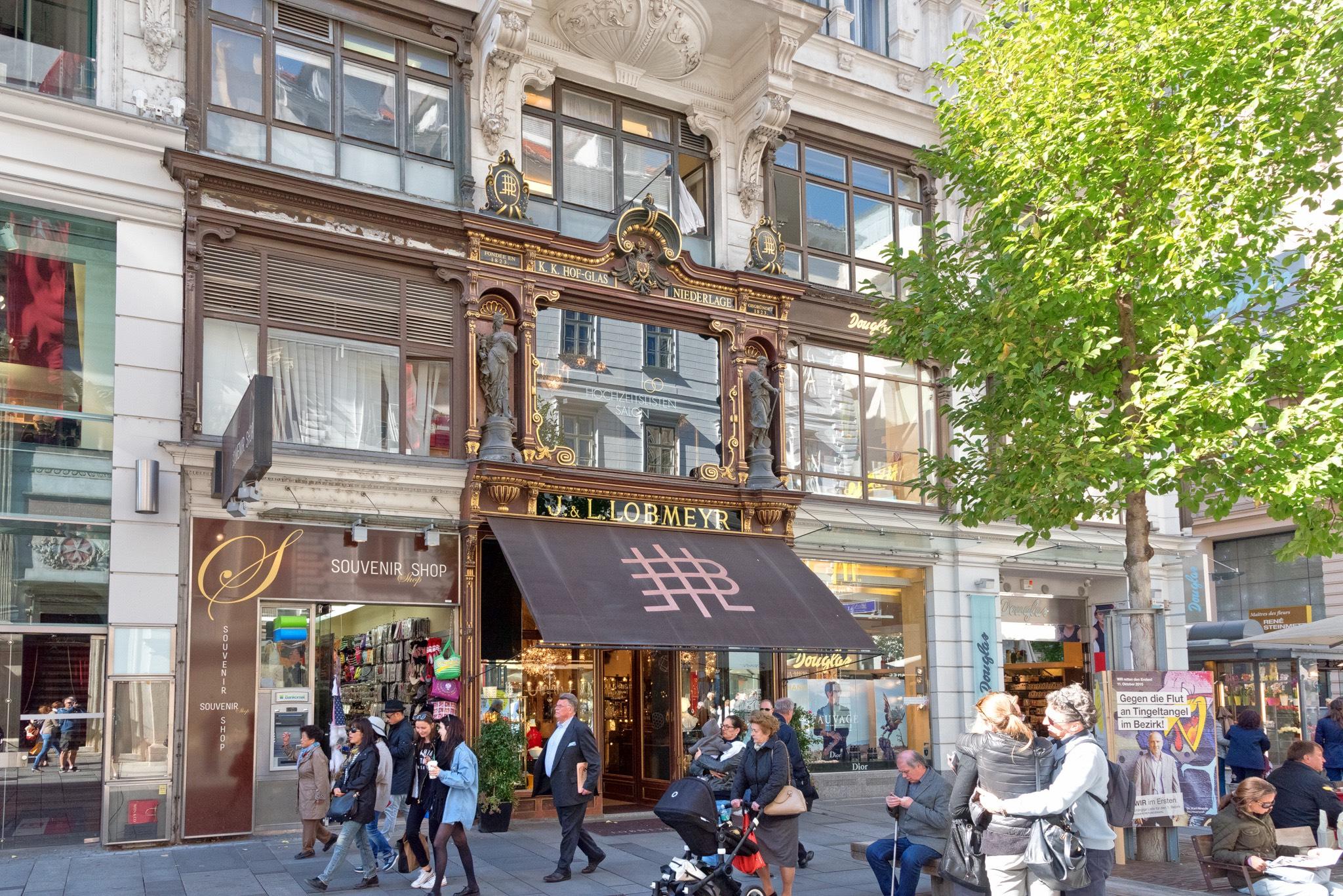
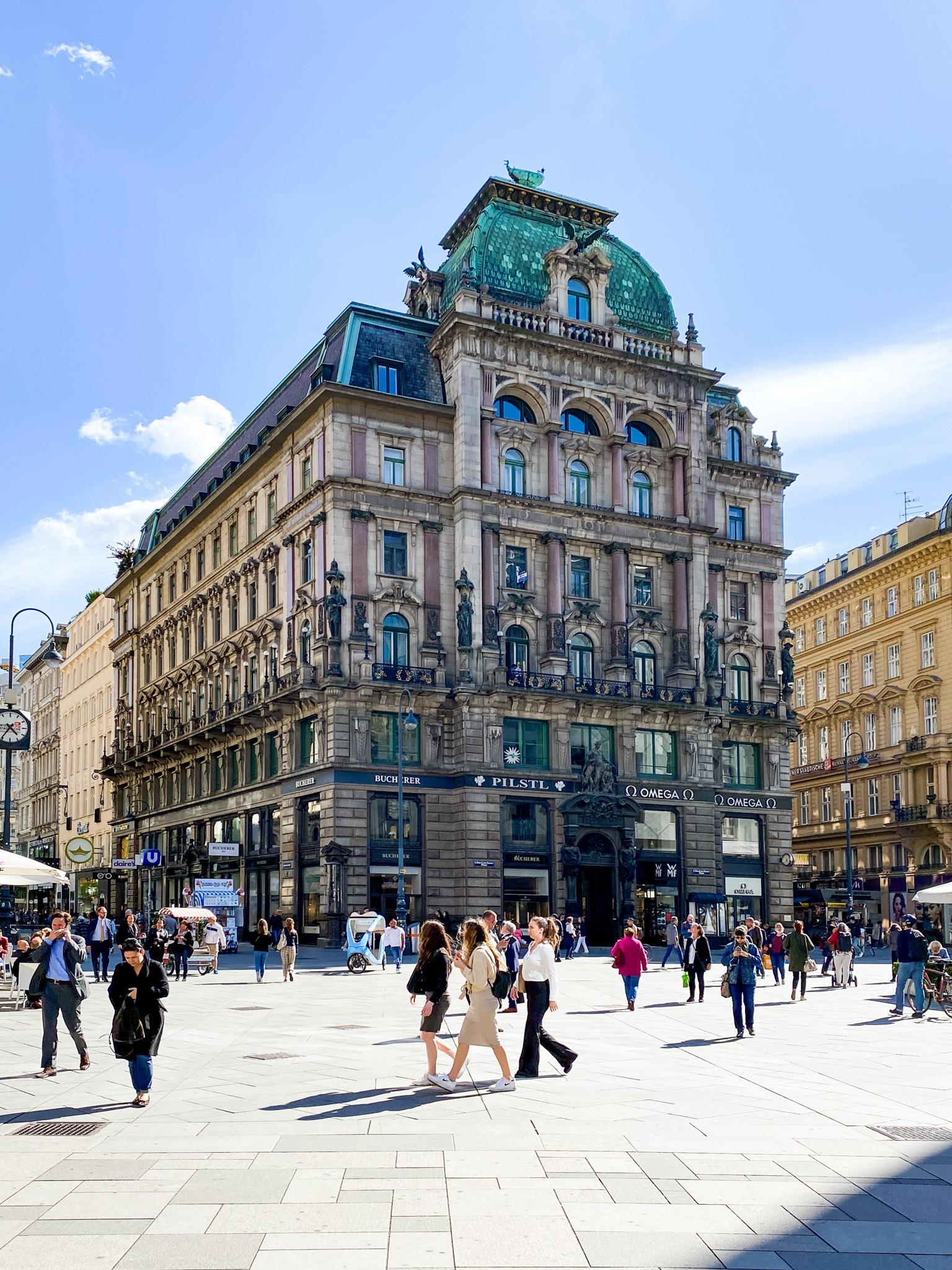
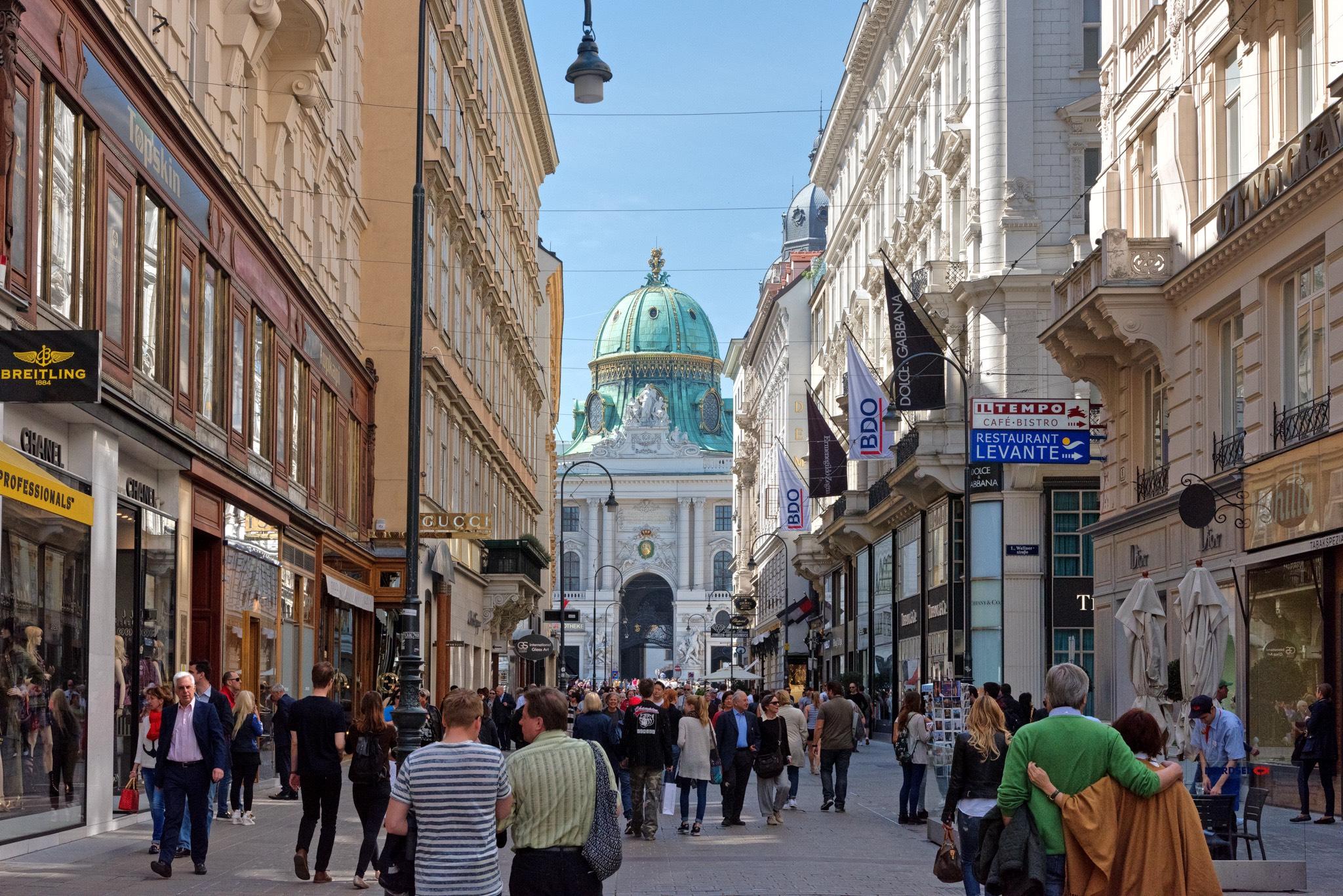
Even though every district has its own shopping street, boulevards like Kärntnerstrasse, Graben or Mariahilferstrasse are particularly attracting the shopaholics among the visitors.
Practically all luxury brands of fashion and jewelry try to seduce those who browse the windows.
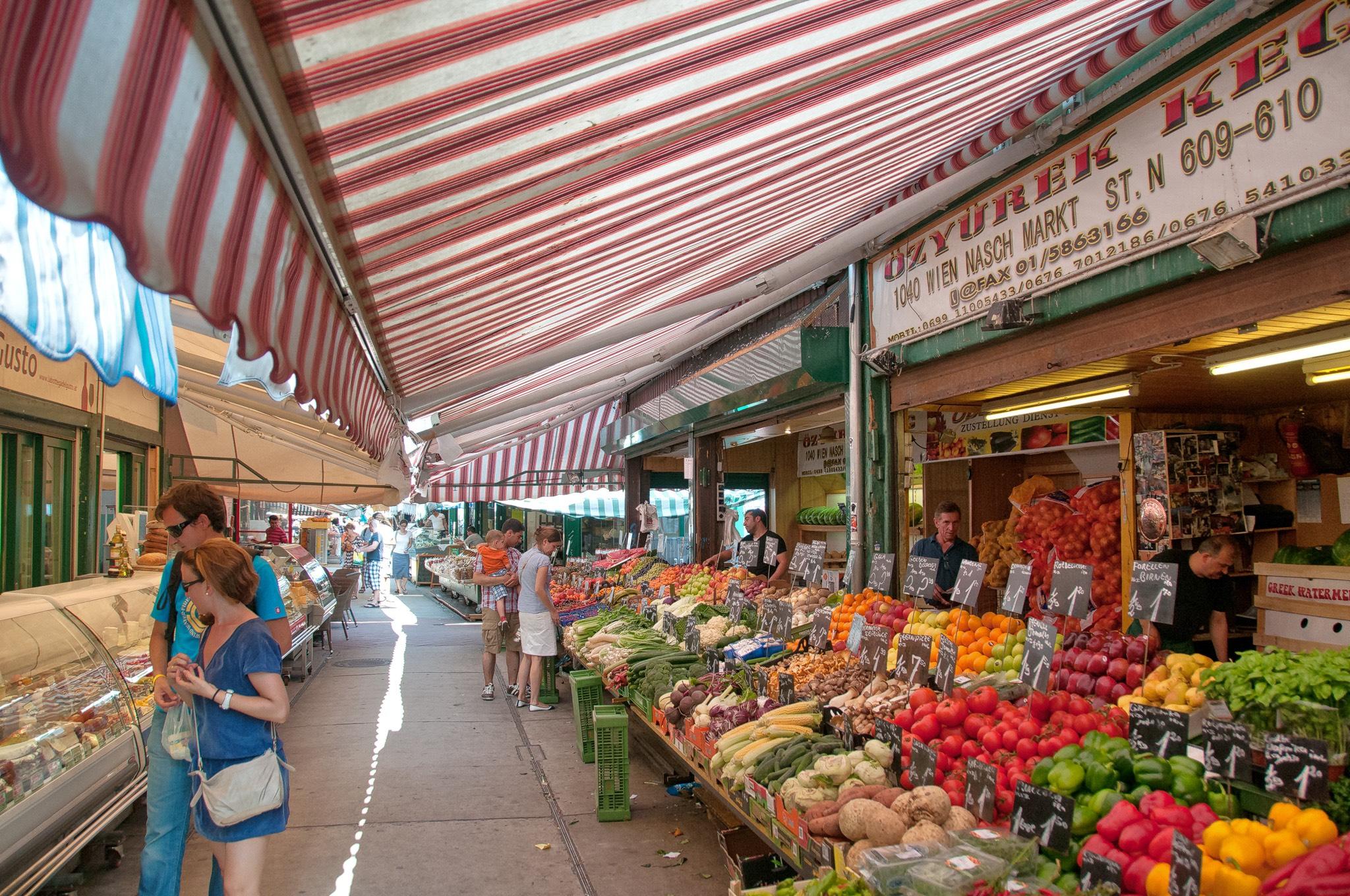
Markets have a high signi fi cance in Vienna. Naschmarkt, Karmelitermarkt, Yppenplaty and Brunnenmarkt - to name a few - allow for a typical Viennese shopping trip. But because the Viennese are
known to be very comfortable, those markets also provide for those who want to dine out. You can find more information about Vienna's markets on the website wien.info
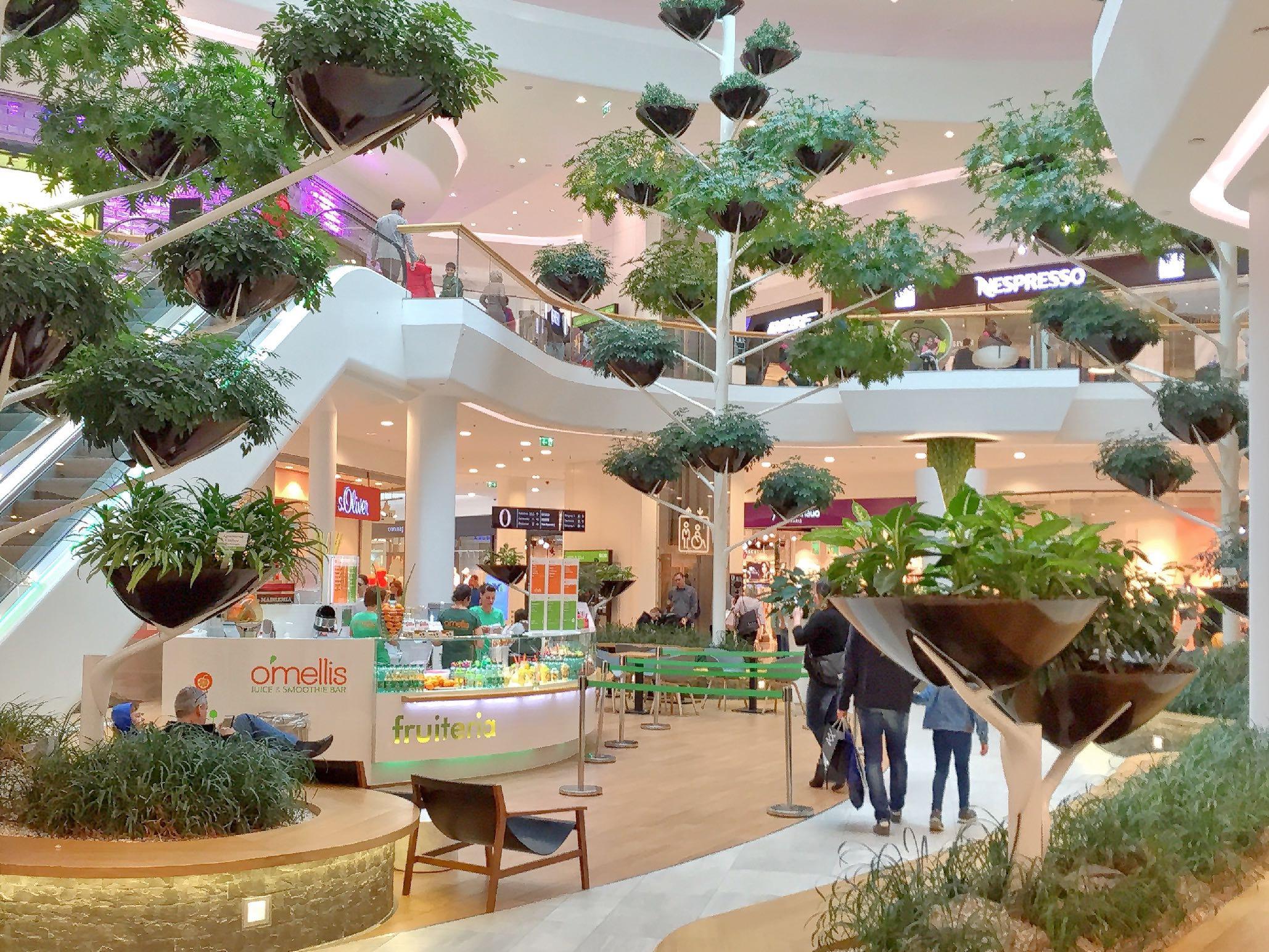
The shopping centres of Vienna have one thing in common: They are easily accessible by public transport. A small selection of shopping centres include BahnhofCity at the Main Station and
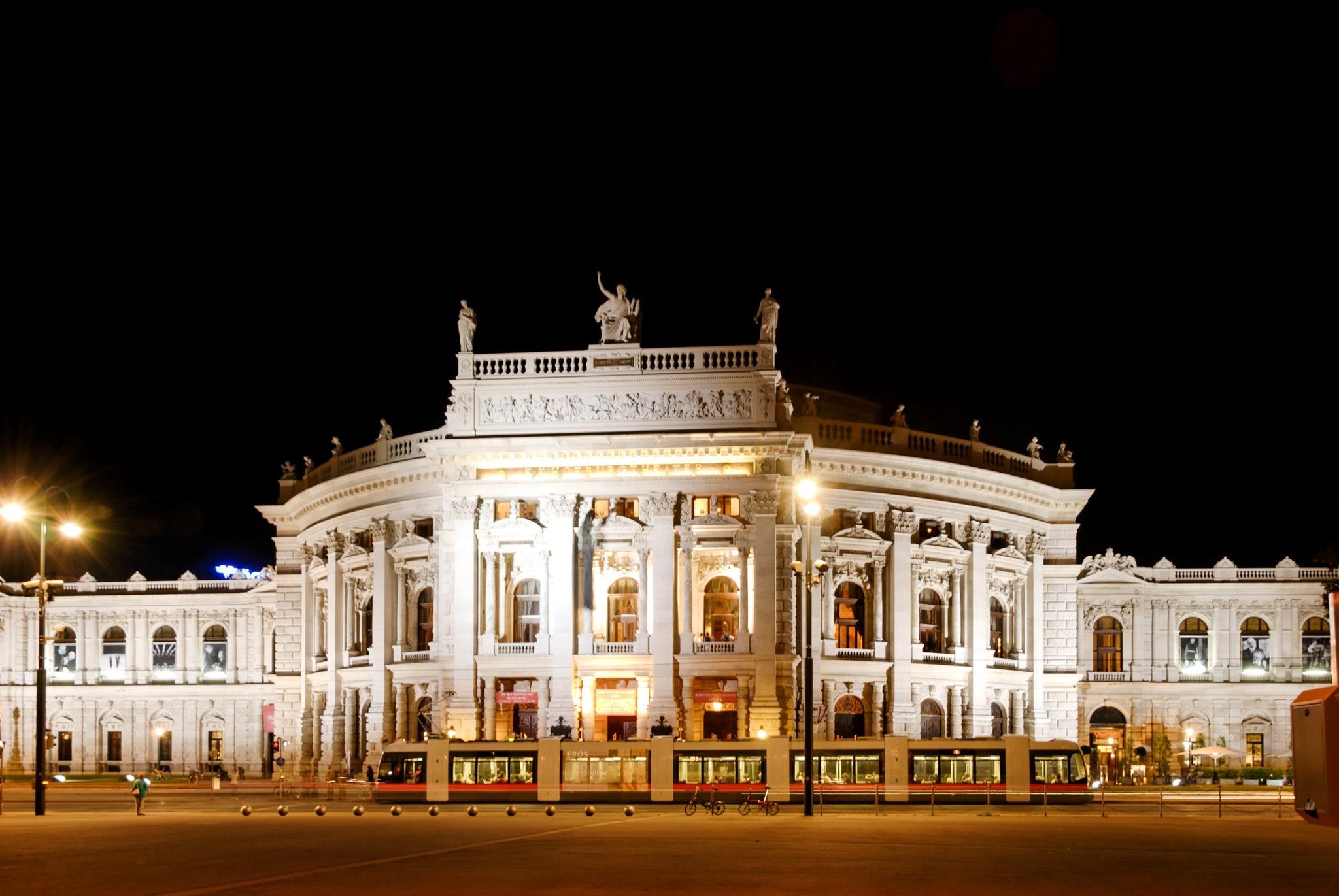

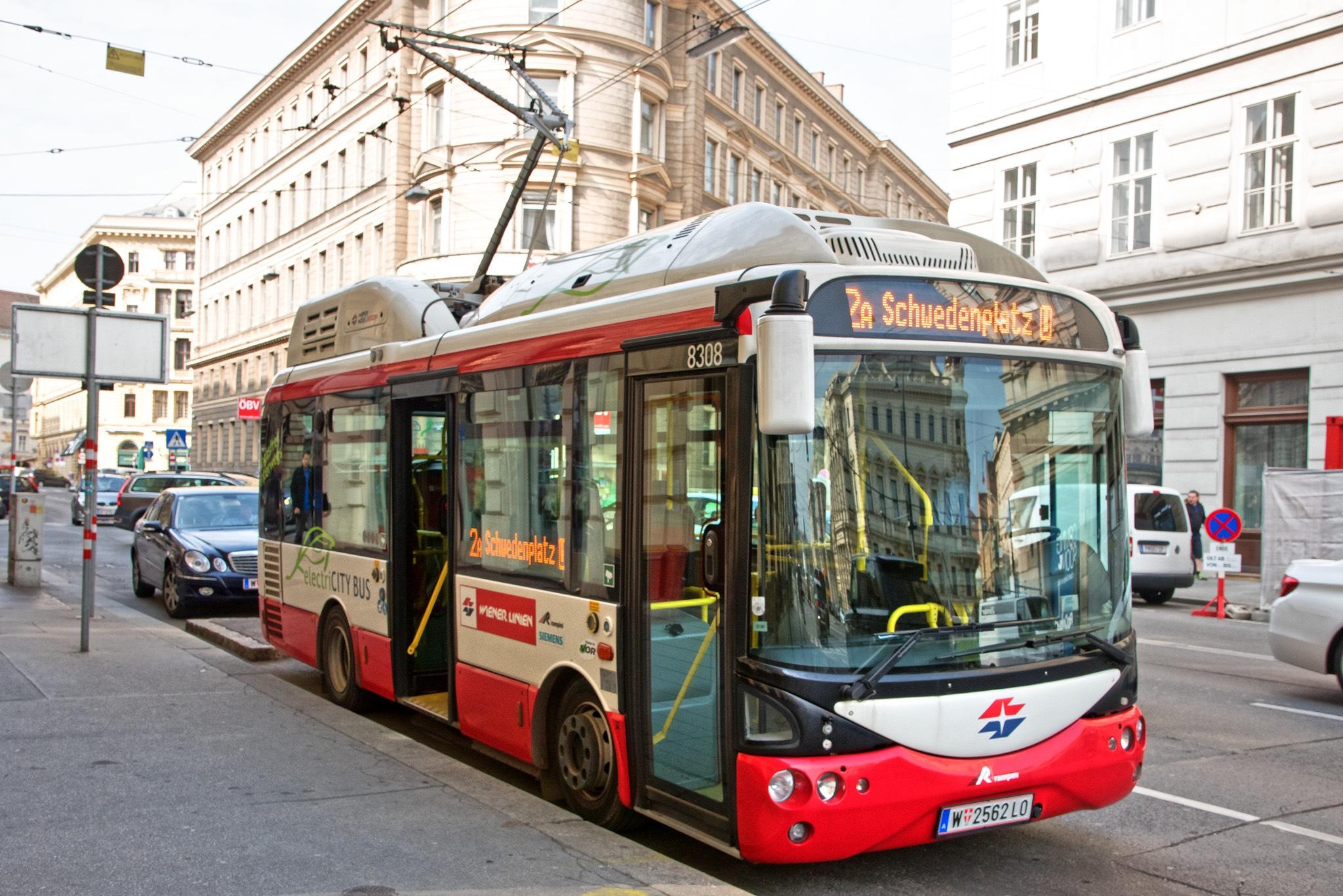
Vienna's 100 bus lines get you comfortably and safely to your destination. During the night, busses of the "Nightline" serve the network.
Tickets for the Wiener Linien can be bought at the vending machines in the underground stations, at tobacconists, as well as online.
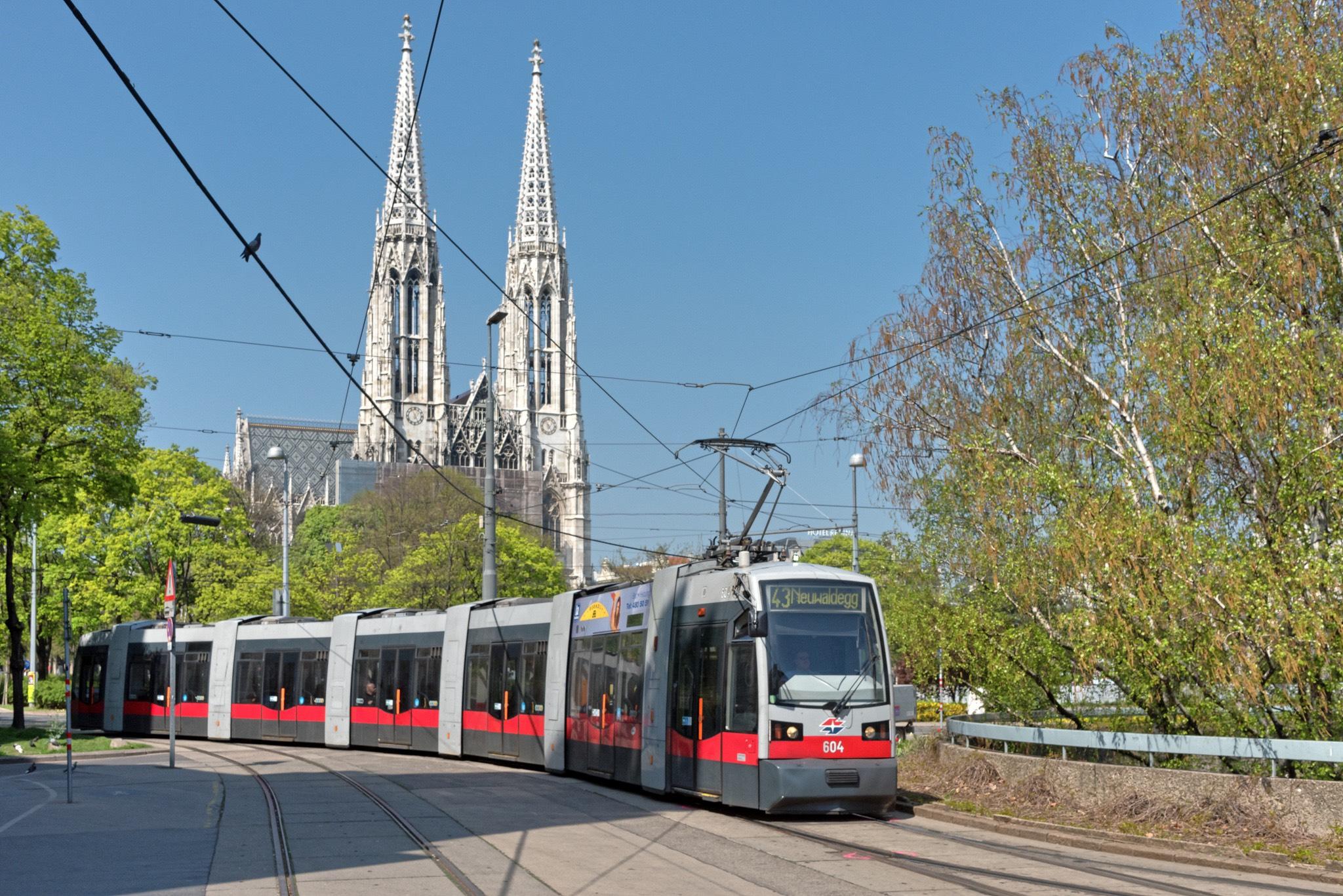
The first horse-drawn tramway operated in Vienna in 1865. Over time, the Vienna tramway network became the fifth-largest in the world.
A special connection is the "Badner Bahn", which takes you from the Opera directly to Baden near Vienna. In Vienna, the tramway is affectionately called "Bim".
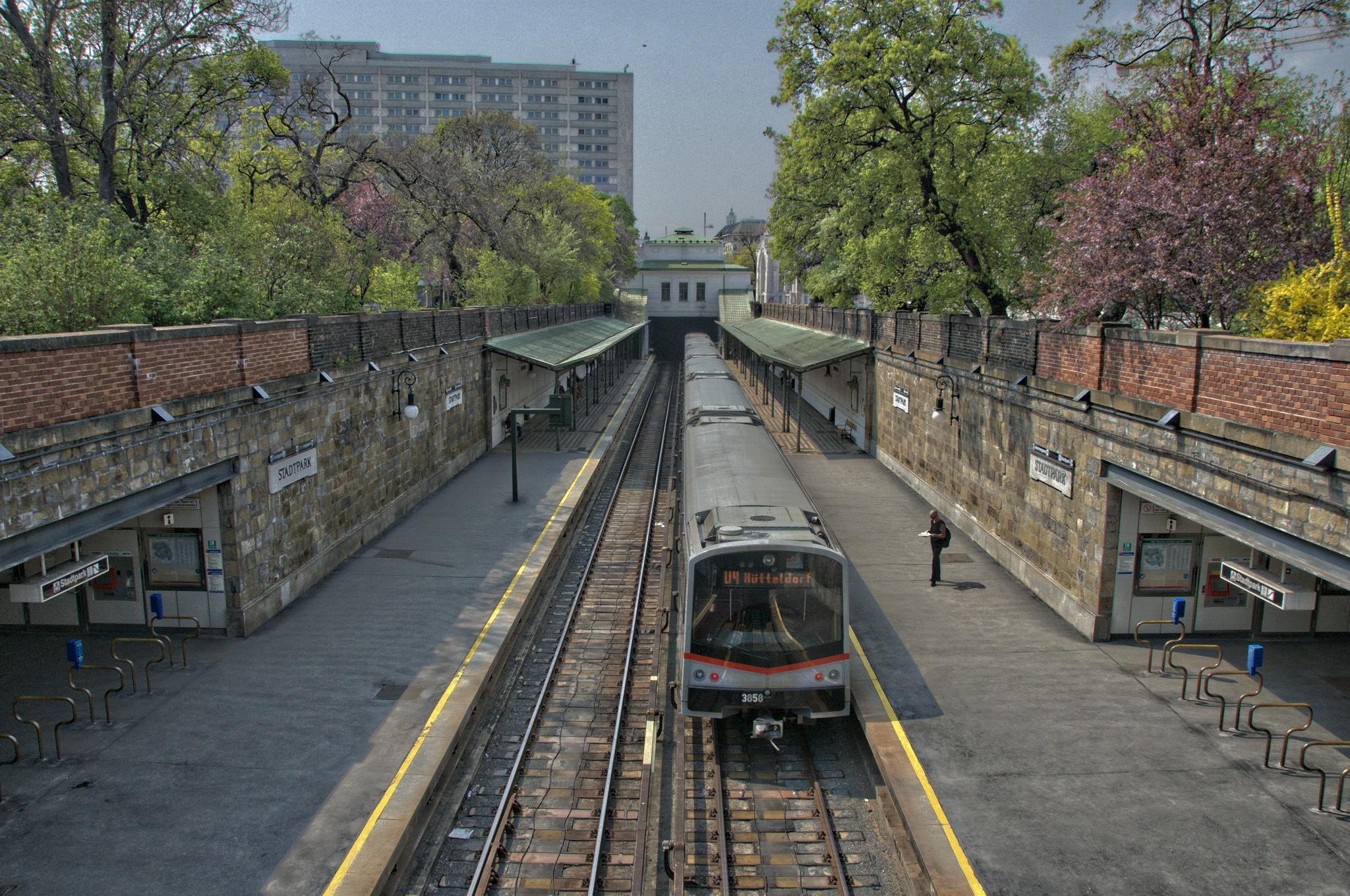
The underground network has been serving the population since 1978. Since most underground stations have multiple exits, which may be located far from each other, it is advised to arrange for a very
specific meeting point (name the exact exit) when meeting somebody at an underground station.
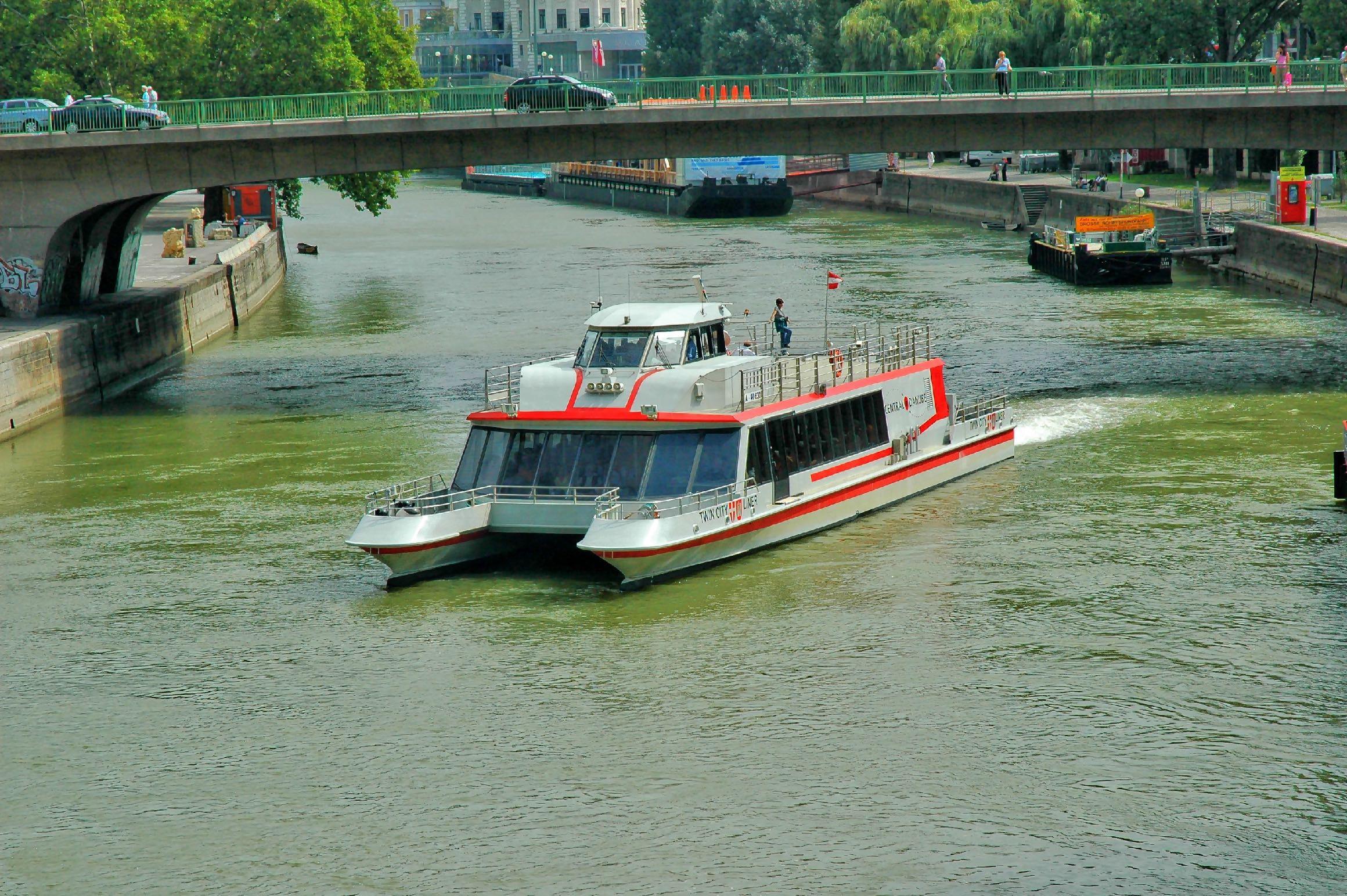
Schwedenplatz is the departure point for sightseeing and line traffic on the Danube river. It is also the docking point for the Twin City Liner, which connects Vienna with Bratislava. Further to the West, in
Nussdorf (tramway line D) is the landing stage ViennaNussdorf, where roundtrip ships and excursion boats dock.
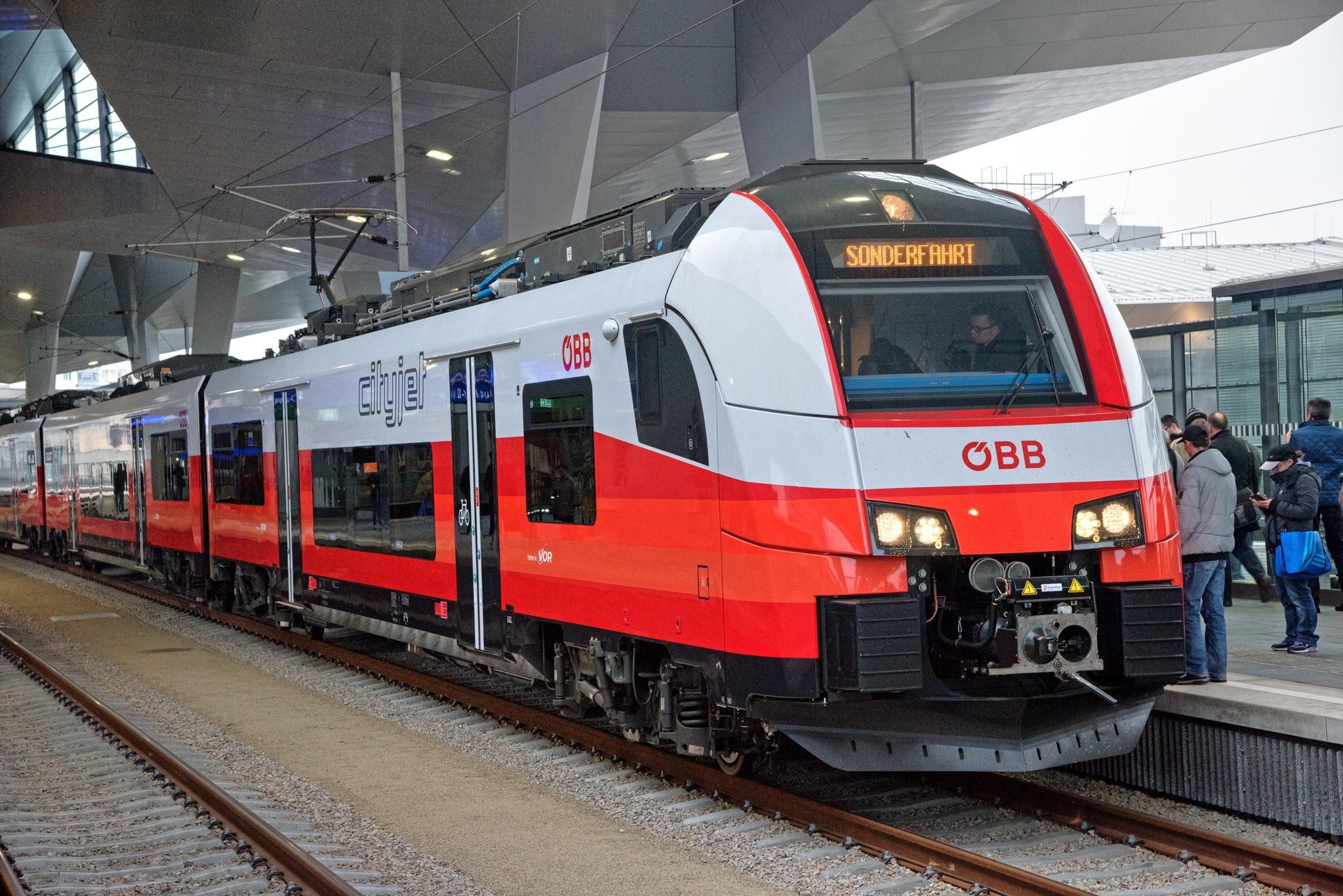
Operated by the Austrian Federal Railways (ÖBB), the rapid transit trains are important means of transport in Vienna. It is advantageous to be able to cross long distances even beyond the city limits without having to
change trains. Tickets have to be bought in advance at the vending machines or onlie. No tickets are sold on trains.

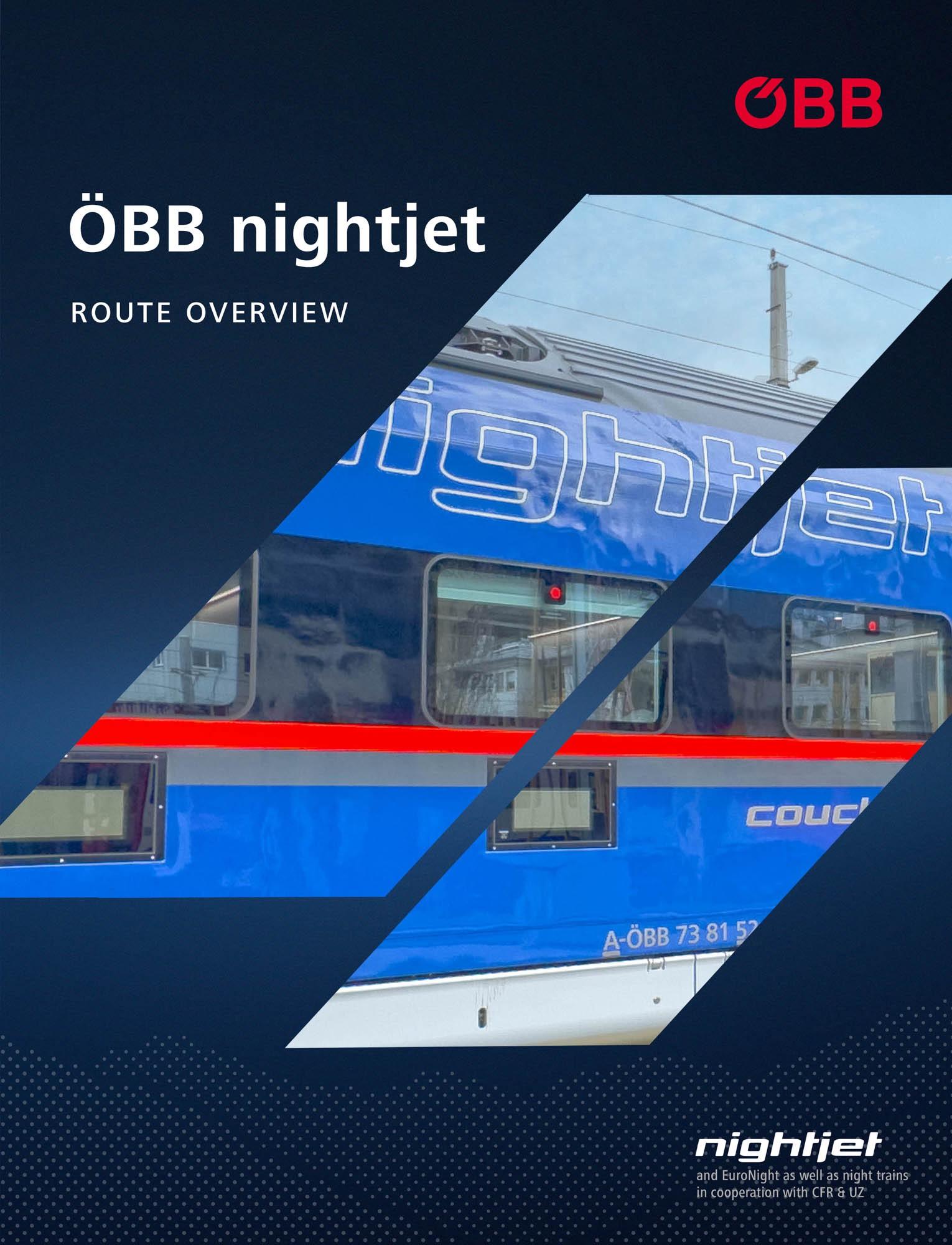
OBB Nightjet and OBB Nightjet Partner







This e-book was made possible through the kind support of the regional tourist offices and the OBB. German proofreading and editorial: Martin Andergassen.
References
Text, videos and photos by Rudolf J. Strutz unless otherwise stated. Timetables and travel information: OBB
Assistance from AI
Artificial intelligence applications are occasionally employed for image editing, including the elimination of undesirable components. Additionally, AI tools can enhance the clarity of images and diminish background noise.
The travel guides are also available free of charge on the OBB online entertainment and internet portal railnet, which is installed on all railjets, nightjets (NG) and cityjets



Copyright
This book was licensed under the Creative Commons License. Conditions of use: attribution, non-commercial, no editing and distribution under the same conditions only as a complete work! The use of individual photos and text is not permitted. This eBook is available free of charge.
All links provided are current at the time of publication of this ebook. Links to tickets usually lead directly to the exhibition location. For tickets and timetables, local public transportation services are linked.
All logos and company names are used for information purposes only; any use outside of this e-book must be approved by the copyright holders.

SCOTTY mobile shows the timetables for all public transport and helps you plan your travel route.


Book your trip online or view the current timetable online and directly on your mobile phone.