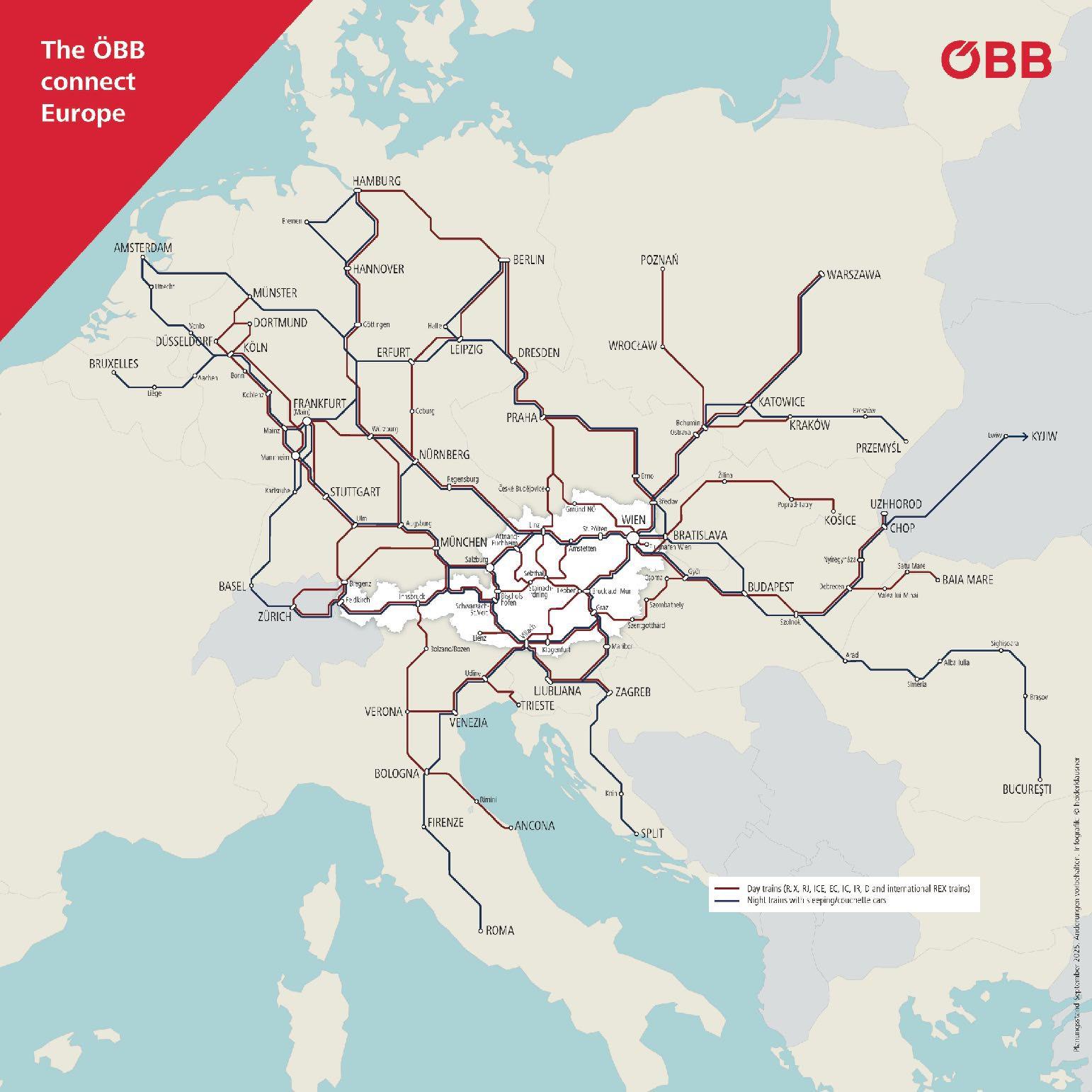

ÖBB connects numerous European cities with modern day and night services.
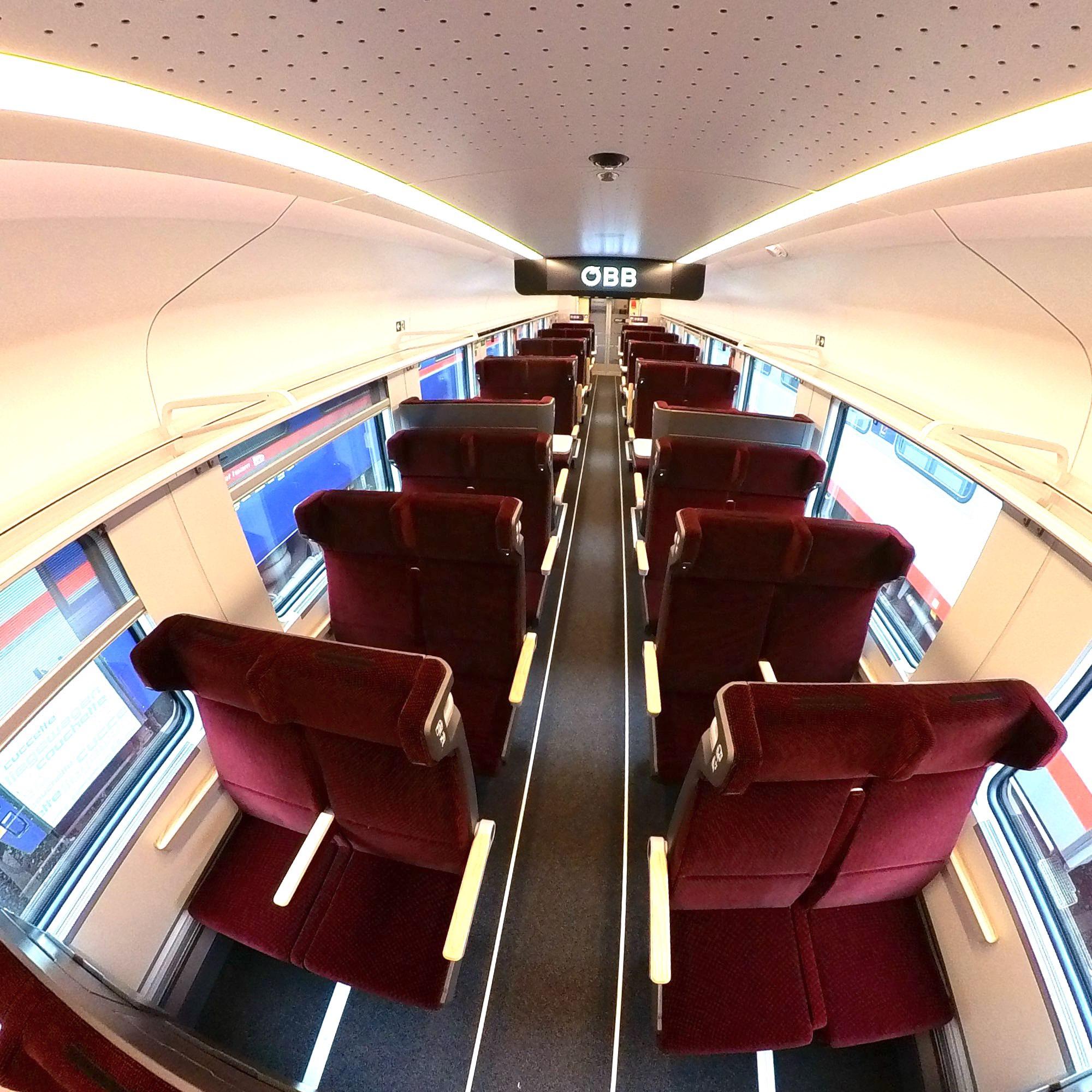
During the day, ÖBB Railjets offer fast and comfortable long-distance travel in Economy, First, and Business classes.
At night, the ÖBB Nightjet provides a relaxing and environmentally friendly journey across Europe. Whether
you prefer a seat, new Mini Cabins, or couchette and sleeper cars – every travel preference is catered for.
Within Austria, ÖBB Cityjets guarantee punctual and comfortable local and long-distance transport.
Further information and booking options can be found via the info button, which leads directly to the ÖBB booking page.







Brenner


Bressanone Bolzano






Munich

Rosenheim



Kufstein

Wörgl

Jenbach

Innsbruck


Bologna


Cesena Rimini

Riccione


Pesaro

Senigallia


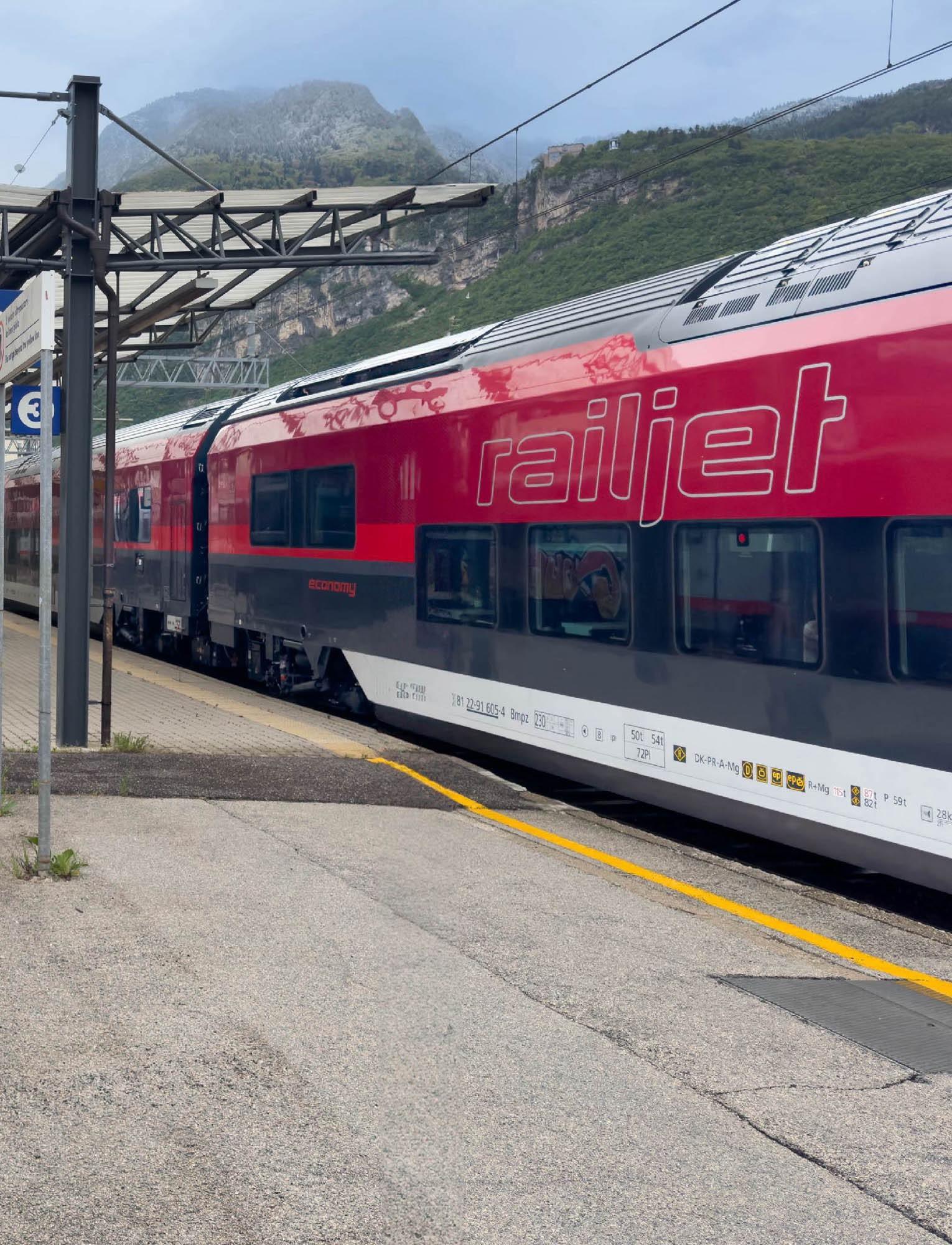
The Brenner Railway forms a section of one of the most important European railway connections. As part of the BerlinPalermo railway axis, it connects Munich via Innsbruck directly with Verona and then with Bologna.
The railway line was built between the years 1864 and 1867 by the Südbahngesellschaft under the direction of Karl Etzel. It runs from Innsbruck over the Brenner Pass and Bolzano to Verona. The route runs through North and South Tyrol into Trentino before ending in Veneto. This railway line leads through the Wipp, Eisack and Etsch valleys.
As part of the Brenner Base Tunnel project, extensive tunnel sections have been under construction since 2007. This tunnel will significantly increase the capacity and speed on the Brenner route.
The route from Innsbruck to Franzensfeste will be 55 km long, and including the Innsbruck bypass it will be 64 km. The planned opening is scheduled for the year 2032. In addition, further access routes are planned on the southern ramp of the Brenner Railway, including tunnels on the FranzensfesteWaidbruck route.

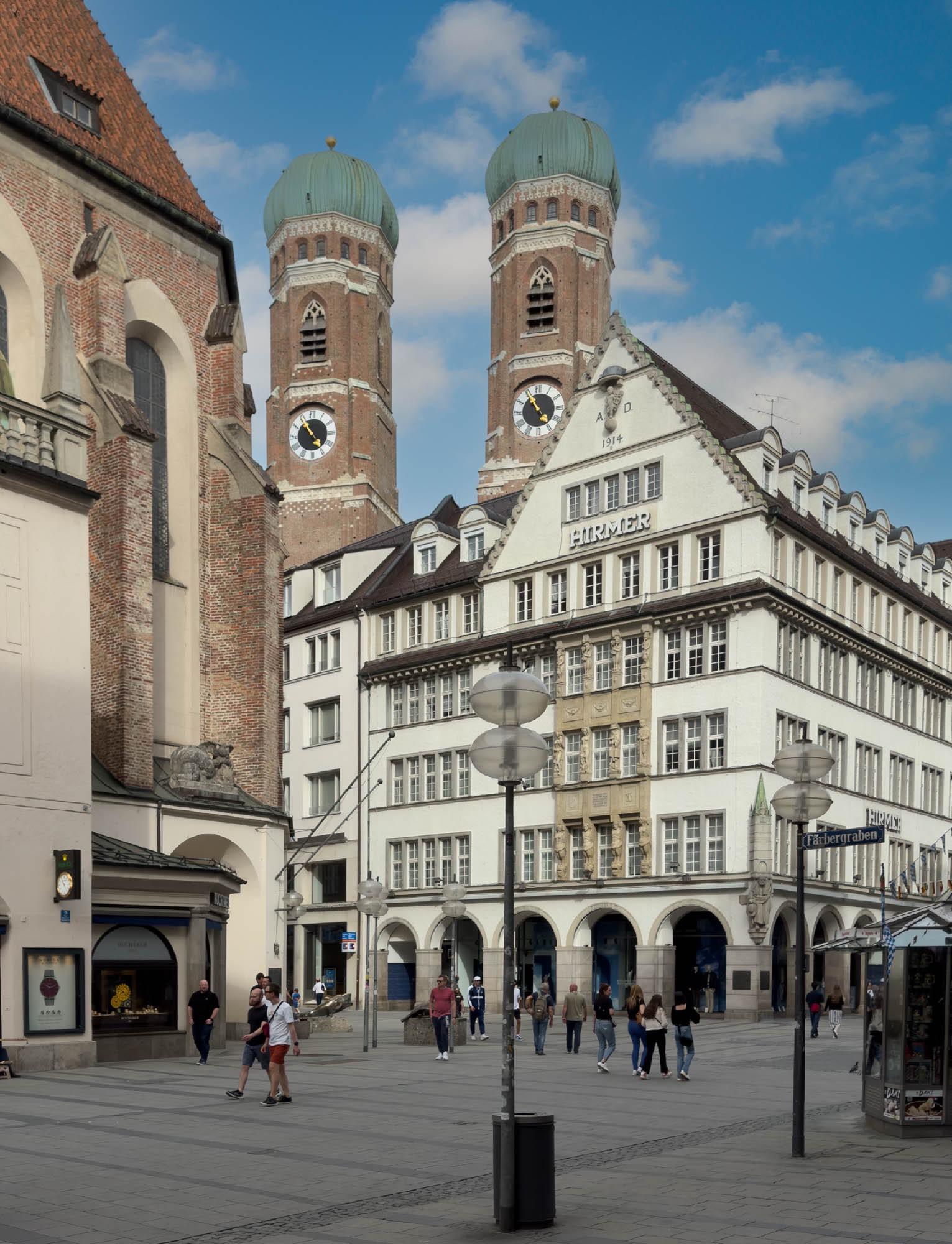
Munich is a vibrant city that combines old and new. Here you will find diversity, joy of life and a warm community of locals. The city of Munich is a wonderful place to relax and explore.
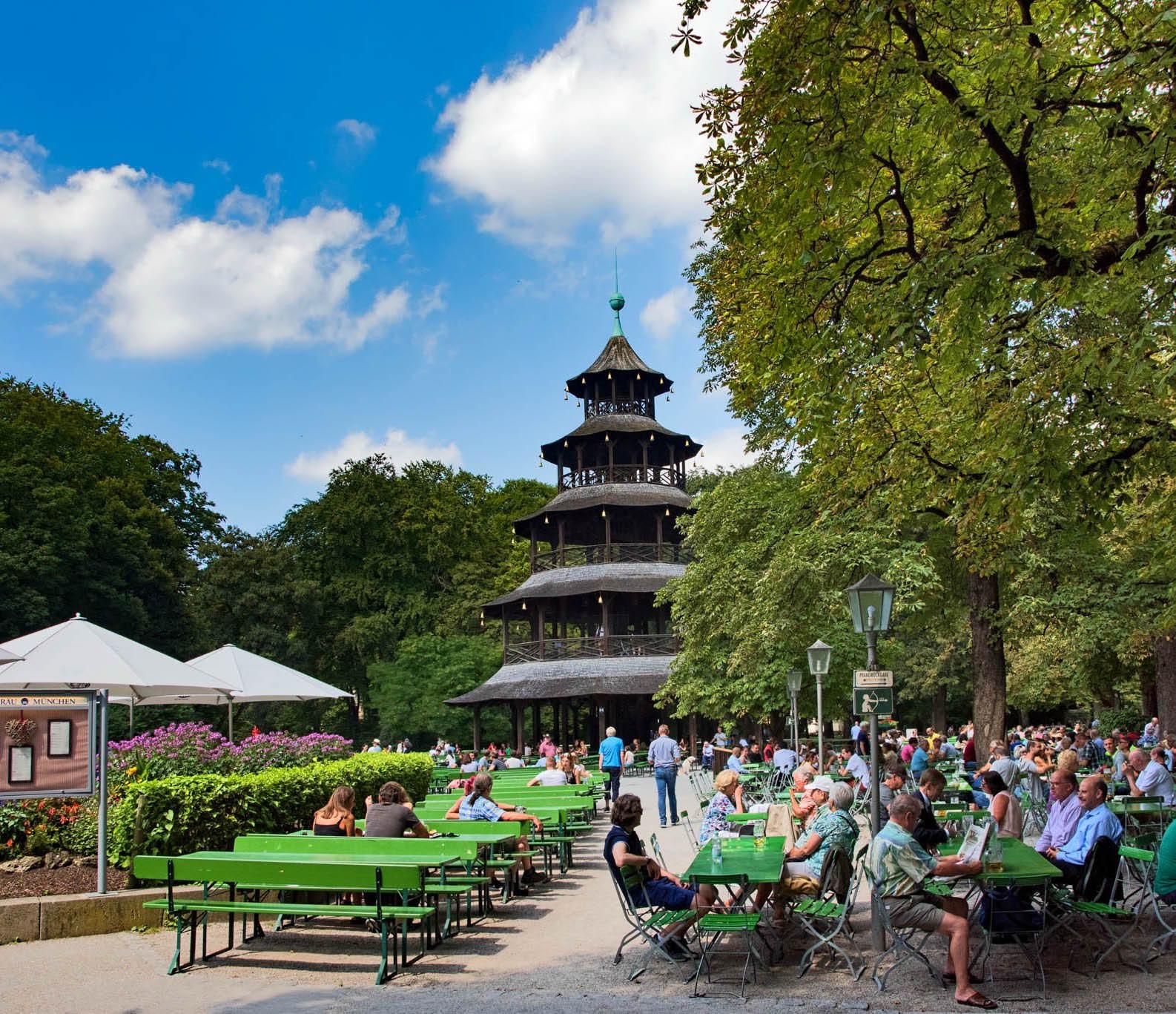


The starting point of the Brenner route is the exciting metropolis on the Isar river. The Bavarian capital impresses visitors with its history, culture and numerous sights. Munich is a perfect travel destination for travelers of all ages. The locals' joy for life is contagious. No matter whether you are visiting the city for the first time or are returning again and again - you will never be bored here because there is always something new and exciting to discover! The city's many parks and green spaces offer a relaxing oasis in the middle of the hustle and
bustle of city life. Here you can escape from everyday life, go for a walk or just enjoy nature.
Especially in summer, the beer gardens around the city are a popular meeting place to celebrate life with a cool drink and Bavarian delicacies. The people of Munich are known for their hospitality and cosiness, which makes a visit to this lively city an unforgettable experience.
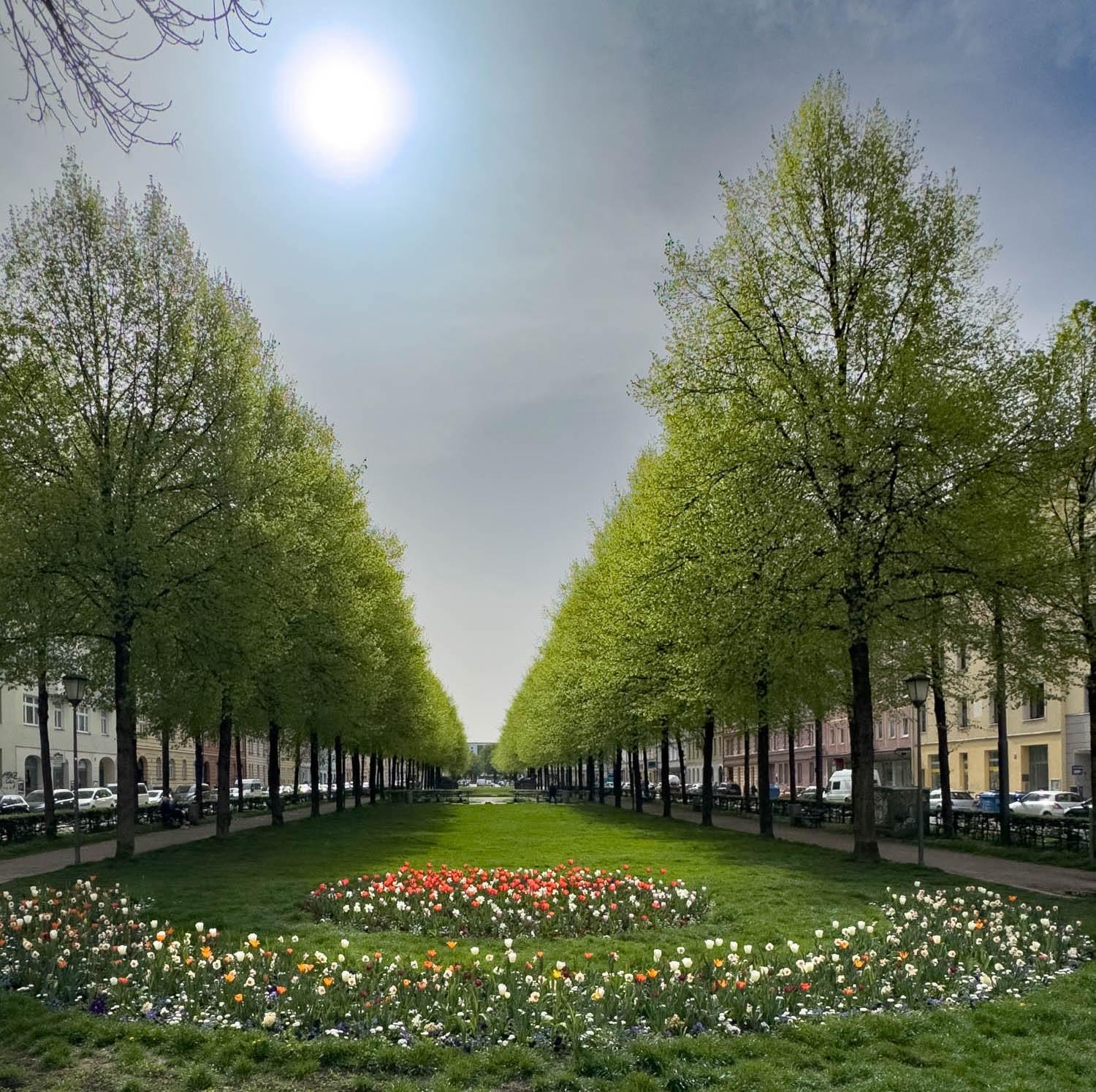

traffic. The Bordeauxplatz stretches in front of the Ostbahnhof, while Orleansplatz is located directly in front of the station building. The station is optimally connected to various express train lines and is also served by the U5 subway line.
The Bordeauxplatz in front of the Munich East train station invites you to linger with its numerous benches and green spaces, while the lively Orleansplatz in front of the station building forms a contrast.
used by travelers but also by locals as a meeting spot to chat with friends and neighbours and enjoy the sun. Orleansplatz, on the other hand, bursts with life and excitment. It is home to numerous shops, restaurants and cafés that attract visitors and locals alike.
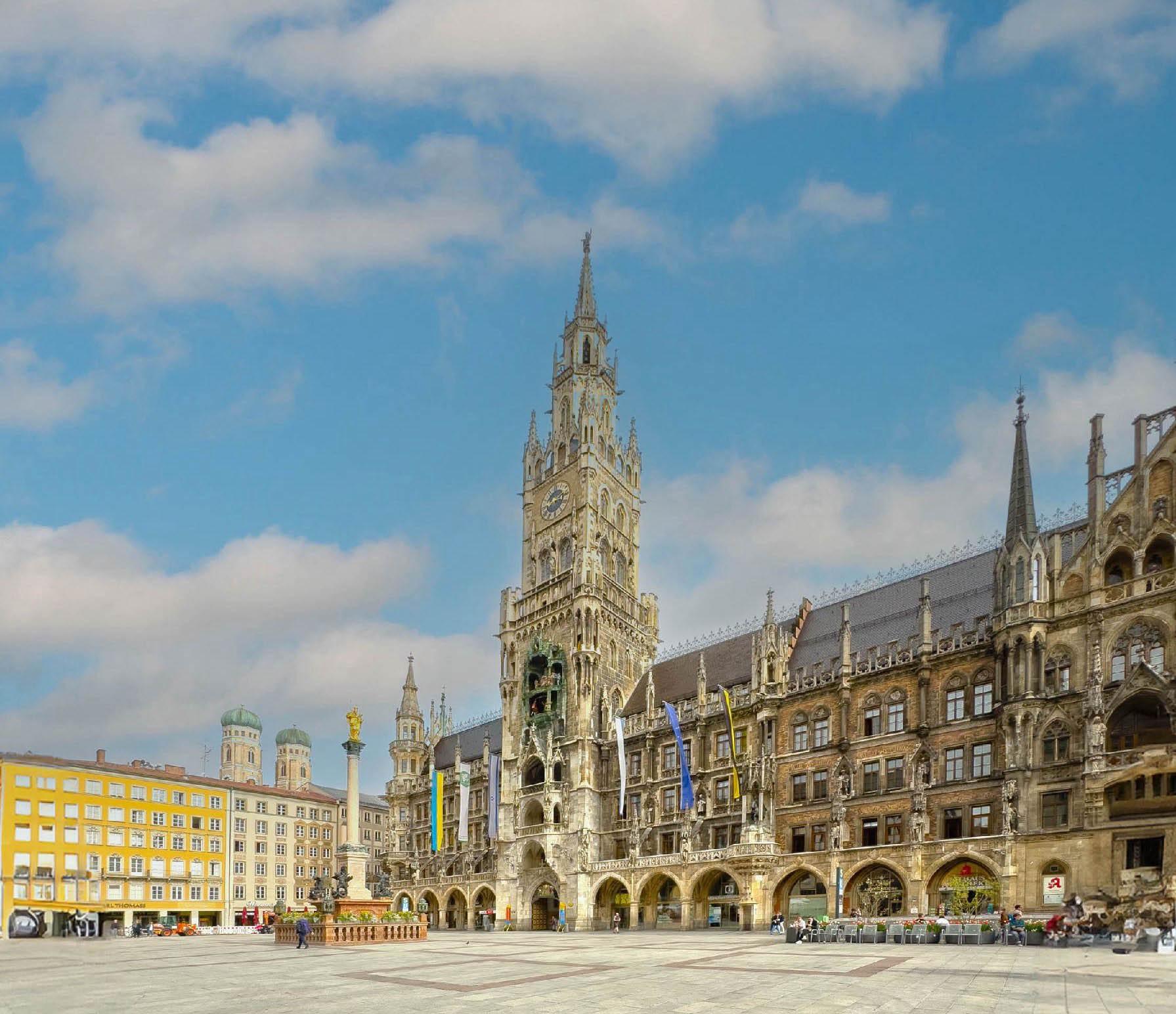

Marienplatz is located in the old town at the intersection of the north-south and east-west axes. The New Town Hall was completed in 1909. Its tower is 85m high and is crowned by the Munich Kindl. The fifth-largest carillon in Europe is located here. The 43 bells of the mechanical clock play four different melodies, one after the other. A total of 32 figures perform the Schäffler dance as well as a knight's tournament. The chimes sound daily at 11.00 a.m. and 12.00 p.m. From March to October you can also hear the bells at 5.00 p.m. The melodies change monthly. The carillon is powered by solar power.
On the south and west sides there are department stores and other commercial buildings, as well as many restaurants and cafes. The square is about 100 metres long and 50 metres wide. Since the city of Munich was founded in the year 1158 by Henry the Lion, Marienplatz has been the center and heart of the metropolis. The square is the place where the two former main streets met, which has shaped the city's development and life over the centuries. To this day, Marienplatz is the urban centre of Munich.
with the ÖBB railjet from Munich to Ancona
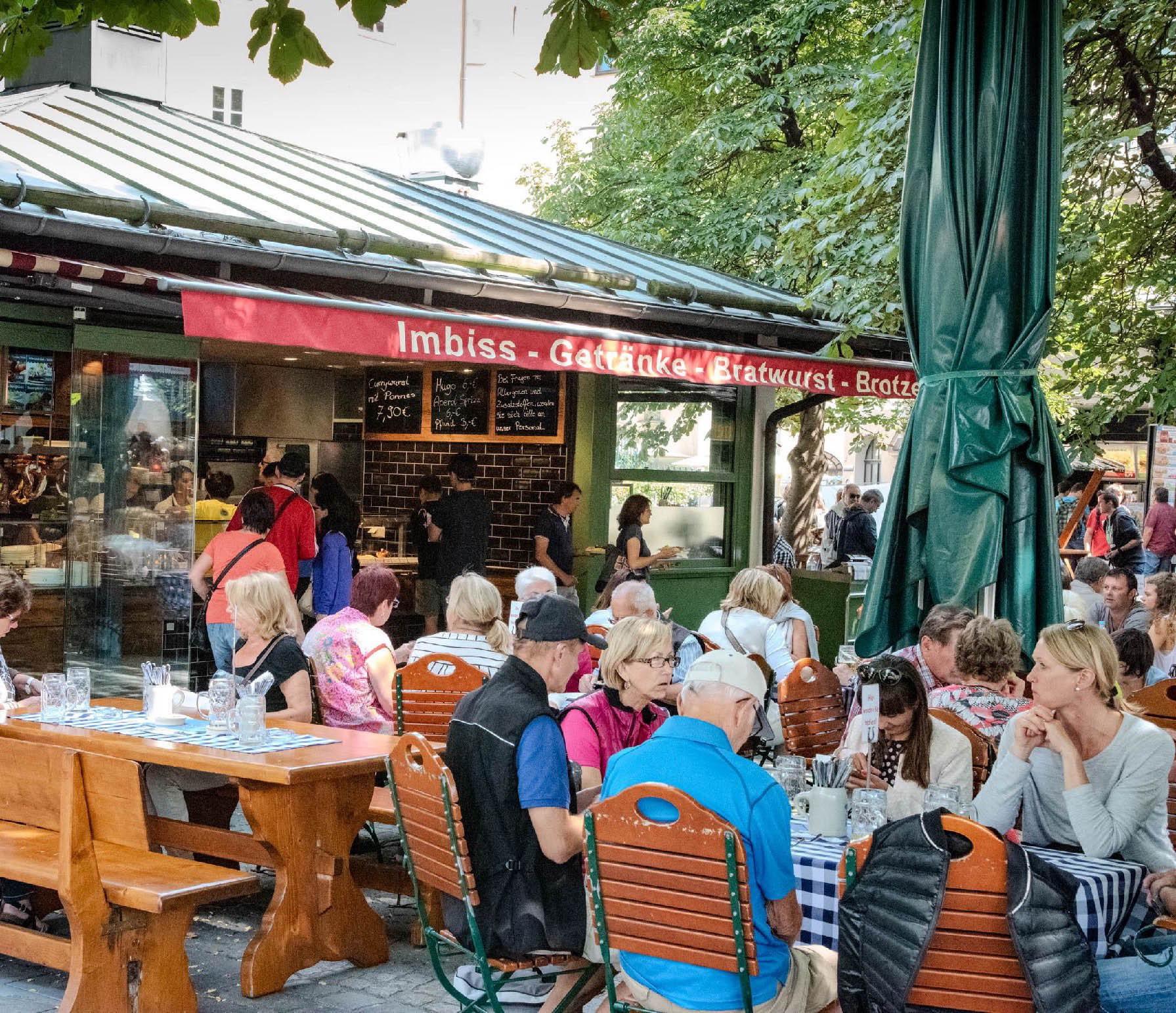
Munich's Viktualienmarkt is a food market that is open daily (except Sundays and on public holidays) and has existed since 1807. Over an area of 18,591 square metres, permanently installed stalls with a wide range of offerings build the core of the market. They are supplemented by seasonally rotating stands. The market stalls are arranged around a beer garden and are surrounded by Munich's central maypole and several figurine fountains. The Viktualienmarkt has developed from a farmers' market into a popular shopping spot and meeting point for foodies.
Around 110 traders offer fruits, vegetables, meat, cheese, fish, bread, spices, flowers and much more.
You can spend your lunch break indulging in typical Bavarian fare in the beer garden of Munich's Viktualienmarkt, and of course top it off with a local beer. Take a leisurely break here to recover and recharge after your shopping spree. The market is not only an attraction but also a convenient place for all visitors to enjoy a break in the heart of the city.
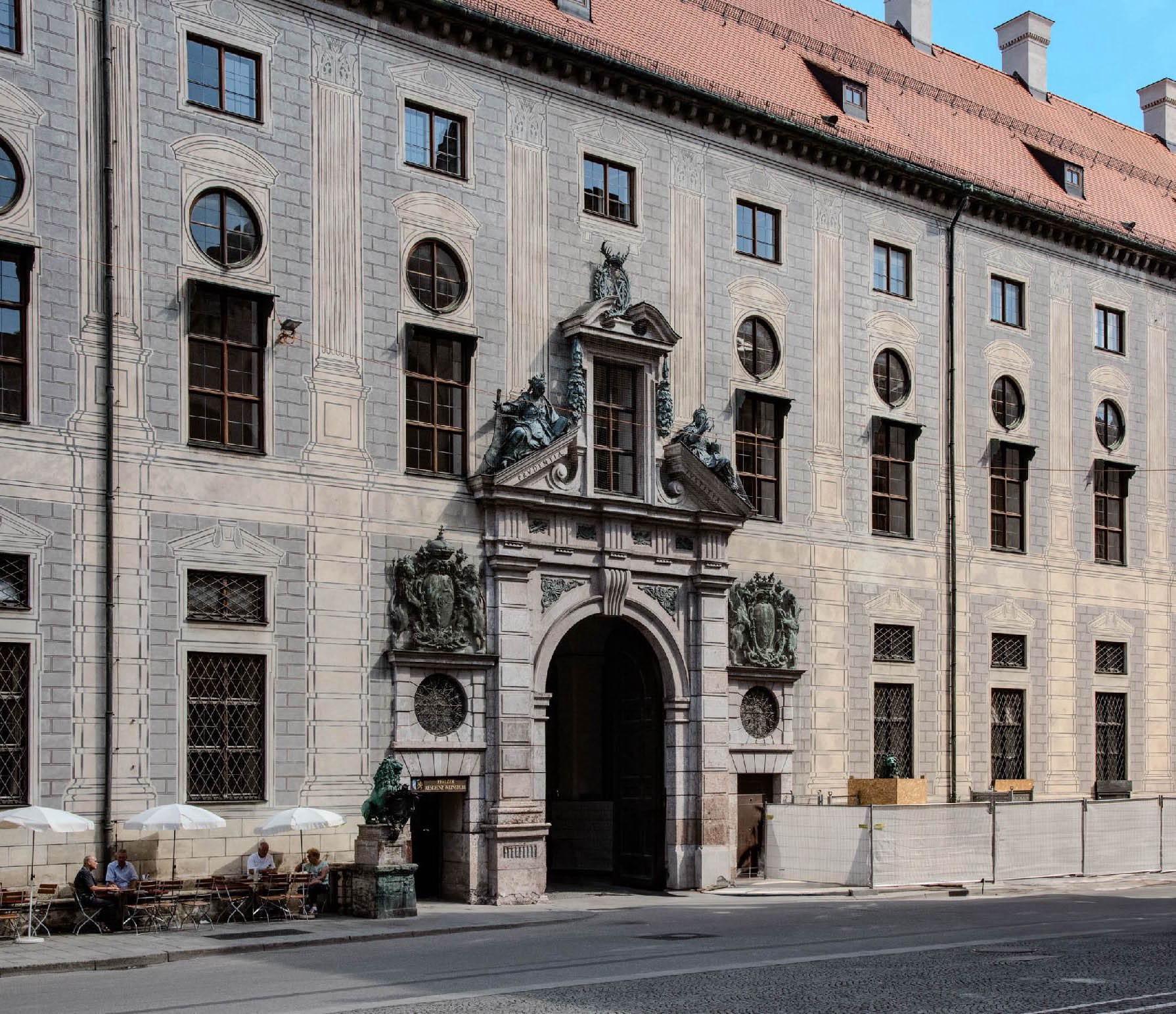
From 1508 until 1918, the Munich Residence served as the residence and government seat of the Bavarian dukes, princeelectors and kings. The residence was built from a castle in the northeast of the city fortifications ("Neuveste", 1385). The ruling princes transformed the Residence into a magnificent royal home. The excellent taste in art and high political demands of the House of Wittelsbach gave rise to magnificent rooms and extensive art collections from the Renaissance, early Baroque, Rococo and Classicism.
Today, the Munich Residence, together with the museums of the Bavarian Palace Administration (Residenzmuseum, Treasury, Cuvilliés Theater) and other cultural institutions, form one of the largest museum complexes in Bavaria.
The world-famous collection of jewels, goldsmith's works, enamel, crystal and ivory works in the collection of the Munich Residenz now includes over 1200 individual pieces. It is the result of the Bavarian rulers' centuries-long passion for collecting.
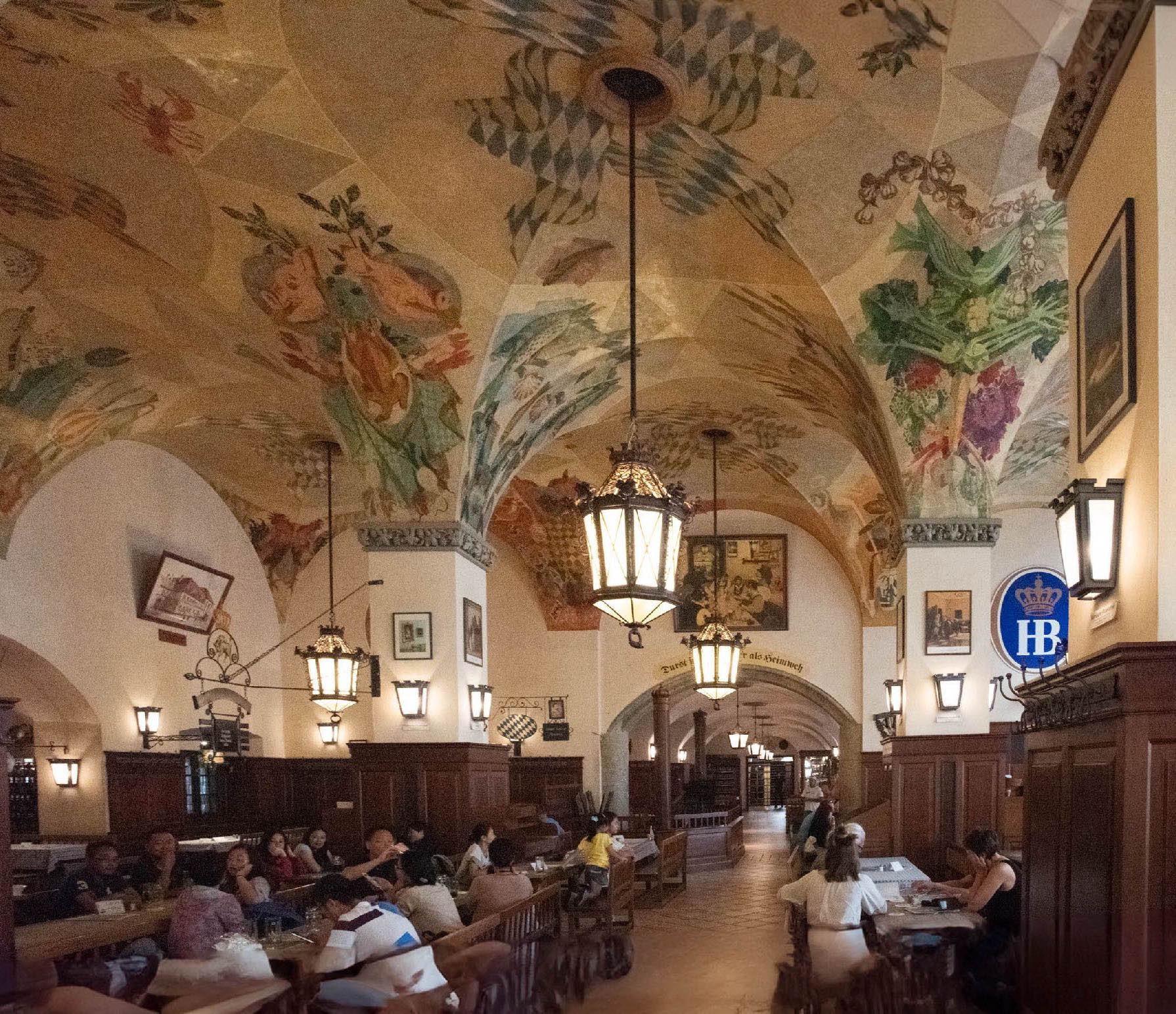

The history of the Munich Hofbräuhaus begins in the year 1589, when the Bavarian Duke Wilhelm V commissioned the construction of the brewery to supply the Wittelsbacher Court.
The most famous part of the Hofbräuhaus is the so-called Schwemme on the ground floor. This is a spacious beer hall with rustic wooden tables that can accommodate around 1,000 people.
Regular guests of the Hofbräuhaus have the opportunity to keep their private beer mugs on the shelves.
On the upper floors there is a ballroom with nine-metre-high vaulted ceilings for around 1,500 people. Other rooms on the upper floors can accommodate more than 1,000 people (the coat of arms hall, the Munich room, the bay window room, the brewery, and the former “drinking room”).
During summer, the inner courtyard with the lion fountain serves as a beer garden. A shop in the entrance area lets visitors browse for souvenirs from Munich and the Hofbräuhaus in particular.
with the ÖBB railjet from Munich to Ancona
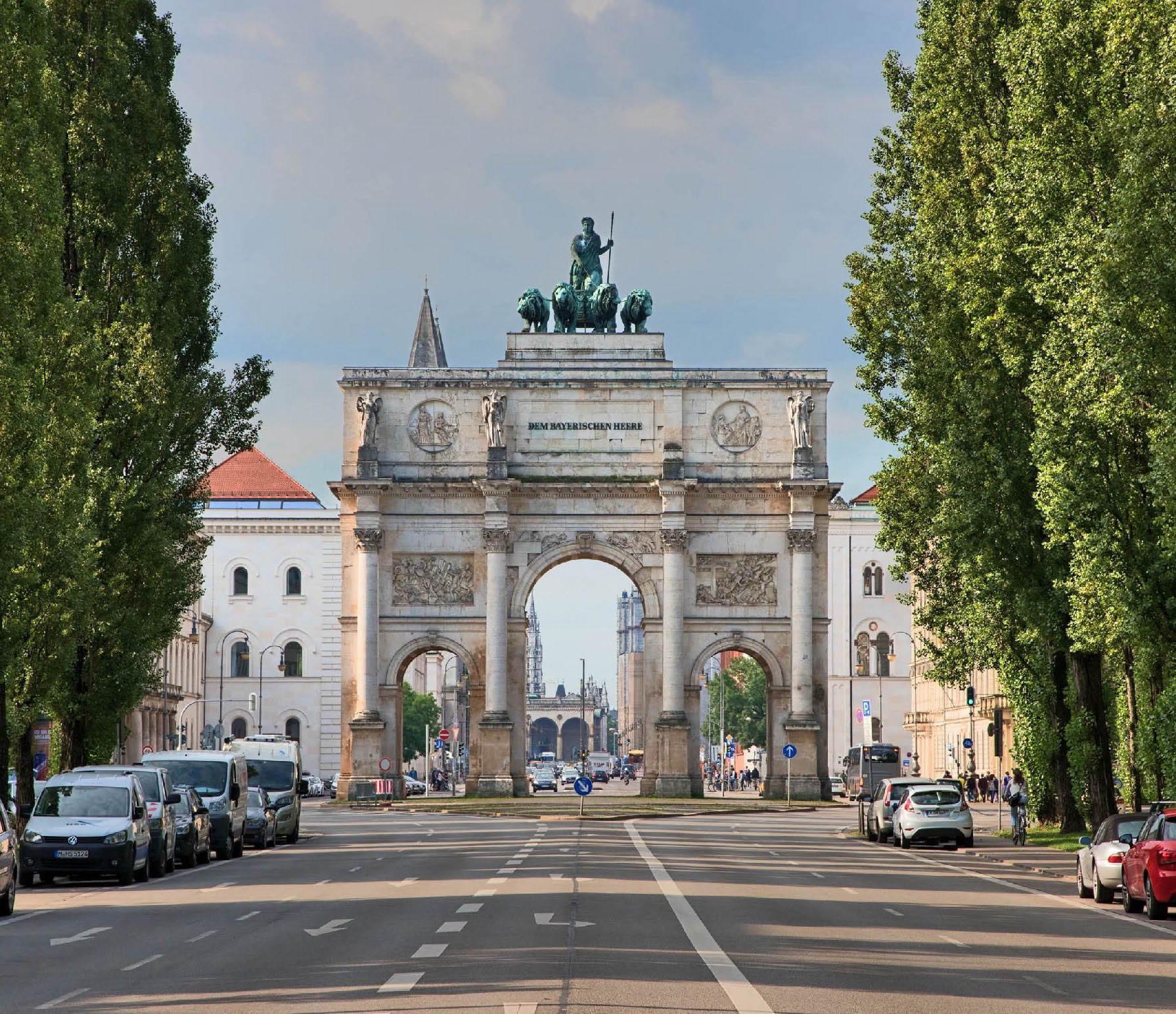

The imposing Siegestor (Victory Gate) at the beginning of the magnificent Leopoldstrasse in Munich tells of the city's close connection to Italy and symbolises peace.
The triumphal arch together with the Feldherrnhalle at Odeonsplatz were designed by King Ludwig I and his court architect Friedrich von Gärtner, based on the model of the Arch of Constantine in Rome. Both, the Feldherrnhalle and the Siegestor, were built to honor the Bavarian Army.
The connection to Italy was not only reflected in the architecture of the Siegestor, but also in the cultural influence on Munich's society. Many Italian artists and intellectuals settled in Schwabing, which led to a lively cultural exchange in this region. This gave rise to a vibrant artists' quarter that is still known today for its bohemian atmosphere. The proximity to the Siegestor as the entrance to Schwabing also became a symbol of the cosmopolitanism and diversity of Munich's culture.
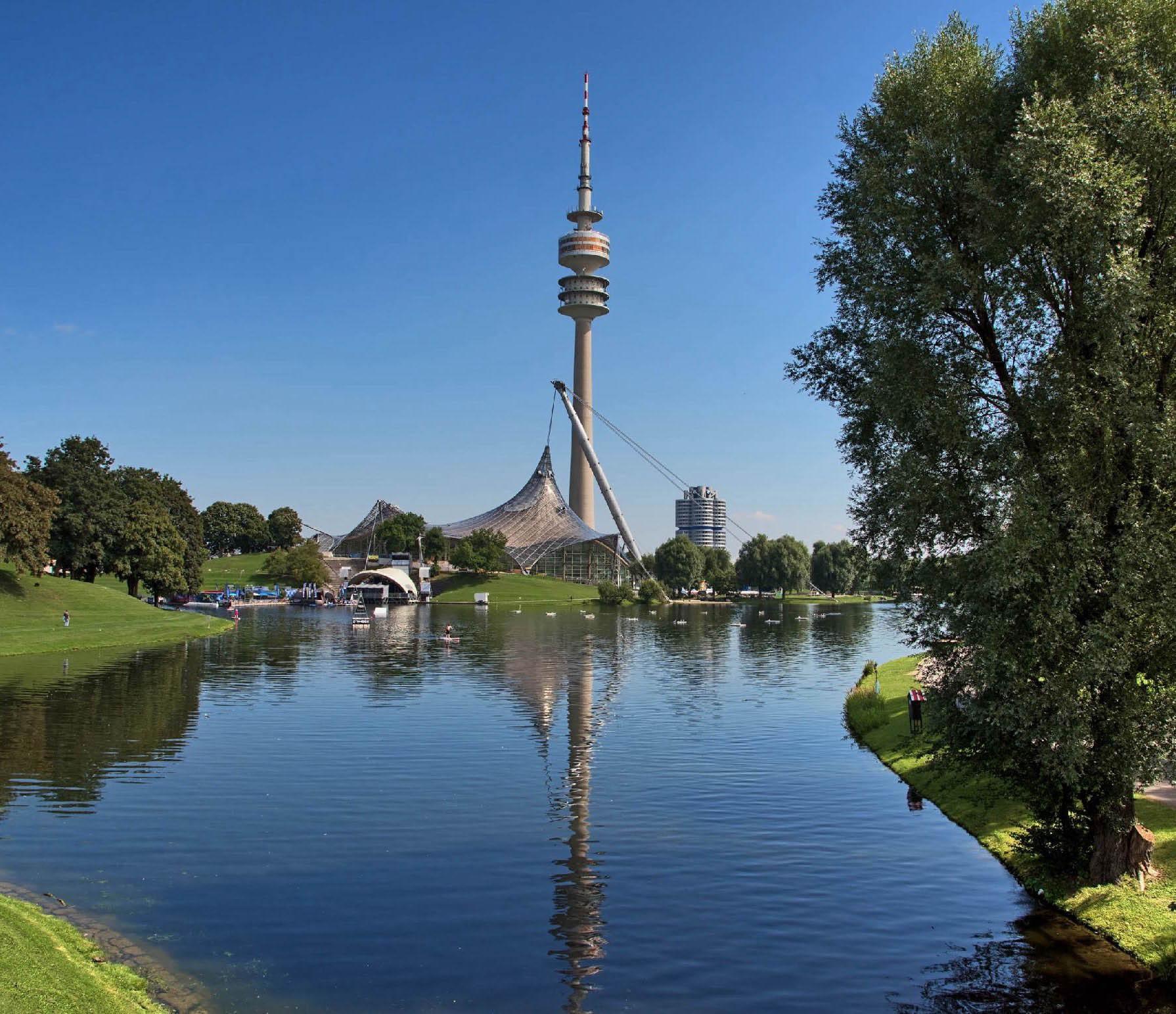

Since the 1972 Olympic Summer Games, over 11,500 events with more than 200 million visitors have taken place in the 85hectare park.
Since then, the Olympic Park buildings have been the venue for 31 world championships, 12 European championships and almost 100 German national championships. In addition, numerous other events such as concerts, trade fairs and exhibitions are regularly being held here.
The Olympic Park in Munich has developed into an important cultural centre over the years. In addition to sporting events, the broad variety of concerts by international artists have also become an established part of the programme. The idyllic location of the park, surrounded by the characteristic tents and the imposing Olympic Tower, creates a unique atmosphere for visitors from all over the world. Open-air events take place during the summer months, where visitors can enjoy the interaction of nature, architecture and the event.

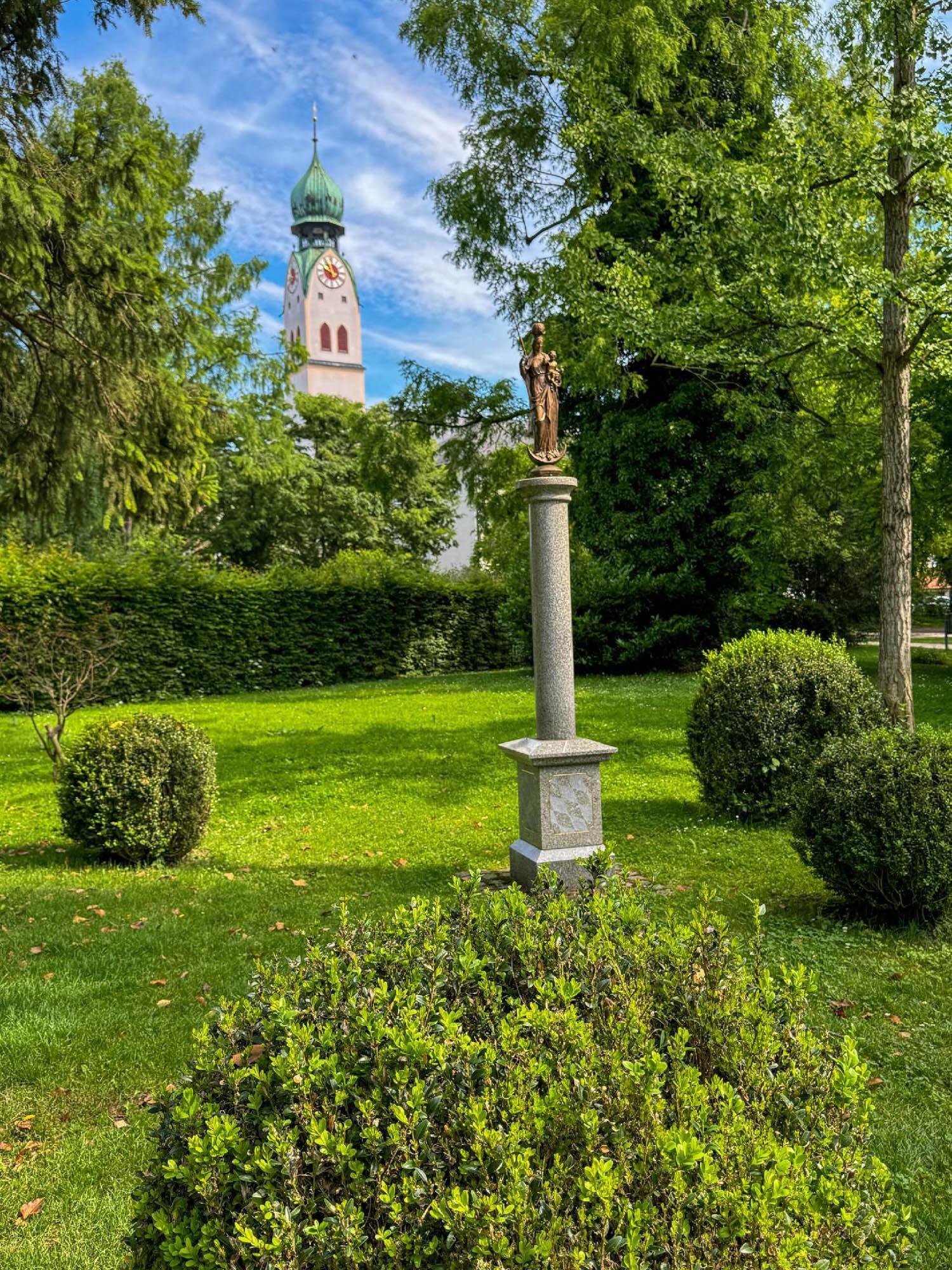
Rosenheim is often referred to as the northernmost city in Italy. The combination of southern flair and Bavarian cosiness gives the city of Rosenheim its special charm.
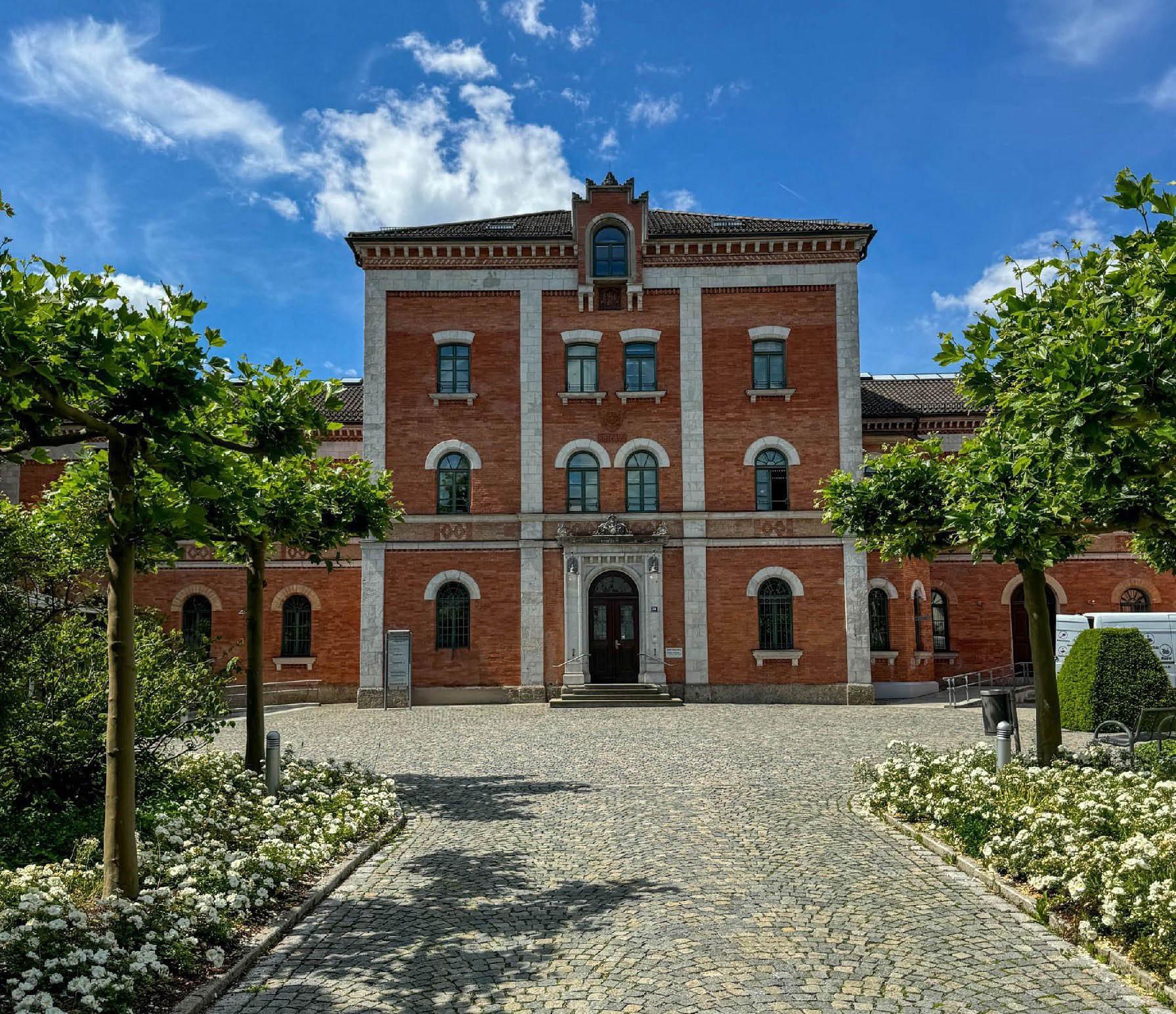
The TV series "Rosenheim Cops" has played a major role in making Rosenheim even more famous. Originally, only five to six episodes were planned, but over the past 20 years, more than 500 episodes of the show have been produced. When walking through Rosenheim, you will regularly come across lifesized cutouts of characters from the series that invite you to take a selfie.
The city of Rosenheim combines Bavarian cosiness with Italian charm and invites you to linger. A tour can begin in the "living
room of the city" or with a delicious Weisswurst (white sausage) at the market on Ludwigsplatz. In addition to the numerous sights, Münchener Straße is also an unofficial mall, inviting locals and tourists to a shopping spree. At lunchtime, visitors can enjoy a cold beer and regional specialties in a Bavarian beer garden under large canopy trees.
The green oasis “Riederpark” in the city centre has belonged to the city of Rosenheim since 1925. For anyone interested in art, a visit to the Rosenheim municipal gallery is a must.
with the ÖBB railjet from Munich to Ancona
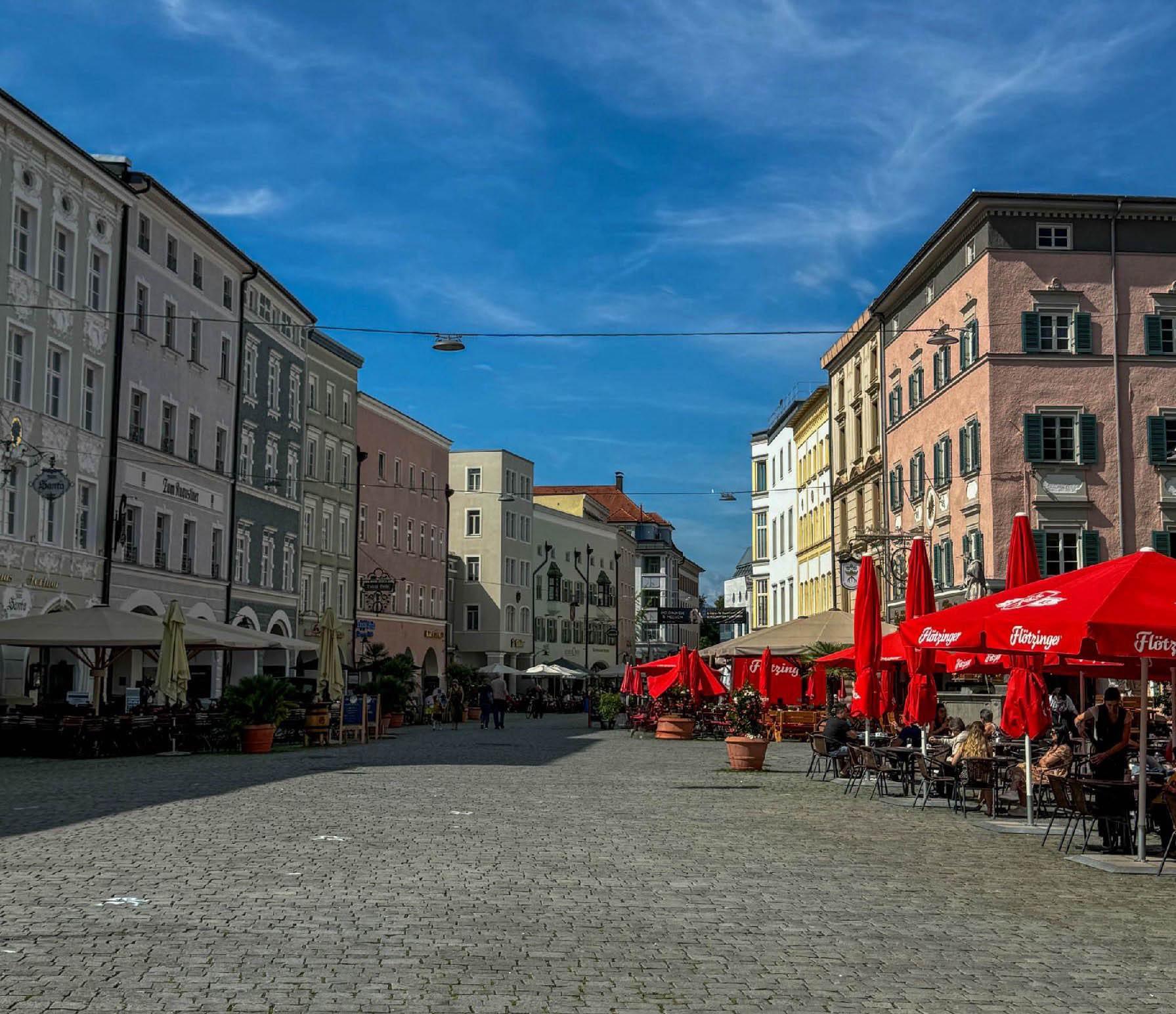
The historic Max-Josefs-Platz, once known as the “Inner Mark” and “Schranne”, is affectionately referred to by the residents of Rosenheim as the "living room" of the city. Here, impressive town houses in the Inn-Salzach style characterize the picturesque cityscape. Memorable architectural details include arcades, vaults and bay windows.
A special highlight of Max-Josefs-Platz is the Nepomuk fountain, which is considered the most beautiful fountain in the entire city. The statue of St. John Nepomuk was created in the
year 1773 by the sculptor Franz de Paula Hitzl on behalf of the citizens of Rosenheim. Nepomuk is the patron saint of sailors and raftsmen. There are numerous restaurants and cafes along the Max-Josefs-Platz.
Another outstanding feature of Max-Josefs-Platz is the imposing parish church of St. Nicholas, which is located directly on the square. A walk through Rosenheim should definitely include a visit to or even a stay in the “living room of the city”.
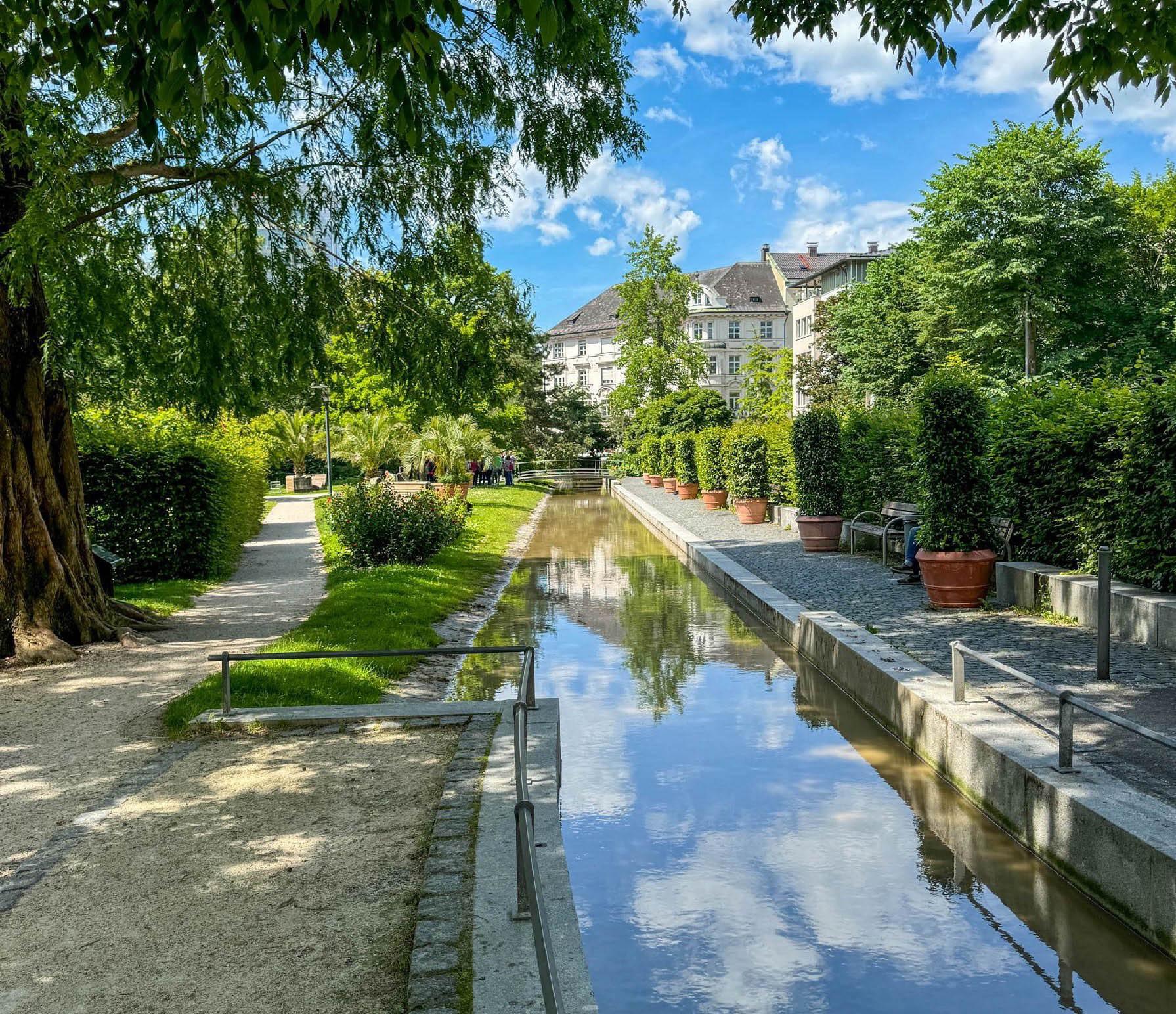
In the year 1729, the Rosenheim city pharmacist planted a private garden with medicinal plants and herbs. In 1925, the city purchased this garden. On the occasion of the State Garden Show in 2010, a pharmacist's garden with medicinal herbs was again planted in the Riedergarten. The combination of historical flair and the scent of various medicinal herbs makes the pharmacist's garden a popular destination for relaxation and recreation.
The Rosenheim Sunday newspaper wrote in the year 1932:

"If there is anything that the city of Rosenheim can be particularly proud of, it is the beautiful Riedergarten on Rathausstrasse. Now, in these days of maturity, the complete fulfillment of summer, it is now giving away all the charms of its existence with both hands, fragrances flow from a thousand blossoms, the roses glow in fiery colors, palm trees shine next to simple daisies, the linden blossoms bend tenderly over budding mallows and flaming poppies. Alpine roses are like drops of blood over gray rocks; ferns dare to emerge from secret corners, the grasses bend trembling under the hot wind."
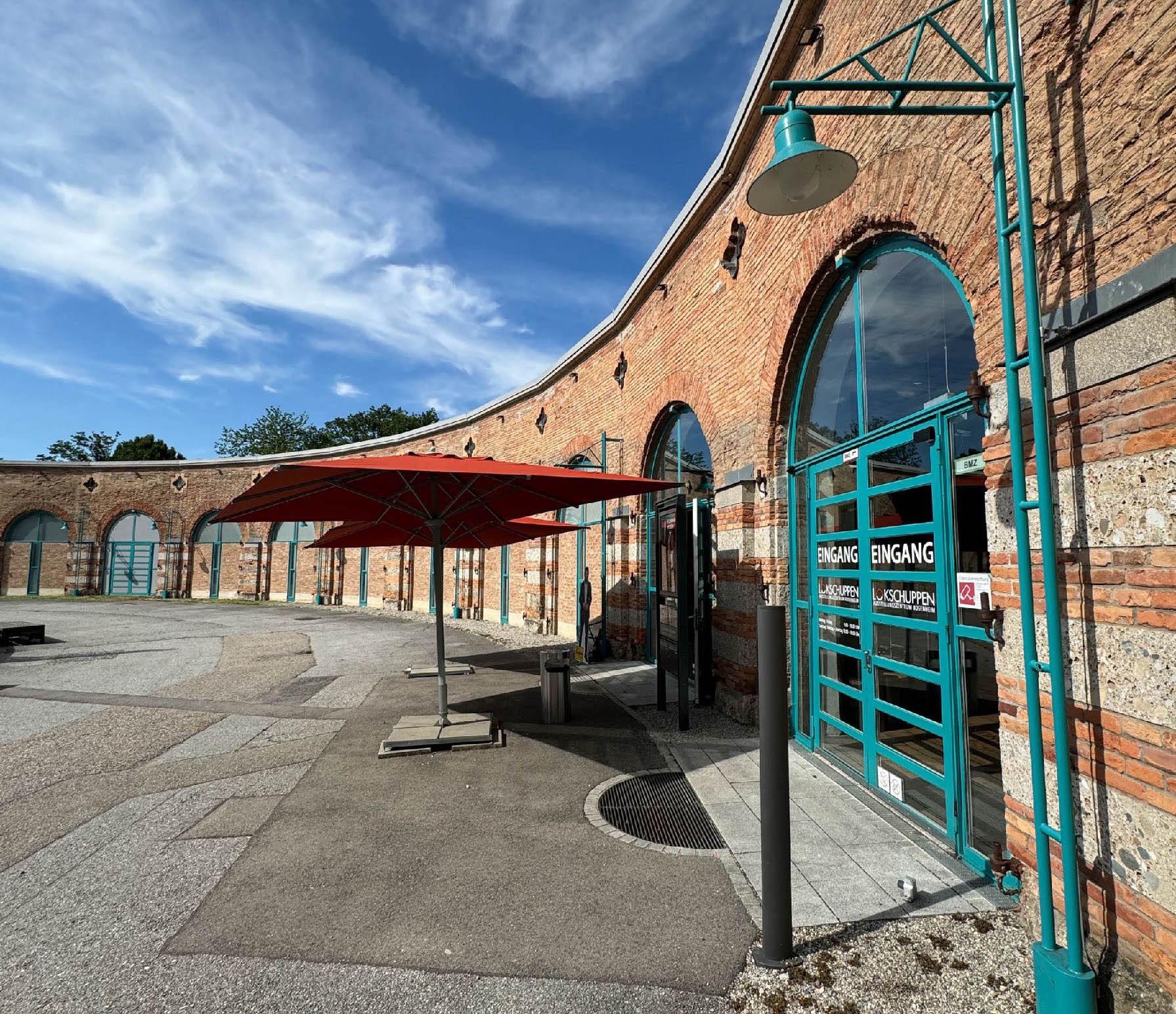

The Rosenheim locomotive shed (Lokschuppen) is an exhibition complex in the city centre. It was created in the year 1988 by converting the engine house of the first railway depot in Rosenheim. The Maximilian Railway from Munich to Kufstein was reason for the 1858 construction of a depot for the Bavarian State Railway in Rosenheim. Due to the rapidly increasing traffic volume, it soon became necessary to relocate the station. In 1876, the old facilities of the station were abandoned and two years later they were sold to the city of Rosenheim.
The exhibition centre was opened in 1988 with the state exhibition "The Bavarians" and has been operated by the Veranstaltungs- & Kongress GmbH Rosenheim (VKR) since then.
The locomotive shed also includes a cafe and restaurant called LOKERIA. It is located on the southern edge of the city centre, opposite the town hall. The exhibition centre hosts special and state exhibitions on cultural history, ethnography and natural history. The Rosenheim locomotive shed is open daily.

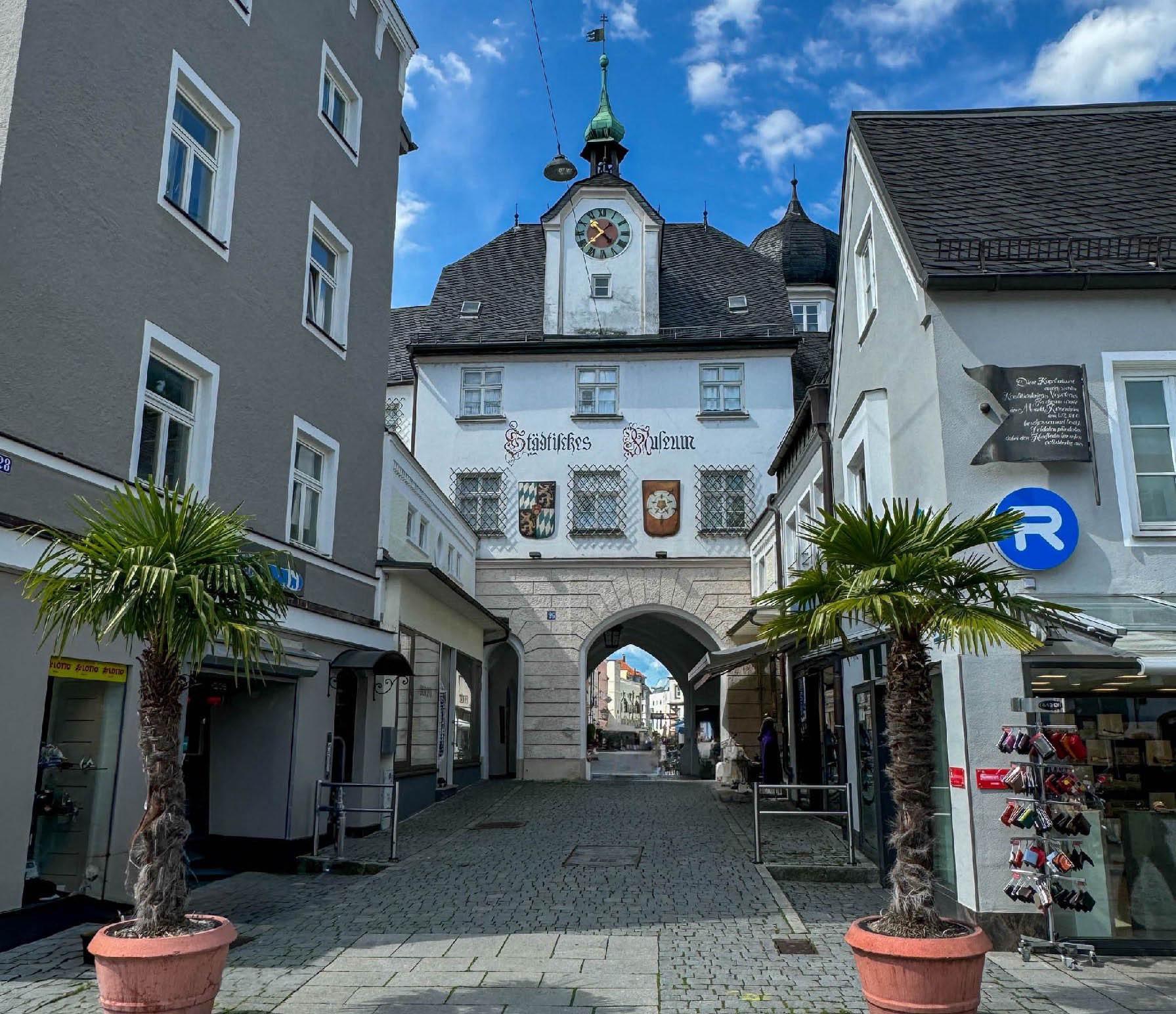
The Mittertor is the last remaining of the original six city gates that protected the Rosenheim market until the 19th century. The lower part and the archway date back to the 14th century, while the upper floors and the tower were rebuilt after the great market fire of 1641. Previously known as the East Gate, it was given the name Mittertor in the 15th century due to the expansion of the market to include Ludwigsplatz, Kaiserstraße and the Färberviertel. Since the year 1885, the Mittertor has housed the Rosenheim Municipal Museum, which presents over 5,000 objects on the history of Rosenheim and the surrounding
region from the Stone Age to the 1950s. In addition to bourgeois bedrooms from the 18th century, the museum also shows exhibits on handicrafts, traditional costumes and agricultural equipment.
A highlight is the model of the city of Rosenheim the way it was around 1900. The model shows the buildings and streets of that time in great detail. Here, visitors have the opportunity to immerse themselves in the past and experience a fascinating journey through the history of the city.

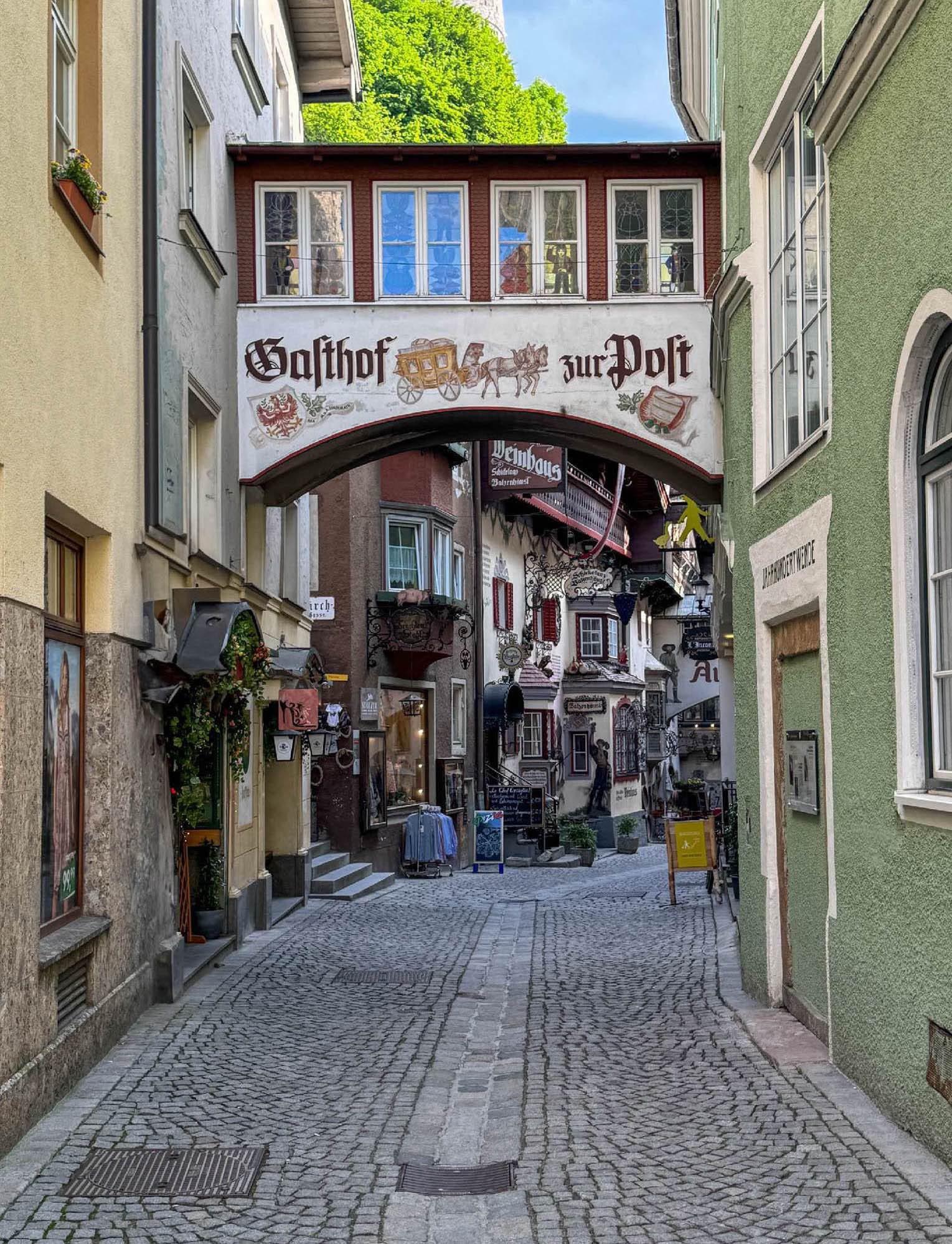
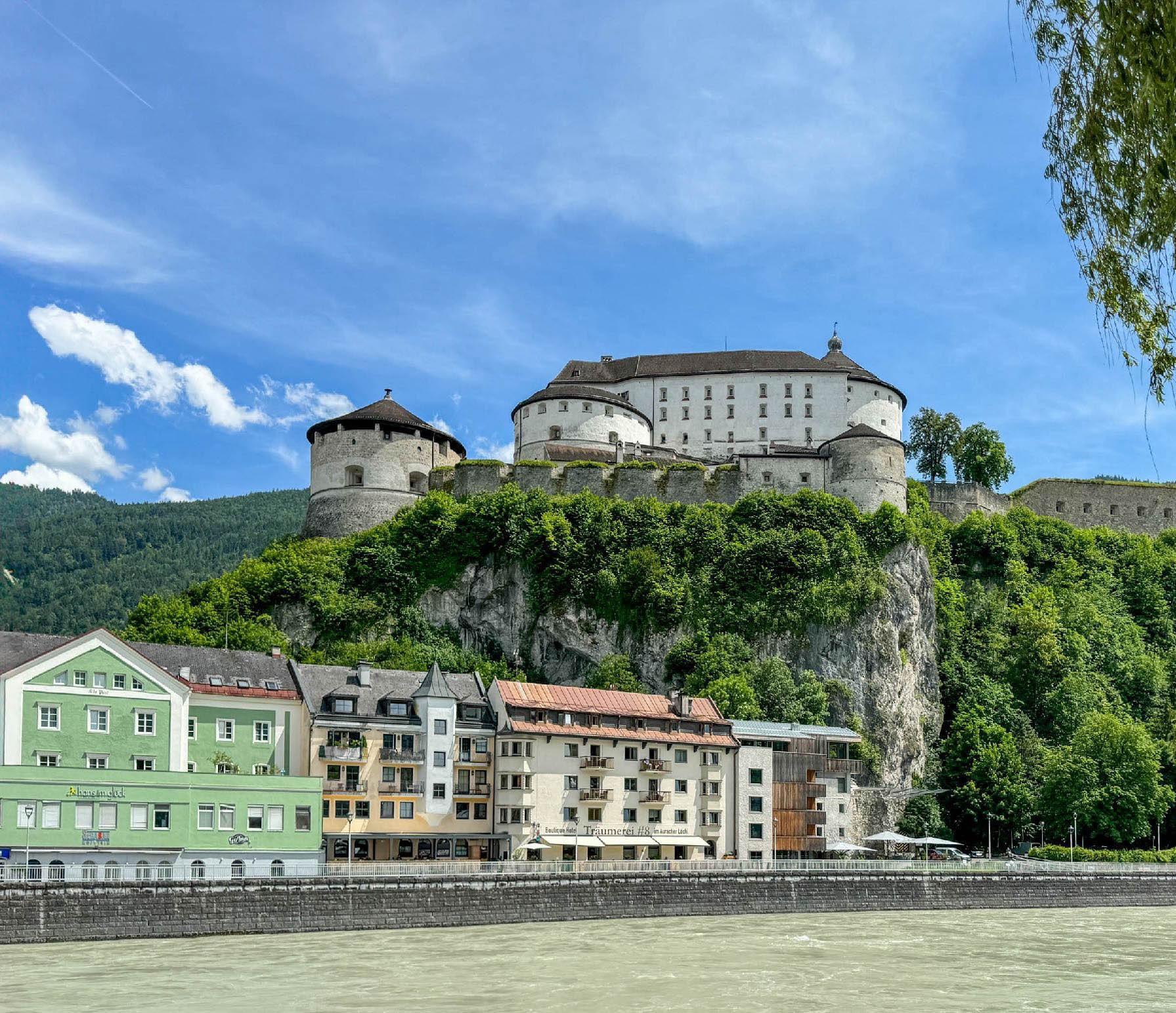
The second largest city in Tyrol is located on the border to the Free State of Bavaria. Kufstein is characterized by its idyllic location at the foot of the Kaiser Mountains as well as its rich history and culture. The imposing Kufstein Fortress towers over the city and offers an impressive view of the surrounding area. The museum inside the fortress tower gives you the opportunity to learn more about the history of the region.
Thanks to the variety of cultural events, Kufstein is a popular destination for a relaxing weekend. Every year, the largest pop
The impressive medieval fortress towers high above the city. Here you can also listen to the open-air organ every day. Kufstein is home to the world-famous Riedel glassworks.
and rock music festival in western Austria, the Kufstein Unlimited, takes place here. Entry is free and the festival lasts two days. Kufstein's gastronomy is also well-known and offers a variety of restaurants and cafes that serve local specialties as well as international cuisine.
One of the most famous folk songs is about the town of Kufstein. The composer Karl Ganzer composed the song in 1947 about “the pearl of Tyrol” and “the green Inn river”. The Kufstein song has sold more than 100 million copies.
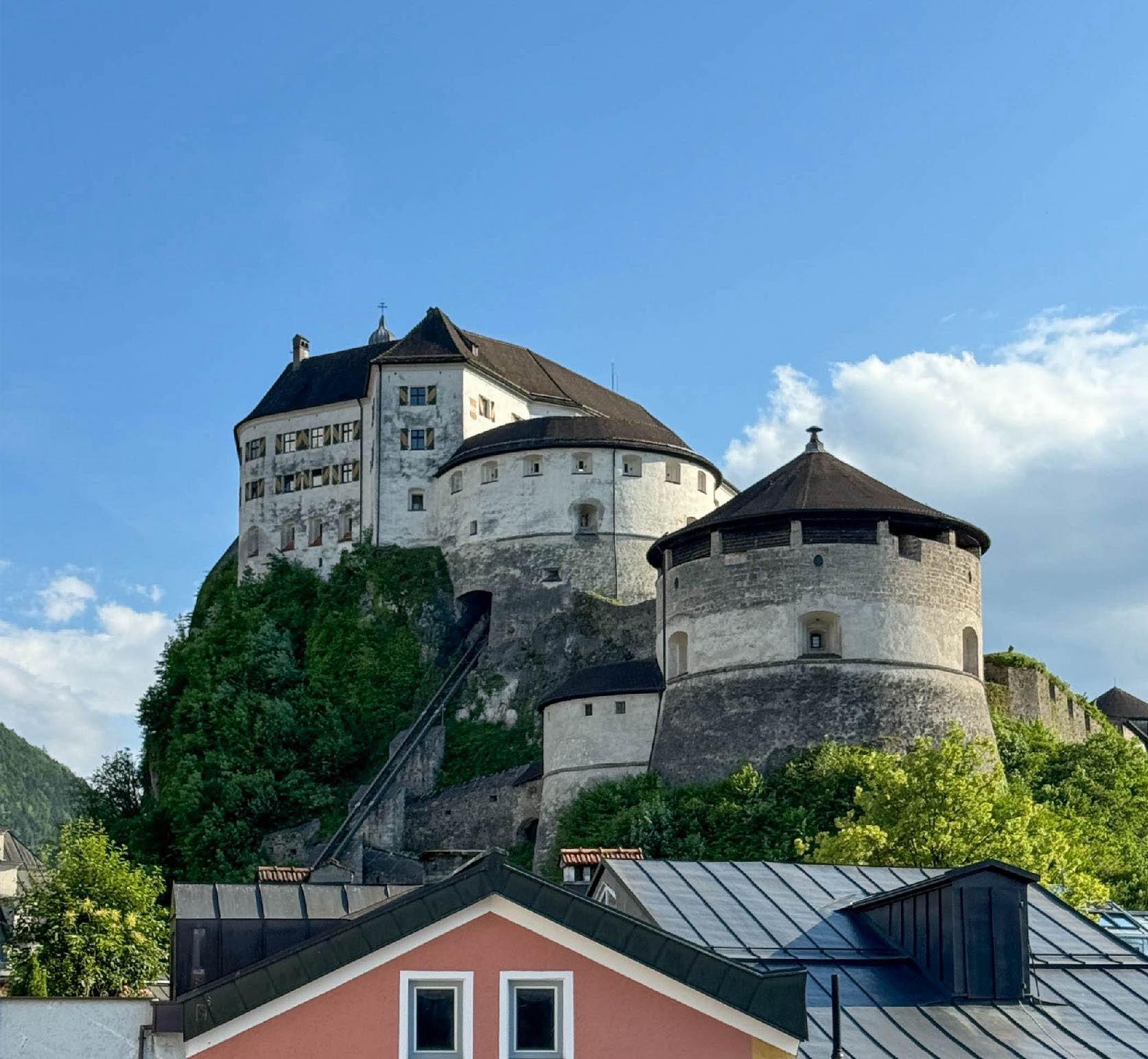
The Kufstein Fortress sits on a 90-metre-high rock above the city. The history of this landmark goes back to the year 1205, when the fortress "Castrum Caofstein" was owned by the bishops of Regensburg. After conquering the castle in the year 1504, Emperor Maximilian I had it expanded into the fortress we see today.
Visitors can reach the fortress on foot or by taking the Kaiser Maximilian Panoramic Railway. The Heroes' Organ was built in the year 1931 as a memorial to those who died in World War I.
After two expansions, it has been the largest open-air organ in the world since 2009. Every day at 12.00 noon (in July and August also at 6.00 p.m.), the organ resounds throughout the city. Within the walls of the fortress, visitors will find the Anna Battery, a picturesque garden with trees and a spacious plant and herb garden. It should be noted that poisonous plants also grow in this garden!
The fortress is open daily from March to November from 9.00 a.m. until 6.00 p.m.
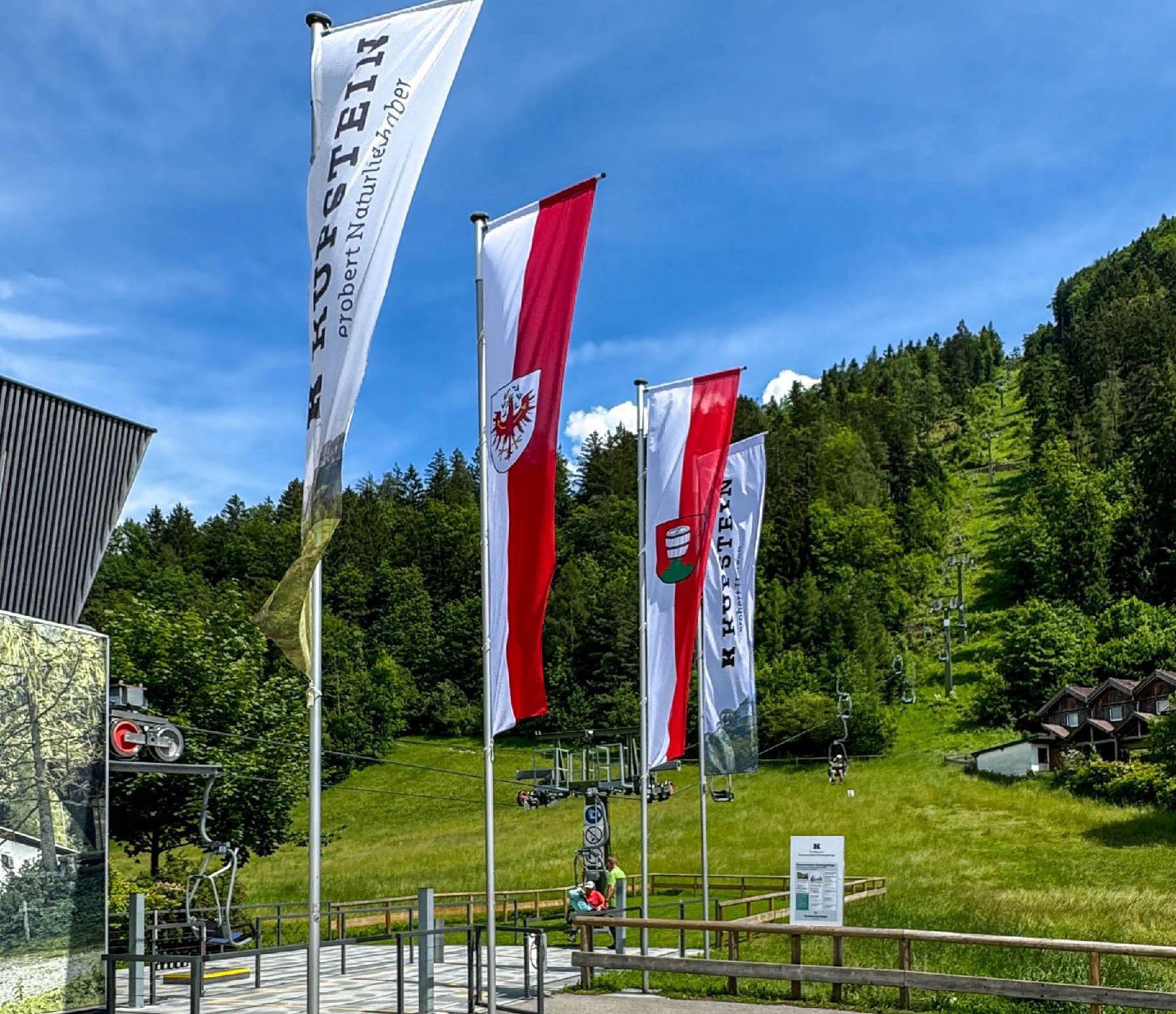
The Kaiserlift takes guests to the mountain station on the Brentenjochalm in just 30 minutes. As one of a total of ten single-seater chairlifts in Austria, the lift was opened in the year 1971. Until 2011, it transported many hikers and visitors seeking relaxation up the mountain. After extensive renovations in the year 2015, the Kaiserlift was put back into operation. During the ride, passengers can switch off, enjoy and relax for thirty minutes. At 700 metres above Kufstein, in the Tyrolean Kaiser Mountains, a unique hiking and excursion area awaits you, which appeals to both families on a casual stroll as well as

ambitious mountaineers. The Kaiserlift is the gate to a hiking paradise with over 1,000 kilometres of hiking trails from the mountain station. From stroller-accessible walking routes to challenging alpine tours, everything is possible.
The cable car takes guests to the Kaiser Mountains nature reserve, where they can enjoy nature to its fullest. The Kaiserlift mountain station offers the perfect place to relax and admire the fantastic panorama of the region.
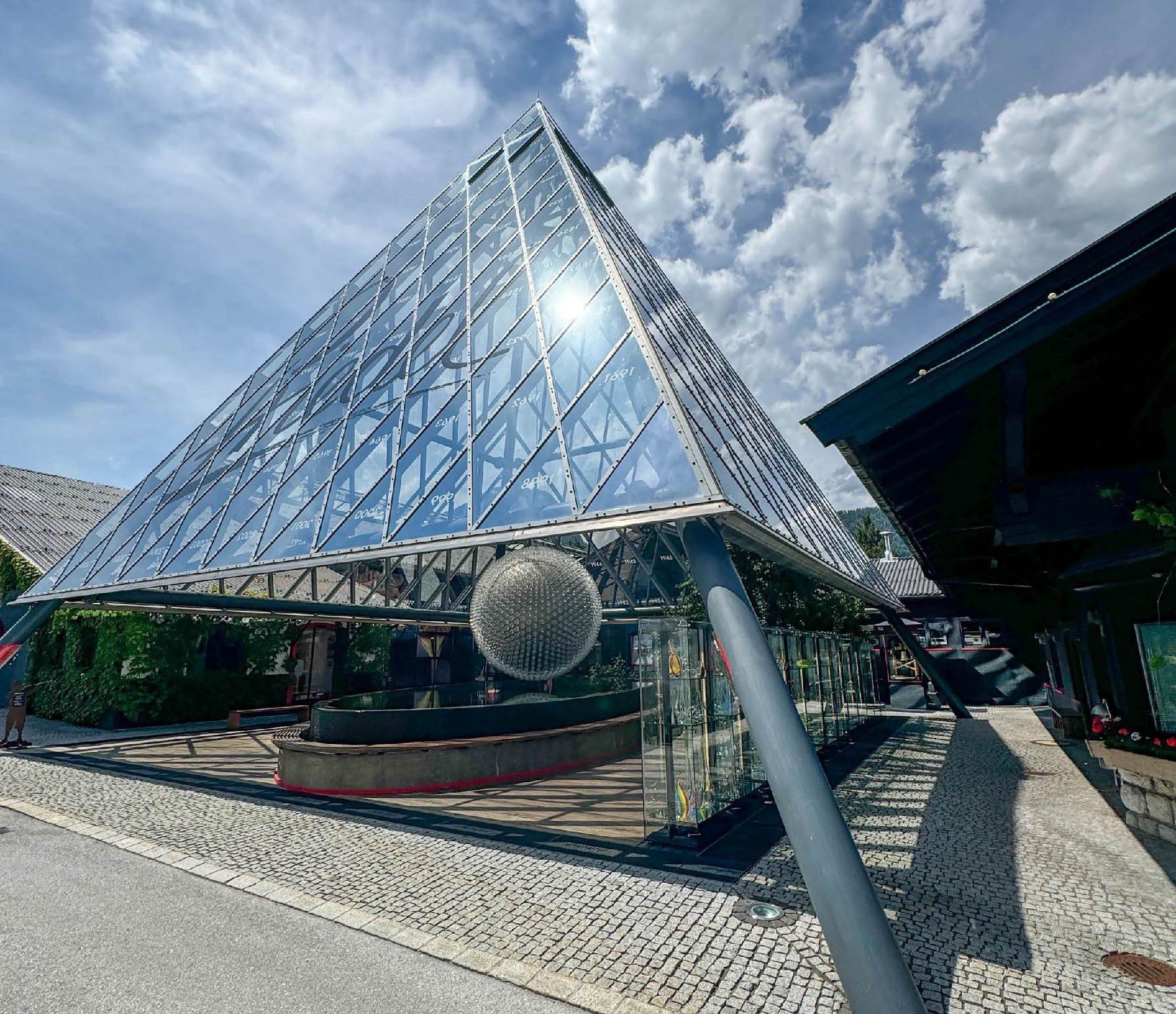

Riedel glasswares are the epitome of high-quality glasses. The typical "Riedel sound" when you clink Riedel glasses has been established as a sign of highest quality. The Riedel family has been inextricably linked with the art of glassmaking for over 300 years. At the company headquarters in Kufstein, visitors can get to know the Riedel company and learn a lot about the art and craft of glassmaking. Glasses are produced on site and guests can take a tour of the factory. The glass factory offers an insight into the glassmaking process and the careful artisanal production of glassware. In the heart of the Tyrolean
glassworks, which is part of the tour, visitors can experience from a gallery how the talented glassmakers make a drinking glass or decanter. Precision and sensitivity are important because each piece is unique. The exhibition "GENERATIONS" brings visitors closer to the unique and eventful history of the eleven generations of glassmakers. The Riedel story impressively shows that perseverance and the pursuit of excellence prevail in the long term.
The museum is open Monday through Friday from 9.30 a.m. until 5.00 p.m.

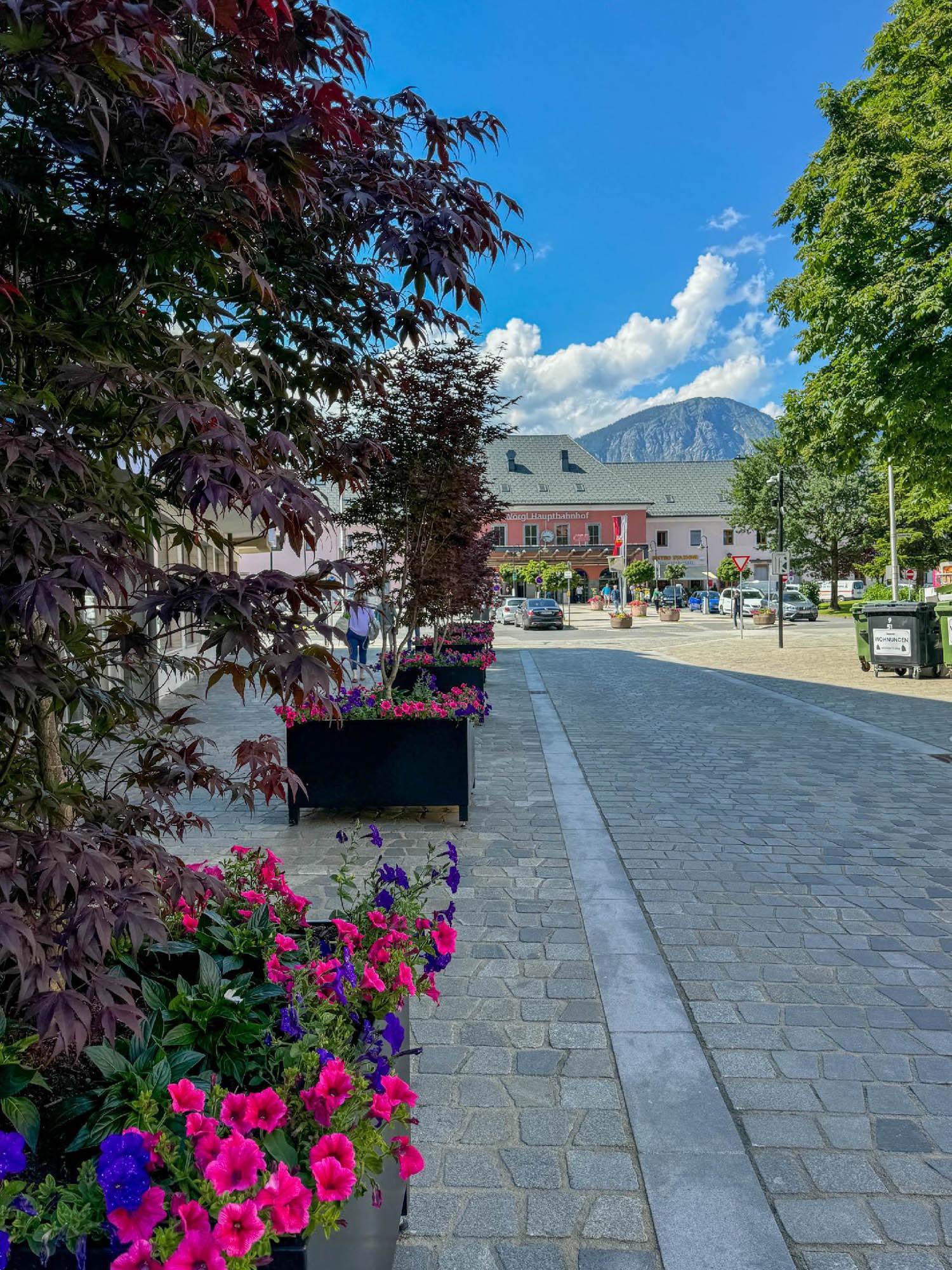
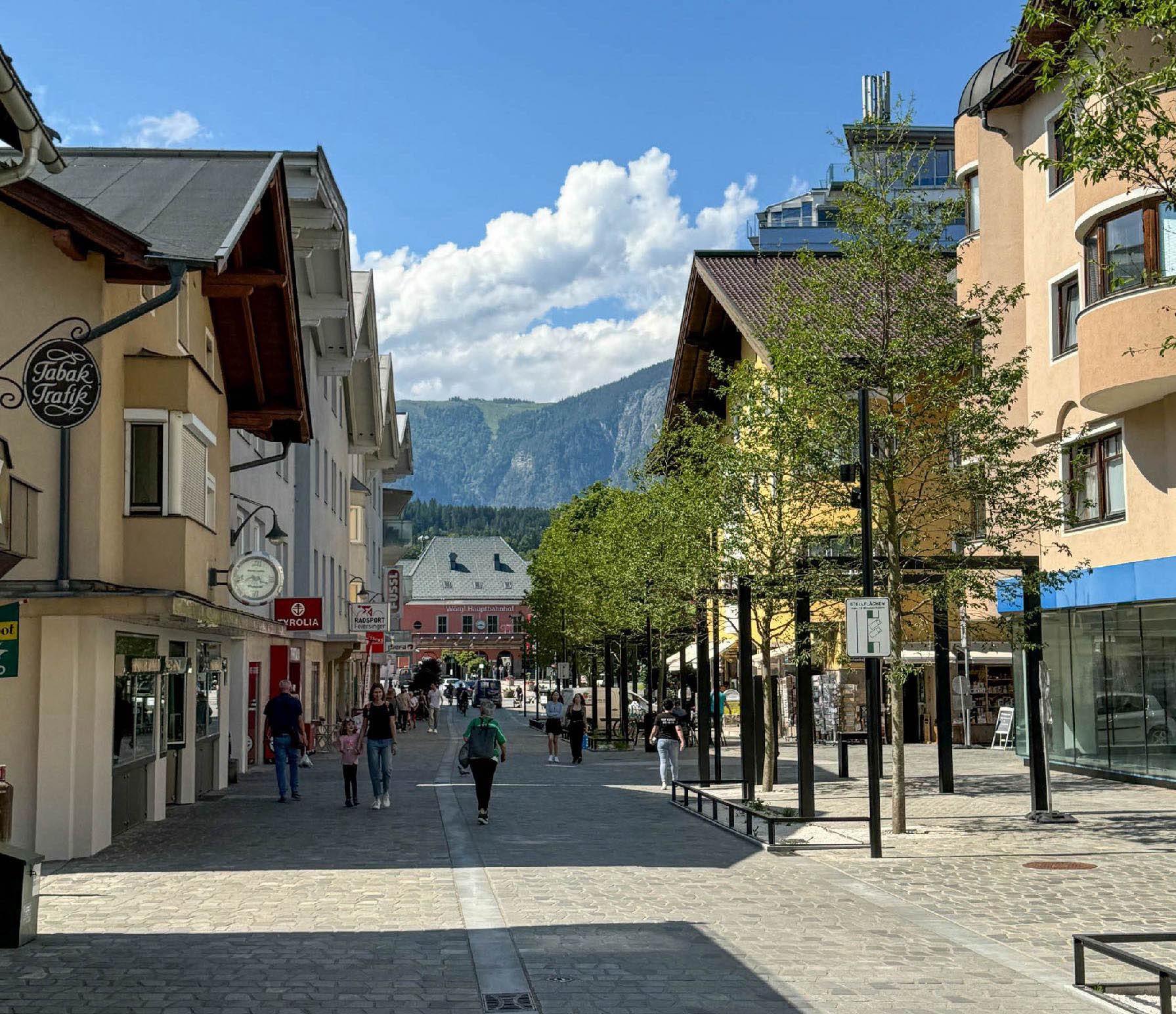
The municipality of Wörgl in Tyrol has almost 15,000 inhabitants and is the fifth largest city in the state. Finds of urn graves that are around 2,500 years old prove a long history of settlement in the region. Wörgl is not only a popular residential area, but also an important transport hub and the shopping centre of the Tyrolean lowlands. Bahnhofstrasse in Wörgl is considered the second longest shopping street in Tyrol.
Thanks to its location, Wörgl is an ideal starting point for trips to the nearby Wildschönau or the Brixental. The town parish
The town of Wörgl combines the best of urban and rural life in a successful way. As an important transport hub, the town is easily accessible. The history of Wörgl dates back to Roman times.
church and the "Wörgl Milestones" in the town itself are also worth seeing.
In June 1932, the Wörgl Free Money Project was launched, which attracted worldwide attention. This experiment, initiated by the then-mayor Unterguggenberger, led to an upturn in the construction industry and a reduction in unemployment by a quarter. In September 1933, however, the project was terminated due to a court ruling.
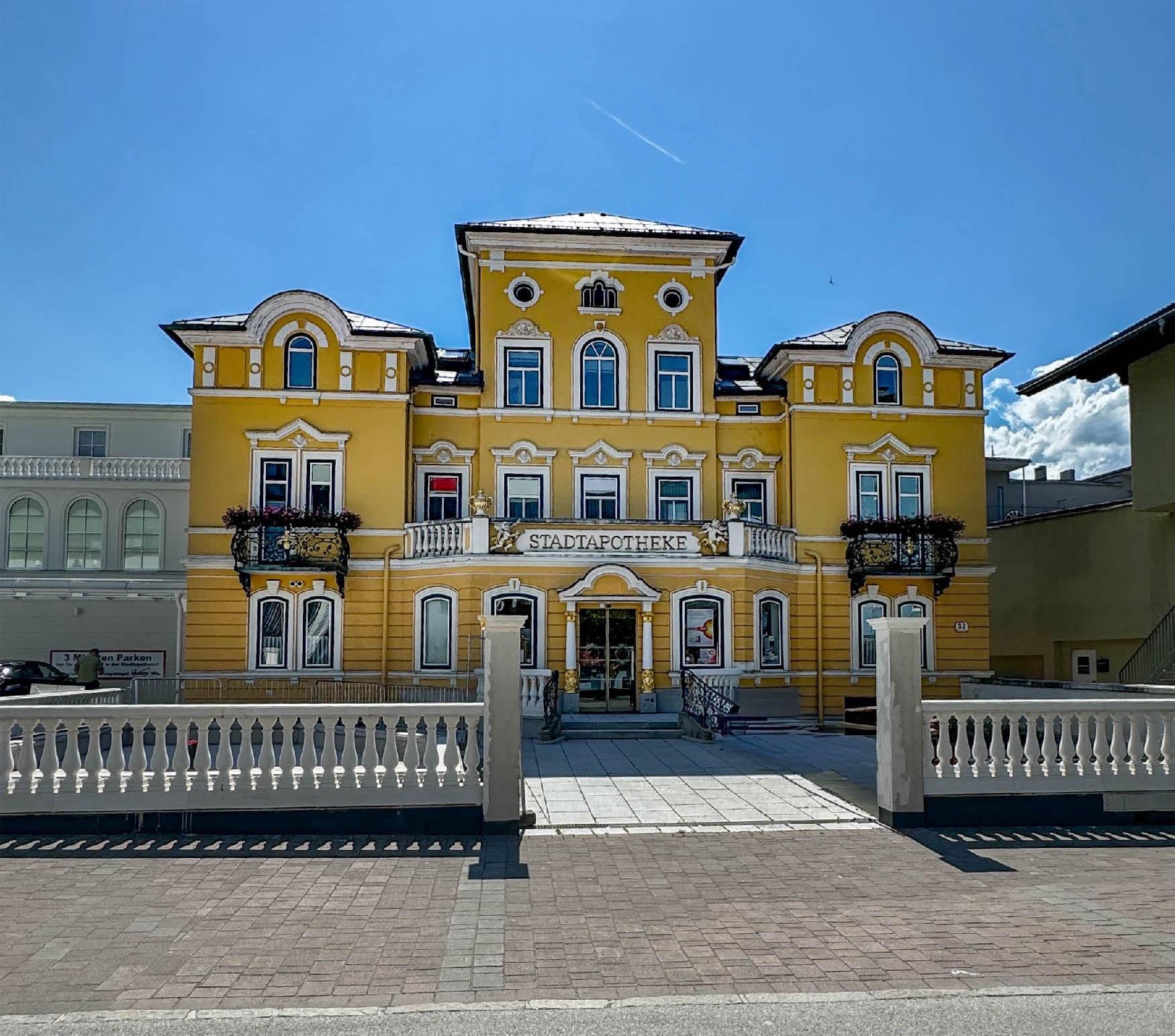

The "House Stawa", which was planned and built in 1905 by master builder Ferdinand Mayr and now serves as the city pharmacy, was originally designed as a coffee house.
The pharmacist Carl Alfons Koch acquired the "Villa Edelweiss" in the year 1907 and set up a pharmacy there.
The fairytale-like two-storey villa is oriented to the northeast towards Bahnhofstrasse and is characterized by alternating protruding and recessed structures. The city pharmacy is an impressive example of a representative, stately home with a
garden, built in the style of late 19th century villas. The garden is surrounded by an ornate black metal fence with gold-plated elements.
In the middle of the garden there is a fountain made of concrete and white marble, which carries a sculpture of a couple in love, also decorated with gold elements.
The city pharmacy is rightly considered the most beautiful building in Wörgl.
with the ÖBB railjet from Munich to Ancona
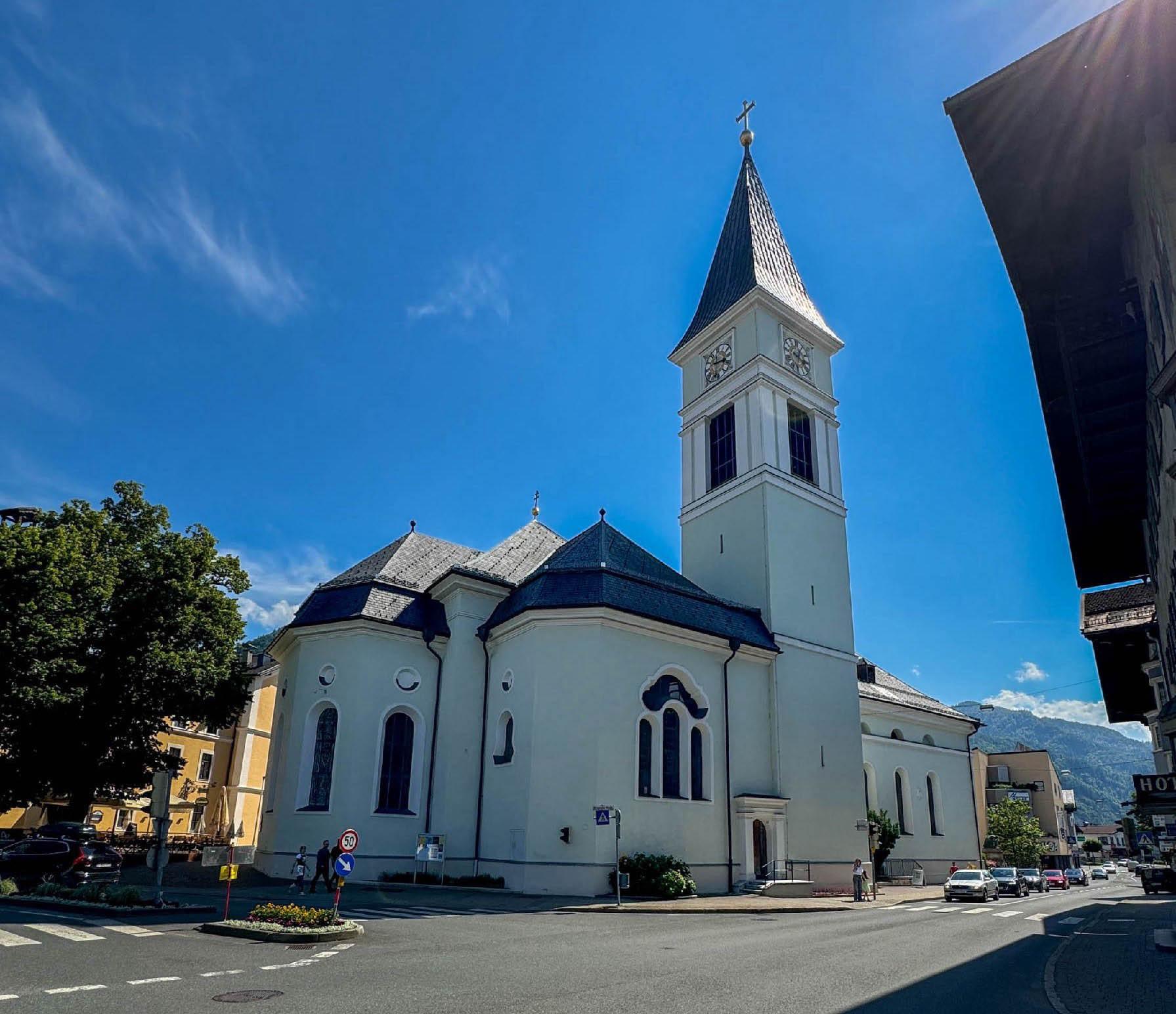
The Roman Catholic parish church of Wörgl is dedicated to St. Lawrence. It is believed that a church stood on this site as early as Roman times. During renovation work in the year 1961, remains of the first brick chapel, built around 1212, were discovered under the floor of the country house. The church's current appearance was the result of a major extension in the year 1912. Another important year in the church's history was 1961, when pastor Bruno Regner oversaw a major renovation. This involved removing all stucco, ornate frescoes and ceiling paintings. The valuable baroque-style high altar was dismantled
as well. All that remained of the statues and paintings that adorened the church were bare walls. Some believers saw the changes as a modernization and a move closer to a more contemporary aesthetic, while others regretted the loss of the historical elements and wanted to preserve the church's history. The bare walls were eventually decorated with simple, modern paintings that reflected the light in the church and created a bright, friendly atmosphere.

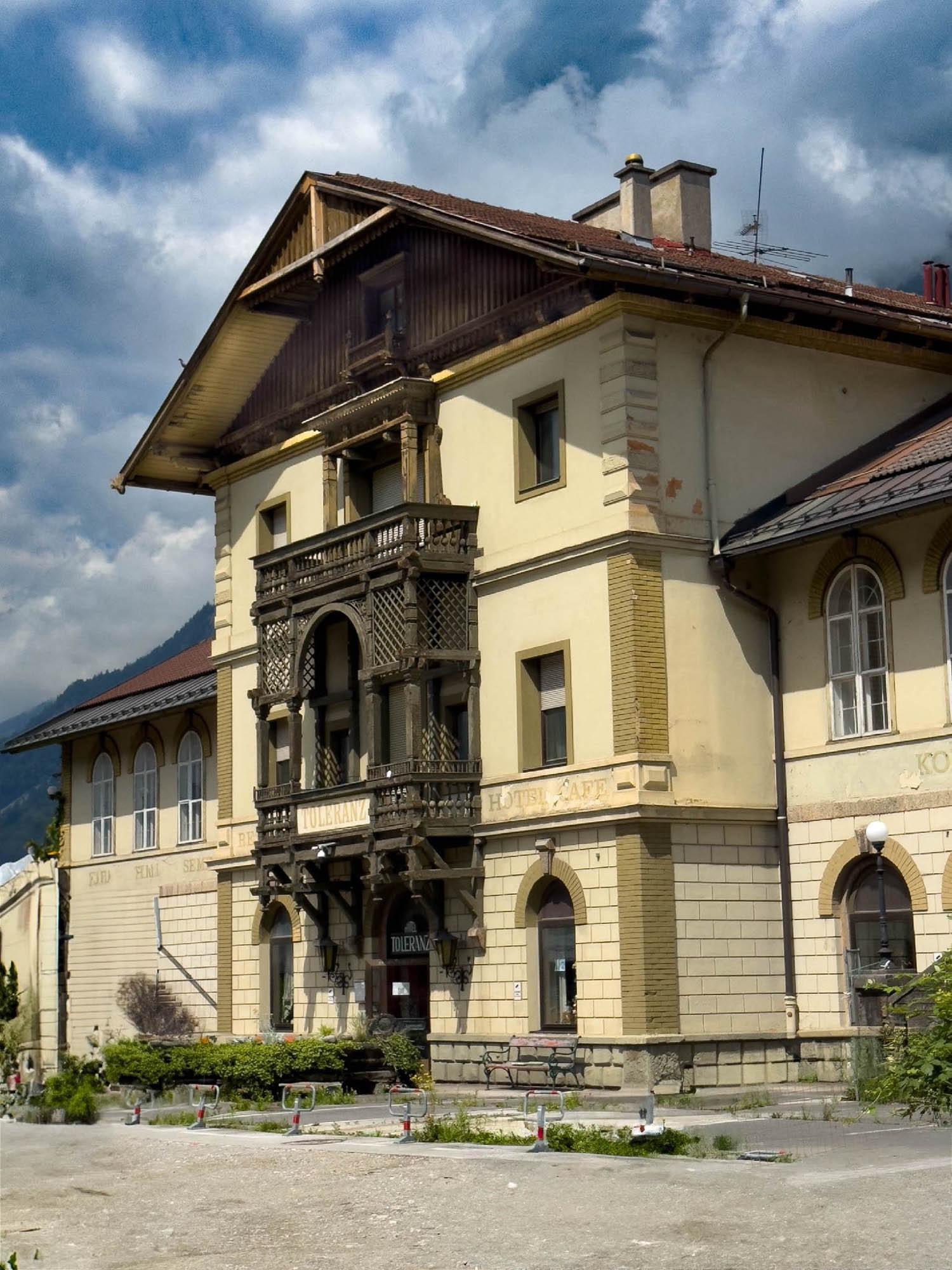
The unique nature, fascinating history and special geographical location of the Silver Region Karwendel make the town of Jenbach a fantastic Tyrolean travel destination all year round.
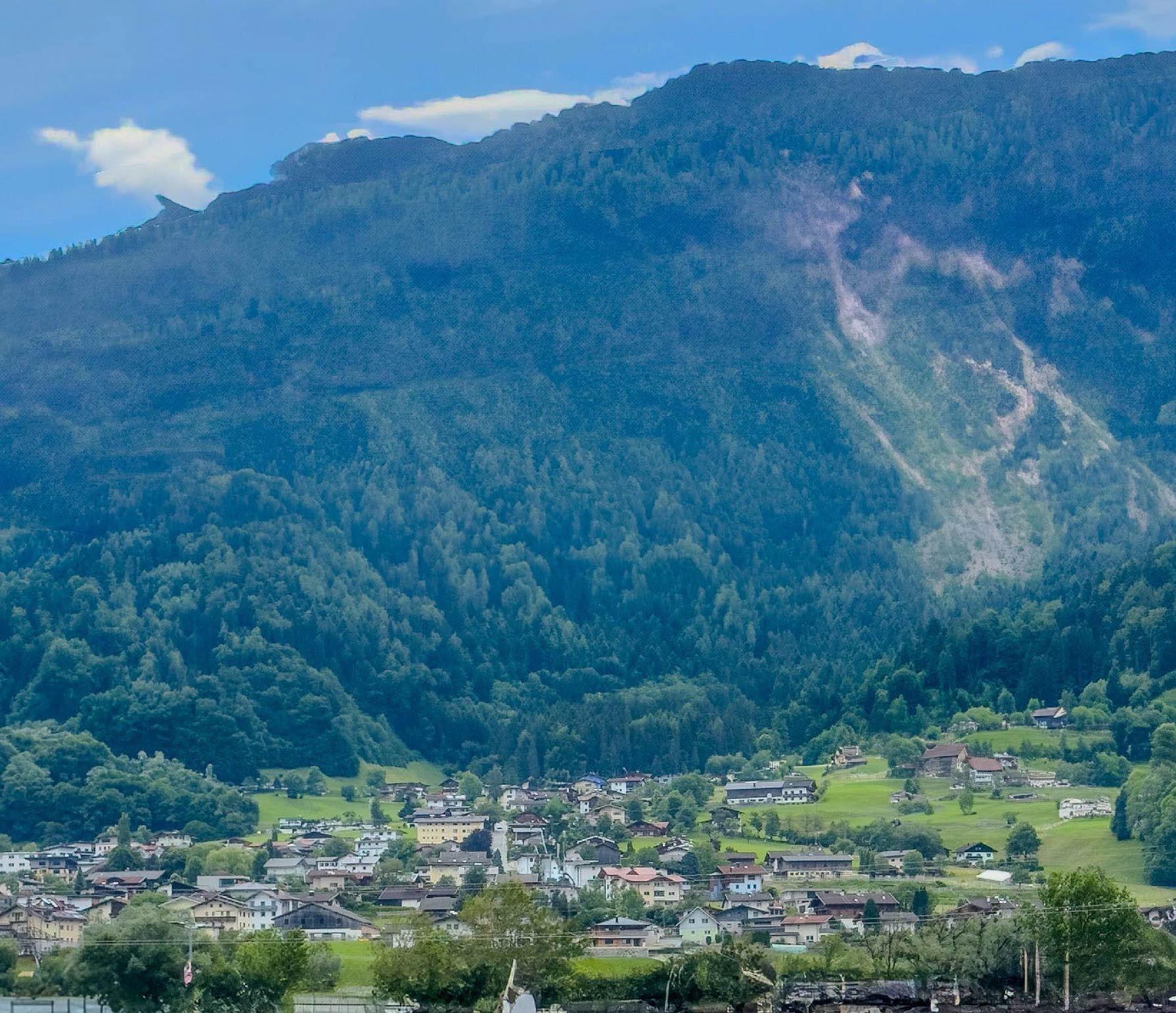
Jenbach is not only characterized by its unique geographical location, but this town plays an important role as a transport hub.
The train station of the town of Jenbach acts as a hub for mobility, where all express trains stop. This means you can get to the Silver Region quickly and easily. The Silver Region offers numerous options for active visitors. There are family-friendly destinations such as the Risstal with the oldest alpine village in Europe - the Engalm - and a show dairy. But enthusiastic
mountaineers will also get their money's worth. They can look forward to challenging hikes on the Loassattel, the hiking trails of the Kellerjoch panoramic mountain and on the Gilfert. Cyclists and mountain bikers can look forward to relaxed cycling tours either alone or with the whole family. Culture lovers will also not feel left out in the region.
There are regular connections from Jenbach to the Zillertal and Achensee.
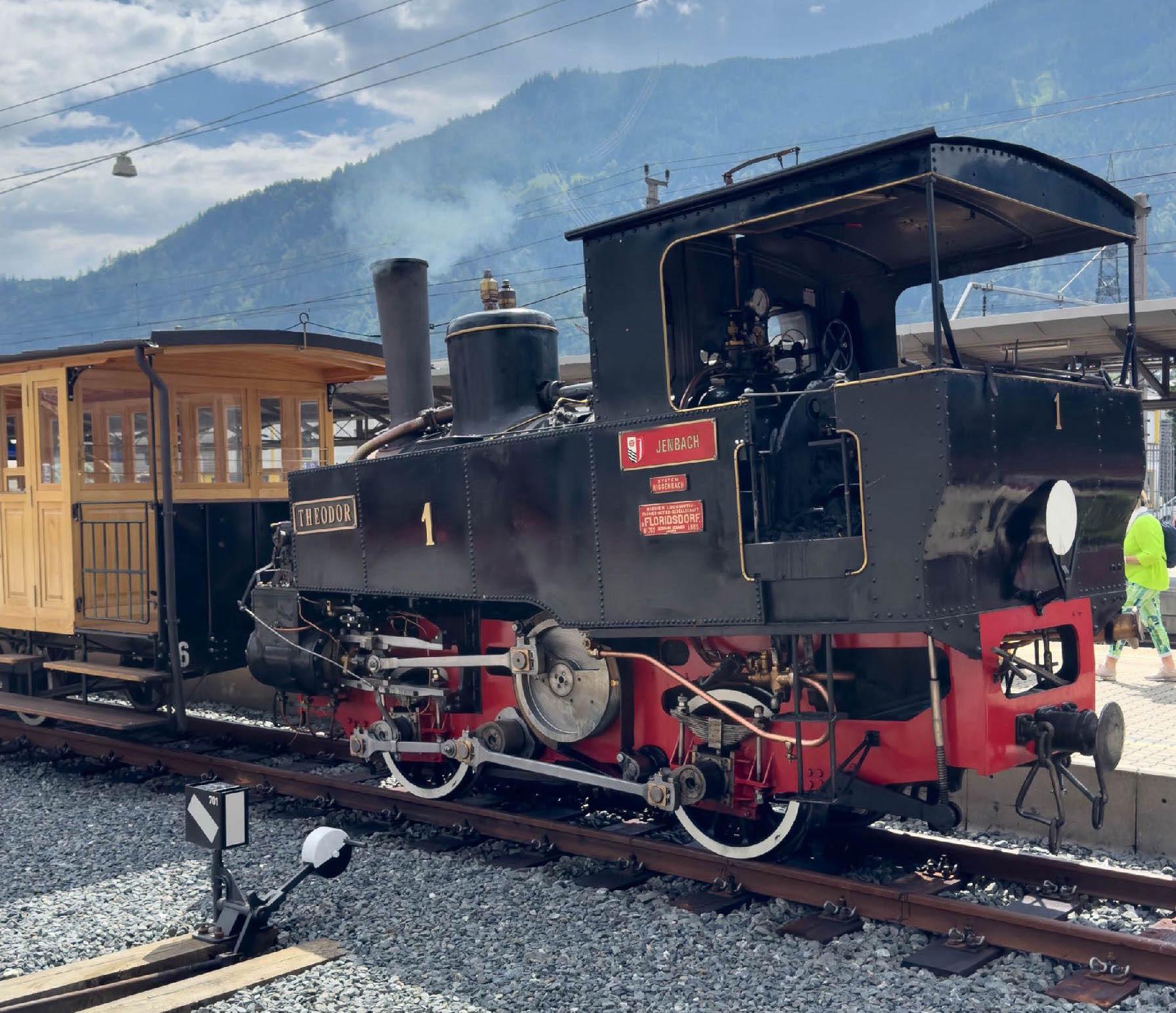
Three different railway lines with different gauges meet at the railway station in Jenbach: the Achenseebahn with metre gauge, the Austrian Federal Railways with standard gauge (1.435m) and the Zillertalbahn with a gauge of 760mm. The steam locomotives of the Achenseebahn were manufactured between 1888 and 1889 in the Viennese locomotive factory in Floridsdorf. They are designed for mixed friction and rack operation. Shortly after leaving Jenbach, the cog railway section begins. The steepest climb of the route at 160‰ is behind the Burgeck station. After half an hour, the train reaches
the highest point of the route, the Eben siding and summit station, at an altitude of 970 metres above sea level. The trains are pushed uphill and pulled downhill.
During the journey, passengers can enjoy the breathtaking view over the Inn Valley and the surrounding mountains as far as the Stubai Alps and the Wilder Kaiser. At the final stop, Seespitz, the journey can be continued on Lake Achensee.
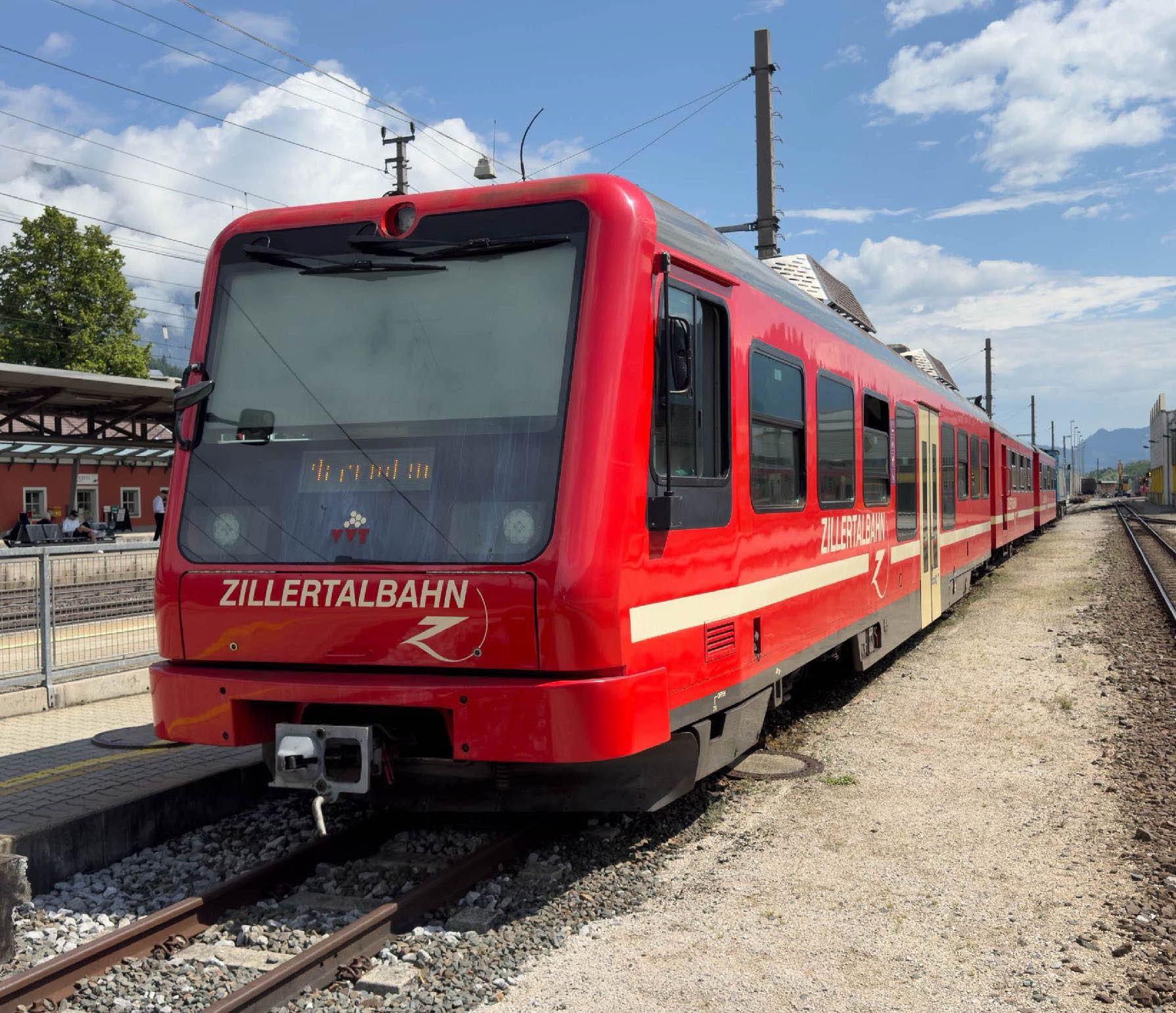

The Zillertal Railway is a narrow-gauge railway with the socalled “Bosnian” gauge of 760mm. The route runs from Jenbach for almost 32km to Mayrhofen in the Zillertal and was opened in the year 1902.
The majority of the shares belong to the Zillertal communities, which is why they are proud of "their" railway. The route stretches over 32km, partly double-track, with a total of 35 bridges and passes well-known tourist destinations.
Nowadays, in addition to the historic trains that are used for special occasions, numerous modern trains run on this route. The Zillertal Railway also plays an important role in freight transportation.
The Zillertaler transport companies also operate several regional bus lines in the Zillertal area. The steam trains reach a maximum speed of 35 km/h.

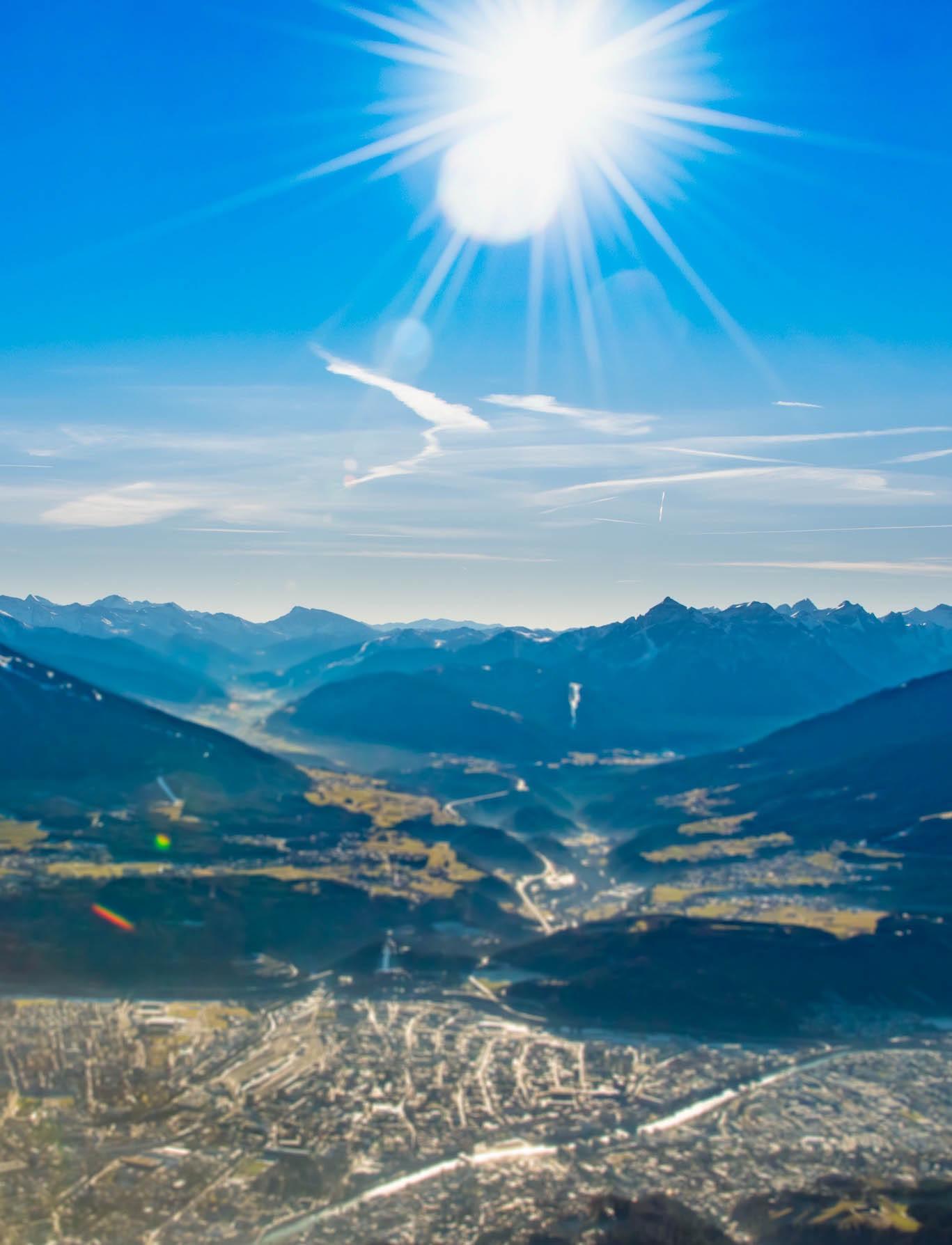
Innsbruck offers all the advantages of a large city. Yet everything is so close that it takes less than 15 minutes to take the tram into the forest or the cable car into the high mountains.
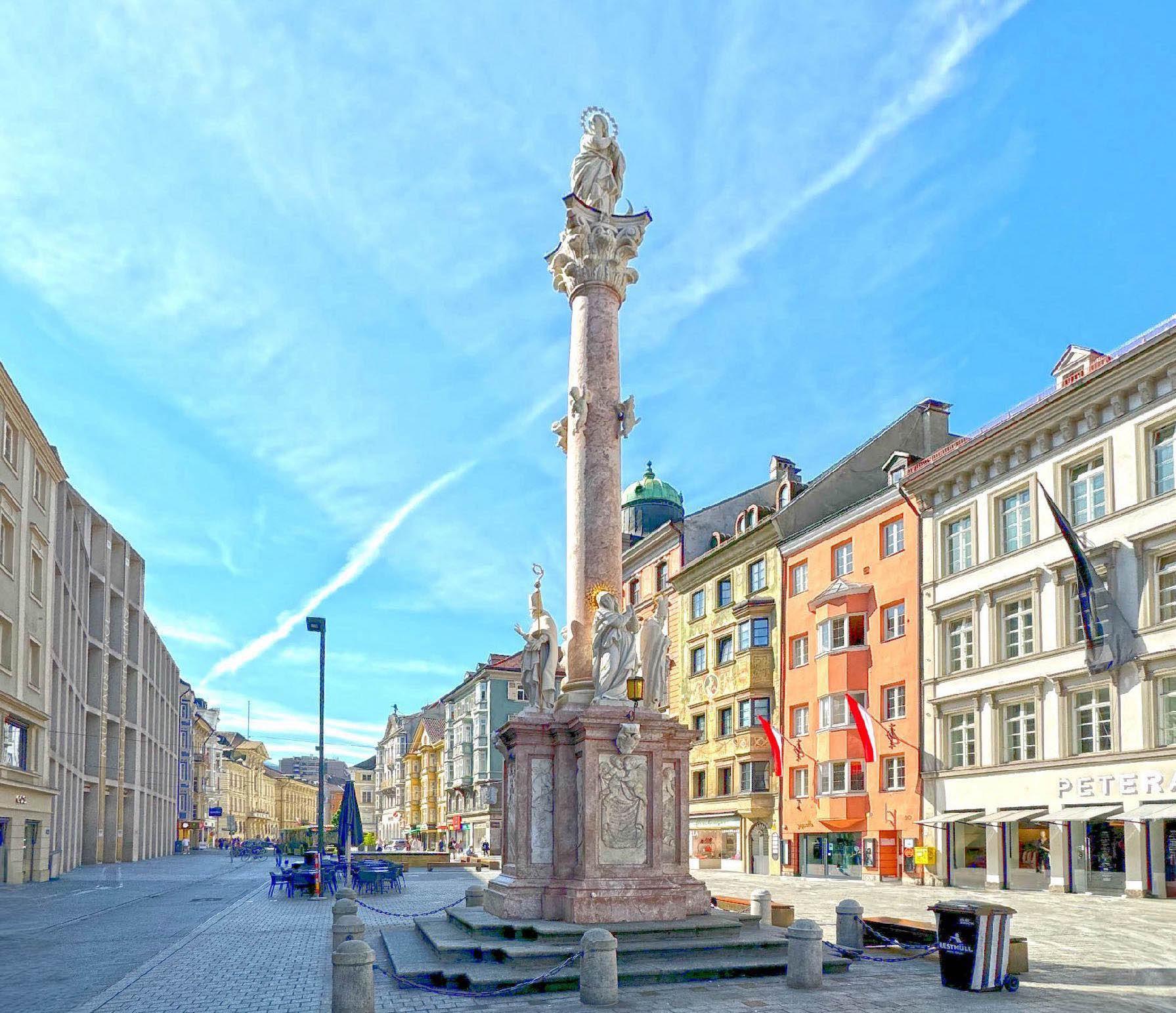
The capital city of the state of Tyrol is picturesquely nestled in the Alps. Innsbruck offers numerous opportunities for sporting activities in both summer and winter. From easy hiking trails to challenging tours, the city and its surroundings offer everything your heart desires.
With the Nordkette cable car, it is even possible to reach an altitude of 2,000 metres from the city center in just 30 minutes. In addition to the mountains, the sights also make Innsbruck a special travel destination. The Imperial Hofburg, built under
Emperor Maximilian I around the year 1500, still impresses visitors today. It was later modernized by Maria Theresa. In the Hofkirche, also known as the "Schwarz Mander Church," 28 life-sized figures guard the tomb of Emperor Maximilian. The famous "Silver Chapel" is also located here.
The “Golden Roof” is one of the city’s landmarks. In the Alpine Zoo, which can be reached by the Hungerburgbahn, you can admire over 2,000 animals.
with the ÖBB railjet from Munich to Ancona
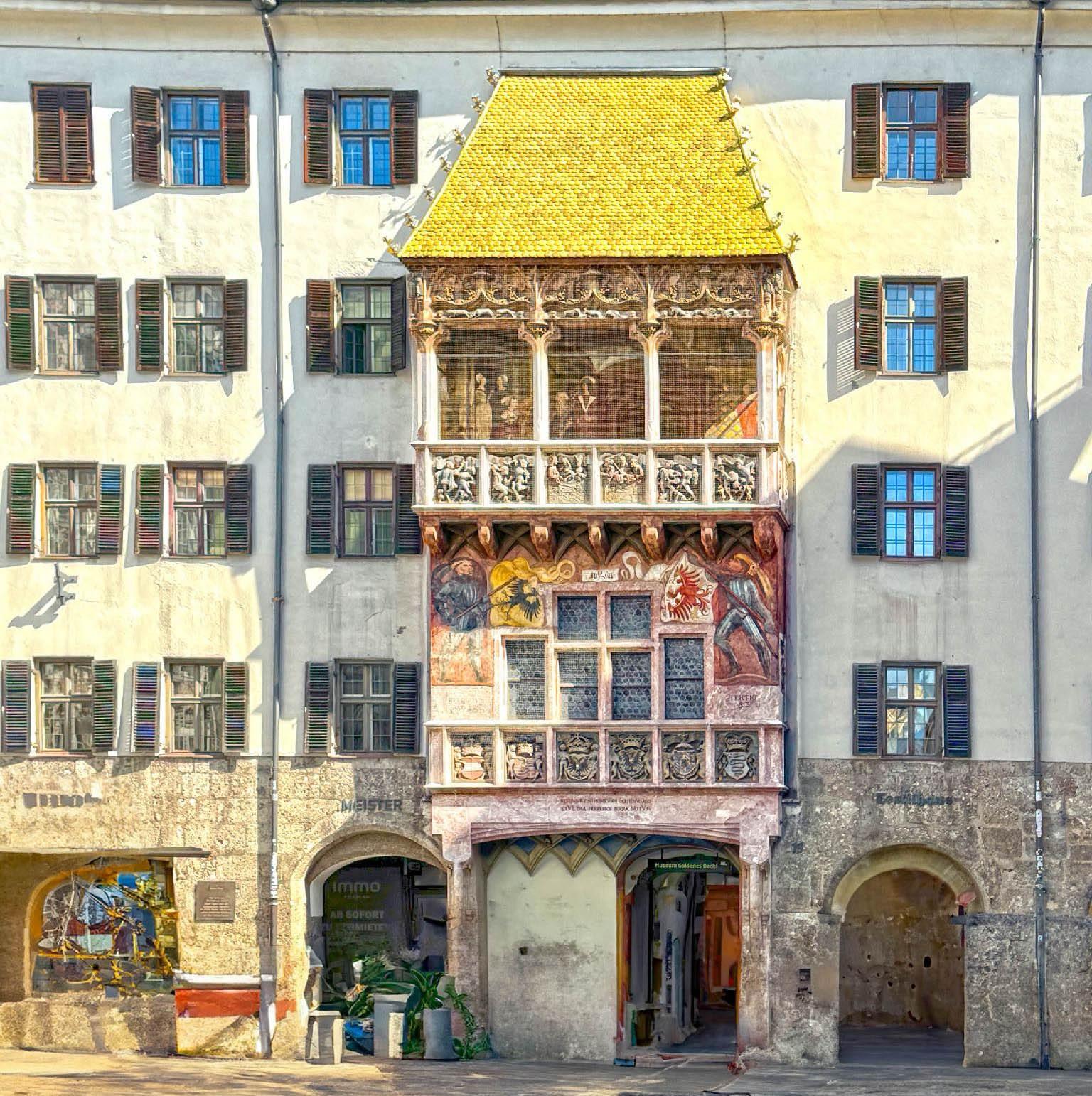

The Golden Roof (Goldenes Dachl) is a magnificent oriel in the late Gothic style at the Neuer Hof in Herzog-Friedrich-Straße in Innsbruck's old town. The imposing building is the most famous landmark of Innsbruck. The 2,657 fire-gilded copper shingles shine in the sunlight and testify to the city's wealth.
Emperor Maximilian I commissioned the construction of the Golden Roof between 1497 and 1500. Nikolaus Türing the Elder is considered the architect, while Jörg Kölderer, the court painter of Emperor Maximilian I, was responsible for the
frescoes. The magnificent decoration of the bay window with filigree Gothic ornaments gives it an almost fairytale-like aura.
The eighteen artfully carved sandstone reliefs mark the transition from the late Gothic to the early Renaissance and are considered to be important Tyrolean works of art due to their excllent quality and beautiful motifs. In order to protect them, they were replaced by copies in 1952. Six original reliefs have been completely restored and can now be admired in the museum.
with the ÖBB railjet from Munich to Ancona
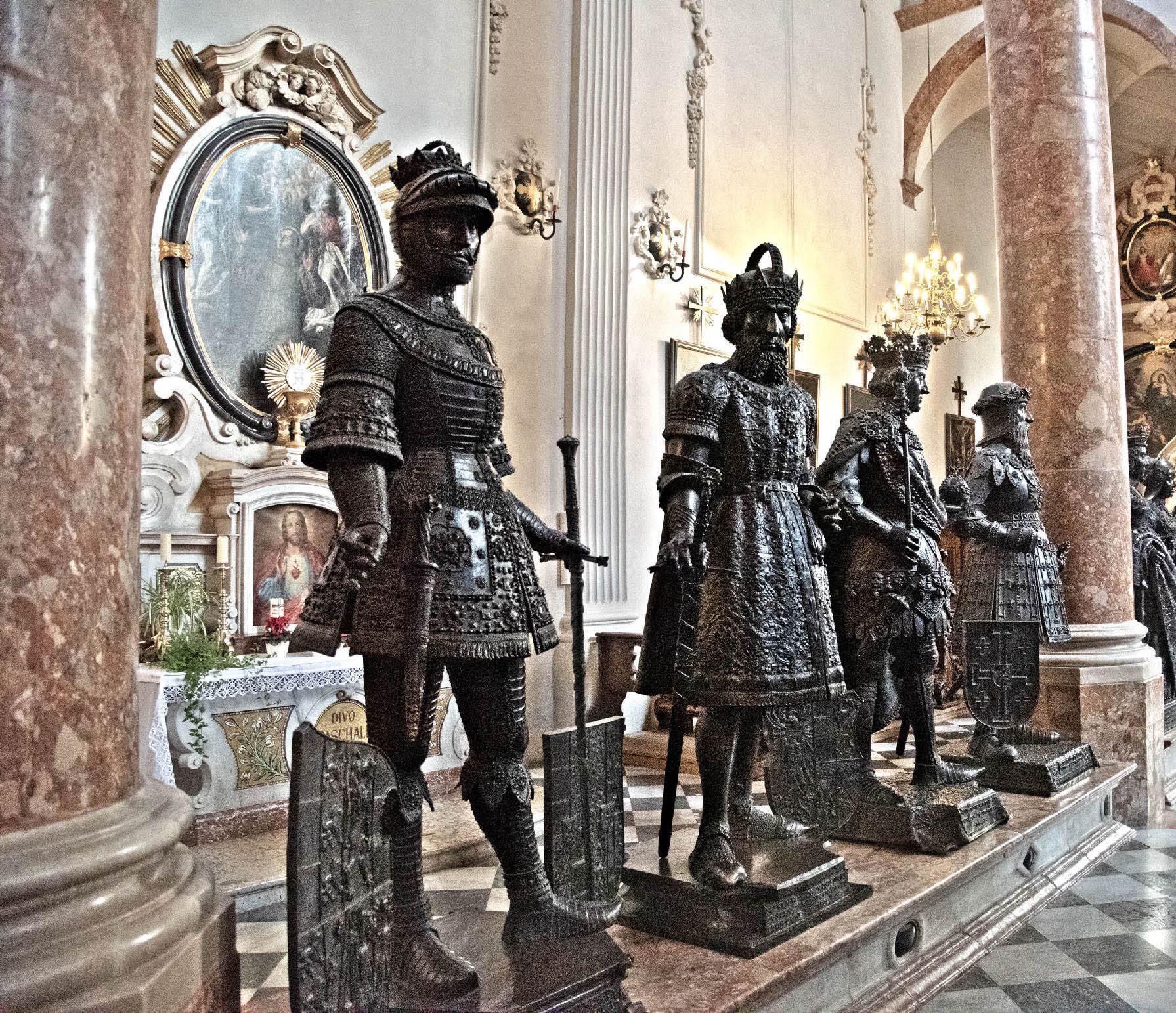

The Hofkirche of the Roman Catholic Church is located in the heart of Innsbruck. It is also known as the Franciscan Church or Schwarzmander Church. It was built between the years 1553 and 1563 as the resting place for the tomb of Emperor Maximilian I. However, the monarch was actually buried in the castle of Wiener Neustadt in 1519.
The centre of the church is dominated by the empty tomb of Emperor Maximilian I, around which 28 life-size bronze figures (black men) are grouped.
The freedom fighter Andreas Hofer has been resting in the Hofkirche since 1823.
The "Silver Chapel" is located on the floor above the church and above the former city moat. Archduke Ferdinand II had it built between the years 1577 and 1578 for himself and his wife Philippine Welser and expanded it in 1587. The chapel, named after the "Silver Altar" with a silver Madonna and her symbols, consists of two rooms separated by a grille.
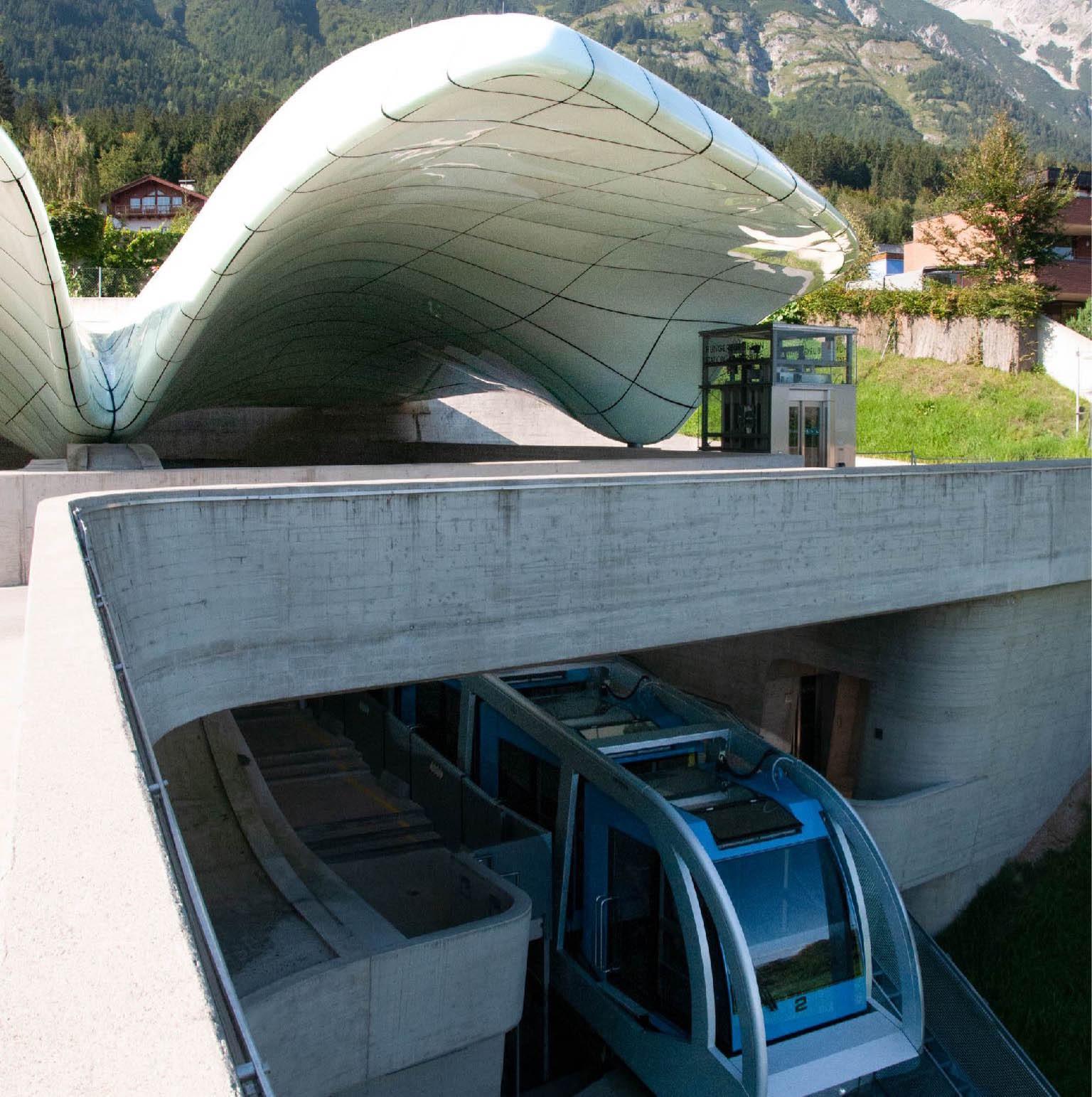
The Hungerburgbahn connects the centre of Innsbruck with the Hungerburg over a distance of just under two kilometres and stops at the Löwenhaus and Alpenzoo stations. These stations were built according to the plans of the renowned architect Zaha Hadid, who had already designed the Bergisel ski jump in Innsbruck.
The picture shows the mountain station on Hermann Buhl Platz. The valley station of the Seegrubenbahn is in Hungerburg. On the Seegrube, the "Seegrube by Don"
restaurant, which is open all year round, invites guests to enjoy Tyrolean cuisine and experience a wonderful view of the city of Innsbruck. In the summer months, it is recommended to visit the award-winning Nordkette Path of Perspectives with its various elements and platforms.
The Hafelekarbahn takes visitors from the mountain station of the Seegrubenbahn to the “Top of Innsbruck” at 2,334m, the Hafelekar. The Innsbruck Nordketten Bahnen offer a selection of combination tickets for visitors.
with the ÖBB railjet from Munich to Ancona
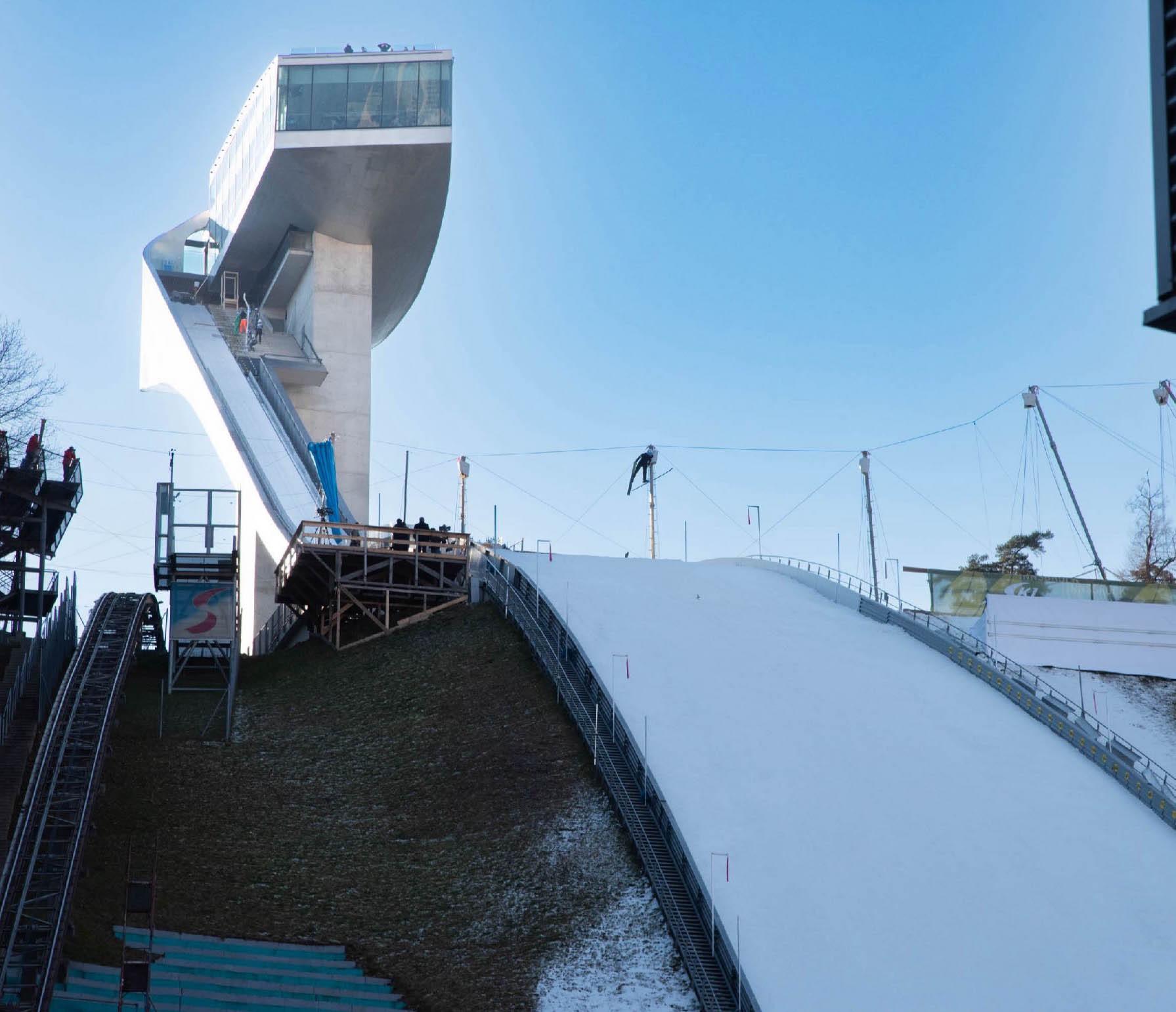
The Bergisel is not only worth a visit because of its striking ski jump, there is a lot more to discover here. Since the year 1817, the Bergisel plateau has been used by the Kaiserjäger soldiers for military exercises and was gradually developed into a "Heroes' Mountain". The Andreas Hofer Memorial is also located there. The Regimental Museum of the Tyrolean Kaiserjäger is worth a visit.
If you are already on the Bergisel, you should definitely visit the Tirol Panorama. The giant panorama painting of the Battle of

the Bergisel has been delighting visitors since 1896. In the year 2010, the 1.000m² and 360° painting was moved to the newly built museum.
The Bergisel ski jump is visible from Innsbruck's main train station. The concrete ski jump was built for the 1964 Olympic Games and was also the venue for the 1976 Olympics. The new ski jump, designed by the architect Zaha Hadid, was opened in the year 2002. The "Bergisel Sky" restaurant serves food and drinks as well as an impressive view.

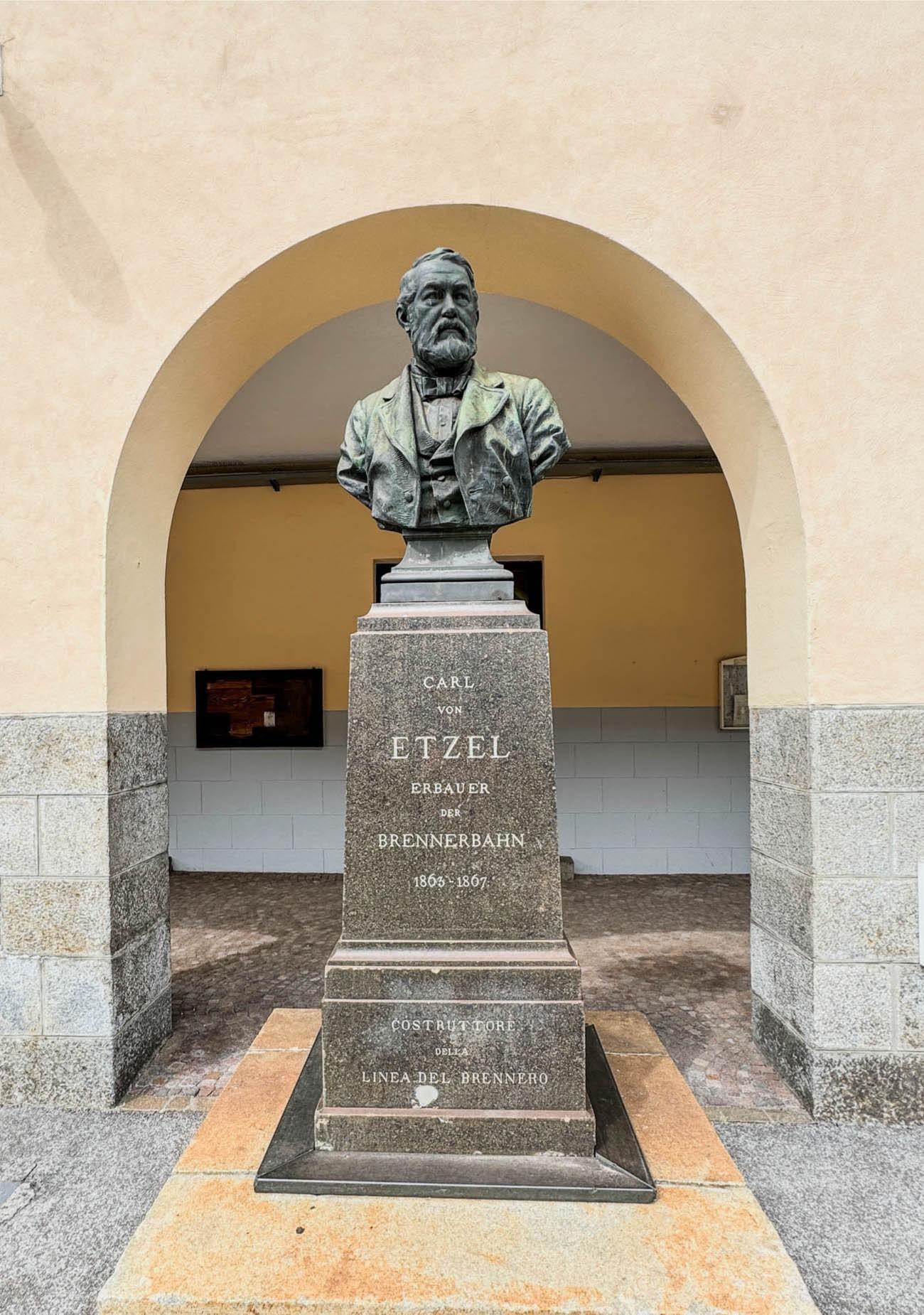
The railway line from the city of Innsbruck over the Brenner Pass and Bolzano to Verona is called the Brenner Railway. Together with the DB, the OBB trains run from Munich to Bologna.
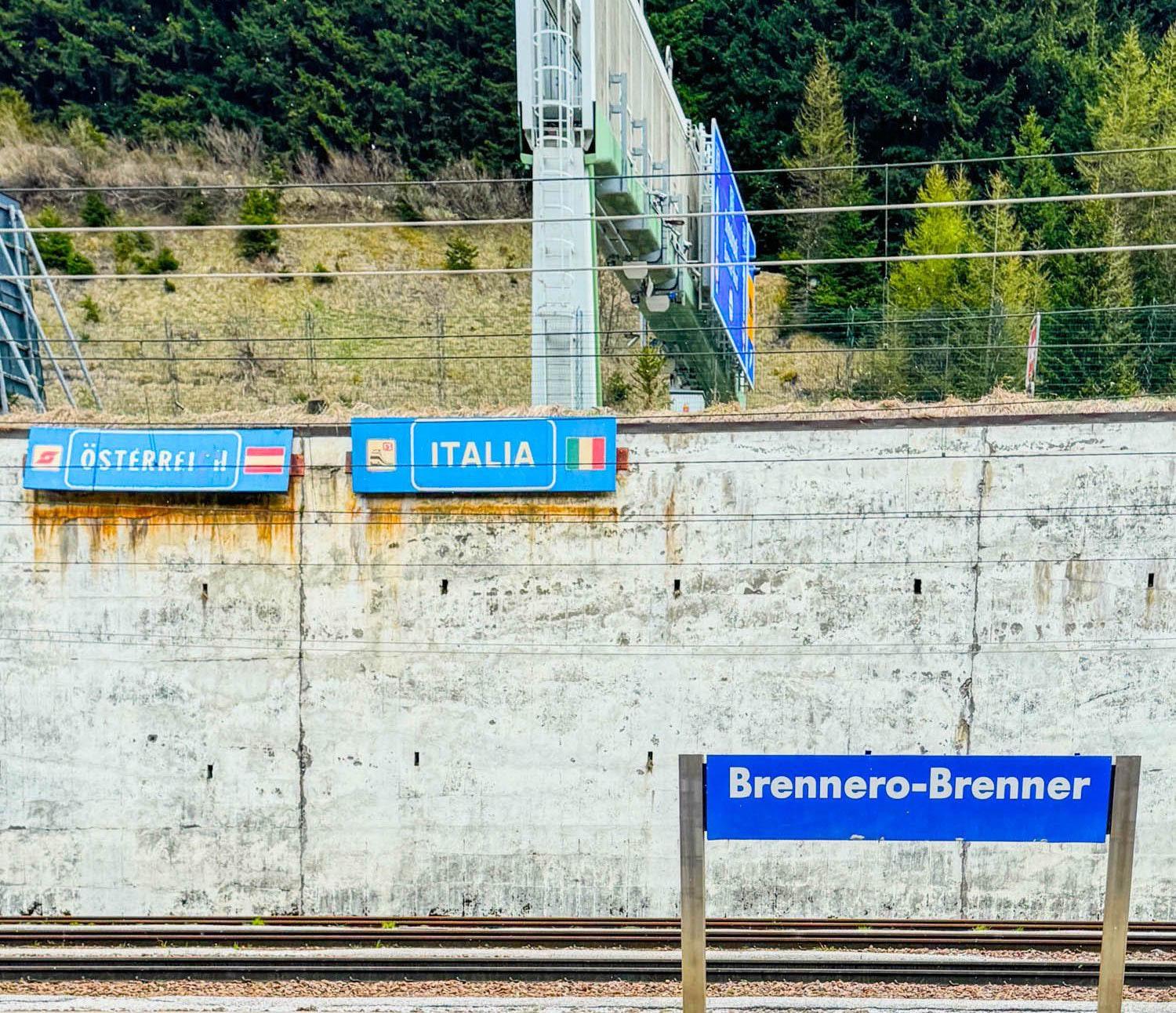
The train station is located at the highest point of the Wipptal at 1,370m above sea level. The narrow pass, surrounded by steep mountain slopes, offers only limited space for the small village of Brenner. The village consists mainly of transport infrastructures such as the train station, the A22/A13 and the SS12/B182 highways. The train station is mostly located within the municipality of Brenner in South Tyrol on Italian territory. A small part to the north of the train station belongs to the municipality of Gries in Tyrol and is located on Austrian territory. Despite the limited space, the train station at Brenner
is an important hub for cross-border passengers and freight traffic in the Alps.
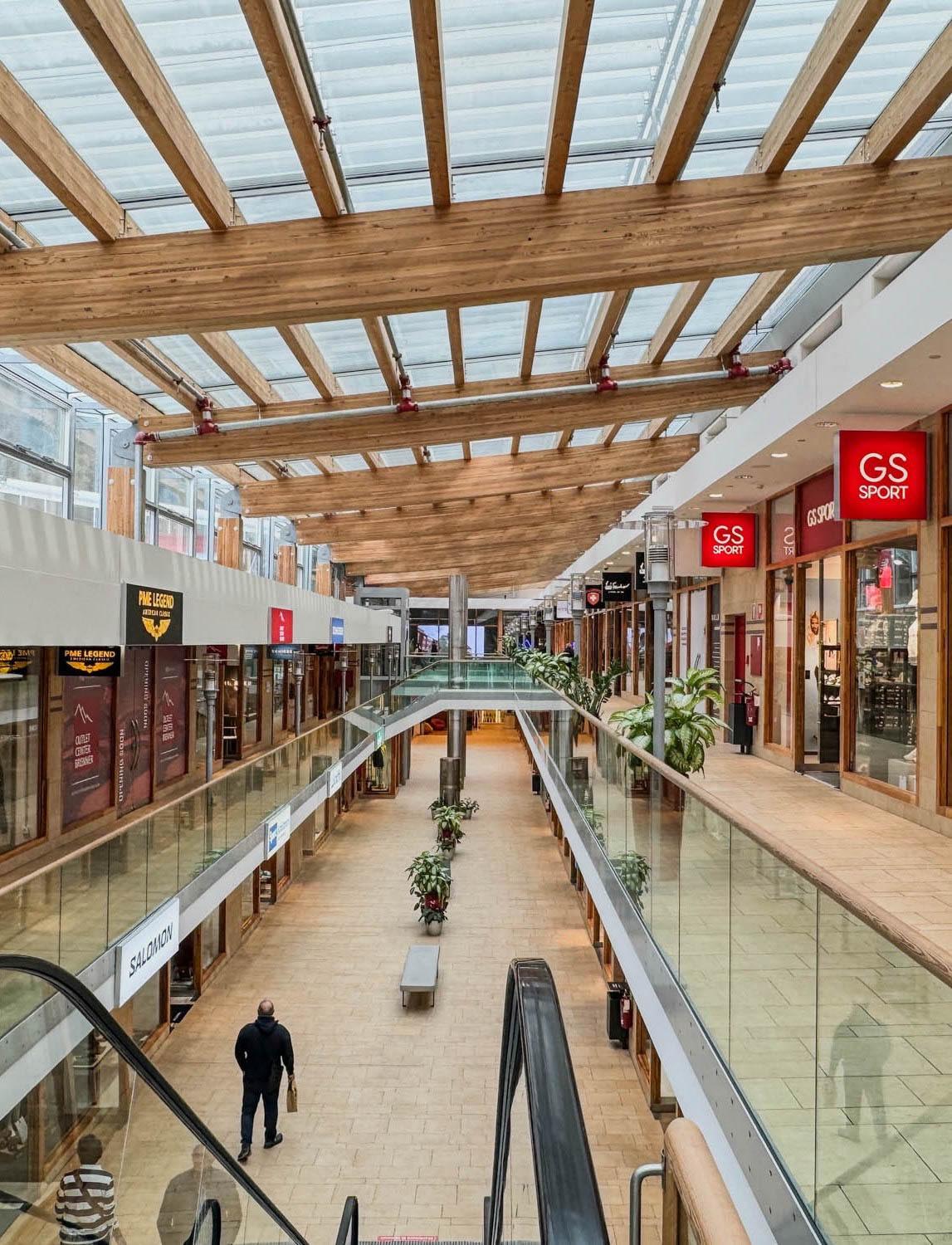
The Outlet Center Brenner draws many visitors and is an important attraction in the city. From the train station, you can reach the shopping paradise in just a few minutes on foot. In addition to numerous stores, there is also a wide range of culinary offerings for all "shopping fanatics“. In the town itself, there are a few small inns and bars where you can recuperate your strength for the rest of your trip.
with the ÖBB railjet from Munich to Ancona


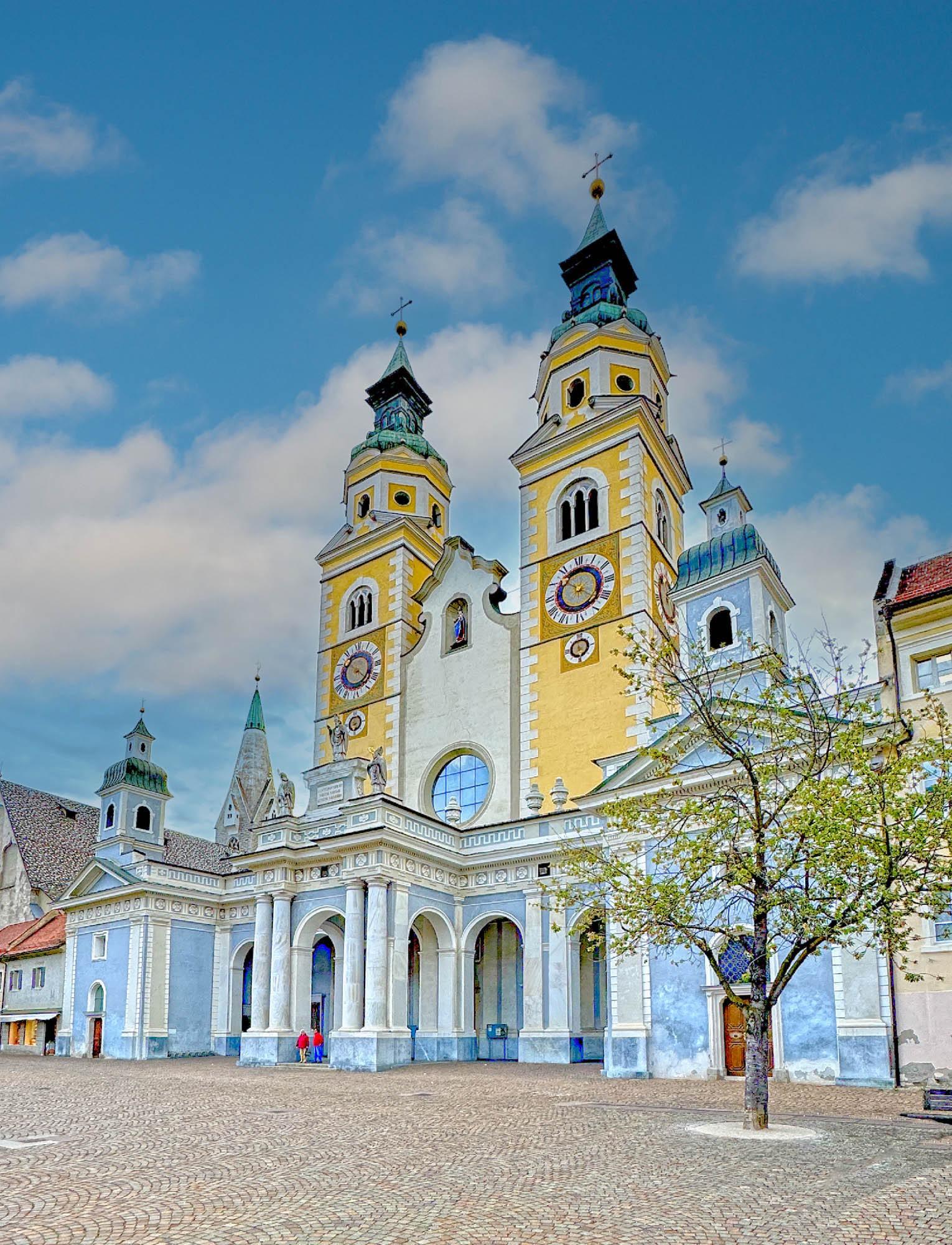
Bressanone (Brixen) is a place with a rich history, many cultural treasures and breathtaking views of nature. Unforgettable moments are guaranteed in this vacation and relaxation paradise.
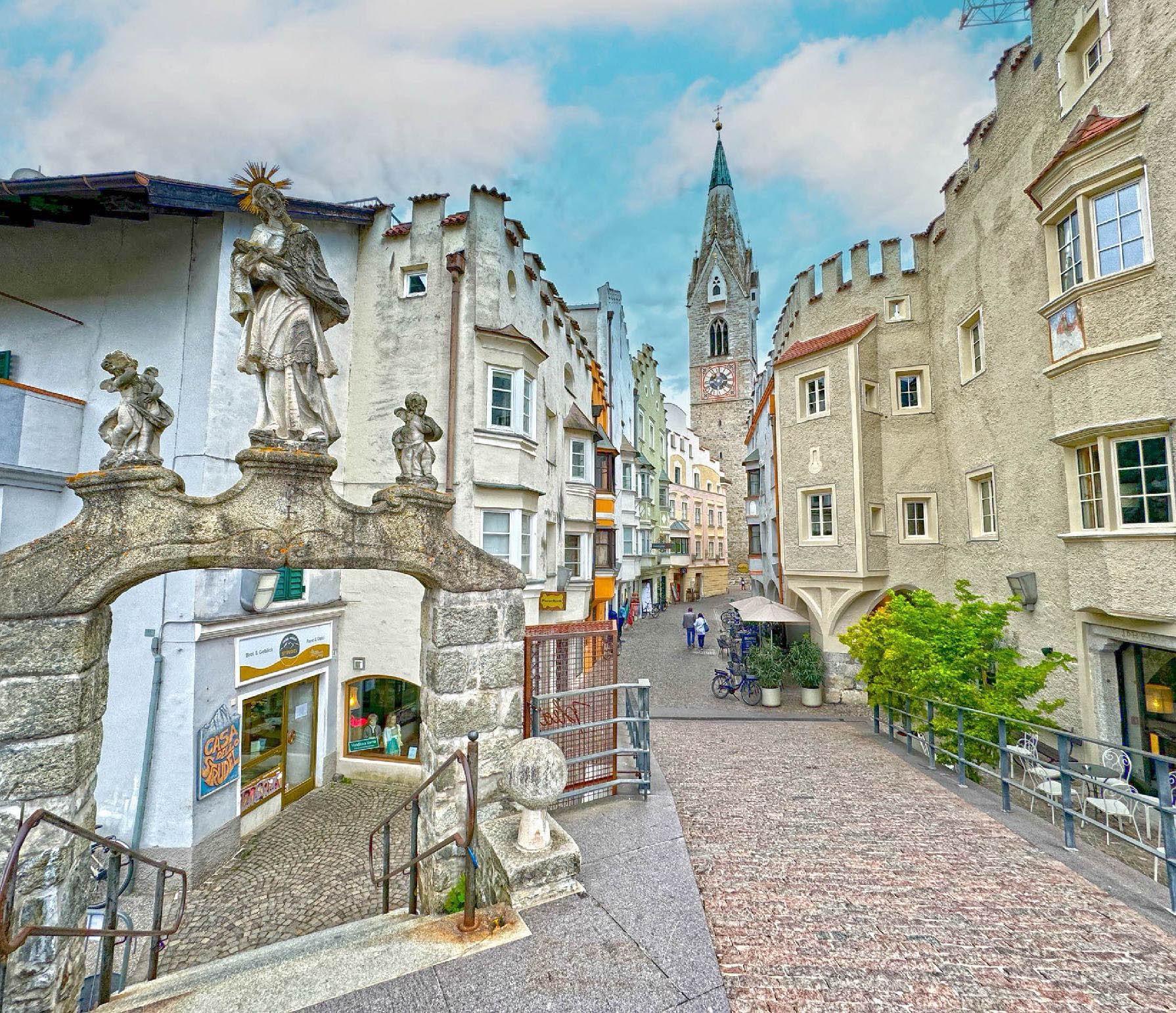
The town of Brixen lies at the foot of the picturesque and majestic Dolomite mountains and exudes a charming, medieval flair. The old town of Brixen is a winding labyrinth of cobbled streets, lined with historic buildings and idyllic squares.
Brixen is a true paradise for hikers and those seeking relaxation. Rolling hills of vineyards, green meadows and imposing mountain peaks form the perfect backdrop for a relaxing holiday. The lively culture and art scene is reflected in the galleries, museums and events in Brixen. The local cuisine spoils
guests with delicious South Tyrolean specialties in cosy restaurants and rustic inns.
In the cosy cafes and traditional restaurants, visitors can get to know South Tyrolean cuisine with its regional specialties such as Schlutzkrapfen, Kaiserschmarrn and Tirtlan. Not to be forgotten are the fantastic regional South Tyrolean wines that are produced in the surrounding vineyards.
with the ÖBB railjet from Munich to Ancona
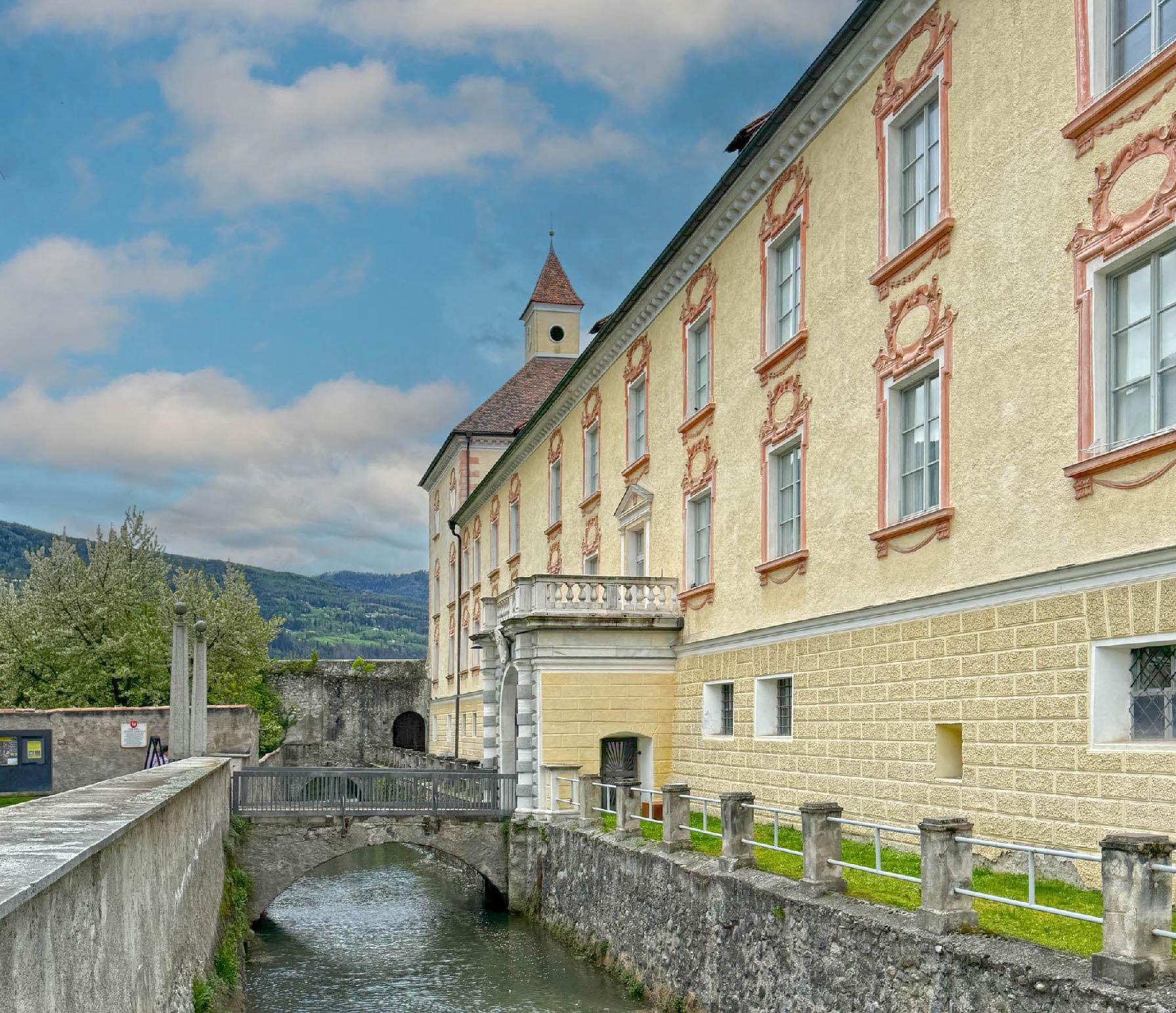

Since the middle of the 13th century, the Hofburg was the residence of the bishops of the diocese of Brixen. Until secularization in the year 1803, the bishops also held secular power, which meant that Brixen had a princely court with the corresponding administration - hence the name Hofburg.
After the bishop's seat was moved to Bolzano in 1973, the magnificent building has been home to the Diocesan Museum, the Nativity Museum and the Diocesan Archives. The beautiful Hofburg Court Church impresses visitors from all over the world
with its breathtaking frescoes and artistic stucco work. The imperial and bishop's wing invites you to immerse yourself in times gone by and to understand life at the princely court. The Court Council Chancellery, on the other hand, is a place of historical importance where important political decisions were made. Together with the Renaissance courtyard, the Hofburg forms an impressive ensemble that reflects the important history of Brixen. Visitors can not only admire the fascinating architecture, but also immerse themselves in the rich history and be enchanted by the cultural diversity of South Tyrol.
with the ÖBB railjet from Munich to Ancona
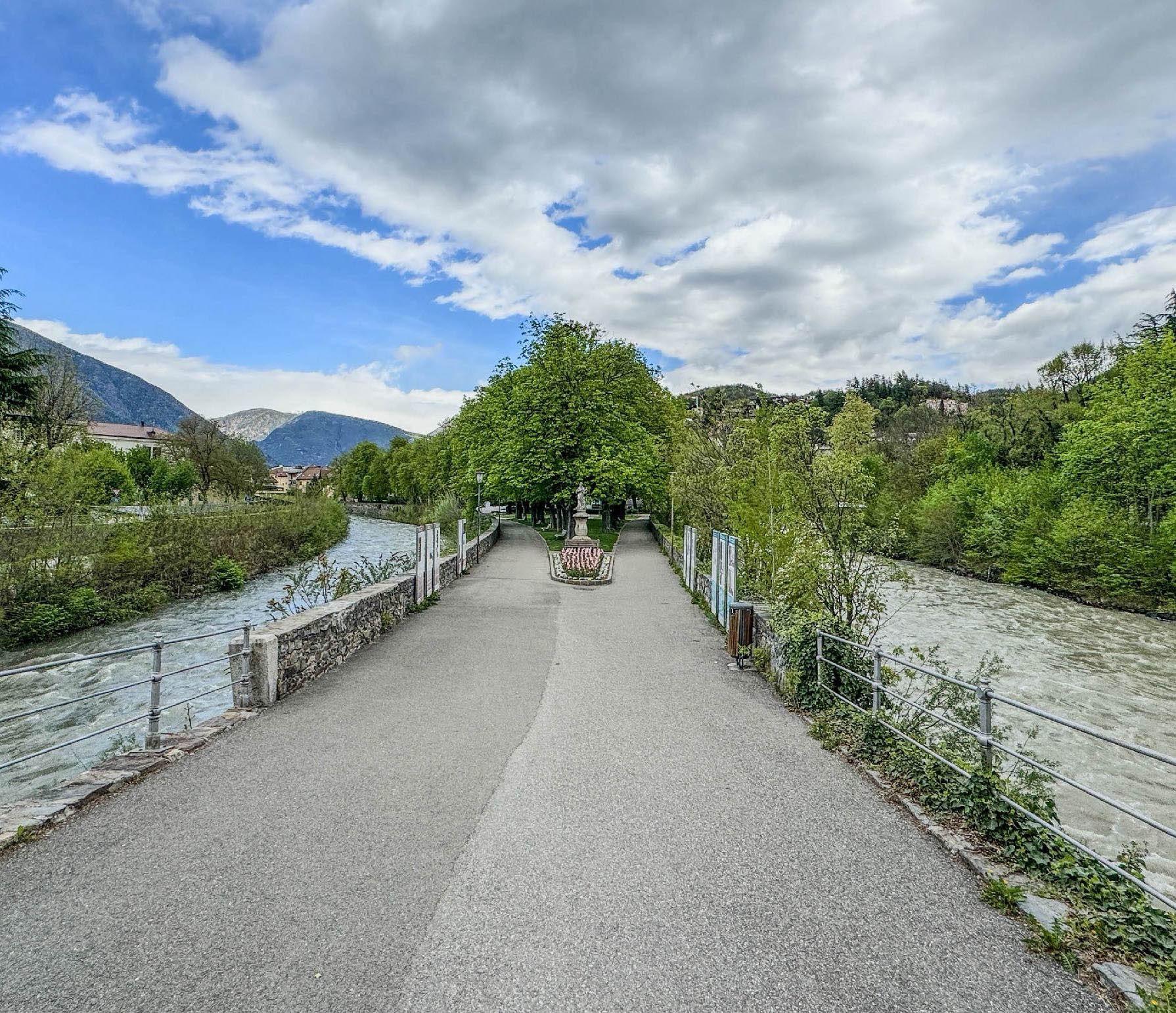
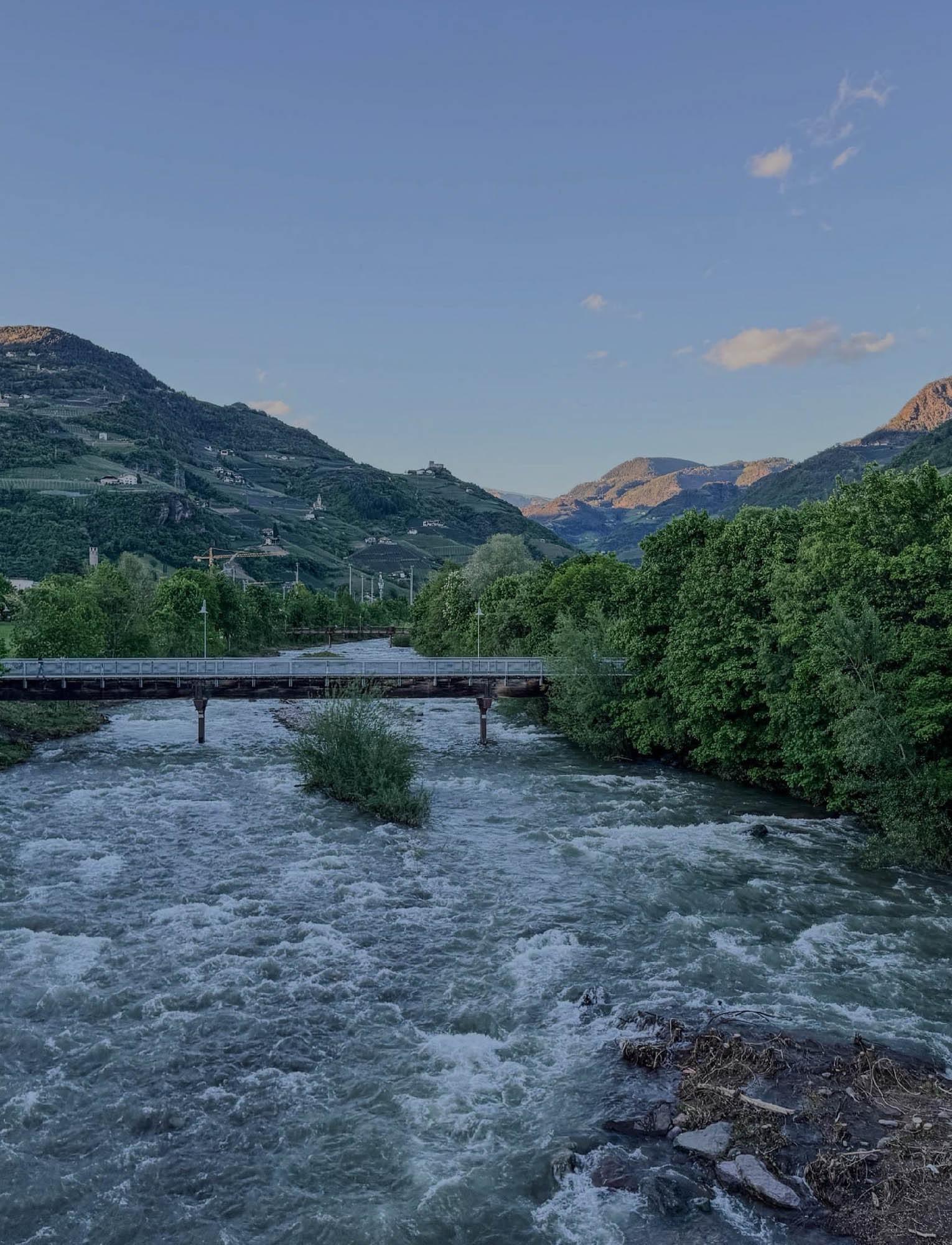
The Rappanlagen (Giardini Pubblici Rapp) were designed in 1883 as a spa garden at the confluence of the Eisack and Rienz rivers. The garden was named after the then-governor of Tyrol, Franz von Rapp. The source of the Eisack, the second longest river in South Tyrol, is at the Brenner Pass. The Rienz river has its source at the foot of the striking Drei Zinnen (Three Peaks).
Brixen has a close relationship to the water. A total of 48 drinking water fountains in the city and the surrounding area make the region an open-air water museum.
At every fountain you will find plaques that prompt you to "Refill your bottle!"
Brixen is a place rich in history, culture and natural beauty. The town and its surrounding area are a true paradise for hikers and anyone looking for pure relaxation.
This is a place full of magic where you can lose yourself in the here and now, thanks to its connection with nature and water.
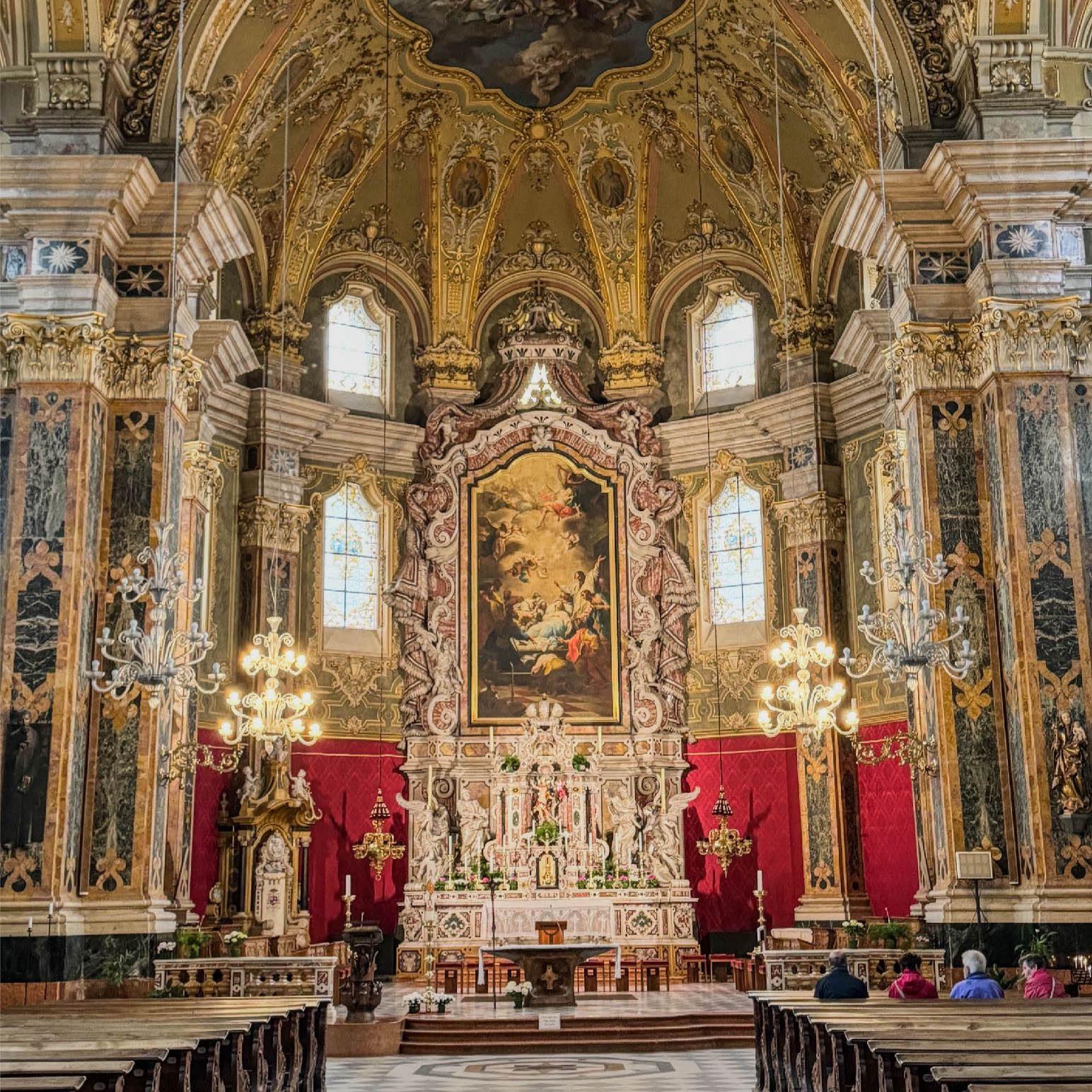
The Cathedral of the Assumption of the Blessed Virgin Mary and St. Cassian is the largest church in Brixen. It serves as the episcopal church of the Roman Catholic Diocese of BozenBrixen and bears the titles of cathedral and minor basilica. It is dedicated to the Assumption of Mary and St. Cassian. Together with surrounding buildings such as the cathedral cloister, the Johannskapelle and the Frauenkirche, it forms Brixen's cathedral district.
Originally the bishop's seat was in Säben, but was soon moved to Brixen. The once powerful Prince-Bishopric of Brixen was governed from here. Although the bishop's seat was moved to Bolzano in the year 1964 and the parish church of the Assumption of Mary was named a co-cathedral, the cathedra (the bishop's "chair") and the cathedral chapter remain in Brixen. Thus, the Brixen Cathedral remains the most important church in the diocese. The first three bishops of Bozen-Brixen (Joseph Gargitter, Wilhelm Egger and Karl Golser) are buried here. with the ÖBB railjet from Munich to Ancona

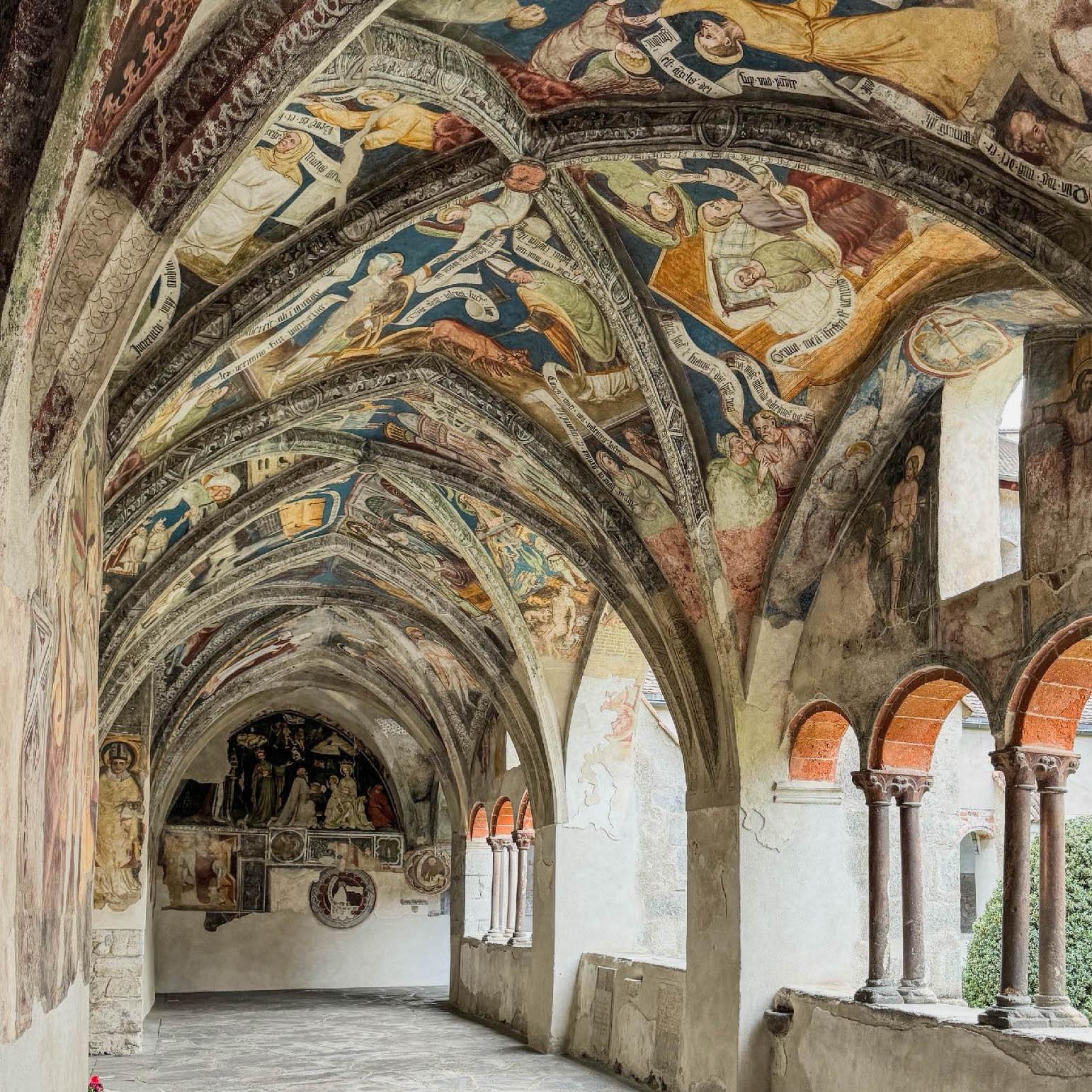
The Brixen Cathedral's cloister is one of the most important works of art in South Tyrol. Its painting began after the Gothic remodeling of the cloister and continued throughout the 15th century, mostly on commission from the capitulars who were buried there. The names of the artists are mostly unknown, but based on stylistic analyses, one can deduce their origins:
There were both locals and traveling artists from Italy and Germany. A distinction is made between paintings in the soft style (1390–1440) with idealized figures and motifs, the
beginning of the naturalism of the late Gothic period around the middle of the 15th century, and the late art of the Middle Ages, which was dominated by landscapes and bodies, in the last third of the 15th century.
The frescoes have been restored in recent decades by the South Tyrolean Monument Protection Office and are in very good condition.
with the ÖBB railjet from Munich to Ancona

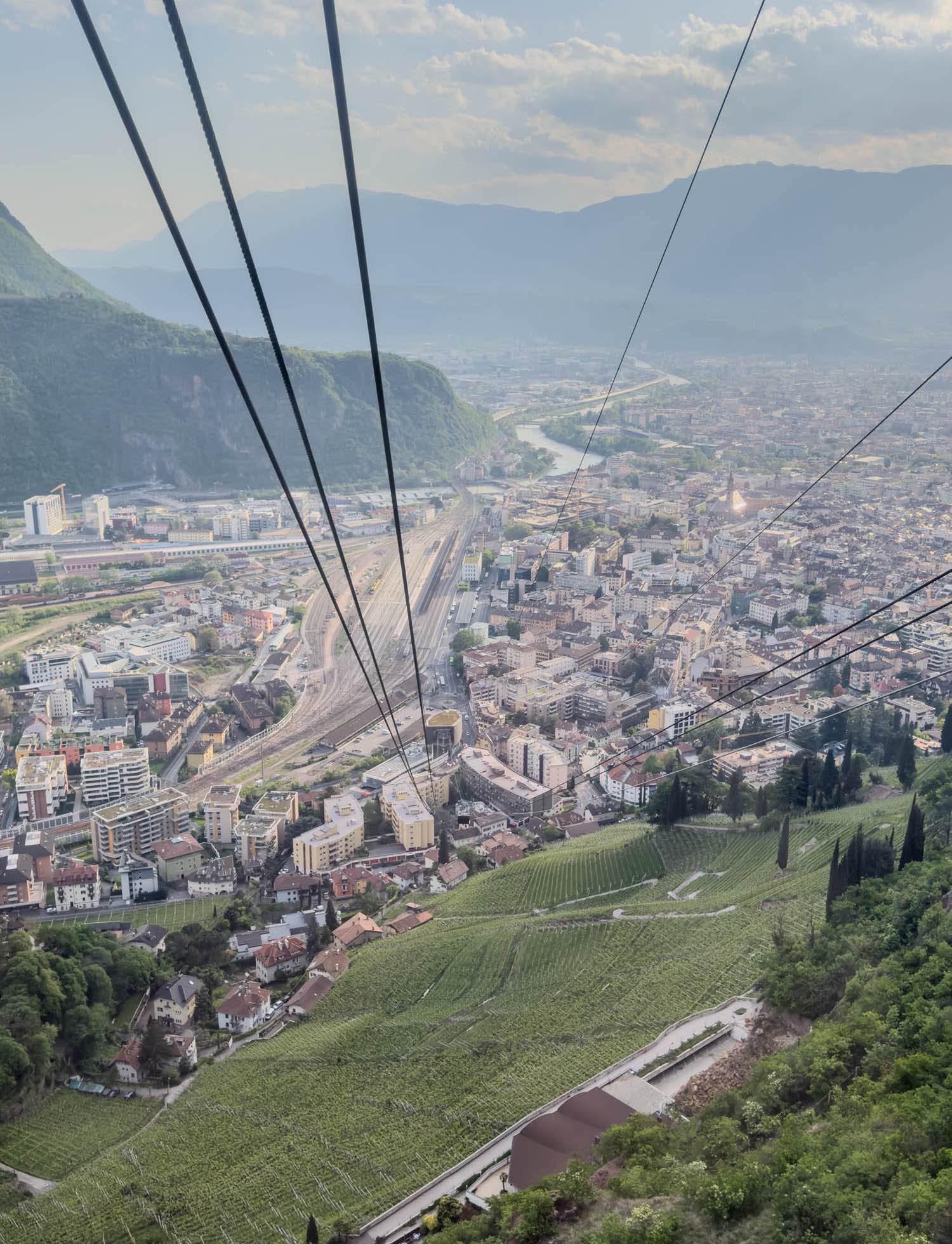
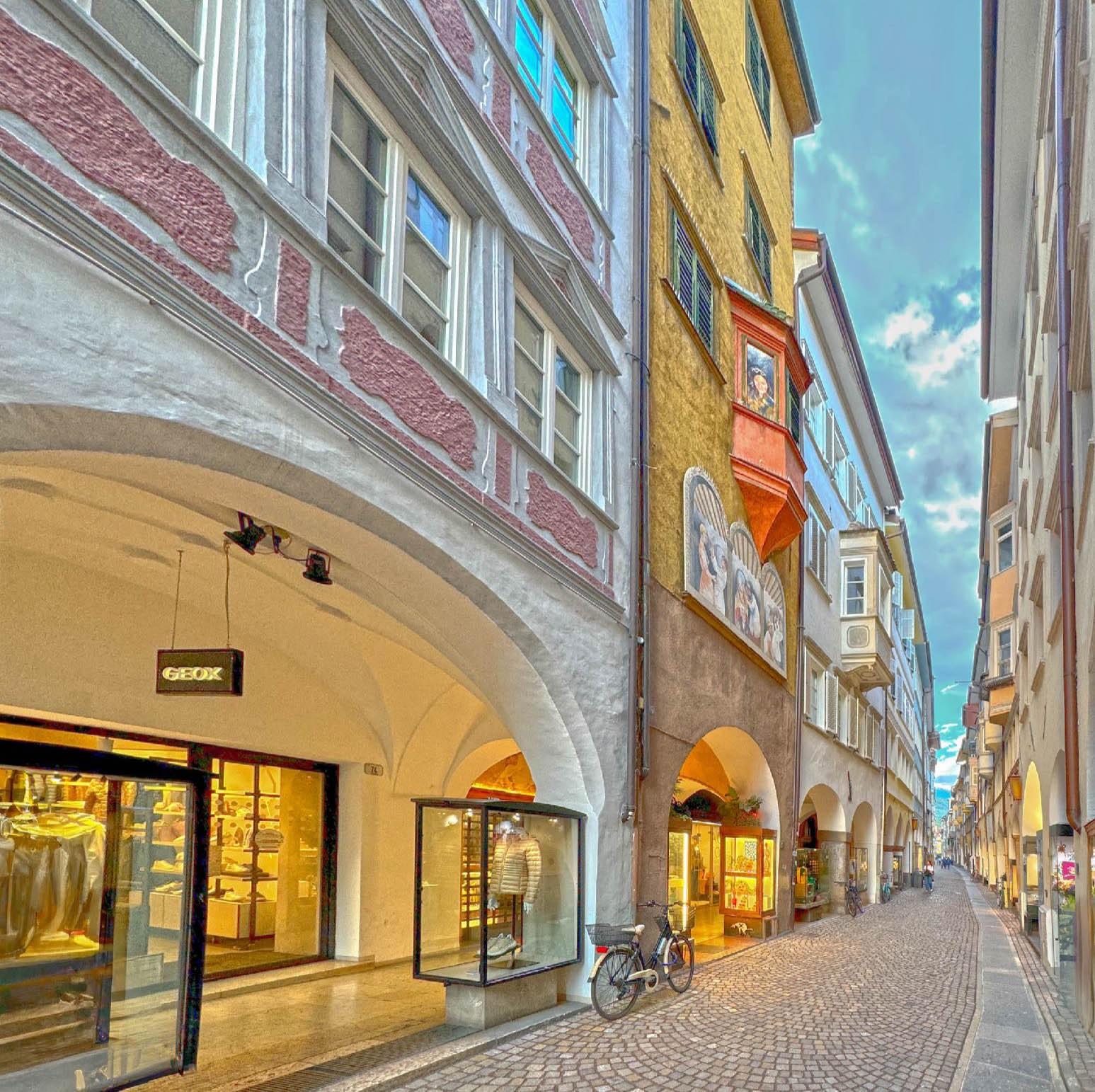
and the Mediterranean meets the Alps. In the historic old town you can stroll leisurely through the arcades and visit the numerous shops, restaurants and bars.
More than 50 kilometres of cycling paths and beautiful hiking trails invite you to enjoy being active in and around Bolzano. With the help of the two cable cars, visitors can easily climb the surrounding mountains. The view from the mountains over the
Picturesque town with a historic center. Bolzano is a cosy place for shopping and a destination for wine lovers.
Promenades and many cycling and hiking trails invite you to linger.
air and take in the impressive views.
Visitors to the city of Bolzano can round off a day full of outdoor activities with a visit to one of the city's cosy cafes or restaurants. Bolzano offers a perfect mixture of culture, nature and enjoyment, making it an ideal destination for anyone who wants to experience the best of a holiday in the Alps.
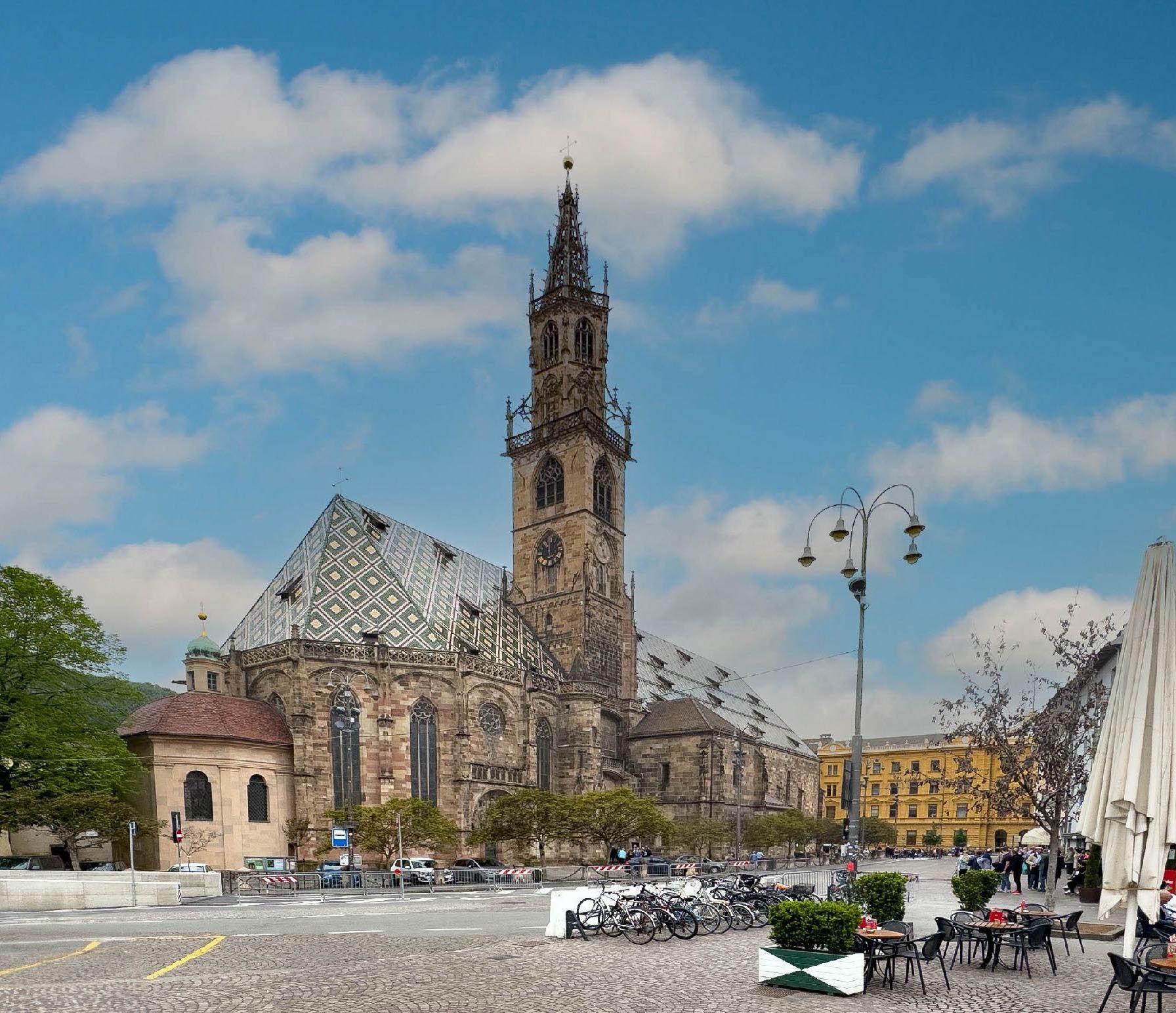
The origins of the imposing cathedral on Waltherplatz in the heart of Bolzano date back to the 5th century. An early Christian basilica once stood here. The current Cathedral of the Assumption of Mary was built on its remains. Construction in the late Gothic style began around 1300 and was only completed over two centuries later, in the year 1519, with the completion of the 65-metres-high steeple. The Cathedral of the Assumption of Mary houses numerous works of art such as the "Chattering Mother of God", the Crucifixion Fresco on the steeple wall and the Chapel of Grace. The artistically decorated
gates such as the Lion Portal in the romanesque style and the Leitacher Portal are also worth seeing. The cathedral treasury is located right next door in the old provost's office. Archduke Rainer of Austria, who died in Bolzano in 1853, is laid to rest in the crypt.
The cathedral is open Monday through Saturday from 7.30 a.m. to 6.00 p.m. and Sundays from 8.00 a.m. to 8.00 p.m. The cathedral's treasury can be visited from Tuesday to Saturday between 10.00 a.m. and 12.30 p.m.
with the ÖBB railjet from Munich to Ancona
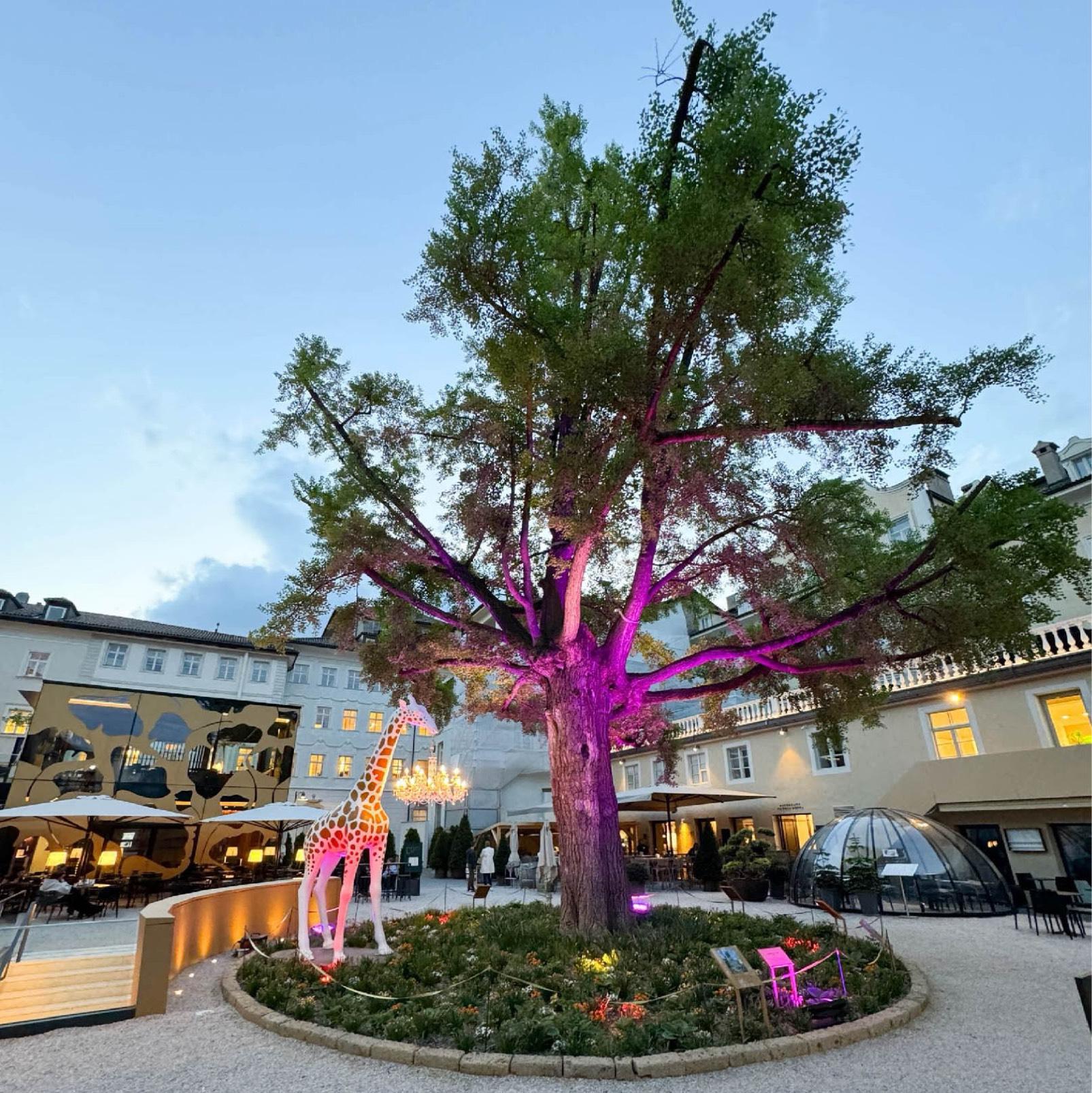

The Palais Campofranco, located on Bolzano's Walther Square, was once the residence of Archduke Rainer of Habsburg, the deputy king of Lombardy-Venetia. The impressive courtyard of the historic building complex houses a ginkgo tree, a gift from Empress Sissi to her uncle Archduke Heinrich as an expression of her appreciation. The ginkgo biloba tree was planted in the year 1889. The ginkgo plant symbolizes love, friendship, constancy, hope and peace. In the year 2000 it was declared the "Tree of the Millennium".
After a four-year renovation period which was completed in September 2021, the Palais Campofranco has been shining in new splendor. There is a large grocery store in the basement of the palace.
The inner courtyard is full of cafes and bistros. The upper floor is home to an impressive restaurant with a wonderful terrace. In front of the palace, the cosy Loacker Cafe invites you to enjoy the legendary chocolate specialties.
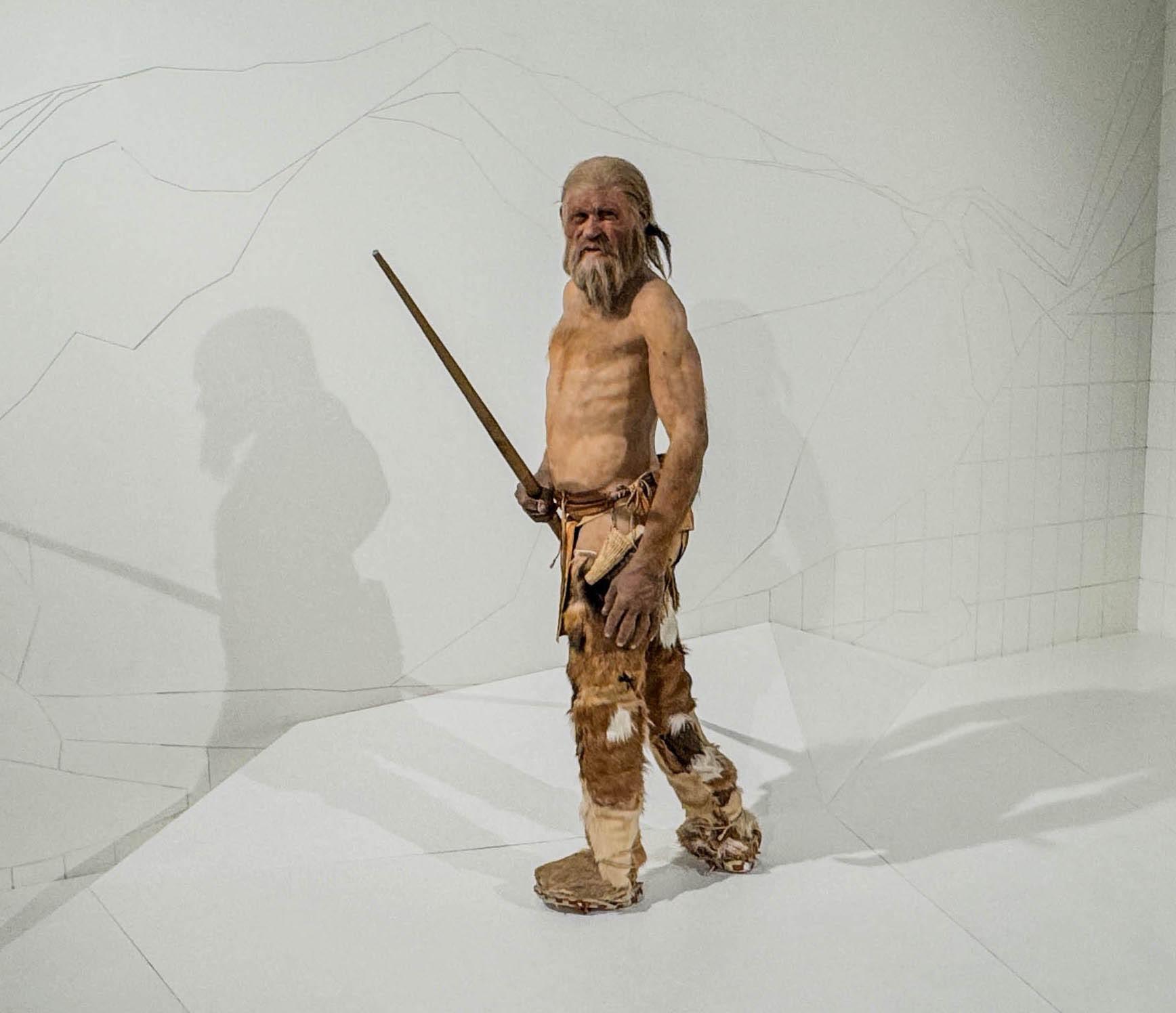

Ötzi, the glacier mummy from the Copper Age, was discovered under unusual circumstances and has since revealed valuable knowledge. In 1991, mountaineers stumbled upon it by chance on the Schnalstal Glacier. The mummy is complete with clothing and equipment, and has been studied in detail ever since.
More than 5,300 years ago, the man crossed the Tisenjoch in the Schnalstal valley in South Tyrol, where he was killed and preserved in ice. Older than the Egyptian pyramids and Stonehenge, he is the result of numerous improbable coincidences.
Ötzi lived in the Copper Age, an era at the transition from the Stone Age. Although he still used stone tools, he already owned an innovative and valuable copper axe. Knowledge of metal extraction and processing had only recently reached Europe from Asia Minor, marking the beginning of the first metal age.
The "Iceman" has been on display in the Archaeological Museum since 1998. The mummy is kept in a specially constructed cold storage chamber and is visible to visitors through a window.
with the ÖBB railjet from Munich to Ancona

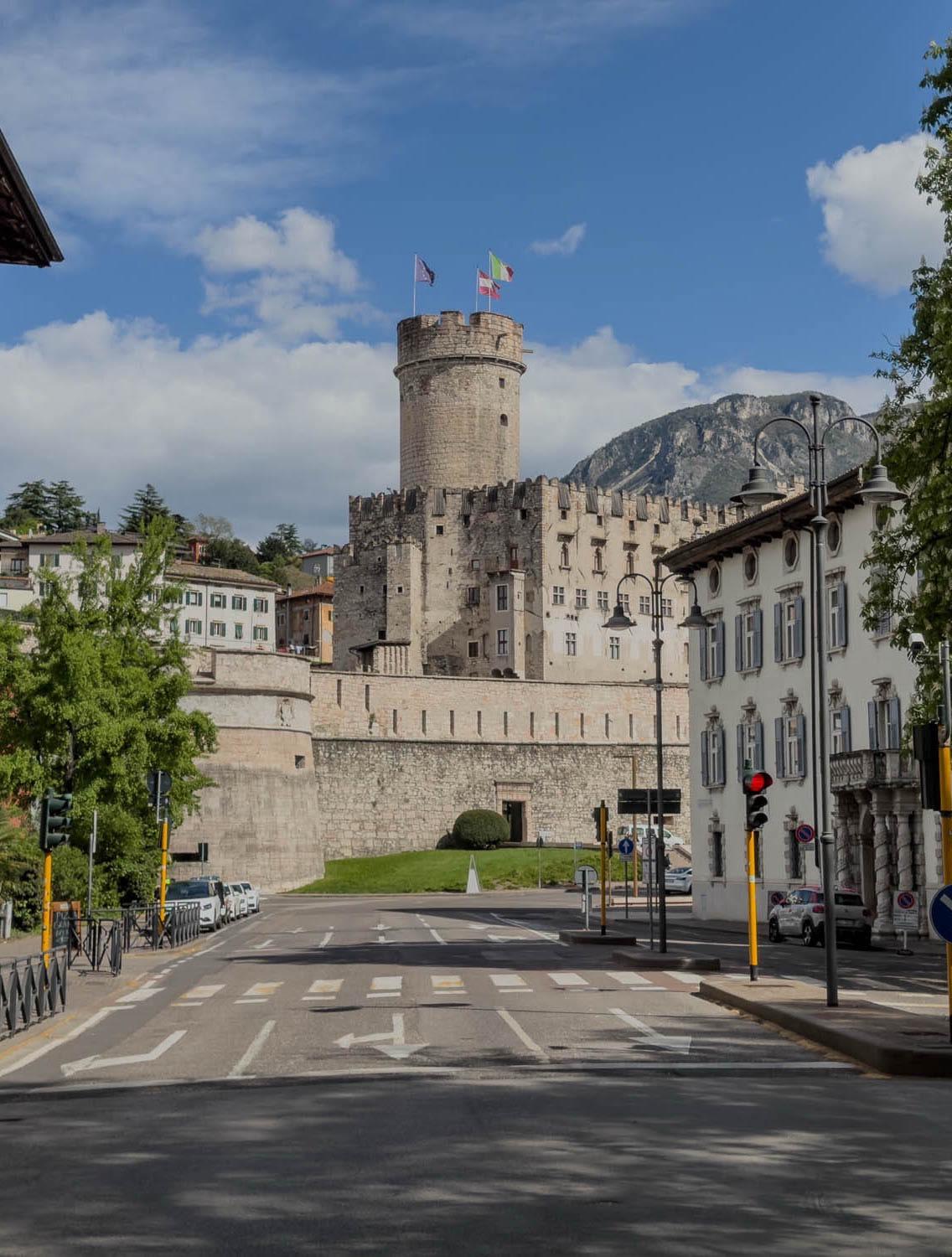
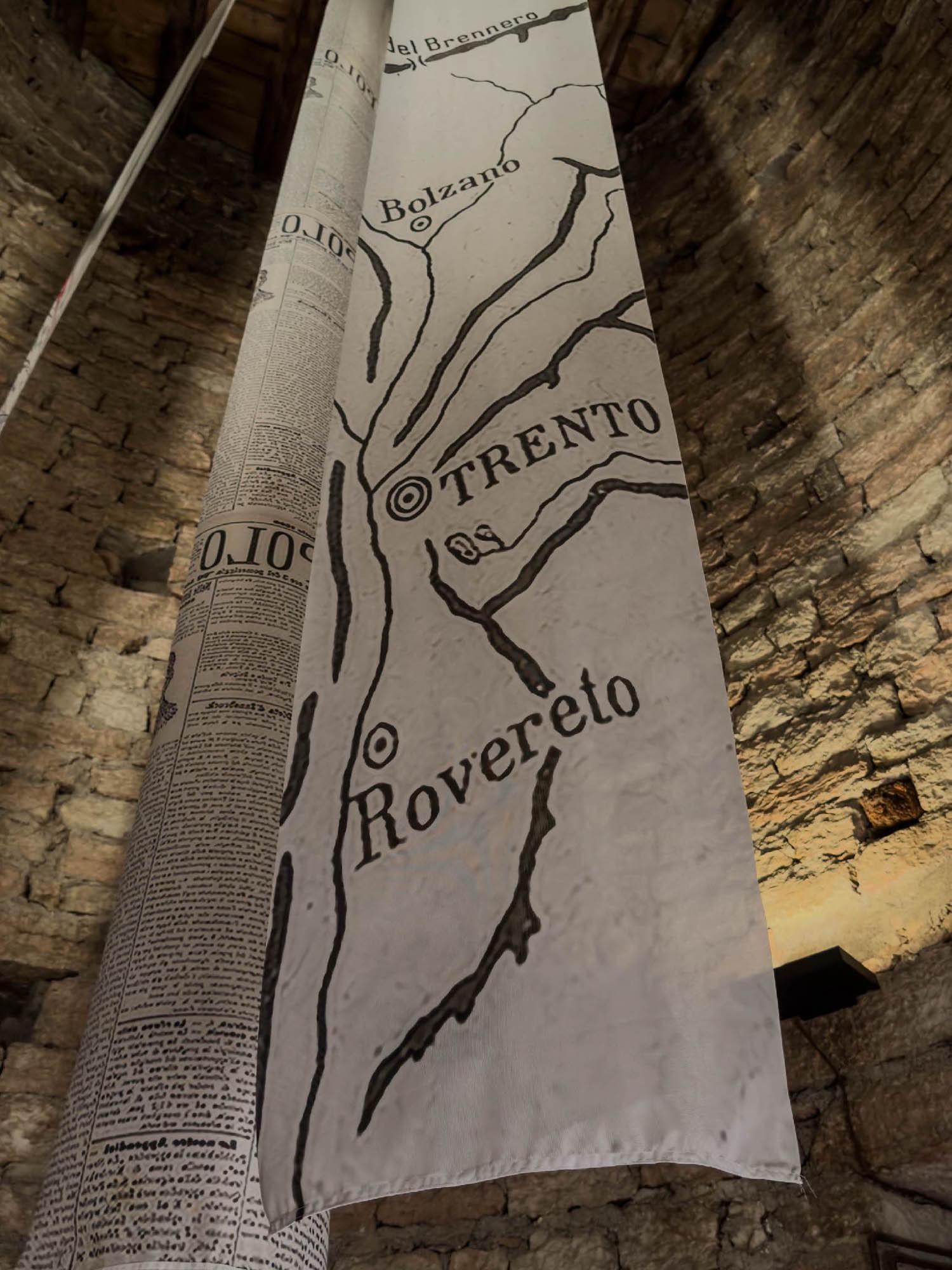
The city of Trento, with its palaces and castles, offers countless opportunities to experience the place. It is worth to explore the city's hidden corners - an adventure for all senses.
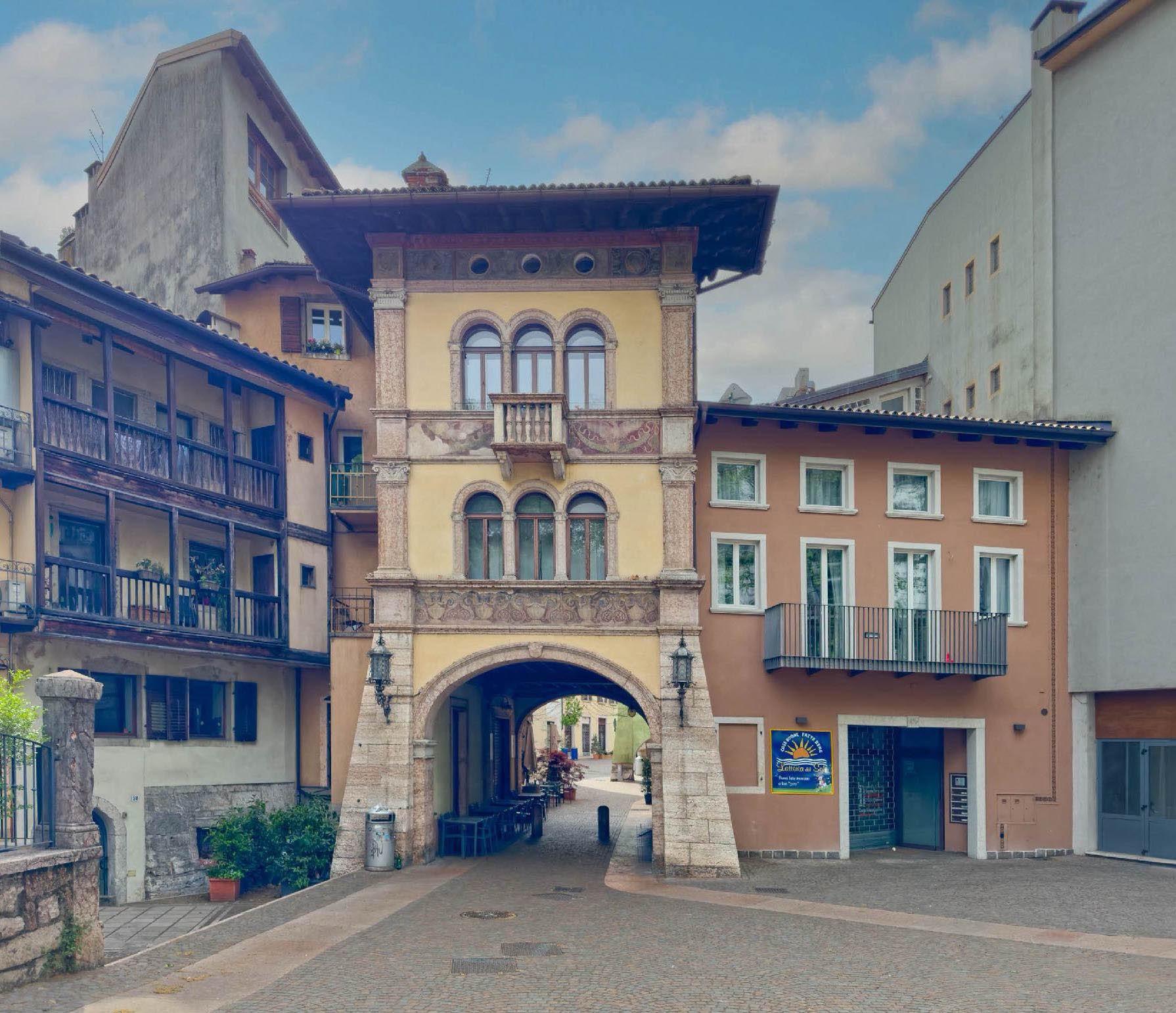
The capital of Trentino has an eventful past. The city was founded by the Celts and later conquered by the Romans, who renamed it "Tridentum". In the year 1004, Emperor Henry II transferred secular power to the bishops. Despite various revolutions, the bishops remained in power until Napoleon's troops invaded in the year 1796. After that, the area became part of the Austro-Hungarian Empire. From that point on, technical projects began to be implemented, such as the diversion of the Adige, the construction of the Brenner railway and more modern urban development.
Trento's medieval streets and magnificent squares invite you to immerse yourself in times gone by. The city's rich history comes to life here and showcases the important role the capital of Trentino once played. Trento's numerous art treasures and historic buildings make every walk an unforgettable experience. Anyone who strolls through the narrow streets and admires the magnificent palaces feels like they have been transported back in time. Every step reveals new facets of this fascinating city, full of stories and secrets.
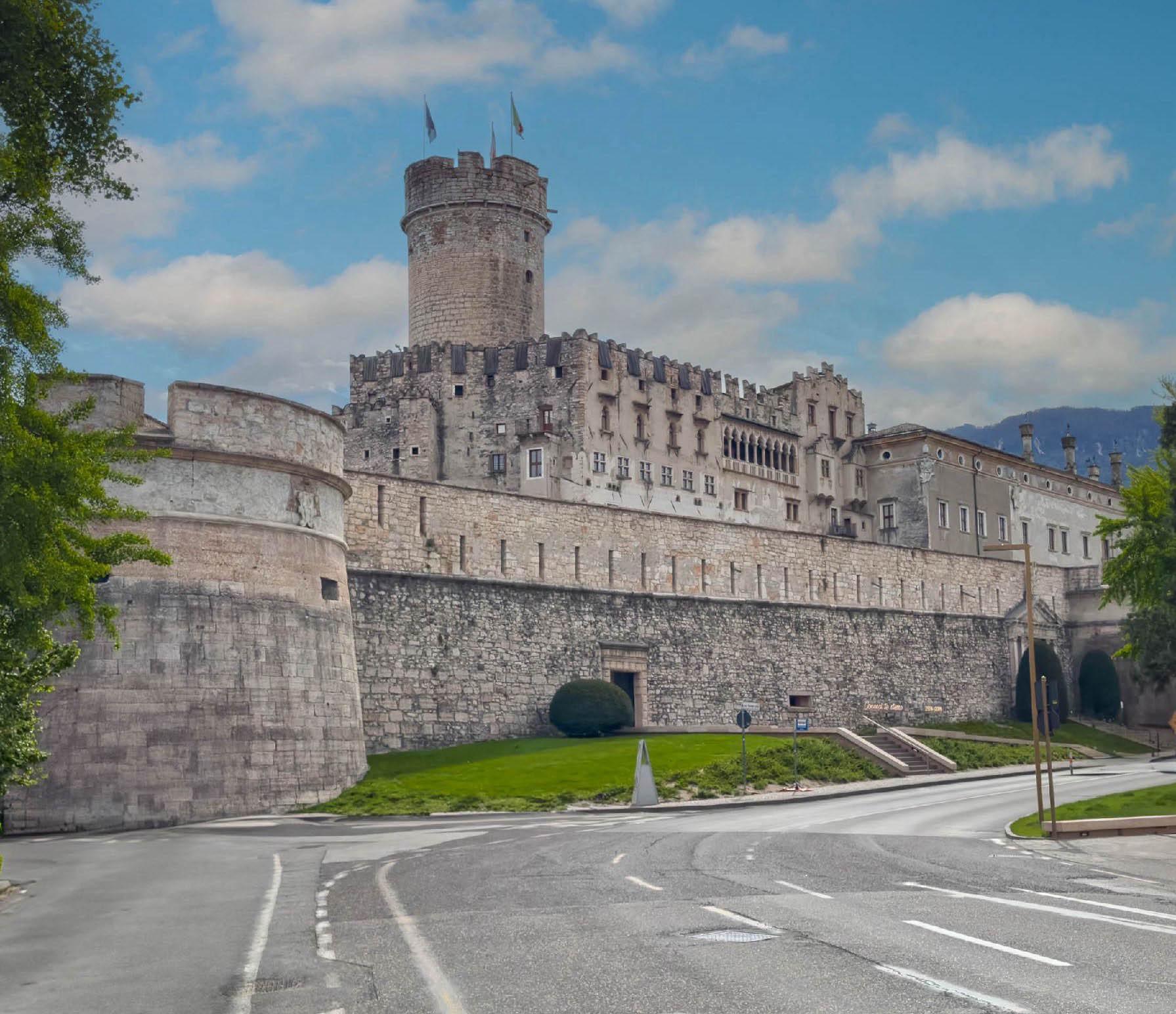
The Castello del Buonconsiglio is truly a sight to behold. The imposing castle once served as the residence of the princebishops and impresses with its Gothic towers and sumptuous interior rooms and decorations. It exudes a majestic elegance that leaves visitors in awe.
The magnificent paintings on the walls of the Castello del Buonconsiglio tell of times gone by, when the court celebrated in the magnificent halls and the prince-bishops demonstrated their political skills. Every detail of the palace seems to tell a
story, from intrigues and power games to lavish parties and royal banquets. Visitors can feel the breath of past centuries as they stroll through the venerable chambers of the palace.
The Castello del Buonconsiglio is undoubtedly a place where the past comes to life and visitors can immerse themselves in another world.
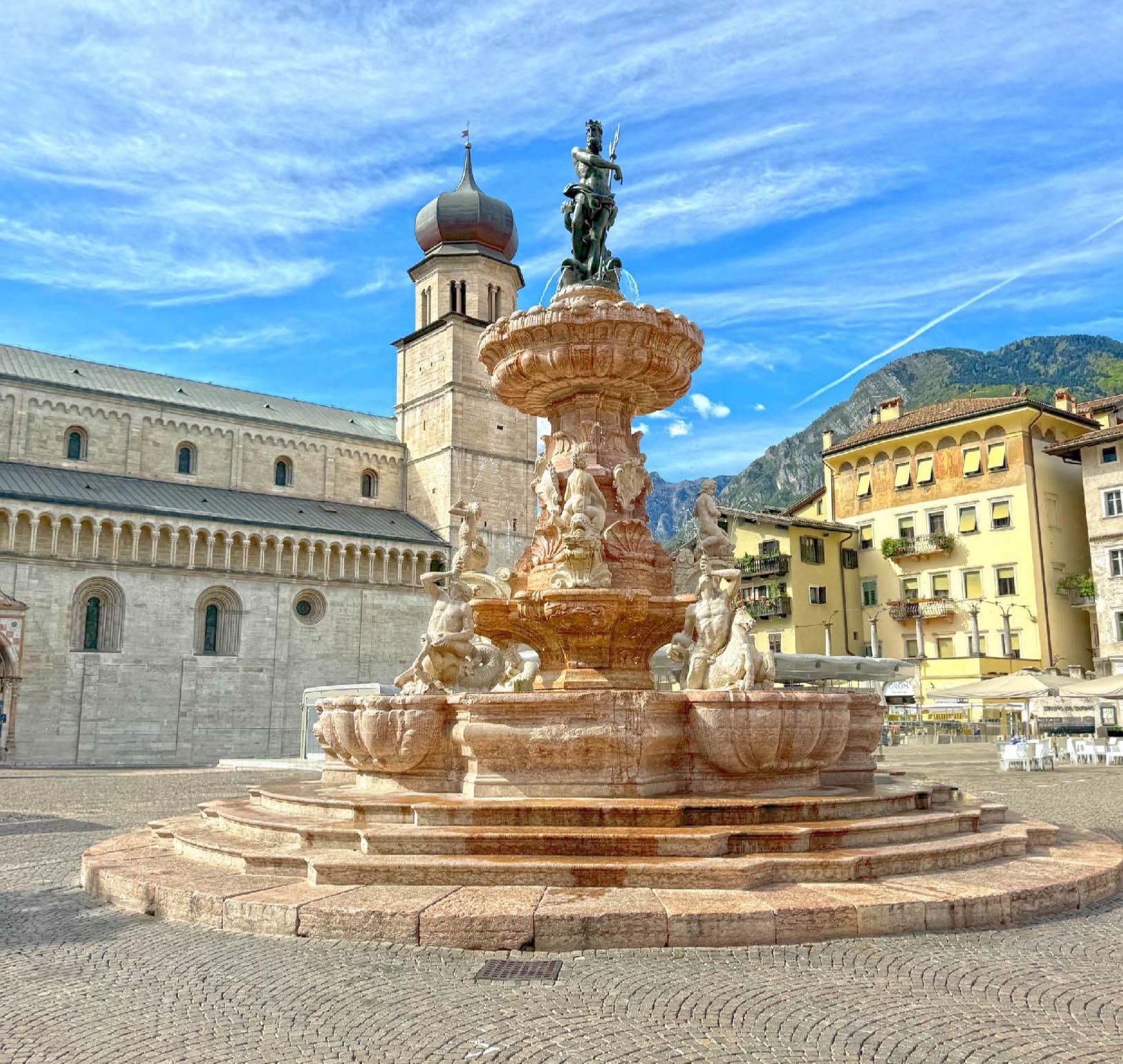
Francesco Antonio Giongo, also known as "the hunchback", attracts all eyes with its beauty and imposing size.
The bronze figure of Neptune, rising majestically from a shell, radiates a certain mystical aura. The artistic decorations and filigree details of the fountain fascinate every viewer and give the cathedral square a very special atmosphere.
morning hours, when the rst rays of sunlight make the water sparkle.
The legends and stories surrounding the shining fountain make it a true jewel of the city. Every visitor, whether local or tourist, senses the magic and attraction of this magnificent work of art.

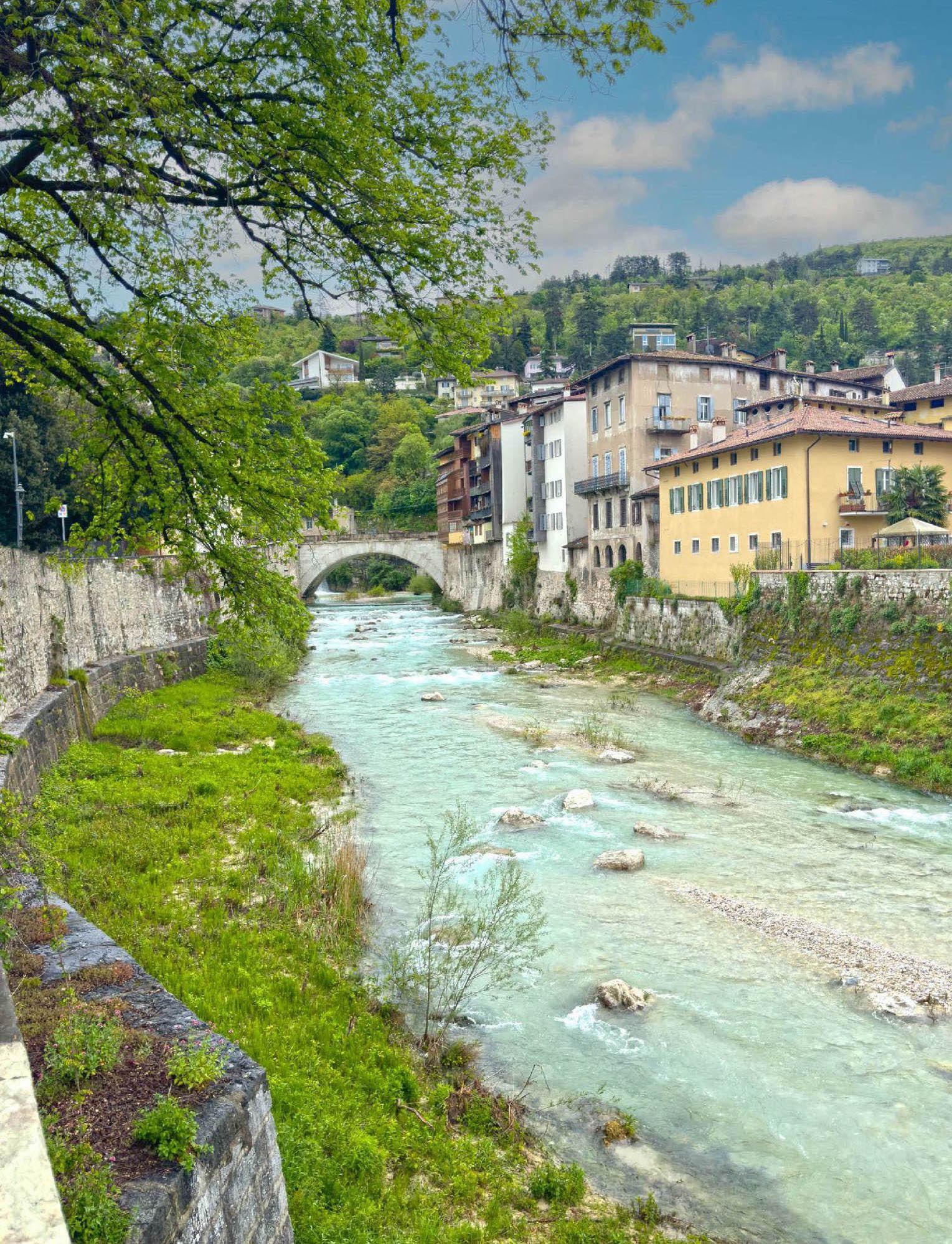
The city of Rovereto is the hometown of the Futurist artist Fortunato Depero. This makes Rovereto the link between past, present and future.
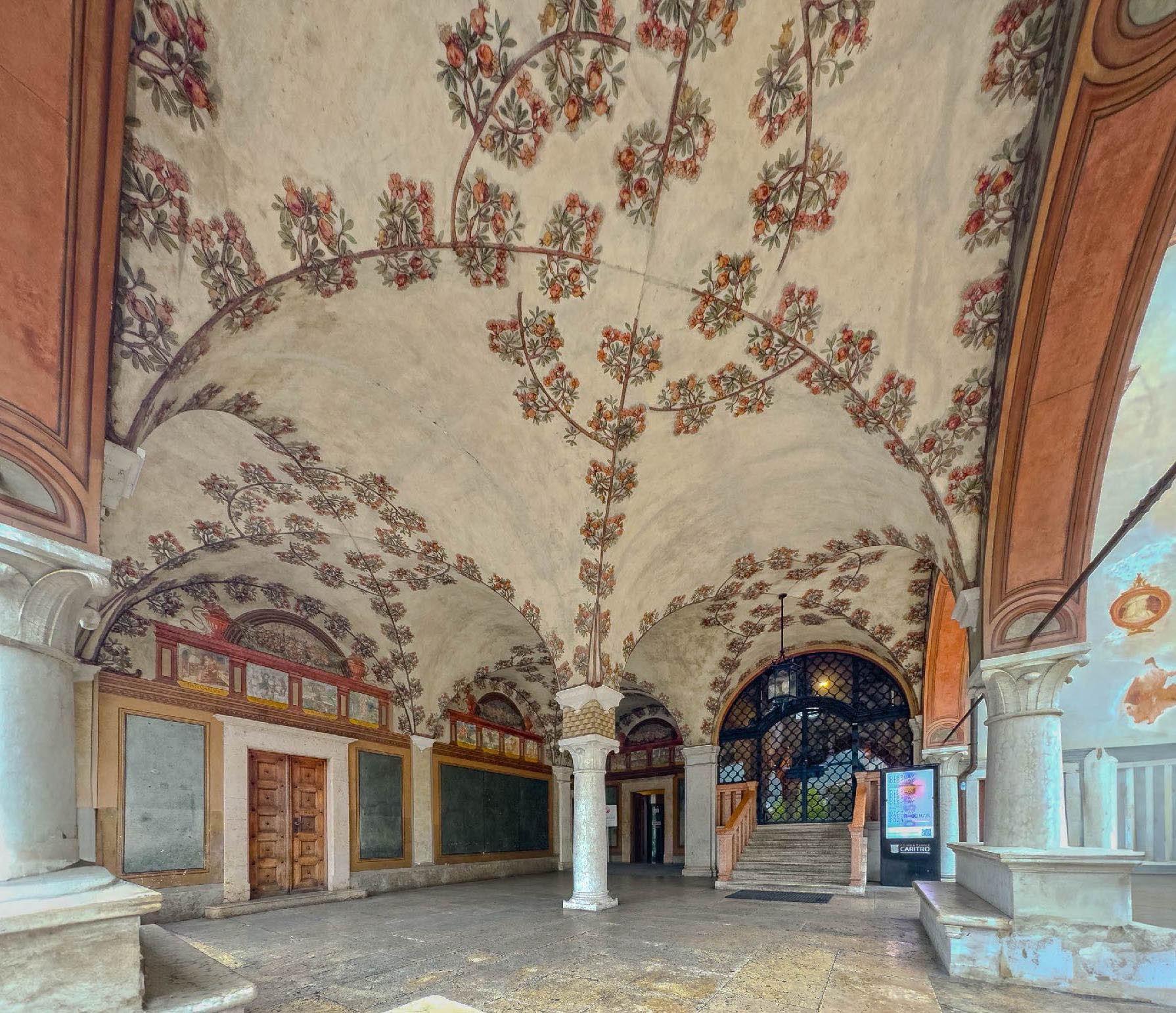
Rovereto is the second largest city in the province of Trentino and impresses with its Italian small-town charm, its Venetian architecture and the diverse structures that particularly appeal to art and culture lovers.
Old palazzi and civic palaces in the Baroque and Renaissance styles bear witness to the town's economic and cultural heyday in the 17th and 18th centuries. Rovereto is only a few kilometres from Lake Garda. The imposing Castel Veneto houses a war museum.
The Peace Bell in Miravalle,is particularly well-known; it rings a hundred times every evening and commemorates the victims of war around the world.
In the course of history, the cultural capital of Trentino has been ruled by Venetians, Tyroleans, Austrians and, since 1919, Italians. The city was a hard-fought front-line city in the First World War, but has long since overcome its warlike past and is therefore today known as the "Città della Pace" (City of Peace).
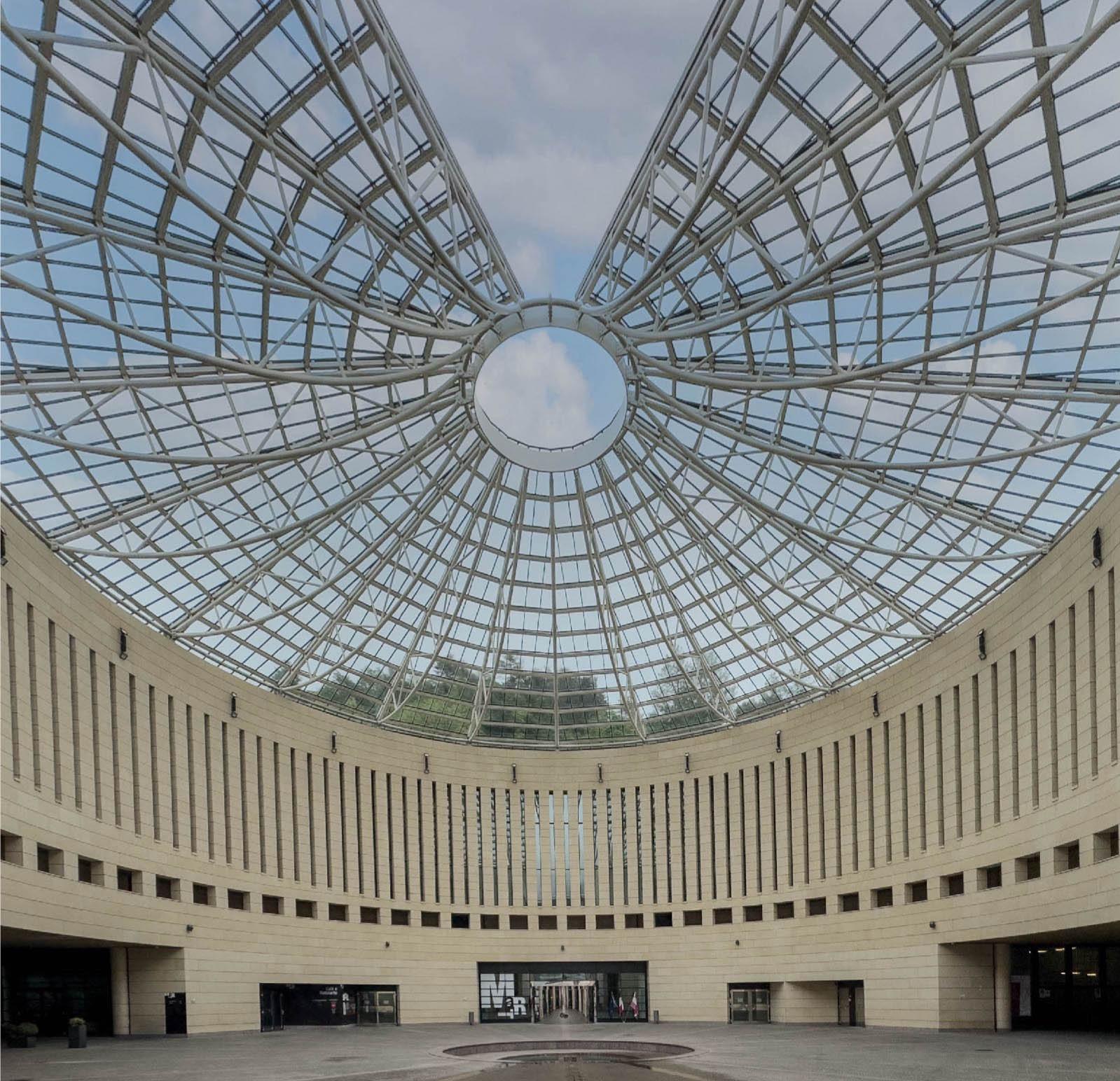

The Museum of Modern and Contemporary Art of Trento and Rovereto (MART) presents mainly Italian works of art from the 20th and 21st centuries. The collection houses more than 15,000 works, including the most important collection of Futurist art in Italy, as well as a research center on Futurism.
Fortunato Depero is considered one of the leading representatives of Futurism in Italy and opened the first Futurist museum, the Galleria Museo Depero, in the year 1959. Due to the extensive growth, the MART was built in the year 2002
according to the plans of the Ticino architect Mario Botta. The imposing building houses three-storey museum halls arranged around an impressive circular agora covered by a glass dome. This central location can accommodate events with up to 1,200 visitors.
The Futurist Fortunate Depora designed the small Campari soda bottles in 1932.
with the ÖBB railjet from Munich to Ancona
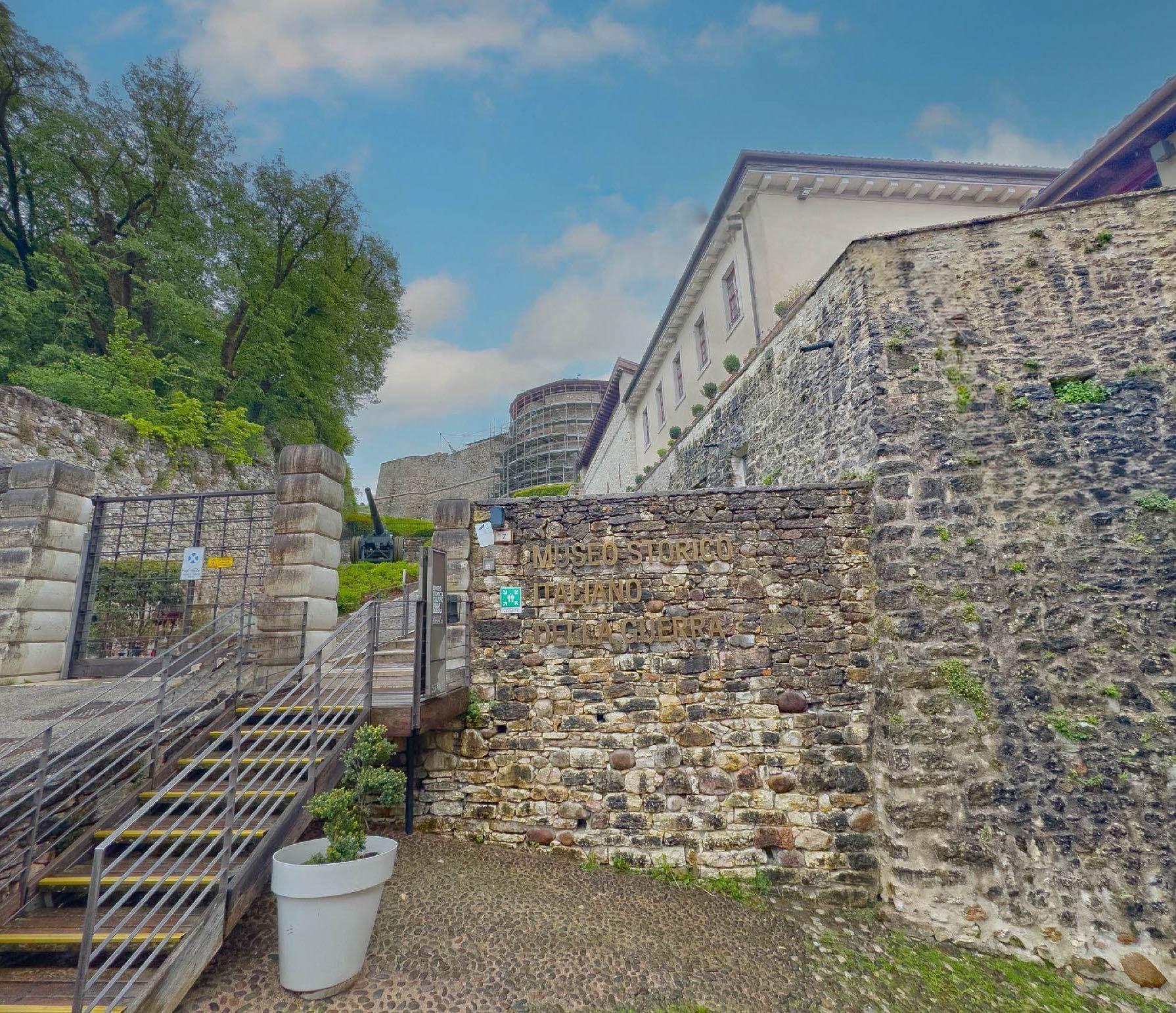
The Museum of Italian War History (Museo Storico Italiano della Guerra) provides a vivid depiction of the various battles and strategies that took place in the region during World War I. Visitors can gain insight into what happened before 1919 through original artifacts, documents and interactive displays. One can really feel the tension and horror of the war that once swept through this picturesque town in the Adige Valley. The exhibition also shows the impact of the war on the population and their daily life in the town.
In addition to the military aspects, personal stories of soldiers and civilians are presented at the museum to give visitors a comprehensive picture of the time period. This shows how profound the First World War was for the people of this region and the long-term impact it had on their lives.
A visit to this museum is therefore not only informative but also emotionally touching.

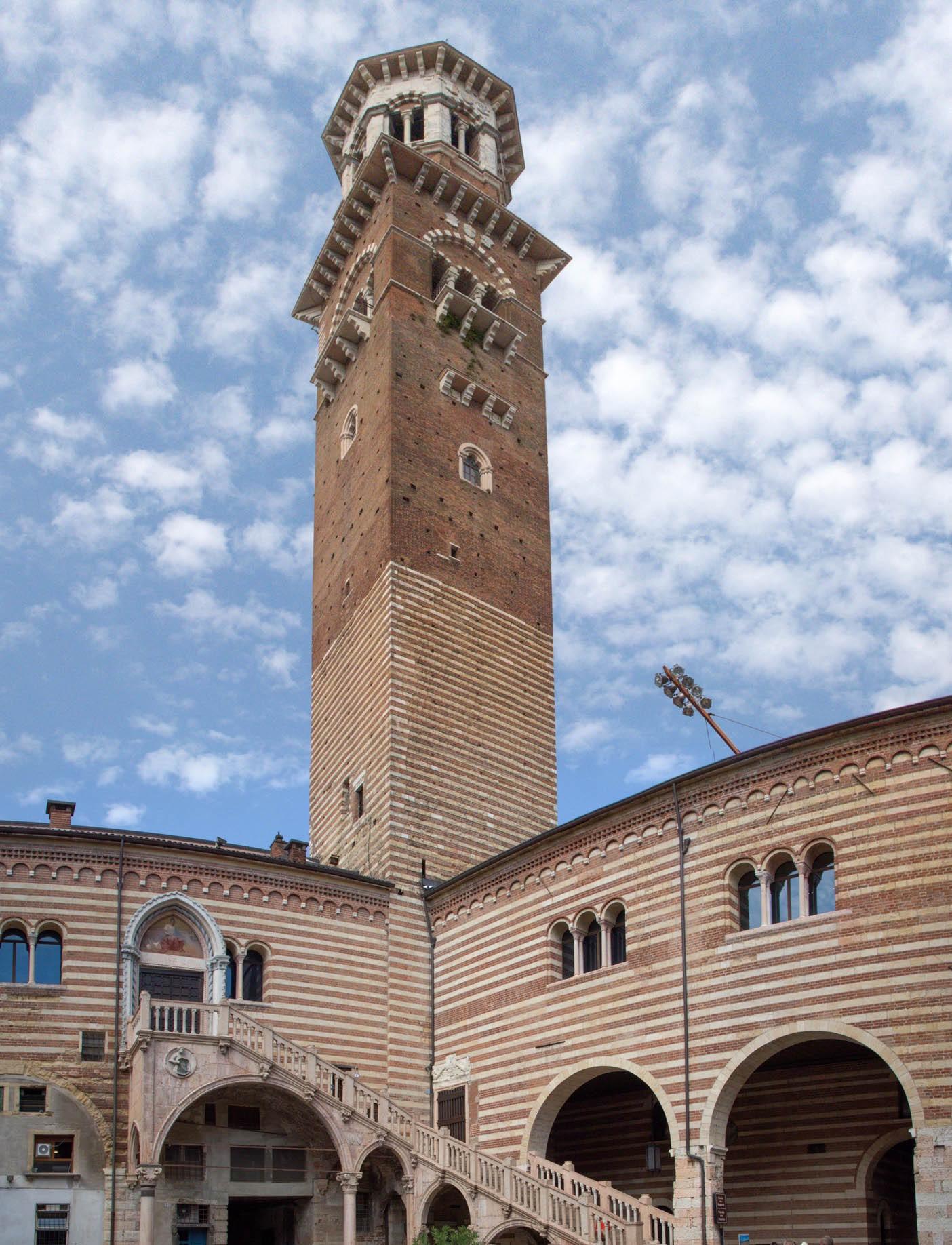
Verona is not only home to the most famous lovers in history - Romeo and Juliet - but also offers a multitude of other secrets and attractions.
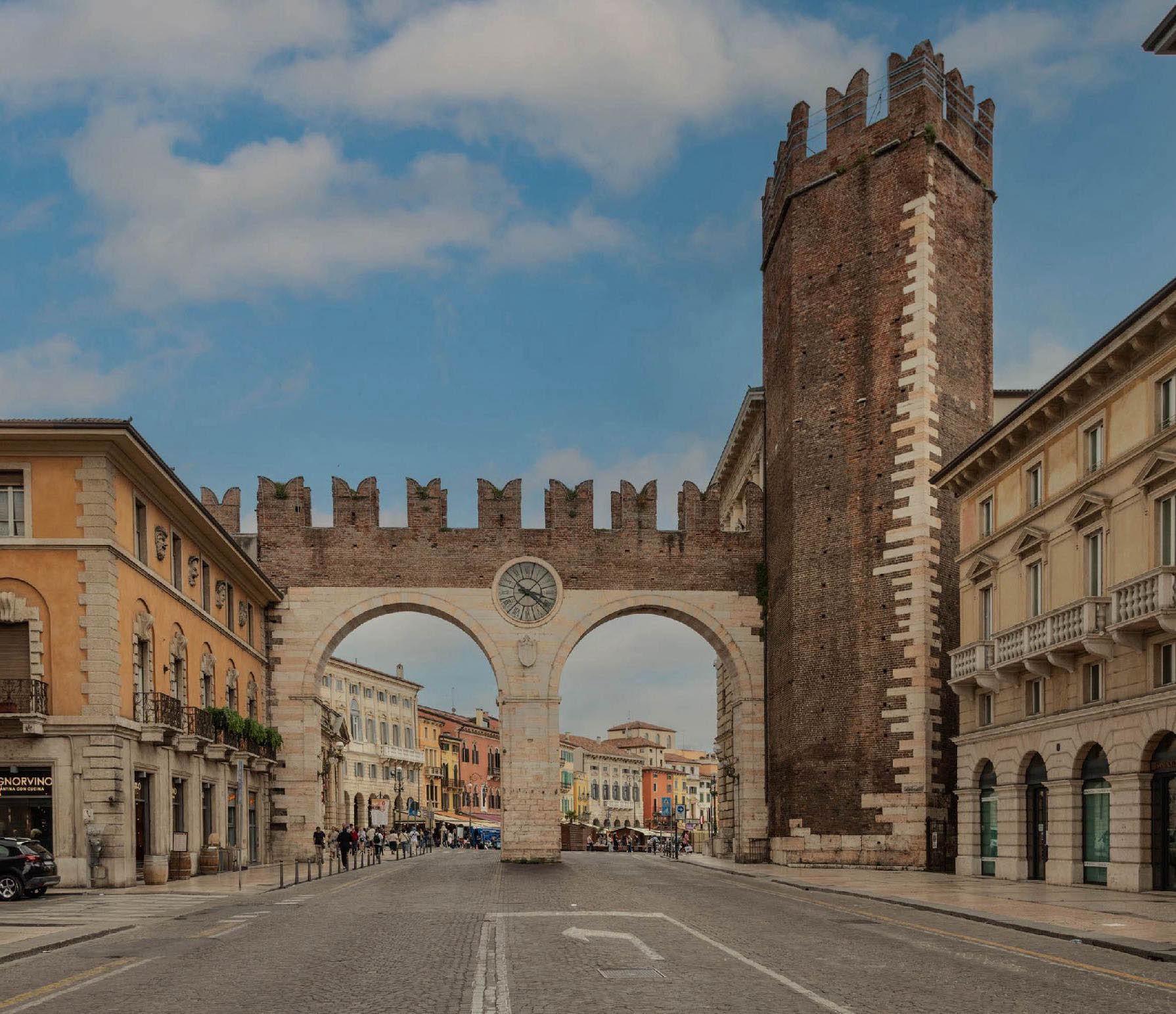
Verona is one of the most beautiful cities in Italy, thanks to its unique buildings and monuments. Visitors entering through the gates of Piazza Brà are left speechless.
The huge square is surrounded by numerous restaurants and street cafes to the west. The enormous Verona Arena to the northeast is impossible to miss. Tourists stream along Via Giuseppe Mazzini with its shops and restaurants to Via Cappello. It is difficult to choose what to visit in the city centre with its many worthy destinations. To visit Juliet's balcony,
Romeo's house, the magnificent palaces and the Scaliger tombs, it is advisable to spend a few days in Verona. The magnificent churches and the Castelvecchio should not be forgotten, either.
Since Verona is located only about 30 km to the southern end of Lake Garda (easily accessible by bus or train), it is a popular tourist destination. The old town with the ancient amphitheatre, the Arena, was added to the list of UNESCO World Heritage Sites in the year 2000.
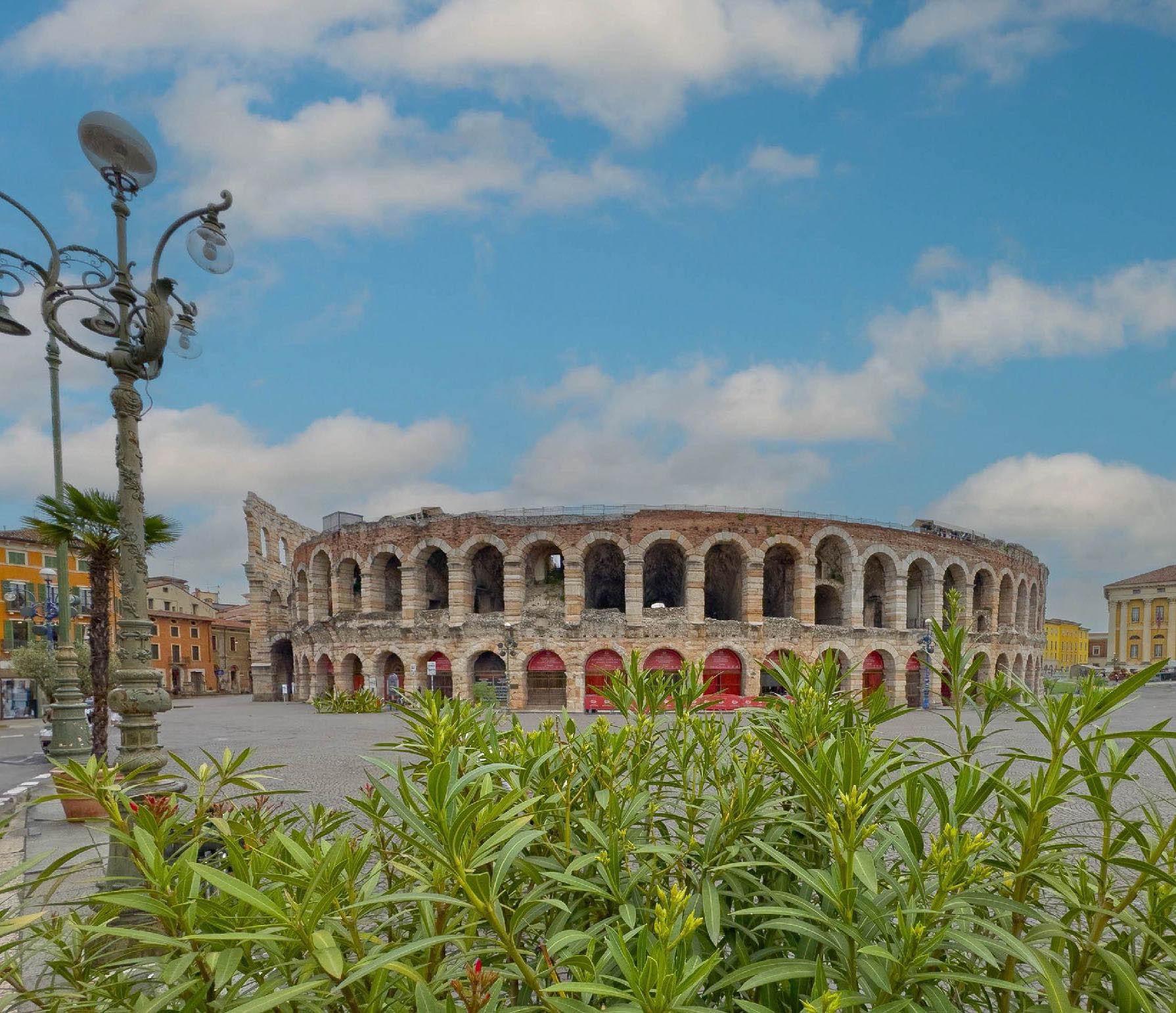
The Arena di Verona is often referred to as "The most Italian place on earth". A visit to an opera in the arena is an unforgettable experience. The 2024 opera season starts on June 7th and ends on September 7th.
The event begins with a special gala under the direction of Riccardo Muti, 150 musicians and over 300 choir artists. The amphitheatre was built around the year 30 AD and initially measured 152 metres by 113 metres. Today it measures 138 metres by 109 metrs and is exactly 24.1 metres high. The Arena
di Verona is the third largest intact ancient amphitheatre. Only the Colosseum in Rome and the Arena of Capua are larger. The 45 rows of seats can accommodate 20,000 spectators. On August 10, 1913, the opera Aida was performed to mark Giuseppe Verdi's 100th birthday. Thanks to the excellent acoustics, the arena quickly established itself as a popular concert venue. Opera performances and rock concerts take place at the arena from June to September, while many international singers and musicians come to perform in spring and autumn.
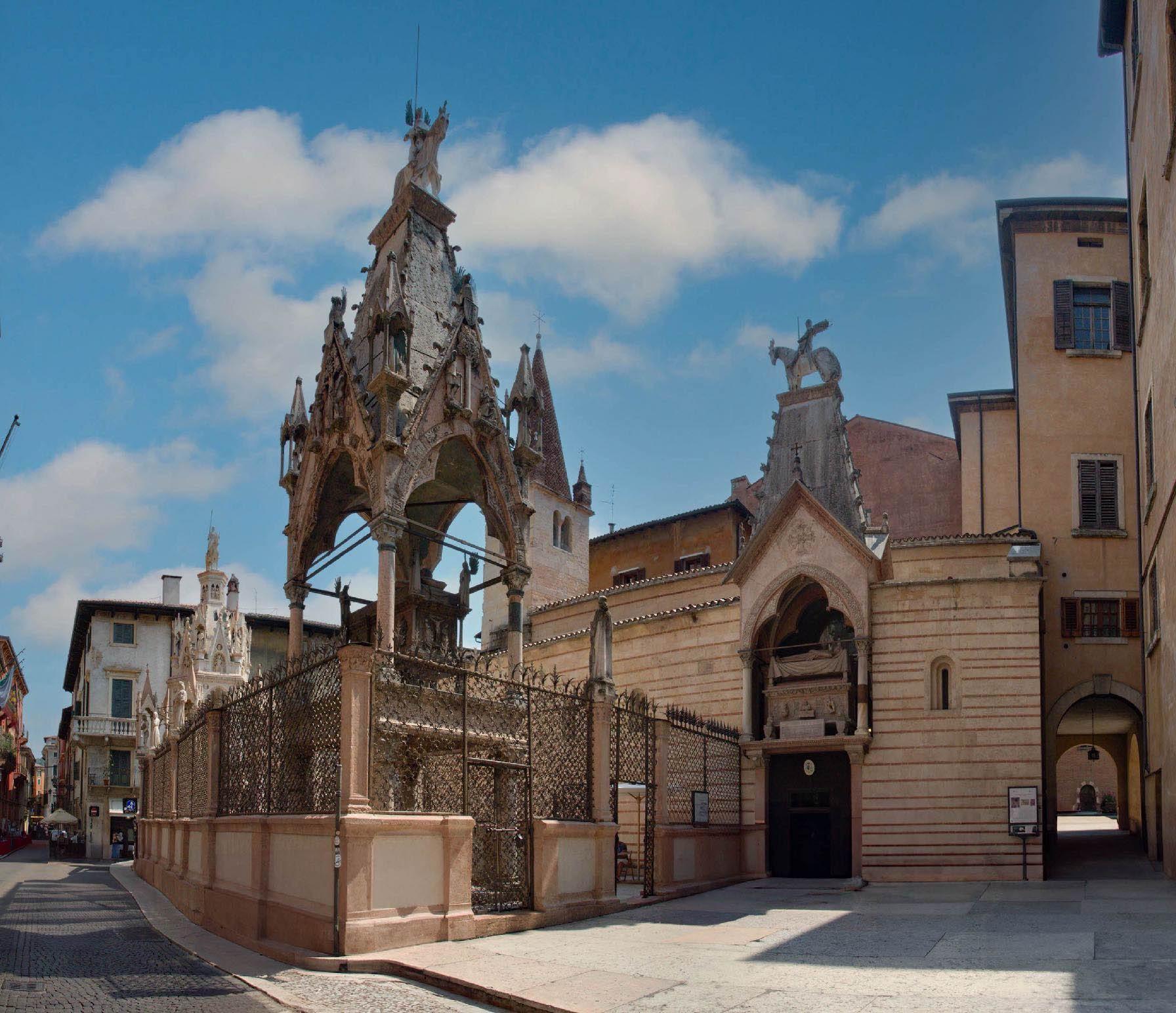

The Scaliger Tombs in Verona commemorate the burial place of the Scaliger family, who ruled the city from the yar 1260 until 1387. Most of the tombs are located in a family cemetery next to the church of Santa Maria Antica, surrounded by wrought iron railings. Only the tomb of Cangrande I is integrated into the facade of the church.
The remaining monuments consist of stone sarcophagi, some in large Gothic shrines with equestrian statues. These stand separately next to the church in a fenced-in area. The 14th
century tombs with equestrian statues are among the oldest monumental representations of their kind. The tombs are richly decorated and testify to the power and wealth of the Scaliger family. Each of them tells its own story, from wars and triumphs to family dramas and political intrigues. The artistic design of the monuments shows the influence of the Gothic style and gives the tombs a majestic aura. Visitors can use the inscriptions and reliefs to get an idea of the life and work of the Scaliger rulers and delve deeply into the history of Verona.
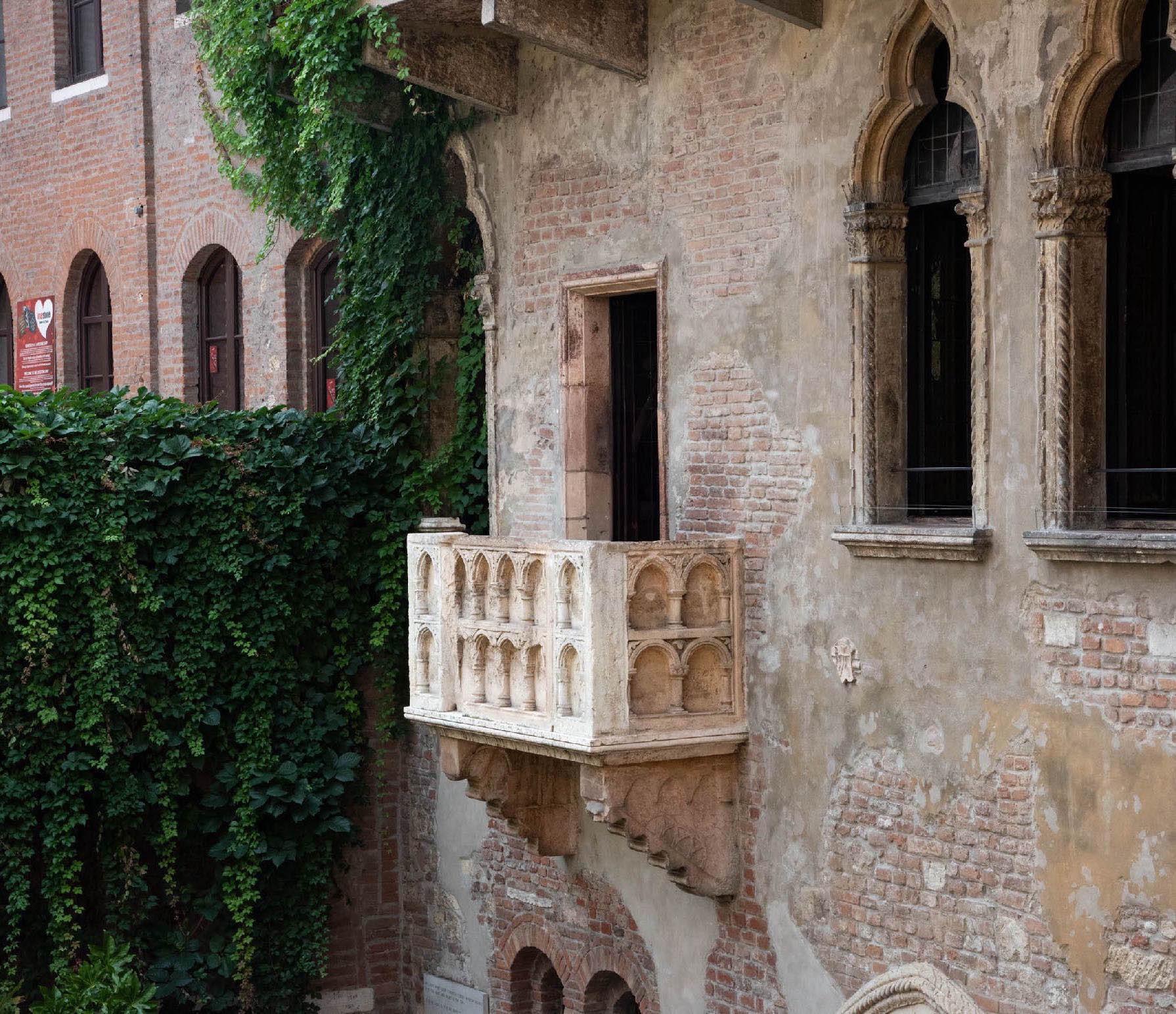

Juliet Capuleti's parents' house is a must-see. It was built in the 13th century and was owned by the dal Capello family until the end of the 19th century. In the year 1935, the city of Verona acquired this dilapidated property. In order to further boost tourism, they came up with the idea of bringing the myth of Romeo and Juliet to life. The most famous balcony in world literature is actually an ancient sarcophagus that came from the catacombs of the arena. The architect Antonio Avena, who was commissioned to renovate it, created a romantic atmosphere.
As you enter the property through an archway, you will notice an engraved hat - the dal Capello family crest. The courtyard leads to the legendary balcony on the first floor, where Juliet supposedly promised Romeo her eternal love. In the courtyard you will find a bronze statue of Juliet, created by the sculptor Nereo Constantini.
Visitors touch the figure's right breast in hopes of eternal love and happiness. In the year 2014, the original figure was replaced by a copy in order to protect the original monument.
with the ÖBB railjet from Munich to Ancona

Bologna, the city of arcades, is known as a "city of pleasure" and is definitely a must-see. The surrounding area of Bologna is home to the jewels of the Italian automotive industry.
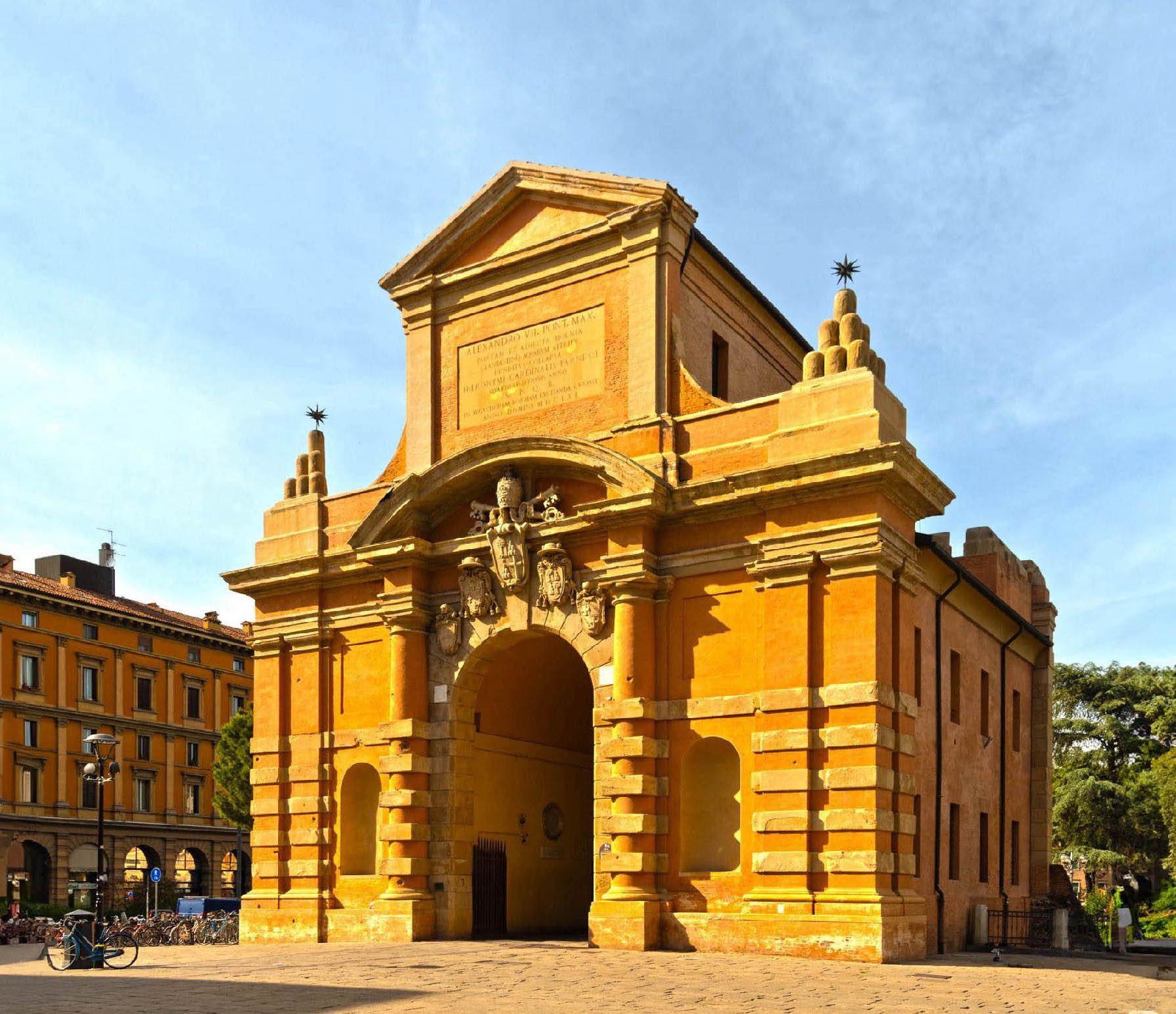
Bologna is affectionately described as "the learned, the red, the fat one" (la dotta, la rossa, la grassa).
"The learned one" refers to the University of Bologna, which is the oldest in Europe and the third oldest in the world.
Seen from a bird's eye view, Bologna presents itself in all its splendor. The first detail that catches the eye of the viewer are the red tones that characterize the city and give it the name "the red one". Red is also the color of the Communist Party, which was particularly present in the Emilian capital during the
resistance. The color also represents the shiny bodies of the most famous car and motorcycle brands in the world: Ferrari, Ducati, but also Lamborghini, Pagani and Maserati, which also make Bologna a city of engines.
"The fat one" refers to the first-class food in Bologna. Tortellini, mortadella, ragù, tenerina, tigelle are just some of the delicious dishes offered in Bologna, giving the city yet another nickname as the "city of food"
with the ÖBB railjet from Munich to Ancona
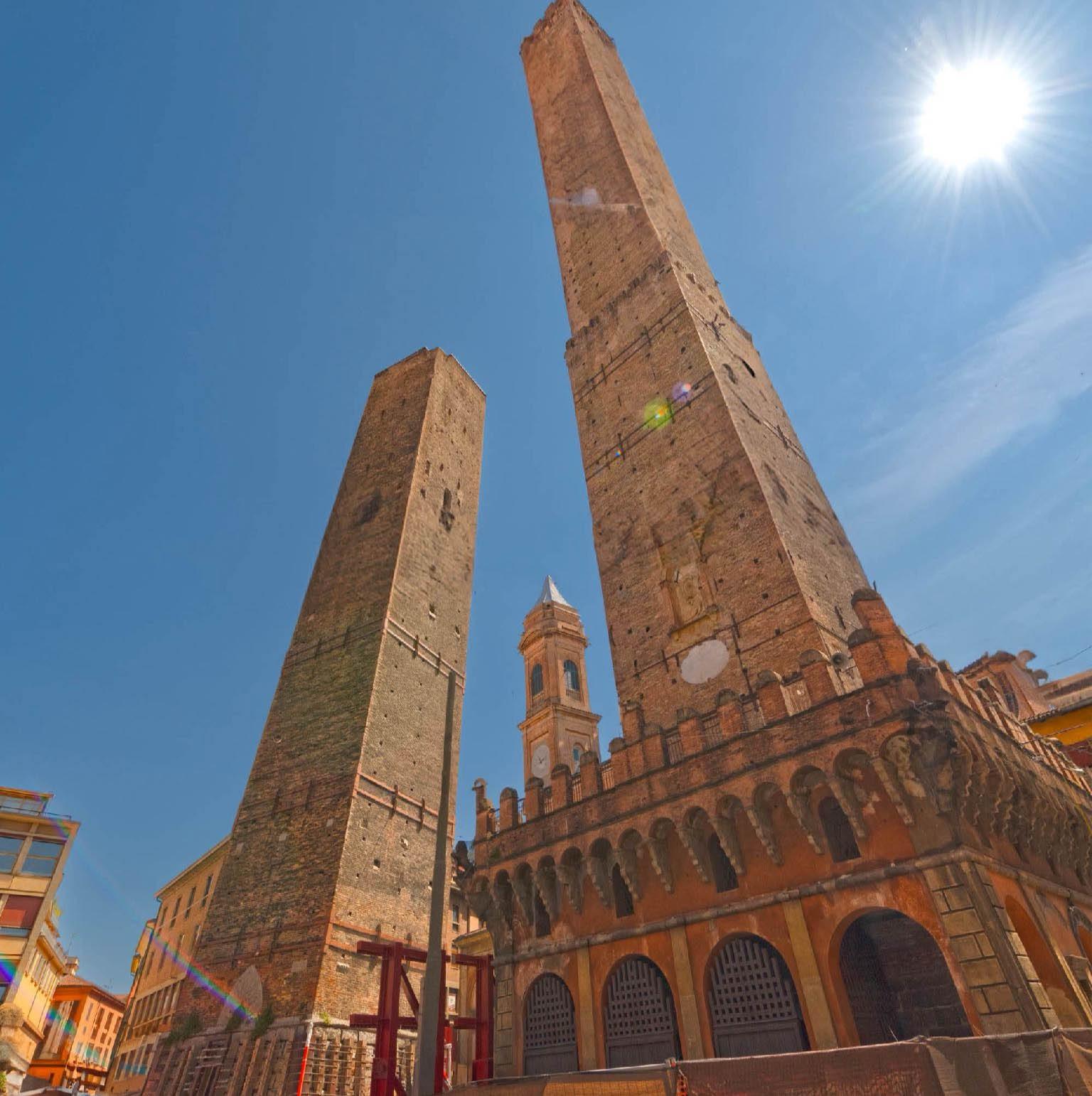
Via Rizzoli, which runs east starting at the Piazza del Nettuno, transforms into a pedestrian zone on weekends, with street musicians providing entertainment for the crowds.
In Piazza di Porta Ravegnana, at the end of the street, you will find Bologna's symbols: the due torri (two towers), constructed around the year 1100. The Torre Garisenda is the lower tower. Originally built in 1109 at a height of 60 metres, it had to be shortened to 48 metres due to a 4° inclination. The Torre
Asinelli, on the other hand, is 97.2 metres high. Like its smaller neighbour, it is not straight and leans 2.23 metres to the west.
The two towers are the most imposing remaining constructions of the "family towers" of the medieval city of Bologna, most of which were demolished in the 16th century. Of the original 180 towers in Bologna, 20 towers or their remnants remain in the city. At the moment the towers are being restored and are not open to visitors.
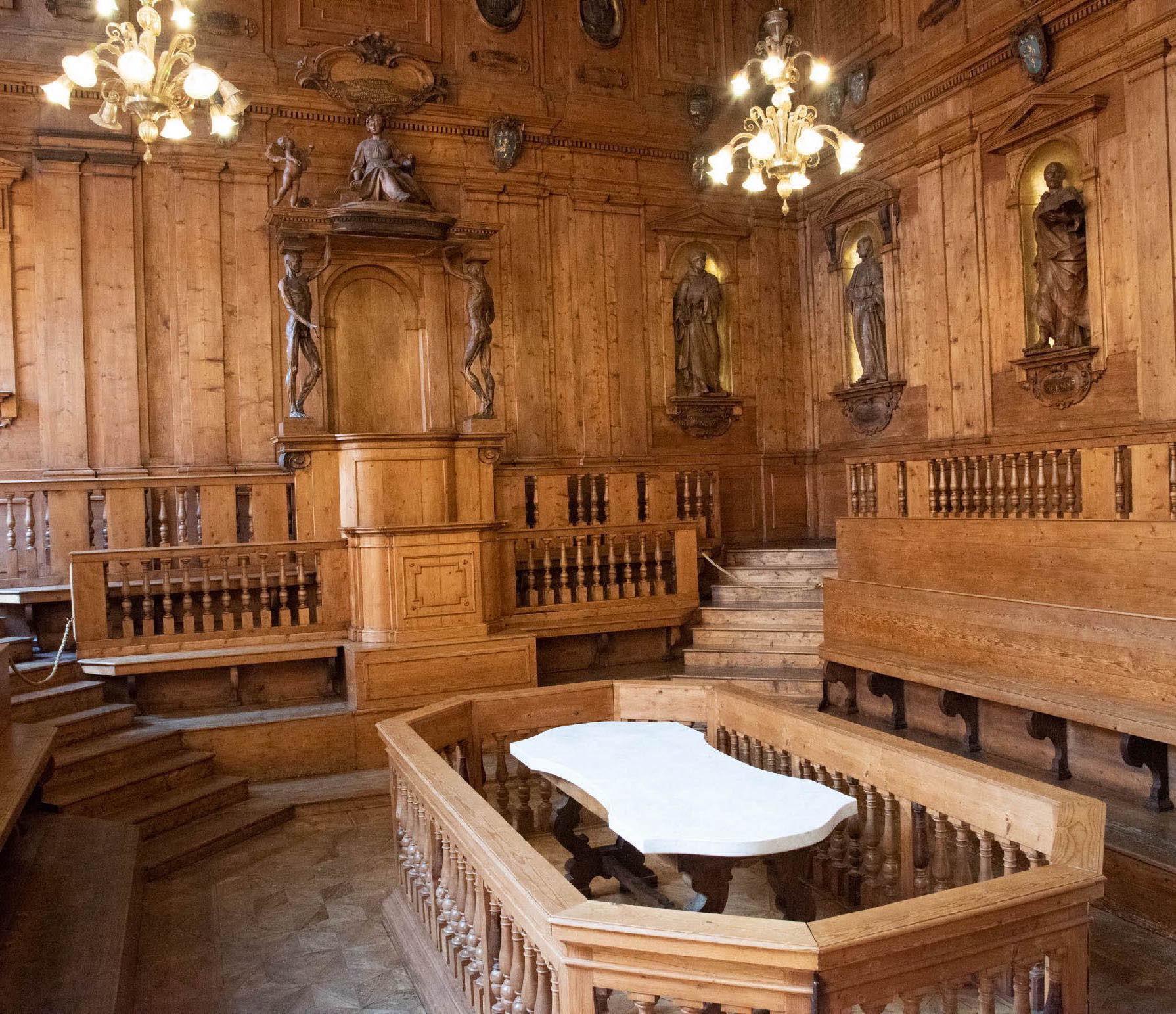
Completed in 1563, the Palazzo dell’Archiginnasio was the first permanent site of the University of Bologna, one of the oldest universities in the world, founded in the 11th century.
Today it houses the Biblioteca Comunale dell'Archiginnasio, the municipal library, which is not open to visitors. On the ground floor, an impressive fresco with 6,000 coats of arms of the students and inscriptions in honor of the professors decorates the vault.
The Anatomical Theatre on the upper floor was built in the year 1637 according to a design by Antonio Levanti. It served as an amphitheatre for anatomical dissections, was paneled with fir wood and decorated with a coffered ceiling and statues.
In the past, medical students used the Anatomical Theatre for their anatomical lectures and dissections to deepen their knowledge of human anatomy. The Palazzo is open to visitors from Monday through Saturday and is closed on Sundays.
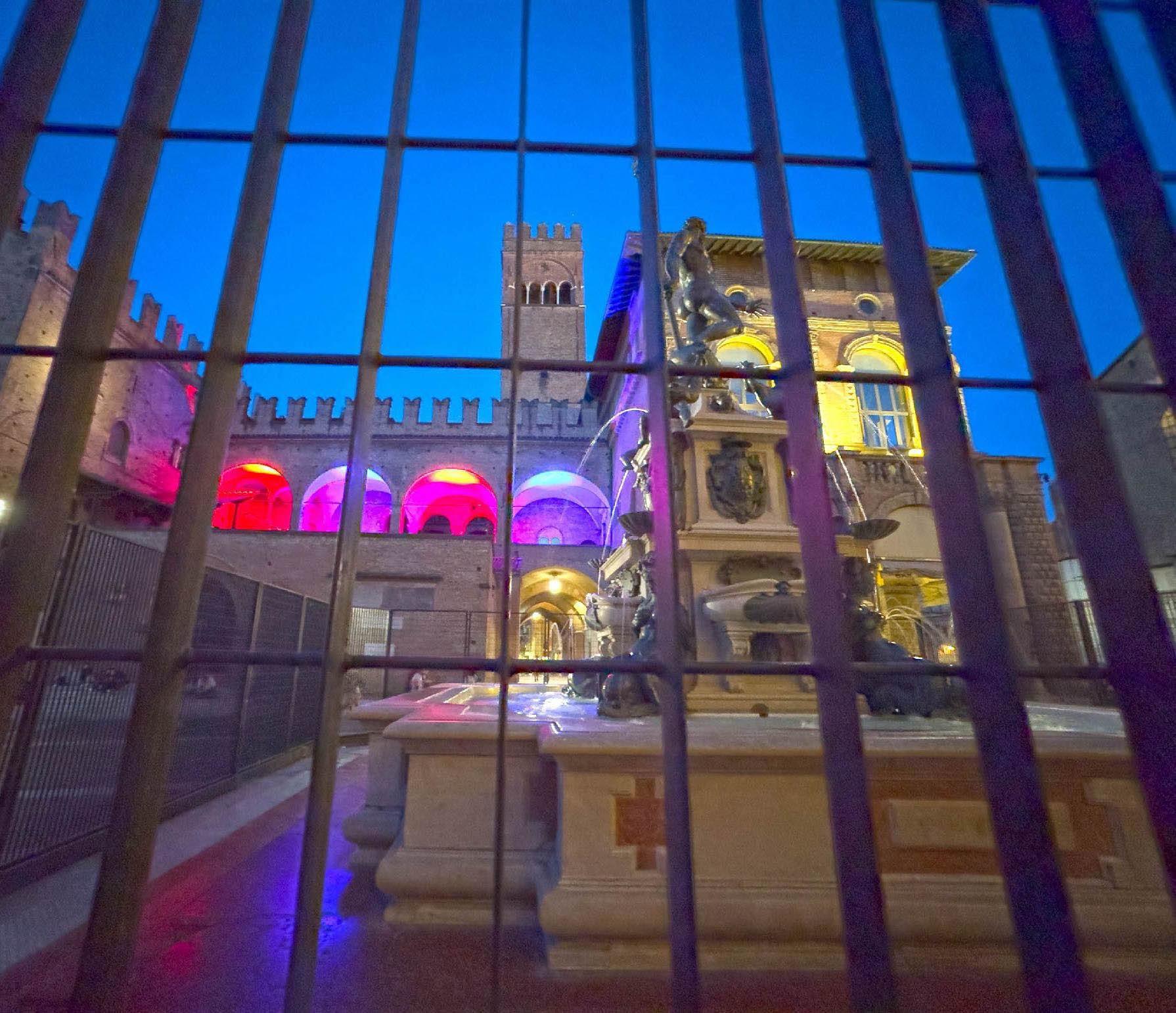
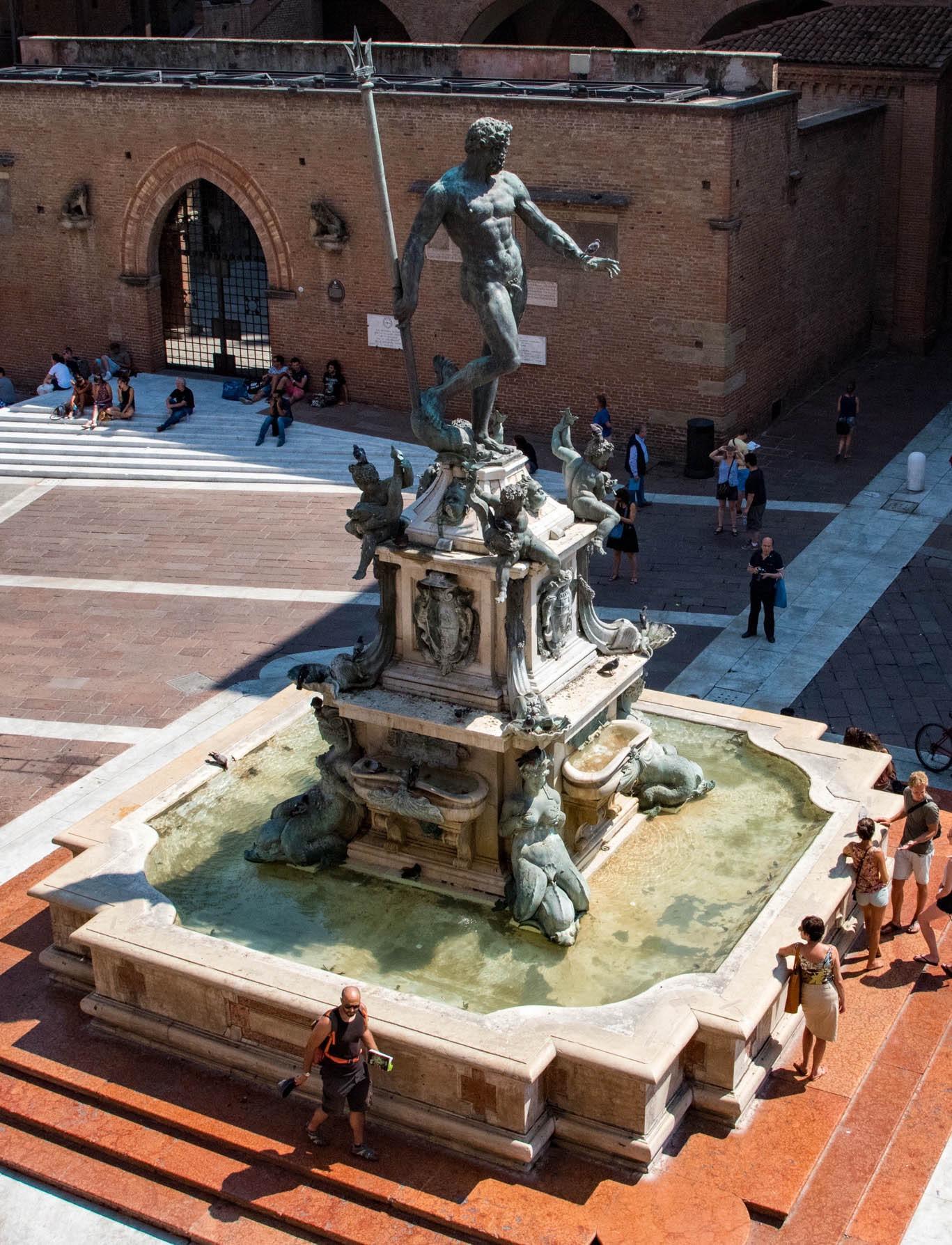
The imposing Nettuno Fountain stands in the centre of Piazza del Neptune. It was created between the years 1563 and 1566 by the Flemish sculptor Giambologna. The statue is made marble and bronze and based on a design by Tommaso Laureti.
The fountain symbolizes the power of the Pope. Just as Neptune controls the water, the Pope controls the world. Four angels at the feet of the God represent the rivers Ganges, Nile, Amazon and Danube, the continents known at that time.
On the east side of the square is the Palazzo Re Enzo, named after King Enzio of Sardinia, who was imprisoned here from the year 1249 until the end of his life.
The square opens into the Piazza Maggiore to the south and to the impressive Palazzo d'Accursio to the west, which is today's town hall. In the arcade of the Palazzo del Podestà you can relax in a cafe and admire the Basilica di San Petronio, which is located to the south.
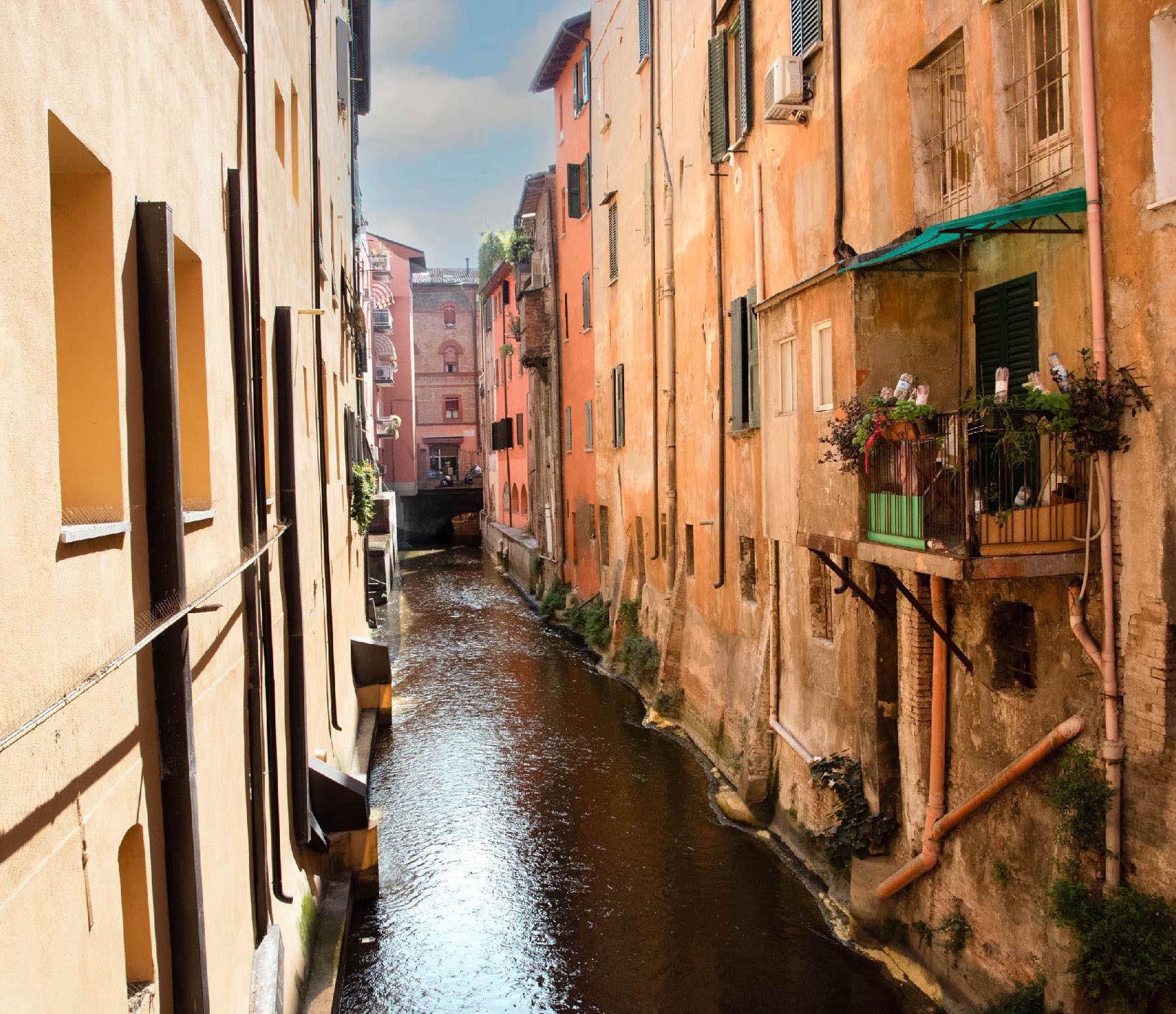
A few steps past the intersection of Via dell'Indipendenza and Via Augusto Righi is a corner of the city known as "Little Venice". On Via Piella, visitors will find an inconspicuous window that offers a view of the Canale delle Moline.
Between the buildings you can see one of the few waterways that were not paved between the early 20th century and the post-war period: The Canale delle Moline is a continuation of the Canale di Reno, which was completely built over from the Giardino Giacomo Bulgarelli onwards.
A dense network of water channels and locks runs beneath the city. The network has provided energy for machines in silk weaving mills or grain mills and also served as trade routes since the Middle Ages. To create the canals, the water of two rivers was diverted at great expense. Two further views of the canals can be seen at 45 Via Guglielmo Oberdan and 4 Via Malcontenti.
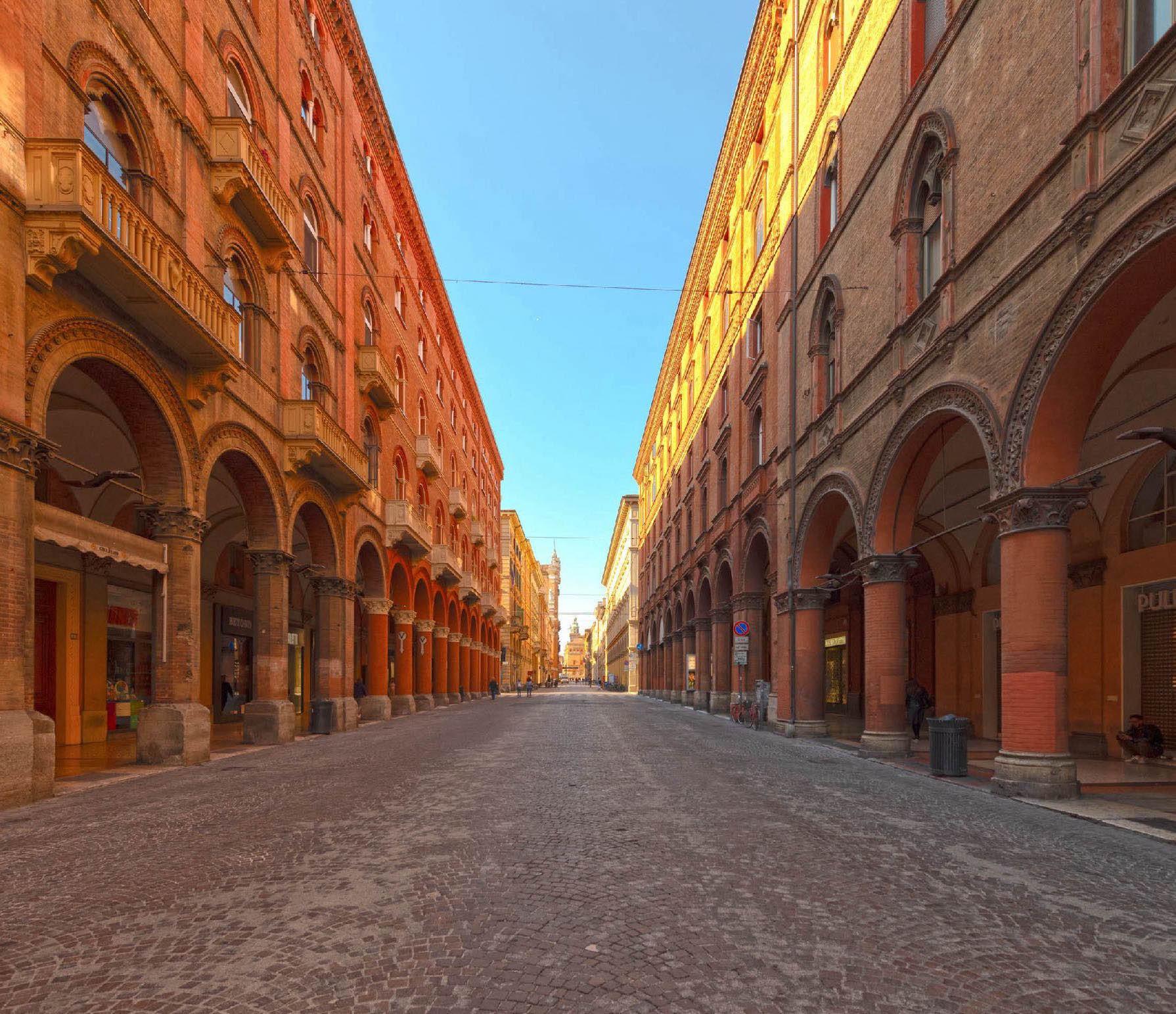
The arcades of Bologna were added to the list of UNESCO World Heritage Sites in the year 2021.
The characteristic arcades adorne Bologna's cityscape and extend over a total length of 38 kilometres. The arcades were originally built to accommodate the city's rapid population growth. The construction of the arcades made it possible to extend the upper floors of buildings to create new living spaces.
A lively commercial life developed in the arcades. Today, visitors will find numerous restaurants and cafes there.
The world's longest arcade leads to the Santuario della Madonna di San Luca pilgrimage church. The church is located on the Guardia hill above the city and offers a breathtaking view over the Po Valley. This arcade is about four kilometres long.

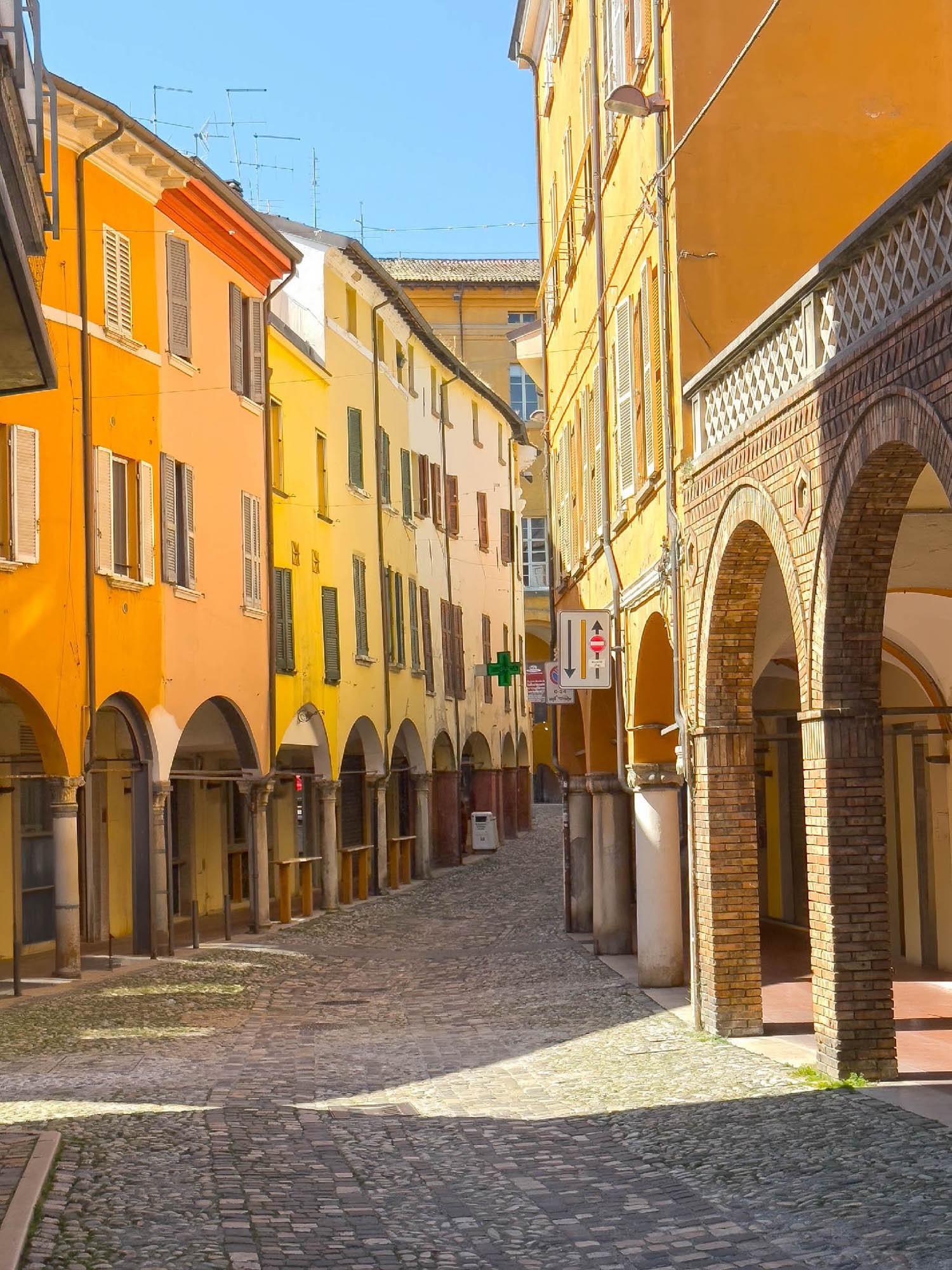
In this city, Popes Pius VI, Pius VII, and Pius VIII were born. For this reason, Cesena bears the title “City of the Three Popes.” The city is located at the foot of the Apennines.
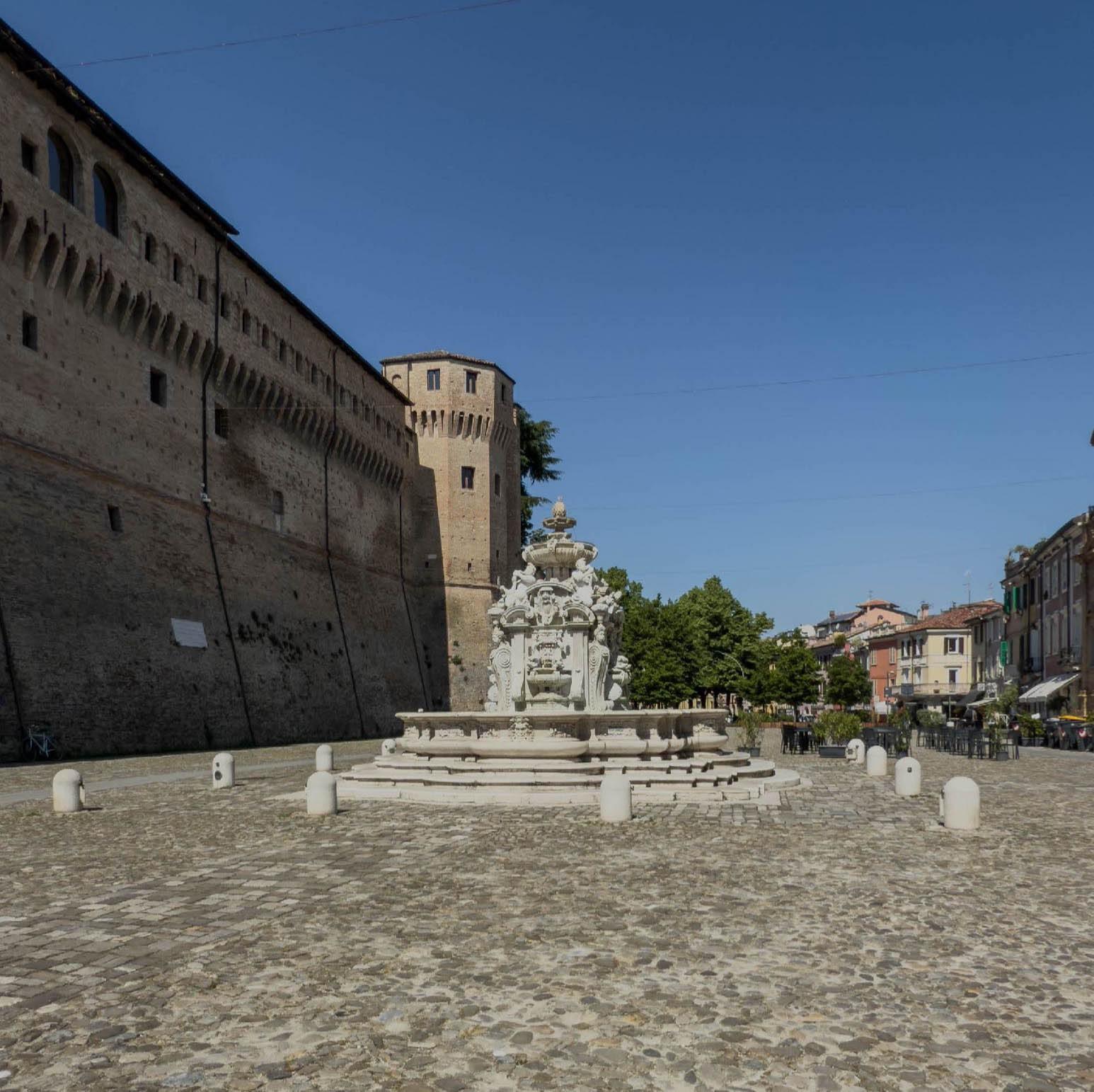

nearly 100,000 inhabitants.
The city is famous for the impressive Malatesta Library, built in the 15th century and one of the oldest public libraries in Europe. Cesena was founded in the 4th century BC by the Etruscans and later taken over by the Romans.
The historic city center captivates with medieval buildings, narrow streets, and the Rocca Malatestiana, an impressive
to a campus of the University of Bologna for agricultural and food sciences.
Cultural events such as the “Cesena Jazz” music festival are held annually. Cesena’s cuisine reflects the typical characteristics of Emilia-Romagna, with delicacies like Piadina, Crescioni (various types of flatbread), and freshly prepared pasta.
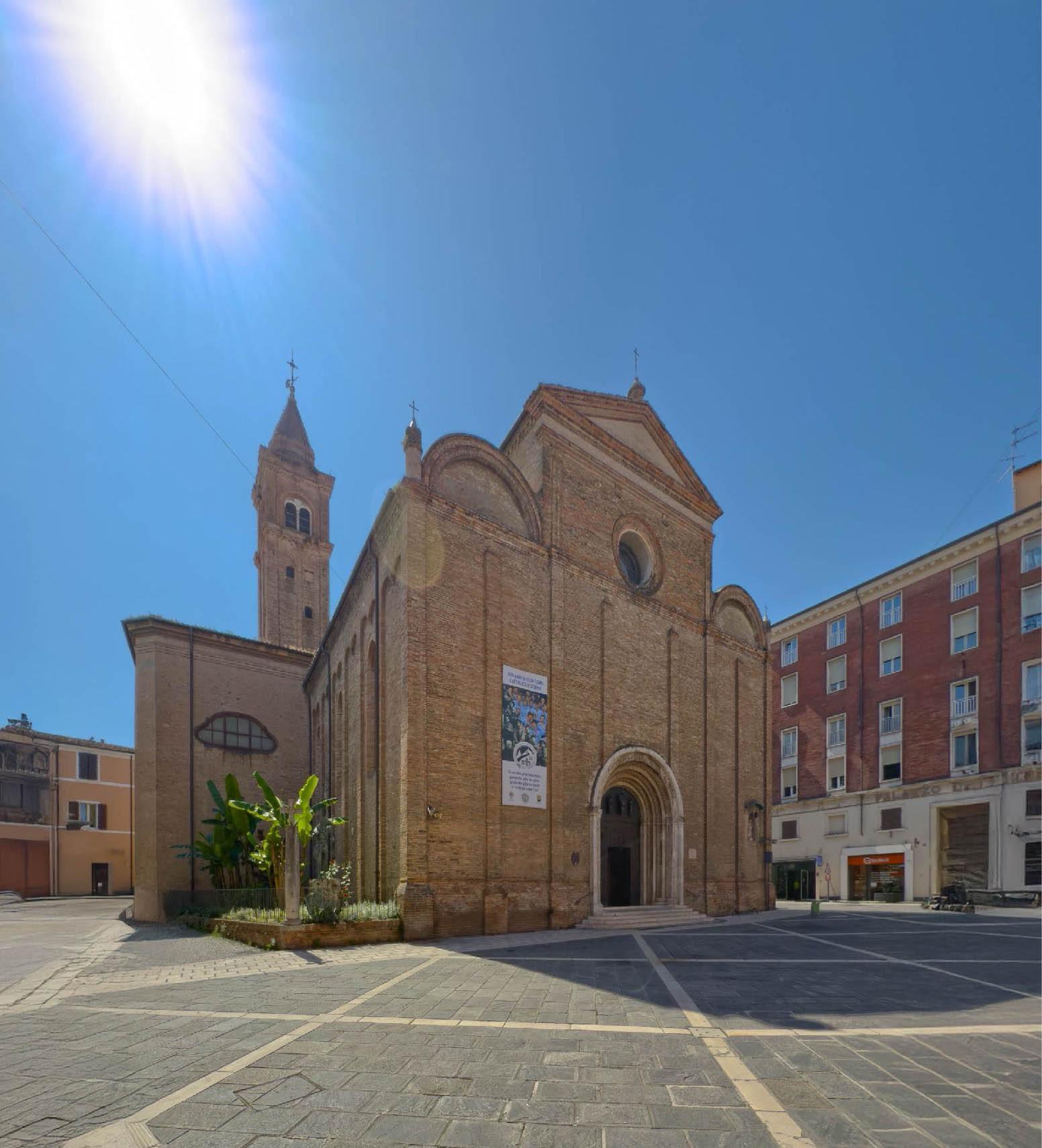
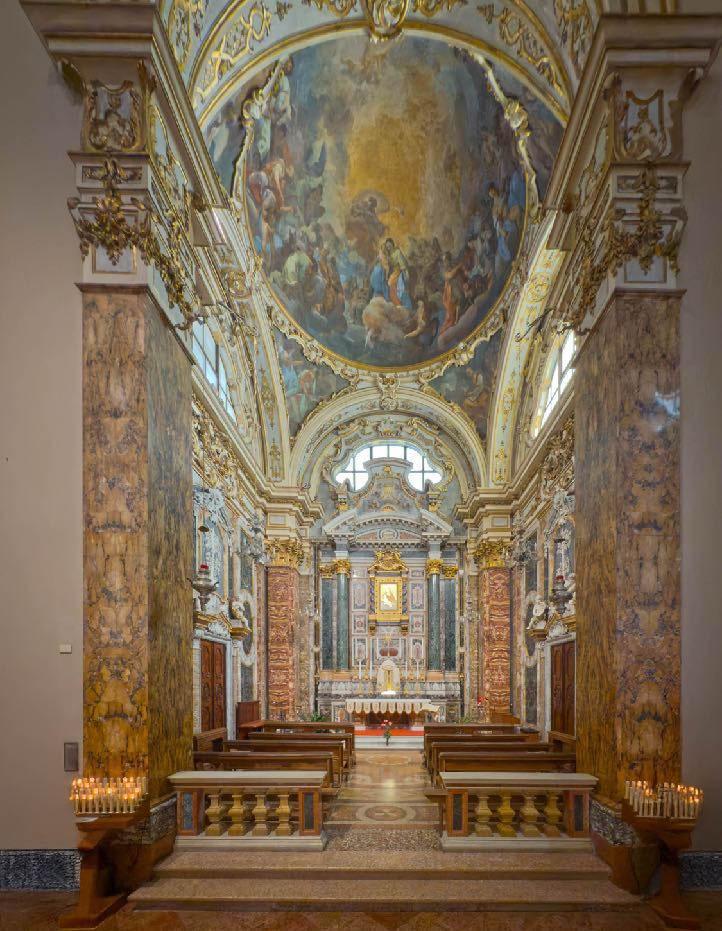
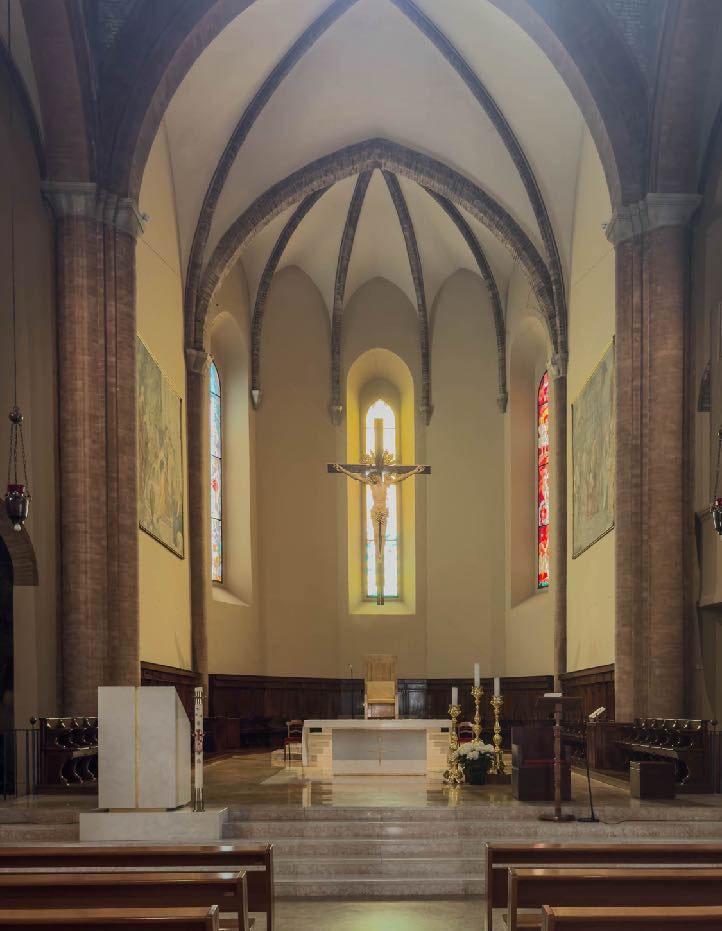
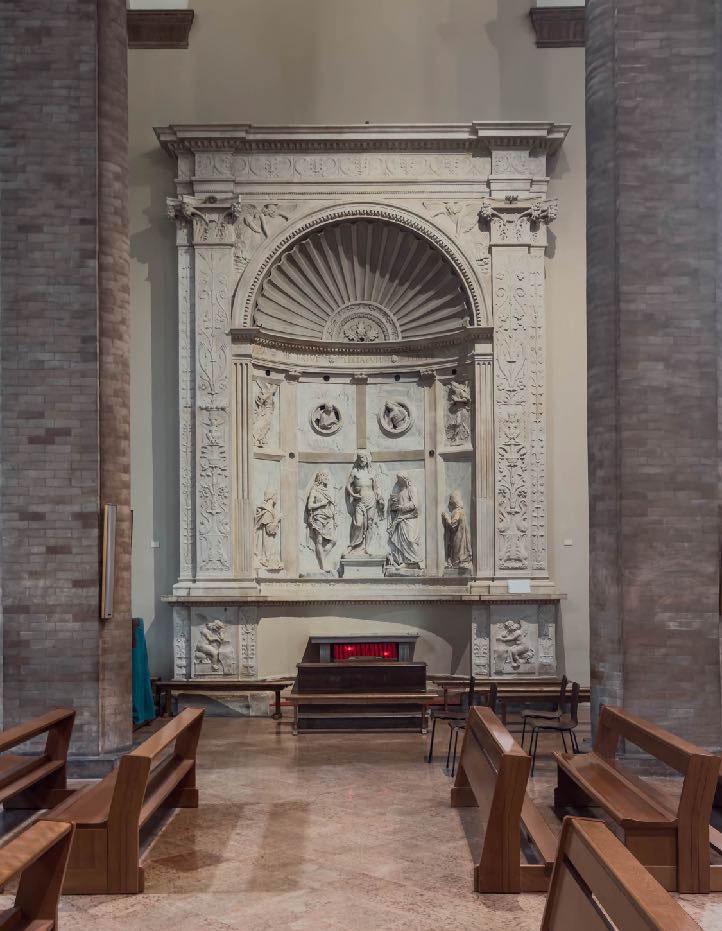
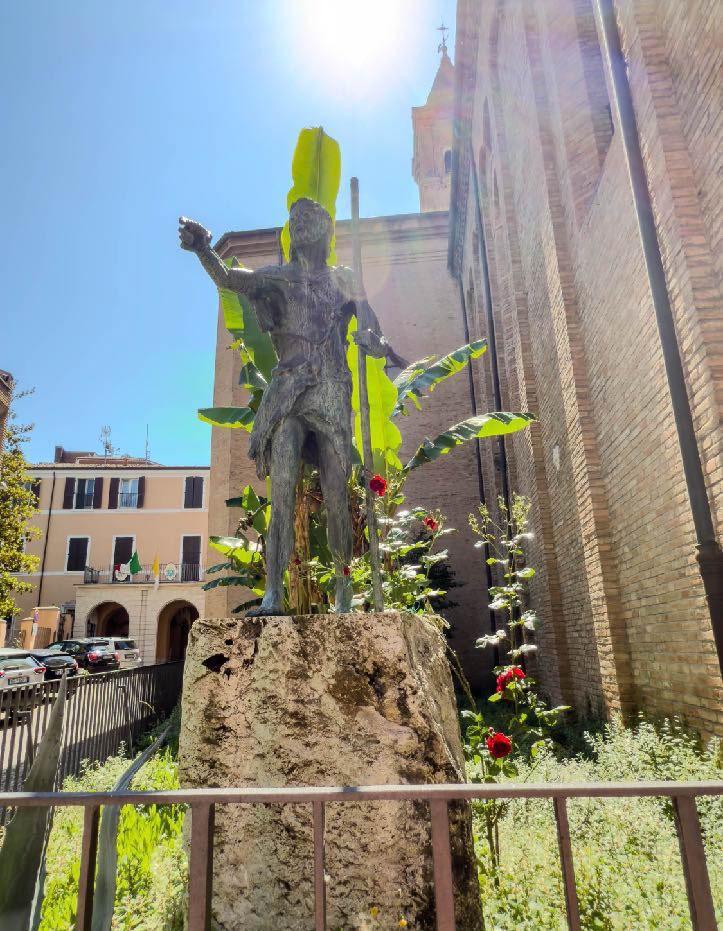
The Cathedral of Cesena is dedicated to Saint John the Baptist and holds the honorary title of Basilica Minor. Its origins date back to 1378. The cathedral’s design w
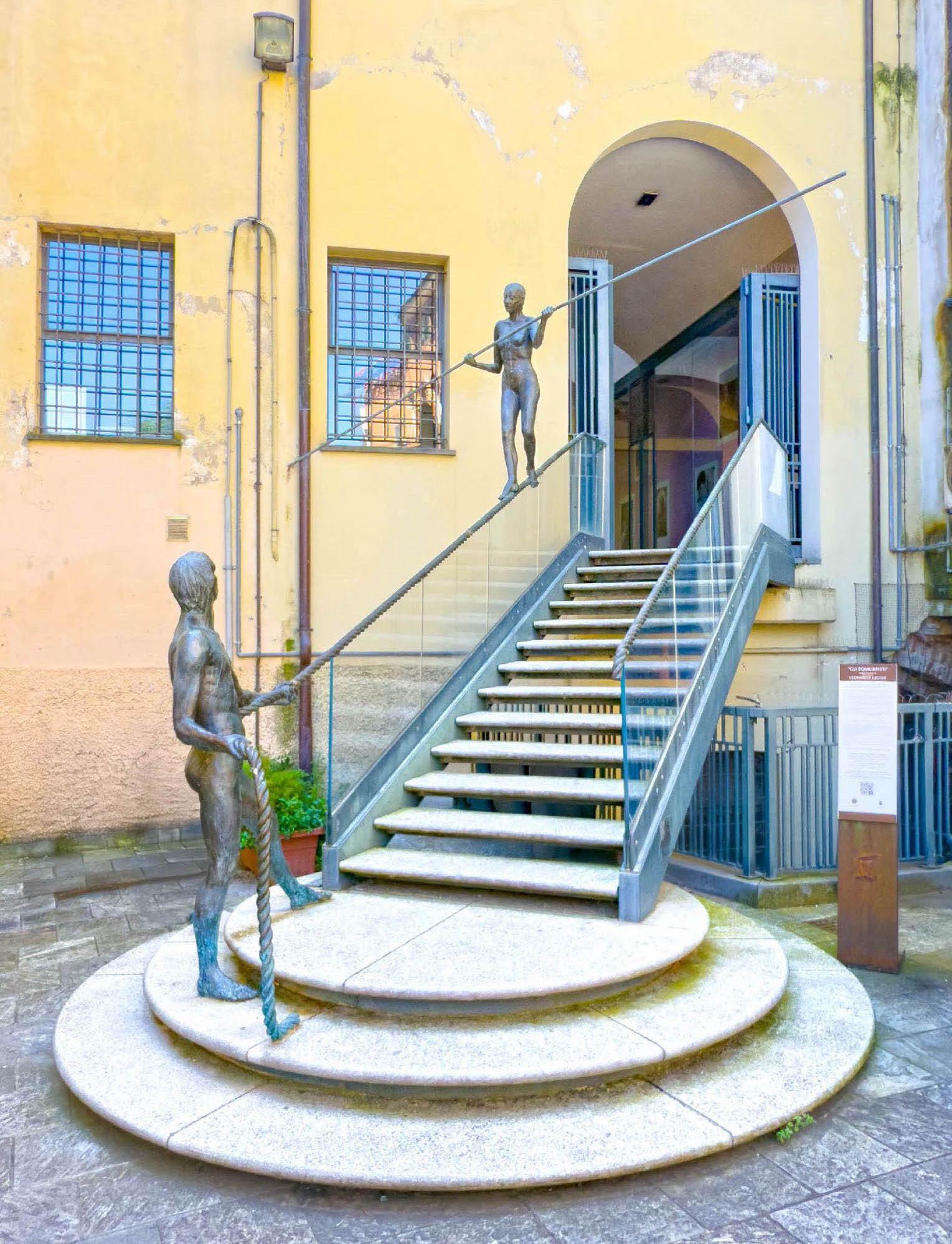
as created by the Swiss architect Maestro Unterwalden. On the left side of the cathedral stands a bronze statue of Saint John the Baptist, crafted by Leonardo Lucchi. The interior features an impressive high Gothic altar.
with the ÖBB railjet from Munich to Ancona
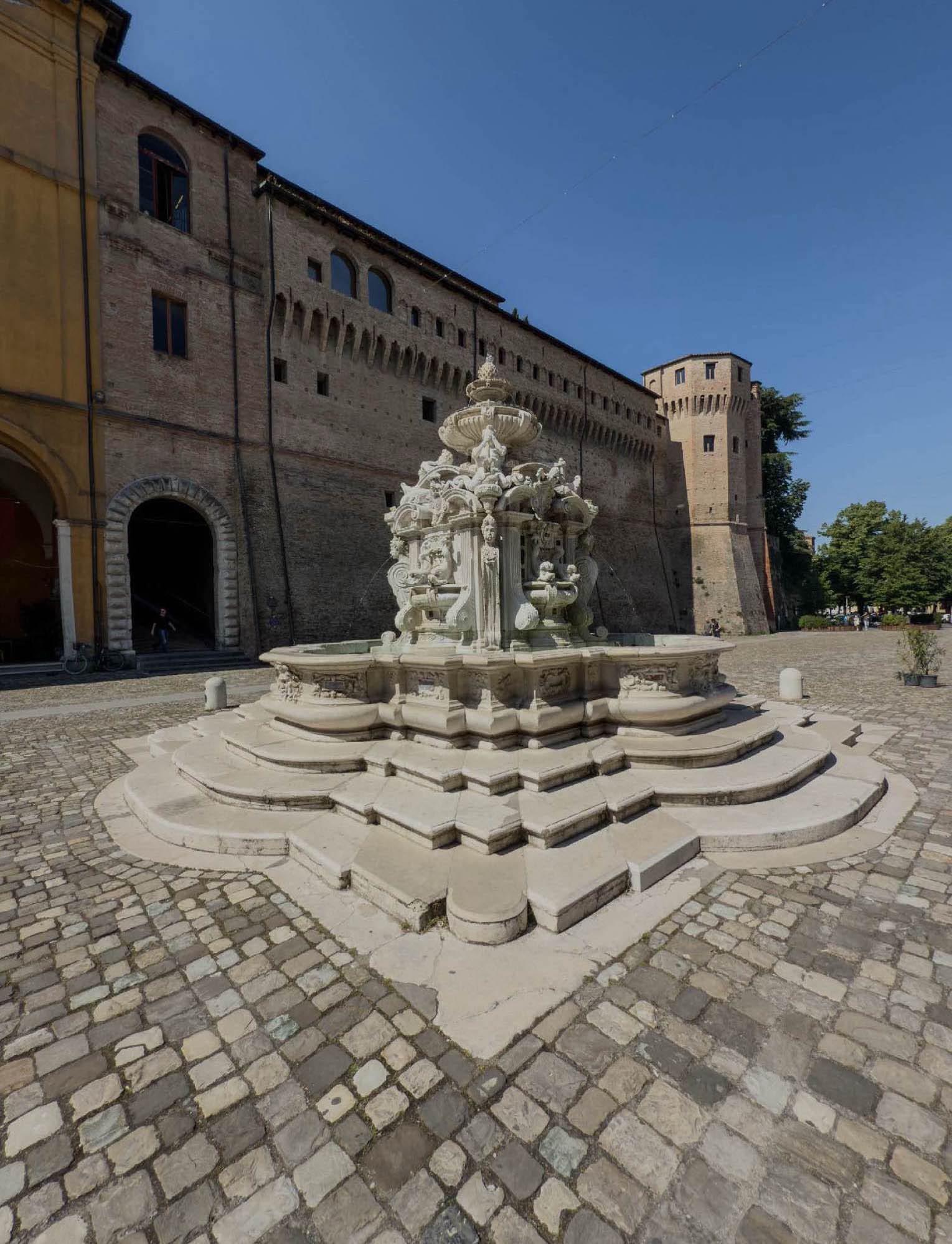

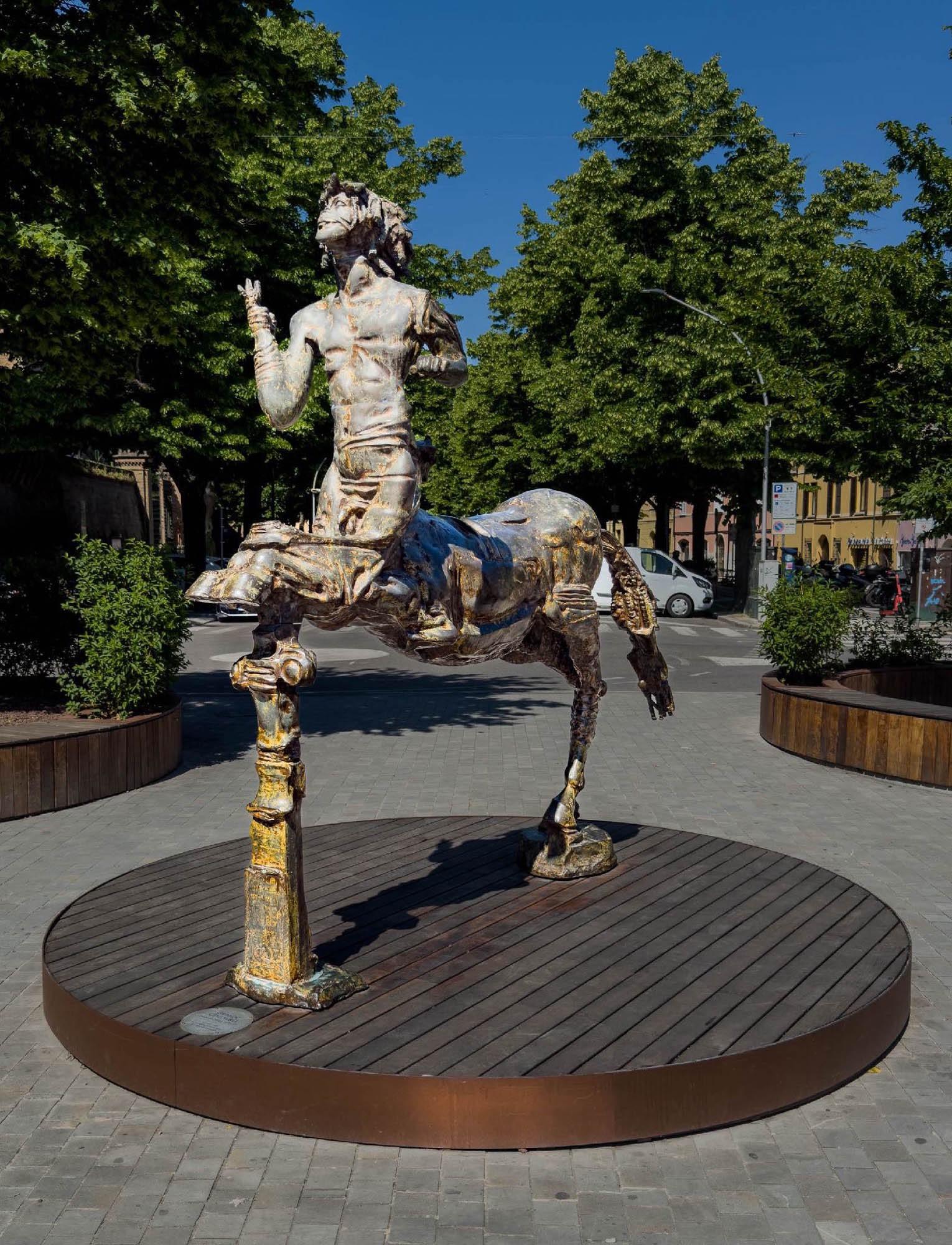
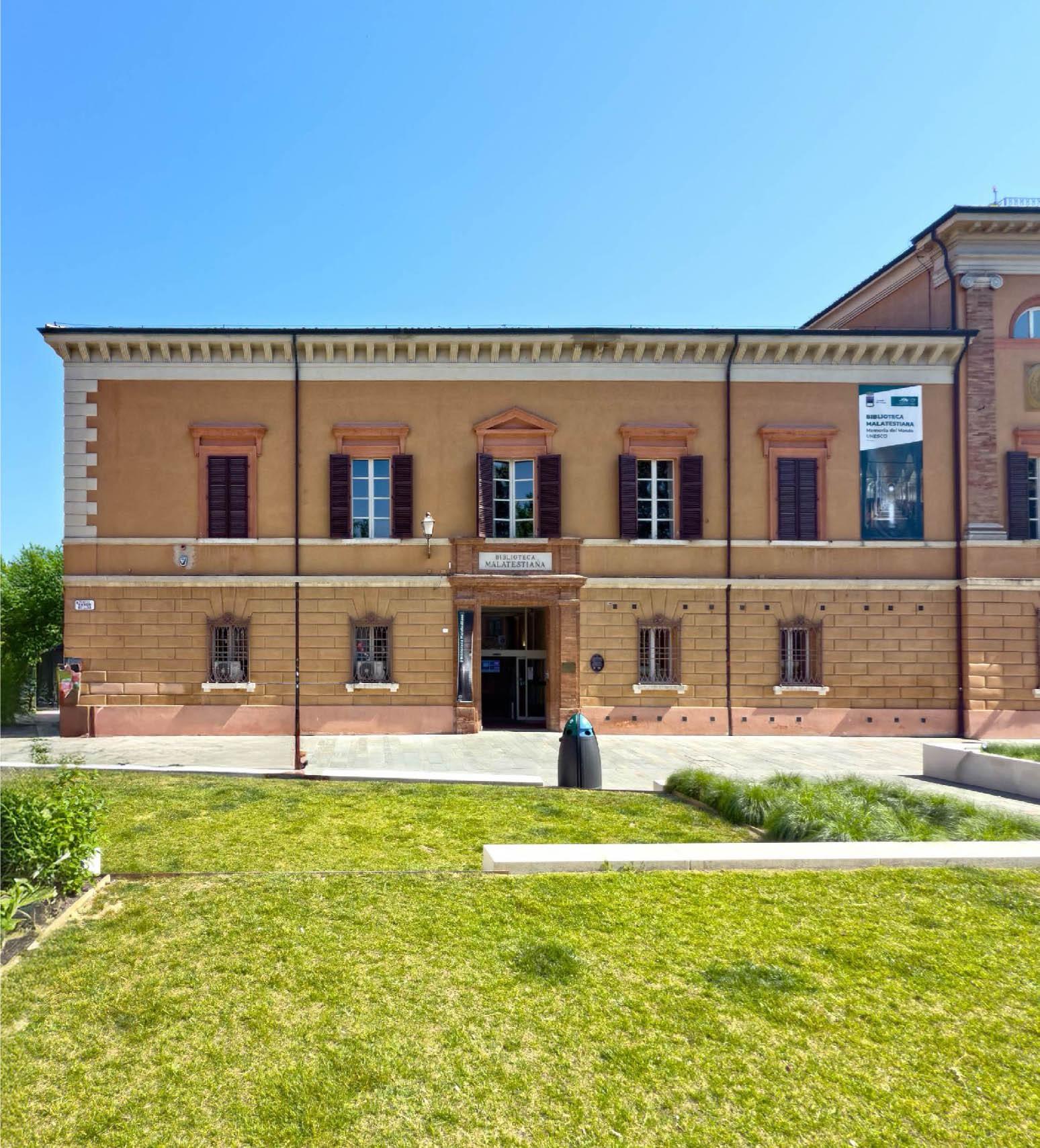
The city leader Domenico Malatesta, together with the Franciscan monks of Cesena, built the monastery library in the mid-15th century. The Malatestiana is considered the first civic, public library in Europe. Unlike many libraries of that time, it was owned by the municipality
and open to the public, marking a signi fi cant advancement in the dissemination of knowledge. In 2005, the library was included in UNESCO’s “Memory of the World” register.

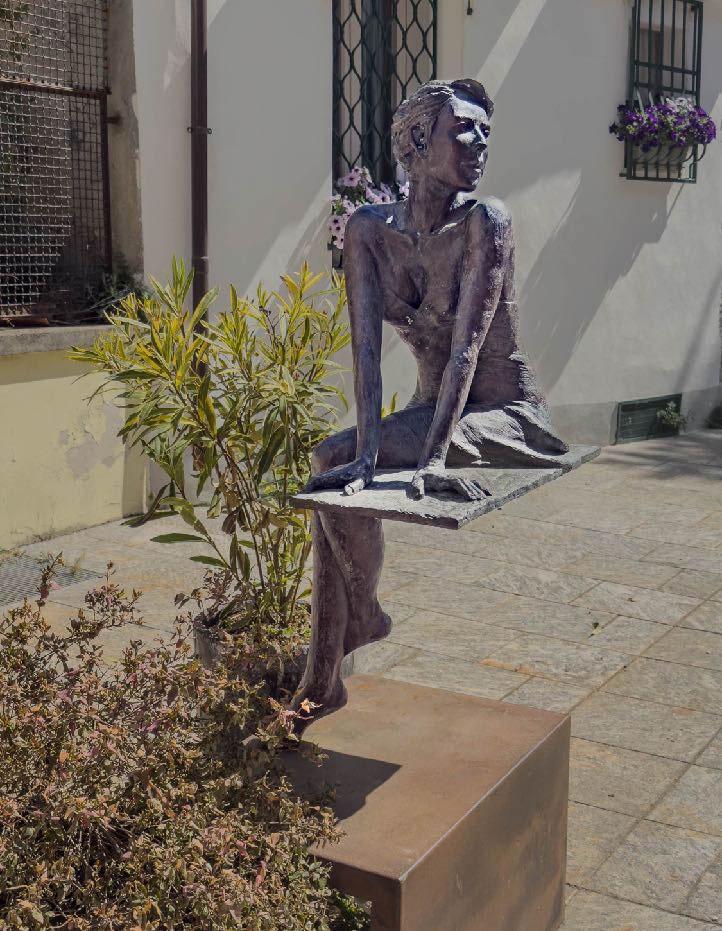
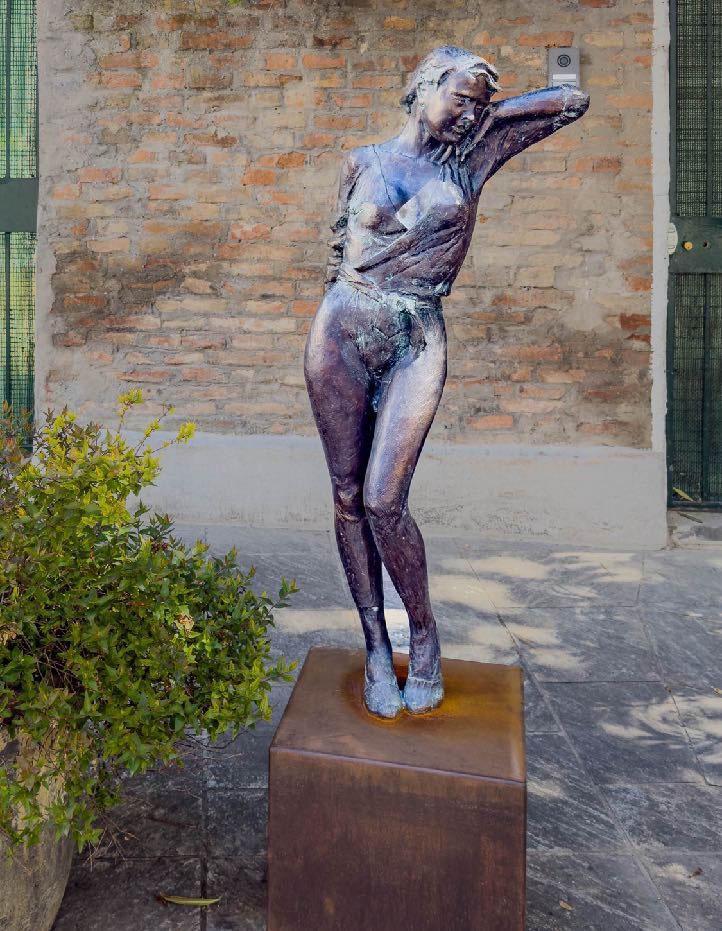
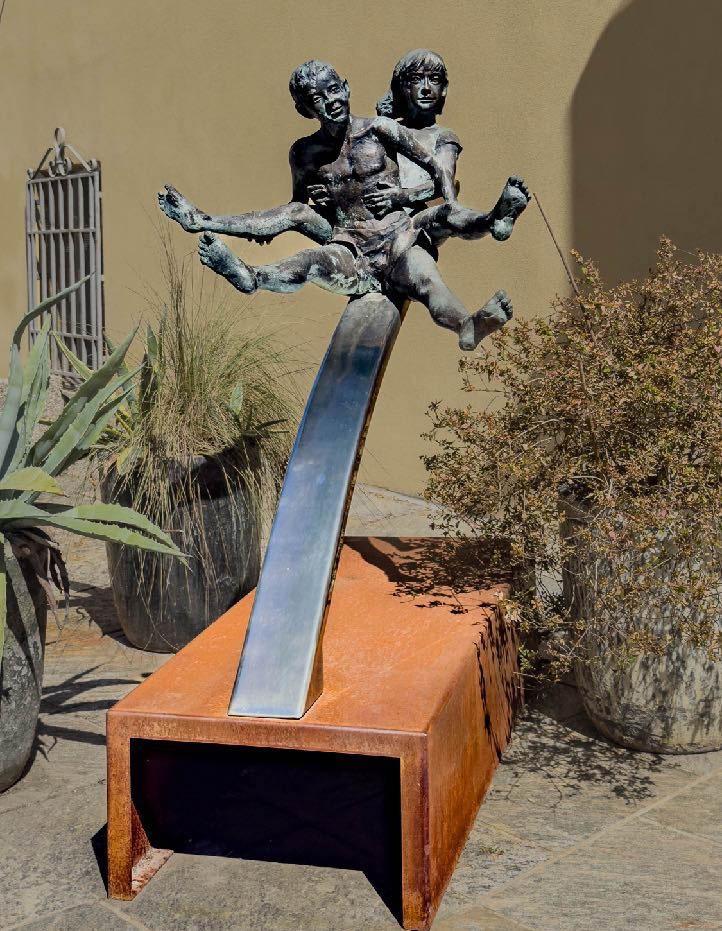

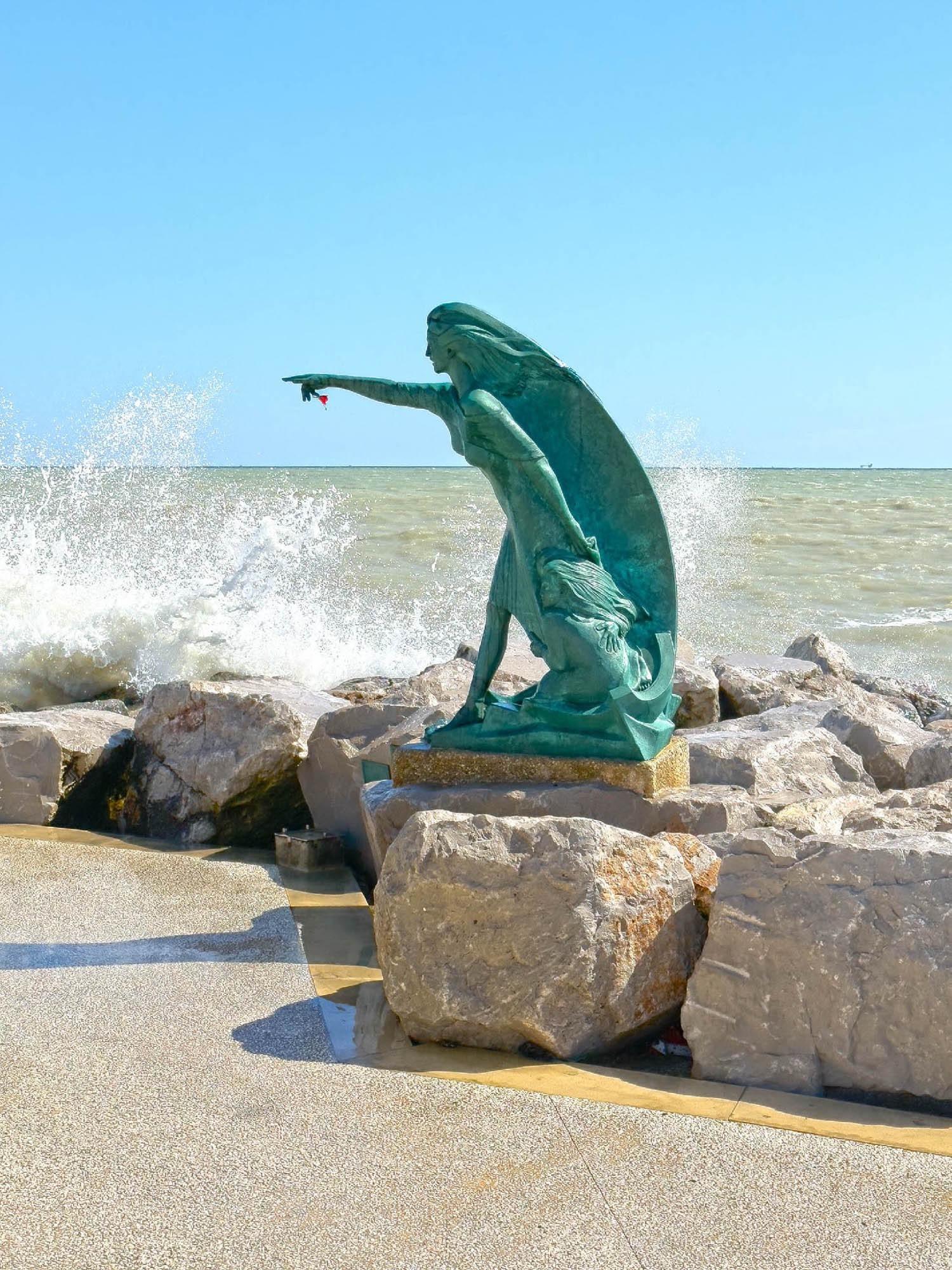
Rimini is located on the Adriatic coast and is considered a hub for beach vacations.
The capital of the Rimini region is home to over 150,000 people.
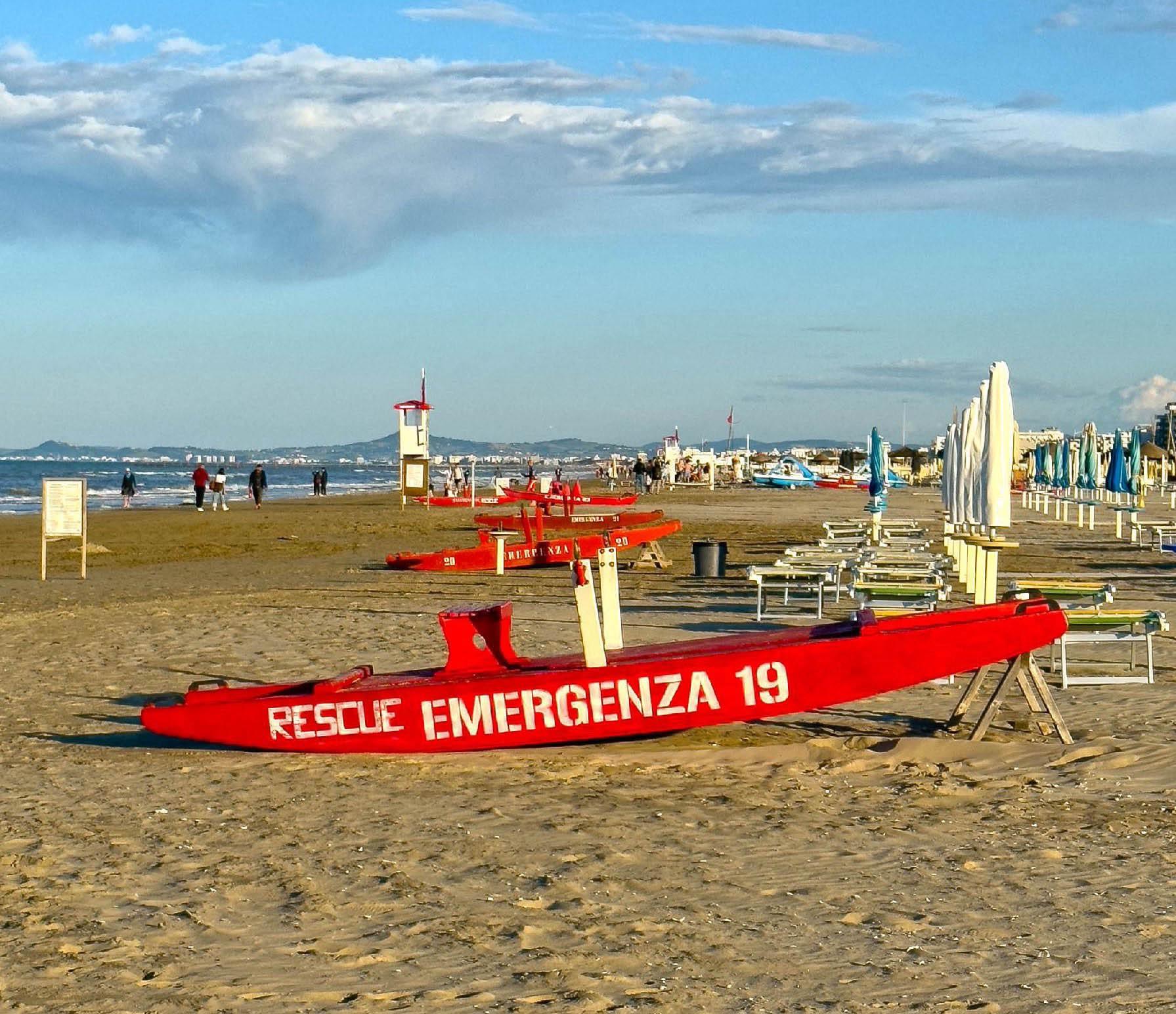

Rimini, located on the Adriatic coast in Emilia-Romagna, is a vibrant city with a history spanning over two thousand years. It is famous for its extensive, fine sandy beaches, which attract millions of visitors annually. Once a significant center of the Roman Empire, this is vividly evidenced by the ancient Tiberius Bridge and the Arch of Augustus. Today, Rimini is a hub of nightlife, with numerous bars, clubs, and restaurants along the waterfront promenade. The historic city center offers picturesque squares such as Piazza Cavour and Piazza Tre Martiri.
Rimini is the birthplace of the renowned director Federico Fellini, to whom a dedicated museum is devoted.
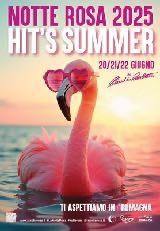
The city hosts cultural events throughout the year, including the summer festival “La Notte Rosa.” Culinary delights in Rimini include fresh fish, Piadina, and regional wines.
Despite its modern tourism sector, the city retains its original Italian charm.
with the ÖBB railjet from Munich to Ancona
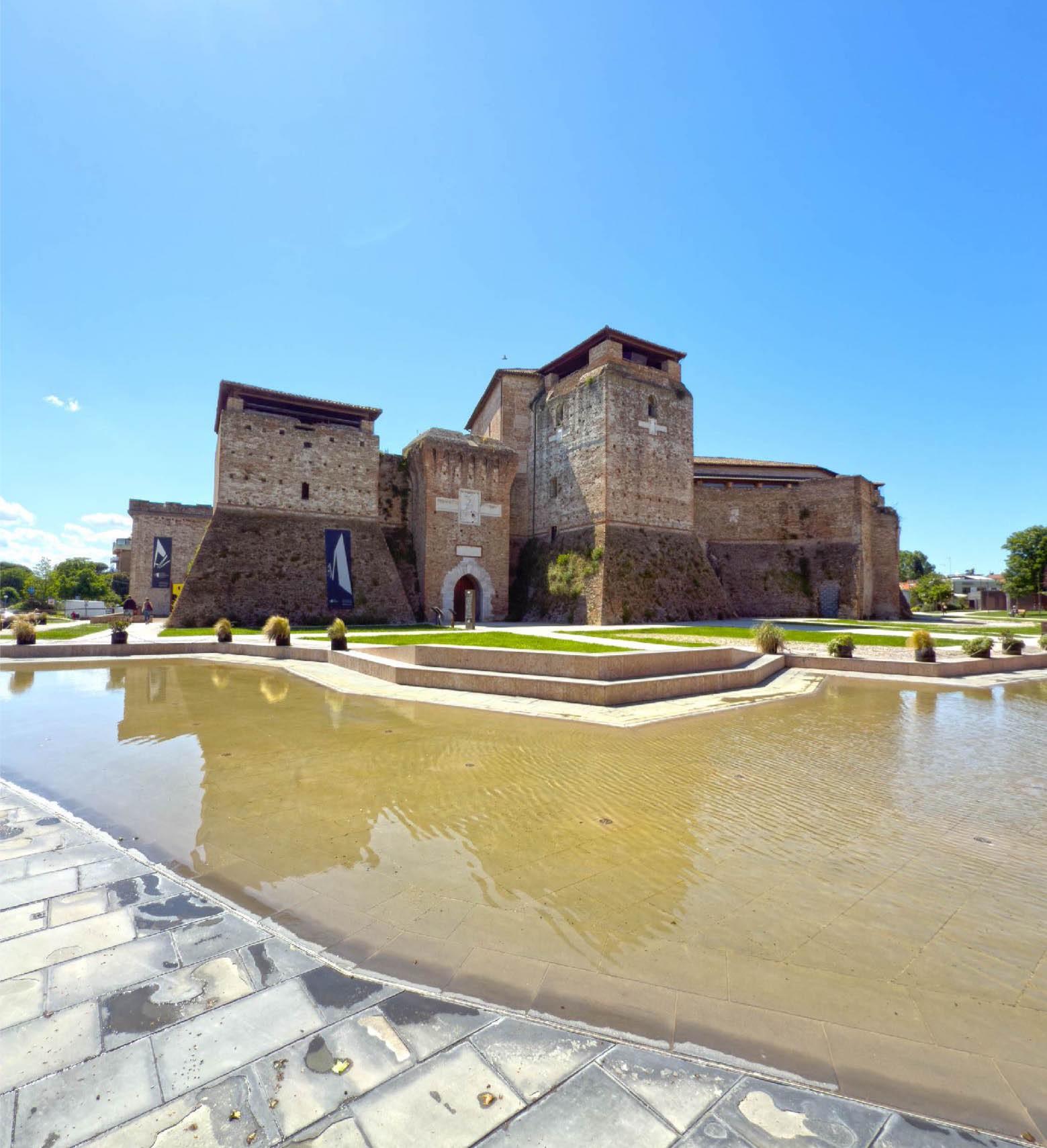
The Fellini Museum spans the areas of Castel Sismondo, Palazzo del Fulgor, and Piazza Malatesta. Castel Sismondo forms the most evocative part of the Fellini Museum. The spaces of the historic Rocca Malatestiana offer installations that allow an immersive experience
into the poetry and universe of Federico Fellini. In the Palazzo del Fulgor, an 18th-century building, three floors are dedicated to the exhibition.
with the ÖBB railjet on the Brenner Railway
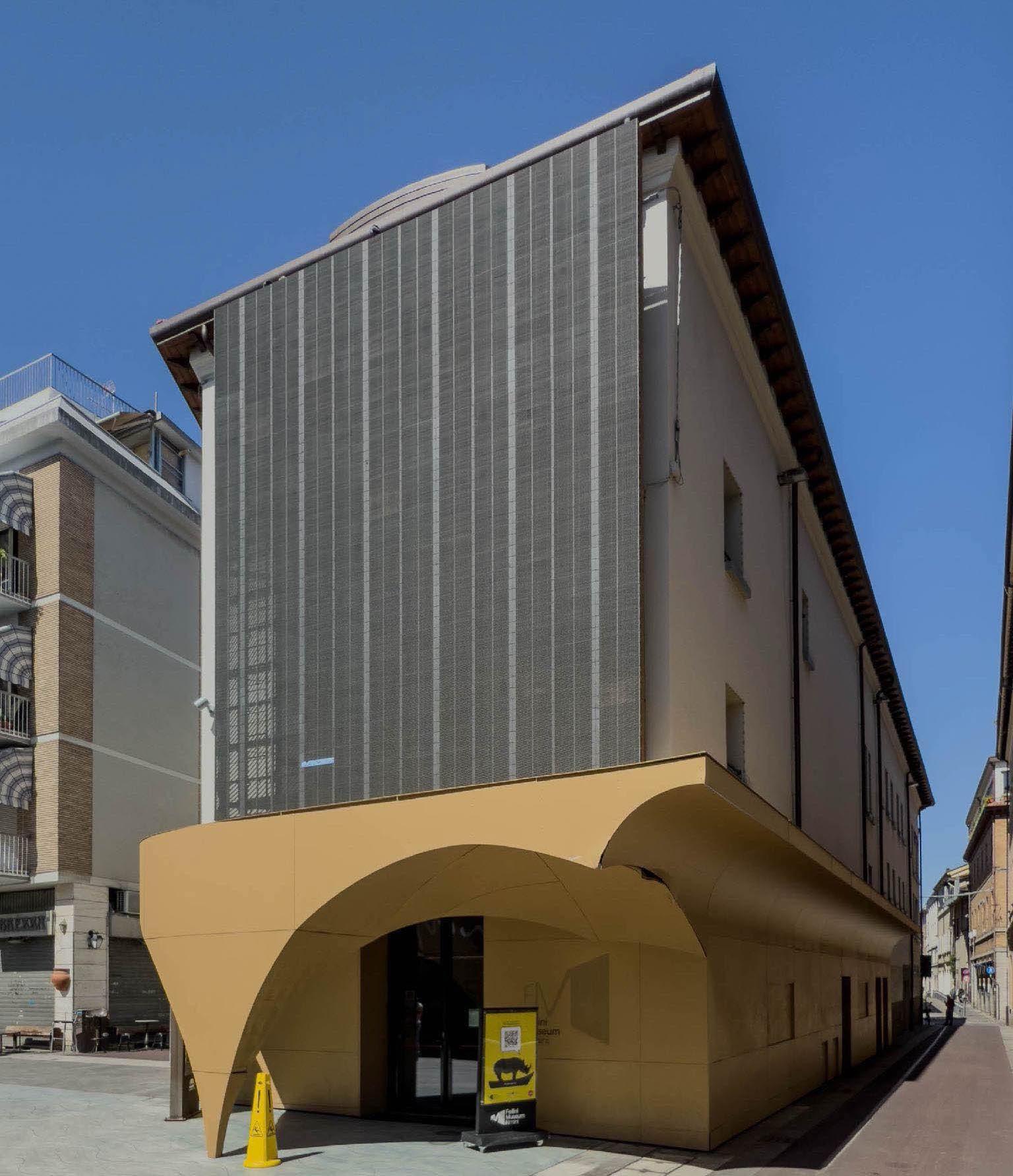
Various visual, technical, and interactive elements offer a fascinating exploration of Fellini's imaginative and creative world. A striking LED installation marks the entrance to the three floors of the Palazzo del Fulgor, an 18th-century building whose interior has been transformed into a spacious, monochrome hall. with the ÖBB railjet on the Brenner Railway
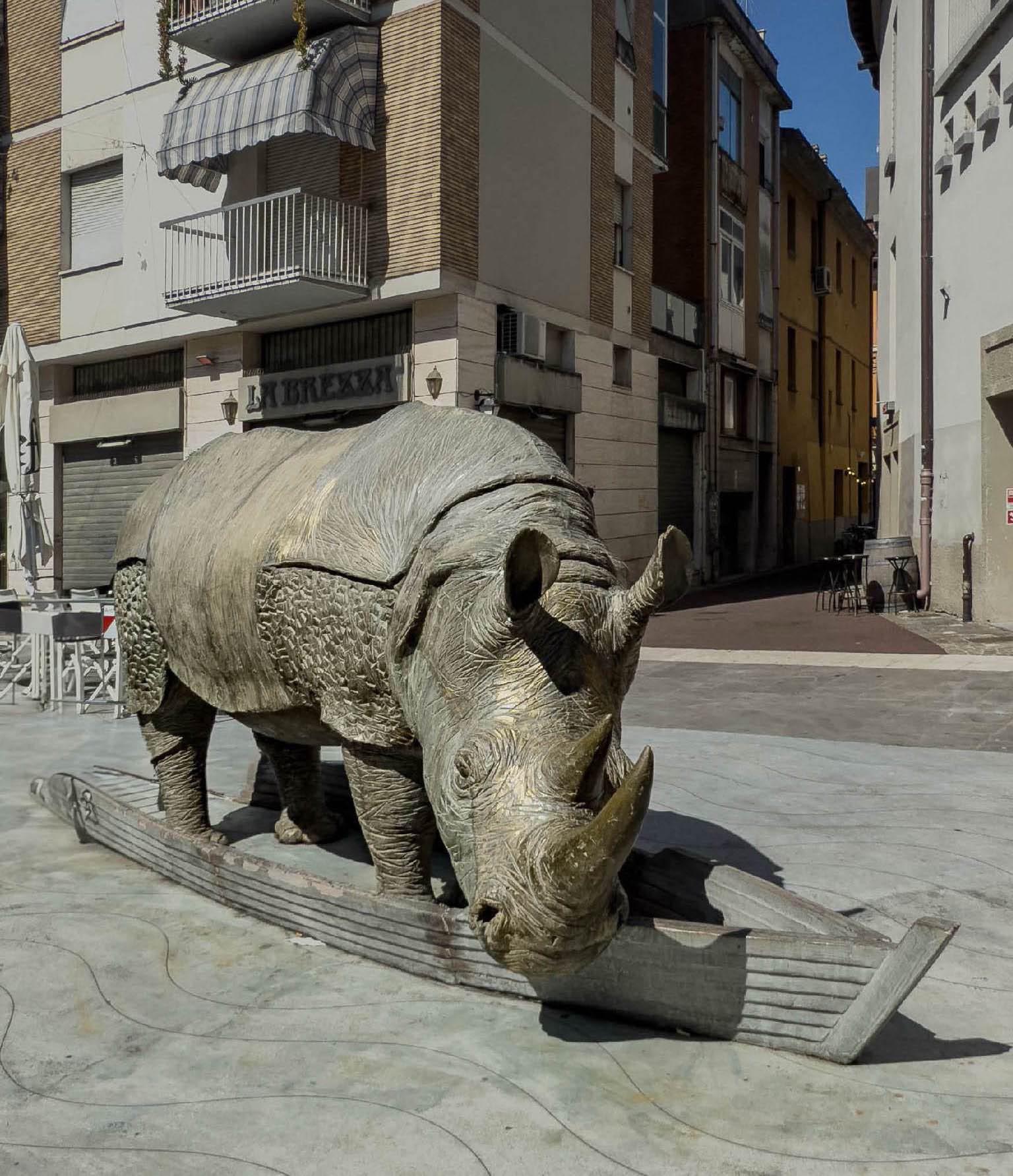
The Rinocentessa (Rhinoceros Cow) recalls the finale of the film “E la nave va” and is one of the many animals featured in Fellini’s works.
The sculpture, designed by Valeriano Trubbiani specifically for the film, was crafted in the Roman Studio Forme.
with the ÖBB railjet on the Brenner Railway
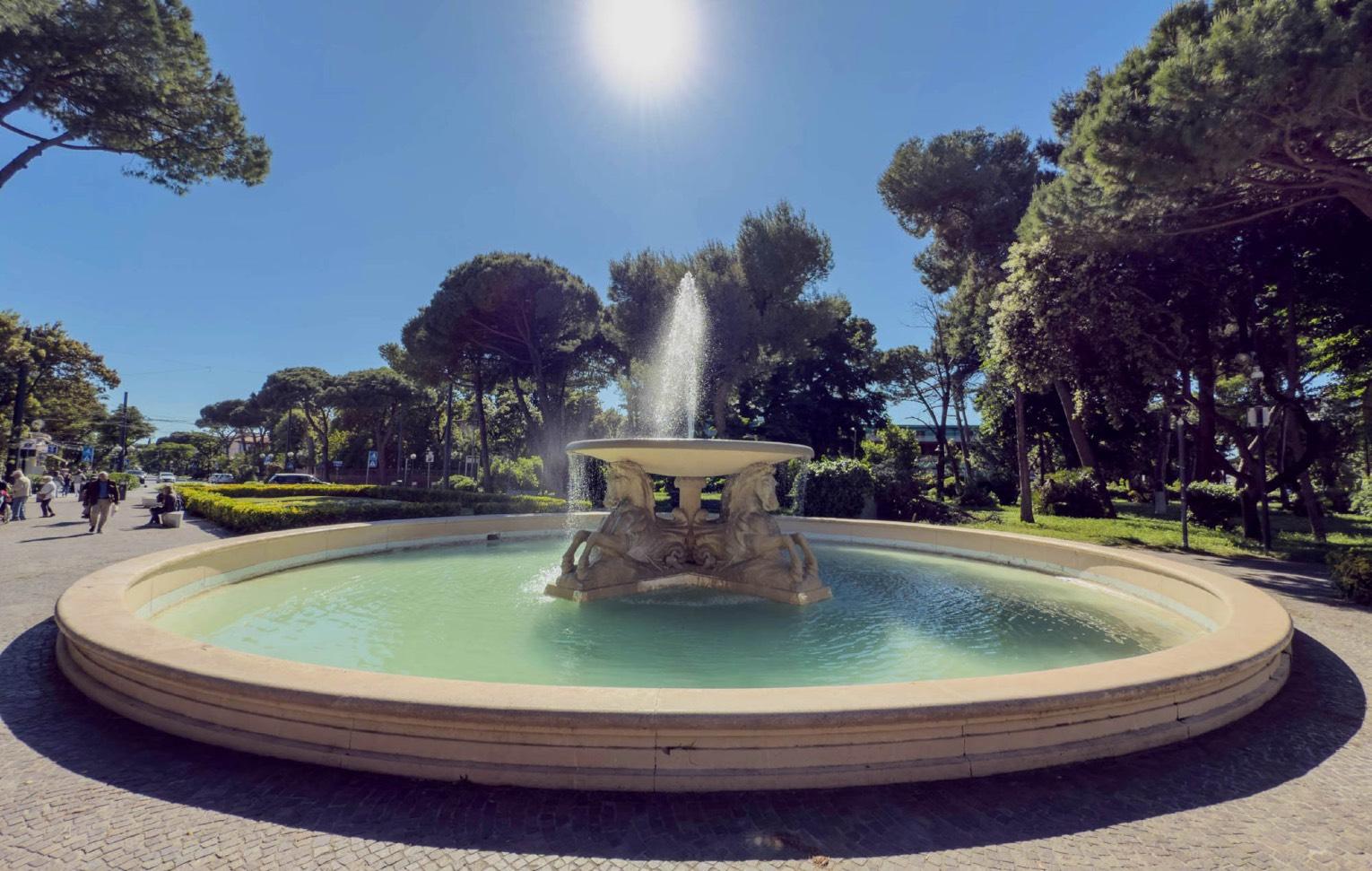
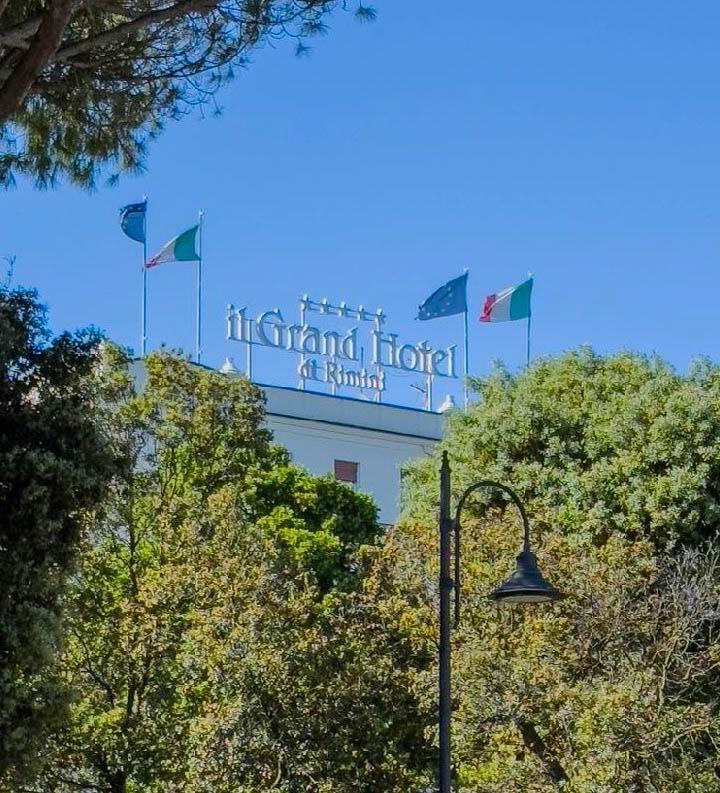
Federico Fellini is honored in many places in Rimini. In addition to the museums, the Federico Fellini Park at the beach offers a place to visit. In the 5-star Grand Hotel Des Bains, Fellini worked as a caricaturist in his youth.
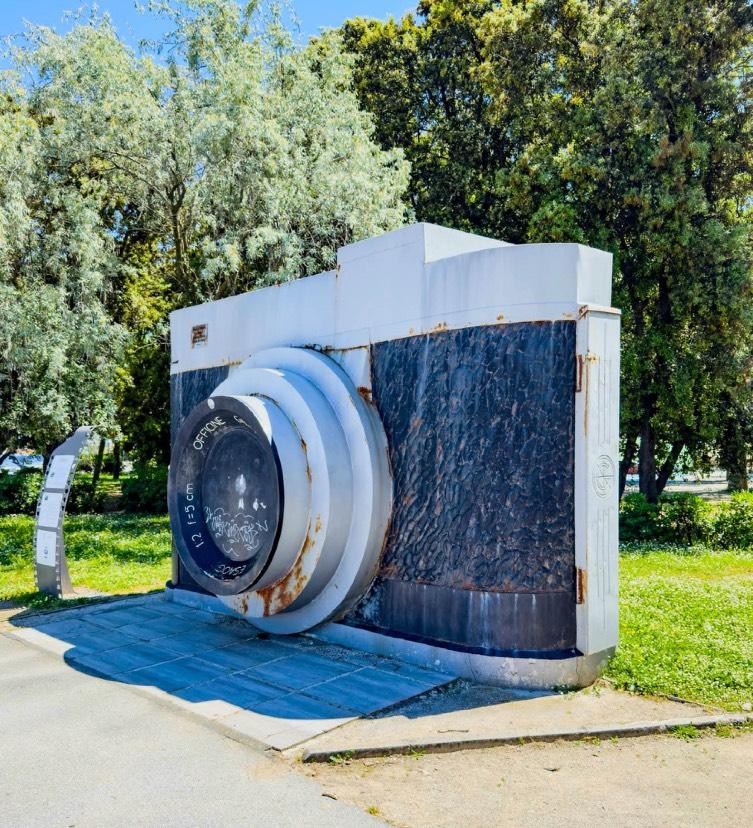
In August 1993, Fellini suffered a heart attack in Suite 316. Later, Fellini claimed he was saved by an angel dressed as a sailor.
with the ÖBB railjet on the Brenner Railway
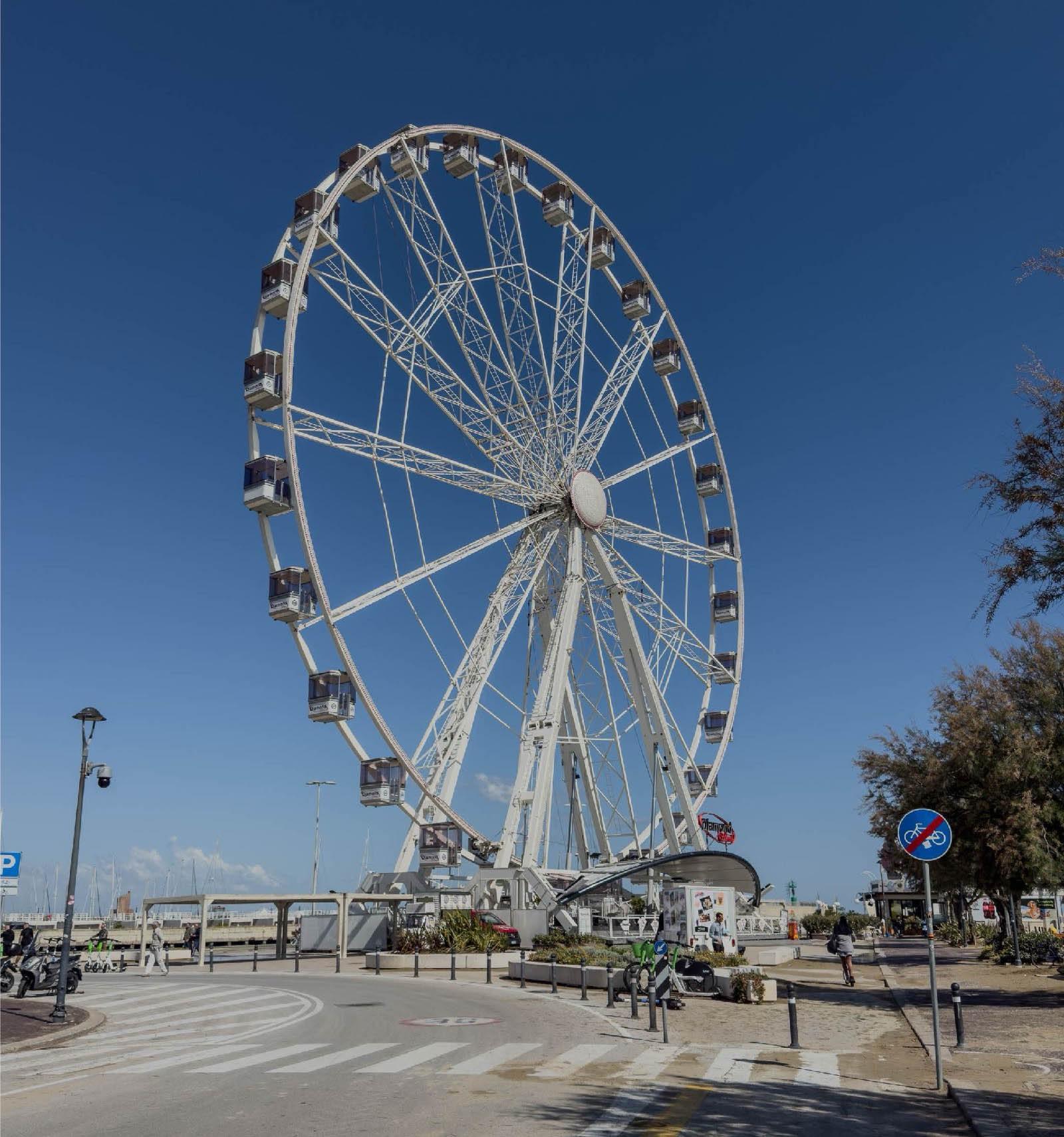
Located directly at Rimini’s harbor, La Ruota Panorama is the city’s impressive Ferris wheel. Throughout the summer, the Ferris wheel is open daily from 3 PM to midnight. From a height of 55 meters, passengers can enjoy a spectacular view.
During a ride in one of the 28 gondolas, you can see as far as Cesenatico and Gabicce, as well as the surrounding Rimini countryside. Up to 1,600 people can take a four- to six-minute ride daily.
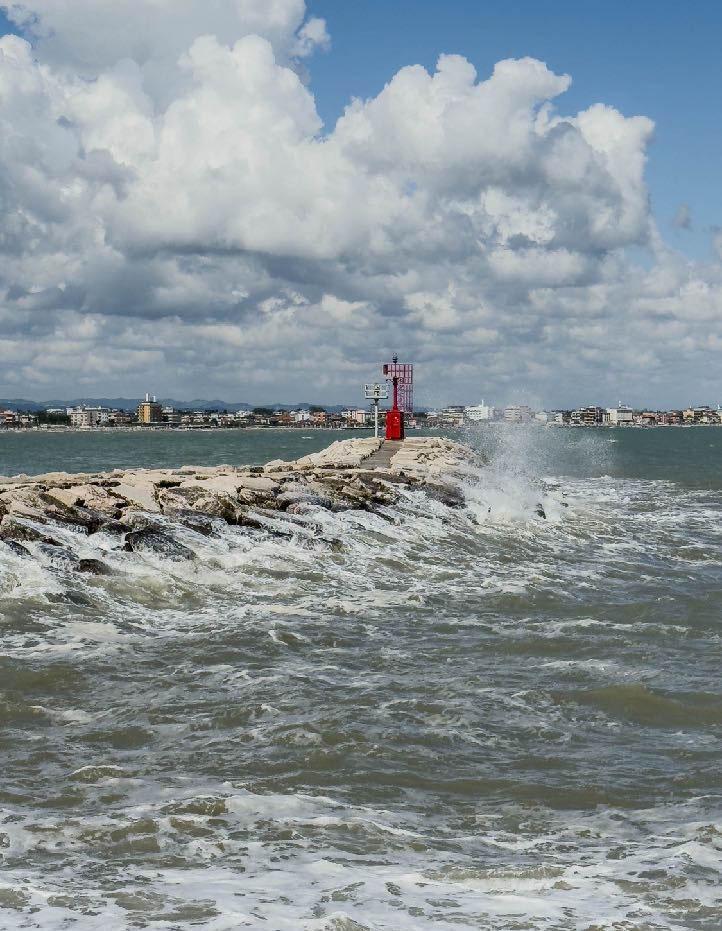
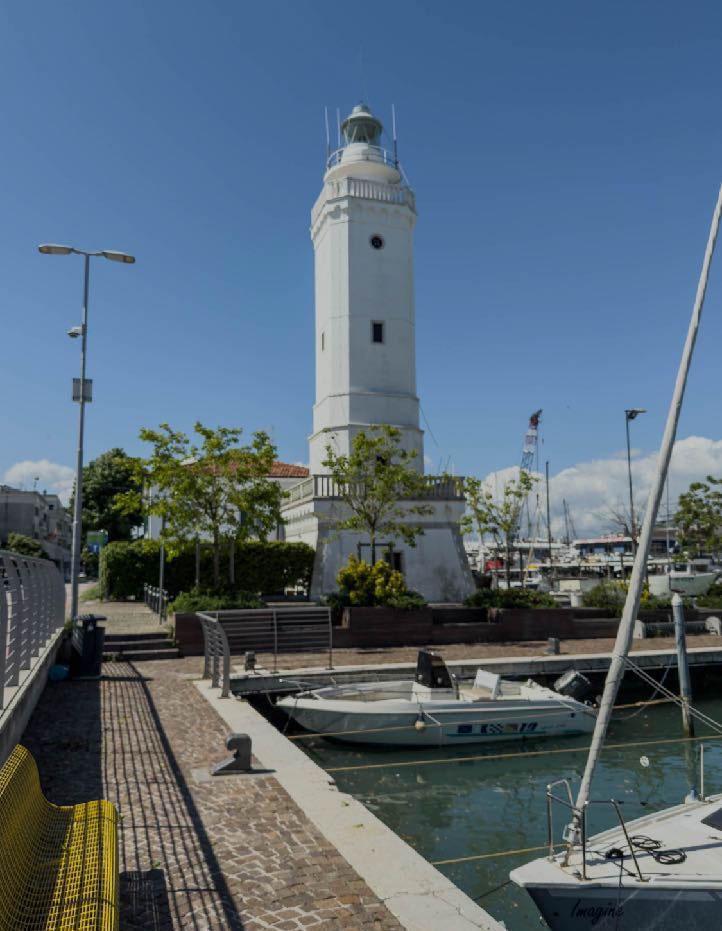
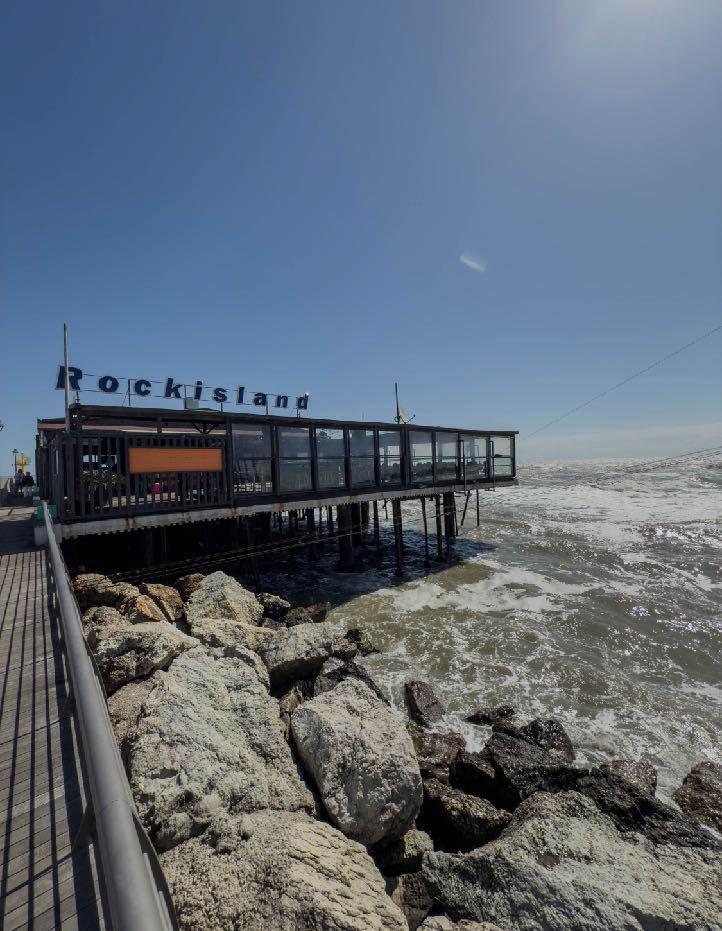
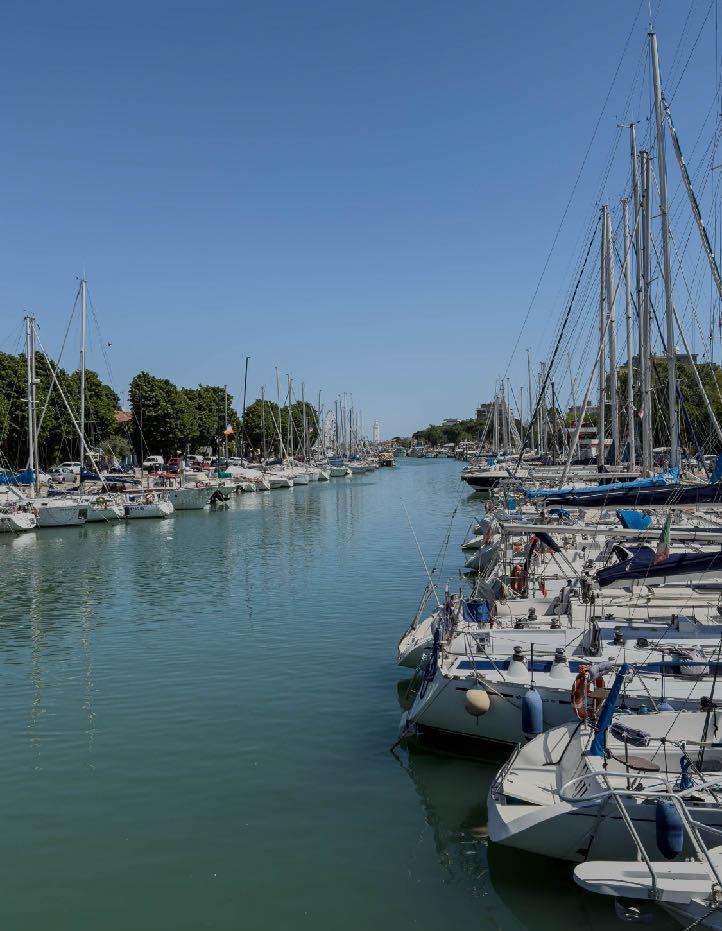
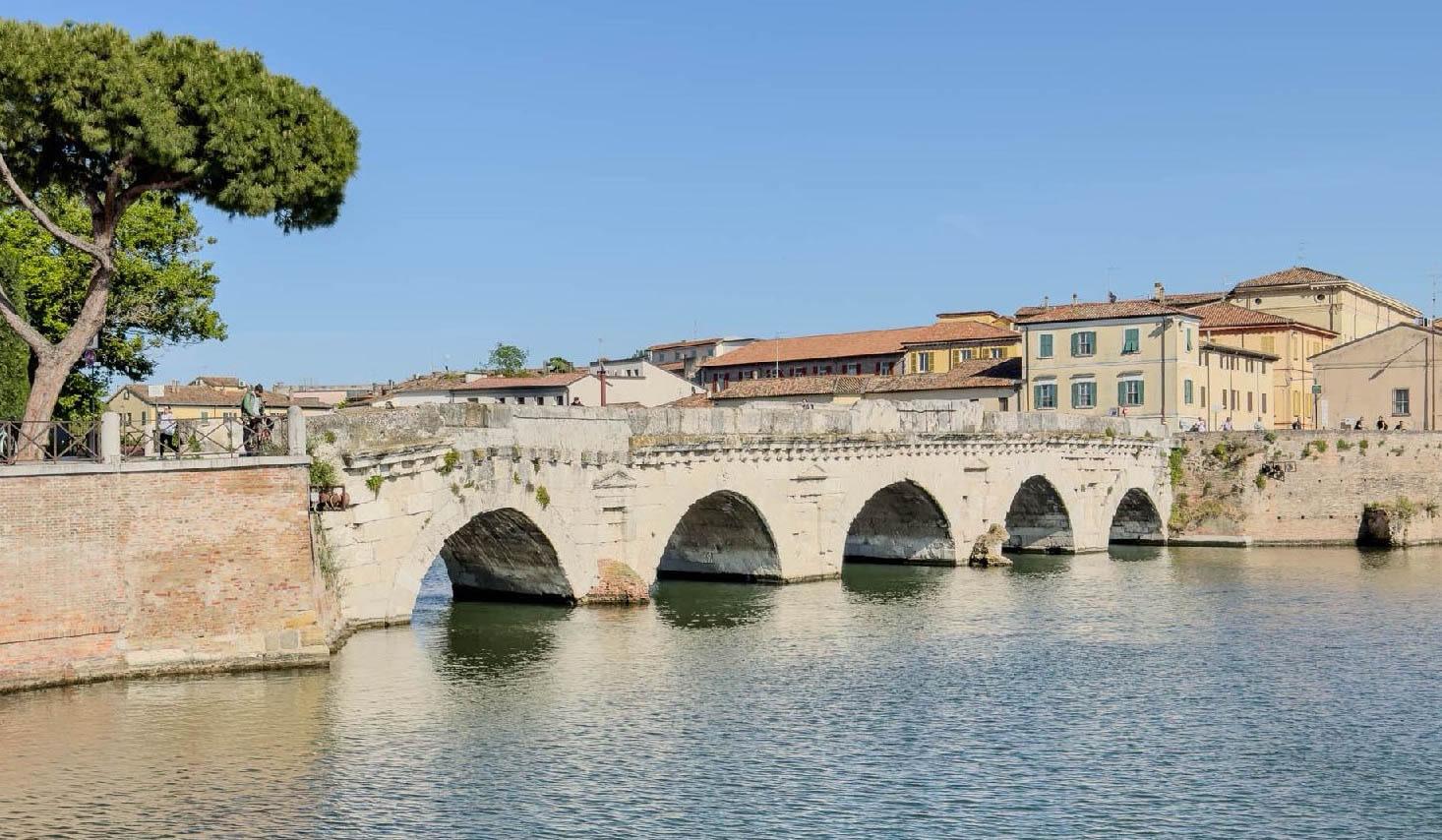
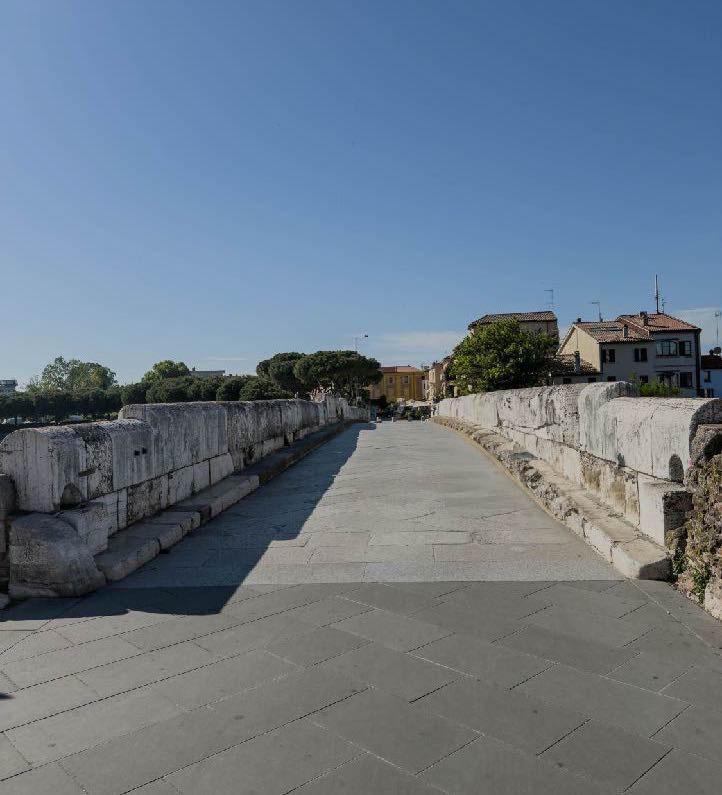
The Ponte di Tiberio (Tiberius Bridge), also historically known as the Augustus Bridge (Ponte d’Augusto) or St. Julian Bridge (Ponte di San Giuliano), is an ancient Roman bridge in Rimini. Built between 14 and 21 AD
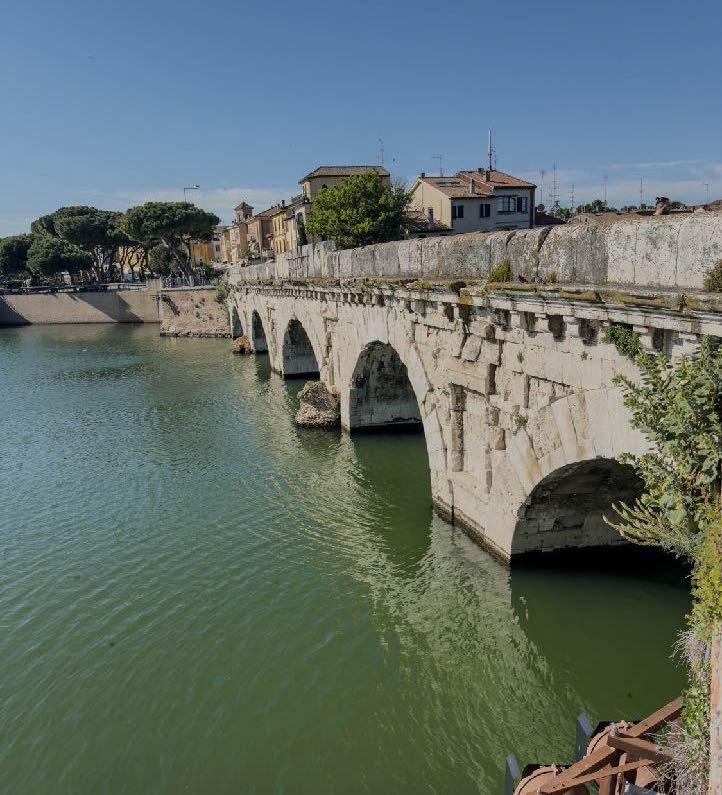
under the Roman emperors Augustus and Tiberius, this bridge spans the Marecchia harbor canal at the southern end of two important Roman roads, the Via Aemilia and the Via Popilia.
with the ÖBB railjet from Munich to Ancona
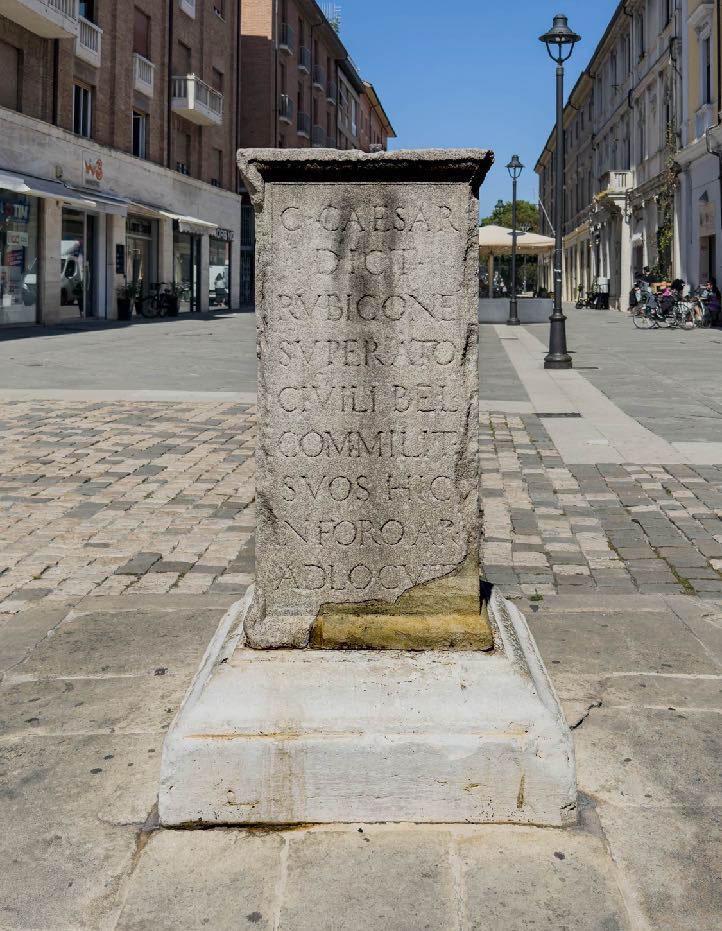
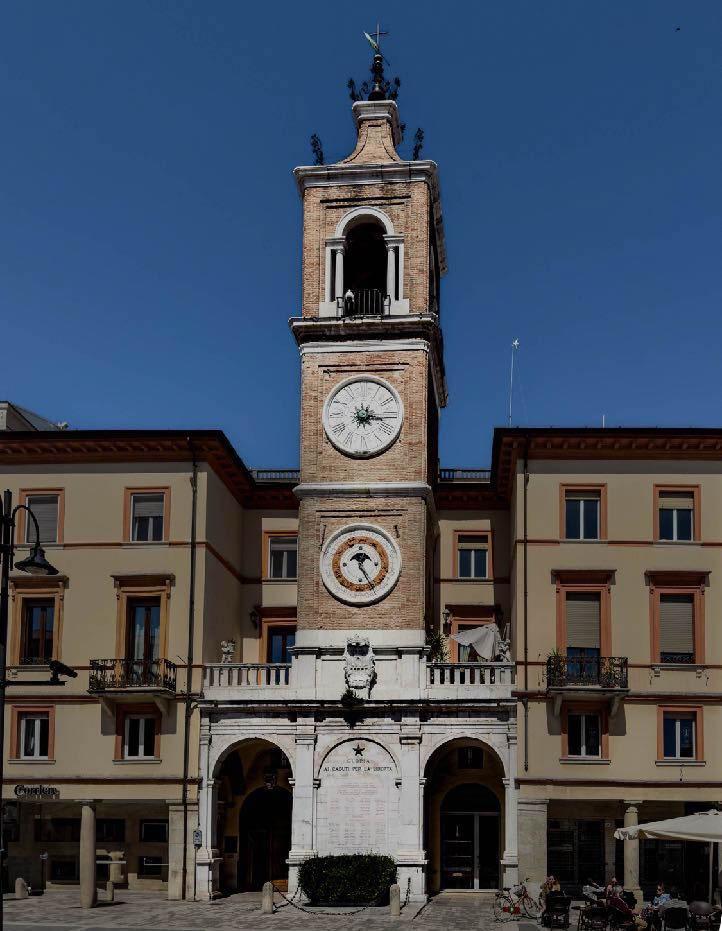
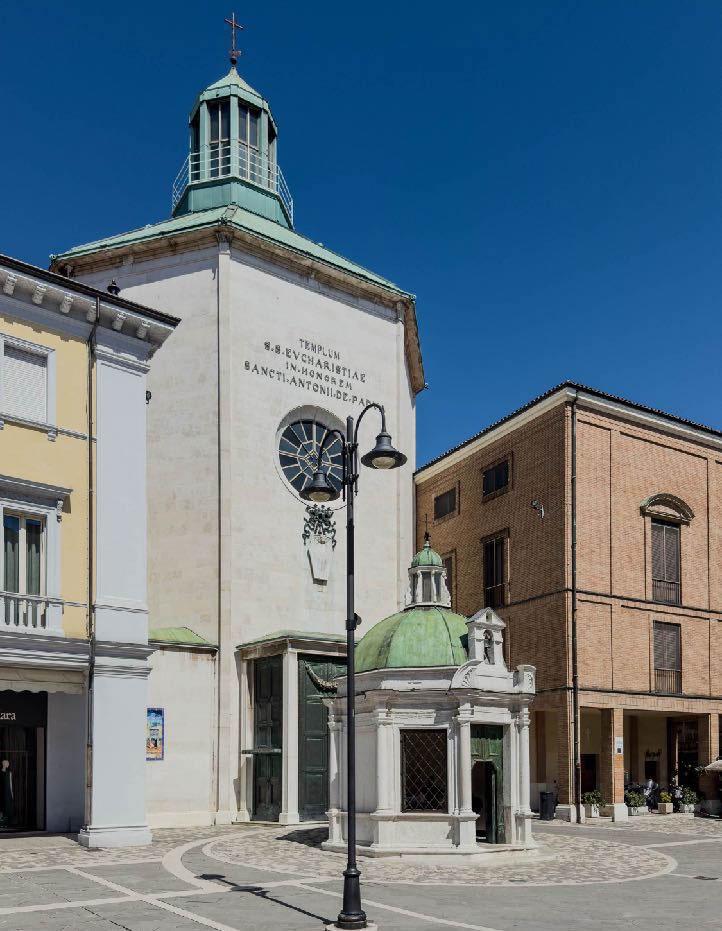
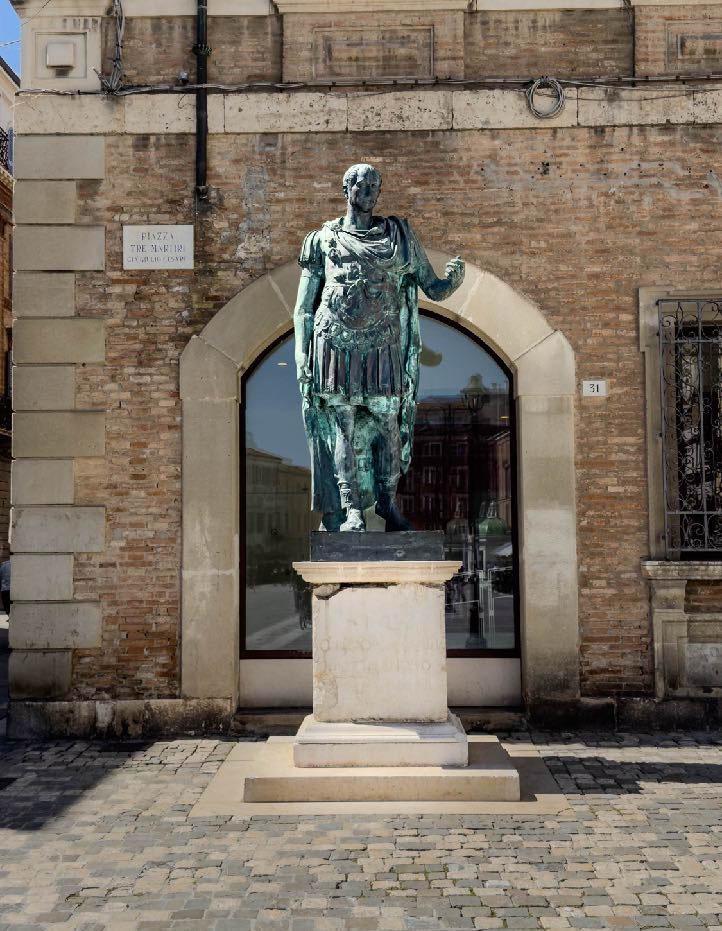

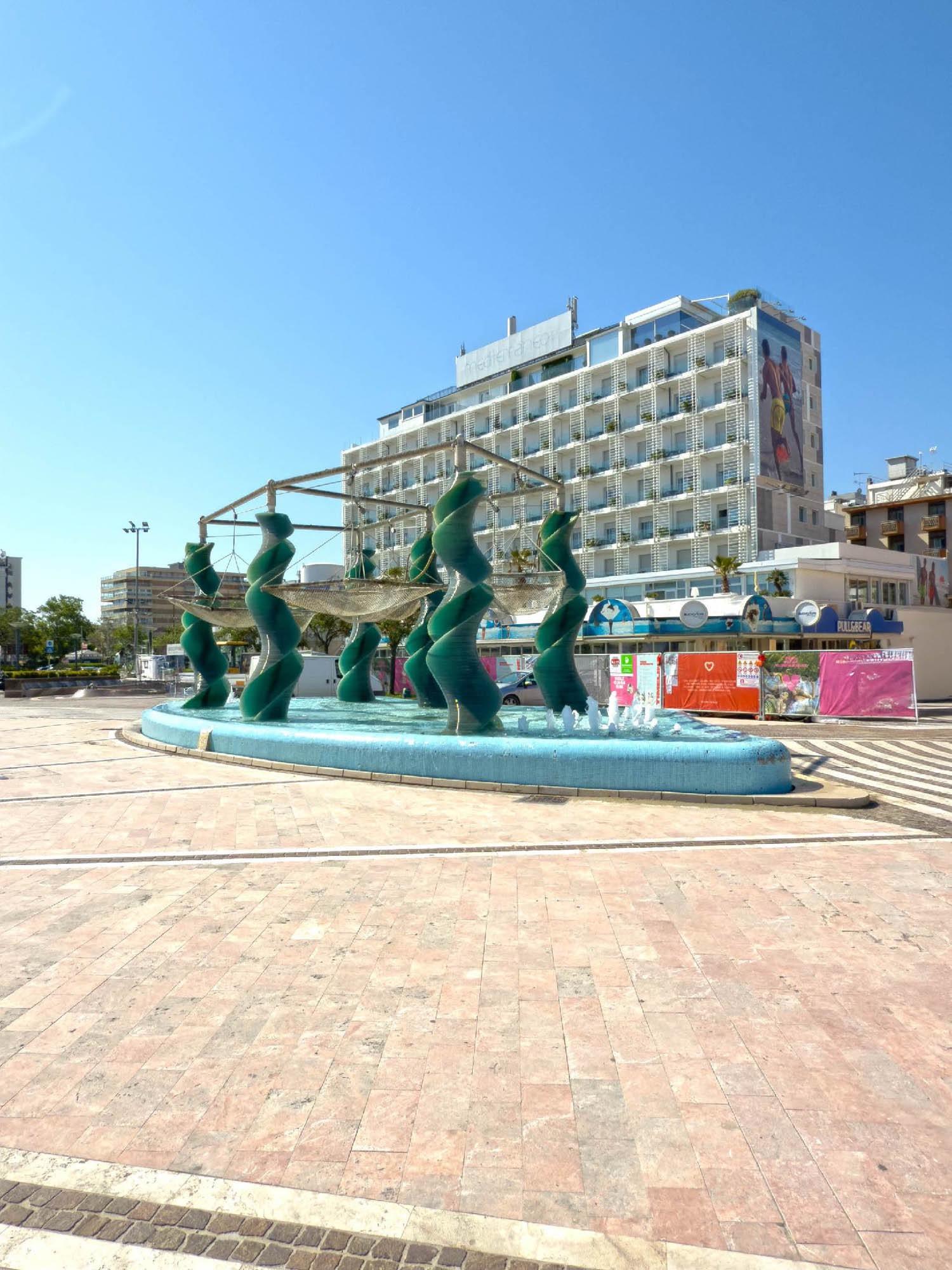
Riccione is a part of the city of Rimini. Its 6-kilometer-long sandy beach captivates all sun-seekers. Riccione is home to Europe’s largest water park, Aquafan.
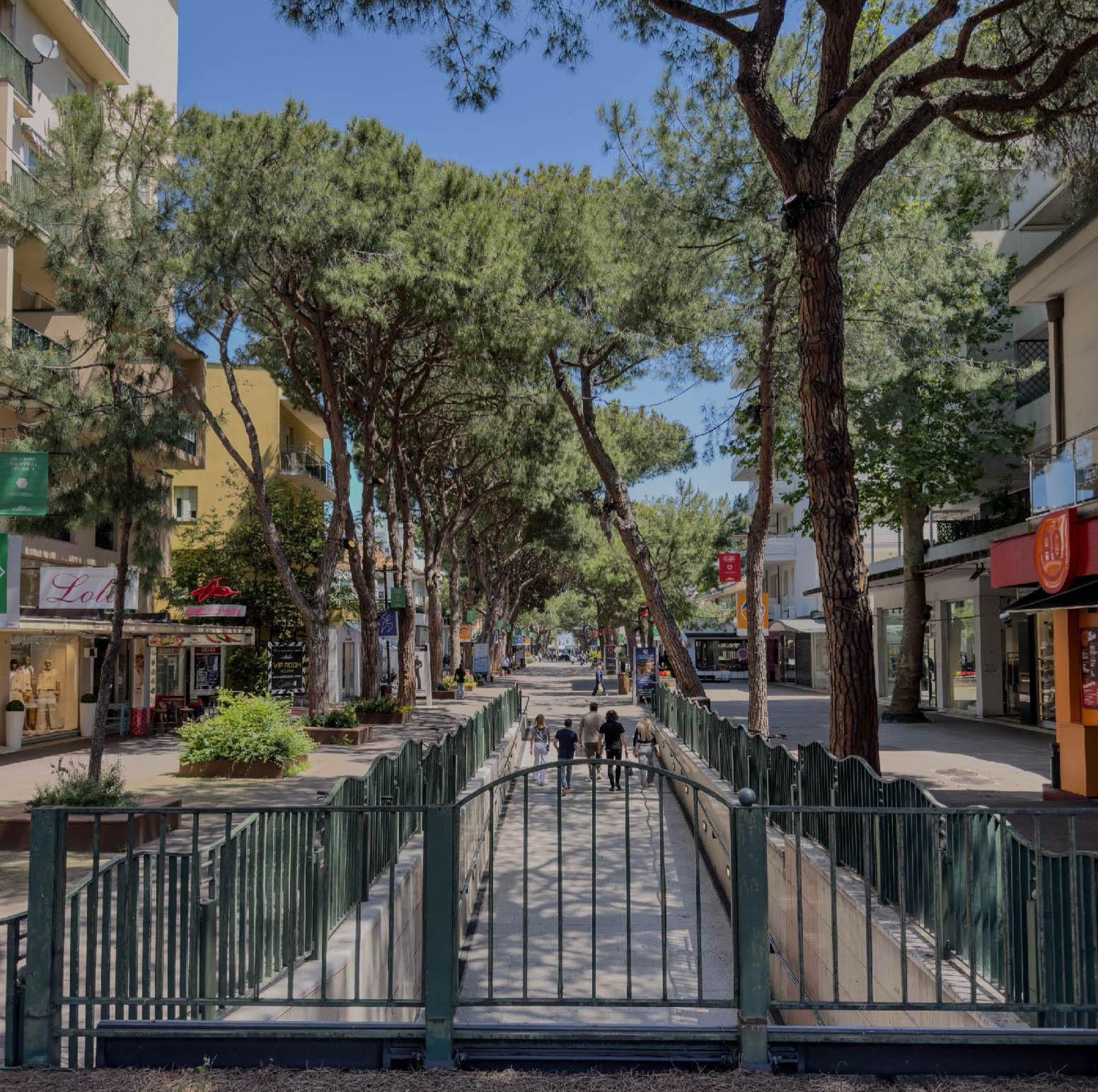
Riccione is a vibrant coastal city in Emilia-Romagna, Italy, located on the Adriatic coast. It is famous for its extensive sandy beaches, which attract many tourists each year. Often referred to as the “Pearl of the Adriatic,” the city attracts both families and young travelers. The main street, Viale Ceccarini, is lined with elegant boutiques, cafés, and restaurants. Riccione is a nightlife hub with numerous clubs and bars open until the early morning hours.

The Aquafan water park is one of the biggest attractions, offering entertainment for all ages.
The city has a long history in cycling and regularly hosts sporting events. Riccione is also known for its culinary delights, particularly fresh fish and Piadina.
In summer, numerous festivals and cultural events enrich city life. Rimini can be reached in about 20 minutes by trolleybus, also known as Filovia.
with the ÖBB railjet from Munich to Ancona
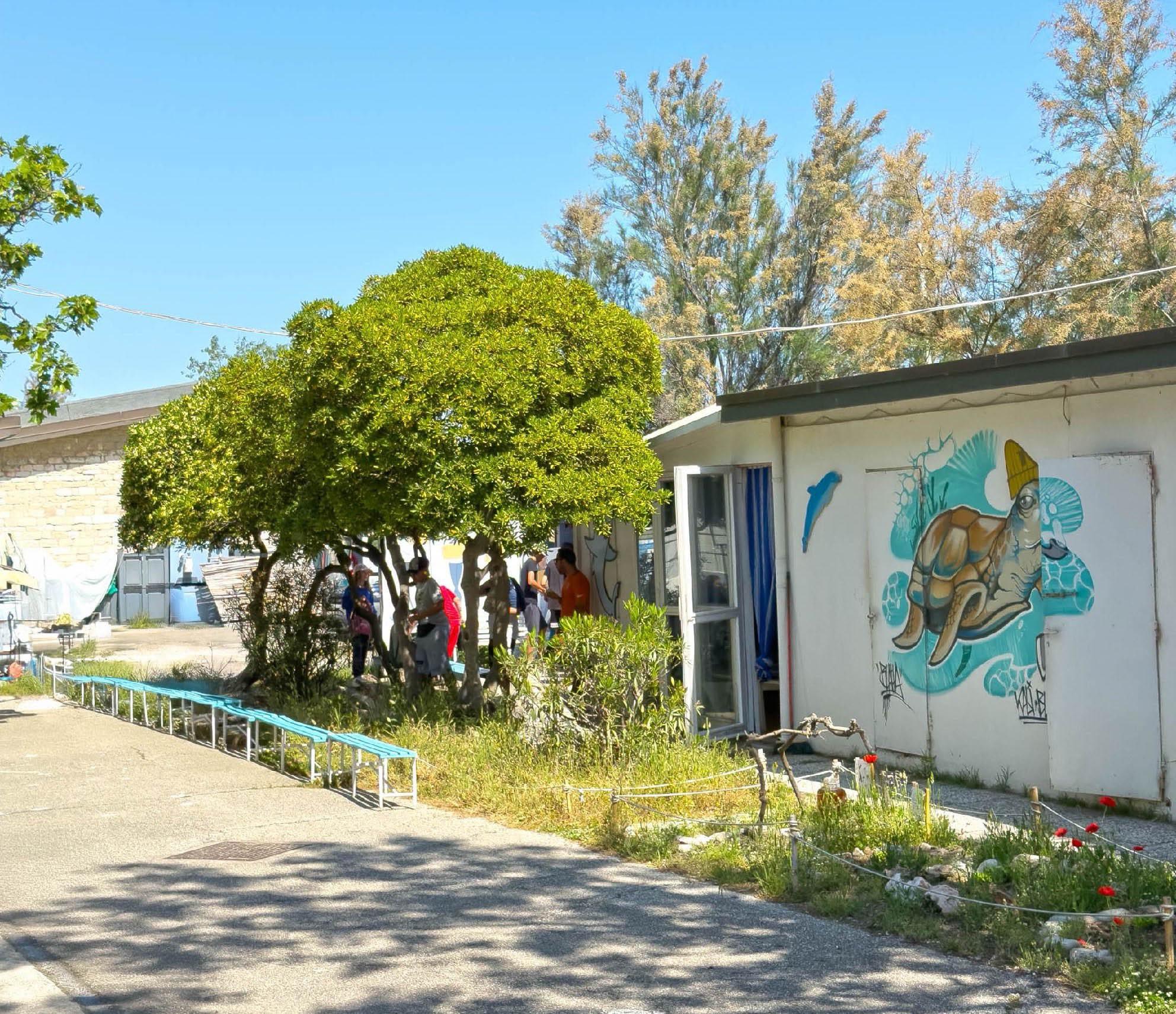
The Ospedale delle Tartarughe (Turtle Hospital) is operated by the Cetacea Foundation, which is also dedicated to the protection of whales and sharks. In Riccione, injured and sick turtles receive medical care.
Successfully treated and recovered turtles are regularly released back into their natural environment along the coast. Entry is only possible with prior registration. Please check the website for details.
with the ÖBB railjet on the Brenner Railway
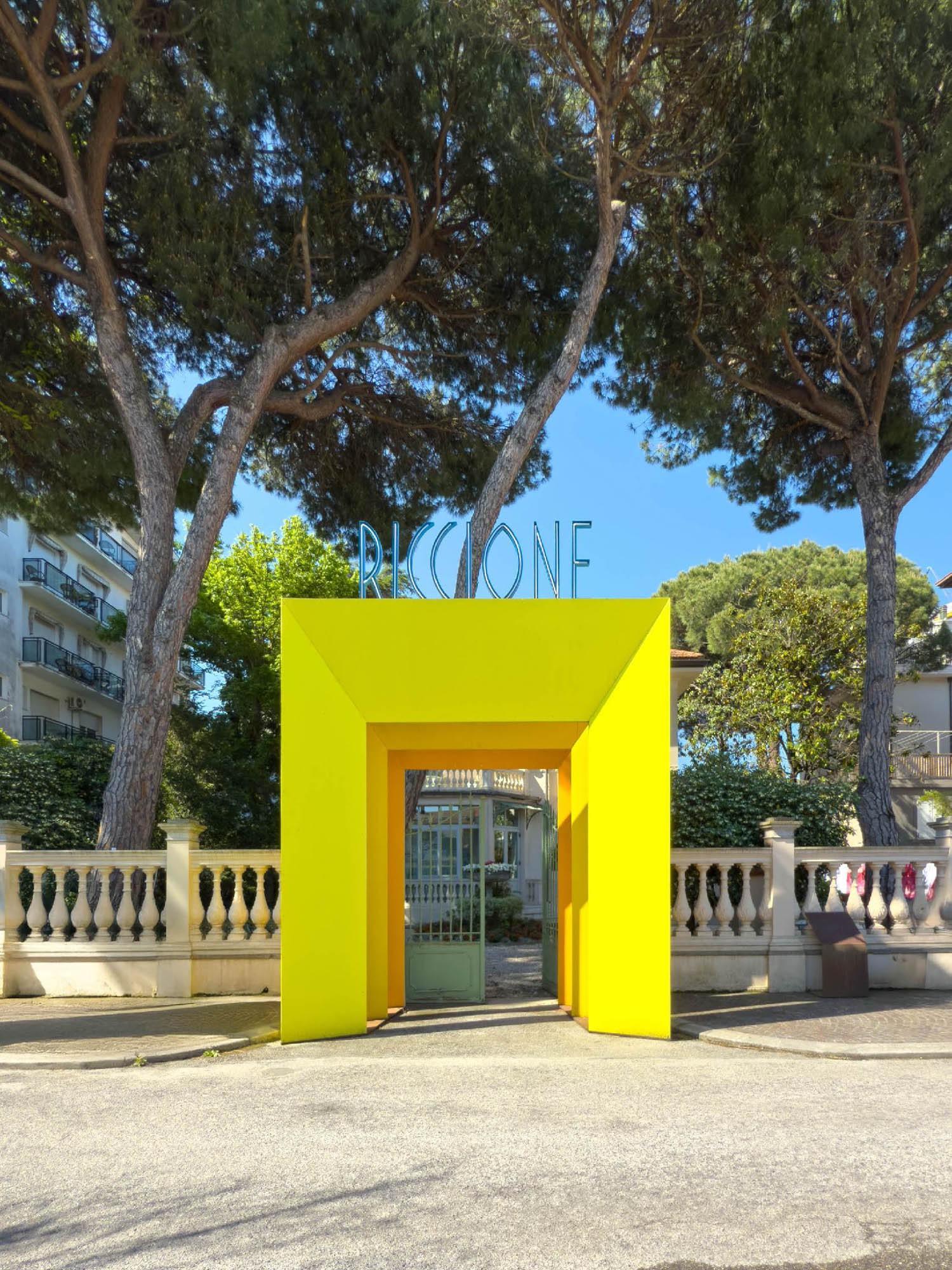
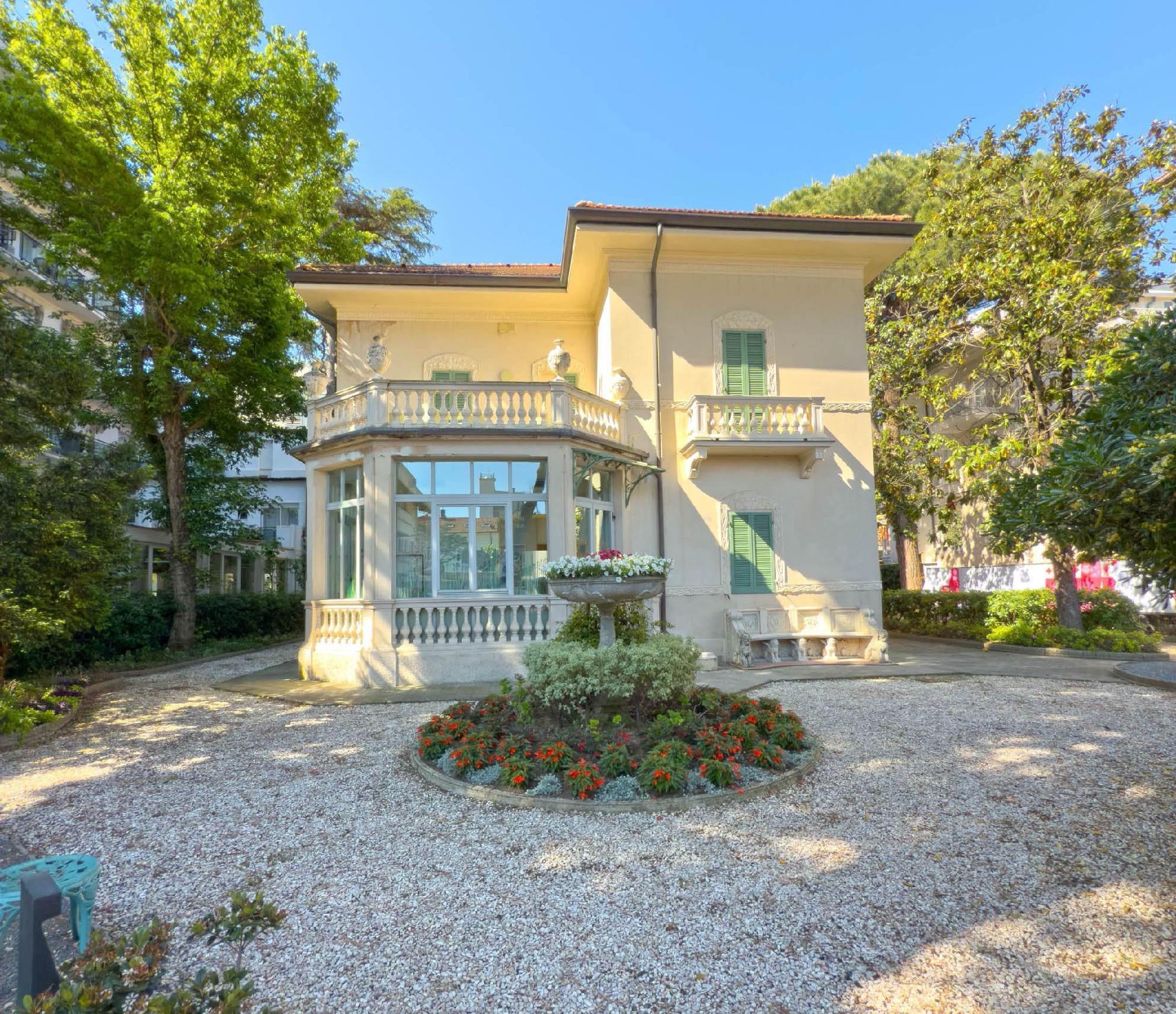
The Villa Franceschi Modern and Contemporary Art Gallery was opened in 2005 at the initiative of the municipal administration. The building is a rare example of the region’s architectural heritage.
The museum houses two significant 20th-century art collections: the Municipal Art Collection and the “Accangeli Collection.” Admission to the exhibitions is free, and opening hours are Monday to Saturday from 9:00 AM to 1:00 PM.
with the ÖBB railjet from Munich to Ancona
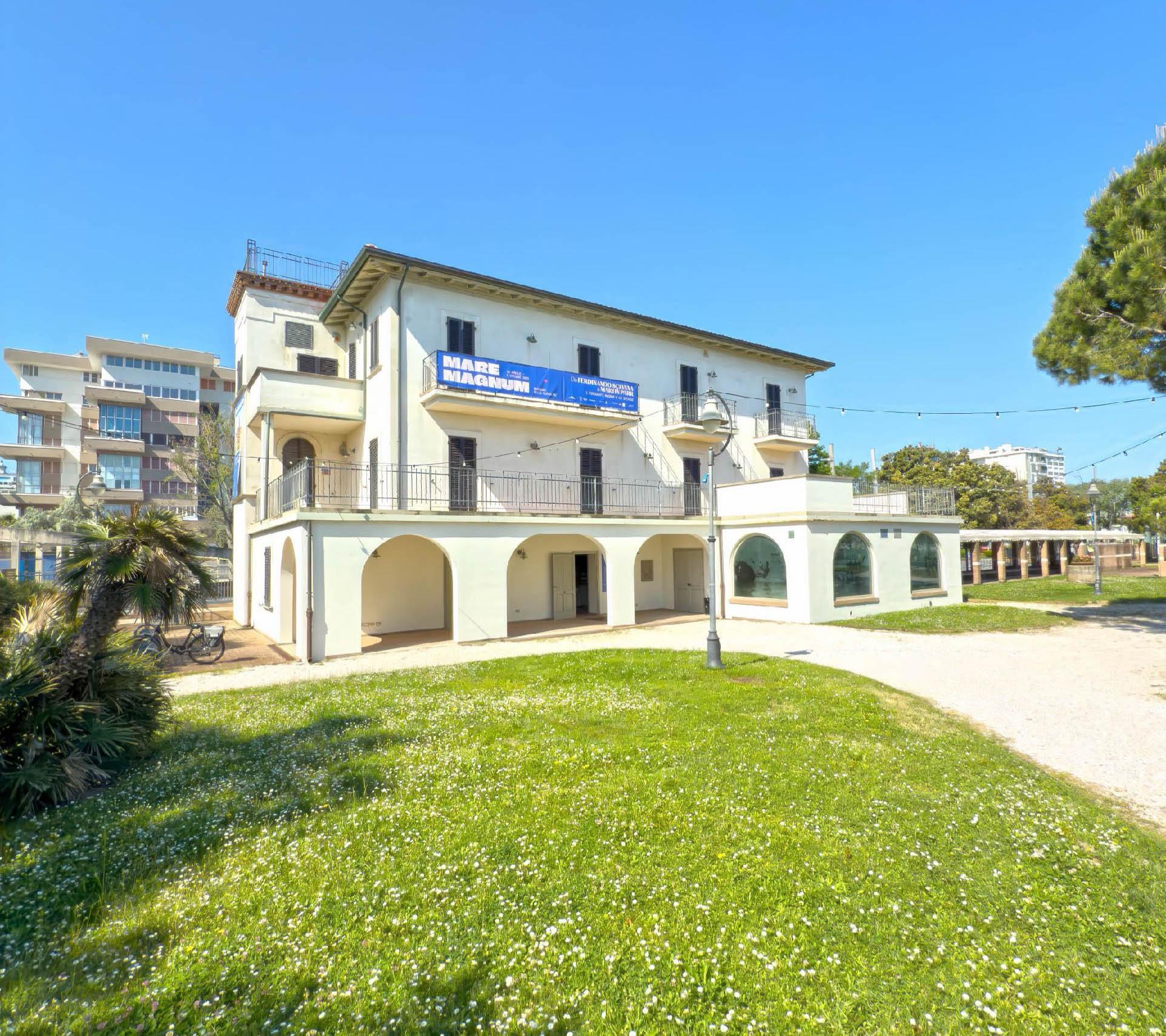
Villa Mussolini, built in 1890, is located directly on the waterfront promenade. Between 1934 and 1943, it served as the summer residence of the Mussolini family. After the Carim Foundation acquired Villa Mussolini, it was loaned to the Riccione municipality in 2005.
Today, Villa Mussolini is used as a museum dedicated to the works of significant contemporary photography artists.
with the ÖBB railjet from Munich to Ancona

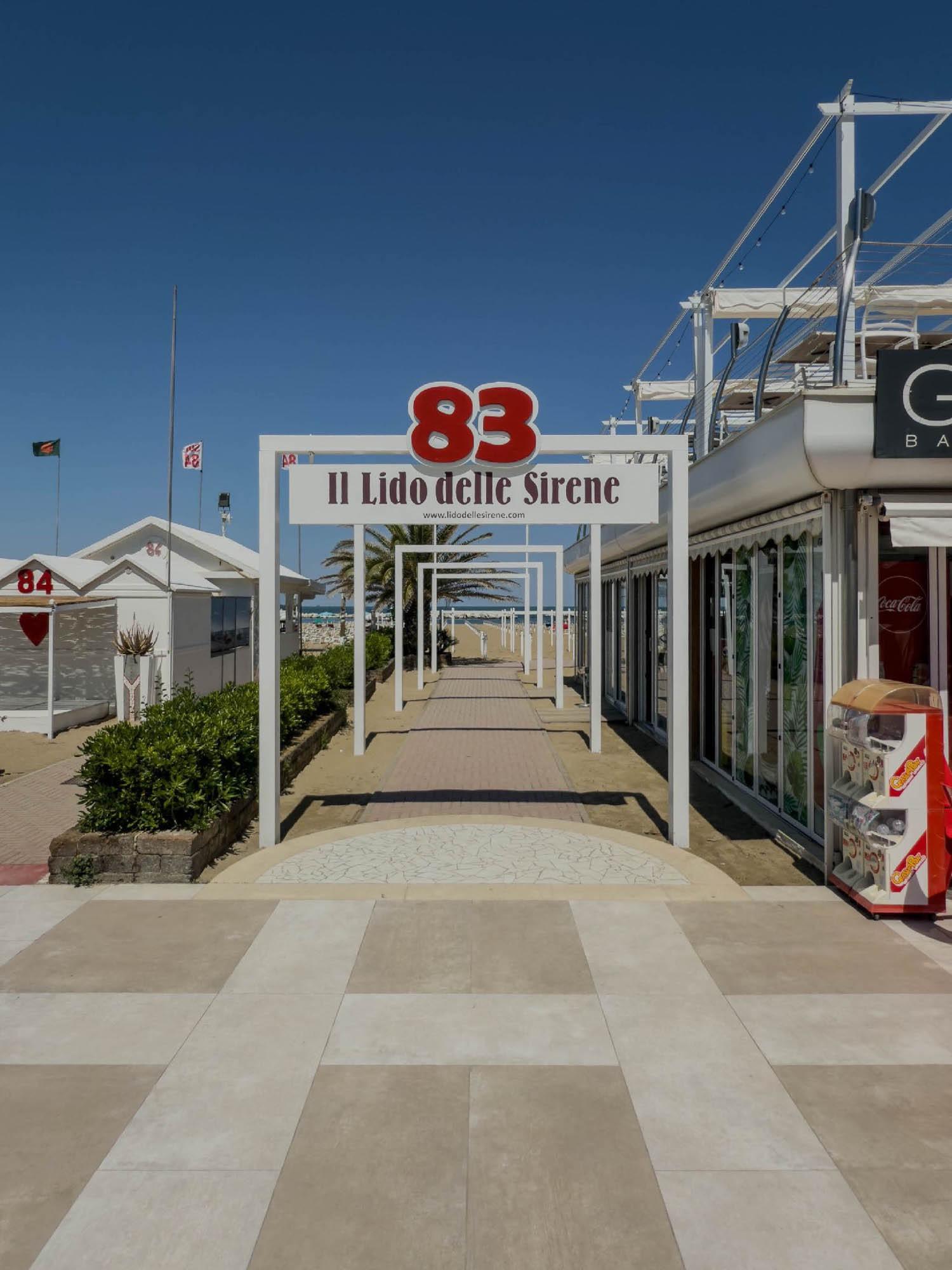
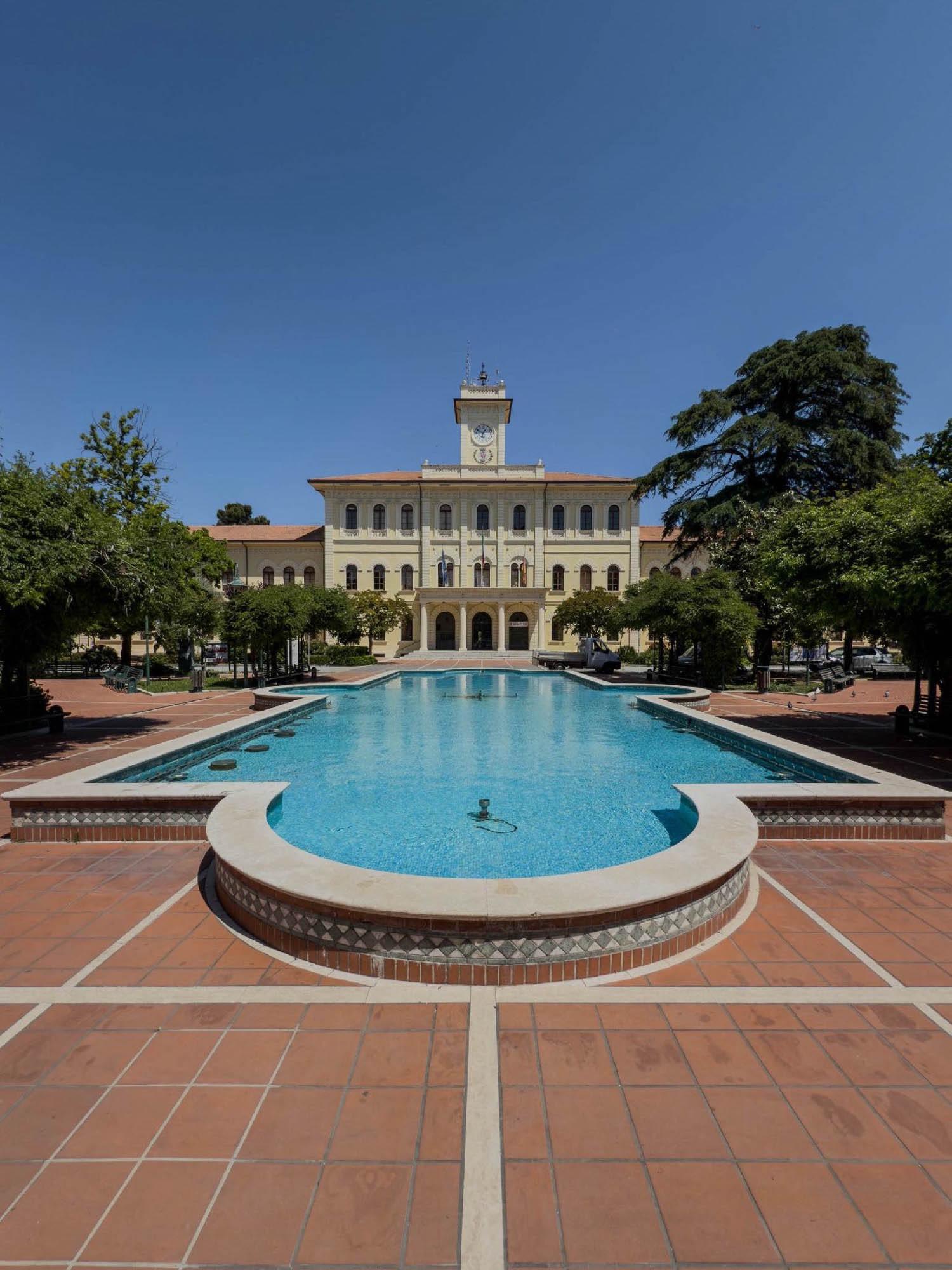
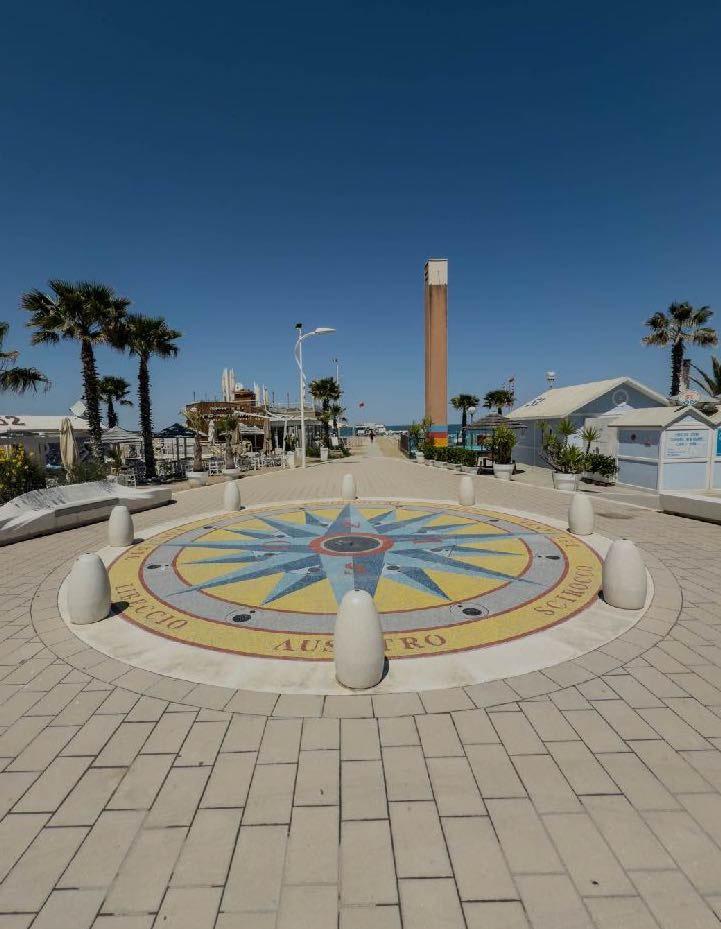
Cattolica is an Italian seaside resort on the Adriatic coast. The town is located approximately 23 kilometers southeast of Rimini and has about 17,000 inhabitants. Cattolica is a highly sought-after travel destination.
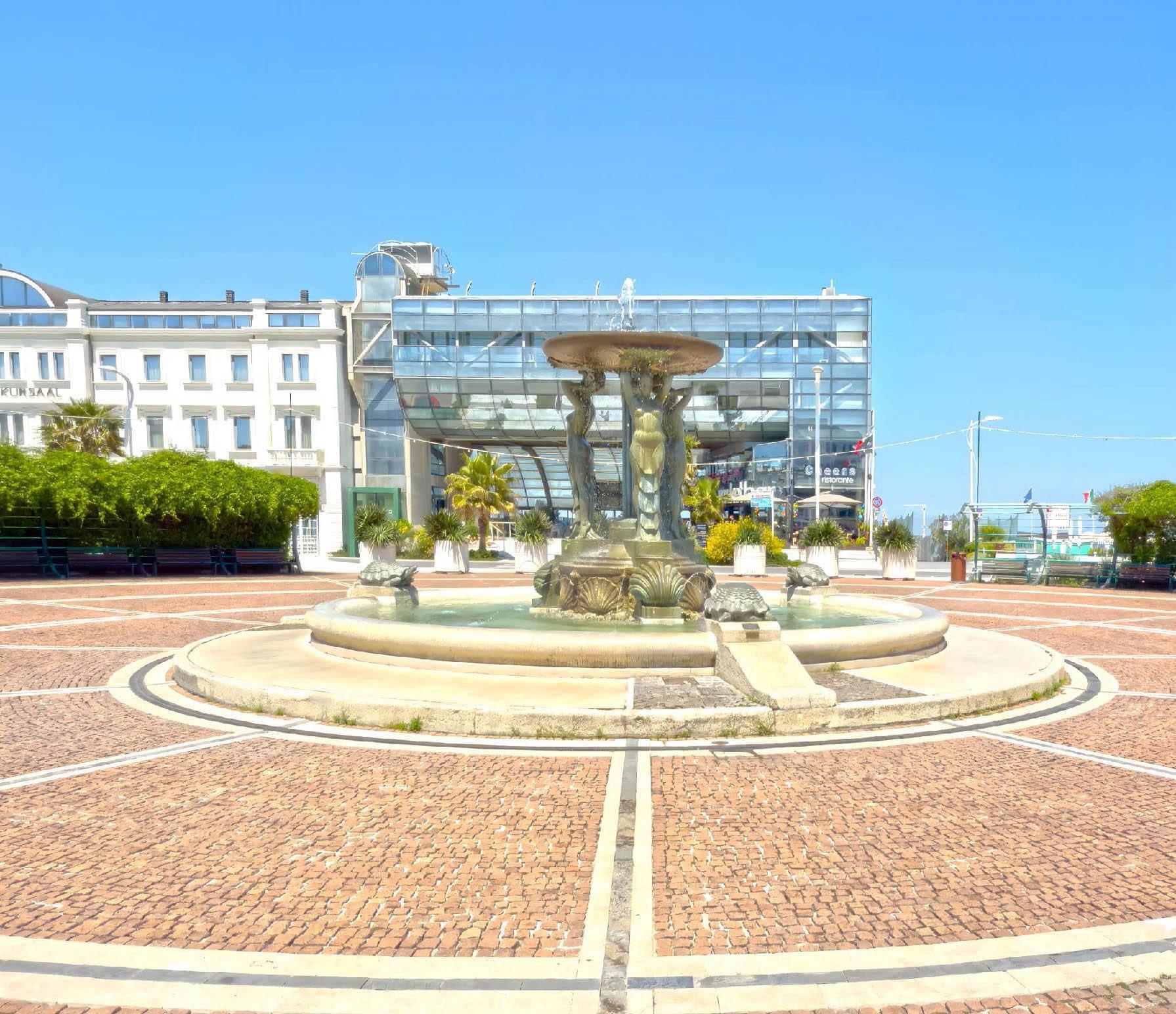
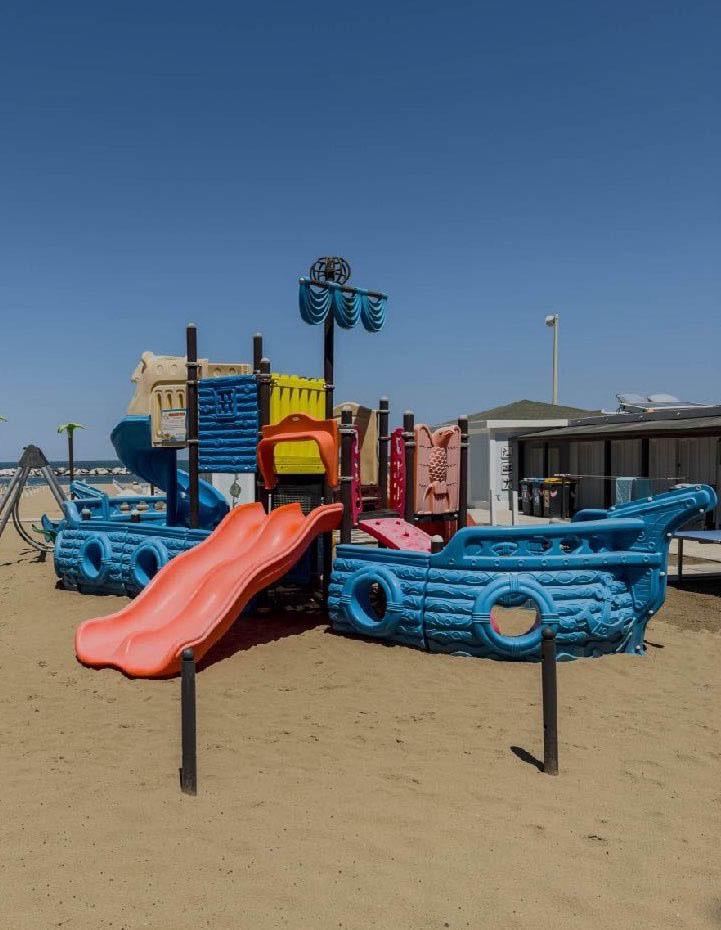
Cattolica is a charming coastal town in the province of Rimini. Located on the Adriatic coast, it is known for its idyllic sandy beaches and crystal-clear waters. The town has about 17,000 inhabitants and attracts numerous tourists during the summer months. Cattolica offers a vibrant waterfront promenade lined with many restaurants, bars, and shops. The “Le Navi” Aquarium is one of the main attractions, captivating guests with its variety of marine life. Historically, the town has roots dating back to Roman times, as evidenced by various archaeological discoveries.
Piazza Primo Maggio, also known as “Piazza delle Fontane,” is a central meeting point with impressive fountain installations. Cattolica is also famous for its fishing tradition, reflected in its local cuisine, particularly through fresh fish specialties.
Annual events like the “Festa della Madonna del Mare” celebrate the maritime culture. Additionally, the town offers excellent connections to other locations, making it ideal for day trips.
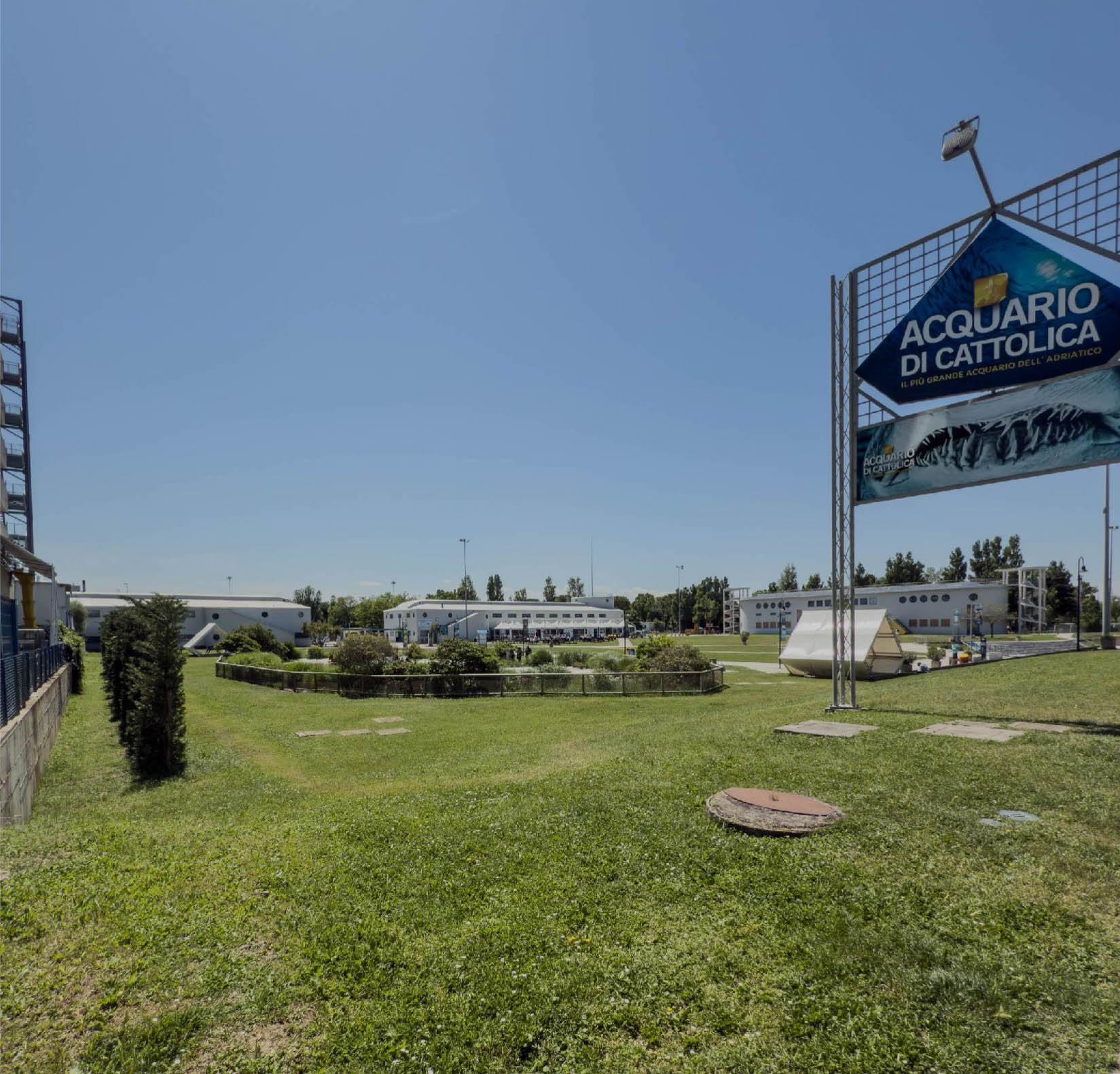
Opened in 2000, the Acquario di Cattolica, also known as the Cattolica Aquarium, is one of the largest public aquariums in Italy, ranking second. This impressive aquarium is home to over 3,000 animals from more than 400 different species. The total water tanks have a capacity of 2.5 million liters, with the largest tank alone holding nearly 700,000 liters of water. The aquarium visit is organized through four themed routes. The blue route presents the evolutionary history of our planet and its biological development.
The yellow route features oriental small-clawed otters, the smallest otter species in the world. The green entrance opens the door to the fascinating world of snakes, while the purple path showcases the impressive world of giant insects. In the dinosaur section, visitors can experience a breathtaking encounter with the majestic reptiles of prehistoric times.
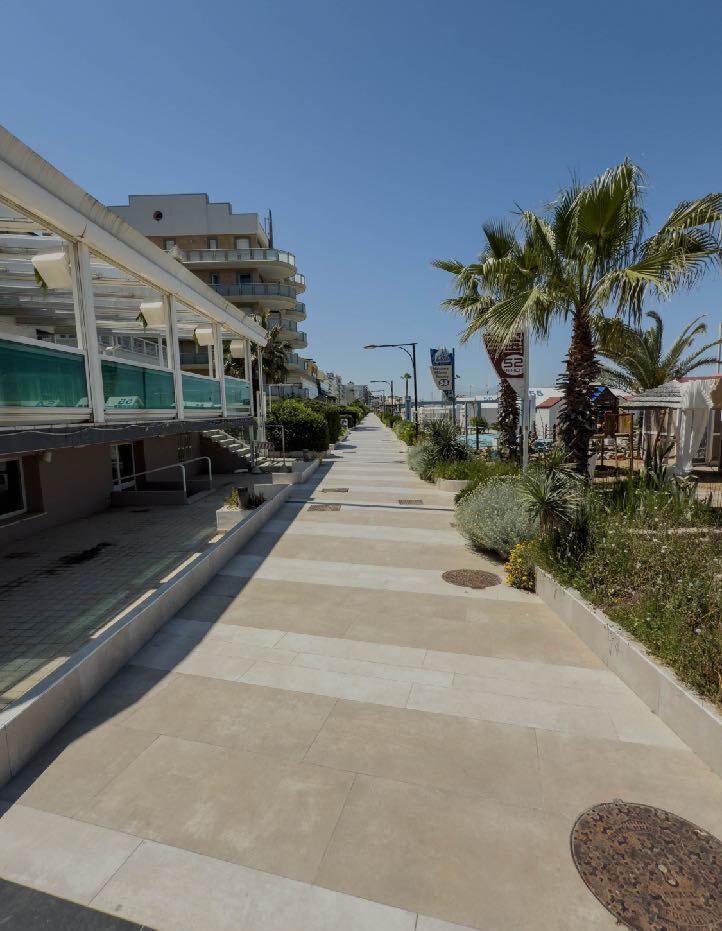
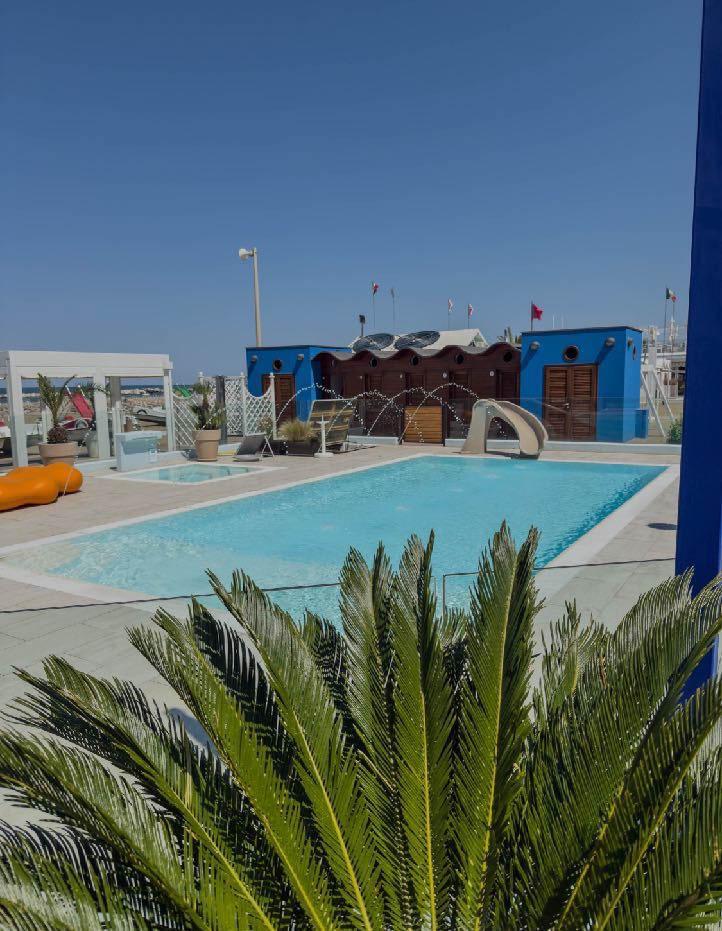

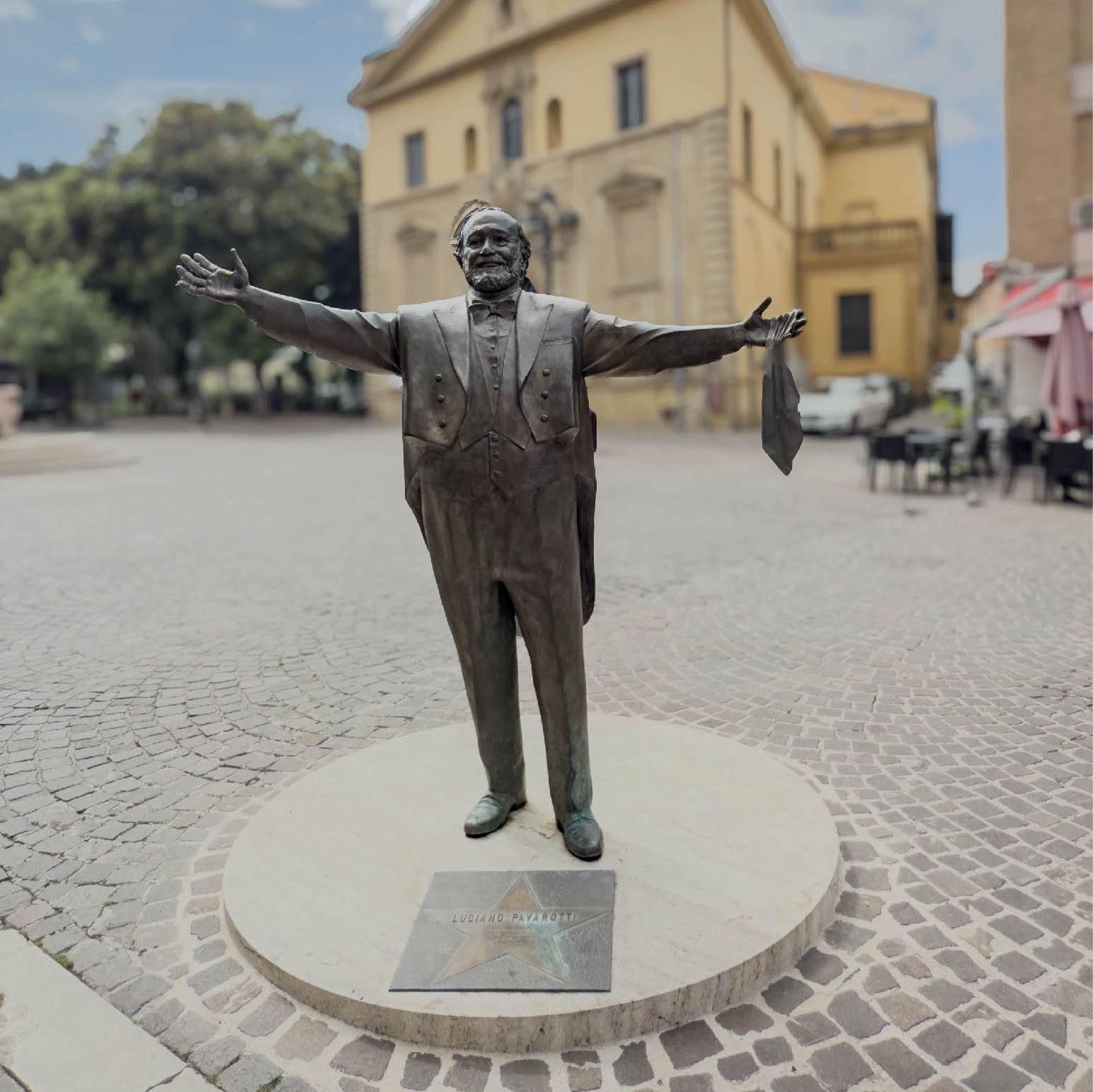
Pesaro is an important port city in the Marche region. It is the birthplace of Gioachino Rossini, and for this reason, the Rossini Opera Festival is held every summer.

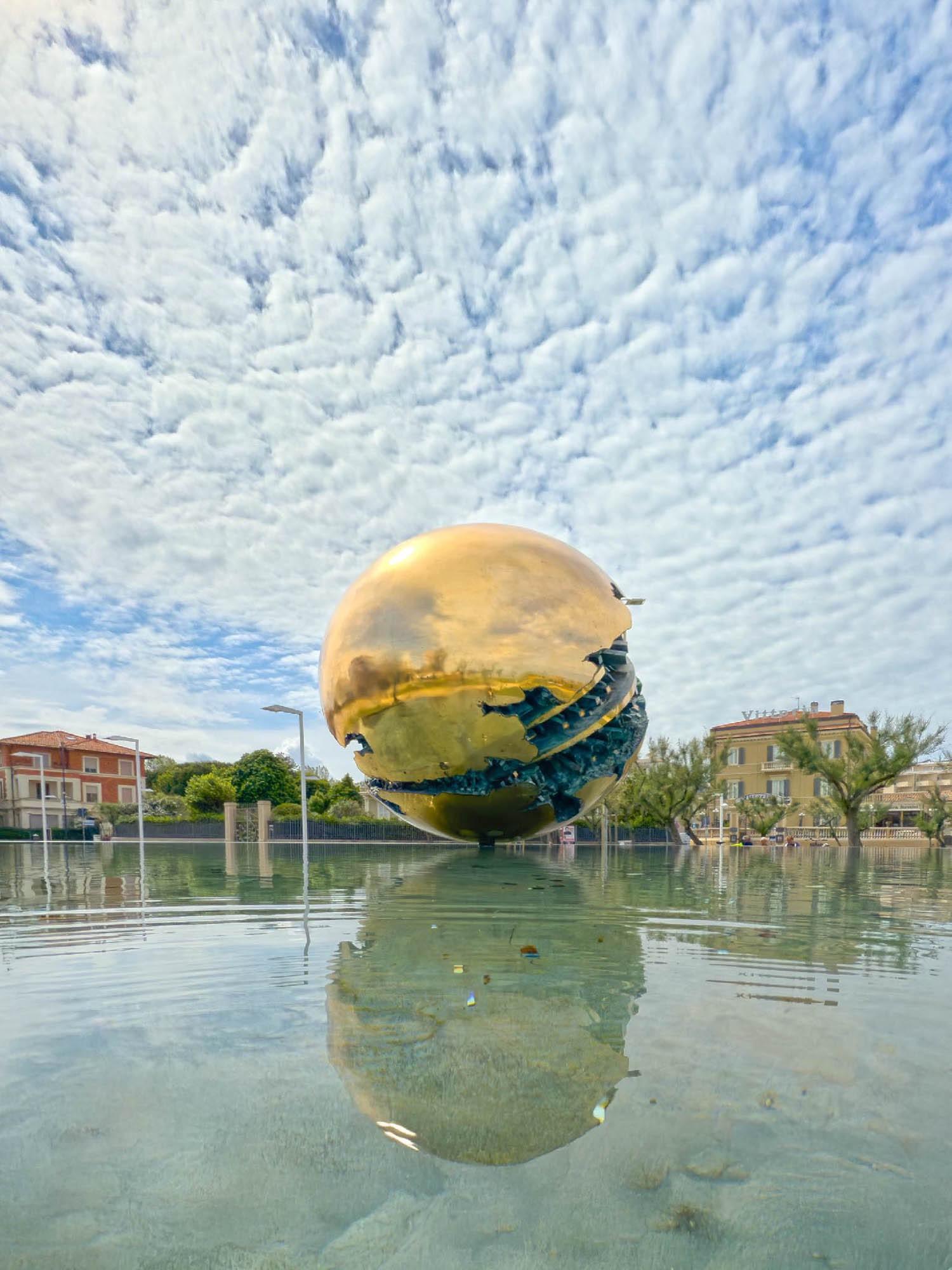
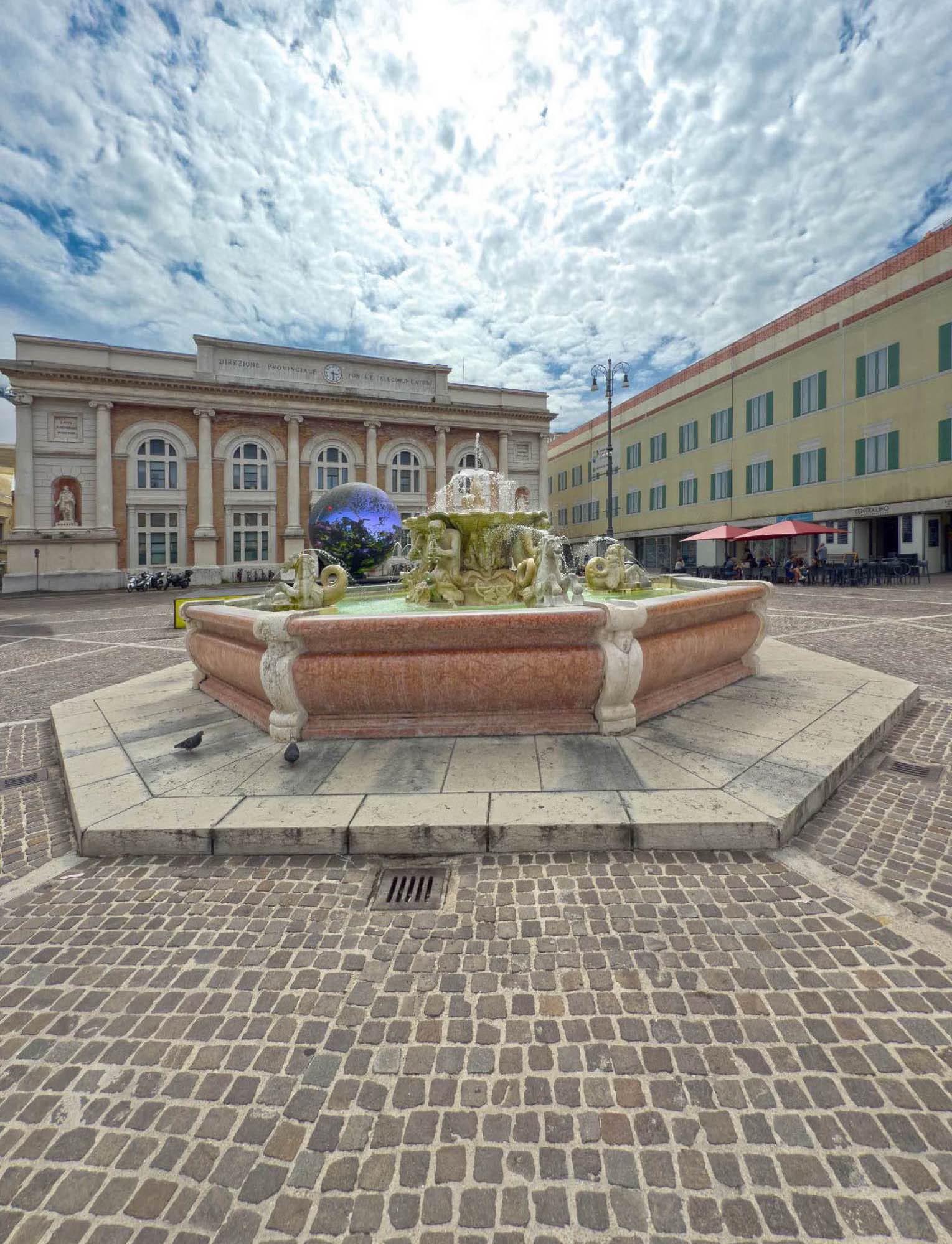
impresses with attractions such as the Pesaro Cathedral and the ducal palace of the Sforza family. The central Piazza del Popolo serves as a lively meeting point, adorned with the impressive Fontana della Palla.
spectacular views and hiking trails. Pesaro combines cultural diversity, historical significance, and relaxed coastal charm.
with the ÖBB railjet from Munich to Ancona
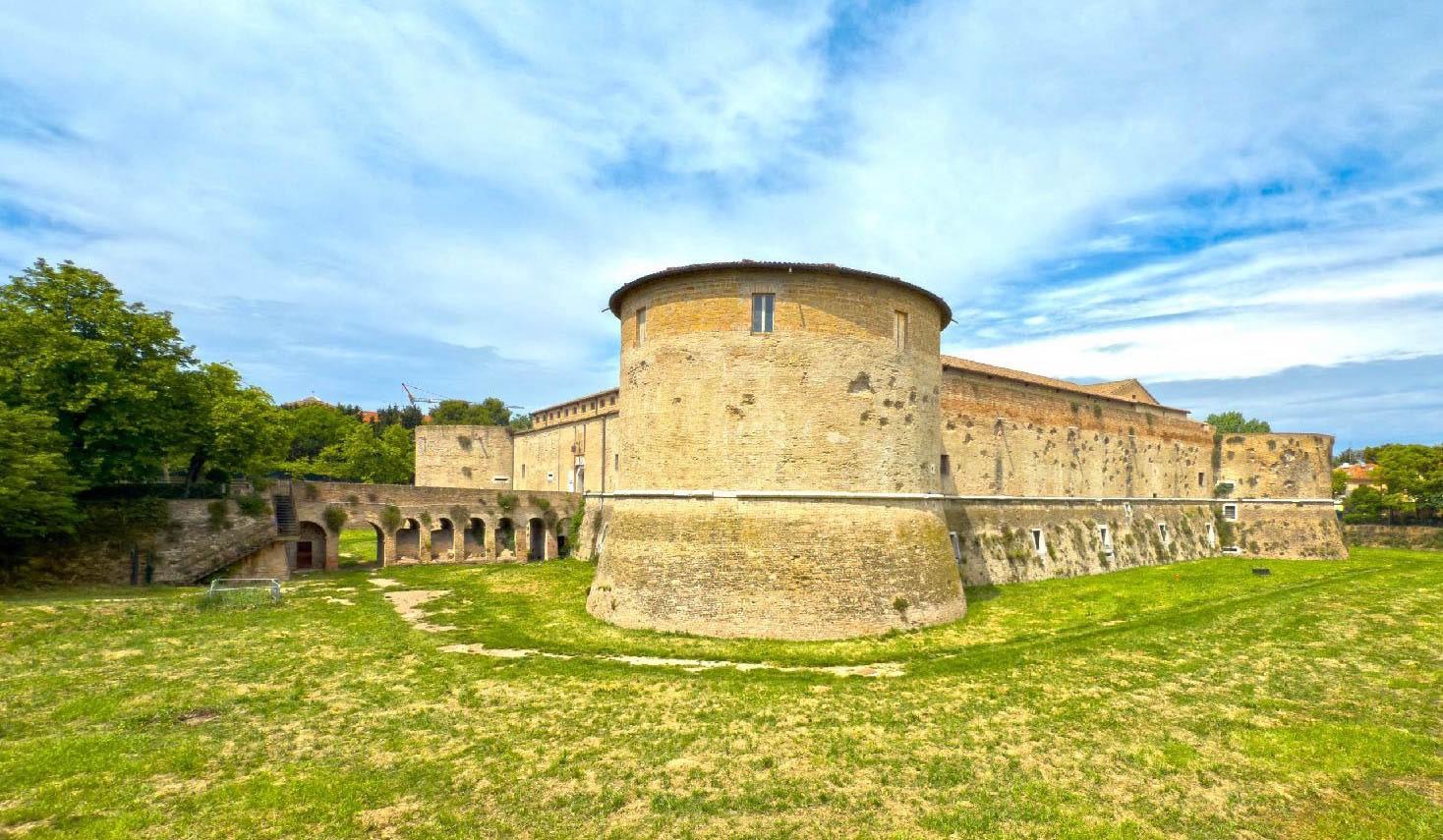
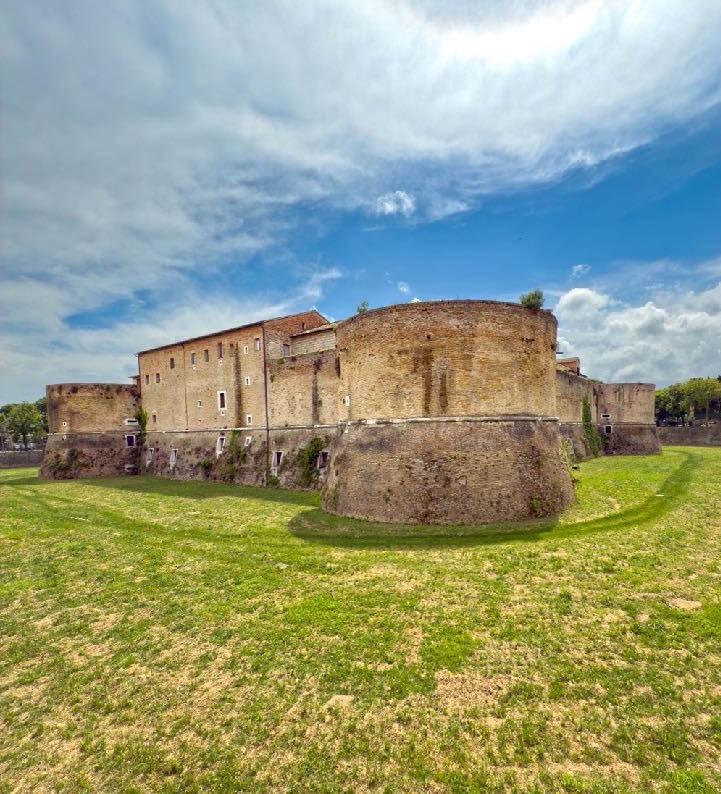
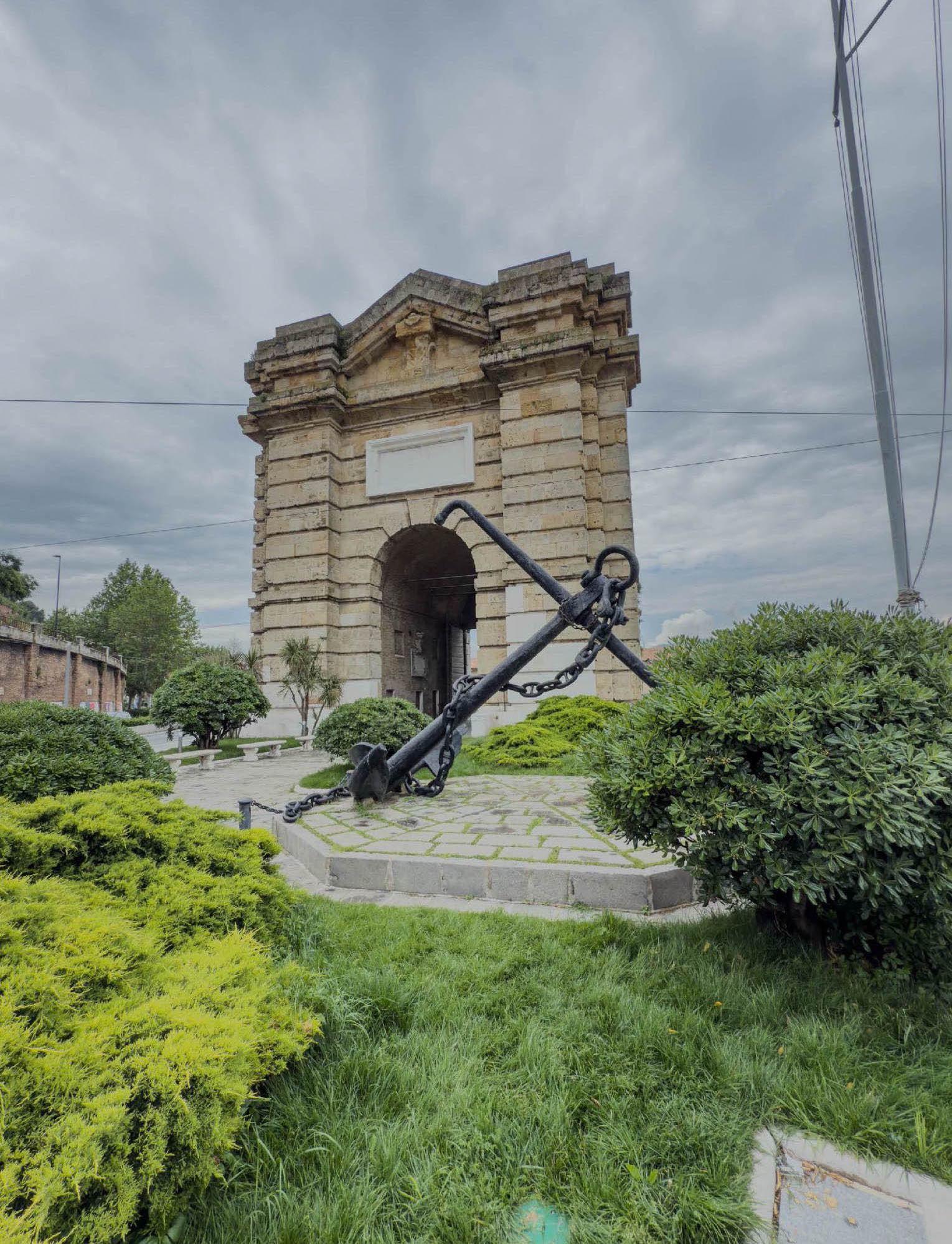
The impressive fortress of Pesaro was built between 1474 and 1483. The initiator and builder was Costanzo Sforza. Presumably on the recommendation of military engineer Leonardo da Vinci,
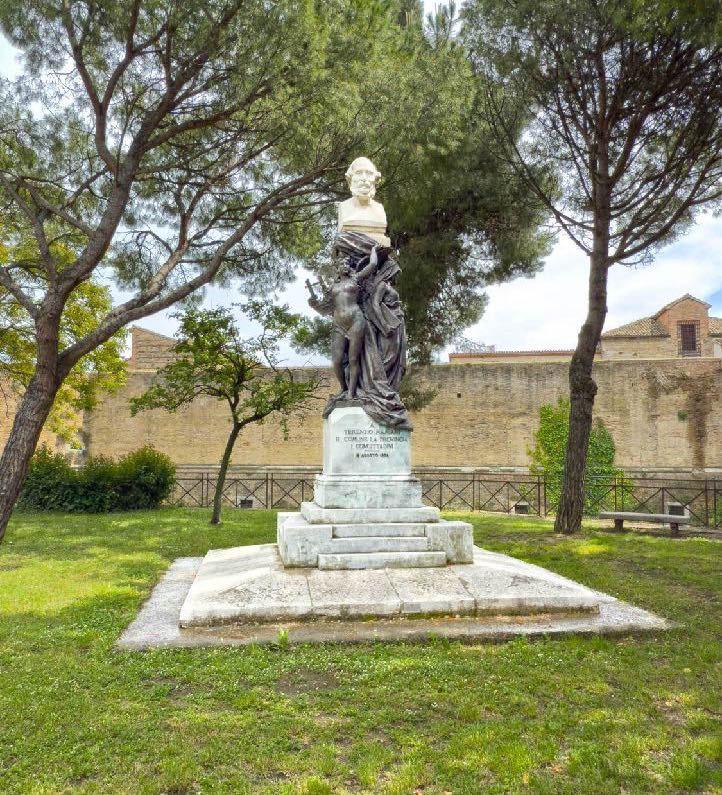
Cesare Borgia had the moat filled with water from the Adriatic in 1500. In front of the fortress stands a statue of the last Count of Sant’Angelo in Lizola, Terence Mamiani.
with the ÖBB railjet from Munich to Ancona
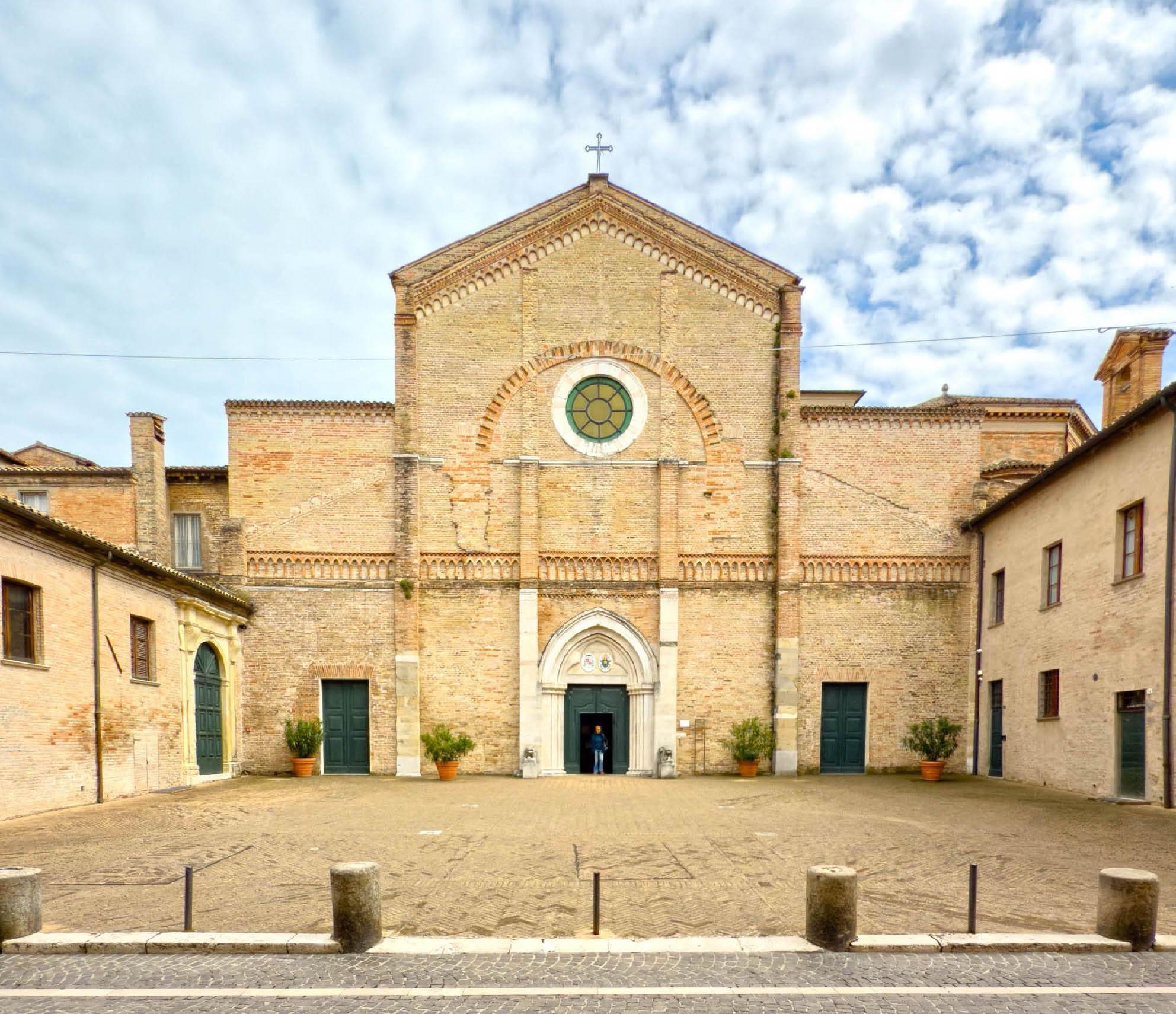
The current cathedral was built on the remains of two superimposed churches, early Christian churches from the 4th and 6th centuries. In the 7th century, the relics of Pesaro’s patron saint, Saint Terenzio of Pesaro, were
transferred here, and the church was granted cathedral status. Of particular significance are the mosaics discovered beneath the church floor, which can be traced back to the original basilicas.
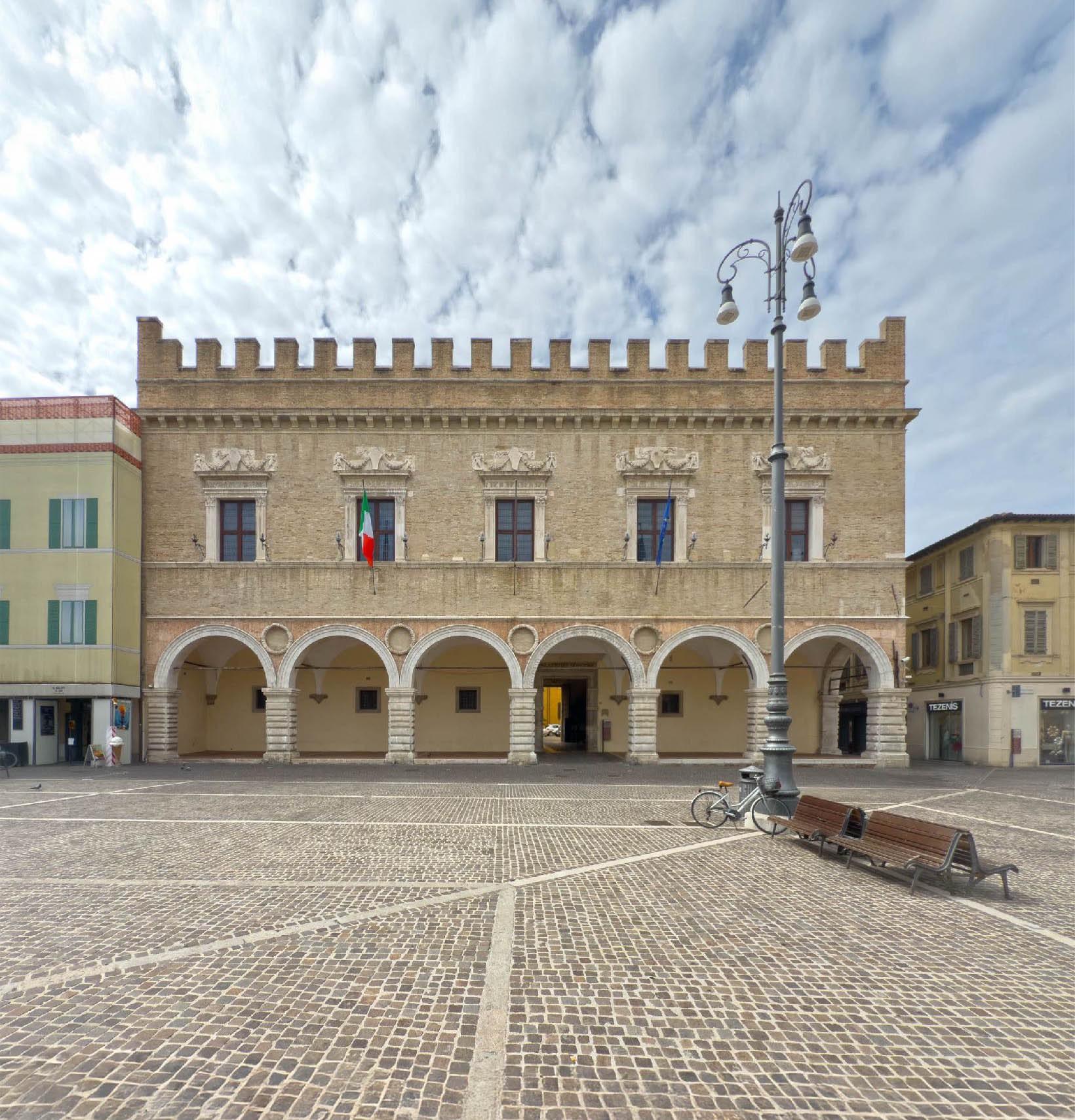
The original palace was built approximately between 1285 and 1429 by the Malatesta family. The current Palazzo Ducale was commissioned in the 15th century by Alessandro Sforza. Each room tells its own story and
offers a unique insight into the splendor and wealth of that era. The Ducal Palace, the residence of the duke, can be visited through guided tours, with a reservation required 24 hours in advance.
with the ÖBB railjet from Munich to Ancona
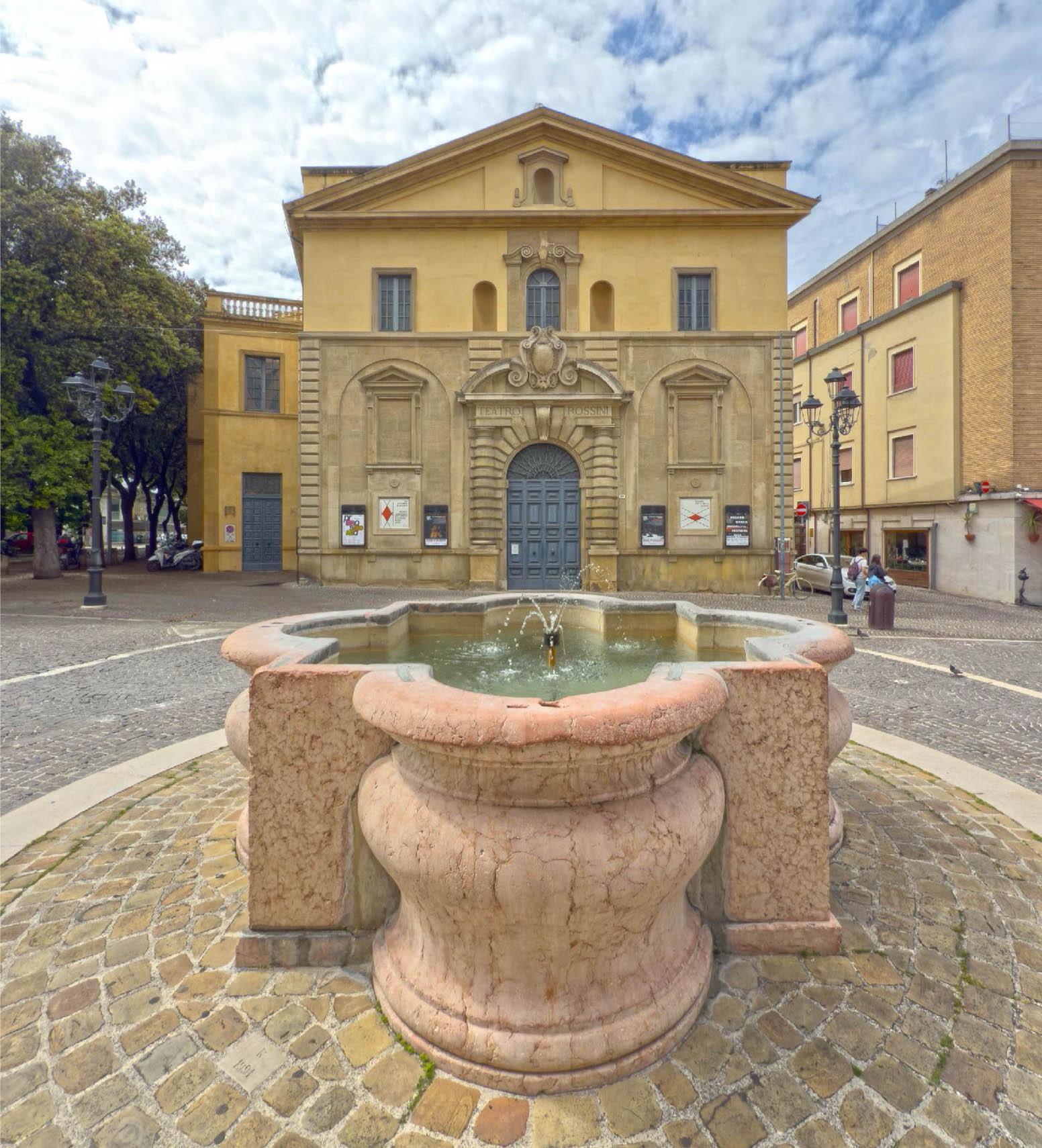

At the site where the Teatro del Sole once stood, built in 1637, the theater was later established. On June 10, 1818, the opera house was inaugurated with Gioachino Rossini’s “La gazza ladra” (The Thieving Magpie), conducted by the Pesaro-born composer himself.
In 1854, the opera house received its current name. After an earthquake in 1930, the building was renovated and reopened on April 6, 1980. Since 1980, the Rossini Opera Festival has been held annually.
with the ÖBB railjet from Munich to Ancona

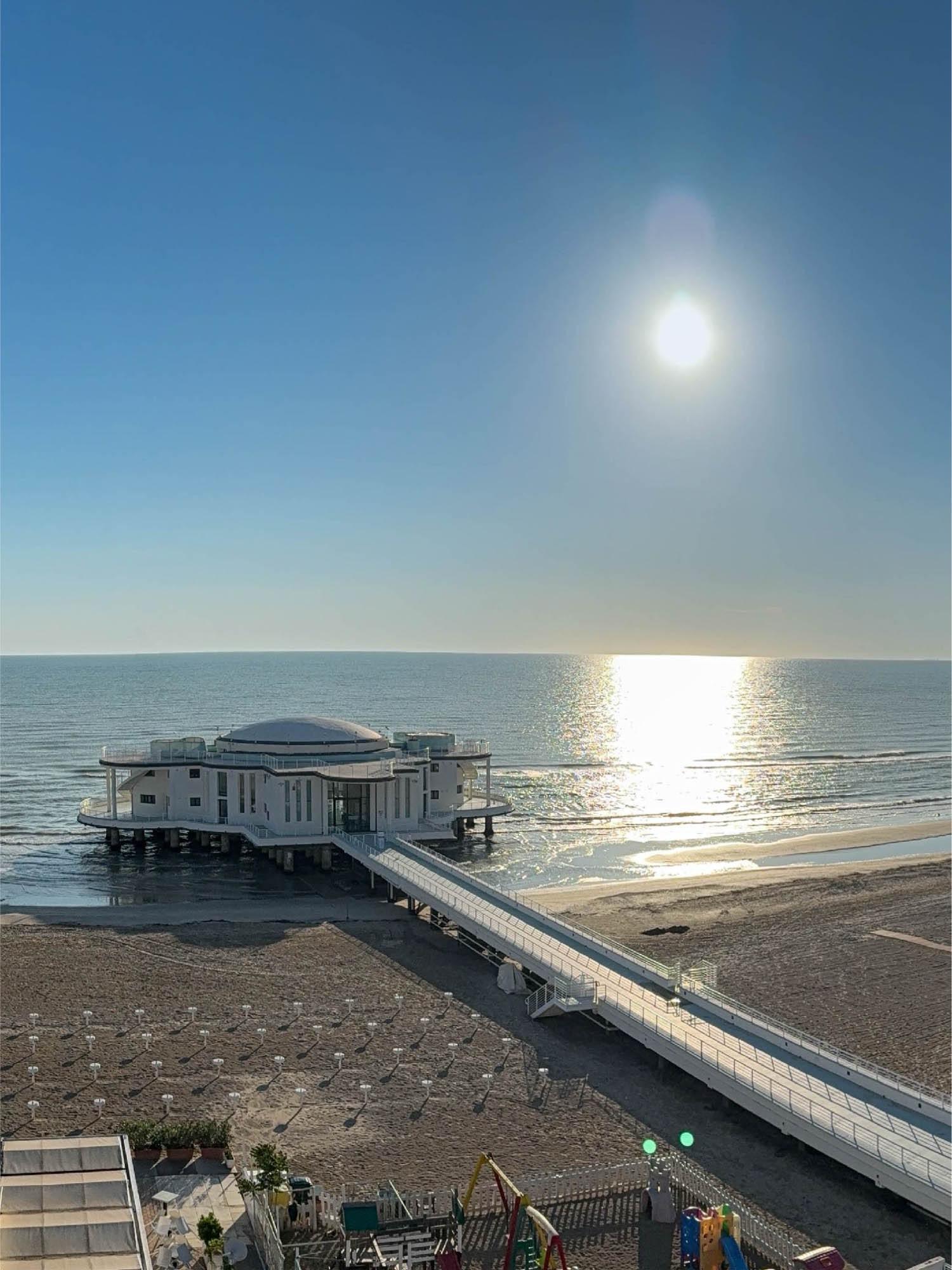
The 13-kilometer-long golden “Velvet Beach” is the hallmark of Senigallia. In the summer, Europe’s largest eight-day rock ’n’ roll festival, the “Summer Jamboree,” is held.
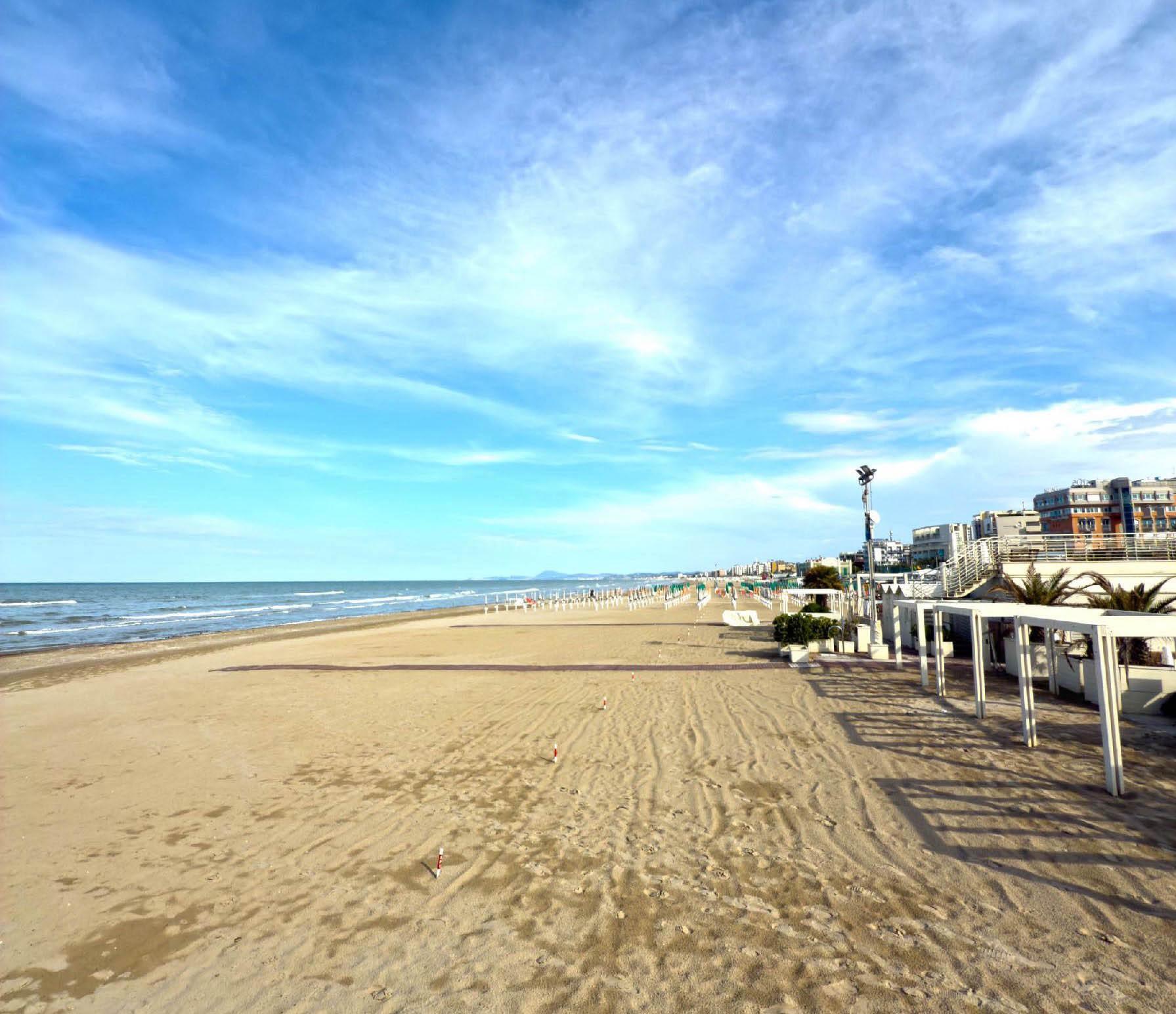


The vibrant coastal city is located in the Italian Marche region. Senigallia is known for its 13-kilometer-long, fine sandy “Velvet Beach” (Spiaggia di Velluto). The historic old town impresses with its narrow streets, Renaissance architecture, and the impressive Rocca Roveresca, a 15th-century fortress. Senigallia offers a lively culinary scene, particularly known for its fish specialties and summer truffles. Every August, the “Summer Jamboree” takes place, an international festival dedicated to rock ’n’ roll and 1950s culture.
The harbor, known as Portici Ercolani, is a picturesque spot for leisurely walks along the Misa River. Culturally, Senigallia offers museums such as the Museo di Storia della Mezzadria, which documents the region’s rural life.
Additionally, the city is a true paradise for cyclists, with numerous bike paths along the coast and into the hinterland. Senigallia combines history, nature, and modern life, attracting both tourists and locals alike.
with the ÖBB railjet from Munich to Ancona
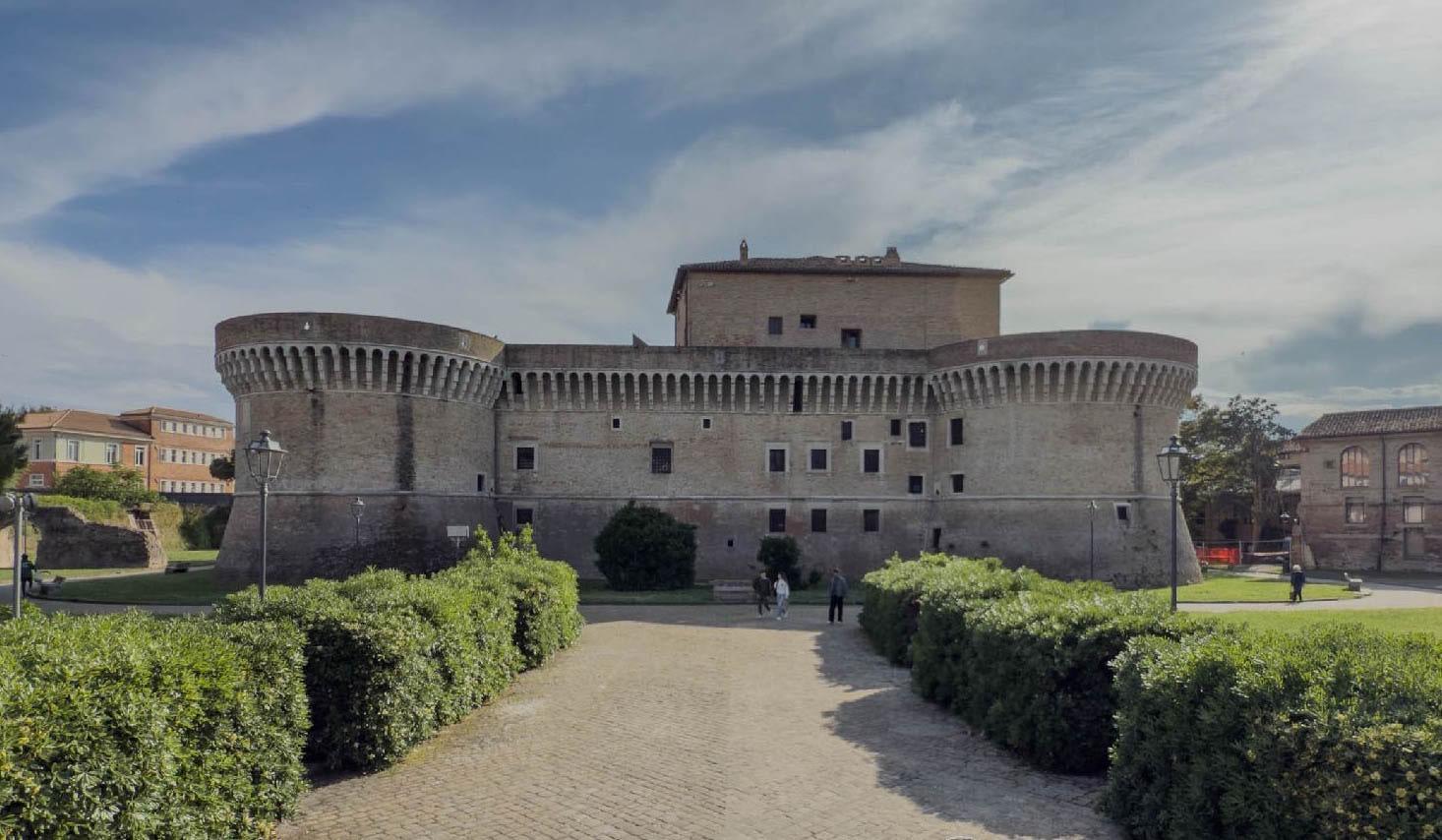
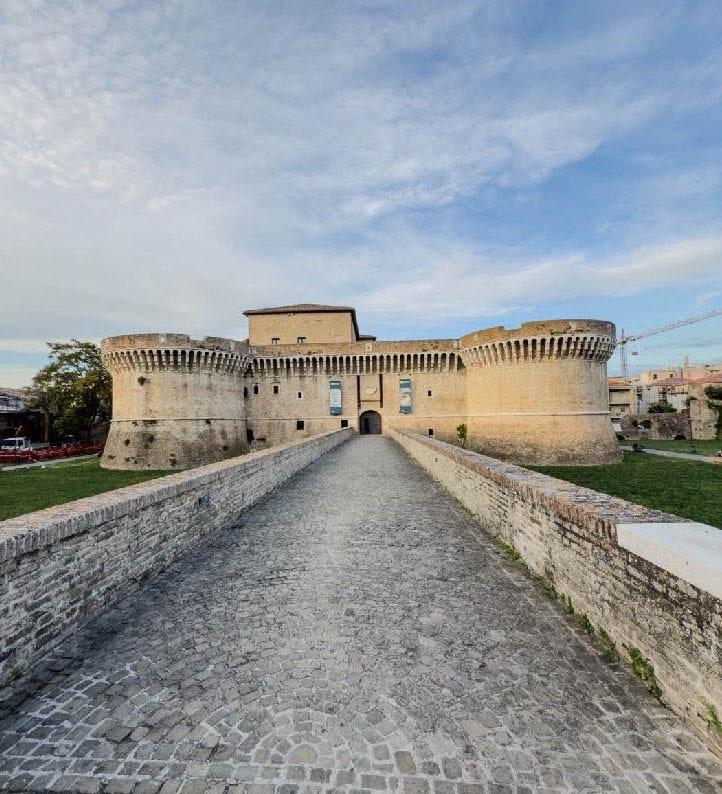
The fortress in Senigallia was named after its builder, Giovanni della Rovere, the then-ruler of Senigallia, and was constructed in 1480. The so-called Rocca Roveresca features an impressive exhibition of weapons ranging
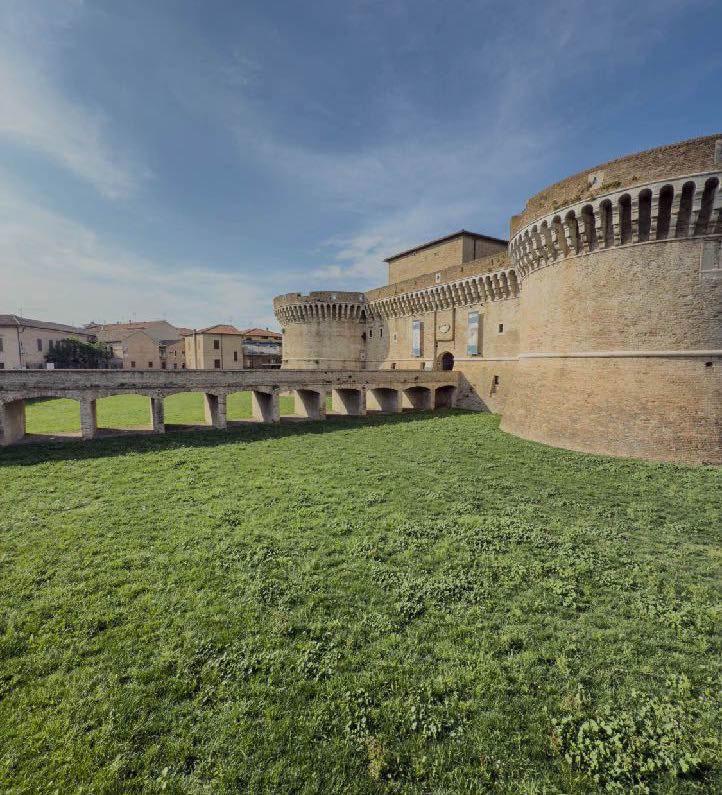
from the Middle Ages to the 17th century. Additionally, the interiors vividly depict life in a castle during the Renaissance.
with the ÖBB railjet from Munich to Ancona
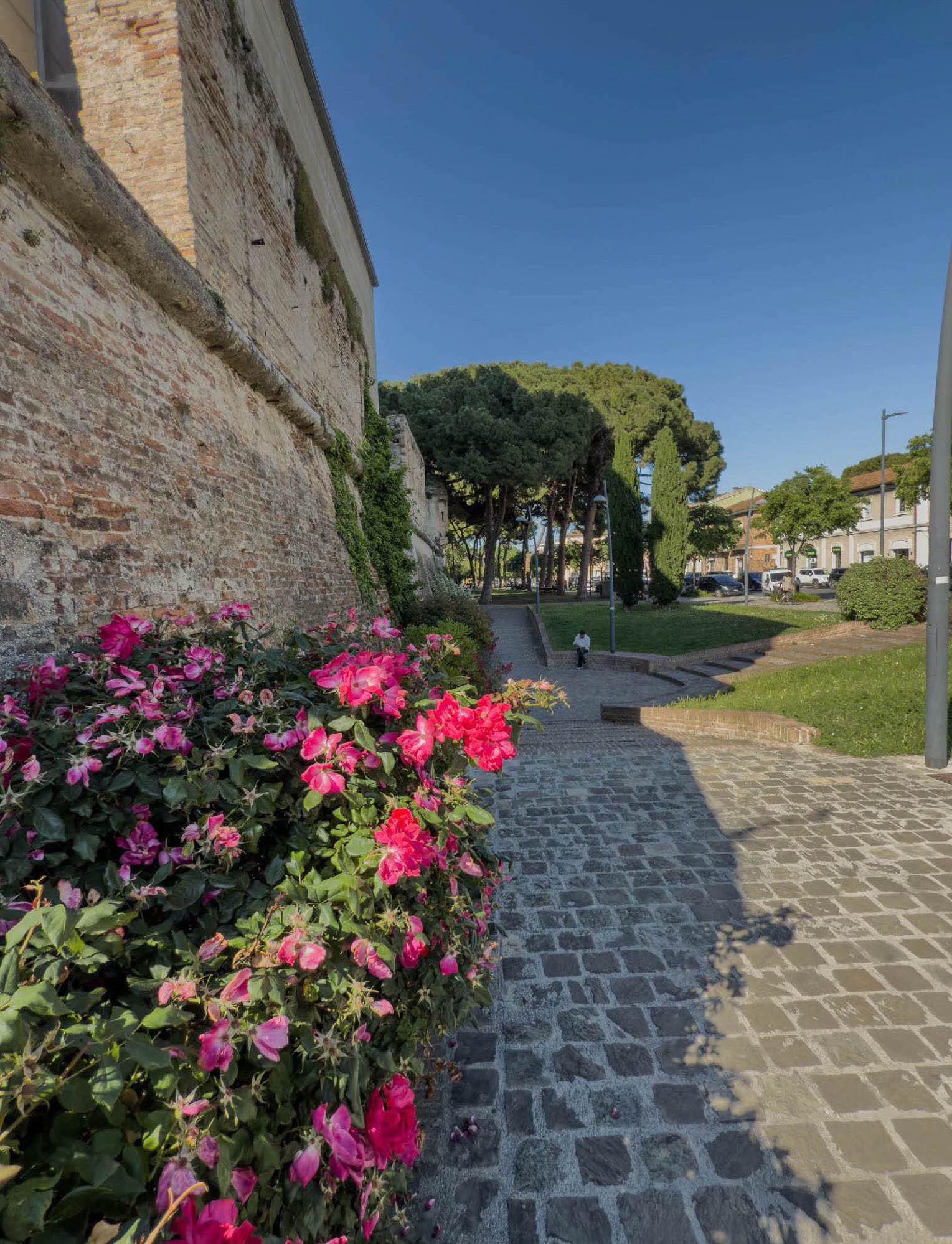
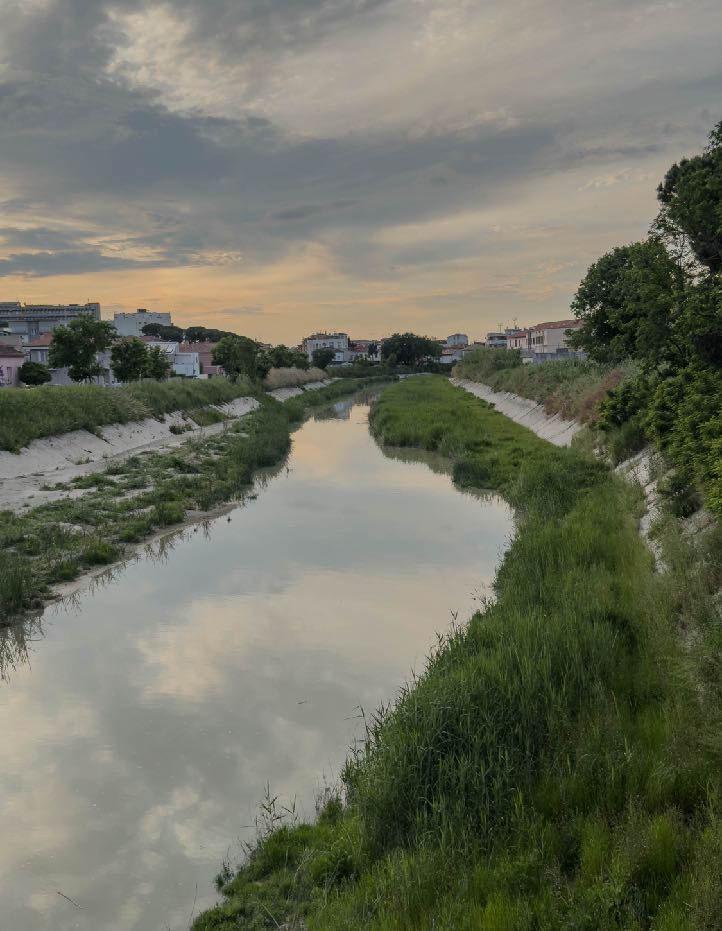
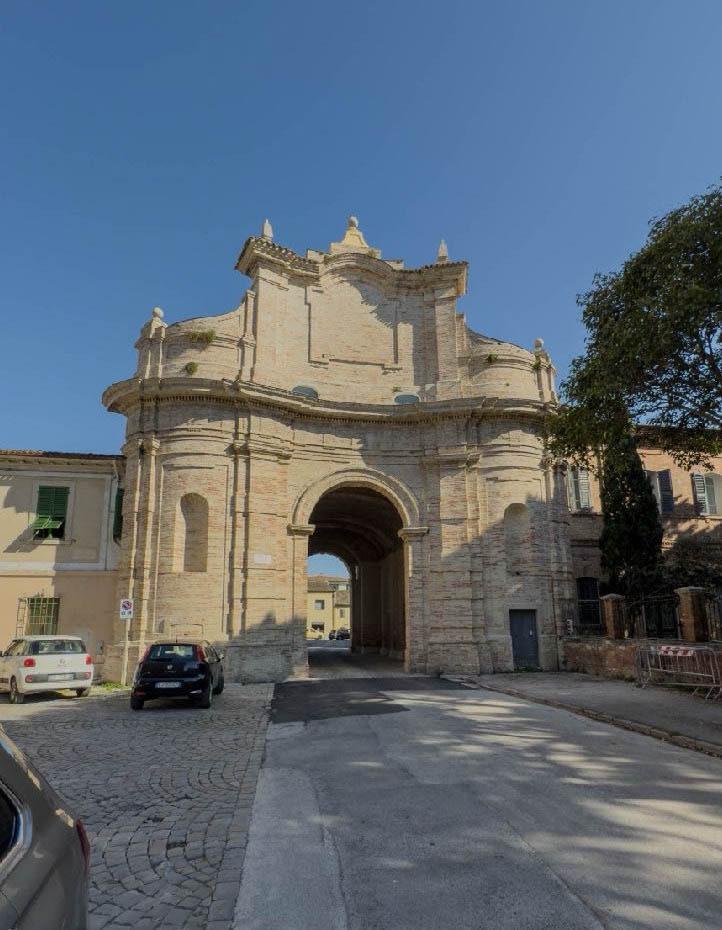
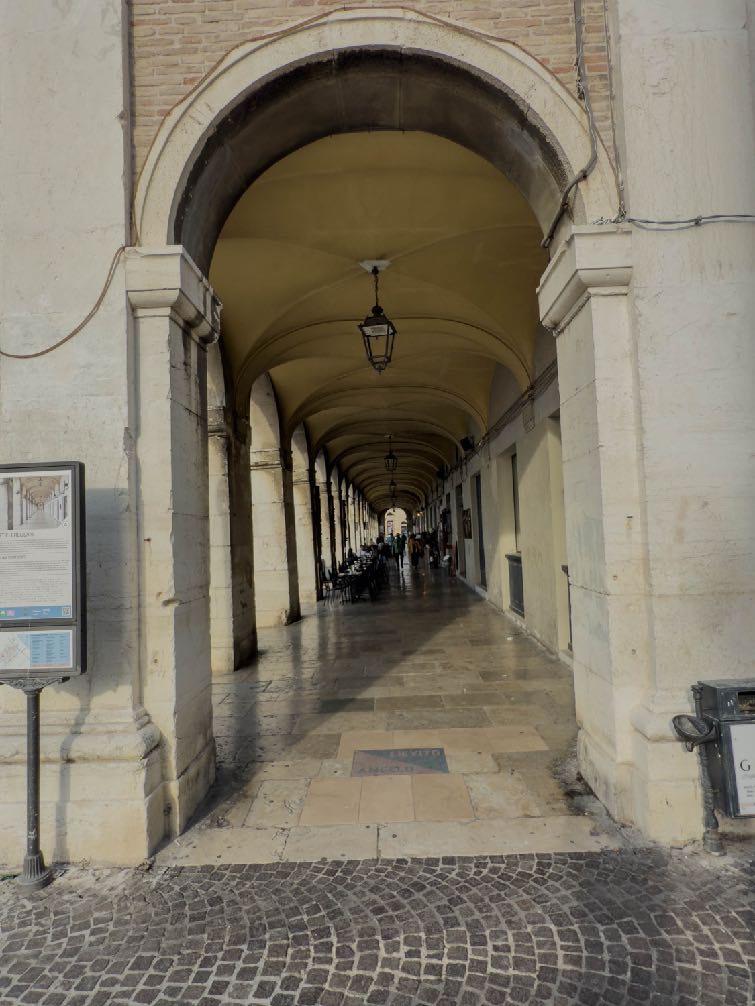
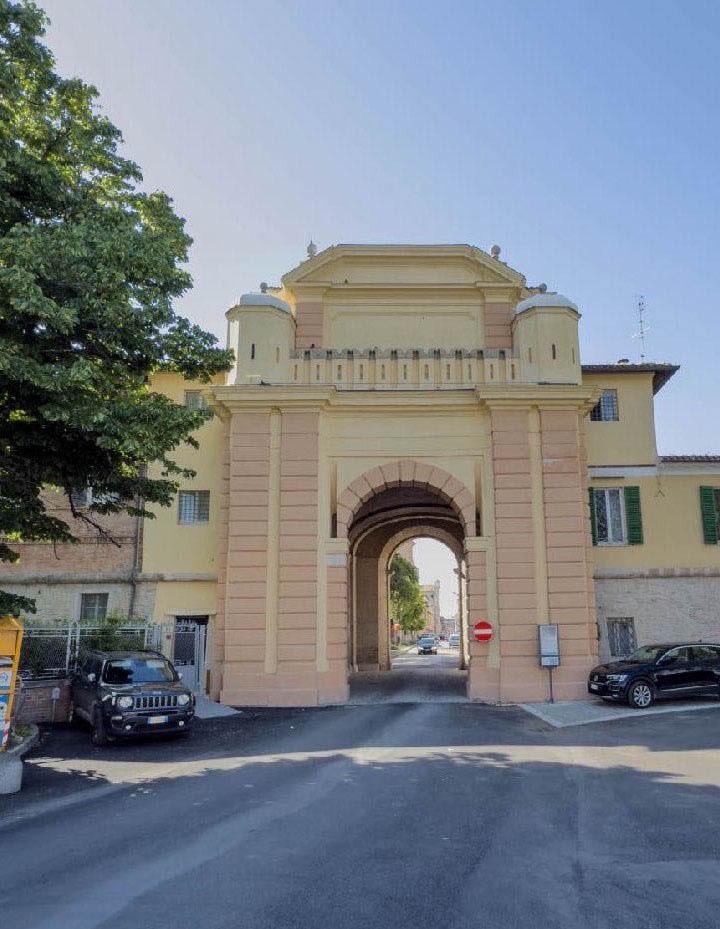

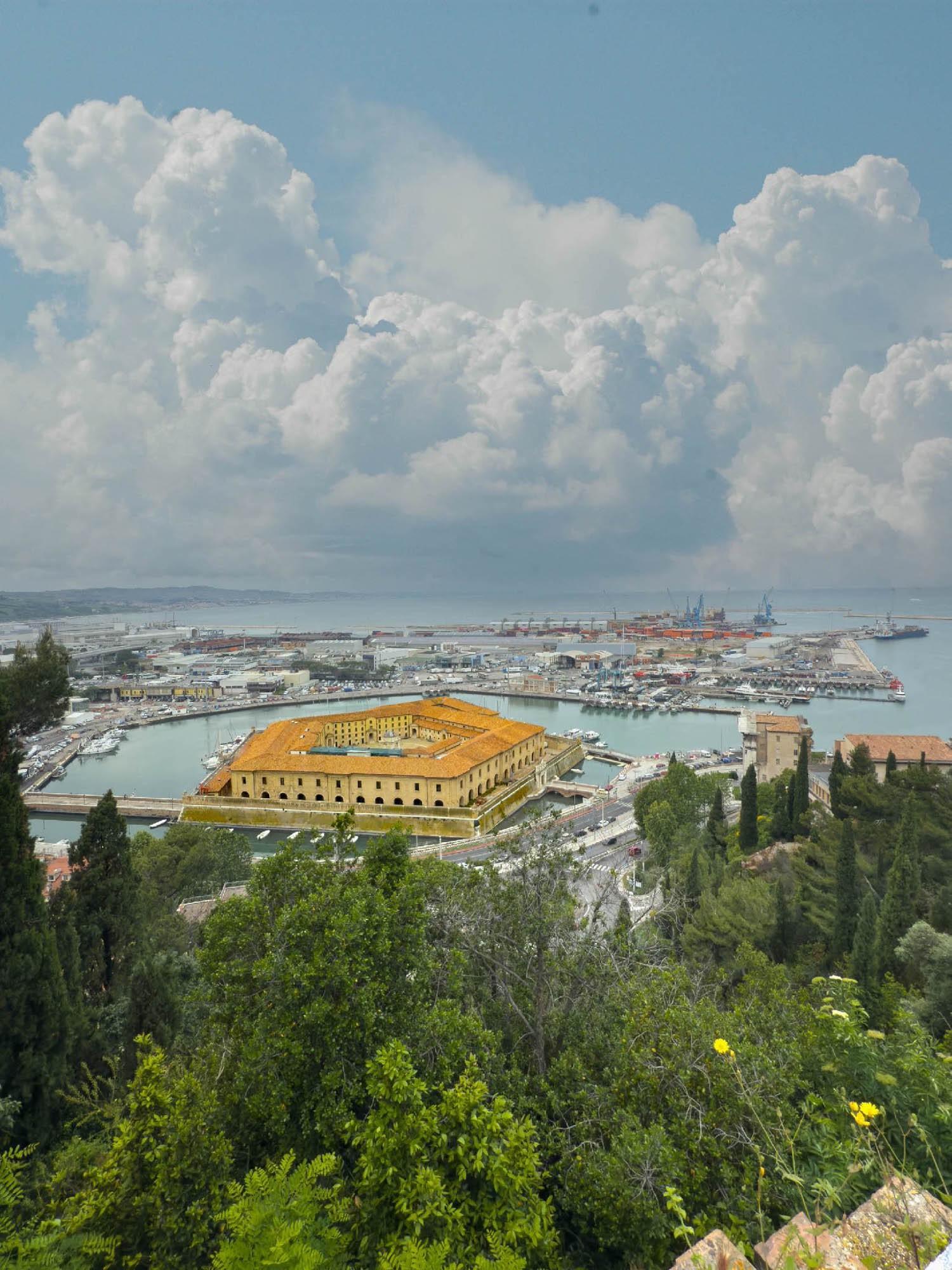
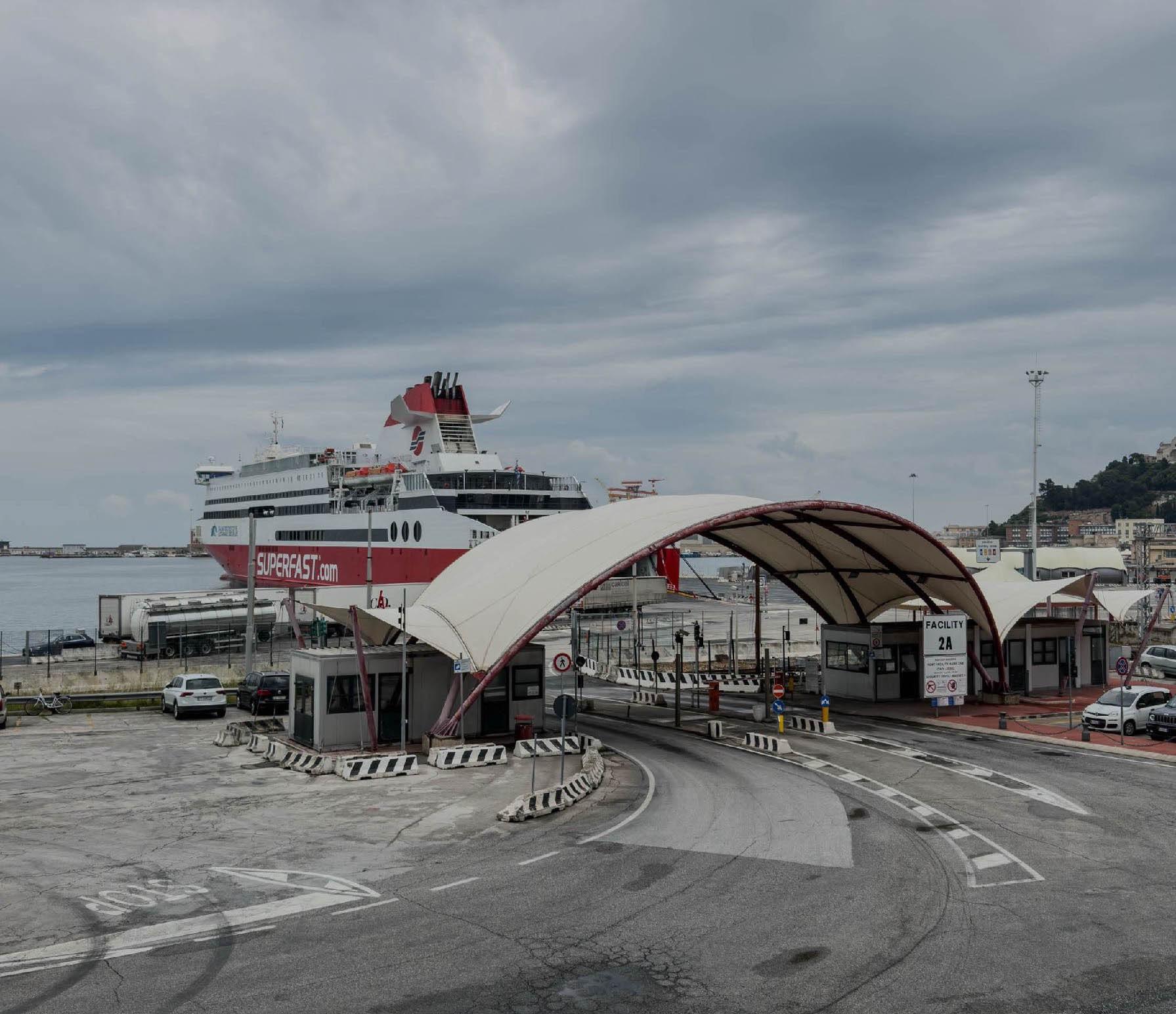
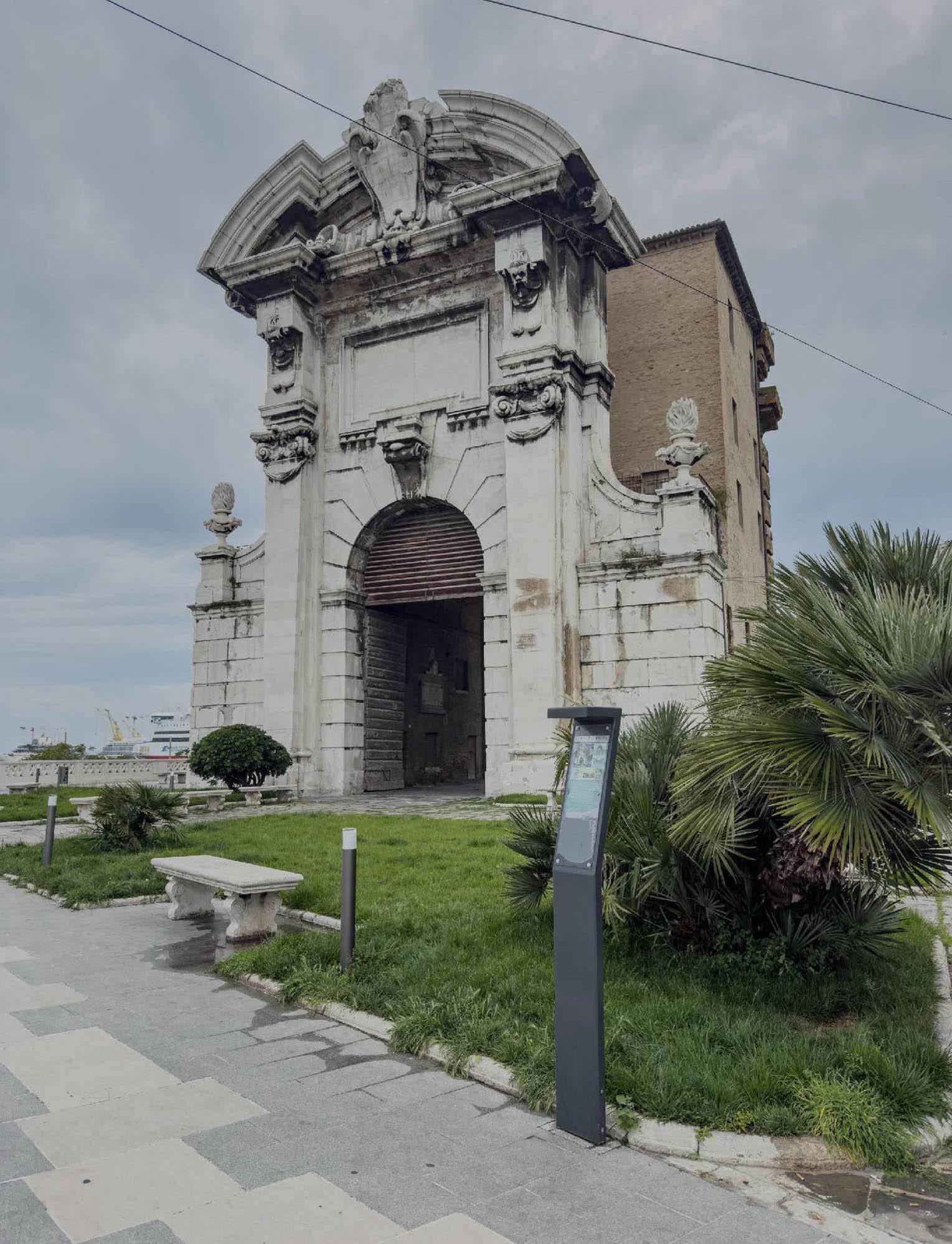
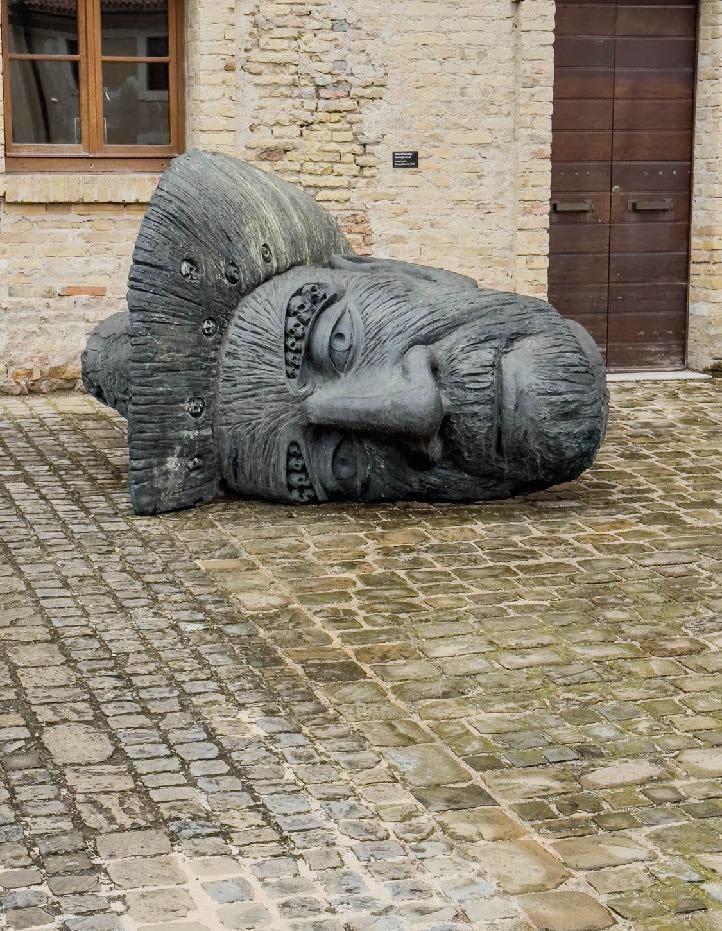
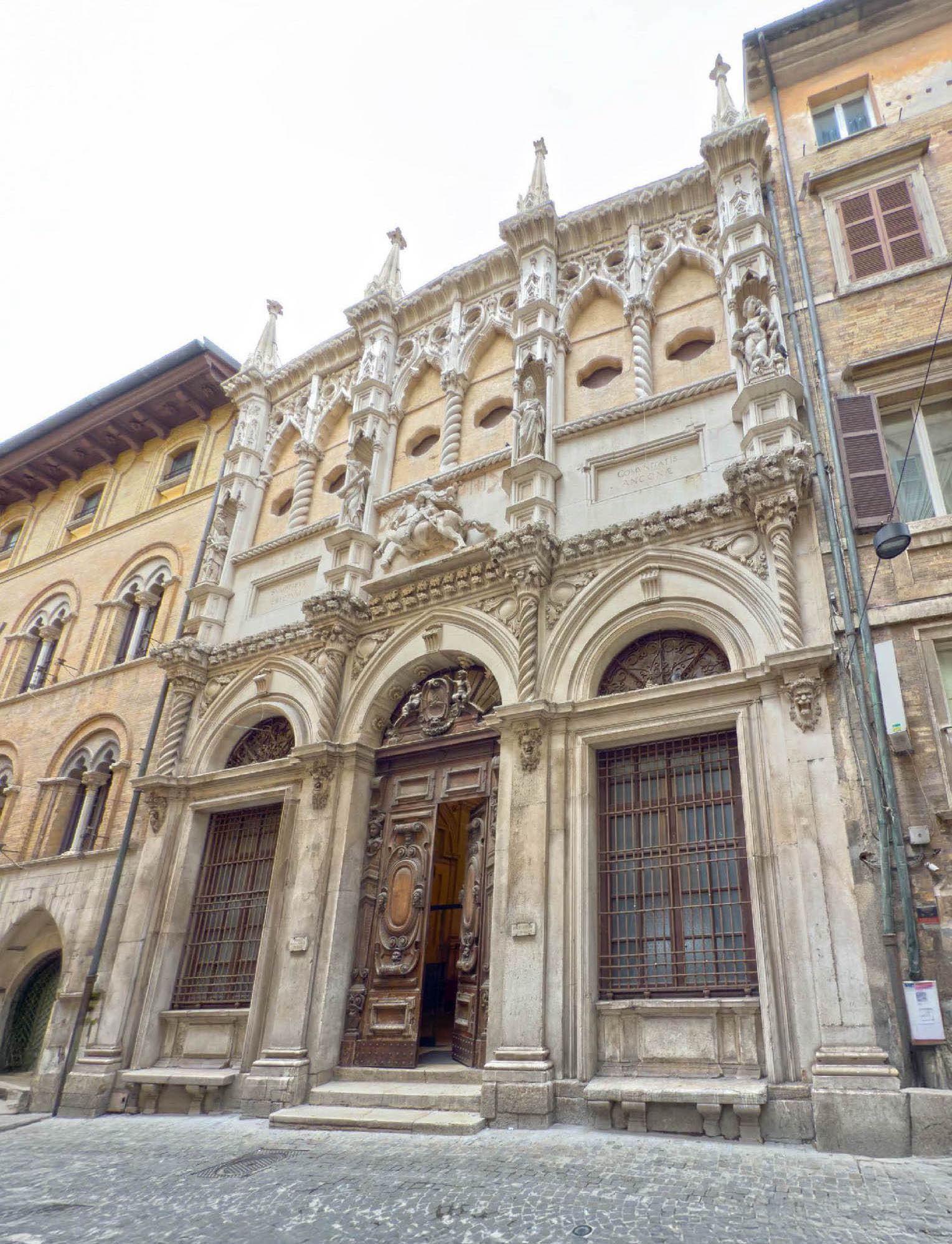
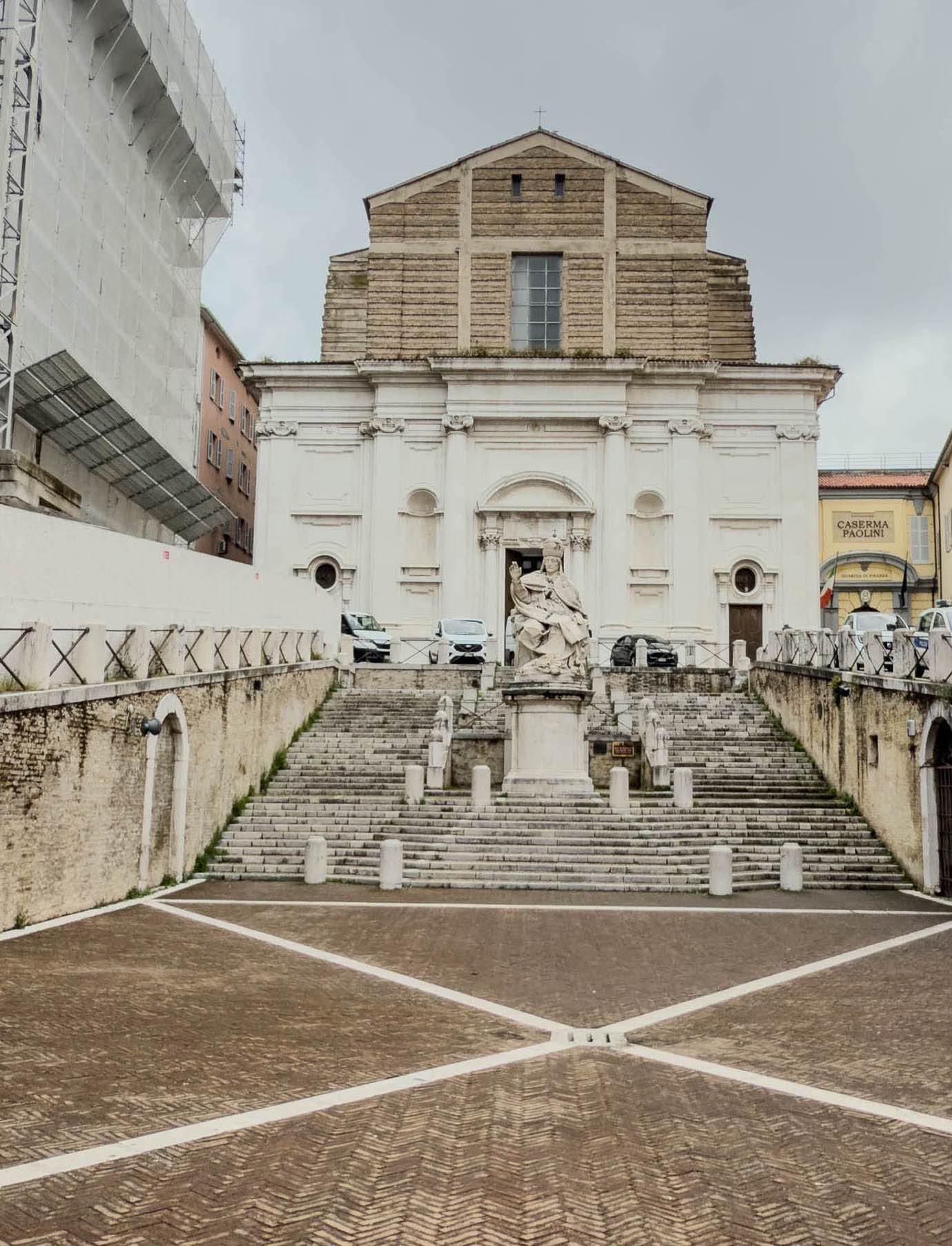
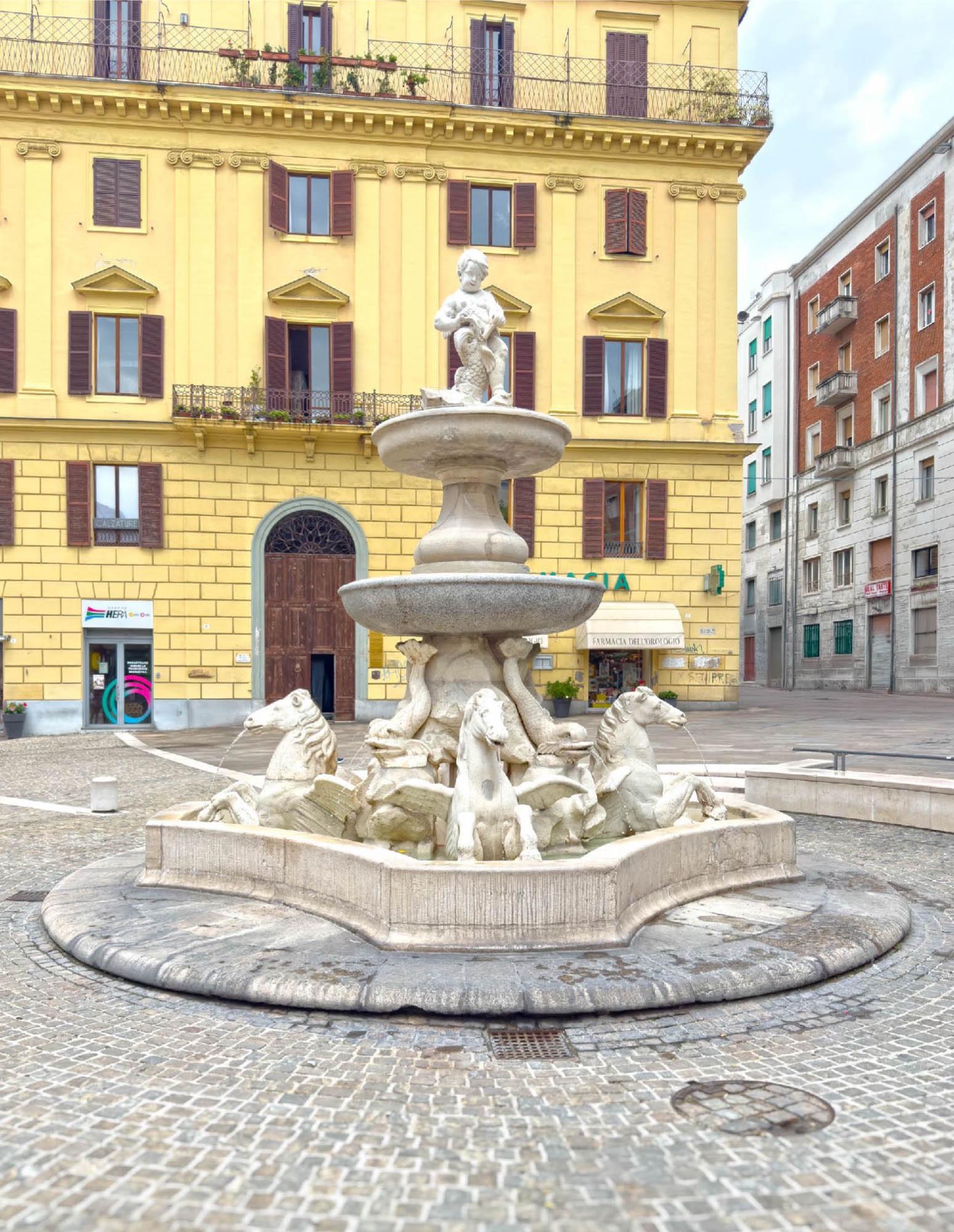
Ancona is a port city in the Italian Marche region, located on the Adriatic coast. Picturesquely situated on the slopes of Monte Conero, it offers breathtaking sea views. The city is famous for its historic center, characterized by narrow streets and medieval architecture. The San Ciriaco Cathedral, in Romanesque-Byzantine style, rises majestically on a hill and is considered Ancona’s landmark. Ancona’s port is one of the most important on the Adriatic, serving as a central hub for ferries to Croatia, Greece, and Albania.
Ancona is located on Italy’s Adriatic coast and serves as the capital of the Marche region. The port is one of the most significant and frequently visited ferry ports in Italy.


The city boasts a rich history, spanning from the Greeks to the Romans and Byzantines. Sights like the Trajan’s Arch and the Roman amphitheater are impressive testaments to this historical era. Ancona is also known for its culinary delights, particularly fish dishes like “Brodetto all’Anconetana.” The nearby Portonovo beach captivates with its crystal-clear waters and untouched nature. Ancona combines history, culture, and the sea into a fascinating travel destination.

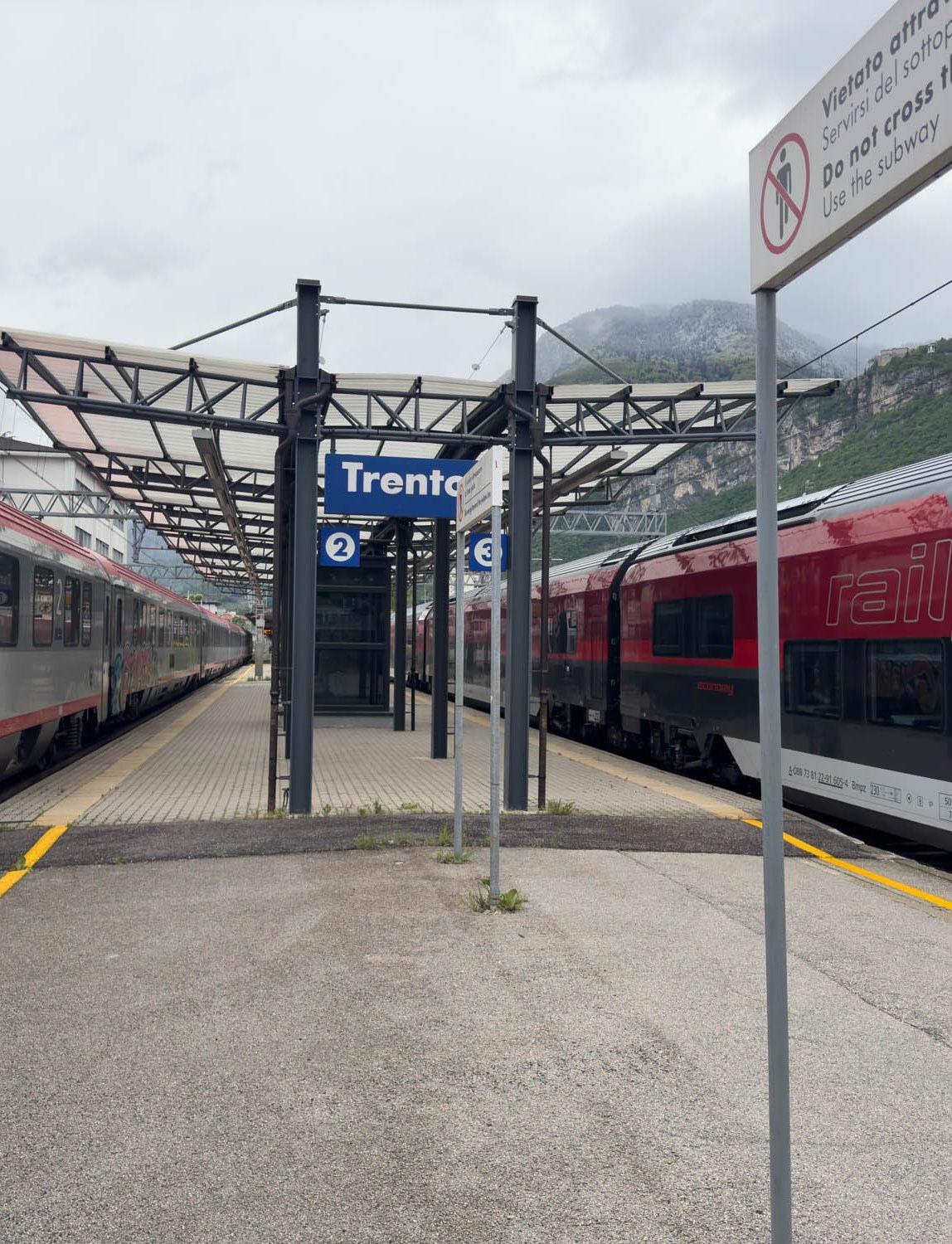
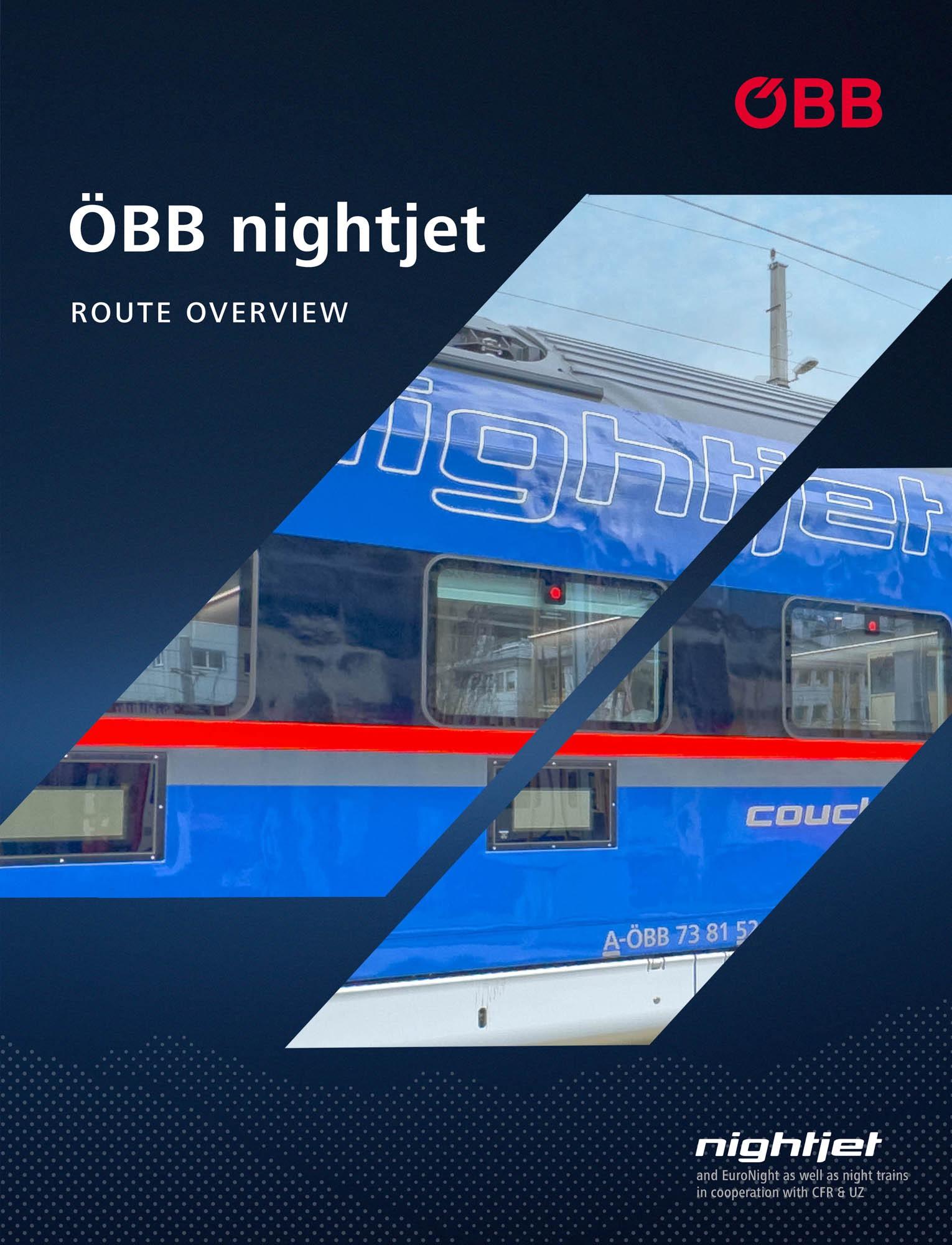
OBB Nightjet and OBB Nightjet Partner





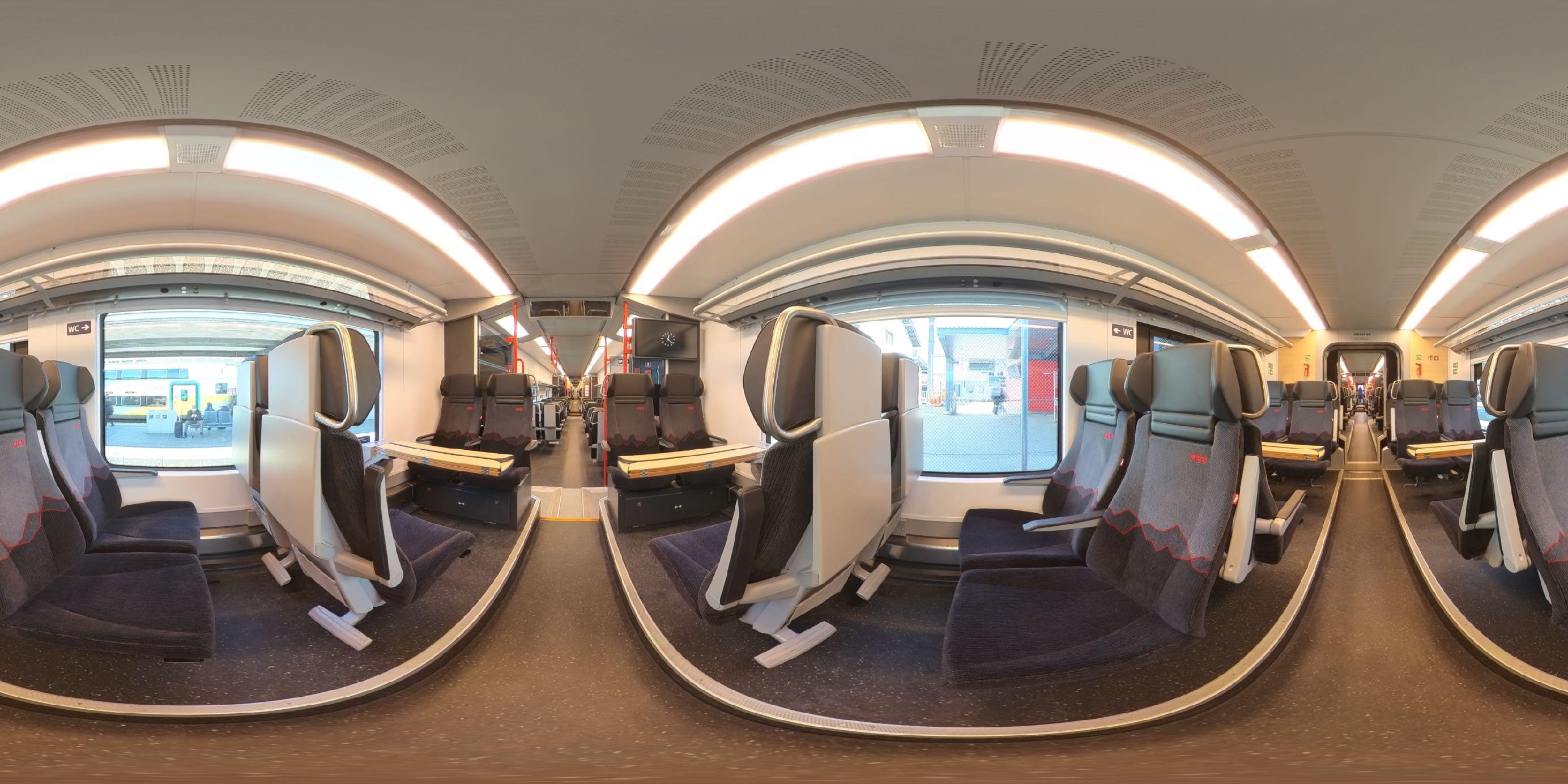


Il gruppo
Questo eBook è stato reso possibile grazie al gentile sostegno degli enti regionali per il turismo e delle ferrovie federali austriache OBB. Revisione bozze e revisione editoriale in tedesco: Martin Andergassen, traduzione in italiano: Federica Magni.
Fotografie e testi
Tutte le fotografie (se non diversamente specificato) e i testi di Rudolf J. Strutz, orari e informazioni di viaggio: OBB
Supporto AI
Talvolta si ricorre all'uso di software di intelligenza artificiale per modificare le immagini, ad esempio rimuovendo elementi indesiderati. Inoltre, i programmi di intelligenza artificiale possono essere utilizzati per migliorare la nitidezza delle immagini e ridurre il rumore.
OBB Railnet
Le guide turistiche sono disponibili gratuitamente anche sul portale online OBB railnet su tutti i railjets, nightjets e cityjets.


Copyright
Il libro è stato distribuito sotto la licenza Creative Commons. Requisiti per l'utilizzo: Attribuzione, non commerciale, nessuna modifica e distribuzione alle stesse condizioni esclusivamente come opera completa! Non è consentito l'uso di singole foto e testi.
Questo eBook è disponibile gratuitamente.
Links
Tutti i collegamenti forniti sono aggiornati al momento della pubblicazione dell'eBook. I link ai biglietti d'ingresso di solito puntano direttamente al luogo della mostra. Per i tour è disponibile il collegamento al servizio Smart-Guide.
Loghi, marchi e nomi di aziende
Tutti i loghi, i nomi dei marchi e delle società vengono utilizzati solo per fornire informazioni pertinenti in questo eBook. L'utilizzo di qualsiasi di essi al di fuori di questo eBook deve essere autorizzato dai proprietari appropriati.
with the ÖBB railjet from Munich to Ancona

SCOTTY mobile mostra gli orari di tutti i trasporti pubblici e ti aiuta a pianificare al meglio il tuo itinerario di viaggio.





Prenota online, consulta gli orari online e direttamente sul tuo cellulare: l'app di prenotazione OBB offre tutto questo e molto altro.