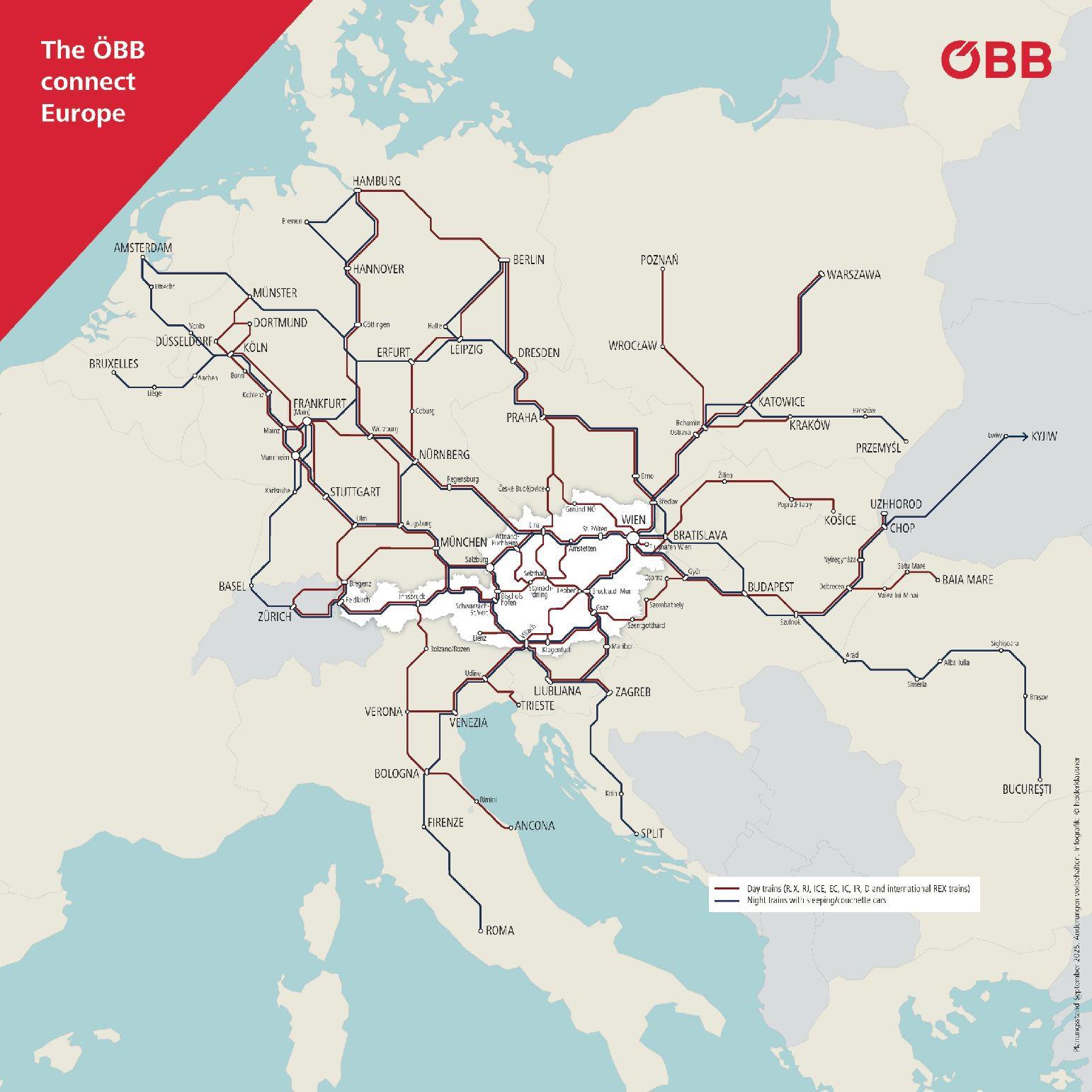
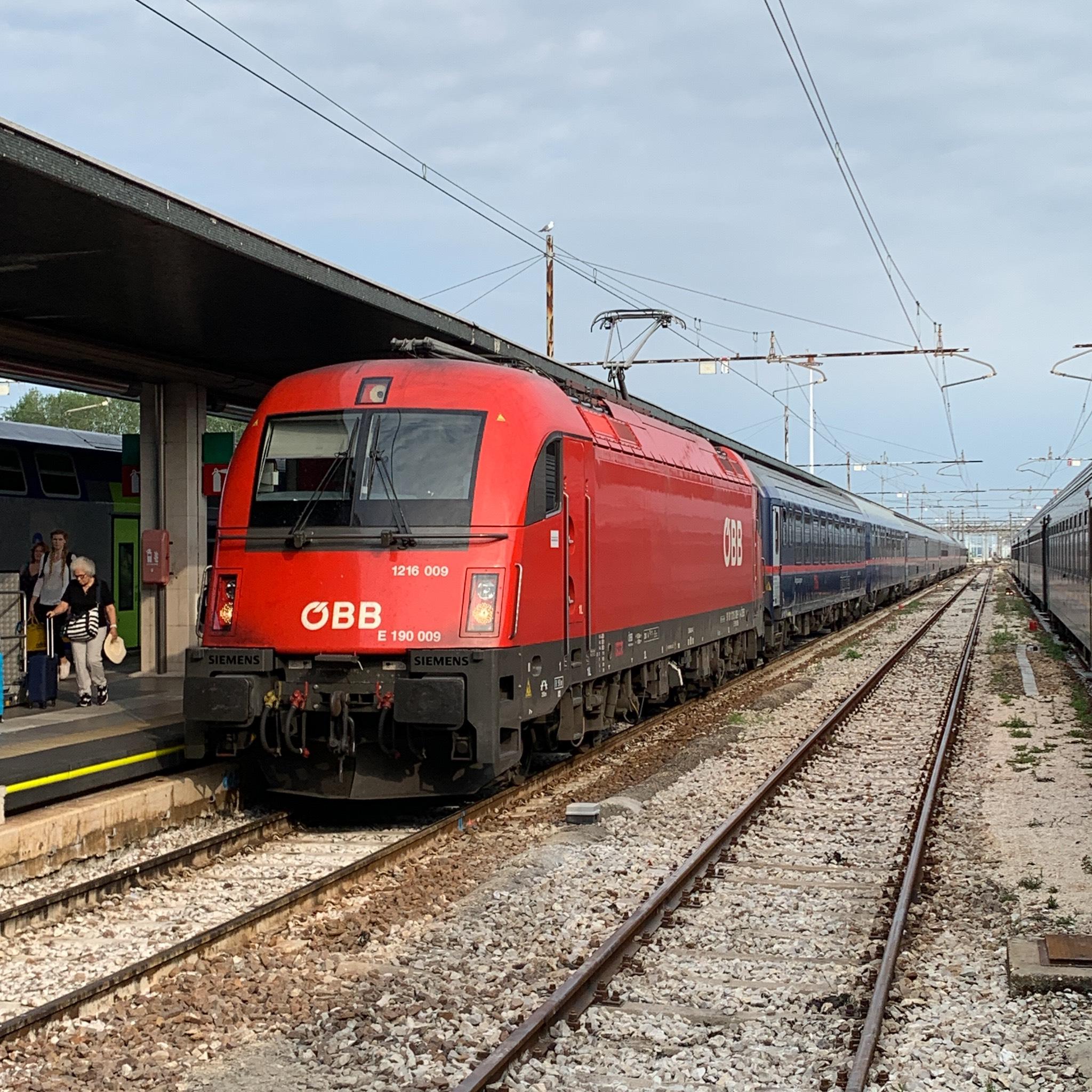
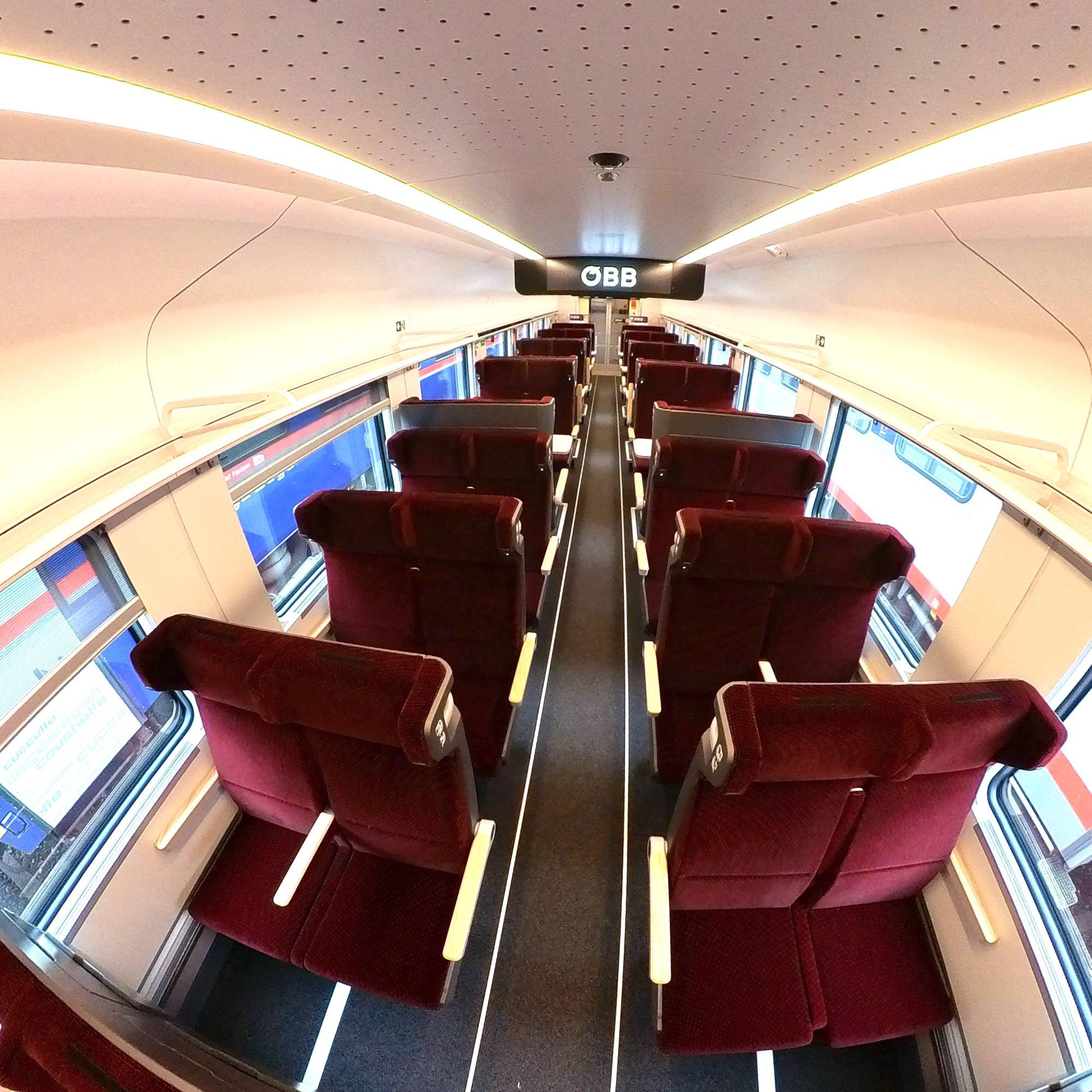
ÖBB connects numerous European cities with modern day and night services.
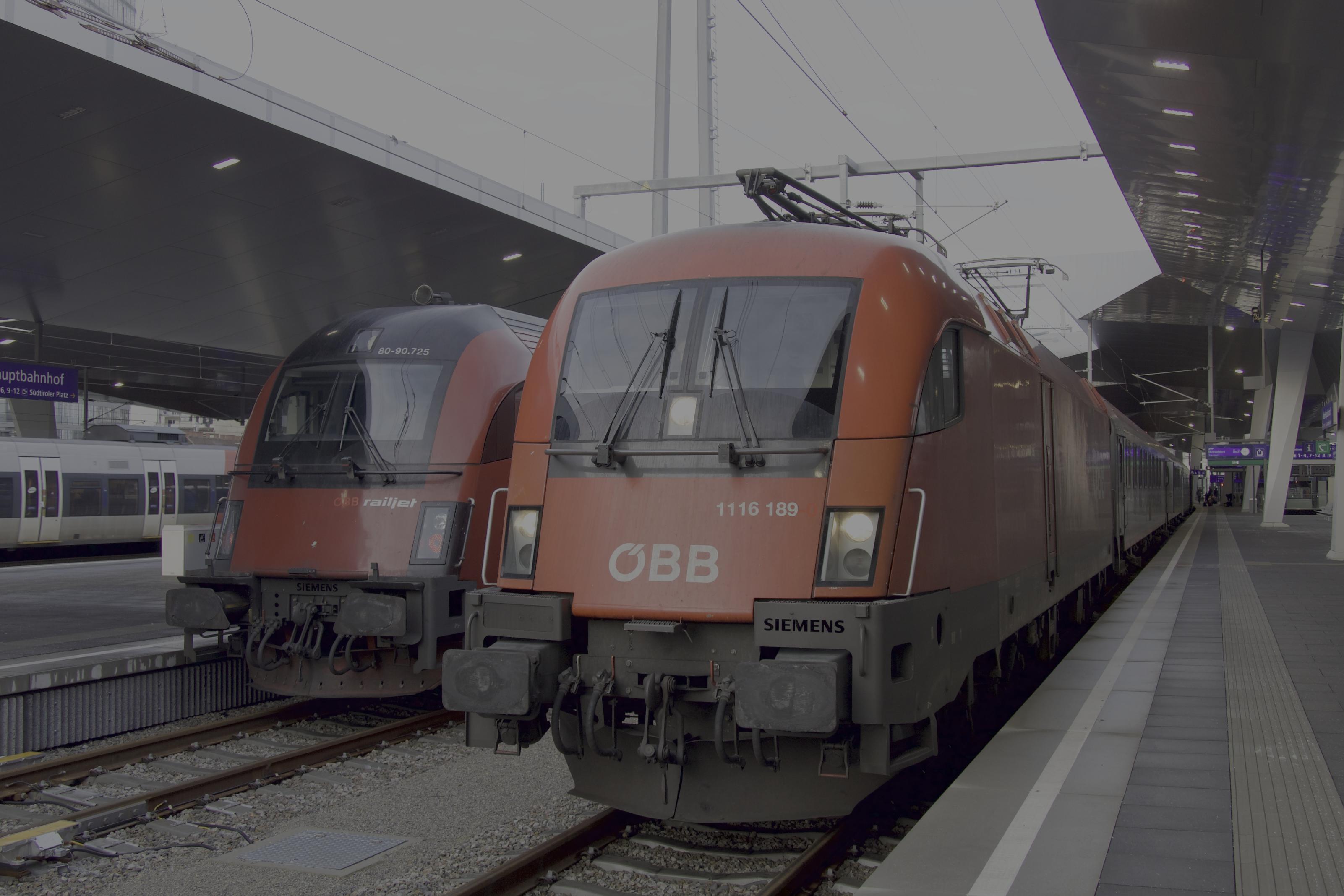
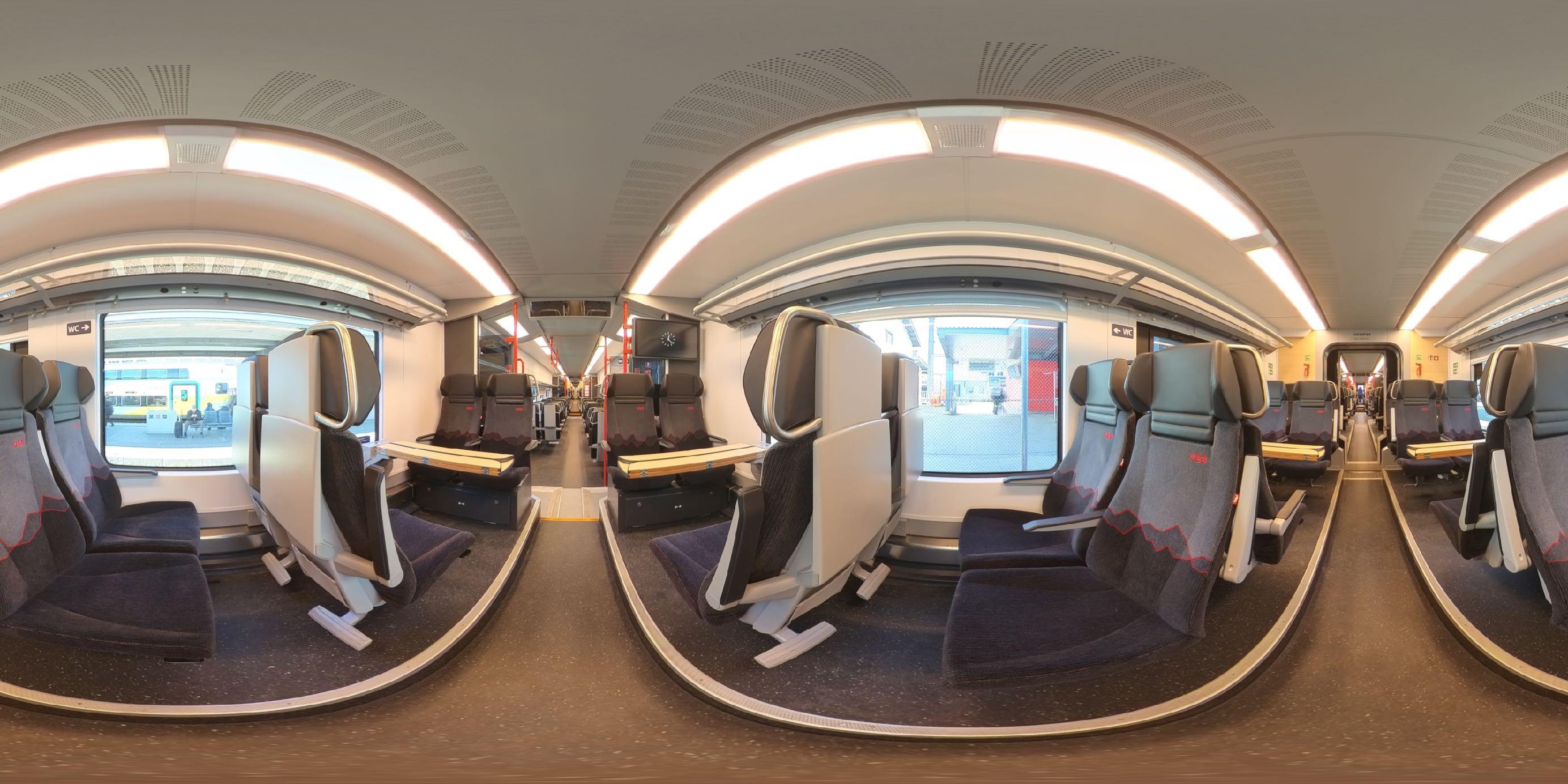
During the day, ÖBB Railjets offer fast and comfortable long-distance travel in Economy, First, and Business classes.
At night, the ÖBB Nightjet provides a relaxing and environmentally friendly journey across Europe. Whether
you prefer a seat, new Mini Cabins, or couchette and sleeper cars – every travel preference is catered for.
Within Austria, ÖBB Cityjets guarantee punctual and comfortable local and long-distance transport.
Further information and booking options can be found via the info button, which leads directly to the ÖBB booking page.


A RRIVAL
M USEUMS
C HURCHES
N OTEWORTHY
I MPRESSIONS
P UBLIC T RANSPORT
I MPRINT

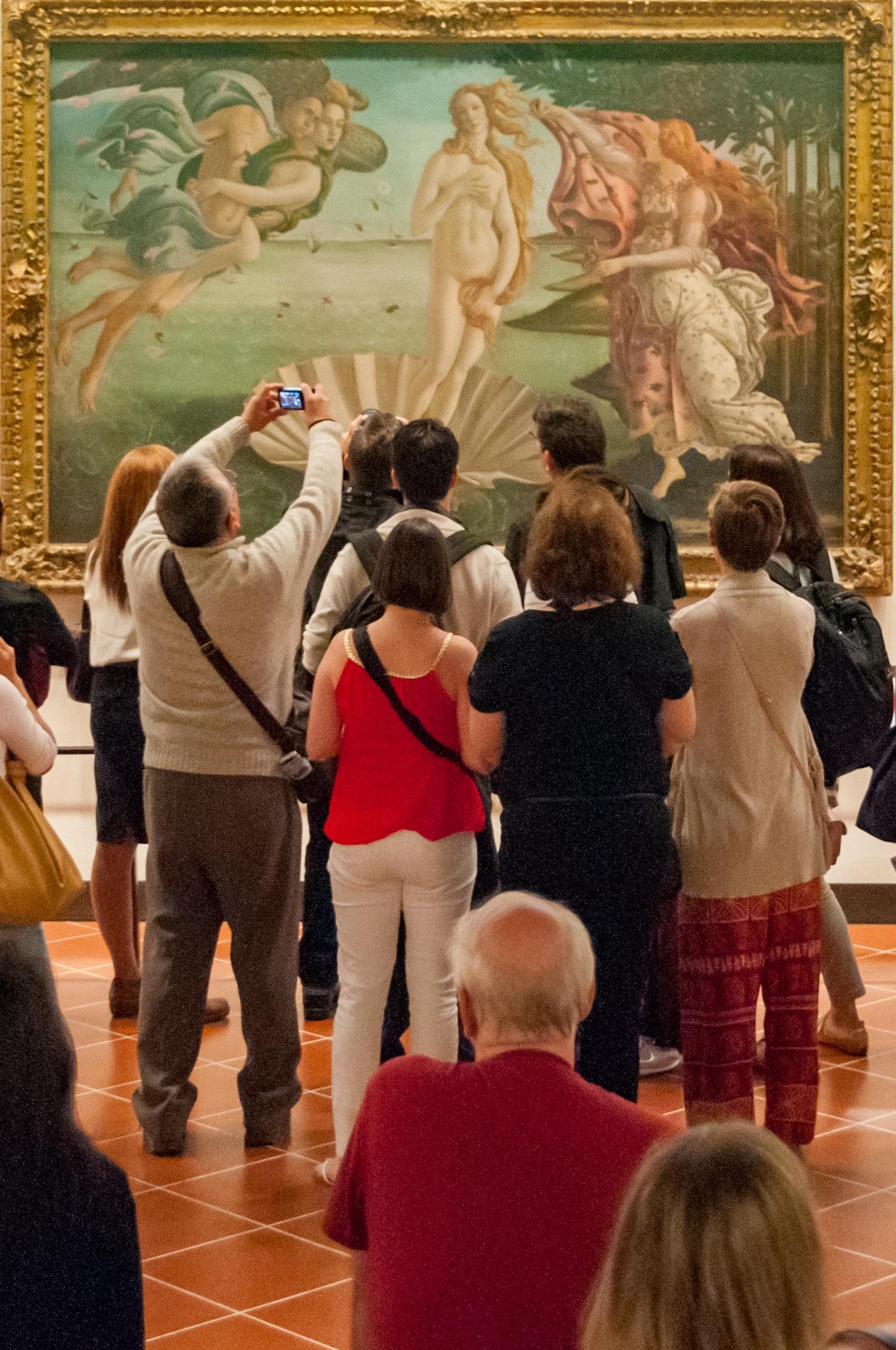


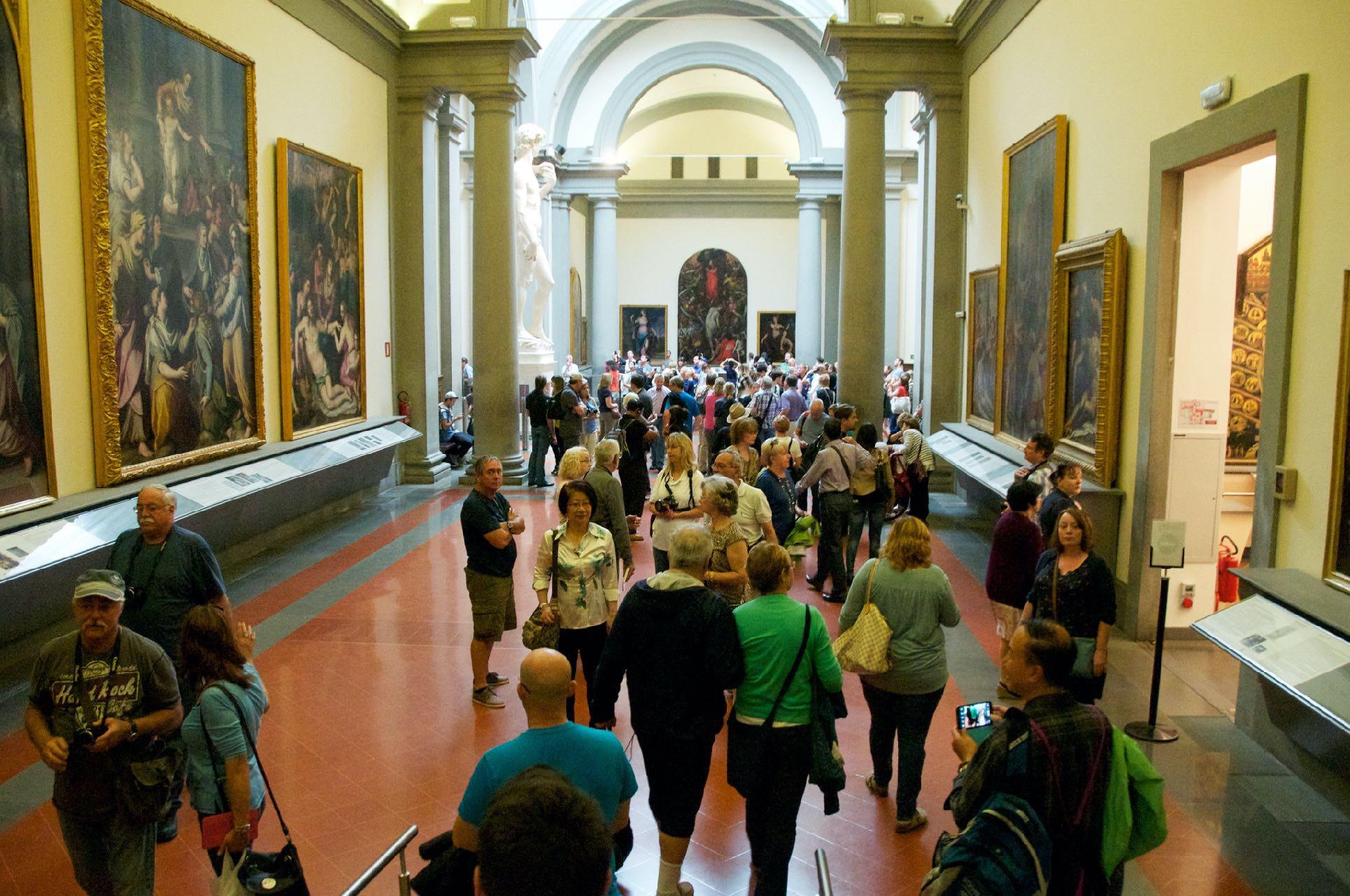
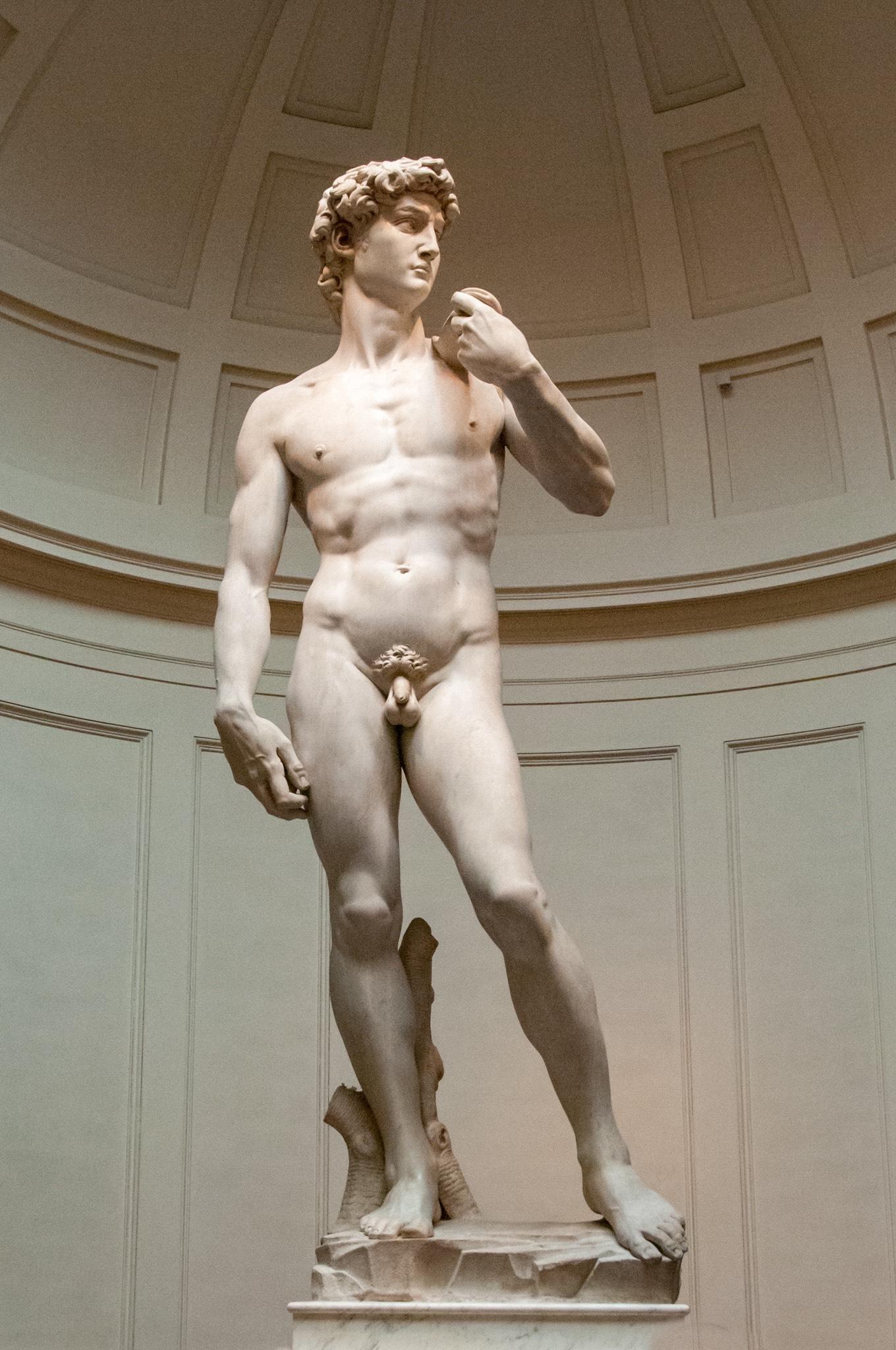
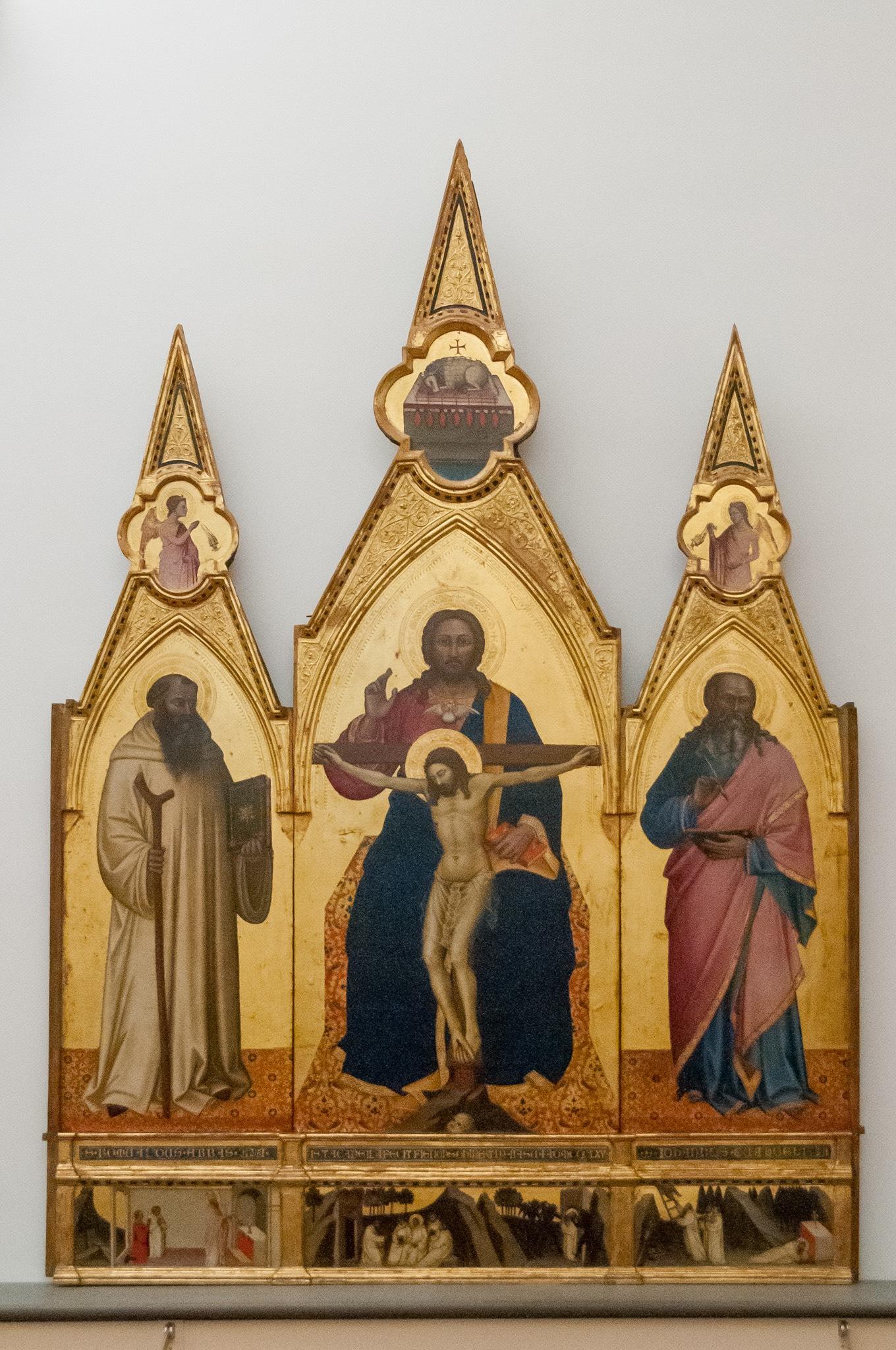
The Galleria dell’Accademia is located in the premises of the world’s oldest academy for painting. Founded in 1563, it was renamed Accademia di Belle Arti Firenze in 1784, a name still used today. The consolidation of all Florentine schools was ordered by Grand Duke Leopold in 1784. Originally, Michelangelo’s “David” statue stood in front of the Palazzo Vecchio. To protect the valuable statue from weather influences, it was moved to the museum in 1873. At the Accademia di Belle Arti, visitors are nearly
overwhelmed by an extensive collection of sculptures and art objects. Special attention is also given to paintings from the 13th and 14th centuries.
The gallery is open daily except Mondays from 08:15 to 18:50. It is recommended to purchase tickets online in advance. Although there are no times when the museum is less crowded, a morning visit is advisable.
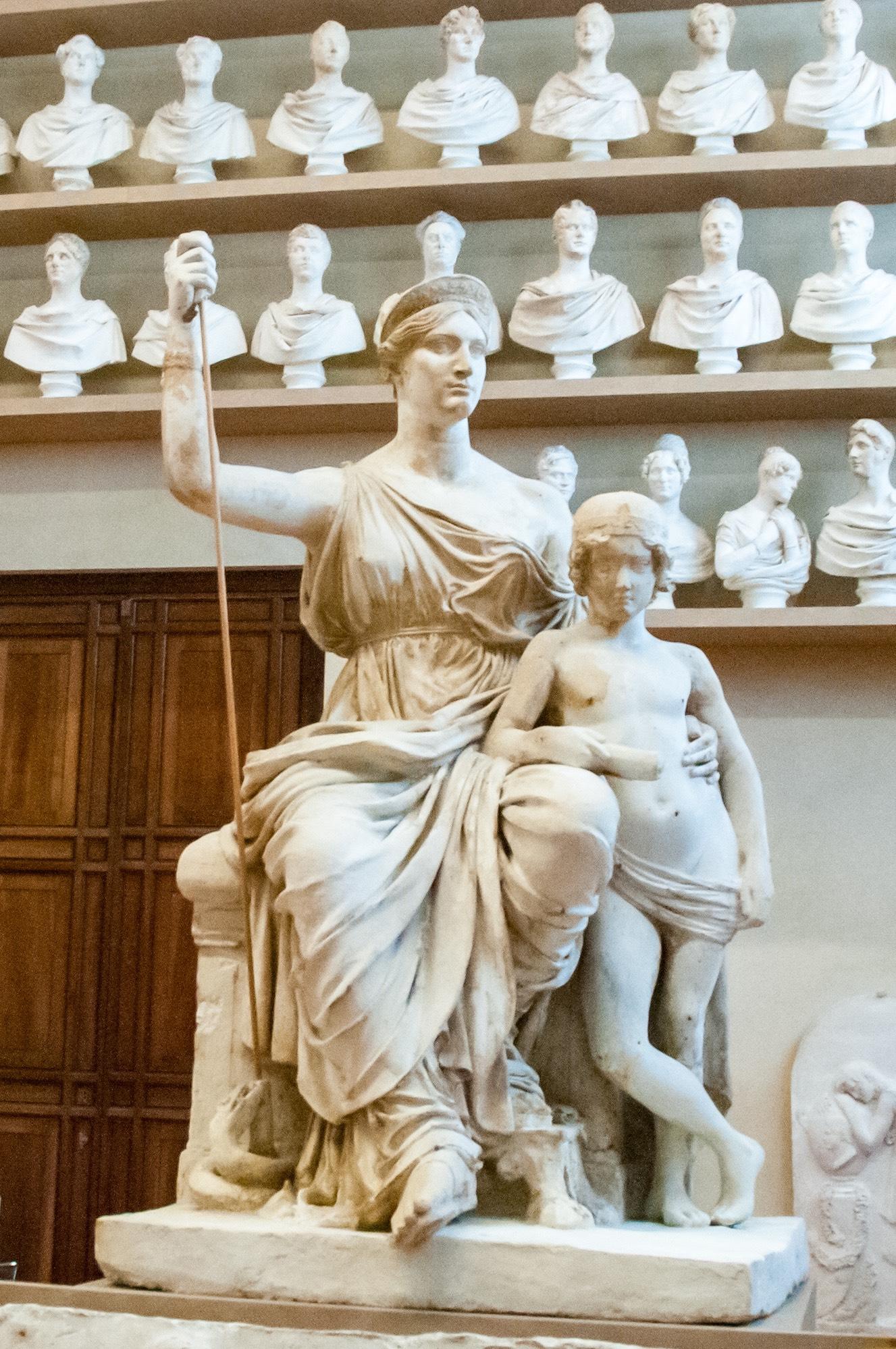
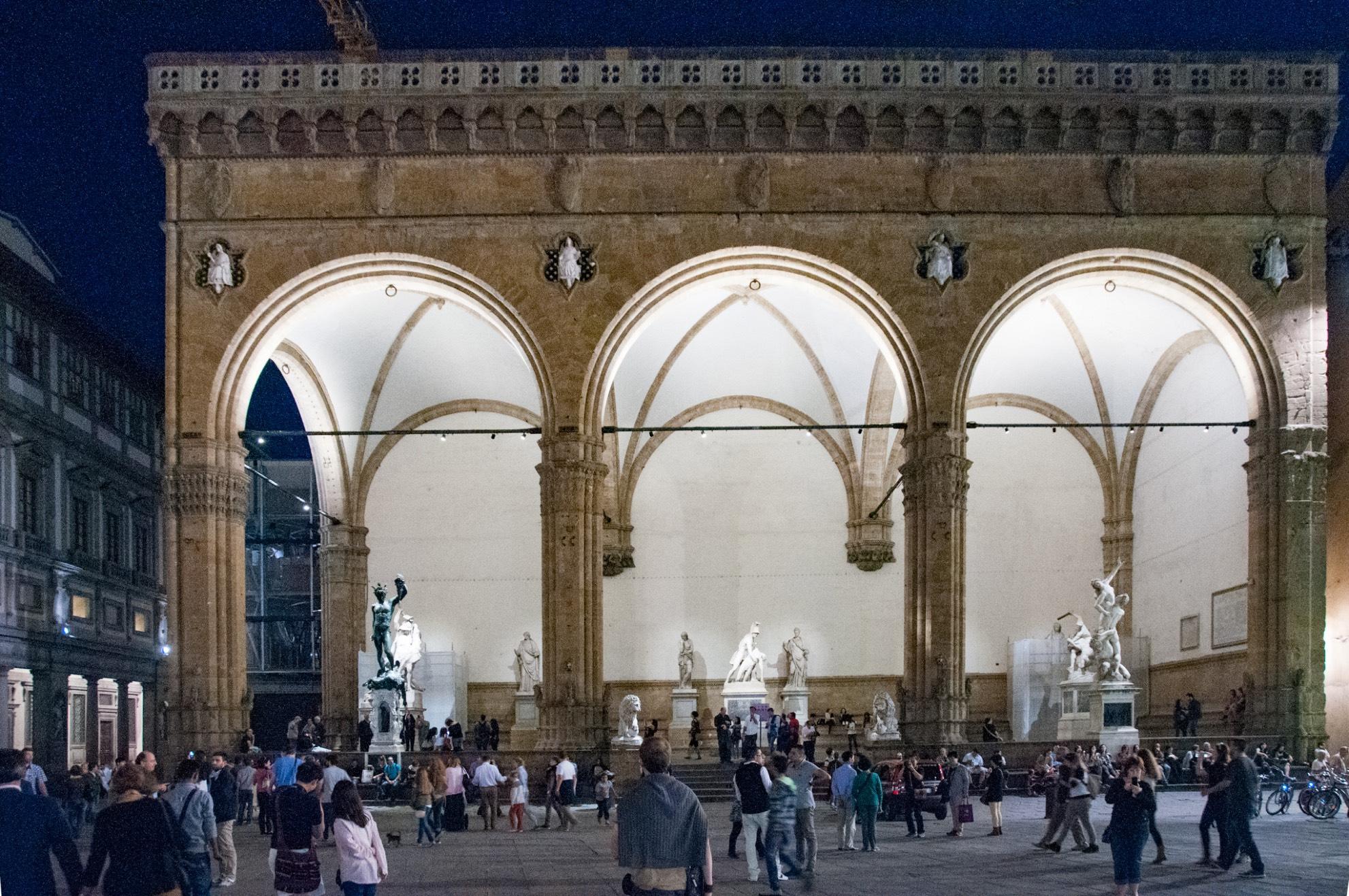
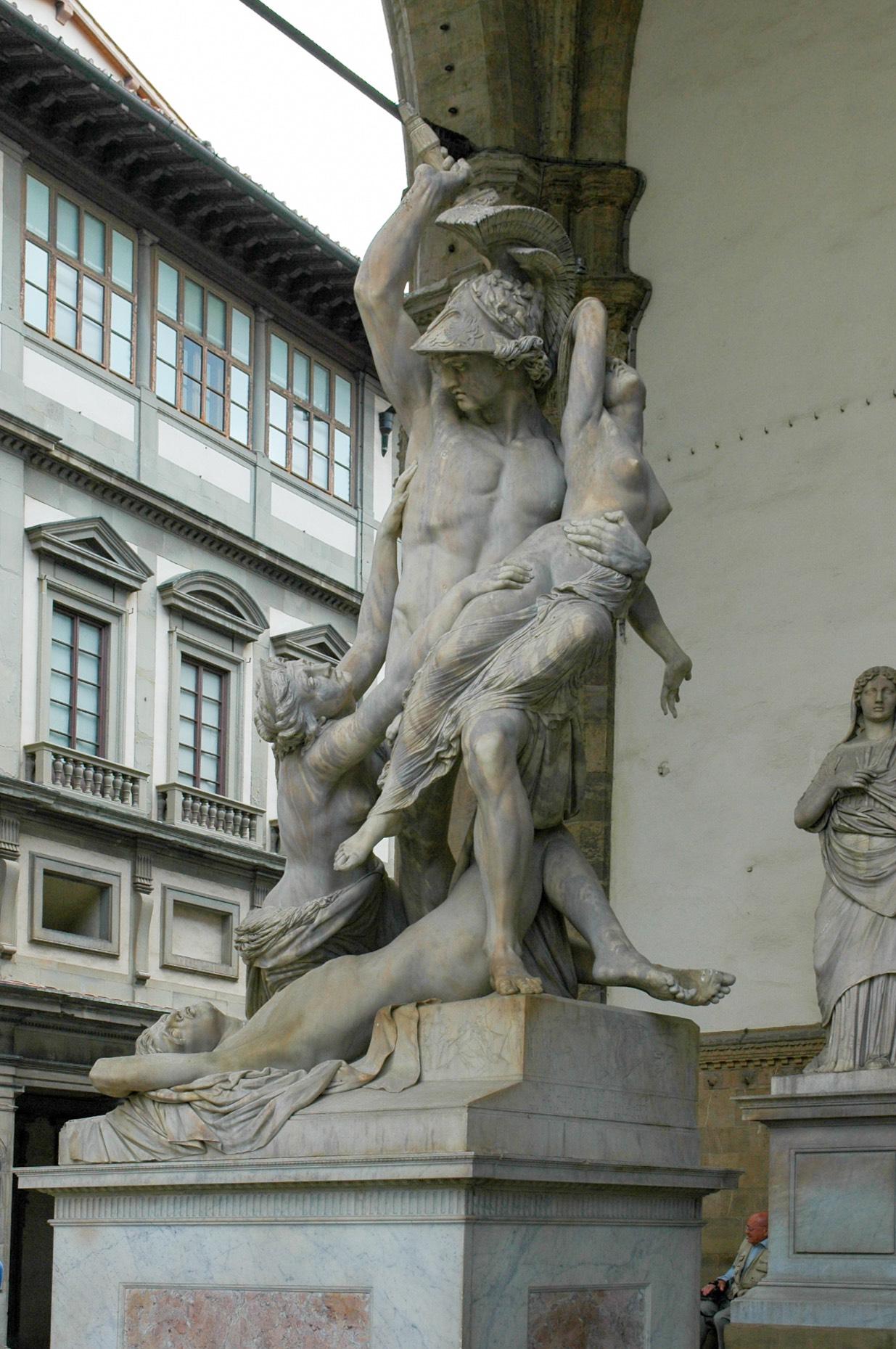
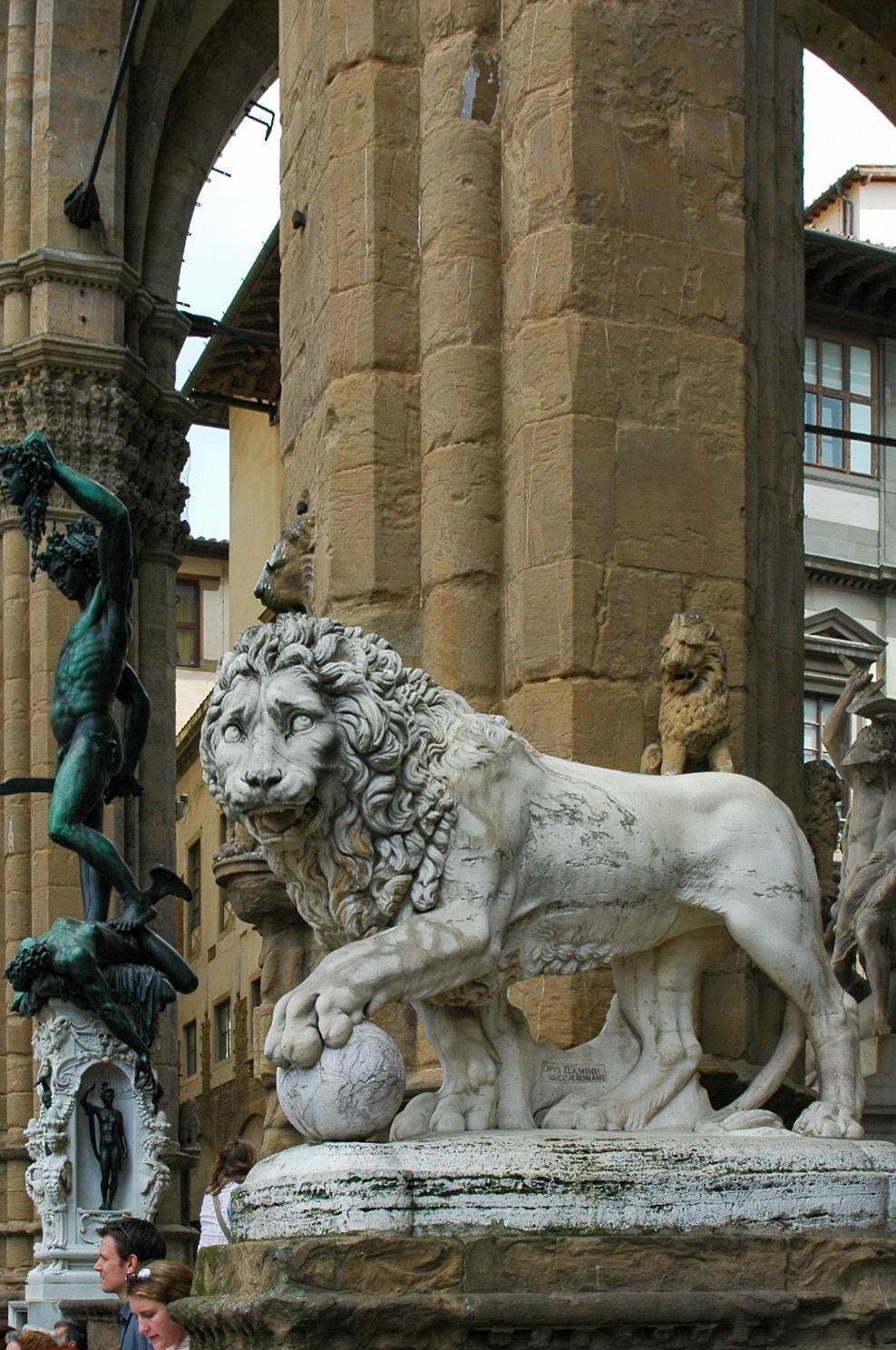
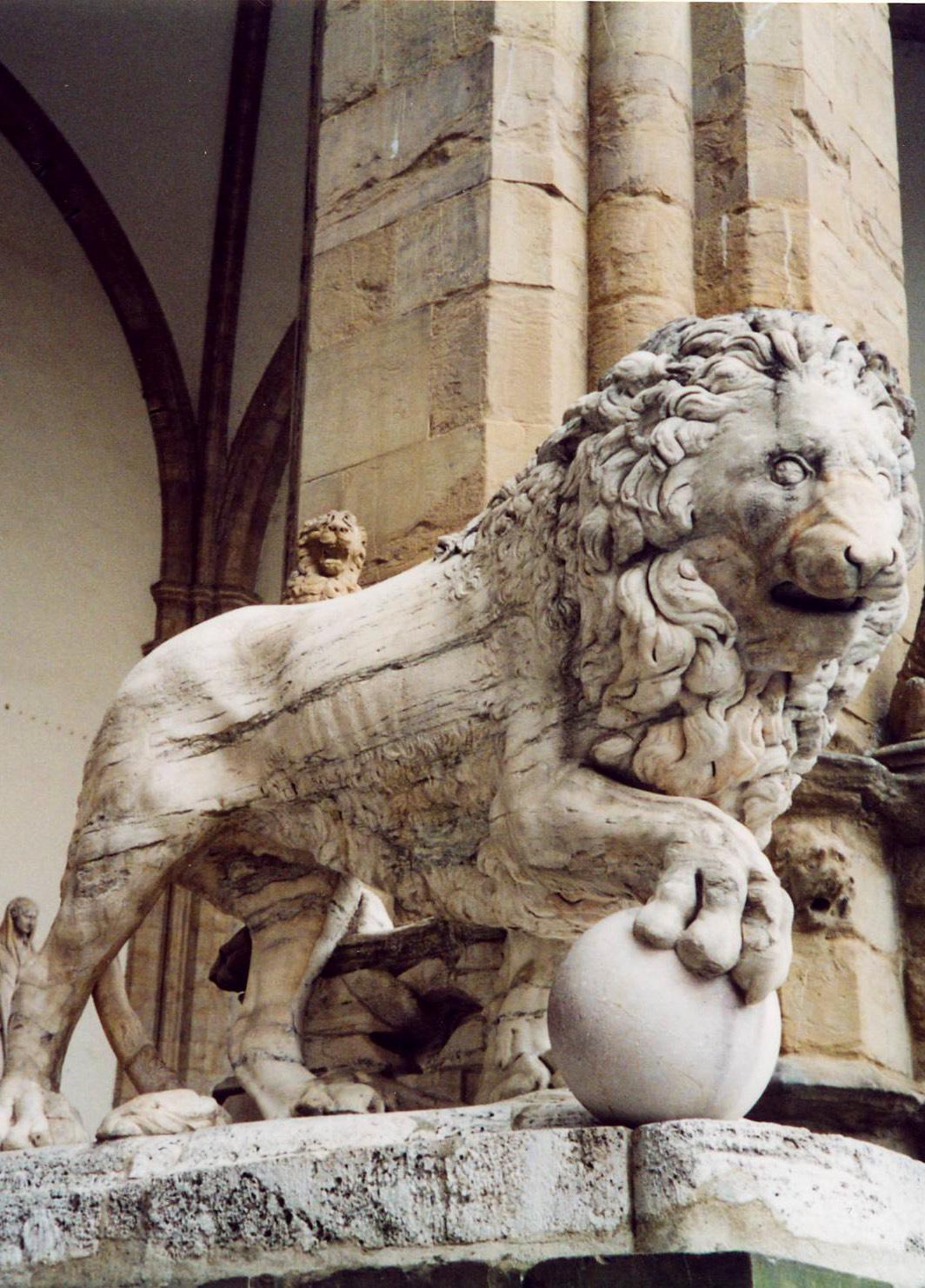
Opposite the Palazzo Vecchio stands the arcade building completed in 1382. The Loggia dei Lanzi was built for ceremonial occasions in Florence. Later, the Medici’s mercenaries (Lanzichenecchi) were stationed here, from which the name derives.
At the facade of the structure, statues of the four virtues— Fortitude, Temperance, Justice, and Prudence—can be seen.
In the Gothic arcade stand significant statues by renowned Italian masters. The originals of these artworks are housed in the city’s museums.
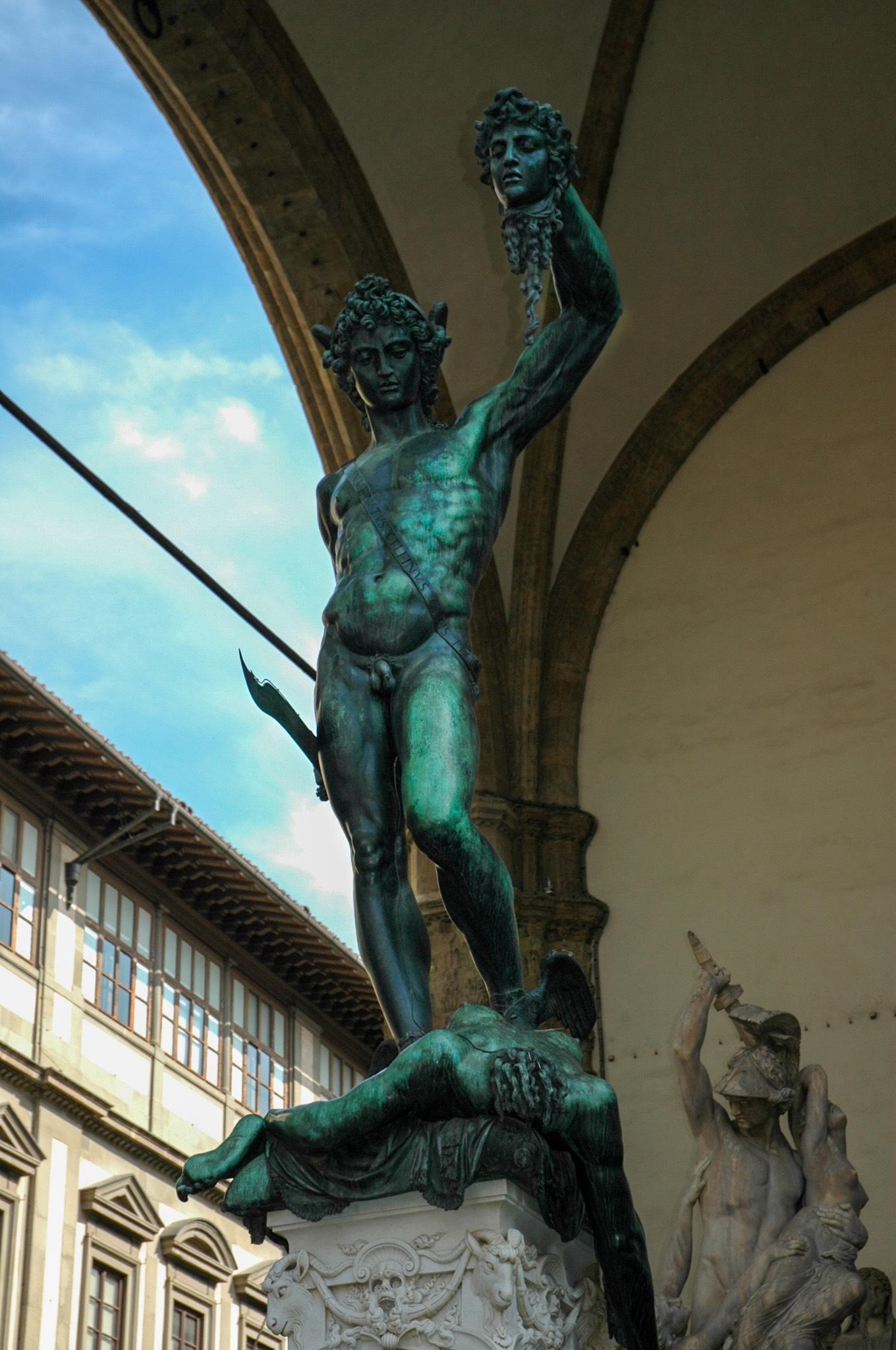
PERSEUS “PERSEUS WITH THE HEAD OF MEDUSA”
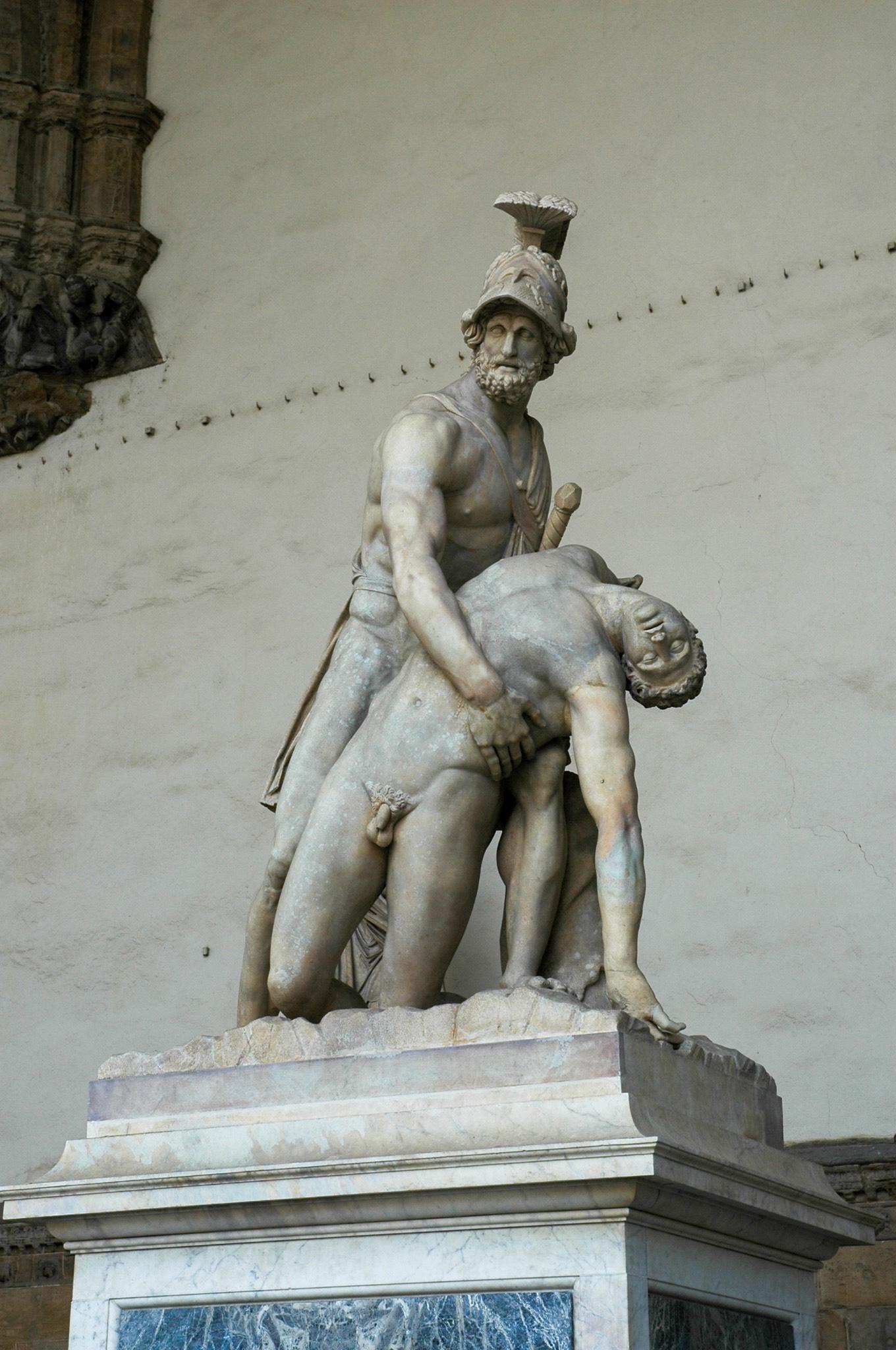
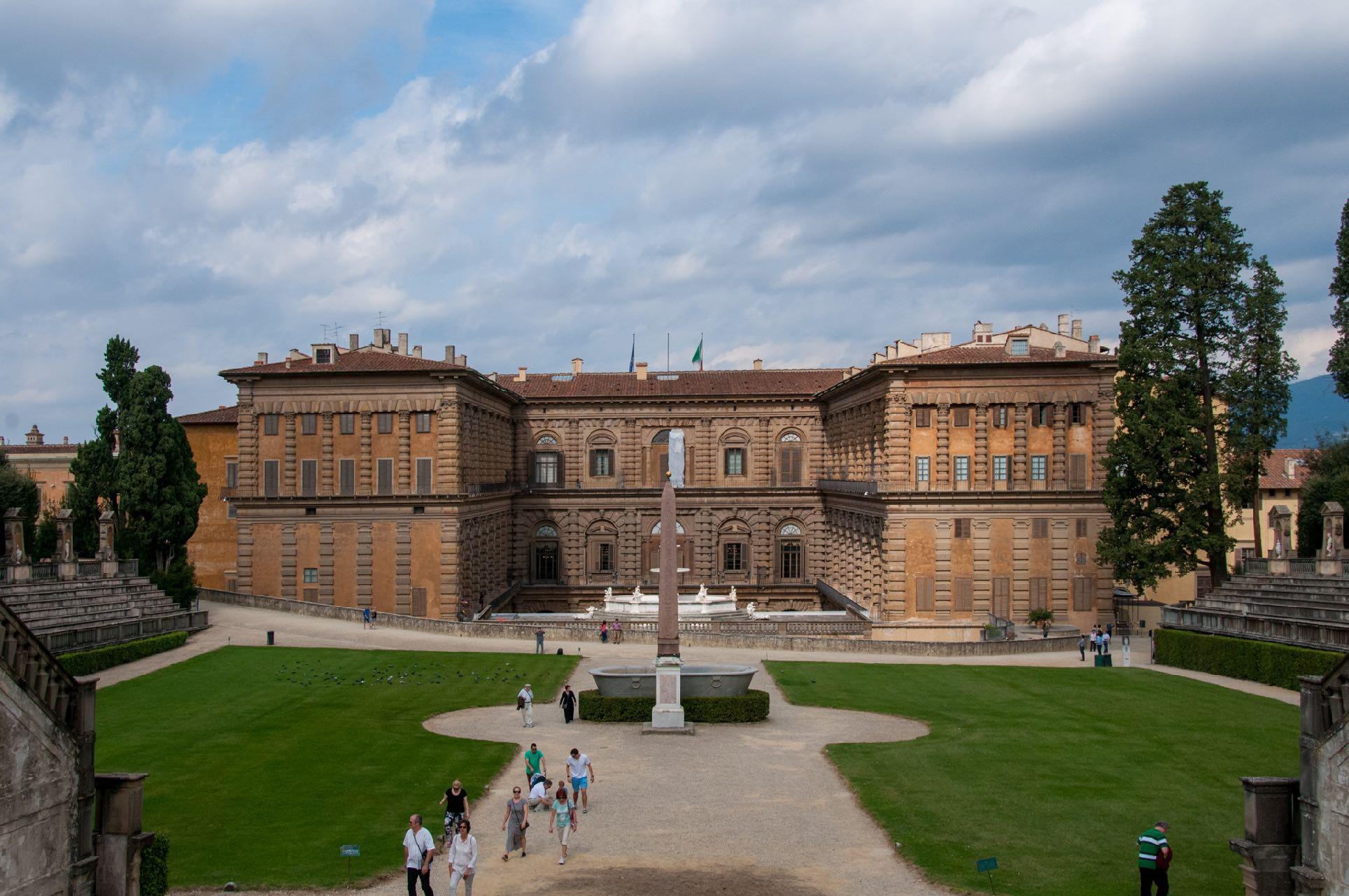
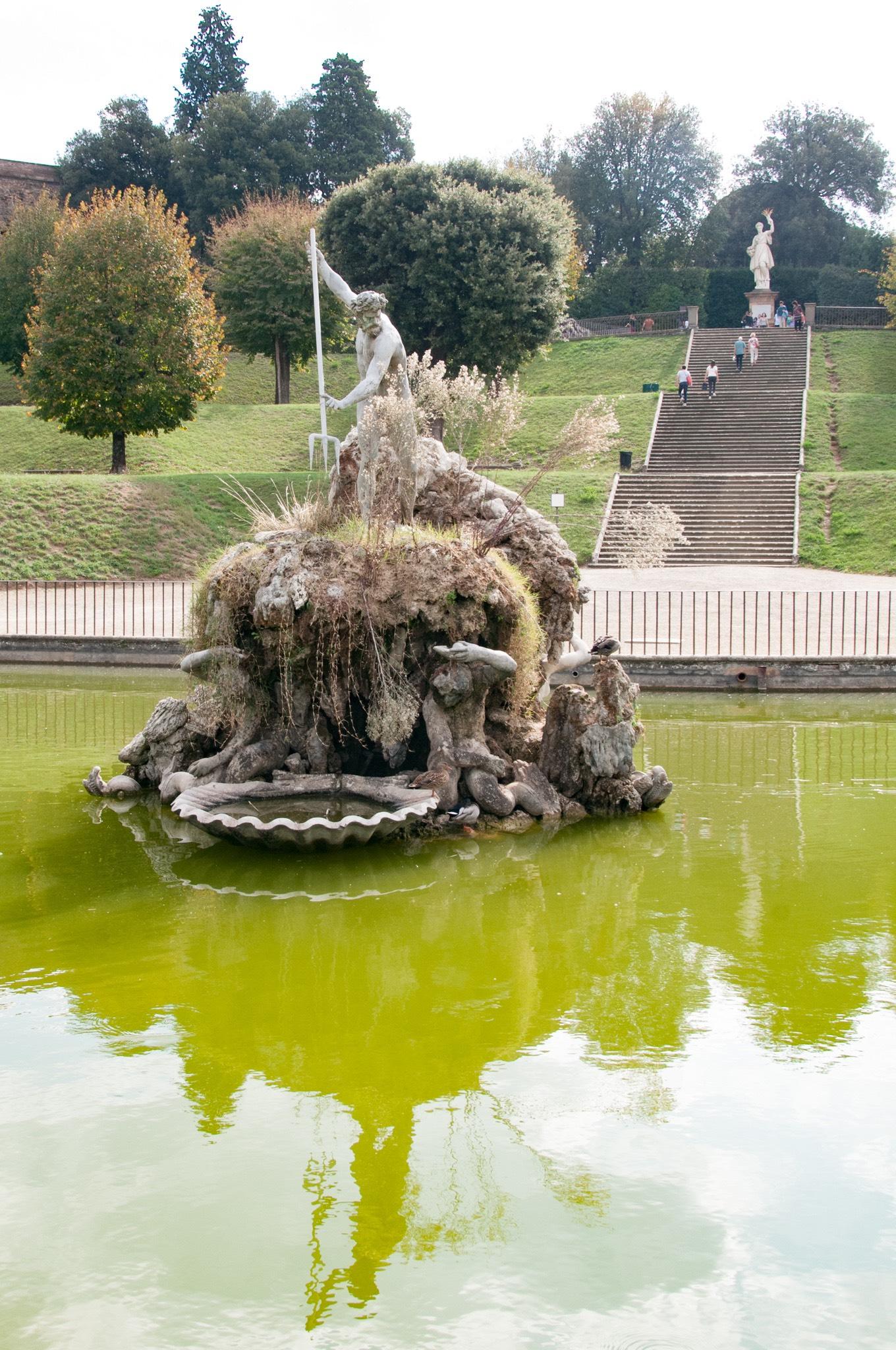
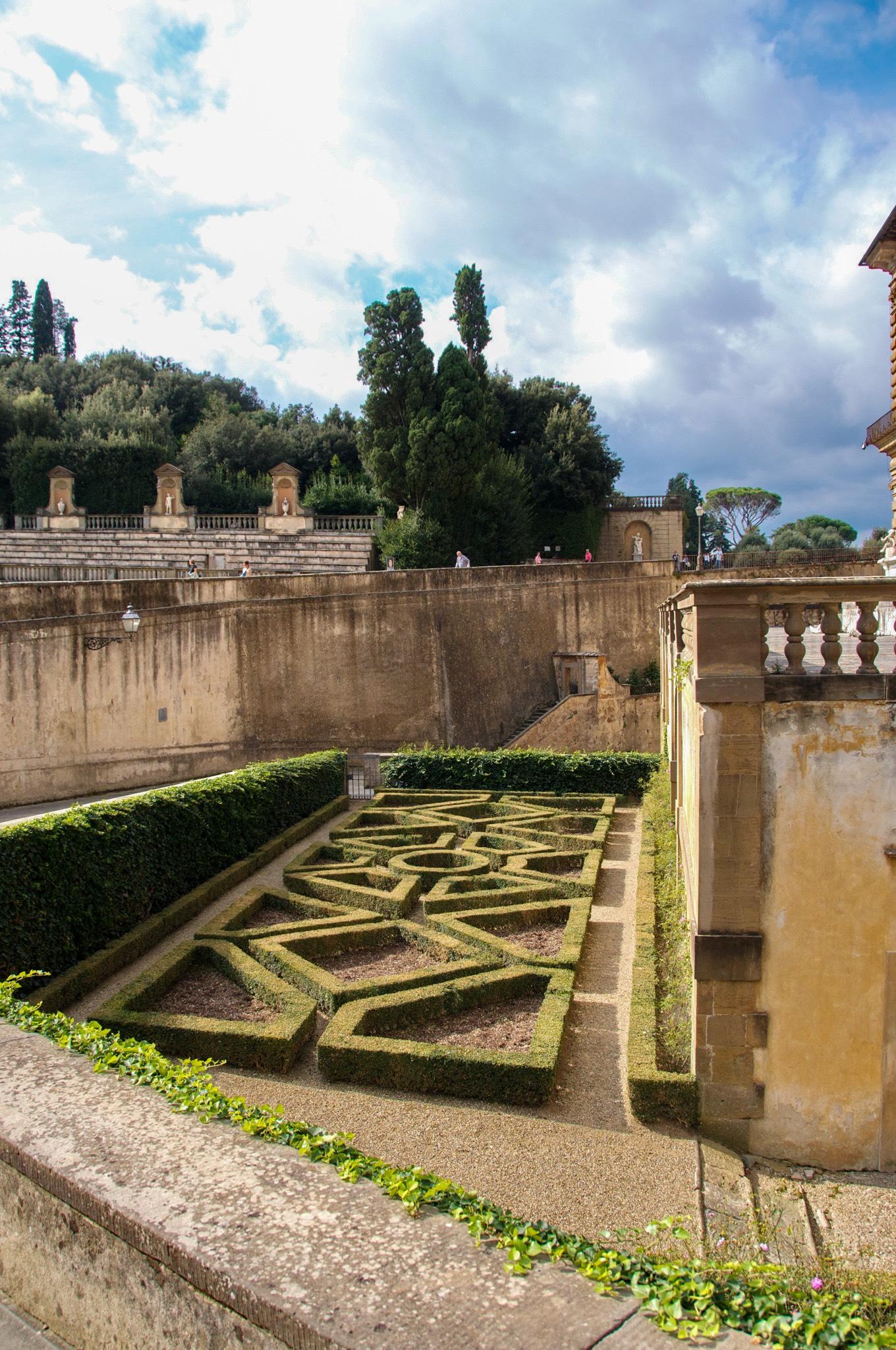
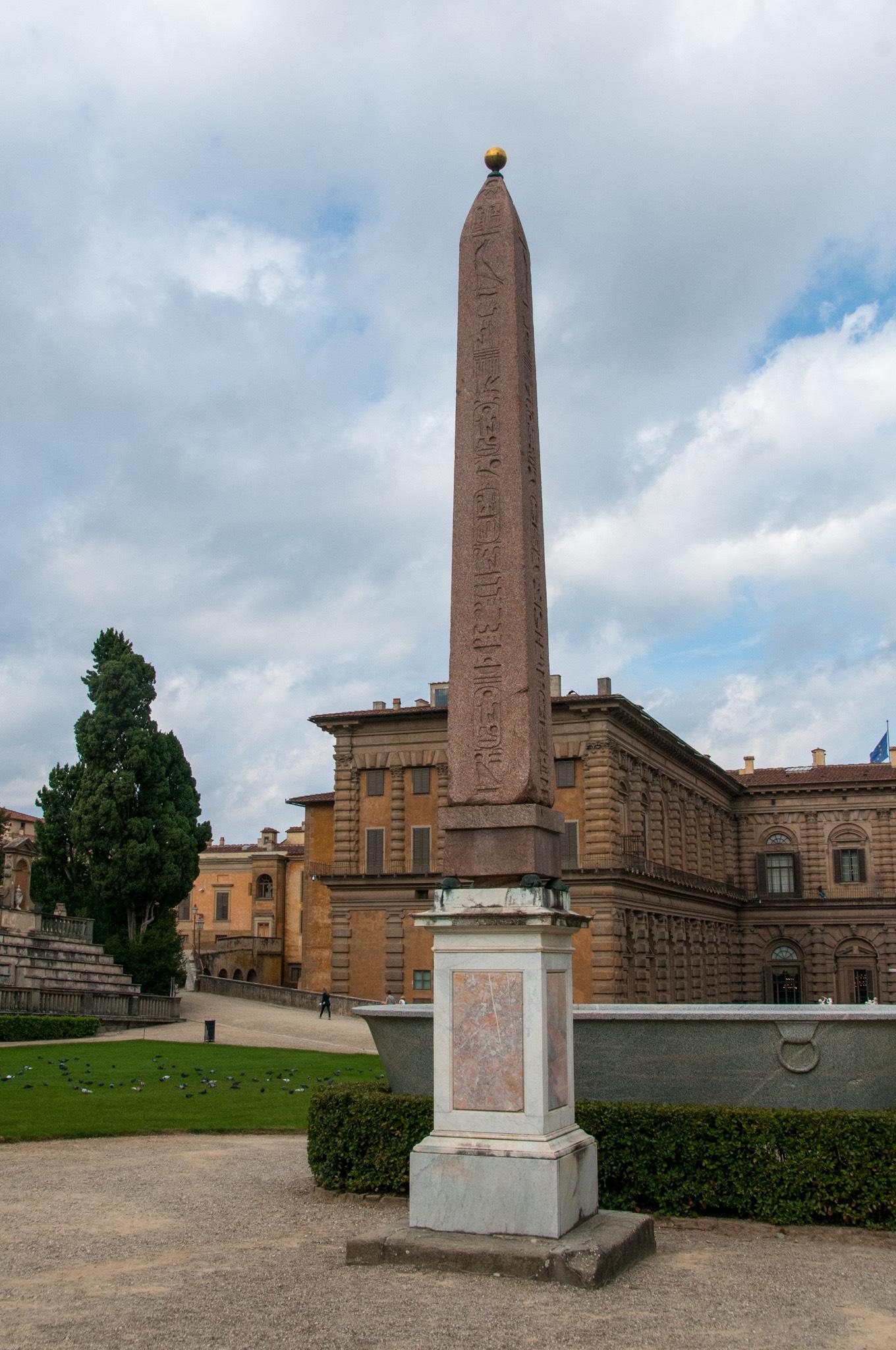
Crossing the Arno River south via the Ponte Vecchio, one arrives in a few minutes at the monumental Palazzo Pitti. Built in 1458 for Luca Pitti, a Florentine merchant, betrayal and conspiracy left the palace empty for nearly a hundred years until Eleonora of Toledo, Cosimo I de’ Medici’s wife, acquired it and created the Boboli Gardens. To avoid contact with the “common people” on the way from the palace to the Uffizi and Palazzo Vecchio, Giorgio Vasari was commissioned in 1565 to build a corridor. The construction of the approximately 1,000-meter-long Vasari Corridor took about ten months. The corridor can also be visited.
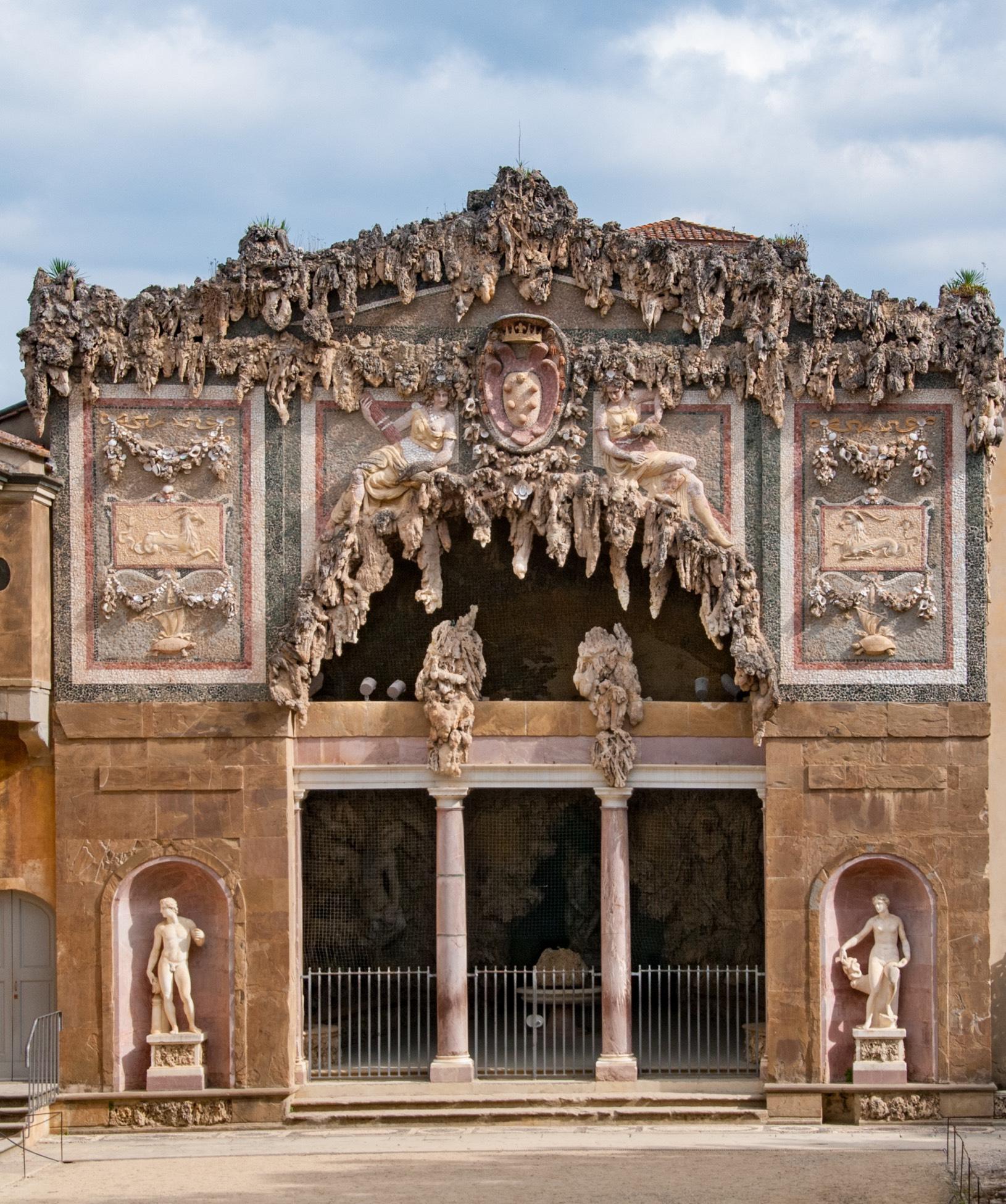
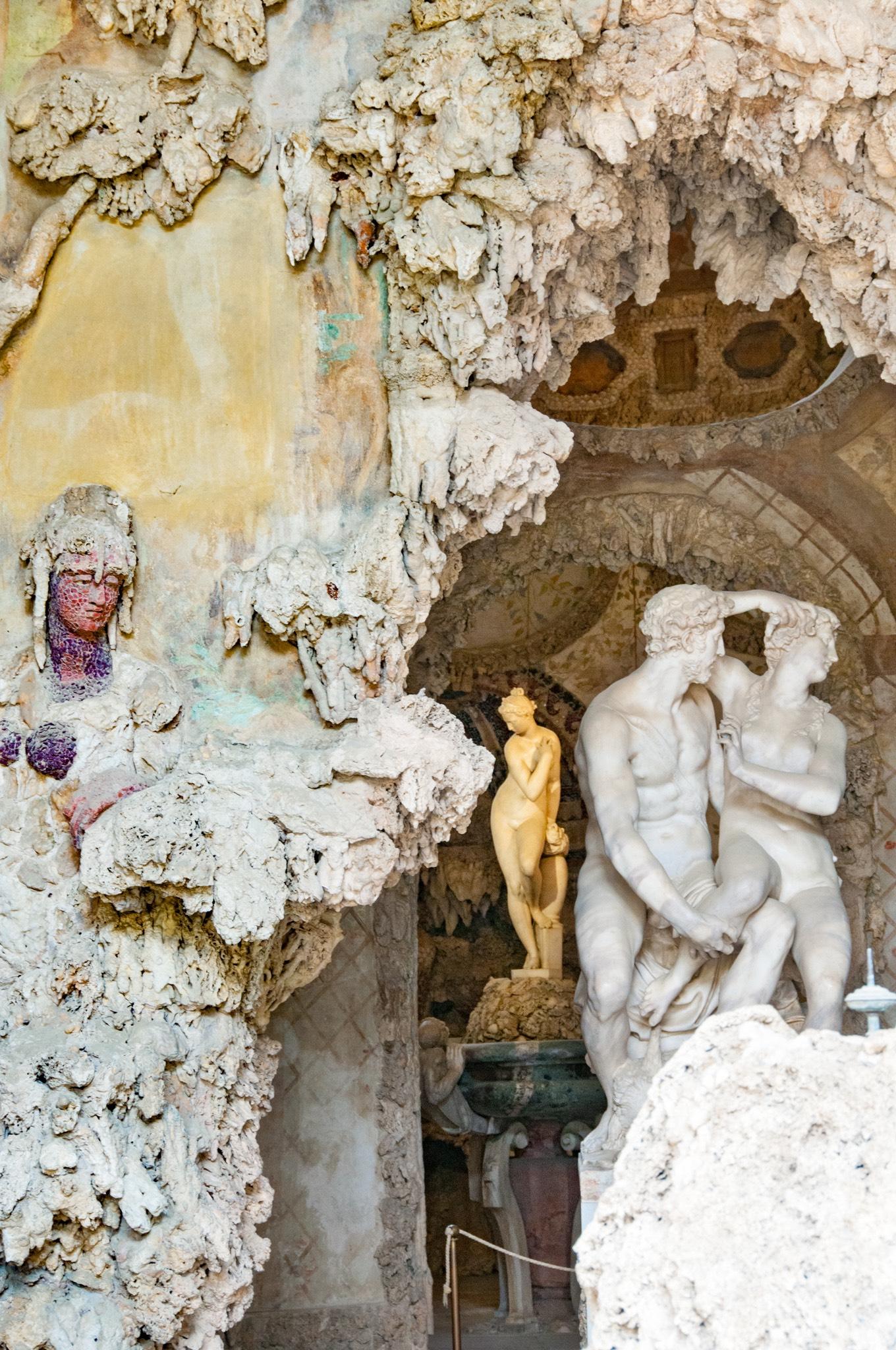
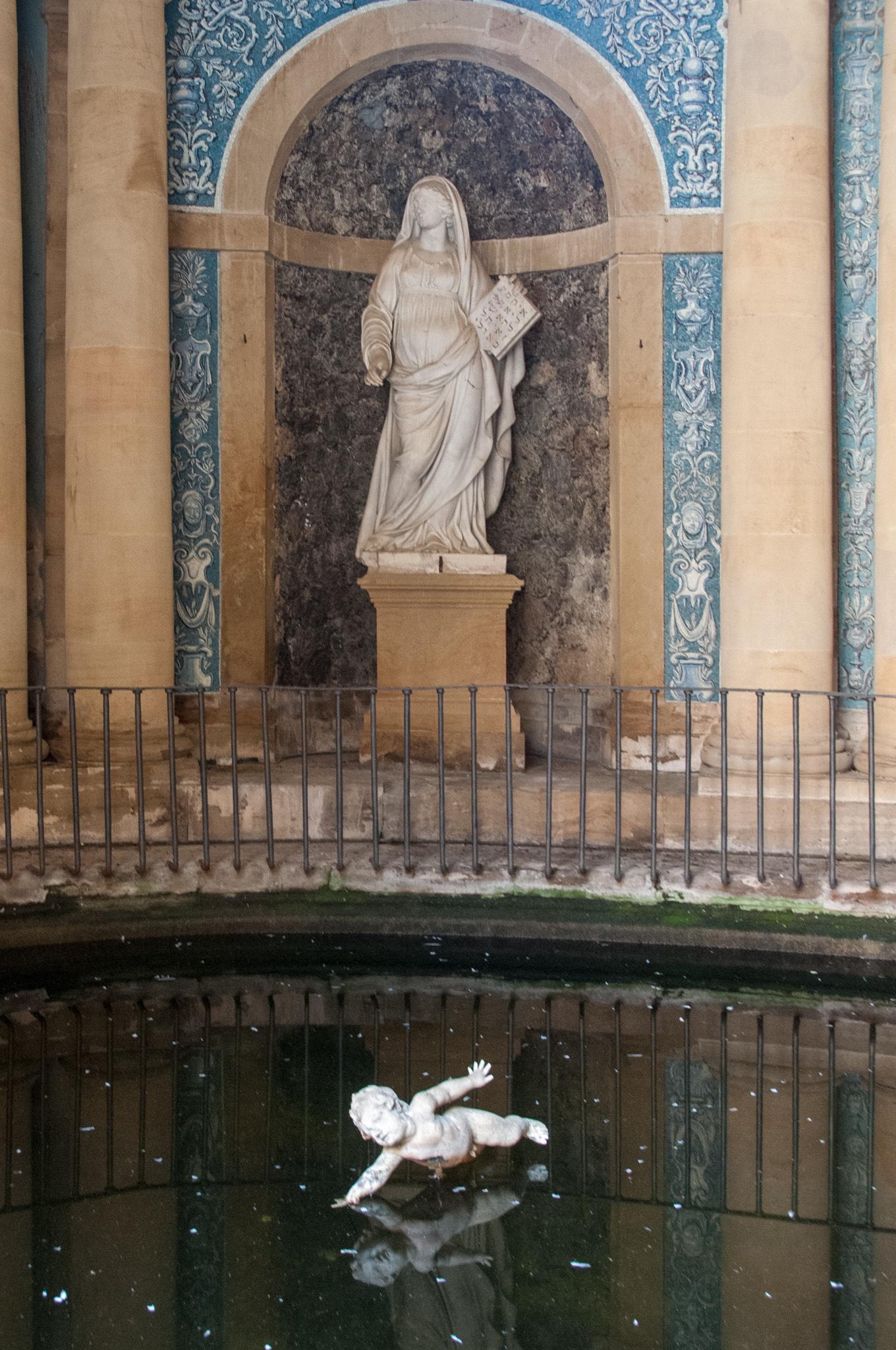
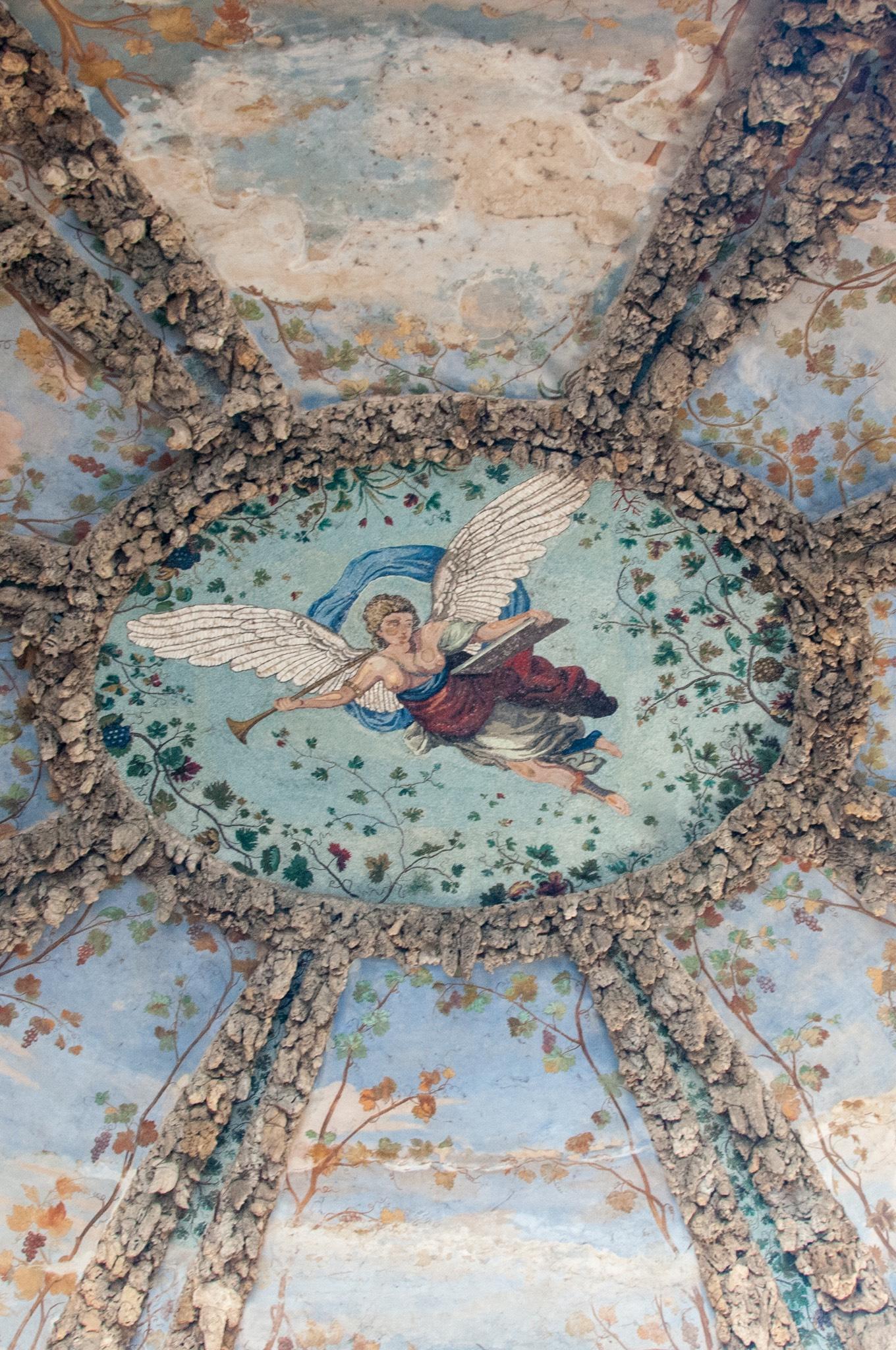
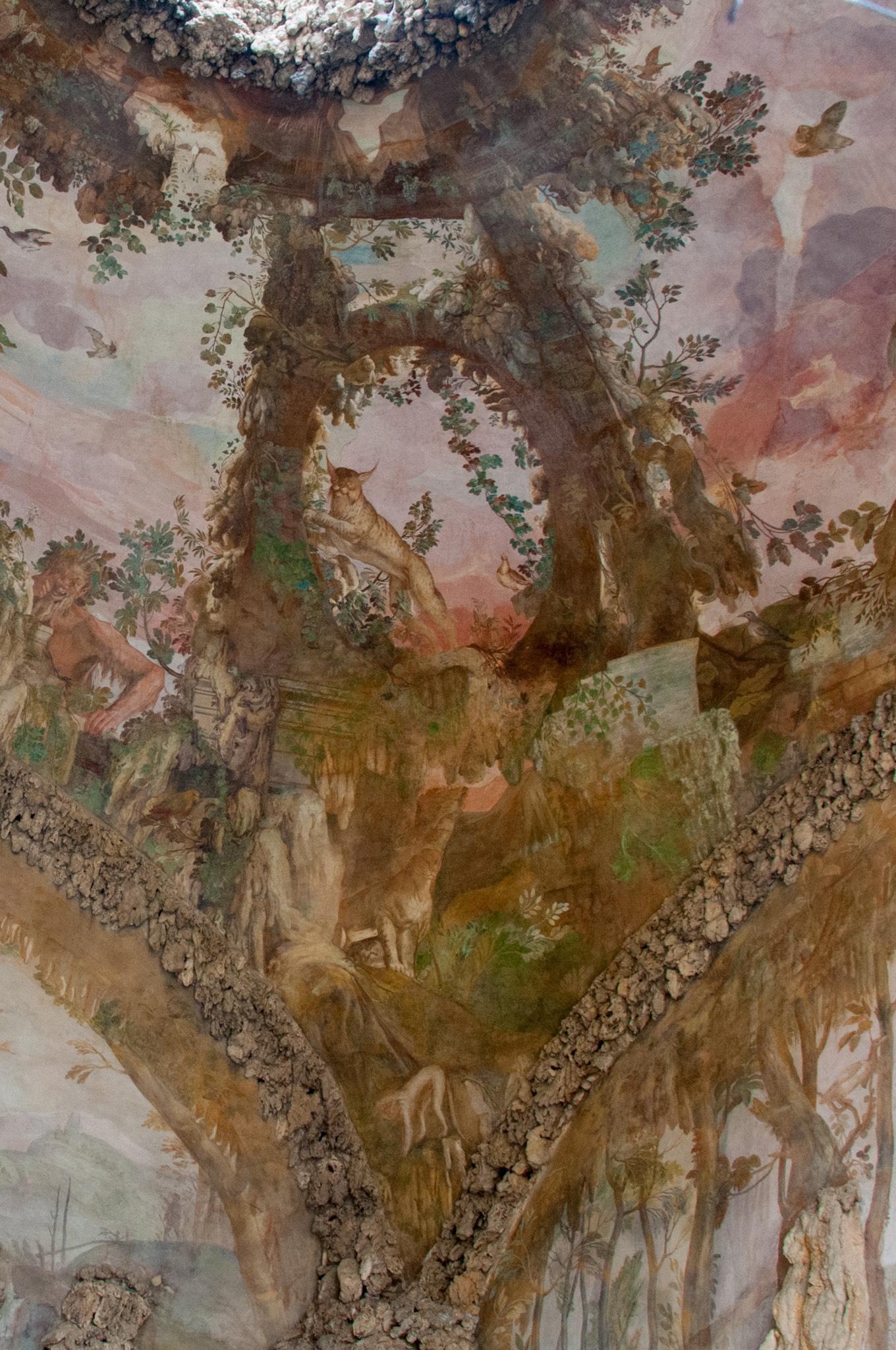
The Palazzo Pitti houses numerous interesting museums, including the Palatine Gallery and the Gallery of Modern Art, as well as exhibitions of costumes, porcelain, carriages, and silver. The royal apartments are also open to visitors. The Buontalenti Grotto, consisting of three rooms, is also impressive, featuring the statue of Helena and Paris by Vincenzo de Rossi and, behind it, Venus by Giovanni Bologna.
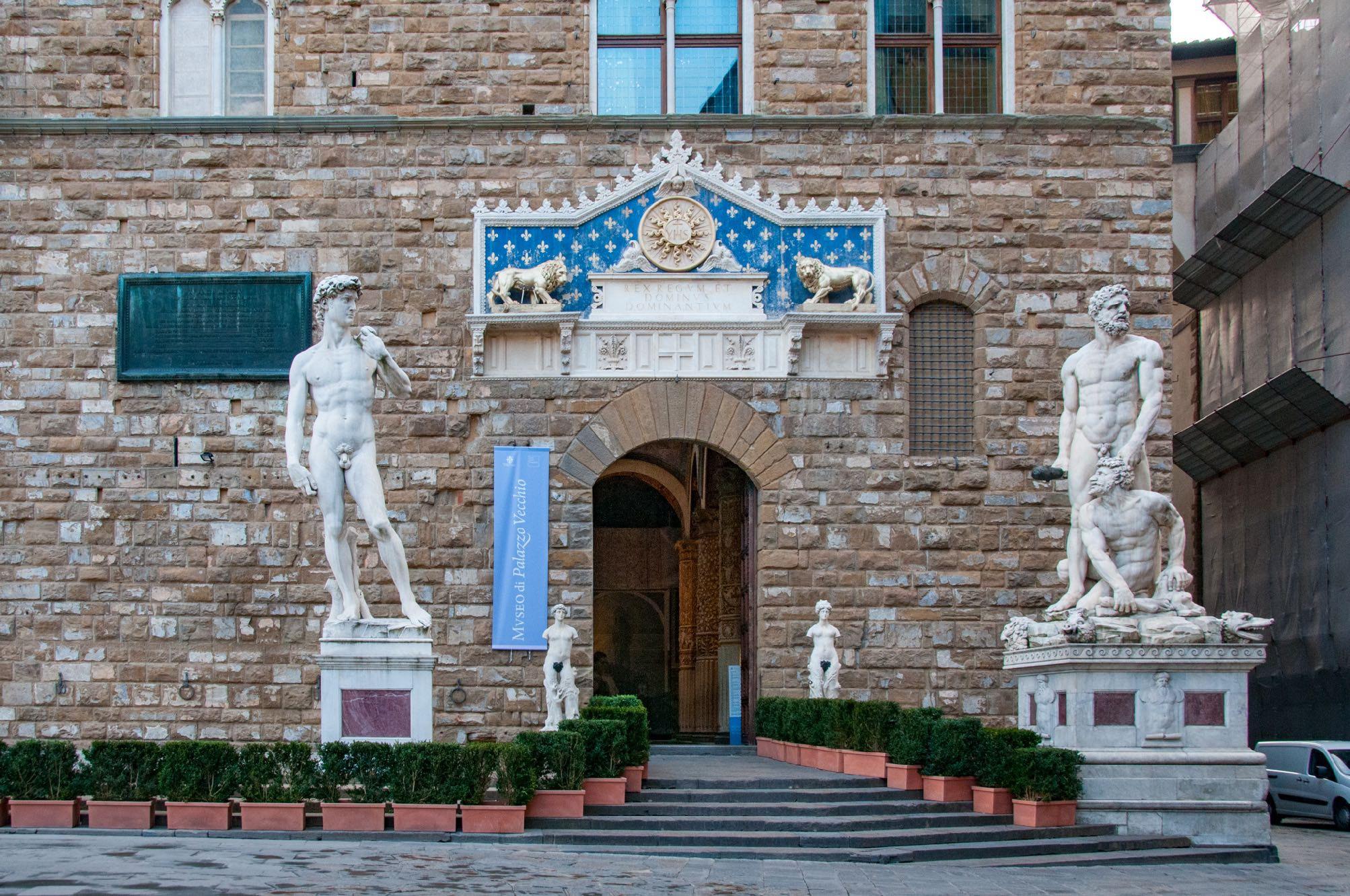
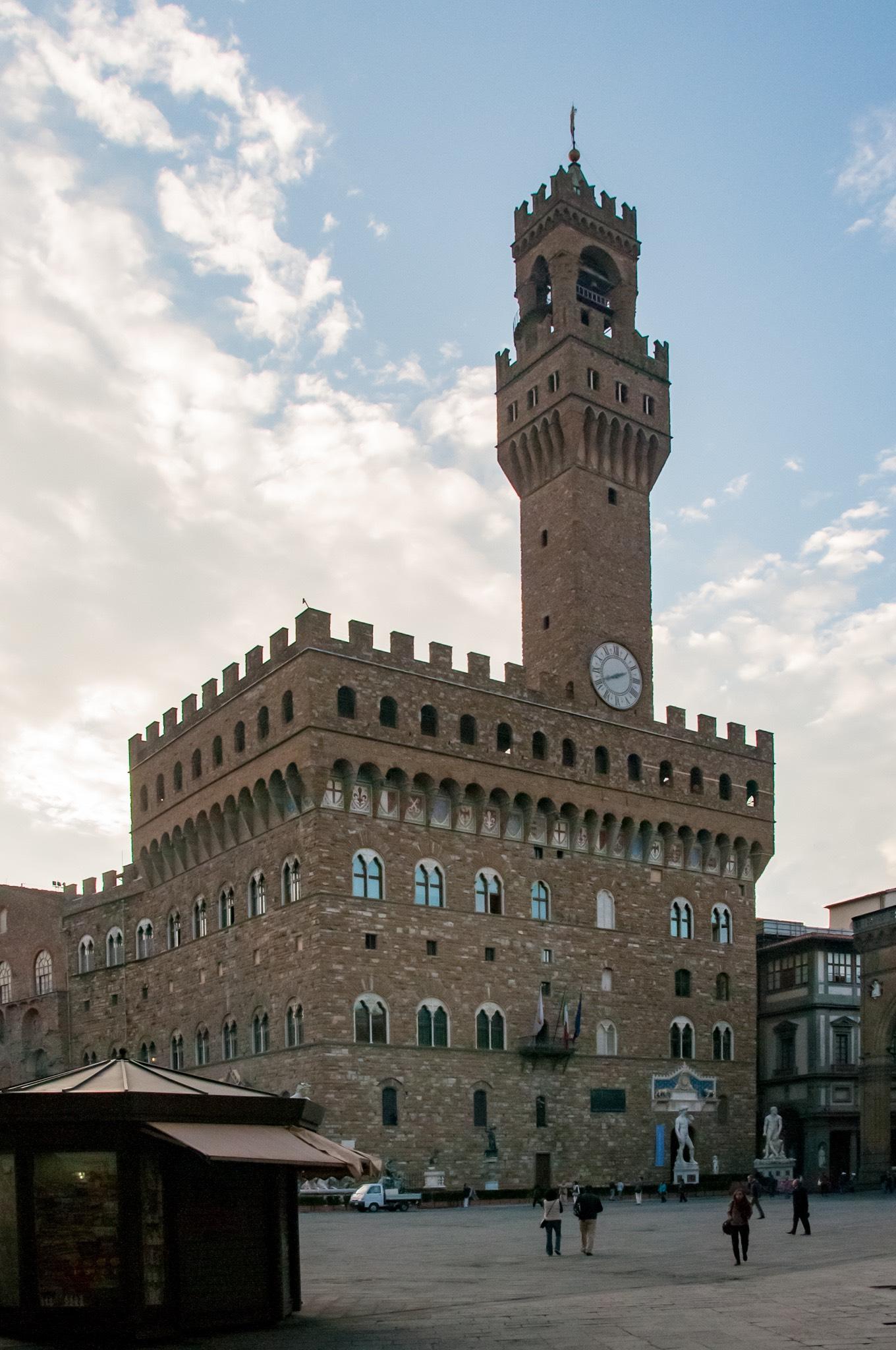
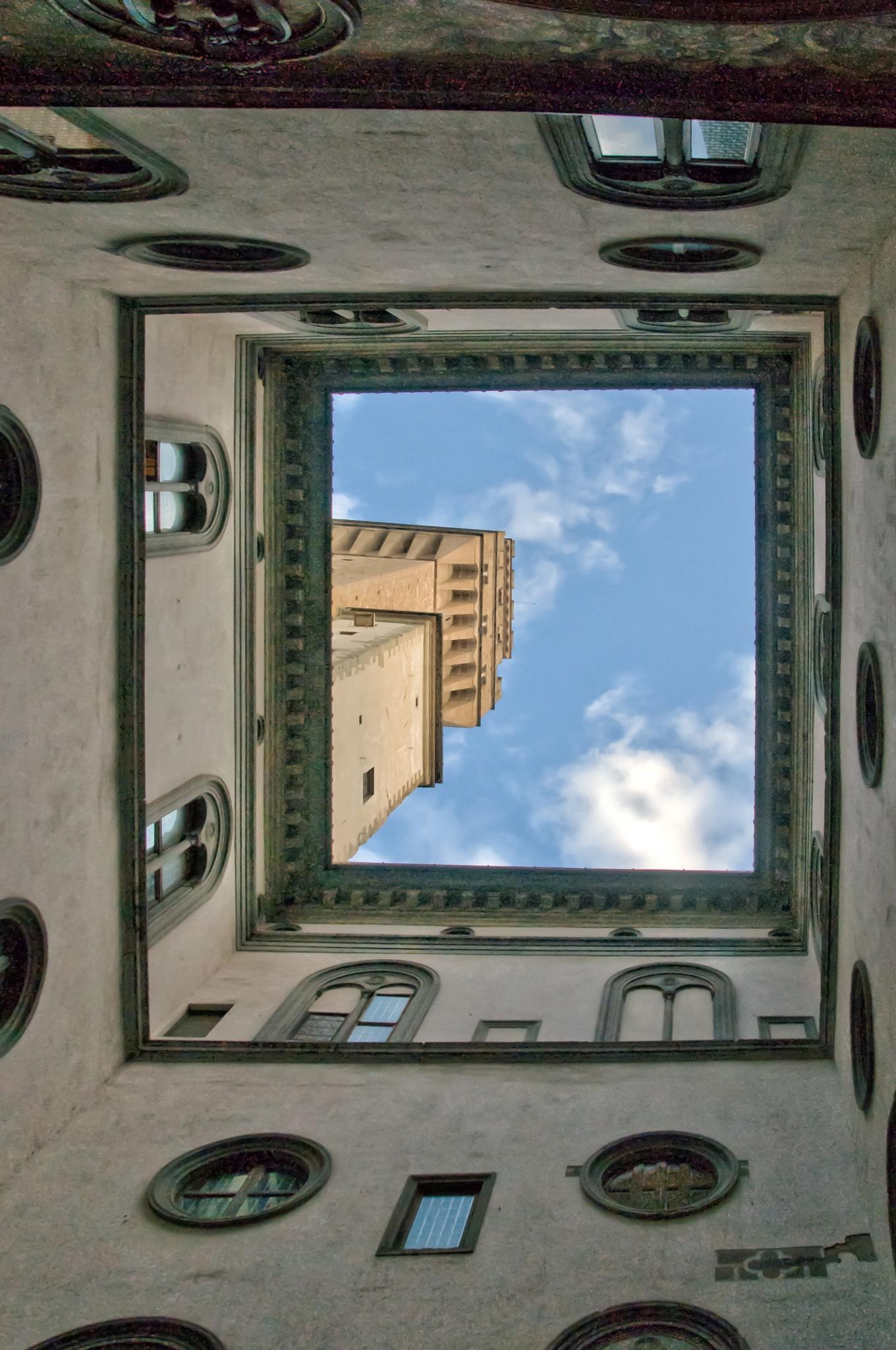
The “Signoria” was the government of the Republic of Florence. Initially called “Palazzo della Signoria” when it served as the parliament’s seat, the construction of the impressive building began in 1299. The courtyard features paintings of numerous Austrian cities, added in honor of Joanna of Austria. Joanna of Austria married Franz I of Tuscany in December 1565. She died in 1578 and was buried in the Basilica di San Lorenzo in Florence. The Palazzo Vecchio’s tower, at 94 meters high, leaves a striking impression on Florence’s skyline. It became the government palace and thus the center of power in Florence under Duke Cosimo I, who carried out extensive renovations from 1540 to 1541.
The building is entered through the Lion Gate, above which is a Christ monogram flanked by two gilded lions. Below it is the inscription: “Rex Regum et Dominus Dominantium” – “King of Kings and Lord of Lords.” The marble plaque dates from 1528. The entrance is flanked by Michelangelo’s David and Hercules and Cacus by Baccio Bandinelli. The original David statue was moved to the Galleria dell’Accademia in 1873, with a copy placed at the site in 1910.
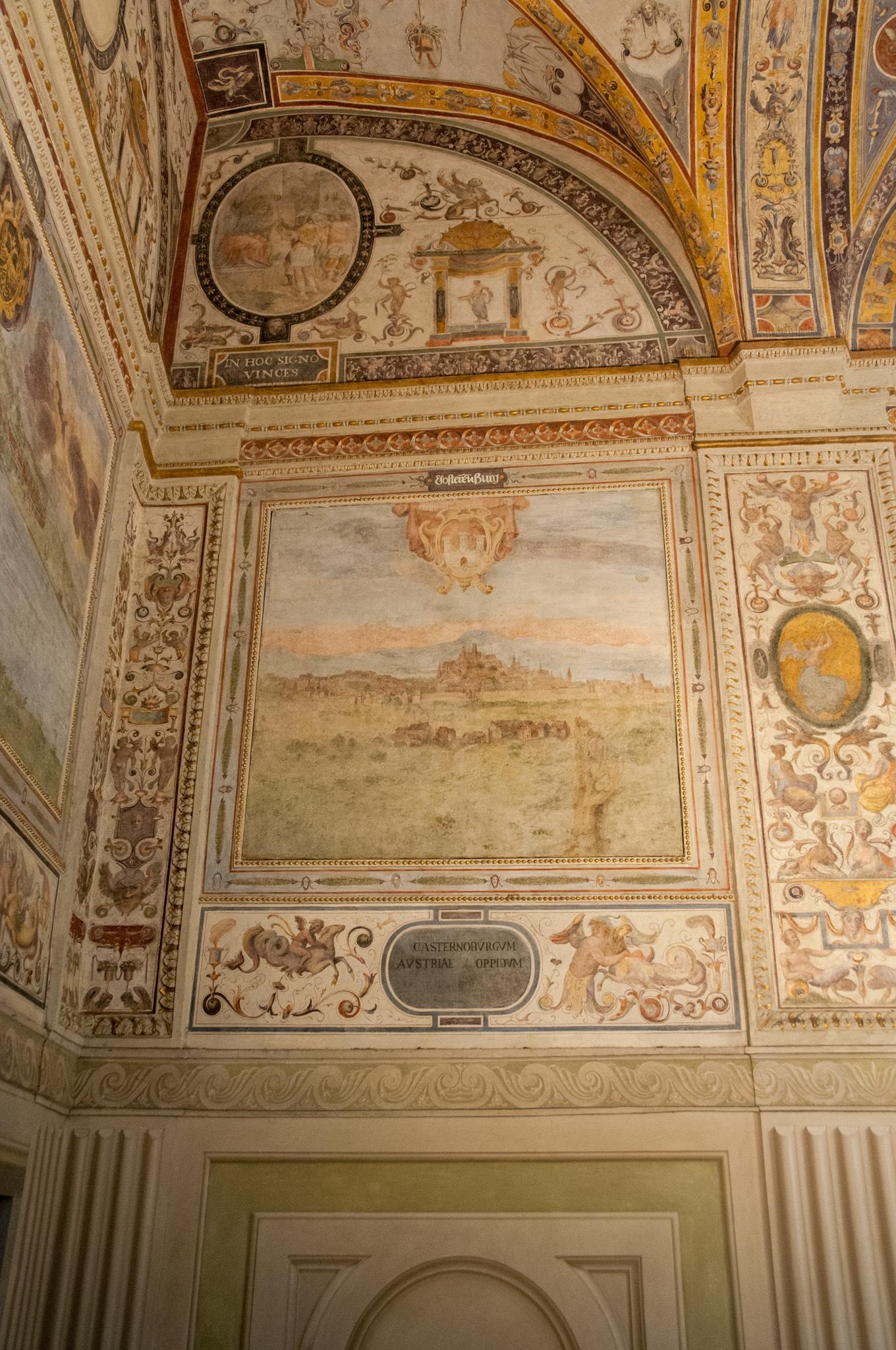
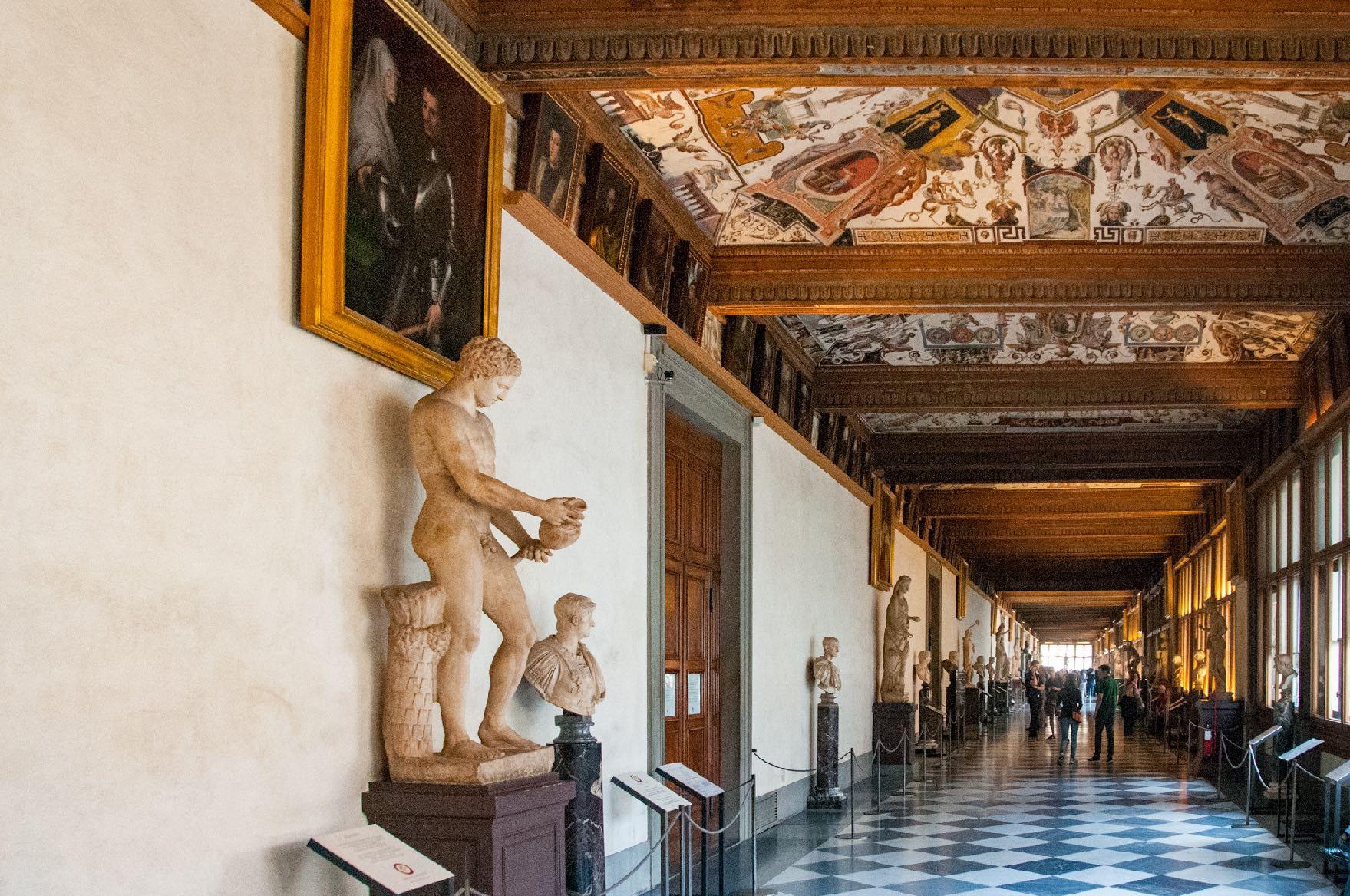
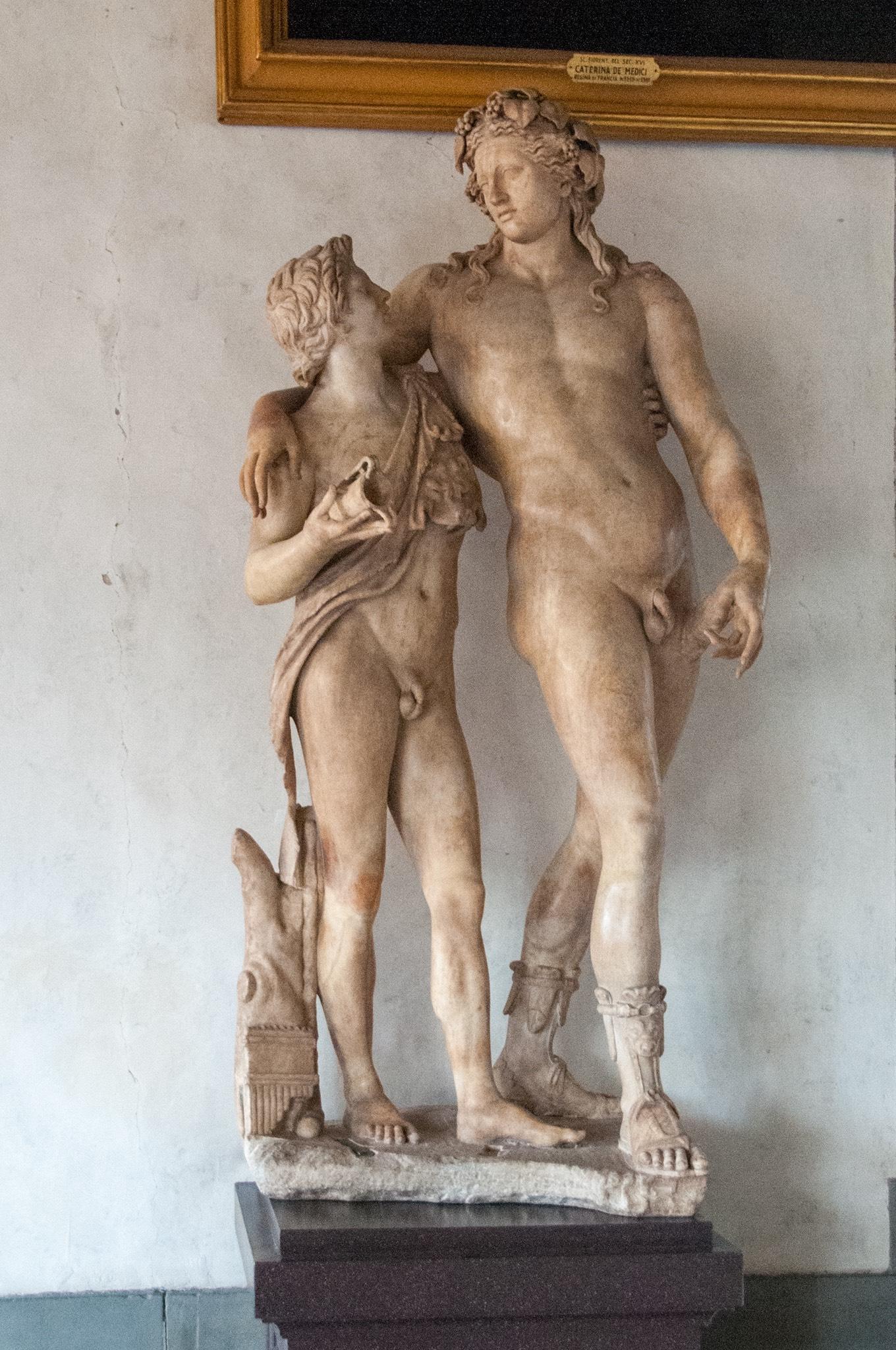
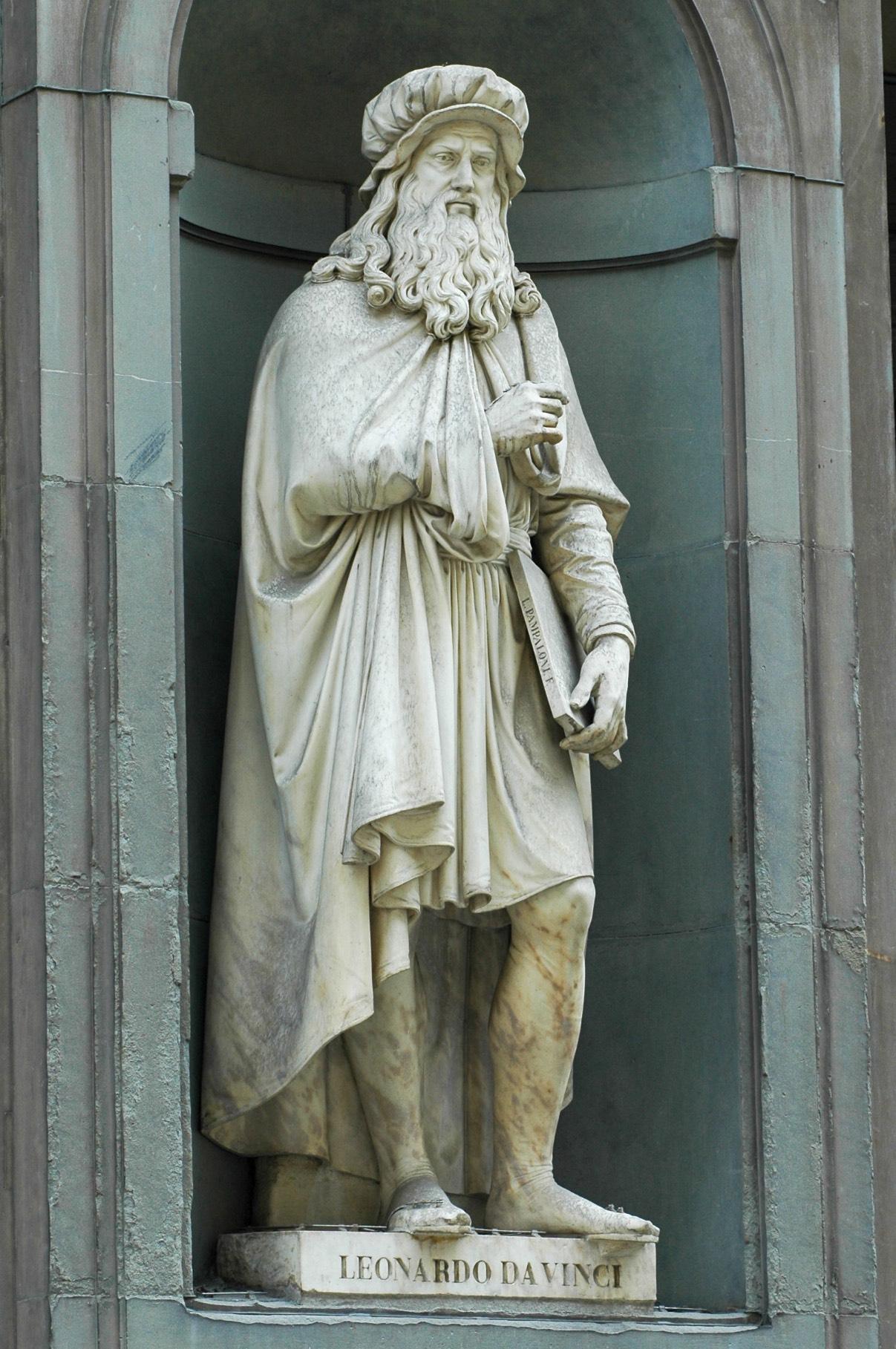
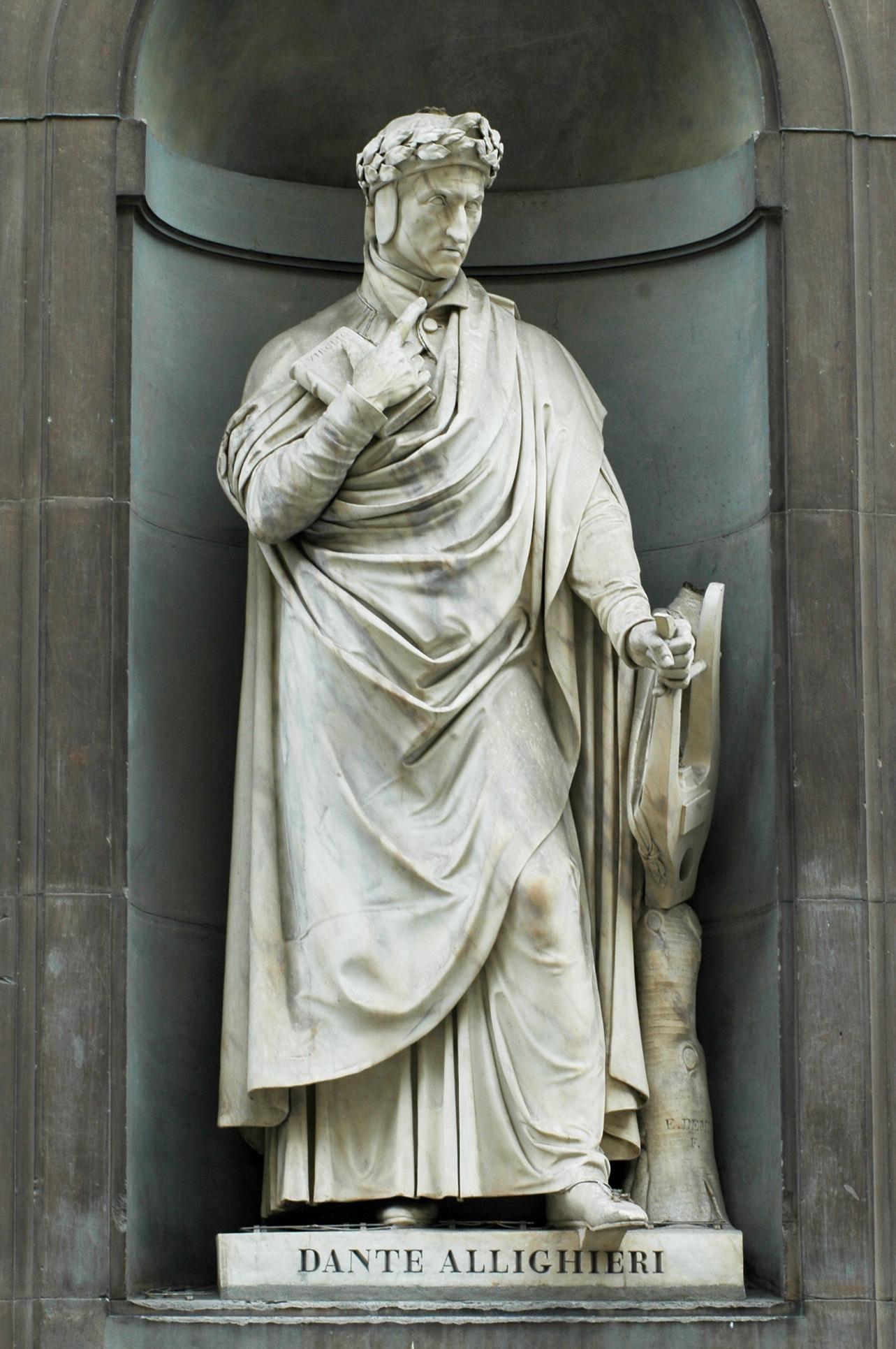
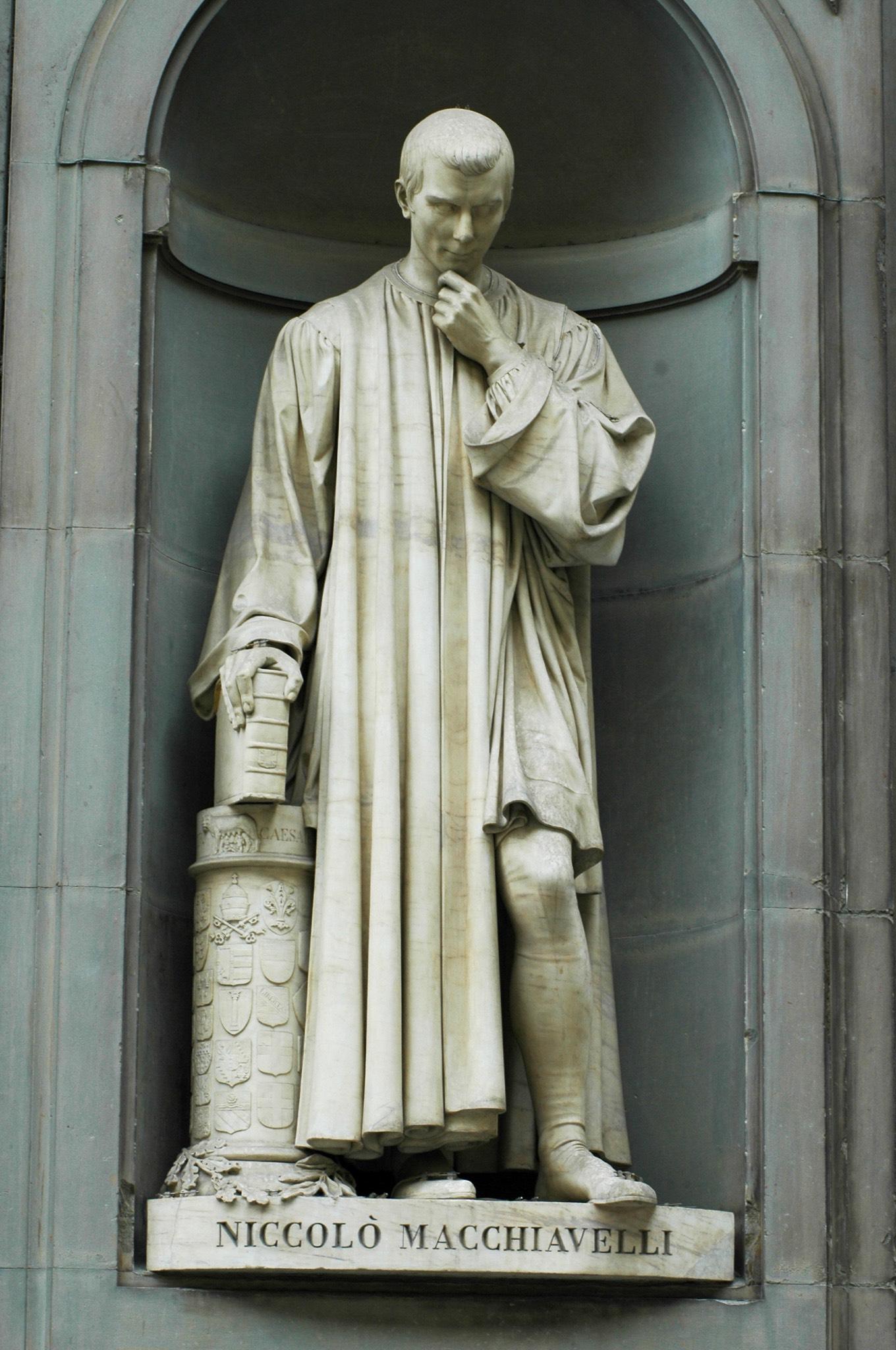
Built from 1559 to 1581, it initially housed the administrative archives of Florence’s officials. Francesco de’ Medici began collecting Medici artworks on the top floor, founding one of the world’s most famous museums. By the 18th century, the art collection was renowned far beyond Florence. Since Franz I housed the collection in the “Gallery,” many experts believe this is how the term “gallery” for a collection of paintings became established. Bartolomeo Cristofori, born in 1655 in Padua, was brought to Florence by Ferdinando de’ Medici in 1690 as an instrument maker.
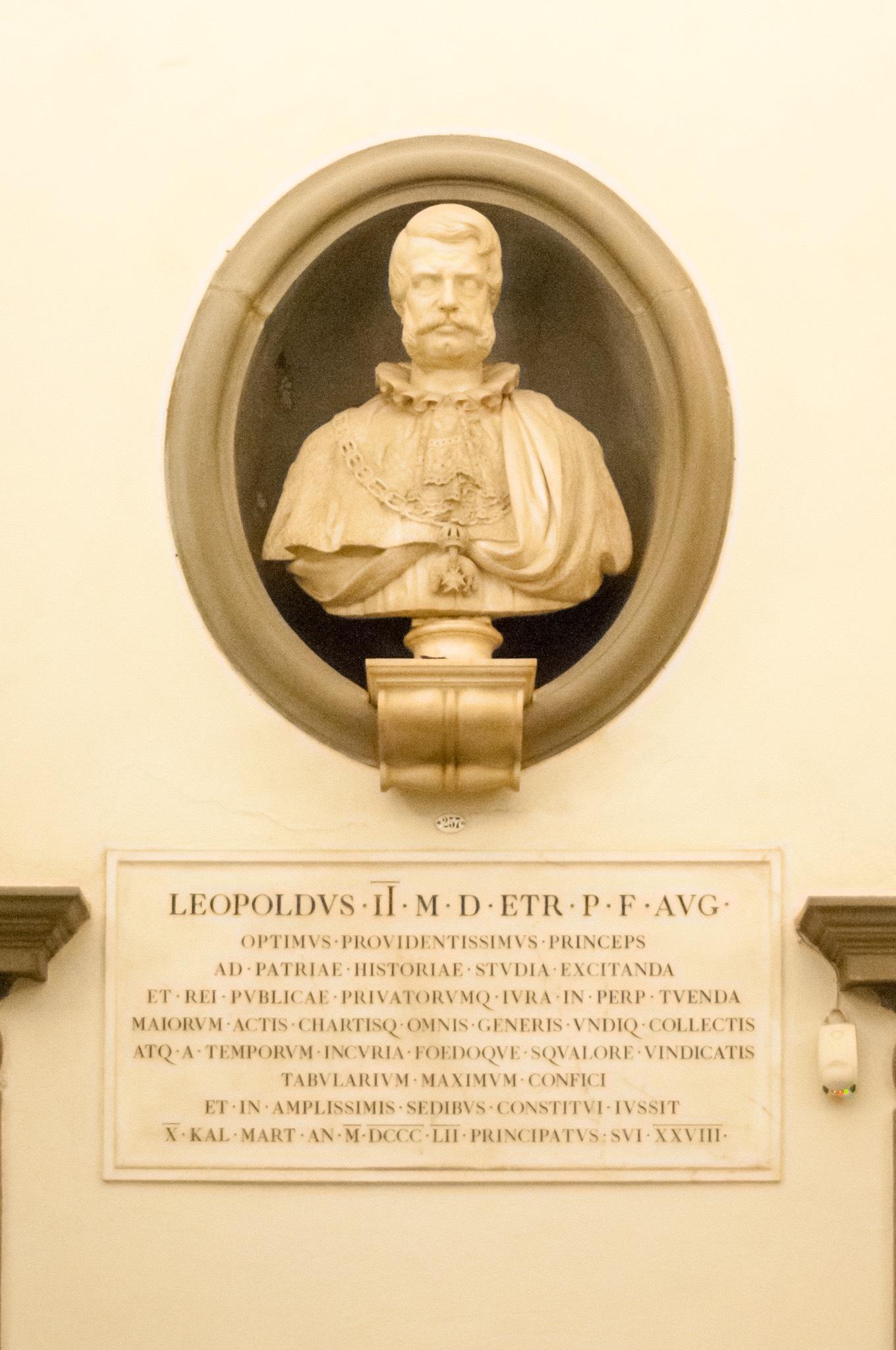
On the ground floor of the Uffizi, numerous craftsmen provided services for the Medici. In his workshop, Bartolomeo Cristofori developed an advancement of the harpsichord, which became the basis for the piano. The Uffizi was opened in 1789 by Archduke of Austria and Grand Duke of Tuscany Leopold II.
During his reign, he made the Grand Duchy of Tuscany a model state. The Medicean Museum is considered by many scholars to be the oldest museum in the world. This unique museum houses unforgettable works by Botticelli, Giotto, Cimabue, Michelangelo, Leonardo da Vinci, and Raphael, to name a few.
A visit to the Uffizi should be planned to start as early as possible. With thousands of tourists visiting the exhibition daily, one should take their time and enjoy it with open eyes and without time pressure.
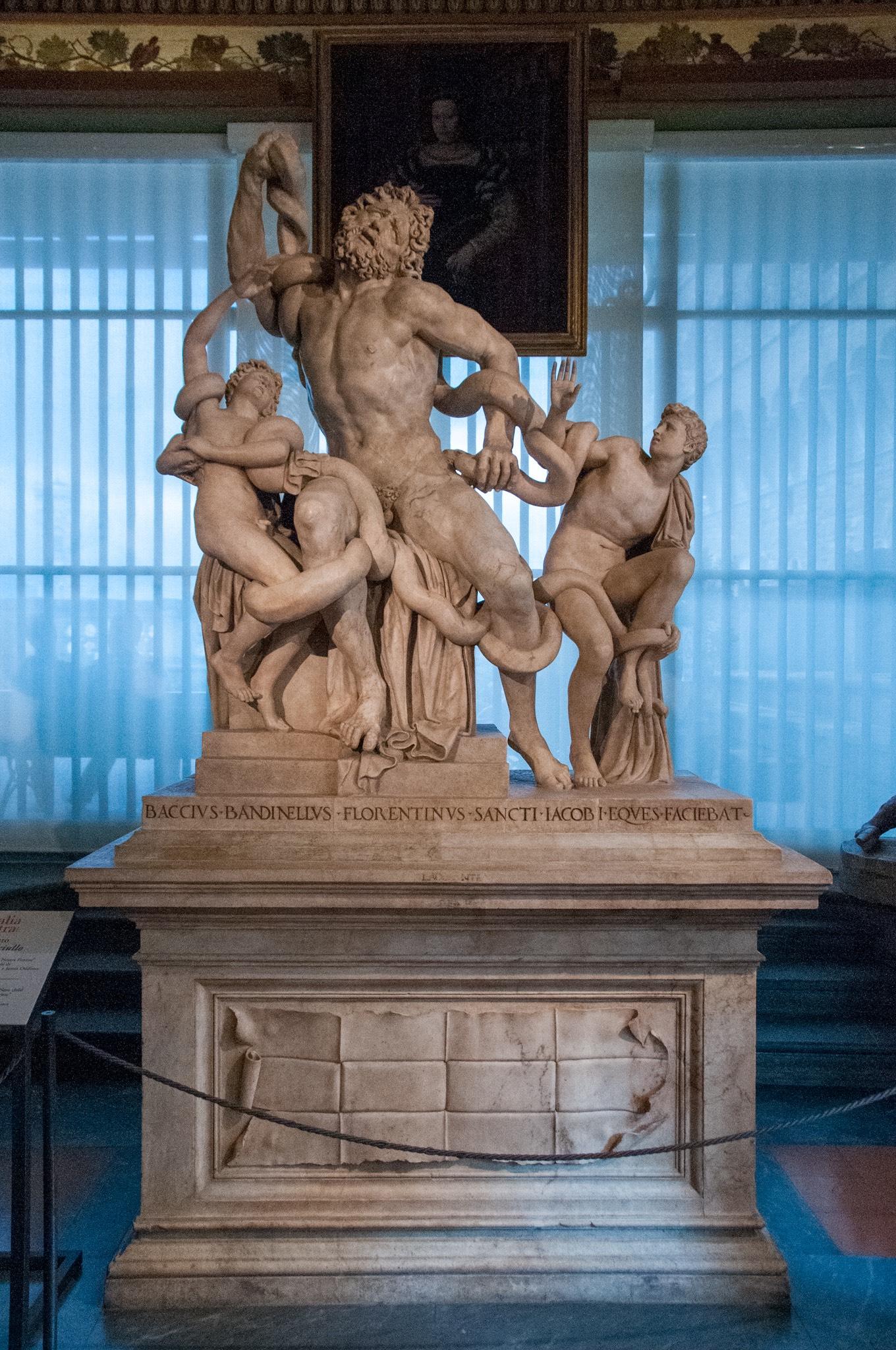
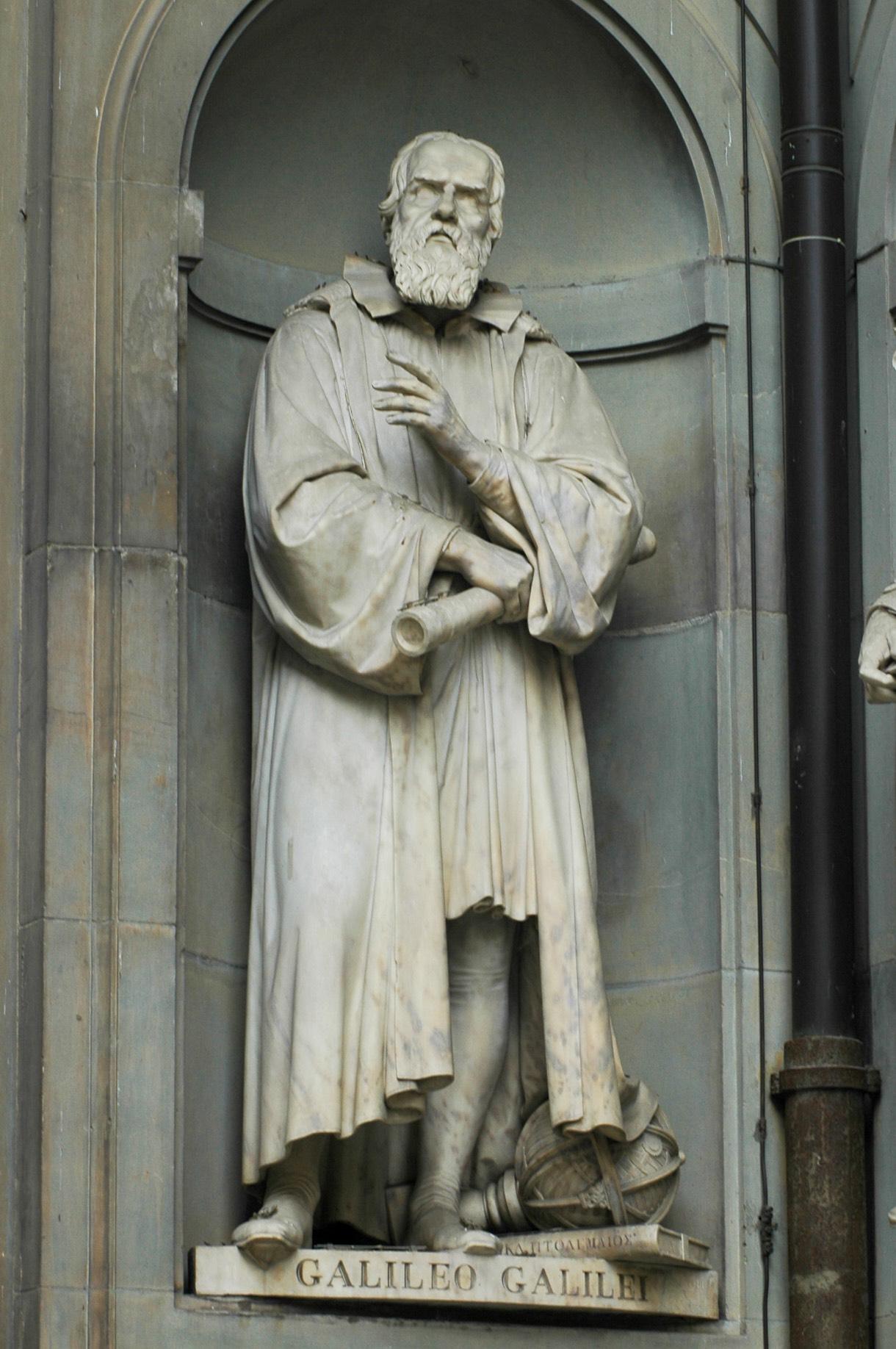
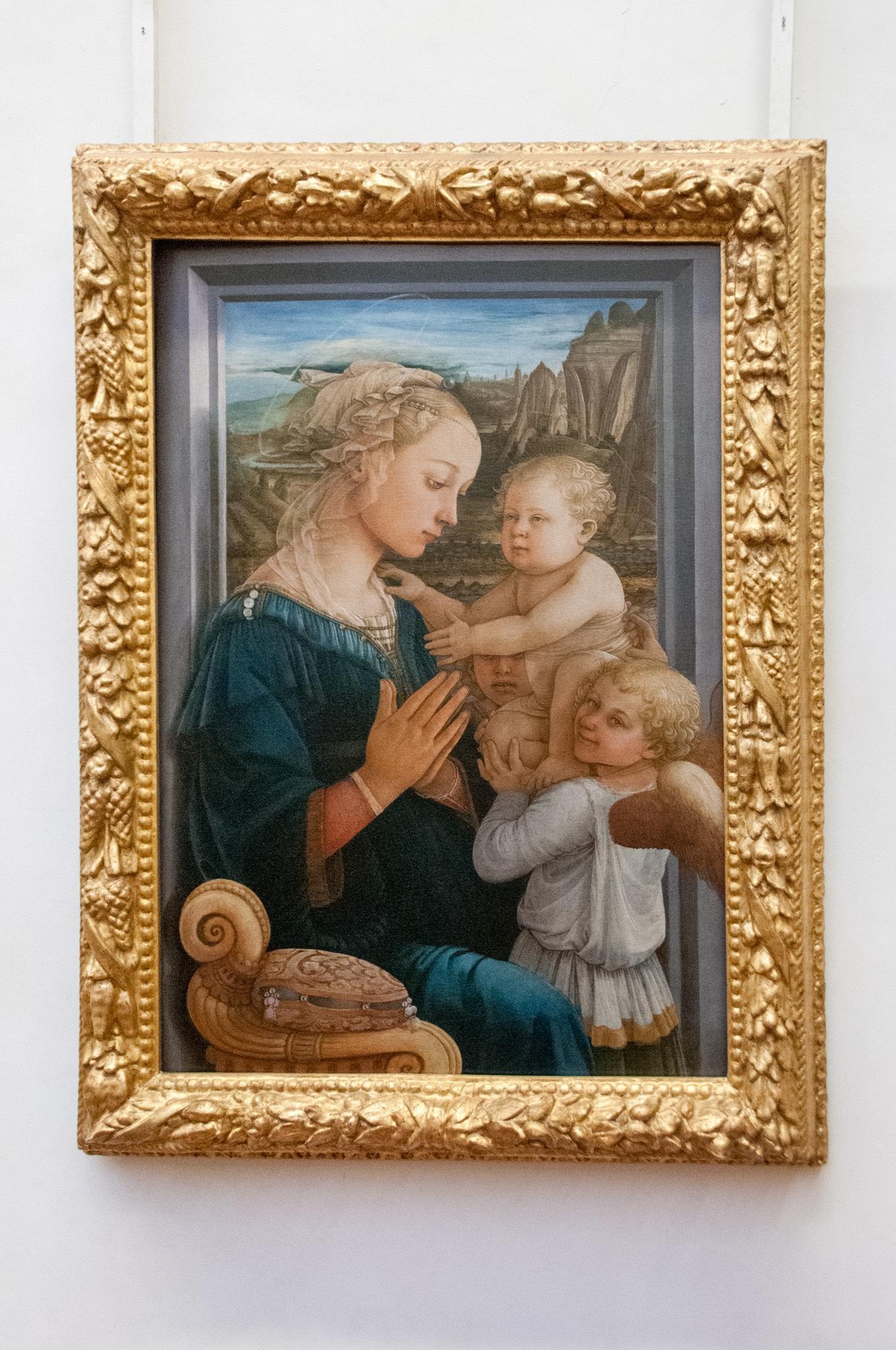
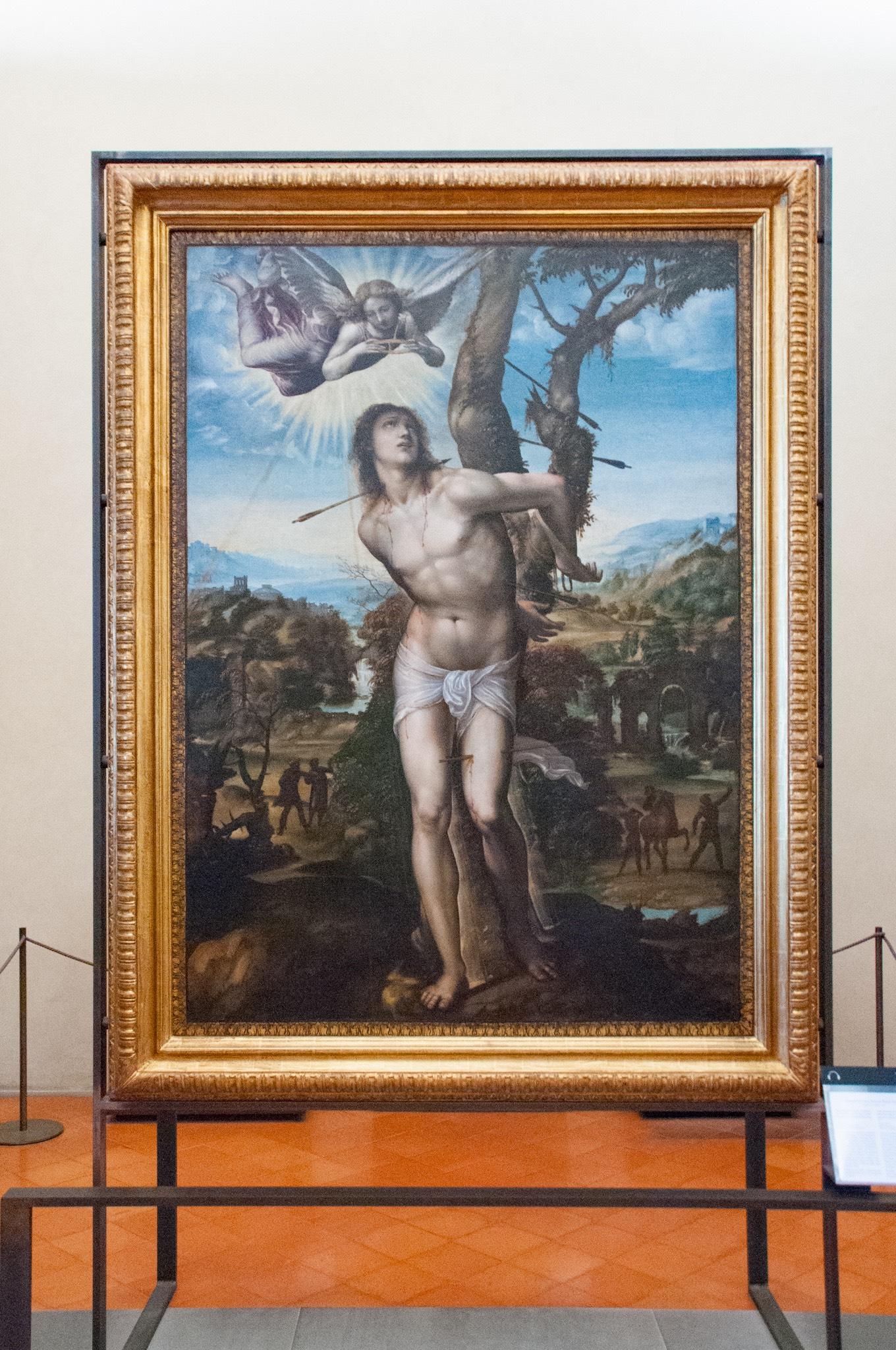
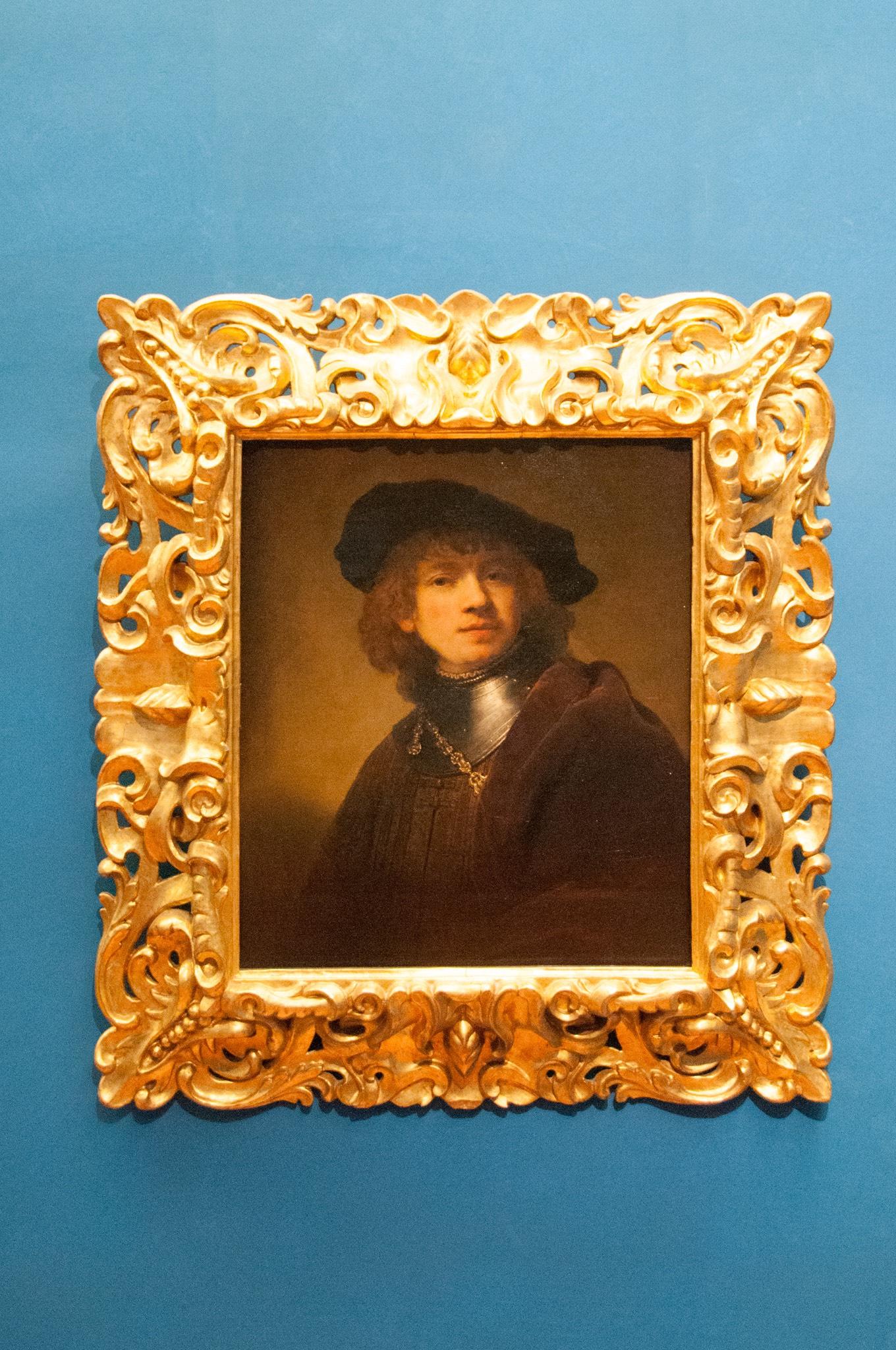

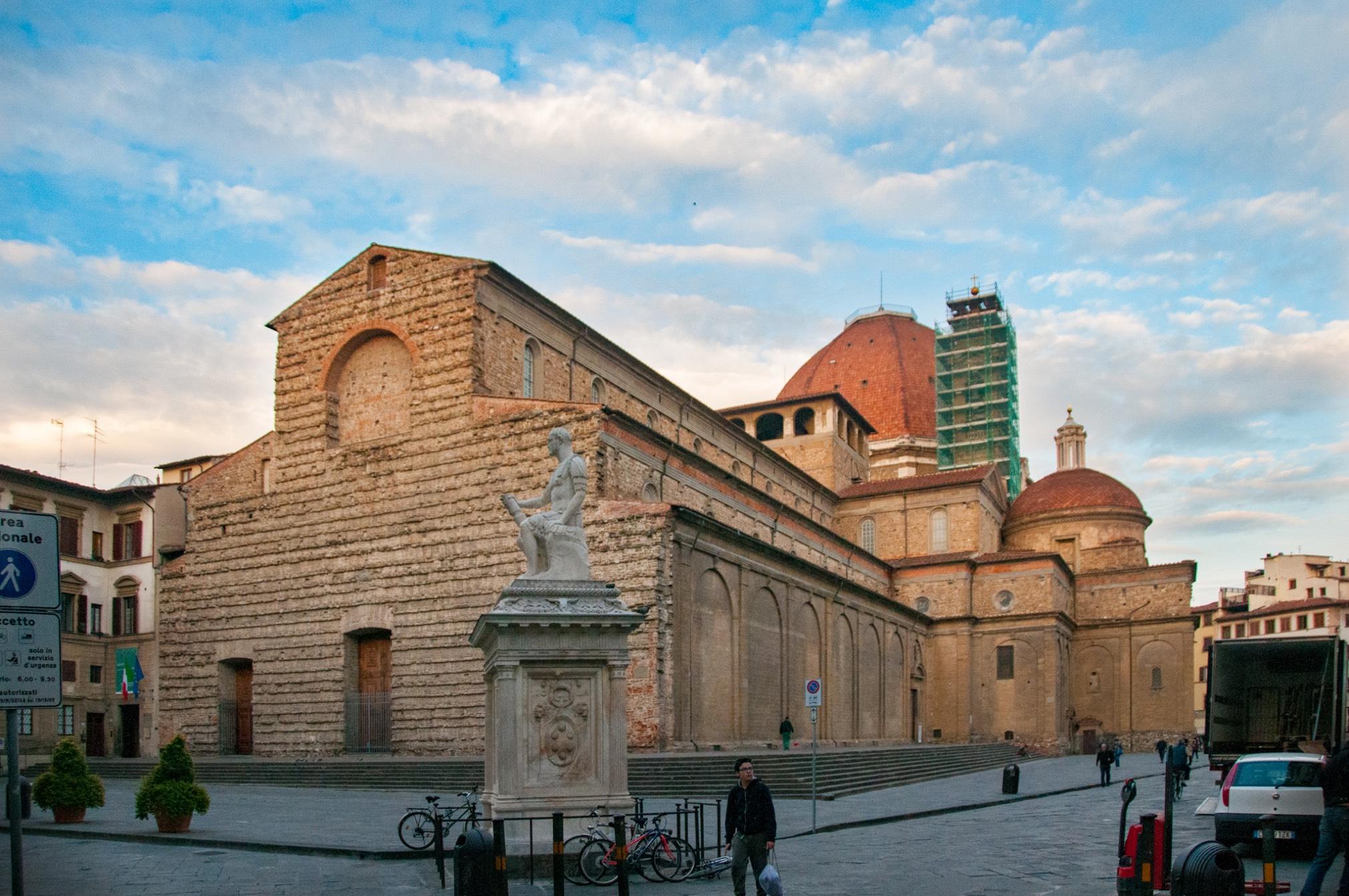
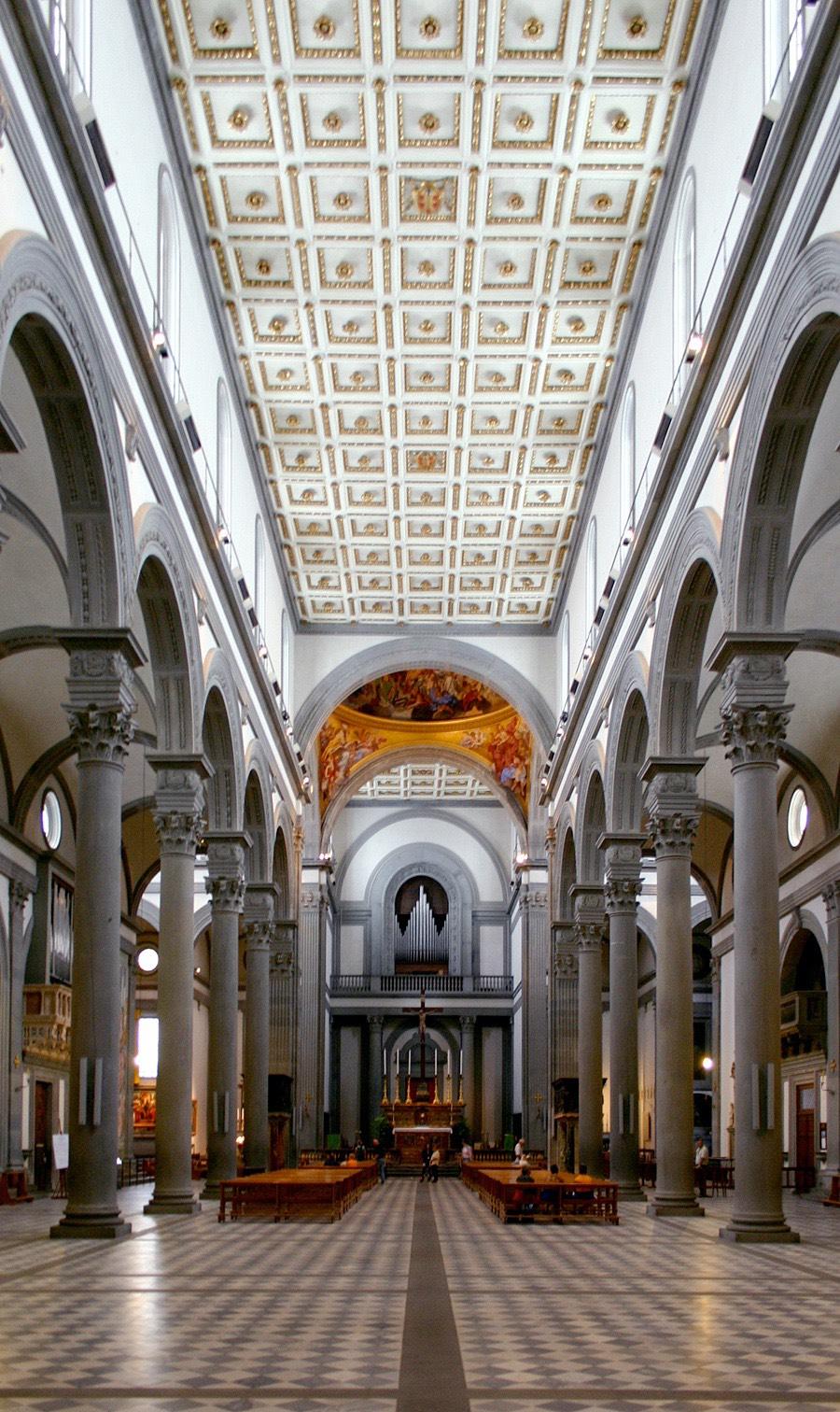
The Basilica was consecrated in 393. It served as the parish church of the Medici, and numerous family members found their final resting place in this vast church.
There is a wooden model of the facade by Michelangelo, but it was never realized due to financial reasons.
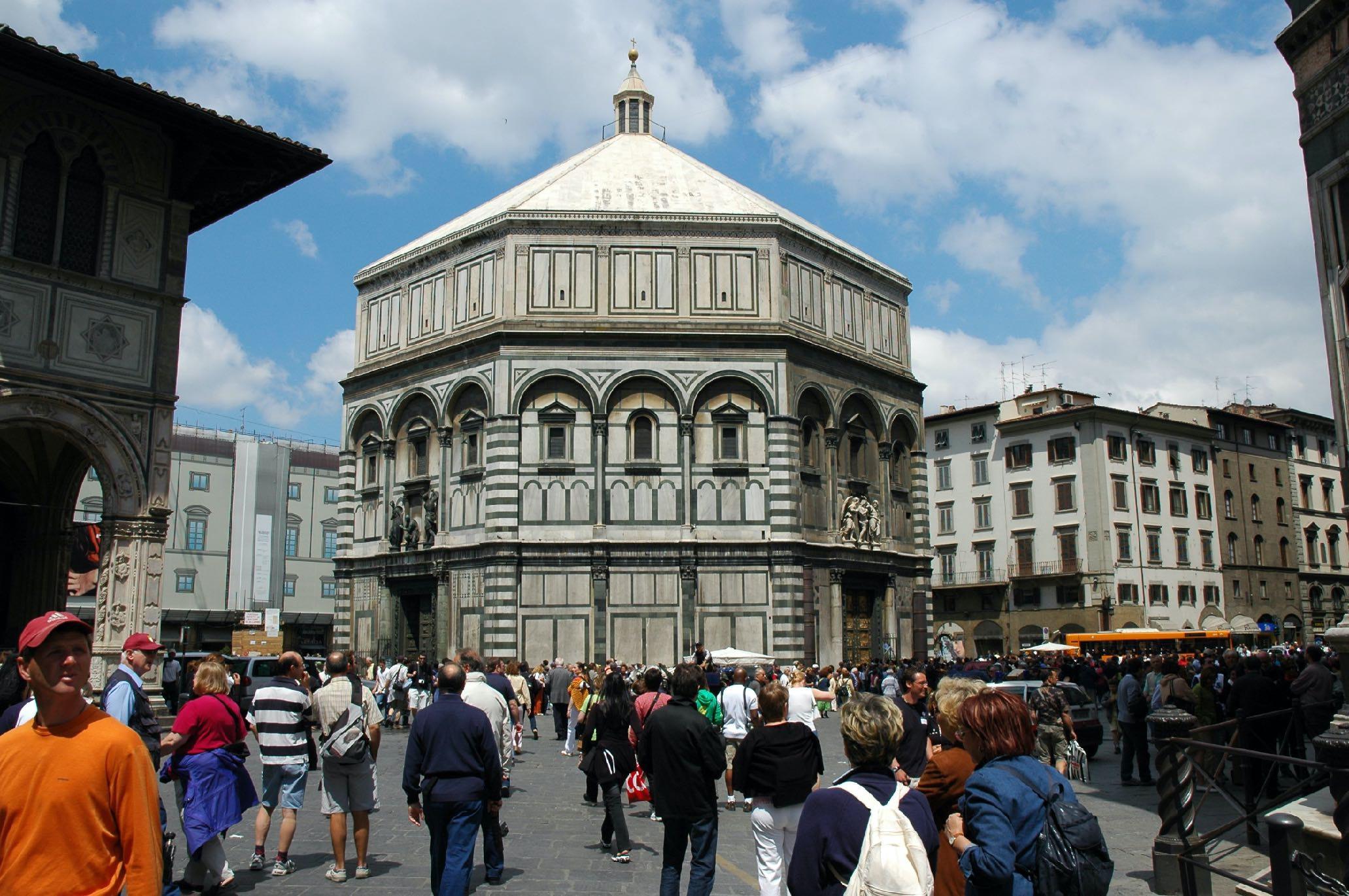
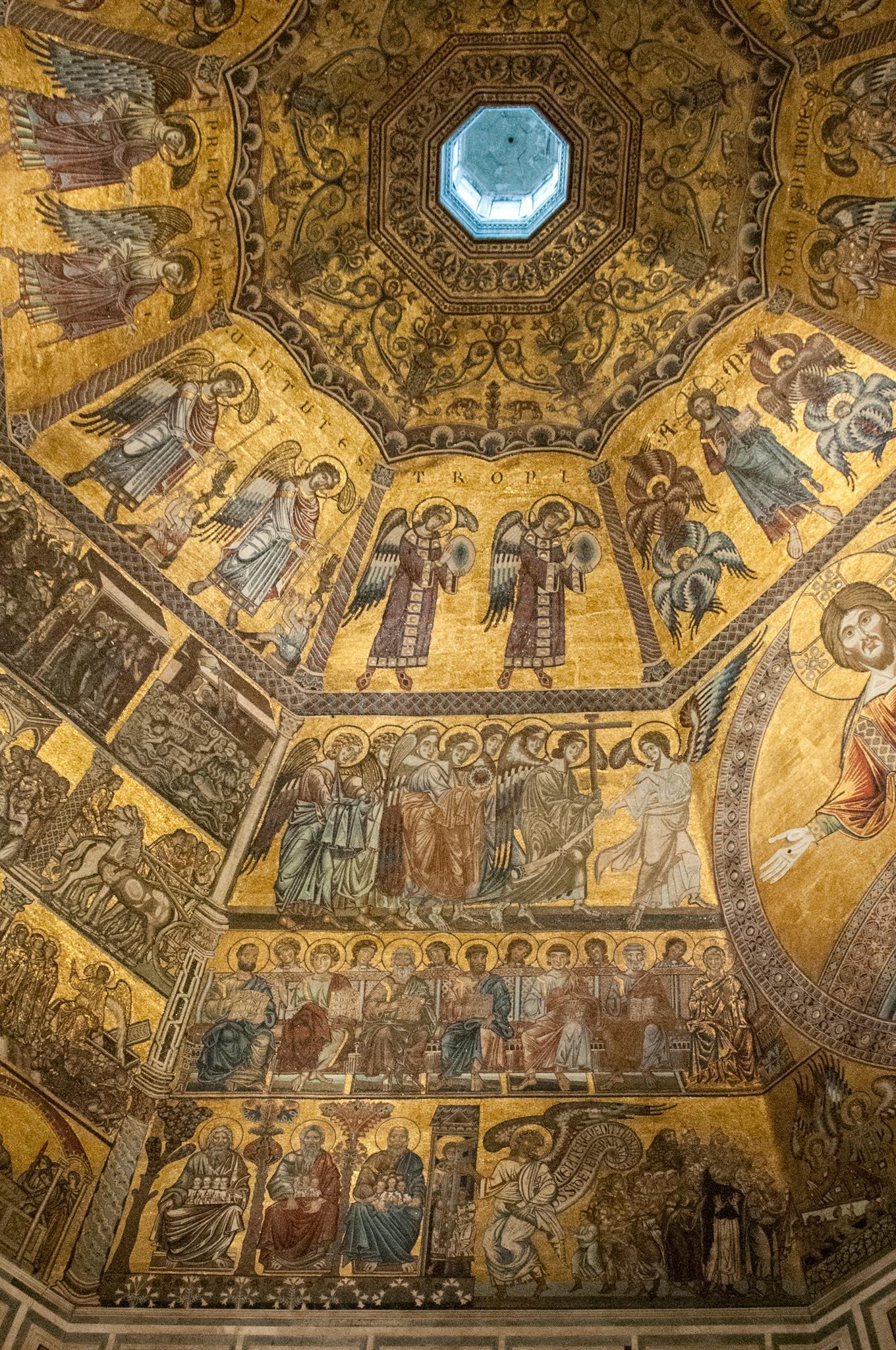
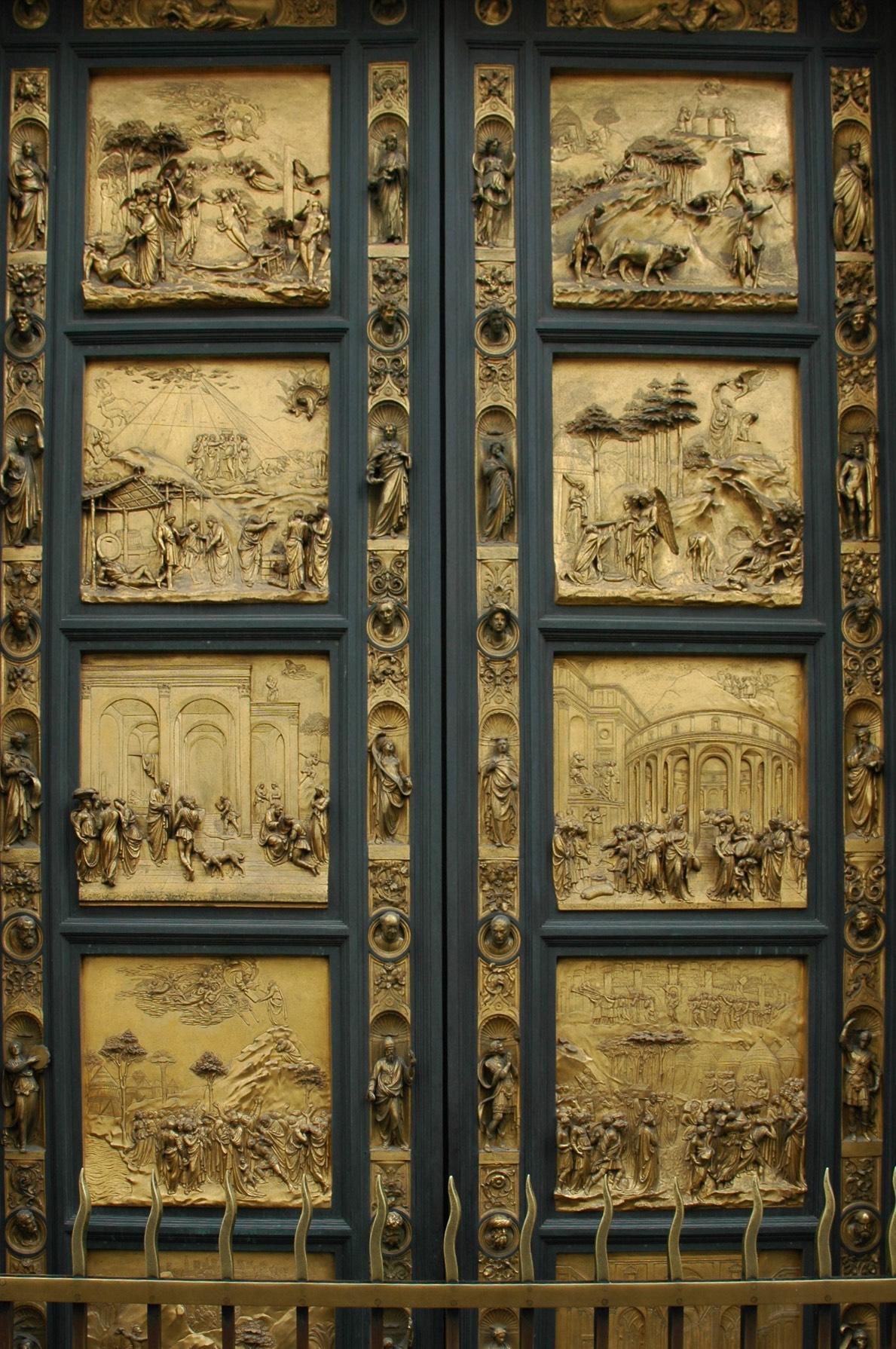
Opposite the Cathedral of Santa Maria del Fiore stands the Baptistery of San Giovanni. Historians debate its origins, but it is certain that the baptistery was consecrated in the 11th century. The three ornate portals, oriented to the north, south, and east, magnetically attract crowds of tourists.
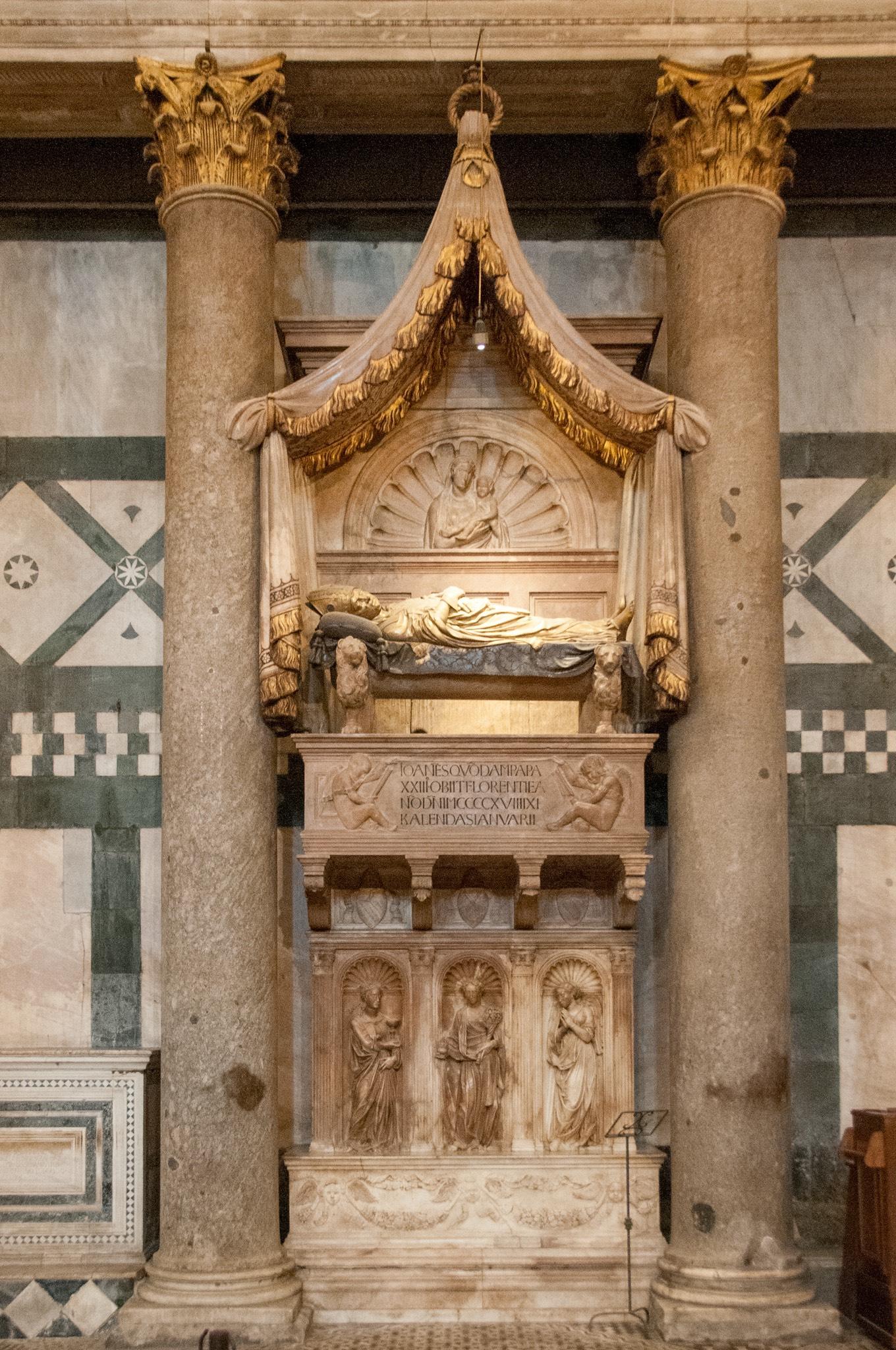
Above the eastern Paradise Door stands the “Baptism of Christ.” Inside the church, the tomb of the “Antipope” John
XXIII, who died in Florence in 1419, stands out. The artwork, made of marble and gilded bronze, was created by Donatello and Michelozzo. The dome features one of the world’s largest mosaic cycles, with artists working on the eight sides of the 26-meter dome for nearly 100 years.
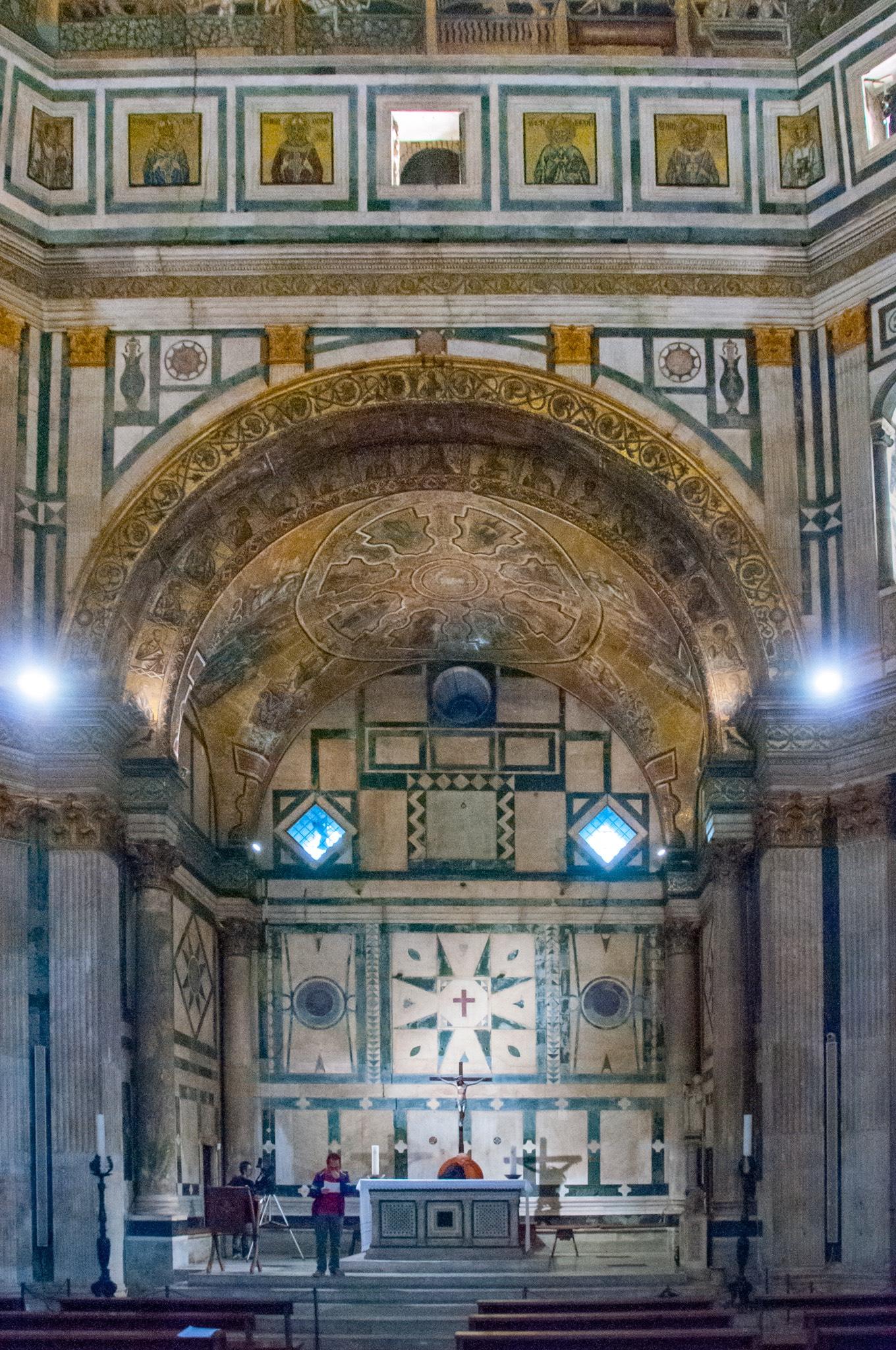
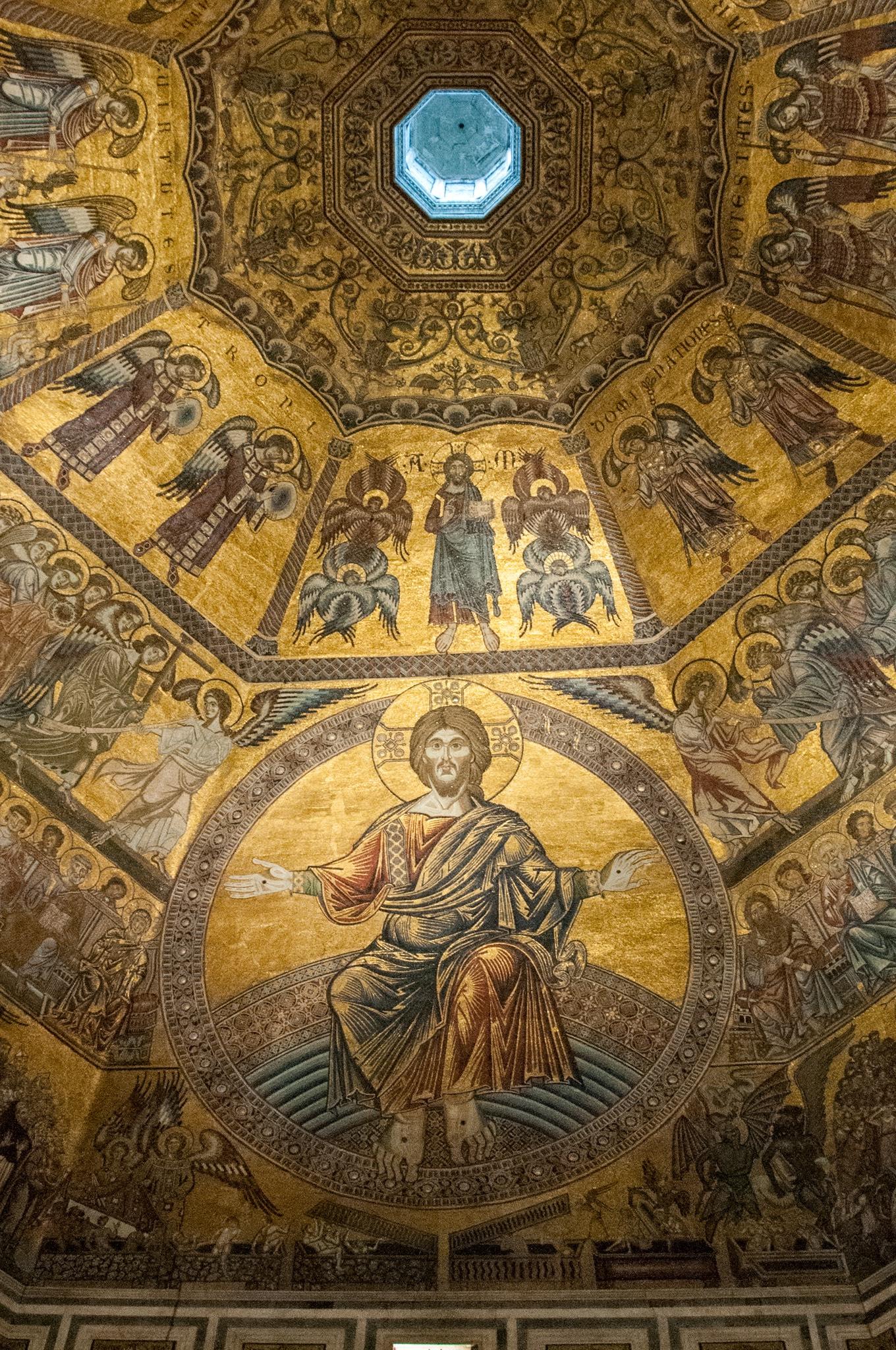
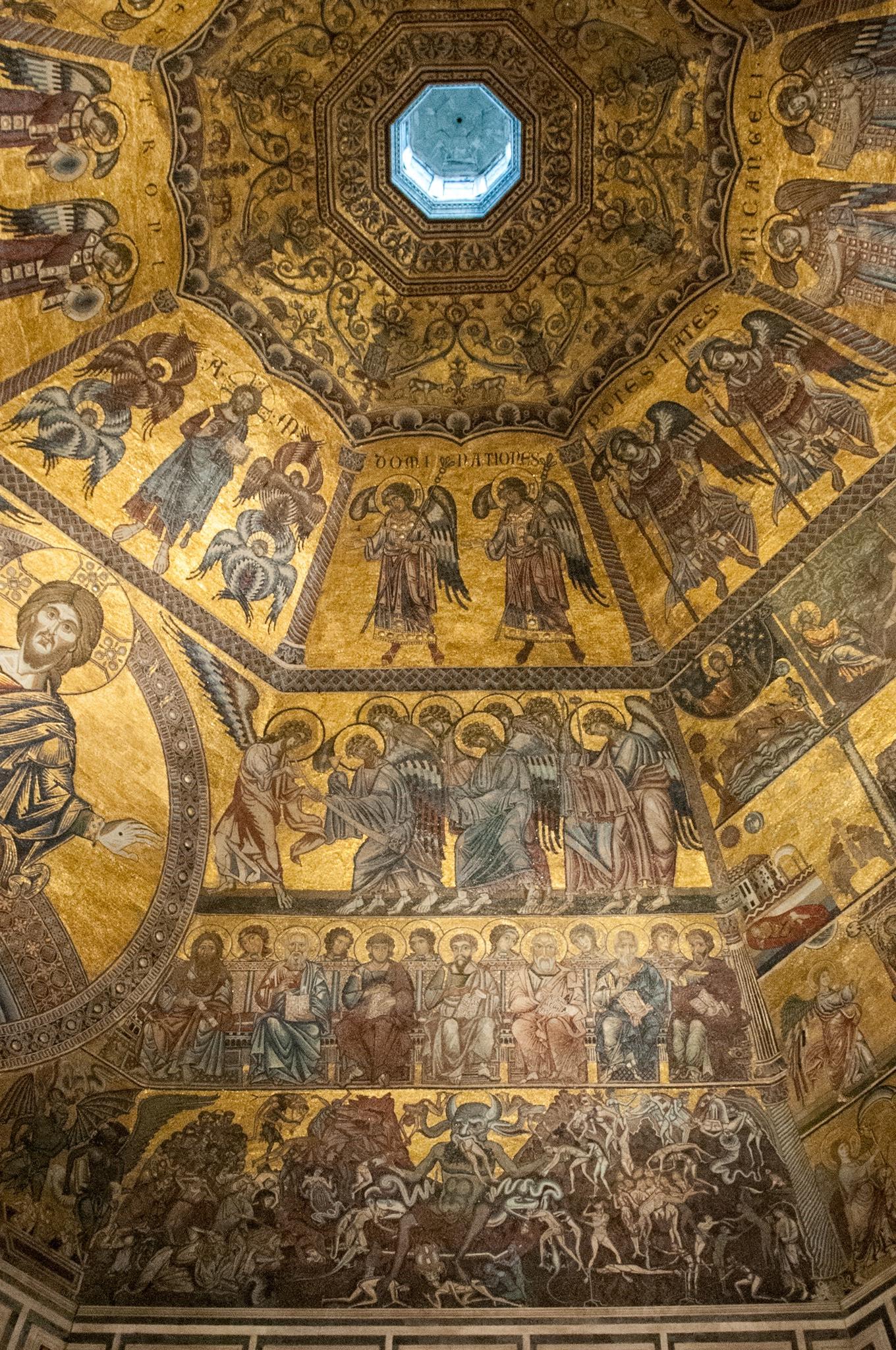
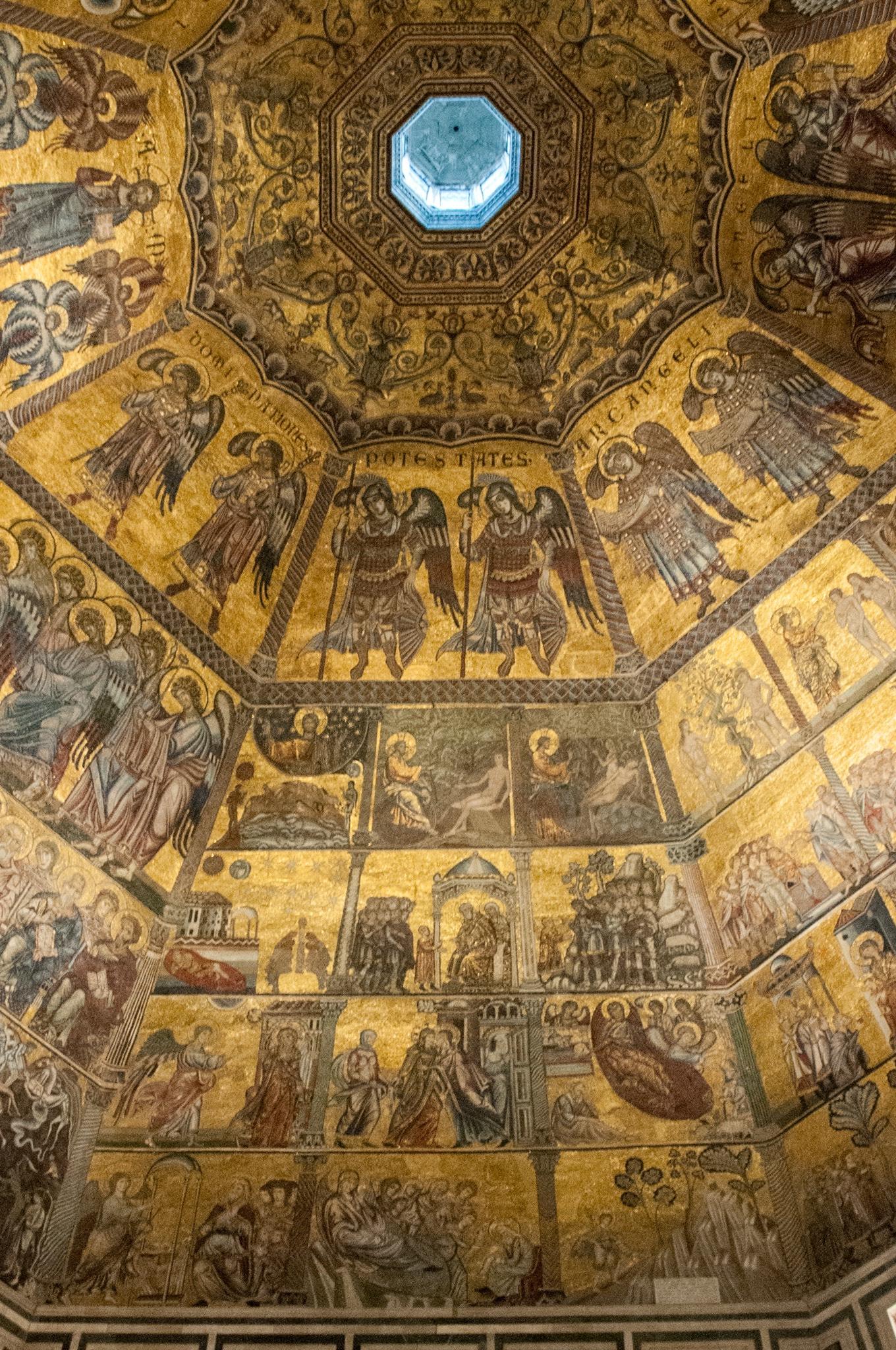
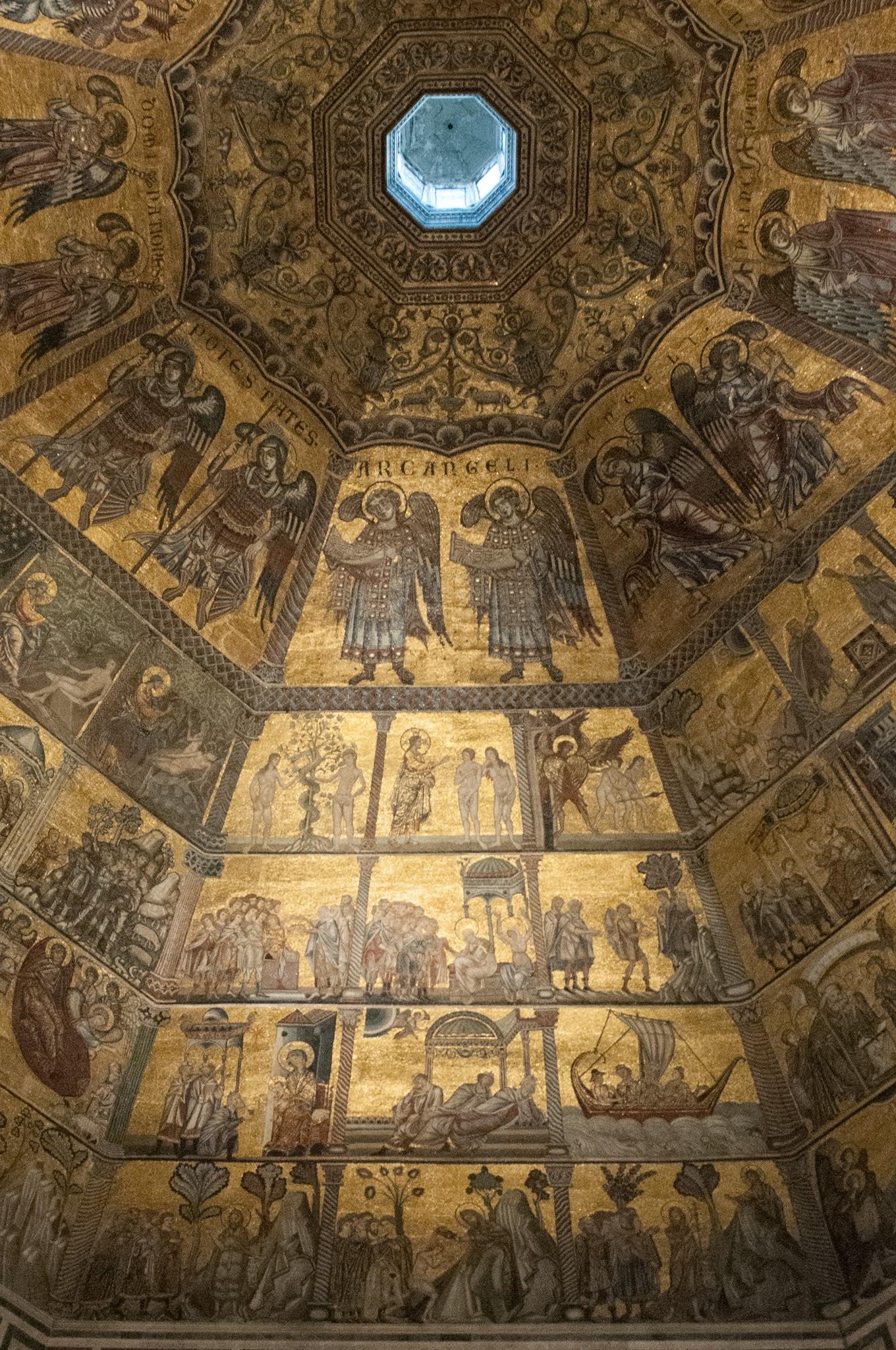
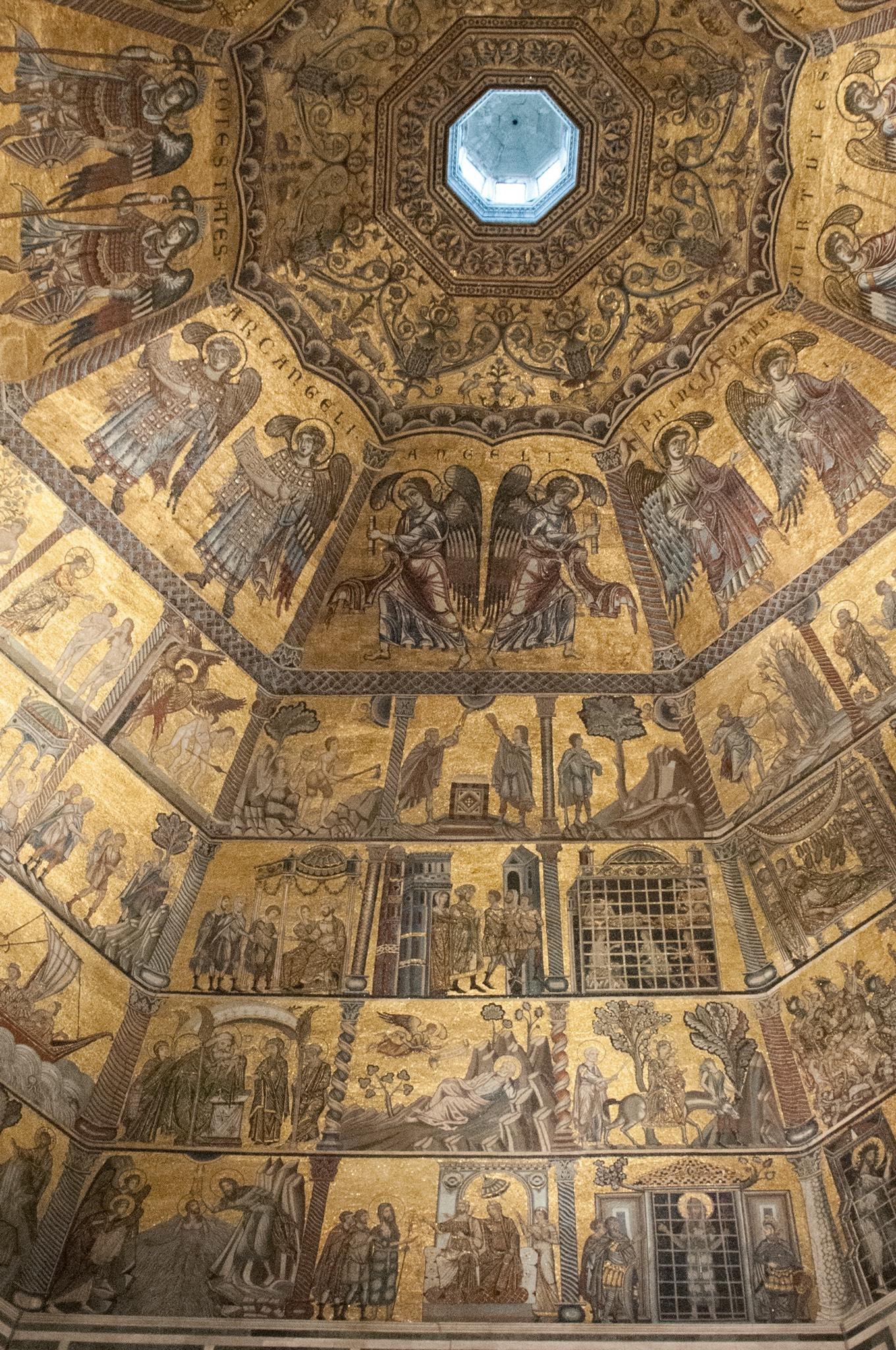
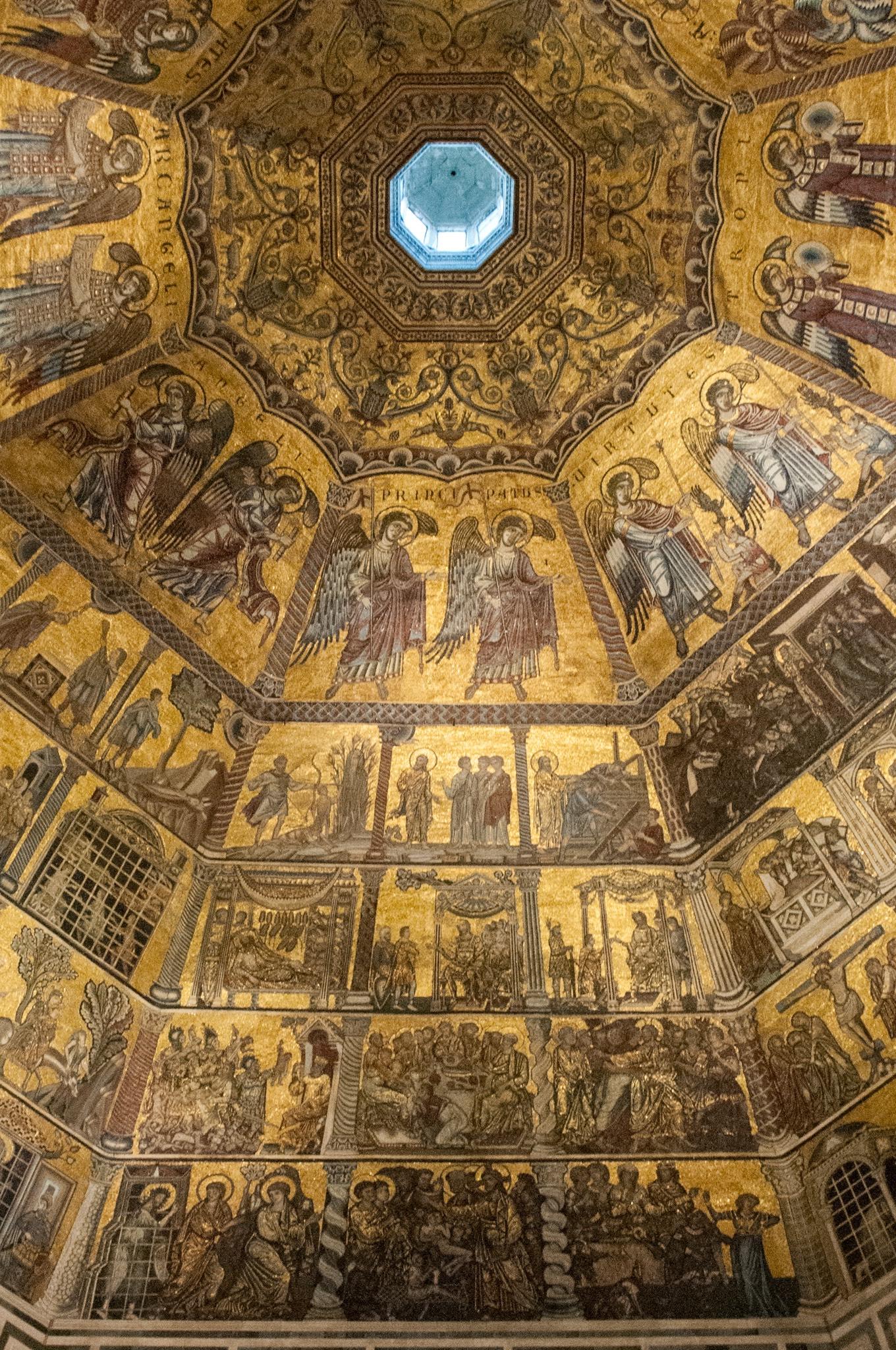
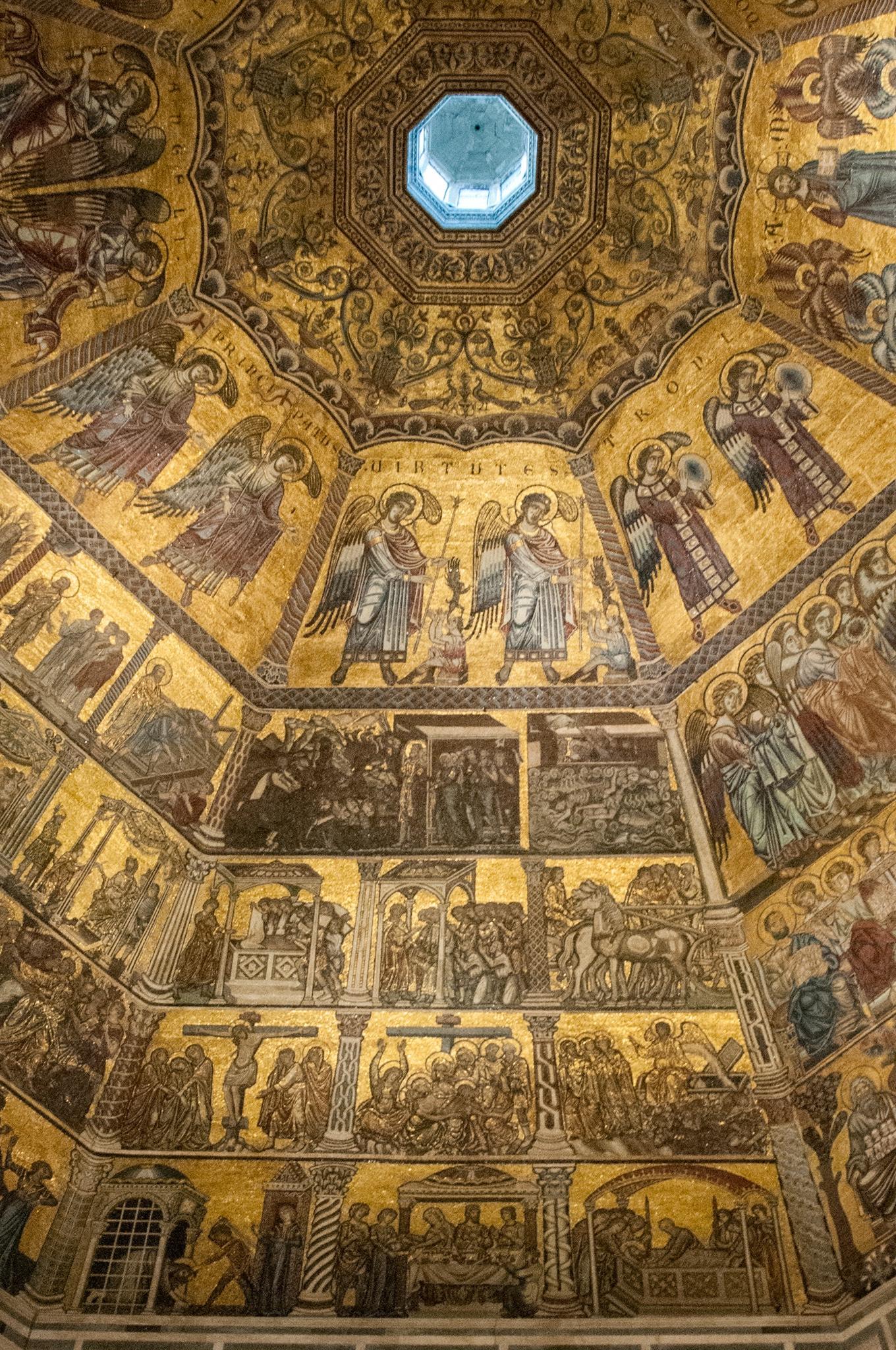
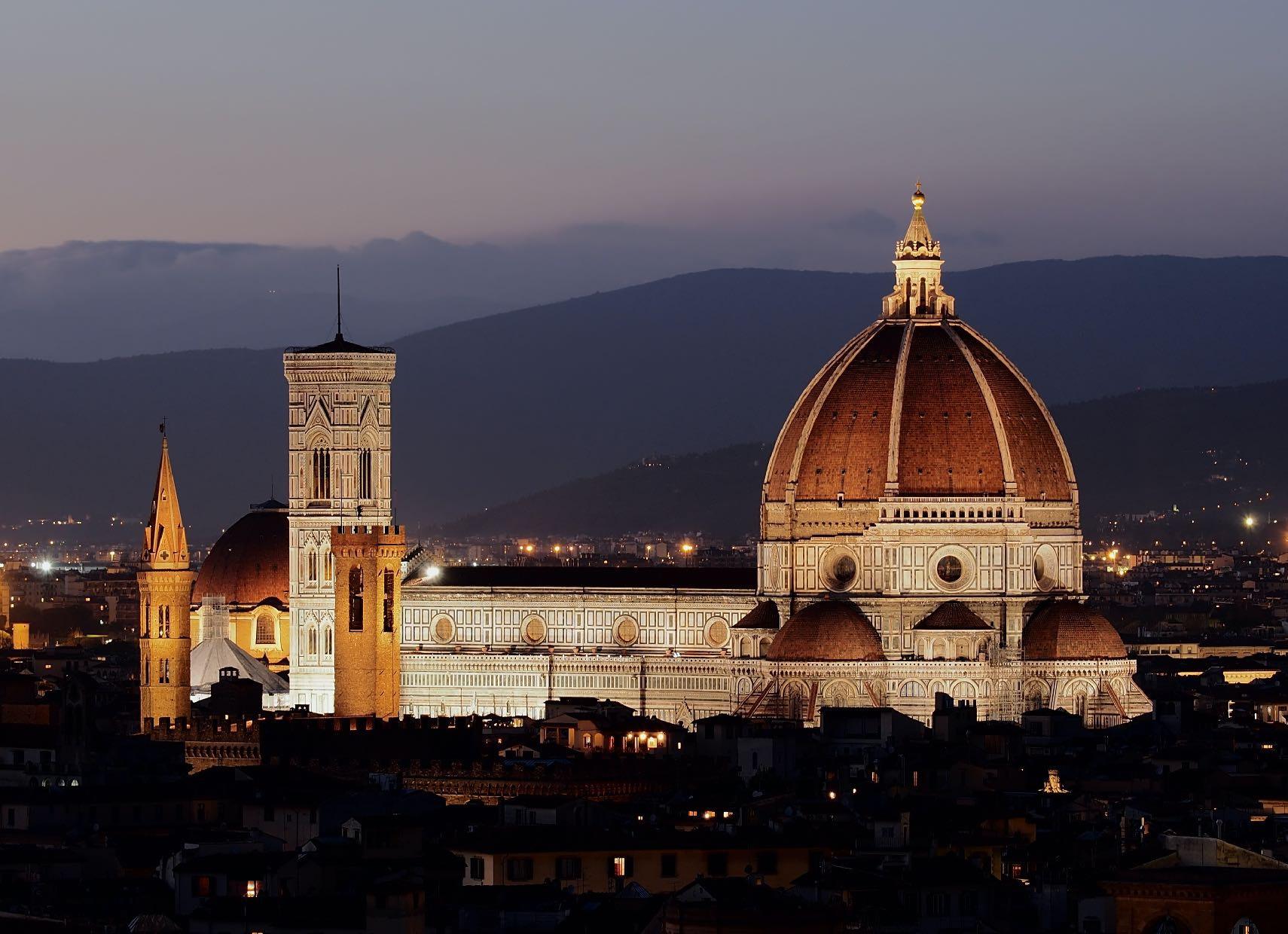
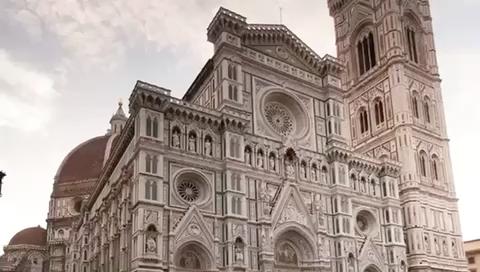
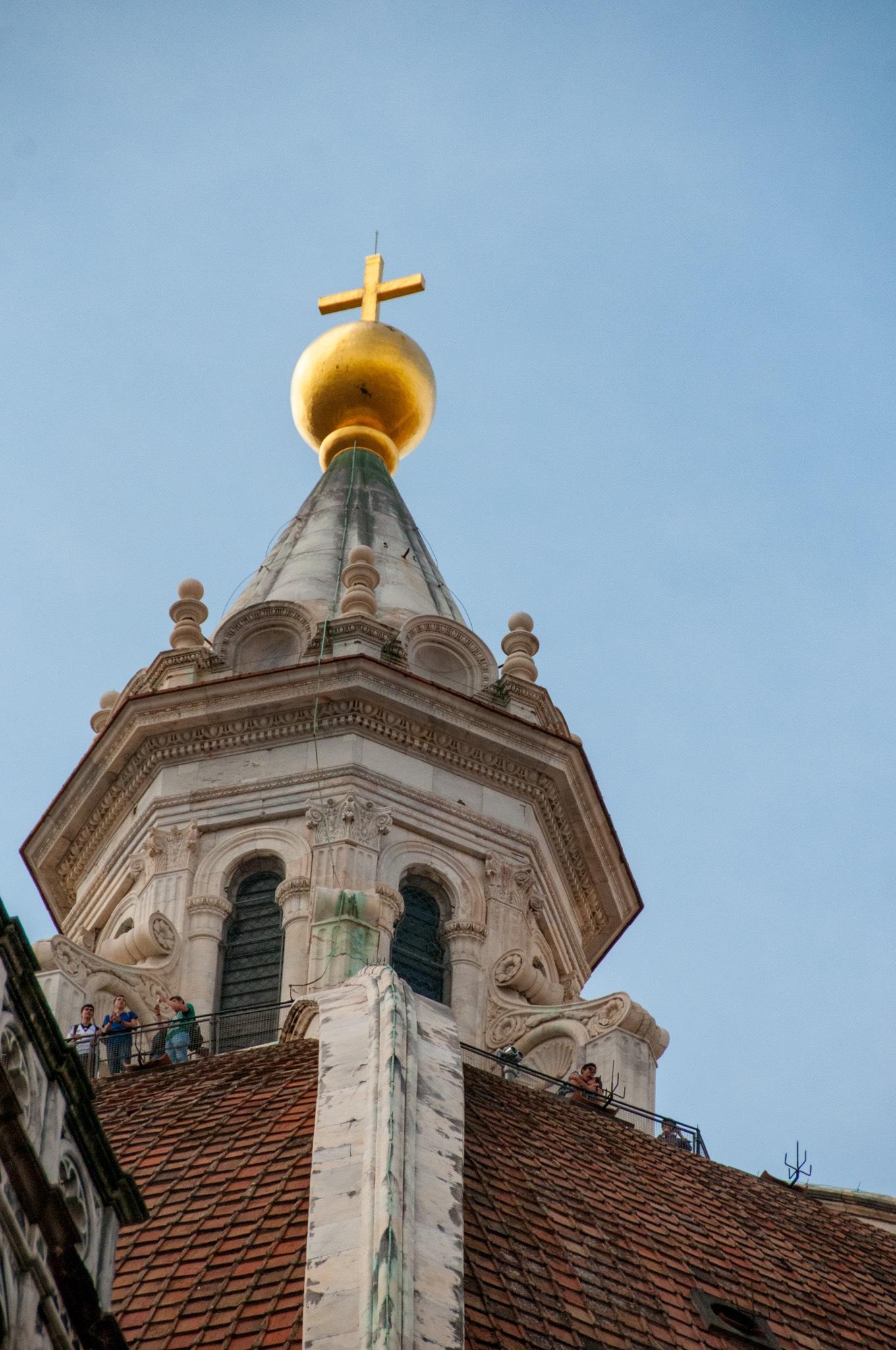
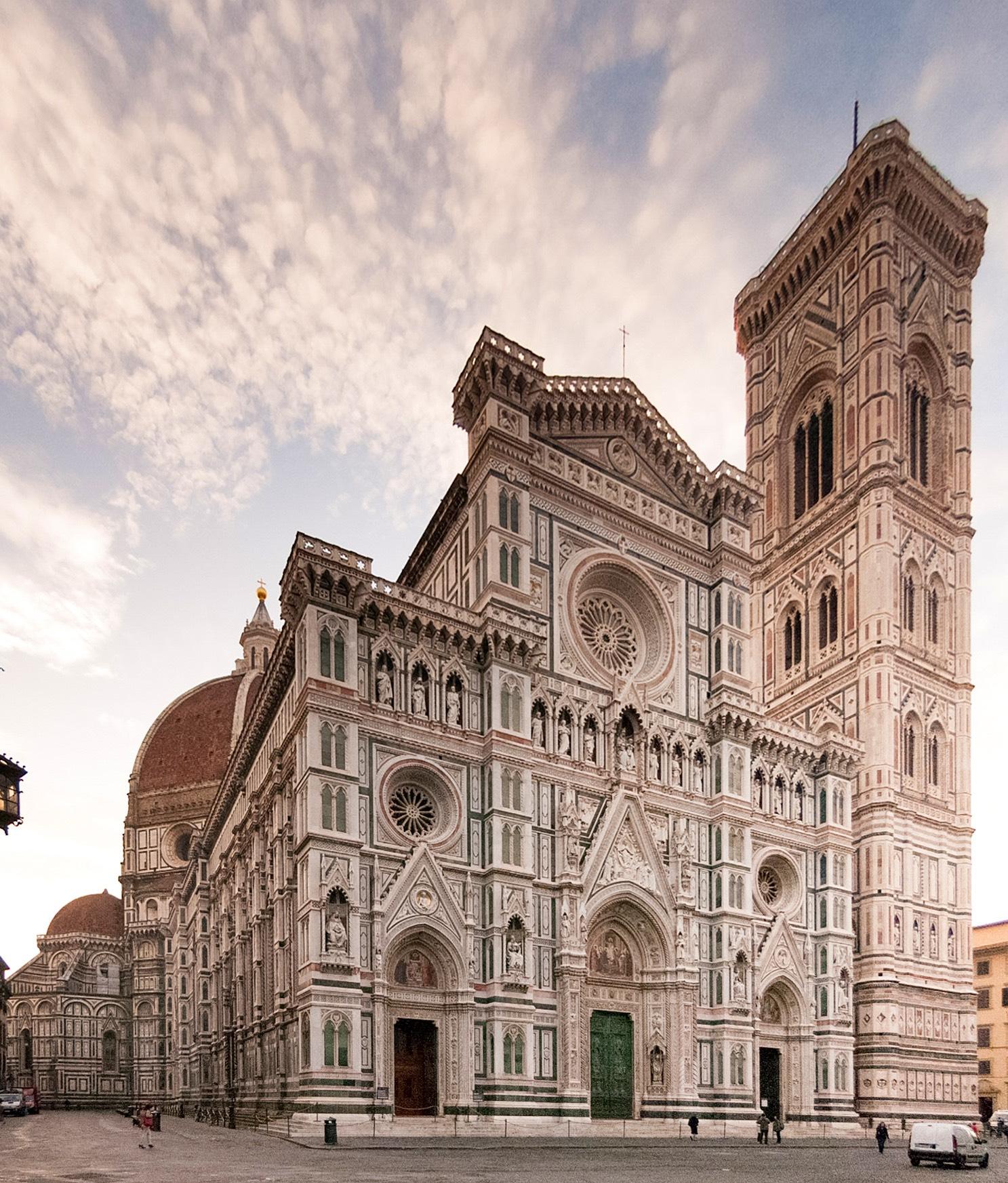
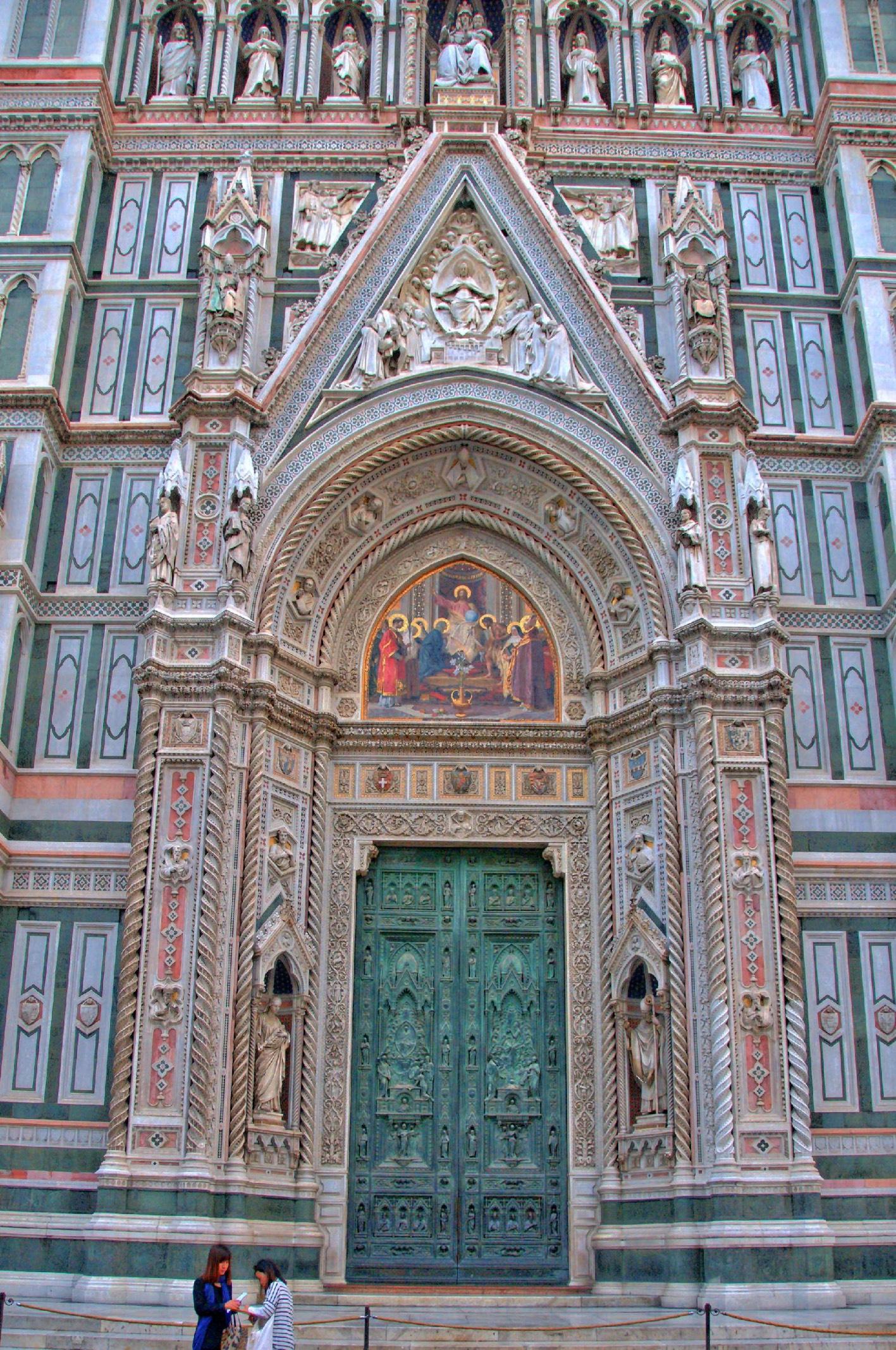
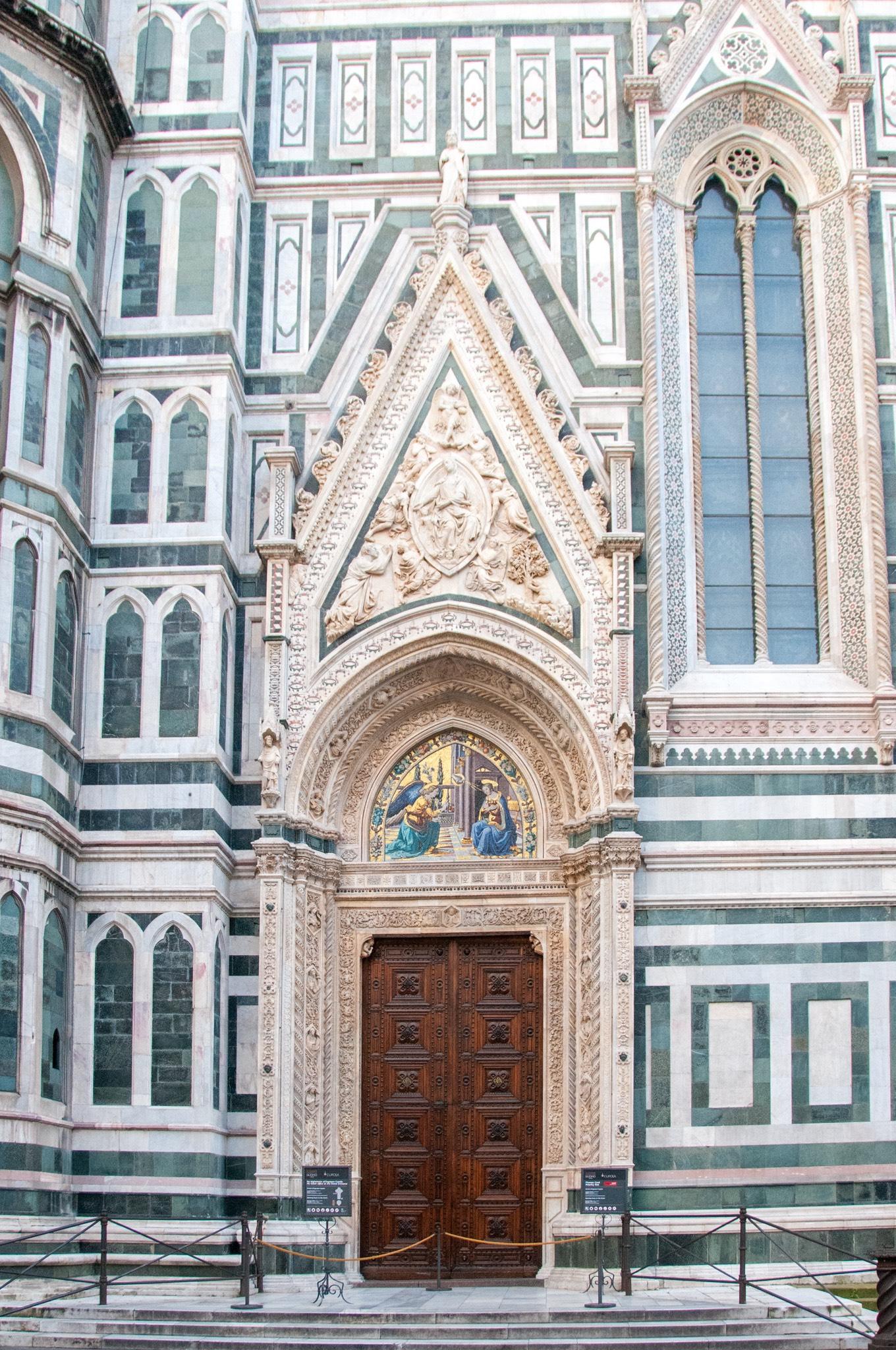
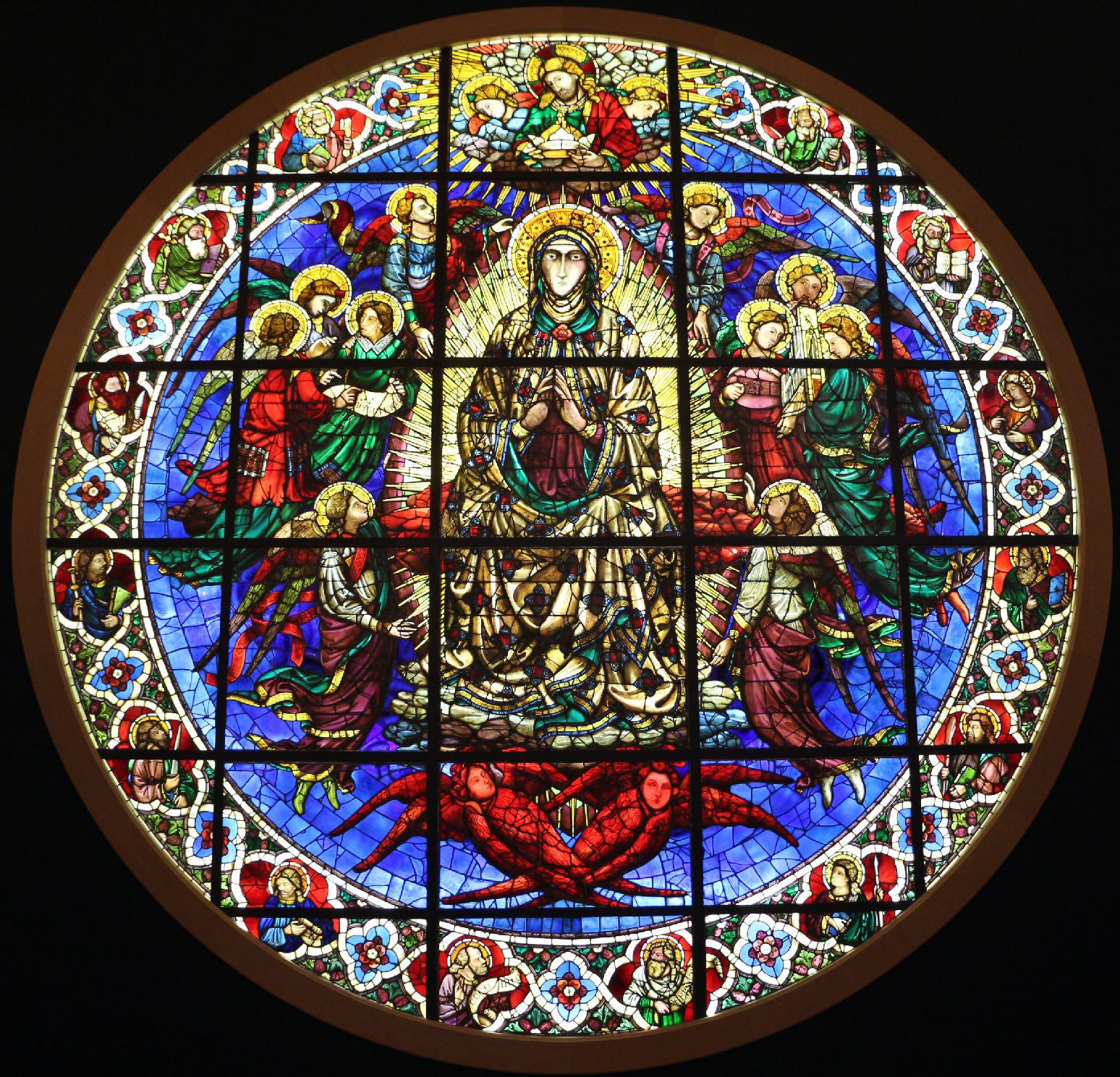
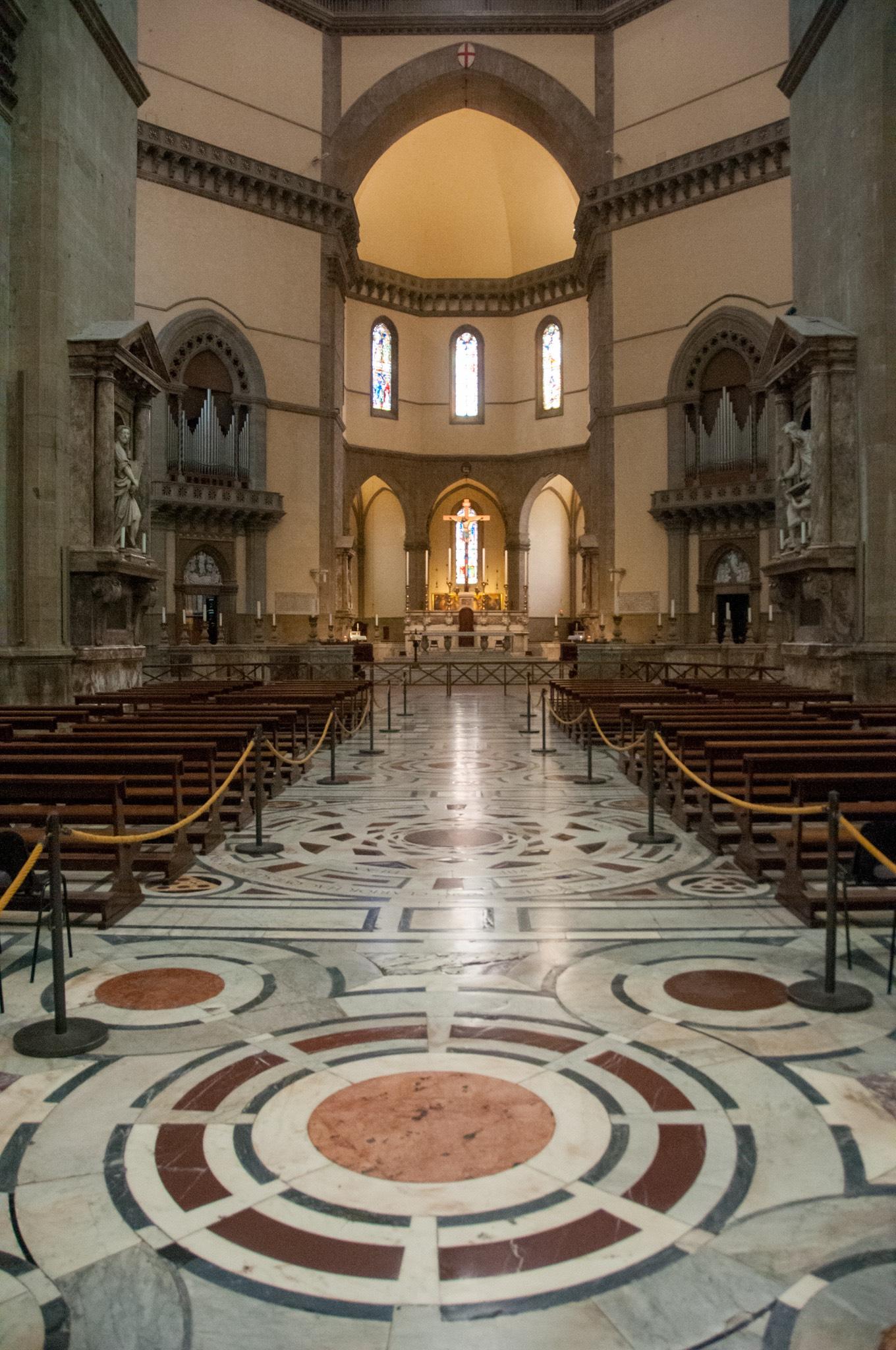
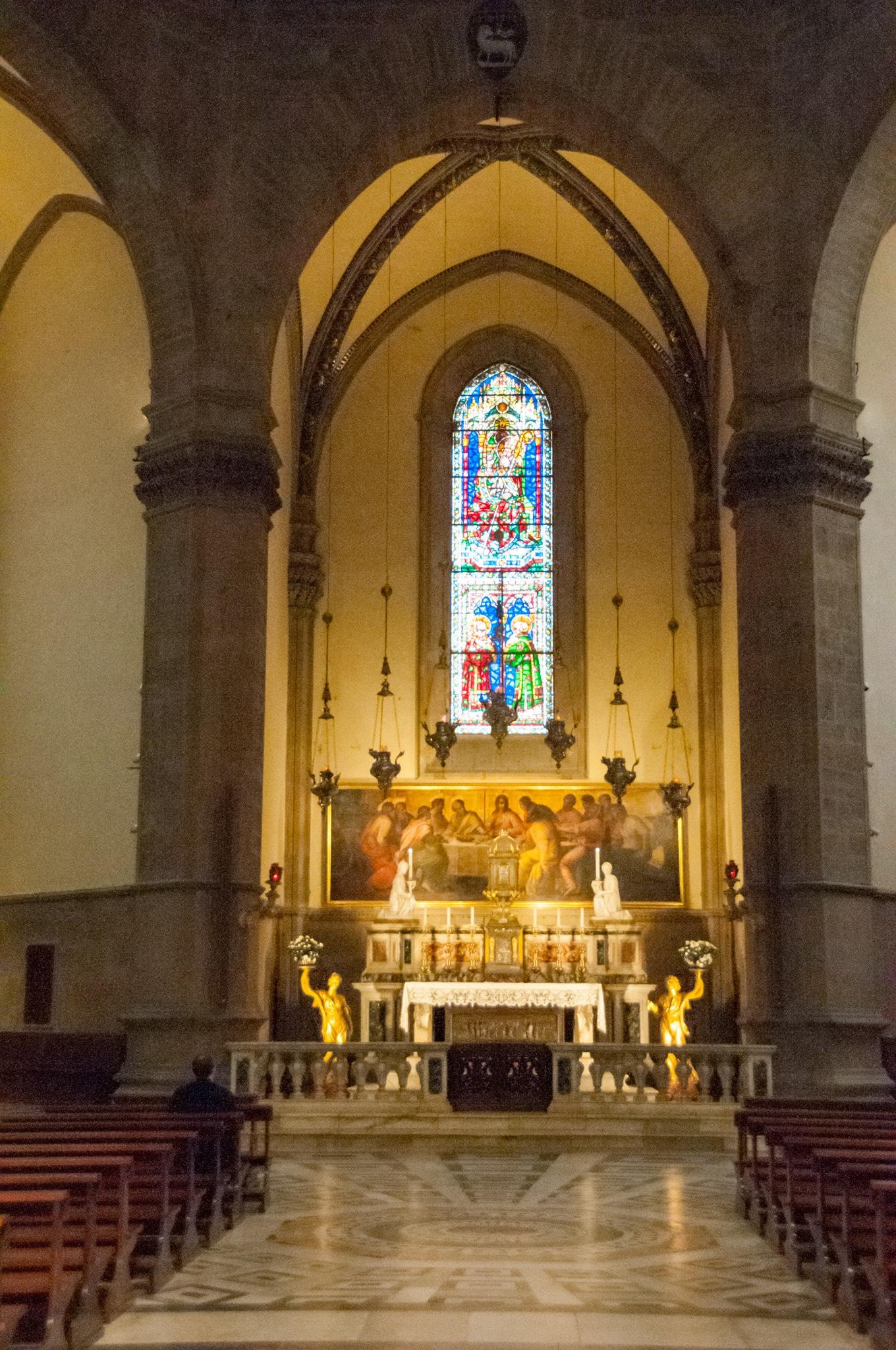
In the heart of Florence stands the world-famous Cathedral of Santa Maria del Fiore. The competitive spirit with Pisa, Siena, and Venice led to the creation of this immense structure. The Basilica of Santa Reparata once stood at the site of the current cathedral. Rivalry with their “neighbors” was reason enough for the proud Florentines to build a church that would surpass all previous dimensions. With a length of 153 meters and a width of 38 meters, the Florence Cathedral is one of the largest churches in Europe. The bell tower was designed by Giotto di Bondone. When construction began, the master builder was already 68 years old. By the time he died, only the first floor was complete. Giotto’s plan was to create a campanile about 110 meters high. After his death, the tower was completed in 1359
under the builders Pisano and Talenti with some modifications, reaching a height of 84.7 meters.
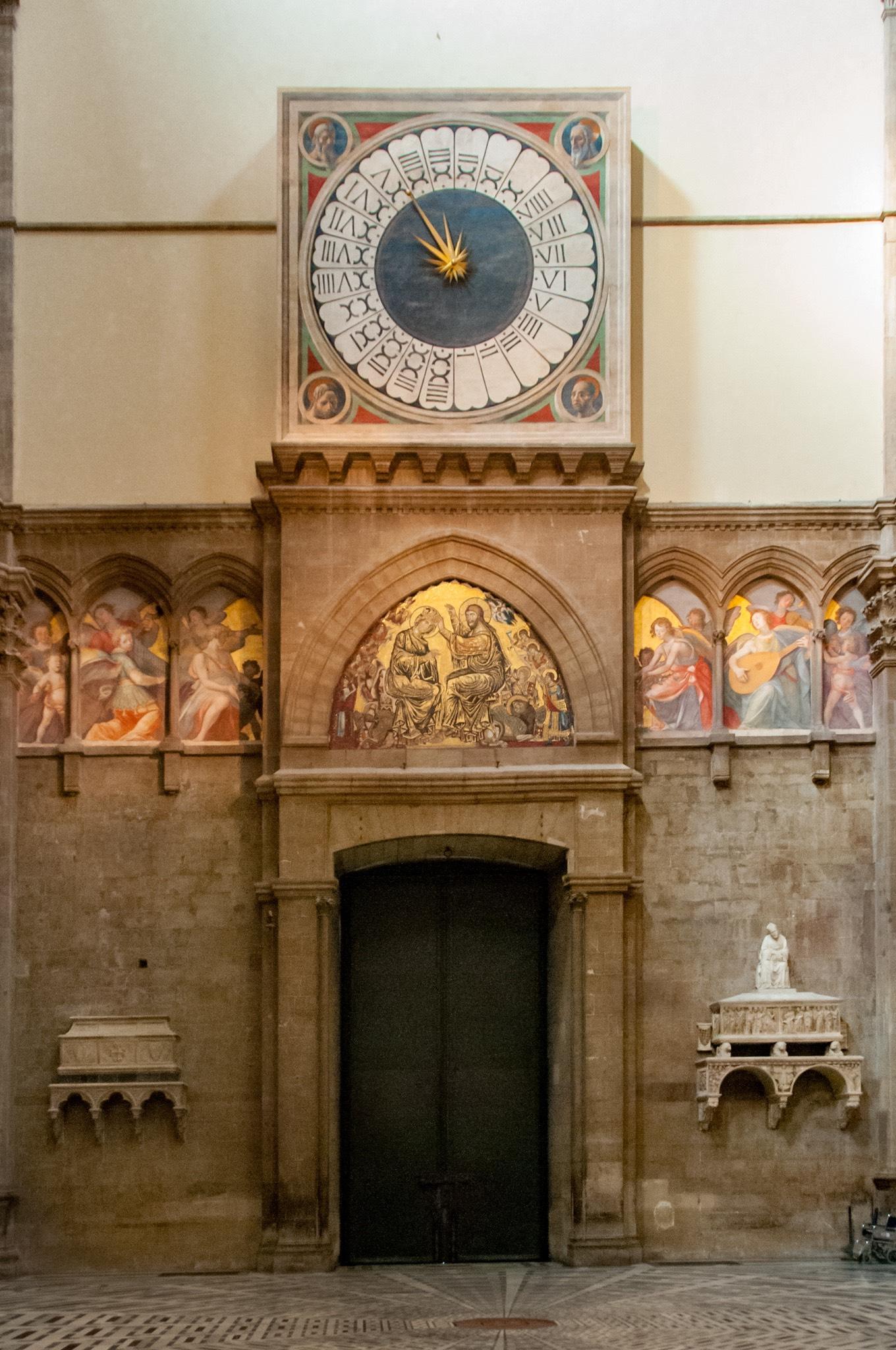
Above the main portal is a large clock with portraits of the four prophets or evangelists painted by Paolo Uccello. The liturgical clock displays the 24 hours of the “hora italica,” a time division used until the 18th century.
Santa Maria del Fiore is open daily from 10:00 to 16:00 for visitors. Several interesting guided tours are offered for those interested.
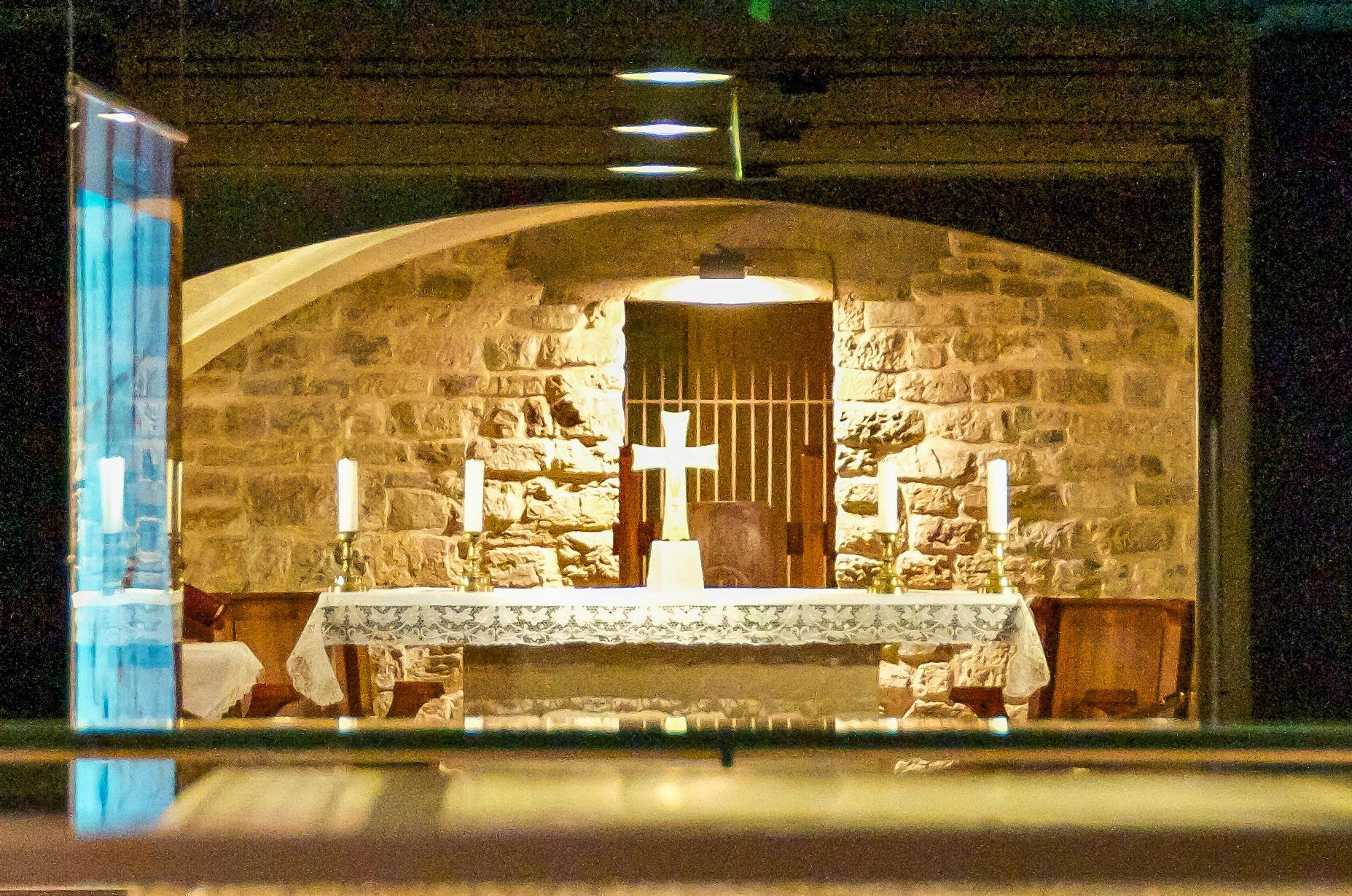
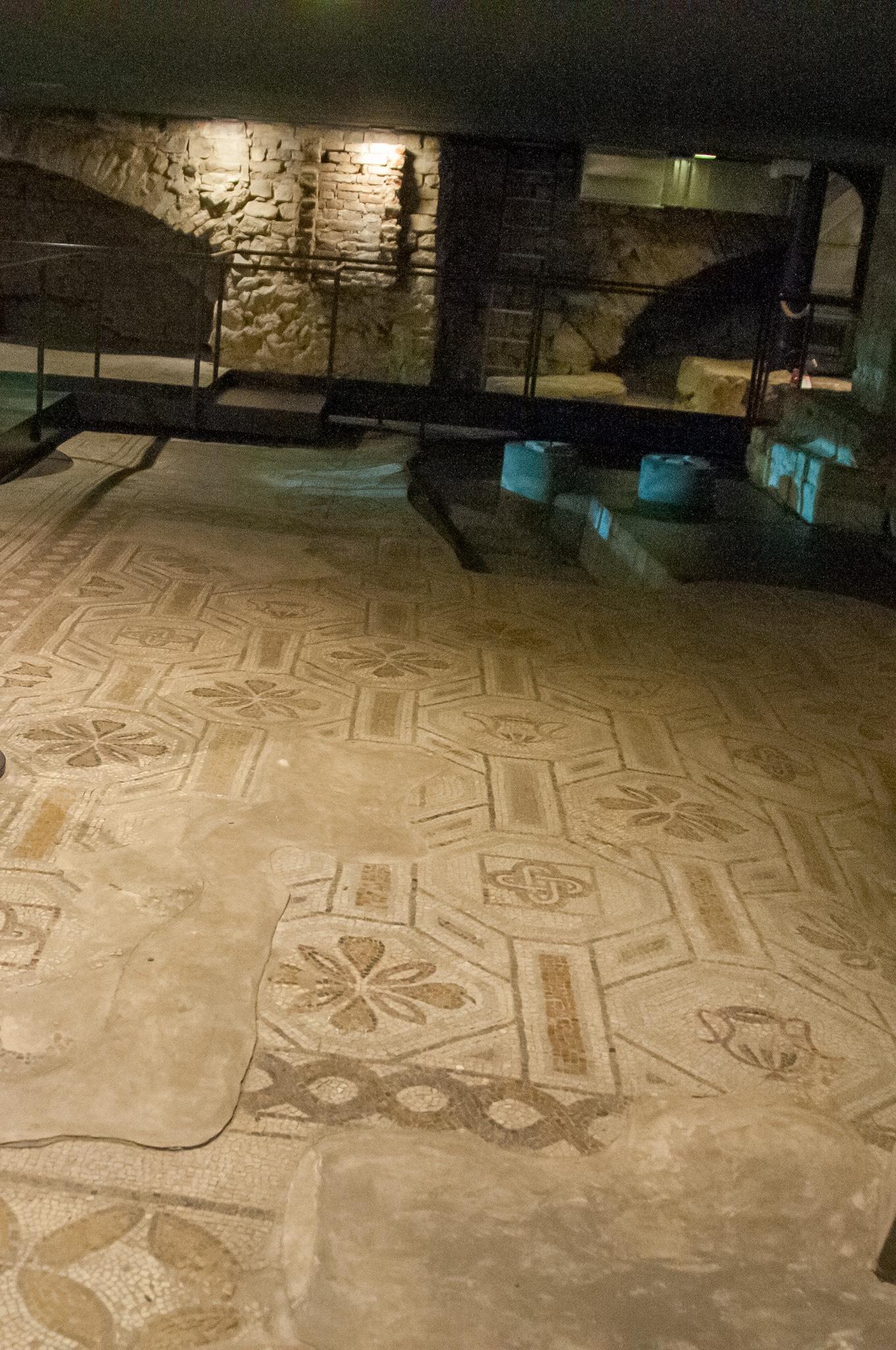
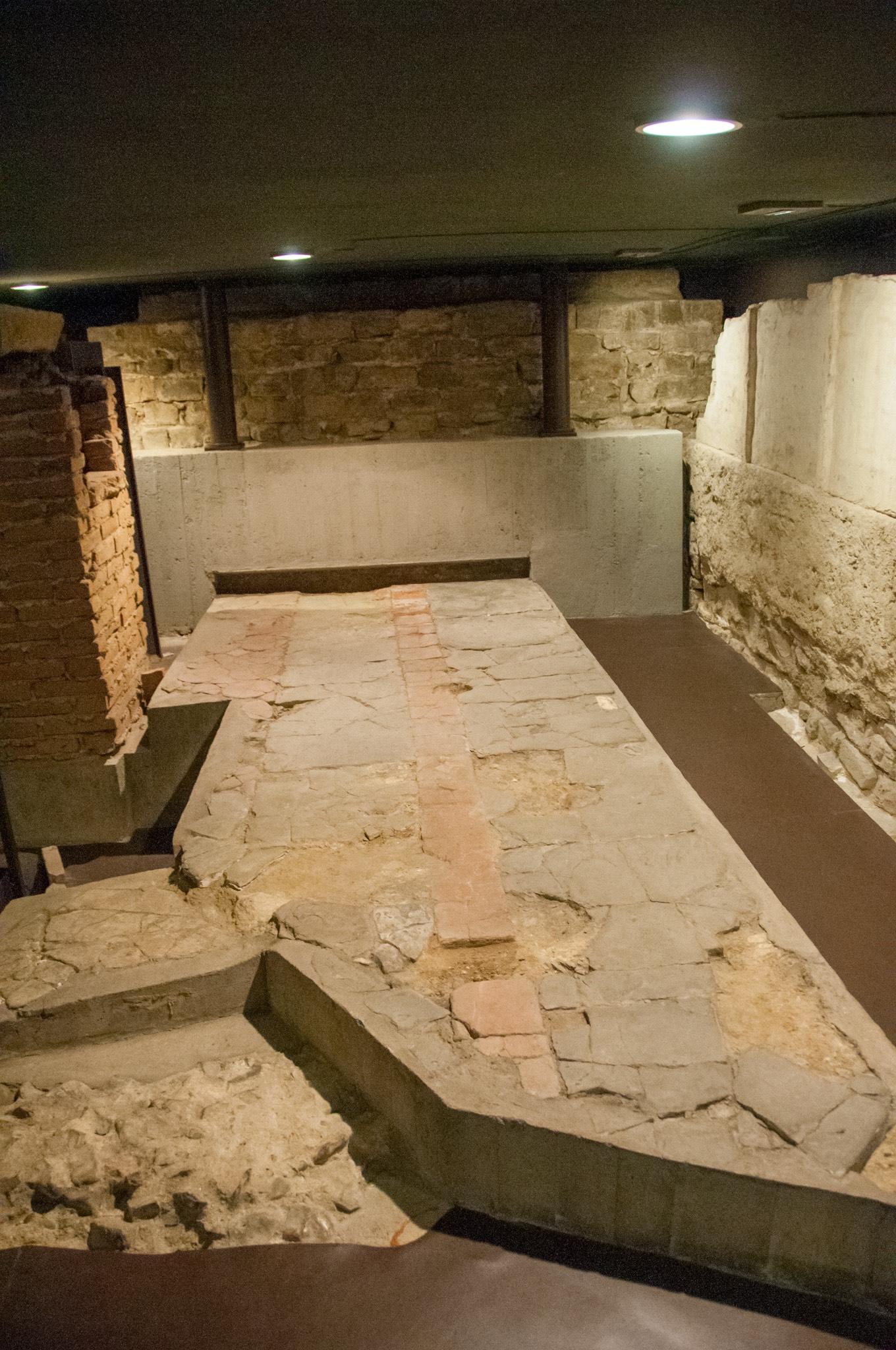
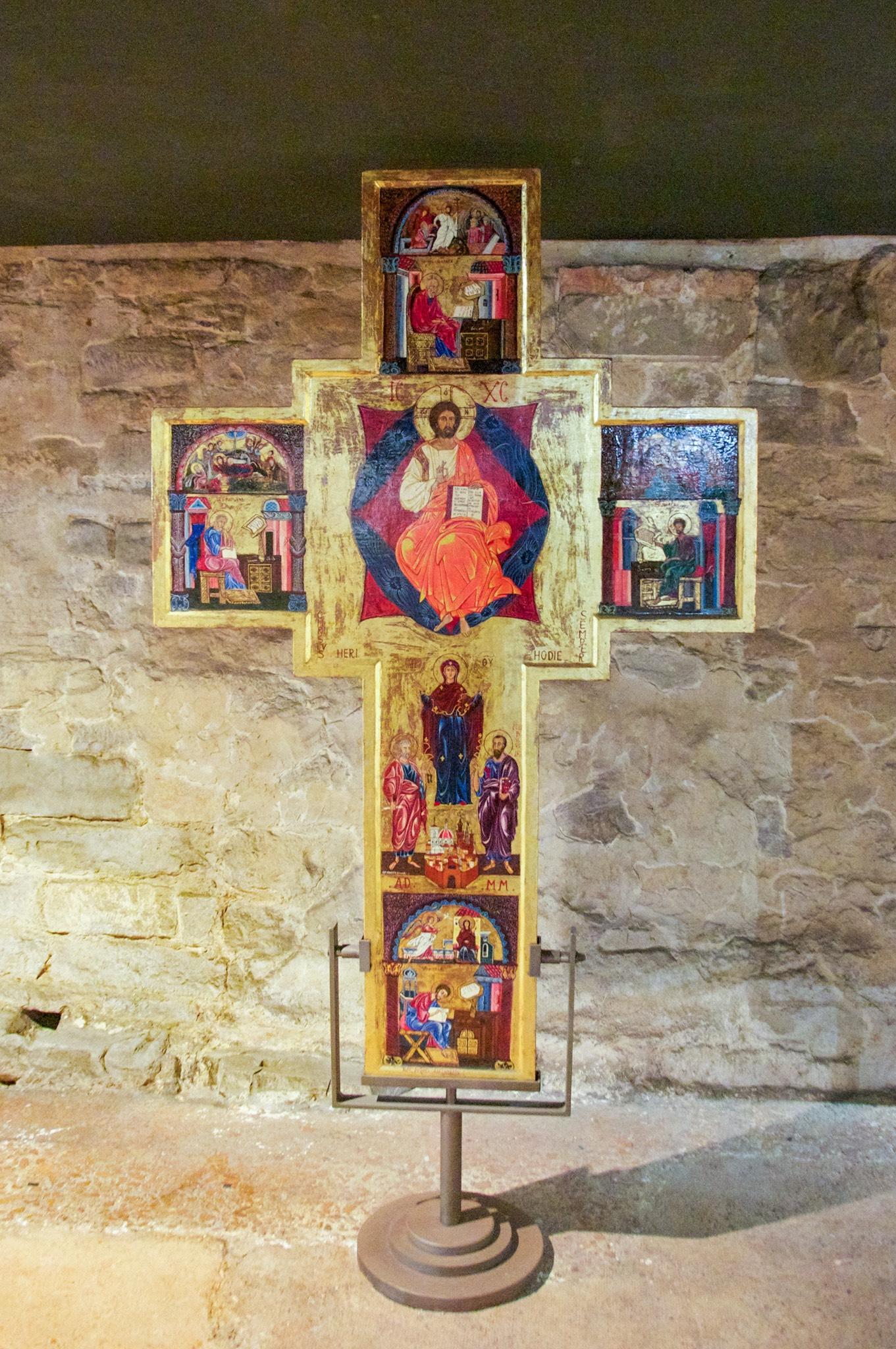
There are many legends and tales about the church’s origins. According to the stories, the church was likely built around 400. Unfortunately, over the centuries, new rumors and forgeries have made precise dating impossible.
It is a fact that the Florentines began building the new cathedral around and eventually over it in 1296.
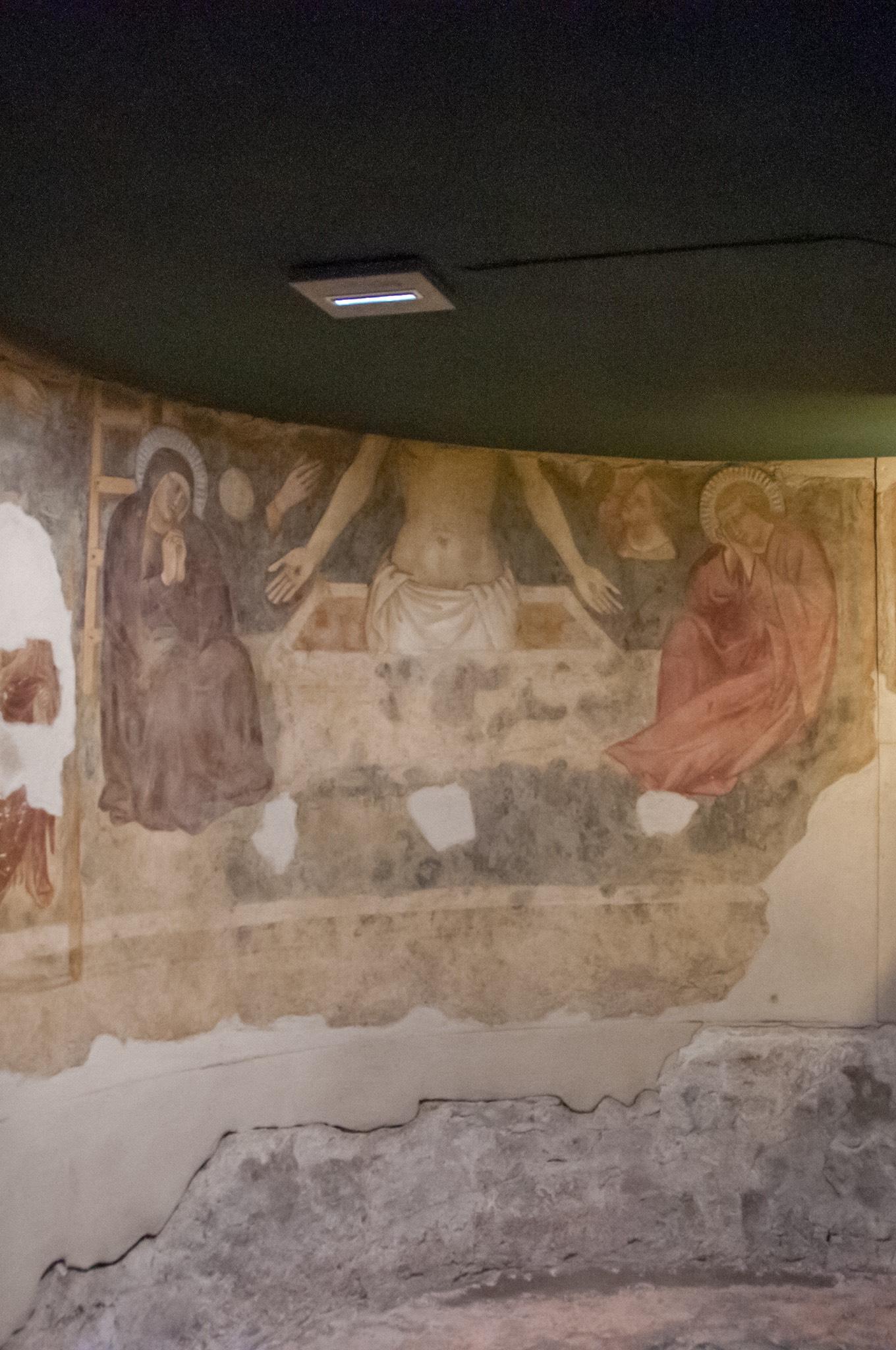
Excavations started in 1965, uncovering impressive details of the old church.
The excavations can be visited daily from 10:00 to 16:00.
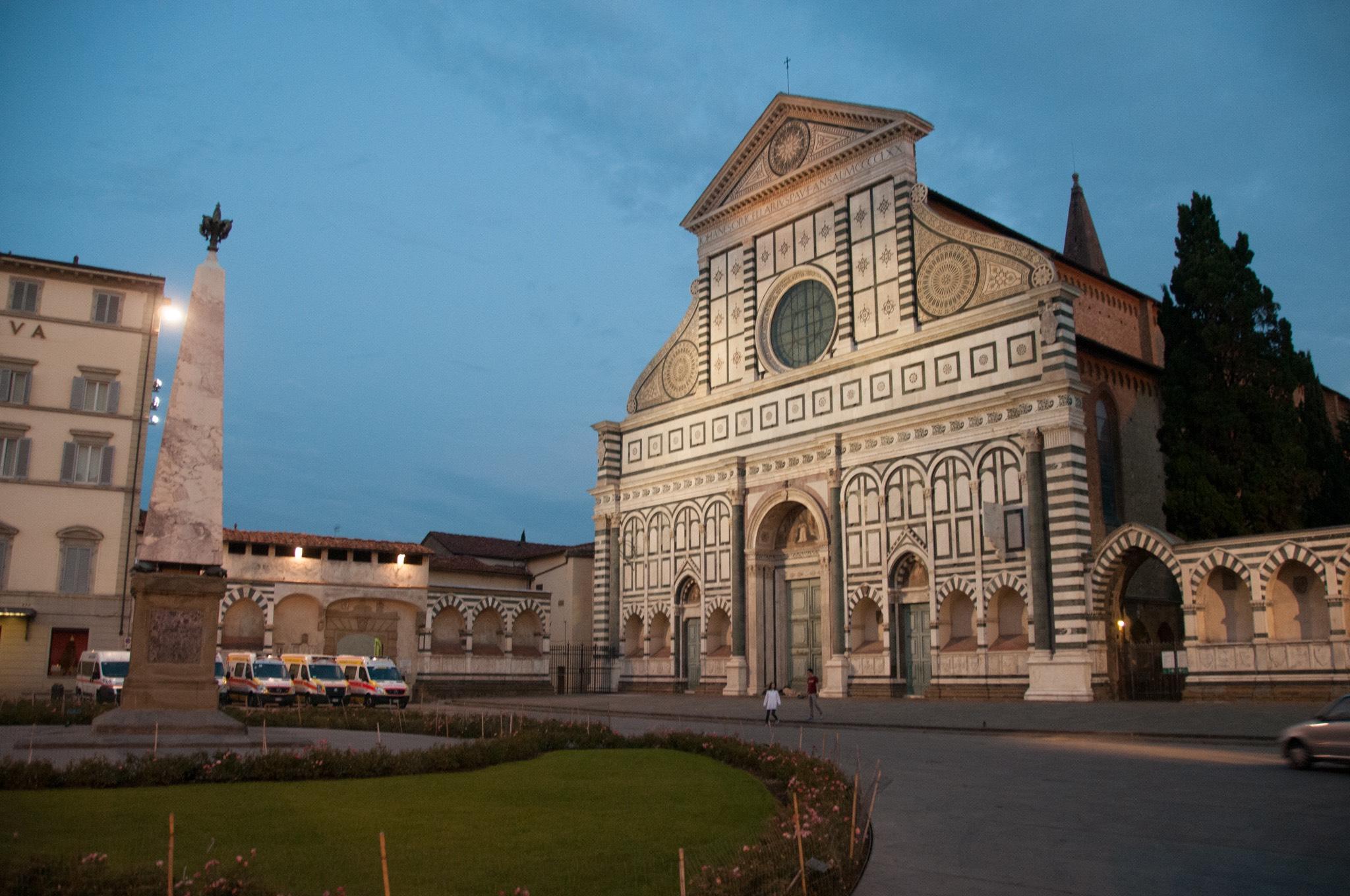
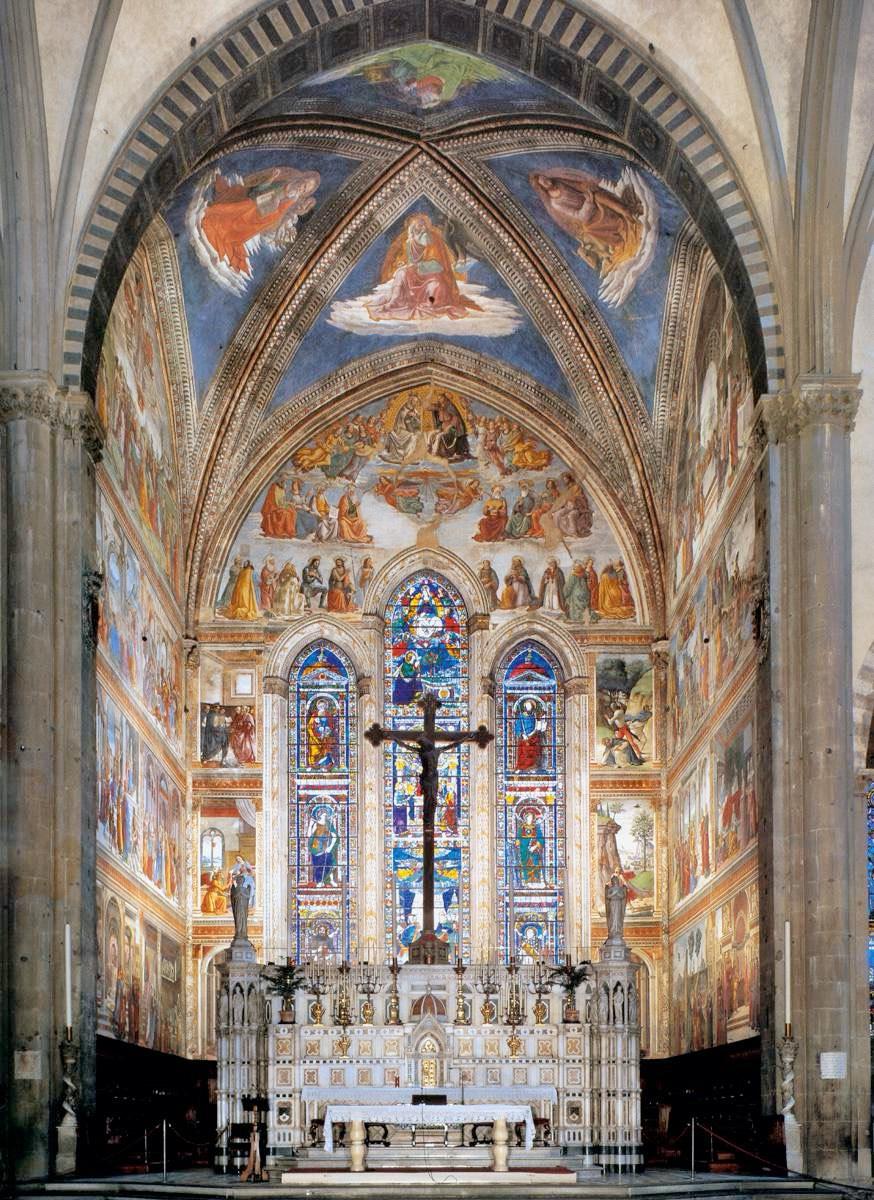
Just a few minutes from the train station is the Gothic church of the Santa Maria Novella monastery complex. The facade, designed by Leon Battista Alberti, prominently
features geometric shapes. The large frescoes, restored with great effort, are particularly impressive.

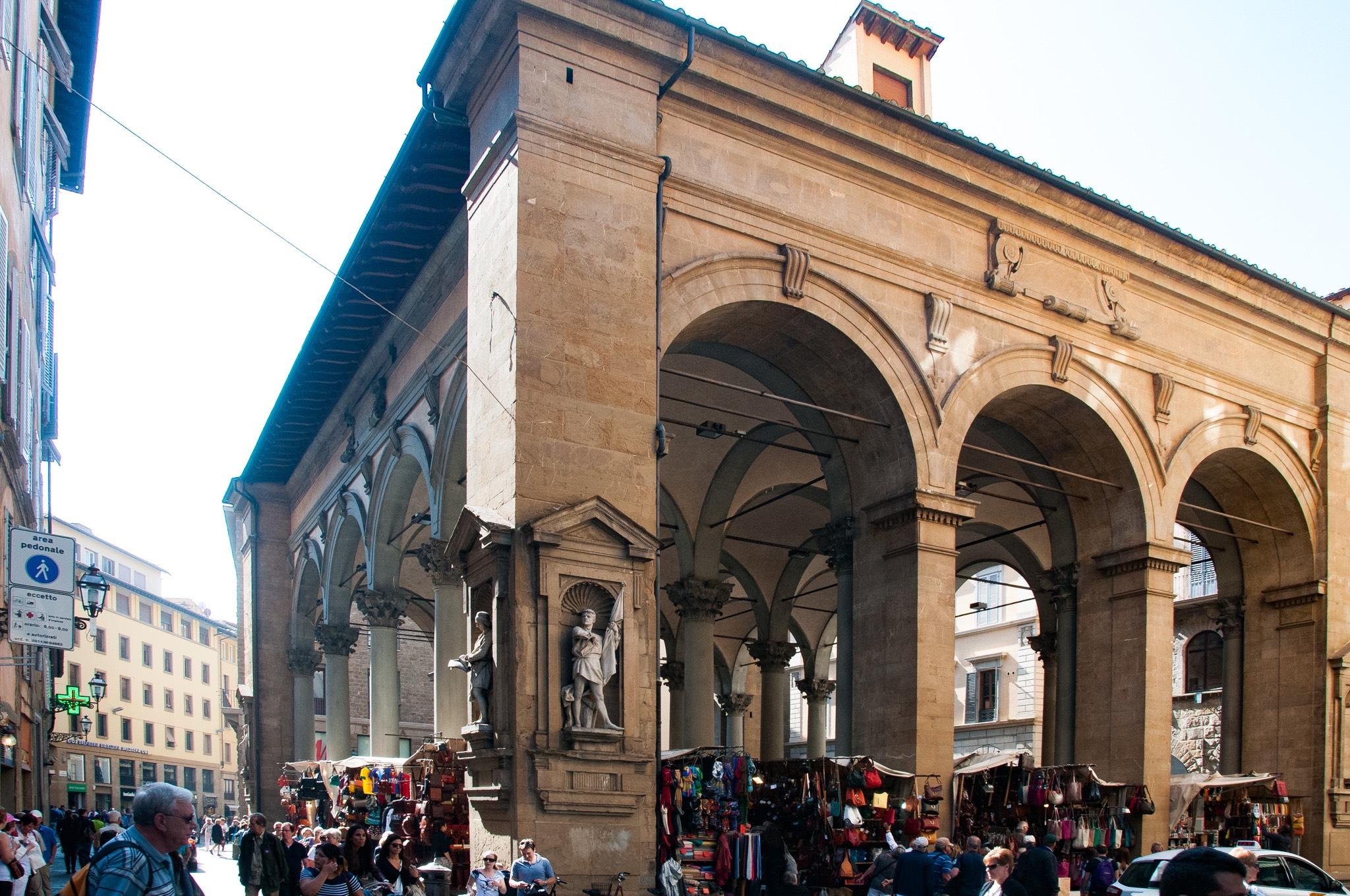
The Loggia del Mercato Nuovo, also known as Loggia del Porcellino, is an arcade from the 16th century. Originally, silk and other luxury items were sold here. Today, leather goods and souvenirs are offered.
When you are here, look for the “bronze boar” (Il Porcellino); it might bring you luck.
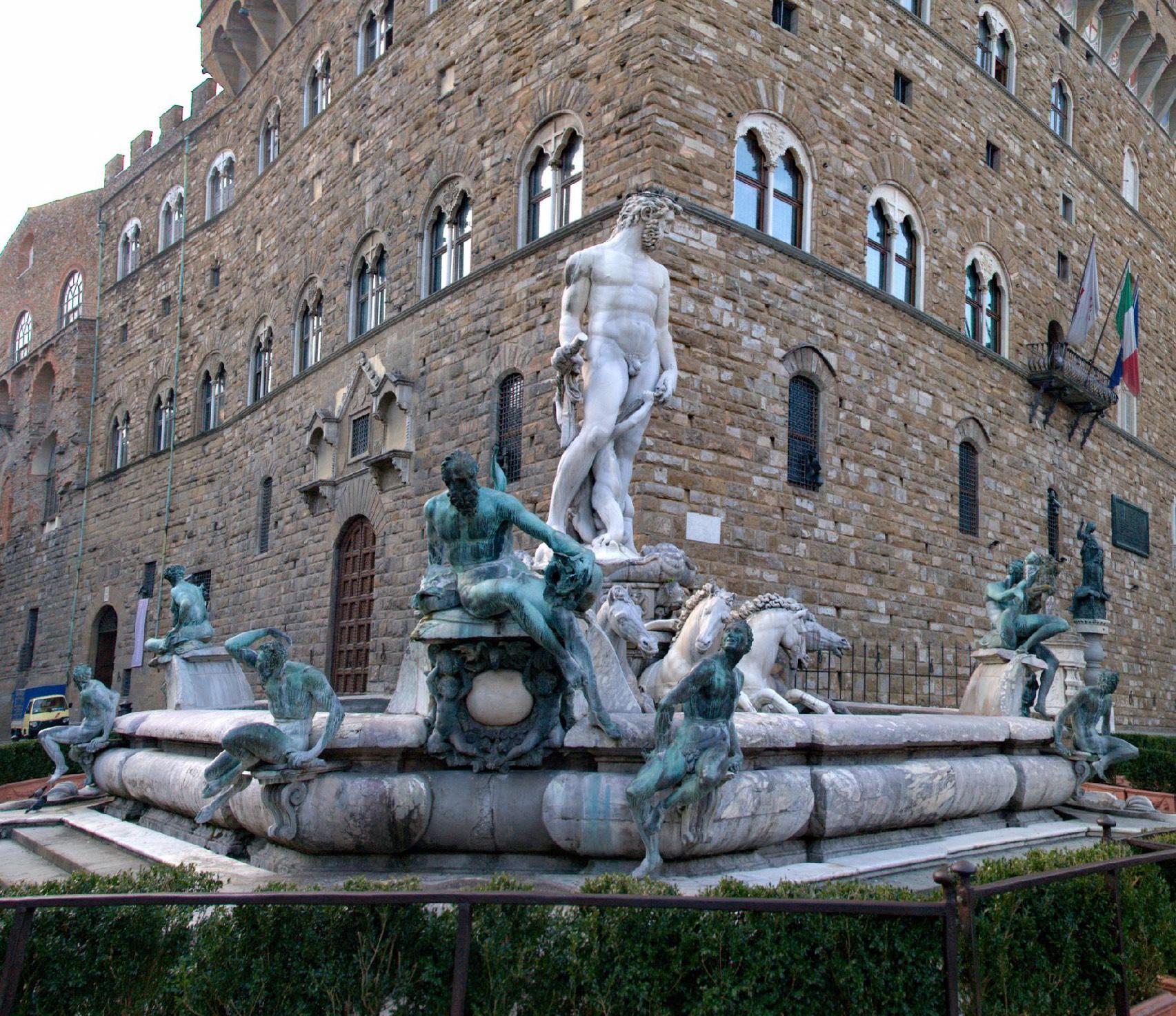
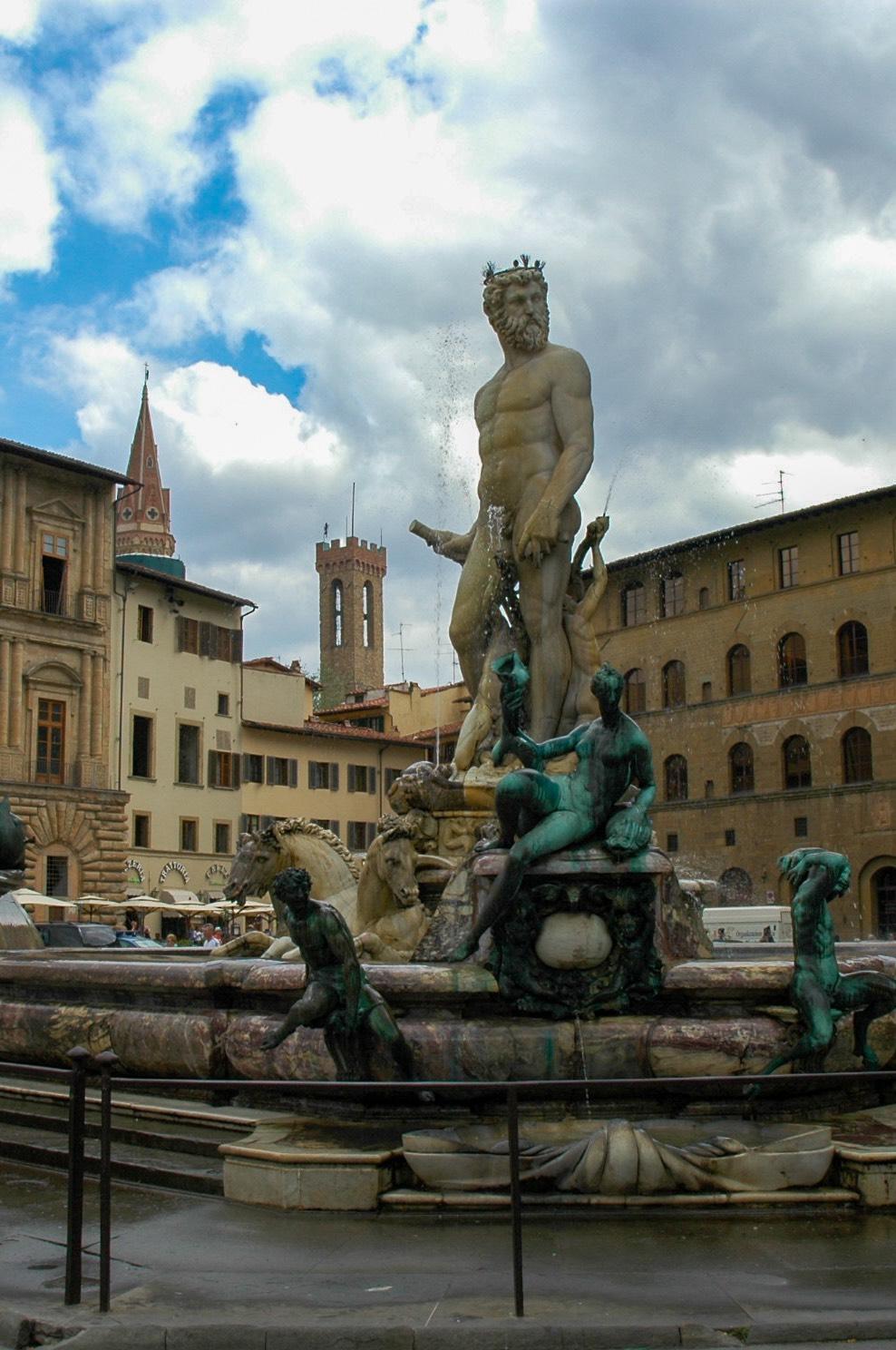
The Neptune Fountain on the Piazza della Signoria was built by Bartolomeo di Antonio Ammanati between 1563 and 1575. The masterpiece was created in honor of
Archduchess Joanna of Austria on the occasion of her marriage to Franz I of Tuscany.
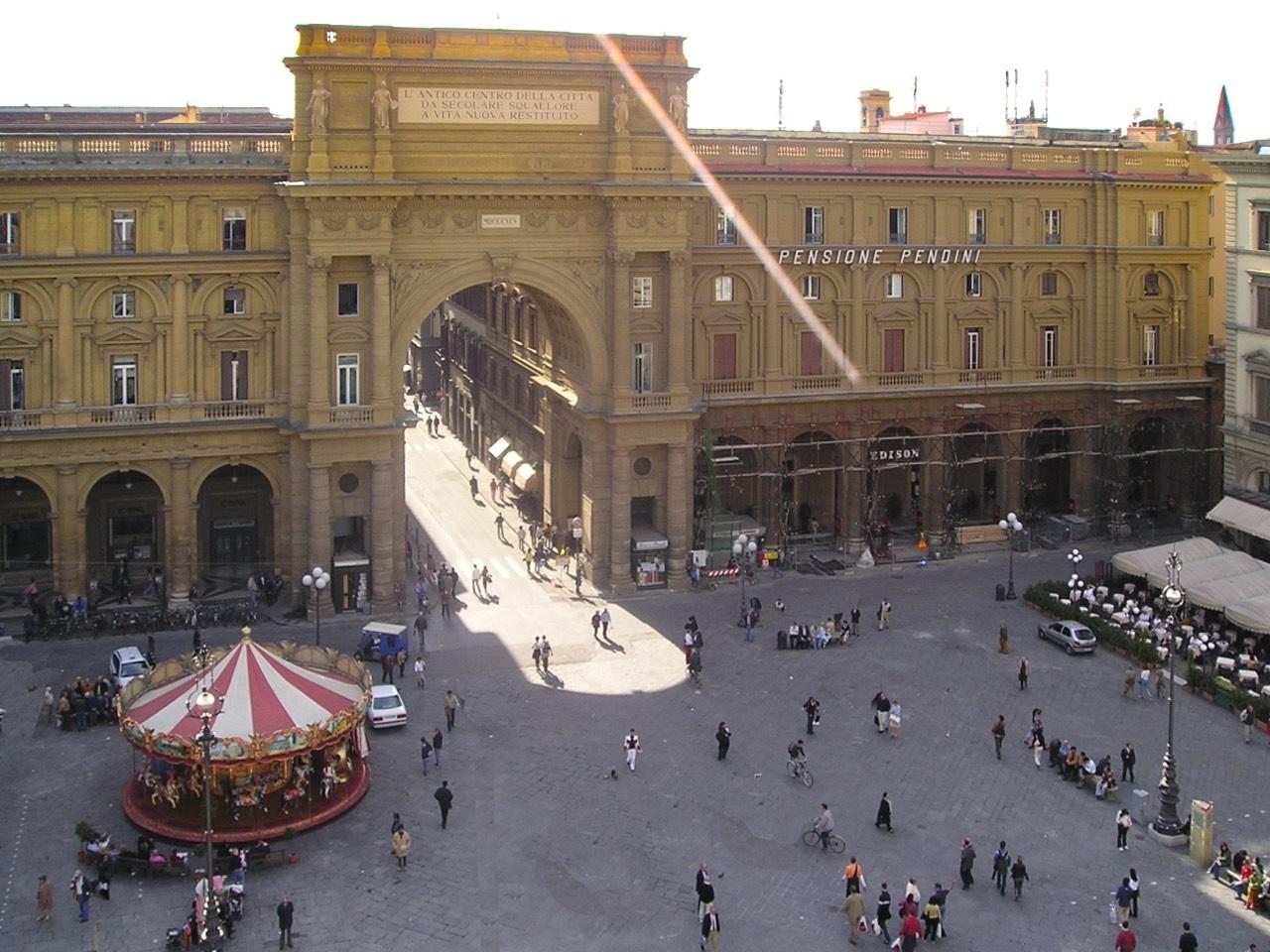
For centuries, the Piazza della Repubblica has been the center of Florence. As part of the redesign of Florence’s city center, modernization began in 1865. In addition to
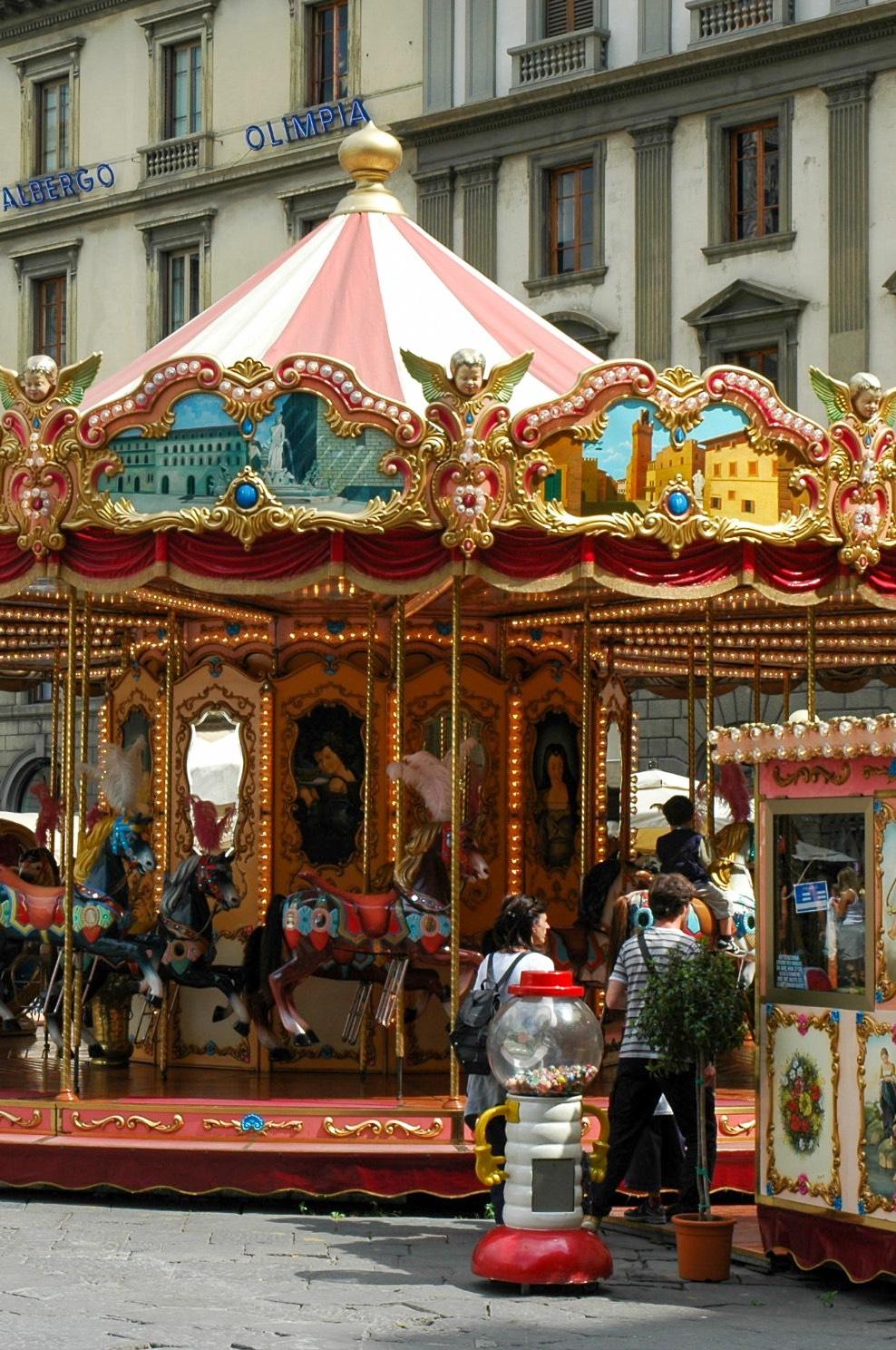
many cafés and artist stalls, there is also a historic carousel with 20 horses.
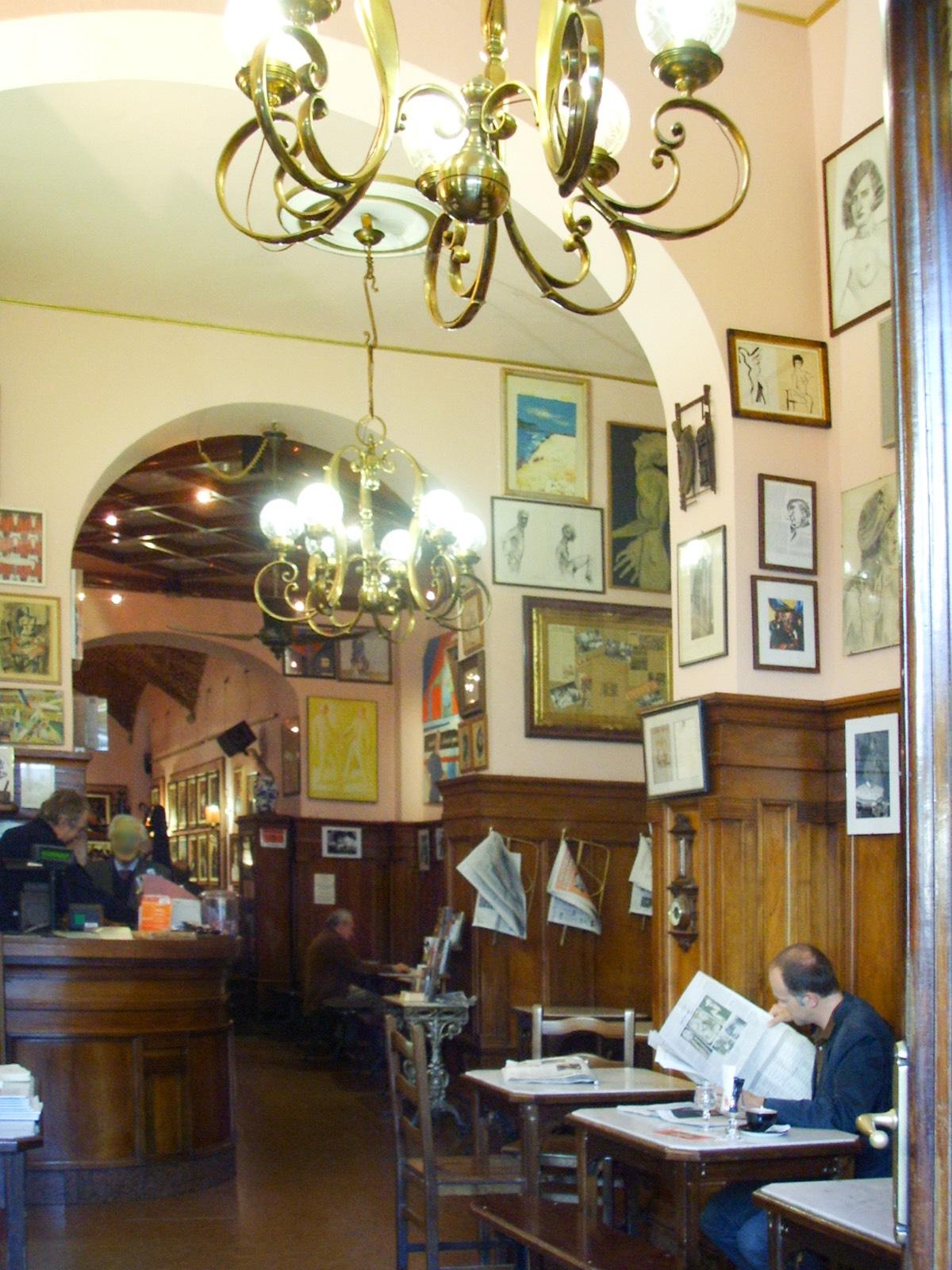
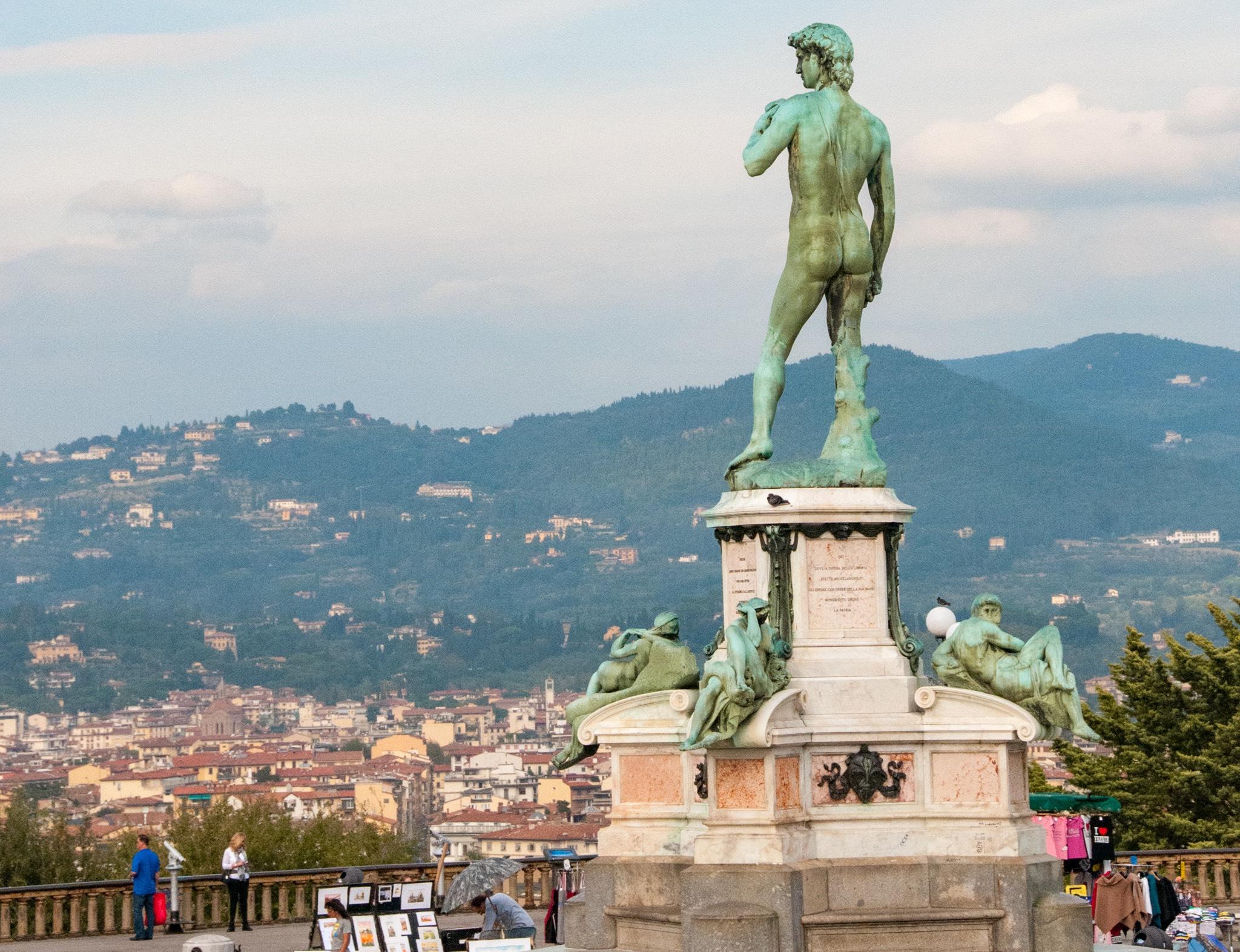
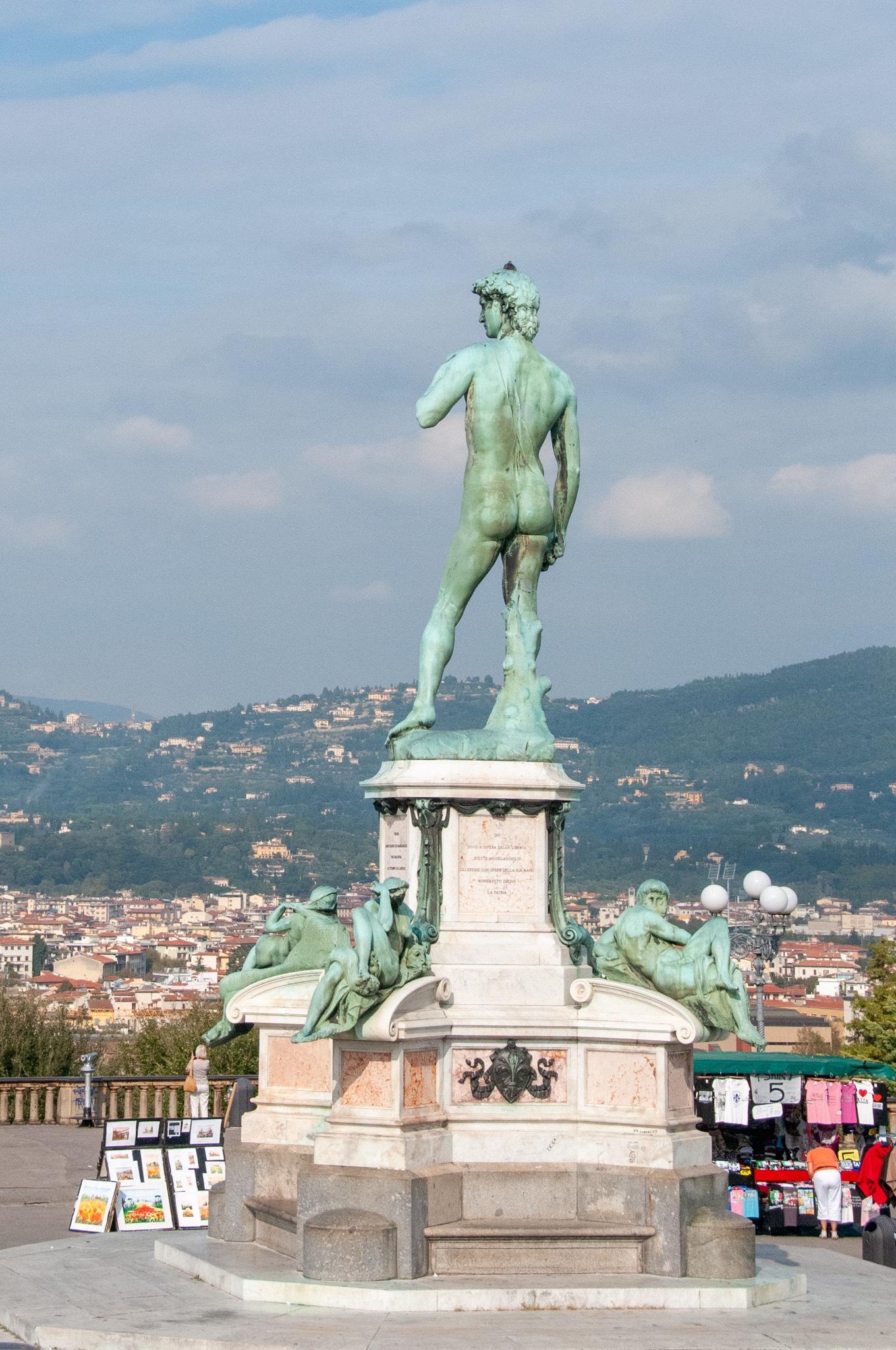
The Piazzale Michelangelo is an important observation platform offering a fantastic view of the Tuscan metropolis. On the square stands a copy of Michelangelo’s David statue.
The square is accessible via public bus lines 12 and 13, as well as the red sightseeing buses A, B, and C.
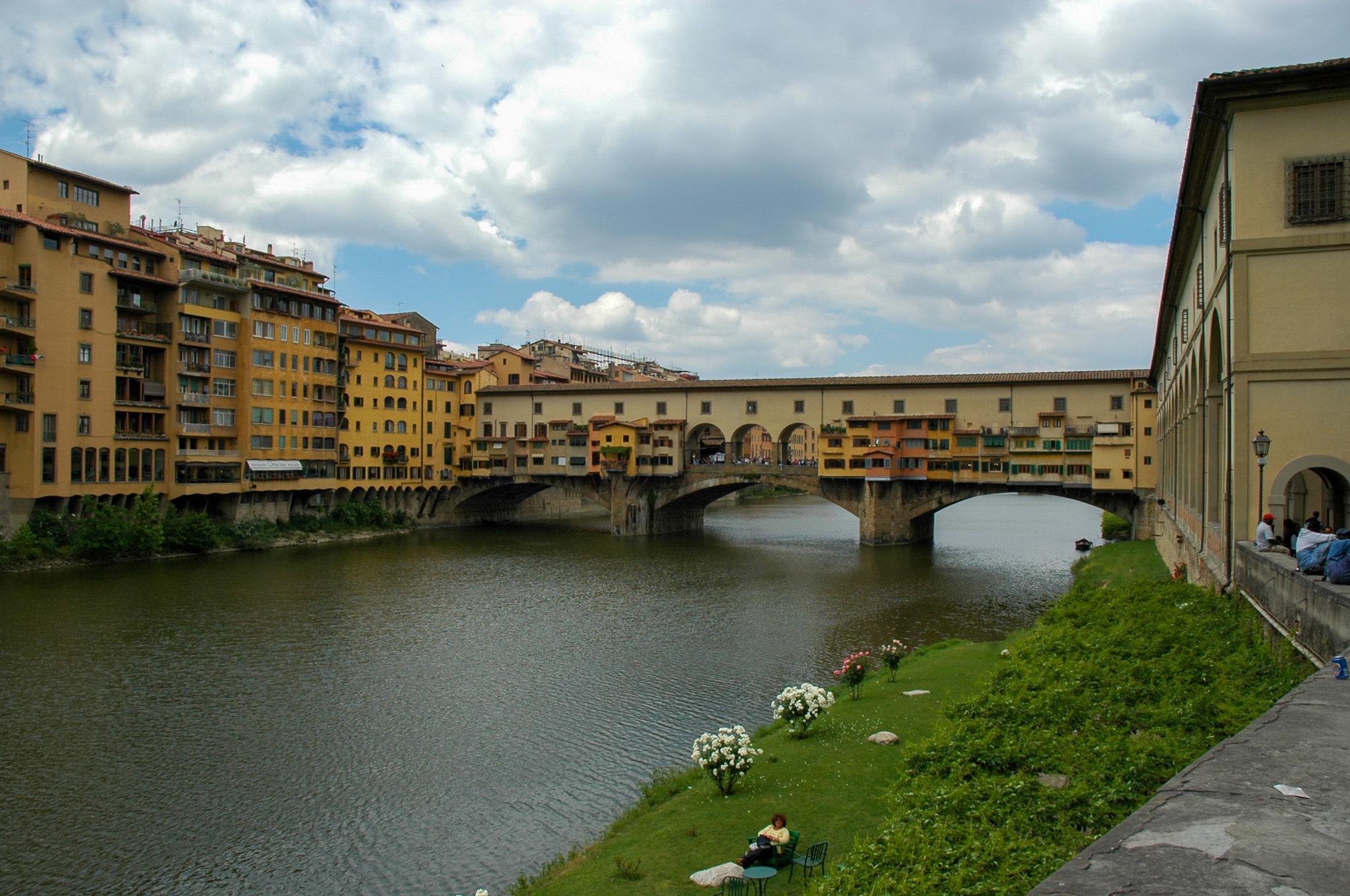
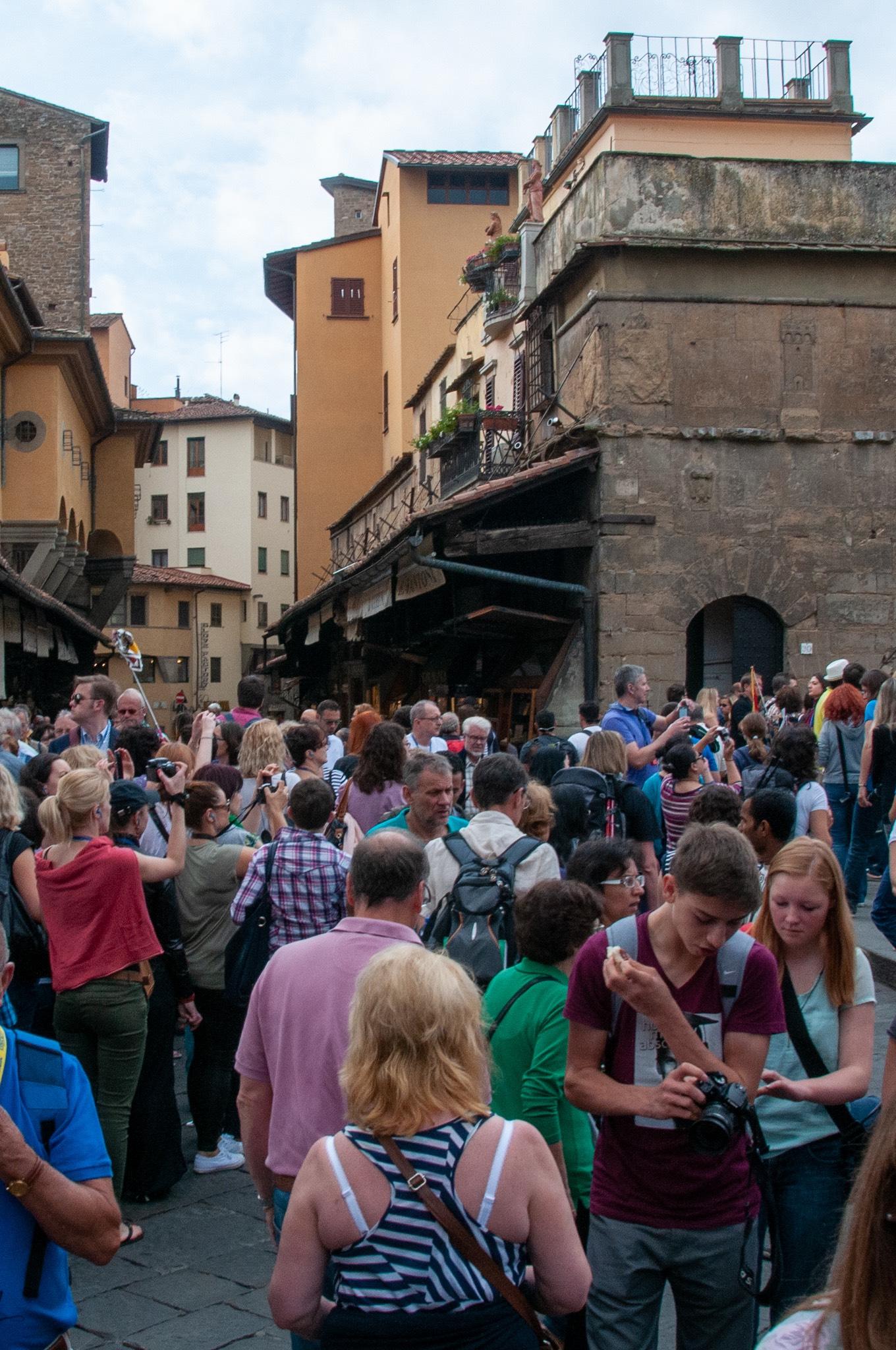
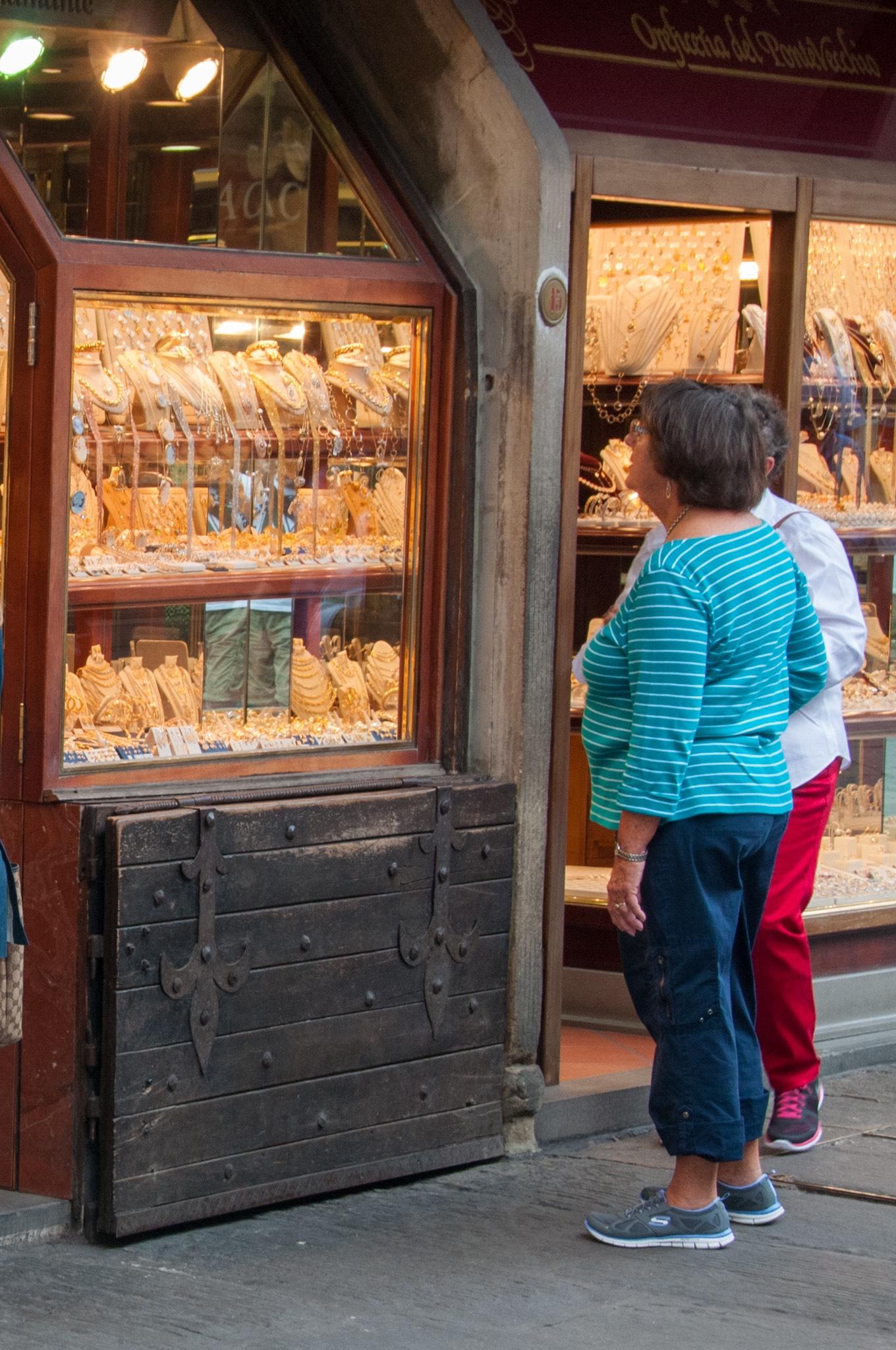
The “Old Bridge,” completed in 1345 over the Arno, rightly bears its name. It is likely the oldest segmental arch bridge in the world. Since 1565, only jewelers and goldsmiths have been allowed to operate on it, as Cosimo I de’ Medici could not tolerate the odor of the butchers and tanners originally based there.
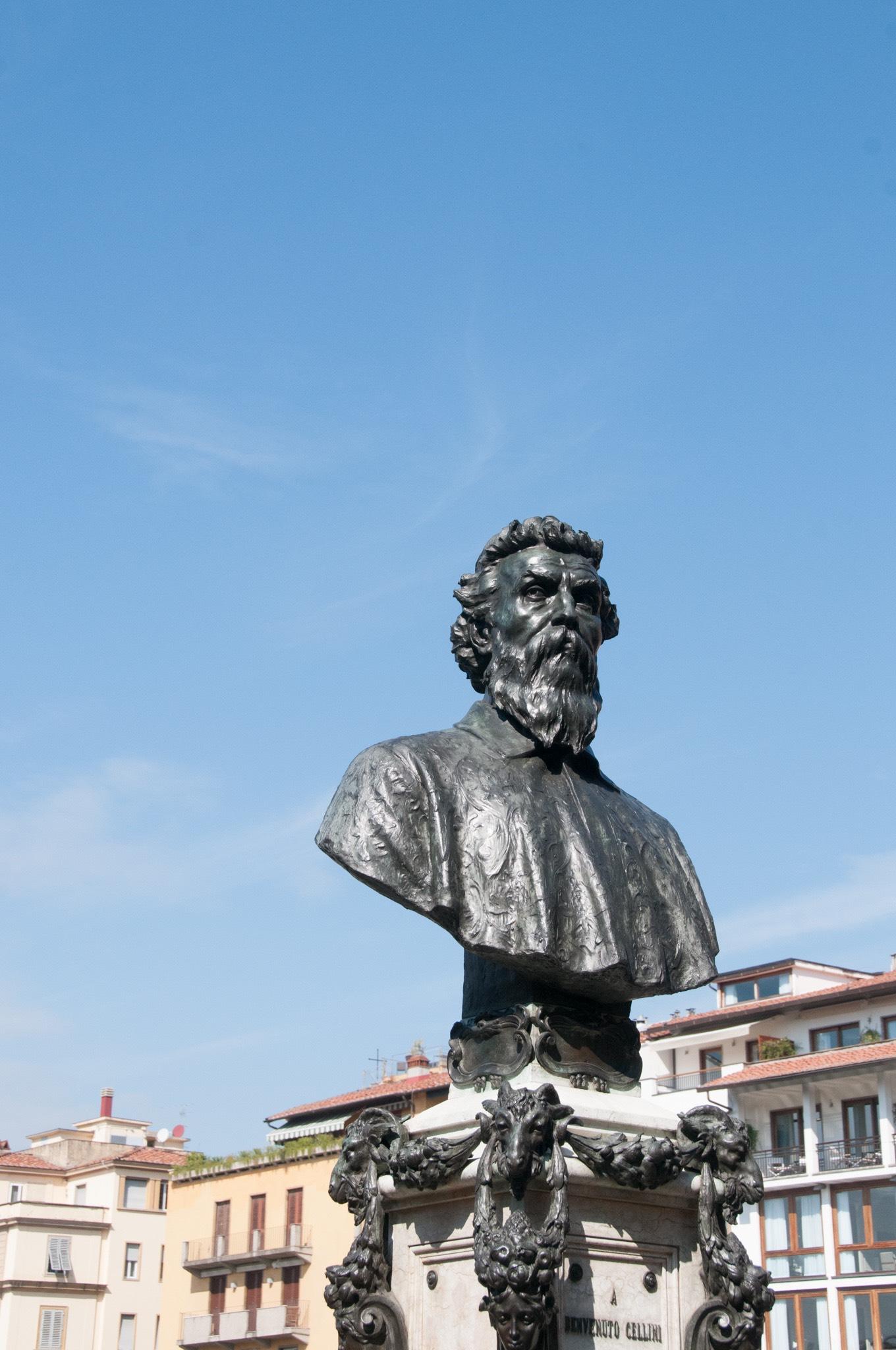
In the middle of the Ponte Vecchio stands the bust of one of the city’s great sons: Benvenuto Cellini. The artist was born in 1500 in Florence and died in 1571 in his
hometown. Cellini was one of the great sculptors and goldsmiths of his time.
In 1554, the master’s greatest work, “Perseus with the Head of Medusa,” was unveiled in the Loggia dei Lanzi. When viewing the statue, one can also see the four bronze figures in the base, also cast by Cellini.
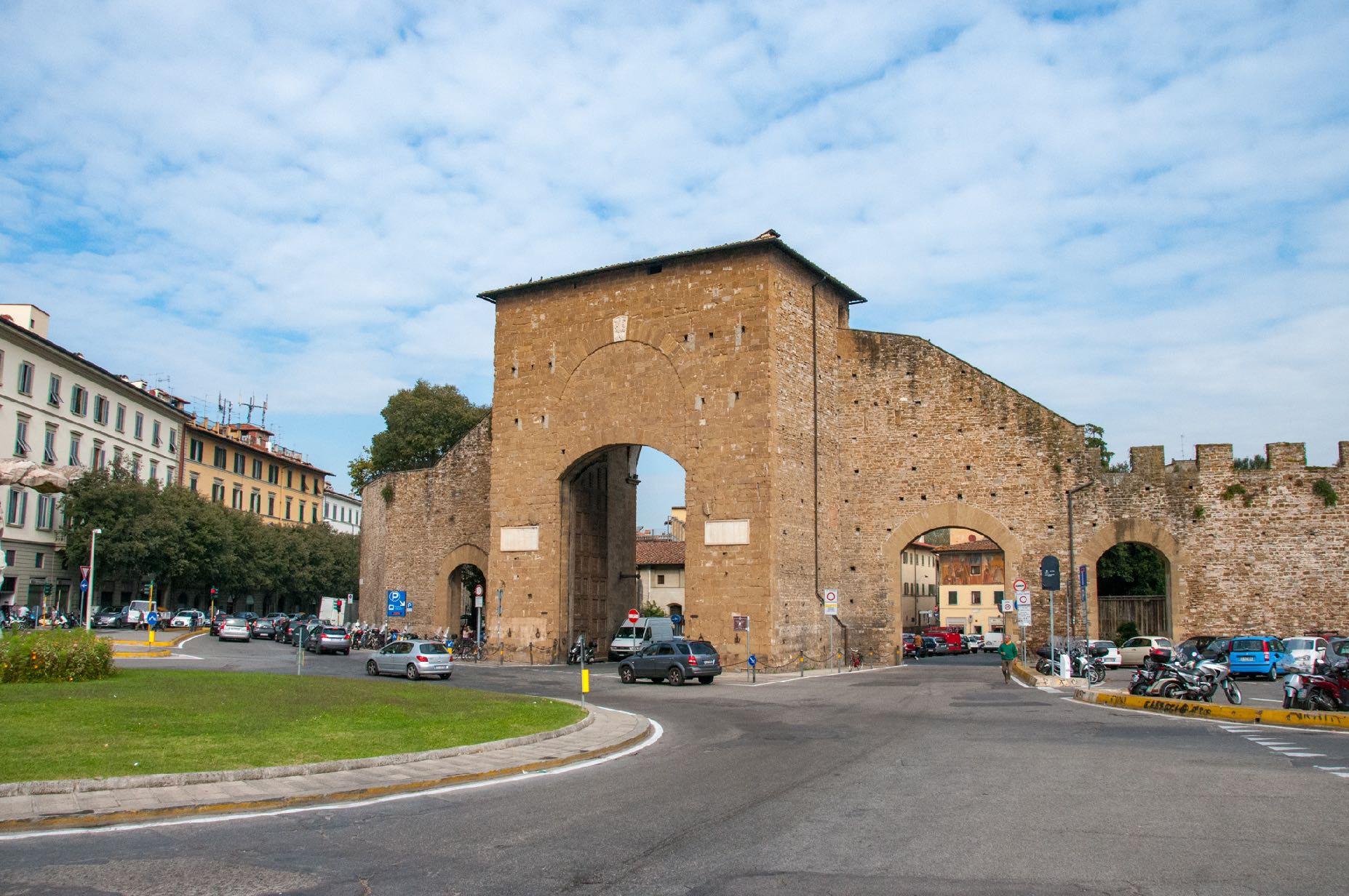
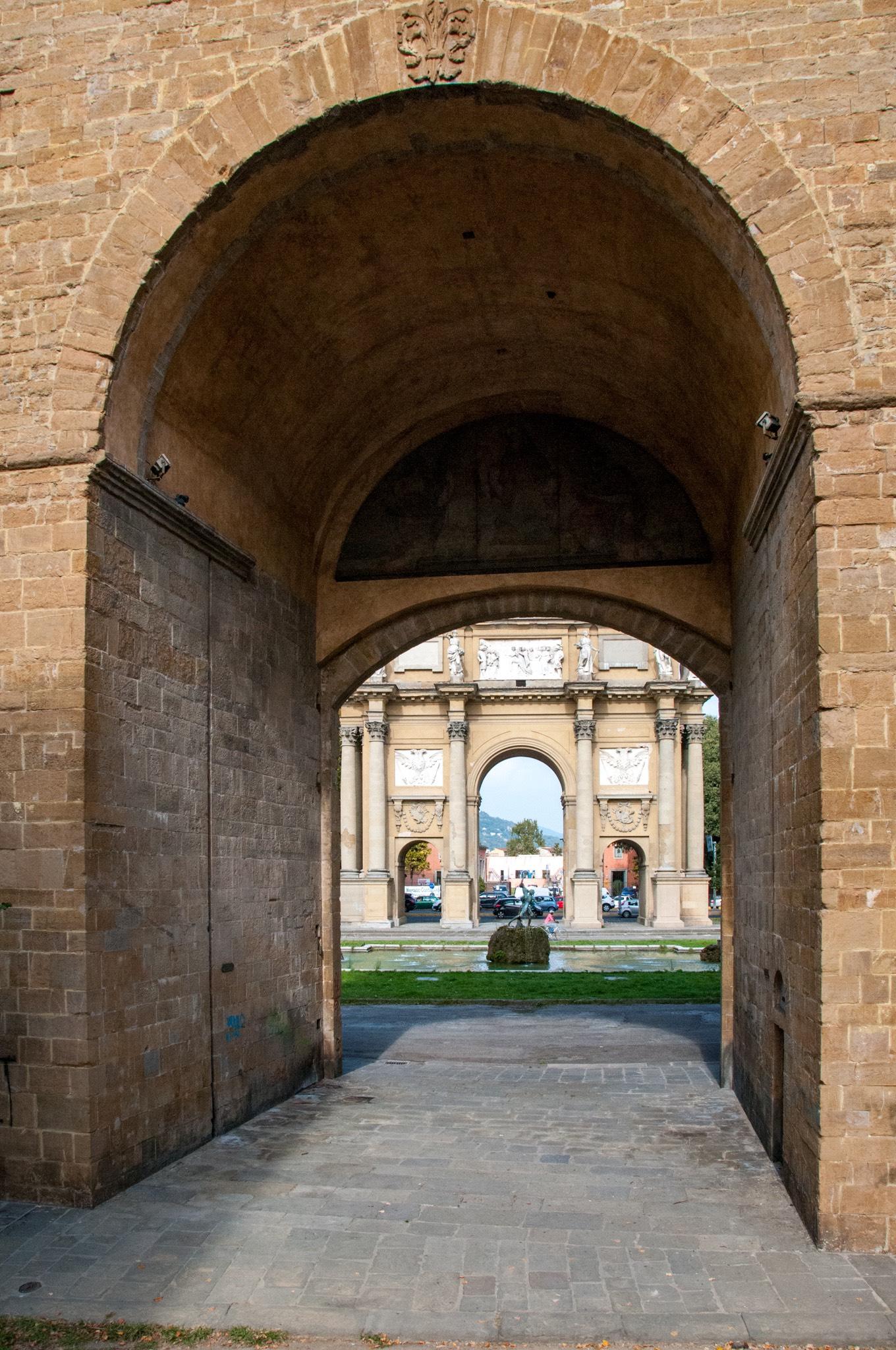
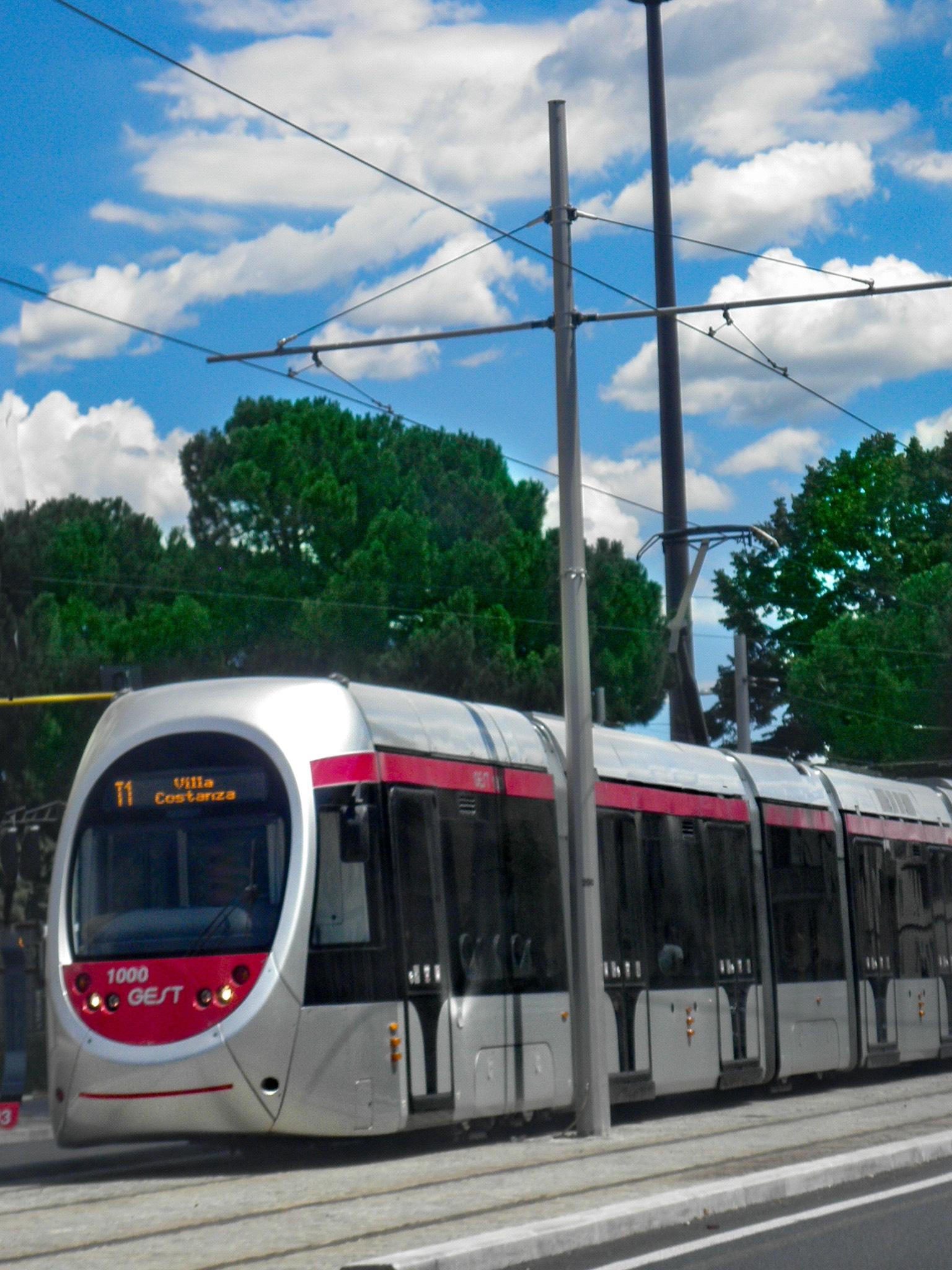
The southern gate was completed in 1331. Travelers to Rome left Florence through this historic building, hence the name “Porta Romana.” The historic tram line from Florence to Chianti, which operated from 1891 to 1935, had its terminus here. Currently, trams are coming back into fashion in Florence, and the first line from the main train station to Villa Constanza is already in operation. Two more lines are still in planning.
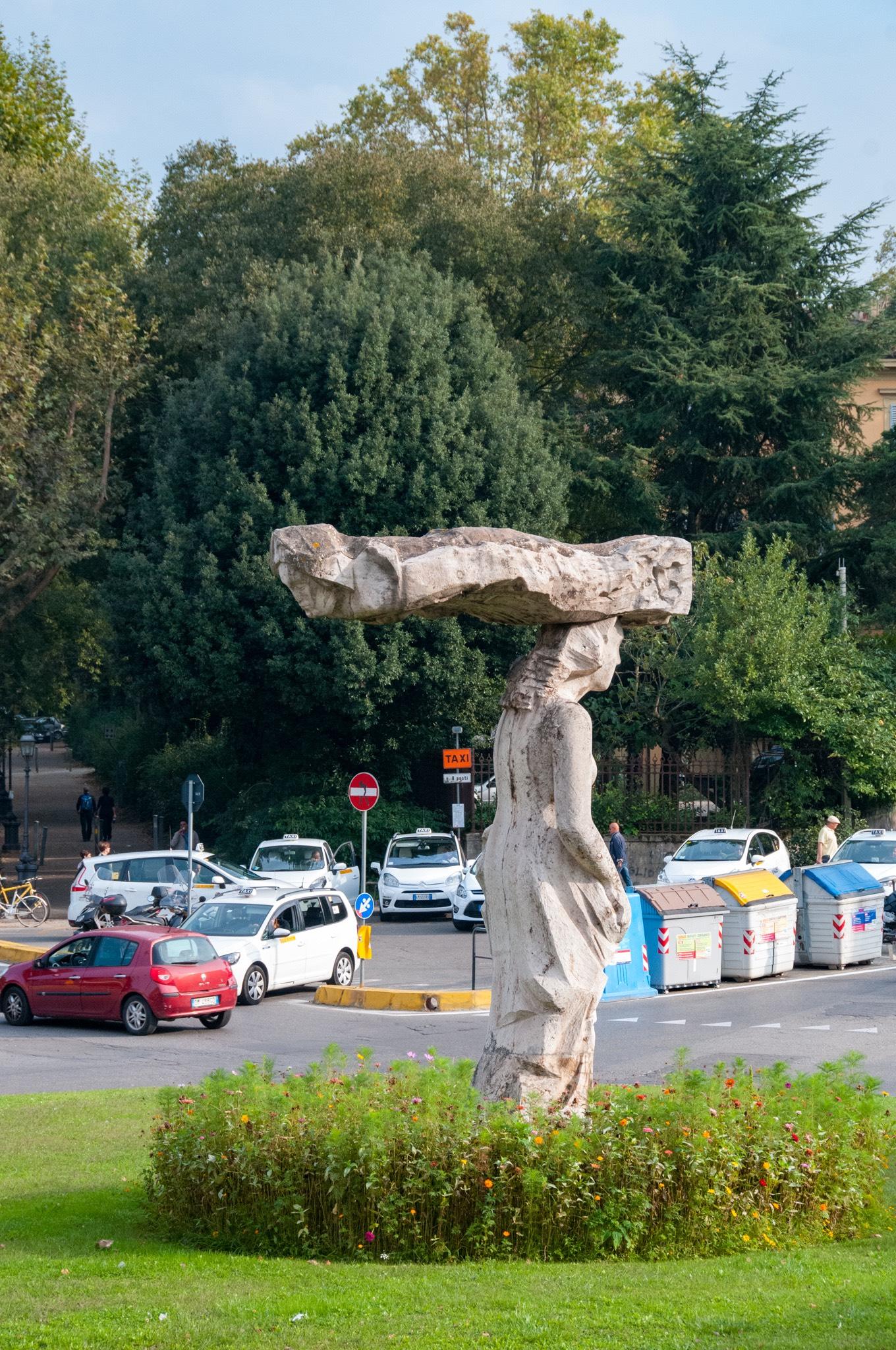
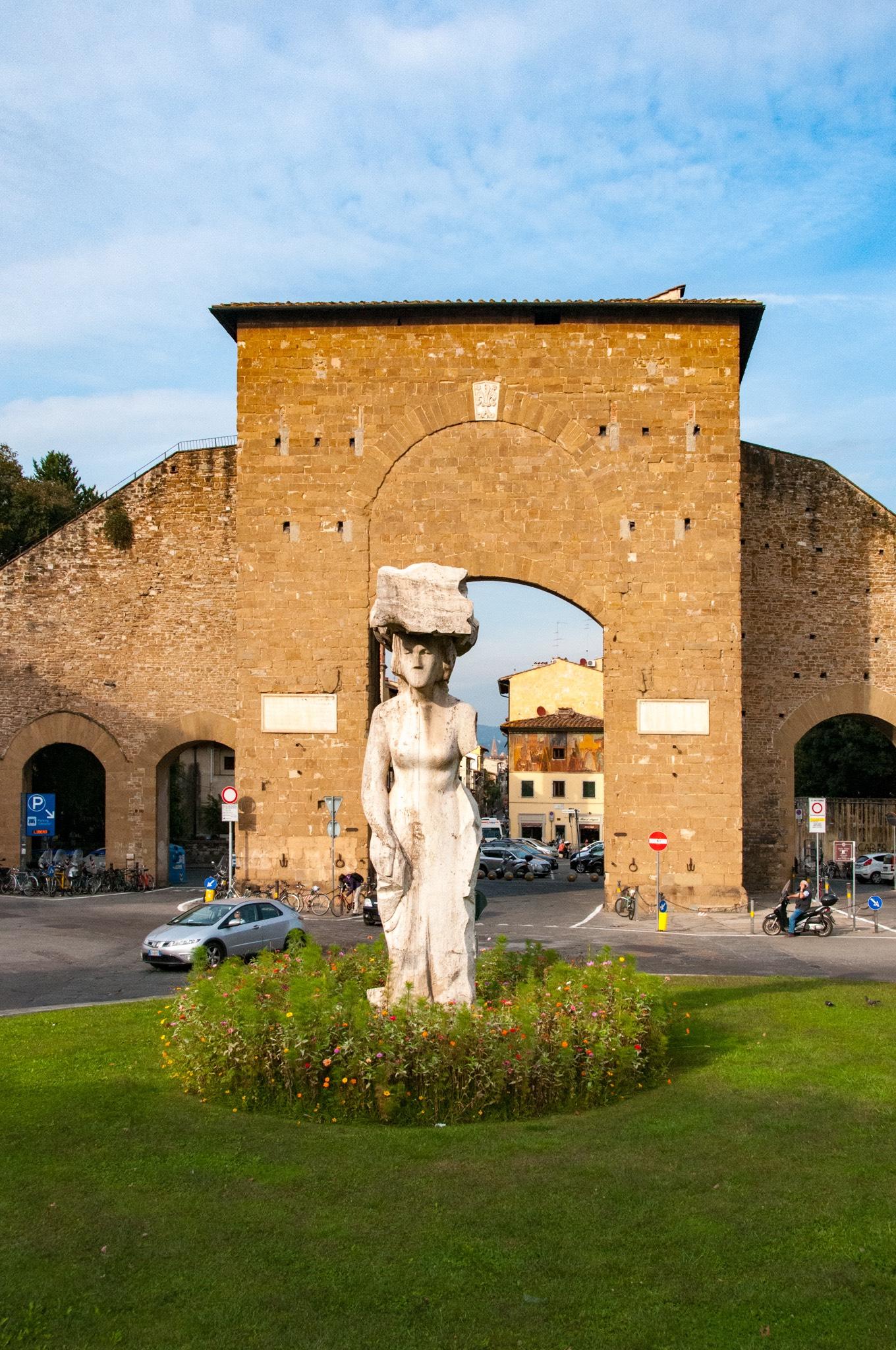
In the center of Piazzale di Porta Romana stands a marble statue by Michelangelo Pistoletto since 1984. The artwork is called “Dietro-Front” (About-Turn).
Pistoletto explains his artwork as follows: “The ‘DietroFront’ has a clear meaning. It moves in two directions. One figure moves forward, while the other moves backward. During the Renaissance, countless ideas in art, science, architecture, and economics developed in Florence. One figure goes out into the world, while the other brings modern achievements back from outside.”

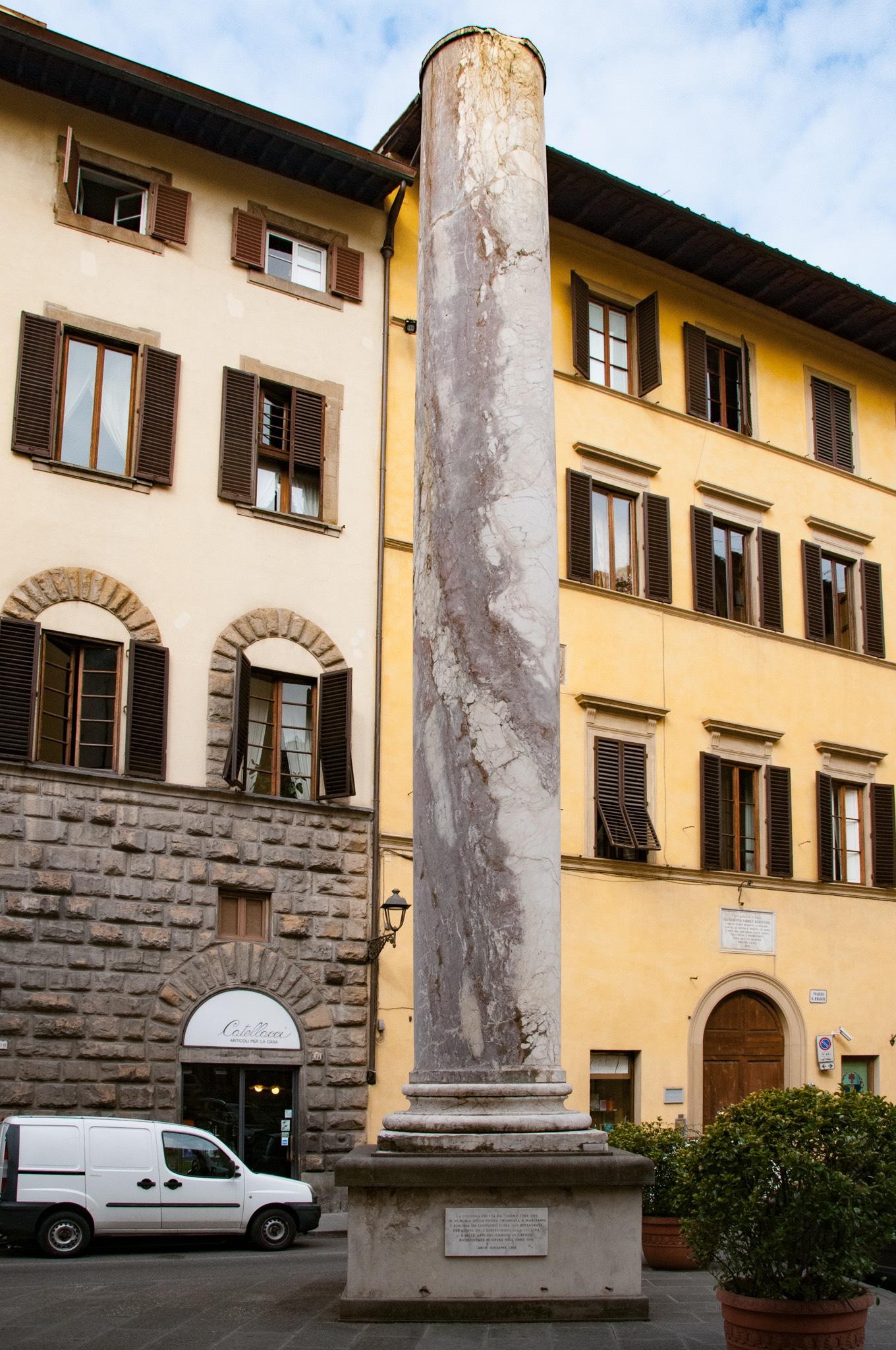
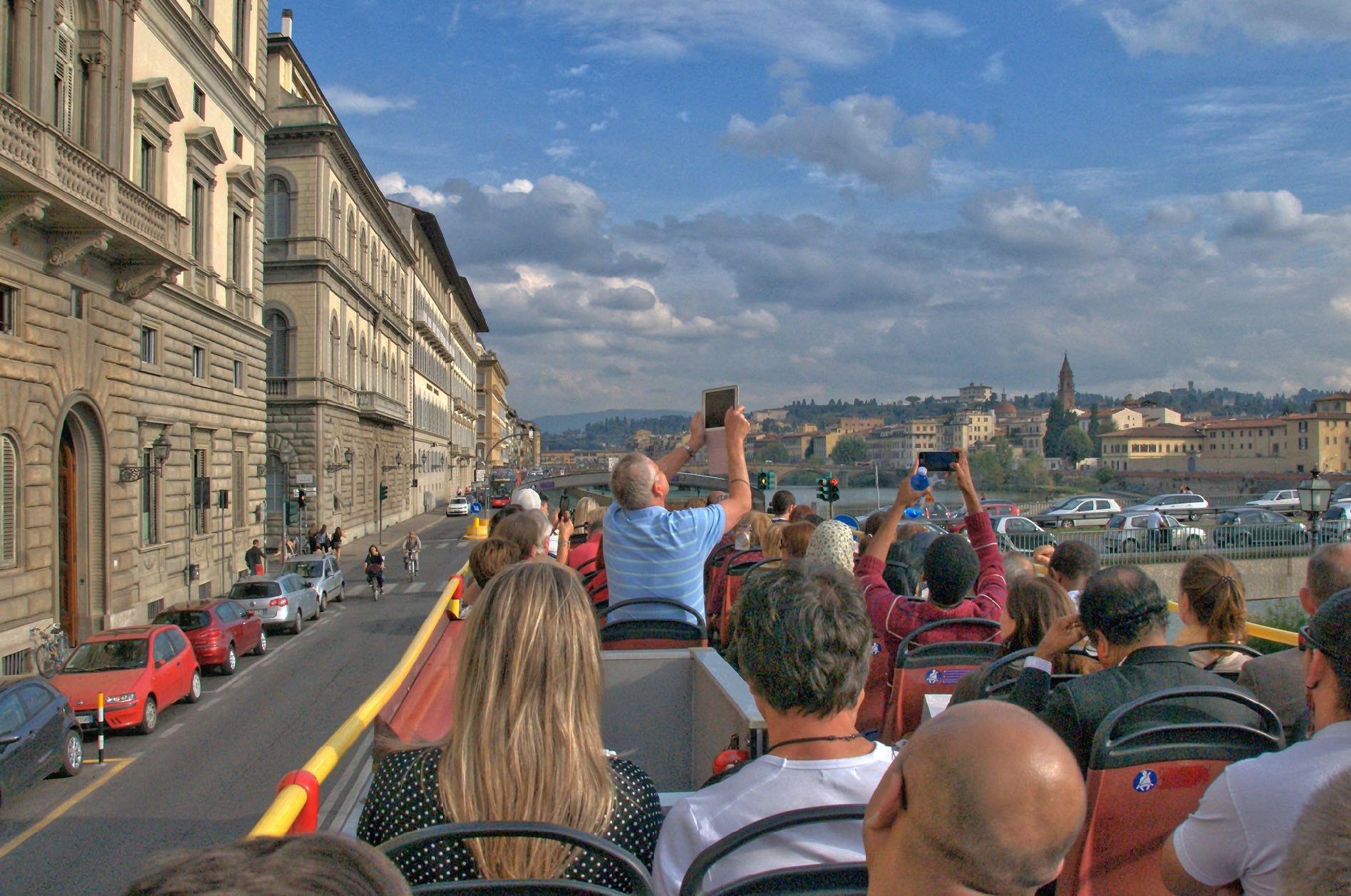
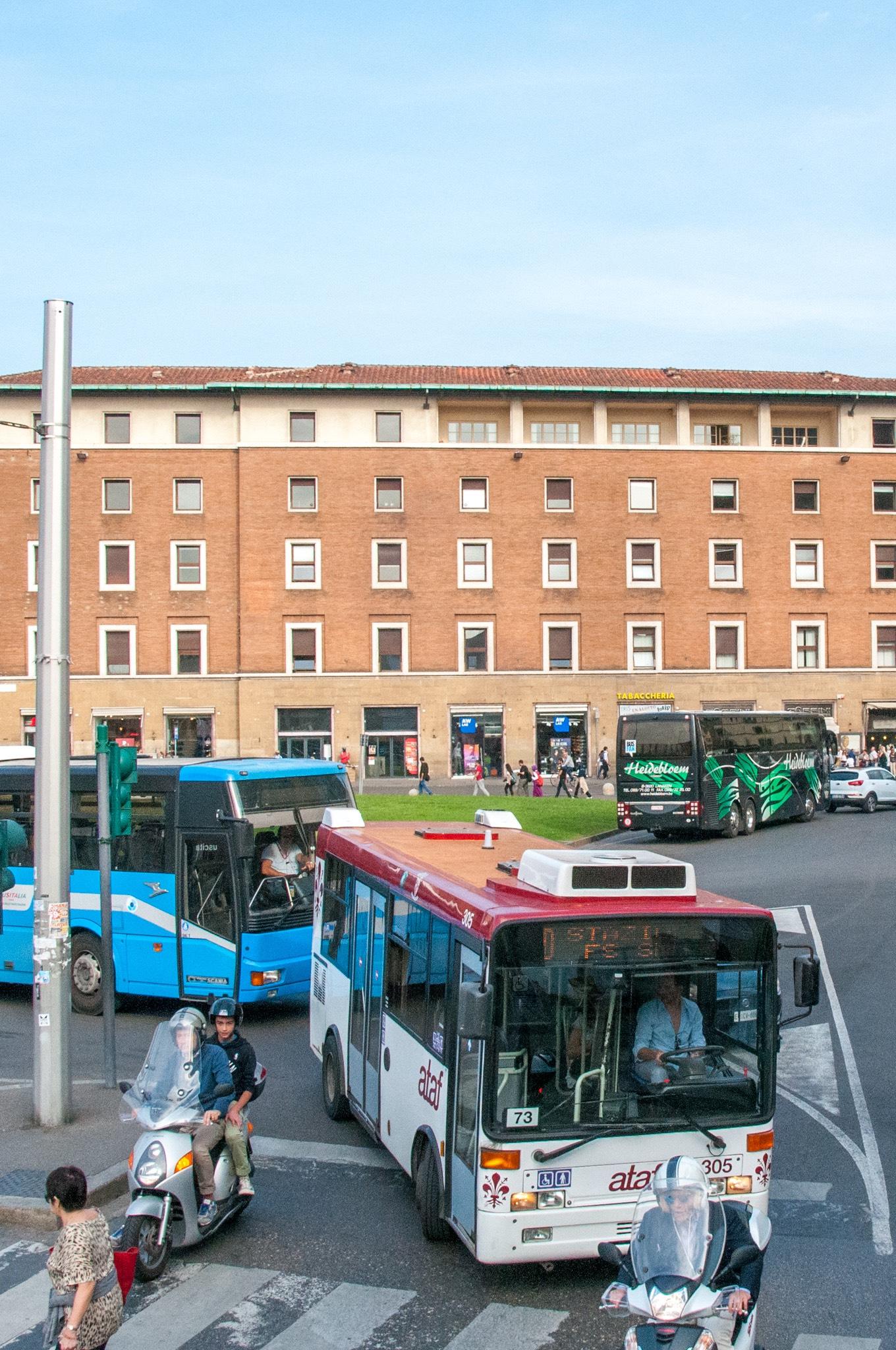
In many cities, there are numerous providers of sightseeing tours. The red buses with the “CitySightSeeing” logo can be seen in every major Italian city. In Florence, the routes of the three lines are optimally coordinated. The city center with its museums and attractions is best explored on foot, allowing the opportunity to enjoy an espresso in one of the many cafés. A typical Italian custom is that espresso prices often differ depending on whether it’s consumed at the counter or at a table. The red double-decker buses operate from the main train station, and tickets allow multiple hopon, hop-off stops at various stations. During the ride, headphones provide information about the sights. The bus
lines also travel to the idyllic hill village of Fiesole (Lines B and C).
The red double-decker buses start their tour diagonally opposite the main train station.
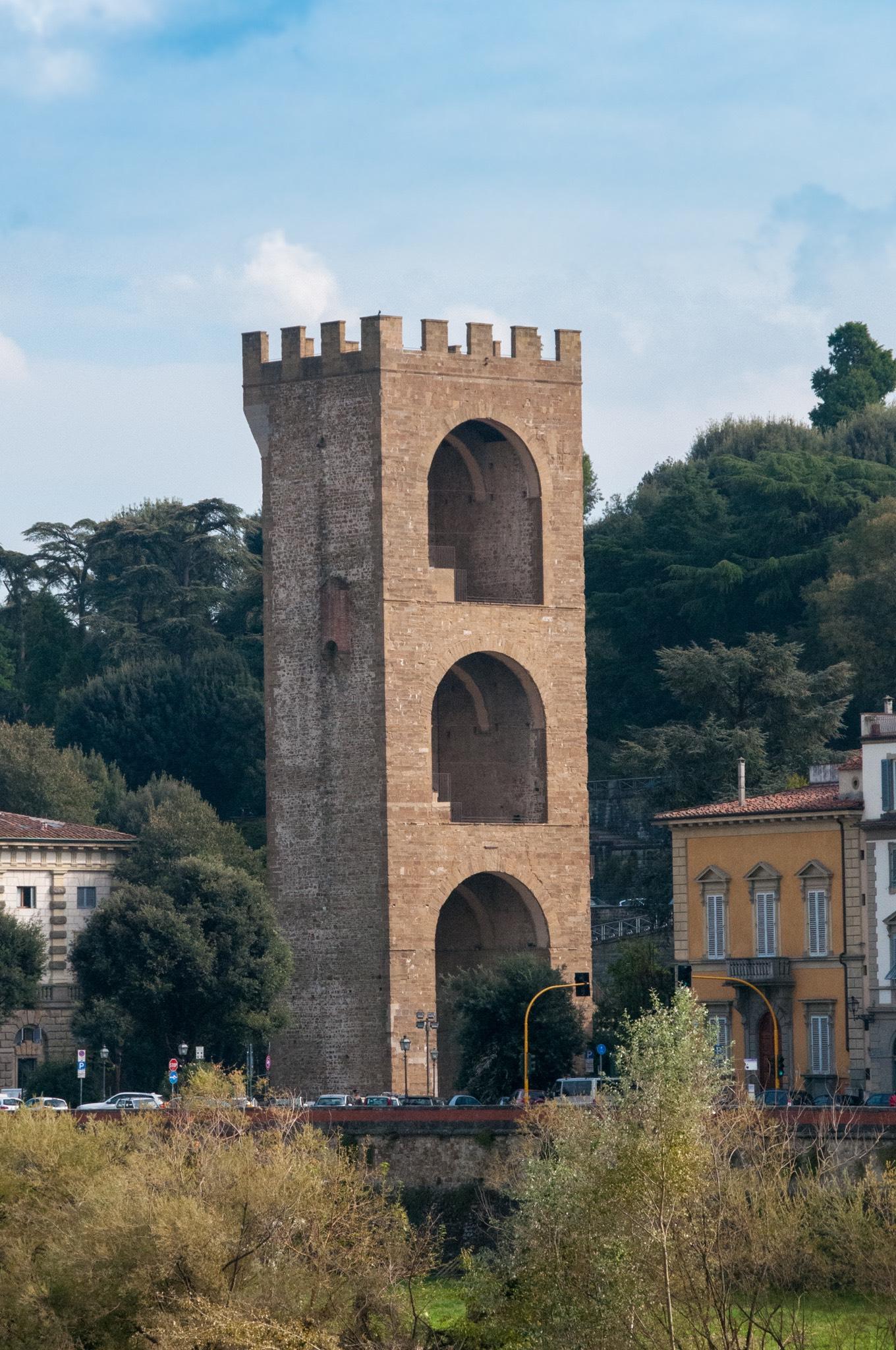
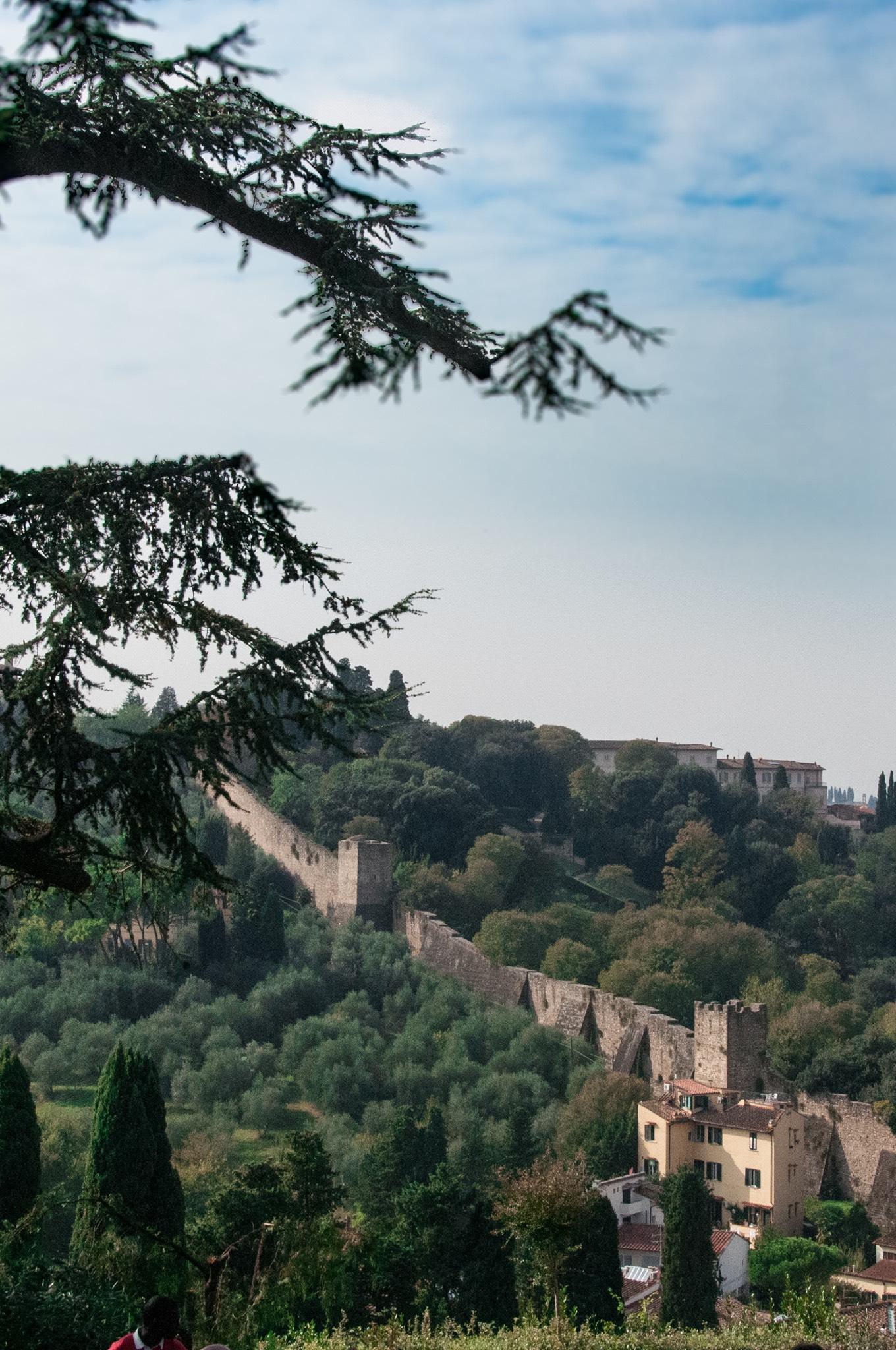
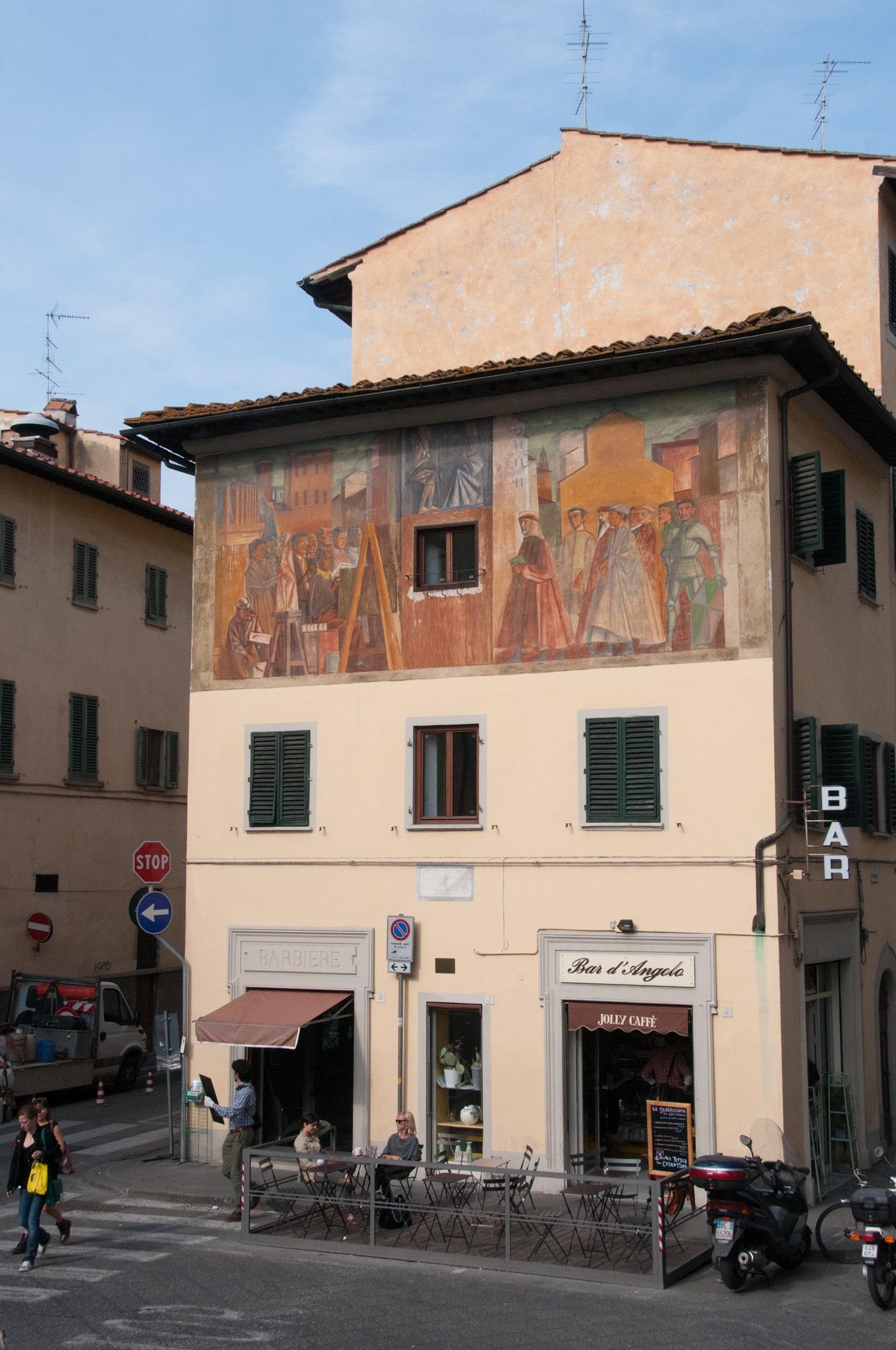
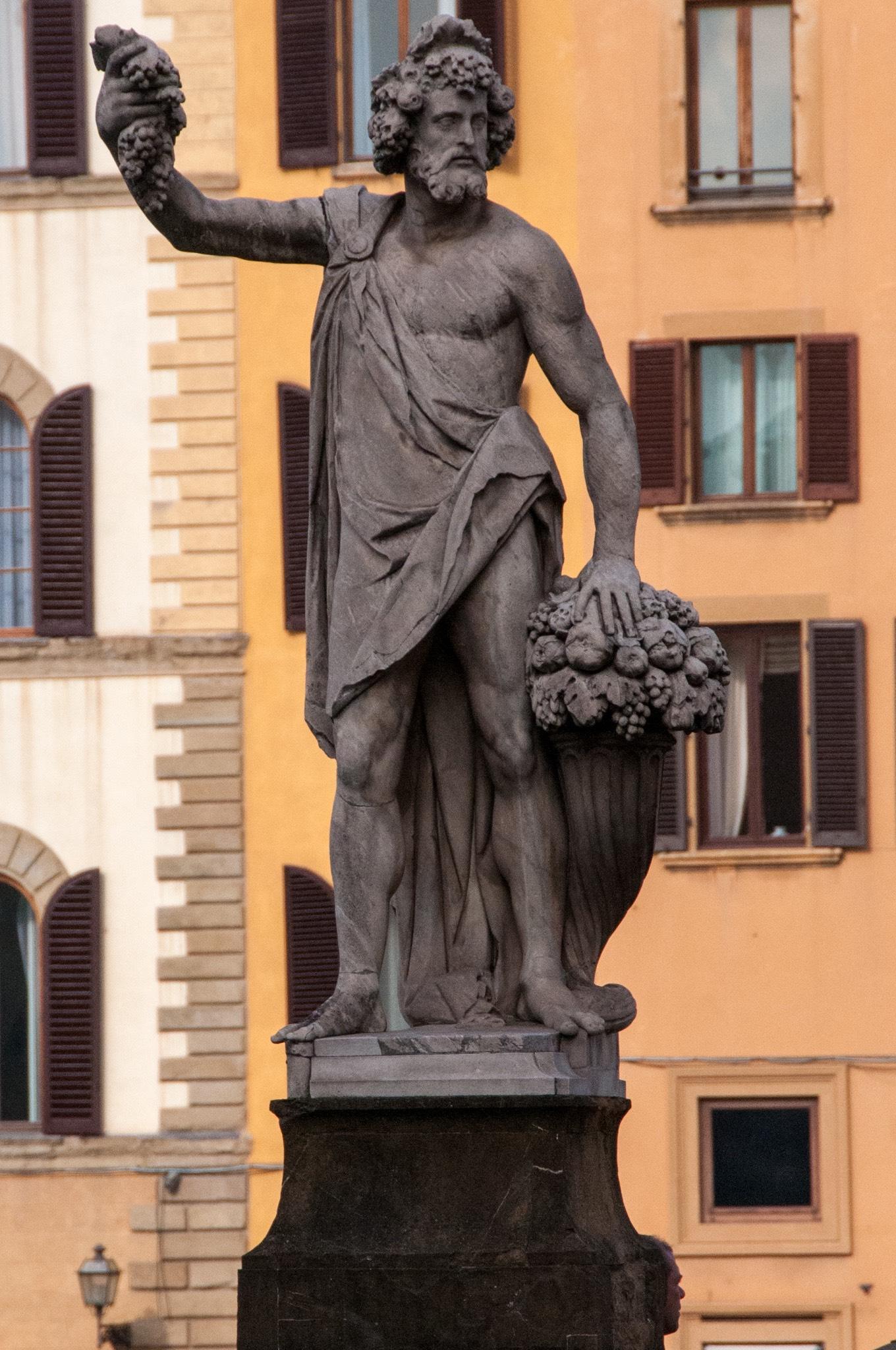
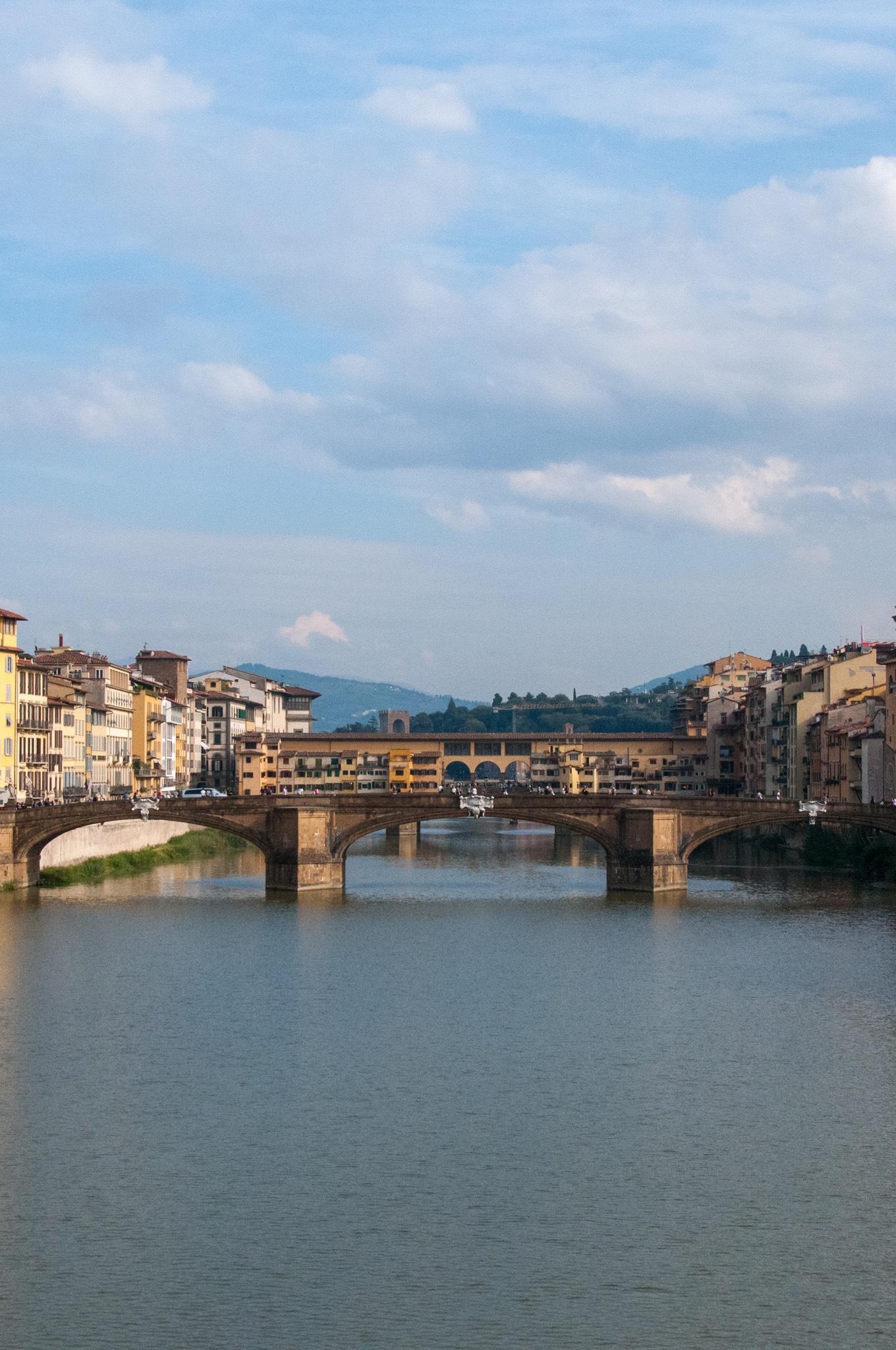
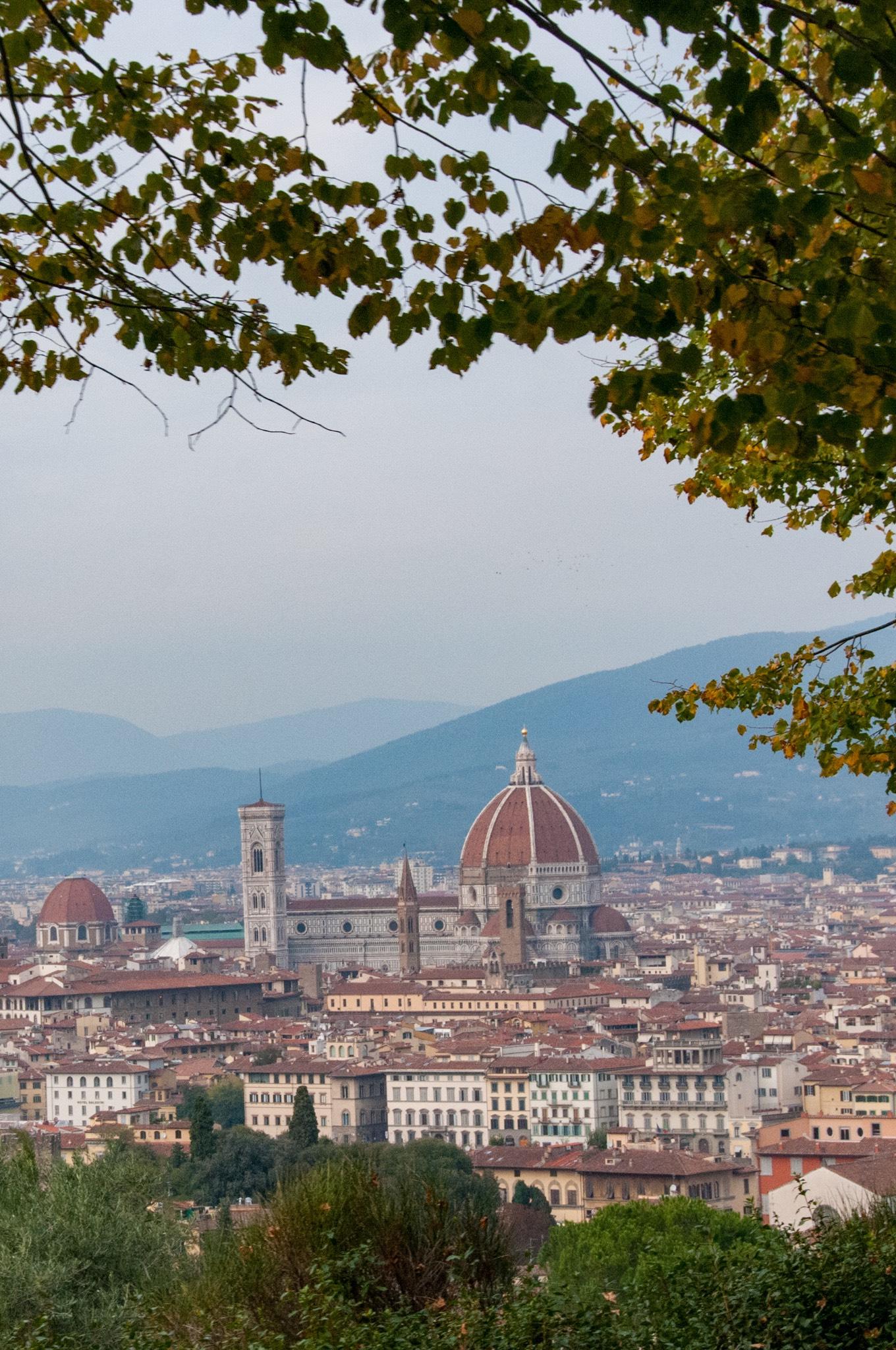
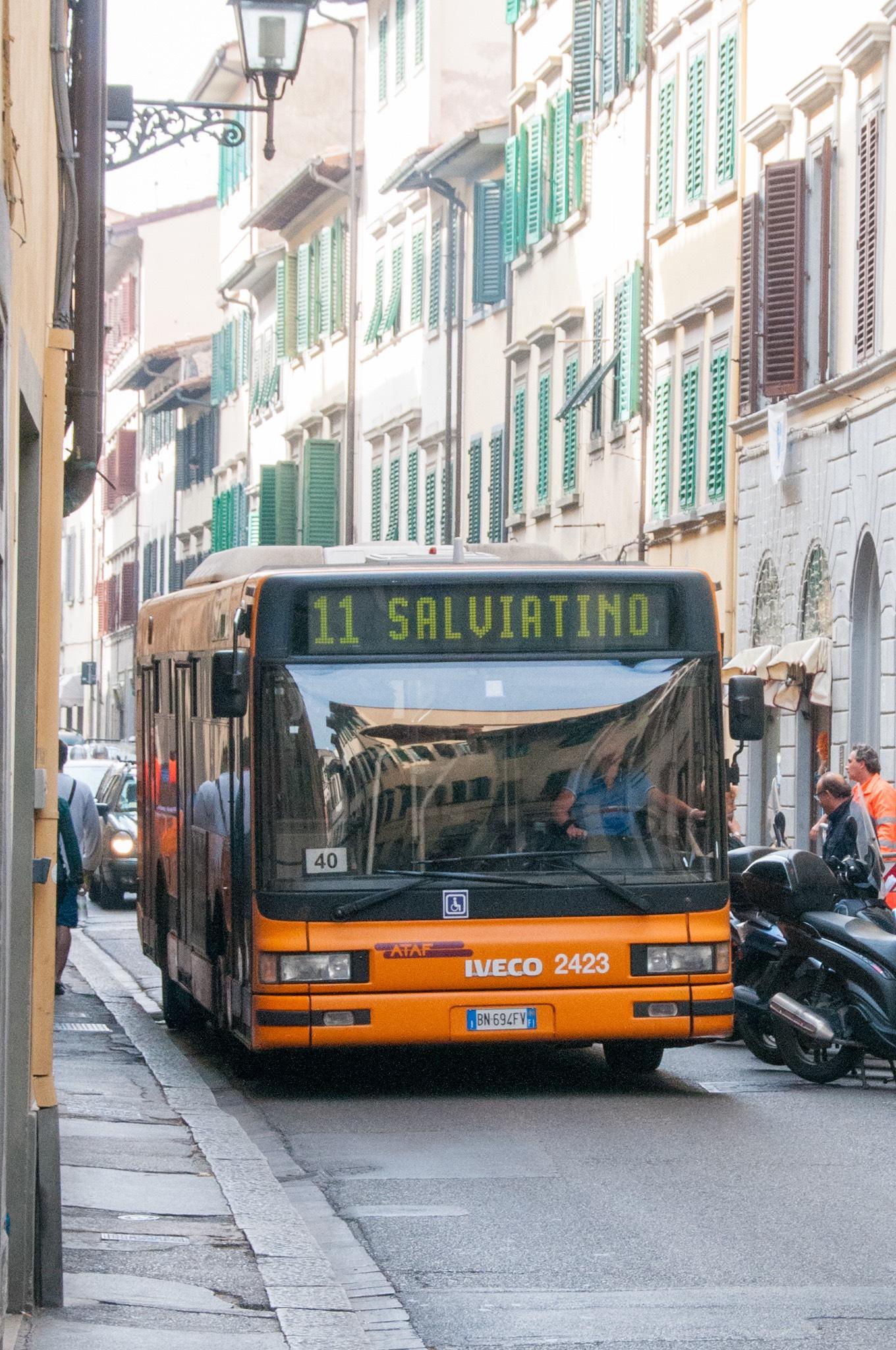
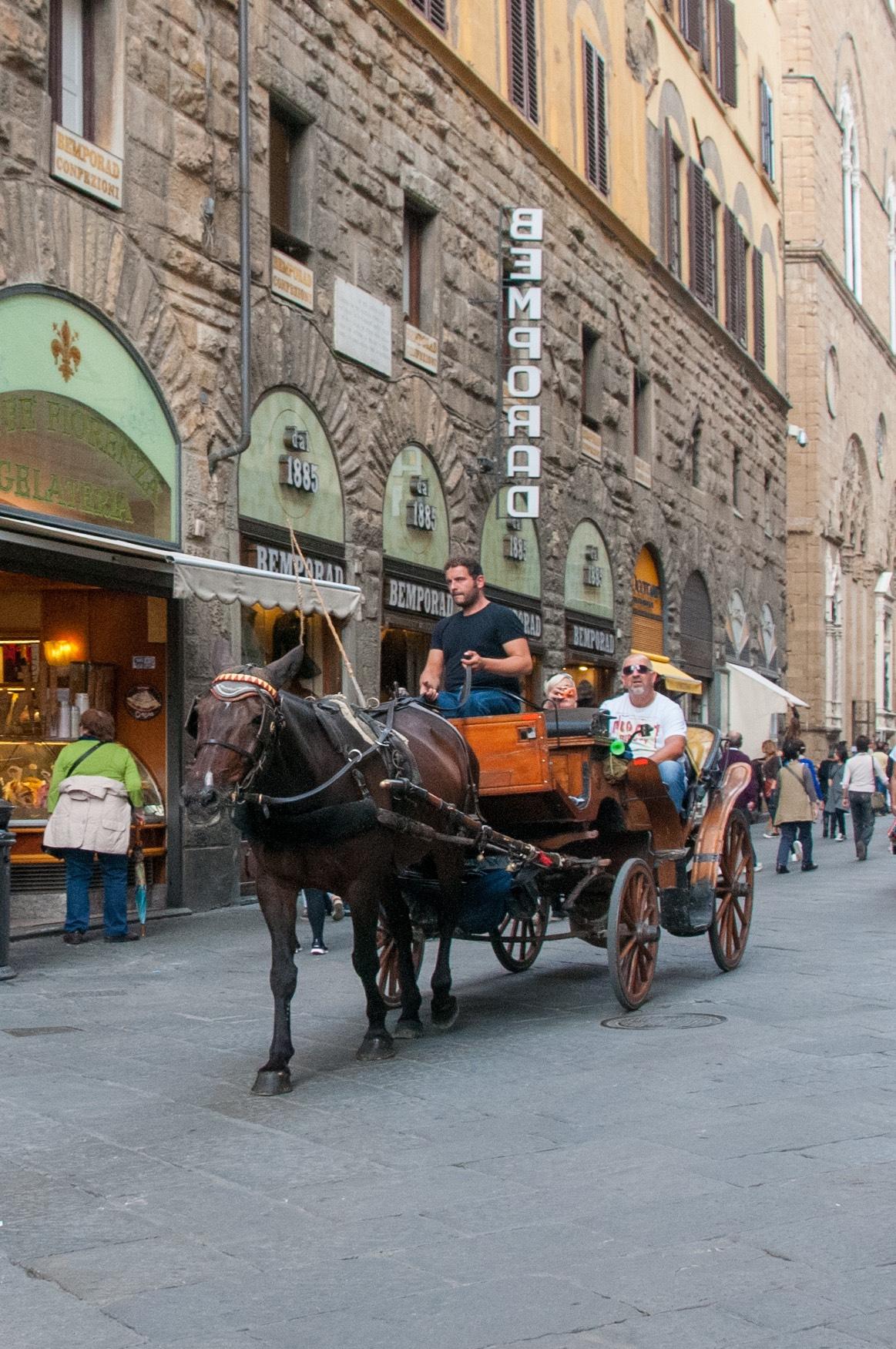
A tip for photographers: the best photos are taken if you sit at the back of the bus. The windshield at the front protects from the wind but can interfere with photos. Below are some shots taken during one of the tours.


OBB Nightjet and OBB Nightjet Partner







This e-book was made possible through the kind support of the regional tourist offices and the OBB. German proofreading and editorial: Martin Andergassen.
References
Text, videos and photos by Rudolf J. Strutz unless otherwise stated. Timetables and travel information: OBB
Assistance from AI
Artificial intelligence applications are occasionally employed for image editing, including the elimination of undesirable components. Additionally, AI tools can enhance the clarity of images and diminish background noise.
The travel guides are also available free of charge on the OBB online entertainment and internet portal railnet, which is installed on all railjets, nightjets (NG) and cityjets



Copyright
This book was licensed under the Creative Commons License. Conditions of use: attribution, non-commercial, no editing and distribution under the same conditions only as a complete work! The use of individual photos and text is not permitted. This eBook is available free of charge.
All links provided are current at the time of publication of this ebook. Links to tickets usually lead directly to the exhibition location. For tickets and timetables, local public transportation services are linked.
All logos and company names are used for information purposes only; any use outside of this e-book must be approved by the copyright holders.


SCOTTY mobile shows the timetables for all public transport and helps you plan your travel route.


Book your trip online or view the current timetable online and directly on your mobile phone.