Ruben Lincoln

Contact
Availability: July 2024
Phone: 07389 183 458
Email: rubenlincoln123@gmail.com
Address: 115 Henbury Road, Bristol, BS10 7AA
LinkedIn: www.linkedin.com/in/rubenlincoln

Contact
Availability: July 2024
Phone: 07389 183 458
Email: rubenlincoln123@gmail.com
Address: 115 Henbury Road, Bristol, BS10 7AA
LinkedIn: www.linkedin.com/in/rubenlincoln
I am a hard-working and dedicated BArch graduate from Nottingham Trent University. During my time at university I have developed important skills through my studies like problem solving and time management as well as a range of software’s to help communicate my work. I take a particular interest in historic interventions within architecture and how we can merge modern and historic design together seamlessly.
I have a rich history of architecture within my family with my great-great grandfather being Thomas Wallis who designed the Hoover building and Victoria Coach Station, My Granddad and Uncle are also Architects so I am excited to be continuing the tradition of architecture within my family and hopefully live up to what many in my family have achieved before me and be able to be a part of something that I can be truly proud of.
(2019) Waiter - The White Horse, Westbury on Trym, Bristol
During my A levels I worked part time at a local restaurant. This developed my communication skills and time management having to deal with customers and delivering food on time.
(2022 - 2024) Bar Staff - The Prince of Wales, Westbury on Trym, Bristol
During breaks between university terms I worked and still currently work at a local pub. During this time I have developed good salesmanship and leadership skills running the pub for a week when my manager has gone away.
(2024) Course Representative - Nottingham Trent University, Nottingham
To further involve myself within my studies I became a representative for the architecture course. This has allowed me to become a role model for a larger group and help solve problems for other students.
Skills
Indesign
Photoshop
Illustrator
AutoCAD
Sketchup
Rhino
Grasshopper
Revit
Twinmotion
Enscape
Vray
A levels - Bristol Free School (2019 - 2021)
Mathematics A
Physics B
Product Design A
1st Class W/ Honours Architecture (ARB/RIBA Part 1) BArch - Nottingham Trent University (2021 - 2024)
RIBA Mentoring Scheme (2024)
NTU Architecture Award for Best Historic/ Contextual Intervention (2024)
RIBA Presidents Medal Bronze Nominee (2024)
Throughout history our society has always had problems with discrimination and oppression among various groups of people from various different backgrounds and cultures. Even still today there are conflicts all over the world due to difference of opinion in religion, politics, culture etc.
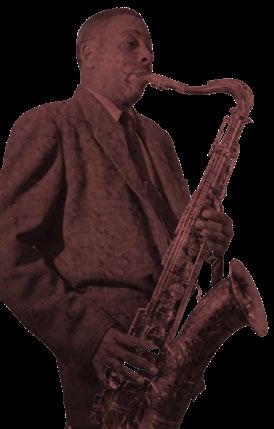
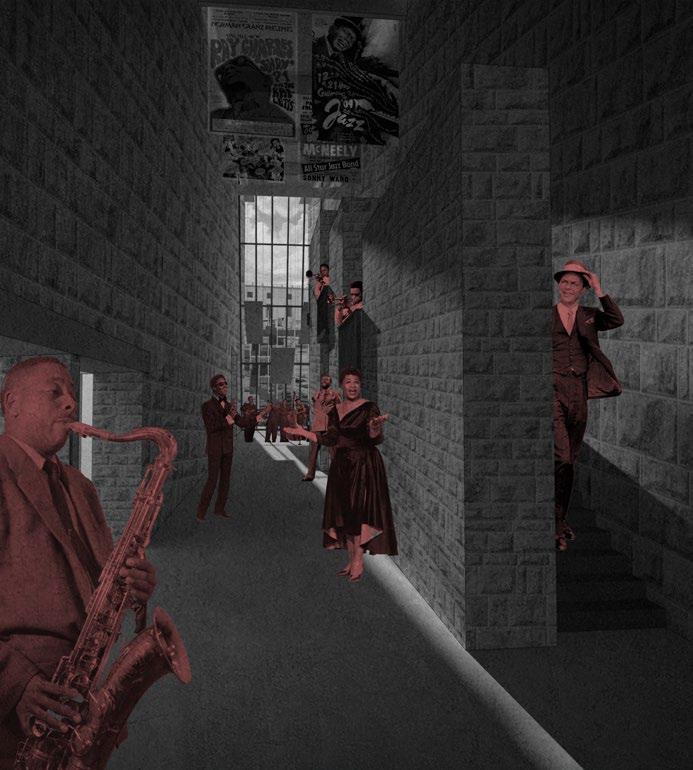
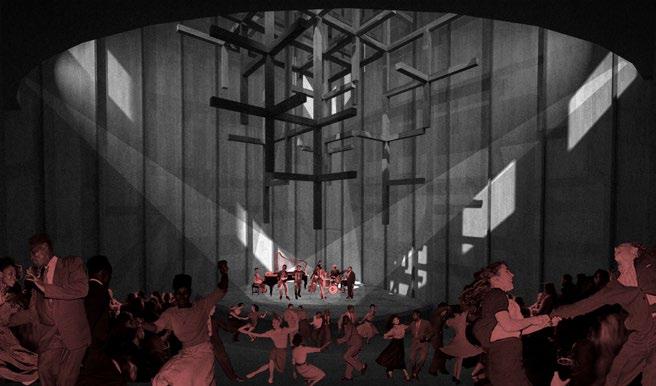
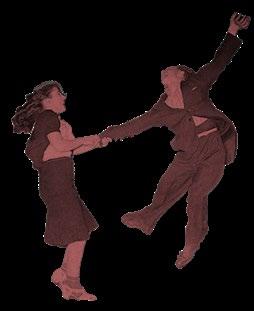
One way these boundaries are broken quite regularly is through music. Music has the ability to unite people and create communities that rise above these differences. One of the biggest contributors to this factor is Jazz. Jazz music began between the late 19th century and the early 20th century with the abolition of
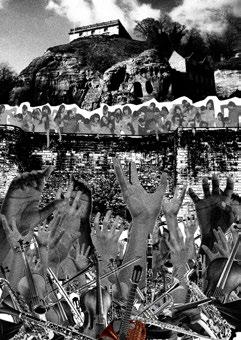
the slave trade within the USA and first was used to act as a voice for the African American community. Jazz was used as an expression of emotion and struggle for people facing discrimination, segregation, and systemic oppression. It has also been used in protests with pieces being composed to reflected the urgency for change and addressed the struggles of the time.
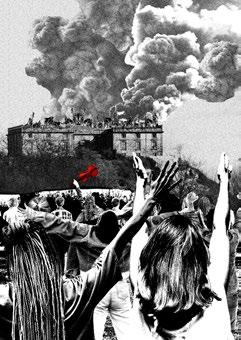
In Nottingham conflict has been seen throughout history. A main symbol of conflict has been the castle, where it has seen protests and battles with it being burnt down multiple times as a result of
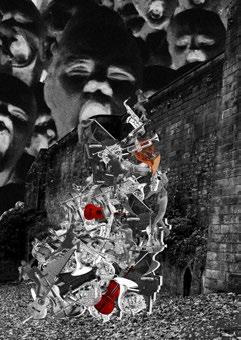
these acts. I want to use this image that the castle has been given and use it to empower the people.
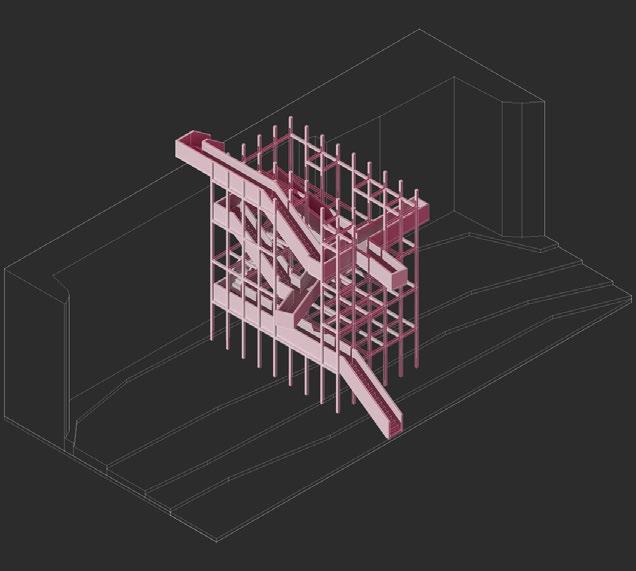
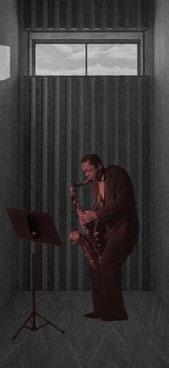
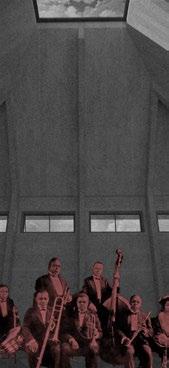
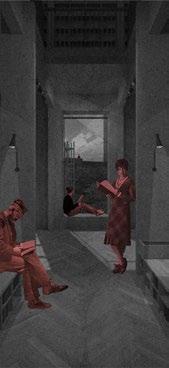
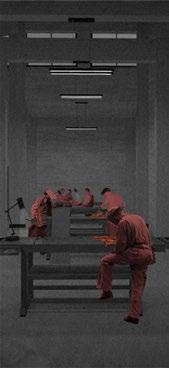
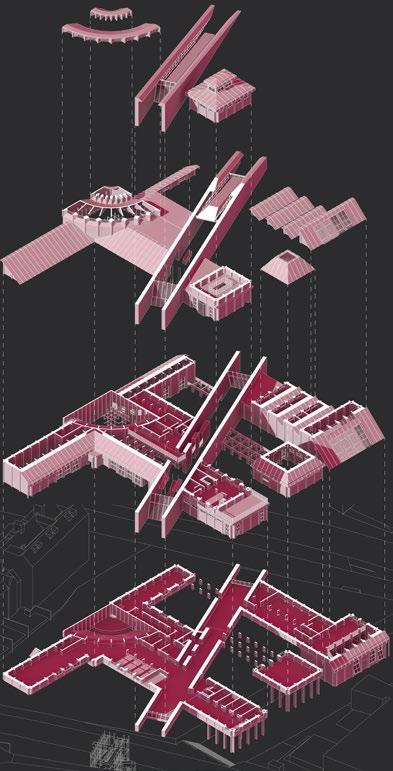
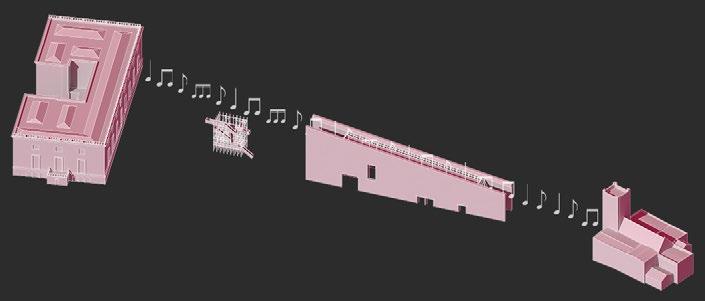
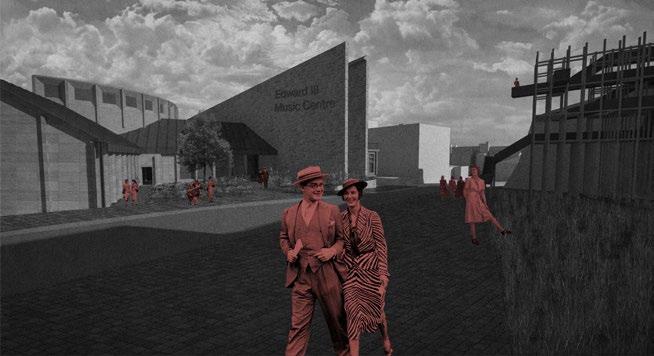
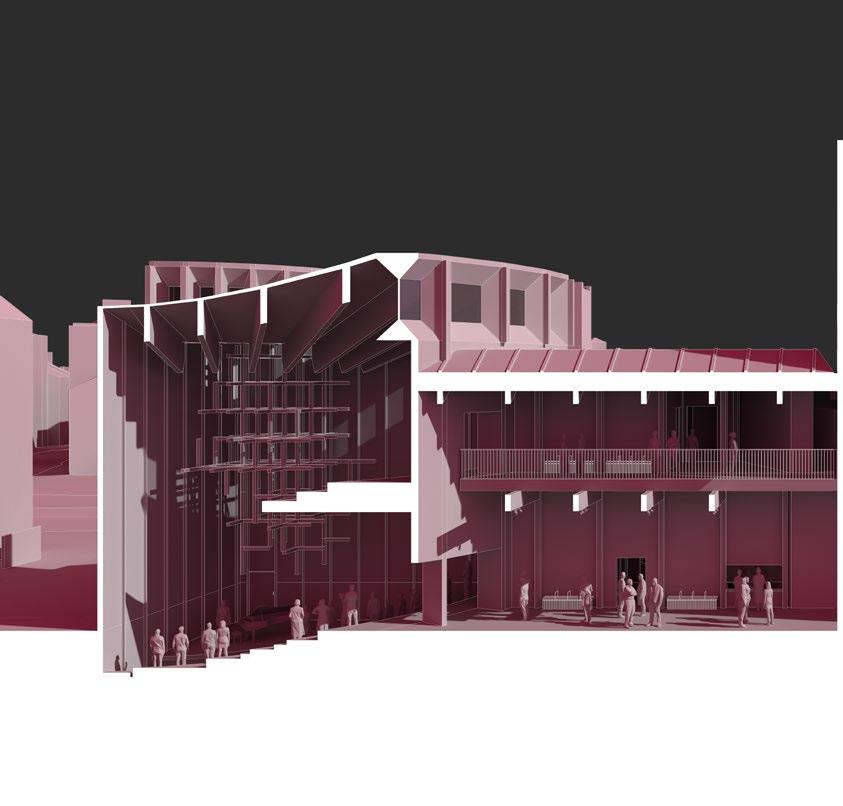
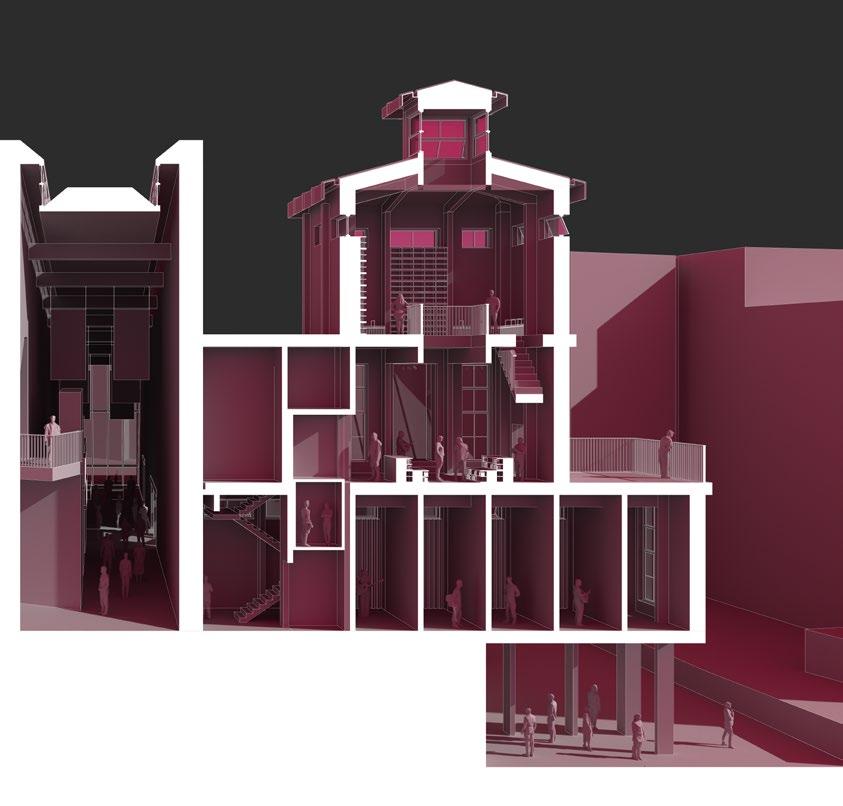
The new Music Centre shall take on the role as a symbol of revolution against the ideas of the castle. It will rise up against the history of the site and create a hub for people from any background to experience jazz and any other music and celebrate it through this space. It will be an amalgamation of learning, creating, performing and entertainment all in one space. The Centre shall break down barriers, bring together communities and allow everyone that uses it to have a voice through music.



2021- Second Year
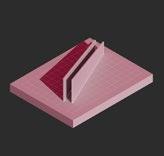
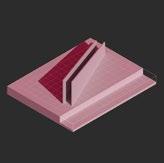
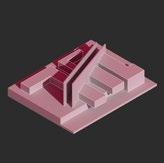
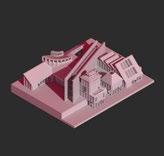
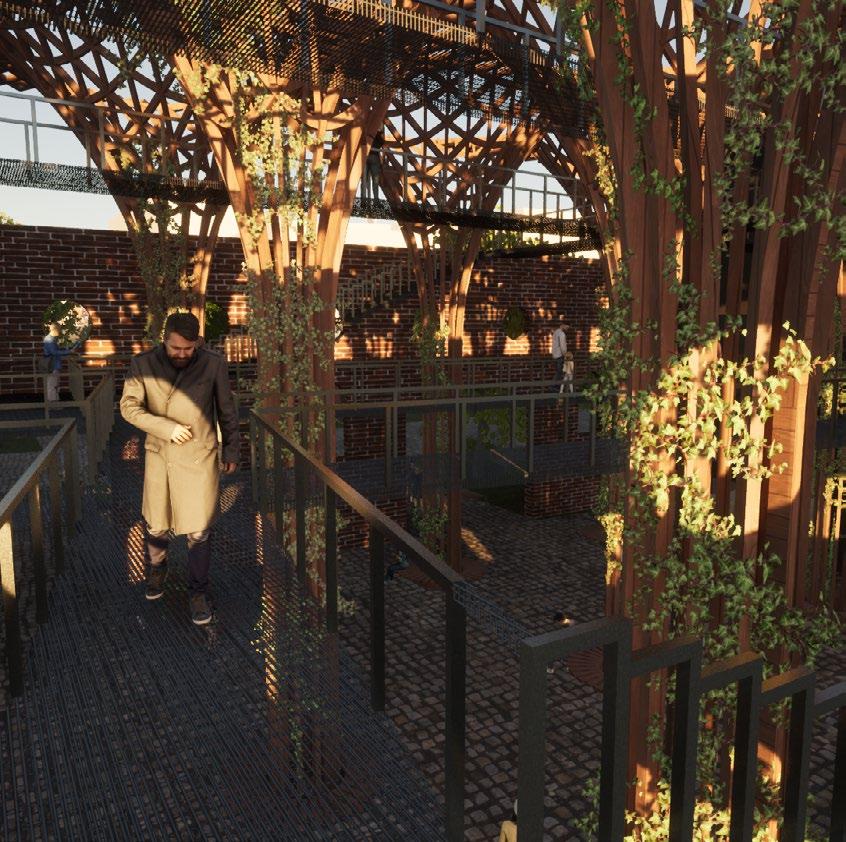
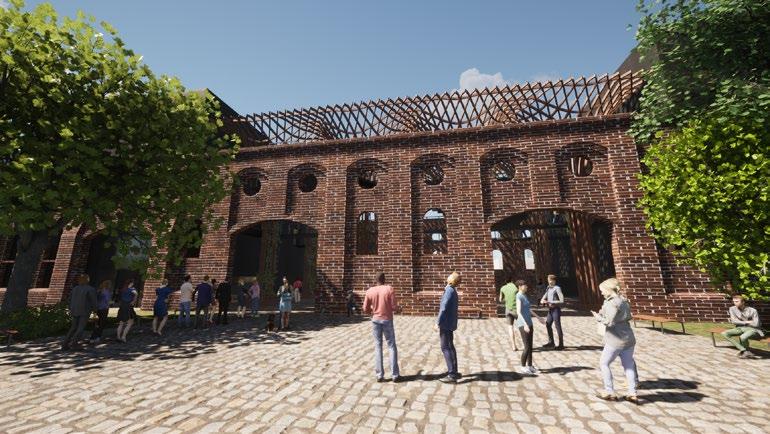
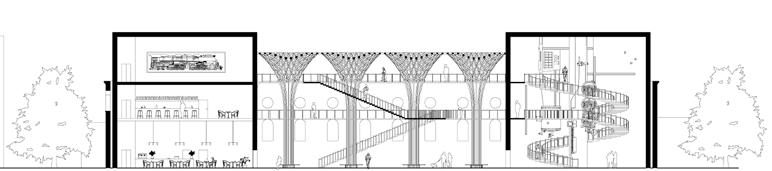
This project saw the development of a museum which would be a centrepiece of a new community of users and visitors in the newly developing Island Quarter or Nottingham. The site for the project was an abandoned railway warehouse previously used by Great Northern Railway.
Due to the condition of the warehouse the most ideal way of tackling the site was through an intervention. The existing fabric of the warehouse was to envelope the new build and create an interesting juxtaposition between the old and the new.
To fit with the history of the building and enrich this space I decided to create a museum of Nottingham’s rail and locomotive heritage. Celebrating its importance during the industrial revolution and educate the population on a lesser known industry of the city.
This project was split into two separate parts at two different scales.
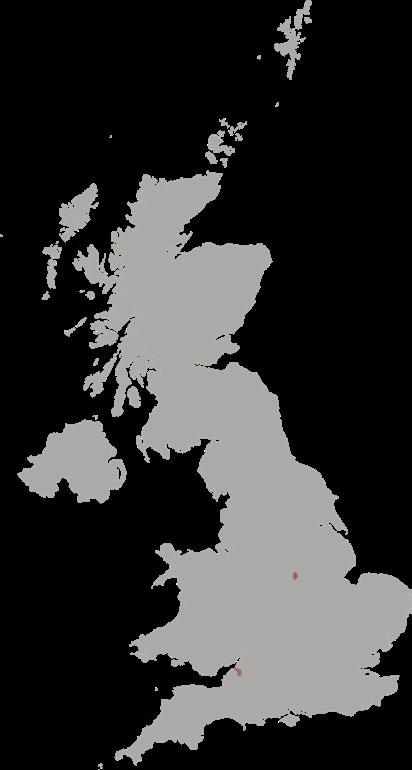
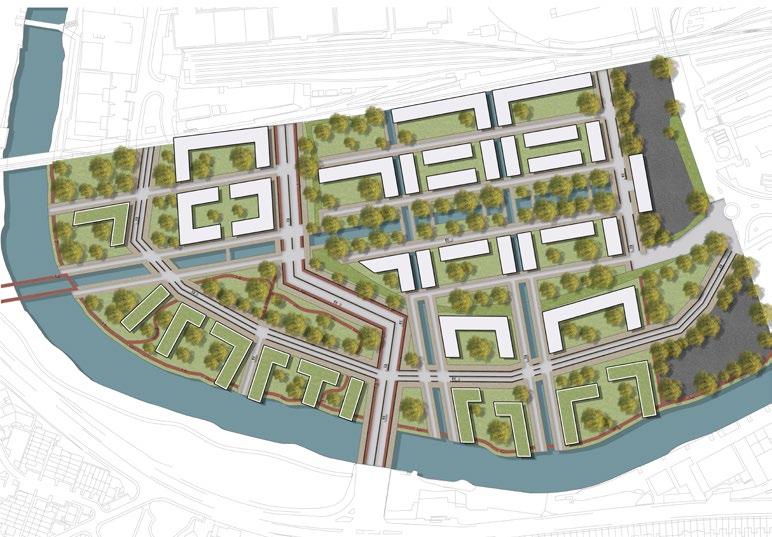
The first was to generate a masterplan of the St. Philips Marsh area in Bristol. Turning it from a uninteresting and dilapidated industrial area into a bright and vibrant hybrid housing scheme that relinks it to the rest of the city.
The masterplan saw the area turning into a lush green space which promotes walkability and community. The site is split by two main axis of canals which link to the Feeder Canal to the north and a main boulevard which provides the main transport links to the site.
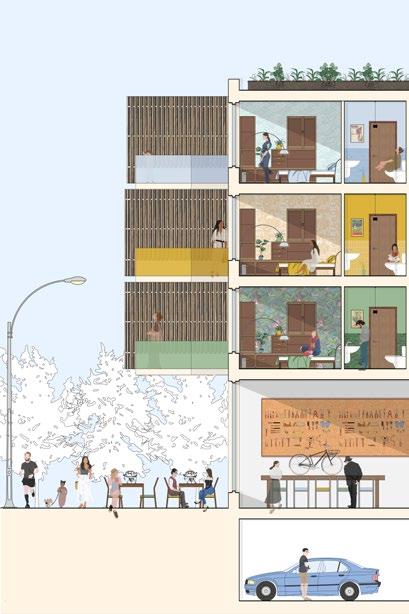
Each block then represents a hybrid housing scheme which then lead onto the second part of the project.
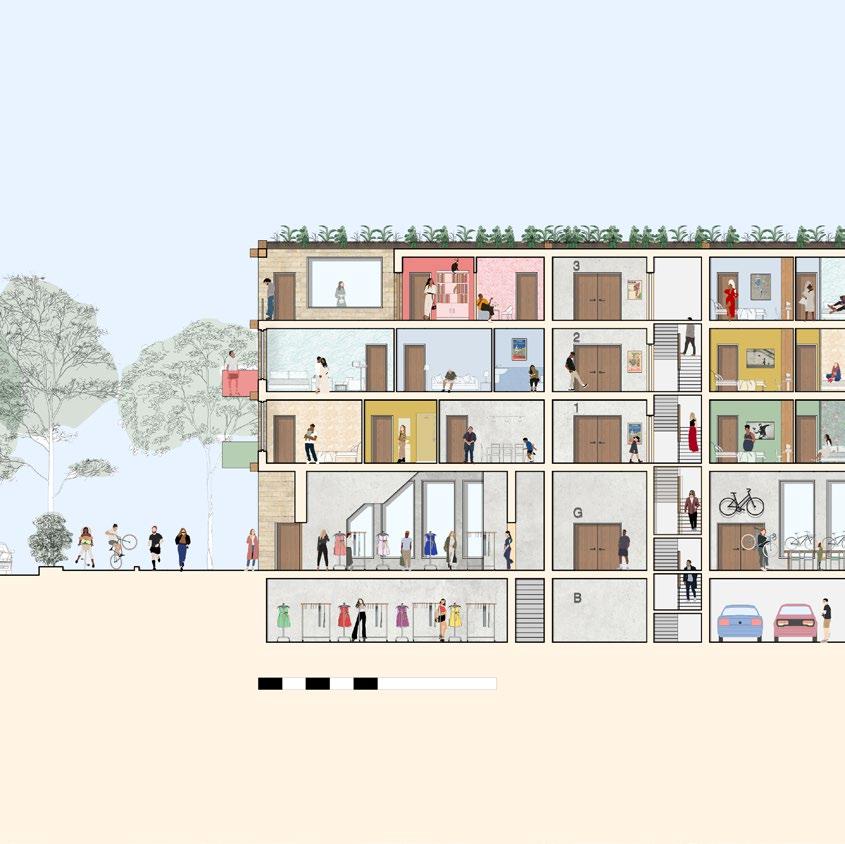
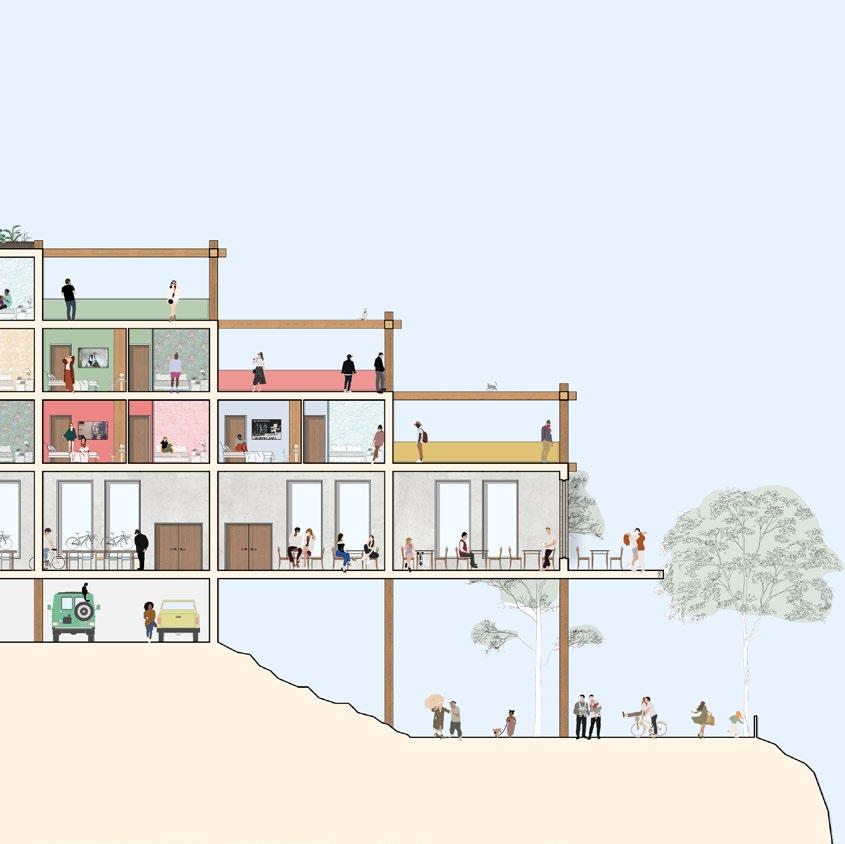
The second part of the project was to take one of these blocks from the masterplan and create a hybrid housing scheme from it. Incorporating the ideas of an active ground floor that has activity throughout the day and night in the form of bike workshops, restaurants, gyms etc., and a community hub to bring together all the range of people that live in Bristol.
Parametric Pavilion
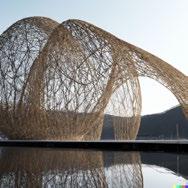
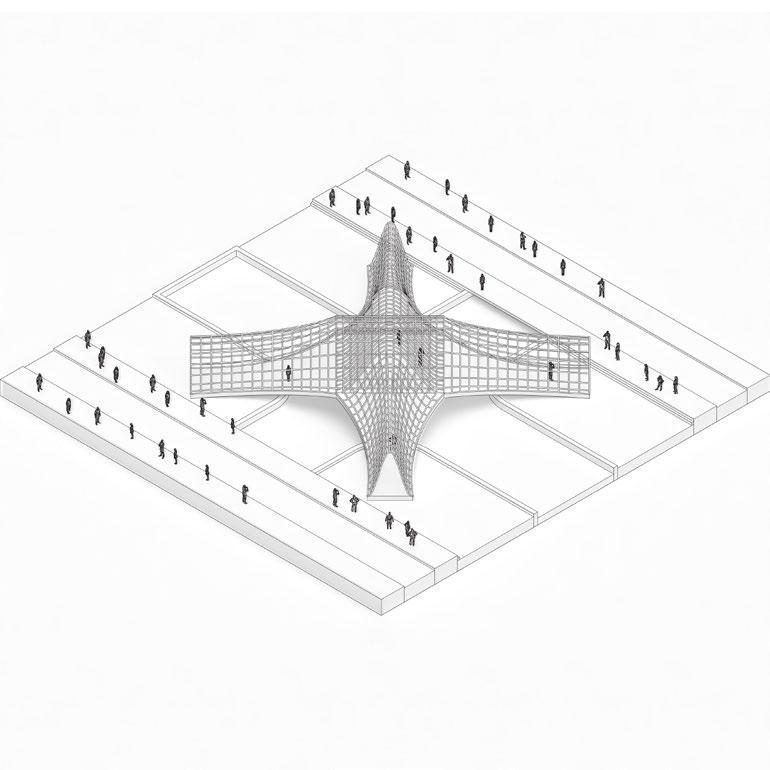
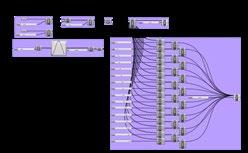
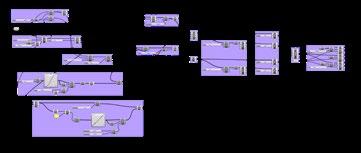
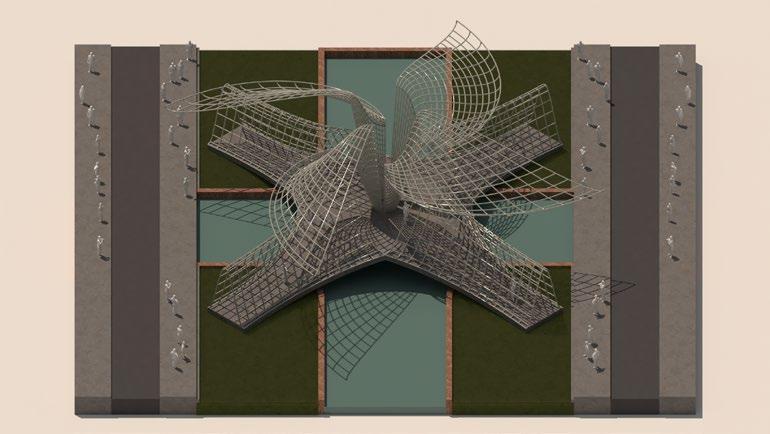
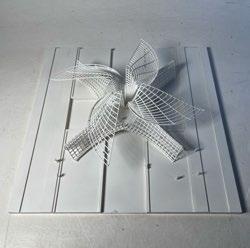
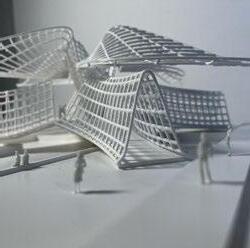
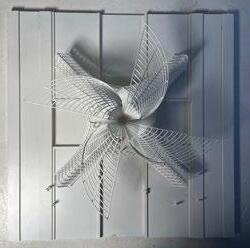
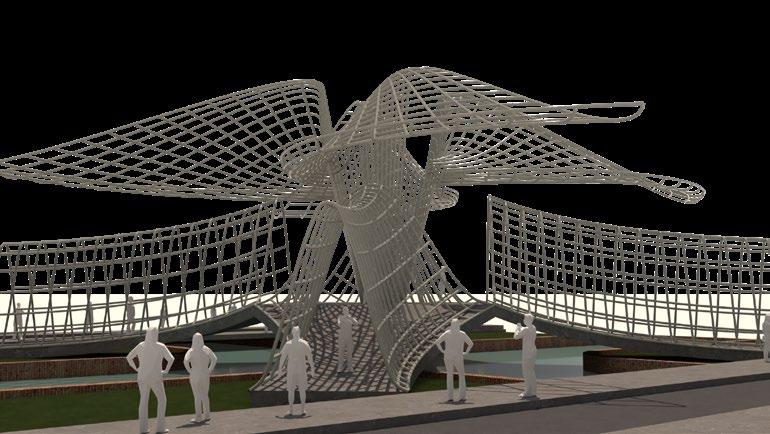
This project saw the development of skills in Rhino and Grasshopper through the making of a pavilion that uses parametric designing principals.
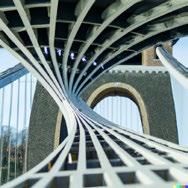
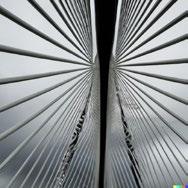
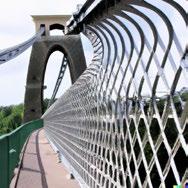
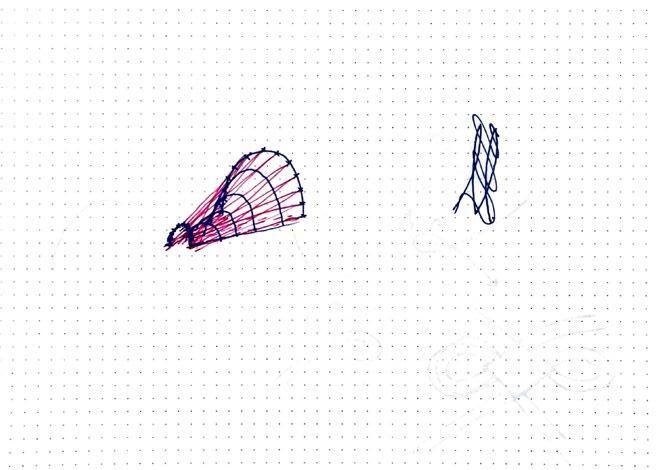
The pavilion is based within the masterplan of the Hybrid Housing project and was required to be a representation of the City of Bristol. From this brief i developed the idea that the pavilion could be based upon the Clifton Suspension Bridge, one of the most famous landmarks within Bristol, but deconstruction its elements into a more abstract interpretive design.
The wire mesh that makes up the form of the pavilion comes from the Suspension Bridges cables that are strung between the two towers. I extracted these cables and formed them into these sails which ties into Bristols rich maritime history.
The pavilion captures the essence of Bristol subtly and provides users with a beautiful landmark within the new masterplan.