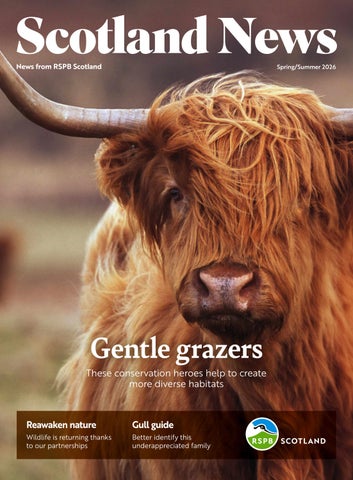
These conservation heroes help to create more diverse habitats
Reawaken nature
Wildlife is returning thanks to our partnerships
Gull guide
Better identify this underappreciated family
Welcome!
It’s been an exciting start to 2026 and as we step into spring, I’m looking forward to seeing our nature burst into life. Every year, Scotland’s iconic seabirds returning to our shores is an incredible highlight for me. Elsewhere, I’m excited for the buzz of wee beasties such as bees and butterflies and a chorus of birdsong. I’m proud our nature reserves are such wonderful places to experience the transformation across seasons.
Unfortunately, our seabirds are facing a significant threat from Berwick Bank, which was approved last year subject to compensation. Thank you for joining us to speak up; we will continue to fight this potentially devastating development. With Holyrood elections just around the corner, we need to keep up the momentum for nature.
Our impact for nature is made greater through collaboration. In this issue we share lots of exciting work taking place in the Scottish Highlands. Ambitious partnerships including Cairngorms Connect (right) and Saving Wildcats (p4) are inspiring examples of what we can achieve together.
Thank you for all you do to support our work, from habitat restoration on our nature reserves to advocacy in Scottish Parliament. Your membership supports a brighter future for nature and all of us who depend on it.
Anne McCall Director, RSPB Scotland
Action for nature
Our partnerships
Connecting habitat restoration with community
The varied landscapes across the Highlands are rich habitats that benefit people and build climate resilience and communities with centuries of connection to the land. Cairngorms Connect, the UK’s largest habitatrestoration partnership, has a bold 200-year vision to revive these places and build a more secure future for Scotland’s wildlife.
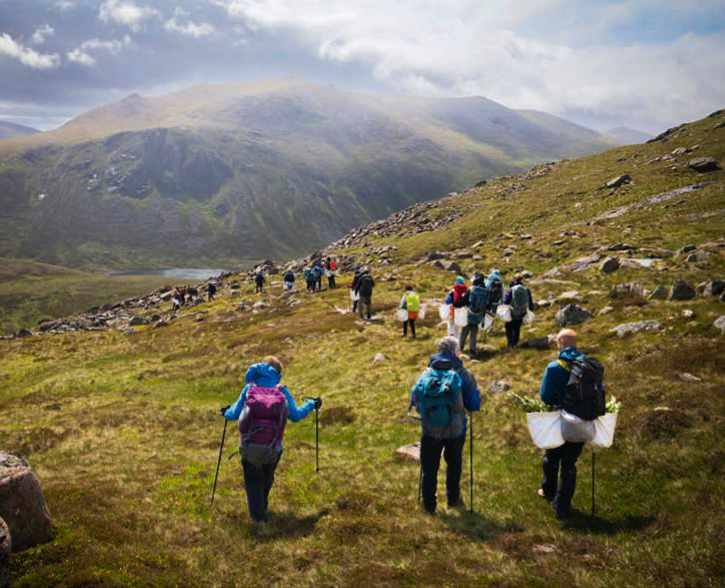
A new report for Cairngorms Connect funders, the Endangered Landscapes & Seascapes Programme, celebrates the partnership’s growing impact, with collaboration across landowners and with communities at the heart. Cairngorms Connect has supported apprenticeships,
trainees and volunteers, as well as over 60 jobs. Since the project began, over 200 events have been a chance for local people to connect with the project and nature.
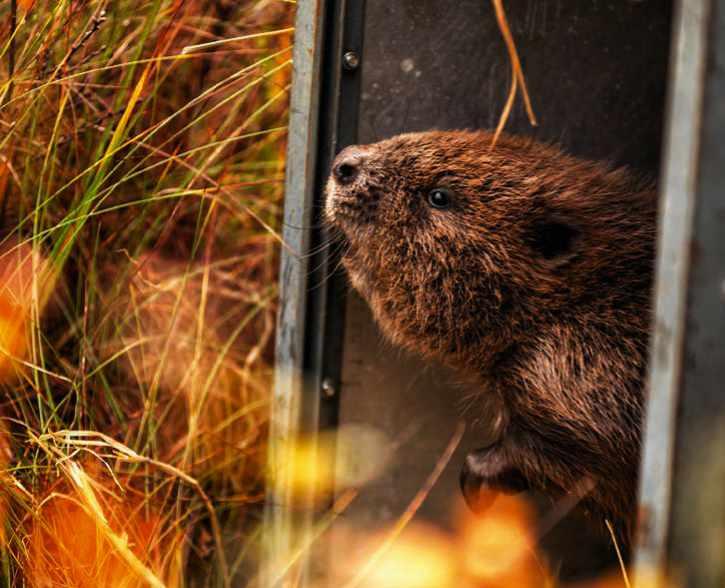
Thanks to local support and teamwork across the partnership, there have been crucial steps forward. Thousands of hectares of native woodland, floodplains and peatlands have been improved or restored and species such as Beavers and Wildcats are returning to help the landscape thrive.
There is a long road ahead. But through the ambition of partners and supporters, there is already a lot to celebrate. Visit cairngormsconnect.org.uk to discover more.
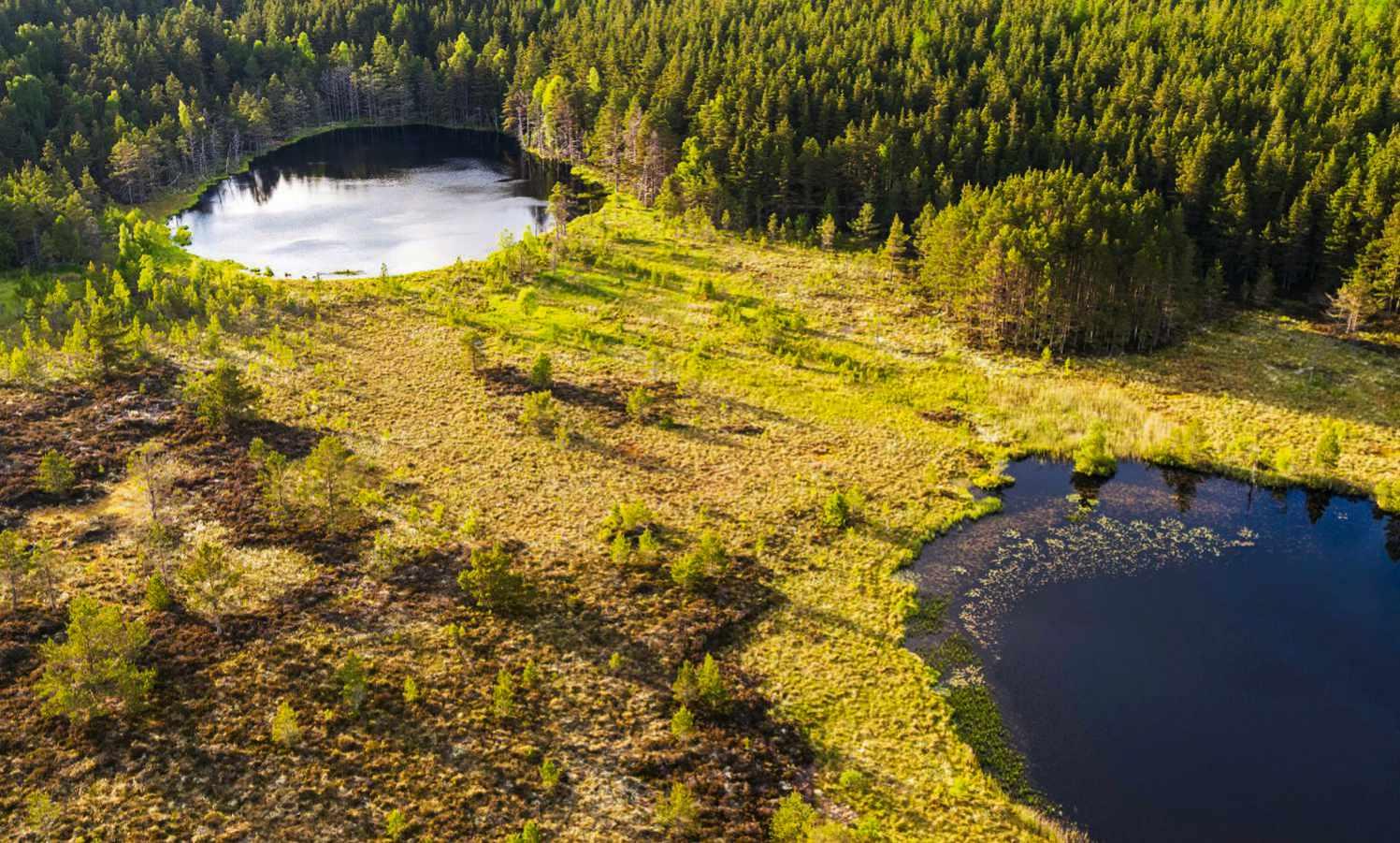
Top: Bog woodland at Uath Lochans Above left: Beaver release Above right: Volunteers on a ‘willow walk’
Our species Gull friends
Gulls have gained an unfair reputation as noisy neighbours and opportunistic chip thieves, but they are highly intelligent and adaptable. In Scotland, gull populations are in serious trouble, with numbers declining by as much as 75% in some species.
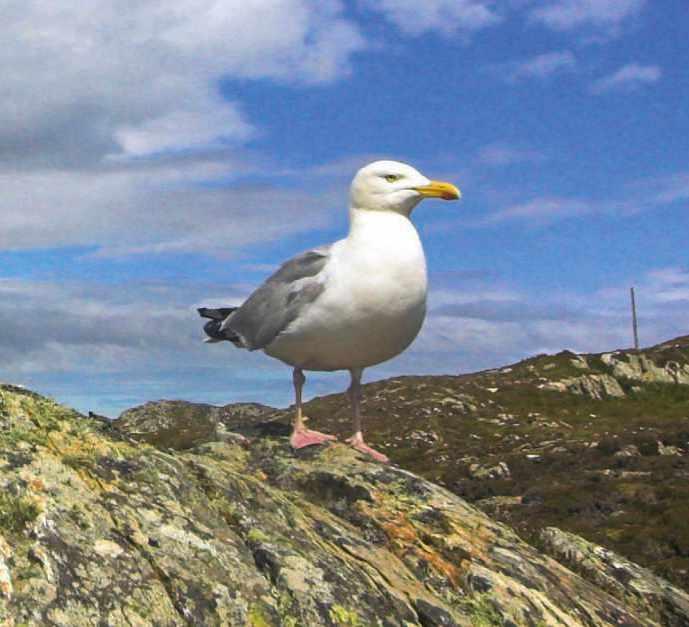
1. Herring Gull
The familiar gull of coasts and towns. Adult birds are large, have black-tipped pale-grey wings marked with white spots, pink legs and a yellow bill with a red spot.
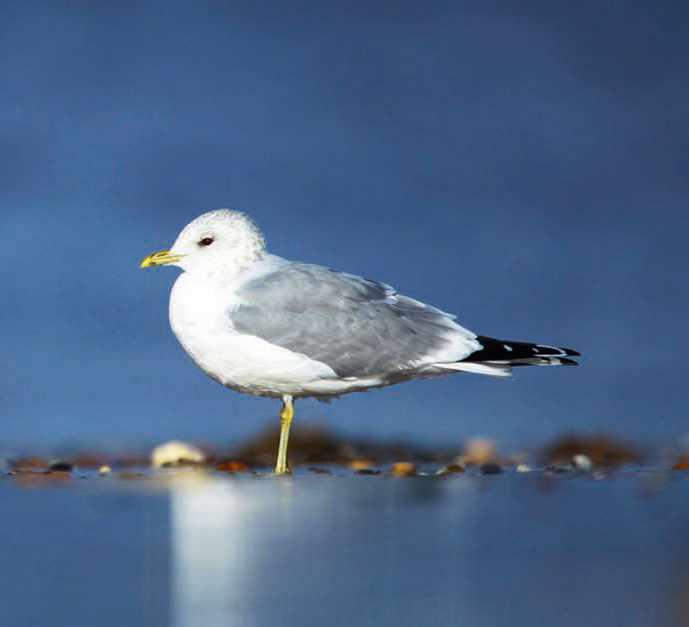
2. Common Gull
Smaller than a Herring Gull, they have pale grey wings, yellow-green legs and a slim yellow bill without a red spot. Dark eyes give them a softer appearance.
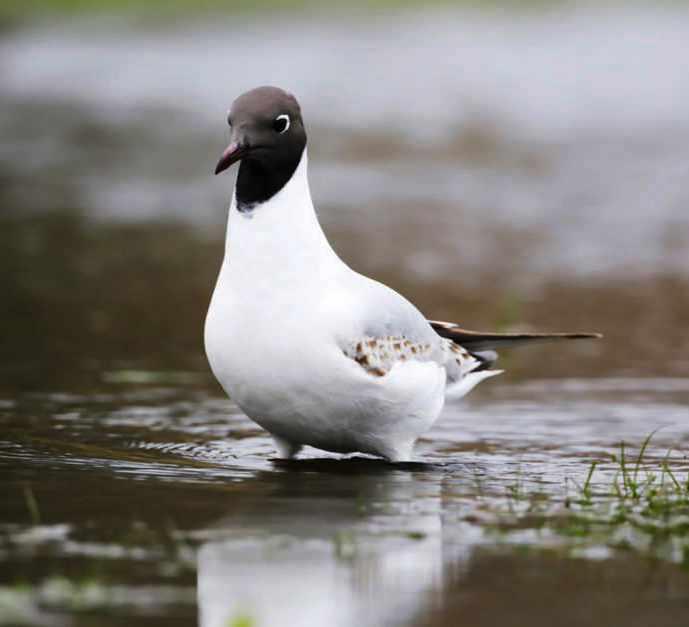
3. Black-headed Gull
The smallest regularly breeding gull in Scotland. They have pale grey wings with a bright-red bill and legs. In summer, they have a dark-brown head but in winter the head turns mostly white with dark smudge marks.
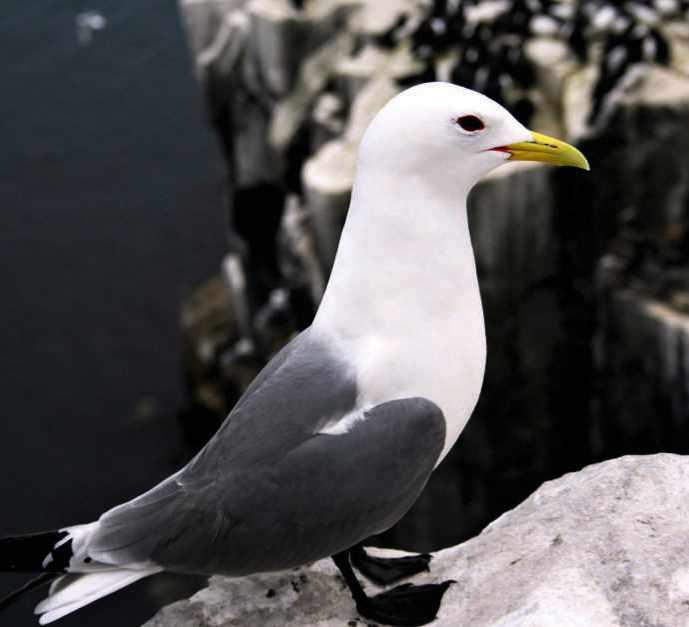
4. Kittiwake
A true seabird rarely found inland. Slightly larger than a Black-headed Gull, they have dark grey wings with black tips, a bright-yellow bill and black legs.
Our places
Identifying gulls can be tricky, even for experienced birders, but this simple guide highlights four species that call our shores home, helping you tell them apart and better appreciate these often misunderstood birds.
Springtime moments of wonder
Connect with nature at one of our reserves this spring. Loch Leven comes alive with Swallows and breeding waders, while dragonflies and bees skim the ponds and meadow. At Lochwinnoch, don’t miss the elaborate courtship displays of the Great Crested Grebes. Loch Lomond hosts an incredible mosaic of woodlands and wetlands on its banks, with breathtaking views. Mersehead boasts an impressive variety of habitats. The air is filled with
birdsong as birds compete to establish territories and attract a mate. Listen for the croaks of rare Natterjack Toads from sand dunes in the evenings!
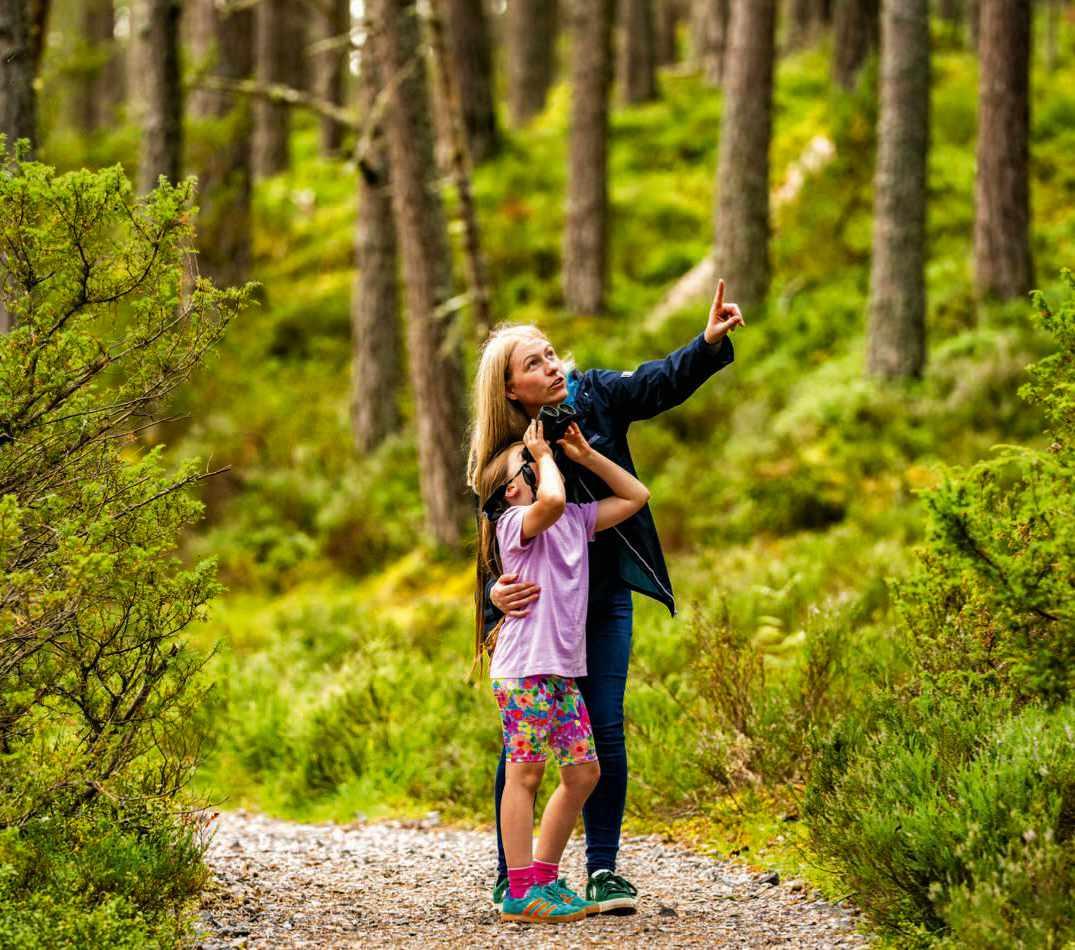
Further north, Loch Garten’s Caledonian pines (right) are the place to spot Ospreys, Crested Tits, Red Squirrels, Siskins and more. Learn about the iconic wildlife at its Nature Centre.
We hope to see you out exploring these special places.
Our places
Working for wildflowers
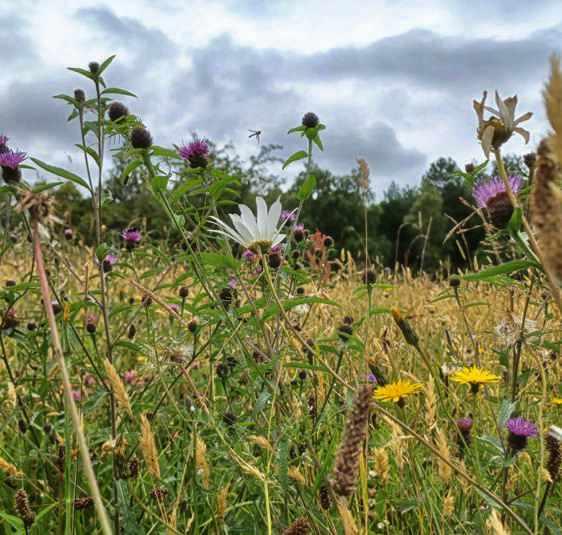
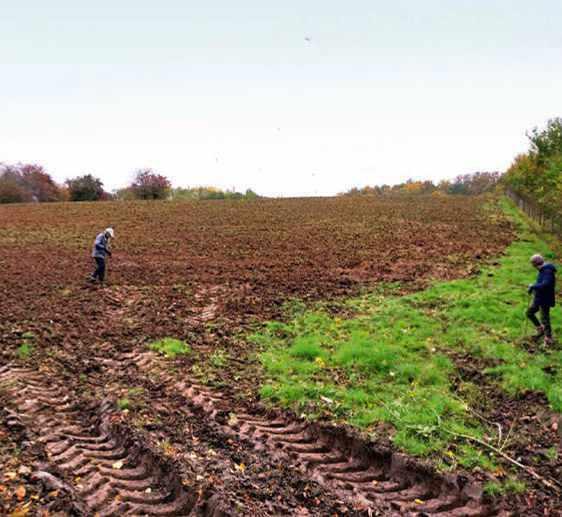
Over the past five years, the four former grazing paddocks at RSPB Baron’s Haugh have been transformed into vibrant wildflower meadows.
With funding secured in 2020, a local farmer prepared the ground and volunteers sowed a native seed mix. By 2022 Yellowrattle had taken hold, creating space for a wider range of species. Annual management and light cattle grazing helped increase the plant diversity by nearly 100%. With two paddocks established and others sown in 2024 and 2025, this partnership of volunteers, funders including FCC Communities Foundation, and the farmer’s family is creating a richer landscape for wildlife and visitors alike.
Our projects
Safer fencing for wildlife
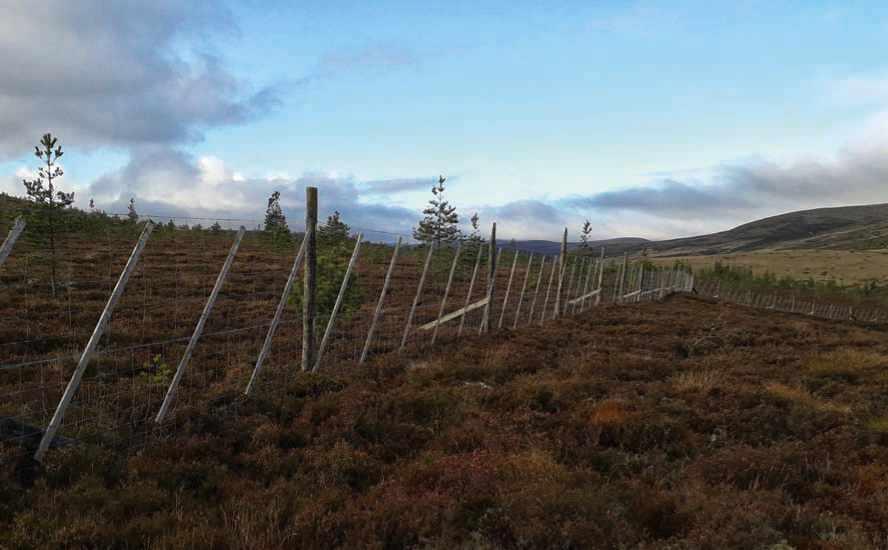
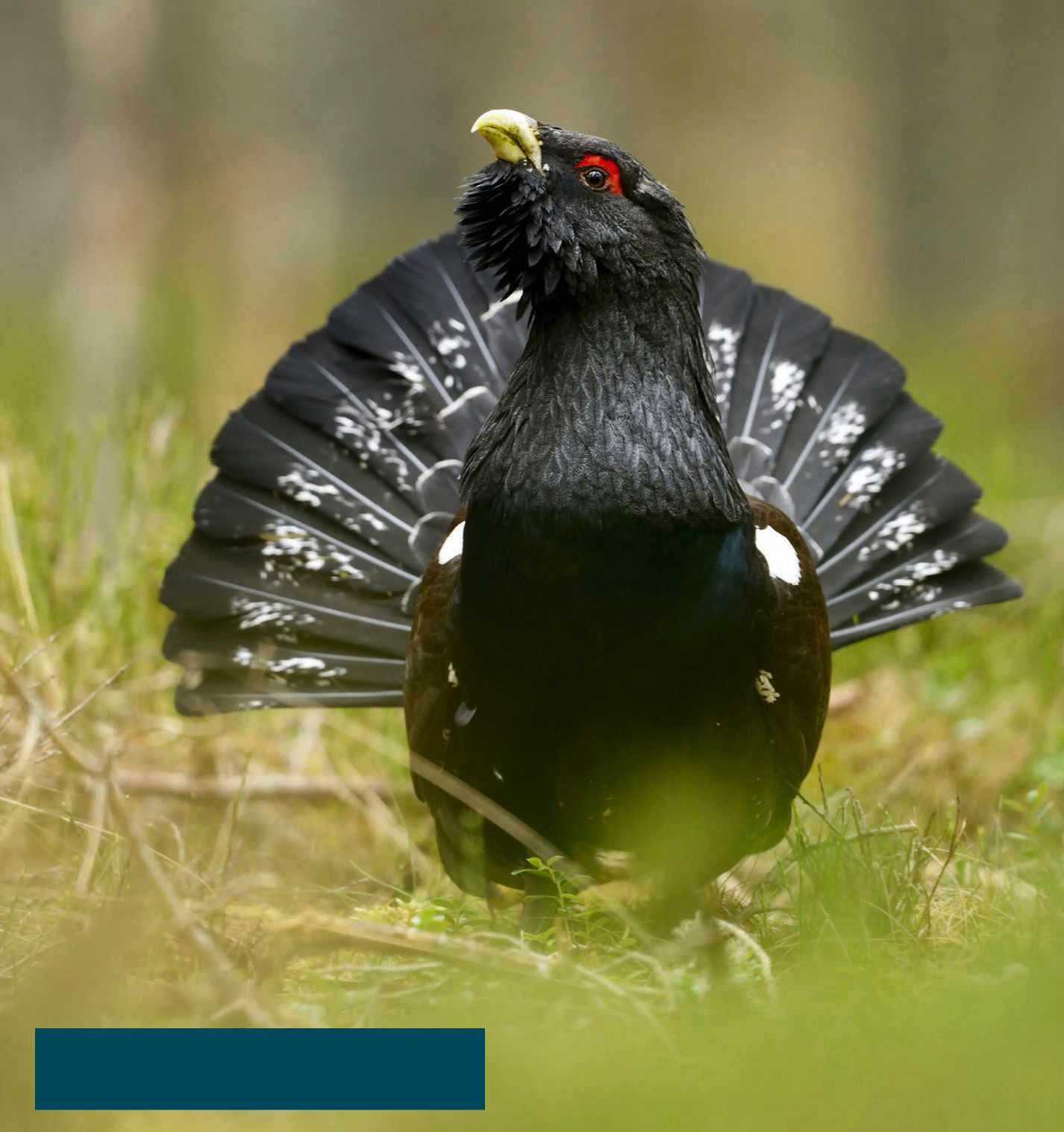
Some of the special places we care for across Scotland are important for wildlife such as Capercaillie and Black Grouse. One of the threats facing these red-listed species is collisions with fencing. At Crannach, over 4km of fencing no longer needed has been removed or reduced in height, which we hope will make a crucial difference.
This epic task involved safely disposing of 6.4km of netting, 8.6km of wire, and around 800 fence posts, as well as buckets of old staples and nails – altogether several tons of material!
Funded by the Scottish Forestry Grant Scheme and the Cairngorms National Park Authority, the project has taken an important step to reduce collision risks and fulfil the vision for a more natural landscape.
Our projects Go Forth in virtual reality
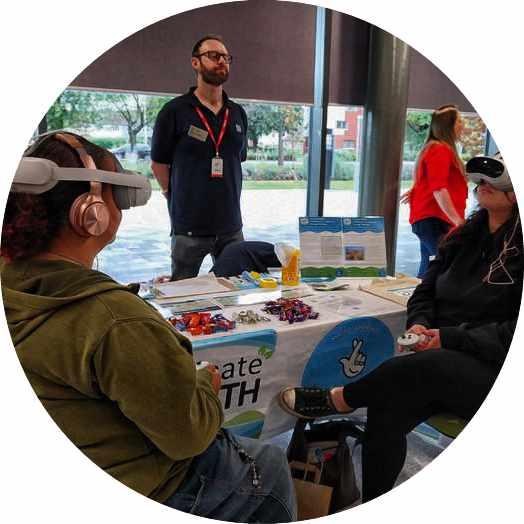
Climate FORTH has launched an exciting new virtual reality activity that invites people to step directly into our changing landscape, thanks to funding from The National Lottery Heritage Fund. This short, interactive experience uses VR headsets to show how rising sea levels are already reshaping the Inner Forth. A projector-based version is available for events, making the experience accessible to a range of audiences.
The VR journey focuses on RSPB Skinflats, where pioneering efforts created vital new habitat for birds while helping the coastline adapt to increasing tidal pressures. By showing how and why this approach works, the experience will build understanding and confidence among local communities, while also engaging decision-makers and stakeholders. We hope the activity inspires more nature-positive adaptation projects along the Forth.
Our people Wildcats return home
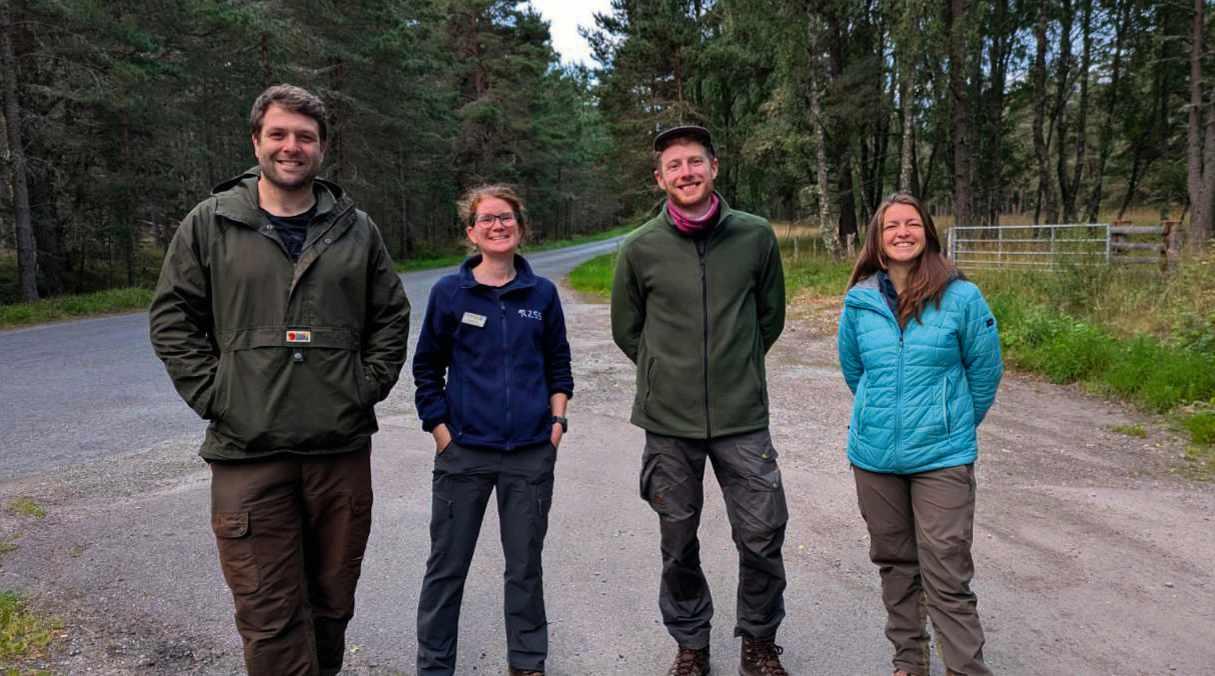
Our team members across the Cairngorms National Park continue to support the Saving Wildcats partnership project, led by the Royal Zoological Society of Scotland. As the project monitors the new population, Ben Oliver Jones, Senior Site Manager, Abernethy, reflects: “Seeing Wildcats return is massively exciting as this beautiful species was on the cusp of disappearing from Scotland.
The work done by Saving Wildcats and its partners is addressing major threats for the species head on. It’s fantastic that Cairngorms Connect partners, including Abernethy and Insh Marshes, can support this project, such as providing release sites and facilitating access for monitoring. Collaboration helps make this project strong and gives a lot of hope to Wildcats’ future in this part of Scotland.”
Photos: Jake Stephen, David Palmer, Patrick Cashman, Katie Nethercoat (all rspb-images.com); David Anderson, Sarashka King, Stuart Jennings, Laura Healy Smith, Louise Hughes.
Habitats alive
The sights and sounds of Scottish wildlife at Balranald nature reserve are rich in variety and waiting to be experienced
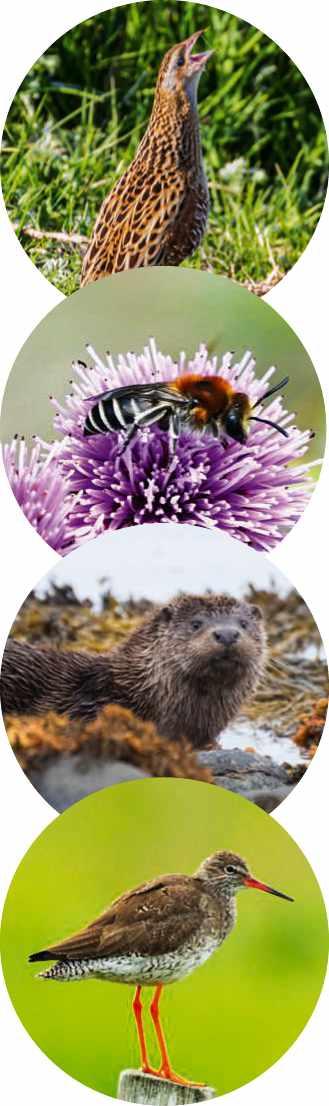
Star species
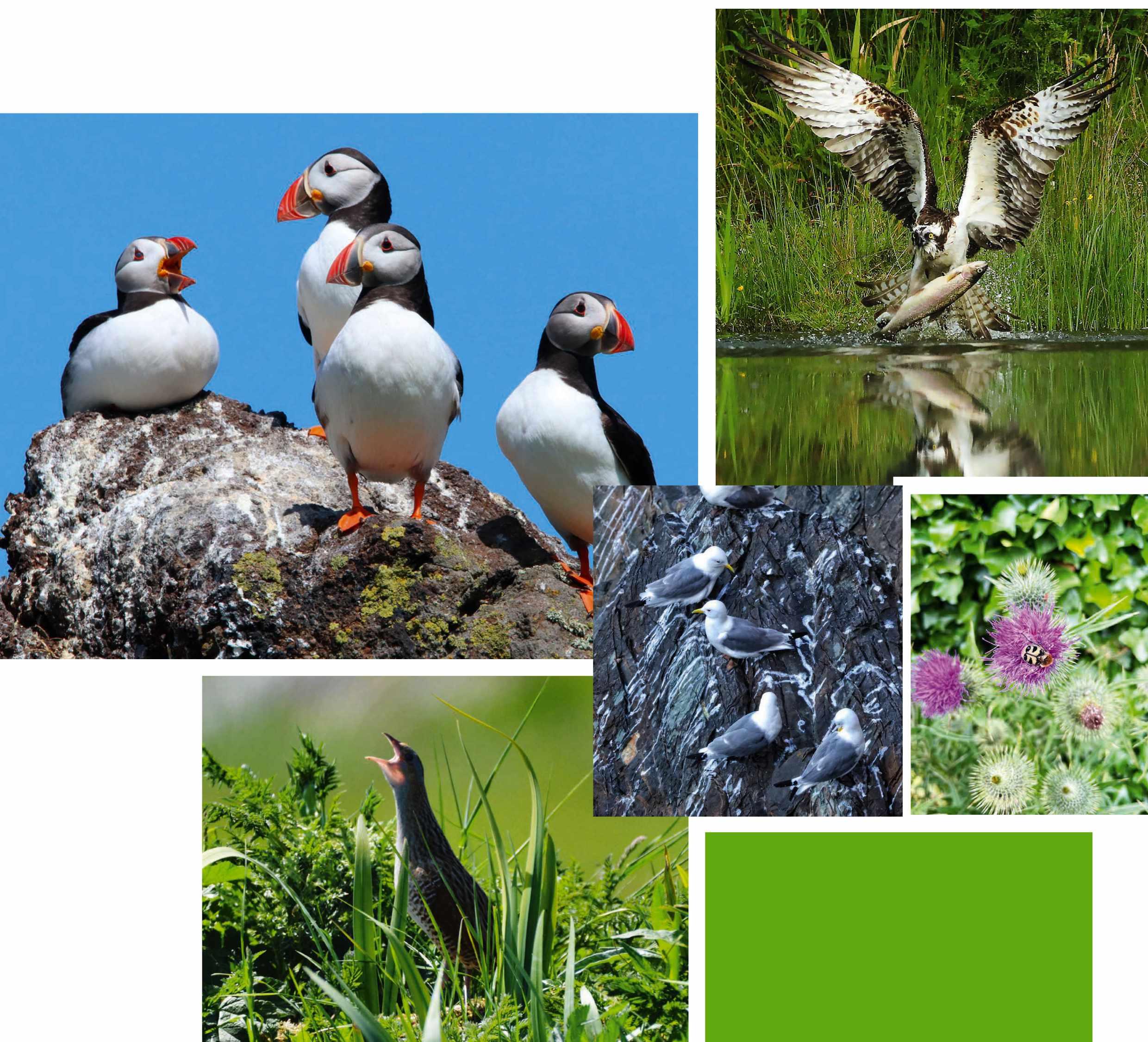
1. Corncrake
2. Northern Colletes
3. Otter
4. Redshank
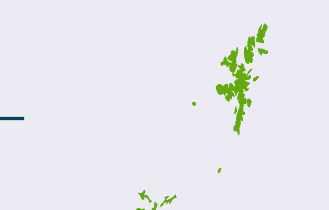
The beaches, foreshore, dunes and machair are alive with nature year-round at the wildlife haven of RSPB Balranald nature reserve. 2026 is the reserve’s 60th year, bringing new opportunities to discover more about this amazing place.
Through spring and summer breeding birds, bugs and beasties, and beautiful blooms colour the unique landscape. You may see waders including Lapwings, Oystercatchers and Dunlins. Look closer amongst the machair for bees such as the Great Yellow Bumblebee or Northern Colletes, a rare mining bee. Out to sea there’s exciting marine life to catch a glimpse of, such as porpoises dancing through the waves.
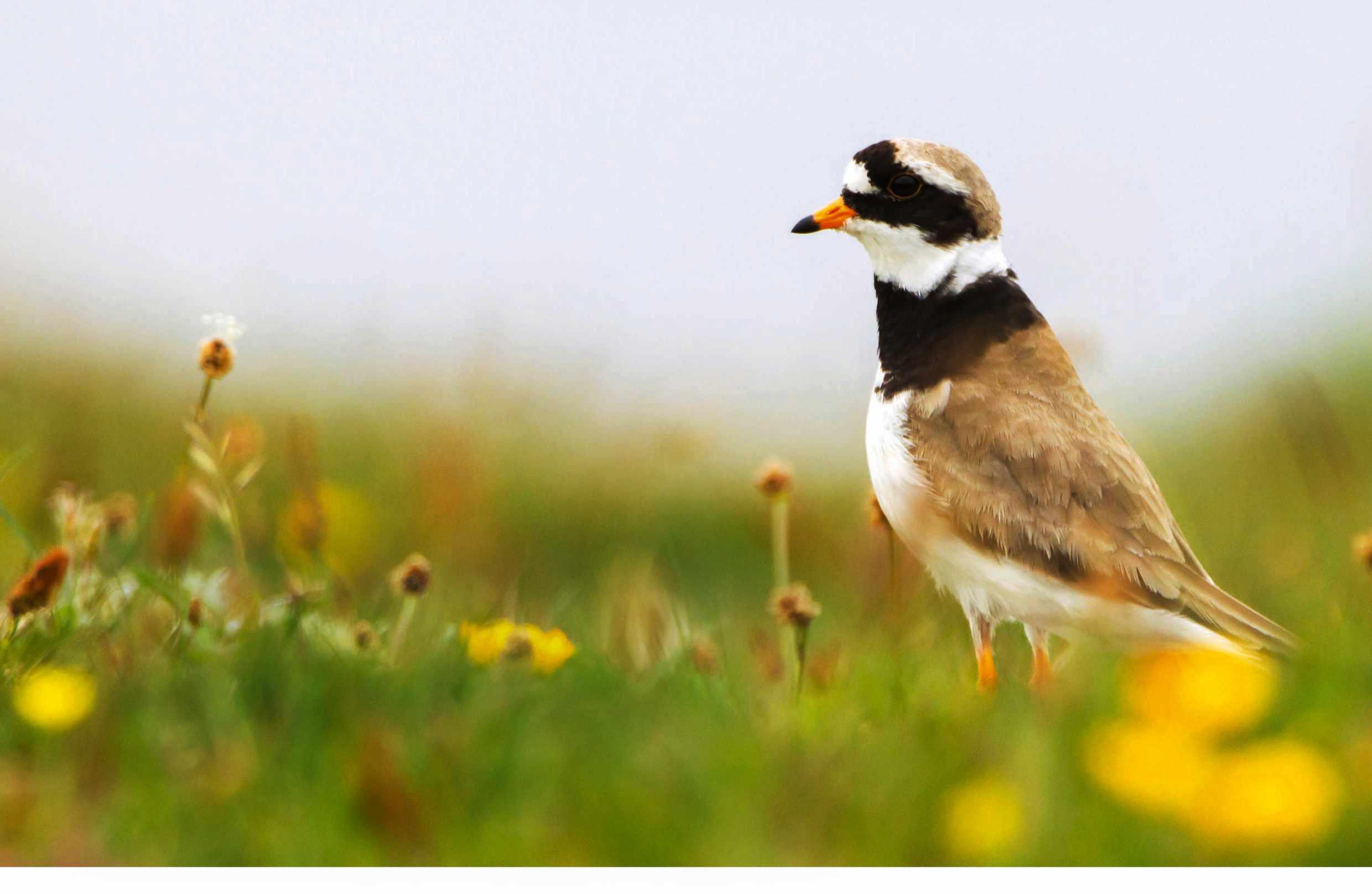
Balranald is a key site for efforts to protect elusive Corncrakes and we work with local crofters to grow late-cut hay crops, which provide early cover for them to breed in. Other species from Ringed Plover (above) to Twite benefit from how we work with crofters and other partners across this special landscape.
When visiting, please be careful to keep disturbance to a minimum to help protect the precious wildlife.
Our
people
Claire Bird
RSPB Scotland Balranald nature reserve
Seasonal highlights
From April to August, you might hear the crex-crex of the secretive Corncrake, and as summer begins to set in a d h d g l h Machair bursts into full bloom and buzzes with activity. rspb.org.uk/balranald
There’s a self-guided walk, and one every Monday at 10am from April to August with a team member. In June, there will be a new soundwalk featuring history, music and information about the reserve. Come along to the Outer Hebrides Wildlife Festival from 20 to 27 June to experience nature from Balranald and beyond.
Claire Bird is the Warden for Uist and Barra. She worked as a Ranger for over 30 years before starting work with RSPB Scotland in the Outer Hebrides five years ago.
What’s your favourite species to see on the site?
I love to watch the Sanderlings getting chased by the waves as they feed on marine worms, crustaceans and molluscs right at the edge of the sea.
Scan me
Grazing for nature
Among the many individuals that work hard for wildlife in Scotland you’ll find some surprising conservation heroes!
Across RSPB Scotland’s nature reserves, there are incredible teams doing crucial work – and some of the team members might surprise you. From the Solway Coast to the Shetland Islands, grazing animals including cattle and ponies are making a massive difference for nature.
Many of us don’t expect to see livestock when we visit wild places such as an RSPB nature reserve – we might even worry that they could have a negative impact – but these unsung conservation heroes are transforming the landscape. They’re making habitats more dynamic and supporting the needs of rare and vulnerable species.
Large herbivores that no longer roam Scotland, such as Aurochs, the wild ancestor of cows, would have once created a vibrant system of interconnecting habitats with a huge range of plants, insects and mammals. Through grazing, we can replicate this today. Conservation grazing is an approach to management that focuses on creating and maintaining landscapes to support a variety of wildlife. Grazing helps stop the most competitive plants taking over, improving variety and structure within habitats.
Support from farmers and crofters makes the success of conservation grazing for habitat management possible. Through close collaboration we can work together, not only to help wildlife but also ensure farmers and crofters see the benefits, too –providing food, local employment and hopefully improving local business.
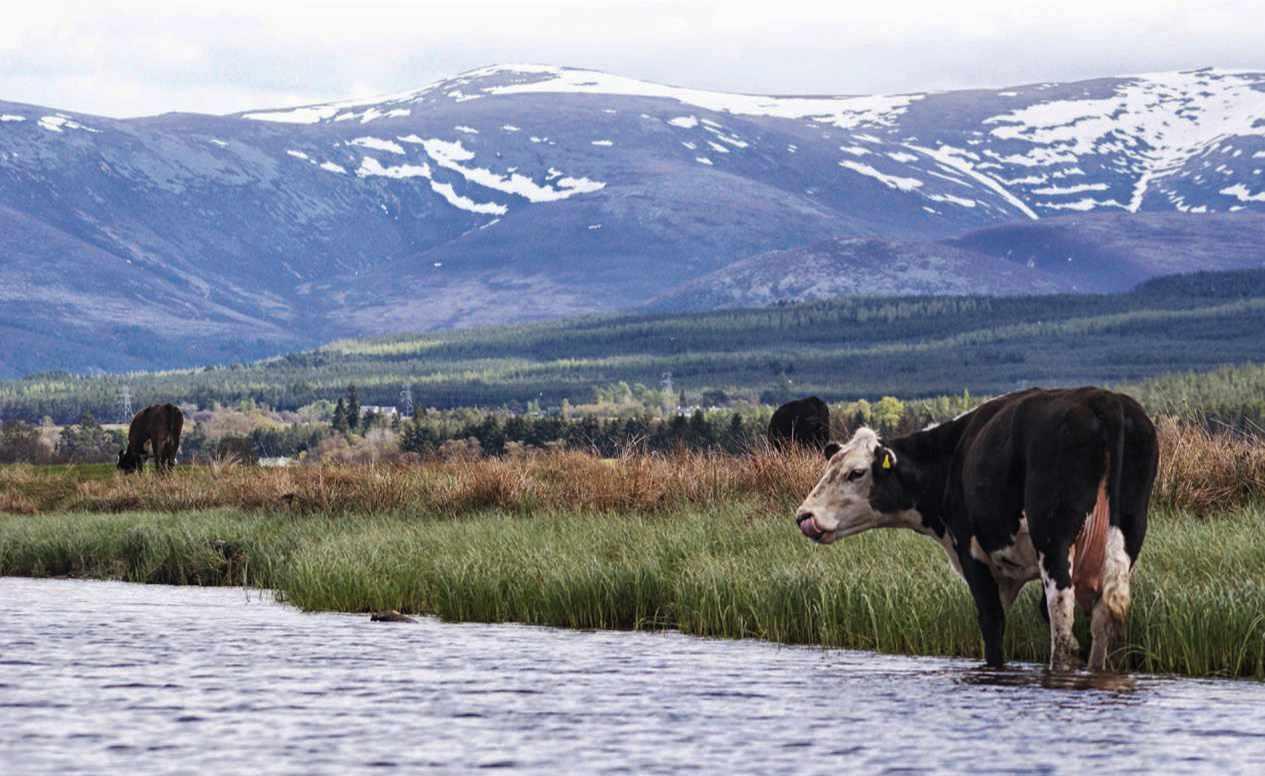
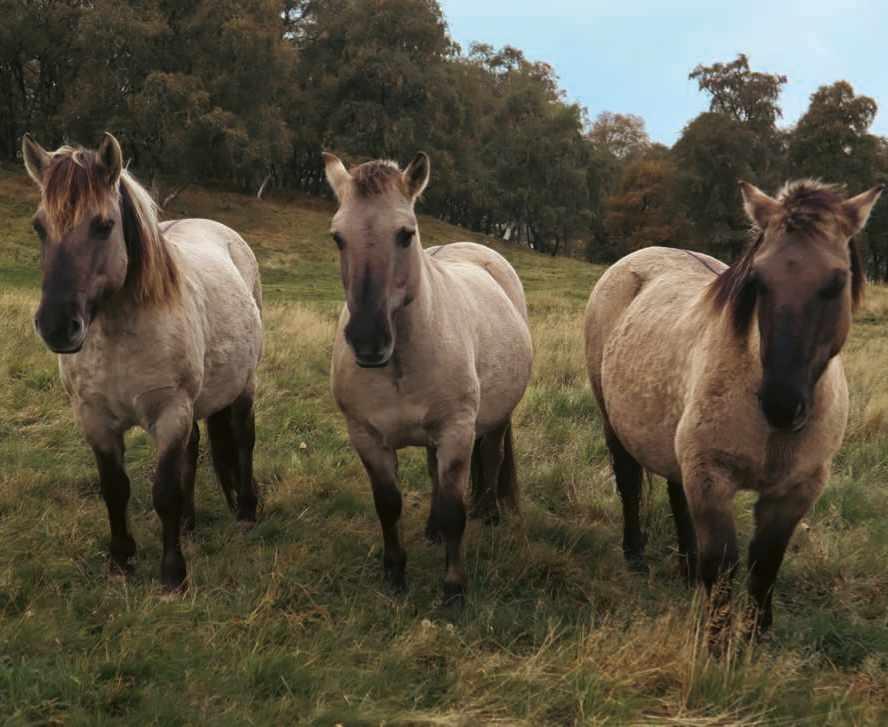
Why have ponies at Insh Marshes? Without grazing, dominant plant species take over most of the habitat. Groundnesting birds at Insh Marshes like muddy areas and variation in their habitat and the ponies deliver exactly that. The Koniks, with their wide hooves and thick winter
coat, are a great choice for the conditions here. We did trial cattle and native ponies, but they weren’t comfortable on the site.
The Konik ponies have done an incredible job, making safer nesting spots and increasing feeding opportunities for ground-nesting birds and their chicks. We’ve learned so much while managing the ponies and see that it’s working, so we’re keeping them.
What is it like to look after the Koniks? It’s a big commitment for our small team. Ensuring they are safe and happy is a top
priority requiring 24/7 availability. It’s great to know they feel comfortable around us. We make sure to check them over daily and keep an eye on how they interact with each other. Working with them and seeing their impact is a unique experience. The grazing really improves the breeding habitat for birds, including some species that are in real trouble in Scotland. Our wildflower meadows are also benefiting from the late summer grazing. We expect to see more positive results in the next five years. The more birds and flowers there are, the better!
Photos: Ian Francis, Ben Andrew, Sam Turley (all rspb-images.com); Rosie Beetschen
Above: Cattle grazing by the River Spey, RSPB Insh Marshes nature reserve Left: Koniks
Mike Butler, Assistant Warden, RSPB Abernethy nature reserve
Why does RSPB Abernethy have cattle?
The forest ground is dominated by a large carpet of heather; grazing can make the forest layer more dynamic like it would’ve been. We work with a grazier whose positive and collaborative approach has been amazing. Using NoFence collars we can ensure cattle graze in areas for the most benefit and avoid areas where there may be risks to the cattle or to other sensitive species.
The cattle create paths throughout the forest, almost like a web with a disturbed patch at the centre, with links leading out to other areas. If you imagine a tiny Capercaillie chick moving about the forest, this makes it safer and easier for them. They also open up root plates, masses of roots and surrounding soil, which Capercaillie use for dust baths.
The benefits can extend far beyond just the one species, and we strive to take action that will be best for nature at a habitat level, not just for an individual species, creating greater impact.
What is a highlight of doing this work?
It’s amazing to see how natural cattle look in the forest. It feels like where they’re supposed to be. They’re so chill and relaxed.
What has surprised you?
Before this role, I was a farm worker in Yorkshire and we did only grazing in fields. It’s been very eye-opening how smart cattle can be. They know where they can go, what they can eat and how to look after themselves. I think most people probably underestimate them.
They’ve also brought unexpected benefits. Narrow-headed Ants, one of the rarest in the UK, have been spotted in the areas the cattle have opened up, as well as nesting in their dung.
I still feel like I’m always learning more and more about what they bring.
Capercaillie can move more safely through a forest once it has been grazed
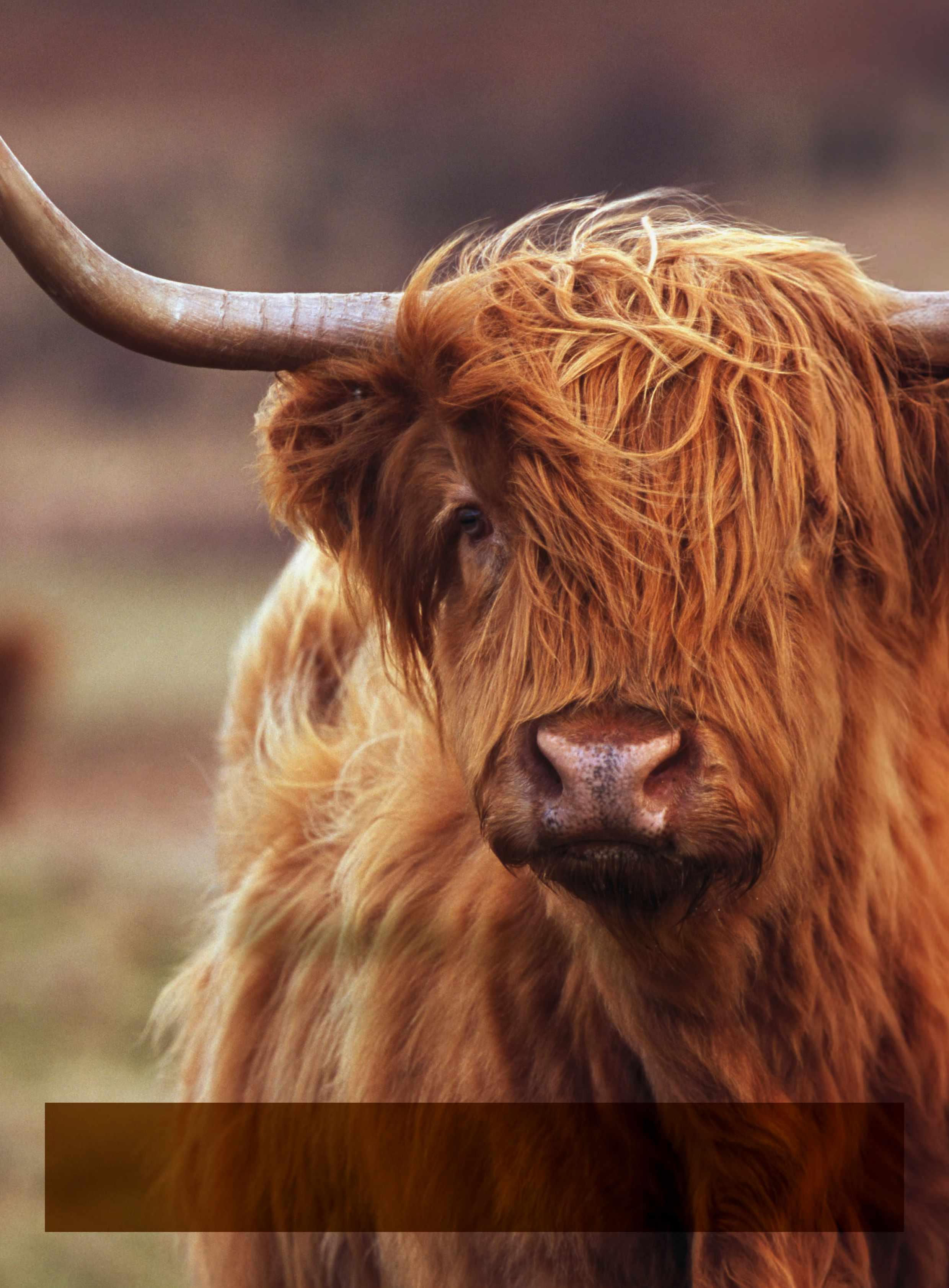
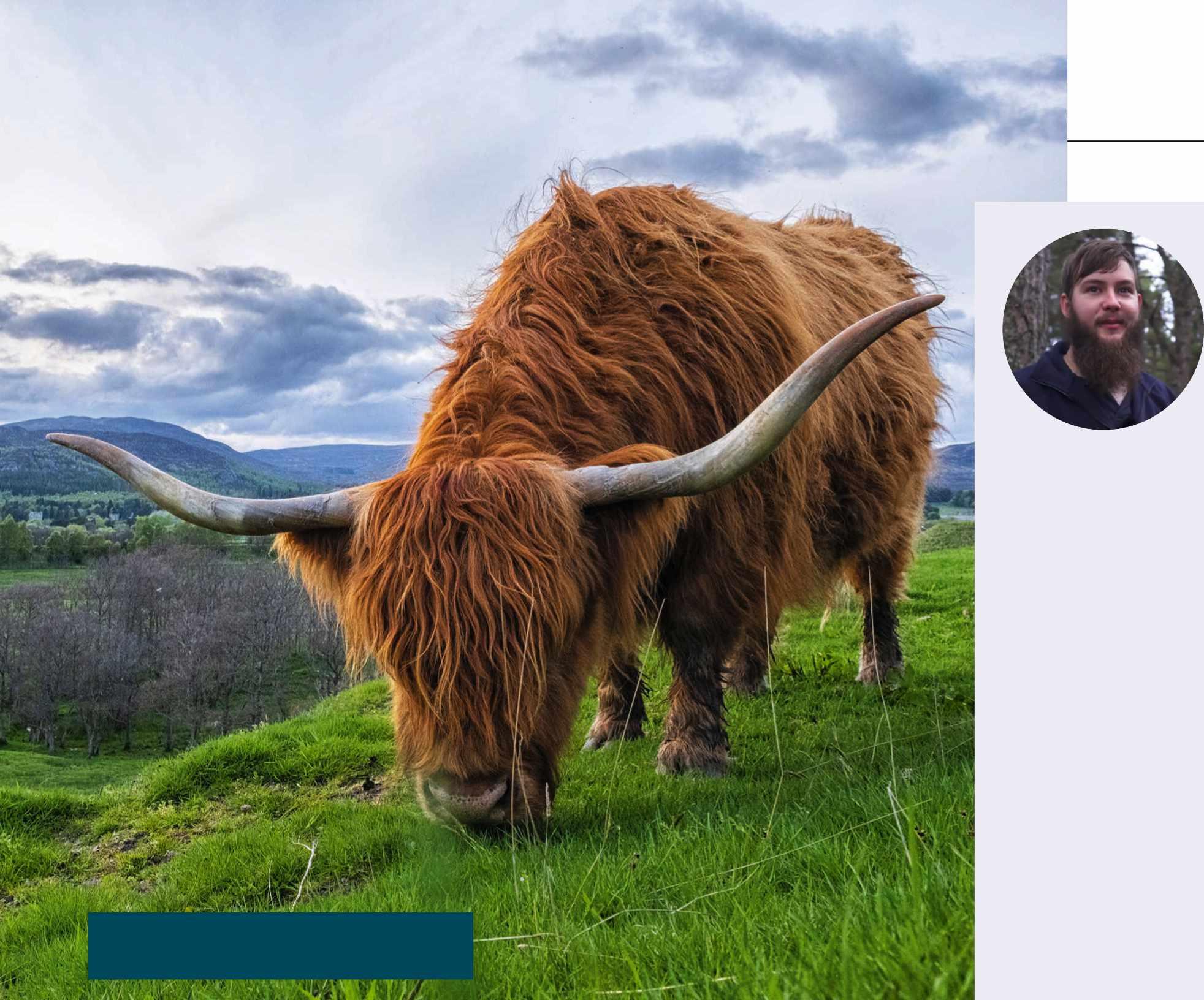
Highland Cows help to maintain and improve the landscape in nature reserves
Highland Cows help to maintain and the in nature reserves