Nature’s Voice
News from RSPB Northern Ireland and the Isle of Man
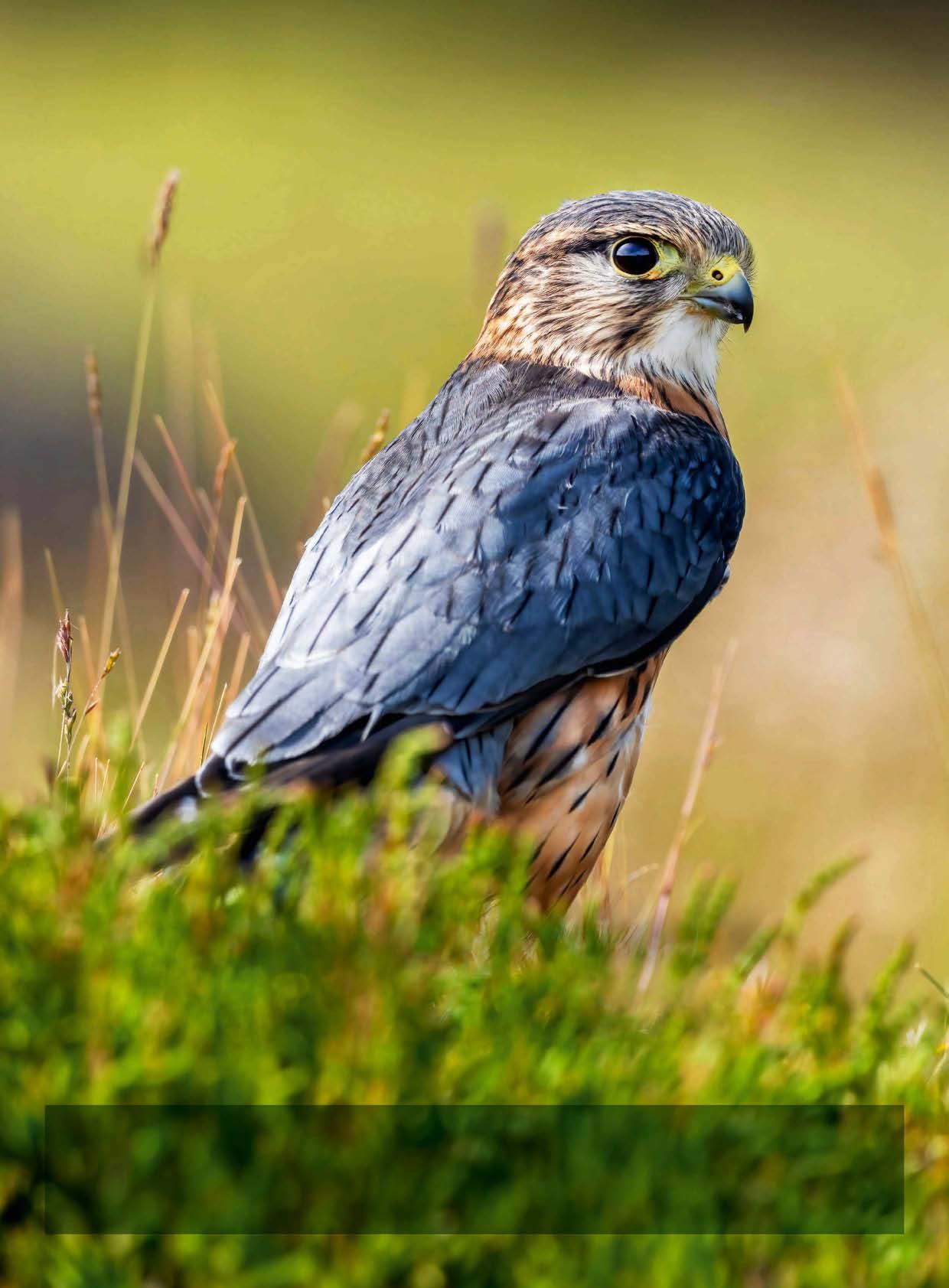
Conservation partnerships are working to help Merlins and other species thrive
Wild recovery
Cross-border projects launched to transform nature Answering the

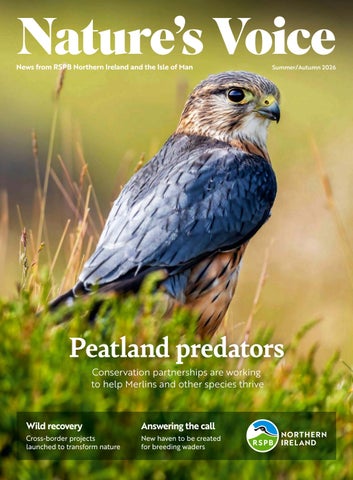
News from RSPB Northern Ireland and the Isle of Man
Conservation partnerships are working to help Merlins and other species thrive
Wild recovery
Cross-border projects launched to transform nature Answering the
Welcome to a very special edition of Nature’s Voice, as we celebrate the launch of three ambitious PEACEPLUS projects: PeacePlus Nature, CMAP and ACCLIMATISE.
These initiatives represent a monumental step forward in our mission to protect Northern Ireland’s most iconic species. By building upon our vital work for breeding waders and seabirds, we’re ensuring that the haunting call of the Curlew and the hustle and bustle of our coastal colonies remain part of our heritage.
At the heart of this is PeacePlus Nature, a landmark €20.8 million cross-border project, led by RSPB NI. It brings together nine dedicated partner organisations across Northern Ireland and the border counties of the Republic of Ireland. This isn’t just conservation; it’s also shared stewardship of land and a collective commitment to nature’s recovery (read more on page 6).
None of this would be possible without the incredible support of our members and the PEACEPLUS funding programme, managed by the Special EU Programmes Body (SEUPB). This investment shows a healthy natural world is fundamental to a peaceful, thriving and prosperous society and we’re excited to see what it delivers.
Thank you for standing with us.

Joanne Sherwood Director, RSPB NI
Our places
A new beginning at Inishcreenry
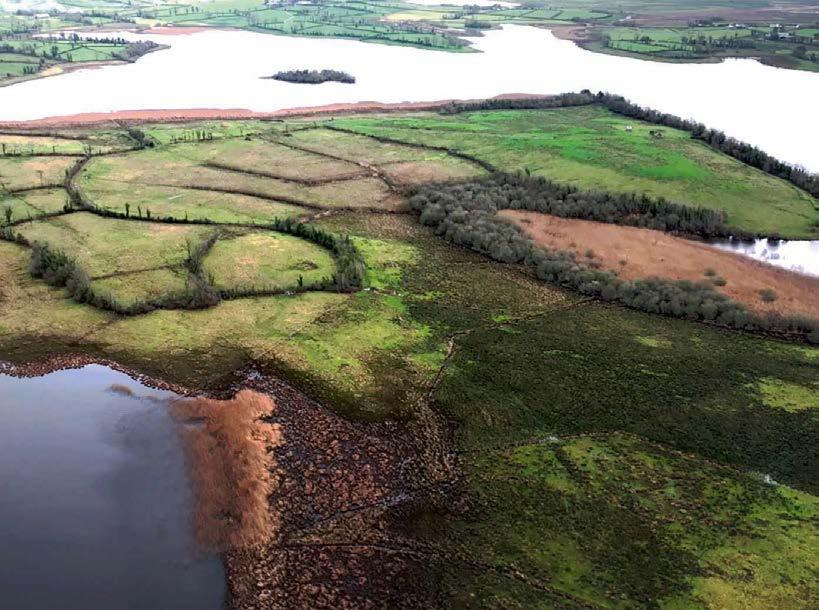
For years, the soulful call of the Curlew has been fading across Lough Erne and surrounding wetlands, so RSPB NI has been working to bring their entrancing melody back to the landscape. Now, thanks to funding from PeacePlus Nature, RSPB NI will continue that work with the purchase of Inishcreenry, a 60-hectare site in the heart of Fermanagh.
This new site will be carefully managed for nature, designed to bridge the gap between agriculture and conservation. By bringing the land into a favourable condition, the project will showcase how specific habitat restoration, such as strategic rush control and the creation of new wet areas, will provide the damp soil and insect-rich environment that breeding wader chicks require to survive.
The protection efforts on site are as innovative as they are essential. The aim is to improve survival rates for the critically endangered Curlew, by using specialist fencing to deter predators. In a unique blend of nature and technology, the team hope to use conservation dogs to help locate nests tucked away, with the additional use of acoustic monitoring systems to give targeted protection without disturbing the landscape.
Inishcreenry will be managed as a nature reserve using sustainable farming methods, and will act as a positive example of farming and nature working together. This collaborative approach ensures that the iconic sights and sounds of Fermanagh’s wetlands remain a permanent fixture for generations to come.
Correction
The team behind Nature’s Voice wishes to note a small production error in the last issue of this magazine. Manx was inadvertently printed as Max; we apologise for this mistake.
The PeacePlus Nature Community Engagement Team, managed by Rachel Burns, empowers local communities to protect their natural heritage. Operating across the Antrim Hills, Fermanagh and Lough Neagh, the team offers tailored workshops and an Environmental Leaders Programme.
Through cross-border and cross-community collaboration, participants develop practical skills in biodiversity and climate action, specifically focusing on peatland and wetland habitats. By engaging schools, youth groups and adults in species recovery and volunteering, the programme builds lasting networks to address shared environmental challenges.
Contact Rachel.Burns@rspb. org.uk to get involved.
people
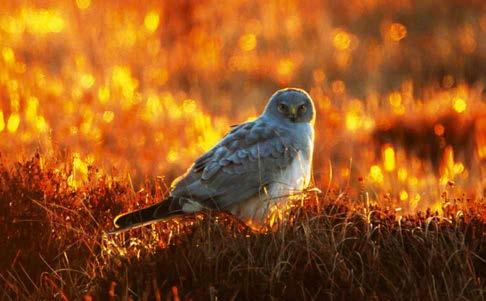
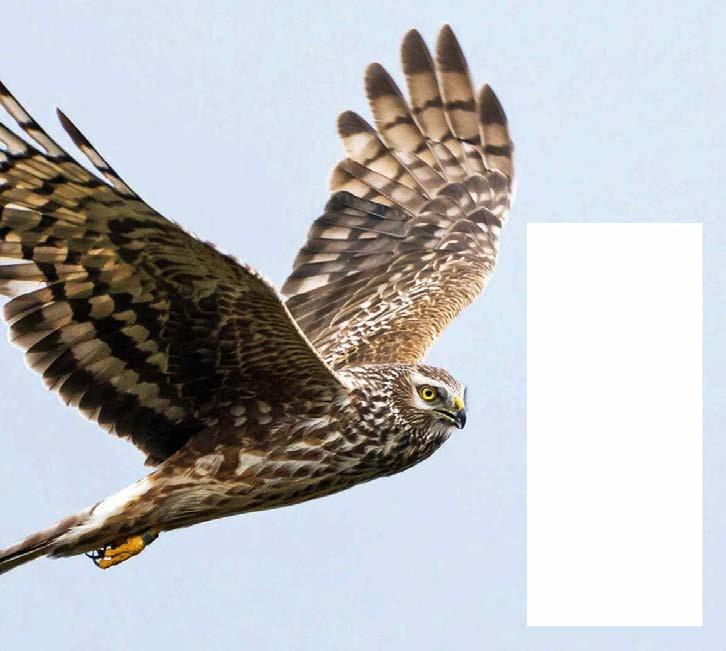
Our peatlands are vital for nature, but their success relies on more than just restoration – it requires partnership. Through PeacePlus Nature, a new conservation advisor, Jack Hamill, is busy working with farmers and landowners in the Antrim Hills. Jack’s role is to provide clear, practical information on the massive efforts to revitalise these landscapes, specifically for the Hen Harrier (male below) and Merlin, and provide advice to local landowners to help deliver positive conservation outcomes. Jack hopes to improve the breeding successes and local populations of these special birds by identifying practical, site-specific management measures.
Staff highlight Rachel Burns, Community Development Manager, PeacePlus Nature
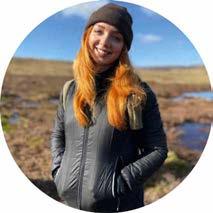
“I’m absolutely thrilled to join the team at PeacePlus Nature. At its core, this programme is about people; it’s wonderful to see a project that truly puts community first, letting local voices guide our environmental journey.
“We’re here to nurture a new generation of nature guardians. By weaving biodiversity into the fabric of our daily lives, we’ll grow both our landscapes and our local economy –working hand in hand to cherish and protect our shared heritage.”
Our appeal
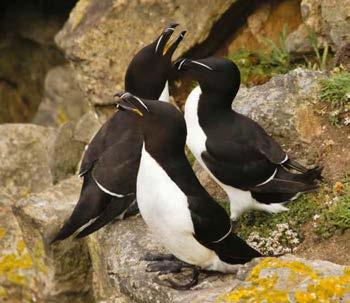
From the squabbling squawks of Razorbills (below) to the gentle hum of Puffins, our islands are majestic wildlife hotspots that thrum with the sights and sounds of wildlife. Yet for decades, invasive predators have devastated our fragile seabird colonies, threatening to turn these vibrant ecosystems into empty, silent shores.
But there is still hope. Through RSPB’s Island Restoration Programme, vital work is under way to remove invasive species and give our seabirds a fighting chance. Successes on islands like Rathlin have shown what’s possible, with populations beginning to recover. Rathlin, home to Northern Ireland’s largest seabird colony, stands as a powerful example, becoming the first island in the world where invasive ferrets were removed to help protect its seabirds. But more must be done.
Funds can help restore these precious places, including Rathlin. Donate now to ensure their calls continue to echo across our shores for generations. rspb.org.uk/island
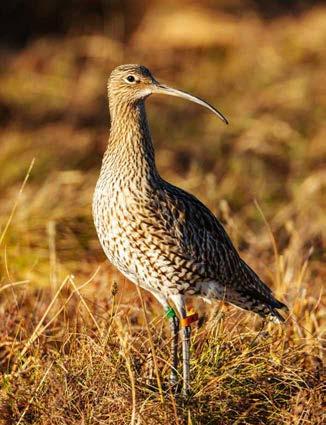
The evocative, bubbling cry of the Curlew has long been the soundtrack of the Fermanagh Lakelands, but as numbers continue to dwindle, the local community is stepping up to ensure that song doesn’t fade into memory. Recently, RSPB NI and PeacePlus Nature hosted a landmark Curlew Information Evening, bringing together a dedicated crowd of farmers, landowners and residents from across south-west Fermanagh.
The evening was a chance for farmers and landowners to meet Conservation Officer Roisin, to support communication between the people working the land and experts dedicated to protecting it. Roisin led a discussion about Curlew habitat requirements and what it needs to thrive, from the height of the grass to the protection of nesting sites. This was also a great opportunity for farmers to learn more about PeacePlus Nature and what the team will
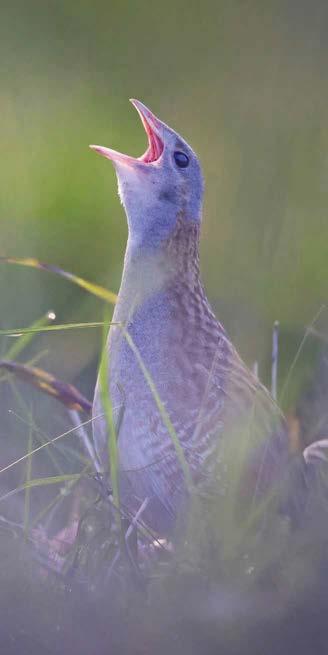
The air on Rathlin Island is thick with more than sea salt this summer; it carries the rhythmic, mechanical “crex-crex” of four calling male Corncrakes. This news marks another triumphant chapter for Rathlin’s biodiversity, proving that focused conservation yields real results for this Red-Listed species.
A huge thank you to the volunteers, who battled through those cold and dark winter days, braving the elements across Northern Ireland to dig nettle roots – which create the essential earlyseason cover these birds need to breed.
The future looks even brighter with the announcement of additional funding through PeacePlus Nature, with a significant investment to help create further Corncrake habitats across Rathlin Island. Nature is thriving, one “crex” at a time. To get involved in the Giving Corncrake A Home Project, email Fiona.Robinson@rspb.org.uk. Learn more about Corncrakes in the summer/ autumn issue of The RSPB Magazine
be doing in the local area for breeding waders.
If you’re a landowner in Fermanagh and want to help, please reach out to Roisin.Normanly@rspb.org.uk
Hen Harriers often glide low to the ground, with their wings held in a shallow ‘V’, as they search for food. While males are a pale grey colour, females (pictured) and young birds are brown with a white rump and a striped tail, which gives them the name ‘ringtail’. In the spring and summer months, they can be found searching the hills for mates and nesting sites in heath moorland, also known as uplands. In the winter Hen Harriers can be found in a variety of habitats, including moorland, farmland, grasslands and wetlands.
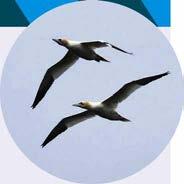
Building on the success of the LIFE Raft programme, Rathlin Island is pioneering a vital ‘Biosecurity’ mission to protect its world-class seabirds, such as Gannets (pictured), from invasive rats and ferrets.
The frontline defence features six Biosecurity Loops – monitoring stations using non-toxic wax blocks, ink pads and trail cameras as early warning systems. However, the true strength lies in the community. Each month, dedicated islanders and volunteers patrol the landscape, while partners such as the RDCA and Causeway Coast and Glens Council secure Ballycastle Harbour with rat-deterrent fencing.
Biosecurity starts with people. If you’re travelling to Rathlin, check your luggage, cargo and car bonnet for hitchhikers. If you spot anything suspicious, report it at rathlin360.com
Scientific name Circus cyaneus
Wingspan
100–120cm
Length 44–52cm
Where to see Uplands, marine and intertidal, farmland, wetland, grassland
Conservation status Red List

Allison Leonard, Managing Director Manx BirdLife
The beginning of April marks one year since Manx BirdLife announced the acquisition of Langness Nature Reserve. While visible changes on site have been subtle, it has been a very busy year behind the scenes.
Our team has focused on building a strong foundation for future work, beginning with a programme of ecological surveys. As a scienceled organisation, it’s essential that our decisions are guided by robust evidence. Gaining a detailed understanding of the species and habitats present allows us to plan effectively for their long-term protection and enhancement.
Alongside this, we’ve been developing a five-year management plan and shaping opportunities for public engagement. This includes upcoming on-site events and educational visits through the Manx BirdLife Education Programme.
With this groundwork now in place, more visible activity will begin. Practical habitat management, including the control of invasive plants and gorse, will be introduced, alongside new signage to help visitors be able to engage with the reserve responsibly.
As with the Manx BirdLife Point of Ayre National Reserve, our journey at Langness is a long-term one. This first year has been all about preparation ensuring that, moving forward, we can truly do our best for wildlife and for everyone who visits the Manx BirdLife Langness Nature Reserve.
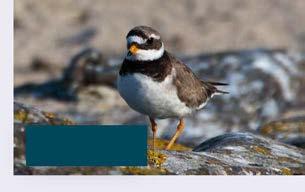
I’ve noticed some young birds in my garden lately and they look quite scruffy. Are they okay? Jessie, Antrim
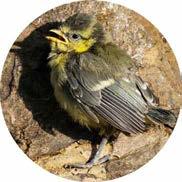
In late summer you’ll often see birds that look like this. These are often young birds that are newly fledged, such as Blue Tits (pictured) learning to find food and navigating the world around them. Adult birds of many species also moult their feathers after a busy breeding season, replacing worn feathers with fresh ones. Unless a bird appears injured or in immediate danger, it’s simply part of the changing seasons.
I’m keen to start learning how to identity the birds in my garden. Are there any tips on how to do this?
Harry, Omagh
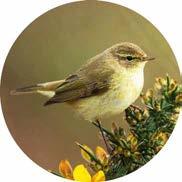
It’s great that you want to learn about the birds around you. At this time of year, there’s a flurry of new visitors migrating south after the breeding season, such as Chiffchaffs (above) so it’s a good time to start. Try online resources, or a bird guidebook, and consider joining the RSPB Youth Network or a Local Group to help you learn more.
I always notice groups of Swallows lining up on telephone wires. Why do they do this?
Lucy, Bangor
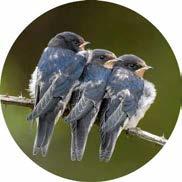
This is a real sign of autumn approaching; in late summer birds including Swallows (pictured) and House Martins will begin to gather in large flocks as they prepare for their long journey to Africa. It’s a bit like getting the family together for a planning meeting before a summer holiday. If you’re lucky, you might see hundreds gathering before they leave on their long journey south.
How RSPB Northern Ireland is leading the charge for a wild recovery of our precious species and landscapes
RSPB NI believes that everyone deserves to experience the wonder of a world teeming with life, yet the reality is stark. Northern Ireland is one of the most nature-depleted places on the planet with 12% of species threatened with extinction on the island of Ireland as a whole. A State of Nature report statistic that shows a landscape in quiet crisis. In response, in our 60th year here, RSPB NI is leading a transformative charge, with the launch of three new ambitious PEACEPLUS-funded projects – PeacePlus Nature, ACCLIMATISE (A Changing Impact Monitoring and Assessment Toolbox for Irish Seas) and CMAP (Coastal Monitoring and Adaptation
‘The future of wildlife lies in the hands of the communities that live alongside it’
Planning). These projects aim to bridge borders and restore vital habitats, taking a stand for the species on the brink of disappearance, whether it’s the oceanvoyaging Manx Shearwater, delicate Marsh Fritillary butterfly or the elusive Corncrake. Ensuring they remain a living part of our landscape, rather than a memory.
Protect and restore PeacePlus Nature is a €20.8 million lifeline. It spans over four years and unites nine powerhouse organisations led by RSPB NI, in partnership with BirdWatch Ireland, Butterfly Conservation, Lough Neagh Partnership, NI Water, Truagh Spirit, River Blackwater Association, Monaghan County Council and An Taisce – National Trust for Ireland.
The Programme works to protect and restore crossborder habitats and wildlife. Designed to benefit nature and the community, it will work locally to support key species facing major declines. The project will focus on three key pillars: Species Recovery, Habitat Restoration and Community Engagement. The heart of this project is engaging with landowners, farmers and the local community, equipping them with the knowledge and power to support nature right on their doorsteps.
€20.8 million in funding
9 partners PeacePlus Nature in numbers
24 sites across Northern Ireland and border counties of Ireland
49 new jobs
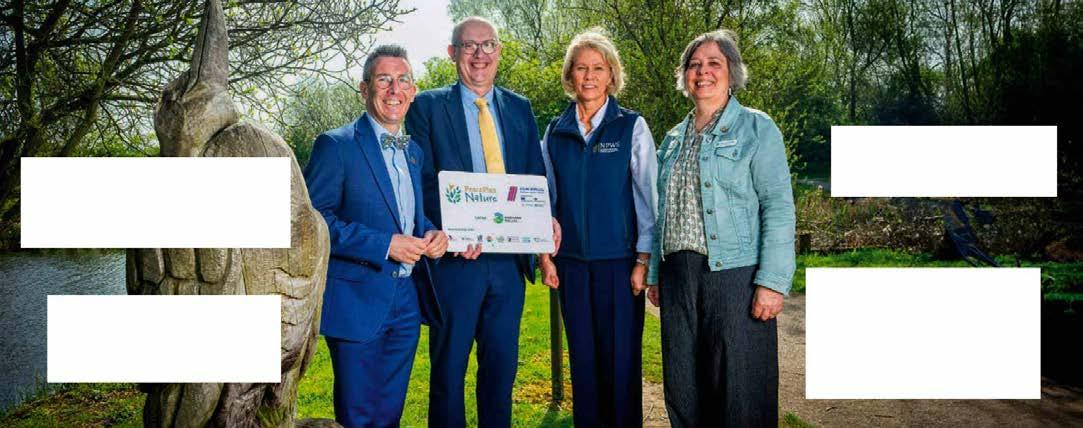
Dr Claire Cooper, Assistant
Principal
in the Scientific Advice and Research Directorate of the National Parks and Wildlife Service
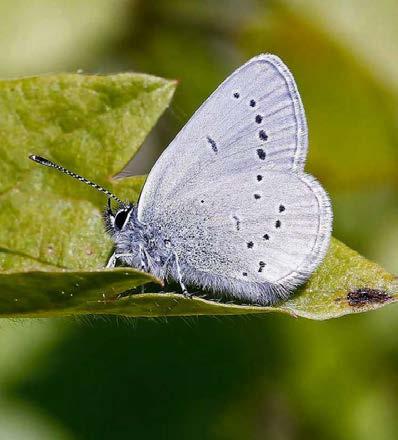
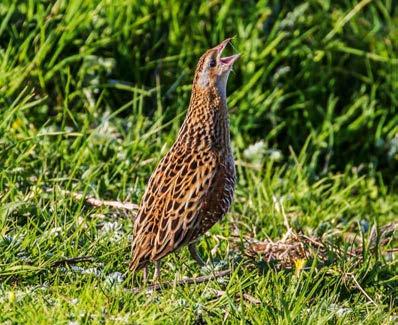
1. The launch event for PeacePlus Nature
2. Small Blue butterfly
3. Corncrake
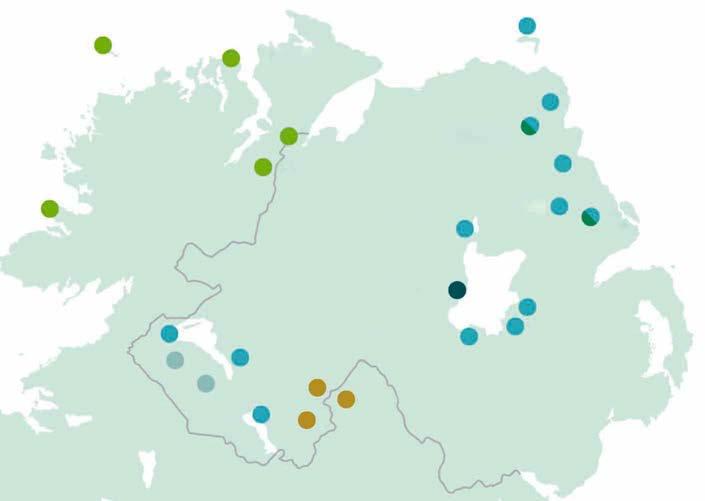
Blanket Nook (3)
Maghergallon (3)
Lower Lough Erne Islands Reserve (7)
Monawilkin (4)
West Fermanagh & Limestone (4)
Inishcreenry (7)
Inch-Long Point (3)
Altnahinch Catchment (2)
Glenwherry (8)
Lough Beg (7)
Kilcolpy (6)
Reedy Flats (7)
Lough Erne Wetlands (5)
Eshbrack (5)
Sliabh Beagh (5)
Montiaghs
One of the most vital habitats for nature is our peatlands. In the Antrim Hills and at Sliabh Beagh, massive restoration efforts are under way to revitalise these landscapes. Peatlands are essential for carbon storage and provide essential habitats for birds such as the Hen Harrier, Curlew and Merlin. At Sliabh Beagh, partners are removing over 700 hectares of invasive Sitka Spruce to restore the open bog habitat that these birds need to hunt and nest. Similarly, the work in the Antrim Hills focuses on specialist recovery, so these ancient landscapes can continue to provide.
The story of our wetlands is equally transformative. For many, the ‘cry of the Curlew’ is a hallmark of the Irish countryside, yet these breeding waders have faced a steep decline. In Fermanagh, the recent purchase of Inishcreenry nature reserve marks a significant milestone, and will act as a flagship demonstration site. You can read more about this back on page 2.
This spirit of collaboration extends to our loughs. On the shores of Lough Neagh and Lough Beg, the focus is on practical land management. By introducing grazing and controlling scrub, Lough Neagh Partnership is creating the perfect conditions for ground-nesting birds. Further west in Donegal, BirdWatch Ireland is working closely with the community on Tory Island. Here, 60 local farmers are being empowered with the knowledge to


safeguard nest sites for Corncrakes and Curlews, proving that the future of wildlife lies in the hands of those who live alongside it.
It isn’t just about the birds, however. Our rarer insects are also receiving attention. In the threatened limestone grasslands of Northern Ireland, Butterfly Conservation is tackling encroaching scrub to protect the Marsh Fritillary and the Cryptic Wood White butterflies. This work continues at Montiaghs Moss, a vital stronghold for the Irish Damselfly. Through volunteer work parties and community surveys, local people are becoming the guardians of these delicate ecosystems.
Whether it’s trialling innovative early-cover habitats for Corncrakes on Rathlin Island or using satellite tracking to monitor Merlin in the uplands, these projects represent a bold investment in our shared future.

If you would like to learn more about the PeacePlus Nature programme or join in with upcoming volunteering opportunities, make sure to visit peaceplusnature.org for more information. Get involved... Lend a hand Scan me


The PeacePlus Team have been visiting sites to learn about the species and habitats included in the PeacePlus Nature Programme
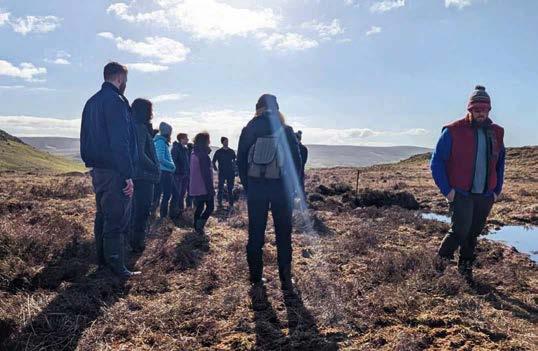
PeacePlus Nature team visiting the Antrim Hills to learn about Peatland Restoration and plans for the project
Contact us
RSPB Northern Ireland Headquarters
Belvoir Park Forest, Belfast BT8 7QT 028 9049 1547 rspb.nireland@rspb.org.uk
Follow us facebook.com/RSPBNI @rspb_ni
Coming soon: how you can volunteer for PeacePlus Nature
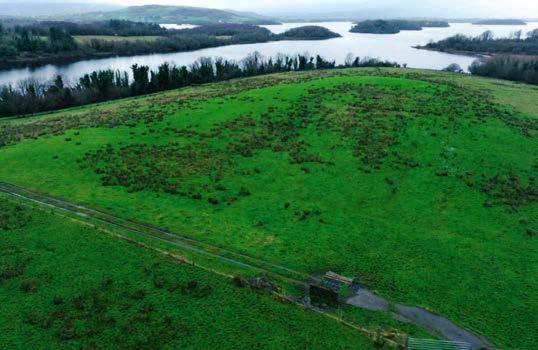
Inishcreenry nature reserve’s habitat will be improved to give Curlews a better chance of survival
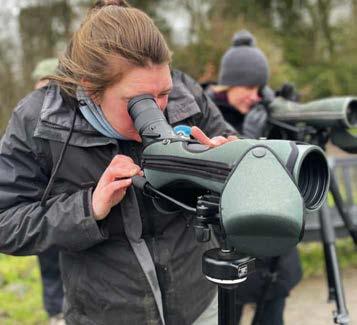
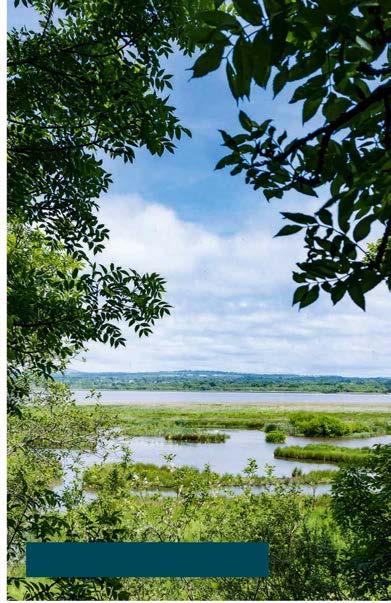
PeacePlus Nature team using scopes to look out over Lough Beg
Antrim
Michael Ingleston (Leader), 028 9332 3657 rspbantrim@gmail.com
Belfast Eleanor Brennan, rspbbelfastlg@proton.me
Coleraine James McDowell, 07596 503 435 group.rspb.org.uk/coleraine
Fermanagh Rosalind McConkey, 028 6632 0794 rosalindmcconkey@gmail.com
Lisburn Siobhan McGrath (Leader), rspblisburn@gmail.com
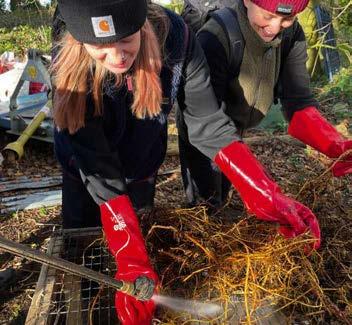
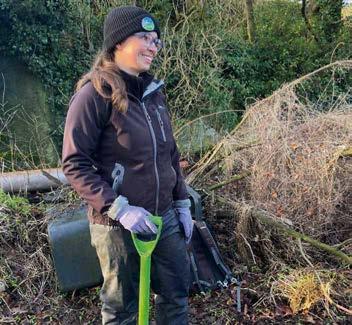
Volunteers at Nettle Dig for Corncrake wash off unwanted seeds and invertebrates