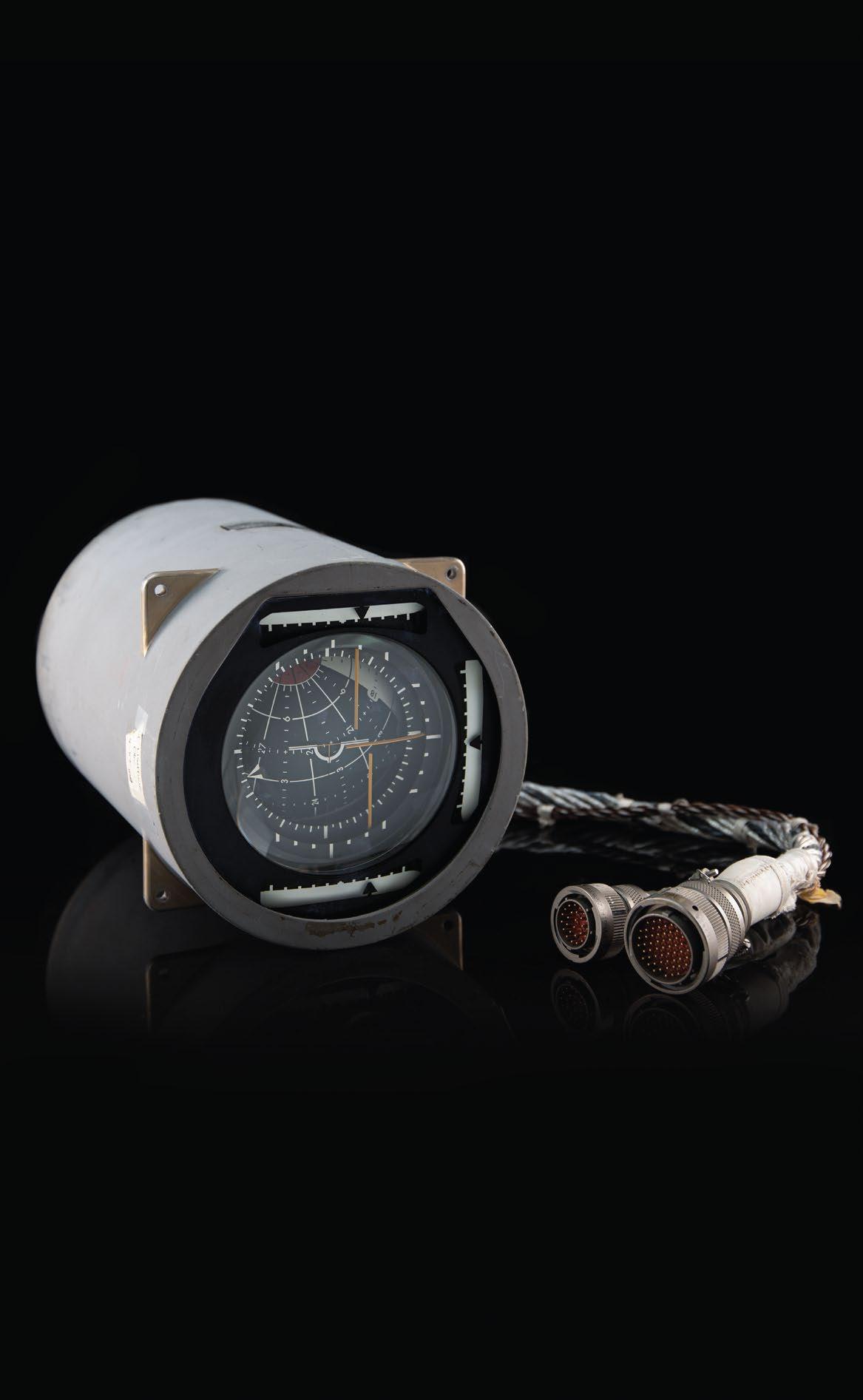
It’s hard to believe: this year marks fifty years since I started RR Auction.
Back in 1976, I was a kid in Boston with a love of collecting, and no real sense of where it would all lead. My grandfather offered me $1,800 to start a small business; he never asked questions, and never asked for his money back, he just believed in me. That belief set everything in motion.
My one-man operation selling baseball memorabilia and modest autographs grew slowly. I spent the first ten years working out of my parents’ basement, manually hand-typing catalogs every month and mailing them out myself. I persevered, caring about doing things the right way, learning as I went, and treating people well.
Carla, my wife at the time, was always there to help. In 1986, I hired Bill White as our first team member, and forty years later he’s still with the company today. In 1996, Elizebeth Otto joined the consignment department, and she’s still here, too. I’m proud of the people who have stood by this company, and equally proud of my children and other family members who have worked here over the years, including my son Bobby, who now serves as our COO; watching him help lead the business has meant a great deal to me.
As years passed we became respected as specialists in documents and manuscripts. Since 1976, we’ve handled pieces spanning the full stretch of written history...from Earhart to Einstein, from Henry VIII to Henry David Thoreau, from Beethoven to Babe Ruth. At the heart of it all are the handwritten letters and manuscripts, which represent a personal connection that has always been the foundation of this company.
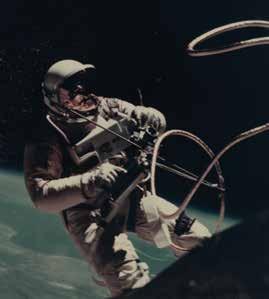
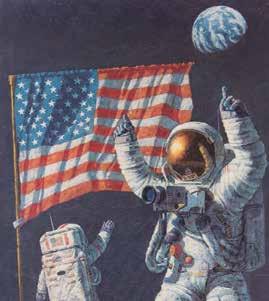
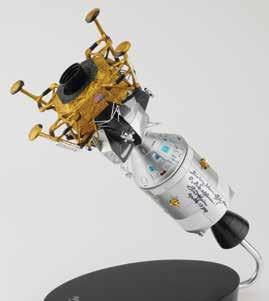
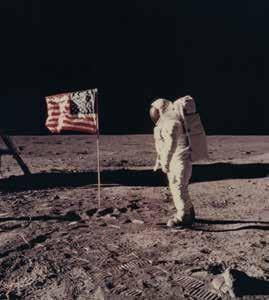
Over the years, we’ve handled some remarkable pieces in space exploration. We’ve directly represented several moonwalkers—Dave Scott from Apollo 15, Alan Bean, Charlie Duke, the last man on the moon Gene Cernan, and others. Their space-flown hardware and mission-used artifacts have been a meaningful part of our story, and I never take for granted the trust that these astronauts placed in us.
In technology, our history closely parallels that of Apple: we both started in 1976. In recent years, we’ve handled Apple documents, contracts, and some remarkable hardware that date back to the tech giant’s earliest days, including Steve Jobs’ personal Apple-1 prototype, and Apple Check Number One, the first check the company ever issued. Helping tell that sensational story has been a privilege.
American history has always been at our core, and Revolutionary War-era material from the Founding Fathers remains a cornerstone of what we offer. We’ve been proud to present material from signers of the Declaration of Independence, including Button Gwinnett, one of the most elusive and sought-after names in American history. The nation’s 250th anniversary, alongside RR Auction’s own 50-year history, serves as a reminder of why preserving these documents matters, and why we take this responsibility seriously.
We’ve been honored to represent many delightfully unexpected items as well! We sold the $28 million seat on Jeff Bezos’s first Blue Origin flight; we handled Jim Sanborn’s Kryptos archive, tied to one of the great modern code-breaking puzzles; and we revealed and sold a previously unknown JFK film taken in Dealey Plaza. These certainly aren’t the kinds of things I ever dreamed of selling while typing catalogs in my parents’ basement, but they’ve become pivotal parts of our story nonetheless.
But the moments that stay with me aren’t the headlines and high-ticket items; they’re the moments when we’ve helped people change their lives, when the outcome of a consignor’s item has made a sincere difference for them, very often exceeding their financial expectations. RR Auction has always been about people. Consignors. Buyers. Referrals. And, of course, the staff who have worked hard behind the scenes—none of this would be possible without them.
Through it all, I think about my grandfather’s gesture, the quiet belief he showed when he trusted and believed in me with that $1,800. Half a century later, everything we’ve built has come from that same sense of belief. People believed in what we were doing— they gave us a chance, and they sent others our way. For that, we are forever grateful.
WITH GRATITUDE, BOB EATON FOUNDER, RR AUCTION
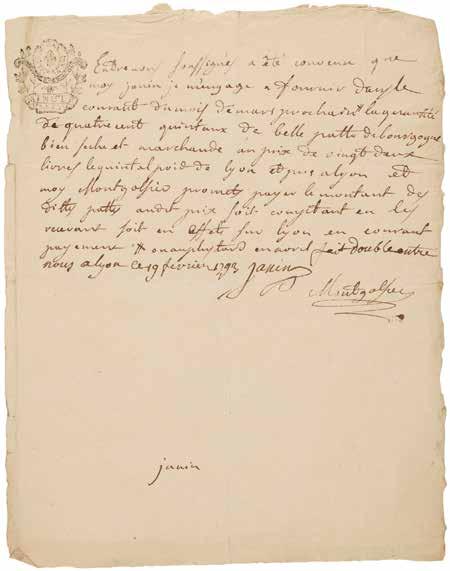
5001. Jacques-Etienne Montgolfier Document
Signed - Inventor of the Hot Air Balloon. French inventor and paper manufacturer (1745–1799) who, alongside his brother Joseph-Michel Montgolfier, pioneered the first practical hot air balloon (the Montgolfière) in 1783. Manuscript DS, in French, signed “Montgolfier,” one page, 7.75 x 9.75, February 19, 1793. Document concerning the supply and sale of goods, nicely signed at the conclusion by Montgolfier. In fine condition.
Born into a reputable family of paper manufacturers in Annonay, in Ardeche, France, brothers Jacques-Etienne and Joseph-Michel Montgolfier put their small town on the map in June of 1783 when they successfully carried out the first public unmanned hot air balloon flight there; five months later, before a distinguished crowd including King Louis XVI, Marie Antoinette, and Ben Franklin, they would demonstrate the first free flight by humans in their balloon. Starting Bid $300
Wilbur outlines terms for their purchase: “We can furnish flyers similar to those used at Le Mans and Washington at a price of one thousand pounds sterling each”
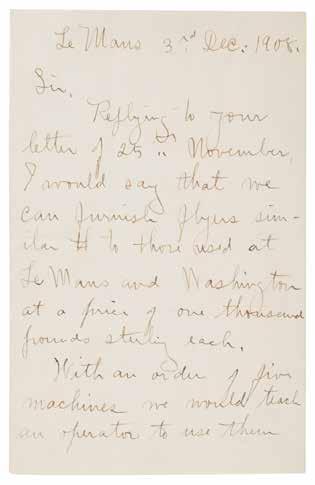
5011. Wilbur Wright Autograph Letter Signed, Outlining Purchase Terms for Wright Flyers: “With an order of five machines we would teach an operator to use them”. ALS by Wilbur Wright, signed “Wright Brothers,” two pages on two adjoining sheets, 4.5 x 7, December 3, 1908. Handwritten letter from Le Mans, France, in full: “Replying to your letter of 25th November, I would say that we can furnish flyers similar to those used at Le Mans and Washington at a price of one thousand pounds sterling each. With an order of five machines we would teach an operator to use them without any additional charge. The machines could be delivered in about six months after order was placed.” In fine condition, with some old mounting remnants on the back of the last page.
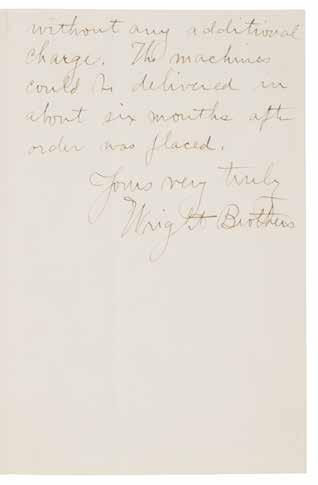
Penned at the height of the Wright Brothers’ triumphant 1908 European demonstrations, this letter from Le Mans captures a pivotal moment as powered flight transitioned from experimental marvel to commercial enterprise. Writing on behalf of the “Wright Brothers,” Wilbur Wright outlines pricing, delivery timelines, and even pilot training terms for their aircraft—the same type that were astonishing audiences in France and recently demonstrated in Washington, D.C. The letter reflects the growing international demand for powered flight and marks the Wrights’ emergence not only as pioneering aviators, but as shrewd businessmen poised to shape the future of aviation on a global scale. Starting Bid $1000
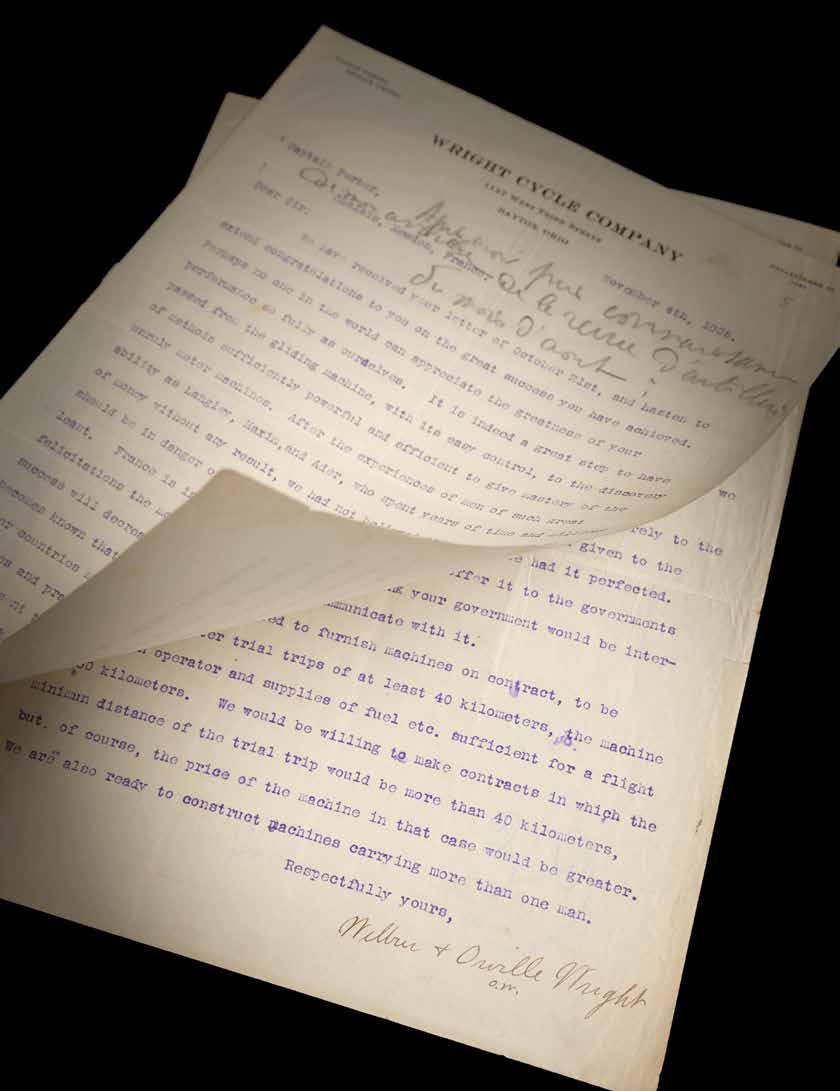
“Witnesses to these flights have become so enthusiastic that they have been unable to hold their tongues”
5009. Orville Wright Partial Typed Letter Signed on Demonstration Flights: “Witnesses to these flights have become so enthusiastic that they have been unable to hold their tongues”. Partial TLS signed for both by Orville, “Wilbur & Orville Wright, O. W.,” one page, 8.5 x 11, Wright Cycle Company letterhead, [October 9, 1905].
The concluding page of a two-page letter to Captain Ferdinand Ferber, beginning amidst a description of their flight of October 5, 1905. In part “…distance of over 39 kilometers. Landing was caused by the exhaustion of the supply of fuel. An oil cup cured the trouble with the bearing which had terminated the previous flights. Witnesses to these flights have become so enthusiastic that they have been unable to hold their tongues, and as a result our experiments have become so public that we are compelled to discontinue them for the present, or at least until we find a less public place to carry them on. The past several years have been given almost entirely to the development of our flyer, and but little time has been given to the consideration of what we would do with it when we had it perfected. But it is our present intention to first offer it to the governments for war purposes…We are prepared to furnish machines on contract, to be accepted only after trial trips of at least 40 kilometers, the machine to carry an operator and supplies of fuel etc…We are also ready to construct machines carrying more than one man.”
Also includes the unsigned first page of a letter from the Wrights to Ferber from one month later, also with exceptional aviation content, congratulating him on his own successes in manned flight. In part: “Perhaps no one in the world can appreciate the greatness of your performance so fully as ourselves. It is indeed a great step to have passed from the gliding machine, to…mastery of the unruly motor machines…France is indeed fortunate in finding a Ferber…we do not believe that your success will decrease the value of our own discoveries… With Russia and Austria-Hungary in their present troubled condition…a spark may produce an explosion at any minute. No government dare take the risk of waiting to develop practical flying machines.” In fine condition, with intersecting folds, light edge toning, and one small edge tear.
Ferber was an officer in the French Army who—despite the fact that his own attempts at building aircraft were largely unsuccessful—proved to be a major influence in the development of aviation in France by publicizing the work of the Wright Brothers and raising public interest in manned flight. Ferber had written to the Wrights in May of 1905 to request details about purchasing one of their machines; still conducting tests on the flyer at that time, they were not yet prepared to discuss their plans for production and sales. At the time of this letter just five months later, the brothers were beginning negotiations with the United States, British, and French governments regarding a contract for military airplanes. An incredible letter from a supremely important time in the history of flight. Starting Bid $1000
Orville
arranges the preservation of a historic aeronautical artifact— “the motor used at Kitty Hawk in 1903”
5014. Orville Wright Typed Letter Signed, Seeking to Preserve “the motor used at Kitty Hawk in 1903”. TLS, one page, 8.5 x 11, The Wright Company letterhead, October 26, 1914. Letter to Henry Woodhouse of the Aero Club of America, in full: “Eight or nine years ago we sent to the Aero Club of America the crank and fly wheel of the motor used at Kitty Hawk in 1903. As we have practically all of the other parts of the motor, only a part of the crank case being gone I believe, I would like to get the crank again, so that all of the parts can be kept together and assembled at some future time. Will you please see whether the Club still has this crank?” In fine condition.
Written just eleven years after the historic first flight at Kitty Hawk, this 1914 letter finds Orville Wright seeking to reunite a key surviving component of the original 1903 Wright Flyer engine—the crank and flywheel—with the rest of the motor parts in his possession. Addressed to pioneering aviation writer and publisher Henry Woodhouse, Wright expresses his desire to recover the crank so that the engine might one day be fully reassembled, reflecting his early awareness of the aircraft’s historic importance. A remarkable piece, directly referencing hardware from the first powered airplane. Starting Bid $300
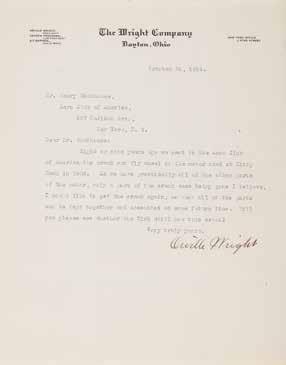
Orville Wright celebrates “the anniversary of our first flight” in a letter to Henry Ford
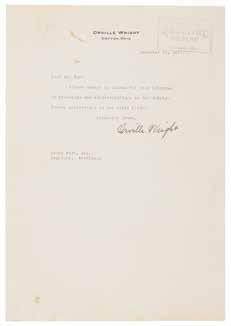
5019. Orville Wright Typed Letter Signed to Henry Ford, Sending Thanks for Congratulations on “the anniversary of our first flight”. TLS, one page, 7.25 x 10.5, personal letterhead, December 21, 1937. Letter to pioneering automaker Henry Ford, in full: “Please accept my thanks for your telegram of greetings and congratulations on the thirty-fourth anniversary of our first flight.” In fine condition, with some minor stains to the top blank area. Accompanied by a handsome custom-made quarter-morocco presentation folder. The Wright brothers made history’s first powered, sustained, and controlled airplane flights from level ground without any assistance at takeoff at the Kill Devil Hills on the morning of December 17, 1903. The first lasted twelve seconds; the last, fifty-nine seconds, covered 852 feet of ground but, because of a head wind, the second flight actually covered more than one-half mile of air distance. Ford’s respect for Orville’s inventive genius resulted in his purchase of the Wright family home at 7 Hawthorn Street and the old Wright bicycle shop on West Third Street in Dayton, Ohio, for relocation to his museum in Dearborn, Michigan—both structures were meticulously dismantled and painstakingly reconstructed, side by side, on a grassy plot in Greenfield Village. That purchase took place in 1936, the year before the present letter was written. Starting Bid $200
Hall’s timesheet for the development of the Spirit of St. Louis, with later notes for contributions to the MGM film
5025. Charles Lindbergh: Donald Albert Hall’s Spirit of St. Louis Time Sheet and Movie Consulting Notes. Pioneering aeronautical engineer and aircraft designer (1898–1968) most famous as the designer of the Spirit of St. Louis, Charles Lindbergh’s high-wing monoplane that made the first solo nonstop transatlantic flight. Two intriguing handwritten documents by aircraft designer Donald Albert Hall, representing the ‘bookends’ of his contributions to the creation and legacy of Charles Lindbergh’s famed Spirit of St. Louis airplane: a timesheet recording his hours worked on the plane in 1927, and later notes from his time as technical advisor for Billy Wilder’s 1957 film The Spirit of St. Louis, which starred James Stewart as Lindbergh. Includes:
- Handwritten manuscript in pencil by Donald Albert Hall, one page, 8.5 x 11, recording time spent on the Spirit of St. Louis project from January 31 to May 9, 1927. The document walks through Hall’s design process for the Spirit of St. Louis, formally known as the Ryan NYP (for ‘New York to Paris’), which was loosely based on Ryan’s M-1/M-2 mailplanes. After doing some work on the M-1 wings and chassis, Hall exhaustively dedicated himself to the “NYP,” recording his tremendous input of time—often upwards of 70 hours per week. One week in April, according to his sheet, he “worked from 5:45 a.m. Monday to 6:15 p.m. Tuesday without sleep.” Ultimately, Hall logs 768 hours spent on the project.
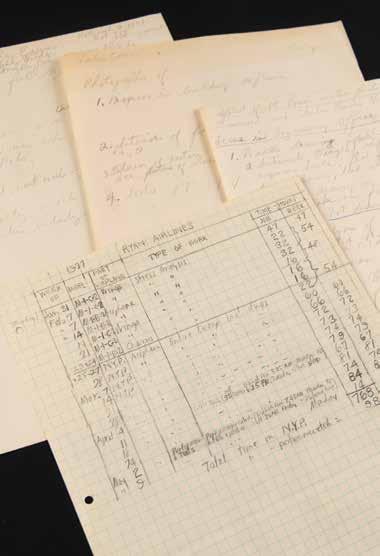
- Handwritten notes in pencil by Donald Albert Hall, three pages, 8.25 x 11, headed: “Spirit of St. Louis Motion Picture - San Diego, Discussion with Charles Eames, 7/15/55.” First, Hall makes note of a “scene in engineering office,” describing his drawing table (filled with “instruments, triangles, ship curves, triangular engineer’s scale, flat fractional scale, eraser drawing pencils,” and other tools of the trade) and recommends a “montage of several scenes” to include “Lindbergh working” and a “second drawing table.” He then makes a list of photographs for inclusion in a montage, including “progress in building airplane,” “interiors of factory,” “tools, jigs,” “landing gear,” “fuselage,” “control surfaces: (1) elevator, (2) rudder, (3) aileron,” and “wing.” On the last page, he jots a note to himself: “How is consulting work usually paid by motion picture industry?”
In overall fine condition. Additionally includes some contemporary copies of newspaper and journal articles about the Spirit of St. Louis.Donald A. Hall was the chief engineer who designed the Spirit of St. Louis, the custom-built aircraft that Charles Lindbergh piloted during his historic 1927 transatlantic flight. Hall, working for Ryan Airlines in San Diego, California, created the aircraft in just 60 days. His design emphasized simplicity, efficiency, and long-range capability, with a focus on reducing weight and maximizing fuel capacity. The result was a single-engine monoplane featuring innovative elements like a heavily modified fuselage and wing design to accommodate extra fuel tanks, enabling the groundbreaking 3,600-mile journey. Starting Bid $500
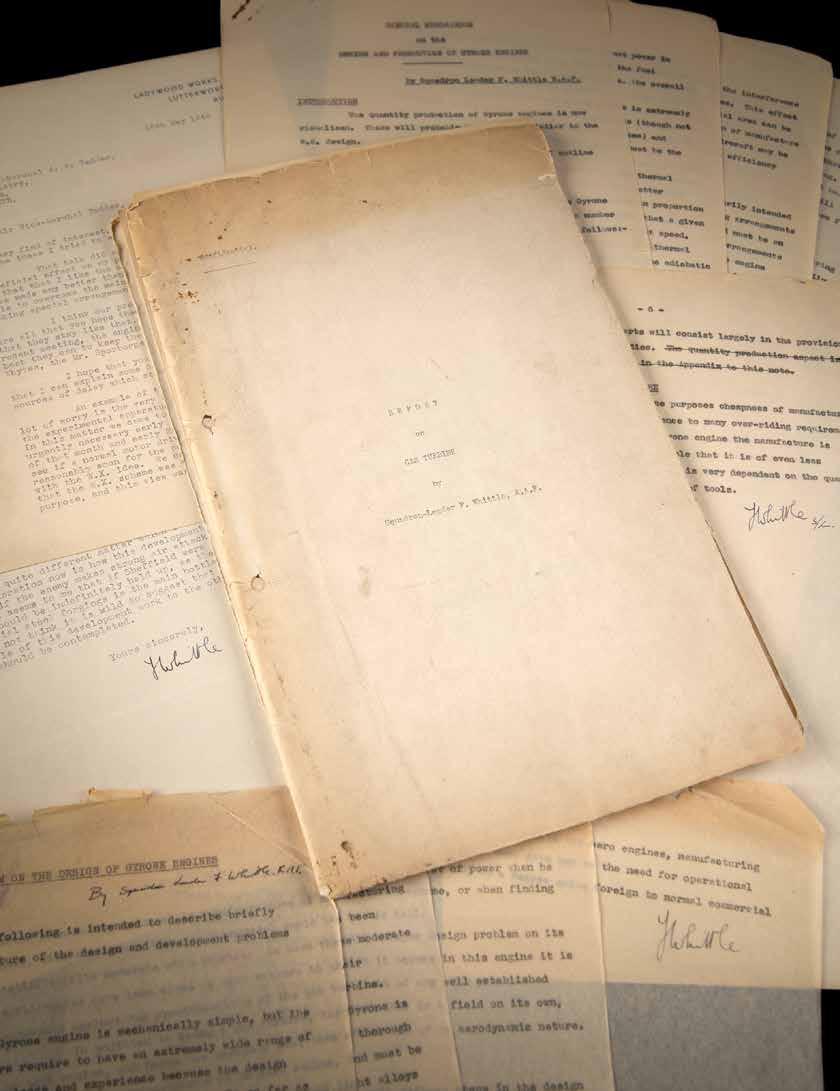
One of five “Confidential” copies of Whittle’s historic report on his first practical turbojet experiments, with signed memoranda
5033. Frank Whittle Archive with a Confidential First Report on the Turbojet Engine (1 of 5 Copies) and (3) Signed Documents. English Royal Air Force air officer (1907-1996) who is credited with single-handedly inventing the turbojet engine. Remarkable archive of documents tracing the earliest stages of Sir Frank Whittle’s revolutionary work on the turbojet engine, one of the defining inventions of the twentieth century. Whittle, a Royal Air Force officer and engineer, first outlined his concepts in the 1930s, when aviation was still dominated by piston-driven propellers. His 1938 confidential report to the Air Ministry, included here, records the first practical tests of a constant-pressure gas turbine for aircraft propulsion, marking the birth of the modern jet engine. Subsequent memoranda from 1940 reveal his ongoing efforts to refine jet design—addressing efficiency, reliability, production challenges, and the unique demands of aerial combat—while also highlighting the strategic pressures of wartime Britain, including fears of German bombing raids disrupting production.
The group is highlighted by the historic report prepared by Frank Whittle under a research contract with the Air Ministry, unsigned, 36 carbon copy pages plus three fold-out appendix pages, 8 x 13, March 31, 1938. Marked “Confidential” and produced as one of just “Five Copies,” the report describes in great detail the initial tests of a constant pressure gas turbine intended for aircraft propulsion by jet reaction and the experiments carried out under Whittle’s supervision between April and August 1937, by Whittle’s Power Jets Ltd. “in fulfilment of Item No. 1 of Research Contract,” this being the earliest practical testing of what would become today’s modern turbojet engine.
From Whittle’s introduction: “The following is a description of the first series of tests on an experimental engine for aircraft propulsion built by Messrs. The British Thomson Houston Co. Ltd. of Rugby under contract to Messrs. Power Jets Ltd….At the time when the development of the propulsion unit was under consideration, there was no intention of making a complete engine at once, partly because definite ideas as to its final form were rather nebulous, but mainly because a sufficient knowledge of the performance of the different components for design purposes was lacking. It was therefore intended to adopt a step by step process, commencing with tests on a high speed single stage centrifugal compressor. It was decided that this should be of the size to be used in the engine…because it was believed that to make tests on a smaller scale would lead to misleading results.” The report goes on to elaborate on design and construction, materials, the rotor
assembly, the “very unorthodox feature” of the turbine nozzle, results of various experimental tests, and testing procedures. According to the report, preliminary combustion tests “at least proved that the required combustion rates could be obtained, though for various reasons, they did not provide sufficient information for the avoidance of combustion trouble in the engine itself…Ignition of the atomising sprays by high tension spark proved to be easy at moderate air speeds, but as the electrodes were damaged early in the tests, ignition was mainly achieved by the insertion of burning oily waste through a flap…The quality of combustion was judged by the appearance of the flame, the presence or otherwise of visible smoke or fuel vapour, and the smell and the effect on the eyes of the exhaust.” The report is loosely contained in its original paper wrappers, partially split along the hinge.
Additionally includes three pieces signed by Frank Whittle, including a “General Memorandum on the Design and Production of Gyrone Engines,” a “Memorandum on the Design of Gyrone Engines,” and a TLS to Air Vice-Marshal A. W. Tedder, May 18, 1940, enclosing said materials, in part: “I enclose two memoranda which you may find of interest, and which may help to amplify some of the ideas I tried to express at our talk on the 10th May. That talk did me a lot of good, and had a very beneficial effect on my peace of mind…An example of the sort of thing which causes me a lot of worry is the very serious delay which has occurred with the experimental apparatus for a pressure combustion test set…I sent a memorandum to Mr. Tweedie on March 27th after we had done a fair amount of drawing on the job…On the 15th April Mr. Tweedie told Mr. Whyte that the matter had been passed to the D.S.R. for a decision, and on the 15th April Mr. Tweedie asked the B.T.H. to give their opinion, and to assist them in this we sent the W.X. layout drawing to the B.T.H. on the 18th April, since when nothing has been settled…One quite different matter which I think needs urgent consideration now is how this development is going to be affected if the enemy makes strong air attacks on this Country. It seems to me that if Sheffield were intensively bombed we should be indefinitely held up, as the production of the special steel forgings is the main bottle neck of the job. I do not think it is wild to suggest that the removal of the whole of this development work to the other side of the Atlantic should be contemplated.”
In overall very good to fine condition, with some edge wear, scattered small rust stains, and tears to the top of the memoranda. Starting Bid $500
the Two Chief World Systems’ advocating the Copernican universe
5050. Galileo Galilei: First Latin Edition of Systema Cosmicum (1635). Rare first Latin edition of Galileo Galilei’s celebrated Dialogue Concerning the Two Chief World Systems, entitled Systema Cosmicum… De Duobus Maximis Mundi Systematibus, Ptolemaico & Copernicano. Strasbourg (Augusta Trebocorum): Elzevir Press, printed by David Hautt, 1635. Vellum-bound hardcover with matching slipcase, both titled in ink on their respective spines, 6.5 x 8, 495 pages, with 12 additional leaves of index and errata. Illustrated with an engraved allegorical frontispiece depicting Aristotle, Ptolemy, and Copernicus, and numerous woodcut diagrams throughout illustrating Galileo’s astronomical and geometric arguments.
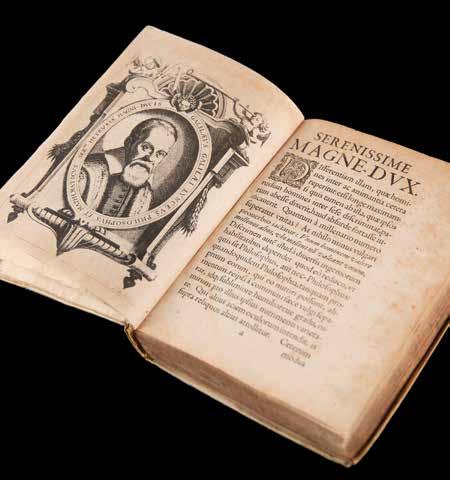
Originally published in Italian in Florence in 1632, Galileo’s Dialogue presented a philosophical debate comparing the traditional Ptolemaic geocentric model of the universe with the Copernican heliocentric system. Its clear advocacy of heliocentrism provoked strong opposition from the Catholic Church, culminating in Galileo’s famous 1633 trial before the Roman Inquisition, after which the work was placed on the Index of Prohibited Books, and the author was sentenced to house arrest for the remainder of his life. Issued in Strasbourg while Galileo was still alive, this 1635 Latin translation allowed the work to circulate widely throughout Protestant Europe despite the ban.
The elaborate allegorical frontispiece—engraved by the Flemish artist Jacob van der Heyden—portrays Aristotle, Ptolemy, and Copernicus beneath a banner announcing the dialogue on the structure of the universe. A landmark publication in the history of science, Systema Cosmicum played a central role in disseminating heliocentric theory and shaping the transformation of early modern astronomy. Early editions of this work remain among the most sought-after publications of seventeenth-century scientific printing. Book condition: Starting Bid $1000
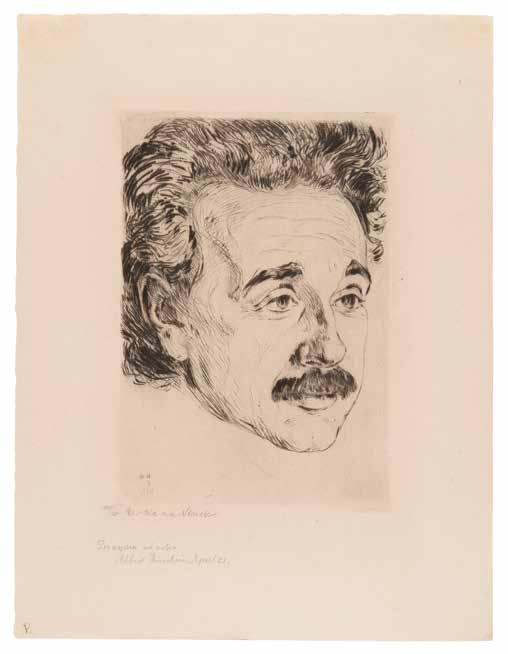
5051. Albert Einstein Signed Etching by Hermann Struck (c. 1920) (Ltd. Ed. #149/150): “Per aspera ad astra”. Spectacular limited edition 9.75 x 12.75 etching of Albert Einstein in rightfacing near profile by Hermann Struck, numbered 149/150, signed in the lower border in pencil by the subject, “Per aspera ad astra, Albert Einstein, April 21,” evoking the Latin phrase for ‘through hardships to the stars.’ Also signed in pencil by the artist, “Hermann Struck.” The etching carries the artist’s facsimile monogram and date inherent to the print: “HS 1920.” In very fine condition.
Embodying a universal theme of triumph over adversity to achieve a lofty goal, ‘per aspera ad astra’ carries power in its poetic message. Most notably, it became a motivating force in the aftermath of the Apollo 1 fire—today, the Latin motto is inscribed on the Apollo 1 memorial plaque at Pad 34—serving as a reminder that the ultimate goal of reaching the stars was worth sacrifice and struggle. Einstein, too, faced struggles in his efforts to explain the universe, facing years of intellectual isolation and skepticism as he worked to challenge the long-standing Newtonian understanding of physics.
The painter, lithographer, and etcher Hermann Struck (1876–1944) was born in Berlin. He studied at the Academy of Fine Arts in Berlin. In 1923, Struck, a devout Jew and passionate Zionist, emigrated to Palestine, becoming a member of the Bezalel Academy of Arts and Design in Jerusalem and co-founding the Museum of Art in Tel Aviv. Best known for his etchings, he created portraits of several distinguished subjects including Einstein, Freud, Nietzsche, and Ibsen. Einstein and Struck maintained a friendly relationship that, as letters show, continued even after Struck migrated. Struck’s nephew, Henry Pachter, reports on meeting Einstein as a child: in 1921 or 1922, he recalls being sent to the scientist with a stack of etchings that Struck had just completed, to have them signed by the genius physicist. Starting Bid $1000
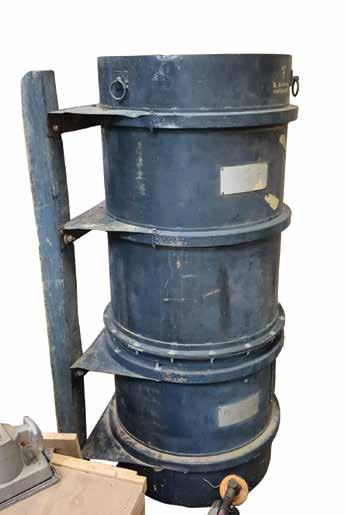
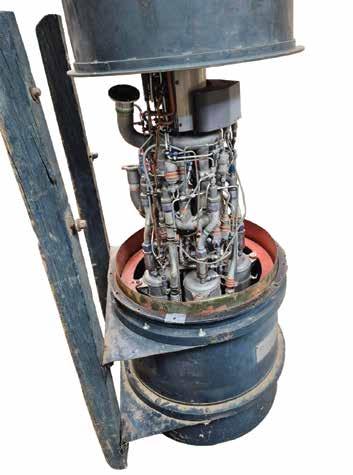
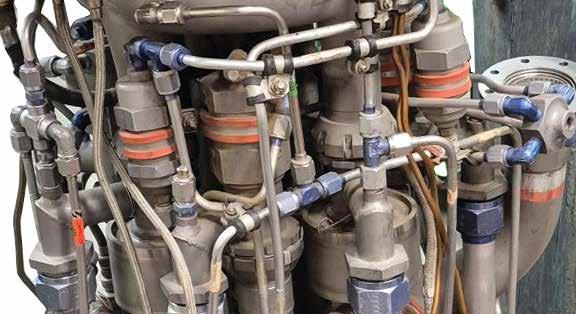
6,000-pound-thrust
- The Interim Power Plant for the X-15 Research Aircraft. Export restricted (ITAR), sale only to US Citizens and Organizations. Complete Reaction Motors XLR11-RM-13 rocket engine (Serial No. 52), manufactured circa 1958–1959, the very type used as the interim power plant for the initial flights of the legendary X-15 research aircraft, which served as a critical transitional propulsion system during the early phase of the program while the far more powerful XLR99 engine was still under development.
Manufactured by Reaction Motors Inc. of Rockaway, New Jersey, under U.S. Air Force contract (Order No. W33-038-AC), the engine is designated XLR11-RM-13 (Contractor Part No. A1955) and retains its original identification as Serial No. 52. The complete assembly measures approximately 24˝ wide x 56.5˝ long and weighs roughly 345 pounds. Its configuration consists of four individual thrust chambers—each approximately 21.75˝ in length and 6˝ in diameter—along with the associated propellant valves, turbopump plumbing, and related hardware, all present and intact. Housed in its original U.S. Air Force military shipping and storage container, which bears affixed “Reaction Motors Inc. / U.S. Property” data plates, and is stenciled, “XLR-11RM-13 ROCKET ENGINE / SERIAL NUMBER 52.” The engine and container are in impressive original condition commensurate with their age and history as working aerospace hardware. The exterior of the shipping container retains its original dark paint finish with clearly legible stenciling; some surface oxidation, paint loss, and wear consistent with storage and service life are present.
The XLR-11 was originally developed by Reaction Motors in the mid1940s as the rocket power plant for the Bell X-1 research aircraft. Burning a mixture of liquid oxygen and a water-diluted ethyl alcohol fuel (with later experimental demonstrations using ammonia), the engine employed four independently ignitable combustion chambers, allowing pilots to control thrust by firing the chambers individually or in combination. On October 14, 1947, an engine of this same family propelled Capt. Chuck Yeager through Mach 1 aboard the Bell X-1, marking the first controlled supersonic flight and inaugurating a new era in aviation.
The XLR-11 subsequently powered the entire X-1 series through its supersonic research program and was also used in the Douglas D-558-II Skyrocket. In the specific XLR11-RM-13 configuration rep-
resented here, the engine served as the interim propulsion system for the earliest powered flights of the North American X-15 in 1959, enabling engineers and pilots to begin flight testing while the far more powerful XLR99 engine was still in development. These early flights proved the X-15’s aerodynamics and control systems and helped pave the way for the aircraft’s later record-setting performance as the most advanced rocket-powered research aircraft ever flown.
This engine originates from the collection of William ‘Bill’ Bernard Arnold (b. 1928), who spent 45 years at the center of the nation’s rocket-powered aircraft programs as a Field Service Engineer for Reaction Motors, Inc. Assigned continuously to Edwards Air Force Base from 1946 to 1976, Arnold personally supported the X-1, D-558, and X-15 flight programs during their historic research flights. After Reaction Motors ceased operations, he remained the last active employee of the company, still working with its engines, continuing to support them under Thiokol and later Aerojet. In that capacity, he remained involved with these propulsion systems through the Lifting Body programs and the proposed X-24C hypersonic vehicle project, ultimately retiring from Aerojet in 1990.
Accompanying the XLR11-RM-13 is the personal archive assembled by William “Bill” Bernard Arnold during his career supporting Reaction Motors engines at Edwards Air Force Base. Technical materials include confidential pilot handbooks for the XLR-11 series, a final report on XLR-11 field engine overhaul signed by Arnold, and the official AFFTC Technical Documentary Report No. 63-3, The Rocket Research Aircraft Program 1946–1962.
Personal records include Arnold’s handwritten flight-line notebook with engine data recorded during operations at Edwards, his pocket notebook, and an original X-15 flight log. The photographic archive features large-format Thiokol / Reaction Motors Division press photographs of XLR-11 static-fire tests, additional color and black-andwhite engine test photographs, a mounted color image of the X-15 in powered flight, and personal snapshots of Arnold with colleagues beside the aircraft. Program publications include the North American Aviation X-15 press kit, NASA’s ‘Research at the Edge of Space’ booklet, the Reaction Motors brochure ‘Power…for the X-15,’ the X-15 Flight Record booklet, and a period issue of North American’s Skyline magazine featuring the X-15 on the cover. Starting Bid $5000
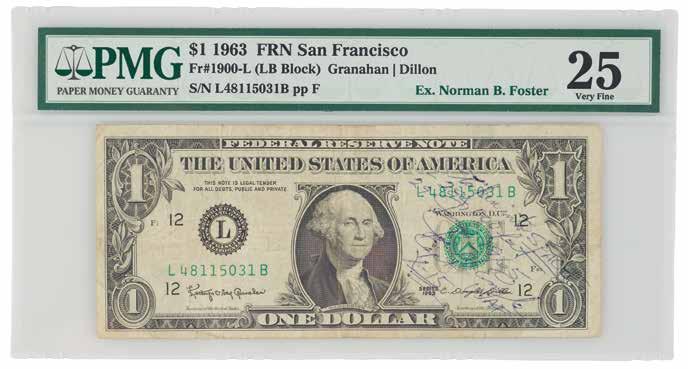
5059. X-15 Flight 138 Flown $1 Dollar Bill, Signed by Joe Engle - PMG VF 25. Flown Series 1963 one-dollar bill, serial number L48115031B, carried on X-15 Flight 138 with USAF Captain Joe Engle on June 29, 1965—reaching an altitude of 53.1 miles (having entered the USAF’s definition of space at 50 miles up) and reaching a top speed of 3,431 mph—signed and flight-certified on the portrait side in black ballpoint, “Taken into Space, 284,000 feet, 29 June 1965, Joe Engle, Capt. USAF, X-15.” Encapsulated and graded by PMG as “Very Fine 25,” with the label noting the provenance: “Ex. Norman B. Foster / Flown Aboard X-15 Flight 138, 1965 / Jefferson Space Museum Collection.”
This is the only known pilot-certified flown dollar bill to appear on the market from the X-15 program, carried on Flight 138—one of only thirteen X-15 USAF designated space flights. The pilot, Joe Engle, carried it as a favor for Norman Foster, an executive with the David Clark Company, which manufactured high altitude space suits and hardware in support of the X-15, X-20, F-40, XB-70, and YF12/SR-71 programs.
Accompanied by a handwritten letter of provenance from Foster’s grandson, in part: “My grandfather, Norman Foster, was very involved with the high altitude projects in the 50’s and 60’s. He became very good friends with all the pilots. At the time, he was the field representative for the David Clark Co., which were providing pressure suits & helmets for the projects. Their lives were in his hands, so to speak. The last few years of my grandfather’s life, I would visit him and he would tell me stories of the times with the pilots, going out for drinks after a test flight to celebrate, and how he became good friends with people like Neil Armstrong, Pete Knight, Joe Engle, Al White—really, all the guys from the X-15 project….so he used to tell me, ‘When I die, you’ll have all this.’ So, when he passed, I inherited all kinds of stuff…[including] the dollar bill.”
In 2017, the flown bill was reunited with retired Maj. General Joe Engle at SpaceFest in Tucson, Arizona. Engle immediately recognized both the bill and the story, and re-affirmed the story as told by Norm Foster to his grandson. According to Engle, Foster helped suit him up the day of his flight. As they were finishing, Foster put the bill in Engle’s pocket and asked him to fly it. While something like that could never happen today with a NASA mission, back then, it was a more common occurrence. Includes a certificate of authenticity signed by Engle, plus photos of him with the bill and certificate. The Richard Jurek Collection. Starting Bid $300
On July 29, 1960, the seven Mercury astronauts watched the first test flight of their Mercury spacecraft at Cape Canaveral. But 58 seconds into flight, MA-1 exploded.
Here is a large 31”-tall chunk of the inner titanium structure and nickel-chrome alloy outer skin, twisted from the violence of its demise, and recovered from the sea bottom. The artifact’s deformation attests to MA-1’s catastrophic failure, capturing the violence of a high velocity airborne breakup and subsequent impact with the sea.
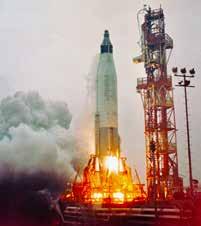
If successful, MA-1 would have given America a fighting chance of beating the cosmonauts to orbit. Excitement ran high as the countdown progressed. Rain lashed Launch Complex 14 as the Atlas rocket’s three engines roared to life. MA-1 disappeared into low-hanging clouds. All systems nominal when mission control suddenly lost radio contact with the Atlas as it climbed past 30,000 feet. Contact with the Mercury capsule continued until it crashed seven miles off the Cape.
As thousands of fragments rained from the clouds, astronaut Alan Shepard calmly turned to the red-faced engineers and asked, ‘You’re going to fix that, aren’t you?’
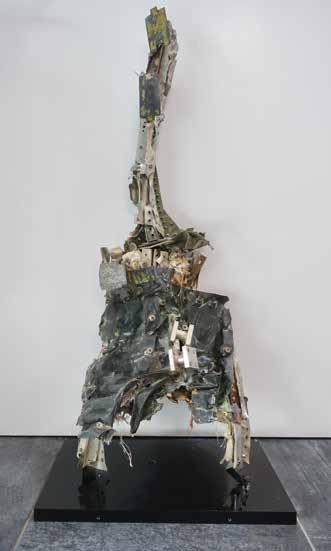
The MA-1 failure caused many to question NASA’s decision to launch men on Atlas rockets. While some sought to place blame, engineers got to work analyzing the problem. The cloud cover meant that no one saw the Atlas fail. Engineers had to look for clues as to what went wrong in recorded telemetry and among MA-1 fragments like these recovered from a search of the ocean bottom. After six months of detective work, they concluded that the Atlas ICBM weight trimming had gone too far. The failure had occurred near ‘Max Q’ when maximum aerodynamic pressure rattled MA-1. The thin-skinned adapter ring linking capsule to rocket had crumpled under the strain. Engineers added a reinforcing eight-inch-wide ‘belly band’ of steel to the adapter ring on Mercury-Atlas 2, and NASA breathed a big sigh of relief as MA-2 accomplished all its planned mission objectives.
Alan Shepard went on to become the first American to fly the Mercury spacecraft into space, 40 weeks after seeing MA-1 destroyed, and just 23 days after the Russians famously sent the first human into orbit. This piece will be packaged and shipped from California; the buyer is responsible for all associated costs. Starting Bid $5000
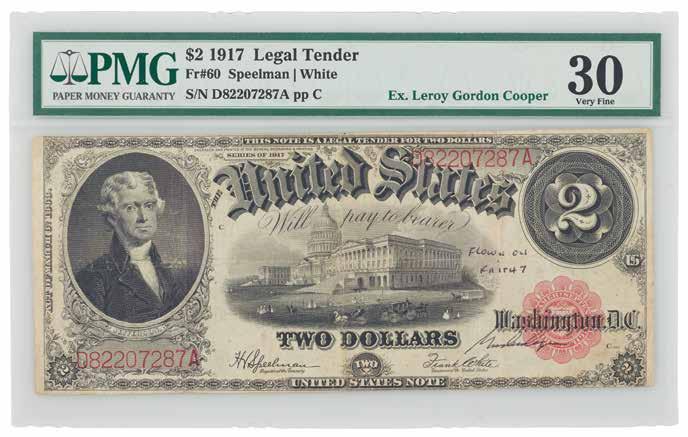
5061. Mercury-Atlas 9 Faith 7 Flown $2 Dollar Bill, Signed by Gordon Cooper - PMG VF 30. Flown Series 1917 large-size two-dollar bill, serial number D82207287A, carried aboard the Mercury-Atlas 9 Faith 7 spacecraft for the last crewed U.S. solo orbital flight on May 15–16, 1963, signed and flight-certified in black ballpoint by the pilot, “Flown on Faith 7, Gordon Cooper.” Encapsulated and graded by PMG as “Very Fine 30,” with the label noting the provenance: “Ex. Leroy Gordon Cooper / Flown Aboard Mercury Faith 7, 1963 / Jefferson Space Museum Collection.”
The note was neatly folded into eighths and tucked into the pocket of Cooper’s space suit during the historic flight. Accompanied by Cooper’s own annotated envelope, “This old 1917 issue $2 bill was flown by me in my flight suit pocket on MA9, Gordon Cooper.” This is the only $2 bill known to have been carried on Mercury-Atlas 9, and the only large-format ‘horse blanket’ bill known to have flown on any of the Mercury, Gemini, or Apollo flights. The Richard Jurek Collection. Starting Bid $300
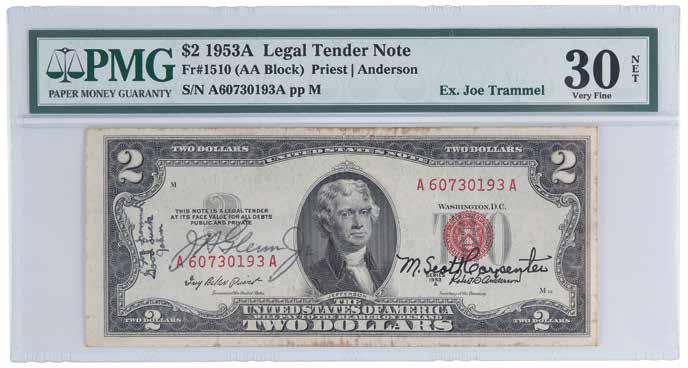
5062. Mercury-Atlas 6 Friendship 7 Flown $2 Dollar Bill, Signed by John Glenn and Scott Carpenter - PMG VF 30. Flown Series 1953A silver certificate two-dollar bill, serial number A60730193A, carried aboard the Mercury-Atlas 6 Friendship 7 spacecraft for the first crewed U.S. orbital flight on February 20, 1962, nicely signed in fountain pen by the pilot, “J. H. Glenn, Jr.,” and the backup pilot, “M. Scott Carpenter.” Also signed in fountain pen by a McDonnell technician, “Joe Trammel, Good Luck John.” Encapsulated and graded by PMG as “Very Fine 30,” with the label noting the provenance: “Ex. Joe Trammel / Flown Aboard Mercury Friendship 7, 1962 / Jefferson Space Museum Collection.”
Complete with its original certificate, also signed in fountain pen by John Glenn and Scott Carpenter, as well as a notary, dated May 9, 1962, in full: “This certifies the following U.S. currency, Serial No. A60730193A, accompanied Lt. Col. John H. Glenn on the first manned orbital flight aboard Friendship
7, Feb. 20, 1962.” Also signed later in the left margin in black felt tip, “’God Speed John Glenn,’ Scott Carpenter.”
This note belongs to the small group of U.S. currency clandestinely stowed aboard Friendship 7 by launch crew personnel, who rolled the bills into tubes and taped them within wiring inside the capsule prior to flight. Their presence later became the subject of a congressional inquiry, and ground crew ‘contraband’ was forbidden from future Mercury flights. Although initial reporting indicated that 200 $1 bills had been flown, a NASA Security Office memo dated March 9, 1962, reported that approximately $52–$56 in currency—just 32 $1 and $2 bills—had been placed aboard by McDonnell Aircraft employees. Surviving documentation suggests that no more than 15 examples were $2 bills, making flown notes of this denomination from Glenn’s mission particularly scarce. The Richard Jurek Collection. Starting Bid $300
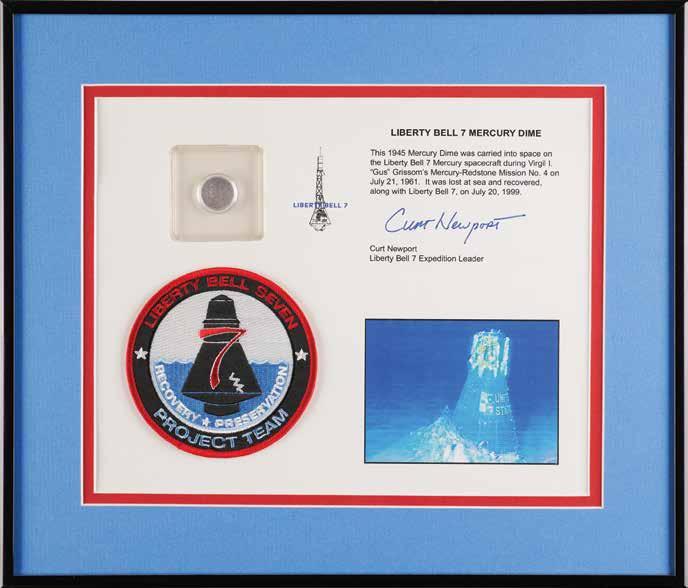
5063. Liberty Bell 7 Flown Mercury Dime. Historic silver Mercury Head dime recovered from Gus Grissom’s Liberty Bell 7 spacecraft almost 38 years to the day after the Mercury capsule and its contents were lost at sea. The coin is held in a plastic case within a presentation display signed by Liberty Bell Expedition Leader Curt Newport, in full: “This 1945 Mercury Dime was carried into space on the Liberty Bell 7 Mercury spacecraft during Virgil I. ‘Gus’ Grissom’s MercuryRedstone Mission No. 4 on July 21, 1961. It was lost at sea and recovered, along with Liberty Bell 7, on July 20, 1999.” Double-matted and framed to an overall size of 14.25 x 12.25. Display is in fine condition; coin is in very good condition with pitting and toning.
Accompanied by an additional certificate of authenticity signed by Curt Newport, as well as a lengthy handwritten description of his discovery of the capsule. A familiar part of space lore, this dime was among those carried by Grissom during his 1961 suborbital flight on Mercury-Redstone 4. A total of 52 dimes were recovered from the Liberty Bell once rediscovered at the ocean’s floor. This unique item holds the distinction of voyaging to the edge of space at an altitude of 118 miles, and then sinking 16,000 feet to the bottom of the Atlantic Ocean in the only manned spacecraft to be lost at sea-all within a few hours span. Originally part of the Leon Ford Collection. The Richard Jurek Collection. Starting Bid $500
the ocean floor and “personally owned by Gus Grissom”
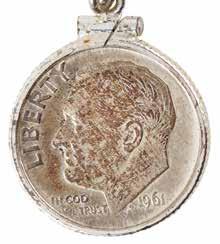
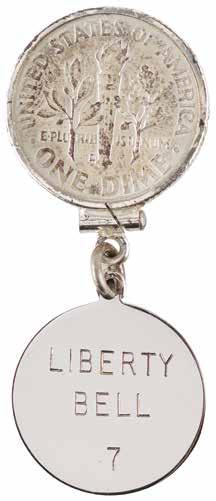
5064. Liberty Bell 7 Flown Roosevelt Dime - From the Personal Collection of Gus Grissom. Gus Grissom’s 1961-D 10C Roosevelt coin, attested as flown and carried onboard the Liberty Bell 7 during Grissom’s historic Mercury-Redstone 4 mission. Dime is housed in a silver-tone bezel with a dime-sized engraved sterling disc attached, reading “Liberty Bell 7” on one side and “21 July 1961” on the reverse. In fine condition. Accompanied by a signed letter of authenticity from Mark Grissom, the son of Gus Grissom, who writes: “I certify that this ‘1961 Roosevelt Dime’ was flown into space on MR4 ‘Liberty Bell 7.’ It was personally owned by Gus Grissom and has remained in the Grissom Estate until sold.”
Less than three months after the flight of Alan Shepard’s Freedom 7, Gus Grissom earned the distinction of becoming the second American to reach space when his Liberty Bell 7 launched on July 21, 1961. However, unlike the successful splashdown of Shepard, the premature opening of Grissom’s capsule hatch upon Atlantic touchdown nearly led to his drowning. Having already unbuckled most of his harness, Grissom was able to quickly free himself and escape from the sinking craft. After four to five minutes of treading water, an exhausted and relieved Grissom was lifted aboard a recovery helicopter.
Following the mission, and his nearly tragic splashdown, Grissom referred to the souvenirs carried in the left leg of his suit: ‘I had brought along two rolls of fifty dimes each for the children of friends, three one-dollar bills, some small models of the capsule, and two sets of pilot’s wings. These were all adding weight that I could have done without.’ Following his safe return to land, the dimes were given as souvenirs as intended.
There were two types of dimes carried on board the Liberty Bell 7 when it flew in 1961—Roosevelt and Mercury. Many of the Roosevelt dimes were carried with Grissom in his spacesuit. A total of 52 Mercury dimes are believed to have been stored in a small pouch on the back of the optical periscope.
After unsuccessful attempts in 1992 and 1993, Oceaneering International, Inc., and a team led by Curt Newport lifted the Liberty Bell 7 from the Atlantic seabed and onto the deck of the recovery ship Ocean Project on July 20, 1999, the 30th anniversary of the Apollo 11 lunar landing. The spacecraft was found after a 14-year effort by Newport at a depth of nearly 16,000 feet, some 350 miles east-southeast of Cape Canaveral. The spacecraft was transported to The Cosmosphere in Hutchinson, Kansas, where it was disassembled and cleaned, and is now on permanent display. Flown items from the Liberty Bell 7 are exceedingly rare and highly coveted by collectors. Starting Bid $300
astronauts and their wives secure a literary agent in 1965, seeking representation for the “personal stories of their space flights”
5065. Mercury 7 and Wives Signed Agency Contract for Rights to “their personal stories of their space flights”. DS, signed “M. Scott Carpenter,” “Leroy G. Cooper, Jr.,” “Virgil I. Grissom,” “Walter M. Schirra, Jr.,” “Alan B. Shepard, Jr.,” and “D. K. Slayton,” four pages, 8.5 x 13, October 8, 1965. Agreement between six of the Mercury Seven astronauts (John Glenn having received his own contract) in which they elect to have Harry A. Batten represent them as their agent. In part: “Whereas the above named… Astronauts have been selected to train for participation in Projects Gemini, Apollo and other Space Flight Projects of the National Aeronautics and Space Administration (hereinafter referred to as NASA), and…[the] Astronauts and their families have valuable rights to stories of their personal experiences in connection with these Projects, including their personal stories of their space flights…[the] Astronauts have selected and hereby appoint Harry A. Batten to represent them in the sale of the rights they may have arising out of the projects.” Signed at the conclusion in ink by the six astronauts, and also signed by Batten and their wives: Rene Carpenter, Trudy Cooper, Betty Grissom, Josephine Schirra, Louise Shepard, and Marjory Slayton. In fine condition, with some scattered stains touching three of the signatures. Accompanied by a transmittal letter from Harry Batten to Deke Slayton, enclosing the agreement for his files.
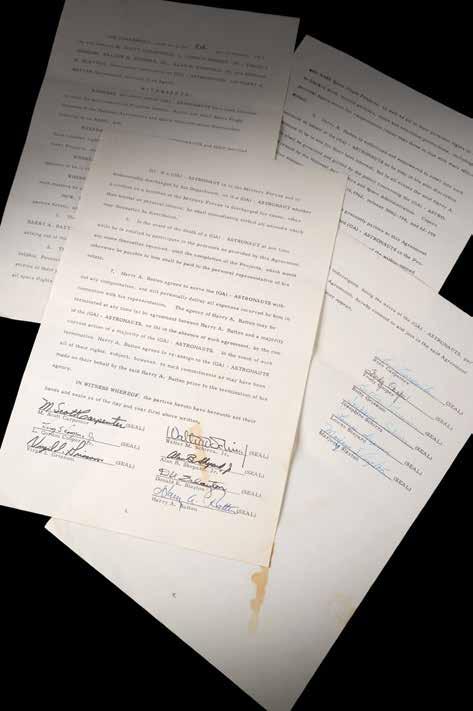
These agreements were legacy of the Time-Life personal story contracts in which the astronauts were allowed to profit from their personal stories—as opposed to their official NASA stories, which were freely given out. This contract is particularly special as it was Slayton’s personal copy, evidenced by the included cover memo from Batten. Even two years after the end of the Mercury program, public interest continued to be very high for these new heroes, each of whom would go on to write at least one book about his own experience. The Richard Jurek Collection. Starting Bid $500
for the
9 mission, revealed as part of his extensively annotated MA-9 preflight notebook, featuring handwritten ‘to do’ lists and early design sketches for the Faith 7 capsule
5066. Gordon Cooper’s Mercury-Atlas 9 NotebookOver 20 Pages of Handwritten Notes and Sketches for the Faith 7 Capsule. Gordon Cooper’s ring-bound notebook used extensively prior to the launch of the MercuryAtlas 9 mission. The notebook, 8.5 x 11, which bears Cooper’s ink ownership signature to the front cover, “Leroy G. Cooper, Jr., NASA MSC, Houston, Texas,” contains a total of 23 pages of handwritten ‘reminder’ notes in pencil related to the Faith 7 capsule, also known as Mercury spacecraft No. 20, operations procedures, the space suit, life system items, and various MSC meetings dated between January 10 and April 18, 1963. Included with the notebook is a loose hand-drawn chart sheet, 8 x 10.5, which contains six name options for Cooper’s capsule. In addition to Faith 7, other names include Omnis 7, Beacon 7, Victory 7, X7, and Light 7. Cooper has added preliminary sketches for Omnis 7 and Faith 7, as well as notes for the latter design: “Confidence = team. Belief in God, country, program. Religion represents the most international beliefs that cross all bounds of language, country, politics.”
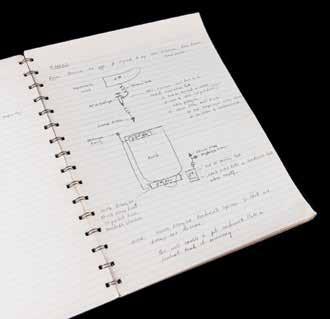
Highlighted sections of the notebook include:- List of 21 “Problem Items in Capsule 20,” which includes “1. Replace press relief valve locking handle - Done,” “2. Window cover is needed / may be able to use extra star charts & Velcro when wanting to cover for sleep,” “4. Relocate line to survival kit (Ck w Wally on this),” “5. Urine Device - O.K.,” and “13. T.V. Location - on top of AUX coolant tank (or eliminate).”
- List of 13 “Items to Install in Cap 20,” which includes “1. Small ditty bag for rt console,” “4. T.V. Camera,” “5. Movie Camera,” “6. Hasselblad if pushed into IR photos,” “9. Installation of flite plan or star charts on left side of main panel by brackets or Velcro,” and “10. Get gold plated quarter embedded in plastic and have inscription on it “To the proprietor of Pad 14, Guenter Wendt, for the fare for ‘the ride of my life,’ Gordo Cooper.”
- List of “Items for Suit,” which includes a “urine device,” “injectors,” and a “cockpit knife.” In the section marked “Rt pocket of suit,” Cooper adds a list of “Personal Items,” which contains: “Spanish doubloon,” “Trudy’s Mercury pin,” “Don Wilford’s tie pin,” “Old Masonic coin,” “American flags (5),” and a group of 17 “Faith 7 charms” for the wives of the Mercury astronauts and several others, with Cooper adding a small “Faith 7” star symbol sketch that reads “About size of a dime.” Cooper also makes notes for requested “Medical Data,” “Drugs to Go,” and “Items to Push For.”
Among the concluding briefing notes are several detailed sketches by Cooper for a redesigned “Urine Storage & Transfer System,” which maps out the “Urine bag inside pressure suit inlet area,” “Fitting through suit (locks & unlocks by turning) snap-in fitting,” “60cc syringe,” and “needle fitting.” The design was approved on April 4th, with Cooper writing: “‘Final’ decision by me & agreed to by Russ Klickman, Dave Morris, and Arch Morse.” Also included with the notebook are numerous loose handwritten note sheets from Cooper, which relate to a “Meeting @ Cape, 23 Jan 63,” two landing “Proceedures” [sic] note sheets, two “SEDR Participation” note sheets, and an “Items to Do” list. Additional typed memorandum letters are also included. In overall fine condition. Starting Bid $200
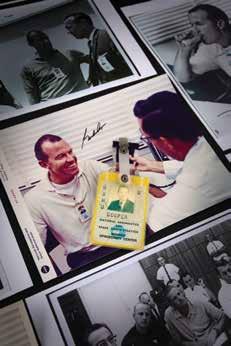
5067. Gordon Cooper’s Official NASA MSC Identification Badge. Official laminated NASA Manned Spacecraft Center (MSC) identification badge belonging to pioneering astronaut Gordon Cooper, 2.5 x 3.75, the front featuring a small color portrait of Cooper above his surname, “Cooper,” and the NASA emblem, with stamped internal access codes to left and right margins, and the reverse is signed in black ink by Cooper, “Leroy G. Cooper, Jr.,” below his card number, “00724,” and personal information: Date of Birth (3-6-27), Height (5´ 8˝), Weight (150), Hair (Brown), and Eyes (Blue). The bottom bears a stamped signature of Security Officer Donald D. Blume. Includes a modern official color glossy 10.5 x 8 NASA photo signed in black felt tip by Cooper, who is pictured getting his blood pressure checked before the Gemini 5 mission, with this very ID badge clipped to the front of his shirt. In fine condition, with some fading to Cooper’s image on the badge.
Accompanied by additional photos and printed images of Cooper wearing this ID badge during his career with NASA, three bearing facsimile signatures inherent to the original photograph. An exceptionally early NASA badge issued to one of America’s most influential and well-known astronauts—official NASA ID badges belonging to members of the original Mercury 7 are rarely offered at market. Starting Bid $200
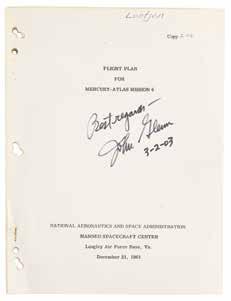
Original NASA manual entitled “Flight Plan for Mercury-Atlas Mission 6,” dated December 21, 1961, issued as Copy 206, signed on the front cover in black felt tip, “Best regards – John Glenn, 3-2-03.” The manual, 109 pages, 8 x 10.5, features sections for the First, Second, and Third Orbits, as well as 22 reference pages. The front cover bears an ownership notation, “Luetjen,” presumably aerospace engineer H. H. ‘Luge’ Luetjen. In fine condition, with light stains and staple holes to the front cover. Mercury-Atlas 6 (MA-6) was NASA’s first orbital human spaceflight, launched on February 20, 1962, with astronaut John Glenn aboard the spacecraft Friendship 7. Riding an Atlas rocket from Cape Canaveral, Glenn completed three orbits of Earth in about 4 hours and 55 minutes, becoming the first American to orbit the planet and the fifth person in space overall.
H. H. ‘Luge’ Luetjen (1925–2016) was a McDonnell Douglas aerospace engineer who spent 39 years working on the Mercury, Gemini, and Apollo programs. As a Mercury spacecraft test conductor at Kennedy Space Center, he worked closely with the ‘Original 7’ astronauts and helped hire pad leader Guenter Wendt. He later served on the Apollo 204 Review Board, contributing to NASA’s investigation following the Apollo 1 fire. Starting Bid $200
5069. B. F. Goodrich
Modified Mark IV Pressure Suit Boot - Marked “Shepard”. Right-footed boot associated with the B.F. Goodrich Mark IV pressure suit modified for Project Mercury, annotated inside in ballpoint in an unknown hand, “#4 Shepard Special,” hinting that the boot may have been produced for, assigned to, or sized for Alan Shepard, America’s first man in space. The boot measures 10.5˝ tall and 11˝ long, and features a zippered tongue flanked by criss-crossed nylon laces on one side (missing on the other), a zippered back, and black rubber sole. In very good to fine condition, with staining to the interior and surface wear to the toe and heel.
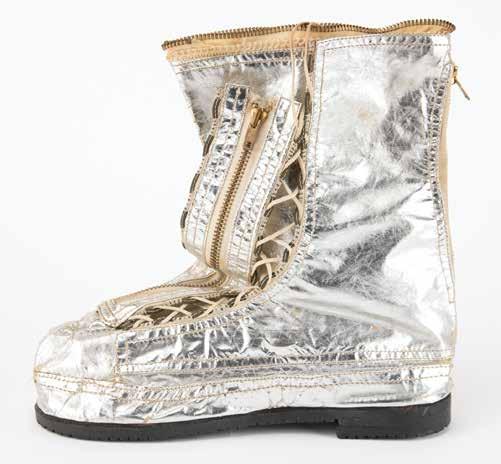
Pressure suits were developed by the US Navy and Air Force for the use of their pilots in highaltitude unpressurized fighter jets, and would be necessary to protect NASA astronauts in the event of sudden depressurization of the cabin in the vacuum of space. Upon testing, NASA preferred the Navy’s Mark IV suit, manufactured by B. F. Goodrich, as a platform: the most obvious modification NASA made was the replacement of the dark outer shell with aluminum-coated nylon for thermal control purposes, giving the suit a futuristic shiny silver appearance; most of the other changes also had to do with thermal and environmental control.
Accompanied by a letter of provenance explaining the boot’s origin, in part: “In 1969 my grandfather, Richard Welch Jr., who was a retired U.S. Marine, was in civil service working at Johnson Space Center in Houston, Texas. He worked in the logistics division overseeing shipping, receiving, and on-site delivery operations for the government…My grandfather brought home these boots, the jacket and pants. When asked how he got all that stuff my grandfather replied, ‘There was a big bin of items that were slated to be destroyed and his manager told him, along with a few other workers that they were welcome to take home a few souvenirs.’” Welch went on to oversee the refurbishment of the presidential aircraft fleet performed by E-systems, worked on the development of Blackhawk helicopters in Alabama, and served as program manager for the Eastern Space and Missile Center. Starting Bid $500
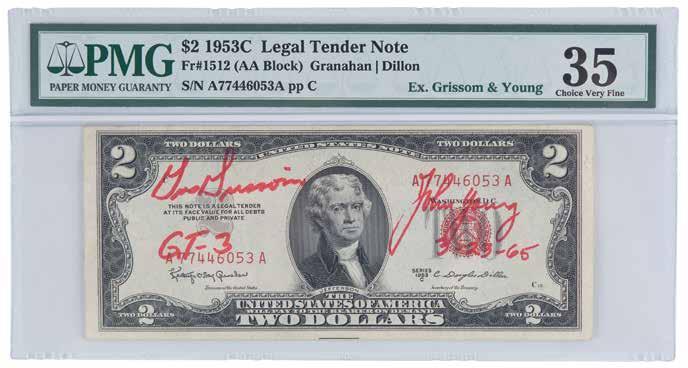
5094. Gemini 3 Molly Brown Flown $2 Dollar Bill, Signed by Gus Grissom and John Young - PMG CVF 35. Flown Series 1953C two-dollar bill, serial number A77446053A, carried aboard the Gemini 3 spacecraft Molly Brown, crisply signed in bold red felt tip, “Gus Grissom, GT-3” and “John Young, 3-23-65.” Encapsulated and graded by PMG as “Choice Very Fine 35,” with the label noting the provenance: “Ex. Grissom & Young / Flown Aboard Gemini III, 1965 / Jefferson Space Museum Collection.”
Complete with its original certificate, also signed in ink by Gus Grissom and John Young, in full: “This is to certify that the currency with the serial number A77446053A did as a matter of fact accompany ‘Gus’ Grissom & John Young on their three orbit flight, March 23, 1965, in the Gemini Space Craft ‘Molly Brown.’ Accomplishing the ‘Free World’s’ first two-manned space venture.” Also includes an image of John Young holding the bill more than 40 years later, after being reunited with it during a Novaspace signing.
This note is part of the well-documented group of currency clandestinely carried aboard Gemini 3, famous as part of Gus Grissom’s ‘gotcha’ prank on the ground crew. Three members of the McDonnell Douglas launch crew—with Gus Grissom’s permission—stowed fifty $2 bills and forty-one $1 bills behind the spacecraft’s instrument panel prior to launch. During the mission, Grissom famously swapped the real currency with play money while in orbit, leaving the ground crew initially puzzled when they recovered the capsule. A few weeks after the flight, Grissom returned the genuine flown notes to the crew, signed by both astronauts. McDonnell inspector Don Wagner then designed special certificates to record their flight status, and the mementoes were quietly distributed to Cape Canaveral personnel. The episode, and a complete list of the bills’ serial numbers, is recorded in Relics of The Space Race by Russell Still. The Richard Jurek Collection. Starting Bid $300
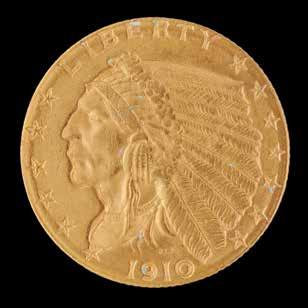
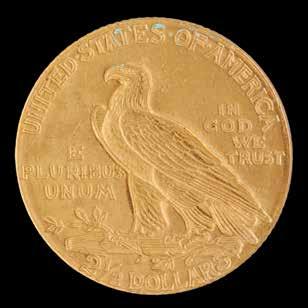
5095. Gemini 4 Flown $21⁄2 Indian Head Gold Coin - From the Personal Collection of Jim McDivitt. Exceedingly rare flown 1910 U.S. $2.50 Indian Head Quarter Eagle carried aboard Gemini 4 in Jim McDivitt’s PPK from June 3-7, 1965. Condition is mint state. Accompanied by two certificates of authenticity signed by McDivitt, in part: “I certify that this 1910 $2.50 gold coin was flown in space aboard Gemini IV in 1965. It is from my personal collection and recently presented to Novaspace for dispersal to collectors of artifacts from the great ‘space race’ and the golden era of space exploration.” The second letter notes that the coin flew with him as part of his PPK; also includes a photograph of McDivitt signing the second letter.
Struck in 1910, this $2.50 Indian Head Quarter Eagle represents one of the most distinctive designs in American coinage, created by sculptor Bela Lyon Pratt as part of the early-20th-century renaissance of U.S. coin design under President Theodore Roosevelt. Its innovative incuse relief—where the design is recessed into the surface rather than raised—set it apart from all prior U.S. coins and remains a favorite among collectors of classic American gold.
This example carries extraordinary historical significance: it was flown aboard Gemini 4 (June 3–7, 1965) in astronaut James McDivitt’s Personal Preference Kit (PPK). The four-day mission marked a major milestone in the Space Race and is best remembered for astronaut Ed White performing the first American spacewalk. A remarkable artifact uniting classic U.S. gold coinage with the golden era of human space exploration. The Richard Jurek Collection. Starting Bid $500
“Flown
of
5096. Gemini 4 Flown $2 Dollar Bill, Signed by Jim McDivitt - PMG EF 40. Flown Series 1963 two-dollar bill, serial number A07690488A, carried aboard the Gemini 4 spacecraft, signed and flight-certified in green felt tip, “Flown on Gemini IV, Jim McDivitt.” Encapsulated and graded by PMG as “Extremely Fine 40,” with the label noting the provenance: “Ex. Jim McDivitt / Flown Aboard Gemini IV, 1965 / Jefferson Space Museum Collection.”
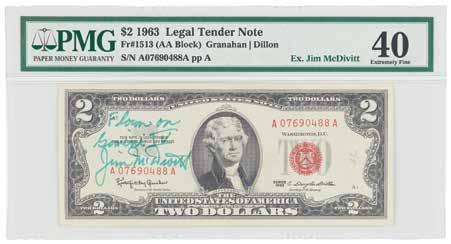
Accompanied by a certificate of authenticity signed by McDivitt, plus an additional handwritten letter of provenance, in full: “I flew $2 bill #A07690488A because it was unique & small! Jim McDivitt.” Also includes photos of McDivitt posing with the bill and writing the note.
After government inquiries into ‘contraband’ banknotes and corned beef sandwiches carried on previous flights, NASA insisted that no ‘hi-jinks’ were to be allowed on the Gemini 4 mission. However, astronauts were authorized to carry ‘something for the kids,’ such as a few dollar bills or small tokens. McDivitt chose to carry five $2 bills in his Gemini 4 Personal Preference Kit (PPK), along with some other small souvenirs. The Richard Jurek Collection. Starting Bid $300
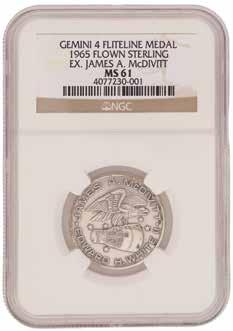
5097. Gemini 4 Flown Fliteline Medallion - From the Personal Collection of Jim McDivitt - NGC MS 61. Flown sterling silver Gemini 4 Fliteline medallion, measuring 1˝ in diameter, featuring a raised design of the mission insignia on the front—a bald eagle perched atop the Gemini spacecraft. The reverse features the mission name and engraved dates, “GT-4, 3–7 June, 1965.” Hallmarked “Sterling” at the bottom. Encapsulated and graded by NGC as “MS 61,” with the label noting the provenance, “Ex. James A. McDivitt.” Accompanied by certificate of authenticity signed by Jim McDivitt, certifying that the medallion “was flown onboard Gemini IV on her flight from June 3–7, 1965.” Also includes the original Fliteline case. The Richard Jurek Collection. Starting Bid $200
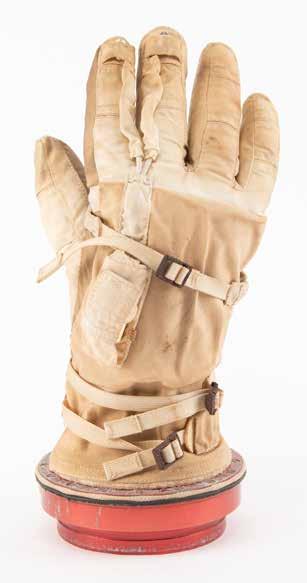
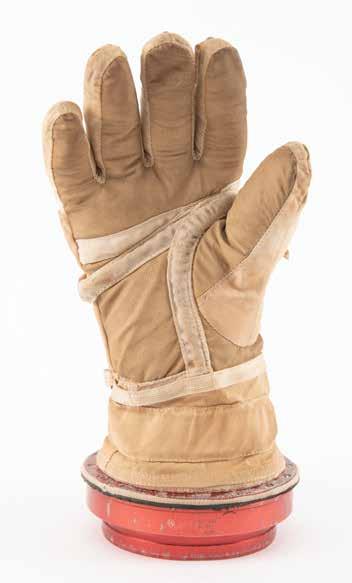
5098. Gemini G5-C Pressure Suit Glove - Developed for the Gemini 7 Mission. Circa 1965 Gemini G5-C righthanded pressure suit glove, standing 10˝ in height, with a diameter of 4˝, consisting of a neoprene liner cover and a few layers of nonporous cloth, exterior adjustable restraints, and small flashlights on the index and middle fingers that are connected to a battery pack on the back of the hand. The glove attaches to the suit via a red anodized aluminum wrist ring, which bears engraved part numbers: “ASSY 826, SN 257.” Although the glove was likely manufactured by the David Clark Company, the identification label is no longer present, as the interior black wrist section is nearly entirely disintegrated. In very good condition, with overall toning, scuffing to the wrist ring, and scattered wear to the glove’s interior, which is quite fragile.
A step forward in the evolution of Gemini suit design, the G5-C incorporated refinements from earlier configurations, including fingertip lighting with an integrated battery pack, improved restraint systems, and enhanced durability for extended missions. Building on the G3-C’s introduction of mobility-focused features and the G4-C’s added thermal protection through Mylar insulation, the G5-C was optimized for long-duration spaceflight, offering greater flexibility, abrasion resistance, and operational functionality for astronauts during missions such as Gemini 7. Starting Bid $500
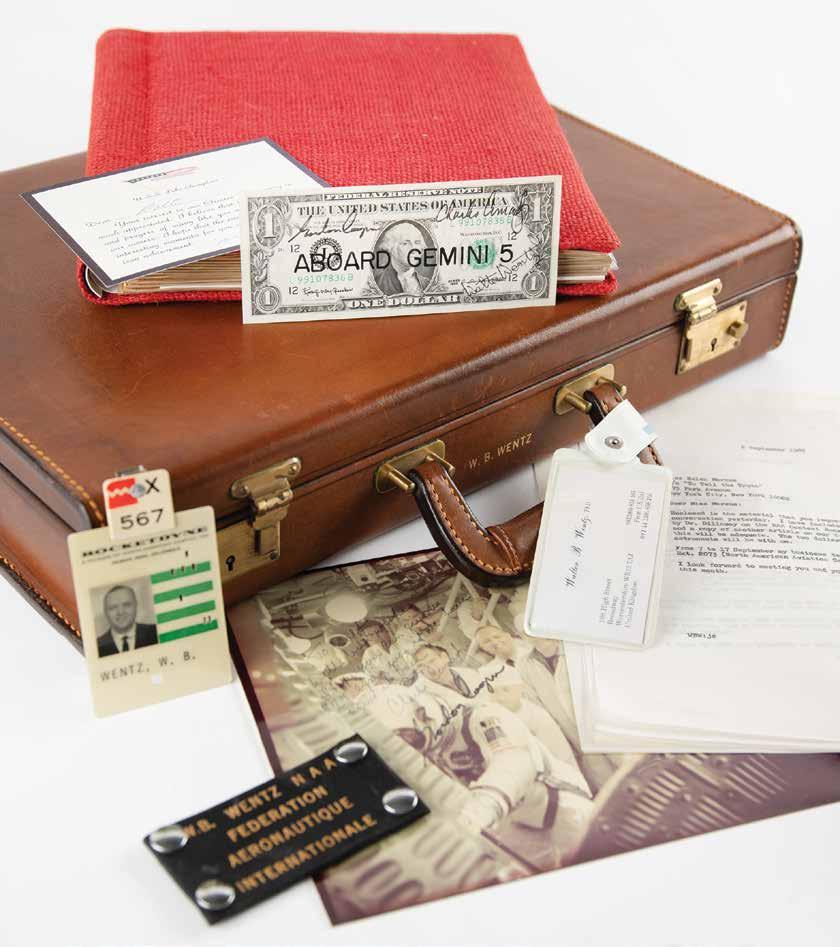
The official proof of Gemini 5’s historic flight— a flown $1 bill signed by Charles Conrad and Gordon Cooper, used in the mission’s official world-record
5100. Gemini 5 Flown $1 Dollar Bill, Signed by Charles Conrad, Gordon Cooper, and NAA Certifying Official Walter Wentz. Flown Series 1963 one-dollar bill carried on Gemini 5 as part of its official certification process, serial number L99107836B, emblazoned “Aboard Gemini 5” at center, and signed in black felt tip by the prime crew, “Gordon Cooper” and “Charles Conrad, Jr.” Also signed in the lower right corner by the National Aeronautics Association certification official, “Walter Wentz.” In very fine condition.
During the Mercury, Gemini, and Apollo programs, the National Aeronautics Association (NAA), working in conjunction with the Fédération Aéronautique Internationale (FAI) in Paris, certified official world records for spaceflight. Before advanced telemetry could reliably verify flight altitude, duration, and speed, a unique verification method was used on crewed missions: U.S. dollar bills were carried aboard spacecraft to confirm the identities of the astronauts on board.
Prior to launch, the serial numbers of these bills were recorded and the notes were placed aboard the spacecraft. After recovery, the bills were presented to a certifying official, who compared their serial numbers with the pre-flight records to satisfy the identification requirements of the FAI Sporting Code. These flown bills were therefore not carried as souvenirs, good-luck charms, or personal mementos like other pieces of flown currency; instead, they served a specific historical and functional role in the formal certification of each mission.
Gemini 5 attracted extraordinary official and international media attention because it marked the first time the United States surpassed the Soviet Union in a major spaceflight world record. The mission’s eight-day flight set a new duration record, and the formal verification process conducted by the
NAA was closely followed by the press. The identification bills used in the process were widely photographed and reported in newspapers and magazines around the world. NAA official Walter Wentz, who oversaw the certification for Gemini 5, was even featured on the popular television program To Tell the Truth, appearing with this very dollar bill.
Gemini 5 was the third crewed Gemini mission, the eleventh crewed American spaceflight (including two X-15 flights above 100 kilometers), and the nineteenth human spaceflight overall. Launched in August 1965, the mission established a new world record for spaceflight duration on August 26, surpassing the Soviet Union’s previous record set by Vostok 5 in 1963.
This lot is accompanied by a substantial personal archive from Walter Wentz, preserved within his own briefcase. Highlights include a carbon copy of the McDonnell Aircraft Corporation inventory sheet documenting the placement of this bill aboard the capsule; a scrapbook containing an original vintage press photograph of Wentz with Cooper and Conrad as they sign the bills, a letter written by Wentz to his parents aboard the recovery ship USS Lake Champlain on “Recovery Day, GT-5,” and numerous contemporary news clippings related to the flight.
Also included is a color glossy 10 x 8 photograph of Wentz observing the Gemini 5 crew entering the spacecraft, signed and inscribed in black felt tip: “To Walt, With best wishes, I hope you can give us $2.00 again even if we have to give it back. Pete, Charles Conrad, Jr.” and “Gordon Cooper.”
Additional materials include various slides and negatives, Wentz’s identification badges, carbon copies of his correspondence related to the mission, and other associated ephemera. The Richard Jurek Collection. Starting Bid $1000
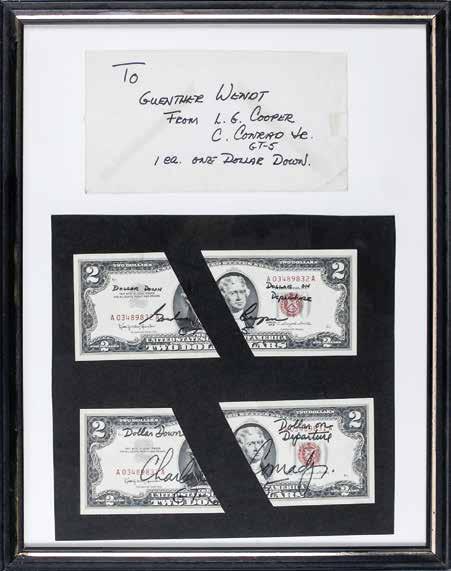
5099. Gemini 5 Flown $2 Dollar Bill Halves, Signed by Charles Conrad and Gordon Cooper for Padleader Guenter Wendt. Two flown halves of Series 1963 two-dollar bills, cut at diagonal angles, with the right sides carried on board the Gemini 5 mission and presented to long-time NASA pad leader Guenter Wendt. Both bills were signed on the portrait side in black felt tip before being cut, one signed “Dollar Down, Dollar on Departure, Gordon Cooper GT-5,” and the other signed “Dollar Down, Dollar on Departure, Charles Conrad, Jr., GT5.” All four pieces are affixed to a black sheet and framed with a small envelope labeled by Conrad, “To Guenter Wendt from L. G. Cooper, C. Conrad Jr., GT-5, 1 ea. one dollar down,” to an overall size of 11 x 14.25.
Also included is a handwritten note by Wendt which reads, “Split two dollar bills. Got one half on day of flight & other half after return. Right sight [sic] of bills has flown.” In fine condition.
Gemini 5 launched into space on August 21, 1965 for an eight day mission—the longest space flight up to that point on record. The goal of the long duration flight was to prove out the ability of humans to live and work in space for the length of time necessary to conduct a lunar mission. Despite a few mechanical failures with the craft, the overall mission was a grand success. This would prove to be Commander Gordon Cooper’s last space flight. For pilot Charles ‘Pete’ Conrad, however, this was his first space flight and his career was just beginning: he would go on to command the Apollo 12 lunar landing mission, and later, command the first manned Skylab mission.
Guenter Wendt was a German-American engineer who worked for McDonnell Aircraft Corporation and North American Aviation, and who served in the US space program as the Pad Leader—the man in charge of close out crews at the launch pads for the entire Mercury and Gemini programs, as well as for all the manned phases of the Apollo program, including ASTP. A favorite of the astronauts, Guenter was often the last human they physically interacted with before launching into space.
These $2 bill halves represent a humorous homage to the original NAA tradition of using a dollar bill to flight certify an astronaut’s mission. During the early flights, a bill would be signed, torn in half, and then rejoined with its other half at the end of the mission to prove that the astronaut who launched was the same astronaut who landed. In this case, the tradition appears to be one more of good luck charm—making a down payment before flight, and returning the other half upon splashdown. The Richard Jurek Collection. Starting Bid $300
5101. Gemini 5 Flown ‘One Celeston’ Gold Coin - From the Personal Collection of Gordon Cooper. Flown 1960 “1 Gold Celeston” coin for the “Nation of Celestial Space” carried on the Gemini 5 mission, which saw Gordon Cooper and Charles Conrad set a new duration record for manned spaceflight, orbiting Earth for nearly eight days from August 21–29, 1965. Condition is mint state. Accompanied by a handwritten and signed letter of provenance on Gordon Cooper’s personal ‘Mickey
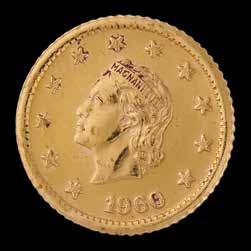
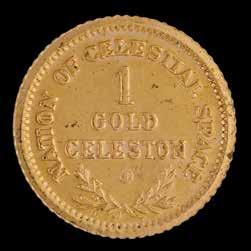
in full: “This
Gemini V on 21–29 Aug. 1965.”
Includes a Chicago Tribune advertising flyer from January 1960, giving background information on the coin. It states, in part: “The Nation of Celestial Space…has recently minted a new outer space coin called the Gold Celeston. The Celeston is made of pure mint gold, fineness .900. It measures 14 millimeters in diameter, same as U.S. $1 goldpiece which U.S stopped minting 80 years ago…However, its weight is 34 grains…The coins are intended not for barter and exchange, but for distribution among the friends of the Space Nation.”
The Nation of Celestial Space (Celestia) was a self-declared micronation founded in 1949 by American public relations man James T. Mangan, who claimed ownership of all outer space (excluding Earth) on behalf of humanity to prevent any single nation from dominating it. Although he tried to gain recognition—sending protests to governments and issuing stamps, coins, and passports—the project was never formally recognized and largely faded after his death. The Richard Jurek Collection. Starting Bid $300
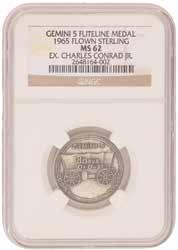
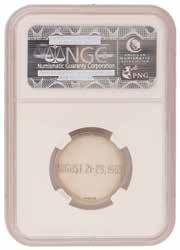
5102. Gemini 5 Flown Fliteline Medallion - From the Personal Collection of Charles ConradNGC MS 62. Flown sterling silver Gemini 5 Fliteline medallion, measuring 1˝ in diameter, featuring a raised design of the mission insignia on the front—a Conestoga wagon with the slogan “8 Days or Bust.” The reverse is engraved with the mission dates, “August 21–29, 1965.” Hallmarked “Sterling” at the bottom. Encapsulated and graded by NGC as “MS 62,” with the label noting the provenance, “Ex. Charles Conrad Jr.” Accompanied by a certificate of authenticity signed by Charles Conrad, in part: “This sterling silver Gemini 5 medallion flew in space from August 21 to 29, 1965. Gemini 5 was my first space mission and the second for Gordon Cooper who was mission commander. The covered wagon reflects the pioneering spirit of this early Gemini flight. This medallion became part of history when we completed the record breaking eight day flight.” The Richard Jurek Collection. Starting Bid $200
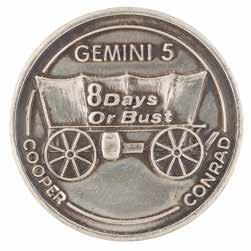
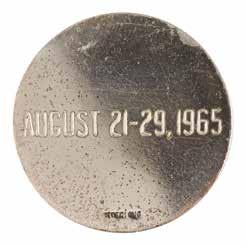
5103. Gemini 5 Flown Fliteline Medallion - From the Personal Collection of Gordon Cooper. Gordon Cooper’s flown sterling silver Gemini 5 Fliteline medallion, approximately 1˝ in diameter, with a raised design of the “8 Days or Bust” mission insignia on the front and the reverse engraved “August 21–29, 1965” and hallmarked “Sterling” at the bottom. Condition is mint state, with some minor tarnishing to edges and reverse. Accompanied by a letter of authenticity from Joe Garino, Jr., a former physical conditioning supervisor at NASA, who Cooper gifted this medallion after the mission. A desirable, uncommon medallion — one of a purported 100 flown on Gemini 5 — related to the final spaceflight of Cooper’s astronautical career. Starting Bid $200
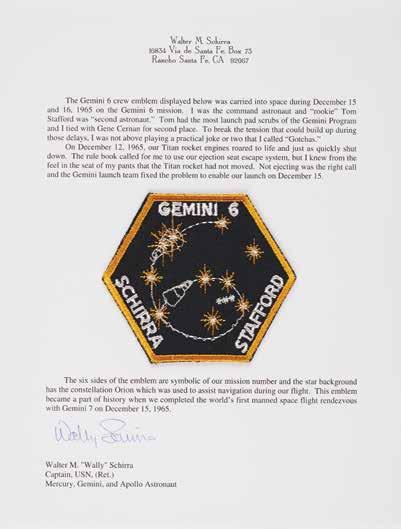
5104. Gemini 6 Flown Insignia Patch - From the Personal Collection of Wally Schirra. Wally Schirra’s flown embroidered Gemini 6 insignia patch carried into low Earth orbit during the Gemini 6 mission. The patch measures 4˝ x 3.5˝ and is affixed to a signed letter of authenticity from Schirra, which reads: “The Gemini 6 crew emblem displayed below was carried into space during December 15 and 16, 1965 on the Gemini 6 mission. I was the command astronaut and ‘rookie’ Tom Stafford was ‘second astronaut.’ Tom had the most launch pad scrubs of the Gemini Program and I tied with Gene Cernan for second place. To break the tension that could build up during those delays, I was not above playing a practical joke or two that I called ‘Gotchas.’
On December 12, 1965, our Titan rocket engines roared to life and just as quickly shut down. The rule book called for me to use our ejection seat escape system, but I knew from the feel in the seat of my pants that the Titan rocket had not moved. Not ejecting was the right call and the Gemini launch team fixed the problem to enable our launch on December 15. The six sides of the emblem are symbolic of our mission number and the star background has the constellation Orion which was used to assist navigation during our flight. This emblem became a part of history when we completed the world’s first manned space flight rendezvous with Gemini 7 on December 15, 1965.” In very fine condition. Starting Bid $200
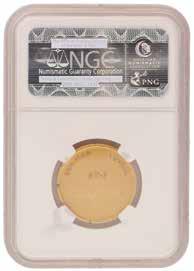
5105. Gemini 7 Flown Fliteline Medallion - From the Personal Collection of James Lovell - NGC MS 66. Flown gold-plated Gemini 7 Fliteline medallion, measuring 1˝ in diameter, featuring a raised design of the mission insignia on the front—a stylized Olympic-style torch symbolizing the ‘marathon’ nature of the 14-day flight. The reverse features the mission name and engraved dates, “GT-7, December 4–18, 1965.” Encapsulated and graded by NGC as “MS 66,” with the label noting the provenance, “Ex. James A. Lovell Jr.” Accompanied by a certificate of authenticity signed by James Lovell, in part: “I hereby certify that the gold-colored Gemini VII Fliteline medallion that accompanies this letter was flown with me aboard the mission December 4–18, 1965.”
A high-grade example from the Gemini 7 pilot’s personal collection. The Richard Jurek Collection. Starting Bid $200
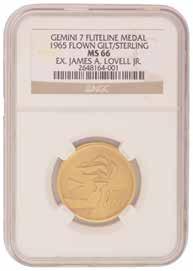
James
Gemini 7 mission patch that “was flown with me aboard the mission December 4-18, 1965”
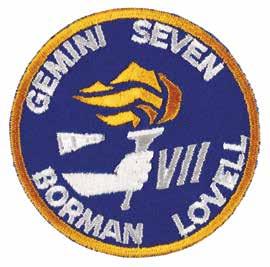
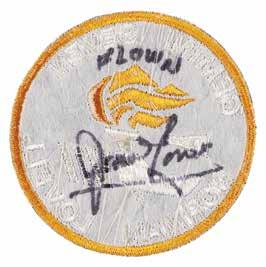
5106. Gemini 7 Flown Insignia Patch - From the Personal Collection of James Lovell. James Lovell’s flown embroidered Gemini 7 insignia patch that was carried into low Earth orbit for nearly 14 days during the fourth crewed flight of Project Gemini. The patch, 3.75˝ in diameter, is signed and flight certified on the reverse in black felt tip by its original owner, “Flown, James Lovell,” who has also signed an included 8.5 x 11 letter of certification, which
reads: “I hereby certify that the Gemini VII embroidered mission patch that accompanies this letter was flown with me aboard the mission December 4-18, 1965. This patch is from my personal collection of space artifacts and has been in my personal collection since the mission.” In very fine condition.
The fourteen-day Gemini 7 mission doubled the length of time that anyone had been in space, and remained the longest American spaceflight until the Skylab missions of the 1970s—the insignia features an Olympic-inspired torch to symbolize the marathon-like nature of the mission. Starting Bid $200
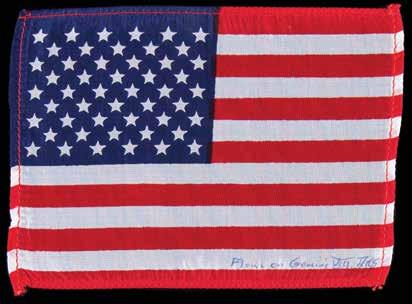
“This Gemini VIII United States Flag has been in my personal collection since returning to Earth”—flown American flag from the collection of moonwalker Dave Scott
5107. Gemini 8 Flown American FlagFrom the Personal Collection of Dave Scott. Dave Scott’s flown American flag, 5.5 x 4, which was carried into low Earth orbit during the historic Gemini 8 mission, signed and flightcertified in blue ballpoint, “Flown on Gemini VIII, DRS.” In fine condition. Accompanied by a signed letter of authenticity from Scott, who offers a detailed personal account of the Gemini 8 mission, in part: “I hereby certify that the small United States flag…included with this letter is from my personal collection and was flown aboard Gemini VIII on March 16, 1966…
Gemini VIII was the first mission scheduled to demonstrate the full spectrum of manned spaceflight operations: rendezvous, docking (the first), combined vehicle maneuvers (with the Agena target vehicle), an extensive Extravehicular Activity (EVA) demonstration (1% hours), and various science experiments. It was the sixth manned Gemini mission with Neil Armstrong as Commander and Dave Scott as Pilot. However, due to a major systems failure and emergency recovery, the mission was terminated early and landed in a secondary recovery zone (the first such emergency recovery).
Gemini VIII was launched from Complex 19 at 10:41:02 a.m. EST (16:41:02 UT) on 16 March 1966. Over the next six hours the spacecraft performed 9 maneuvers to rendezvous at 4:39 p.m. EST with the Gemini Agena Target Vehicle (GATV), launched earlier (at 9:00 a.m. EST). Then Gemini VIII moved in and docked with the GATV on the 5th revolution at 5:14 p.m., the first docking in space.
About 27 minutes after docking, during darkness and out of contact with ground stations, the combined vehicles began an uncontrolled roll and tumble. Armstrong and Scott undocked the Gemini spacecraft from the GATV causing it to roll, pitch, and yaw even more rapidly, approaching a rate of one revolution per second. After almost 25 minutes of uncontrolled roll and tumble, Armstrong finally stabilized the spacecraft by deactivating the primary Orbit Attitude and Maneuver System (OAMS) and activating the Reentry Control System (RCS) thrusters. An onboard evaluation of the OAMS by the crew indicated that OAMS thruster no. 8 had been firing on and off intermittently regardless of hand-controller or computer commands.
Due to the premature use of the RCS an immediate landing was required by Gemini mission rules; therefore the planned EVA and other activities were cancelled. Retrofire took place on the 7th revolution at 9:45:49 p.m. on 16 March, just over 10 hours after launch. The spacecraft splashed down in the western Pacific Ocean about 800 km west of Okinawa at 25.22 N, 136.00 E, 2 km from the target. Total mission elapsed time was 10:41:26. Three hours later, the crew and spacecraft were picked up by the recovery ship U.S.S. Mason (1:28 a.m. EST, 17 March).
Early termination of the mission precluded achievement of many mission objectives, but the rendezvous and docking were accomplished, as was the evaluation of the auxiliary tape memory unit and demonstration of controlled reentry. The Agena Target Vehicle remained fully operational in orbit and maneuvers were performed by ground command for use on subsequent missions. This Gemini VIII United States Flag has been in my personal collection since returning to Earth.” Starting Bid $1000
“This Flight Plan Book has been in my personal collection for almost 50 years”— flown operations book for the Gemini 9 mission, signed and flight-certified by the mission’s legendary pilot, Gene Cernan
5108. Gemini 9 Flown Flight Plan Book - From the Personal Collection of Gene Cernan. Flown ring-bound ‘Flight Plan Book’ carried into low Earth orbit for three days during the Gemini 9 mission, signed and flight-certified on the front cover by the mission pilot, “Flown on Gemini IX, Gene Cernan,” who accidentally wrote “Apollo” as the program. The manual features strips of Velcro affixed to the front and back covers, the former of which is marked, “Part No. CF55069, Dash -1, S/N 20, S/C 9, Book A, Remarks: Flight Plan Book,” and several of the flight plan’s pages feature felt tip notations, the majority of which are found near the back and emend times relates to revolutions 1-3. In fine condition, with expected signs of use.
Accompanied by a certificate of authenticity from Astronaut Central, a photo of Cernan holding the flight plan at the time of signing, and a signed and flight-certified letter of authenticity from Cernan, who writes: “This is to certify that the accompanying Flight Plan Book from the Gemini 9A flight was carried aboard the Gemini spacecraft during our 3-day mission. Gemini IX was commanded by Thomas P. Stafford, and
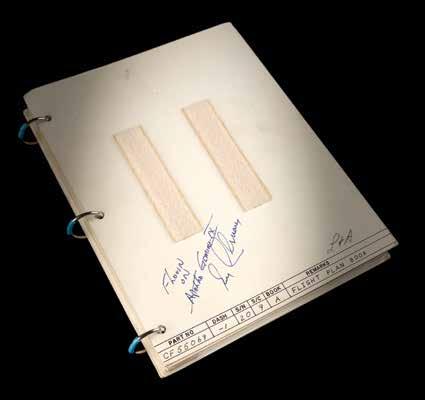
two-man crew. We launched on June 3, 1966, and landed on June 6, 1966.
The Flight Plan book told the crew when to perform given operations. After two scrubbed launches on May 17 and June 1, Tom and I successfully launched at 8:39 am on June 3, 1966. During the mission, we rendezvoused with the Augmented Target Docking Adaptor (ATDA), where we confirmed the shroud had not jettisoned. Tom referred to it as appearing like an angry alligator. We made two additional rendezvous with the ATDA.
Later on in the flight, I took the third spacewalk ever attempted in space, the second by an American. It was the first spacewalk where serious work was tried. The plan was for me to move to the rear of the spacecraft and don the Air Force’s Astronaut Maneuvering Unit (AMU). Because the AMU produced extremely hot gasses my spacesuit was modified with ‘pants’ made of woven steel. No one had any idea how difficult it would be to work in micro-gravity, and it turned out to be the ‘spacewalk from hell’ for me. However, it was a very useful learning exercise for our future ability to do Extra Vehicular Activities.
During the Gemini Program, NASA allowed astronauts to keep disposable items, like this Flight Plan Book, from their missions as personal mementos. This Flight Plan Book has been in my personal collection for almost 50 years.” Starting Bid $200
5109. Gemini 10 Flown Fliteline Medallion - From the Personal Collection of John Young - NGC MS 61. Flown gold-plated Gemini 10 Fliteline medallion, measuring 1˝ in diameter, featuring a raised design of the mission insignia on the front—a large Roman numeral “X” with Gemini and Agena spacecraft in orbit, with the crew’s surnames above (“Young”) and below (“Collins”). The reverse features the mission name and engraved dates, “Gemini 10, July 18–21, 1966.”
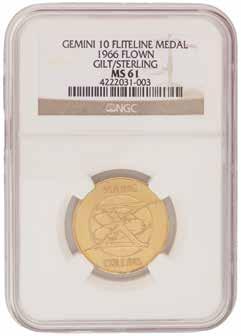
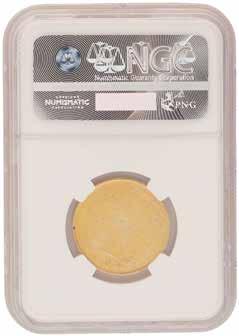
Encapsulated and graded by NGC as “MS 61.” Accompanied by a certificate of authenticity signed by John Young, in part: “I hereby certify that the accompanying Gemini 10 gold colored Fliteline Medal was flown with me and Michael Collins aboard the mission July 18–21, 1966. It has been a part of my personal collection since the mission.” The Richard Jurek Collection. Starting Bid $200
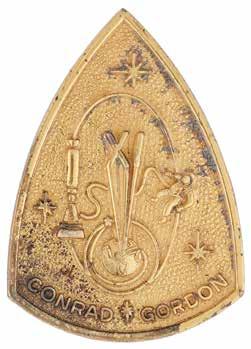
5110. Gemini 11 Flown Gold-Plated Fliteline MedallionFrom the Personal Collection of Charles Conrad. Flown gold-plated sterling silver Gemini 11 Fliteline medallion, measuring approximately .75˝ x 1.25˝, featuring a raised design of the mission insignia on the front—a diagram representing the first orbit rendezvous and docking with the Agena target vehicle and astronaut EVA. The reverse is engraved with the mission name and dates, “Gemini XI, Sept. 12–15, 1966.” Hallmarked “Sterling” at the bottom. Condition is mint state, with moderate tarnishing (heavier to reverse). Accompanied by its plastic Fliteline case and a certificate of authenticity signed by his widow, Nancy Conrad, in part: “The Gemini XI gold (flown) Fliteline medallion that accompanied this certificate comes from the Conrad Family Collection. It was originally owned by Astronaut Charles ‘Pete’ Conrad and remained in his possession until his passing in 1999.” Starting Bid $200
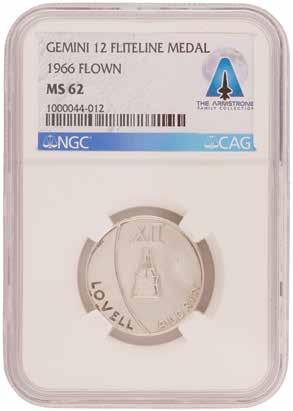
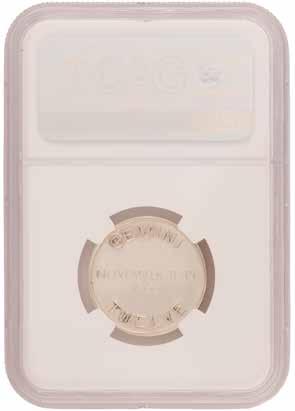
5111. Gemini 12 Flown Fliteline Medallion - From the Personal Collection of Neil Armstrong - NGC MS 62. Flown silver-tone Gemini 12 Fliteline medallion, measuring 1˝ in diameter, featuring a raised design of the mission insignia on the front—the Gemini spacecraft pointing to the Roman numeral “XII,” with a crescent moon symbolizing the forthcoming Apollo program’s moon landing goal. The reverse names the mission, “Gemini Twelve,” and is engraved with its dates, “November 11–15, 1966.” Encapsulated and graded by NGC/CAG as “MS 62” and certified as being from the Armstrong Family Collection. Accompanied by a letter of provenance from The Armstrong Family Collection, signed by Armstrong’s sons, Rick and Mark.
Gemini 12 was Buzz Aldrin’s first spaceflight; he would later, of course, accompany Neil Armstrong to the surface of the moon during the Apollo 11 mission. As a member of the astronaut office, Armstrong was allowed to purchase this medal and it stayed in his personal family collection for more than 50 years. Provenance: Heritage Auctions, The Armstrong Family Collection, November 2018. The Richard Jurek Collection. Starting Bid $500
Dave Scott’s career artifact display honoring his three historic NASA space missions— a flown gold-plated Gemini 8 Fliteline medallion, a flown Apollo 9 crew patch, and an unflown Apollo 15 pendant of 14K gold
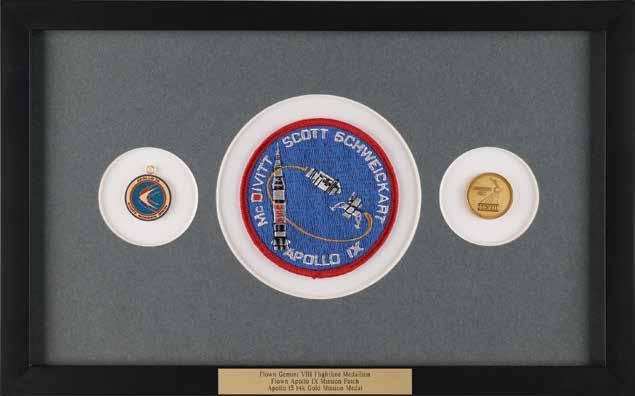
5112. Gemini 8 Fliteline Medallion (Gold-Plated), Apollo 9 Crew Patch (Flown), and Apollo 15 (14K Gold) Pendant Relic Display - From the Personal Collection of Dave Scott. Attractive relic display from the personal collection of Apollo 15 moonwalker Dave Scott, which contains a flown gold-plated Gemini 8 Fliteline medallion, a flown Apollo 9 crew patch, and an unflown Apollo 15 pendant of 14K gold, all of which are mounted and framed together to an overall size of 13.5˝ x 8.25˝. In overall fine/mint condition. The display includes:
Flown gold-plated Gemini 8 Fliteline medallion, 1″ in diameter, featuring a raised design of the mission insignia on the face. The hidden reverse reads “First to Dock in Space,” with the mission date, “16 March, 1966.”
Flown embroidered crew patch from the Apollo 9 mission, approximately 3.5˝ in diameter, carried aboard the CSM Gumdrop for 10 days during its 151 orbits of Earth.
Unflown Apollo 15 pendant/medallion made of 14K gold, 1˝ in diameter, which beautifully features the Apollo 15 mission insignia designed by Emilio Pucci against a lustrous gilt background. This medallion, which was not carried on the mission due to weight limitations, was prepared by Rockwell International as a memento of their Command and Service Module (CSM) Endeavor. Accompanied by a thrice-signed letter of authenticity from Scott, who confirms the flight status of the Gemini 8 medallion and the Apollo 9 patch. Starting Bid $300
flown sterling silver
9 Robbins medallion, and an unflown Apollo 15 pendant of 14K gold
5113. Gemini 8 Fliteline (Gold-Plated), Apollo 9 Robbins (Sterling Silver), and Apollo 15 (14K Gold) Medallion DisplayFrom the Personal Collection of Dave Scott. Exquisite medallion display from the personal collection of Apollo 15 moonwalker Dave Scott, which contains a flown gold-plated Gemini 8 Fliteline medallion, a flown sterling silver Apollo 9 Robbins medallion, and an unflown Apollo 15 pendant of 14K gold, all of which are attractively mounted and framed together to an overall size of 7˝ x 12˝. In overall mint condition. The display includes:
Flown gold-plated Gemini 8 Fliteline medallion, 1″ in diameter, featuring a raised design of the mission insignia on the face. The hidden reverse reads “First to Dock in Space,” with the mission date, “16 March, 1966.”
Flown sterling silver Apollo 9 Robbins medallion, 1˝ in diameter, with a raised design of the mission insignia on the face—the orbiting CM and LM with Saturn V launch vehicle, and mission number “IX” at center. The hidden reverse is engraved with the mission dates, “March 3–13, 1969,” and encircled by the surnames of the astronauts in raised text: “McDivitt, Scott, Schweickart.”
Unflown 14K Apollo 15 gold pendant/medallion, 1˝ in diameter, which beautifully features the Apollo 15 mission insignia designed by Emilio Pucci against a lustrous gilt background. This medallion, which was not carried on the mission due to weight limitations, was prepared by Rockwell International as a memento of their Command and Service Module (CSM) Endeavor. Accompanied by a signed letter of authenticity from Scott, who confirms the flight status of the Gemini 8 and Apollo 9 medallions. Starting Bid $300
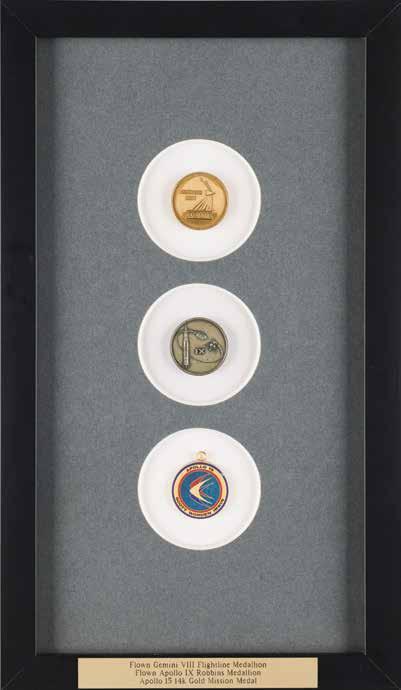
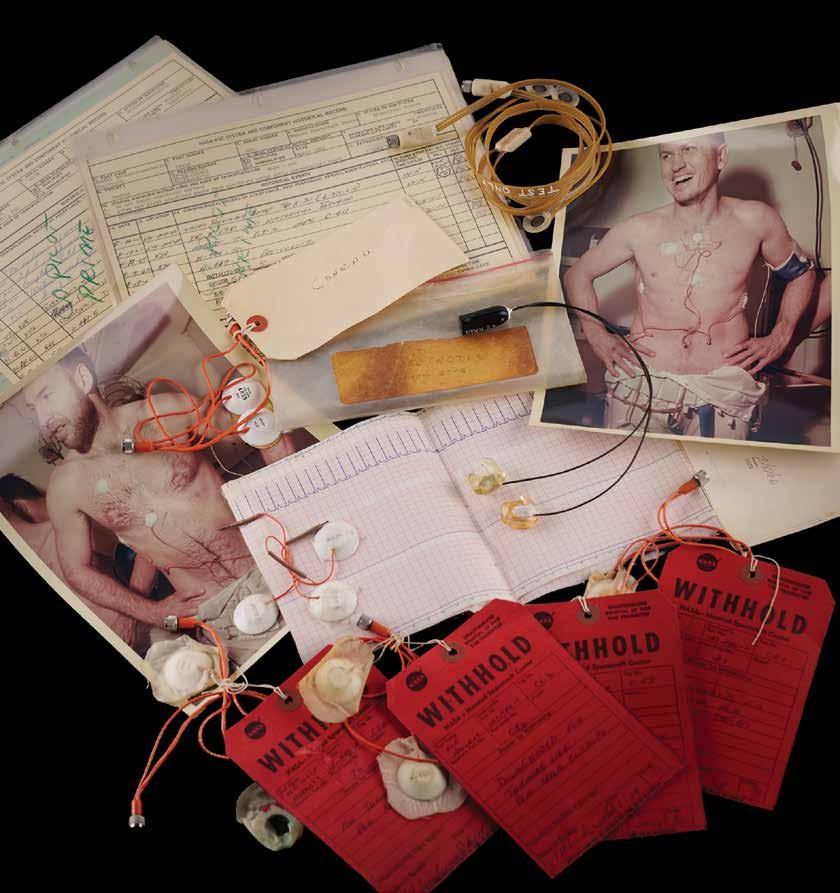
Day, a pioneering
bioinstrumentation engineer for Mercury, Gemini, Apollo, and Skylab, containing astronaut-used biomedical hardware, photographs, technical publications, awards, and mission
5114. Joe L. ‘Jack’ Day NASA Archive of Apollo and Gemini Biomedical Astronaut Hardware, with Photographs, Publications, Awards, and Ephemera. NASA career archive of Joe L. ‘Jack’ Day, a pioneering bioinstrumentation engineer in the Crew Systems Division at NASA’s Manned Spacecraft Center in Houston, Texas, whose work supported astronaut health monitoring across the Mercury, Gemini, Apollo, Skylab, and Space Shuttle programs. Working under Dr. Charles A. Berry, Chief of Medical Operations, Day specialized in the development of long-duration biomedical monitoring systems designed to safeguard astronauts in space, continuously tracking vital signs such as heart rhythm, respiration, and other key physiological functions and transmitting that data to flight surgeons on the ground.
The archive contains Day’s various accolades, photographs, books and manuals, Beta swatches, NASA ephemera, and sundry papers and documents. The highlight, however, is Day’s collection of biomedical monitoring hardware developed for the Apollo 10 and Gemini 5 astronauts, which includes personalized EEG sensor sets labeled for Apollo 10 astronauts Gene Cernan, John Young, and Tom Stafford, custom-molded communication earplugs for Cernan, and four electrode assemblies with red NASA Manned Spacecraft Center “WITHHOLD” tags noting downgrade for training use.
The Gemini 5 mission is represented by a bag marked “Electrodes from GT-5,” which contains several EEG electrode assemblies grouped with manila identification tags labeled “Conrad” and “Cooper,” indicating that these astronaut-specific sets were developed for Charles Conrad and Gordon Cooper. Complemented by additional biomedical monitoring equipment, including multiple adhesive-backed disc electrode clusters, reusable gold-toned disc electrodes, suction-style cup electrodes, multi-lead test cables, packaged left/right-labeled sensor sets, two storage cases of assorted electrodes and wired assemblies, and a sealed 1962 “Respiration and Depth Transducer.”
These components are accompanied by an original analog output from a biomedical recording system, and four “NASA-MSC System and Component Historical Record” sheets for “Project Gemini,” which confirm “Qualified” status for “Axilliary ECG Electrodes,” dated March
13, 1965, with effectivity “GT-5” (2); and “Gemini Bioinstrumentation Electrode,” dated April 1965, with effectivity “3 thru 12.” These are stapled with photocopied discrepancy sheets from McDonnell Aircraft indicating that they were “Flown on GT-5 mission.” Also present is a small bag marked “Scott,” ostensibly astronaut Dave Scott, which contains various swatches of gold-colored Kapton foil, screws, and fragments that resemble ablative heat plugs; flown status is unknown.
Beyond the biomedical hardware, the archive features an extensive photographic record of NASA’s human spaceflight era. This includes two official color Skylab 2 photographs signed by Charles Conrad (one additionally signed by Joe Kerwin and the other by Paul Weitz), and a binder of official NASA images documenting Day’s experimental work, which includes photographs of Gemini 7 astronauts James Lovell and Frank Borman wearing biomedical harnesses. Also present are more than 250 candid photographs documenting the ocean recoveries of Apollo 7 and Apollo 9, accompanied by original 35mm film negatives and a case containing over 200 color transparency slides.
The archive also includes a selection of NASA books and manuals— several bearing Day’s ownership stamp and signature—such as early Mercury and Gemini mission reports (1962–1967), technical memoranda on Gemini aerospace equipment, his own 1968 NASA Technical Note reviewing MSC electroencephalogram and electrocardiogram electrode systems, and the landmark 1975 volume Biomedical Results of Apollo. Day’s numerous awards and commendations span from the Gemini to the Space Shuttle eras, and include Group Achievement Awards for Apollo and Skylab teams, long-service recognitions, certificates honoring his biomedical electrode innovations, an Apollo 8 medallion certificate, and a congratulatory letter from Robert Gilruth for his role in Apollo 11.
Rounding out the archive is NASA ephemera and recovery-force memorabilia, including embroidered mission patches, Beta cloth swatches from Apollo missions 7 through 14, astronaut safety stickers, recovery ship Zippo lighters, a certificate from the Apollo 9 recovery aboard the USS Guadalcanal, and a colorful “Shellback” certificate issued aboard the USS Hornet during the Apollo 11 recovery. In overall very good to fine condition. Starting Bid $500
Highly sought ‘red-numbered’ Apollo 1 crew-signed photo
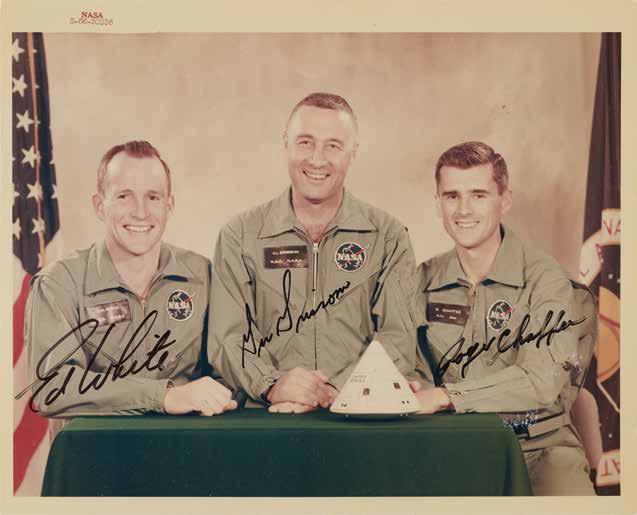
5135. Apollo 1 Signed Photograph - Rare ‘Type 1’ Red-Numbered NASA Photo. Extremely rare ‘Type 1’ official color glossy 10 x 8 red-numbered NASA photo (S-66-30236) of the Apollo 1 prime crew posing in their blue flight suits with a model of the ill-fated Block I Command Module, signed in black felt tip, “Ed White,” “Gus Grissom,” and “Roger Chaffee.” Reverse bears “A Kodak Paper” watermarks. In fine condition, with a bit of surface rubbing toward the lower right. Starting Bid $1000
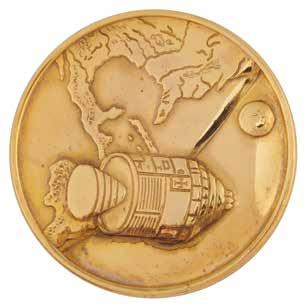
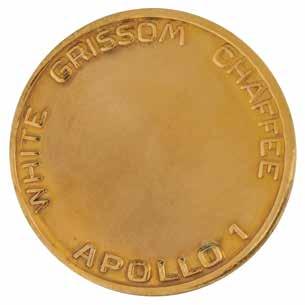
5136. Apollo 1 Gold-Plated Fliteline Medallion - From the Collection of Gus Grissom. Unflown gold-plated Apollo 1 Flightline medallion, approximately 1.25˝ in diameter, with a raised design of the mission insignia on the face, and raised text of the astronauts’ surnames and mission on the reverse. Condition is mint state, with light rubbing to the edge. Accompanied by a signed letter of authenticity from Mark Grissom, the son of Gus Grissom, who writes: “I certify that this ‘Apollo 1 Medallion’ was personally owned by Gus Grissom. This Apollo 1 Medallion has remained in the Grissom Estate until sold.” A historic medallion, one of a limited number prepared for flight on Apollo 1, deriving from the personal collection of the mission’s tragic command pilot. Starting Bid $200
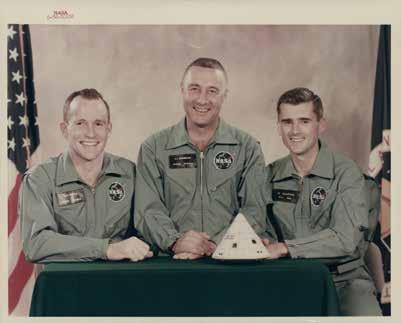
5137. Apollo 1 Original ‘Type 1’ RedNumbered Photograph. Original ‘Type 1’ vintage color glossy 10 x 8 red-numbered NASA photo (S-66-30236) of the crew of Apollo 1 — Edward H. White II, Gus Grissom, and Roger Chaffee — posing together in their blue flight suits with a model of a command module capsule. Reverse bears “A Kodak Paper” watermarks and purple NASA caption text. In fine condition. Starting Bid $200
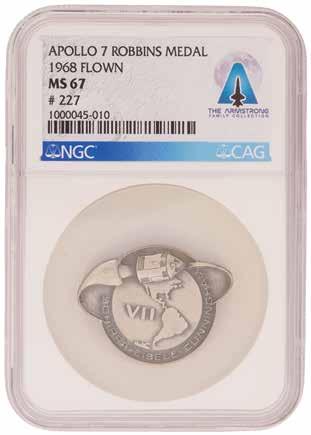
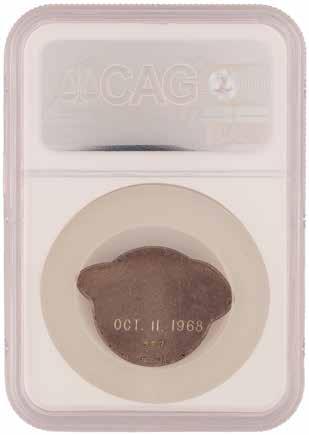
5140. Apollo 7 Flown Robbins Medallion - From the Personal Collection of Neil Armstrong - NGC MS 67. Flown sterling silver Apollo 7 Robbins medallion, measuring approximately 1.25˝ x 1˝, featuring a raised design of the mission insignia on the face—a capsule orbiting Earth, the mission number, and the last names of crew members Wally Schirra, Donn Eisele, and Walt Cunningham. The reverse is engraved with the mission’s launch date, “Oct. 11, 1968,” and serial number, “227.” Stamped below with the Robbins “Sterling” hallmark. Encapsulated and graded by NGC/CAG as “MS 67” and certified as being from the Armstrong Family Collection. Accompanied by a letter of provenance from The Armstrong Family Collection, signed by Armstrong’s sons, Rick and Mark. Provenance: Heritage Auctions, The Armstrong Family Collection, May 2019. The Richard Jurek Collection. Starting Bid $500
A mix of Morse code, English text, and Apollo 7 humor, rare flown television cue card from the first crewed flight in NASA’s Apollo program— “.._.. And _._ in ._ New _.. Jersey ._…_ the _.. Number _ to ._ call _ _ is …_.. Bigelow _ 8 _ .._”
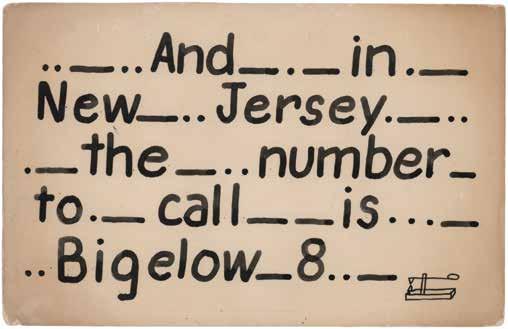
5141. Apollo 7 Flown Cue Card from the First Live Television Broadcast from an American Spacecraft - Signed by Walt Cunningham. Flown television cue card from the historic flight of the Apollo 7 mission, which transmitted the first live television broadcast aboard a crewed American spacecraft on October 14, 1968. The cue card, 8.5 x 5.5, which features a blend of English text and Morse code in black felt tip, and reads: “._. And _._ in ._ New _. Jersey ._…_ the _. Number _ to ._ call _ _ is …_. Bigelow _ 8 _ ._,” with the lower left corner featuring a small sketch of a telegraph sounder. The reverse is signed and flight certified in black ballpoint, “Carried on Apollo 7, Walt Cunningham, Apollo 7.” In fine condition, with some light toning. Accompanied by two modern photo prints of Cunningham holding and signing the offered flown cue card.
The historic Apollo 7 mission set the gold standard for all future space flights when it launched from Cape Canaveral on October 11, 1968. The mission was marked with a series of successful ‘firsts,’ including the premiere of a three-man crew, the debut launch of a Saturn IB rocket, the first full test of the Command and Service Module (CSM) in orbit, and the first live television broadcast from an American spacecraft. Throughout the 11-day mission, there were a total of seven live television broadcasts from the spacecraft, which were later collectively dubbed as The Wally, Walt, and Donn Show. These record-breaking TV transmissions, which provided viewers on Earth with live footage and commentary from the crew, were must-see events for an American public still reeling from the Apollo 1 tragedy.
For the broadcast to happen, the Apollo 7 spacecraft was equipped with an RCA black-and-white slow-scan TV camera. Because the craft remained in Earth’s orbit, television transmissions were limited to the few minutes that they were in range of the MSFN tracking stations at Corpus Christi in Texas and Merritt Island in Florida; these stations were the only ones equipped with early versions of the RCA scan converter, which converted the slow scan TV to U.S. commercial standard television.
With tens of millions watching, the first broadcast aired on October 14, 1968, and allowed viewers their first glimpse inside the cabin of an Earth-orbiting spacecraft. As a way of inserting some creative humor into the event, the astronauts prepared cue cards for the home audience to read. Before the fifth TV broadcast, CDR Schirra made a prophetic comment that the crew was ‘going to try for an Emmy for the best weekly series.’ Indeed, in 1969, the Apollo 7 crew of Wally Schirra, Walt Cunningham, and Donn Eisele received a special Emmy Award for their epic TV transmissions from space. Starting Bid $300
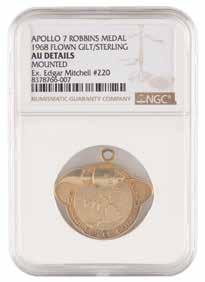
5142. Apollo 7 Flown Robbins Medallion - From the Personal Collection of Edgar Mitchell. Flown sterling silver Apollo 7 Robbins medallion with later gold gilding and addition of a jump ring for inclusion on the charm bracelet of Louise Randall, the wife of Apollo 14 LMP Edgar Mitchell, measuring approximately 1.25˝ x 1˝, featuring a raised design of the mission insignia on the face—a capsule orbiting Earth, the mission number, and the last names of crew members Wally Schirra, Donn Eisele, and Walt Cunningham. The reverse is engraved with the mission’s launch date, “Oct. 11, 1968,” and serial number, “220.” Stamped below with the Robbins “Sterling” hallmark. Encapsulated and graded by NGC as “AU Details,” with the label noting the provenance, “Ex. Edgar Mitchell.” Accompanied by a certificate depicting the complete charm bracelet, which carried flown medallions from eleven Gemini and Apollo missions. Accompanied by a letter of authenticity from Karlyn Mitchell, the daughter of Edgar Mitchell. Starting Bid $200
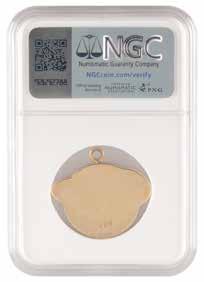
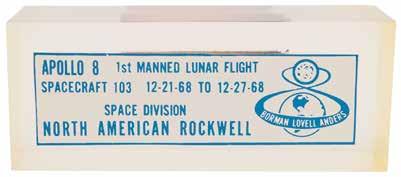
Flown heat shield presentation from the “1st Manned Lunar Flight”
5150. Apollo 8 Flown Heatshield Fragment - North American Rockwell Contractor’s Lucite. Flown heat shield fragment from the Apollo 8 spacecraft, measuring approximately 1.25˝ x .5˝ x .5˝, encased in a 3˝ x 1.25˝ x 1˝ Lucite block with affixed contractor’s label from North American Rockwell’s Space Division: “Apollo 8, Spacecraft 103, 1st Manned Lunar Flight, 12-21-68 to 12-2768.” In fine condition. The Richard Jurek Collection. Starting Bid $200
“This Apollo 9 Data Clip was carried during our historic test of the combined Command/Service Module (CSM), call sign ‘Gumdrop,’ and Lunar Module (LM), call sign ‘Spider,’ on the flight of Apollo 9”
5164. Apollo 9 Flown Flight Data File Clip - From the Personal Collection of Jim McDivitt. Jim McDivitt’s flown ‘Flight Data File’ clip carried to the moon during the historic Apollo 9 mission, measuring 1.75” x 2.25” x 1”, with etched part numbers: “P/N SEB3210094-301, S/N 1030 Assy.” The aluminum checklist clip, which has a 1-inch square white Velcro patch on the front, was used to secure equipment such as checklist sheets, flight maps, and any loose articles during Apollo 9’s ten-day mission to qualify the LM for lunar orbit operations in preparation for the first Moon landing. In fine condition. Accompanied by a signed and flight-certified letter of authenticity from Jim McDivitt: “This Apollo 9 Data Clip was carried during our historic test of the combined Command/Service Module (CSM), call sign ‘Gumdrop,’ and Lunar Module (LM), call sign ‘Spider,’ on the flight of Apollo 9. As a test flight, Apollo 9 provided a thorough checkout in Earth orbit of the LM and its systems in a series of tests that included maneuvers such as rendezvous and docking with the CM, the testing of the ascent and decent engines and the only test EVA of the Apollo A7L Spacesuit prior to a manned landing on the Moon… During the Apollo program, NASA’s policy, as formed by Christopher Kraft (Director of JSC) and Donald ‘Deke’ Slayton (Head of the Astronaut Office), allowed astronauts to keep disposable equipment from their mission as personal mementos. I, accordingly, chose to include this Apollo 9 Data Clip among mine. This Apollo 9 Data Clip has remained a treasured part of my personal space collection for forty-one years, ever since NASA presented it to me back in 1969, after my return to Earth.” Includes a certificate of authenticity from Astronaut Central, which contains an image of McDivitt holding his signed letter. Starting Bid $200
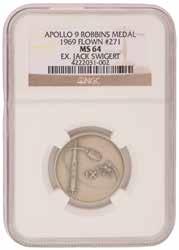
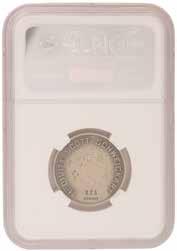
5165. Apollo 9 Flown Robbins Medallion - From the Personal Collection of Jack Swigert - NGC MS 64. Flown sterling silver Apollo 9 Robbins medallion, approximately 1˝ in diameter, with a raised design of the mission insignia on the face—the orbiting CM and LM with Saturn V launch vehicle, and mission number “IX” at center. The reverse is engraved with the mission dates, “March 3–13, 1969,” and encircled by the surnames of the astronauts in raised text: “McDivitt, Scott, Schweickart.” The medal is serial numbered “271” and stamped below with the Robbins “Sterling” hallmark. Encapsulated and graded by NGC as “MS 64,” with the label noting the provenance, “Ex. Jack Swigert.” Accompanied by its original case and a letter of authenticity signed by Swigert’s sister, Virginia, who certifies that “this Apollo 9 Flown Robbins Medal, Serial Number 271 is from Jack Swigert’s personal collection.” The Richard Jurek Collection. Starting Bid $200
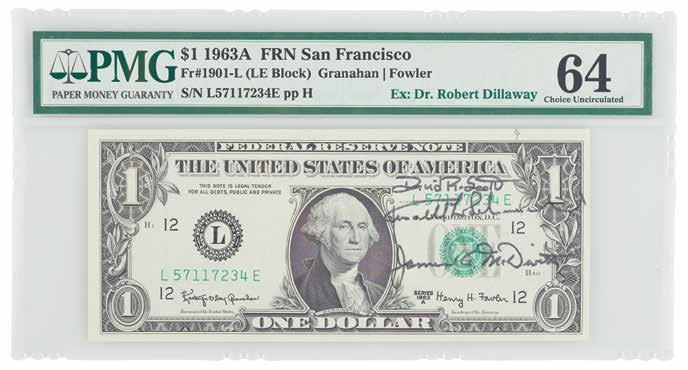
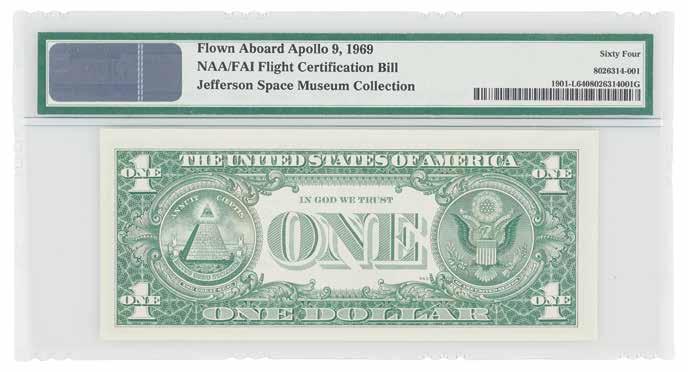
5163. Apollo 9 Flown $1 Dollar Bill, Signed by Dave Scott, Rusty Schweickart, and Jim McDivitt - From the Collection of NAA Certifying Official Robert Dillaway - PMG CU 64. Flown Series 1963A one-dollar bill carried on Apollo 9 as part of its official certification process, serial number L57117234E, and signed in black felt tip by the prime crew, “David R. Scott,” “Russell L. Schweickart,” and “James A. McDivitt.” Encapsulated and graded by PMG as “Choice Uncirculated 64,” with the label noting the provenance: “Ex. Dr. Robert Dillaway / Flown Aboard Apollo 9, 1969 / NAA/FAI Flight Certification Bill / Jefferson Space Museum Collection.”
During the Mercury, Gemini, and Apollo programs, the National Aeronautics Association (NAA), working in conjunction with the Fédération Aéronautique Internationale (FAI) in Paris, certified official world records for spaceflight. Before advanced telemetry could reliably verify flight altitude, duration, and speed, a unique verification method was used on crewed missions: U.S. dollar bills were carried aboard spacecraft to confirm the identities of the astronauts on board.
Prior to launch, the serial numbers of these bills were recorded and the notes were placed aboard the spacecraft. After recovery, the bills were presented to a certifying official, who compared their serial numbers with the pre-flight records to satisfy the identification requirements of the FAI Sporting Code. These flown bills were therefore not carried as souvenirs, good-luck charms, or personal mementos like other pieces of flown currency; instead, they served a specific historical and functional role in the formal certification of each mission.
Accompanied by an explanatory letter signed by Apollo 9 CDR Jim McDivitt, in full: “During the Apollo manned flight missions, dollar bills would be provided to the astronauts by a witnessing National Aeronautic Association (‘NAA’) official. The bills, usually three in number (but sometimes including four or five per flight), would be autographed by the crew, and then placed aboard the spacecraft and flown. These bills would then be recovered by this official from the spacecraft after splash down and serve as the basis for certification of
the identity of the astronauts of each flight and also serve as proof of flight for that mission’s NAA flight record certifications.
These bills were the personal property of the NAA witnessing official, and were returned to him as his personnel property. The bills were acquired by the NAA witnessing official as crisp, new dollar bills, and with consecutive serial numbers. For the historic flight of Apollo 9, three brand new one dollar bills were flown on behalf of R.B. Dillaway, the NAA witnessing official for the flight. Each bill was consecutive in serial number and signed by the complete crew in black felt tip marker.
On December 29, 1976, 22 flown one dollar bills signed by the astronaut crews from Apollo 7 through Apollo 16, were formally donated as a permanent gift to the Smithsonian. For the flight of Apollo 9, the donated flown bill to the Smithsonian is recorded as serial number L 57117235 E, and is signed in black felt tip marker by the crew of David R. Scott, Russell L. Schweickart, and James G. McDivitt.
The bill that accompanies this certificate, with serial number L 57117234 E, and originally acquired from the R.B. Dillaway collection via auction, bears the preceding serial number of the Smithsonian flown bill, and also bears the crews original signatures in the same black felt tip ink, and in the same placement and style as on the Smithsonian bill - making this one of the very few official flown NAA flight certification bills in private hands. (According to the accompanying NASA and Smithsonian records, the third bill has potentially been lost to history and is unaccounted for.)”
Also includes copies of paperwork pertaining to the disposition of known ‘flight certification’ dollar bills, plus two photographs of McDivitt posing with the flown dollar bill. When presented with it, he immediately recognized it and recalled its use during the flight. He discussed the flight certification process and the importance of it to the astronauts, who had to fill out hundreds of pages of submitting material in addition to the bills in order to verify their international space flight records. The Richard Jurek Collection. Starting Bid $1000
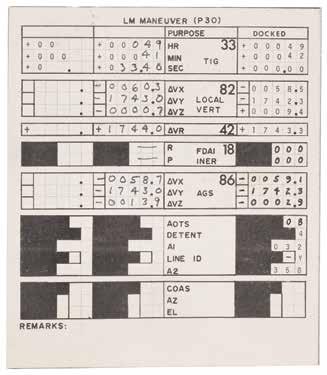
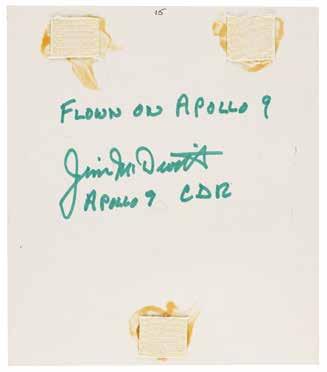
5166. Apollo 9 Flown LM Maneuver Cue Card - From the Personal Collection of Jim McDivitt. Flown single-sided cue card carried on the Apollo 9 mission, 6.5 x 7.5, signed and flight-certified on the reverse in green felt tip, “Flown on Apollo 9, Jim McDivitt, Apollo 9 CDR.” The card is headed “LM Maneuver (P30),” with extensive in-flight writing below to record mission-critical data. The reverse also bears three affixed Velcro swatches, which allowed the astronauts to position it on the spacecraft’s control panel. In fine condition.
Accompanied by a certificate of authenticity signed by Jim McDivitt, certifying that “this LM Maneuver (P30) card was flown and used on Apollo 9 in March, 1969.”
The P30 maneuver was an Apollo Guidance Computer (AGC) program used to plan and execute major propulsive burns in both the Lunar Module (LM) and the Command/Service Module (CSM). It was a core component of the guidance, navigation, and control system during critical mission phases, including lunar orbit insertion, trans-Earth injection, and rendezvous maneuvers. As this mission marked the LM’s first crewed flight and served as its Earth-orbit shakeout test, the P30 cue card was an essential tool for mission success. The Richard Jurek Collection. Starting Bid $200
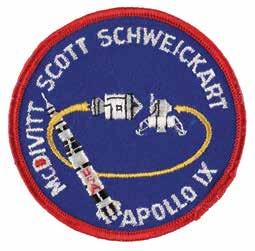
5167. Apollo 9 Flown Insignia Patch - From the Personal Collection of Jim McDivitt. Flown embroidered Apollo 9 insignia patch that was carried in low Earth orbit for 10 days during the Apollo 9 mission. The patch, 3.5˝ in diameter, is signed and flightcertified on the reverse in green felt tip, “Jim McDivitt, Flown on Apollo 9,” who also signs an included 8.5 x 11 certificate of authenticity, which reads: “I certify that this crew patch was flown onboard Apollo 9 on her flight from March 3-13, 1969.” In very fine condition. A desirable flown patch with direct lineage to the mission’s commander, who successfully led the first crewed test of the Lunar Module in space. Starting Bid $200
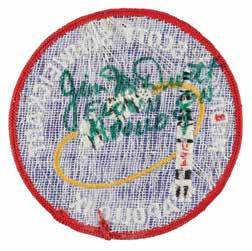
“I certify that this Apollo 9 Robbins medallion #152 flew aboard that flight from March 3–10, 1969. It is from my personal collection”
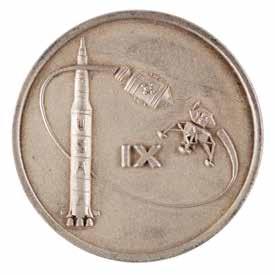
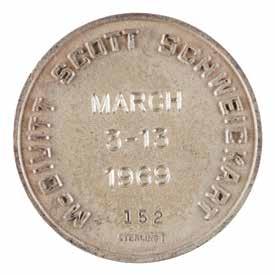
5168. Apollo 9 Flown Robbins Medallion - From the Personal Collection of Jim McDivitt. Jim McDivitt’s flown sterling silver Apollo 9 Robbins medallion, approximately 1˝ in diameter, with a raised design of the mission insignia on the face—the orbiting CM and LM with Saturn V launch vehicle, and mission number “IX” at center. The reverse is engraved with the mission dates, “March 3–13, 1969,” and encircled by the surnames of the astronauts in raised text: “McDivitt, Scott, Schweickart.” The medal is serial numbered “152” and stamped below with the Robbins “Sterling” hallmark. Includes its original matching case. Condition is mint state, with light overall tarnishing. Accompanied by a printed image of McDivitt holding this No. 152 Robbins medallion and a signed letter of provenance from McDivitt: “I certify that this Apollo 9 Robbins medallion #152 flew aboard that flight from March 3–10, 1969. It is from my personal collection.” Starting Bid $200
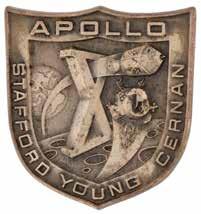
5175. Apollo 10 Flown Robbins Medallion - From the Personal Collection of Jack Swigert. Flown sterling silver Apollo 10 Robbins medallion, measuring approximately 1.25˝ x 1.25˝, featuring a raised design of the shield-shaped mission insignia on the face—a Roman numeral “X” towering over the lunar surface, with the CM and LM on orbit, with the crew’s surnames in the border: “Stafford, Young, Cernan.” The reverse is engraved with the mission dates, “May 18–26, 1969,” and serial number, “24.” Stamped below with the Robbins “Sterling” hallmark. Accompanied by its original case and a letter of authenticity signed by Swigert’s sister, Virginia, who certifies that “this Apollo 10 Flown Robbins Medal, Serial Number 24 is from Jack Swigert’s personal collection.” One of 300 Robbins medallions flown into lunar orbit on Apollo 10, this has the unique distinction of being part of a Guinness World Record—on its return from the moon, Apollo 10 set the record for the highest speed attained by a manned vehicle: 24,791 mph (39,897 km/h) or Mach 36! The Richard Jurek Collection. Starting Bid $300
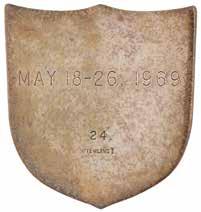
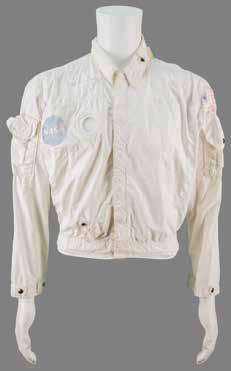
5176. Gordon Cooper’s Apollo Command Module In-Flight Coverall Garment (ICG) Jacket - Used in Training for the Apollo 10 Mission. Apollo Command Module In-Flight Coverall Garment (ICG) jacket designed for Apollo 10 backup crew commander Gordon Cooper, with tag sewn inside the collar reading: “Coverall Jacket, P/N: BW-1060-002, Size: M.R. S/N: 1105, Subject: Cooper, Contract No. NAS 9-8309, Date of Mfg.: 3-3-69, Mfg. By: Welson Co.” The jacket features a snap-down placket, pouch pockets on the sleeves, and faded American flag and NASA ‘meatball’ logo Beta patches on the left shoulder and right chest areas, respectively. In fine condition, with a few stains to the back and evidence of use, namely perspiration toning to the collar. NASA developed the In-Flight Coverall Garment (ICG) to provide astronauts with a lighter, more flexible alternative to the bulky spacesuit worn during launch and reentry. Once safely in orbit, astronauts often changed into these garments to remain comfortable during the long translunar flights of the Apollo missions. This ICG jacket was manufactured for Gordon ‘Gordo’ Cooper when he served as backup commander for Apollo 10, and was likely used as a training or test article during mission preparation. Cooper, along with Donn F. Eisele and Edgar D. Mitchell, was announced as the Apollo 10 backup crew on November 13, 1968. Under NASA’s normal crew-rotation system, this assignment placed the trio in line to become the prime crew of Apollo 13. However, in May 1969, astronaut Alan Shepard returned to flight status following surgery for Ménière’s disease, which had grounded him since the early 1960s. With Shepard now eligible to fly again, Director of Flight Crew Operations Deke Slayton reshuffled the rotation and replaced Cooper with Shepard after roughly six months as Apollo 10’s backup commander. The change ultimately removed Cooper from the Apollo flight rotation entirely. Shepard’s crew—along with Mitchell, who remained on the team—was later reassigned to Apollo 14 to allow additional training time, where Shepard and Mitchell would go on to walk on the Moon. Cooper, meanwhile, never flew another mission and retired from NASA and the U.S. Air Force in July 1970. Starting Bid $200
5183. Apollo 11 Original ‘Type 1’ Photograph - The Only Hasselblad Shot of Neil Armstrong on the Lunar Surface. Exceedingly rare original ‘Type 1’ vintage color glossy 10 x 8 red-numbered NASA photo (AS11-40-5886) showing Neil Armstrong on the right—packing a lunar sample into an open rockbox at the MESA (Modular Stowage Equipment Assembly)—and the deployed flag of the United States on the left. Also visible are the Solar Wind Collector and a strut of the Lunar Module Eagle, which casts a dramatic shadow across the lunar surface in the foreground. Reverse bears “A Kodak Paper” watermarks. In fine condition, with a tiny emulsion blemish in the shadow, and a light paperclip impression to the right edge.
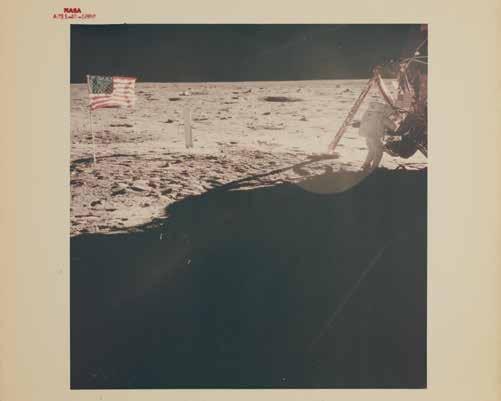
This photograph occupies a singular place in the visual record of the Apollo 11 mission: it is the only known photograph of Apollo 11 commander Neil Armstrong on the lunar surface.
Though Armstrong became the first human being to set foot on another world on July 20, 1969, he was almost always positioned behind the camera during the moonwalk. For nearly two decades, it was widely believed that no high-resolution still photograph existed of Armstrong on the moon. The only known images of him were grainy video frames from the Westinghouse television camera and fleeting exposures from the 16mm Maurer motion picture camera.
That belief changed in 1987, when researchers carefully reviewing mission records and frame sequences identified this image within Buzz Aldrin’s panoramic series taken from the rim of Double Crater. Captured in stark lunar light, Armstrong appears in full profile, methodically stowing precious lunar samples—an unguarded working moment of the first man on the moon, preserved in crisp 70mm detail. No other still Hasselblad photograph documents him on the lunar surface in this way.
Remarkably, this frame was not selected for general release by NASA’s Public Affairs Office in 1969. As a result, it remained largely unpublished and unseen for decades. Very few vintage red-numbered prints are known to survive, making this not only one of the most historically significant images of the Apollo program, but also one of the most elusive. Starting Bid $1000
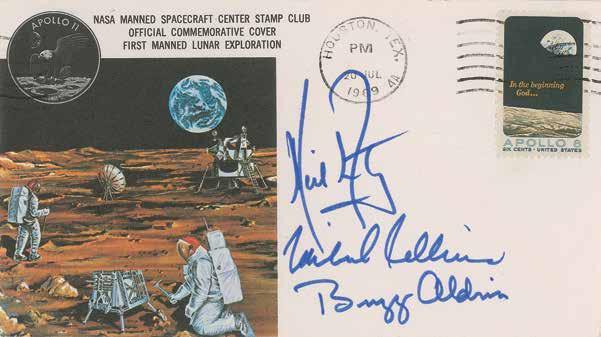
5184. Apollo 11 Signed ‘Type 1’ Insurance Cover. Signed Apollo 11 ‘Type 1’ insurance cover, 6.5 x 3.5, with a printed color cachet of the moon landing and a July 20, 1969, Houston, Texas, cancellation, signed in blue felt tip by Neil Armstrong, Michael Collins, and Buzz Aldrin. Cover is also marked along the reverse bottom edge, “BA26.” The cover is lightly affixed to a piece of personal letterhead signed by Buzz Aldrin, which reads, in part: “This Manned Spacecraft Center Stamp Club postal cover…is one of the ‘insurance covers’ signed by the Apollo 11 crew before our launch on July 16, 1969…The cover displayed above has been in my private collection since 1969 and has an identifier of BA26 written on the reverse side. It was signed by the Apollo 11 crew-Neil Armstrong, Michael Collins, and myself prior to launch.” In fine, bright condition. The famous insurance covers, produced immediately prior to space missions in order to provide financial security for astronauts’ families in case of disaster, have earned near-legendary status as the ultimate space-related philatelic item and one of the most sought-after formats for astronaut autographs. Starting Bid $500
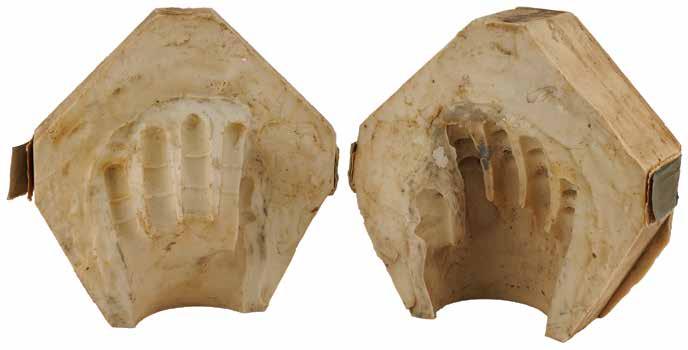
5185. Neil Armstrong’s Apollo 11 A7L Pressure Glove Production Mold (ILC Industries). Rare production mold used by ILC Industries in the fabrication of Neil Armstrong’s left-handed A7L Apollo 11 pressure glove. Designed to cast a uniform rubber positive, the two-part silicone mold, 8.25˝ x 8.5˝ x 4.5˝, 7.75 lbs, opens to reveal upper and lower halves that show smooth, idealized finger cylinders, controlled finger taper, slightly exaggerated knuckle volumes, and a rounded, uniform palm cup. The exterior is wrapped with duct tape that is marked in red grease pencil, “Armstrong.” In fine condition. Accompanied by a letter of authenticity from ILC historian Bill Ayrey. This two-part mold cavity reflects an engineered glove form rather than a direct hand cast, consistent with ILC’s documented manufacturing process, whereby astronaut hand measurements were translated into sculpted glove masters. These masters were then molded to create durable rubber glove forms used in the production of the neoprene/silicone pressure bladder gloves worn beneath the restraint and thermal layers of the Apollo A7L spacesuit. As such, this mold represents a critical tooling stage in the fabrication of the glove worn by Armstrong during Apollo 11’s historic lunar EVA. Starting Bid $500
5186. Apollo 11 Original ‘Type 1’ Photographs (18) - Collection of Red-Numbered NASA
Photos of Earth, Moon, and Aldrin. Fantastic collection of 18 original ‘Type 1’ vintage color glossy 10 x 8 red-numbered NASA photos taken during the Apollo 11 mission, highlighted by spectacular shots of Earth and Moon, the iconic Apollo 11 plaque left behind on the lunar surface, and Buzz Aldrin deploying experimental packages during his historic EVA. All bear “A Kodak Paper” watermarks on the reverse. In overall fine to very fine condition.
Includes:
AS11-36-5295 - Earth with a view of Tropical Storm Bernice
AS11-36-5298 - Earth with a view of Tropical Storm Bernice
AS11-36-5352 - Earth view over Africa, the Mediterranean and the Middle East
AS11-36-5430 - View of Moon, Crater IX, Target of Opportunity 30
AS11-37-5442 - View of Moon, with Earth visible over the horizon
AS11-40-5847 - View of the lunar surface and horizon from Tranquility Base
AS11-40-5855 - View of the lunar surface and horizon
AS11-40-5856 - View of the lunar surface and horizon
AS11-40-5863 - Buzz Aldrin leaving the Lunar Module Eagle
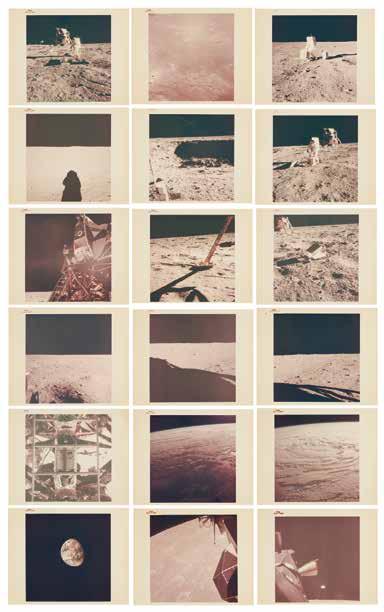
AS11-40-5870 - Lunar Module strut and footpad on the surface of the moon
AS11-40-5882 - Lunar surface and horizon with astronaut shadow in foreground
AS11-40-5899 - Apollo 11 lunar plaque proclaiming that the astronauts “came in peace for all mankind.”
AS11-40-5945 - Buzz Aldrin deploying the deploying the seismometer and the laser-ranging retroreflector
AS11-40-5947 - Buzz Aldrin deploying the solar panels of the Passive Seismic Experiment Package (PSEP)
AS11-40-5949 - Buzz Aldrin deploying the PSEP, Lunar Module Eagle and American flag in background
AS11-40-5952 - Laser Ranging Retroreflector (LRRR) on the lunar surface
AS11-40-5954 - Small crater with rocky bottom
AS11-44-6619 - View of Moon limb, Mare Tranquillitatus and Maskelyne Censorinus Starting Bid $500
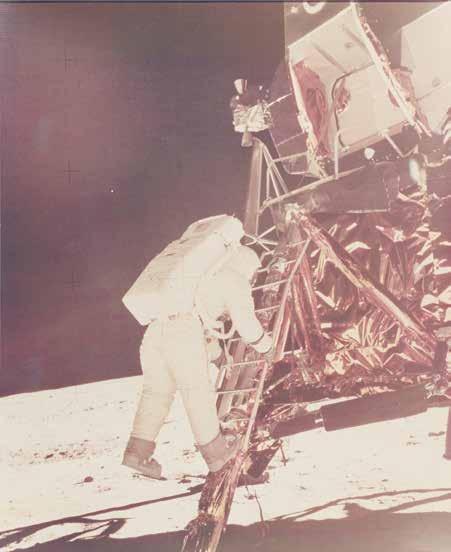
5187. Apollo 11 Original Oversized NASA Photograph (AS11-40-5868) - Buzz Aldrin Descends the Lunar Module Eagle. Scarce original color silk-finish 16 x 19.25 textured NASA photo of LMP Buzz Aldrin descending the ladder rungs of the Lunar Module Eagle during the historic Apollo 11 EVA, when he and CDR Neil Armstrong became the first men to walk on the moon during their exploration of the Sea of Tranquility landing site. This famous image is catalogued as ‘AS11-40-5868.’ The reverse bears “A Kodak Paper” watermarks. In fine condition, with evenly trimmed edges. Starting Bid $500
by the first and last men on the moon
5188. Neil Armstrong and Gene Cernan Signed Oversized Photograph Display - From the Personal Collection of Gene Cernan. Beautiful original NASA mat presentation carrying a later 13.25 x 10.25 reprint photograph of CDR Neil Armstrong and LMP Buzz Aldrin raising the American flag at the Sea of Tranquility lunar landing site during the Apollo 11 mission, signed and inscribed on the original presentation mat in black felt tip, “To Barbara & Gene… Our dear friends… Neil Armstrong, Apollo 11,” who adds a title to the image, “‘The Stars & Stripes at Tranquility Base.’” The right side is signed prominently in black felt tip by Gene Cernan, who adds “Apollo XVII,” and has signed over his initial attempt at a signature. The upper portion is calligraphically inscribed by another hand: “‘One small step for Man – one giant leap for Mankind.’ Apollo XI, 16-24 July 1969.” Framed to an overall size of 19.75 x 16.75. In fine condition, with a small stain to the bottom edge; the photograph is not original to the piece, but a quality replacement image from 2013.
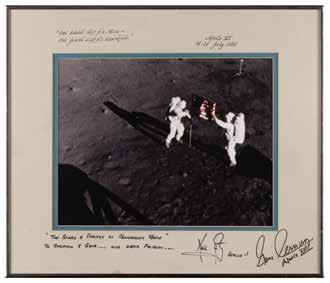
A marvelous union of the first and last men on the moon, which is further augmented by Neil Armstrong’s patriotic inscription and the rarity of the image itself — very few photos of CDR Armstrong on the moon exist, as he was the chief photographer during the Apollo 11 EVAs. Taken by the 16mm Data Acquisition Camera mounted inside the Lunar Module Eagle, this remarkable image is one of the iconic photographs of the 20th century, captured at the mission’s triumphant climax when the stars and stripes were first unfurled on another celestial body. Starting Bid $300
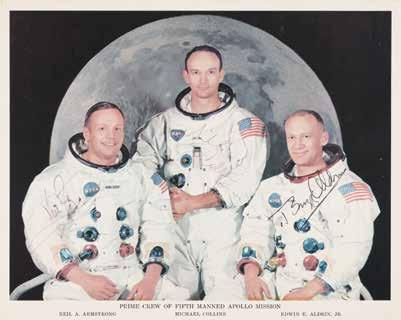
5189. Apollo 11 Signed Photograph. Hugely sought-after official color 10 x 8 NASA lithograph of the crew of the historic Apollo 11 mission posing together in their white space suits against a large lunar backdrop, signed in black ink or felt tip by Neil Armstrong, Michael Collins, and Buzz Aldrin. In fine condition, with a few light surface creases, and slight fading to the Armstrong and Collins signatures. Starting Bid $500
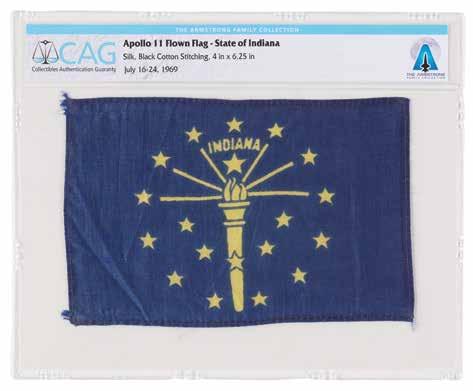
5190. Apollo 11 Flag of IndianaAttested as Flown by the Family of Neil Armstrong. Flag of the state of Indiana attested as flown on the historic Apollo 11 moon landing mission by the family of Neil Armstrong, 6.25 x 4, encapsulated by CAG as being from The Armstrong Family Collection. The flag features a golden torch surrounded by stars, with “Indiana” above, against a solid navy blue field. In fine condition. Accompanied by a letter of provenance from The Armstrong Family Collection, signed by Armstrong’s sons, Rick and Mark.
Neil Armstrong had strong ties to Indiana through his education at Purdue University in West Lafayette, where he earned a degree in aeronautical engineering in 1955. Purdue later honored him as one of its most distinguished alumni, dedicating the Neil Armstrong Hall of Engineering in 2007; his personal archives also reside in the university’s library. Provenance: Heritage Auctions, The Armstrong Family Collection, May 2019. The Richard Jurek Collection. Starting Bid $1000
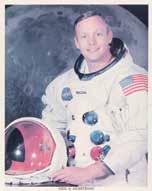
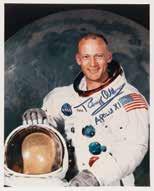
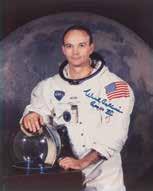
5191. Apollo 11 (3) Signed Photographs. Fantastic trio of photos signed by the pioneering crew of the Apollo 11 moon landing, all uninscribed: a highly sought official color 7.75 x 10 NASA lithograph of Neil Armstrong posing in his white space suit against a lunar background, signed in black felt tip, “Neil Armstrong”; a color satin-finish 8 x 10 photo of Buzz Aldrin posing in his white space suit, signed in black felt tip, “Buzz Aldrin, Apollo XI”; and a color satin-finish 8 x 10 photo of Michael Collins posing in his white space suit, signed in blue felt tip, “Michael Collins, Apollo XI.” In overall fine condition, with a few small surface creases, and fading to Armstrong’s very slightly trimmed photo. Accompanied by a full letter of authenticity from Zarelli Space Authentication for the Aldrin autograph, and a certificate of authenticity from Novaspace for the Collins autograph. Starting Bid $300
Series 1969 one-dollar bill, signed by the historic Apollo 11 crew
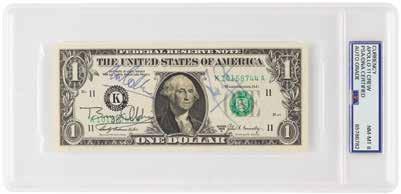
5192. Apollo 11 Crew-Signed $1 Dollar Bill - PSA NM-MT 8. Series 1969B one-dollar bill, signed on the portrait side in black ink by the full Apollo 11 crew: Neil Armstrong, Buzz Aldrin, and Michael Collins. In fine condition, with minor brushing to Armstrong’s signature. Encapsulated and graded by PSA/DNA as “NM-MT 8.” As the 1969 series date coincides with the year of the Apollo 11 moon landing, this dollar bill is an especially desirable example of a sought-after crew-signed format. Starting Bid $500
Rarely offered, crew-signed official invitation for a NASA luncheon saluting the Apollo 11 crew at Houston’s Rice Hotel a day after leaving quarantine
5193. Apollo 11 Signed Invitation for a Post-Quarantine Luncheon at Houston’s Rice Hotel (August 12, 1969). Scarce official NASA invitation for a luncheon honoring “the Apollo 11 Crew and The people who made the Mission possible,” which was held at the Rice Hotel in Houston, Texas, on August 12, 1969, measures 9 x 6.25 open, signed on the front cover in blue ballpoint, “Neil Armstrong,” in blue felt tip, “Buzz Aldrin,” and in black ballpoint, “M. Collins.” In very fine condition.
After three weeks in confinement — in the Apollo spacecraft, on a USS Hornet trailer, and then in the Lunar Receiving Laboratory — the crew of Apollo 11 was finally allowed to leave quarantine on August 10, 1969. A day after attending this luncheon at the Rice Hotel, the crew was honored with a massive ticker-tape parade in New York City before embarking on their famous 45-day ‘Giant Leap’ tour. Only the second fully signed Apollo 11 ‘Rice Hotel’ invitation that we have ever offered. Starting Bid $500
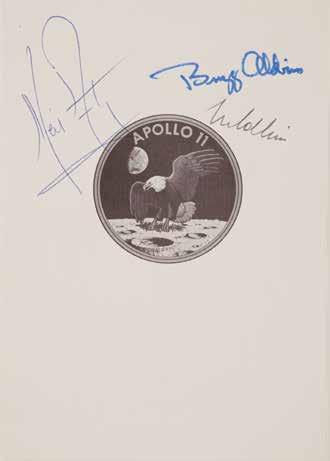
“To the 63rd Military Airlift Wing, Apollo 11’s thanks for a most professional job”—the Apollo 11 crew thanks the U.S. Air Force provisional wing that transported them from Hawaii to Texas during quarantine
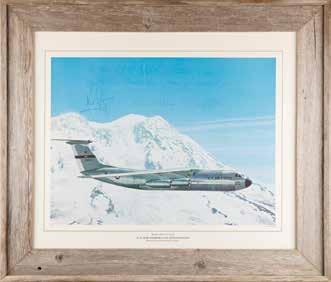
5194. Apollo 11 Signed ‘Lockheed C-141 Starlifter’ Poster - “To the 63rd Military Airlift Wing, Apollo 11’s thanks for a most professional job” (23.25˝ x 19.25˝).
Color 23.25 x 19.25 poster of a Lockheed C-141 Starlifter, the U.S. Air Force’s primary strategic airlift aircraft from 1965 to 2006, soaring in front of a massive snow-covered mountain, signed in felt tip by Neil Armstrong, Buzz Aldrin, and Michael Collins, who adds the inscription, “To the 63rd Military Airlift Wing, Apollo 11’s thanks for a most professional job.” Archivally framed under UV-protective museum glass to an overall size of 29 x 25. In very good condition, with overall creasing, and moderate contrast to the handwriting.
Accompanied by full letters of authenticity from JSA and Zarelli Space Authentication. An uncommon, fully signed display piece honoring the U.S. Air Force provisional wing that aided in the safe transport of the recently returned Apollo 11 astronauts. The pictured aircraft, a Lockheed C-141 Starlifter, transported the Mobile Quarantine Facility (MQF) containing astronauts Neil Armstrong, Buzz Aldrin, and Michael Collins from Hawaii to Ellington Air Force Base, Texas, on July 26–27, 1969. After recovery by the USS Hornet, the MQF was loaded onto the C-141 at Pearl Harbor and flown to Houston, where it was moved to NASA’s Lunar Receiving Laboratory. Starting Bid $200
5195. Apollo 11 Kapton Foil [Attested to as Flown by Sandy Clarkson]. Large swatch of Kapton foil attested to as being flown and removed from the thermal protection system of the Apollo 11 Command Module Columbia, approximately measuring 16˝ x 4.5˝. In fine condition, with a slightly tacky quality to the gold side.
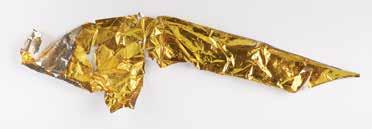
Accompanied by a signed letter of authenticity from Sandy Clarkson of The Right Stuff Space, who writes: “This Kapton foil is from the Apollo 11 Command Module, ‘Columbia.’ Kapton foil provided thermal protection for the CM and upon return to Earth was easily removed from the spacecraft. The foil was often used for presentation purposes and was given to Bill Whipkey, a NASA employee in 1969. Bill prepared numerous presentations/displays and these Kapton pieces remained unused. Bill identified this Kapton foil to me as part of the Apollo 11 Command Module and sold it to me in 2014. A copy of the note which accompanied the foil -- handwritten by Bill is attached.”
Whipkey was a NASA Production Control Engineer and a skilled woodworker who created many displays and presentation pieces for the astronauts and often received flown mementos and autographed photos in recognition of his dedicated service. Among his other duties, Whipkey was responsible for purchasing the items that were carried on the Apollo missions, including flags foreign and domestic. Starting Bid $200
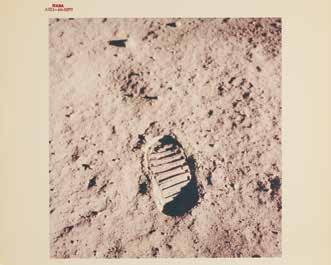
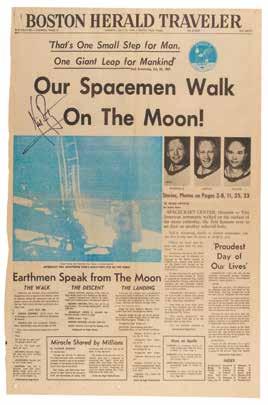
5197. Neil Armstrong Signed Boston Herald Traveler Newspaper (Monday, July 21, 1969). Front page of the Boston Herald Traveler from Monday, July 21, 1969, measuring 14.75 x 22.75 unfolded, featuring a lunar image of Neil Armstrong stepping on the moon, NASA portraits of Armstrong, Buzz Aldrin, and Michael Collins, and headline text, “Our Spacemen Walk on the Moon!,” signed prominently in black felt tip by Armstrong. In fine condition, with two intersecting folds. Starting Bid $200
5196. Apollo 11 Original ‘Type 1’ Photograph - Buzz Aldrin’s Bootprint on the Moon. Iconic original ‘Type 1’ vintage color glossy 10 x 8 red-numbered NASA photo (AS1140-5877) showing Buzz Aldrin’s bootprint on the surface of the moon, demonstrating the fineness and cohesiveness of lunar soil under compaction. Reverse bears “A Kodak Paper” watermarks. In very fine condition, with a very faint paperclip impression to the right edge. Starting Bid $200
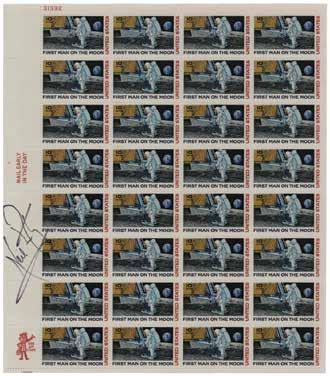
5198. Neil Armstrong Signed ‘First Man on the Moon’ Stamp Sheet. Large sheet of 32 ten-cent ‘First Man on the Moon’ stamps designed by Paul Calle, honoring Neil Armstrong’s historic achievement on Apollo 11, signed in the left margin in black felt tip, “Neil Armstrong.” In very fine condition. Starting Bid $200
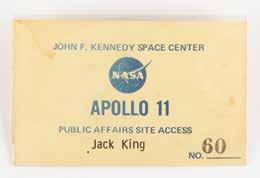
5199. Apollo 11: Jack King (2) Access Badges. Two original NASA Kennedy Space Center badges issued to Jack King for the Apollo 11 mission, including: a laminated light blue 3.75˝ x 2.5˝ “Flight Readiness Review” pass stamped “Apollo 11”; and a yellow 4˝ x 2.5˝ John F. Kennedy Space Center “Public Affairs Site Access” pass issued to “Jack King” and stamped “60.” In overall fine condition, with light staining to the public affairs badge. Jack King served as the Kennedy Space Center Chief of Public Information during the Mercury, Gemini, and Apollo programs, providing public announcements and commentary for several mission launches, including the Apollo 11 launch, which earned him the nickname ‘Voice of Apollo.’ Starting Bid $200
5200. Michael Collins’s Apollo Command Module In-Flight Coverall Garment (ICG) Trousers. Apollo Command Module InFlight Coverall Garment (ICG) trousers designed for astronaut Michael Collins, with tag sewn inside the waistband reading: “Coverall, Trousers, BW-1061-001, Size: M.R. S/N: 1116, Subject: Collins, Contract No. NAS 9-8309, Date of Mfg.: 3-4-69, Mfg. By: B. Welson Co.” The trousers feature a snap-adjustable elastic waistband with double-snap closure, zippered fly, and large cargo pockets toward the ankles. In fine condition, with light wear.
NASA developed the In-Flight Coverall Garment (ICG) to provide astronauts with a lighter, more flexible alternative to the bulky spacesuit worn during launch and reentry. Once safely in orbit, astronauts often changed into these garments to remain comfortable during the long translunar flights of the Apollo missions. This ICG jacket was manufactured for Michael Collins for his role as Command Module Pilot for Apollo 11, and was likely used as a training or as a test article during mission preparation.
As CMP of Apollo 11, Collins piloted the Command Module Columbia and remained in lunar orbit while Neil Armstrong and Buzz Aldrin descended to the surface in the Lunar Module Eagle. During the landing phase of the mission, Collins orbited the Moon alone for more than 21 hours, maintaining the spacecraft and preparing for the critical rendezvous and docking that reunited the crew in lunar orbit before their return to Earth. Starting Bid $200
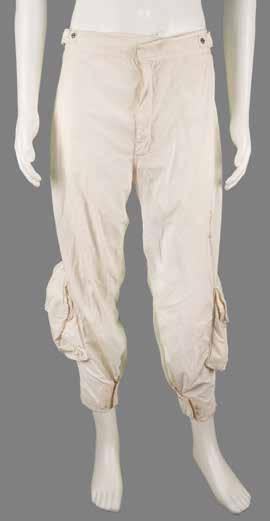
Alan Bean’s biomedical harnesses from the Apollo 12 mission, which he wore “during launch, descent to the Ocean of Storms, on both moonwalks, liftoff from the moon to rendezvous with our orbiting command module, and entry back at planet Earth”
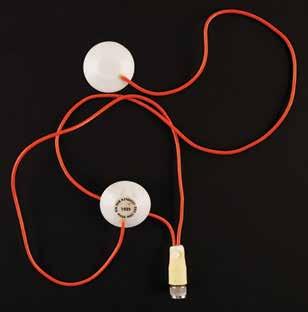
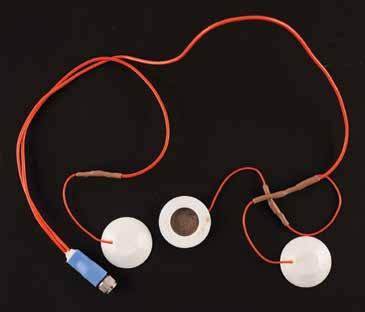
5246. Apollo 12 Lunar Surface-Flown and MissionUsed (2) Biomedical Harnesses - From the Personal Collection of Alan Bean. Extraordinary pair of lunar-flown biomedical harnesses worn by Lunar Module Pilot Alan Bean throughout the full duration of the historic Apollo 12 mission. Both harnesses feature orange wiring, with one measuring 19˝ in length and featuring a yellow multipin connector and two biomedical electrodes, and the other measuring 22.5˝ in length and bearing a blue multipin connector and three biomedical electrodes. The back of one electrode housing has an affixed NASA Manned Spacecraft Center parts label: “1035 / P/N SKB 42100121-202.” In fine condition.
Critical components of the life-monitoring system of the Apollo astronauts, biomedical harnesses were designed to transmit real-time physiological data—including heart rate and other vital signs—from inside the spacesuit to flight surgeons in Mission Control. During launch, lunar descent, extravehicular activity
on the Moon’s surface, and reentry, continuous biomedical telemetry allowed NASA to monitor crew health under the extreme stresses of spaceflight. Such data was especially vital during moonwalks, when astronauts were operating in a harsh and unforgiving environment with no immediate possibility of rescue.
Accompanied by a signed and handwritten letter of authenticity from Bean, who writes: “I hereby certify that the accompanying Biomed Harness, with five sensors, was the one I wore on my body during launch, descent to the Ocean of Storms, on both moonwalks, liftoff from the moon to rendezvous with our orbiting command module, and entry back at planet Earth. My Biomed Harness performed flawlessly throughout the Apollo 12 mission, including as I walked, ran and worked on my two moonwalks. This Biomed Harness has been in my personal collection since I returned to Earth.” Starting Bid $1000
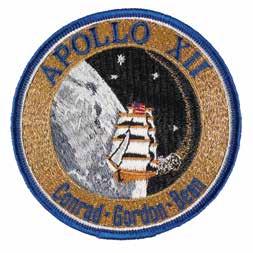
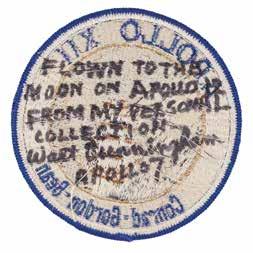
5247. Apollo 12 Flown Patch - From the Personal Collection of Walt Cunningham. Flown embroidered Apollo 12 mission patch, 4˝ in diameter, signed and flight-certified on the reverse in black felt tip, “Flown to the Moon on Apollo 12. From my personal collection. Walt Cunningham, Apollo 7.” In fine condition. Accompanied by a signed certificate of authenticity from Cunningham, in part: “This flown Apollo 12 patch was given to me by my good friend, Alan Bean, Apollo 12 LMP…The patch has been continuously in my possession since that time.” An uncommon and desirable example of a flown artifact given by one Apollo astronaut to another. Starting Bid $300
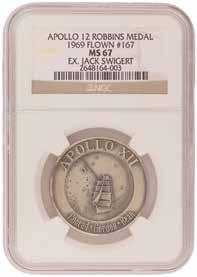
5248. Apollo 12 Flown Robbins Medallion - From the Personal Collection of Jack Swigert - NGC MS 67. Flown sterling silver Apollo 12 Robbins medallion, approximately 1.25” in diameter, with a raised design of the Apollo 12 mission insignia on the face—a ‘Yankee Clipper’ ship sailing over the moon’s ‘Ocean of Storms,’ the location of the Apollo 12 landing site. The reverse is engraved with the launch date of November 14, 1969; moon landing date of November 19, 1969; and return date of November 24, 1969. The medal is serial numbered “167” and stamped below with the Robbins “Sterling” hallmark. Encapsulated and graded by NGC as “MS 67,” with the label noting the provenance, “Ex. Jack Swigert.”
Accompanied by its original case and a letter of authenticity signed by Swigert’s sister, Virginia, who certifies that “this Apollo 12 Flown Robbins Medal, Serial Number 167 is from Jack Swigert’s personal collection.” A high-grade, beautiful example. The Richard Jurek Collection. Starting Bid $300
“Flown
5249. Apollo 12 Flown Space Treaty - From the Personal Collection of Alan Bean. Flown printed UN Space Treaty that was carried to the moon during the Apollo 12 mission, 5.25 x 3, signed and flight-certified in black ink, “Flown to the Moon, Alan L. Bean, Apollo XII, Nov ‘69.” The treaty, entitled “Treaty of the Principles Governing the Activities of States in the Exploration and Use of Outer Space, Including the Moon and Other Celestial Bodies,” is attractively double-matted and framed with an engraved plate and an Apollo 12 Beta cloth mission patch to an overall size of 11 x 16.75. In fine condition. From the personal collection of Apollo 12 moonwalker Alan Bean, and accompanied by a letter of provenance from his daughter. The Outer Space Treaty (1967) establishes that space is free for all nations to explore and cannot be claimed by any one country, while requiring that it be used for peaceful purposes. It also holds countries responsible for their activities in space, including those of private companies, and prohibits placing weapons of mass destruction in orbit or on celestial bodies. It remains in force today as the foundational legal framework governing international space activity. Starting Bid $200
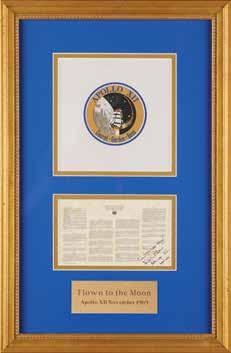
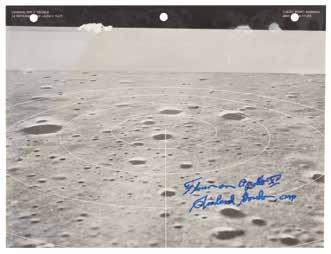
5250. Apollo 12 Flown Landing Site Landmark Map - From the Personal Collection of Richard Gordon. Flown 10.5 x 8 ‘Landing Site Landmark Map’ page carried on the Apollo 12 mission, derived from ‘Apollo 12 CSM Lunar Landmarks Maps’ book (Part No. SKB32100081-322), signed and flight-certified in blue felt tip, “Flown on Apollo XII, Richard Gordon, CMP.” The map plate is headed “Landing Site 7, Oblique, 14 Novembe[r 1]969 Launch Date,” and shows an oblique view of the Apollo 12 landing site in the southeastern Oceanus Procellarum (Ocean of Storms), with range circles and trajectory mark. In very good to fine condition, with some surface loss and emulsion irregularity toward the top edge.
Accompanied by two certificates of authenticity from Moonpans, one of which states that the flown ‘Landing Site Landmark Map’ originates from Richard Gordon’s personal collection, and the other attests to the map having been removed from the ‘CSM Lunar Landmarks Maps’ flown during Apollo 12. Also included is a copy of a page of the Apollo 12 ‘Apollo Stowage List, Mission AS-507, CM 108/LM-6,’ which lists the ‘CSM Lunar Landmark Map’ booklet (SKB32100081-322) as part of the mission-flown inventory, plus an unsigned official NASA lithograph of Gordon posing in his white space suit. The Richard Jurek Collection. Starting Bid $200
my visit to the Moon on November 18-19, 1969 aboard Apollo 12”
5251. Apollo 12 Lunar SurfaceFlown Medallion - From the Personal Collection of Charles Conrad. Flown gold-tone medallion carried to the surface of the moon aboard the Lunar Module Intrepid during the Apollo 12 mission, approximately .75″ in diameter, depicting an American flag against a lunar background, pinned to an offwhite 8.5 x 11 certificate of authenticity signed in black felt tip, “Charles Conrad, Jr., Cdr. Apollo XII.” It reads: “I hereby certify that the attached gold-colored medallion…was flown down to the Ocean of Storms in my Personal Preference Kit during my visit to the Moon on November 18-19, 1969 aboard Apollo 12, mankind’s second historic lunar landing. It remained on the moon’s surface inside the Lunar Module ‘Intrepid’ during our 31.5 hour stay. I was given a total of 50 of these medallions to fly to the moon by Tommy Attridge, who was the Lunar Module supervisor and served as interface between Grumman (manufacturer of the LM) and the astronauts. Upon its return, this specimen had a post soldered to it so that it could be used as a tie tack. This may be the most traveled tie-tack on Earth, having journeyed more than a half-million miles on our round trip voyage to the moon, and at speeds approaching 25,000 mph both during our escape from Earth’s gravitational field into deep space, and once again during the fiery reentry into Earth’s atmosphere. It is from my personal collection of artifacts returned from the moon’s surface!” Framed to an overall size of 12 x 14.5; window to frame backing features a photo of Conrad when he signed the certificate. In fine condition. Starting Bid $200
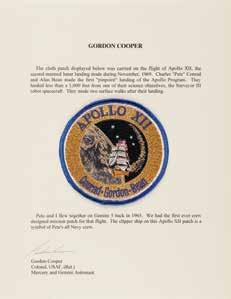
5252. Apollo 12 Flown Insignia Patch - From the Personal Collection of Gordon Cooper. Flown embroidered Apollo 12 insignia patch, 4˝ in diameter, which was carried to the moon during the Apollo 12 mission. The patch is affixed to the center of an 8.5 x 11 letter of authenticity signed by famed Mercury and Gemini astronaut Gordon Cooper, which reads, in part: “The cloth patch displayed below was carried on the flight of Apollo XII, the second manned lunar landing.” In fine condition. Starting Bid $200
“Flown to the moon in Yankee Clipper, Nov. 1969, Alan Bean, Apollo 12 LMP”—unopened packet of ‘Toasted Bread Cubes’ that were flown into lunar orbit
Food Packet - From the Personal Collection of Alan Bean. Alan Bean’s flown food packet of “Toasted Bread Cubes” that was carried into lunar orbit aboard the Command Module Yankee Clipper during the historic Apollo 12 moon landing mission. The packet, 4.75˝ x 3.5˝, is signed and flight-certified in black felt tip, “Flown to the moon in Yankee Clipper, Nov. 1969, Alan Bean, Apollo 12 LMP.” The plastic packet retains its original identification label, which bears the serial number “9023,” and is stamped “WSD 16” for quality assurance by the Whirlpool Space Division. In fine condition.
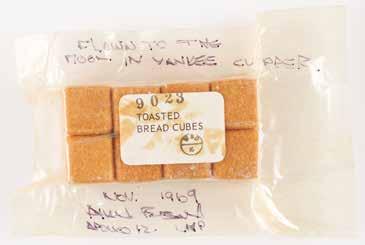
Accompanied by a candid photograph of Bean holding the packet, and a signed handwritten letter of provenance from Bean, in part: “I certify that the food packet of ‘Toasted Bred [sic] Cubes’ identified by the numbers #9023 and “WSD 16” flew aboard Yankee Clipper, our Command Module, into lunar orbit, 60 miles above the moon, on our Apollo 12 mission in November 14-24, 1969.”
The meals on Apollo 12 were comprised of more than 70 items, ranging from rehydratable freeze-dried items, wet-pack and spoon-bowl foods, and meals ready to eat. The food for the Apollo missions was prepared and packaged by the Whirlpool Corporation in conjunction with the U.S. Army Laboratory in Natick, Massachusetts. Starting Bid $200
“This was my personal razor aboard Yankee Clipper (CSM108) during the flight to the moon”
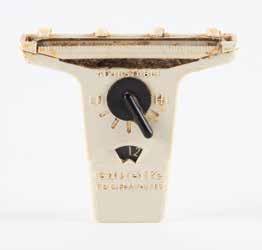
12
Razor Head - From the Personal Collection of Charles Conrad. Flown Gillette Techmatic adjustable razor head carried into lunar orbit aboard the Command/Service Module Yankee Clipper and personally used by Commander Charles Conrad during the Apollo 12 mission. The razor head, which measures 2˝ x 1.75˝ x .5˝, bears an affixed swatch of tape to the underside, and the head retains its original blade. Includes a handwritten letter of authenticity signed “Charles Conrad, Jr., Cdr. Apollo XII,” who affirms the razor’s flight status: “This was my personal razor aboard Yankee Clipper (CSM108) during the flight to the moon, 14-24 November, 1969.” In fine condition, with rust and residue remnants. Starting Bid $200
5255. Apollo 12 Flown Space Treaty - Signed and FlightCertified by Alan Bean. Flown printed space treaty carried to the moon aboard the Apollo 12 Command Module Yankee Clipper, one page, 8 x 5, signed in the lower right corner in black ink, “Flown to the moon, Apollo XII, Nov 69, Alan L. Bean.” The treaty, entitled “Agreement on the Rescue of Astronauts, the Return of Astronauts and the Return of Objects Launched into Outer Space,” was created by the United Nations in 1967 to describe circumstances for the cooperative rescue of astronauts. Mounted and framed with embroidered American flag and Apollo 12 patches to an overall size of 12.5 x 17.5. In fine condition. Starting Bid $200
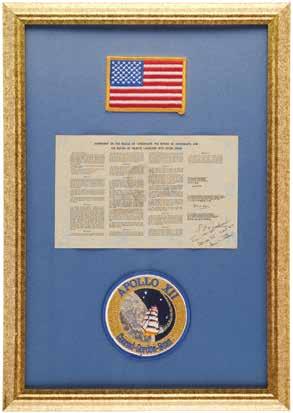
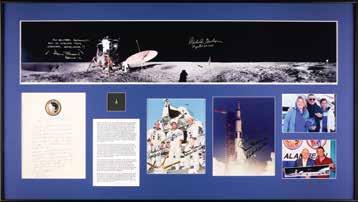
5256. Silver Astronaut Lapel Pin - From the Personal Collection of Richard Gordon. Richard Gordon’s silver astronaut pin, .5˝ x .5˝, which he received upon reporting to NASA in 1964 after his selection as part of NASA Astronaut Group 3. The pin is accompanied by a signed and handwritten letter of authenticity from Gordon, which is headed “Silver Astronaut Lapel Pin,” and reads: “This silver Astronaut lapel pin was given to me upon reporting to NASA in early 1964. The silver pin was given to Astronauts who had not yet flown in space. After having flown in space an astronaut was awarded a gold lapel pin. This pin was proudly worn by me from 1964 until I flew on Gemini XI in September 1966 when it was retired and replaced with a gold pin. This silver lapel pin has been in my possession since early 1964.”
Both items are impressively displayed with supporting provenance and signed photographs, which include: a color NASA lithograph of the Apollo 12 crew and a color launch photograph, both signed in felt tip by the full crew of Gordon, Alan Bean, and Charles Conrad; a color panoramic photo of the Ocean of Storms landing site, signed in silver ink by Gordon and Bean, who humorously writes “My silver astronaut pin is inside this crater somewhere??”; images of Gordon posing with the pin and Bean posing with the panoramic photo; and a typed information sheet from the pin’s consignor: “As the owner of Dick’s silver astronaut pin, it occurred to me, given the close relationship between Alan and Dick, that it would be fun to make a display that highlighted the silver astronaut pin…At Spacefest III (Tucson, AZ., June 2011), I had Dick and Al sign the above picture. I asked Alan to show approximately where he had thrown the pin. I’ve gotten to know Dick over the years, and I had him pose with the pin at an event I was a volunteer at in San Francisco later in 2011.” All of the items are archivally matted and framed together to an overall size of 45.25˝ x 25.25˝. In overall fine condition. Starting Bid $200
5268. Apollo 13 Flown
$1 Dollar Bill, Signed by James Lovell, Fred Haise, Jack Swigert, and Ken Mattingly. Extremely rare flown Series 1963A one-dollar bill, serial number K87191445C, carried on the Apollo 13 Command Module ‘Odyssey,’ signed on the portrait side in black felt tip by the crew as flown—James Lovell, Fred Haise, and Jack Swigert—as well as by the original CMP, Ken Mattingly, who was bumped from the flight at the last minute because of his exposure to the German measles. In very fine condition. Very few Apollo 13 flown items signed by all four prime crew members exist in private collections.
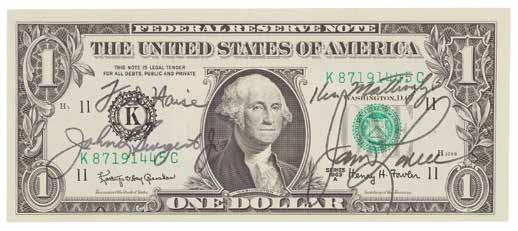
Accompanied by a signed letter of provenance from NASA Crew Equipment Station Engineer Ray C. Malone, who was responsible for packing and stowing all the flight crew equipment on the Command Module. In full: “I hereby certify that this US one-dollar bill S/N K87191445C was flown to the moon on the Apollo 13 Command Module which launched on the 11th of April and returned the 17th of April, 1970.
During the historic mission to the moon, this one-dollar bill was carried by the crew in PPK S/N 1110 on my behalf and has remained in my possession since its return from the moon.
This bill, along with 12 others, was signed by the Apollo 13 astronauts James Lovell, John L. Swigert, Jr., Fred Haise and Ken Mattingly at the final bench review prior to being stowed on the spacecraft. It is the only flown one-dollar bill of the set that Swigert signed with his formal full name of ‘John L. Swigert’ instead of the more familiar ‘Jack Swigert.’
I was the NASA Crew Equipment Station Engineer assigned to the Flight Crew Support Team at KSC providing Flight Crew Directorate Representative (FCDR) support for the command module at the time. In addition to my FCDR duties, I was also responsible for packing and stowing all the flight crew equipment.
My Boeing Crew Equipment Engineer carefully packed this bill along with 12 other crew signed US one-dollar bills, one unsigned US one dollar bill, one Oklahoma state flag, and six small US flags on my behalf. These items were stowed in the CM under my name where they remained throughout the mission. After this historic flight, this bill and the other items were returned to me by the Apollo 13 crew. This bill has been in my personal astronaut collection since that time.”
Also includes an original vintage glossy 8 x 10 NASA press photo showing Ray Malone with an assistant atop Launch Complex 39A, examining items that were to be stored aboard the Apollo 15 spacecraft prior to launch—illustrating his role at each of the Apollo launches. The Richard Jurek Collection. Starting Bid $1000
“Flown to the moon on Apollo 13”—
Lovell and Haise-signed CSM schematic for the ‘Premodulation Processor,’ a key part of the S-band communication system that carried the crew’s voice to Houston, including their urgent
transmissions after the SM’s mission-altering oxygen tank explosion
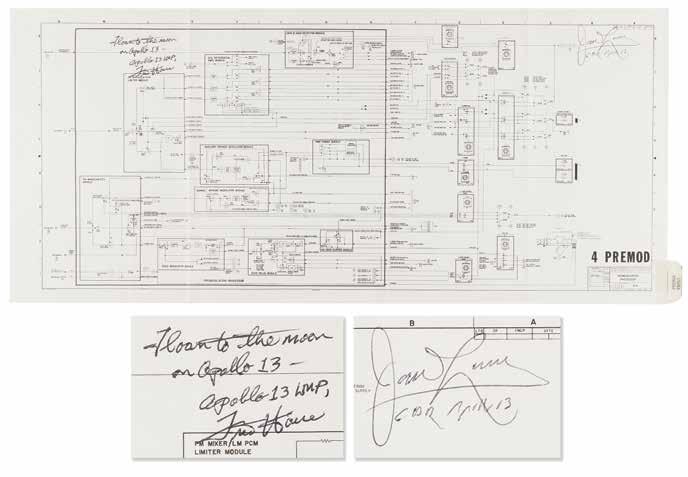
5269. Apollo 13 Flown CSM ‘Premodulation Processor’ Schematic Signed by James Lovell and Fred Haise - “Flown to the moon on Apollo 13”. Flown schematic for the Command Module communications system, which was carried into lunar orbit during the historic Apollo 13 mission, signed and flight-certified in black ballpoint, “Flown to the moon on Apollo 13 – Apollo 13 LMP, Fred Haise” and “James Lovell, CDR Apollo 13.” The page, measuring 23.75 ˝ x 10.5˝ unfolded, is marked “4 PREMOD” in the NASA MSC legend to the lower left corner, which bears the correlating tab, “PREMOD PROSS.” Dated to September 1969, the legend reads, in part: “Premodulation Processor / CSM / 108 THRU 111 / Size J / Dwg. No. 6.4 / Sheet 1 of 1.” The schematic presents a detailed block diagram of the Command Module’s Premodulation Processor, illustrating how astronaut voice and onboard telemetry were conditioned and routed through the spacecraft’s S-band communications system. As a critical part of the CSM communications architecture, the Premodulation Processor combined microphone audio, biomedical data, and spacecraft telemetry before transmission to Earth. It was through this system that the crew’s voices — including the historic communications following the oxygen tank explosion — were carried during Apollo 13’s journey to and around the moon. In fine condition. Starting Bid $1000
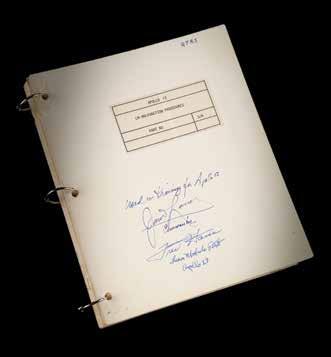
5270. Apollo 13 Training-Used ‘LM Malfunction Procedures’ Manual Signed by James Lovell and Fred Haise. Official ring-bound NASA ‘quarters copy’ of the Apollo 13 LM Malfunction Procedures manual, 80 pages plus cardstock covers, 8.5 x 10.5, dated April 1, 1970, signed on the front cover in blue ink, “Used in training for Apollo 13, James Lovell, Commander” and “Fred Haise, Lunar Module Pilot, Apollo 13.” Ink notations on the front cover and title page read “QTRS.” Issued as ‘final change A’ with part number “SKB32100076-386,” the manual consists of a variety of sections related to emergency procedures taken if a malfunction were to occur in the lunar module while on the lunar surface. Includes two original binding rings and a descriptive placard that was used when this checklist was on display at the Kansas Cosmosphere for the 40th Anniversary of Apollo 13. In fine condition. Dated 10 days before liftoff, this manual was used by Lovell and Haise during pre-launch quarantine for Apollo 13. After an oxygen tank exploded two days into the mission, the crew relied on training manuals like this to help guide their safe return to Earth. Starting Bid $300
5271. Apollo 13 Flown Lunar Module Malfunction Checklist Page - Signed by James Lovell and Fred Haise. Flown double-sided checklist page carried into lunar orbit as part of the Apollo 13 “LM Malfunction Procedures” manual, 8 x 10.5, signed in black ballpoint, “Fred Haise, Apollo 13 LMP” and “James Lovell, Apollo 13 CDR.” The page, headed “LMA790-3-LM, Apollo Operations Handbook,” dated March 16, 1970, contains pages 69 and 70 from the “Apollo 13 Flight Data File,” and is labeled “LM Malfunction Procedures,” which derives from the ‘Primary Navigation Guidance System’ section of the manual. The signed side provides a flow chart for troubleshooting three LM malfunctions related to “HEATER,” “RR temp abnormal,” and “S-band antenna temp abnormal.” The reverse features a flow chart troubleshooting symptoms for “LR temp abnormal” and “RCS quad 1 (2, 3, 4) temp abnormal.” In fine condition. Accompanied by a CD-R disc and a certificate of authenticity that contains full provenance and documentation for the chain of ownership from Lovell to the consignor, who attests to having removed this offered malfunction procedure from the original flown “Apollo 13 LM Malfunction Procedures manual (NASA Part No. SKB32100076-386, Serial No. 1001).” A desirable signed manual page showing equipment malfunction symptoms related to thermal control and radar/communication subsystems in the Apollo 13 Lunar Module. Starting Bid $200
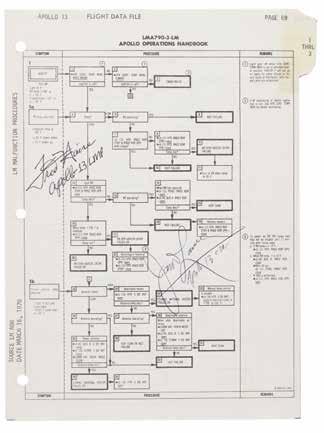
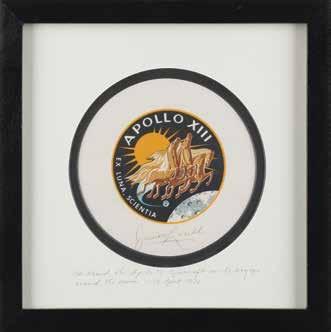
and FlightCertified by James Lovell. Flown 5.5˝ swatch of Beta cloth featuring an Apollo 13 mission emblem, signed in black ballpoint, “James Lovell,” who has certified the flight status of the Beta cloth on the lower presentation mat, “On board the Apollo 13 Spacecraft on its voyage around the moon 11-17 April 1970.” Framed to an overall size of 10 x 10. In very fine condition. Accompanied by a signed and flight-certified letter of authenticity from Lovell, which reads: “This Beta cloth crew patch presented to you flew to the moon aboard the command module ‘Odyssey’ (CM-109) on the Apollo XIII mission during its perilous trip around the moon, April 11-17, 1970. This Beta cloth patch travelled 5 days, 22 hours and 54 minutes from the earth to the moon and back with a ‘free-return trajectory’ around the moon…This patch was one of 450 patches listed and stowed aboard the ‘Odyssey’ as part of my CM Personal Preference Kit (PPK) and located in pouch part number SEB32100025-301, serial number 1016. The PPK contained patches, medallions and flags as mementos for distribution to NASA ground personnel, contractors and dignitaries, as well as my personal collection.” Starting Bid $200
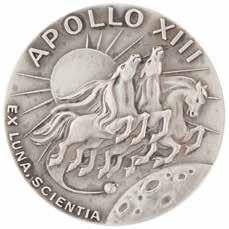
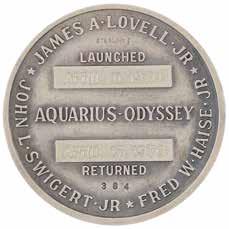
5273. Apollo 13 Flown Robbins Medallion - From the Personal Collection of Ed Gibson. Flown sterling silver Apollo 13 Robbins medallion, approximately 1.25˝ in diameter, with a raised design of the Apollo 13 mission insignia on the face—three horses driving Apollo’s chariot across the surface of the moon. The reverse boasts the names of the crew as flown, and is engraved with the launch date of April 11, 1970, and the return date of April 17, 1970. The medal is serial numbered “384” and stamped above with the Robbins “Sterling” hallmark. Accompanied by a certificate of authenticity signed by Skylab 4 Science Pilot Ed Gibson, certifying this Apollo 13 Robbins medallion as originating from his personal collection.
Owing to the unusual circumstances of the Apollo 13 mission, the affiliated Robbins medallion differs from its counterparts. A total of 400 medals were originally minted with the names of the scheduled prime crew—James Lovell, Ken Mattingly, and Fred Haise—and carried on the harrowing flight. The last-minute crew change, with Jack Swigert replacing Mattingly due to potential illness, dictated a return of the flown medallions to Robbins to be melted down and re-struck with the correct crew. Additionally, since the lunar landing was aborted, only two engraving blanks were placed on the reverse side for the launch and return dates. Starting Bid $300
5297. Apollo 14 ‘Type 1’ Crew-Signed Insurance-Style Covers (6) - From the Personal Collection of Edgar Mitchell. Lot of six Apollo 14 ‘Type 1’ insurance-style covers with cachets of the mission insignia and Navy and Air Force wings underneath, postmarked at Kennedy Space Center on January 31, 1971, signed around the cachet in felt tip by Alan Shepard, Ed Mitchell, and Stu Roosa. Curiously, while these covers boast the correct vintage signatures and postmarks, they all carry 10¢ ‘First Man on the Moon’ postage stamps, rather than the 6¢ ‘Earthrise’ stamp found on standard Apollo 14 ‘Type 1’ insurance covers. In overall fine condition, with a couple bumped corners and spots of foxing. Accompanied by a letter of provenance from Elizabeth Kendall, the daughter of Edgar Mitchell. Starting Bid $300
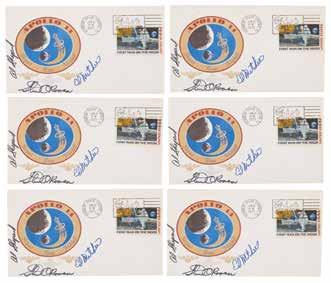
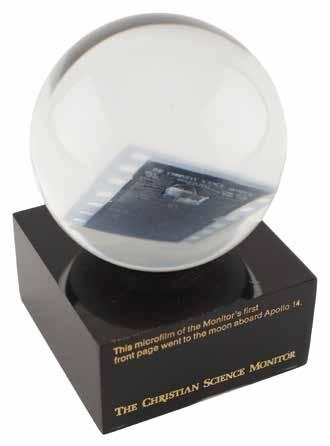
Microfilm of The Christian Science Monitor flown to the moon—“one of 100 carried by Captain Alan B. Shepard”
5299. Apollo 14 Flown Christian Science Monitor
Microfilm - “One of 100 carried by Captain Alan B. Shepard”. Flown 1.5˝ x 1˝ section of microfilm depicting the first front page of The Christian Science Monitor, carried to the moon on Apollo 14 by CDR Alan Shepard. The film is encased within a small magnifying globe set upon a black base, measuring an overall 3˝ x 4.5˝ x 3˝, with a golden caption on the base: “This microfilm of the Monitor’s first front page went to the moon aboard Apollo 14.” A label on the bottom explains further: “This microfilm of the front page of The Christian Science Monitor’s first edition dated November 25, 1908, was taken to the moon on February 5, 1971, aboard Apollo 14. This is one of 100 carried by Captain Alan B. Shepard, commander of the mission.” In fine condition. The Richard Jurek Collection. Starting Bid $200
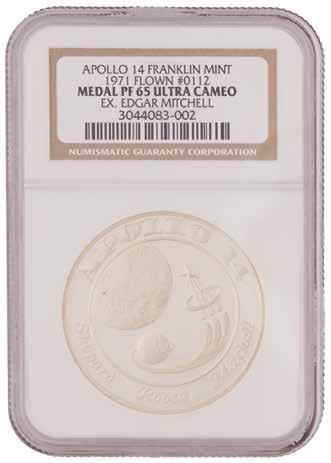
5298. Apollo 14 Flown Franklin Mint Medallion - From the Personal Collection of Edgar Mitchell - NGC PF 65 Ultra Cameo. Uncommon flown Franklin Mint Apollo 14 medallion carried into lunar orbit on the Command Module Kitty Hawk, serial number 0112, approximately 1.5˝ diameter, with its original cardboard holder, annotated and initialed in blue ballpoint by LMP Edgar Mitchell, “Flown on ‘Kitty Hawk,’ No. 0102, EM.” The medal features the Apollo 14 mission insignia on the face, showing the astronaut emblem approaching the moon, leaving a comet trail from the liftoff point on Earth, with the mission and crewmen’s surnames in the border; the reverse depicts the lunar surface with a legend reading: “Spacecraft Kitty Hawk & Antares / Destination Fra Mauro—1971.” Encapsulated and graded by NGC as “PF 65 Ultra Cameo,” with the label noting the provenance, “Ex. Edgar Mitchell.”
Accompanied by a handwritten letter of provenance signed
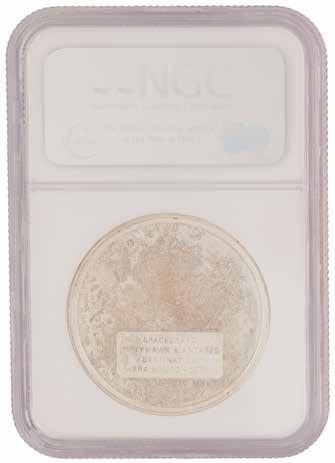
by Edgar Mitchell, in full: “This letter will certify that Apollo 14 silver Franklin Mint medallion, serial number 0112 was flown to the moon aboard the spacecraft Kittyhawk on the mission January 31–February 9, 1971. This medallion can be further identified by the edge stamp “Sterling,” the “F” Franklin Mint logo, the “71” year issuance date and the “P” to mean a proof striking. This is one of the original 195 flown medallions accounted for in the crew PPK inventories.”
These medallions were carried aboard the mission as part of a deal that Commander Alan Shepard struck with the Franklin Mint, and which would trigger a Congressional investigation when the mint melted down some of the returned medallions and started selling ‘flown’ mini-coins which contained some of the melted silver—one example of which is included. This resulted in a prohibition of flying such medallions in the future. The Richard Jurek Collection. Starting Bid $300
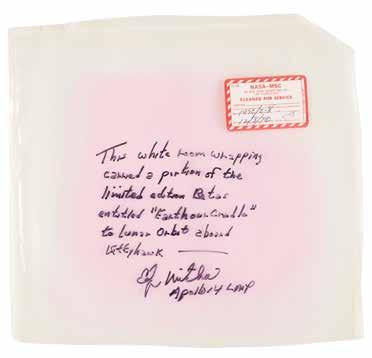
5300. Apollo 14 Flown ‘White Room’ Bag - Signed by Edgar Mitchell. Flown ‘White Room’ anti-static flight hardware bag carried into lunar orbit aboard the Command Module Kitty Hawk during the Apollo 14 mission, signed and flight-certified in black felt tip, “This White Room wrapping carried a portion of the limited edition Betas entitled ‘Earth Our Cradle’ to lunar orbit aboard Kittyhawk — Edgar Mitchell, Apollo 14 LMP.” The clipped bag, 10.25˝ x 9.5˝, bears an affixed ‘Cleaned for Service’ label from NASA-MSC dated December 8, 1970. In fine condition. Accompanied signed certificate of authenticity from Mitchell, who states: “This is to Certify that the accompanying original NASA ‘Apollo 14 White Room Bag’ housed a portion of the Apollo 14 Mission Emblems that were flown to the Moon, and later used in my limited edition entitled ‘Earth Our Cradle.’” Starting Bid $200
Edgar Mitchell’s flown Apollo 14 emblem patch that “was carried in my personal preference kit”
5301. Apollo 14 Flown Insignia Patch - From the Personal Collection of Edgar Mitchell. Flown embroidered Apollo 14 insignia patch that was carried into lunar orbit during the Apollo 14 mission. The patch, 4˝ x 3.5˝, is signed on the reverse in black felt tip by its original owner, moonwalker Edgar Mitchell, who also signs an included certificate of authenticity, which reads: “This certifies that the accompanying embroidered mission patch (signed on the back by Edgar Mitchell) was carried in my personal preference kit (PPK) on Apollo 14 from January 31, 1971 to February 9, 1971 during the Apollo 14 mission. Admiral Alan Shepard, Commander, Colonel Stuart Roosa, Command Module Pilot, and myself as Lunar Module Pilot, were sent to explore the Fra Mauro Highlands region of the moon on February 5-6, 1971, as the third landing mission to the moon. Ours was the first Apollo mission devoted primarily to scientific exploration of the moon, rather than tests of the operational flight procedures necessary for successful missions. The total mission time was nine days plus one minute from liftoff at Cape Kennedy to splash down in the Pacific Ocean near Pago Pago. We set up scientific experiments at our landing site, explored nearby Cone Crater, took hundreds of photographs, and returned with 98 pounds of lunar material for examination by scientists on Earth.” In very fine condition. Starting Bid $200
Edgar Mitchell’s flown Apollo 14 crew patch “carried into lunar orbit aboard the spacecraft Kitty Hawk in my personal preference kit”
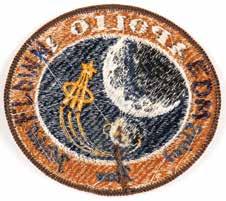
5302. Apollo 14 Flown Crew Patch - From the Personal Collection of Edgar Mitchell. Flown embroidered Apollo 14 crew patch carried into lunar orbit aboard the Command Module Kitty Hawk during the Apollo 14 mission, 4” x 3.5”, initialed and flight-certified on the reverse in blue felt tip, “Flown” and “EDM.” In fine condition. Accompanied by a signed certificate of authenticity from Mitchell, who writes: “The accompanying Apollo 14 embroidered crew patch…was carried into lunar orbit aboard the spacecraft Kitty Hawk in my personal preference kit… during the Apollo 14 mission to the moon.” Starting Bid $200
Five flown flags of nations carried into orbit on Apollo 14, representing the global appeal of the moon landings
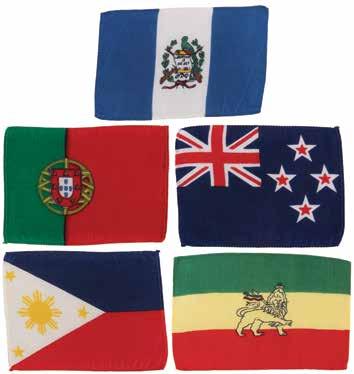
5303. Apollo 14 Flown Flags of Nations (5) - From the Personal Collection of Edgar Mitchell. From the personal collection of Apollo 14 moonwalker Edgar Mitchell—five flown 6˝ x 4˝ national flags carried into lunar orbit on Apollo 14, attested to in accompanying certificates of authenticity signed by Mitchell, who certifies that each flag was was carried in his personal preference kit (PPK) from January 31, 1971 to February 9, 1971 during the Apollo 14 mission. The five nations represented are Ethiopia, Guatemala, New Zealand, Portugal, and the Philippines. It seems that Mitchell did not finish preparing these flown flag presentations prior to his passing, as two certificates erroneously state that the flags bear his signature; however, only the certificates are signed. In overall fine condition. A unique lot representing the global appeal of the Apollo moon landings, boasting flown national flags from each of Earth’s hemispheres. Accompanied by a letter of authenticity from Karlyn Mitchell, the daughter of Edgar Mitchell. Starting Bid $500
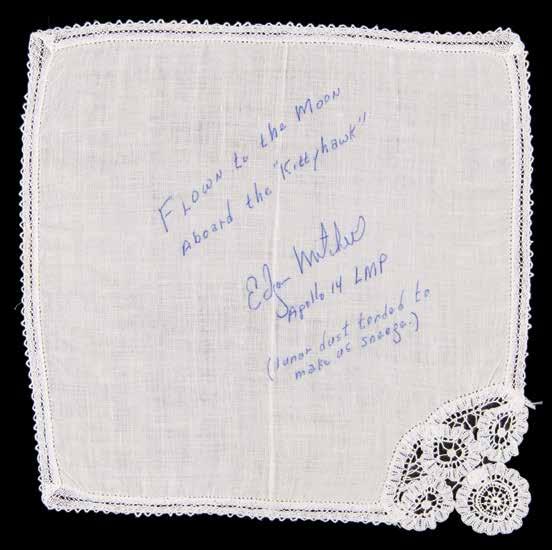
5305. Apollo 14 Flown Handkerchief: “Lunar Dust Tended to Make Us Sneeze” - From the Personal Collection of Edgar Mitchell. White, lacy-edged linen handkerchief carried into lunar orbit on Apollo 14, 8.75˝ x 8.5˝, signed and flight-certified in blue ballpoint, “Flown to the Moon Aboard the ‘Kitthawk,’ Edgar Mitchell, Apollo 14 LMP, (lunar dust tended to make us sneeze).” In fine condition, with a central fold.
The Apollo astronauts found that lunar dust is highly abrasive and clings to everything it touches—many experienced irritation to their eyes and respiratory systems after exposure to the fine particles, resulting in what Apollo 17 moonwalker Harrison Schmitt called ‘lunar hay fever.’ From sneezing to nasal congestion, in some cases it took days for the reactions to fade. Although most of the lunar dust was too fine to be filtered through the ventilation/LiOH system, the Apollo 14 astronauts found that a vacuum cleaner, introduced as on-board equipment for their mission, satisfactorily cleared larger particles. Mitchell and Shepard used the vacuum to assist in removing lunar dust from suits and equipment prior to intravehicular transfer from the Lunar Module to the Command Module after lunar surface operations, and for cleanup in the Command Module. Accompanied by a letter of authenticity from Karlyn Mitchell, the daughter of Edgar Mitchell. Starting Bid $500
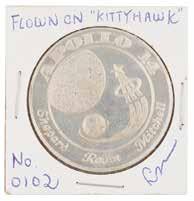
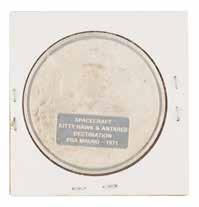
5304. Apollo 14 Flown Franklin Mint Medallion - From the Personal Collection of Edgar Mitchell. Uncommon flown Franklin Mint Apollo 14 medallion carried into lunar orbit on the Command Module Kitty Hawk, serial number 0102, approximately 1.5˝ diameter, displayed inside a small cardboard holder, annotated and initialed in blue ballpoint by LMP Edgar Mitchell, “Flown on ‘Kitty Hawk,’ No. 0102, EM.” The medal features the Apollo 14 mission insignia on the face, showing the astronaut emblem approaching the moon, leaving a comet trail from the liftoff point on Earth, with the mission and crewmen’s surnames in the border; the reverse depicts the lunar surface with a legend reading: “Spacecraft Kitty Hawk & Antares / Destination Fra Mauro—1971.” In fine condition. Accompanied by a letter of authenticity signed by Edgar Mitchell, in part: “This document certifies Apollo 14 Franklin Mint Medallion, serial number 0102. The accompanying medallion was flown aboard the spacecraft Kittyhawk on the Apollo 14 expedition to the moon which launched January 31, 1971.” Each of the three Apollo 14 crew members carried 65 of these medallions in their PPKs. After the mission, fifty of them were returned to the Franklin Mint and twenty-five were melted down toward the production of Apollo 14 commemorative coins that were sent to Franklin Mint subscribers in 1971. Compared to the 303 Robbins medals flown on the mission, these Franklin Mint medals are considerably scarcer with just 145 possible examples. Accompanied by a letter of authenticity from Karlyn Mitchell, the daughter of Edgar Mitchell. Starting Bid $200
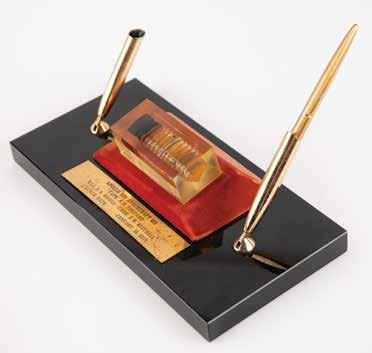
5306. Apollo 14 Flown Heatshield Desk SetFrom the Personal Collection of Edgar Mitchell. From the personal collection of Apollo 14 LMP Edgar Mitchell—a substantial segment of flown heat shield from the Apollo 14 spacecraft, measuring approximately 2.5˝ x .5˝ x .75˝ and encased in a 3˝ x 1.25˝ x 1.5˝ Lucite block, displayed on a polished black marble base, measuring 10˝ x 5˝ x 1˝. The base features two pen/pencil holders and an engraved plaque: “Apollo XIV Spacecraft 110, Capt. A. B. Shepard, Maj. S. A. Roosa, Cmdr. E. D. Mitchell, Launch Date: January 31, 1971.” Includes one of the gold-tone pens from the desk set; the other is missing. In overall fine condition, with some tarnishing to the plaque. Accompanied by a letter of authenticity from Karlyn Mitchell, the daughter of Edgar Mitchell. Starting Bid $500
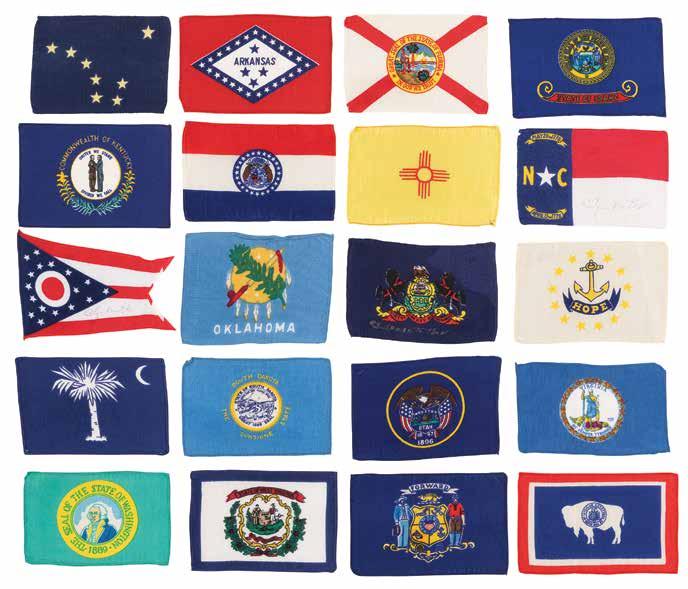
5307. Apollo 14 Flown State Flags (20) - From the Personal Collection of Edgar Mitchell. From the personal collection of Apollo 14 moonwalker Edgar Mitchell—a remarkable collection of 20 flown 6˝ x 4˝ state flags carried into lunar orbit on Apollo 14, attested to in accompanying certificates of authenticity signed by Mitchell, who certifies that each flag was was carried in his personal preference kit (PPK) from January 31, 1971 to February 9, 1971 during the Apollo 14 mission. The states represented are Alaska, Arkansas, Florida, Idaho, Kentucky, Missouri, New Mexico, North Carolina (signed), Ohio (signed), Oklahoma, Pennsylvania (marked “Carried to the M[oon]” in weak silver ink), Rhode Island, South Carolina, South Dakota, Utah, Virginia, Washington, West Virginia, Wisconsin, and Wyoming. It seems that Mitchell did not finish preparing these flown flag presentations prior to his passing, as many certificates erroneously state that the flags bear his signature; however, only two of the flags are signed. In overall fine condition. A remarkable, large collection of American state flags, highlighted by Florida (home to Kennedy Space Center), Ohio (birthplace of Neil Armstrong and John Glenn), and New Mexico (where Mitchell grew up). Accompanied by a letter of authenticity from Karlyn Mitchell, the daughter of Edgar Mitchell. Starting Bid $1000
3D gold moon ring, presented by Edgar Mitchell to his wife: “Designed for you and carried aboard the spacecraft ‘Antares’ during my Apollo XIV lunar expedition”
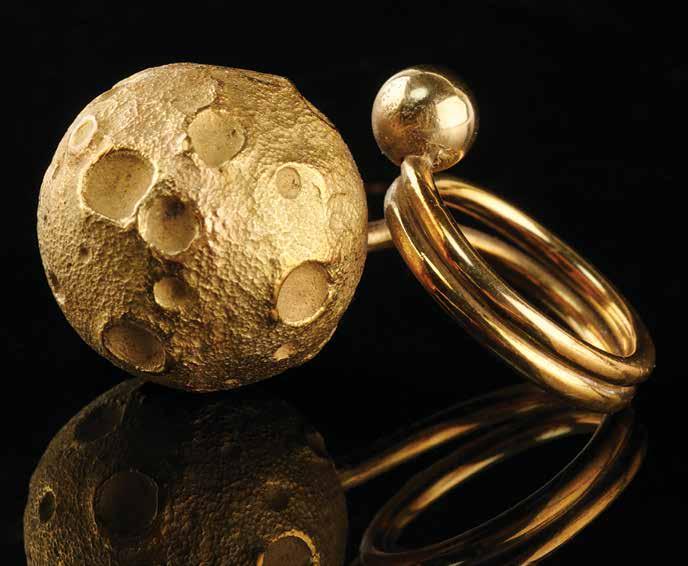
5310. Apollo 14 Lunar Surface-Flown Custom-Made Gold Moon Ring - From the Personal Collection of Edgar Mitchell. Stunning, large gold lunar ring carried to the lunar surface on the Apollo 14 mission aboard the Lunar Module ‘Antares,’ presented by LMP Edgar Mitchell to his wife, Louise. The ring features a double-wrapped golden wire terminating in a 3/4˝ cratered gold sphere representing the moon. Housed in a hinged brown jewelry case, marked “Garden of Jewels” inside the lid.
Accompanied by a TLS signed “Edgar D. Mitchell,” one page, NASA letterhead, July 30, 1971. In full: “This letter will certify that your gold ring with a cast gold sphere representing the moon was designed for you and carried aboard the spacecraft ‘Antares’ during my Apollo XIV lunar expedition January 31, 1971 to February 9, 1971.” Also includes a letter of provenance from Elizabeth Kendall, the daughter of Edgar Mitchell. Starting Bid $1000
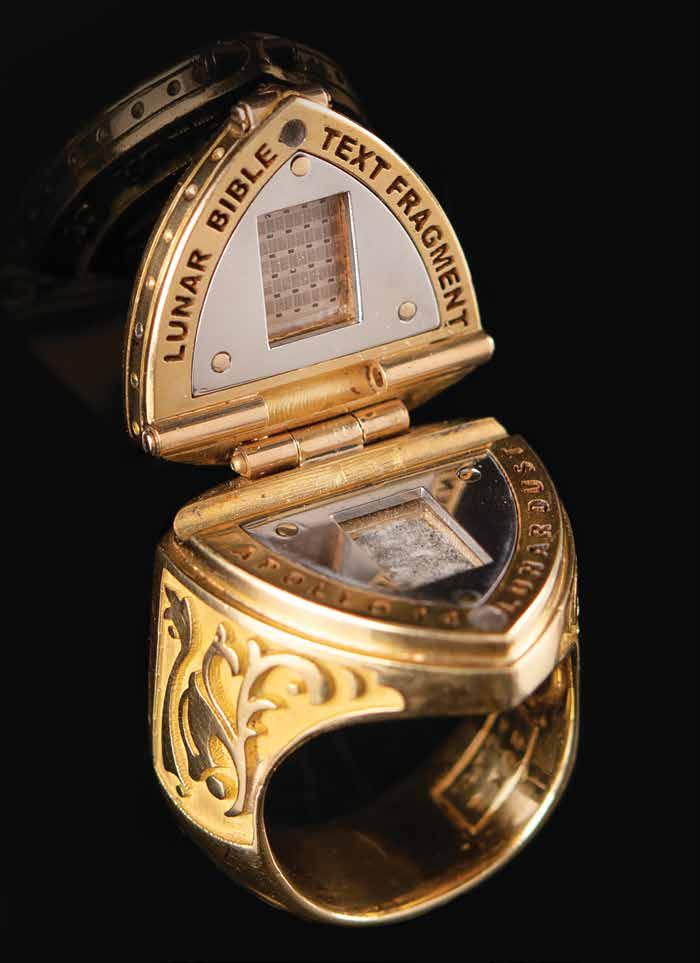
5308. Apollo 14 Gold-and-Platinum Masonic Ring with Flown Lunar Relics - From the Personal Collection of Edgar Mitchell. Unique gold-and-platinum ring from the personal collection of Apollo 14 moonwalker Edgar Mitchell, hallmarked “20K & Plat.” inside the band, with a presentation inscription engraved inside: “To Edgar D. Mitchell, from David Frohman.” The large, heavy ring is approximately size 11.5 and weighs 80 grams, with a flip-up top bezel featuring the emblem of the Masonic Square and Compasses, with “Apollo 14: To Rule the Night” around the edges. The ring opens to reveal lunar relics encased within, derived from Mitchell’s retained personal materials flown on the Apollo 14 mission. In fine condition.
After the tragic Apollo 1 fire that claimed the lives of astronauts Ed White, Gus Grissom, and Roger Chaffee, Reverend John Stout—an engineer and chaplain at NASA—established the Apollo Prayer League, dedicated to praying for the safety of the astronauts. Membership quickly swelled to more than 40,000,
and out of this effort emerged the ‘Lunar Bible Project,’ whose goal was to place the first complete Bible on the lunar surface, symbolizing both faith and human achievement.
To meet the weight and space restrictions of a lunar mission, the Bible was reproduced in microform, with all 1,245 pages of the King James Version reduced to a tablet scarcely larger than a postage stamp. Attempts to send these microform Bibles on Apollo 12 and Apollo 13 were unsuccessful, but the dream was finally realized on Apollo 14 when LMP Edgar Mitchell carried approximately 300 microform Bibles in his personal preference kit, with 100 traveling down to the lunar surface aboard the Lunar Module Antares. On their return to Earth, many of the flown Lunar Bibles were sliced into 50-page segments for distribution to members of the Apollo Prayer League—the section presented within this ring is one such example. Accompanied by a letter of authenticity from Karlyn Mitchell, the daughter of Edgar Mitchell. Starting Bid $1000
5309. Apollo 14 Lunar Surface-Flown American Flag - From the Personal Collection of Edgar Mitchell. Exceptional flown American flag carried to the lunar surface aboard the LM Antares during the Apollo 14 mission, 6˝ x 4˝, signed and flight-certified in blue ballpoint, “Flown to the Lunar Surface aboard Antares—Feb. 5, 1971, Edgar Mitchell, Apollo 14 LMP.” In fine condition.
Accompanied by a signed certificate of authenticity from Edgar Mitchell, in part: “This is to certify that the accompanying Apollo 14 Lunar Surface American Flag was proudly carried by me aboard our Lunar Module ‘Antares’ to the Moon’s surface. On February 5, 1971, Alan Shepard and I landed our Lunar Module ‘Antares’ on the Moon at Fra Mauro, during mankind’s third lunarlanding mission. To commemorate this milestone, I personally carried the accompanying 4 x 6 inch American Flag with me in my Lunar Module ‘Personal Preference Kit’ bag. This flag then remained stowed within the ‘Antares,’ and its one-sixth lunar-gravity environment, as Alan Shepard and I completed our exploration of the Moon’s surface…This Lunar Surface Flag has been a valued part of my personal space collection since 1971, when it was presented back to me by NASA upon its release from lunar quarantine.” A superior example of one of the most highly sought lunar-landed formats. Accompanied by a letter of authenticity from Karlyn Mitchell, the daughter of Edgar Mitchell. Starting Bid $500
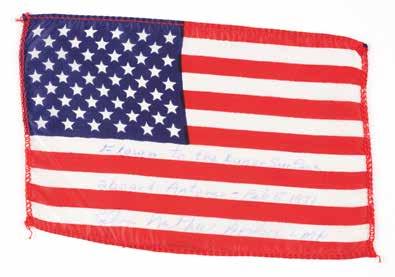
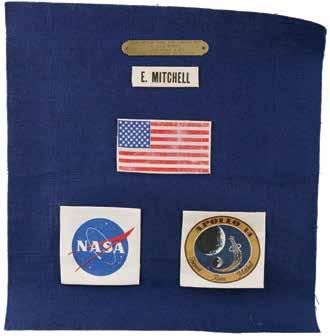
5311. Apollo 14 Training Space Suit Patches - From the Personal Collection of Edgar Mitchell. Fantastic collection of four Beta patches taken from Apollo 14 LMP Edgar Mitchell’s training space suit, affixed to a navy blue 16.5 x 17 fabric swatch, identified by a plaque at the top: “These articles taken from garments worn by Cdr. E. Mitchell during Apollo 14, 1972, Given to Elizabeth My Daughter.” Ranging in size from 3.5 x 1 to 4.5 x 4, the patches include Mitchell’s nameplate (“E. Mitchell”), the American flag, NASA’s ‘meatball’ logo, and the Apollo 14 mission insignia. In fine condition, with overall wear, rubbing, and light staining from use in training for the Apollo 14 mission. Accompanied by a letter of provenance from Elizabeth Kendall, the daughter of Edgar Mitchell. Starting Bid $200
5326. Apollo 15 Lunar Surface-Flown Flag and Unflown 14K Gold Medallion Display - From the Personal Collection of Dave Scott. Museum-quality limited edition flown flag and unflown 14K Apollo 15 gold medallion display, numbered 3/10, highlighted by a small 2.75 x 1.5 Beta cloth American flag carried on the lunar surface for three days by Commander Dave Scott during Apollo 15. The 14K gold medallion features the Apollo 15 mission insignia designed by Emilio Pucci and was not carried on the mission due to weight limitations. Displayed with a satin-finish 5.75 x 4 photo of Scott saluting the American flag, signed in silver ink, “Dave Scott, Apollo 15 CDR.” The three are archivally matted and framed together with descriptive plaques to an overall size of 13.75 x 16.75. In very fine condition.
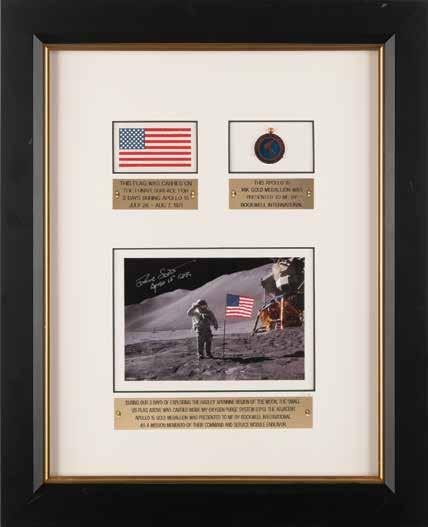
Accompanied by a signed letter of provenance from Scott, also numbered 3/10, describing in detail the history of each piece. In part: “I hereby certify that the small beta-cloth US flag…was carried inside a beta-cloth package mounted on an internal structural bracket of an Apollo 15 Oxygen Purge System (OPS) for three days of EVA excursions during Apollo 15, the first extended exploration of the Moon, July 26–August 7, 1971. The OPS, including this small beta cloth US flag, was attached to the top of the Portable Life Support System (PLSS) on the lunar surface such that in the event of a PLSS failure, the OPS flow provides 30 minutes of breathing oxygen to the crewman…Several weeks after Apollo 15, this OPS Bracket and Flag Package were shown to me by NASA senior management. According to management, a member of the JSC Crew Systems Division (CSD) had prepared the flags and secretly stowed them…I was given the OPS bracket and package of flags…
The Apollo 15 gold medallion (14k) presented in this display is from my personal collection and was prepared by Rockwell International as a memento of their Command and Service Module (CSM) Endeavor which completed Apollo 15…This small OPS flag and the gold A-15 medallion have been in my personal collection since we returned from the Moon.” Starting Bid $1000
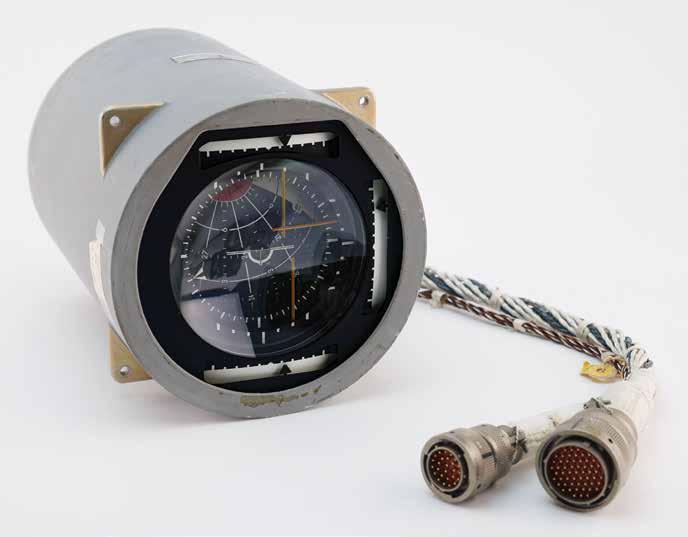
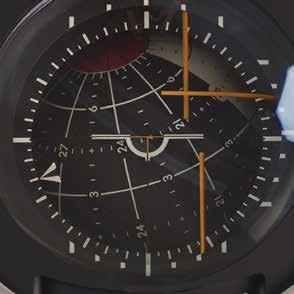
5325. Apollo 15 Flown Command Module Flight Director Attitude Indicator (FDAI) - The Endeavour’s ‘8 Ball’. Extraordinary flown Apollo 15 Command Module Flight Director Attitude Indicator (FDAI), universally known to astronauts as the ‘8 Ball,’ measuring 7” in diameter and 10? long. Manufactured by Honeywell, the side label reads: “Indicator Attitude Flight Director, NAA/S & ID Control No. ME432-0168-0502, Mfr Serial No. 10028AAN1054, Mfr Part No. JG26469, Contract No. M7J7XAH-4700055, Mfr Date 31 Jan 1969.” The instrument retains its two original umbilical cables and bears multiple inspection stamps, including “NAM 289,” matching the stamp on the accompanying North American Rockwell “Temporary Parts Removal Tag.”
Installed on Panel 2 inside the Apollo 15 Command Module, directly above the Apollo Guidance Computer’s DSKY interface, this FDAI is clearly visible in post-flight interior photographs of Endeavour (specifically in NASA image S71-43745, taken during spacecraft inspection on the recovery ship). Adhesive remnants on the lower bezel correspond to the data placard affixed to the panel during the mission. Most remarkably, this instrument was exposed to the space environment during Al Worden’s historic 38-minute transearth space walk—the first deep-space EVA.
The FDAI was the primary visual reference for spacecraft orientation in three-dimensional space. Pitch and yaw were read directly from the rotating sphere; roll was indicated by a circumferential pointer. Surrounding rate meters displayed
rotational velocity about each axis, while three prominent yellow needles showed deviation between current and commanded attitude. Originally conceived as multiple separate instruments, astronauts—many of them test pilots—advocated for a unified display modeled after an aircraft’s artificial horizon, resulting in this elegant and highly intuitive navigational device.
The worn yellow tag documents the precise part and serial numbers, removal authorization, next higher assembly, and vehicle designation: “S/C 112”—Apollo 15’s Command Module Endeavour. It records removal on August 15, 1972. After its Apollo 15 service, this FDAI was retained as a spare in support of subsequent Apollo missions to Skylab, then formally transferred to the Space Shuttle program on November 11, 1975, for simulation studies at Rockwell International. These transfers are fully documented in accompanying copies of Apollo Spacecraft Hardware Utilization Request (ASHUR) records citing the specific part and serial numbers. A later inspection sticker indicates the internal lighting tested “OK” in 1982; the instrument was ultimately retired from active program use in February 1998.
As an extensively documented, flown Apollo 15 navigational instrument with traceable serial-number history across multiple NASA programs, this FDAI stands among the most significant categories of Apollo hardware available to collectors—an authentic operational artifact from mankind’s journeys to the moon. Starting Bid $25,000
“used
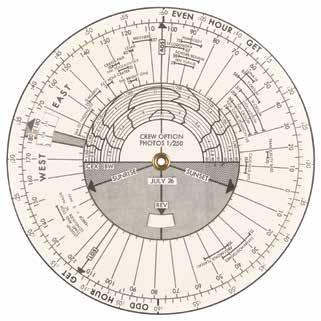
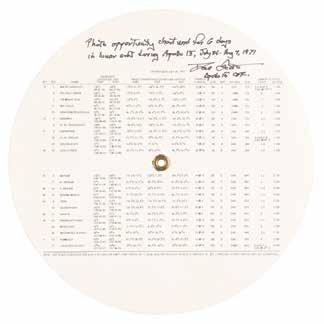
5327. Apollo 15 Flown CSM Photo Target Wheel - From the Personal Collection of Dave Scott.
Flown circular cardstock Apollo 15 “Crew Option Photos” wheel, measuring 8˝ in diameter, carried into lunar orbit on the Command Module ‘Endeavour,’ signed and flight-certified on the reverse in black felt tip, “This opportunity chart used for 6 days in lunar orbit during Apollo 15, July 26–Aug. 7, 1971, Dave Scott, Apollo 15 CDR.” The chart identifies potential targets for photography while on orbit—primarily craters, but also the landing sites of Apollo 11 and an uncrewed Soviet lunar probe—such as: “Sea of Ingenuity,” “Key Hole Crater,” “Ibn Yunus,” “Gagarin,” “Meitner,” “Sklodowska,” “Luna 16,” “Tranquility Base,” and “Humboldt.” In fine condition.
Accompanied by a detailed letter of provenance signed by Dave Scott, in part: “I hereby certify that the Apollo 15 ‘Photo Wheel’ (photo opportunity chart) included with this letter is from my personal collection and was flown in lunar orbit for six days aboard the CSM Endeavor during Apollo 15, the first extended scientific exploration of the Moon, July 26-August 7, 1971…This Photo Wheel was used primarily during lunar orbit with the 70-millimeter Hasselblad electric camera, in particular during rendezvous and docking operations and during translunar coast and trans-Earth coast to photograph the Earth and Moon. It was also used to acquire dim-light, earthshine, and UV photographs (using a 105-millimeter lens). This Hasselblad camera had a motor-driven mechanism that was powered by two sealed nickel-cadmium batteries. The mechanism advanced the film to the next frame and cocked the shutter whenever the camera was activated. The Apollo 15 crew returned an unprecedented number of photographs. Approximately 375 photographs were exposed between trans-Earth injection and the deep-space extravehicular activity (EVA). The Apollo 15 crew also returned approximately 2350 frames of 70-millimeter photography.” Starting Bid $1000
Sought-after medium-sized American flag from the personal
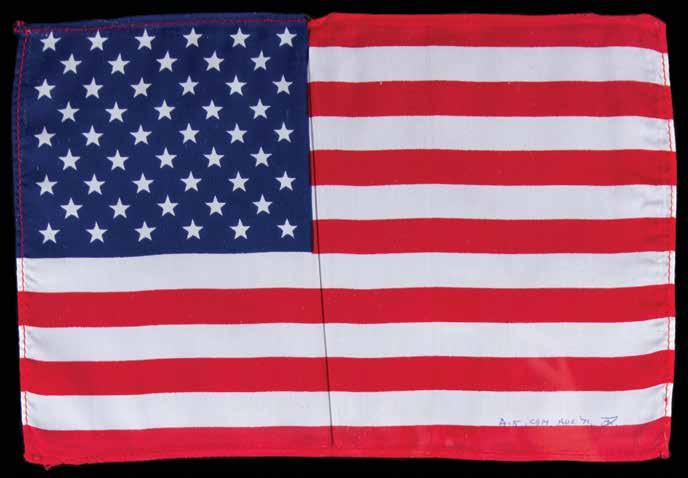
5328. Apollo 15 Flown Medium-Sized American Flag - From the Personal Collection of Dave Scott. Dave Scott’s flown medium-sized American flag that was carried into lunar orbit aboard the CM Endeavour during the Apollo 15 mission, 11.5˝ x 7.75˝, signed in the bottom white stripe in blue ballpoint, “A15, CSM, Aug. ‘71, D.” In fine condition, with a central vertical fold. Accompanied by a signed letter of authenticity from Scott, who writes: “I hereby certify that the medium United States flag…included with this letter is from my personal collection and was flown aboard the Command and Service Module (CSM) - Endeavor - in lunar orbit for six days during Apollo 15, July 26-August 7, 1971. This unique flag can be identified by my markings in the lower right corner: “A-15 CSM Aug ‘71 ‘D’…Apollo 15 was the fourth manned lunar landing and the first ‘J’ mission extended scientific exploration of the Moon. I was Commander, Al Worden was Command Module Pilot and Jim Irwin was Lunar Module Pilot. After orbiting the Moon for a day in preparation for the landing, Jim Irwin and I landed the lunar module “Falcon” on the Moon between Hadley Rille and the Apennine Mountains…During the three days we were on the Moon, Al Worden flew the ‘Endeavor’ solo in lunar orbit and operated the first Apollo scientific instrument module bay…The ‘Falcon’ remained on the lunar surface for 66 hours and 54 minutes, after which we launched and completed a direct rendezvous (1:38:19) and docking with the Command and Service Module (CSM) ‘Endeavor’ in lunar orbit, after which we spent two more days in lunar orbit conducting scientific experiments and photography…This Apollo 15 medium United States Flag has been in my personal collection since returning to Earth.” Starting Bid $1000
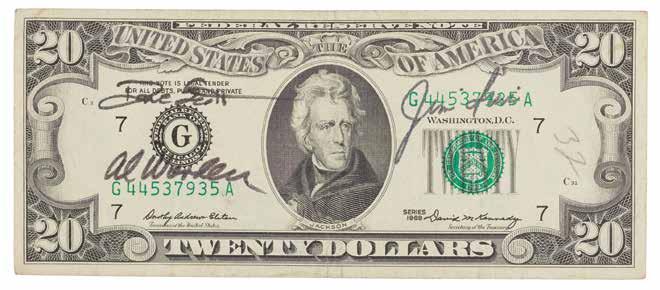
5329. Apollo 15 Flown $20 Dollar Bill, Signed by Dave Scott, Jim Irwin, and Al Worden. Flown Series 1969 twenty-dollar bill, serial number G44537935A, carried on the Apollo 15 Command Module ‘Endeavour,’ signed on the portrait side in black felt tip by Dave Scott, Jim Irwin, and Al Worden. In fine condition.
Accompanied by a signed letter of provenance from CMP Al Worden, dated December 16, 1971, in full: “This is to certify that this $20.00 bill S/N G 44537935A was carried aboard the command module ‘Endeavor’ during the Apollo 15 flight to the moon 26 July - 7 August 1971.”
While $1, $2 and $20 bills flew aboard Apollo 15, the $20 bill is rarely seen—it is believed that Worden only flew four twenty-dollar bills. An exceedingly scarce, higher denomination moon-flown bill. The Richard Jurek Collection. Starting Bid $500
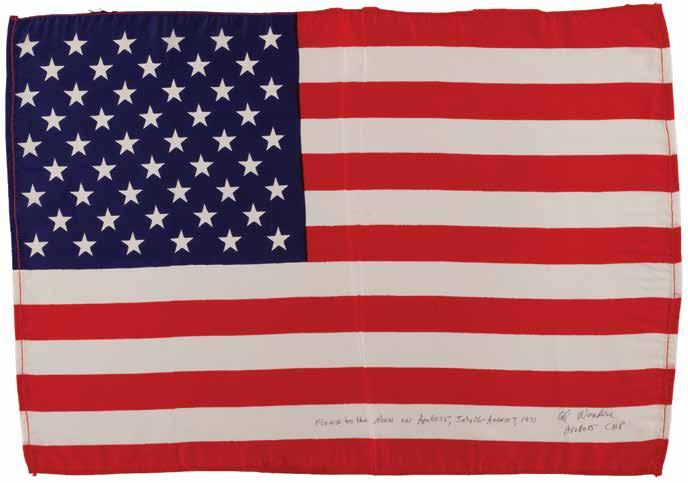
5330. Apollo 15 Flown Extra Large American Flag
Signed by Al Worden. Impressive flown large-size American flag carried into lunar orbit aboard the Command Module Endeavor during the Apollo 15 mission, 17.25 x 11.75, signed and flight-certified in the bottom white stripe in black ballpoint, “Flown to the Moon on Apollo 15, July 26–August 7, 1971, Al Worden, Apollo 15 CMP.” In fine condition. Accompanied by a certificate of authenticity signed by Al Worden, in part: “This letter is to certify that the accompanying flag of the United States of American (measuring 17.25˝ x 11.75˝) was flown into lunar orbit aboard Apollo 15 in the spacecraft ‘Endeavour.’”
Also includes a color satin-finish 14 x 11 photo of the Apollo 15 splashdown in the North Pacific Ocean, signed in black felt tip, “Your flag is home sage! Al Worden, Apollo 15 CMP,” plus two photos of Worden playing ‘peek-a-boo’ with the flag.
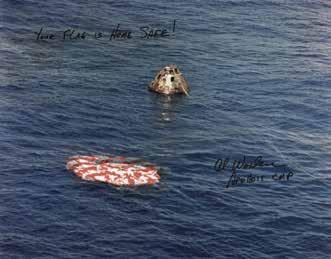
Flown with CMP Al Worden during the Endeavor’s six days in lunar orbit, this exceptional flag orbited the moon a total of 74 times, and now exists as a patriotic extension of one of the Apollo program’s most scientifically rewarding missions. Lunar-flown flags of such prodigious size remain very scarce and highly coveted by collectors. The Richard Jurek Collection. Starting Bid $500
“Carried aboard Apollo 15 during the first extended Scientific Exploration of the Moon”
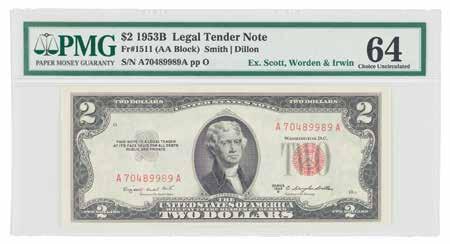
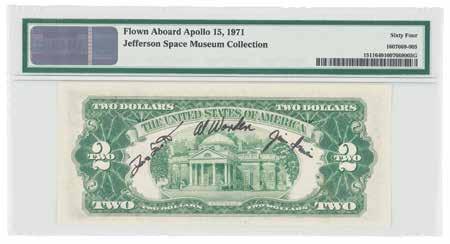
5331. Apollo 15 Flown $2 Dollar Bill, Signed by Dave Scott, Jim Irwin, and Al Worden - PMG CU 64. Flown Series 1953B two-dollar bill, serial number A70489989A, one of fifty carried on the Apollo 15 Command Module ‘Endeavour,’ signed on the reverse in black felt tip by Dave Scott, Al Worden, and Jim Irwin. Encapsulated and graded by PMG as “Choice Uncirculated 64,” with the label noting the provenance: “Ex. Scott, Worden & Irwin / Flown Aboard Apollo 15, 1971 / Jefferson Space Museum Collection.” Complete with its original calligraphic certificate, also signed in black felt tip by Dave Scott, Al Worden, and Jim Irwin, in full: “This Two Dollar Federal Reserve Note, Serial Number A70489989A, was carried aboard Apollo 15 during the first extended Scientific Exploration of the Moon. Hadley Apennine, July 26-August 7, 1971.” Also includes images of Scott and Worden holding the bill after being reunited with it at an Astronaut Scholarship Foundation gathering in November 2008.
This is one of fifty $2 bills carried into lunar orbit aboard the Apollo 15 Command Module Endeavour with CMP Al Worden while Dave Scott and Jim Irwin conducted their lunar surface operations at Hadley–Apennine. A separate cache of currency carried to the lunar surface was inadvertently left behind on the boon, where several $2 and $20 bills remain today. A choice, highly desirable example of Apollo-flown currency. The Richard Jurek Collection. Starting Bid $300
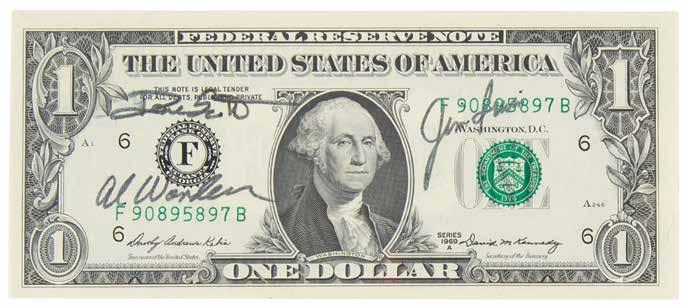
5332. Apollo 15 Flown $1 Dollar Bill, Signed by Dave Scott, Jim Irwin, and Al Worden. Flown Series 1969A one-dollar bill, serial number F90895897B, one of thirteen carried on the Apollo 15 Command Module ‘Endeavour,’ signed on the portrait side in black felt tip by Dave Scott, Jim Irwin, and Al Worden. In very fine condition.
Accompanied by a signed letter of provenance from Boeing Crew Equipment Engineer Bob Horne, in part: “I hereby certify that the accompanying U.S, $1.00 bill with S/N F90895897B was flown to the moon on the Apollo 15 Command Module, ‘Endeavor,’ during its historic trip to the moon in 1971. The bill was carried aboard the mission by the crew in their PPKs on my behalf, and has remained in my possession since its return from the Moon. This bill was signed by Apollo 15 astronauts Dave Scott, Al Worden and Jim Irwin at the final bench review prior to being stowed on the spacecraft.
I was the Boeing Crew Equipment Engineer assigned to the Flight Crew Support Team at KSC providing Flight Crew Directorate Representative (FCDR) support for the CM and LM at the time. In addition to my FCDR duties, I was also responsible for gathering, tagging, inventorying, and packing the crewmembers PPK’s. I carefully packed this bill along with 12 other signed bills in PPK S/N 1177 and it was stowed in the CM where it remained throughout the mission.
Bills flown on these missions were all carefully identified by serial number, and they were protected so they remained in uncirculated, crisp condition. After the historic flight this bill was returned to me by Apollo 15 CMP Al Worden, and has remained in my personal astronaut signed and flown bill collection since that time.”
Also includes a photocopy of Al Worden’s letter from December 13, 1971, detailing the thirteen dollars he flew, by serial number, which includes this bill. The Richard Jurek Collection. Starting Bid $300
“Flown in lunar orbit for six days aboard the CSM Endeavor during Apollo 15, the first extended scientific exploration of the Moon”
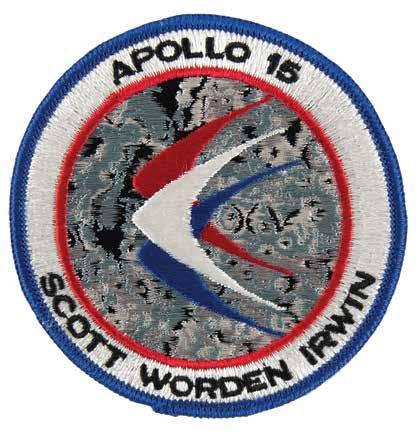
5333. Apollo 15 Flown Mission Patch - From the Personal Collection of Dave Scott. Dave Scott’s flown Apollo 15 ‘XV’ crew patch that was carried into lunar orbit during the Apollo 15 mission, 4˝ in diameter, signed and flight-certified on the reverse in blue felt tip, “A15 Flown, DRS #8.” In fine condition. Accompanied by a signed letter of authenticity from Scott, who writes: “I hereby certify that the Apollo 15 patch included with this letter is from my personal collection and was flown in lunar orbit for six days aboard the CSM Endeavor during Apollo 15, the first extended scientific exploration of the Moon, July 26-August 7, 1971…This cloth patch is four inches in diameter, and features the Apollo 15 crew insignia designed by Emilio Pucci the famous Italian fashion designer and former pilot in the Italian Air Force. The names of the crew are presented around the rim on white background, boarded by red white and blue concentric circles. The general area of the landing site is reproduced in the grey background of the patch; the Roman numerals “XV” are embroidered in dark thread on edges of crater rims in the center…This special Apollo 15 patch has been in my personal collection since returning to Earth.” Starting Bid $500
Commander Dave Scott’s ‘secretly stowed’ lunar-flown Beta cloth American flag that was “carried inside a beta-cloth package mounted on an internal structural bracket of an Apollo 15 Oxygen Purge System (OPS) for three days of EVA excursions”
5334. Apollo 15 LunarFlown Small Beta Cloth
American Flag - From the Personal Collection of Dave Scott. Dave Scott’s small lunar-flown Beta cloth
American flag that was carried to the surface of the moon during the historic Apollo 15 mission, 3.25 x 2.25, which Scott has annotated in blue ballpoint along the bottom edge. In fine condition. Accompanied by a detailed letter of authenticity from Scott, which reads, in part: “I hereby certify that the small beta-cloth US flag…included with this letter was carried inside a beta-cloth package mounted on an internal structural bracket of an Apollo 15 Oxygen Purge System (OPS) for three days of EVA excursions during Apollo 15, the first extended scientific exploration of the Moon, July 26-August 7, 1971.
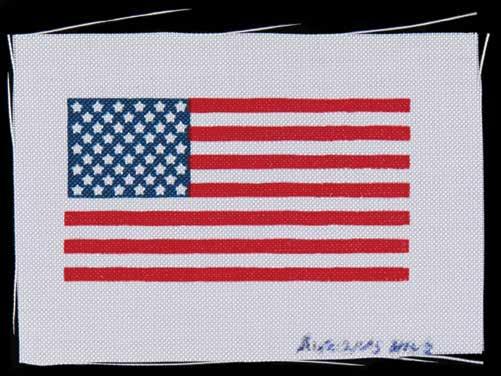
During the Apollo era, it was not unusual for engineers or technicians to secretly hide souvenir items in some part of the spacecraft or flight equipment before launch to be recovered after the mission when the spacecraft was returned to NASA or the contractor. One instance of this occurred on Apollo 15. The OPS, including this small beta cloth US flag, was attached to the top of the Portable Life Support System (PLSS) on the lunar surface…For certain failure modes of the PLSS or PGA (space suit) during EVA, the OPS…supplies the space suit with oxygen purge flow and pressure control. This OPS was also to be used as the source of oxygen during emergency EVA transfer (if necessary) from the Lunar Module to the Command Module after rendezvous in lunar orbit…
Several weeks after Apollo 15, this OPS Bracket and Flag Package were shown to me by NASA senior management. Some of the small US flags…that had been extracted from the Package were also available. According to management, a member of the JSC Crew Systems Division (CSD) had prepared the flags and secretly stowed them in the beta cloth package on a structural Support Bracket inside the OPS. This was apparently unknown to anybody else until the OPS was disassembled after the mission by some other member of the CSD and the flag package was discovered. Both were then delivered to management for disposition. At the management meeting, I was given the OPS Bracket and Package and a small number of flags. I was informed that most of the flags were to be held by NASA to be distributed to individuals to be selected by NASA. I heard nothing further after this meeting. I presented some of the flags I was given to people who had made significant contributions to Apollo…This small beta-cloth US Flag has been in [my] personal collection since presented to me by senior management after the mission at the above referenced meeting.” Starting Bid $500
One month after the Apollo 15 mission, LMP Jim Irwin delivers a Labor Day speech to his hometown of Pittsburgh—“I have come home again. Back to earth and back to Pennsylvania”
5335. Jim Irwin Handwritten ‘Labor Day’ Speech from the Apollo 15 Post-Flight Tour: “I have come home again. Back to earth and back to Pennsylvania”. Handwritten manuscript speech by Apollo 15 astronaut Jim Irwin, who delivered it in his hometown of Pittsburgh, Pennsylvania, on Labor Day, September 6, 1971, as part of the celebratory post-flight tour of Apollo 15, which had successfully splashed down one month earlier. The handwritten speech, unsigned, penned in black felt tip on seven 7.75 x 10.5 notebook sheets, is headed “Pittsburgh, PA” and reads, in part: “I have come home again. Back to earth and back to Pennsylvania…Our trip to the moon was made possible by such efforts and cooperation of people throughout our nation. My voyage with Dave Scott and Al Worden in the Endeavour took us out a quarter of a million miles from earth. We were out there longer than any other man and we studied the awesome landscape of the moon with its mountains, plains, craters and canyons. From this distant & constraining perception, the earth appears as a gleaming self contained spaceship, glowing with color and life. As far as we could tell our Earth is the only planet in our solar system that is host and home to life as we know it, particularly human life. Looking back to earth from the moon, I gained a deeper appreciation of the beautiful home of mankind and became more keenly aware of the need of all its inhabitants to work together both to protect and increase its bounty and to harvest its resources for all mankind.” In fine condition.
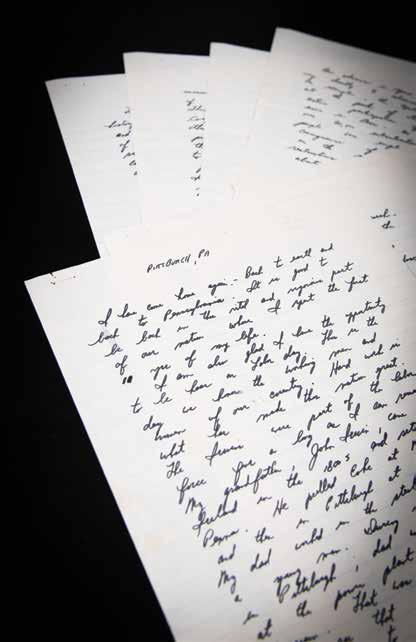
Although their highly successful 12-day Moon landing mission ended with their August 7, 1971 splashdown in the Pacific Ocean, the work for Apollo 15 astronauts Dave Scott, Al Worden, and Jim Irwin continued for many months. Following three weeks of technical debriefings at the Manned Spacecraft Center, like previous Apollo astronauts, Scott, Worden, and Irwin traveled extensively, including three international trips, to highlight the scientific aspects of their mission to government officials, scientists, students, the media, and the general public. On Labor Day, the crew went their separate ways, with each astronaut returning to their hometowns for welcoming events – Scott in San Antonio, Texas, Worden in Jackson, Michigan, and Irwin in Pittsburgh, Pennsylvania. Starting Bid $200
Rare crew-signed $2 bill carried on Apollo 16 for their PPK packer—the first to be offered at auction
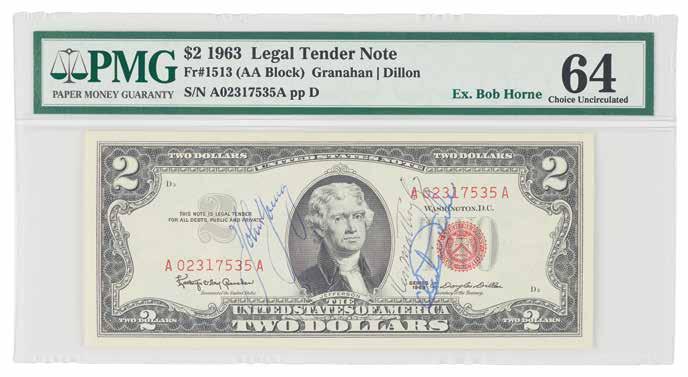
5348. Apollo 16 Flown $2 Dollar Bill, Signed by John Young, Charlie Duke, and Ken Mattingly - PMG CU 64. Flown Series 1963 two-dollar bill, serial number A02317535A, carried on the Apollo 16 Command Module ‘Casper,’ signed on the portrait side in ballpoint by John Young, Ken Mattingly, and Charlie Duke. Encapsulated and graded by PMG as “Choice Uncirculated 64,” with the label noting the provenance: “Ex. Bob Horne / Flown Aboard Apollo 16, 1972 / Jefferson Space Museum Collection.”
Accompanied by signed letters of provenance from Apollo 16 LMP Charlie Duke and Boeing Crew Equipment Engineer Bob Horne. Duke writes, in part: “This is to certify that this $2 bill was flown to the moon aboard the Apollo 16 Command Module ‘Casper.’ This $2 bill, serial number A02317535A, was stored in the crew Personal Preference Kit, PPK(S/N 148). There it remained for our eleven day mission including five
days orbiting the moon. This bill was taken by the crew for Bob Horne and returned to him after our return.” Also includes an image of Duke posing with the flown bill.
Horne writes, in part: “During the Apollo Program, I was the Boeing Crew Equipment Engineer assigned to the Johnson Space Center Flight Crew Support Team and stationed at Kennedy Space Center. I assisted in the packing of the Apollo 9 PPKs, and, subsequently, I alone personally packed all the LM and CM PPK’s for all of the remaining Apollo Missions… Bills flown on these missions were all carefully identified by serial number, and they were protected so they remained in uncirculated, crisp condition.”
An exceedingly rare exemplar of moon-flown currency, this is the first paper money from Apollo 16 to be publicly offered at auction. The Richard Jurek Collection. Starting Bid $1000
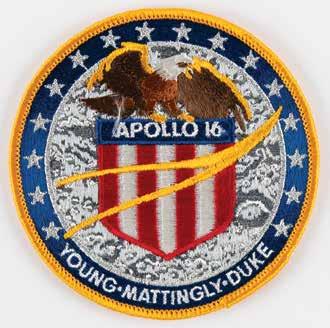
5349. Apollo 16 ‘Lion Brothers’ Crew Patch - Attested as Flown by D. Kent Evans. Embroidered Apollo 16 ‘Lion Brothers’ crew patch attested as flown during the penultimate Apollo lunar-landing mission, 4.25˝ in diameter, which bears a distinctive red border along the bottom of the shield, and the number “16” is embroidered upside down in the grey background at center right as a hallmark. In fine condition.
Accompanied by a copy of a letter of authenticity from D. Kent Evans, a NASA Manned Flight Awareness Coordinator for McDonnell Douglas from 1968 through 1974, who states that the patch, along with several others, was “personally presented to me by the astronauts after each mission.”
D. Kent Evans (1940–2012) was an aerospace professional who worked with major NASA contractors during the early years of the American space program. After beginning his career as a social worker and establishing several health care centers in Brevard County, Florida, he joined aerospace firms, including McDonnell-Douglas, North American Rockwell, and Lockheed at Cape Canaveral. Serving as a liaison between contractors and astronauts during the development of crewed spaceflight programs, Evans received the NASA Silver Snoopy Award, an honor personally presented by astronauts for outstanding contributions to flight safety and mission success. In 1975, he moved to Las Cruces, New Mexico, where he worked at NASA’s White Sands Test Facility before spending two decades in human resources at New Mexico State University’s Physical Science Laboratory. Starting Bid $300
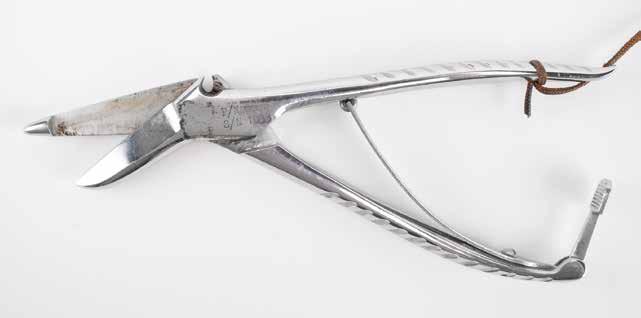
5351. Apollo 16 Flown Command Module Casper Scissors and Strap. Flown scissors and strap carried into lunar orbit aboard the Command Module Casper during the historic Apollo 16 moon-landing mission. The stainless steel surgical-type scissors measure 8.25˝ in length and were manufactured by Weck, with the part number and serial number, “SDB42100059-202” and “S/N 1033,” printed near the hinge on one side, and “Weck U.S.A. Stainless” engraved on the handle, which is tied with a brown knotted strap (rope), approximately 27˝ in length, that ends with a plastic tab and female-snap button, stamped with part number “SDB 42100118-702” and serial number “1050.” In fine condition, with good spring tension.
Both the scissors and the strap include their original yellow “Temporary Parts Removal Tag” from the Space Division at the North American Rockwell Corporation marked as “PFT S/C113,” listing them as “Scissors” and “Scissors Strap,” with identical inspection dates of May 12, 1972, and matching part and serial numbers. Both are stamped as “ASHUR 113000.” Starting Bid $500
“This card and ring, part of the LM Contingency Checklist, flew to the lunar surface aboard ‘Challenger’”
5367. Apollo 17 Lunar Surface-Flown Metal Ring and Card from the ‘LM Contingency Checklist’ - Signed by Gene Cernan. Lunar-flown metal ring and cardstock sheet carried to the surface of the moon during the historic Apollo 17 mission. The metal book/binder ring measures 1.5˝ in diameter, and the off-white clipped cardstock sheet measures 6˝ x 3˝, with the latter signed and annotated in black felt tip by Gene Cernan, who certifies the flight status of both items: “This card and ring, part of the LM Contingency Checklist, flew to the lunar surface aboard ‘Challenger,’ Gene Cernan, Apollo XVII.” In overall fine condition. Starting Bid $300
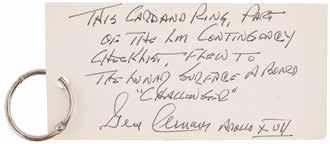
“Aboard Challenger on the moon, Gene Cernan”
5368. Apollo 17 Lunar-Flown LM Circuit Breaker Panel Layout PageSigned by Gene Cernan. Lunar-flown dual-sided Lunar Module circuit breaker panel diagram that was carried to the surface of the moon during the Apollo 17 mission. The sheet, 8 x 5.5, numbered “8-” on both sides, and dated August 31, 1972, is signed and flight-certified on the front in blue felt tip, “Aboard Challenger on the moon, Gene Cernan.” The front shows panel “16” of the LM-12, which contains sections for FLT DISP (Flight Displays), RCS STS B (Reaction Control System –System B), PROPUL (Propulsion), ECS (Environmental Control System), and more. The reverse, which shows panel “11,” contains several additional sections for INST (Instrumentation), COMM (Communications systems), PGNS (Primary Guidance and Navigation System), and more. In very fine condition. Starting Bid $500
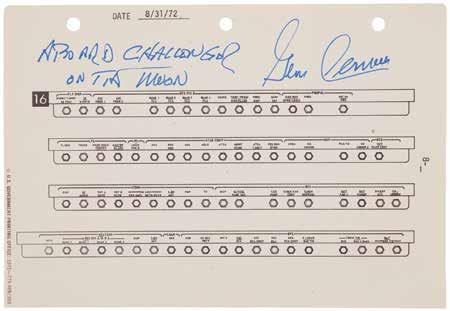
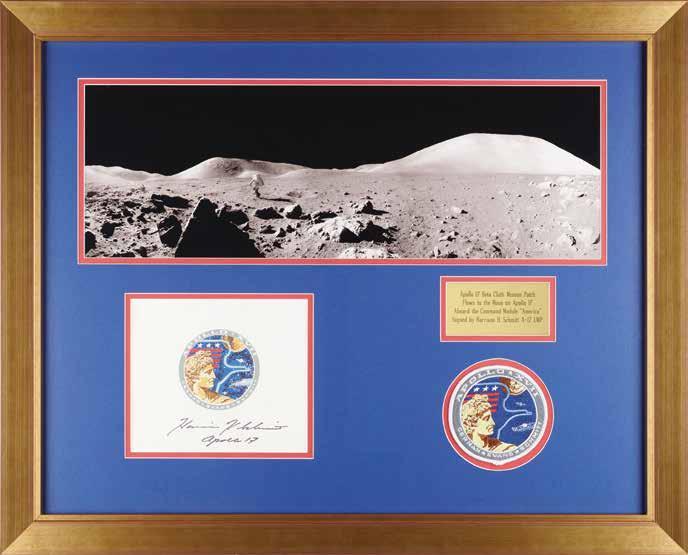
5370. Apollo 17 Flown Beta Cloth Patch - From the Personal Collection of Harrison Schmitt. Flown Beta cloth patch of the Apollo 17 mission insignia, 7.5 x 6.5, carried into lunar orbit aboard the Command Module America during the final Apollo moon-landing mission, signed in black felt tip, “Harrison H. Schmitt, Apollo 17.” Archivally double-matted and framed with a panoramic EVA photo, an embroidered mission patch, and an engraved plate to an overall size of 29 x 23.5. In fine condition.
Accompanied by a certificate of authenticity from Moonpans, and by a signed letter of authenticity from Schmitt, who states: “The accompanying Apollo Seventeen Mission Patch printed on Beta-cloth flew to the Moon aboard the Apollo Seventeen Command Module America, December 7-19, 1972. The patch was presented…by the Crew Systems Division, Robert E. Smylie, Chief, by authority granted by Center Director, Christopher Kraft. Attached are images of the official labels on the flight packaging, Part #4065, that included this Beta-cloth patch.” Copies of the parts tags are included, as is a letter from a representative of the Navy League of the United States, New Mexico Council, which partnered up with Schmitt for a 2012 auction that celebrated the 40th anniversary of the Apollo 17 mission and raised funds for the Sea Services of the United States in New Mexico. This patch was one of several items donated by Schmitt for the cause. Starting Bid $500
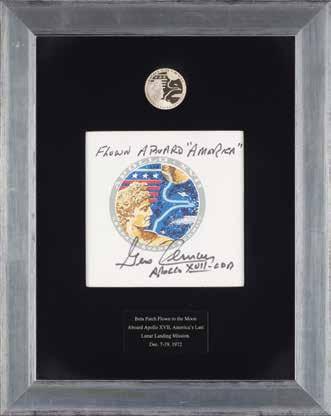
“Flown Aboard ‘America,’ Gene Cernan, Apollo XVII - CDR”
5369. Apollo 17 Flown Beta Patch - Signed by Gene Cernan. Flown Beta cloth patch of the Apollo 17 mission insignia, 5.5˝ x 5.5˝, carried into lunar orbit aboard the Command Module America during the final Apollo moon-landing mission, signed and flight-certified in black felt tip, “Flown Aboard ‘America,’ Gene Cernan, Apollo XVII - CDR.” Matted and framed with a plaque and a medallion to an overall size of 11.75 x 15. In fine condition. Starting Bid $300
“The crew used this flown Apollo 17 CSM Lunar Landmark Map to study the Moon from lunar orbit”
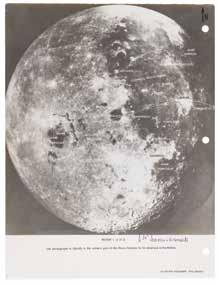
5372. Apollo 17 Flown CSM Lunar Landmark Map Plate - From the Personal Collection of Gene Cernan. Flown 8 x 10.5 lunar mapping plate from the the CSM Lunar Landmark checklist carried on Apollo 17, with a provenance label from the “Eugene A. Cernan Space Collection” affixed to the reverse, signed in black felt tip, “Gene Cernan.” The label notes: “The crew used this flown Apollo 17 CSM Lunar Landmark Map to study the Moon from lunar orbit, Gene Cernan.” Printed on heavy photographic stock, the plate was used by the Apollo 17 crew to identify features of the western part of the Moon as they were to be observed in Earthshine: an “Earthshine Limits” line for Revolution 1 passes right through through the crater Grimaldi. In fine condition. The Richard Jurek Collection.Starting Bid $200
“Flown
5373. Apollo 17 Lunar-Surface Flown ‘LM Malfunction Procedures’ Checklist Page - From the Personal Collection of Gene Cernan. Flown page from the ‘LM Malfunction Procedures’ checklist that was carried to the lunar surface aboard the Lunar Module Challenger during the Apollo 17 mission, 8 x 10.5, signed and flight-certified in black ink, “Flown to lunar surface on Apollo XVII – Gene Cernan, Apollo XVII CDR.” The dual-sided page, dated July 12, 1972, consists of pages 14-5 and 14-6, with the tab numbered “3” and “4.” The first page details procedures for the potential overheating of the “One Traction Drive Motor,” and the second page lists measures taken if “Forward (Rear) Steering Fails to Respond to Hand-Controller (Traction Drive Is Normal).” In fine condition.
Accompanied by a signed certificate of authenticity from Florian Noller of Spaceflori, who affirms that he removed this page from the original lunar-flown Apollo 17 ‘LM Malfunction Procedures’ checklist (Part No. SKB32100127, Serial No. 1001), which he obtained directly from CDR Cernan through his agent at Novaspace. Starting Bid $200
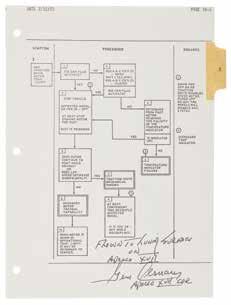
“Flown to the lunar surface on Apollo XVII –Gene Cernan, Apollo XVII – CDR”
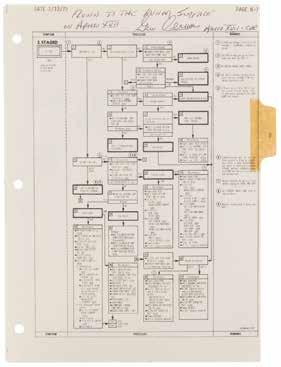
5375. Apollo 17 Lunar-Surface Flown ‘LM Malfunction Procedures’ Checklist Page Signed by Gene Cernan. Flown page from the ‘LM Malfunction Procedures’ checklist that was carried to the lunar surface aboard the Lunar Module Challenger during the Apollo 17 mission, 8 x 10.5, signed and flight-certified in black ballpoint, “Flown to the lunar surface on Apollo XVII – Gene Cernan, Apollo XVII – CDR.”
The dual-sided page, dated July 12, 1972, consists of pages 8-7 and 8-8, and is numbered “2” on the right edge tab. The first page details the lengthy procedures for fixing a potential power failure in the “2 Staged DC BUS,” and the second page offers procedures to diagnose overheating and an excessive electrical charge in the “3 Staged or Unstaged Battery.” In very fine condition.
Accompanied by a signed certificate of authenticity from Florian Noller of Spaceflori, who affirms that he removed this page from the original lunar-flown Apollo 17 ‘LM Malfunction Procedures’ checklist (Part No. SKB32100127, Serial No. 1001), which he obtained directly from CDR Cernan through his agent at Novaspace. Also included is additional notarized material related to its authenticity, as well as a CD-R disc containing a digital version of the full ‘LM Malfunction Procedures’ checklist. Starting Bid $300
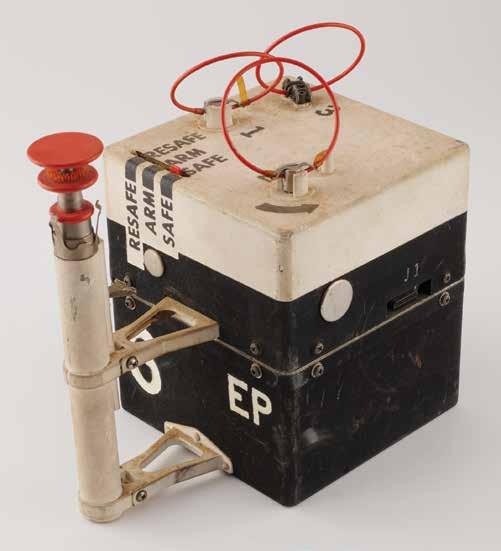
5374. Apollo 17 LSPE Explosive Package (EP) Training/Inert Unit. Inert training mockup of the Apollo 17 Lunar Seismic Profiling Experiment (LSPE) Explosive Package, measuring approximately 7.5˝ x 5˝ x 7.5˝, featuring three pull rings, switch with “Resafe/Arm/Safe” settings, and extendable receiving antenna. The unit is identified as “6” and “EP,” with part numbers on the bottom: “2364705-5 X12, SN13.” In. In very good to fine condition, with light wear and soiling.
The LSPE was part of the Apollo 17 lunar surface science package deployed by astronauts in 1972 to investigate the moon’s subsurface structure. Unlike earlier seismic experiments that used mortars or lunar module impacts, the LSPE employed eight individually placed explosive charges that were remotely detonated after the crew’s departure, generating controlled seismic waves recorded by an array of geophones to probe the upper several kilometers of the lunar crust.
Though inert and intended for astronaut/ground crew training, the mockup faithfully represents the mechanisms and design used to ensure safe deployment and operation of the experiment’s seismic charges on the lunar surface. Originates from the estate of scientist Earl Eugene Kilmer, who authored the paper ‘HNS/Teflon Explosive Charges for the Apollo 17 Seismic Experiment, LSPE,’ at the Naval Ordnance Laboratory in 1973. Starting Bid $1000
5376. Apollo 17 Original ‘Type 1’ Photograph - Earth (The Blue Marble). Iconic original ‘Type 1’ vintage color glossy 10 x 8 red-numbered NASA photo (AS17-148-22727) of the famous ‘Blue Marble’ image of Earth taken by Harrison Schmitt aboard the Apollo 17 spacecraft while en route to the moon. Reverse bears “A Kodak Paper” watermarks. In very good to fine condition, with some light surface scuffing to the left and right sides.
Captured on December 7, 1972, as Apollo 17 journeyed toward the Moon, the ‘Blue Marble’ became one of the most widely reproduced and influential photographs in history—the first fully illuminated image of Earth ever taken by human hands. Unlike earlier partial views captured from lunar orbit, this frame presents our planet in its entirety, suspended against the blackness of space, with Africa, Antarctica, and swirling cloud systems rendered in remarkable clarity.
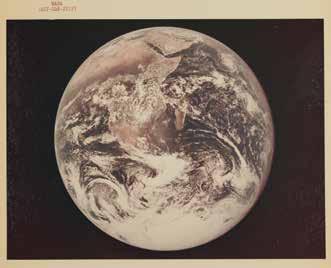
Emerging at the height of the environmental movement, the image quickly assumed symbolic status, reshaping humanity’s perception of its place in the cosmos and underscoring the fragility and unity of life on a single world. As the final crewed mission to the Moon, Apollo 17 marked the end of an era, and the ‘Blue Marble’ stands as its most enduring visual legacy—an arresting and poetic testament to exploration, perspective, and planetary consciousness. Starting Bid $300
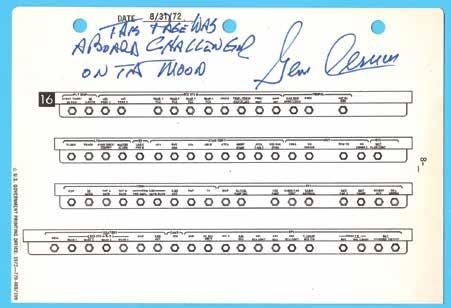
5377. Apollo 17 Surface-Flown Lunar Module Contingency Checklist
Page - From the Personal Collection of Gene Cernan. Flown singlesided page from the Apollo 17 Lunar Module Contingency Checklist carried to the lunar surface aboard the LM ‘Challenger,’ 8 x 6, signed and flight-certified in blue felt tip, “This page was aboard Challenger on the Moon, Gene Cernan.” The page documents push-pull circuit breaker panels within the Lunar Module, including those controlling the Reaction Control System (RCS), Lighting (LTG), Stability and Control (STAB/CONT), Instrumentation (INST), Communications (COMM), and Environmental Control System (ECS). In fine condition. Accompanied by a certificate of authenticity from Mike Constantine of MoonPans.com, and a color copy of Cernan’s provenance letter for the complete Apollo 17 LM Contingency Checklist (Part No. SKB32100127-362, Serial No. 1001). Starting Bid $500
“Flown
Apollo 10,
Moon”—a remarkable triple-flown $2 bill from the collection of the last moonwalker, Gene Cernan
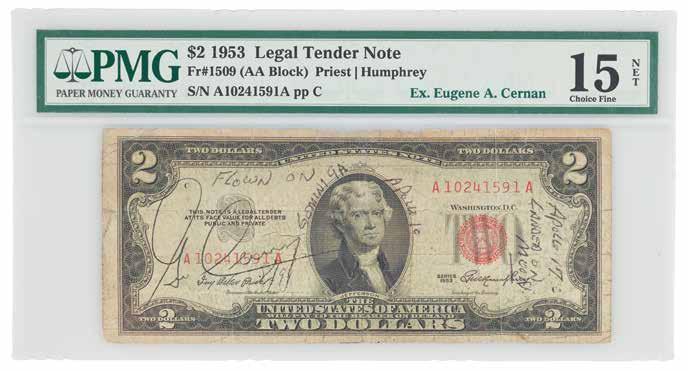
5378. Gemini 9, Apollo 10, and Apollo 17 Lunar Surface-Flown $2 Dollar Bill - From the Personal Collection of Gene Cernan - PMG CF 15. Perhaps the rarest and most unique piece of space-flown currency—a Series 1953 two-dollar bill carried on three historic missions, serial number A10241591A, signed and flight-certified on the portrait side in black ballpoint, “Flown on Gemini 9A, Apollo 10, Apollo 17—Landed on Moon, Gene Cernan.” Encapsulated and graded by PMG as “Choice Fine 15,” with the label noting the provenance: “Ex. Eugene A. Cernan / Flown Aboard Gemini 9A (1965), Apollo 10 (1969); & Apollo 17 (1972) / Jefferson Space Museum Collection.”
Accompanied by a detailed letter of provenance signed by Gene Cernan, in part: “This letter is to certify that the accompanying U.S. $2 United States Note, series 1953, bearing serial number A10241591A, was indeed carried by me on each of my spaceflights as a NASA astronaut during the Gemini and Apollo programs…This bill—which belonged to my father until his passing in 1967, and which I then later carried with me for luck and in memory of him—accompanied me on the following historic space flights:
Gemini 9A — June 3–6, 1966 — my first space flight, the 7th manned Gemini space flight, the 13th manned American flight, and only the 23rd spaceflight of all time (including X-15 flights over 100km). On this flight, the bill, carried on behalf of my father, was safely tucked with my other personal items, achieved low Earth orbit, and was
exposed to the vacuum of space during my EVA. Apollo 10 — May 18–26, 1969 — the 4th manned mission of the Apollo program, and served as a dress rehearsal of the Apollo 11 flight, testing all of the procedures, maneuvers, and equipment of a lunar landing. On this flight, the lunar module came within just 8.4 nautical miles of the lunar surface. In total, the bill spent 2 days, 13 hours and 37 minutes with us in lunar orbit.
Apollo 17 — December 7–19, 1972 — the first night launch, and the sixth and final lunar landing mission of the Apollo program. The bill, carried to the surface of the moon in my lunar module APK aboard the spacecraft ‘Challenger,’ was on the surface in the Taurus-Littrow valley for 3 days, 2 hours, and 59 minutes.
This unique bill remains one of the very few items ever to achieve all three categories of space flight artifact importance over three separate missions: low Earth orbit (Gemini 9A); lunar orbit (Apollo 10); and lunar surface landing (Apollo 17). It is an enduring and very personal memento of America’s achievement during the ‘Great Space Race’ to the moon.”
Additionally includes multiple photographs of Cernan with the banknote, a copy of the Apollo 17 PPK inventory (listing this “2-dollar bill” as part of a package also flown on Gemini 9 and Apollo 10), and a DVD of “The $2 Bill Documentary,” in which the bill is discussed. The Richard Jurek Collection. Starting Bid $5000
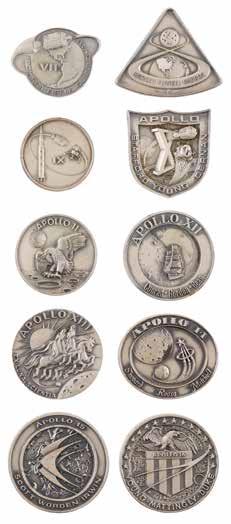
5395. Apollo 7-16 Robbins Medallion Collection (10) - Eight Flown (including Apollo 11) - From the Personal Collection of Edgar Mitchell. Extraordinary collection of Robbins medallions from the personal collection of Apollo 14 moonwalker Edgar Mitchell, comprising a complete run of flown Robbins medallions from Apollo 7 through Apollo 14, plus unflown medallions for Apollo 15 and Apollo 16. Condition is mint state, with some minor surface marks and scratches, and minimal tarnishing overall. All are housed in their original plastic cases (deteriorating foam removed). Accompanied by a letter of provenance from Elizabeth Kendall, the daughter of Edgar Mitchell.
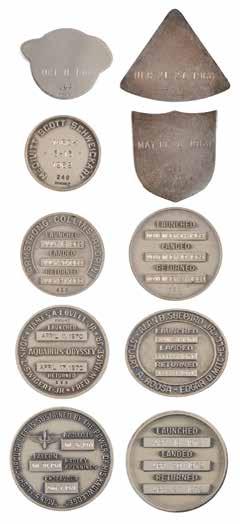
Full details available online at www.RRAuction.com
• Apollo 7 Flown Robbins Medallion
• Apollo 8 Flown Robbins Medallion
• Apollo 9 Flown Robbins Medallion
• Apollo 10 Flown Robbins Medallion
• Apollo 13 Flown Robbins Medallion
• Apollo 14 Flown Robbins Medallion
• Apollo 15 Unflown Robbins Medallion
• Apollo 16 Unflown Robbins Medallion
Starting Bid $2500
5396. Apollo Astronauts (7) Signed Lunar Charts with ‘Landing Site’ Autographs from Buzz Aldrin, Alan Bean, Fred Haise, Edgar Mitchell, Dave Scott, Charlie Duke, and Gene Cernan. Stellar set of seven official color NASA lunar charts, each 29 x 22, individually signed in blue ink or felt tip by an astronaut from each Apollo moon-landing mission — Buzz Aldrin, Alan Bean, Fred Haise, Edgar Mitchell, Dave Scott, Charlie Duke, and Gene Cernan — with each astronaut signing near or on the landing site of their respective mission. The charts include:
- First edition lunar chart (March 1966) for “Sabine DM, RLC 9,” scale 1:50,000, signed in the Sea of Tranquility, “Buzz Aldrin, Apollo XI.”
- First edition lunar chart (June 1966) for “Euclides P, AIC 76 A,” scale 1:500,000, signed in the Ocean of Storms, “Contact Light!! Alan Bean, Apollo 12 LMP.”
- First edition lunar chart (June 1966) for “Fra Mauro, AIC 76 B,” scale 1:500,000, signed near the Fra Mauro crater, “Fred Haise, Apollo 13 LMP.”
- Second edition lunar chart (April 1964) for “Montes Riphaeus, LAC 76,” scale 1:1,000,000, signed in the Fra Mauro Highlands, “Edgar Mitchell, Apollo 14 LMP.”
- First edition lunar chart (September 1963) for “Montes Apenninus, LAC 41,” scale 1:1,000,000, signed in the Hadley-Apennine region, “Dave Scott, Apollo 15 CDR.”
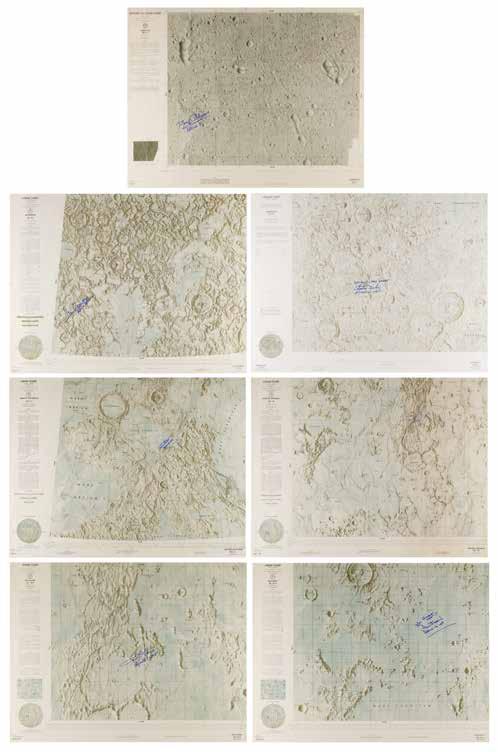
- First edition lunar chart (September 1978) for “Theophilus, LM 78,” scale 1:1,000,000, signed near the Descartes Highlands, “‘Hot dog, is this great,’ Charlie Duke, Apollo 16 LMP.”
- First edition lunar chart (May 1965) for “Macrobius, LAC 43,” scale 1:1,000,000, signed near the Littrow crater, “Gene Cernan, Apollo XVII.”
Rolled and in overall fine condition, with some light edgewear. Starting Bid $300
photo of the Saturn V rollout, signed by 18 Apollo astronauts—highlighted by 8 moonwalkers, with Aldrin, Shepard, Scott, and Cernan
5397. Apollo Astronauts (18) Signed Photograph with (8) Moonwalkers. Marvelous official color satin-finish 10 x 8 NASA photo of the Apollo 11 Saturn V launch vehicle rollout to Pad 39A, signed in ink and felt tip by 18 Apollo astronauts including 8 moonwalkers, with complete Apollo 9 and Apollo 12 crews: Wally Schirra (who signs over an unidentified removed signature, which remains somewhat visible at an angle), Walt Cunningham (Apollo 7), Frank Borman (Apollo 8), Jim Lovell (Apollo 8, 13), Jim McDivitt, Rusty Schweickart (Apollo 9), Dave Scott (Apollo 9, 15), Tom Stafford (Apollo 10), Gene Cernan (Apollo 10, 17), Buzz Aldrin (Apollo 11), Charles Conrad, Alan Bean, Dick Gordon (Apollo 12), Fred Haise (Apollo 13), Alan Shepard, Edgar Mtchell (Apollo 14), Al Worden (Apollo 15), and Charlie Duke (Apollo 16). Reverse bears purple NASA caption text and “This Paper Manufactured by Kodak” watermarks. In very good to fine condition, with an unknown non-Apollo autograph curiously erased beneath Schirra’s signature, visible at an angle. Starting Bid $200
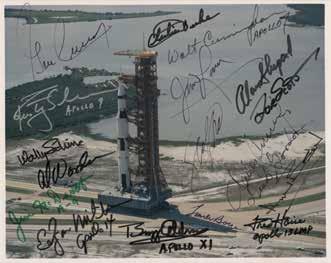
5398. Astronauts (14) Signed Easton Press Books with Aldrin, Bean, Mitchell, and Shepard. Fantastic collection of 14 leatherbound collector’s edition books published by Easton Press, each signed inside by a noted astronaut—highlighted by five books signed by moonwalkers. Includes: Buzz Aldrin - Magnificent Desolation
Buzz Aldrin - NASA: The Complete Illustrated History
Alan Bean - Apollo (Ltd. Ed. #930/3000)
Frank Borman - Countdown (Ltd. Ed. #1570/3000)
Scott Carpenter and Kris Stoever - For Spacious Skies
Gene Cernan - The Last Man on the Moon
Gordon Cooper - Leap of Faith
Walt Cunningham - The All American Boys
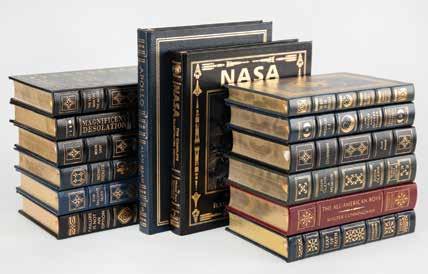
John Glenn - John Glenn: A Memoir (Ltd. Ed. #1949/3500)
Gene Kranz - Failure is Not An Option
Jim Lovell and Jeff Fluger - Apollo 13
Edgar Mitchell - The Way of the Explorer
Mike Mullane - Riding Rockets
Alan Shepard - Moon Shot (Ltd. Ed. #1441/3000)
The Richard Jurek Collection. Starting Bid $300
5399. NASA Group 3 Astronauts (14) and Wives Signed Agency Contract for Rights to “their personal stories of their space flights” - with Aldrin, Collins, Chaffee, Cernan, Anders, Freeman, and Bassett. DS, signed “Edwin E. Aldrin, Jr.,” “William A. Anders,” “Charles A. Bassett II,” “Alan L. Bean,” “Eugene A. Cernan,” “Roger B. Chaffee,” “Michael Collins,” “Ronnie W. Cunningham,” “Donn F. Eisele,” “Theodore C. Freeman,” “Richard F. Gordon, Jr.,” “Russell L. Schweickart,” “David R. Scott,” and “Clifton C. Williams, Jr.,” five pages, 8.5 x 13, March 2, 1964. Agreement in which the entire class of NASA Astronaut Group 3 agree to be represented by Harry A. Batten as their agent. In part: “Whereas the above named…Astronauts have been selected to train for participation in Projects Gemini, Apollo and other Space Flight Projects of the National Aeronautics and Space Administration (hereinafter referred to as NASA), and…[the] Astronauts and their families have valuable rights to stories of their personal experiences in connection with these Projects, including their personal stories of their space flights… [the] Astronauts have selected and hereby appoint Harry A. Batten to represent them in the sale of the rights they may have arising out of the Projects.” Signed at the conclusion in ink by the 14 astronauts, and also signed by Batten and their wives: Joan Ann Aldrin, Valerie Elizabeth Anders, Jean Martin Bassett, Sue Ragsdale Bean, Barbara Jean Cernan, Martha Horn Chaffee, Patricia Mary Collins, Loella Cunningham, Harriet Elaine Eisele, Faith Clark Freeman, Barbara Field Gordon, Clare Whitefield Schweickart, and Anne Lurton Scott. In fine condition. These agreements were legacy of the Time-Life personal story contracts in which the astronauts were allowed to profit from their personal stories—as opposed to their official NASA stories, which were freely given out. An amazing assemblage of astronaut autographs, highlighted by seven lunar voyagers (including four moonwalkers), and made all the more rare by the early deaths of Chaffee, Bassett, Freeman, and Williams, each of whom made the ultimate sacrifice and lost his life in service to the space program. The Richard Jurek Collection. Starting Bid $300
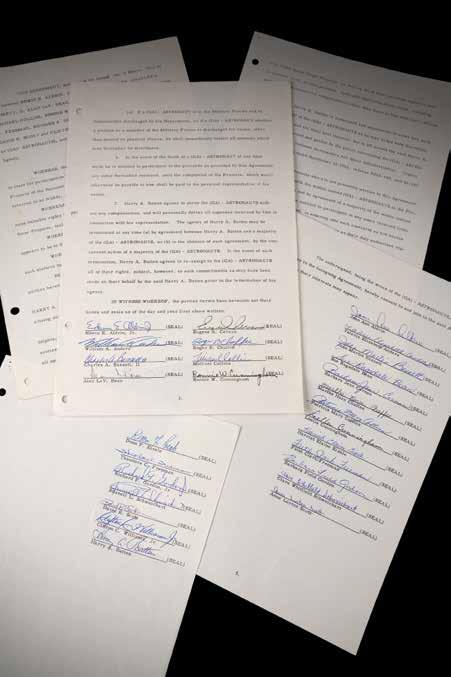
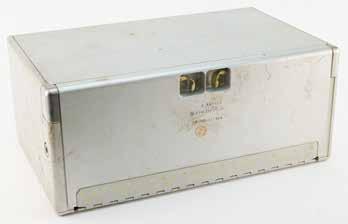
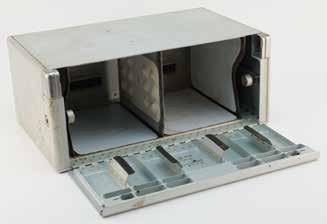
5418. Apollo Command Module Storage Locker. Apollo Command Module storage locker, 19˝ x 8˝ x 12˝, composed of an aluminum and stainless steel body, with brass-tone twin levers that, when squeezed, drops the front cover to reveal the interior, which bears stamped part numbers: “V36-33109138, 1968” and “V36-331091–9, JUL 24, 68.” The inner front cover also bears several stamped part numbers, dated between April and October 1968, with three identified as “ASSEM.” The front cover, which bears a label marked “#2,” stamped as “V36-331091-41, 06362AAJ3492, 339-69B.” In fine condition, with various scuffs and marks. Starting Bid $200
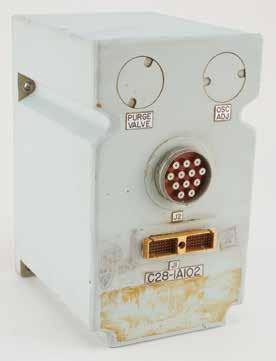
5419. Apollo Command Module Block II Central Timing Equipment (CTE). Apollo Command Module (Block II) Central Timing Equipment Module, measuring 5˝ x 8˝ x 6˝, manufactured by the General Time Corporation, with inspection stamps and labels on the front, reading: “Purge Valve,” “Osc Adj,” “J2,” “J1,” and “C28-1A102,” with toned adhesive below from a removed identification plate.
The Central Timing Equipment module served as a timing reference source for the Apollo Command Module telemetry and communications systems as well as onboard clocks. It provided precision square wave timing pulses of several frequencies to correlate all time-sensitive functions within the Apollo Command Module. It also generated and stored real-time day, hour, minute, and second of mission elapse and time in binary-coded decimal format for transmission to Mission Control in Houston via the Manned Space Flight Network. Starting Bid $200
5420. Apollo Command Module Block II Pulse Code Modulator (PCM) Telemetry Assembly. Apollo Command Module (Block II) Pulse Code Modulation (PCM) Telemetry Assembly, measuring 13.75” x 7.25” x 14” and weighing 42.5 pounds, with the front bearing its parts tag from Radiation, Inc. of Melbourne, Florida, which reads: “NAA S&ID PN ME901-07190008, Date of Mfr. 20 Dec 66, Collins Radio Co. PN 514-0041-014, Mfd. By Radiation, Inc. for the Apollo Spacecraft, Serial No. 071208040019.” The back also bears a parts label: “Serial No. 071208040019, Part No. 514-0045-011.” The top, which is labeled “C131A101,” features a total of 18 ports, with the left side boasting an additional three ports.
The unit received and sampled analog, parallel digital, and serial digital information, which consists of astronaut biomedical, spacecraft operation, and scientific data. It then converted the data to a single serial output for transmission to Earth. This single-output signal was routed to the Premodulation Processor for transmission to the ground or to Data Storage Equipment. Starting Bid $200
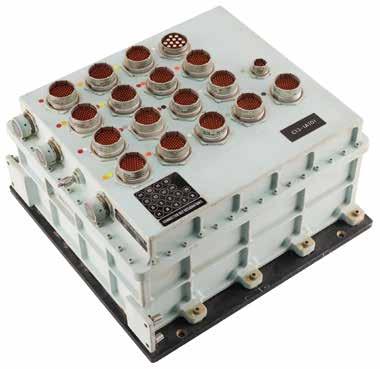
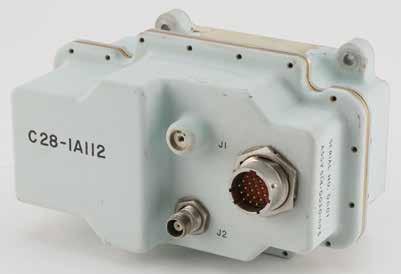
5421. Apollo Command Module Block II VHF Recovery Beacon. Apollo Command Module (Block II) Very High Frequency Recovery Beacon manufactured by Collins, measuring approximately 6.5˝ x 4˝ x 4˝ with the parts label on the side obliterated. The unit is labeled “C28-1A112” on the top, and features connectors “J1” and “J2.” In very good to fine condition. This desirable recovery beacon was designed to be used post-splashdown, to assist the recovery force with locating the Command Module if not visually sighted. Starting Bid $200
5422. Apollo Command Module Block II Up Data Link (UDL). Apollo Command Module (Block II) Up-Data Link (UDL) equipment manufactured by Motorola, measuring approximately 9? x 17.5? x 6.5?, marked on the body: “C281A103.” The unit features connectors “J1” through “J5” on top, and another, “J6,” on the side. The lower panel exhibits adhesive residue from removal of the part identification plate.
The up-data link consists of detecting and decoding circuitry, a buffer storage unit, output relay drivers, and a power supply, and provides the means for the ground to update the computer and the central timing equipment of the spacecraft. The device could receive, verify, and distribute digital updating information sent from the Manned Space Flight Network at various times throughout the mission. Starting Bid $200
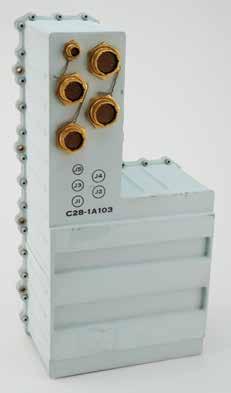
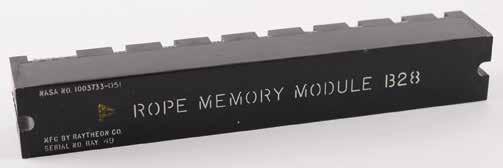
5423. Apollo Guidance Computer Rope Memory Module (B28). Apollo Guidance Computer (AGC) module, 9.75˝ x 1.5˝ x 1.5˝, labeled on the front, “Rope Memory Module B28, NASA No. 1003733-051, Mfg by Raytheon Co., Serial No. Ray 49.” In fine condition.
The AGC stored its flight software in ‘core rope memory,’ a form of read-only memory in which programs were physically woven into magnetic cores, with wires threaded through or around the cores to represent binary data. Each rope module contained a portion of the fixed guidance and navigation programs used by the spacecraft for critical operations such as trajectory calculations, spacecraft control, and lunar landing guidance. A fascinating artifact from the pioneering era of spaceflight and early integrated-circuit computing, representing the remarkable hardware-encoded software that helped make the Apollo lunar missions possible. Starting Bid $300
5424. Apollo Guidance Computer Logic Module (A35). Apollo Guidance Computer (AGC) module, 9.75˝ x .75˝ x 1.5˝, labeled on the front, “Logic Module A35, NASA No. 1003174-15, Rev N, Mfg by Raytheon Co. Serial No. RAY 14.” In fine condition. The Fairchild integrated circuit chips used in the Block I AGC’s logic modules were the first mass-produced IC chips, making this an exceptional piece of both Apollo and computing history. Starting Bid $300
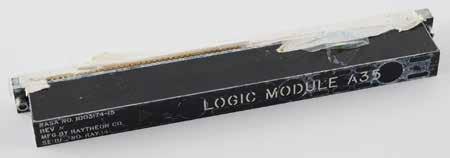
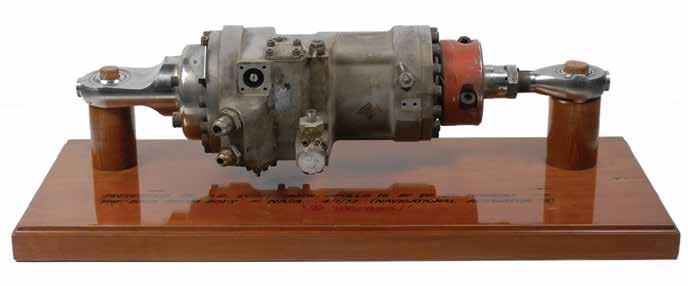
5425. Apollo/Saturn V J-2 Engine Actuator. Apollo/Saturn V J-2 Rocket Engine Steering (Pitch) Actuator, measuring approximately 27˝ x 8˝ x 7˝ and weighing approximately 43 lbs, retaining its affixed Moog Servocontrols, Inc. label: “Actuator Part No. 42826, Actuator Serial No. 21, Model No. 17-189A, Assy. Serial No. 21.” Displayed on a 30˝ x 12˝ wooden base, annotated with a hand-painted presentation caption: “Presented to D.R. Scott, Cmdr., Apollo 15 by Dr. J.C. Houbolt and the ‘Back Room Boys’ at NSA… 4/1/72… (Navigational Actuator #5), ‘It Worked!’” The pitch actuator, and its companion yaw actuator, were used to vector the Saturn V 2nd and 3rd Stage J-2 engine nozzle thrust to achieve the required flight trajectory during Lift Off, Earth Orbit Insertion and Translunar Injection. In fine condition.
The actuator assembly was intended for presentation by Dr. John Houbolt and his team to Apollo 15 Astronaut Dave Scott. Houbolt was famous for developing the concept of Lunar Orbit Rendezvous (LOR) and convincing Wernher von Braun to employ his idea, now viewed as vital to the success of the Apollo program. Starting Bid $500
5426. Apollo Lunar Module AC Power Inverter. Apollo Lunar Module AC Power Inverter in its handling frame, measuring an overall 11˝ x 29.5˝ x 12˝ and weighing 41 lbs, with a NASA/Manned Spacecraft Center property tag and Hamilton Standard label on the unit: “Inverter, General Purpose Electrical Power Subsystem, Design Control No. LSC-390-6-9-7, Contract No. NAS-9-1100/2-24494-C, Unit No. 43, HS Part No. SV718452 P10, Serial No. 145.”
A Hamilton Standard plate on the handling frame reads: “Handling Kit, Inverter, Part No. SV714594, Serial No. HK14, HS Ref No. 19932 A.” A Hamilton Watch Company “elapsed time” indicator is set into the frame. In very good to fine condition.
Lunar Module energy management was essential to the survival of the Apollo 13 mission, as the explosion in the Service Module Fuel Cell system necessitated using the Lunar Module as a propulsive and energetic lifeboat for the crippled spacecraft.
From NASA Technical Note D-6977, ‘Apollo Experience Report—Lunar Module Electrical Power Subsystem,’ issued in September 1972, in part: ‘The lunar module electrical power subsystem controlled, conditioned, and distributed all electrical power in the lunar module. The subsystem was required to receive direct-current power from batteries and distribute it to equipment in both direct- and alternating-current forms. The subsystem was developed to include equipment for inversion of power, circuit protection, distributed networks, controls, and monitoring functions…
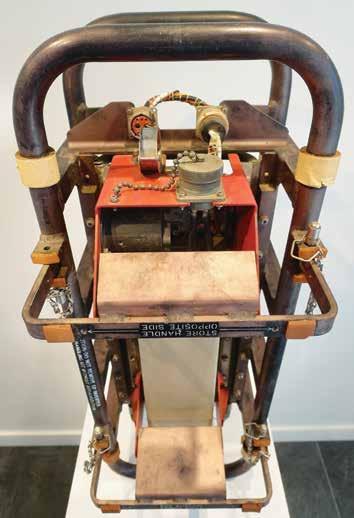
The electrical power requirements were defined to provide approximately 65 kilowatt-hours at a rate of 4000 watts to satisfy a 35-hour lunar stay time. The subsystem was designed to fail-safe within the weight constraints; this requirement necessitated the use of redundant buses and isolation equipment. Inversion equipment was provided to meet the requirements of the equipment powered by alternating current (AC)…
In the AC system, two inverters (each rated at 350 volt-amperes, 400 hertz, 115 V AC, single phase) were used. The AC bus was located in the LMP power panel….CONCLUSIONS: The lunar module electrical power subsystem has fulfilled the mission requirements and no inflight failures have occurred.’
During the Apollo 13 crisis, the Lunar Module’s electrical system became critical to crew survival: the cryo tank explosion on the Service Module led to impending loss of all power in the CSM. The only remaining power source in CSM were Entry/PostLanding Batteries, and they were partly discharged. The crew used the Translunar Negative Bus to power the CSM from the LM. Although severe powerdowns on both the LM and CSM were required (at some points, less than 20% of normal power levels), the LM batteries provided power to itself and the CSM for a total of 83 hours—far exceeding the qualification/testing limits. At jettison, the LM had less than 5 hours of power left. Afterwards, an extra ‘lunar battery’ was added to the LM’s infrastructure (coincidentally, already planned for Apollo 15 due to longer lunar stays), which could be used for extra power in an emergency scenario. This piece will be crated and shipped from California; the buyer is responsible for all associated costs. Starting Bid $500
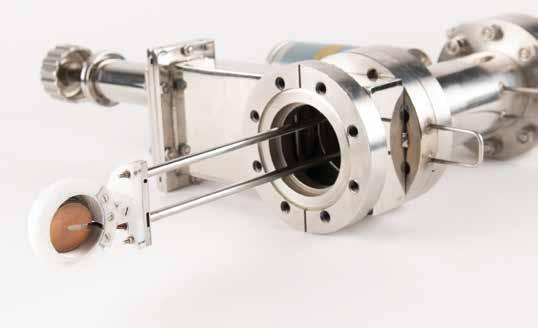
5427. Lunar Receiving Laboratory Apollo Lunar Sample Transfer Tool. Vacuum handling system for lunar specimens built for use in the Manned Spacecraft Center’s Lunar Receiving Laboratory, measuring approximately 20˝ x 15˝ x 4.5˝, designed to support concurrent transfer and transportation functions. The specialized tool carries the capability to transfer/transport returned powdered lunar samples, receiving the samples when connected to the LRL vacuum system, and then preserving vacuum conditions as the sample was transported in its white Teflon cup for experimentation. The white Teflon cup containing the lunar soil samples deploys from the right side of the device, and when retracted an airlock (Varian gate) closure seals the opening to preserve vacuum conditions. The system was used to transport lunar soil from the Lunar Receiving Laboratory to the University of Kentucky for analysis of the thermophysical properties of the material. Housed in a wooden transport case with NASA emblem on the front. In overall fine condition.
NASA Manned Spaceflight Center (MSC) Houston drawing number SEZ36105833-301 S/N (Serial Number) 1001 is engraved on the assembly (signifying the tool’s LRL specification affiliation).
The white Teflon cup utilized to host and retain the powdered lunar regolith soil samples during transport and experimentation exhibits grey discoloration/staining.
The device is described in an article ‘Vacuum Handing System for Powdered Samples’ by Richard C. Birkebak and Clifford J. Cremers of the University of Kentucky, and William E. Lyons of the Manned Spacecraft Center, published in the November 1971 issue of The Review of Scientific Instruments, a photocopy of which is included. In the article, they note: ‘The measurement of the thermophysical properties of lunar material from Apollo missions required that samples be supplied to us under vacuum conditions and be as free from contamination as possible…The entire system was constructed from 303 and 304 stainless steel and molded TFE fluorocarbon…The housing consisted of three sections: a vacuum gate valve and two cylindrical sections for housing the linear motion mechanism, magnetic feedthrough, sample cup, and electrical feedthrough and wires…The sample cup or holder was designed to hold a volume of powdered sample 25.4 mm in diameter x 12.5 mm in depth. The cup body was molded from TFE fluorocarbon which was then coated with an evaporated aluminum film to reduce radiant heat losses. The assembly contained a heating disk and thermocouple for sample temperature measurements. Additional thermocouples and guard heaters could be installed if desired. Braided lead wires were used to reduce to a minimum wire failures due to repeated cup movements…A spring loaded cover prevented sample spillage when the sample cup was in the closed position…In general, the above vacuum system has functioned well and has met all design criteria.’ Starting Bid $500
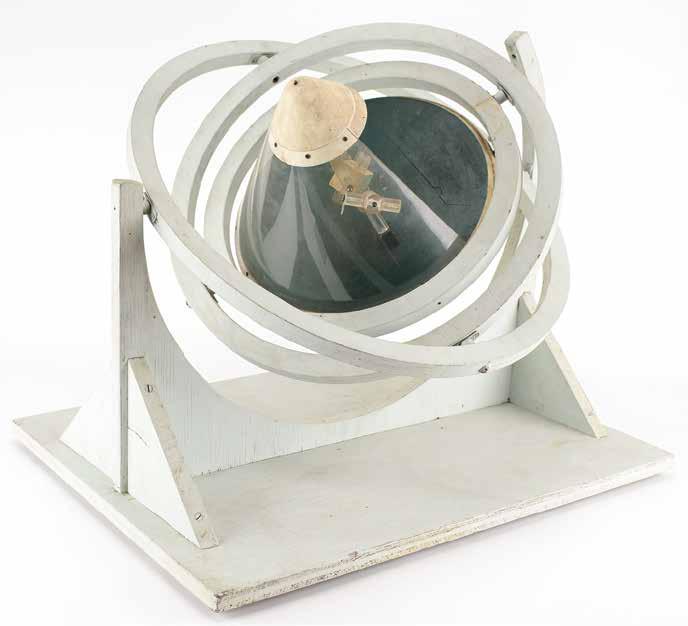
5429. Charles Stark Draper’s Gimbaled Command Module IMU Model. Demonstration model of the Apollo Command Module and its Inertial Measurement Unit (IMU) used by Dr. Charles Stark ‘Doc’ Draper to explain the three-axis control points and notional positioning of the IMU, mounted within three wooden gimbals and measuring an overall 24˝ x 18˝ x 19˝. Dusty and in very good condition, with cracks to one edge of the clear acrylic shell. Known as the ‘father of inertial navigation,’ Doc Draper pioneered the use of gyroscopes and accelerometers to measure a spacecraft’s movement within a stable frame of reference. Derived from the guidance system that Draper had developed for the Polaris missile, the Apollo Inertial Measurement Unit (IMU) was able to keep track of the spacecraft’s velocity and position, relaying that information to the Apollo Guidance Computer (AGC) so that any necessary corrections to the spacecraft’s trajectory could be made. IMUs were installed in both the Apollo Command Module and Lunar Module as important components of the Primary Guidance, Navigation, and Control System (PGNCS). Draper founded the MIT Instrumentation Laboratory in the 1930s. It was renamed for him as the Charles Stark Draper Laboratory in 1970 and became independent of MIT in 1973. Starting Bid $1000
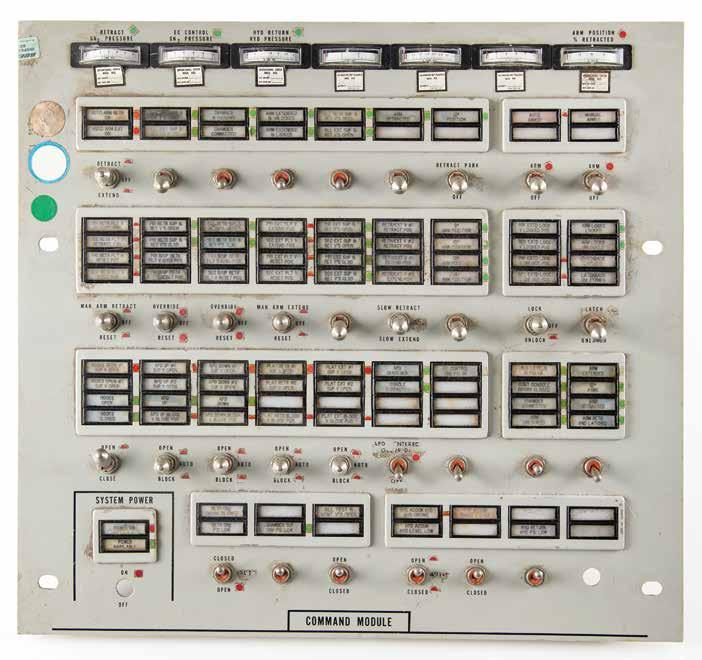
panel
Tower—significant Apollo-era hardware that enabled the safe transport of astronauts through the ‘White Room’ into the Command Module during Apollo 10, Skylab, and the Apollo–Soyuz
5428. Launch Complex 39B Swing Arm 9 ‘Command Module Access’ Control Panel - Used During Apollo 10, Skylab, and Apollo–Soyuz Test Project Launch Operations. Historic control panel for Swing Arm 9, the uppermost arm of the Apollo Launch Umbilical Tower (LUT) at Kennedy Space Center’s Launch Complex 39B—the launch site for Apollo 10, the Skylab missions, and the Apollo-Soyuz Test Project—which provided crew access from the tower’s White Room directly to the hatch of the Apollo spacecraft atop the Saturn V rocket.
The panel, measuring 19˝ x 17.5˝ x 3˝ and marked “Command Module” along the bottom, features 33 toggle switches, seven upper analog gauges, and numerous status indicator windows, small illuminated panels used to display system conditions. Below the gauges are affixed “Operational Check” NASA KSC labels, while the upper left of the panel bears several inspection stickers, including one marked “69-25” and a partial Boeing inspection label. The reverse retains its original wire harnesses, terminal blocks, and connectors, with the right frame edge stamped “GE 63E90991461” beneath a stylized “A” logo incorporating the number “008.” In fine condition.
From this console, launch pad technicians controlled the extension and retraction of the crew access arm, which carried the White Room—the small environmental chamber where astronauts entered the Command Module at the top of the Saturn V rocket. The panel’s switches enabled operators to move the arm, engage or release mechanical locks and latches, and operate associated platforms and valves, while its gauges and indicator windows displayed hydraulic pressure, nitrogen system pressure, arm position, and the status
of critical mechanisms. Together, these controls ensured the access arm remained securely connected during astronaut boarding and could be safely retracted and latched back against the tower shortly before liftoff.
This control panel represents a rare surviving piece of the ground support infrastructure that enabled the launch of America’s Apollo missions to the Moon. Installed within the Launch Umbilical Tower at Kennedy Space Center’s Launch Complex 39B, it controlled Swing Arm 9, the crew access arm that formed the final physical connection between astronauts and the Saturn V rocket before liftoff. The arm supported the White Room, a small, environmentally controlled chamber where astronauts performed final checks and entered the Command Module atop the rocket. Through this panel, launch pad technicians controlled the extension, locking, and retraction of the arm, ensuring the access system remained securely attached during boarding and could be safely withdrawn moments before launch.
Launch Complex 39B hosted several pivotal missions during the late Apollo era, including Apollo 10 (1969)—the full ‘dress rehearsal’ for the first lunar landing—the Skylab missions (1973–1974) that established the United States’ first space station, and the Space Race-ending Apollo–Soyuz Test Project (1975), the first joint U.S.-Soviet human spaceflight and a symbolic milestone in Cold War cooperation. During these historic launches, the crew access arm and its control systems—operated through panels such as this—played a crucial role in the final stages of launch preparation. Starting Bid $1000
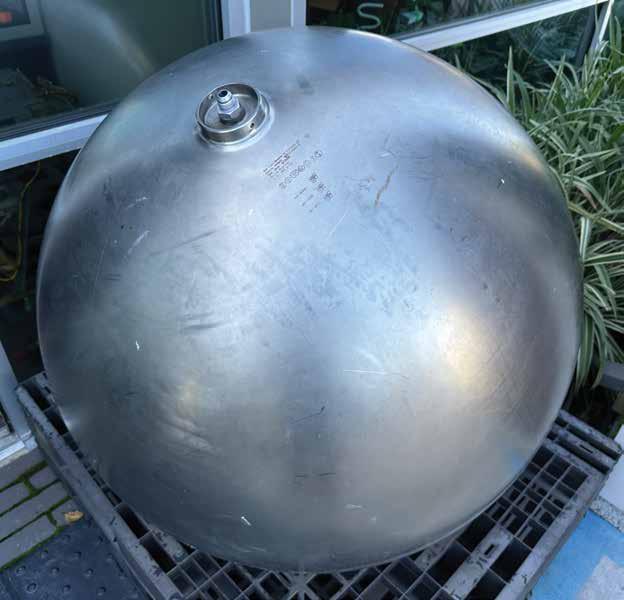
5430. Apollo CSM SPS Helium Tank - Large Spherical Pressure Vessel Used to Fuel the Apollo Command and Service Module’s SPS Engine. Huge spherical titanium Apollo CSM helium tank, measuring approximately 40˝ in diameter, used to pressurize the propellants for the Apollo Service Module Propulsion System (SPS) engine. The tank is marked on the top, “NAA Part Number V17-347002-31, Serial Number 00407-ABB0012, Mfg. Date 5/14/64, Helium Receiver, U.S. NAS 9-150,” and bears several inspection labels. The tank is built to carry 19.6 cubic feet of helium gas, pressurized at 3600 psi. Centrally located within the CSM, two tanks
were used to ‘pump’ fuel and oxygen for the SPS engine by injecting inert helium gas. North American Aviation built the Apollo CSM, and burst-tested the first SPS helium tank in November 1963; this example dates to a year later. Following its service in developing the spacecraft for the Apollo program, this tank was featured in the music video for ‘One Way Ticket to the Moon’ by Dave Stewart (of Eurythmics fame). To our knowledge, this is the first time an Apollo CSM SPS helium tank has been publicly offered at auction. This piece will be crated and shipped from California; the buyer is responsible for all associated costs. Starting Bid $1000
5431. Apollo Command Module
Fuel Cell No. 3 from the CSM Simulator. Apollo CSM Fuel Cell Serial Number 3, one of the triad used in the Ground Testing Simulator to test all of the electrical systems in development for Apollo. With electrical and liquid oxygen and hydrogen connectors on the side panel, the unit measures 22” in diameter and 43” tall, with a weight of approximately 200 lbs. Manufactured by Pratt & Whitney Aircraft Corp under subcontract for North American Aviation. This particular fuel cell is Serial Number 3 from the simulator, with a Feb. 1968 edition part tag with a functional test noted for 9/8/69. It is identical to the flight unit, but with additional simulator functionality and interfaces. Having a power source similar to the flight item was essential to test all of the other electrical systems for Apollo. Red letters on the side read “Simulator Fuel Cell Power plant.”
This fuel cell has been modified with a simulator interface to replicate/check some of the mechanical, electrical and fluid exchanges between the power plant and the rest of the CSM Environmental Control System (ECS), otherwise it’s identical to flight. This configuration is what is currently on display at national institutions (Smithsonian NASM, New Mexico Museum of Space History and the USSRC). Its function was as part of a Fuel Cell simulator package used to validate that the Service Module interfaces were properly functional (control, power, reactants, water output) at North American prior to installation of the flight fuel cells.
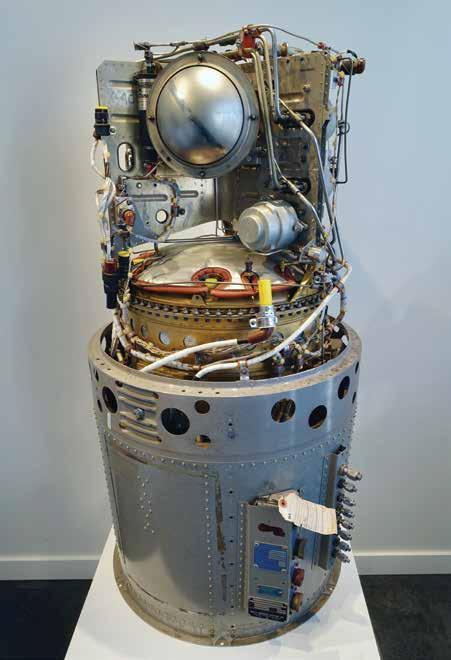
One of the primary technology developments during Apollo concerned the electrical systems, and they became a focal point of the Apollo 13 rescue mission, from the explosion in the Service Module fuel cell oxygen tank to the resulting need to conserve energy and shift to the LM as a lifeboat. Starting Bid $2500
5432. Apollo Command Module Hatch Replica, Screen-Used in The Last of Us. Screen-used full-size replica of an Apollo Command Module hatch, seen in the post-apocalyptic HBO drama The Last of Us (Season 2, Episode 6), in an episode entitled ‘The Price.’ The hatch measures approximately 40˝ x 30˝ x 15˝ and weighs 64 pounds; comprised of about 600 different parts, it features functioning latches and hinges.
This hatch appears in a flashback scene in which Joel (played by Pedro Pascal) surprises Ellie (Bella Ramsey) on her 16th birthday by taking her to an abandoned science museum, where she gleefully explores exhibits like a dinosaur skeleton and a model of the solar system. Joel leads her into an old Apollo command capsule, overgrown with ivy: “That one went up and back. Apollo 15, 1971.” She peers through the hatch’s porthole and he encourages her to go inside: “Well, open it.” Ellie heaves the hatch open, dons a space suit helmet from a nearby exhibit, and goes inside. Joel gives her a tape recording of the Apollo 11 launch, letting her imagine the thrill of spaceflight as she listens to the countdown and liftoff.
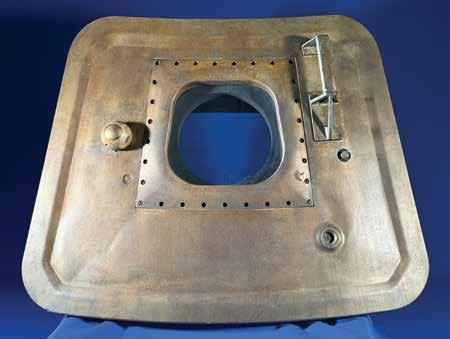
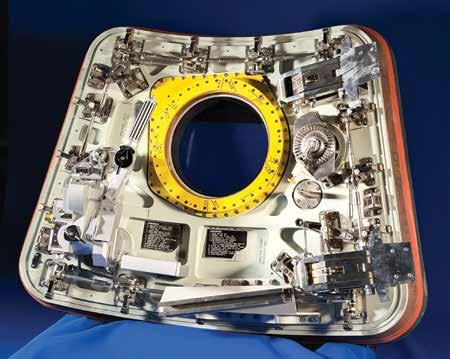
The exterior of the hatch is finished in a distressed, aged patina to simulate decades of exposure, consistent with the abandoned museum setting depicted on screen. A robust metal grab handle is mounted to the upper right quadrant, while a secondary protruding valve and recessed port add authentic detail. The surface exhibits intentional weathering, scuffs, oxidation effects, and productionapplied aging to convey long-term neglect. The interior reveals the intricate mechanical complexity of the build, with a bright yellow inner ring surrounding the circular viewport, secured by numerous evenly spaced fasteners. The hatch incorporates fully articulated latching assemblies, interlocking linkage arms, geared components, and mechanisms distributed symmetrically around the perimeter. The layered mechanical architecture, precision-machined hardware, and functional moving parts closely replicate the appearance and operation of an authentic Apollo Command Module hatch, elevating the piece beyond a static prop to a mechanically interactive set element. Starting Bid $5000
5434. Apollo Command Module Block II Data Modulator. Apollo Command Module (Block II) Data Modulator built by Motorola, measuring approximately 8.5″ x 4.75″ x 4″, with a tag on the end reading: “Item Name: Data Modulator, NR/SD Cont. No: ME478-0087-0002, Mfrs Serno: 94990 000 A206, Mfrs Part No: 01-P10233B001…Date of Mfr: July 70.” The data modulator unit features two ports inset into one side, marked “J1” and “J2.” These modules were used exclusively on the science-oriented ‘J’ missions—Apollo 15 through Apollo 17—as part of the Scientific Data System. Starting Bid $200
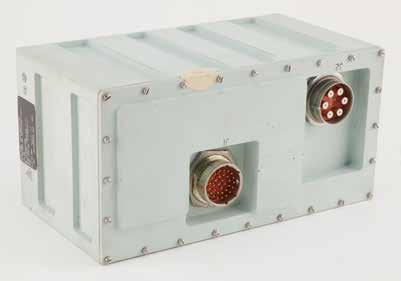
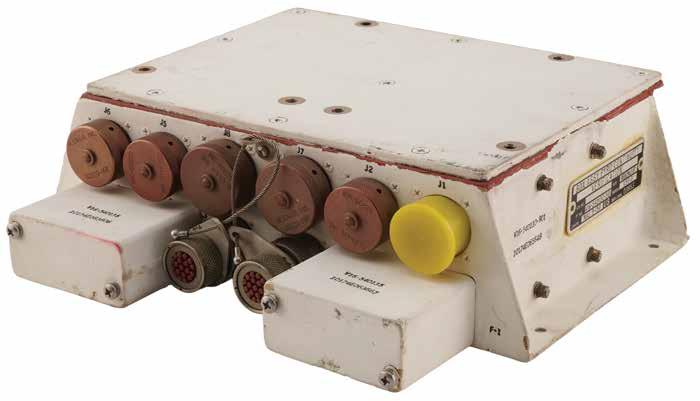
5435. Apollo Command Module Block II Pyro Continuity Verification Box. Apollo Command Module (Block II) Pyro Continuity Verification Box (PCVB), measuring 11˝ x 9˝ x 3˝, marked on the body: “V16-540130-901, 10174E065648,” “V16-540135, 10174E063606” and “V16-540135, 10174E063667.” The box features eight ports, labeled “J1” through “J8,” and bears an identification plate on the side: “Box Assy Pyro Continuity Verification, Ser. 06362AAJ1187, Pt No. V16-540130-501, Model V36-3, Contr. NAS 9-150.” A Rockwell “Parts Status and Identification” tag is attached, recording an inspection date of April 6, 1972. As part of the Sequential Events Control Subsystem, the PCVB operated in series with the Earth Landing Sequence Controllers (ELSC) to monitor the pyrotechnics associated with the apex cover and parachute deployment mortars. Starting Bid $200
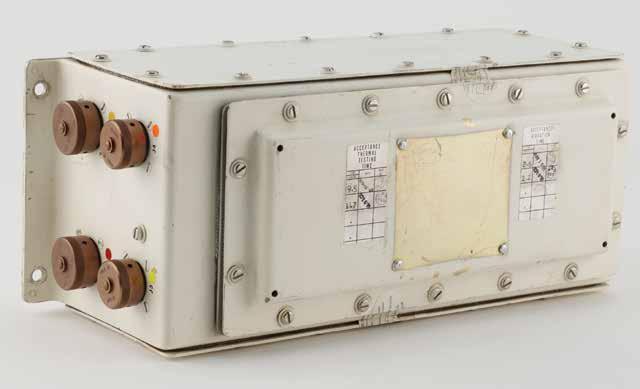
5436. Apollo Command Service Module Block II Service Module Jettison Controller. AApollo Command Service Module (Block II) Service Module Jettison Controller (SMJC), measuring 5.25˝ x 13˝ x 5.5˝, manufactured by the Autonetics Division of North American Aviation, with inspection labels on the top for “Acceptance Thermal Testing Time” and “Acceptance Vibration Testing Time,” and the central identification plate removed. Several broken Autonetics “Modification & Repair” seals are affixed over the unit’s panels. Ports on one end are labeled “J1” through “J4.”
Installed as part of the spacecraft’s Sequential Events Control System (SECS), the SMJC was responsible for commanding activities associated with detachment of the Apollo Command Module from the Service Module just prior to the CM’s reentry into the Earth’s atmosphere. Two redundant SMJC assemblies were installed in the forward bulkhead of the Service Module and supported by battery power so that they could autonomously perform their function after Command/Service Module separation. Physical separation required severing of all the connections between the modules, transfer of electrical control, and firing of the Service Module Reaction Control System to increase the distance between the CM and SM. Starting Bid $200
5442. Wernher von Braun Collection of (9) Conceptual Sketches and Diagrams for Collier’s Magazine and His ‘Handbook on Space Travel’ Manuscript. Impressive lot of two original conceptual sketches by Wernher von Braun for his famous ‘Man Will Conquer Space Soon!’ article in Collier’s magazine, and a set of seven original conceptual sketches by an unknown artist for the von Braun manuscript ‘Handbook on Space Travel,’ a precursor to his 1960 novella First Men to the Moon, portions of which had previously been serialized in the American syndicated Sunday magazine supplement, This Week between 1958 and 1959.
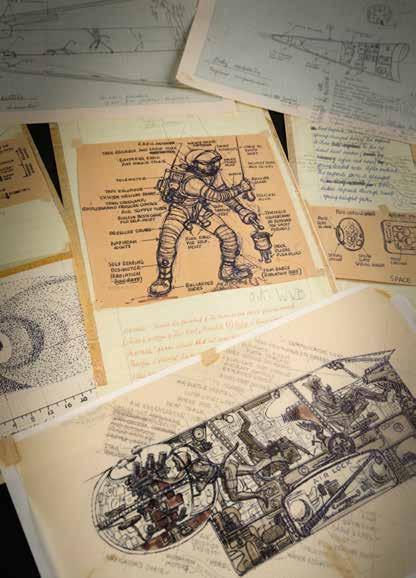
Von Braun’s two sketches for the Collier’s article, accomplished in graphite on individual 11 x 8.5 sheets of graphing paper, are entitled “Baby satellite, Payload compartment” and “Baby satellite, Animal chamber,” with the former signed in the lower right corner, “Wernher von Braun, 18 April 1953.” These sketches were the basis for artist Fred Freeman’s illustrations in the June 27, 1953 issue of Collier’s magazine. Von Braun’s article on the ‘Baby Space Station’ appeared in that issue as part of the series ‘Man will Conquer Space Soon!,’ and described a small satellite designed to stay in orbit for 60 days, carrying three rhesus monkeys, TV cameras, antennae, solar mirrors, and Geiger counters. These two sketches provide cross-sections of the satellite, with the latter depicting two of the monkeys. The seven sketches and diagrams for the ‘Handbook on Space Travel’ are accomplished in ink and watercolor on individual off-white sheets ranging in size from 4 x 2.75 to 13 x 7.75, which are in turn adhered to four mounting sheets that range from 8.5 x 11.25 to 13.75 x 8.5. The sketches include: a detailed cross-section drawing of two astronauts in a space cabin, with ample artist notations pointing to the various compartments and instruments; a “Space Spoon” and “Space Drinking Bottle”; a “Space Dish and Cooker”; three sketches of celestial bodies and measurements; and a full-length sketch of an astronaut in his space suit, with numerous artist notations indicating gear and instruments. Three of the four mounting sheets feature handwritten pencil notations from von Braun, who also adds editorial notes to all of the sketches (the exception being the ‘cabin’ sketch and mounting sheet), two of which he approves with his initials, “O.K. WVB” and “Yes, O.K. WVB.” In overall fine condition. Starting Bid $500
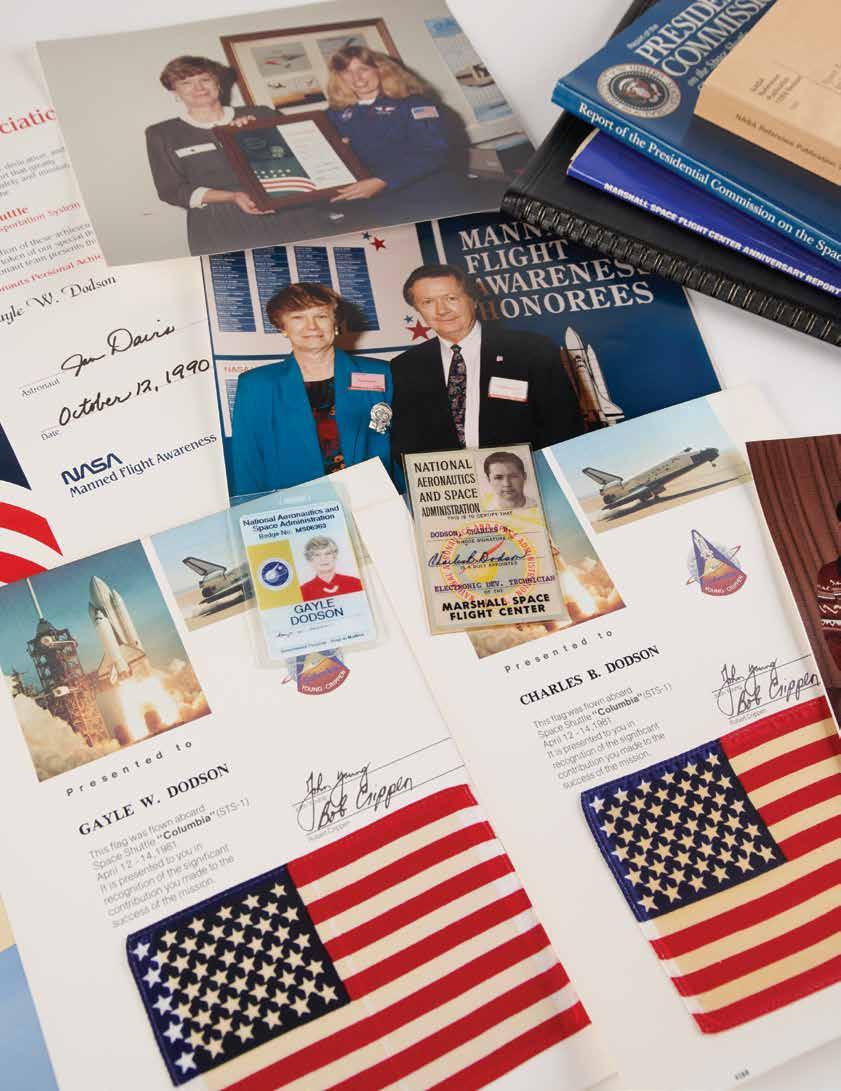
Extensive dual archive of Charles and Gayle Dodson, a long-tenured husband-and-wife team at NASA’s George C. Marshall Space Flight Center, containing mission-flown Space Shuttle artifacts, a fully documented Silver Snoopy Award, flown-metal medallions, and 60+ awards documenting more than three decades of service across America’s human spaceflight programs
Charles and Gayle
Highlighted by Space Shuttle-Flown Artifacts, a Silver Snoopy Award, and Career Accolades from the Marshall Space Flight Center. Comprehensive dualcareer archive of NASA employees Charles and Gayle Dodson, a husband-and-wife team whose combined service at the George C. Marshall Space Flight Center spanned more than three decades and every major American human spaceflight program from Mercury through the Space Shuttle. Their multi-decade tenure, culminating in a shared retirement in 1995, is documented by more than 60 individual and team awards and a remarkable collection of mission-flown presentation artifacts.
The archive is highlighted by 10 Space Shuttle-era presentation certificates incorporating mission-flown artifacts carried aboard Columbia, Challenger, and Discovery. Representing landmark and scientifically significant missions, the group includes:
- STS-1 (two flown American flags from the inaugural Shuttle flight)
- STS-7 (OSTA-2 payload emblem patch)
- STS-26 (two NASA flags from the Return-to-Flight mission)
- STS-53 (American flag, crew patch, and decal)
- STS-62 (USMP-2 scientific research flag; and a second USMP-2 flag and patch)
- STS-65 (two Apollo 11 25th Anniversary flags)
- STS-75 (AADSF experiment flag and patch; and USMP-3 scientific research patch)
- STS-91 (Phase 1 Program flag carried to the Mir Space Station).
In several cases, matching certificates were presented individually to both Charles and Gayle, underscoring their parallel careers at Marshall.
A centerpiece of the archive is Gayle Dodson’s Silver Snoopy Award, accompanied by its flown ‘Astronaut Snoopy’ pin carried aboard Space Shuttle Atlantis during STS-30 in 1989. The award was presented by astronaut Jan Davis on October 12, 1990, and is accompanied by a signed letter from Davis, a photocopied letter affirming the pin’s flown status, and photographs documenting the award presentation.
The archive contains special NASA-issued medallions produced in celebration of past missions and programs, each minted with flown metal. These include: an Apollo 8 MFA medallion; an Apollo 11 medallion (with Apollo Achievement Award); a Skylab ‘Aerospace Awareness’ medallion; two STS-1 medallions; an STS-3 medallion; and a NASA 25th anniversary medallion.
The archive is rounded out by an extensive body of career documentation and ephemera, including personal NASA identification badges for both Charles and Gayle; mission patches, decals, booklets, and photographs; and a wide array of formal NASA awards dating from the 1960s through the 1990s. Among these are an ‘Award of Achievement’ presented to Charles for his “Faithful Contribution to the Achievement of Man’s Most Ambitious Undertaking – The First Manned Lunar Landing”; three Director’s Commendations; a Manned Flight Awareness Honoree Award; an ASTP Award; George C. Marshall Space Flight Center 20th and 30th Anniversary certificates; numerous Suggestion and Group Achievement Awards; and multiple service awards recognizing decades of dedicated contribution. In overall fine condition. A cohesive and unusually complete Marshall Space Flight Center career archive, distinguished by mission-flown artifacts, a documented Silver Snoopy Award, and over thirty years of service across America’s most significant space programs.
Starting Bid $500
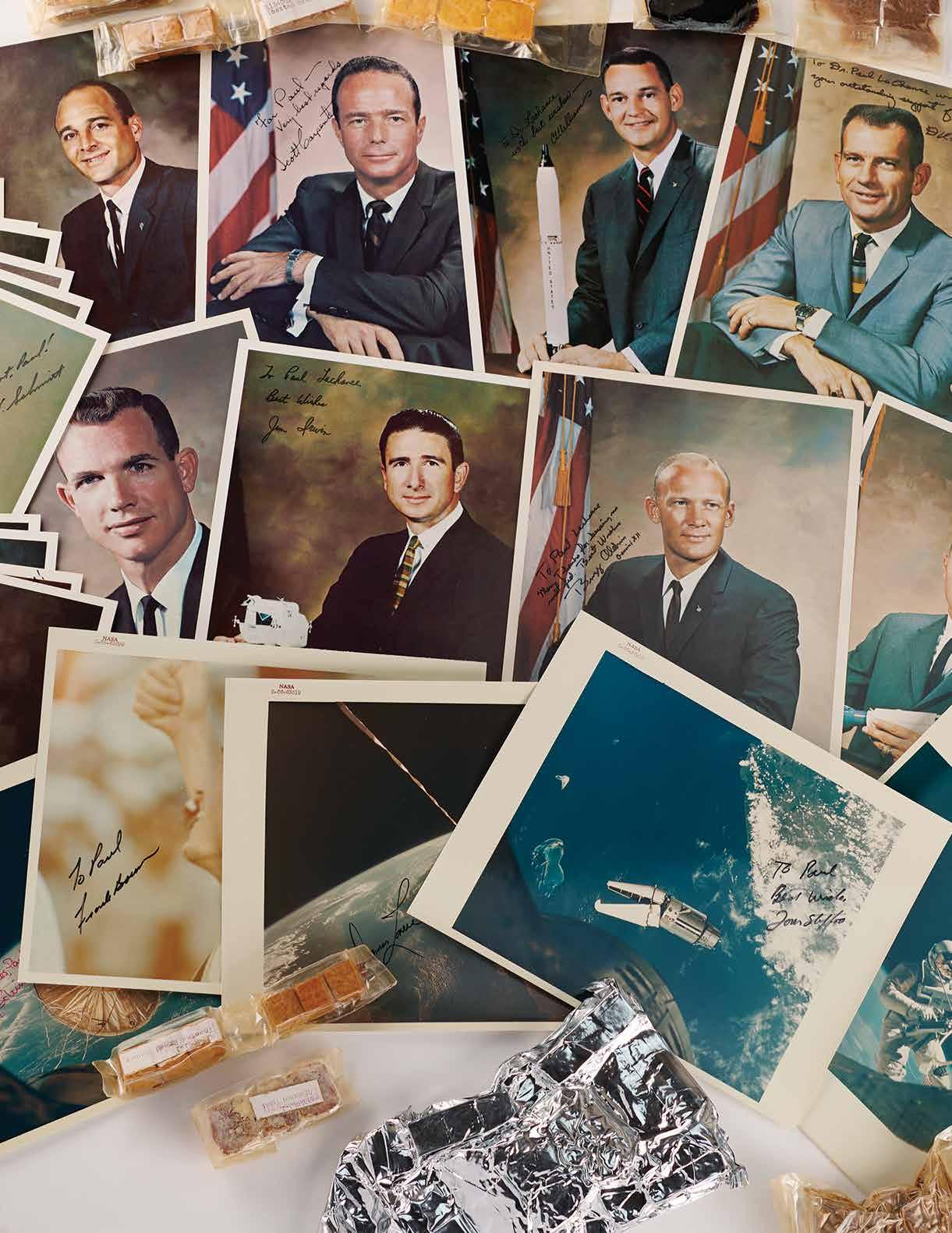
of
Paul A. Lachance, NASA’s first Flight Food and Nutrition Coordinator and the architect of NASA’s Gemini and Apollo food systems—an incredible archive of 37 early astronaut-signed photographs and an unprecedented set of 22 space food and beverage packages
Paul A. Lachance NASA Archive of (37) Early Astronaut-Signed Photographs and (22) Gemini and Apollo-era Space Food Packages. Exceptional archive of early NASA astronaut-signed photographs and Gemini- and Apollo-era space food packages from the estate of Rev. Dr. Paul A. Lachance, NASA’s first Flight Food and Nutrition Coordinator and architect of the Gemini and Apollo food systems. In that role, Lachance established the strict microbiological and nutritional standards that safeguarded astronauts in space and laid the groundwork for the HACCP food safety system now used worldwide.
The archive features 37 vintage NASA color lithographs and photographs (8 x 10 and 10 x 8), individually signed and inscribed to Lachance by nearly 40 astronauts from the Mercury, Gemini, Apollo, Skylab, and early Shuttle eras. Of these, 32 are early NASA portrait lithographs, with the balance comprised of official glossy red-numbered ‘Type 1’ photographs bearing the appropriate NASA identifiers on the reverse. The signees, by format, are as follows (alphabetical):
Early NASA portraits
Buzz Aldrin, Bill Anders, Alan Bean, Vance Brand, John S. Bull, Scott Carpenter, Jerry Carr, Gene Cernan, Gordon Cooper (Mercury space suit), Walt Cunningham, Charlie Duke, Donn Eisele, Joe Engle, Ron Evans, Owen K. Garriott, Ed Gibson, Fred Haise, Jim Irwin, Joe Kerwin, Don Lind, Jack Lousma, Ken Mattingly, Bruce McCandless II (dated May 31, 1967), Curt Michel, Bill Pogue, Harrison Schmitt, Rusty Schweickart, Dave Scott, Deke Slayton, Jack Swigert, Paul Weitz, and Clifton Williams.
Red-numbered
Frank Borman, James Lovell, Jim McDivitt, Wally Schirra, and Tom Stafford
The archive is complemented by the rare presence of 22 packets of NASA-issued space food and beverage approved for use under the guidance of Lachance as Flight Food and Nutrition Coordinator, a group highlighted by a 4˝ x 3.5˝ x 2.25 package labeled “Day-7 MealC,” which the consignor states accompanied Wally Schirra and Tom Stafford on the Gemini 6 mission (December 15-16 1965); the reverse bears an affixed Velcro swatch and two parts labels: “Serial No. FN 813” and “6293, WDP/11,” the latter a quality assurance stamp by the Whirlpool Space Division.
The remaining packages, which range in size from 3.5˝ x 1.5˝ to 13.5˝ x 3.5˝, contain sundry meals and/or food and beverage options, with the majority retaining portions of their original label. The first four, which feature the same style Gemini-era laminate pouch as above,
bear the following labels: “…991-1, [Da]y 1 - Meal A,” “R133993-2, Day 2 - Me[al],” “R133994-2, Day 2 - Meal D,” and “R133994-4, Day 4- M[eal].”
Labels to six early Apollo-era food packages are stamped “Experimental,” and contain the following: “Toasted Bread Cubes” (2), “Bacon and Egg Bites,” “Peanut Cubes,” “Beef Sandwiches,” and “Cinnamon Toast.” The remaining food/beverage labels read: “Apricot Pudding,” “Chicken with Gravy,” “Corn Chowder,” “Tea and Sugar,” “Pineapple Juice,” “Orange Grapefruit Drink,” “Grapefruit Drink” (2), and “Coffee w/ Sugar & Cream.” Several packages bear serial numbers and/or affixed Velcro swatches. Also included are sealed packages of ‘Skin Cleaning Towels.’ In overall fine condition, with a swatch of tape to the lower right corner of the Mattingly and Swigert lithos, and two food packages missing their labels.
Accompanied by two official vintage glossy 8 x 10 NASA photos of Dr. Lachance (1933-2017), who served as the lead scientist responsible for the research and development of aerospace flight food and astronaut nutrition at NASA’s Manned Spacecraft Center in Houston. A former U.S. Air Force Aerospace Food and Nutrition Scientist at Wright-Patterson Air Force Base, he supported Project Mercury preflight feeding and U-2 pilot nutrition before being recruited by NASA in 1963. As NASA’s first Flight Food and Nutrition Coordinator, he established and supervised the Gemini, Apollo, and early Skylab food systems, writing the specifications that all contractors were required to meet.
Recognizing the dangers posed by microbiological, chemical, and physical contaminants in spaceflight food, Dr. Lachance imposed unprecedented pathogen-control standards and developed the Quality Control Critical Control Point (CCP) requirements that evolved into the HACCP (Hazard Analysis and Critical Control Points) system, in collaboration with the U.S. Army Natick Laboratories and industry partners, including Pillsbury. Originally created to safeguard astronauts — whose immune systems could be compromised under spaceflight stress — the HACCP system became one of NASA’s most significant technological spinoffs and is now the global standard for food safety. No astronaut suffered foodborne illness under his oversight.
In addition to food systems engineering, Dr. Lachance conducted pioneering biomedical research, including the first NASA studies on bone mineral loss, muscle atrophy, calcium balance, electrolyte and nitrogen balance, and total energy expenditure in microgravity — research that remains foundational to long-duration human spaceflight. He also helped develop early waste management and recycling concepts and participated in hazardous experimental testing in support of astronaut safety. Starting Bid $1000
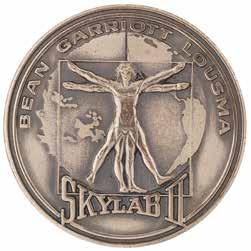
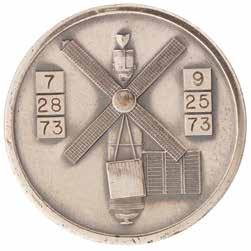
5449. Skylab 3 Flown Robbins MedallionFrom the Personal Collection of Edgar Mitchell. Flown sterling silver Skylab 3 (SLM-2) Robbins medallions, approximately 1.5˝ diameter, with a raised mission insignia design on the face—an image of Leonardo da Vinci’s Vitruvian Man superimposed on a globe that is half Earth and half Sun. The reverse depicts the Skylab space station, engraved with launch and landing dates representing July 28, 1973 and September 25, 1973. Serial numbered “053F” on the edge, and stamped with the Robbins “Sterling” hallmark. Condition is mint state. Accompanied by its original case and a letter of authenticity signed by Edgar Mitchell, certifying that “this Skylab 3 Robbins medallion, serial #053F, was flown into space aboard the mission and is…from my personal collection.” Only 55 of the minted Skylab 3 (SLM-2) Robbins medallions flew on the mission, making it one of the lowest mintage flown Robbins of an Apollo CM/Apollo applications project mission. The Richard Jurek Collection. Starting Bid $200
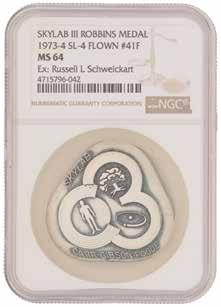
5450. Skylab 4 Flown Robbins Medallion - From the Personal Collection of Rusty Schweickart - NGC MS 64. Flown sterling silver Skylab 4 (SLM-3) Robbins medallion, measuring approximately 1.5˝ x 1.25˝, featuring a raised design of the mission insignia on the face—an emblem incorporating imagery of a man, tree, and hydrogen atom. The reverse engraved with the mission’s launch date of November 16, 1973, and the landing date of February 8, 1974. Serial numbered “41F” on the edge. Encapsulated and graded by NGC as “MS 64,” with the label noting the provenance, “Ex. Russell L. Schweickart.” Accompanied by a certificate of authenticity signed by Rusty Schweickart, certifying that “silver Skylab 4 Robbins Medallion, serial #41F, was flown aboard Skylab 4…and has been in my personal collection since the mission.” A scarce and attractive example, as only 70 Robbins medallions flew on this mission. The Richard Jurek Collection. Starting Bid $200
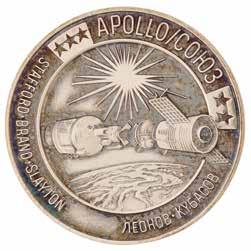
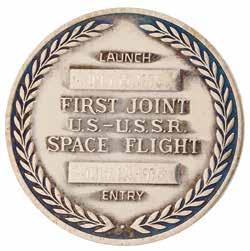
Medallion - From the Personal Collection of Tom Stafford. Unflown sterling silver Apollo-Soyuz Test Project (ASTP) Robbins medallion, approximately 1.25˝ in diameter, with a raised mission insignia design on the face—a circular emblem depicting the US Apollo and Soviet Soyuz spacecraft docking together in orbit. The reverse features raised text, “First Joint U.S.—U.S.S.R. Space Flight,” and is engraved with the launch and entry dates, July 15, 1975, and July 24, 1975. Serial numbered “120” on the edge and stamped with Robbins “Sterling” hallmark. Condition is mint state, with a wonderful golden patina around the edges. Accompanied by its original case and a letter of authenticity signed by Tom Stafford, detailing the history of the medallion and the mission itself. The Richard Jurek Collection. Starting Bid $200
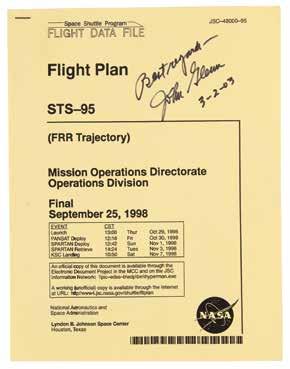
5469. John Glenn Signed STS-95 FDF Flight Plan. Official stapled NASA final Flight Data File ‘Flight Plan’ (JSC-48000-95) for the STS-95 mission, issued for “(FRR Trajectory),” dated September 25, 1998, signed on the front cover in black felt tip, “Best regards – John Glenn, 3-2-03.” Prepared by the Mission Operations Directorate (Operations Division), the manual, approximately 170 pages, 8.5 x 11, includes the following sections: Introduction, Overview Timeline, Summary Timeline, Detailed Timeline, STS-95 DAP Table, Attitude Timeline, Flight Plan Notes, and DAP Book Configuration. In fine condition.
STS-95, launched aboard Space Shuttle Discovery on October 29, 1998, is best known for carrying John Glenn, who returned to space 36 years after becoming the first American to orbit Earth on Mercury-Atlas 6. At age 77, Glenn served as a payload specialist, participating in medical and aging-related experiments designed to compare the effects of spaceflight on older astronauts with earlier data from his 1962 mission. Starting Bid $200
5470. Space Shuttle 2000 Series EVA Glove TMG. Desirable 2000 series Space Shuttle glove TMG (Thermal Micrometeoroid Garment), with an ILC-Dover tag on the interior, reading: “Item: TMG, Glove Assembly, Part No. 0106-86058-0406, Serial No. 011, Size 05XE, Code ID 74897, MFG 1/84,” struck through and annotated in red felt tip, “Class III.” Exhibits some wear and soiling to the exterior. The TMG is the outermost layer of the space suit glove and provides insulation, radiation shielding, and protection from micrometeorites that could otherwise puncture the suit.
Provenance: The Spaceflight America Museum and Science Center in Prince Frederick, MD. Starting Bid $200
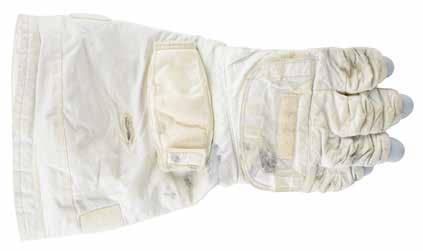
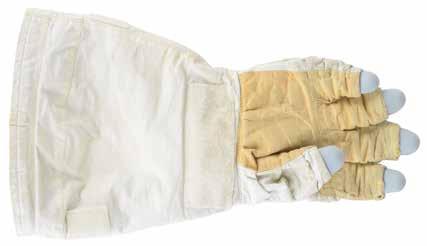
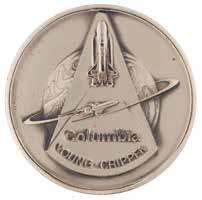
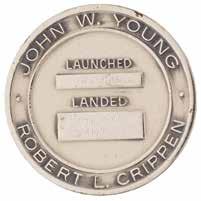
5472. STS-1 Unflown Robbins MedallionFrom the Personal Collection of John Young. Unflown sterling silver STS-1 Robbins medallion, approximately 1.5˝ in diameter, with a raised design on the face featuring the mission insignia for the Space Shuttle Columbia’s inaugural flight. The reverse is encircled by the names of the astronauts, John Young and Bob Crippen, and is engraved with the launch date of April 12, 1981, and landing date of April 14, 1981. The medallion is serial numbered “351” on the edge, and stamped with the Robbins “Sterling” hallmark. Condition is mint state. Accompanied by a letter of authenticity signed by John Young, in part: “I hereby certify that STS 1 silver Robbins Medal, serial number 351, although not flown, is a genuine Robbins Medal and has been a part of my personal collection since the mission.” The Richard Jurek Collection. Starting Bid $200
‘Pre-Ingress Checklist’ used by suit technician Al Rochford, a member of the closeout crew, on launch morning of the STS-51-L mission—removed from Challenger’s cabin shortly before its fateful liftoff
5471. STS-51-L ‘Pre-Ingress Checklist’ Used by the Closeout Crew on Launch Morning - One of the Last Items Removed from the Challenger Cabin. Extraordinary closeout checklist used in preparation for the tragic launch of Space Shuttle Challenger on mission STS51-L, nine double-sided 6 x 8 pages numbered 6-3 to 6-20, with tabs labeled “Pre-Ingress Checklist,” “Close-Out Crew Ingress,” and “Crew Ingress.” The checklist was used by suit technician Al Rochford, a member of the closeout crew, and bears contemporary ballpoint and pencil notations to the first four pages, with some notations on the first page, such as “51L,” “Suit Tech-Al Rochford,” and “ASP-Sonny Carter.” A sixteenth step on the ASP Tool Kit checklist has also been added, “16. Alcohol Wipes & Tissues,” as well as information on “Pad ‘A’” and “Pad ‘B.’” The following page notes adjustments of the headrests of 5.5 inches for Mission Specialist 1 (Ellison Onizuka) and 3 inches for Mission Specialist 2 (Judy Resnik). A few of the other steps have also been crossed out or modified, and each has been checked off in the margin. The final page lists the procedures for the ASP [Astronaut Support Person], giving a poignant, haunting final instruction: “Wave to crew!” This would be their final farewell.
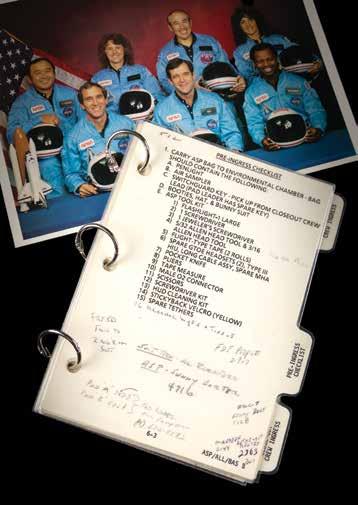
In fine condition, with pages laminated for preservation. Accompanied by a letter of provenance signed by Rochford, in part: “I was the Closeout Crew Suit Technician of the Challenger Shuttle Flight STS-51L. I worked inside the cabin on the morning of the launch, January 28, 1986, with the Astronaut Support Person, ‘ASP,’ Sonny Carter. In his duties that morning, Carter made use of a manual that contains these pages, titled ‘Pre-Ingress Checklist’ which helped him to prepare the cabin of Challenger before crew entry. Afterwards, Carter gave me the pages for my own collection. All notations within the checklist are contemporary to the Preflight and Closeout of the crew ingress of STS-51L.”
The lot is accompanied by additional images of Rochford and Carter helping the astronauts on launch day, with the manual pictured in two screenshots, as well as ephemera related to the tragic mission, including an original ‘Memorial Service’ program for the STS 51-L crew, a Vehicle Permit for the mission’s landing ceremony, photographs of the crew, a crew patch, and a ‘Teacher in Space’ NASA patch.
Space Shuttle Challenger was lost 73 seconds into its tenth flight on January 28, 1986. Cold temperatures had compromised an O-ring seal on one of the shuttle’s two solid rocket boosters, allowing hot gases to escape and burn through the right booster. The resulting damage to the hardware connecting the booster to the vehicle triggered the structural failure of the external fuel tank. The orbiter then broke apart under intense aerodynamic forces, with debris falling into the Atlantic Ocean. The present checklist is a remarkably rare artifact used inside the crew module during the preparations for that ill-fated mission. Starting Bid $300
carried on the final mission of America’s
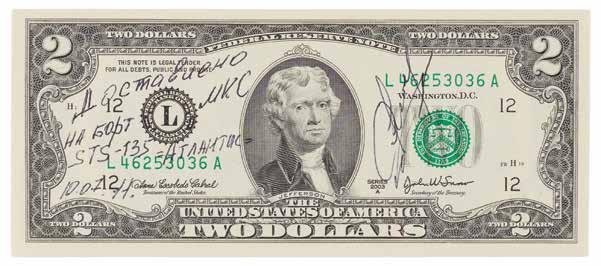
5473. STS-135 Flown $2 Dollar Bill, Signed by Aleksandr Samokutyaev. Flown Series 2003A two-dollar bill, serial number L46253036A, carried to the International Space Station by Space Shuttle Atlantis on STS-135, signed and flight-certified in black ballpoint by cosmonaut Aleksandr Samokutyaev, “Delivered on board the ISS, STS-135, Atlantis, 10.07.11, Samokutyaev.” In very fine condition.
This is an especially noteworthy flown $2 bill, as American astronauts were prohibited from flying U.S. currency aboard the Space Shuttle—a rule stemming from policies implemented after the Apollo 15 commercialization scandal. One notable exception occurred in 1999, when gold Sacagawea dollars were carried aboard Columbia. In 2025, the U.S. Mint auctioned these flown coins through Stack’s Bowers, where they realized more than $350,000 each.
While American astronauts were barred from carrying U.S. currency, Russian cosmonauts operated under different rules. They were permitted to receive mail aboard the International Space Station, and that mail could include currency enclosed in the envelope—providing the means by which three $2 bills were carried to the ISS on STS-135.
This example was sent to Samokutyaev in a 2011 letter from noted German space philatelist Walter Hopferwieser, which flew to the ISS aboard Atlantis during the final mission of the Space Shuttle program. At the time, Samokutyaev was aboard the ISS on his first spaceflight as part of Expeditions 27/28. While on board, he signed and flight-certified the bill. Hopferwieser later documented the flight of this bill, along with two others sent in separate envelopes, on pages 381–382 of his book ‘Pionierraketenpost und kosmische Post: Handbuch und Spezialkatalog’ (2016).
Accompanied by photographs of the original envelope and letter, as well as a copy of email correspondence from Hopferwieser offering the bill for sale. The Richard Jurek Collection. Starting Bid $200
5474. STS-26 Flown Flag Plaque - Presented to Legendary Rockwell Executive George W. Jeffs. Flown National Aeronautics and Space Administration (NASA) flag, 5.5˝ x 4˝, carried on Space Shuttle Discovery during the STS-26 mission. The flag is displayed on its impressive original 18˝-diameter wood and etched metal display plaque presented to legendary engineer George W. Jeffs, reading: “This NASA flag was flown aboard the Orbiter Discovery, STS-26, September 29–October 3, 1988. Presented to George W. Jeffs, In recognition and appreciation of your many innovative engineering and management contributions to the success of the United States space program,” with the facsimile signature of Aaron Cohen, director of the NASA Johnson Space Center. The upper border is decorated with metallic insignia of the Mercury, Gemini, Apollo, Skylab, Apollo-Soyuz, and Space Shuttle programs. In fine condition.
George W. Jeffs was an influential Rockwell executive who led the development and manufacture of critical Apollo spacecraft components, serving as vice president and program manager of the Apollo Command and Service Module from 1969 to 1973. He became president of Rockwell International’s North American Aerospace Operations in 1978, continuing to make contributions to spaceflight through the Space Shuttle era. The Richard Jurek Collection. Starting Bid $200
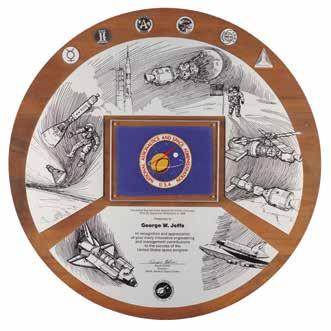
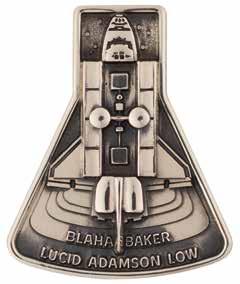
5475. STS-43 Flown Robbins Medallion. Flown sterling silver STS-43 Robbins medallion, measuring approximately 1.5” x 1.75”, featuring a raised design of the mission insignia on the face—symbolizing 30 years of US spaceflight, it shows Space Shuttle Atlantis emerging from the outline of a Mercury capsule, deploying the Tracking and Data Relay Satellite-5 (TDRS-5); the stars are arranged to signify the mission number (4 stars left, 3 right of Atlantis). The reverse is engraved with the launch date, “August 2, 1991,” and landing date and location, “August 11, 1991, RW 15, KSC, FL.” The medal is serial numbered “32F” and stamped with the Robbins hallmark on the edge. Condition is mint state. Accompanied by its original case with stiff blue liner. The Richard Jurek Collection. Starting Bid $200
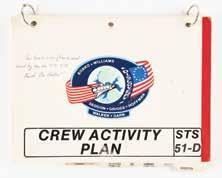
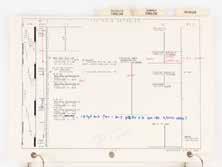
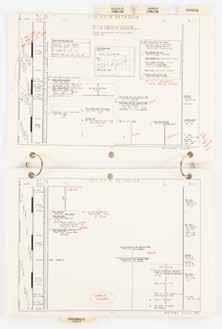
5476. STS-51-D Flown Crew Activity Plan - Signed by Mission Commander Karol J. Bobko. Flown ringbound “Crew Activity Plan” that was carried into low Earth orbit during the STS-51-D mission, the fourth flight of the Space Shuttle Discovery, which launched from the Kennedy Space Center on April 12, 1985. The manual, 46 pages, 8 x 11, bears red labels affixed to the top of the front and back covers identifying the owner as Commander Karol J. Bobko, who has signed and flight-certified the front cover in black ballpoint, “This book was flown and used by me on STS-51D, Karol ‘Bo’ Bobko.” Of the manual’s four main sections—Overview, Summary Timeline, Detailed Timeline, and Consumable Curves—Bobko has added extensive handwritten notation to the ‘Detail Timeline’ section, with pages 3-2 through 3-23 featuring notes in variations of ink, pencil, and felt tip. Additionally, the back cover bears a pencil sketch and notations: “MOD #3, Rectangular Aluminum frame, contingency H2) supply kit, Cut notches in top – smaller and one each side, Use blue blue, 2 pieces 2 inches, 20 gage wire inside hose, loop 20 gage wire inside.” The front cover bears an affixed
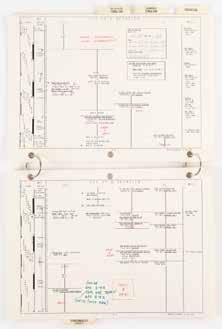
insignia sticker. In fine condition, with expected signs of use. The primary objective of the STS-51-D mission was to deploy two communications satellites—Telesat-I (Anik C-1) for Canada and Syncom IV-3 (Leasat-3) for the U.S. Navy. While Telesat deployed successfully, Syncom IV-3 failed to activate after release, prompting an unscheduled spacewalk by astronauts Jeffrey Hoffman and David Griggs, who attempted to trigger the satellite using improvised tools attached to the shuttle’s robotic arm, though the satellite was ultimately recovered and fixed on a later mission. The flight also carried numerous scientific experiments, including biomedical and materials-processing studies, and featured U.S. Senator Jake Garn as a payload specialist, making him the first sitting member of Congress to fly in space. Discovery landed at Kennedy Space Center on April 19, 1985, but suffered brake damage and a blown tire during rollout, leading NASA to temporarily move subsequent shuttle landings to Edwards Air Force Base until improvements were made. Starting Bid $300
“Flown on STS-7 and used during SPAS-01 free flight release & capture—1st satellite deployed and retrieved by Space Shuttle”
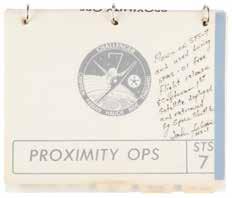
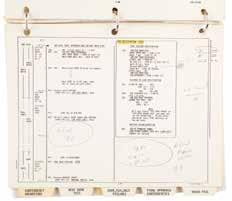
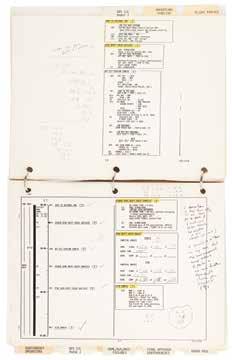
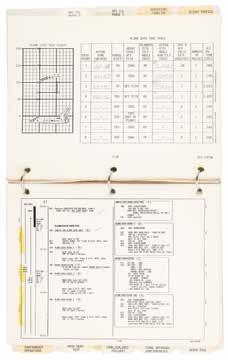
5478. STS-7
Complete
- “Proximity Ops,” Signed by John Fabian. Flown ring-bound “Proximity Ops” checklist carried and used aboard Space Shuttle Challenger on STS-7, 8.75 x 10.5, signed and flight-certified on the protective plastic cover in black felt tip, “Flown on STS-7 and used during SPAS-01 free flight release & capture—1st satellite deployed and retrieved by Space Shuttle, John Fabian, MS-1.” The checklist is notationally dense, with numerous contemporaneous mission notes made during the deployment of the first satellite from the Shuttle via the Canadarm.
When the Space Shuttle was designed, one of its primary goals was to make the launch and servicing of satellites more cost-effective by allowing astronauts to deploy and
retrieve payloads directly from orbit. STS-7 marked the first full demonstration of this capability using the Shuttle Remote Manipulator System (Canadarm). During the mission, the crew successfully launched and later retrieved the first Shuttle pallet satellite (SPAS-1), showcasing the Shuttle’s ability to both place satellites into orbit and recover them for inspection. The crew also deployed two commercial communications satellites.
The checklist retains its original “Proximity Ops” cloth binding and three Velcro swatches affixed to the rear cover. In fine condition. Complete flown Shuttle checklists are becoming increasingly scarce as they, like many of the Apollo checklists, continue to get broken up and sold by the page. The Richard Jurek Collection. Starting Bid $300
5477. STS-6 Flown Robbins Medallion - NGC MS 63. Flown sterling silver STS-6 Robbins medallion, measuring approximately 1.75” x 1.5”, with a raised mission insignia design on the face—an emblem commemorating the maiden flight of the Space Shuttle Challenger. The reverse is encircled by the names of the four astronauts and is engraved with the launch and landing dates of April 4, 1983 and April 9, 1983. The medallion is serial numbered “21F” on the edge and stamped with the Robbins “Sterling” hallmark. Encapsulated and graded by NGC as “MS 63.” Accompanied by its original case. As desirable example as one of only 67 Robbins medallions that flew on this mission. The Richard Jurek Collection. Starting Bid $200
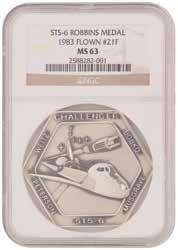
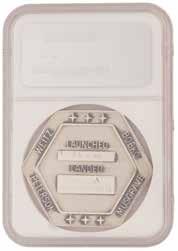
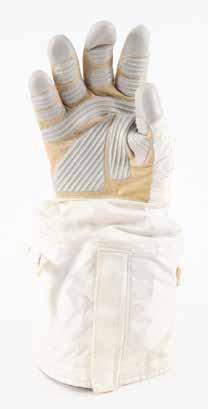
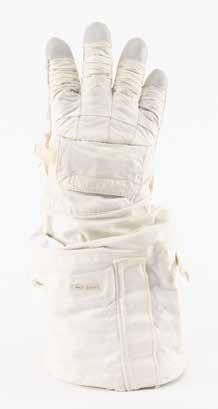
5517. Space Shuttle Phase VI EMU Glove. Scarce right-handed Phase VI Space Shuttle glove, complete with the exterior TMG (Thermal Micrometeoroid Garment), internal restraint assembly, and internal bladder. Sewn inside the wrist is an ILC-Dover tag, reading: “Item: Phase VI Glove Assy Right, Part No. 0106-110106-, Serial No. 6038, Size 6BY, Spec 0106-110106, CEI No. 106, Code Ident. 74897, Contract No. NAS9-97150.” Further ILC-Dover tags identify the TMG, restraint assembly, and softgoods subassembly, with the TMG tag struck through in red felt tip and marked “Scrap.” The TMG—the outermost layer of the spacesuit—provides insulation, radiation shielding, and protection from micrometeorites that could otherwise puncture the suit. It features a gray silicon palm and fingertips, a handback flap, and built-in electronics for supporting a remote power supply for an active fingertip heating system (on/off pull strap and cables intact). The internal bladder, which has been filled with silicone to maintain the shape of the glove, is made of a green urethane material and designed to maintain pressure in the EMU glove assembly, while not limiting the finger joints and wrist gimbal. In fine condition. Starting Bid $300
5518. Space Shuttle Frangible Nut. Both halves of a frangible nut installed during an early launch of NASA’s Space Shuttle program, each measuring approximately 5.75˝ x 2.75˝ x 3.75˝, with a total weight of nearly 16 pounds, stamped with the part number: “Frangible Nut / 55340/10306-0001-801 / Mfg. Date: Mo: 08 Yr: 82 / Mfg: 19113/114850-9 / Lot-Ser. No.: AAA00086.” The mating halves are additionally marked “6008W1” and “6008W2,” with the interior threading of one half bearing red inspection paint.
This particular frangible nut would have been installed as part of the Solid Rocket Booster (SRB) Holddown Post Assembly on the Mobile Launch Platform, where it secured the boosters to the launch structure prior to liftoff. Frangible nuts were explosively actuated separation devices used throughout the Space Shuttle program in critical structural release points, including the SRB holddown system at launch, as well as in-flight events such as the jettison of the Solid Rocket Boosters approximately two minutes after launch and the separation of the External Tank before orbital insertion. Starting Bid $200
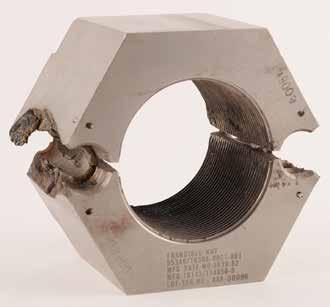
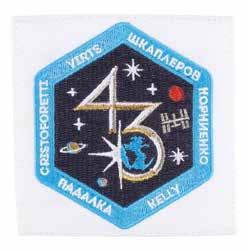
5520. ISS Expedition 43 Flown EMU Space Suit Patch - From the Personal Collection of Scott Kelly. Flown ISS Expedition 43 Extravehicular Mobility Unit (EMU) space suit patch, 3.5˝ x 3.5˝, flown to the International Space Station for use by Scott Kelly in the event that he had to perform an unplanned spacewalk. The patch is embroidered with the mission insignia—the numeral “43” with imagery of the ISS orbiting Earth, surrounded by the names of the six crew members—and is backed by Velcro for application to the EMU suit. In fine condition.
Accompanied by a letter of authenticity signed by Scott Kelly, in part: “This letter certifies that the accompanying Expedition 43 Extravehicular Mobility Unit (EMU) spacesuit patch was flown on board the International Space Station. Read more online at www.RRAuction.com. The Richard Jurek Collection. Starting Bid $200
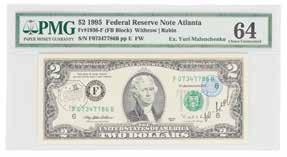
5521. ISS Expedition 7/ Soyuz TMA-2 (4) Flown $2 Dollar Bills, Signed by Yuri Malenchenko. Group of four flown Series 1995 two-dollar bills carried to the International Space Station aboard Soyuz TMA-2 by cosmonaut Yuri Malenchenko, with serial numbers F05071041B, F07347783B, F07347785B, and F07347786B. All are signed in black ink by Malenchenko, and bear on-board ISS and Expedition 7 ink stamps. One has been encapsulated and graded by PMG as “Choice Uncirculated 64,” with the label noting the provenance: “Ex. Yuri Malenchenko / Flown Aboard ISS Expedition 7, 2003 / Jefferson Space Museum Collection.” Each is accompanied by a certificate of authenticity signed by Malenchenko, stating that these “did, indeed, fly with me on Soyuz TMA-2 to the International Space Station during Expedition Seven for over 184 says and 2,911 orbits of the Earth. We left Earth on April 25, 2003 from Baikonur Cosmodrome in Kazakhstan, and returned to Earth on October 27, 2003.” Also includes two photos of Malenchenko signing the currency, and a letter of authenticity from noted USSR-Airspace dealer Alex Panchenko, attesting to the flight and history of the bills and that they originate directly from Yuri’s collection: “It was a symbolic gesture on Yuri’s part to carry these bank notes on board as the mission was the first time the ISS crew included one Russian cosmonaut, and one American cosmonaut. Yuri personally hand-canceled each bill with the ISS stamps, including stamp of his Expedition-7, while in orbit.” The Richard Jurek Collection. Starting Bid $300
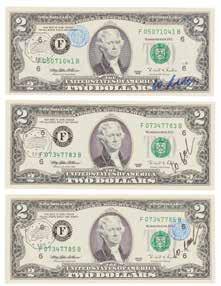
“A large part of the high-altitude rocket theory was worked out...when I was at Princeton in 1912–13”
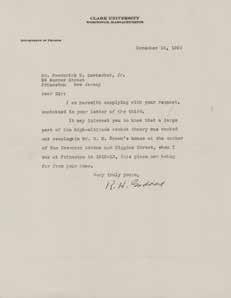
5534. Robert H. Goddard Typed Letter Signed on His Time in Princeton, where “a large part of the high-altitude rocket theory was worked out”. Physicist and inventor (1882-1945) credited with creating and building the world’s first liquid-fueled rocket. TLS signed “R. H. Goddard,” one page, 8.5 x 11, Clark University letterhead, November 16, 1929. Letter to Frederick W. Loetscher, Jr., in full: “I am herewith complying with your request, contained in your letter of the third. It may interest you to know that a large part of the high-altitude rocket theory was worked out evenings in Mr. G. M. Brown’s house at the corner of Van Deventer Avenue and Wiggins Street, when I was at Princeton in 1912–13, this place not being far from your home.” In fine condition. Accompanied by the original mailing envelope. From the personal collection of a lifelong collector, teacher, and traveler with a passion for world history. His collecting years ranged from the 1970s to the present day, meaning that several of the premier pieces have not been on the market in decades. Starting Bid $200
5533. Bullpup Missile Fin Can and Tail. Export restricted (ITAR), sale only to US Citizens and Organizations. Bullpup missile fin can and tail, marked on the side: “Naval Ordnance Station, Indian Head, Maryland, Date Loaded 10/61, Sustainer, Guided Missile MK 8 Mod 2 S/N HH-11-R, Buord Dwg. No. 63555 Rev. B Plus 051600.”
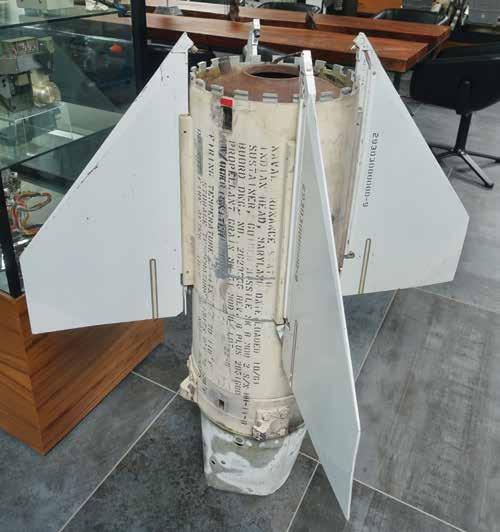
Development of Bullpup began in 1953 when Korean War experience demonstrated the almost complete inability for conventional bombing to attack point land targets like bridges. The weapon was guided by the launch aircraft through the manual command to line of sight (MCLOS) method, with the pilot visually tracking the flight of the missile via two bright flares in the weapon’s tail. The pilot guided the missile using a small joystick in the airplane cockpit. The position of the receiver antenna on the weapon meant that the aircraft had to continue flying in roughly the same direction as the missile in order for the signals to be received from the AN/ARW-73 transmitter, and due to the location of the cockpit on the aircraft, this generally meant the aircraft had to be in a dive toward the target throughout the approach.
This B version of the Bullpup enlarged the warhead to 1,000 pounds and upgraded the solid motor to a liquid Thiokol LR58 with much higher thrust.
In its most famous early use in Vietnam, sixteen Air Force F-105s carrying two AGM-12Bs were part of the group of aircraft that attacked the Thanh Hóa Bridge on 3 April 1965. Because the weapon was manually guided, each aircraft had to line up for attack twice in separate passes. The bridge was undamaged, as the Bullpups simply bounced off the bridge.
In addition to the lack of destructive power, the requirement to carry out separate passes for each release, and the need to continue guiding the weapon through its flight, led the Air Force to conclude the weapon was inadequate.
This piece will be crated and shipped from California; the buyer is responsible for all associated costs. Starting Bid $200
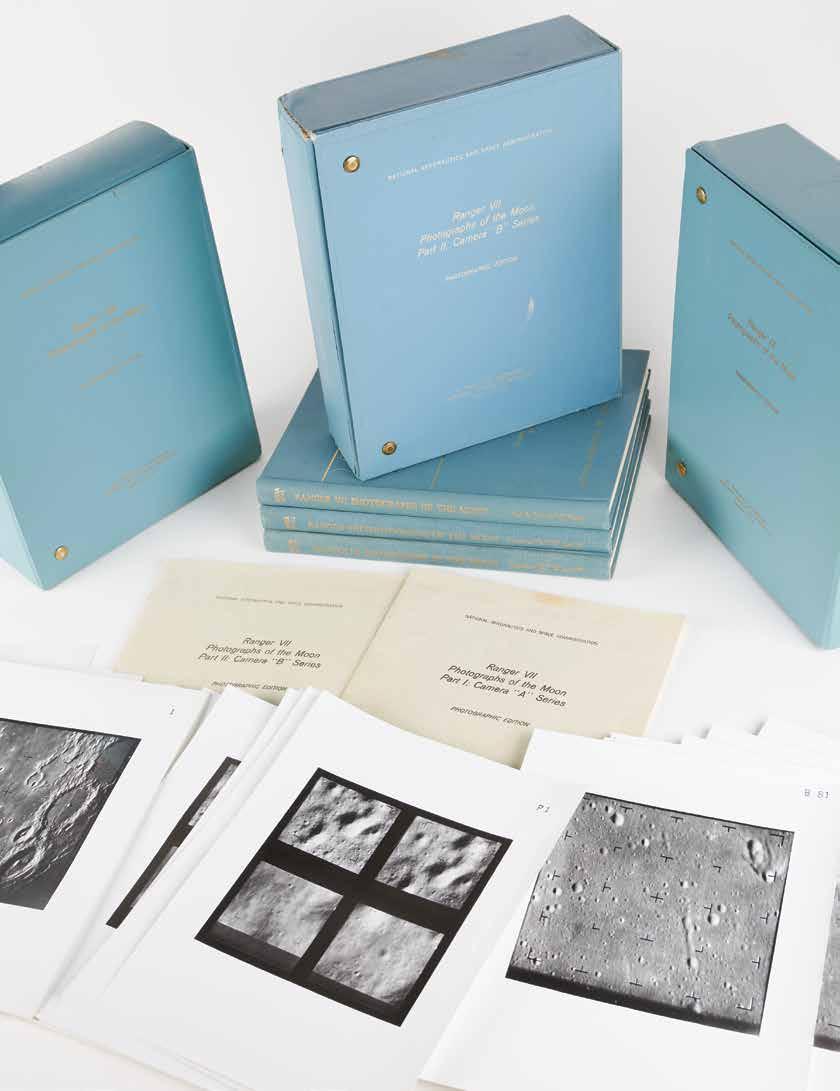
5540. Ranger Program Three-Volume Collection of (550) Photographs. Three-volume ‘photographic edition’ set containing 550 lunar images taken by Ranger impact probes 7, 8, and 9 during the program’s successful Block 3 missions between July 1964 and March 1965. The glossy double-weight photographs, each 11 x 14, are numbered and housed accordingly in their original 11.75 x 14.5 x 4 snap-button slipcases, issued as “Photographs from the Moon” and prepared by NASA and the Jet Propulsion Laboratory at the California Institute of Technology, with each slipcase also including the original information booklet specific to the mission and photographic series. The volumes are as follows:
Ranger VII, Part 2: Camera ‘B’ Series, dated December 15, 1964, containing 200 photographs, each showing a single image of the lunar surface. Also included is the booklet for the “Part 1: Camera ‘A’ Series.’” The Ranger 7 probe reached the moon on July 31, 1964, and during the final 17 minutes of its flight transmitted over 4,300 photographs before impacting at Mare Cognitum, an area between Mare Nubium and Oceanus Procellarum near the lunar equator. Both the Surveyor 3 lander and the Apollo 12 crew landed near its northern shore, with the crew of Apollo 14 landing at an outcrop of the Fra Mauro formation, which is also in close proximity to Mare Cognitum.
Ranger VIII, dated December 15, 1965, containing 180 photographs with tabbed separators marked A, B, and P; each photo showing a single image of the lunar surface. The Ranger 8 probe reached the moon on February 20, 1965, and during the final 23 minutes of flight, transmitted over 7,100 photographs before making impact at Mare Tranquillitatis, or the Sea of Tranquility. After the Surveyor 5 landed there on September 11, 1967, Mare Tranquillitatis served as the historic landing site for the crew of Apollo 11 and the Lunar Module Eagle.
Ranger IX, dated December 15, 1965, containing 170 photographs with tabbed separators marked A, B, and P; each photo showing a single image of the lunar surface. Included with the folder are eight glossy 8 x 10 photos of the lunar surface; the reverse of all but one is stamped with numbers, and three are annotated “SWRF.” The Ranger 9 probe reached the Moon on March 24, 1965, and during the final 20 minutes
of flight transmitted over 5,800 photographs before impacting in Alphonsus crater, one of the primary alternate landing sites considered for both the Apollo 16 and Apollo 17 missions.
Includes three hardcover NASA photograph books for Ranger probes 7, 8, and 9 — Ranger VII, Photographs of the Moon - Part I: Camera ‘A’ Series (NASA SP-61); Ranger VIII, Photographs of the Moon - Cameras ‘A,’ ‘B,’ and ‘P’ (NASA SP-111); and Ranger IX, Photographs of the Moon - Cameras ‘A,’ ‘B,’ and ‘P’ (NASA SP-112).
In overall fine to very good condition, with only a handful of photos exhibiting wear or creasing; some staining to booklets and hardcover books; and scattered soiling and wear to slipcases, namely some splitting to the binding of Ranger VII. Accompanied by a ‘Ranger VII’ certificate of commendation presented to “D. E. Willingham, a member of the Ranger Team,” who is “commended for significant contribution to the success of the mission which secured the first high-resolution photographs of the surface of the moon.”
In the early 1960s, NASA developed the Ranger program and a series of impact probes designed to take high-quality pictures of the moon and then transmit them back to Earth. They were programmed to head directly to the moon and capture close-range images before crashing into the lunar surface; the images were used primarily for scientific study, as well as for selecting landing sites for the forthcoming Apollo missions. After failed attempts on the first six spacecraft, the Block 3 missions of Rangers 7, 8, and 9 proved remarkably successful, with transmitted images 1000 times better than those attained by Earth-based telescopes. A superb assemblage of lunar photography deriving from the program that helped lay the foundation for the Apollo program.
Donald E. Willingham was a NASA Jet Propulsion Laboratory (JPL) scientist and engineer who played a key role in early lunar exploration, including the Ranger and Surveyor missions. He contributed to the first successful moon photography (Ranger), soft-landing technology (Surveyor), and later worked on Pioneer, analyzing ultraviolet data to measure hydrogen/ helium ratios. Starting Bid $200
5549. Apollo Command and Service Module Model - From the Personal Collection of Jack E. Davis, Director of Ground Support Operations During the Apollo Program. Vintage 1:40 scale contractor model of the Apollo Command and Service Module with launch escape assembly at the top, standing approximately 21˝ tall, set upon a black plastic base, reading: “North American Rockwell Corporation, Apollo Spacecraft,” with a “W. J. Hyatt, Inc.” maker’s label affixed to the underside. In very good to fine condition, with scattered light wear, including chips to paint and decals, scuffs and markings to the Service Module, and a circular mark to the base.
Originates from the personal collection of Jack E. Davis, who served as Director of Ground Support Operations during the NASA Apollo Program. In this senior leadership role, Davis reported directly to Christopher C. Kraft, Jr., the pioneering Director of Flight Operations and architect of Mission Control. Working under a NASA contract through Singer- Link, Davis oversaw the mission-critical ground support and simulation systems used for astronaut training and spacecraft readiness across Apollo missions 8 through 17. His responsibilities placed him at the operational center of spacecraft verification, mission rehearsal, and launch preparation during the most demanding years of the lunar program.
Contractor models of this type were produced in limited quantities for internal NASA use, engineering reference, and executive display. Examples with direct, documented provenance to senior Apollo Program leadership are exceptionally scarce. Starting Bid $500
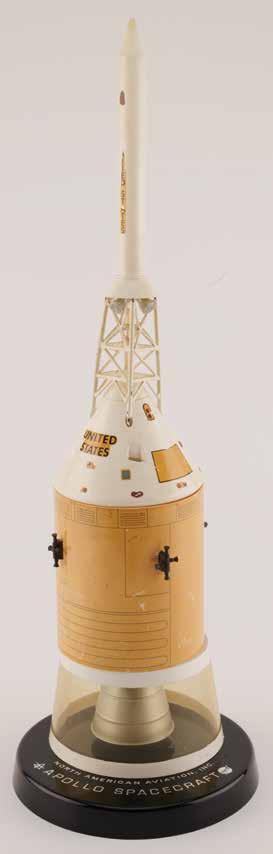
5550. Apollo Lunar Module ModelFrom the Collection of Leopold DeMarinis, a Grumman Engineer Who Worked on the LEM Attitude Control System. Vintage Apollo lunar module contractor’s model, made of injection-molded plastic and measuring approximately 6.5” tall and 10” across. The two-piece LM is removable from the base, separates into ascent and descent stages, and has numerous tiny projecting parts. Includes the original 10.25” diameter black base, with color logos of both Grumman and NASA, as well as the text “Lunar Module” printed near the edge; this particular base also features an uncommon quote from Apollo 11 Commander Neil Armstrong: “One small step for man…One giant leap for mankind, 10:56 EDT, July 20, 1969.” In fine condition, with some wear to paint and stickers, and one of the VHF antennas is missing.
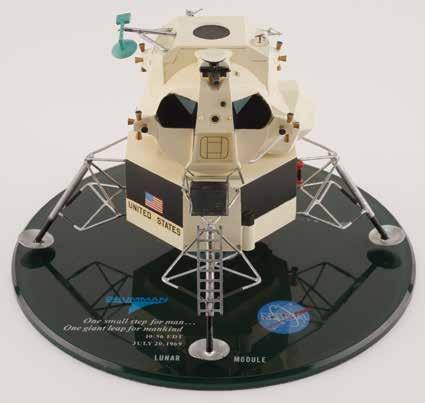
From the collection of Leopold DeMarinis, an engineer in Grumman’s Mechanical Systems Department (Bethpage, NY) from 1961–1973. He helped design the simulator for the first lunar module used by John Glenn and others, later created an air table to simulate outer space conditions for instruments, and ultimately contributed to the mechanical construction and design of the Lunar Excursion Module’s attitudinal jets (cone-shaped landing rockets), used on Apollo 11’s 1969 moon landing and all subsequent Apollo missions. Accompanied by a copy of the book The Feathers of Fortunato, written by his daughter, which details the life and career of DeMarinis.
Below are a few amusing quotes from DeMarinis, recalling his time at Grumman:
‘We were sitting around the lunchroom trying to figure out a landing gear issue, when someone got frustrated and squashed his Coke can flat under his foot. That’s it! Aluminum was the perfect material…lightweight, and collapsible. Then we had to overcome the problem of cutting a sheet of aluminum into a round shape without destroying it. My team came up with the idea of making an aluminum honeycomb that could be filled with water and then frozen. After we cut the tube shapes we needed, we just melted the water out. Voila!
Another time, we were struggling with an idea for material to use as an emergency food source in case the astronauts got stranded on the moon while awaiting a rescue mission. One guy mentioned that his baby’s pabulum had to be scraped off the floor after being missed in the prior night’s kitchen clean-up. He said it was as hard as a pegboard. From that idea sprung the sheets of baked oatmeal and graham crackers that could be drilled and used as instrument panels on board. That concoction never got off the ground with a mission, but I thought it was spectacular.
My greatest claim to fame, however, came along by accident. When the astronaut’s spacesuit was to be tested, they brought in a Naval Air Pilot. These guys were usually small-framed for their job. So, when the spacesuit was inflated, the helmet’s neck ring kept rising up to his chin. Grumman scrambled to find a guy who would be the perfect fit. Amazingly, my measurements were the perfect fit, and I was the one they picked to be the first to wear the astronaut’s spacesuit, fully inflated, and climb up the ladder and through the lunar module hatch. I guess you could say I got it ready for Neil Armstrong.’ Starting Bid $200
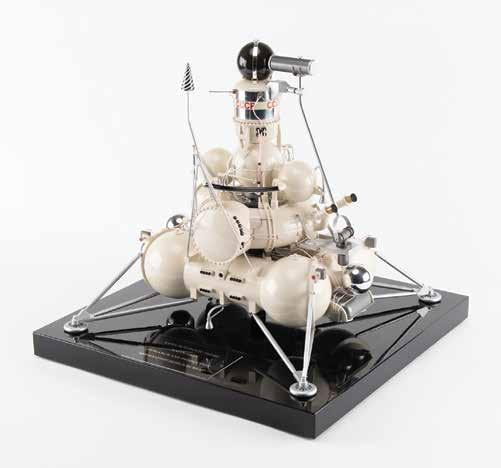
5551. Luna-16 Model – The First Robotic Lunar Probe. Exceptional 1:10 scale handmade presentation model of the Luna-16 spacecraft, measuring approximately 16.5 x 15 x 16, constructed of metal with elements of plastic composite, produced as an exclusive project presentation model by the Lavochkin Research and Production Association. Presented on a black 17˝ x 17˝ base with an engraved plaque. In fine condition.
The Luna-16 probe launched on September 12, 1970, entered lunar orbit, and then landed on the surface on September 20. It collected a sample of lunar soil and returned to Earth on September 24, becoming the first successful robotic probe to land on the lunar surface. A meticulously crafted model representing this historic automated lunar mission. Starting Bid $500
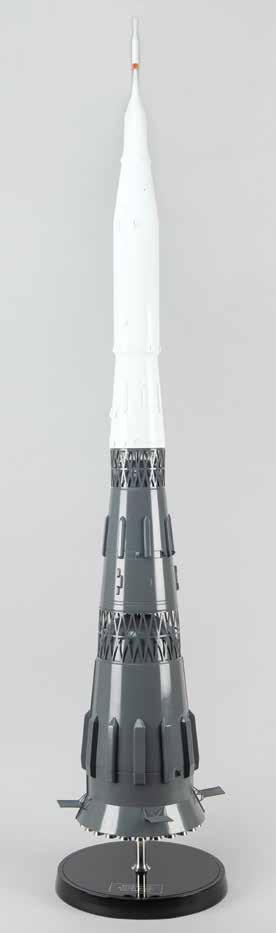
Large-scale handmade model of the N1-L3 rocket, the Soviet Union’s proposed lunar landing system developed to compete with the Apollo program’s Saturn rocket family
5552. N1-L3 Soviet Lunar Launch Vehicle Model - Nearly Five Feet Tall. Massive, high-detail 1:72-scale presentation model of the Soviet N1-L3 rocket made exclusively for the Energia Corporation. Constructed of metal and resin composite elements, the hand-made model measures 58˝ in height and is set upon a circular 12˝ base with affixed nameplate: “Soviet N1-L3, Rocket Model, NPO Energia.” In fine condition.
The N1-L3 was the Soviet Union’s proposed lunar landing system developed to compete with the American Apollo program. It paired the N1 super heavy-lift rocket—designed as the Soviet counterpart to the Saturn V—with the L3 lunar expedition complex, which included the LOK lunar orbital spacecraft and the single-cosmonaut LK lunar lander. The system was intended to carry a Soviet cosmonaut to the Moon using a lunar-orbit rendezvous mission profile.
Development of the N1 began in 1959 as part of the Soviet effort to achieve crewed missions beyond low Earth orbit. Its first stage was the most powerful rocket stage ever built. Despite four launch attempts, however, the N1 never successfully flew. During the second test launch, the rocket crashed back onto its launch pad shortly after liftoff and exploded, producing one of the largest non-nuclear explosions in human history. The program was suspended in 1974 and officially canceled in 1976. Like the rest of the Soviet crewed lunar program, the N1 remained secret until the late 1980s, with details first publicly released in 1989. Starting Bid $500
Hand-made presentation model of the Soviet space probe Venera 4, the first spacecraft to transmit data from the atmosphere of another planet
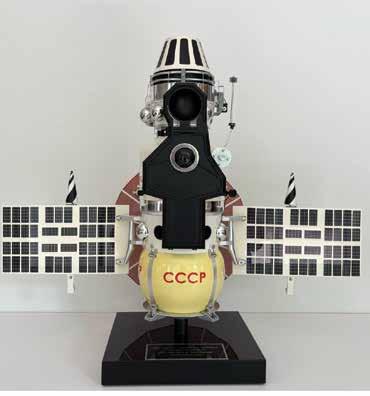
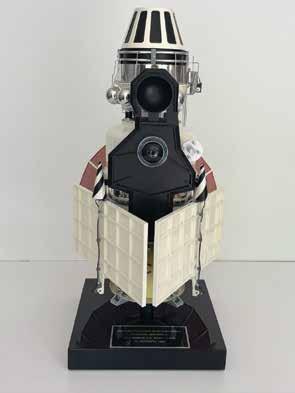
5554. Venera 4 Model. High-detail presentation model of the Venera 4 space probe, a probe in the Soviet space program made for the exploration of Venus. Launched by the USSR on June 12, 1967, Venera 4 became the first spacecraft to successfully perform in-situ analysis of the atmosphere of another planet. The probe entered the Venusian atmosphere on October 18, 1967, transmitting scientific data for approximately 94 minutes as it descended by parachute, measuring atmospheric pressure, temperature, density, and chemical composition. Its instruments confirmed for the first time that Venus’s atmosphere is composed primarily of carbon dioxide, with extremely high pressures and temperatures. These findings that revolutionized scientific understanding of the planet and marked a major milestone in planetary exploration during the Cold War space race.
Constructed of metal, fibre-reinforced plastic, and resin composite elements, the hand-made model stands 22˝ in height, with open solar panels extending at a width of 27˝. The model consists of orbital and lander modules, parabolic and low-gain antennas, solar panels, and a magnetometer bracket. Antennas and solar panels are multi-directional. The model is set on a black base, 10˝ x 10˝ x 1.5˝, with an affixed plate with Cyrillic text, which reads (translated): “Automatic Interplanetary Station Venera-4, NPO named after S.A. Lavochkin, October 18, 1967.” In fine condition. Starting Bid $1000
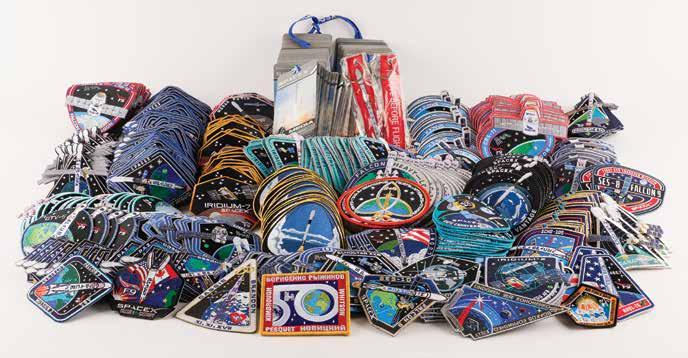
5558. SpaceX Collection of (Approx. 1000) Mission Patches and Media Passes. Impressive collection of nearly 1,000 SpaceX mission patches and media passes dating from 2013 to 2019—a pivotal period when SpaceX evolved from a disruptive newcomer into the world’s leading launch provider. During these years, the company proved booster reusability, entered the national security market, and rapidly expanded its launch frequency, laying the economic and operational foundation for Crew Dragon, Starlink, and its emergence as the dominant force in modern spaceflight.
The collection contains approximately 600 embroidered patches, primarily from Falcon 9 launches (unless otherwise noted), and features numerous milestone missions, including SpaceX’s first GTO launch (SES-8), the first reflown orbitalclass booster (SES-10), inaugural national security missions (NROL-76 and OTV-5), key NASA science payloads such as TESS, and early operational Falcon Heavy flights. The majority of patches contain numerous duplicates. Includes a few unrelated space patches, such as Expeditions 45, 50, and 55.
Missions include (ordered by year)
- CASSIOPE (2013); SES-8 (2013); Delta IV Heavy NROL65 (2013)
- ABS/Eutelsat-2 (2016); Eutelsat 35B (2016)
- CRS-10 (2017); CRS-11 (2017); CRS-12 (2017); CRS-13 (2017); EchoStar XXIII (2017); Formosat-5 (2017); Inmarsat-5 F4 (2017); Iridium-2 (2017); Koreasat 5A (2017); NROL-76 (2017); SES-10 (2017); SES-11 / EchoStar 105 (2017); OTV5 (2017)
- CRS-14 (2018); CRS-15 (2018); CRS-16 (2018); Bangabandhu Satellite-1 (2018); Es’hail-2 (2018); GovSat-1 (2018); Hispasat 30W-6 (2018); Iridium-5 (2018); Iridium-7 (2018); Iridium-8 / GRACE-FO (2018); Merah Putih (Telkom-4) (2018); PAZ (2018); SES-12 (2018); Telstar 18V (2018); TESS (2018); Zuma (2018)
- Falcon Heavy STP-2 (2019)
The media passes, which number in the vicinity of 300, contain numerous duplicates and represent missions such as SES-11 / EchoStar 105; NROL-76; SES-10; Bangabandhu Satellite-1; Hispasat 30W-6; Inmarsat-5 F4; Falcon Heavy; and the Hyperloop Pod Competition Weekend (2018). In overall very fine condition. Starting Bid $200
5559. SpaceX ‘Dragon Rider’ Prototype Crew Suit (Orbital Outfitters, c. 2012). Rare early prototype crew suit produced during the formative development of SpaceX’s ‘Dragon Rider’ program, representing one of the earliest tangible artifacts from the company’s transition into human spaceflight.
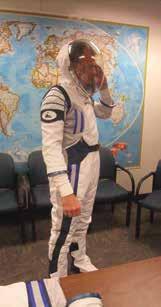
In 2010, Orbital Outfitters—the first commercial spacesuit company—was retained by Space Exploration Technologies Corp. (SpaceX) as consultants during early development of its crewed Dragon capsule. Orbital Outfitters personnel participated in NASA review meetings and provided consultation regarding suit design and capsule integration.
In 2012, prior to a NASA review, SpaceX supplied preliminary conceptual suit drawings to Orbital Outfitters. These renderings were refined for presentation purposes, and the resulting design served as the basis for a limited production of volumetric prototype suits intended for astronaut fit-check evaluations within the Dragon Rider capsule. During contractual discussions, Elon Musk’s desired aesthetic for the suit was memorably described as ‘bad ass,’ reflecting SpaceX’s intention to create a visually striking departure from traditional government-issued pressure suits.
Approximately seven prototype suits were produced. These examples were non-pressurized volumetric mock-ups constructed for ergonomic assessment, mobility study, and capsule interface evaluation. They were not engineered for flight or operational use.
The present suit is the Orbital Outfitters–retained reference example from this limited prototype production run. Preserved following the company’s closure in 2018, it stands as a signifcant relic from the earliest phase of SpaceX’s commercial crew development—predating the finalized operational Crew Dragon pressure suit program. Constructed of layered synthetic materials with reinforced seams and integrated gloves and boots, the suit displays the bold styling characteristic of early Dragon Rider concepts. The suit is of non-pressurized prototype construction, end it exhibits expected handling and storage wear consistent with mock-up fabrication. Accompanied by a letter of provenance from Chris Gilman, President of Global Effects Inc., detailing its development history and retention. Starting Bid $1000
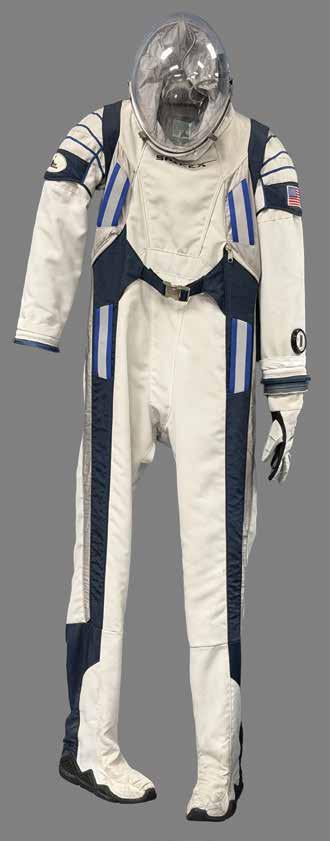
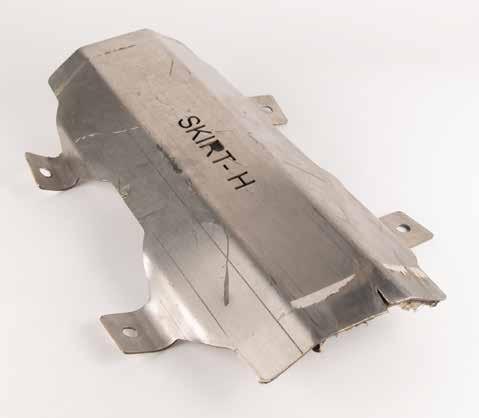
5560. SpaceX Starship SN8 Flown ‘SKIRT-H’ Panel. Flown metal spacecraft component recovered from the wreckage of SpaceX Starship SN8, which crashed during the return from its first flight on December 9, 2020. The piece measures 22.5˝ x 15˝ x 4˝, with the top engraved with capital letters, “SKIRT-H.” Accompanied by a letter of provenance from Steve Jurvetson of Future Ventures, who is pictured on the reverse standing next to the remains of the historic SN8, with a SKIRT-H panel visible on the interior structural ribbing of the Starship SN8. The letter reads, in part: “SpaceX’s SN8 was the first fully complete Starship upper-stage test flight. It demonstrated first-ofits-kind controlled aerodynamic descent and a landing flip maneuver. These techniques will enable landings where no runways exist, including moon, Mars, and beyond. I personally collected this structural element from the wreckage of SN8 on December 10, 2020, the day after its first and final flight. We held a board meeting that day and walked around Starbase afterward.
Space.com summarized the test flight in their reporting: ‘SpaceX’s Starship spaceflight system just took a big step on its path to Mars. The latest Starship prototype, a shiny silver vehicle known as SN8, launched on an epic high-altitude test flight today (Dec. 9), taking off at 5:45 p.m. EST (2245 GMT) from SpaceX’s facility near the South Texas town of Boca Chica.
The goal was to soar about 7.8 miles (12.5 kilometers) into the sky, perform some complex aerial maneuvers—including a “belly flop” like the one the final Starship will perform when coming back to Earth on operational flights—and then land safely near the launch stand.
The 165-foot-tall (50 meters) SN8 appeared to notch all of these big milestones, except for the final one: The vehicle hit its landing mark but came in too fast, exploding in a dramatic fireball 6 minutes and 42 seconds after liftoff.
SN8’s rapid unplanned disassembly did nothing to dampen the spirits of SpaceX founder and CEO Elon Musk, who was thrilled by the results of the test flight. ‘Fuel header tank pressure was low during landing burn, causing touchdown velocity to be high & RUD, but we got all the data we needed! Congrats SpaceX team hell yeah!!’ Musk tweeted that evening. ‘Mars, here we come!’’ Starting Bid $300
5564. SpaceShipOne Flown $2 Dollar Bill, Signed by Mike Melvill and Brian Binnie - PMG CU 64. Flown Series 2003 two-dollar bill, serial number I15894613A, carried on the SpaceShipOne’s two X-Prize flights in 2004, signed on the portrait side in black felt tip by the sub-orbital spacecraft’s test pilots, adding the dates of their flights: “29 Sept. ‘04, Mike Melvill” and “04 Oct. 04, Brian Binnie.” Encapsulated and graded by PMG as “Choice Uncirculated 64,” with the label noting the provenance: “Ex. Melvill & Binnie / Flown Twice Aboard SpaceShipOne Ansari-X Prize Flights, 2004 / Jefferson Space Museum Collection.”
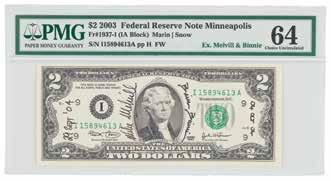
Accompanied by a letter of provenance signed by Melvill and Binnie on flown stationery from the October 4th flight, numbered 9/10, in full: “This uncirculated Two Dollar Bill (Serial # 115894613 A) was flown aboard the SpaceShipOne on its two X-Prize flights into space. The first flight (X-1) occurred on September 29, 2004 with Astronaut Mike Melvill. The second and last flight of SpaceShipOne was flown on October 4, 2004 with Astronaut Brian Binnie on the X-2 (X-PRIZE winning) flight.” Also includes an image of both pilots posing with the bill, which was one of just ten carried on both flights. SpaceShipOne now hangs in the Smithsonian’s National Air and Space Museum in Washington, D.C. The Richard Jurek Collection. Starting Bid $200
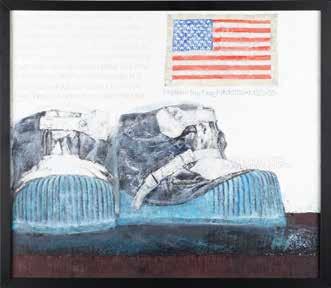
5571. Ron Woods Original Oil Painting: “A Tribute To Apollo Technicians” (23˝ x 20˝). Outstanding original painting by NASA suit technician-turned-artist Ron Woods entitled “A Tribute To Apollo Technicians,” accomplished in oil on 23 x 20 gessoed board, depicting a pair of “CDR Lunar Boots P/NA/LB-106062-03/04” and a “Payload Bay Flag P/N1010810023-05.” Applied at the upper left is a 10 x 6.5 swatch of Space Shuttle Columbia payload bay liner Beta cloth, stenciled in pencil with the names of the Apollo suit technicians. The liner section is attested flown by Ken Havekotte as indicated on a provided official KSC-NASA work task report #2954096 for flight removal and usage on Space Shuttle Columbia (OV-102) on Mission STS-109 in March 2002. Stamped in the lower left by Ron Woods and dated 2025. Framed to an overall size of 24.5 x 21.5. In fine condition.
During the Apollo program, Ron Woods worked for ILC as a suit technician performing suit maintenance, interface testing with the Command Module, Lunar Module, and Lunar Rover vehicles, and insertion of astronauts in Command and Lunar modules for training. He suited crew members for Apollo 8, 11, and 15, all Skylab missions, and Apollo-Soyuz. He also supported the first two Space Shuttle missions as a suit technician at KSC and three additional missions at primary and backup landing sites. Starting Bid $1000
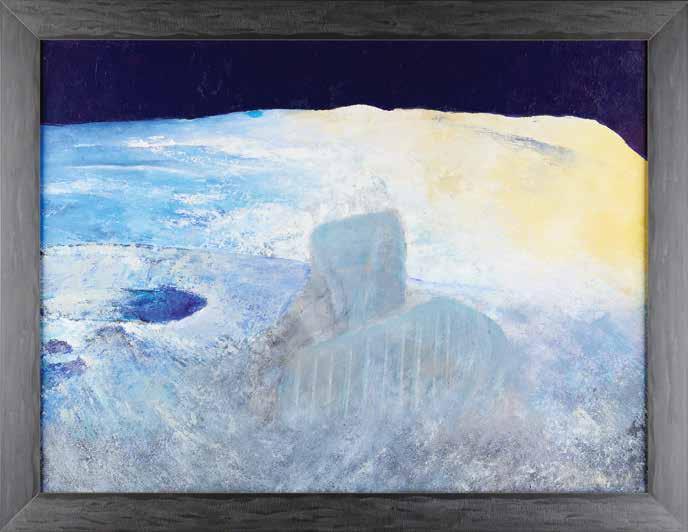
5572. Ron Woods Original Oil Painting: “Left Behind” (24˝ x 18˝). Fantastic original painting by NASA suit technician-turned-artist Ron Woods entitled “Left Behind,” accomplished in oil on 24 x 18 gessoed board, depicting a ghostly pair of dust-covered boots left behind on the lunar surface during one of the Apollo missions. Lightly signed in the lower right corner, “Ron Woods.” Framed to an overall size of 26.75 x 20.75. In fine condition.
During the Apollo program, Ron Woods worked for ILC as a suit technician performing suit maintenance, interface testing with the Command Module, Lunar Module, and Lunar Rover vehicles, and insertion of astronauts in Command and Lunar modules for training. He suited crew members for Apollo 8, 11, and 15, all Skylab missions, and Apollo-Soyuz. He also supported the first two Space Shuttle missions as a suit technician at KSC and three additional missions at primary and backup landing sites.
Woods notes that, historically, these boots could be “from either Apollo 11, 12, 14, 15, or 16. The Apollo 17 were not on the return manifest but CDR decided to bring both pairs home.” Starting Bid $1000
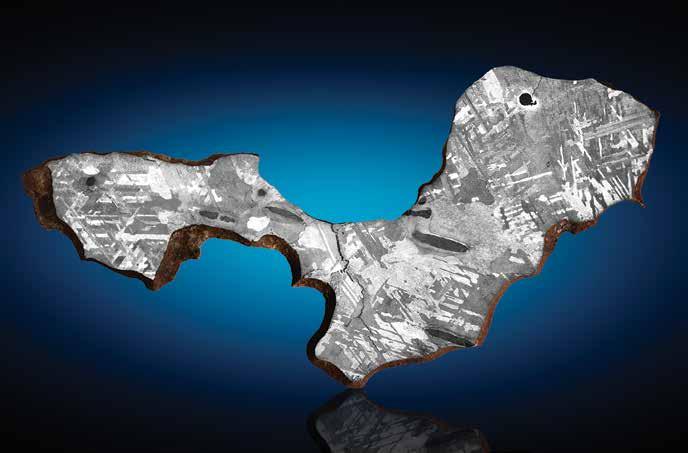
5588. Mount Dooling — Stunning Slice of an Exotic Australian Iron Meteorite. Iron Meteorite – IC North Yilgarn, Western Australia
202 x 376 x 5 mm (8 x 15 x 0.25 in.)
1,085.8 grams (2.33 lbs)
Mount Dooling meteorites were first discovered in 1909 by gold prospector A.P. Brophy in the gold fields of Western Australia — an appropriate residence for such a singularly exquisite meteorite.
Mount Dooling is a member of the exceedingly rare “1C” chemical group — less than 1% (just 14) of all iron meteorites are members of the 1C group — i.e., the only known samples of a particular asteroid that once existed between Mars and Jupiter. For the core to have been liberated from its surrounding mantle and crust, the parent body had to have shattered following a collision with another asteroid.
The latticework seen is the result of a slow cooling rate that provided sufficient time — millions of years — for the molecules of alloys to align to form their crystalline fingerprint. As different
iron meteorites have different chemical compositions and cool at different rates, they frequently exhibit different crystalline patterns. And the presence of any such pattern is diagnostic in the identification of an iron meteorite as such a long cooling curve can only occur in the core of a asteroid…and theoretically within Earth’s core and that of other solid planets.
As it regards the Mount Dooling lattice in particular, the beautiful, interwoven, complex array of metallic grains seen is the result of 1C meteorites having lower abundances of trace elements and a relatively high abundance of carbon when compared to other iron meteorites.
While Mount Dooling’s lattice is inarguably quite something to behold, it’s the shape of the meteorite from which this slice was cut that makes this specimen so special. The result is a spectacular slice of an iron meteorite with Mount Dooling’s celebrated crystalline fingerprint circumscribed by the meteorite’s milk chocolate-hued exterior rim.
Provenance: Macovich Collections of Meteorites, NYC. Starting Bid $1000
5589. NWA 12691 — A Cut and Polished Section of the Moon, Interior and Exterior Revealed. The Moon, lunar feldspathic breccia
Sahara Desert, Mauritania
59 x 62 x 60 mm (2.33 x 2.5 x 2.5 in.)
211.9 grams (0.5 lbs)
Lunar meteorites, i.e., pieces of the Moon ejected off the Moon’s surface following asteroid impacts (and nearly all of the craters on the Moon are the result of such impacts), are among the rarest material on Earth. There are less than 2000 kilograms of lunar meteorites known to exist, and all of it would fit in the back of a pick-up truck. Much of this material is off limits to the public as it’s in museums and research institutions, as is every single bit of the nearly 400 kilograms of Moon rocks returned to Earth from NASA’s Apollo missions.
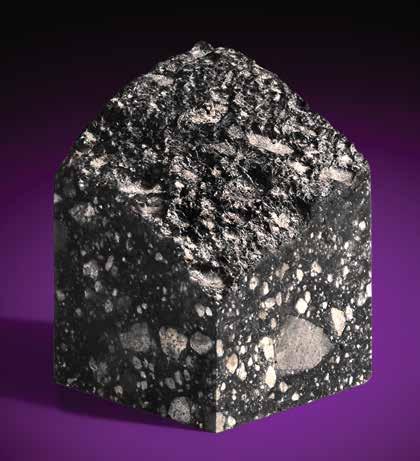
Scientists are readily able to identify Moon rocks by analyzing a rock’s texture, mineralogy, chemistry and isotopes. Moon rocks also contain gases from the solar wind, and those gases have different isotope ratios than terrestrial rocks. This chunk of the Moon is a lunar breccia, which means it contains different fragments of different lunar materials that were ‘cemented’ together as a result of the pressure and heat generated from repeated impacts on the lunar surface. The prominent white clasts seen are anorthite, which is very rare on Earth but not on the Moon.
For a meteorite to be “official” it must be published in the Meteoritical Bulletin, the scientific journal of record. The scientist who did the analysis of this lunar sample, Dr. Anthony Irving, has an international reputation for classifying lunar and Martian meteorites. His analysis was peer reviewed by scientists on the Nomenclature Committee of the Meteoritical Society before publication — and the Committee needs to come up with a name. Meteorites are named after the places from where they are recovered — a geological feature or name of a town or county — but if found in the desert where there are no features, meteorites are given the names of the designated desert grid where they were found followed by a sequential number. So, NWA 12691 is the 12,691th meteorite to be recovered, analyzed and approved for publication following its recovery in what had been designated as the North West African grid of the Sahara Desert.
As one might expect, NWA 12691 looks extremely similar to some of the Moon rocks returned to Earth by the Apollo missions. Angular shards of signature anorthite of all sizes are suspended in dark lunar regolith. Cut and polished on five sides and featuring one oblique surface of the specimen’s natural exterior surface, now offered is what is among the rarest objects on Earth, a quintessential specimen of the Moon.
Provenance: Dr. Lawrence Stifler Collection of Meteorites, Brookline, MA.
The analysis of this meteorite was conducted by Dr. Anthony Irving. The classification was published in the 108th edition of the Meteoritical Bulletin — the official registry of meteorites — which accompanies this offering. Starting Bid $1000
5590. NWA 12691 — Lunar Sample Rendered as a Sphere. The Moon, lunar feldspathic breccia Sahara Desert, Mauritania 54 mm (2 inches) in diameter 228.6 grams (0.5 lbs)
NWA 12691 is a quintessential lunar breccia — fragments of different lunar materials naturally ‘cemented’ together as a result of the pressure and heat from repeated impacts on the lunar surface. One such impact ejected the rock from which this sphere was made off the lunar surface into space before it landed on Earth.
The Moon is among the rarest objects on Earth; every single bit could fit in the back of a pickup truck. In 2017 a significant fraction of all lunar meteorites was found in a northwest African strewn field. It doubled the amount of all lunar meteorites known to exist at the time — and it’s only due to the relatively large amount of NWA 12691 that the possibility of rendering spheres exists.
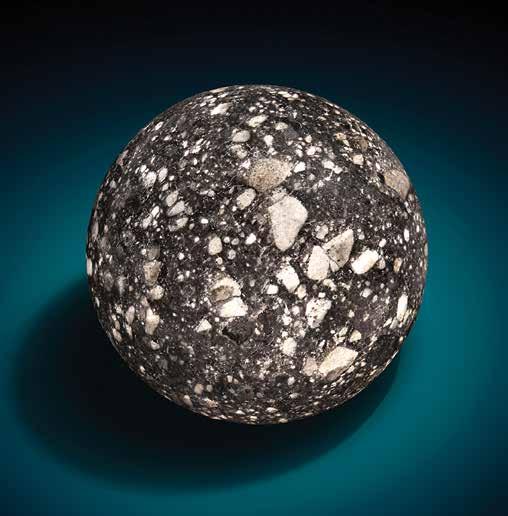
To explain, the conservatorship of one of the rarest substances known is critical and rocks more massive than the final sphere are required in the sphere-making process due to the trimming and grinding involved. There is an insufficient amount of material from other lunar samples other than NWA 12691 to experience such material loss in the fabrication of spheres, and it may be decades before another lunar meteorite with a sufficiently high total known weight will be found to provide the possibility of additional spheres. This sphere was fashioned by artisan Martin Roberts, a master sphere fabricator and protégé of Dr. Robert Ritchie, author of the standard source “The Sphere Maker’s Craft.”
NWA 12691 is composed of fragments of olivine, pigeonite, augite, ilmenite and signature white anorthite naturally cemented together by a melt of lunar regolith and other crushed rock. Scientists are readily able to identify Moon rocks by analyzing a rock’s texture, mineralogy, chemistry and isotopic signatures. As an added reference, this specimen is nearly identical to some of the material returned to Earth by Apollo astronauts. An exceedingly limited and captivating presentation of the Moon.
Provenance: Dr. Lawrence Stifler Collection of Meteorites, Brookline, MA. The analysis of this meteorite was conducted by Dr. Anthony Irving. The classification was published in the 108th edition of the Meteoritical Bulletin — the official registry of meteorites — which accompanies this offering. Starting Bid $2500
ureilite meteorite—a large end cut with exterior and interior revealed
5591. NWA 17786 Ureilite Meteorite End Cut. Ureilite
194 mm x 108 mm x 55 mm 1,769 grams
Ureilite is a rare type of stony meteorite known for its unusual mineralogical makeup compared to most other space rocks. Composed mainly of the silicate minerals olivine and pyroxene, ureilites also contain a significant amount of carbon in the form of nanodiamonds created by intense pressure from cosmic collisions. From the book Meteorites and Their Parent Planets by Harry McSween: ‘The ureilites are arguably the most bizarre and perplexing of all meteorites. Filling the spaces between the larger silicate grains is a matrix of graphite or diamond. The coarse-grained size of the ureilites suggest they formed in the deep interior of their parent body. These crystals typically meet in triple junctions and have curved boundaries’ (p.145).
This is why you rarely see a cut and polished face of the interior—it took several saw blades to cut through all of the diamondoid in this meteorite! It’s an exotic meteorite, an end cut of the recently classified Ureilite NWA 17786, a single stone found in the Western Sahara in 2024. It has a low weathering and shock grade and is described as a ‘coarse-grained ultramafic rock composed of olivine and low-Ca pyroxene (pigeonite) with…considerable amounts of graphite.’
‘One of the most interesting characteristics of ureilites is that they have experienced variable but typically intense shock metamorphism…4.0 billion years ago’ (McSween, p.147). Truly a blast from the past. Starting Bid $500
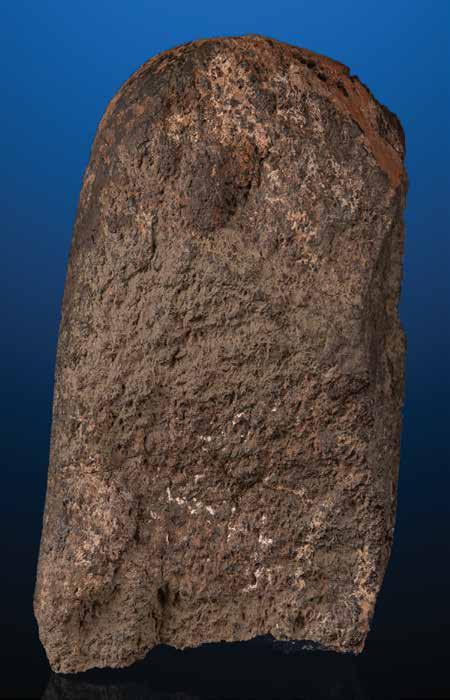
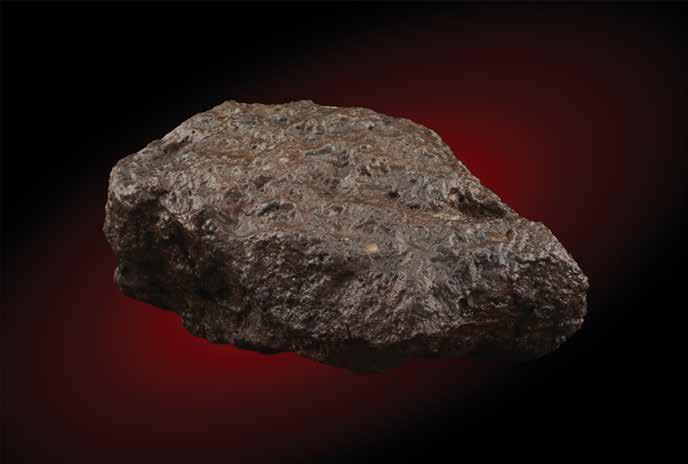
5592. Oued El Hamim 001 Lunar Meteorite Individual - A Complete Moon Rock!. Complete moon rock (lunar fragmental breccia)
116 mm x 85 mm x 51 mm
621 grams
While it is not possible to obtain lunar samples brought back from the Apollo program, we have rare opportunities to own them thanks to meteorites hitting the moon and ejecting moon rocks toward Earth.
Oued El Hamim 001 (OEH 001) was found in Ajdabiya, Libya. It has been officially classified in the Meteoritical Bulletin as a lunar frag breccia, one of only 48 such classifications on Earth. From the various analyses performed by Dr. Agee at the University of New Mexico: ‘Electron microprobe analysis and imagery indicate a lunar fragmental breccia with clasts of minerals and rocklets.’
Further setting this meteorite apart is the presence of aqueous alteration—almost unheard of in lunar specimens. Dr. Agee’s analysis revealed olivine crystals transformed into an iddingsite-like phase, evidence of interaction with water below the lunar surface. Distinct boundaries between altered and unaltered zones reveal a unique geological record, offering insights into rare processes on the Moon.
While we have precious few of these water-altered moon rocks on Earth, the Russian robotic lunar landers Luna 20 and 24 found evidence of them. From the 2018 paper from the Russian Academy of Sciences in Moscow titled Signs of Hydrothermal Activity in Lunar Rocks according to the Data of a Regolith Investigation: “4.2–3.1 Ga ago, the water content in lunar magmas was comparable to that in the current Earth basalts. Thus, Lunar magmatism should be accompanied in a natural way by hydrothermal processes corresponding to its water contents.” Starting Bid $1000

5593. Seymchan Meteorite — Partial Slice with Extraterrestrial Gemstones. Pallasite – PAL (transitional) Magadan District, Siberia, Russia
169 x 163 x 2 mm (6.66 x 6.5 x 0.1 in.)
185.9 grams (0.33 lbs)
Now offered is an example of an olivine-rich Seymchan specimen. Representing less than 0.2% of all known meteorites, pallasites are the most beautiful extraterrestrial substance known. Like all pallasites, Seymchan formed at the boundary of the stony mantle and molten iron core of an asteroid that was liberated following a catastrophic collision with another asteroid. The crystals of olivine seen here which range in hues from lemon to amber are the result of particles of the stony mantle becoming enveloped by the asteroid’s iron-nickel core, after which the materials then cooled and crystallized. This specimen also features a good deal of peridot (gem-quality olivine and the birthstone of August).
Apart from the cut edge seen at the lower left, this partial slice is delimited by its natural exterior rim. Seymchan is known to contain a good deal of the mineral schreibersite, which many researchers believe was the primary source of phosphorus — delivered to Earth via meteorites billions of years ago — to enable life on our planet. Older than Earth itself, this is a select partial slice of the mantle/core boundary of an asteroid and among the most alluring otherworldly substances known. Provenance: Ignat Baraxhin Collection of Meteorites, Finland. Starting Bid $500
5594. Seymchan Meteorite Spearpoint. Pallasite – PAL (transitional) Magadan District, Siberia, Russia
125 x 44 x 3 mm (5 x 1.75 x 0.1 in.)
56.8 grams
While Seymchan is classified as a pallasite, unlike the vast majority of other pallasitic meteorites, the dispersion of olivine crystals in Seymchan is extremely heterogeneous. Some specimens of Seymchan are olivine rich and some are olivine poor; some specimens have no olivine whatsoever. The spearpoint now offered is an example of the latter.
The meteorite from which this spearpoint was fabricated originated from the ironnickel core of an asteroid that once existed between Mars and Jupiter. For this sample to have been liberated from the surrounding mantle and crust, its parent body shattered following a collision with another asteroid. This spearpoint specimen originates from a meteorite that was part of a massive meteorite shower that occurred in the far northeastern Magadan District of Siberia, the locality of Stalin’s infamous gulags, more than 2000 kilometers from the Sikhote Alin event.
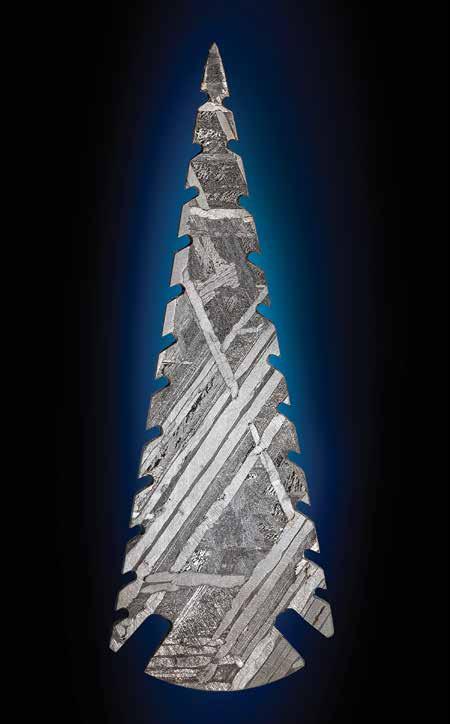
An extremely robust Widmanstätten pattern is in evidence. This latticework is indicative of a slow cooling rate that provided sufficient time — millions of years — for the molecules of the two most dominant metallic alloys to form the intricate intergrowth now seen. This pattern is diagnostic in the identification of an iron meteorite and meteorites from different parent bodies exhibit different patterns. Seymchan meteorites, which are unusually oxidation-resistant, are renowned for their resplendent crystalline patterns, and this spearpoint, fashioned by an expert artisan, spotlights this attribute. From the core of an asteroid that once existed between Mars and Jupiter, this is a superbly hewn spearpoint. Starting Bid $200
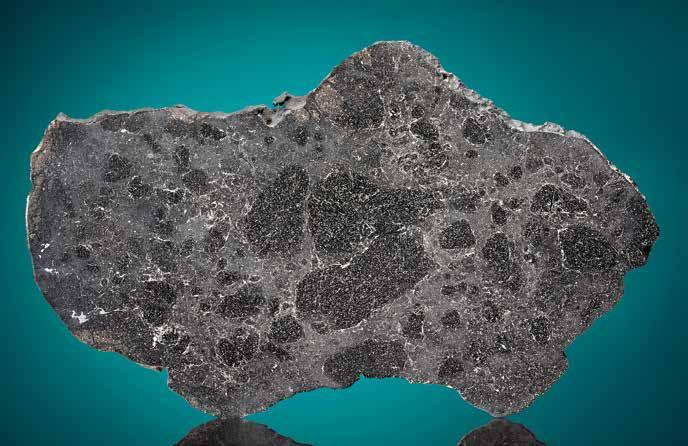
5595. Tassédet 004 Impact Melt Breccia — A Giant Slab of Art from Space. Agadez, Niger (18°40’30”N, 7°23’53”E)
H5 melt breccia
505 x 323 x 11 mm (19.75 x 12.75 x 0.4 in.)
4.72 kg (10.33 lbs)
H-melt breccias are extremely rare and this exemplary example, worthy of any museum, originates from a 400 kilogram meteorite that recently landed on Earth as evidenced by its freshness and lack of terrestrialization.
Impact melt breccias are among the most intriguing of all meteorites given their range of presentations. They are the result of asteroids slamming into target rocks in interplanetary space at cosmic velocity (approximately10 km/second). An extraordinarily powerful collision that results in the melting of a portion of the meteorite’s parent body, and its subsequent jettisoning into space. Impact melt breccias are among the most texturally diverse meteorites due to the variables of impact events including the speed and angle of the impactor, the
type, amount and the flow of the melted target and the size, shape and abundance of the unmelted inclusions.
Such variation can even occur in the same meteorite. As described in the Meteoritical Bulletin, the journal of record, Tassédet 004 evidences ‘considerable variation in petrography and clast size.’ The black, roundish clasts seen suspended throughout the matrix are surrounded by lighter-colored quenched melt and igneous-textured microporphyritic melt domains. The black clasts show an even distribution of metal and sulfide and significant porosity as vesicles 10 to 200 ?m, some with euhedral grains protruding into the voids.
More simply expressed, this is a one-of-a-kind, massive, complete slab of a meteorite delimited by its natural exterior surface that would have been an impressive H-chondrite — had it not experienced a cataclysmic impact in space resulting in the unique and striking showpiece now seen.
Provenance: Dr. Lawrence Stifler Collection of Meteorites, Brookline, MA. Starting Bid $1000
5596. Wan Zawatin 002 — Complete Slice of a Rock from Mars. Martian meteorite, shergottite – SNC Ghadamis, Libya (29.02° N, 10.97° W)
171 x 146 x 3 mm (6.75 x 5.75 x 0.1 in.)
213.6 grams (0.5 lbs)
Infinitely more rare than diamonds or gold, meteorites from Mars are among the most exotic substances on Earth — and far more rare than the Moon. Only 425 kg (935 lbs) is known to exist, all of which could easily fit in the trunk of a large car.
Scientists long suspected a group of meteorites with similarly unusual features had a planetary origin that wasn’t Earth, and it was believed these meteorites were either from Venus or Mars. Researchers correctly speculated an asteroid impact must have ‘kicked’ some of the material off one of the other planets, and as a result of the weaker gravity and thinner atmosphere of Mars (which meant less energy would be required to eject the specimens off the Martian surface), it was reasoned that these unusual meteorites more likely originated from Mars than Venus.
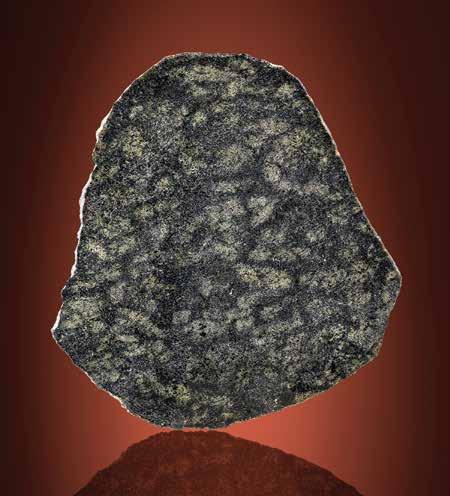
In 1995, the much sought-after smoking gun finally arrived. A suspected Martian meteorite contained impact glass, and researchers determined that within the glass there were tiny bubbles, and within these tiny bubbles were tiny amounts of gas. The gas was analyzed and it matched perfectly with the signature of the Martian atmosphere as revealed by NASA’s Viking space probes in the mid 1970s.
Wan Zawatin 002 has been authenticated by scientists of the Meteoritical Society — the foremost organization of meteorite researchers in the world. The cut and polished surface evidences light colored domains of pyroxene enclosing smaller darker olivines suspended in a groundmass of darker olivine. Electron probe analysis reveals this meteorite to be a plagioclase iherzolite with a poikilitic texture (where host crystals enclose crystals of different mineral or minerals). Major phases are pigeonite, augite, olivine and the impact glass maskelynite, which is unknown to occur on Earth except in select meteorites. As tremendous amounts of heat and pressure are required for maskelynite to form, this is consistent with a massive impact event on Mars which explains the delivery mechanism of Wan Zawatin 002 to Earth.
The analysis of this meteorite was conducted by Dr. Carl Agee, Director of the Institute of Meteoritics. The classification was published in the 111th edition of the Meteoritical Bulletin — the official registry of meteorites — which accompanies this offering.
Provenance: Dr. Lawrence Stifler Collection of Meteorites, Brookline, MA. Starting Bid $1000
5601. Space Archive from the Clifford Hochman Collection. A wide-ranging and carefully assembled collection of space memorabilia spanning the full arc of America’s manned spaceflight program, from the pioneering days of Project Mercury through the Space Shuttle era. Assembled over many years by Clifford Hochman, the collection reflects a genuine passion for the men and missions that defined the Space Age, with particular depth in Apollo-era signatures, mission-flown covers, signed books, and display pieces representing the most celebrated names in astronaut history.
The collection is notable for its breadth of signatures, encompassing nearly every major figure of the American space program. Mercury astronauts represented include John Glenn, Alan Shepard, Scott Carpenter, Gordon Cooper, Wally Schirra, and Deke Slayton, with highlights including an impressive multi-signed display featuring 18 Mercury astronaut autographs, and souvenir typescripts from We Seven signed by Glenn and Slayton. Apollo coverage is especially strong, with signed items from moonwalkers Buzz Aldrin, Alan Bean, Charles Conrad, Edgar
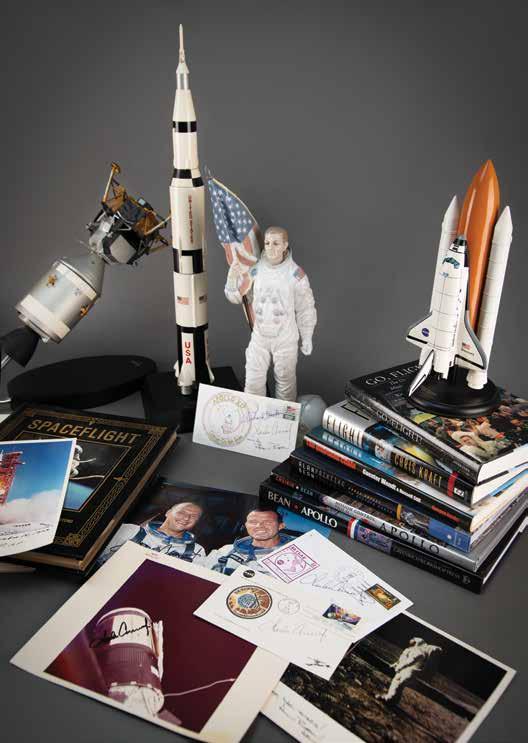
and Gene
alongside crew-signed covers, photographs, and documents representing Apollo 11, 12, 14, 15, and 17. The Skylab and Gemini programs are also well represented, as is the Space Shuttle era through a crew-signed oversized STS-2 photograph. Beyond the astronauts themselves, the collection includes signed books from key figures behind the missions, including legendary Flight Director Chris Kraft and Pad Leader Guenter Wendt. Read more details online at www.RRAuction.com. From the collection of Clifford Hochman. Starting Bid $1000
5002. Thaddeus Lowe Letter Signed
5006. Samuel P. Langley Autograph Letter Signed Starting Bid $200

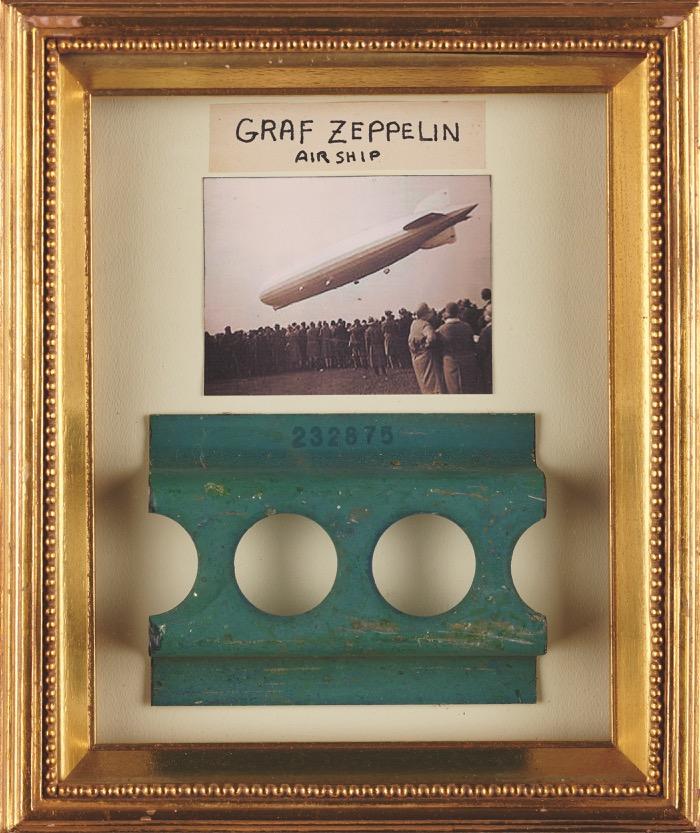
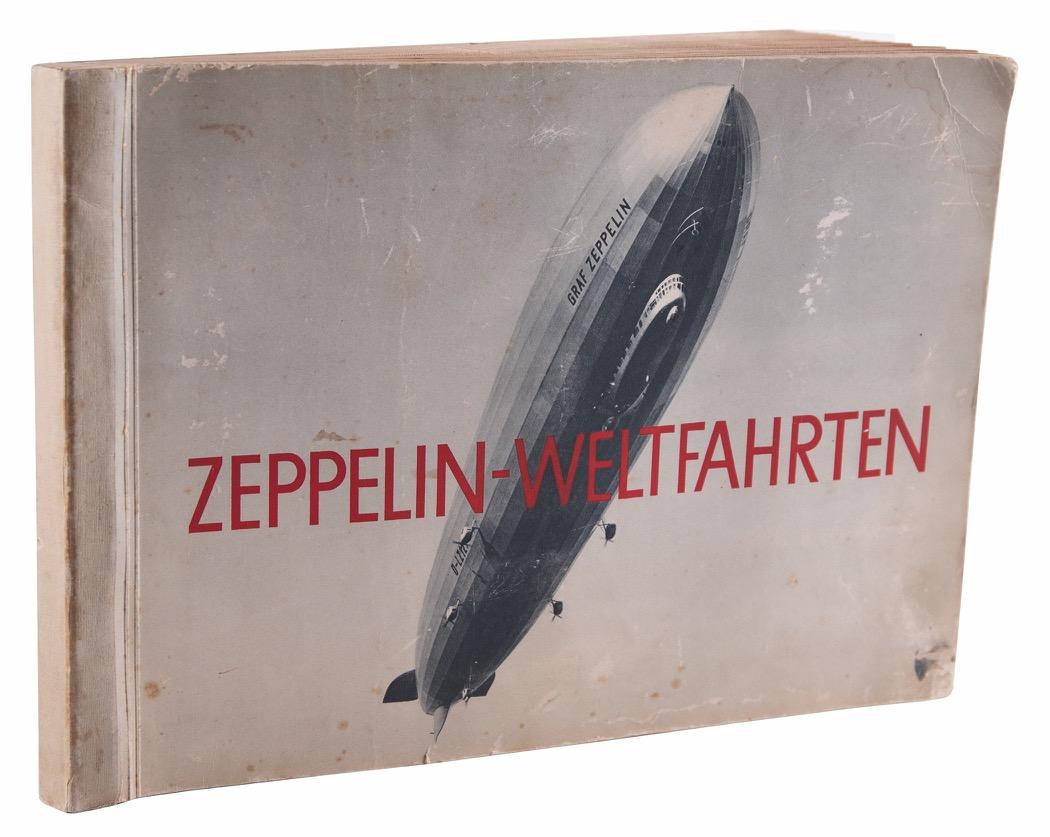
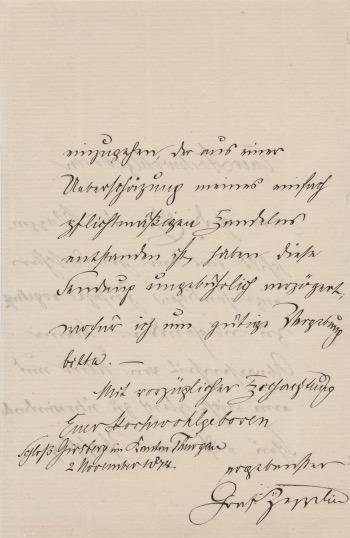
5003. Ferdinand Graf von Zeppelin Autograph Letter
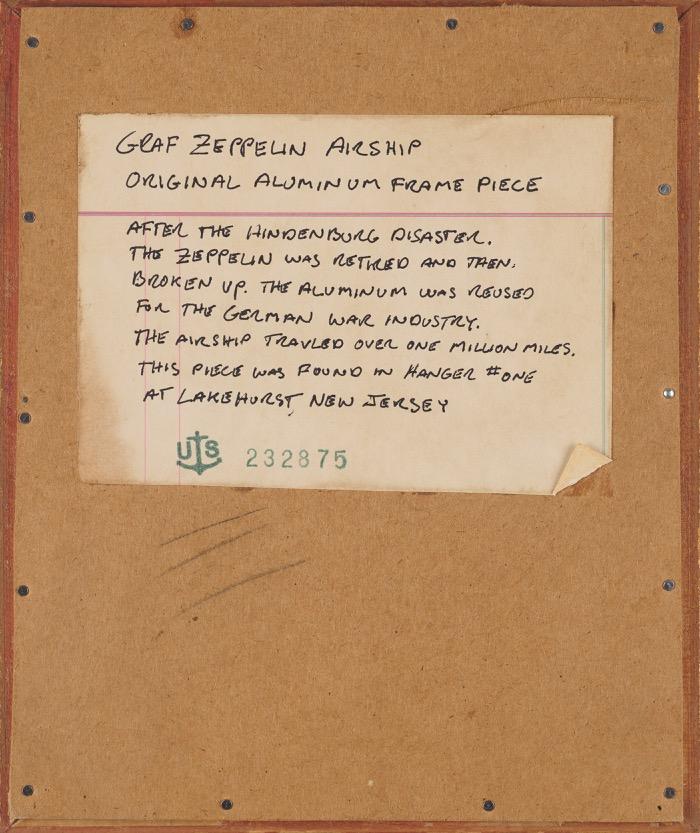
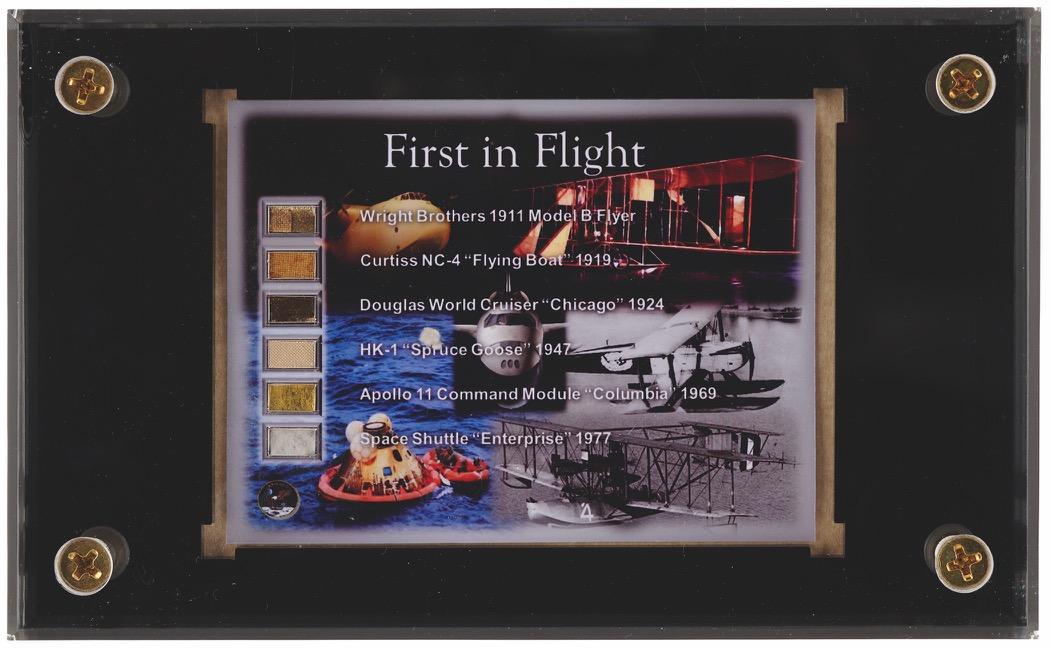
5005.
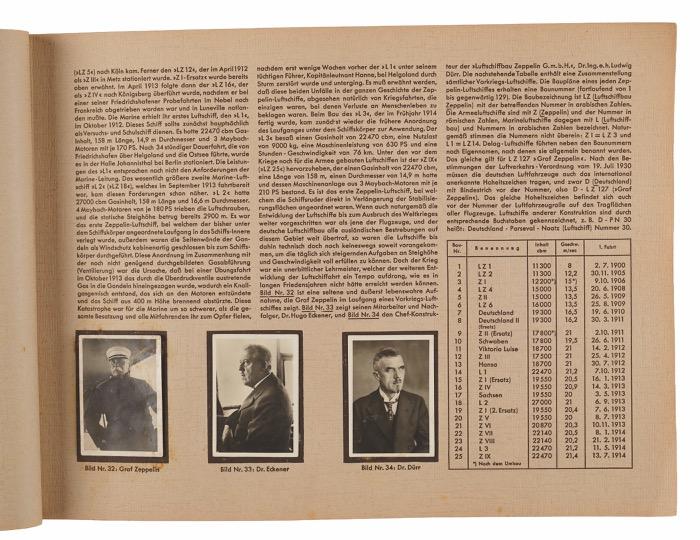
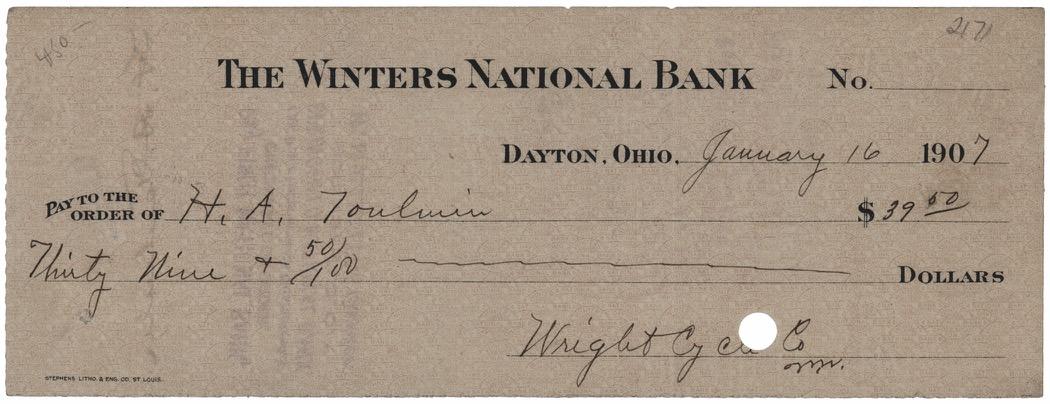
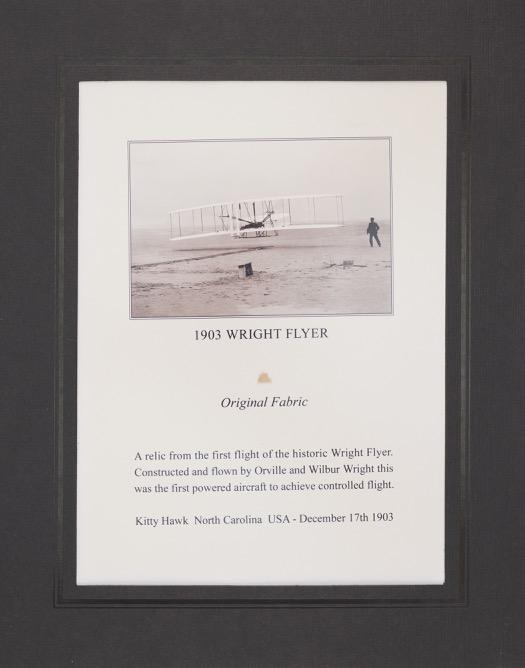
5007. Wright Flyer Wing
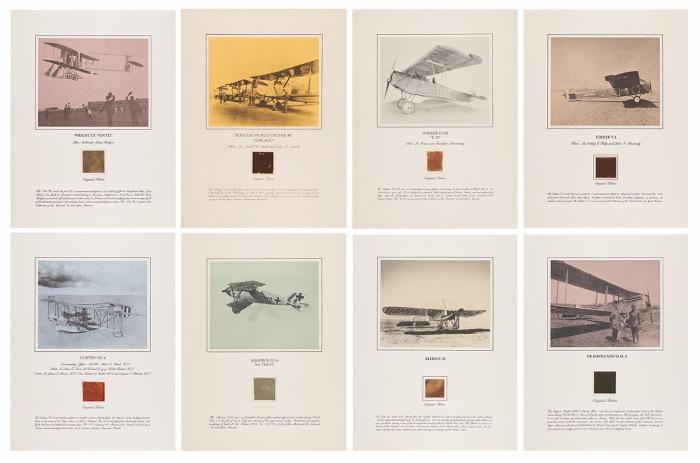
5008. 'First in Flight' Artifact Display (Attested as Flown)
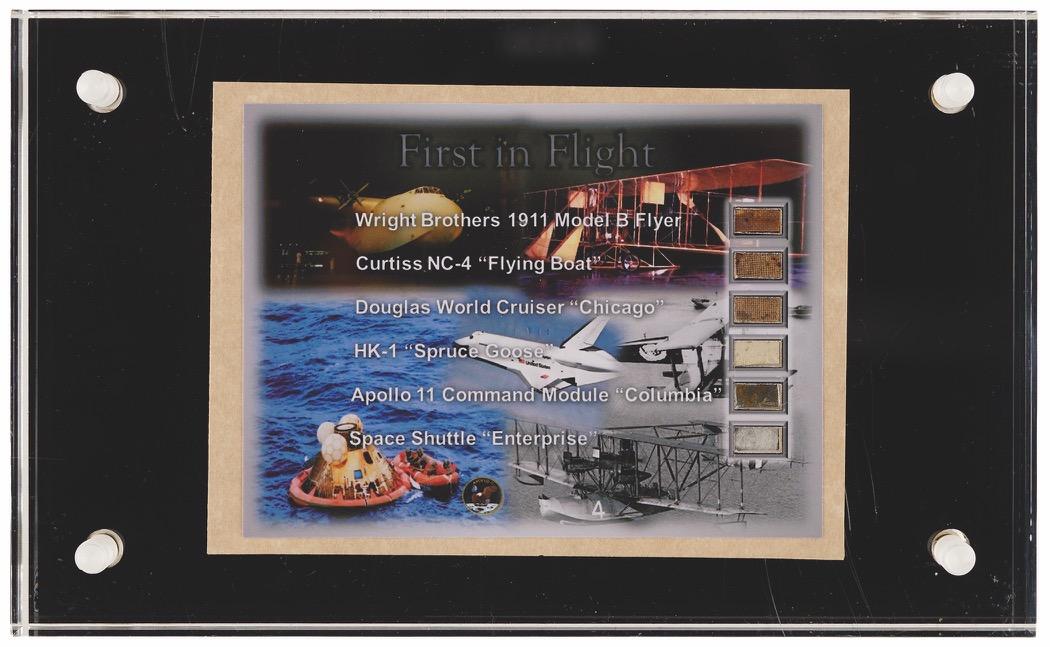
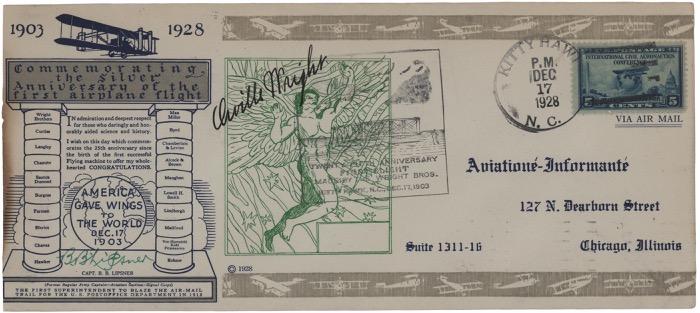
5010. Wilbur Wright Signed Check to His 'Flying Machine' Patent Lawyer Starting Bid $200
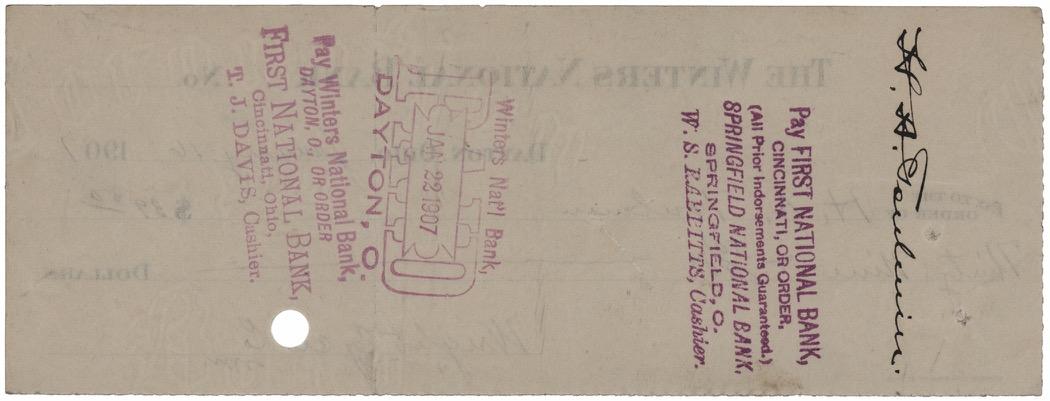
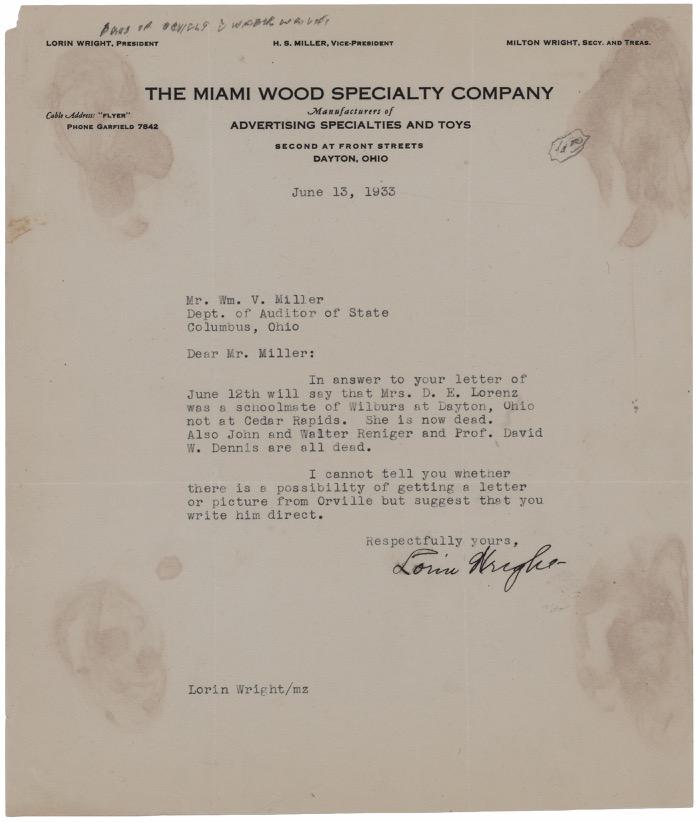

5012. Wright Brothers: Model B Biplane Turnbuckle Starting Bid $200
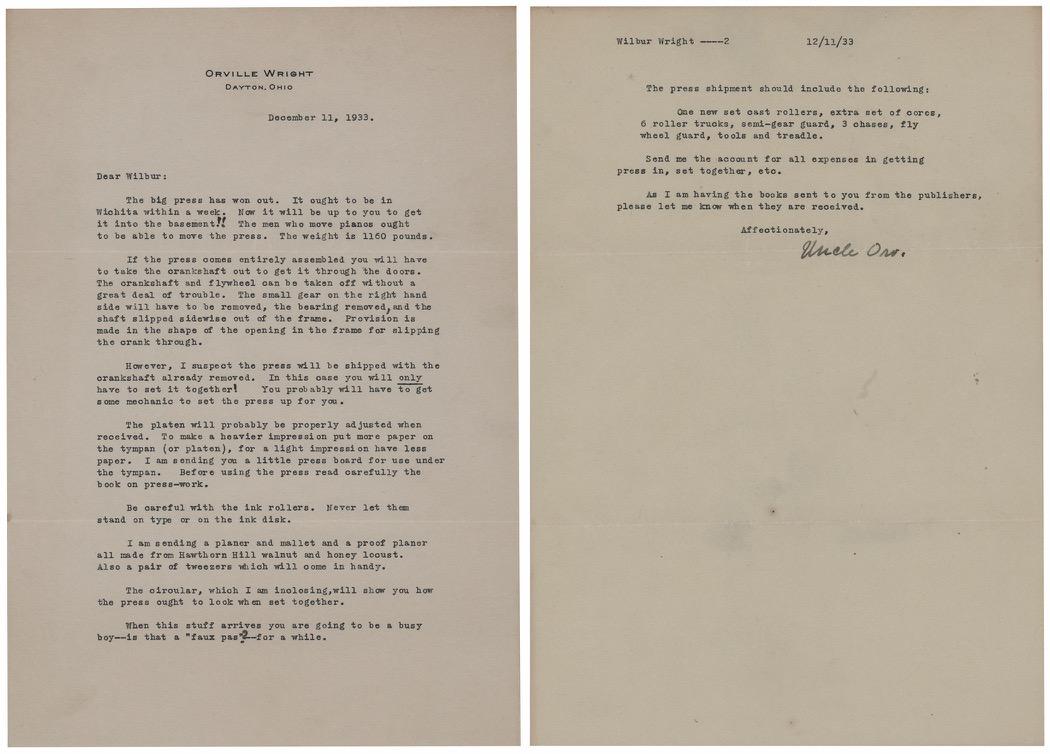
5017. Orville Wright Typed Letter Signed to His GrandNephew, Wilbur Wr... Starting Bid $200
5013. Smithsonian Air & Space Museum Relic Prints (8) with Wright Bros.... Starting Bid $200
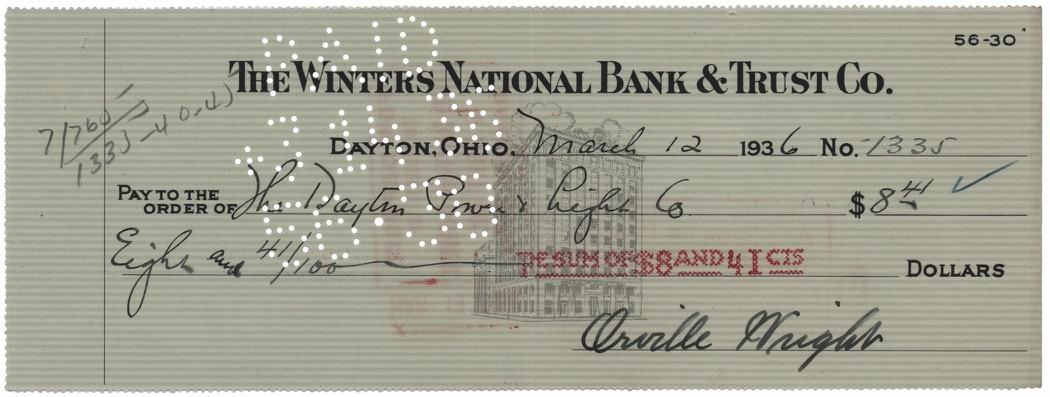
5018. Orville Wright Signed Check Starting Bid $200
5015. Orville Wright Signed Commemorative Cover“Silver Anniversary o... Starting Bid $200
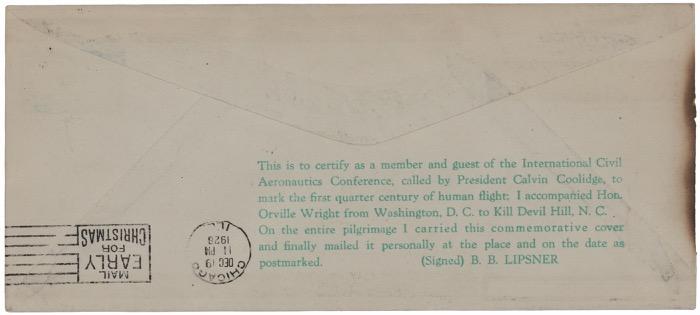
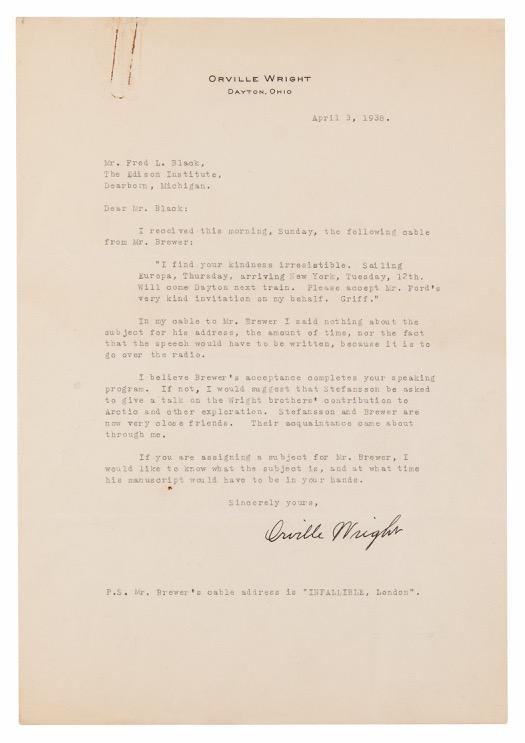
5020. Orville Wright Typed Letter Signed, Suggesting a Noted Canadian E... Starting Bid $200
5016. Lorin Wright Typed Letter Signed: "I cannot tell whether there is... Starting Bid $200
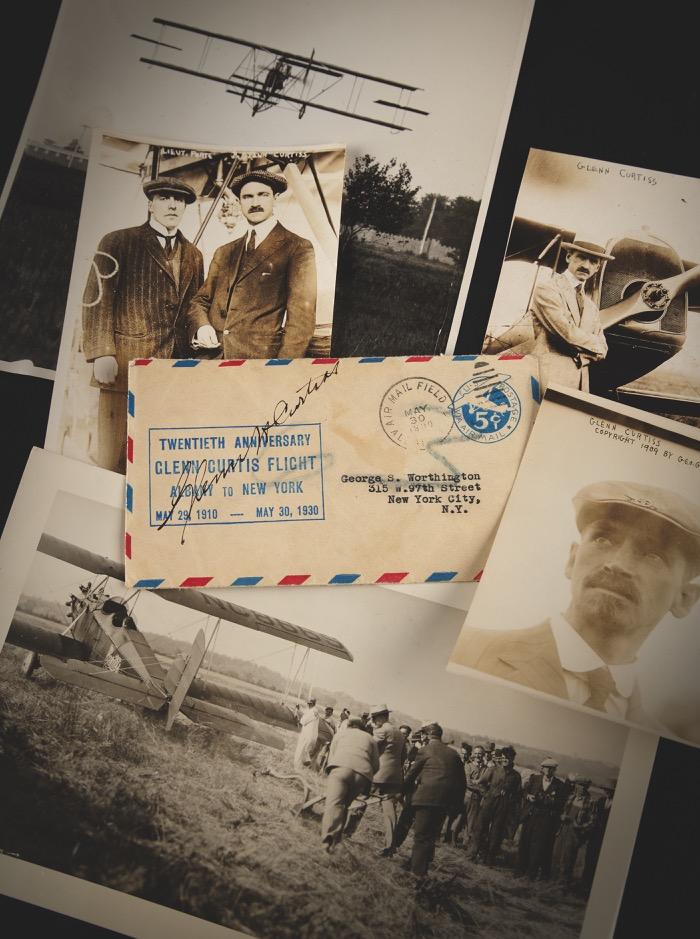
5021. Glenn Curtiss Signed Air Mail Cover Starting Bid $200
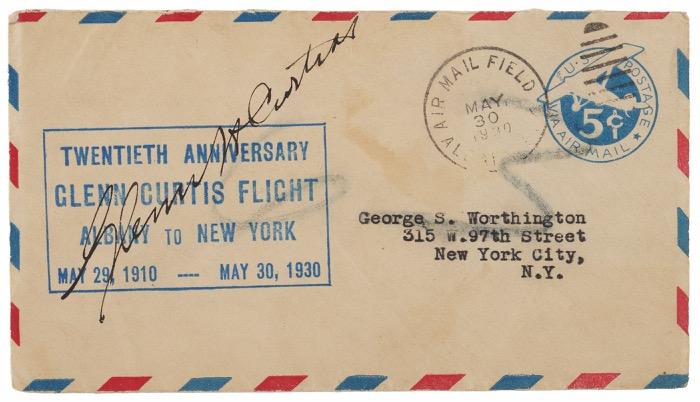
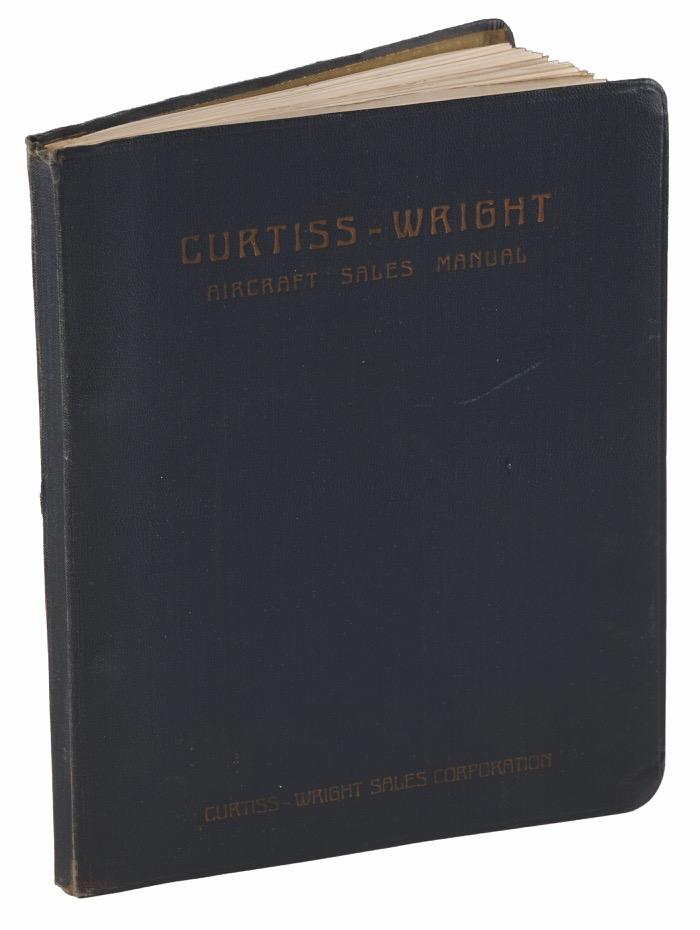
5022. Curtiss-Wright 1930 Aircraft Sales Manual Starting Bid $200
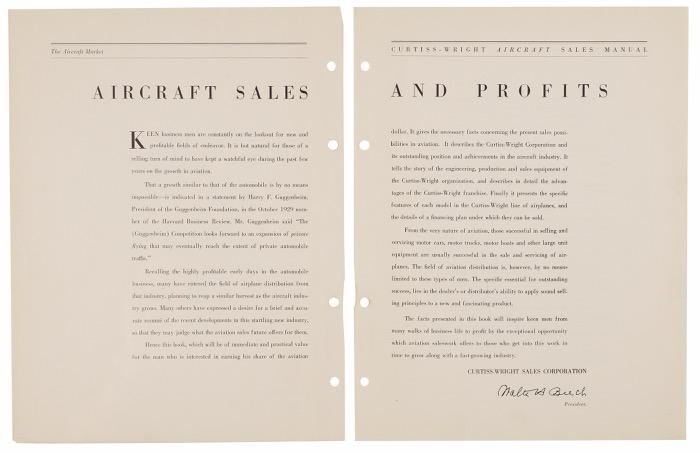
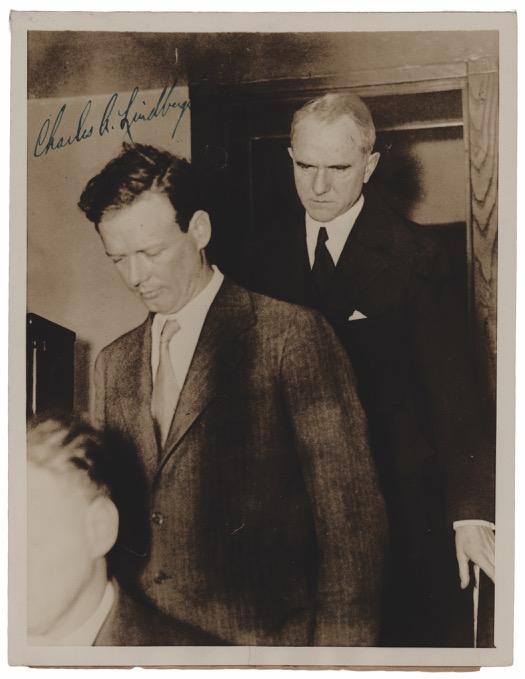
5027. Charles Lindbergh Signed Photograph Starting Bid $200
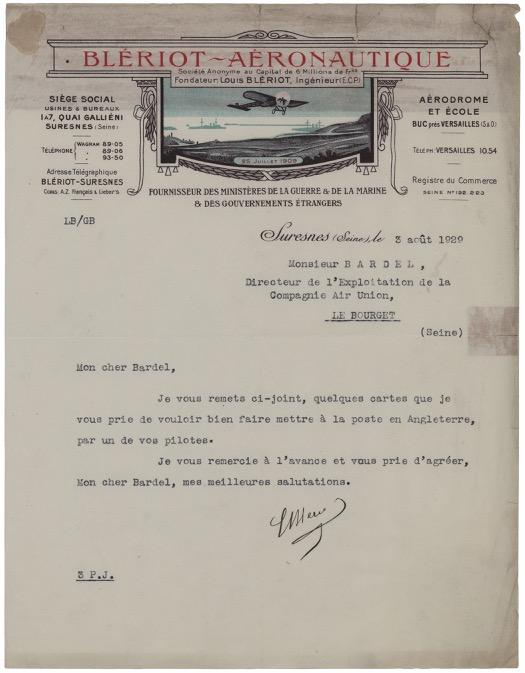
5031. Louis Bleriot Typed Letter Signed Starting Bid $200
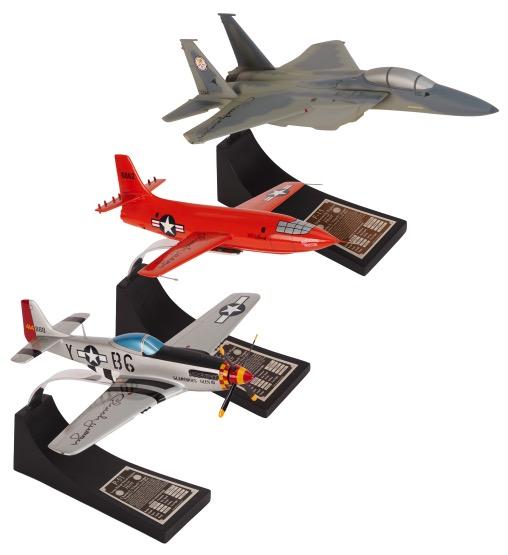
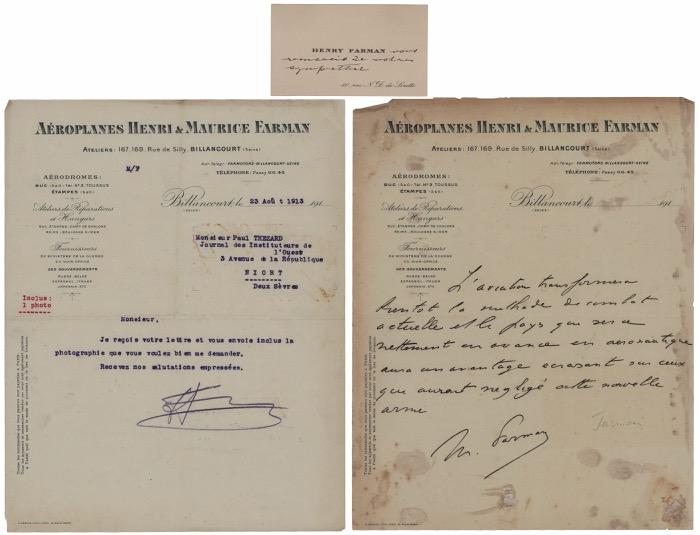
5023. Maurice Farman Autograph Letter Signed: "Aviation will soon chang... Starting Bid $200
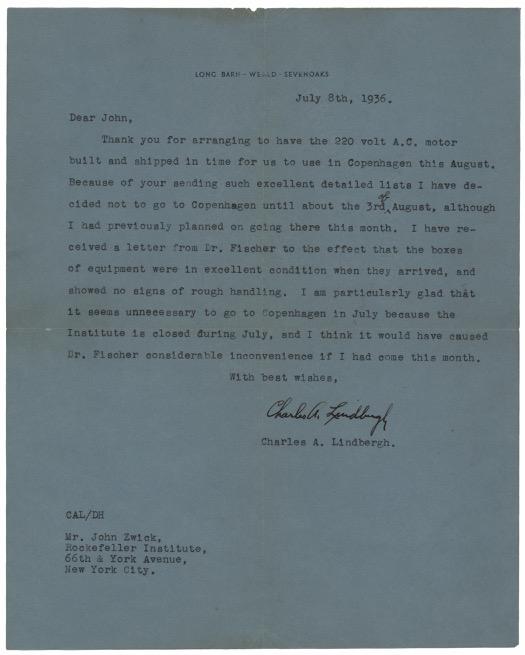
5028. Charles Lindbergh Typed Letter Signed, Preparing a Demo of His He... Starting Bid $200
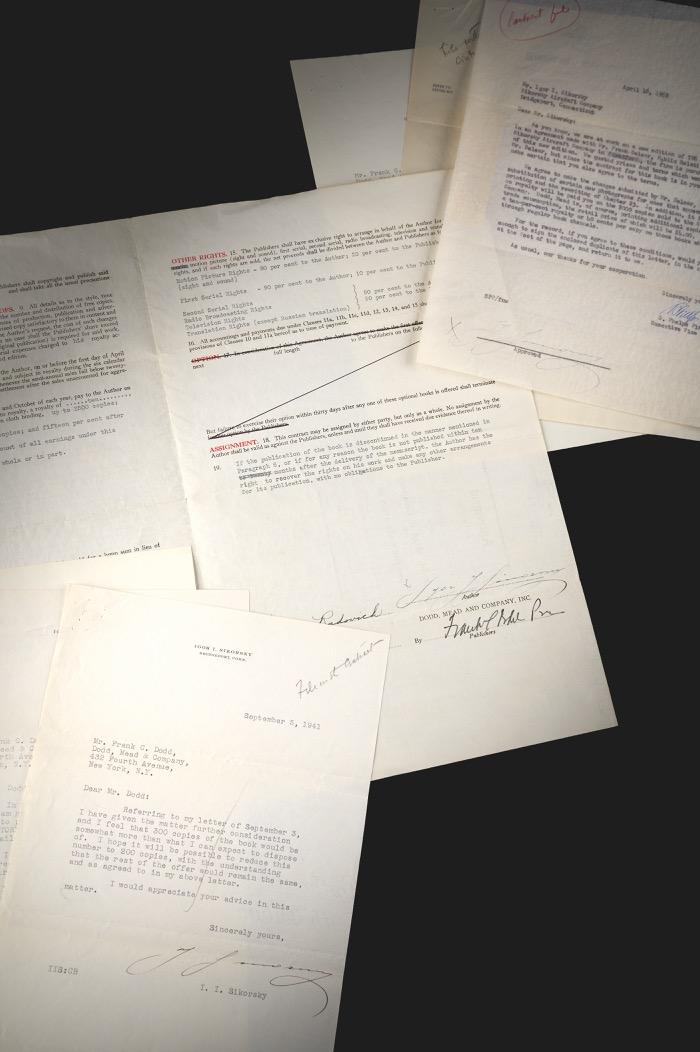
5032. Igor
Collection
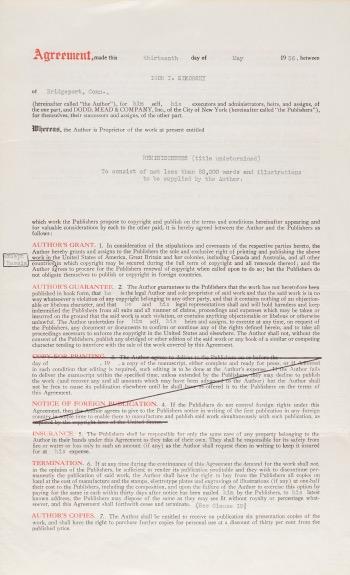
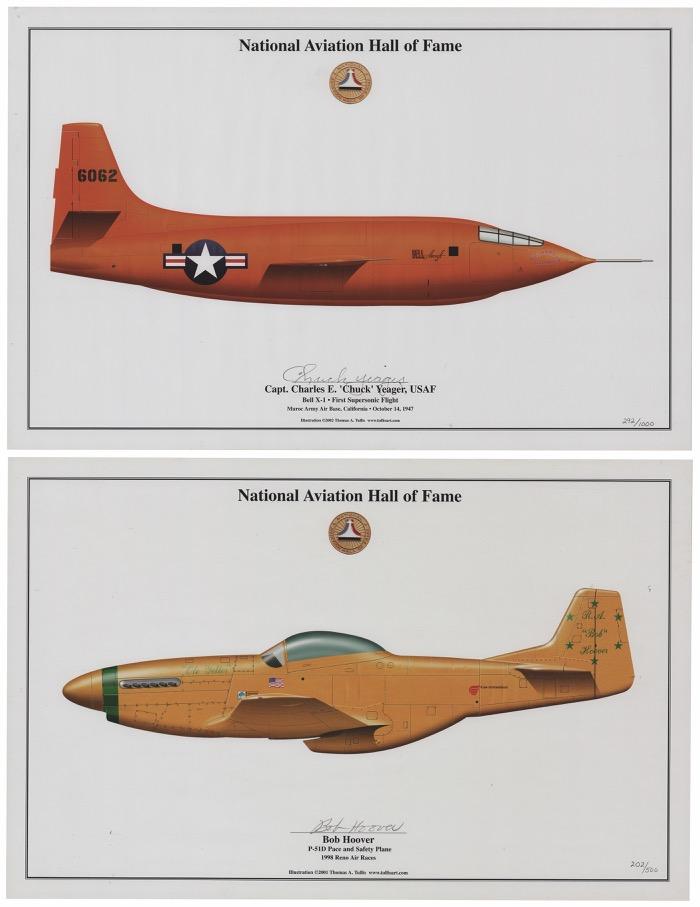
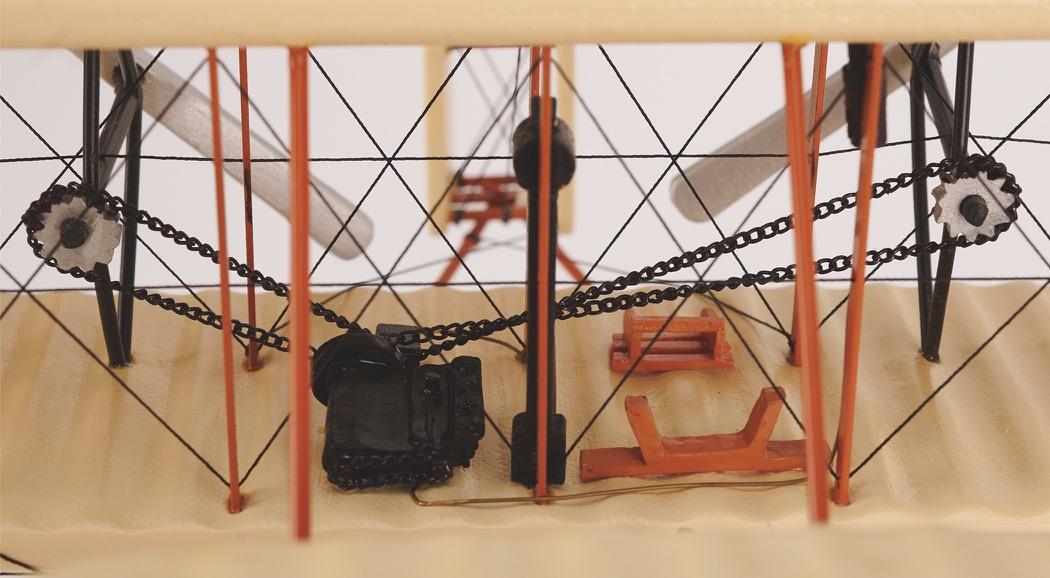
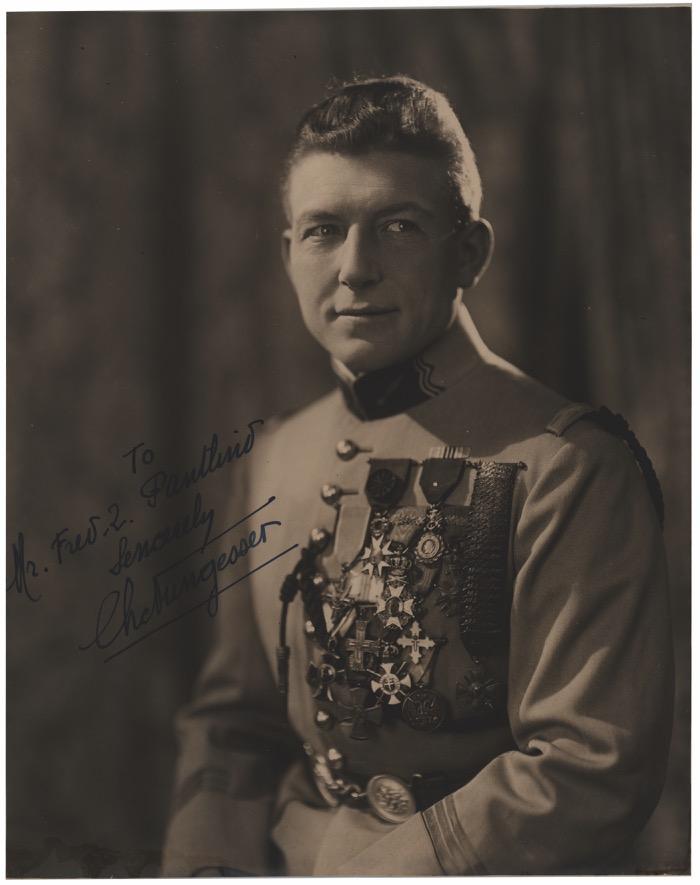
5024. Charles Nungesser Signed Photograph Starting Bid $200
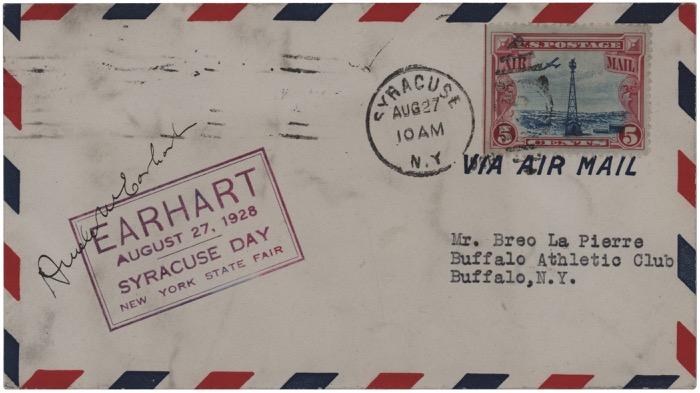
5029. Amelia Earhart Signed 'New York State Fair' Air Mail Cover (1928) Starting Bid $200
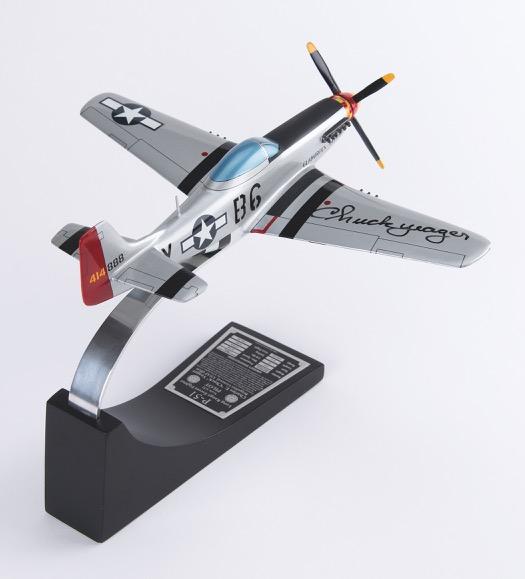
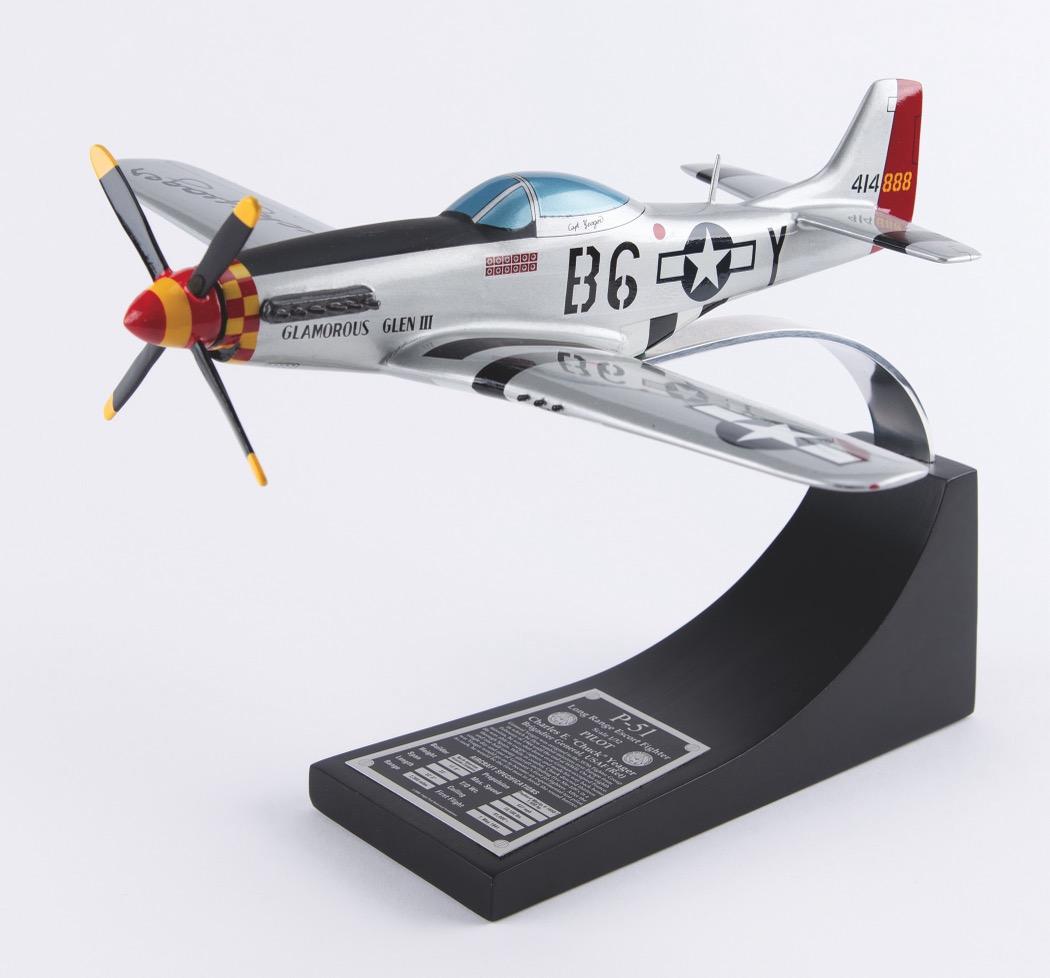
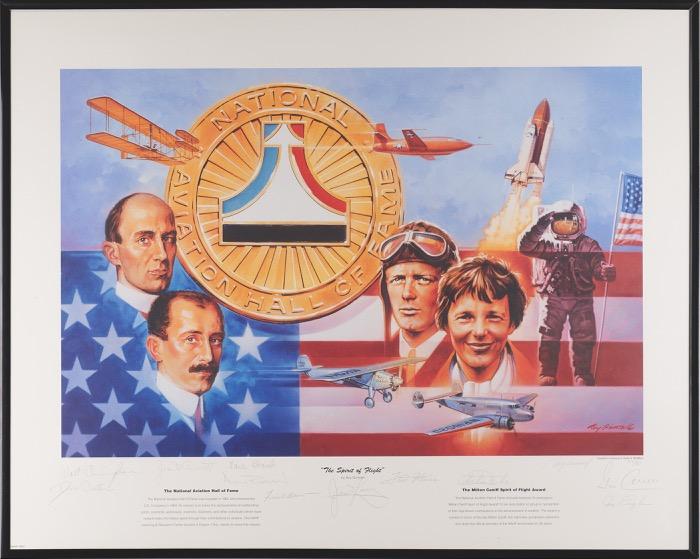
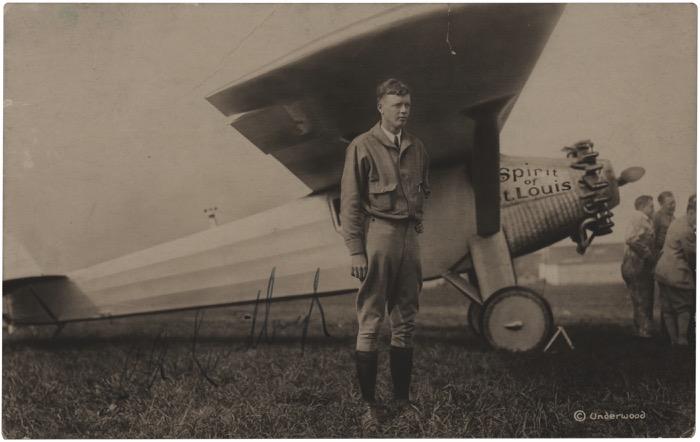
5026. Charles Lindbergh Signed Photograph with the 'Spirit of St. Louis... Starting Bid $200
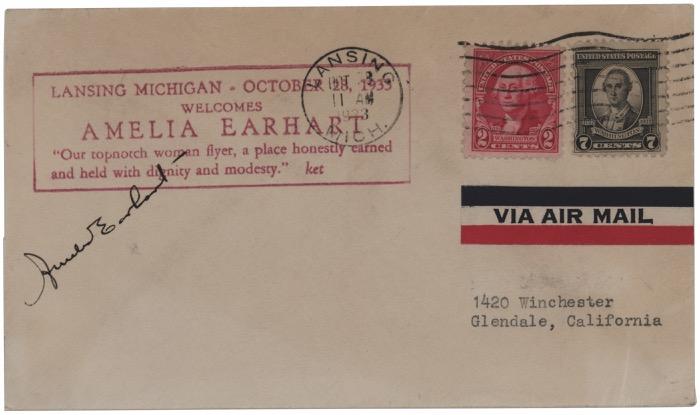
5030. Amelia Earhart Signed Commemorative ‘Air Mail’ Cover (1933) Starting Bid $200
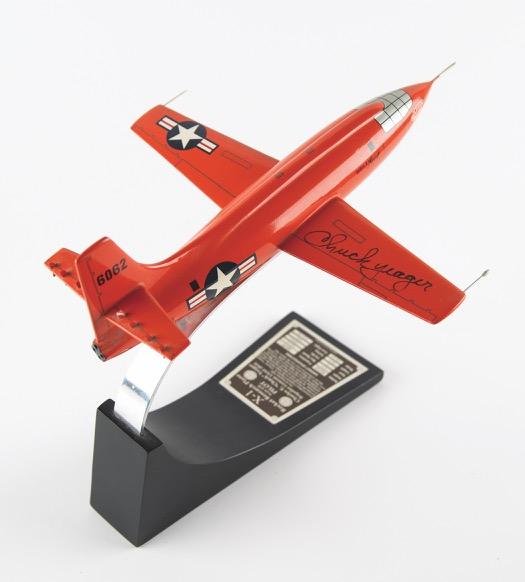
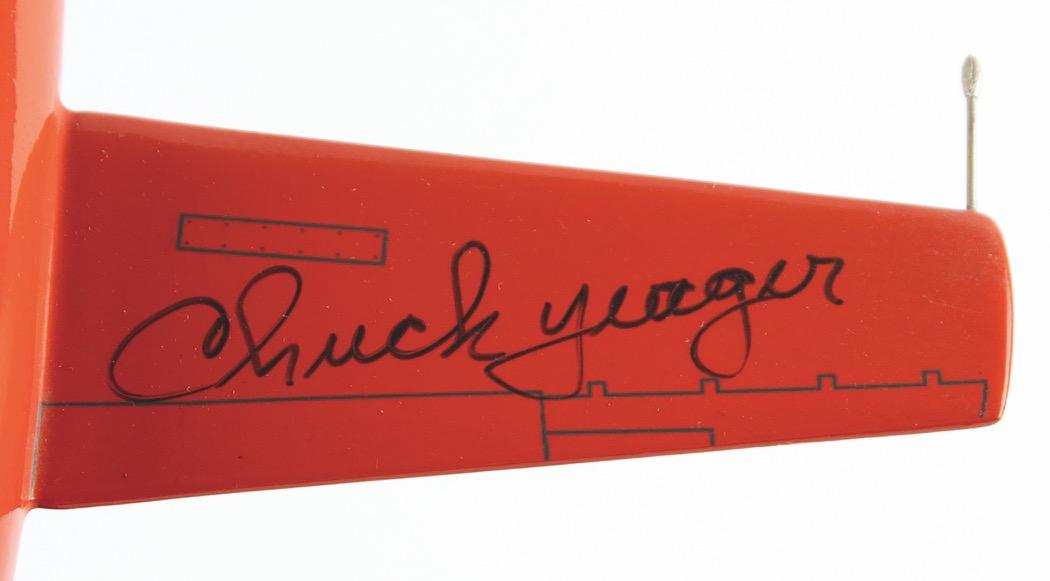
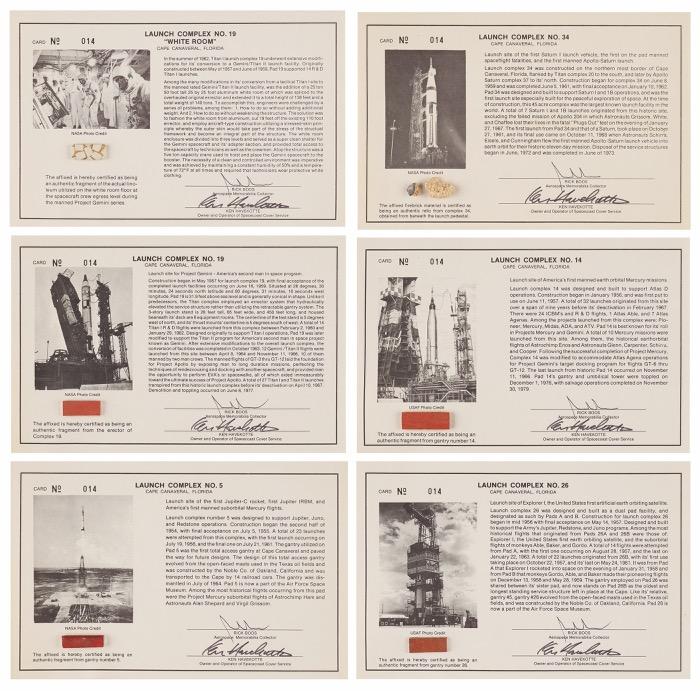
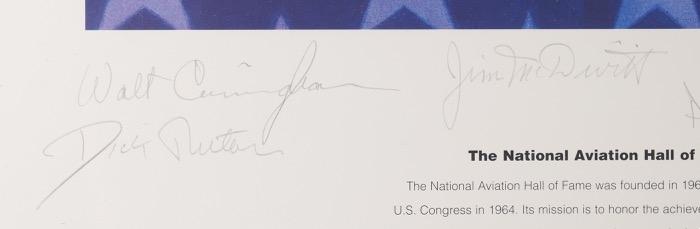
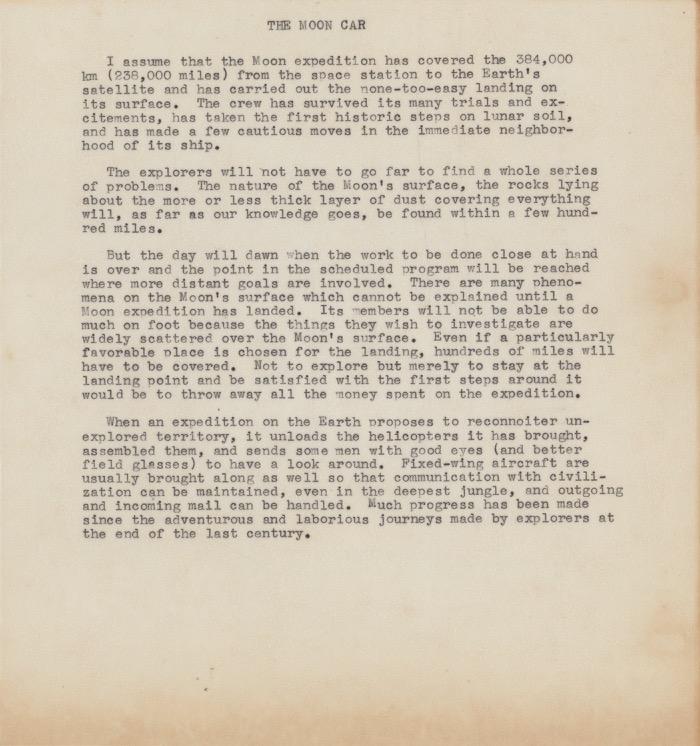
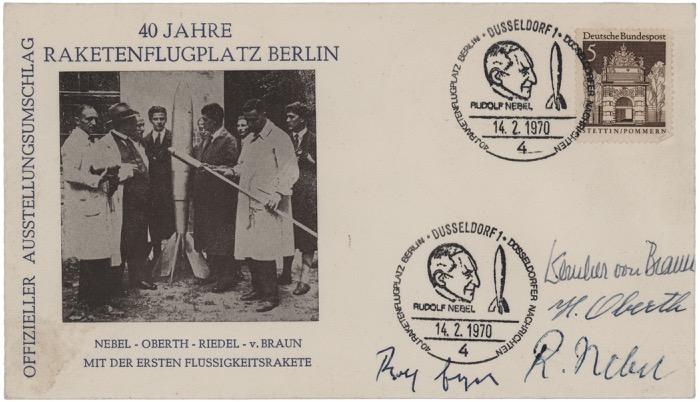
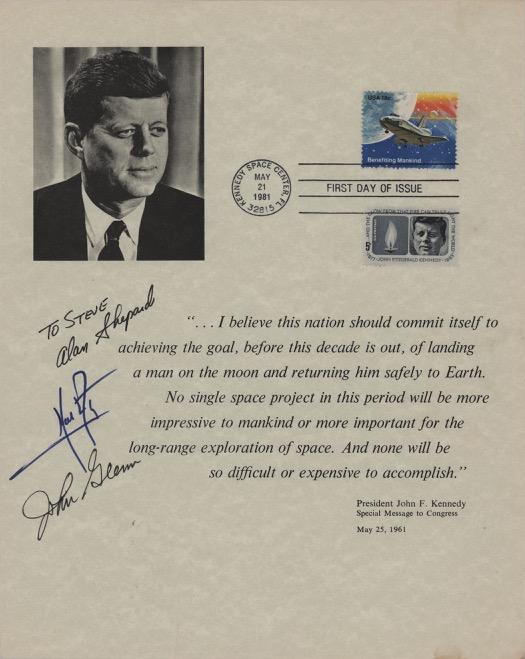
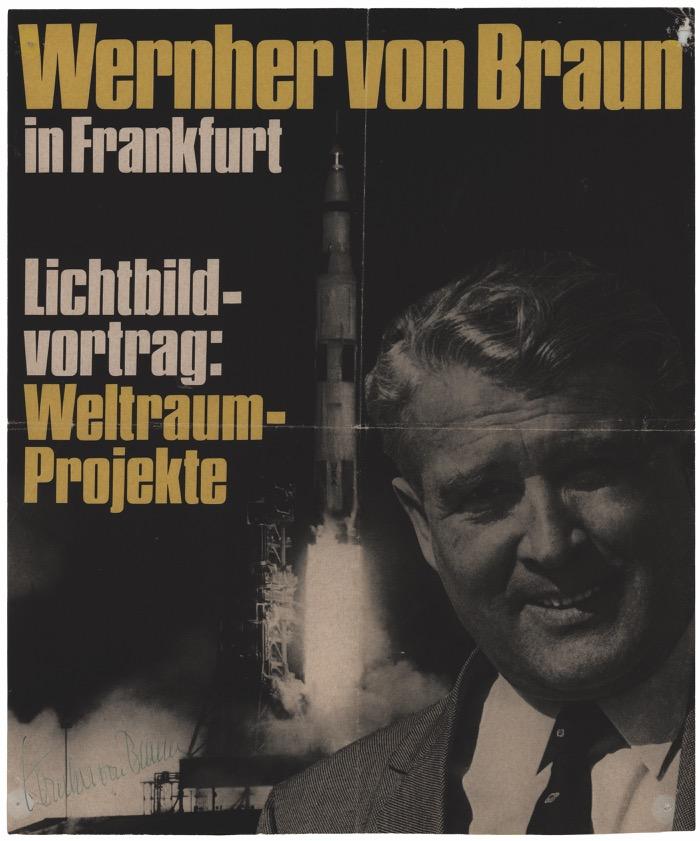
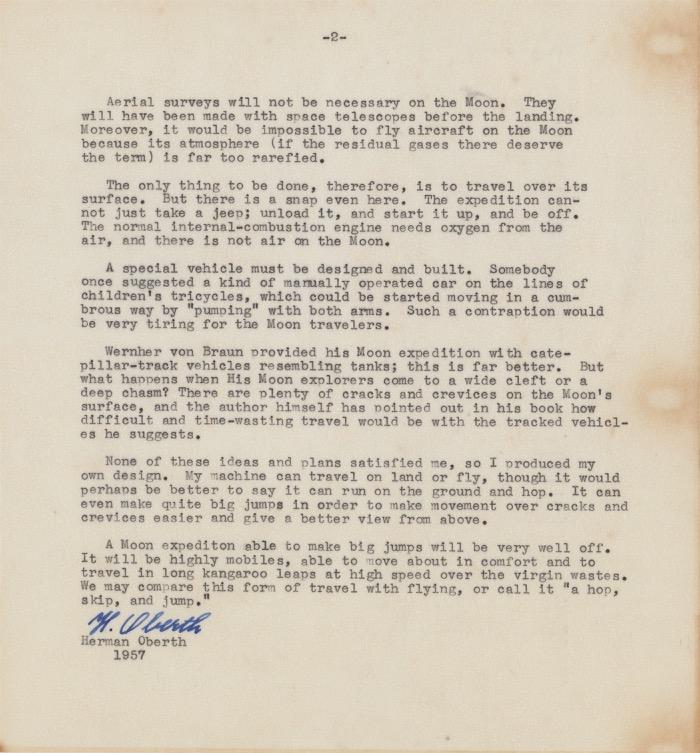
5053. Hermann Oberth Typed Manuscript Signed -
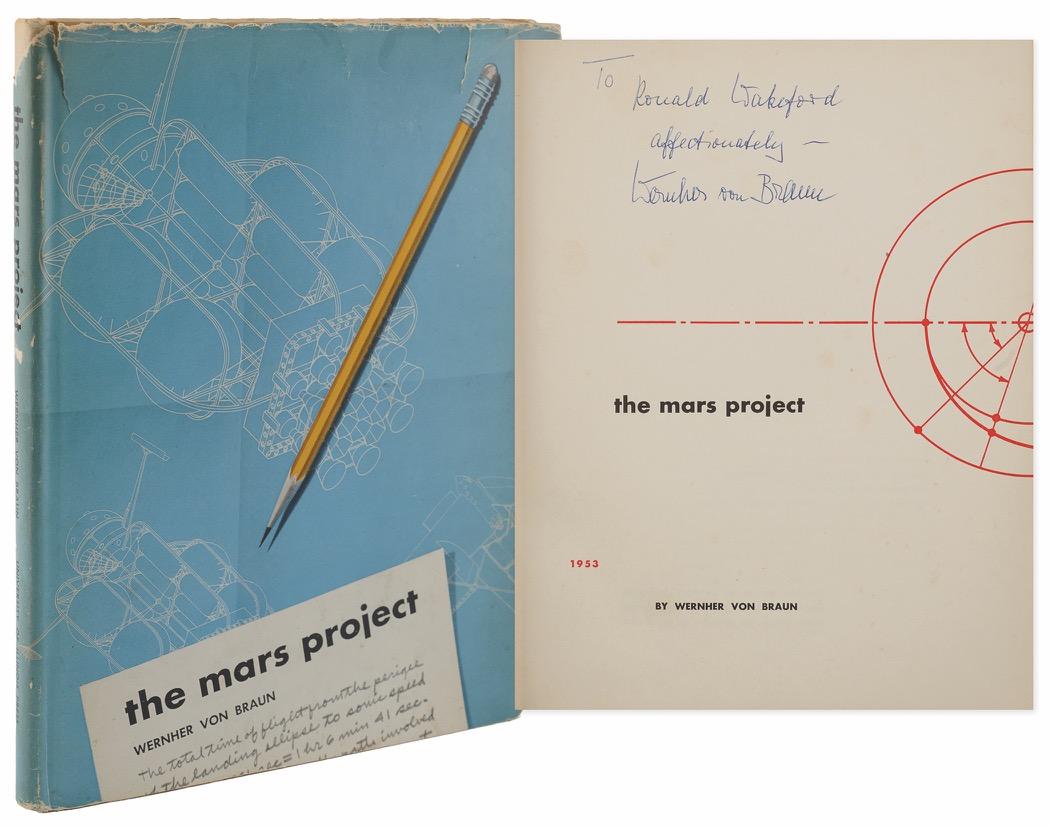
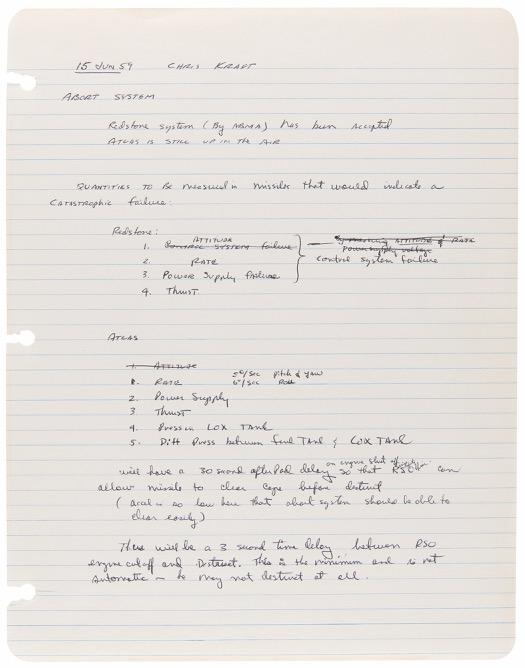
5054.
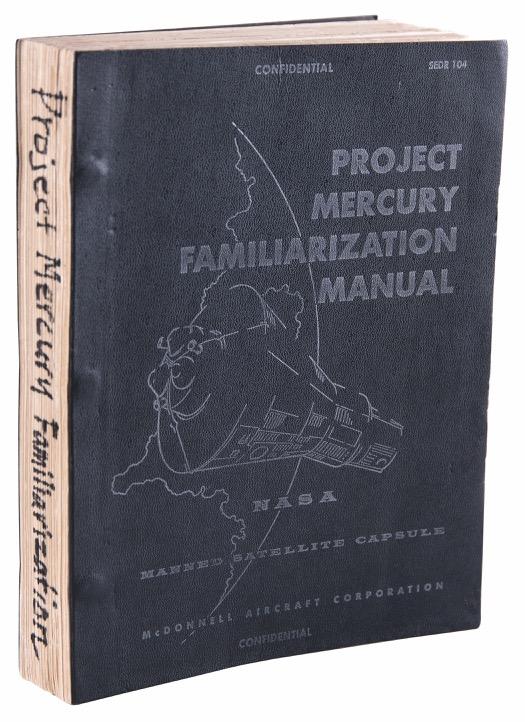
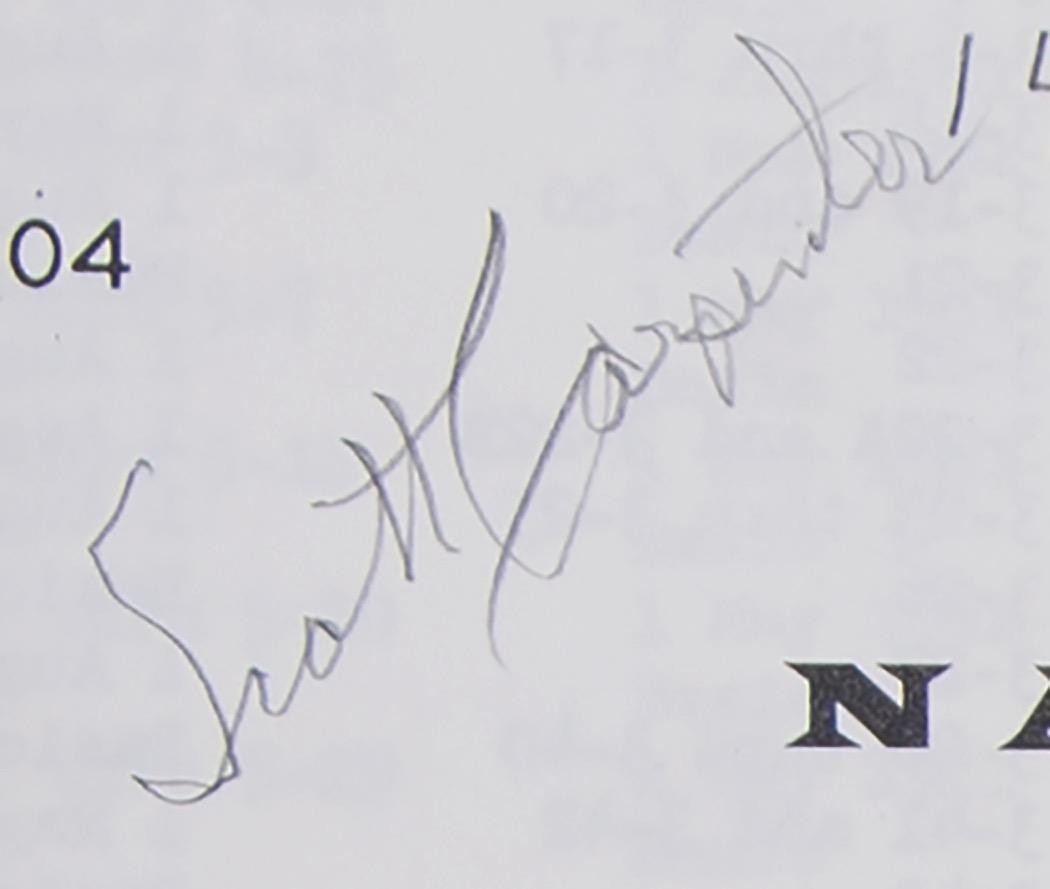
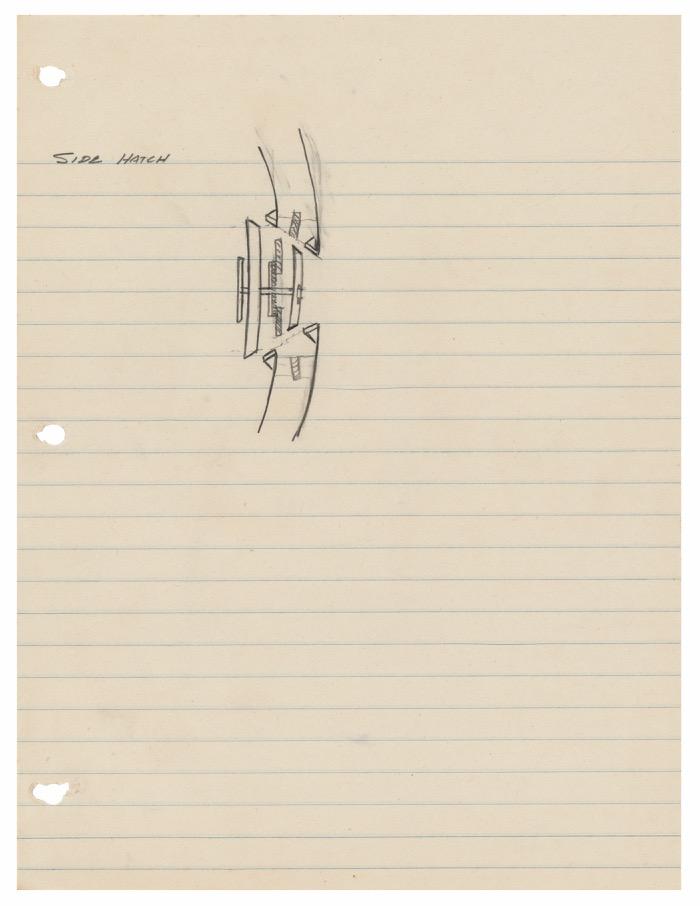
5055. Space Firsts: Neil Armstrong, Alan Shepard, and John Glenn Signed... Starting Bid $200
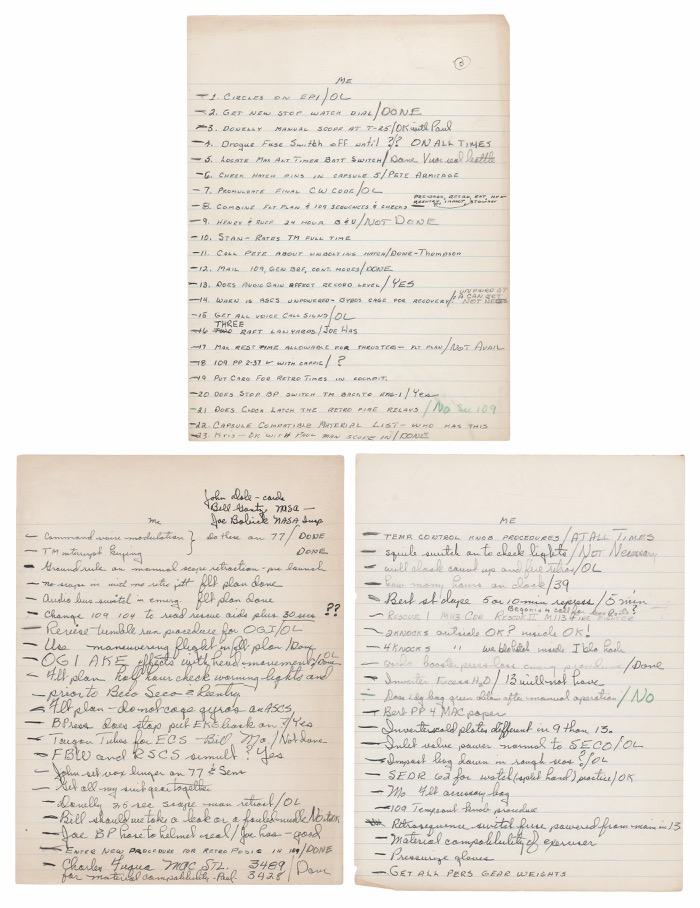
5071. Scott Carpenter Handwritten Prelight Checklist for the MercuryAt... Starting Bid $200
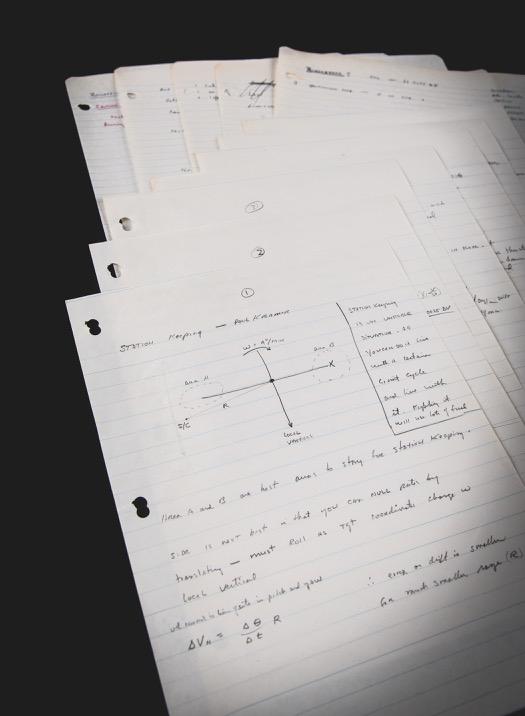
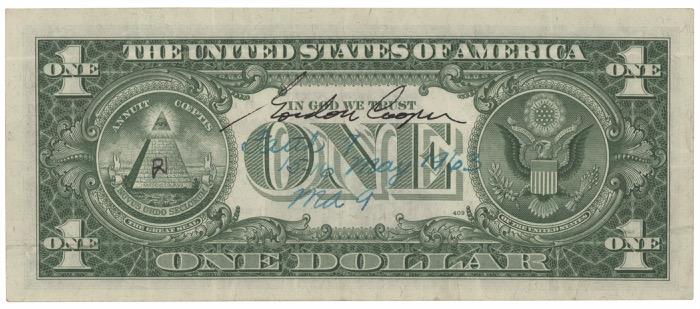
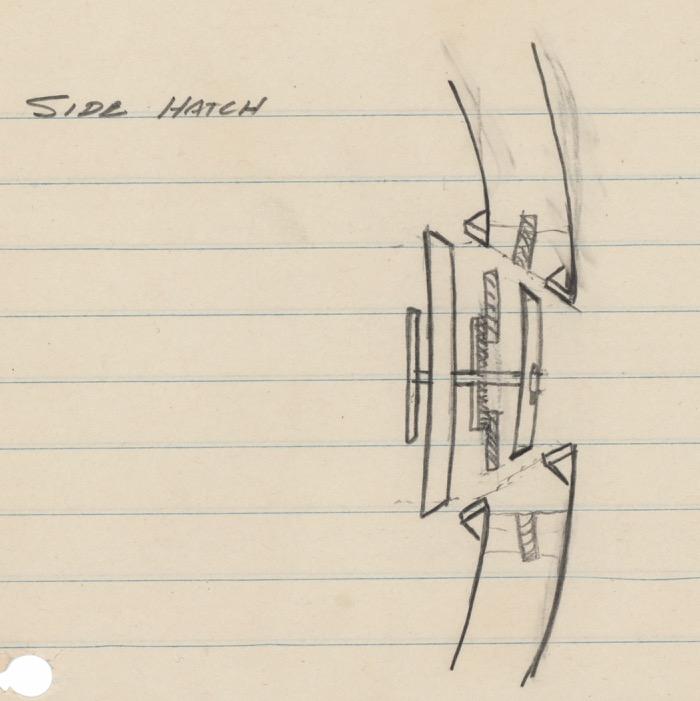
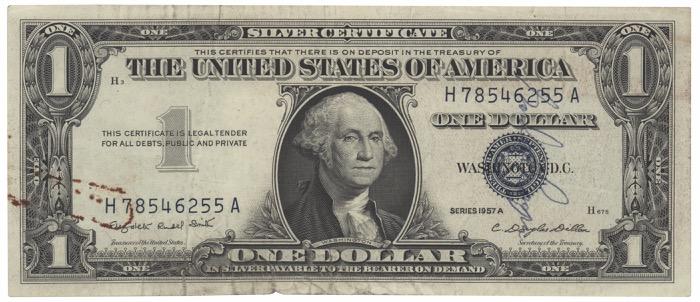
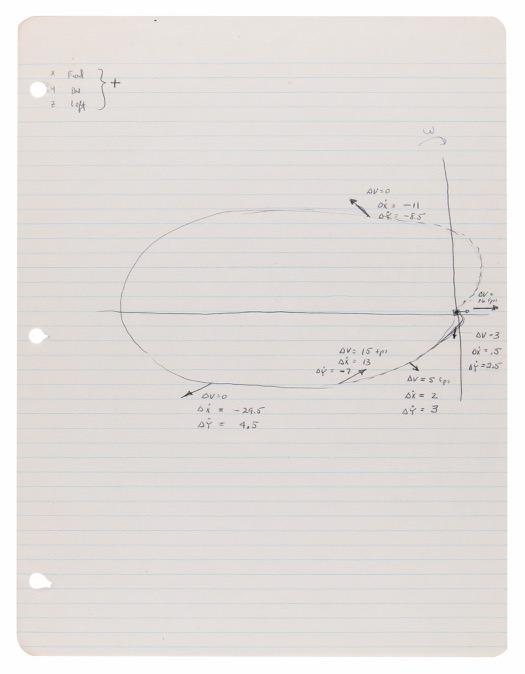
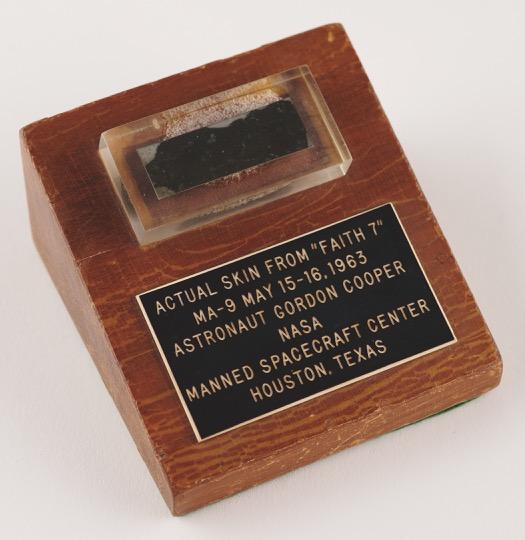
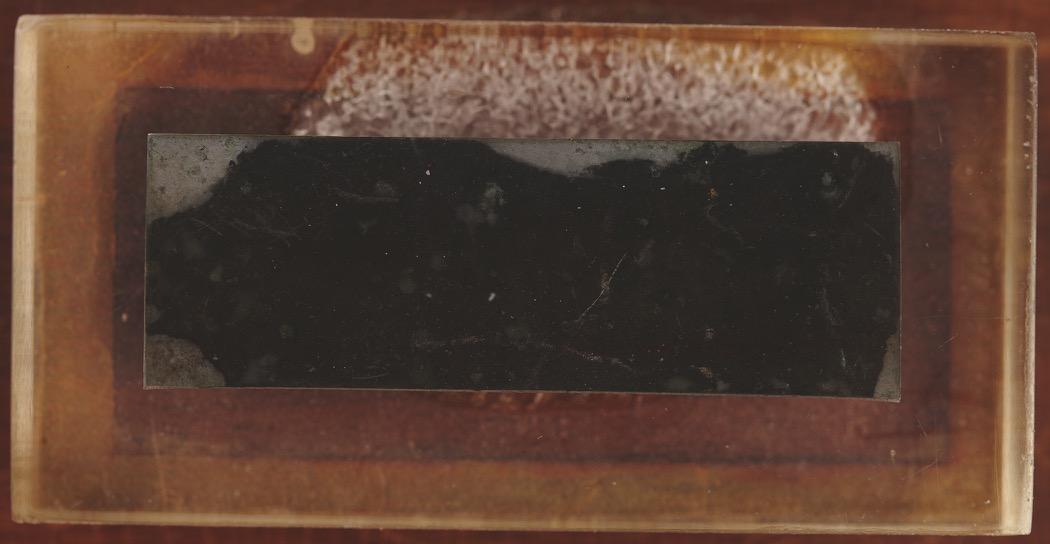
Starting Bid $200
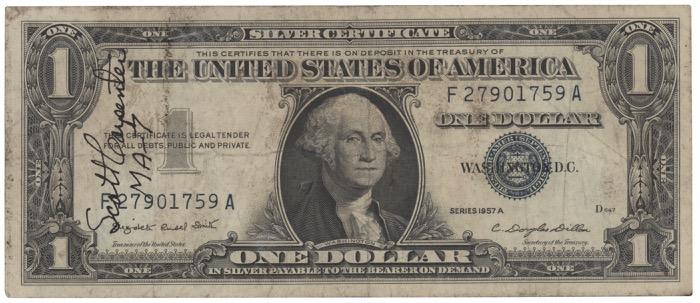
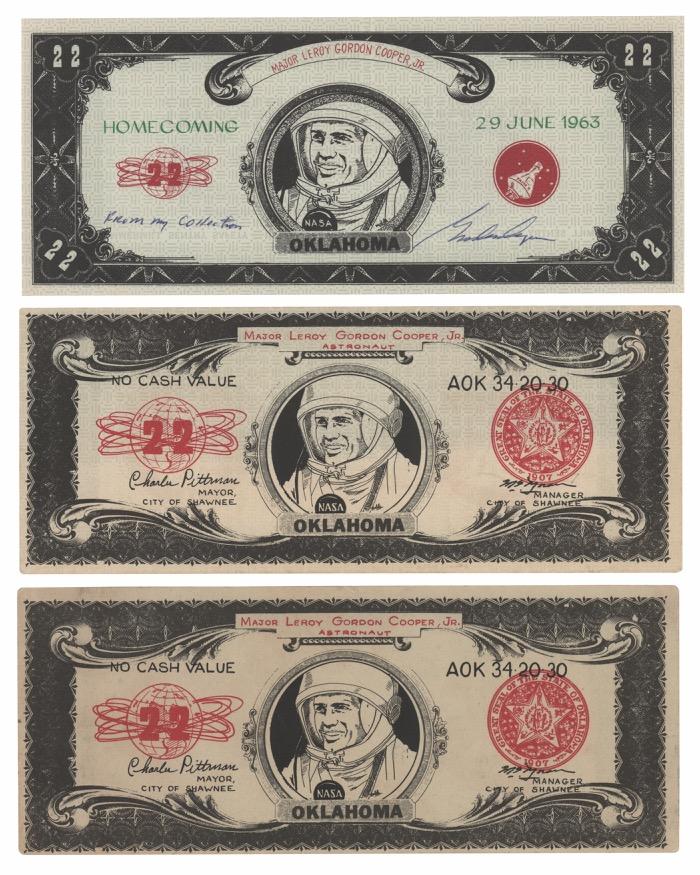
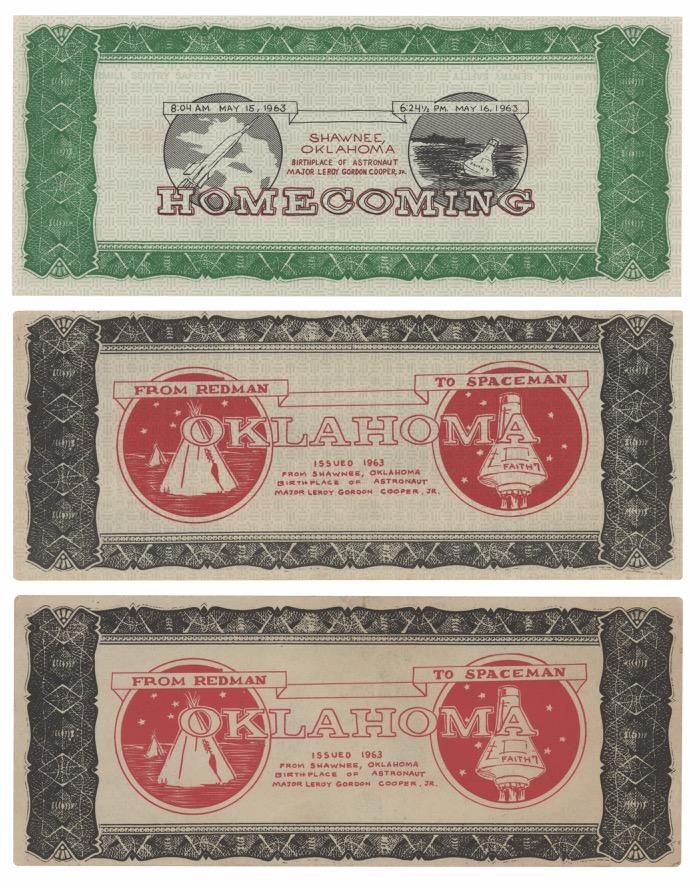
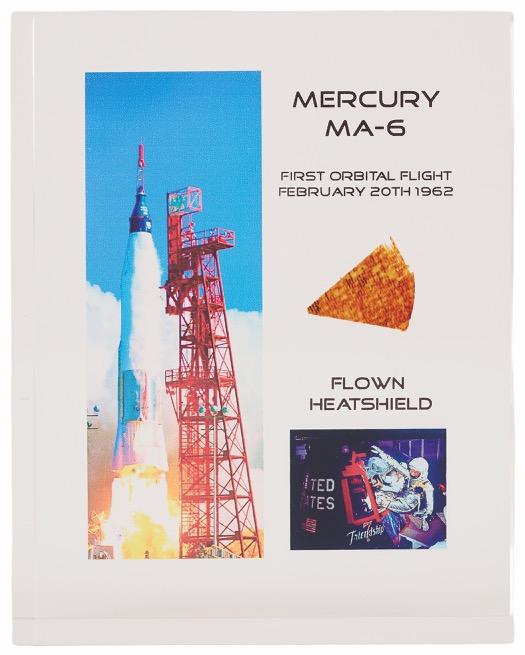
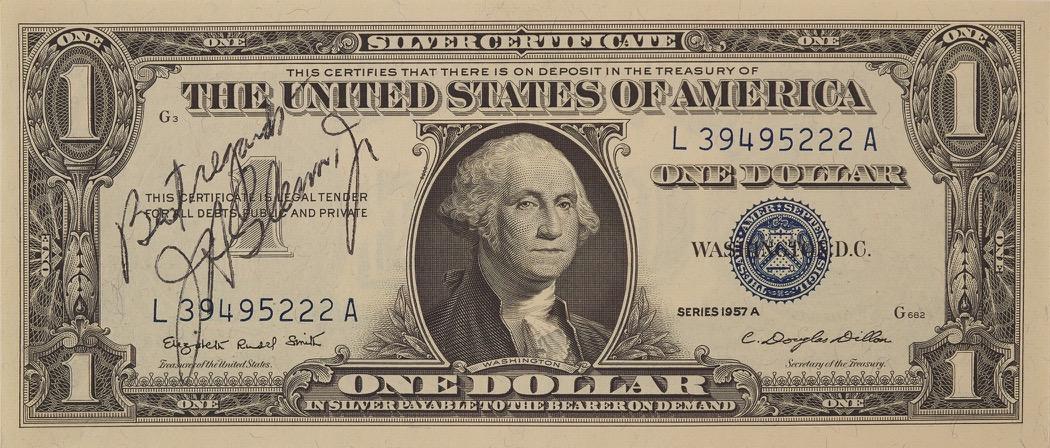
5081. John Glenn Signed $1 Dollar Bill Starting Bid $200
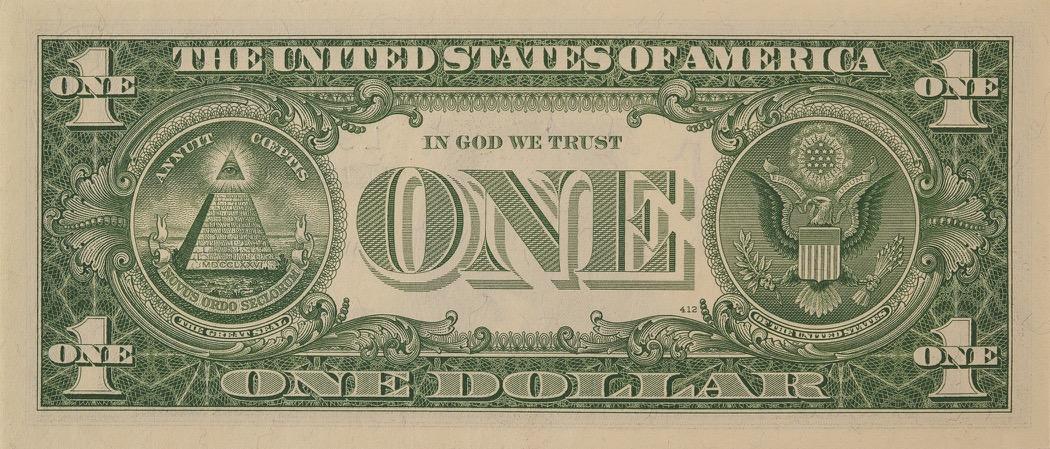
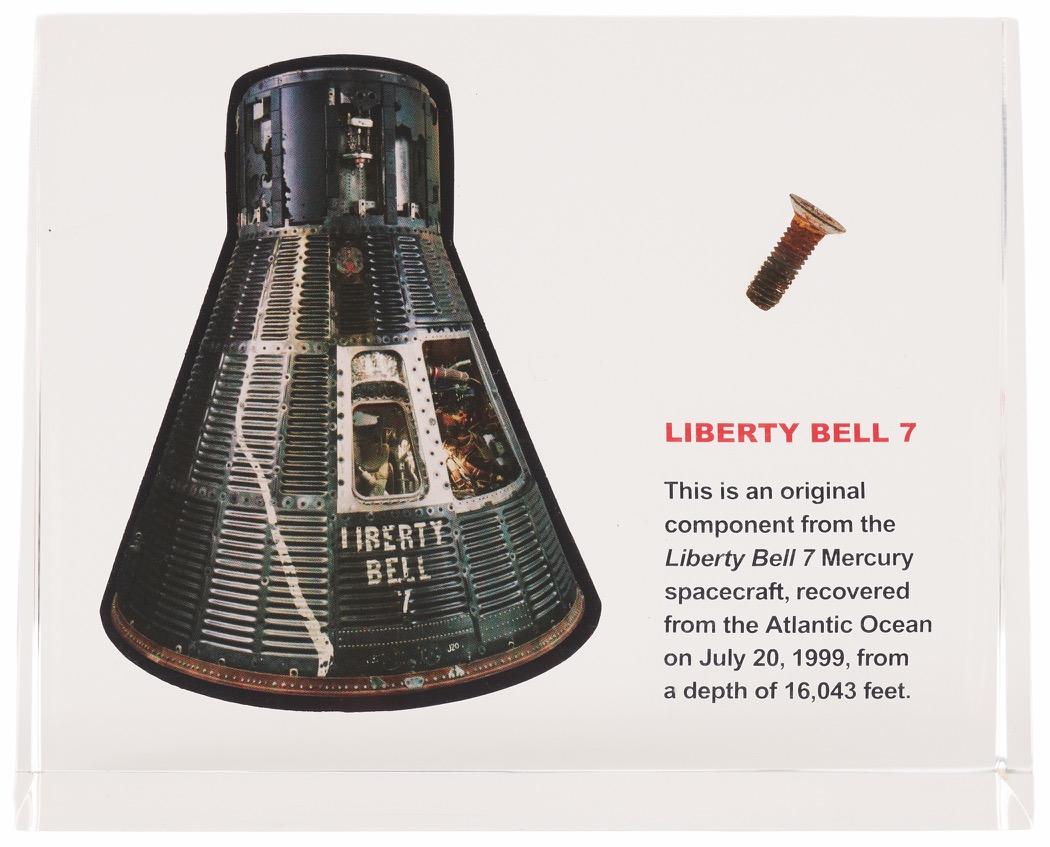
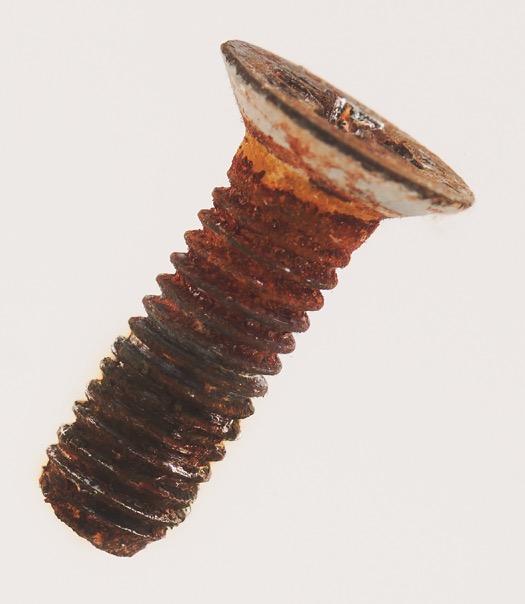
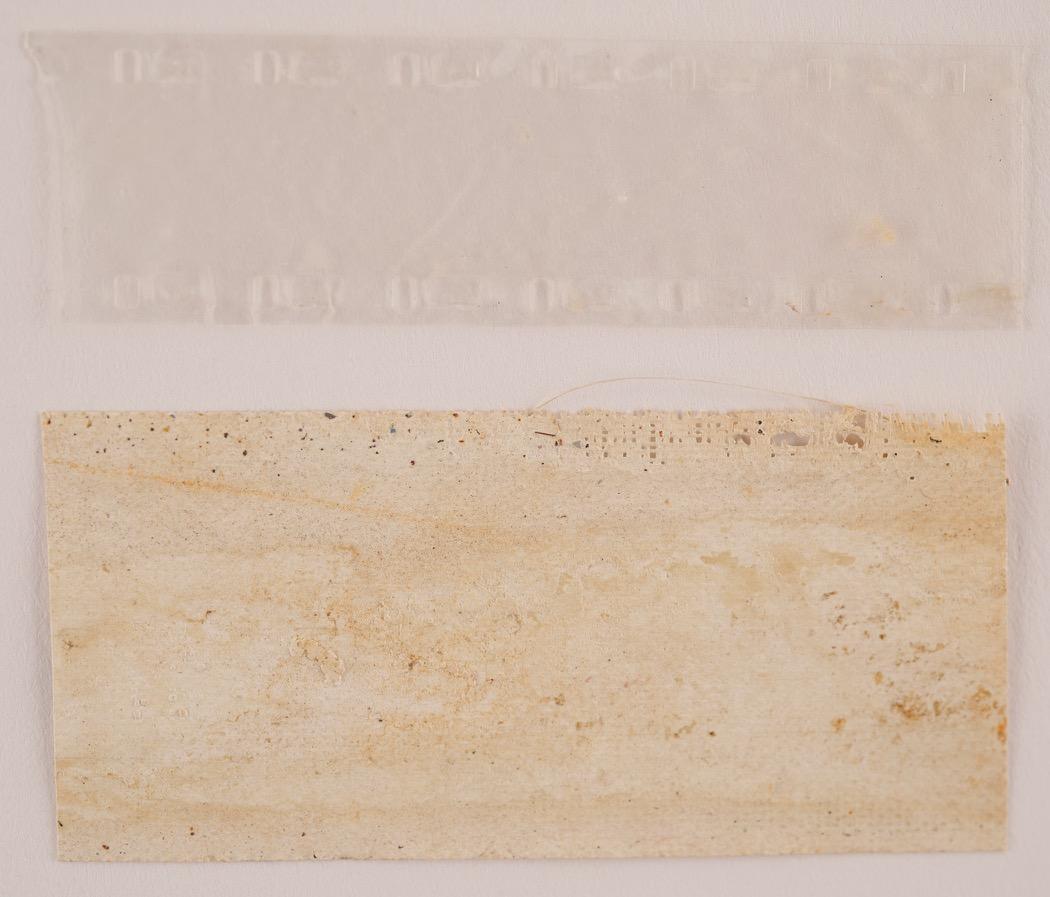
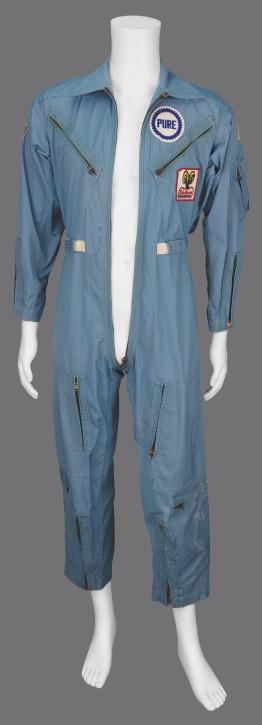
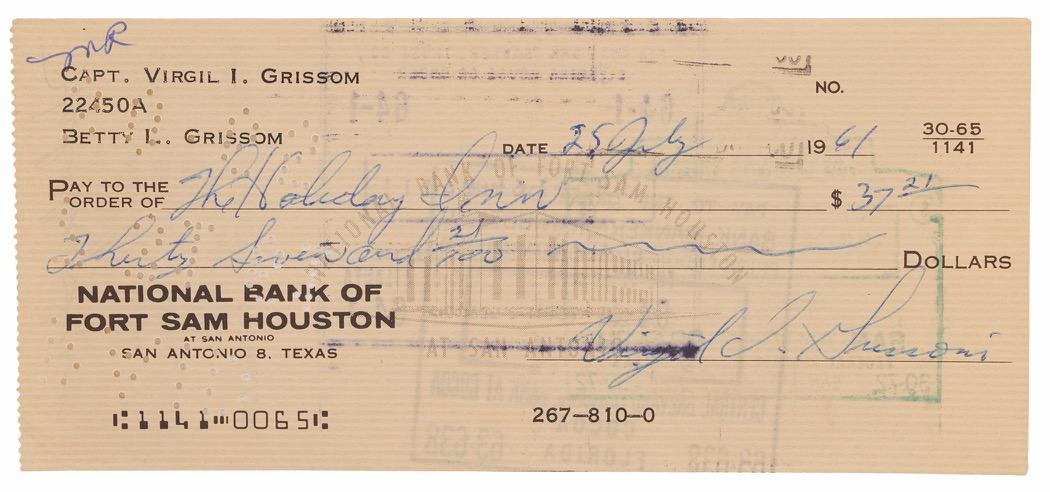
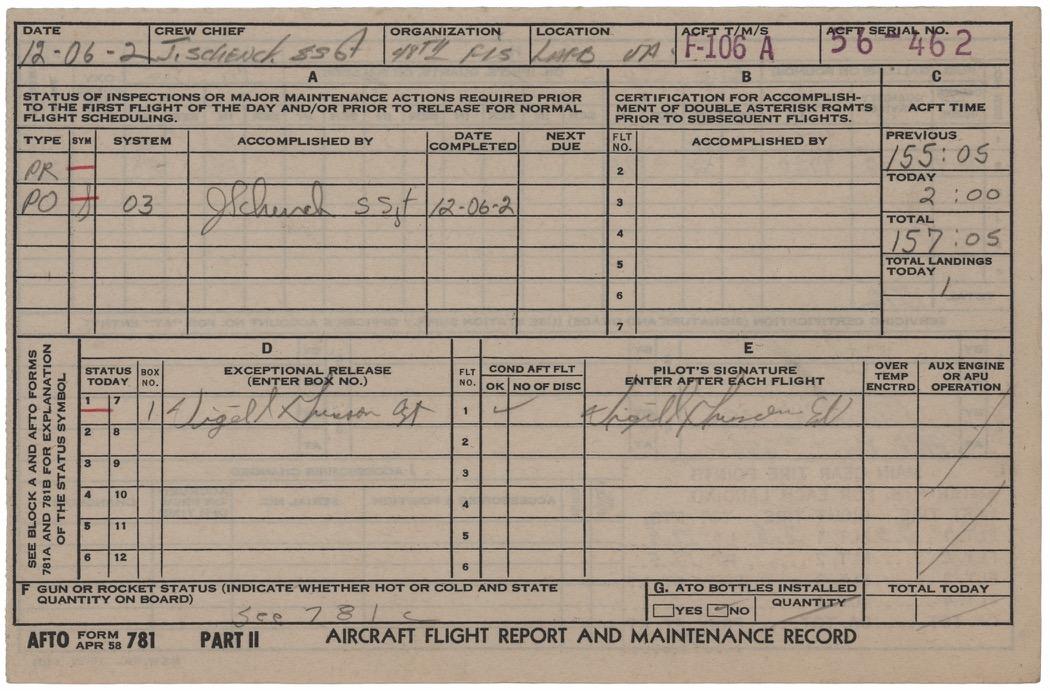
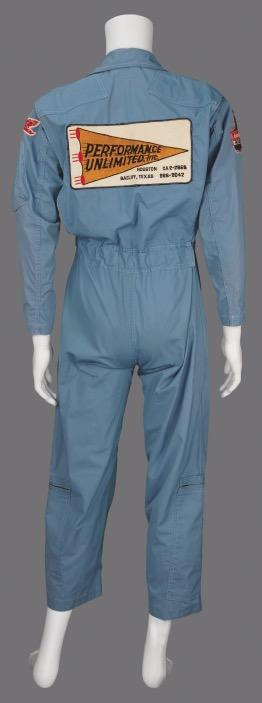
5082. Gus Grissom's Boat Racing Jumpsuit Starting Bid $200
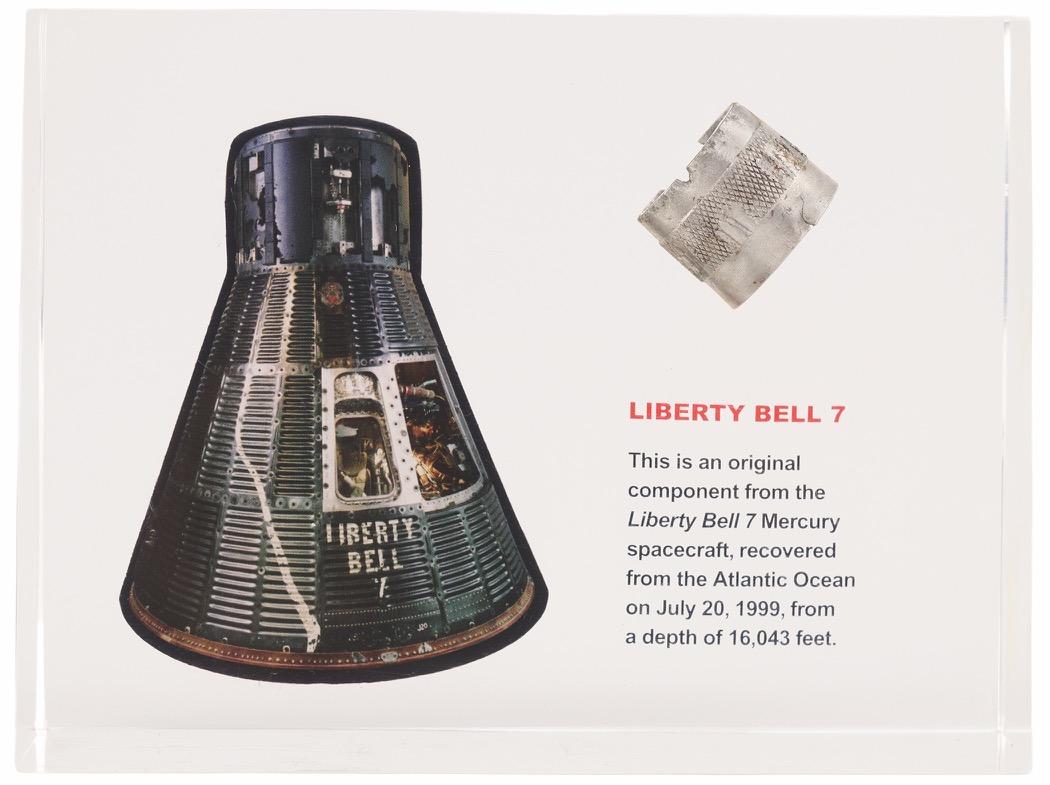
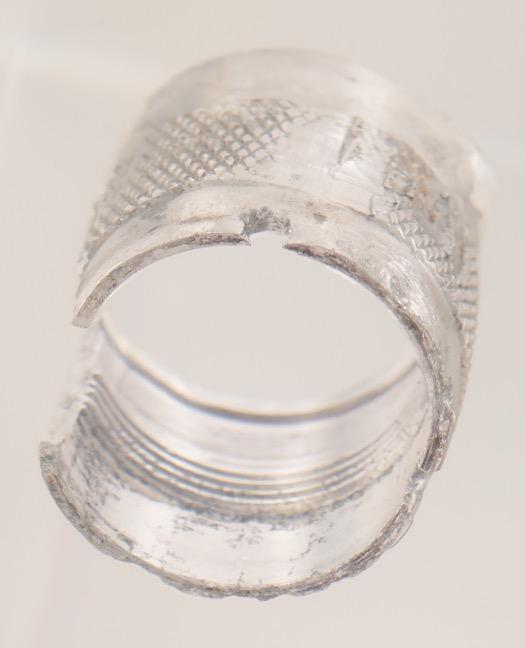
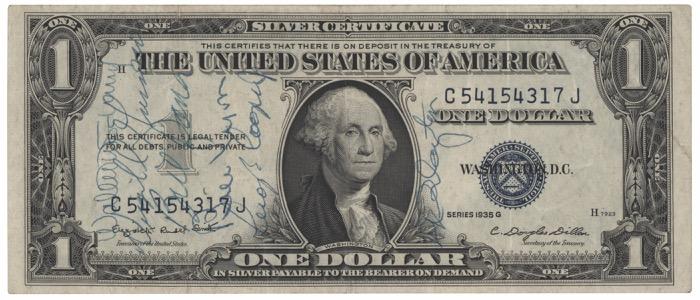
5083. Gus Grissom Signed Check - America's Second Man in Space Pays 'Th... Starting Bid $200
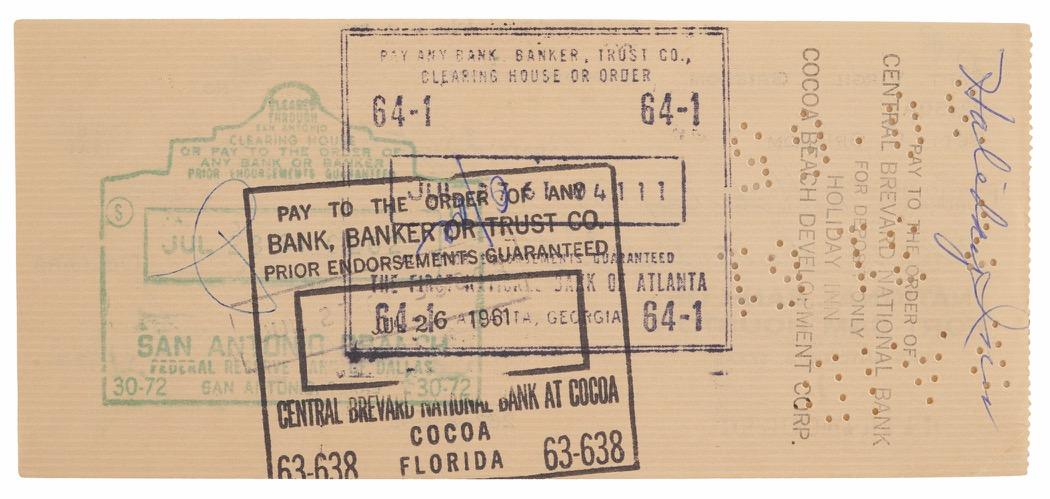
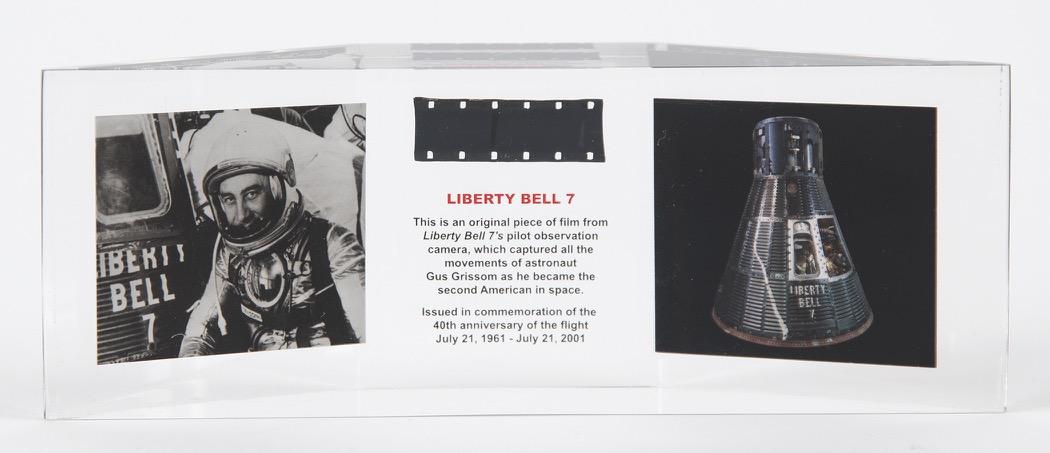
5087. Liberty Bell 7 Flown Film (Ltd. Ed. #496/1000) Starting Bid $200
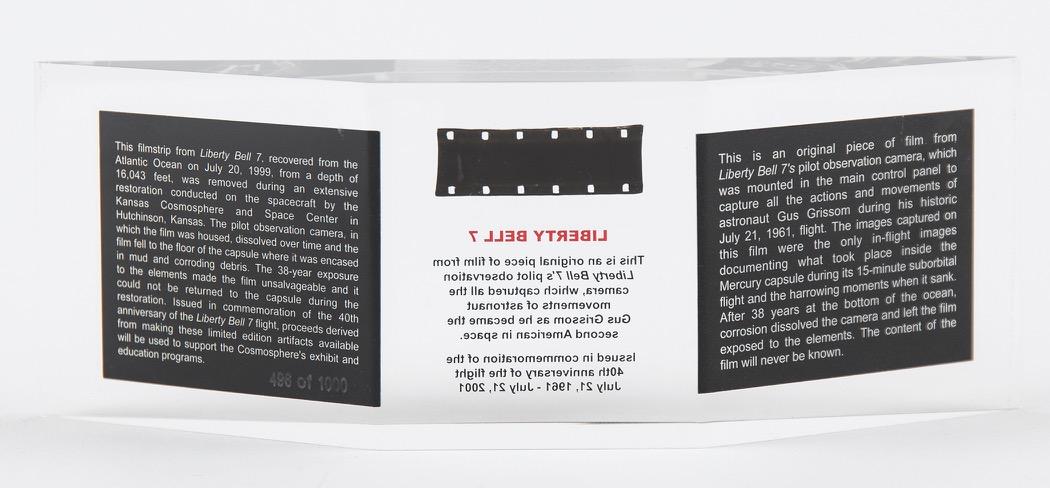
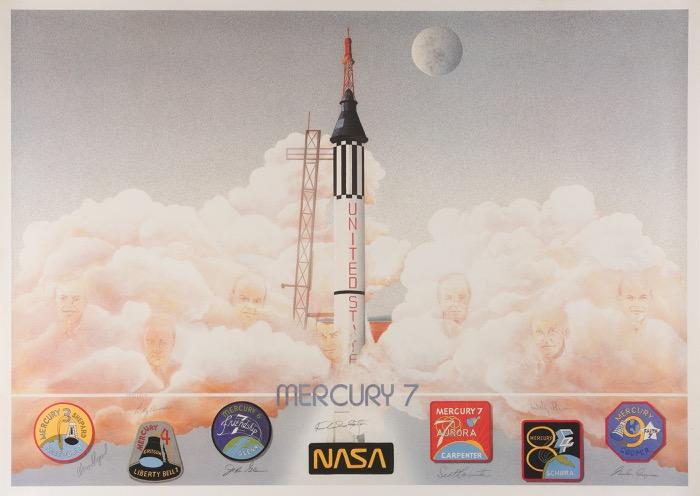
5084. Gus Grissom Document Signed Starting Bid $200
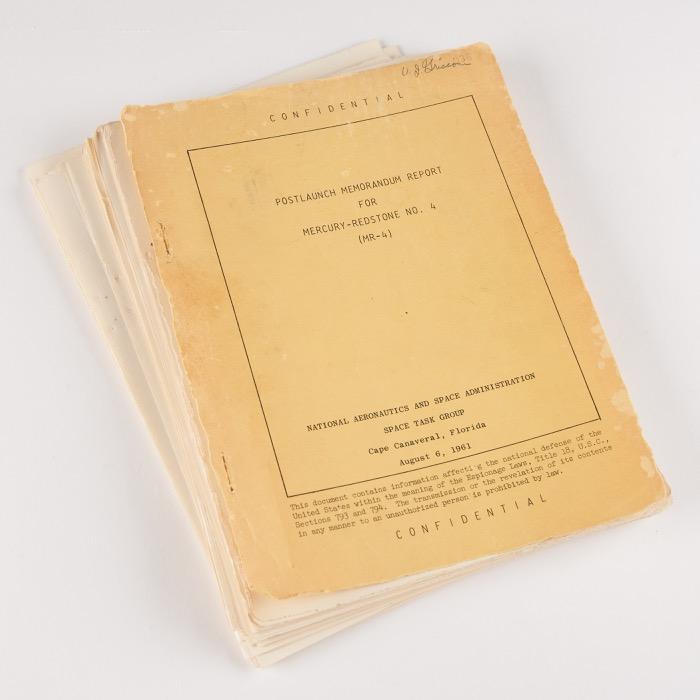
5088. Liberty Bell 7: Postlaunch Memorandum Report for MercuryRedstone... Starting Bid $200
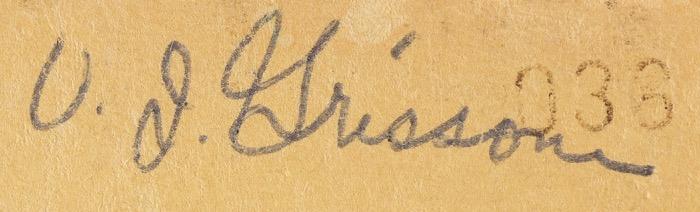
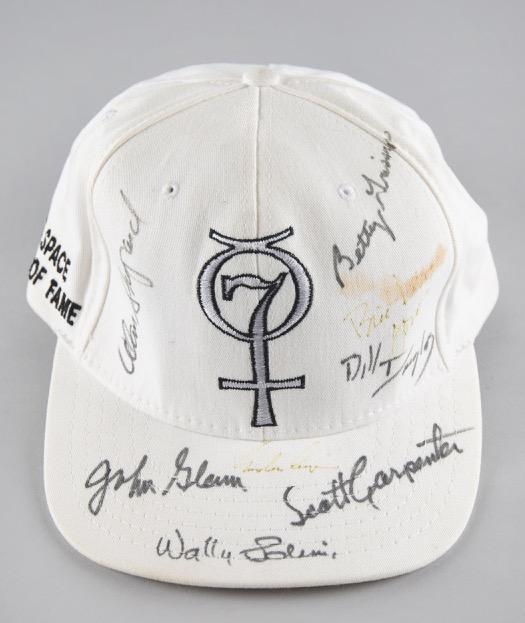
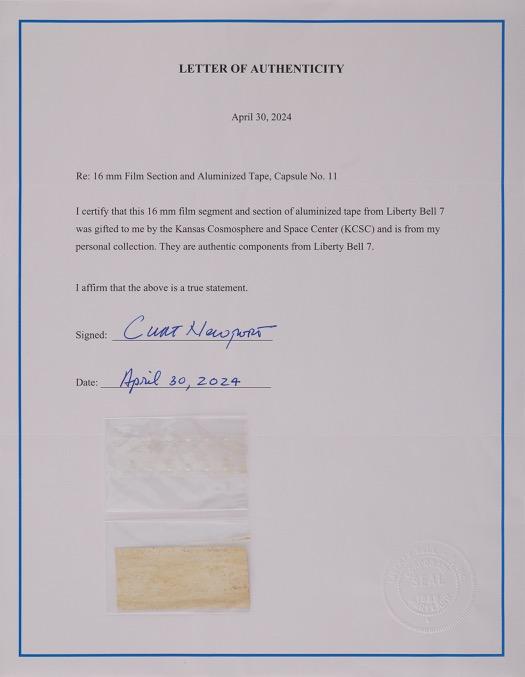
5089. Liberty Bell 7 Flown Film and Tape - From the Personal Collection...
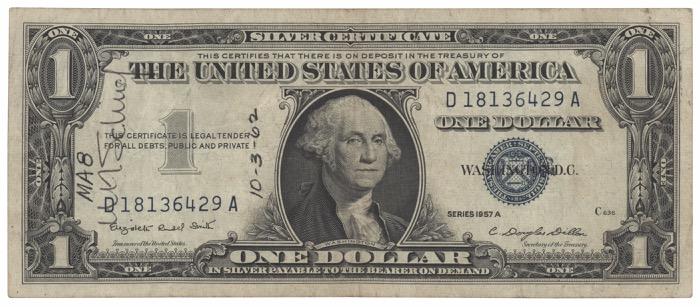
5090. Mercury Astronauts Signed $1 Dollar Bill with Gus Grissom - From ... Starting Bid $200
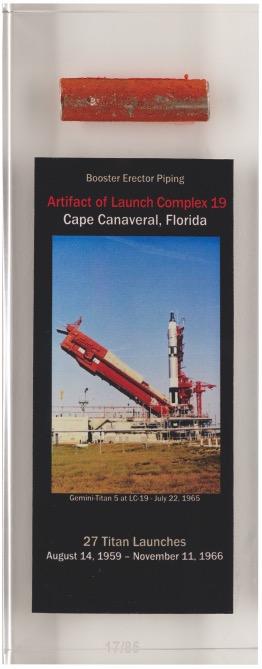
5115.
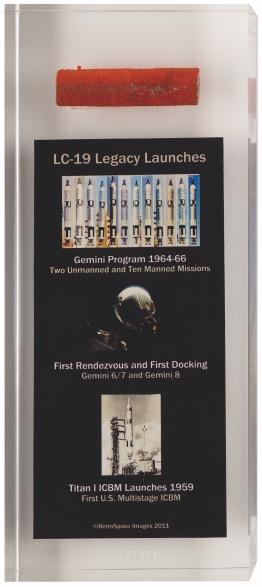
5091. Mercury Astronauts (6) Multi-Signed Limited Edition Print - 'Merc...
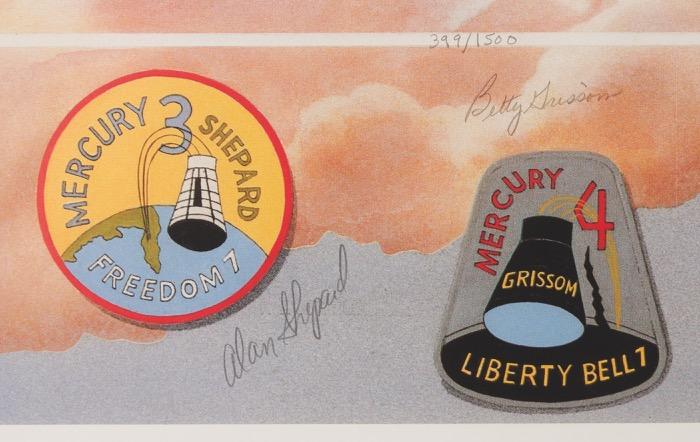
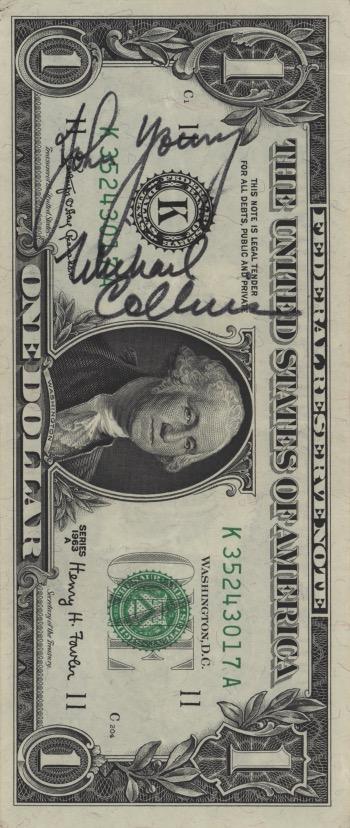
5092. Mercury Astronauts
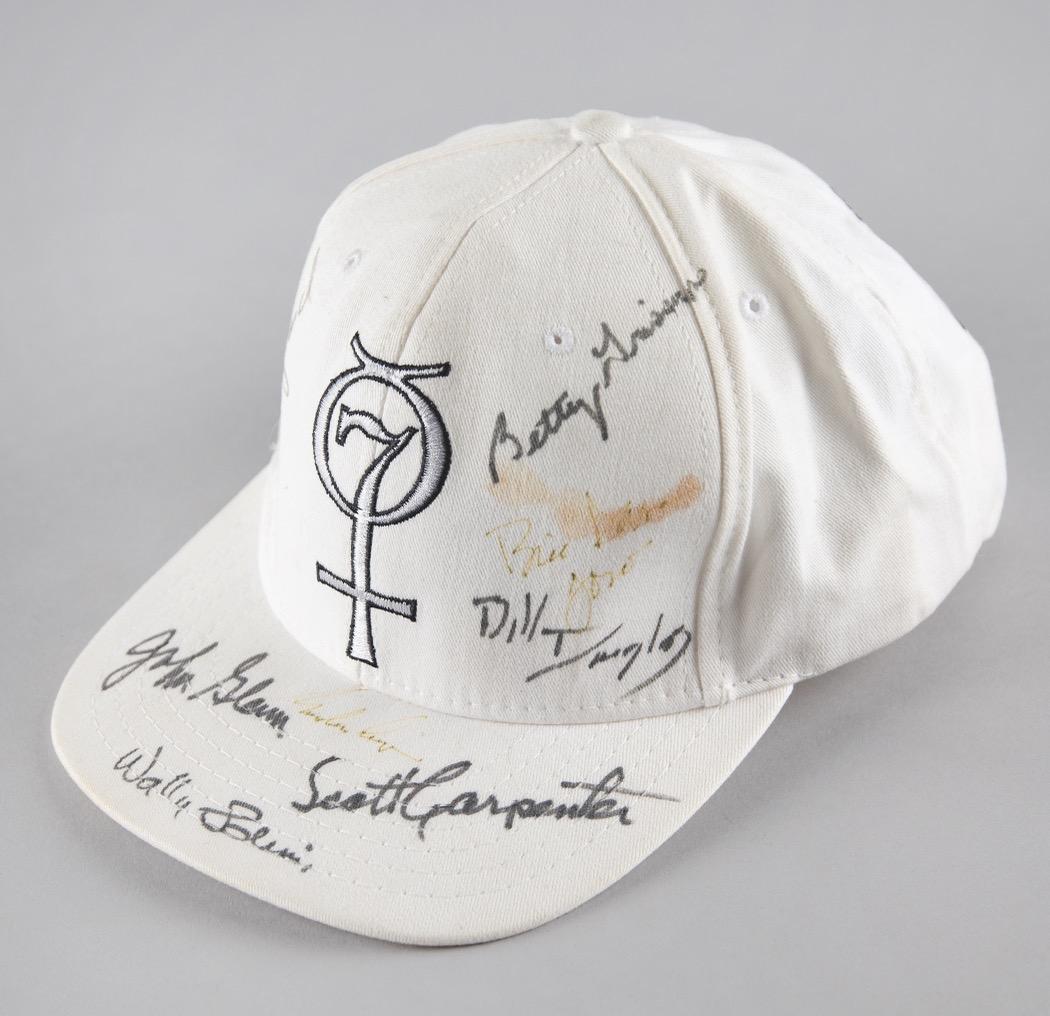
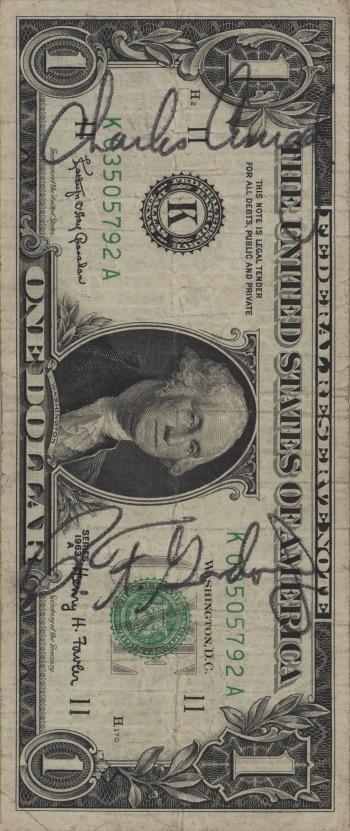
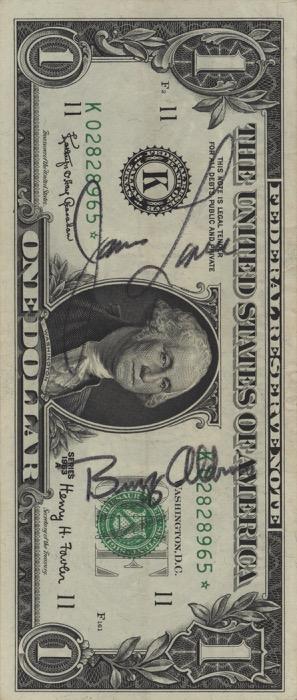
5118. Gemini 12 CrewSigned $1 Dollar Bill - Aldrin and Lovell Starting Bid $200
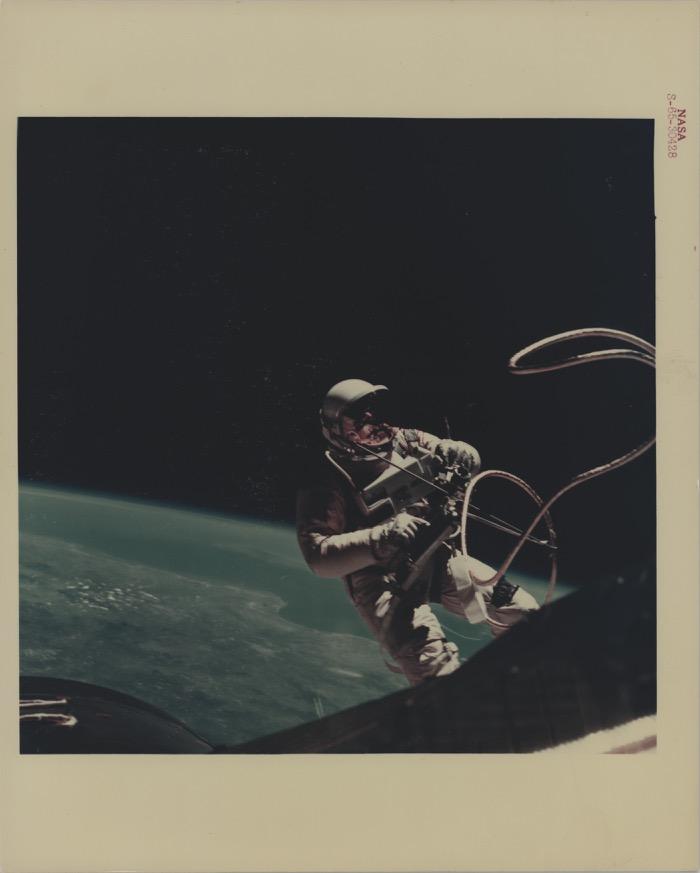
5122. Gemini 4 Original 'Type 1' PhotographEdward H. White II's Spac... Starting Bid $200
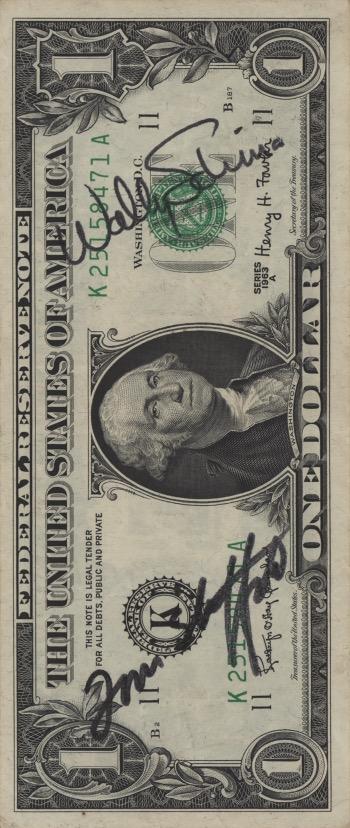
5126. Gemini 6 Crew-Signed $1 Dollar Bill - Stafford and Schirra Starting Bid $200
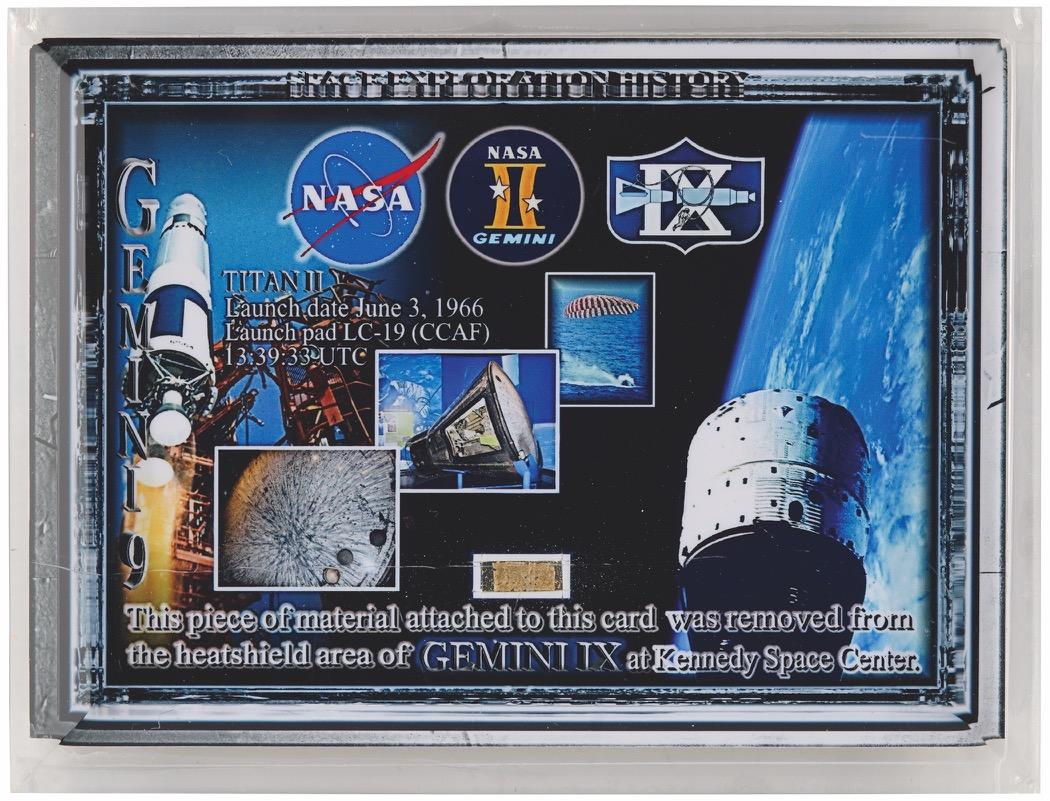
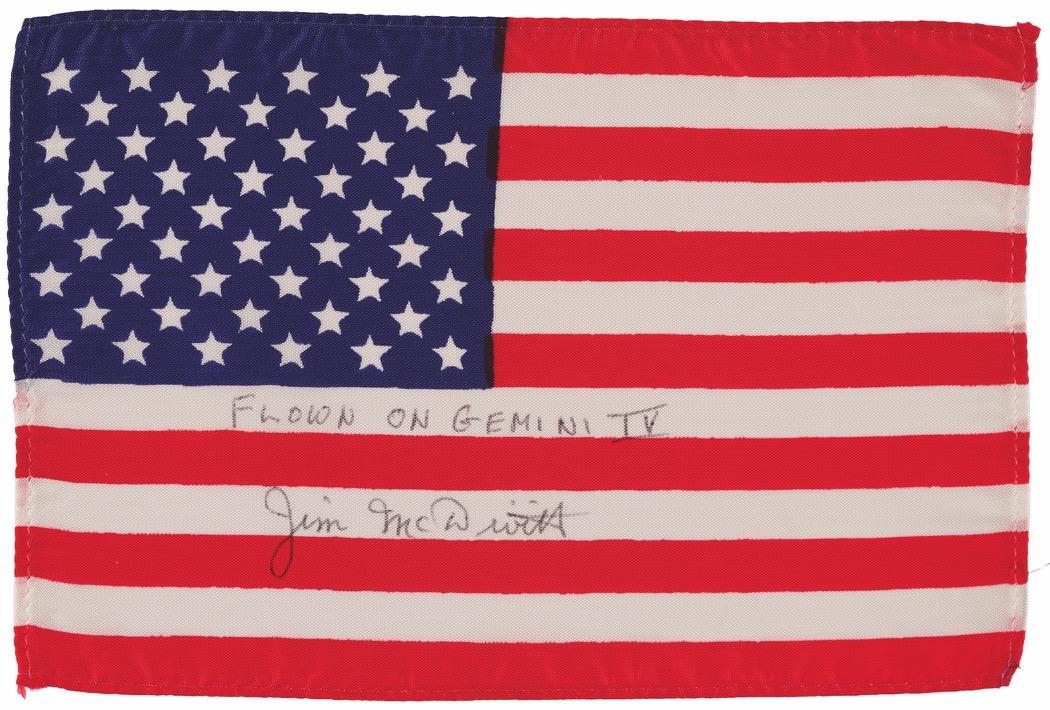
5119. Gemini 4 Flown American Flag - From the Personal Collection of Ji... Starting Bid $200
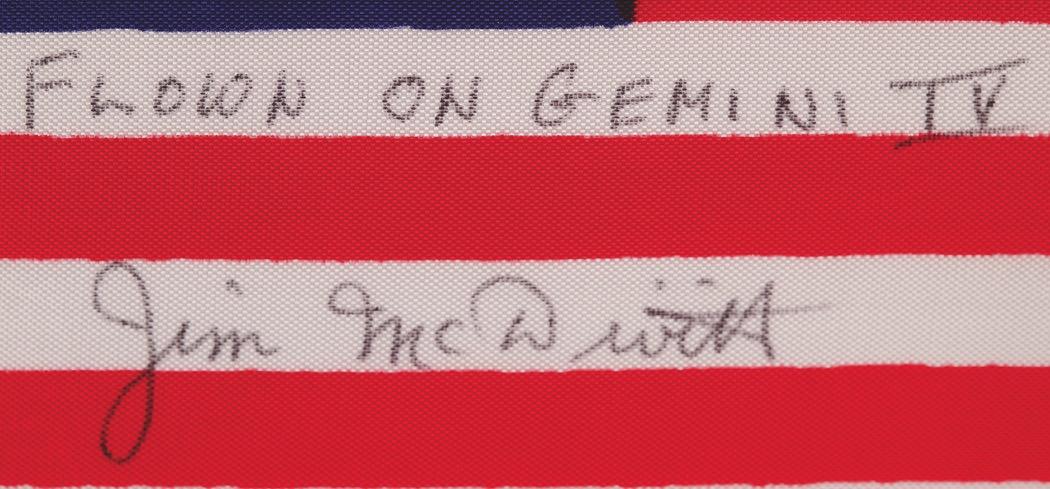
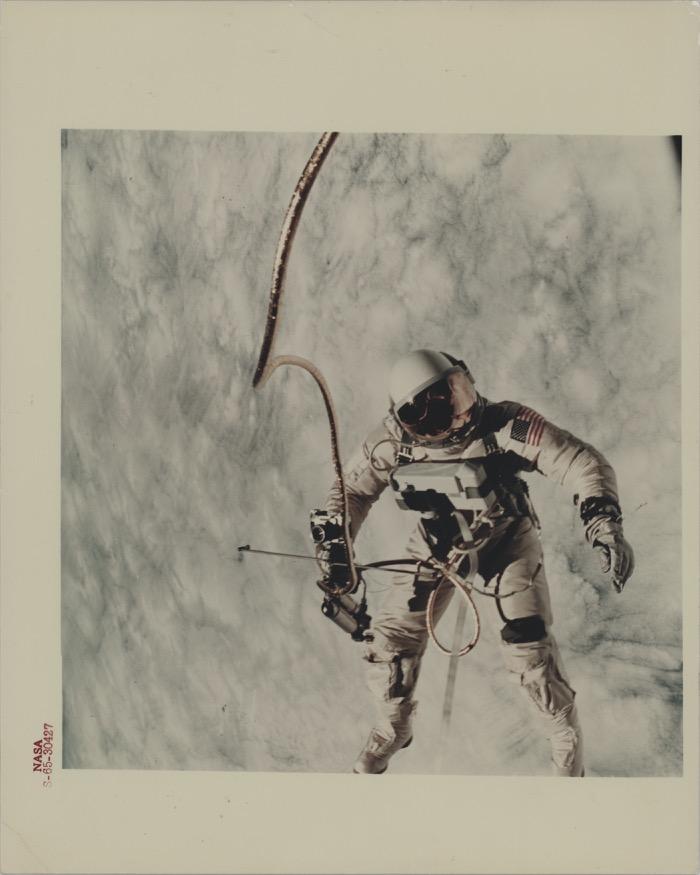
5123. Gemini 4 Original 'Type 1' PhotographEdward H. White II's Spac... Starting Bid $200
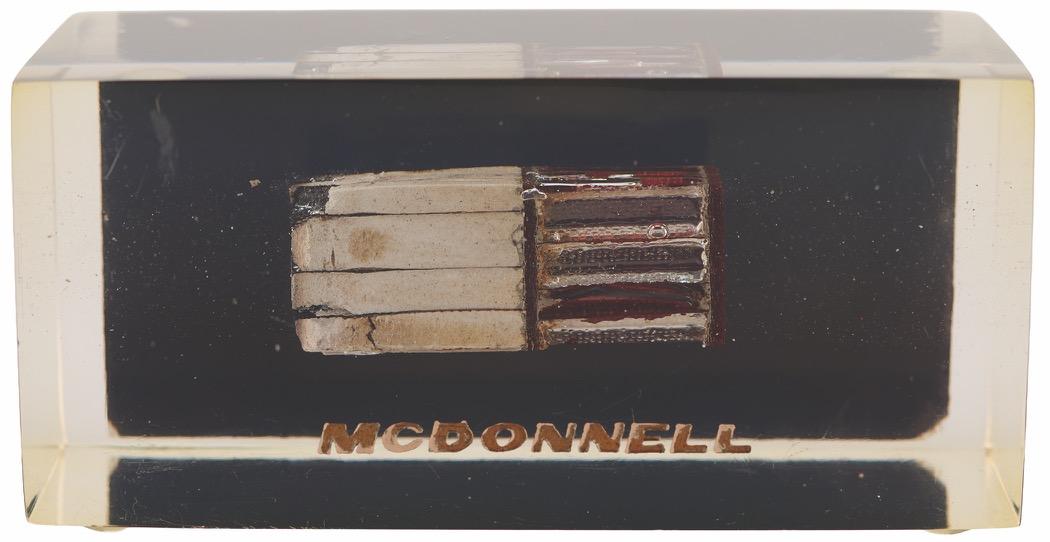
5127. Gemini 7 Flown Heatshield Fragment Starting Bid $200
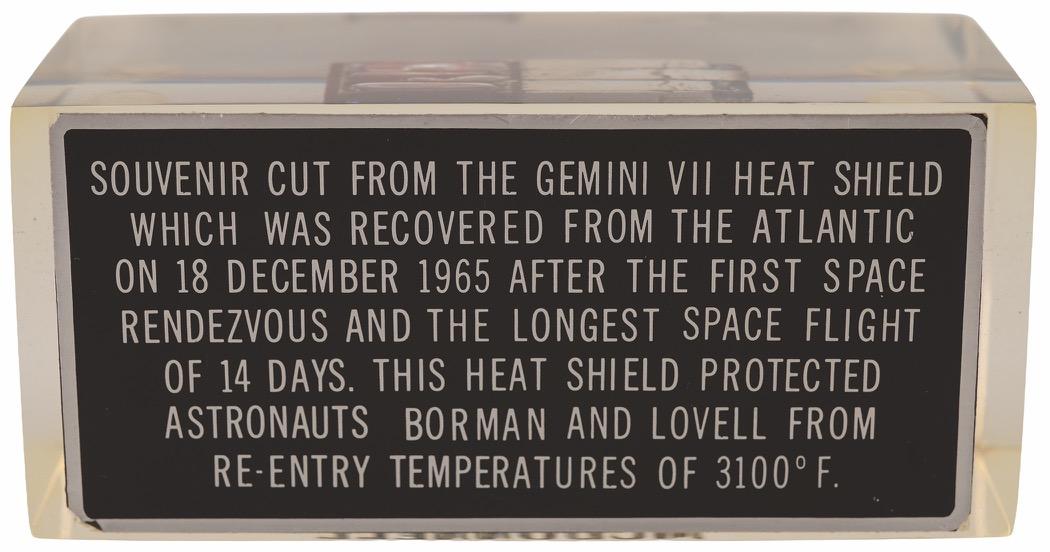
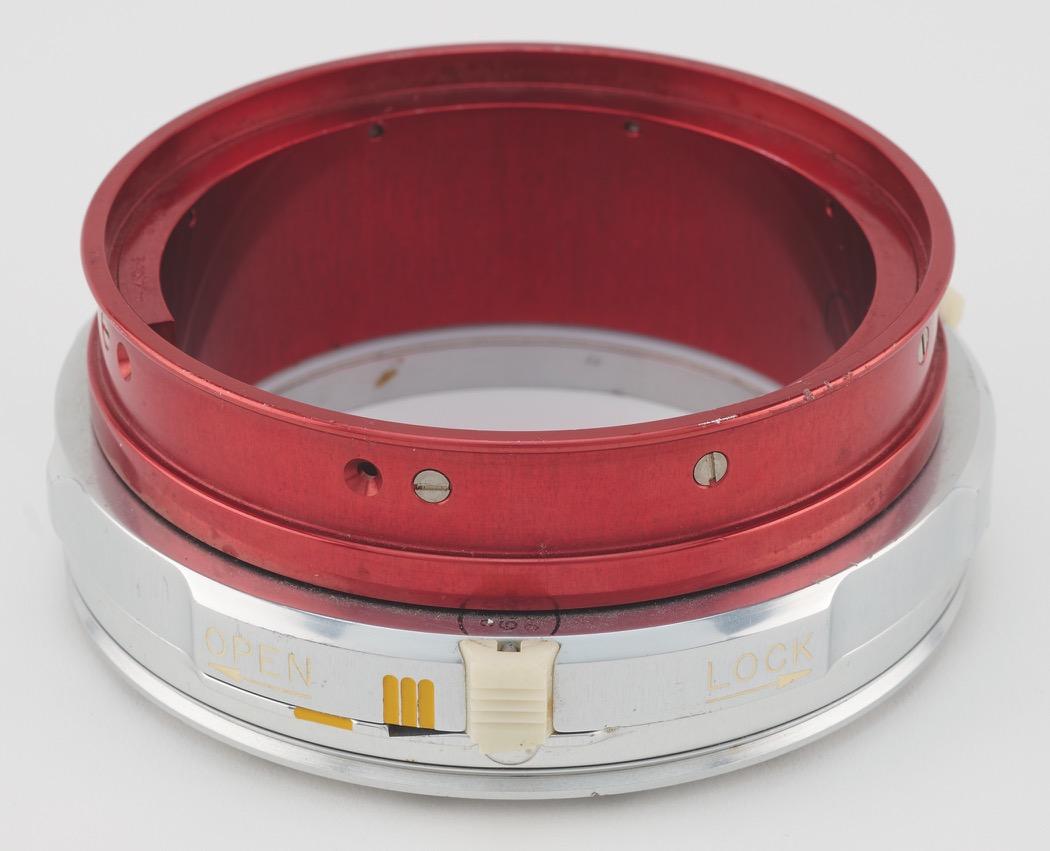
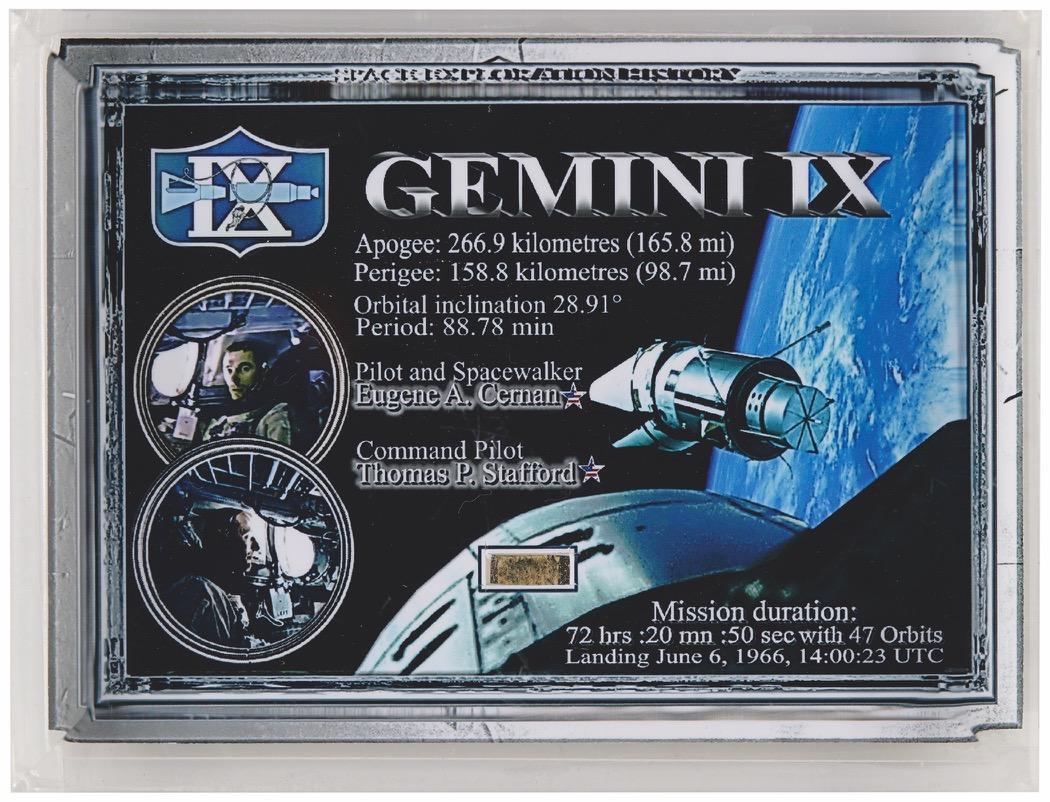
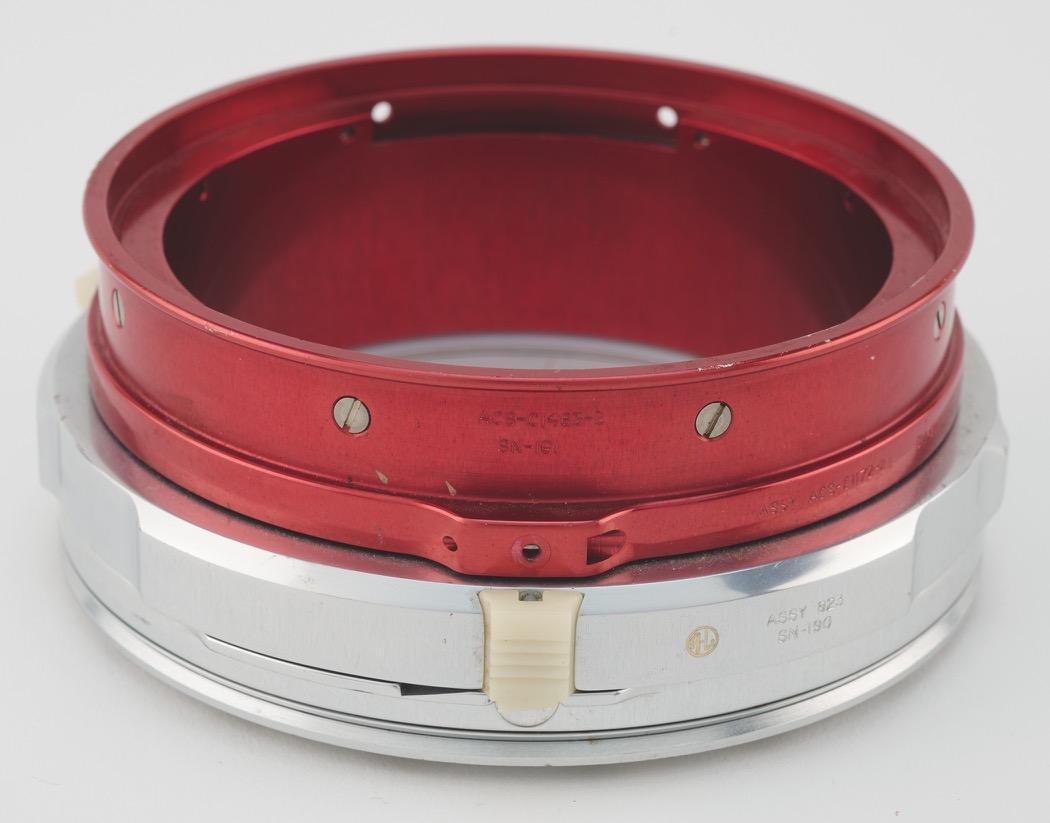
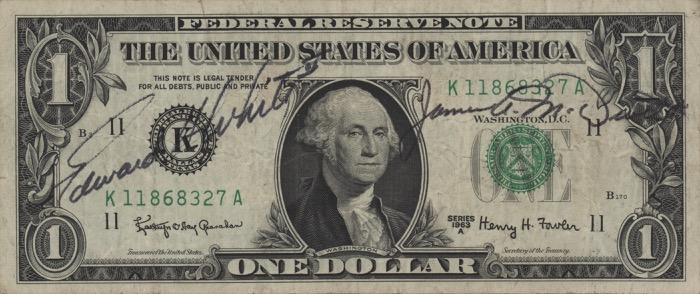
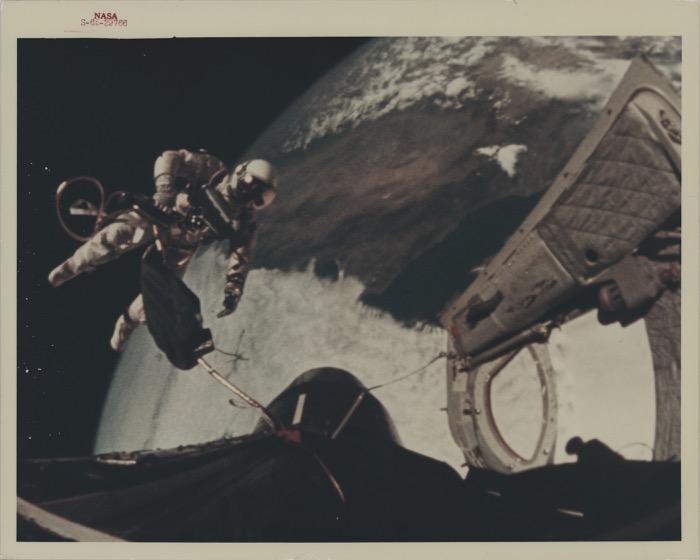
5120. Gemini 4 Crew-Signed $1 Dollar Bill - White and McDivitt Starting Bid $200
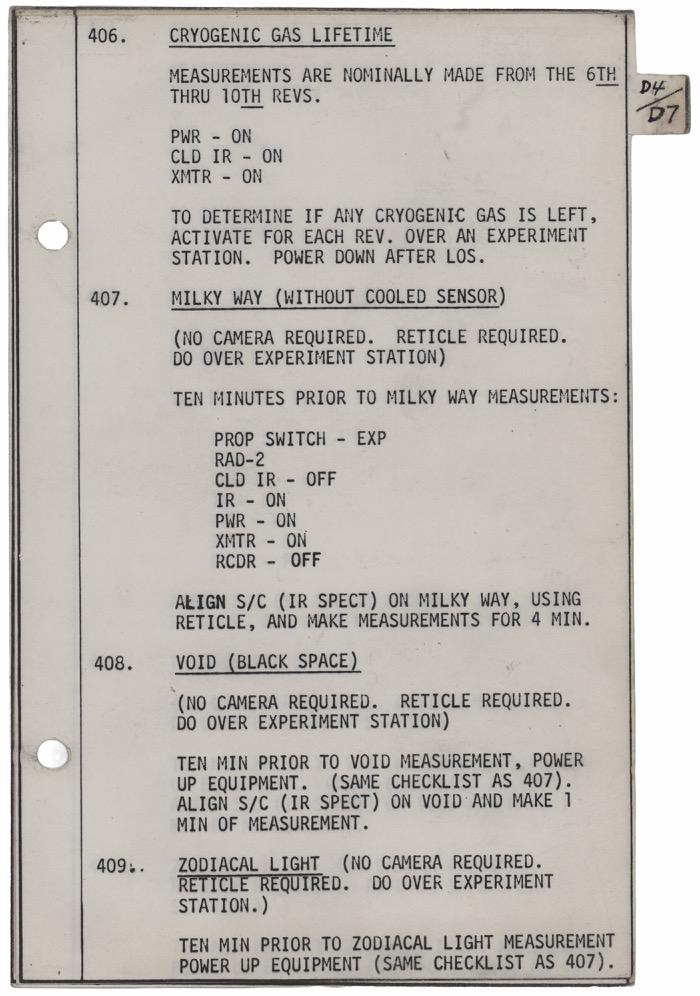
5121. Gemini 4 Original 'Type 1' PhotographEdward H. White II's Spac... Starting Bid $200
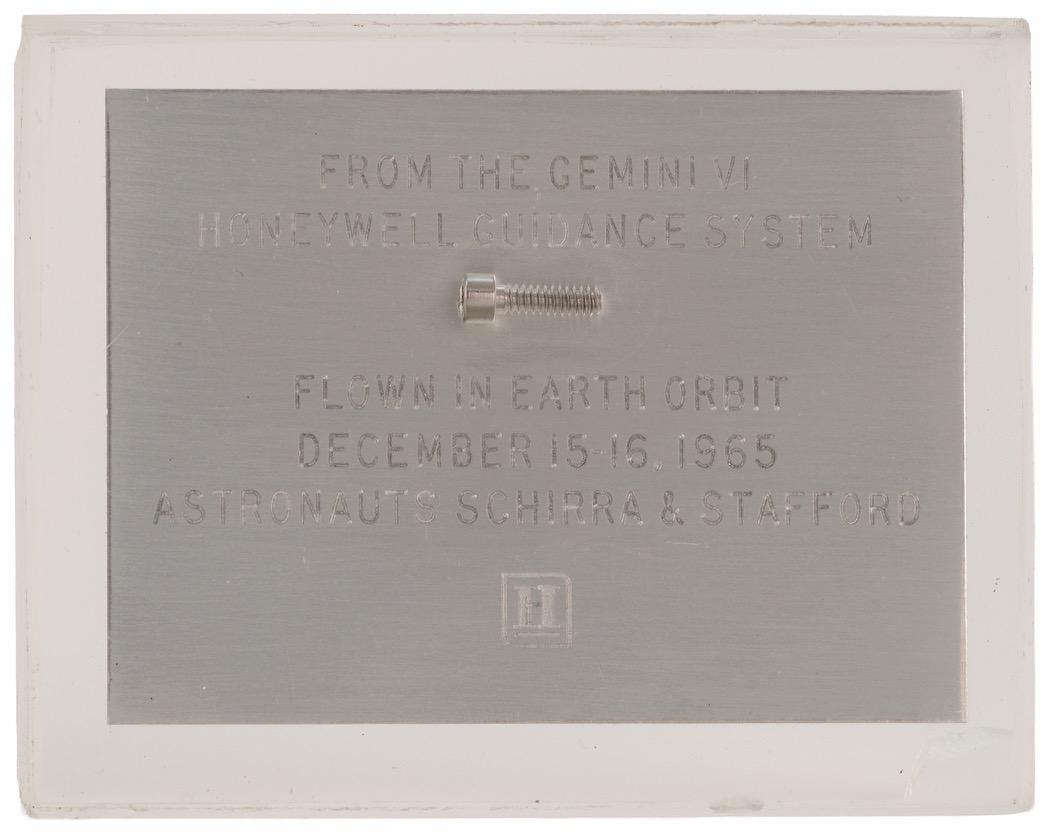
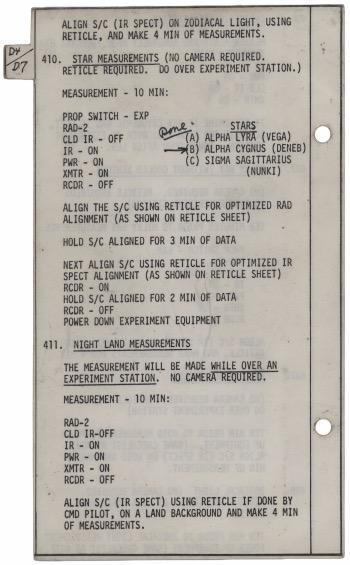
5124. Gemini 5 'Experimental Procedure' Checklist Page (Attested as
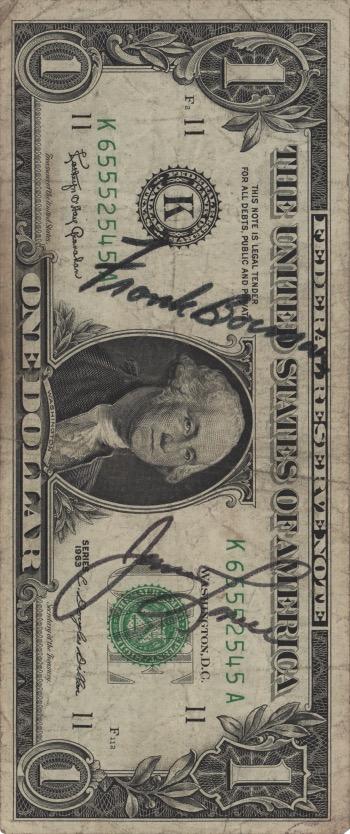
5128. Gemini 7 Crew-Signed $1 Dollar Bill - Borman and Lovell Starting Bid $200
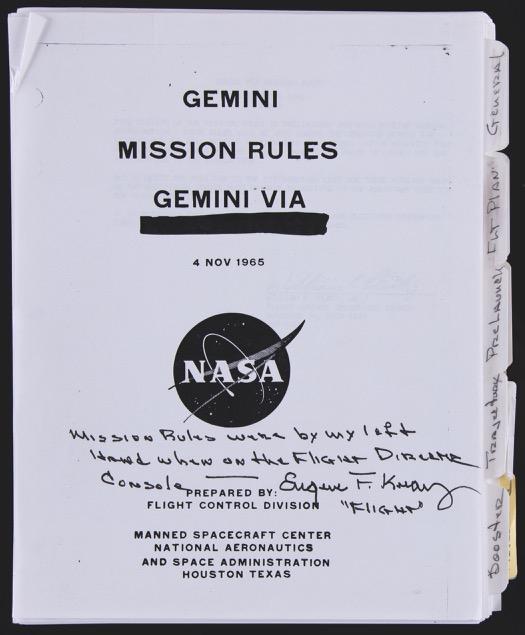
5132. Gene Kranz Signed Gemini 6 'Mission Rules'
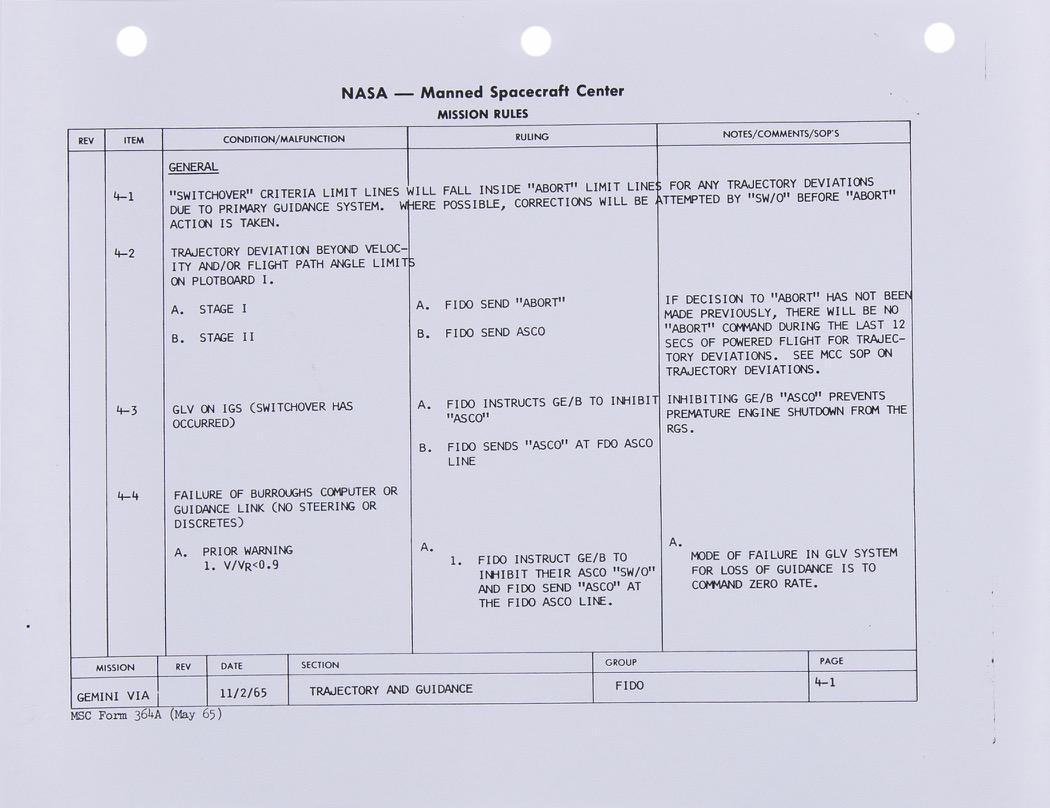
5125. Gemini 6 Flown Screw - Honeywell Contractor's Lucite Starting Bid $200
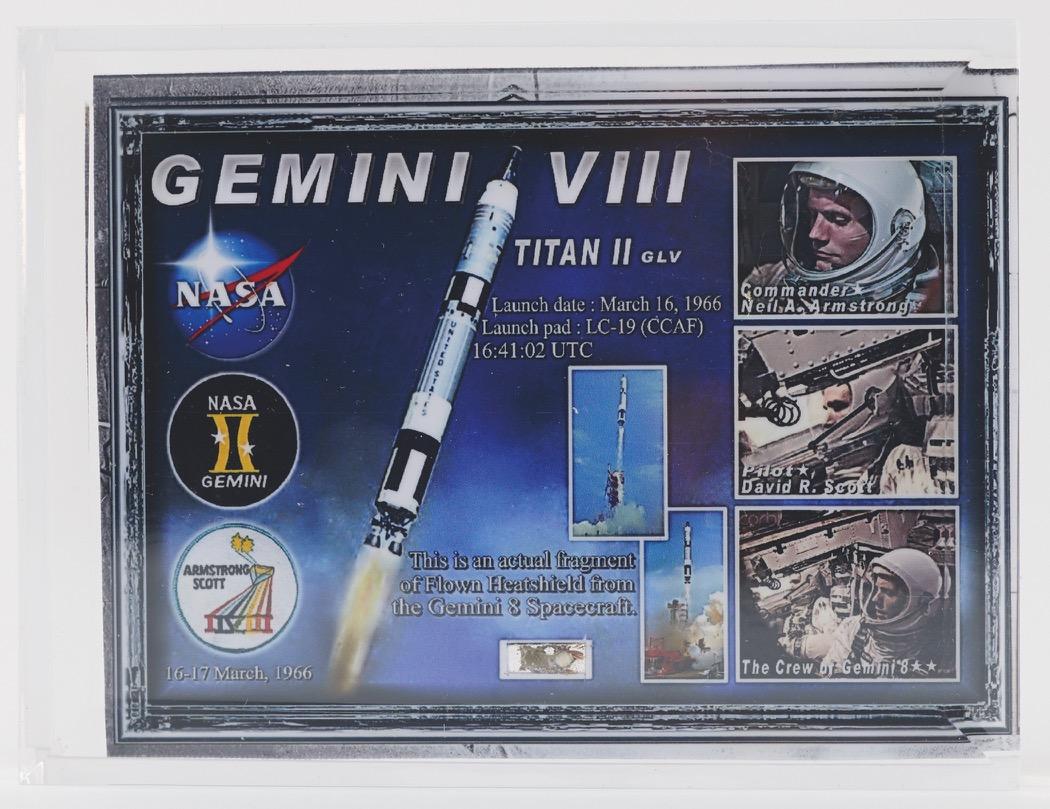
5129. Gemini
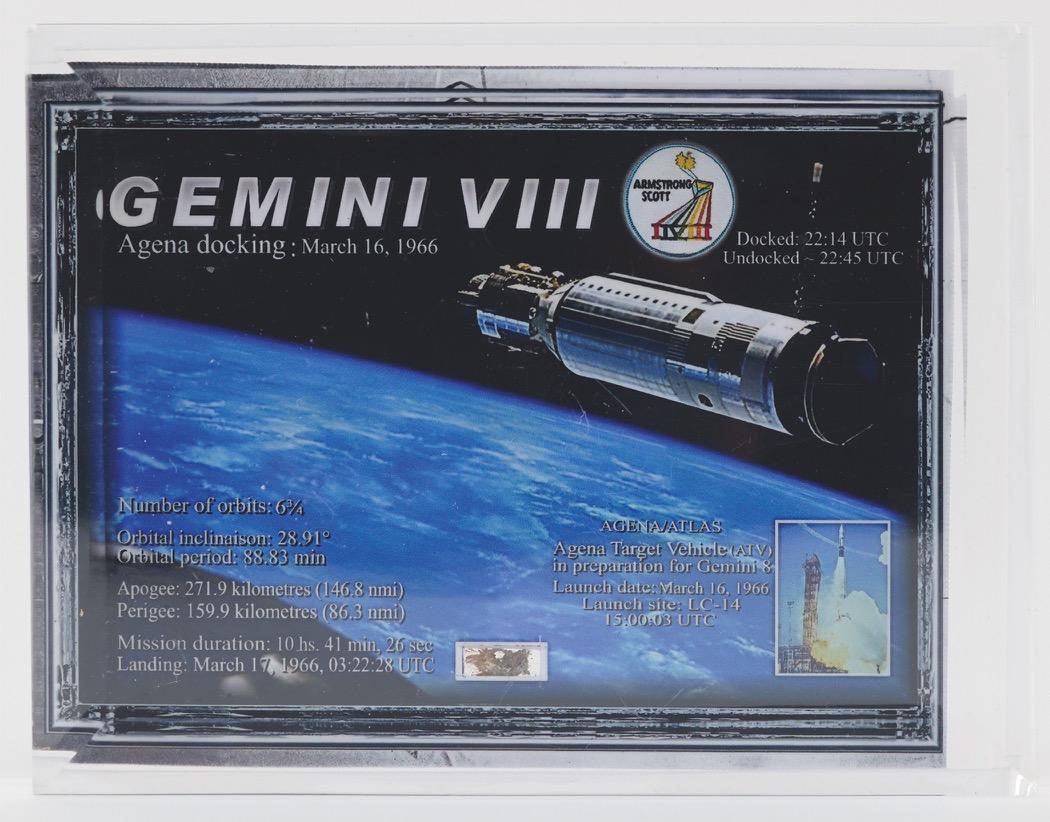
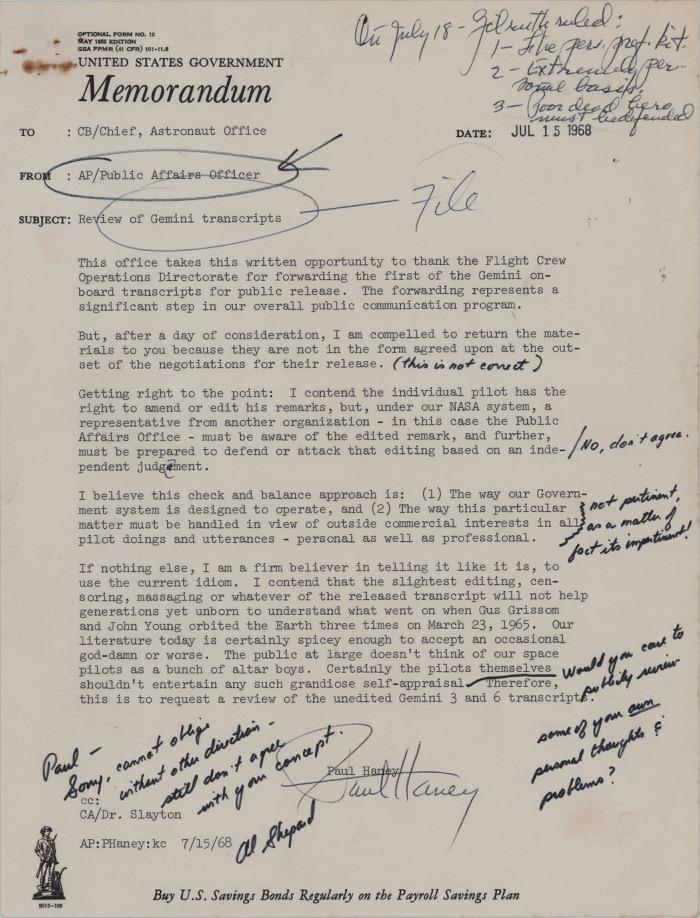
5133. Alan Shepard and Paul Haney Hand-Annotated and Signed Government ... Starting Bid $200
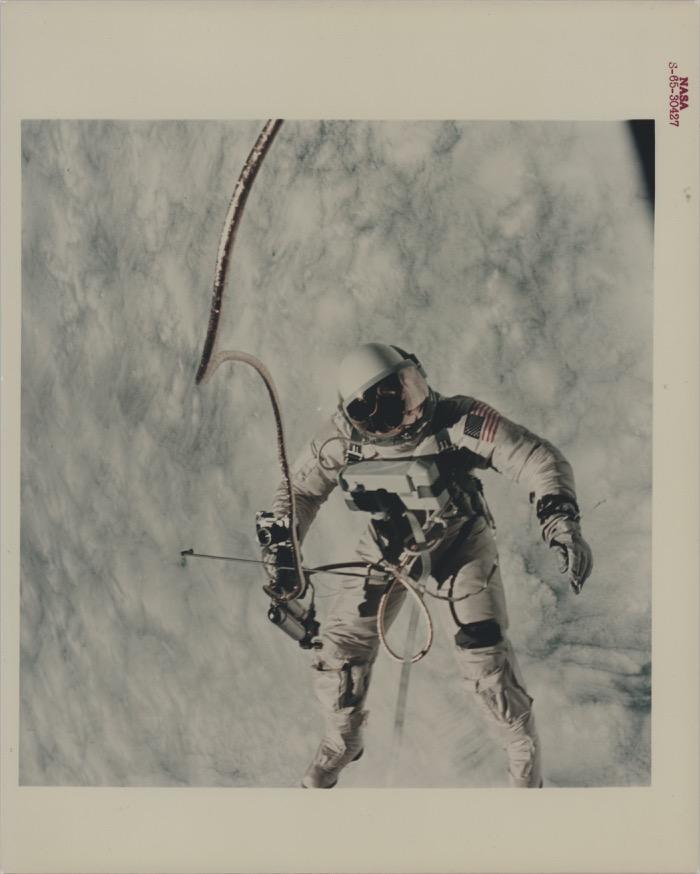
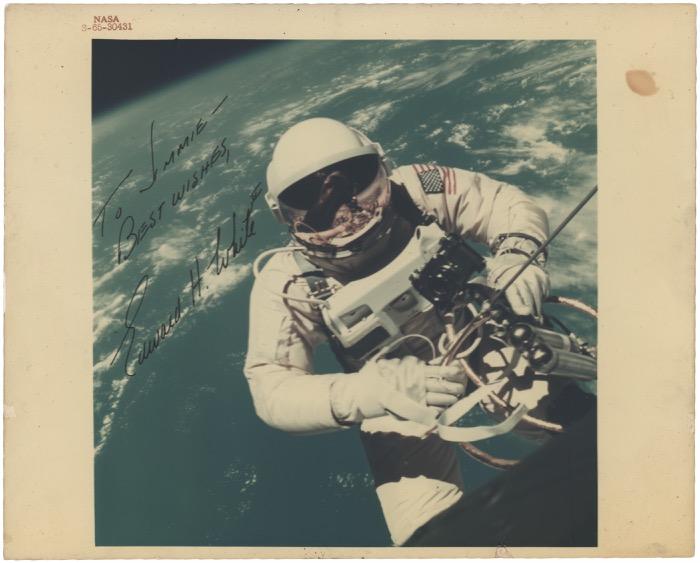
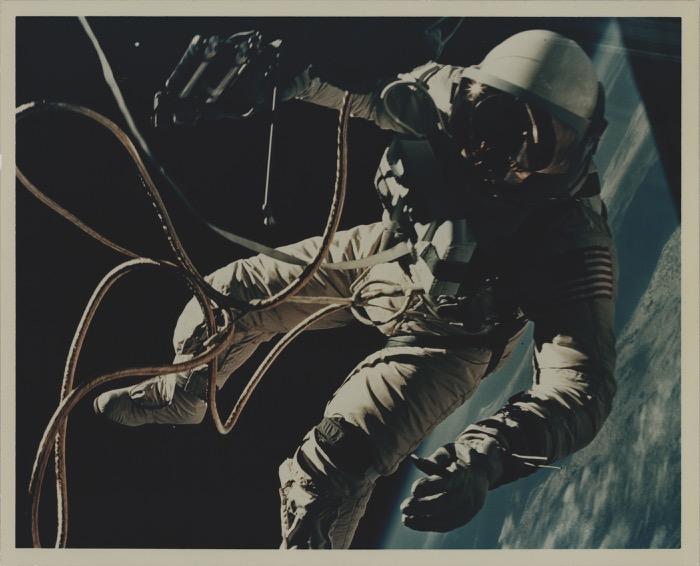
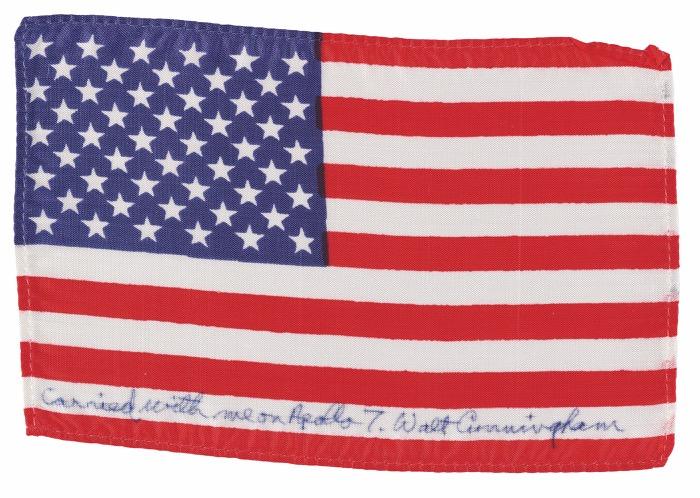
5134. Edward H. White II Numbered Photograph -
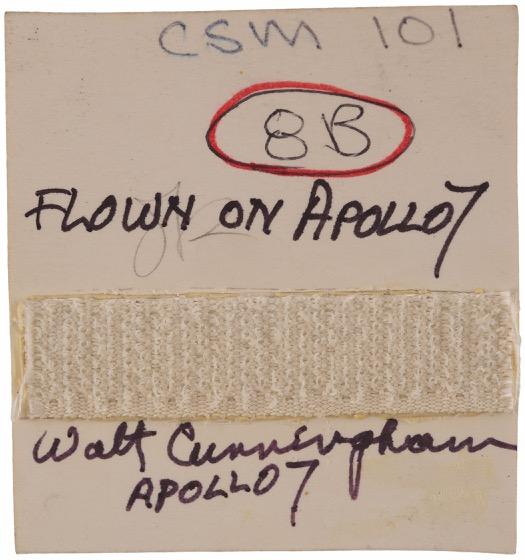
5138. Edward H. White II Signed Photograph Starting Bid $200
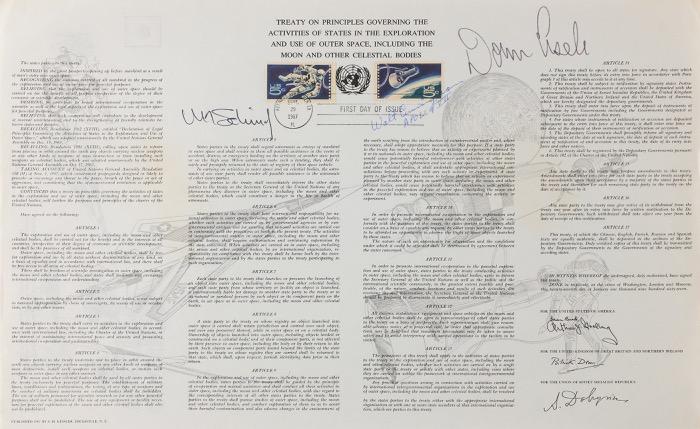
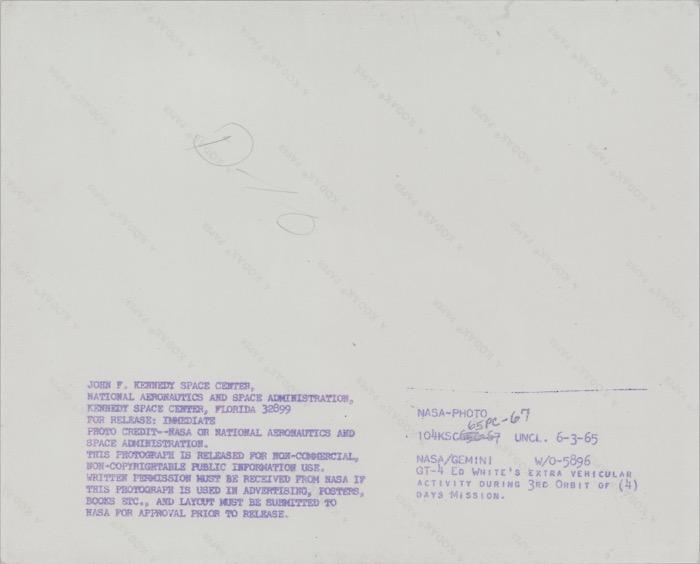
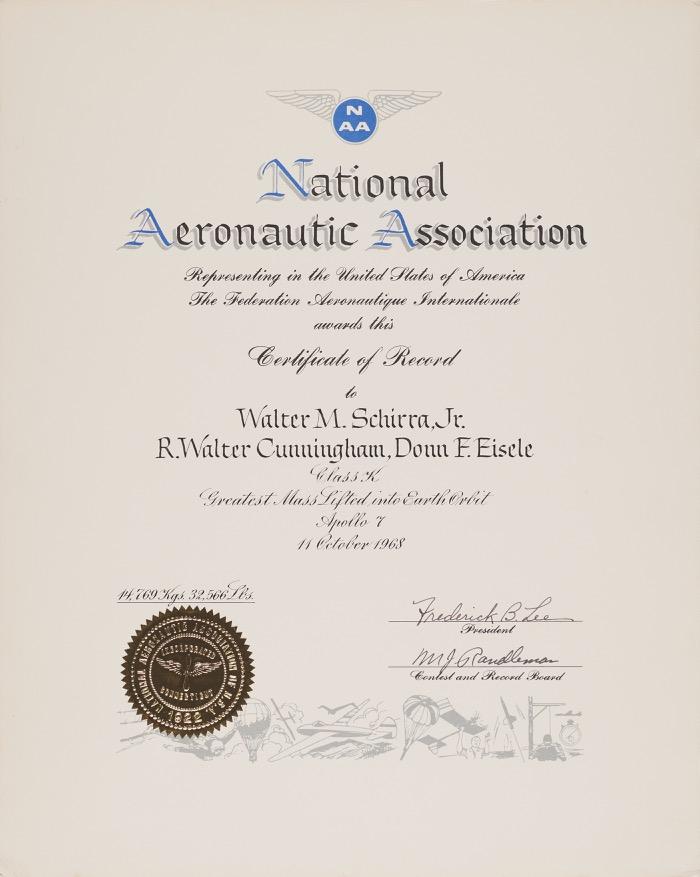
5143. Apollo 7 Flown American Flag - From the Personal Collection of Wa... Starting Bid $200
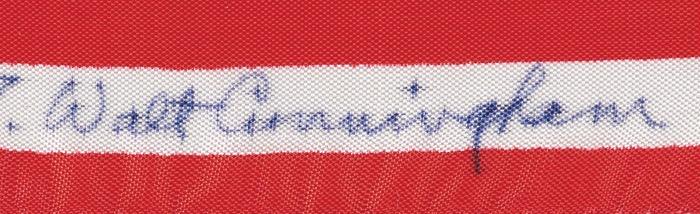
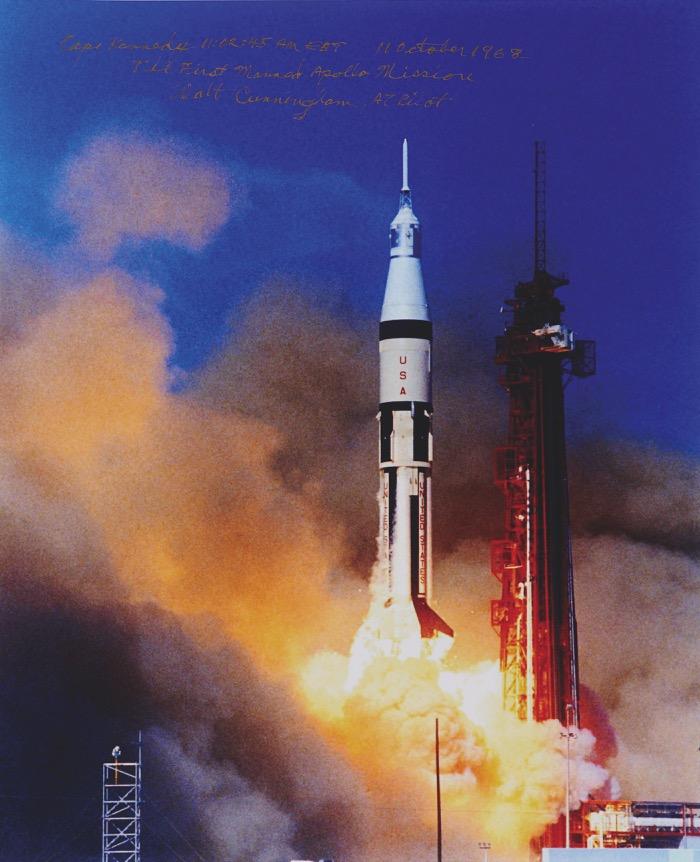
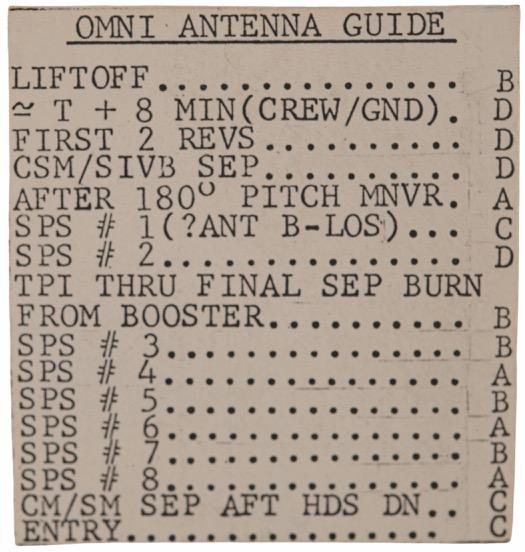
5144. Apollo 7 Flown CSM Card - From the Persona...
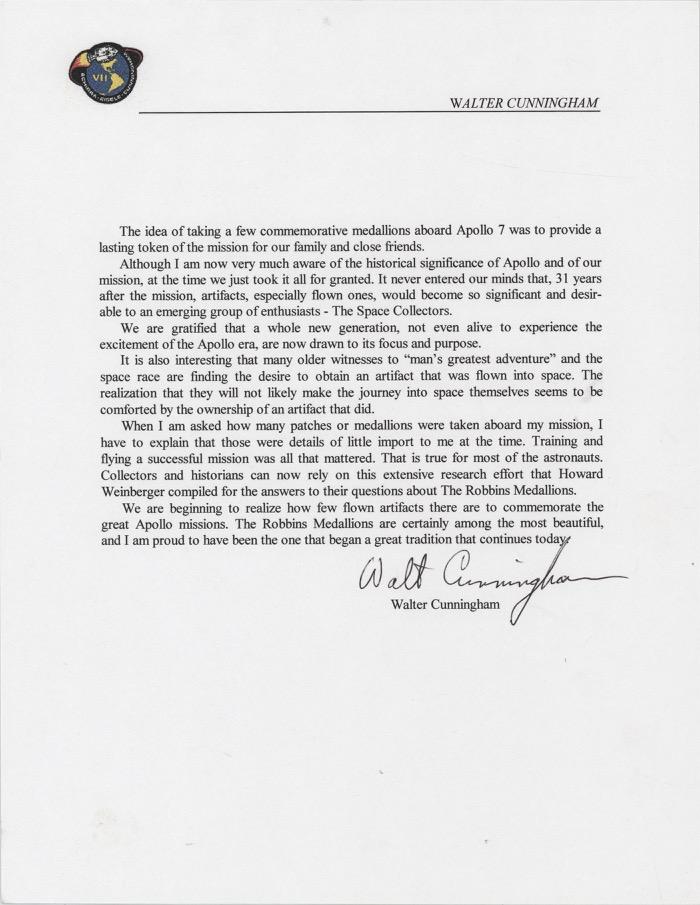
5148. Walt Cunningham Typed Letter Signed on the Robbins Medallion Trad... Starting Bid $200
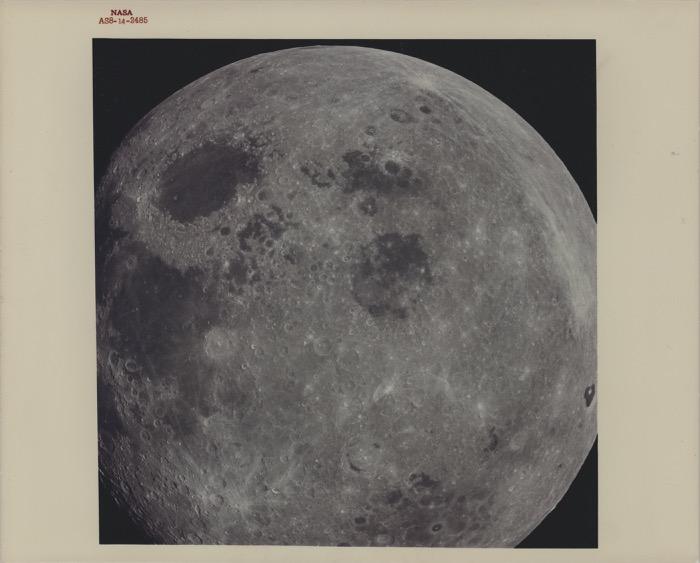
5145. Apollo 7 Signed 'Space Treaty' Philatelic Souvenir Starting Bid $200
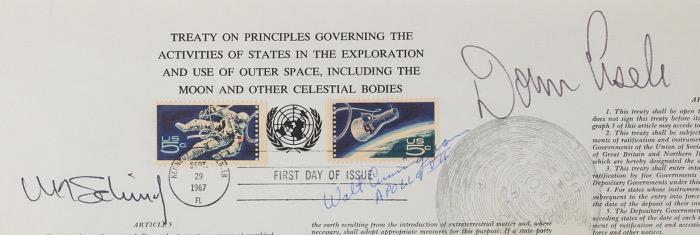
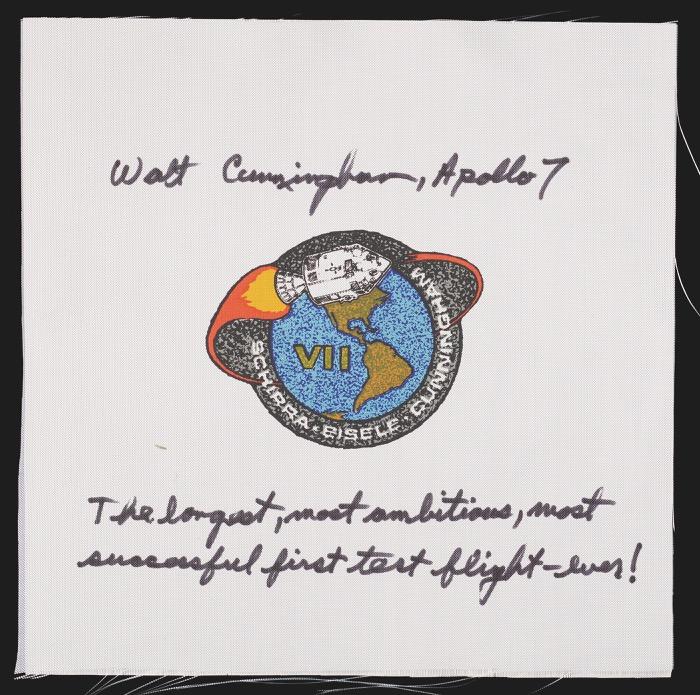
5149. Walt Cunningham Signed Apollo 7 Beta Patch Starting Bid $200
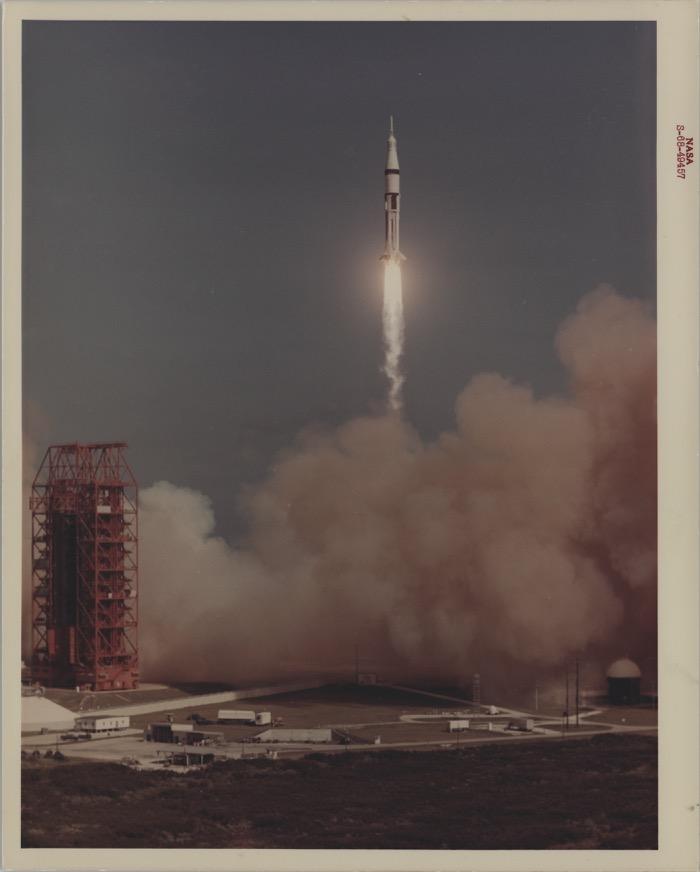
5154.
Starting Bid $200
5146. Apollo 7 National Aeronautic Association World Record Certificate... Starting Bid $200
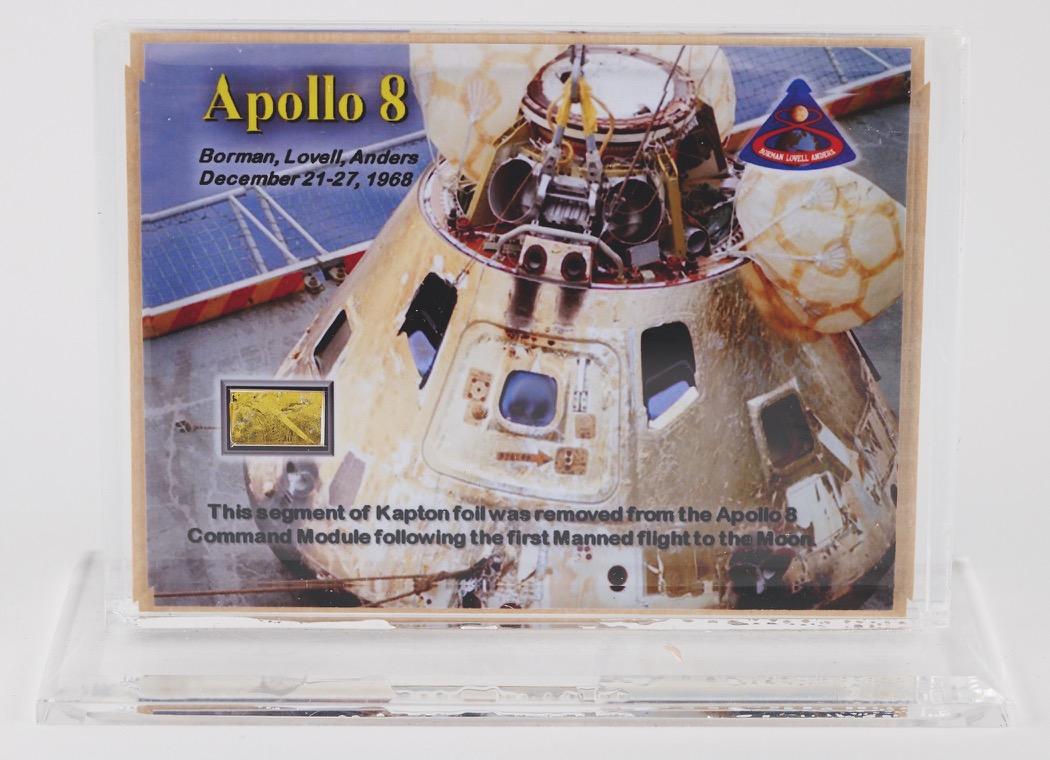
5151. Apollo 8 Command Module Kapton Foil
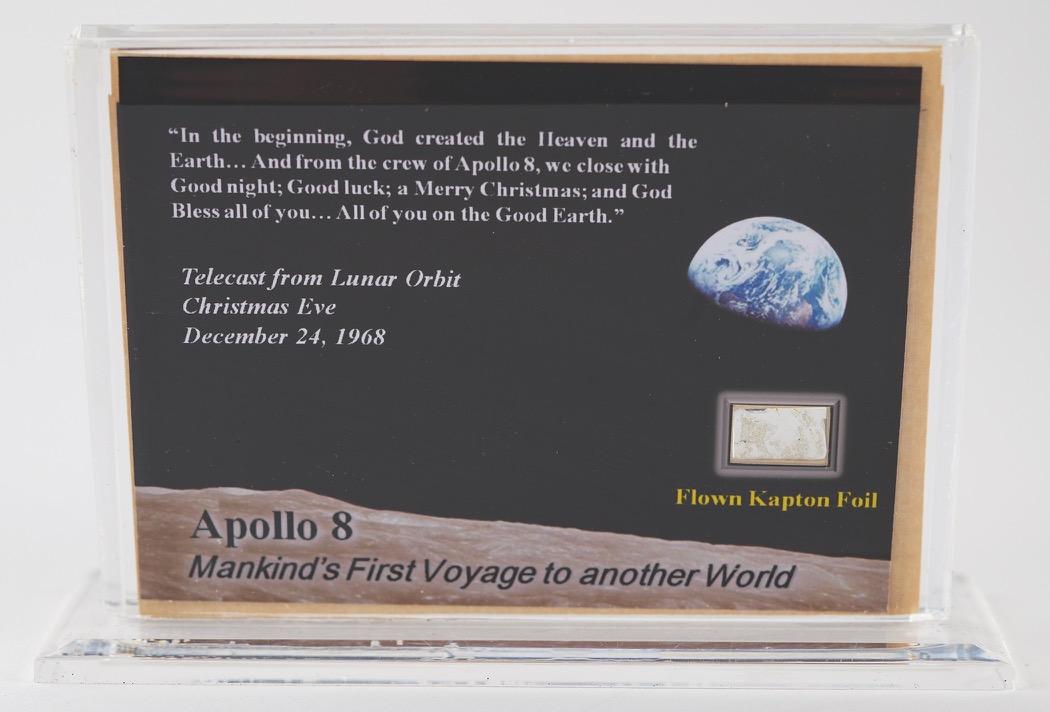
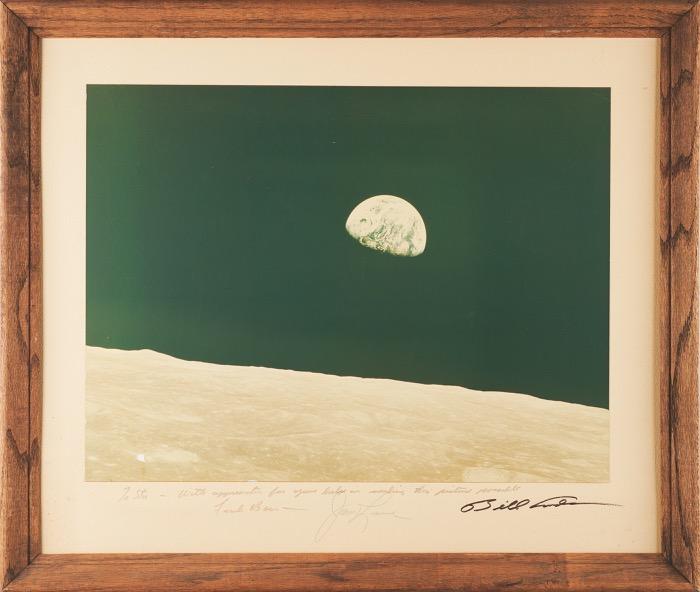
5155. Apollo 8 Signed Oversized Photograph and Artemis II Signed Letter... Starting Bid $200
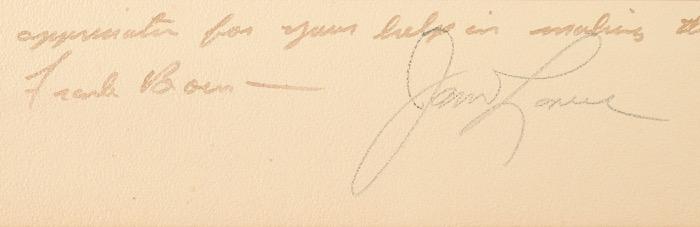
5147. Walt Cunningham Signed Oversized Photograph Starting Bid $200
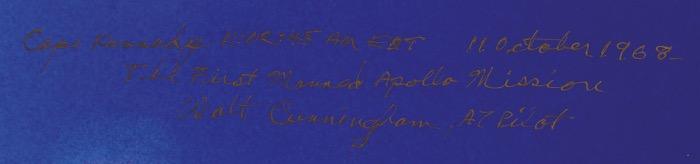
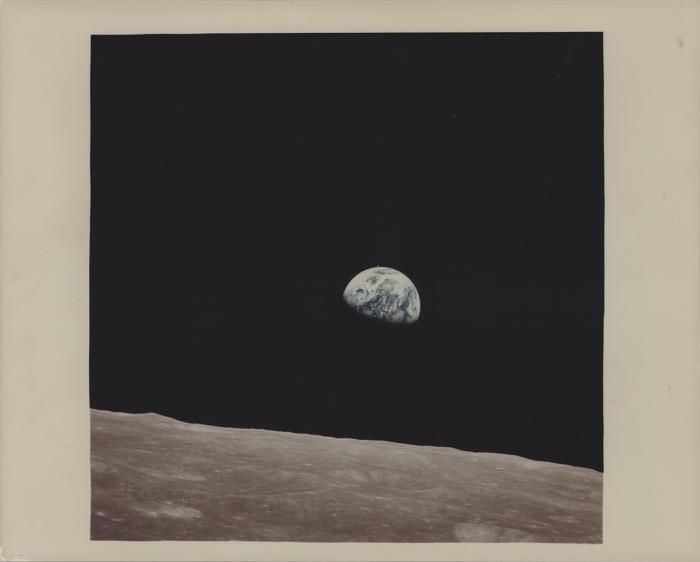
5152. Apollo 8 Original 'Type 1' PhotographEarthrise Starting Bid $200
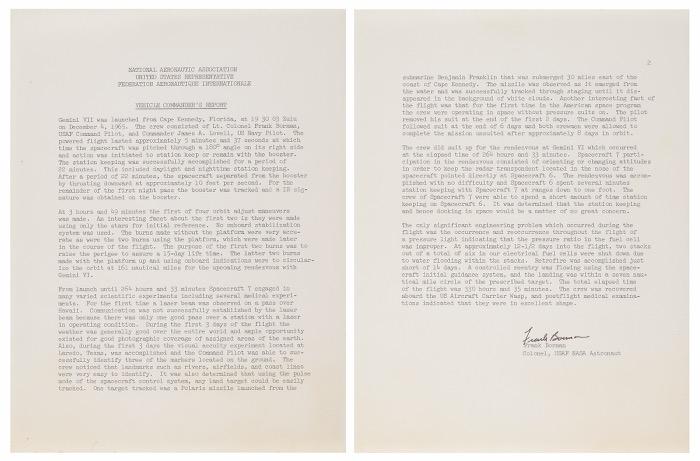
5156.
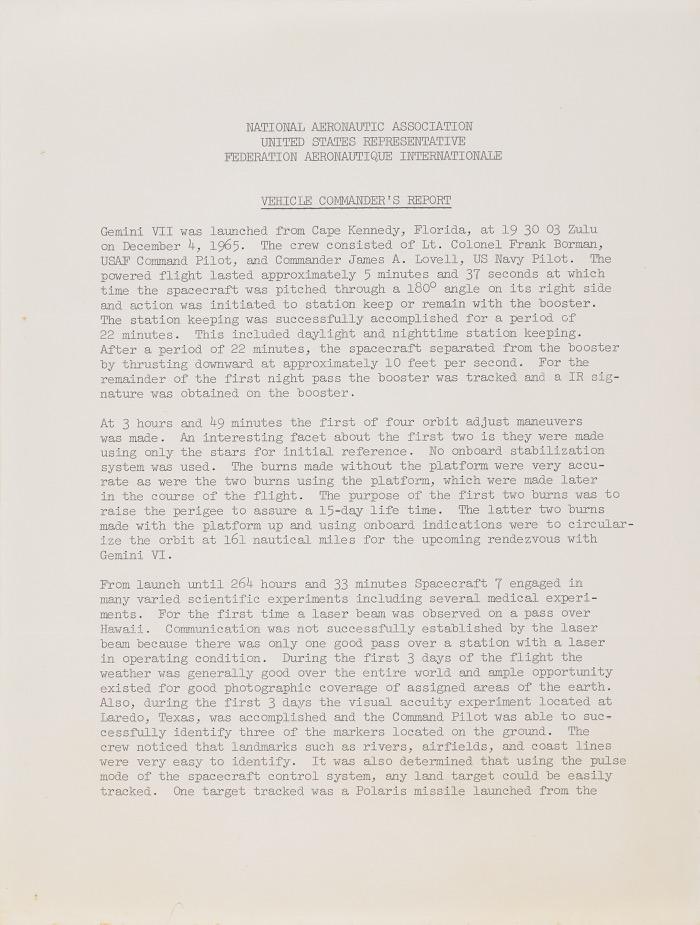
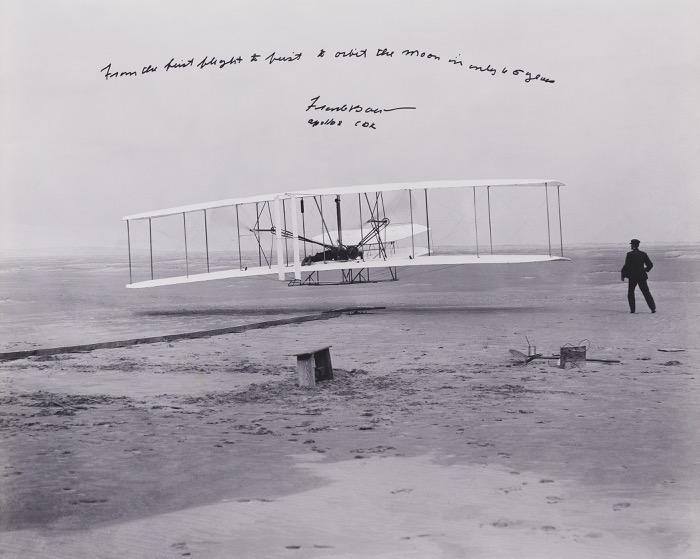
5157. Frank Borman Oversized Signed Photograph: "From the first flight ...
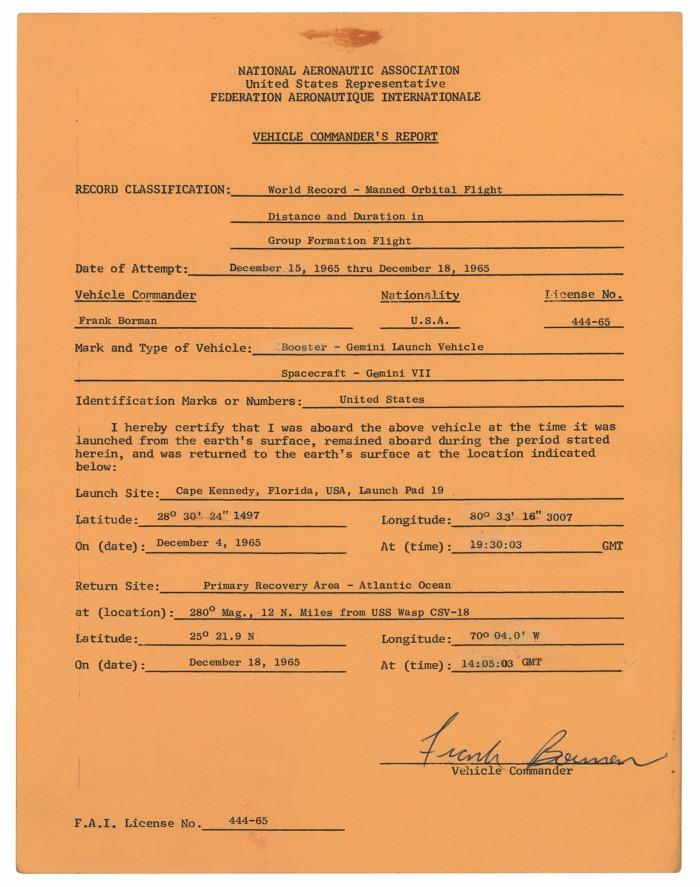
5161. Frank Borman Signed National Aeronautic Association DocumentSu... Starting Bid $200
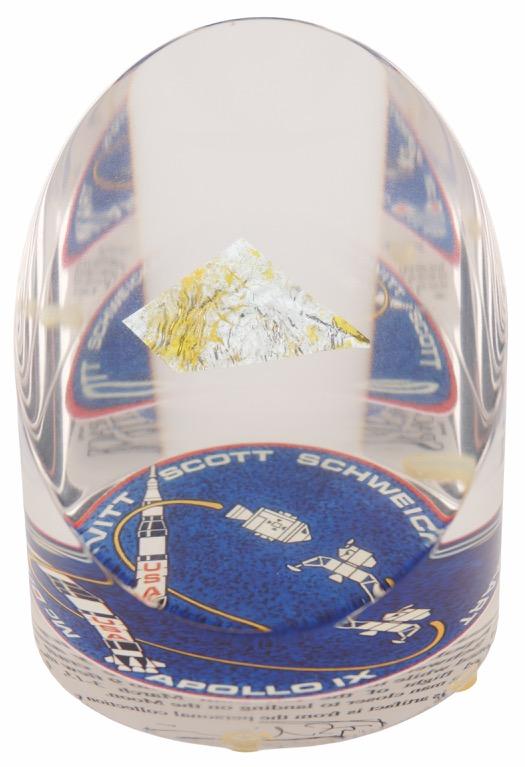
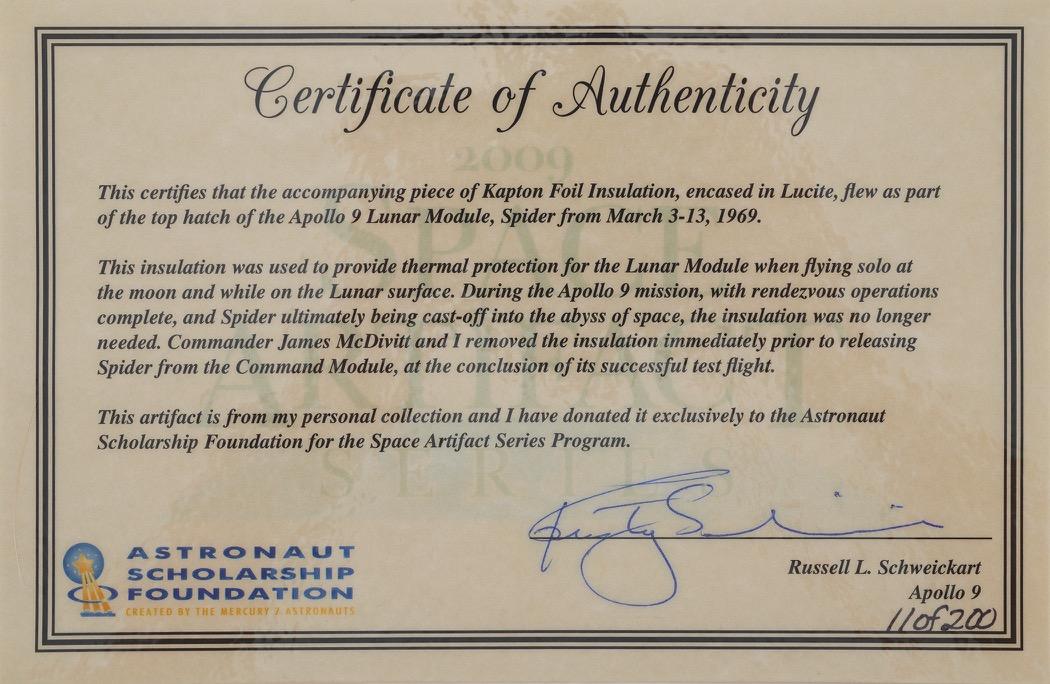
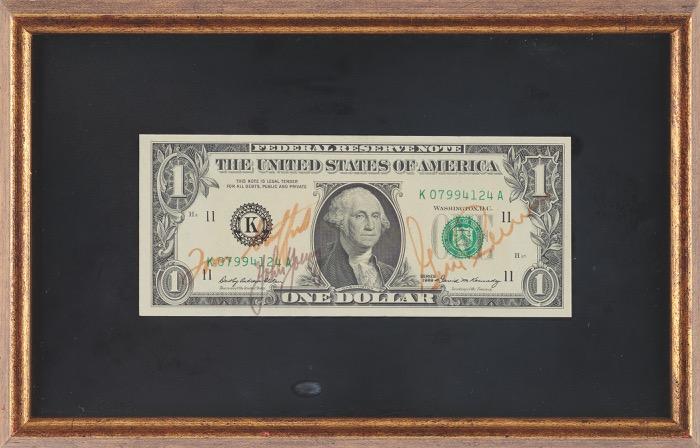
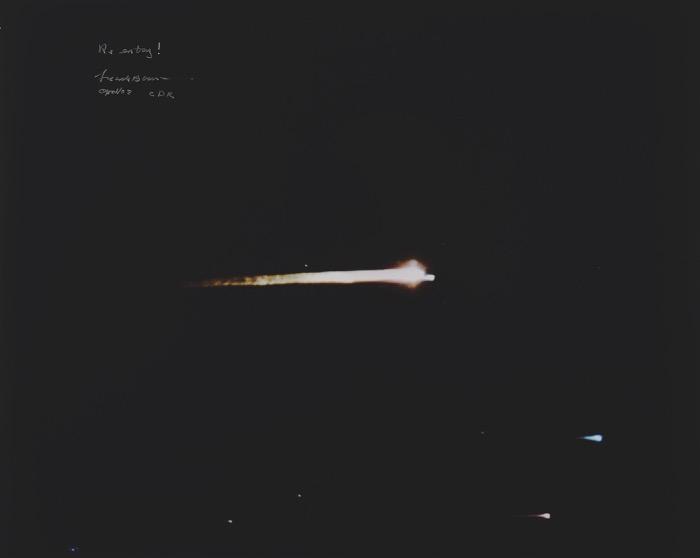
5158. Frank
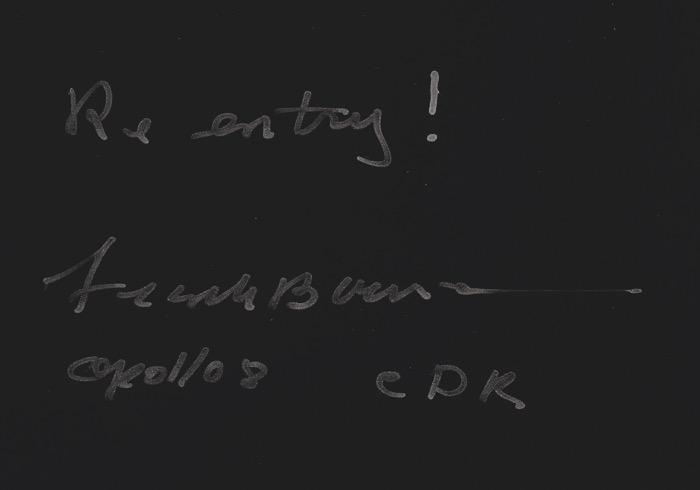
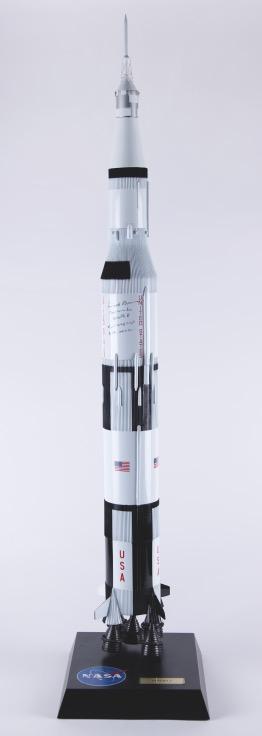
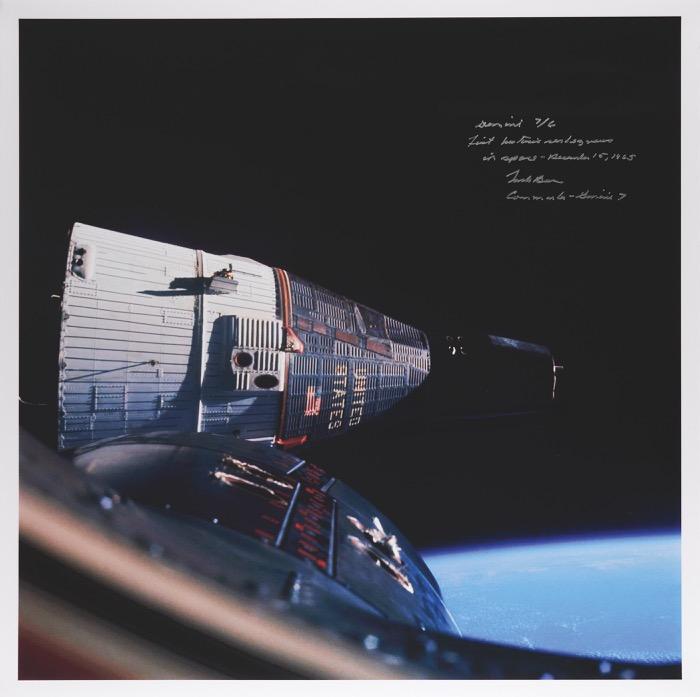
5159. Frank Borman Signed Oversized Photograph Starting Bid $200
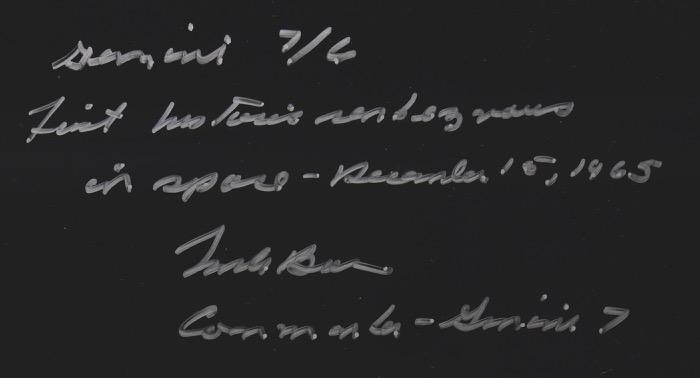
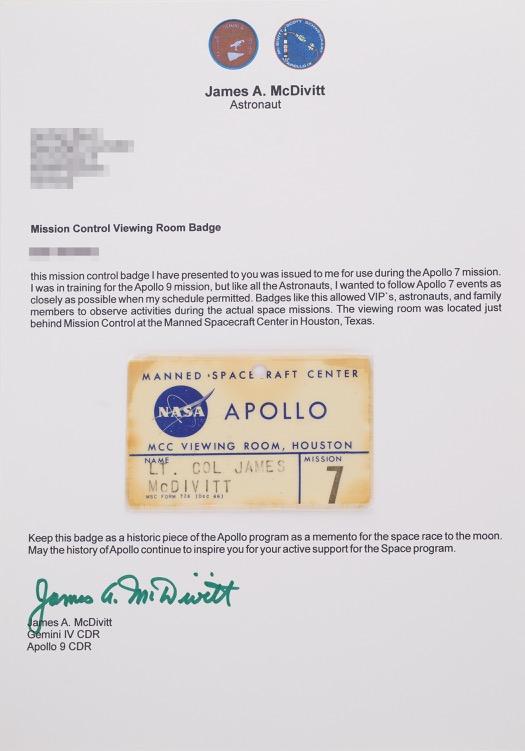
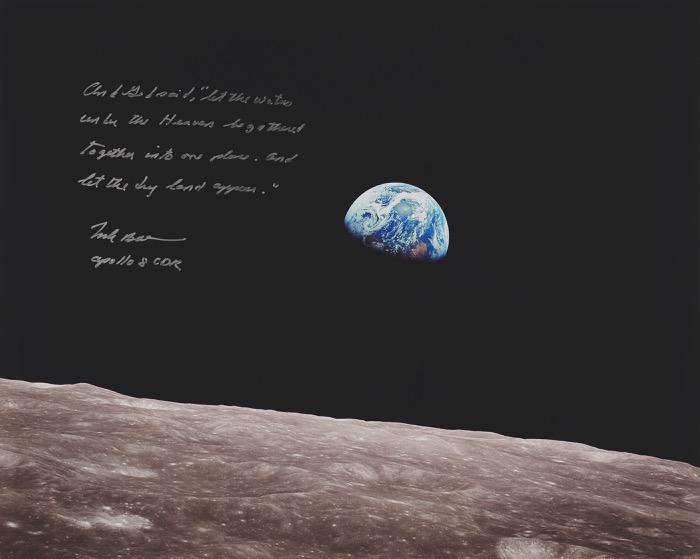
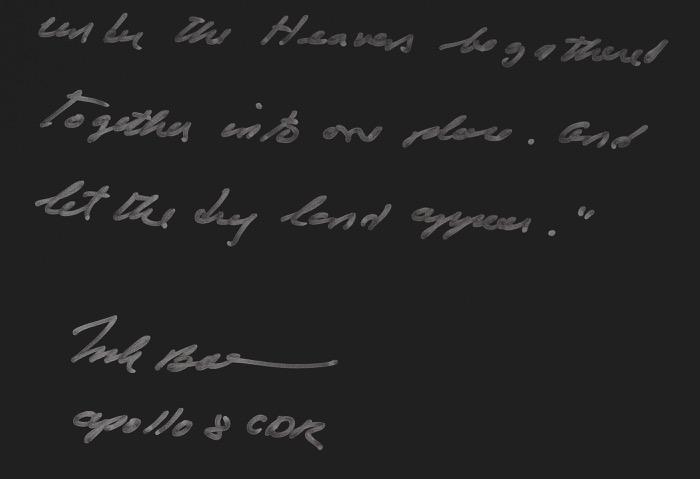
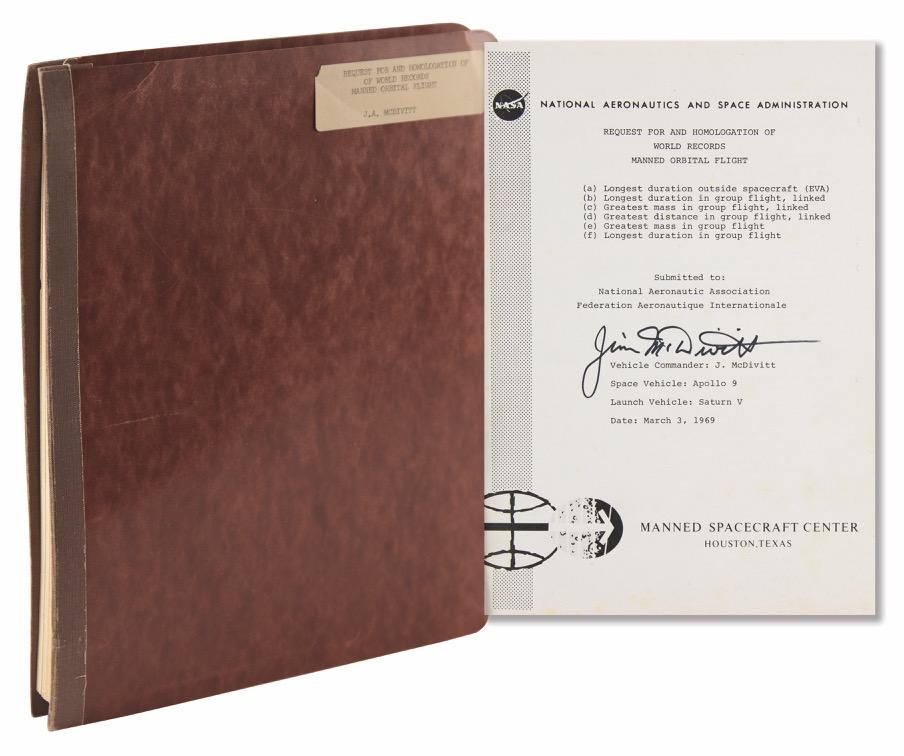
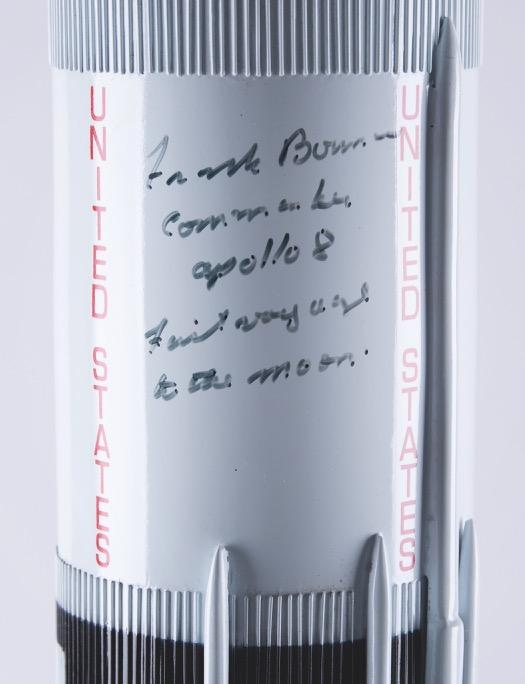
5162. Frank Borman Signed Saturn V Rocket Model
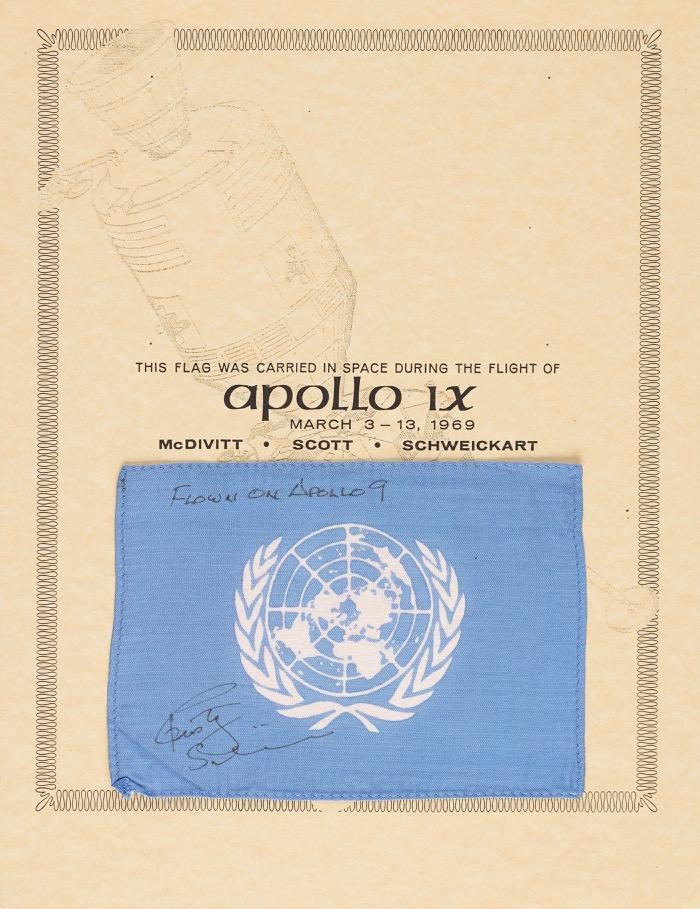
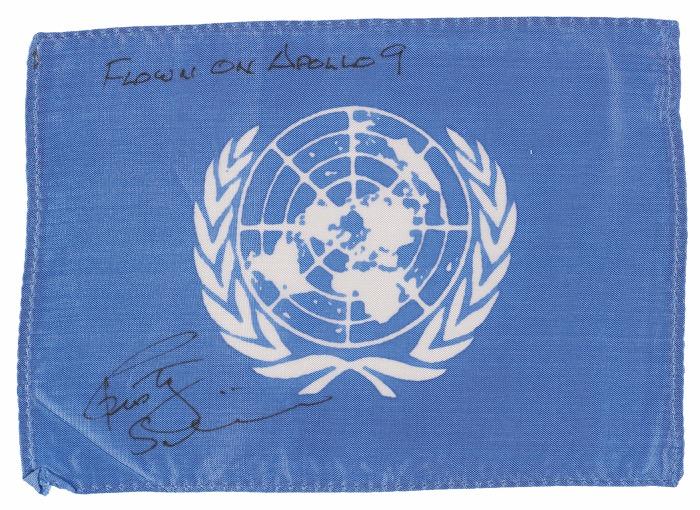
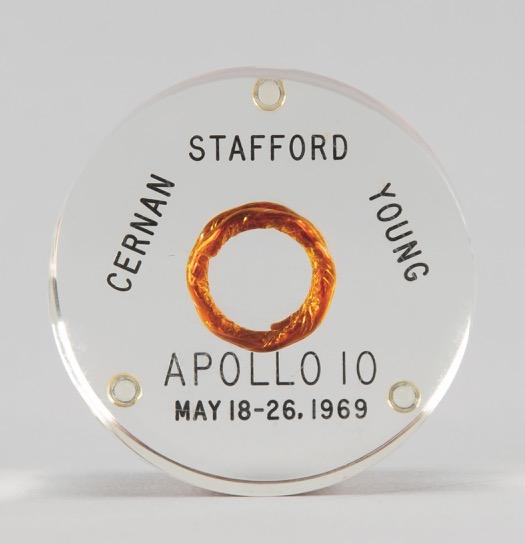
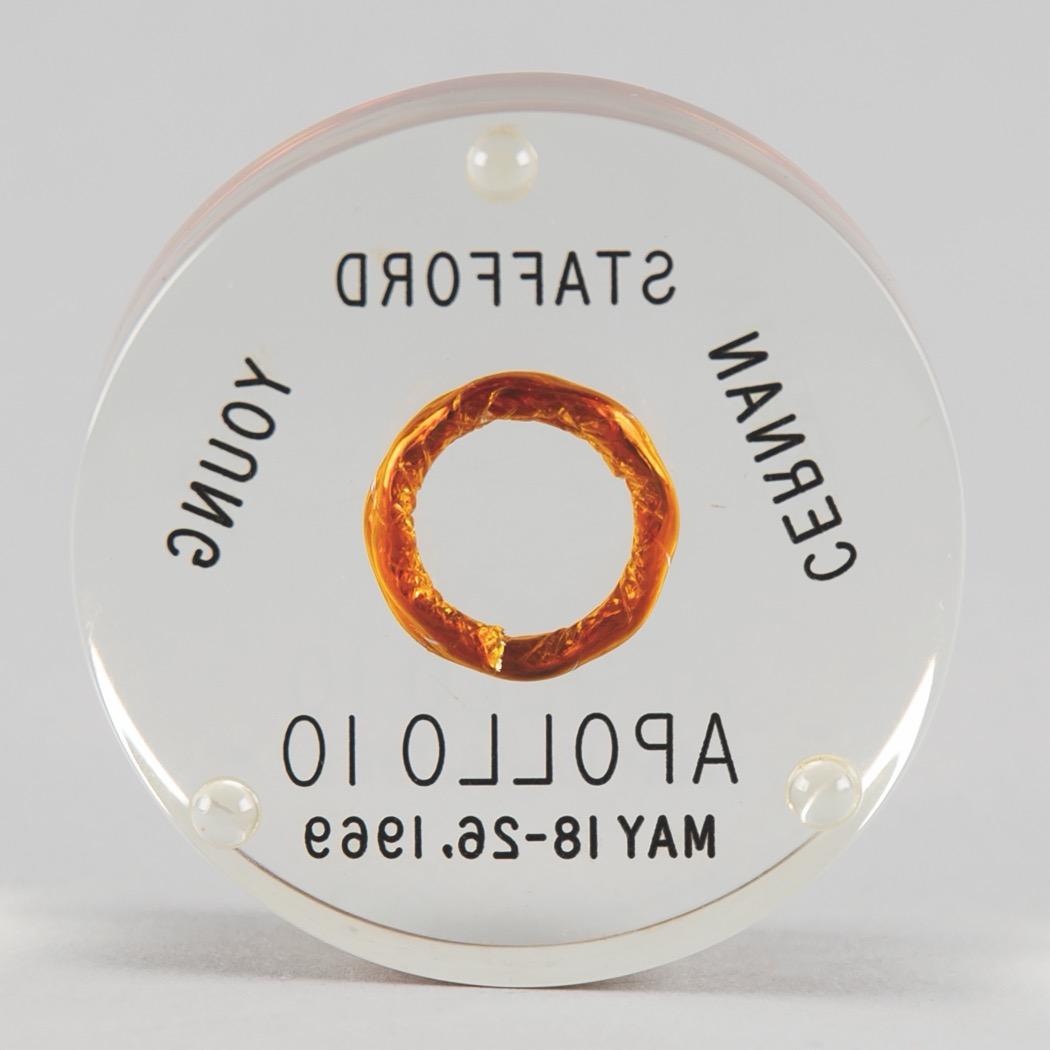
5169. Jim McDivitt's Apollo
Viewing Room' Access Badge Starting Bid $200
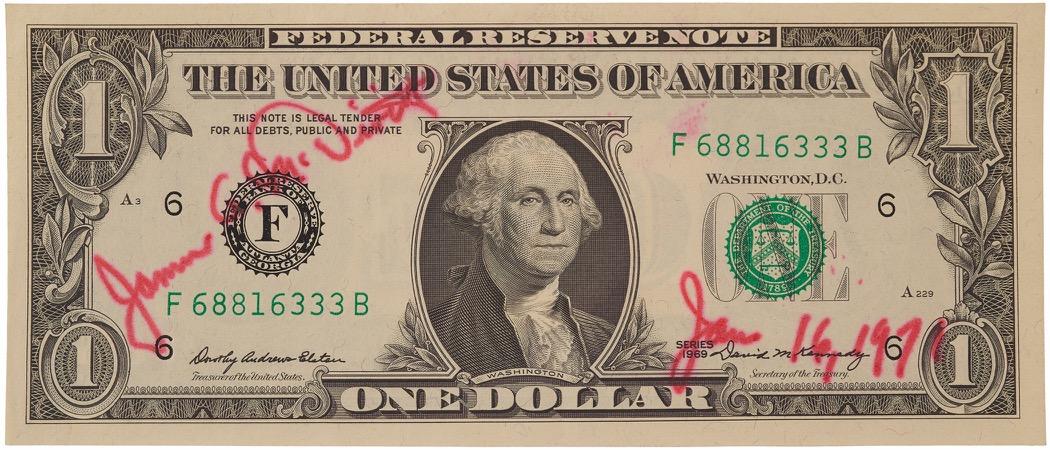
5170. Apollo 9 Report for Certification of World Records for Manned Orb...
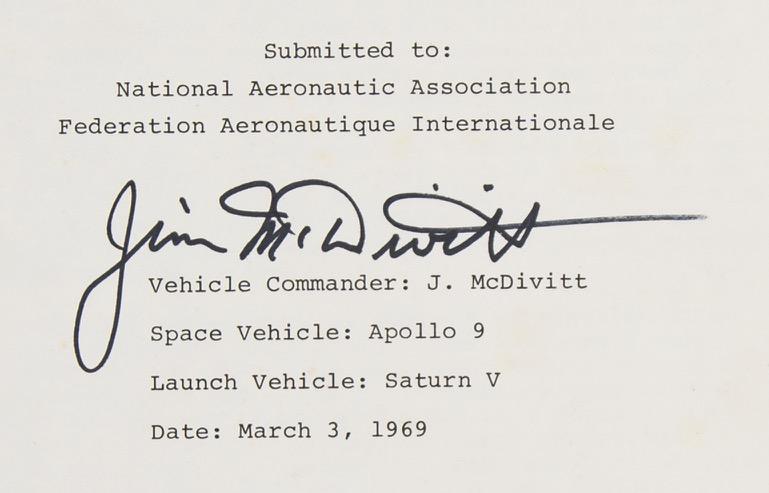
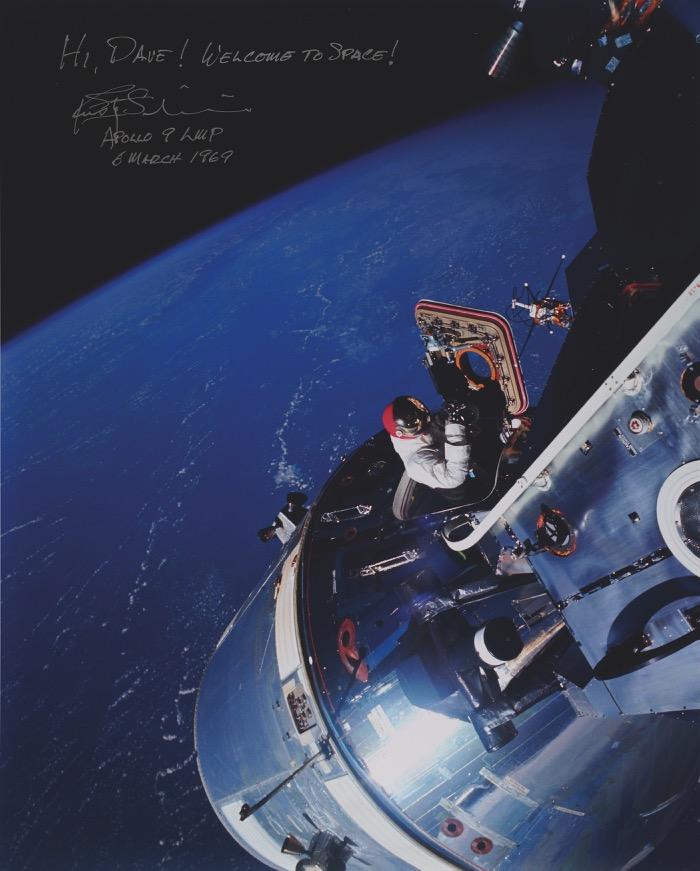
Starting
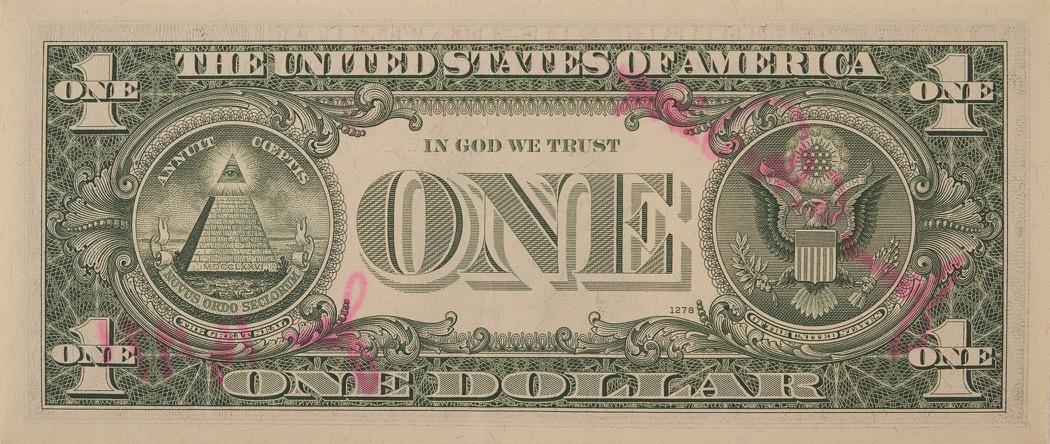
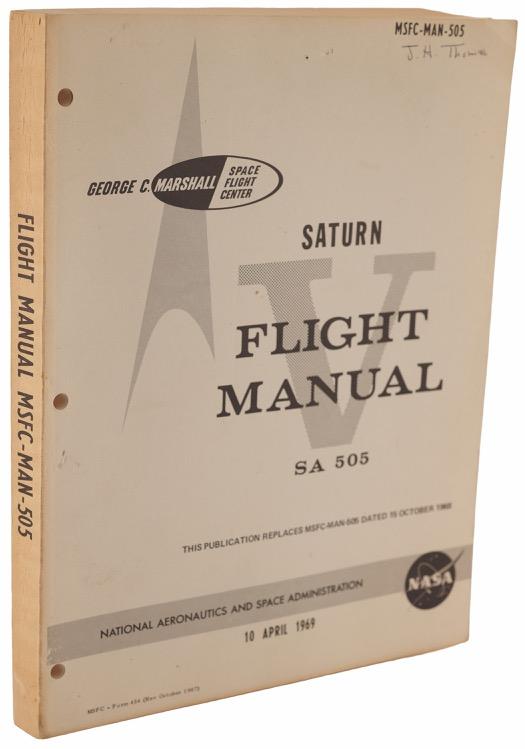
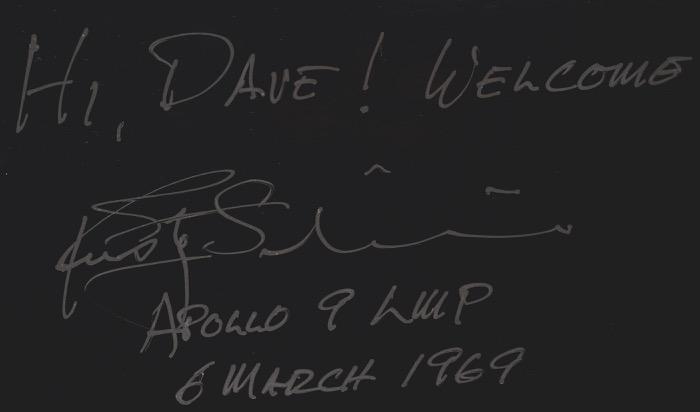
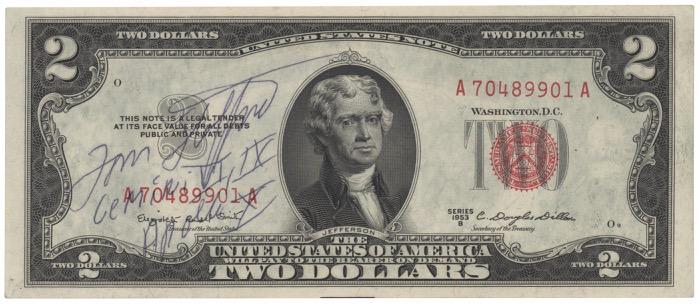
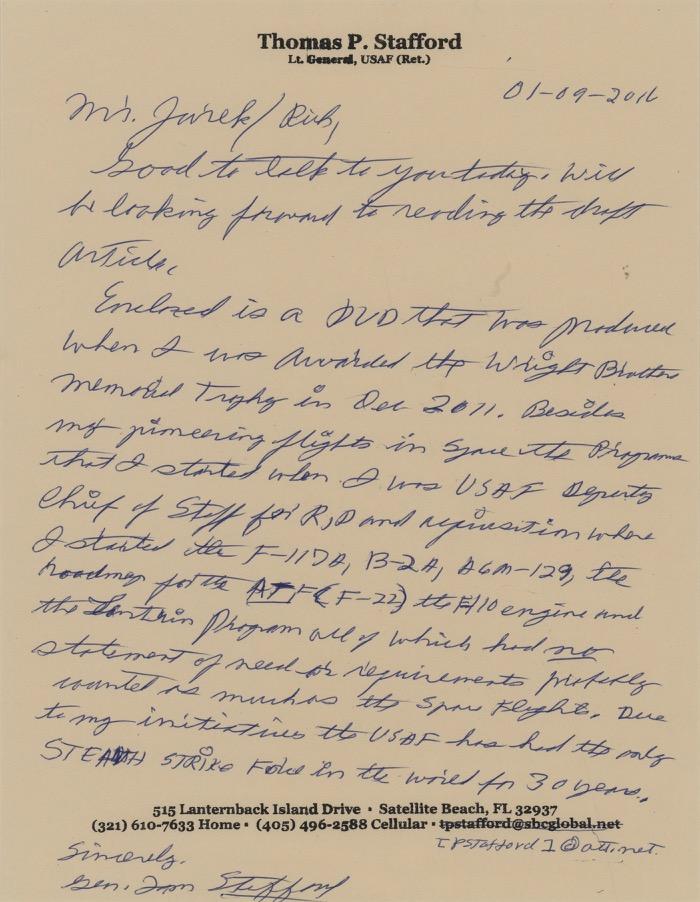
5181. Tom Stafford Autograph Letter Signed: "Due to my efforts, the USA... Starting Bid $200
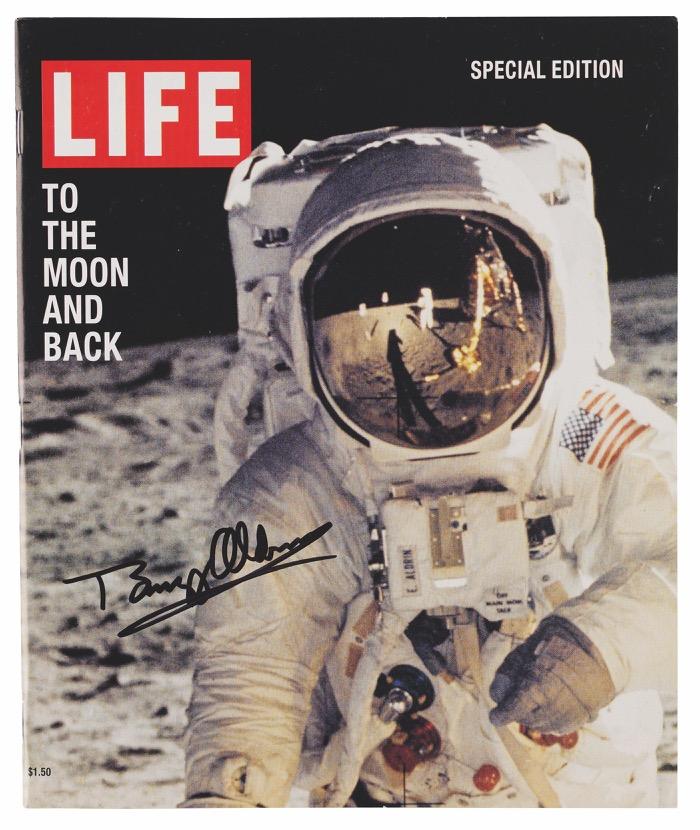
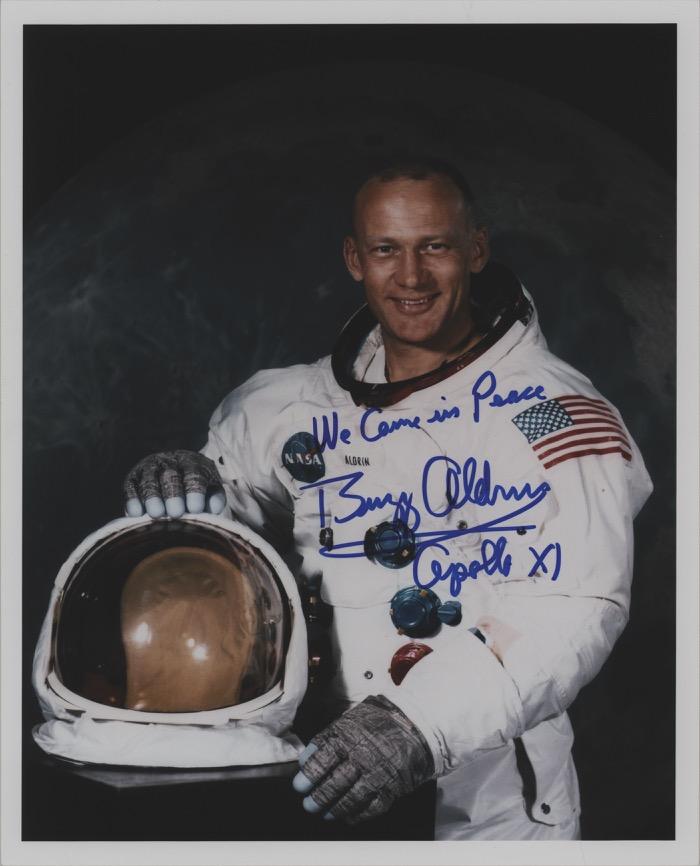
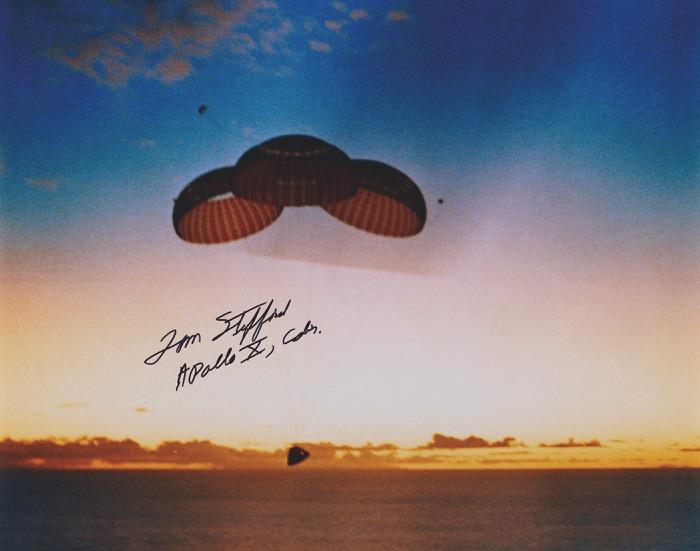
5182. Tom Stafford Signed Oversized Photograph Starting Bid $200
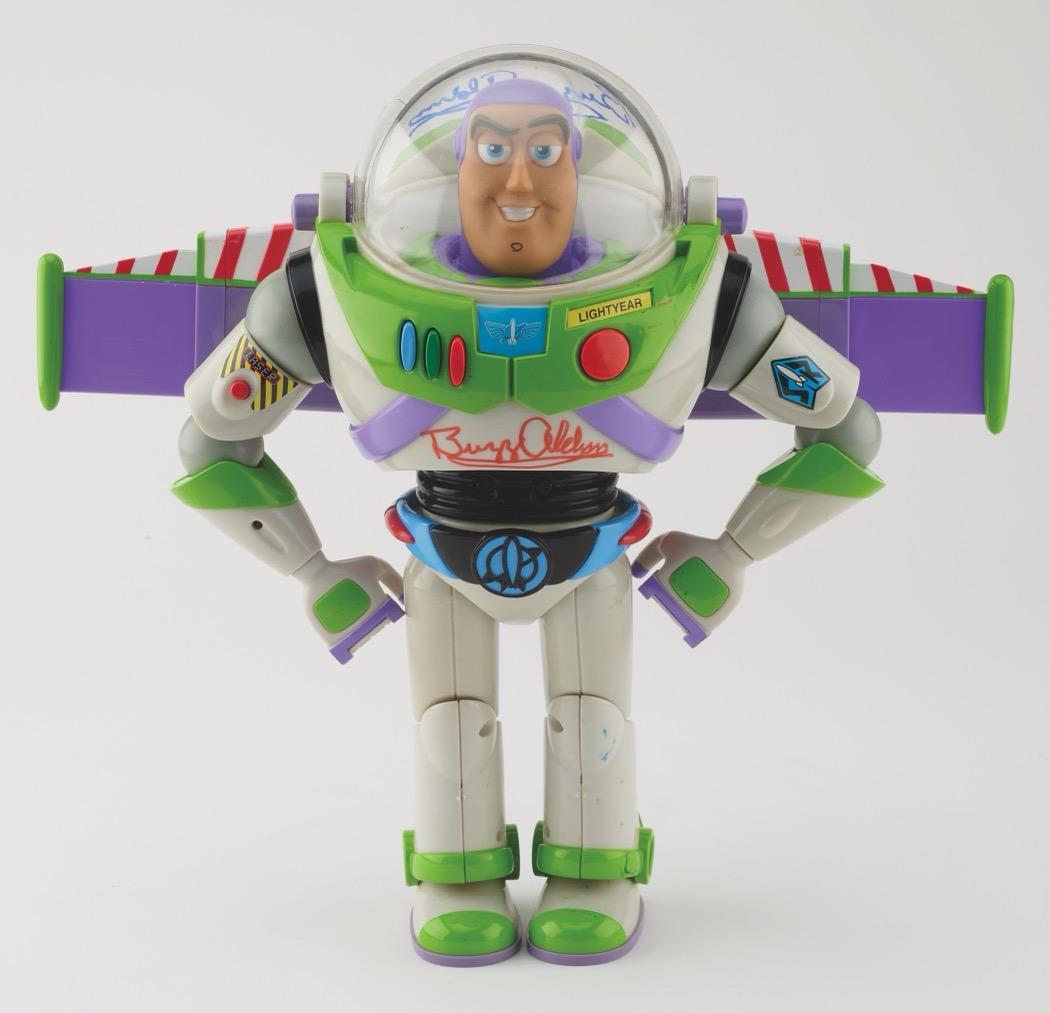
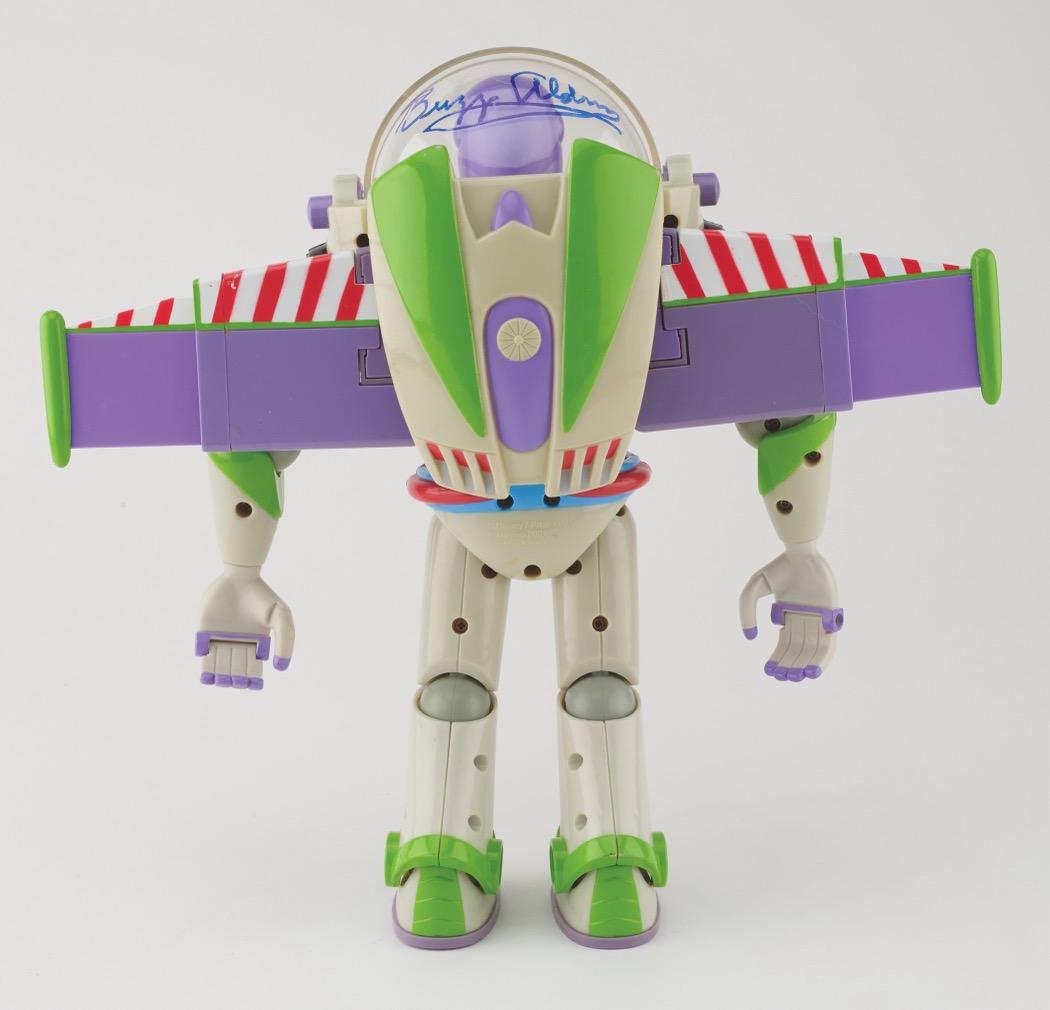
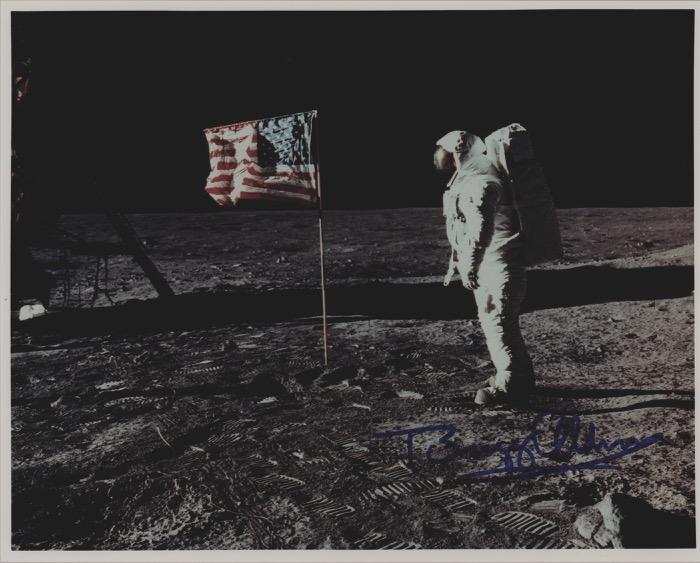
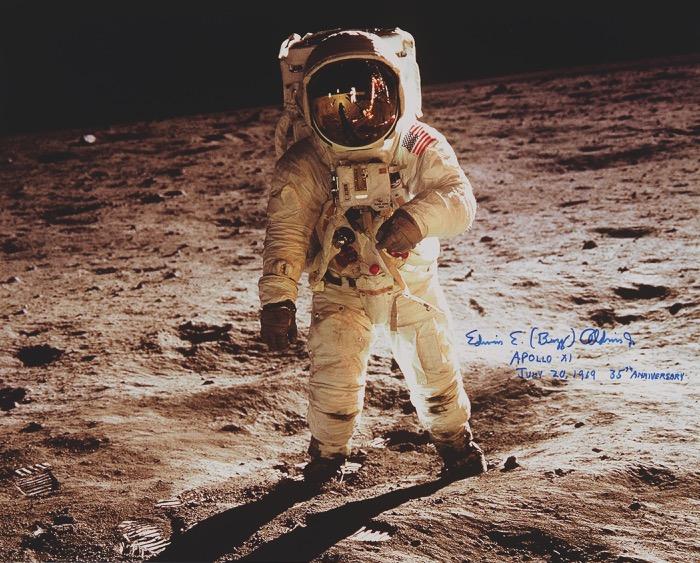
5201. Buzz Aldrin Signed Oversized Photograph as "Edwin E. (Buzz) Aldri... Starting Bid $200
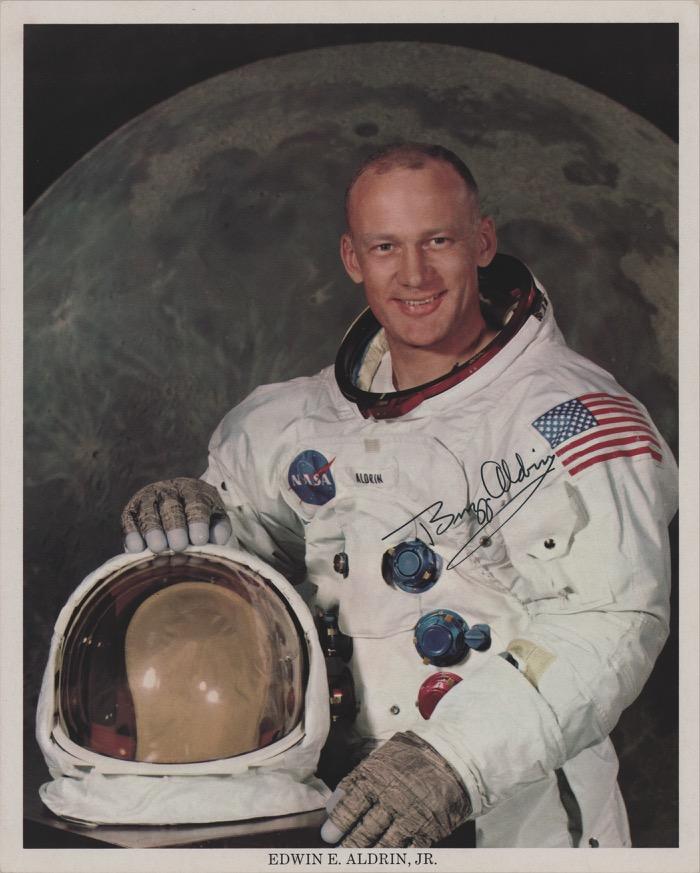
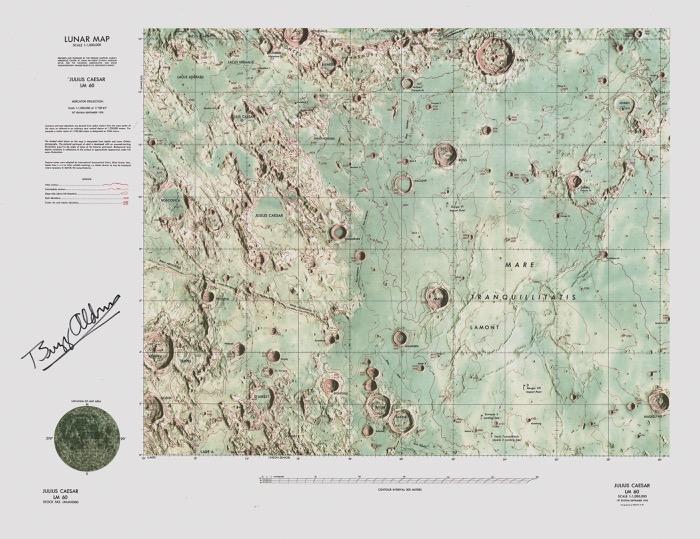
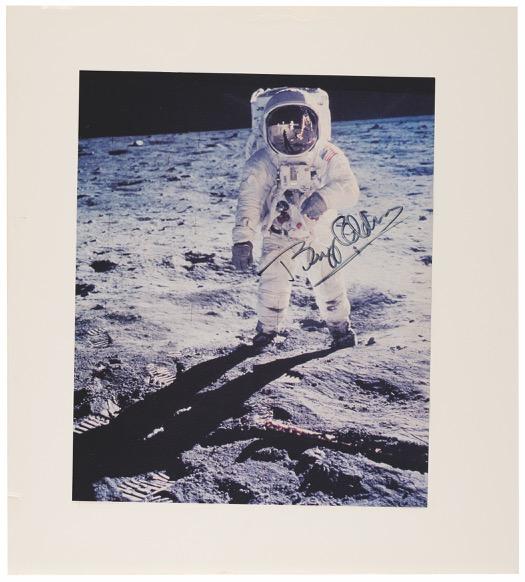
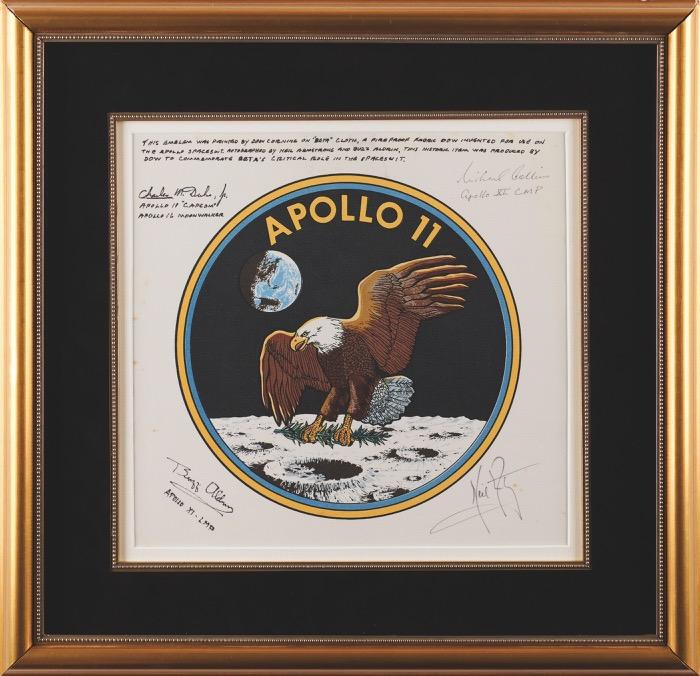
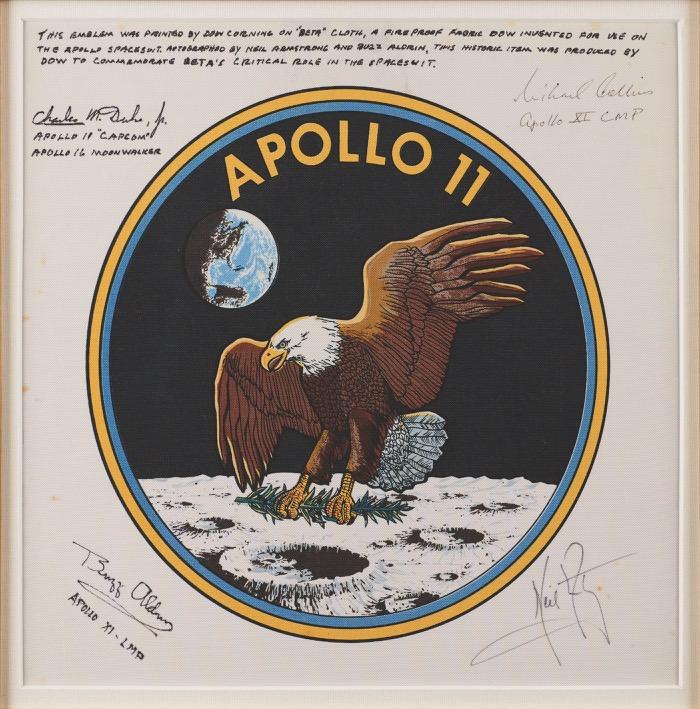
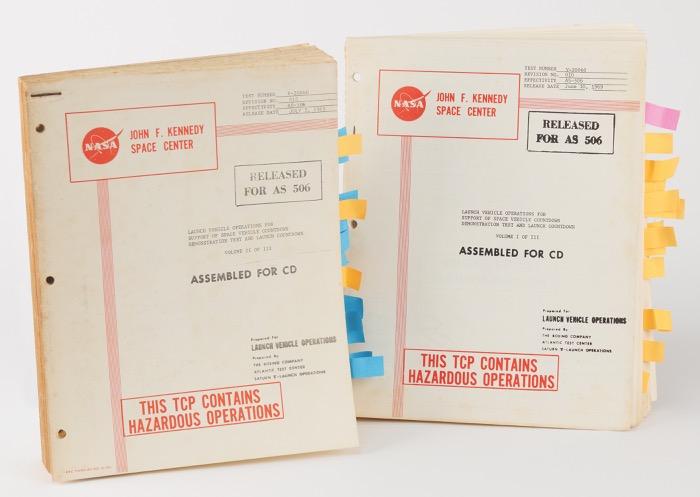
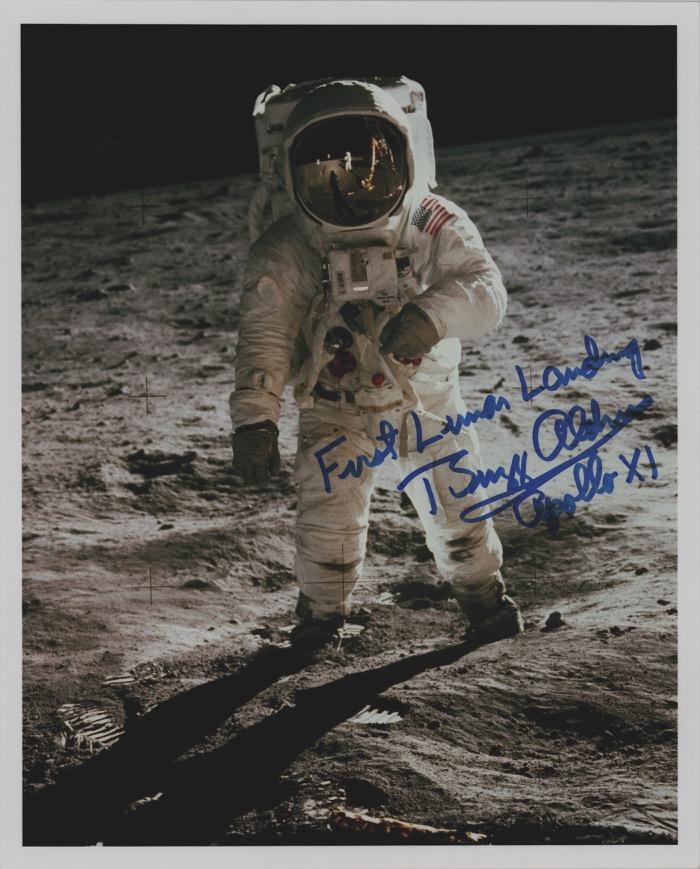
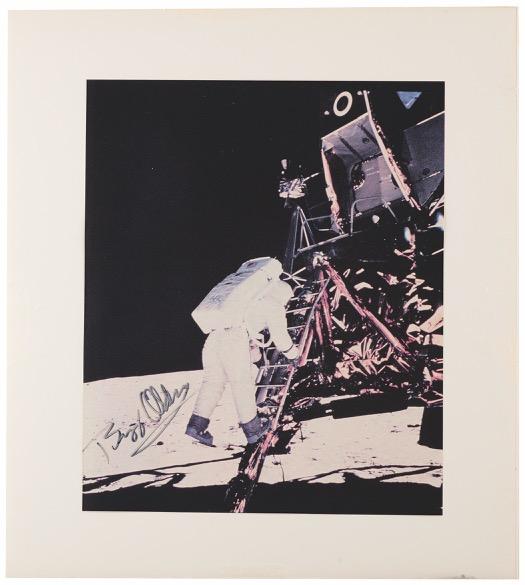
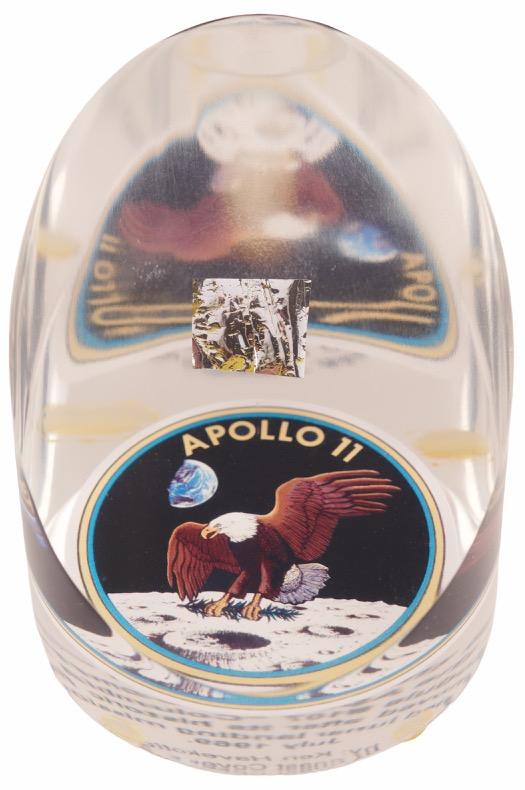
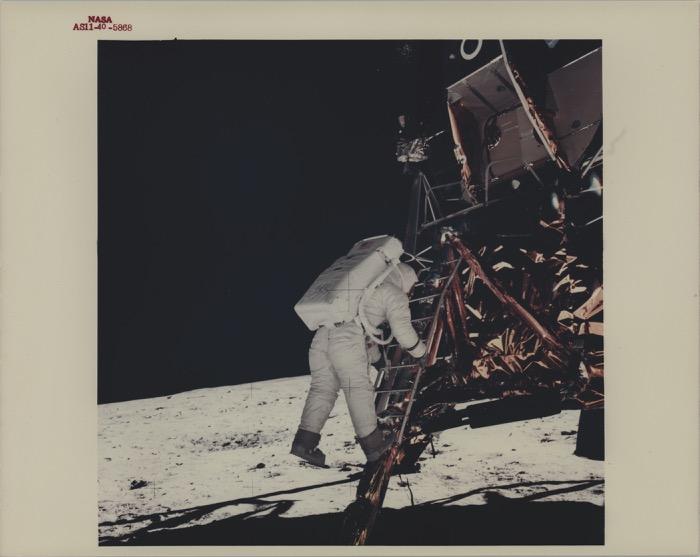
5215. Apollo 11 Original 'Type 1' Photograph - Buzz Aldrin Descends to ... Starting Bid $200
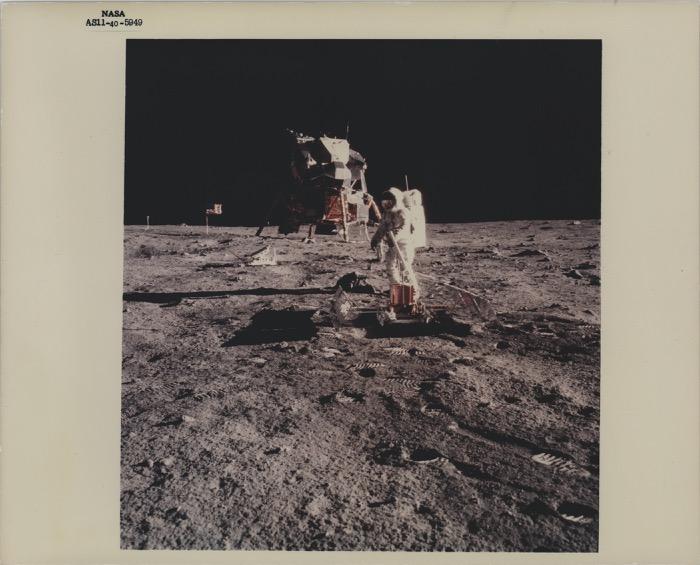
5219. Apollo 11 Original 'Type 1' Photograph - Buzz Aldrin Deploying PS... Starting Bid $200
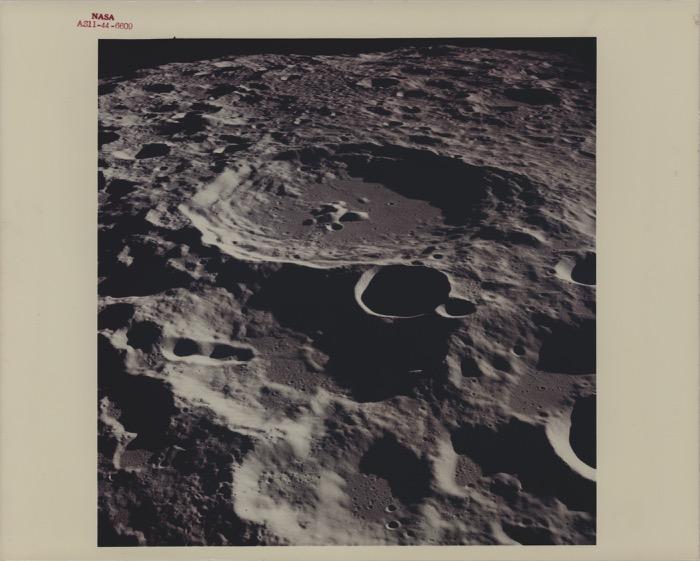
5223. Apollo 11 Original 'Type 1' PhotographDaedalus Crater Starting Bid $200
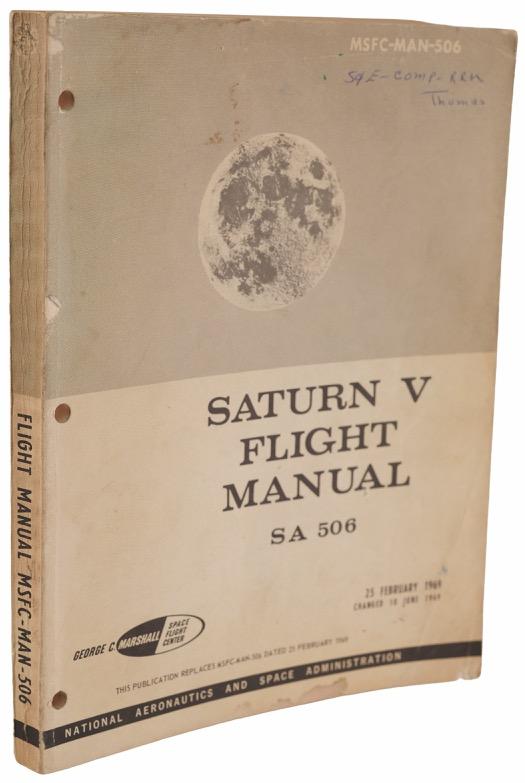
5227. Apollo 11 Saturn V Flight Manual (SA-506) Starting Bid $200
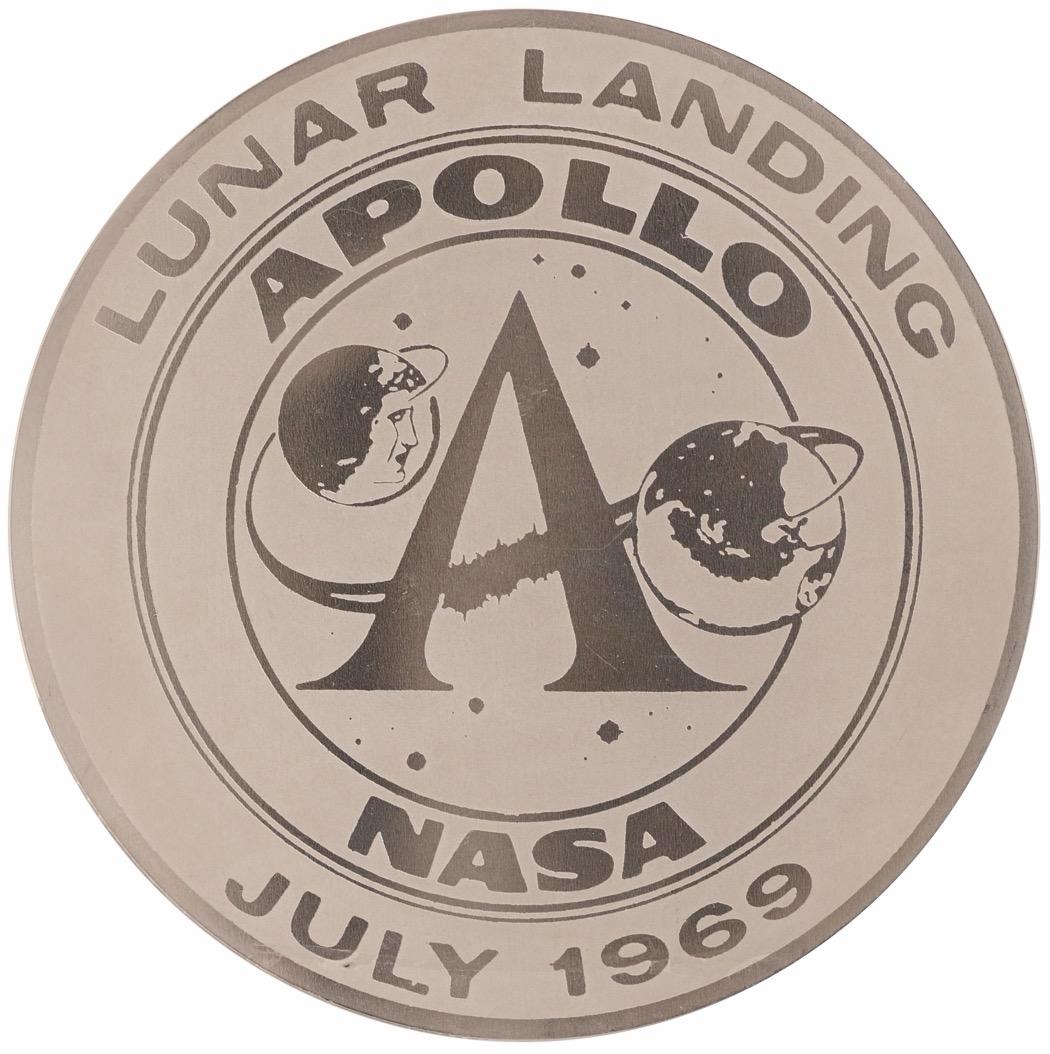
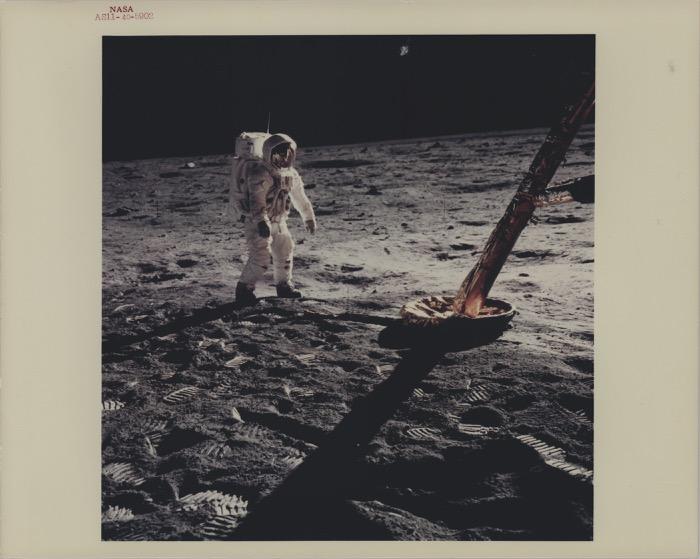
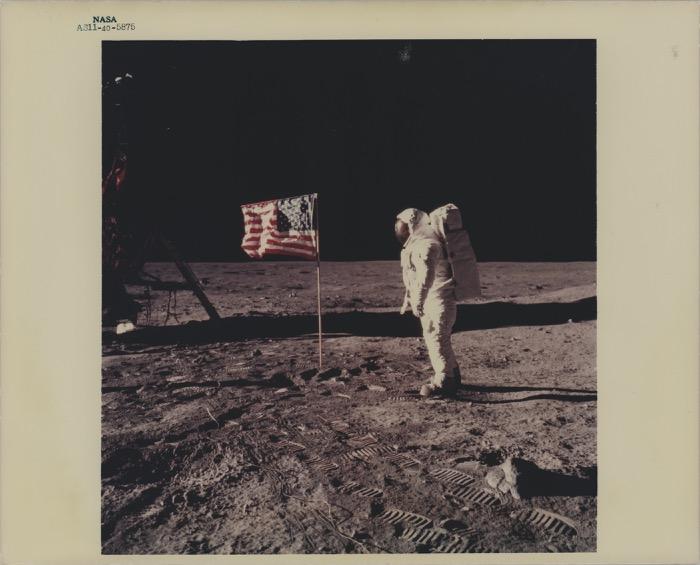
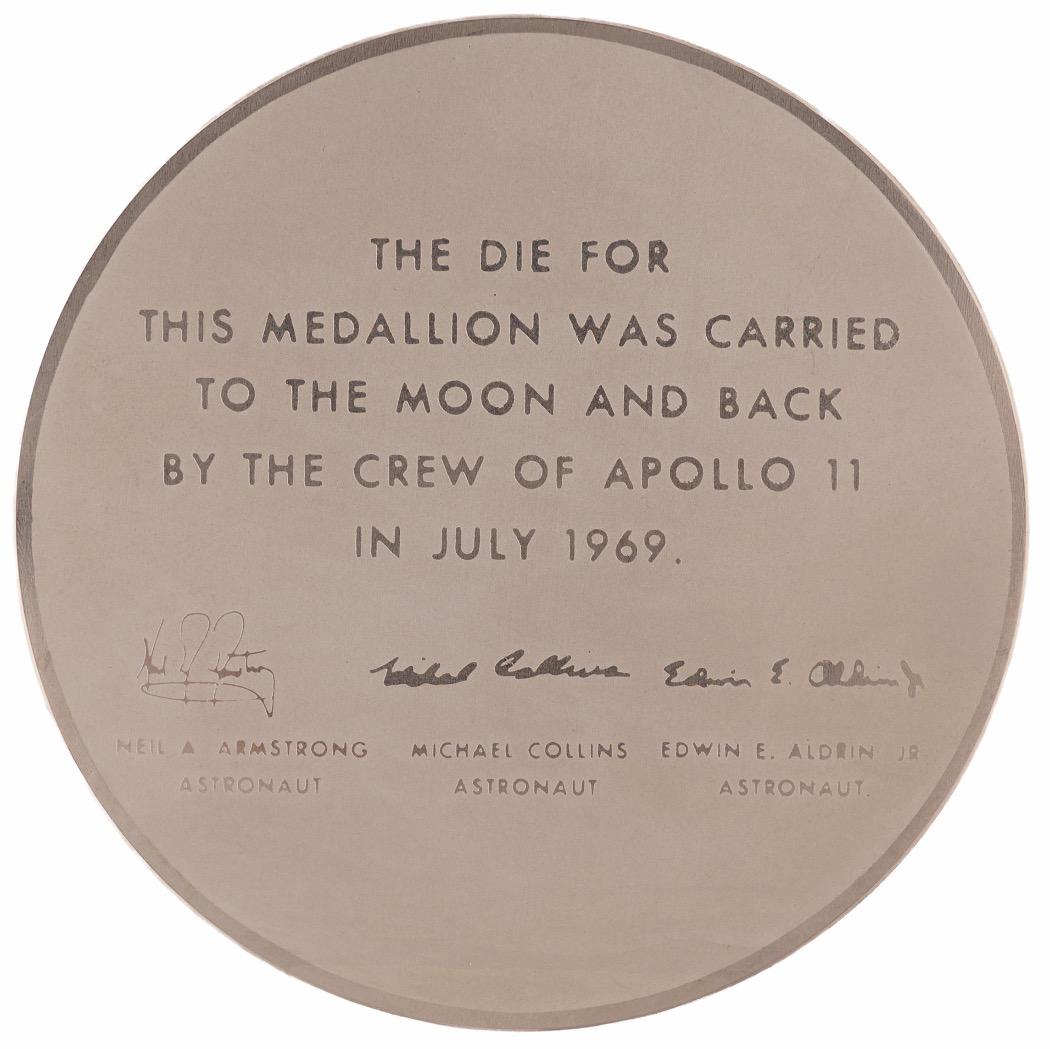
5216. Apollo 11 Commemorative Medallion,
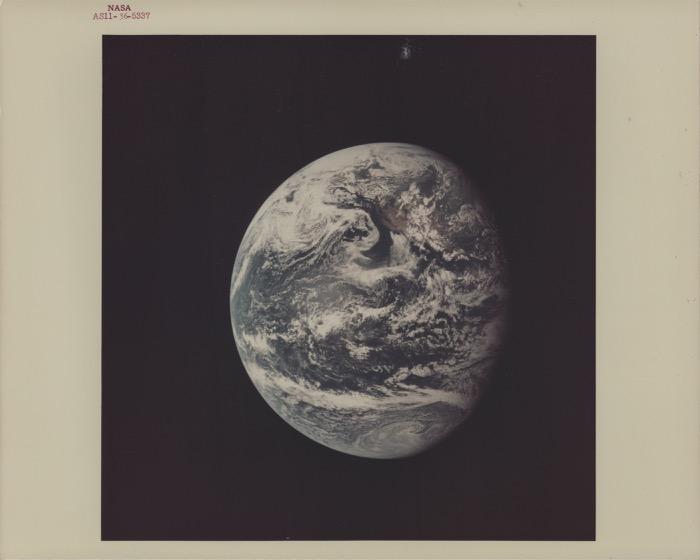
5220. Apollo 11 Original 'Type 1' Photograph - Earth Starting Bid $200
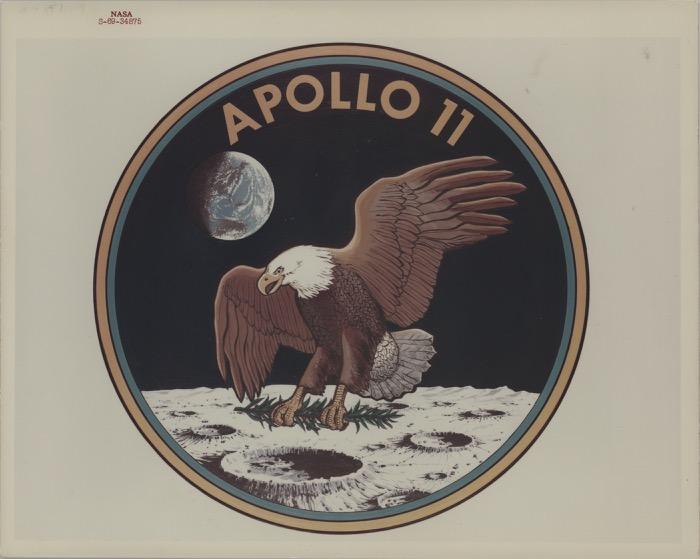
5224. Apollo 11 Original 'Type 1' PhotographMission Insignia Starting Bid $200
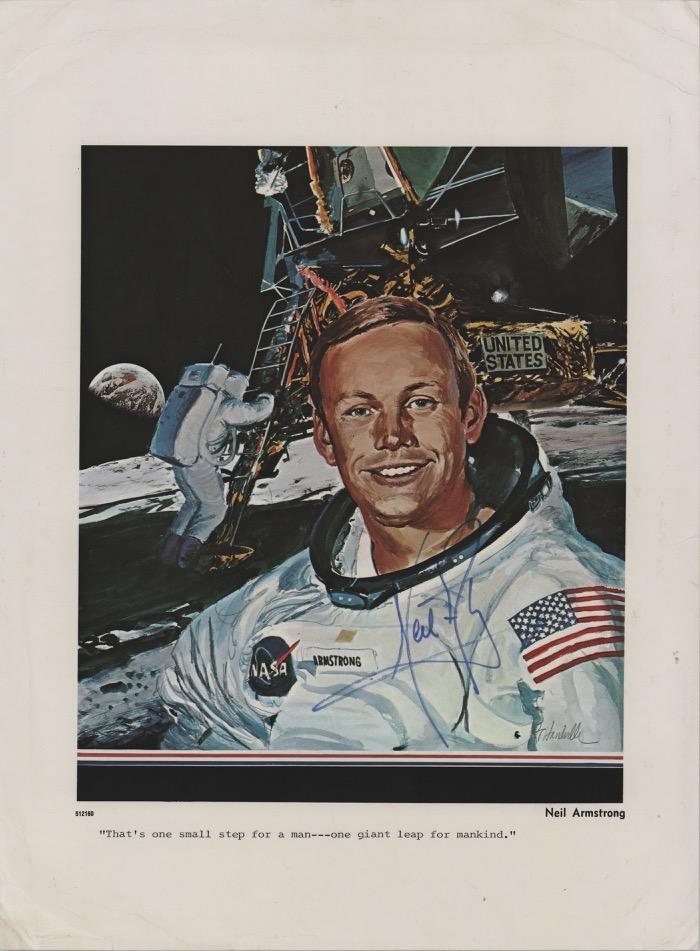
Neil Armstrong Signed Print Starting Bid $200
5217. Apollo 11 Original 'Type 1' Photograph - Buzz Aldrin Walks on the... Starting Bid $200
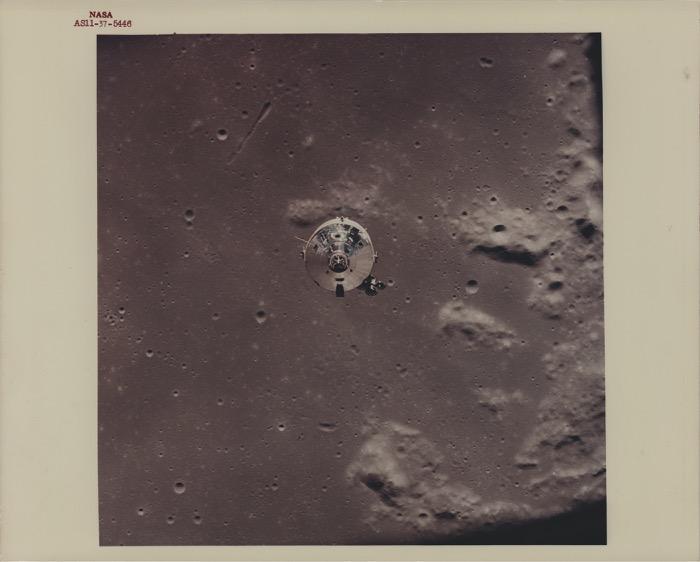
5221. Apollo 11 Original 'Type 1' Photograph - CSM Columbia Starting Bid $200
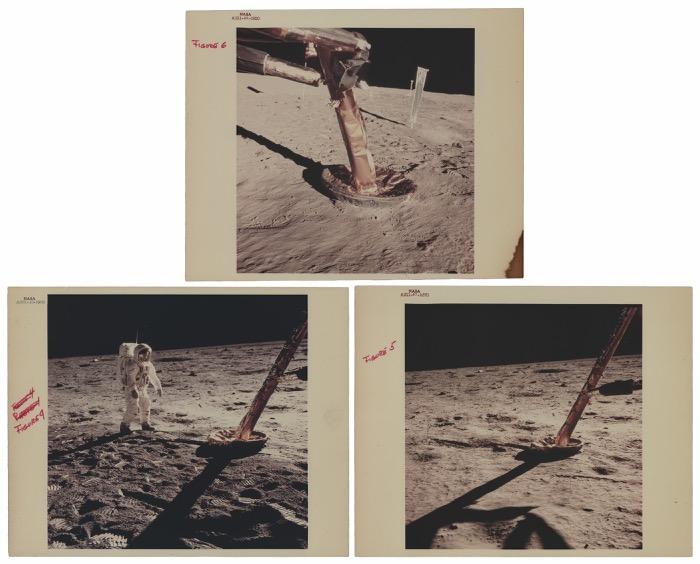
5225. Apollo 11 Original 'Type 1' Photographs (3)Buzz Aldrin and LM ... Starting Bid $200
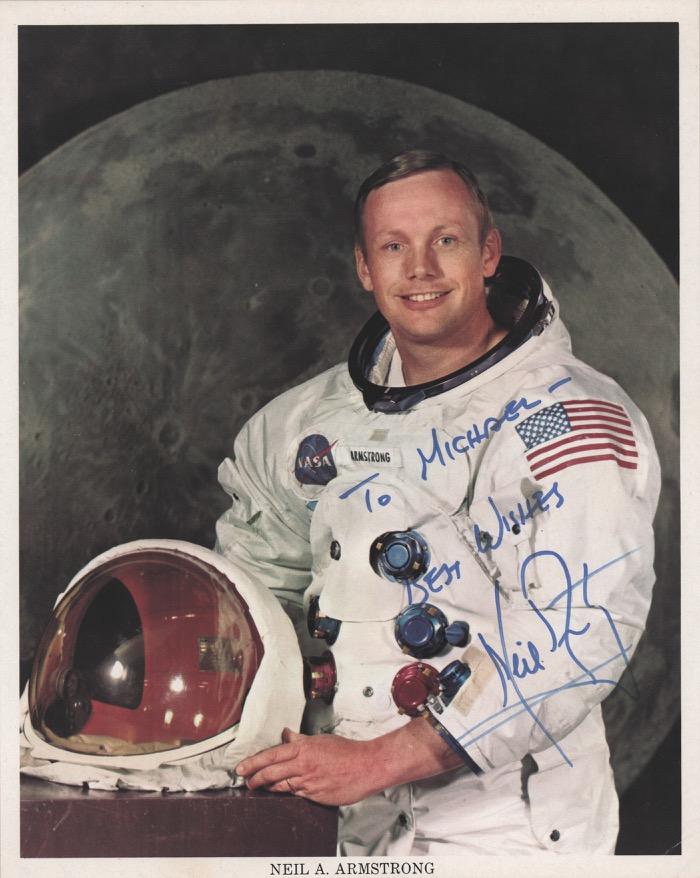
5218. Apollo 11 Original 'Type 1' Photograph - Buzz Aldrin Beside the A... Starting Bid $200
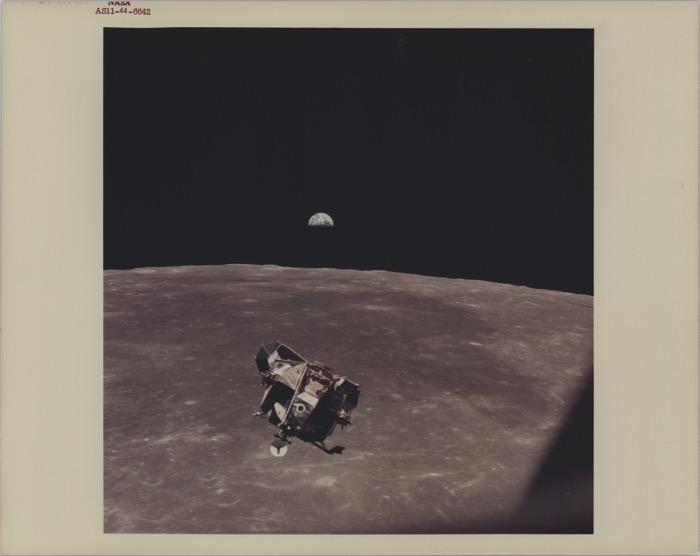
5222. Apollo 11 Original 'Type 1' Photograph - LM Eagle Starting Bid $200
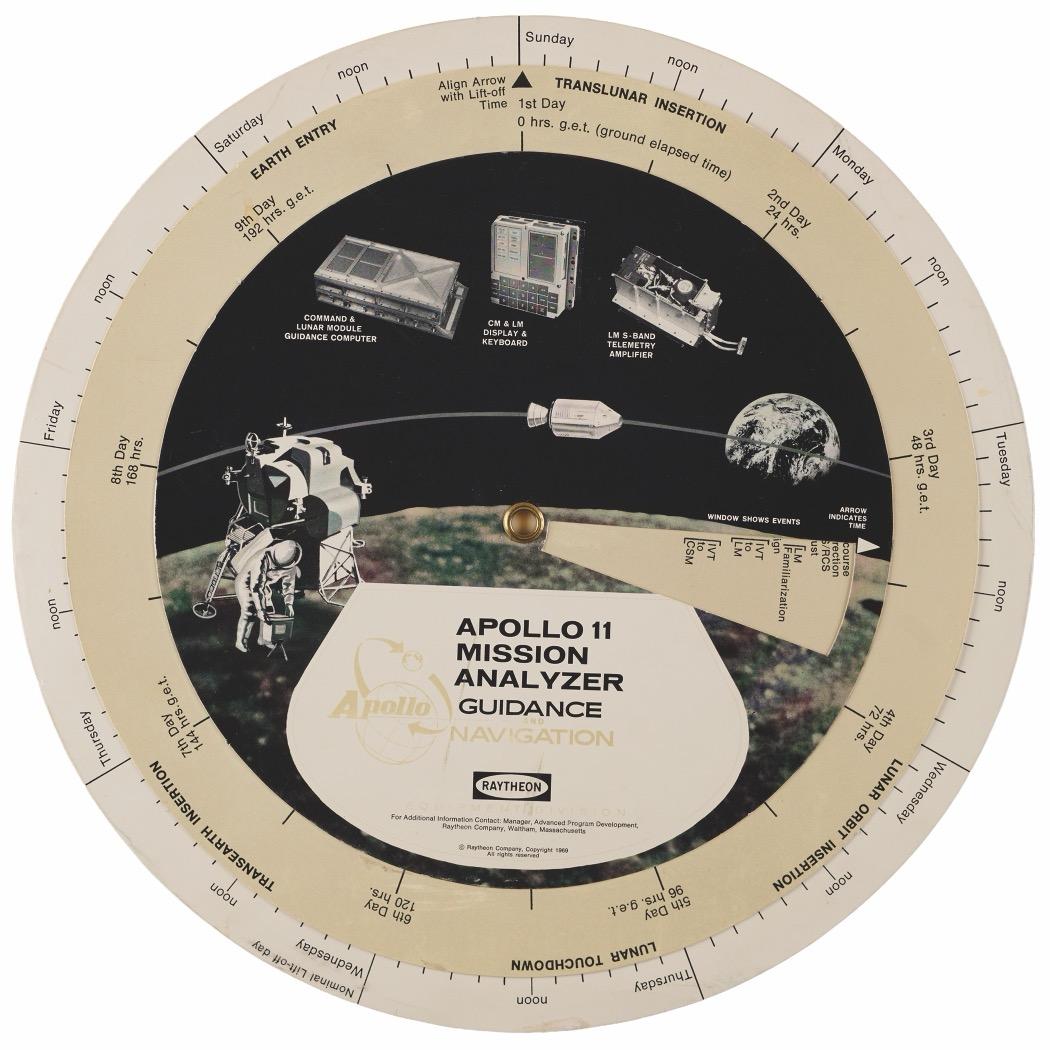
Apollo 11 Raytheon
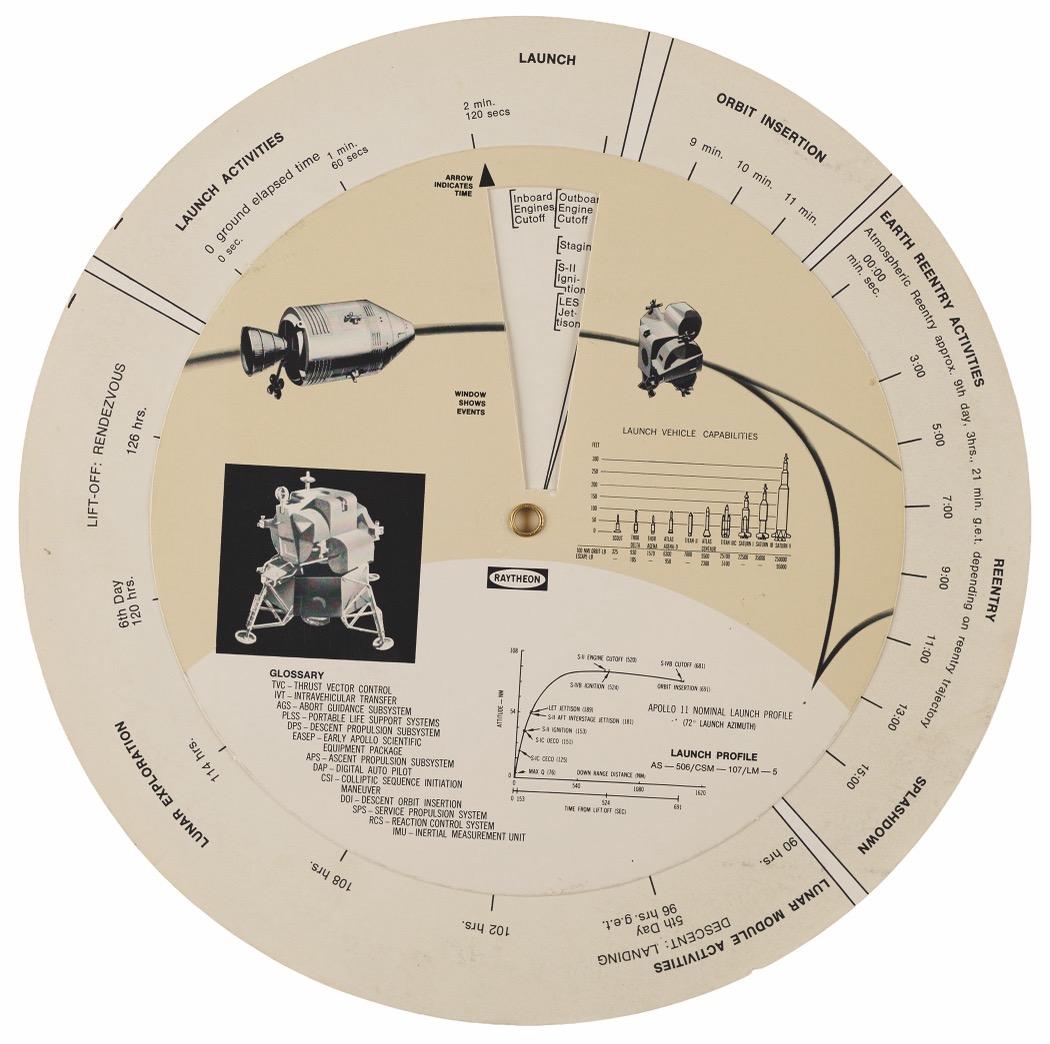
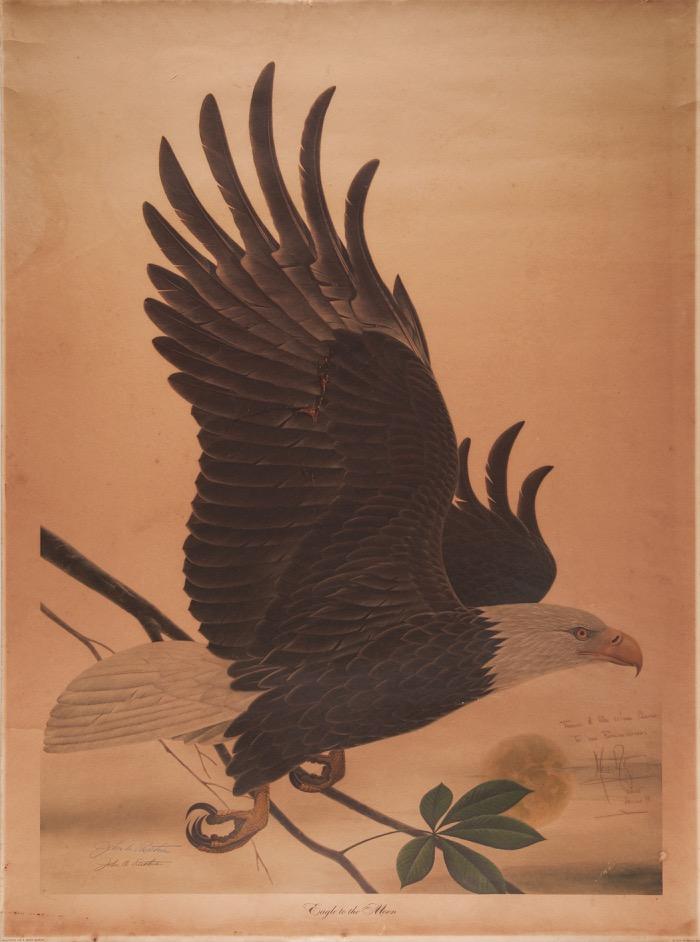
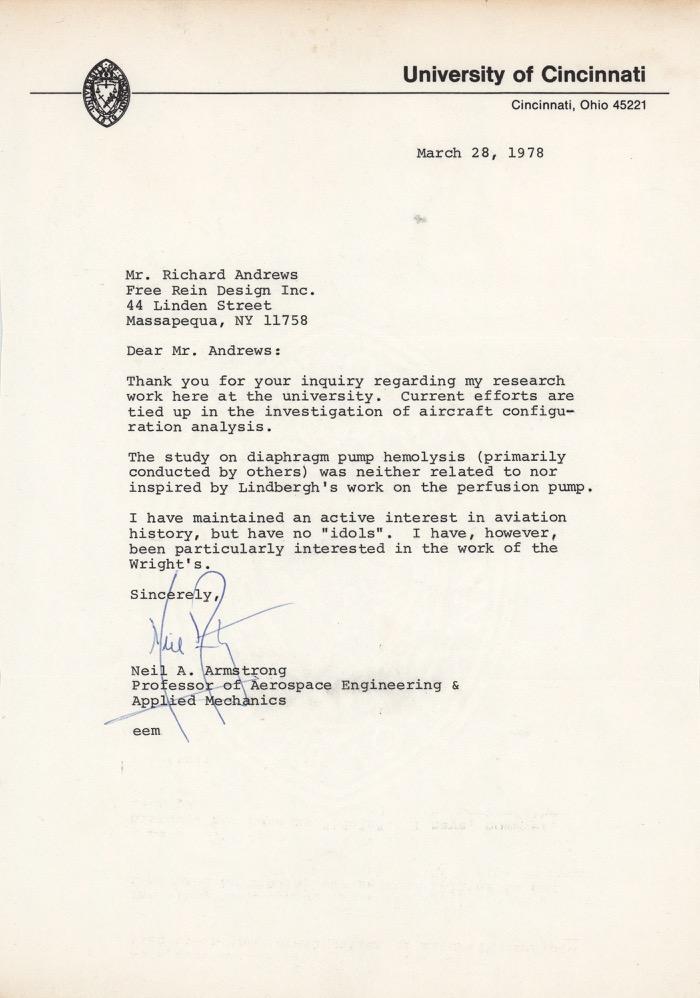
5231. Neil Armstrong Typed Letter Signed on Charles Lindbergh and the W... Starting Bid $200
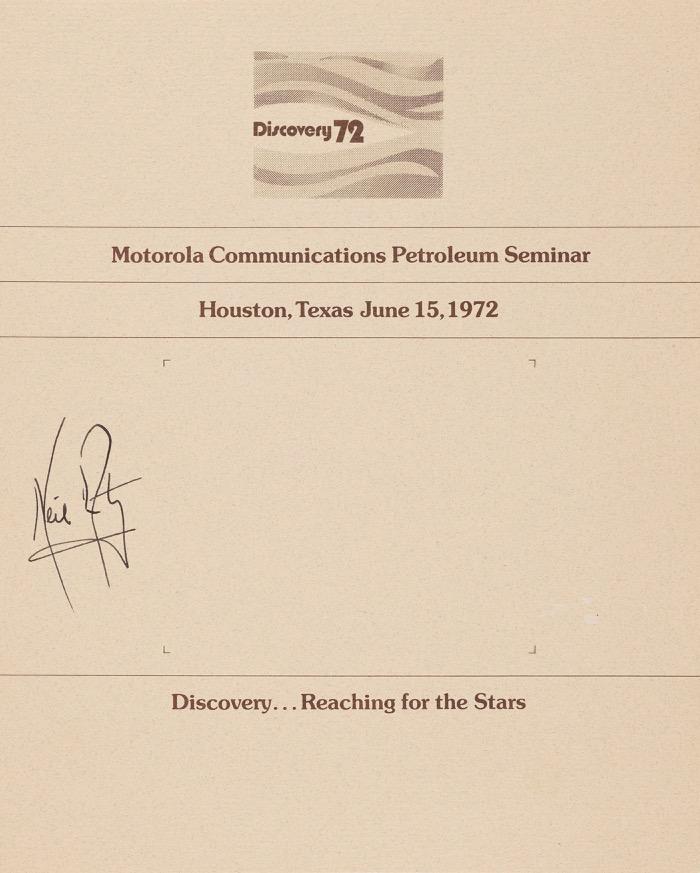
5235. Neil Armstrong Signed Program Cover Starting Bid $200
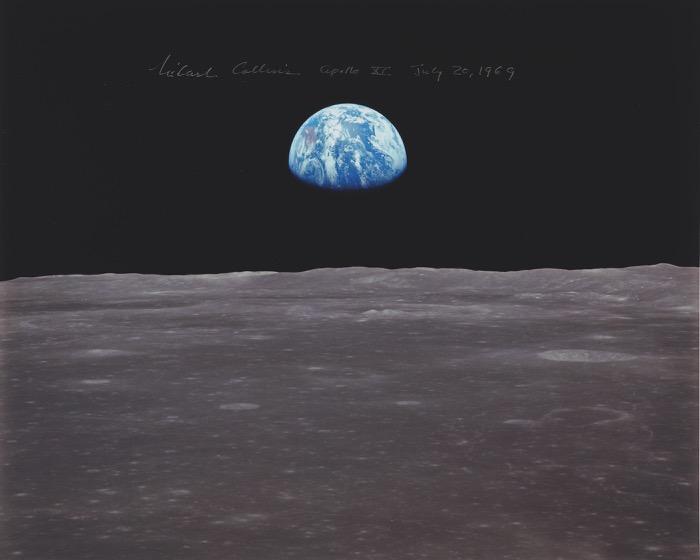
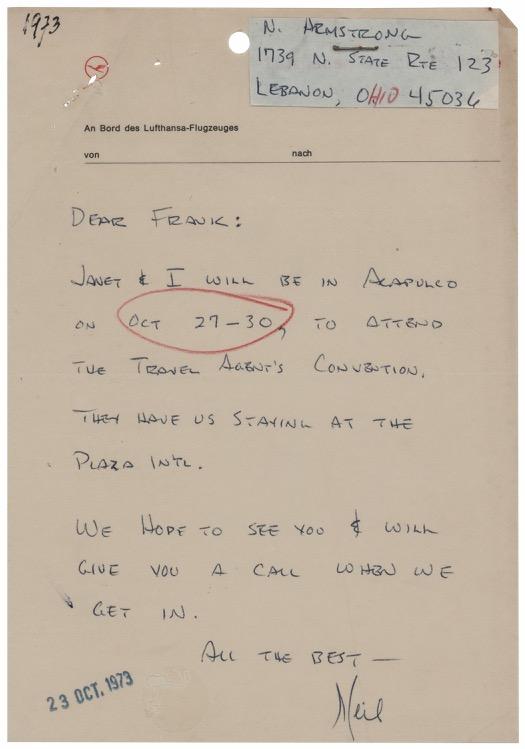
5232. Neil Armstrong Autograph Letter Signed Starting Bid $200
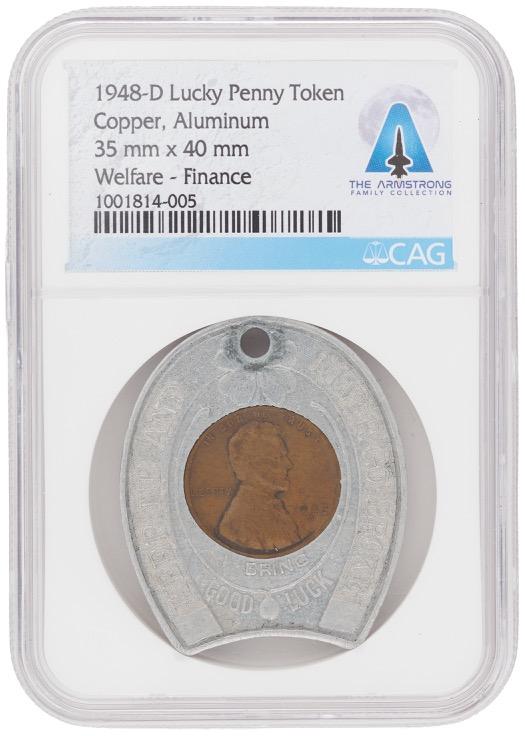
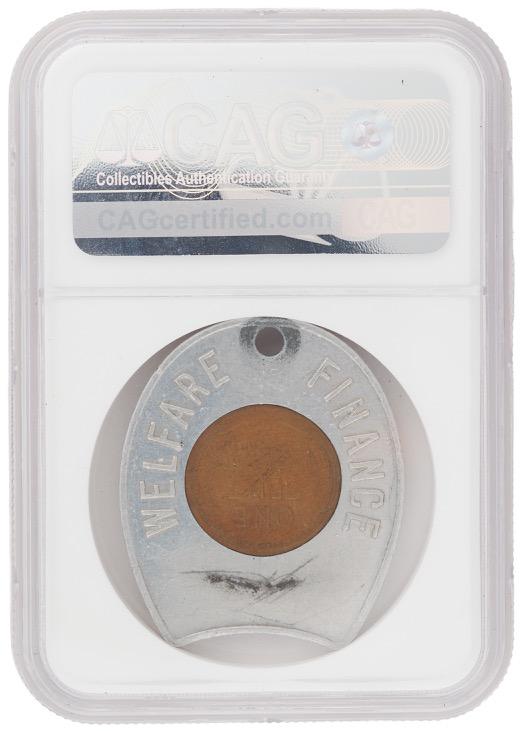
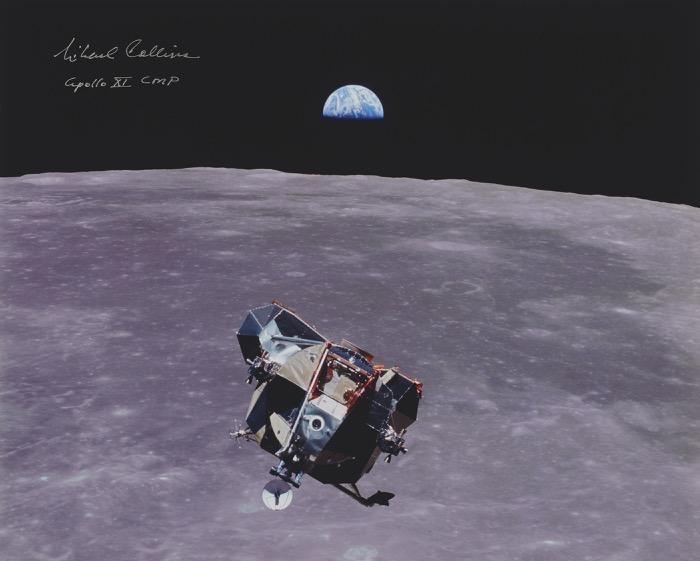
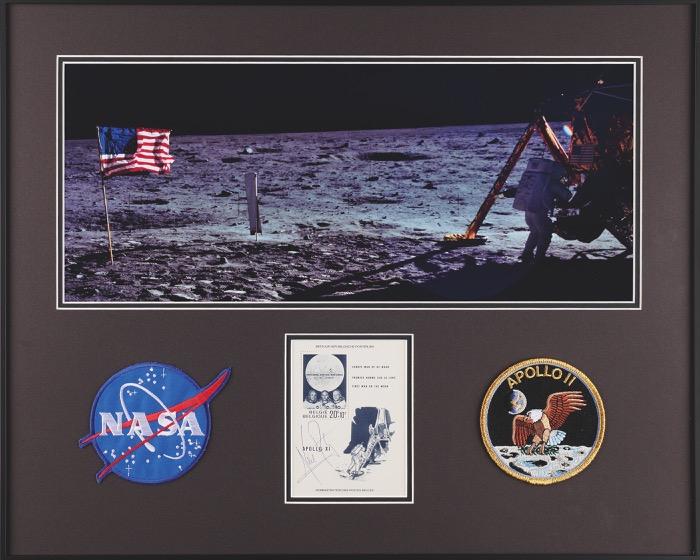
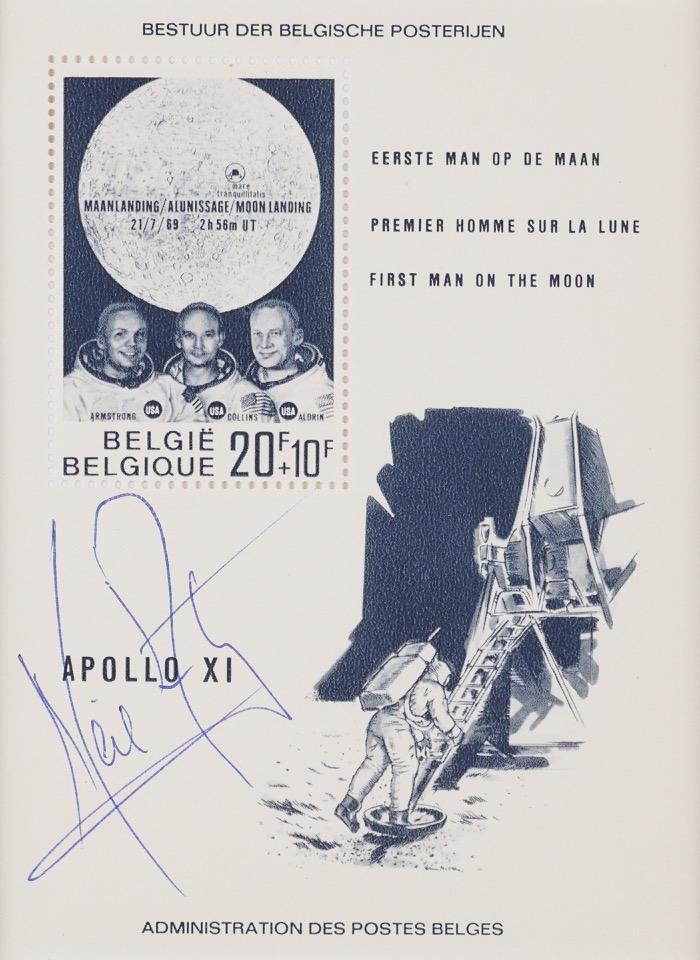
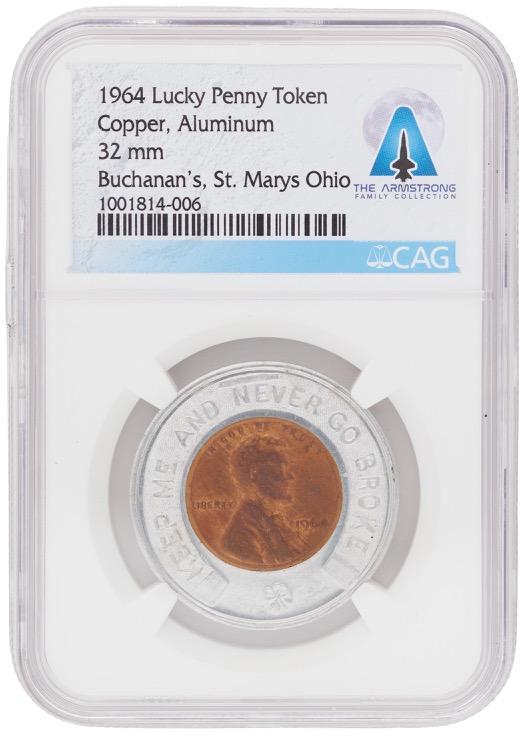
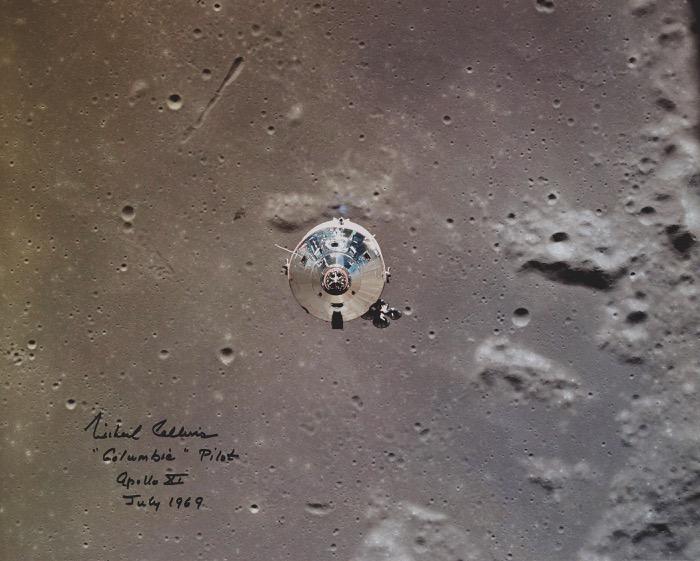
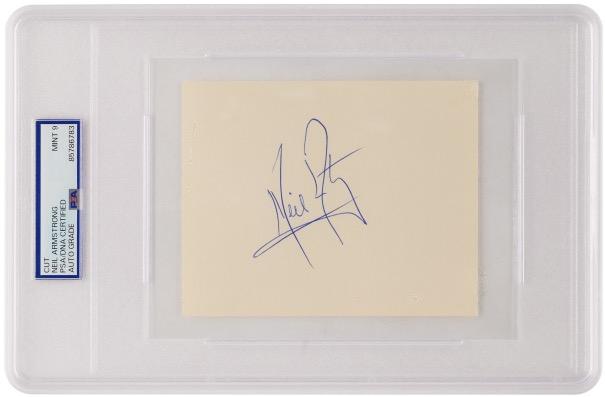
5234. Neil Armstrong Signature - PSA MINT 9 Starting Bid $200
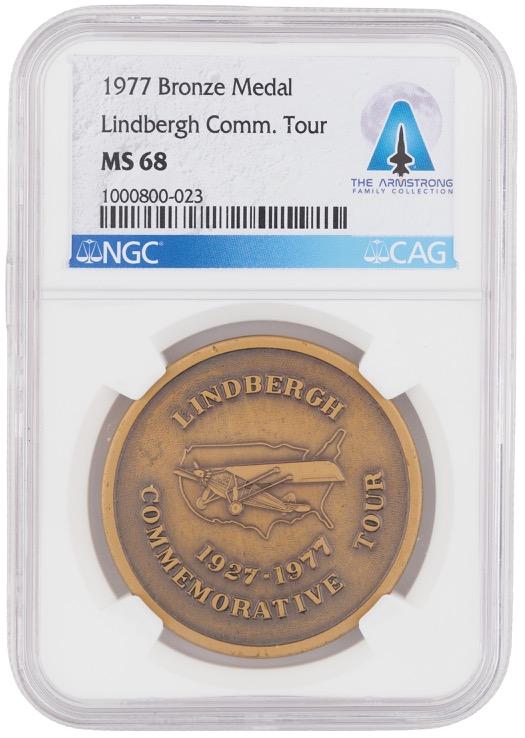
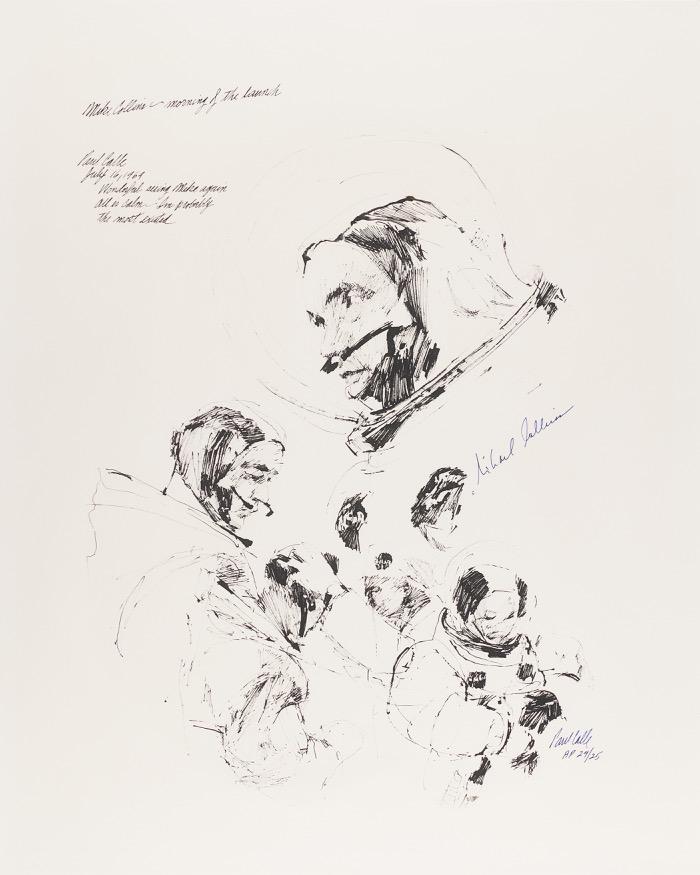
Starting Bid $200
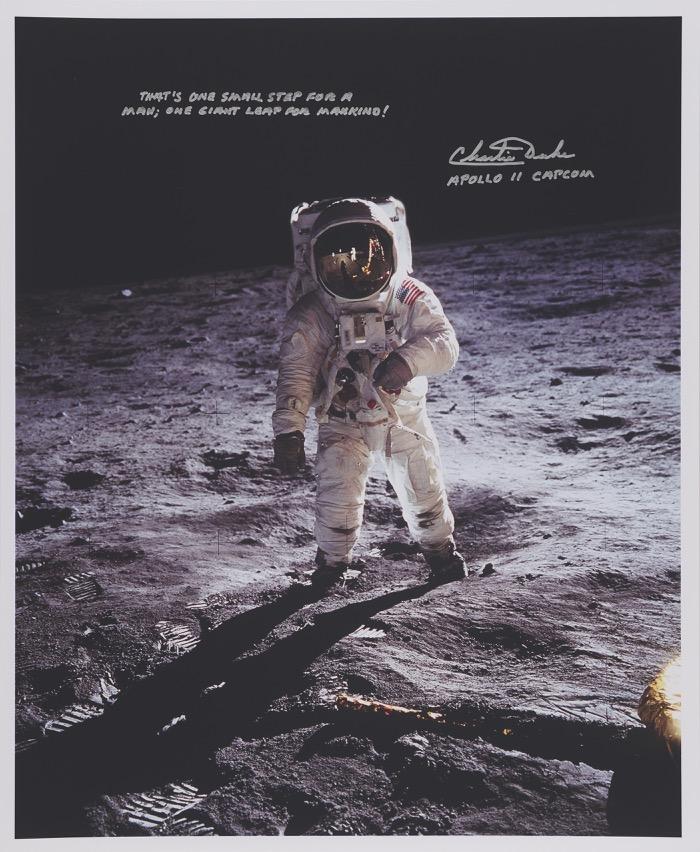
Starting Bid $200
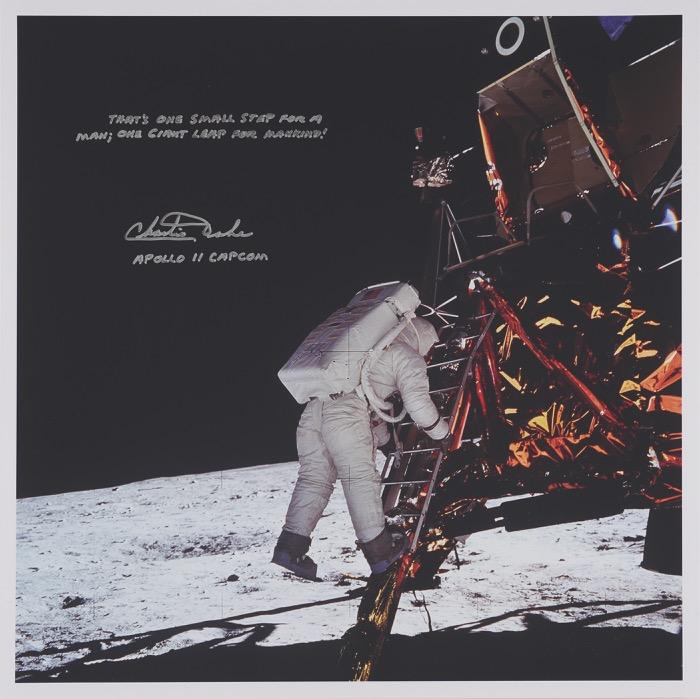
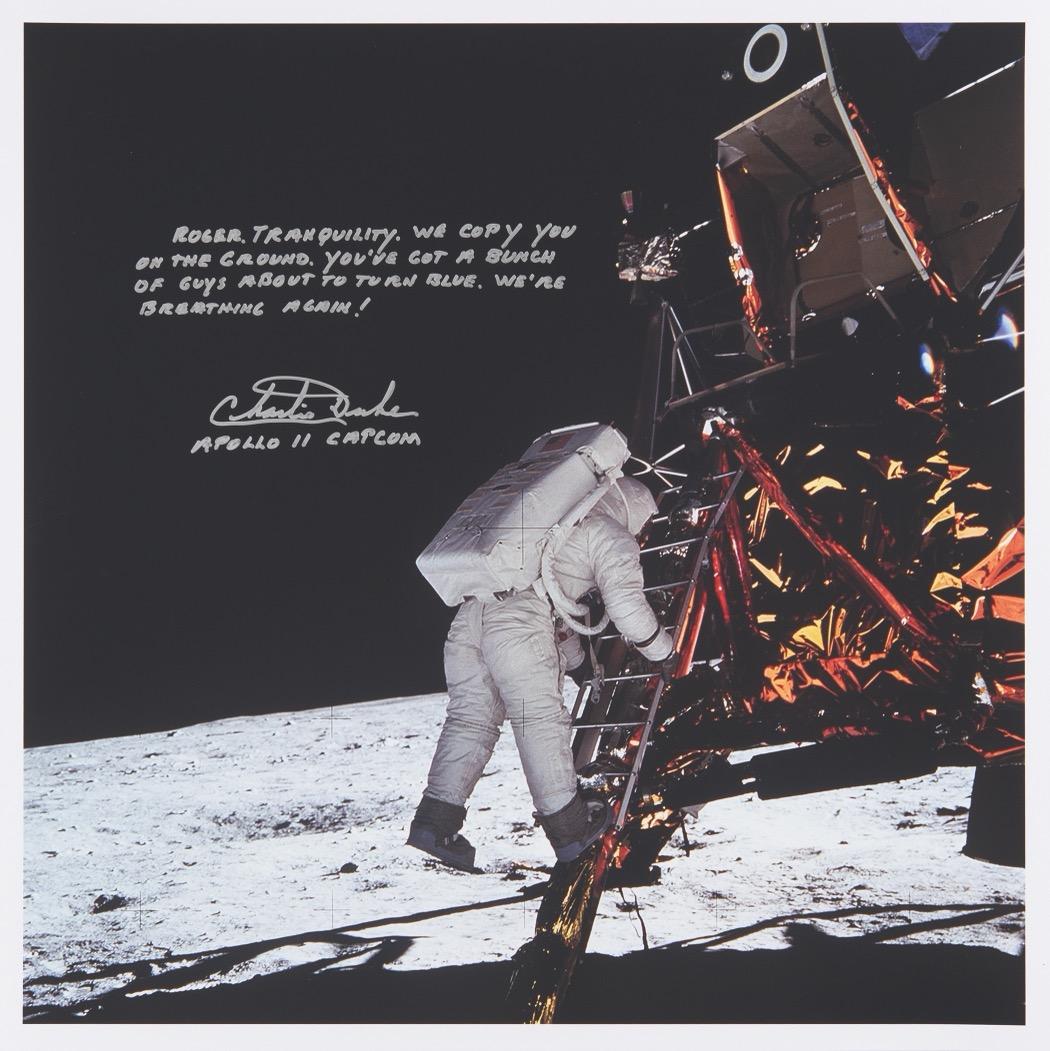
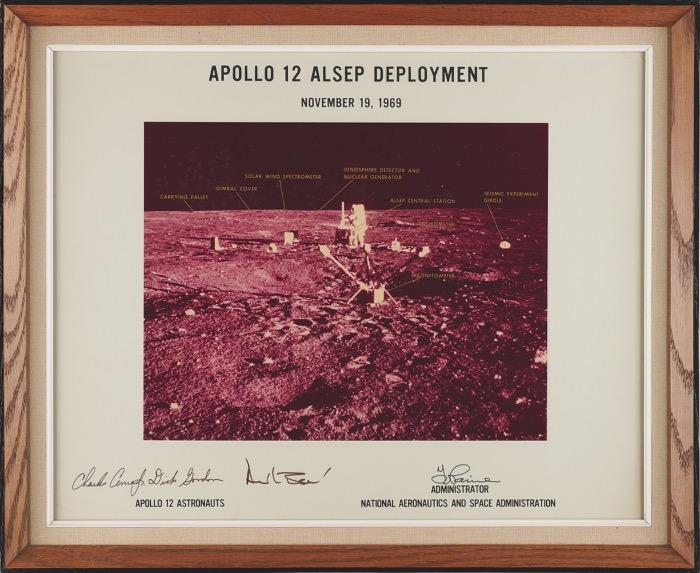
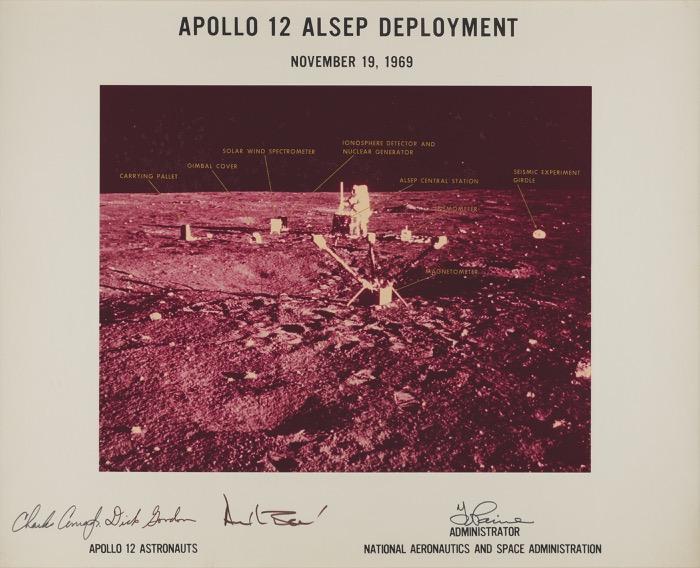
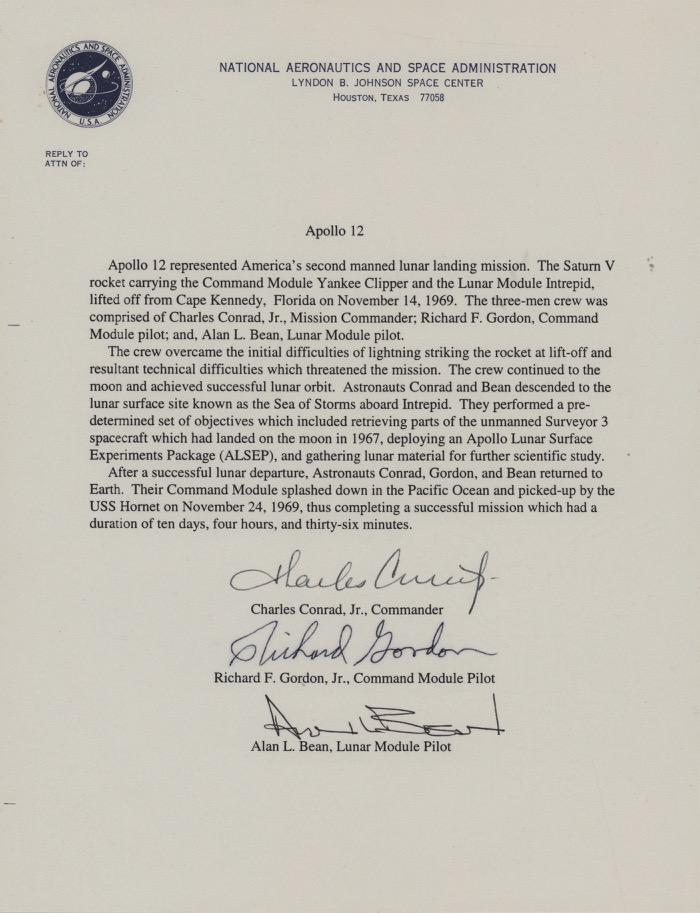
5258. Apollo 12 CrewSigned Souvenir Typescript Starting Bid $200
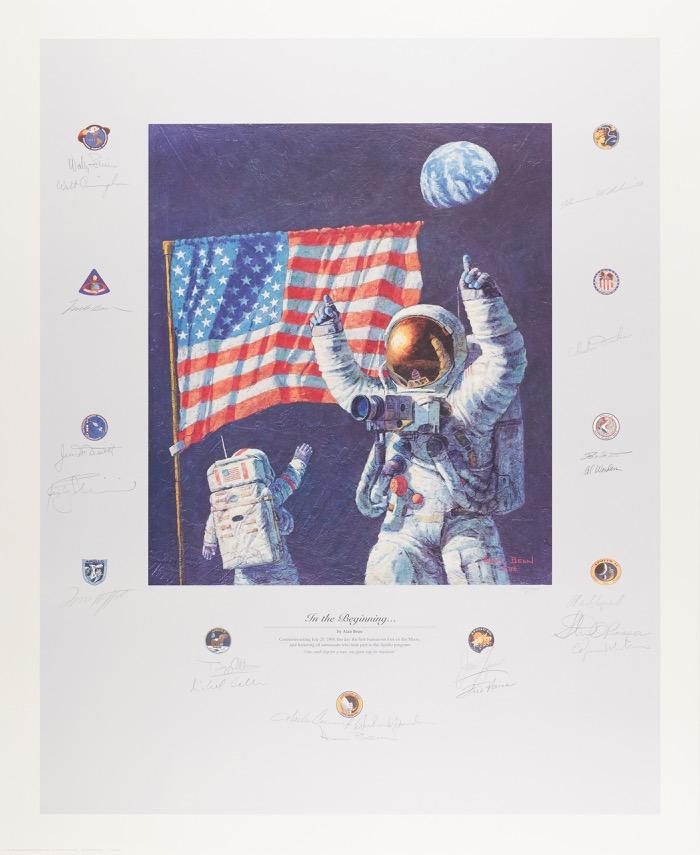
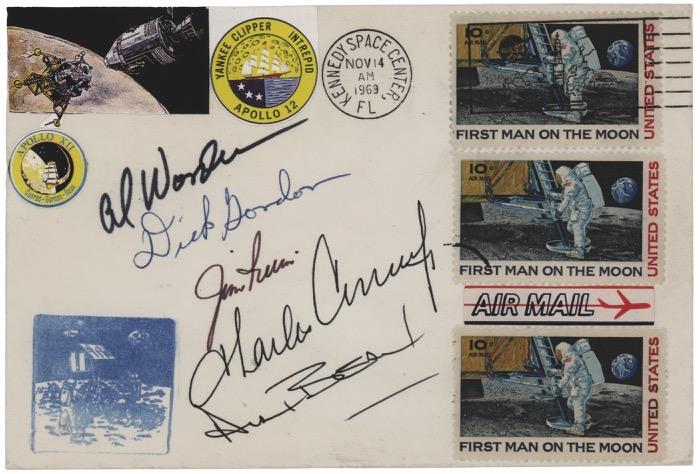
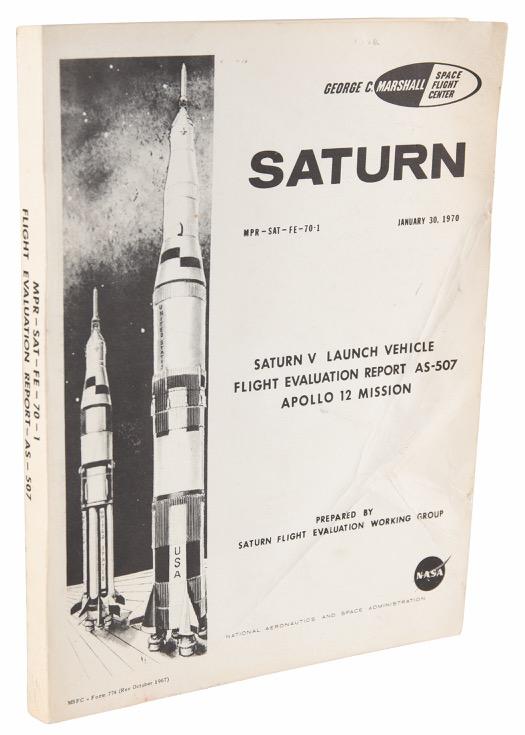
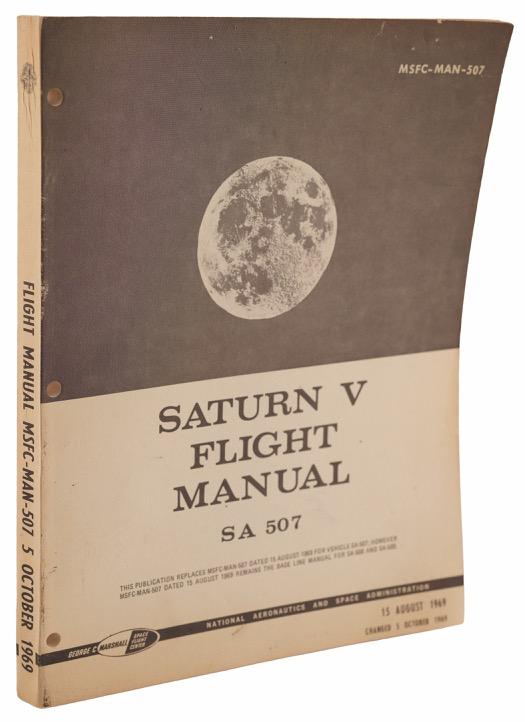
5259. Apollo 12 Signed 'Launch Day' Cover - Also Signed by Backup Crew ... Starting Bid $200
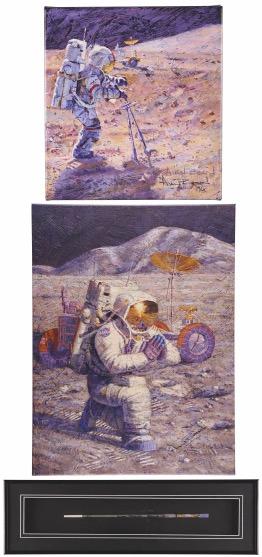
5262. Apollo Astronauts (20) Multi-Signed Lithograph: 'In the Beginning... Starting Bid $200
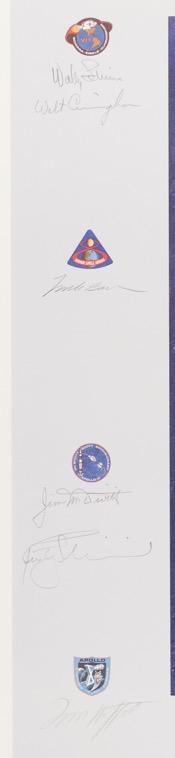
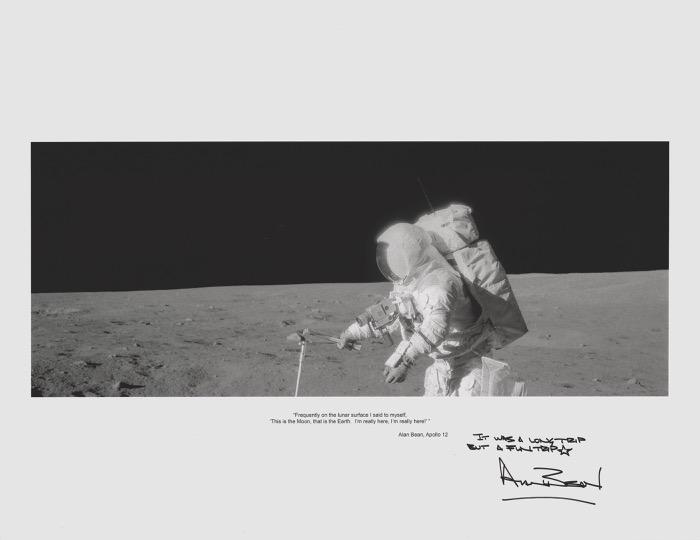
5266. Alan Bean Signed Photographic Print - 22˝ x 17˝ Starting Bid $200
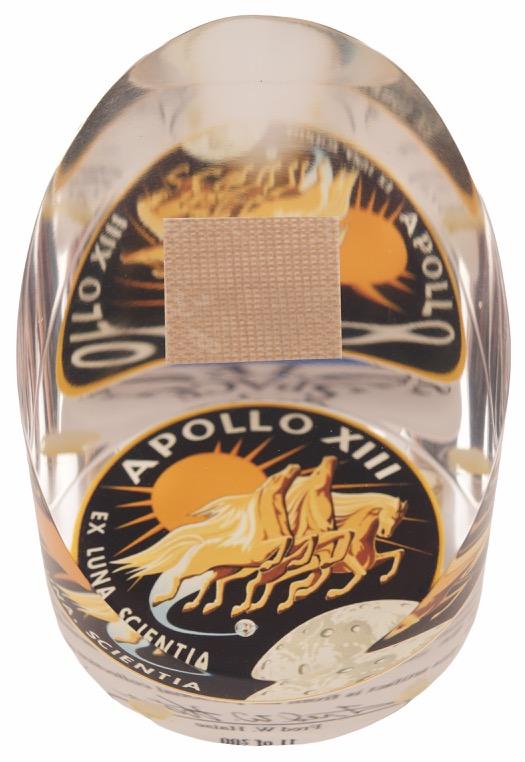
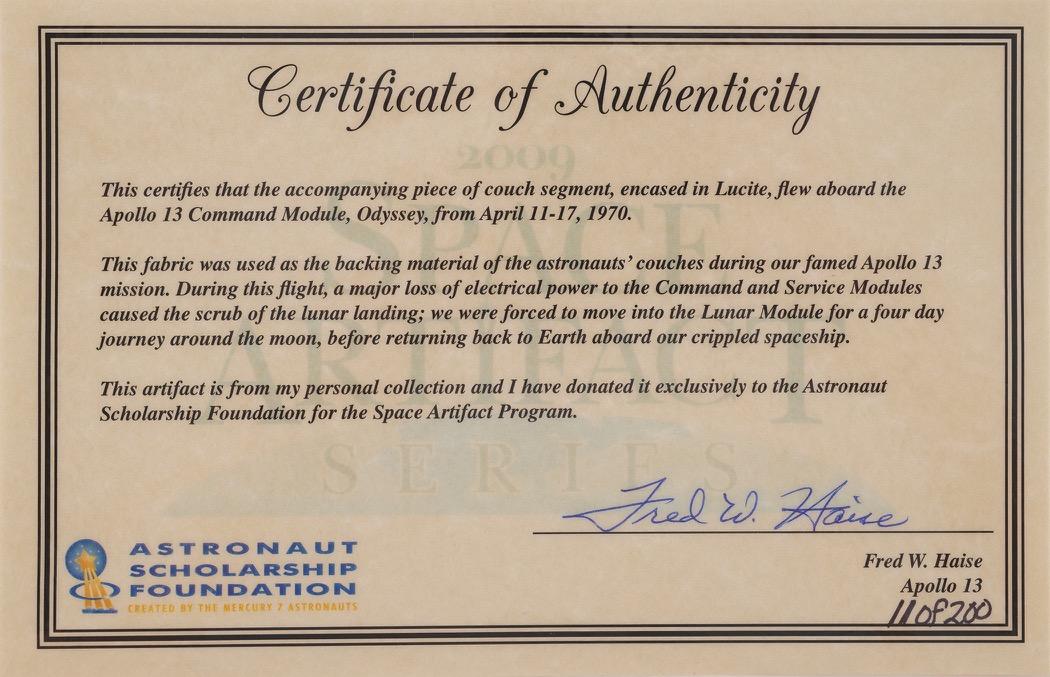
5263. Alan Bean (2) Signed Limited Edition Giclee Prints and Studio-Use... Starting Bid $200
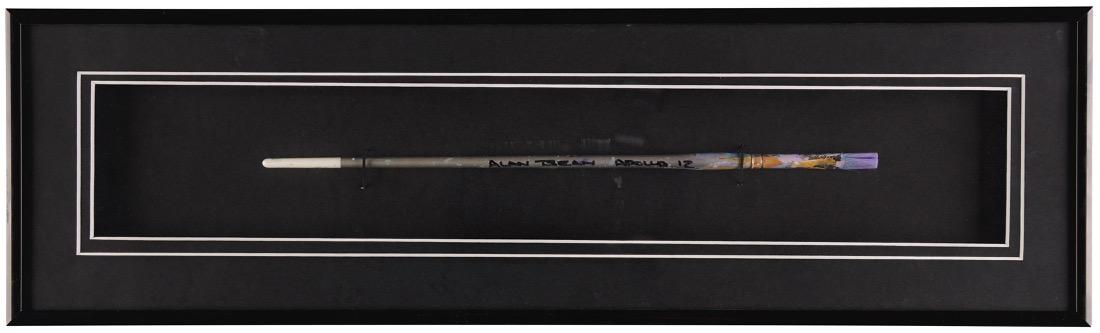
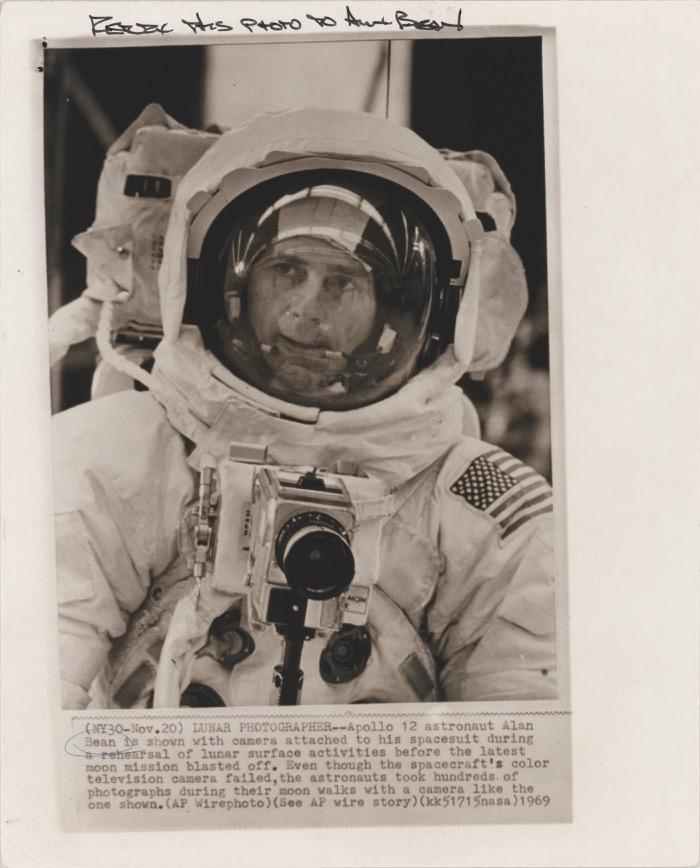
5267. Alan Bean Signed Photograph Starting Bid $200
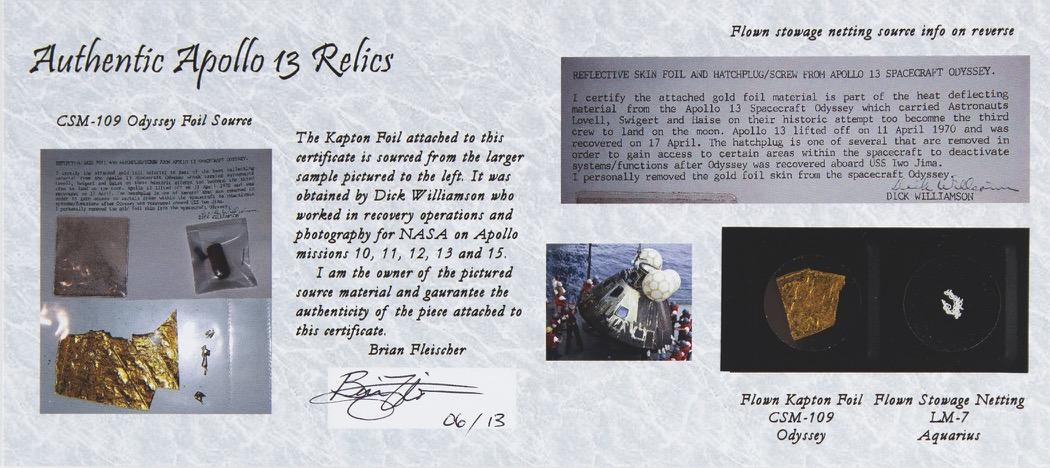
5277. Apollo 13 Kapton and Stowage Net Relic Cover (Ltd. Ed. #06/13) (A... Starting Bid $200
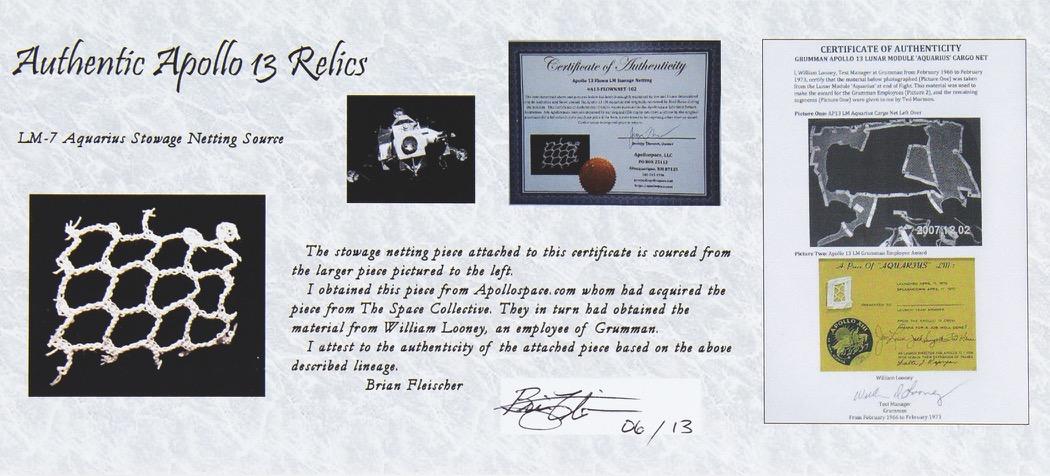
Apollo 12 Flight Evaluation Report - 'Saturn
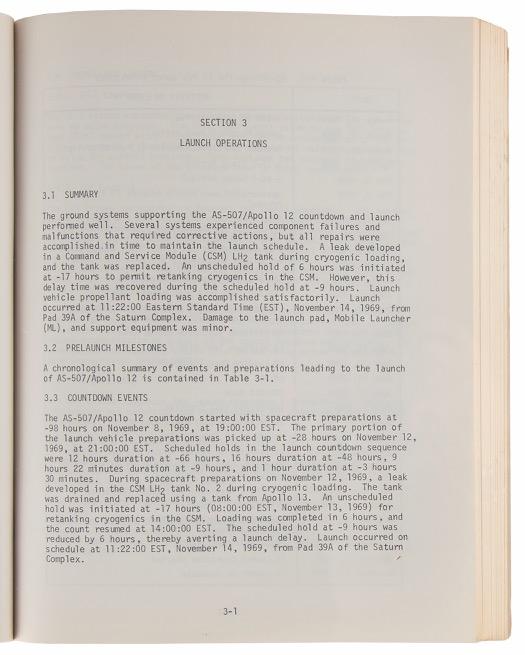
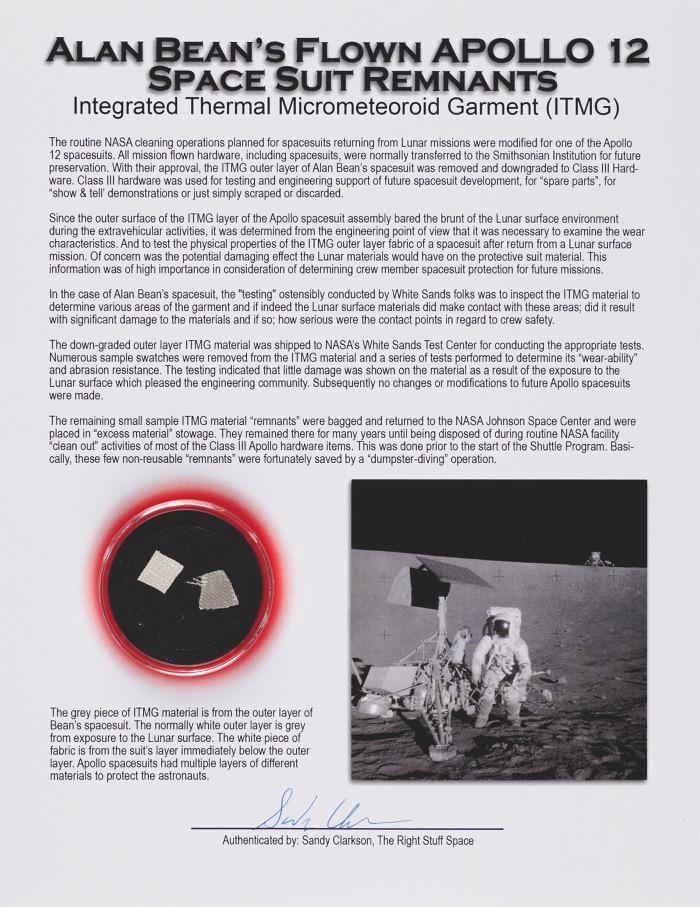
Apollo 12 Saturn V Flight Manual
Starting Bid $200
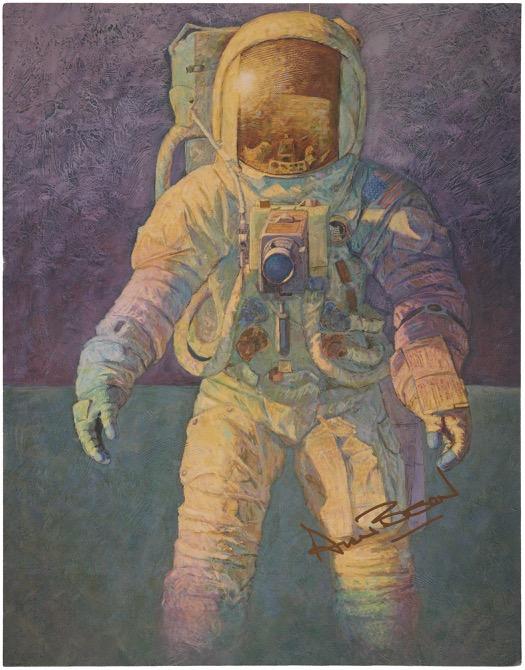
5264. Apollo 12 Space Suit
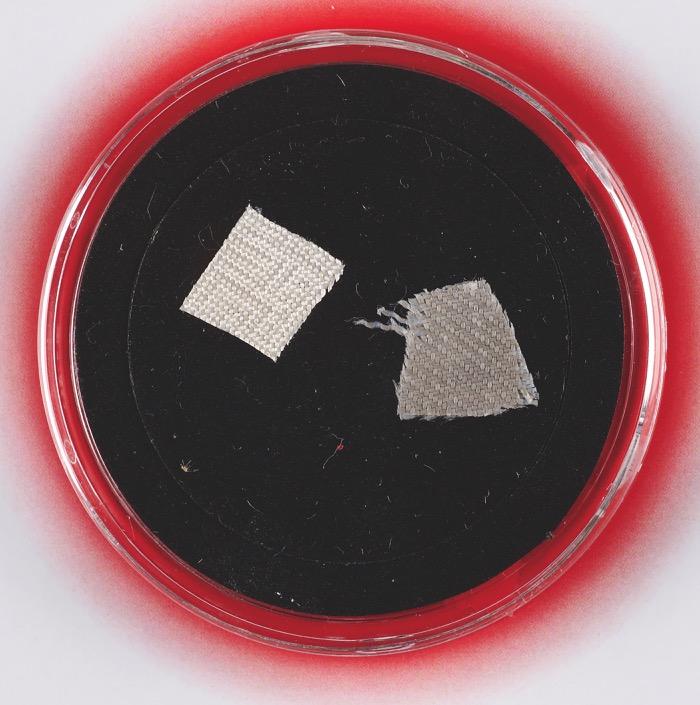
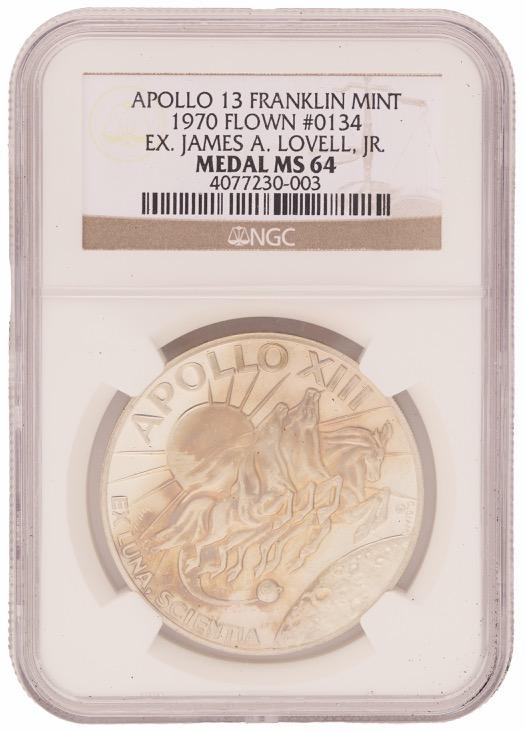
5265. Alan Bean Signed Promotional Card Starting Bid $200
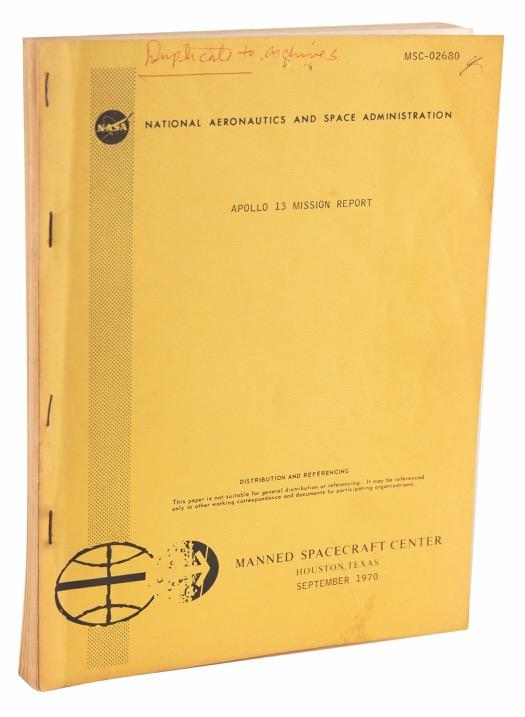
5274. Apollo 13 Franklin Mint Medallion - From the Personal Collection ...
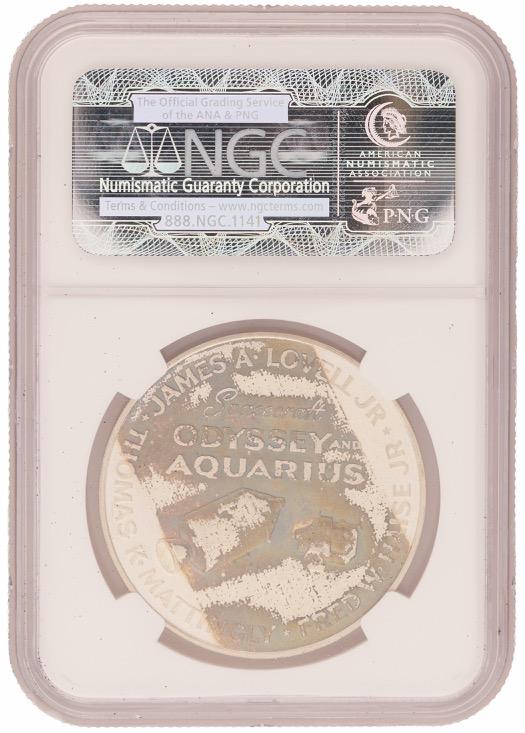
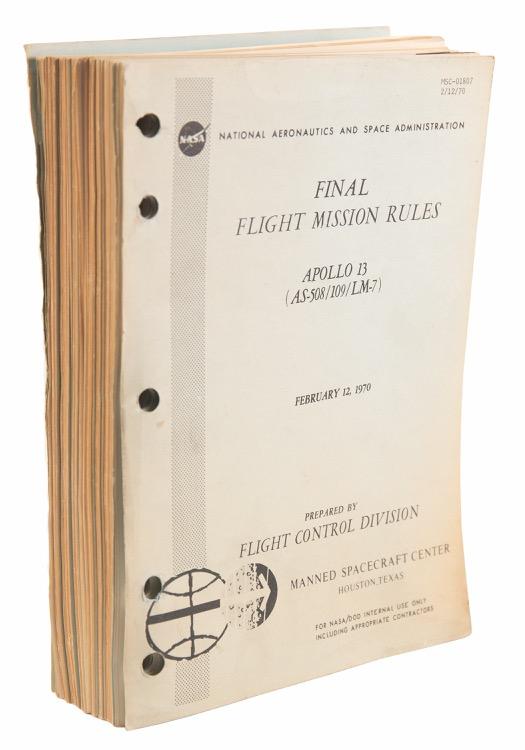
5275. Apollo 13 Mission Report Starting Bid $200
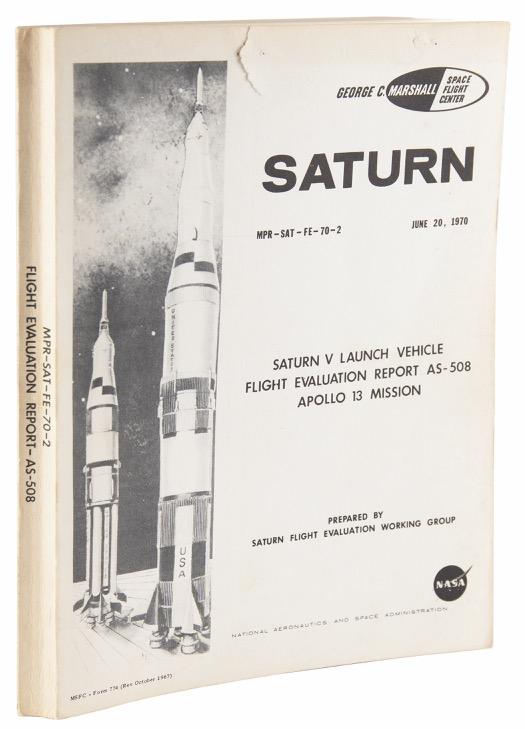
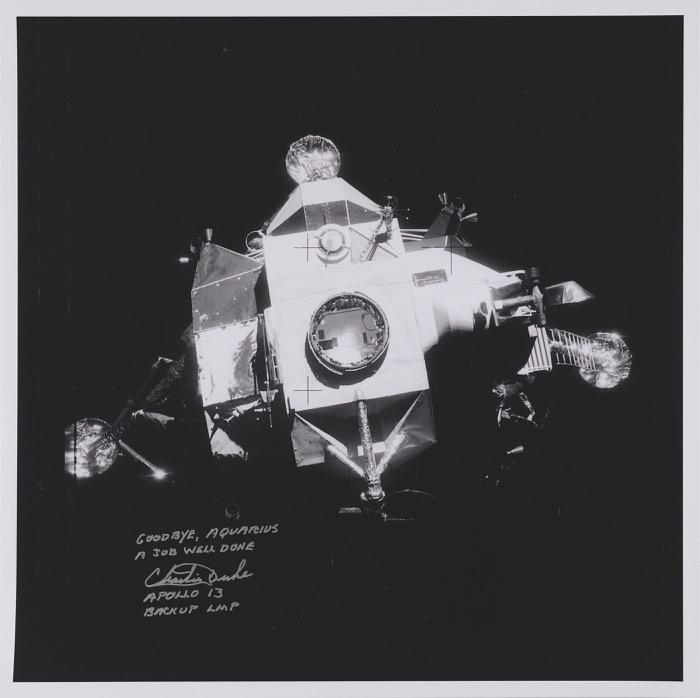
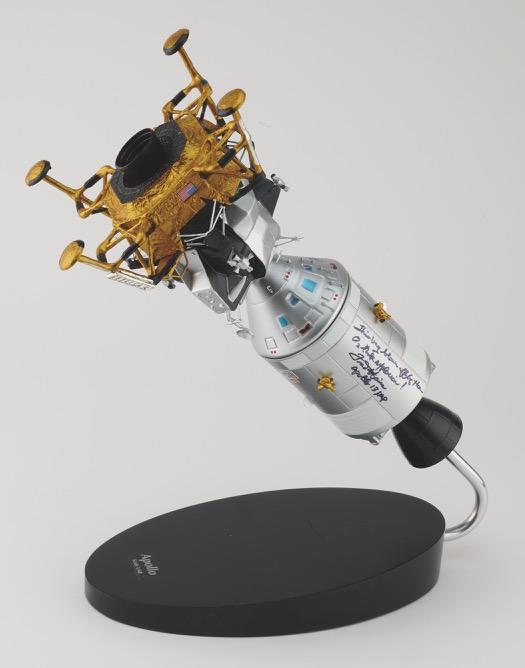
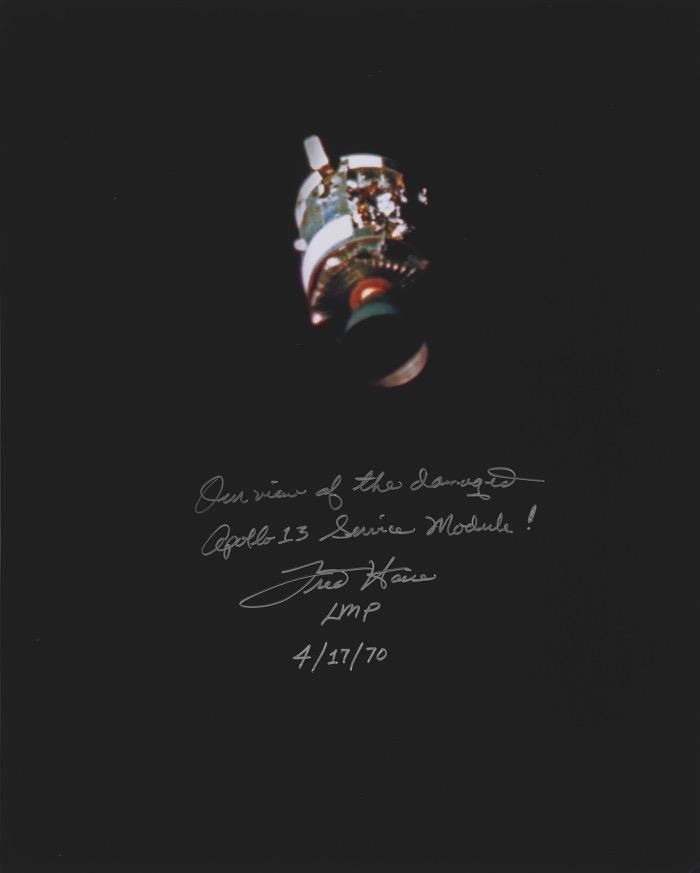
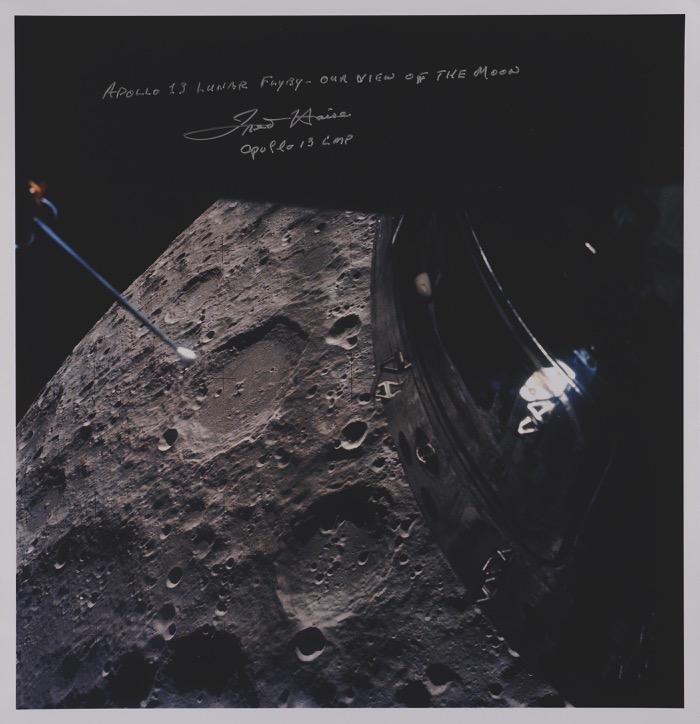
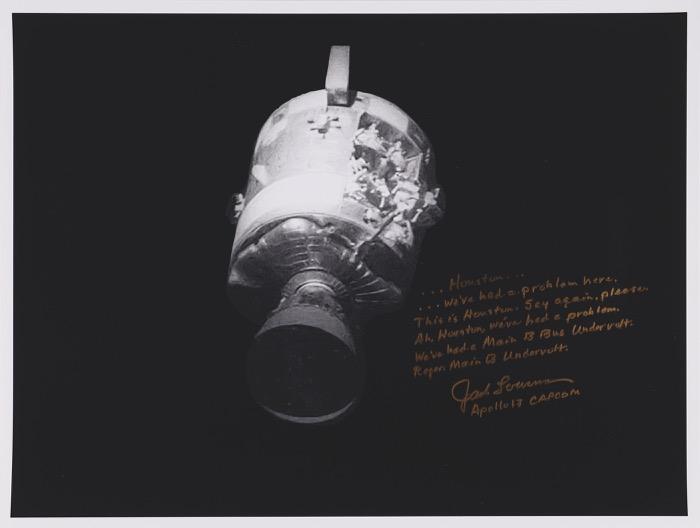
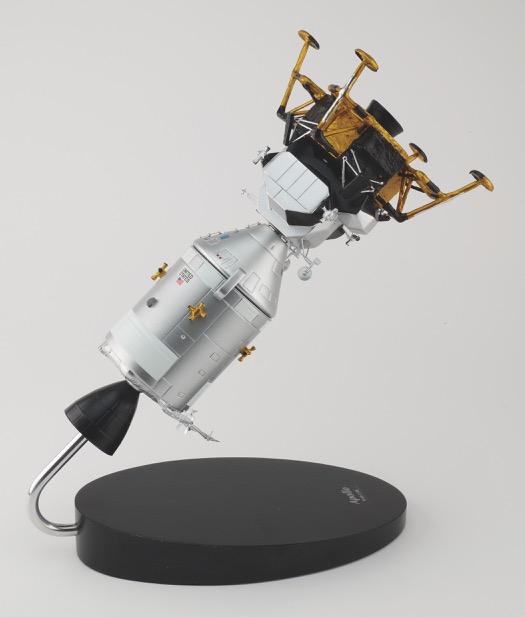
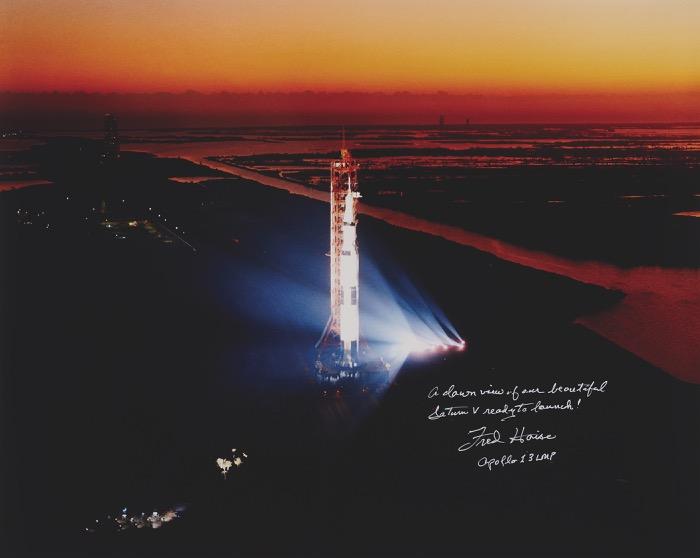
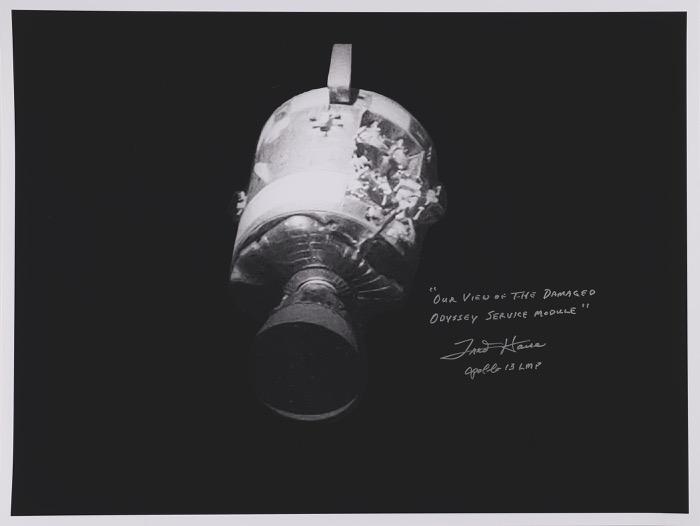
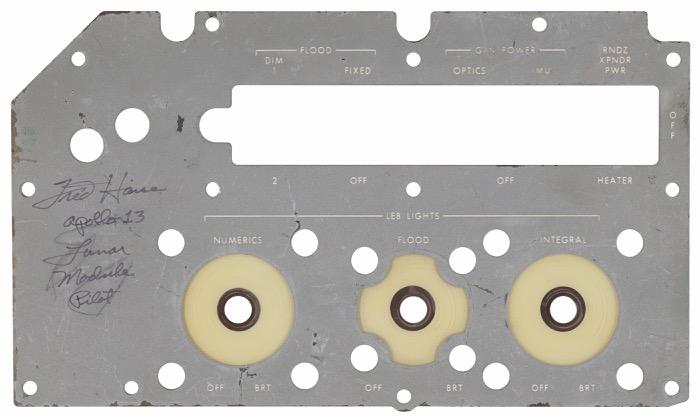
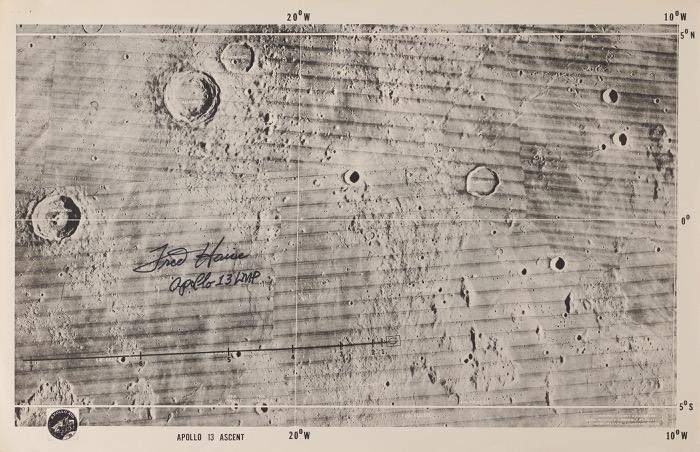
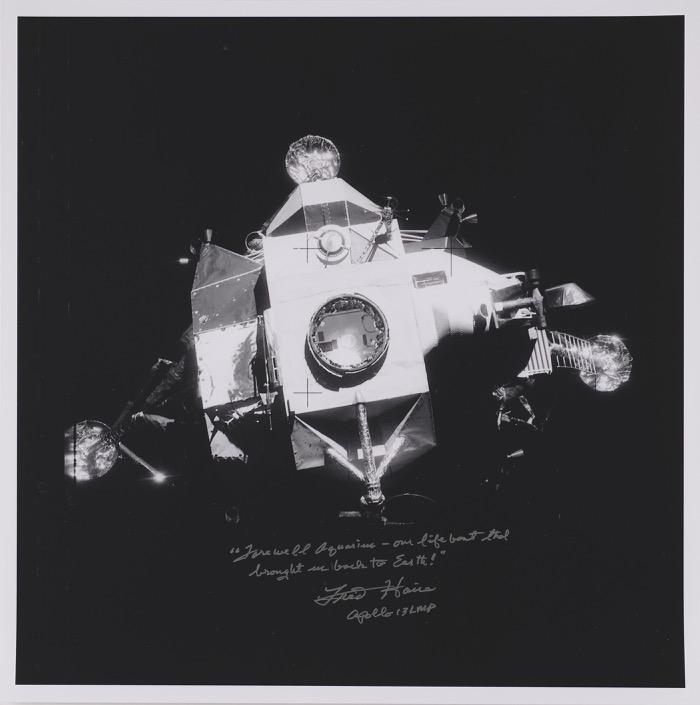
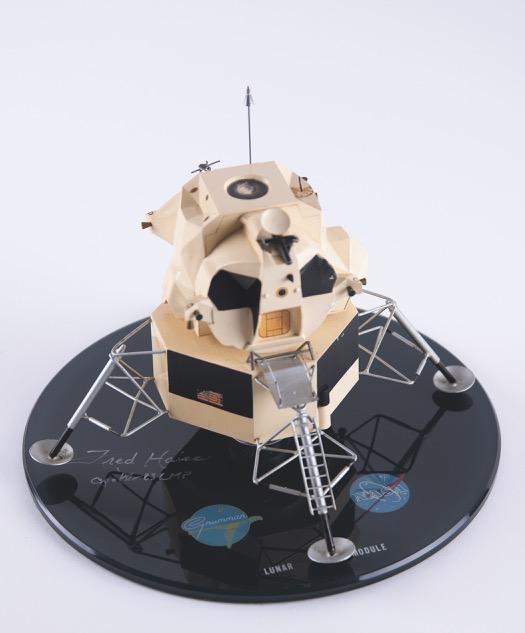
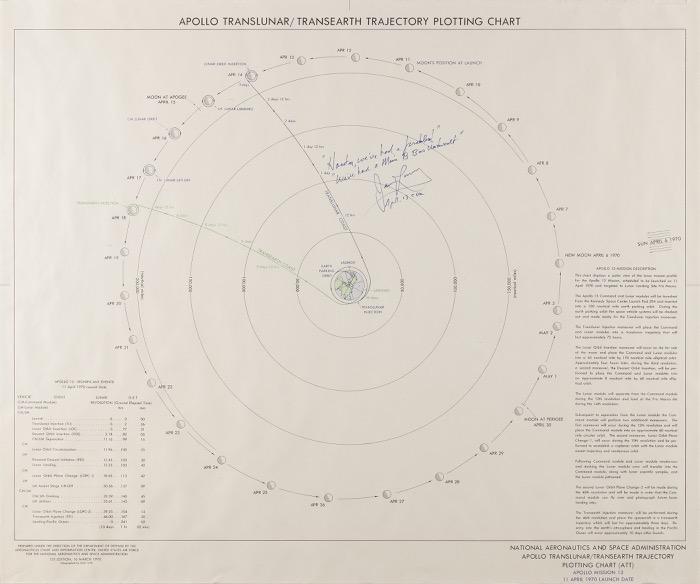
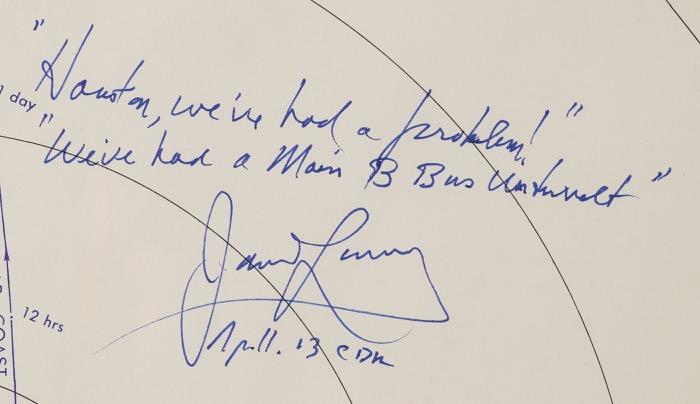
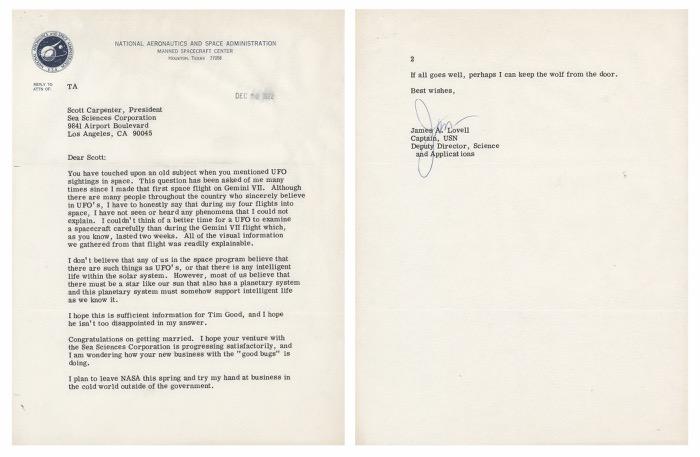
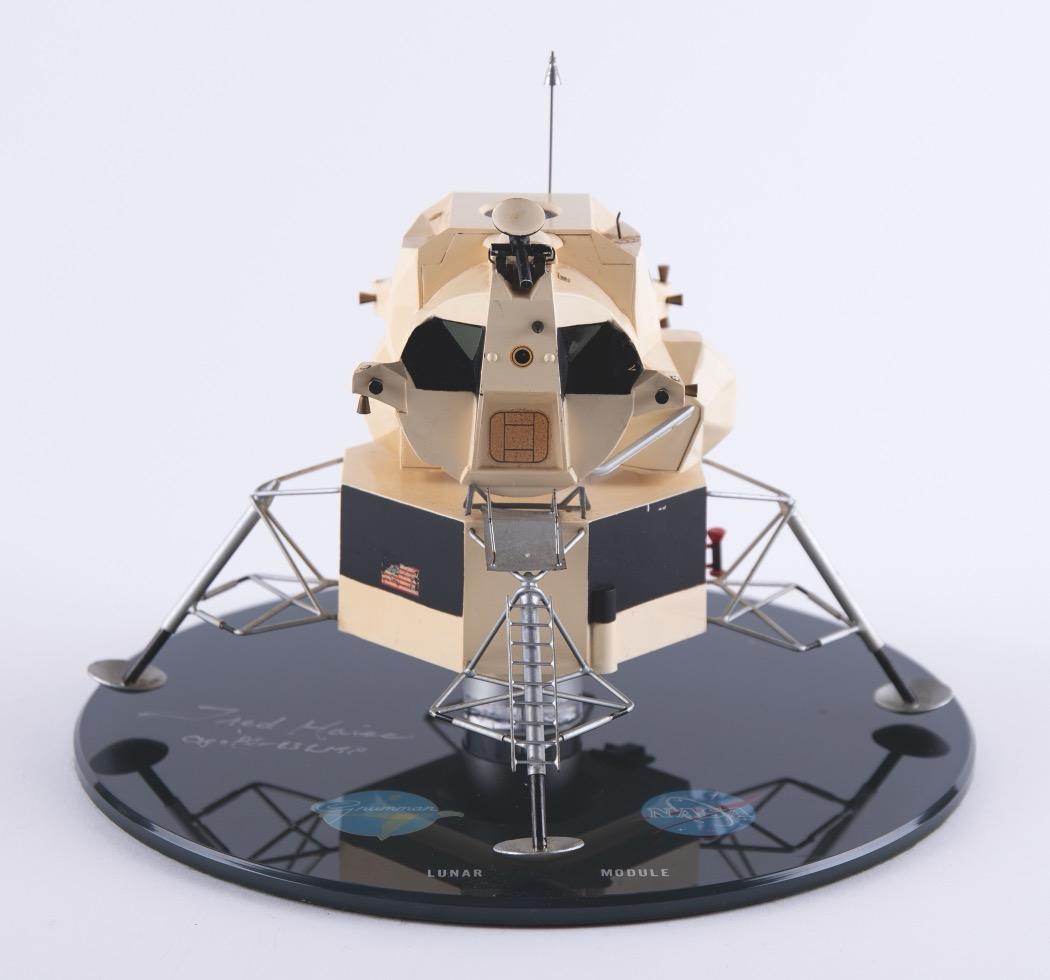
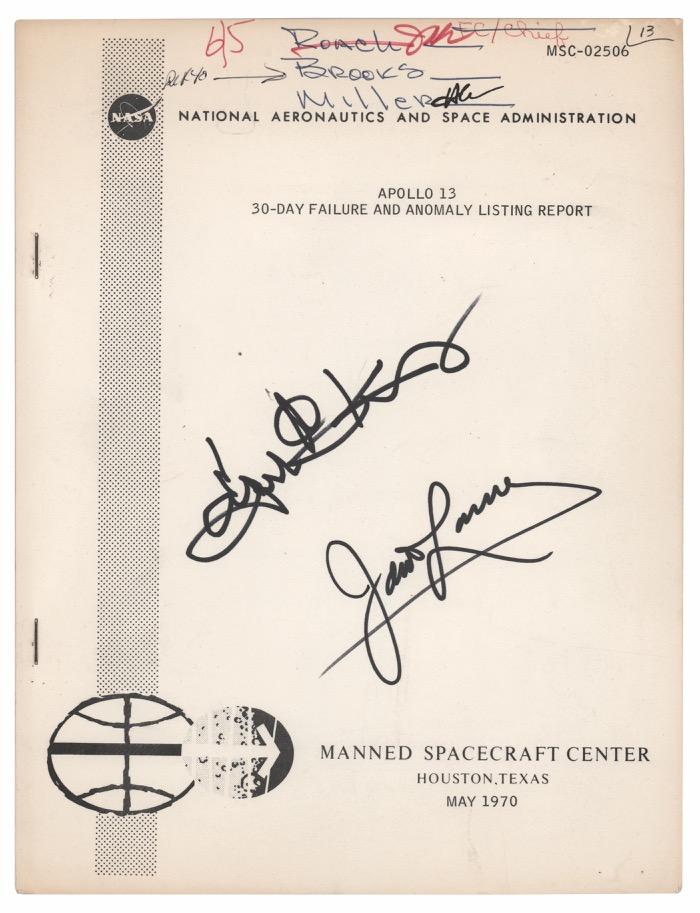
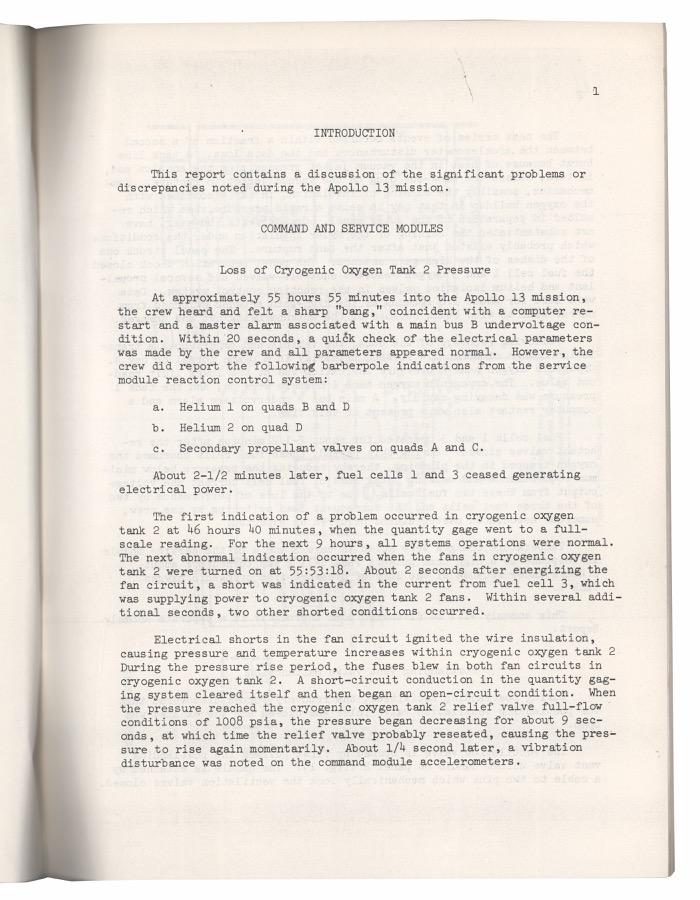
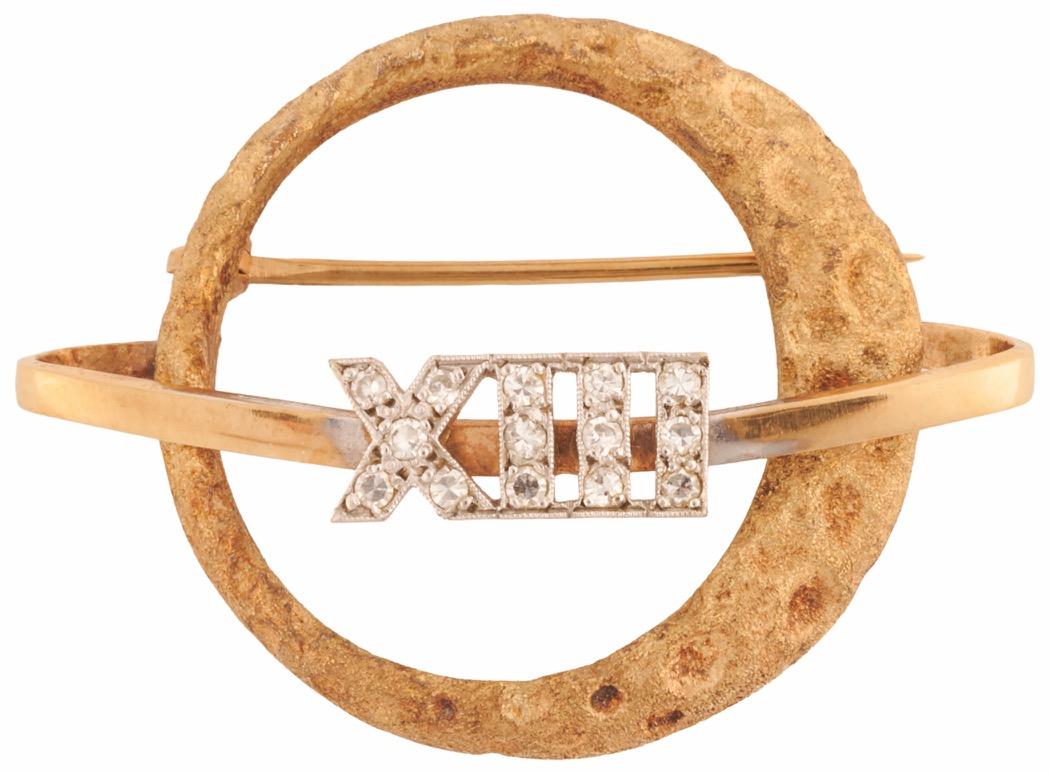
5296.
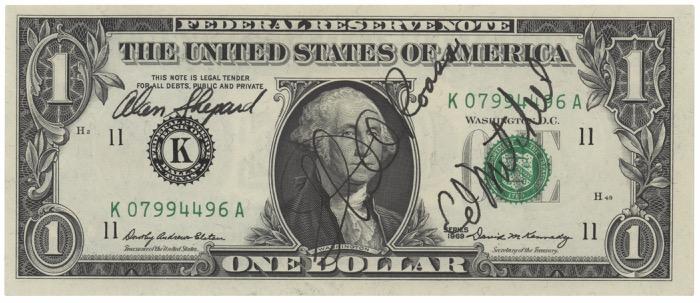
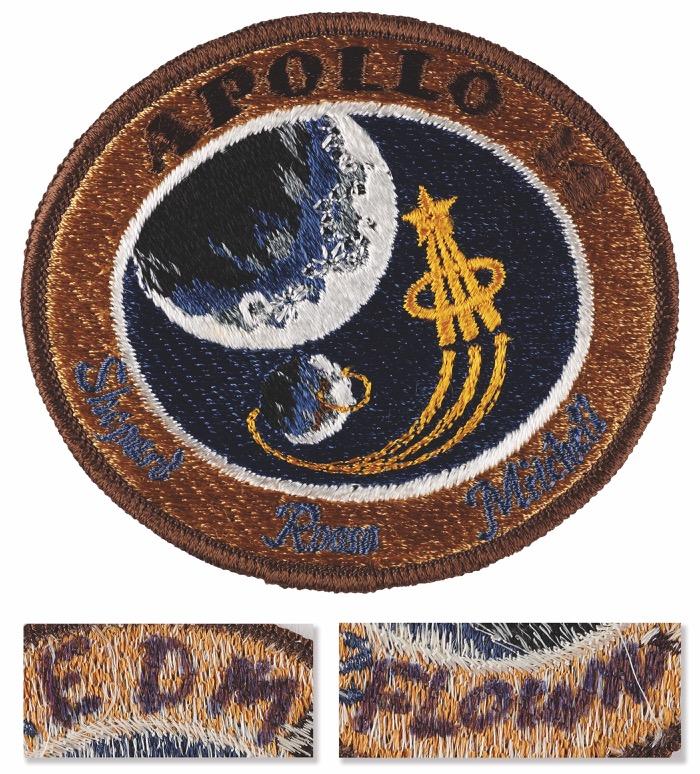
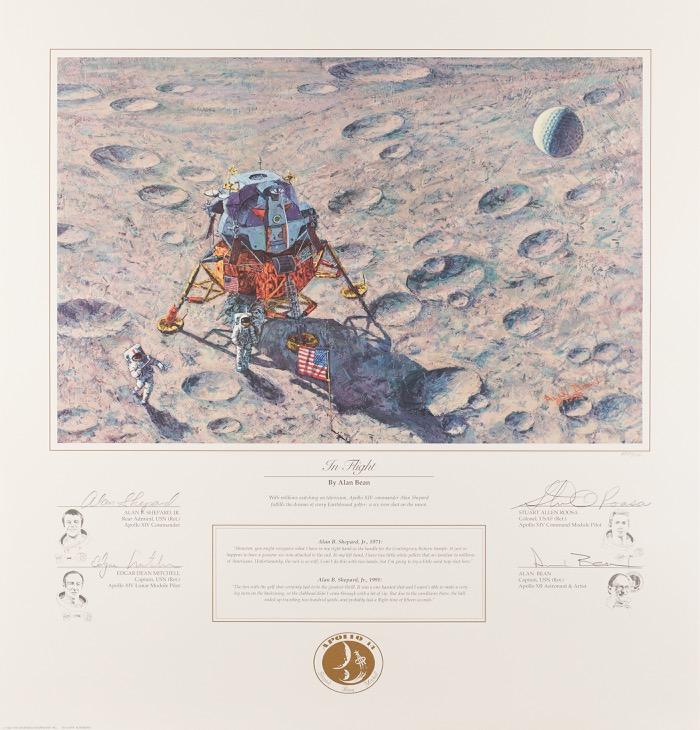
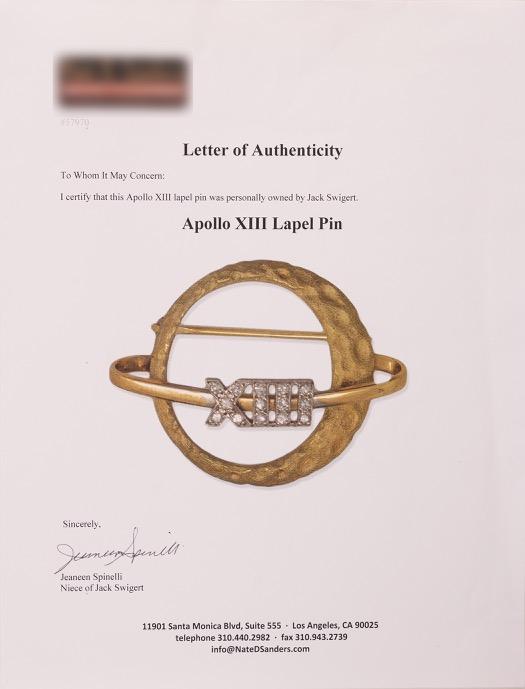
From the Personal ...
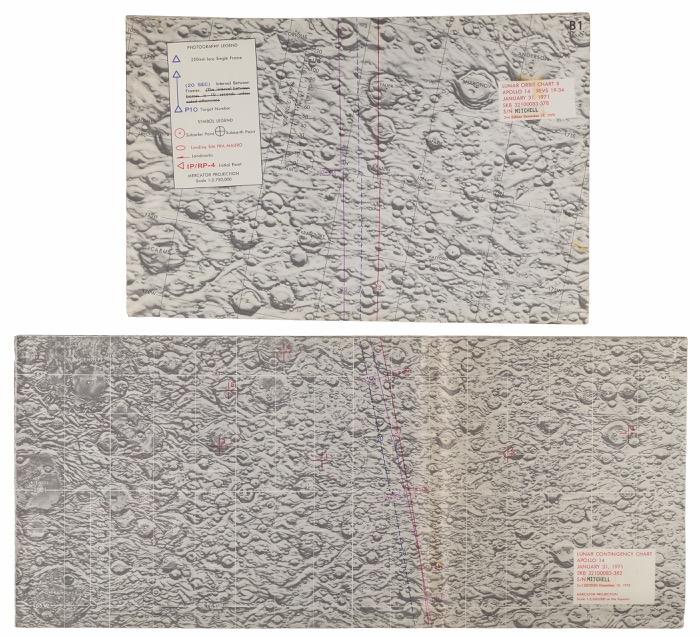
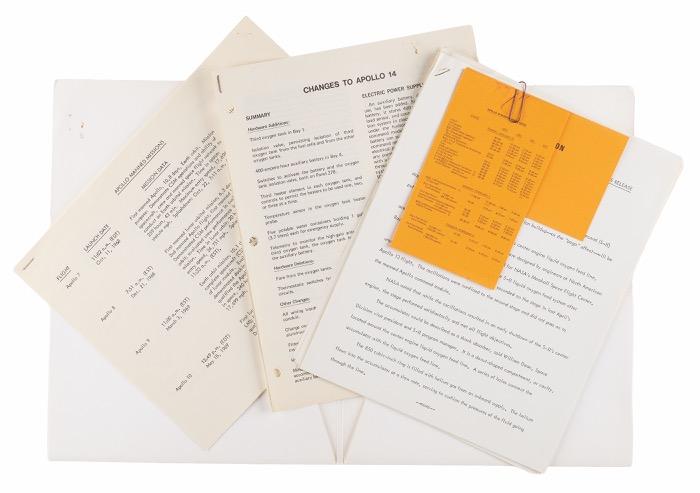
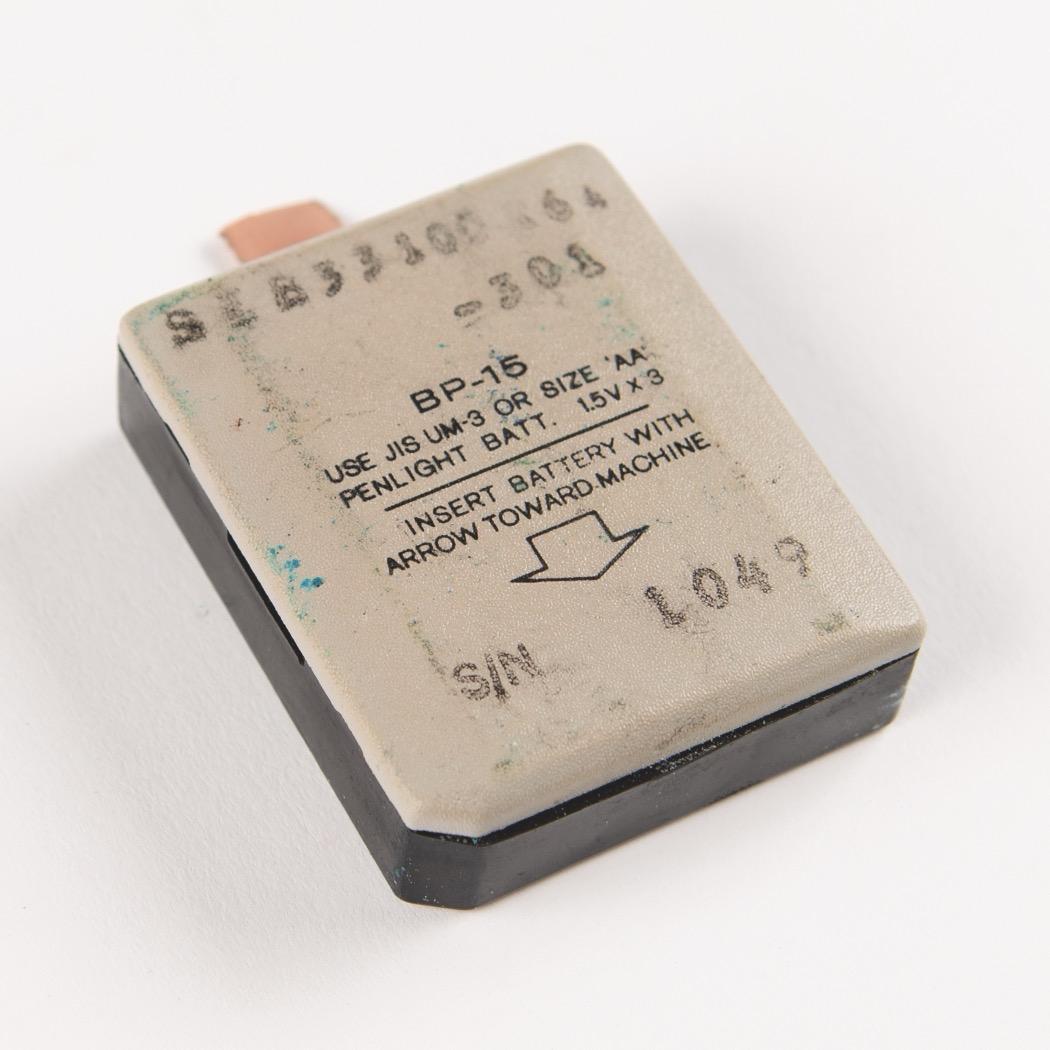
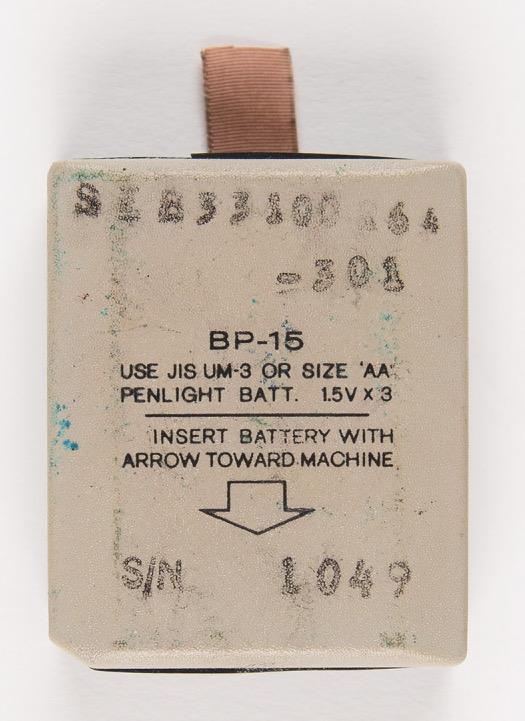
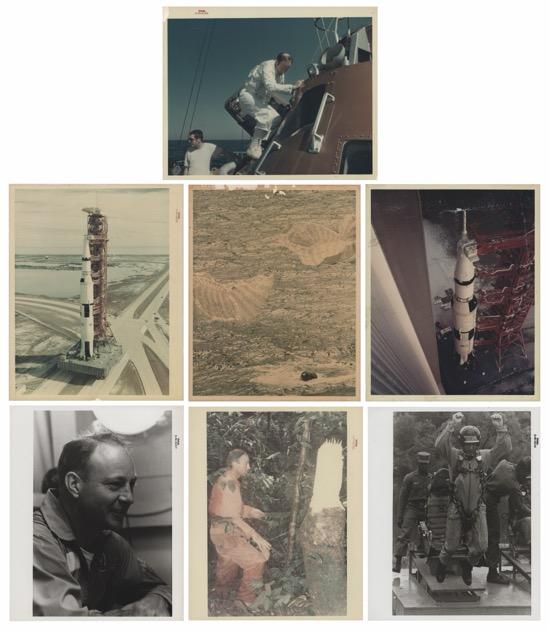
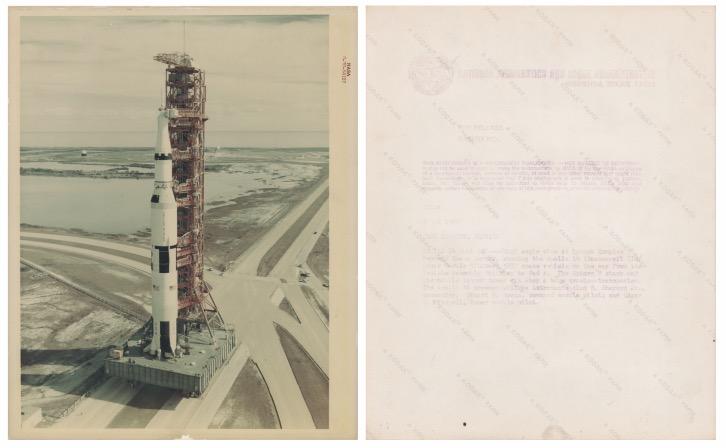
Starting Bid $200
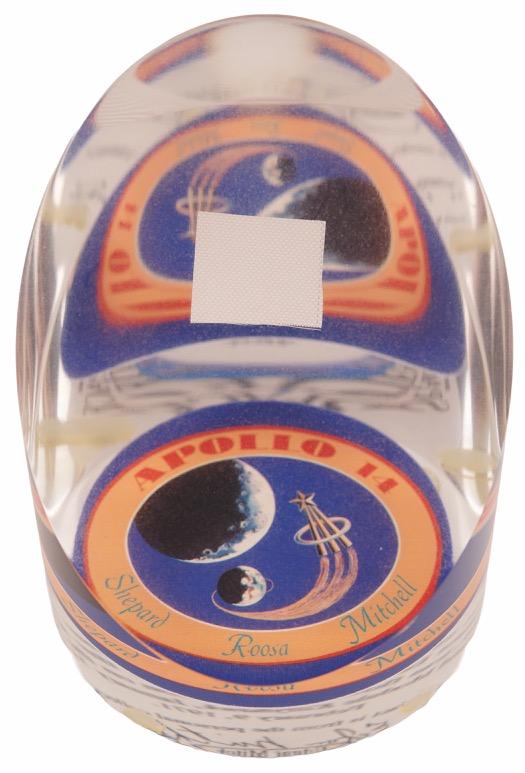
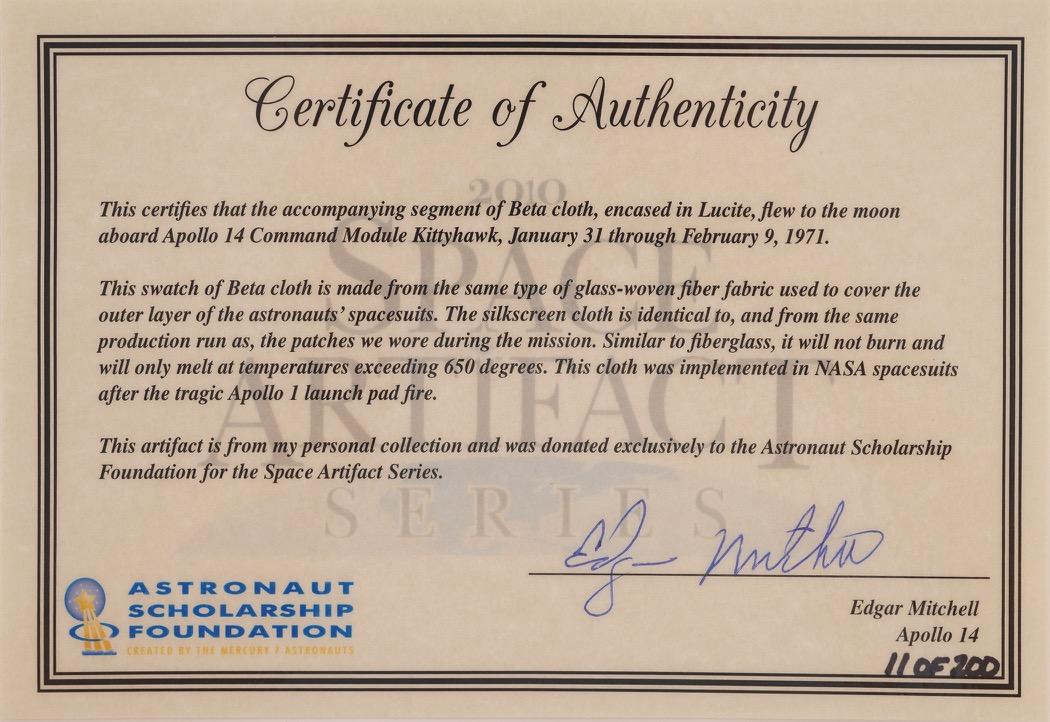
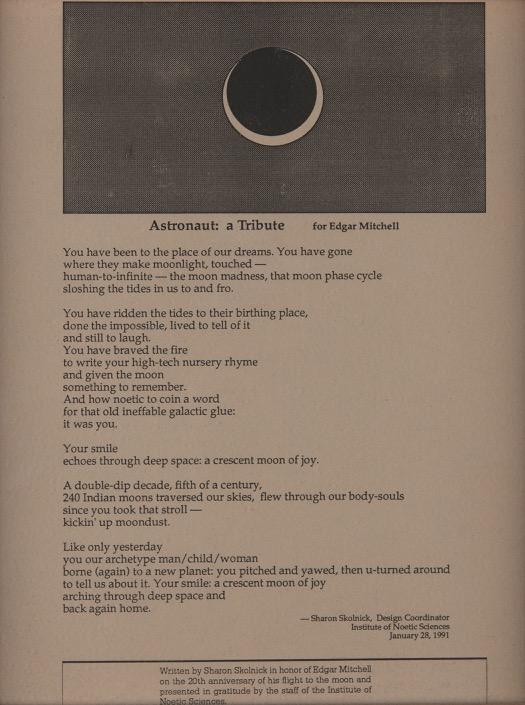
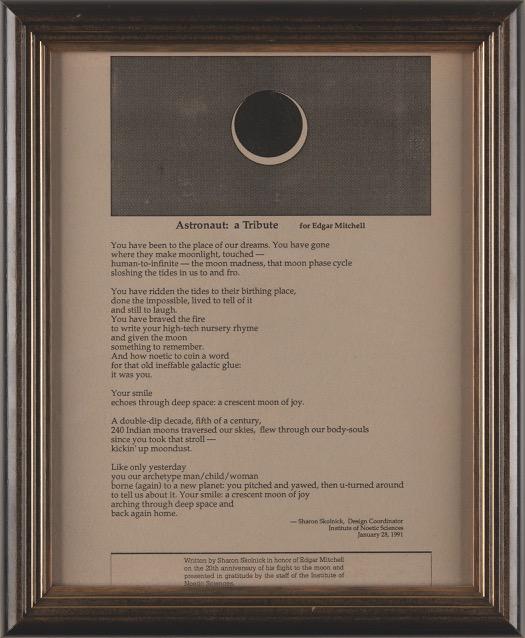
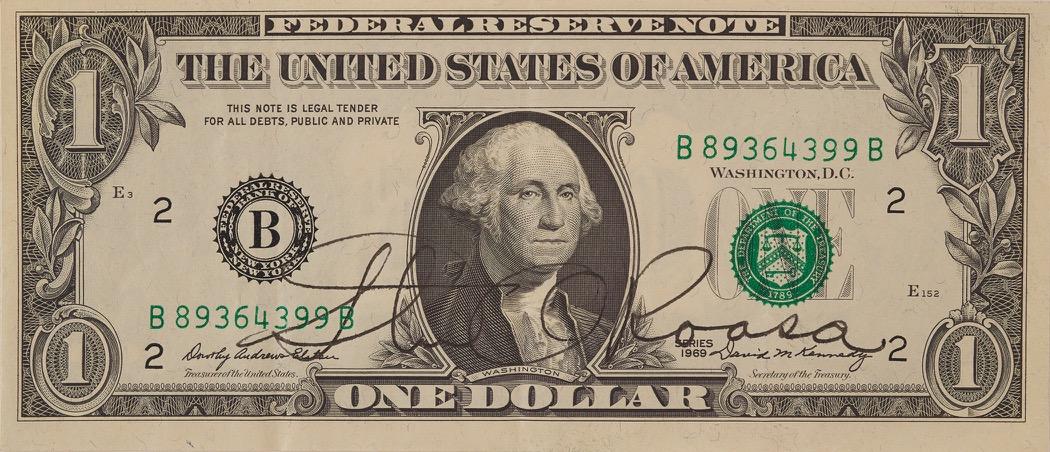
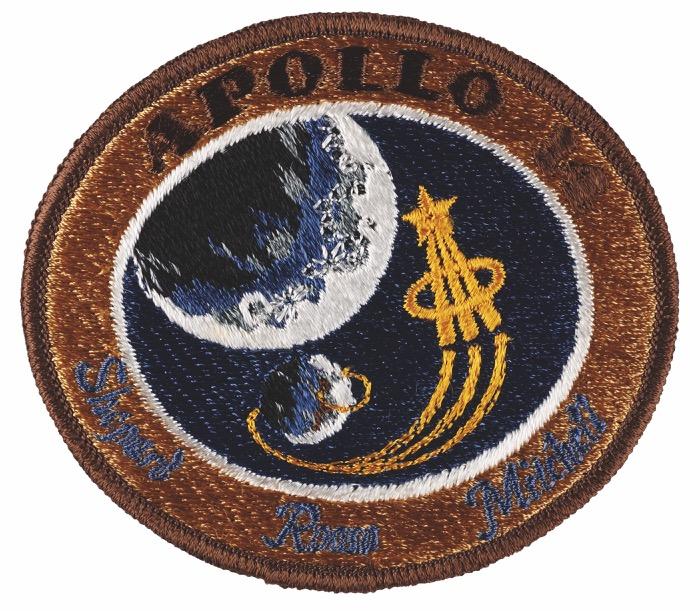
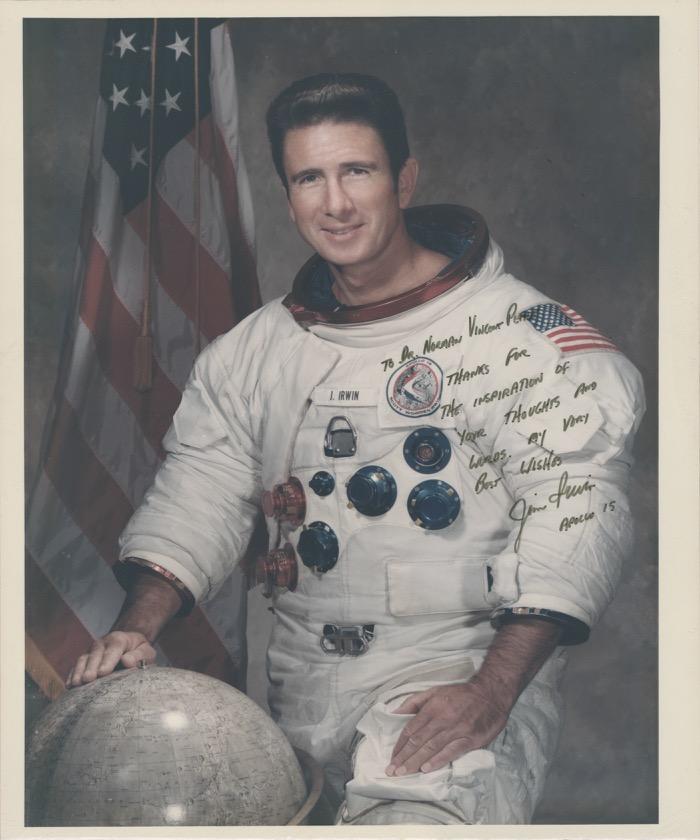
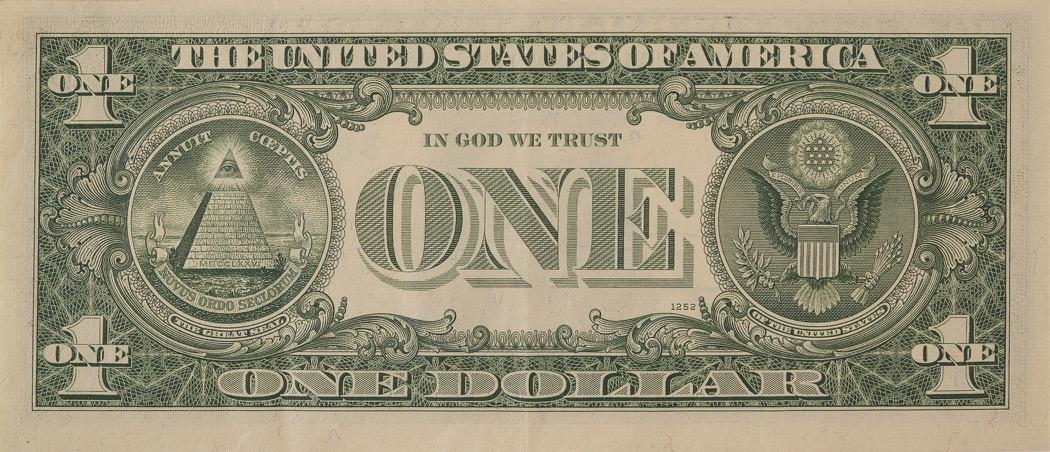
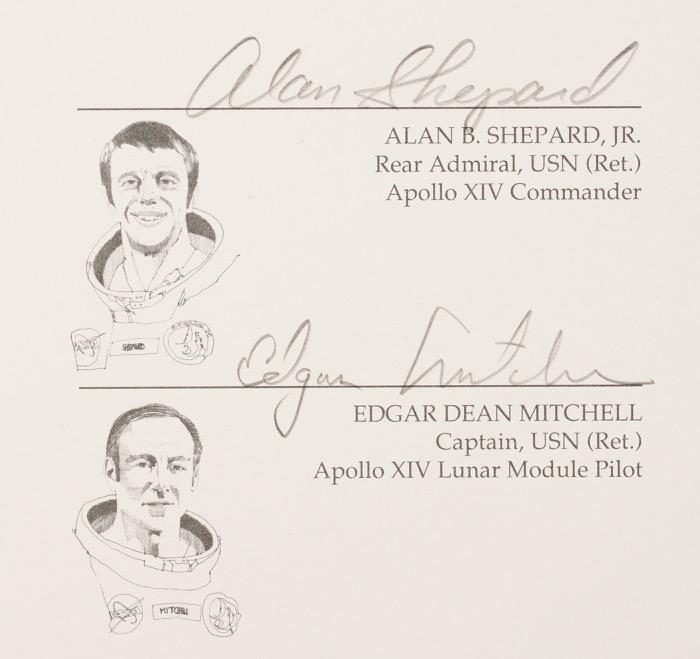
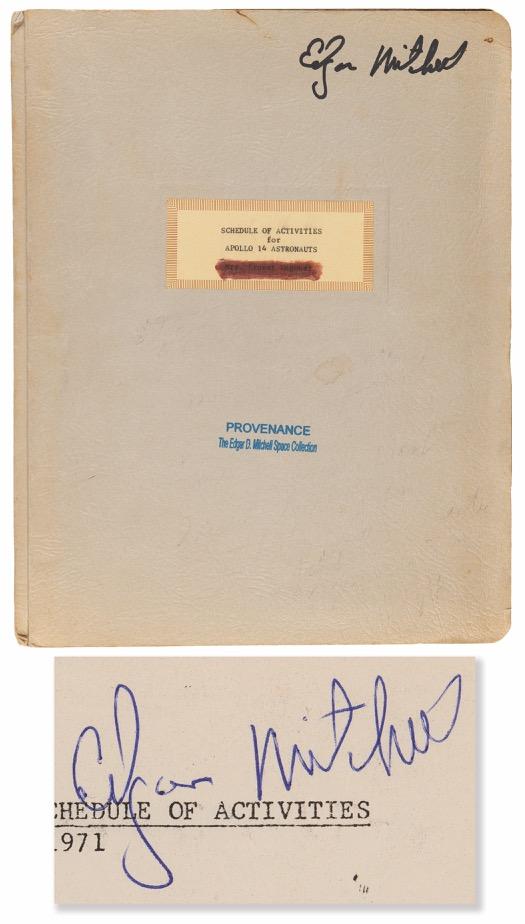
5318. Apollo 14 Schedule of Activities for AstronautsFrom the Person... Starting Bid $200
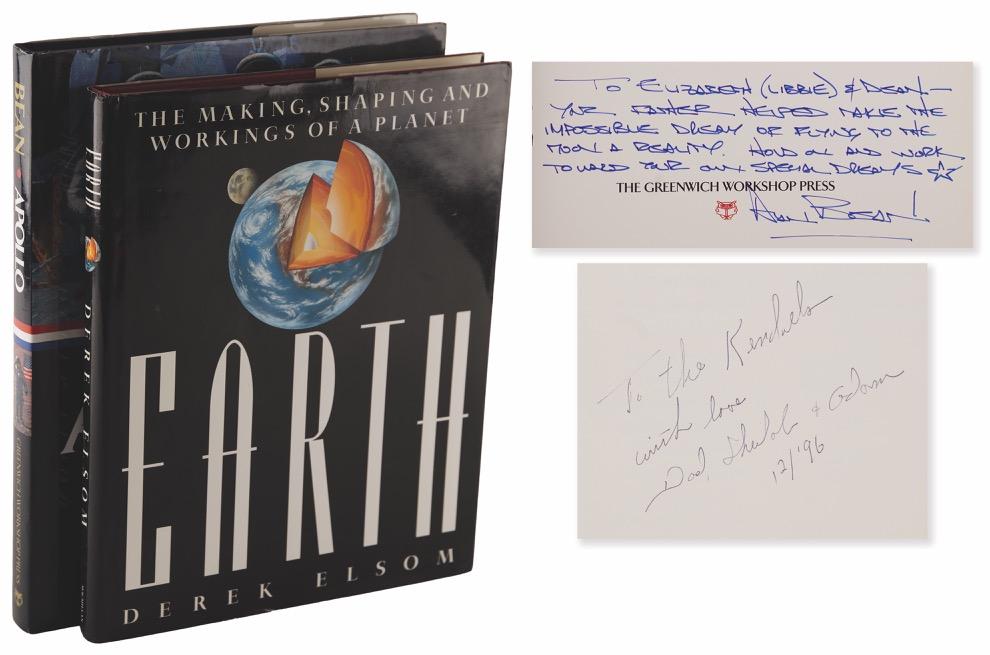
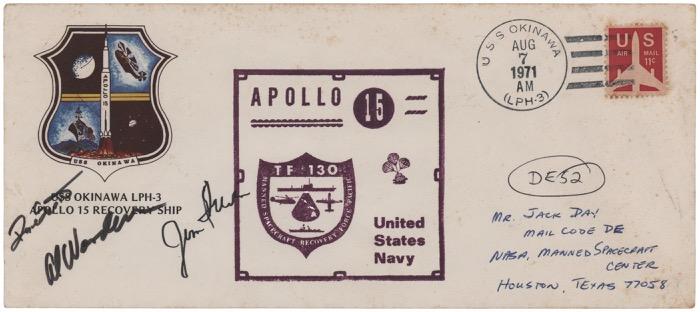
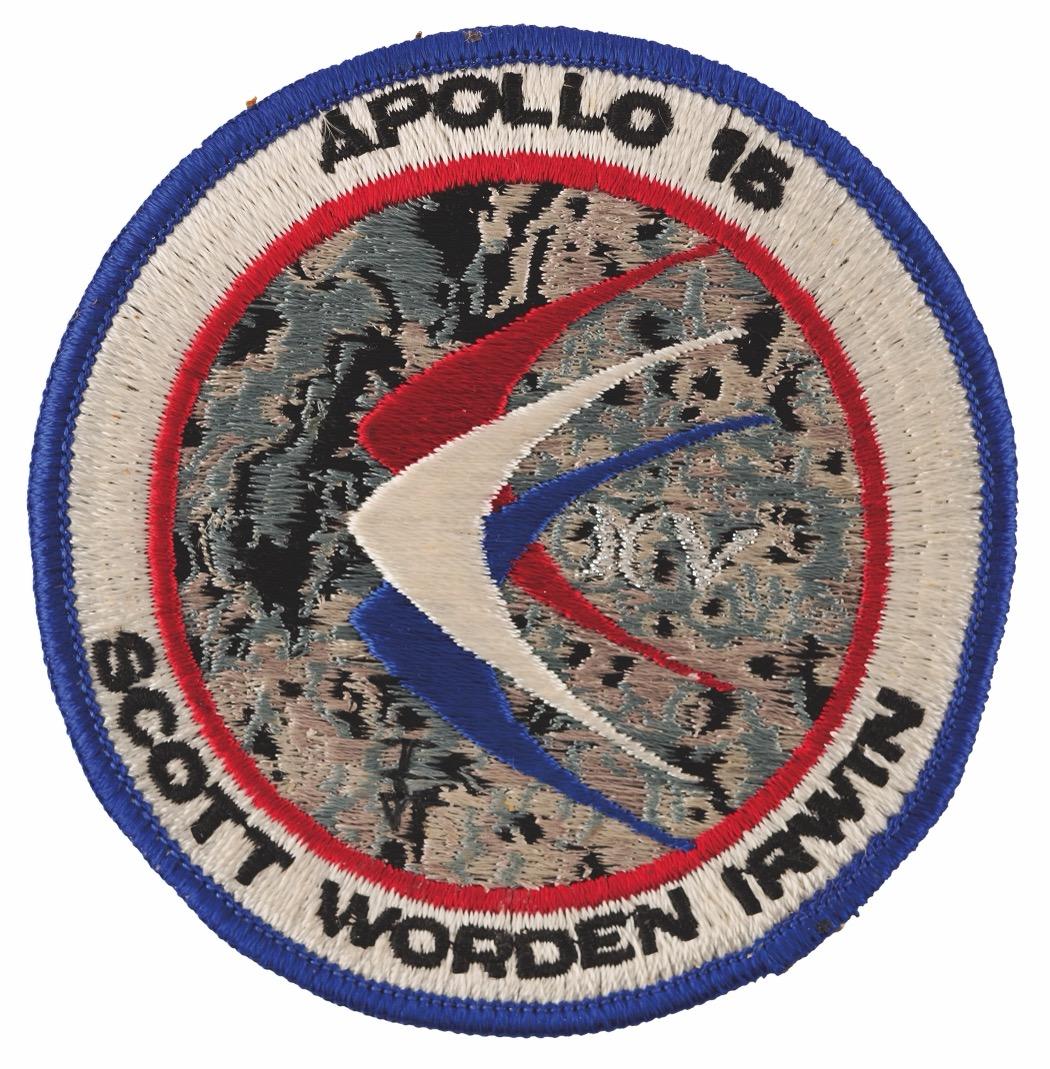
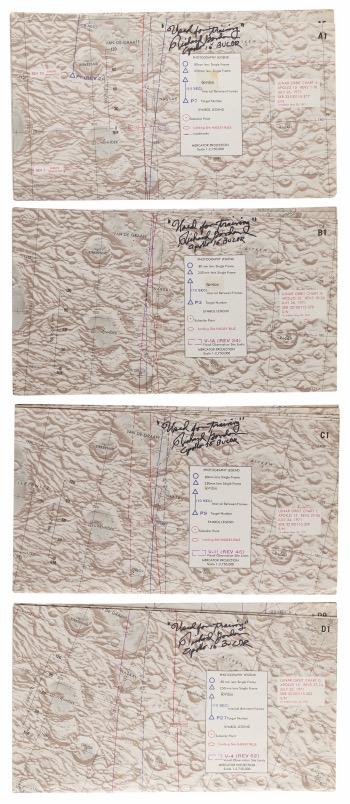
5342. Richard Gordon Signed Apollo 15 Lunar Orbit Charts (4) - "Used in... Starting Bid $200
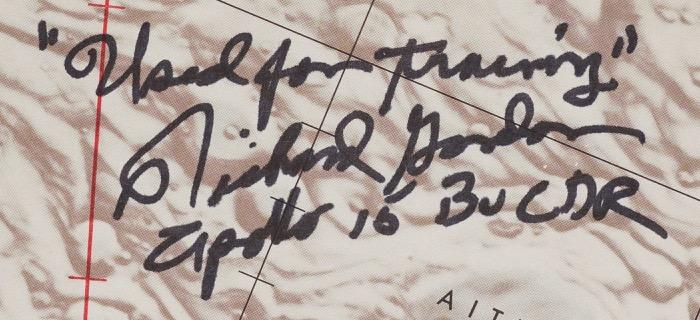
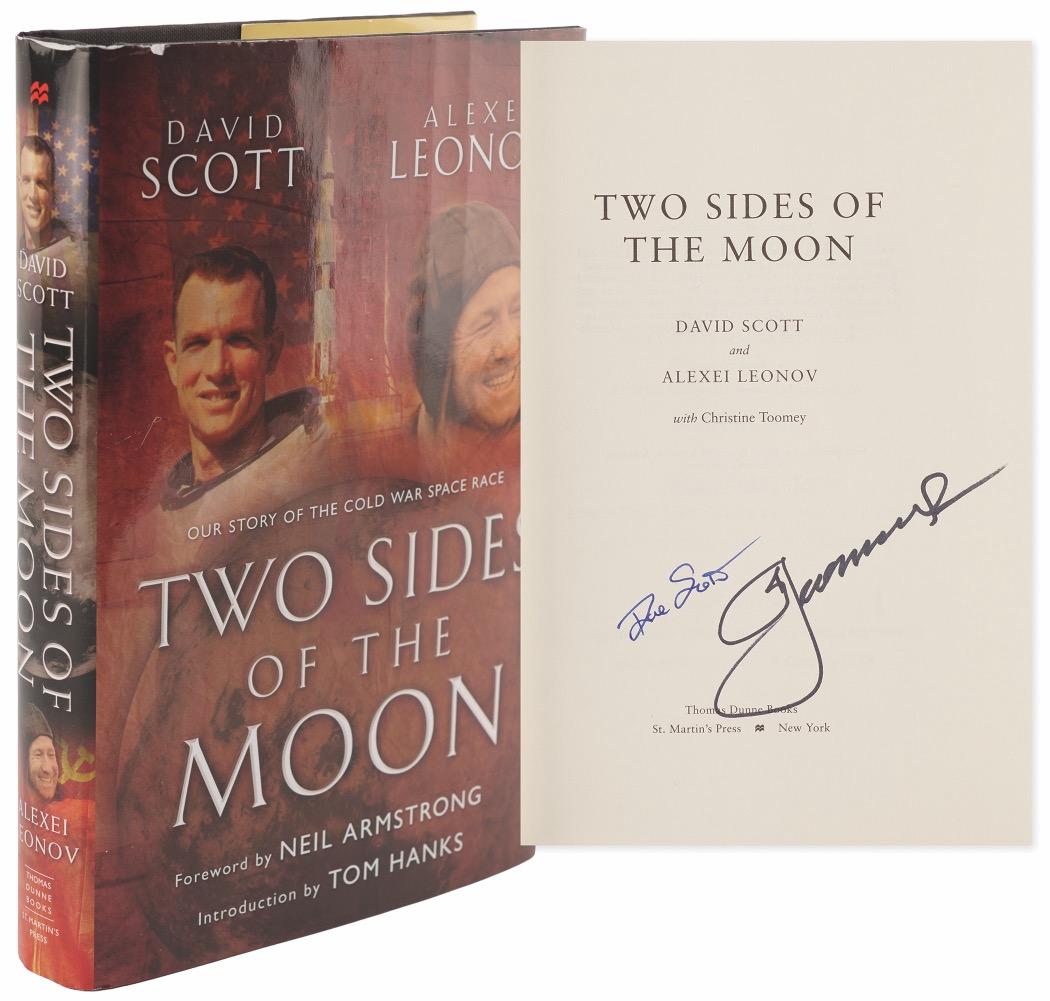
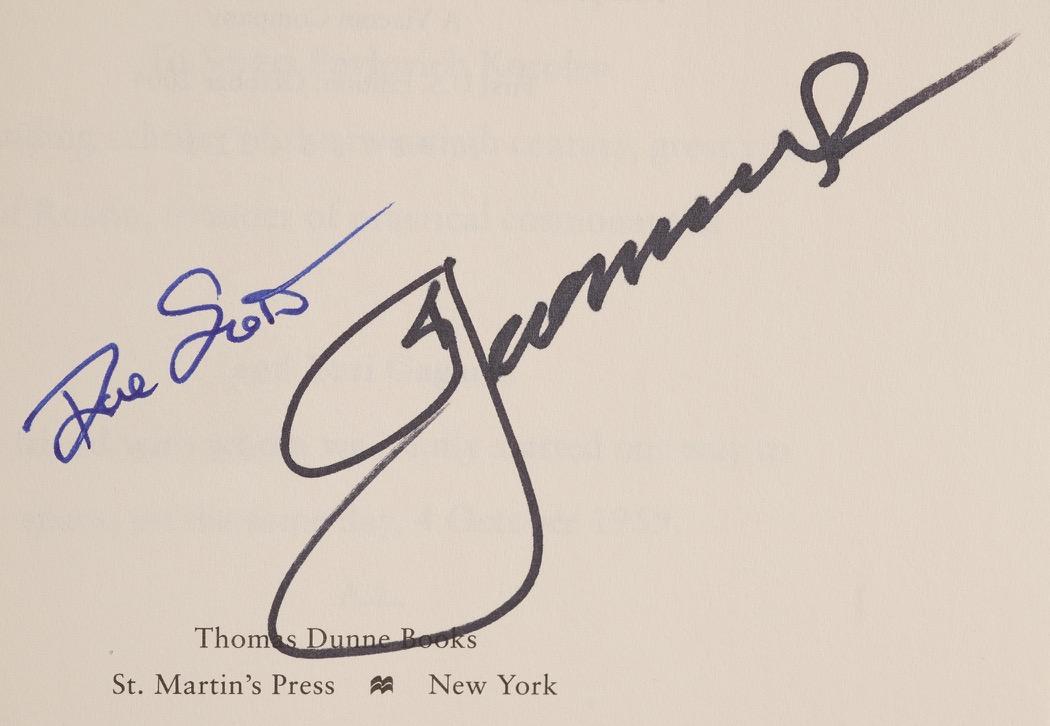
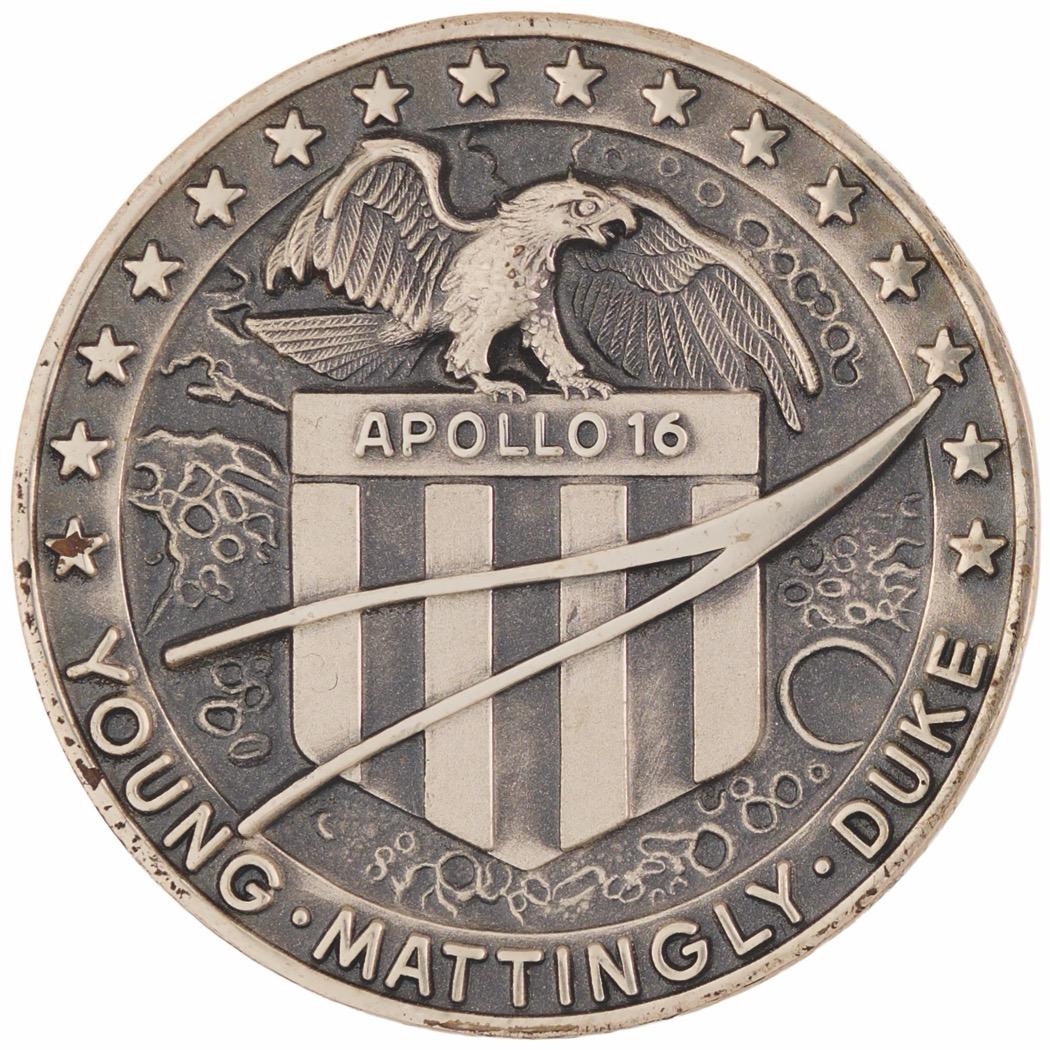
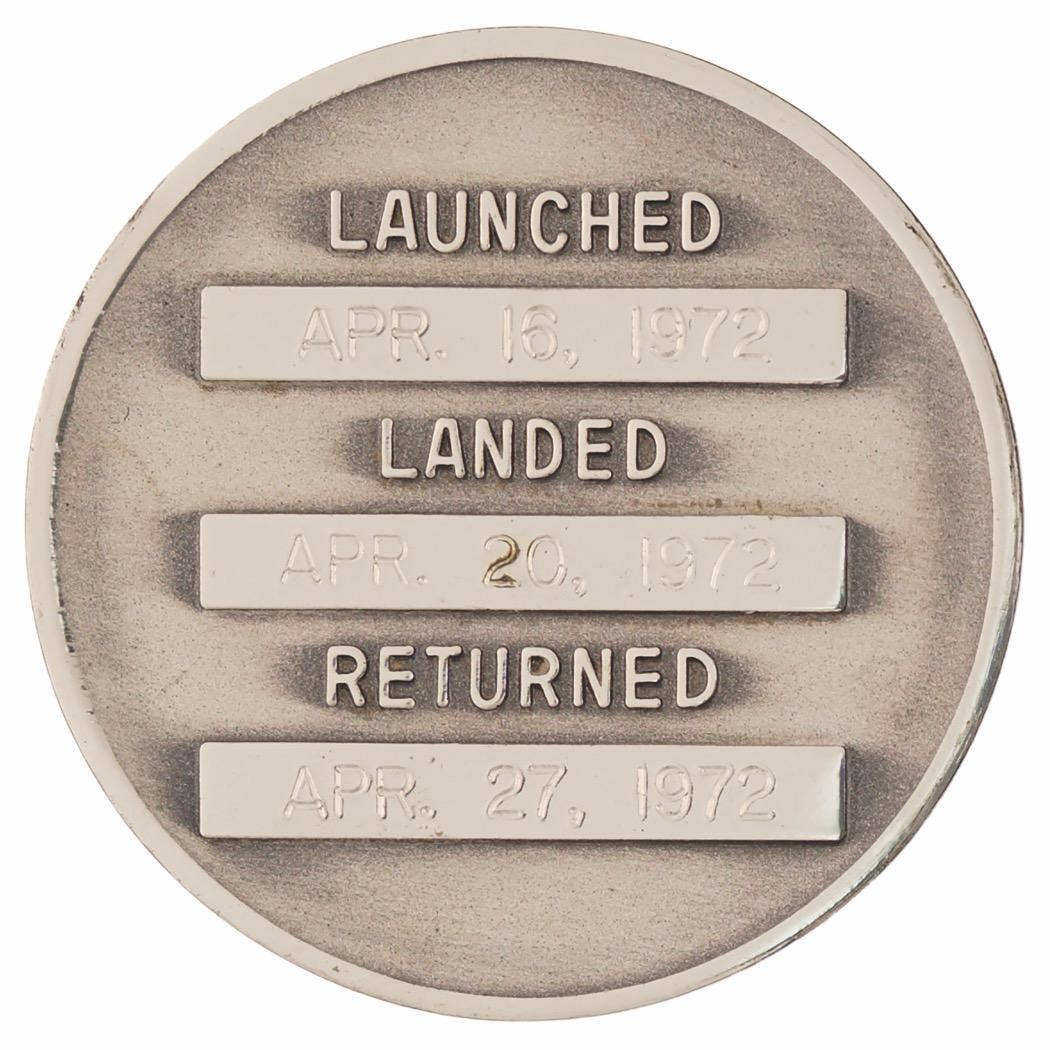
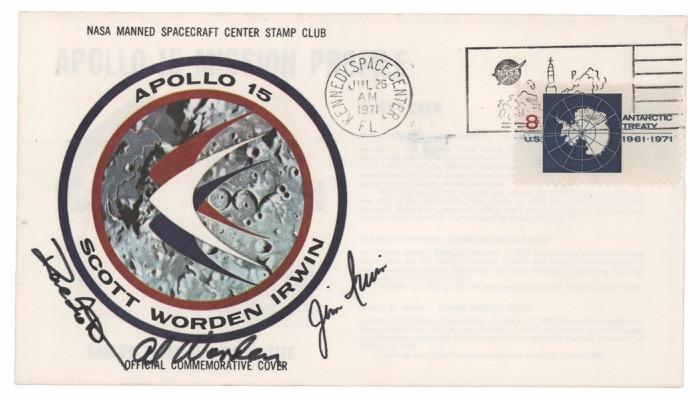
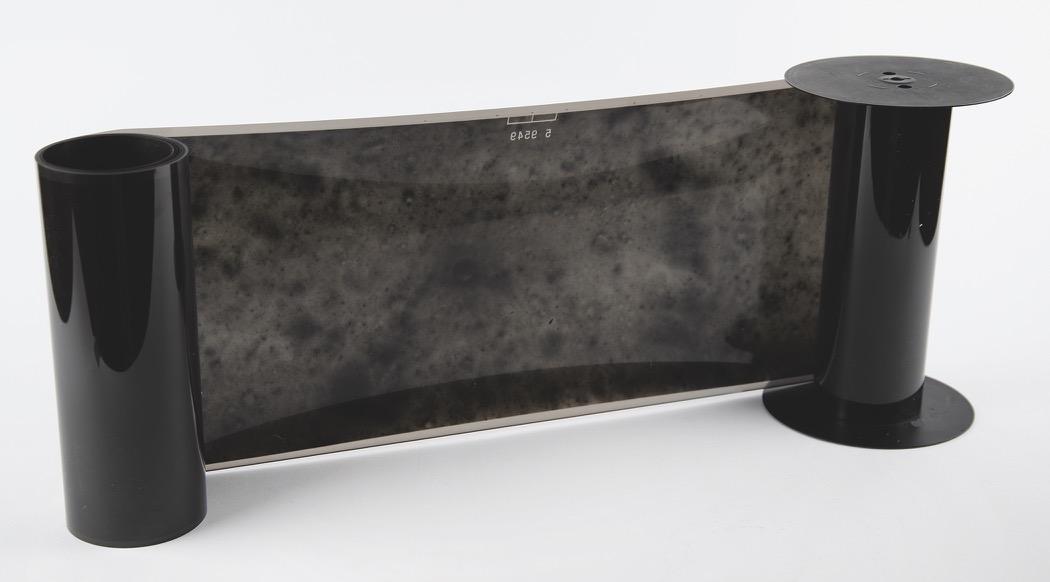
5339.
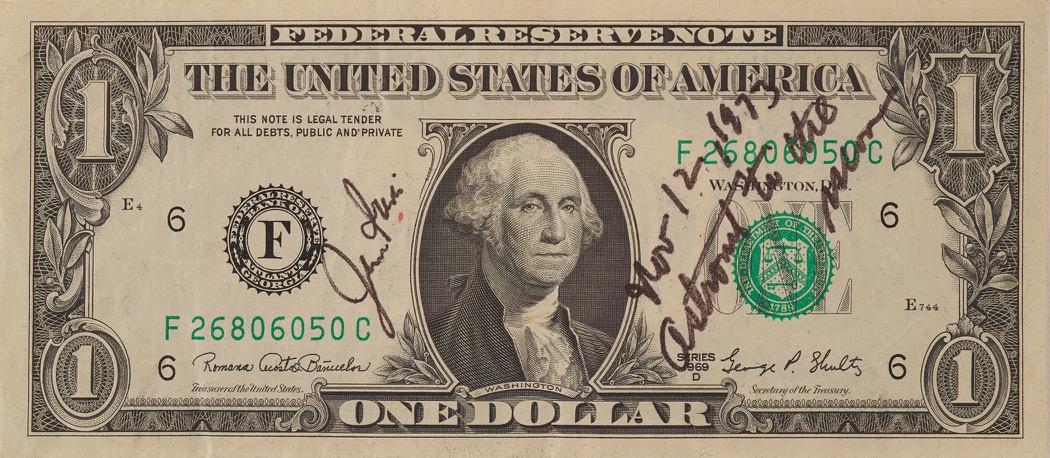
5343.
Signed $1 Dollar Bill Starting Bid $200
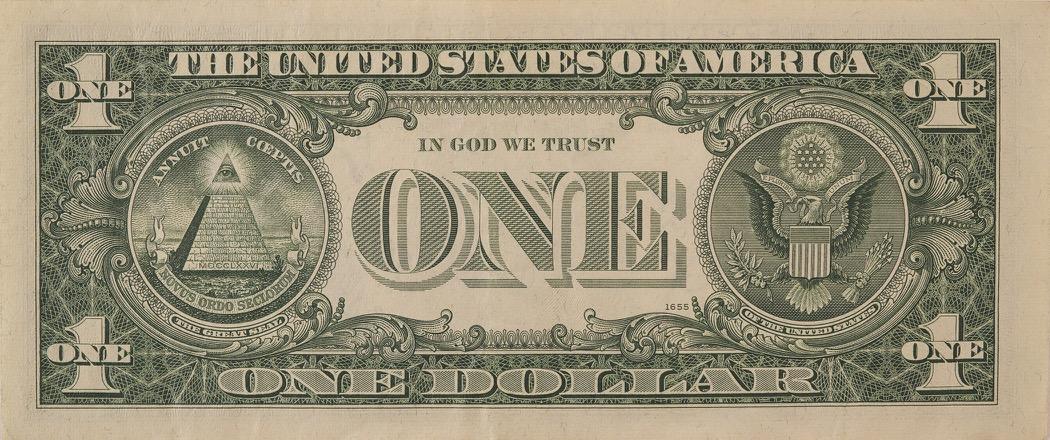
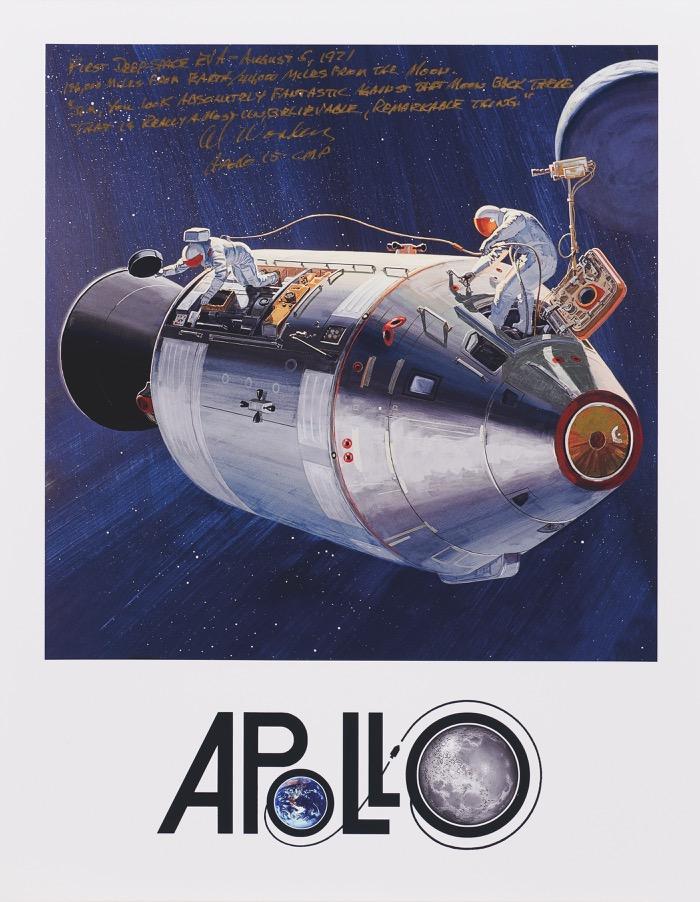
5347. Al
Oversized Signed Photograph: "First Deep Space EVA—Augu... Starting Bid $200
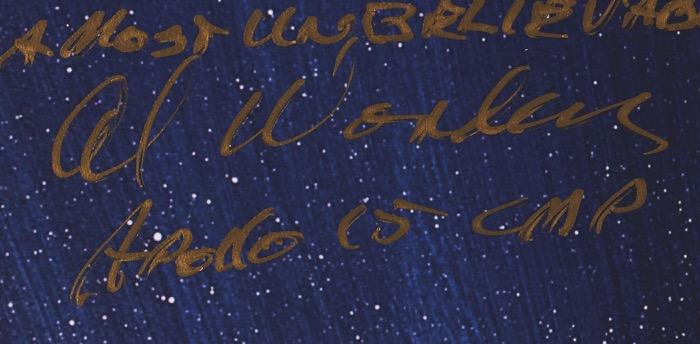
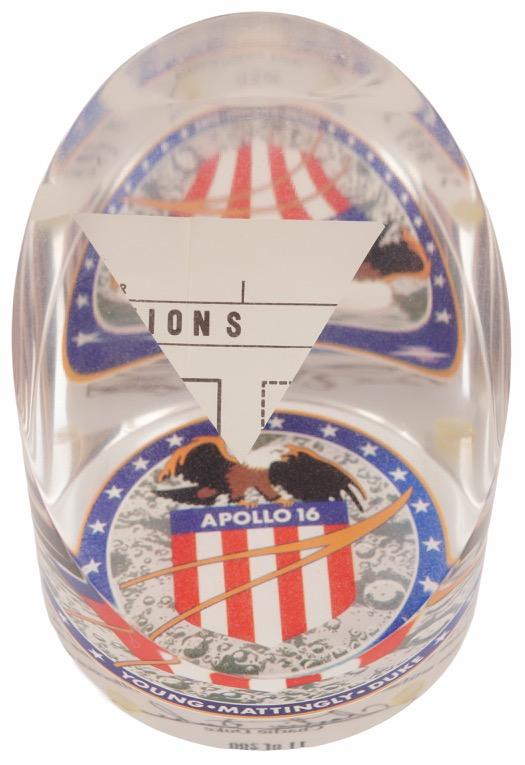
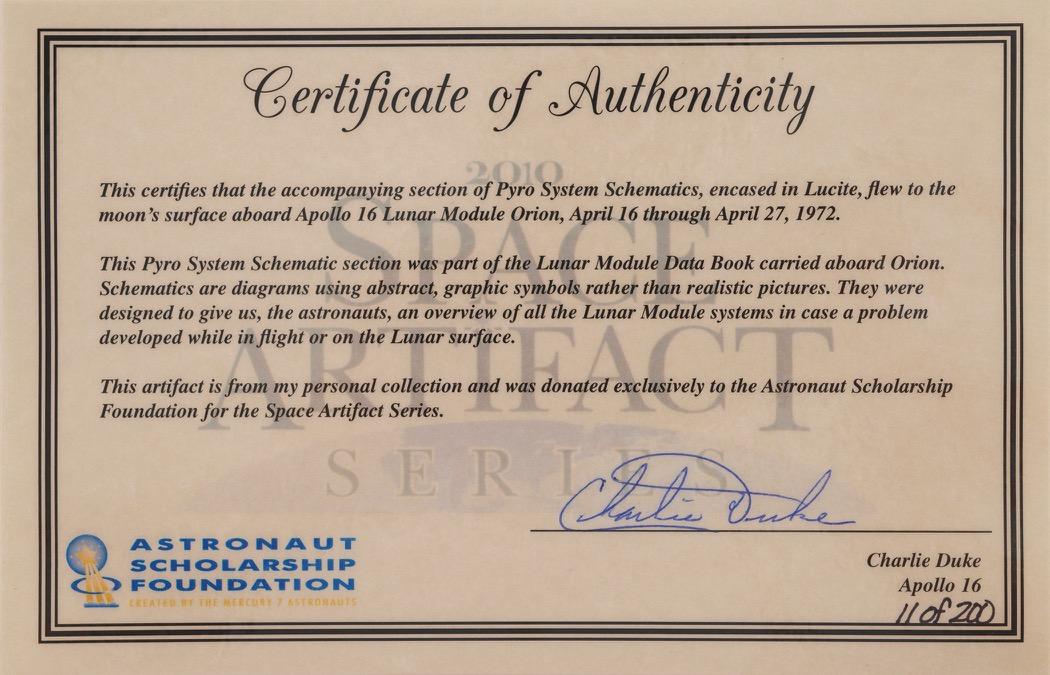
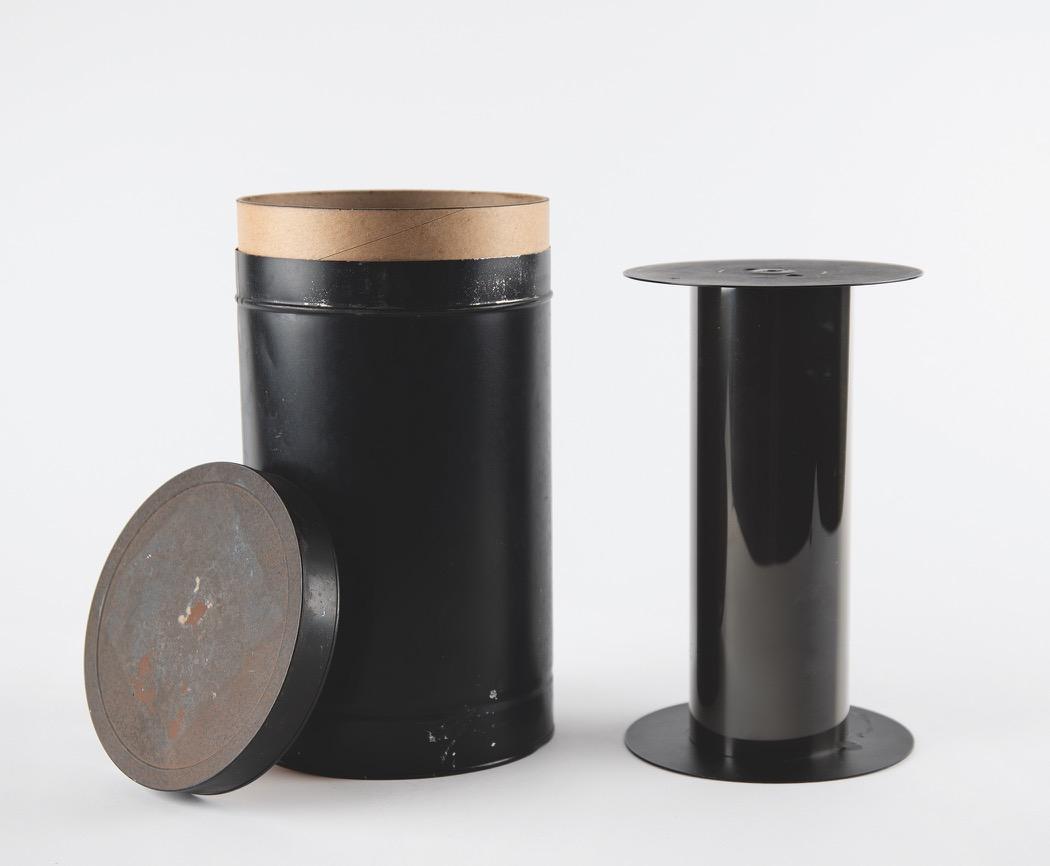
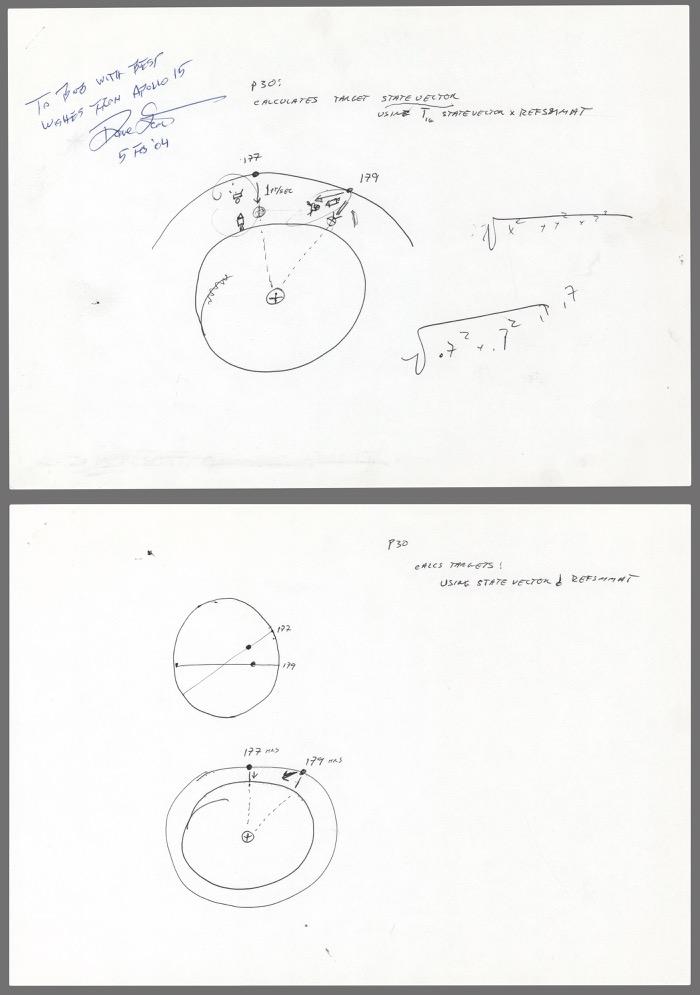
5344. Dave Scott (2) Original Sketches - State Vector Diagrams Pertaini... Starting Bid $200
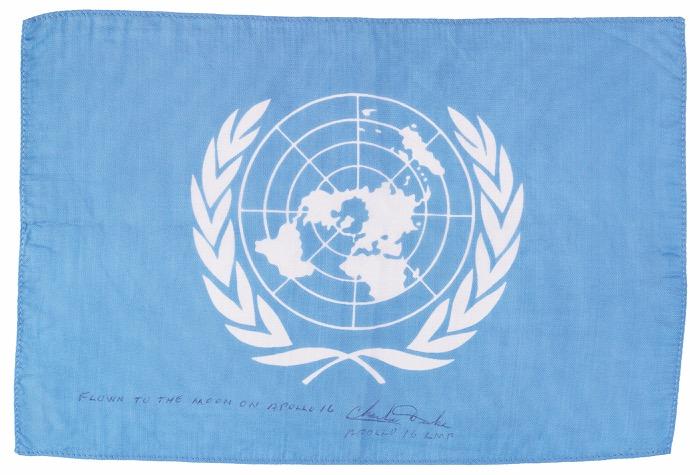
5350. Apollo
of the United Nations - From the Personal Co... Starting Bid $200
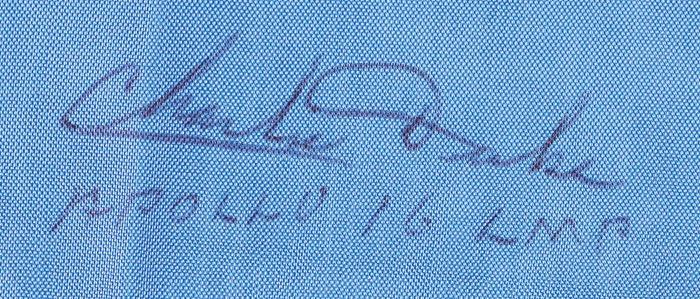
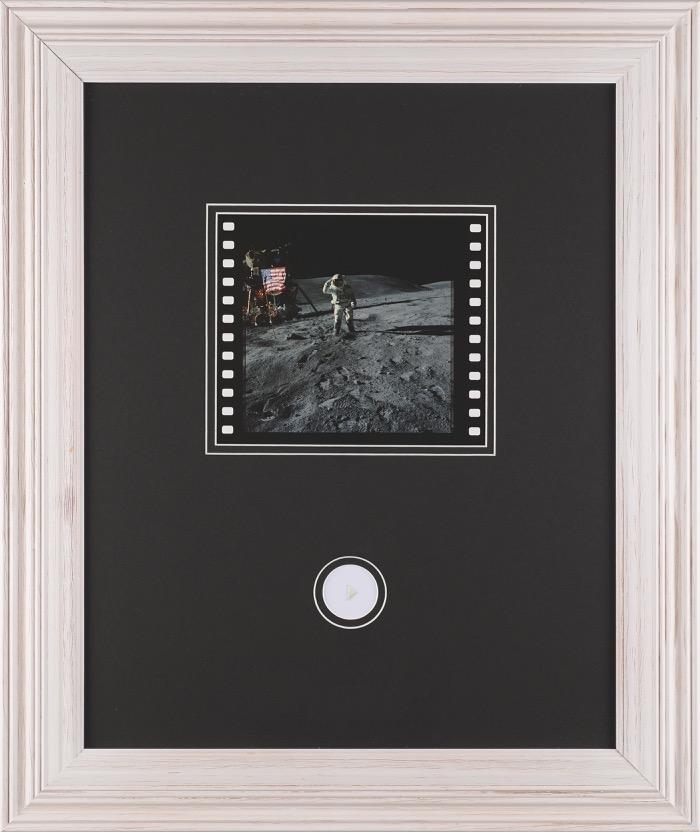
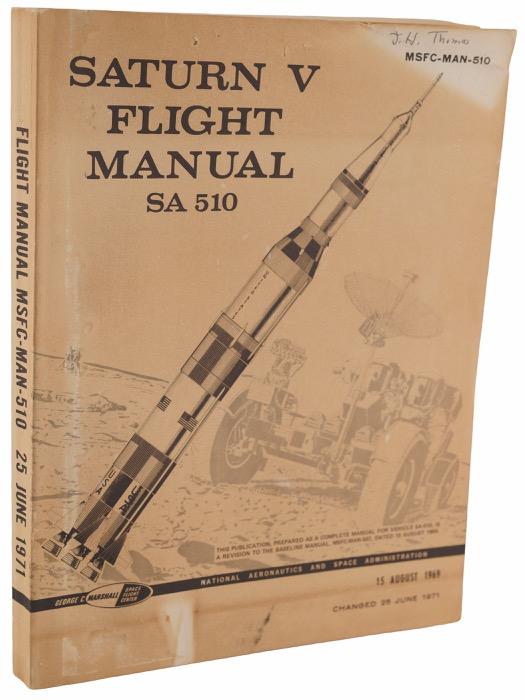
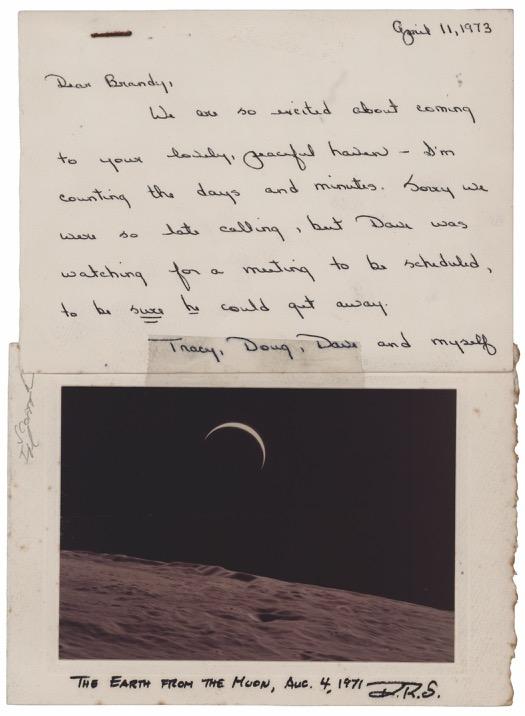
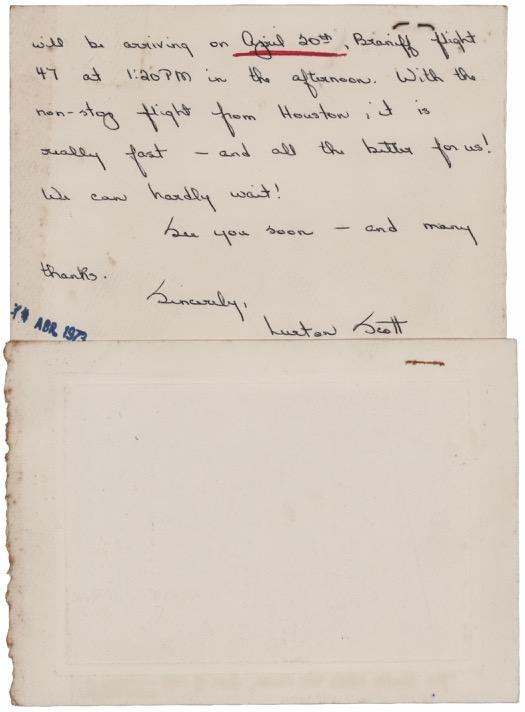
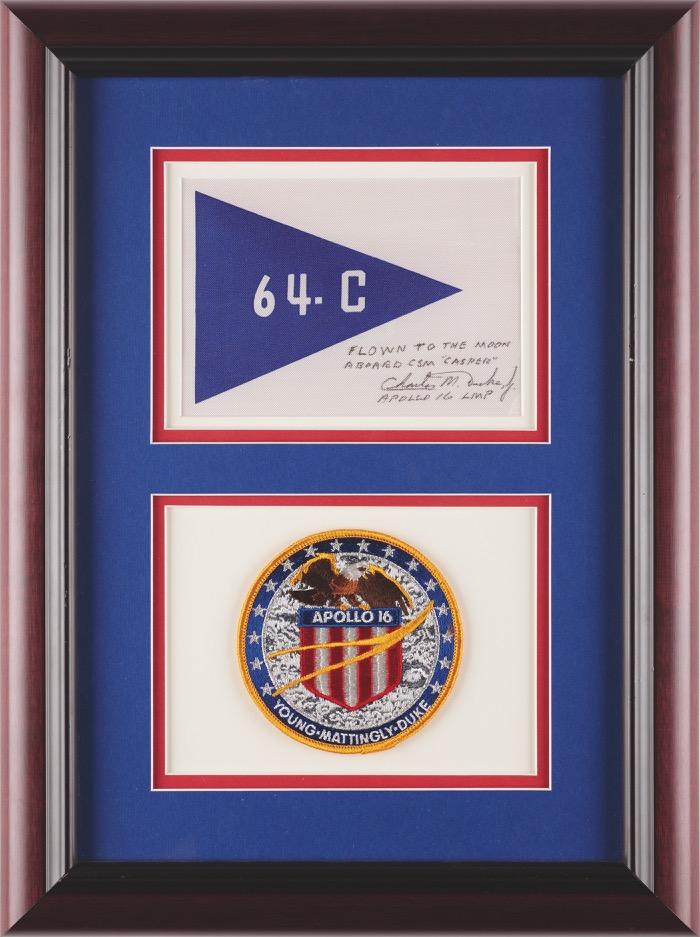
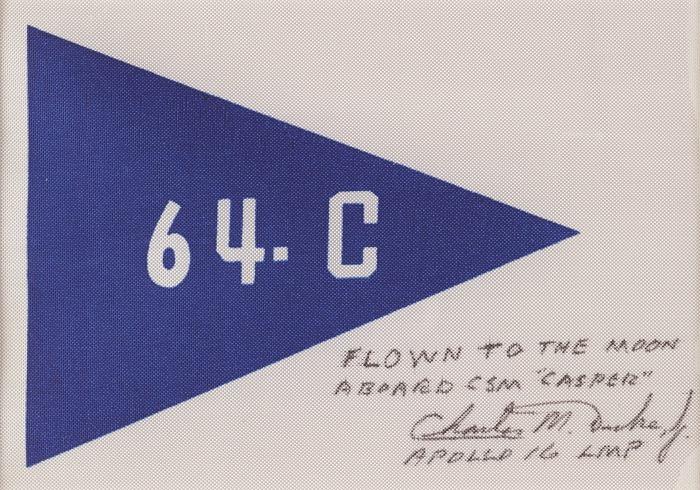
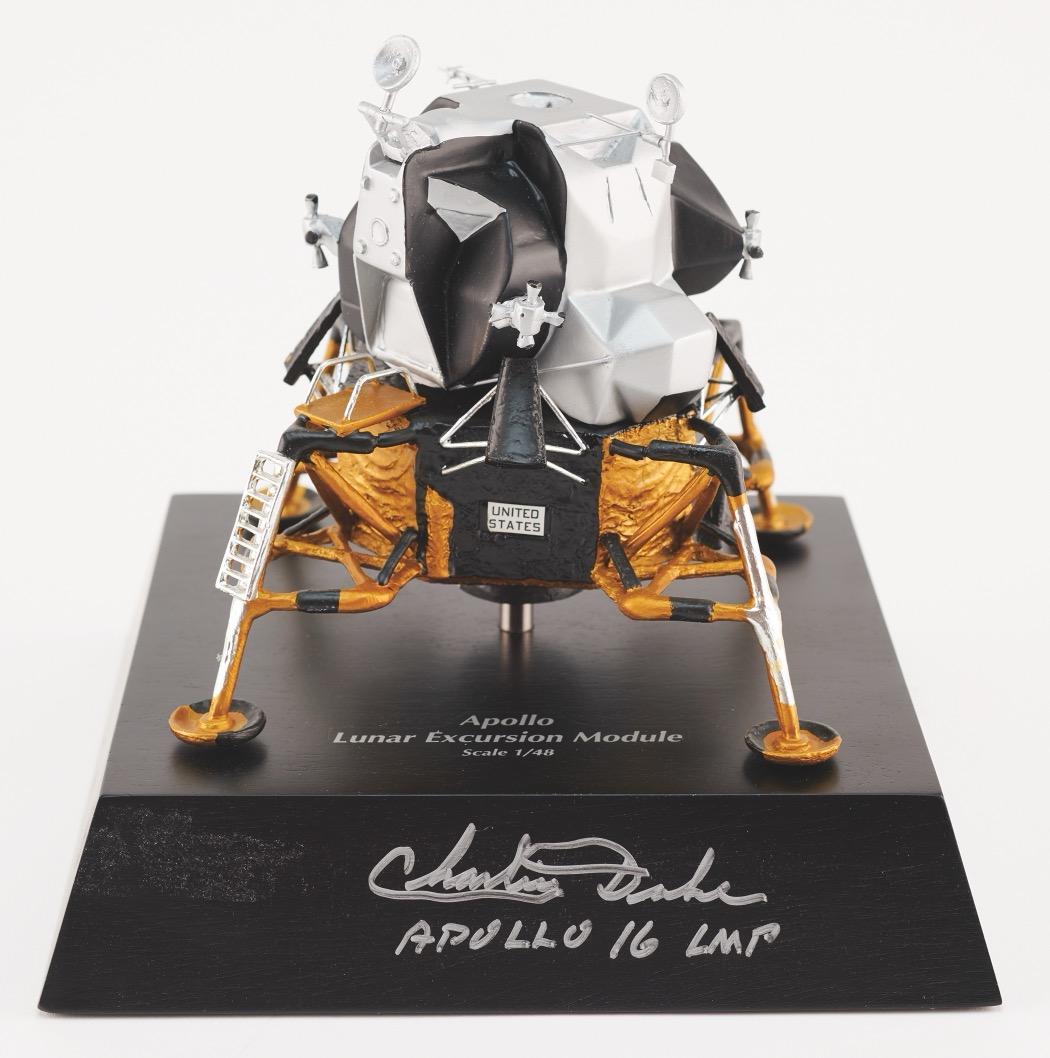
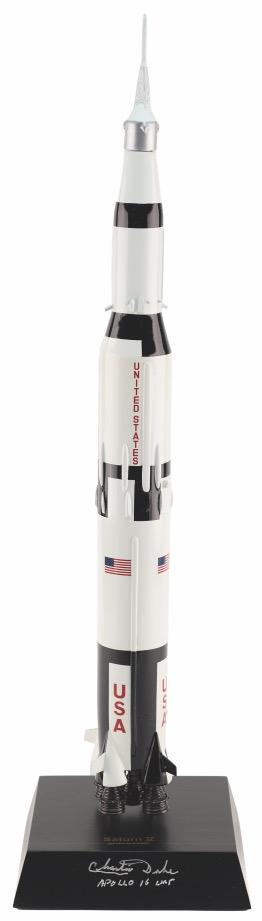
5357. Charlie Duke Signed Saturn V Rocket Model Starting Bid $200
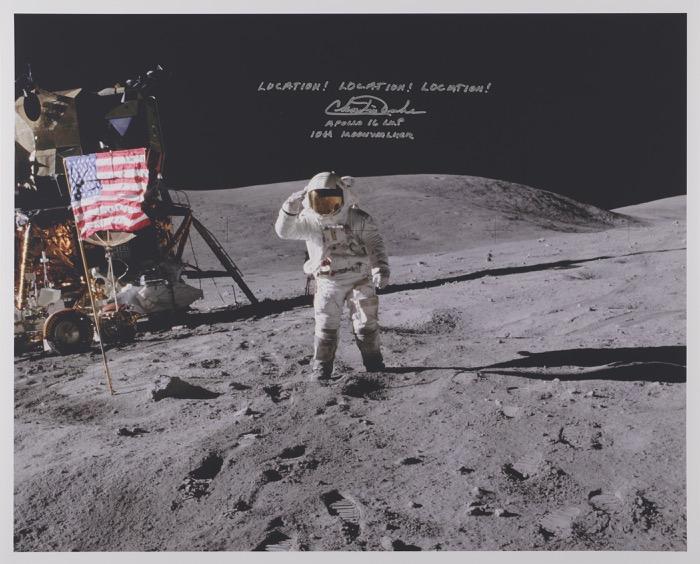
5361. Charlie Duke Signed Oversized Photograph Starting Bid $200
5365.
Letter Signed Starting Bid $200
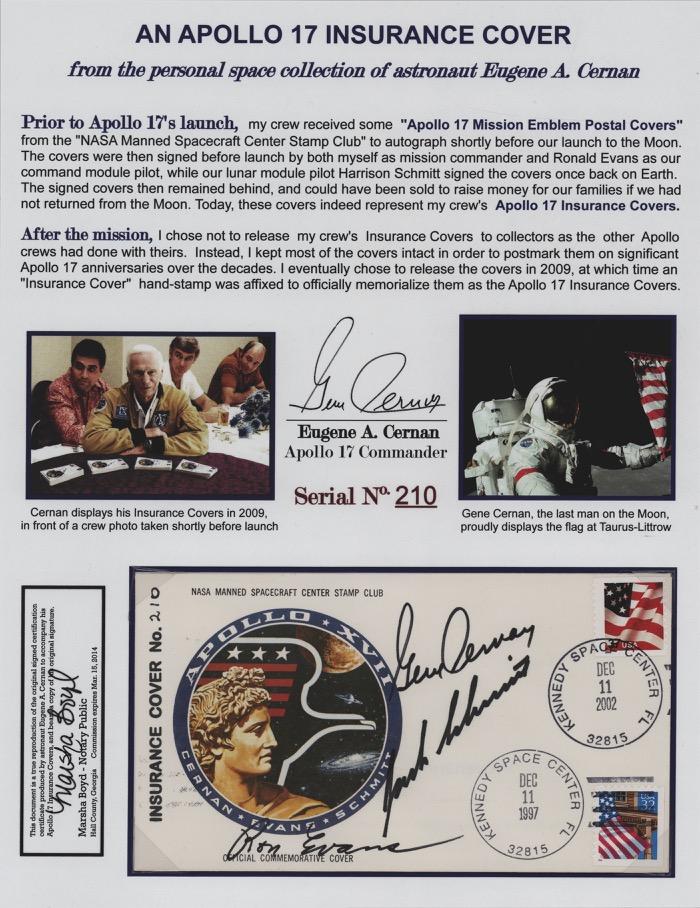
5358. Charlie Duke Autograph Letter Signed Starting Bid $200
5362. Charlie Duke Signed Apollo 16 LM Data Card Training Checklist Pag... Starting Bid $200
5366. John Young Typed Letter Signed: "You can't help but note how much... Starting Bid $200
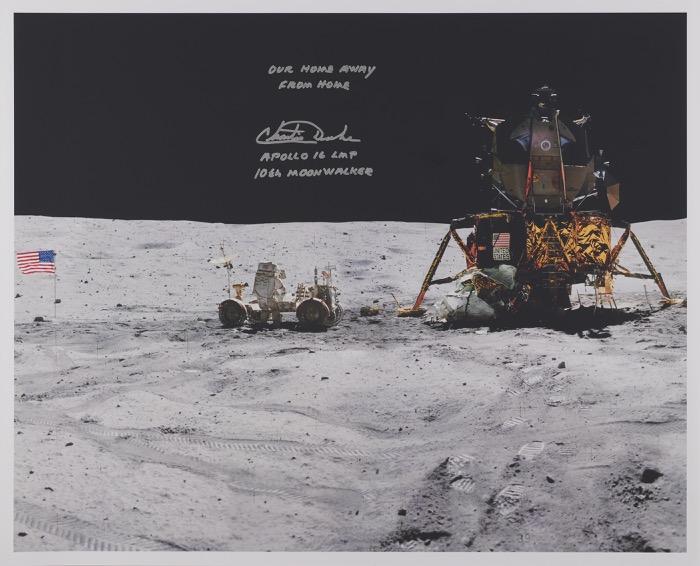
5359. Charlie
Signed Oversized Photograph Starting Bid $200
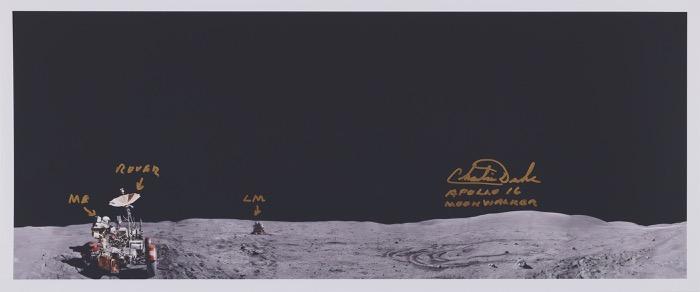
5363. Charlie
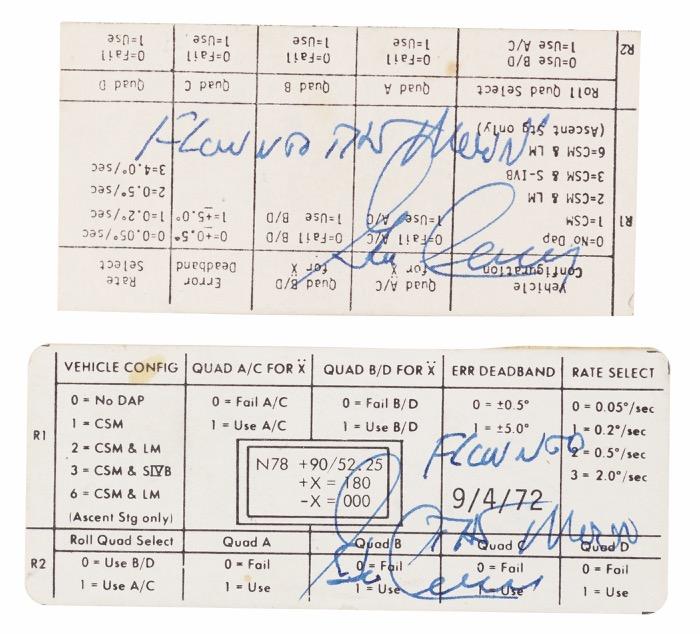
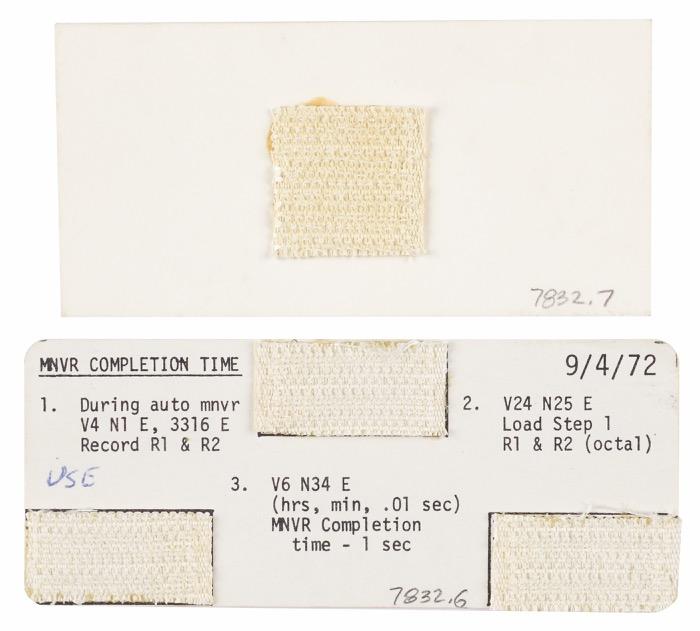
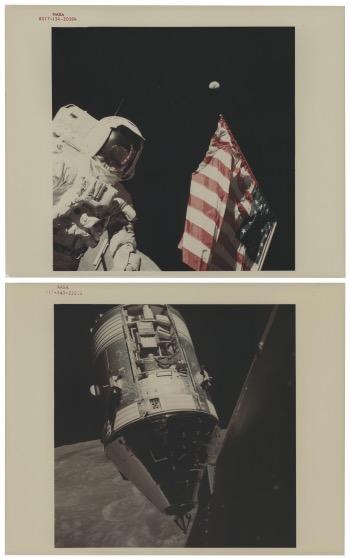
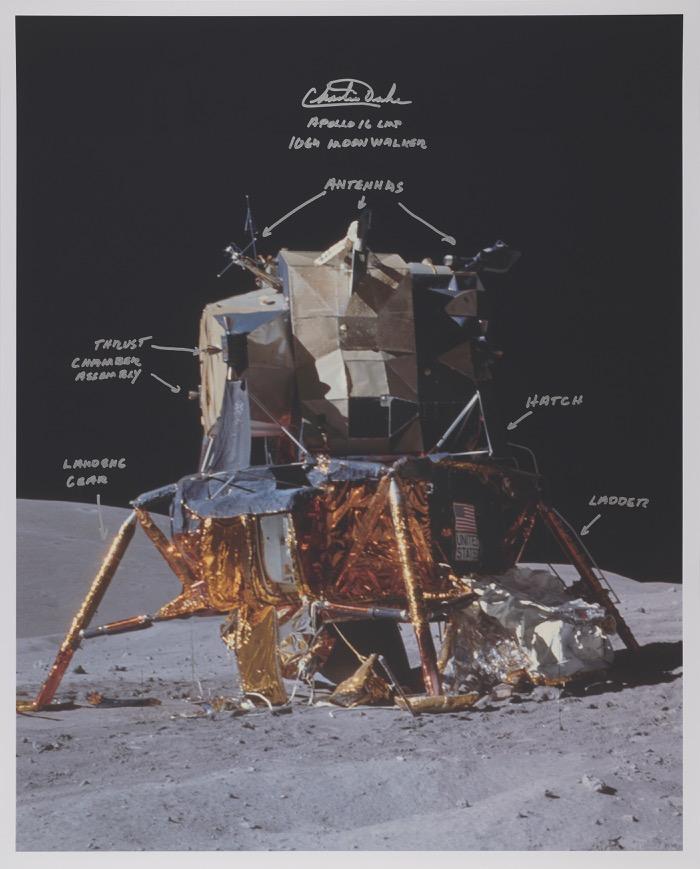
Starting Bid $200
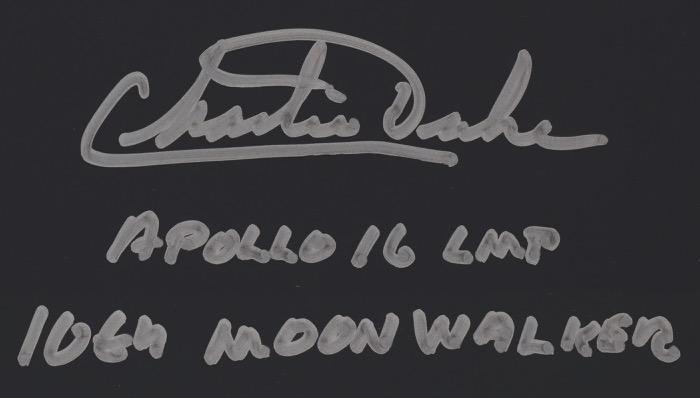
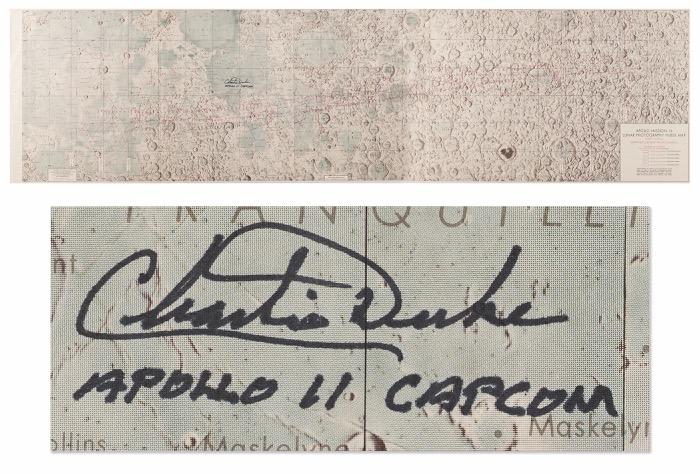
5364.
Oversized Signed Apollo 16 Lunar Photography Index M... Starting Bid $200
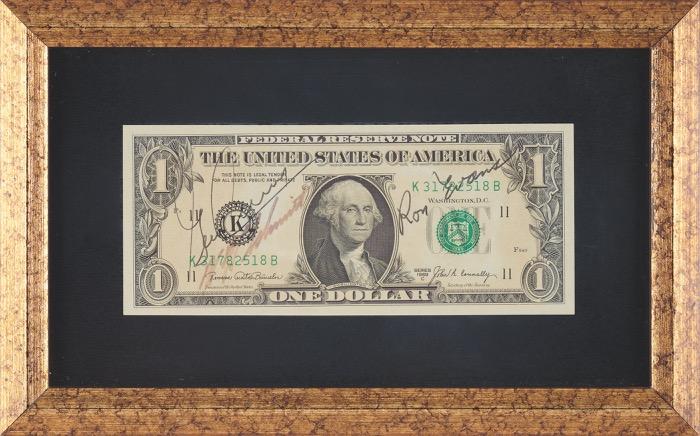
Starting Bid $200
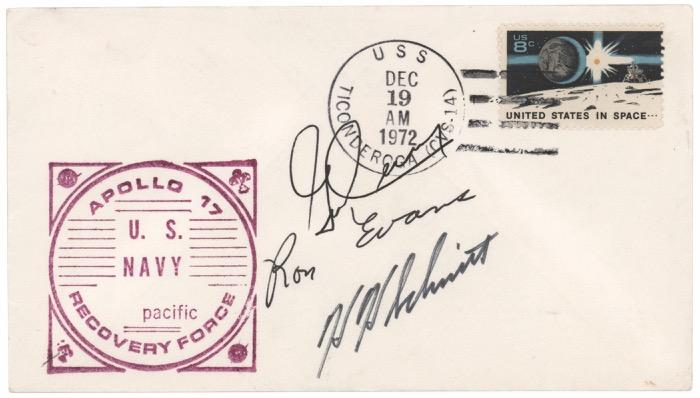
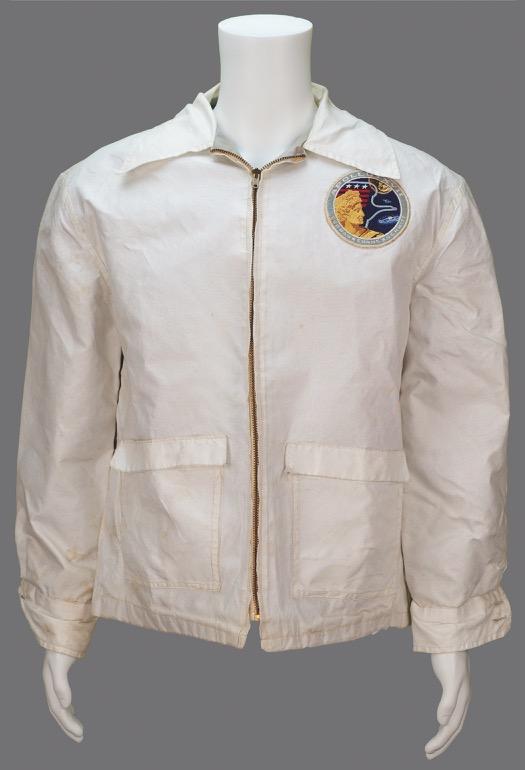
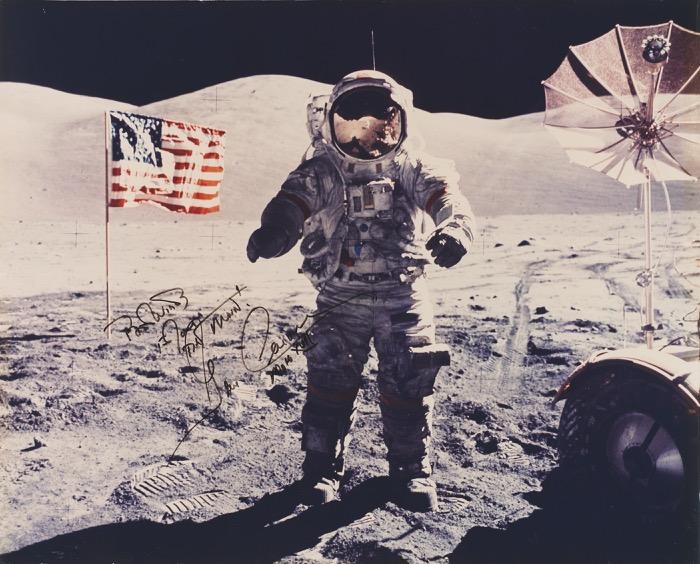
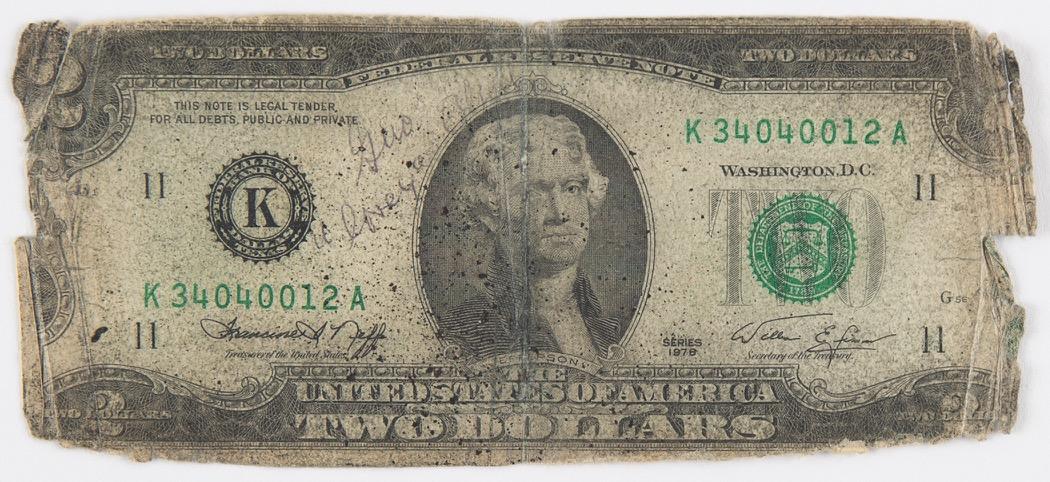
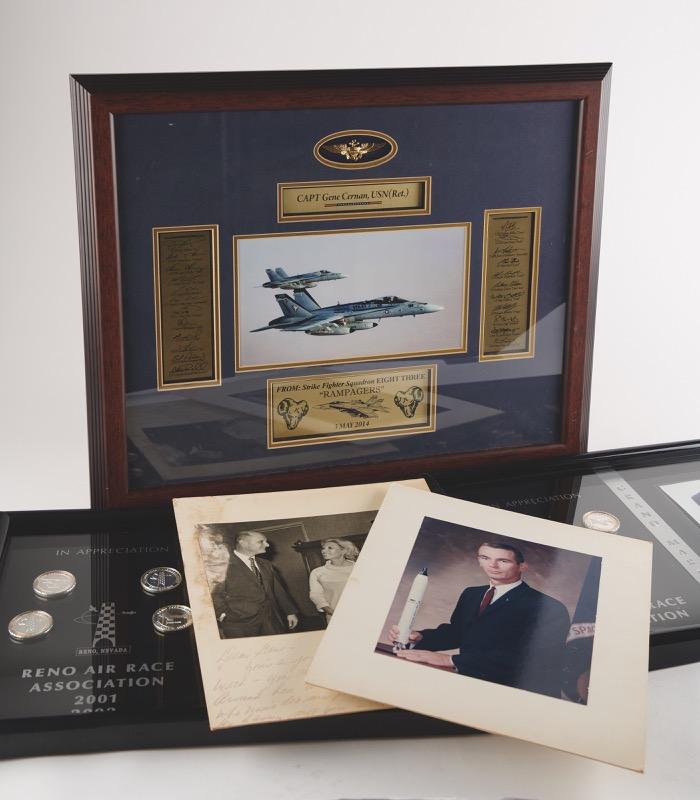
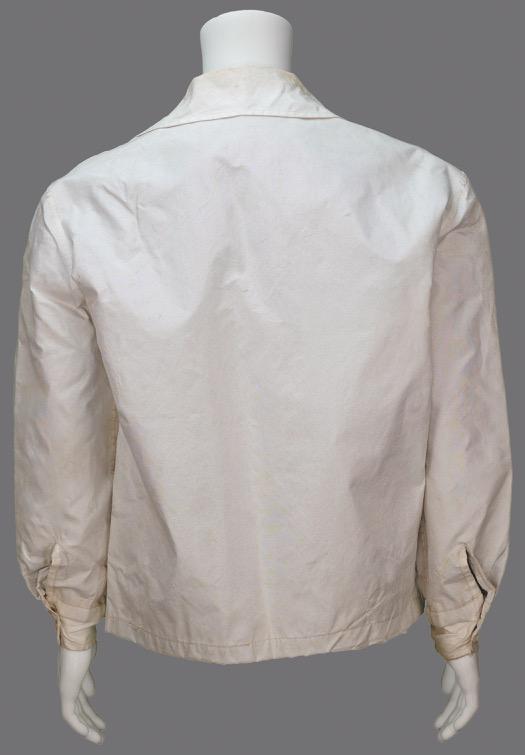
5384. Apollo 17 Launch
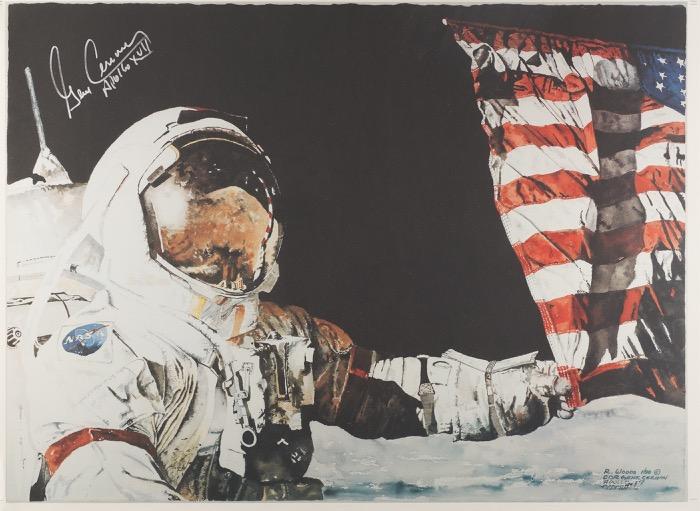
5388. Gene Cernan Signed Lithograph by Ron Woods
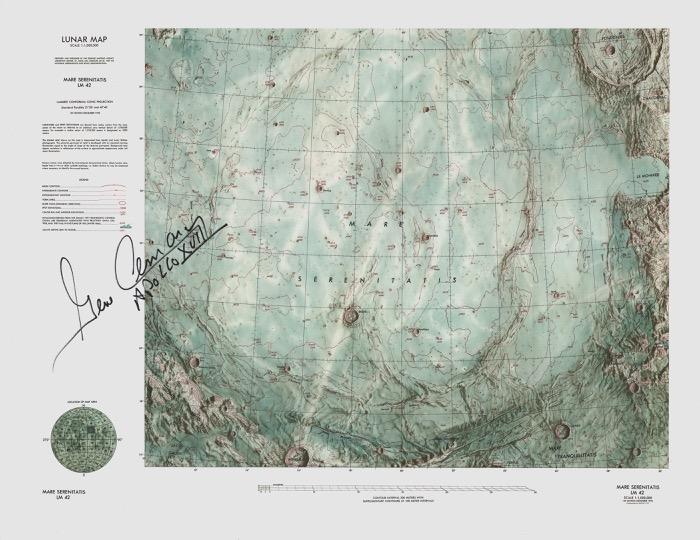
5392. Gene Cernan Signed 'Lunar Map' Print - 22˝ x 17˝ Starting Bid $200
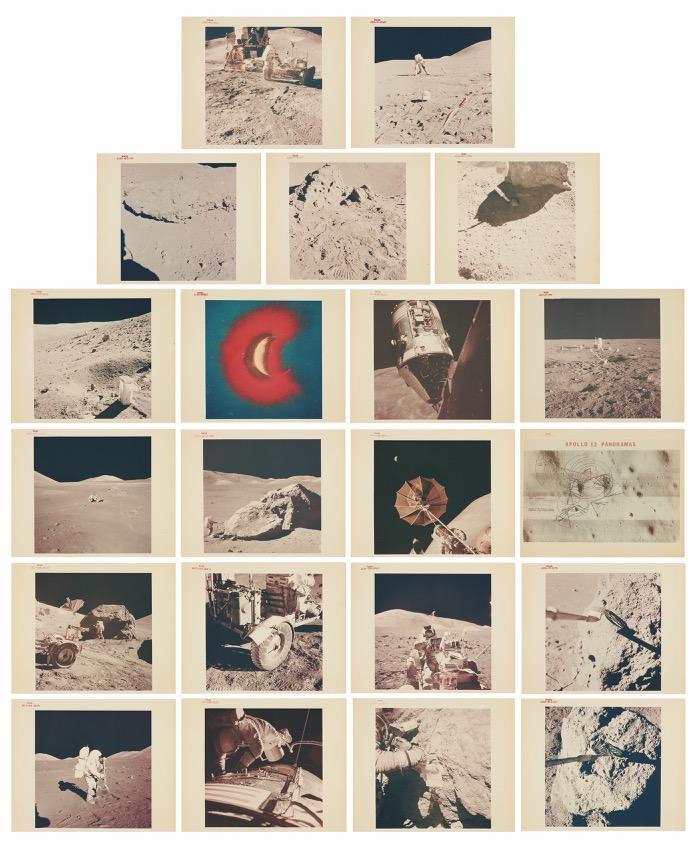
5401. Apollo 12-17 Original 'Type 1' Photographs (21)Collection of R... Starting Bid $200
5385. Gene Cernan Signed Oversized Photograph
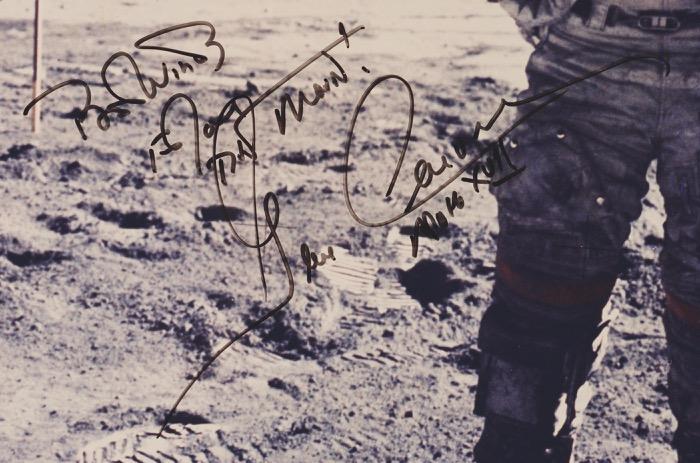
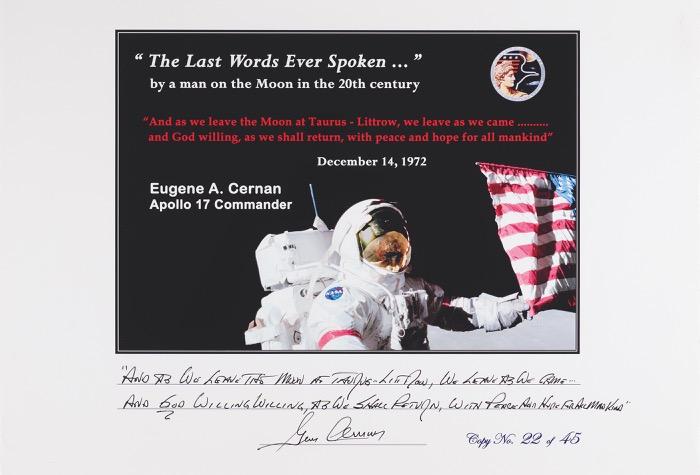
5389. Gene Cernan Signed 'The Last Words Ever Spoken' Print (Ltd. Ed. #... Starting Bid $200
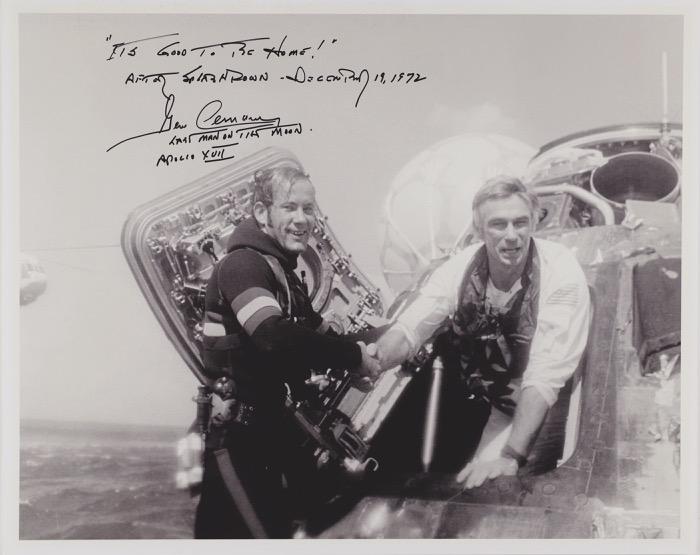
5393. Gene Cernan Signed Oversized Photograph Starting Bid $200
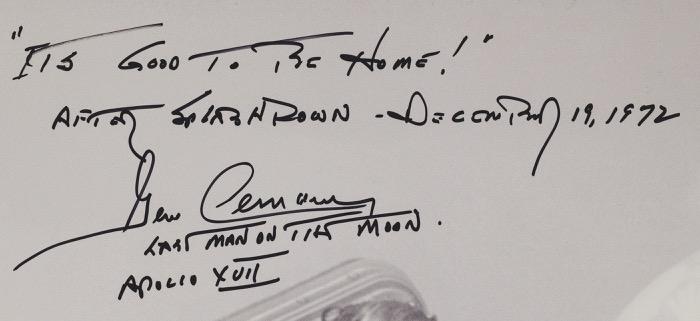
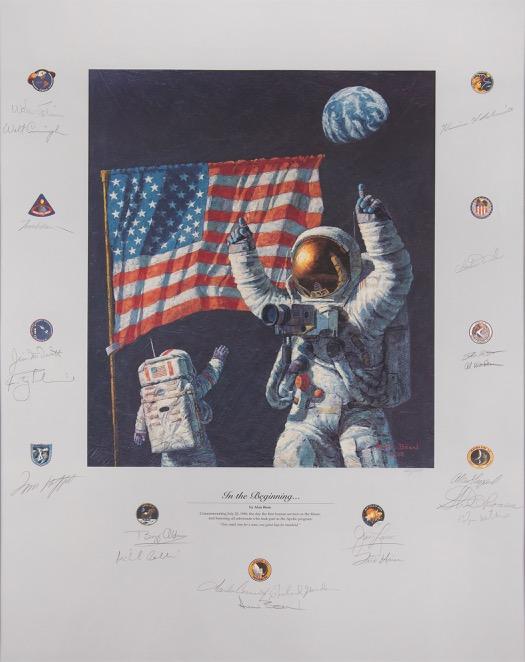
5402. Apollo Astronauts (20) Multi-Signed Print by Alan Bean - 'In
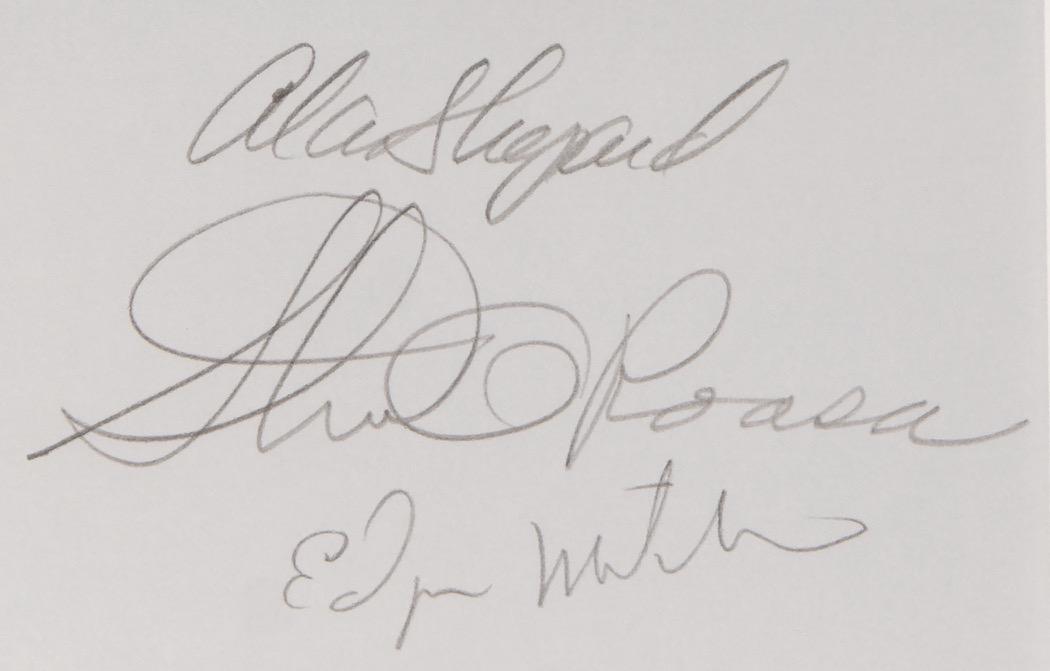
5386. Gene Cernan's 'Good Luck' $2 Dollar Bill Starting Bid $200
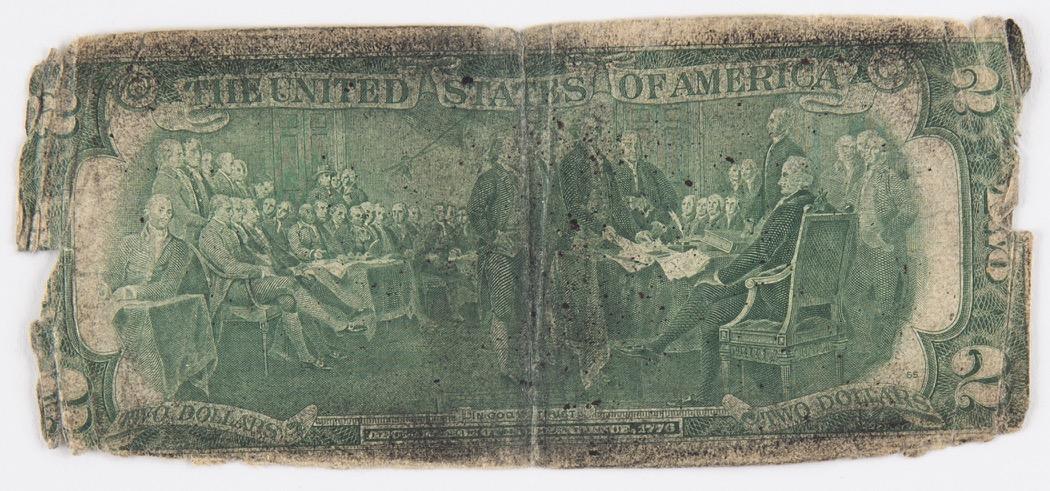
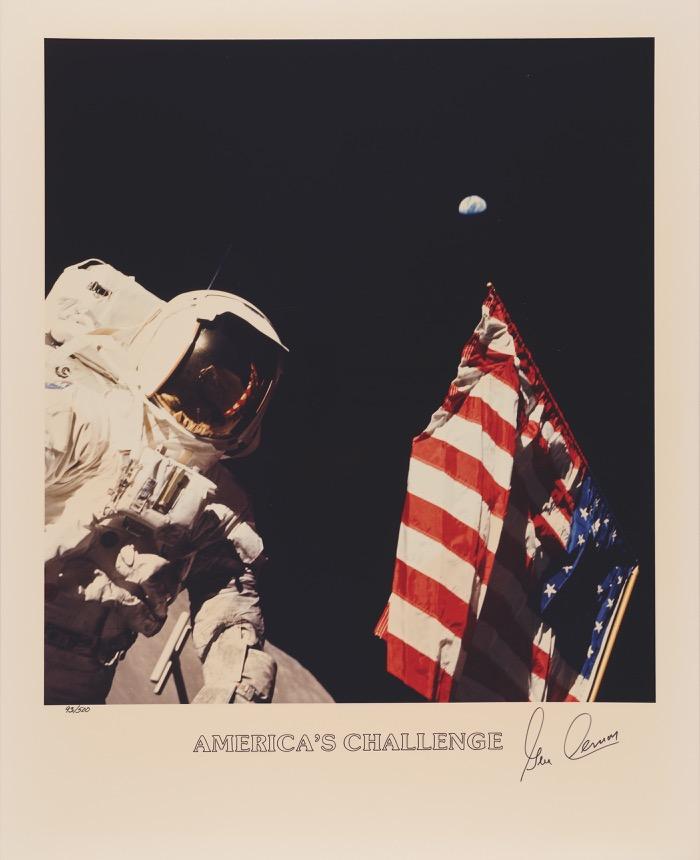
5390. Gene Cernan Oversized Signed
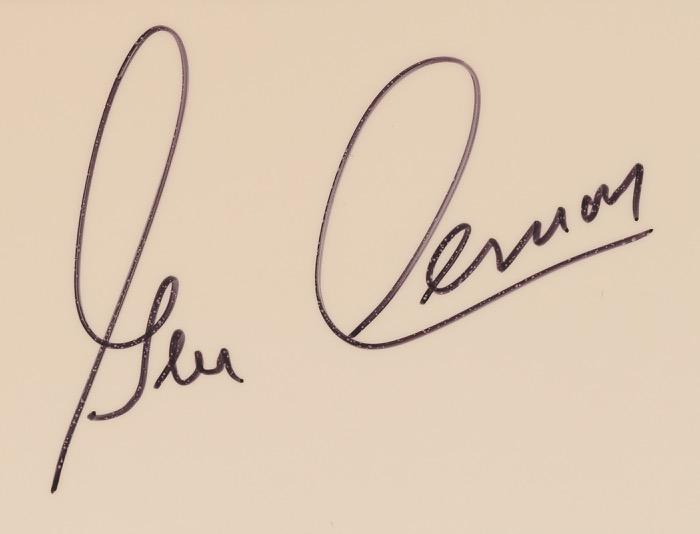
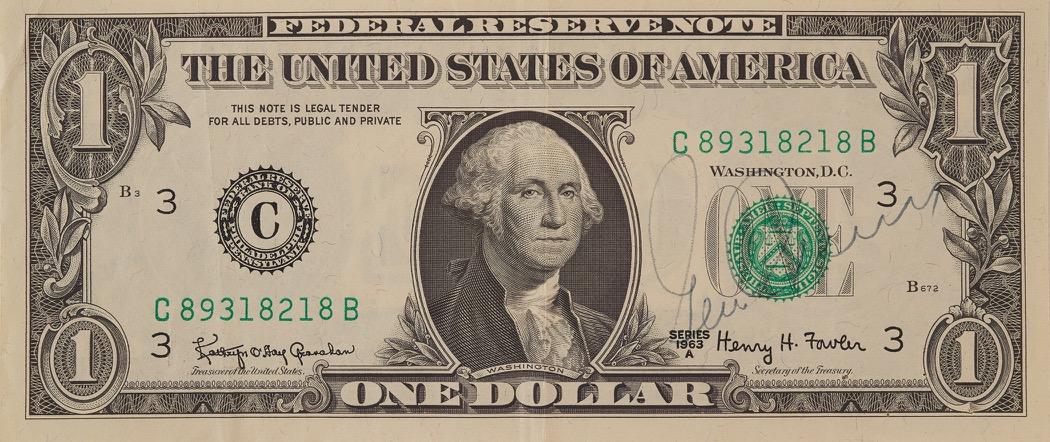
5394. Gene Cernan Signed $1 Dollar Bill Starting Bid $200
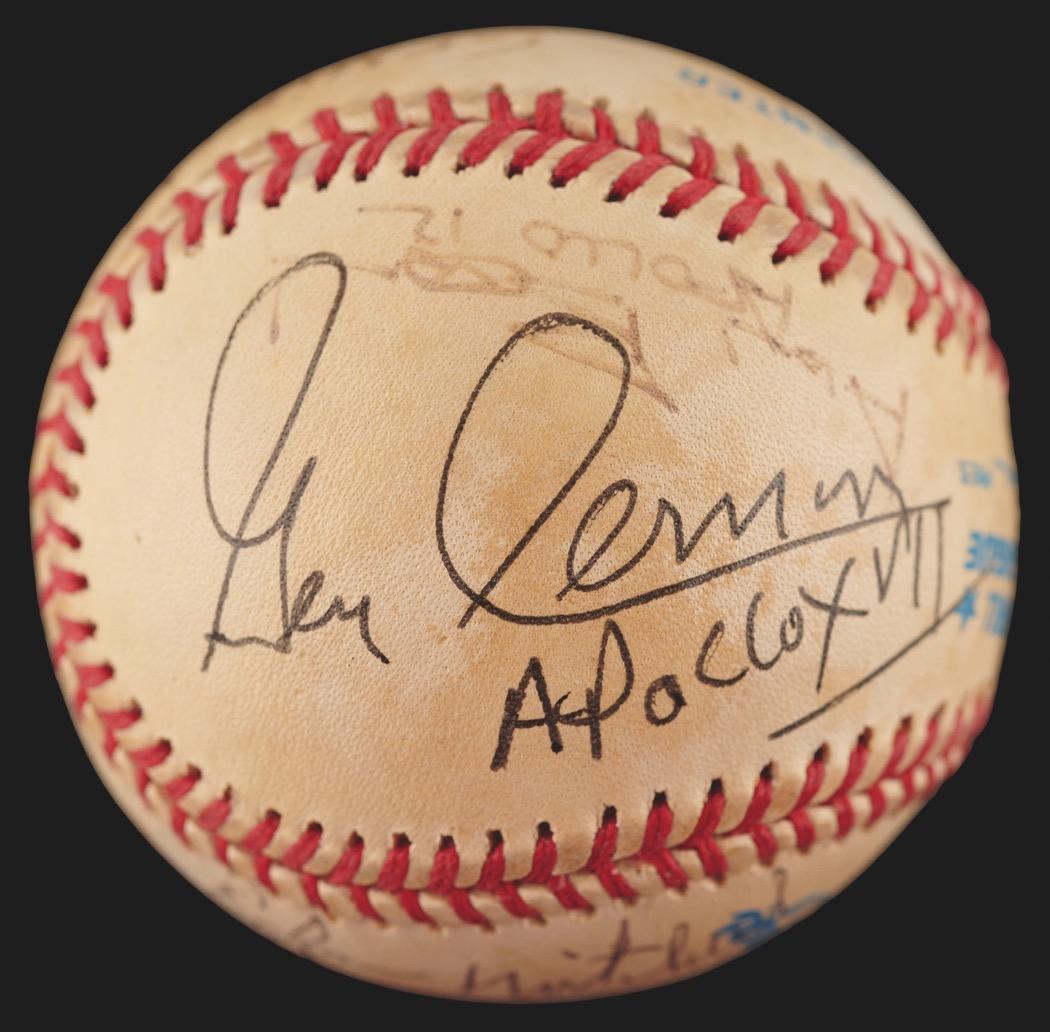
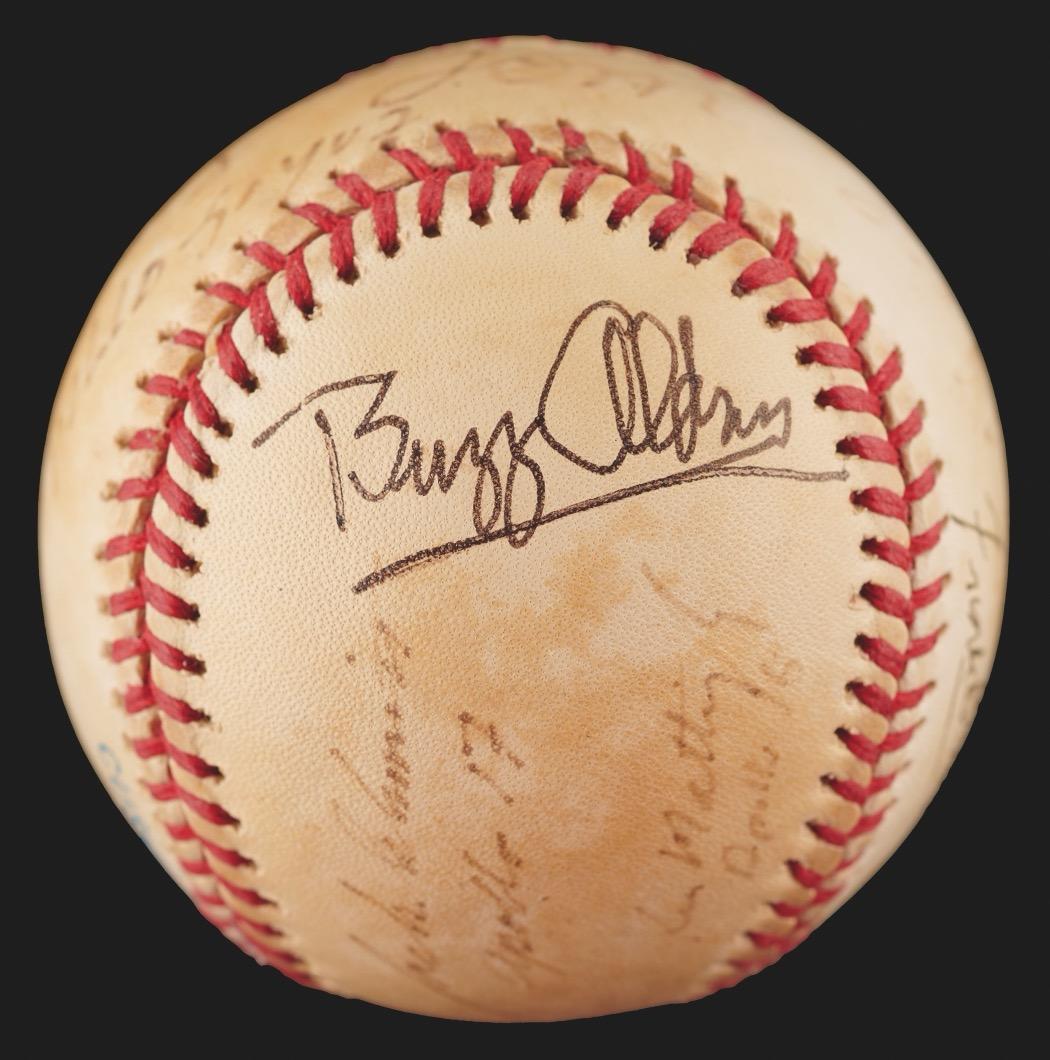
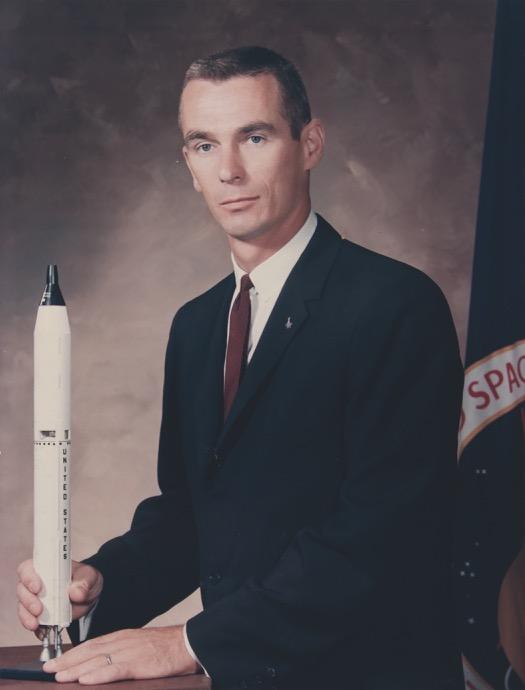
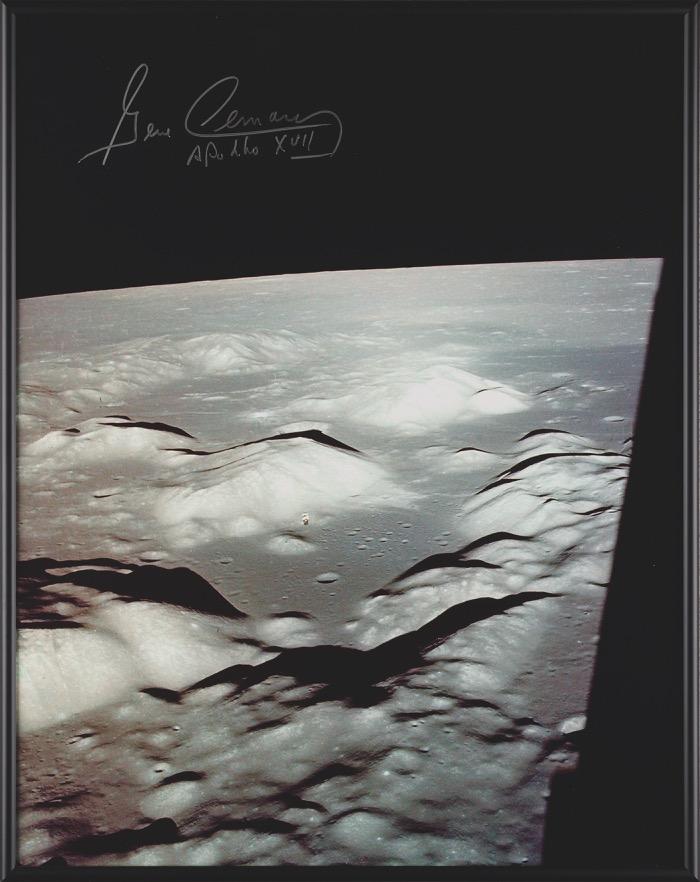
5391. Gene Cernan Signed Oversized Photograph of the Apollo 17 Landing ... Starting Bid $200
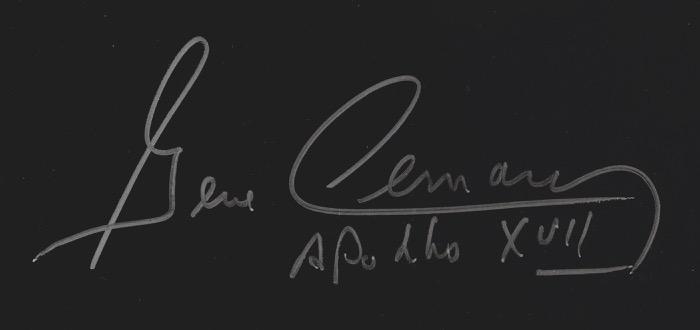
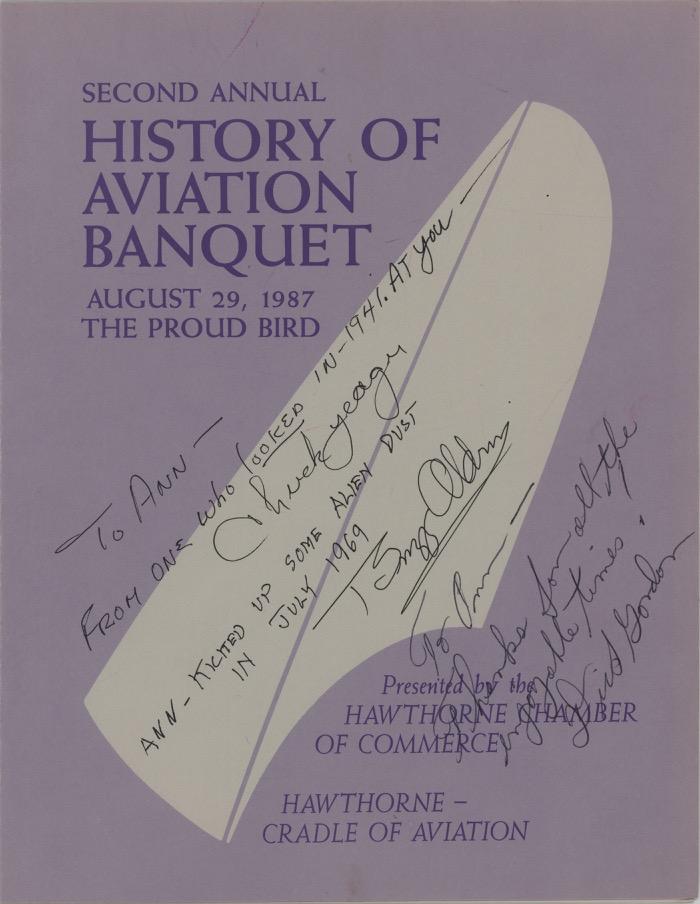
5400. Buzz Aldrin, Richard Gordon, and Chuck Yeager Signed Program Starting Bid $200
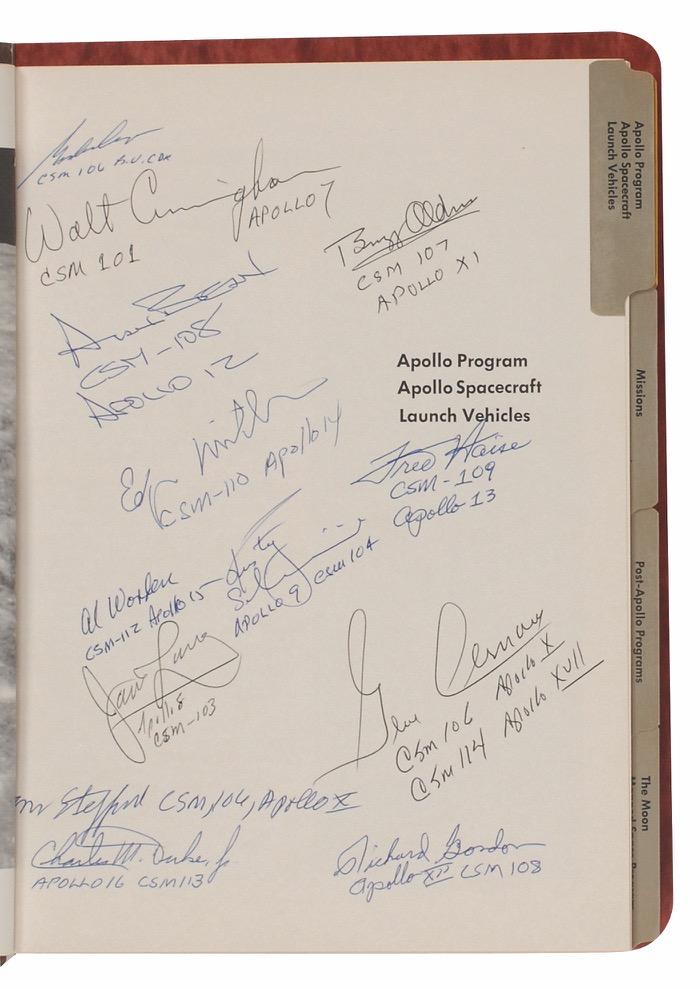
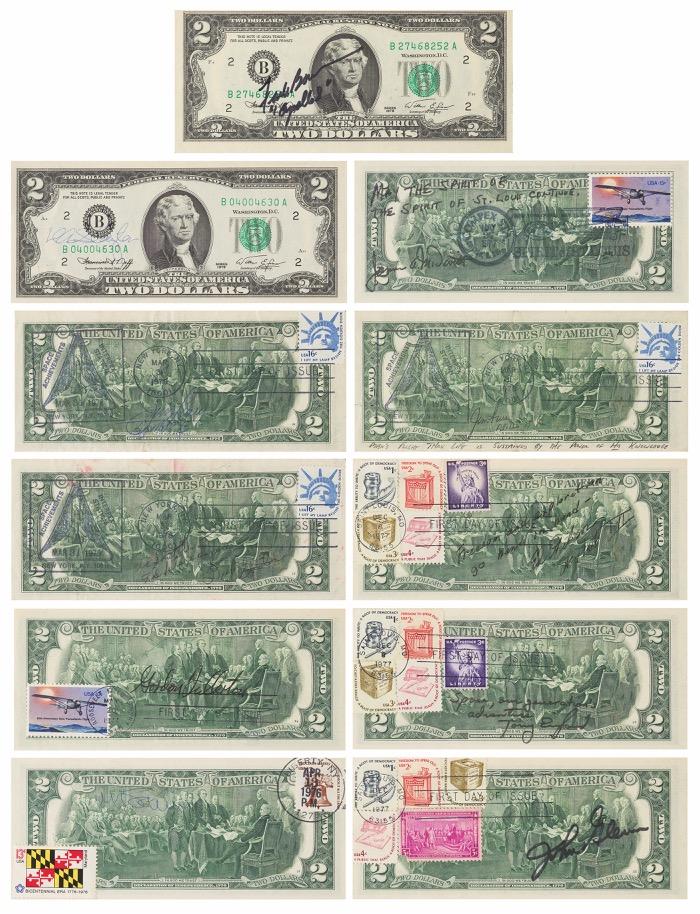
5405. Astronauts (11) Signed $2 Dollar Bills, with Glenn, Borman, Lovel... Starting Bid $200
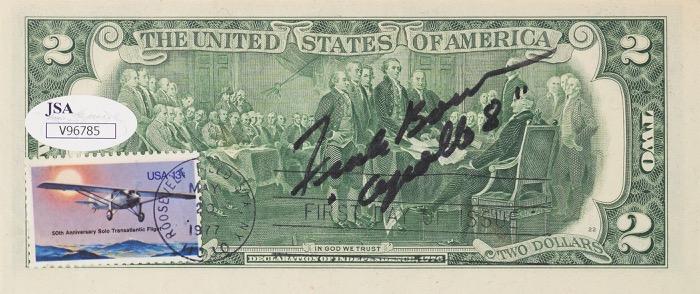
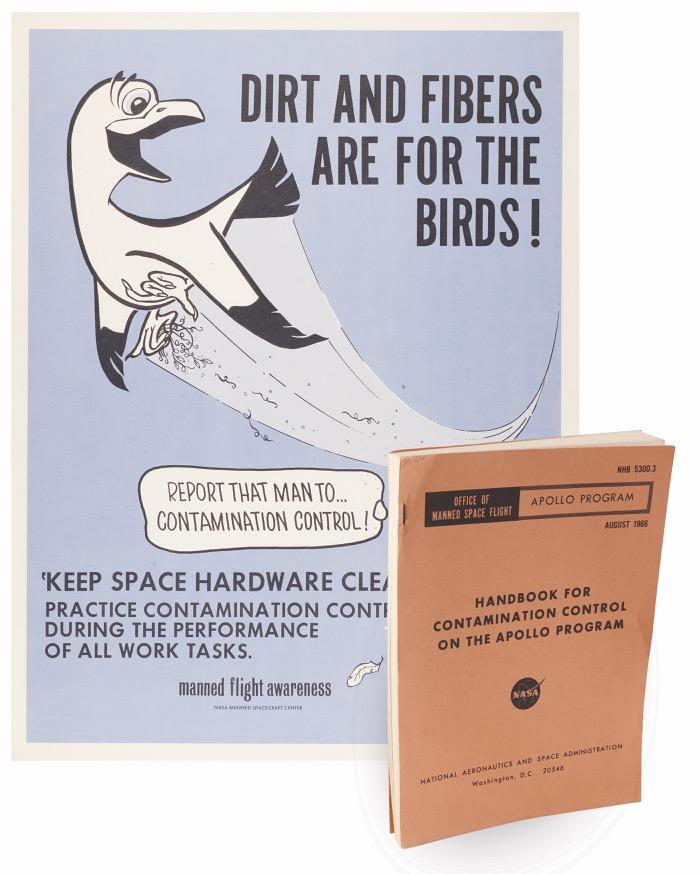
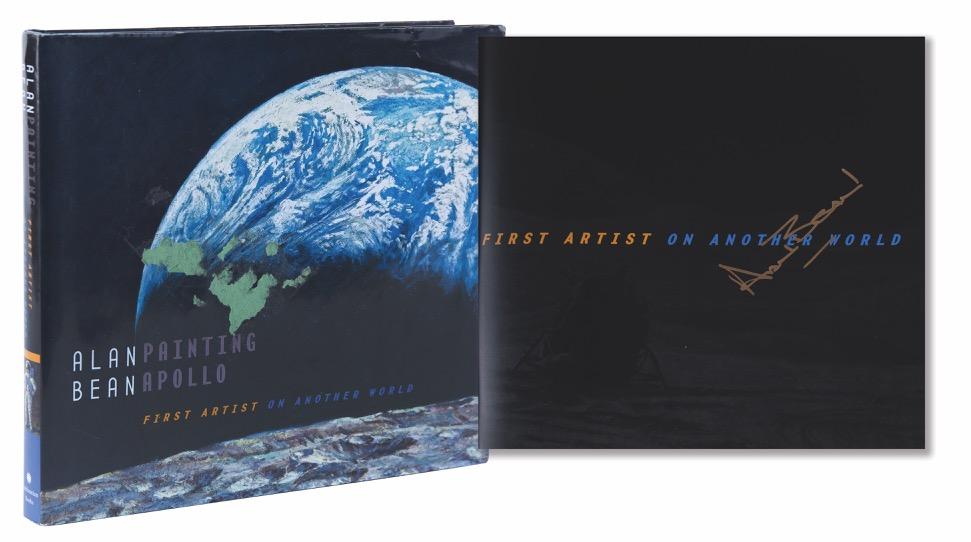
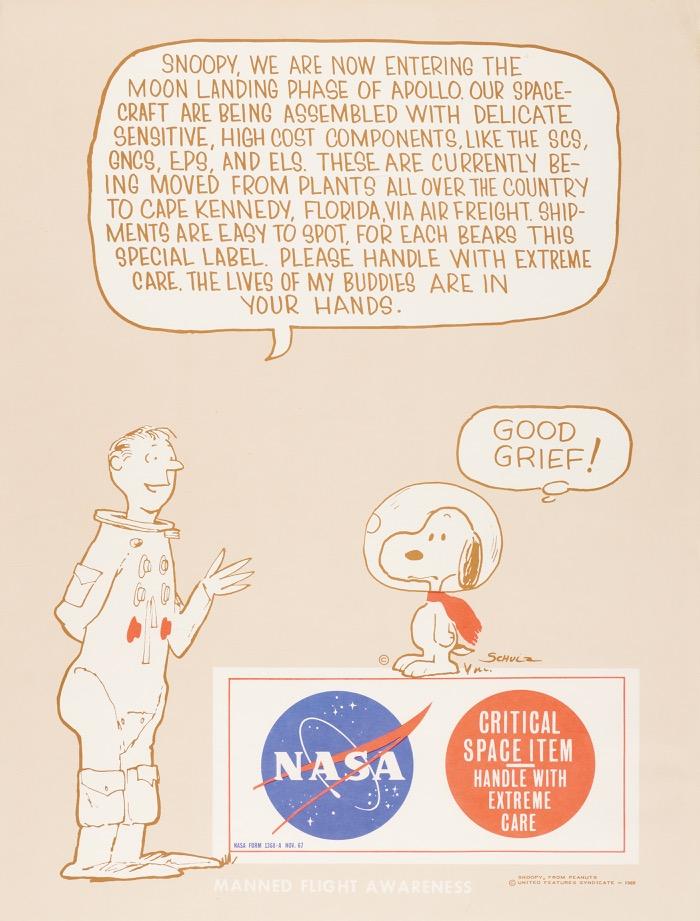
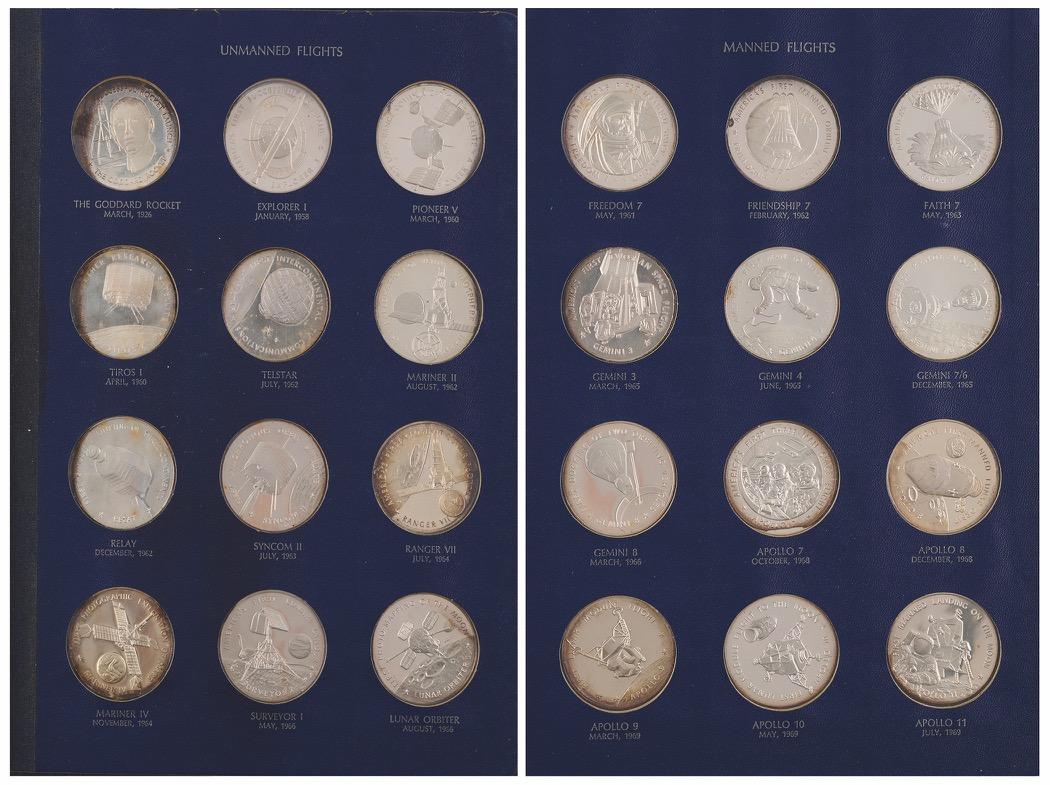
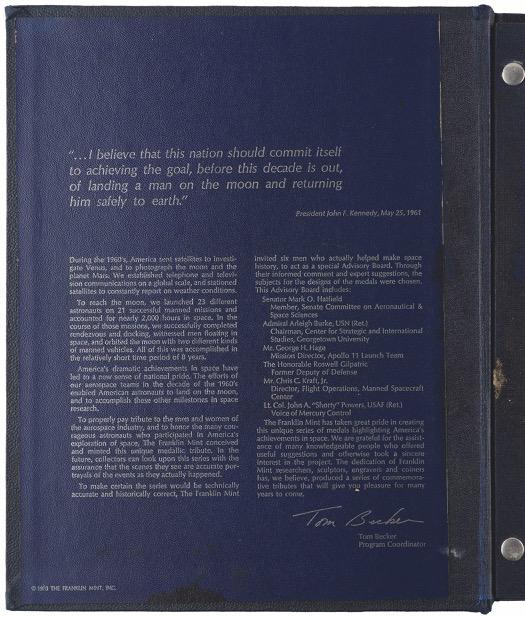
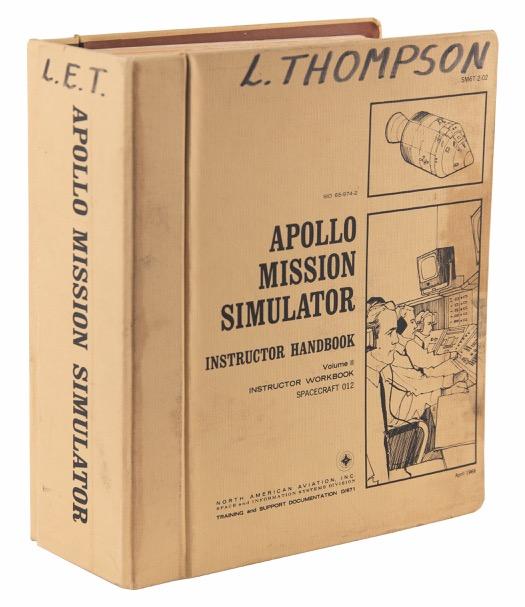
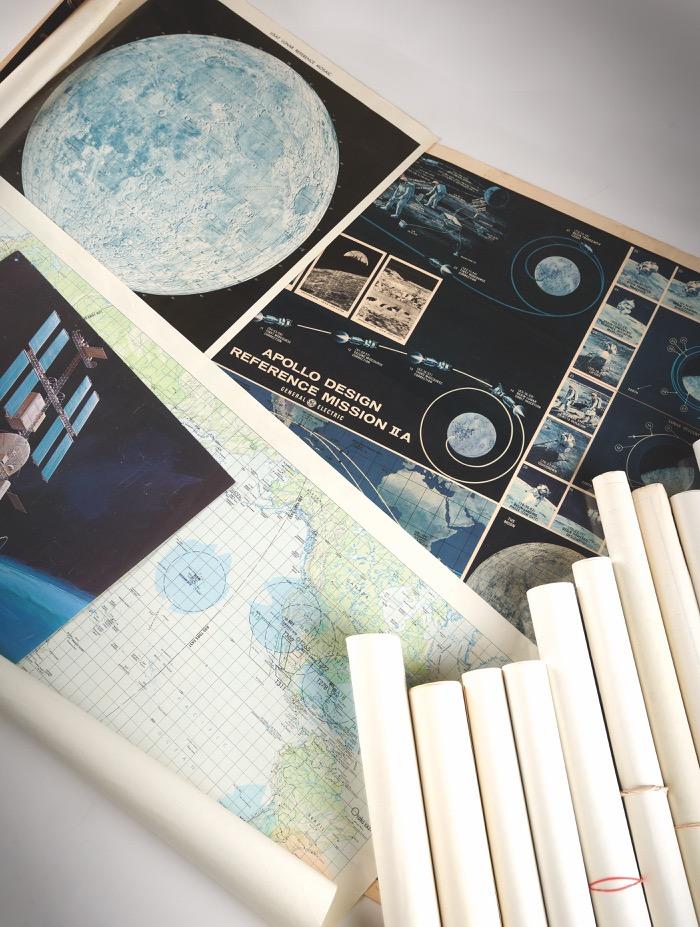
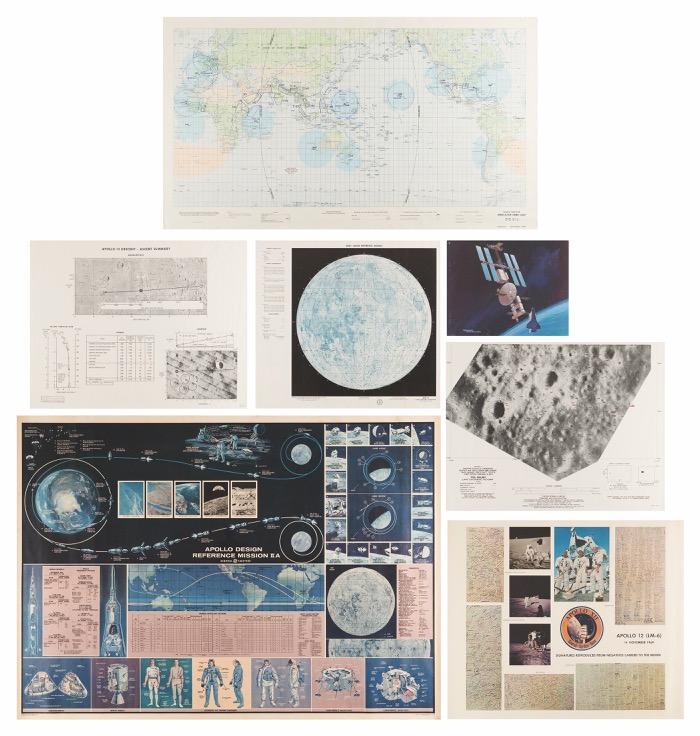
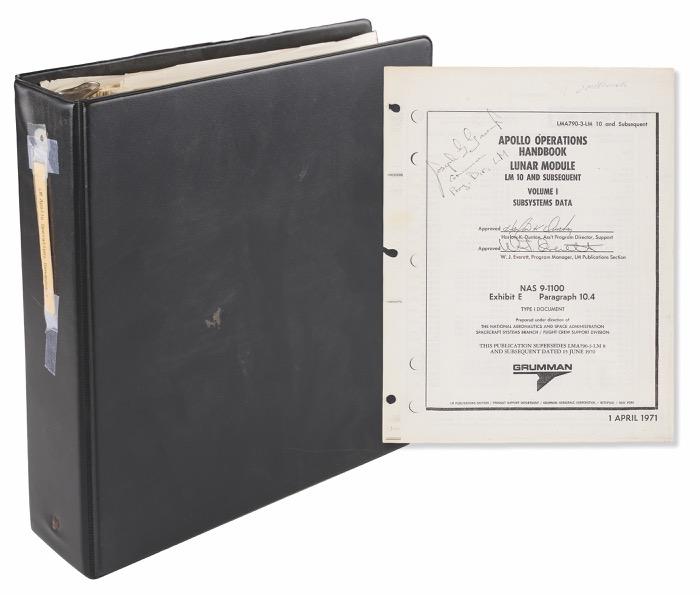
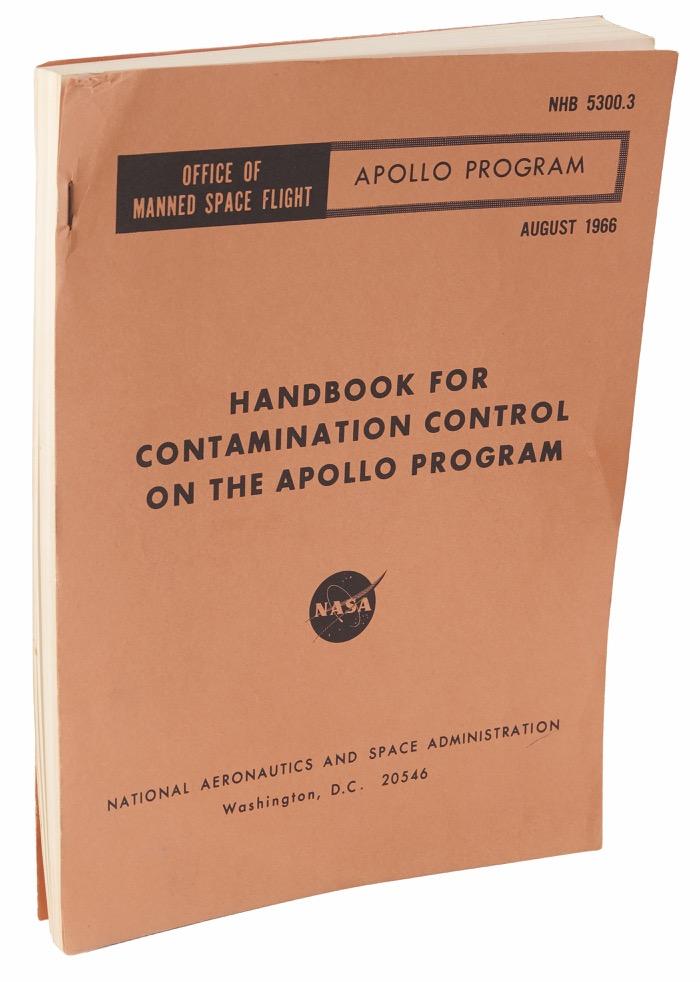
5409. Apollo Program Contamination Control Handbook and Snoopy
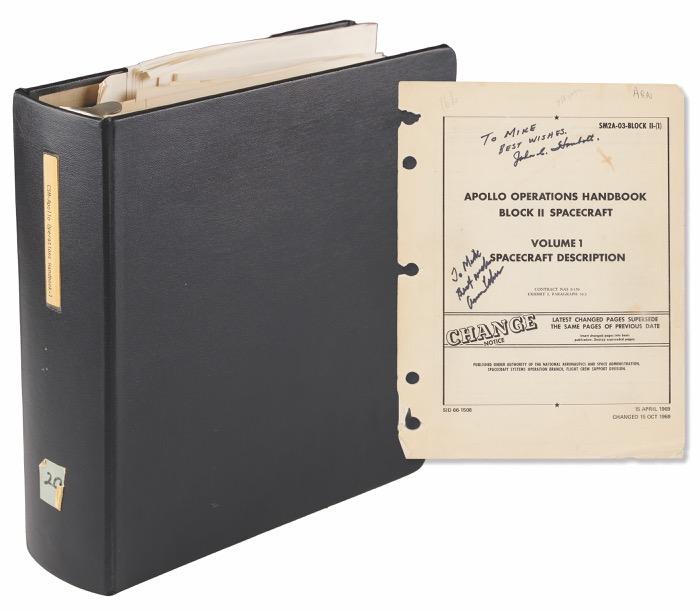
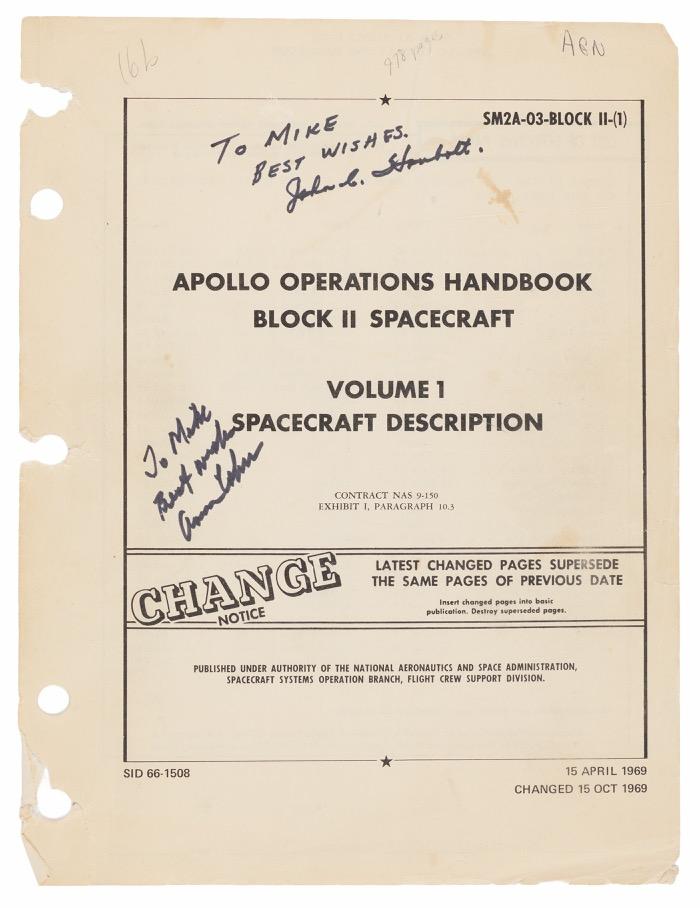
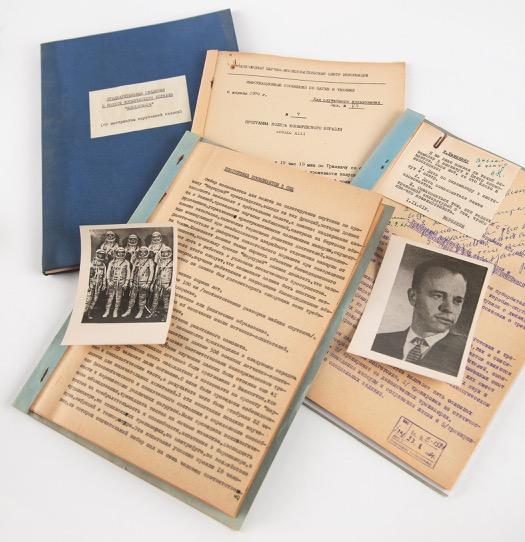
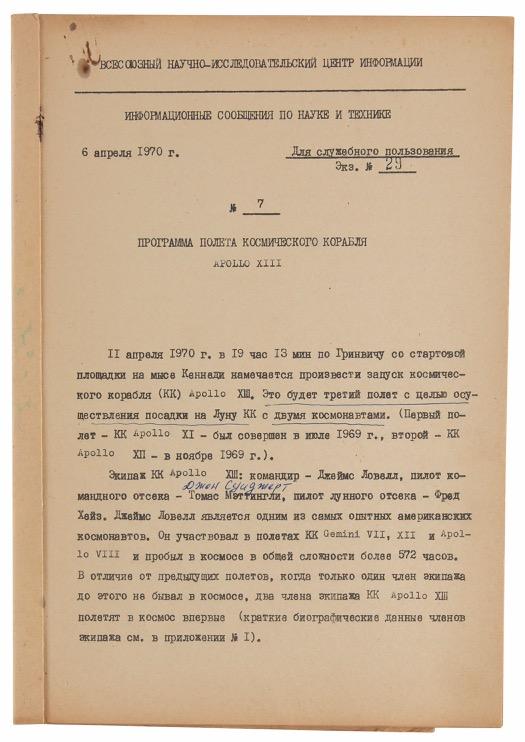
5410. Apollo Manned Flight Awareness 'Critical Space Item' Snoopy Poste... Starting Bid $200
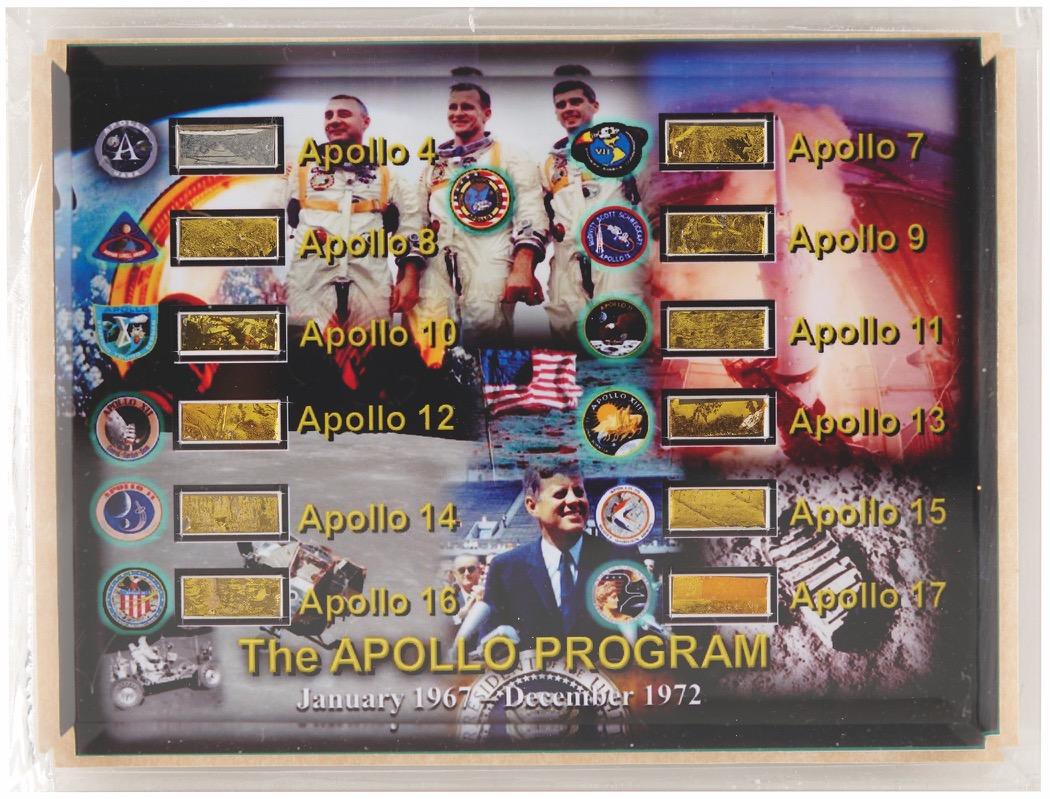
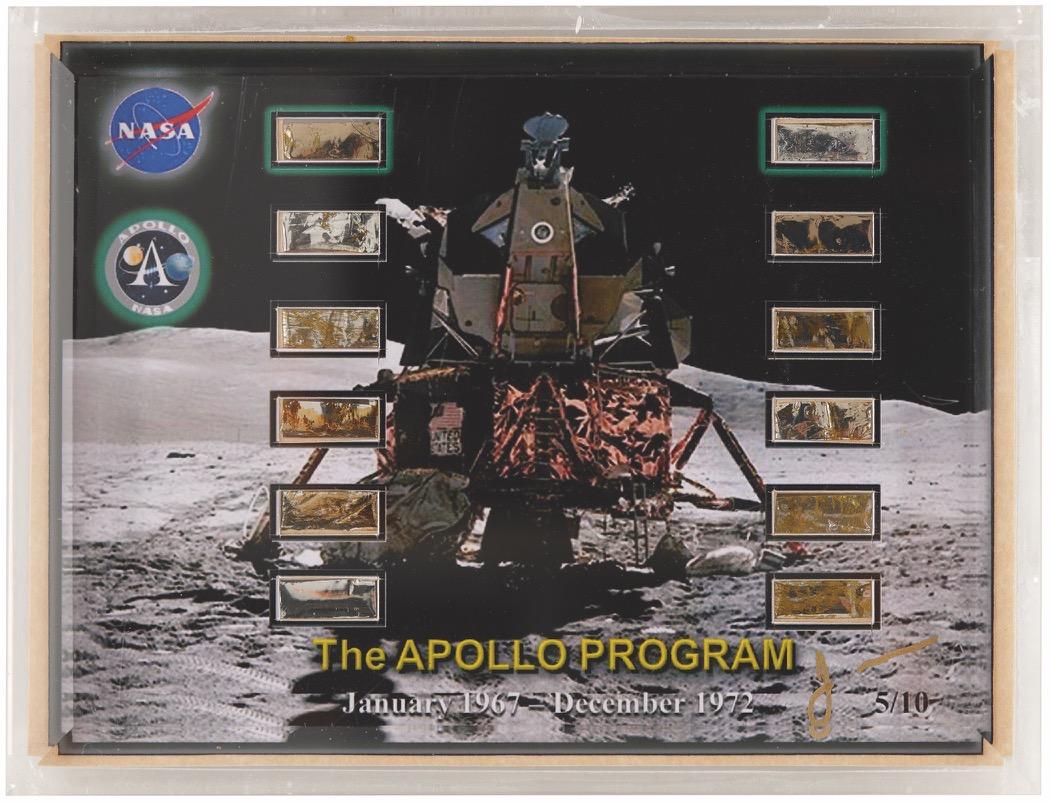
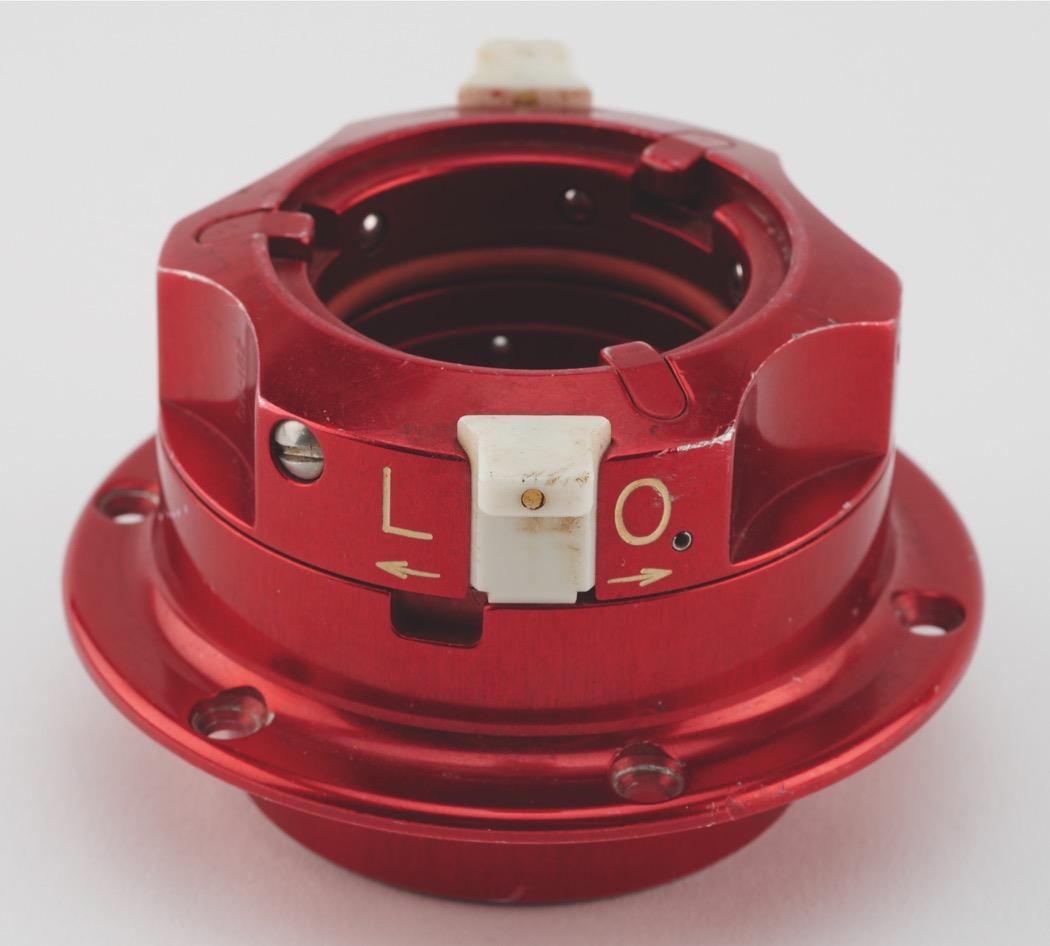
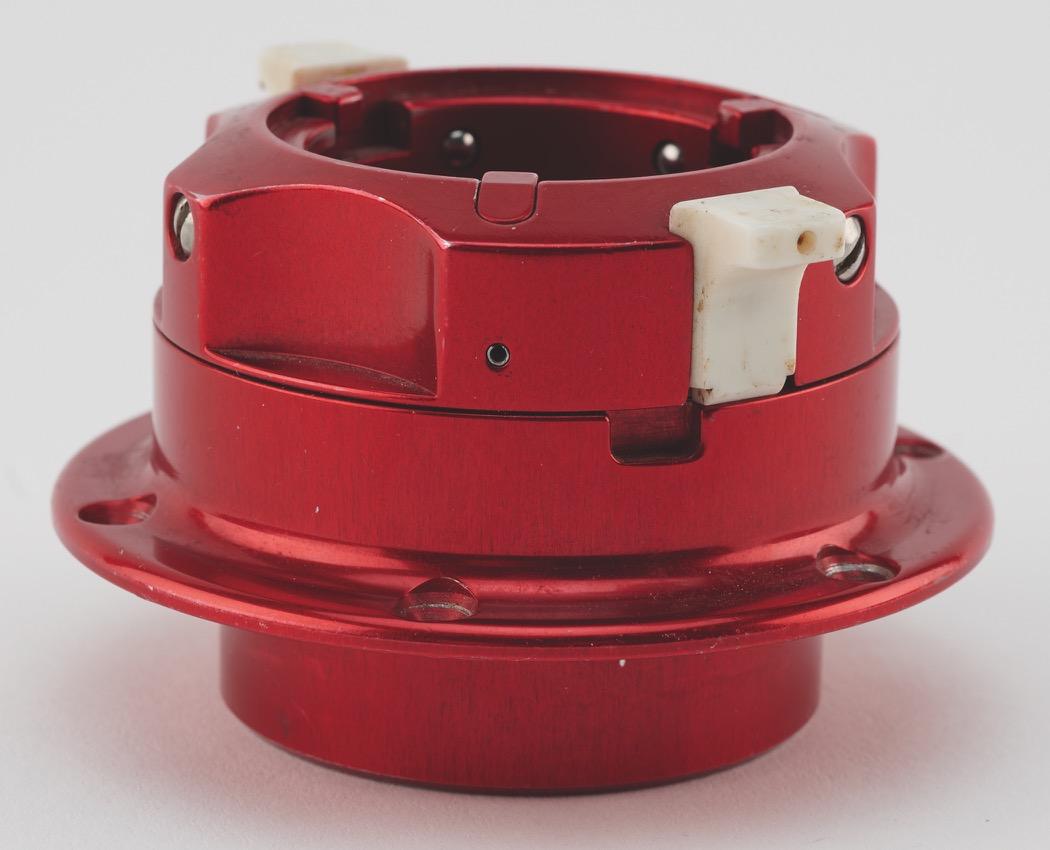
5411. Apollo Mission
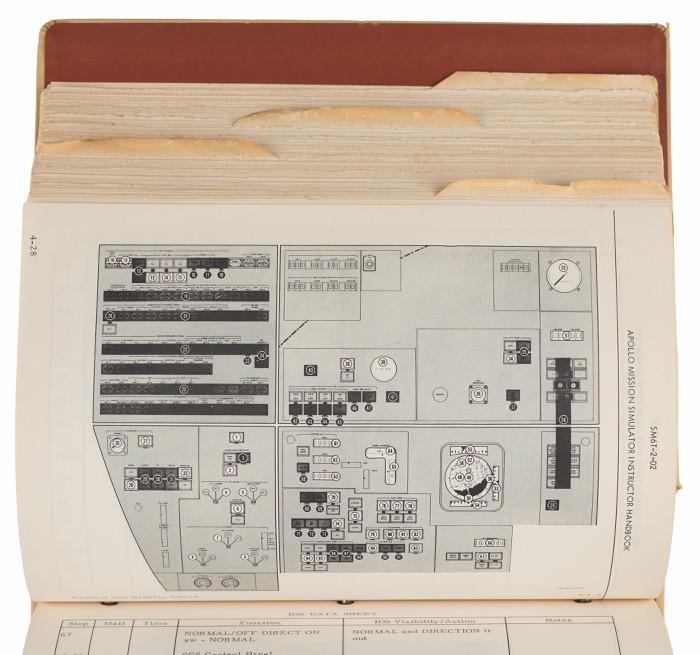
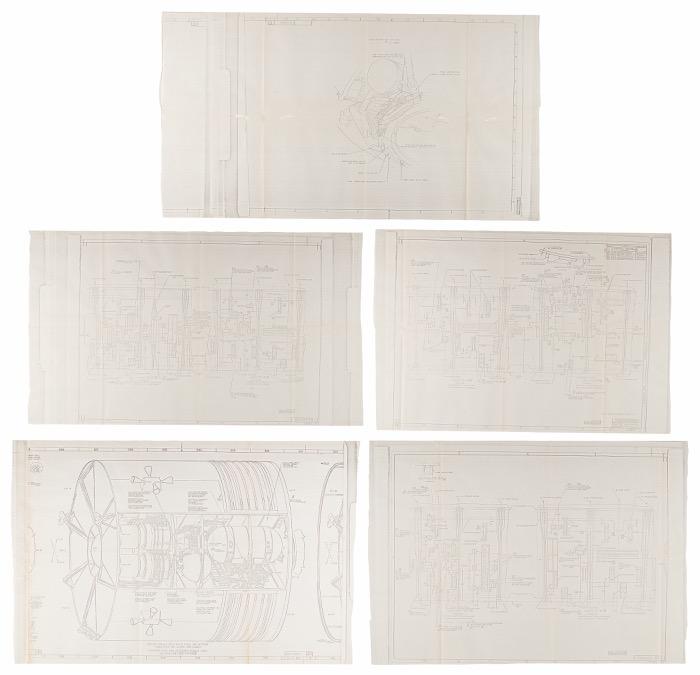
5415. Apollo Program (5) Schematics Starting Bid $200
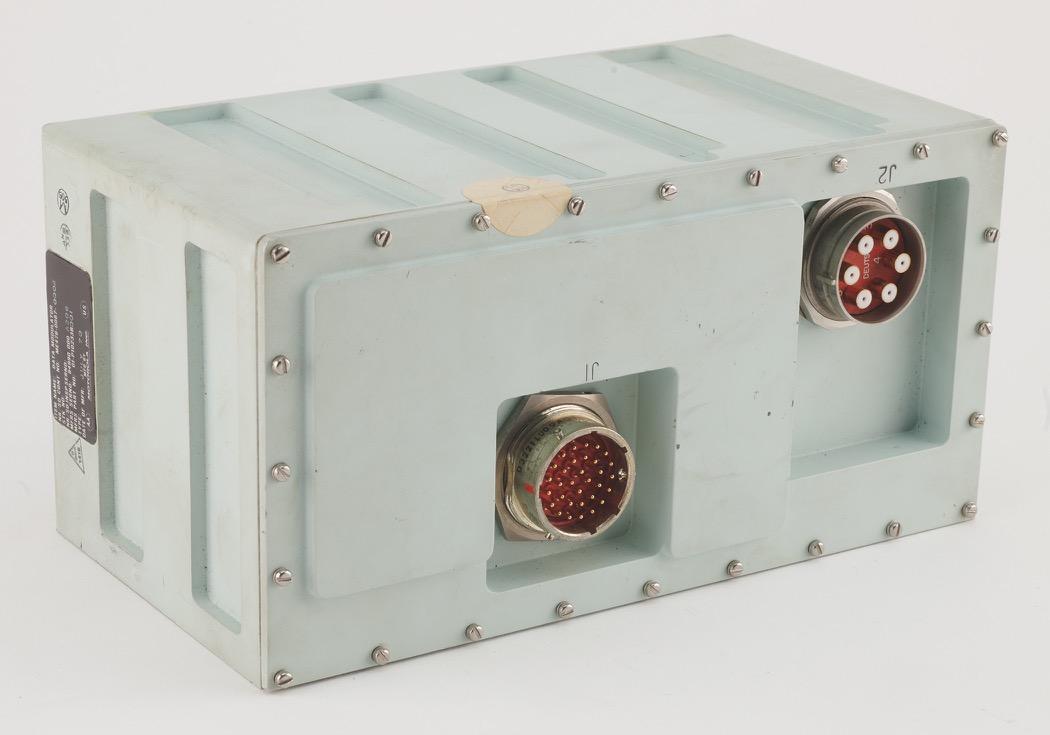
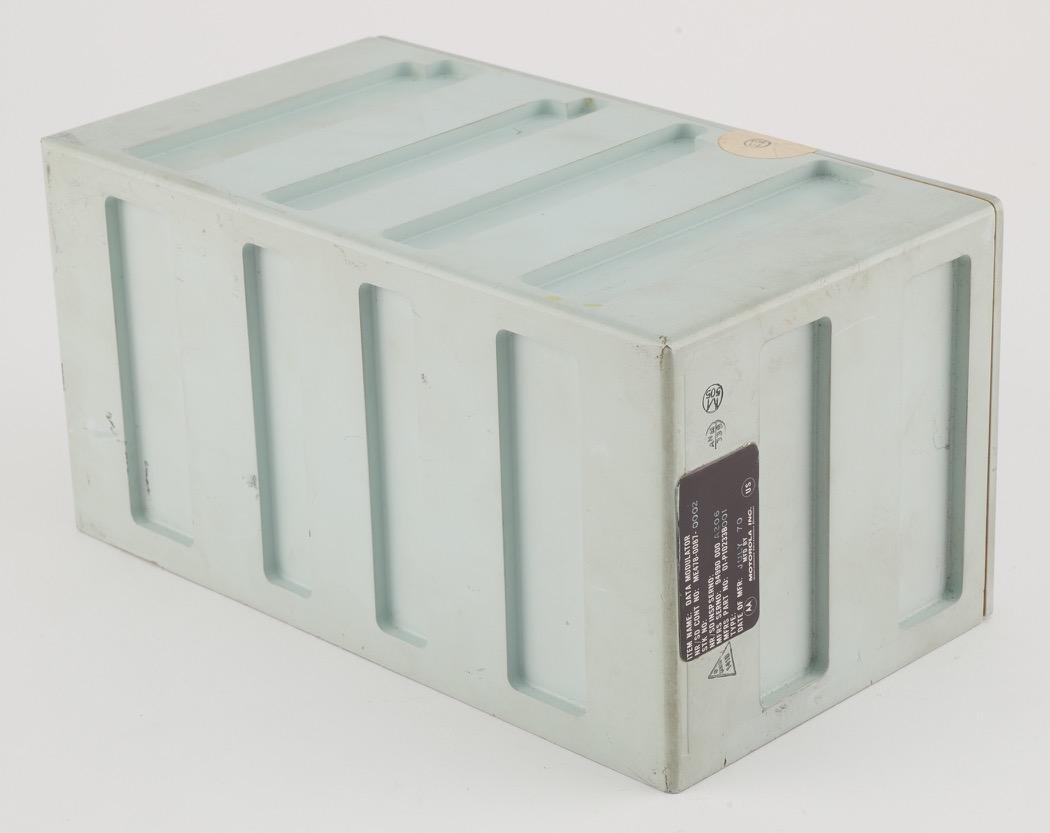
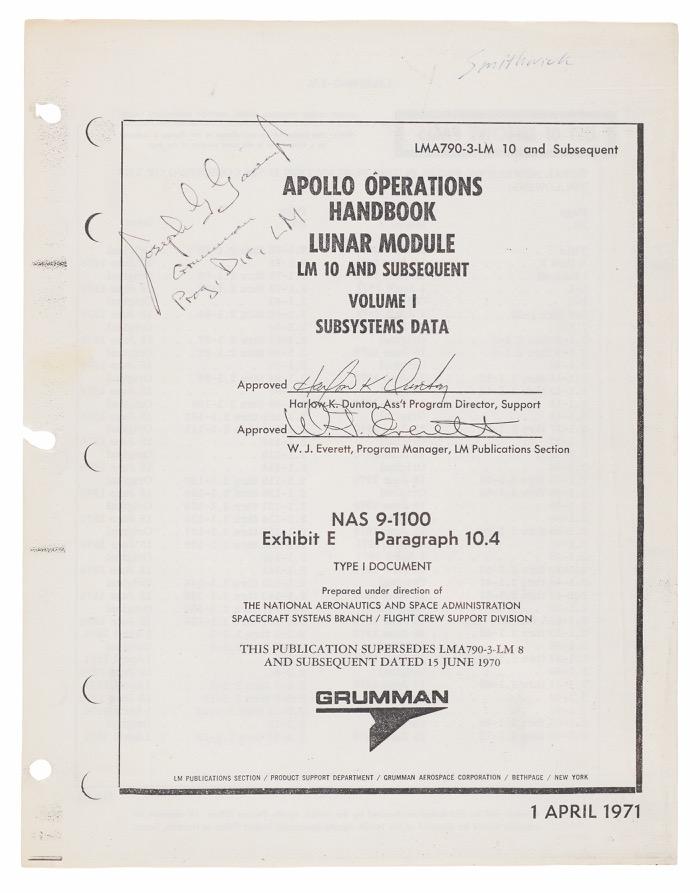
5412. Apollo Operations Handbook 'Lunar Module, LM 10 and Subsequent' (...
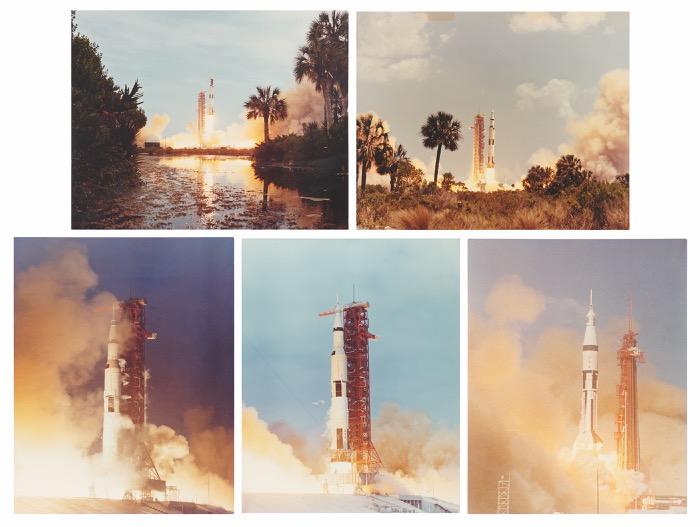
5416. Apollo/Saturn V Oversized Launch Photographs (5) Starting Bid $200
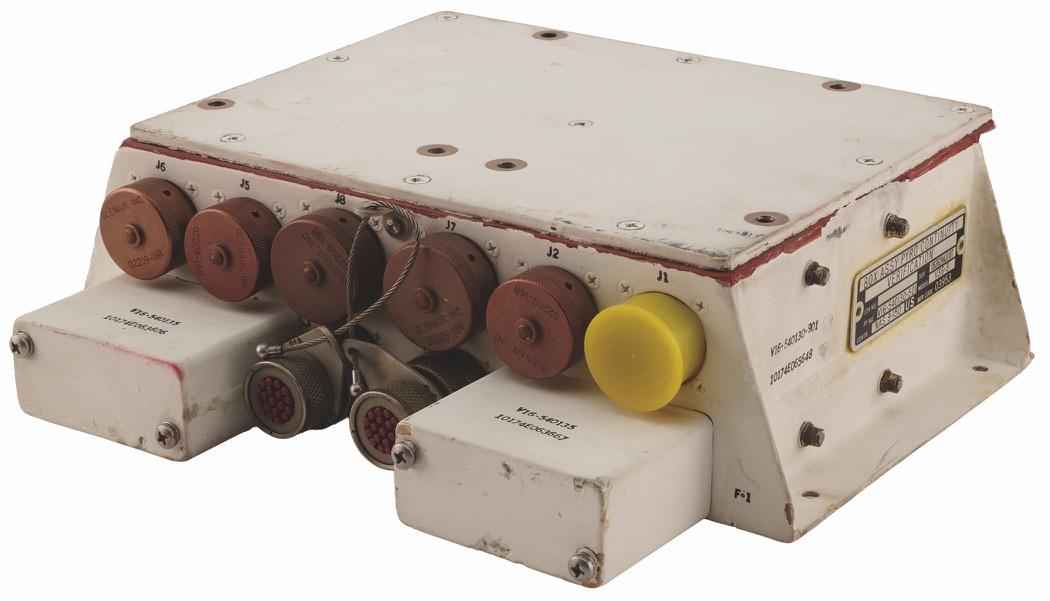
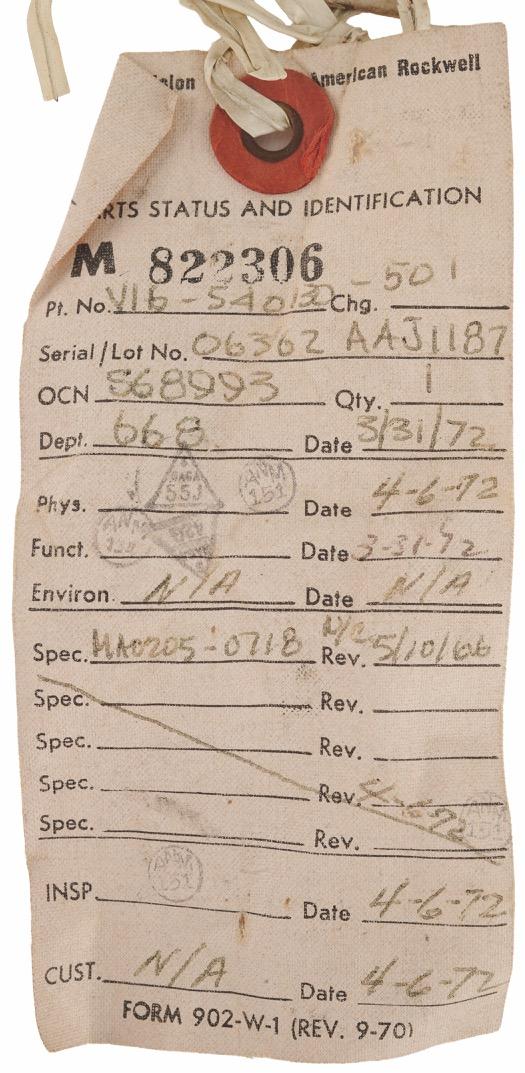
Continuity Verification Box Starting Bid $200
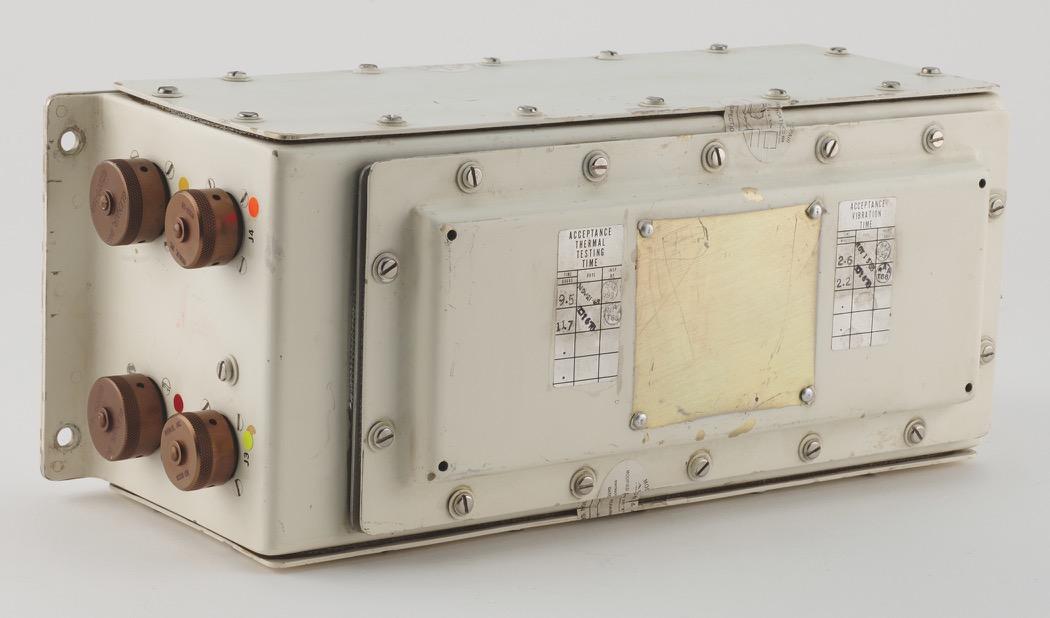
5436. Apollo Command Service Module Block II Service Module Jettison
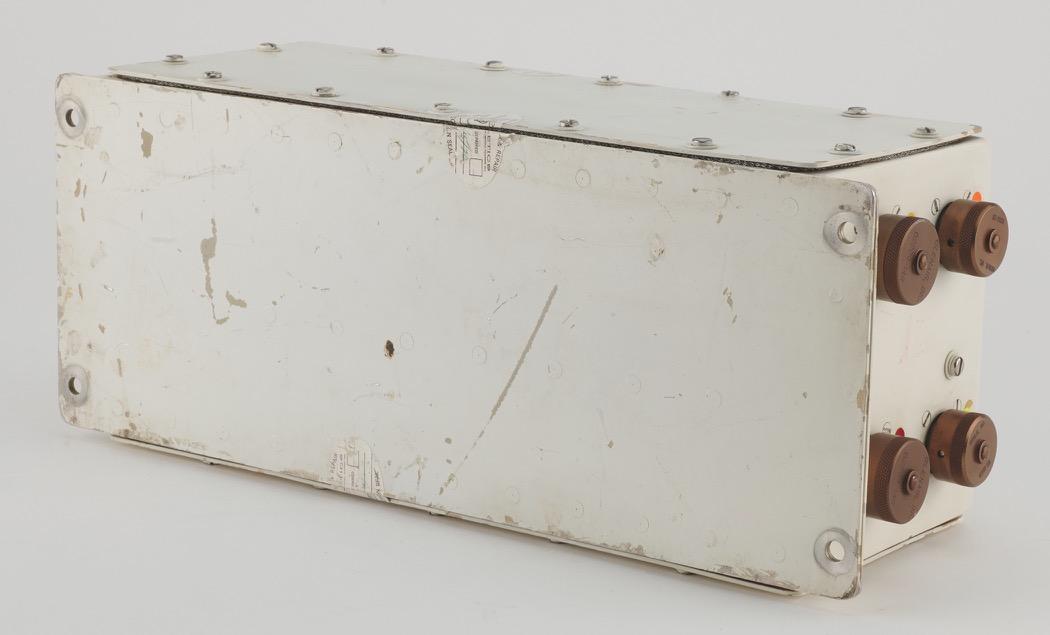
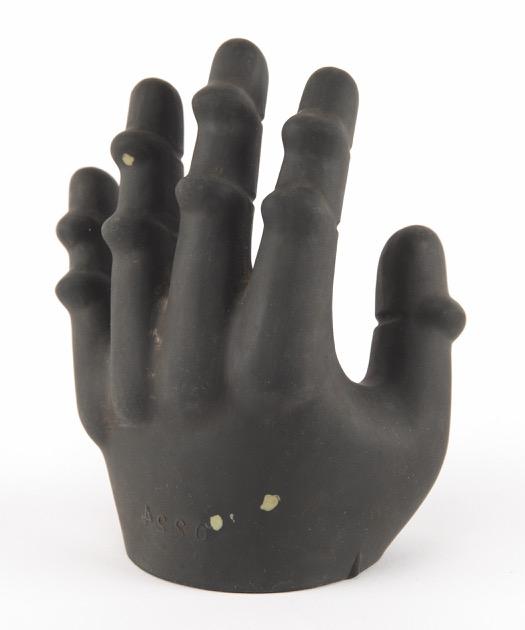
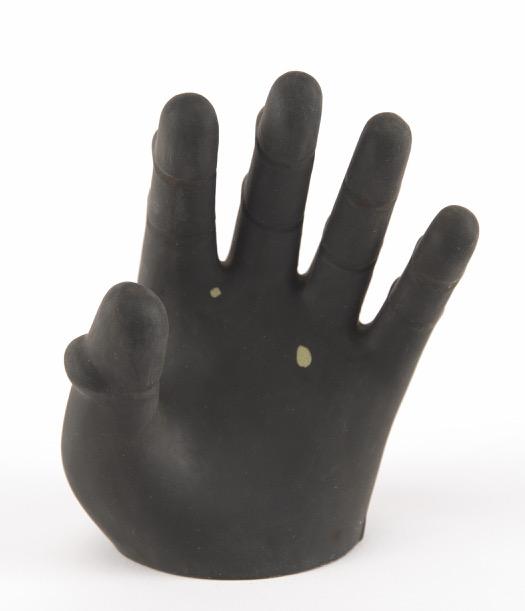
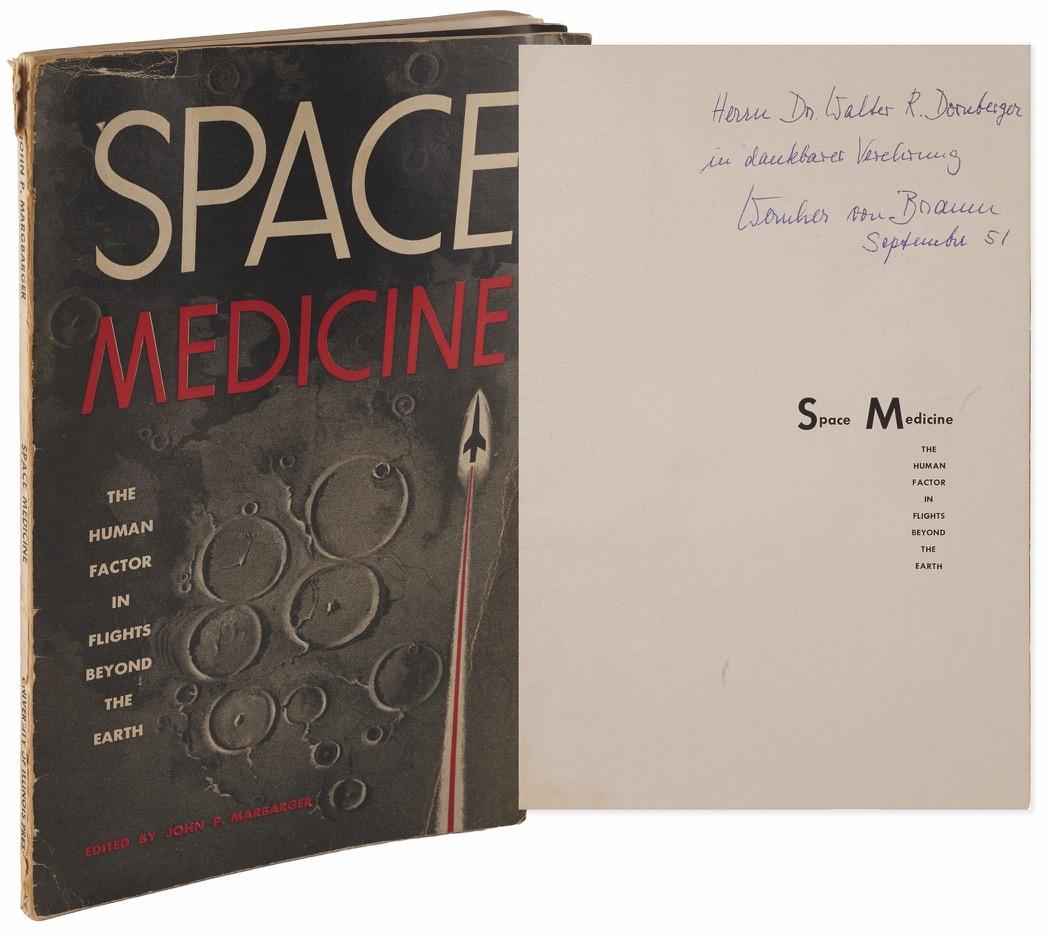
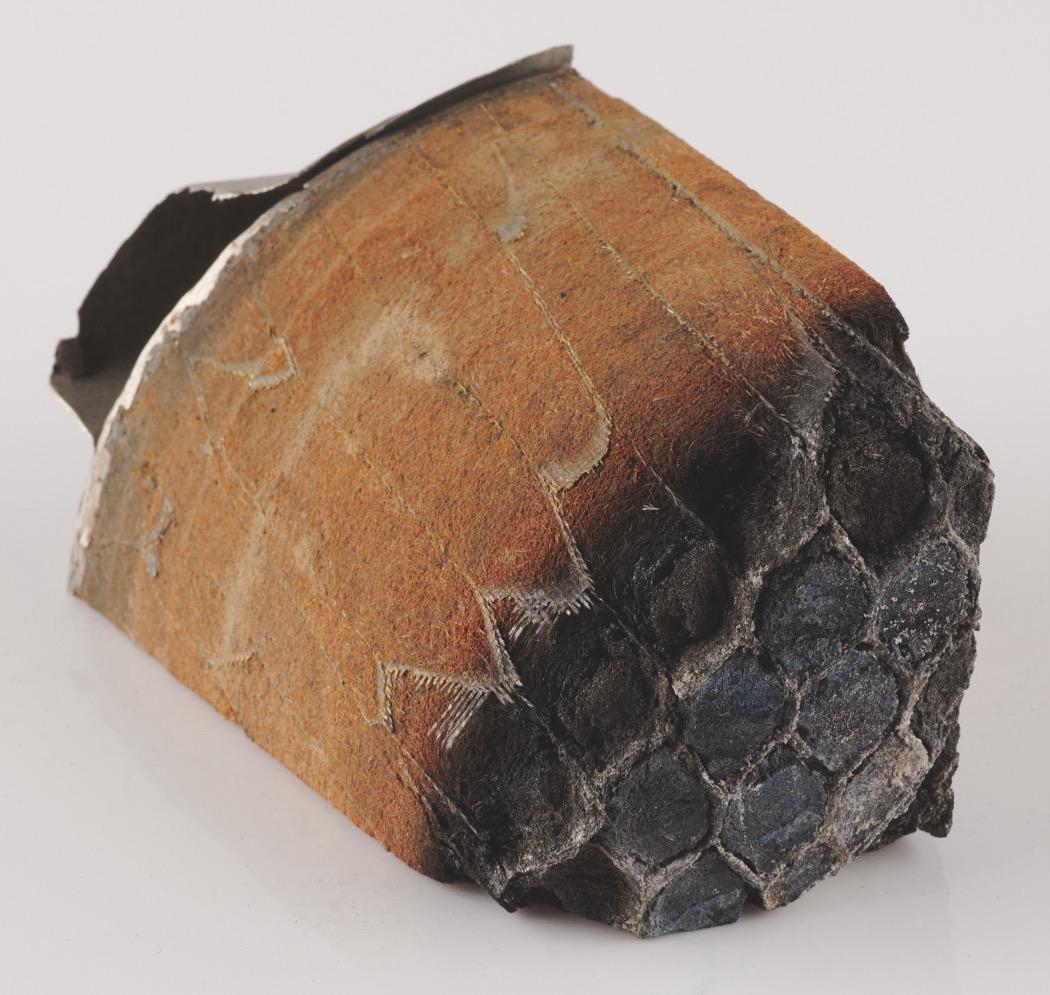
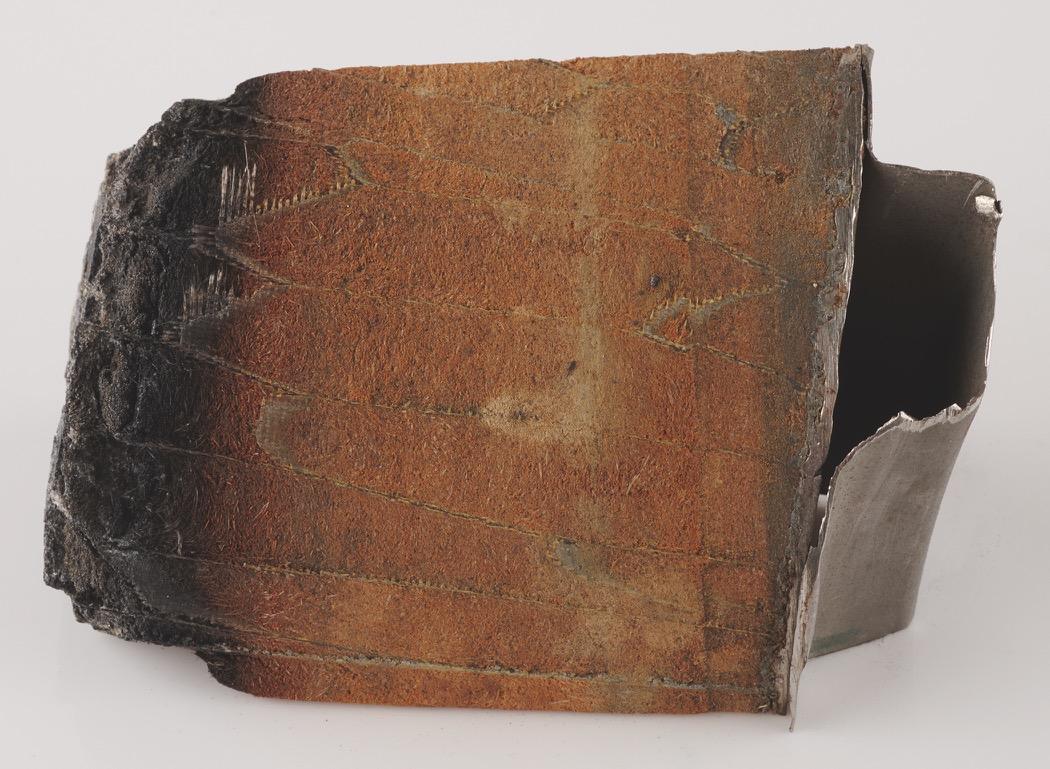
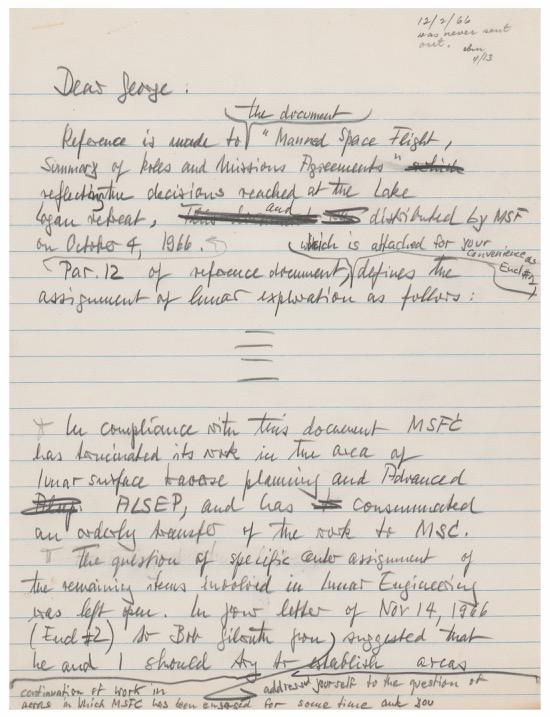
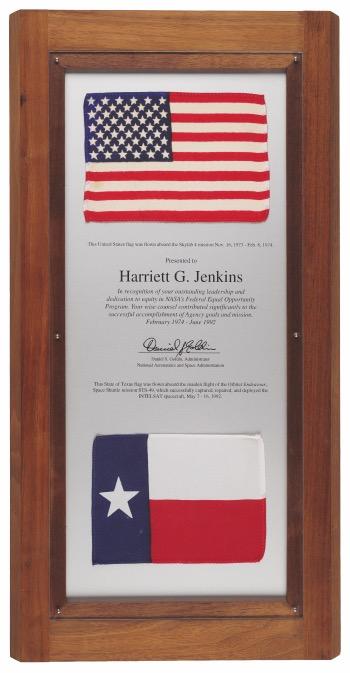
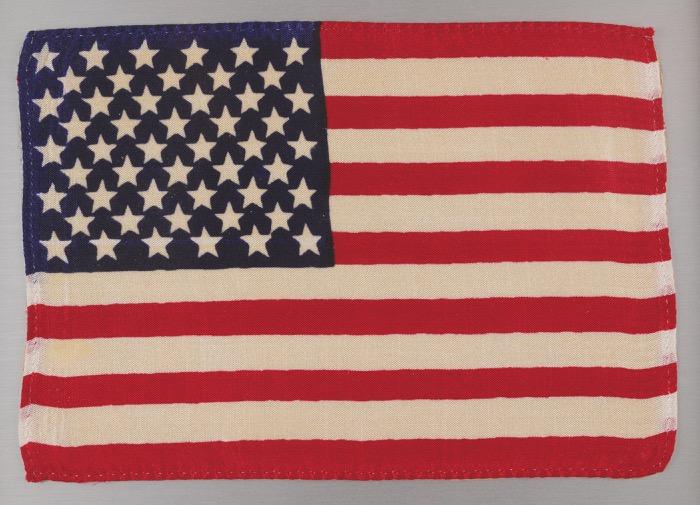
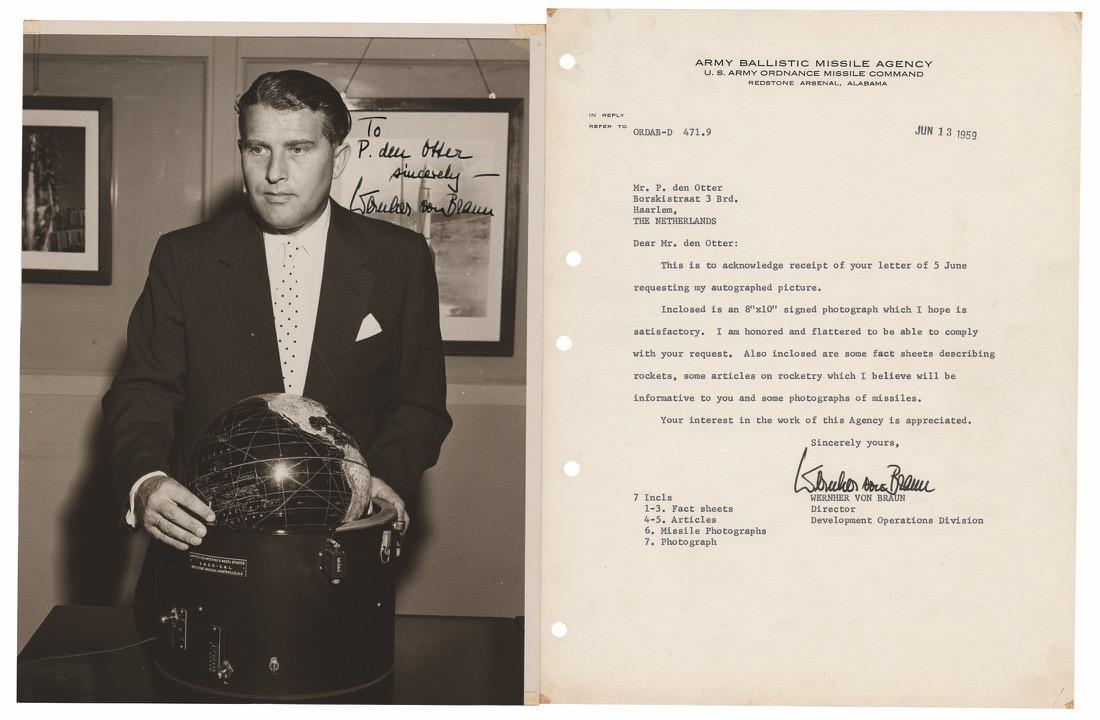
5443. NASA Technical Memorandum (1973)'Terrestrial Environment
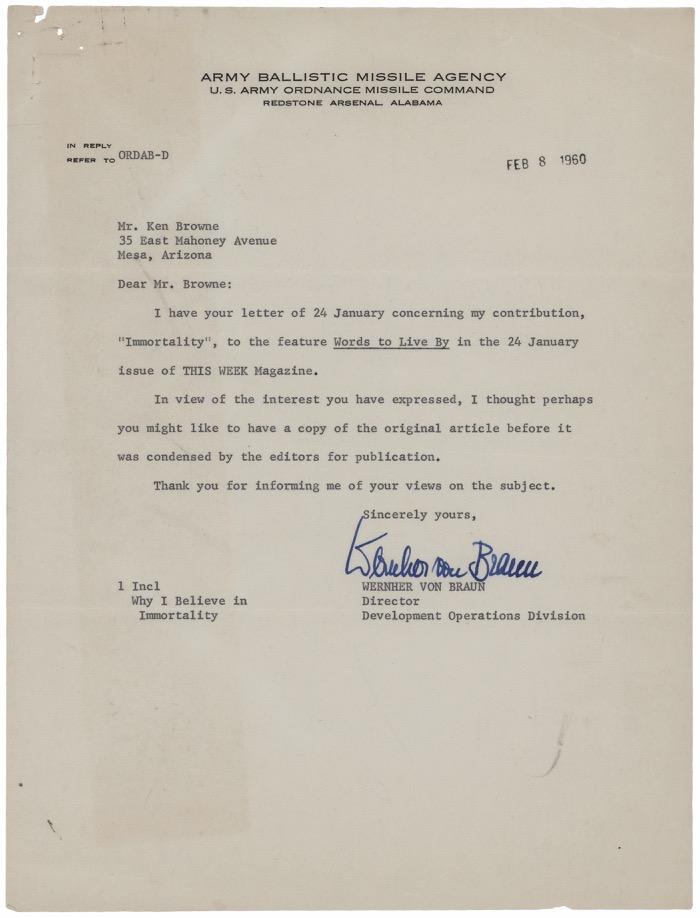
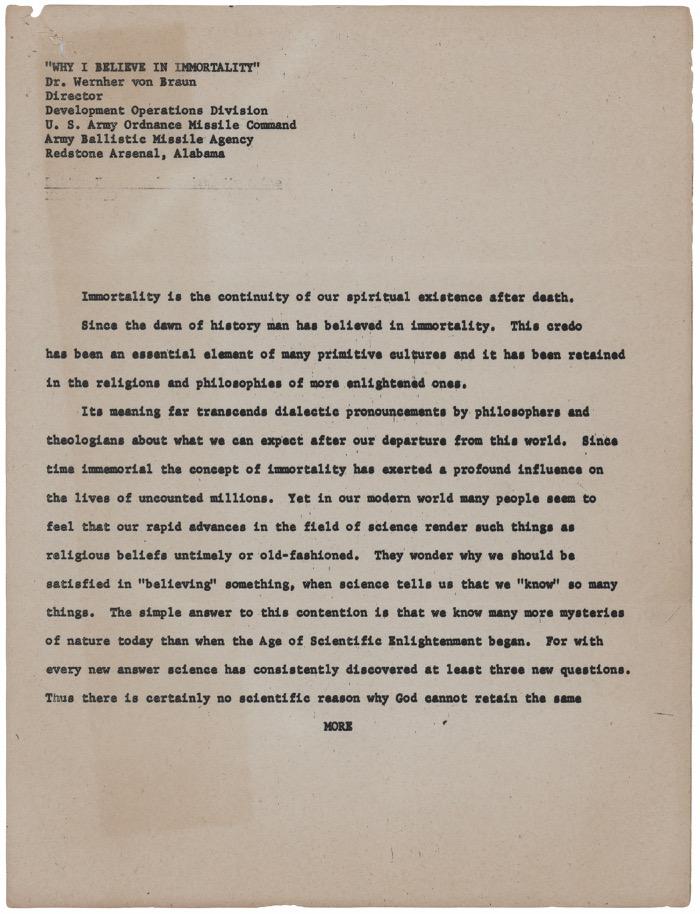
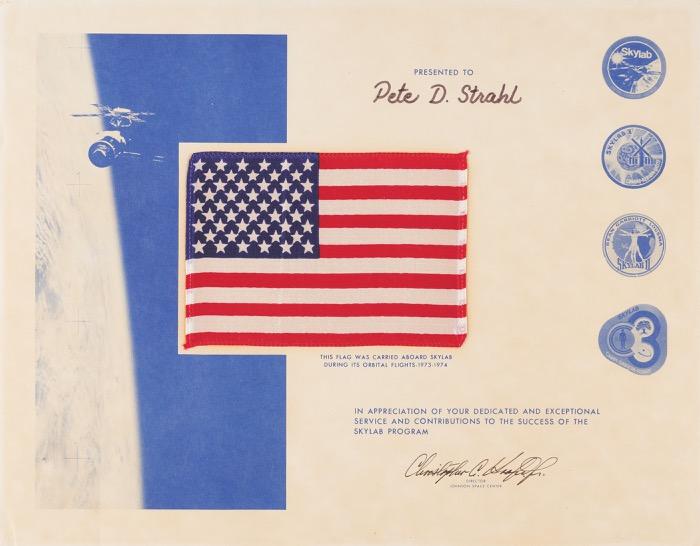
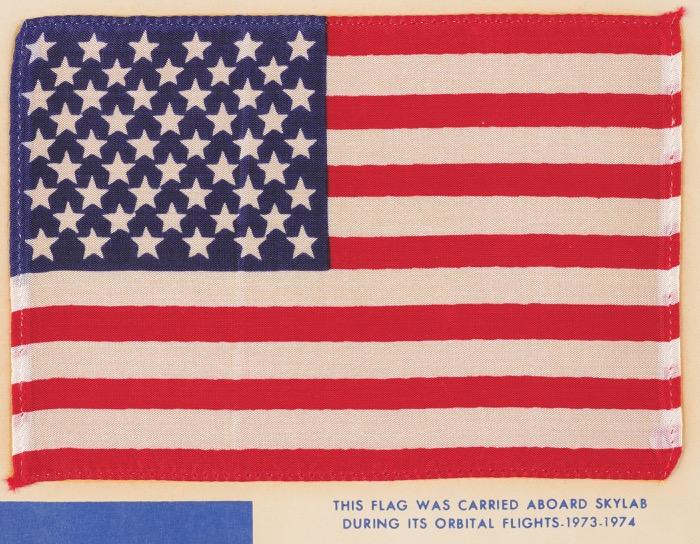
5444. Wernher von Braun Signed Book - Space Medicine - From the
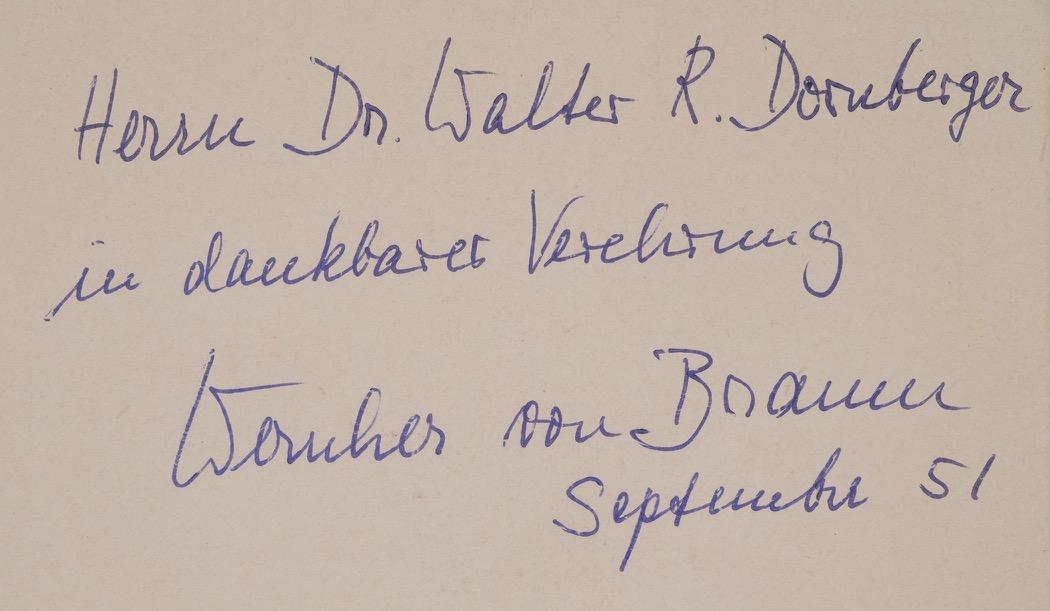
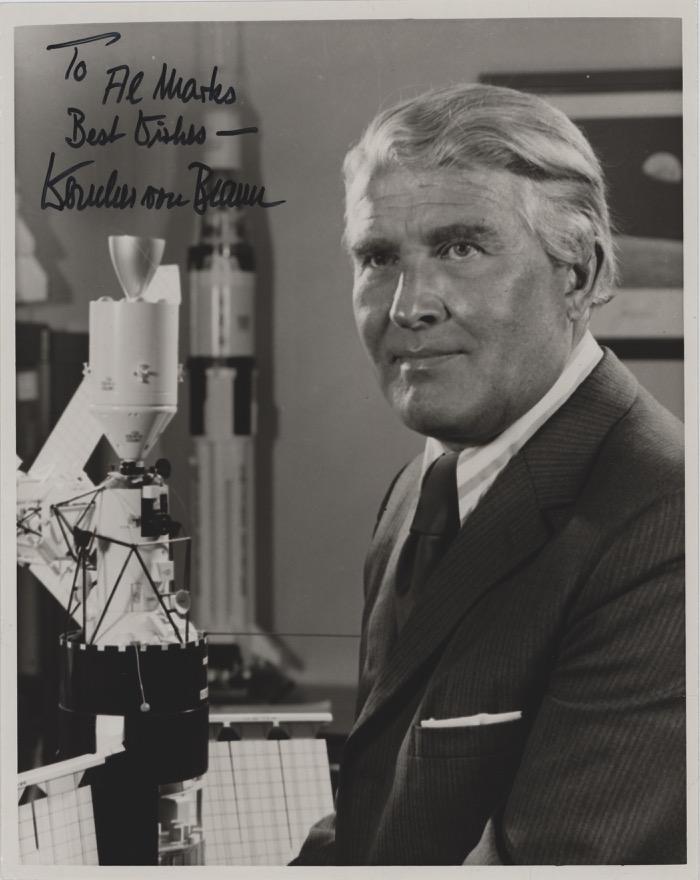
5448.
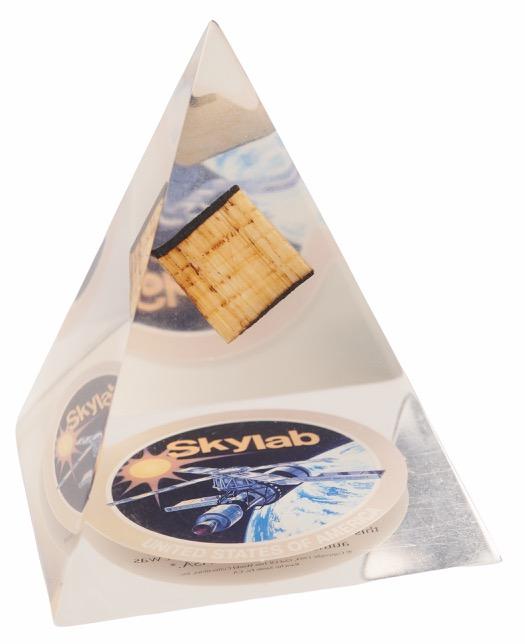
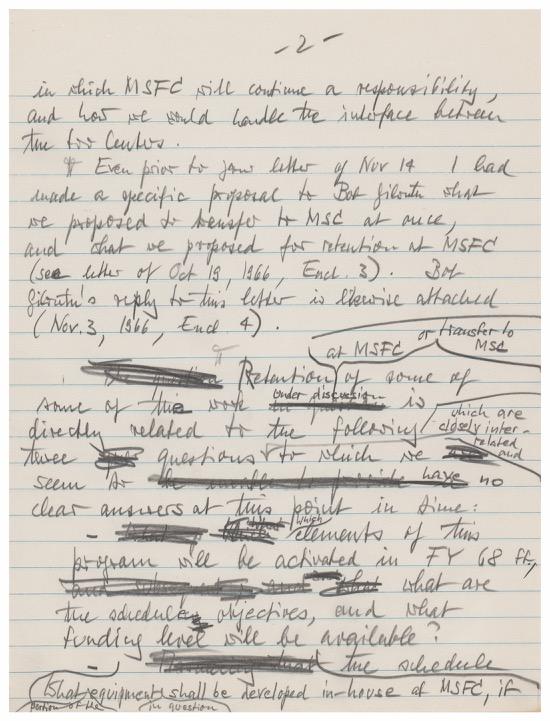
5445. Wernher von Braun Handwritten Draft Letter on the Transfer of Lun...
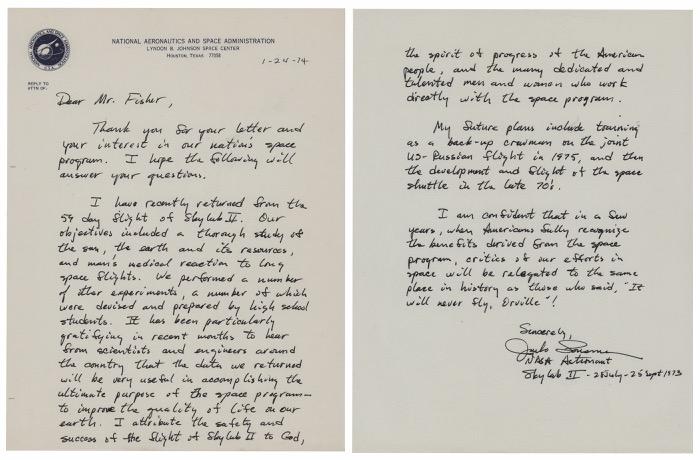
5451. Jack Lousma Autograph Letter Signed: "Critics of our efforts in s... Starting Bid $200
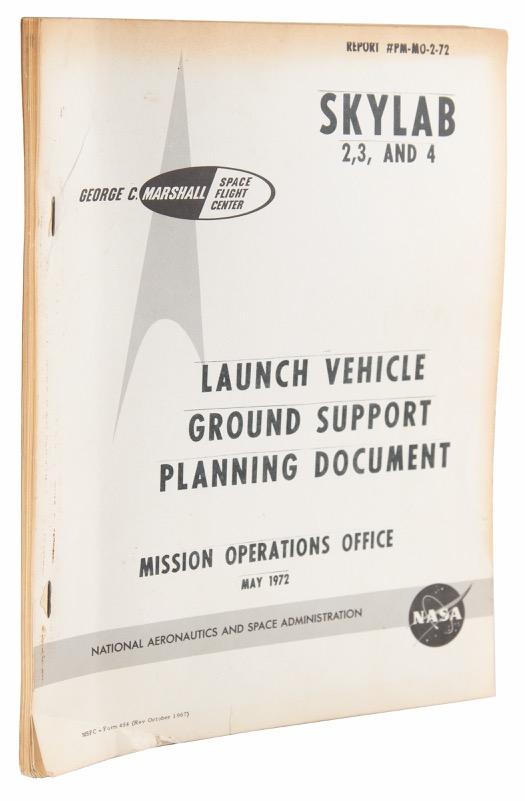
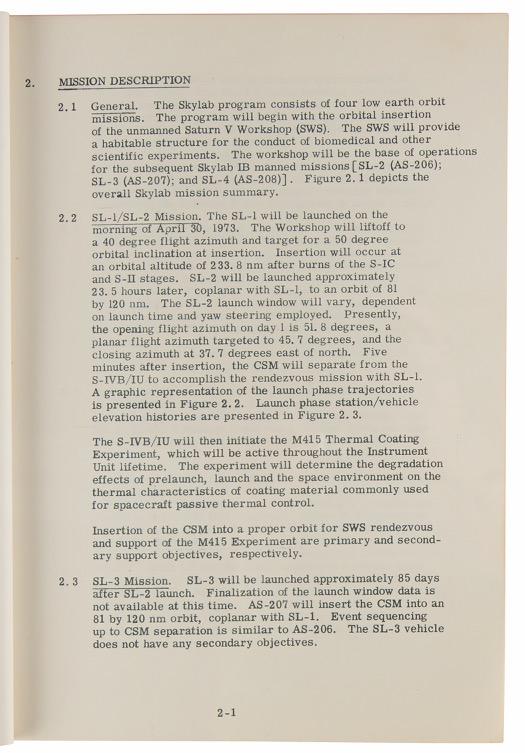
5446.
von
Signed Photograph and Typed Letter Signed Starting Bid $200
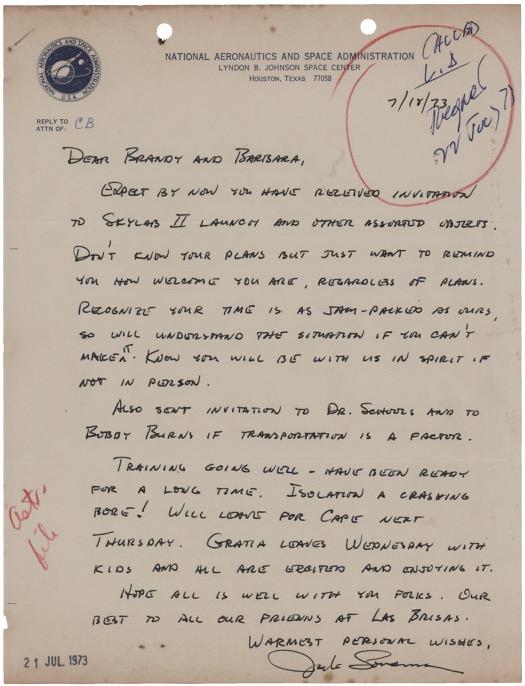
5452. Jack Lousma Autograph Letter Signed: "Expect by now you have rece... Starting Bid $200
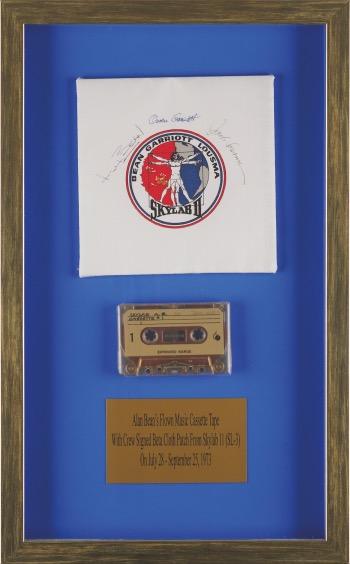
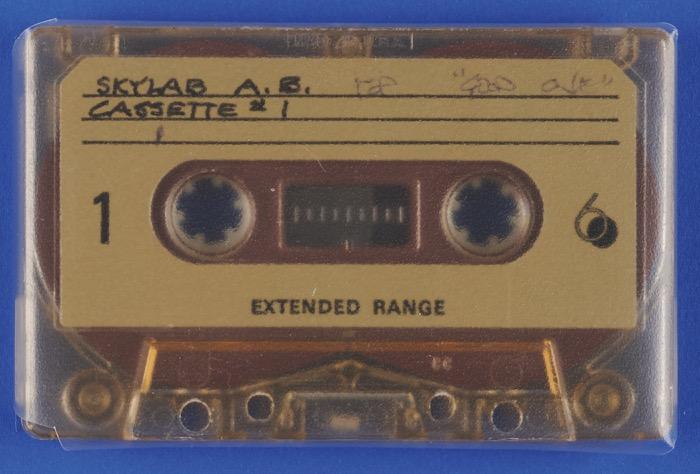
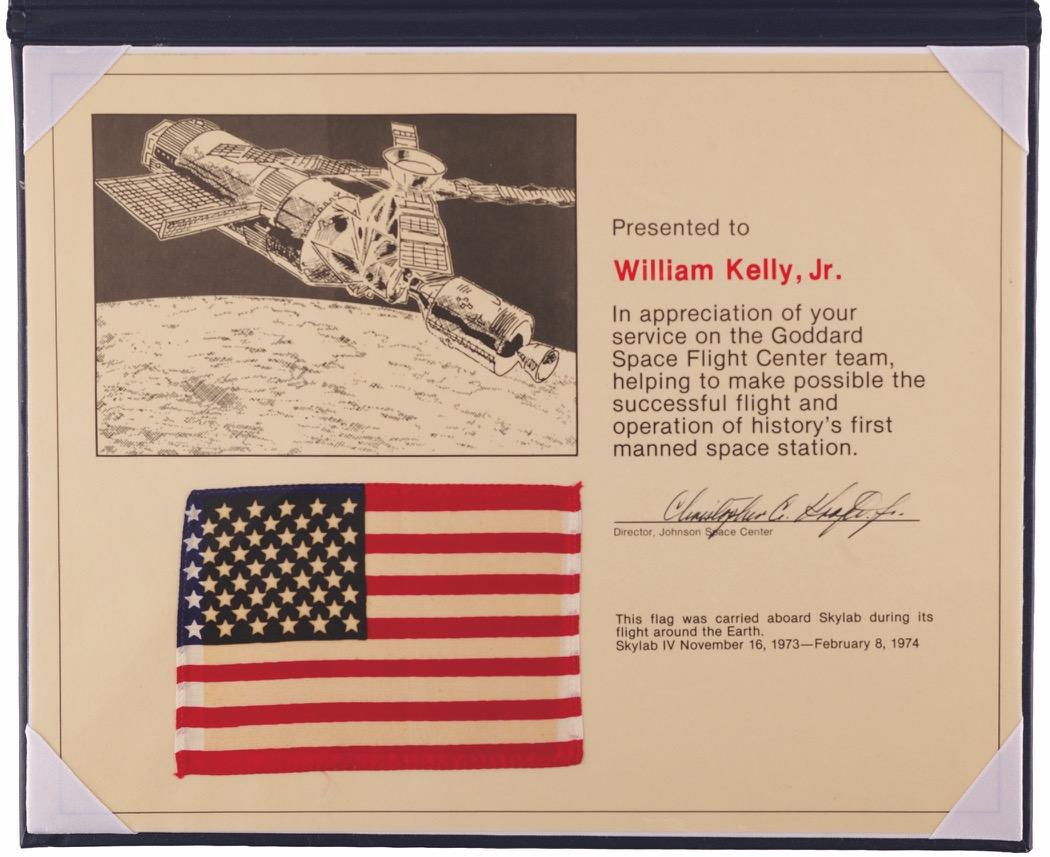
5457. Skylab 4 Flown American Flag Presentation Signed by Christopher K... Starting Bid $200
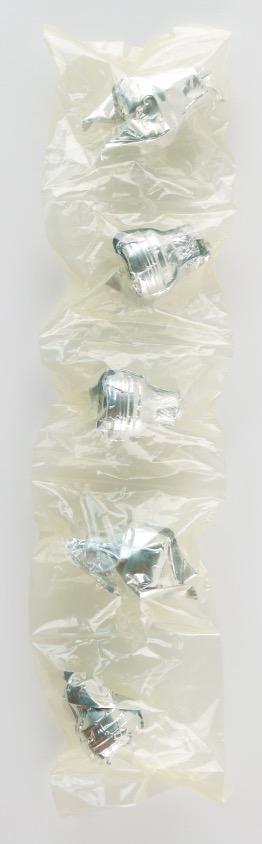
5461. Skylab (5) Unused Urine Cuffs Starting Bid $200
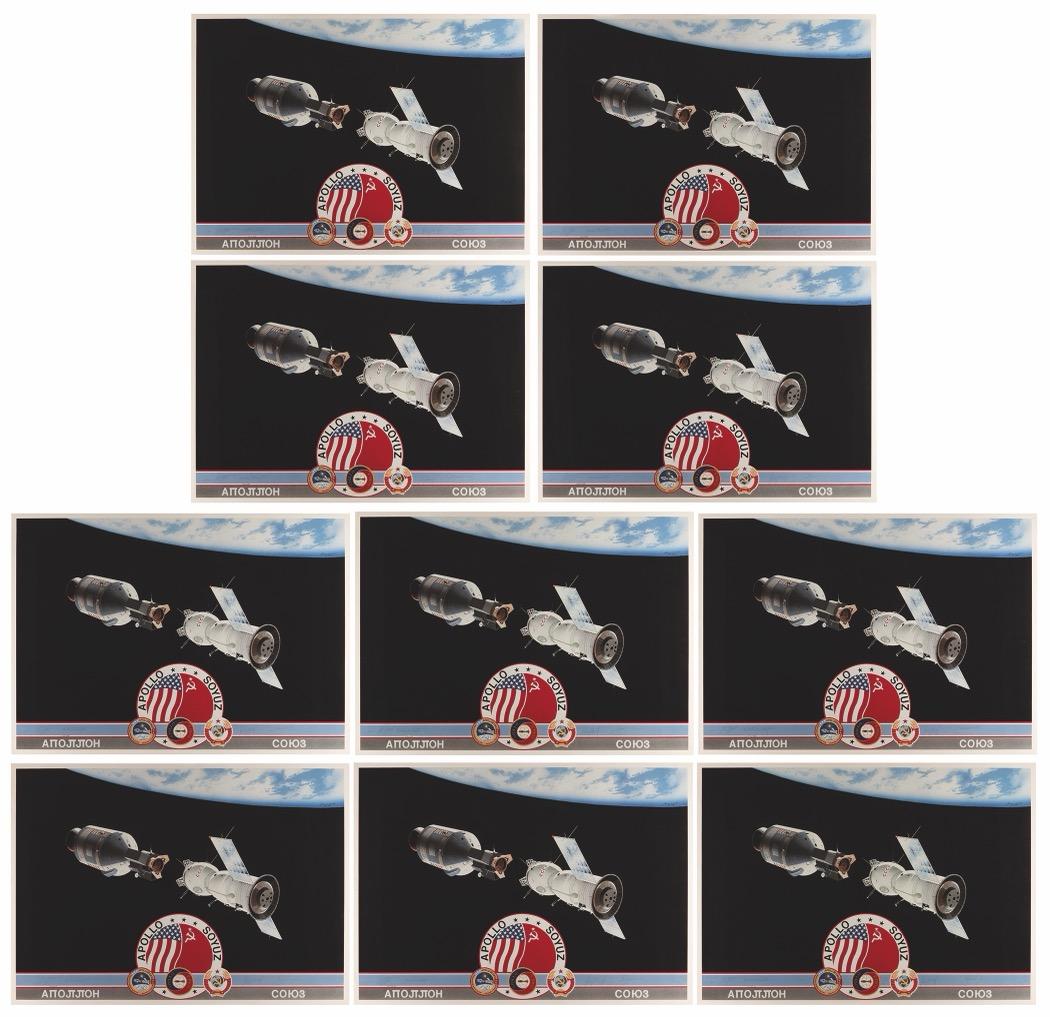
5466. Apollo-Soyuz (10) Signed Prints -
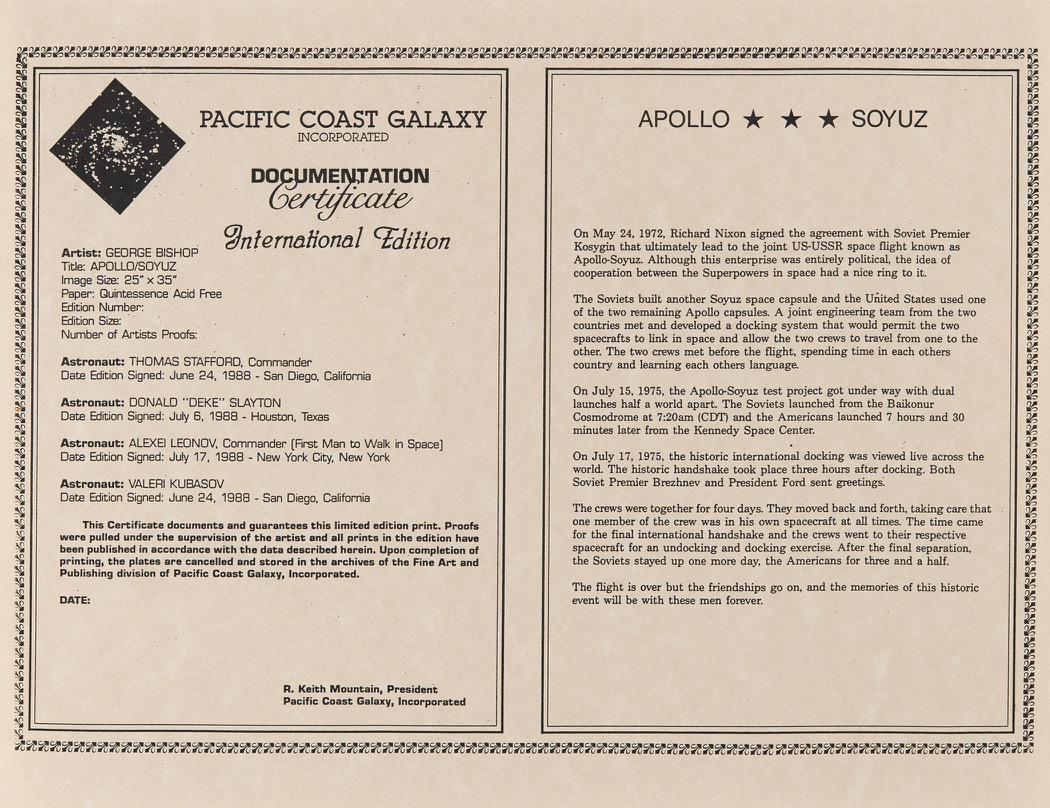
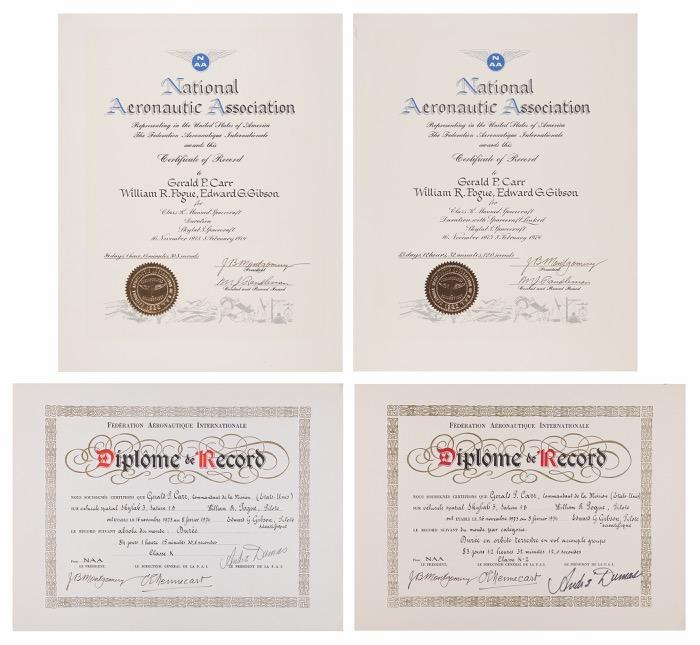
5458. Skylab 4: National Aeronautic Association and Federation Aeronaut... Starting Bid $200
5462. Skylab: NASA/NAA Prototype Certificates for Certifying Flight Rec... Starting Bid $200
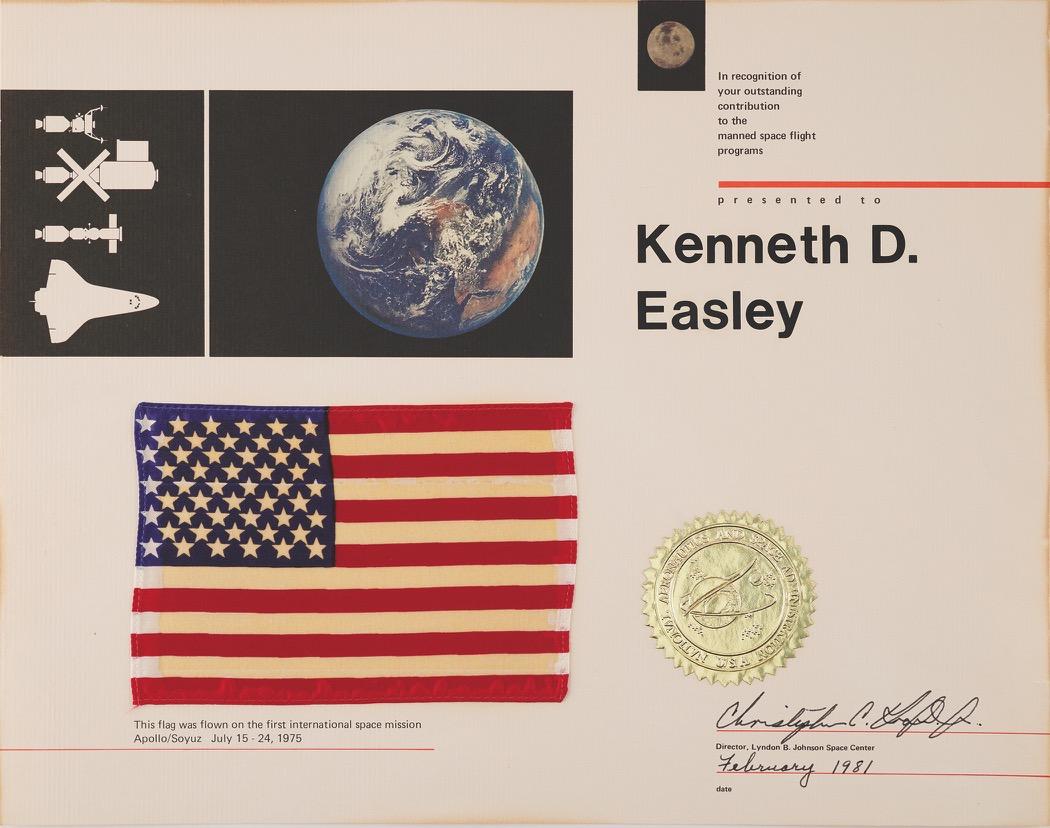
5467. Apollo-Soyuz Test Project Flown American
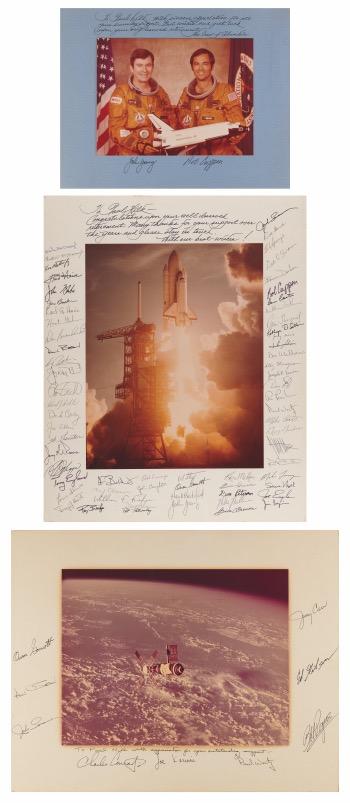
5481.
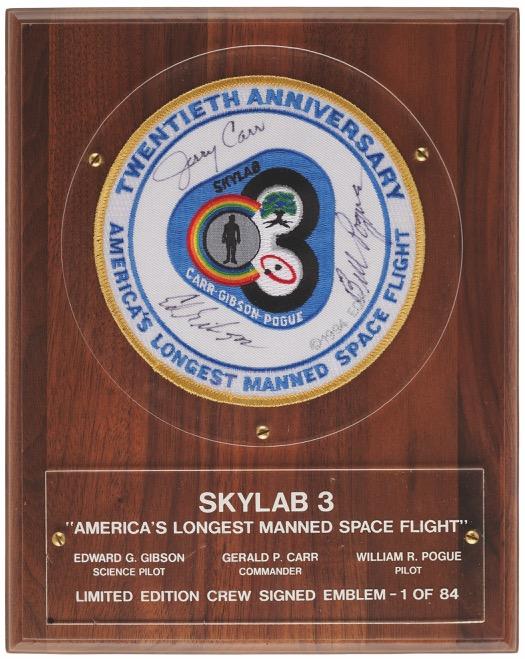
5459. Skylab 4 Signed Limited Edition Patch Starting Bid $200
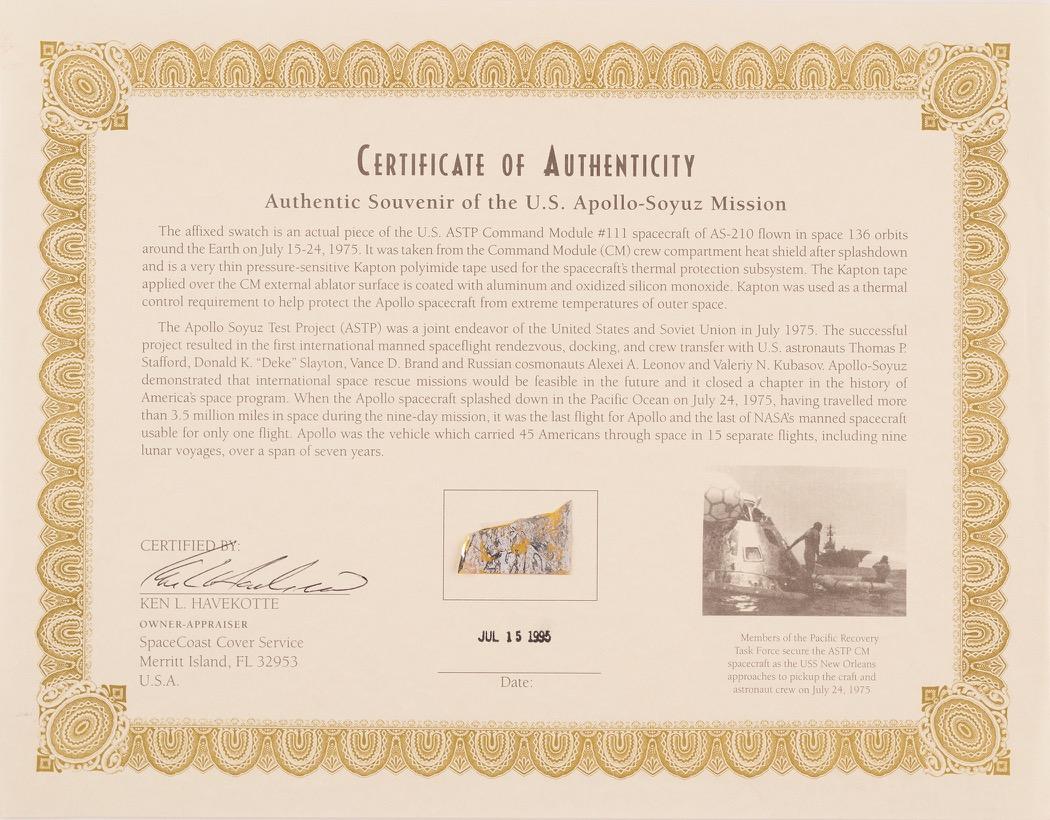
5464. Apollo-Soyuz Test Project Kapton Foil [Attested as Flown by Ken H... Starting Bid $200
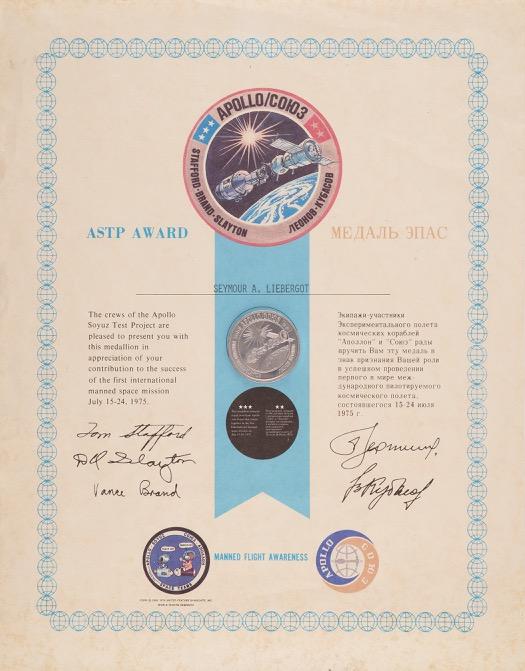
5468. Apollo-Soyuz Test Project Award MedallionPresented to Sy Liebe... Starting Bid $200
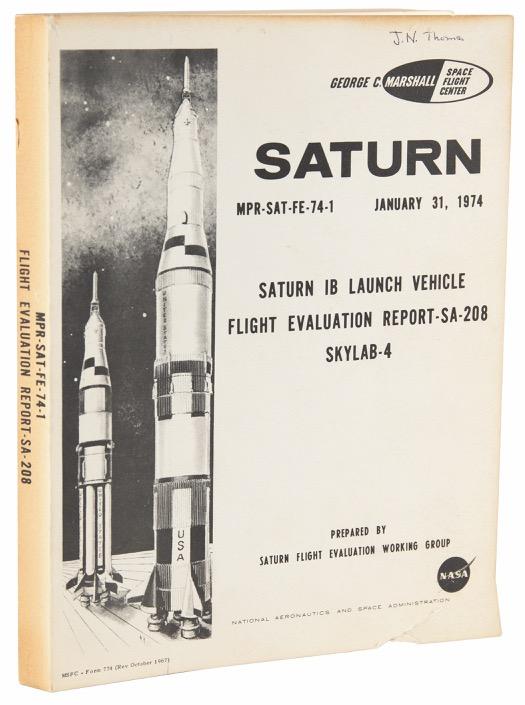
5460. Skylab 4 Flight Evaluation Report - 'Saturn
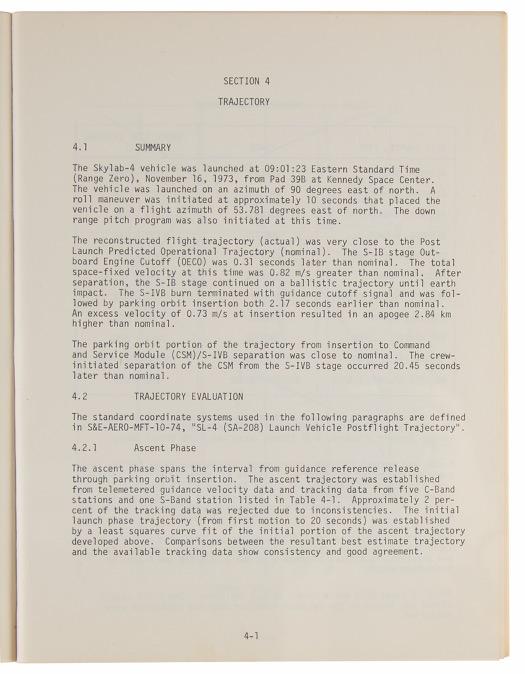
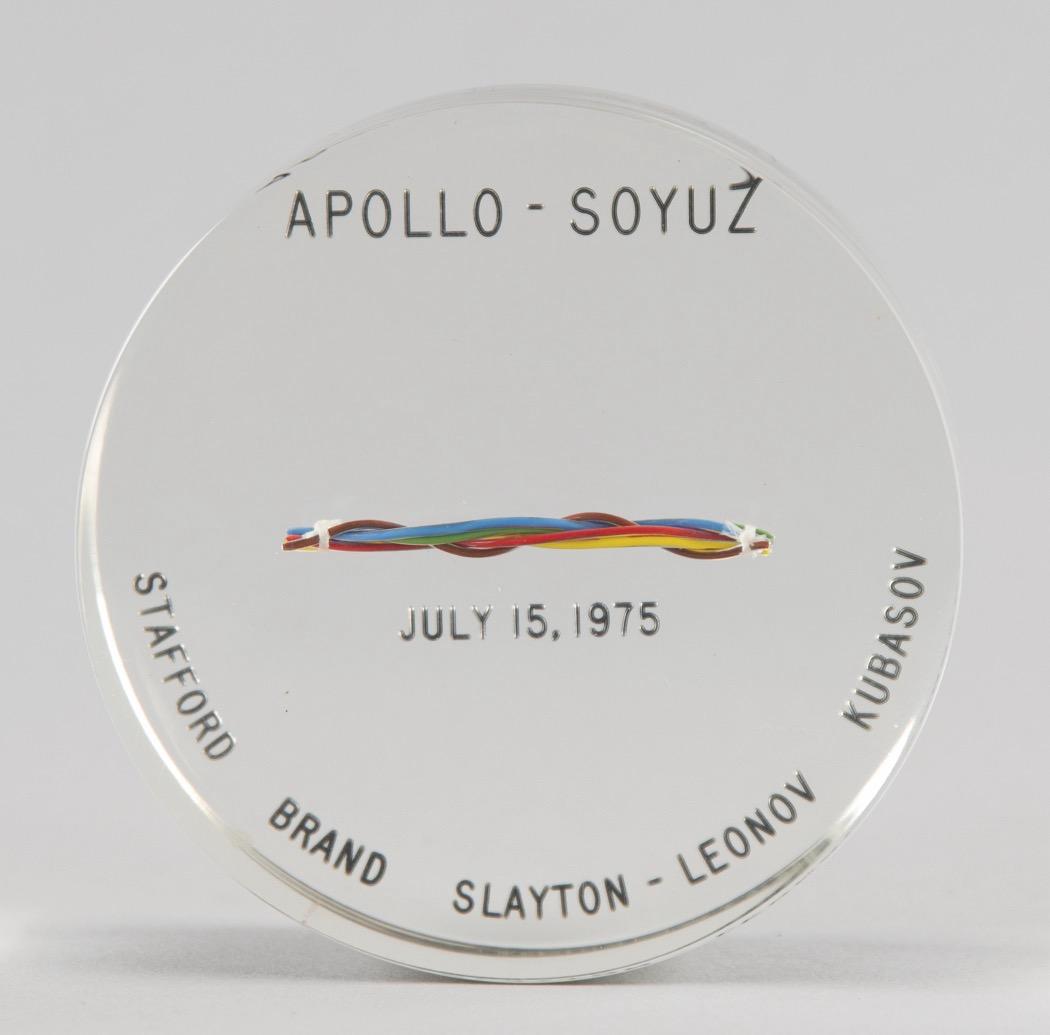
5465. Apollo-Soyuz
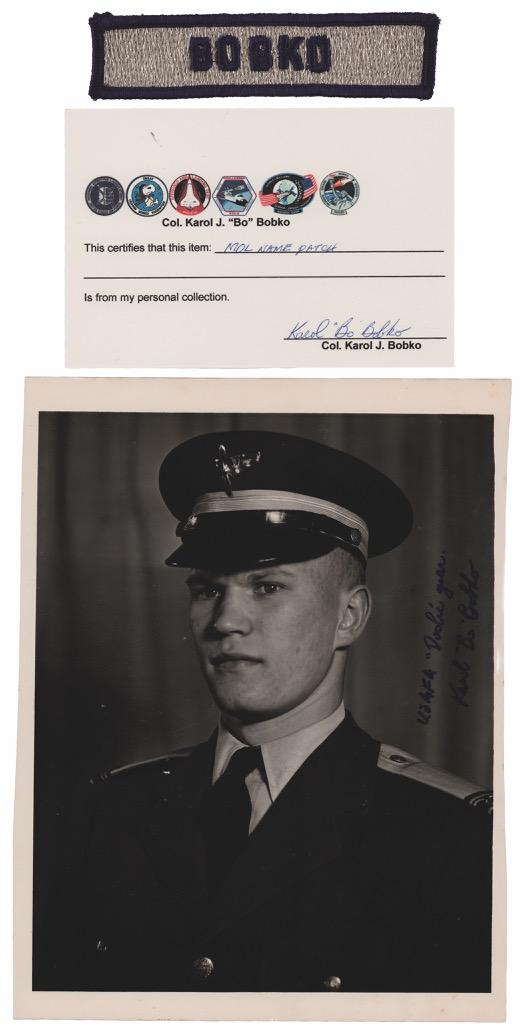
5479. Karol Bobko's Manned Orbiting Laboratory (MOL) Name Patch and Sig... Starting Bid $200
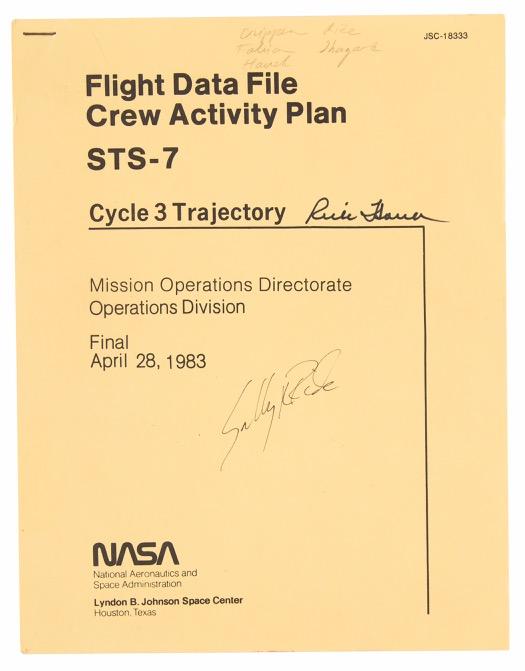
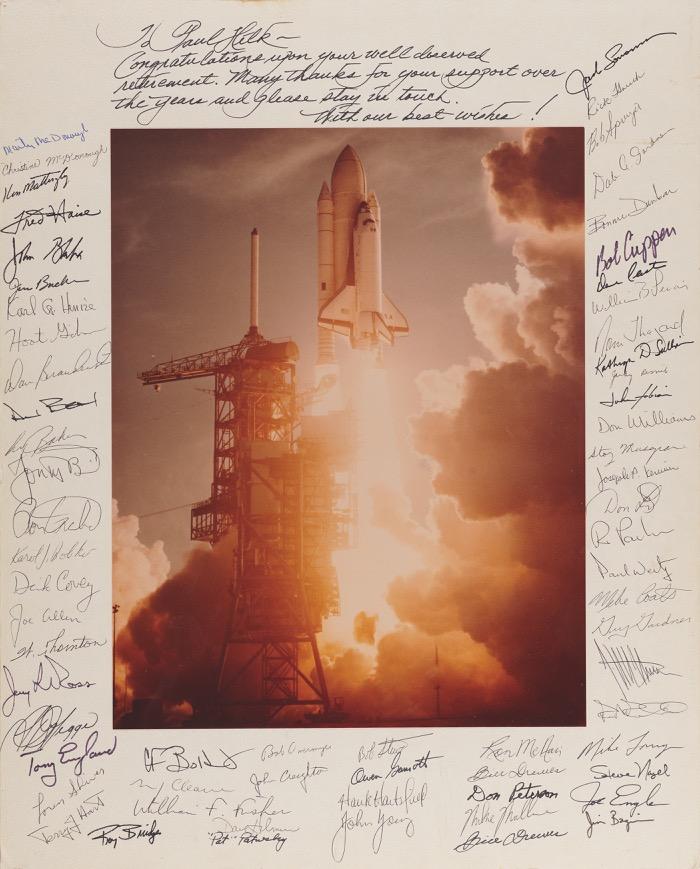
NASA Archive Featuring (3) Multi-Signed Skylab an...
5482. Christa McAuliffe Autograph Letter Signed Starting Bid $200
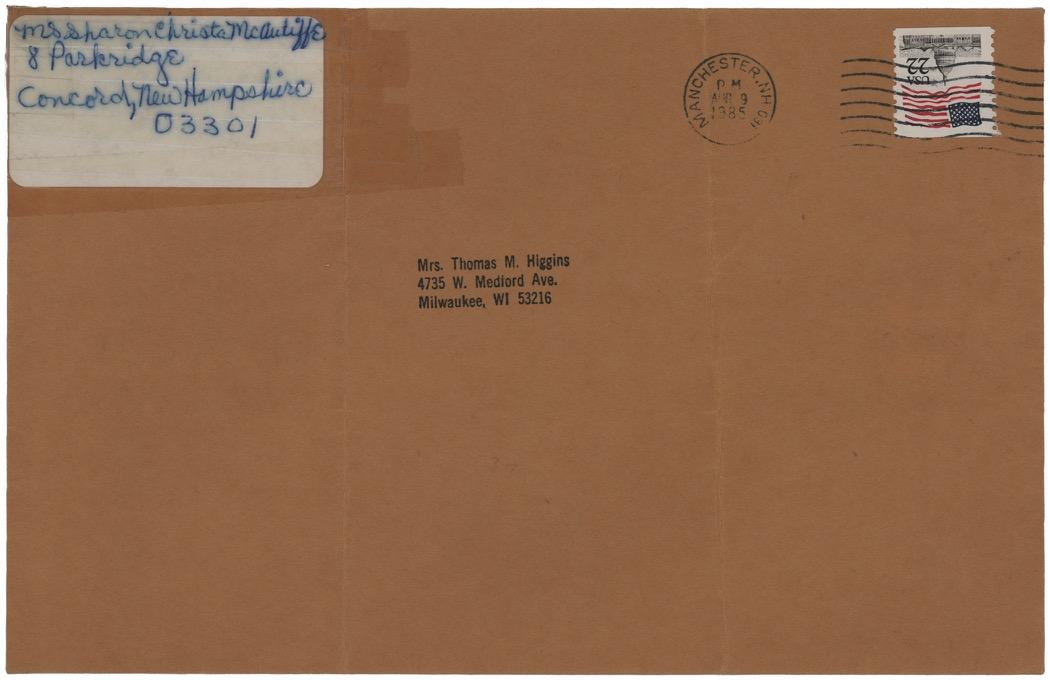
5483. Sally Ride Signed STS -7 FDF Crew Activity Plan Starting Bid $200
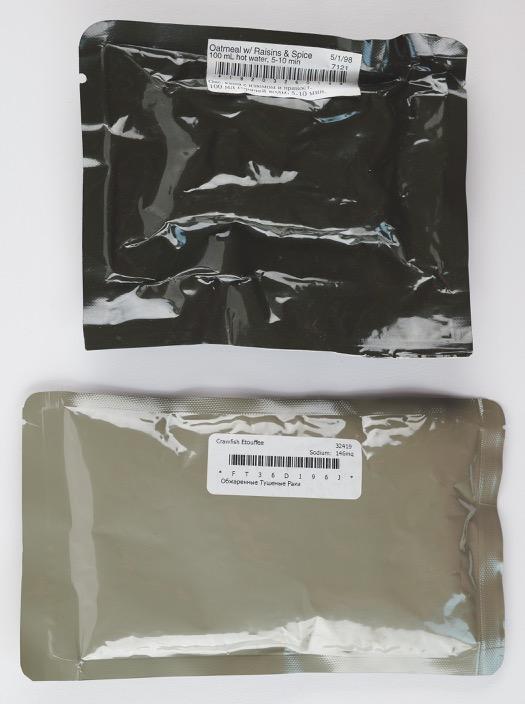
5484. Shuttle-Mir (2) Space Food Packages - Crawfish Etouffee and Oatme... Starting Bid $200
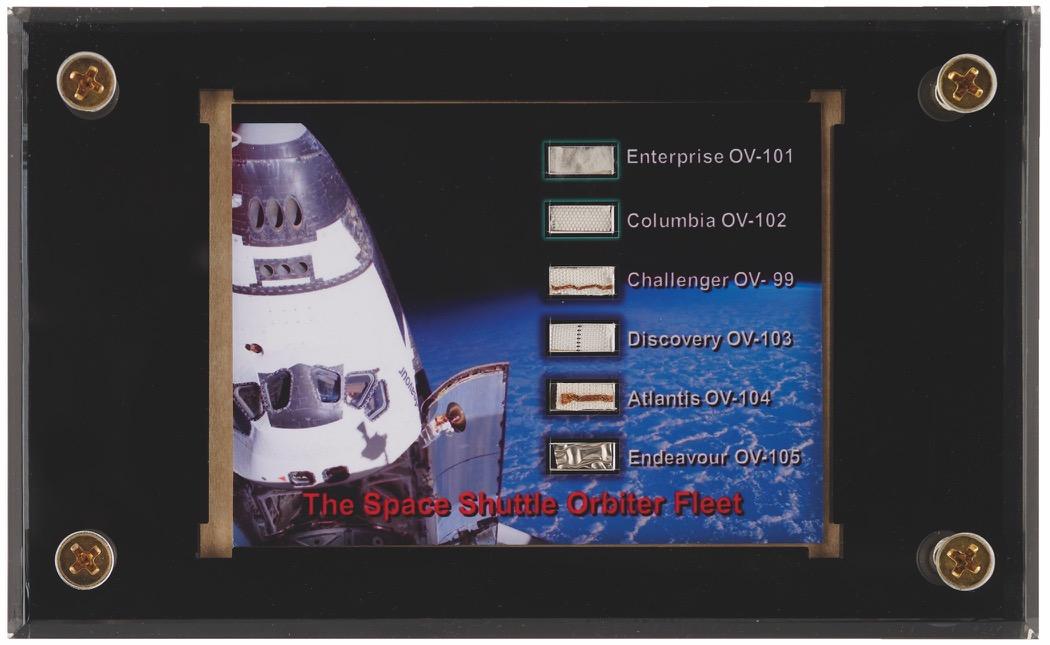
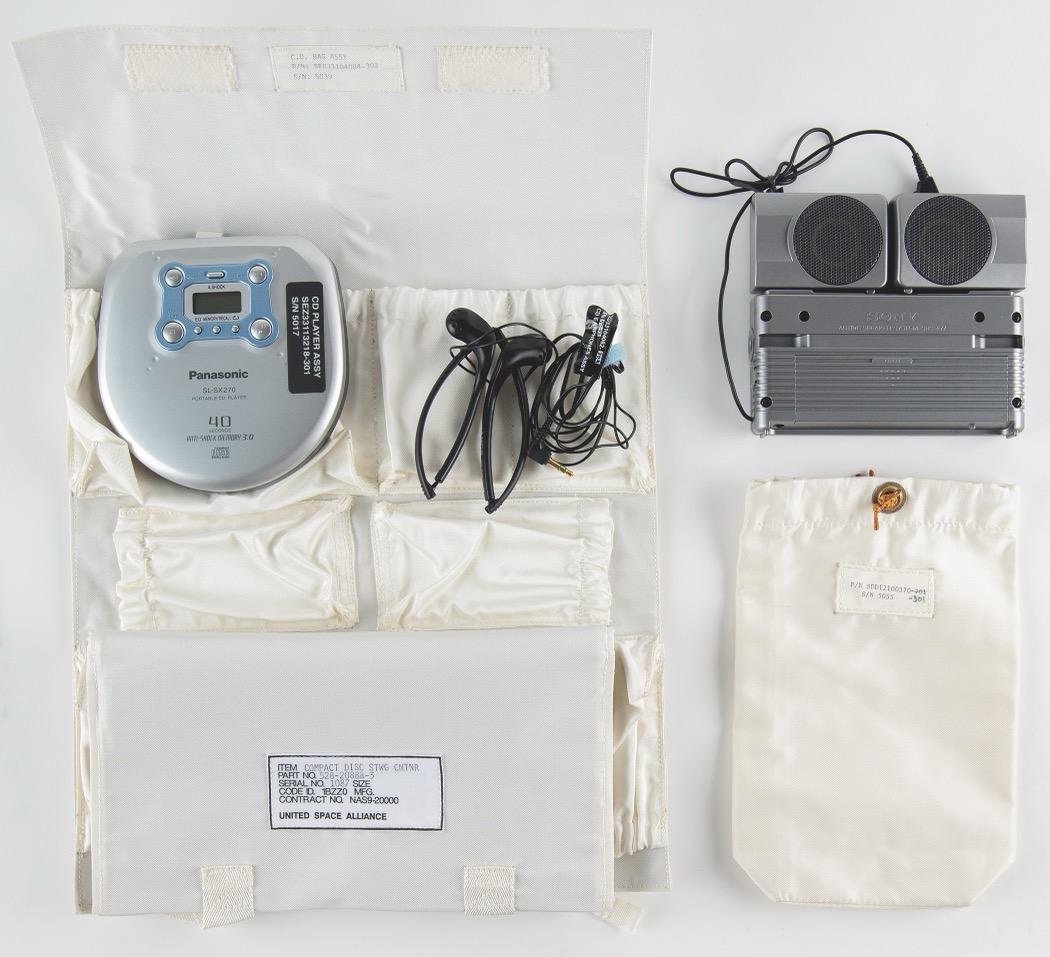
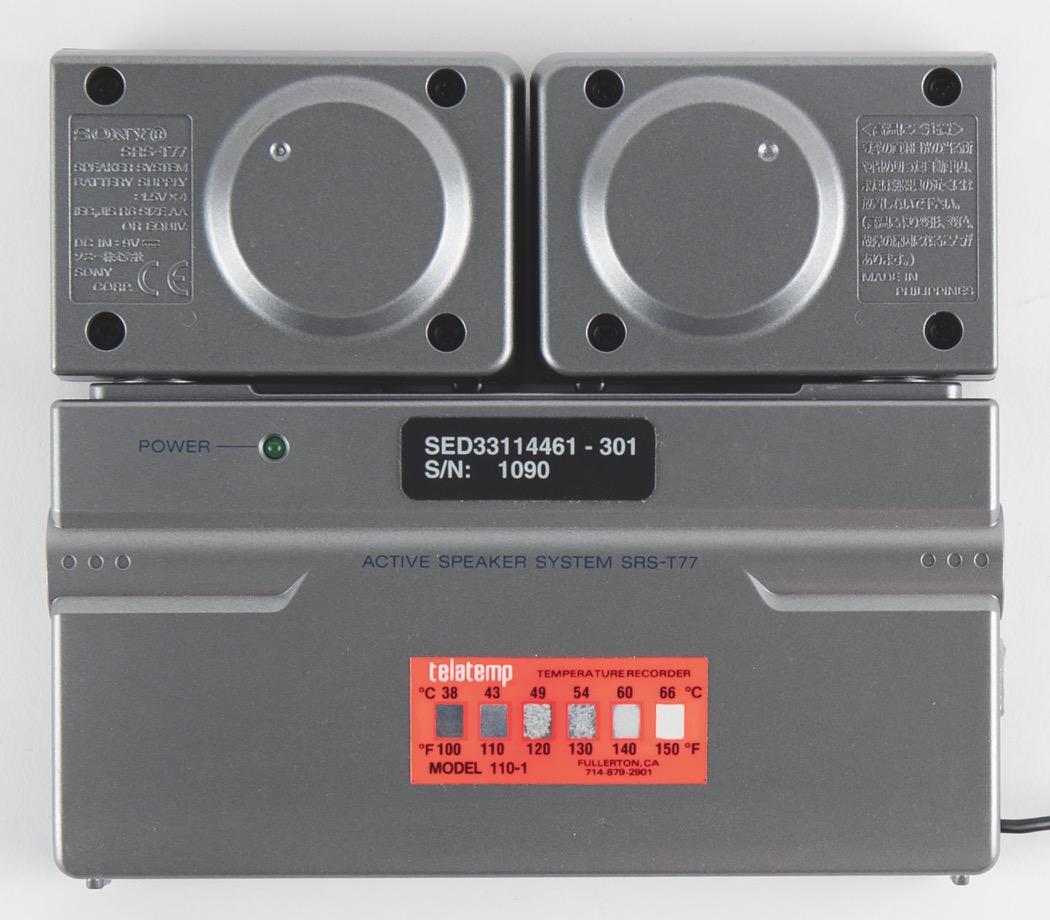
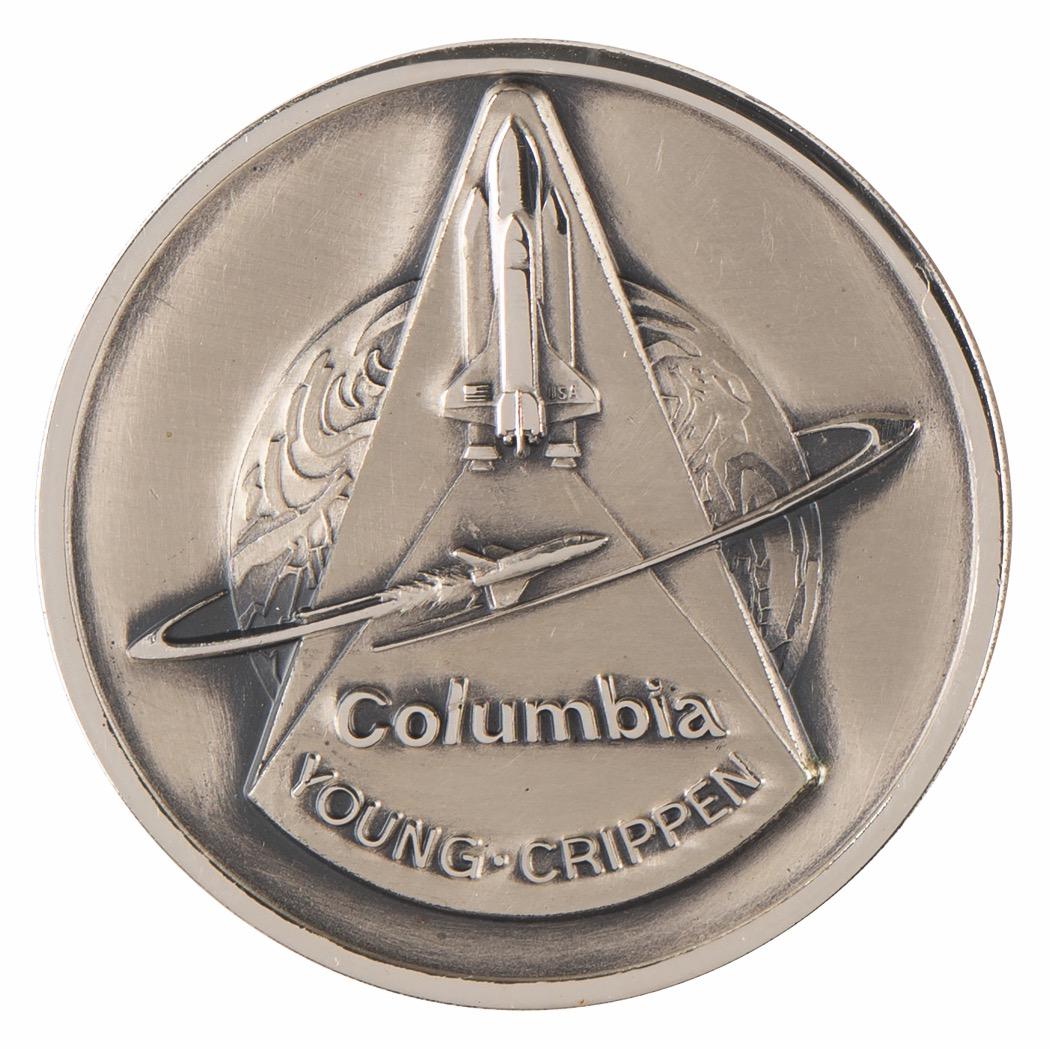
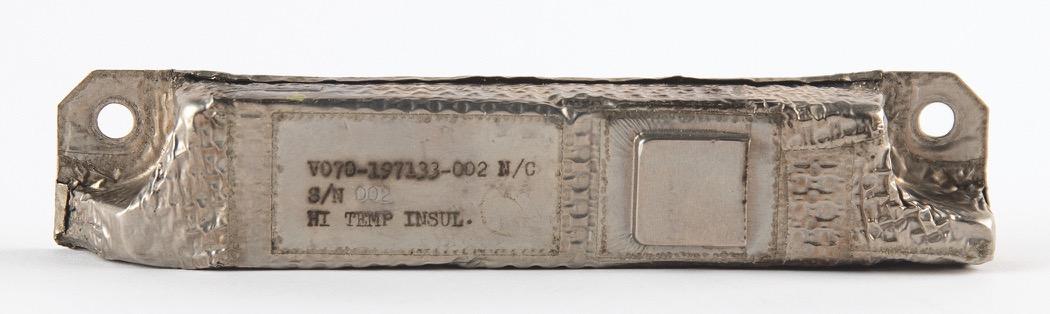
5486. Space Shuttle Columbia Cargo Bay Door Insulation Starting Bid $200
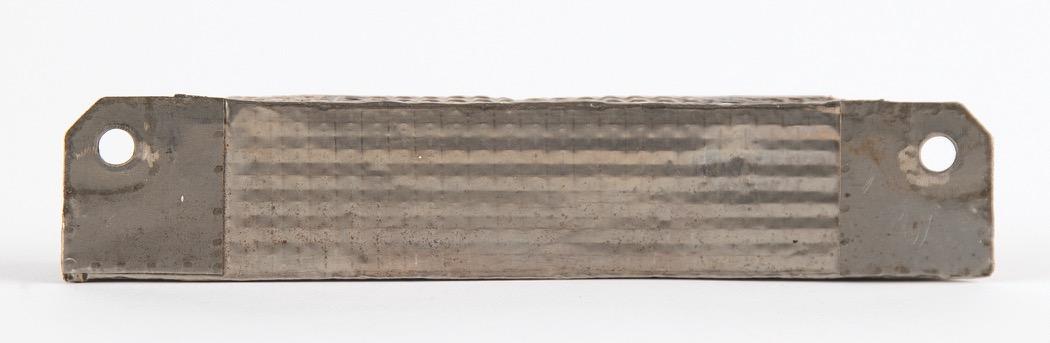
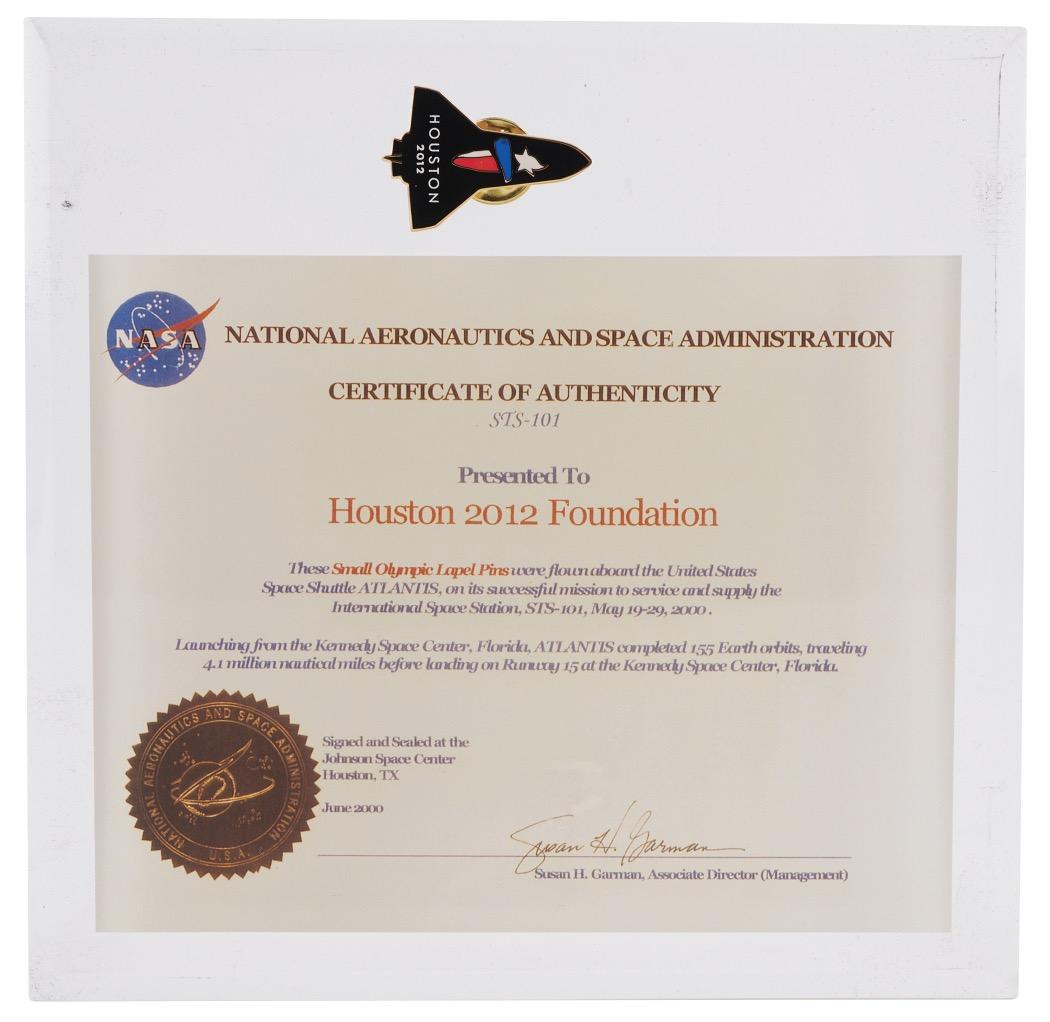
5488. Space Shuttle Orbiter (6) Fragments - Attested as
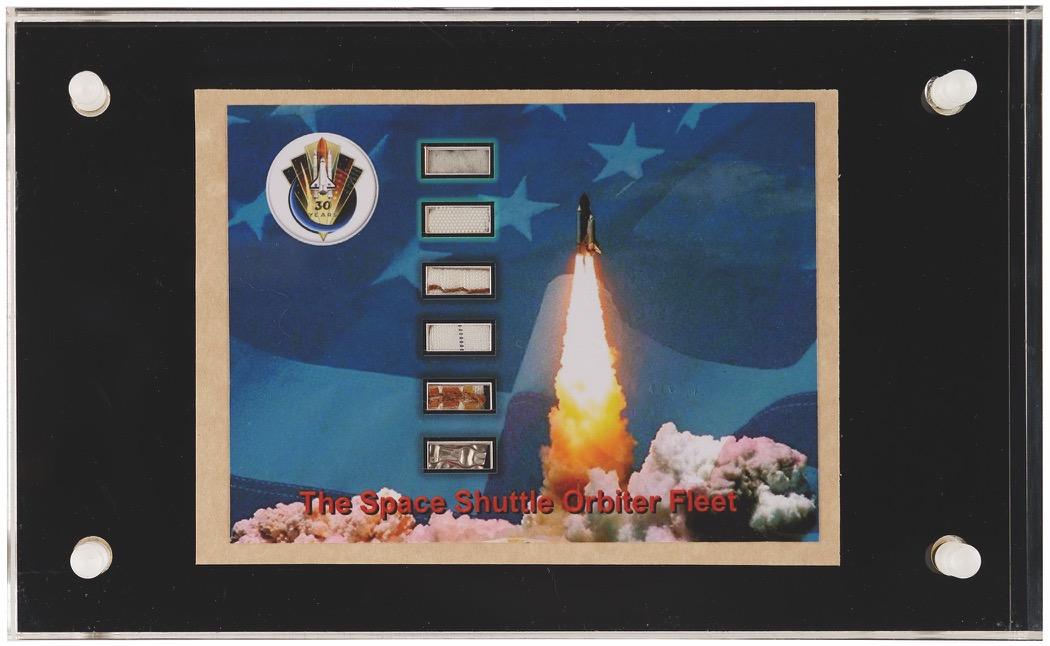
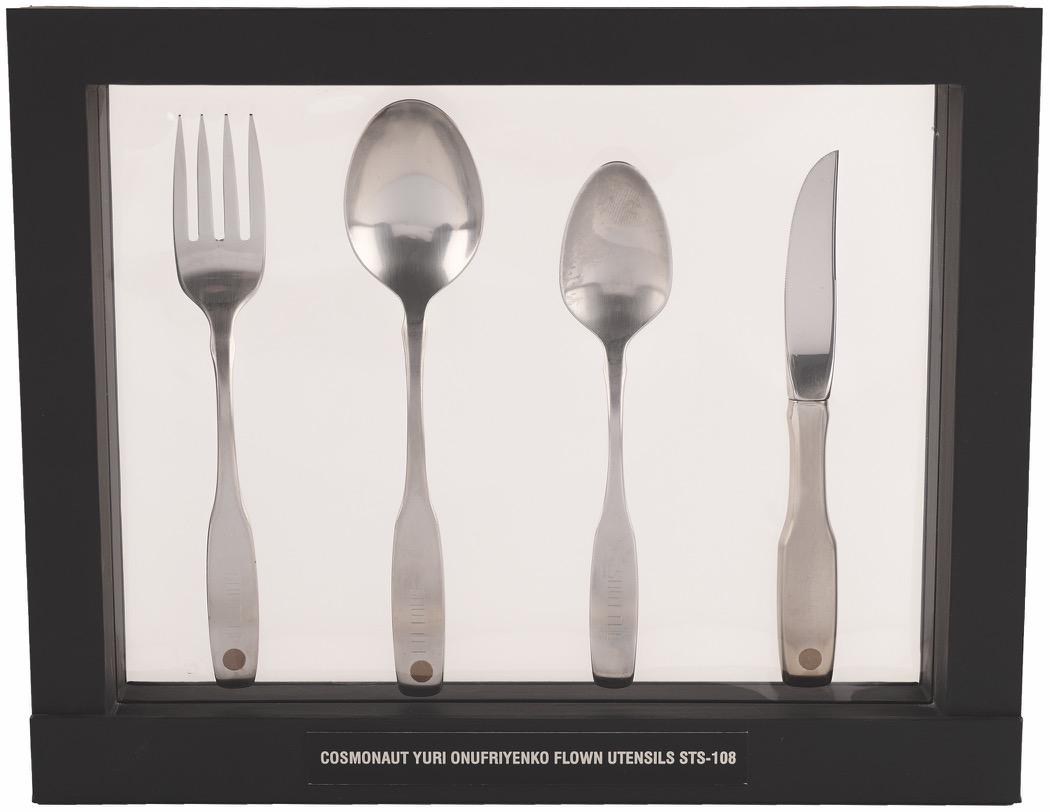
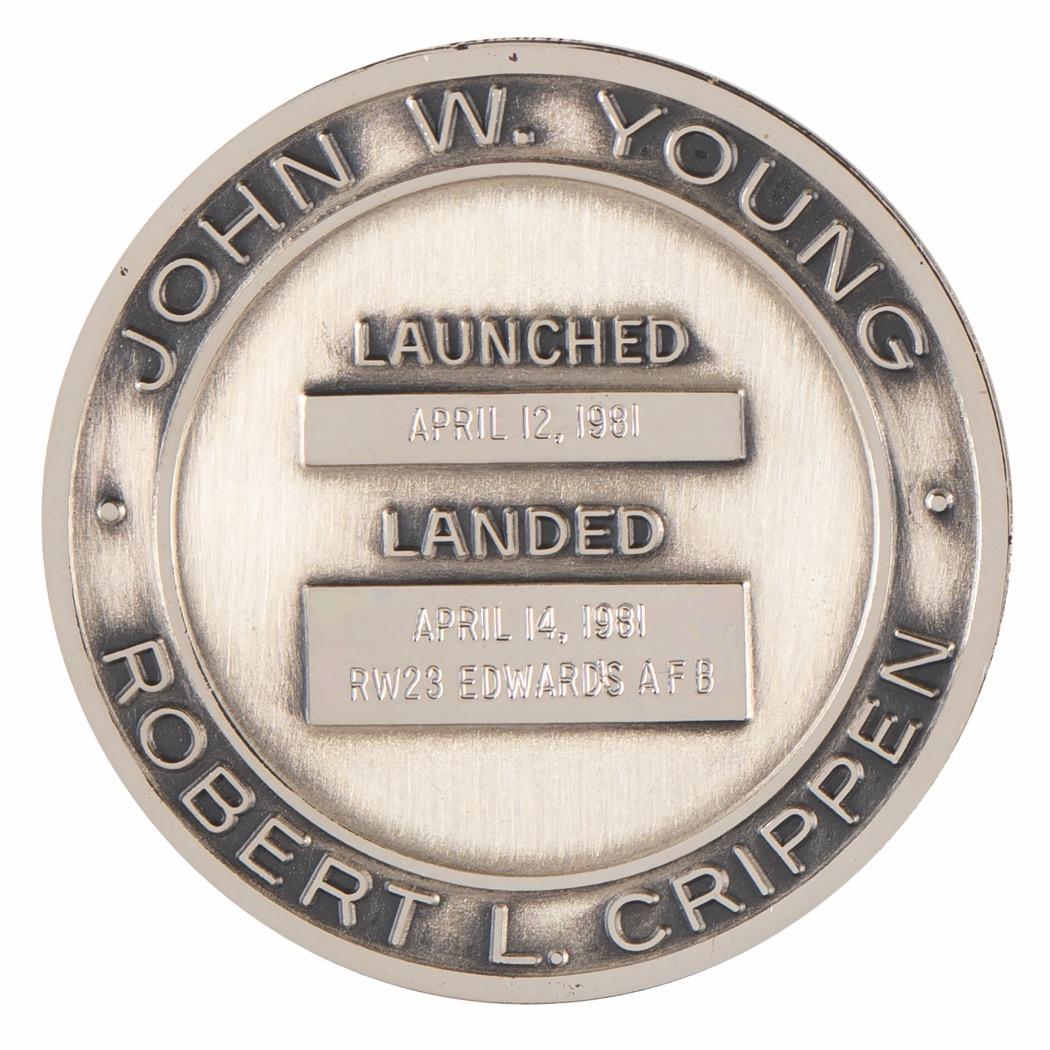
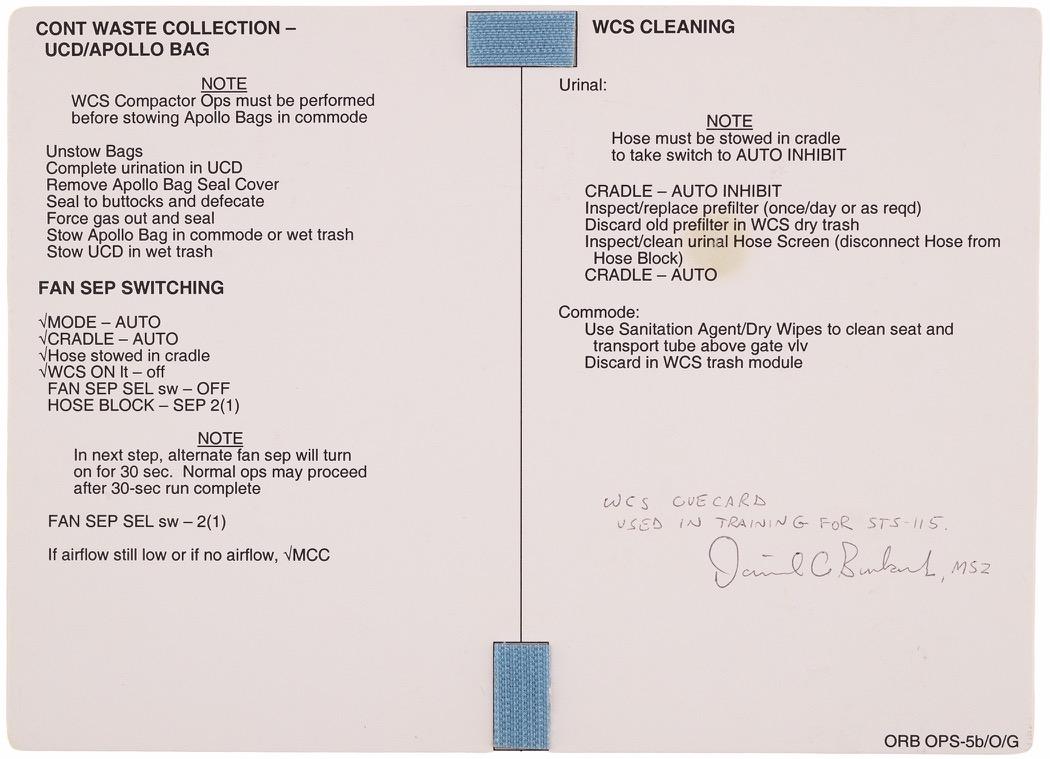
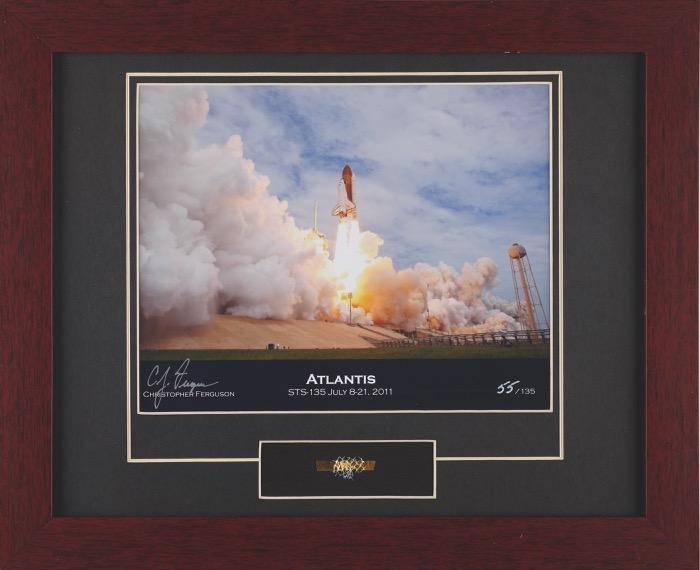
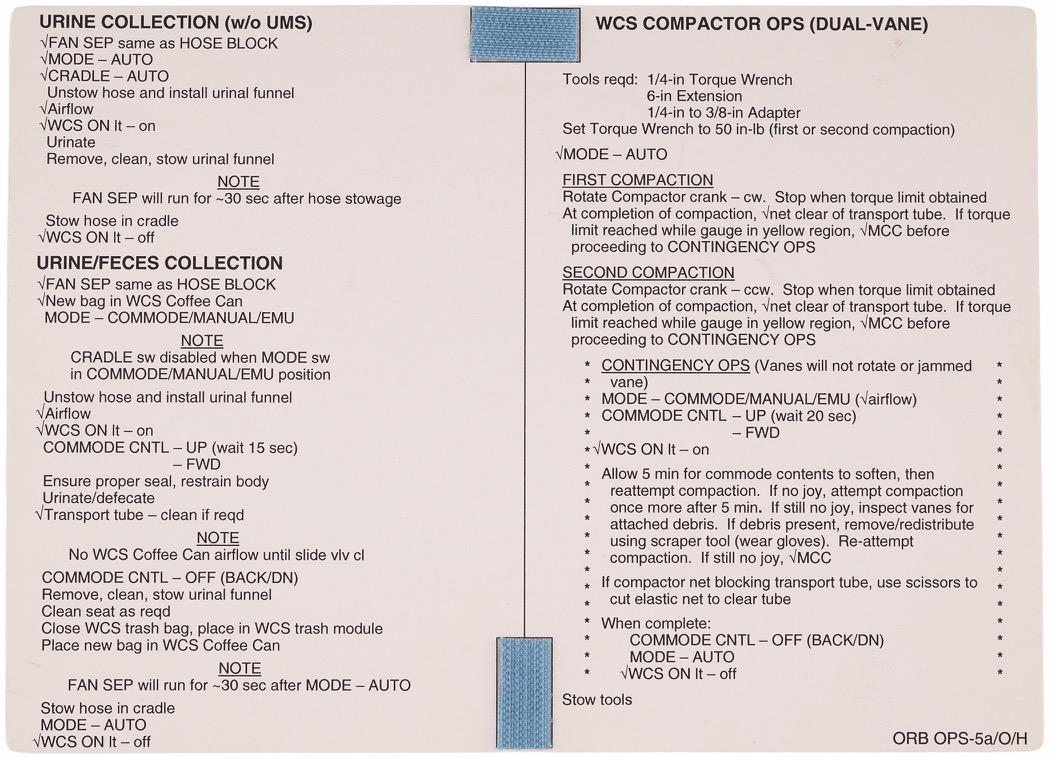
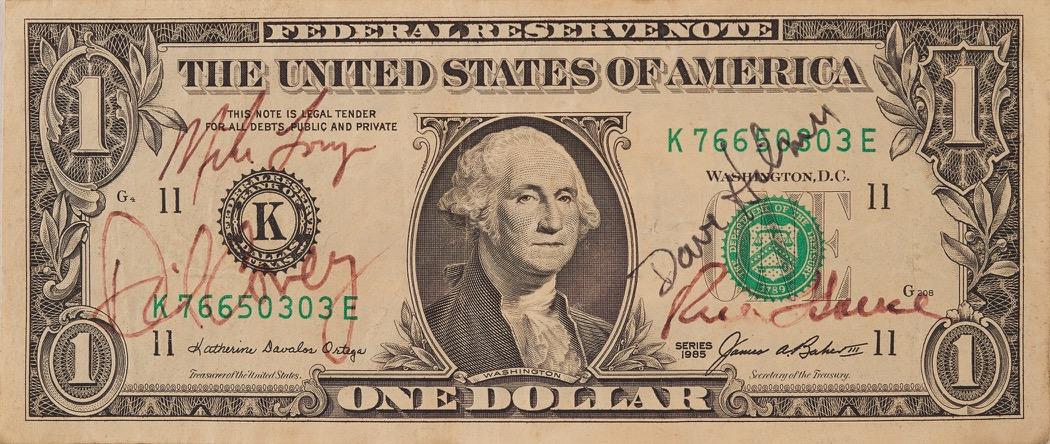
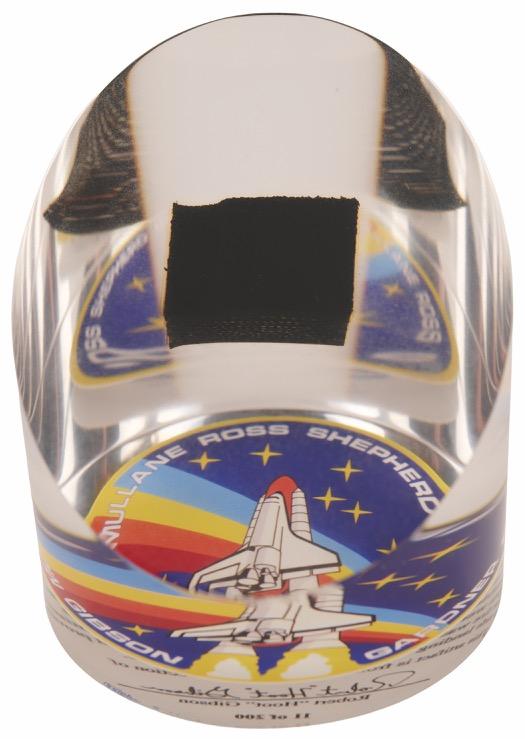
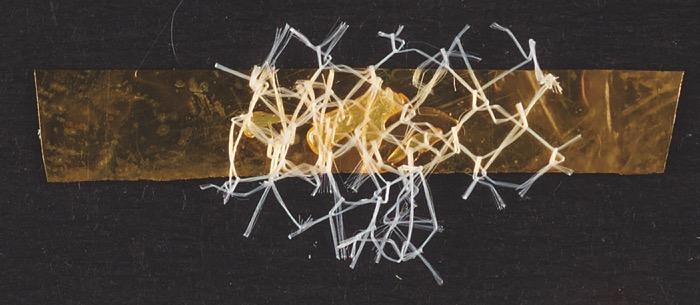
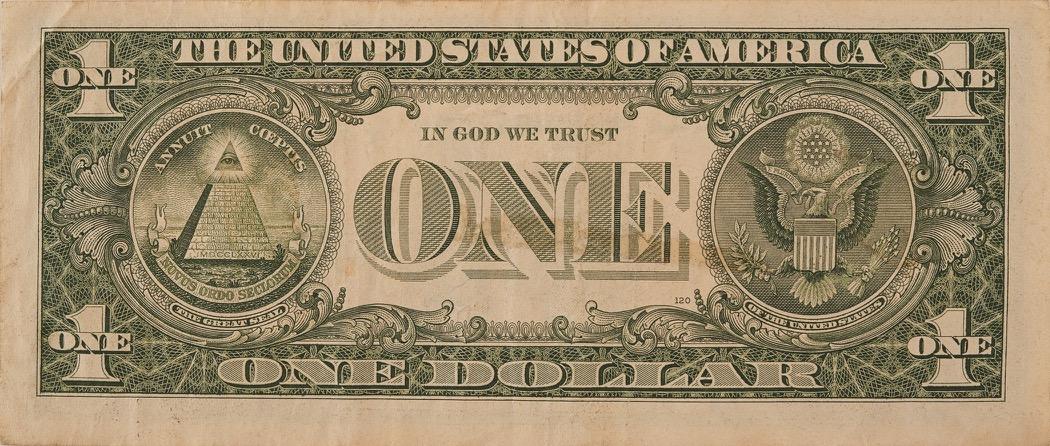
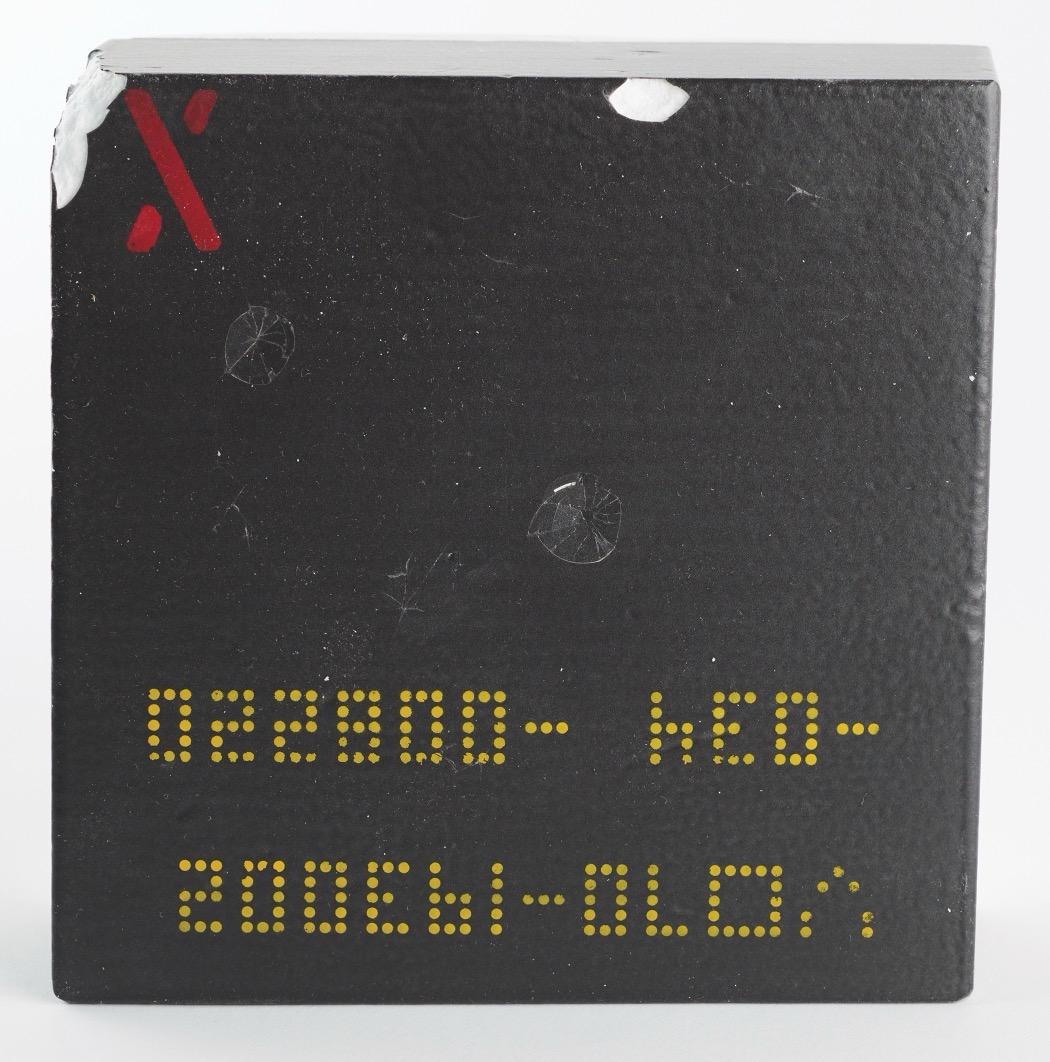
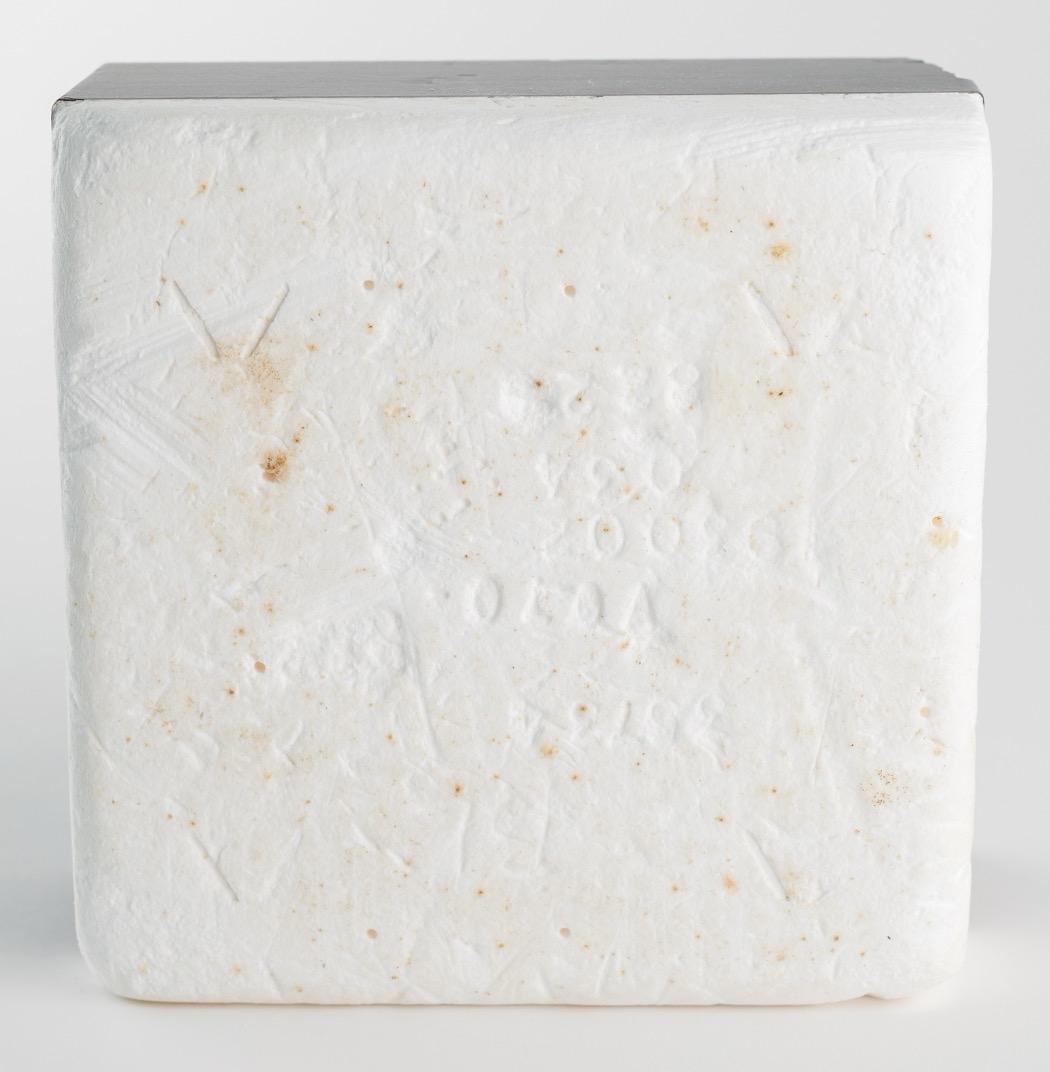
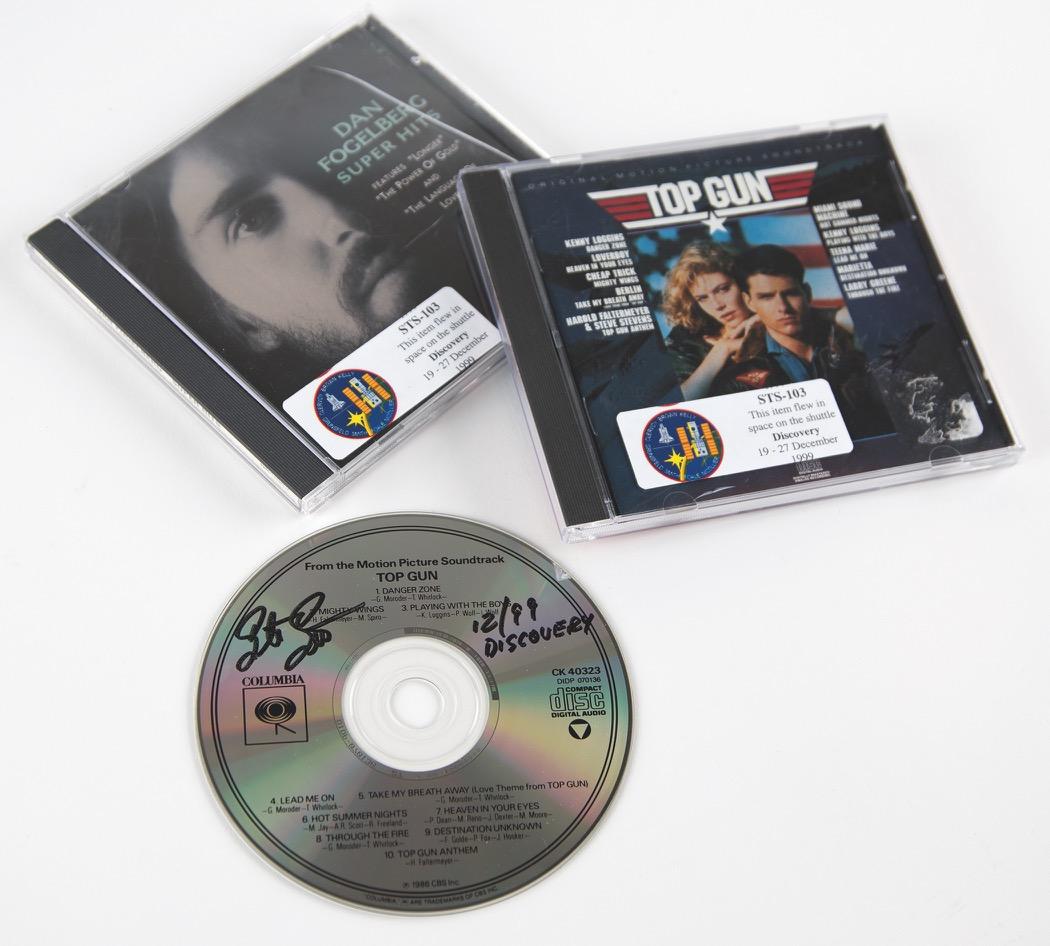
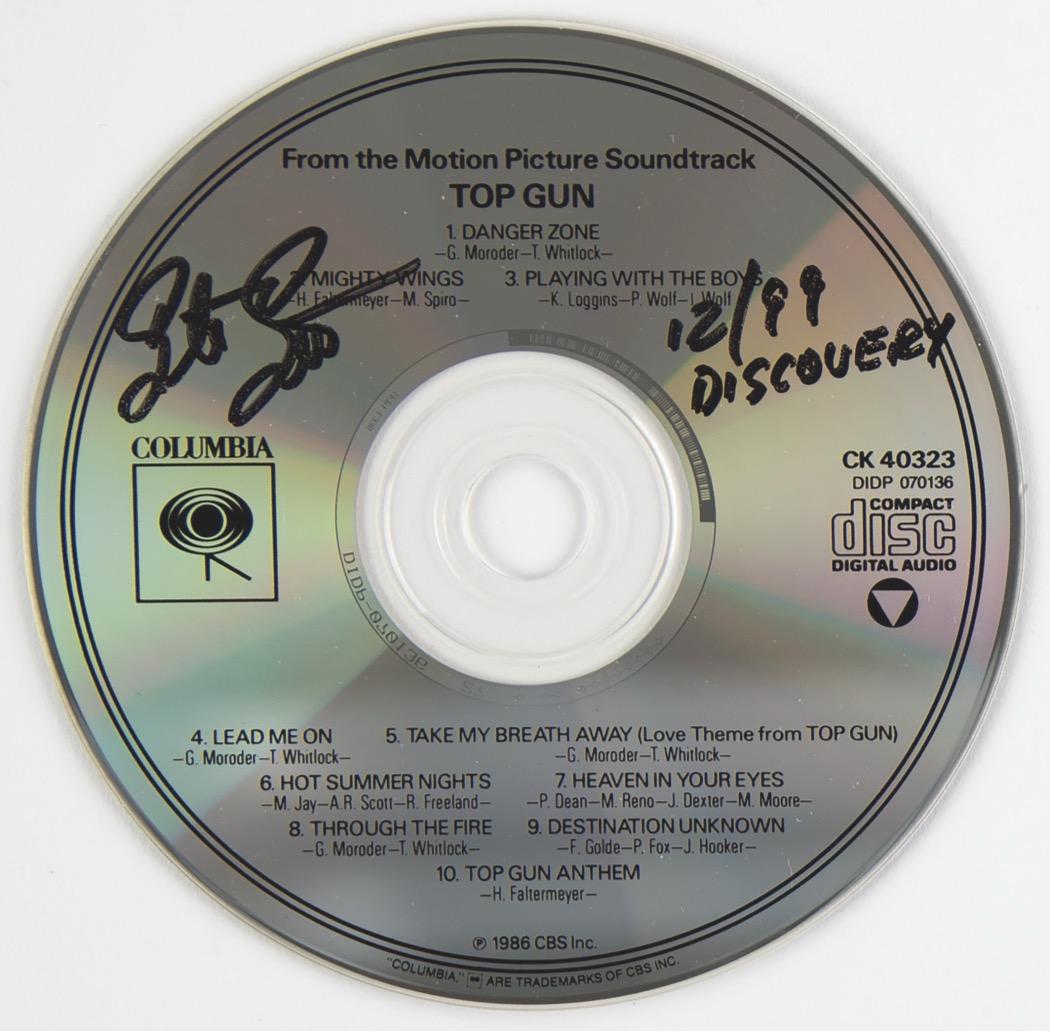
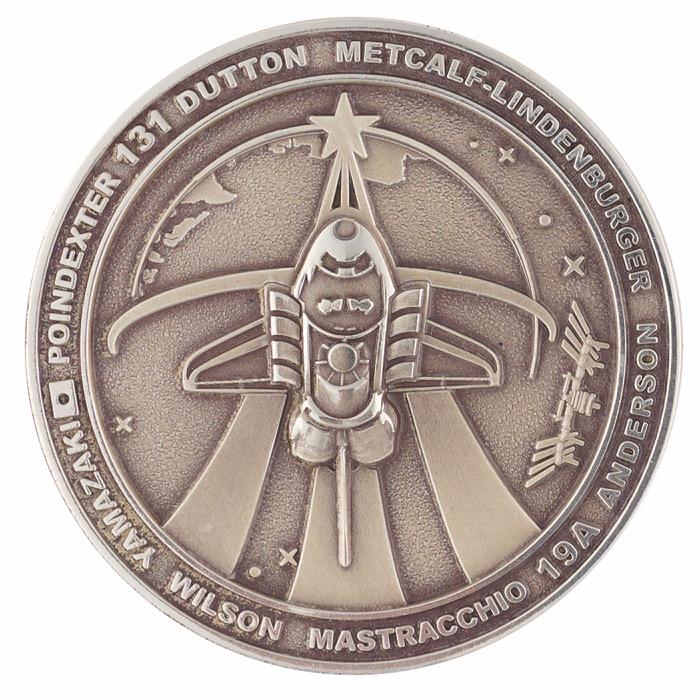
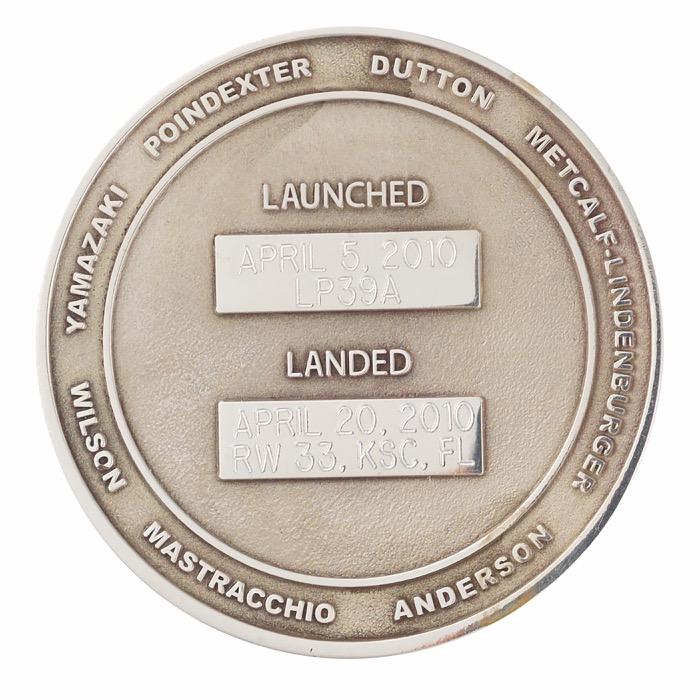
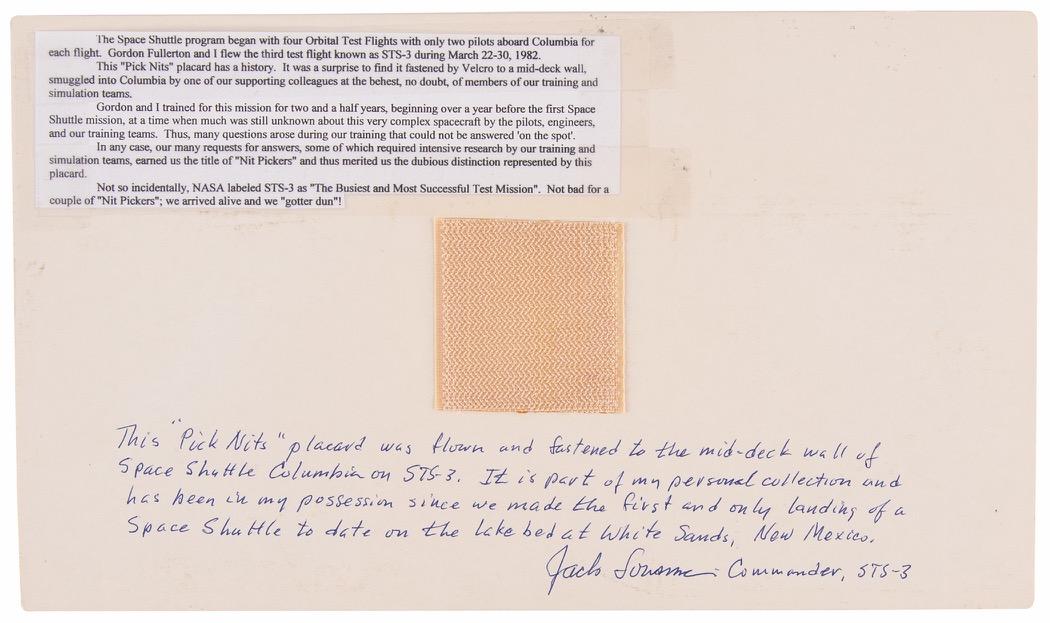
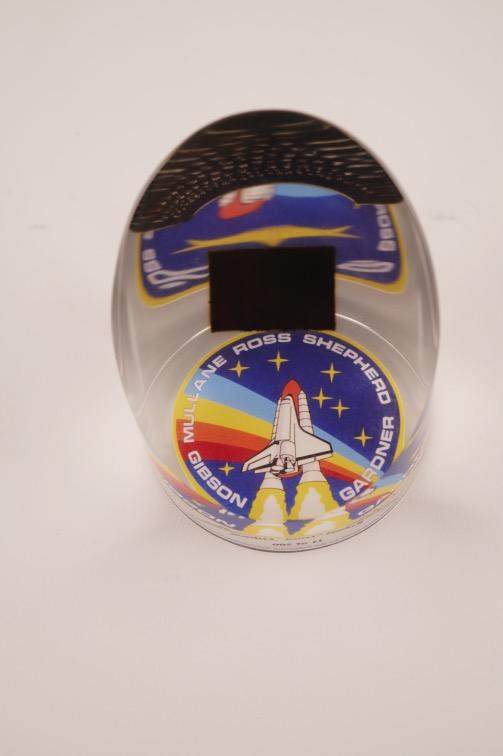
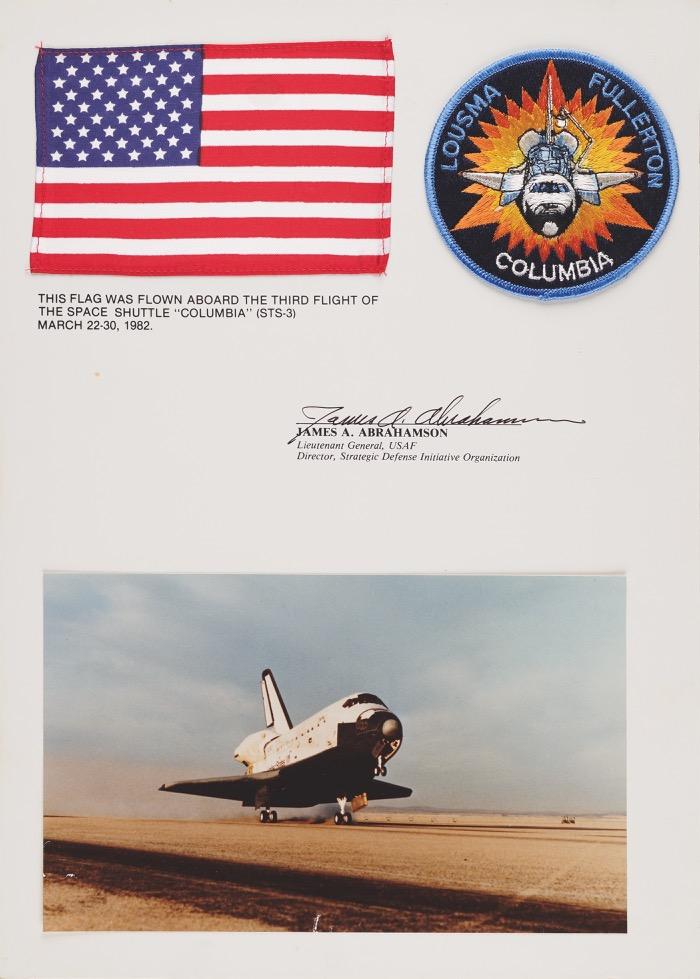
5500.
Starting Bid $200
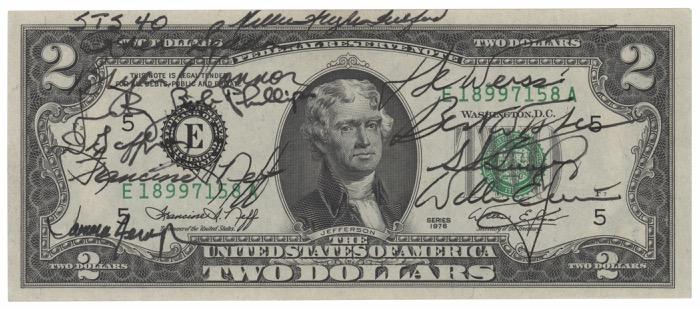
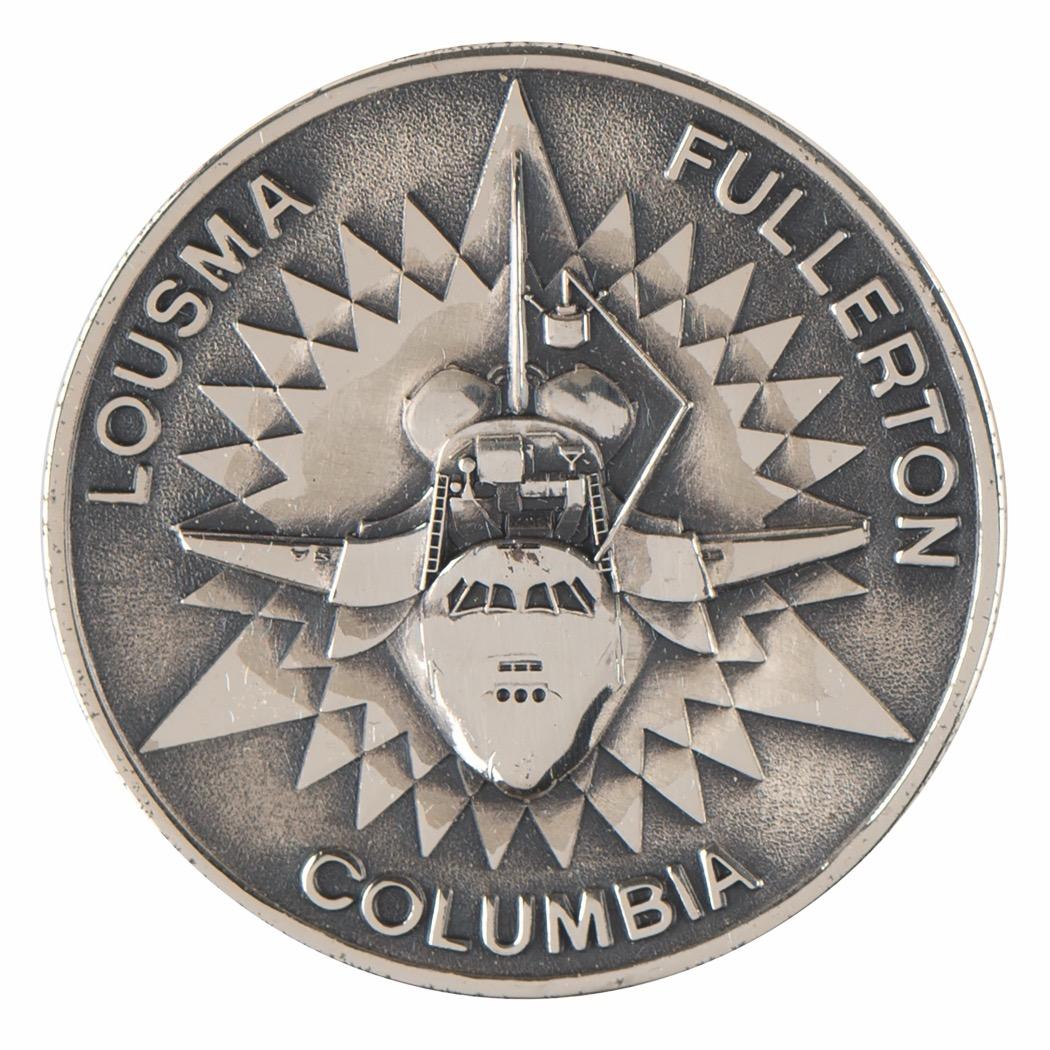
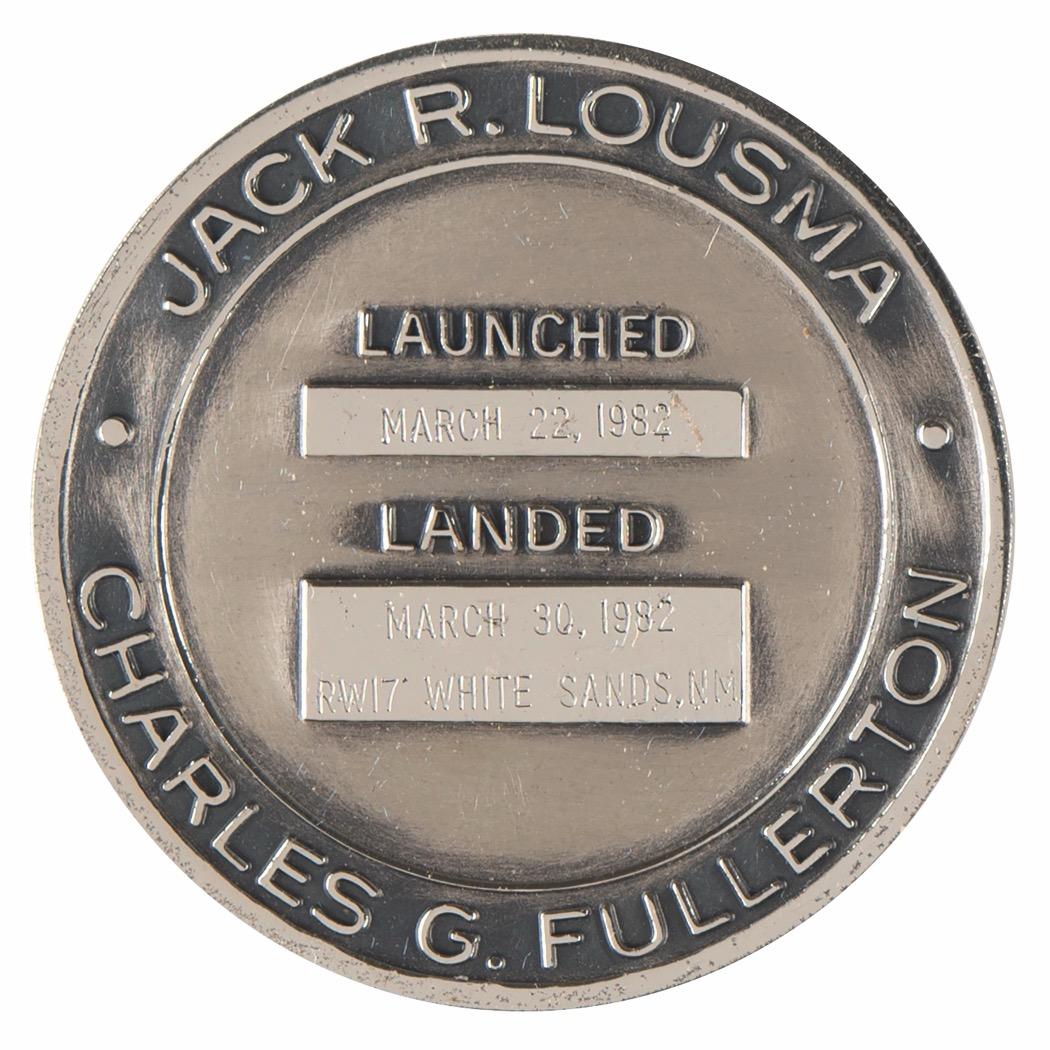
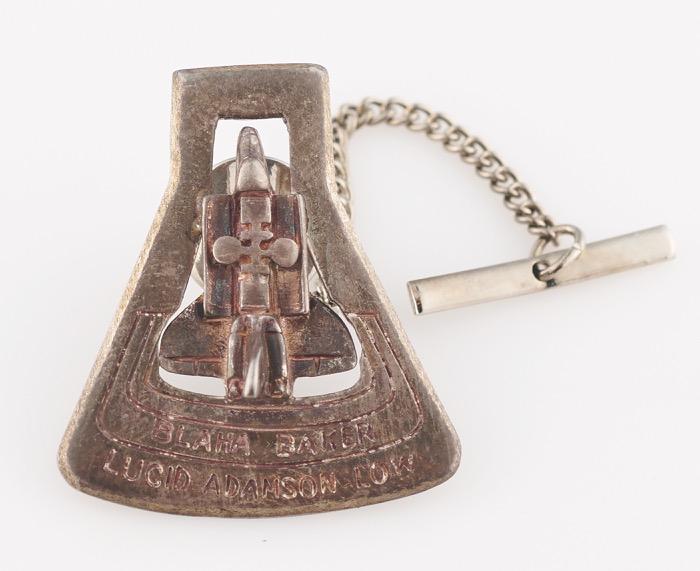
Starting
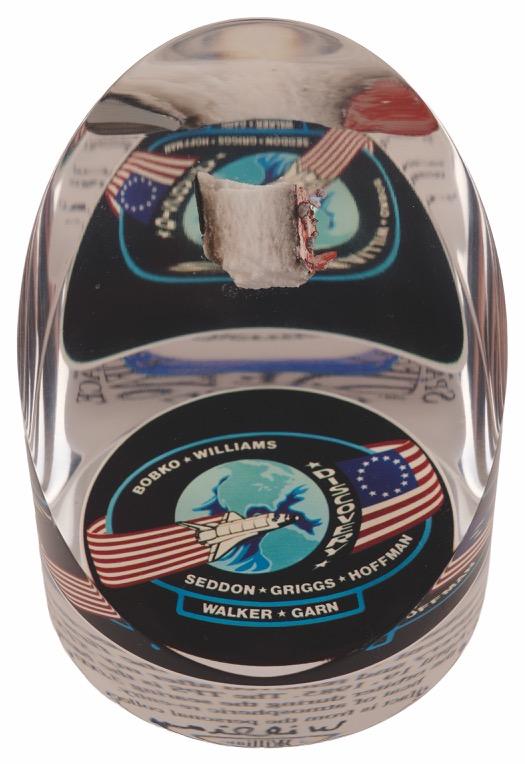
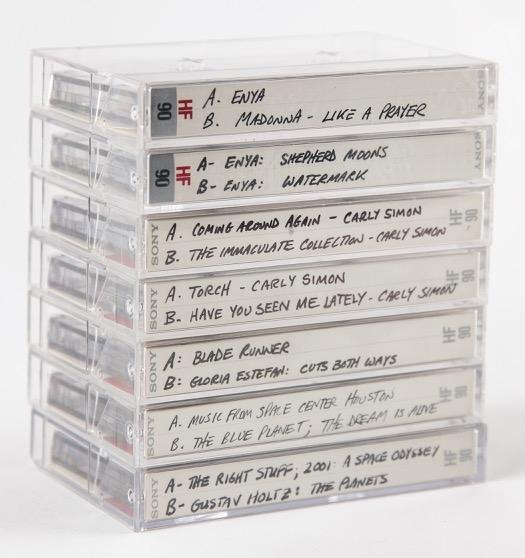
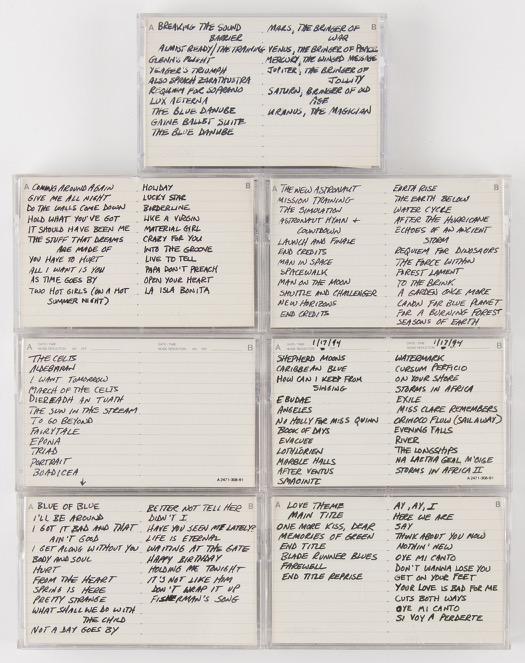
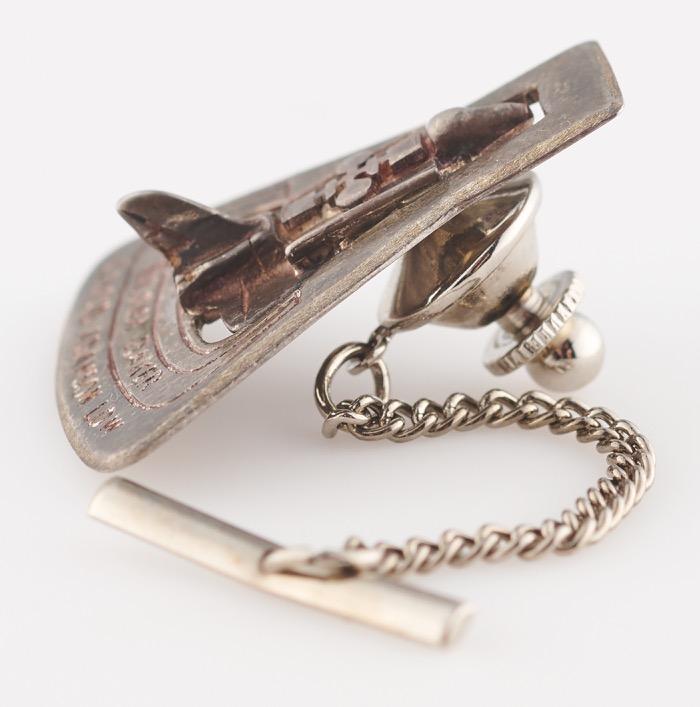
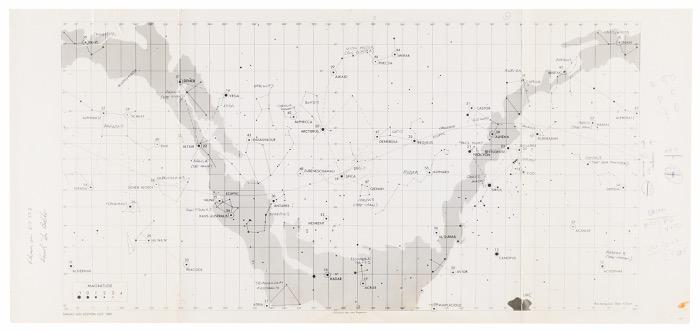
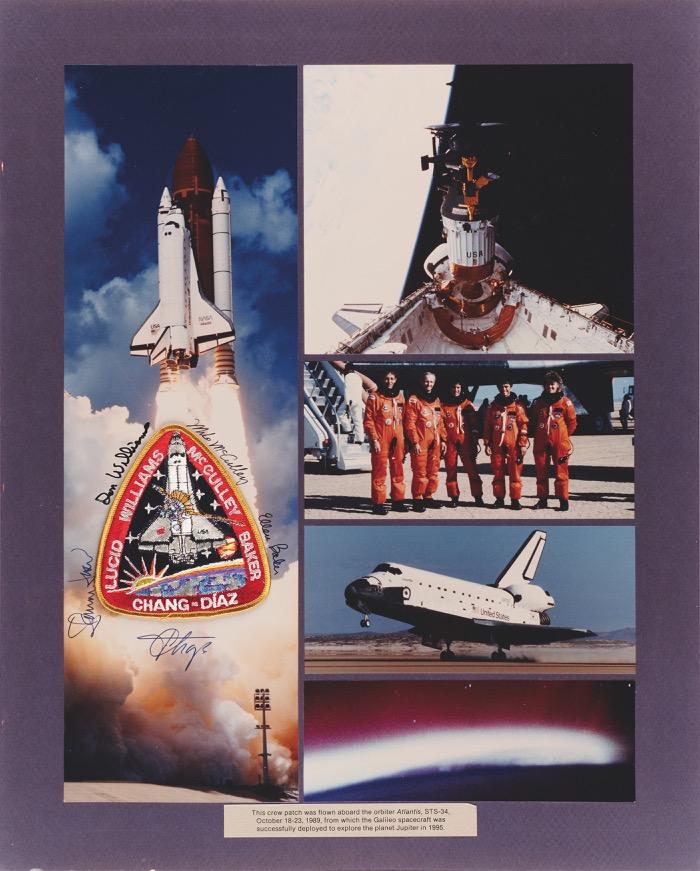
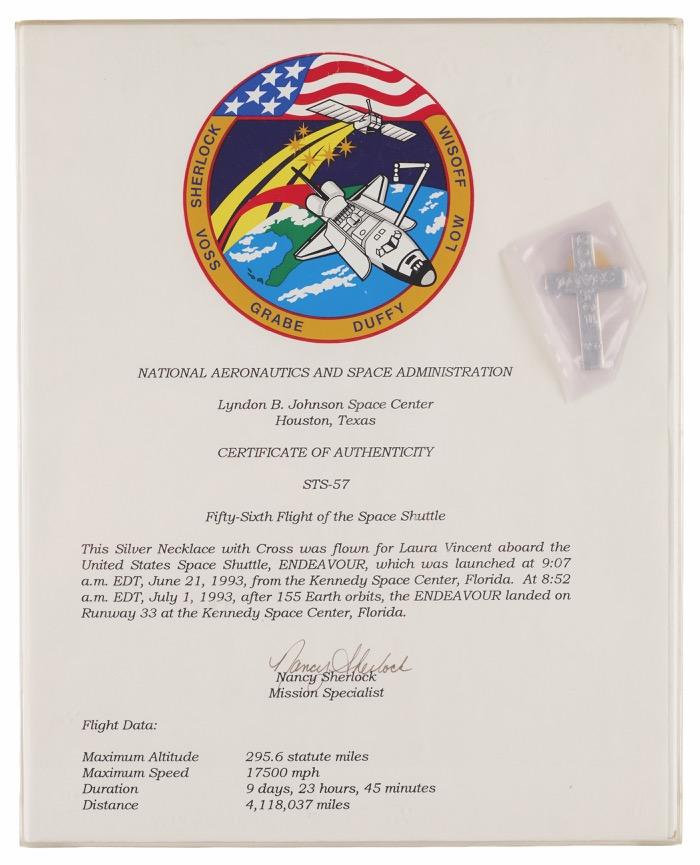
Starting
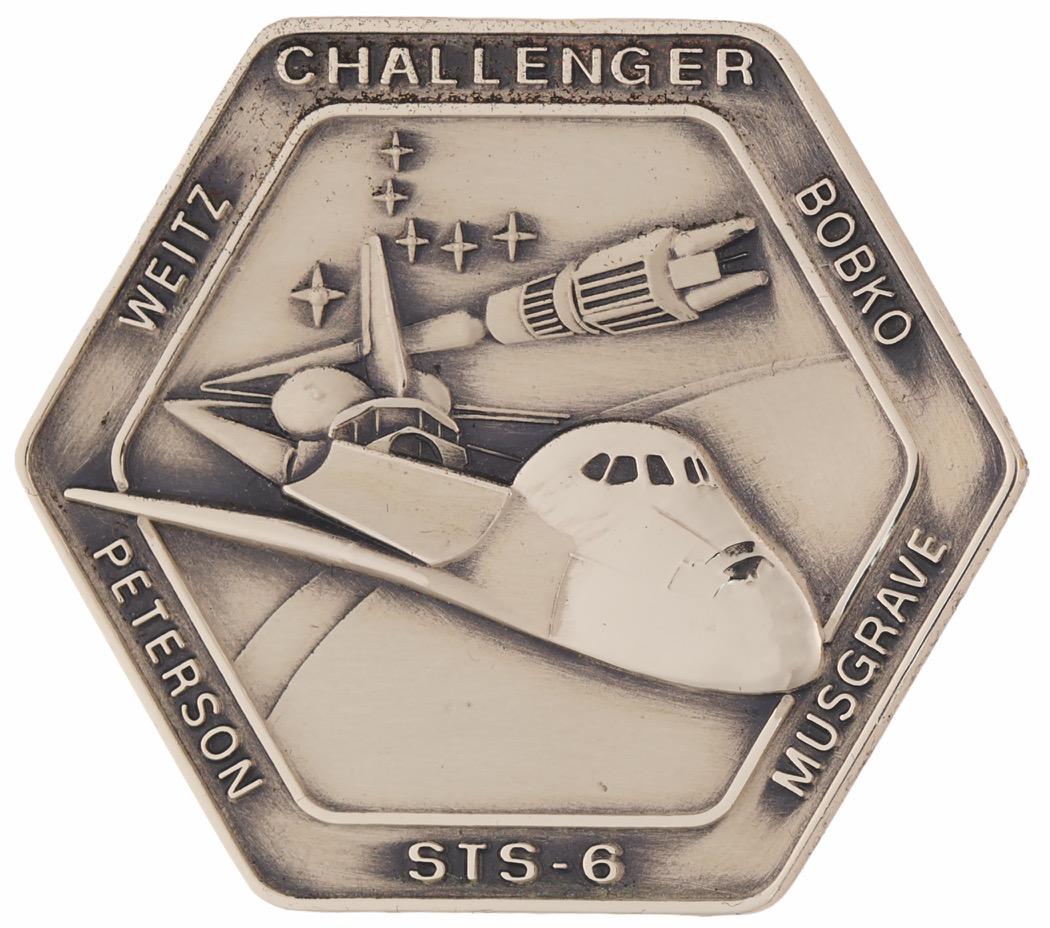
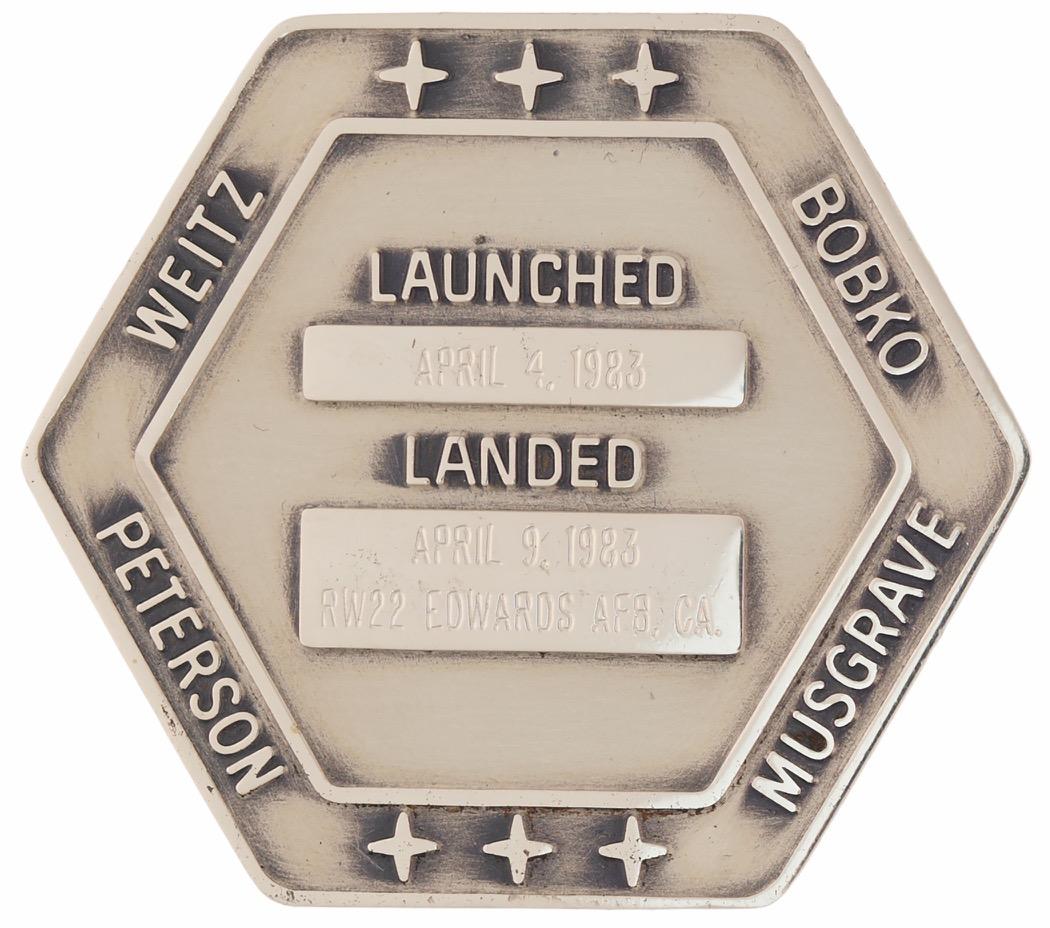
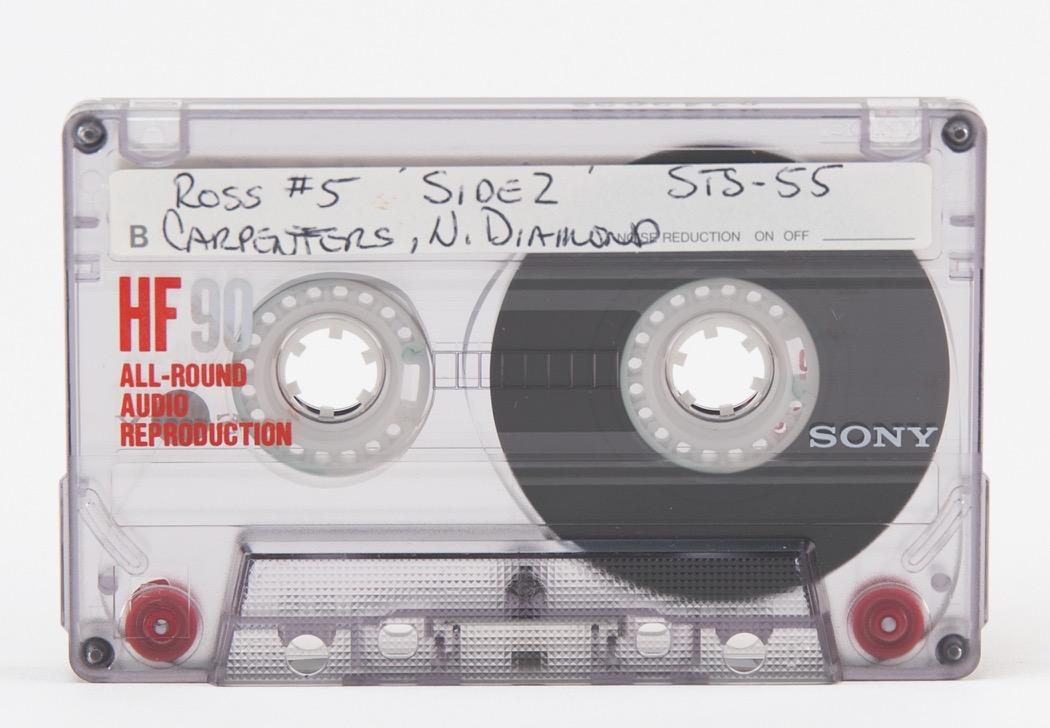
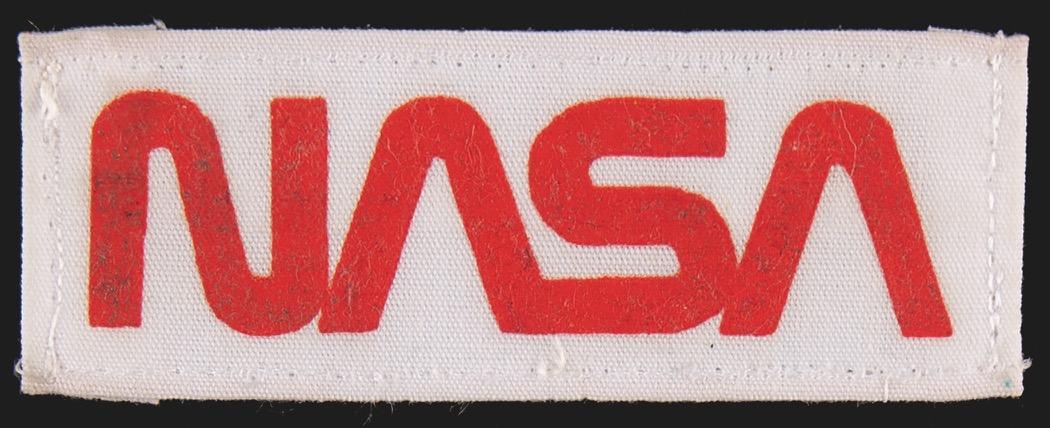
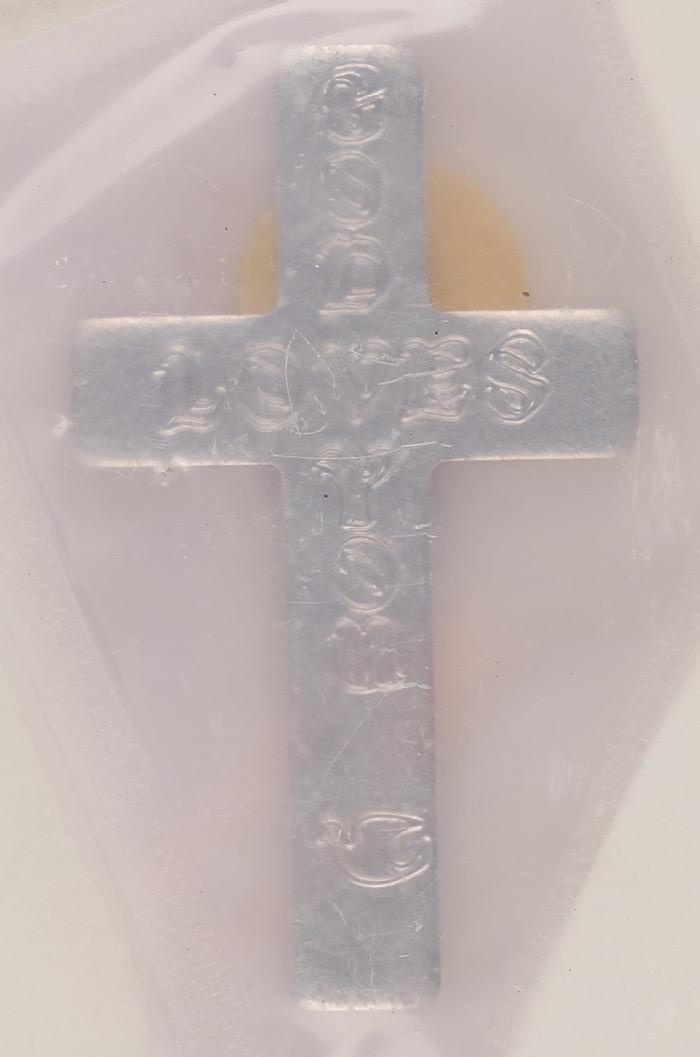


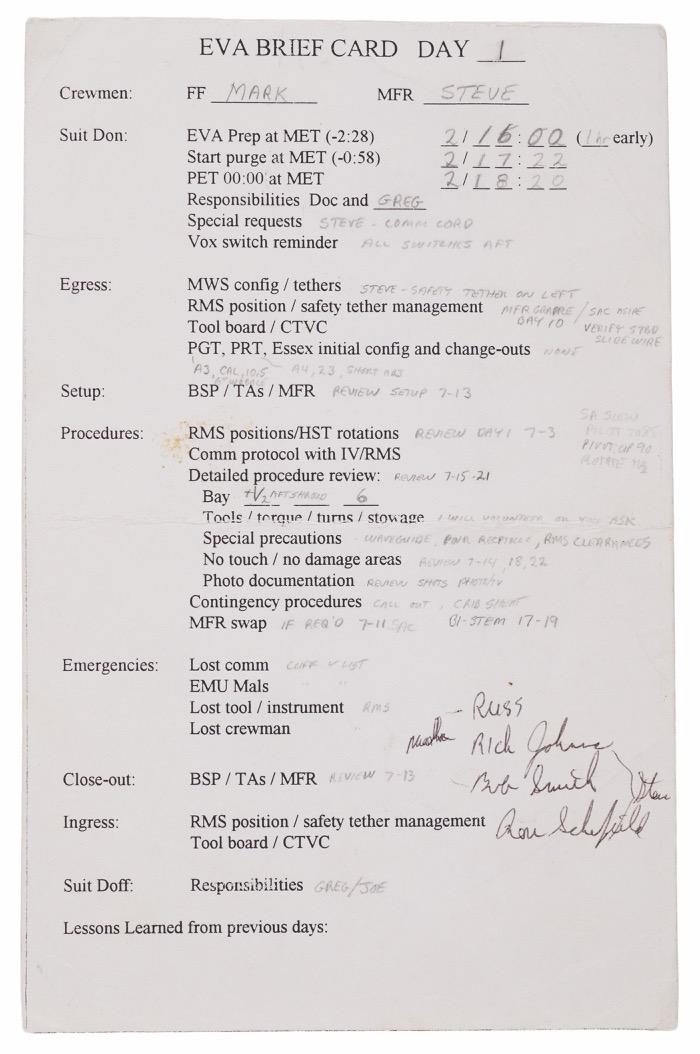
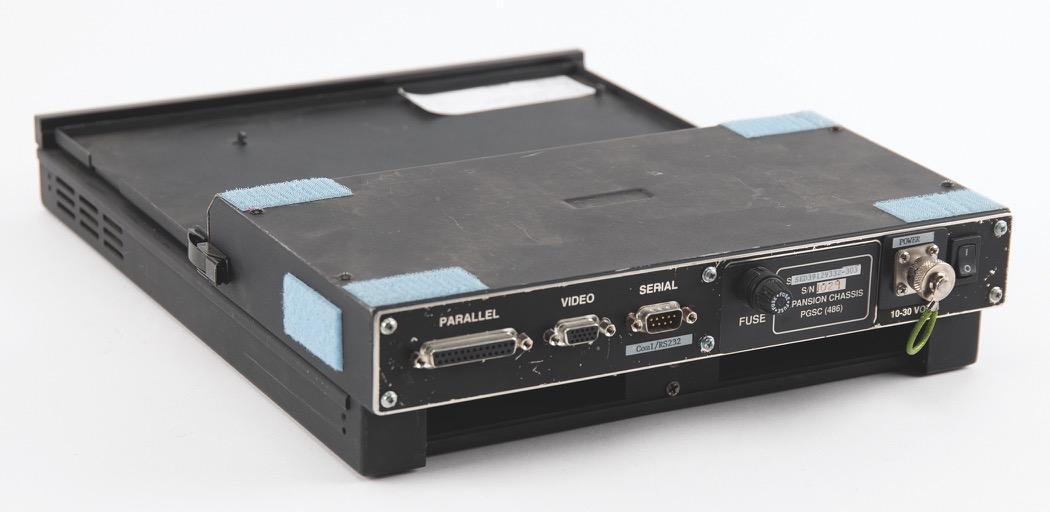
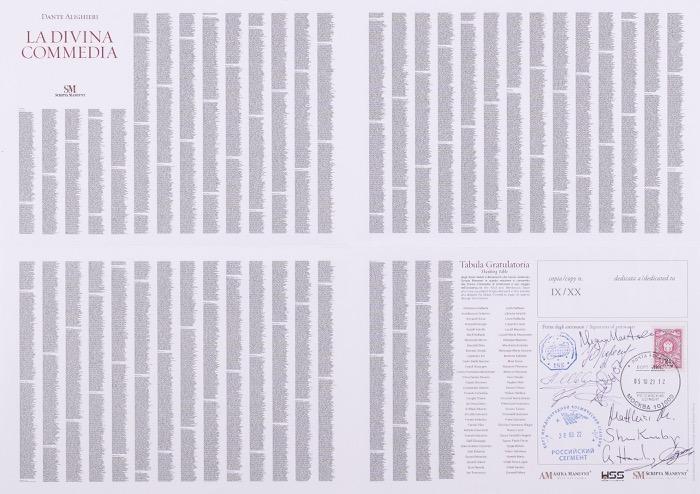
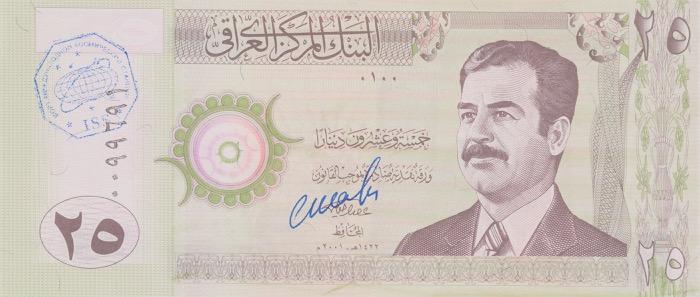
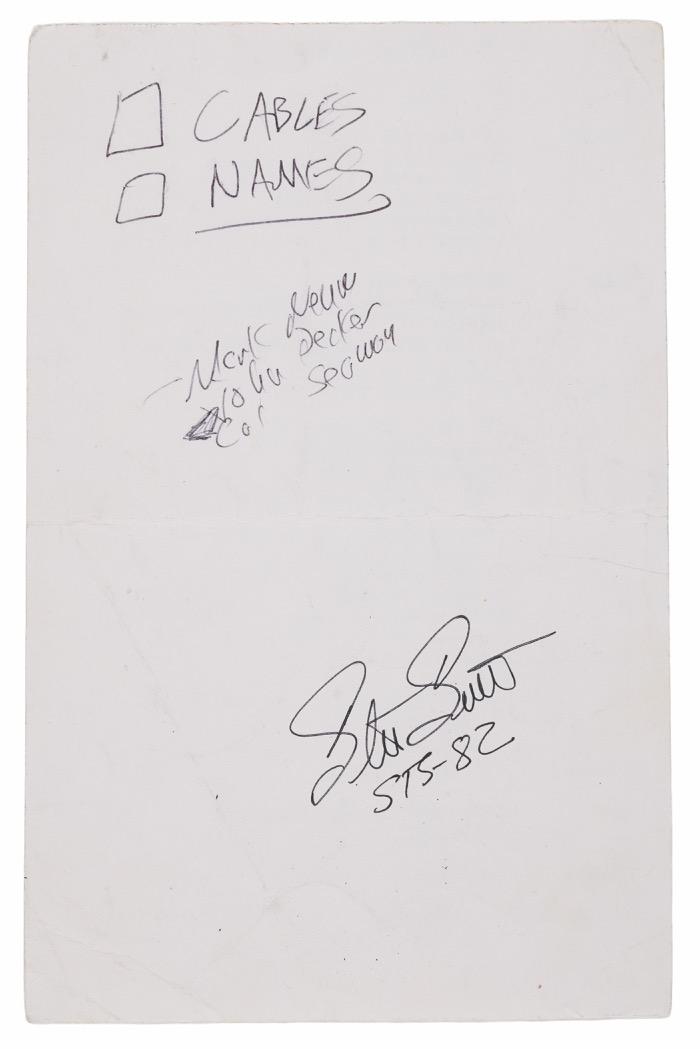
5516. STS-82 Flown EVA Brief Cue Card - From the Personal Collection of...
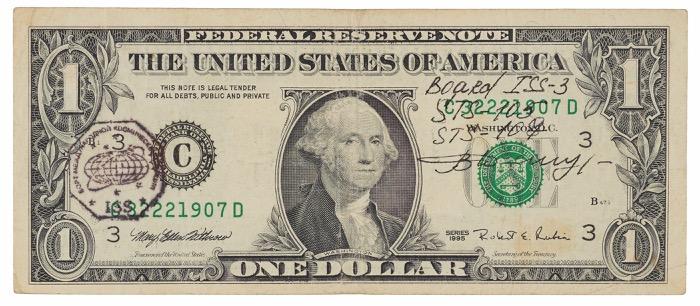
5519. Space Shuttle IBM Thinkpad Laptop Dock
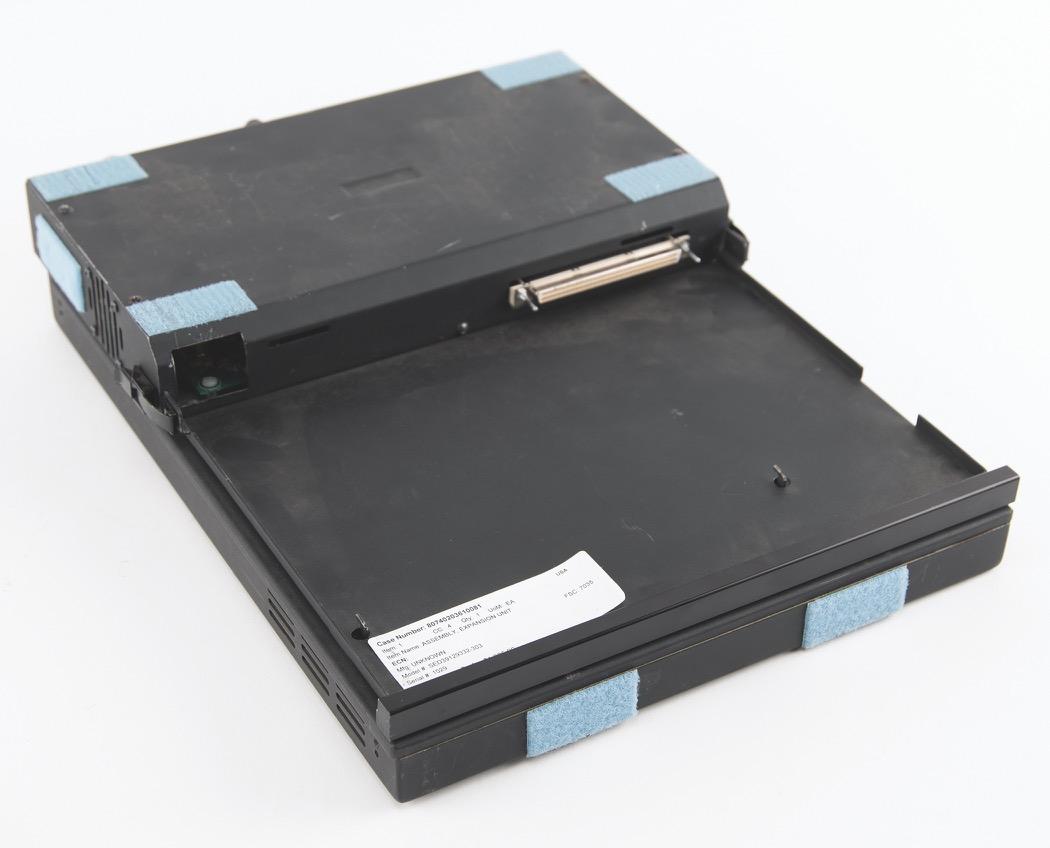
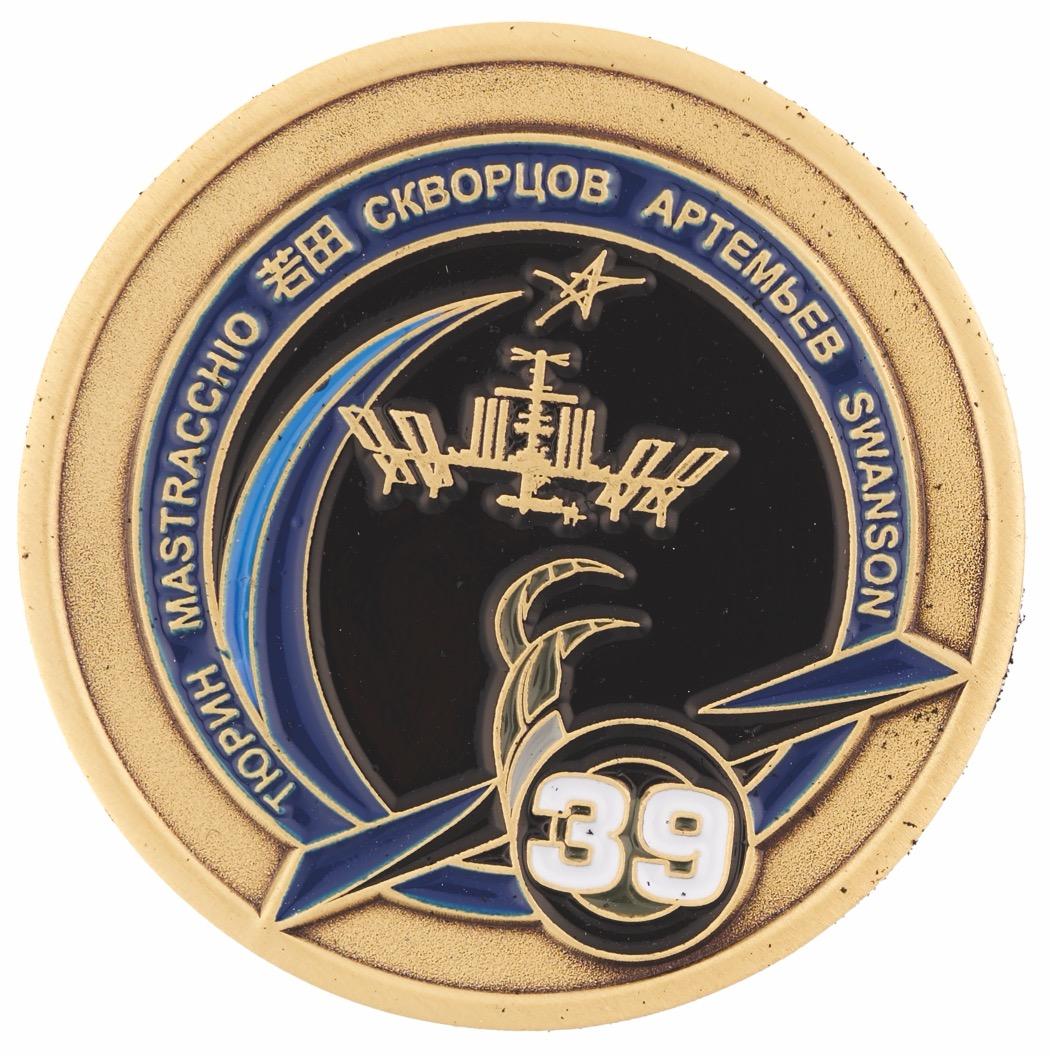
5524. ISS Expedition 3/STS -103/STS-109 Flown $1 Dollar Bill, Signed by ... Starting Bid $200
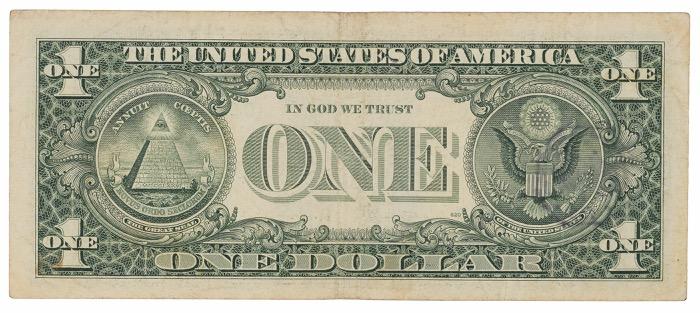
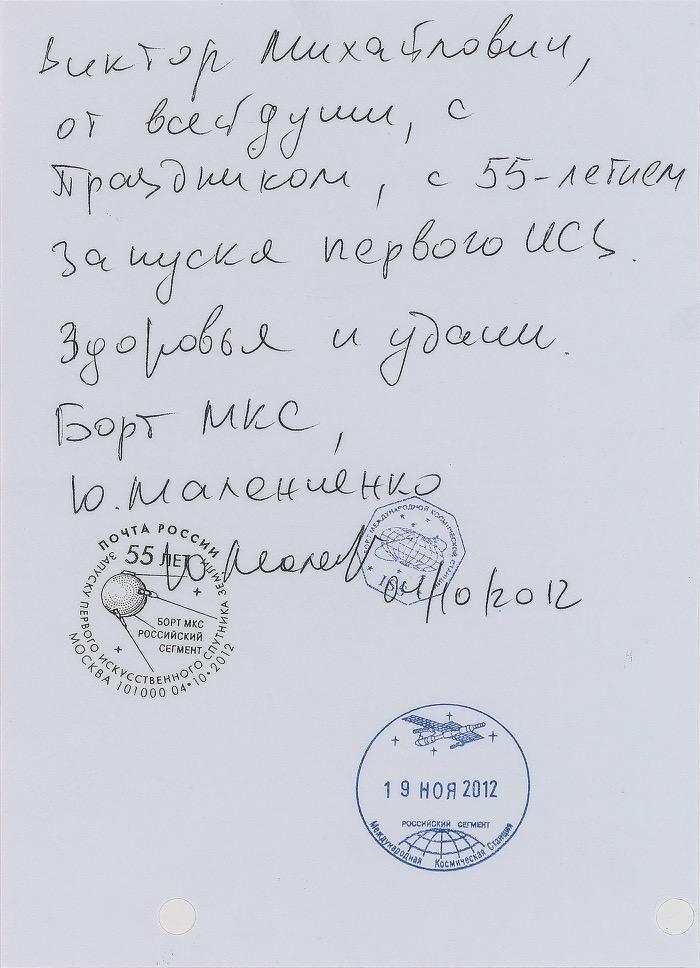
5528. ISS Expedition 32/Soyuz TMA-05M Flown
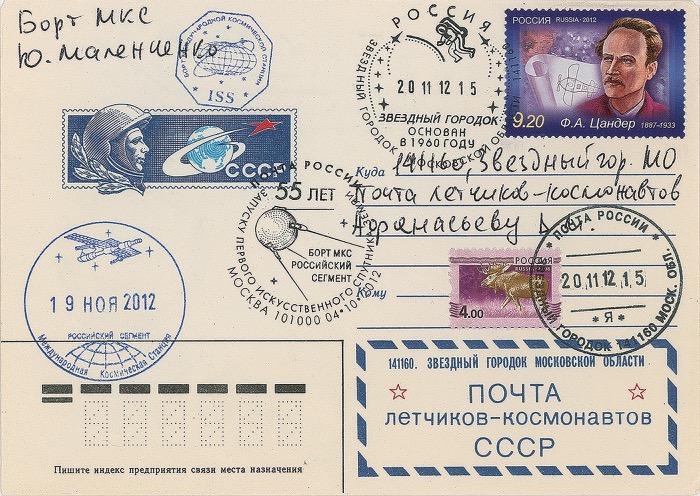
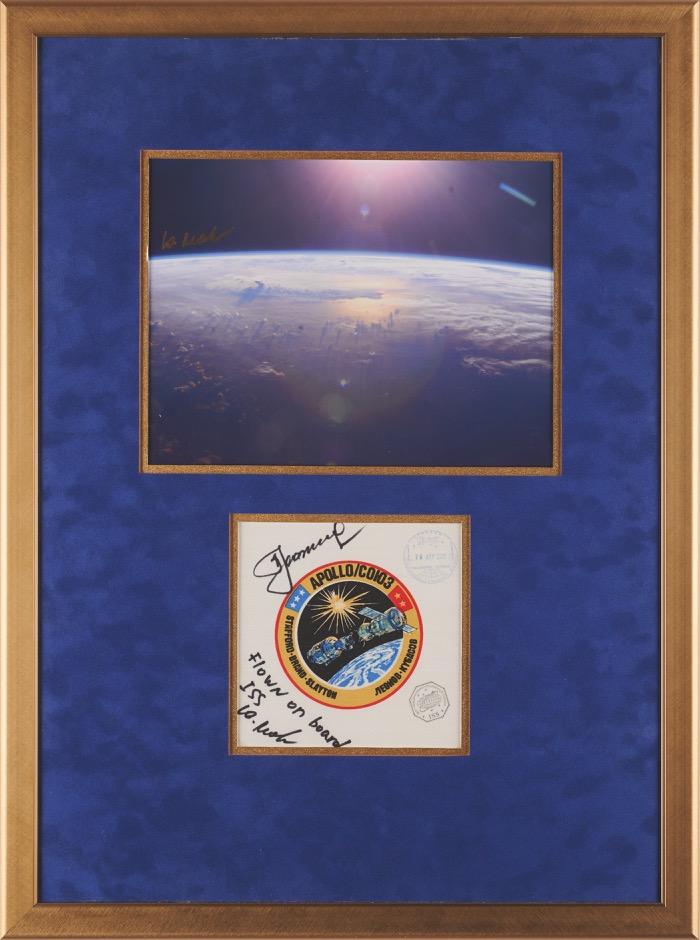
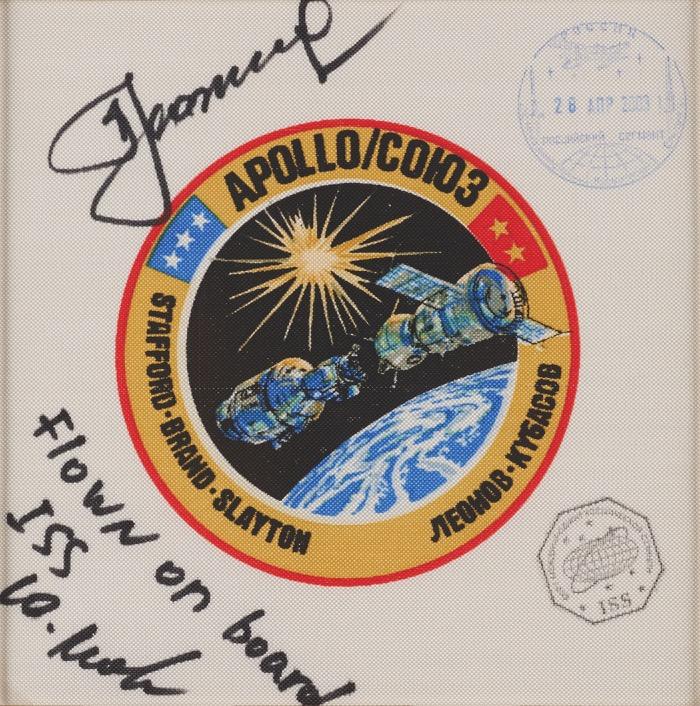
Patch Signed by Alexei Le...
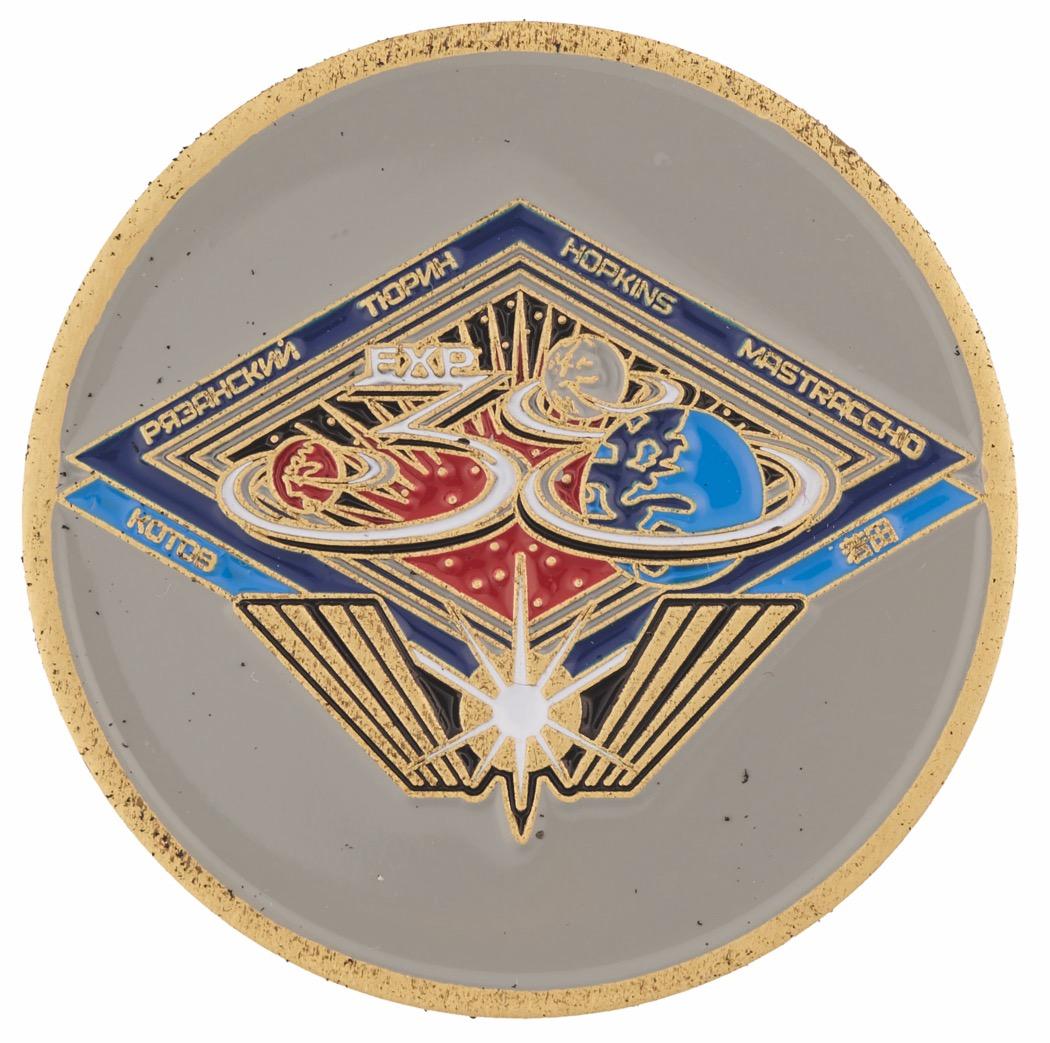
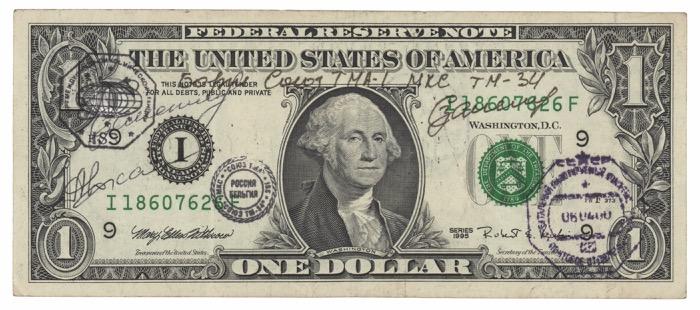
5529. Soyuz TM-30/MIR -28/TMA-1/ISS Flown $1 Dollar Bill, Signed by Serg... Starting Bid $200
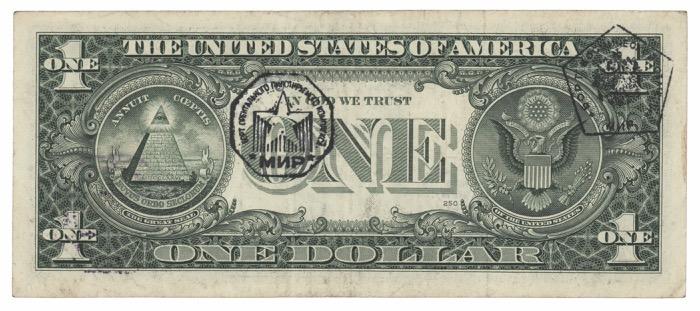
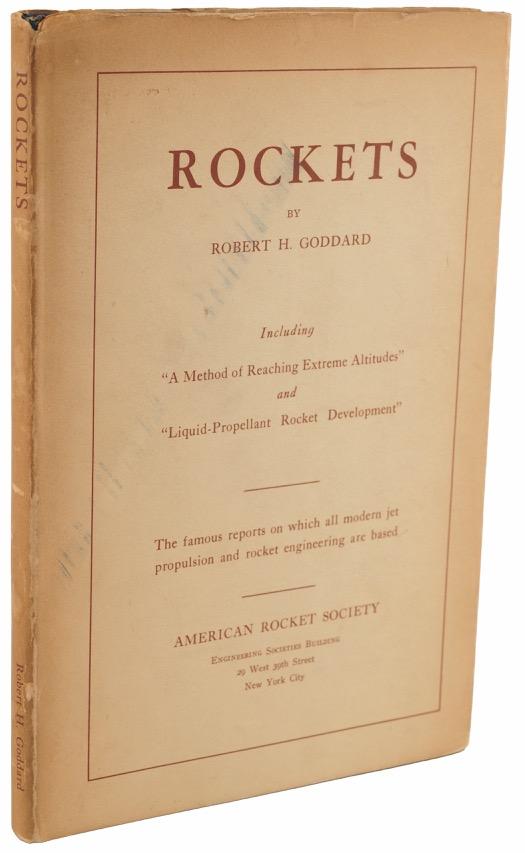
5535. Robert H. Goddard: First Edition of Rockets
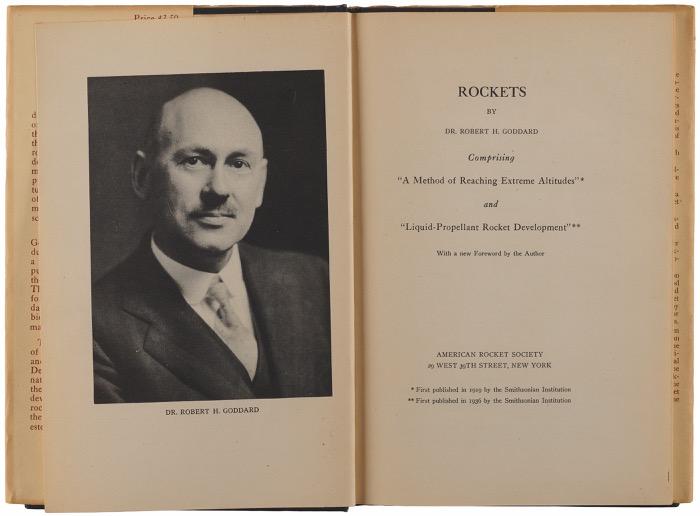
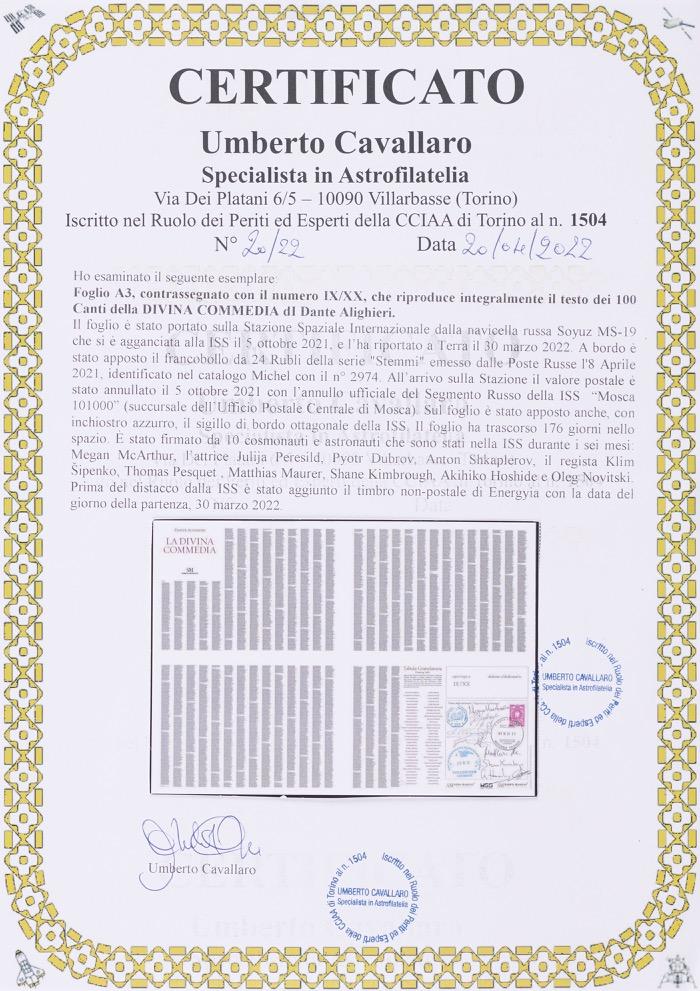
5522. Soyuz MS-19/ISS Flown Divine Comedy, 5523. ISS Expedition 10/Soyuz TMA-5 Flown 25 Dinar Bill, Signed by Sali... Starting Bid $200
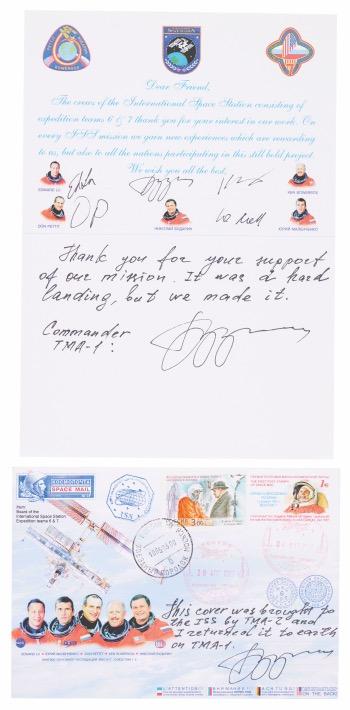
5525. ISS Expedition 38/39 5526. ISS Expedition 6 and 7 Flown Crew-Signed Letter and Flown Cover Starting Bid $200
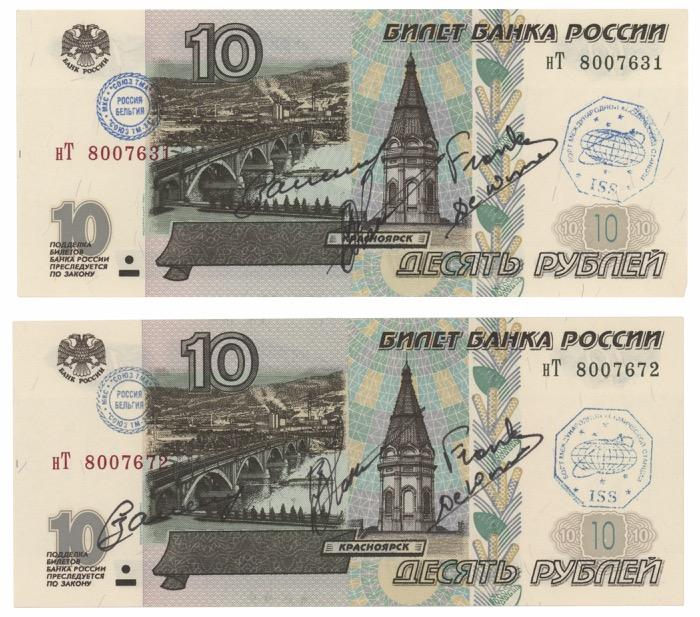
5530. Soyuz TMA-1/TM -34/ISS (2) Flown 10 Ruble Bills, Signed by Sergei ... Starting Bid $200
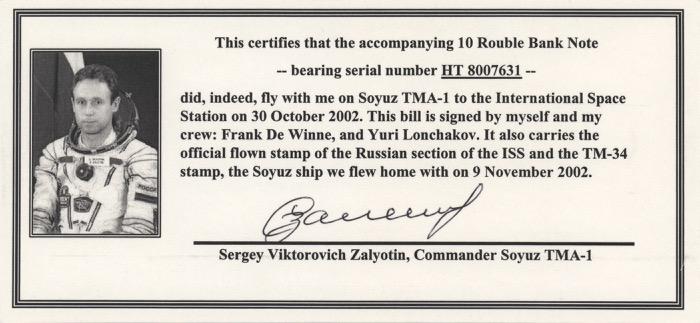
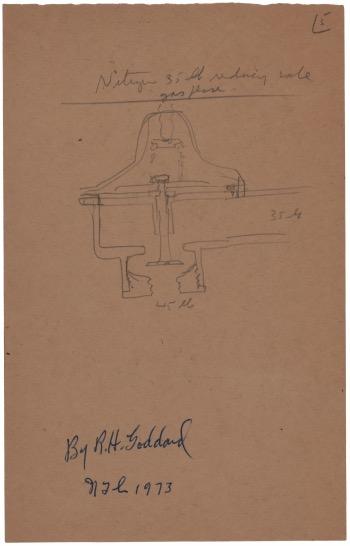
5536. Robert H. Goddard Hand-Drawn Sketch of a Rocket Valve Starting Bid $200
5527. ISS One-Year Mission: Scott Kelly's Twice-
5531. Soyuz TMA-1/TM -34/ISS Flown 5 Euro Bill, Signed by Sergei Zalyoti...
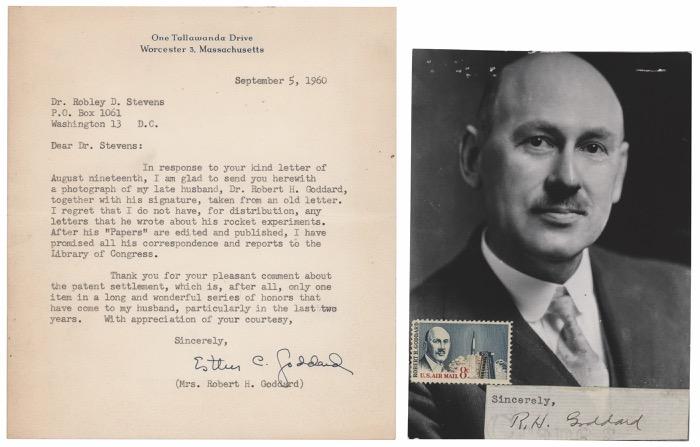
5537. Robert H. Goddard Signature Starting Bid $200
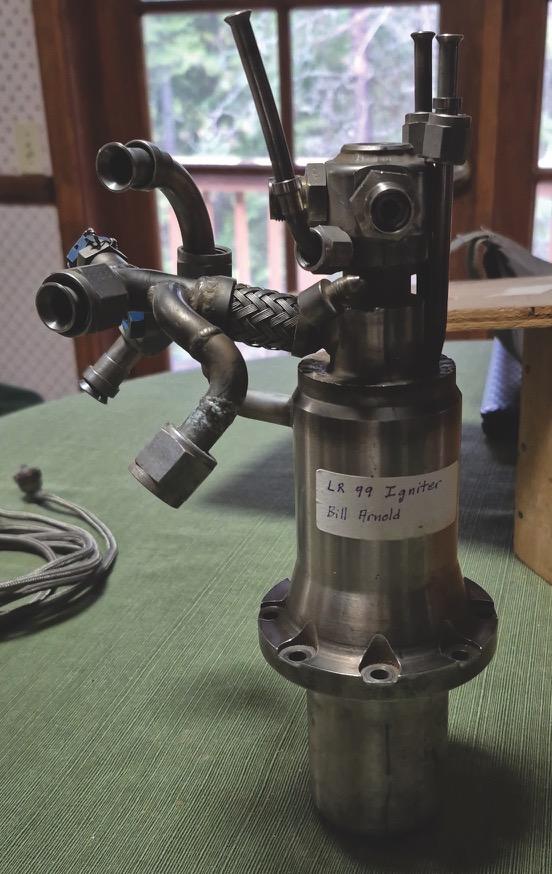
5538. LR-99 Rocket Engine Starter Assembly Starting Bid $200
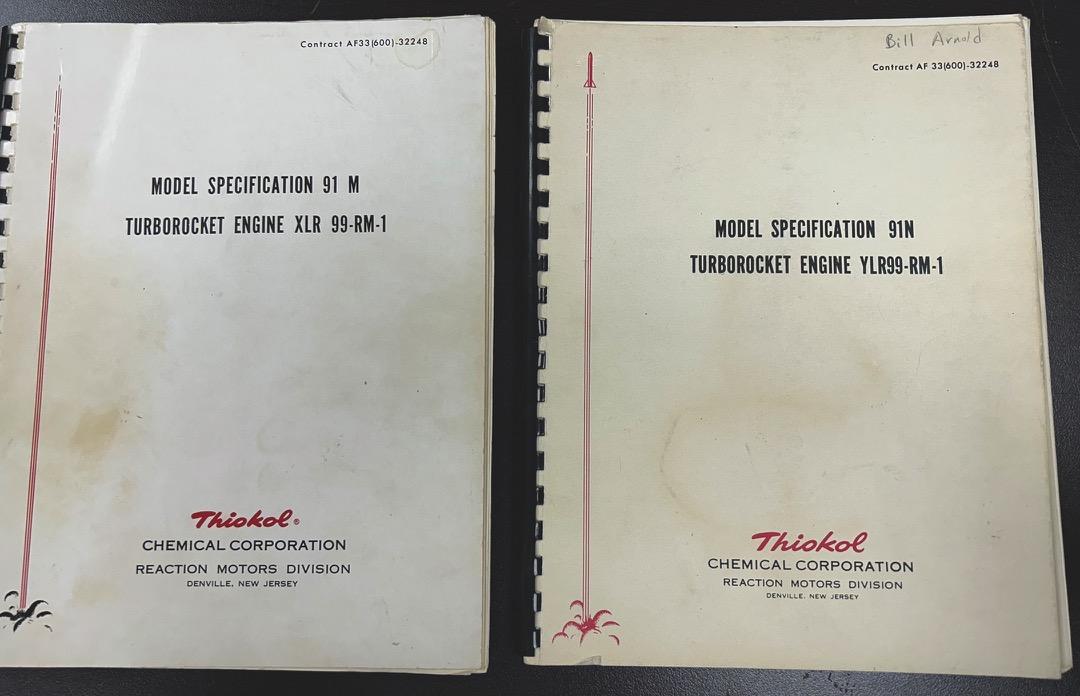
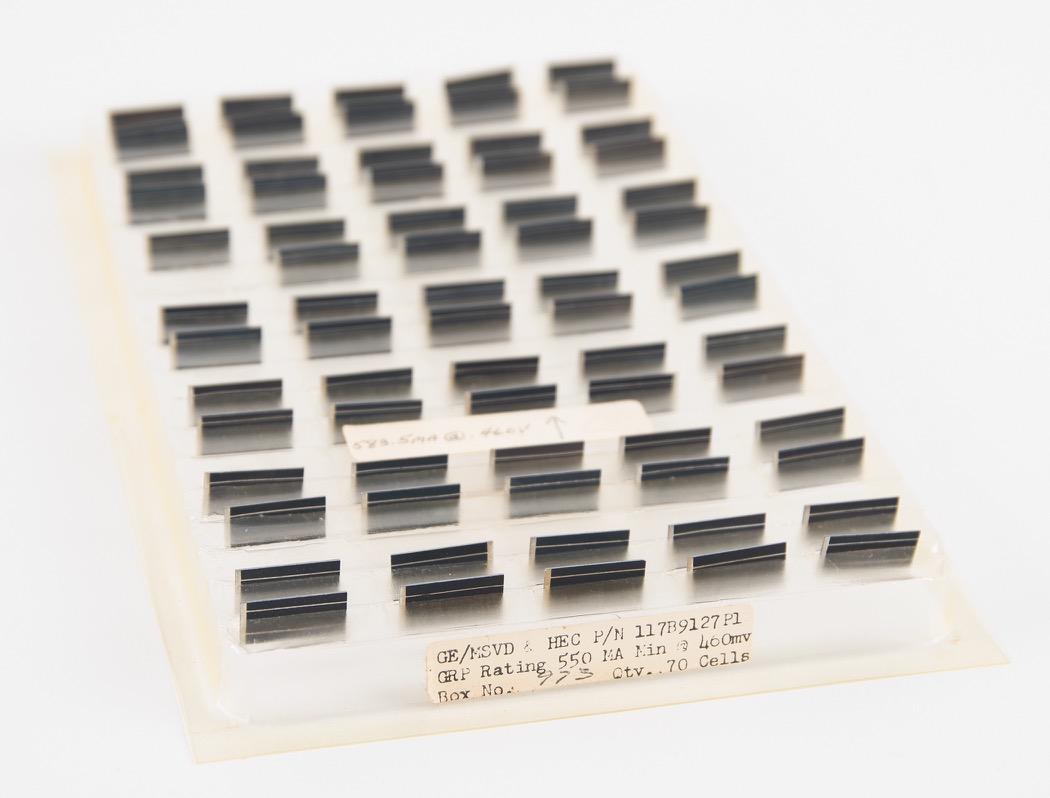
5543.
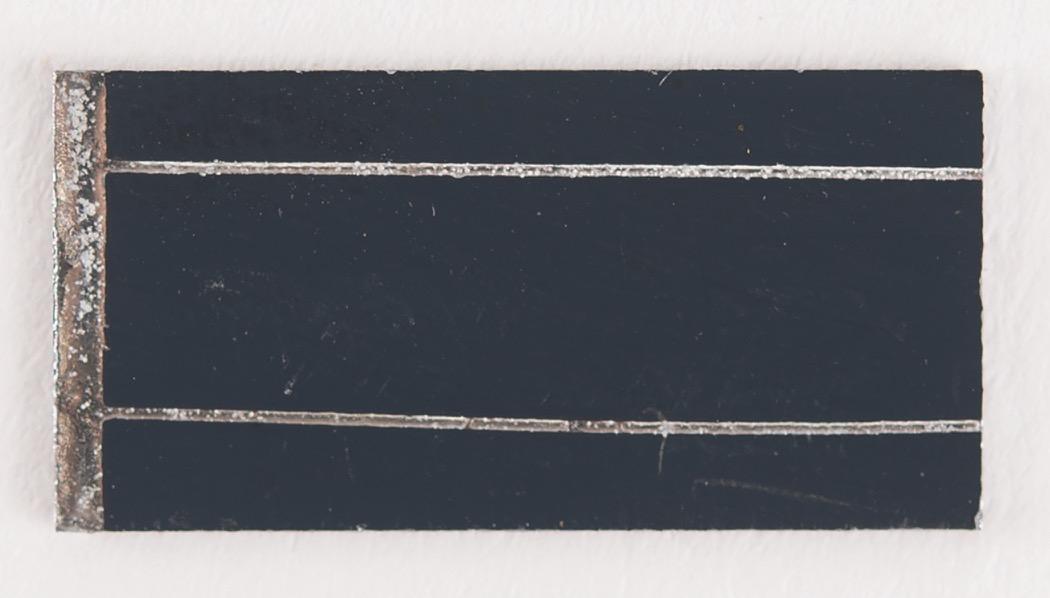
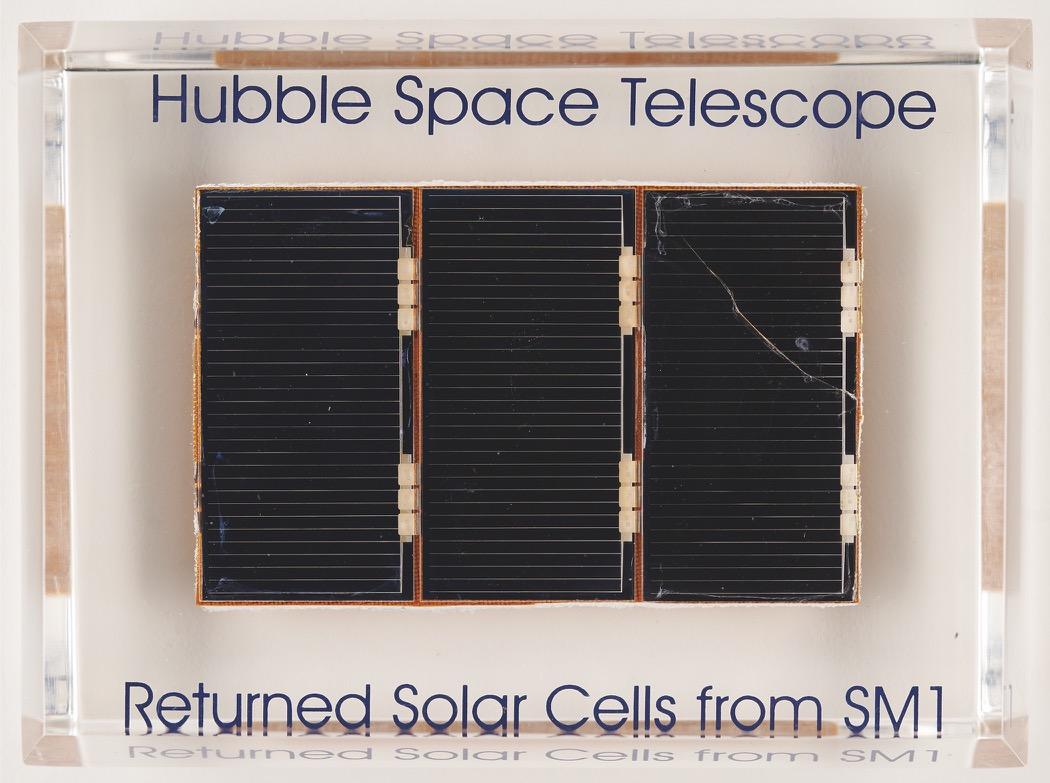
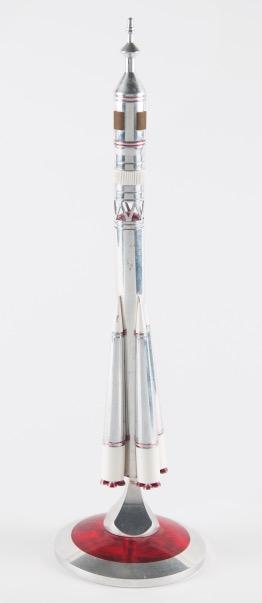
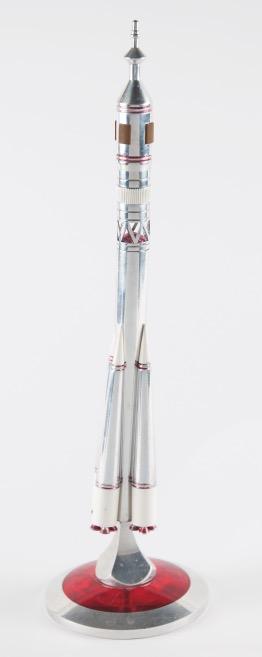
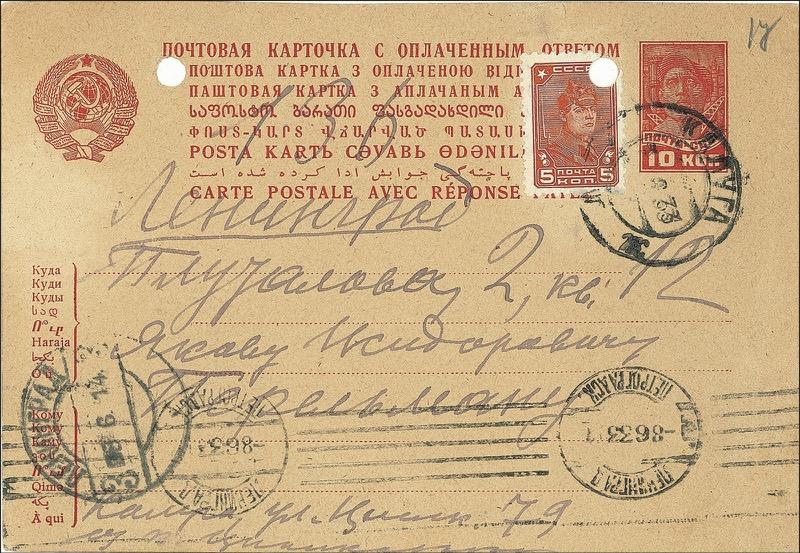
5539.
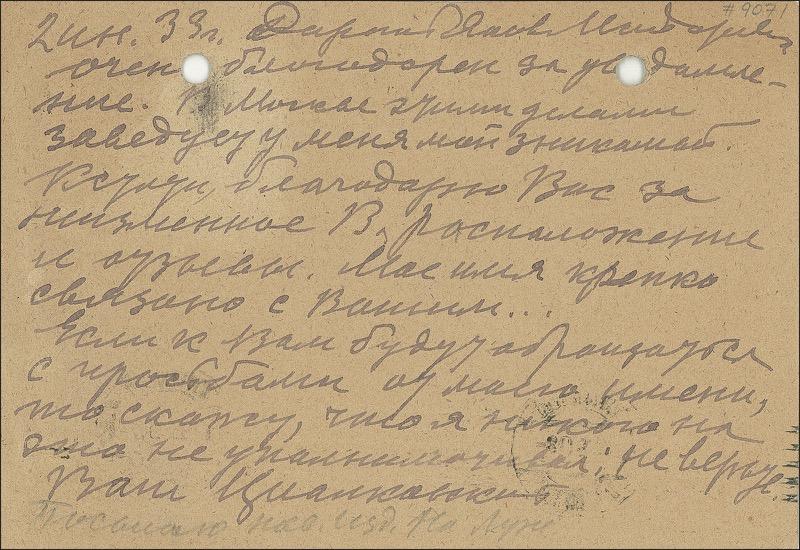
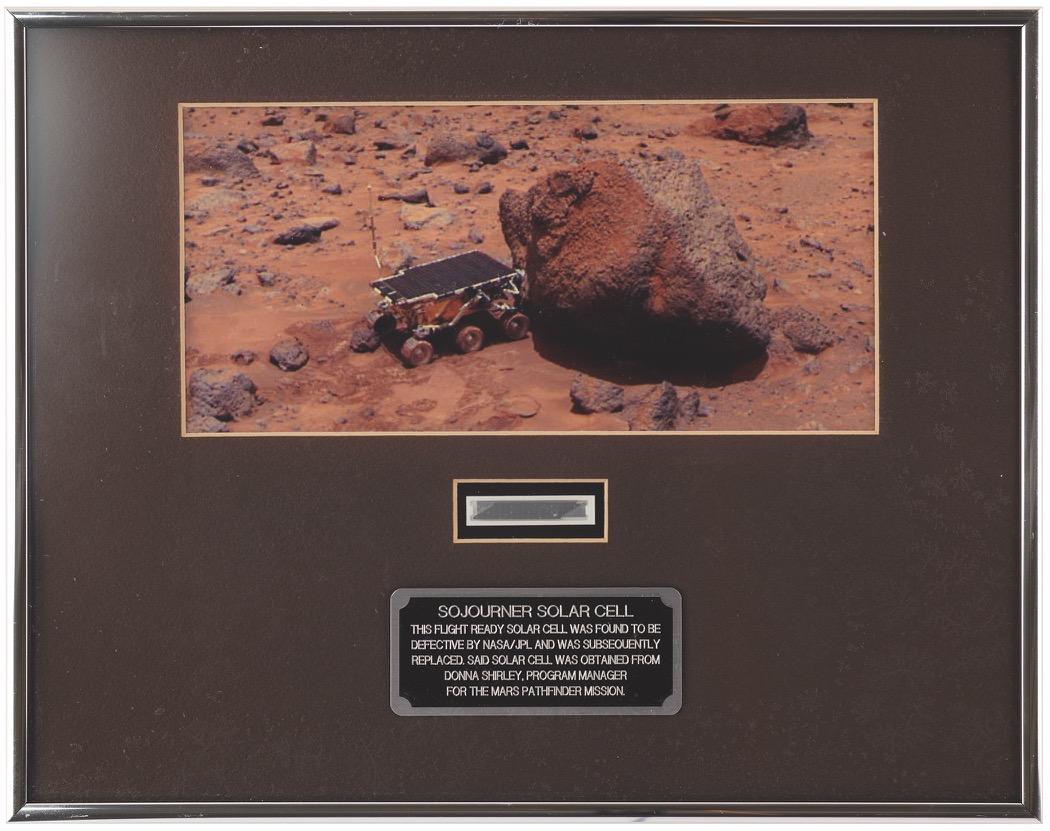
5544.
Starting Bid
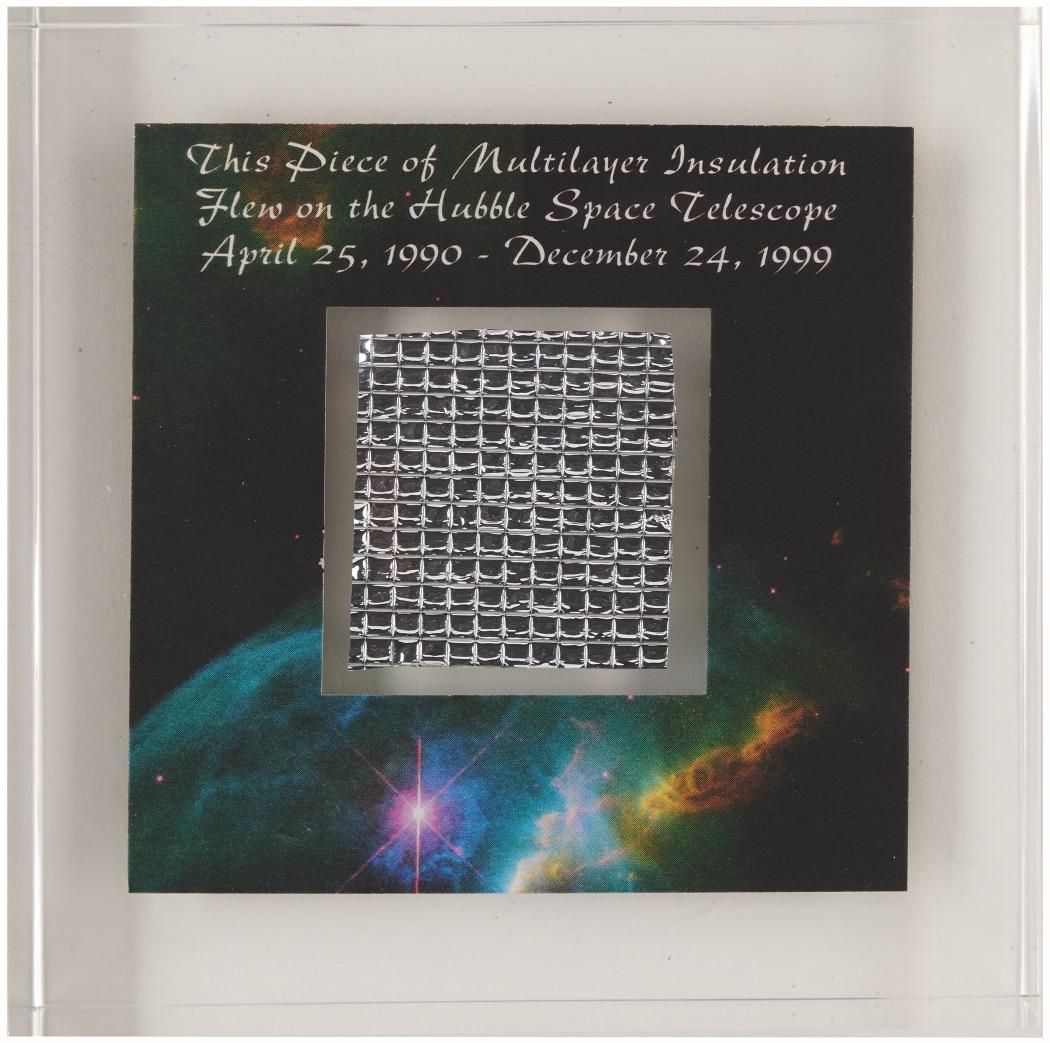
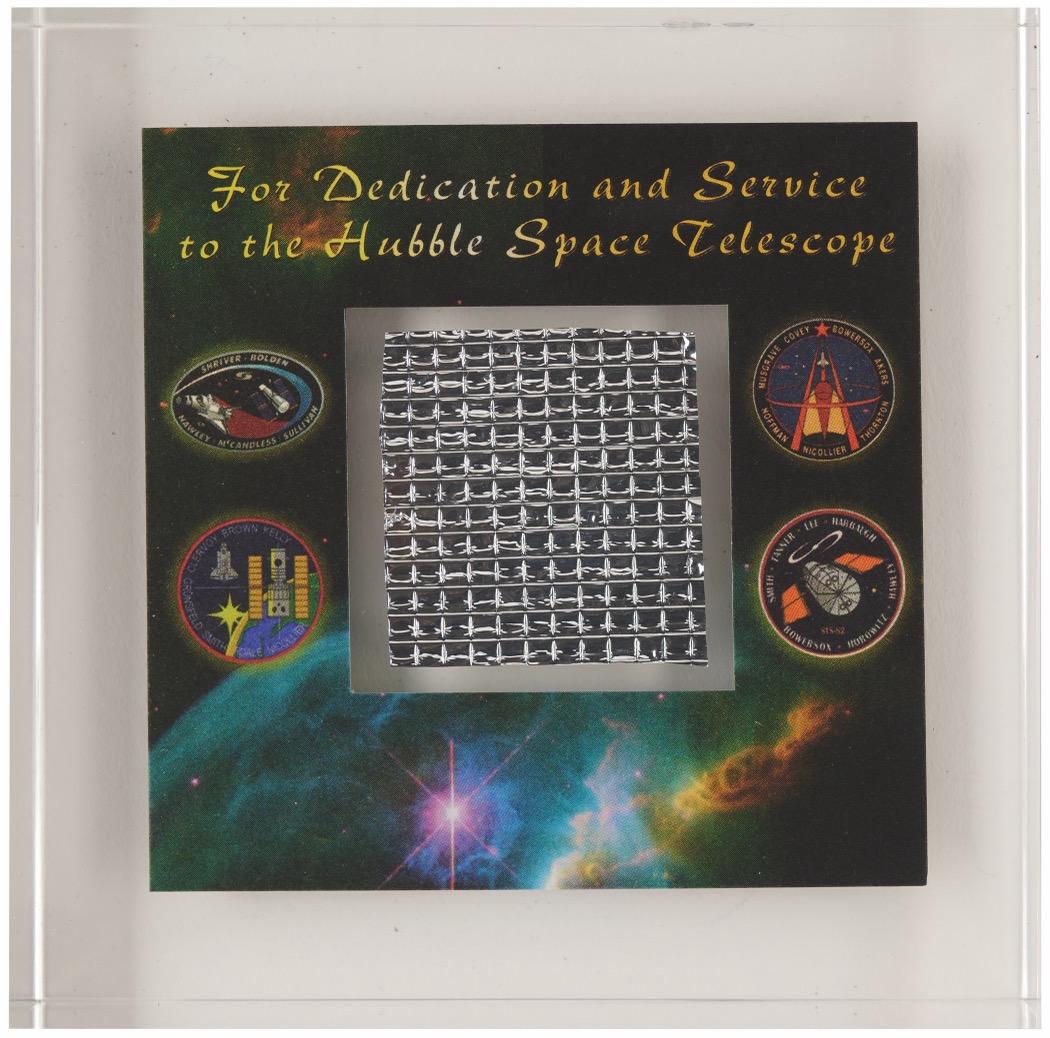
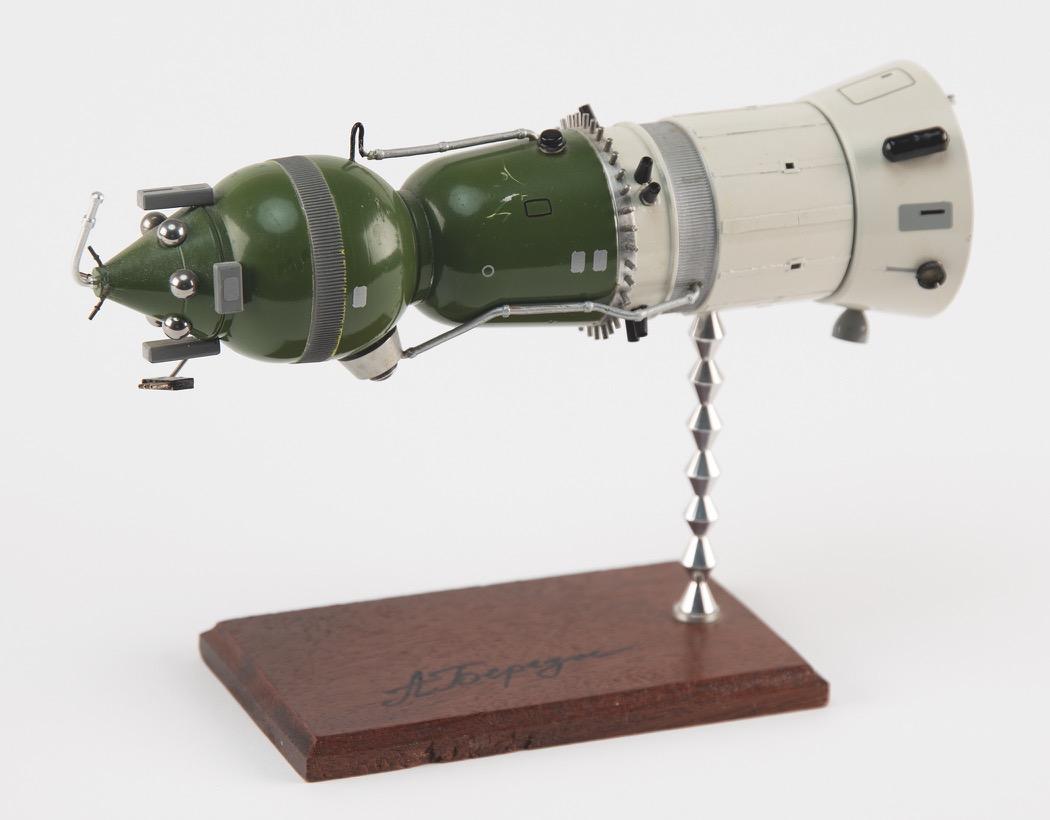
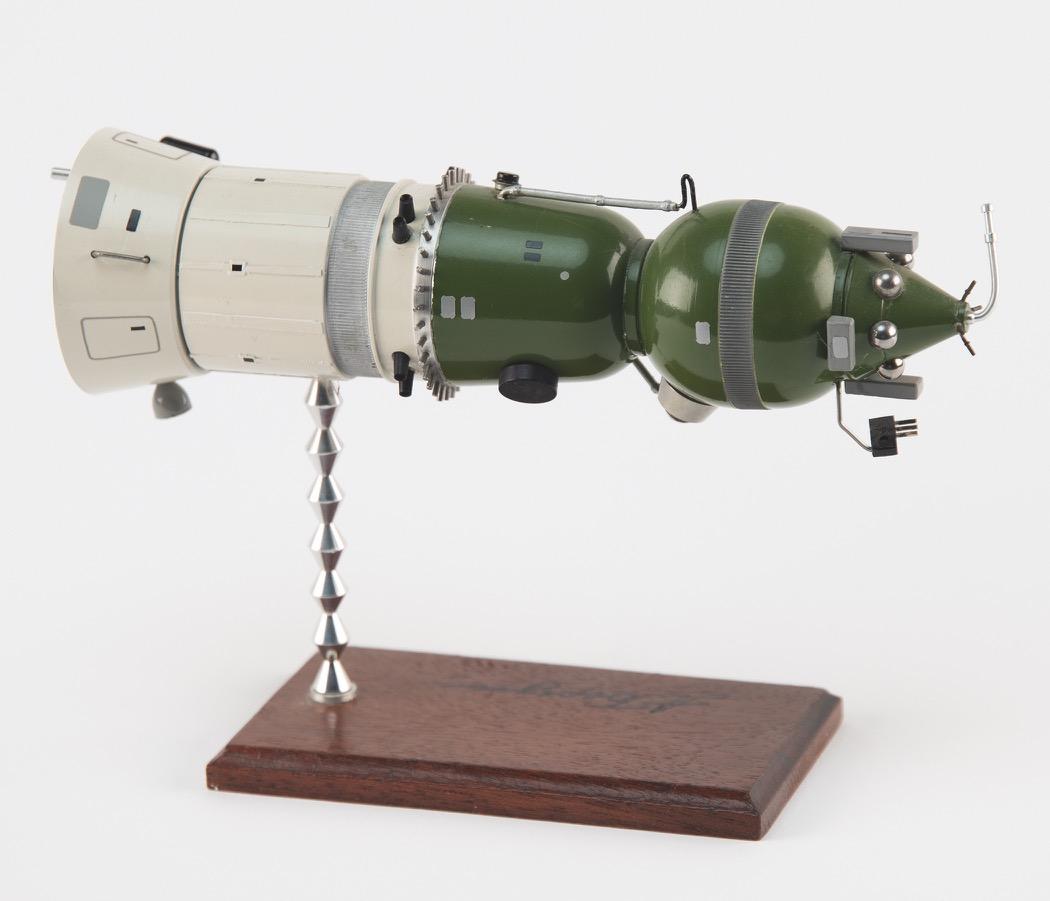
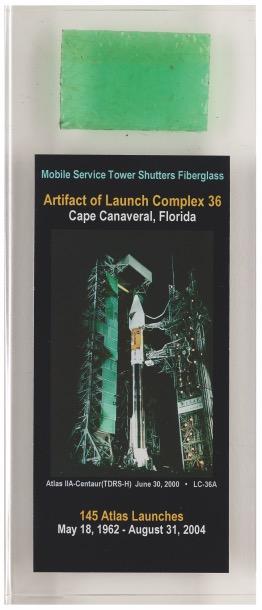
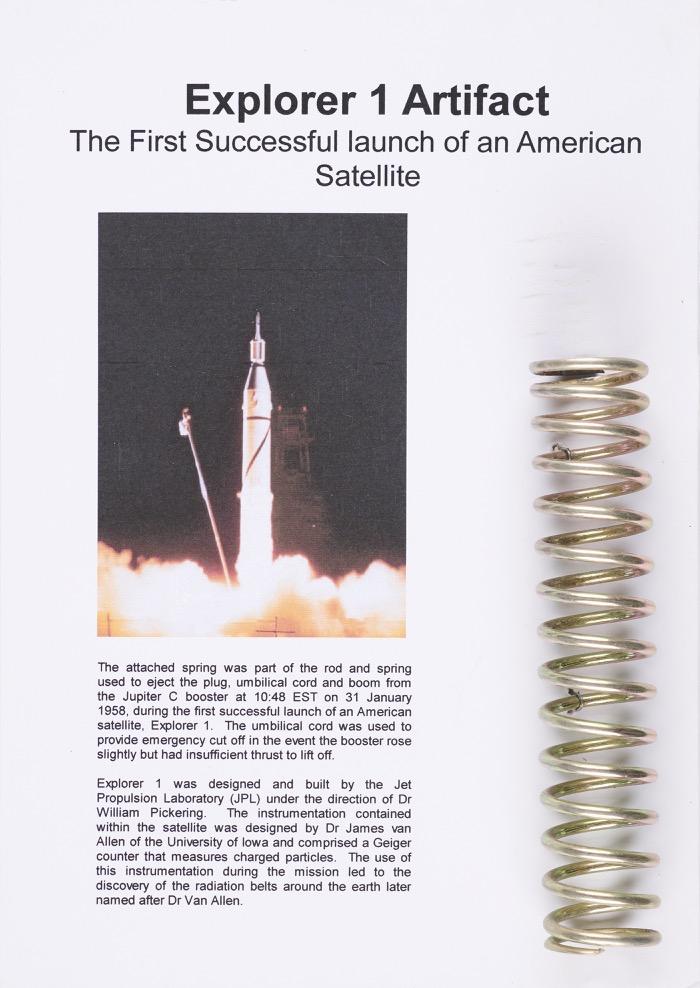
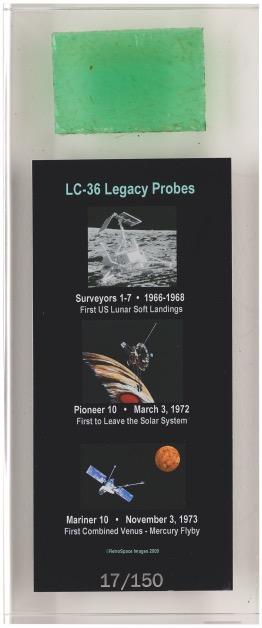
5541. Cape Canaveral Launch Complex 36 Mobile Service Tower Fiberglass ... Starting Bid $200
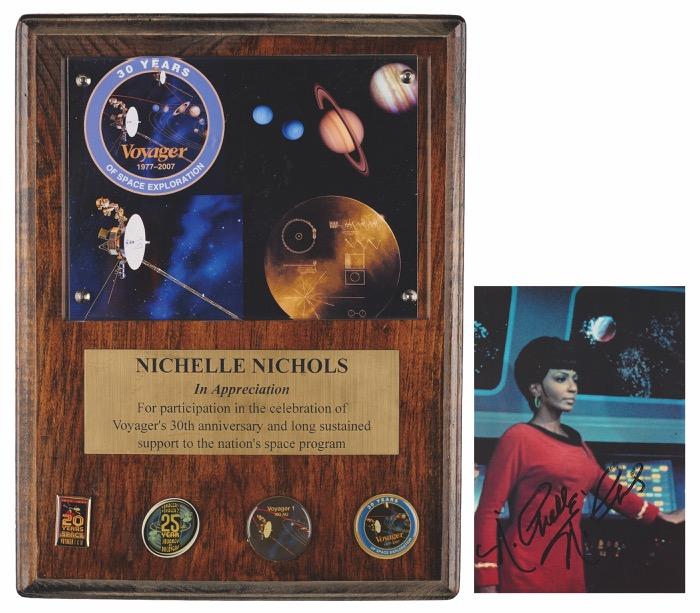
5545. Nichelle
Voyager 30th Anniversary Plaque with Signed 'U... Starting Bid $200
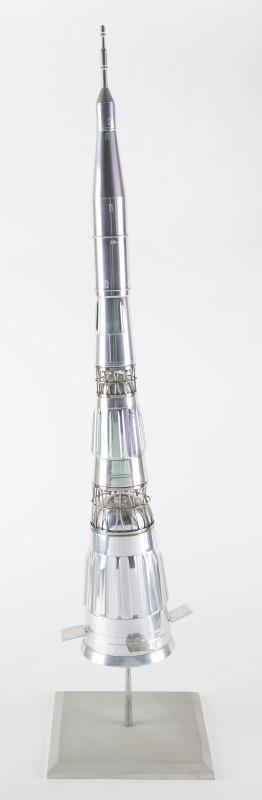
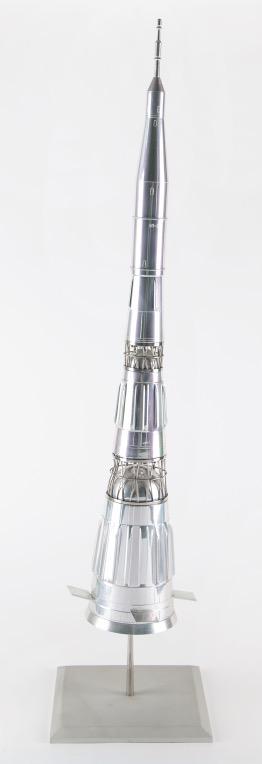
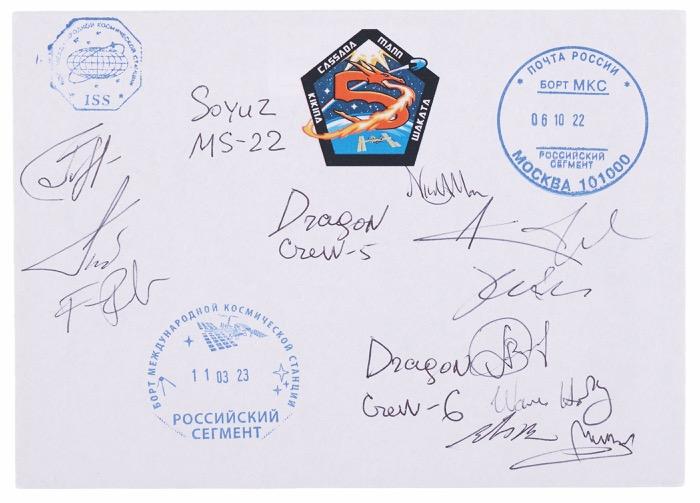
5542. Explorer
Launch Umbilical Ejection Spring Starting Bid $200
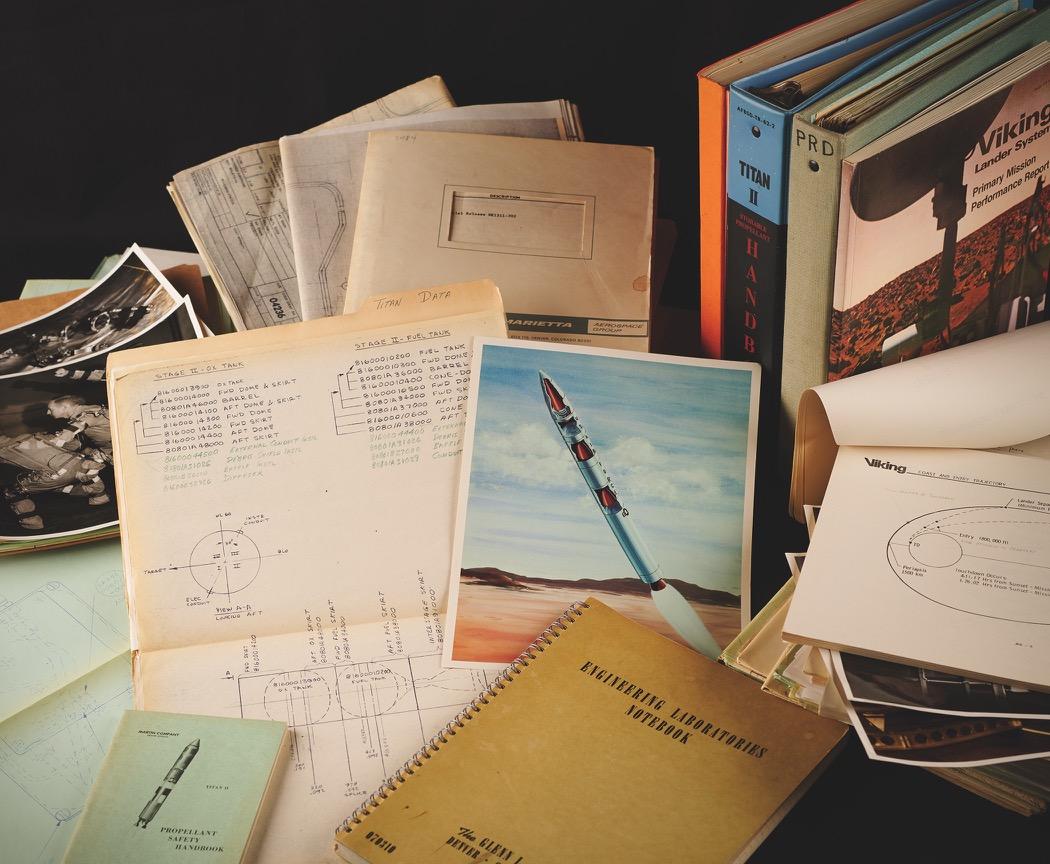
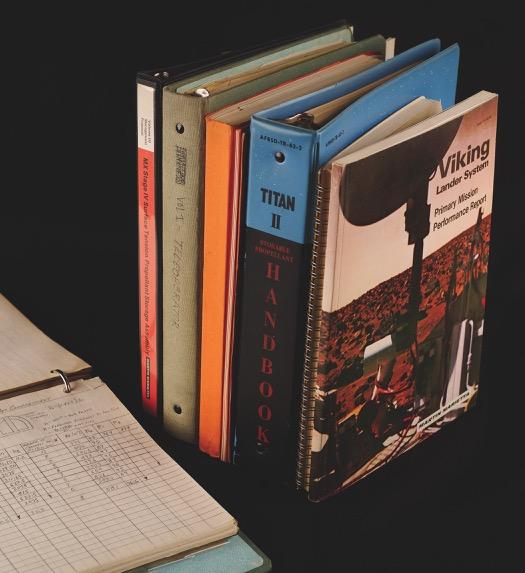
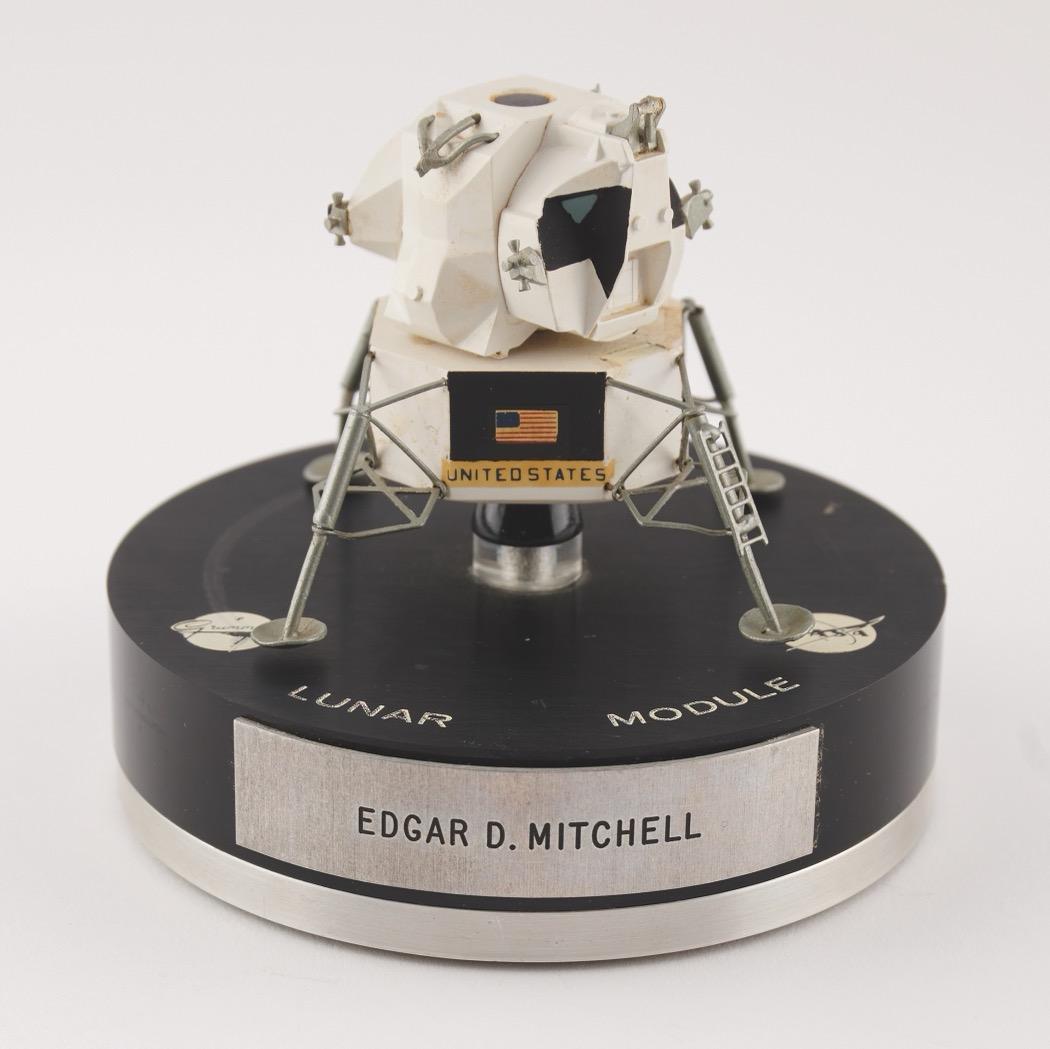
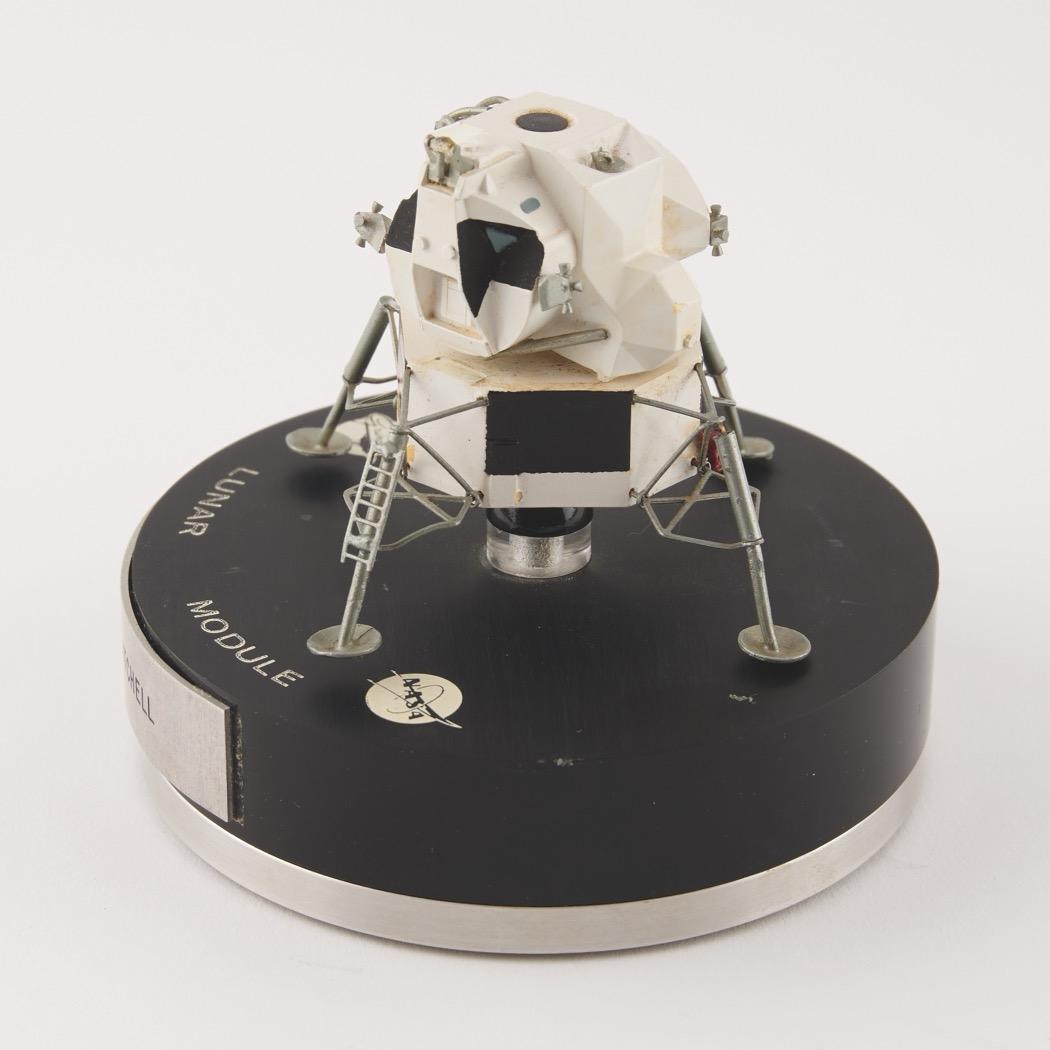
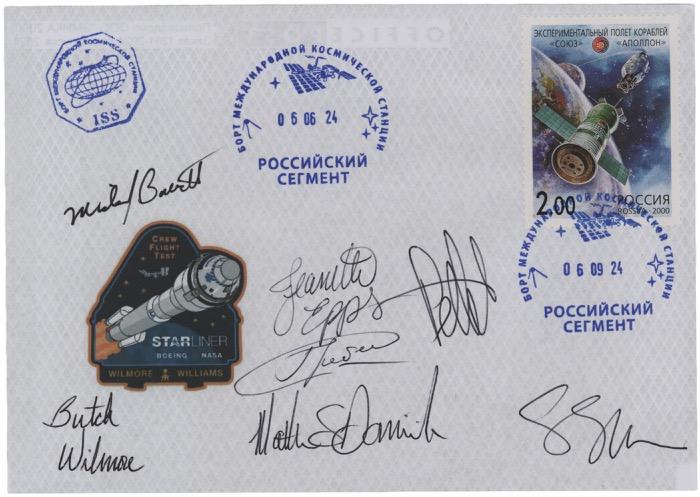
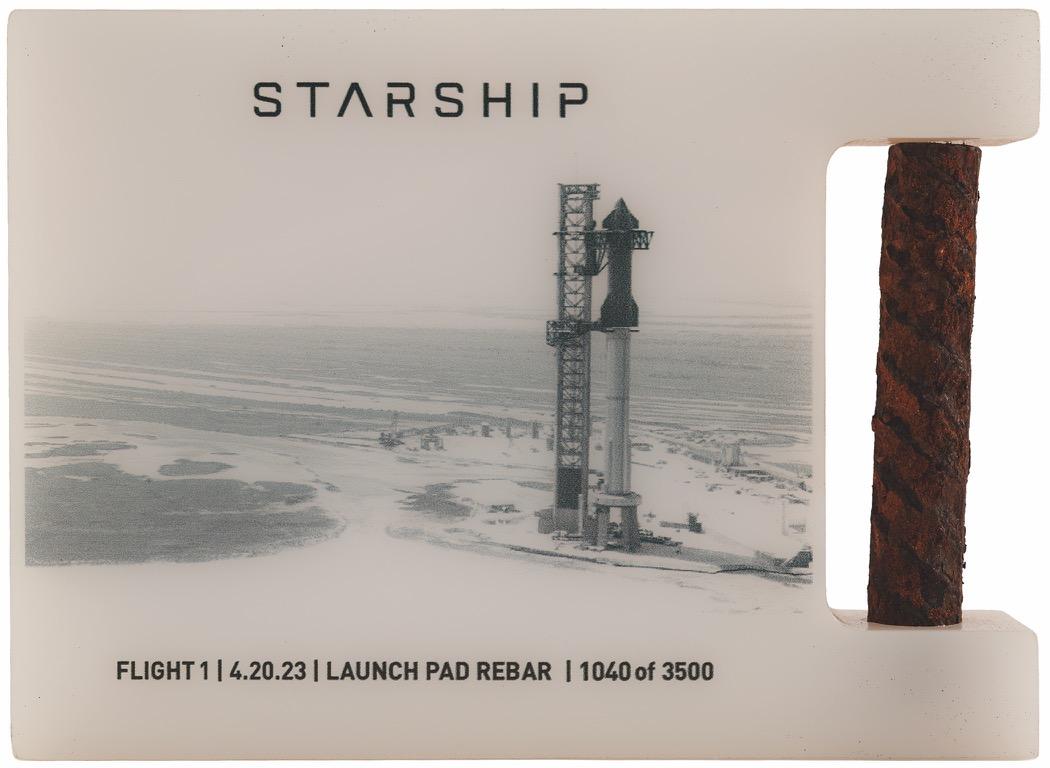
5563. SpaceX Starship IFT-1 Launch Rebar Display
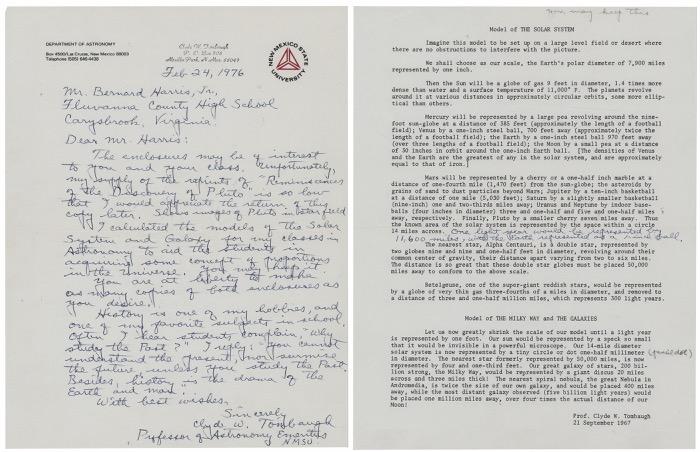
5568. Clyde Tombaugh Autograph Letter Signed: "I calculated the models ... Starting Bid $200
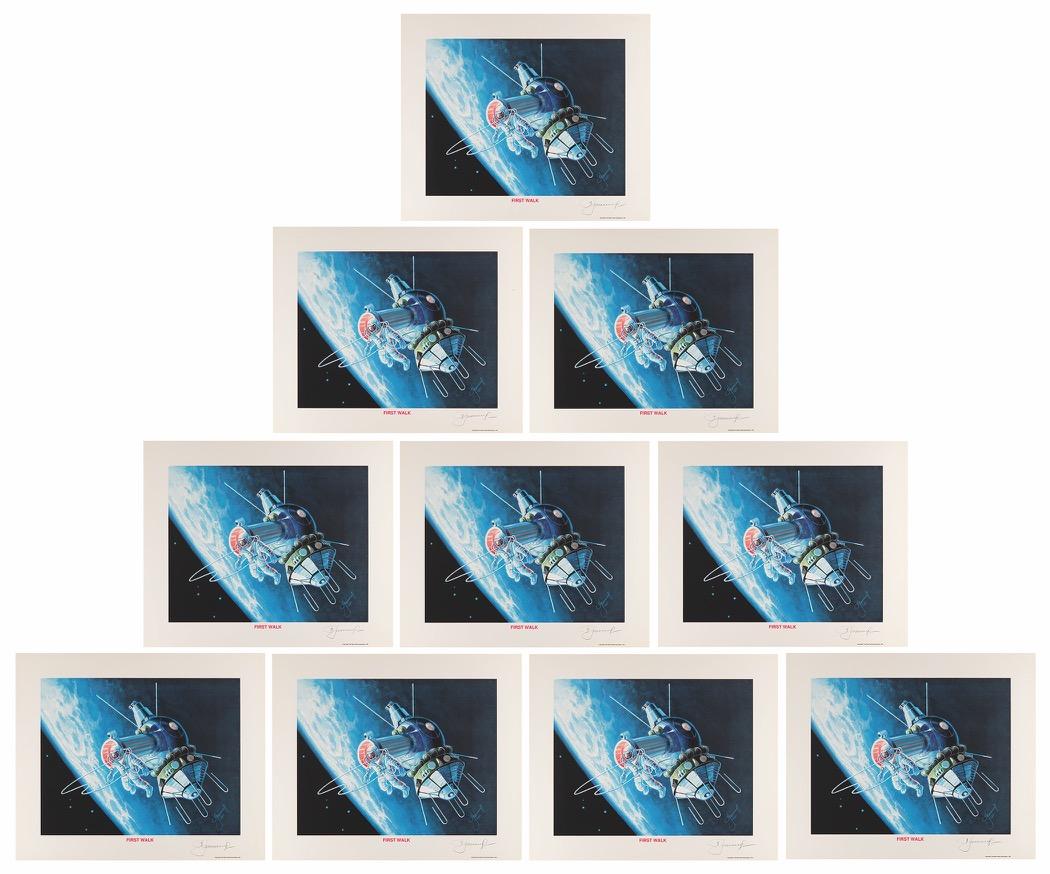
5574. Alexei Leonov (10) Signed Prints - 'First Walk' -
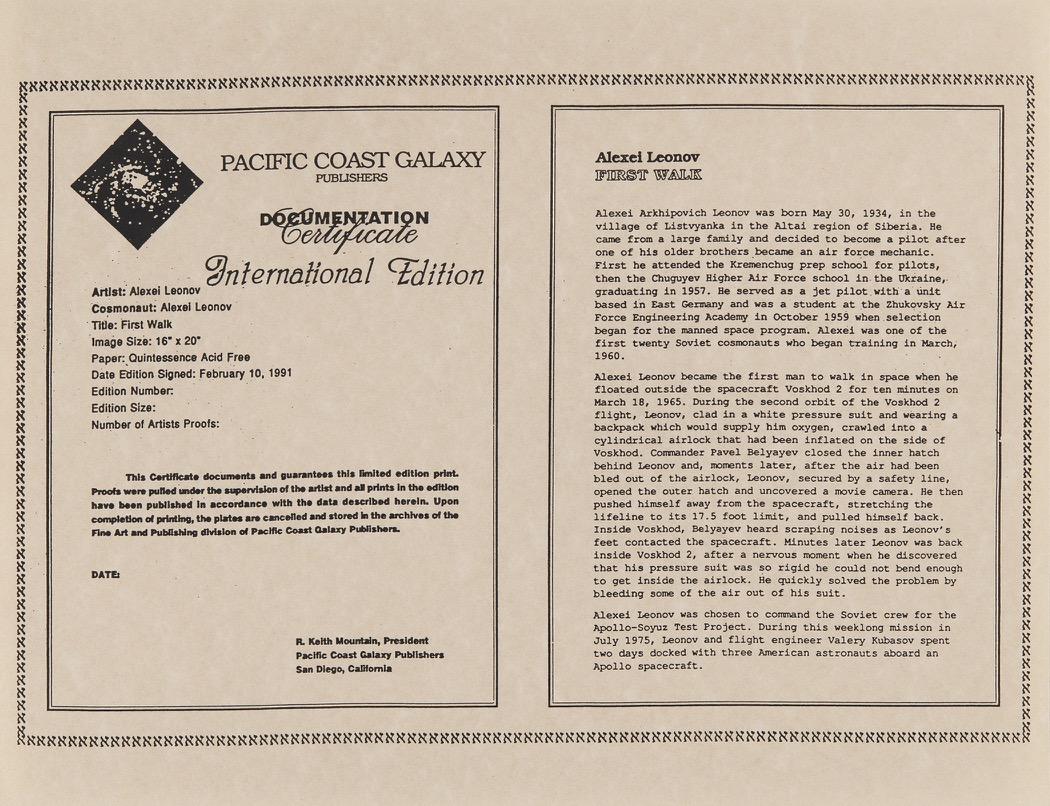
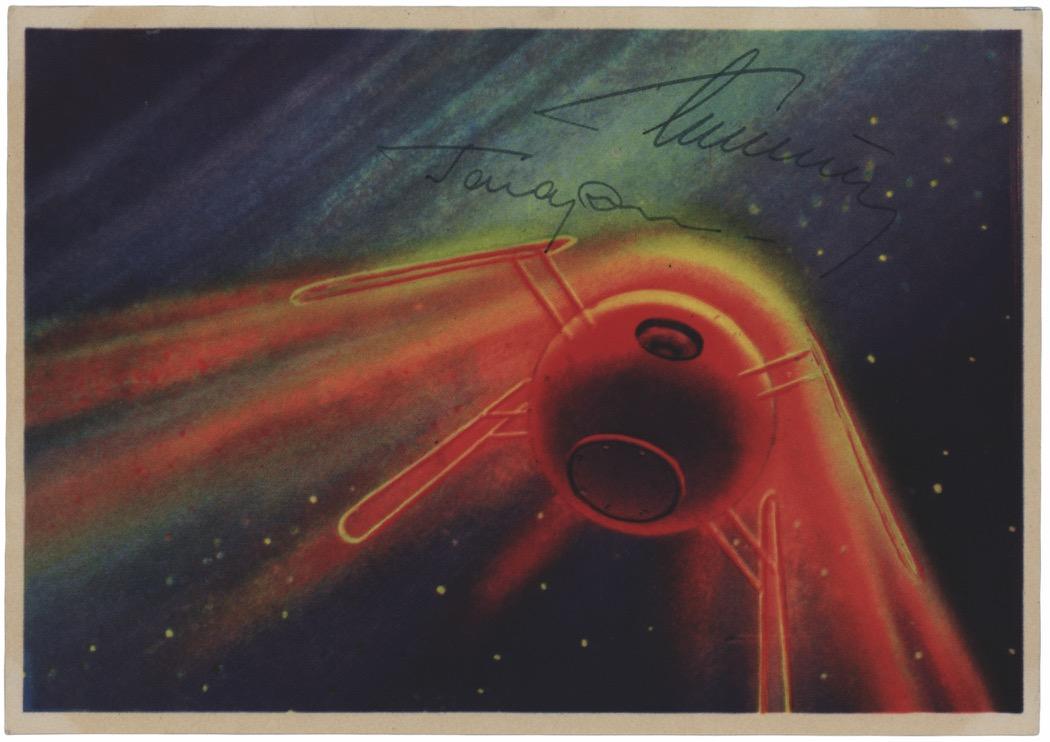
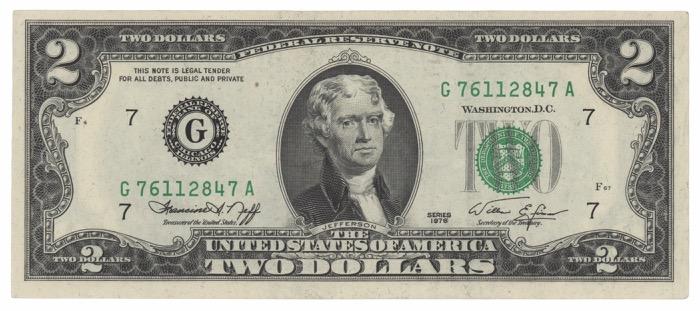
5565. Blue Origin NS-13 Flown $2 Dollar Bill Starting Bid $200
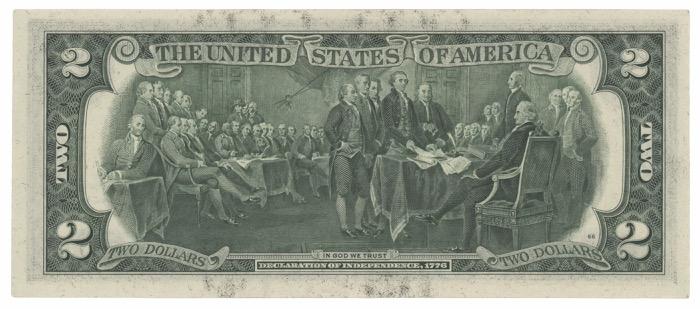
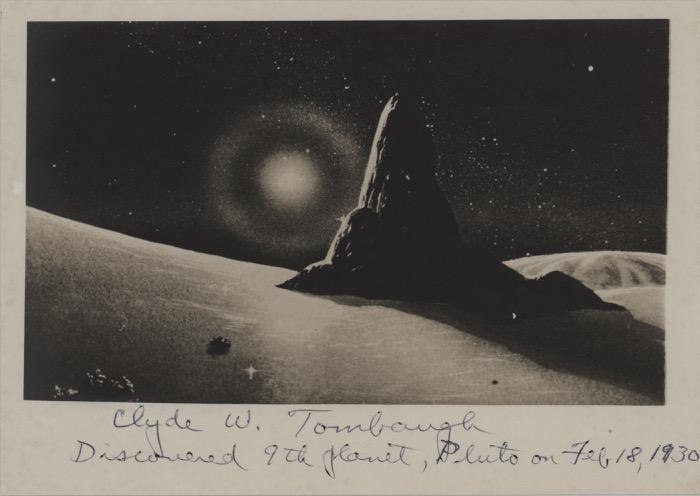
5569. Clyde Tombaugh Signed Photograph Starting Bid $200
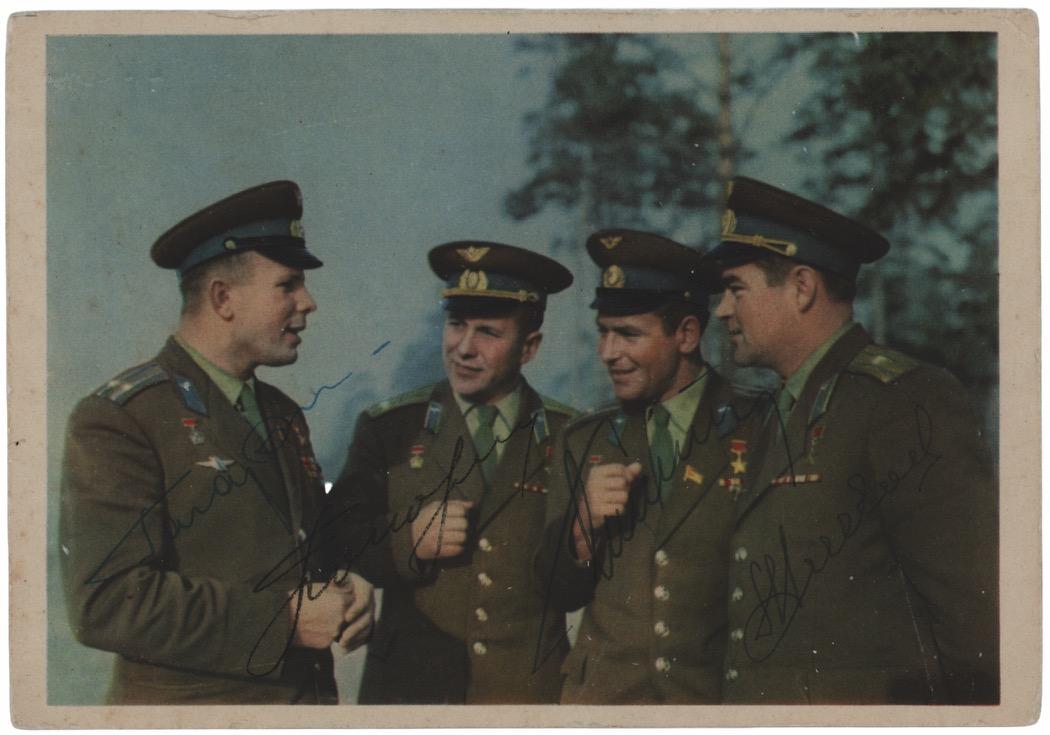
5575. Cosmonauts Signed Postcard with Gagarin, Popovich, Titov, and Nik... Starting Bid $200
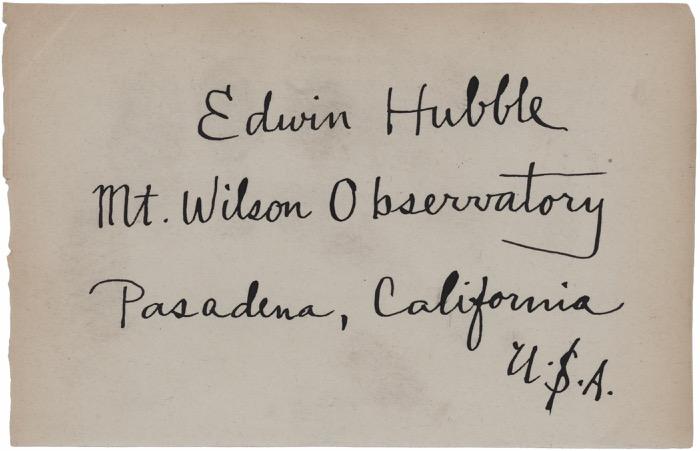
5566. Edwin Hubble Signature Starting Bid $200
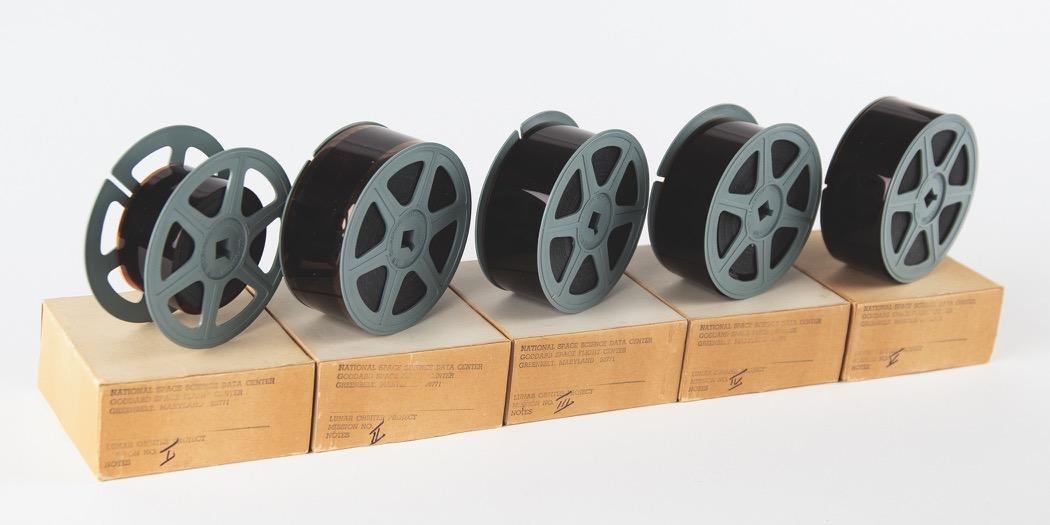
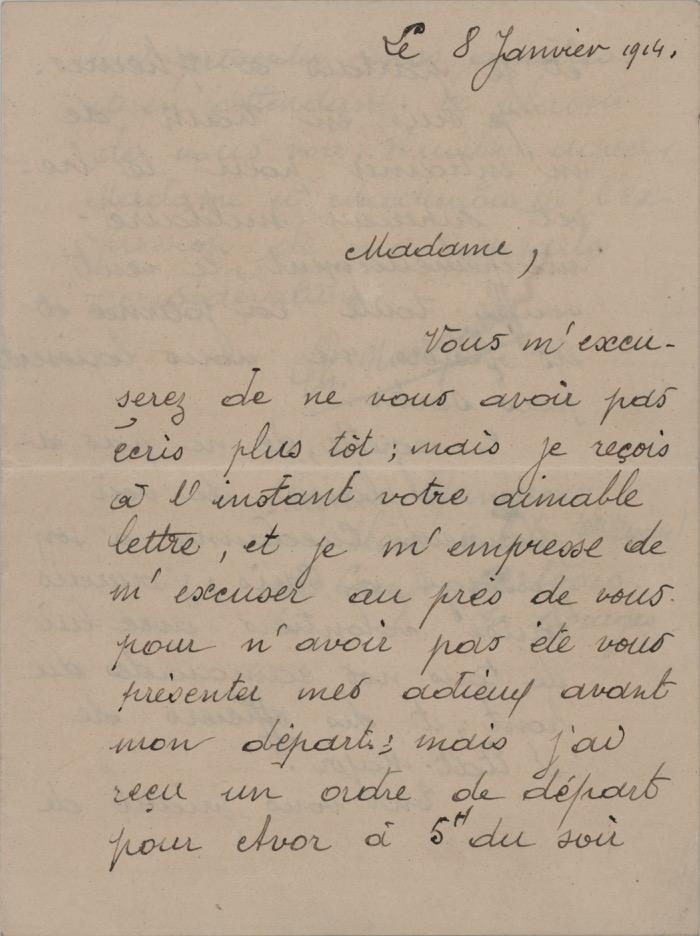
5567. Charles Nungesser Letter Signed as a Student
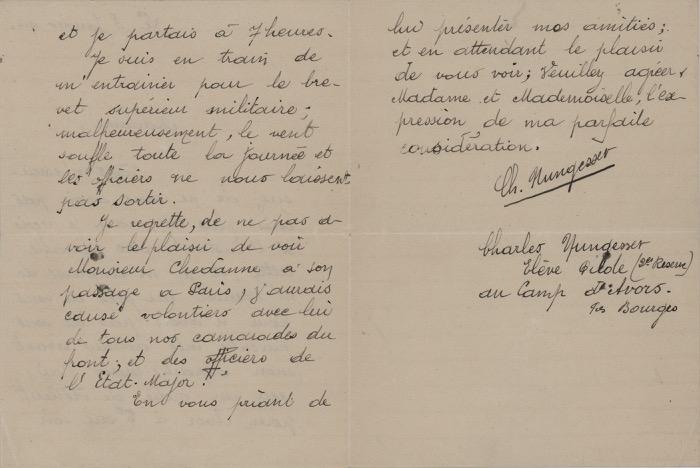
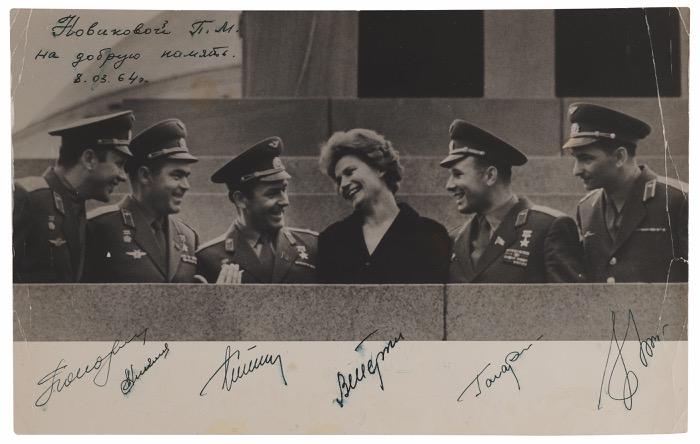
Starting Bid $200
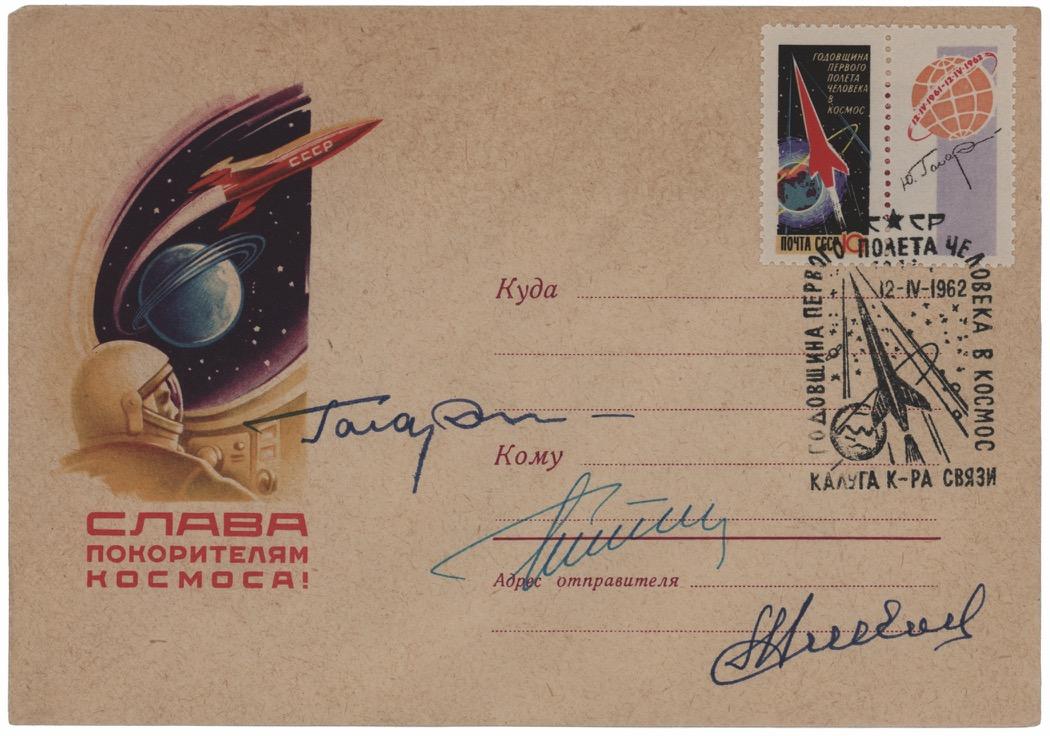
5579. Yuri Gagarin,
Commemora... Starting Bid $200
5570. Lunar Orbiter Program Set of (5) 35mm Film Reels -
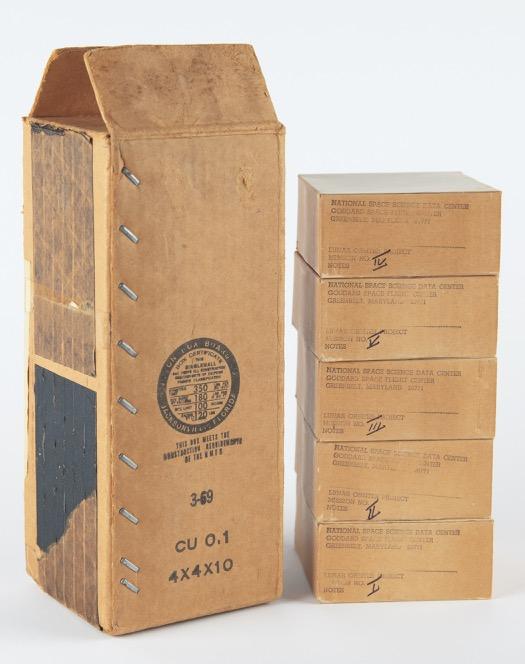
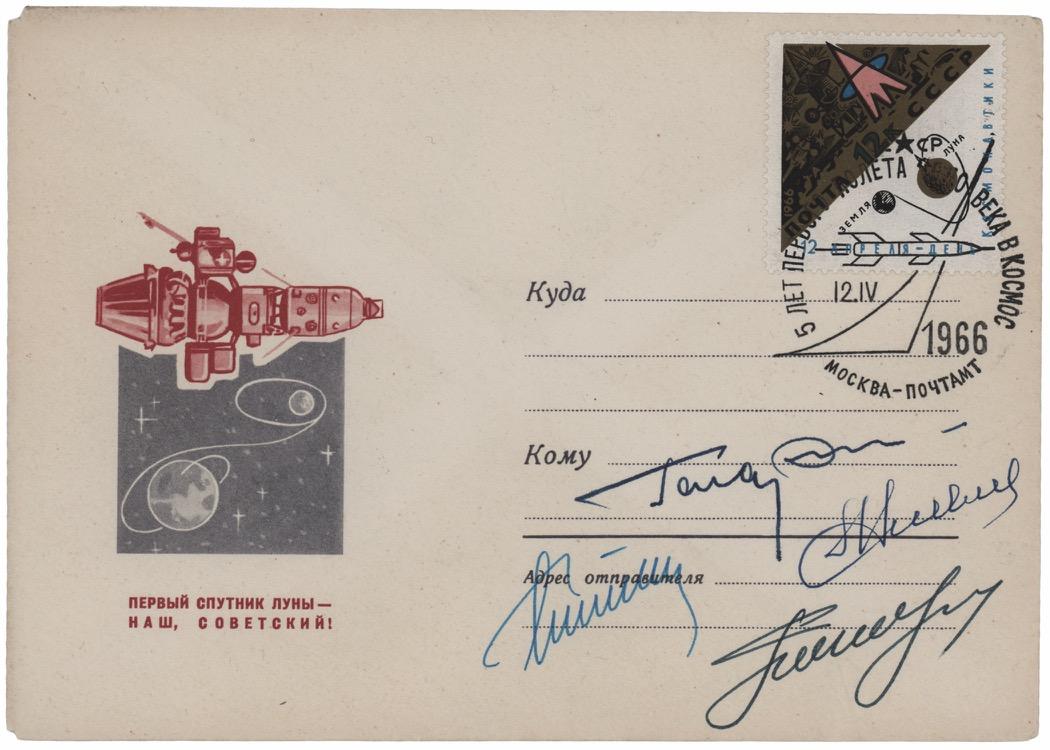
5576. Cosmonauts Signed Cover with Gagarin, Popovich, Titov, and Nikola... Starting Bid $200
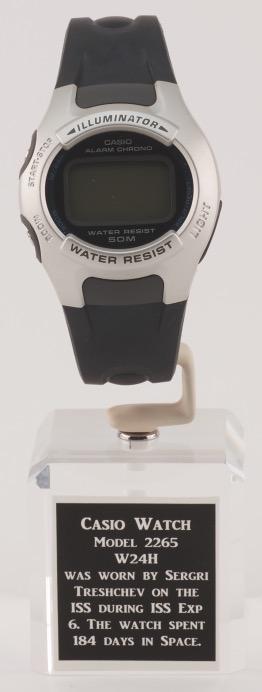
5580.
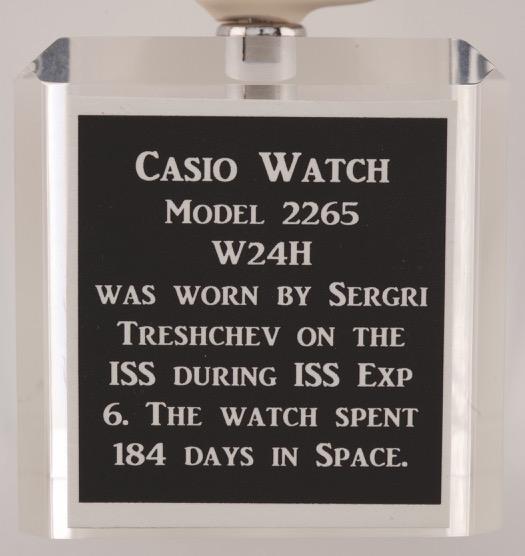
5573. Vostok Cosmonauts (6) Multi-Signed Photograph Starting Bid $200
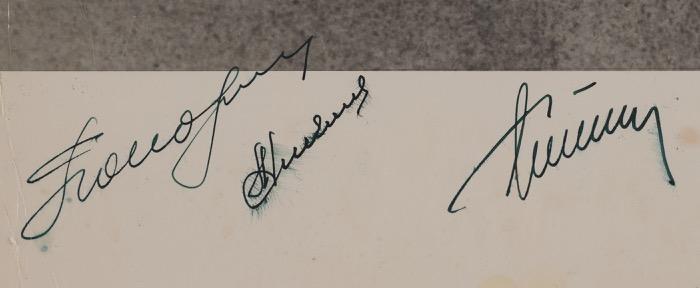
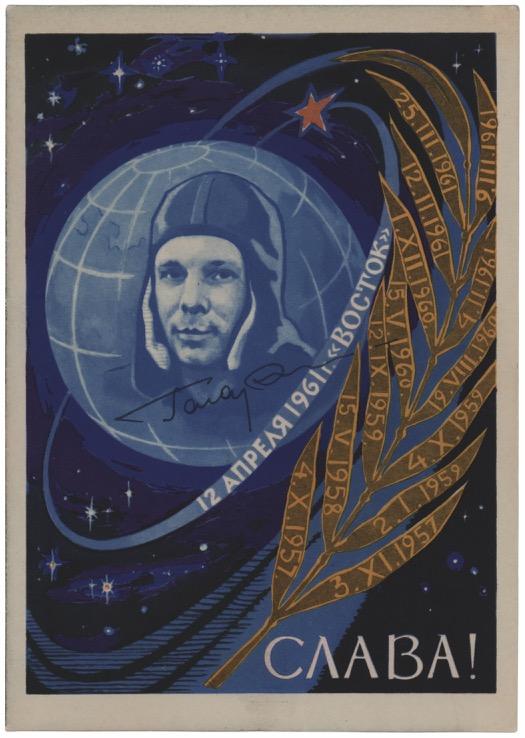
5577. Yuri Gagarin Signed Postcard Starting Bid $200
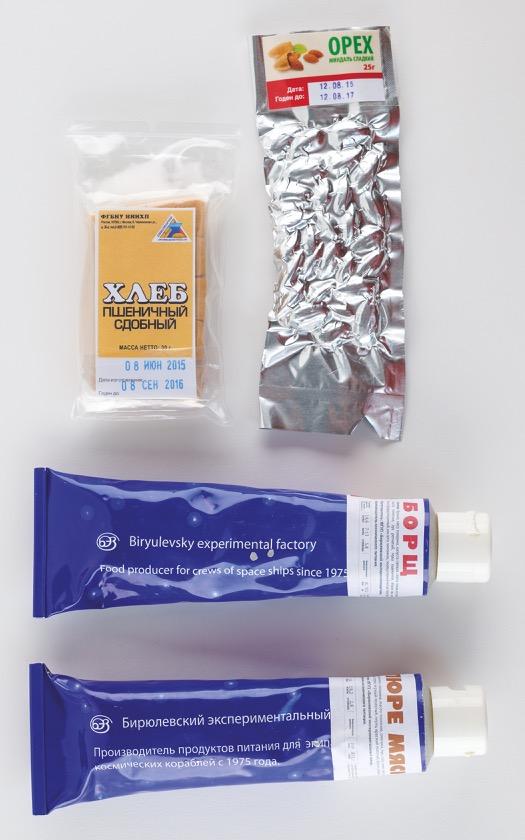
Starting Bid $200
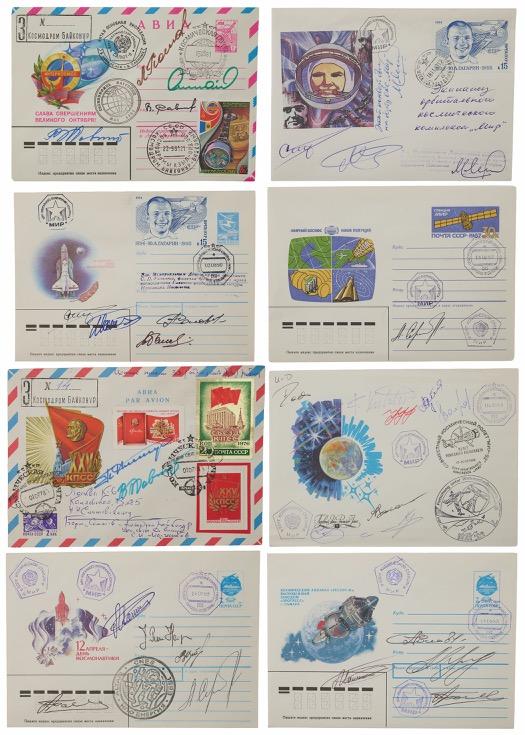
5582. Salyut 6 and Mir (8) Space Station-Flown and Cosmonaut-Signed Cov... Starting Bid $200
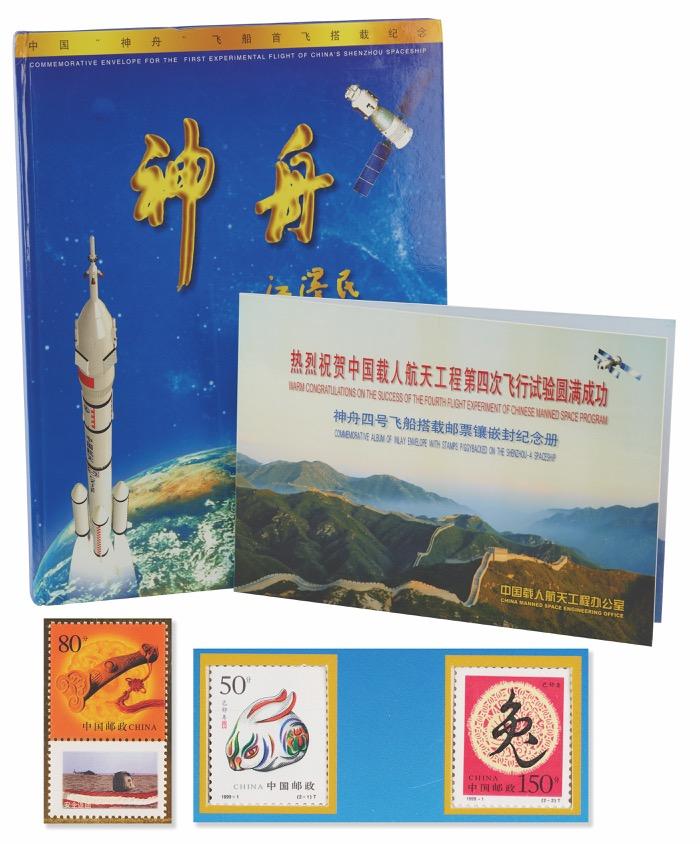
5586. Shenzhou 1 and 4 Flown Postage Stamps Starting Bid $200
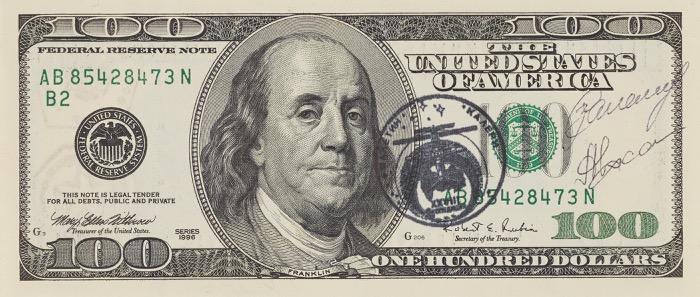
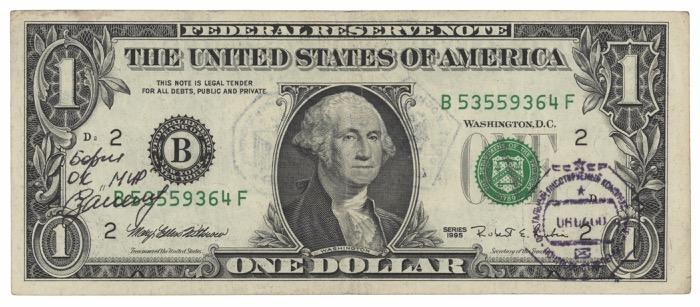

5583. Soyuz TM-30/MIR-28
Flown $100 Dollar Bill, Signed by Sergey Zalyo... Starting Bid $200
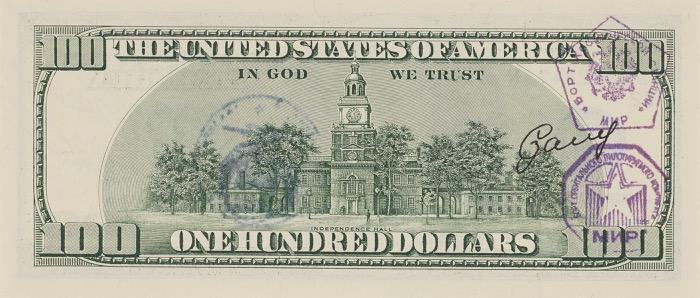
5587.
5584. Soyuz TM-30/MIR-28 Flown $1 Dollar Bill, Signed by Sergey Zalyoti... Starting Bid $200
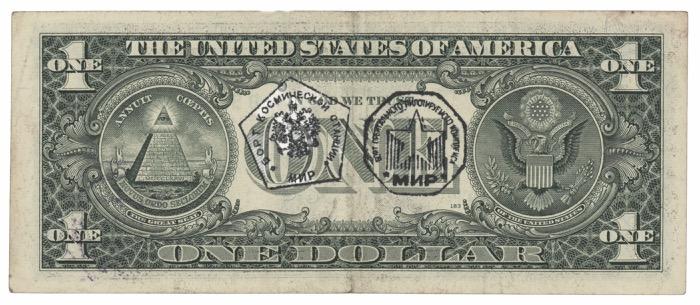
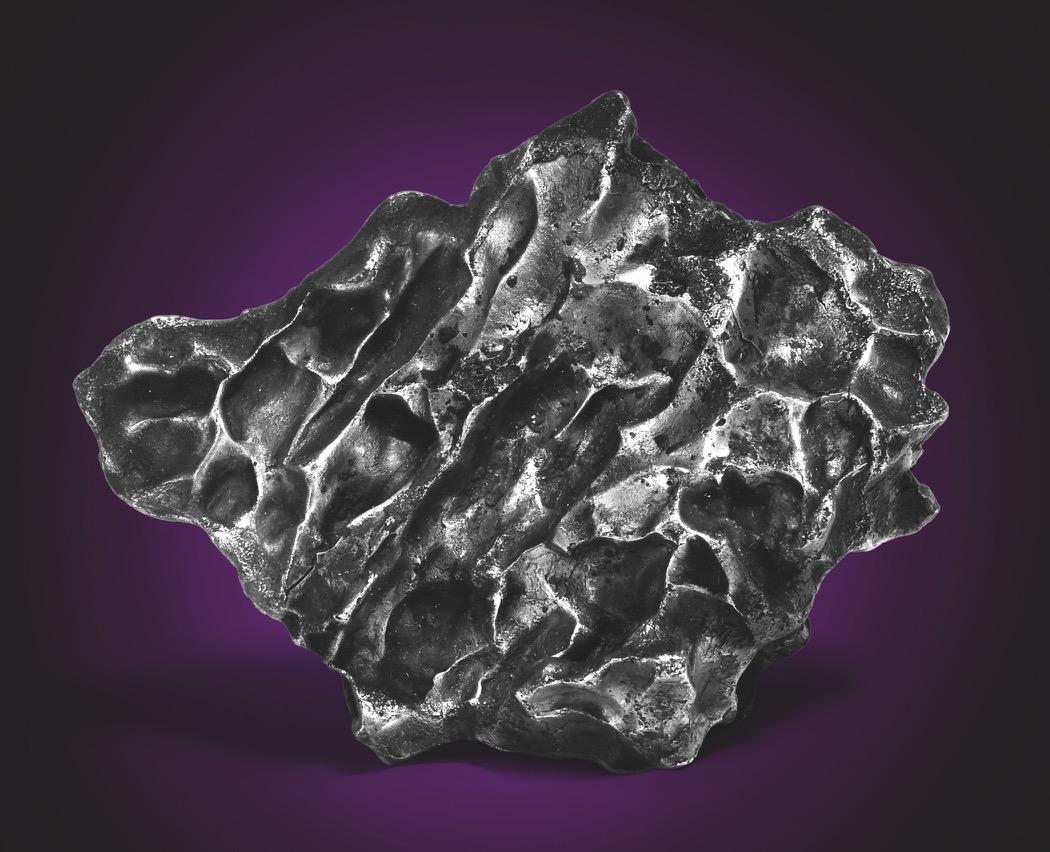
5597. Sikhote-Alin — Complete Meteorite with Fusion Crust Starting Bid $200
5585. Soyuz TM-30/MIR-28
Flown 10,000 Ruble Bill, Signed by Sergey Zaly... Starting Bid $200
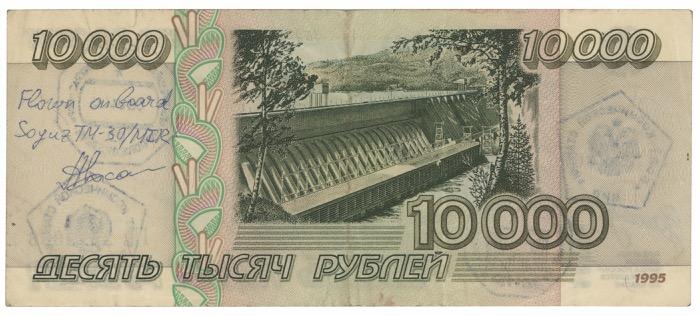
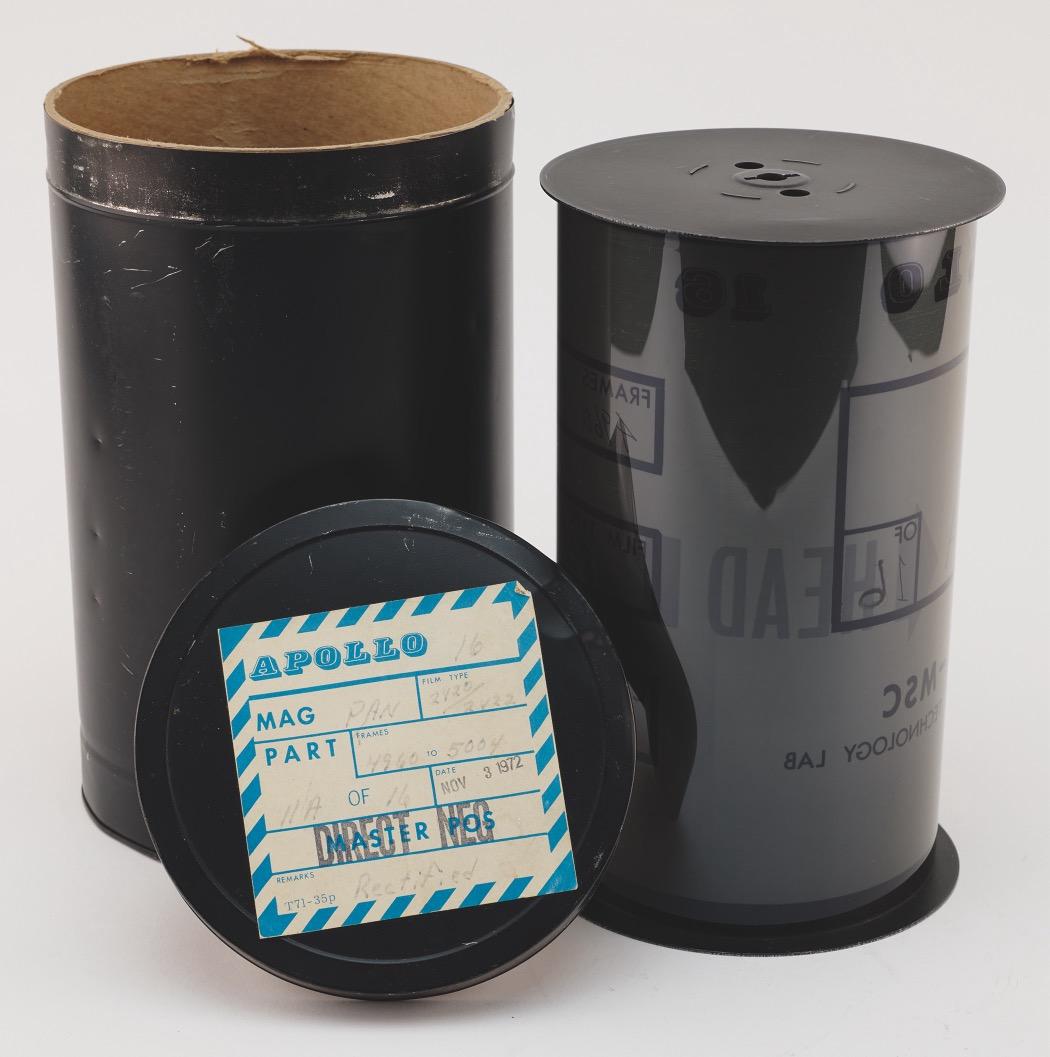
5600.
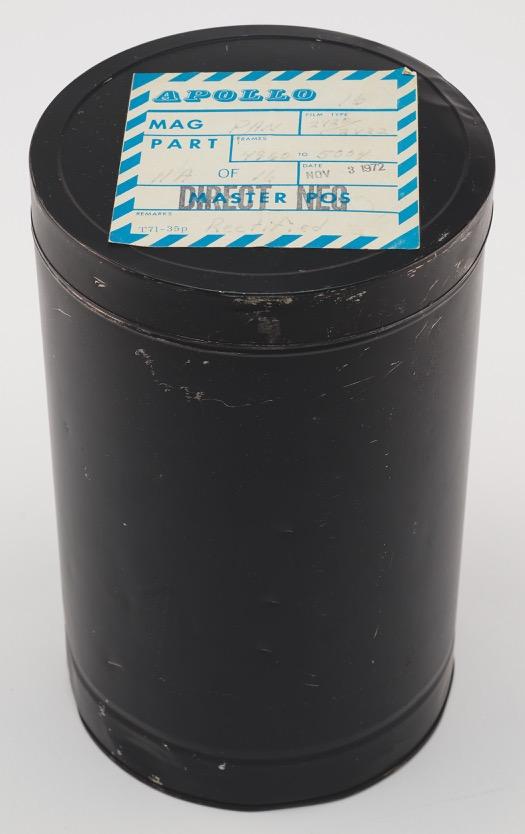
ANYONE EITHER REGISTERING TO BID OR PLACING A BID (“BIDDER”) ACCEPTS THESE CONDITIONS OF SALE AND ENTERS INTO A LEGALLY, BINDING, ENFORCEABLE AGREEMENT WITH R&R AUCTION COMPANY OF MASSACHUSETTS, LLC (“RR AUCTION”) TOGETHER WITH BIDDER, THE “PARTIES”).
This Agreement contains important provisions that control rights and liabilities, and specifically has provisions governing how disputes are handled as well as LIMITATIONS OF LIABILITY that can be imposed upon RR Auction, WAIVER OF JURY and ARBITRATION PROVISIONS. This acknowledgement is a material term of these Conditions of Sale and of the consideration under which RR Auction agrees to these terms. PLEASE READ CAREFULLY.
The following terms and conditions (“Conditions of Sale”) constitute the sole terms and conditions under which RR Auction will offer for sale and sell the property on its website, and/or described in the catalog of items for auction (the “Catalog”). These Conditions of Sale constitute a binding agreement between the Parties with respect to the auction in which Bidder participates (the “Auction”). By bidding at the Auction, whether in person, through an agent or representative, by telephone, facsimile, online, absentee bid, or by any other form of bid or by any other means, Bidder acknowledges the thorough reading and understanding of all of these Conditions of Sale, all descriptions of items in the Catalog, and all matters incorporated herein by reference, and agrees to be fully bound thereby.
Section 1
The Parties1.1 RR Auction and Auction
This Auction is presented by RR Auction, a d/b/a/ of R&R Auction Company of Massachusetts, LLC, as identified with the applicable licensing information on the title page of the Catalog or on the www.RRauction. com Internet site. The Auction is conducted under these Conditions of Sale. Announcements and corrections from the podium at live auctions and those made through the Conditions of Sale appearing on the Internet at RRauction.com supersede those in the printed Catalog.
1.2 Bidder
Bidder shall mean the original Bidder on the property offered for sale by RR Auction and not any subsequent owner or other person who may acquire or have acquired an interest therein. If Bidder is an agent, the agency must be disclosed in writing to RR Auction prior to the time of sale, otherwise the benefits of the warranty shall be limited to the agent and not transferable to the undisclosed principal.
The rights granted to Bidder under these Conditions of Sale are personal and may not be assigned or transferred to any other person or entity, whether by operation of law or otherwise without the express written assent of RR Auction. Bidder may not transfer, assign, or otherwise convey these Conditions of Sale or any of the rights herein, and such purported transfer, assignment, or conveyance shall be null and void. No third party may rely on any benefit or right conferred on any Bidder by these Conditions of Sale, and no third party is intended as a beneficiary of these Conditions of Sale.
Bids will not be accepted from minor persons under eighteen (18) years of age without a parent or legal guardian’s written consent containing an acknowledgment of the Conditions of Sale herein and indicating their agreement to be bound thereby on behalf of the Bidder.
All Bidders must meet RR Auction’s qualifications to bid. Any Bidder who is not a client in good standing of RR Auction may be disqualified at RR Auction’s sole option and will not be awarded lots. Such determination may be made by RR Auction in its sole and unlimited discretion, at any time prior to, during, or even after the close of the Auction. RR Auction reserves the right to exclude any person from the Auction.
If an entity places a bid, then the person executing the bid on behalf of the entity agrees to personally guarantee payment for any successful bid and
agrees to be bound by these Conditions of Sale in addition to company for whom the Bidder is acting
By accepting the Conditions of Sale, Bidder personally and unconditionally guarantees payment.
2.1 In order to place bids, Bidders who have not established an account with RR Auction must either furnish satisfactory credit information (including two collectibles-related business references) or supply additional information if requested, well in advance of the Auction. Bidders who are not members of RRAuction.com should pre-register before the close of the Auction to allow adequate time to contact references. Privileges will be granted at the sole discretion of RR Auction. Additionally, Bidders who have not previously established credit or who wish to bid in excess of their established credit history may be required to provide a cash deposit prior to RR Auction’s acceptance of a bid. Check writing privileges and immediate delivery of merchandise may also be determined by pre-approval of credit based on a combination of criteria: RRAuction.com history, related industry references, bank verification, a credit bureau report and/or a personal guarantee for a corporate or partnership entity in advance of the Auction venue.
2.2 Bidder providing any false or misleading information provided in connection with the registration shall be a material breach of the Conditions of Sale and in addition to any other remedies at law shall excuse RR Auction from performance under these Conditions of Sale, including the right to any refund.
2.2 Bidding privileges may be revoked without notice, for any reason, at the sole discretion of RR Auction .
Section 3
3.1 The Bidder acknowledges and agrees that a 25% buyer’s premium will be added to the hammer price on all individual lots sold in timed and live Auctions. . For payment other than by cash, delivery will not be made unless and until full payment has been received by RR Auction, i.e., check or wired funds have fully cleared. Unless otherwise agreed in writing, signed by RR Auction, payment in full is due within thirteen (13) calendar days of the Auction or within twelve (12) calendar days of the invoice date, whichever is earlier. Bidder’s failure to pay any payment in full when due required shall constitute a material breach, and in addition to other damages available under contract or law, at RR Auction’s election, RR Auction may cancel the sale and require full premium still be due along with interest at 1.5% per month from the date of breach, or at the maximum legally allowable rate.
Section 4
Bidding
4.1 Each Bidder’s determination of its bid should be based upon its own examination of the item(s) and independent investigation, rather than the any reliance as to what is represented in the Catalog, online or elsewhere. Bidder affirms that it regards any statements made by RR Auction concerning the item as solely opinion and that Bidder is making its own inspection and independent evaluation of the goods, and is not relying upon any description or statements by RR Auction (including as to quality, authenticity, provenance, ownership, liens existing, on goods legality, or value) in making its determination to bid on or purchase an item. In any purchase or sale, the value of the item(s) is determined by the price. THE BIDDER HEREBY ASSUMES ALL RISKS CONCERNING ANY AND ALL PURCHASES TO THE FULLEST EXTENT UNDER APPLICABLE LAW.
4.2 RR AUCTION IS NOT RESPONSIBLE FOR ERRORS IN BIDDING. A Bidder should make certain to bid on the correct lot and that the bid is the maximum (plus the Buyer’s Premium) that the Bidder is willing and able to pay. Since other Bidders (by mail, facsimile, online, and in person) will be present, and since a re-offering could damage the momentum of the sale, once the hammer has fallen and RR Auction has announced the winning Bidder, such Bidder is unconditionally bound to pay for the lot,
even if the Bidder has made a mistake.
4.3 All prospective Bidders who examine lots in person prior to the sale shall personally assume all responsibility for any damage they cause in so doing. RR Auction shall have sole discretion in determining the value of the damage caused, which shall be promptly paid by the prospective Bidder.
4.4 Title to any lot remains with Consignor, any secured party of the Consignor, or assignee of Consignor, as the case may be, until the lot is paid for in full by Bidder and Bidder has fully satisfied any outstanding financial obligations to RR Auction (including as it concerns aby other lots). RR Auction reserves the right to require payment in full before delivering any lot to the successful Bidder.
4.5 It is the Bidder’s responsibility and obligation to have the lots fully insured while in their possession. Bidder assumes any and all risk of loss upon the earlier of shipment to Bidder or in Bidder’s possession.
4.6 Bidder grants to RR Auction or its assigns the right to offset any sums due, or found to be due by RR Auction, and to make such offset from any past, subsequent or future consignment, or items acquired by Bidder in possession or control of RR Auction or from any sums due to Bidder by RR Auction. Bidder further grants RR Auction a lien consisting of a senior security interest (or purchase money security interest to the extent applicable) in such sums or items to the fullest extent applicable, authorizes RR Auction to file documents concerning the interest, and Bidder agrees to execute any further documents as may be reasonably necessary to grant RR Auction such security interest. Bidder agrees that RR Auction and its assigns shall be a secured party with respect to items bought by Bidder and in the possession of RR Auction, to the extent of the maximum indebtedness, plus all accrued fees and expenses, until the indebtedness is paid.
4.7 By bidding in this sale, Bidder personally and unconditionally guarantees payment. The authorized representative of any corporate Bidder who is present at the sale shall provide RR Auction or its agent, prior to the commencement of the bidding (or at the time of registration), with a statement signed by a principal, director or officer that they he or she personally and unconditionally guarantees any payment due RR Auction.
4.8 RR Auction may at its sole and absolute discretion, make loans or advances to Consignors and/or prospective Bidders.
Section 5
Bidding Options
5.1 Non-Internet bids (including but not limited to in-person, facsimile, phone and mail bids) are treated similarly to floor bids in that they must be on-increment. Any in-person, facsimile, phone, or mail bids that do not conform to a full increment will be rounded up or down to the nearest full increment and this revised amount will be considered Bidder’s high bid.
5.2 When identical bids are submitted, preference is given to the first received. To ensure the greatest accuracy, written bids should be entered on the standard printed bid sheet and be received at RR Auction’s place of business at least twenty-four (24) hours before the Auction start. RR Auction is not responsible for executing mail bids or facsimile bids received on or after the day the first lot is sold, nor Internet bids submitted after the published closing time; nor is RR Auction responsible for proper execution of bids submitted by telephone, mail, facsimile, e-mail, Internet, or in person once the Auction begins.
5.3 In all Auctions, bids on an item must raise the current high bid by at least 10%, or as specified on a per-Auction basis. Bids will be accepted in whole dollar amounts only. No “buy” or “unlimited” bids will be accepted. In a live sale, bids on an item can change at the discretion of RR Auction.
5.4 RR Auction reserves the right to accept or decline any bid. Bids must be for an entire lot and each lot constitutes a separate sale. All bids are per lot unless otherwise announced. Live auction lots will be sold in their numbered sequence unless RR Auction directs otherwise. It is unlawful and illegal for Bidders to collude, pool, or agree with another Bidder to pay less than the fair value for lot(s). For live auctions, RR Auction will have final discretion in the event that any dispute should arise between Bidders. RR Auction will determine the successful Bidder, cancel the sale,
or re-offer and resell the lot or lots in dispute. RR Auction will have final discretion to resolve any disputes arising after the sale and in online auctions. If any dispute arises, RR Auction’s sale record is conclusive.
6.1 Subject to fulfillment of all of the Conditions of Sale set forth herein, upon the sooner of (1) the passing of title to the offered lot pursuant to these Conditions of Sale, or (2) possession of the offered lot by the Bidder, Bidder thereupon (a) assumes full risk and responsibility (including without limitation, liability for or damage to frames or glass covering prints, paintings, photos, or other works), and (b) will immediately pay the full purchase price or such part as RR Auction may require. In addition to other remedies available to RR Auction by law, RR Auction reserves the right to impose from the date of sale a late charge of 1.5% per month of the total purchase price if payment is not made in accordance with the conditions set forth herein. All property must be removed from RR Auction’s premises by the Bidder at his/her expense not later than sixty (60) business days following its sale and, if it is not so removed, RR Auction may send the purchased property to a public warehouse for the account, at the risk and expense of the Bidder.
6.2 Payment is due upon closing of the Auction session, or upon presentment of an invoice. RR Auction reserves the right to void an invoice if payment in full is not received within thirteen (13) calendar days of the Auction or within twelve (12) calendar days of the invoice date. In cases of nonpayment, RR Auction’s election to void a sale does not relieve the Bidder from their obligation to pay RR Auction its fees (seller’s and Buyer’s Premium) on the lot and any other damages pertaining to the lot.
6.3 All sales for total invoices greater than $1,000 are strictly for cash in United States dollars (including U.S. currency, bank wire, cashier checks, eChecks, and bank money orders), and are subject to all reporting requirements.
6.4 All deliveries are subject to good funds; funds being received in RR Auction’s account before delivery of the Purchases; and all payments are subject to a clearing period. RR Auction reserves the right to determine if a check constitutes “good funds”: checks drawn on a U.S. bank are subject to a ten (10) calendar day hold, and ten (10) business days when drawn on an international bank. Clients with pre-arranged credit status may receive immediate credit for payments via e-Check, personal or corporate checks.
6.5 In the event that a Bidder’s payment is dishonored upon presentment(s), Bidder shall pay the maximum statutory processing fee set by applicable state law. If Bidder attempts to pay via check and the financial institution denies the transfer from Bidder’s bank account, or the payment cannot be completed using the selected funding source, Bidder agrees to complete payment.
6.7 If RR Auction refers any unpaid invoice to an attorney for collection, the Bidder agrees to pay and shall be liable for RR Auction’s attorney’s fees, court costs, and other collection costs incurred by RR Auction in addition to the invoice amount and interest the greater of 1.5% per month or at the maximum legally allowable rate from date of invoice to collection. If RR Auction assigns collection to its house counsel, such attorney’s time expended on the matter shall be compensated at a rate comparable to the hourly rate of independent attorneys.
6.8 RR Auction shall have a lien against the merchandise purchased by the Bidder (as well as to the extent it is a consignor any other monies owed or due to Bidder) to secure payment of the Auction invoice. RR Auction is further granted a lien and the right to retain possession of any other property of the Bidder then held by RR Auction or its affiliates to secure payment of any Auction invoice or any other amounts due RR Auction or affiliates from the Bidder. With respect to these lien rights, RR Auction shall have all the rights of a secured creditor, including but not limited to the right of sale. In addition, with respect to payment of the Auction invoice(s), the Bidder waives any and all rights of offset he might otherwise have against RR Auction and the consignor of the merchandise included on the invoice (the Consignor”). If a Bidder owes RR Auction or its affiliates on any account, RR Auction and its affiliates shall have the right to offset such unpaid account by any credit balance due Bidder, and it may secure by possessory lien any unpaid amount by any of the Bid-
der’s property in their possession.
6.9 All checks, cashiers checks, bank checks, or money orders are payable to R&R Auction Company of Massachusetts, LLC. RR Auction clients with an invoice totaling $1,000 or under will have the option to pay by VISA, Mastercard, Discover or Paypal. All Paypal payments must be sent to FinanceDepartment@rrauction.com. Authorize.net, a third-party service provider contracted by RR Auction for processing on-line payments, charges a nonrefundable service fee of 3%, which will be added to your final invoice should you pay by credit/debit card.
Section 7 Sales Tax
RR Auction is a remote seller and we are now required to collect Sales/ Use Tax from our bidders. The states that we have nexus in we will be required to collect and remit sales tax on your behalf. Each state has different requirements to meet nexus. When RR Auction has achieved a certain monetary and/or invoice threshold in each state we will apply sales tax to your total invoice. The states that are affected are: ARIZONA, ARKANSAS, CALIFORNIA, COLORADO, CONNECTICUT, FLORIDA, GEORGIA, ILLINOIS, INDIANA, IOWA, KANSAS, KENTUCKY, MAINE, MARYLAND, MASSACHUSETTS, MICHIGAN, MINNESOTA, NEBRASKA, NEVADA, NEW JERSEY, NEW YORK, NORTH CAROLINA, OHIO, OKLAHOMA, PENNSYLVANIA,RHODE ISLAND, TENNESSEE, TEXAS, UTAH, VIRGINIA, WASHINGTON, WISCONSIN
If we have not achieved nexus in a particular state it is still your responsibility to pay sales tax on your purchases.
The sales tax rate is determined by the State, Country, and City where purchases are shipped to. If you decide to pick up your purchases at our New Hampshire location you will not be required to pay sales tax. The State of New Hampshire does not have a general sales and use tax. All purchases picked up at our Massachusetts location will be taxed at the current rate of 6.25%.
If you have a resale number please email Sue@RRAuction.com or fax to (603) 732-4288 a copy of your state resale certificate and you will be exempt from paying sales tax.
Section 8
Bidder is liable for shipping and handling and providing accurate information as to shipping or delivery locations and arranging for such. RR Auction is unable to combine purchases from other auctions or affiliates into one package for shipping purposes. Lots won will be shipped in a commercially reasonable time after payment in good funds for the merchandise and the shipping fees is received or credit extended, except when third-party shipment occurs. Bidder agrees that service and handling charges related to shipping items which are not pre-paid may be charged to a credit card on file with RR Auction.
Successful international Bidders shall provide written shipping instructions, including specified Customs declarations, to RR Auction for any lots to be delivered outside of the United States. NOTE: Declaration value shall be the item’(s) hammer price and RR Auction shall use the correct harmonized code for the lot. Domestic Bidders on lots designated for third-party shipment must designate the common carrier, accept risk of loss, and prepay shipping costs.
All duties, customs, and any other import charges are the responsibility of the bidder.
Section 9
Title
Title shall not pass to the successful Bidder until all invoices of Bidder (including those pertaining to the item(s) at issue) and amounts owed to RR Auction are paid in full. It is the responsibility of the Bidder to provide adequate insurance coverage for the items once they have been delivered to a common carrier or third-party shipper.
Section 10
Rights Reserved
RR Auction reserves the right, at any time before, during or after an auction has ended to: withdraw any lot before or at the time of the Auction, cancel any bid, and/or to postpone the Auction of all or any lots or parts thereof, for any reason. RR Auction shall not be liable to any Bidder in the event of such withdrawal, cancellation, or postponement under any circumstances. RR Auction reserves the right to refuse to accept bids from anyone at any time.
Section 11
Conducting the Auction
11.1 RR Auction reserves the right to postpone the Auction or any session thereof for a reasonable period of time for any reason whatsoever, and no Bidder or prospective Bidder shall have any claim as a result thereof, including consequential damages.
11.2 RR Auction’s Discretion: RR Auction shall determine opening bids and bidding increments. RR Auction has the right in its absolute discretion to reject any bid in the event of dispute between Bidders or if RR Auction has doubt as to the validity of any bid, to advance the bidding at its absolute discretion and to determine the successful Bidder in the event of a dispute between Bidders, to continue the bidding or to reoffer and resell the lot in question. In the event of a dispute after the sale, RR Auctions record of final sale shall be conclusive. RR Auction also may reject any bid if RR Auction decides either that any bid is below the reserve of the lot or article or that an advance is insufficient. Unless otherwise announced by RR Auction at the time of sale, no lots may be divided for the purpose of sale.
Lots may be subject to a reserve which is the confidential minimum price below which the lot will not be sold. Consignors may not bid on their own lots or property. RR Auction may, from time to time, bid on items that it does not own. RR Auction may execute bids consecutively or otherwise up to one bid increment below the reserve.
Bidding by telephone, facsimile, online, or absentee bidding (advance written bids submitted by mail) are offered solely as a convenience and permitted subject to advance arrangements, availability, and RR Auction’s approval which shall be exercised at RR Auction’s sole discretion. Neither RR Auction nor its agents or employees shall be held liable for the failure to execute bids or for errors relating to any transmission or execution thereof. In order to be considered for off-site bidding in any manner, Bidders must comply with all of these Conditions of Sale and the terms contained on the Registration Form.
11.5 Estimate Prices:
In addition to descriptive information, each item in the Catalog sometimes includes a price range which reflects opinion as to the price expected at auction (the “Estimate Prices”). In other instances, Estimate Prices can be obtained by calling RR Auction at (603) 732-4280. The Estimate Prices are based upon various factors including prices recently paid at auction for comparable property, condition, rarity, quality, history and provenance. Estimate Prices are prepared well in advance of the sale and subject to revision. Estimates do not include the Buyer’s Premium or sales tax (see under separate heading).
11.6 Owned or Guaranteed Property:
RR Auction generally offers property consigned by others for sale at public auction; in very limited occasion, lots are offered that are the property of RR Auction.
11.7 Before the Auction:
Bidder may attend pre-sale viewing for all of RR Auction’s auctions at no charge. All property to be auctioned is usually on view for several days prior to the sale. Bidder is encouraged to examine lots thoroughly. Bidder may also request condition reports (see below). RR Auction’s staff are available at viewings and by appointment.
11.8 Maximum Bids In All Auctions:
To maximize Bidder’s chance of winning, RR Auction strongly encourages
the use of maximum bids. RR Auction will then bid for Bidder until the lot reaches Bidder’s specified maximum. Maximum bids are strictly confidential. Placing arbitrary, non-incremental bids on lots with prior maximum bids may result in these lots being sold for less than 10% above the under Bidder’s bid.
The fall of RR Auction’s hammer indicates the final bid. RR Auction will record the paddle number of the Bidder. If Bidder’s salesroom or absentee bid is successful, Bidder will be notified after the sale by mailed or emailed invoice.
11.10
If a lot does not reach the reserve, it is bought-in. In other words, it remains unsold and is returned to the Consignor. RR Auction has the right to sell certain unsold items after the close of the Auction. Such lots shall be considered sold during the Auction and all these Terms and Conditions shall apply to such sales including but not limited to the Buyer’s Premium, return rights, and disclaimers.
Bidder may open, monitor, and/or raise bids at any time before the close of a lot through www.rrauction.com. RR Auction offers a callback service the day of the Auction, but Bidder is responsible for supplying a correct telephone number(s) where Bidder can be reached until the Auction closes. Bidder must request this service in writing. RR Auction will make reasonable efforts to ensure that Bidders who request a callback are contacted if outbid; however, RR Auction does not guarantee this service and it is merely a courtesy and not an enforceable right. The auctioneer may also execute a bid on behalf of the consignor to protect the reserve, either by entering a bid in response to salesroom, telephone or absentee bids. Under no circumstances will the auctioneer place any bid on behalf of the consignor above the reserve. The auctioneer will not specifically identify bids placed on behalf of the consignor to protect the reserve.
To ensure proper registration, those Bidders intending to bid via the Internet must visit www.RRauction.com and register accordingly at least one full day prior to the actual auction. Winning bidders will be notified by RR Auction. RR Auction is not responsible or liable for any problems, delays, or any other issues or problems resulting out of use of the Internet generally or specifically, including but not limited to transmission, execution or processing of bids.
Any Bidder may bid on any lot prior to 6 pm EST/EDT. At that time, an extended bidding period goes into effect. If Bidder has not bid on a lot before 6 pm EST/EDT, Bidder may not bid on that lot after 6 pm EST/EDT. Only those Bidders who have placed bids on a lot before 6 pm EST/EDT will be allowed to bid on that lot after 6 pm EST/EDT. If Bidder is the only Bidder on a lot at 6 pm EST/EDT, that lot is awarded to Bidder. During the extended bidding period, a lot will remain open only to those who bid on that lot prior to 6 pm EST/EDT. All lots WITHOUT an opening bid at 6 pm EST/EDT will remain OPEN to ALL Bidders until 7 pm EST/EDT or until they receive their first bid. These lots will close immediately upon receipt of a bid or at 7 pm EST/EDT, whichever comes first. For all lots that are active after 7 pm EST/EDT, bidding will remain open until 30 minutes pass without a bid being placed on THAT lot (the “30 Minute Rule”). The 30 Minute Rule is applied on a PER LOT BASIS; each lot in the Auction closes individually based on bidding activity after 7 pm EST/EDT. On a PER LOT BASIS, the 30 minute timer will reset each time a bid is placed after 7 pm EST/EDT. If Bidder is the high Bidder, raising Bidder’s maximum bid will NOT reset the timer. RR Auction reserves the right to close the Auction at any time at its sole discretion.
11.12 Bidding - Internet Live
Bidder may open, monitor, and/or raise bids at any time before the close of a lot through www.rrauction.com. RR Auction offers a callback service the day of the Auction, but Bidder is responsible for supplying a correct telephone number(s) where Bidder can be reached until the Auction closes. Bidder must request this service in writing. RR Auction will make reasonable efforts to ensure that Bidders who request a callback are contacted if outbid; however, RR Auction does not guarantee this service and it is merely a courtesy and not an enforceable right.
To ensure proper registration, those Bidders intending to bid via the Internet must visit www.RRauction.com and register accordingly at least one full day prior to the actual auction. Winning bidders will be notified by RR Auction. RR Auction is not responsible or liable for any problems, delays,
or any other issues or problems resulting out of use of the Internet generally or specifically, including but not limited to transmission, execution or processing of bids.
During live internet or live auction, property is auctioned in consecutive numerical order, as it appears in the catalog. The auctioneer will accept bids from those present in the salesroom or absentee bidders participating by telephone, internet or by written bid left with RR Auction in advance of the auction. The auctioneer may also execute a bid or bids (successively or otherwise) on behalf of the consignor to protect the reserve, either by entering a bid in response to salesroom, telephone or absentee bids. Under no circumstances will the auctioneer place any bid on behalf of the consignor above the reserve. The auctioneer will not specifically identify bids placed on behalf of the consignor to protect the reserve. All auctions for lots are with reserve unless specifically stated otherwise.
During live Auctions, internet bids can be placed in real time through one or more of the following Third Party services: www.liveauctioneers.com, www.invaluable.com and www.icollector.com. RR Auction is not responsible or liable for any problems, delays, or any other issues or problems resulting out of use of the Internet generally or specifically, including but not limited to transmission, execution or processing of bids. RR Auction treats any third-party site bids as floor or telephone bids. Floor bids and telephone bids are always considered first over third party sites bids, and floor bids are considered earlier than telephone bids. All RR Auction lots purchased through the third-party sites carry an additional Buyer’s Premium.
11.13 Miscellaneous:
Agreements between Bidders and Consignors to effectuate a non-sale of an item at Auction, inhibit bidding on a consigned item to enter into a private sale agreement for said item, or to utilize RR Auction’s Auction to obtain sales for non-selling consigned items subsequent to the Auction, are strictly prohibited. If a subsequent sale of a previously consigned item occurs in violation of this provision, RR Auction reserves the right to charge Bidder the applicable Buyer’s Premium and Consignor a Seller’s Commission as determined for each auction venue and by the terms of the seller’s agreement.
Acceptance of these Terms and Conditions qualifies Bidder as a client who has consented to be contacted by RR Auction in the future. In conformity with ”do-not-call” regulations promulgated by the Federal or State regulatory agencies, participation by the Bidder is affirmative consent to being contacted at the phone number shown in his application and this consent shall remain in effect until it is revoked in writing. RR Auction may from time to time contact Bidder concerning sale, purchase, and auction opportunities available.
11.14 Rules of Construction: RR Auction presents properties in a number of collectible fields, and as such, specific venues have promulgated supplemental Terms and Conditions. Nothing herein shall be construed to waive the general Conditions of Sale by these additional rules and shall be construed to give force and effect to the rules in their entirety.
Section 12
RR Auction’s Remedies
Failure of the Bidder to comply with any of these Conditions of Sale or the terms of the Registration Form is an event of material breach or default. In such event, RR Auction may, in addition to any other available remedies specifically including the right to hold the defaulting Bidder liable for the Purchase Price or to charge and collect from the defaulting Bidder’s credit or debit accounts as provided for elsewhere herein: (a) cancel the sale, retaining any payment made by the Bidder as damages (the Bidder understands and acknowledges that RR Auction will be substantially damaged should such default occur, and that damages under sub-part (a) are necessary to compensate RR Auction for such damages); (b) resell the property without reserve at public auction or privately; (c) charge the Bidder interest on the Purchase Price at the rate of one and one-half percent (1.5%) per month or the highest allowable interest rate; (d) take any other action that RR Auction, in its sole discretion, deems necessary or appropriate to preserve and protect RR Auction’s rights and remedies. Should RR Auction resell the property, the original defaulting Bidder shall be liable for the payment of any deficiency in the purchase price and all costs and expenses associated there with, including but not limited
to warehousing, sales-related expenses, reasonable attorney fees and court costs, commissions, incidental damages and any other charges due hereunder which were not collected or collectable. In the event that such Bidder is the successful Bidder on more than one lot and pays less than the purchase price for the total lots purchased, RR Auction shall apply the payment received to such lot or lots that RR Auction, in its sole discretion, deems appropriate. If RR Auction does not exercise such discretion, the lots to which the payment shall be applied will be in descending order from the highest purchase price to the lowest. Any Bidder failing to comply with these Conditions of Sale shall be deemed to have granted RR Auction a security interest in, and RR Auction may retain as collateral such security for such Bidder’s obligations to RR Auction, any Bidder’s property in RR Auction’s possession or to which title has not yet passed to Bidder. RR Auction shall have the benefit of all rights of a secured party under the Uniform Commercial Code (U.C.C.) as adopted by the Commonwealth of Massachusetts.
Section 13 Warranties
13.1 RR Auction does not provide any warranties to Bidders, whether expressed or implied, beyond those expressly provided in these Conditions of Sale. All property and lots are sold ”as is” and “where is”. By way of illustration rather than limitation, neither RR Auction nor the Consignor makes any representation or warranty, expressed or implied, as to merchantability or fitness for intended use, condition of the property (including any condition report), correctness of description, origin, measurement, quality, rarity, importance, exhibition, relevance, attribution, source, provenance, date, authorship, condition, culture, genuineness, value, or period of the property. Additionally, neither RR Auction nor the Consignor makes any representation or warranty, expressed or implied, as to whether the Bidder acquires rights in copyright, trademark, or other intellectual property (including exhibition or reproduction rights) related to the item, or whether the property is subject to any limitations or other rights. RR Auction does not make any representation or warranty as to title.
13.2 All descriptions, photographs, illustrations, and terminology including but not limited to words describing condition (including any condition reports requested by Bidder, see also Terminology), authorship, period, culture, source, origin, measurement, quality, rarity, provenance, importance, exhibition, and relevance, used in the Catalog, bill of sale, invoice, or anywhere else, represent a good faith effort made by RR Auction to fairly represent the lots and property offered for sale as to origin, date, condition, and other information contained therein; they are statements of opinion only. They are not representations or warranties and Bidder agrees and acknowledges that he or she shall not rely on them in determining whether or not to bid or for what price. Price estimates (which are determined well in advance of the Auction and are therefore subject to revision) and condition reports are provided solely as a convenience to Bidders and are not intended nor shall they be relied on by Bidders as statements, representations or warranties of actual value or predictions of final bid prices.
13.3 Bidders are accorded the opportunity to inspect the lots and to otherwise satisfy themselves as to the nature and sufficiency of each lot prior to bidding, and RR Auction urges Bidders to avail themselves accordingly.
13.4 All lots sold by RR Auction are accompanied by an Auction Certificate (“AC”). On any lot presented with an AC issued by RR Auction, the certification is only as to its attribution to the person or entity described or to the lot’s usage and only as explicitly stated therein (the “AC”), to the exclusion of any other warranties, express or implied, including but not limited to those pursuant to the Uniform Commercial Code. The AC inures only to the original Bidder (as shown in RR Auction’s records). Bidder may not transfer, assign, or otherwise convey the AC and such purported transfer, assignment, or conveyance shall be null and void.
RR Auction complies with all Federal and State rules and regulations relating to the purchasing, registration and shipping of firearms. A Bidder is required to provide appropriate documents and the payment of associated fees, if any. Bidder is responsible for providing a shipping address that is suitable for the receipt of a firearm.
Under no circumstances is any employee, agent or representative of RR Auction authorized by RR Auction to modify, amend, waive or contradict any of these Conditions of Sale, any term or condition set forth on a registration form, any warranty or limitation or exclusion of warranty, any term or condition in either the Registration Form or these Terms and Conditions regarding payment requirements, including but not limited to due date, manner of payment, and what constitutes payment in full, or any other term or condition contained in any documents issued by RR Auction unless such modification, amendment, waiver or contradiction is contained in a writing signed by all parties. Any statements, oral or written, made by employees, agents or representatives of RR Auction to Bidder, including statements regarding specific lots, even if such employee, agent or representative represents that such statement is authorized, unless reduced to a writing signed Bidder and by an authorized officer of RR Auction by all parties, are statements of personal opinion only and are not binding on RR Auction, and under no circumstances shall be relied upon by Bidder as a statement, representation or warranty of RR Auction.
Section 16
Bidder’s Remedies
16.1 Except as stated expressly herein, Bidder’s sole and exclusive remedy related to or pertaining to items it bids upon, views, or purchases from RR Auction, and any claims by Bidder related to authenticity, ownership, condition, title or value, shall be against Consignor only.
16.2 This section sets forth the sole and exclusive remedies of Bidder as against RR Auction (inclusive of its affiliates, officers, managers, employees or agents), or in any way arising out of, related to, or in connection with these Conditions of Sale, , and is expressly in lieu of any other rights or remedies which might be available to Bidder by law. Time is of the essence with respect to these procedures.
The Bidder hereby accepts the benefit of the Consignor’s warranty of title and any other representations and warranties made by the Consignor for the Bidder’s benefit. In the event that Bidder demonstrates in writing, satisfactory to the sole discretion of RR Auction, that there was a breach of the Consignor’s warranty of title concerning a lot purchased by Bidder, RR Auction may make demand upon the Consignor to pay to Bidder the Purchase Price (including any premiums, taxes, or other amounts paid or due to RR Auction). Should the Consignor not pay the Purchase Price to Bidder within thirty days after such demand (if any made), RR Auction may disclose the identity of the Consignor to Bidder and may assign to Bidder all or some of RR Auction’s rights against the Consignor with respect to such lot or property. Upon such disclosure and/or assignment, all responsibility and liability of RR Auction, if any, with respect to said lot or item shall automatically terminate related to or arising from these Conditions of Sale or such transaction operating as a complete waiver and general release by Bidder as to RR Auction and its agents, contractors, and affiliates, as to any and all claims concerning or related to the item, if any . RR Auction shall be entitled to retain the premiums and other amounts paid to RR Auction by Consignor only. The rights and remedies provided herein are for the original Bidder only and they may not be assigned or relied upon by any transferee or assignee under any circumstances.
(1) If Bidder wishes to dispute or challenge the Authenticity of the lot or item (including asserting that it is incorrect), Bidder must adhere to the following procedure: Within 30 days of the Auction Date, Bidder must present written evidence to RR Auction, that the lot is not authentic as determined by a known expert in the field (and one recognized by RR Auction within its discretion) and send the physical item or lot at issue to RR Auction along with all evidence relied upon by Bidder for contesting the Authenticity. (“Authenticity Challenge Process”) “Authenticity” shall mean a gross discrepancy in the between the description, genuiness, or attribution of the item as represented by RR Auction in the Catalog or at the auction, and the item. If RR Auction concurs that the lot is not Authentic as was represented (it is sole discretion), Bidder’s sole and exclusive remedy
as against RR Auction (inclusive of its affiliates, agents, employees, and contractors) shall be a refund of the purchase price of the subject item paid by Bidder, with no other costs, liabilities or amounts recoverable by Bidder. If RR Auction does not agree with the assertion by Bidder, then the Parties shall follow the dispute resolution procedures of these Conditions of Sale. Strict adherence to the Authenticity Challenge Process is a condition of standing for Bidder to initiate suit or claim.
(2) So long as Bidder has complied with the Authenticity Challenge Process, any claim, suit or action, by Bidder concerning an AC or Certification of Authenticity, or related to the authenticity of the item must, without any exception, be brought within one (1) year of Auction Date and is subject to the other limitations and conditions stated in the Conditions of Sale.
16.5 Other Issues. Any dispute or claim by Bidder against RR Auction (or its affiliates, directors, employees, officers, agents, or contractors)) other than Authenticity, concerning any item or lot bid upon, or purchased, including value, title, condition, bidding process, or description must be asserted (if at all) in the following manner:
(1) If the description of any lot in the Catalog is materially or grossly incorrect (e.g., gross cataloging error), or there is any other gross material issue pertaining to the item or lot, the item or lot may be returned if returned within five (5) calendar days of receipt, and received by RR Auction no later than twenty-one (21) calendar days after the Auction Date with explanation in writing.. If there is any discrepancy between the description in the Catalog and a certificate of auction, then the description in the certificate of auction (“Lot Challenge Process”). This paragraph shall constitute Bidder’s sole right with respect to the return of items, and no refunds shall be given for any items not returned to and received by RR Auction within the period of time stated herein or not materially or grossly in deviation from the description. Such a refund is subject to RR Auction’s sole discretionary review, and any request for refund must be made concurrently with returning the physical item or lot to RR Auction. Any item not returned within said frame will constitute acceptance of the item and a waiver and release of any and all claims by Bidder pertaining to the item other than with respect to authenticity; and
(2) Provided that the Bidder has engaged in the Lot Challenge Process, any claim concerning such must be brought no later than one (1) year of the Auction Date for the item or lot at issue and is subject to the other limitations and conditions stated in the Conditions of Sale.
NO RETURN OR REFUND OF ANY AUCTION LOT WILL BE CONSIDERED OR PROVIDED EXCEPT AS PROVIDED IN THESE CONDITIONS OF SALE AND BIDDERS OR AS MAY BE REQUIRED BY LAW. FAILURE TO COMPLY WITH SUCH SHALL BE A COMPLETE DEFENSE TO ANY CLAIMS BY BIDDER RELATED TO THE CONDITIONS OF SALE, ANY AUCTION OR BID.
16.6 LIMITATION OF LIABILITY. For any and all claims by Bidder arising out of or related to this Agreement, Bidder’s viewing, bid, or purchase of items, or any agreement between the Parties, or otherwise, Bidder agrees that to the fullest extent such can be limited under the law, Bidder shall have no right to recover and hereby waives any and all rights to recover from against RR Auction or its affiliates, directors, employees, officers, agents, or contractors, consequential or indirect damages, lost profits damages, punitive, exemplary, statutory (or multiplier damages), physical or emotional distress damages, general or special damages of any kind (beyond amounts actually paid by Bidder for item(s) at issue), and in the event of recovery of any damages whatsoever, such shall be limited by the amounts actually paid by Bidder to RR Auction for the item(s) at issue in such claim, or if no money was paid to RR Auction by Bidder for items at issue, or there items are at issue, the amount of $150.00.
Section 17
RR Auction’s Additional Services
For Bidders who do not remove purchased property from RR Auction’s premises, RR Auction, in its sole discretion and solely as a service and accommodation to Bidders, may arrange to have purchased lots packed, insured and forwarded at the sole request, expense, and risk of Bidder.
RR Auction assumes no and disclaims all responsibility and liability for acts or omissions in such packing or shipping by RR Auction or other packers and carriers, whether or not recommended by RR Auction. RR Auction assumes no and disclaims all responsibility and liability for damage to frames, glass or other breakable items. Where RR Auction arranges and bills for such services via invoice, RR Auction will include an administration charge.
Headings are for convenience only and shall not be used to interpret the substantive sections to which they refer.
Except to the extent Bidder is also a consignor (in which case the terms of the consignment agreement shall also govern), these Conditions of Sale constitute the entire agreement between the Parties together with the terms and conditions contained in the auction Registration Form. They may not be amended, modified or superseded except in a signed writing executed by all parties. No oral or written statement by anyone employed by RR Auction or acting as agent or representative of RR Auction may amend, modify, waive or supersede the terms herein unless such amendment, waiver or modification is contained in a writing signed by all parties.
If any section of these Conditions of Sale or any term or provision of any section is held to be invalid, void, or unenforceable by any court or arbitrator of competent jurisdiction, the remaining parts of the agreement and remainder of the sections or terms and provisions of the section and all sections shall continue in full force and effect without being impaired or invalidated in any way.
20.1 The Parties agree that all agreements between the Parties including but not limited to these Conditions of Sale are entered into in Boston, Massachusetts, no matter where Bidder is situated and no matter by what means or where Bidder was informed of the Auction and regardless of whether catalogs, materials, or other communications were received by Bidder in another location.
20.2 The Parties agree that these Conditions of Sale, any other related agreement(s), along with all claims between the Parties, including those arising out of or related to such are governed by the laws of the Commonwealth of Massachusetts, without regard for its conflict of laws principles. The Parties agree that any dispute between the Parties, including but not limited to those related to or arising out of these Conditions of Sale, or related to or arising out of any other related agreement(s) shall be submitted to confidential binding arbitration (the ”Arbitration”) before a single Arbitrator of the American Arbitration Association (the “AAA”) The Parties agree that the Arbitration shall be conducted pursuant to the commercial rules of the AAA in Boston, Massachusetts, unless the Consumer Arbitration Rules apply, in which case, such rules and venue will govern. In the event that the Parties cannot agree on the selection of the Arbitrator, then the Arbitrator shall be selected by the AAA. The prevailing Party in the Arbitration shall also recover all of its related fees and costs, whether before or after the formal institution of the Arbitration, including but not limited to its reasonable attorneys’ fees and costs, if RR Auction prevails, such recovery, in addition to all remedies available at agreement or law, shall include the Buyer’s Premium as defined in these Conditions of Sale. Federal arbitration law, including the Federal Arbitration Act apply to this agreement to arbitrate and its related provisions. The arbitration and all related proceedings shall be held strictly confidential and all documents and discovery shall be held confidential and not used, published or disclosed publically or to anyone outside the Parties or expert consultants or counsel who shall agree to hold such confidential.
20.3 The Parties consent to the Commonwealth of Massachusetts as exclusive jurisdiction and venue for all claims between the Parties except as provided specifically herein and may seek confirmation of the decision in the Arbitration pursuant to the Federal Arbitration Act in any Court
of competent jurisdiction, including the courts of the Commonwealth of Massachusetts or the United States District Court for the District of Massachusetts. To the extent such is necessary under the law, RR Auction may enforce the Arbitration award against Bidder and any related Party in any court of competent jurisdiction. Nothing in this Agreement shall be construed as RR Auction consenting to jurisdiction or venue in any location outside of the Commonwealth of Massachusetts.
THE PARTIES MAY NOT BRING CLAIMS AGAINST EACH OTHER AS A CLASS OR CLASS MEMBER IN ANY CLAIMED CLASS, OR IN A REPRESENTATIVE ACTION UNLESS OTHERWISE AGREED. UNLESS OTHERWISE AGREED, THE CLAIMS AGAINST EACH OF THE OTHER CANNOT BE CONSOLIDATED OR JOINED WITH MORE THAN ONE ADDITIONAL PERSON OR ENTITIES’ CLAIMS. NO INJUNCTIVE OR DECLATORY RELIEF SOUGHT BY BIDDER IF ANY, CAN AFFECT OR BE ORDERED TO AFFECT ANY OTHER BIDDERS OR PERSONS.
20.4 Except as provided specifically in these Conditions of Sale in Bidder’s Remedies against RR Auction (along with its affiliates, directors, agents, officers, employees, and contractors) for any dispute, claim, cause of action related to or arising out of these Conditions of Sale or any other related agreement(s), brought by Bidder must be brought within the earlier of the Auction Date as it pertains to the item(s) at issue or no later than one (1) year of the acts, omissions or circumstances occurred giving rise to the alleged claim, without exception. This provision is intended as a full, complete and absolute bar to and release of any claims by Bidder initiated after one (1) year of such acts, omissions or circumstances. The Parties agree further that these waiver provisions are intended to be binding in the event of any dispute, specifically including but not limited to third party claims and cross-actions brought by Bidder. These provisions are consideration for the execution of these Conditions of Sale.
20.5 To the fullest extent under applicable law and except as specifically stated herein Bidder hereby holds harmless, releases and discharges RR Auction and its agents, officer’s directors, affiliates, successors, and assigns from any and all claims, liabilities, obligations, promises, agreements, damages, causes of action, suits, demands, losses, debts, and expenses of any nature whatsoever, known or unknown, suspected or unsuspected existing prior to these Conditions of Sale. Bidder agrees to the Conditions of Sale and upon each instance that Bidder participates in any auction, bids, or otherwise agrees to such terms and reaffirms this release as of the date of so participating or agreeing unless Bidder otherwise provides clear written notice to RR Auction prior to so bidding.
20.6 The Bidder hereby agrees that RR Auction shall be entitled to present these Conditions of Sale to a court in any jurisdiction other than set forth in this paragraph as conclusive evidence of the Parties agreement, and the Parties further agree that the court shall immediately dismiss any action filed in such jurisdiction.
20.7
In the event that Bidder provides false information in connection with registering for bidding, fails to correct or update information or breaches the Conditions of Sale by failing to pay the purchase price when due after becoming the winning bidder, as liquidated damages associated with such breaches, R&R may obtain from Bidder the greater of (1) 150% the reserve of the item (if any); (2) the amount bidder bid; or (3), the full amount that bidder would have otherwise paid. Bidder will also be liable for an additional 20% of such amount to account for additional administrative costs, shipping, additional advertising, and other damages and liabilities fees that are difficult to calculate on an item-by-item basis.
20.8 Indemnity. Bidder agrees to defend, indemnify, hold harmless RR Auction (along with its officers, directors, agents, contractors, and affiliates) from and against any and all claims, costs, fees, damages, and liabilities arising out of or related to these Conditions of Sale, view of items, or lots, bidding, or participation in any auction by RR Auction, and/or or in any way connected to any item you viewed, bid upon or purchased through RR Auction.
This Auction is being conducted in and the sale shall take place in the State of Massachusetts. Notwithstanding, the foregoing, should these
terms and conditions violate the law of any State should that state’s law be found to govern, or any provision herein determined to be invalid, the clause itself and the remainder of the Agreement shall be valid to the fullest extent allowed. Also, to the extent other states law apply to any transaction arising out of the Agreement (without admitting such), RR Auction states:
For Residents of California:
SALE OF AUTOGRAPHED COLLECTIBLES: AS REQUIRED BY LAW, A DEALER WHO SELLS TO A CONSUMER ANY COLLECTIBLE DESCRIBED AS BEING AUTOGRAPHED MUST PROVIDE A WRITTEN EXPRESS WARRANTY AT THE TIME OF SALE. THIS DEALER MAY BE SURETY BONDED OR OTHERWISE INSURED TO ENSURE THE AUTHENTICITY OF ANY AUTOGRAPHED COLLECTIBLE SOLD BY THIS DEALER.
A written express warranty is provided with each autographed collectible, as required by law. This dealer may be surety bonded or otherwise insured to ensure the authenticity of any autographed collectible sold by this dealer.
Section 22
Glossary of Condition terms
Information provided to prospective Bidders with respect of any lot, including any pre-sale estimate, whether written or oral, and information in any catalogue, condition or other report, commentary or valuation, is not a representation of fact but rather a statement of opinion held by RR Auction.
Use of the following terms constitutes an opinion as follows:
VERY FINE describes an item believed to be in virtually flawless condition, and is used sparingly for items of exceptionally attractive appearance.
FINE is the most common statement of condition, and applies to most items that we offer. It describes items that we believe to show expected handling wear, generally acceptable random flaws (such as light creases, small bends, etc.), and an overall appearance that is pleasing to the majority of collectors.
VERY GOOD describes an item that we believe exhibits more moderate flaws (such as toning, light staining, professional reinforcements or repairs, etc.). Most collectors would be comfortable with items in very good condition, and this would be the expected condition for many formats (early presidential documents, for example).
GOOD describes an item which we believe to have obvious visible flaws, including heavy wear, missing portions, or repairs that affect appearance; generally items in this condition are offered only if an item is otherwise believed to be exceedingly rare or important.
Bidder may call and request further details and information about RR Auction’s opinions concerning any item via phone or email which shall provided in RR Auction’s discretion.
Bidder warrants that Bidder (and its agents, assigns, successors, and affiliates) shall not purposely deface, destroy, dismember, cut-up into parts the item or Lot purchased at auction from RR Auction and in the event such shall occur whether purposefully or accidently, Bidder (and its agents, assigns, successors, and affiliates) shall refrain from advertising, promoting, or marketing the item as having been purchased from RR Auction and shall in no event display, expressly claim, or imply that the item was certified or auctioned in such state by RR Auction. As liquidated damages for such breach, Bidder agrees to be liable to RR Auction for the greater of the amount of three (3) times the hammer price of the item along with all other fees and costs as otherwise provided in this Terms of Sale.