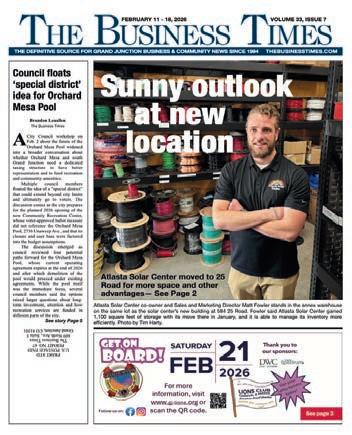
ales-tax collections in downtown Grand Junction increased at a faster rate than the city’s primary retail corridors in 2025, marking a reversal from earlier reports that showed the district declined in the first part of 2025 compared with 2024.
Overall, citywide sales-tax collections increased 4.3 percent year over year, with growth varying by district.
City data shows the Downtown District generated $4,630,204 in sales-tax revenue in 2025, up 6.89 percent from $4,331,723 the year before. By comparison, the Mesa Mall and 24 Road corridor reported a 1.23 percent increase, while the Highway 6&50 corridor grew 0.59 percent over the same period. The Highway 6&50 corridor includes major retailers and national chains such as Walmart Supercenter, Sam’s Club and Sportsman’s Warehouse, along with other big-box stores and national retailers.
The change contrasts with the beginning of 2025, when downtown collections showed a decline of about 1 percent, while the Mesa Mall-area district showed roughly 1 percent increase, and the Highway 6&50 corridor showed a slight decline of about 1 percent that was detailed in a January Business Times article titled “Where the sales tax revenue comes from.”
See story Page 5
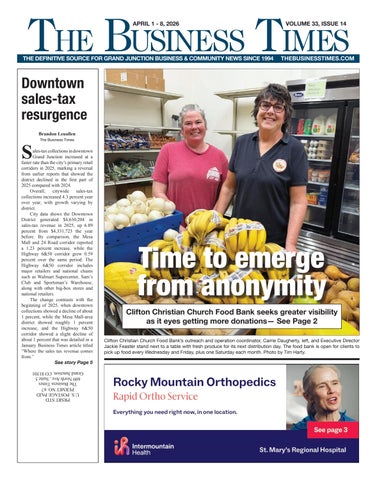
Time to emerge from anonymity
Clifton Christian Church Food Bank seeks greater visibility as it eyes getting more donations— See Page 2
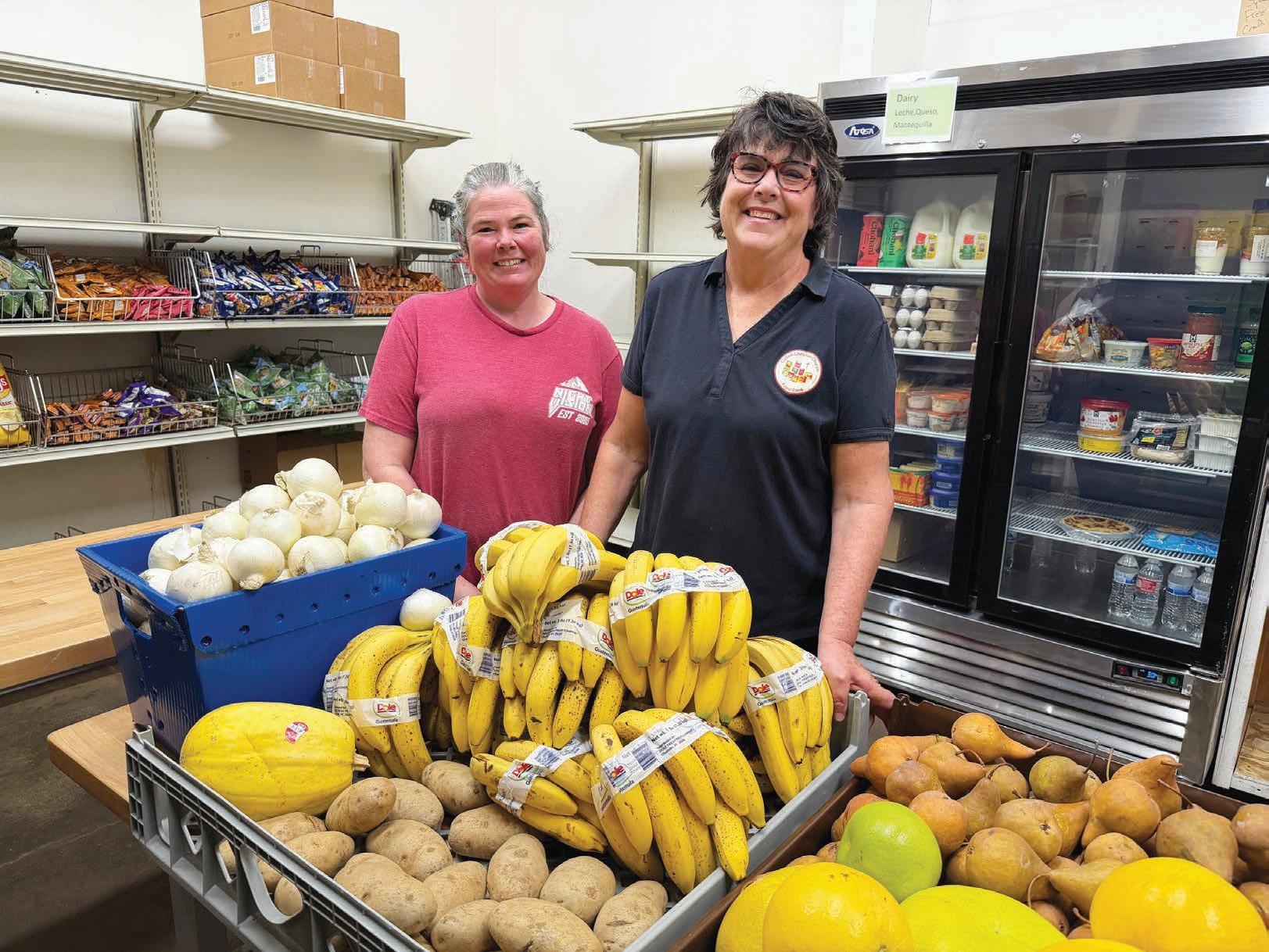
Clifton Christian Church Food Bank’s outreach and operation coordinator, Carrie Daugherty, left, and Executive Director Jackie Feaster stand next to a table with fresh produce for its next distribution day. The food bank is open for clients to pick up food every Wednesday and Friday, plus one Saturday each month. Photo by Tim Harty.
Yes, Clifton has a food bank!
Clifton Christian Church Food Bank seeks greater visibility as it eyes getting more donations
Tim Harty The Business Times
tanding around before things got going with the March 13 ribbon cutting for the new Panda Express restaurant in Clifton, Jackie Feaster saw a person she did not know and introduced herself.
That person was the reporter for The Business Times who was at the event to get a photo.
She told him she was with the Clifton Christian Church Food Bank, then continued with a few facts about the food bank.
It led to her acknowledging, “When people think of food banks here (in the Grand Valley), they think of a couple.” She paused for a split second, then added, “And not us.”
It’s the “and not us” that got the reporter’s attention, as he admitted, “I’m one of those people.”
But there ended the ignorance for the reporter. And it begot this story now.
Feaster wasn’t shy about speaking up to a stranger, because she’s done being shy about discussing the Clifton Christian Church Food Bank, which operates out of the back of the church at 3241 F 1/4 Road, where she’s the 501(c)3 nonprofit’s executive director.
Last year, the food bank provided food to more than 66,000 individuals (that includes people who come week after week), and Feaster’s positive it will need to provide more this year. That will require money. That money primarily must come from donations.
So, Feaster is ready to go to businesses and events and get the word out that there’s this food bank in Clifton that they may not have heard about, but it’s a worthwhile cause, and they would appreciate it if you keep them in mind.
“Our hope is just to get our name out there to businesses that might want to do a food drive for us or might want to fund us or might want to send someone here to volunteer,” she said. “This year, I’ve done some different things about being a little more proactive, or taking more time away from here to go out to businesses and go to outreaches to get our name out there.”
A little help goes a long way, she said.
Feaster and Carrie Daugherty, the Clifton Christian Church Food Bank’s outreach and operation coordinator, were at the Panda Express ribbon cutting, because Panda Express management knew about the food bank and wanted to make a
donation of $1,000 to it.
What does $1,000 get the Clifton Christian Church Food Bank? A couple days worth of food, Feaster said.
“My grocery bill will be $225,000,” she said. “That’s what I’m planning on spending this year. It’s up from last year.”
One reason it’s increasing is because the amount of free food they could depend on from Grocery Rescue is decreasing. Clifton Christian Church Food Bank then needs to spend money to make up that difference and provide the food another way.
“The poundage is down so much,” Feaster said. “We’re having to buy more meat, and we’re having to buy eggs this year.”
So, the food bank needs more donations, and Feaster is seeking them. She added that she does write requests for grants, but those are local or in-state.
She was alerted by one donor from Denver recently – “It’s a major donor in the state,” she said – that this year is “gonna be a hard year” for getting grant money.
Not the news any nonprofit wants to hear, but it’s the reality, so Feaster said Clifton Christian Church Food Bank needs to adapt.
Adapting has been continual since Clifton Christian Church Food Bank became a nonprofit in 2019.
Feaster said she has been with the food bank for 14 years. Initially, “it just kind of was low-key,” she said. “In my first year, we gave food to not even 5,000 individuals.”
She reiterated that number was for the year, then added, “We do that in a month now.”
The growing number of people who come to the food bank goes against what Feaster once thought would constitute success for a food bank.
“I used to think, well, when I didn’t have any line (of people), that would be success. I was out of business,” she said. That’s not the way the world works, though. There always will be people who need a helping hand, such as a bag of groceries from a food bank.
“I realized in the last three years, probably success is the huge lines,” Feaster said, “because then I’ve shown enough respect to individuals that they will tell their family, and they will tell friends to come here. Because if we didn’t have that compassion piece, people wouldn’t come here. I mean, we hear that, that people don’t go (to a different food bank) because they don’t get very much, or they weren’t respected.
See CLIFTON COMMUNITY CHURCH FOOD BANK on
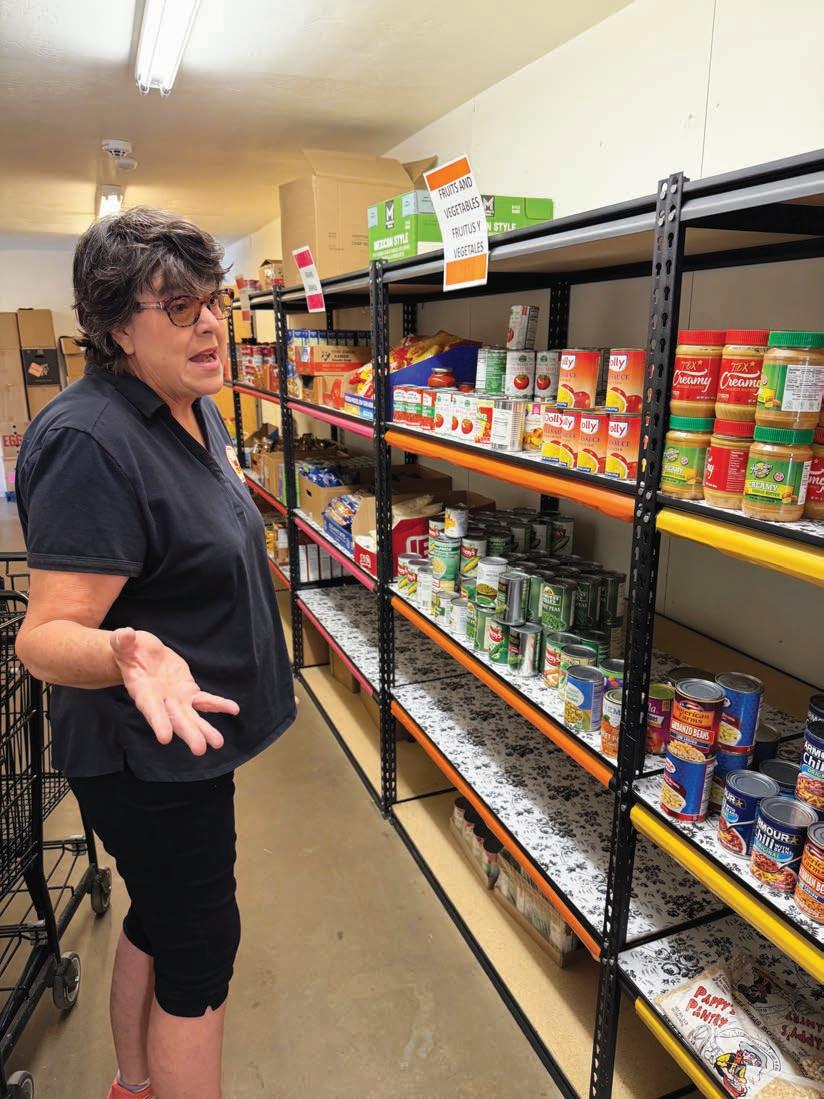
ABOVE — Clifton Christian Church Food Bank Executive Director Jackie Feaster stands in a hallway with shelves of canned and packaged goods that its clients can choose from.
Library parking plan gets zoned out
City requirements complicate library plan for parking lot; other priorities emerge
Brandon Leuallen The Business Times
A downtown property purchased by Mesa County Libraries in 2024 as an investment that could help address parking challenges is now at the center of a broader debate over cost and priorities. Trustees now must weigh whether limited resources should instead be directed toward more pressing needs in Fruita or Orchard Mesa.
Library officials said during the Mesa County Libraries Board of Trustees meeting March 24 that the parcel, acquired last year near the main library, cannot be used as a simple private parking lot. The city’s downtown zoning rules require a primary building and stormwater detention infrastructure on the site. Those requirements have significantly increased projected costs and prompted the board to reconsider the project.
“We thought it was going to be used for a parking lot, and it cannot have that as a primary use,” library
Executive Director Michelle Boisvenue-Fox said during a recent board discussion.
Fundraising challenges shape decisions
Boisvenue-Fox also said the current fundraising environment makes it difficult to pursue multiple large capital projects at once, forcing the board to more closely evaluate which projects at branches across the county should take priority.
“The reality of fundraising for capital projects in the current environment makes our case harder,” Boisvenue-Fox said, noting donor capacity is stretched across many competing needs.
That constraint has led trustees to more closely evaluate whether the downtown lot project represents the most urgent use of available funds.
Zoning limits flexibility
Fruita, in particular, was repeatedly identified as a higher-priority need, with trustees describing it as a growing area with increasing demand for library services.
“I think we should do Fruita,” Fitzgerald said during the discussion, reflecting a broader sentiment that more immediate investment may be better directed toward expanding or improving services there.
At the same time, board members acknowledged ongoing concerns about the condition and long-term viability of the Orchard Mesa branch, including rising rent. Exploring alternatives and next steps
Trustees also spent significant time discussing options to address concerns about the Friends of Mesa County Libraries’ current location.
Fitzgerald said the Friends’ existing building is limiting both visibility and participation, and customers and volunteers are often discouraged by the condition of the space.
“It’s one of the best-kept secrets in Junction that there is a Friends facility,” Fitzgerald said.
In addition to the cost of constructing a building, the discussion raised concerns about requirements tied to stormwater management and other development standards under the downtown zoning code.
Boisvenue-Fox expressed frustration about the inability to obtain a variance to use the property as a simple private parking lot, noting additional requirements increase project costs.
To comply with the code, the proposed project included a building to house the Friends of Mesa County Libraries, as their current location was not considered a suitable long-term location for the organization, according to Boisvenue-Fox. The bid received for the building showed it would cost upwards of $1.2 million.
Trustee Lisa Fry said the expanding scope of the project raises questions about whether it aligns with the district’s core mission.
“The library mandate is to provide library services,” Fry said. “When you get too far astray, I think you move outside what our mission is.”
“If you build on the lot across the street and it wipes out all of our reserves, then you’re starting from ground zero for any other priority,” library Finance Director Laura Pedge said.
Costs collide with competing priorities
Trustee Sheryl Fitzgerald said the estimated cost of building, roughly $1.2 million or more, may be difficult to justify to taxpayers given the limited return, noting the organization generates about $30,000 to $50,000 annually.
As trustees reviewed potential development options for the site, including an administration building or a building for the Friends of Mesa County Libraries, the conversation quickly shifted beyond the downtown property itself, particularly to needs in Fruita and Orchard Mesa.
Board members described the facility as outdated and not fully accessible. Mary Watson said she would not return to volunteering in the current building, citing safety concerns.
At the same time, trustees emphasized the Friends organization continues to provide an important service by accepting donations and supporting library programs.
“A big part of what the Friends do is providing a service and accepting all of those donations,” one trustee said during the discussion. “They don’t ever turn donations away.”
Trustees discussed a range of possible solutions. Fitzgerald raised the possibility of utilizing the Clifton Branch campus or purchasing an existing house or building nearby as a lower-cost alternative, though she and others noted parking could be a challenge, depending on the location.
Considering off-site administration
Trustees also briefly discussed whether some administrative functions could be moved to a separate building as a way to free up space and potentially reduce pressure on the main library facility.
Trustee Rosanne Croft said the board should remain open to different configurations, including models used in other communities.
Fry raised concerns about operational impacts, including security and liability, if functions were split between locations.
Others said the concept is not new to Mesa County Libraries. Pedge said the district has previously operated with administrative functions in a separate building.
“We did do that 20 years ago,” Pedge said. “Admin was in a separate building.”
Croft referenced similar models used by other library systems.
“I worked for a library in Portland, and their administration was in a separate building,” Croft said.
Pedge also said any relocation likely would require modifications to the existing library building.
“If we’re moving somewhere else, that means there’s going to be cost associated here with renovation,” Boisvenue-Fox said.
No formal decisions were made, but trustees agreed to continue exploring alternatives and to bring the discussion to a joint meeting with the foundation scheduled for early April, where funding capacity and next steps will be discussed.
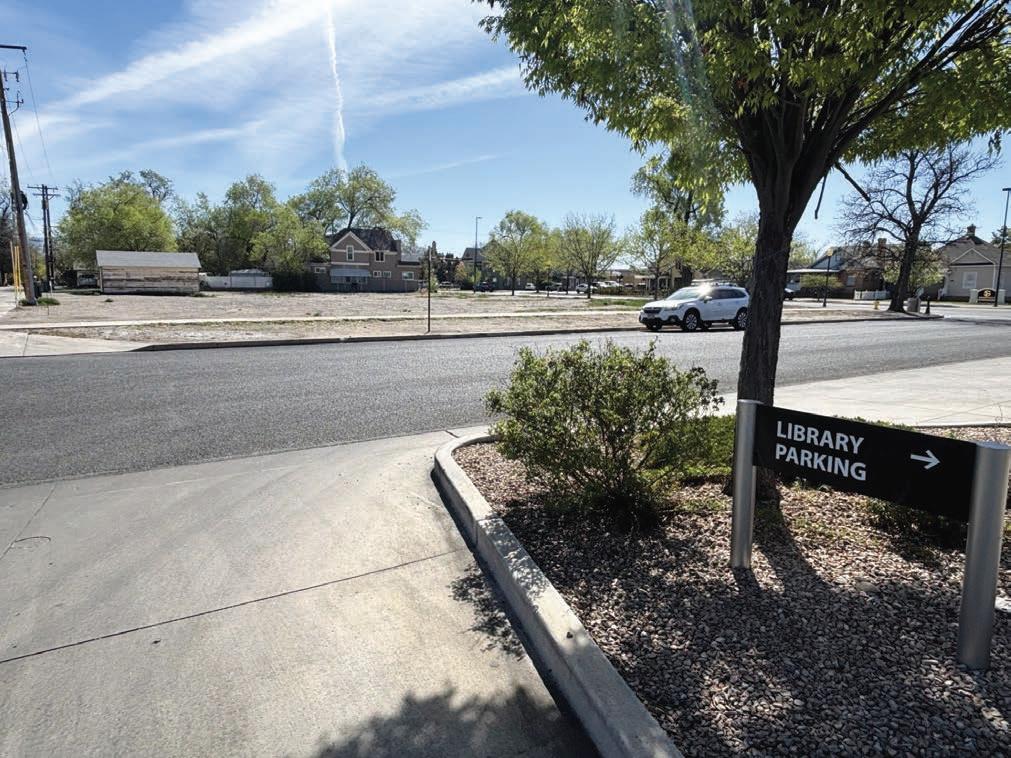
A vacant lot at the southwest corner of Sixth Street and Grand Avenue next to the Mesa County Libraries’ downtown branch, purchased in 2024 as a potential parking solution but now under reconsideration due to zoning requirements. Photo by Brandon Leuallen.
Continued from Page 1 Businesses report stronger year, increased activity
Some downtown businesses say their experience aligns with the increase shown in the city’s data.
“Definitely more foot traffic,” said Trianna Suiter, who works at Mainstreet Minerals and Beads. “It seemed like maybe people were wanting to indulge in what was happy, which is being here.”
Suiter said customers appeared to be more relaxed after the year’s political elections and were focusing more on local experiences.
“People kind of tried to ignore the bigger problems and just enjoy the small things,” she said.
Other business owners reported similar results over the course of the holidays.
Patti Eddy Heartsill, owner of the Small Mall on Main, attributed part of the increase to changes in downtown traffic patterns following the city’s decision to scale back the Fourth and Fifth Street pilot project. The Grand Junction City Council voted in May 2025 to revert the project, with a follow-up vote in August returning sections of the streets south of Grand Avenue to their original configuration.
Source: City of Grand Junction sales tax report, Dec. 31, 2025
She said the change improved access for customers and vendors.
“The increased sales was great, plus vendors that have to come and find a place to park and maneuver to come down, they found it much easier,” Heartsill said. “A lot of them wouldn’t even come in, because it was so hard to get to. So yeah, it made a big difference for us.”
Another downtown store, Mama’s Treasures, experienced its best year in 13 years.
One vendor in the store, Liz Brown, said the increased traffic continued into January, when she had her best month to date.
Laura Gutierrez, owner of Old Friends Trading Co., said the year ended strong, and their decision to stay open during some of the downtown events helped bring in customers who may not purchase a lot at the moment but often return later to shop. How did other Grand Junction sales tax districts perform?
In addition to downtown and the city’s primary retail corridors, Grand
Junction tracks multiple sales-tax districts, including the North Avenue corridor, Patterson Road corridor and the I-70 Business Loop corridor, which represent major commercial routes across the city.
City data shows growth varied across districts in 2025.
Economic nexus collections, which are largely based on online sales, increased 7.81 percent. Other commercial areas also posted gains, including the Northwest Commercial Area at 6.57 percent, the Highway 340 corridor at 4.98 percent and the I-70 Business Loop corridor at 4.91 percent.
The Horizon Drive, airport and northern industrial area increased 4.66 percent, while the Patterson Road corridor grew 3.78 percent. Smaller increases were reported along Orchard Avenue at 3.47 percent and the North Avenue corridor at 2.53 percent.
Two industrial areas posted declines, including the Northwest Industrial Area at negative 1.68 percent and the Southern Industrial and Riverside Parkway area at negative 3.29 percent.
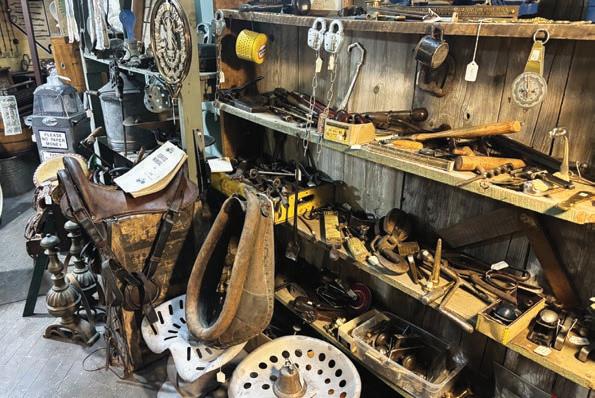
Vintage tools and antiques are displayed for sale inside Mama’s Treasures in downtown Grand Junction. The store was among businesses reporting a strong year in 2025 as downtown sales tax collections increased over the prior year. Photo by Brandon Leuallen.
Local golf courses weathered warm, dry winter that wasn’t par for the course
Tim Harty The Business Times
A second consecutive extremely dry winter could have been damaging to the grounds and the bottom lines of local golf courses, but most of them entered spring with a rosy outlook.
Tim Tafoya, director of golf for the City of Grand Junction, which owns Tiara Rado and Lincoln Park golf courses, said strategic watering throughout the winter, especially of the greens and tee boxes, has both courses “in better shape at this point in time than we were last year.”
Tiara Rado and Lincoln Park also limited golfers to walking during the winter months to preserve the fairways, and as of this past weekend they’re allowing carts on the courses again.
Tiara Rado also hosted its men’s league opener this past Saturday and Sunday, which Tafoya said was scheduled to have 144 players on the course.
Tafoya credited the superintendent staff for its work to keep the golf courses in the best shape they could be during the winter. It helped that each course had water stored in ponds and access to city water trucks that could get the water from the ponds to the far reaches of the grounds.
Because of the abnormally warm temperatures and lack of snow throughout the winter, the city courses were busy with golfers willing to walk. And the steady diet of temperatures above 60 degrees and into the 80s during March took the numbers to another level.
“Once it turns 70, everybody comes out in droves,” Tafoya said. “I don’t have the numbers on that, but I would say if we’re averaging about 120 rounds in Lincoln Park, that’s pretty good during the wintertime.”
All of that foot traffic can cause some damage, but “that’s where our guys are focused on tees and greens, high-traffic areas, getting as much water as we possibly can to those spots,” Tafoya said.
Having an even greener start to the spring is Redlands Mesa Golf Course, where assistant General Manager Nico Weckerly said Redlands Mesa has been able to water the course for the past couple of months.
“We did get our water turned on some time ago, actually, and the course is beautiful right now,” he said. “It’s super green. We’ve had carts going on the course since like February, and the course is actually in really, really great condition right now.”
The Business Times did not hear back from management at Adobe Creek National Golf Course, Chipeta Golf Course or Bookcliff Country Club in time to include in this article.
Adobe Creek has water shares of the Colorado River and its general manager, Joe Toke, told The Business Times previously that Adobe Creek usually starts watering its 27-hole layout in early March, while other courses are waiting until early to mid-April for irrigation water to be turned on.
Bookcliff Country Club appears to be the local course that didn’t weather the warm, dry winter so well. Tafoya said he heard Bookcliff closed its course to all golf in midMarch, and a Bookcliff Country Club member confirmed it.
The club member, who spoke on the condition his name not be used, said Bookcliff is looking to address the issue in the future with water storage.
“Bookcliff members have foregone playing golf for more than a month in hopes of preserving the course in the face of drought,” he said. “Creating additional water storage along Interstate 70 will hedge against dry conditions and beautify the course. That will benefit Bookcliff and the city in general by beautifying a major gateway to the city.”
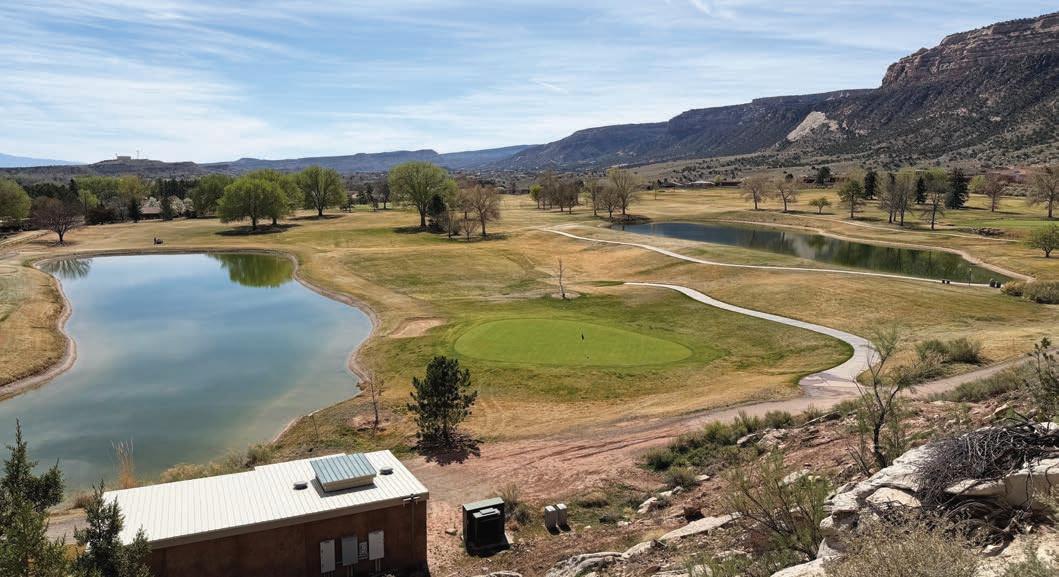
Ponds, like these two on the back nine at Tiara Rado Golf Course, stored water that the City of Grand Junction was able to use during the winter to water Tiara Rado’s greens, tee boxes and high-traffic areas. Photo by Tim Harty.
New Insectary growhouse to be dedicated to Palisade’s Harrison
The Palisade Insectary, 750 37 8/10 Road, celebrated the completion of its new growhouse building and upgrades to existing greenhouses with a ribbon-cutting ceremony March 23.
The new growhouse adds four separate rooms of growing space with vertical growing capacity to help rear biocontrol agents (such as wasps, mites and midges) that work to control non-native weed and insect pests, the Colorado Department of Agriculture said in a news release. The new structure will allow the insectary to grow more noxious weeds in a controlled environment to help with research and deployment of biocontrol agents.
The growhouse has no windows, and the four grow rooms will be powered by LED lighting and have specific temperature settings to allow for extended growing time, the news release said.
The new building is dedicated to Brant Harrison, a peach farmer, owner of Kokopelli Farms, and Palisade community leader who passed away in 2023. Harrison was a leader in agriculture, converting his farm to organic in 1991, working with the Palisade Insectary on biocontrol, helping eradicate the Japanese beetle from the Western Slope, and serving on the Colorado Agricultural Commission from 2015 to 2023.
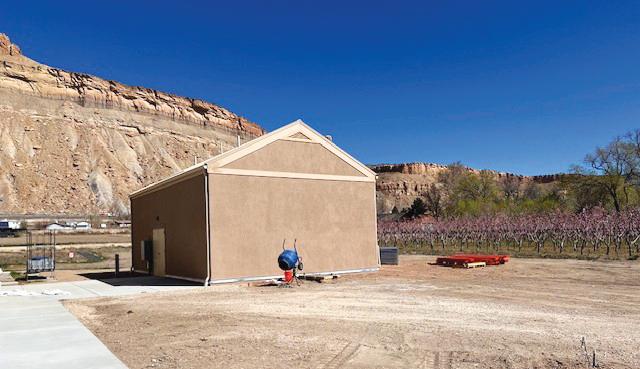
The new growhouse at the Palisade Insectary. Photo courtesy of Palisade Insectary.
Credit union on fast track for second location
Grand Junction Federal Credit Union’s new east-side building will look a lot like its 24 Road location
Tim Harty The Business Times
Grand Junction Federal Credit Union is hosting a groundbreaking April 2, but the ceremonial shovels turning dirt at 546 Warrior Way won’t really mark the start of the construction that will net the credit union a second location.
Heavy machinery has been moving dirt at the site across E 1/2 Road from Central High School for two weeks already, and Grand Junction FCU President and CEO Karen Troester marvels at how quickly things are happening. If finding the lot for the new building a year-and-a-half ago seems like yesterday, opening its doors to customers is going to arrive in a fashion that feels like tomorrow.
Troester said, “It’ll be a really quick build,” as construction by FCI is expected to be completed by the end of August, allowing the credit union to open Sept. 1.
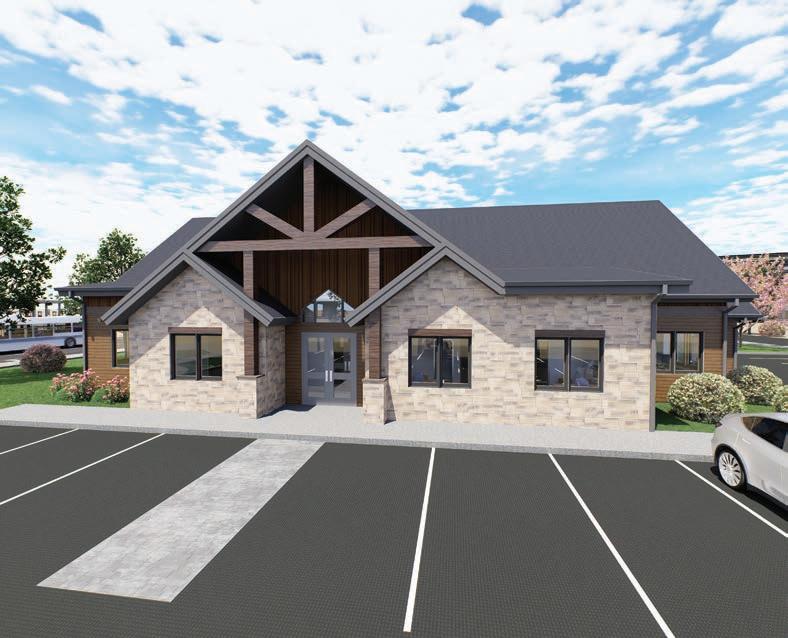
An artist rendering of what Grand Junction Federal Credit Union’s second location, across E 1/2 Road from Central High School, will look like. Illustration courtesy of Kraai Design Architecture.
In her email announcing the groundbreaking, Troester started with: “This has really come on us fast.”
On the other hand, it has taken Grand Junction FCU, which was founded in 1957, almost 70 years to add a second location in Grand Junction. But things are changing at a quicker pace since Troester took the reins in October 2021. Her arrival was preceded that summer by Grand Junction FCU leaving its longtime home at 910 Main St. in downtown Grand Junction to move into the distinctive building at 633 24 Road, which it bought from Timberline Bank.
The 24 Road location is of note, because it heavily influenced what is coming to Warrior Way in a few months.
“This building is really known in the community,” Troester said. “If you tell someone that we’re in the lodgelooking building on 24 Road, they know exactly what we’re talking about. And when people walk in this building, the warmth, the way this is built inside, they’re just, it’s peaceful.
“So, we’re working very hard on making that same similar look inside over there (at 546 Warrior Way) as well, just something that’s calm and relaxing. In a world where everybody’s building the big steel building, with all the glass windows and all of that, that’s not who we are.”
Troester said the new, single-story building will be just under 4,500 square feet, and its exterior will look a lot like the 24 Road building.
For the interior, Troester expressed excitement and spoke of using local artists.
“It’s gonna be really cool,” she said.
She also said it will be functional as Grand Junction FCU’s new building will have five offices and a teller line that can accommodate five tellers. It will have a drive-up window and an ATM.
Staffing at the outset will likely be two or three tellers, two bankers and a receptionist, but eventually Troester expects all of the space will be occupied.
Some services will be at the 24 Road office only, such as administration, compliance and the title department.
See GRAND JUNCTION FEDERAL CREDIT UNION on Page 10
Continued from Page 9
Grand Junction Federal Credit Union Palisade targeting April construction start on sewer project
“We don’t need those in both locations,” Troester said. “We just need functional operations over here (at Warrior Way).”
If it appears to be a little crowded right now at the 24 Road office building, that’s because it is. Troester acknowledged she’s overstaffing, “so that we are ready to go when those doors open with people that really have our processes and services down.”
Her expectations of new staff members will be the same as the current staff, which has been cross-trained and developed into a well-versed group that doesn’t say, “I don’t know,” to customers. “They know enough that they can get them where they need to go, or they can help them,” Troester said.
“In my close to 30 years of banking – I always knock on wood when I say this – but currently this is the best staff I’ve ever worked with,” she said. “Just across the board, it’s amazing. Everybody gets along. There’s no silos.”
Grand Junction FCU’s new building will give it a presence on the east half of the Grand Valley, and Troester likes the potential she see there, saying it “became obvious that needed to be our next place to go, to better serve the valley itself, do a little more on the east end.”
She added it’s a fairly underserved area financially and a significant business and residential growth area.
“For us, it was about finding a location that’s actually going to serve the community,” Troester said. “Like I said, it’s underserved financially, which, in the credit union space – if you’ve ever heard the term that credit unions serve the underserved population – it doesn’t mean poor, it doesn’t mean socioeconomic population. It means serving your community, period. Where do you need to be to serve your community?”
Brandon Leuallen The Business Times
The Town of Palisade is preparing to move forward with its long-planned sewer-transfer project, with construction expected to begin in April despite bids coming in roughly $2 million over the project’s construction budget.
Town documents show bids received in February totaled approximately $13.67 million, exceeding the roughly $11.96 million allocated for construction under the project’s federal loan package. With contingency costs included, the total funding gap is estimated at just over $2 million, according to a March 6 memo to the Board of Trustees.
Rather than rebid the project again, town staff recommended moving forward and identifying additional funding to cover the shortfall.
Town Manager Janet Hawkinson said construction is expected to begin in April, although a specific start date has not been finalized.
“We’re looking to start it in April, probably like mid-April, first of April, I would just say April,” Hawkinson said. “We don’t have an exact date quite yet set up.”
Phased construction approach
The project has been divided into multiple components that will be constructed on different timelines.
Hawkinson said work on the lift station can begin immediately once construction starts, because it is not tied to irrigation infrastructure.
“That’s on the inside, so we can start that right away,” she said.
However, portions of the sewer pipeline that interact with irrigation canals will be limited to the non-irrigation season.
“Work on the canal is taking place when the canal is drained,” Hawkinson said.
That seasonal restriction is expected to shape the timeline for completing the pipeline portion of the project.
Lagoon decommissioning to follow
Decommissioning of the town’s existing wastewater lagoons will occur after the system is connected to the Clifton Sanitation District.
Hawkinson said that process will take additional time after the connection is complete.
“Once we connect to Clifton, then we decommission the lagoon,” she said. “We do have to let the lagoons dry out and all the debris dry out, and then the company can come in.”
She said the full lagoondecommissioning process could take place over multiple years.
“We think that’s two years away,” Hawkinson said.
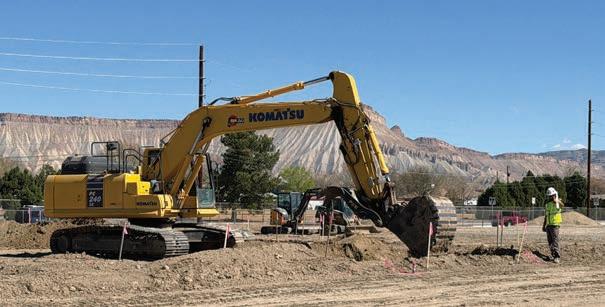
Heavy machinery began prepping the ground at the corner of E 1/2 Road and Warrior Way in late March for construction of a new building that will be Grand Junction Federal Credit Union’s second location. Photo by Tim Harty.
Clifton Christian Church Food Bank
Continued from Page 2
“And so, my new thought is now that we are doing an amazing job, loving on our clients and our community and helping our community one person at a time and being world changers, because I think everybody has a great purpose in the world. They just need some encouragement. So, that’s what success looks like to me now.”
She wants more people to know that, because she knows Clifton Christian Church Food Bank, despite its growth and its noble mission, remains a relative unknown.
“A lot of people don’t even know about us, especially individuals that never dealt with food insecurity,” Feaster said. “They had no idea. You
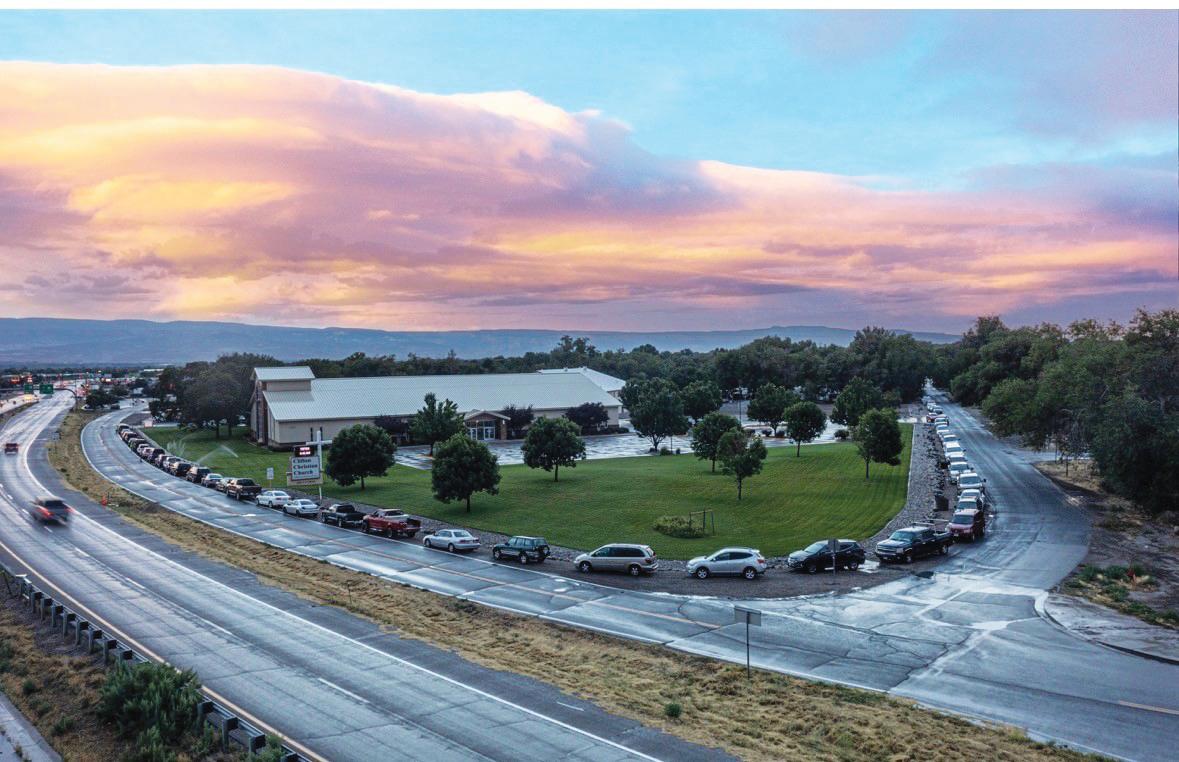
Clifton Christian Church Food Bank is located at 3241 F 1/4 Road, readily visible to traffic on the Interstate 70 Business Loop as drivers are coming into Clifton or headed out to the interstate.
For more information, go online to cccfoodbank.com, call 970-434-7392 or email info@cccfoodbank. com. Also, follow them on social media, such as Facebook and YouTube.
Food pantry, not bank
Clifton Christian Church Food Bank’s executive director, Jackie Feaster, said despite what her 501(c)3 nonprofit organization’s name says, it is not a food bank. It’s a food pantry.
To clarify she said Food Bank of the Rockies is a food bank. It’s not the place individuals go to pick up food; it’s the place food pantries go to pick up food. And Clifton Christian Church Food Bank is a food pantry.
“A food pantry serves directly to the clients,” Feaster said. “Food Bank of the Rockies is my grocery store. … They have some outreaches that they reach out, mobile pantries and stuff like that. But their facility is my grocery store.”
Nonprofit separate from the church
Feaster had another clarification to make: Clifton Christian Church Food Bank operates out of the church, but it is not the church. It is a separate nonprofit organization. She said that distinction is important to make to potential donors.
“We are our own 501(c)3, so people really need to understand that we’re not the church,” she said. “We are a nonprofit, so they are going to get their tax deduction and it’s not going through the church.”
She added, “What we call faith is loving on everybody. And no one’s ever turned away, and we want to respect and give everyone compassion.
“All of our money goes pretty much to food. We don’t pay lights, we don’t pay for our space. That’s the church. The church, their donation is that they give us this. They pay our car insurance. You know, we pay our maintenance on our vehicles and our coolers, but they take care of everything else. So, when you’re giving to us, you’re giving directly, you know, 98 percent of it goes to food, or 99 percent of it goes to the whole program.”
No one gets turned away
Feaster said Clifton Christian Church Food Bank exists to help people who are experiencing food insecurity, and it’s important to respect how difficult it can be for some people to come to a food bank. Hence, it doesn’t require any qualifying information. No one will ask for proof of income.
“We do ask their address if they have one. We ask how many people are in their house, but there’s no qualifications,” she said. “There’s nobody ever turned away. … Multiple people come weekly, and we just serve them, because they need the food.”
The food pantry also provides some nonfood items, such as dog food, diapers and toiletries.
MORE ABOUT CLIFTON CHRISTIAN CHURCH FOOD BANK
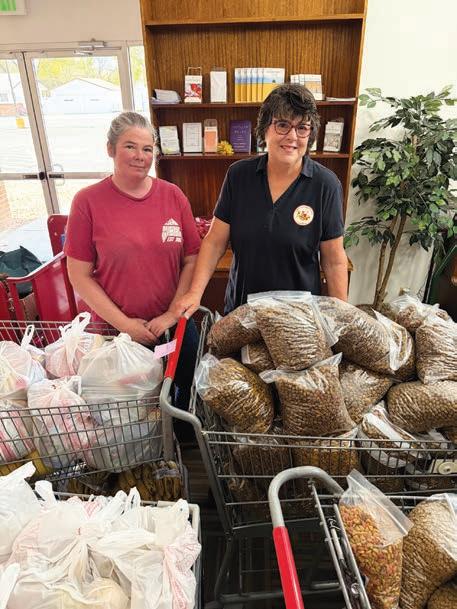
Clifton Christian Church Food Bank’s Carrie Daugherty, left, and Jackie Feaster stand next to carts filled with items available to its clients, including dog food in the cart on the right. Photo by Tim Harty.
Science museum and mosquito district host Insect Week, beginning April 6
Insects will take center stage April 6-11 when EUREKA! McConnell Science Museum and the Grand River Mosquito Control District host Insect Week.
“We want everyone to find out what all the buzz is about,” EUREKA! Community Engagement Director Johanna van Waveren said. “Insects help make a resilient planet, and this week is all about getting to know the small creatures that make a massive impact on our daily lives.”
Insect Week’s schedule of events is as follows:
• April 6 – Bug Night at the Museum, 6-8 p.m. at EUREKA! McConnell Science Museum. It includes a “Celebrate Insects!” presentation by Melissa Schreiner, CSU Extension entomologist.
• April 9 – Meet the Bees, 7-8 p.m. at The Confluence Center. Amy Dolan, endangered-species-conservation biologist for the Xerces Society, provides an in-depth look at our vital native pollinators.
• April 10 – Mosquito Science Night, 5:30-6:30 p.m., at
The Confluence Center. The Grand River Mosquito Control District presents the science behind mosquitos and how they are managed in our community.
• April 11 – Field Day & Guided Hikes, which provides two events. First is What’s Buggin’ You? (iNaturalist Training), 9:30-11:00 a.m. Learn to identify species with Richard Alward’s presentation, followed by a practice walk on the Riverfront Trail. Registration is required via One Riverfront’s website.
Second is the Bug’s Life Hike at 3 p.m. Colorado National Monument Ranger Raven Patrick leads a two-mile guided hike to the waterfall to discover high-desert insects. Registration is required via the CNMA website, coloradonma.org.
All events are free to the public thanks to event sponsor Grand River Mosquito Control District.
For more information on Insect Week and to find registration links for Saturday’s field events, visit www.eurekasciencemuseum.org.
Roice-Hurst begins work on Animal Care Campus
Roice-Hurst Humane Society broke ground March 26 on its new Animal Care Campus, a 3,000-square-foot expansion that will add a dedicated veterinary clinic, new adoption center, volunteer hub and improved outdoor areas to the organization’s existing campus at 362 28 Road in Grand Junction.
Roice-Hurst anticipates the new facilities will open this summer.
According to a news release from the humane society, the project addresses a critical and growing need for affordable spay and neuter services in the Grand Valley, which have outpaced Roice-Hurst’s current capacity.
The new veterinary clinic will expand access to low-cost spay/neuter, vaccination and microchipping for the public and other animal-welfare organizations across western Colorado, while also strengthening the shelter’s ability to provide care to its own animals. Roice-Hurst’s mobile clinic, which has served as the organization’s sole on-site surgical space for seven years and facilitated more than 3,800 spay/neuter surgeries in that time, will be deployed for regional pop-up clinics and emergency response.
The expansion also addresses operational-space constraints. Currently, Roice-Hurst’s reception, adoptions, veterinary exams, volunteers and Animal Resource Center services all operate out of a single shared space. The Animal Care Campus will give each function a dedicated area with a redesigned entrance, private spaces for adoptions and resource services, and a dedicated volunteer and foster hub. Outdoor kennel spaces also will be improved, the news release said.
“The Animal Care Campus is about creating a place where every person who walks through our doors feels welcome and well-served. We hear all the time that people find animal shelters difficult to visit, and with this project, we’re working to change that,” said Zebulon Miracle, CEO of Roice-Hurst Humane Society. “This project is the result of years of careful planning and responsible resource stewardship, and it’s an investment we’re proud to make for the wellbeing of pets and people of our community.”
The projected investment is approximately $674,000, according to the news release. The project is being funded through organizational reserves and grants from Western Colorado Community Foundation, Storm’s Specialty Services, the Grand Junction Lions Club and other contributors, without a capital campaign. Modular, prefabricated construction kept costs significantly below new construction, and campus consolidation will further reduce ongoing administrative overhead.
Funds have been raised for 80 percent of the projected cost of the project, the news release said. Donations to fund the remainder of the project may be made at RHhumanesociety.org/campus.
GJ looks to hire 150 part-time employees for rec center
The City of Grand Junction is hiring for part-time positions at the new Community Recreation Center, which is scheduled to open to the public in late 2026.
Approximately 150 part-time employees will be needed in a variety of roles to support daily operations at the new facility. The additional staff make the City of Grand Junction one of the largest employers of part-time employees in the Grand Junction area and one of the largest employers of teenage staff, many of which will be working their first job.
Applications are being accepted for several positions at the Community Recreation Center, including: manager on duty; guest-service representative; lifeguard; swim instructor; fitness instructor; climbing-wall attendant; child-watch aide; and custodian.
To view job listings and submit applications, go online at gjcity.org/jobs.
Full-time positions are also listed at this website, including recreation-services representative and custodian. Many of the available positions are expected to begin work in late summer or early fall of 2026 as the city will prepare staff and operations ahead of the Community Recreation Center opening to the public.
The City of Grand Junction also partnered with Colorado Mesa University to host hiring events. The next events are April 1 from 10 a.m. to 2 p.m. at the University Center on the CMU campus and May 9 from 10 a.m. to 2 p.m. at the Lincoln Park Barn.
Applicants of all ages and experience levels who are interested in recreation, fitness, aquatics and community involvement are encouraged to apply.
For more information, visit gjcity.org/jobs or call the Parks and Recreation Office at 970-254-3866.
CMU gets $65K grant to promote careers in oral-health care
Colorado Mesa University announced it received a $65,000 grant from Delta Dental of Colorado Foundation to support oral health career awareness on the Western Slope.
Deemed a Dental Health Professional Shortage Area (DHPSA) by the Colorado Department of Public Health and Environment, Grand Junction and its neighboring counties are what is considered a dental-health desert, meaning recruitment and retention of trained oral-hygiene professionals is below state and national averages.
CMU Tech, through the Community Education Center (CEC), will be using these grant funds to support several initiatives and community-learning opportunities, focusing specifically on serving underserved populations, including low-income, firstgeneration college students and rural communities.
The newly funded project will focus on increasing awareness of oral-health careers among youth and adult learners in Delta, Mesa, Montrose and Gunnison counties –communities that face ongoing shortages in dental-health care training opportunities. The region’s nearest dental-hygienist-training program is located more than 90 miles from Grand Junction, which has created significant barriers for residents seeking training while they are in school or looking for additional training outside their standard work hours.
CMU Tech was selected as a recipient of grant funding from Delta Dental of Colorado Foundation due to its ability to meet the community where it’s at, providing services that are most relevant to its community members.
The project will be carried out in collaboration with regional education and community partners, including Mesa County Valley School District 51, Montrose County School District RE-1J, Gunnison Watershed School District, Juntos por Gunnison, Prime Health+ and Early Learning Ventures.
“We are excited that the new program at CMU Tech will provide access to more individuals seeking a career in the oral health care field. Early Learning Ventures supports that families have accessibility to oral-health care for all families,” said Karen Melott, Mesa/Garfield coordinator for Early Learning Ventures.
The grant will support programming throughout 2026.
Airport collecting gift cards for TSA employees during shutdown
Grand Junction Regional Airport is asking community members to support Transportation Security Administration employees who continue to work without pay during the partial federal government shutdown by donating grocery and fuel gift cards.
Requested donations are $10 or $20 gift cards from stores such as City Market, Safeway, Walmart or Sam’s Club, preferably retailers that offer both food and gas. Please note Visa and Mastercard gift cannot be accepted, and each gift card cannot exceed $20.
Gift cards can be dropped off at the collection box located in the GJT Terminal on the second floor, just to the right of the TSA checkpoint, now through the end of the shutdown. The airport offers two hours of free parking, making it easy for community members to stop by and contribute.
Delta Dental Slope.
Colorado neighboring retention
be using opportunities, low-income, first-
oral-health careers counties –opportunities. The miles from training while hours. Colorado services that education and Montrose County Gunnison, Prime to more supports Karen Melott,
Want to reduce fatigue? Start exercising!
Everyone knows what it is like to be tired. Fatigue is our body’s way of telling us it is time for rest. However, with busy schedules, work, meetings, kids and deadlines, it is common to ignore these signs and power down another coffee or energy drink. These quick fixes merely subdue the symptoms for a brief period of time. The feeling of tiredness should come naturally. Depriving your body of its required rest will leave you with symptoms that are not only unhealthy, but also unproductive.
Sure, you can resist the urge to sleep in order to accommodate for your busy lifestyle for a short amount of time. Staying up late and getting up early are easy habits to find yourself in. Consequently, you may find yourself actually accomplishing less.
Studies show adults need six to eight hours of sound sleep per day. Without this necessary time allotment, the human brain/body can’t function to its ability. Work can become complacent, family time can become scarce, and workout regimens become nonexistent. While they sound like contradicting impulses, exercise will improve your overall fight against fatigue.
So, when you are finding yourself in the middle of a fatigue battle, MOVE! If you can’t make it to the gym, do something to release those endorphins. Do a series of jumping jacks or go for a brisk walk at the very least. Moving will keep you going. The best choice is to set aside a time in your day just for physical training. Whatever your fitness level may be, start doing something.
You are what you eat. If you hurriedly scarf down a fast-food burger and fries every day for lunch, your body will treat you as such. If you prepare your meals ahead of time that consist of all the food groups, you will have more time to enjoy the nutrients you are giving to yourself. Your body is working hard for you all day, give it the essential things it needs, and it will provide the energy you need. Being dehydrated also leads to feeling fatigued. Keep that full bottle of water near you and sip on it all day. Sometimes you aren’t even hungry, you are just thirsty. It works!
Fatigue can also come from stress. Try taking a yoga class. The breathing and stretching can help you feel better, more centered and more confident.
In order to be the productive, familyoriented, present individual you aspire to be, you must make yourself a priority. Ensuring your six to eight hours of sleep per night, regular healthy meals, staying hydrated and 30 minutes of exercise at least five days per week will make you more inclined to stay focused on tasks and enjoy the life you live with the people that matter most to you.
Paula and Dale Reece own Crossroads Fitness Centers. For more information, call (970) 2428746 or visit the website crossroadsfitness.com.
Paula Reece
Growing economies built on unseen, unglamorous work
Every few months, there’s an announcement worth celebrating. A ribbon cutting, a company moving in, a grant coming through, a groundbreaking with hard hats and a photographer. Everyone claps, and they should. These moments matter, they signal momentum, attract attention and remind a community that growth is possible.
Dalida Sassoon Bollig
But the story of how those moments happen rarely gets told.
Behind most of them is a longer, quieter arc. A business owner who spent months trying to figure out if their idea was actually viable.
A loan application that almost didn’t come together because the financials weren’t quite there yet. An entrepreneur who had the drive but needed someone to help them see around corners they didn’t know were coming. The ribbon gets cut because someone did unglamorous work long before the cameras showed up.
That’s the economy nobody writes about. And in rural regions, it might be the most consequential one.
Rural communities don’t grow the way large cities do. There’s no deep bench of venture capital, no dense network of serial entrepreneurs who’ve been through it before and can show you the ropes. When something goes wrong – a supplier falls through, a key employee leaves, a market shifts – there often isn’t a consultant on retainer or a corporate parent to absorb the blow. You figure it out, or you don’t.
That reality changes what support needs to look like. It has to be close, consistent and built on enough trust that someone will pick up the phone before a challenge becomes a crisis, not after.
Sometimes it means seeing the crisis coming before anyone else does.
In Western Colorado, that means paying attention to agriculture. It’s not just one industry among many here, it’s the foundation that much of the regional economy is built on, and it’s under pressure that most people aren’t yet talking about.
Census data and national food-production reports have been signaling for years that agriculture faces serious structural challenges over the next decade. Bottlenecks in food production, shifting markets, consolidation pressures. Most of that data lives in reports. Knowing the problem and having the capacity to act on it are two very different things. That’s where local institutions have a role no federal agency or outside consultant can easily fill. We read it. We took it seriously. And we built a response.
That response is AgriWest, an initiative the Business Incubator Center developed and pitched as a strategy to stabilize, diversify and drive policy that keeps agricultural businesses thriving. The pitch was strong enough that the Economic Development Administration and the IEDC granted a federal fellow to help lead it, and to work on replicating this structure nationwide. Thirty months later, as we celebrate Ag Awareness Week, that fellowship is entering its final six months.
A lot has been accomplished. But anyone who works close to agriculture in Western Colorado knows the challenges don’t resolve on a grant timeline. The work is real, the progress is real, and so is what remains. BIC is not stepping back when the fellowship ends. This is the kind of challenge that demands sustained, locally rooted commitment, and we’re up for it.
Rural communities don’t scale on single wins. They scale on accumulation, one business starting, another expanding, a third deciding to stay instead of leaving. Those decisions, compounded over time, shape a community’s trajectory far more than any one announcement. A manufacturing facility that opens with fanfare but struggles to find trained workers. A downtown storefront that fills slowly but anchors a block. A home-based business that grows into something no one predicted. The challenge is that accumulation doesn’t photograph well.
What makes investment stick isn’t just the investment itself. It’s whether the system underneath is ready to receive it. That system is built from trust, local knowledge and relationships that predate any particular project. It’s whether a workforce training program matches what employers actually need. It’s whether an entrepreneur knows where to go when they’re trying to grow. It’s whether someone picks up the phone who understands the industry, the workforce and the constraints well enough to help move things forward. That kind of knowledge is hard to replicate and easy to overlook. It’s built over years, through relationships that survive funding cycles, political transitions and shifting priorities. And it’s what allows the headline moments to land.
There’s also something worth saying about risk. Starting a business anywhere takes courage. Doing it in a rural community, where the market is smaller, the capital is thinner and the margin for error is tighter, takes something more. The people who do it anyway deserve more than a good luck and a handshake. They deserve a system that meets them where they are, understands what they’re up against and stays engaged long enough to matter.
In Western Colorado, we’ve seen this pattern play out. The communities positioned to grow aren’t always the ones that landed the biggest deals first. They’re the ones that built the capacity underneath them. Resilience doesn’t come from one win, it comes from the ability to keep turning opportunity into action, year after year, even as conditions shift.
That capacity is built quietly, by organizations that show up when there’s nothing to announce. By partners who stay at the table across funding cycles and administrations. By entrepreneurs building something from scratch without recognition, and by the mentors, lenders and connectors who make it less likely they’ll have to do it alone.
Strong economies aren’t defined by how often they appear in the news. They’re defined by how well they function on an ordinary Tuesday, whether businesses can navigate a problem, whether workers can find a real opportunity, whether the systems underneath it all are sturdy enough to hold.
The headlines tell us growth is happening. What happens between them determines whether it lasts. And the communities that invest in the unglamorous, the consistent and the relational are the ones still standing, and still growing, long after the cameras move on. F
Dalida Sassoon Bollig is chief executive officer of the Business Incubator Center, 2591 Legacy Way, Grand Junction.
Praise transforms teams and elevates performance
Business leaders who aspire to build resilient, high-performing companies are constantly searching for ways to refine their business model and elevate results. That pursuit requires more than operational adjustments or strategic pivots. It demands a clear understanding of what is working, what is not, and how leadership behaviors shape the culture that ultimately drives performance.
One of the most common traps leaders fall into is focusing almost exclusively on what needs fixing. They zero in on inefficiencies, errors and gaps in execution, believing relentless scrutiny will produce excellence. While this approach may generate short-term improvements, it often comes at a steep cost. When leaders overlook the strengths of their business and the progress their team has already made, they unintentionally weaken the very foundation they are trying to strengthen.
A leadership style dominated by criticism, especially when praise is scarce, gradually erodes morale. Team members begin to feel unseen, unappreciated and disconnected from the company’s mission. High performers, who thrive on growth and recognition, are often the first to disengage or leave. Over time, this dynamic undermines efficiency, profitability and the long-term success leaders work so hard to achieve.
The alternative is simple and profoundly effective: Pair operational improvement with consistent, meaningful praise and recognition. When leaders intentionally acknowledge effort, progress and achievement, they create a culture where people feel valued and motivated. Positive reinforcement is not a soft leadership tactic. It is a strategic advantage.
Think about how it feels when someone recognizes your hard work. A sincere compliment can energize you for days. It validates your effort, boosts your confidence and inspires you to keep going. Most people flourish when they feel seen and appreciated. Praise is fuel. It strengthens commitment, sharpens focus and encourages individuals to stretch beyond their comfort zones.
When team members receive recognition for their accomplishments, several things happen:
• They feel valued, which increases loyalty and engagement.
• Their confidence grows, making them more willing to take initiative.
• Their enthusiasm rises, which is reflected in their attitude and interactions.
• Their performance improves, because they want to continue earning that positive feedback.
Over time, consistent praise builds a team that is more capable, more motivated and more
aligned with the company’s goals. It creates a positive cycle: Recognition leads to confidence, confidence leads to growth, and growth leads to higher performance.
The opposite is equally true. When individuals give their best effort but receive only criticism, especially if it is delivered frequently or harshly, they begin to feel defeated and inadequate. The absence of recognition sends a message, whether intended or not: Your effort doesn’t matter. This kind of negative conditioning leads to resentment, disengagement and eventually turnover. Even talented, committed people will withdraw when they feel undervalued.
At the heart of this dynamic is a simple truth: Human beings have a deep need to feel appreciated. We want to know our work matters and that our contributions make a difference. Leaders who understand this and act on it unlock the full potential of their teams.
In my coaching work with leaders, I emphasize the importance of composure, balance and perspective. Effective leadership is not about ignoring problems or avoiding difficult conversations. It is about creating an environment where people feel supported in both their strengths and their areas for improvement. When leaders adopt a more dynamic and empowering approach, they not only elevate performance, but also strengthen trust and connection across the organization.
Constructive support means acknowledging achievements while also guiding team members through challenges. When people feel valued and encouraged, they become more receptive to feedback and more committed to growth. They understand that their leader is invested in their success, not just their output.
This reciprocal relationship – leaders supporting their teams and teams supporting their leaders – is what creates a thriving business. When you meet the emotional and professional needs of your team, they respond with loyalty, effort and excellence. The result is a healthier culture, stronger performance and significantly reduced turnover.
As you continue refining your business and striving for greater success, make praise and recognition a regular part of your leadership practice. Celebrate progress. Acknowledge effort. Recognize improvement. These small, intentional acts have an outsized impact on morale, performance and long-term stability.
Your team is the engine of your business. When you fuel that engine with appreciation, encouragement and genuine recognition, you create a workplace where people want to stay, grow and give their best. And that is the true foundation of a successful, sustainable enterprise.
Marcus Straub owns Life is Great Coaching in Grand Junction. Reach Straub at (970) 208-3150, marcus@ligcoaching.com or through the website located at www. ligcoaching.com.
Marcus Struab
It’s like the whole system is rigged. Because it is.
Yeah, this might turn into a “series.” Mainly because the topic, when it comes to government, is like shooting fish in a barrel. Which I’m sure the government would find a way to tax you on, or partner with the barrel maker or fish supplier or the gun manufacturer – yes, the government would celebrate the 2nd Amendment if it found a way to make money on it.
Come to think of it, taxing everything involved in firearms is the main way government celebrates the second amendment. The only other way the government even recognizes the second amendment is to slowly, and surely, infringe on our inalienable right to keep and bear arms. Perhaps that infringement will become another column in this series, but for now this column will be all rigged up about something not found in the Constitution as written in 1787: our tax system.
You know, the one you get to participate in by mandate, but get no input in by design.
And please spare me any references about having representation when it comes to the federal government and taxes. I assure you, our founders would be exercising their second amendment rights long ago given the job your congress-critter does when it comes to “taxation without representation.” It is today what it was back then: tyranny.
Yes, that’s “right back atcha” to anyone elected from the 3rd Congressional District since I’ve lived here and whatever districts I lived in back home in Michigan. Why? Simple. Tax laws are written, mandated and in effect to the benefit of one entity and one entity only. And that entity isn’t the smallest minority in our country: the taxpaying individual, whose number falls annually because fewer and fewer people pay taxes each year.
It’s all to the benefit of our imperial federal government.
Now you can say, “But Craig, didn’t President Trump pass the largest tax cut in history?” And you’d be correct. And while that sounds great (to garner votes), what else has every tax cut in history been shown to do? That’s right, increase revenues. So, who benefits? Sure, some folks do, but in the end, the government benefits the most because government only does things to its benefit. And when a business or entrepreneur sees a way to expand or grow through a lower tax rate, the end result is more tax revenue for the government. Which means more government spending to buy votes to pass more “tax law” to benefit government, so it can spend more to buy votes to maintain power to “tweak” (what a great word to describe what
government does) tax law to get more government revenue. By the way, the only reason we can have a huge tax cut is if confiscatory taxes are out of control. It works the same way when they claim to “cut the deficit.”
And the wheels on the bus go round and round. Don’t think so? Can you name the last time government revenue increased and it cut spending? Stop. It’s rhetorical. It’s also proven via the only real “hockey stick” graph in existence, the one showing federal debt.
And even though this week’s rant is more general, allow me to be more specific about its origin in my latest discovery about the rigging on the tax system. Ironically, it is the result of me paying my taxes for 2024 on time, and in the same manner as I paid my taxes for 2023.
Let’s harken back to yesteryear – or in this scenario, Oct. 15, 2025 – to the day I mailed in the payment for my taxes for 2024. First off, I believe it is the DUTY of every American taxpayer to pay as little in taxes as possible and make our payments at the latest possible date, because really, that’s about the only rights we have when it comes to “rendering to Caesar” in the modern day. So naturally, that’s how I do my taxes.
But last year, apparently it backfired because of the efficiency of another taxpayer-funded, mammoth (fiscal and government) failure known as the United States Postal Service. You see, I mailed my payments on October 15th to both the Colorado Department of Revenue and the United States Internal Revenue Service (IRS). I mailed them early in the day to assure the payments (in the form of cashier’s checks) would be postmarked accordingly and therefore on time. After all, that’s how it’s been done in America for millions of taxpayers for ages.
Or don’t you remember the line of cars off Patterson until midnight with postal workers manning the spot where the mailboxes are on April 15th?
Need more proof the IRS was okey-dokey (until now) with the whole postmark deal? It just passed a law stating it cannot guarantee an April 15 postmark on IRS payments to payments dropped in the mail on April 15 any longer. Wanna know how I know? They just did it to me. They just randomly decided to put this into effect on me a year early. Probably because of my column. They have to be watching me.
I know this for several reasons. The first came in the form of a letter – another way the IRS adds interest and penalties in abundance, because it takes weeks, if not months, to generate a letter – telling me I failed to pay my taxes on time. In the letter it showed my only payment as the taxes deducted from my paychecks. So basically, the IRS was telling me I failed to make my payment, even though, very
purposefully yet disrespectfully, I did. Then, about a month later I got another letter, this time telling me I made my payment late, showing penalties and interest already added, mainly because the process has taken too long.
I then sent in my appeal to the late payment letter. To which the IRS took its time in responding. I can only assume letters of appeal are placed into a “special file” to be ignored, so the IRS can send out “intent to levy” notices while taxpayer’s appeals generate more penalties and interest as they await a response from their appeal to this injustice via, ironically, the USPS.
At least I know my appeal was received. Why? Because I just got another letter from the IRS telling me I can’t use the form it told me to use to appeal, because penalties had been applied to my tax issue and therefore my appeal has been forwarded to the “appropriate collections office,” which handles appeals appealed in error on the wrong form, due to penalties. But given its title, I don’t feel like my efforts will do much good. In the meantime, penalties and interest continue to accrue, according to my “Collection Appeal Rights.”
Another right not found in our Constitution.
And to think, all of this could have been avoided if the IRS had done what the Colorado Department of Revenue did correctly: considered my payment on time based on the rules of the game on Oct. 15, 2025.
Then again, that’s why the IRS changed the rules. Part of the privilege of being the rule-maker (read elected leader). After all, money laundering for votes has only one need: money. Which never works out for the little guy funding the scheme. We just hope to survive. After all, you can’t buy votes blaming the Forgotten Man. The ultimate confiscators know this. That’s why they spend so much time blaming billionaires and corporations for not “paying their fair share.” All over a couple of hundred bucks. I wonder: How many others are they doing this to?
Folks, we ALL are paying our “unfair share” to leaders who care not one wit in overspending if it keeps them in power. This is simply the latest scheme I discovered. I’m sure they have more that I pray I never find out about.
If you still think this isn’t about power and money, ask yourself: Why is it your tax payment is considered late at midnight on the 16th of your filing month while your vote is considered on time up to a week after the first Tuesday in November?
In Truth and freedom.
F
Craig Hall is owner and publisher of The Business Times. Reach him at 424-5133 or publisher@thebusinesstimes.com
Craig Hall
n Canyon View makes U.S. News list of best surgery centers
Community Hospital’s Canyon View Surgery Center has once again been designated one of the Best Ambulatory Surgery Centers for 2026 by U.S. News & World Report.
Community Hospital said in a March 26 news release the recognition “highlights our commitment to delivering superior patient outcomes and safety in outpatient care.”
Out of more than 4,400 facilities evaluated nationwide for 2026, only 21 percent earned the Best Ambulatory Surgery Centers recognition, the news release said. Canyon View Surgery Center distinguished itself in the specialty areas of: Orthopedics and Spine; Urology; and Ophthalmology.
“The Best Ambulatory Surgery Center designation is an incredible achievement,” said Joe Gerardi, chief operating officer and chief nursing officer for Community Hospital. “Our staff worked tirelessly to earn this recognition for the second year in a row. We are extremely proud to offer the highest quality health-care services possible to patients in the Grand Valley and surrounding areas.”
U.S. News’ ratings are designed to help patients make informed decisions about where to receive outpatient surgical care in consultation with their physicians. Through a partnership with Arcadia, U.S. News’ 2026 evaluation analyzed objective, risk-adjusted metrics, including successful avoidance of post-procedural complications and low rates of emergency-room visits and unplanned hospitalizations.
For more information on the U.S. News Best Ambulatory Surgery Centers ratings, visit health.usnews.com.
To learn more about the comprehensive health-care services provided at Community Hospital, visit YourCommunityHospital.com.
n Short to deliver lunch keynote at economic summit
The Western Colorado Economic Summit announced its lunch keynote address, “The Power & Responsibility of Place,” will be given by Ryan Short, CEO and co-founder of CivicBrand and the author of “The Civic Brand.”
According to a news release from the Grand Junction Economic Partnership, which hosts the summit April 23 at Colorado Mesa University, Short is a nationally recognized leader in place branding and civic identity. He has guided engagement-driven branding, placemaking and destination-development initiatives in communities across the United States since 2008, guiding communities toward becoming more vibrant, equitable and lovable places.
Short has been published on Forbes.com and is also the host of the Eyes On The Street podcast, exploring the intersection of community, culture and design through conversations with civic leaders and change-makers.
In his keynote, Short will challenge leaders to rethink place branding not as marketing, but as a strategic tool that shapes policy, investment, governance and longterm economic direction, the news release said. Designed to move beyond inspiration, Short’s presentation will provide a practice framework and real-world case studies to equip leaders with tools they can apply immediately to strengthen their communities and act as regional ambassadors.
“Economic development doesn’t happen in a vacuum; it’s shaped by business owners,
community leaders and the decisions they make every day. This is about recognizing the power they have and using it more intentionally,” Short said.
The Western Colorado Economic Summit previously announced the event will open with an Interactive Rural Economic Development Forum, featuring U.S. Senator Michael Bennet and Colorado Attorney General Phil Weiser, the top Democrat contenders in Colorado’s election for governor this year.
Registration and agenda details for the summit are available at info.gjep.org/westerncolorado-economic-summit.
n GJ’s annual spring cleanup runs through April 10
The City of Grand Junction started its annual Spring Clean-up Program on March 30 and will conclude it April 10. The program, provided at no cost for residential properties within the city limits, helps residents get rid of yard waste and unusable household items.
Piles must be out by the start time of the first day of pick-up for each area. For residents north of North Avenue, pick-up started at 6:30 a.m. on March 30. For residents south of North Avenue (includes areas of Orchard Mesa and the Redlands), pick-up starts April 6 at 6:30 a.m.
Items must be in one pile and placed up against the gutter in the front of the residence for pick-up. Do not place items on private property, lawns, sidewalks or driveways. Place piles of items at least three feet from buildings, fences, mailboxes and cars. Keep piles away from items not intended for pickup, such as trash/recycle bins, lawn ornaments and bicycles.
Items or a pile greater than the size of a dump truck (10 cubic yards) will be subject to a $150 charge.
For more information, including a complete list of what is and is not allowed, go to www.gjcity.org/GJSpringCleanUp or call 970-256-4111.
The city also asks residents to consider donating or recycling some unwanted items. For a list of organizations, go to gjcity.org/recycling.
n Palisade’s annual Easter egg hunt set for April 5
The Palisade Lions Club and American Legion Post 50 will host their 65th annual Easter egg hunt and photos with the Easter Bunny on April 5 at 9 a.m. at Palisade Veteran’s Memorial Park.
The event is for kids, ranging in age from toddler to fifth grade.
For more information, contact Rick Fox by calling 970-314-5340, or email afoxlocks@gmail.com.
Business Bite
Lids opening second location in Mesa Mall
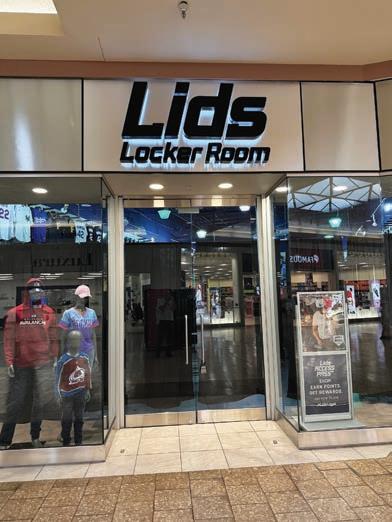
This photo taken on March 26 shows Lids Locker Room will be opening in the Target wing of Mesa Mall in the unit that previously housed Pro Image Sports. Pro Image closed after the end of the Christmas holiday shopping season in late December, ending its 10-year presence in the mall.
Lids Locker Room is in addition to the Lids store near Mesa Mall’s food court. That store is predominantly about headwear, primarily baseball-style caps. The Lids Locker Room will be similar to Pro Image, carrying headwear and much more, especially apparel, such as jerseys and T-shirts of various professional sports teams. It also will carry accessories and novelties.
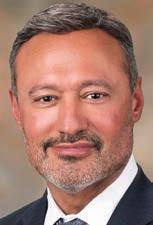
Joe Gerardi
Ryan Short
Lids Locker Room. Photo by Tim Harty.
recognizing the will open Senator Michael contenders in info.gjep.org/westernMarch 30 properties household items. area. For residents pick-up starts residence driveways. Place Keep piles ornaments and be subject allowed, go to unwanted items. 65th annual Veteran’s or email