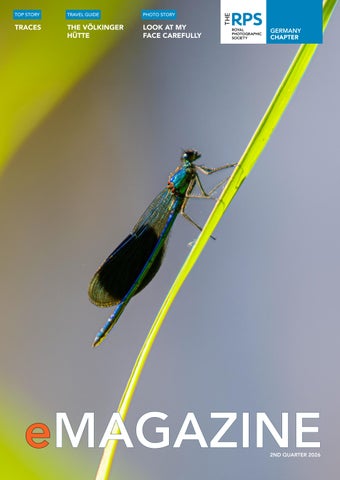
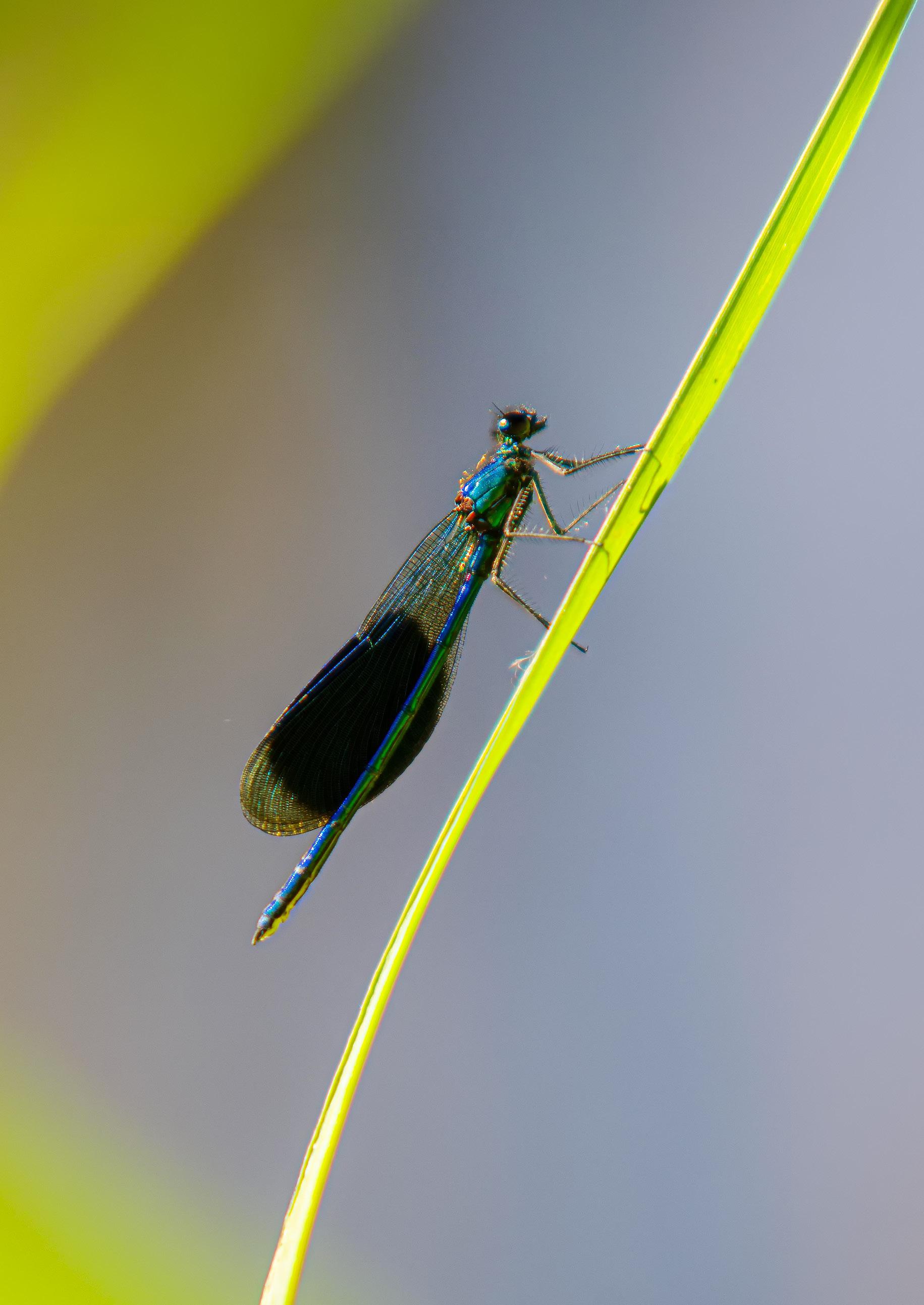
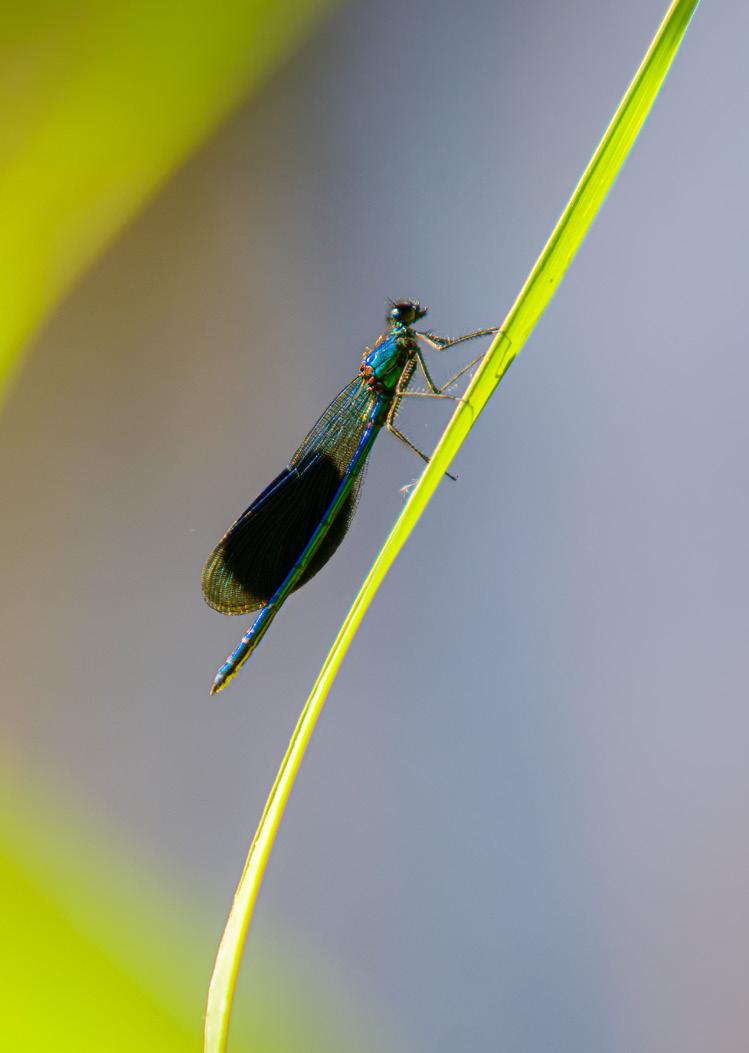
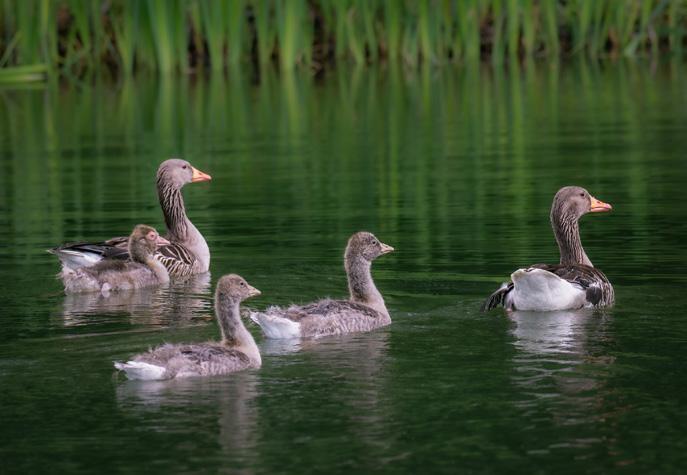
CAPTION: I visited a stretch of the small River Erft near my home in North Rhine-Westphalia, Germany, hoping to photograph dragonflies I had observed there the previous year.
Fortunately, they were abundant, with most belonging to the Banded Demoiselle (Calopteryx splendens), featured in this image. Although I captured several successful flight shots with shimmering water reflections in the background, I ultimately selected this photograph. It highlights the extraordinary elegance and vibrant colours of this beautiful species, set against a calm, uncluttered background that allows the delicate details of the dragonfly to stand out with striking clarity and natural beauty.
Get featured as well
Would you like to be featured on the front page as well? Then please send us your favourite image, including the title of the photo, the place where you took it, and a short caption.
We would love to hear what motivated you to take this photo and what emotions it triggers in you. You can send us the photo as a JPEG, TIFF, or PSD file. Please make sure that the photo has a minimum resolution of 3000 x 3000 pixels and 300 dpi.
Of course, we must also adhere to the regulations for data protection and the rights of use according to copyright law. Therefore, we ask you to make a short statement in the email regarding the declaration of consent of the person(s) depicted and to allow us to use your photo.
Please use the following email address to send the photo: germany@rps.org
EDITORIAL OFFICE
Royal Photographic Society Germany Chapter Chris Renk
DEAR MEMBERS AND FRIENDS OF THE RPS GERMANY CHAPTER
Welcome to the second-quarter edition of our RPS Germany Chapter eMagazine.
Photography has a unique ability to preserve beauty, document history and challenge our understanding of the world. This edition demonstrates that remarkable diversity, bringing together stories that inspire, inform and encourage us to look beyond the obvious.
At the heart of this issue is our Top Story, Traces, by Christian Weiß. His exceptional documentary project explores one of Europe’s least visible humanitarian realities—not through portraits of refugees, but through the personal belongings left behind after failed attempts to cross Europe’s external borders. Shoes, clothing, medicines and everyday objects become silent witnesses to interrupted journeys, shattered hopes and untold human stories. Rather than offering simple answers, Christian’s photographs invite us to reflect on the lives behind these abandoned possessions. His work is a powerful reminder that photography can do far more than record events; it can provoke empathy, preserve dignity and encourage meaningful conversation.
The remainder of this edition continues that spirit of visual storytelling from very different perspectives. Robert Driscoll takes us through the fascinating industrial landscape of the UNESCO World Heritage Site at Völklingen Steelworks, revealing the architectural beauty of a place once defined by fire and steel. Stefan Löffler captures the energy, emotion and personality of blues legend Bobby Rush in a compelling photographic essay, while Klaus H. Peters leads us back to the birthplace of modern photography with an inspiring visit to Lacock Abbey and the legacy of Henry Fox Talbot.
Our Members’ Photo Work section once again showcases the creativity and diversity of our Chapter. From wildlife and landscapes to architecture, macro photography and abstract interpretations, every submitted photograph reflects an individual way of seeing the world. Together they demonstrate not only technical skill, but also curiosity, imagination and a shared passion for photography.
This magazine would not exist without the enthusiasm of our contributors, who generously share their images, experiences and stories with our community. To every photographer, writer and volunteer who helped shape this edition, thank you for your commitment and creativity.
I hope these pages inspire you to slow down, observe more carefully and perhaps begin your own photographic project.
Whether your passion lies in documentary work, travel, portraiture, nature or creative expression, I hope this edition encourages you to see familiar subjects with fresh eyes.
Thank you for being part of the RPS Germany Chapter and for continuing to make our community such an inspiring place to learn, share and grow.
I wish you an enjoyable and inspiring read.
Chris Renk
Editor & Chapter Organiser RPS Germany Chapter
TRACES
Abandoned belongings reveal the untold human stories behind Europe’s forgotten borders.
22
THE VÖLKINGER HÜTTE
Discovering photographic treasures inside Germany’s iconic UNESCO industrial heritage site.
40
PHOTO WORK 2ND QUARTER 2026
Ten photographers, countless perspectives, one inspiring photographic collection.
LOOK AT MY FACE CAREFULLY
IN THIS ISSUE
Stefan Löffler photographs Bobby Rush: blues, presence, time and memory.
74 THE WINDOW THAT STARTED IT ALL
Revisiting photography’s first negative through a modern photographic interpretation today.
78
DATES & EVENTS
JULY - SEPTEMBER 2026
Online Meeting, Release dates eMagazine, Webinars and Online Training of the Chapter.
Christian Weiß Traces are about absence. The people have disappeared. All that remains are their belongings.
TRACES
TRACES ARE ABOUT ABSENCE. THE PEOPLE HAVE DISAPPEARED. ALL THAT REMAINS ARE THEIR BELONGINGS.
Christian Weiß
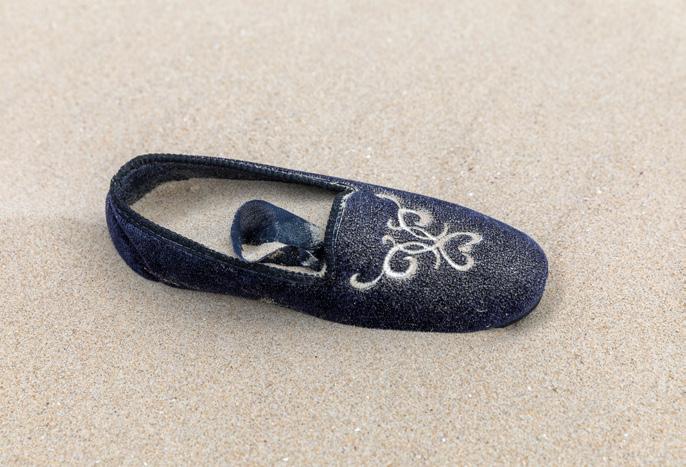
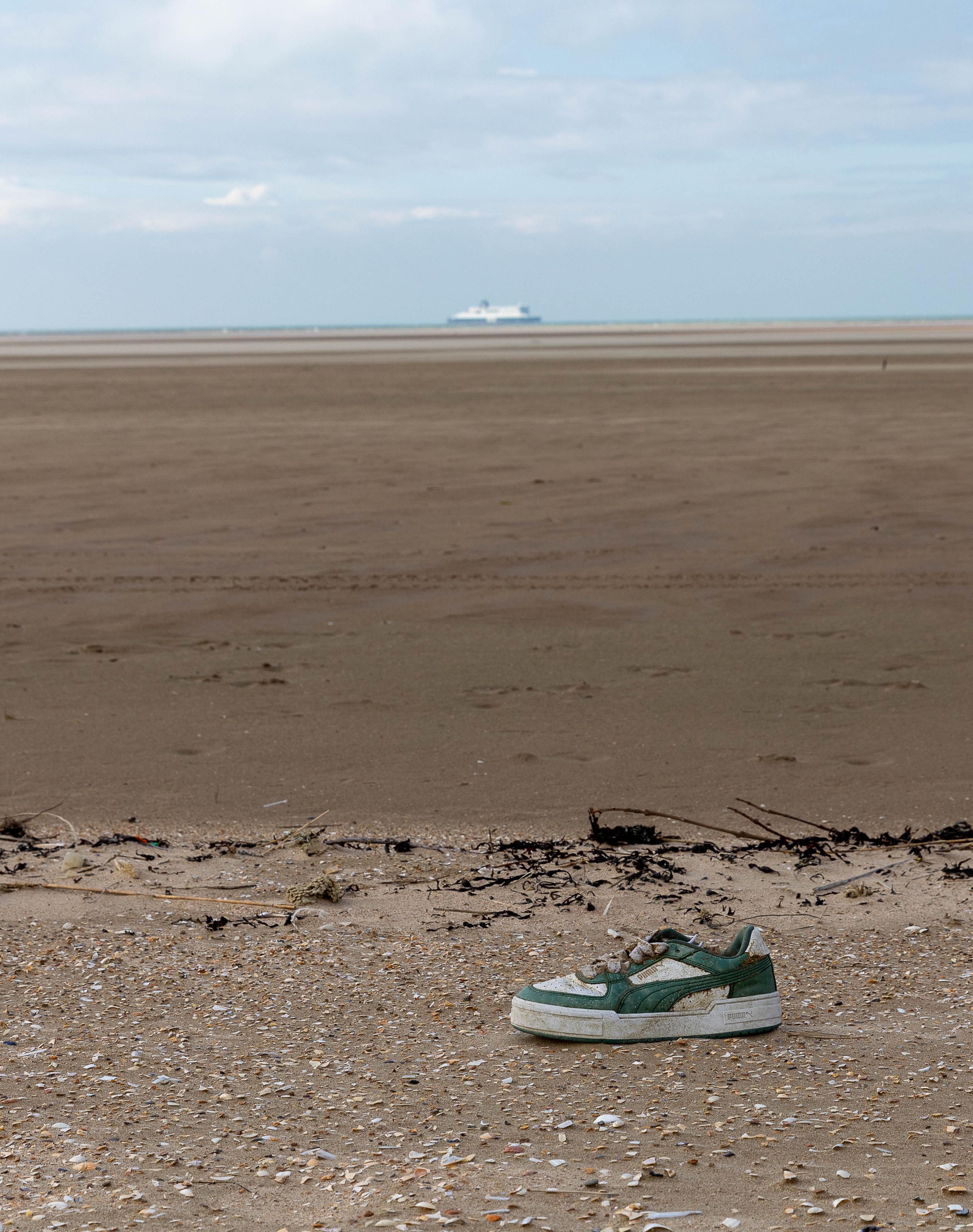
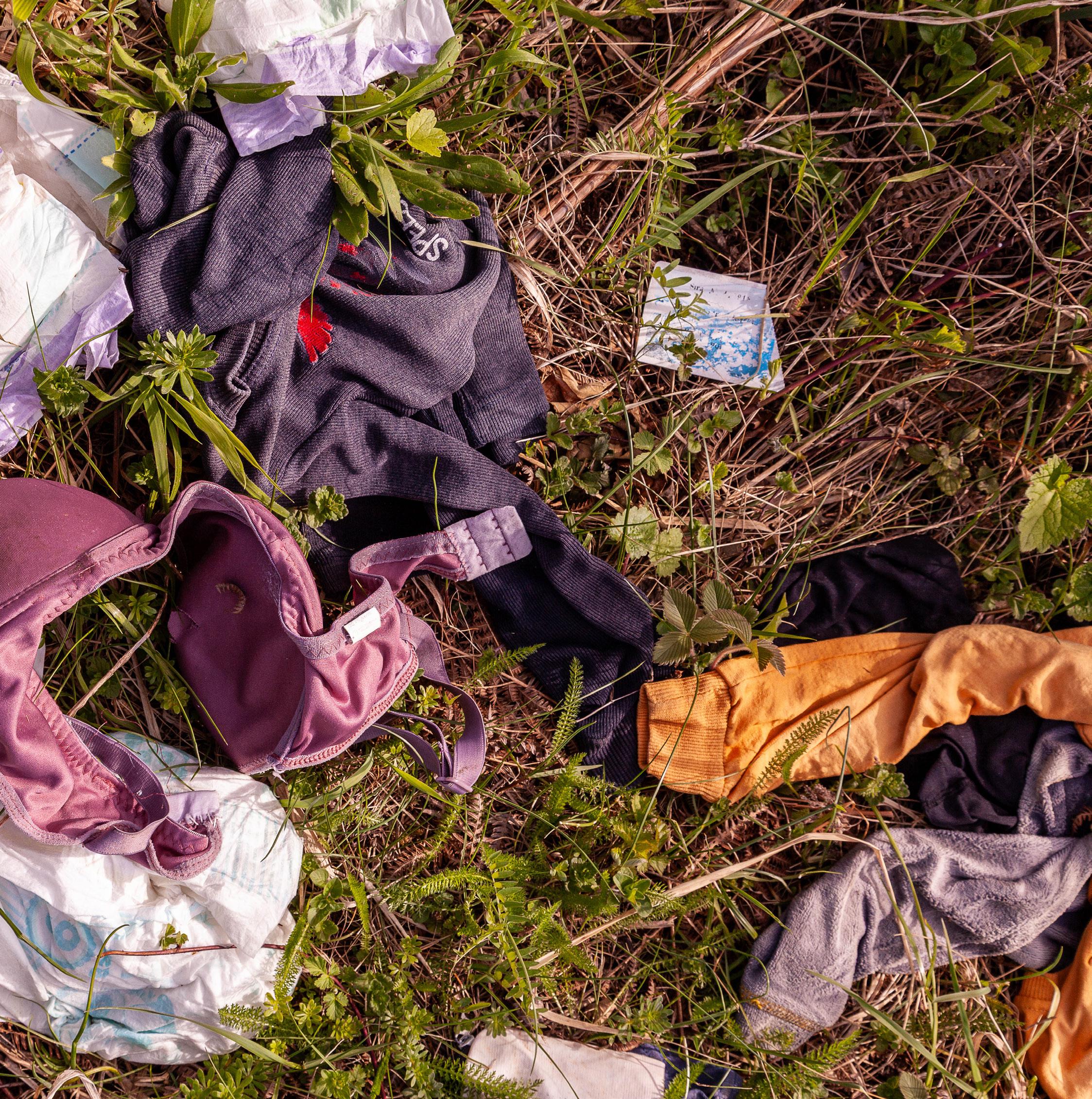
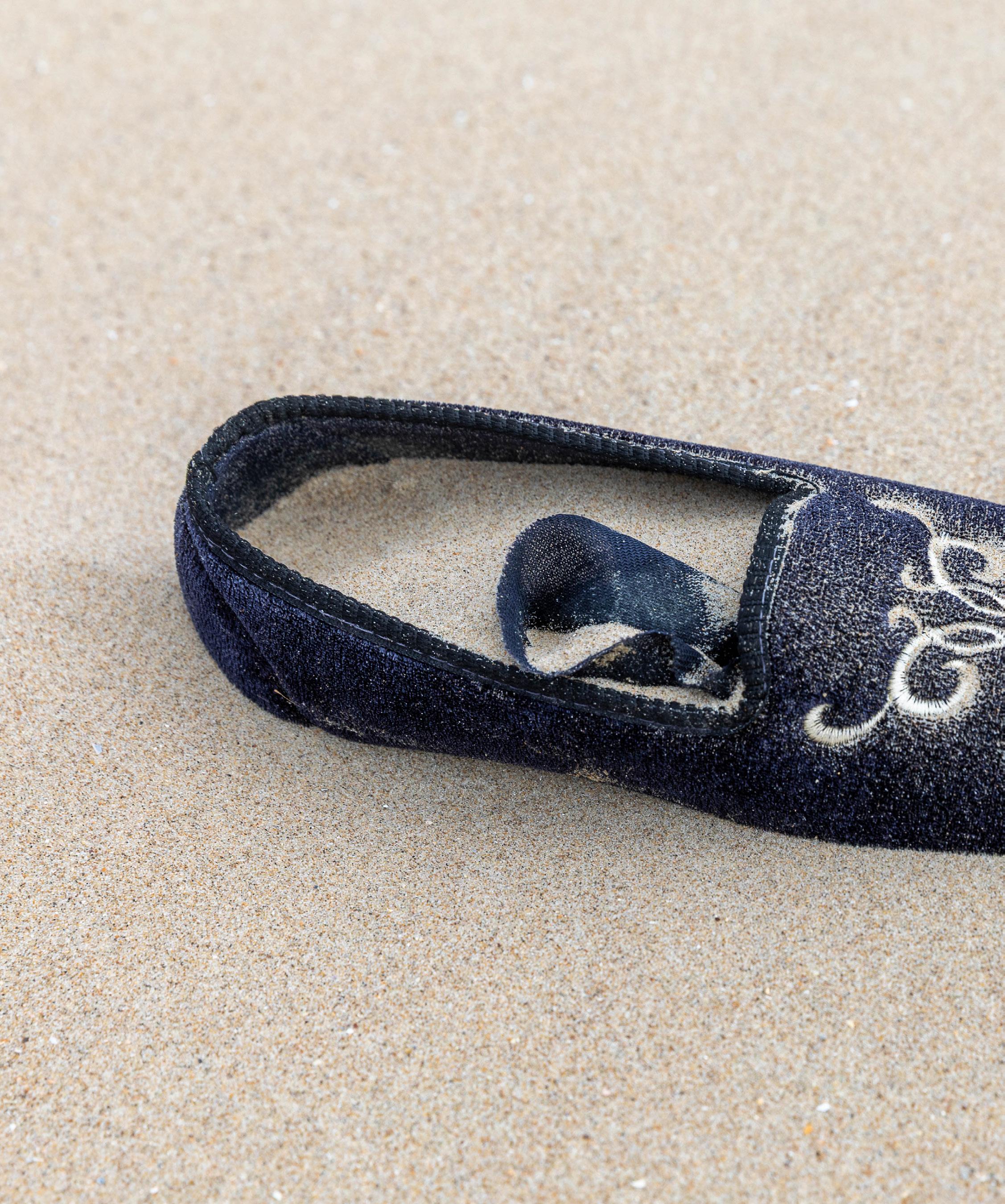
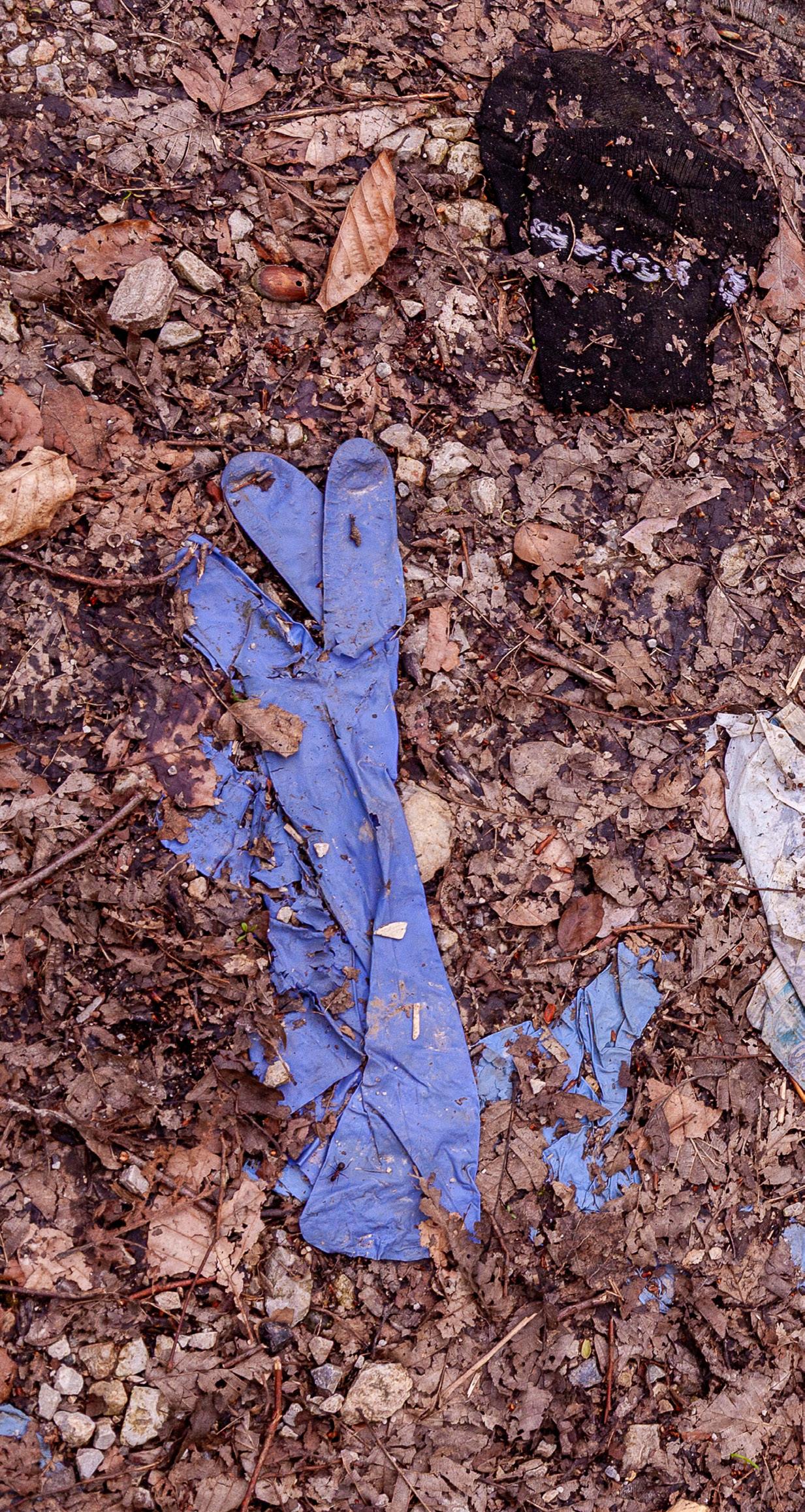
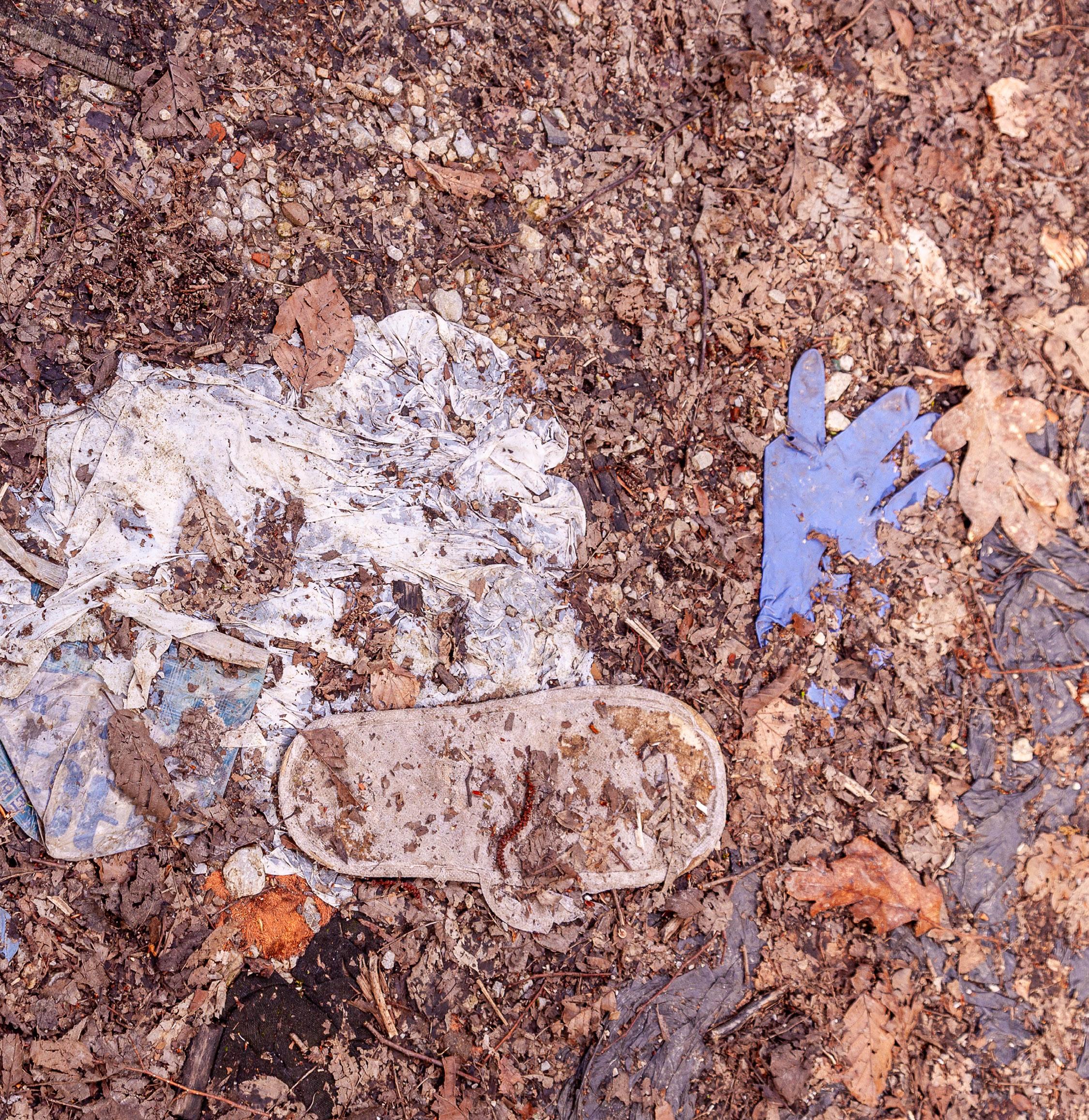
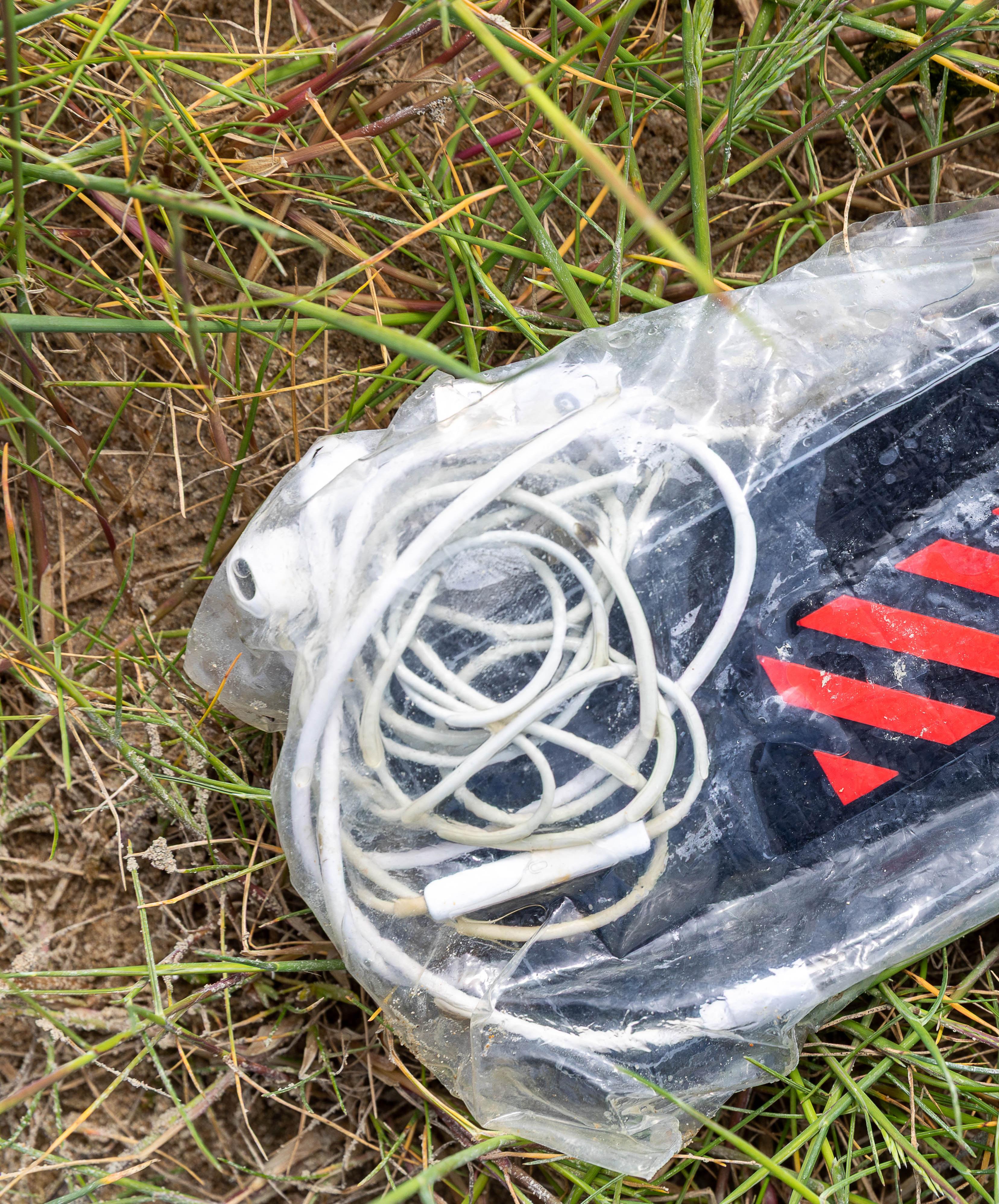
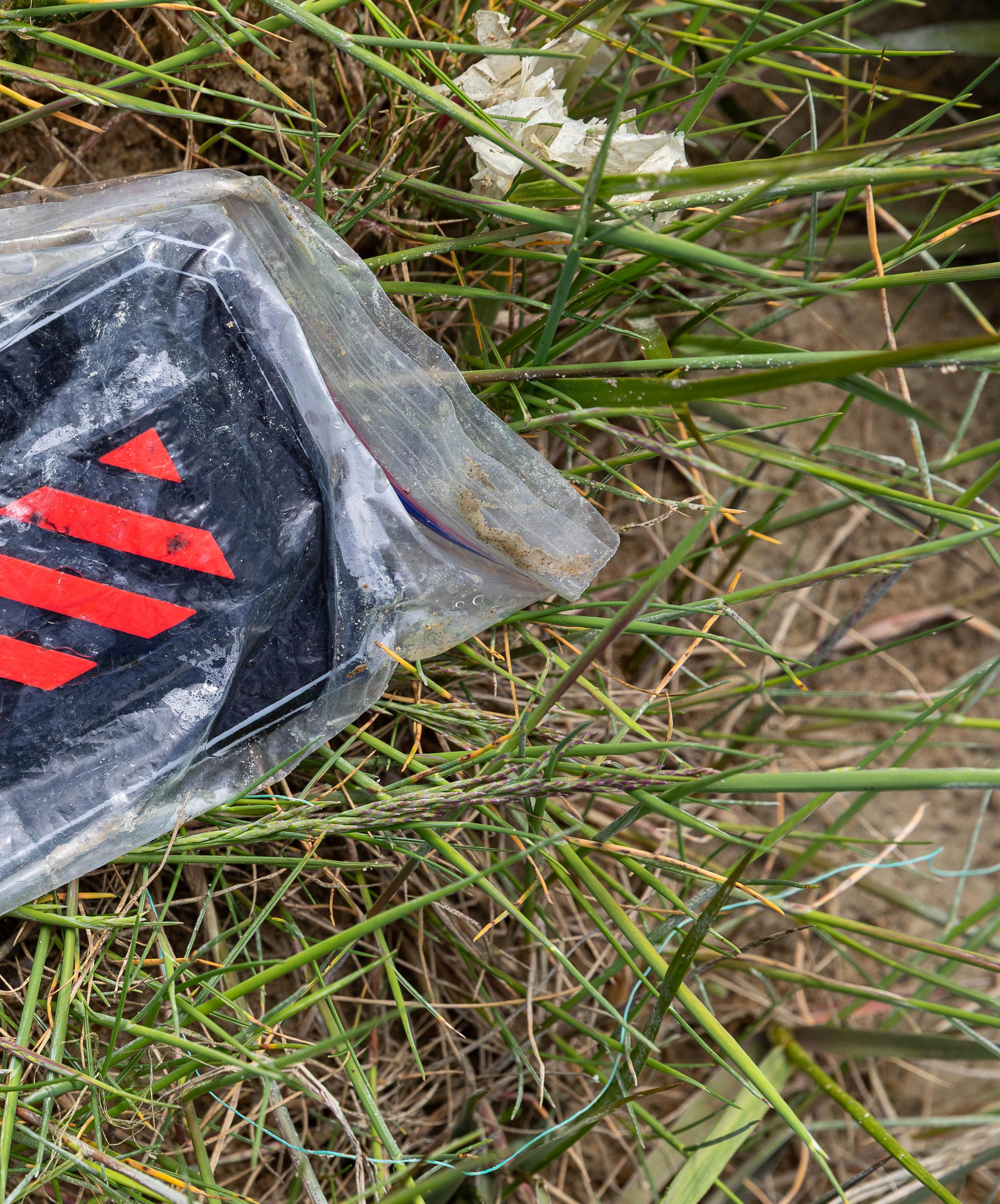
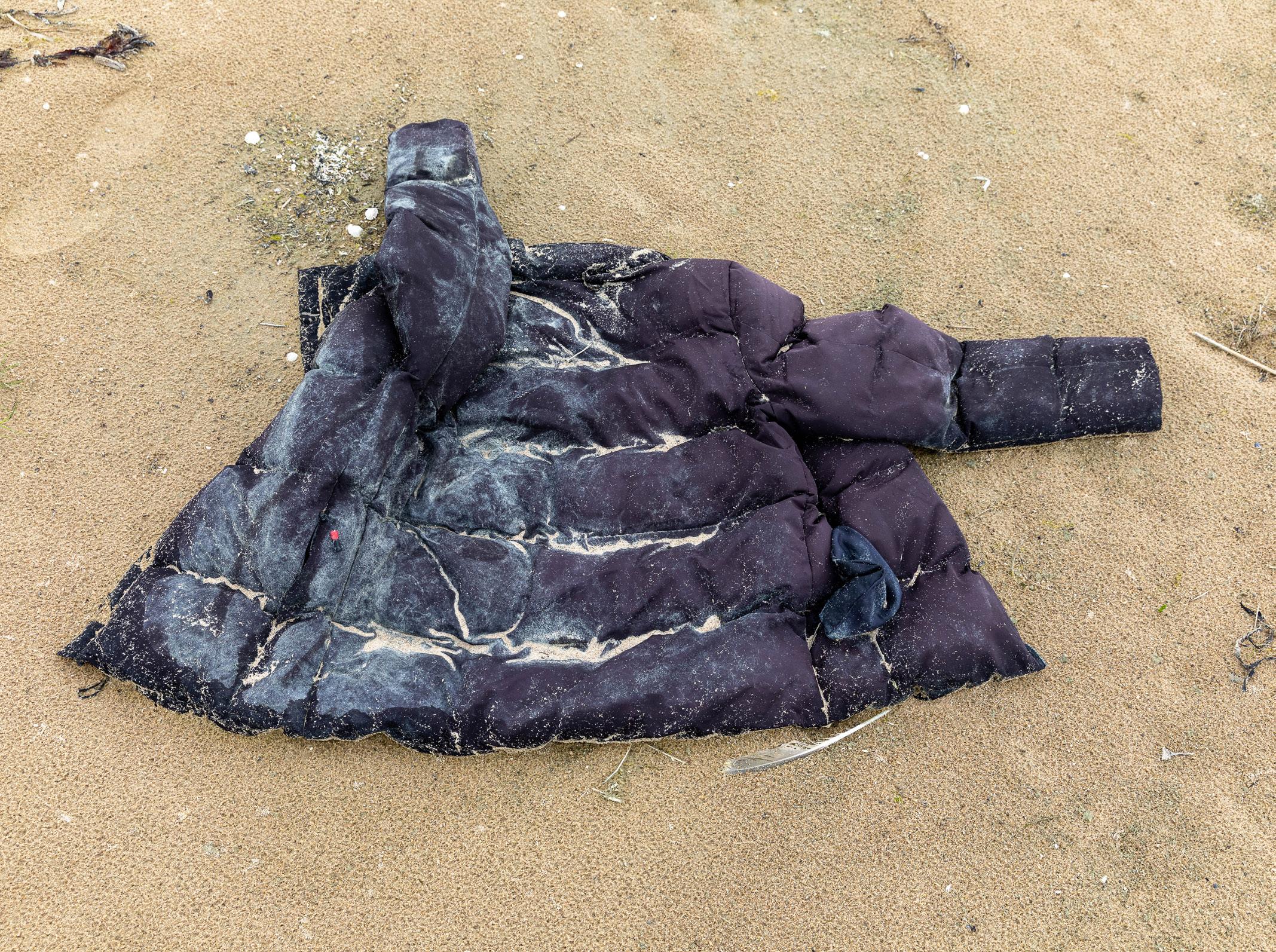
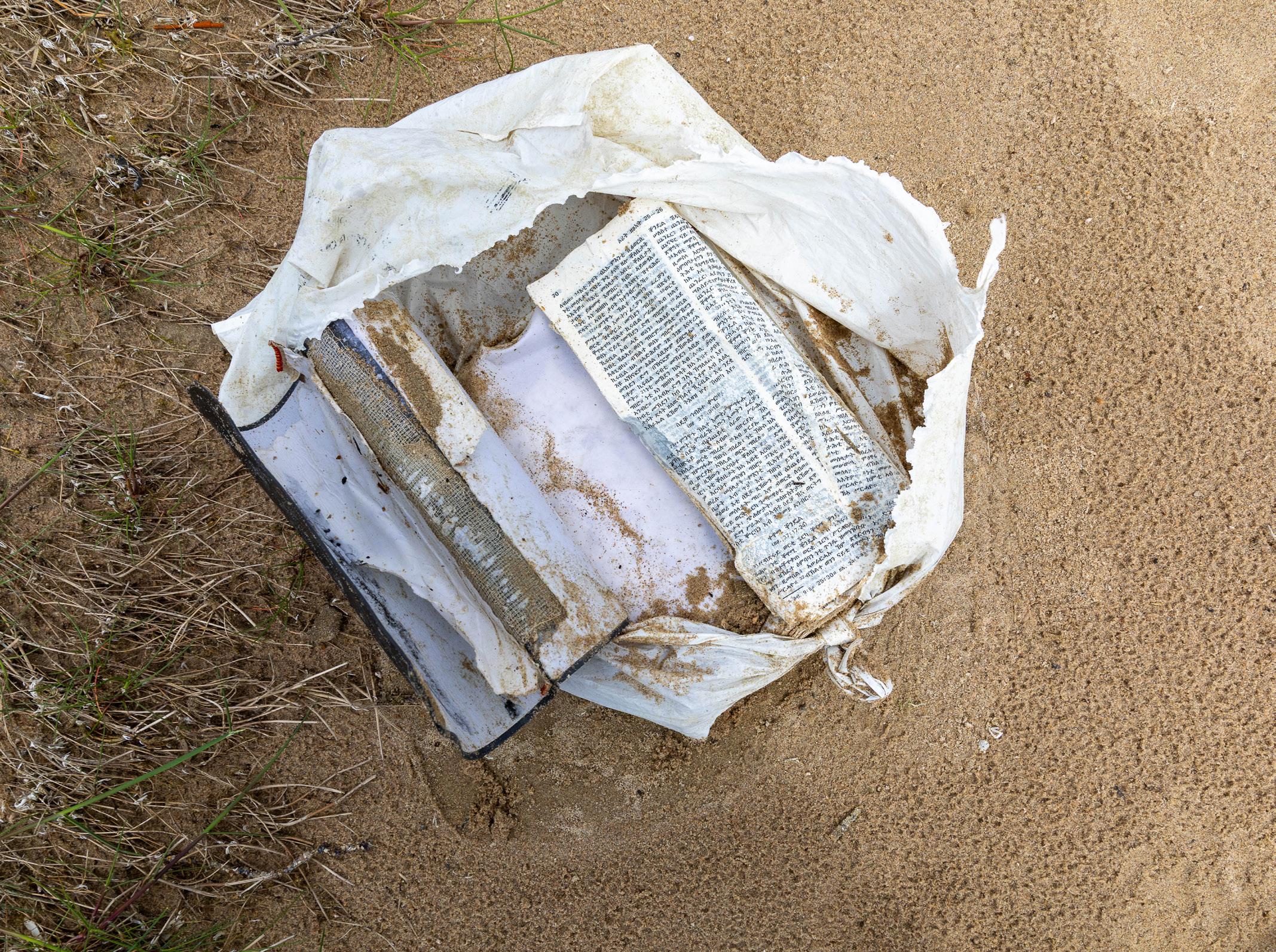
Traces is a powerful documentary project exploring what remains after refugees disappear from view. Rather than photographing people, Christian Weiß focuses on the abandoned belongings left behind following failed attempts to cross Europe’s external borders. Shoes, clothing, medicines and personal possessions become silent witnesses to interrupted journeys, shattered hopes and untold human stories.
Created in Bosnia and Herzegovina, Tenerife and along the French–British border, the work reveals a reality that often remains hidden from public view. Through restrained yet deeply moving photographs, Traces asks viewers to look beyond the objects and reflect on the lives, dignity and humanity they represent.
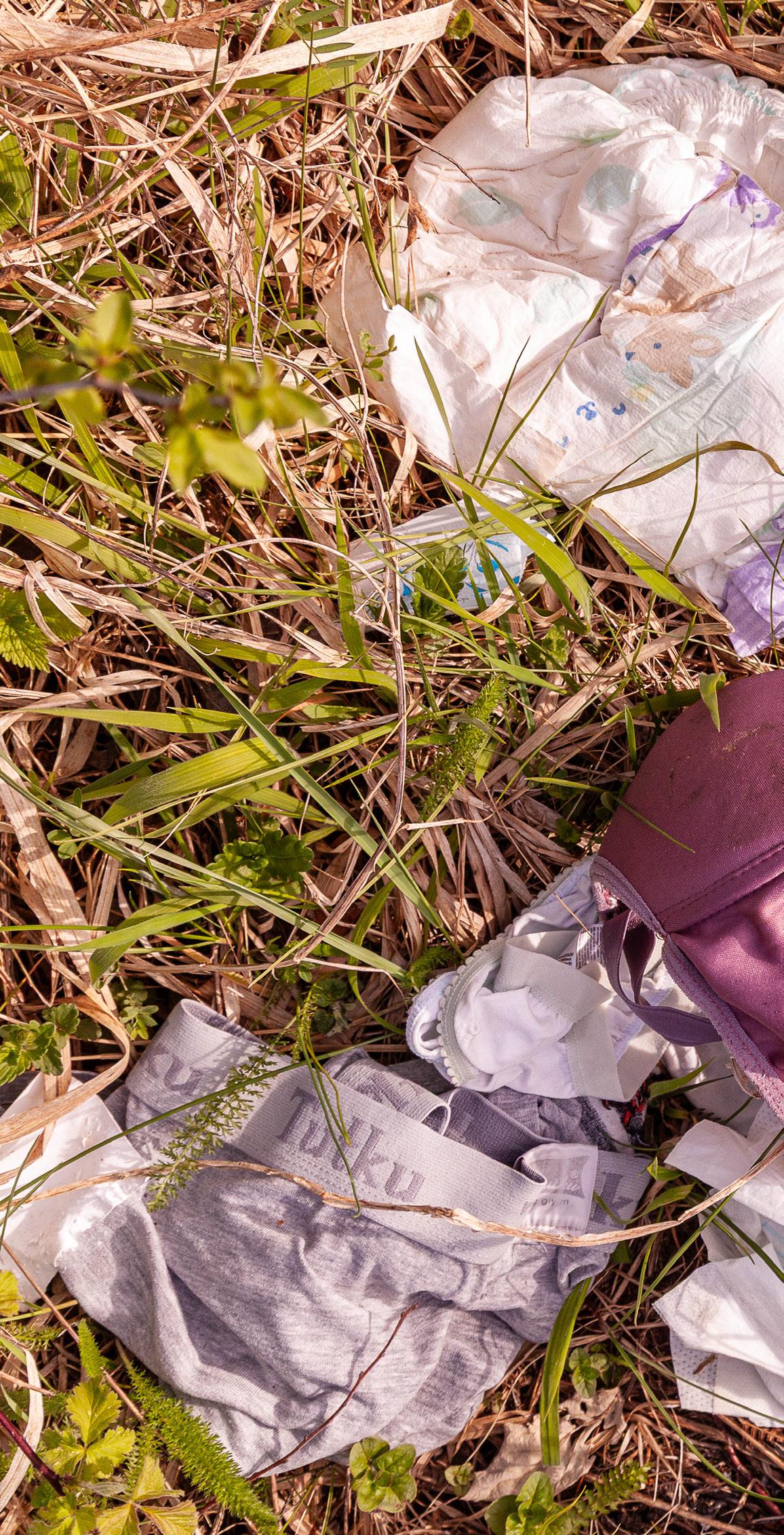
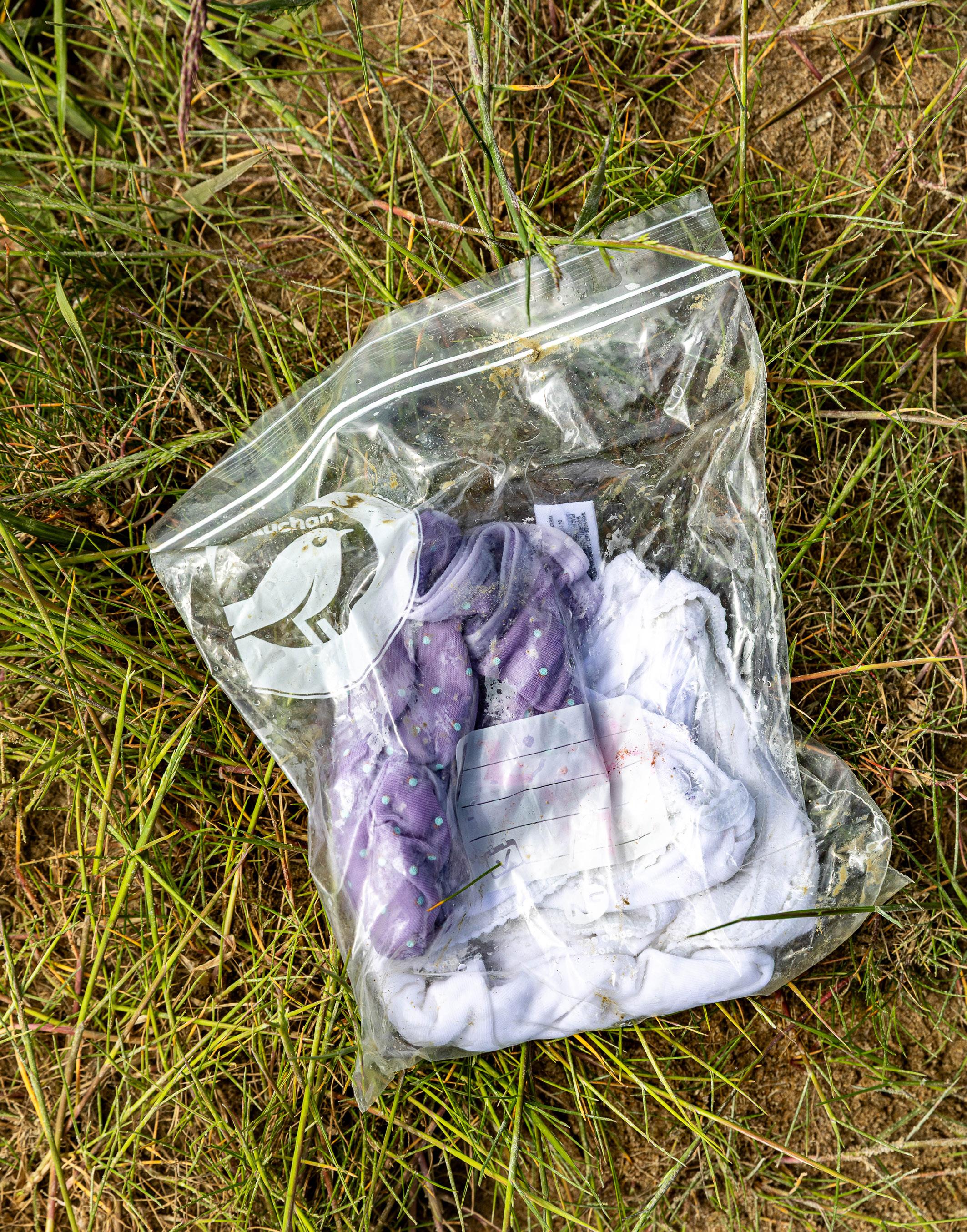
It was deeply disturbing what I discovered along the road leading to the Croatian border: underwear, medicines, shoes, children’s clothing, even torn passports.
At first, I could not understand why these personal belongings were scattered across the landscape.
Only after asking repeatedly did the smuggler guiding me to several illegal border crossings explain their origin.
After every failed attempt to cross into the European Union, refugees are pushed back across the border.
During these so-called pushbacks, many lose everything they own.
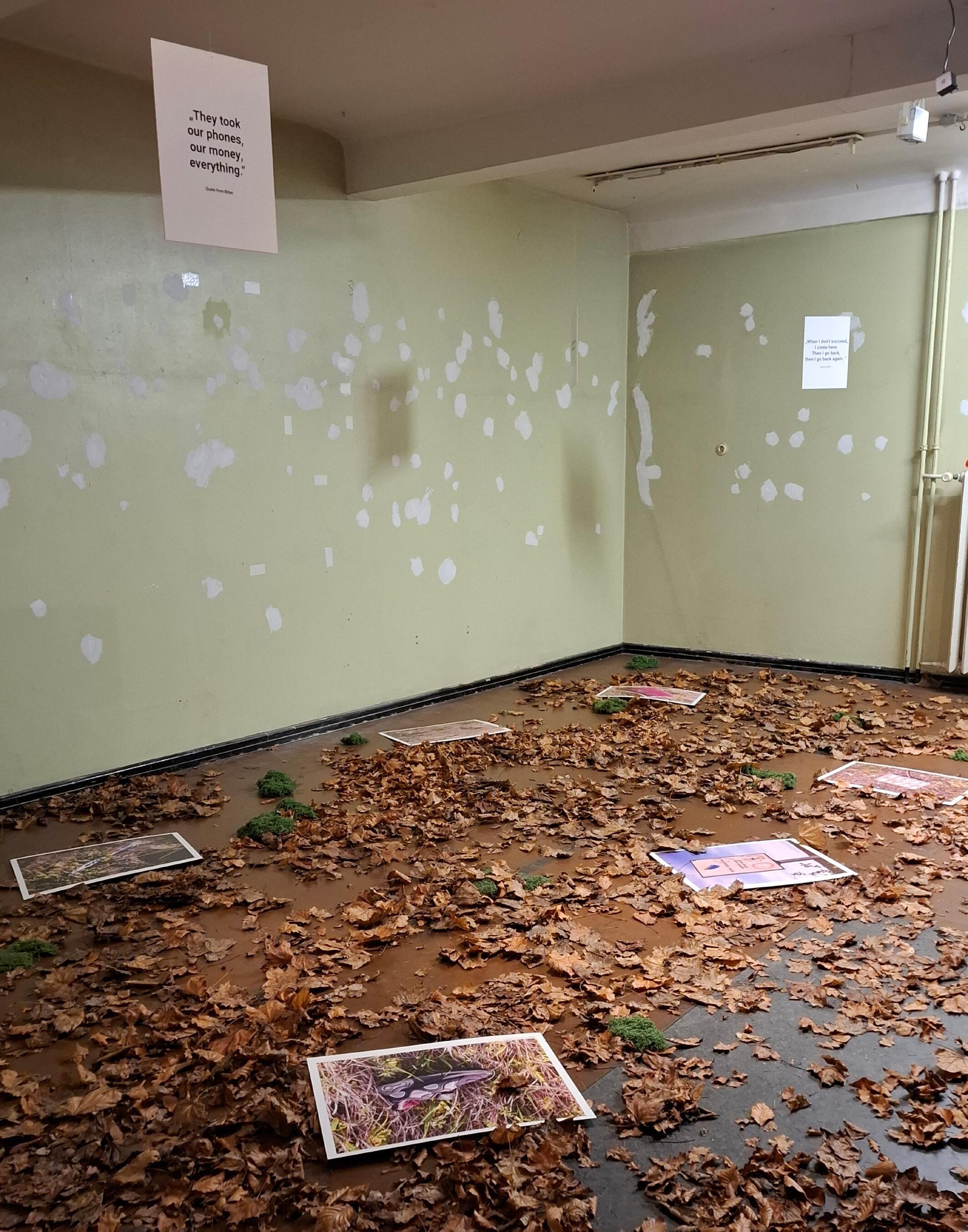
Money is confiscated, mobile phones are destroyed, clothing and personal possessions are taken away and discarded to discourage another attempt.
Every abandoned object tells the story of a journey interrupted. It speaks of shattered hopes, fear, desperation and, in some cases, the end of a life.
These traces are silent witnesses to individual human destinies. My project documents these remnants rather than the people themselves.
Today, more than 108 million people worldwide are displaced. Many hope to build a safer future in Europe, yet heavily guarded external borders stand between them and that dream.
Along the Bosnia–Croatia border alone, the Danish Refugee Council documented more than 1,200 pushbacks during a single month in 2021.
For those affected, each failed crossing often means losing not only possessions, but also dignity and hope.
Christian Weiß
IN APRIL 2024, I TRAVELLED TO BOSNIA AND HERZEGOVINA— ONE OF MY FAMILY’S HOME COUNTRIES — TO INVESTIGATE THIS LARGELY FORGOTTEN GATEWAY INTO EUROPE.
Around one thousand refugees were living near Bihac, repeatedly attempting to cross the border despite the enormous risks.
There I realised that every unsuccessful attempt leaves behind physical evidence: shoes, clothing, medicine, documents and other personal belongings.
These objects inevitably raise questions. Who owned them? Where did they come from? What forced them to leave their homes? Did they survive?
Every photograph represents a story that remains untold, inviting the viewer to imagine the human life behind the abandoned object.
Christian Weiß Traces are about absence. The people have disappeared. All that remains are their belongings.
Christian Weiß Traces are about absence. The people have disappeared. All that remains are their belongings.
Christian Weiß Traces are about absence. The people have disappeared. All that remains are their belongings.
THE PHOTOGRAPHS DO NOT DEPICT THE ACT OF FLEEING.
Instead, they reveal what remains after hope has been interrupted.
They make visible what usually stays hidden along Europe’s external borders.
Today, more than 108 million people worldwide are displaced.
THE PROJECT HAS TAKEN ME TO BIHAC IN BOSNIA AND HERZEGOVINA, TENERIFE, AND THE BORDER BETWEEN FRANCE AND THE UNITED KINGDOM.
Everywhere, refugees leave traces behind— sometimes obvious, sometimes carefully removed so they do not disturb the idyllic image presented to visitors.
Yet they are there for anyone willing to look.
Every abandoned object tells the story of a journey interrupted.
Christian Weiß Traces are about absence. The people have disappeared. All that remains are their belongings.
Christian Weiß Traces are about absence. The people have disappeared. All that remains are their belongings.
Christian Weiß Traces are about absence. The people have disappeared. All that remains are their belongings.
Christian Weiß Traces are about absence. The people have disappeared. All that remains are their belongings.
Christian Weiß Traces are about absence. The people have disappeared. All that remains are their belongings.
Christian Weiß Traces are about absence. The people have disappeared. All that remains are their belongings.
THE WORK CONTINUES.
There are many more places where these traces can be found: Crete, Lampedusa, Ceuta and countless others.
People often ask why I pursue this project. My answer is simple.
For me, it is a question of humanity.
Christian Weiß Traces are about absence. The people have disappeared. All that remains are their belongings.
Christian Weiß Traces are about absence. The people have disappeared. All that remains are their belongings.
Christian Weiß Traces are about absence. The people have disappeared. All that remains are their belongings.
EXHIBITION
TRACES has been presented as an immersive exhibition at Klapperfeld, a former prison and detention centre in Frankfurt am Main that now serves as a documentation centre examining its history of imprisonment, deportation and human rights.
EXHIBITION VENUE
Klapperfeld Klapperfeldstraße 5 60313 Frankfurt am Main Germany
INDUSTRY, HERITAGE AND ENDLESS PHOTOGRAPHIC POSSIBILITIES
Robert Driscoll
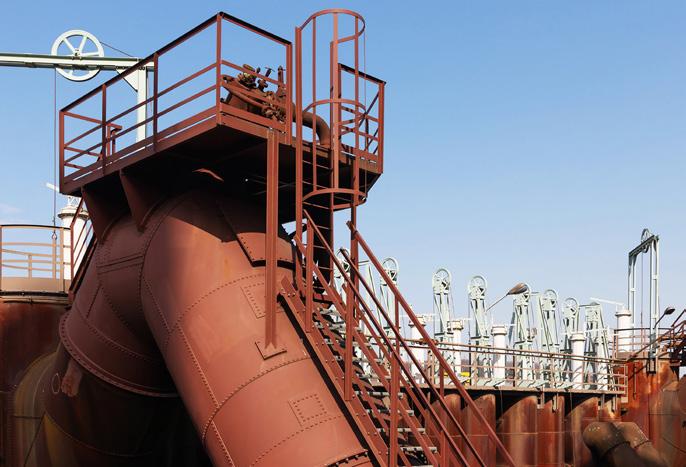
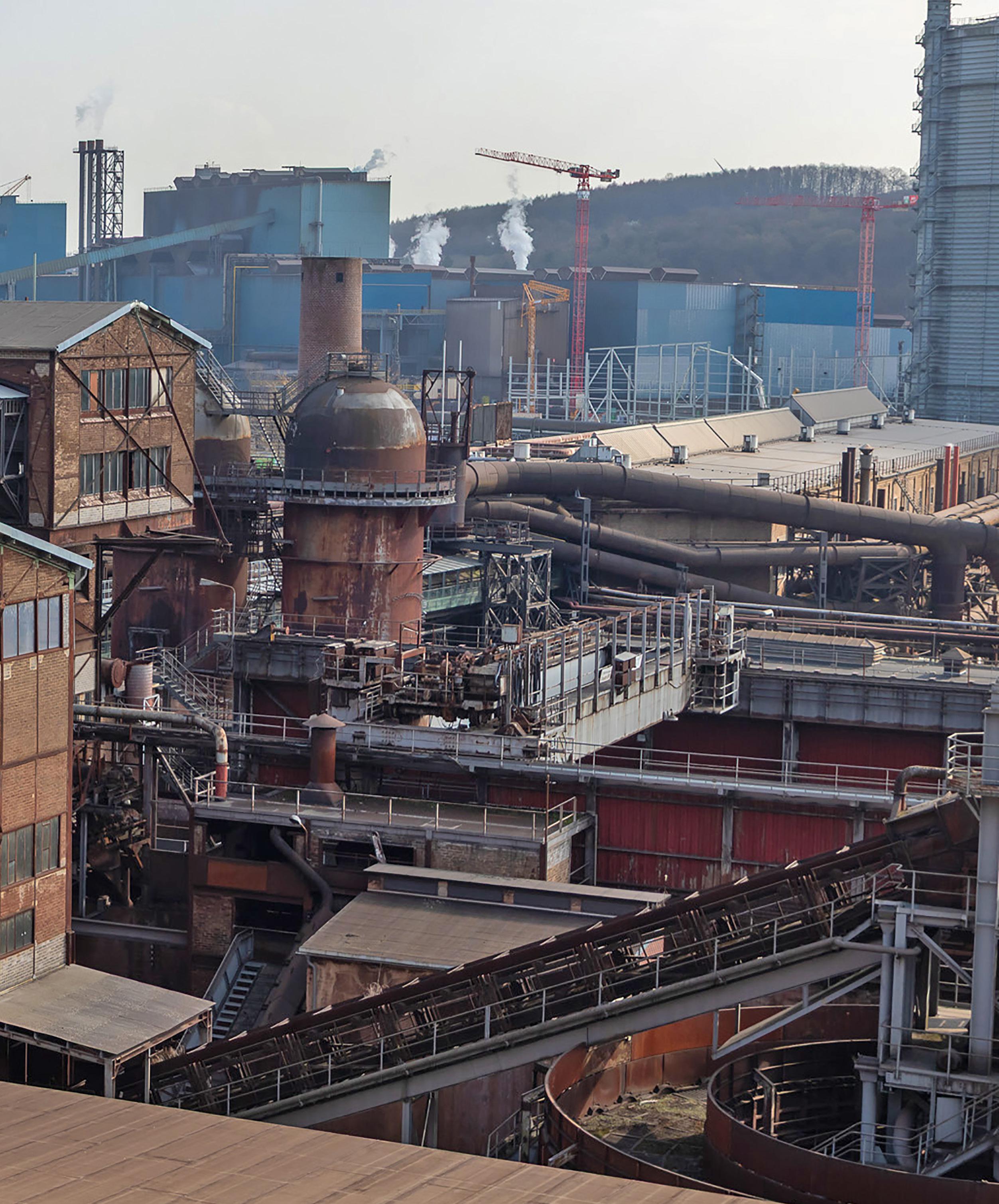
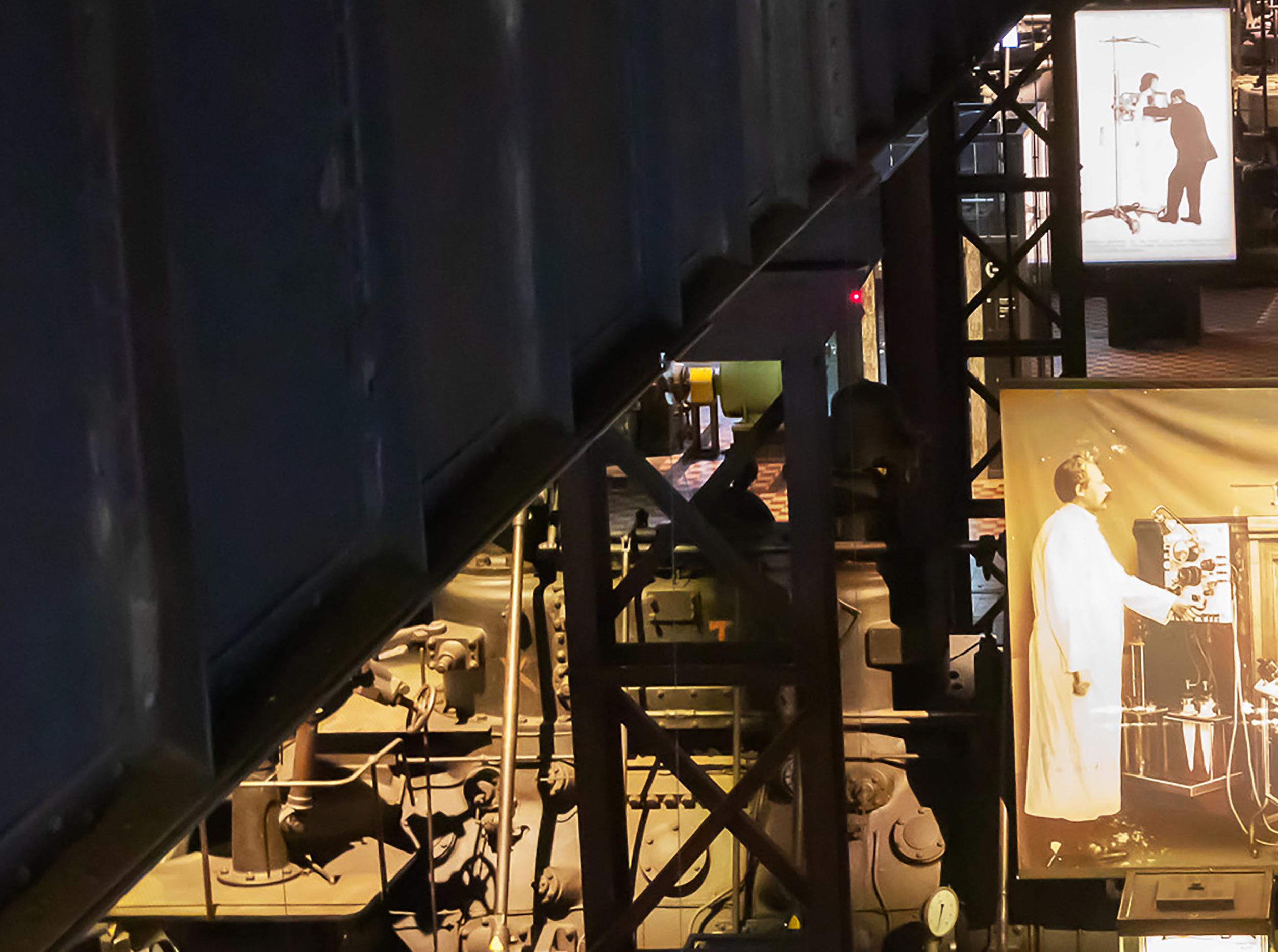
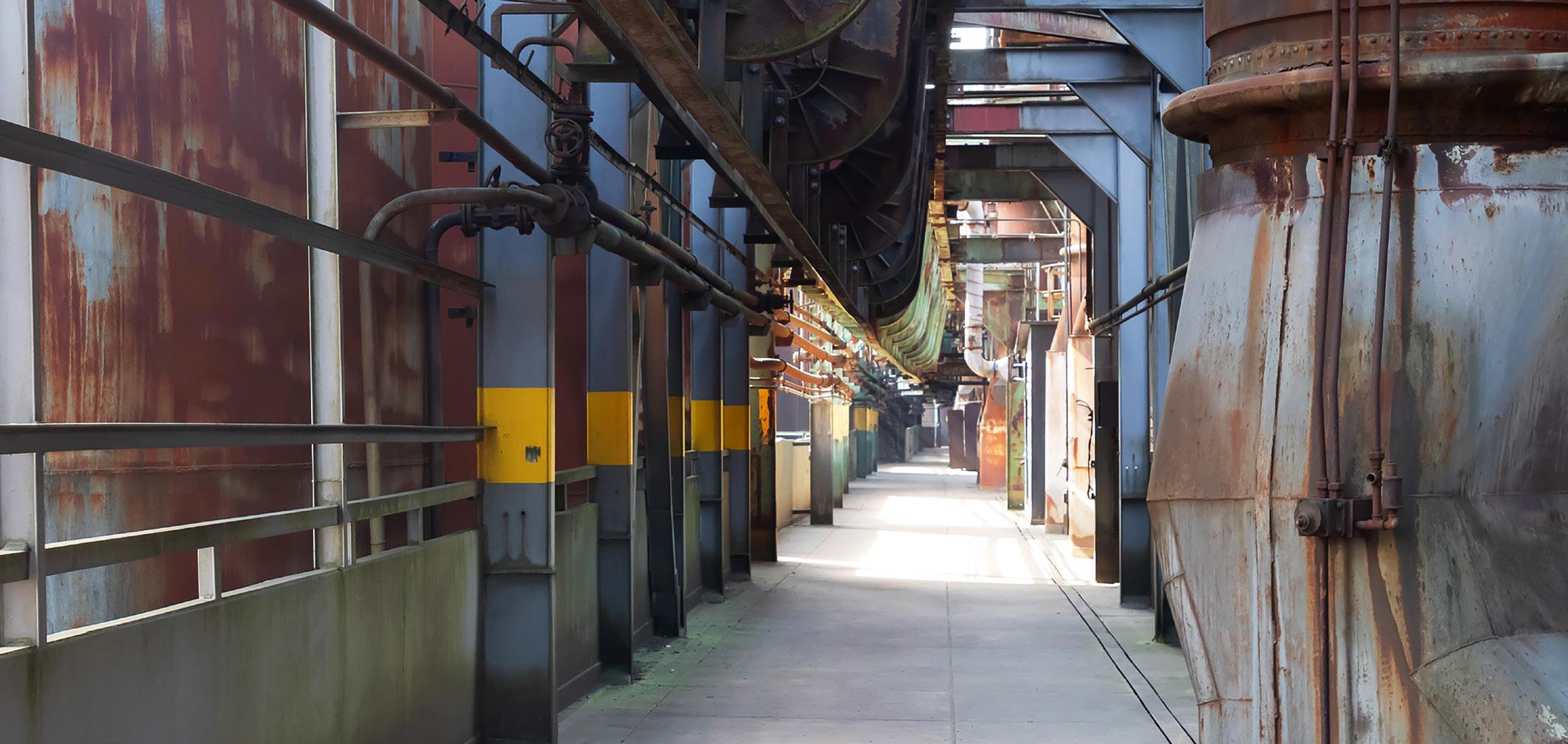
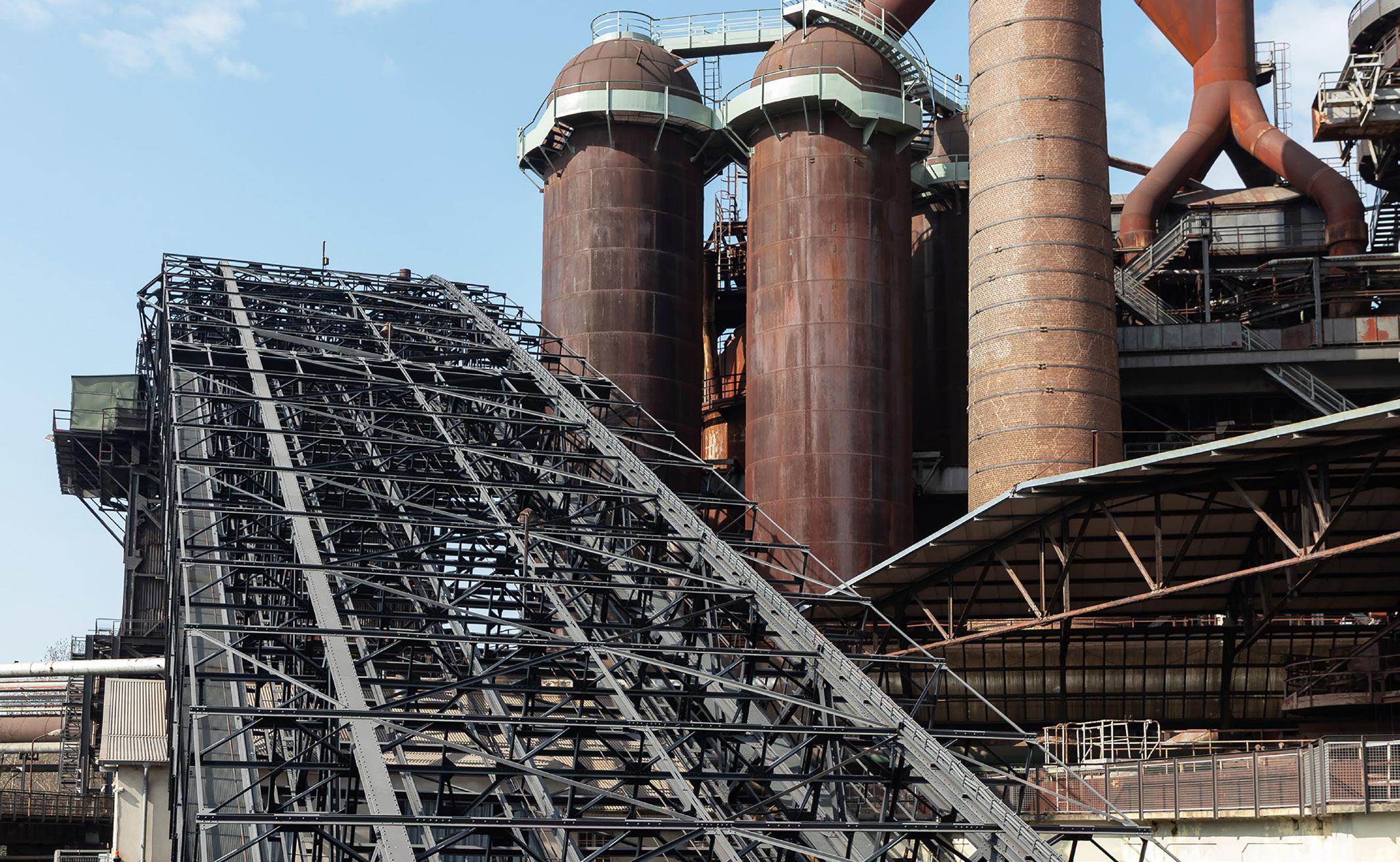
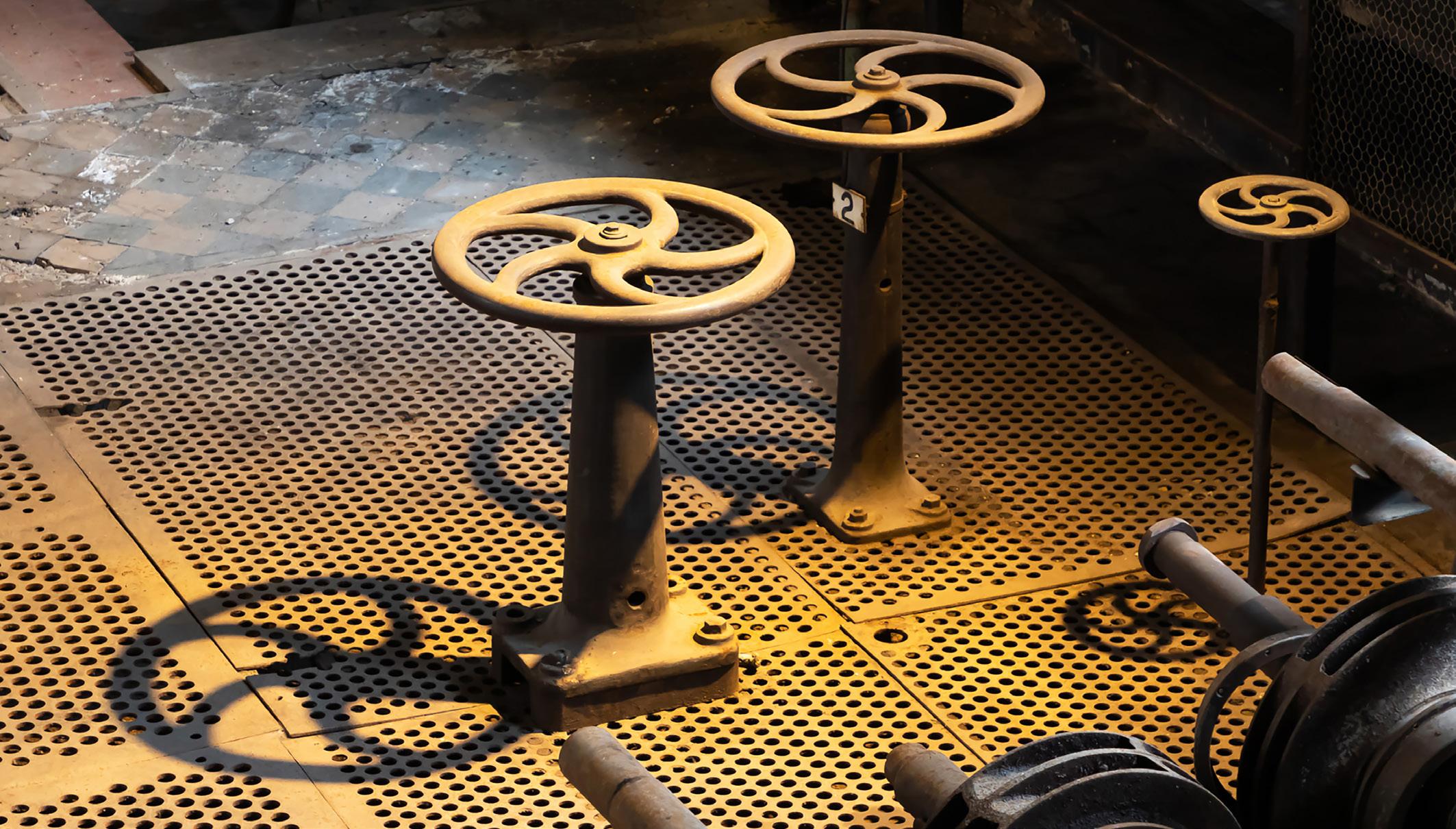
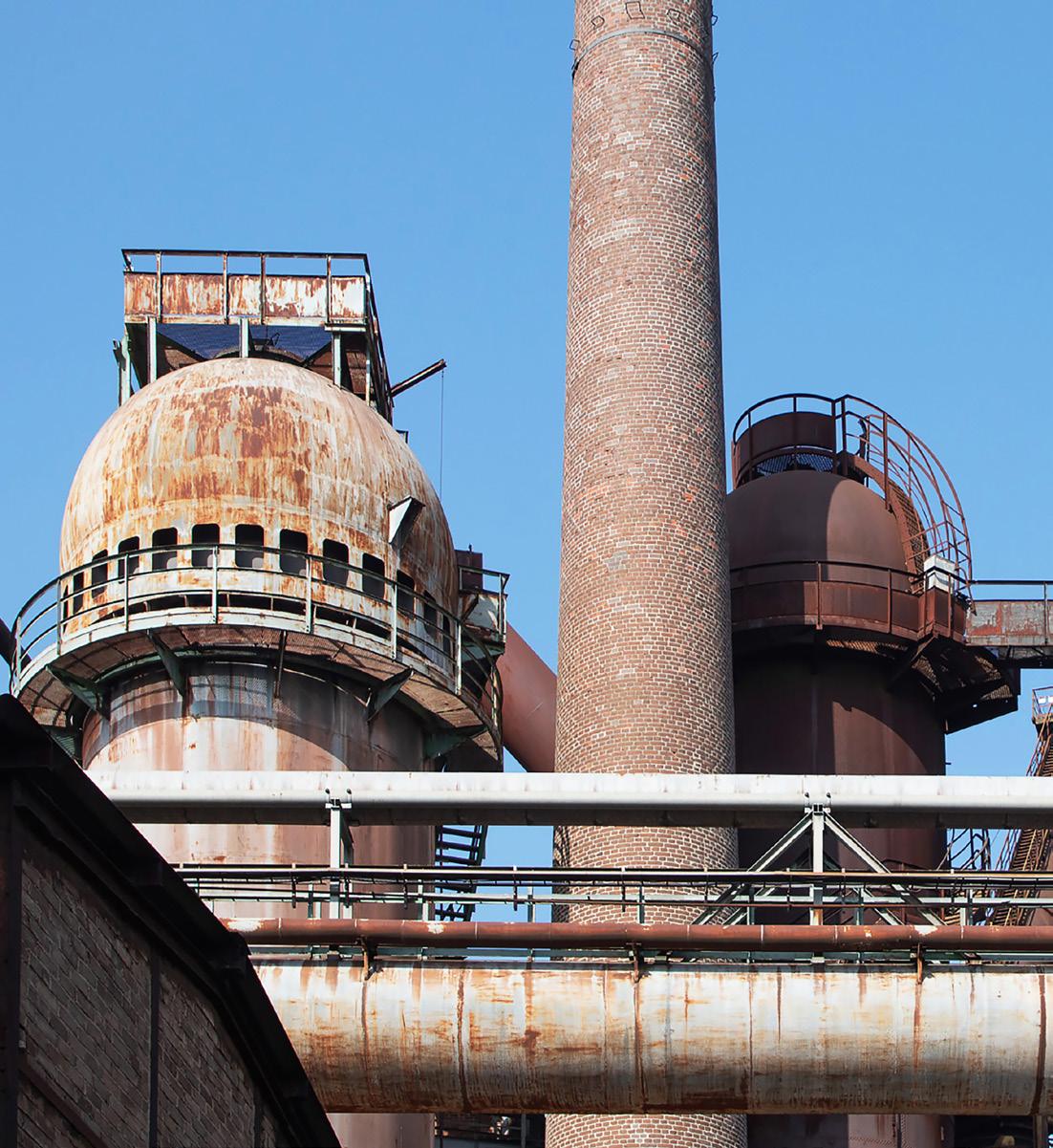
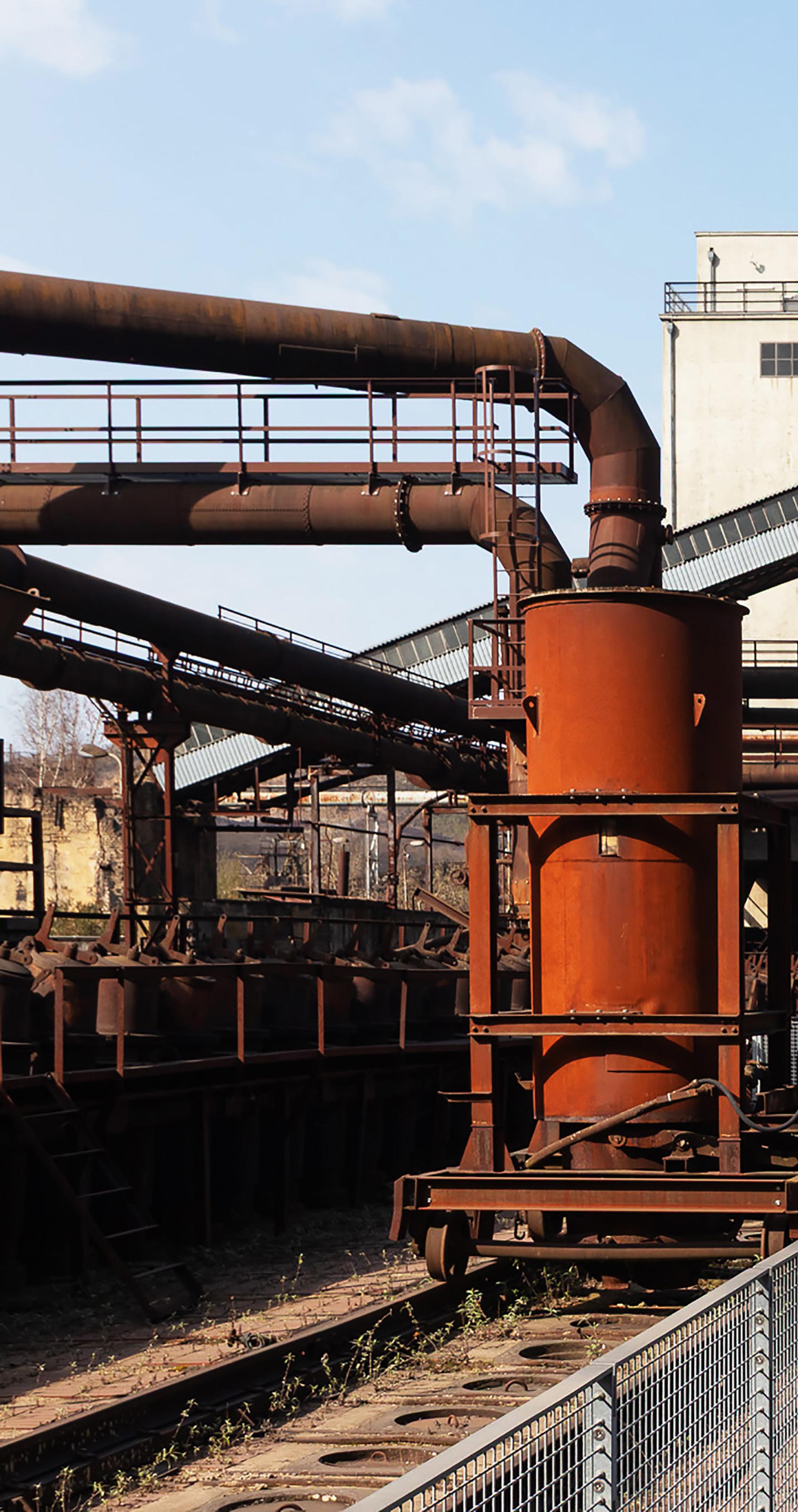
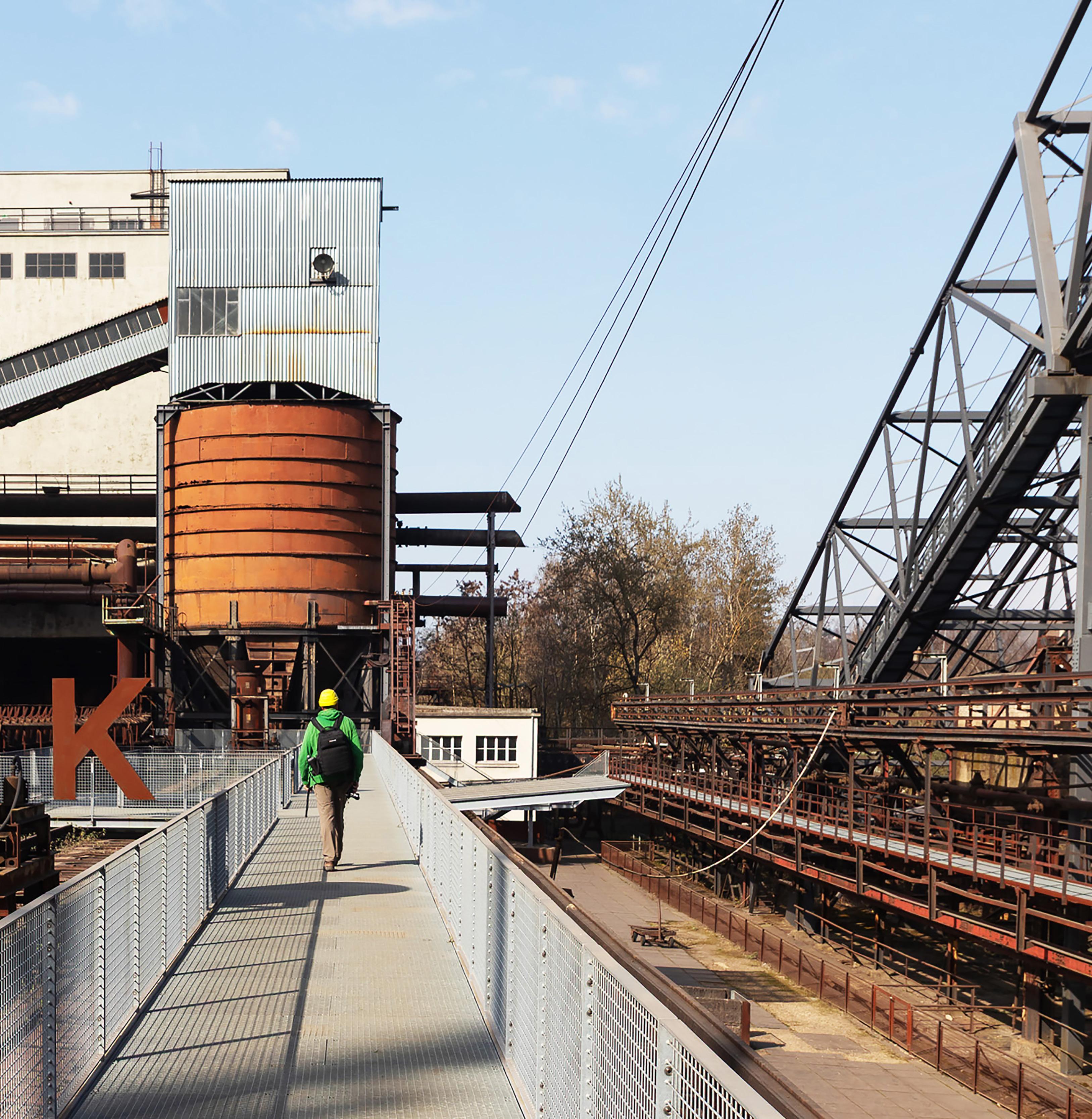
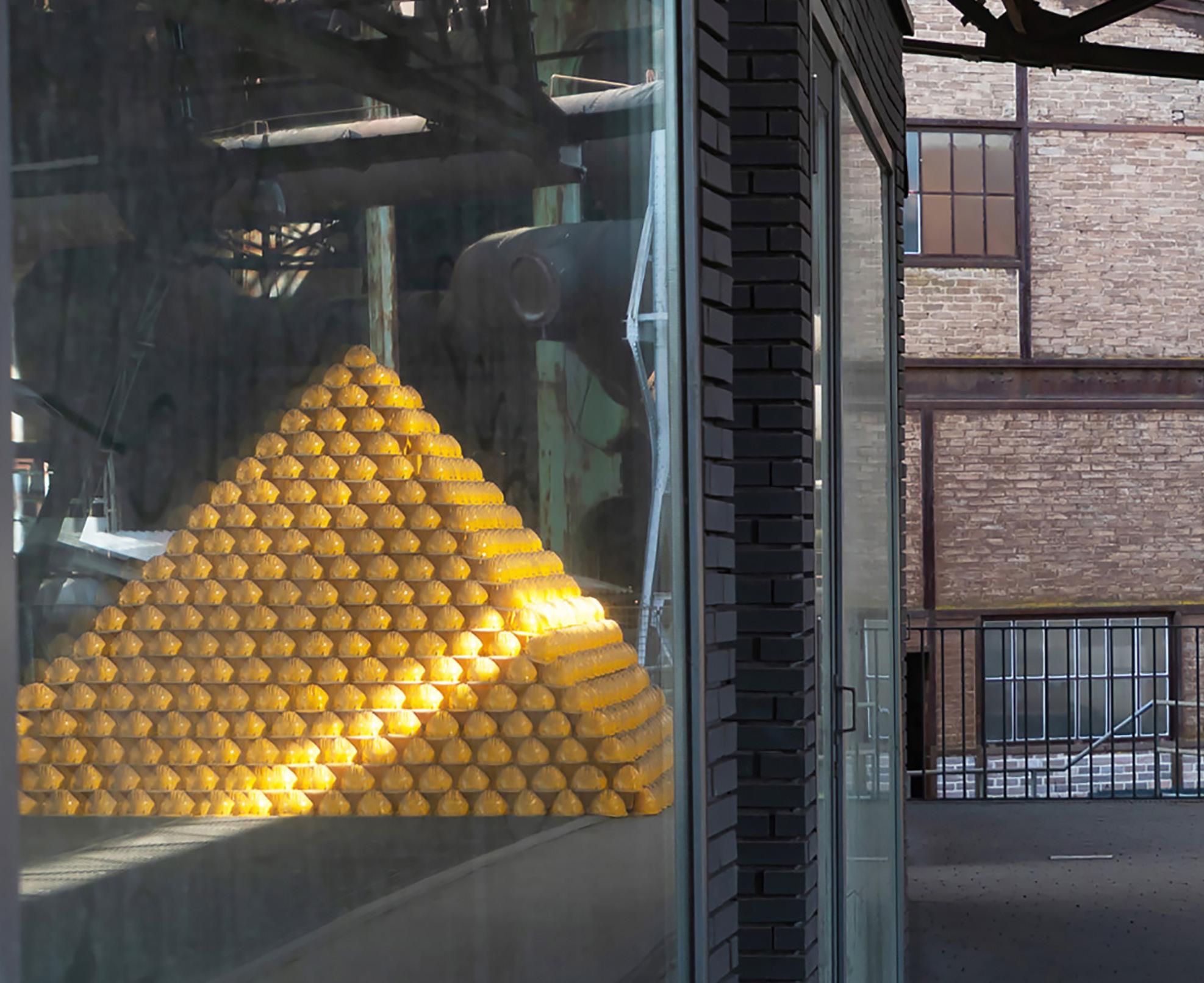
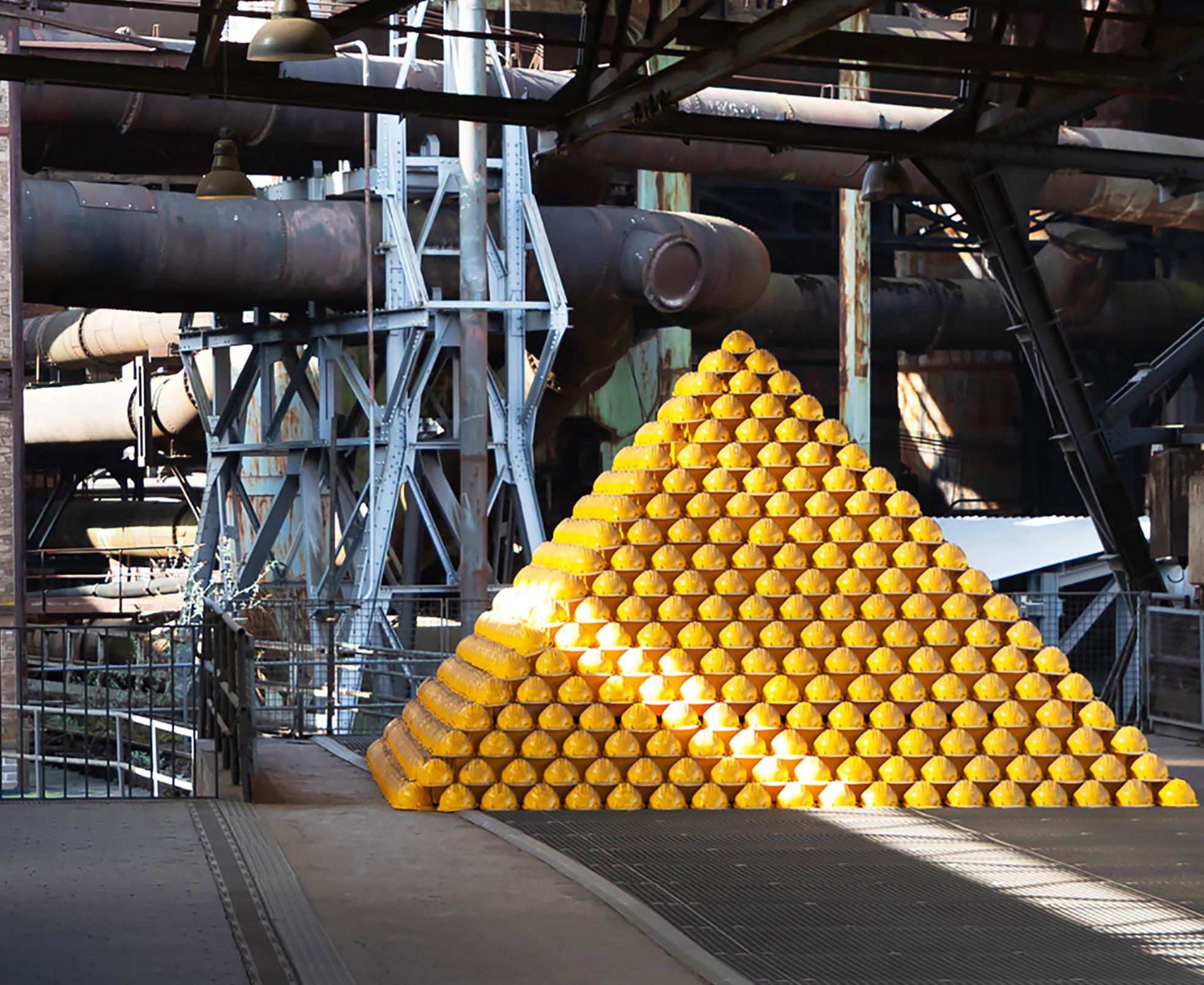
The UNESCO World Heritage Site Völklinger Hütte is far more than a preserved steelworks—it is a remarkable journey through the industrial age and one of Europe’s most impressive photographic locations. From towering blast furnaces and labyrinths of rusting pipes to vast machine halls and contemporary art installations, every corner tells a story of innovation, hard work and transformation.
In this personal travel feature, Robert Driscoll explores the former ironworks through the eyes of a photographer, discovering striking compositions, fascinating history and unexpected beauty hidden within one of Germany’s most extraordinary industrial monuments. A place where industry has become art.
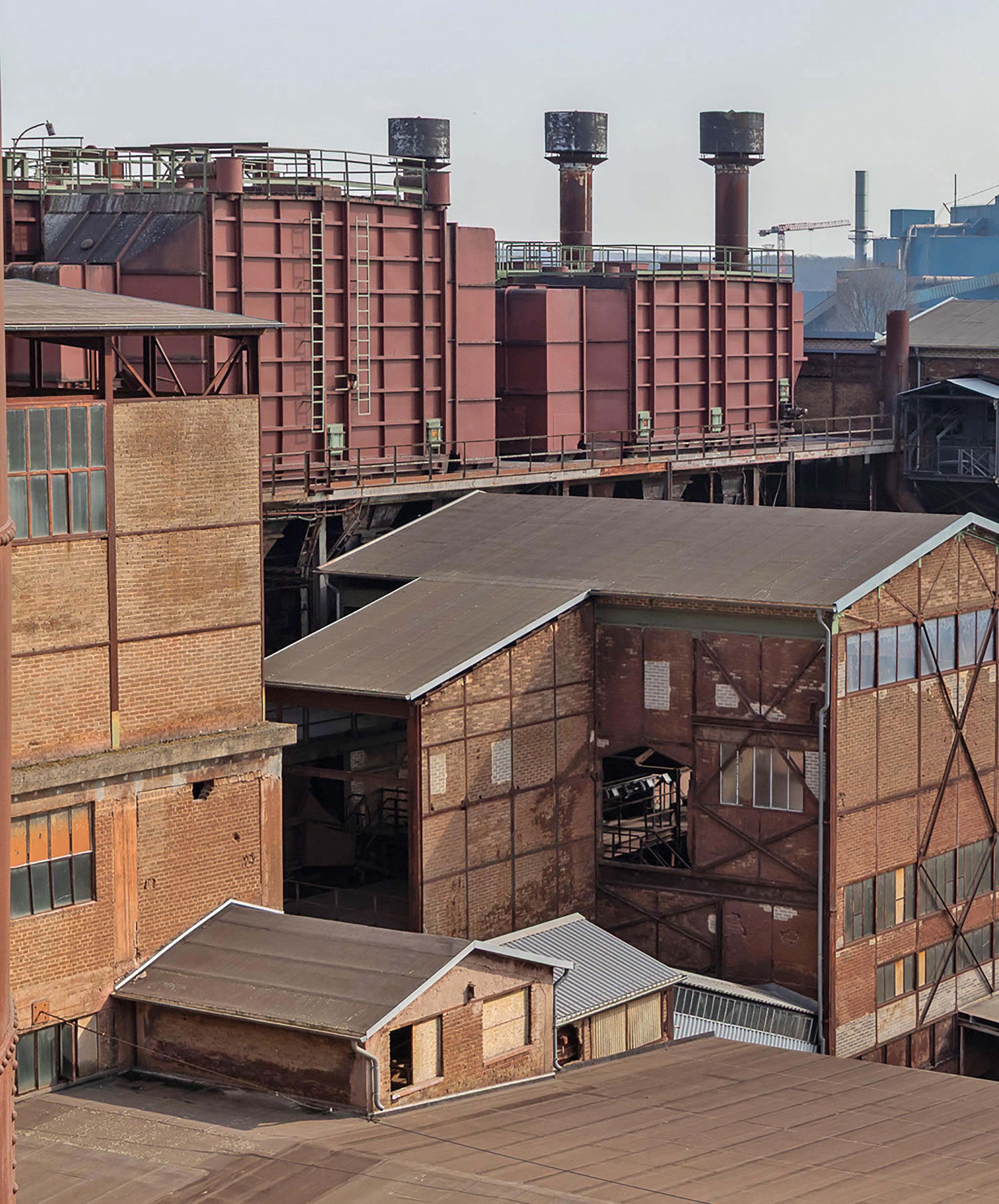
Hidden in Germany’s Saar Valley, close to the French border, stands one of Europe’s most extraordinary monuments to the Industrial Revolution. Once alive with fire, smoke and the relentless rhythm of steel production, the Völklingen Ironworks has been transformed into a place of reflection, culture and creativity.
Founded in 1873 and finally closing its furnaces in 1986, the site was recognised by UNESCO as a World Heritage Site in 1994. Today it preserves an industrial landscape that has remained remarkably intact, allowing visitors to experience the scale and complexity of heavy industry in a way that few places in the world can offer.
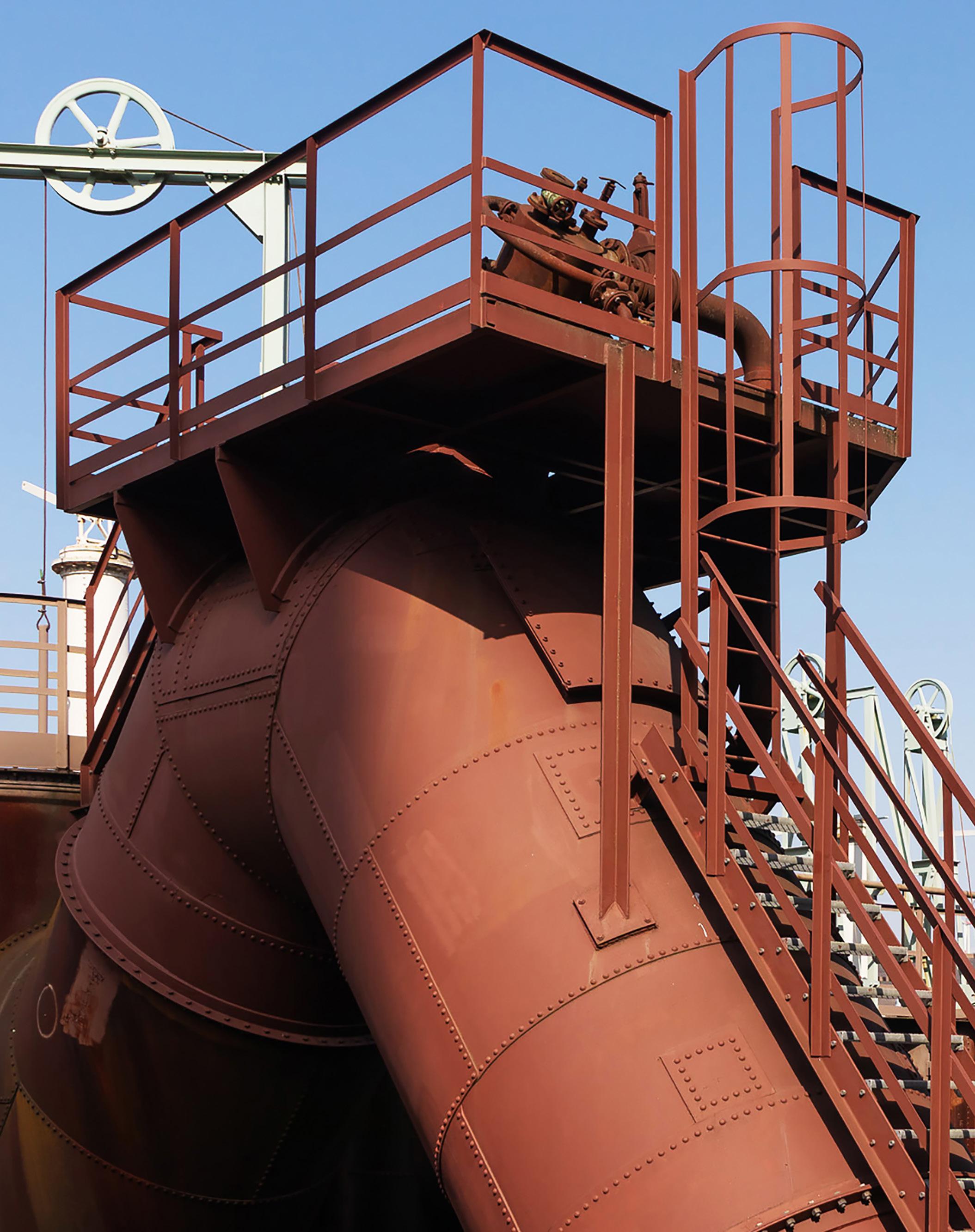
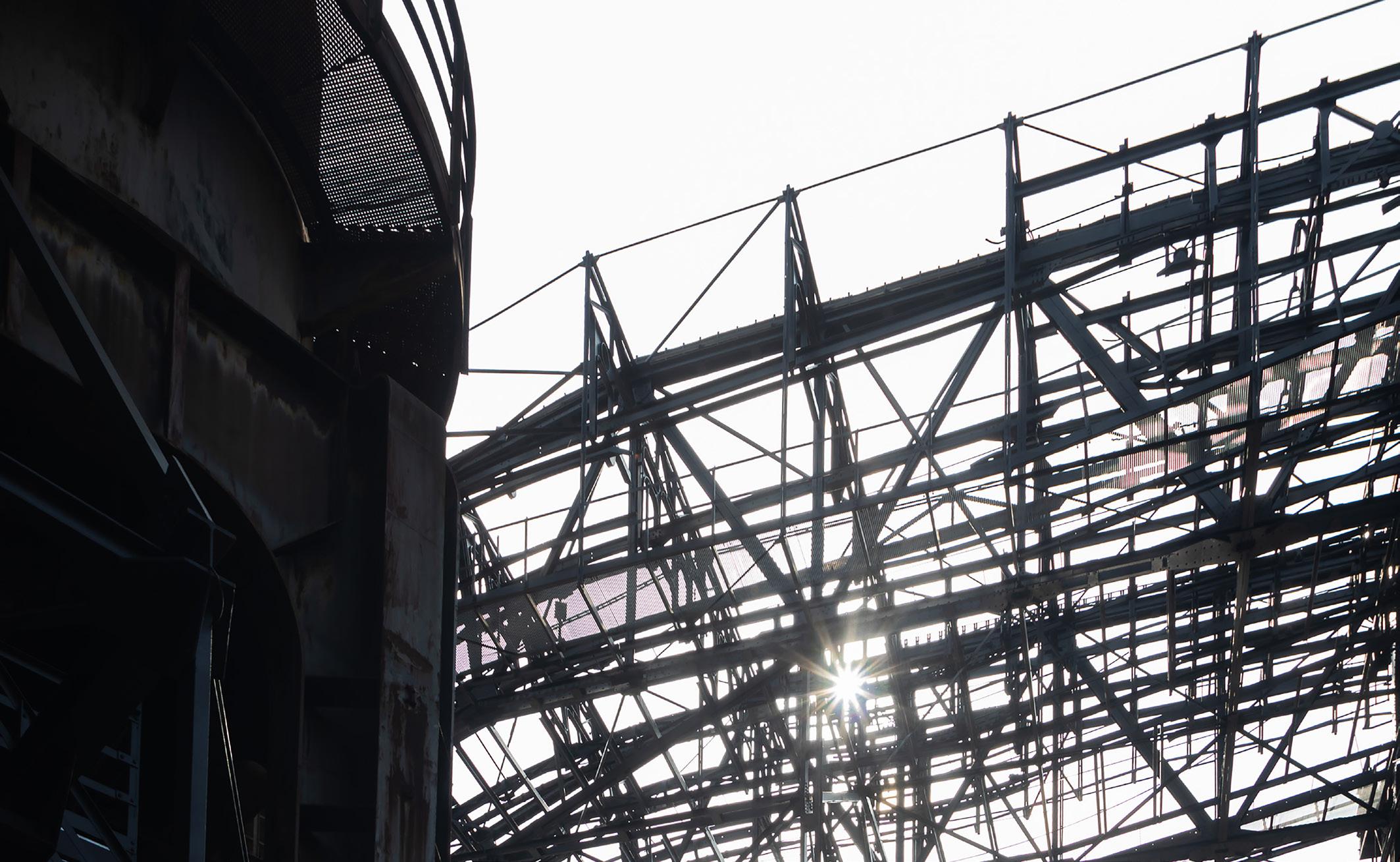
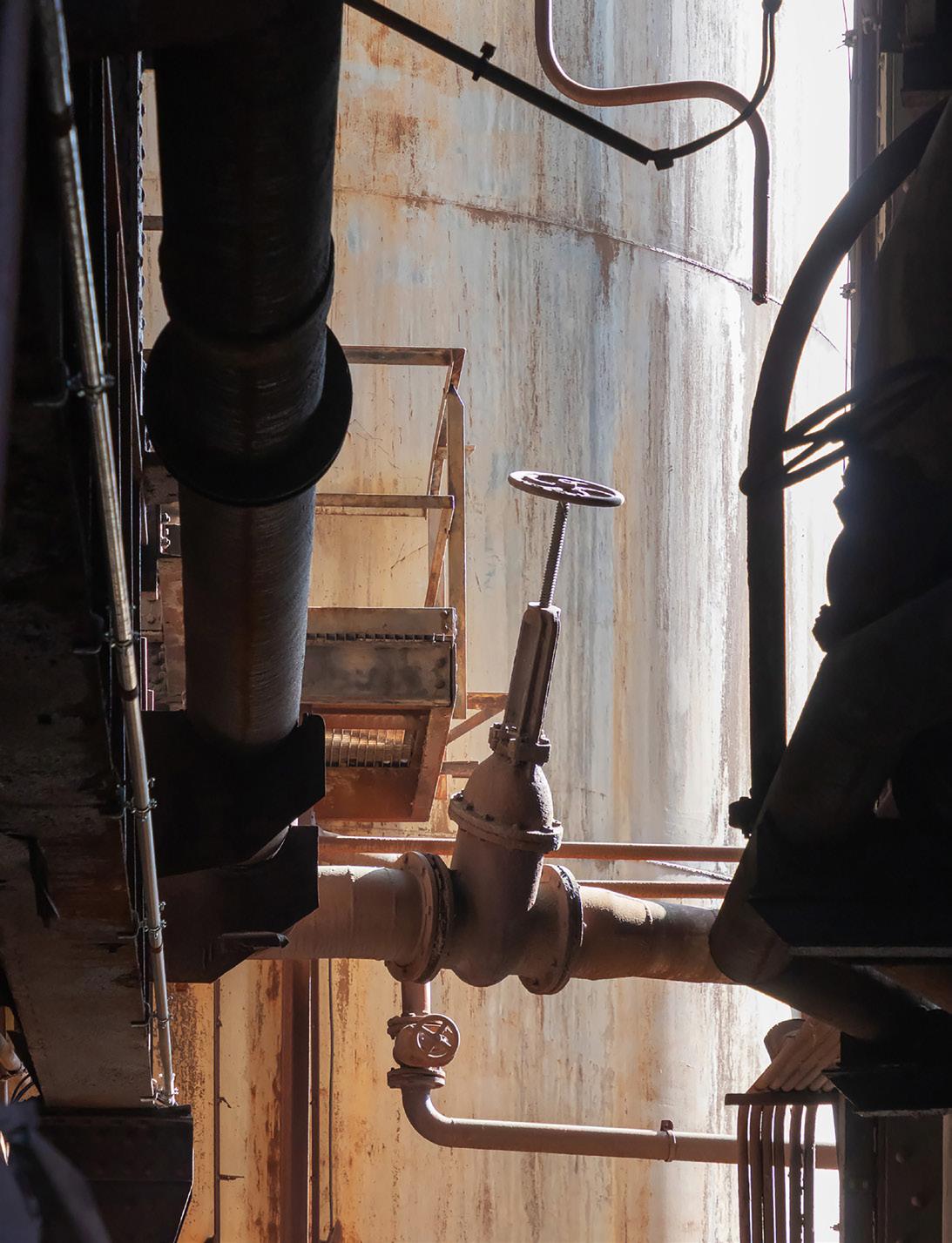
For photographers, it is nothing short of spectacular. Towering blast furnaces, endless pipework, colossal machinery and intricate steel structures create an environment filled with texture, geometry, symmetry and dramatic light. Every staircase, platform and walkway reveals another perspective, making it almost impossible to put the camera away. Five hours on site felt far too short.
My photographic journey began in the Blower Hall, located at the lower end of the complex. From there I slowly worked my way upwards through the steelworks, level by level, eventually reaching the top of the blast furnaces.
Although I spent almost five hours exploring the site, I quickly realised that I had only scratched the surface. Every corner seemed to offer another composition, another detail or another fascinating play of light.
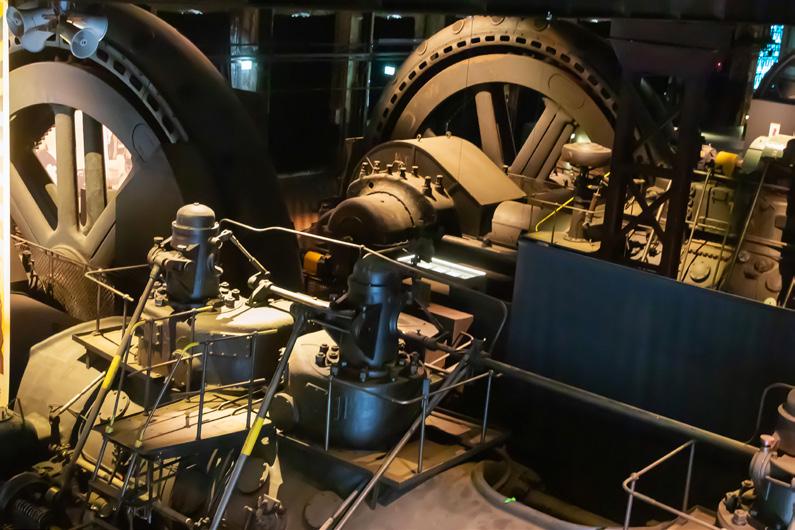
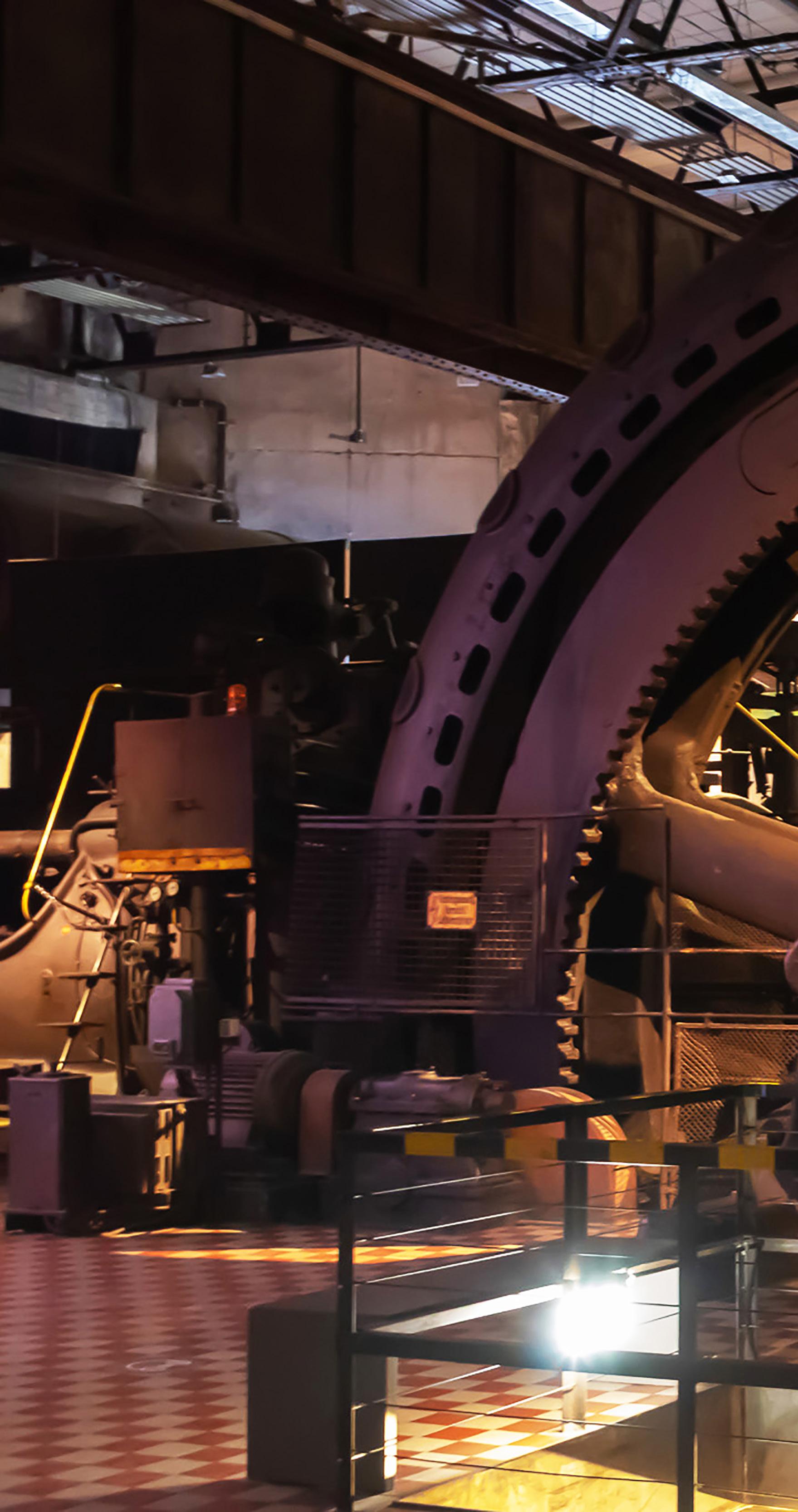
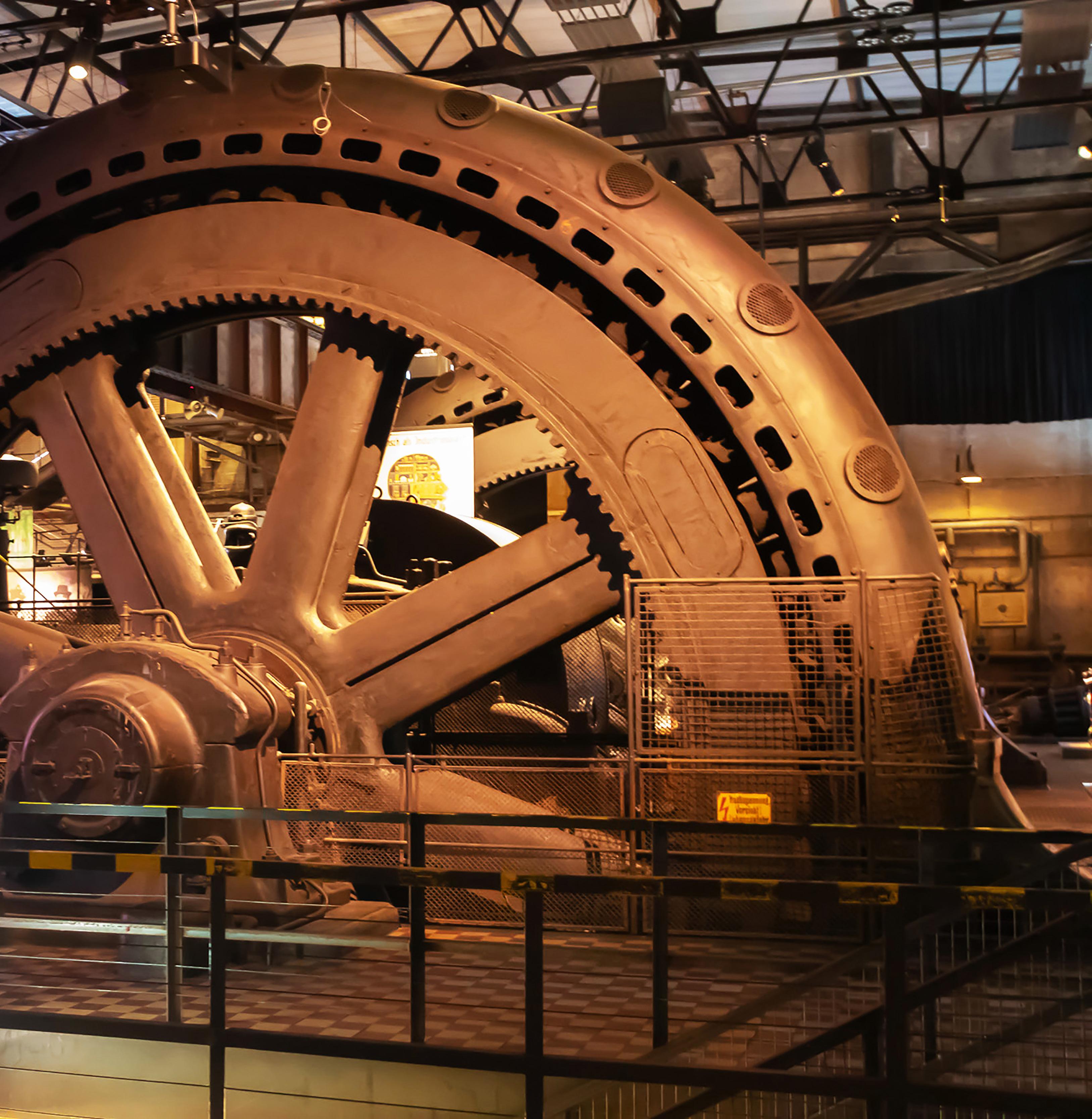
The blower hall itself immediately sets the mood.
Large industrial windows allow only limited daylight to enter the enormous space, leaving much of the machinery emerging from the darkness. Massive flywheels dominate the hall, once providing the air required to keep the blast furnaces operating. Standing beside these gigantic machines gives an immediate impression of the immense scale on which steel was once produced.
Today the silence is almost as striking as the machinery itself
One of the surprises during my visit was discovering how successfully the site combines industrial heritage with contemporary culture.
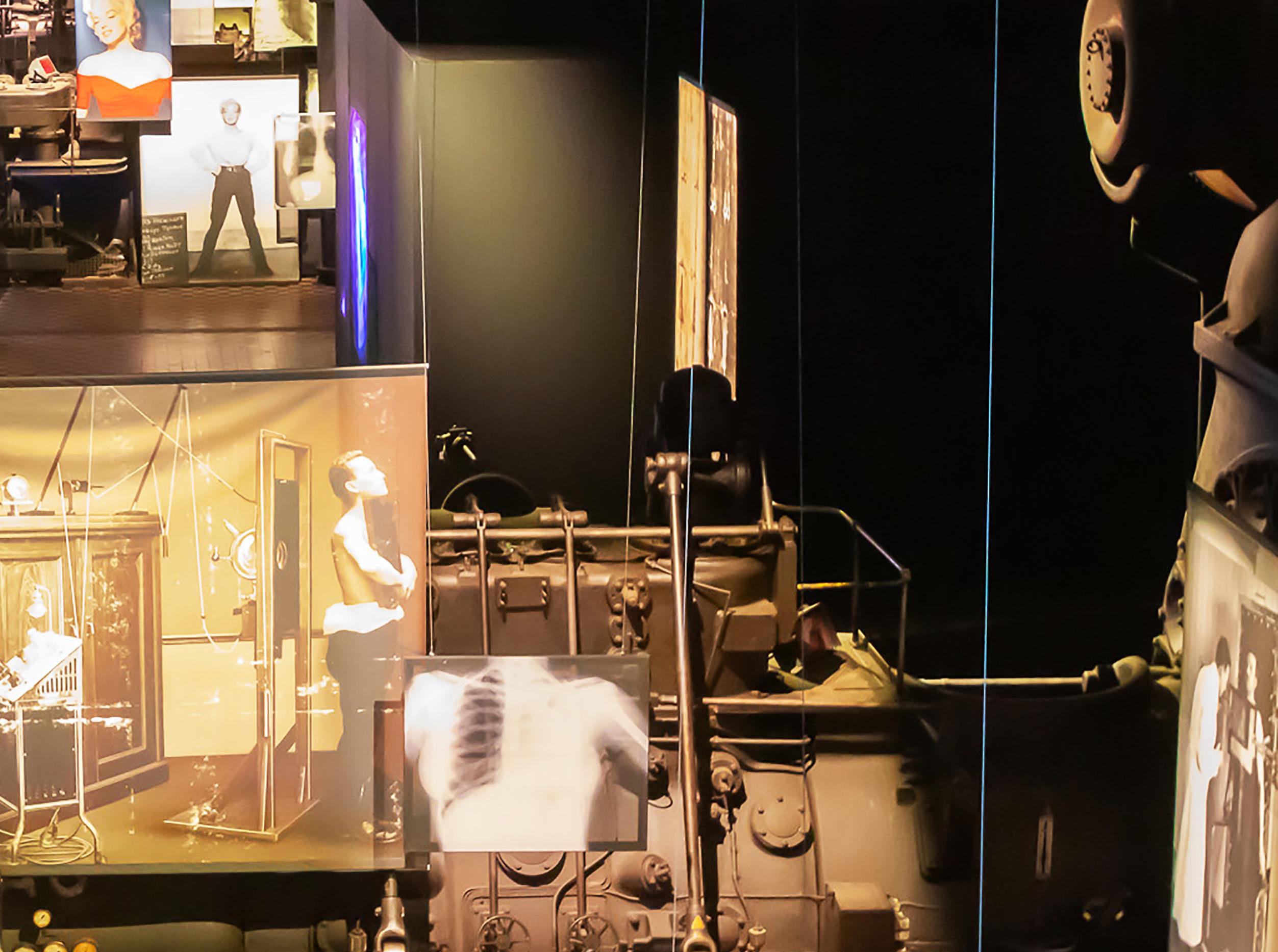
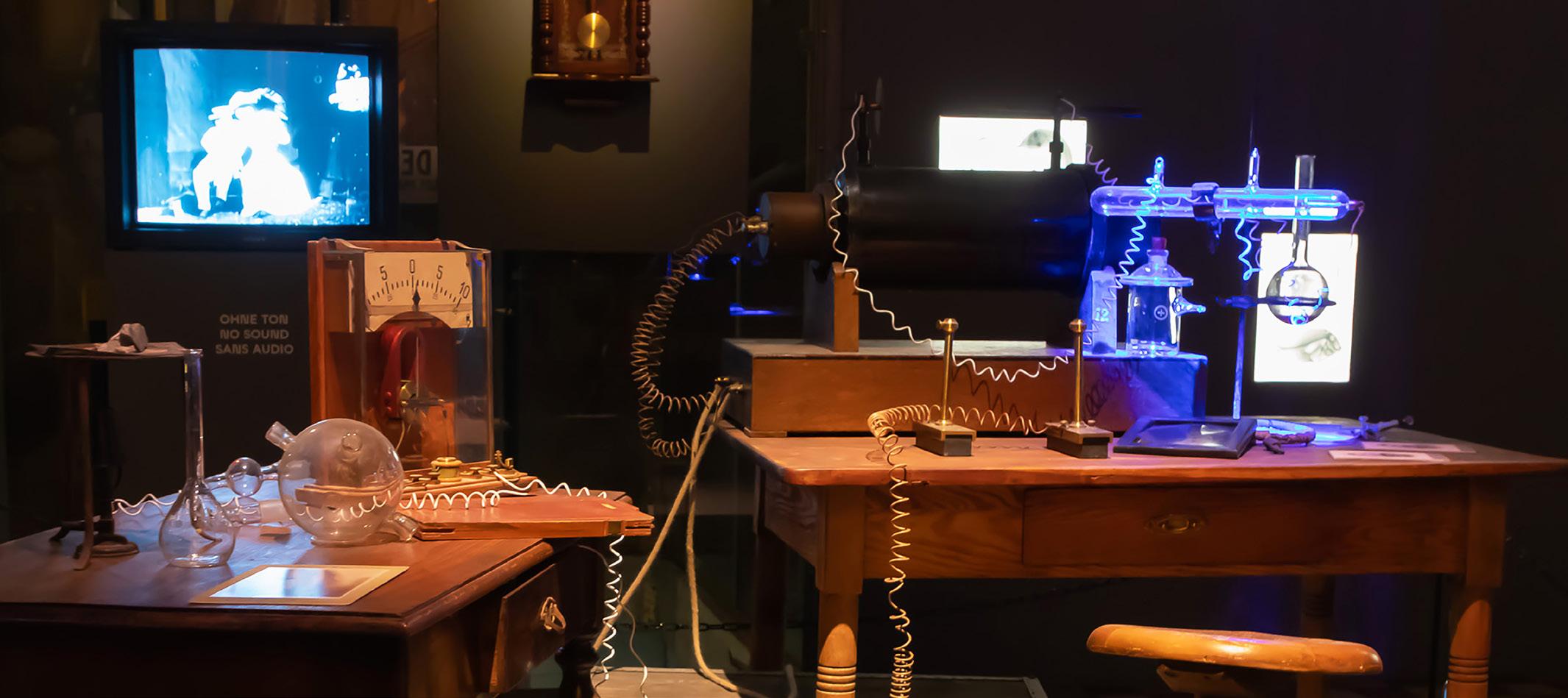
Inside the blower hall I encountered an exhibition illustrating the medical applications of X-ray technology during the early twentieth century, including a reconstruction of Wilhelm Conrad Röntgen’s laboratory desk.
The contrast between scientific history and heavy industry was unexpected but fascinating, reminding visitors that innovation often develops across very different disciplines.
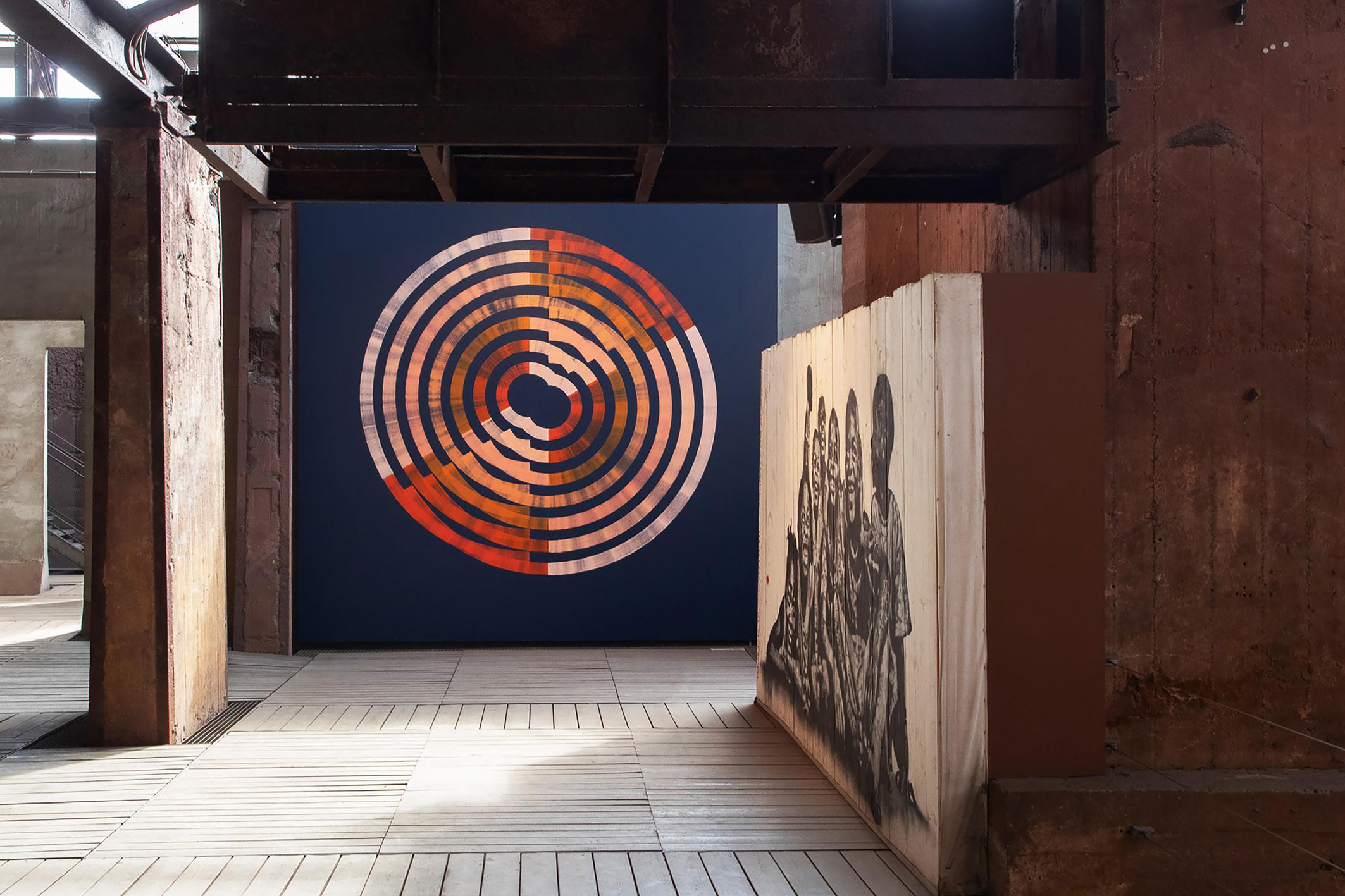
Throughout the complex, contemporary sculptures and artistic installations create additional visual interest, encouraging visitors to slow down and look beyond the obvious industrial structures
To appreciate the scale of the site, it helps to understand how steel was produced.
Blast furnaces required carefully controlled layers of iron ore, coke and limestone. Before reaching the furnace, the ore had to be prepared, coal transformed into coke, and enormous quantities of air heated to temperatures of around 1,100°C.
Moving these materials across such a vast industrial complex demanded an equally impressive transport system.
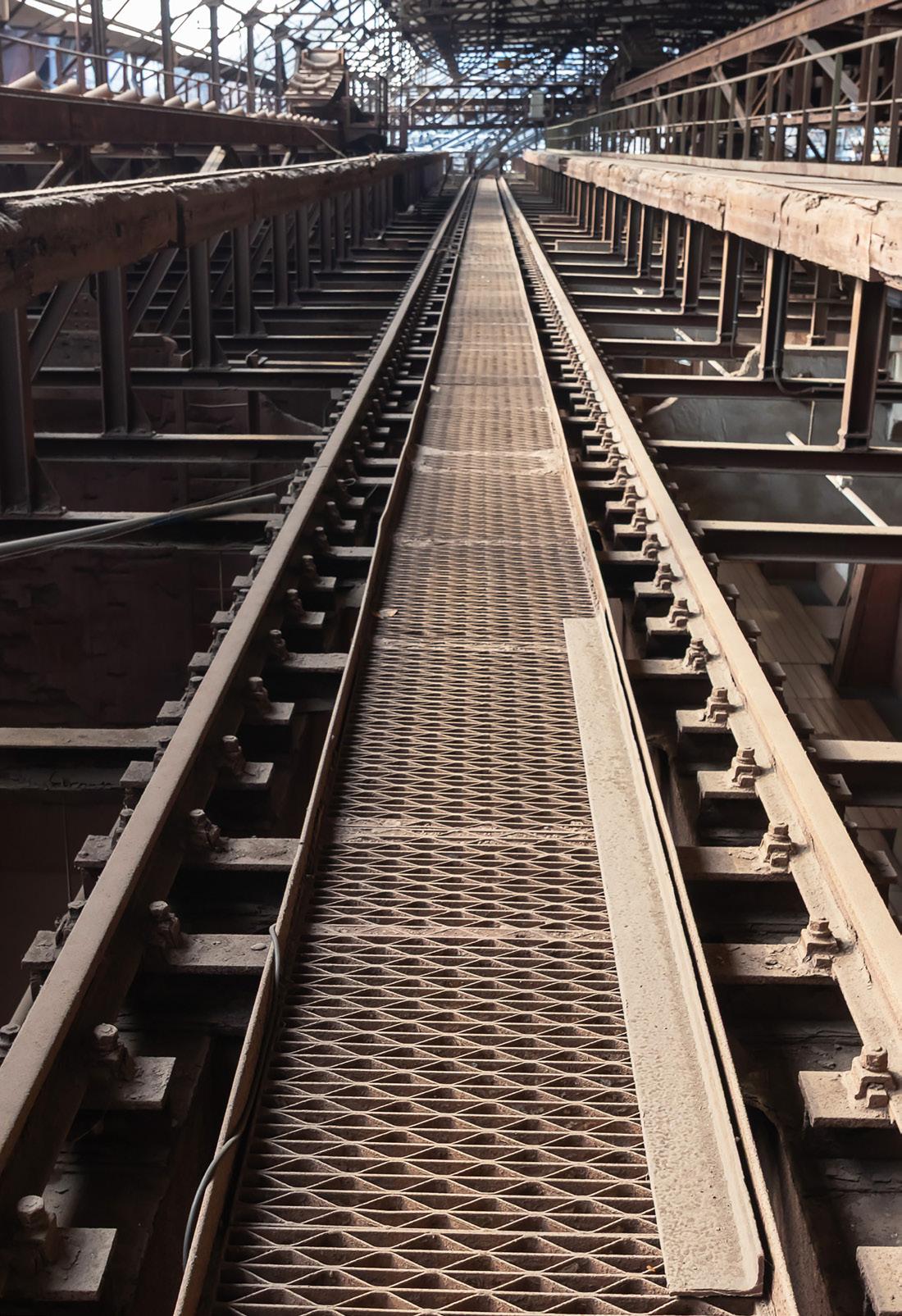
Rail tracks, conveyor bridges, elevated pipelines and towering loading facilities stretch across the site, revealing an engineering achievement that is almost architectural in its complexity.
From almost every viewpoint the eye is drawn towards another network of pipes, bridges or steel frameworks disappearing into the distance.
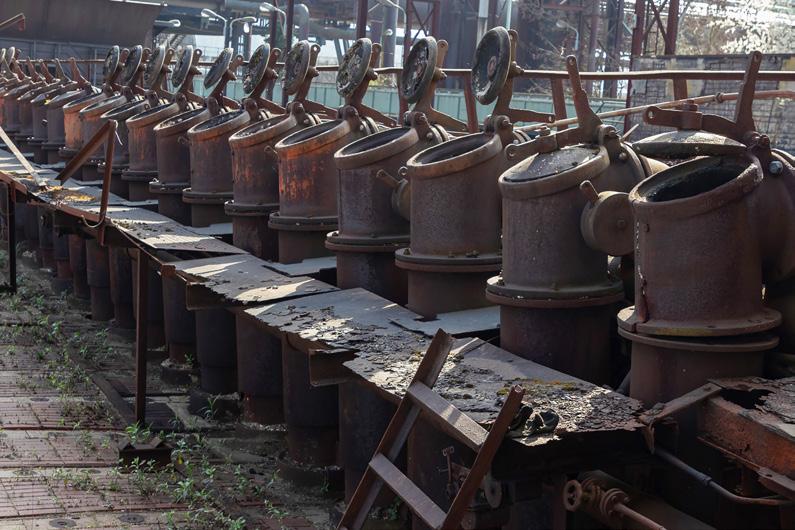
Another highlight of the visit was the coking plant.
Here, crushed coal was heated to temperatures approaching 1,000°C in the absence of oxygen for up to eighteen hours, producing the coke required for blast furnace operations.
Today these enormous ovens stand silent, yet they continue to communicate the extraordinary scale of industrial production.
Looking across the maze of machinery, it is easy to imagine the heat, noise and activity that once defined this place.
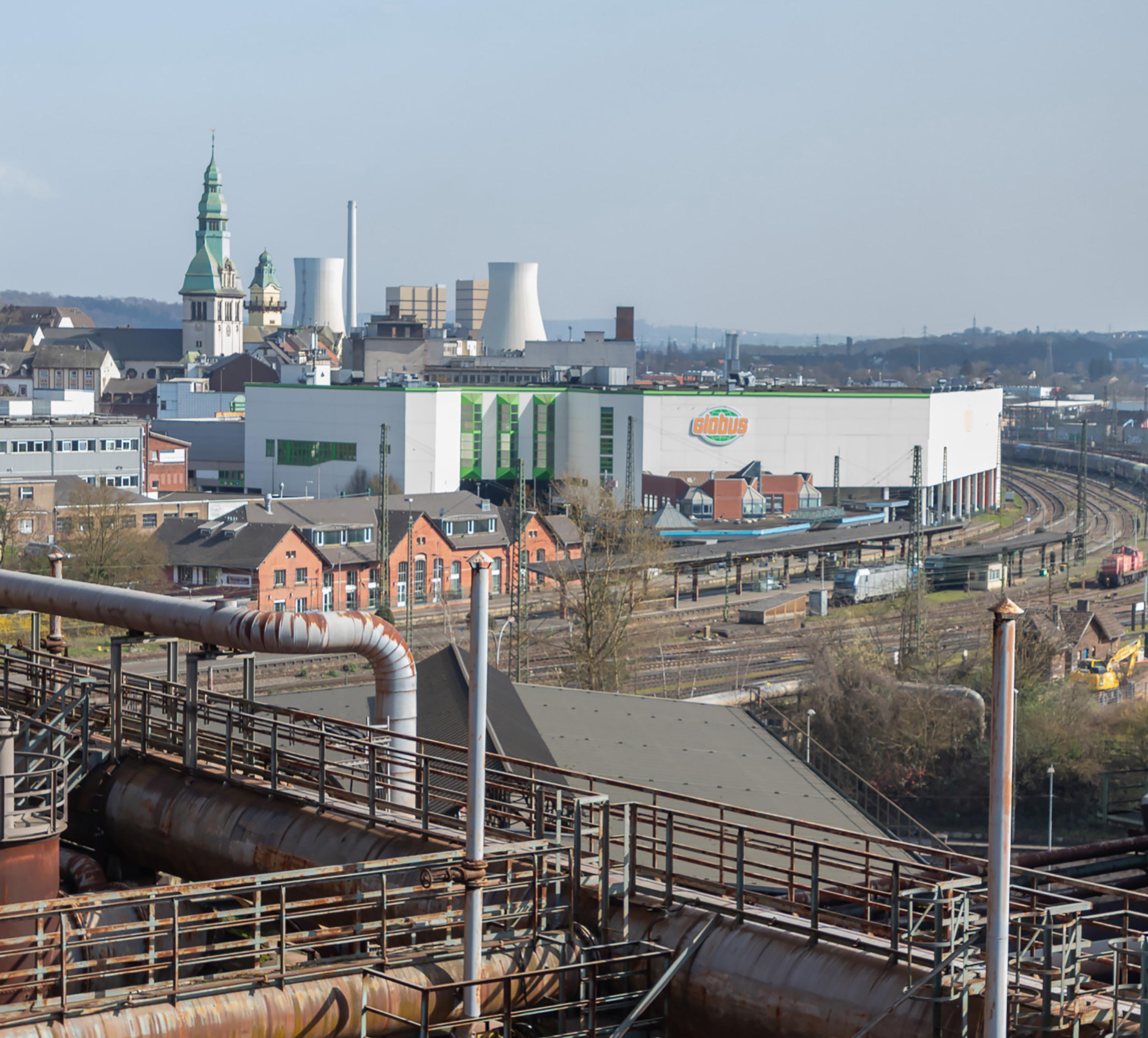
Reaching the upper walkways rewards visitors with spectacular panoramic views.
From the top of the blast furnaces the surrounding town spreads out below, crossed by railway lines that once supplied raw materials and transported finished steel throughout Europe.
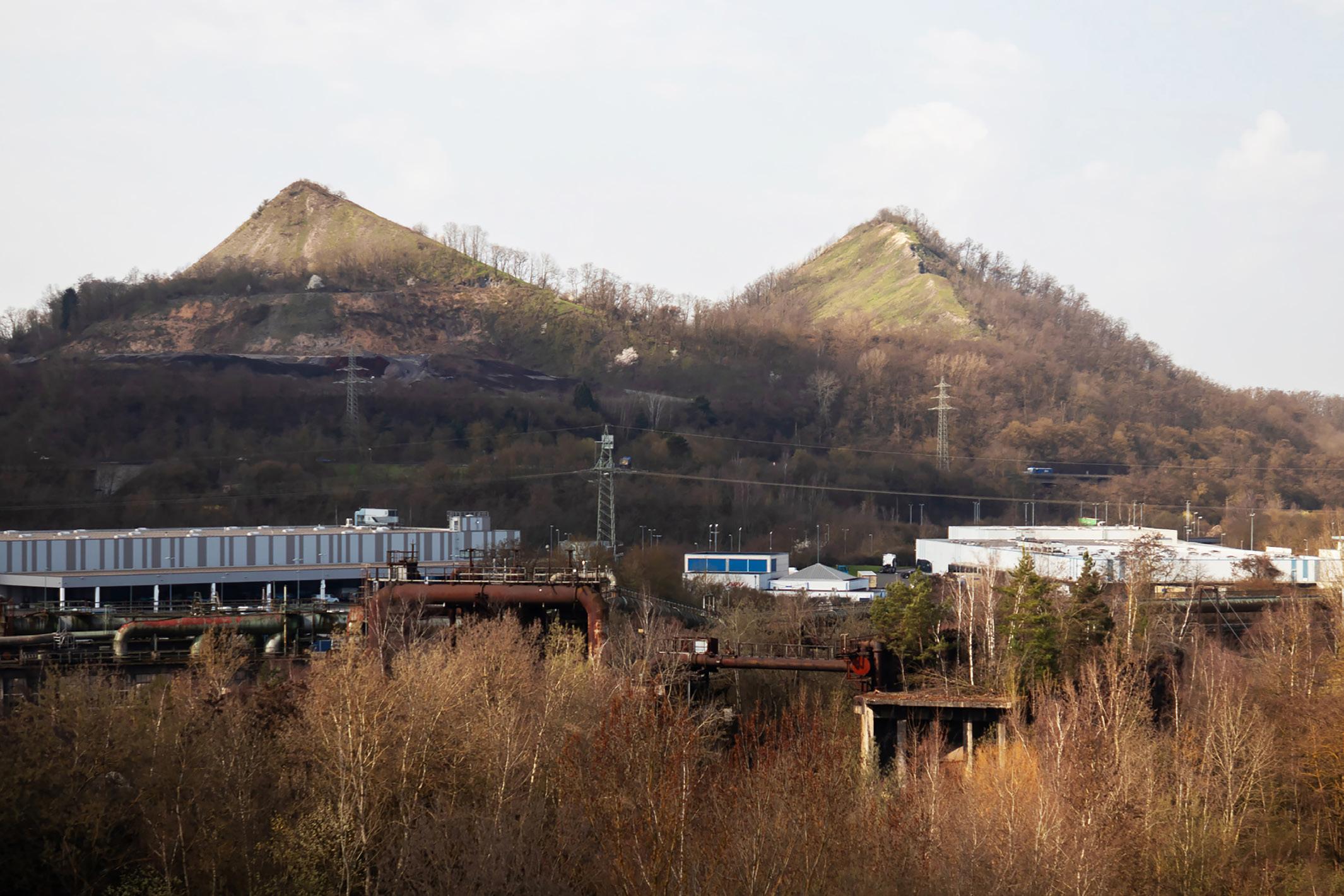
In the distance, the characteristic slag heaps still shape the landscape, quietly reminding visitors of generations of industrial labour.
Seen from above, the steelworks becomes more than a factory,it becomes part of an entire region’s identity.
As I prepared to leave, I found myself reflecting not only on the photographs I had taken but also on the importance of preserving places like this.
The Völklingen Ironworks tells the story of thousands of men and women whose working lives helped shape both the region and modern Europe. Rather than allowing this remarkable industrial monument to disappear, it has been given a new purpose—as a place of learning, culture and creativity.
For photographers, it offers endless opportunities to explore form, light and texture.
For visitors, it provides a powerful reminder of the ingenuity, ambition and determination that defined the industrial age.
And for anyone with a camera, one thing quickly becomes clear:
Every quarter brings a new selection of members’ finest images, submitted to inspire, provoke thought, and fuel creative exchange.
2nd
quarter 2026
Photography is much more than the act of recording a moment. It is a way of observing, interpreting and sharing the world through a personal visual language. Every photograph reflects a series of deliberate choices—from the selection of light and perspective to composition, timing and subject. Together, these decisions transform ordinary scenes into images that invite us to pause, explore and connect.
The Members’ Photo Work collection for the second quarter of 2026 once again demonstrates the remarkable diversity of photographic interests within the RPS Germany Chapter. This edition brings together work from twelve photographers, each contributing a unique perspective while showcasing a wide spectrum of photographic genres and creative approaches.
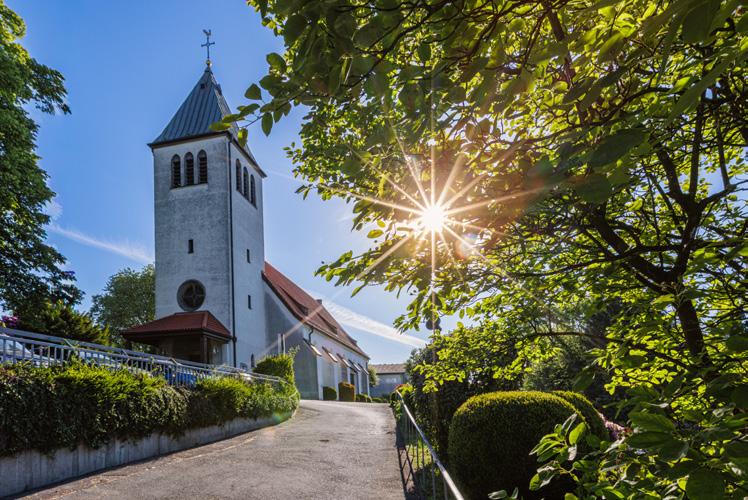
The collection takes us from quiet natural landscapes and intimate wildlife encounters to striking architectural studies, expressive reflections, elegant monochrome compositions and vibrant street scenes.
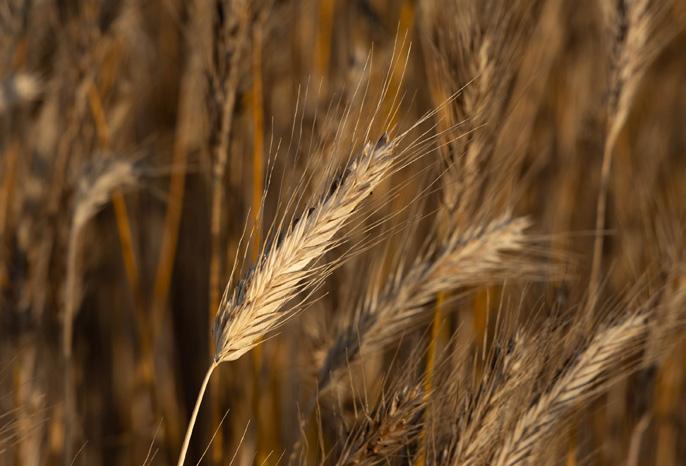
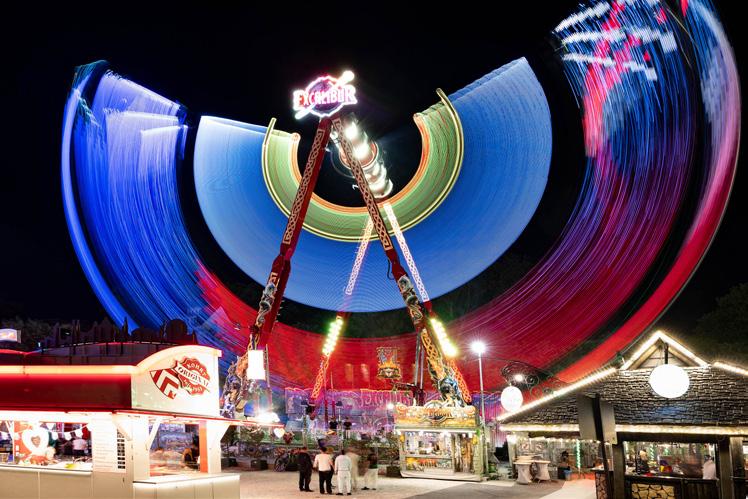
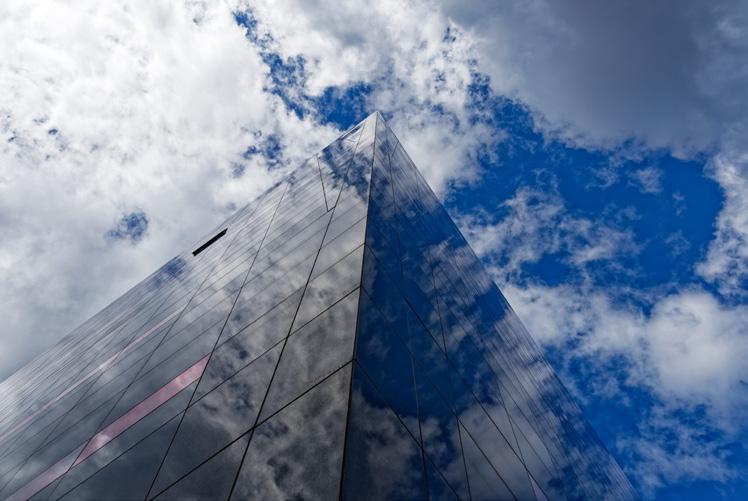
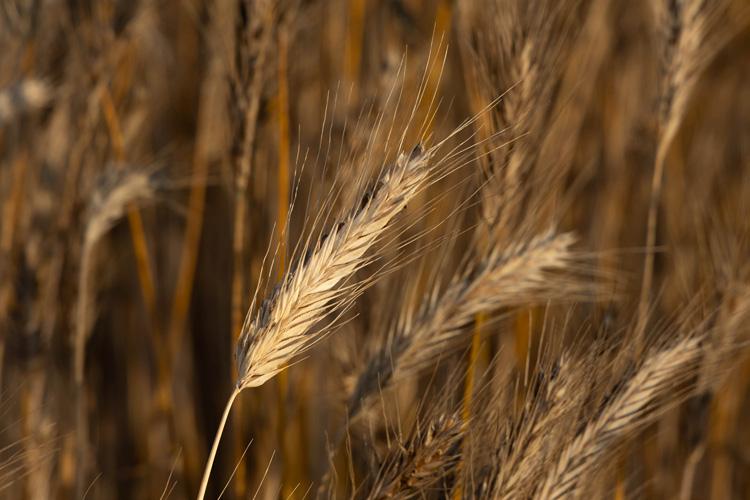
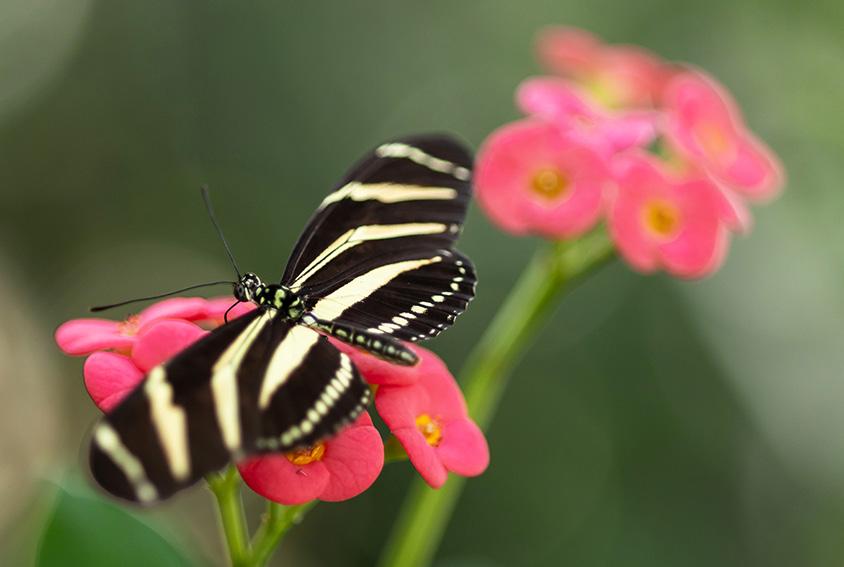
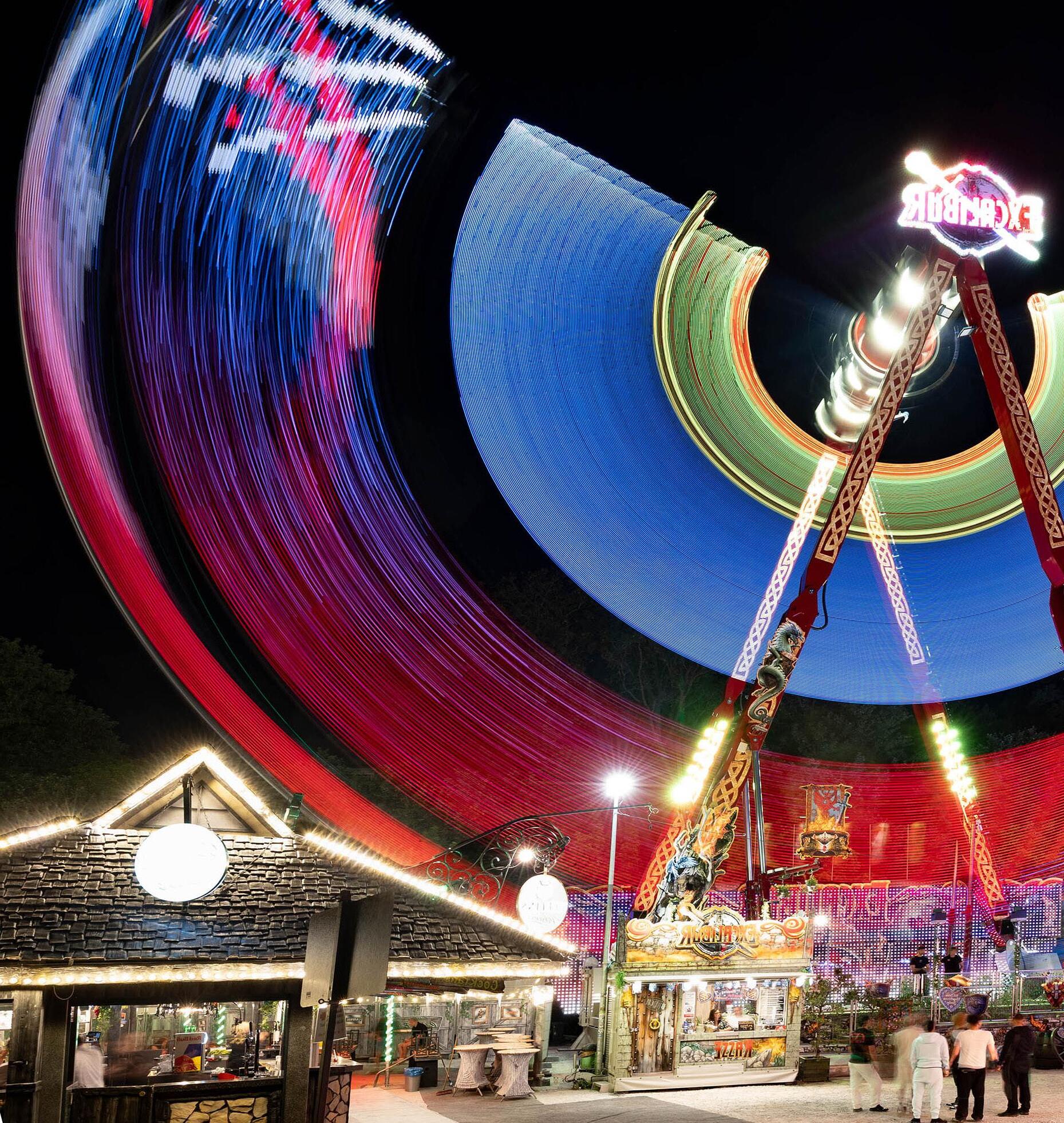
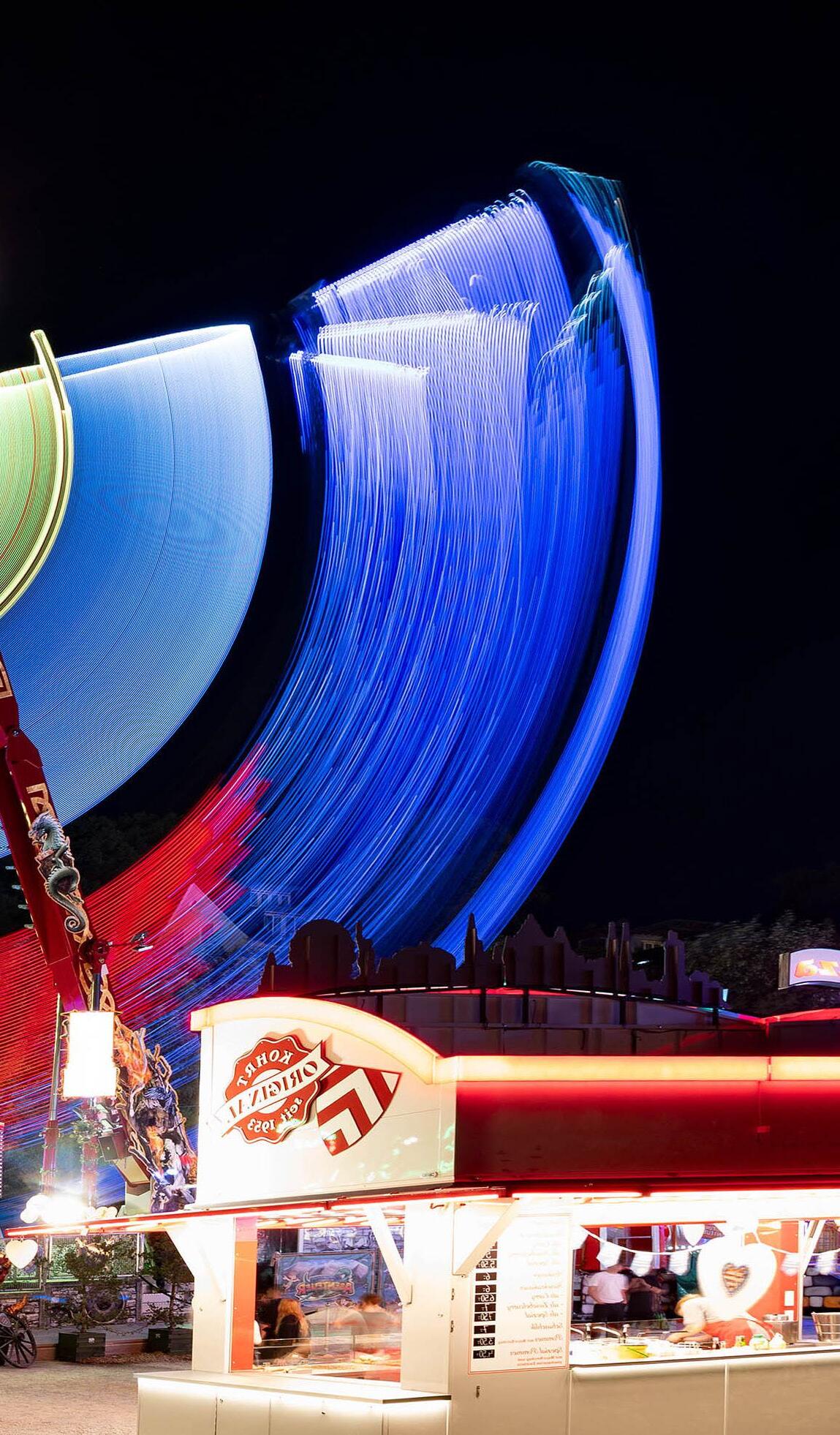
Delicate details of butterflies, ripening grain and woodland wildlife remind us of the beauty found in nature, while architectural photographs celebrate geometry, symmetry and the interaction between light, glass and stone. Elsewhere, colourful long-exposure images capture the excitement of a travelling fair, and thoughtful documentary-style street photographs reveal everyday moments that might otherwise pass unnoticed.
What makes this collection particularly engaging is not simply the variety of subjects, but the individuality behind every image. Some photographers rely on simplicity and minimal composition, others embrace vivid colour, dramatic weather or strong graphic lines. Some images tell quiet, contemplative stories, while others communicate movement, energy and spontaneity.
Together they illustrate that successful photography cannot be measured by genre alone, but by its ability to evoke emotion, spark curiosity and encourage the viewer to linger a little longer.
Projects such as Members’ Photo Work remain one of the greatest strengths of our Chapter. They provide every member—regardless of experience or preferred style—with an opportunity to share their work, exchange ideas and inspire fellow photographers.
Every submission enriches our community and demonstrates how differently we each interpret the world through the lens.
As you explore the following pages, we invite you to look beyond the obvious. Notice the subtle details, appreciate the diversity of techniques and discover the individual vision behind every photograph.
Perhaps these images will not only inspire admiration for the photographers’ creativity, but also encourage you to embark on your own photographic journey and contribute to a future edition of Members’ Photo Work.
WALTER SCHMITT
Photographer
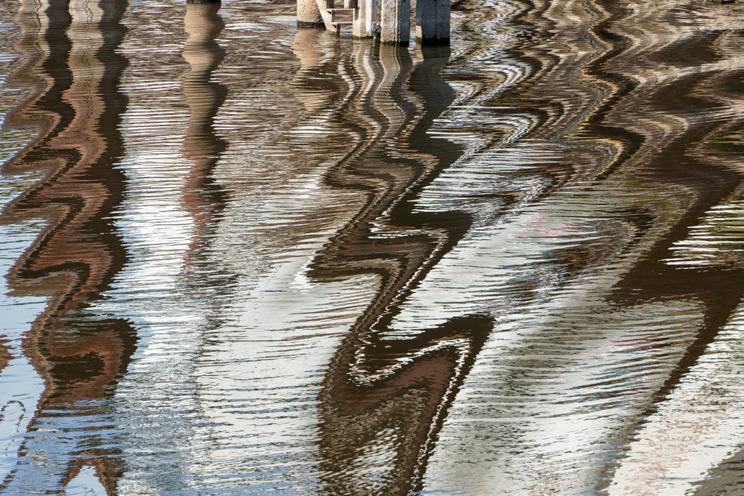
Image title: In the Harbour
Image subject: Landscape Photography
Country: Hamburg, Germany 2nd Quarter
Image title:
Image subject: Nature Photography
Country:
Fröndenberg, North Rhine Westfalia, Germany
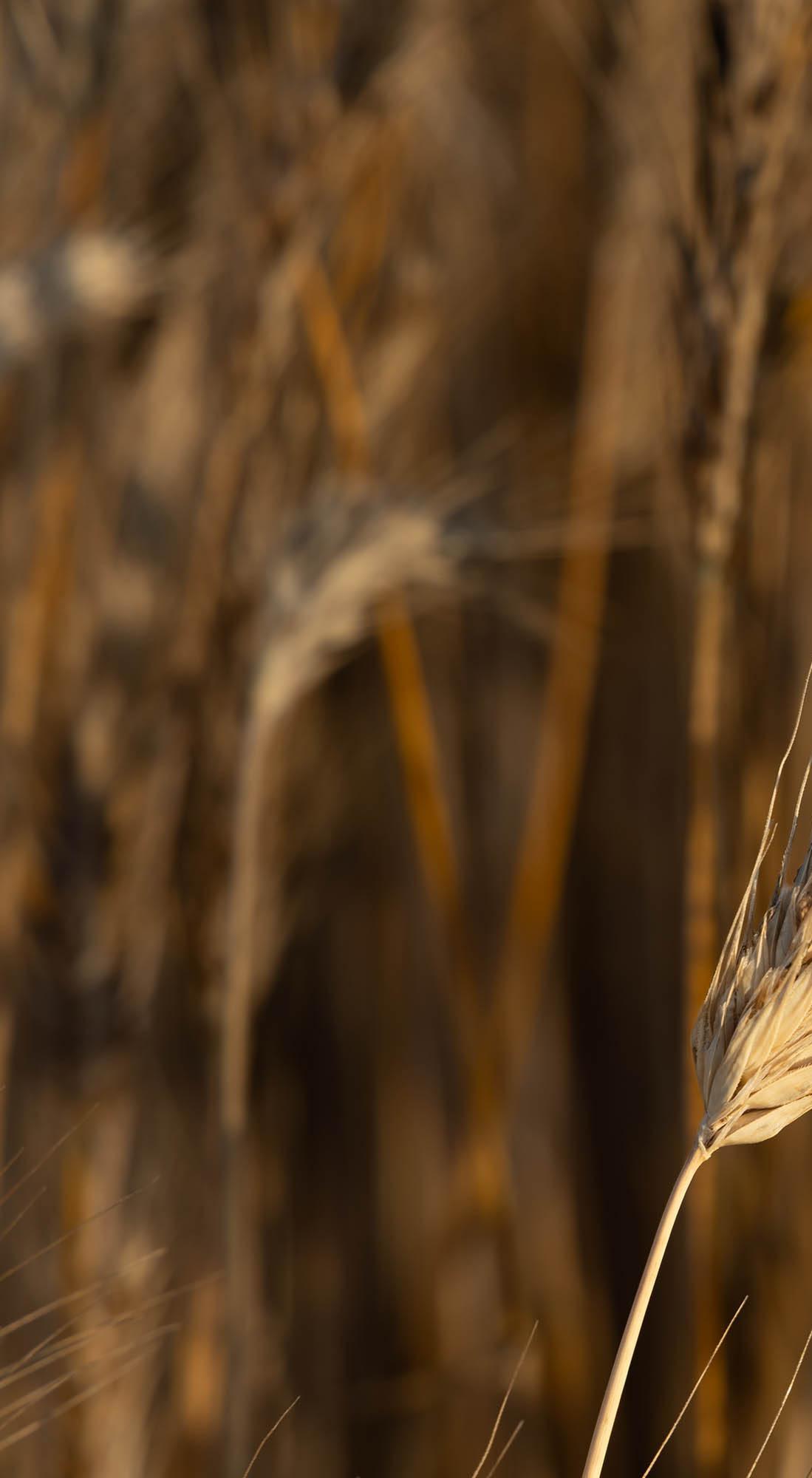
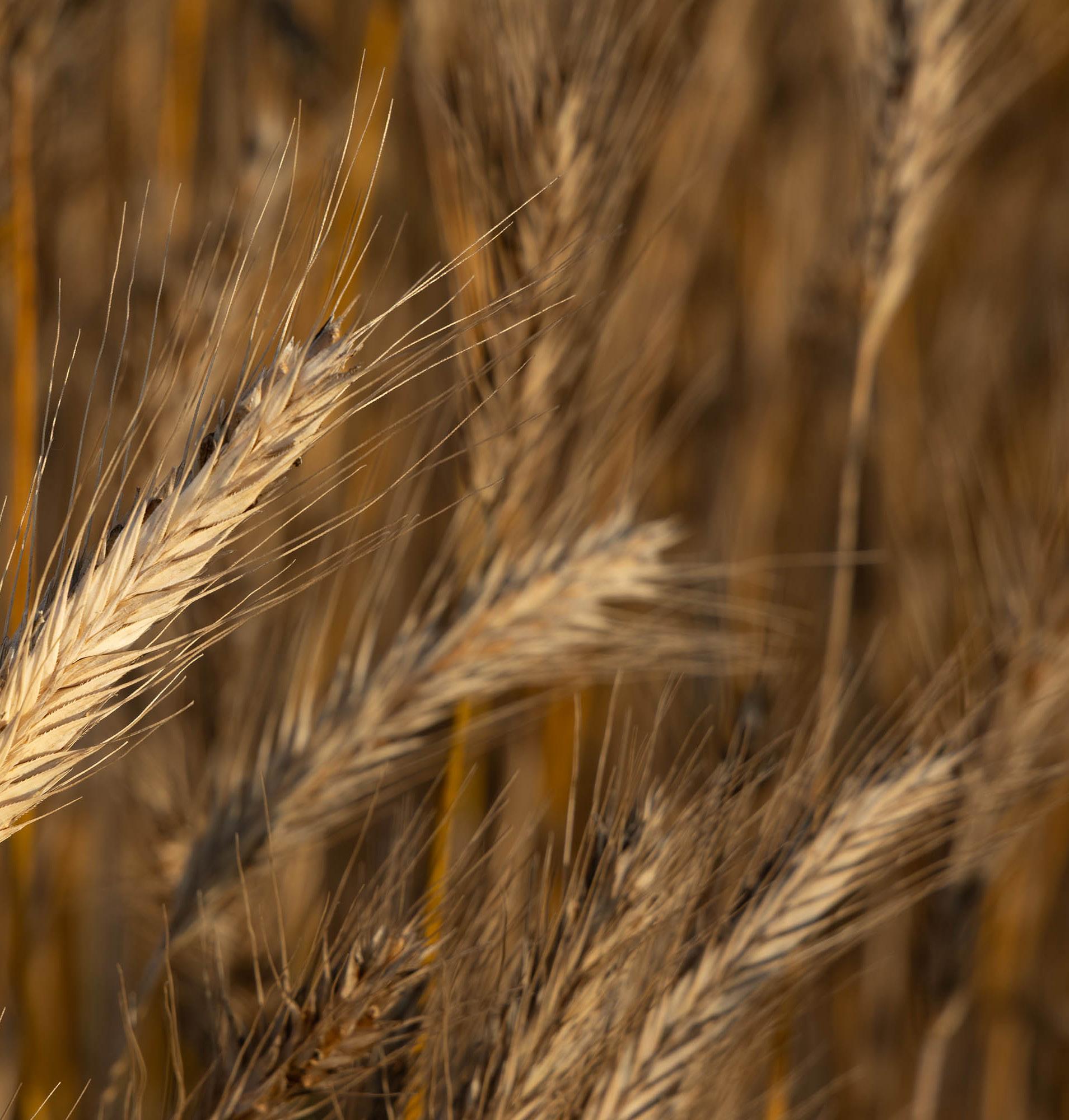
Rye - Before the Harvest
UTE GERLING
Photographer
KLAUS H. PETERS
Photographer
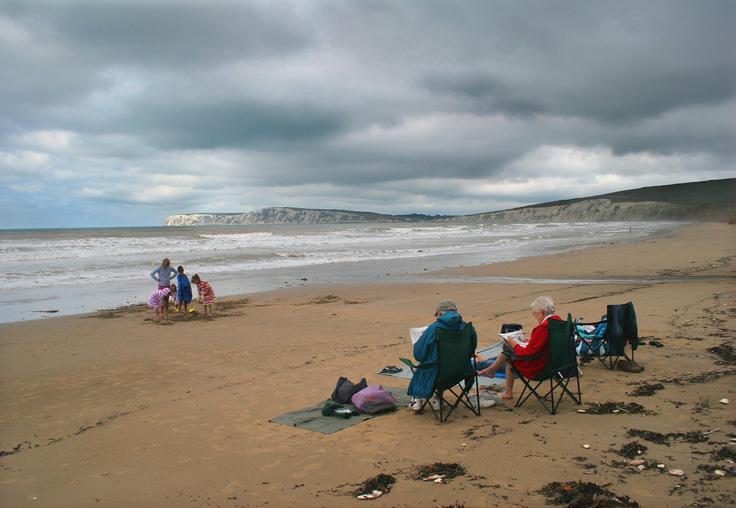
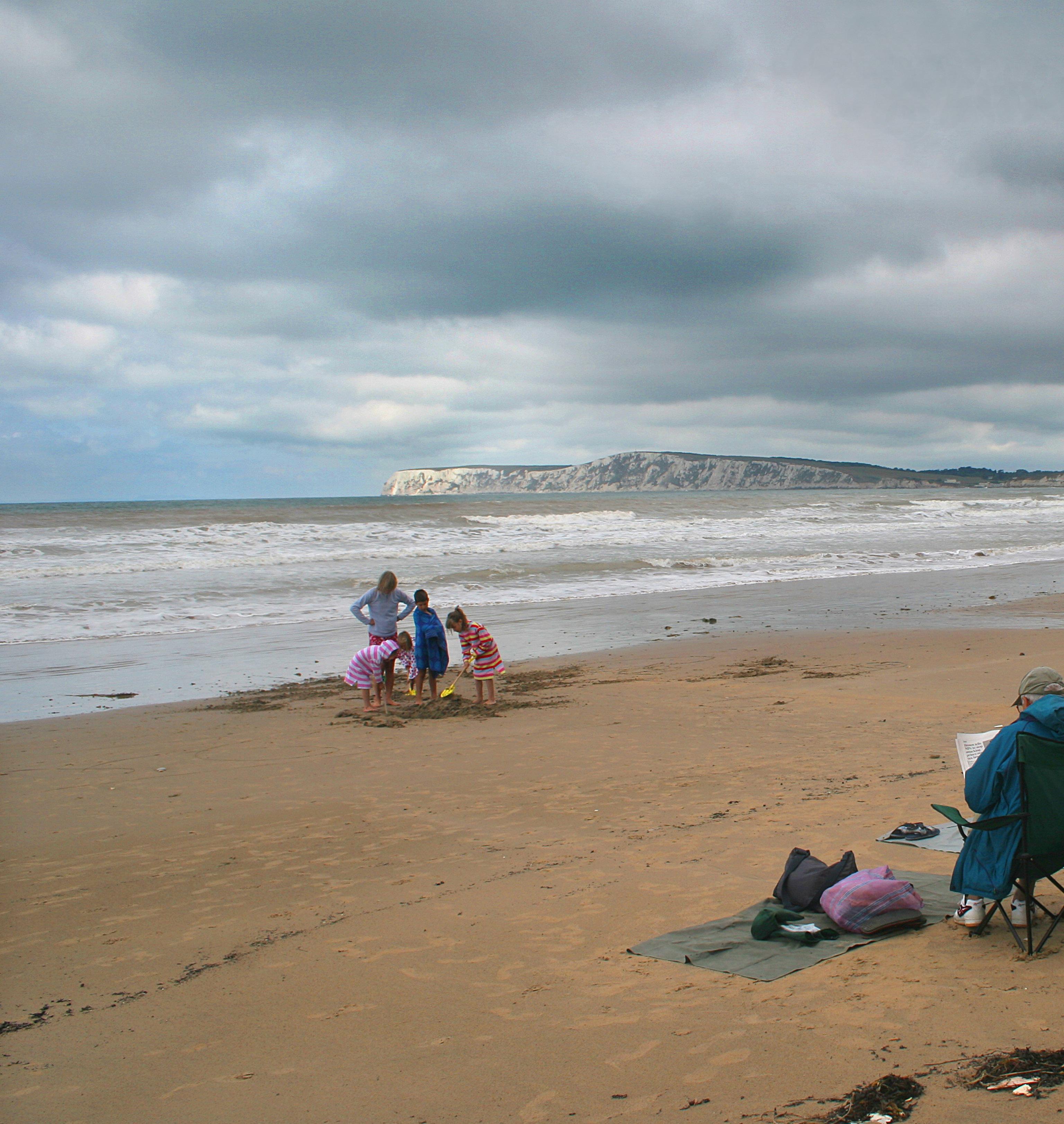
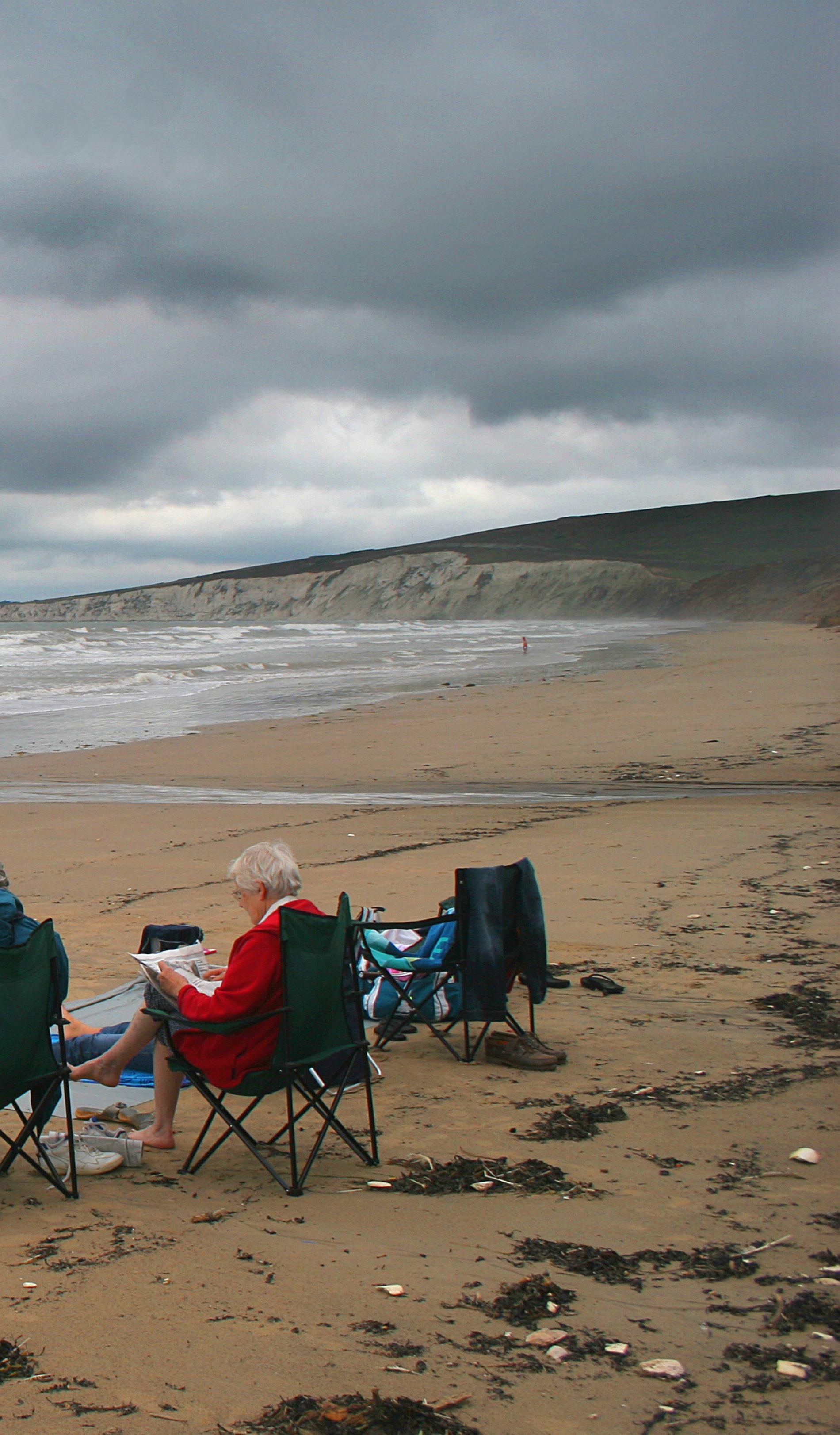
Image title: Beach Life
Image subject: Landscape Photography
Country: Isle of Wight, United Kingdom
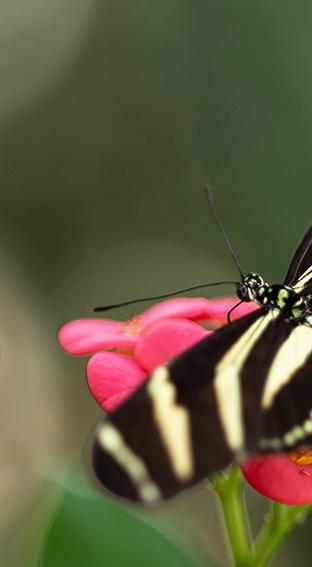
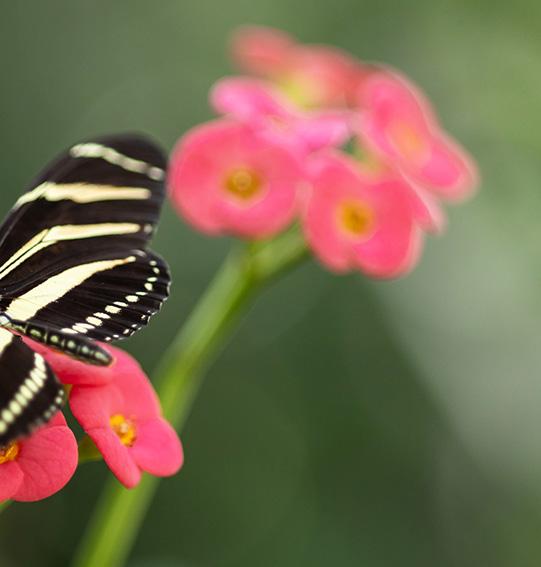
Image title:
Image subject: Nature Photography
Country: Palmengarten, Frankfurt, Germany
Dance of Colors
ROBERT DRISCOLL
Photographer
CHRIS RENK
Photographer
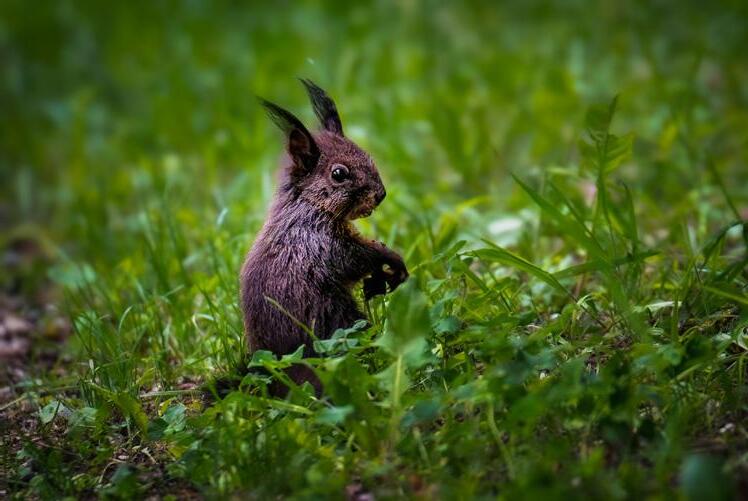
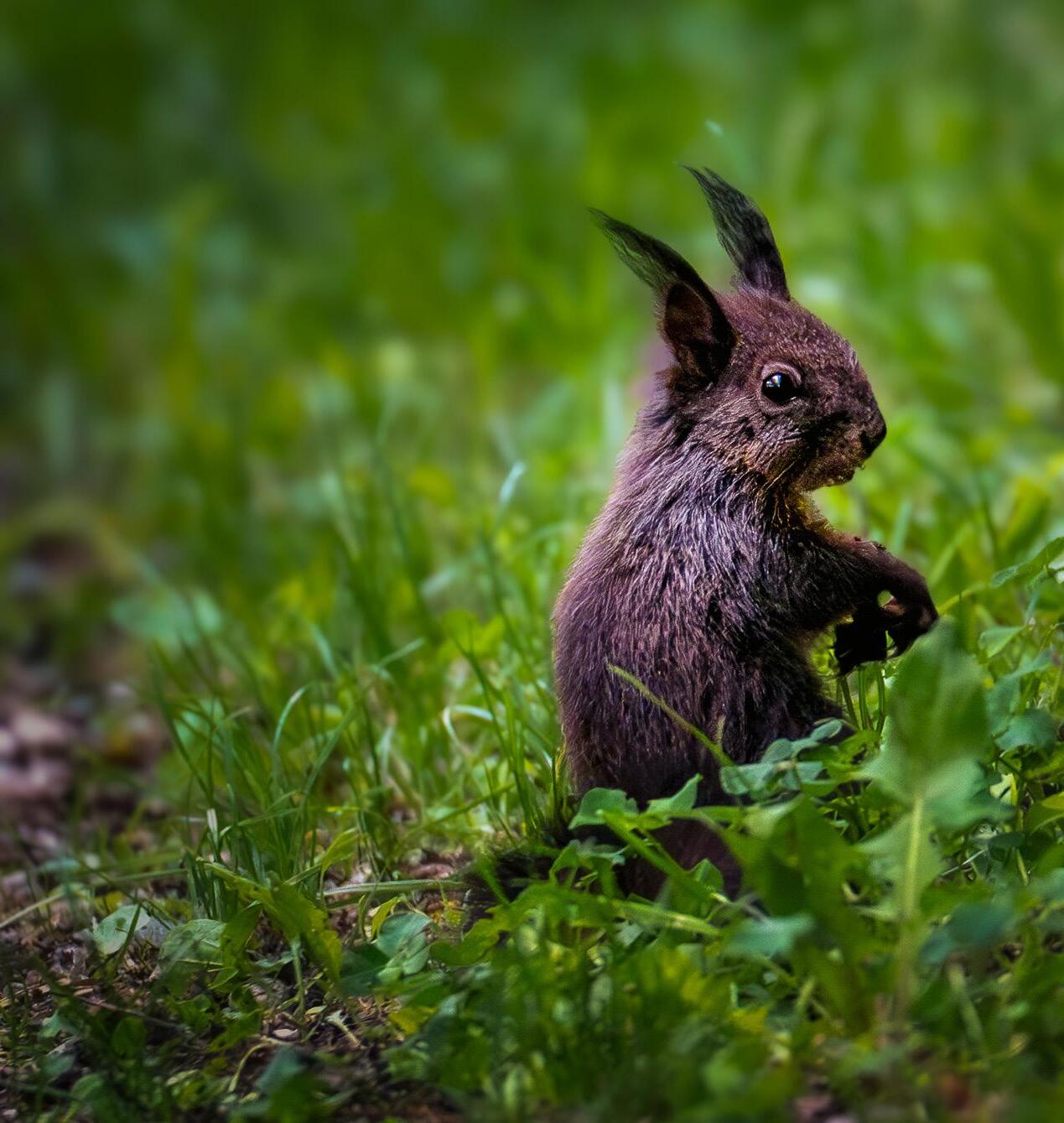
Image title: Sciurus vulgaris
Image subject: Wildlife Photography
Country: Garching bei München, Bavaria, Germany 2nd Quarter 2026
Image title: A new light within
Image subject:
Landscape Photography
Country:
Fröndenberg - Warmen, Germany
MICHAEL TOBIAS
Photographer
MARTIN GERLING
Photographer
Image title: Reaching for the Sky - Pentecost Fair
Image subject: Night Photography
Country: Menden, North Rhine Westfalia, Germany
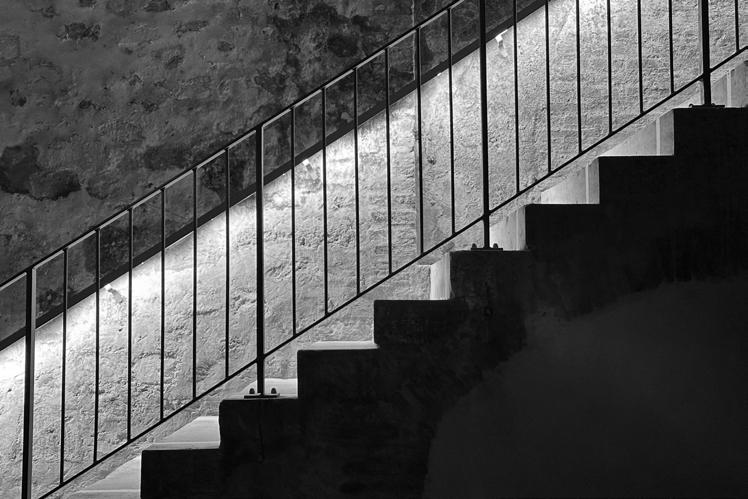
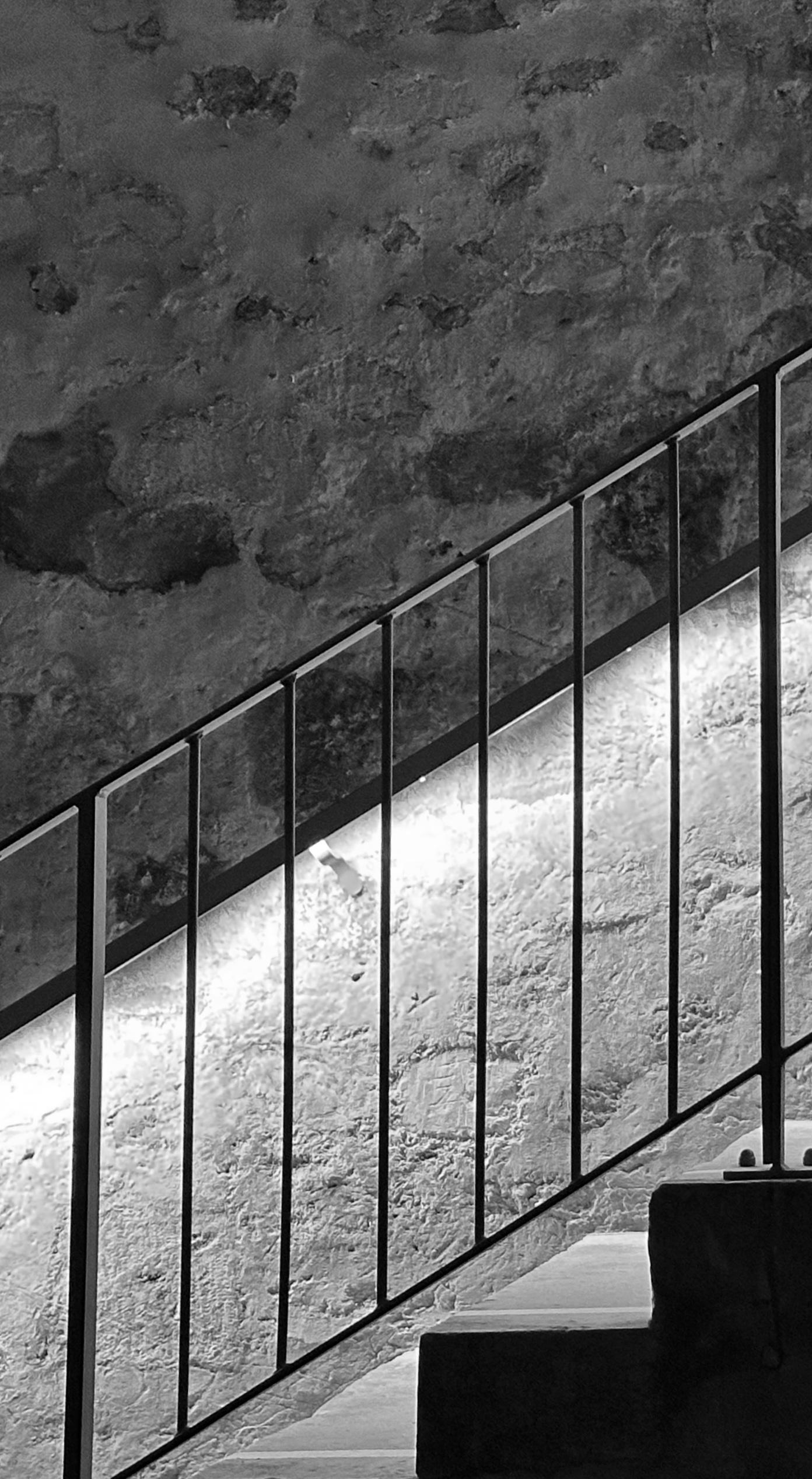
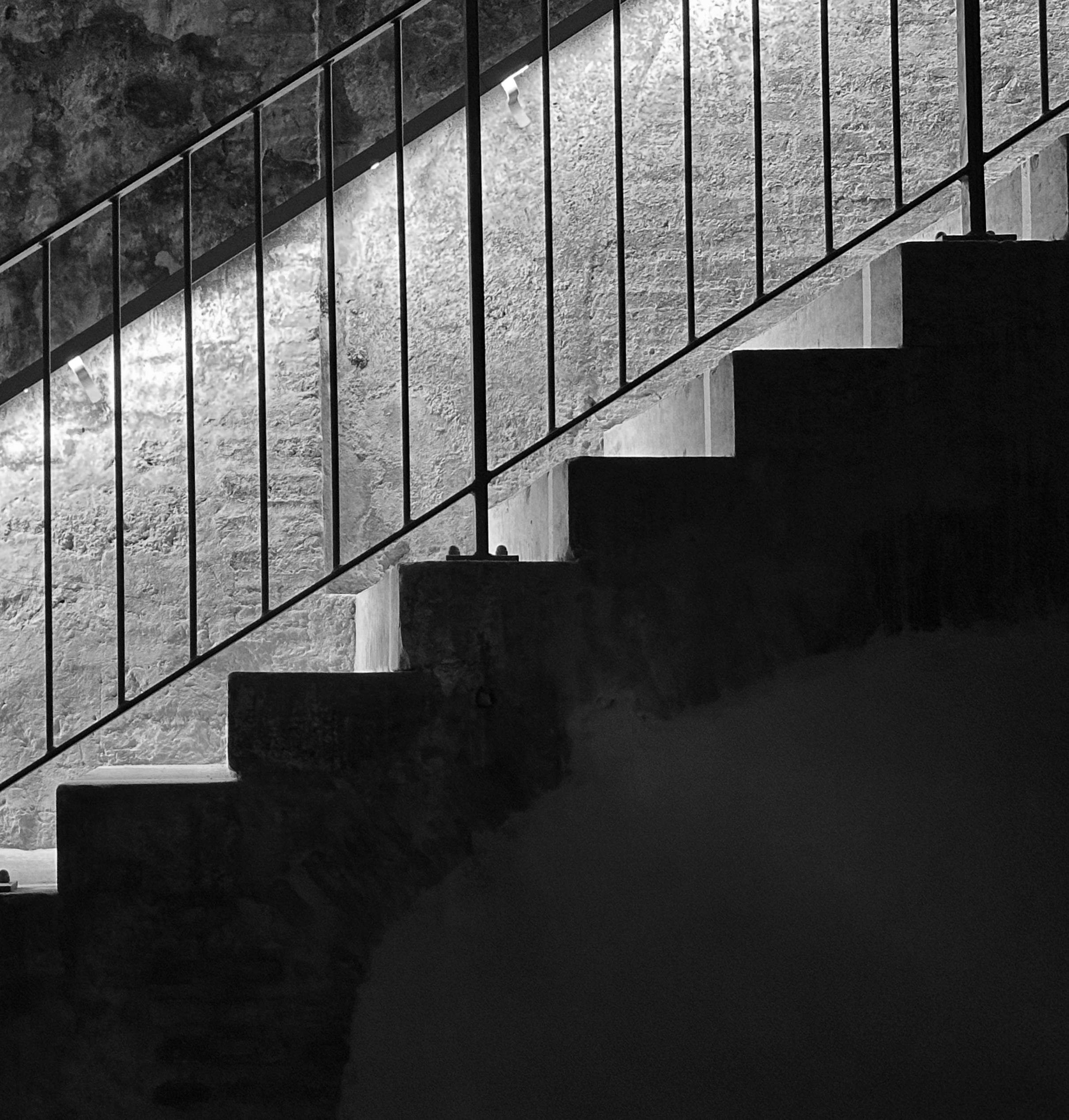
Image title: Stairs to the champagne cellar
Image subject: Street Photography
Country: Reims, France
EBERHARD POTEMPA
Photographer
UWE JÜRGENSEN
Photographer
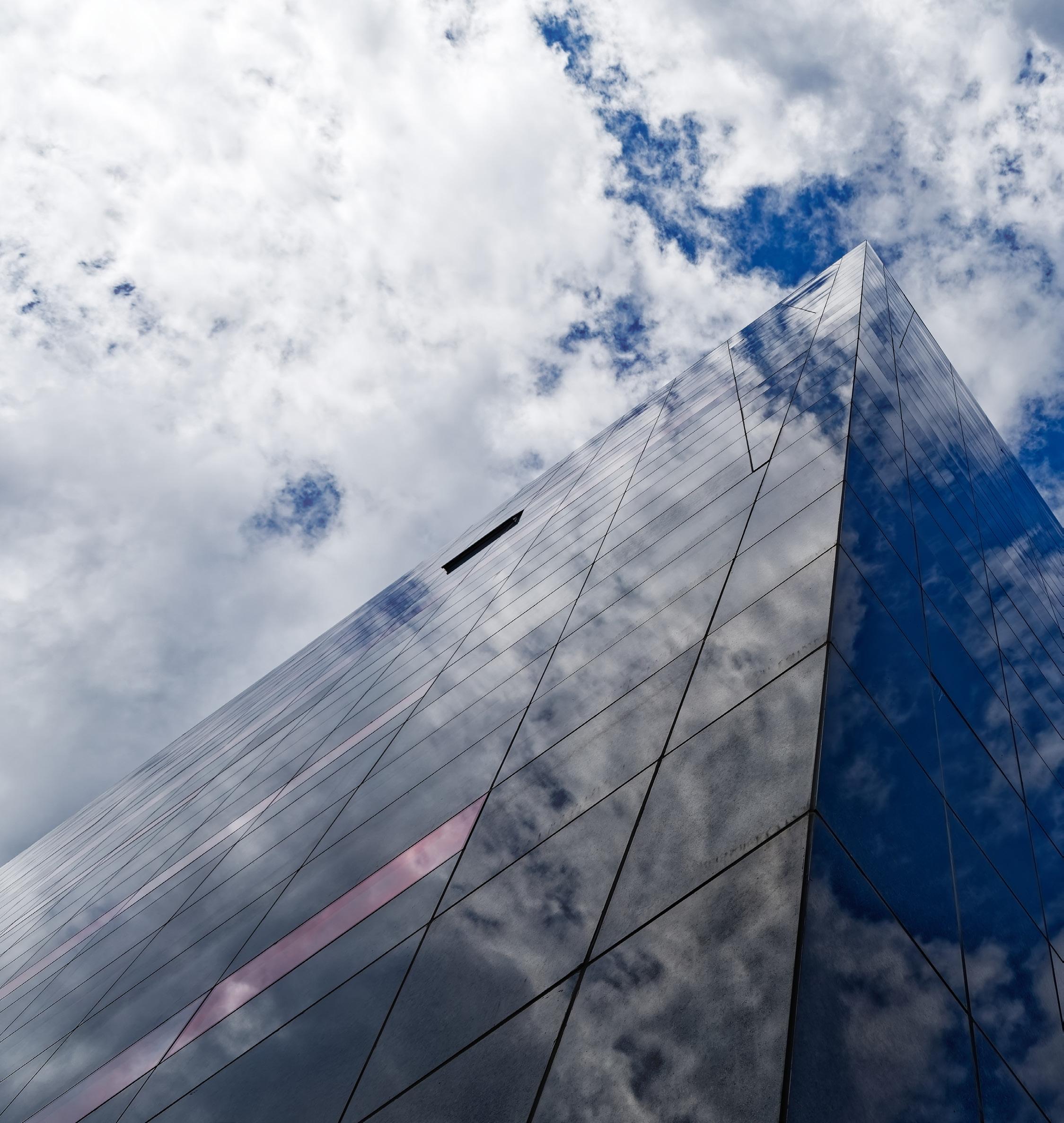
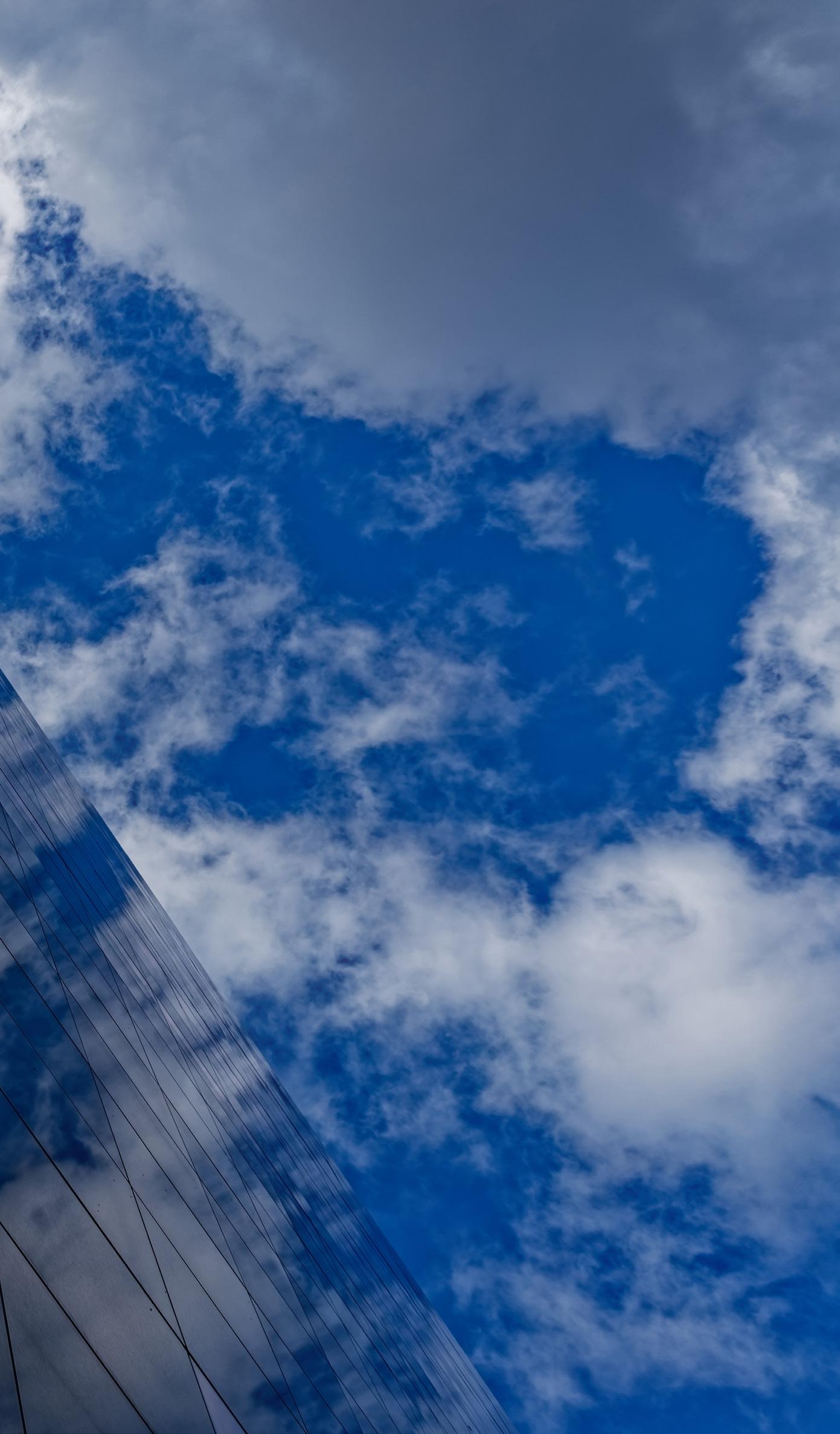
Image title: The Black Diamond, Royal Danish Library
Image subject: Architecture Photography
Country: Copenhagen, Denmark
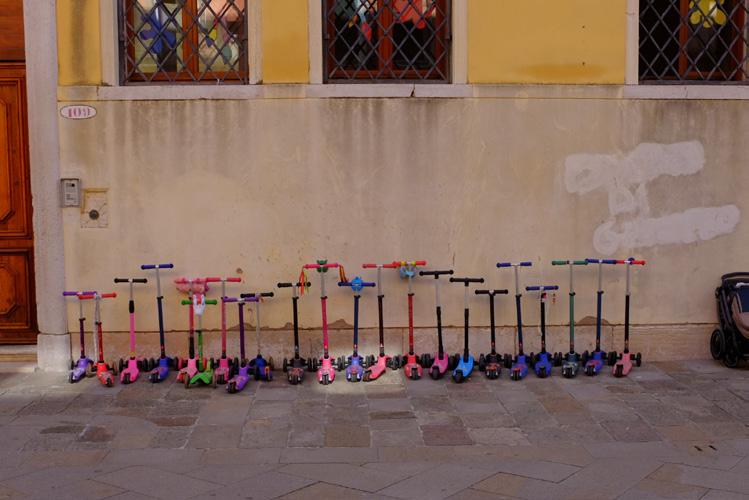
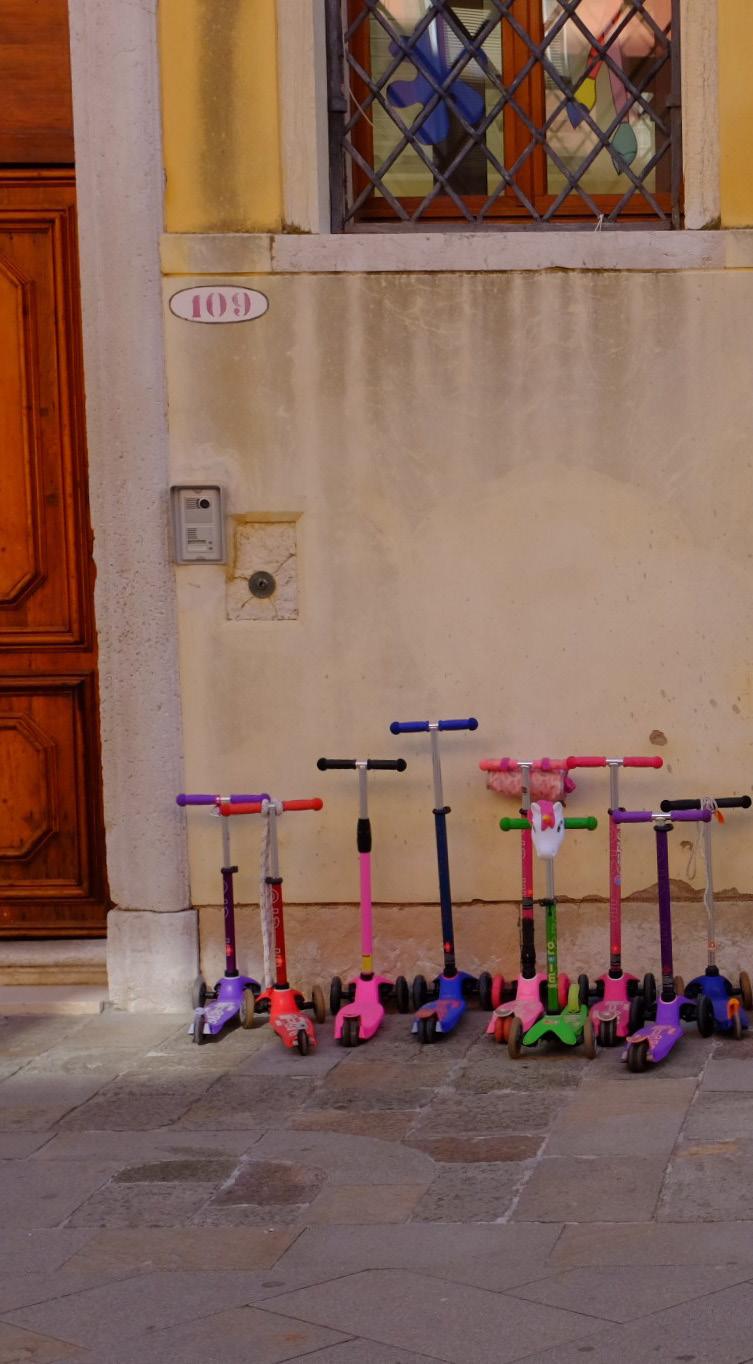
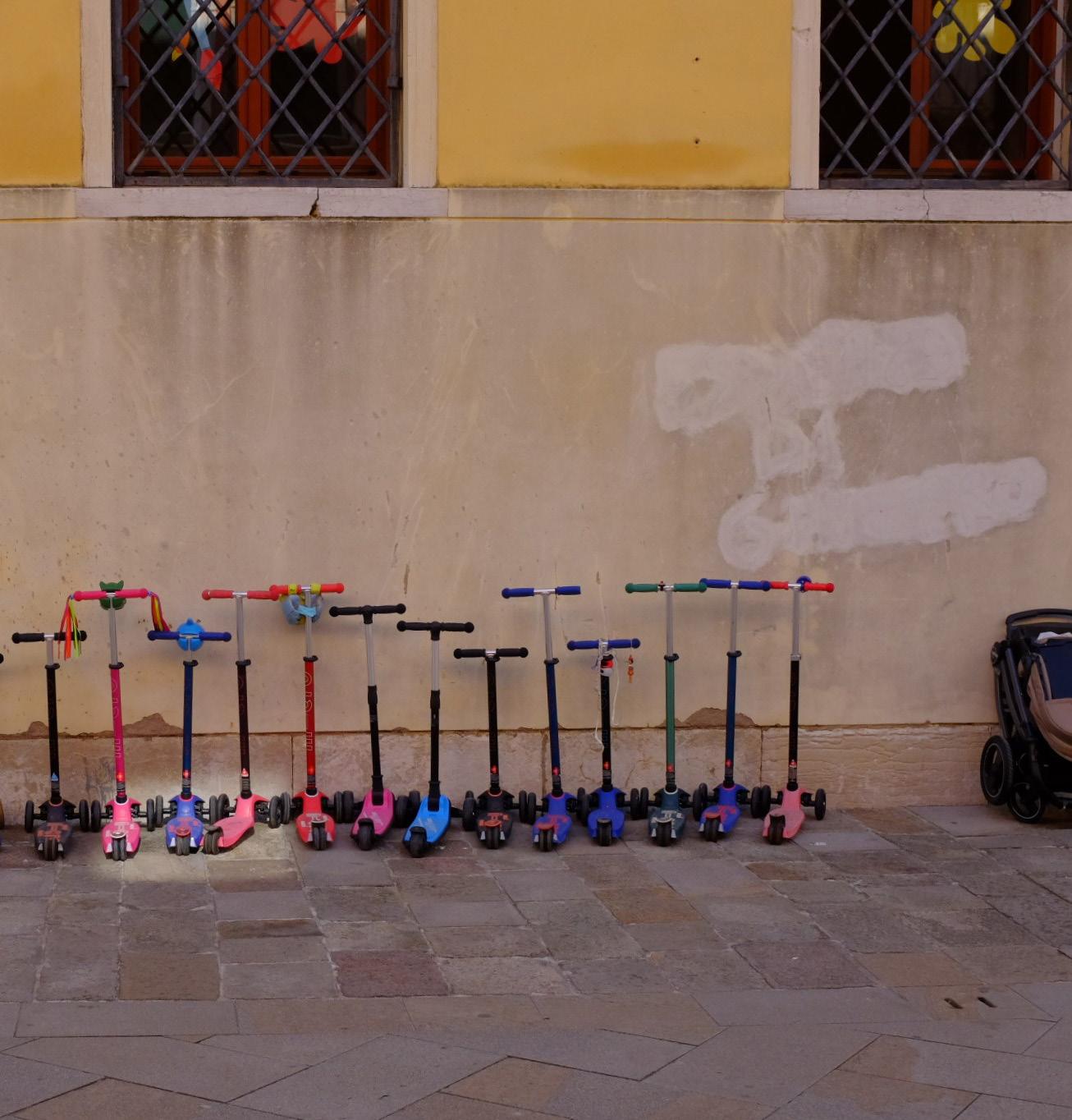
Image title: Kindergarden
Image subject: Street Photography
Country: Venice, Italy
CHRISTOPHER WILLS
Photographer
Are you a member of the Germany Chapter and would like to submit pictures for the quarterly project “Members Photo Work” as well?
Each participant is responsible for compliance with the Data Protection Ordinance and the Copyright Act.
Participants please send the photos to the following email: germany@rps.org
LOOK AT MY FACE CAREFULLY
BOBBY RUSH AT THE 33RD INTERNATIONAL BLUES FESTIVAL SCHÖPPINGEN
Stefan Läffler
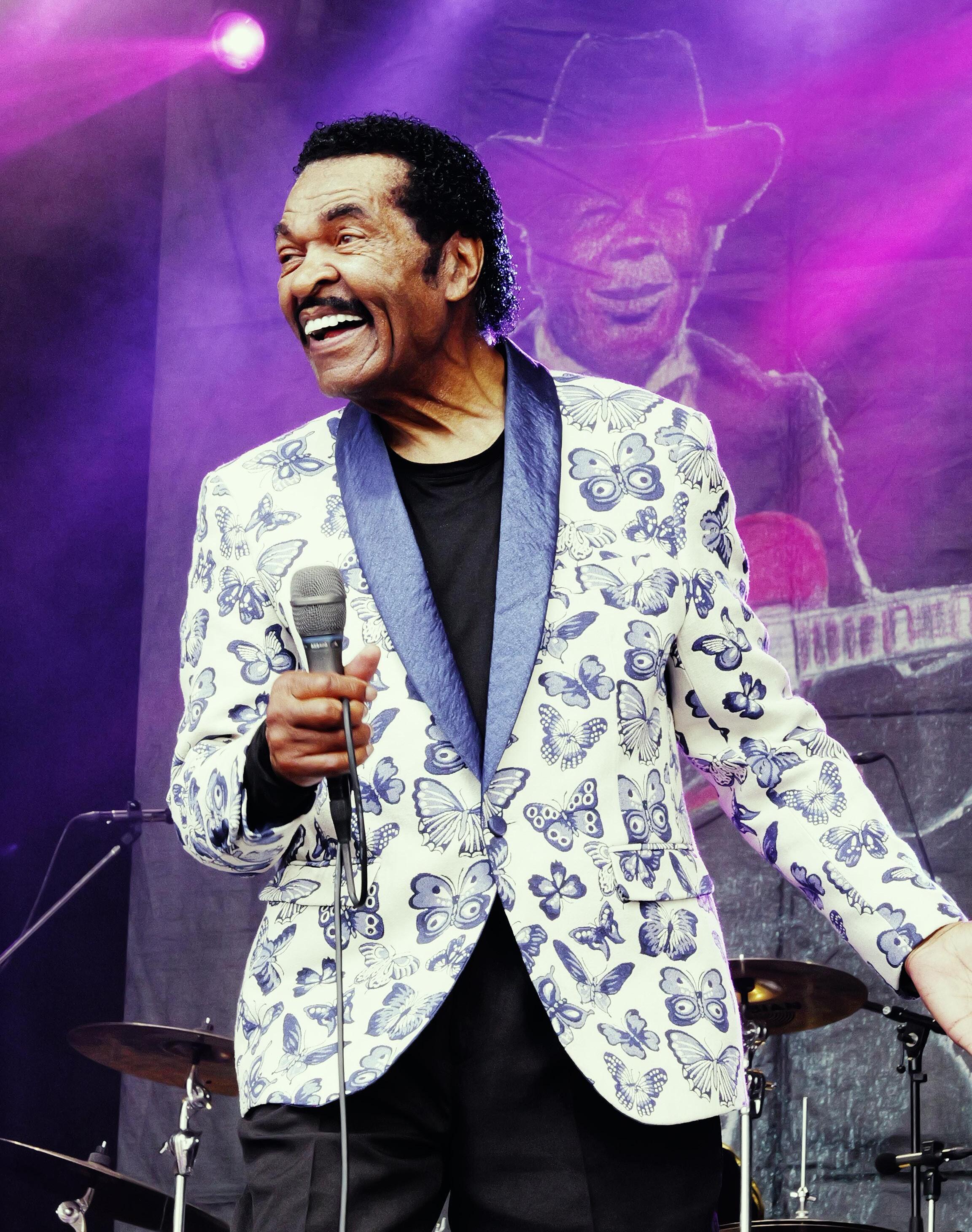
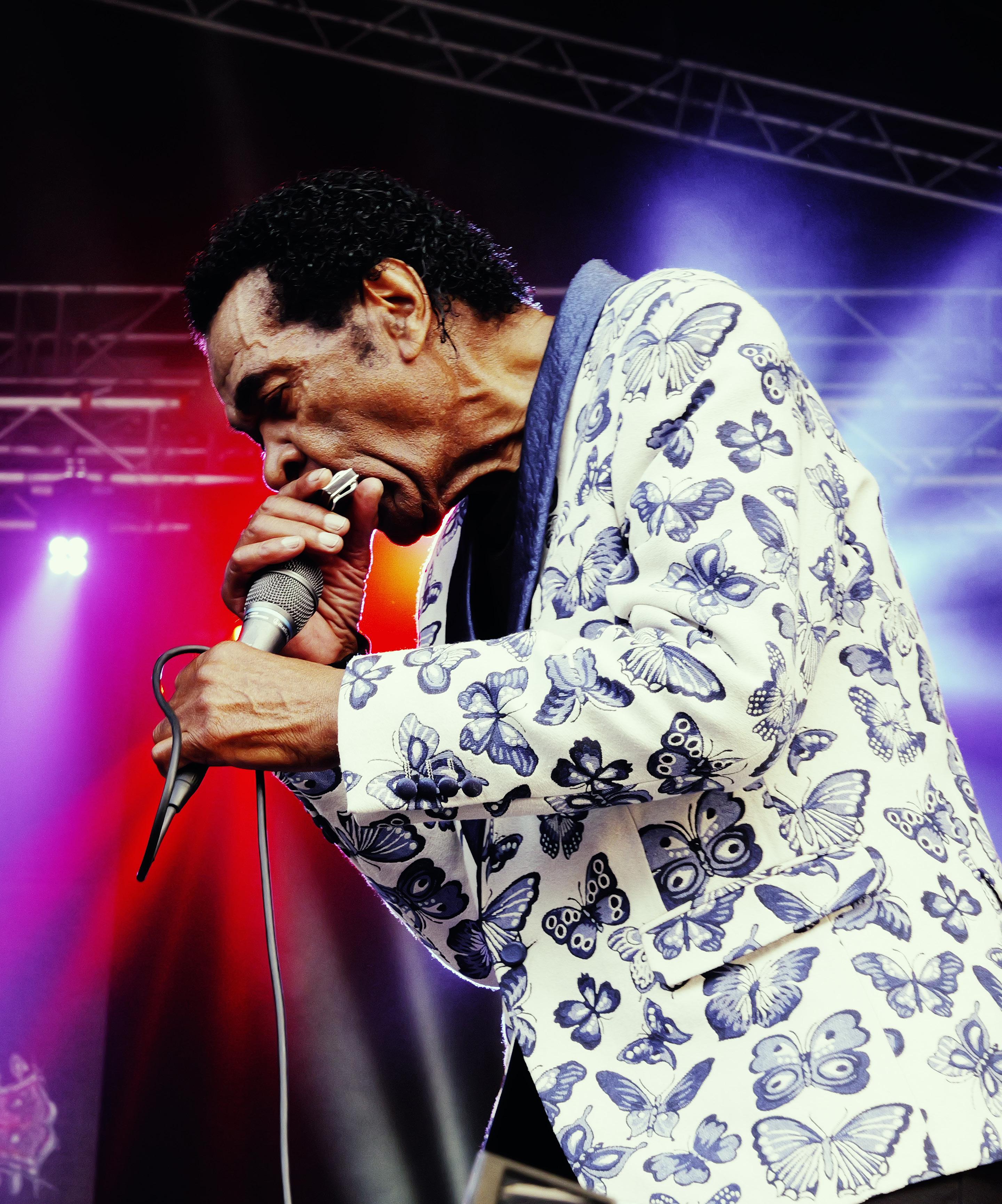
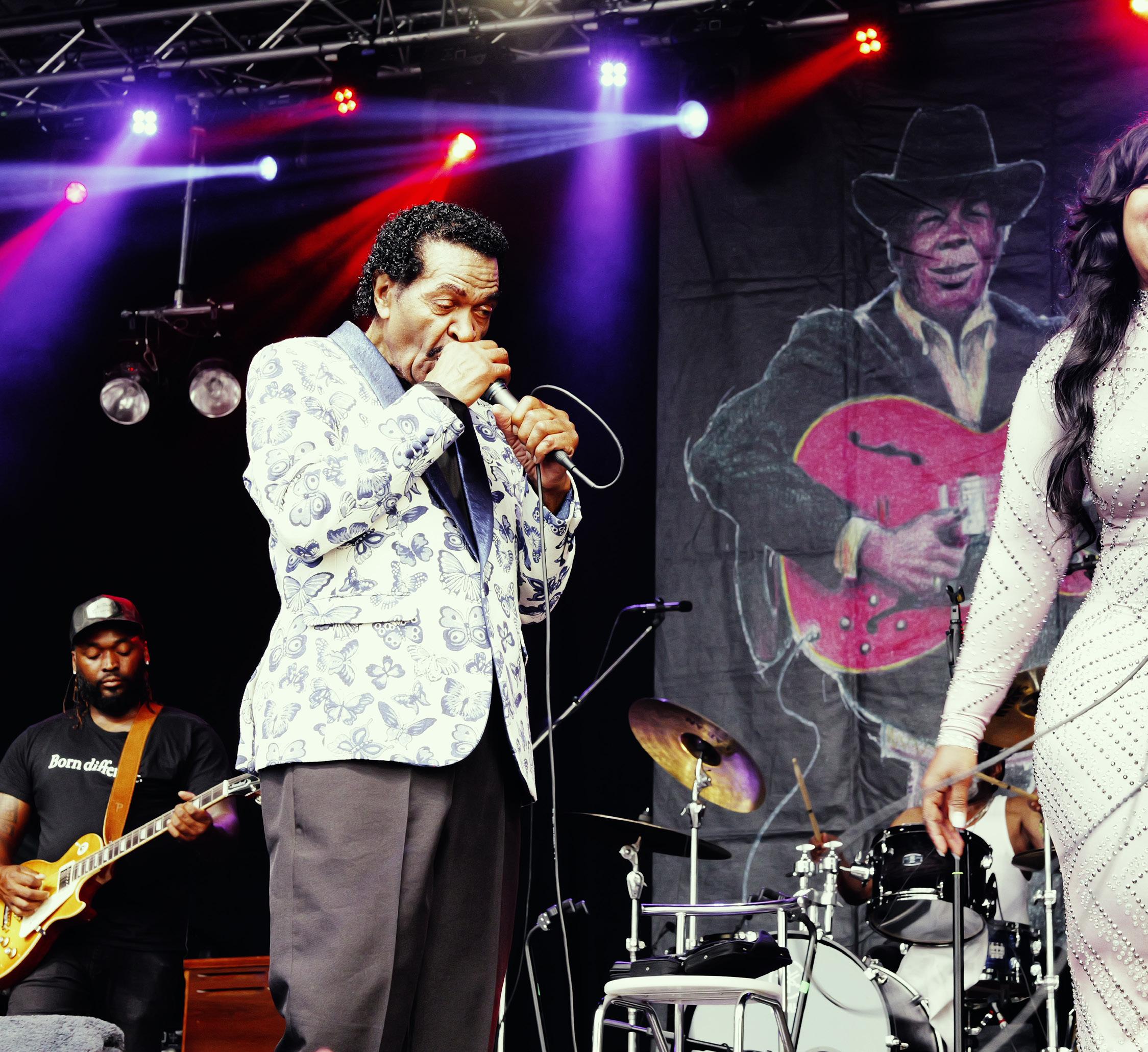
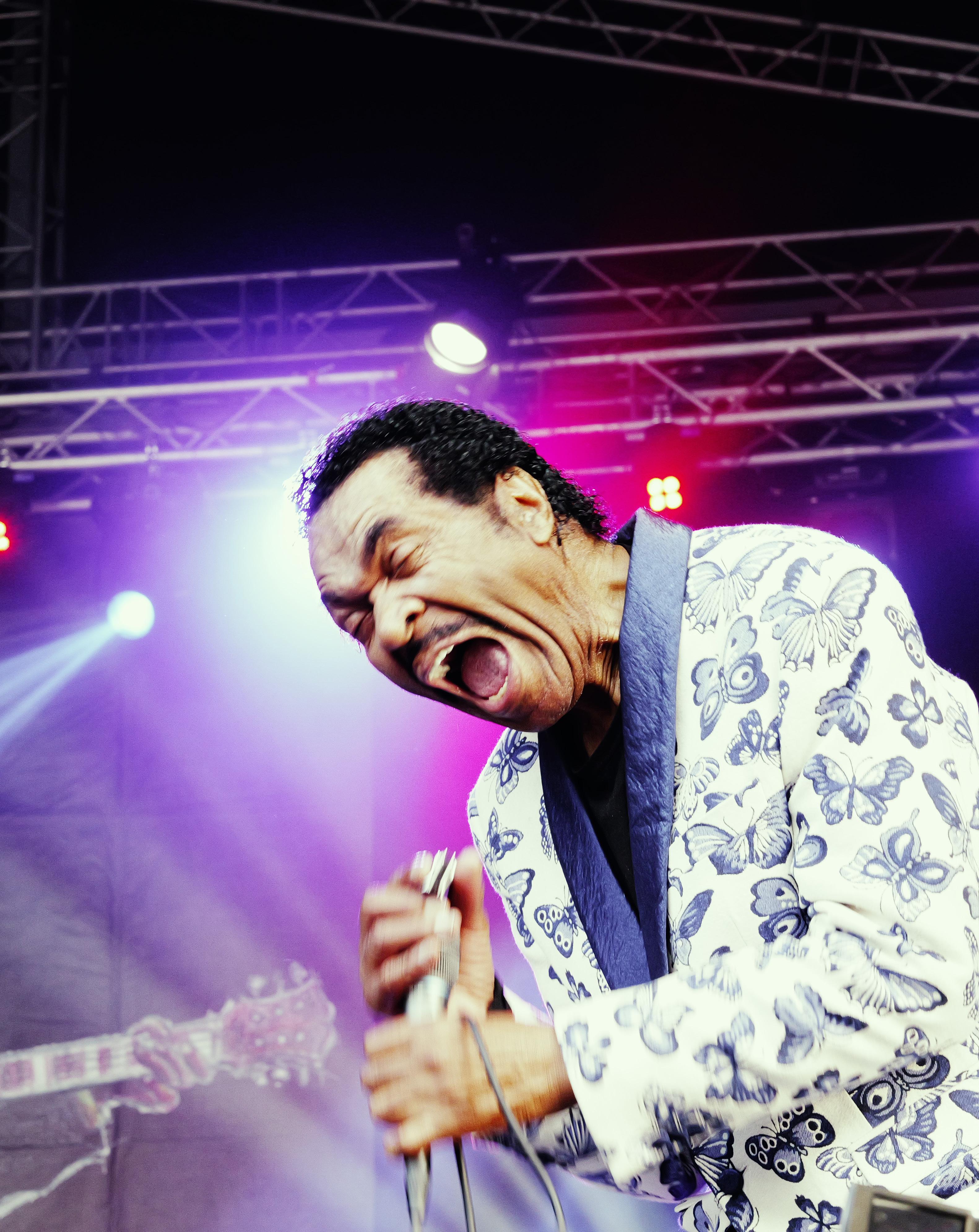
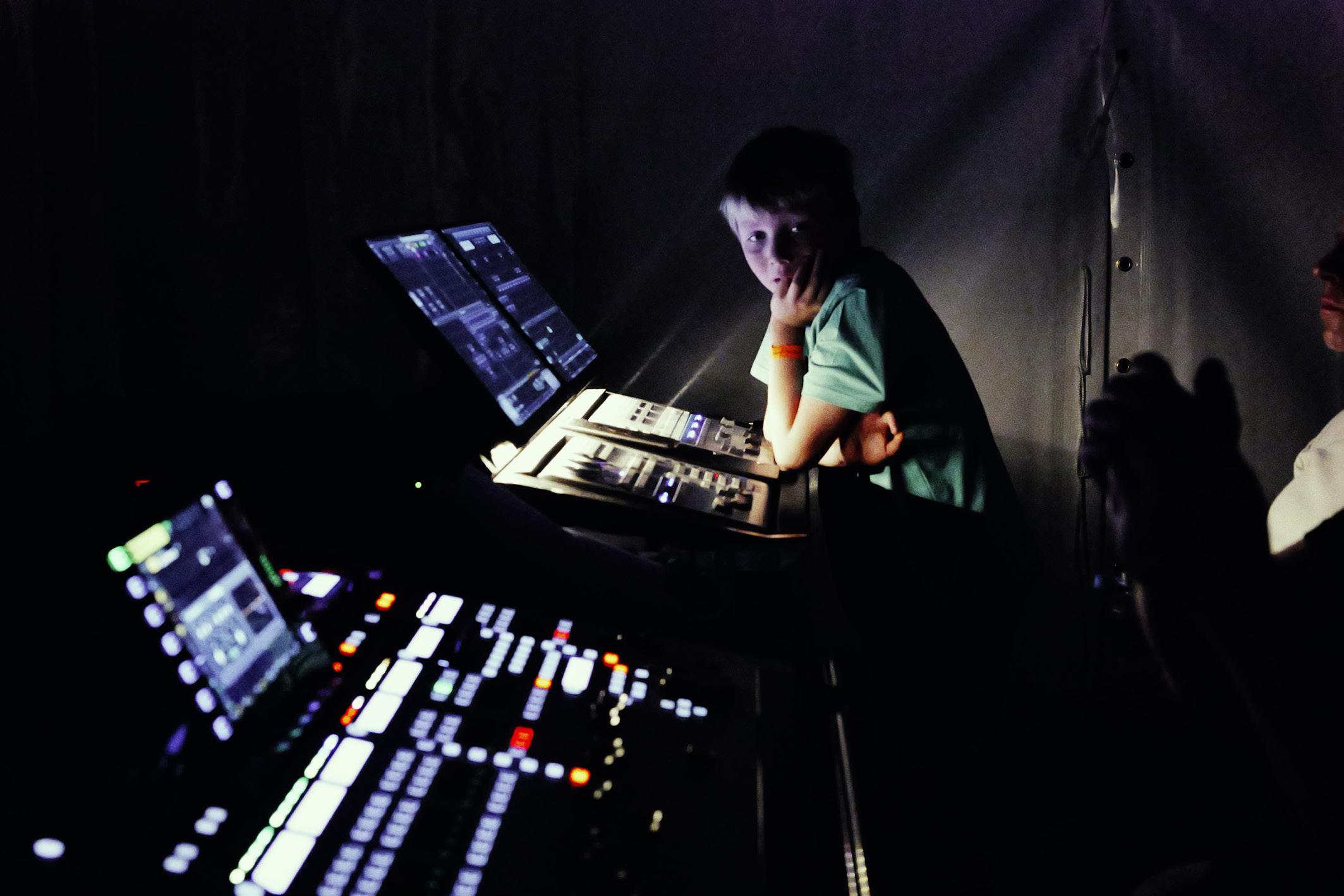
At the 33rd International Blues Festival Schöppingen, photographer Stefan Löffler set himself a deceptively simple challenge: could a still photograph make us hear the music it cannot record?
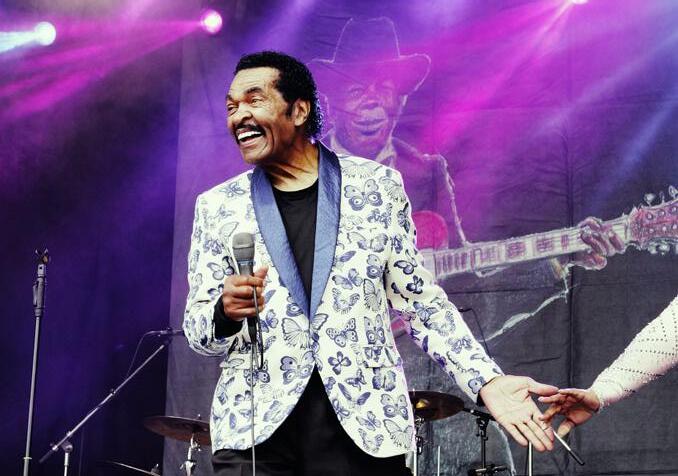
His answer came through the face, gestures and extraordinary stage presence of 93-year-old blues legend Bobby Rush. Working with stills only, straight out of camera and unedited, Löffler followed one evening from anticipation to performance, laughter and reflection.
The resulting photographs are more than a concert record. They become an intimate study of time, presence and the enduring power of a performer who has spent seven decades speaking directly to an audience.
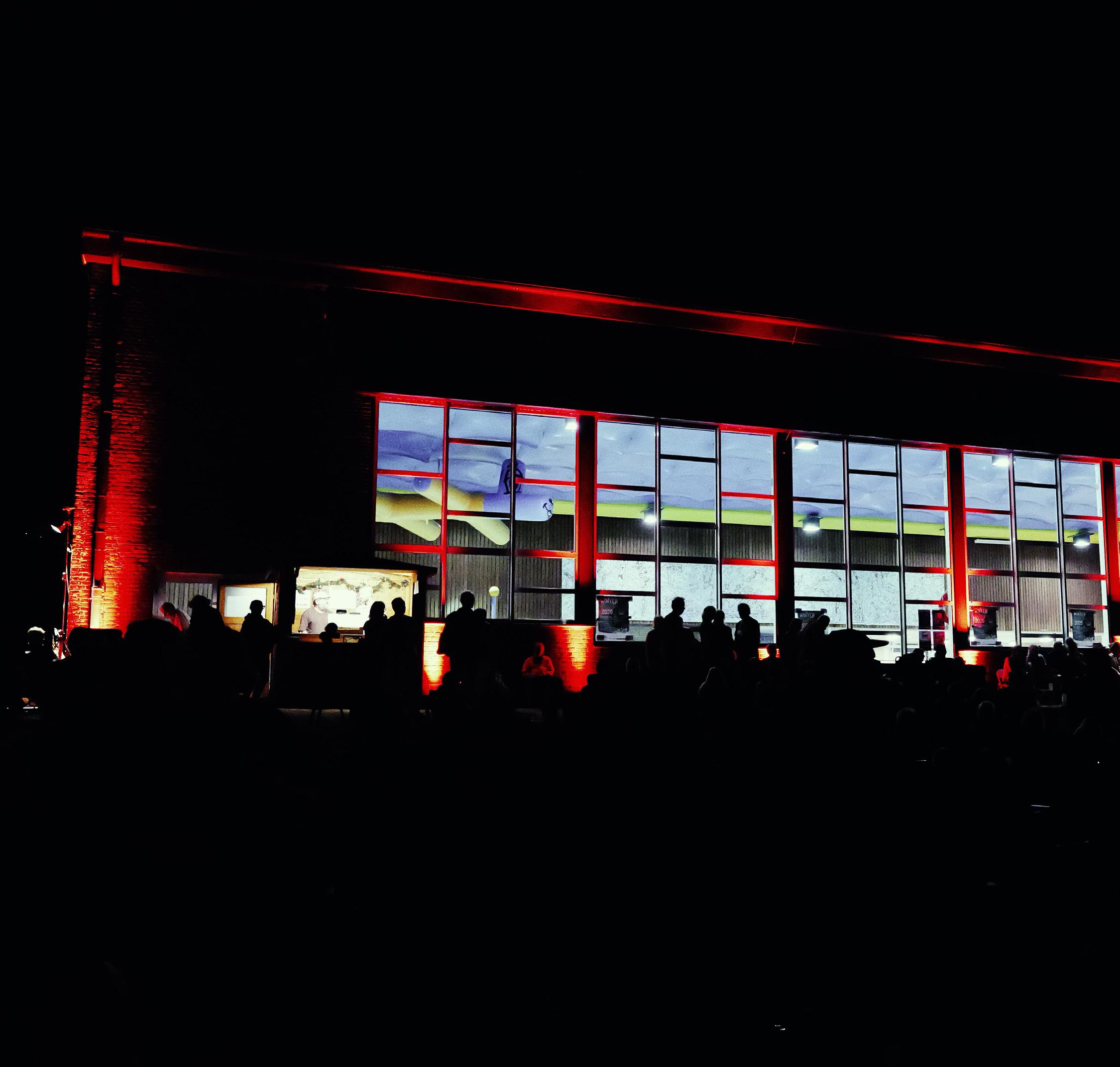
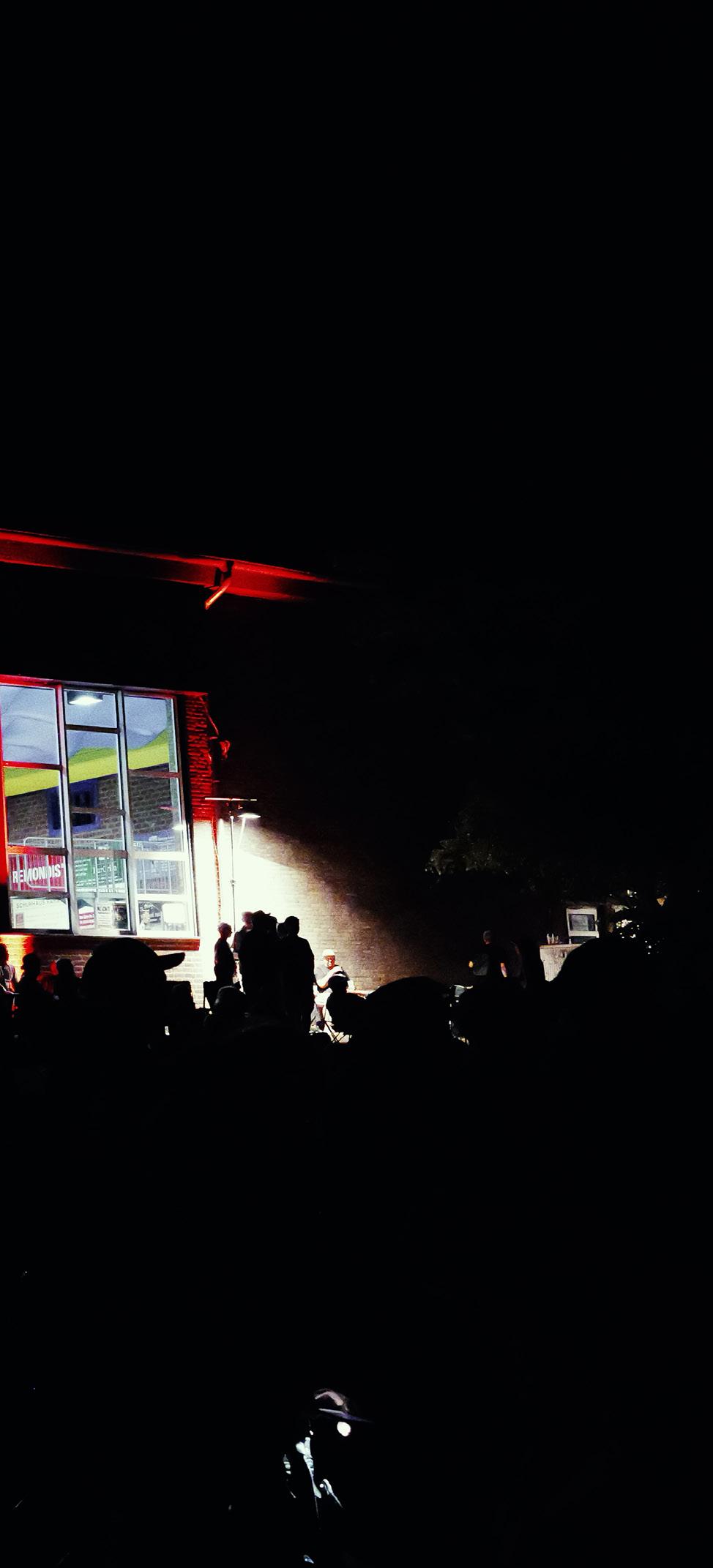
The Vechtebad — Schöppingen’s local swimming pool — stands illuminated in red against the Saturday night sky, silhouettes moving slowly in front of it. In a town of seven thousand people, the music carries.
Nobody in Schöppingen is unaware that the blues has arrived.
On this particular Saturday evening, the blues had a name: Bobby Rush.
LOOK AT MY FACE CAREFULLY. IT MAY BE THE LAST TIME YOU SEE ME.
LOOK AT MY FACE.
So I did. I looked at the face of a man in a butterfly-print blazer, holding a microphone with the confidence of someone who has held one for seven decades.
I looked at the face bent low over a harmonica — the breath, the cupped hands, the complete absorption that makes the blues, at its most elemental, visible even in a still image.
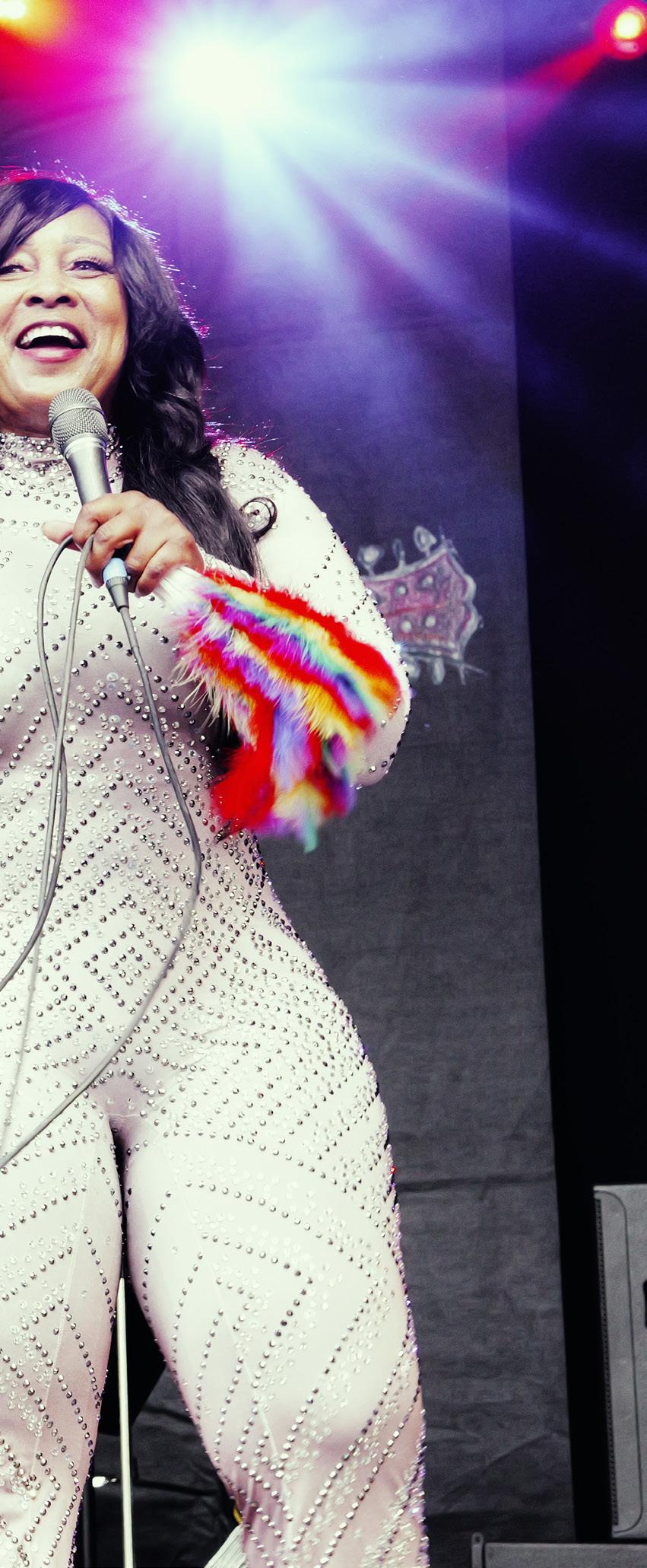
The one that turns towards Mizz Lowe, his longtime stage companion, playing harmonica while she sings. The one that points towards her with a grin that seems to say: this is what we do, and we do it together.
The one that laughs — a full, unguarded laugh — with his whole body.
The face of a man who, at 93, can still fill a stage in a small German town and make every person in the audience feel personally addressed.
The following happened to me many years ago. I was on my way to London, driving along the A4 just beyond Bath through a series of picturesque villages. In the village of Lacock, I noticed Lacock Abbey, the country house of Henry Fox Talbot (1800–1877), one of the pioneers of photography.
Talbot was a well-educated country gentleman with wide-ranging interests. He studied languages and ancient inscriptions and was elected to the Royal Society at the age of thirtytwo.
During the 1830s, Talbot began experimenting with photography. At the same time, the French inventors Nicéphore Niépce and Louis Daguerre were pursuing similar ideas. In competition with Daguerre, Talbot sought a reliable method of capturing reality in a photograph. Daguerre’s process used a silver-coated copper plate to produce a single, mirror-reversed image after exposure and development with mercury vapour. Talbot, by contrast, developed a papernegative process from which any number of positive prints could be made.
This reproducibility eventually made his negative-positive process the foundation of modern photography.
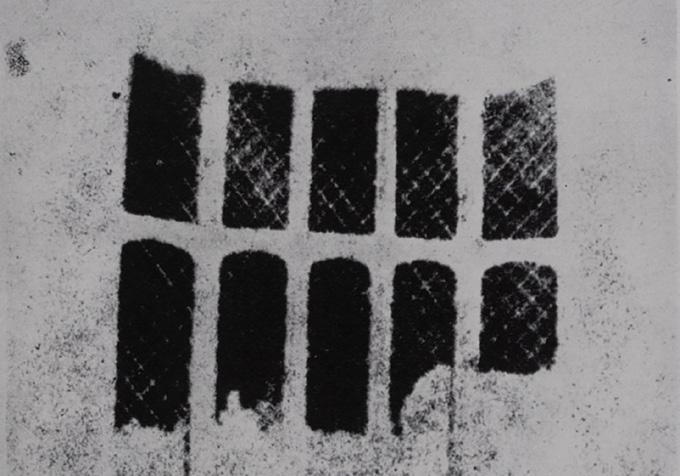
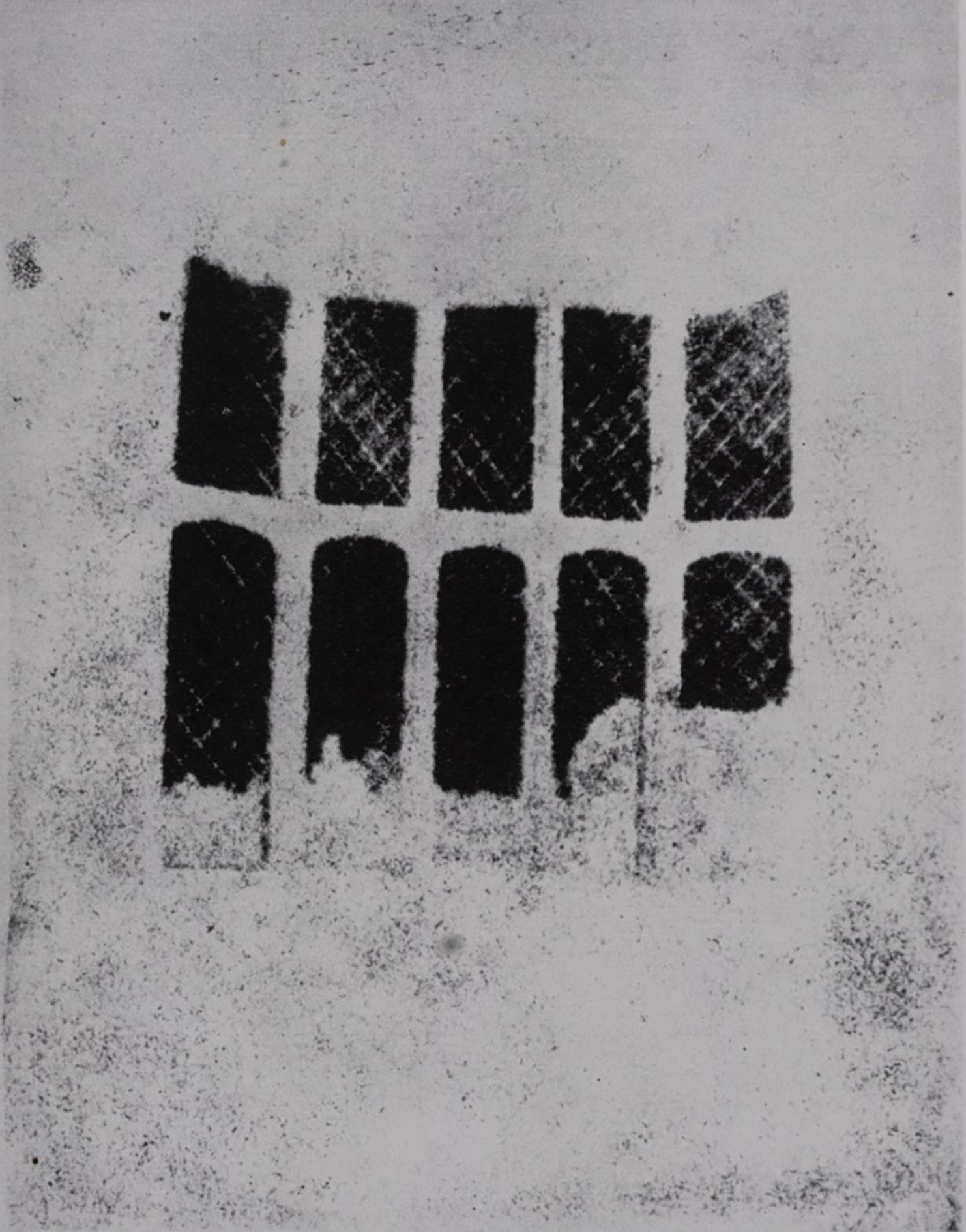
TALBOT’S ORIGINAL NEGATIVE
Talbot created this paper negative of the window at Lacock Abbey using paper coated with silver chloride. The exposure time was several minutes. This delicate negative is the earliest known surviving photographic negative.
BUT WHAT HAS ALL THIS TO DO WITH A WINDOW?
At Lacock Abbey, Talbot created what is generally regarded as the world’s first photographic negative. Using a tiny camera obscura—nicknamed the “mousetrap” because of its small size—he photographed the large latticed window in the south gallery from inside the building.
It was this very window that I wanted to see.
When I arrived at Lacock Abbey, however, the estate was closed. In the nearby photography museum, the curator—a knowledgeable expert in the history of photography— learned of my interest and simply said, “We’ll manage that.” He locked the museum, and together we walked to the abbey.
We entered through a discreet back door, where we were welcomed by an elderly lady whom I was told was a descendant of Talbot. Thanks to her kindness, I was allowed to see the historic window—and to photograph it myself.
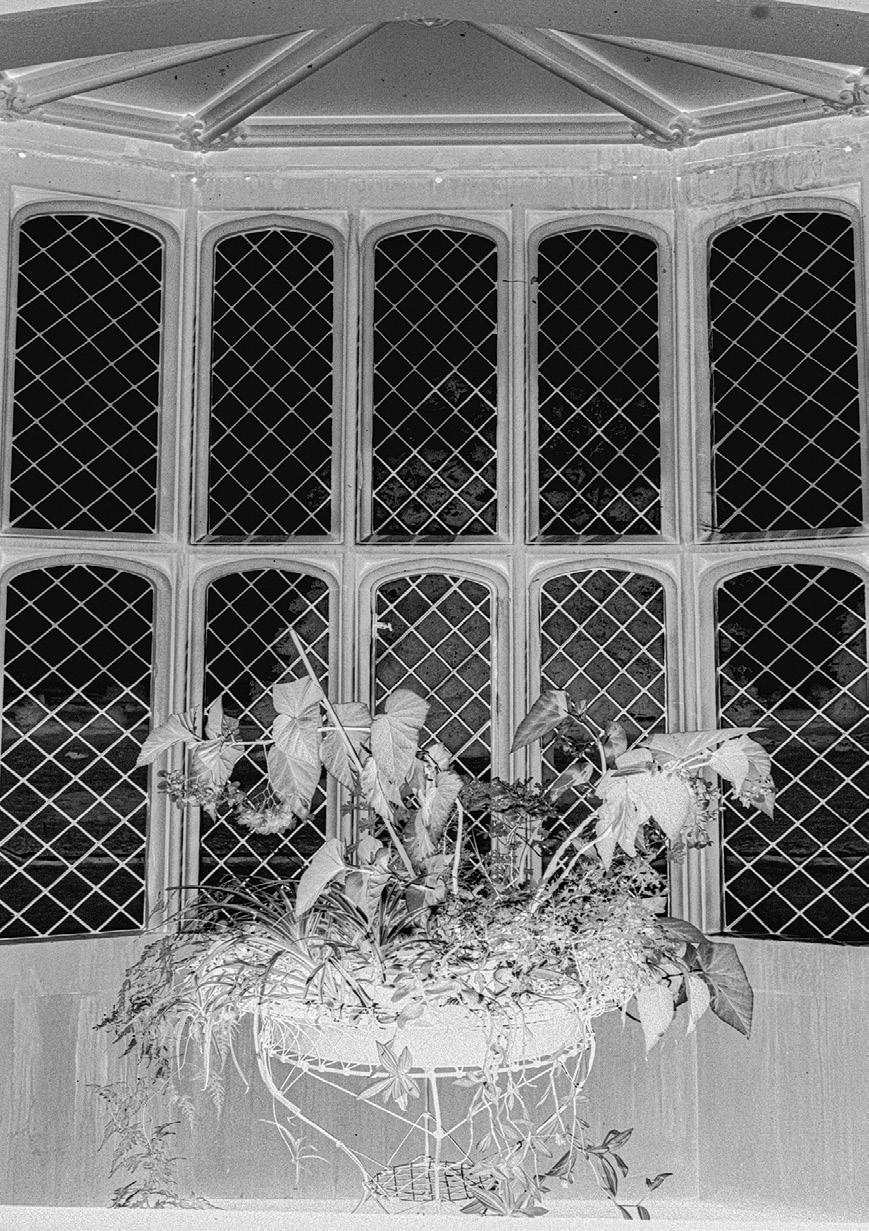
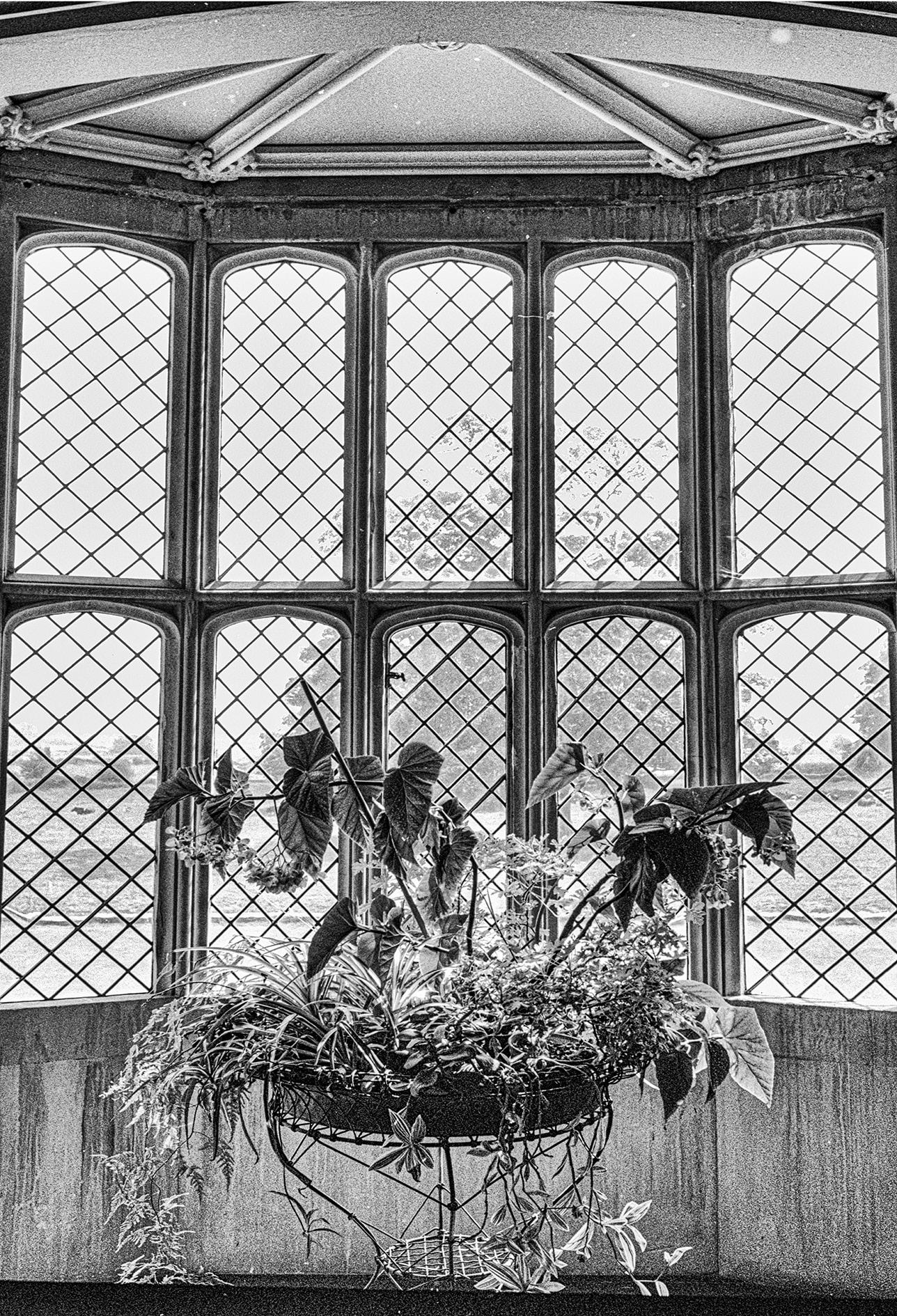
Here is my photograph alongside Talbot’s. More than a century separates the two images, yet the architectural geometry, the play of light through the latticed panes, and the quiet beauty of the subject remain remarkably unchanged.
This small photographic project is therefore more than a recreation of a historic image. It is also a tribute to a pioneer whose curiosity and spirit of experimentation helped lay the foundations of modern photography—and, ultimately, of every photograph we take today.
Today, Talbot’s negative, Latticed Window (with the Camera Obscura), August 1835, is preserved in the Science Museum in London. It is widely regarded as the oldest surviving photographic negative
MY POSITIVE
The positive black and white interpretation, bringing back the light and revealing the texture of the stone, the geometry of the window and the plants in the foreground.
The Window that started it all
MY NEGATIVE
Captured at Lacock Abbey in our times. The negative preserves the dark-to-light tones in Talbot´s process.
Klaus Peters
FACTS ABOUT THE GERMANY CHAPTER
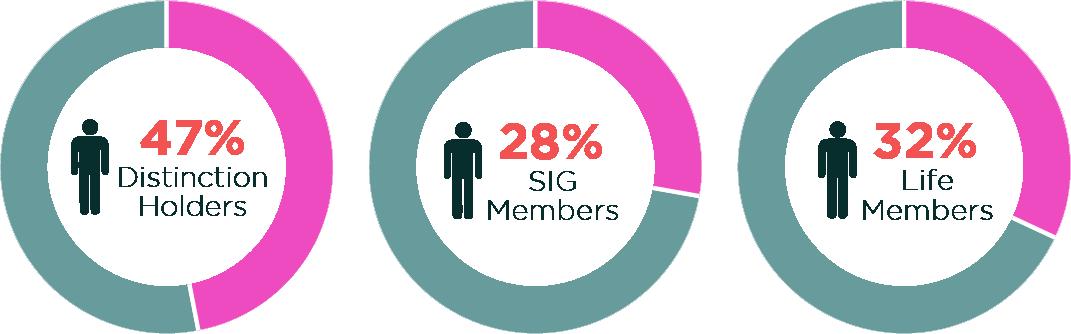
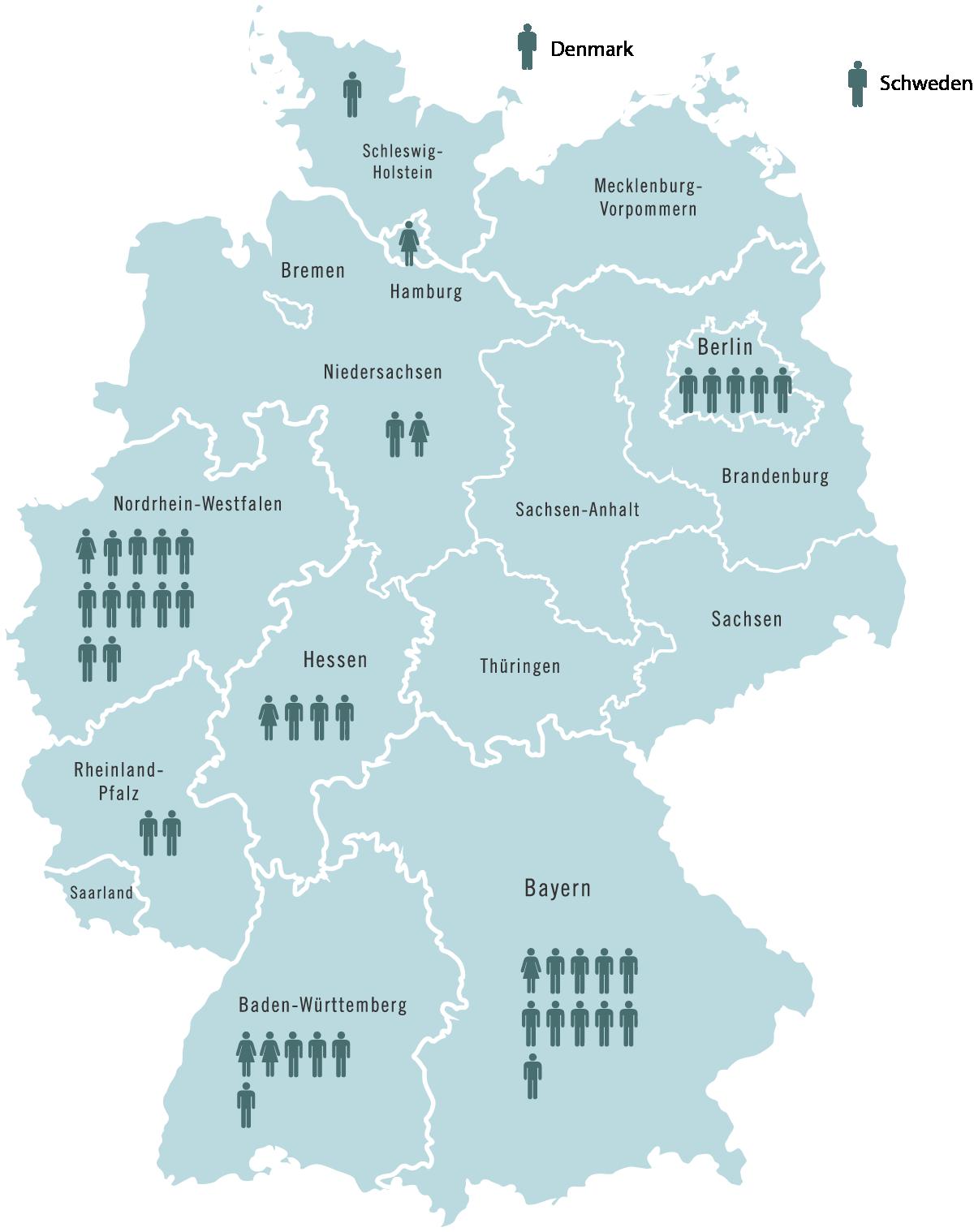
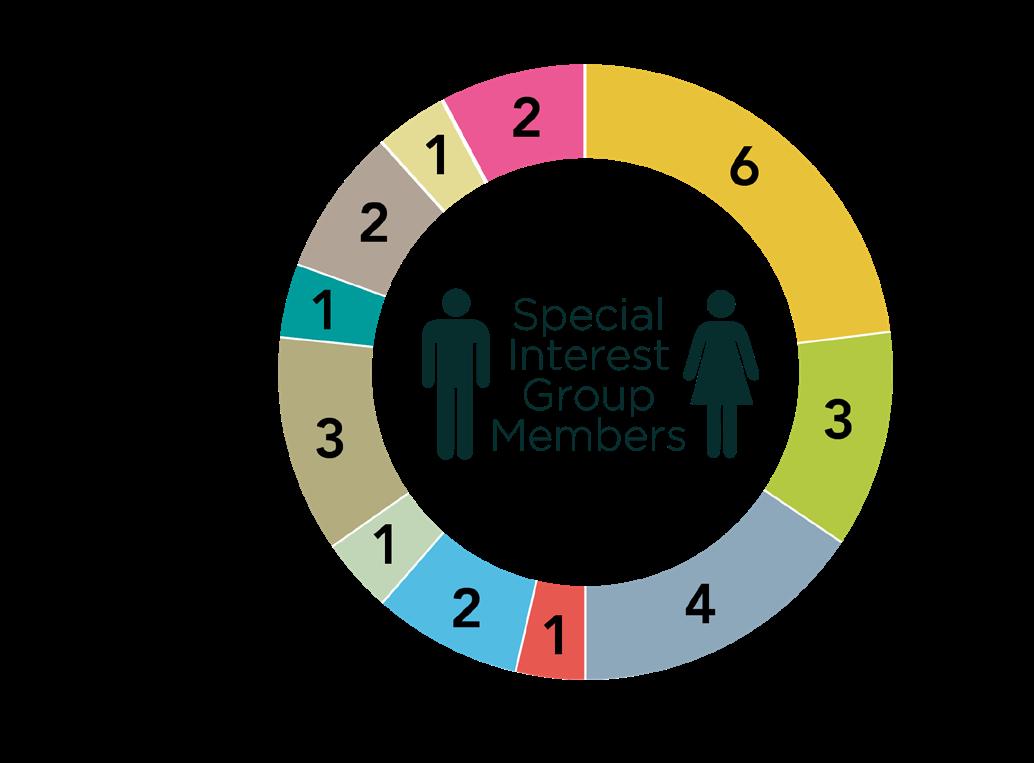
Learn more about the current composition of the Germany Chapter, its members’ locations in the federal states, its Distinction Holders, and the Special Interest Groups in which the members participate.
41 Members
3 Countries
CHAPTER ZOOM MEETING 2026
Meetings
MONTHLY ZOOM MEETING
STARTING 19:00 EST
10.08.2026
14.09.2026
12.10.2026
09.11.2026
14.12.2026
Links will be provided via email. If you aren’t a member of the DEU Chapter and wish to participate as well, don’t hesitate to get in touch with us via the following email: germany@rps.org
CHAPTER TALKS & WORKSHOPS
For upcoming meetings and events, please visit frequently our Chapter Page on RPS.org.
https://rps.org/germany
Here is an overview of the specific publication dates:
2ND QUARTER 2026: 05.07.2026
3RD QUARTER 2026: 05.10.2026
4TH QUARTER 2026: 05.01.2027
1ST QUARTER 2027: 05.04.2027
Credit: Uwe Jürgensen
DEADLINES FOR PHOTO WORK
You would like to submit pictures to the quarterly project “Members Photo work”?
Here is a list of the deadlines for each quarter:
3RD QUARTER 2026: 05.10.2026
4TH QUARTER 2026: 05.01.2027
1ST QUARTER 2026: 05.04.2027
2ND QUARTER 2026: 05.07.2026
Please send us the photos with a minimum resolution of 3000 x 3000 pixels and 300dpi.
For the naming of the photos please use following naming convention: FIRST3LETTERSOFYOURSURENAME_
Each participant is responsible for compliance with the Data Protection Ordinance and the Copyright Act. Participants please send the photos to the following email: germany@rps.org
DEADLINES ENTRIES e MAGAZINE
Since the magazine is published by the chapter itself, we are very flexible regarding the time schedule for submitting texts, pictures, and dates for events.
We ask for enough time in advance to avoid complicating the editor’s life.
As a rule, the editor should receive contributions about 30 days before the publication date.
Otherwise, inform us that you need additional time to contribute.
Please take the publication dates from the adjacent column.