Unless otherwise indicated, all images are from, and copyright of, the authors.
FROM THE CHAIR
The Royal Photographic Society of Great Britain (RPS), founded in 1853, has a long and distinguished history of promoting both the art and science of photography. Its internationally recognised distinctions - Licentiate (LRPS), Associate (ARPS), and Fellow (FRPS) - continue to represent the highest levels of photographic achievement. Yet like many learned societies, the RPS faces the challenge of sustaining its membership base in a rapidly changing cultural landscape. To remain relevant and forward-looking, it is crucial for the Society to attract and support young people under the age of 35.
Many heritage organisations are ageing, with fewer younger members replacing those who retire or step back. Encouraging younger photographers ensures continuity and long-term sustainability. These individuals represent the future of the Society, bringing with them energy, fresh perspectives, and the potential for decades of active involvement. Witness the articles and images in this DIGIT - it dares to be different.
Younger members introduce fluency in digital culture. Social media, smartphone technology, and online visual storytelling dominate contemporary photography. By welcoming younger participants who are already skilled in these areas, the RPS gains direct access to new methods of communication and outreach. Their knowledge of platforms such as Instagram, TikTok, and YouTube could significantly expand the Society’s visibility, helping it reach broader and more diverse audiences worldwide.
EDITORIAL
Welcome to this rather special issue of DIGIT magazine. At times it seems that photography, certainly as I knew it growing up, is becoming a lost art These days, one regularly reads that traditional camera sales have declined dramatically in recent years And yet the number of devices ‘out there’ capable of capturing images has skyrocketed, and the numbers of images posted online shows that they are being used often, I suspect, by people who do not necessarily think of themselves as photographers.
I have wondered, on many occasions, what is becoming of the professional, trained photographer and amateur enthusiast in this environment. But I’m delighted to say that this issue puts those concerns to
Younger members contribute to innovation. Many are willing to experiment with emerging technologies, from drone photography and AI editing tools to interactive multimedia projects. Their appetite for experimentation complements the RPS’s traditional strengths in education and exhibitions. By encouraging younger voices, the Society strengthens its role as a leader in exploring not only photography’s history but also its evolving future.
Another advantage is diversity. Engaging younger people often goes hand-in-hand with increasing the Society’s cultural and social reach. Younger generations tend to be more global in outlook, more collaborative, and more attuned to questions of representation and inclusion. Their presence within the RPS would help the organisation remain connected to contemporary debates about ethics, identity, and creativity.
Finally, young members stand to benefit personally from the RPS’s resources: workshops, mentorship, competitions, and distinctions that validate and celebrate achievement. This reciprocal relationship ensures that while the Society gains vitality and relevance, younger photographers gain opportunities for growth and recognition.
In conclusion, the Royal Photographic Society has always stood at the forefront of photography. By actively encouraging young people to join, it can secure its legacy while also embracing the innovation, diversity, and dynamism required to thrive in the twenty-first century.
Janet Haines
rest.
Our contributors, all still of an age to be considered young, range from award-winners, to those still early in their professional studies. From those pursuing more traditional means of sharing their images to making full use of the internet and new channels such as podcasts. In these pages you will find tales of using instant ‘film’ to record thoughts of those who find themselves away from their homelands, to using devices never meant for photography and how they can be repurposed to produce imagery.
All of this promises that photography is alive and well, and safe in the hands of future generations. I hope you enjoy this glimpse into the future as much as I have.
Gary Beaton
FOREWORD
RPS President, professional photographer and teacher of photography, Simon Hill CPhot HonFRPS explains how photography is safe in the hands of the next generation of image-makers.
When I first picked up a camera, almost 60 years ago, I could never have imagined the journeys it would take me on. Yes, it has been a lifelong obsession and, for over 40 years, it has also been my profession. Yet, I have come to realise that my greatest privilege is not in making photographs for myself but in teaching others to see through the lens with their own unique vision. As a part-time art teacher and subject lead for photography in an all-girls school near York, I am constantly reminded that photography is not just a subject, it is a way of looking at the world, of questioning it, and of shaping the future of visual culture.
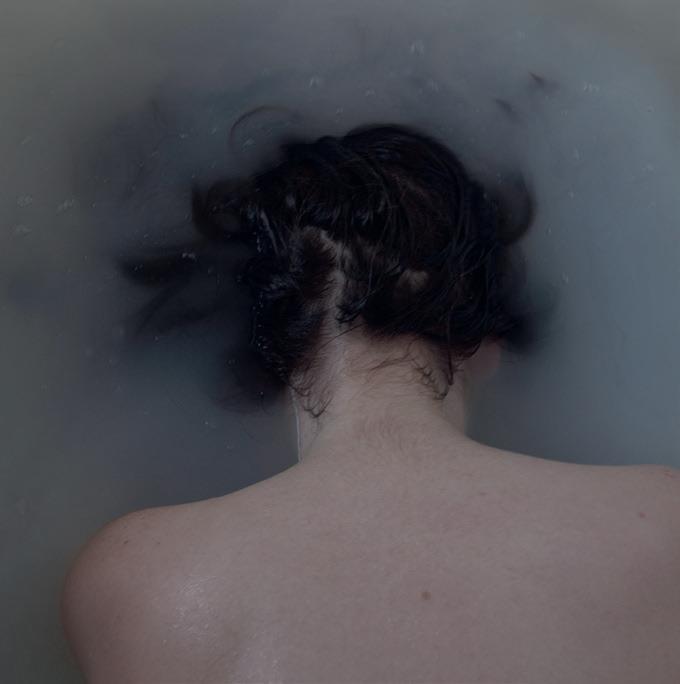
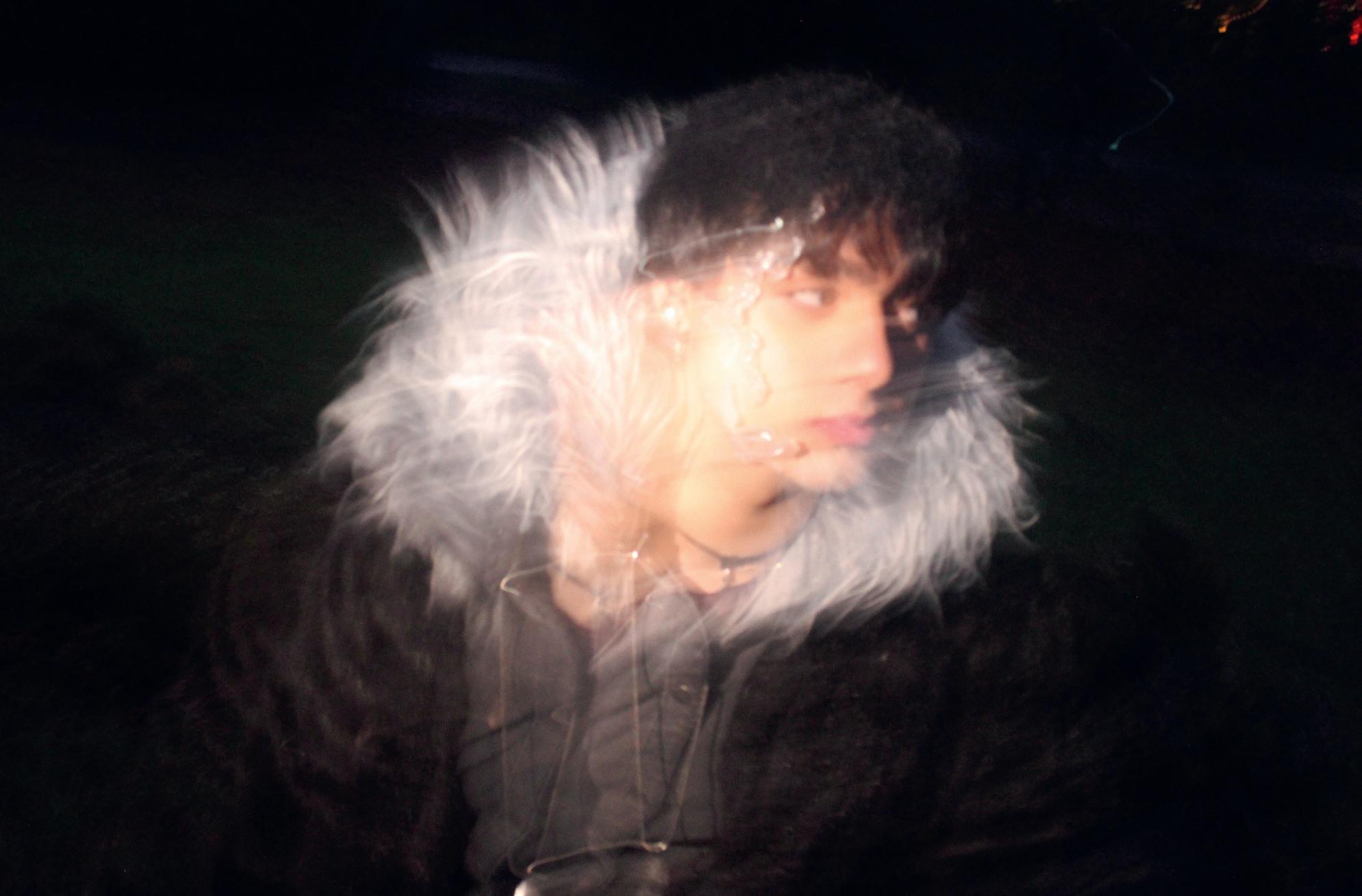
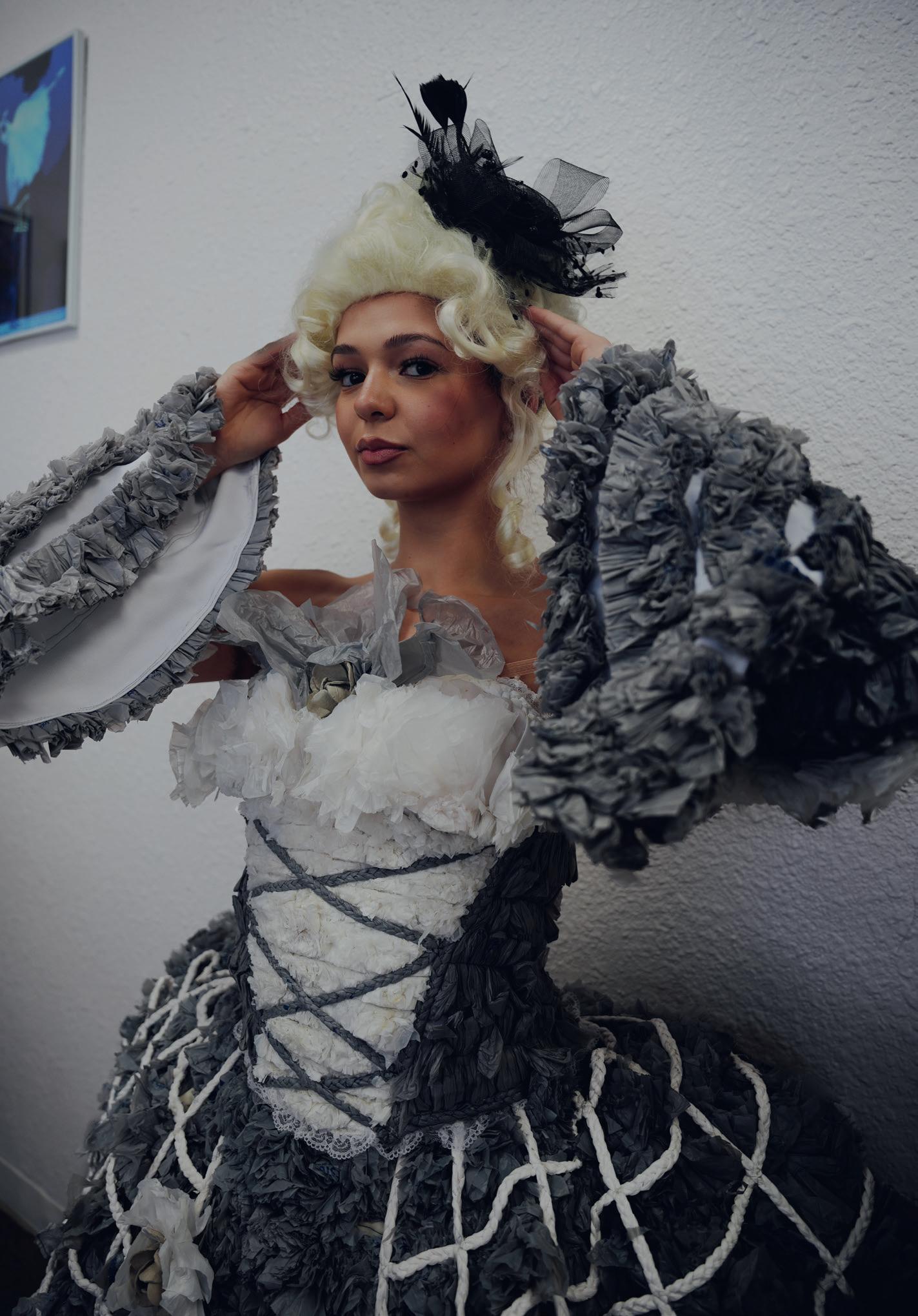
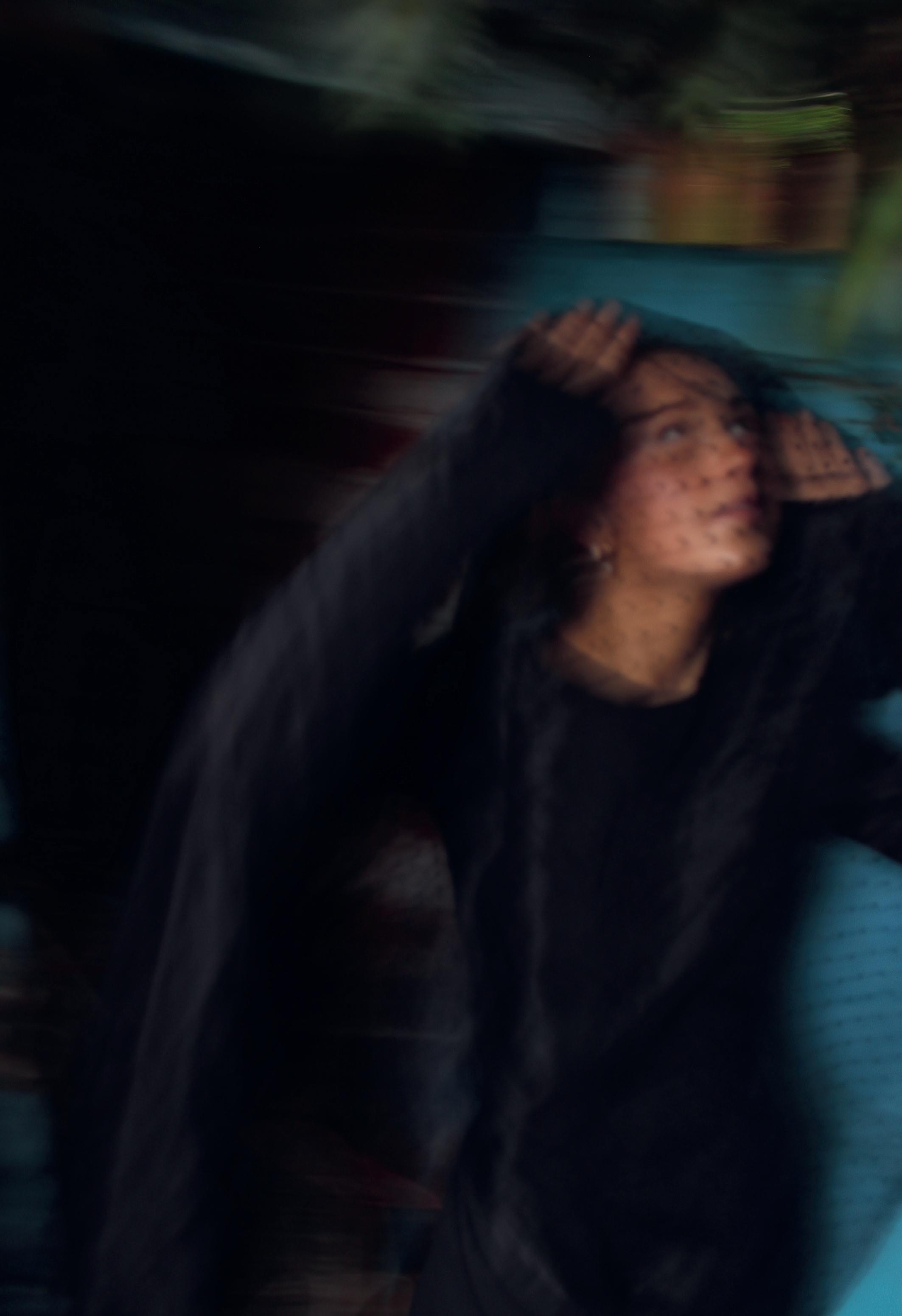
This edition of DIGIT features the work of two of my 2024 A-Level graduates - Paula (from Mexico; now at the University of the Arts London) and Michelle (from China; now at Glasgow School of Art) and I could not be prouder to see their images presented on these pages.
Paula and Michelle - and Florence, Jessica and Georgia (three of my 2025 A-Level graduates whose images appear on this page) represent, in so many ways, the next generation of image makers. What excites me most about their work is not just the technical skill - though you will see that in abundance - but the freshness of their vision. Each approaches photography with curiosity, honesty, and courage.
These young photographers are not only responding to their own experiences of growing up in today’s society but they are also helping us see realities we might otherwise overlook. Their images speak to the urgency of global challenges, the complexity of personal identity, the intimacy of friendship, and the fleeting beauty of everyday life. These are not just responses to student exercises, they are markers of where our collective culture might go next.
Photography has always thrived on reinvention. Each new generation redefines it, bending it towards their own truths. The young people you will meet in this magazine are already doing that work, and it gives me great hope for the future of the medium.
Simon Hill CPhot HonFRPS President and Chair of Trustees
Royal
Photographic Society
Jessica Morley
Florence Lawson-Tancred
Georgia Scott
IT NEEDS SOMEONE TO GIVE IT SCALE
Yasser Alaa Mobaraks enjoys photographing interesting buildings but believes that adding a human element can transform an image.
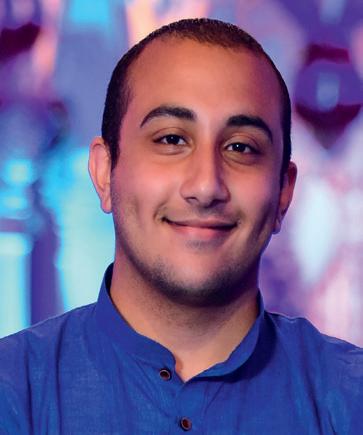
My name is Yasser Alaa Mobarak. I’m an Egyptian travel awardwinning photographer based in Alexandria, Egypt. I’m photographer at ZUMA Press, visiting instructor at Delhi College of Photography in India and Licentiate of Royal Photographic Society in the UK.
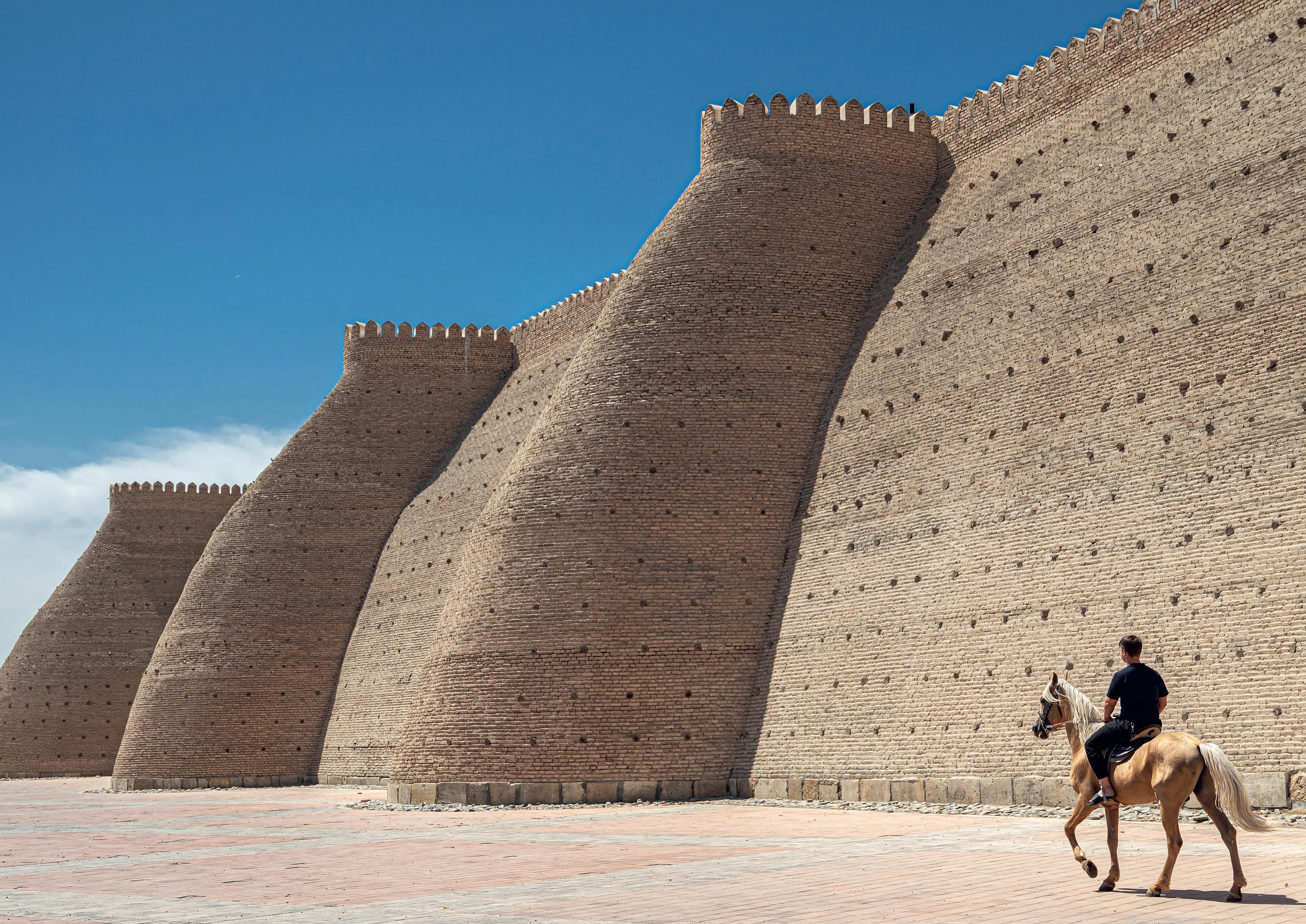
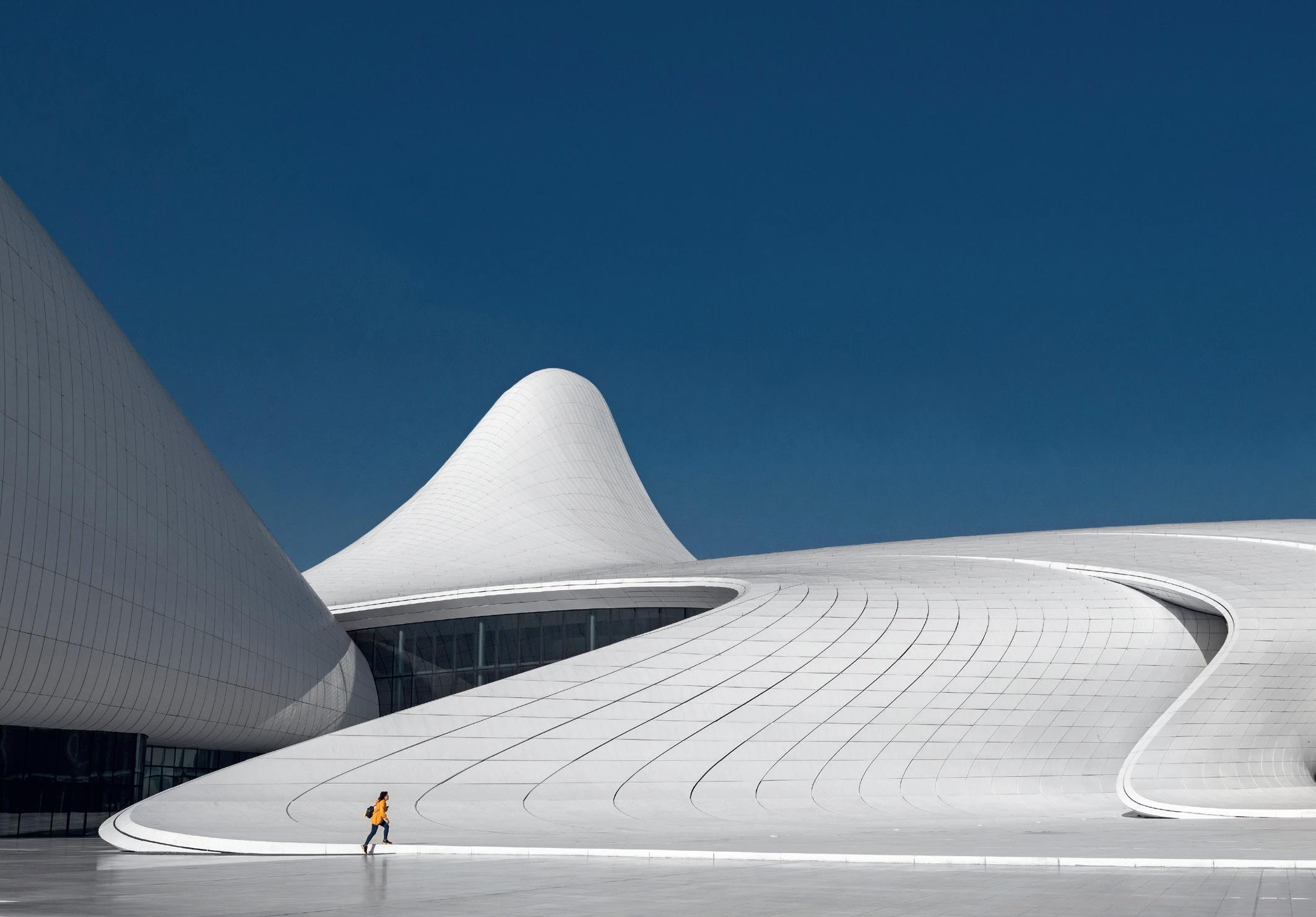
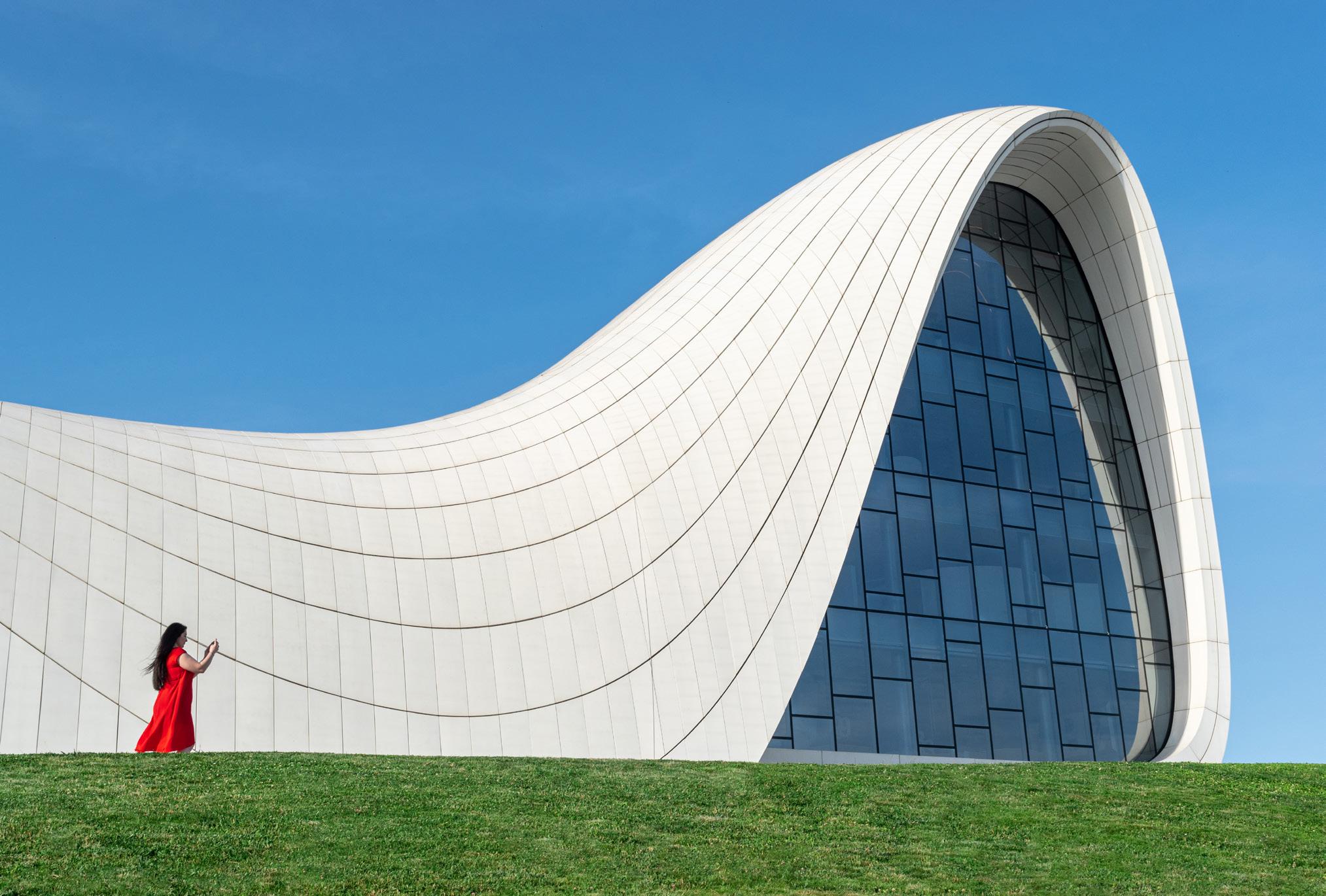
Today I will discuss with you my most successful images which have won more than 100 international awards. This image (above) won awards from Royal Photographic Society Travel Image of the Year, National Geographic, Travel Photographer of the Year, The
International Photo Awards, Paris Photo Award, Vienna Photo Award and Egypt Press Photo.
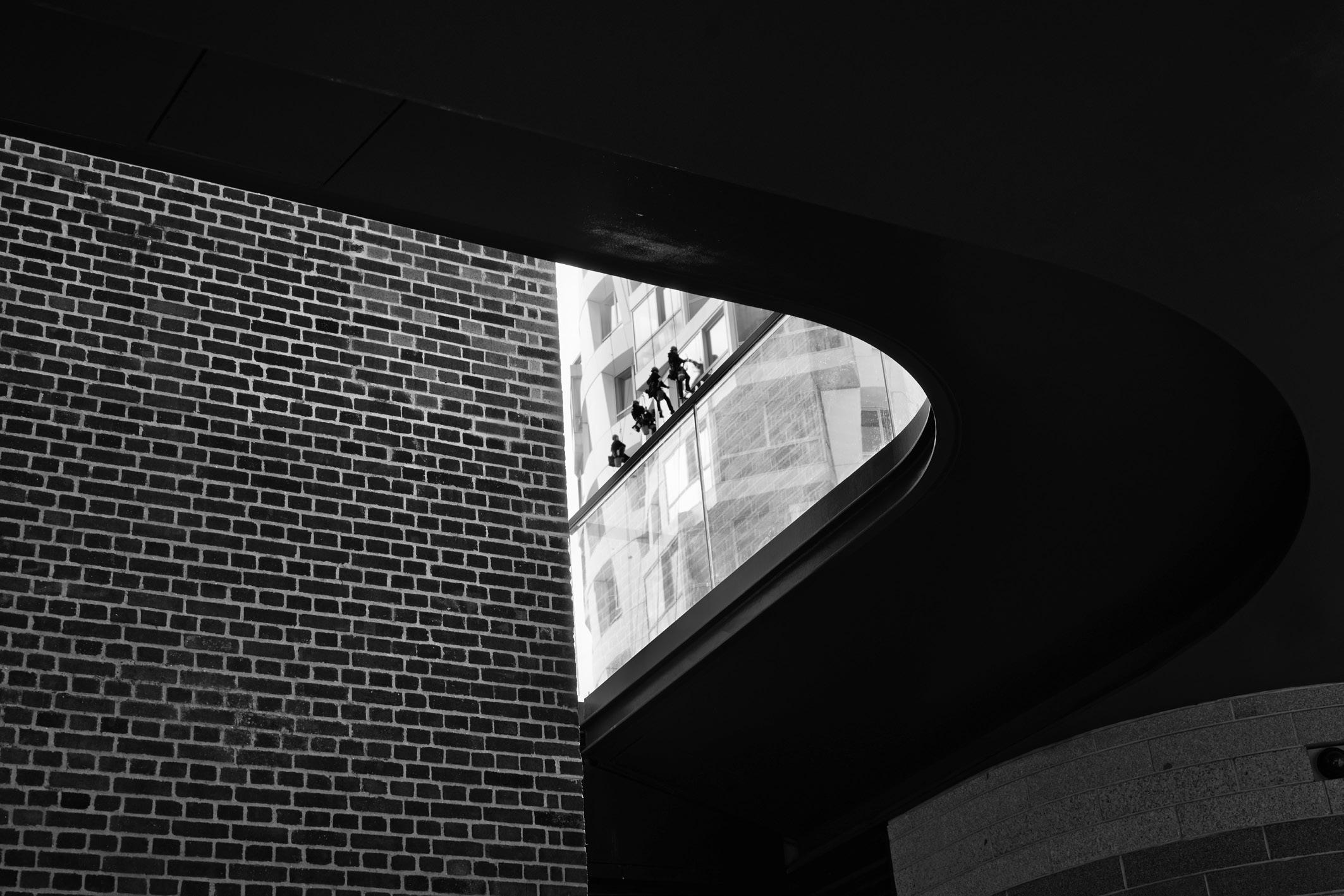
I couldn’t help but take pictures of Baku’s Heydar Aliyev Centre when I saw a picture of it because of its sweeping curves. Before going to Azerbaijan, I did a ton of study and looked at thousands of pictures to see how most photographers approach the building so I could make something different.
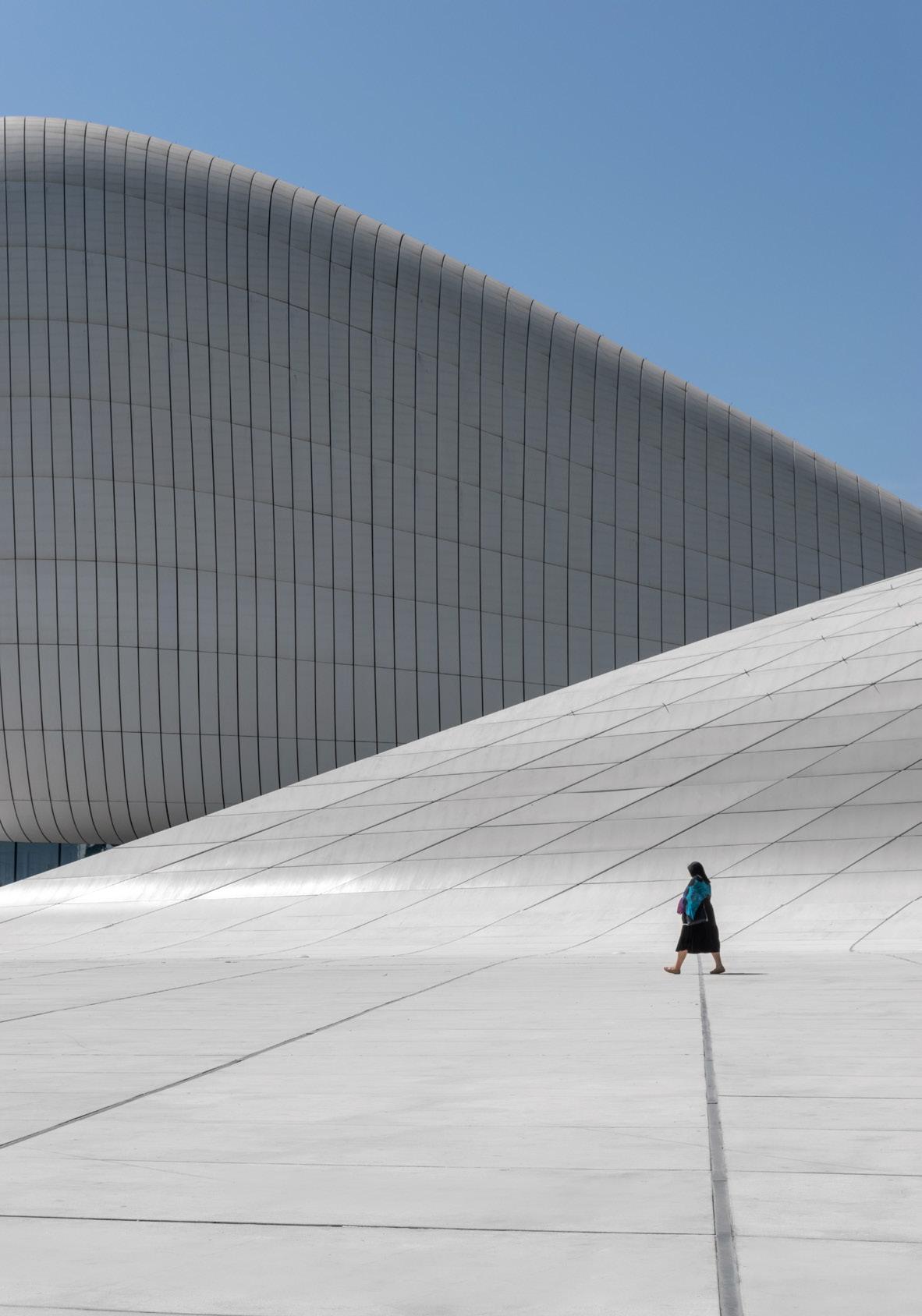
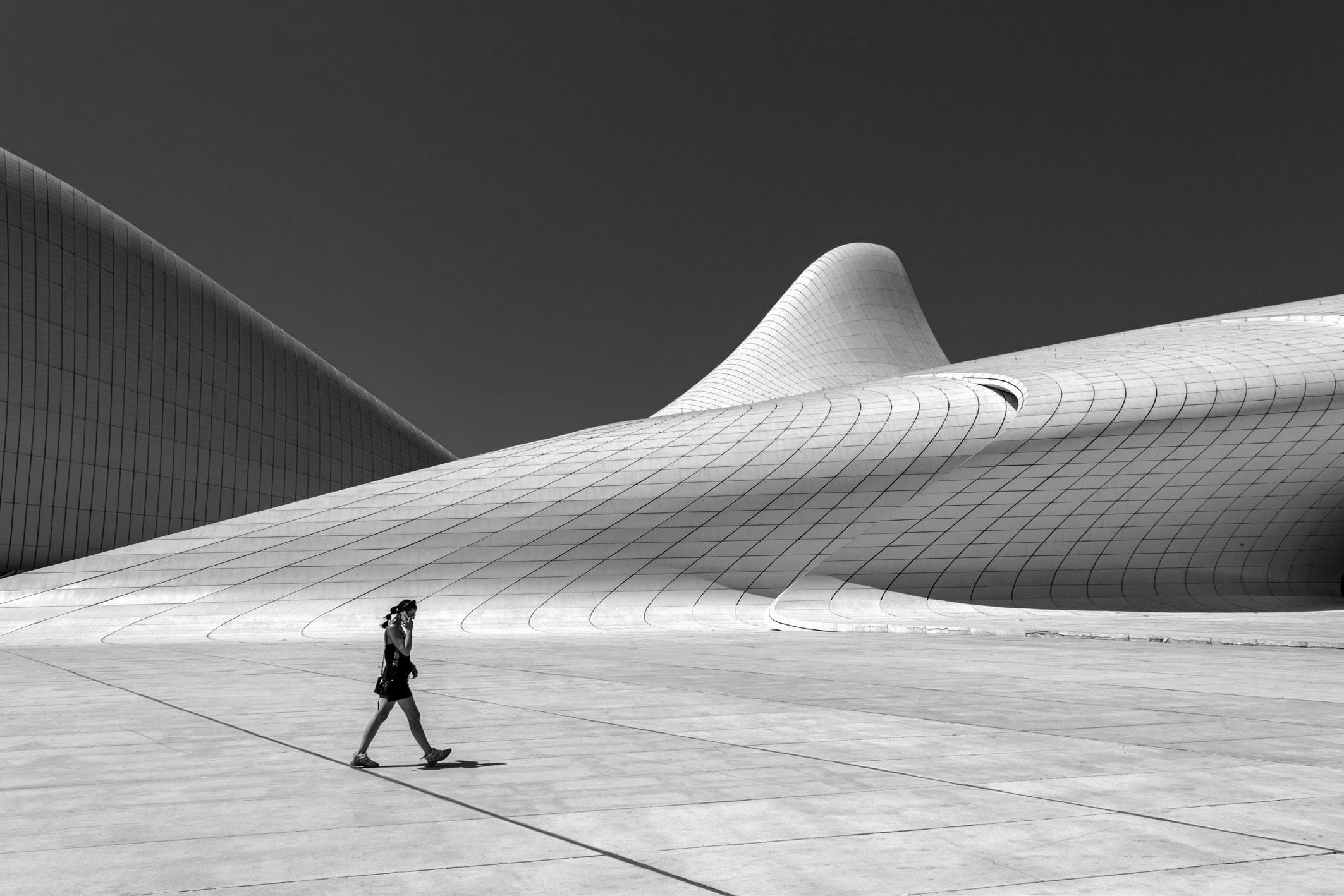
Although a human element is not necessary, framing a figure might improve your image by giving the viewer a sense of the building’s
size. You could, of course, ask a friend to stand there, but it’s hard to replicate the natural appearance of a spontaneous subject.
Over four days, I made four trips to the centre. This gave me the opportunity to photograph the building under various lighting conditions and the crowds during different times. I chose a single subject whose warm-coloured attire stood out against the cool sky. I wanted the figure on the left-hand side, walking towards the active space on the right. After taking multiple photographs, I chose
YASSER ALAA MOBARAK
my preferred one. The woman is framed in the centre of the curving lines so they don’t intersect with her. This creates separation and a frame to draw the viewer’s gaze.
Architecture can be approached without excessive technical complexity. Choose a sufficiently narrow aperture to achieve a large depth of field, but avoid narrowing it too much to prevent diffraction. When photographing in daylight, it is generally unnecessary to raise your ISO significantly. Instead, ensure that your shutter speed is fast enough to capture a moving subject sharply.
To attain a minimalist aesthetic, it is essential to prioritise simplicity. While the human figure adds an element of interest, the absence of distractions like other individuals or clouds enhances the focus. Additionally, the use of space plays a crucial role. Together, these elements contribute to a more profound appreciation of the architectural design.l
More about Yasser
Yasser Alaa Mobarak (b. 1993) is an award-winning photographer from Alexandria, Egypt. He has won photography prizes from Travel Photographer of the Year, National Geographic, Sony World Photography Awards, The International Photo Awards, Paris Photo Award, Vienna Photo Award, Egypt Press Photo, Royal Photographic Society, International Federation of Photographic Art and Photographic Society of America.
Yasser’s work has been featured in a variety of magazine and media broadcasts. Yasser’s images have been exhibited across the globe including in Russia, Jordan, UAE, UK, Spain, North Macedonia, China, Romania and Australia as well as his homeland, Egypt. Additionally, he has been a judge at many international photographic contests.
He is visiting instructor at Delhi College of Photography and has led photography workshops in, amongst others, Nikon School Egypt and Nikon School Nepal.
UNCANNY MEMORIES AND DREAMS
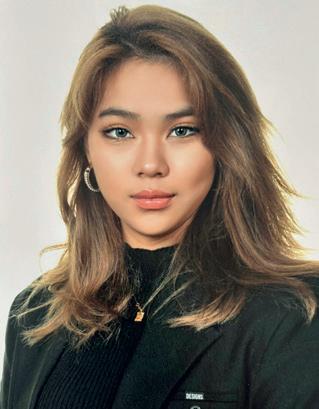
MICHELLE WANG LRPS
Photographs are about memories, says Michelle Wang. Memories, though, are not always clear and can blur boundaries between reality, imagination and dreams. Michelle’s imagery seeks to capture and retain sometimes fleeting memories.
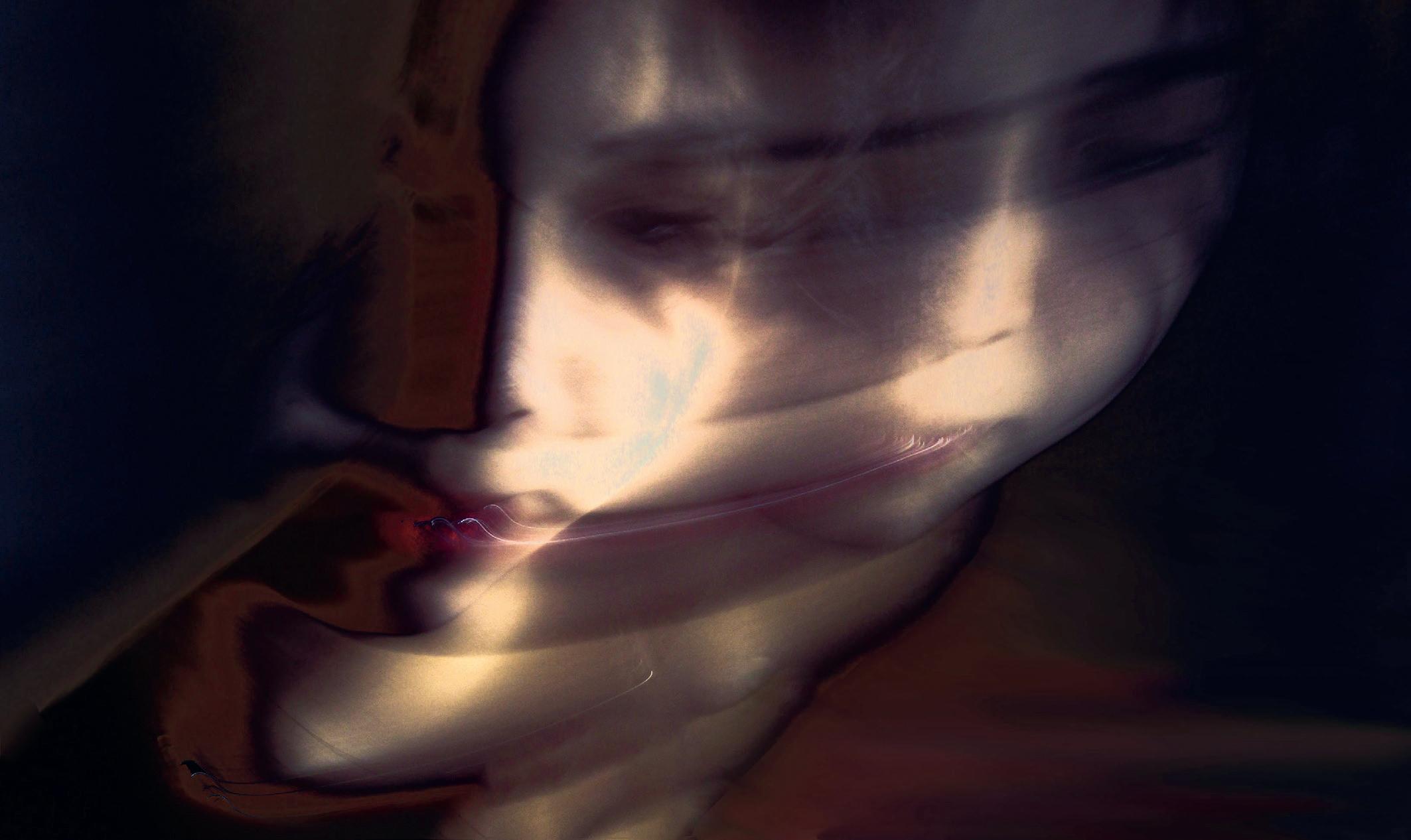
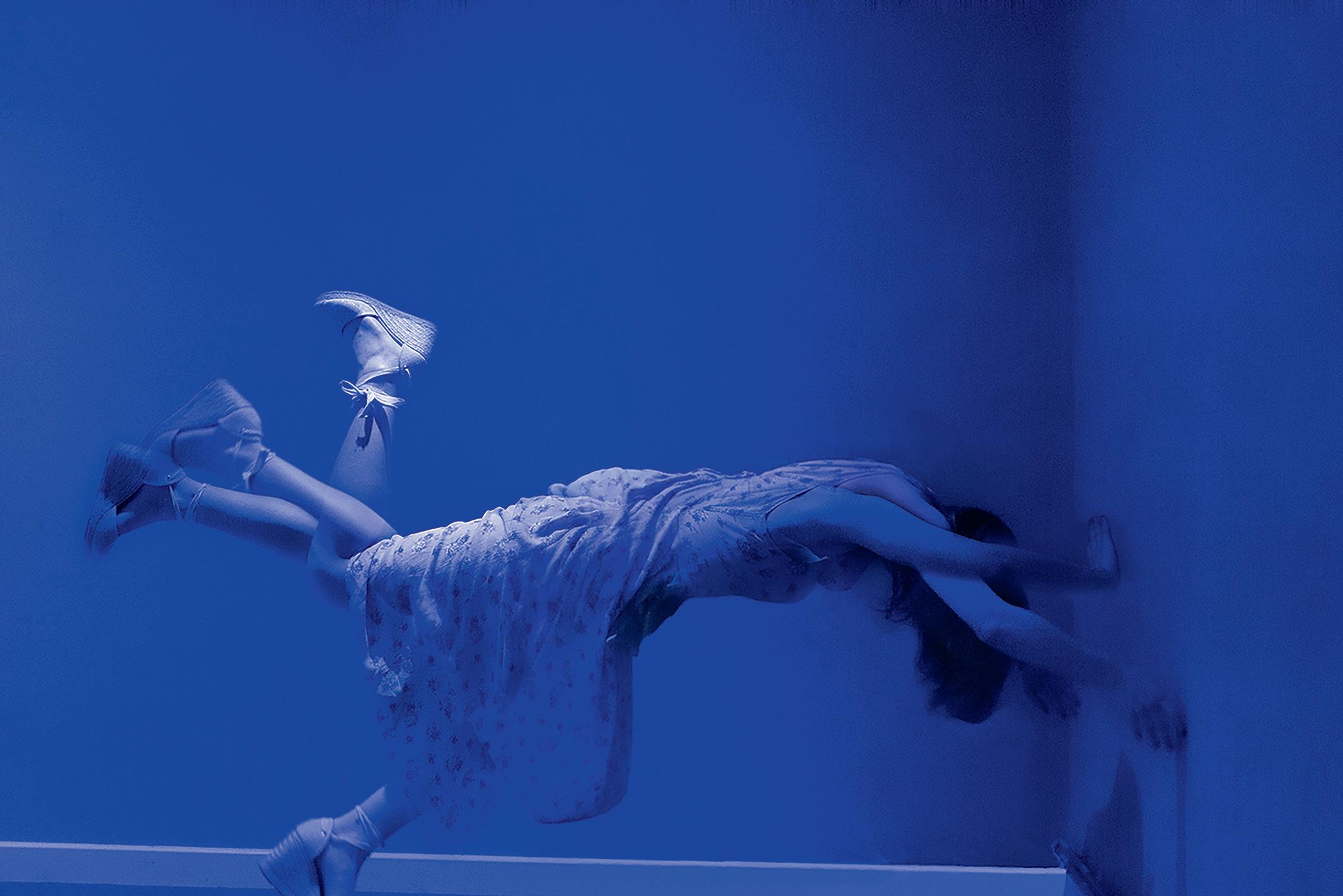
I am Michelle Wang, a photographer from China, currently pursuing a BA course in Fine Art Photography at the Glasgow School of Art. My photographic style leans toward the contemporary and the uncanny. For me, photography is not about freezing time - it is about awakening memory. It is a process of continual self-reconstruction, a visual language through which I can explore the fragmented landscapes of my inner world.
Much of my inspiration stems from the past, from the echoes of memory and the surreal logic of dreams. My practice often drifts
between reality and imagination, seeking to illuminate emotions that have no name yet still ask to be seen.
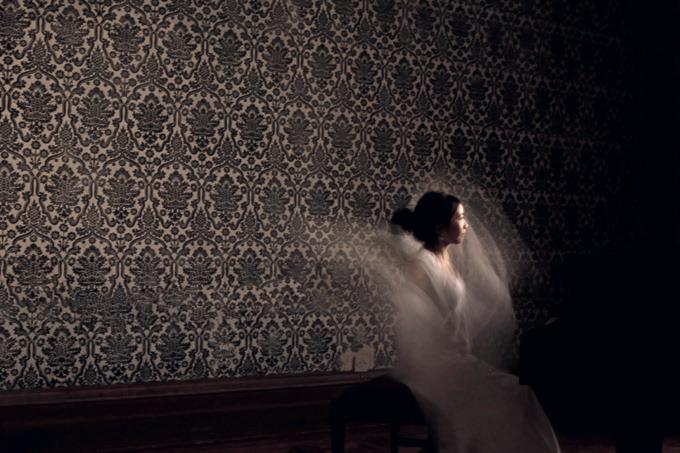
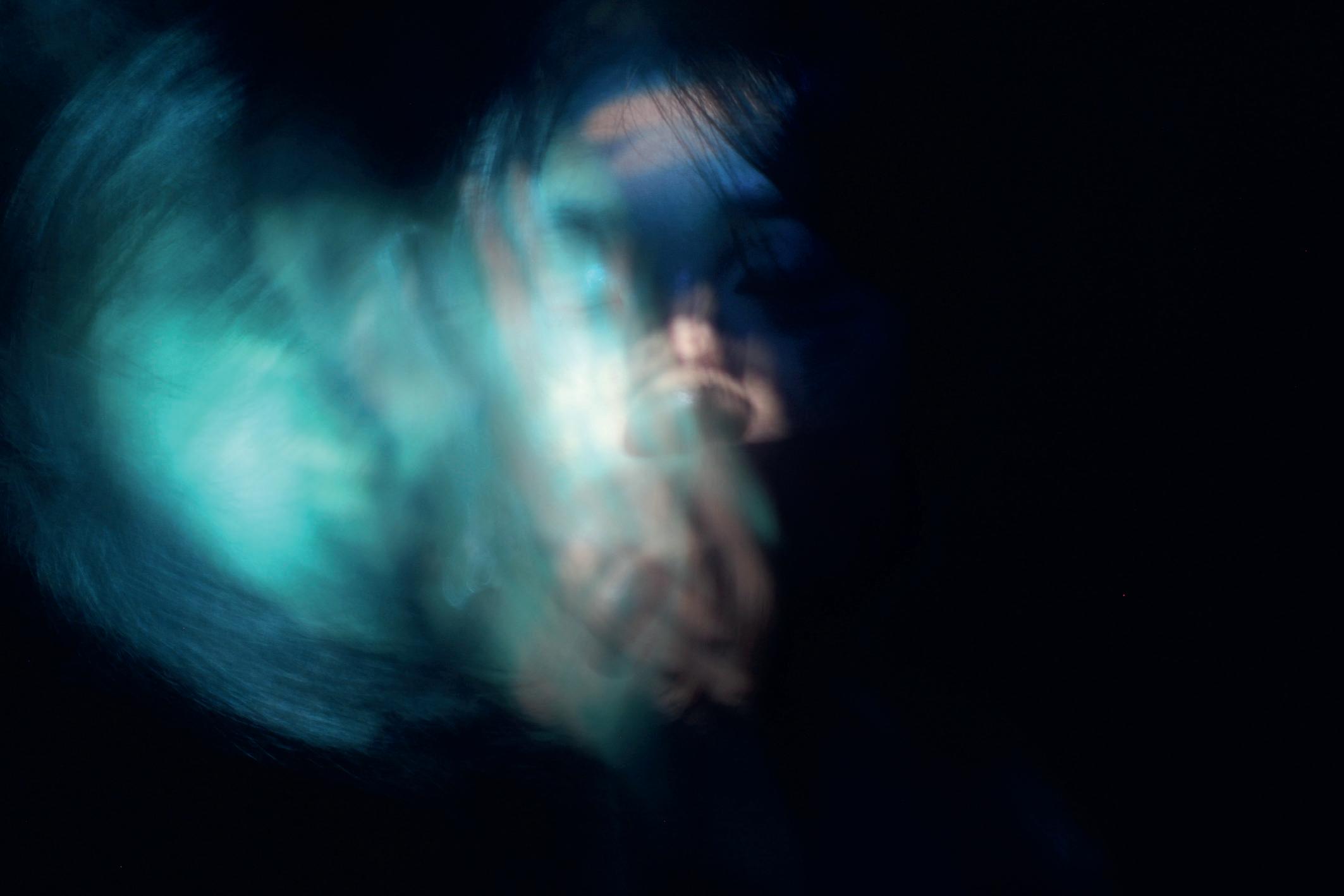
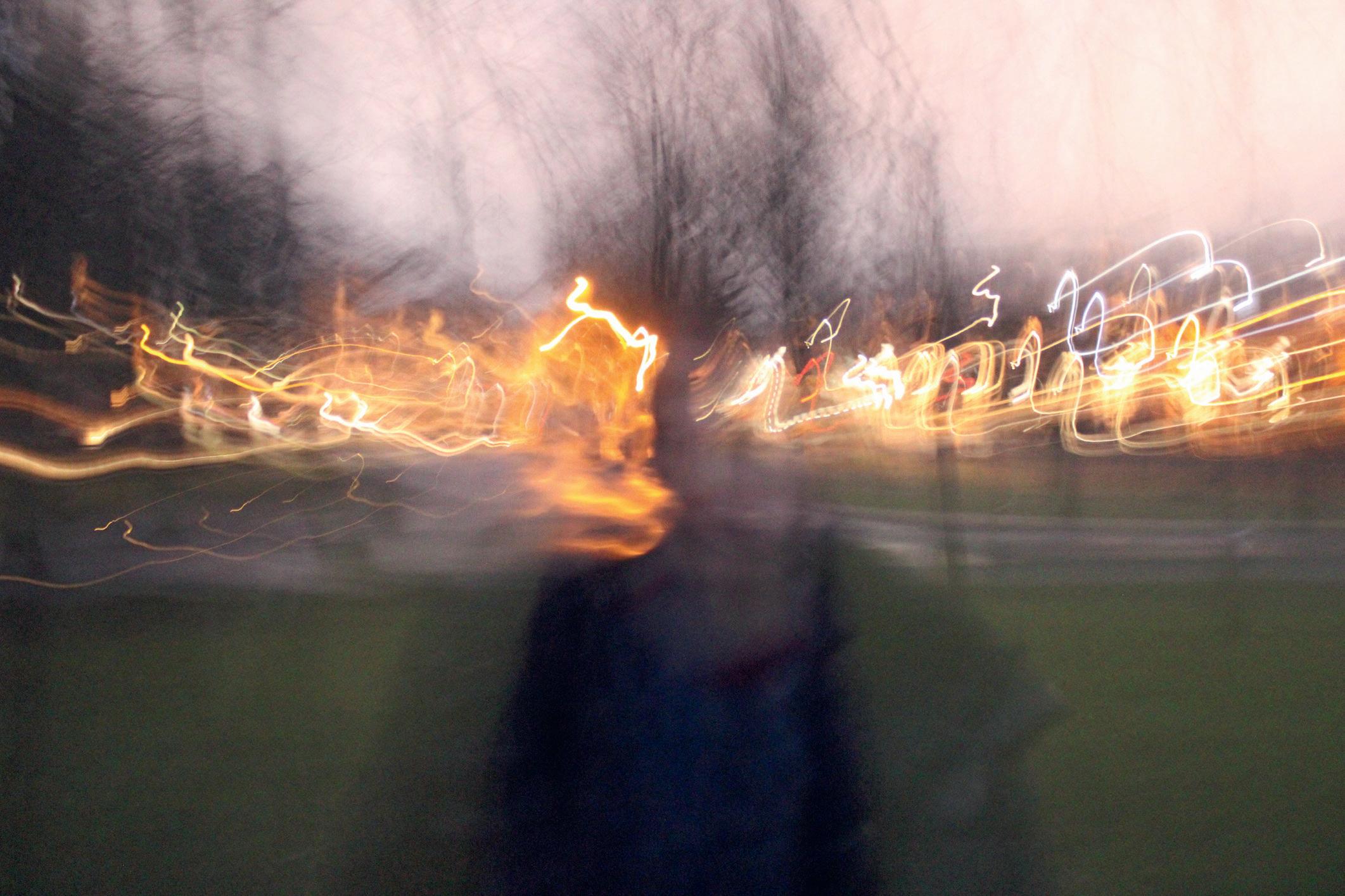
I discovered my visual voice by accident. While experimenting with my camera during a shoot in the forest. I found myself frustrated by my inability to capture a satisfying still image. Out of instinct, I tried using a slow shutter speed. In the resulting photograph, two versions of myself emerged: one blurred, one in focus. In that moment, I caught a glimpse of a dreamlike world - vivid, spectral, and deeply personal. It felt as if I had found
a way to speak, not in words, but through images - communicating emotions that had long remained silent.
From that moment on, photography became a gateway - a way of weaving through the blurred boundary between memory and invention, between the real and the imagined. In the future, I wish to continue exploring this liminal space, crafting images that speak to emotional truths we cannot yet name.
I believe art should not only express, but coexist. It should live
in symbiosis - with nature, with memory, with others, and with the undiscovered parts of ourselves.
My interest in photography did not begin with art itself, but rather with an instinctive urge to hold onto something - a way to preserve fleeting moments and express the subtleties of my emotions. I have always been nostalgic about my childhood. One day, on a sudden whim, I opened an old photo album. As I turned the pages, memories came rushing back like a tide - fragments I thought I’d forgotten slowly awakened with each image. Among them was a recurring dream from my early years: a forest I had never truly seen, but one that felt eerily familiar. It reappeared vividly in my mind, and I realised that images could preserve not only what is seen, but what is deeply felt - memories and dreams alike.
Photographs, I discovered, are not just records of reality - they can fill in the blanks of memory, heal emotional ruptures, and give form to the intangible. These dreamlike
visuals and fractured recollections have left a deep mark on me and became the recurring themes in my later works.
I began using a camera during my high school photography class. I was fortunate to have inspiring teachers who didn’t demand ‘perfect’ images. Instead, they encouraged us to truly see - to feel the movement of light, the presence of the body in space, and our connection with nature. Their guidance taught me to approach photography with intuition, to create freely in response to a scene rather than follow rigid compositional templates.
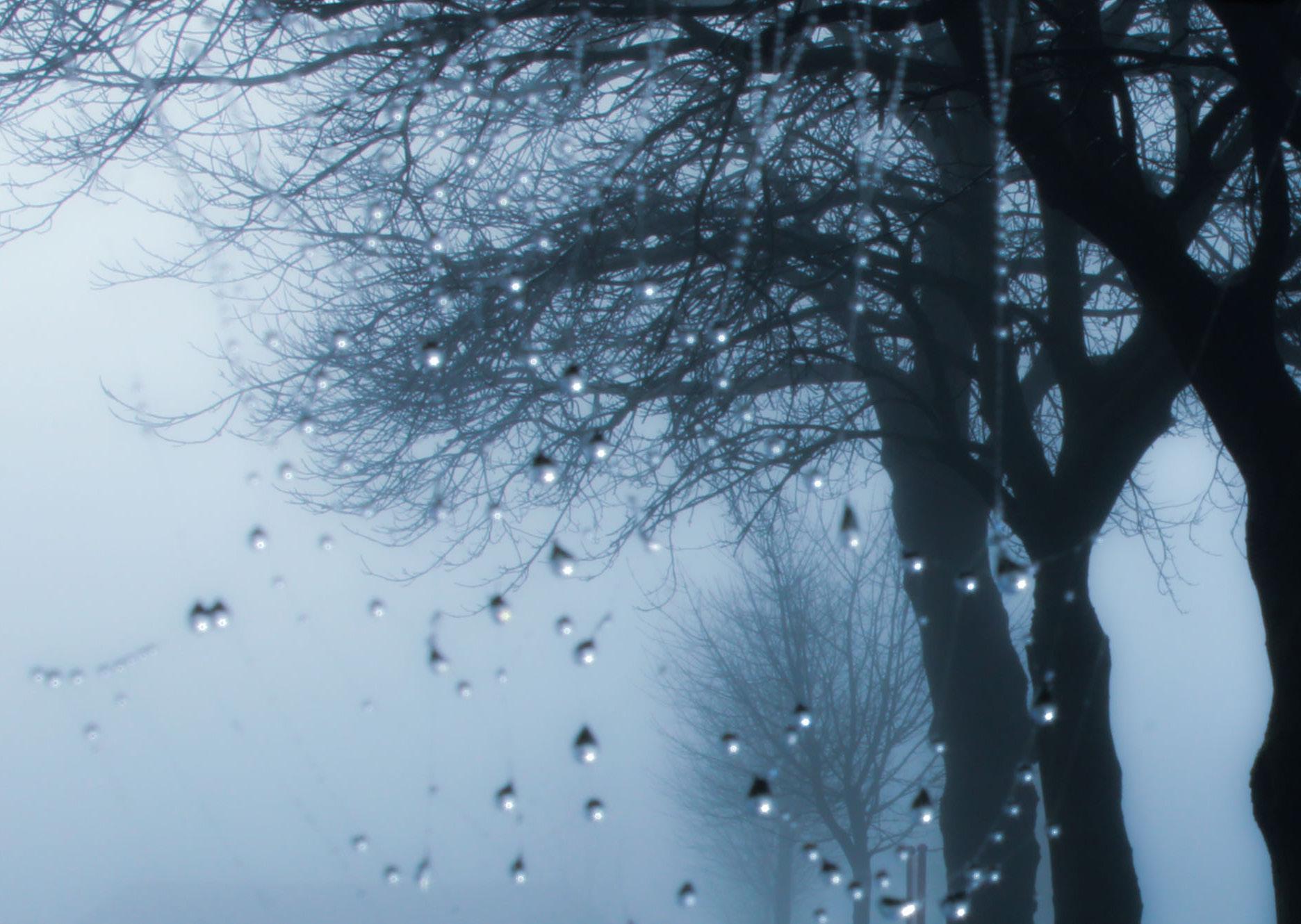
Under their influence, I began to explore ‘non-traditional’ techniques such as slow shutter speeds and soft focus - not to depict clarity, but to express emotional states. It was around this time that I began writing poems for each of my image series. I wanted my voice - my inner world - to be felt more directly, reaching the viewer not just through the eye, but through the heart.
My A-level project centered around dreams and sound. Through that series, I came to understand that photography could be more than just a visual tool - it could be a language of thought, a bridge across silence, across linguistic boundaries. It became a way for me to communicate with others through visual poetics.
These early experiences shaped the foundation of my current practice. I do not strive for a literal reproduction of reality. Instead, I search for openings within the image - spaces where memory, dreams, and the real can coexist and intertwine. For me, photography is not about ‘finding light’, but about learning to listen to the quiet voices behind the light. It is my way of releasing emotion, of translating the unspoken.
My photographic style has been deeply influenced by artists who explore the realms of psychology and the subconscious. One such influence is Bill Wadman’s Motion series, in which he often uses long exposure to capture
a person’s shifting self-image. These images do not represent a single frozen moment but rather a stretched duration - a visual expression of internal struggle and movement. The resulting blurs and uncertainties convey not clarity, but a tension between presence and absence. His work made me realize that photography is not merely about clear representation, but can become a visual form of self-exploration and psychological confrontation.
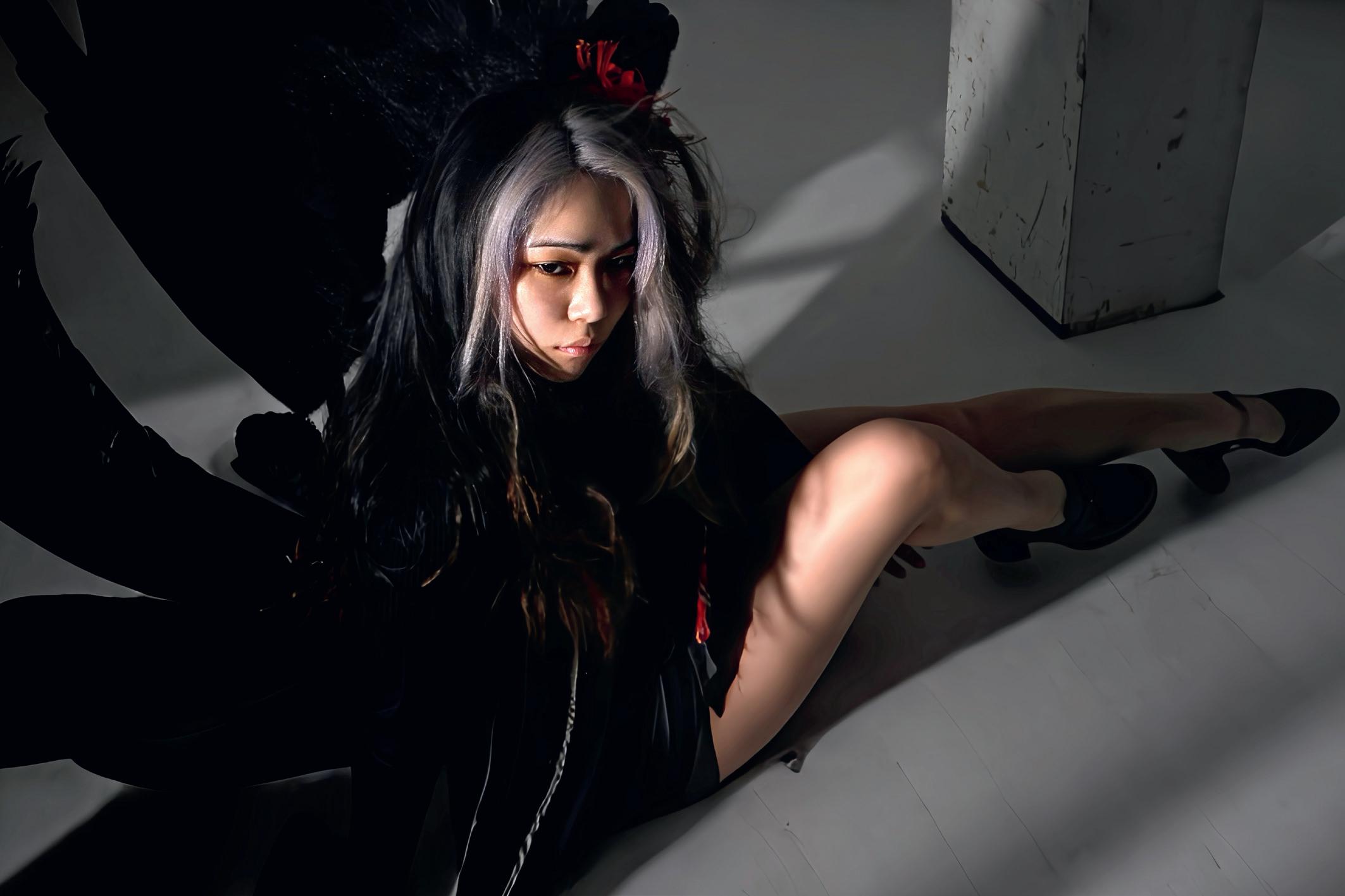
Another major influence is Ana Mendieta, especially her body-based, land-connected performance works. Her integration of the female form into natural elements - soil, fire, and shadowsevokes a deep and primal dialogue between woman and earth. Her persistent questioning of belonging and origin resonates with my own attempts to explore memory, identity, and the body’s place in the world through imagery.
Beyond visual art, music plays a central role in shaping the rhythm and emotional depth of my creative
process. Each note has the potential to unlock different emotional landscapes. Just as photography is a visual language, I see music as a form of auditory communication. I often listen to music while working to ground myself emotionally.
One of my favourite piano pieces is ‘The Farewell Letter’. Its shifting melodies and tranquil atmosphere gently veil its theme of goodbye. It reminds me of those ordinary days that suddenly turn into turning points, leaving behind only memory and quiet release. The understated emotion, like a tide, flows gently into the listener’s heart - it is delicate, yet profound.
I write a poem for each of my photographic series, hoping that image, language, and sound can interweave - expressing feelings that are ambiguous but deeply authentic. My practice is not just about what can be seen, but about what is felt, in ways that evade simple definition.
My current photographic style leans toward the modern, surreal, and psychological. I often work with slow
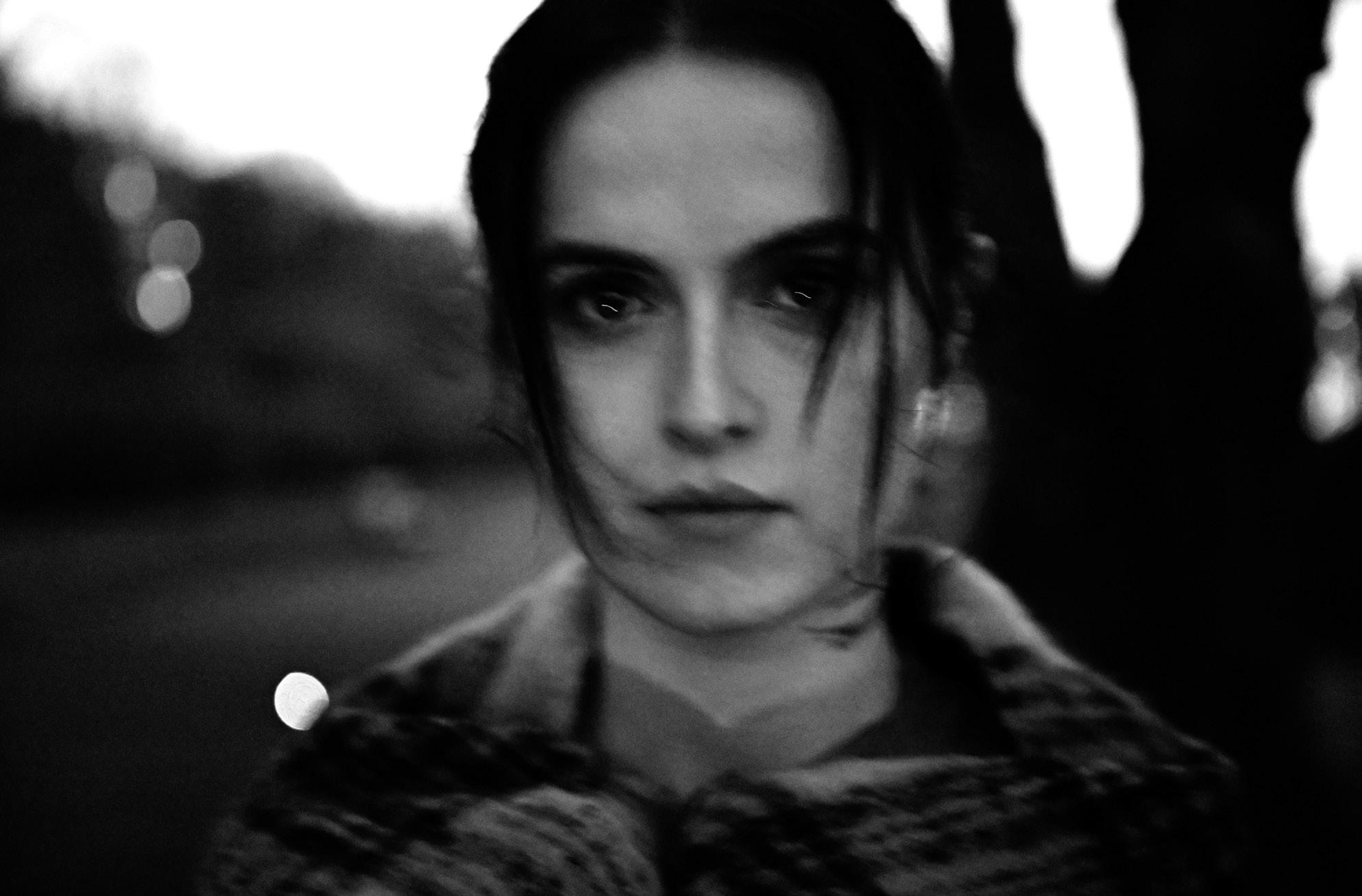
shutter speeds, intentional blur, and double exposure, techniques that shift my images away from objective documentation and toward something more fragmented and intimate - a collage of dreams, memories, and emotional echoes. I don’t strive for clarity; instead, I embrace ambiguity, because it is often in the blurred spaces that truth reveals itself.
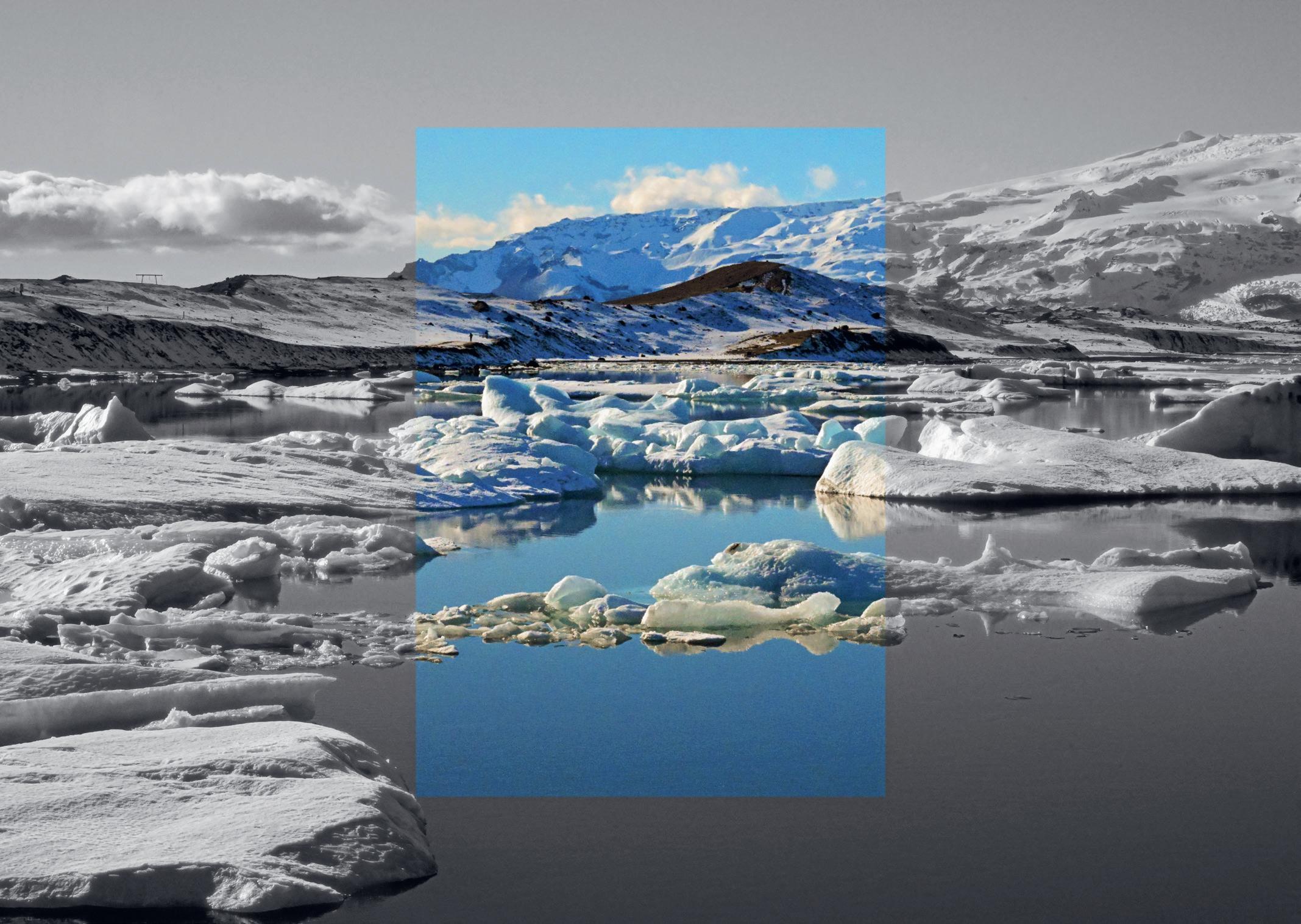
The recurring themes in my work revolve around reconstructed memories, the reappearance of dreams, and the emotional connection between the self and the natural world. Through photography, I try to awaken feelings that have been forgotten or suppressed - those fleeting moments that exist only on the edges of memory or in the logic of dreams.
The process of developing my artistic voice hasn’t been without uncertainty and doubt. In the beginning, I worried that my work wasn’t ‘technically perfect’, and often felt that I was simply lucky to capture a beautiful moment
rather than creating something truly meaningful or original. I feared that my images might be too unconventional, too far removed from traditional photographic norms.
But over time, I began to listen more closely to what I was genuinely searching for through my work. I realised I didn’t need to conform to anyone else’s standards - I needed to speak in my own language, in my own rhythm. From that moment on, I stopped chasing perfection and started focusing on building a personal visual language - one that reflects the way I feel, remember, and dream.
In the next stage of my creative journey, I aim to further explore the blurred boundaries between dream and reality, while expanding photography beyond its traditional two-dimensional form. I am particularly interested in integrating moving images, sound installations, and textile materials, seeking a more immersive and tactile way of storytelling - where images can not
only be seen, but also heard and felt.
Professionally, I aspire to engage in interdisciplinary collaborations - transforming data or abstract concepts that are often emotionally inaccessible into visually resonant narratives. I hope to work with artists from diverse backgrounds, exchanging perspectives and broadening my own creative methodology. I’m also excited by the idea of collaborating with fashion brands, to merge conceptual art with wearable narratives.
Looking ahead, I plan to pursue further academic study at master’s level to explore new territories and deepen my understanding of image-based language and contemporary art theory. I have a growing interest in curation, art education, and critical writing, and hope to translate my personal artistic practice into more dialogic and accessible forms.
As an artist still in the process of evolving, I understand that ‘style’
is not a fixed destination, but an ever-shifting path. I want to keep challenging medium boundaries, embracing experimentation and uncertainty, and continually redefining my relationship with the image. Ultimately, I hope my work can exist as something both delicate and powerful - a silent voice, a lingering warmth in the landscape of dreams.
Looking back on my journey, I began as someone simply trying to hold onto memories and dreams. Over time, I have grown into a storyteller - one who speaks through images, guided by emotion and instinct. Photography, to me, has never been just a tool for documentation. It is a way of searching - for the gaps in time, for pieces of the self, for quiet yet powerful ways of seeing the world. It has helped me find direction in confusion, and truth in what is unclear.
I love photography because it gives me the courage to express, and a space in which to place my feelings u
and thoughts within a chaotic world. I hope those who encounter my work can sense a kind of untethered freedom - an invitation to feel without needing to explain. I want to continue asking questions, embracing uncertainty, and creating from a place of honesty.
Together, let’s look forward to the images still to come - the ones yet unformed, waiting quietly between light and shadow. They may be strange or soft - spoken, but they will carry my truest emotions.
l
BETWEEN BORDERS: A LIFE IN TRANSLATION
PAULA REGINA CORAZÓN LRPS
Paula Regina Corazón is a documentary photographer and visual researcher based in London, currently studying Photography and Creative Industries at the University of the Arts London. Raised between the US-Mexico border and now immersed in a global academic environment, her work explores the intersection of architecture, public space, and social identity through photography, urban research, and visual storytelling.
I was born in El Paso, Texas, and raised in Ciudad Juárez, Chihuahua - two cities divided by a border but united by a culture that blends Mexican and American elements. With a rich, shared history, together they form the second-largest metropolitan area in North America.
My life has been a constant movement between languages, nations, and emotions - each one shaping the way I see the world. My daily routine used to begin in Ciudad Juárez, crossing into the United States to attend academic and ballet classes, and returning home at night. As an only child
navigating life between two sister countries, I developed a deep understanding of connection, disconnection, and belonging. Spanish was my first language. English came next. But the language that has allowed me to understand all others is
photography. That bond became stronger during the COVID-19 pandemic, when the world was forced to live behind a screen.
At fifteen, I moved to England to continue my studies at a boarding school in Yorkshire: Queen Margaret’s School for Girls, located in a rural setting just south of York. That school became my second home. I was far from everything I knew - my parents and my home town. It was there that I discovered photography, the key that opened the door to a universal language. The photography studio and the ballet studio became my refuges. Over the three years I spent at Queen Margaret’s, my camera became both my companion and my translator. Learning to observe through the lens was the beginning of something I didn’t know I needed: a way to tell stories. Juárez is a place of strength and pain. El Paso, of calm and refuge. The border taught me discipline and empathy. Photography allowed me to translate the invisible.
My childhood is filled with beautiful memories, but also with drastic and dramatic ones - like hiding under a car seat during a shooting, or seeing a man hanging from a bridge on my way to school in El Paso. These moments left marks on my memory and taught me that what we see - and how we see itmatters.
One teacher in particular, Mr. Hill, taught me to use the camera as an interpreter and create photographs that helped others understand my vision. He taught me not just to ‘take pictures’ but to ‘translate emotions’.
At Queen Margaret’s, my work was always assessed with the intent to challenge my perception. Ballet is a discipline that continues to shape my life. It taught me consistency long before I understood language. Since the age of two, I’ve trained and performed in Mexico, the United States, Asia and Europe.
In school, I learned structure and language; on stage, I learned how movement tells stories.
Photography gave me the medium to release them.
At Queen Margaret’s, I studied Photography, Economics, Graphic Design and English Literature and Language. These subjects taught me to see through multiple lenses: emotional, analytical and narrative. I began to understand that a photograph contains both history and identity.
The first photographer I studied was Dorothea Lange. Her portraits are more than images - they are social documents. Later, I began analysing the work of Annie Leibovitz, from whom I learned the architecture of intimacy in portraiture. Guided by my photography teacher, studying the work of other photographers shaped the way I tell stories: with emotion, but also with intention. When I document with my camera, I observe and listen to the space I’m in. My photographs are mainly taken using natural light. I enjoy working with it, watching how it moves through space. The interaction between light and
shadow plays a vital role in the story.
I’ve learned a lot along this journey. I’ve also found a way to observe, to participate, and to connect. It’s about witnessing stories, honouring presence - always with care and compassion.
To photograph is to invite the viewer to pause and recognise something familiar - sometimes with hope, nostalgia or joy. Emotion is at the heart of everything. Today, I continue to explore photography and notice what is often unseen. Images that don’t always offer answers or even pose questions. I’m interested in how we shape and share narratives. I have documented and collaborated with Indigenous communities, border communities and urban development.
I want to keep exploring interdisciplinary approaches that blend visual arts, geography and narrative. I want to photograph and continue asking questions with my camera - and preserve unforgettable moments - because,
for me, photography is the language I use to explore life.
I’m currently studying Photography and the Creative Industries at the University of the Arts London, where I’ve expanded my practice beyond photography. I’m exploring how visual arts intersect with design, memory, architecture and the imagination of space.
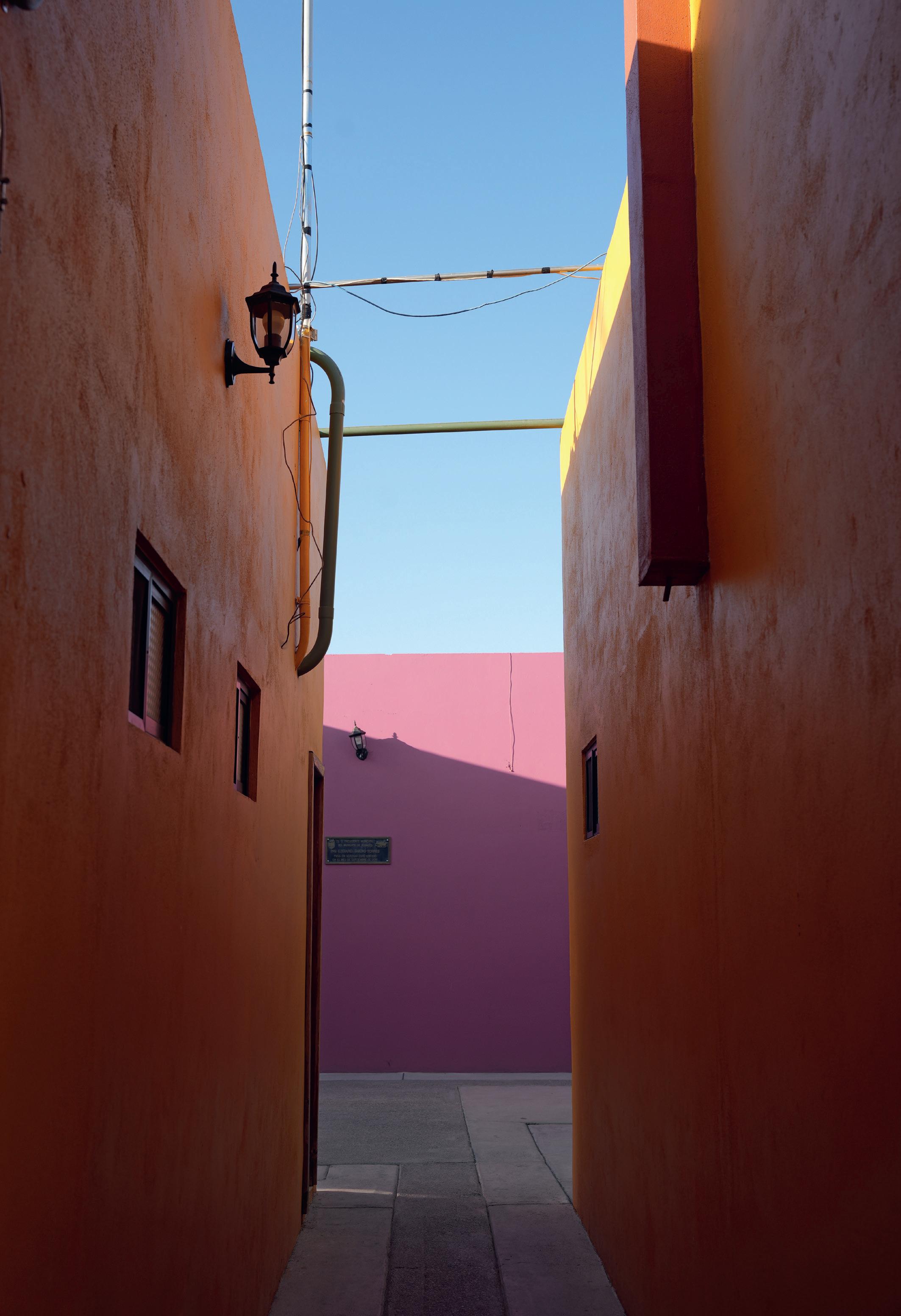
My portfolio explores emotional geographies. I’m conducting research in different countries and cities to understand how space shapes people - and how people are shaped by their environments. I’ve documented daily life in Juárez, Delicias, Chihuahua, El Paso, and currently in London.
Another central theme in my work is honouring my family’s legacy. My maternal great-grandparents helped found Ciudad Delicias, one of the youngest cities in Mexicocarefully designed with vision and intention. It is known for being one of the best-planned cities in the country.
Their commitment to development, planning, and social support deeply shaped me. I often think about their decisions - their courage to build where there was once nothing. They inspire me to build stories across new horizons.
Adapting to life in London wasn’t easy. It’s a magnificent city, but it can be overwhelming. I wasn’t sure I had made the right decision by staying in England - but my teachers at Queen Margaret’s and at the University of the Arts London believed in me.
They saw a spark in me that I hadn’t yet seen. What I documented with my camera, I thought was just for me - until I realized I am a translator of emotion.
The emotion behind my documentary projects tells stories that honour and help improve social, emotional, and urban environments.
Photography carries great responsibility, and I embrace it with commitment.
l
FINDING HOME IN AMSTERDAM THROUGH INSTANT PHOTOGRAPHY
LUCA ARFINI
Luca Arfini found himself in a foreign land. So, naturally, he borrows an instant camera and documents others in a similar situation.
Although photography has always been a part of my communication and journalistic work, I recently took a deeper dive into it after a course with an Italian photographer in Amsterdam who really inspired me to unleash my creativity through this art form. It quickly became an important way for me to slow down and connect with people and places.
While I appreciate the immediacy and ease of digital photography, I’m drawn to instant photography because it feels more deliberate. Unlike taking hundreds of photos thoughtlessly, instant film requires me to be present. Every shot matters, making the process more intentional and meaningful. Additionally, as I spend much of my time on my laptop and phone for work, instant photography allows me to disconnect from this world and express myself in other ways and express myself in other ways, and I enjoy that.
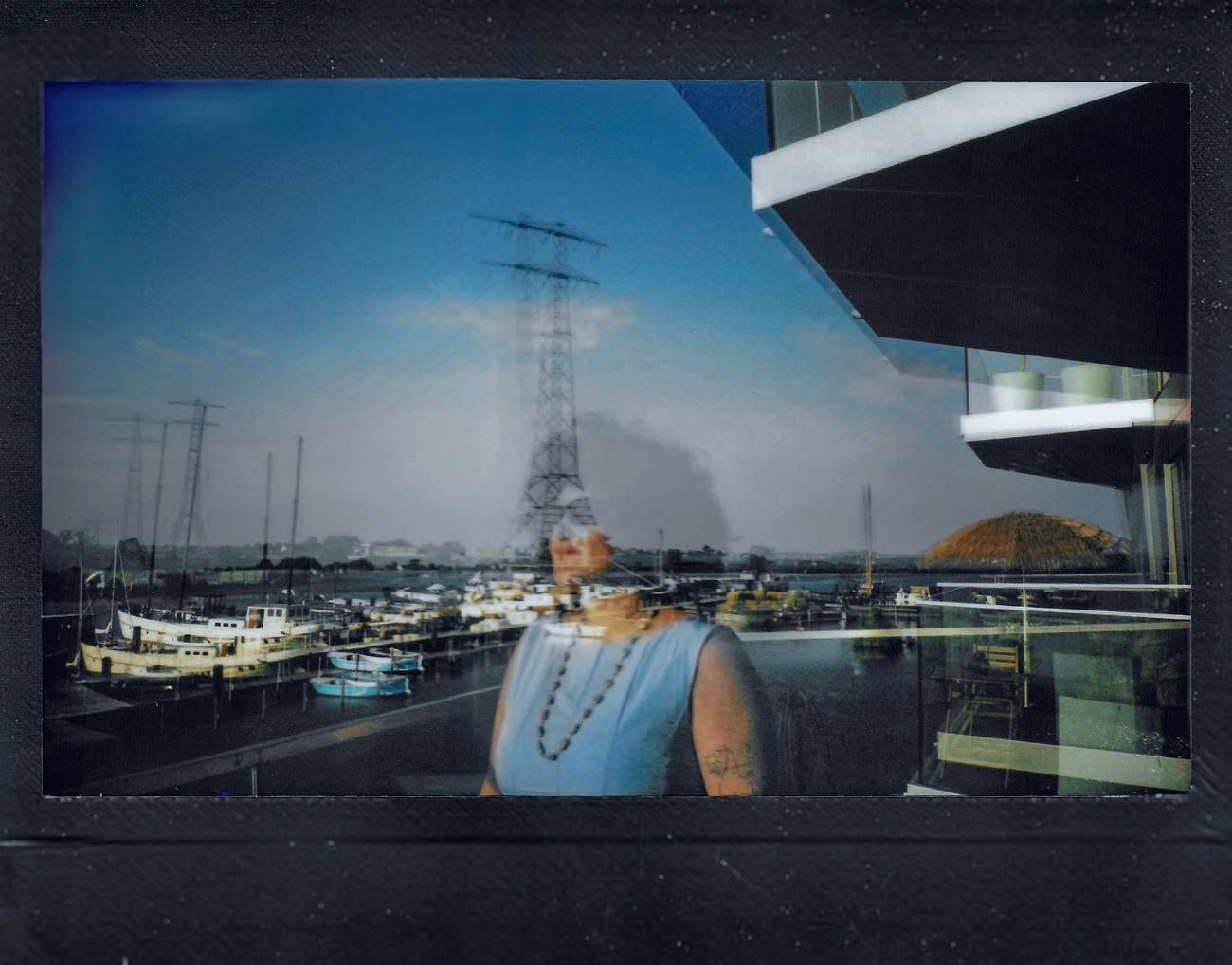
With the project When Amsterdam Becomes Home, I explored the concept of ‘home’ in Amsterdam,
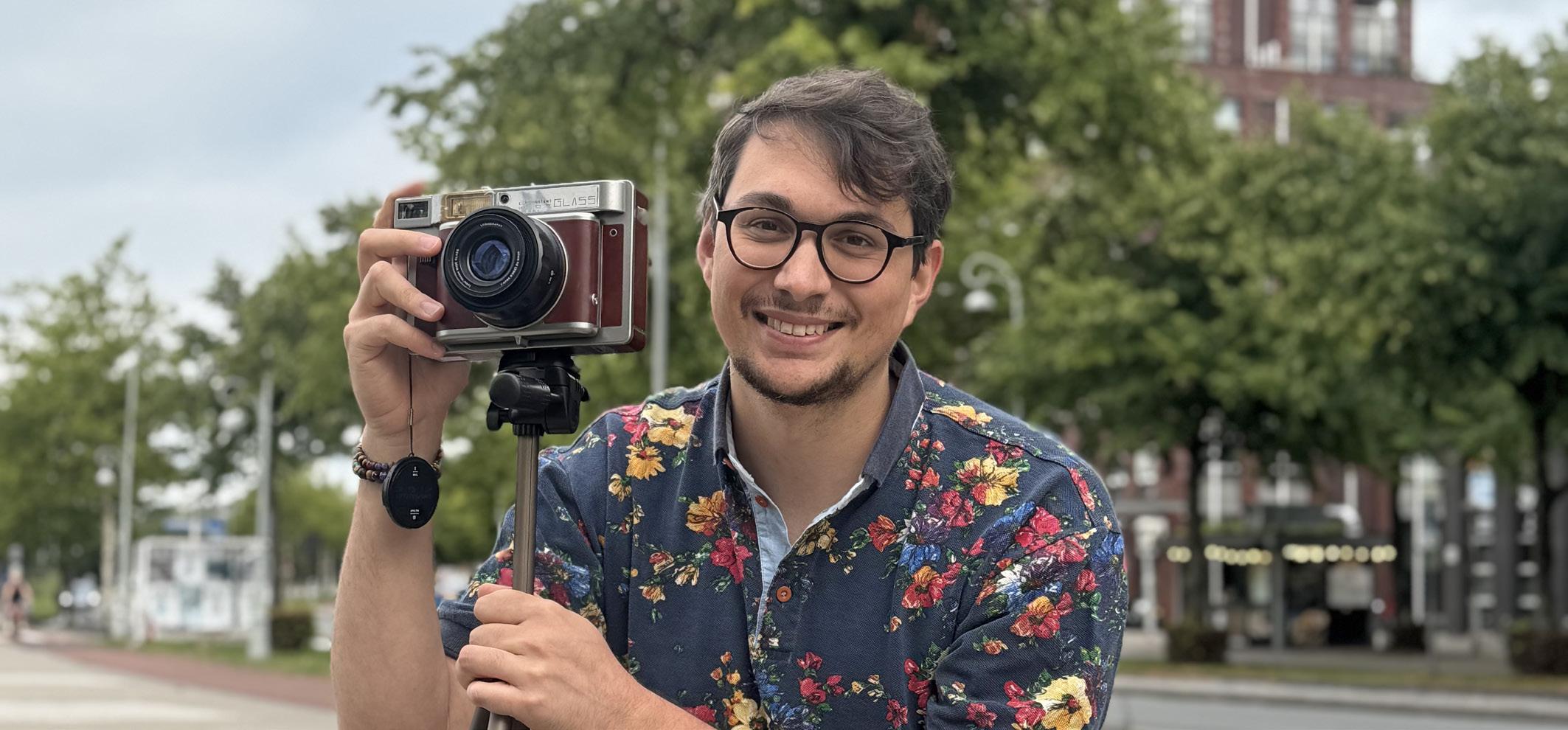
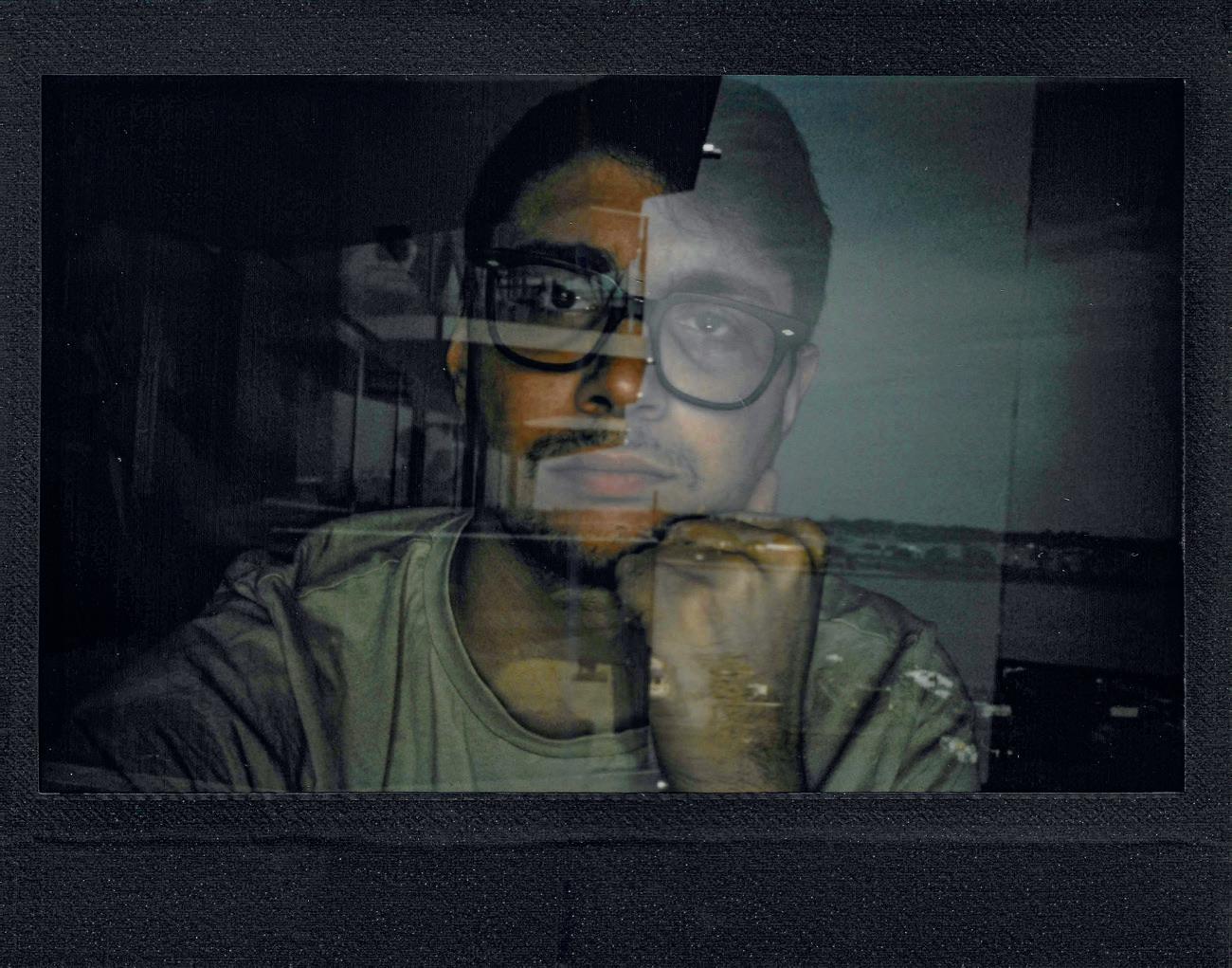
a city influenced by many cultures. Using a Lomo Instant Wide Glass, kindly lent to me by Lomography, I invited people from diverse backgrounds to take me to a place in the city where they feel most at home. I then photographed their portrait on instant film and paired it with their own words about what that particular place meant to them and how it connected to their sense of belonging.
I enjoyed exploring all the possibilities of instant photography, from multiple exposures to long exposures and playful portraits. Sometimes the results were astonishing, other times quite disappointing, and this unpredictability was what really kept me motivated and excited the whole time.
This project is quite personal, reflecting my journey over recent years. Having lived in six different Northern European countries and being Italian, with its strong culture and traditions that sometimes clash with the northern way of life, I
understand what it means to be an expat; navigating how to integrate into a society that isn’t originally mine while still carrying pieces of the places I’ve called home. Through this work, I reflected on my own sense of belonging, while also listening to the stories of others with similar experiences, recognising where we shared common ground and how we connected.
Each portrait is unique, but together they reveal a universal feeling: the shared sense we all experience when living abroad, seeking belonging, facing adaptation, and building a home in new places. And in this process, we always try to find our safe anchor that takes us back to where we come from, even if just for a moment.
For me, photography is more than just taking pictures. It’s about the connections, conversations, and moments that linger long after the photo is developed. This project has helped me to truly express myself and the vision I have for photography.
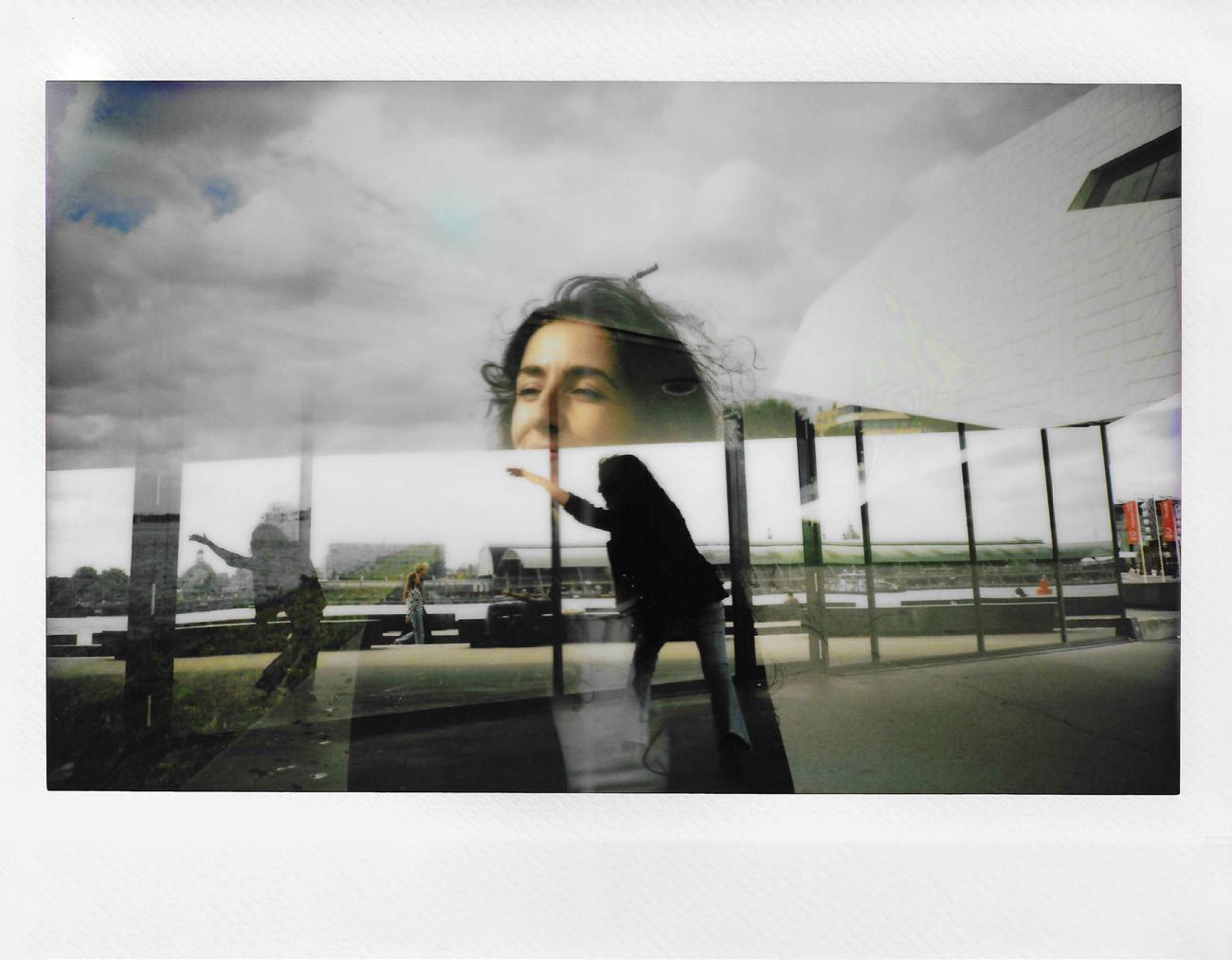
This place has always been a special one, not only for me, but for all the dance communities of Amsterdam. I don’t know whether it’s the cosiness of it, perhaps caused by the roof that covers it, or the presence of the mirrors, or the suggestive Amstel by the side, but every time I dance there, I feel free. I’ve also had the chance to meet many amazing people, all connected by the passion for dancing and good vibes!
Claudia from Italy
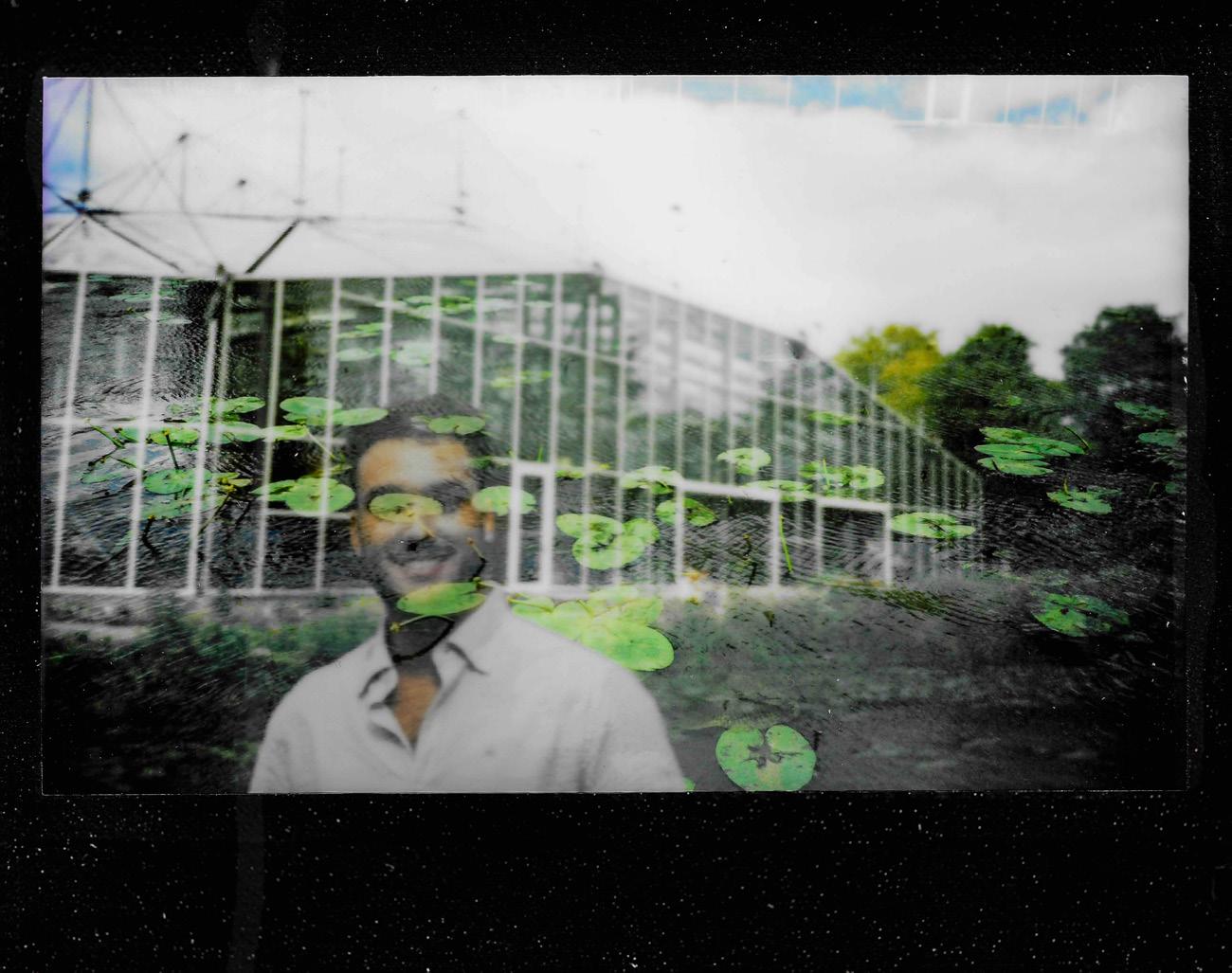
Back in Valencia, my happy place was my orchard, where I grew countless kinds of flowers. Whenever I felt happy, sad, restless, or bored, I would go there and instantly find peace. When I first arrived in Amsterdam, I missed that space deeply, until I discovered the Hortus Botanicus. Surrounded by its greenery and the quiet presence of many plants, I feel the same sense of belonging I once felt at home. It reminds me of my orchard, the change of the seasons, and at the same time, it has become my new refuge here.
Antonio from Spain.
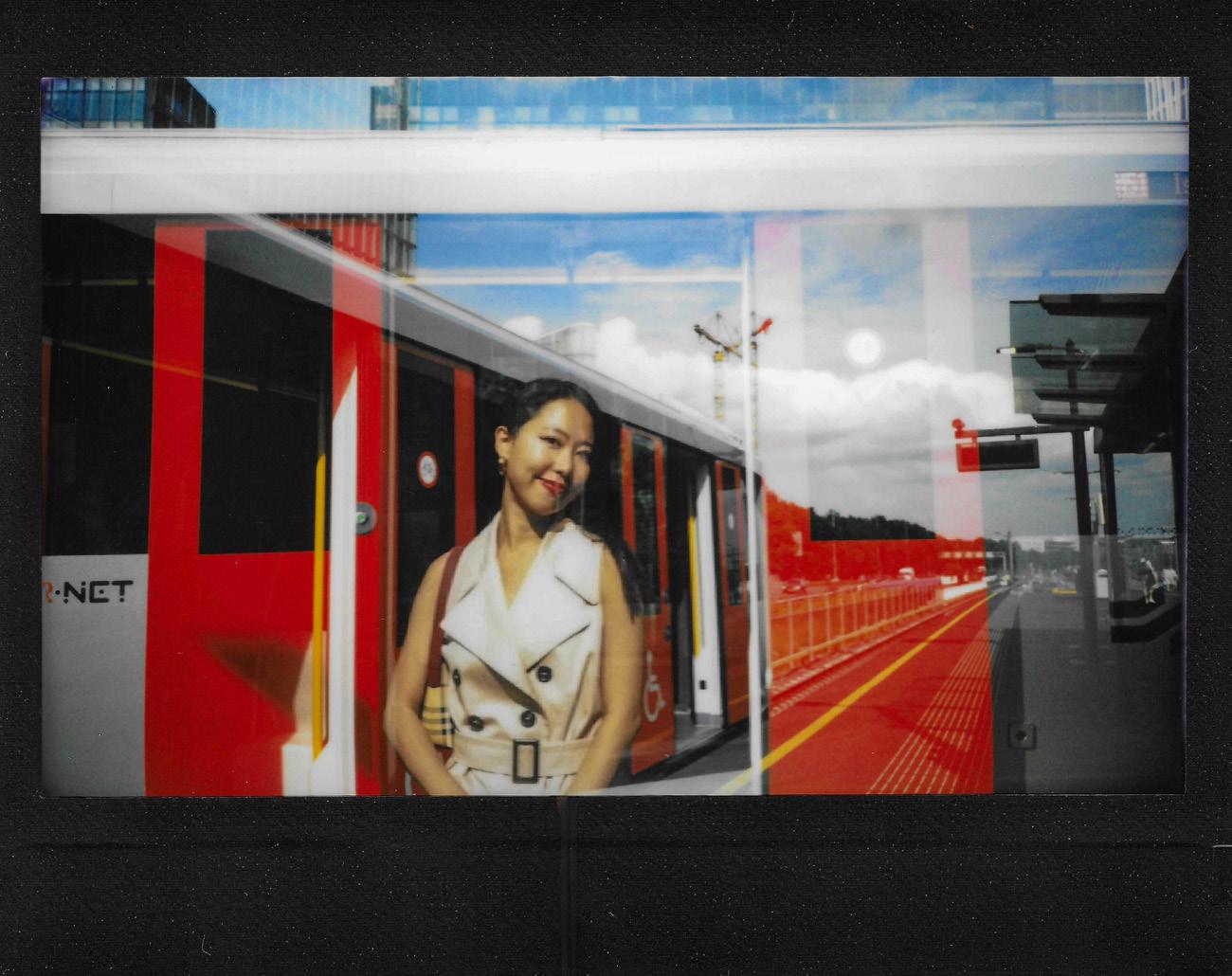
This area takes me back to Seoul; busy skyscrapers remind me of my youth. A 10-year-old in mum’s car getting excited for dinner, a 15-year-old giggling with friends, an 18-year-old strutting while slightly tipsy for a night out, and a 19-year-old with blushing cheeks from soaking in first love. I can never not be a city girl, just because it’s where my youth was formed. Zuidas brings me back to my youth in Seoul.
Kim from South Korea
When I was a student in Moscow, I visited Amsterdam a few times. With a limited budget, I was always looking for free ways to explore the city. One of the first things I discovered was the ferry to the Eye Museum. It amazed me how locals used ferries so casually, as a part of daily life, not something special or touristy. That simple ride felt magical to me. Years have passed. I’m no longer a student, I no longer travel back to my home country, but I still take the ferry. Now it’s not just a ride across the water, it’s a quiet moment of connection to the past. When I stand there, looking out at the city, I think of where I came from and how far I’ve come. This photo is about that feeling; movement, memory, and the spaces in between.
Sergey from Russia
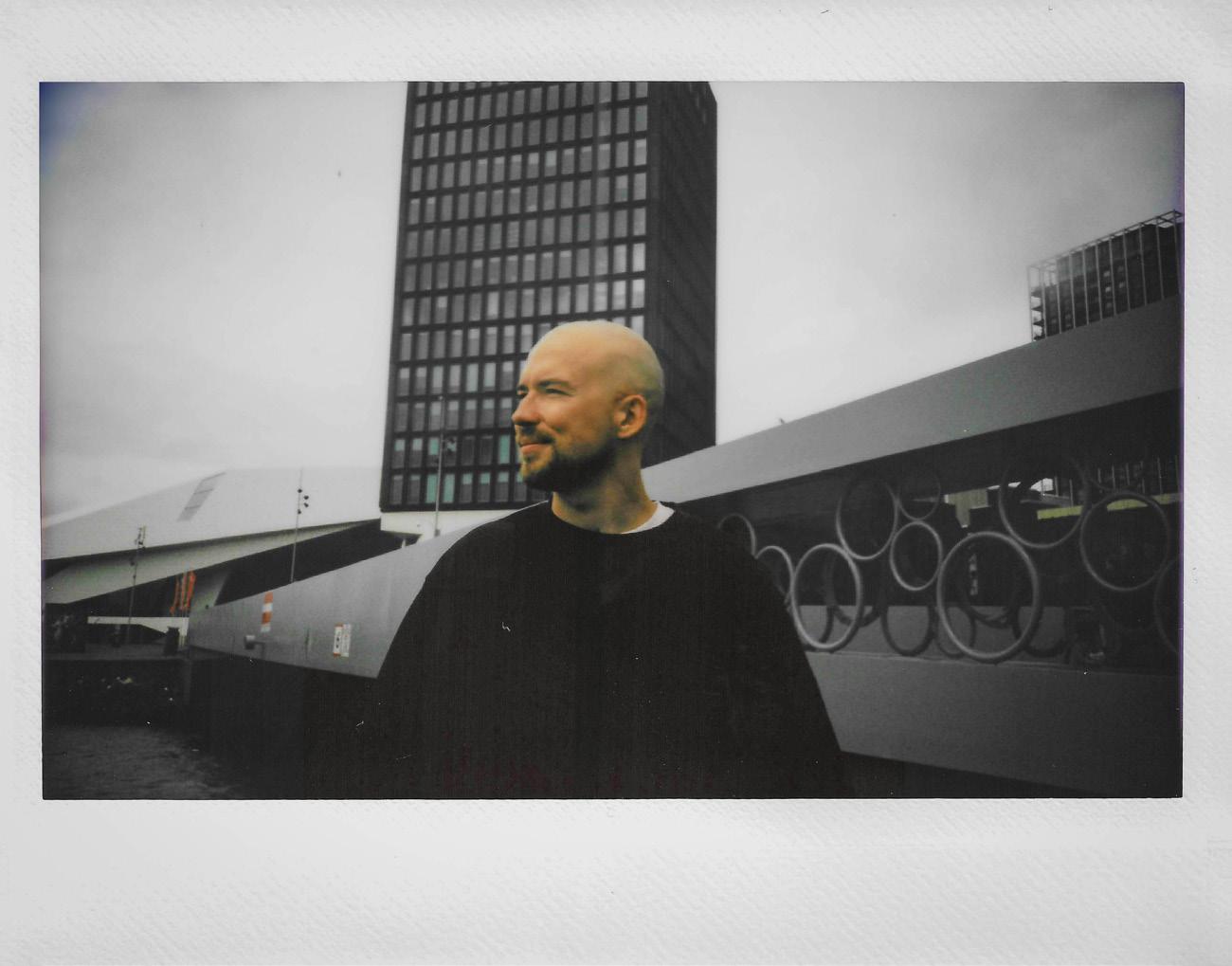
This building and everything around feel as if they were made to meet me halfway. Here, the strong lines meet the calm of the water. IJburg is quiet, open, and peaceful, the opposite of São Paulo’s restless and vibrant streets. If I think about it, I don’t need a place to remind me of them. For that, I have my tattoos, my curls, my cat, and my food, my whole identity. What I needed was a place where I could feel free, where I could feel love, where I could belong. And that is what I have here. I am home.
Vivian from Brazil
Sluishuis feels like home because the view of the water brings me a sense of calm. I work from home and spend most of my days here, and that view has become my companion, cheering me up even in difficult times. The fact that the house was designed by a Danish architect also brings back memories of my time studying in Denmark, which makes the place feel even more personal.
Luca from Italy.
I WONDER IF I COULD.......?
STEVEN MUNDAY-DURANT ARPS
Steven Munday-Durant mixes old and new technologies and opens unexpected paths in contemporary photography.
Photography is the intersection of technology, scientific innovation and the arts, it’s why I love photography as I can learn about various subjects through the act of making photographs. I am often inspired by the maker/hacker subculture, that make, adapt and develop devices to fulfil an
objective and solve a problem. A lot of my experimental ideas come from the simple question ‘can I?’. From finding inspiration in other people’s work, discovering techniques that I have not tried before or procuring a new device for the purpose of learning how to use it or if I can tinker with it. A lot
of my photographic collection are things that I have found second hand that feel like puzzle pieces that require me to adapt and modify to allow me to use them.
Thought processes
They say necessity is the mother of innovation and it’s in this process
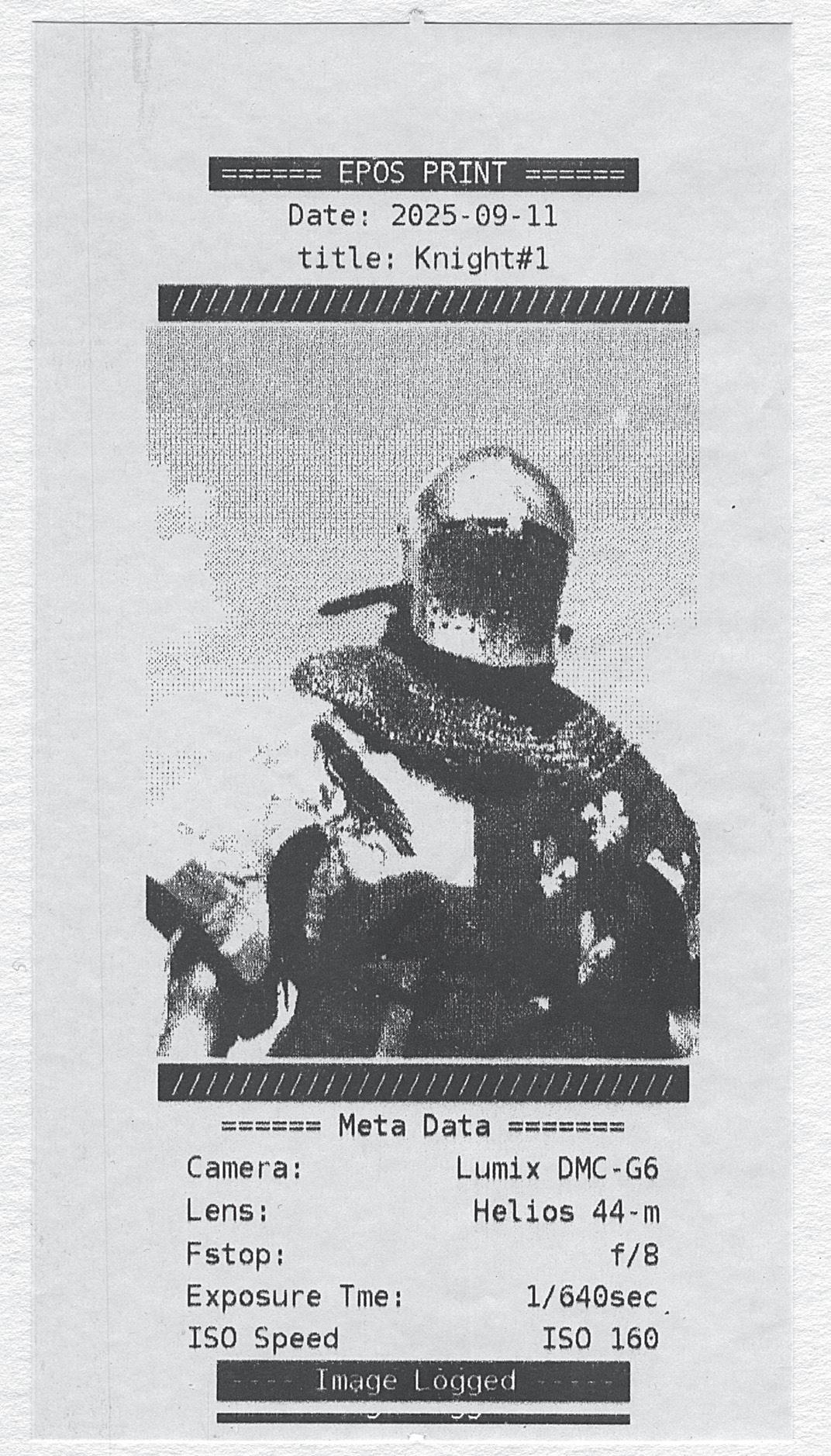
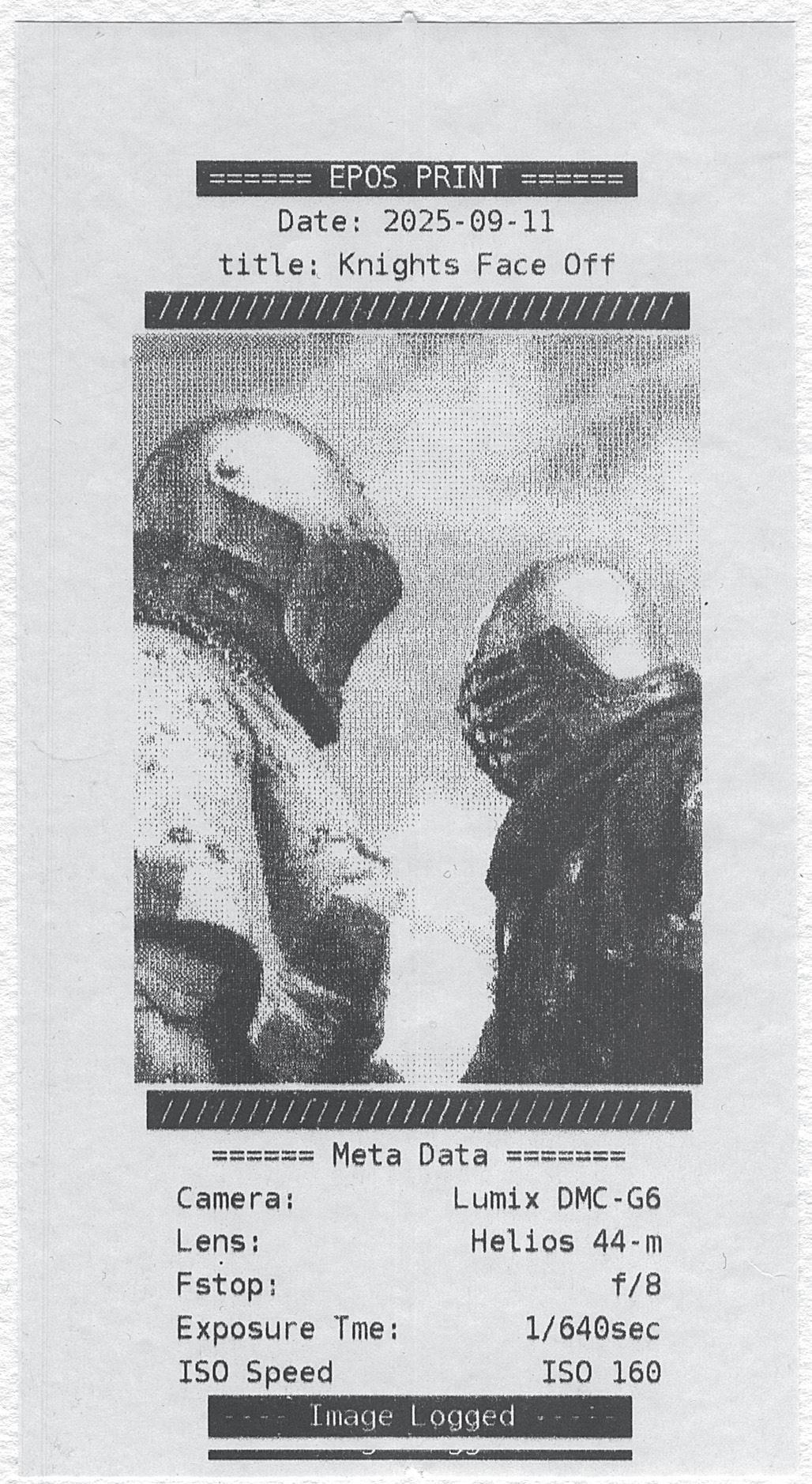
Prints created with an Electronic Point of Sale (EPOS) terminal more usually used to print receipts for purchases
of bringing things together where I can challenge myself and develop ideas. Here are a few brief examples of how my thought process plays out.
I love the look of Kodak Areochrome film, but I will never get the chance to use it. However, I can use a trichrome process with
infrared film to get a similar result. It requires infrared, green and blue colour filters, but I don’t have all three in the same filter ring size, and sourcing a deep blue filter is really challenging. Can I make my own photographic colour filters?
I saw someone produce a single element lens for a camera with a
resin 3D printer. It was interesting but didn’t have any aperture control, which meant that they were stuck with a fixed aperture where the aberrations could not be controlled or subdued. Can I produce a lens that includes a variable aperture and shutter in the style of a large format lens entirely with a 3D printer?
Kinect Self Portrait Experiments #14
I like the idea of having a device whose soul purpose is to help in the darkroom by providing assistance to the user. Can I program a Voice Assistant to aid me in the darkroom, that tells me development times for film, can start a timer, adjust values based on the difference of temperature, etc?
The reality
These questions create opportunities for learning and self development. Each project presents their own challenges and difficulties which allow me the space to work on creative problem solving. This involves a lot of research on various subjects that are on the periphery of photography or how they can be applied to a photographic purpose. Through developing these ideas and a lot of trial and error I am able to say yes it is possible, with varying levels of successes. The filters worked great and I made images reminiscent of Aerochrome. The 3D printed lens actually produced images that could be soft and dreamy and relatively sharp, though over time the resin’s optical elements degraded till it became
unusable. And the darkroom voice assistant works but hardware limitations make it a bit slow and clunky to work with in a practical setting; to improve it just requires updated hardware and maybe a change in how it operates.
Each of the images I present to you answers the question “Can I?” All are made entirely digitally, no analogue or hybrid processes, each required a level of coding to produce these images. I mention this because digital files are ephemeral, it allows the opportunity to tinker with the source of these images to produce unexpected ways of interacting with them.
Can I print with this?
The EPOS prints (see page 24) were printed on an electronic point-ofsales (Epos) printer. These are the small laser printers in shops making our receipts when we purchase something. The challenge with this machine was to know if I could print photographs on it. The initial tests used extremely contrasty photos, I chose some of my monochrome macro ink tests due to the lack of
tones. Once I was able to produce images, the new challenge was to see if it was possible to express a wider tonal range with only two colours. I would have to find ways of representing all shades of grey with less.
This led to learning how older digital displays reproduce tones, a process called dithering. These algorithms produce patterns that from afar would blend together to provide the illusion of tones. With variations of dithering algorithms applying different textures that could alter the feel of the image. There were many challenges in connecting the thermal printer to the computer, that allowed me to send information across. This led me to learn about different methods of networking and digital communication even across operating systems. Once communication was stable, it became an exploration of how to produce the best image I could on a device that was not designed for this and how those limitations could become part of the aesthetic.
Memory Sort #1 (captured by Kinect)
Memory Sort #2 (Captured by Kinect)
Can I make photos where I am not measuring luminosity?
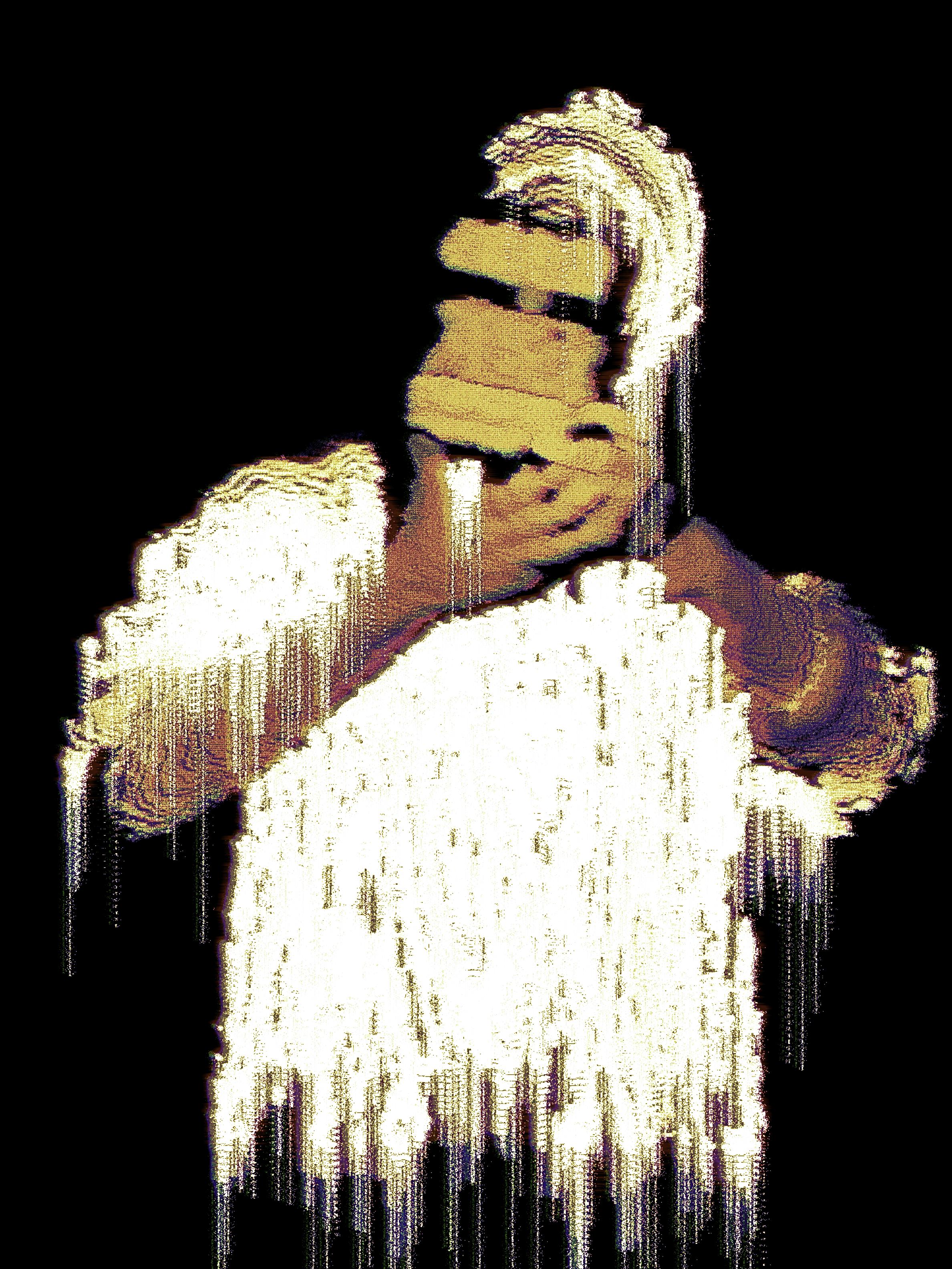
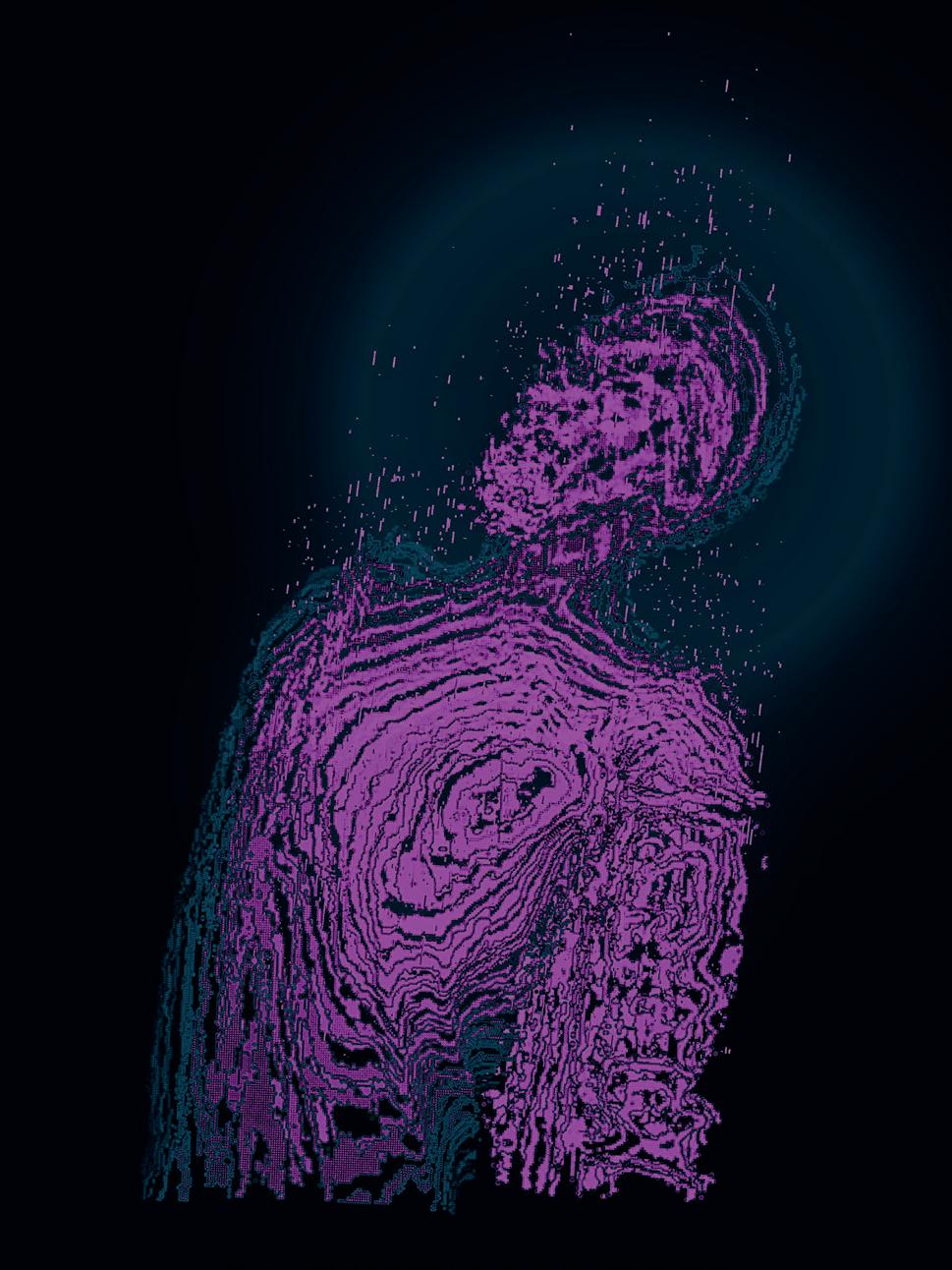
The Xbox Kinect images are perhaps some of the stranger photographic images. (The Kinect is a motion sensing device produced by Microsoft intended as an input for the Xbox gaming console.) They are products of the photographic process however the information they record is bizarre compared to other methods. The Kinect camera projects an infrared pattern and then records the distortion of this pattern to determine the subjects distance from the camera. Rather than recording the tonal intensity in a scene it records location values. This process has a lot of limitations, due to how it records information. If the pattern is scattered or made unreadable (through transparent surfaces, or reflective surfaces) that information is lost similar to how we lose information in deep shadows. As well as this being an older camera with a small resolution (about 480 x 600 pixels), subtle details are difficult to record.
The challenge becomes how do I take that information and translate it into a visual format. This
information is stored as coordinates, so we have to plot them in a space which gives us the form of the subject. Because we are not dealing with values of intensity situated in relation to other values but a numerical interpretation of locations we can plot them anywhere in virtual space and as long as the distance between all points stay proportional we can create the form of the subject. However when we increase the scale, the image feels like it begins to flatten. This new challenge is how do we scale the image up without losing that sense of depth? As we are drawing the pixels in we can alter attributes such as luminosity, transparency and even position of these points to reinforce that sense of depth. All these create different visual artefacts. But because we are manipulating the raw data we can apply algorithms that interpret what points get displayed and where based on their relationship to other variables. This is another method of seeing and examining our space, which provides new avenues of exploration.
Can I control errors in digital images to add aesthetic qualities?
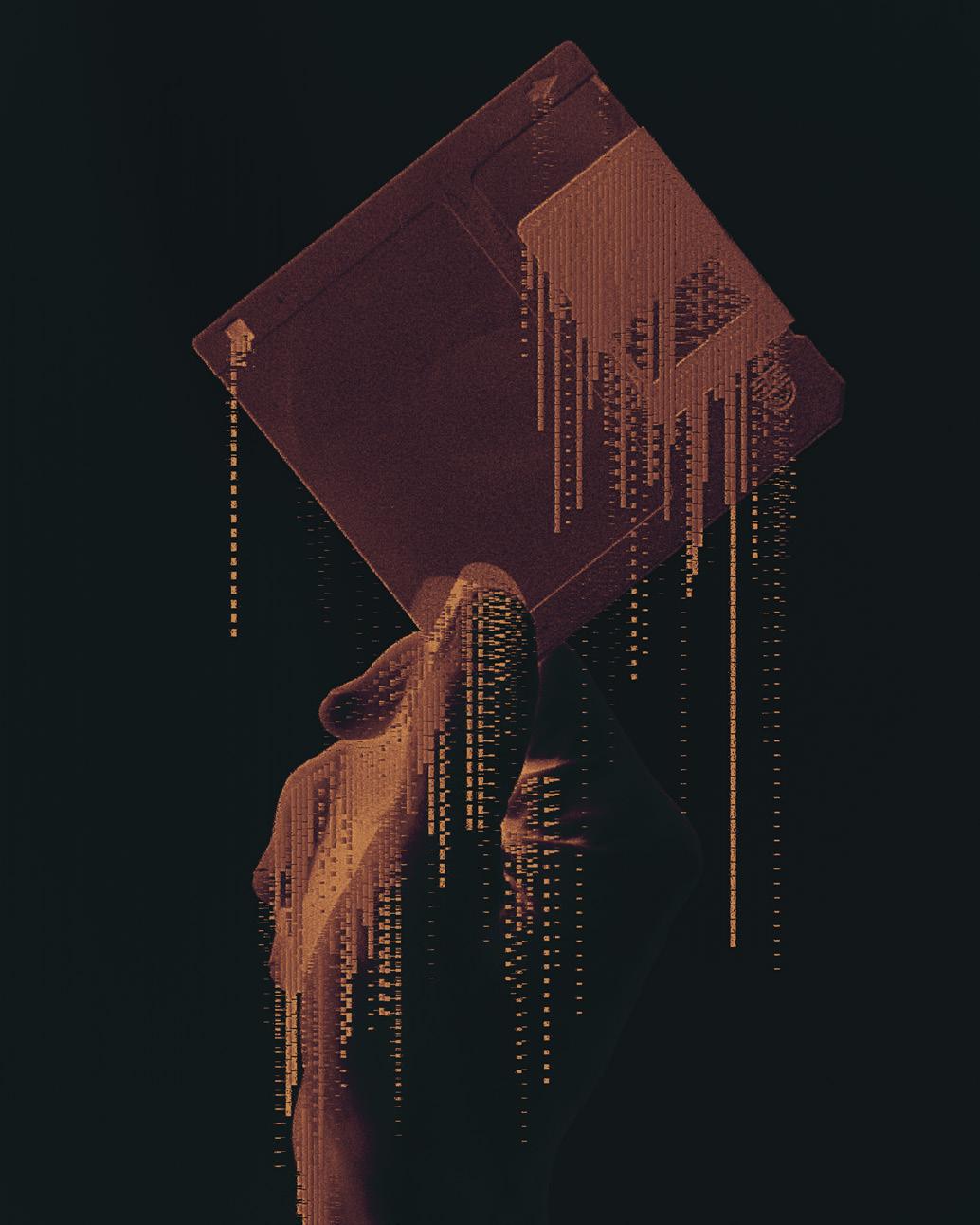
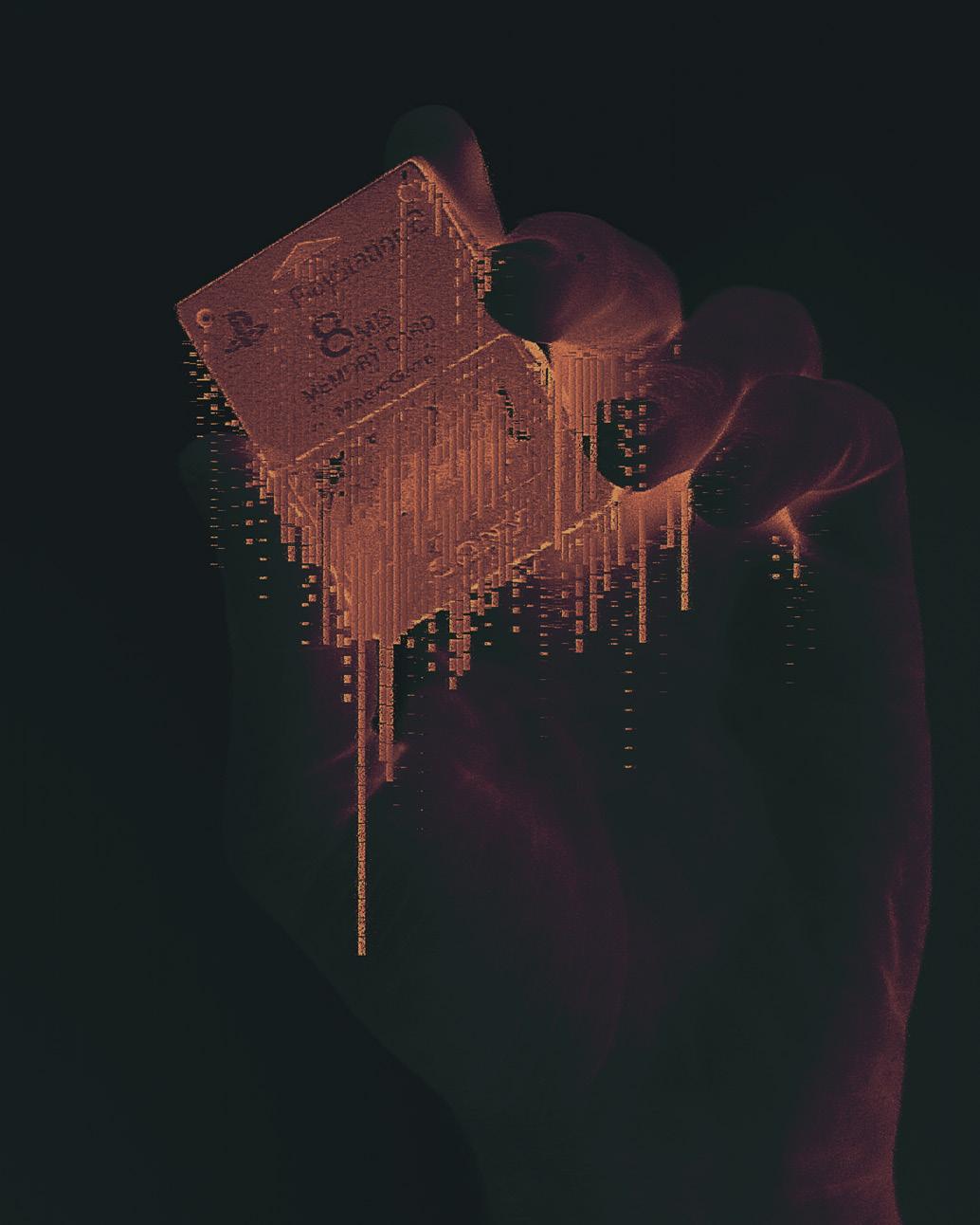
Digital files are just strings of code that instructs computers to complete a goal, and if there are errors in the code, the way that device interprets these instructions can create unpredictable results. These images use a technique known as pixel sorting, this is where an algorithm rearranges the values of an image. This forces certain tones to repeat across the length of an image. Using a creative coding application called Processing, I
isolated a set of tonal values that this destructive process could affect. After developing the effect, I went back to the images that would be used and felt that they didn’t work as well as I liked. Once the pixel sorting algorithm was applied, they would become too chaotic. Looking around my studio I noticed some older memory storage decorating my shelves, floppy disks and old memory cards. Their rigid forms and the fact they were tools of storing data made them a great subject. Taking several photos of these memory formats, and running them through the pixel sorting algorithm created a playful dialogue between these obsolete technologies, memory and the materiality of the digital. Once satisfied with the controlled error I had introduced, I placed them into Affinity Photo, inverting the image and shifting the colours to orange to enhance that feeling of nostalgia.
Across these experiments, I aim to show that digital practices are not fixed processes but open fields for exploration. They invite us to question how technologies work and how we might push past their limitations and go beyond their intended use. Once an avenue of inquiry has been explored, what we have learnt can become the foundation of further pursuits and creates new tools that we can develop from.
More about Steven
Steven Munday-Durant is a photographer whose work investigates the interaction between photographic history and contemporary technology. With a hands-on approach to experimentation, he explores older techniques while adapting new tools to support and extend them. His practice reflects a sustained curiosity about how photographic methods can be maintained, reinterpreted and carried forward, while also questioning our evolving relationship with technology.
Instagram: @stevemunday_photo l
Kinect Self Portrait Experiments #16
WHY STOP AT THE PHOTOGRAPH? DIMITRIOS THEODORAKIS
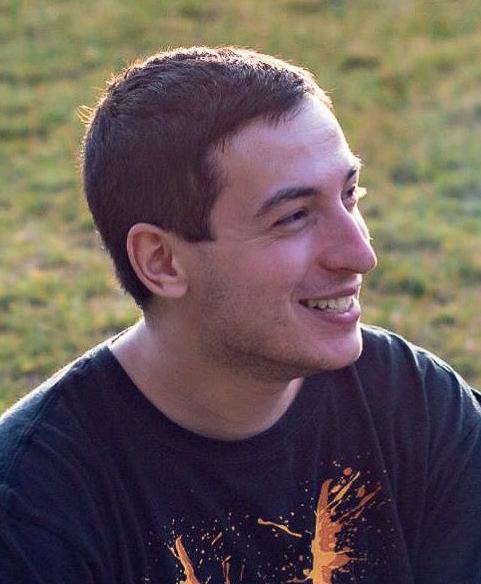
Dimitrios Theododorakis is a former science teacher now software engineer based in the South West of England. He likes to mix photography with other media
Experiment!
As a teacher and scientist, I’m constantly looking for new ways to push and experiment with my photography. Luckily for me, strange ideas just pop into my head randomly. When you read the word experiment what image popped into your head? You might have imagined people in lab coats, giant telescopes or particle colliders. The truth is you’re experimenting every time you take a photo and process it. You don’t know how the photo will turn out until you try and if you’re like me you often ask yourself ‘What if I try x next time?’. These small ‘experiments’ are how we develop as photographers.
So, ask yourself, what can I try next? Maybe you could create a children’s story out of lightbox images, make a timelapse of your flowers blooming, or something simpler like printing your images for the first time. Think as big as you can! If you have something in mind, go for it, there is no such thing as too ambitious in my book. Just break your project down into mini experiments! I want to share two projects of mine, one finished and another in progress, in the hope that they inspire you to think creatively and experiment with your photography.
Soundscapes
Have you ever wondered what an image sounds like? Probably not
but hear me out. Turning images, and data in general, into sound is called sonification. This lets you listen to patterns in data that you might miss by just looking at an image. It also makes images more accessible to visually impaired people. This sonification process is used extensively in astronomy, NASA has a whole webpage of space sounds, and other areas of science. I stumbled upon the process looking at some climate data and thought, I wonder whether I could sonify some of my images for the RPS Landscape groups Soundscapes project.
It turns out creating anything resembling a pleasant sound from this process is incredibly difficult.
Grunge (Bristol) with a square waveform, six instrument track
Listen to the sounds:
Most sonification programs turn all the image data into sound at once which ends up sounding like nails on a chalkboard. Just like our images are carefully composed and constructed I needed to find a more refined approach to creating sound from my images.
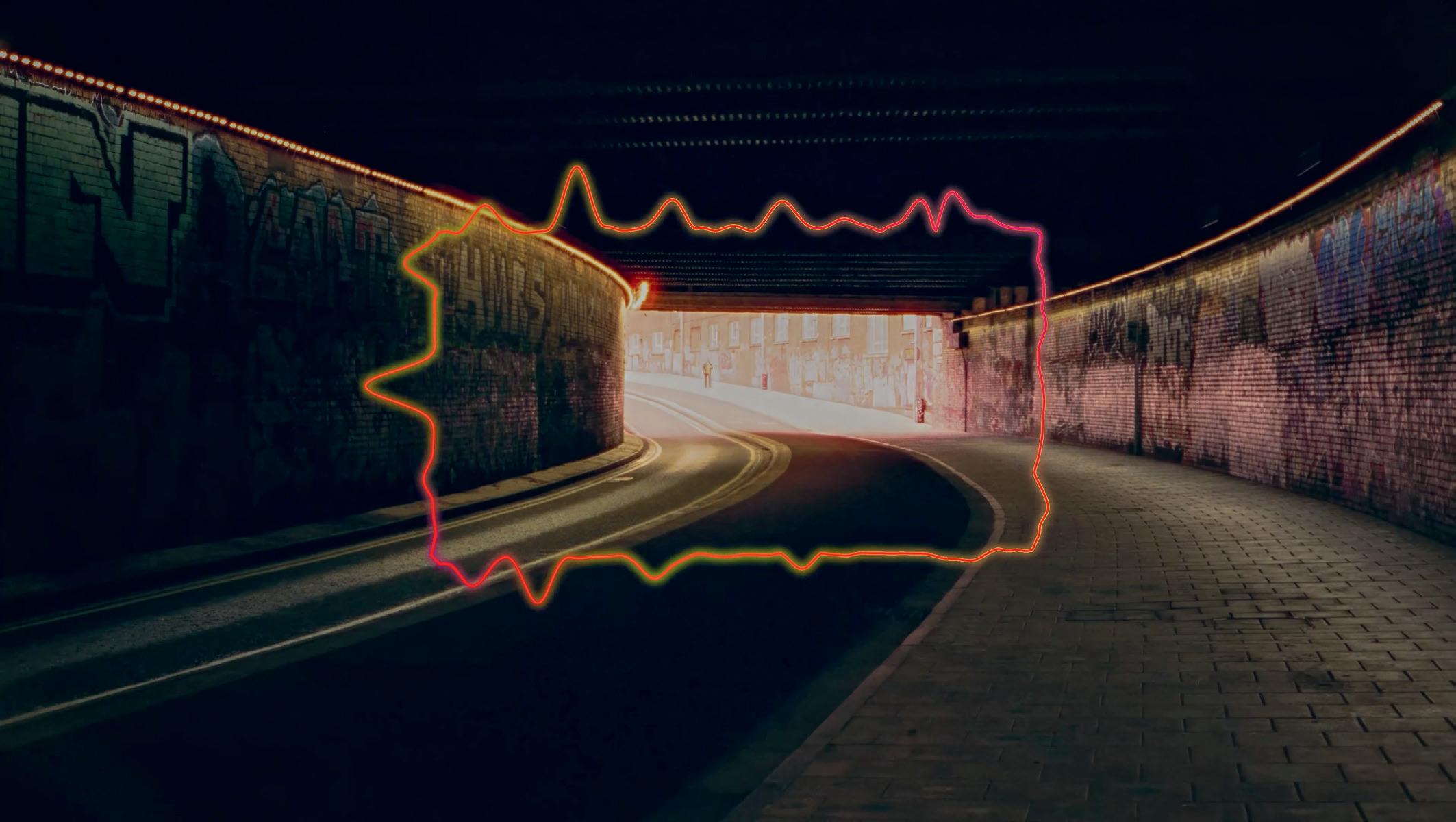
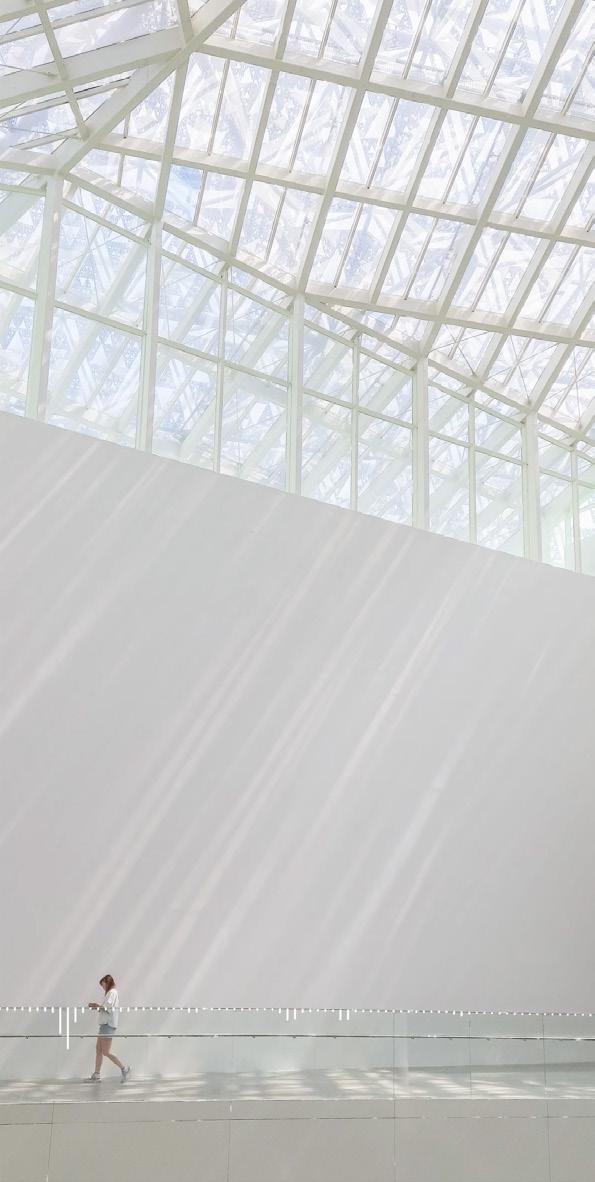
Instead of turning all of the image into sound at once I chose to be selective with the data I used from an image. I processed the image entitled Light by exporting a JPEG which I could load into some custom code. The image was converted to monochrome so I didn’t have to deal with colour information. Then I selected three rows in the image from the top, middle, and bottom to become my high, mid, and low notes. Areas with lots of patterns in the image work best. The code lets me map the pixel value (0-255) to my chosen musical scale for each row. For instance, I can choose to map low pixel values near zero to low pitch (deep) musical notes. At the end of this step, I have a track of musical notes for each row of the image I chose. As the sound plays you are hearing the pixels from left to right. These audio files sound terrible straight out of the code. The tracks
need to be combined into one file, tidied and assigned instruments. This is the hardest part for me, I only reached grade one piano so combining the tracks elegantly and choosing the right combination of instruments is something I’m still working on. For each track I have some idea of what I think the image or being in that place should sound like. I use that gut feeling to guide which instruments I pick. The image Light has three instruments, and the image Grunge (see previous page) six instruments layered on each other.
Before you use the link or QR code to listen to the sounds ask yourself: What will this image sound like? What instruments did I pick? Is it dark and moody and full of bass or magical and light. Then listen to the sounds!
Frames
Have you ever printed your images? What do you do with your prints? Traditionally you might have cut a nice frame out of mountboard to hold the print. This is normally enough for camera clubs and competitions, but if you want the print to hang pride and centre on your wall you need a frame.
Ideally one that complements the image and has good quality glass to protect the print and cut out reflections. Or do you?
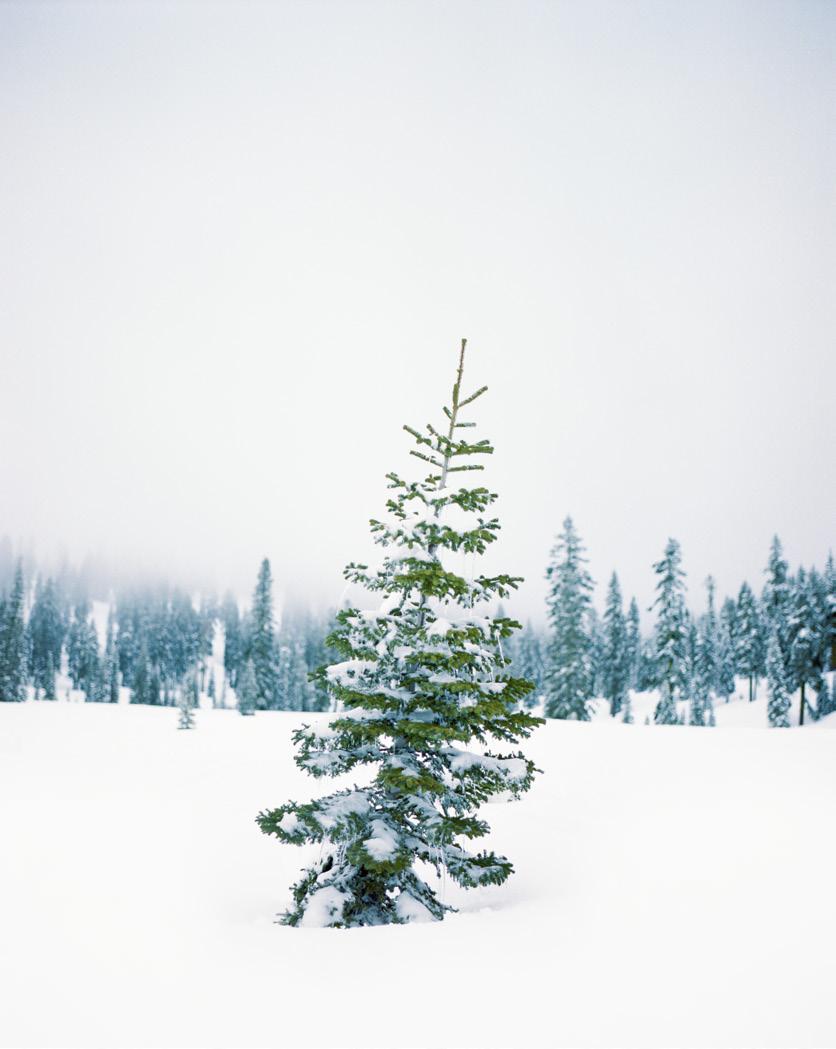
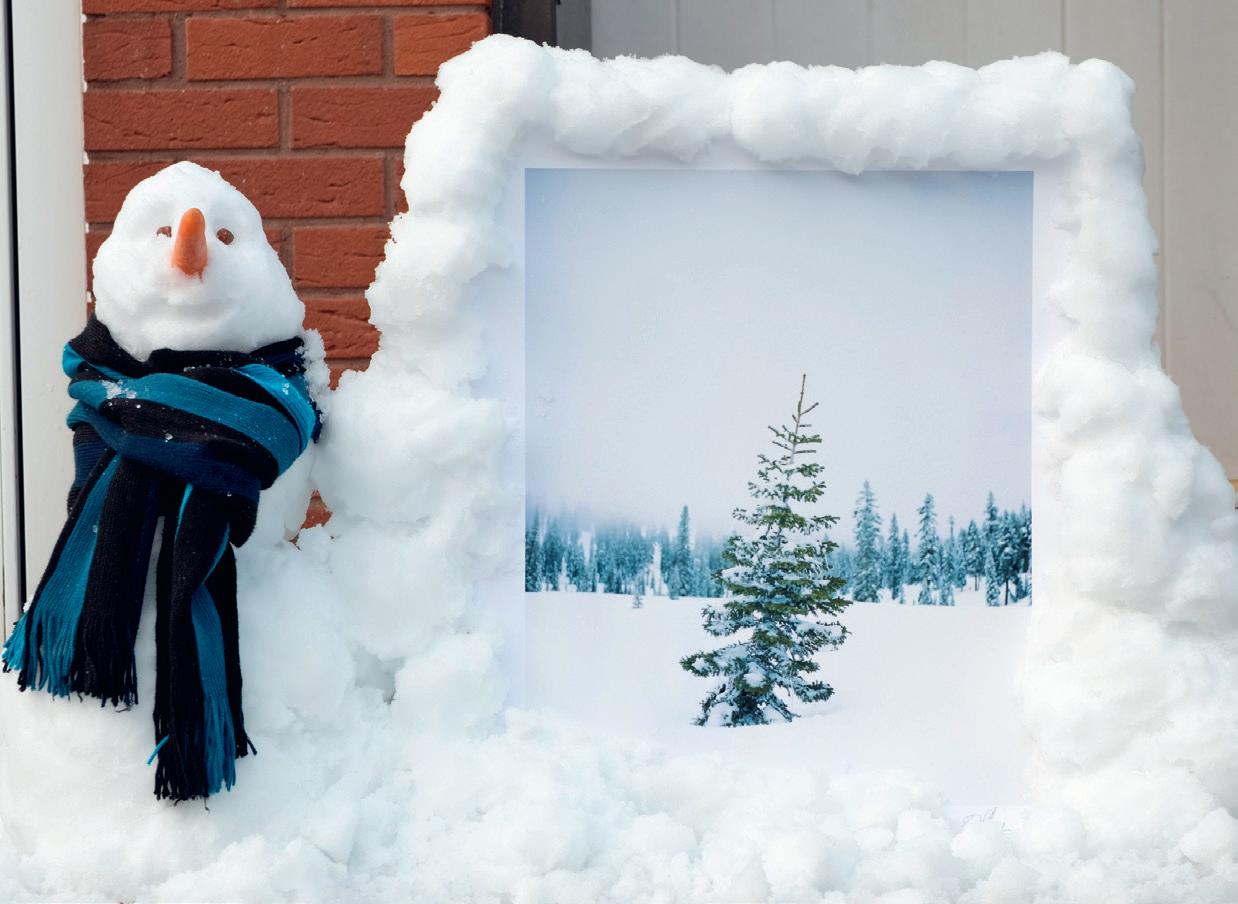
I was lucky enough to get a printer through Exeter Camera Club to start printing. After all, my images can’t just sit as digital files on a computer forever! But I’m not a fan of cream coloured mountboards, colour keylines, and frames (especially the glass) are expensive. So, I decided to try making my own frames. But what sort of frame to make? Well, that depends on the picture. Take Lonely Tree for example. The image is cold and was shot just after fresh snow had settled on Mt. Shasta in California. I think you can see the obvious answer is to make a frame out of snow.
Unfortunately, snow is notorious for melting above zero degrees and requires high pressure equipment to make artificially. Instead, I decided to make a wooden frame and paint it to look like snow. As fate would have it a few weeks later we had a short flurry of snow in the south west of England. My dreams of a snow frame were finally coming true. Unfortunately, I had no time to plan and no mould to compact the
Left: Light (Tainan Art Centre 2) with a waveform along the bannister, three instrument track
snow into a frame shape (using the underside of a kitchen table did not go well). Settling on hand building I finally had a frame made out of snow, and the lonely tree was lonely no more with its snowman friend. It turns out this was a great way to test if the glue holding the print to the backing board was water soluble. The now very wet print started to peel off and warp; probably sad its new snowman friend was melting. So back inside to experiment with the correct combination of fake snow powder,
reflective glass shards, and glue to make my wooden frame version look like real snow sparkling in the sunlight.
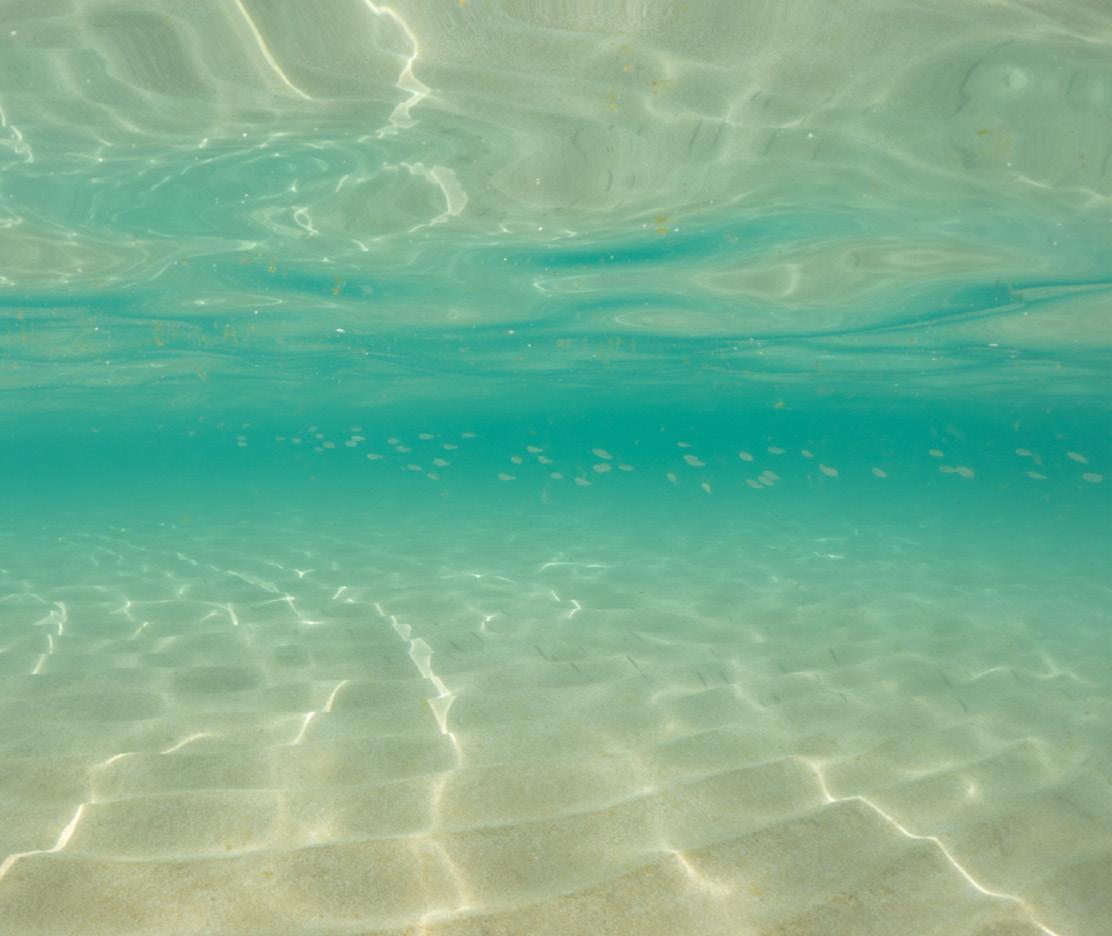
The second image, Shoal, was taken on the beach of golden sand in Rhodes. Or should I say the image was taken underwater with a GoPro. I was trying to get an image with a GoPro dome half under, half above the water and didn’t notice this completely underwater frame had fish in it until I got home. What to frame this image with? Fish prefer being underwater so this print
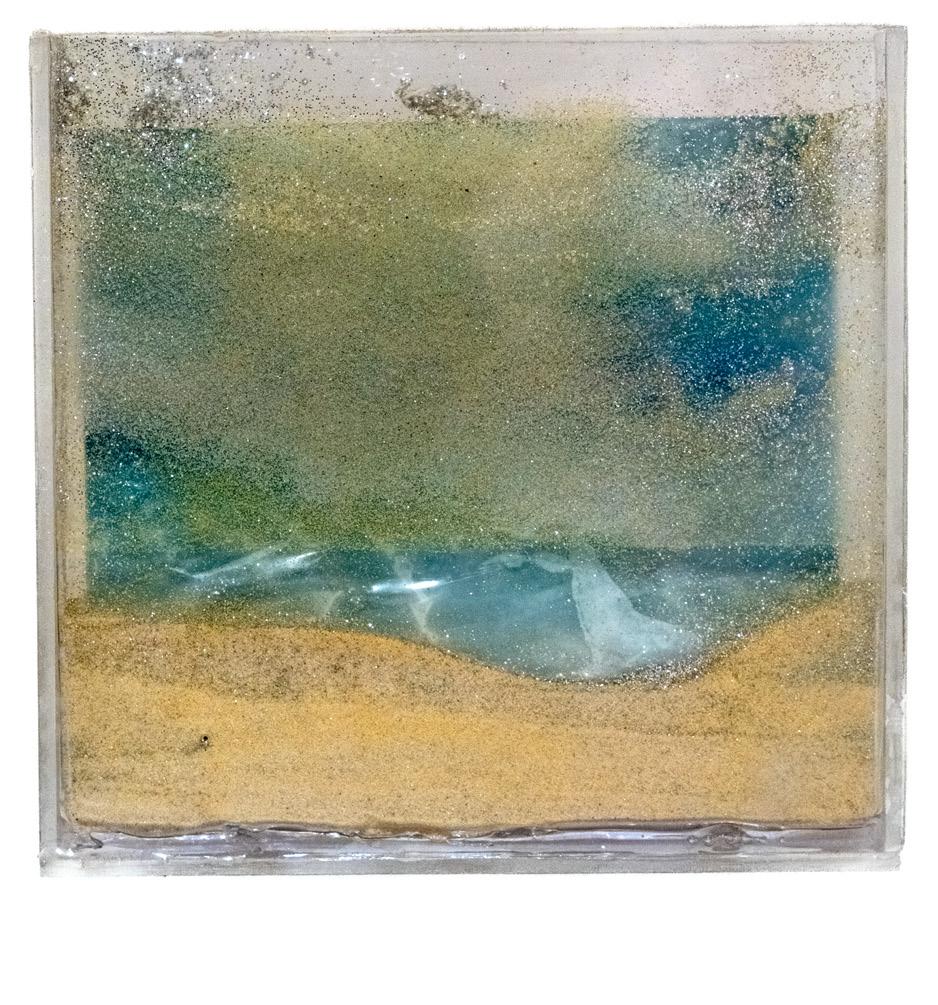
would have to be submerged in a mini-aquarium frame.
You might look at the picture of the frame now and think what a load of ****. I messed up gluing the acrylic together for the ‘tank’ and then got resin everywhere trying to fix the gaps resulting in a giant mess. It’s safe to say this experiment did not go well but I learnt a lot from the process and am ready to try again. Part of the fun is trying, and learning something new!
Left: Lone Tree Above: Lone Tree in its snow frame
Left: Shoal Above: Shoal in its mini-aquarium frame l
HOW TO BECOME A PRO PHOTOGRAPHER WITHOUT GETTING LUCKY JACOB WATSON-HOWLAND
Three lessons from the world’s greatest photographers.
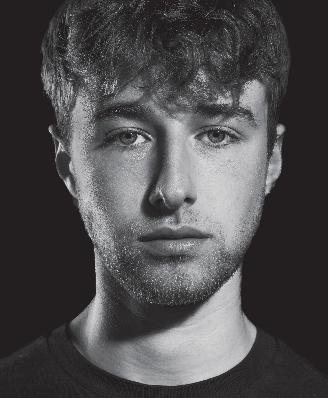
I’m Jacob Watson-Howland, award-winning BBCfeatured photographer and Europe’s fastest-growing under-21 podcaster. I’ve had the world’s best photographers come on my show. Today I’m going to share the wisdom I’ve gained from them. Including Albert Watson, Tim Flach, Steve Bloom, Steve Winter and Bertie Gregory. By the end of this article, you should have everything you need to become a pro photographer, even if you’re young.
Storytelling is central
Why should they care? Photography is storytelling that must evoke emotion.
Tim Flach: “The key for me is storytelling.”
Steve Winter: “Conservation stories can lead to tangible change.”
Bertie Gregory: “Photography can channel your obsession with nature.”
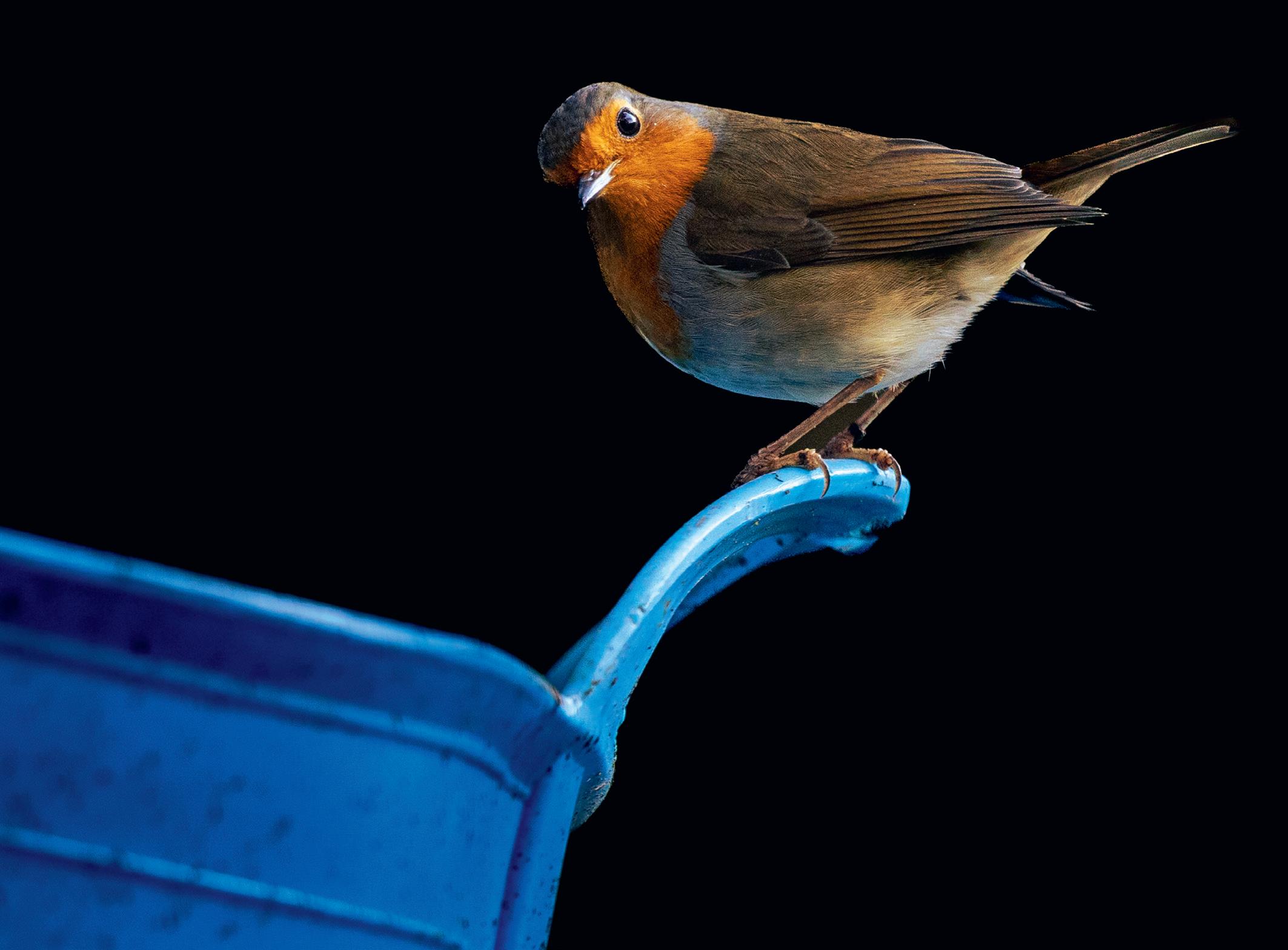
No one will enjoy your photos if it doesn’t benefit them. It must resonate with them. It must arouse an emotion. Example: when I used to post bird photos on Instagram, I always noticed photos of Robins got the most likes. I’d post a shot of a rare bird. Low engagement. I’d post a shot of a common Robin. High engagement. Why? Robins resonate. Everyone has a Robin in their garden and Christmas decorations. People attach stories to their regular Robin. They name it, feed it, and get a nice feeling when it arrives in their garden every morning. Humans love familiarity. Robins are a familiar bird. When someone sees a Robin on Instagram, they care. It reminds them of their local Robin and gives them the same feeling of pleasure. A photo of a bird they’ve never seen doesn’t.
That’s not to say don’t photograph uncommon things. Make sure whatever you shoot has a story attached to it. Include a problem, subject and topic that people care about. Even if it’s 3000 miles away, people care about plastic pollution and turtles getting tangled in it.
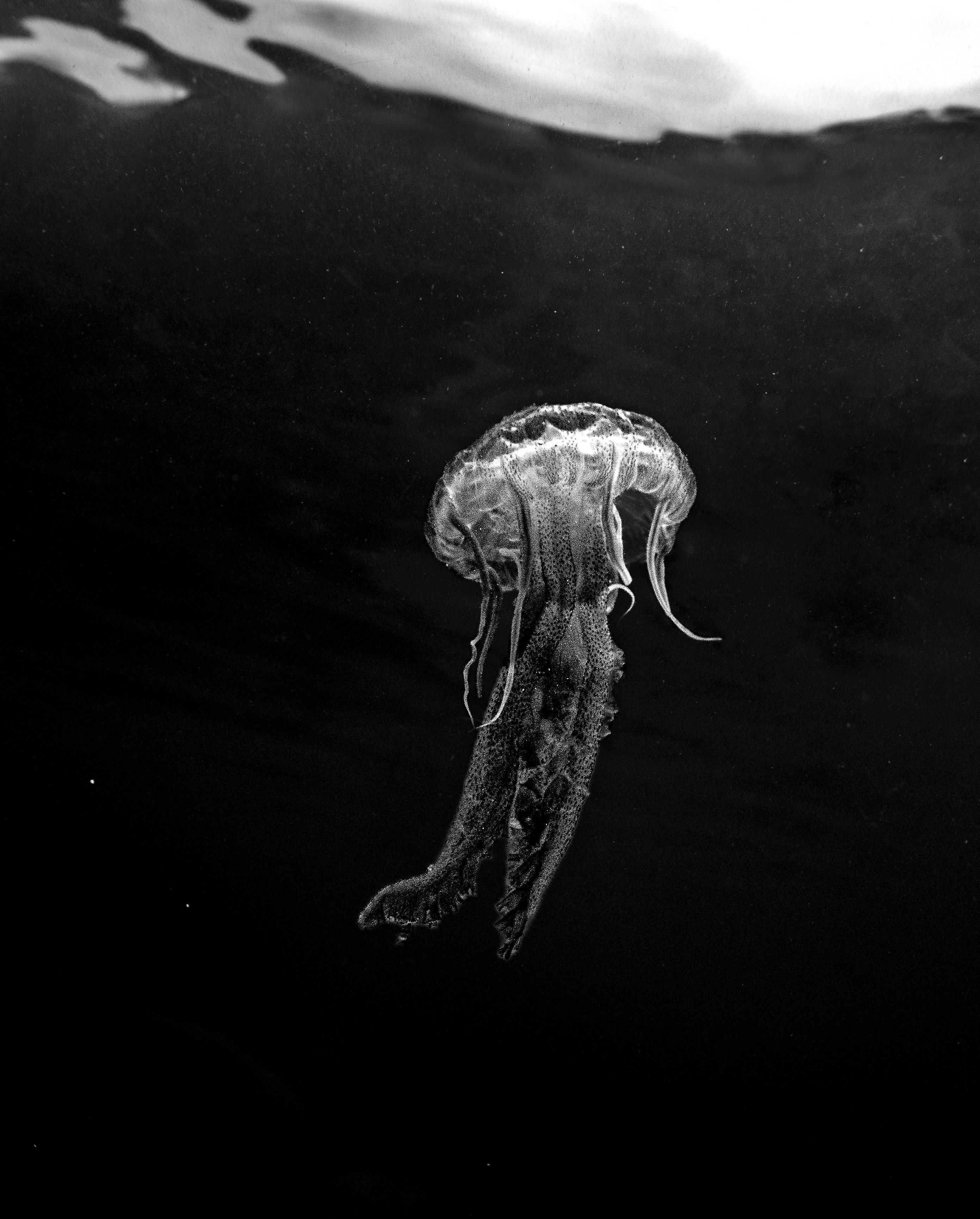
Example: one day, I walked along the beach, and something was different. The water was purple. I realised
an army of 10,000 Mauve Stinger jellyfish had invaded the shoreline. Very unusual. It was almost December. They weren’t meant to be here. I put my wetsuit on and went underwater. It was difficult to single one out. After days of failing and jellies disappearing, I knew I had one final day to get the shot. After an entire day had passed, and I began to lose hope, one little stinger appeared in front of me. I got the shot below. Happy days.
See how I used struggle and uncertainty to make it more engaging? Be vulnerable. Talk about your low points that led to your great shots.
When photographing, always ask, ‘Why is this important?’, ‘Why do people need to know about this?’. The answer can be as simple as ‘because this forest makes me feel good’. Great. Forest lovers will love your photos. It will resonate because they feel the same about their local forest.
If you can’t answer, you don’t have a good story. Rethink, and ask yourself: ‘Why should they care?’.
Less is more
Focus on quality, not quantity, to create a distinct portfolio.
Steve Bloom: “You don’t need 50,000 images... You only need a small number of good images to have an identity.”
Bertie Gregory: “Be yourself. Don’t produce work like others. If yours stands out, it resonates.”
Tim Flach: “Maintaining quality requires self-critique and feedback.”
It was 1896. Italian economist Pareto was in his garden. Tending his pea plants, he noticed something remarkable. 20% of his peapods produced 80% of the peas. Pareto had discovered a fundamental law of the universe: the 80/20 principle.
The 80/20 law doesn’t only apply to Pareto’s peas; it’s a universal phenomenon. The top 20% of people own about 86% of the wealth (visualcapitalist.com/ global-wealth-distribution/ andubs.com/global/en/ wealthmanagement/insights/global-wealth-report.html).
You wear 20% of your clothes 80% of the time. 20% of your effort leads to 80% of your results. 20% of your input causes 80% of your output.
It can be even more skewed...0.1% of your photos lead to 99.9% of your success.
Think about how many photos you take. Including the ones you clear off your card and don’t upload to your computer. You’ve taken tens of thousands. Now think about the photos that have given you the most compliments, likes, money, and pride. You can count them on your two hands.
What separates the pros from the hobbyists is the number of images they show to the world. The pros show less and only the best. Even a 7/10 shot goes in the bin. They choose the 10/10 images and never settle for less.
This means when you’re starting, you might remove 100 images and leave 10 images on your website (something on my to-do list!). That’s okay. 10 blockbuster images are better than 100 mediocre ones. As a photographer, you are the average of the images you show to the world. If you post 100, the best 10 get diluted by the average 90. That makes you an average photographer. Post 10 of your best to competitions, magazines, social media and your website. I promise you’ll be more professional after deleting the average images. You don’t even have to take any more, easy!
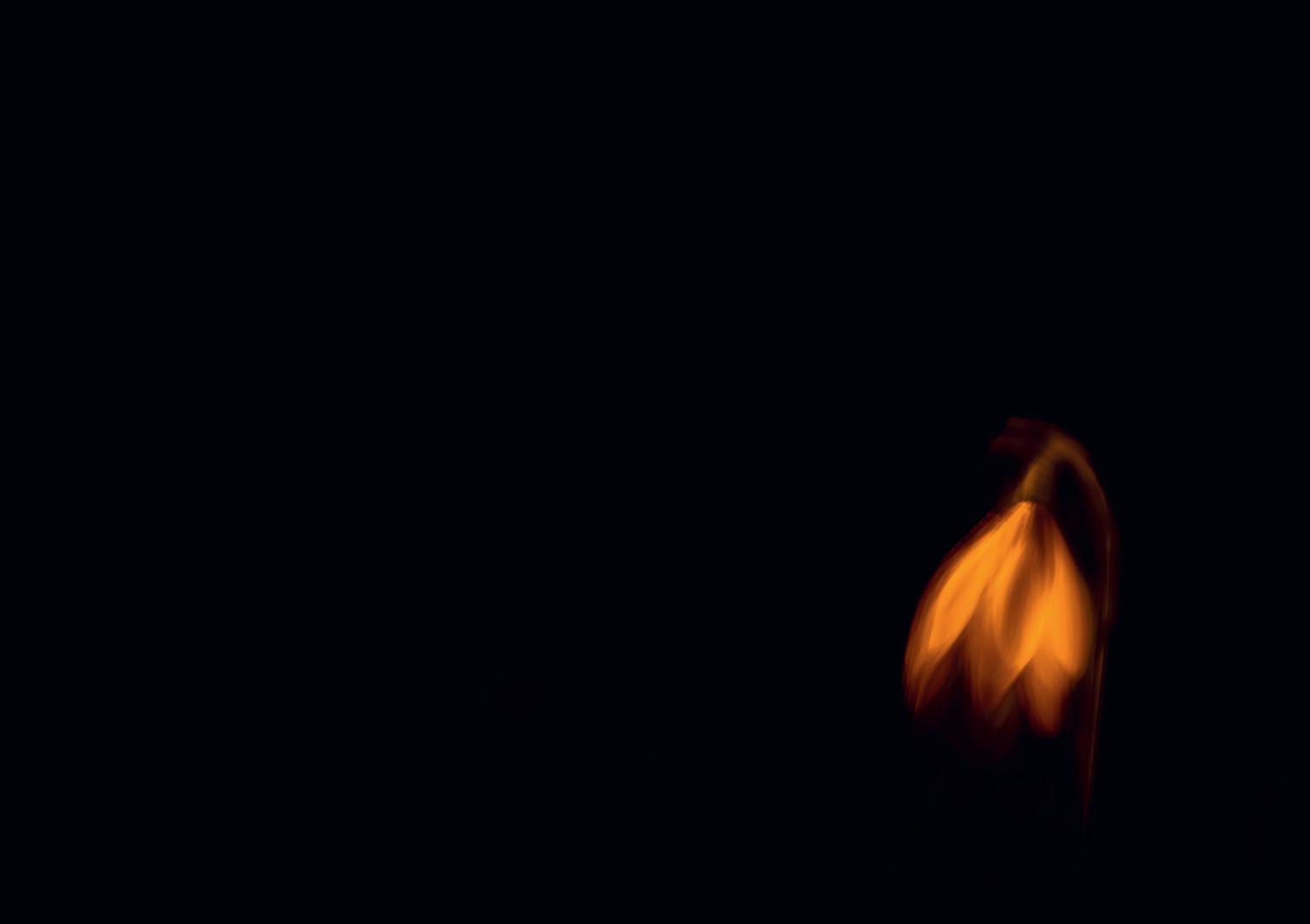
Example: out of the 10,000+ images I’ve taken, one has given me 99% of my results. I submitted an image of a Snowdrop at night (below) to the British Wildlife Photography Awards. It won the botanical category. Beating 13,000 entries. Putting me in the top 0.1% of all entrants. This got me international headlines on the BBC. One image, exponential results. Without this image, there’d be no podcast. You wouldn’t be reading this article either. It wouldn’t exist.
Your one exponential image is on your hard drive, waiting for you to notice it and give 99% of your results. Choose quality over quantity.
Preparation, preparation, preparation
Research is the foundation of great images
Albert Watson: “Preparation is the most key thing.”
Steve Bloom: “You have to reinvent yourself with changing technology.”
Bertie Gregory: “Luck is spelt W-O-R-K.”
Me (talking to Bertie Gregory): “Luck is when preparation meets opportunity”
Homework. The dreaded chore our parents forced us to do on Sunday evenings. We have one word for homework: pain. I’m sure the algebra homework hasn’t moved the needle much in your life. But what if I told you your lack of homework is what’s holding your photography career back the most?
From talking to the world’s best photographers, they do one thing very well: preparation. For the pros, pressing the shutter is the climax to everything that came before: hundreds of hours of research. Without doing rigorous homework, they’d be unsuccessful. Bertie Gregory wouldn’t have his own Disney+ National Geographic shows. Albert Watson wouldn’t have photographed hundreds of celebrities or won an Emmy. Tim Flach wouldn’t have international award-winning books. Steve Bloom wouldn’t have global outdoor exhibitions.
Research is the foundation of all great photos. What do you research, though? Study the subject and place you
want to photograph. Study the technique you want to use and the photographers you want to emulate. Read, watch and listen to all you can on these. Then you’ll know the exact shot you want to make. It’ll be there, crystal clear in your mind.
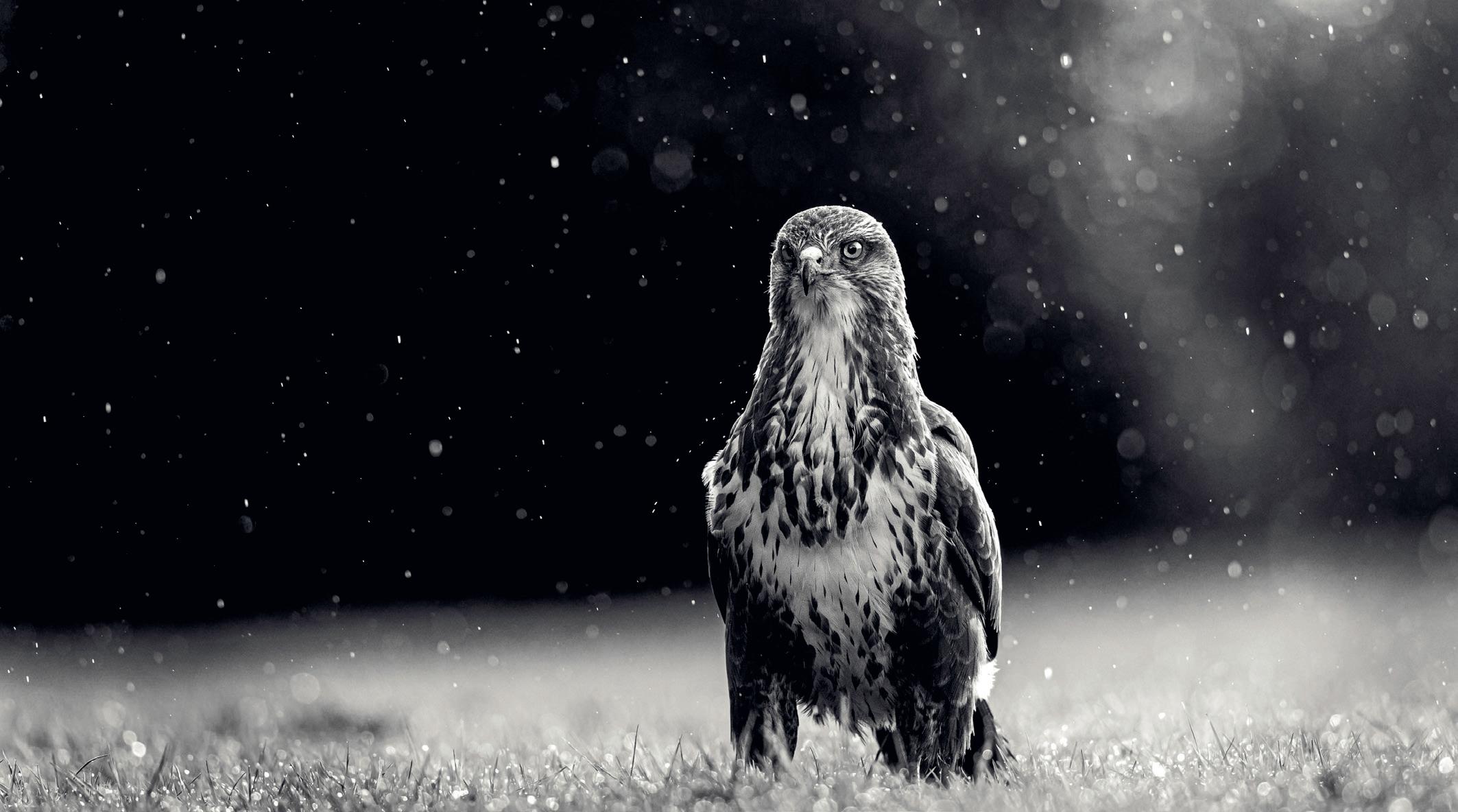
Example: for my photo, Silver Rain (below), of a Buzzard in a rainstorm, I did a lot of prep. I spent hours in its habitat. Returning many times a week, observing its behaviours. I noticed it often fed in the mornings on worms on a patch of grass. One evening, I checked the weather: light morning showers with sunny intervals. Brilliant. I ventured out, positioning myself facing the sun. My favourite images are backlit, and doing prep meant I knew where the sun would be. I waited. It began to rain. Like clockwork, the Buzzard arrived and began to feed. It was comfortable with me because I returned often. Without doing my homework, I’d never have got this dramatic close-up shot.
The best photographers don’t take images, they make them. To make a photo, you put in hours of preparation.
Final Thoughts
These are the essential photography lessons from the world’s best. I hope you use them every day to help make your images stand out. Remember to enjoy it. If photography feels like play to you but looks like work to others, you’re on the right track. Time carries most of the weight, so keep going. Don’t stop. I can’t wait to see your images succeed.
lMore about Jacob
Jacob Watson-Howland is an award-winning photographer. His photographs have made international headlines, including on the BBC. In 2025, he won in the British Wildlife Photography Awards, beating over 13,000 entries. He is also Europe’s fastest-growing under-21 podcaster. Hosting Watson-Howland, a show where he explores life lessons from the world’s best.
IN PREVIOUS ISSUES
Creating infrared images with the
Lynda Haney
20 AI - How close is it to photography now?
Graham Whistler FRPS 23 The art of equine portraiture Emma
DIGIT Challenge: Sky walkers
John Cavana ARPS
11 My journey photographing the night sky
Colin Smith LRPS
16 War in Europe
Jonathan Vaines
22 Portraits - the human element? Or the human elephant in the room?
Michael O’Sullivan FRPS
26 Type matters...
Andrew N Gagg FRPS
29 Is AI all bad?
Bob Sanders
31 DIGIT Challenge: It’s Mine
Sheila Haycox ARPS
33 DIGIT Challenge: Still-Life ICM
Susanna Hoare ARPS
In previous issues
5 Earth and sky: landscape and aerial Mieke Boynton
11 Portraits - the human element? Or the human elephant in the room?
Michael O’Sullivan FRPS
15 Noise reduction in HDR merges
Sean Goodhart ARPS
18 Photographing Shetland’s underwater world across the seasons
Billy Arthur
24 Don’t say cheese: a guide to photographing children naturally