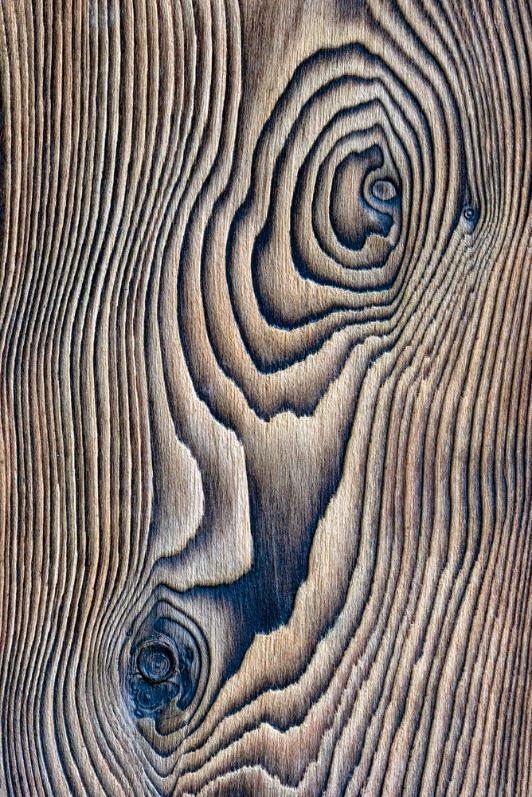
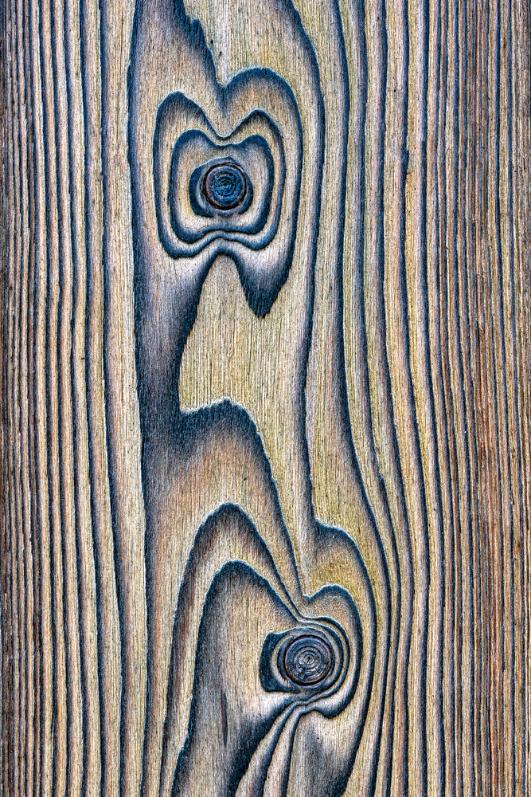
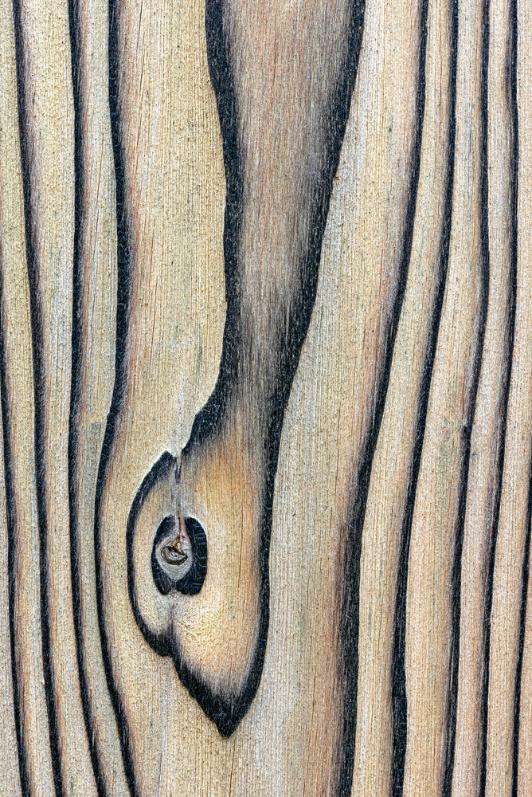
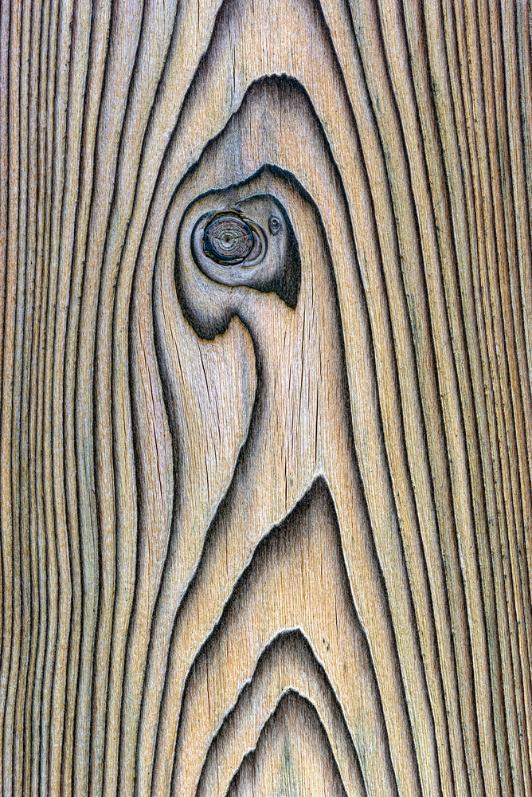
Celebrating RPS Digital Imaging Members’ Distinctions
Welcome to Accolade 19
Several contributors to this edition have mentioned their wish to achieve their distinctions before the new criteria come into effect. However, many of you may not have been ready and now feel as though you are in limbo. We had hoped to bring you news, but at the time of writing the announcement is still awaited.
For that reason, we have removed our usual information pages. Please note that links shared in earlier editions may no longer work or remain relevant. The same may also apply to the personal advice so generously provided by our contributors.
On the positive side, this pause gives us space to develop new ideas, explore different directions in our photography, and enjoy the hobby we love without the pressure of deadlines.
The DI LRPS Support Group is currently taking a break. Since the group began, every edition of Accolade has included successful LRPS candidates who have benefited from being part of it, so we know you will want to join us in thanking Marie-Ange, John and Janet for the enormous amount of work they have done to help and support DI members.
Accolade will also take a break, but not before we have invited everyone who achieved their distinction before the current system was suspended on 11 June to contribute to Accolade 20, and invitations will go out later this year. If you have not taken up an invitation in the past but would now like to be included, please do get in touch HERE.
For now, we hope you enjoy this issue.
Sue Vaines
Accolade Editor
Caroline Petch Accolade Contributions
LICENTIATE LRPS
LICENTIATE
Sue Champion LRPS
I joined the RPS in 2023 to be part of a creative and innovative photographic community and felt that I needed the validation of an LRPS.
The
Process
I watched as many assessments as I could over zoom and looked at successful panels on the RPS website. I gathered images together noting which techniques they demonstrated. I realised it would be essential to get the sizing, and aspect ratios standardised. Some cropping/resizing was necessary, and quite a few images were eliminated at this stage. I kept the image height the same and created folders for different crops/widths to help me put together a balanced layout.
My first submission was unsuccessful. I had booked a one2one and received comprehensive feedback. Three images were rejected and several others needed tweaking. One of my spares was spotted for inclusion and although I would not have considered it, this was the one image that did not receive any negative feedback at both assessments.
The LRPS Assessment process was being revised at this time and there were no on-line Advisory Days or local events available. I decided to check everything for one last time but I had missed the last submission date. An agonising period of eight months then passed before submissions under the
new procedures were opened. I almost gave up but uploaded everything for the September 24 Assessment. To be unsuccessful was devastating, and I was left floundering.
I joined the DI LRPS Support Group in November 24 hoping to get back on track. In early 2025 I focused on adding new images to others which clearly demonstrated the required criteria. Just three of the original panel survived. I booked an LRPS on-line Advisory session but did not receive a zoom link so missed it. I secured a slot at the next Support Group meeting and presented my new panel which they liked, suggesting just a few tweaks. I submitted the successful panel in August 2025.
Skills & Techniques
Skills which I would consider crucial include the use of fast and slow shutter speeds, control of highlights and shadows, using light and a variety of different viewpoints. The purpose of each image should be clear. Keep it simple and include some decisive moments.
My Favourite Images
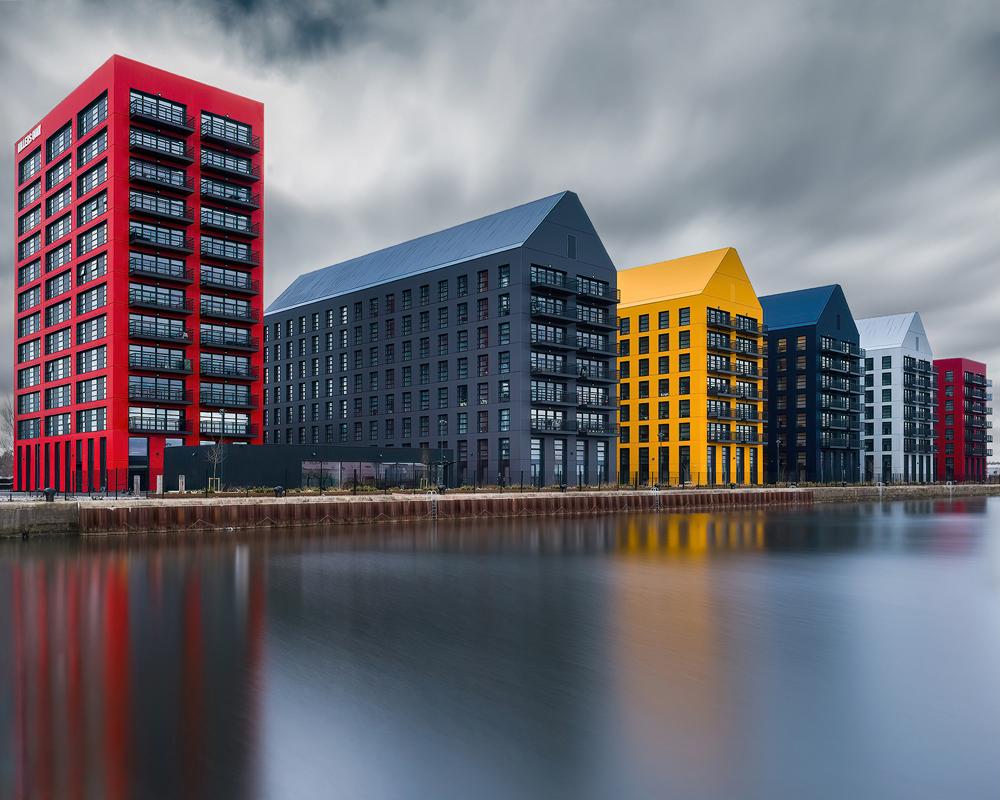
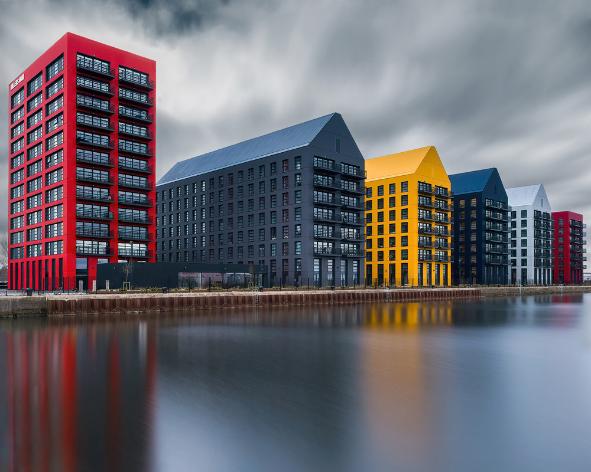
My husband spotted this housing development on the Wirral (previous page) and took me to photograph a long exposure of it. I straightened all the verticals but was worried about the optical illusion that the red building on the left was not straight on its right hand side. I was therefore delighted that the assessors commented that I had paid careful attention to the verticals.
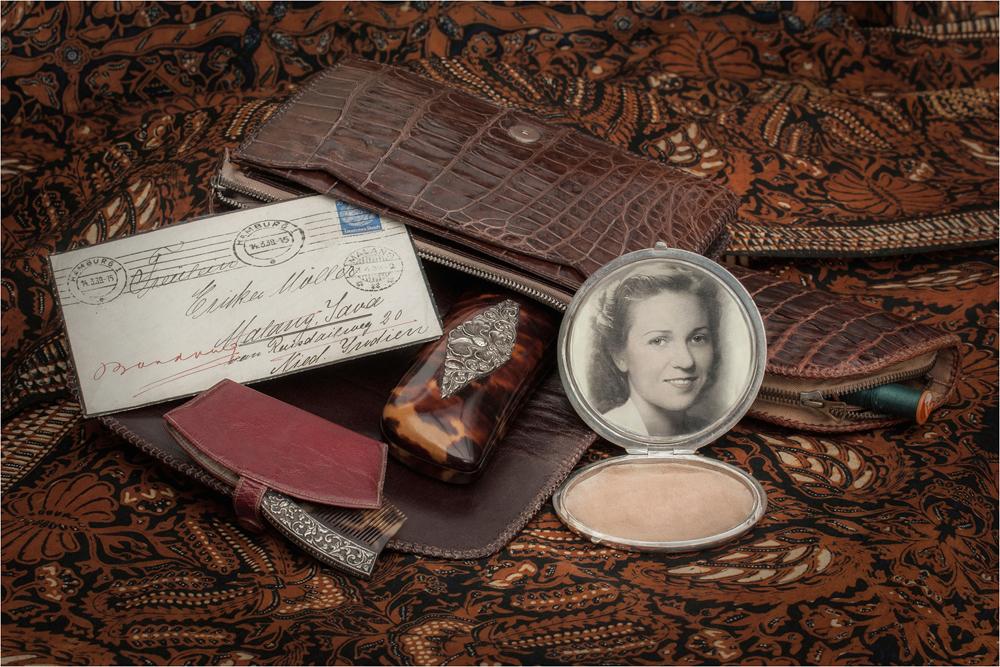
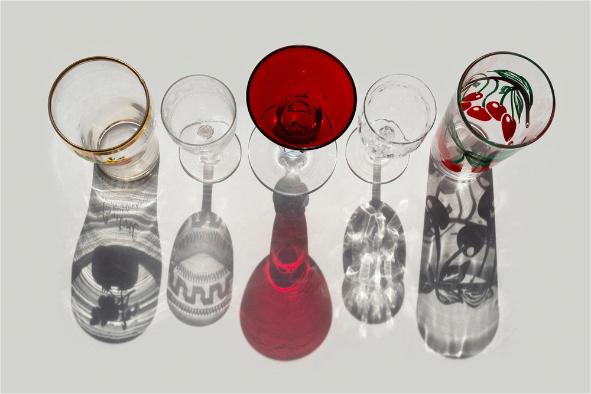
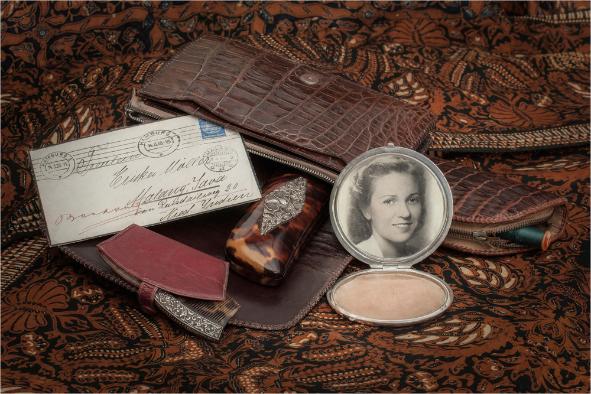
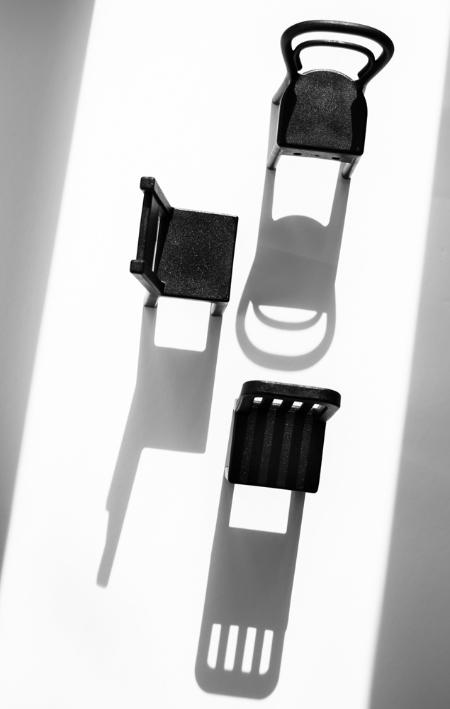
The image on the previous page was created in tribute to my late mum who lived on Java 80 years ago. I laid out some of her treasured possessions from that time on my conservatory table and used natural light from the window above. I am glad that she was able to come with me on this journey.
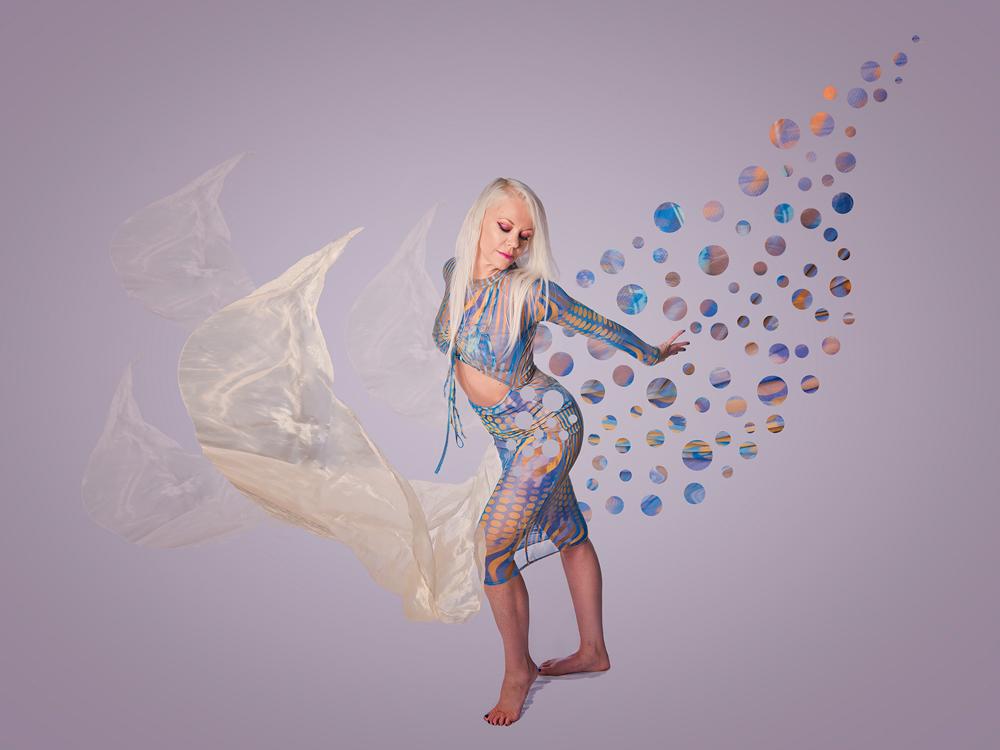
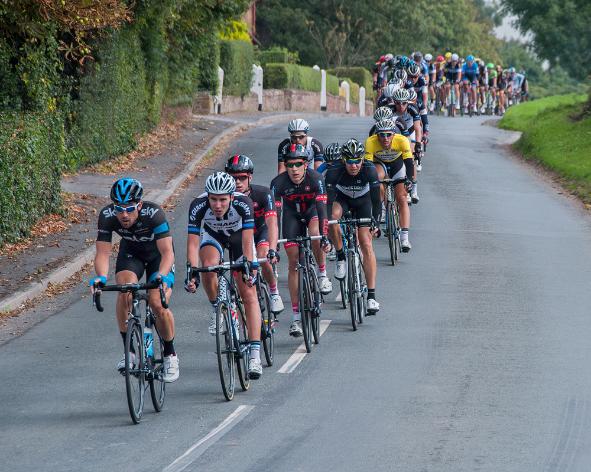
The image below was not included in the successful panel as it received positive and negative feedback in equal measure first time around but it remains a favourite of mine.
Future Plans
I used the Covid lockdown to learn as much as I could about Infra-Red photography and this continues to be my obsession. I have started working towards an ARPS and had an early one2one. Needless to say, it involves Infra-Red but with a twist.
Advice for Others
Start to collect your images together but be organised, and sort out the sizing and the aspect ratios. Be clear about the camera skills you are demonstrating. Join a support group if you can and get advice at an early stage.
On Reflection
Some of the images used were taken ten years ago, but as they met the criteria, I felt justified in using them and pleased that they contributed to my success. The positive comments received about each image were very satisfying.
Angela Gisby LRPS
I inherited an interest in photography from my father and uncle and have taken photographs for as long as I can remember. I was gifted my first DSLR in 2018, when I really started to learn camera craft in earnest through online courses. In the absence of any in-person camera clubs in my area, I decided to attempt an LRPS as a means of testing and validating my ability and understanding.
The Process
My decision to prepare for an LRPS coincided with the establishment of the RPS Digital Imaging LRPS Support Group. The inspirational advice from Janet, John and Marie-Ange, together with the regular Accolade e-zine, set me on the path to working out my image selection. As a result of the online courses I had undertaken, I had amassed a substantial collection of images in a variety of genres – the challenge was whether any of them met the criteria.
Thankfully, the guidance is so clearly set out that I was able to whittle down fairly quickly, but still not enough. Participation in the Support Group Zooms taught me a lot about self-critique, which enabled me to create a shortlist of about twenty candidates for a panel. The biggest challenge for me, however, was the all-important 11th image –the panel itself. This was where brutal decisions had to be made, and I could not have done this without the advice received during my online one2one session.
Of the sixteen images we discussed,eight were deemed acceptable, and two others were passable but needed some tweaks. So I had my selection. I made prints and spent quite some time arranging and rearranging them on my desk. None really worked until
my mentor suggested a 5 x 2 layout, and finally I had my panel. The whole process took about ten months, and I was so happy to be successful at my first attempt.
Skills & Techniques
Early on the process, it was made clear that an LRPS requires the demonstration of as broad a range of skills and techniques as is possible within ten images. I was lucky in that I had managed to develop this practice during my online courses. The key challenge was bringing cohesiveness and visual impact to the panel itself. I had to slow myself down and take time in post-processing to ensure that the images were free from distractions, imperfections and editing errors. And then go back and check them again!
My Favourite Images
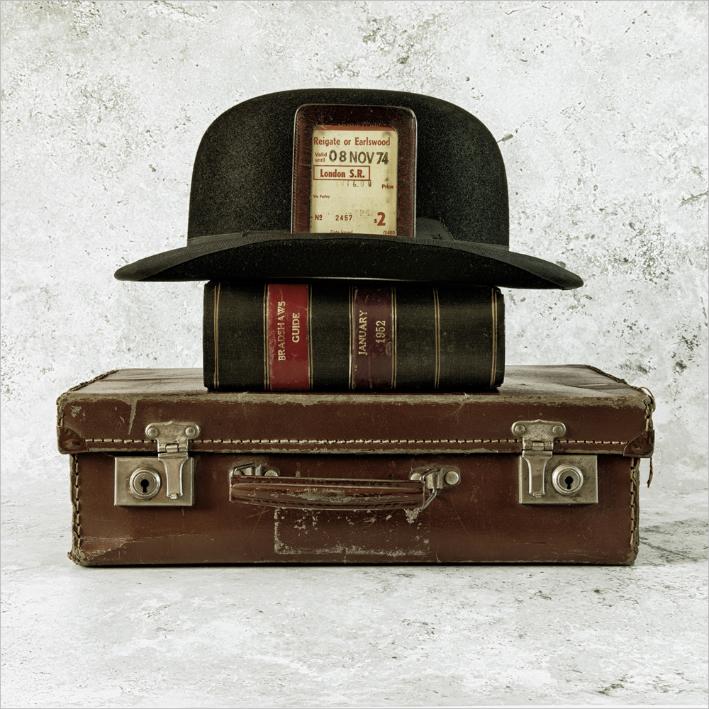
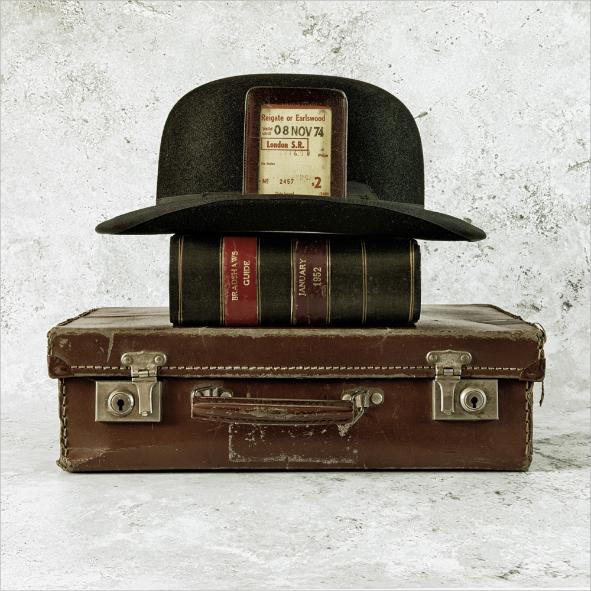
My first choice is the still life (previous page) depicting my father’s bowler hat, his season ticket, his Bradshaw’s railway guide and a battered case, bringing back fond memories of his daily commute to London.
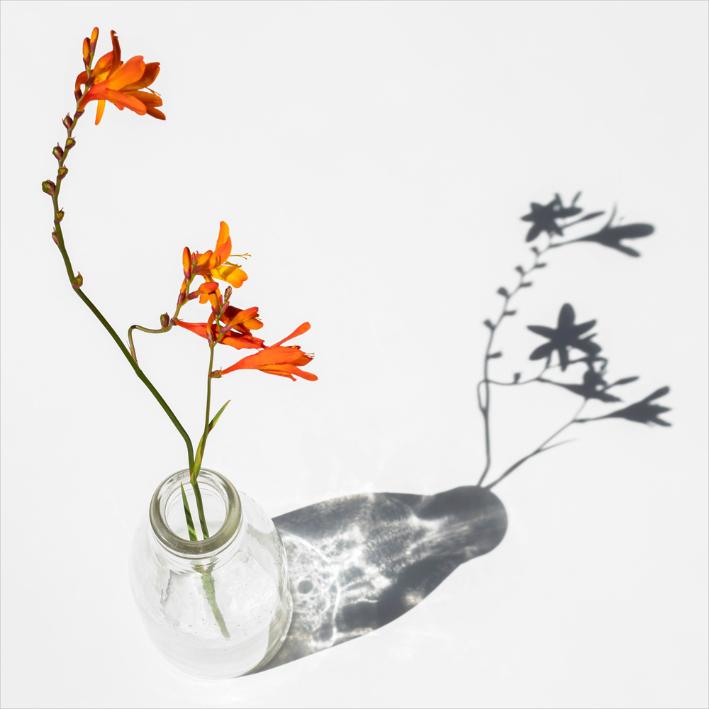
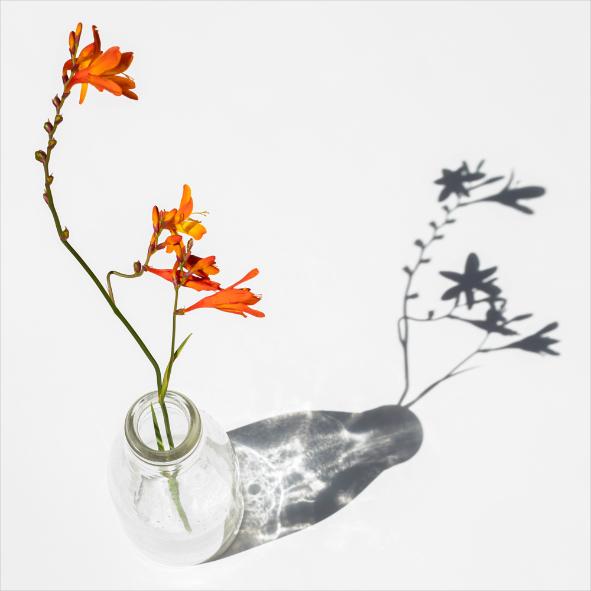
My next choice is the crocosmia and its shadow (this page). This was one of my first forays into being more creative. The composition was a spur-of-the-moment decision, taking advantage of the sunlight streaming through a window. Moments before, the old milk bottle had been dug out from the bottom of the garden, and the crocosmia was being cut back.
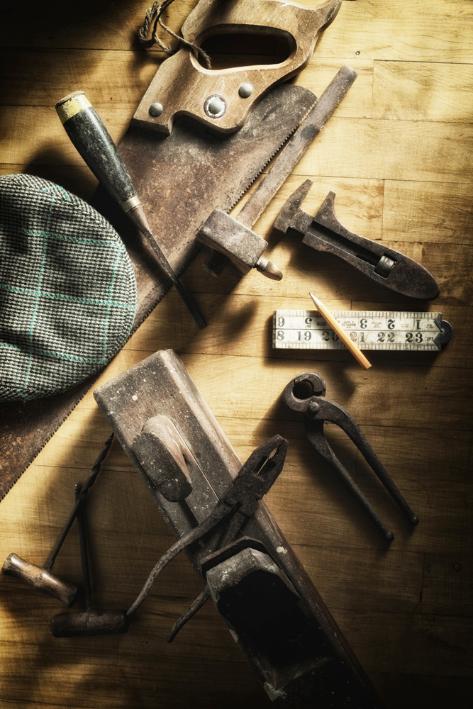
An image that didn't make it into my panel (next page) was another still life, this time of my father-in-law's carpentry tools. Aside from the fact that the aspect ratio did not fit in the panel, my mentor felt that it was too busy and lacked a point of interest.
Personal Insights
In a nutshell, the process taught me to slow down and take time to consider what each image was demonstrating and communicating. To take the utmost care with post-processing, and to review images many times over, checking and double-checking against the technical criteria. I also learnt that the LRPS is not just about technical ability but also creativity, and I think it is the latter that has helped to change the way in which I make photographs. As a scientist, the workings of a camera have always been a significant attraction but I had never considered myself to be especially creative or artistic. Photography has helped me to move the dial a bit on that.
Future Plans
I would like to attempt an ARPS submission. I have been taking time to consider where to focus my work and one of my favourite genres is still life. I am fortunate to have inherited family possessions and keepsakes, many over a hundred years old, and I would love to document these. I also want to continue exploring my creative side. I have a particular passion for post-processing and learning more about ICM and multiple exposure.
Advice for Others
Pay close attention to the guidance and criteria, and above all take advantage of the advice, it is invaluable. Allow yourself plenty of time; it is a journey, not a destination. Stand back from time to time, and don’t be afraid to change your mind. Aim to demonstrate as many different techniques and skills as you can and accept that your favourite images may not meet the standard. Avoid making complex images, and if you have any doubts about an image, best to reject it and move on.
On Reflection
Achieving my LRPS was a huge milestone on my journey; my photography has improved considerably and my confidence has grown. Having experimented with a number of genres and techniques, I now have a much clearer insight into what I would like to do next. I look forward to continued learning, and to all the pleasure that photography brings.
Heather Kerr LRPS
A member of my local RPS group in Lanarkshire encouraged me to attend their group meetings. There I learned a bit more about RPS distinctions and thought I might be able to gain an LRPS from the images I had accumulated over the years.
The Process
I looked at images from my back catalogue and tried to select ones that were similar in colour with some that were inward facing from both the left and right. I got advice in the first instance from my fellow RPS group members who had a wealth of experience. I watched all the videos on the RPS website to understand the standard required for an L distinction. I also attended an assessment by Zoom as an observer, which was very helpful.
I printed images and took them to the group where they were moved around to get a potential layout, an idea of what worked and what didn't, and those that where of a good enough quality etc. I put them together and then attended a one2one.
My main concern was aspect ratio and whether the panel was cohesive enough to pass. I had used stroke borders on my images and my adviser suggested making them all the same as there was some variation. The aspect ratios on some letterbox style images were not quite the same and I was concerned about this but was informed that this should not be an issue.
Skills & Techniques
I was able to demonstrate a variety of skills such as: slow shutter speed, fast shutter speed, low light etc. The main criticism from the feedback was perhaps the photography was not quite creative enough, but two out of the three assessors considered the presentation of certain subjects was done in a creative way.
My Favourite Images
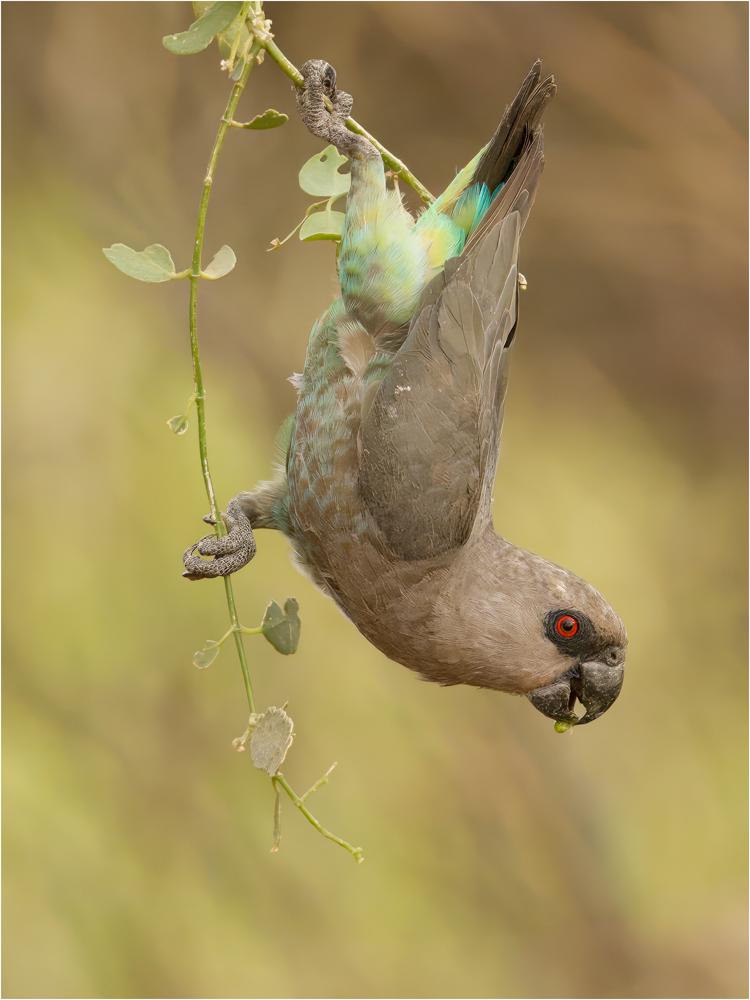
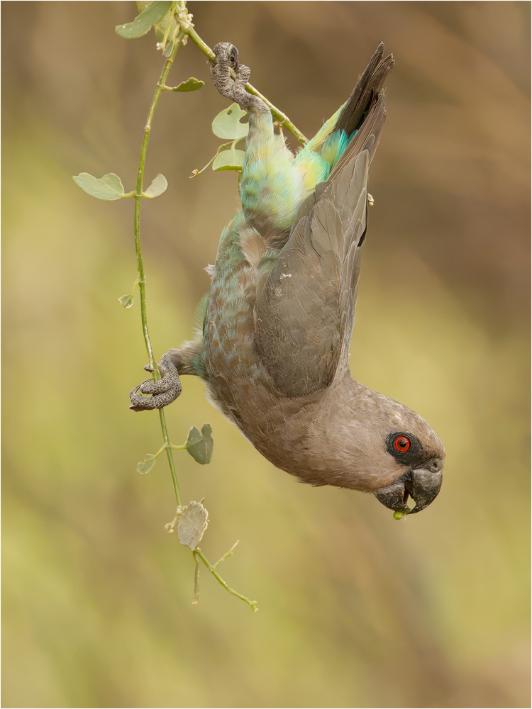
Wildlife photography is my favourite genre, and the parrot on the previous page was taken on my second visit to Kenya. I watched and waited for this parrot to work its way to the very end for the berry, and I knew it would make a fantastic image as it reached upside down, balancing to take it.
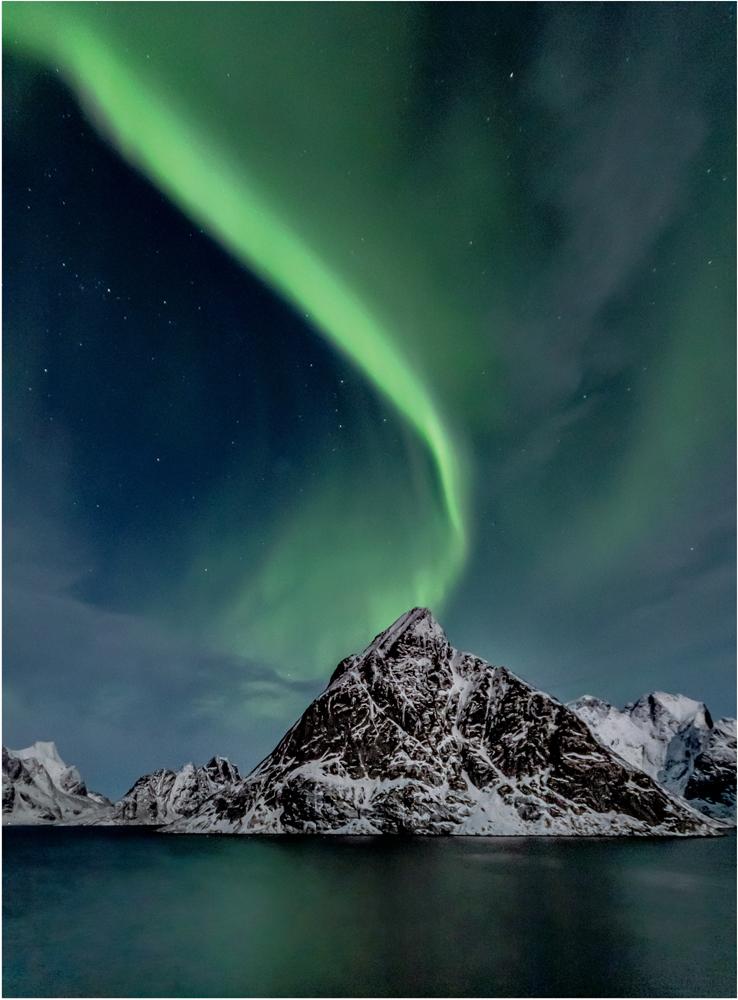
The image of the aurora (this page) was a special image to get. My one2one adviser said it was one of the better ones he had seen of this subject. I like how the aurora moves across the image from left to right.
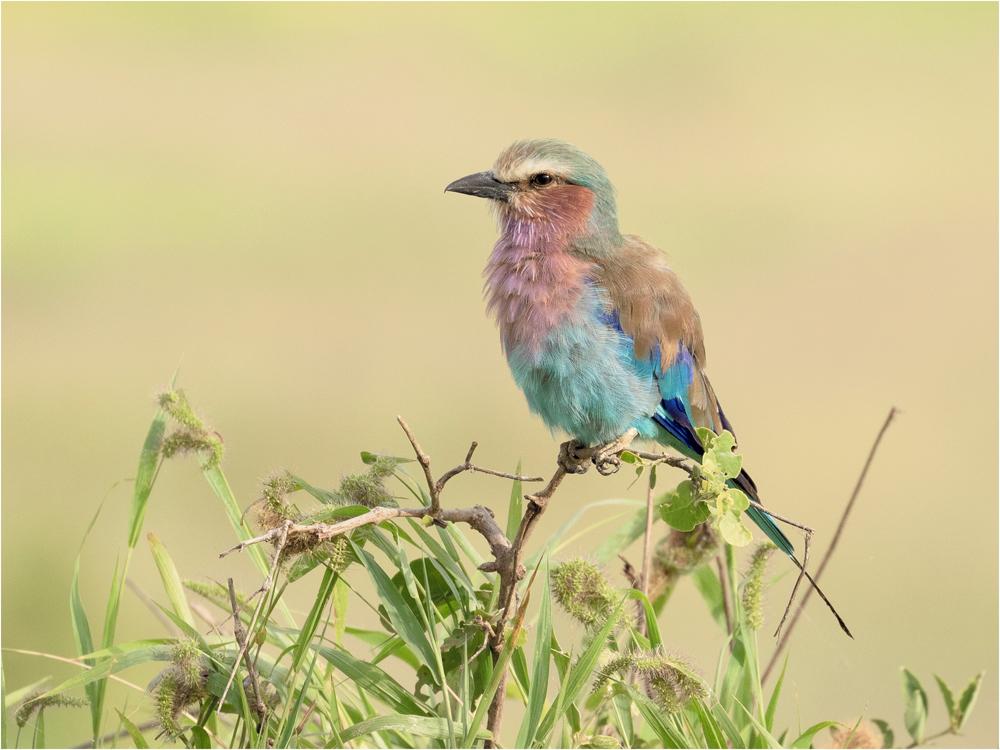
The colour palette of Kenya's National Bird (next page) fitted well with many of the other images and there was an option to place it on the right hand side of the panel facing in. However, I felt it was an image of similar technique to some already selected so I excluded it to ensure I had enough variety of technique and style.
Personal Insights
I found the experience very satisfying as the work I produced was looked at in a very different way to that which I am used to and it gave me a focus to look at images differently too. The process of presenting a panel and being successful was very rewarding and pleasing.
Future Plans
I would like to pursue further distinctions and working towards an Associateship is on the list. With this in mind, I took an idea for a project to a Nature Group Advisory session. Although my idea is nature based, I wasn't sure it would fit the criteria for a Nature panel or how I might proceed with it if it didn’t. The suggestion was that it would perhaps suit either the Documentary or Contemporary genres.
Advice for Others
I think if you are producing good quality images there is no reason why you cannot attain a Licentiate distinction. You should be critical of your own work and look over the whole of every image for imperfections. Take advice, everyone wants to help you achieve your goal.
On Reflection
The help and advice from fellow photographers involved in the RPS was fantastic and I want to keep improving. Achieving the LRPS is great as I was an LRSC (Royal Society of Chemists) before finally becoming a chartered chemist. I no longer hold this distinction following retirement, so it is nice to have a distinction again. It also gives credence to my art.
I am told I am a good photographer, but it is nice to have that recognition from the Royal Photographic Society. It gave me the confidence to submit three images to the RPS Women in Photography Group 40% Project. The work is going to be published in a book if we can obtain sufficient funding through the Kickstarter Campaign.
Linda McGregor LRPS
I wanted to give myself a goal in my photography and go through the LRPS process in the hope that my work was of an acceptable standard to gain an LRPS Distinction.
The Process
The process I went through included reading all available materials provided by the RPS and studying other members successful panels.The biggest challenge I found was selecting my final ten images to make a balanced and varied panel. I enjoy working in triptychs and on themed projects, and I felt the final selection was not as co-ordinated as I would have put together normally.
I printed out thirty small prints of my favourites and played around with the balance between black and white, crop size, colour tones and subject matter i.e. Still Life/ICM/Wildlife.
I attended two Advisory Days before submitting my final panel and I found these to be most helpful and inspirational, as along with other LRPS applicants, some members were showing their work for ARPS Distinctions. Also, a friend who has an FRPS Distinction gave me guidance and encouragement which was very helpful to me.
Skills & Techniques
In my experience the skills and techniques in achieving the LRPS are making sure a good standard of technical skill is shown along with an understanding
of composition, creativity and clear focus on the subject in the frame. I enjoy studying other photographers' work and methods in various genres and this gives me inspiration to advance in my own photography.
My Favourite Images
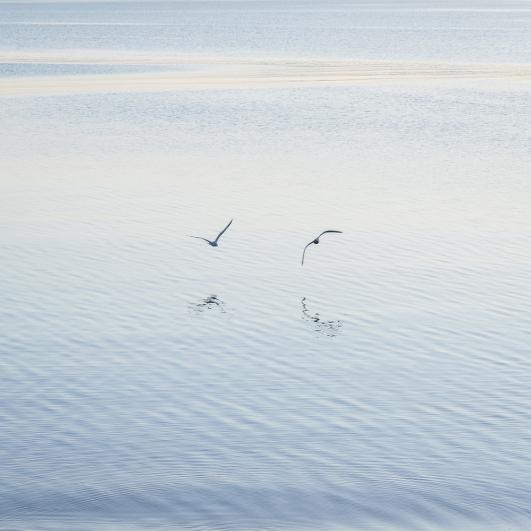
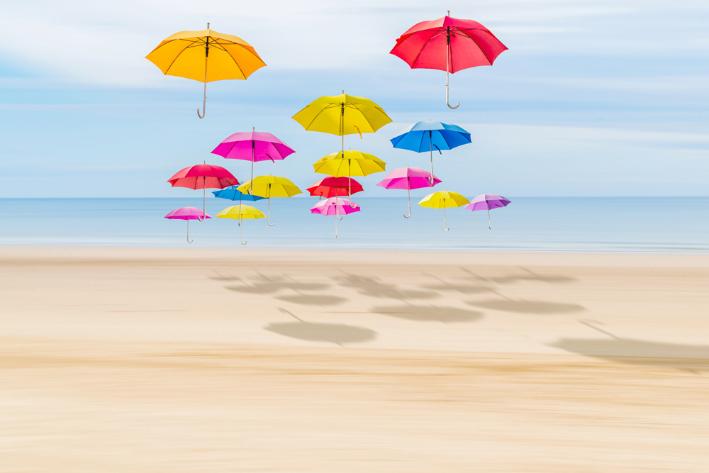
The first is the image on the previous page which was chosen to show creativity and imagination in using composites, along with ICM. Then in the editing to show how colour and light is used to create the mood of a hot summers’ day.
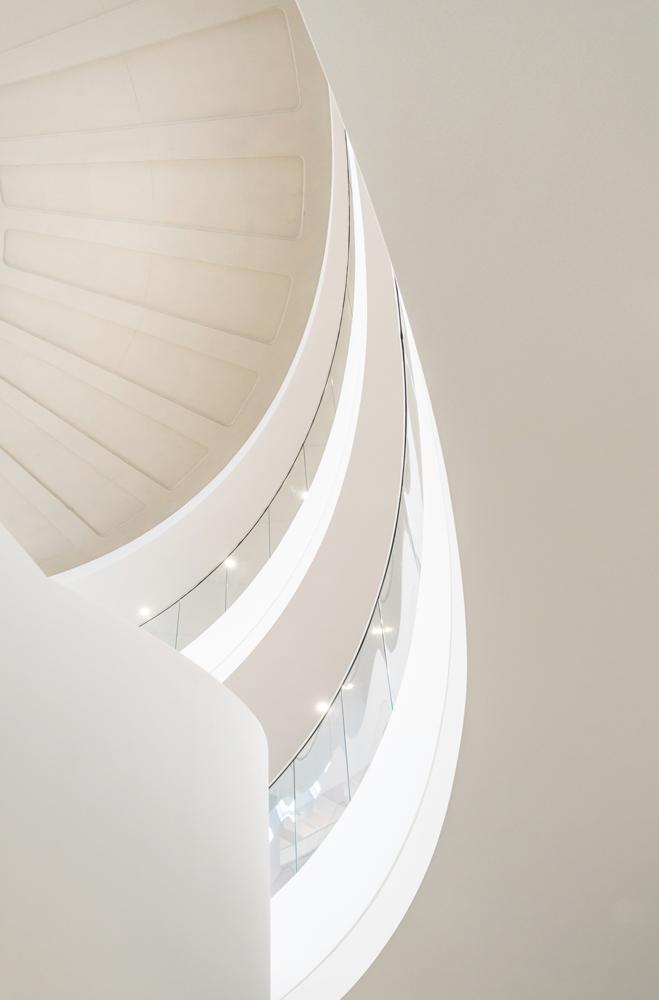
I chose the image below to give an example of a sometimes difficult subject - interior architectural photography. I thought this image captured the beautiful design and detail of the building. Then the editing shows how the problems of low light and strong shadows were handled.
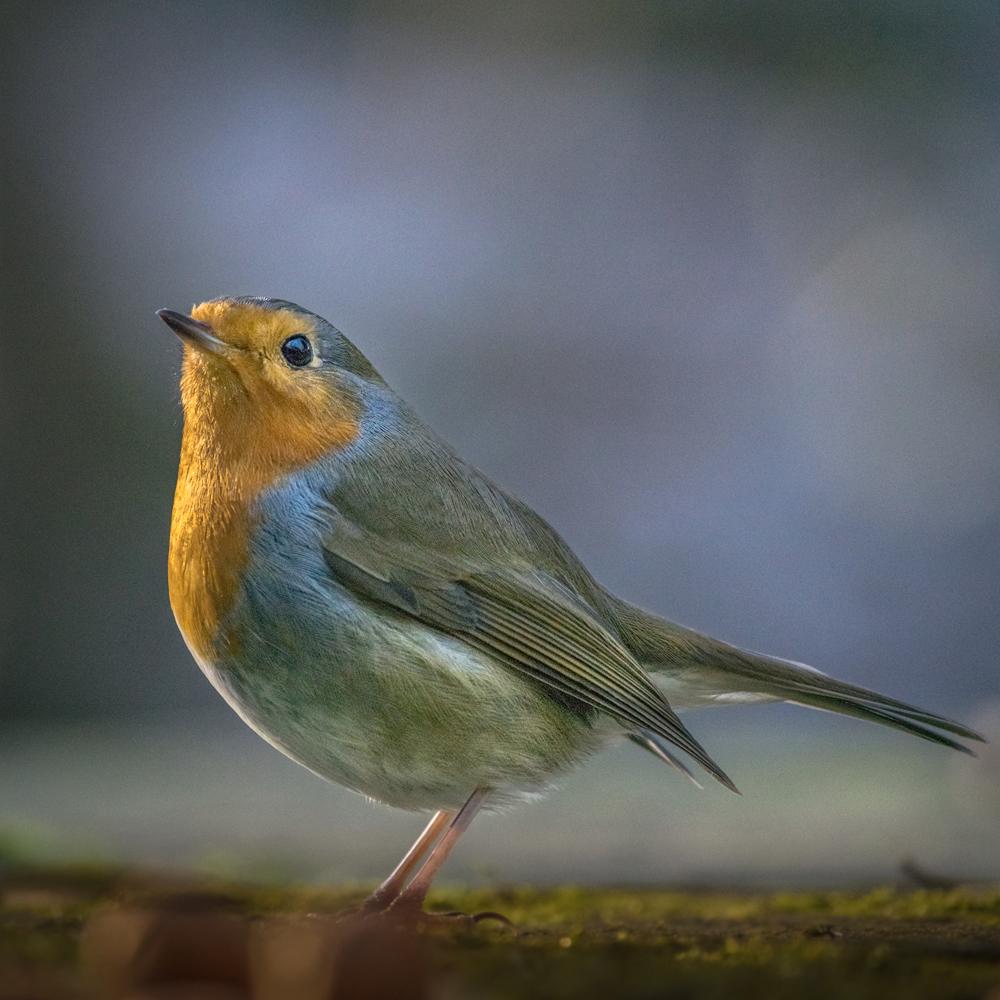
Thoughtful Robin (next page) is one of my favourite images as it shows the robin in good detail with a lovely side light. It has a soft background and he has a quiet, thoughtful look however, the feedback was he was just too big in the frame.
Personal Insights
Working towards this distinction allowed me to believe in myself as a photographer and to follow my heart in the subjects I enjoy. Although it has not changed my approach to photography too much, I will continue to do the best I can in portraying what I see through the lens into an image I'm happy with.
I was unsuccessful in my first attempt and the feedback I received was very helpful as it pointed out some basic technical errors and a poor balance in the panel. This acted as a spur to try again.
Future Plans
I always have personal projects on the go as I find it helps to focus my photography. I will be working on projects of my two favourite genres, Fine Art Photography and Still Life in the future.
I am considering pursuing an Associate Distinction, I'm looking forward to the process and the building of my next panel.
Advice for Others
As someone who failed at their first attempt, I would say if you were thinking of undertaking a submission, go ahead as it really is a learning curve for your photography.
I don't think I would have done anything differently. The overall help and advice available from the RPS and encouragement from friends was enough to start my submission. You just have to take the first step, give it your best shot and see what happens!
On Reflection
My photography has improved during the process; it makes me want to achieve a higher standard in my work. Achieving an LRPS Distinction was very rewarding as a photographer and as a person it gave me a sense of fulfilment in my endeavour.
I'm very proud for my family and friends, in that they all know how much my photography means to me.
ASSOCIATE ARPS
ASSOCIATE
Mallory Mercer ARPS Nature
I retired in 2021 after forty-four years in the NHS. Seeking to continue challenging myself, I joined a camera club and began developing my photographic knowledge and skills. I had always been interested in wildlife, and I started to enter nature genre club competitions, as a means of gaining critique on my images. Whilst judges' feedback was helpful, I wanted more. I began to explore the Royal Photographic Society. I watched Zoom presentations, participated in online forums, and decided to pursue an LRPS distinction, which I successfully achieved in October 2022. A number of photographs within my panel were nature images.
About the Panel
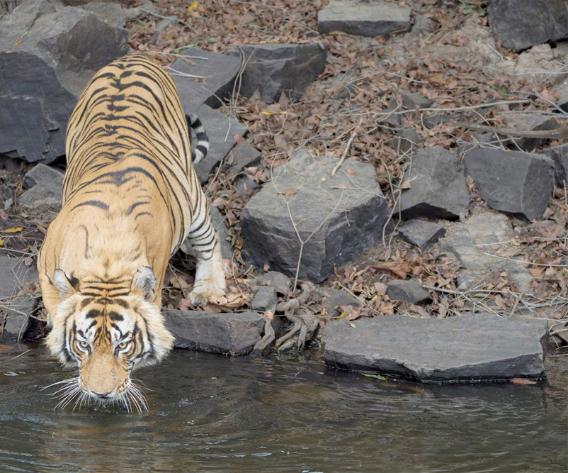
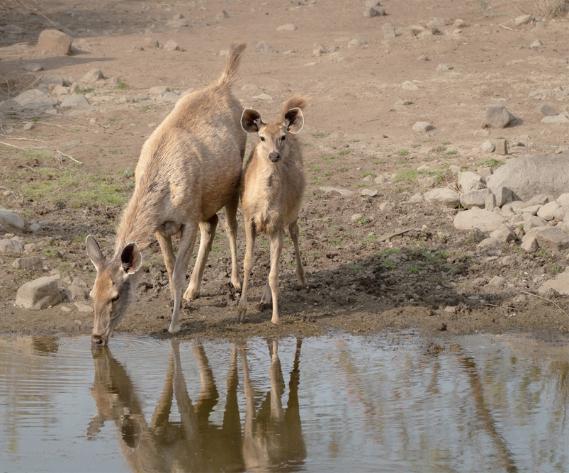
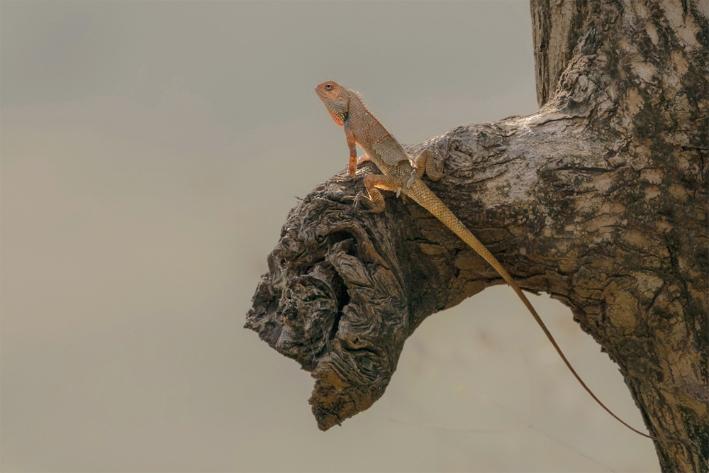
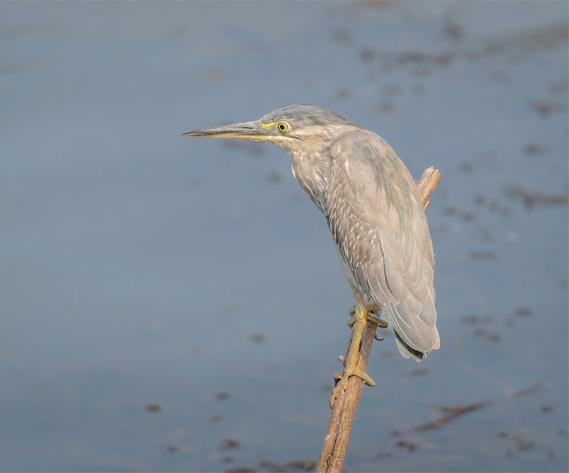
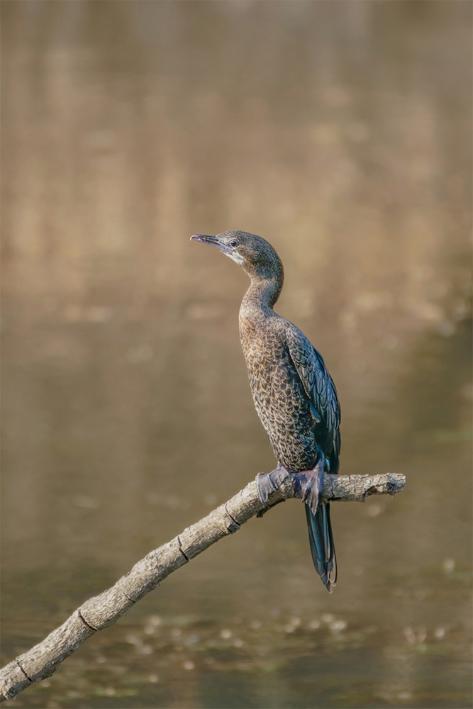
With a passion for wildlife, I went to India to photograph the endangered Bengal Tiger in the Ranthambore National Park, in April 2023. I knew there would be an abundance of wildlife there and wondered if this trip could provide images for an ARPS panel in Natural History. I chose to photograph as many different species as I could, contemplating that a Statement of Intent (SOI) might somehow reflect the diversity of wildlife.
The Process
After my return from India, I attended an online Advisory Day as an observer, which highlighted that many of my images were unlikely to meet the required standard. I was lucky enough to have the support of Ann Miles FRPS from the Nature Group. This proved a reality check and led me to understand why a successful panel of fifteen images from a single trip was extremely difficult to achieve.
I joined the “Towards Associate Group II” run online by the Nature Group. This proved incredibly helpful as whilst I found it relatively easy to constructively critique others’ images, I struggled to achieve the same level of objectivity with my own.
The possible changes to the RPS distinction processes at Associate and Fellowship level added a new level of stress. Would the work I had undertaken be wasted if I delayed? I therefore entered my panel into an Advisory Day in August 2025 despite feeling I was not entirely prepared or happy with it.
The feedback was mixed. It was suggested that my SOI needed rewording as it did not clearly reflect my aims and objectives or suitably describe the Indian location. A number of images were considered weaker than others and it was suggested that some could have been photographed in a zoo! A comment that felt crushing at the time.
However, there was enough positive feedback for me to submit a panel in the Natural History Assessment Day in November 2025. I had worked hard at correcting the details identified within my advisory feedback and rewording the SOI. I did not have time for a one2one before the deadline for submitting my print panel.
Skills & Techniques
A good understanding and use of acceptable selective post-processing and current noise reduction techniques was pivotal, as was knowledge of how to create a harmonious and visually engaging panel, plus the ability to produce a correct species list should not be underestimated.
My Favourite Images
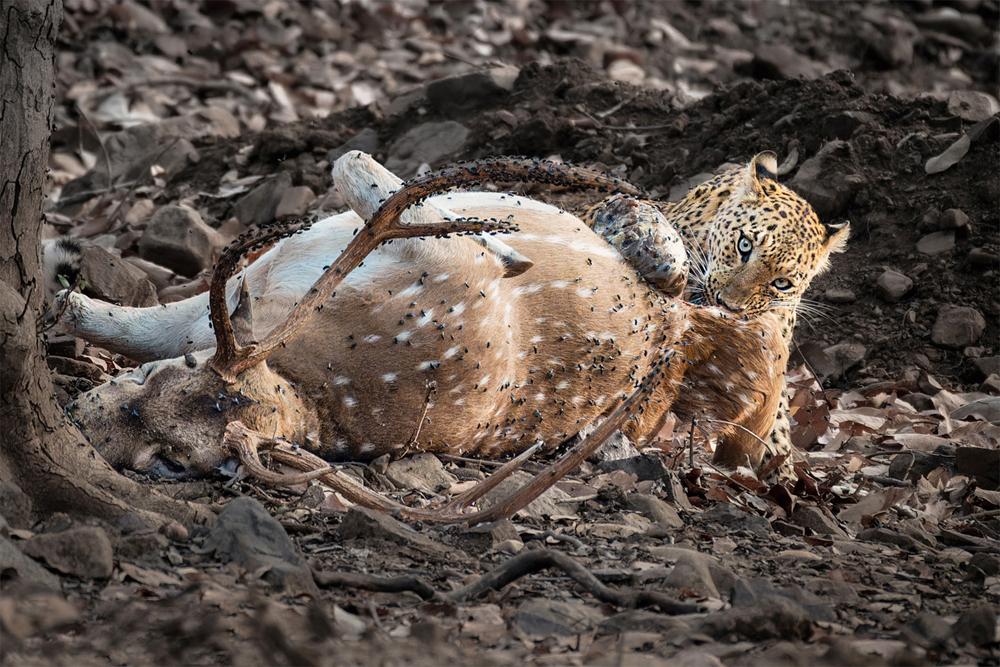
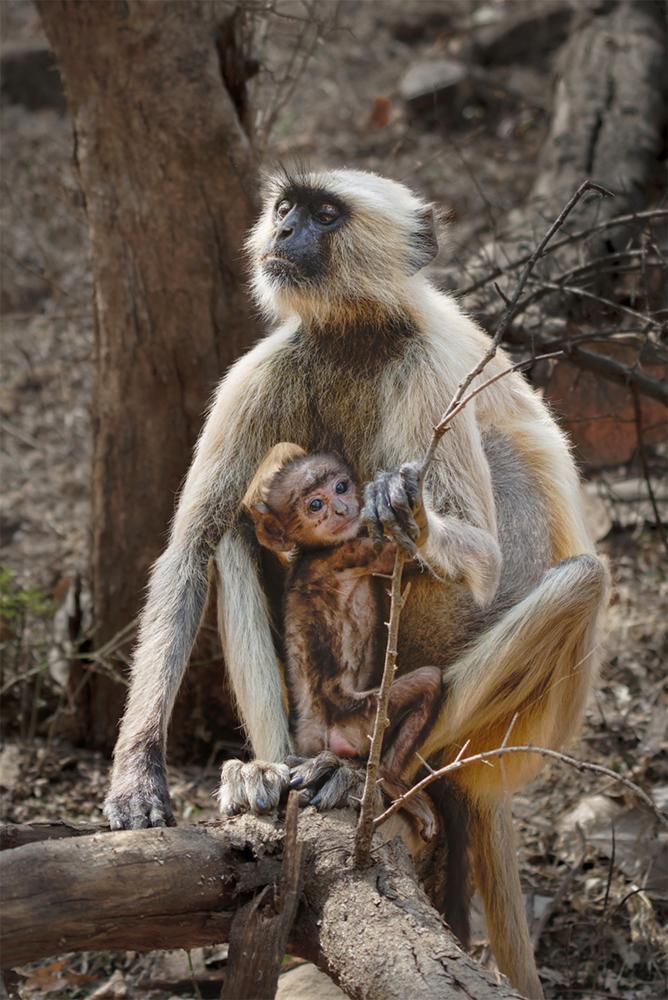
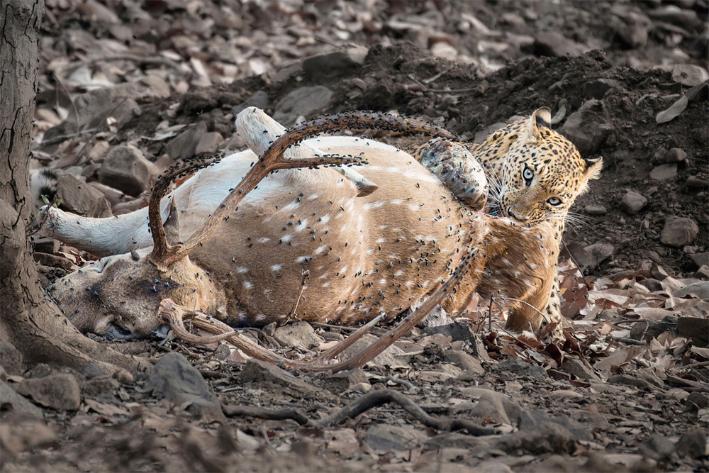
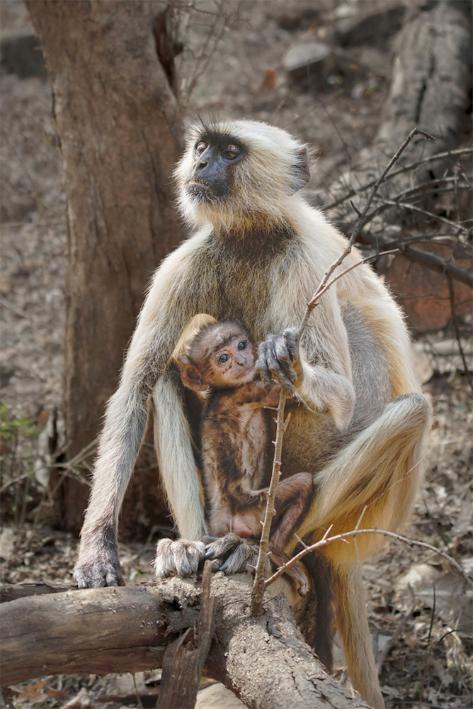
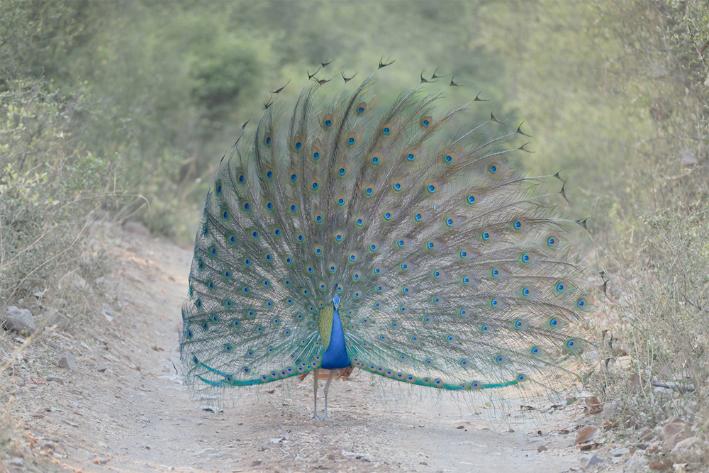
Two of my favourites are the leopard with a kill (previous page) and the langur monkey with young (this page). I chose these because they illustrated the brutal cycle of death and the tenderness of birth found in the wildness of India.
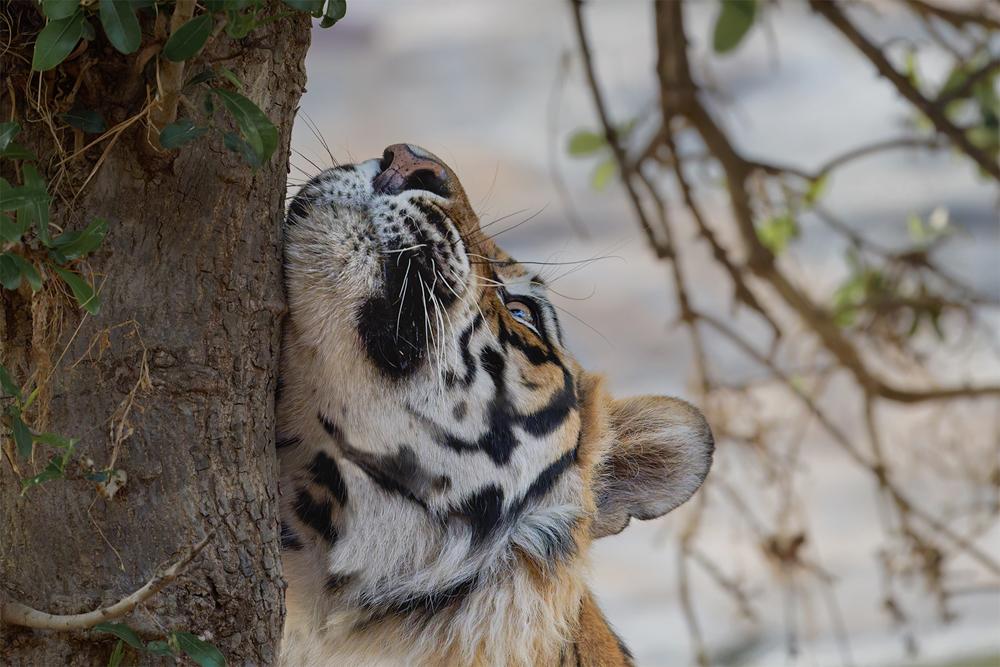
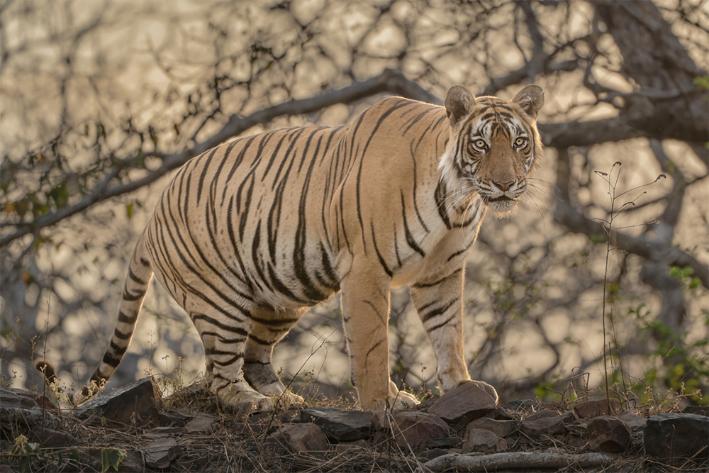
The Scratching Bengal Tiger (below) was discounted following the Advisory Day. I liked it because it illustrated animal behaviour, but it was assessed as weak. The tiger was not looking directly at me, the background on the right-hand side was messy and the tree trunk on the left too dominant and distracting. Finally, it was felt it was too tight in the frame with more of the tiger’s lower neck required, which I did not have.
Personal Insights
I continue to be self-critical of my wildlife photography, always striving for perfection, which I'm not sure exists. I felt the requirements for achieving a Natural History ARPS were prescriptive and since my successful panel I have started to explore a more creative approach. I enjoy the work of Rachel Bigsby, Marina Cano, and Frederico Veronesi.
Future Plans
I am currently unsure of the direction of my photography but am currently enjoying travelling to new places to capture wildlife. I still love a challenge, and may consider a Natural History Fellowship in the future, depending on the new distinction framework.
Advice for Others
For those considering a distinction choose a topic you are passionate about and have an idea of what you want to convey. Allow yourself plenty of time and seek early guidance and support from wherever you can get it.
On Reflection
The whole process is challenging, exacting, demanding, and requires a lot of time but it is thoroughly worthwhile. It’s a personal achievement I still find difficult to believe. There are no words to describe what it is like to receive recognition of your work from highly qualified experts in their field.
STATEMENT OF INTENT
National Parks, in India, are recognised tourist destinations for those wanting to photograph the endangered Bengal Tiger. The aim of my panel was to illustrate the diversity of species which co-exist within one such National Park. It offered a mixed habitat of rolling hills, dry deciduous forests, rocky ravines and craggy outcrops, lakes and other bodies of water.
Photographing handheld, from the safety of a vehicle, in the early mornings and late afternoons, I have portrayed the wildlife in their natural environment. I wanted to show close-up portraits and displays of natural behaviour of mammals, reptiles and birds, including the apex predators.
I wanted to challenge myself and see if I had what it took to obtain a distinction, as I have no other photography qualifications. I was also inspired by the ARPS panels I had seen, and encouraged by people who had been through the process. With most of my photography revolving around wildlife subjects, I chose to go directly for the ARPS, without doing an LRPS.
About the Panel
Wildlife photography is my favourite genre and having joined the RPS Nature group a few years ago, a Nature panel seemed the obvious choice.
The Process
Knowing that the ARPS process was due to change imminently, my husband and I both made the decision to try for our print ARPS, under the current scheme. However, with only one Assessment Day available before the change, we only had three months to prepare, a massive challenge given that we hadn't even started working on our panels!
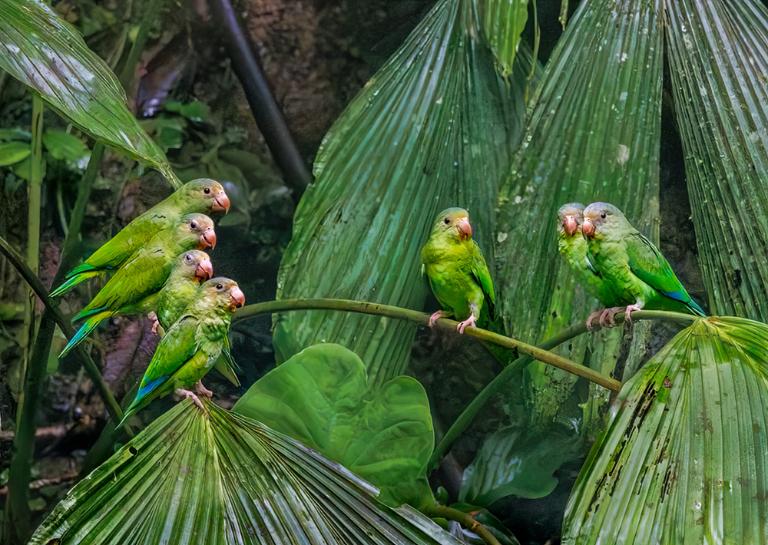
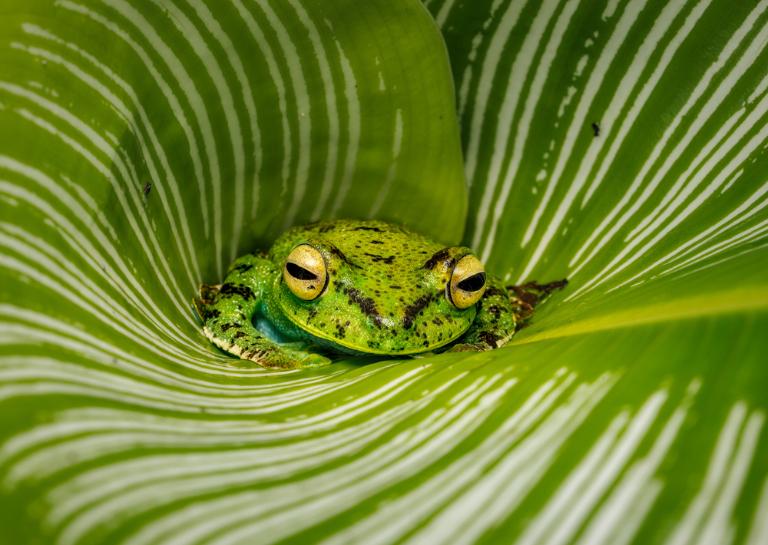
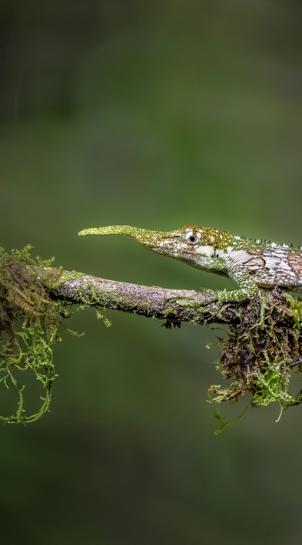
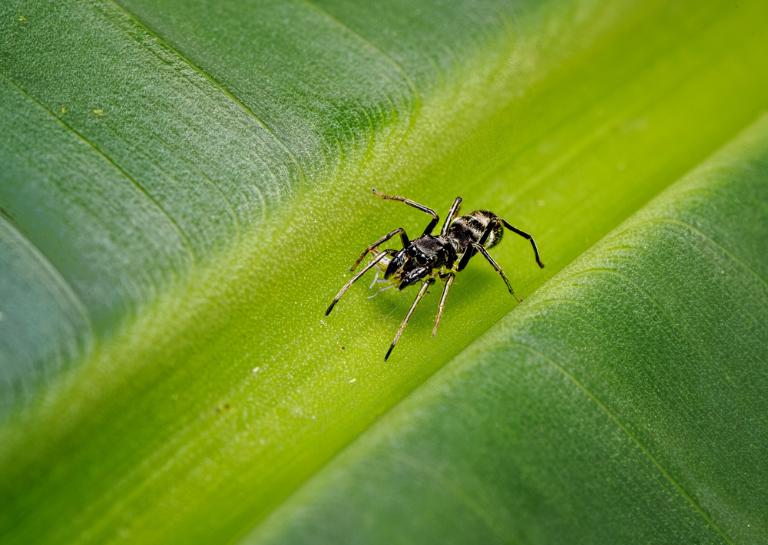
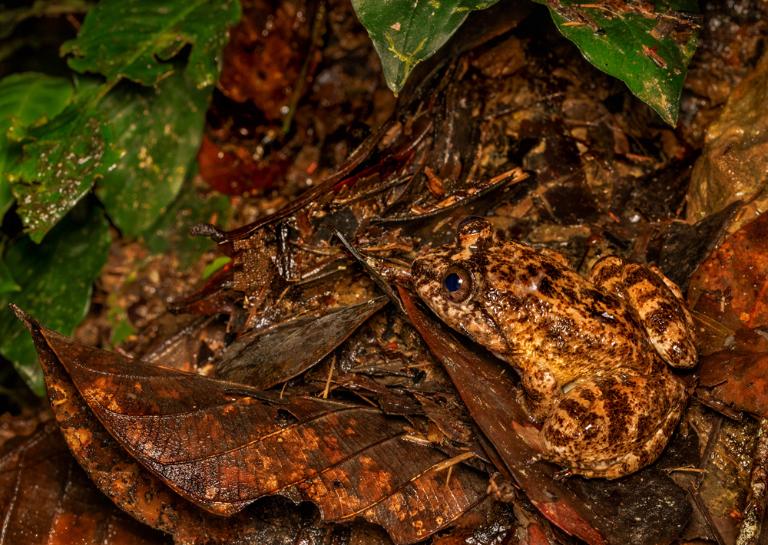
I began by looking at the best images in my back catalogue. With a love for polar travel, I initially thought my panel would reflect the various cold places we have visited, but more recently I've in fallen in love with the wildlife of tropical climates. Visits to the rainforests of Borneo and Ecuador opened my eyes to the incredible diversity and magnificent evolutionary adaptations
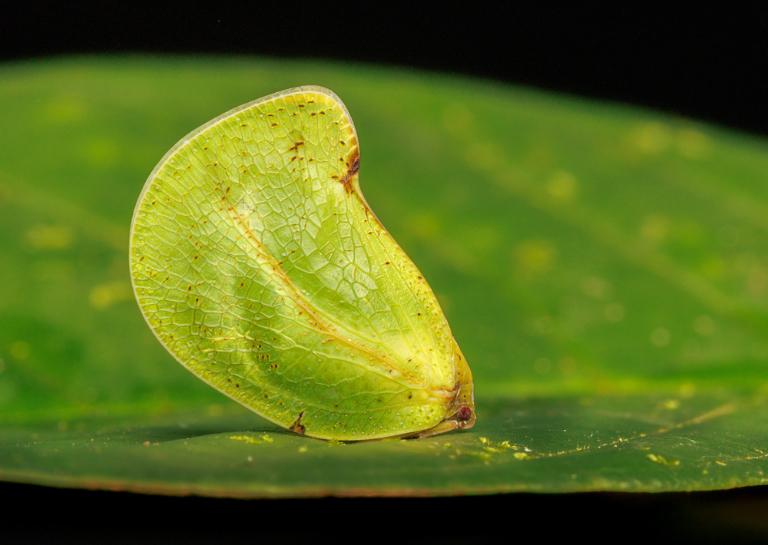
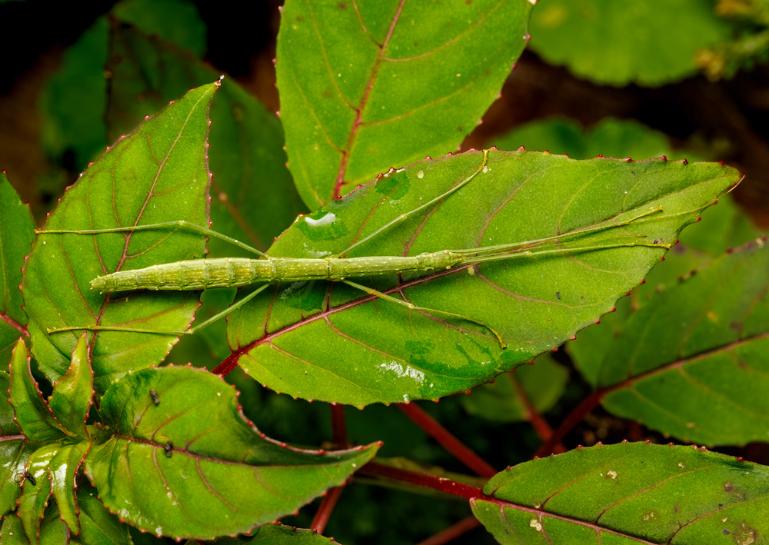
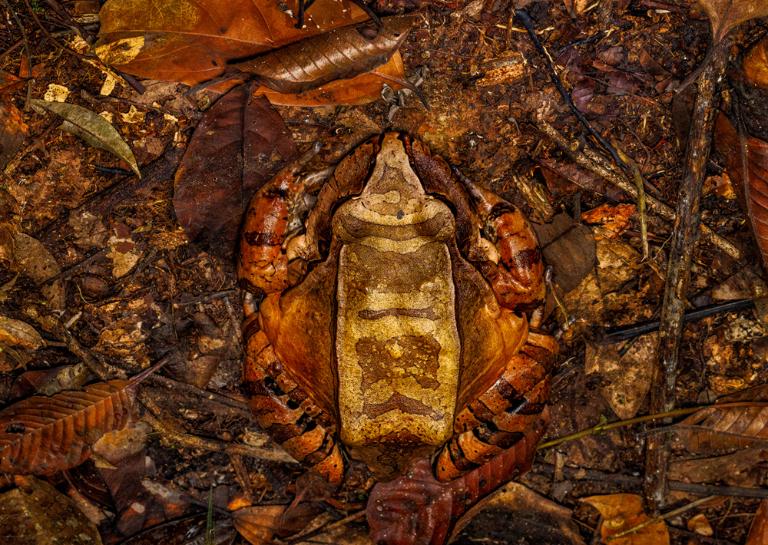
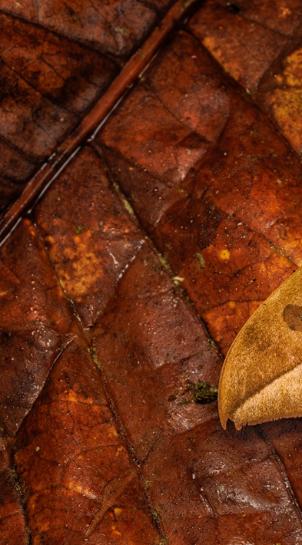
required to survive. It was this that led me to choosing photos which showcase animals that use camouflage. Once I'd settled on this theme, I wrote my Statement of Intent. It didn't undergo much change, just minor edits.
Although the short timeframe meant I was unable to attend an Advisory Day, we had watched some online, which helped massively. I also obtained advice from a friend and RPS Assessor.
Skills & Techniques
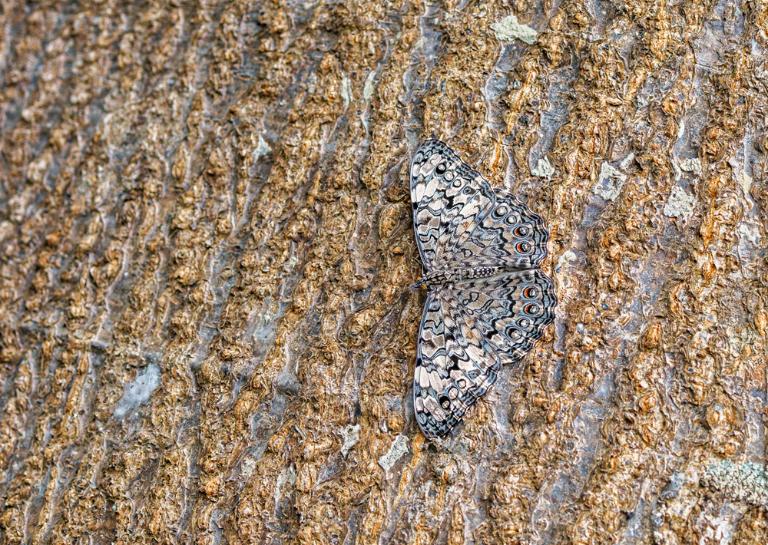
As well as having the right level of technical skill, it was important to understand how to put together fifteen visually coherent images. I chose three rows, each connected by colour palette. The top being predominantly pale browns, the next greens and the bottom row rich, earthy browns of the forest floor. I tried to balance the left and right sides and the sizes of the animals. Skills learnt from my photography club's 3-photo panel competition helped a lot.
My Favourite Images
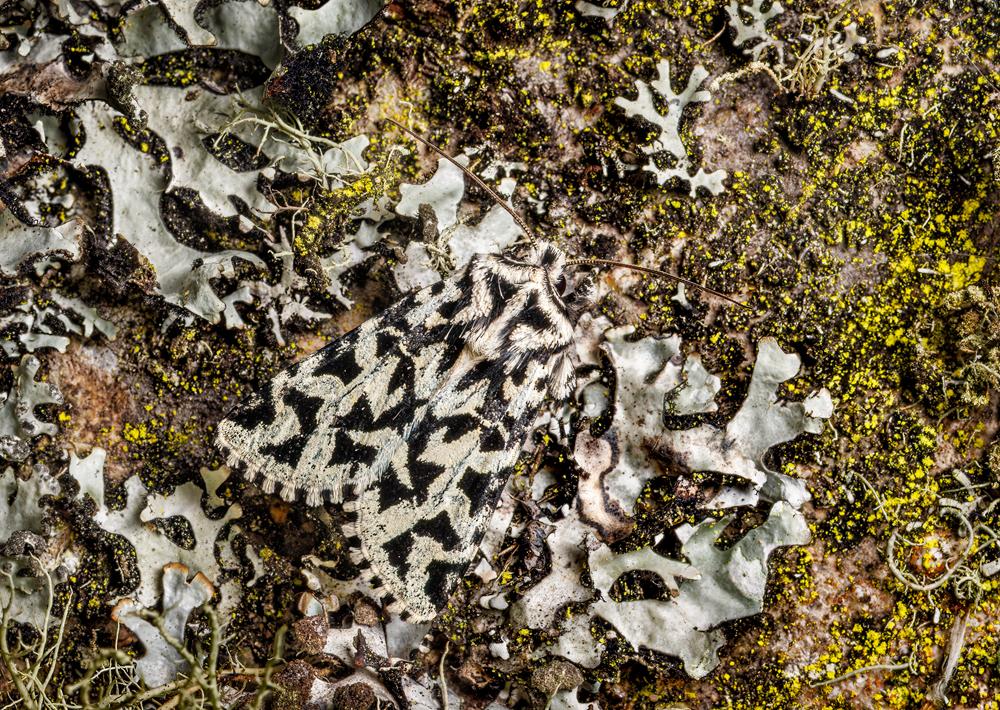
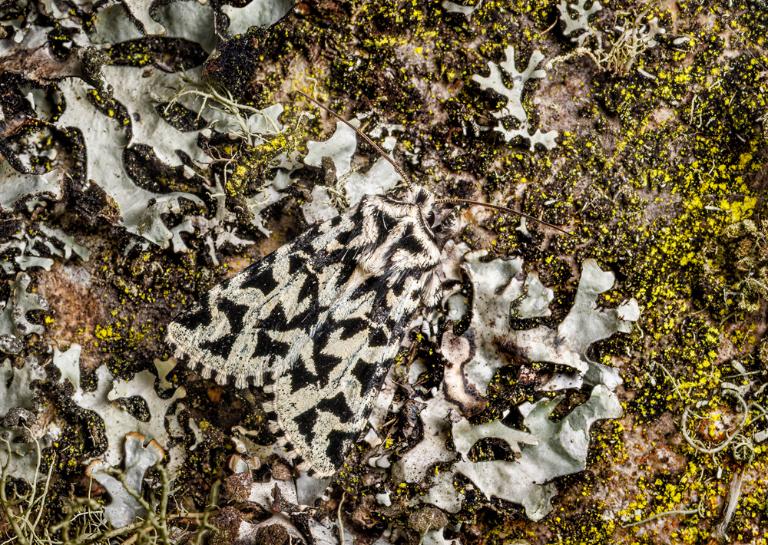
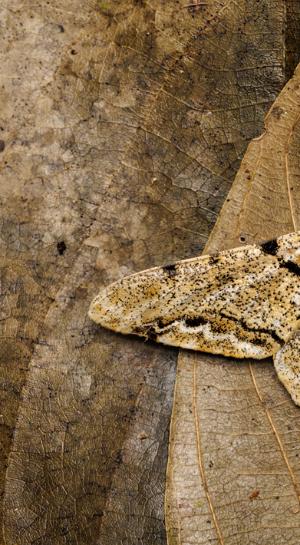
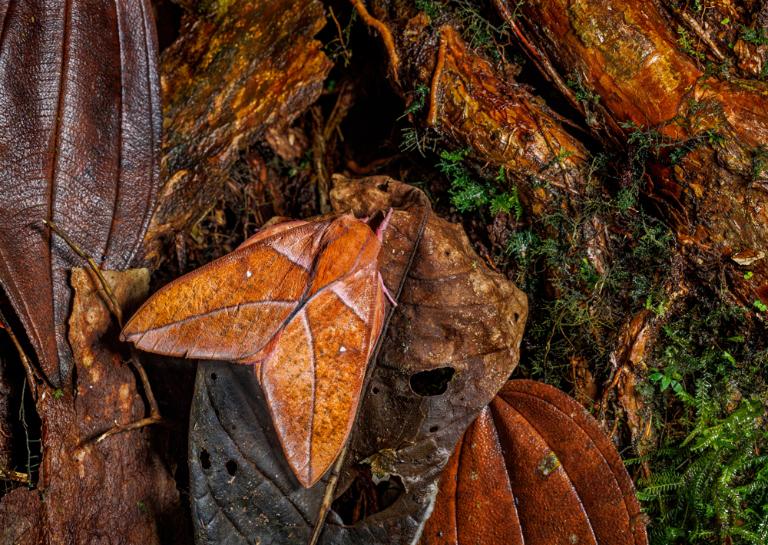
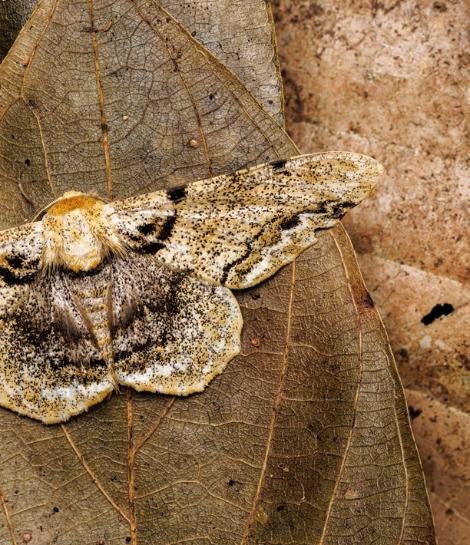
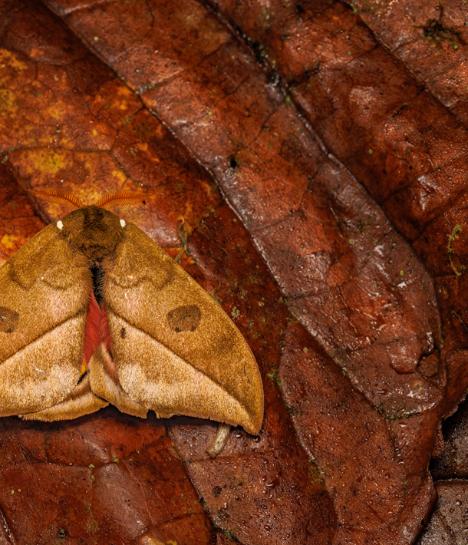
The moth (previous page) was particularly tricky to edit. It was so well camouflaged amongst the lichen, that it was a fine balance between ensuring the moth was visible, whilst also demonstrating its ability to blend in. Most wildlife images, especially in club photography, are about making the subject standout from its background, quite the opposite of my aim.
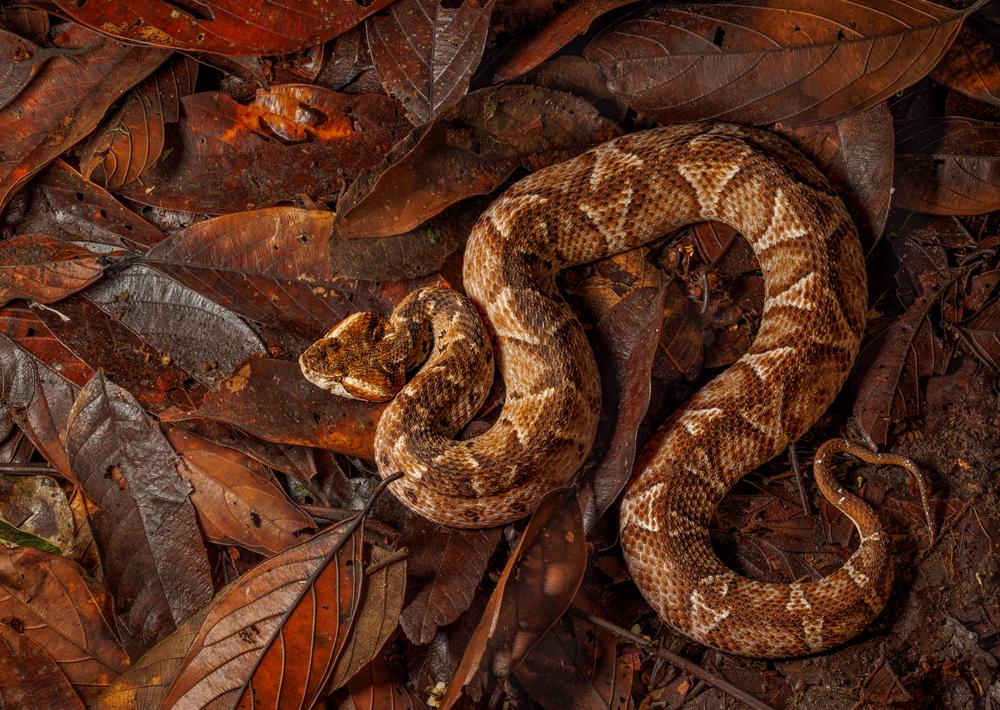
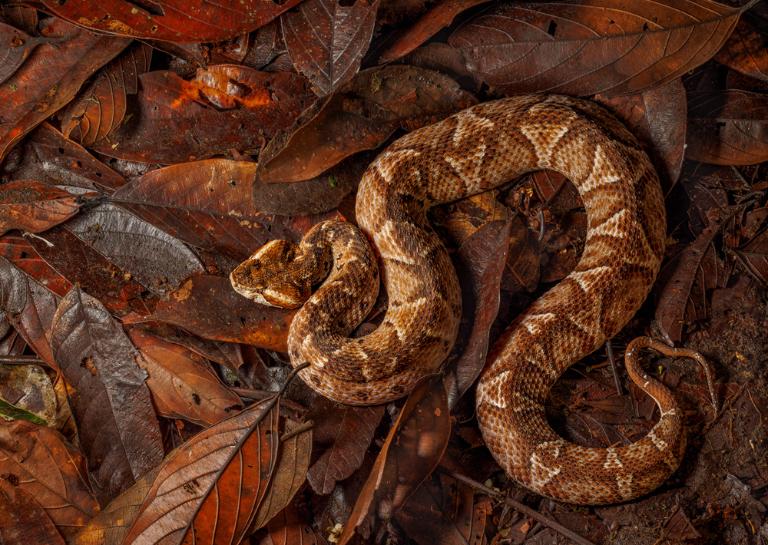
The image on this page is a favourite because it shows the beauty of snakes but was scary to photograph as it is highly venomous. It was taken under carefully controlled conditions, led by a professional herpetologist, as part of a conservation-led rehoming programme to move potentially hazardous snakes from areas of human-wildlife conflict.
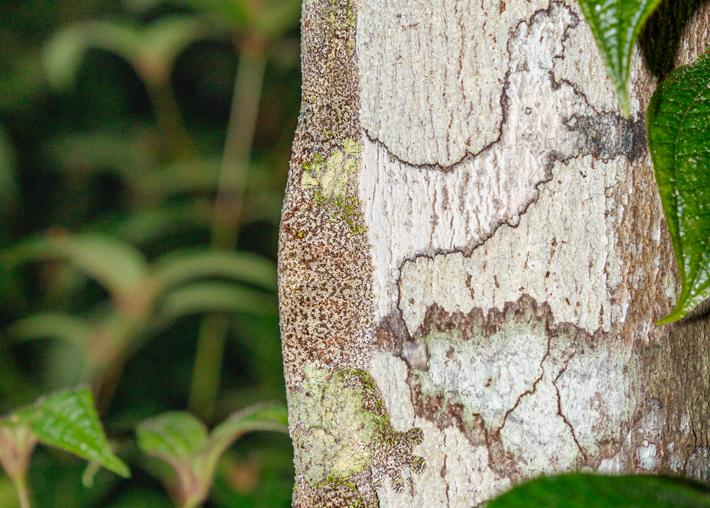
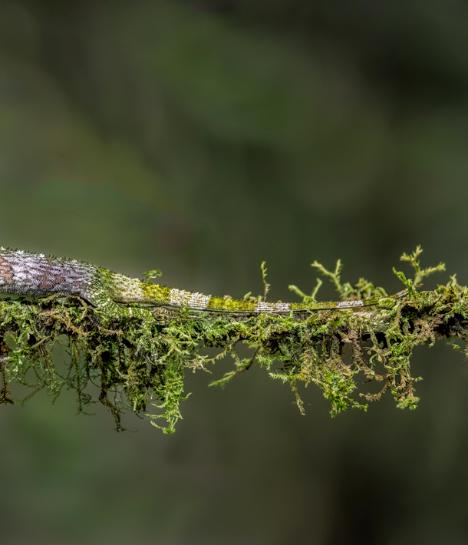
The Mossy Leaf-tailed Gecko photographed in Madagascar (next page) was a potential candidate for my panel, but it didn't fit visually with the other images, and the busy leaves could be considered distracting.
Personal Insights
Early on I tended to focus more on close-cropped, portrait style images, now I prefer more environmental shots. My influences include photographers I've travelled with, such as Nick Garbutt and Alex Hyde, particularly their rainforest photography. I also get inspiration from the Natural History Museum Wildlife Photographer of the Year.
Future Plans
I am currently exploring more creative photography techniques, such as using multiple exposures and combining this with my love of wildlife. I'd like to further improve my macro photography and learn how to use my new ultra macro lens.
Although I like the idea of working towards my Fellowship, I don't as yet think I have the necessary skills, or any notion of the direction that this would take.
Advice for Others
Think about where your passion lies, speak to people who have achieved their ARPS and ask for advice. Find an easy way to visualise and layout your potential images. Don't leave preparation to the last minute!
On Reflection
My photography is constantly evolving. Doing my ARPS helped me better understand my photographic weakness. Although it was nerve-wracking, attending the Assessment in person was rewarding, as receiving critical feedback is so important to improvement. Fortunately, my husband and I both achieved our ARPS on the same day. Being successful has boosted my confidence in myself.
STATEMENT OF INTENT
Through my visits to tropical ecosystems, I have developed a fascination with the remarkable adaptations of camouflaged animals, which I aim to showcase in this panel.
My objective is to illustrate a variety of species that rely on background matching, disruptive patterns, or cryptic colouration to remain undetected, whether avoiding predators or ambushing prey.
The images were created using a combination of macro and telephoto techniques to capture fine detail while preserving environmental context. In certain instances, the subdued light of rainforest habitats or nocturnal conditions required the careful use of diffuse flash to reveal natural colours and textures.
The Ecuadorian toadhead viper was photographed during a conservation-led rehoming programme and was handled briefly by a trained herpetologist during relocation from an area of human-wildlife conflict. The anole was handled by a conservation ranger to allow safe and controlled photography.
Since achieving my LRPS many years ago, I hadn’t attempted to challenge myself further in photographic terms. So, when my photography club set up a distinctions group that was designed to support club members in their attempts at photographic awards, I felt that it was time that I did something to move my work forward. It was at this point that the ARPS became a personal project, a project that would give me reasons to produce work and one that would possibly ‘measure’ my personal progress.
About the Panel
In recent years there have been profound changes in my family life. Yet, one constant throughout this time has been that I continue to photograph out in the landscape in an attempt to capture visually striking images.
As a result of this, I didn’t fully consider other subjects or genres for my ARPS submission. I toyed with the Contemporary and Travel genres, however, if I wanted to prove to myself that I had moved forward and improved, then the measure was the style of work that I had undertaken for a number of years, and that was Landscape.
The Process
At the start what I feared most was the Statement of Intent (SOI) as I tend to keep my own counsel, and the thought of having to explain my reasons, motivations and actions seemed alien to me. So, I started with this just to get it out of the way.
However, I stalled so I decided to choose images from my back catalogue and plan trips rather than write. The problem was that I found that this simply made the task too broad and unmanageable and I needed a more focused approach. Unwillingly, I returned to the SOI.On the plus side, possibly because I had now reviewed my images, I was able to produce the broad outline in one sitting, and from then on my plan was clear and I moved forward very quickly.
Later I realised I had jumped in with both feet and that I hadn’t even looked at Assessment dates. When I did, I found that I had very little time to put it all together, so I used my club colleagues as guidance and worked towards the deadline. My panel was submitted with just a few days to spare.
My Favourite Images
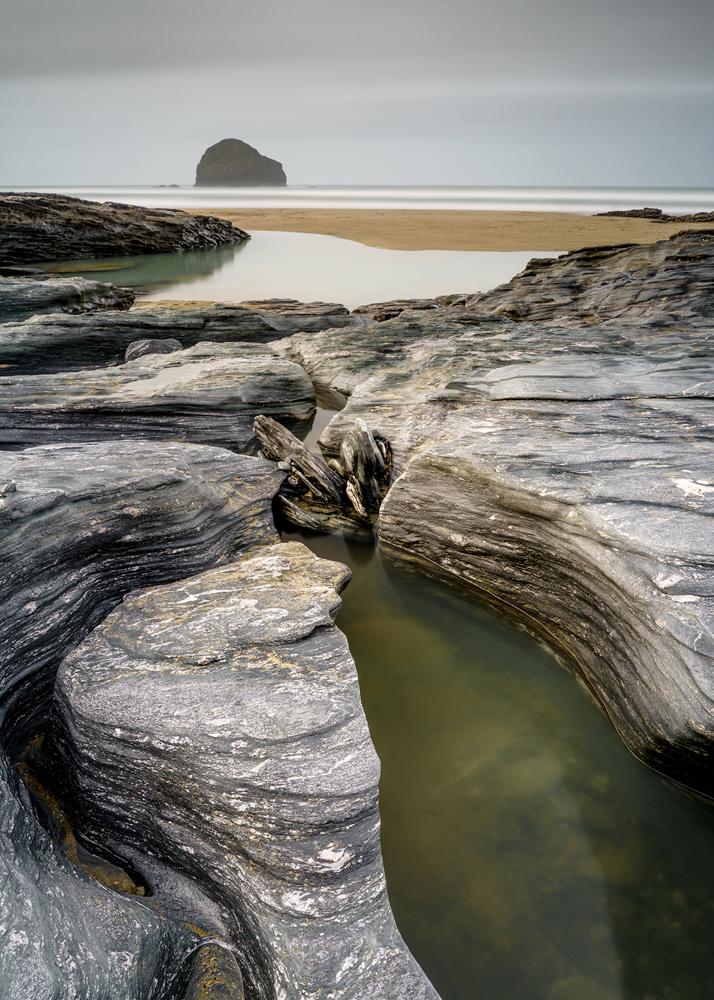
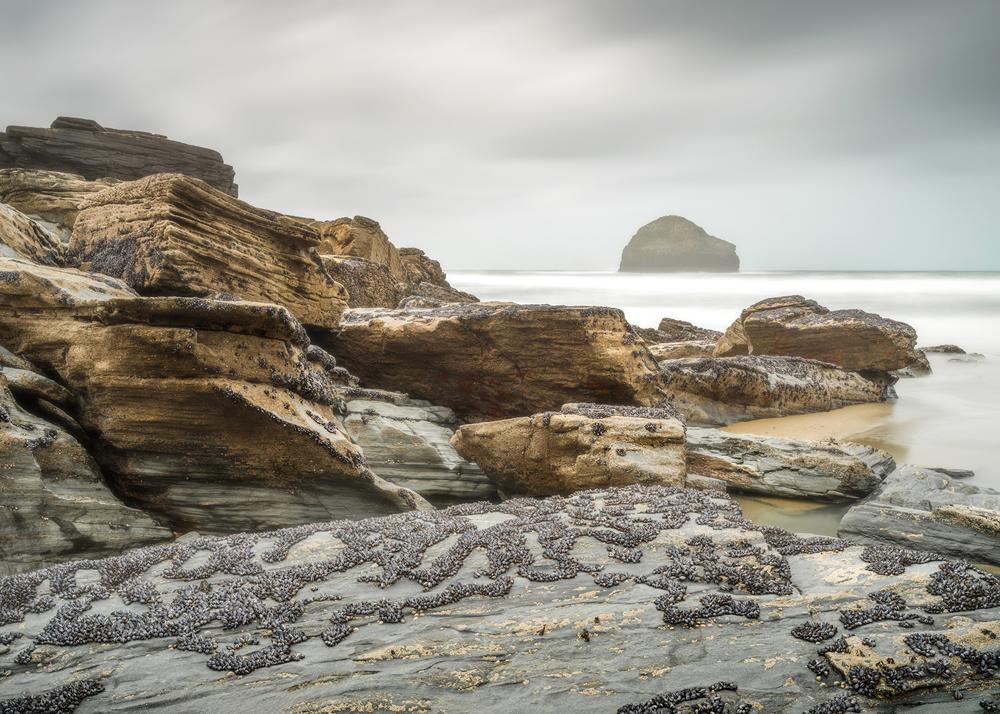
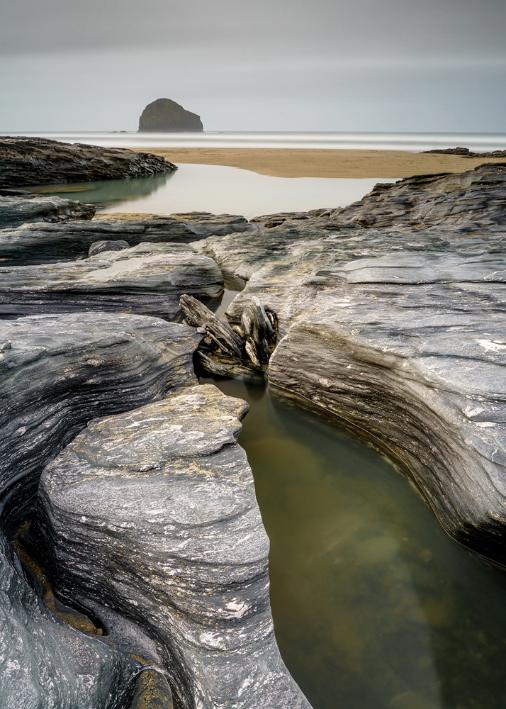
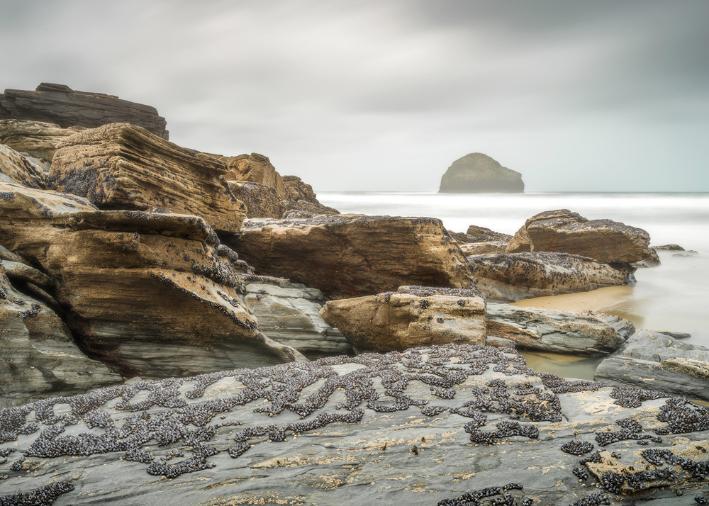
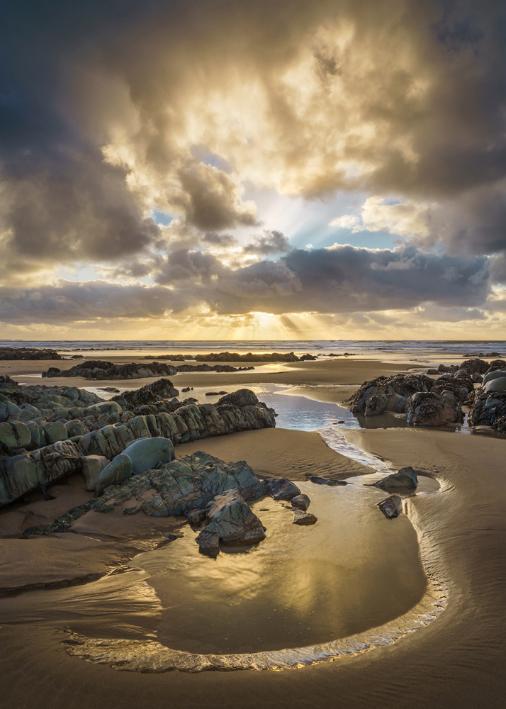
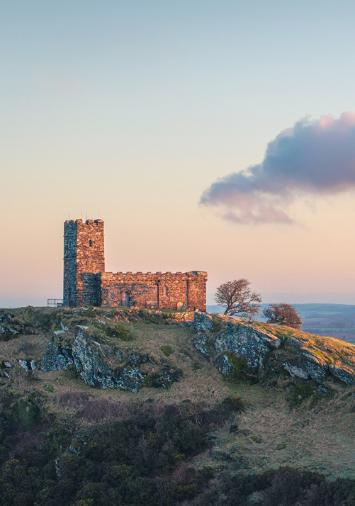
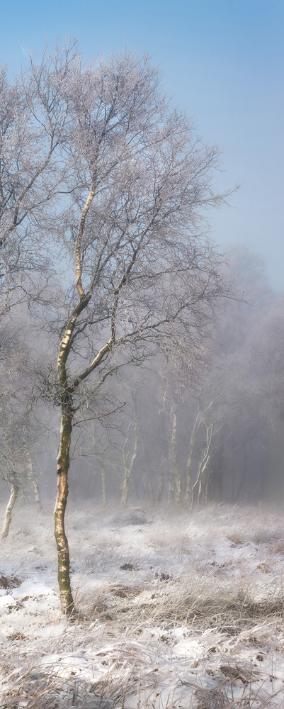
The SOI refers to repeated visits and pairs. I have also mentioned the need for original views. Images one (previous page) and two (this page) were chosen to show two different viewpoints from different trips, avoiding the standard depiction of Trebarwith Strand. Other pairs follow in the same vein.
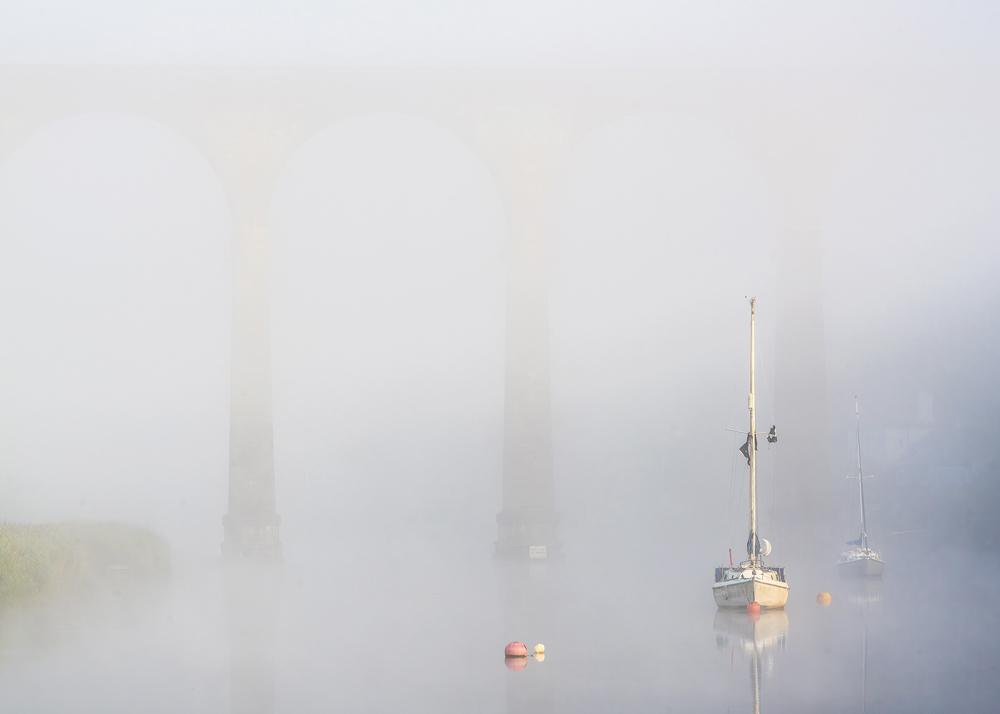
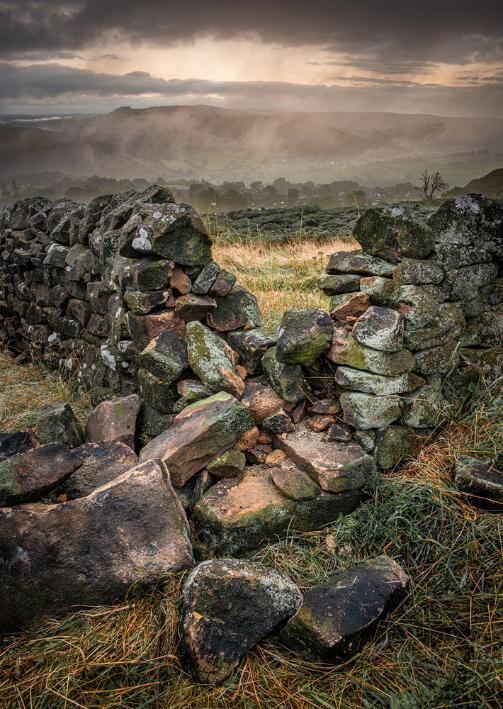
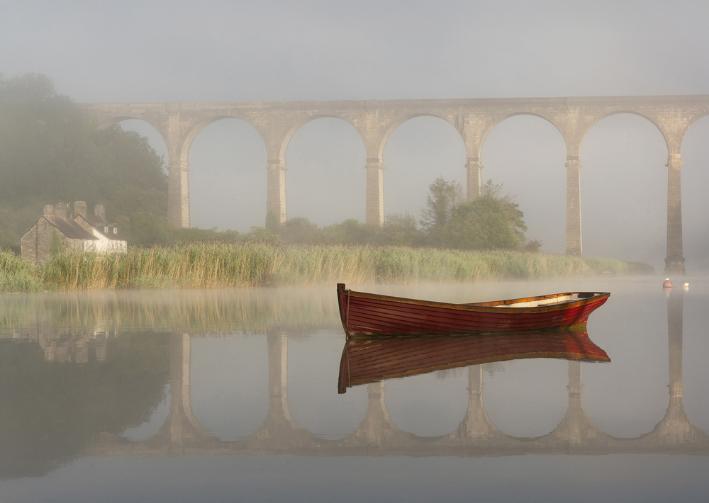
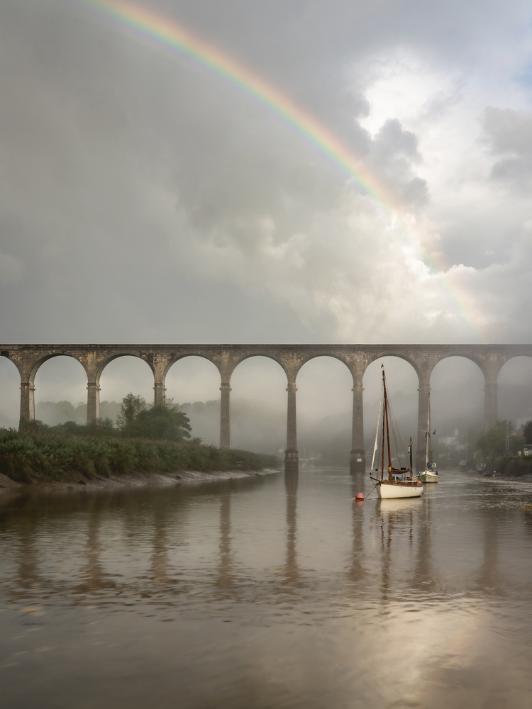
One image that didn’t make it was Misty Calstock (next page). This was one of a number of shots taken there on different visits. However, as much as I liked the image it didn’t fit the layout of the panel or the colour of the other Calstock images, so it was rejected.
Personal Insights
I find that I now go to locations with a looser expectation than I have done in the past. I go and look for something that excites me and gives a visceral response.
I could list many a famous and revered name whose work I have looked at and admired, but the reality is that my influences come just as much from Joe Cornish as they do from Thomas Joshua Cooper, and from Stanhope Forbes as much as from Ansel Adams.
Finally, I must mention those club members who I spend time with and whose work I look at closely and admire. My influences come from so many places.
Future Plans
I very much want to move forward as I have been motivated by success, so at the moment the FRPS has my attention. The ARPS panel was a small snapshot of what I do, and I want to continue being in the landscape, visiting different countries and experiencing variety. I want to attempt different styles and approaches. I may have achieved my ARPS, but I still have so much to learn and that excites me.
Advice for Others
Before starting I hadn’t appreciated how important the SOI was and how it can describe the scope of your chosen project. I found very quickly how important ‘knowing’ what you are attempting to show is. Choose the scope of your project wisely and don’t be too rigid. What you think you want and what the project demands may not be the same thing.
Finally, to paraphrase a photographer whose presentation I recently watched, try and show the location or subject in a new way, show something that the viewer has not seen before. Many people are technically competent, try and be original.
On Reflection
Due to the short timescale working on the ARPS I don’t think my work has evolved but my approach most certainly has. Realising that I can attempt to put together a subset of my work, and that I don’t have to show everything was liberating.
I was unable to attend the Assessment because it coincided with a trip to Berlin I’d organised. I remember waking up in the hotel and reading the email that told me the news. I was bouncing around the room like Tigger. That feeling was reward enough.
STATEMENT OF INTENT
Following the death of my wife I moved home trying to find some quiet in order to re-build my life; I was greeted by lockdown and loneliness.
I decided to use my photography as an aid to help me build my new life by repeatedly exploring local areas and travelling further afield, both to capture images and to provide me with an understanding of my new existence.
By regularly visiting nearby locations I aimed to see if the same list of ingredients in each area could produce different results as the seasons changed, and yet still convey the sense of softness and structure that I was experiencing.
My panel combines man-made features, water and views that define my new home, along with more distant landscapes that represent my previous landlocked life.
Jill North ARPS Natural History
I gained my LRPS in 2015. I always have lots of projects on the go and my dilemma was always which project would be best to develop for an ARPS, not whether I would try for the next level distinction.
About the Panel
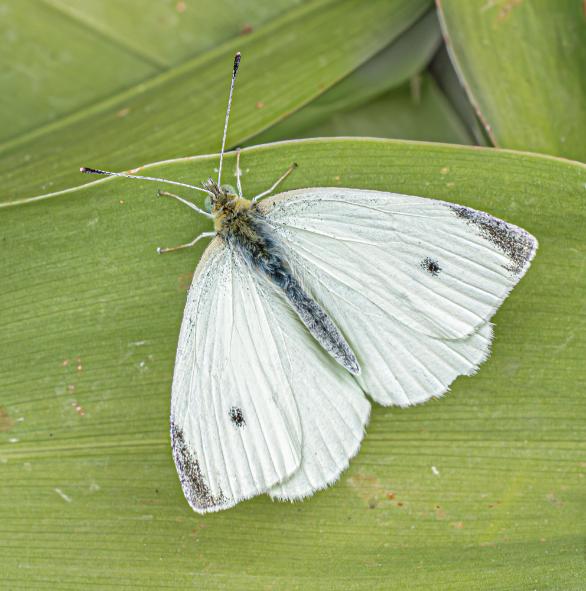
The back garden of my house is small, but hedgehogs visit and a colony of slowworms have established themselves in my plastic compost bin. I added a tiny plastic pond in 2024, and it was soon inhabited by frogs and newts. I therefore decided to put together a set of images recording the wildlife in my garden.
The Process
I attended an online Advisory Day in 2024. My Statement of Intent and range of subjects was generally well received but the quality of my photos was not up to standard.I had a great deal of work to do and so I then spent the next few months practising and improving my skills.
I take part in a DI Projects Group e-Circle. Every month we meet on Zoom to share and discuss our work. I showed many of my images to the group and received valuable advice about which images would best fit the brief for an A panel.
By autumn 2025 I thought that it was time to book an Assessment. I was nervously waiting for dates to be announced. Finally, there was a date, 11th March. I booked it but it was very close to the Advisory on February 7th. I therefore was somewhat
apprehensive – what would I do if the Advisors didn’t like my images? Luckily for me they liked twelve of my suggested panel and three of my reserve images, so I had 15 images to make up my panel. I had just seven days to finalise the layout and put together the application. The next challenge was to print all the images and mount them.
Having started to print I realised that I had been looking at them for too long and I wasn’t sure whether I was seeing the photos as others would see them. I showed a couple of test prints to a member of the photo society I belong to. She is successful in a lot of exhibitions and so I hoped she might notice any colour casts or other flaws that I had missed. She only made one comment about what looked like an artifact in one image. I made a tiny adjustment and went ahead with my printing.
I took everything along to the Assessment on 11th March.I was particularly anxious as, although digital versions had been seen by others, this was the first time that anyone would see my prints. Happily, the judges were very complimentary and generally they liked the panel overall. I was so pleased to be successful.
Skills & Techniques
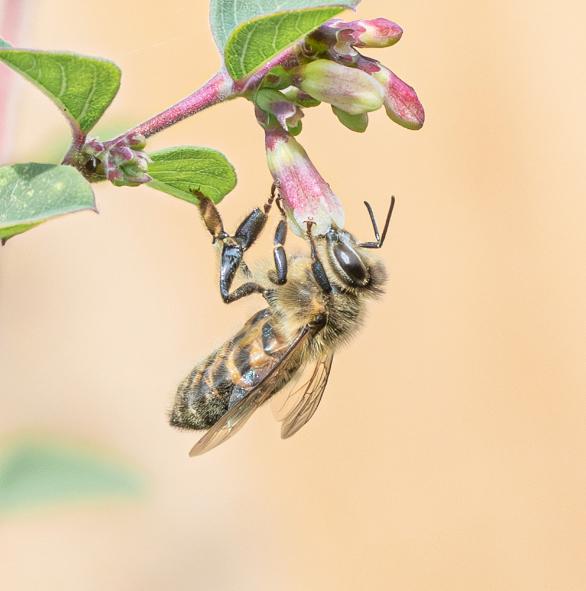
I have Olympus OM 1 cameras and although I have a 60mm lens I find that my 40150mm lens is often best for insects as I can stay further away from my subjects and so am less likely to disturb them. I don’t use flash and all my images are taken handheld.
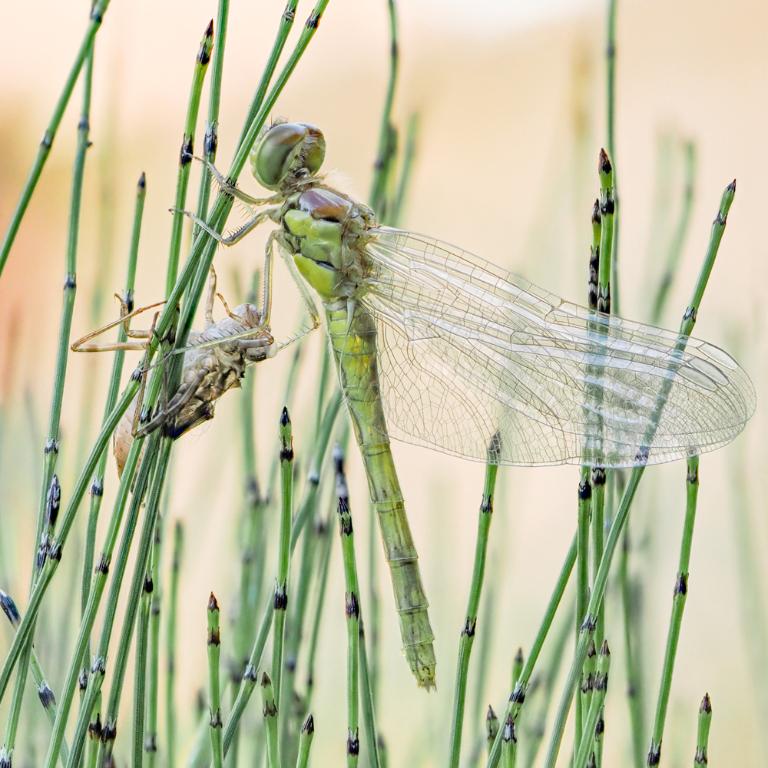
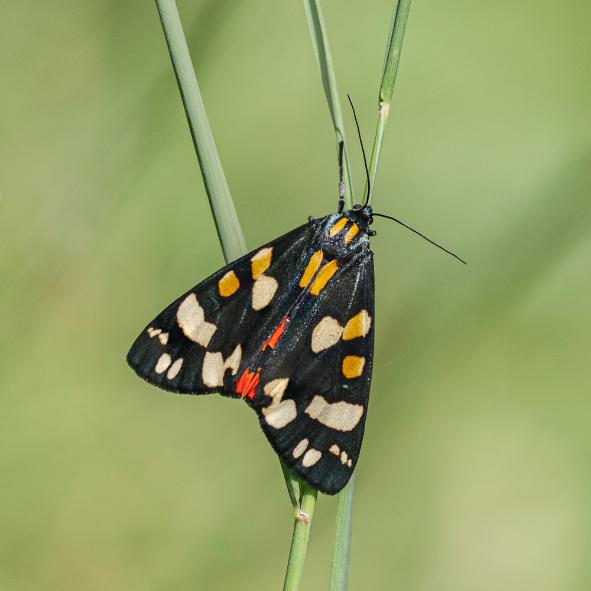
I explored different focus stacking techniques, both in camera and in Photoshop. I experimented with different shutter speeds, ISOs and apertures. In the end I only used focus stacking on one image and that is the scarlet tiger moth. The in-camera stack was ok when I looked closely.
My Favourite Images
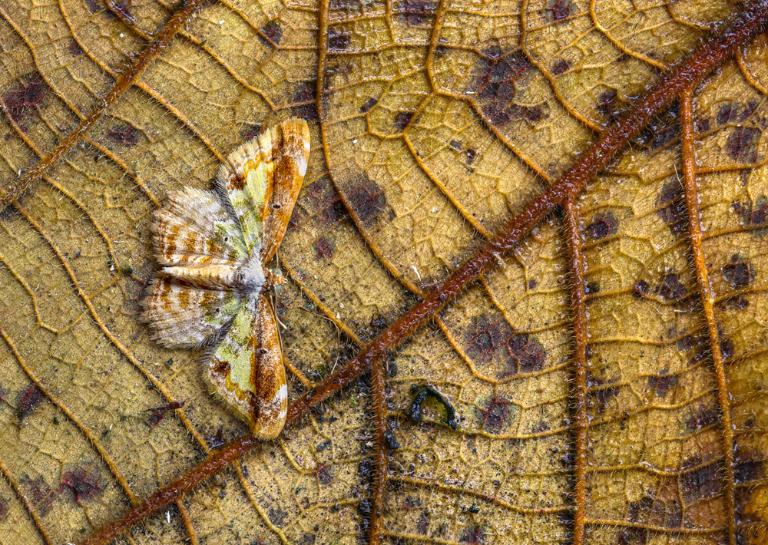
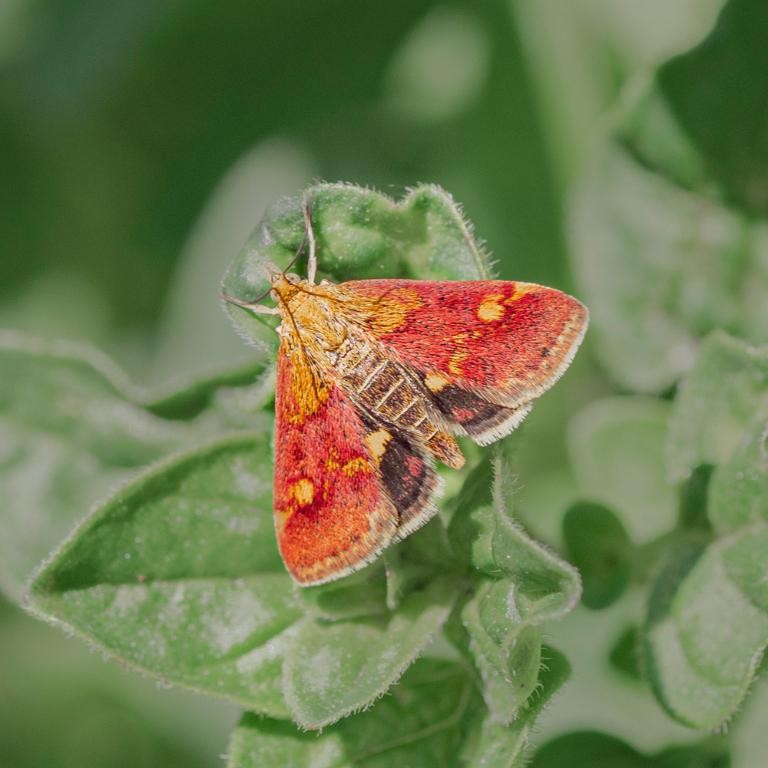
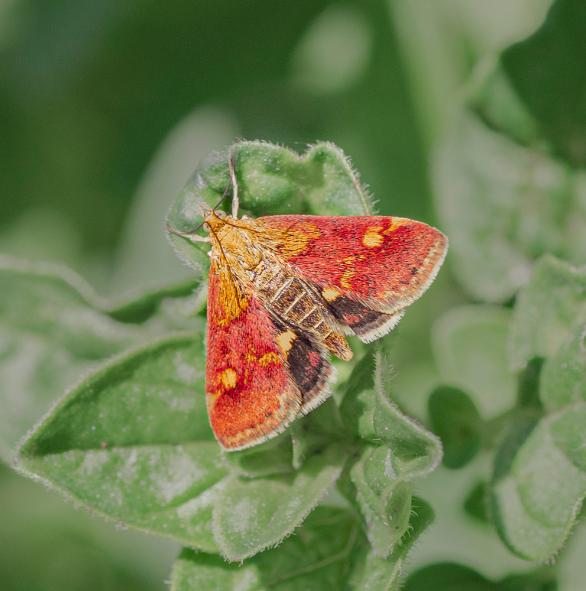
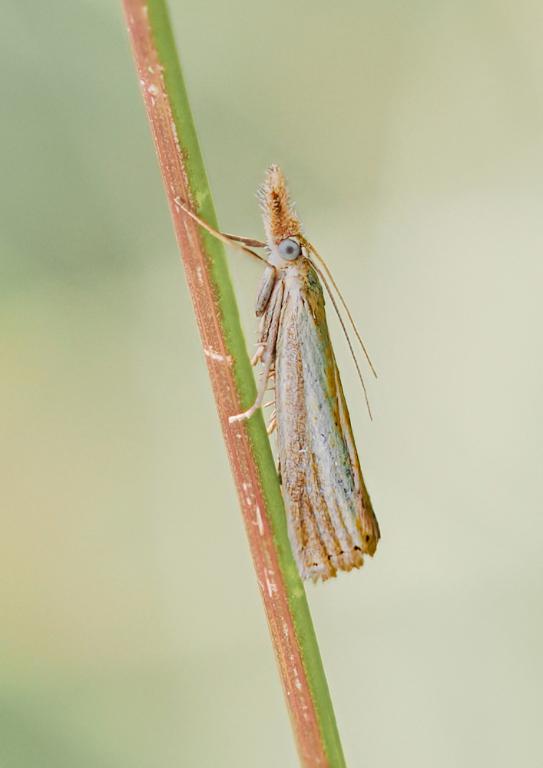
I especially like the photo of the mint moth (page 42). They are very tiny and fly very fast, often settling only for a brief moment. The beautiful colouring and pattern of their wings remind me of traditional red and gold velvet theatre curtains.
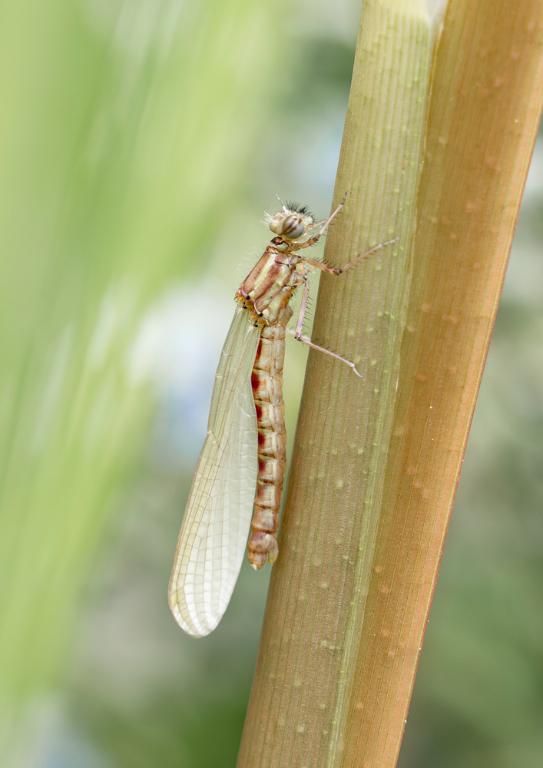
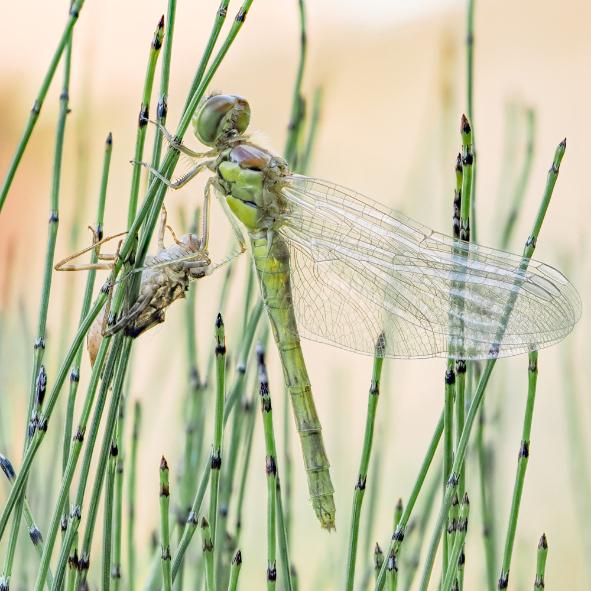
The newly hatched dragonfly (page 43) was accepted in my photo societly print exhibition last year and I was delighted that a member of the public purchased it and so I thought it should be in the panel.
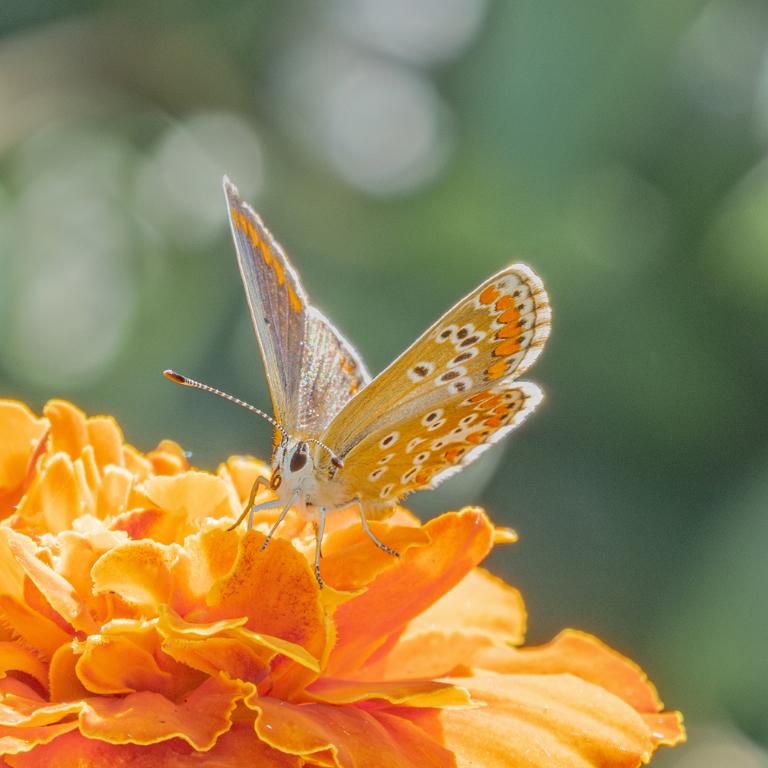
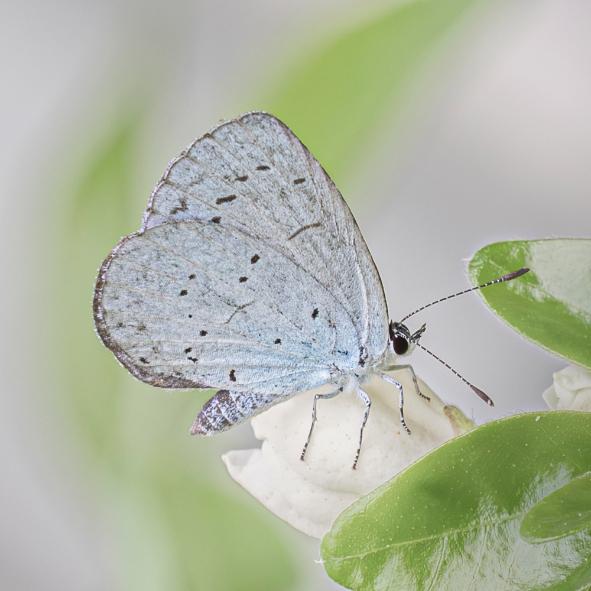
I was very pleased to see the Common Blue butterfly (below) in my garden. I took several photos and thought that this one, where its colouring matched the flower it had landed on, was lovely. However, it is not sharp and the bokeh in the background is distracting, so I reluctantly left it out of my panel.
Advice for Others
Choose a subject that means a lot to you and then you will put in the time and effort to research your subject, improve your skills and put together the best panel you can.
Future Plans
I do have an idea for an F submission. I have been taking photos of a specific place on and off for several years but haven’t yet worked out how to put together a panel.
I do like prints, but twenty mounted photographs would be heavy to carry to an Assessment and there aren’t many opportunities to show them to other people, so I am considering a photobook. A new challenge to master and I’m sure it will take me some time.
I always work best to deadlines and I’m sure my photography improves if I am working towards a distinction.
STATEMENT OF INTENT
The aim of this panel is to depict some of the creatures which have found their wayto my garden. My garden is a small suburban one in the south of England. I haveencouraged the lawn to develop into a wildflower meadow, and I have recently addeda tiny pond.
By making these images I want to show my neighbours what can be found in ourgardens and illustrate to others that even the smallest of spaces can be a haven forwildlife.
All the photos were taken handheld in natural light, within a couple of metres of mydoor.
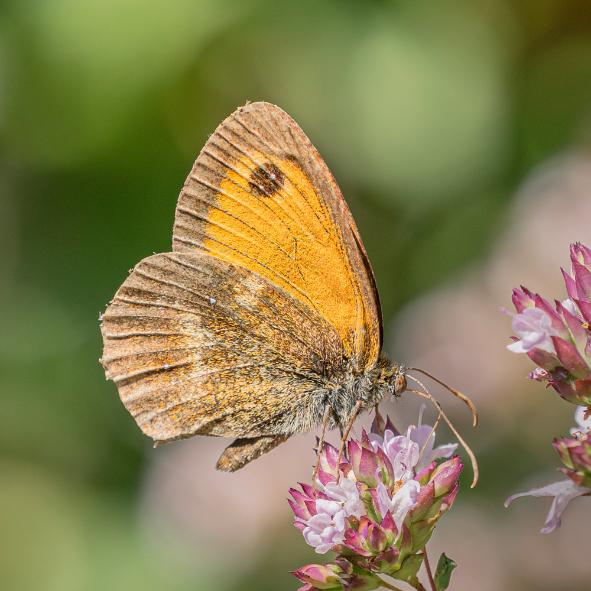
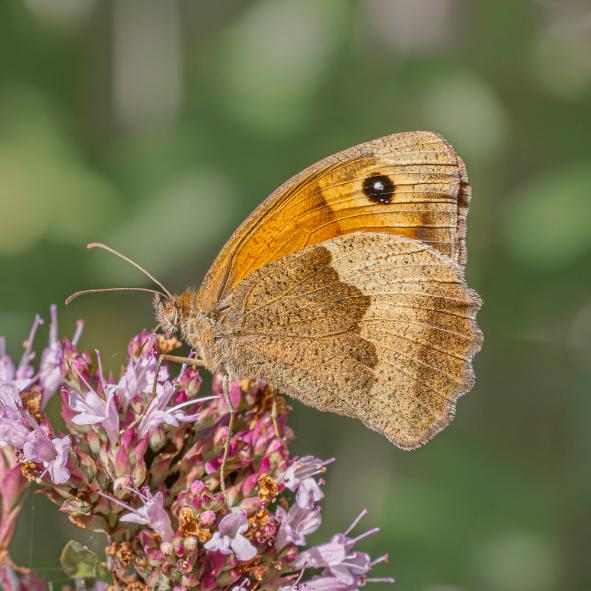
01 Gatekeeper Butterfly (Pyronia Tithonus)
02 Scarlet Tiger Moth (Callimorpha dominula)
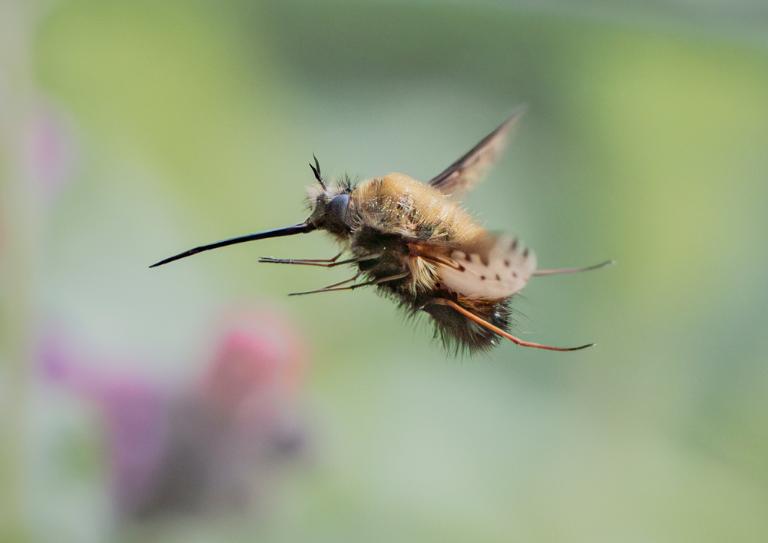
03 Dotted Beefly (Bombylius discolor)
04 Mint Moth (Pyrausta aurata)
05 Meadow Brown Butterfly (Maniola jurtina)
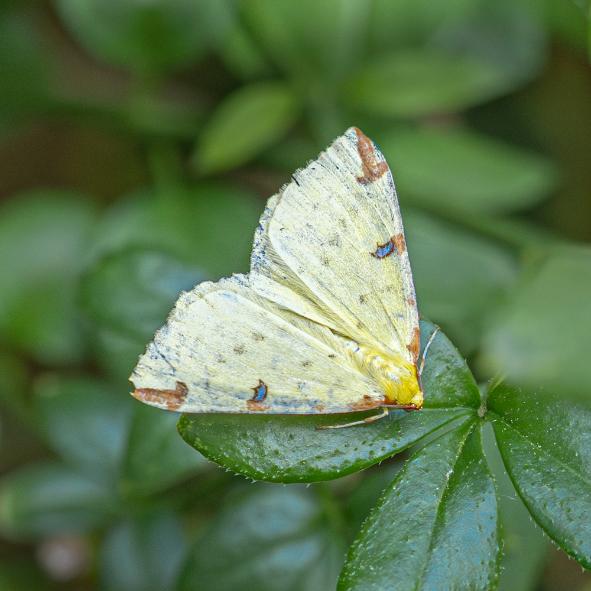
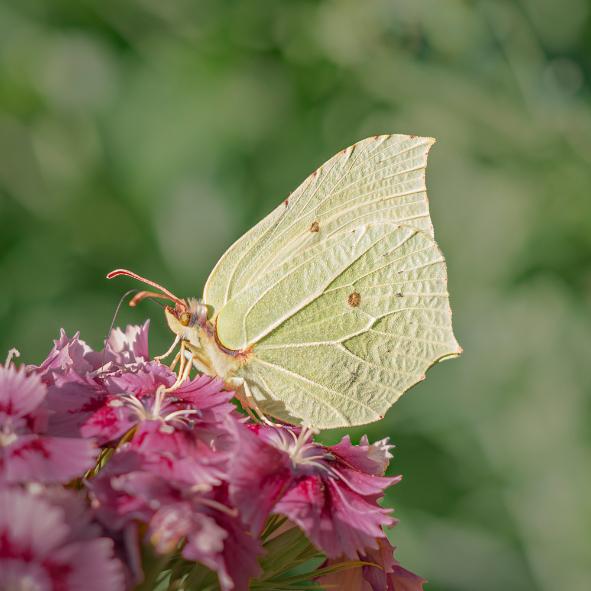
06 Brimstone Moth (Opisthograptis luteolata)
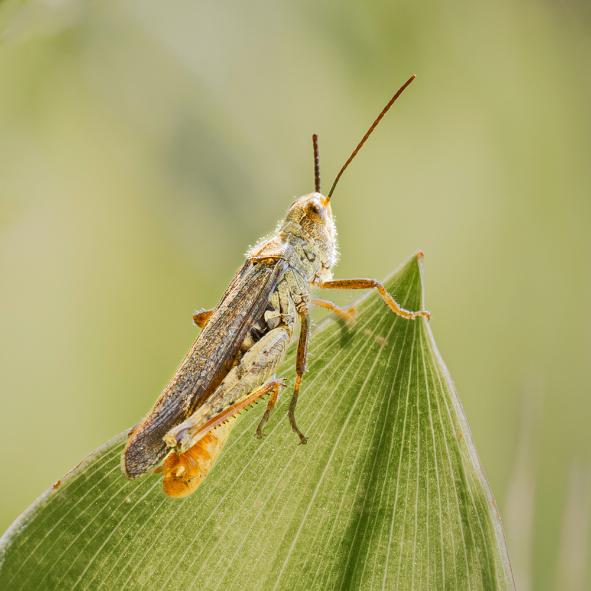
07 Common Field Grasshopper (Chorthippus brunneus)
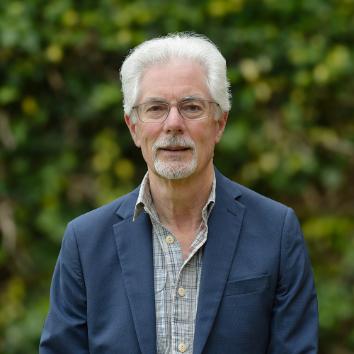
I’d been thinking about an FRPS Distinction for quite some time but wasn’t satisfied that I had the images for an effective panel. Eventually, I completed a project in the winter of 2020-21 which I believed would work.
About the Panel
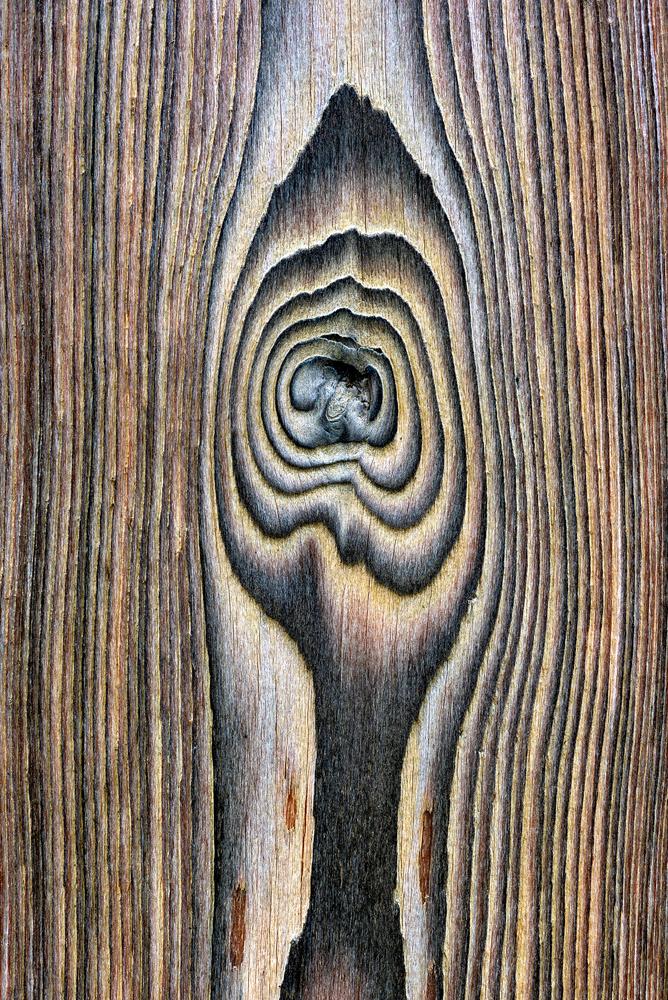
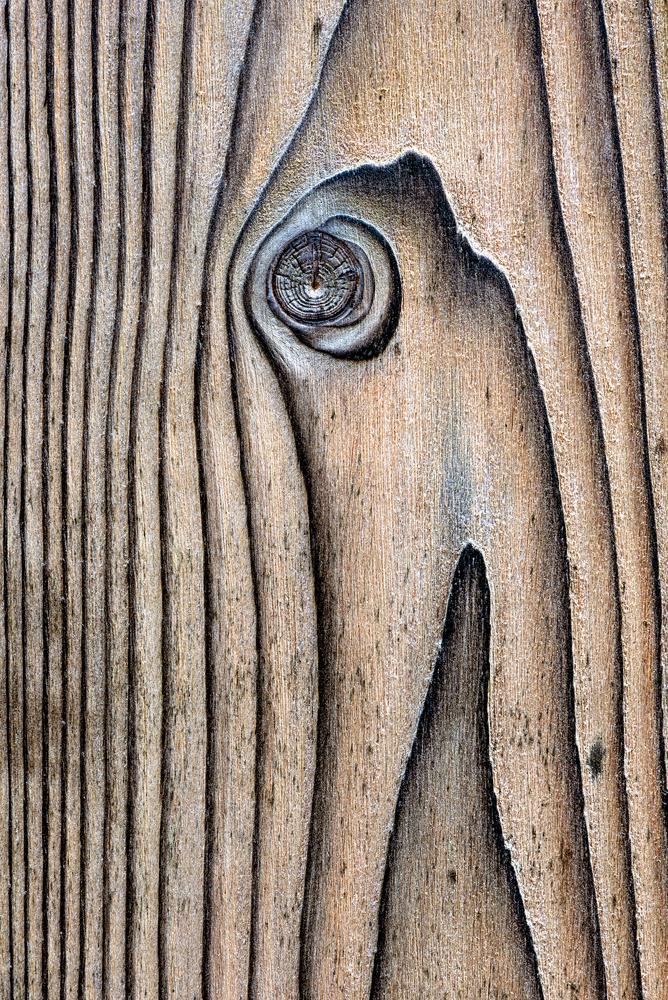
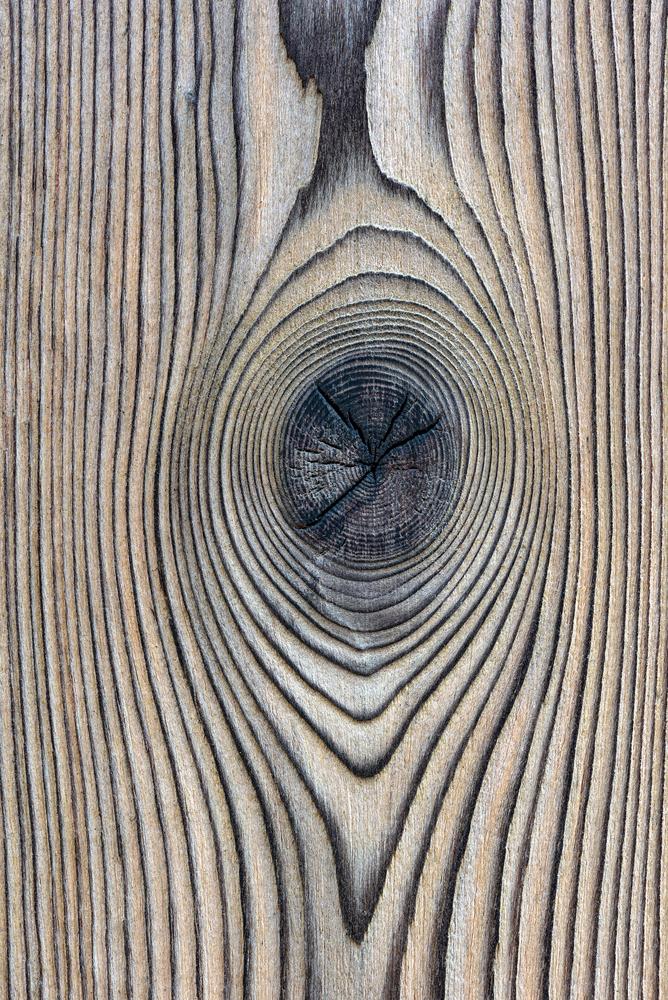
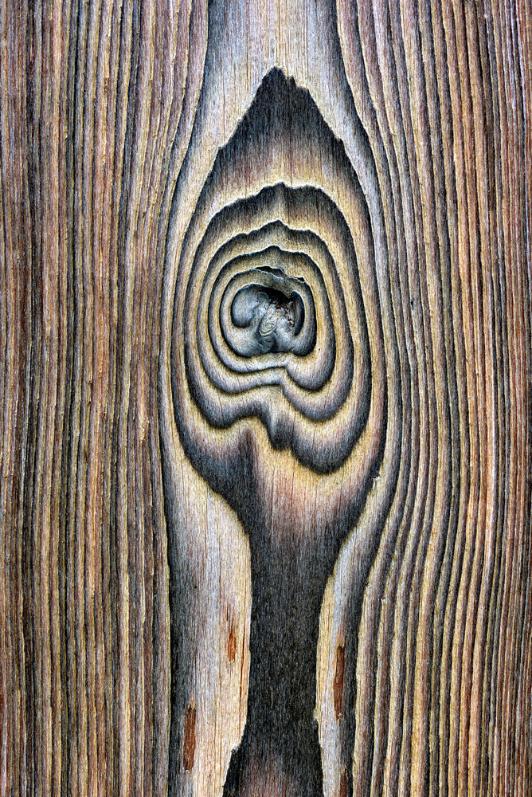
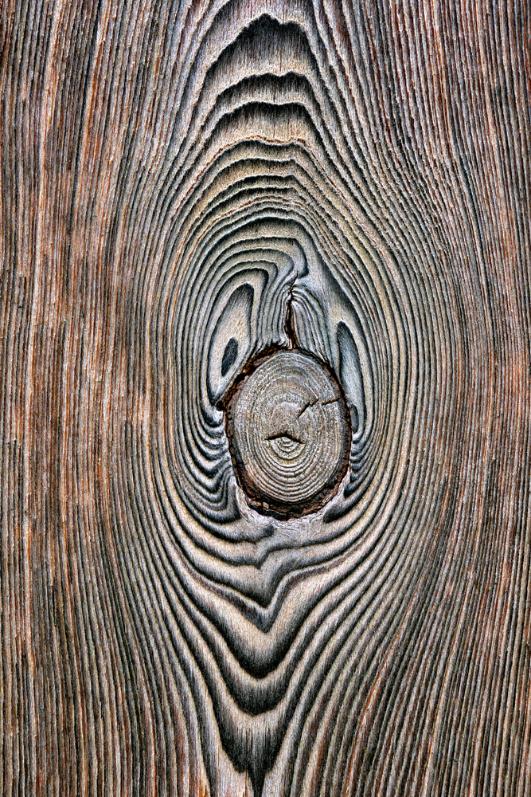
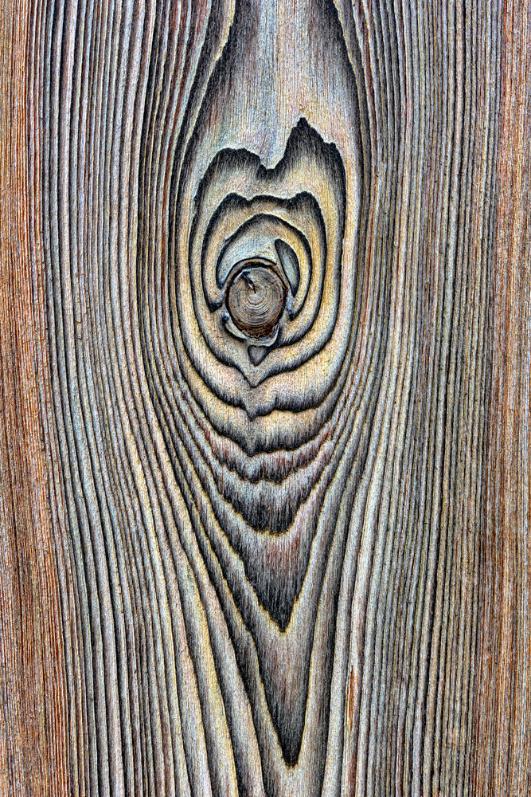
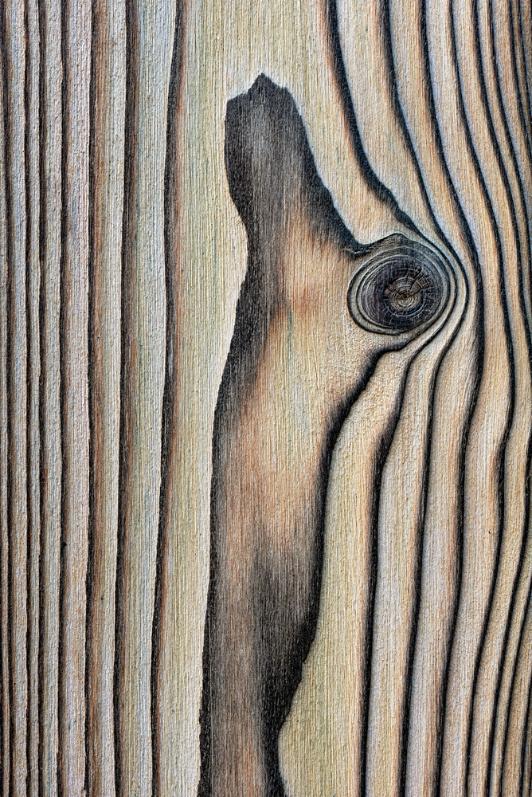
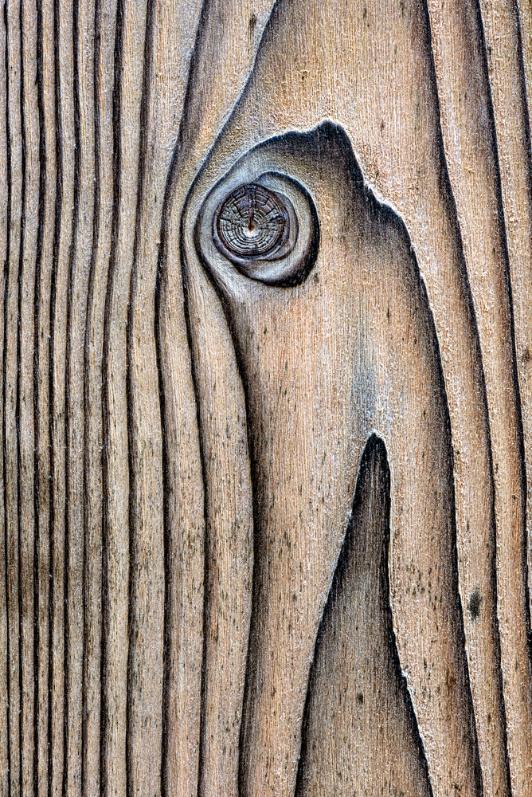
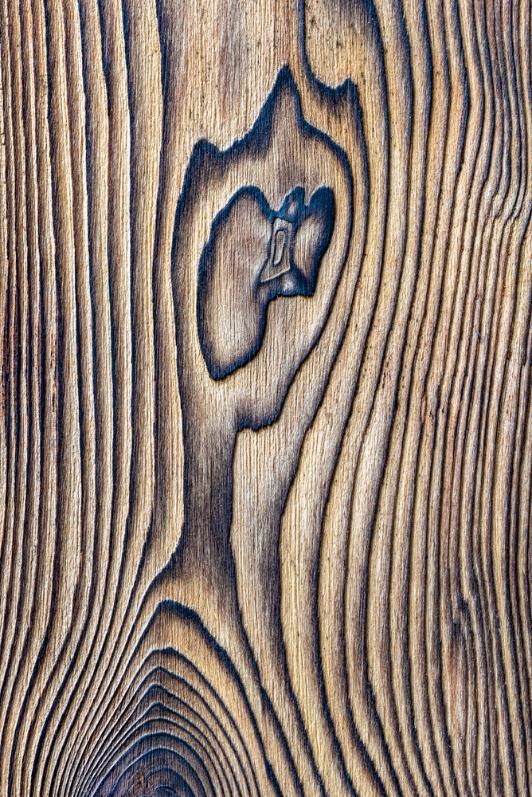
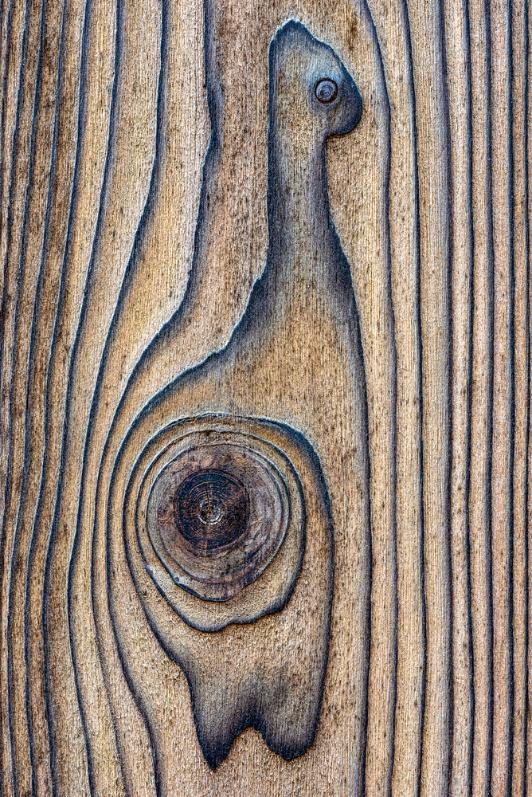
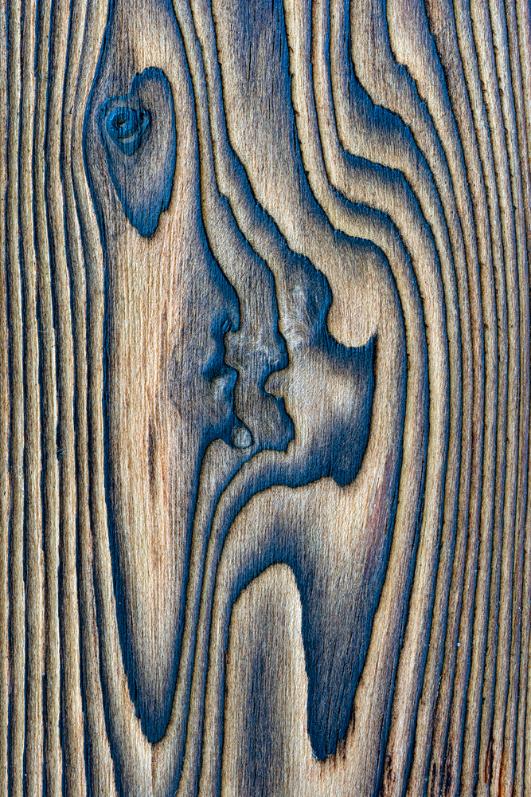
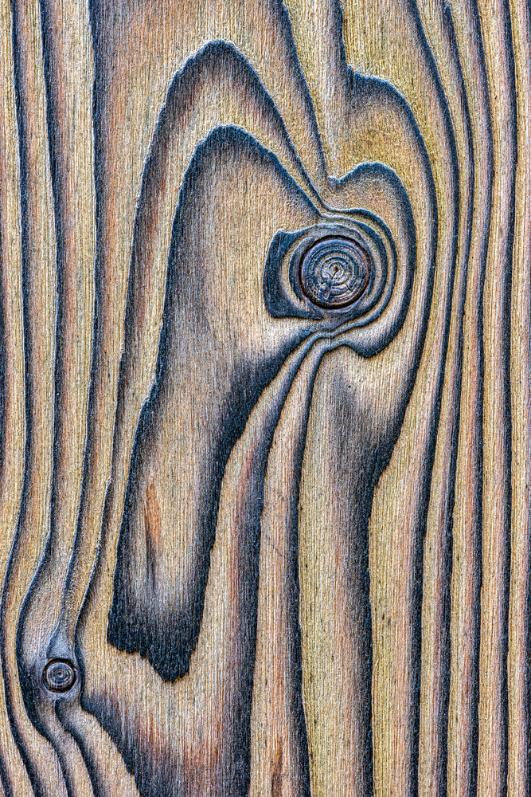
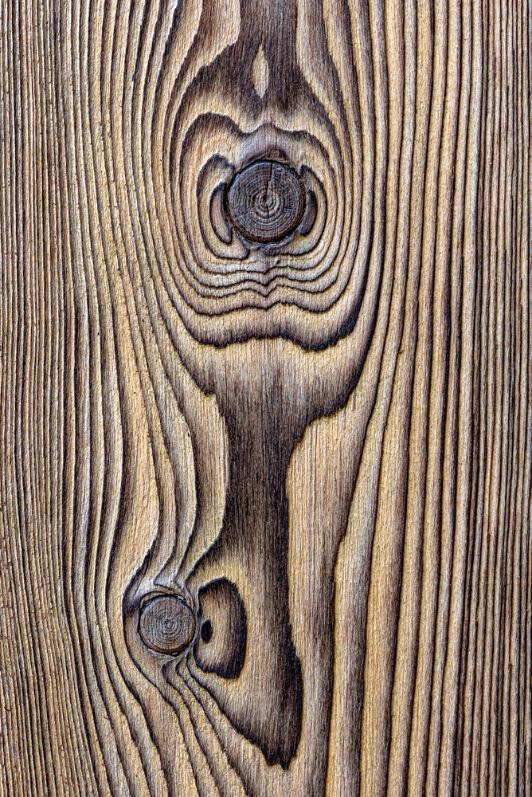
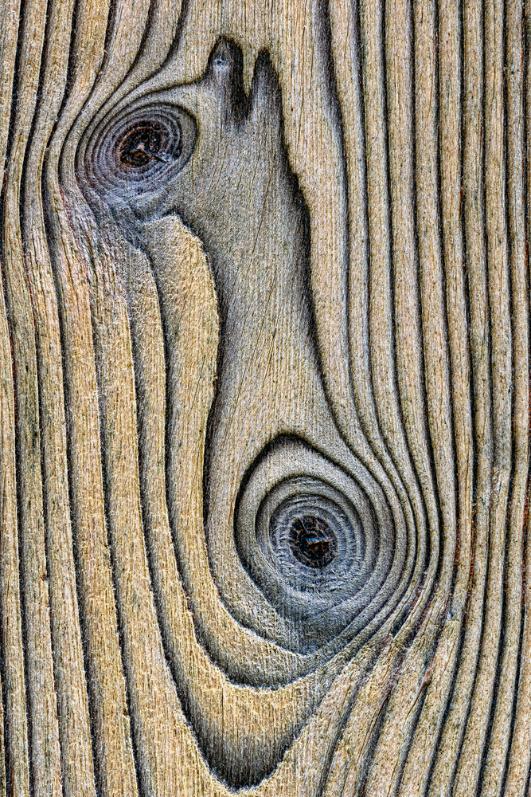
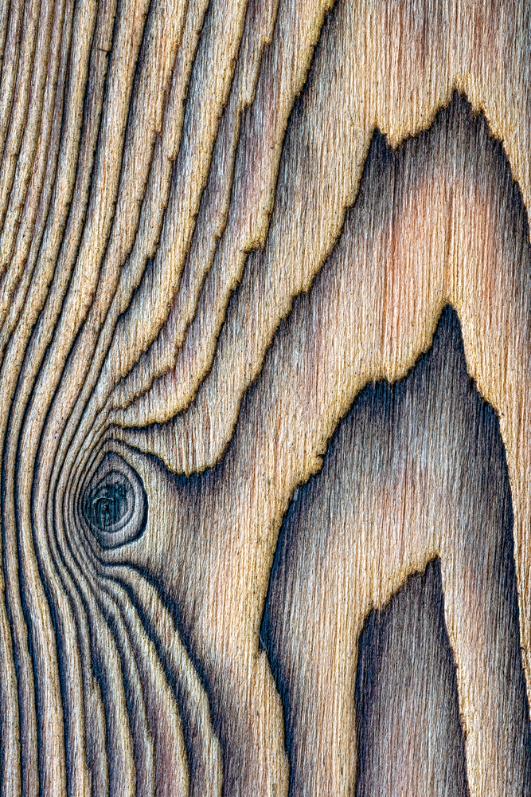
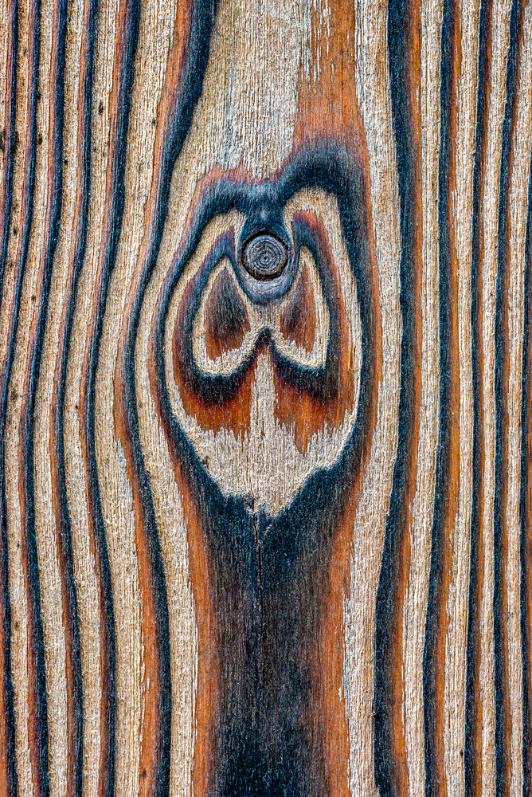
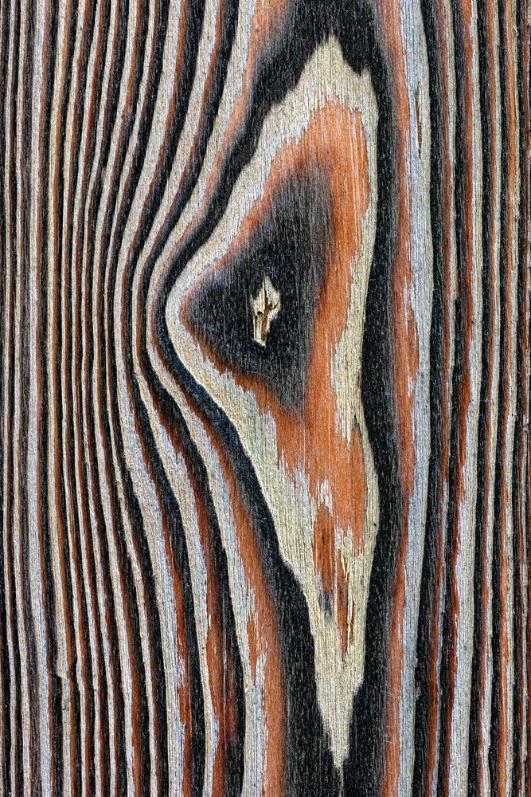
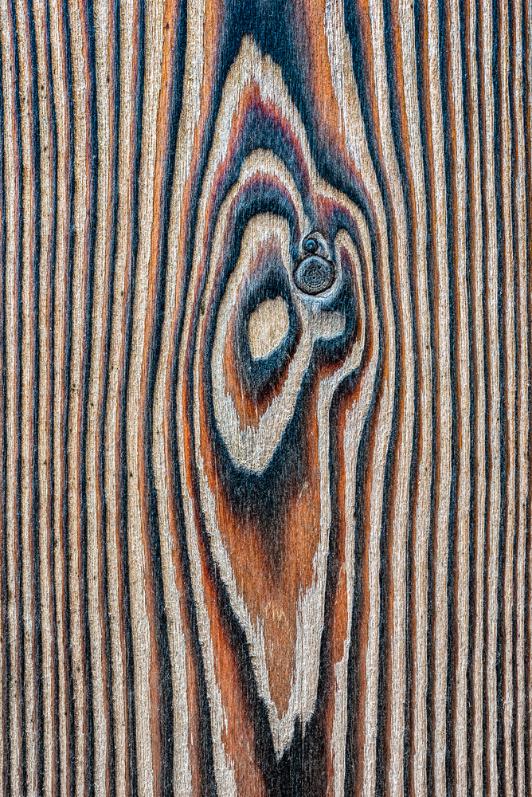
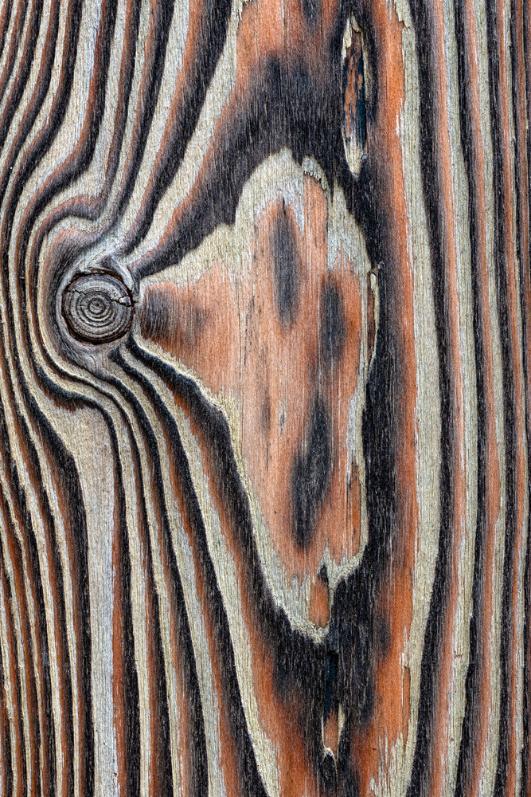
I’m always looking for opportunities to photograph the intimate landscape. One such opportunity presented itself at Quarry Bank Mill, a National Trust property. It has a new café which I noticed was clad in charred timber panels. Closer examination of the timber revealed a variety of compositions which had great visual impact, and I knew this would have to be my next photographic project. Timing was critical; the attractive warm colours in the timber would fade in time from natural weathering, so I needed to start shooting in earnest. As a National Trust member and living only a few miles away, multiple visits to the property to complete the project were not going to be a problem.
The panel is in my usual style and genre, which is the intimate landscape.It was an easy choice to enter my panel into the Visual Art genre as I had previously seen a number of successful Fellowship panels of intimate landscapes, all of which had been entered into this genre.
The Process
The main challenges were: selecting twenty images (plus five spare) of the required quality from a sizeable shortlist, ensuring that the selected images formed a cohesive panel, choosing print paper and mounts that would best complement the images and ensuring that the Statement of Intent reflected the content of the panel.
From around four hundred images that I made initially, I got down to a shortlist of eighty fairly quickly. Selecting the final twenty (plus five spare) was much more difficult. By this stage I had decided that the panel would be presented as prints. The most obvious method of arranging the twenty images was digitally, but I opted to use test prints to better replicate the look of the final panel. I printed the images plus spares at A5 size using my preferred paper with darker and warmer tones placed at either end of the panel, whilst images with lighter and less warm tones went into the middle.
I booked a one2one session with Martin Addison FRPS. He suggested some improvements to image quality, sequencing and the Statement of Intent, all of which I applied. His advice was very welcome and I’m quite sure that it increased the chances of my panel being successful.
The panel was designed to be viewed in one row of twenty. However, due to a lack of display space at the Assessment, the panel was viewed in two rows of ten. This made no difference to the actual assessment process.
Skills & Techniques
Most important for me was ensuring consistency throughout the photographic process. Shooting in the same lighting conditions which were ‘bright and diffused’. Using the same camera and lens settings, always with tripod support. Applying similar settings in postprocessing. Home printing, for maximum control over the results.
My Favourite Images
This was a difficult choice to make, but I would say that images on this and the previous page are my favourites. They work equally well as standalone images.
The image on the next page was one of the extra images included in the one2one session, but it was eventually set aside. I still like the image, but its composition is similar to image three in the panel which I prefer. In any event, it lacks visual impact and fails to gel with the remainder of the panel.
Personal Insights
I made a Fellowship submission in the Pictorial genre way back in 1997 but unfortunately it didn’t make the grade. I accept that I simply wasn’t ready for Fellowship at that time but the feedback I got was helpful. Since then I have settled into a more singular style of photography concentrating on the intimate landscape. There is rather less of the wider landscapes I used to shoot almost exclusively.
I’m a fan of the early 20th century Abstract Expressionists such as Mark Rothko and Ben Nicholson. I am also inspired by the modern, minimilist photographers such as Michael Kenna and Tony Worobiec.
Future Plans
My plan is to continue to enjoy this brilliant hobby, exploring new locations and subjects, and do more experimenting both in-camera and with post processing. I will probably not look at further distinctions. I’m pretty content with what I’ve achieved to date.
Advice for Others
Choose the genre and subject matter with which you are most familiar. Avoid starting something completely new. Be familiar with the RPS criteria for Fellowship applications. Be single-minded throughout the process. Try to avoid the distraction of competitions and other distinctions.
On Reflection
I enjoyed pretty much the whole experience, but the highlights were: my relief in finalising the panel ready for submission, the experience of visiting RPS headquarters to attend the Assessment in person and celebrating with the other successful attendees.Plus the satisfaction that the standard of my photography has been recognised and commended at the highest level.
STATEMENT OF INTENT
Yakisugu is a traditional Japanese method of wood preservation through controlled heat and is referred to in the West as charred timber cladding. The final product is not only practical but possesses a simple, natural beauty.
The panel features timber cladding on a National Trust building, photographed before the initial warm colours transitioned to a silvery-grey patina from natural weathering, which has far less visual impact.
My aim is to communicate the beauty of Yakisugu, to bring out the structures and forms to be found at close quarters, to display the subtle and varied textures, and to distil the enhancement that the process has given to this most basic and elemental material.