FASTEST EVER
HOW WOMEN’S NCAA ROWING, LED BY TEXAS, GOT SO FAST, SO QUICKLY
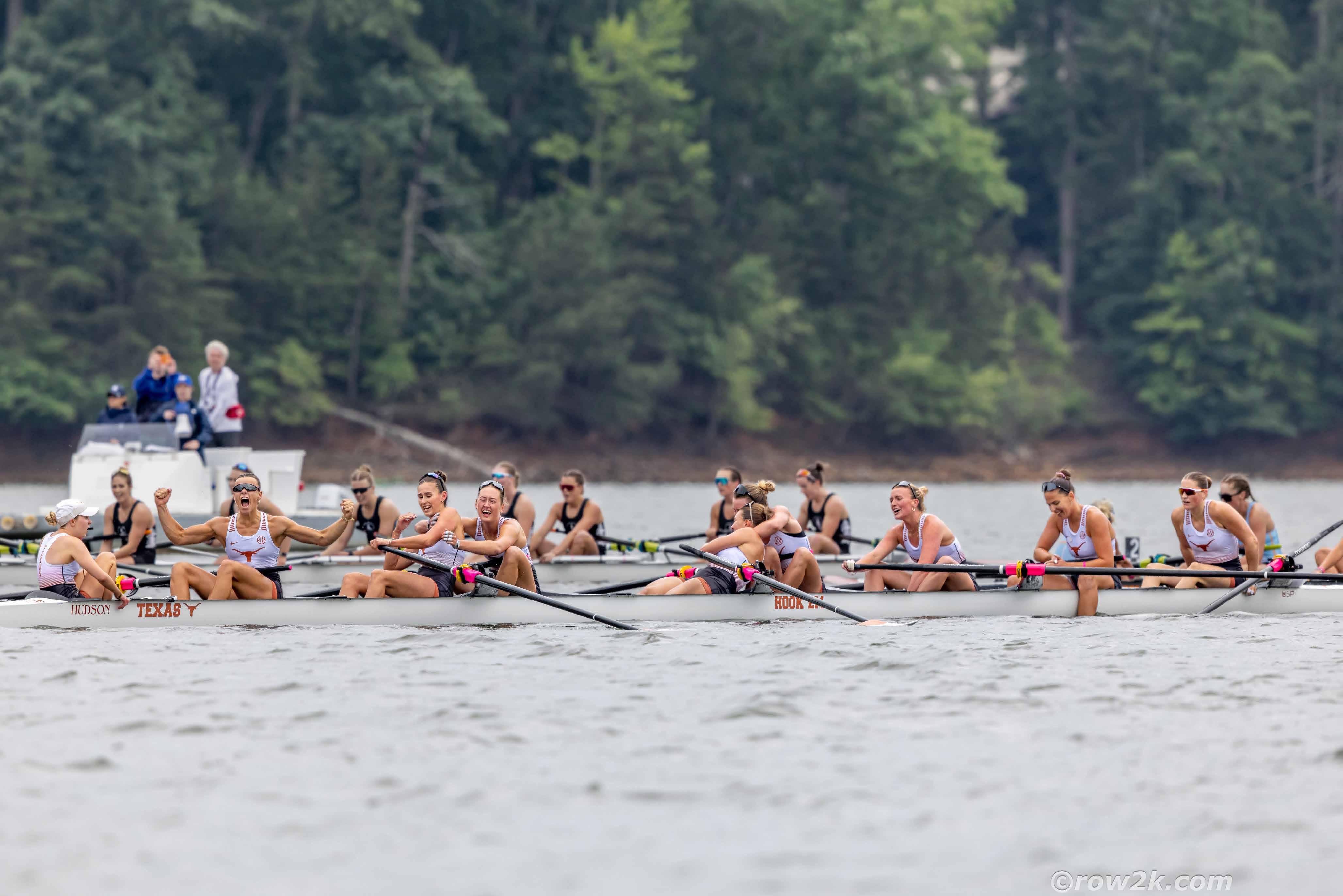
2026 NCAA DI Women’s Rowing Championships
Texas, Women’s Varsity Eight // U8.21
2nd Stanford, 5:50.160 // S8.21
3rd Tennessee, 5:51.450 // U8.21
4th Virginia, 5:52.398 // U8.21



THE STANDARD FOR SPEED
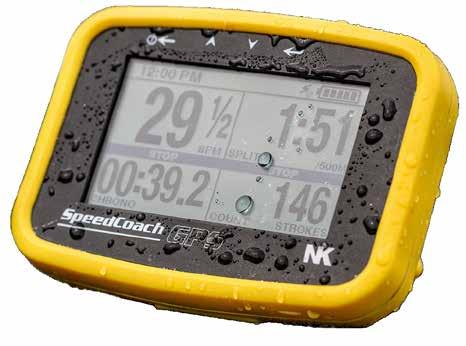
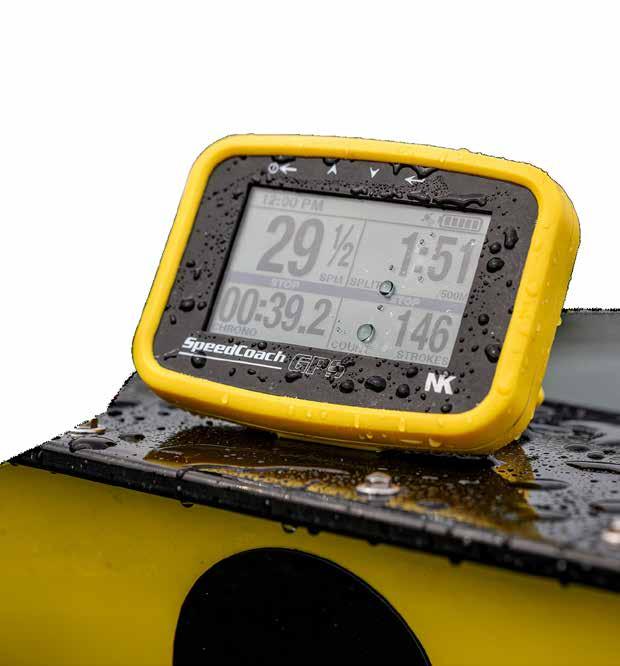
The SpeedCoach® GPS 2 delivers the real-time performance data trusted by rowers and coaches around the world.
The fastest crews don’t leave improvement to chance.
Whether you’re developing technique, preparing for championship racing, or simply working to get more from every practice, the SpeedCoach GPS 2 gives you the data you need to make every session count.
Monitor speed, split, stroke rate, time, and distance in real time. See the impact of technical adjustments as they happen and build training around objective feedback instead of guesswork.
Built for durability and trusted by rowing programs for over a decade, the SpeedCoach GPS 2 remains the standard for athletes and coaches who demand reliable on-water performance data.
From your first practice of the season to the biggest race on your calendar, train with confidence. Train with SpeedCoach.

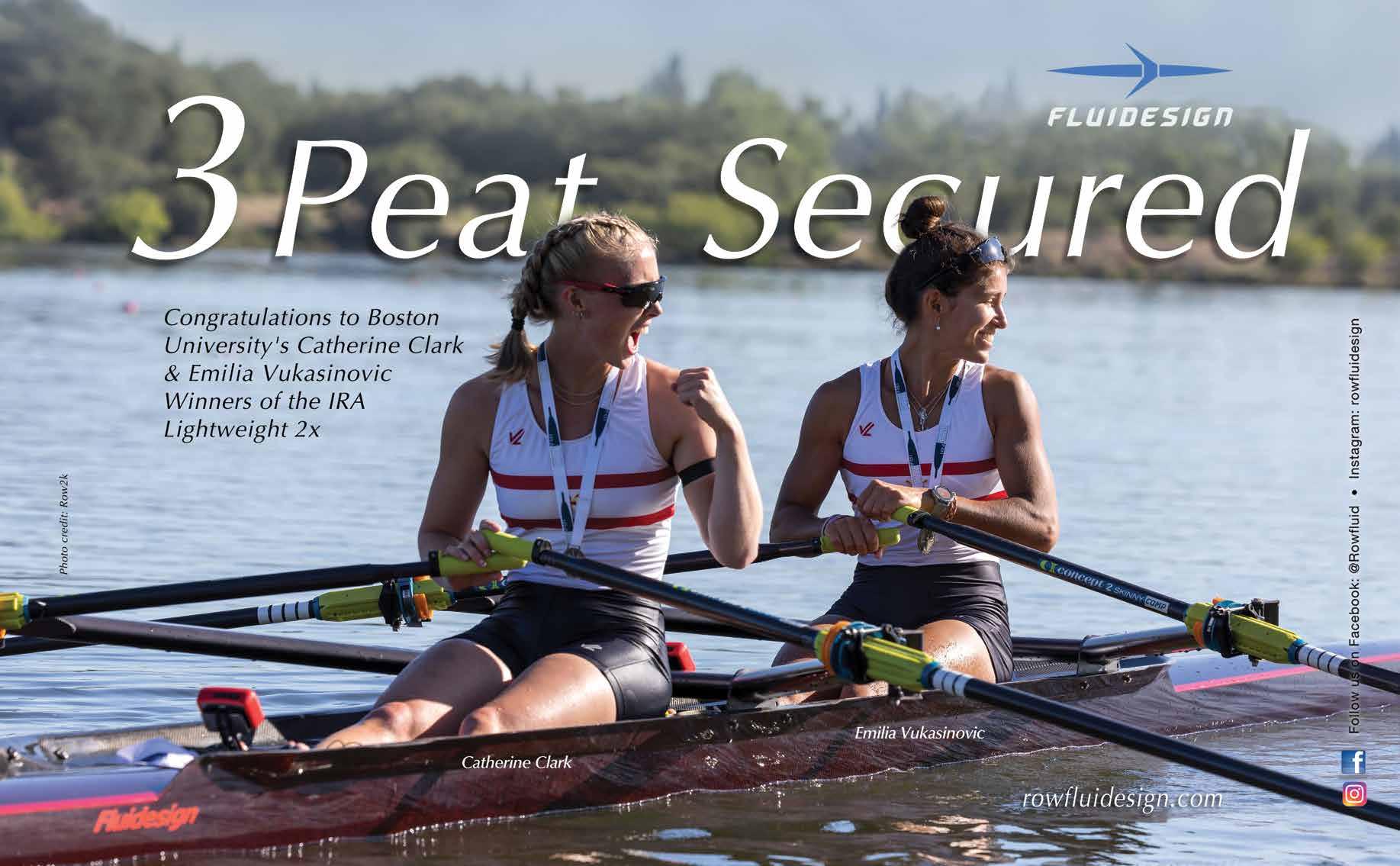
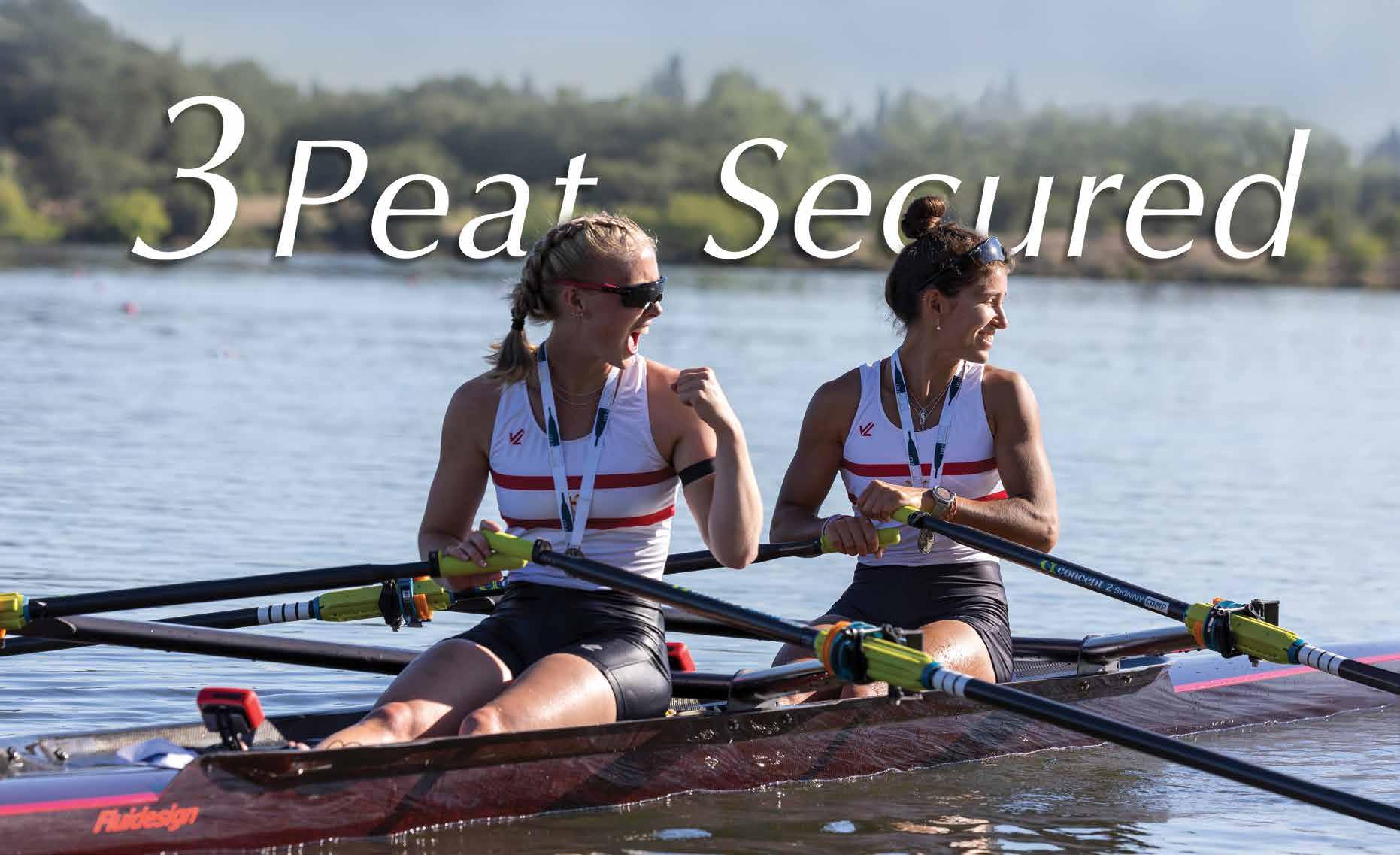
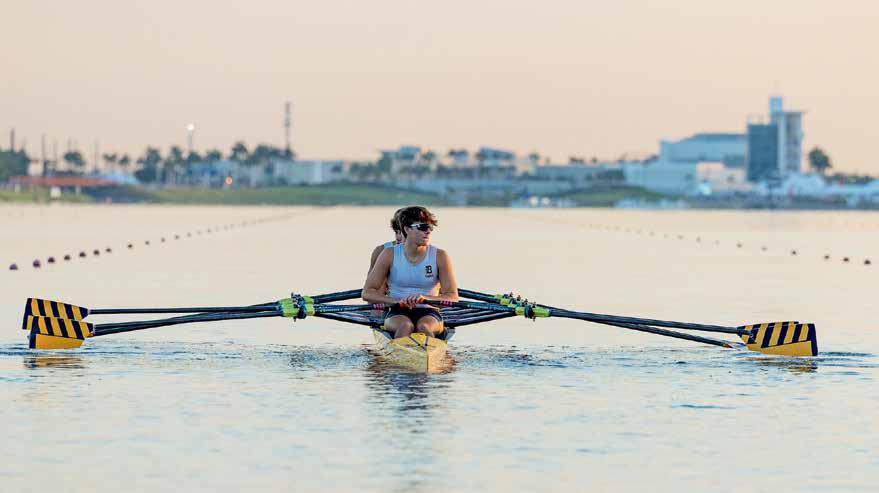
Congratulations to Boston University’s Catherine Clark & Emilia Vukasinovic
Winners of the IRA Lightweight 2x
Catherine Clark



Emilia Vukasinovic
Grace Joyce
INTRODUCTORY OFFER


Chip Davis PUBLISHER & EDITOR
Chris Pratt ASSOCIATE PUBLISHER
Vinaya Shenoy ADMINISTRATIVE ASSISTANT
Art Carey ASSISTANT EDITOR
Ian Parish ASSOCIATE
CONTRIBUTING WRITERS
Andy Anderson | CJ Bown | Nancy Clark
Martin Cross | Bob Ford
Volker Nolte | Marlene Royle
Robbie Tenenbaum | Hannah Woodruff
CONTRIBUTING PHOTOGRAPHERS
Jim Aulenback | Steve Aulenback
Stewart Cohen | Katie Lane | Karon Phillips
Sean Riordan | Patrick White | Lisa Worthy




MAILING ADDRESS
Editorial, Advertising, & Subscriptions PO Box 831 Hanover, NH 03755, USA (603) 643-8476
ROWING NEWS is published 12 times a year between January and December. by The Independent Rowing News, Inc, PO Box 831, Hanover NH 03755 Contributions of news, articles, and photographs are welcome. Unless otherwise requested, submitted materials become the property of The Independent Rowing News, Inc., PO Box 831, Hanover, NH 03755. Opinions expressed by authors do not necessarily reflect those of ROWING NEWS and associates. Periodical Postage paid at Hanover, NH 03755 and additional locations. Canada Post IPM Publication Mail Agreement No. 40834009 Return undeliverable Canadian addresses to Express Messenger International Post Office Box 25058 London BRC, Ontario, Canada N6C 6A8.
POSTMASTER: Send address changes to:
ROWING NEWS
PO Box 831, Hanover, NH 03755. ISSN number 1548-694X
ROWING NEWS and the OARLOCK LOGO are trademarks of The Independent Rowing News, Inc. Founded in 1994
©2026 The Independent Rowing News, Inc. All rights reserved. Reproduction in whole or in part without written permission prohibited.
PLEASE SHARE OR RECYCLE THIS MAGAZINE

Follow Rowing News on social media by scanning this QR code with your smart phone.

ROWING NEWS (ISSN number 1548-694x) is published 12 times a year between January and December by The Independent Rowing News, Inc, 53 S. Main St. Hanover NH 03755
Contributions of news, articles, and photographs are welcome. Unless otherwise requested, submitted materials become the property of The Independent Rowing News, Inc., PO Box 831, Hanover, NH 03755.
Opinions expressed by authors do not necessarily reflect those of ROWING NEWS and associates.
Periodical Postage paid at Hanover, NH 03755 and additional mailing offices.
Canada Post IPM Publication Mail Agreement No. 40834009 Return undeliverable Canadian addresses to Express Messenger International, Canada N6C 6A8.
POSTMASTER: Send address changes to: PO Box 831, Hanover, NH 03755.
PUBLISHED BY The Independent Rowing News, Inc. Founded in 1994
FEATURES
Regaining Momentum
In Mathews County in Tidewater Virginia, Tim Ulsaker and his wife, Mimi, were the perfect team, turning “knuckleheads” into rowers and sending them on their way, stronger and more capable. And then …
BY BOB FORD
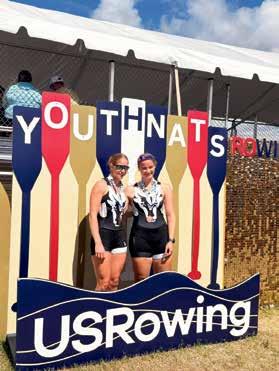
Youth Nationals
The USRowing Youth National Championshiops has become the place where the highestachieving youth rowers in the country come together after proving themselves elsewhere.
BY CHIP DAVIS
The New Era of Speed
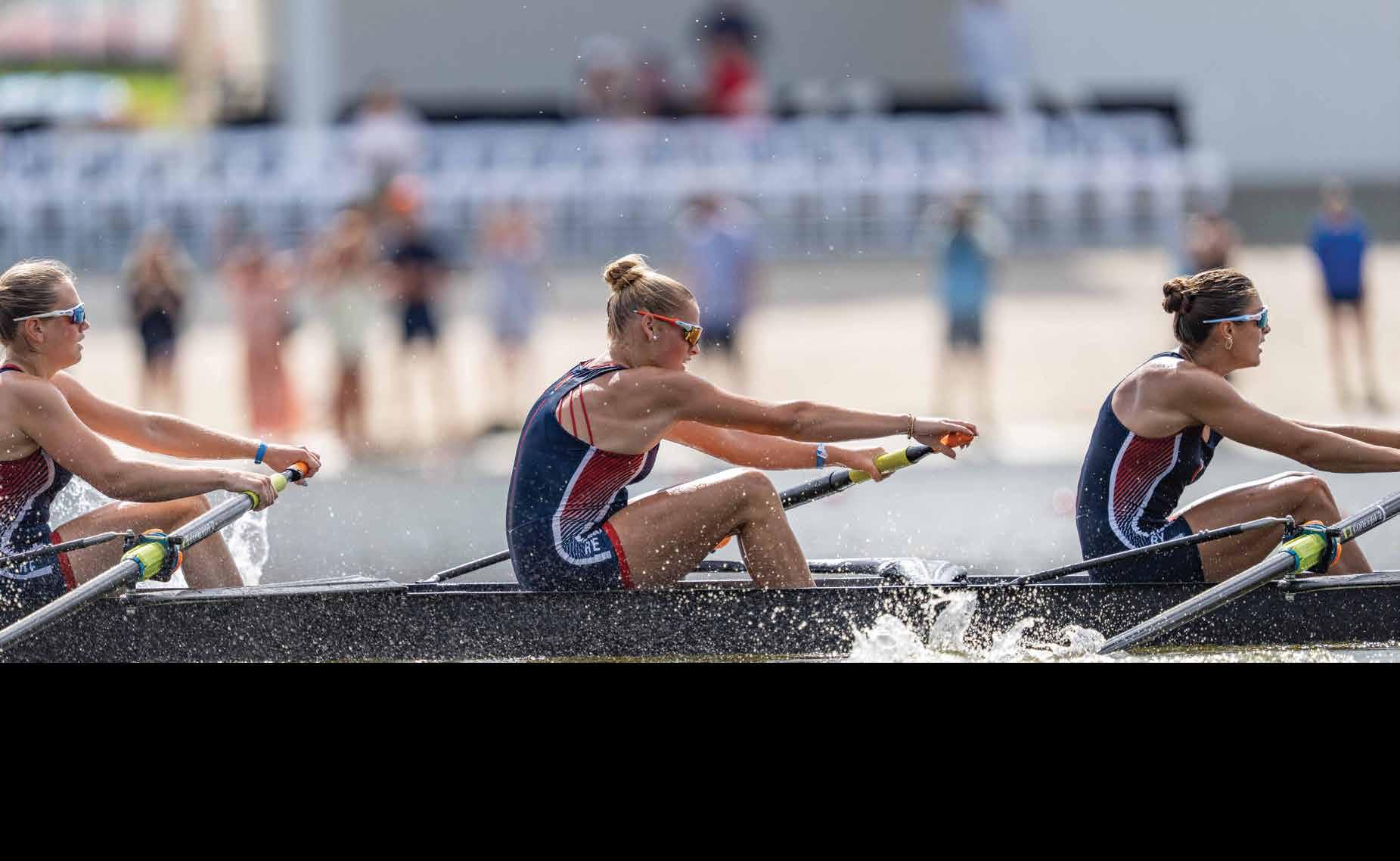
All six of the women’s eights in the NCAA Division I championship final went six minutes or faster—and four of them beat the world best time.
BY CHIP DAVIS
DEPARTMENTS
25 QUICK CATCHES
News U.S. Wins At Plovdiv World Rowing Cup II
57 TRAINING
Sports Science Feeling the Heat
Coxing Show Some Respect
Recruiting Doing It Themselves
Fuel How to Eat More Fruits and Veggies
Training Single-Minded Bladework
Coach Development Starting From Scratch 14 From the Editor 66 Doctor Rowing
CHIP DAVIS
It’s All About the Recovery
In this issue, Bob Ford pens the most insightful story about what really matters in rowing—both technically, during the stroke cycle, and figuratively, in how we live our lives—ever written by a non-rower.
It’s the story of Tim Ulsaker, the founder and coach of both Mathews High School rowing and Mobjack Rowing Club. And as other great coaches, like IRA national champion coach Michael Callahan of Washington, point out, you have to win the biggest races on both the drive and the recovery.
The most insightful story about what really matters in rowing.
Ulsaker’s life also shows the value and importance of another, more important recovery. Read his story beginning on page 34 and see for yourself why Bob has been nominated twice for the Pulitzer Prize.
Also in this issue, we tell the stories of national championships: the NCAAs, IRAs, and USRowing Youth Nationals. By the time the postal service delivers this issue, you know who won, but beginning on page 46, I tell the bigger story of how women’s college rowing got so fast and how so many up-andcoming NCAA programs got fast so fast.
Speaking of fast, how about the kids these days? At Youth Nationals in Sarasota, we saw how the youth of today are rowing faster and better than ever, from Simeon John in the men’s youth single to RowAmerica Rye in the women’s youth eight, and every boat class in between. Junior rowers from across America have the opportunity to earn their way to nationals thanks to the greatest domestic accomplishment of USRowing this century: Youth Nationals that aren’t just a regatta, but an event.


Images must be 300 dpi, and a minimum size of 4” x 6”.

Paralympic Silver
The article “USRowing Hits Reset” noted incorrectly that under Amanda Kraus, “USRowing failed to win a single medal at the Tokyo Games, held in 2021 due to Covid.” In fact, a silver medal was won by the Paralympic mixed coxed four at the Tokyo Games.
Please publish a correction so the accomplishment of these Paralympians is reflected in the Rowing News record and archives.
Sheila Hickey Yardley, Penn.
Editor’s note: The Olympics and Paralympics are separate events and hold separate regattas, weeks apart.










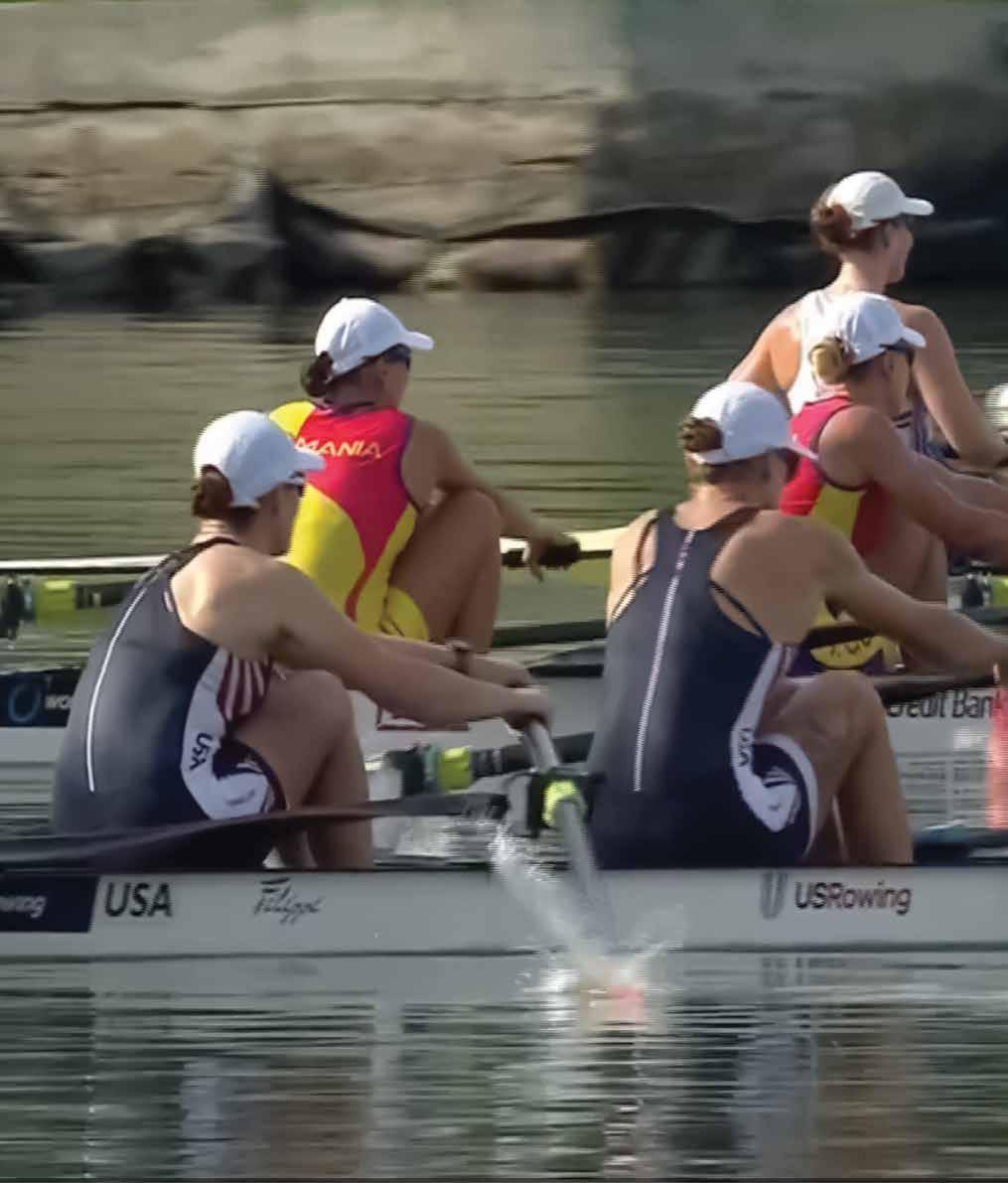


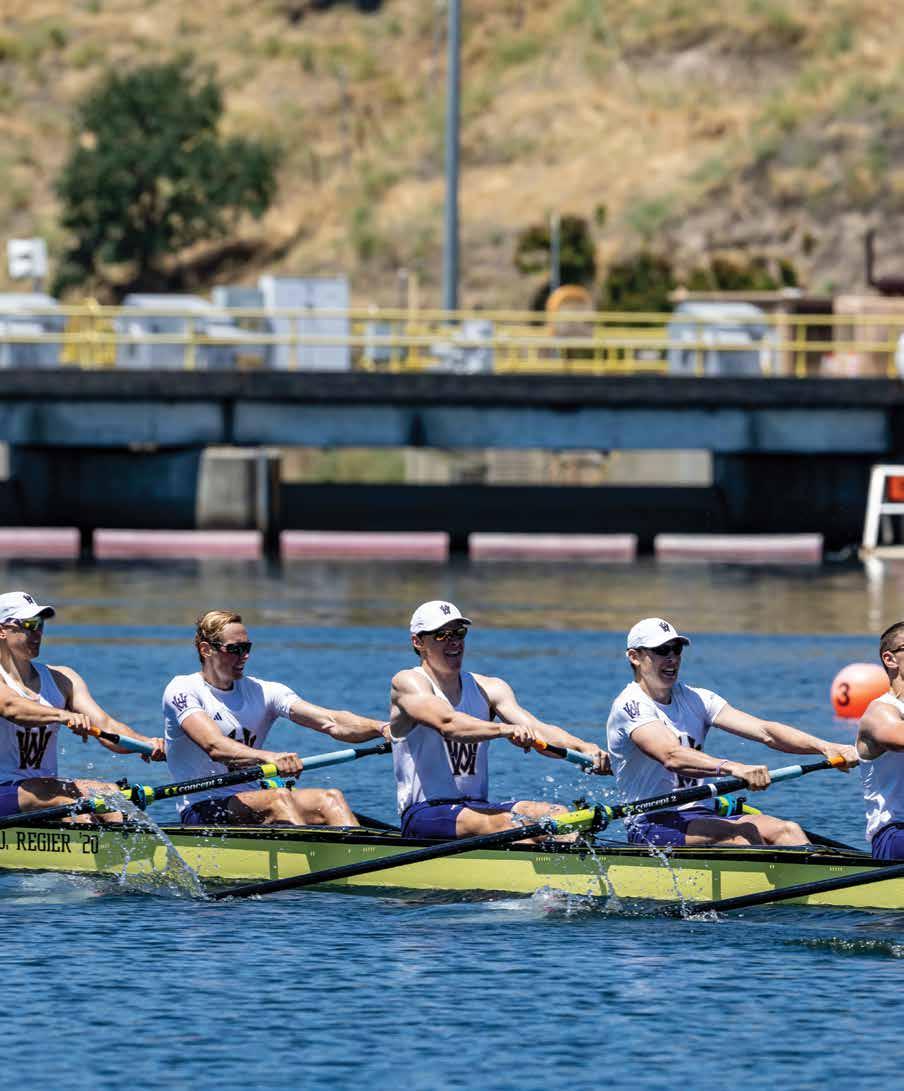
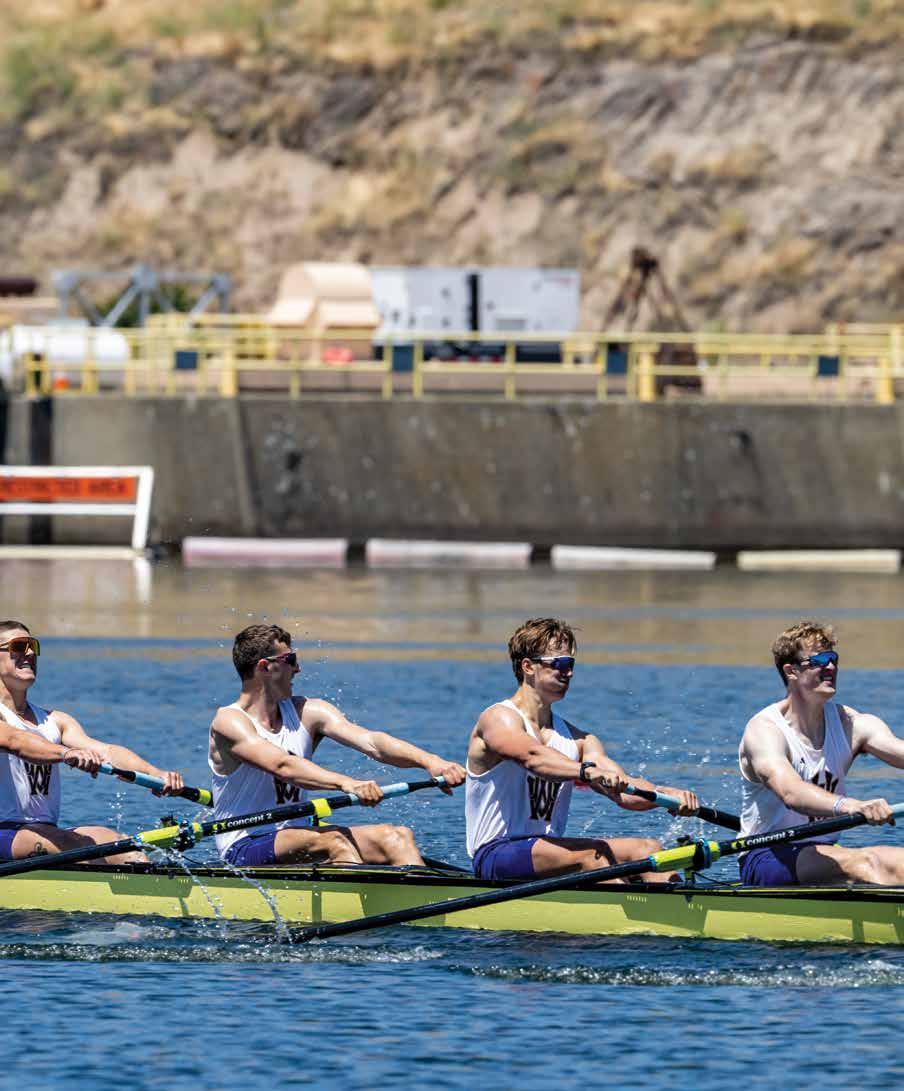
As Good As It Gets
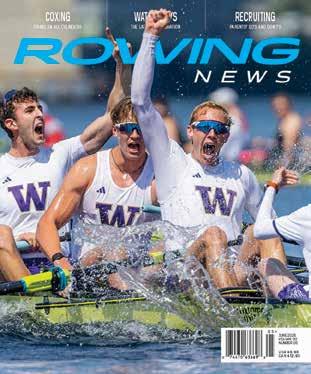
The University of Washington’s men’s varsity heavyweights caught and passed rival Cal in the last few hundred meters of the grand final to claim the Huskies’ third-straight IRA national championship, and 22nd overall, on May 31 on Lake Natoma in Gold River, Calif. Washington also earned the James Ten Eyck Memorial Trophy for overall points with the victory, their 20th overall, and 16th in the last 19 years.
“That’s as good as it gets,” said Washington head coach Michael Callahan. “I don’t know if I’ve ever coached a faster boat or a more cohesive crew.”
PHOTO: LISA WORTHY
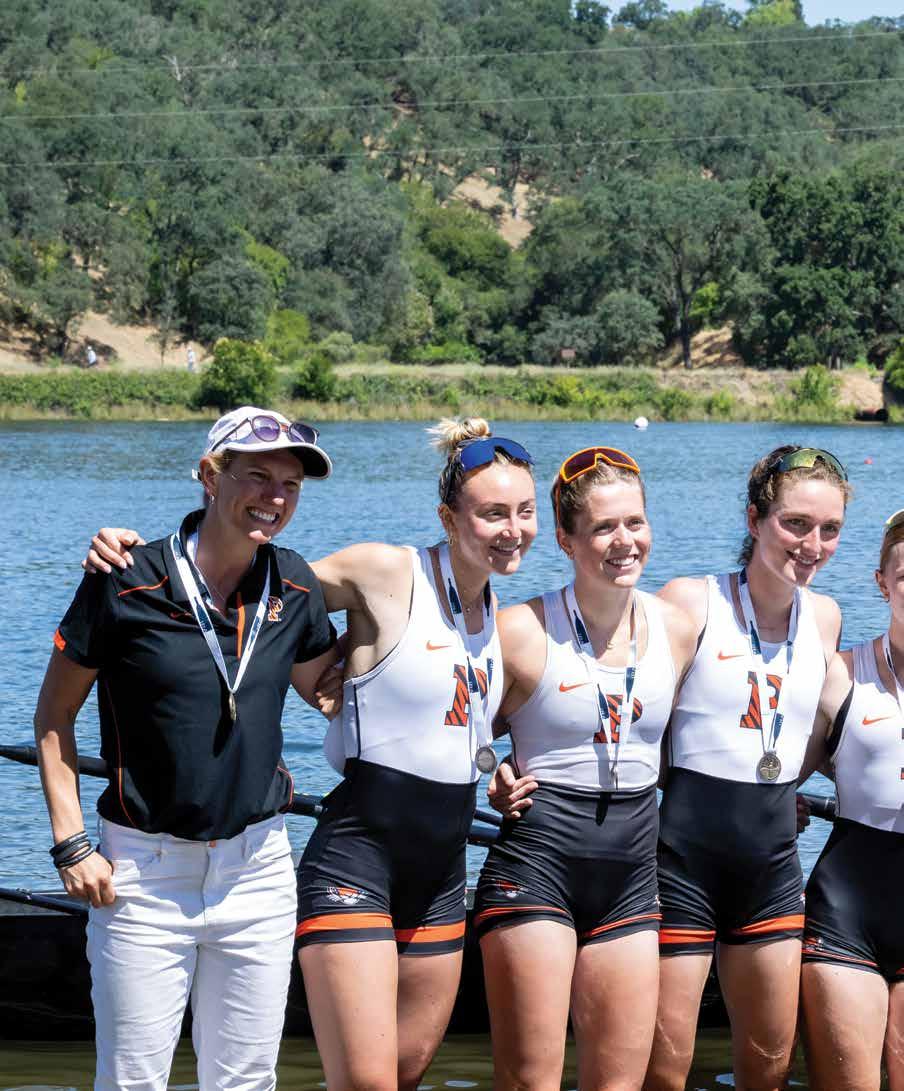
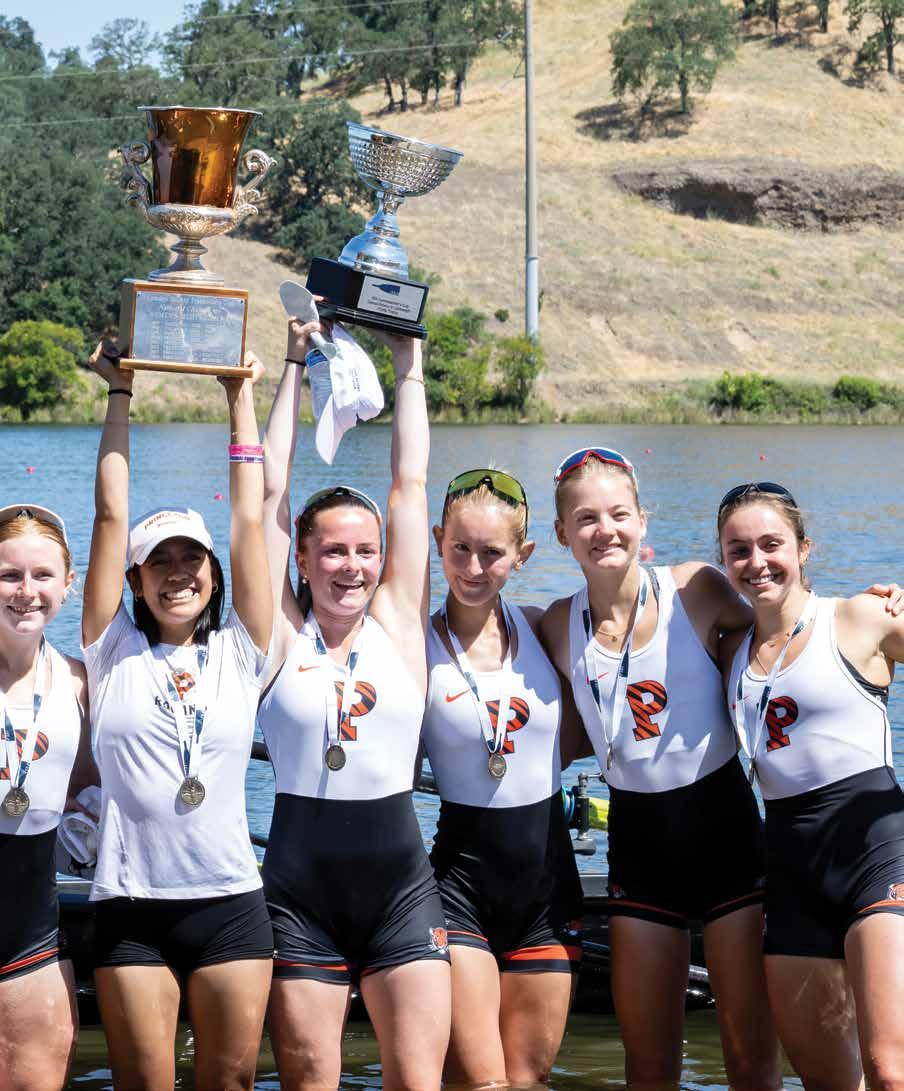
Tigers’ Half Dozen
Princeton University women’s lightweight varsity won a sixthstraight IRA national championship on Lake Natoma in Gold River, Calif., ahead of Radcliffe, Stanford, Boston University, Georgetown, and MIT. The Tigers also won the Commissioner’s Cup, for most team points. Boston University was second, with 61, and Radcliffe third, with 59.
PHOTO: LISA WORTHY
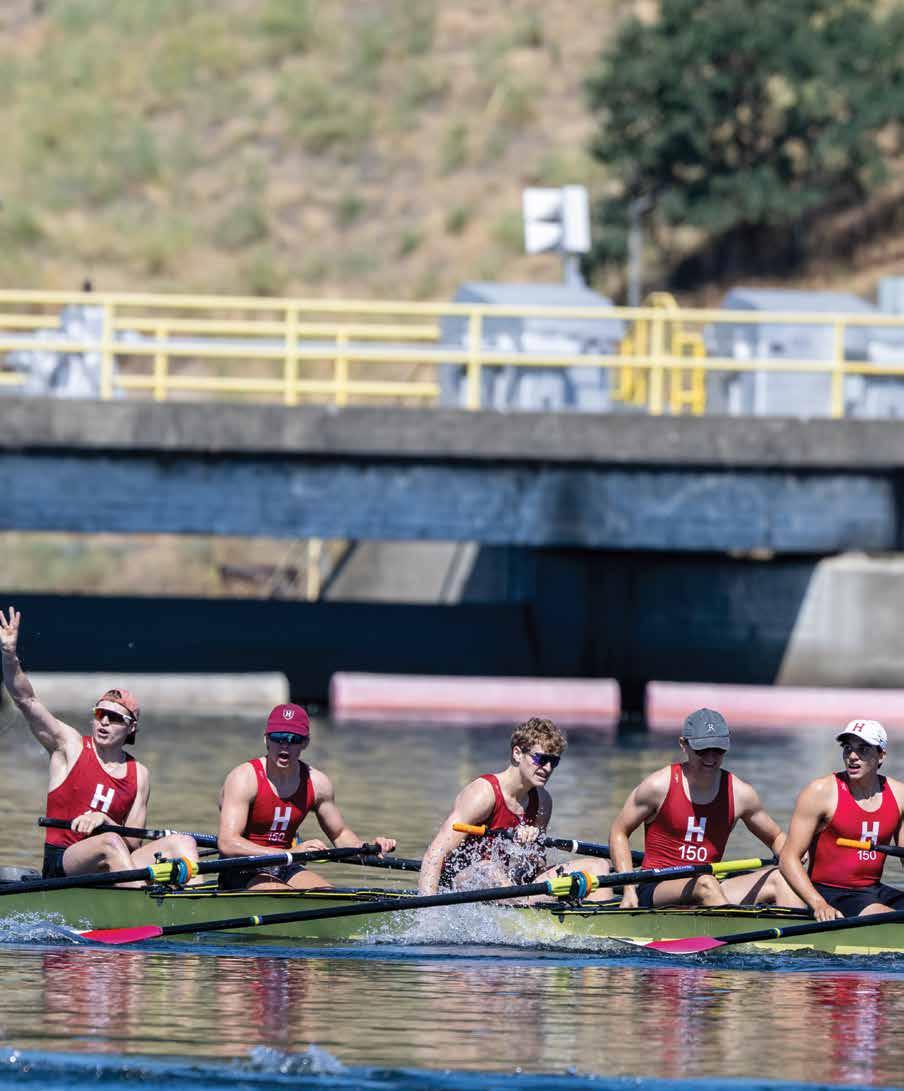
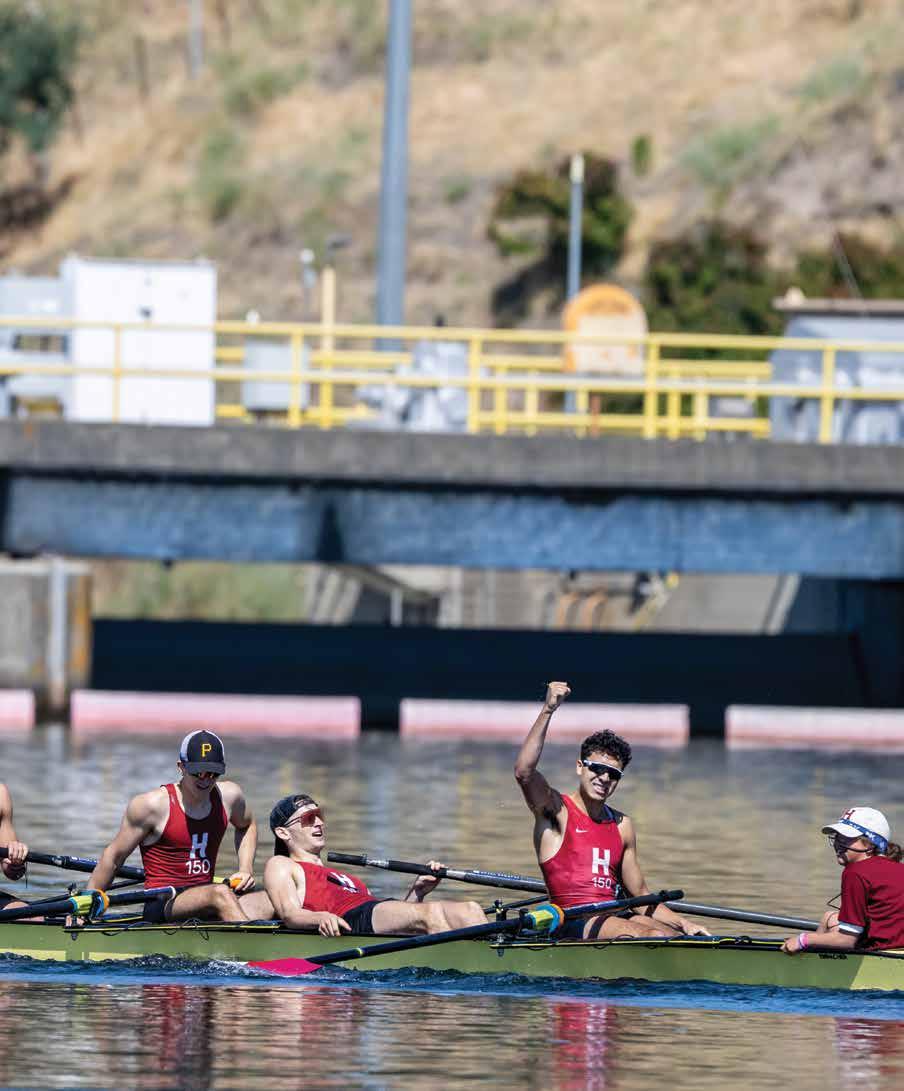
Three-peat Lightweights
The Harvard lightweights junior varsity, stroked by Nikhil Ramaraju, earned a gold medal at the IRA National Championship Regatta at Lake Natoma, near Sacramento, on May 31. The Crimson crew led wire to wire and was joined by the Harvard lightweight varsity in winning a third-straight victory for the IRA national championship. Bow Henry Jones is the only oarsman to row in the second varsity in all three IRAs during the three-win streak.
PHOTO: LISA WORTHY
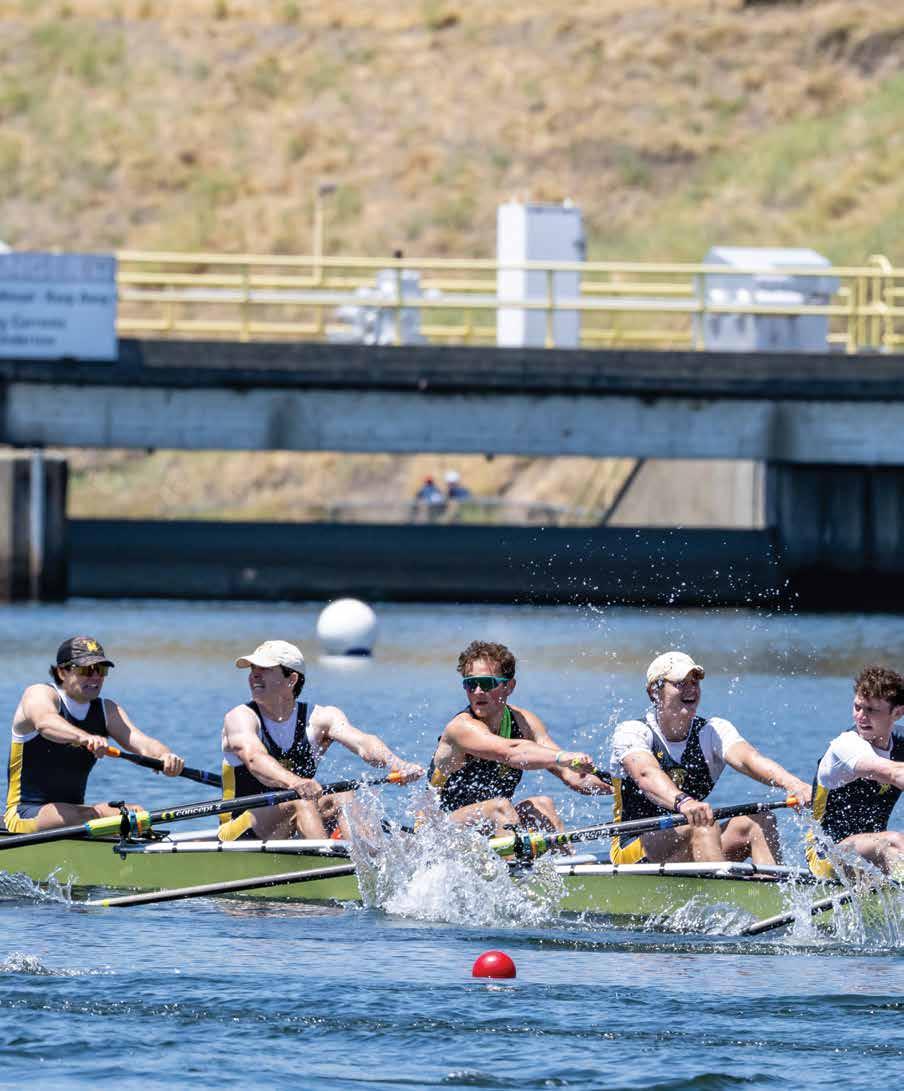
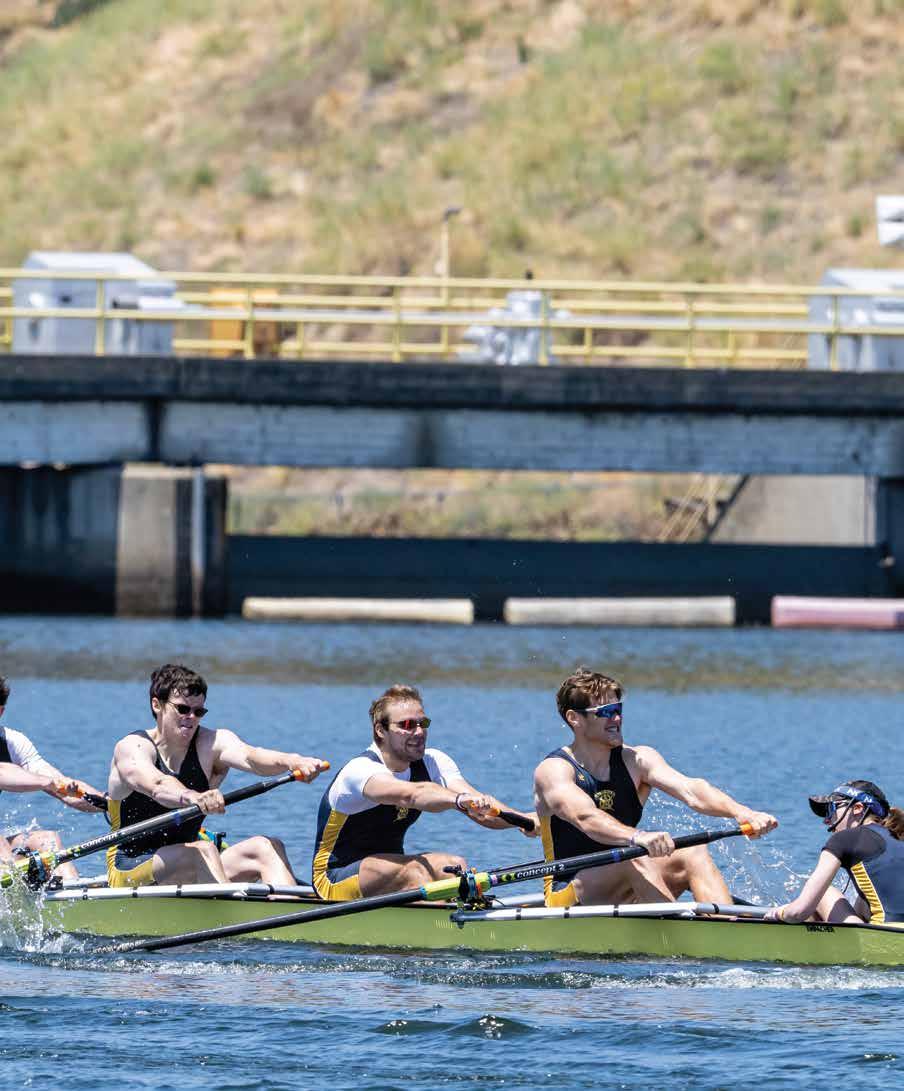
On To Henley
Connecticut’s Trinity College repeated as Division III national champions on May 30 on Lake Natoma in Gold River, Calif. Wesleyan University finished second, 0.15 seconds back, while Williams College placed third. Since the inception of the IRA Division III National Championship in 2022, a New England Small College Athletic Conference crew has won every time.
“The racing, as expected, was unbelievably tight. We are honored to compete against such excellent programs,” said coach Kevin MacDermott. “We had never raced at this course and loved every minute.”
Trinity was headed next to Henley Royal Regatta.
PHOTO: LISA WORTHY





QUICK CATCHES
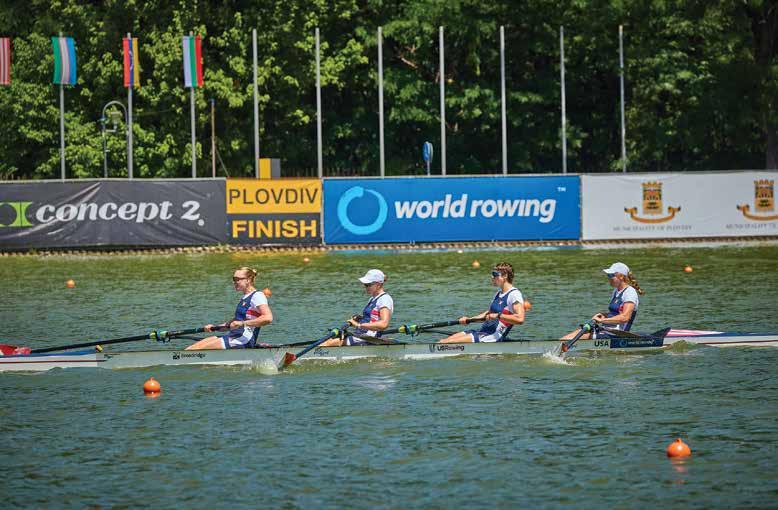
U.S. Wins Six Gold, Five Silver Medals At World Rowing Cup II
U.S. national team athletes turned in historic performances in sculling and small boats while U.S. women swept the sweep events.
The U.S. national team had a historic day at the World Rowing Cup II in Plovdiv, Bulgaria, earning six gold and five silver medals.
The U.S. claimed victories in the men’s single, women’s pair, women’s four, women’s quadruple sculls, women’s eight, and mixed double sculls while adding silver medals in the men’s single, men’s pair, women’s single, women’s double, and men’s eight.
Several athletes raced multiple
events, including Sophia Vitas and Cedar Cunningham, winners of the mixed double sculls.
With 250 meters to go in the final of the men’s single sculls, Jacob Plihal sensed blood. The 6-foot-10 Olympic sculler knew that his teammate, Sam Melvin, was fading. Plihal had beaten Melvin in Saturday’s semi on the fast Plovdiv course in Bulgaria. Now the Craftsbury sculler felt sure he could overhaul
Gary Paintidosi, 1956-2026
Olympian Gary Piantidosi died June 4 after an heroic battle with cancer. Piantidosi, 71, began rowing at MIT, where he studied mechanical engineering and won medals at the Eastern Sprints and IRA. He raced in the U.S. coxless four at the 1976 Montréal Olympics and served the sport through coaching and designing and manufacturing rowing equipment, including for Para rowers with Spaulding Rehabilitation Hospital. His ashes will be spread over his favorite waters.
The U.S. claimed victory in the women’s four.
QUICK CATCHES
Melvin—who is 10 inches shorter—and grab the glory of his first-ever World Rowing Cup gold medal.
But the New York Athletic Club sculler is nothing if not determined. Some of the U.S. team management even speculate that he has a higher tolerance for pain than the rest of the team. Either way, Melvin’s rejuvenated technique—he now uses much less body at the catch—carried him home to an historic victory, by the narrowest of margins—under 0.3 of a second.
It was “historic” because it was the first time ever that one nation—the USA—had ever won gold and silver in the World Rowing Cup men’s singles competition.
It was a result that reflected a great day for Olympic boss Josy Verdonkschot’s Team USA. The women’s four, coached by Jesse Foglia, had a claim to be labeled one of the crews of the regatta. They were long, fluid, and, most of all, patient in their dominant victory over New Zealand and Italy.
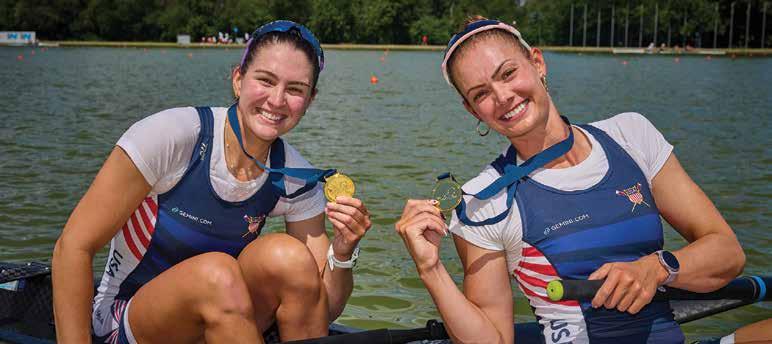
Teal Cohen and Kate Knifton had helped the USA win the women’s four at the 2025 World Rowing Championships in Shanghai just over nine months ago. But here, on Plovdiv’s super-fast course, they raced the pair. And the two Texans dominated the field in the very fast time of 6:50.82. In doing so, they beat two of the medalists from the season’s first World Rowing Cup in Seville: Chile and Czechia.
The U.S. women’s quad, stroked
beautifully by Emily Kallfelz, produced one of the biggest winning margins of the day. The 29-year-old led her crew to a nine-second victory over New Zealand and China. Their coach, Fiona Bourke, knows well that both Germany and Great Britain, which took gold and silver in Seville, were absent from Plovdiv, but the USA’s time of 6:08 was only three seconds off the fastest quads mark ever recorded.
The USA pair of Gus Rodriguez and Peter Chatain may not have won but they took silver in one of the fastest pair races ever. The winners, Kiwi world champions Oli Welch and Ben Taylor, looked set to break the legendary mark set by Eric Murray and Hamish Bond in London 2012 of 6:08.5. In the end, the winning time was 6:09.04, and the Americans set what this correspondent is minded to call the fastest U.S. pair’s time ever—6:11.77.
It was not all plain sailing for the U.S. team. The men’s four missed out on an A final place and the eight, which in fairness were doubling up, went down to a rampant Italy by five seconds. But there was enough here to send Verdonkschot off to the Lucerne World Rowing Cup III at the end of June with a spring in his step
“Plovdiv showed that we are making progress across the team and gave us a good picture of where we are at this point in the year,” said Verdonkschot, The McLane Family Chief High Performance Officer
for USRowing. “We know the field did not include every top crew, so we’re keeping the results in the right perspective, but we feel good about the direction of the team.”
As many as eight Olympians who took time away from the U.S. national team after the Paris Games may still rejoin the pool for final selection to the worlds team this summer, and Verdonkschot planned all along to race different lineups at Lucerne in order to give athletes race experience and differential learning. He did the same last year with the women’s four, which went on to win the world championship.
“It is great to see that we are competitive in a number of events, not just one or two,” said Verdonkschot. The times of gold medal-winning crews were some of the fastest ever recorded by U.S. rowers. “And that is exactly where we want to be at this point in the cycle.”
The race of the day—apart from Plihal versus Melvin—was the men’s double, where the seemingly out-of-form Croatian legends Martin and Valent Sinkovic won gold in the sensational time of 6:00.97, just a whisker off the world best time they set in Amsterdam over 12 years ago.
Make no mistake the Sinkovic brothers will challenge for medals in Amsterdam once more at this year’s World Rowing Championships in late August.
MARTIN CROSS
BIG NEWS >>>
Teal Cohen (left) and Kate Knifton won the women’s pair.
EVERGREEN ROWING CAMP
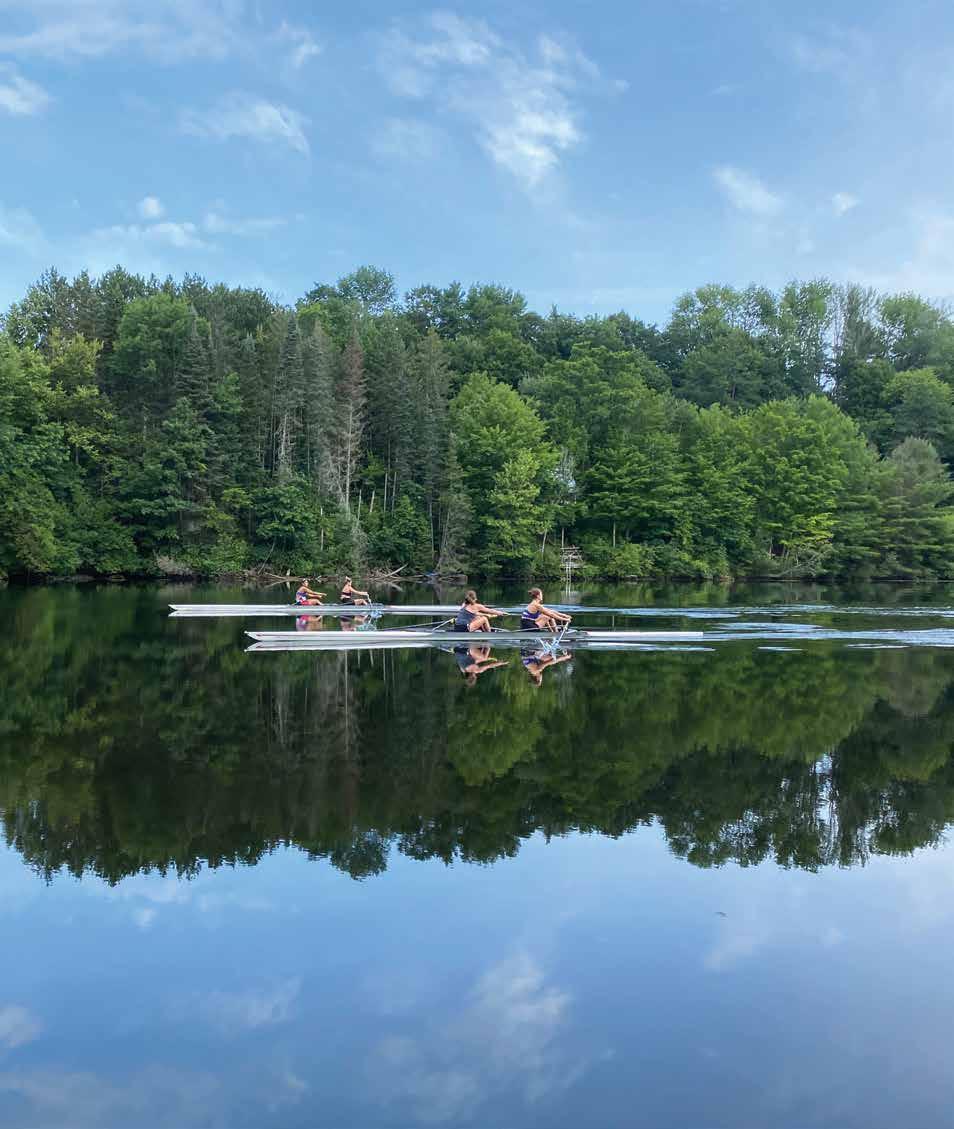
The Evergreen Rowing Camp is set in beautiful Hanover, N.H., home to Dartmouth College. Campers will train out of the Friends of Dartmouth Rowing Boathouse, and also spend time in the on-campus indoor rowing tanks and the Floren strength training facilities. The Connecticut River, home course for Dartmouth Crews, offers over twenty miles of calm, rowable water. Campers will eat at the Dartmouth dining hall, a short 5-minute walk from the boathouse. The green mountains and mild summer temperatures of the scenic Upper River Valley provide an ideal setting for summer rowing.
Monday, July 27 - Thursday, July 30 (day camp)
Monday, August 3- Thursday, August 6 (day camp)
Day camps will run Monday-Friday from 9am-4:30pm. Open to any and all entrants entering grades 9-12.
Staff
Wyatt Allen
Head Coach, Dartmouth Men’s Heavyweight Crew
John Graves
Head Coach, Dartmouth Women’s Rowing
Trevor Michelson
Head Coach, Dartmouth Lightweight Men’s Rowing
Sabrina Bohrer
Assistant Coach, Dartmouth Men’s Heavyweight Rowing
Jack Smith
Assistant Coach, Dartmouth Heavyweight Men’s Rowing
Eileen Russell
Assistant Coach, Dartmouth Women’s Rowing
Noah Axford
Assistant Coach, Dartmouth Men’s Lightweight Rowing
Gordon Getsinger
Associate Head Coach, Dartmouth Women’s Rowing
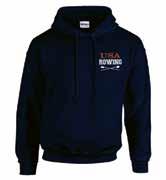
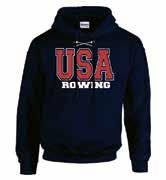
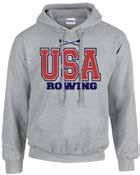
PERFORMANCE FABRIC SHIRTS
ALL AVAILABLE WITH YOUR TEAM LOGO AT NO EXTRA CHARGE (MINIMUM 12)
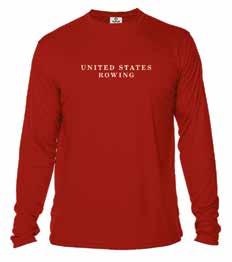
UNITED STATES ROWING UV
VAPOR LONG SLEEVE $40
WHITE/OARLOCK ON BACK
NAVY/CROSSED OARS ON BACK
RED/CROSSED OARS ON BACK
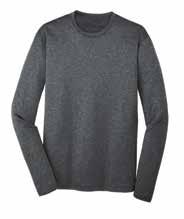
PERFORMANCE LONG SLEEVES
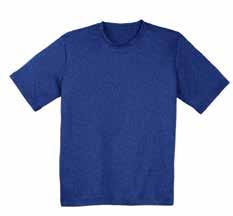
PERFORMANCE T-SHIRTS
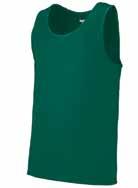
PERFORMANCE TANKS
TEAM SALES
Order any 12 performance shirts, hooded sweatshirts, or sweatpants and email your logo to teamorders@rowingcatalog.com and get your items with your logo at no additional cost!
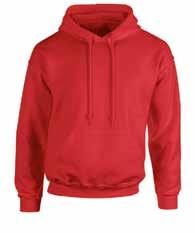
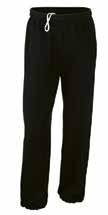
SWEATPANTS
HOODED SWEATSHIRTS

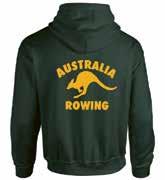

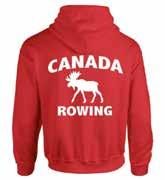

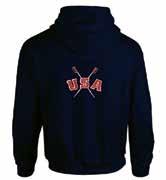
IRELAND ROWING
CANADA ROWING
AUSTRALIA ROWING GERMANY


Regaining Momentum
In Mathews County in Tidewater Virginia, Tim Ulsaker and his wife, Mimi, were the perfect team, turning “knuckleheads” into rowers and sending them on their way, stronger and more capable. And then …
STORY BY BOB FORD
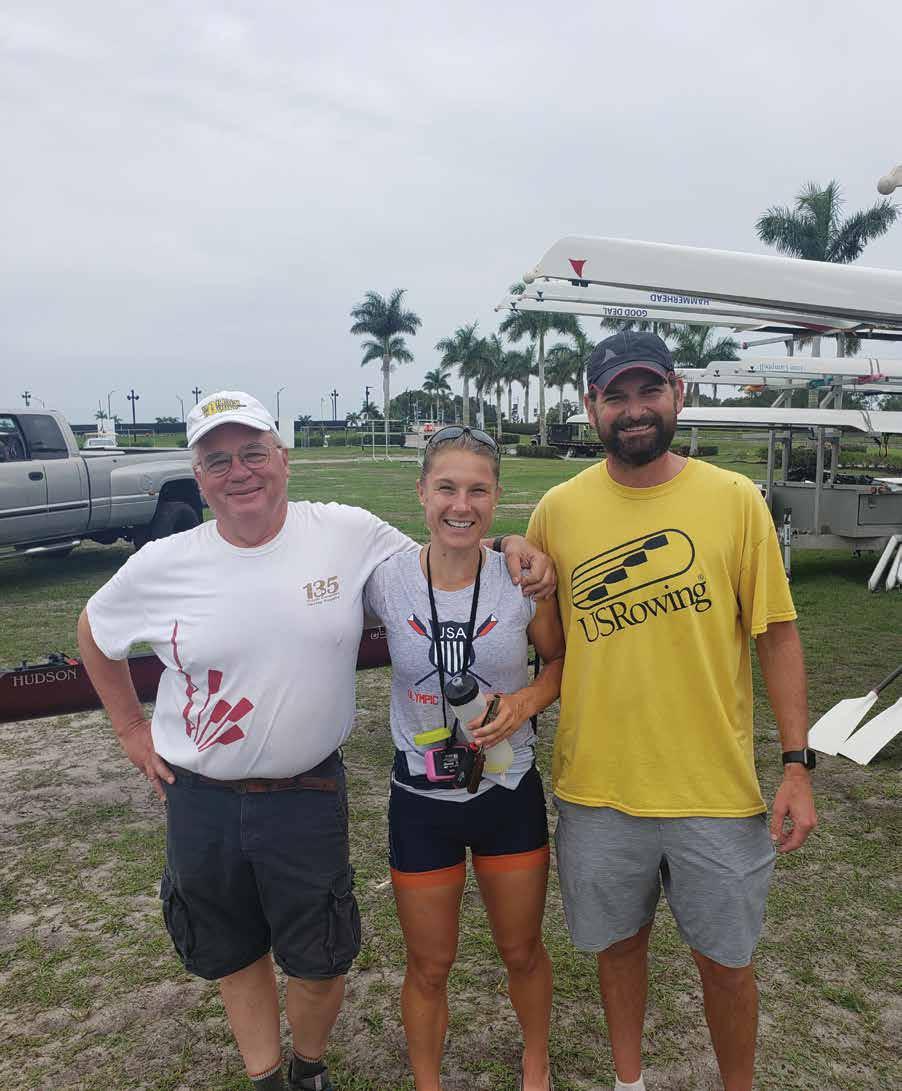
Tim Ulsaker, left, with world champion and Olympian Michelle Sechser and world champion and Mobjack oarsman Matt Muffleman.
The hard part isn’t the drive, that part of the stroke when the oar catches the water and the pull of ten thousand erg reps and practice pieces takes over. Most people on the shoreline don’t understand that’s not where the race is won or lost.
The hard part is the recovery, the glide toward the finish line, when much of the momentum you built can disappear in the hurry toward the stern to grab that next stroke.
It isn’t easy to win when the oars are out of the water and the great engine forward is idled, but that is the game.
Tim Ulsaker knows how to keep a boat going between drives, how to coach rowers to master that puzzle. He also knows how to keep a life going when the temptation is to let the momentum drift away with a falling tide. There is no finish line to that, only the will to keep moving.
“There are holes that will never fill, I know that,” Ulsaker said. “But when you do move on, you meet new people or you find new opportunities. And I’ve always been comforted by this rowing community I created. It’s just very rewarding to take this untrained flesh and teach it how to be strong and capable and learn all those little tricks.”
Ulsaker has been coaching in Mathews County, a small sparsely populated corner of Tidewater Virginia for 40 years, founding two programs—the Mathews High School team and the Mobjack Rowing Association—that have sent hundreds of young rowers on their way much stronger and more capable.
“Young teenage males can be kind of knuckleheads, and he was exactly the kind of personality I needed in my life,” said Daniel Allen, who rowed for Mathews, was briefly suspended for some knucklehead activity, but was invited and welcomed back to the team by the coach.
“Me and a lot of other people owe the vast majority of our success and our lives to Coach Ulsaker. There’s no middle ground with him. The folks who love him see him for what he gives to the community as he helps kids and builds the team. But he sure doesn’t sugarcoat anything.”
Perhaps much of that comes from growing up in a military family that moved often and stressed discipline, but the rowing part can be attributed to landing at Washington-Lee High School in the 1960s. The school in Arlington, Va., just across the Potomac River from Washington, D.C., where Ulsaker’s father was posted, had a
rowing team coached by Charlie Butt Sr. The term “legend” is tossed around too loosely sometimes but not in the case of Butt, who, during 41 years coaching Washington-Lee, won 19 national scholastic titles, numerous gold medals at the Stotesbury Cup and Northern Virginia Championships, and two Princess Elizabeth Challenge Cups with the varsity eight at the Henley Royal Regatta. He also coached in the national-team program.
Ulsaker rowed two years for Butt, and not all that well. He was in the novice and junior ranks, which practiced in the afternoon, and the seniors didn’t practice until Butt finished work at the Navy Yard, where he was an aeronautical engineer (and also a “legend”). Ulsaker hung around late, though, and one day, when Butt couldn’t get the launch to run, Ulsaker, who had a gift for mechanics, fixed the engine for him.
“Can you drive it, too?” Butt asked. Ulsaker said he could.
“Then get in.”
“Charlie was just very natural. He was laid-back but very good at describing what he saw and what he wanted,” Ulsaker said. “And the kids would respond to it, and he just had a way of making them faster and faster. That soaked into me.”
The journey from those Potomac evenings with Butt to the East River in Mathews wasn’t a straight line, and there wasn’t much rowing involved. There was a half-hearted one-semester attempt at college, a four-year hitch in the Navy that included time as a combat photographer in Vietnam, a long stint as a high-end mechanic in Northern Virginia, and the decision to return to school to get an associate’s degree in order to teach auto mechanics.
That could be accomplished anywhere, so he enrolled at Rappahannock Community College in southeastern Virginia, near where he was helping an old friend restore a house. From there, he finished his bachelor’s degree at Virginia Tech, and not long after found an advertisement for a vocational shop teacher’s position specializing in automobile mechanics at Mathews High School.
Along the way, he met the most incredible woman. Her name was Mimi, and she ran the night school at Rappahannock. They fell in love and were married not long after Ulsaker began working at Mathews in 1980. They had a son, Oliver, in the mid-1980s.
“I was just captivated by her when our paths crossed,” Ulsaker said. “She had lived all over the world and was very cultured and a very interesting woman. I think she had read every book that was ever printed and could converse on any subject. I’d never seen anything like it. We had a great life, and it was really idyllic for her and me.”
Mimi Ulsaker was also essentially a quadriplegic, the result of an automobile accident long before she and Tim Ulsaker met. She could use a manual wheelchair but that was the extent of her mobility.
“I was always happy to do whatever she needed. We sort of gave each other a great life,” he said. “We lived in a place where we never locked our doors. We could go places, and people would help her, and it was just perfect.”
When Ulsaker went to his principal and said he wanted to start a rowing team at Mathews, it was Mimi who became the ultimate crew coach’s wife. She helped raise money to purchase equipment and to get the program on the water. Charlie Butt sent down some old boats to help, but the high school wasn’t able to provide much aside from buses and gas and insurance.
“Mimi was a good conduit to the community and raising money to get the ball rolling,” Ulsaker said. “We would meet people socially, and I would tell them about the rowing program, and they had read about us winning things, and I’d say, ‘Funny you should mention that, because we did that in this old worn-out, beat-up shell somebody gave us and we really do need a good one.’”
Mathews County is the second-smallest of Virginia’s 95 counties, in the bottom 10 for population, and generally underserved in many ways. But it is beautiful, with four navigable rivers flowing into Mobjack Bay and the lower Chesapeake Bay. The area is a magnet for successful people looking to retire or have a second home or, unbeknownst to them, to help buy racing shells for local kids. Mimi and Tim Ulsaker found those people and their charitable foundations, and soon there was pretty good equipment in the abandoned cow barn where the Mathews High School rowing team got its start.
“This area is the most incredible crossroads of talented, successful, and amazing people,” Ulsaker said, “and Mimi and I were here at the nucleus of it for almost 50 years.”
Success followed, and little 1A Mathews High regularly took the threehour trip to Occoquan Reservoir to beat the
3A Northern Virginia schools.
“We were blissfully ignorant at Mathews. We didn’t know we weren’t supposed to win,” said Matt Muffelman, who rowed at Dartmouth after graduation and became a world champion rowing stroke in the U.S. lightweight eight. “When we went up to regattas in D.C., we were always asked the same question: ‘Where are you from?’”
Muffelman is vice president of the board of Mobjack Rowing Association, which Ulsaker began in 1994 to throw the net wider than just the spring scholastic program and include neighboring communities and rowers from nearby Gloucester County in summer and fall racing and training.
In an area where only 30 to 40 percent of high-school graduates continue their schooling, approximately 90 percent of Mathews High and Mobjack rowers seek higher education. The scholarship money earned by those rowers, Ulsaker says, amounts to about $14 million.
None of it happened overnight. There weren’t enough Mathews rowers for an eight until 1987. A women’s program, also coached by Ulsaker, was started in 1990. By the mid-1990s, however, there was plenty of traction. The team placed at the state championships, won the Canadian Secondary Schools Rowing Association Championship Regatta one year and also the senior eight at the Stotesbury Cup Regatta.
A few years before, when Mathews first entered Stotesbury, the school was so under the radar that the regatta program listed it as “St. Matthew’s” because it was assumed to be a private school somewhere.
“I teach the fundamentals because my philosophy is if you show up and you’re not as strong or not as big as some of your opponents, but if you can row well, that’s what I call free speed,” Ulsaker said. “If you don’t disturb the run of the boat, and you keep the right balance, and you use the right muscle groups in the correct order to deliver the power to the oar, that’s something that’s been very beneficial to our results.”
The seasons rise and fall like the tides, of course. Ulsaker retired from his teaching position at Mathews in 2006 to open an auto- repair business with Oliver, but kept coaching. The school has lost student population over the years, and sometimes it was a struggle to field a full team of boats.
Then Mimi fell ill suddenly, and the momentum of their lives slammed against the stern.
“There was a period when Mimi was not well and she was dying,” Ulsaker said. He stepped away from coaching at Mathews for four seasons, from 2021 to 2024. Mimi died in May 2024.
“We were refurbishing her parents’ old house, which is this stunning place upriver from where we used to live,” Ulsaker said. “Mimi saw it almost completed, the house where she lived when I met her. She didn’t live to see it completed, but we have a lot of great memories here.”
Six months after Mimi died, Tim Ulsaker returned to coach the Mathews High School team. The coach who had replaced him was leaving for another job and had left some things in the program for Ulsaker to clean up.
“It was difficult to go back in some respects,” Ulsaker said, “and I went through 2025 just trying to sort things out. My first year, I heard a lot of ‘Coach, we don’t do it that way.’ And I had to say, ‘Look, you can fire me, or you can quit, or you can make a change, and change is always hard to make.’”
on the East River near Mathews. The next generation of rowers is out there, and he has set about finding them.
A further dream—to establish a regional rowing center at the wharf that would help expand the sport across all age ranges and abilities in the area and serve potentially as a spring-training site for highschool or college teams from the North—is still on the drawing board. Don’t bet against him.
“We’re going to have a light competitive season for the summer, so I’m going to have as many Learn To Row camps as I can. I’m going to get these kids out here,” Ulsaker said.
“The thing about rowing is you get a young kid in a boat and they learn to row, and they feel it run, and they get it to move,
“If you can row well, that’s what I call free speed: If you don’t disturb the run of the boat, and you keep the right balance, and you use the right muscle groups in the correct order to deliver the power to the oar.”
—Tim Ulsaker
A team of 14 or 16 rowers was down to about four by the end of that spring 2025 season. This year, the numbers came back slowly to what is sustainable at Mathews, and Mobjack is once again developing a healthy roster, too.
At the Virginia Scholastic Rowing Association state championship in May, a regatta with 54 participating schools and 187 event entrants, Mathews High rowers Sam Tomcany and Bryce Clarke took bronze in the senior doubles final, and a freshman, Finn McKinster, was 10th in the state in the junior single.
From the Mobjack program, Will Lang, representing Williamsburg Classical Academy, and Zach Hudson, of Gloucester High School, placed second and fourth in their heats, respectively, and Lang went on to finish sixth in the state.
Ulsaker has shifted some of his attention to more aggressive recruiting. He held a “Learn to Row” open house in April at the Williams Wharf training site
and it becomes addictive. And they say, ‘I want to come back and do more.’ I try to light the realization that this is something that can fit them. The parents come with them and they say, ‘You don’t have to sell me. This looks pretty good.’”
It does, and momentum that is sometimes lost on the water and in life can be regained, too. The hard part is still the recovery. Tim Ulsaker knows all about that, has coached it and lived it, and he won’t let it be why the race isn’t won.
BOB FORD worked for 33 years in The Philadelphia Inquirer sports department, where he was a beat reporter, general assignment reporter, features writer, and columnist. He was named Pennsylvania Sportswriter of the Year seven times, nominated for the Pulitzer Prize in commentary twice, and honored with an Eclipse Award by the National Thoroughbred Racing Association. He lives on the Eastern Shore of Maryland and considers it a successful crabbing season when his oars are never required to enter the oarlocks.
FOR YOUTH ROWERS, A TRUE NATIONAL CHAMPIONSHIP
THE USROWING YOUTH NATIONAL CHAMPIONSHIOPS HAS BECOME THE PLACE WHERE THE HIGHEST-ACHIEVING YOUTH ROWERS IN THE COUNTRY COME TOGETHER AFTER PROVING THEMSELVES ELSEWHERE. IT’S ALSO A FIRST-RATE EVENT.
STORY BY CHIP DAVIS
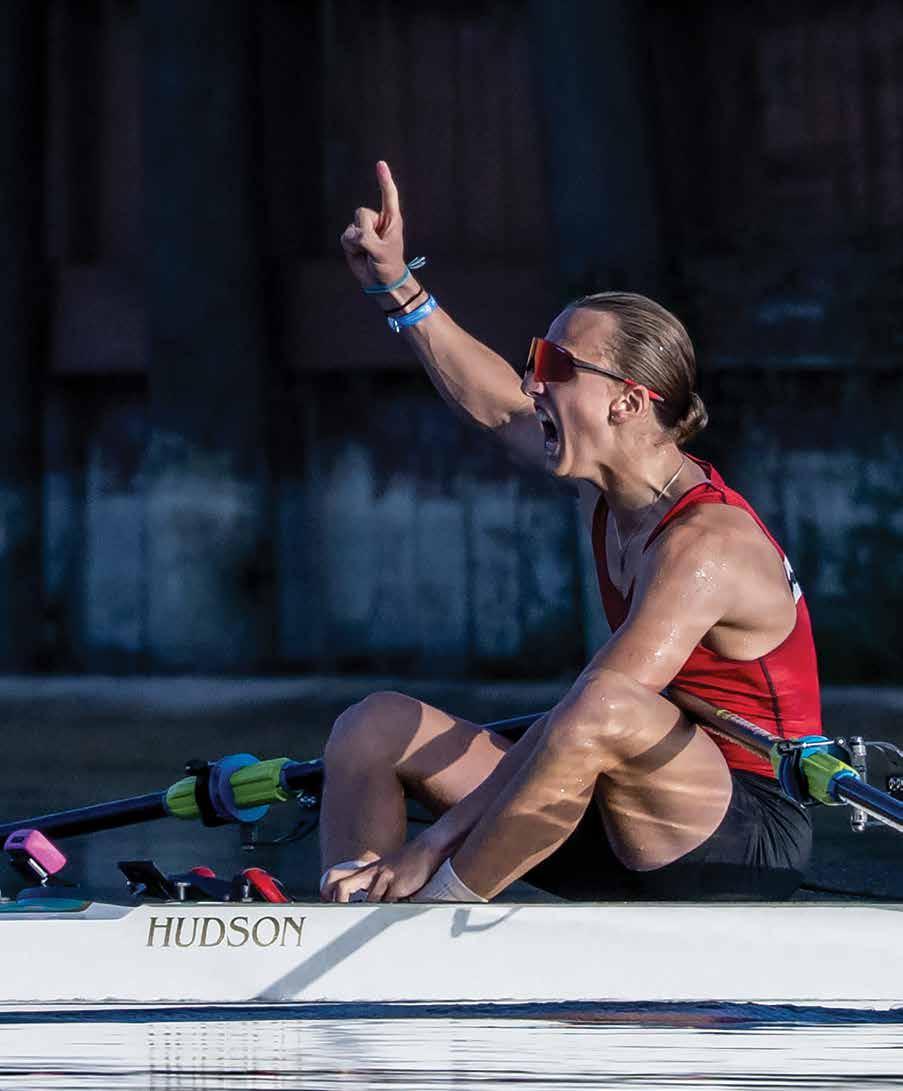
Right: After finishing third in 2024 and second in 2025, Simeon John won the men’s youth single at the 2026 USRowing Youth National Championships.
PHOTO: LISA WORTHY..
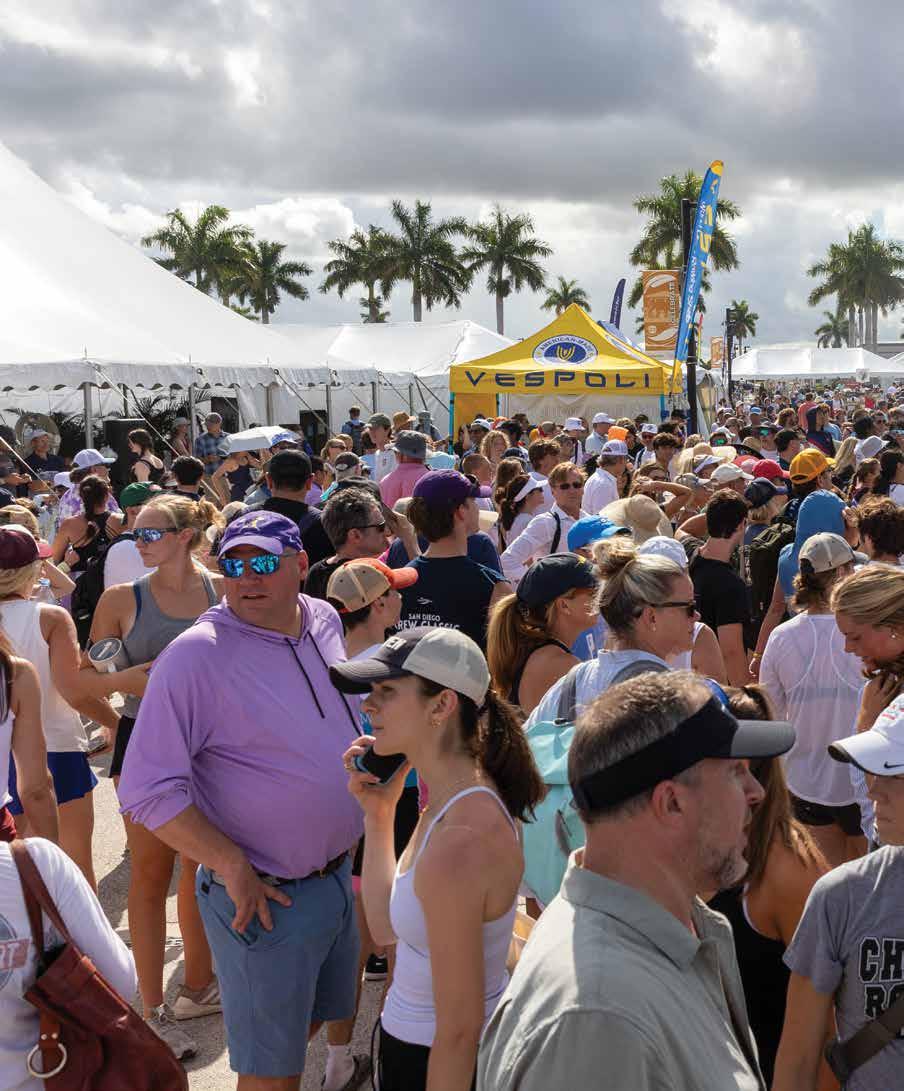
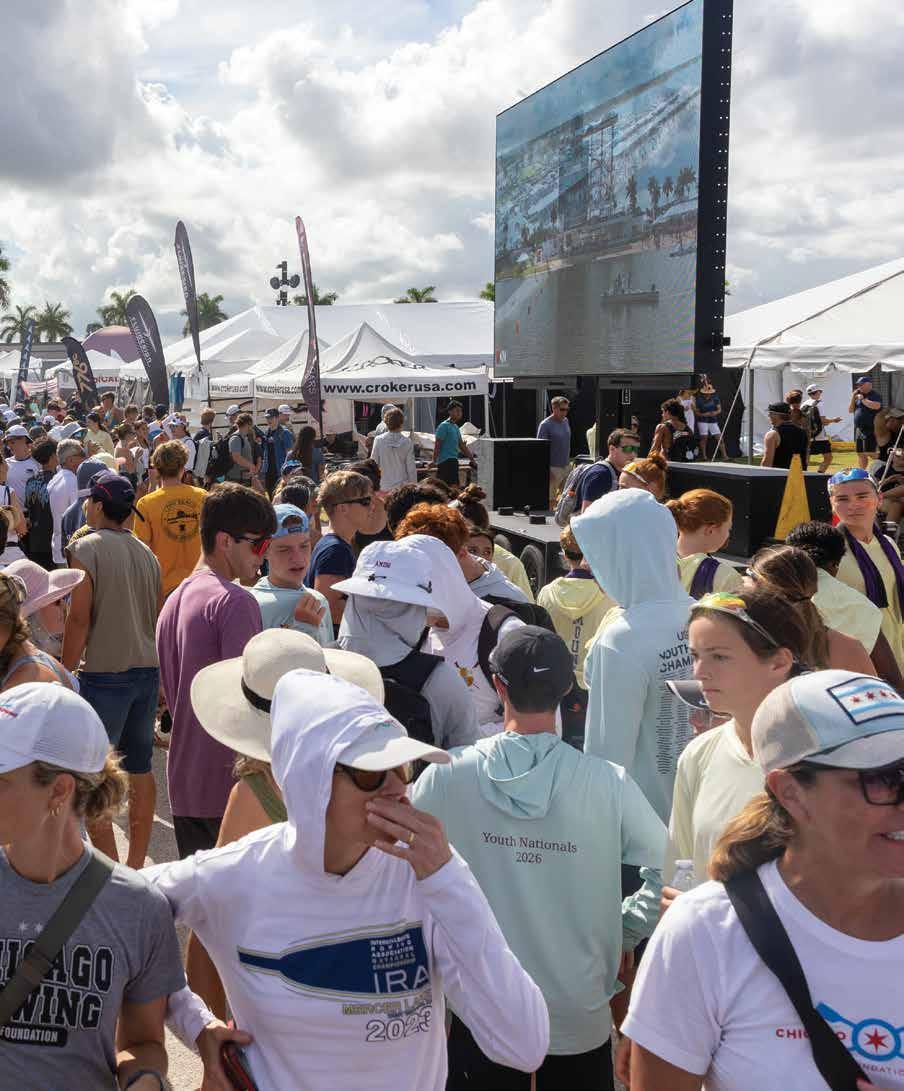
Thirty-five years ago, American junior rowing had no universally recognized national championship. Today it does.
The 2026 USRowing Youth National Championships drew roughly 4,000 athletes and thousands more family, friends, and supporters to Nathan Benderson Park in Sarasota, Fla., where the country’s best crews raced for national titles across 38 events.
Deerfield Academy won the men’s youth eight, and RowAmerica Rye won the women’s youth eight for the third consecutive year.
In the singles, Community Rowing, Inc.’s Simeon John gave all he had— capsizing after crossing the finish line—to outdistance Porter Collins in the men’s event. On the women’s side, Shay Triepel of Coastal Virginia Community Rowing made it to the line first barely ahead (0.29 seconds) of the inspired final sprint of Avisa Rezaei of First Coast Rowing Club for the win.
Competitors earned entries in the championship through racing in 11 regional championships and qualifying regattas across the country. After four days of weather delays, schedule revisions, and summer heat in mid-June, 38 national champions were crowned.
For John, the men’s single title represented the culmination of a process that had included both disappointment and growth. As a U17 athlete, he finished third and left crushed. Last year, he thought he had a strong chance to win and left disappointed with a second-place finish to Tony Madigan. This year, he arrived determined to focus on his own race rather than the athletes around him.
“I was just trying to make sure I was pacing it my own way,” John said. “If I was losing, then I’m just racing my StrokeCoach, and if it says I’m fast and I get second place, I’m gonna be happy with what I did.”
Porter Collins, son of the eponymous two-time Olympian and Brown oarsman, advanced to the final through the time trial and semifinals with better times. John admitted he was nervous to race him, but he had learned over the previous year that measuring himself against competitors was not helping him perform.
When officials began calling lanes for the final, he found himself calmer than he had ever been before a major race.
“The only nerves I had were that this was going to hurt,” he said.
Five years of training led to Sunday morning in Sarasota. Afterward, exhausted and recovering in the cooling area, John reflected on the result.
“Five years has led to this day,” he said. “It’s a special moment to graduate with a national championship.”
The women’s single produced one of the closest races of the regatta. Triepel’s margin over Avisa Rezaei was just 0.29 seconds after 2,000 meters, a national championship decided by less than a second after months of training and qualification racing.
The eights remain the marquee events of American junior rowing, and both produced champions that had spent the season proving themselves against top competition.
Deerfield Academy won the men’s youth eight over a deep field from across the country. Sophomore coxswain Nadia Vieira expected Marin and other challengers to start quickly but believed her crew’s strength would come later in the race.
“We just stayed stubborn,” she said. “Unbreakable, undeniable.”
For a crew that won the New England Interscholastic Rowing Association 1,500-meter regatta by open water, Deerfield adapted well to the full 2,000-meter youth national championship.
“There is so much more room for things to happen,” Vieira said.
The extra distance allowed races to develop, crews to move, and momentum to change. Deerfield handled the middle thousand effectively and left Nathan Benderson Park as youth national champions.
The women’s youth eight belonged once again to RowAmerica Rye. The for-profit club won its third consecutive national title and will now continue its season at Henley Royal Regatta.
Coach Marko Serafimovski credited the crew’s development to an emphasis on simplicity.
“We just put a lot of effort on simplicity of a rowing stroke,” he said. “We wanted them to feel the difference between when the boat is moving versus when it is not and allow them to make technical changes on their own based on the feeling. In order for this to work, it had to be done collectively, and I believe they
have done a really good job at it.”
Chicago Rowing Foundation again emerged as one of the country’s fastest programs. Coach Mike Wallin called this year the best field ever and noted that Chicago, Rye, Deerfield, Winter Park, and Green Lake would all continue on to England.
“We’ve been in eight of the last 11 grand finals,” Wallin said. “This year’s race felt like the deepest and most intense field we’ve ever faced.”
Chicago’s trip to Henley will be historic for the club.
“We are going to Henley,” Wallin said. “I don’t know if a crew from Chicago has ever gone before. It’s certainly the first time CRF has.”
His view of the American crews heading overseas reflected the spirit and mutual respect expressed at Youth Nationals by the programs that make it to Sarasota.
“If they are not in the lane next to us during the regatta, we will be rooting for them,” he said.
Malvern Prep won the men’s youth quad, another major scholastic victory. Los Gatos Rowing Club had one of the strongest regattas of any program, winning both men’s and women’s second varsity quads while posting strong performances across multiple events.
Coach Channing Walker attributed much of the success to years of emphasis on small boats.
“A lot of singles, a lot of doubles, a lot of pairs,” Walker said.
He also credited a senior class that had helped raise expectations throughout the club.
“We had 18 kids who were really competitive,” he said. “I’m glad that they’re all here and pushing themselves to the limit.”
Taken together, the results reinforced something that has become increasingly apparent over the last decade. Youth Nationals has become the place where the highest-achieving youth rowers in the country come together after first proving themselves elsewhere.
Thirty-five years ago, American junior rowing had no recognized unified national championship. There were strong leagues and regional championships, traditional rivalries, and highly competitive regattas, but there was no single event where the best crews from across the country gathered to race one another.
their coaches is outstanding.”
Now, thanks to early pioneers in Cincinnati and the continuing efforts of USRowing staff members and hundreds of volunteers, there is.
The athletes who arrive in Sarasota have earned their places in the field by having already won their league championships or qualified through regional regattas. They are not simply participants. They are, by definition, the highest-achieving young rowers in the country.
The reward for those accomplishments is the opportunity to race everybody else who accomplished the same thing.
“Who doesn’t want to race everybody in the country and see speed and be inspired by it?” said Sandy Armstrong, who has coached Marin Rowing Association for over 40 years.
For Armstrong, Youth Nationals represents both years of hard work and a vision of what younger athletes might become.
“It’s the culmination of four to five hardworking years for the senior kids,” Armstrong said. “I believe that it is building a vision for that young group. To watch the varsity kids perform, and see speed, and be inspired by them and by
The road to the current version of Youth Nationals has not been perfectly smooth. Holding an event of this size takes a pile of money—like that provided by entry fees from as many crews as possible. An independent unofficial analysis obtained by Rowing News suggests that Youth Nationals generates over $800,000 in member and entry fees for USRowing.
A huge field—863 crews, this year— requires multiple rounds of racing, even with Sarasota’s 10 lanes (Youth Nationals features eight-lane racing, with the extra lanes available for special situations like dead heats in semifinals). There have been failures, such as a previous version of a qualification format that for some crews resulted in one-and-done time-trial experiences.
When USRowing tried to institute a mild version of “stay to play,” a requirement at many youth sports tournaments that competing teams stay at sponsoring hotels, communication was botched. Even though Youth Nationals participants had to report where they were staying only for informational purposes, community outrage on social media was brutal.
Questions continue about awarding second varsity crews “national champion” titles. If you can’t make the first boat at your own program, how can you be a national champion in that boat class?
But none of those discussions changes the central fact that thousands of athletes now spend an entire season trying to qualify for a championship event that did
not exist a generation ago.
The regatta itself continues to grow. Before Covid, Youth Nationals offered 27 events. Today, there are more than 40, counting “inclusion” events designed to show that all are welcome, even if no one enters a specific event. Younger athletes now have additional opportunities to experience the championship environment, though USRowing eliminated U15 competition after determining those athletes were too young for this level of competition.
Sarah McAuliffe, USRowing’s senior director of programs, says the goal is to do more than just run a regatta.
“The end goal here is not only to be the best regatta for a youth athlete but also to be the best sporting event that the youth athlete goes to on an annual basis,” she said.
McAuliffe was promoted in June 2025 from director of competition to senior director of programs. She continues to oversee USRowing-owned regattas, including Youth Nationals and RowFest, while also taking on camps and referee initiatives.
A week before racing, she described preparations as “controlled chaos.”
Working with Sarasota County and the staff and volunteers of Nathan Benderson Park, USRowing staff had already spent days preparing the venue, organizing trailer parking, staking boundaries, taping off areas, building athlete and spectator zones, and turning the park into a championship venue.
“We’re the manual labor behind it all,” she said.
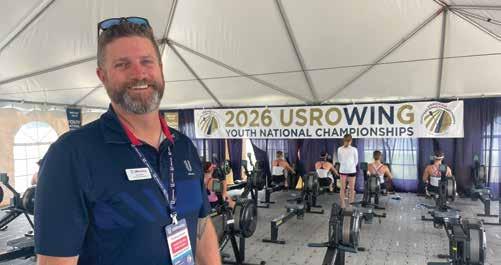
Left: As chief sport officer, Tom Rooks oversees competition, camps, referees, sport growth, safety, and risk management for USRowing.
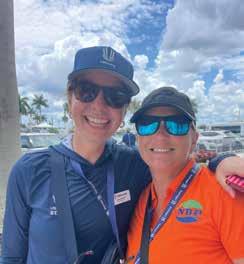
Right: USRowing’s Sarah McAuliffe (left) and Nathan Benderson Park’s Sarah Kupiec Hartz (right) work closely together to pull off Youth Nationals successfully.
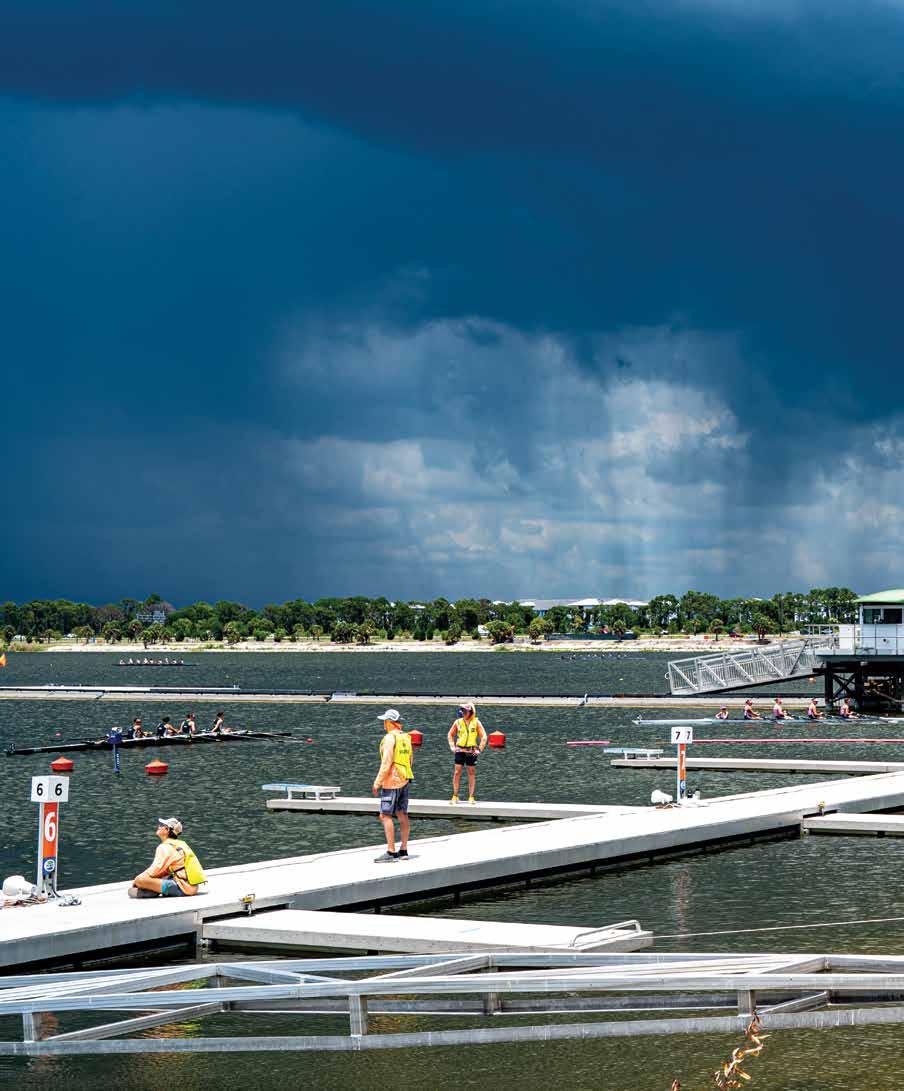
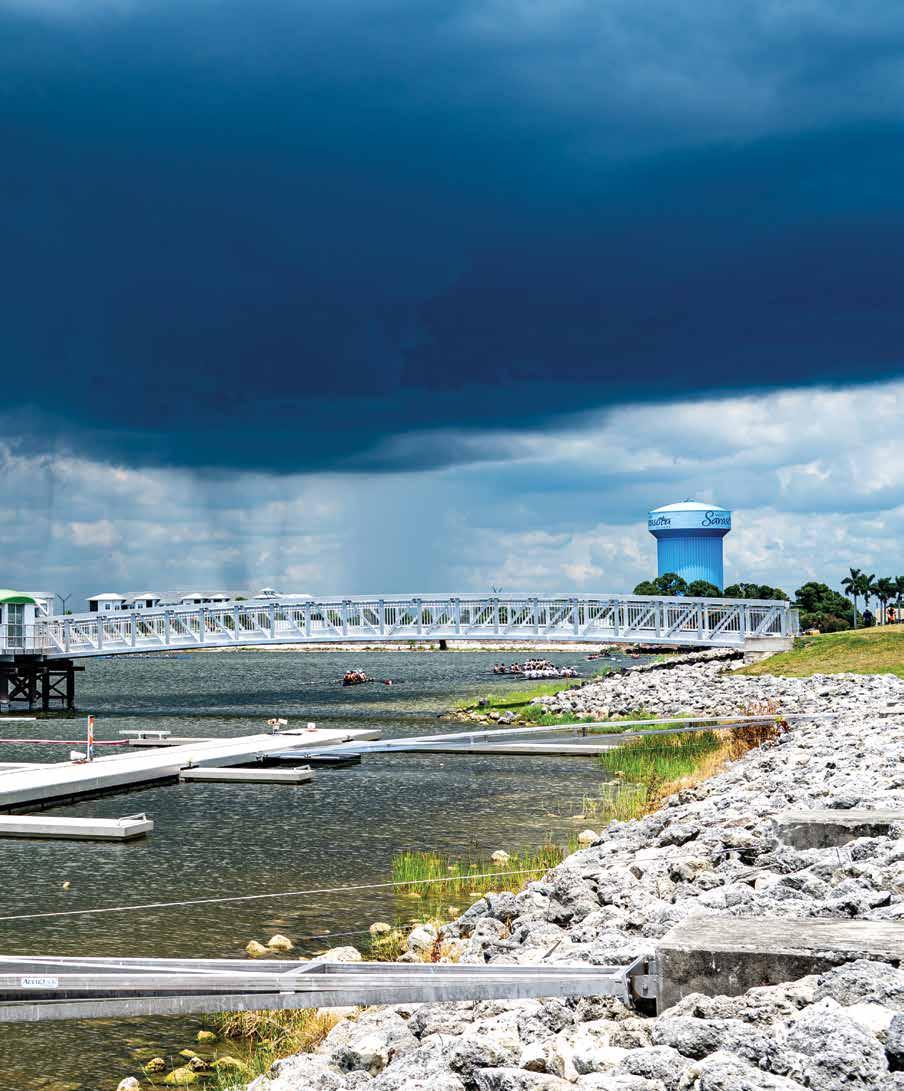
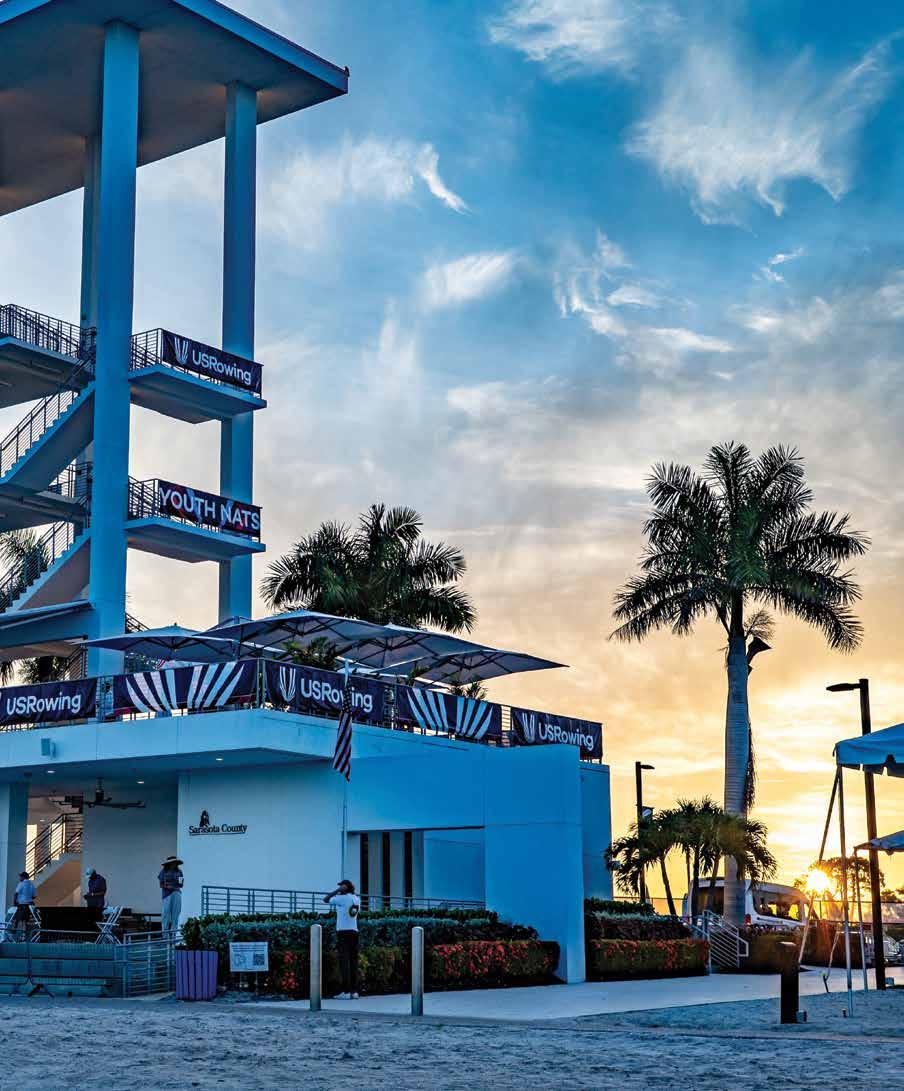
By the time teams arrived, the focus shifted from construction to service. McAuliffe’s team spends years in discussions with stakeholder groups trying to understand what athletes, coaches, referees, parents, and spectators want from the event.
The coaches’ lounge grew from those conversations.
“The coaches want a moment of silence,” she said. “They want to watch the livestream. They probably don’t want to talk to a lot of people. They want coffee.”
The result was a climate-controlled coaches’ space with food, real restrooms, and a place to step away from the noise of the regatta. The athlete experience received similar attention. The athlete tent included air conditioning, recovery space, Concept2 BikeErgs, and rowing machines for athletes to warm up and cool down.
“We’re very intentional about every inch of the experience of this event,” McAuliffe said.
Tom Rooks sees Youth Nationals from a different perspective.
Also promoted in June 2025, from director of safeguarding to chief sport officer, Rooks oversees competition, camps, referees, sport growth, safety, and risk management. In practice, that means safeguarding, insurance, regatta sanctioning, USRowing-owned competitions and camps, trials, speed orders, referees, and the safety systems that allow an event this large to happen.
Rooks came to USRowing in 2022 after years in the sport as an athlete, coach, board member, and club administrator.
“I work vastly more now than at the peak of my military career,” he said. “I love this—it brings me joy. And when I don’t love it, I’ll leave.”
This year’s championship tested every part of the operation. Daily weather delays forced constant schedule revisions. A set of semifinals for lower events was pushed to Saturday morning, the same day as the B finals of those events. To reduce the risk of athletes racing twice on a hot day without adequate recovery, organizers converted one of the national team operations trailers into an additional cooling station.
“We’re bringing an even better product than last year,” Rooks said, “which is all we can do.”
Youth Nationals now operates under some of the most stringent heat-safety standards in sports. Several years ago, because of concern for their health in the
heat, more than 100 athletes were removed from boats during the regatta. According to Rooks, that number fell to six in 2025.
Coaches may not always agree with those decisions.
“Coaches aren’t always speaking for the rowers,” Rooks said. “The crowning achievement of our sport happens because of everyone involved and hours of work that are never seen,” Rooks said.
The referees are an intrinsic part of that effort. Rooks said in recent years, USRowing has done everything referees have asked, from better facilities to better support. On the final day of racing, referees pass through a gauntlet of cheers. When the final white flag drops, they pop a cork.
“I live for that moment,” Rooks said. USRowing Foundation chair Bill McNabb has been one of the biggest proponents of Youth Nationals, Rooks said, and proclaims often that everyone involved in rowing should attend the regatta to see how to run one. USRowing staffers like Jake Robinson have been part of the same effort to continue raising standards and building the championship, Rooks said.
The regatta has become something larger than a collection of races. It is an event. There is airport signage welcoming participants. There are graduation events. In 2025, some 500 athletes attended a graduation celebration after deciding initially that they were not going to miss commencement at home.
Youth rowing itself appears healthy. The challenge, McAuliffe said, is what comes afterward.
“We absolutely need to grow that U23 audience,” she said.
The question is not simply how to keep athletes racing. It is how to keep them coaching, refereeing, volunteering, and participating in the sport after high school and college. McAuliffe sees opportunities to expose former athletes to coaching education, officiating, and other pathways that keep them connected to rowing.
Nathan Benderson Park is preparing for growth as well.
McAuliffe called Benderson one of the top rowing venues in the world. The venue has become an ideal home for a regatta that wants to be both a championship and an event, with room for thousands of athletes, coaches, spectators, volunteers, medical personnel, and officials.
Asked when the regatta will move to another venue, McAuliffe said, “When they
can compete with this.”
Bruce Patneaude, Nathan Benderson Park’s chief operating officer, said the impact extends beyond the venue itself.
“I heard we had filled up every hotel in a two-county area here,” he said. “That’s spectacular for the economic impact for the area.”
There is more coming.
The board of the Nathan Benderson Park Conservancy has commissioned architectural plans for a new indoor sports complex and elite boathouse. Florida lawmakers have approved $10 million for the project, and a $36-million capital campaign has been launched.
The facility will include 100,000 square feet of air-conditioned indoor athletic space for basketball, volleyball, pickleball, wrestling, dance, cheer, and other events when rowing is not on the water.
“We’ll actually have a boathouse along with an indoor facility,” Patneaude said. “That’ll give us the ability to do whatever we want. Right now, everybody’s in a tent.”
The facility will provide athlete lounges, indoor team space, referee and volunteer areas, air conditioning, and a place to go during weather delays instead of sending everyone back to their cars.
“We can all go inside instead of trying to flee the island,” Patneaude said. “Referees will have space and volunteers will have space to get out of the heat and get into the air conditioning. It’ll be a great thing for this event and for all events we have.”
In August 2028, Nathan Benderson Park will host the combined Senior, U23, and U19 World Rowing Championships, the so-called “Mega Worlds,” bringing senior international rowing back to Sarasota for the first time since the highly successful 2017 World Rowing Championships. The new facility is expected to be completed by then.
The next chapter is already taking shape. A new boathouse, a new indoor facility, and a world championship are coming to Nathan Benderson Park. The athletes racing in Sarasota this June qualified for a national championship that did not exist a generation ago. Some of them may return to the same course in 2028 for a world championship.
CHIP DAVIS, is the founder and publisher of Rowing News An oarsman from birth, he rowed on championship crews at St. Paul’s School and Dartmouth College, where he captained the lightweights. Now he sculls in Vermont when the weather is suitable and ergs the other half of the year.
THE NEW ERA OF SPEED
ALL SIX OF THE WOMEN’S EIGHTS IN THE NCAA DIVISION I CHAMPIONSHIP FINAL WENT SIX MINUTES OR FASTER—AND FOUR OF THEM BEAT THE WORLD BEST TIME. WELCOME TO THE NEW REALITY OF WOMEN’S COLLEGIATE ROWING: IT’S THE BEST IN THE WORLD.
STORY BY CHIP DAVIS PHOTOS BY KATIE LANE
In the NCAA Division I first varsity eight grand final, most of the crews went faster than the world-best time Romania set at the Tokyo Olympics: 5:52.99. Texas won in 5:47.71.
That is the short version of what happened. The bigger story is how so many programs got so fast, and got so fast so quickly.
LONGHORNS AGAIN!
The varsity four of the University of Texas scored the first points in the Longhorns’ fourth NCAA Division I national title-winning day by upsetting favorite Stanford, which caught a crab and finished fifth in the final.
Stanford’s second varsity eight also beat the World Rowing best time in winning their final in 5:52.91, ahead of Texas in
second. The Cardinal probably could have advanced two boats to the first varsity final if this crew were allowed in the first varsity heats and semis.
Texas wrapped up its fourth national title in six years with a superlative performance from the first varsity eight in the final. The crew followed its trademark “race to the 1,000, then go even faster” approach in winning and setting the amazing time of 5:47, but the rest of the field was remarkably fast as well—just not as fast as the Longhorns.
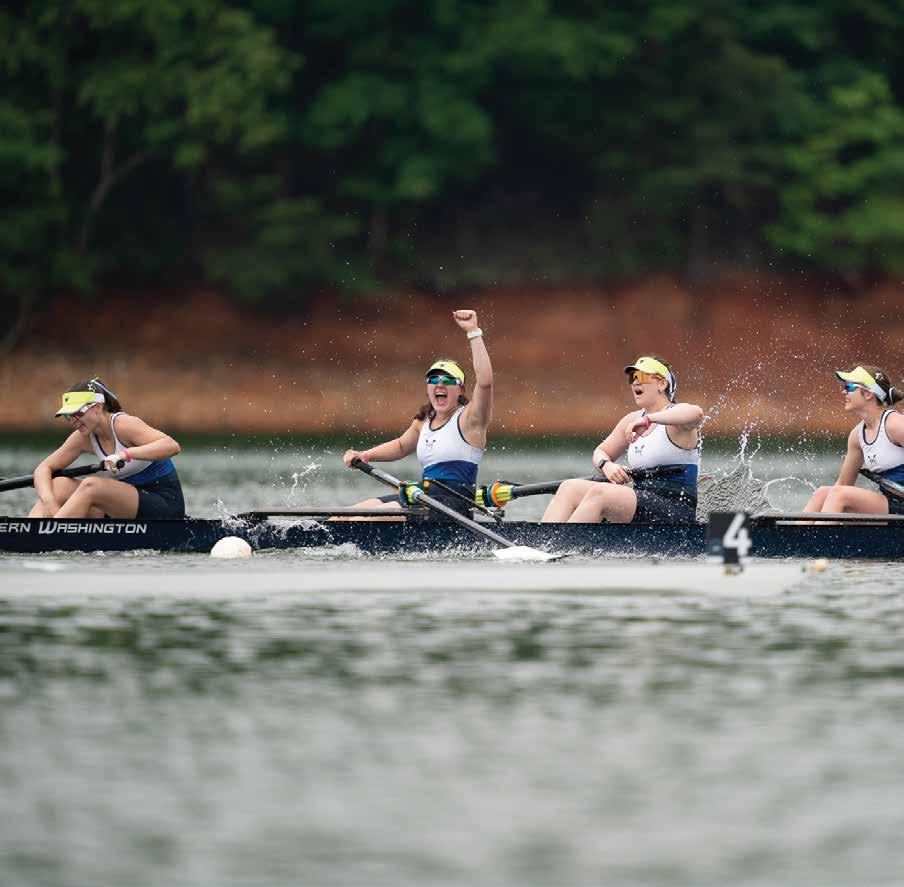
Western Washington won both the eight and coxed-four grand finals to earn the 2026 NCAA Division II national championship. Humboldt took second, and Seattle Pacific came in third in team points.
It was NCAAs-in-a-day for Divisions II and III, as heats and finals were run on the
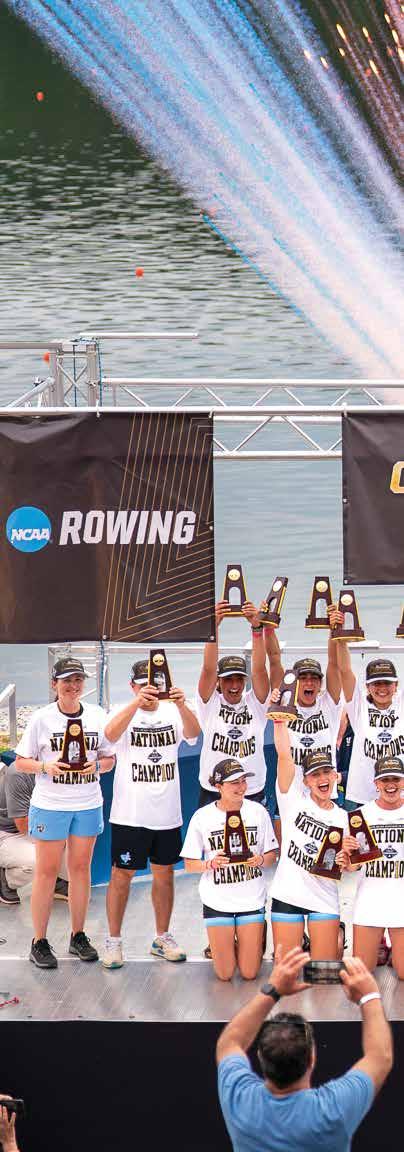
same day, Friday, because of concern about the weather Saturday.
“It doesn’t get much better than today,” said WWU Vikings head coach Courtney Moeller. “Our athletes delivered championship performances and showed incredible resilience in adapting to the schedule changes. They trusted their preparation and executed their race plans flawlessly.”
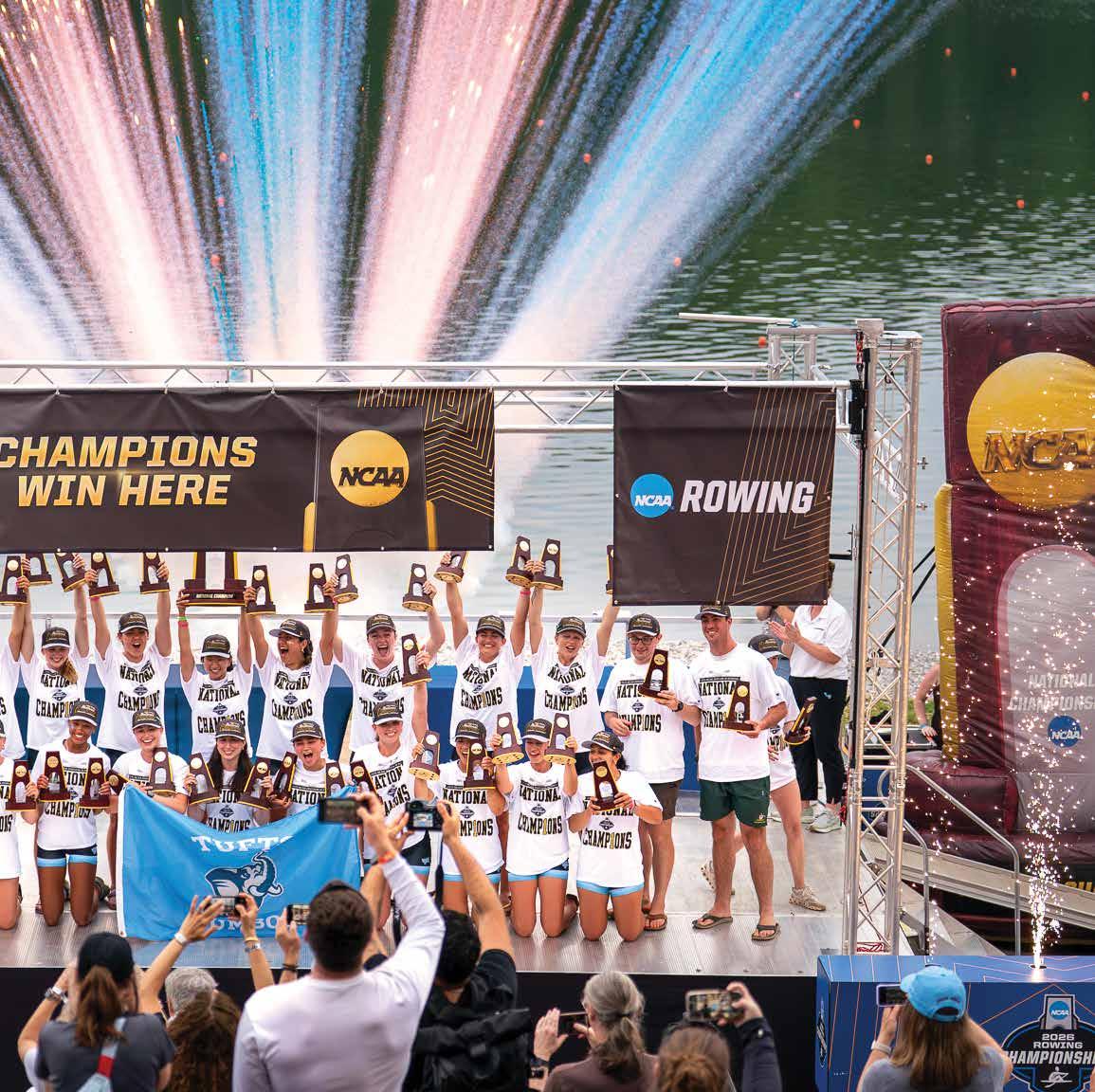
Tufts University won both the first and second eights grand finals for the 2026 NCAA Division III national championship.
The victories marked the second year in a row that head coach Lily Siddall’s Jumbos won both finals, and the third year in a row that Tufts has claimed the national title.
The Division III championship is decided on team points scored in the first and second varsity eights races. This year’s DIII regatta schedule, like DII, was compressed into a single day, as heats and finals were run on Friday because of the weather forecast for Saturday. Bates took second; William Smith, third; Trinity, fourth; and Williams, fifth, as only four points separated second through fifth in the final championship standings.
HOW’D THEY GET SO FAST?
The top women’s eights are now recording the same kinds of times their fathers’ college crews raced. In a single generation, women’s collegiate rowing has caught the old men’s course records. At Lake Lanier, the stopwatch showed something more than a fast day. It showed where women’s collegiate rowing has arrived.
Yes, the course was fast.
There was very helpful tailwind. The water was not perfectly flat, but the wind was with the flow. Wind in the same direction as current can mean less chop, and Lake Lanier, like Princeton’s Lake Carnegie, is a man-made dammed lake that can still move after heavy rain. And rain it did at this year’s NCAA Championship.
But the wind wasn’t as strong as last year’s NCAA regatta at Mercer Lake. It didn’t pull crews away from the stake boats. The current, if there was one, wasn’t plain to see.
Notre Dame head coach Martin Stone has been coaching varsity women’s rowing since before it became an NCAA sport in 1997 and has been the head coach at Notre Dame since then. Stone served on the Fairness Committee for this year’s incredible NCAAs. He told Rowing News that he didn’t see any evidence of current—which
doesn’t mean there wasn’t one, just that he didn’t see it—during the entire day he spent on the water for finals.
Stone described it as “a perfect alignment of factors for going fast”: a tailwind at the right speed, cool temperatures, low humidity, a Saturday rest day created by moving semifinals up a day in anticipation of coming storms, a long warm-up row, and crews that had already raced in similar conditions Friday morning.
The conditions helped. They did not create the crews.
Tennessee had already raced the first 1,000 meters of the SEC Championship in Oak Ridge in under three minutes, after breaking six minutes last year on Lake Carnegie in special conditions. Texas had gone 4:32 for 1,500 meters at home before NCAAs, head coach Dave O’Neill said, with no tailwind and at 37 strokes per minute. The expectation at NCAAs was that the rate would be 39 or higher.
“Everything gets elevated,” O’Neill said of the NCAA Championship.
The best crews knew what the speed looked like before they arrived. Texas, Tennessee, and Yale were across the first 500 meters together. Yale had gone hard off the line in the tailwind, as it had the year before when Yale got out and stayed out to win a windy grand final. Stanford raced back into the mix to claim second, but no one caught Texas.
The result was not merely one outlier performance. It was a field moving at a level that in recent years would have sounded implausible.
Michigan won the first varsity eight C final in 5:59. Yes, a sub-6 C final. Stanford’s second varsity eight—which might have been fast enough to make the first eight grand final—went 5:52.9. The top four first varsity eights were under 5:53.
The sport is better than ever because women’s college rowing is faster than it’s ever been.
The women’s DI national title goes to the program that scores the most points from the four, the second eight, and the first eight (as opposed to men’s rowing and American tradition, in which the program that wins the first varsity eight is the champion). Fours earn 22 points for first and one for 22nd place. The second eights earn twice as many, 44 down to 2, and the first eights earn triple, 66 down to 3.
Another way of looking at it is that the first varsity eight’s points are worth as much as the second eight and four put together,

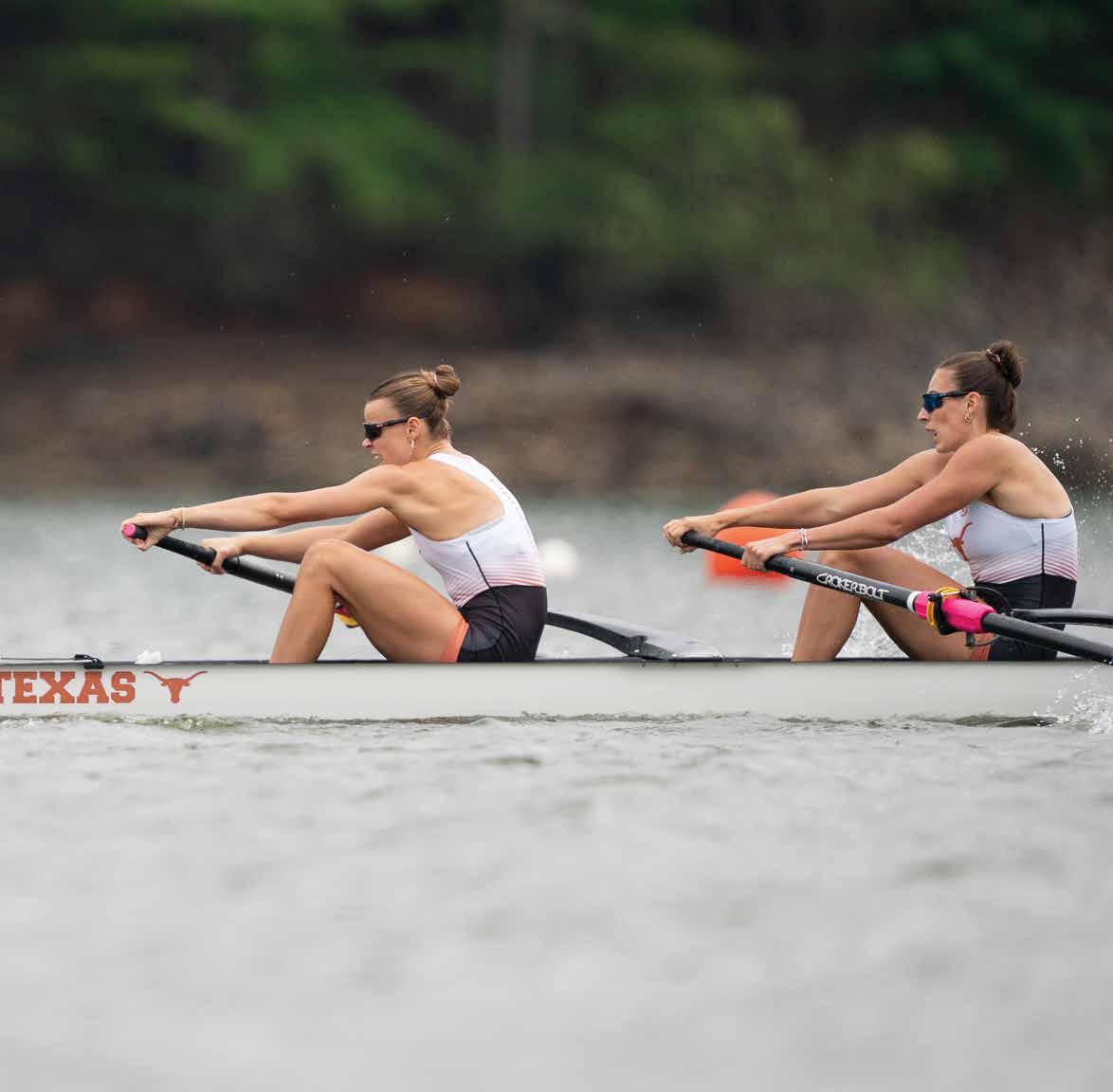
Coxswain Amy Werner, stroke Imy Grey, and Lucy Searle led Texas to NCAA victory.
Western Washington University, which won both the varsity eight and varsity four to capture its 10th NCAA Division II national title.

plus the first eight’s finish is the tie-breaker for programs with the same point totals— something that happens often.
It’s not just about the first varsity eight in the NCAA, which began sponsoring women’s rowing largely because it offered a valuable offset to football when reckoning equal opportunity for women under Title IX. Indeed, the more, the merrier; requiring 23 roster spots (two eights, including coxswains, plus a coxed four) instead of just nine is a more valuable number when you’re balancing out a NCAA DI football roster of 105.
The Big Ten, now the richest college sport conference in history with revenues of $1.47 billion—mostly football broadcast rights—takes it a step further, requiring travel rosters of three eights and four coxed fours, or 47 student-athletes, for every race. West Coast rowing programs—the Big Ten added USC, UCLA, Oregon, and Washington in 2024—can spend $100,000 on airfare alone to race on the eastern side of the country.
But women’s NCAA rowing isn’t just about balancing numbers to satisfy Title IX and keep vital federal funding coming. The big-time sports school want to win Everything.
There’s a lot at stake.
The Directors’ Cup, the prize for excelling in all sports, is an important way they keep track, with the pay of athletic directors tied to Directors’ Cup rankings. Tennessee AD Danny White famously got a $247,500 bonus for the Vols’ top-10 ranking in 2025, and women’s rowing helped get them there.
Texas, Oklahoma, Ohio State, and Michigan don’t have just must-watch football teams and the highest-paid athletic directors. They have varsity women’s rowing programs. And some of them, like Rutgers, with seven consecutive nationalchampionship tournament appearances (the longest streak in that athletic department), are often the best team on campus.
The NCAA regatta is the championship of American universities, but in order to win it, those programs aren’t recruiting and training just the best American rowers; they’re getting the best rowers in the world.
The top eight DI varsities at this year’s NCAAs—Texas, Stanford, Tennessee, Virginia, Yale, Princeton, Washington, and Cal—employed the power of 45 international rowers and 19 Americans. Half of them beat the World Rowing world-best time.
These incredibly fast crews aren’t made just by recruiting the best talent; they are trained by some of the highest-paid coaches in the sport, some of whom earn well over $300,000 a year, including performance bonuses. That’s significantly more than most, if not all, national team and Olympic coaches.
They are also using the latest and greatest equipment. Texas used a new blade shape. All four crews that beat the worldbest time rowed Hudson shells designed to achieve world-championship speed, including refinements beyond hull shape, such as cockpit geometry that makes the boat easier to row fast.
Training is also world class, and not just the workout plans. Top schools employ strength coaches, nutritionists, and sports psychologists. They use recovery devices like inflatable compression sleeves and have free access to grab-and-go food.
Virginia has been fast for years. Kevin Sauer built that program from almost nothing, even salvaging discarded lockers and installing them himself so his varsity women could have their own. When he retired, Virginia hired Penn’s Wes Ng, a proven Ivy League head coach. That is what mature programs do now. They invest and re-invest. They replace success with success.
Miami is another story. Athletic director Dan Radakovich told ESPN that the rowing program had been “an afterthought” four and a half years ago. The school gave rowing a home by turning a university-owned church into a training facility. This year, Miami reached the NCAA Championship for the first time and finished 13th.
At Alabama, Kumari Lewis saw the difference immediately after leaving Penn. She described arriving in Tuscaloosa and being able to get what she needed in her first two weeks on the job: boats, telemetry, staff, support. At Penn, she said, something like that could have taken years of fundraising. At Alabama, the answer was simply “yes.”
That support, as much as hiring an upand-coming coach, matters.
The growth of women’s rowing is not just about athletes getting stronger. It’s about programs making it easier for athletes and coaches to focus on what matters come race day: speed. It is about better equipment, more assistants, more administrative support, more international recruiting, more transfers, more competition, and fewer excuses.
Columbia went to the NCAA
Tufts won its third-straight NCAA Division III national championship by winning both the first and second eights grand finals.
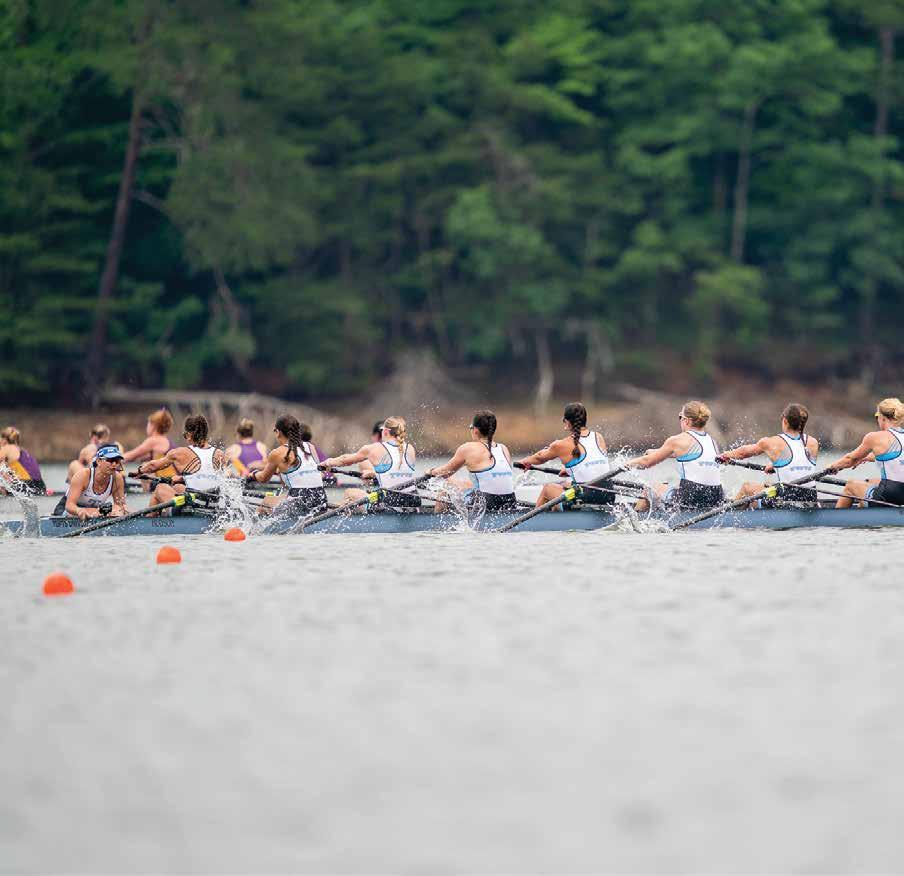
championships for the first time in school history. The Lions raced in two eight-yearold eights.
As Lewis put it: “You can be a powerhouse no matter where you are.”
That may be the most important sentence in the sport right now.
For most of its existence, the best NCAA results were achieved by two programs: Washington and Brown. Neither made the grand final this year. The SEC is a top rowing league, despite currently having only four varsity programs—and therefore no automatic qualifier spot. The ACC produced two of the six grand finalists in the first varsity. The Big Ten remains deep but didn’t make the grand final.
The Ivy League is still strong, with both Yale and Princeton in the grand final and Brown and Columbia both receiving bids. But programs that were once peripheral are now dangerous. UCF, which lured Mara Allen from the Texas staff and supported her from day one, swept Big 12 championships in Allen’s first two years, achieved the goal of being top 15 last year, and was disappointed not to crack the top 10 this year.
The 2026 first varsity eight grand final had two SEC crews, two ACC crews, and two Ivy crews. That is not a fluke. It is the new geography of speed. The up-andcoming (quickly) programs have one thing in common: “They’re making it easier for the coaches to focus on the right things,” said Alabama’s Lewis.
And that brings the sport to its next challenge.
Since women’s collegiate rowing is deeper than ever, the NCAA Championship has to keep up.
The current field is 22 teams. Ten conferences receive automatic qualification. The remaining 12 spots are at-large selections. That structure may have made sense when the sport was smaller and more predictable. At this year’s championships, the seven lowest-placing teams were all automatic qualifiers. Three of the top five teams were at-large selections.
The current structure is harder to defend when the fifth-best team in a major rowing conference may be one of the fastest teams in the country.
The Ivy League believed it had that problem this year.
Dartmouth coach John Graves pointed out that Dartmouth beat Rutgers in the first varsity eight and as a team two weeks before selections. Rutgers finished second at
Big Tens and was ranked No. 10 nationally. Brown, Columbia, and Harvard also beat Rutgers. The conclusion is undeniable: The Ivy League was stronger than the selection committee treated it by picking the Big Ten’s Michigan over both Alabama and Dartmouth, the fifth-place Ivy.
“We are rooting for our Ivy League competitors to show the country just how strong our league is,” Graves wrote to Big Green supporters.
The Ivy League did itself no favors by holding its championship on the Cooper River in New Jersey, farther from many of its schools than other viable options. Lake Quinsigamond in Worcester, Mass.—where the women’s Ivy championship was held concurrently and successfully with the Eastern Association of Rowing Colleges Eastern Sprints (the men’s championship) in 2024—is collectively closer to the eight Ivy schools by roughly six and a half hours of total travel.
A final-only championship on an eightlane course, such as Dartmouth’s developing Lake Morey venue, is another option. So is driving to the airport and flying to Sarasota, Fla., which takes less time than driving to Camden for several schools.
But travel logistics are not the biggest problem.
The central issue is whether the selection process is built to identify the fastest teams in the country now that the sport has become this deep and this spread out geographically.
Lewis was blunt about her frustration. The process seemed too “opinion-based” and too dependent on what had happened historically, she said, rather than this year’s head-to-head results and speed.
The sport needs people doing the work who are invested in the integrity of the process, she added. Almost everyone working for the NCAA championship regatta does so on a volunteer basis.
“If you’re going to assume the responsibility, you have to do the task,” Lewis said.
That is the uncomfortable part. Rowing people know how hard it is. Cross-conference comparison is messy. Conditions vary. Schedules vary. Crews often train through early-season races. Polls are by definition opinion-based, voted on by coaches—with stakes in the outcome. Margins between race times can be misleading. In rowing, just because A beat B by two seconds and B beat C by four seconds, A is rarely six seconds better than
C when they race eventually. Reputations can linger.
No one is saying outright that Michigan was selected because it’s in the biggest-money conference, but its selection did keep the Big Ten school’s record of going to every NCAAs alive. Only three members of the selection committee are rowing people. All those contacted by Rowing News referred questions to the NCAA’s Zach Christopher, who did not respond to emailed questions.
The difficulty of the task is no excuse for an outdated structure.
Since the NCAA has added automaticqualification conferences, the field should expand. A 24-team championship would not change who wins, as O’Neill noted, but it could change whether the championship represents the sport more accurately. It would immediately provide four even sixboat heats instead of two of five and two of six.
It would give the committee more room to account for conference depth. It would reduce the penalty for being the fourth or fifth team in a strong league. It would acknowledge what the racing has already made obvious: Women’s rowing has outgrown the old assumptions.
The fastest crews are no longer all coming from the same places. The best-supported programs are not always the traditional ones. The rosters are international. Transfers are important. Some administrations are paying attention. Coaches are moving. Conferences are changing.
At Lake Lanier, the crews on the water showed what the sport has become.
Now the NCAA championship has to decide whether it wants to catch up.
CHIP DAVIS, is the founder and publisher of Rowing News An oarsman from birth, he rowed on championship crews at St. Paul’s School and Dartmouth College, where he captained the lightweights. Now he sculls in Vermont when the weather is suitable and ergs the other half of the year.


Feeling the Heat
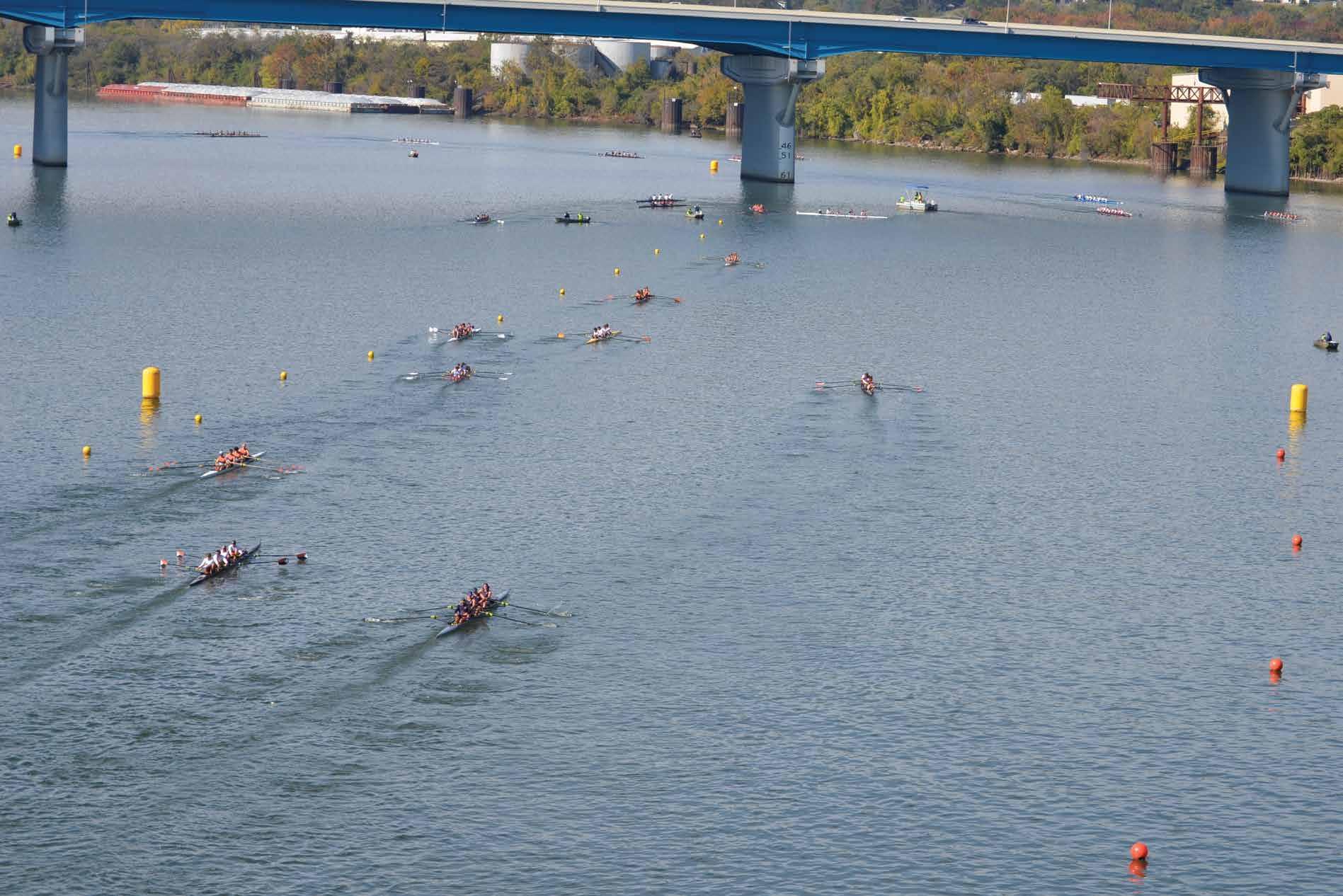
Evaporation can cool the body only to a certain temperature—the wet-bulb temperature, measured by wrapping a damp cloth around the bulb of a thermometer.
You may be a climate -change skeptic, but there’s no denying that average temperatures around the world have risen in recent years. As a responsible coach and athlete, you should be prepared to deal with the risks of high temperatures during summer training and racing.
The human body is designed to function in a specific temperature range and is equipped with a security system to ensure that it stays there. Your core temperature is considered normal when it ranges between 97.7 degrees and 99.5 degrees F (36.5 degrees and 37.5 degrees C). It fluctuates depending on your activity level and the time of day.
If your core temperature rises above
100.4 degrees F (38 degrees C), it signals fever and that your body’s defenses have kicked in to fight off infection. If your temperature rises above 104 degrees F (40 degrees C), you’re considered hyperthermic, a dangerous condition that can lead to heatstroke and organ damage. When your body temperature climbs, you respond by sweating. As sweat, which consists mostly of water, evaporates on your skin, it draws heat from your body and causes it to cool. Since perspiration can evaporate only if the surrounding air can absorb water, the process is affected by humidity.
Depending on outside temperature and humidity, evaporation can cool the body only to a certain temperature— the wet-
bulb temperature (WBT), measured by wrapping a damp cloth around the bulb of a thermometer.
A WBT of 86 to 95 degrees F (30 to 35 degrees C) indicates severe heat stress, which makes exercise so dangerous that even a healthy young person can die. A WBT above 94 to 95 degrees F (34.4 to 35 degrees C) is extremely dangerous or fatal.
To test this limit, researchers at Penn State measured the core body temperature of healthy young people in a heat chamber. They found that participants reached their “critical environmental threshold”—when their bodies no longer could prevent a further rise in core temperature—at a WBT of 87 degrees F
TRAINING
(30.6 degrees C), well below the previously assumed theoretical limit of 95 degrees F (35 degrees C).
Under such conditions, it would take between five and seven hours to reach “truly, truly dangerous core temperatures,” the researchers estimated.
Important note: The bodies of children are less able to regulate temperature, which puts them at greater risk, and older people, because they have fewer sweat glands, are at highest risk. Nearly 90 percent of the heat-related deaths in Europe last summer involved people over 65.
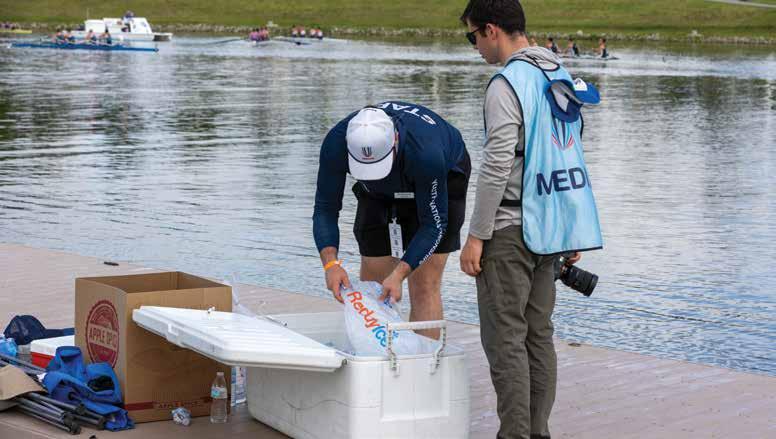
I asked Tom Rooks, USRowing’s chief sport officer, who oversees safety, about weather-related guidelines for rowers.
“We are seeing increased intentional focus from teams,” Rooks said. “Many more are limiting overall athlete heat exposure on regatta days and more closely monitoring appropriate clothing, hydration, and other measures.
“With the weather around us becoming more dynamic, we face every bit as much heat-stress risk in Vermont as we do in Florida because organizations and/or regattas may not plan around or have the resources to mitigate the risk of a heat wave.”
USRowing has adopted the assessment tool Wet Bulb Globe Temperature (WBGT), an advanced means of measuring heat stress that factors in temperature, shade/direct sunlight, humidity, and wind. Based on WBGT, USRowing developed its own heat-safety guidelines, which it applied last year to USRowing-owned regattas. In severe hot weather, the guidelines call for postponing the event.
“As a coach—whether it’s wind, current, rain, heat, cold— the more I know and prepare for what we’ll face, the more effective our practices are,” Rooks said. “I’ve found that the more participants know about safety, much like seamanship, not only are we facing less risk but also those programs tend to see rewards in performance.”
Show Some Respect
It’s surprising how often coaches who have never sat in the coxswain’s seat will boast that they can do better. Worse yet are coaches who expect their coxswains to read their minds.
I’ve heard it more times than I’d care to count from a frustrated coach: “It’s not that hard!”
Sure, coxing isn’t brain surgery. But it’s a valuable skill and a necessary part of our sport, so I’d like to remind coaches everywhere: Respect your coxswains.
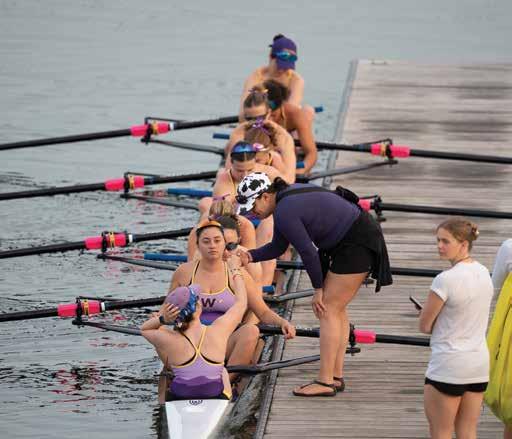
I’m surprised by how often I hear coaches who have never sat in the coxswain’s seat boast that they can do better. Worse yet are coaches who expect their coxswains to read their minds or who claim that since they can steer a single or double, they can steer an eight or four better than their coxswains. When made in front of rowers, comments like this undermine the coxswain’s authority and relationship
with the boat.
One of the most common refrains I hear in the launch is “just steer straight” from someone who has never steered a fastmoving team boat. This order ignores the variability of the boat and conditions, the fact that coxswains can’t see directly ahead (in the eight) or behind (in the four) and that coxswains must manage many other tasks.
But it will stick with the rowers, who do not want to row a single extra meter. Corrective feedback, like “try to make smaller adjustments,” is more helpful than blanket criticism.
Competitive coxswains are expected to steer, make insightful technical calls, share information from the CoxBox,
VOLKER NOLTE, an internationally recognized expert on the biomechanics of rowing, is the author of Rowing Science, Rowing Faster, and Masters Rowing. He’s a retired professor of biomechanics at the University of Western Ontario, where he coached the men’s rowing team to three Canadian national titles.
SpeedCoach, and telemetry system, and sometimes absorb and relay information via radio. That’s doable for veteran coxswains who can do these things in their sleep, but for coxswains who are still working hard on a particular skill, it’s akin to asking rookie rowers to fix every part of the stroke at once. Inevitably, developing coxswains will fail at one of these tasks.
Just like rowers, coxswains take time to mature. Most coaches wouldn’t dream of criticizing novice rowers for not knowing the ins and outs of the stroke but they’ll give novice coxswains a few months and then expect them to be able to perform as quickly and proficiently as their experienced teammates.
This sets coxswains up for failure and often triggers a cycle: The coxswain can’t live up to the coach’s expectations, and the coach begins to express increasing frustration with the coxswain, often on the water and in front of the rowers.
When this happens, the coach is eroding the trust between coxswain and crew. The reputation of coxswains among their teammates is as important as their skills. If you hit a buoy once, your coach’s reaction can determine whether it’s a oneoff or you become the coxswain who hits things. Rowers take their attitudes about coxswains from their coaches much more than most coaches realize.
Coaches should take this responsibility seriously. Coxswains can and should be held to a high standard, but feedback should be appropriate to the coxswain’s developmental stage and always respectful of the coxswain’s role.
A skill that “isn’t that hard” for your most experienced coxswains—like having two boats side by side—may take everything your novice coxswains have, and still they’ll make mistakes.
That’s OK. What’s important is that coxswains at all levels focus on developing and refining their skills through productive feedback rather than spending practice worried that they’re going to make the coach angry.
Compliment your coxswains when they do well, coaches, and give them specific guidance when they can do better. Your rowers will respect both you and your coxswain more.
ROBBIE CONSULTING
Helping rowers worldwide get scholarships
Helping high school rowers and families navigate the university recruiting process- Coaches and parent groups reach out to us!
Robbie Consulting will meet your team, coaches and parents at your home club or school. Go to www. robbieconsulting.com to get in touch and schedule a visit
“His assistance was essential to get prepared for such a big step and to get to know the school and team I would compete for.”
www.robbieconsulting.com
1-614-330-2879 • Robbie@robbieconsulting.com

HANNAH WOODRUFF is an assistant coach and recruiting coordinator for the Radcliffe heavyweight team. She began rowing at Phillips Exeter Academy, was a coxswain at Wellesley College, and has coached college, high-school, and club crews for over 10 years.
TRAINING
Single-Minded Bladework
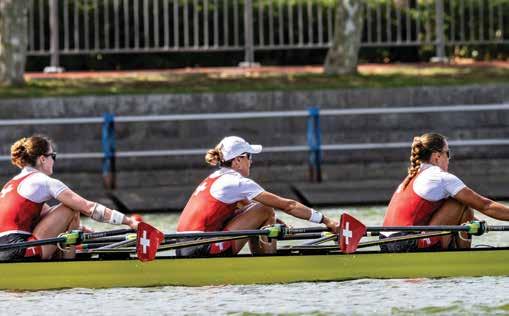
The crossover of the handles presents challenges to a rookie sculler and takes practice. Stacking the left hand on top of the right will affect balance and oar-shaft angles negatively.
The perfect time to elevate your rowing skills is summer when you’re away from your crew. Scale down the equipment size and step into a single.
The quality of your strokes is reflected immediately in how well you move the boat. For better or worse, feedback on bladework is instantaneous, like that of a private coach. If you’re coming from a background of feathering with the inside hand only, the transition from one to two oars that overlap, with smaller spoons and a dowel-sized handle, demands coordination.
To develop the hand pattern more quickly, the late Larry Gluckman, who coached at Columbia, Princeton, and Dartmouth, would advise his sweep rowers to “start sculling as if you are rowing with two inside arms.”
The crossover of the handles presents challenges to a rookie sculler and takes practice. Patterns should be consistent. On the recovery, allow the left hand to lead away and the right hand to nest in
behind the left hand. On the recovery and the drive, the starboard hand is nearest to the stern, and the port hand is nearest to the bow. Avoid stacking the left hand on the top of the right hand, as this will affect balance and oar-shaft angles negatively.
To practice the pattern on the recovery, insert a brief pause for five strokes when the handles begin to overlap. Check that the knuckle of your right index finger touches the groove in the mid-palm of your left hand. To allow the right hand to fit comfortably, the left wrist must be level with the back of the hand on the recovery. Try adding an open-finger component to the micro-pause drill.
Once the blade is feathered, keep a little weight on the left handle and stretch out your fingers and thumb. Later, put them back on to square.
ROYLE is the author of Tip of the Blade: Notes on Rowing. She specializes in training for masters rowers. Her coaching service, Roylerow Performance Training Programs, provides the program and support you need to improve your competitive edge. For information, email Marlene at roylerow@aol.com or visit www.roylerow.com.
How to Eat More Fruits and Veggies
Frozen produce offers full nutritional value. In fact, frozen vegetables often are more nutritious than fresh, if “fresh” means unprocessed.
“I know I should eat more fruits and vegetables but somehow I just don’t do it.”
“I rarely buy fruit; it goes bad before I get around to eating it.”
“Do frozen veggies have any nutritional value?”
Most rowers are aware that fruits and vegetables foster health and are good for the gut and better than vitamin pills. But many rowers, like most athletes, report that they eat too few.
If you’re among those who bemoan, “I know I should eat more fruits and veggies,” this article will help boost your intake of these health-protective sports foods, enjoyably and economically.
Tip 1. Pair fruit with protein to make it more enticing.
When you’re very hungry, a piece of fruit probably is not your No. 1 snack of choice, because your body wants food that’s calorie-dense. To make low-cal fruit more appealing, pair it with protein: banana + peanut butter, grapes + cheese, raisins + almonds. This fruit-based snack now becomes a snack of choice because it is more satiating (and tastes yummier).
Tip 2. Eat veggies by the pile, not by the single serving.
The more veggies (and fruit) you eat, the more nutrients you get. A stalk of cooked broccoli offers all the vitamin C you need for the day, as does half a green
FUEL
PHOTO: LISA WORTHY.
MARLENE
pepper. Could you fortify your body by eating a bigger pile of broccoli or munching on the whole pepper?
Ideally, we should enjoy a fruit or vegetable at each meal to add important nutrients. If you don’t/won’t/can’t do that at least once a day, try to eat a lot of whatever produce is easiest for you to incorporate into your sports diet—a big bowlful of salad; pre-dinner appetizers of baby carrots, cherry tomatoes, and/or cucumber; the whole fourserving bag of frozen broccoli.
Tip 3. Fruits and vegetables offer similar nutrients, so you can swap one for the other.
Fret not if you don’t enjoy red tomatoes. Instead, eat red strawberries, red apples, or red peppers. Of greater importance than whether a food is fruit or vegetable is eating a variety of colors:
RED strawberries, apples, watermelon, tomato
ORANGE oranges, mango, papaya, sweet potato
YELLOW pineapple, peaches, summer squash
GREEN kiwi, grapes, broccoli, spinach, kale, pepper
BLUE/PURPLE blueberry, plums, eggplant, grapes
WHITE banana, onion, potato, cauliflower
Over the course of a week or month, try to consume a rainbow of colors. How about smoothies loaded with white banana, orange mango, and red raspberries? Or quenching your thirst (and refueling your muscles) with a variety of colorful fruit juices: tart cherry, grape, tomato, orange?
In general, deeply colored produce (such as spinach, berries) is nutritionally preferable to paler options (celery, honeydew). Each deep color offers antiinflammatory compounds that enhance recovery.
Tip 4. To simplify food prep, buy frozen fruits and vegetables.
Many athletes deal with the produce they didn’t eat by tossing it before it spoils. To avoid such wastefulness, they stop buying fresh produce. Sound familiar? Then here’s how to reduce food (and money) waste:
Buy frozen vegetables and fruits. Freezing retains nutrients, so rest assured:
Frozen produce offers full nutritional value. In fact, frozen veggies often are more nutritious than fresh, if “fresh” means unprocessed.
For example, the head of fresh broccoli you bought may have traveled for a week from California to Boston, spent a day in the food warehouse, another day at the grocery store, and then another day or two in your refrigerator before you got around to eating it. During that time, the broccoli lost nutritional value through exposure to light and air.
In fact, the freshest vegetables are often in the frozen-food aisle (unless, of course, you shop locally at a farmer’s market or grow your own veggies in your garden). Frozen produce is all prepped and ready to be cooked—far easier than peeling, slicing, and dicing, especially when you are ravenous and want food NOW!
Other tips for boosting nutrients and saving time and money:
Choose frozen berries, mango, and other fruits for making thick and frosty smoothies and protein shakes. Easier to prepare and no waste.
Take advantage of the grocery’s salad bar to eliminate wilted salad ingredients and rotting veggies in your refrigerator. Buy just what you need for that day’s meal.
Cook a whole bunch of veggies at once, so you have enough for the next several days. Precook in a microwave the bag of fresh spinach so it’s ready and waiting to be added to an omelet or bowl of soup—and not wilting in your refrigerator. Make a big pot of ratatouille with eggplant, tomato, zucchini, and onion—enough to enjoy for the week (or store in the freezer for future enjoyment). Bake several (sweet) potatoes at once.
Caution: While fruits and veggies are healthful and good for you, eating too many can become unhealthful.
An apple is a healthful food. A diet of all apples creates an unhealthful, unbalanced diet. I talk with many athletes who eat fruits and veggies to the exclusion of grains and protein. For breakfast, they may eat a big bowl of fruit; for lunch, a huge salad; for dinner, a pile of stir-fried veggies.
Nutrient-rich and “healthy”? Yes. But also an unbalanced diet that is low in protein and carbs as well.
Starchy vegetables, such as butternut squash, carrots, corn, and beets, are smart options for “carb-phobic” (no bread, pasta, rice) rowers who need to consume enough carbs to fuel their muscles optimally. Lettuce doesn’t do the job.
Vegans/vegetarians who live on salads and stir-fries need to be sure to include a hefty amount of protein-rich food with each meal. Beans, nuts, seeds, quinoa, and tofu are important for building and repairing muscles.
Tomato sauce on pasta can be the primary source of vegetable nutrition for some rowers. To enhance the meal, add some (frozen) broccoli or peppers as well as some protein, such as ground turkey, tofu, soy crumbles, and/or a hefty dose of Parmesan cheese.
If you’re struggling to find the right balance of fruit/vegetable, protein, and starch, consider meeting with a registered dietitian, who can work with you and your lifestyle to create a winning food plan. (Health insurance commonly covers the cost.) The referral network at eatright.org can help you find a local food and nutrition professional. A nutrition checkup is a wise way to enhance your fruit and vegetable intake as well as your health and athletic performance.
Sports nutritionist NANCY CLARK, M.S., R.D., counsels both casual and competitive athletes in the Boston area (Newton; 617-795-1875). Her best-selling Nancy Clark’s Sports Nutrition Guidebook can help you eat to win. For more information, visit NancyClarkRD.com.
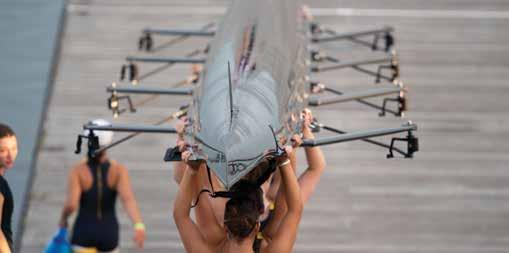
The Importance of Doing It Themselves
Parents of aspiring rowers can and should review communications and offer suggestions, but the student-athlete’s voice always should be authentic and his or her own.
One of the most important aspects of the college-recruiting process often is overlooked: The studentathlete should be the primary person communicating with college coaches.
While this may seem obvious, it’s not always the reality. Over the years, I’ve encountered situations in which parents were sending emails or text messages to college coaches using their child’s phone or email account. Although these parents were well-intentioned and trying to help, this approach can work against the studentathlete ultimately.
College coaches make recruiting decisions based on far more than athletic performance. They are evaluating maturity, communication skills, independence, and a prospective student’s ability to represent their program. Every email, text message, phone call, Zoom meeting, and campus visit contributes to that evaluation.
College coaches are experienced evaluators and can tell when someone else is communicating on a student-athlete’s behalf.
The solution is simple: Student-athletes should write their own emails and text messages. Parents can and should remain involved by reviewing communications, offering suggestions, and helping their son or daughter present themselves professionally. But the student-athlete’s voice always should be authentic and his or her own.
Parents play a critical role in the recruiting process. Their guidance, support, and perspective are invaluable. The most effective approach, however, is for parents to serve as advisors while allowing the student-athlete to take ownership of the communication and relationship building with college coaches.
Recruiting is not simply about finding a place to row. It’s also an opportunity for young people to develop the communication and leadership skills that will serve them well throughout college and beyond
ROBBIE TENENBAUM coached at the NCAA level for more than 30 years and spent eight years with the U.S. Junior National Team. Through Robbie Consulting, he now works with student-athletes and their families around the world, helping them navigate the university recruiting process and find the best academic and athletic fit.
Starting From Scratch
Bill Stein shares lessons from his 27-year effort to build what became the first public highschool rowing program in the New York City school system.
By the time most coaches think about starting a rowing program, they’re already focused on boats, athletes, and training plans. But the most important work happens long before the first shell hits the water.
In 1974, after transferring to Beach Channel High School in Queens, N.Y., Bill Stein was a young teacher with rowing experience from Syracuse University who was asked by his principal to start a rowing team. What followed was a 27-year journey building what became the first public highschool rowing program in the New York City school system.
Stein shared with Rowing News lessons learned from that experience that still apply today. For anyone considering launching a scholastic rowing program, success begins not with rowing but with planning.
1. Find the Water First
Before recruiting athletes or ordering equipment, identify where you will row.
The ideal venue should be close enough to your school that transportation doesn’t become a daily obstacle. Whether it’s a river, lake, or protected harbor, the site should offer a reasonably straight course and sufficient distance for training. If the venue is farther away, transportation costs can become a major budget item quickly.
Just as important, investigate whether an existing rowing club or scholastic program already operates there. A shared boathouse arrangement can save years of effort and significant startup costs.
2. Build a Realistic Timeline
Starting a rowing program is rarely a one-season project.
PHOTO: LISA WORTHY.
Stein’s notes from starting the Beach Channel program suggest allowing as much as a year of preparation before launching the first crew. That timeline may feel conservative when you want to get on the water ASAP but it provides time to secure facilities, develop administrative support, obtain equipment, and establish safe operating procedures.
Programs built deliberately tend to last longer and do better than those rushed into existence.
3. Win Administrative Support
No scholastic rowing program succeeds without strong support from school leadership.
Meet with your principal early and often. Explain the educational and athletic benefits of rowing, including opportunities for college recruitment, scholarships, leadership development, and positive publicity for the school.
Administrators are far more likely to support a rowing program when they understand how it advances the broader mission of the school. Be seen as an asset, rather than a liability, from the beginning. How it starts is usually how it stays.
4. Address Insurance and Risk Management
Before launching a team, meet with your school’s athletic department decisionmakers, risk managers, and insurance providers.
Determine whether rowing can be covered under existing policies and what additional liability protection may be required. Never row without adequate insurance coverage.
Developing a comprehensive safety plan is not optional; it’s foundational. Join USRowing and take advantage of the comprehensive safety, insurance, and certification programs offered by the national governing body of the sport
5. Invest in Your Own Education
New programs need knowledgeable leadership.
Prospective coaches should pursue rowing-specific certifications, CPR and first-aid training, boating safety courses, SafeSport training, and additional coaching education available through USRowing and The Conference for Rowing Coaches.
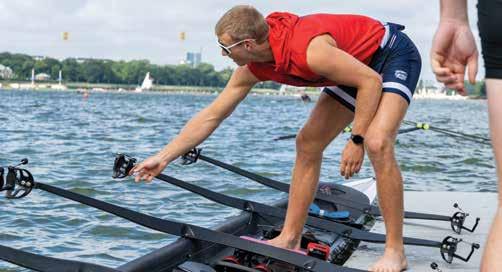
The more expertise you bring to the project, the more confidence you’ll inspire among parents, administrators, and athletes.
6. Learn from Established Programs
One of the smartest steps a new program leader can take is to visit successful collegiate and scholastic programs.
Talk with other coaches. Observe practices. Ask questions about recruiting new kids, fundraising, equipment maintenance, transportation, and team culture.
Every established program offers lessons that can save a startup years of trial and error.
7. Pursue Community and Government Support
Many successful programs were built through creative partnerships.
Reach out to local and state elected officials, recreation departments, community foundations, and civic organizations. Grants and public support can help fund boats, trailers, docks, and boathouse improvements.
Stein’s Beach Channel program acquired significant resources through persistent community outreach and relationship building.
8. Recruit With a Purpose
Once the infrastructure is in place, it’s time to recruit kids to our sport.
Hold student information sessions.
Show race videos. Invite current rowers and college coaches to speak. Explain how rowing can open doors to higher education and personal development.
Parents should be included from the beginning. A strong, informed parent group often becomes the volunteer workforce that helps sustain a growing program.
9. Build an Inclusive Team
One recommendation from Stein’s original notes feels especially contemporary: Create a co-ed program whenever possible.
Co-ed participation expands opportunities, strengthens recruiting, and often improves eligibility for grants and community support. A diverse team also reflects the communities most scholastic programs serve.
10. Stay Positive and Stay Patient
The final lesson may be the most important.
Starting a rowing program requires persistence. There will be funding challenges, logistical obstacles, problematic parents, recruiting setbacks, and moments when progress feels painfully slow.
But if you stay focused on the mission and continue building one step at a time, the rewards can be extraordinary.
A boathouse, a fleet of shells, and a thriving team culture rarely appear overnight. They are built through years of steady effort.
As Beach Channel founder Bill Stein wrote after nearly three decades of coaching: “Stay positive, stay focused, and little by little you will have a great crew.”
LOOK AHEAD
CJ BOWN
Rich Sport, Poor Product
American college rowing should be able to turn championship regattas into a popular event like Henley by building its own version of elite spectacle.
Henley Royal Regatta publishes a dress code for the Stewards Enclosure, its main spectating and hospitality area. It publishes a style guide.
It tells people how to show up, because the event has already decided what it is. Not casual. Not accidental. Not “wear whatever and wander around until your kid races.”
Sit with that for a second. U.S. rowing has parents wandering around trying to figure out if the livestream costs $14.99.
A championship should feel like an event, not a race with a parking problem.
Henley has standards. No leggings. No shorts. No T-shirts. Ladies are required to wear dresses or skirts with a hemline below the knee. Hats are encouraged. Gentlemen are required to wear lounge suits, jackets, or blazers with trousers, together with a tie or, if preferred, a cravat.
That is why it feels like Henley.
That is why people dress to the nines, wear school colors, pack the riverbank, fill the tents, bring friends, drink champagne, argue about crews, cheer for races they have no personal connection to, and treat rowing like it is the center of the sporting universe for a few days.
Because at Henley, it is.
And that is the part American rowing keeps missing.
Henley is not great because British people are better at watching rowing. Henley is great because it understands that a regatta is not automatically an event.
A regatta is races. An event is a product. Henley built the product.
American college rowing has not. This should bother us more than it does.
College rowing is not some broke fringe sport operating out of a shed in
a random park. It sits inside some of the wealthiest, most powerful, most recognizable institutions in American education.
Harvard. Yale. Stanford. Princeton. Penn. MIT. Michigan. Texas. Cal. Washington.
Nine of the 10 largest university endowments in the U.S. are connected to institutions with varsity rowing programs—roughly $262 billion in endowment wealth among them.
Argue the exact endowment figures if you want. The bigger point is obvious: Rich schools row. Powerful schools row. Schools with massive alumni networks row. These are not small schools. These are not small brands. These are not small alumni networks. These are not small families.
And yet too much of American college rowing still presents itself like a sport trying not to inconvenience anyone. Find the parking lot. Find the trailer. Find your athlete. Find the bathroom. Find the results.
Maybe the livestream works. Maybe it is free. Maybe it is behind a paywall. Maybe someone on the bank knows which race is happening. Maybe there is food. Maybe there is a reason to stay after your crew races.
Maybe.
That is not an event. That is a scavenger hunt.
And then rowing turns around and asks why more people do not watch.
Wrong question.
The better question is why we keep giving them such a small product. This sport loves to talk about how hard rowing is to watch. Even I have said it.
But people watch golf. People watch cycling. People watch cross-country skiing.
People watch swimming races decided by hundredths of a second in lanes that to a casual viewer all look the same. People will watch almost anything if the product gives them a reason to care.
The issue is not that rowing is
impossible to understand. The issue is that rowing too often makes no effort to be understood.
Henley solves that.
Not perfectly. But in a way we need to respect. Henley makes rowing feel important before the boats ever come down the course.
The crowd tells you it matters. The clothes tells you it matters. The commentary tells you it matters. The course tells you it matters. The traditions tell you it matters.
The entire environment tells you this is not just something happening on the water. This is something worth being part of.
American college rowing should be able to do that. Not by pretending to be British, but by building our own version of elite spectacle. The IRAs should have this. The NCAAs should have this. (And yes, USRowing Youth Nationals has begun to have this.)
Once a year, have a standard. A bold one. A high one. An elite one.
This does not mean every regatta needs champagne and a dress code. It does not mean every racecourse needs to become Henley. But the major events should feel major.
A championship should feel like an event, not a race with a parking problem. That is the gap we have accepted as a sport that is elite on the water and amateur on the shore.
That gap is costing rowing attention, energy, money, and relevance. And the worst part is that it’s fixable.
Rowing does not need to become something else. We need to stop underselling ourselves. Henley proves people will show up for rowing when rowing gives them a reason to show up.
American rowing does not need to become Henley, but we do need the audacity to raise our standards.
CJ BOWN began his coaching career at Marquette University. He is vice president of sales at Pocock Racing Shells and president of sales and marketing at Finish Line Repair.
ADVERTISERS INDEX
Vespoli
DOCTOR ROWING CON’T FROM PAGE 66 >>>
in the Prince Phillip Cup (yes, back in the ’70s, the HRR was sometimes undersubscribed, and even modest boats could gain entry).
“My lasting memory of our race against Sydney Rowing Club (including three members of the Australian Olympic team) was a comment from the Aussie cox, three strokes into the race. For 30 years, I was sure he shouted, “Come on! Come on! We’re still in it!” After three decades, it finally dawned on me that he actually yelled, “Come on! Come on! They’re still in it!”
No machine cox could exhort its boat to maximum effort the way a certain Princeton helmsman did one practice when yours truly stroked a four on a three-miler starting at the Lake Carnegie finish line, heading toward the boathouse. A little over 500 meters into the piece, the coxswain shouted, “One eighth of a mile down! Two and seven eighths to go!”
Later, in a race on Lake Cayuga, as we made a successful move on Cornell, the same eloquent rhetorician beseeched
his charges, “We’ve got 'em by the balls! Now SQUEEZE!”
Going AI may produce little savings in weight; Jake calculated the electronics to guide an automobile at 100 pounds.
Doctor Rowing, however, sees at least one advantage: Presumably equipped with a very accurate laser to measure distance, there would be no more “Last 10 strokes! Now five more! Last five! We’re almost there!” Many oarsmen have vowed to quit the sport forever if their swain did not improve upon the ability to calculate the finish line.
They’ve eliminated coxswains in men’s pairs, women’s quads, and men’s and women’s fours. Do we really want to do away with coxswains completely? Don’t we need to hang onto to these mighty little Napoleons?
DOCTOR ROWING, a.k.a. Andy Anderson, has been coxing, coaching, and sculling for 55 years. When not writing, coaching, or thinking about rowing, he teaches at Groton School and considers the fact that all three of his children rowed and coxed—and none played lacrosse—his single greatest success.

DOCTOR ROWING
ANDY ANDERSON
When AI Eliminates Those Annoying Coxswains
Can you imagine any rower responding obediently to the commands of a faceless computer box? And what happens when a crew wins and has no one to toss into the water?
Dear Doc,
Since Waymo can navigate the traffic of San Francisco and other cities so easily and safely now, will we ever get to coxless eights? Who needs to carry 110 extra pounds these days? Many of the coxies I have had added spice, wisdom of a delightful sort, and great jokes to practices and races, so it could be a loss not to have one on board.
All the best, Gardner Philadelphia
“I suppose it might be possible someday to produce an eight guided by an autonomous A.I.-powered cox.”
Gardner,
As you so rightly point out, coxswains do a great deal more than steer. Where would we be without the spice that they add to daily practices? I checked in with an old friend, Jake, the only oarsman I know who worked for both the FBI and a self-driving tractor-trailer company.
His reply: “Though I am not the expert on autonomous vehicles, I did work for several years in (as the techies in Silicon Valley are wont to say) “the autonomous space” involving tractortrailers. Your inquisitor’s question, spurious as it may be, triggers various practical and emotional responses.
“On the practical side, I suppose it might be possible someday to produce an eight guided by an autonomous A.I.-powered cox. In one sense, those nerdy, pencil-necked, devoid-of-any-personality and lackingrudimentary-social-skills software engineers could write the innumerable lines of code necessary to steer an eight down a 2,000-meter course. That may be simpler than programming an 80,000-pound truck to avoid killing people on a freeway.
“Many challenges unique to rowing would apply—detecting when the boat is down to starboard, calling for power moves, telling the crew when to settle after the start, to say nothing of the ability to correct technical errors and manage recalcitrant rowers.
“Nevertheless, I envision the rowing equivalent of the occasional episode on a San Francisco cul-de-sac when several Waymo cars ensnare each other in miniature gridlock—autonomous eights piling up in an enormous logjam trying to pass through the Weeks footbridge at the Head.
“On the emotional side, can you imagine any oarsperson responding obediently to the commands of a faceless computer box? What would happen when a crew wins a race and has no one to toss into the water? Of course, some rowers might rejoice at the prospect of throwing that infernal box with its computer-generated voice into the drink and watching it sink into oblivion. And could an inanimate coxswain exhibit enough personality to create indelibly pleasant memories in the minds of the rest of the boat?
“I cannot conceive of an A.I.-powered cox articulating some of the lines I’ve heard in the heat of hotly contested races. When I raced at the 1973 Henley Royal Regatta, I was in a four that went as spares and rowed
NEW FOR 2026