CEDAR CUNNINGHAM
GENERATION
Official Boat Supplier of USRowing U19 and U23 Teams

Charles J Karam
Simeon John, Community Rowing, Inc.
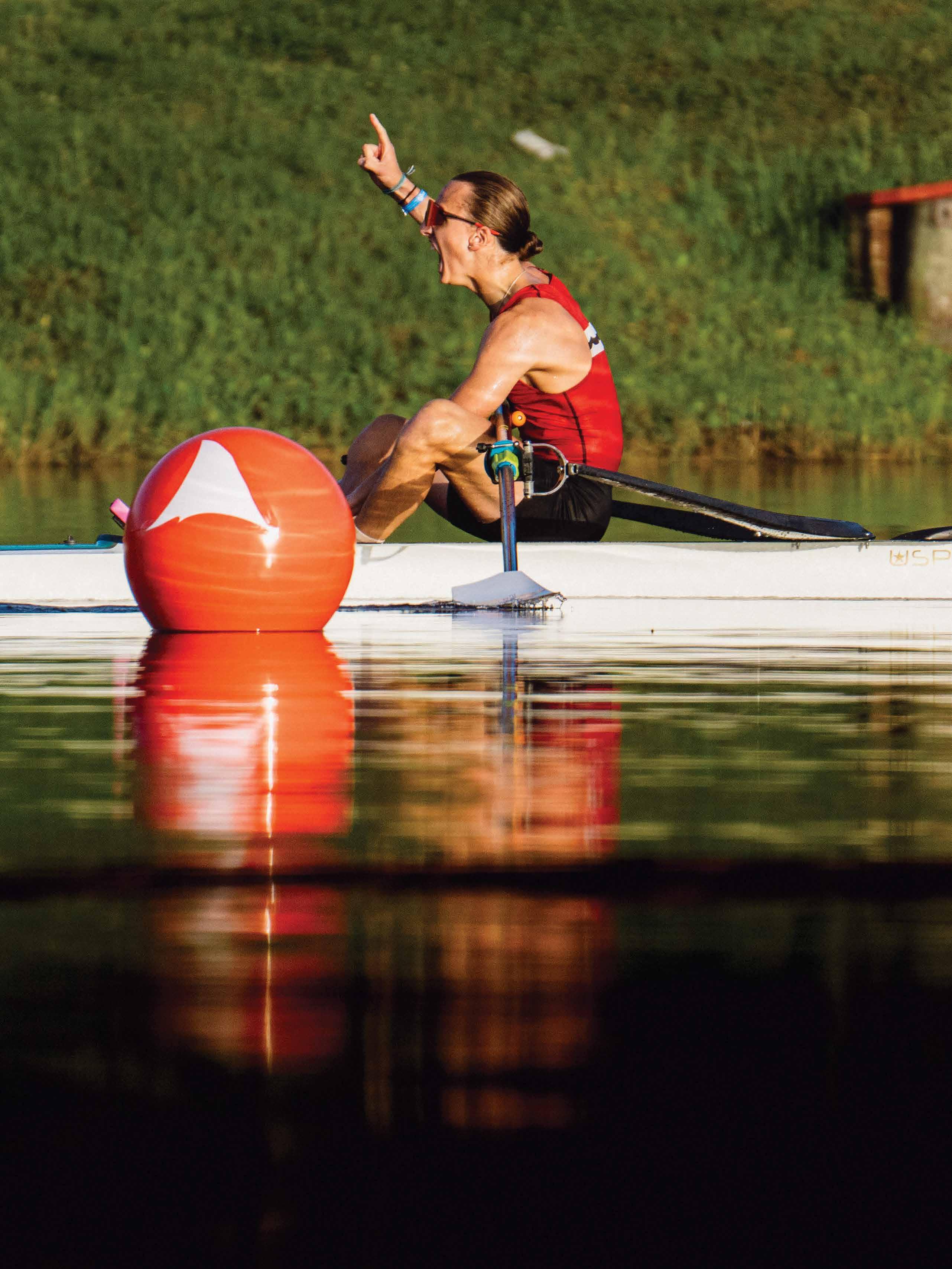
USRowing National Champion, Men’s Youth Single Sculls // U1.11 Men’s BLM1x, World Rowing Under-23 World Championships
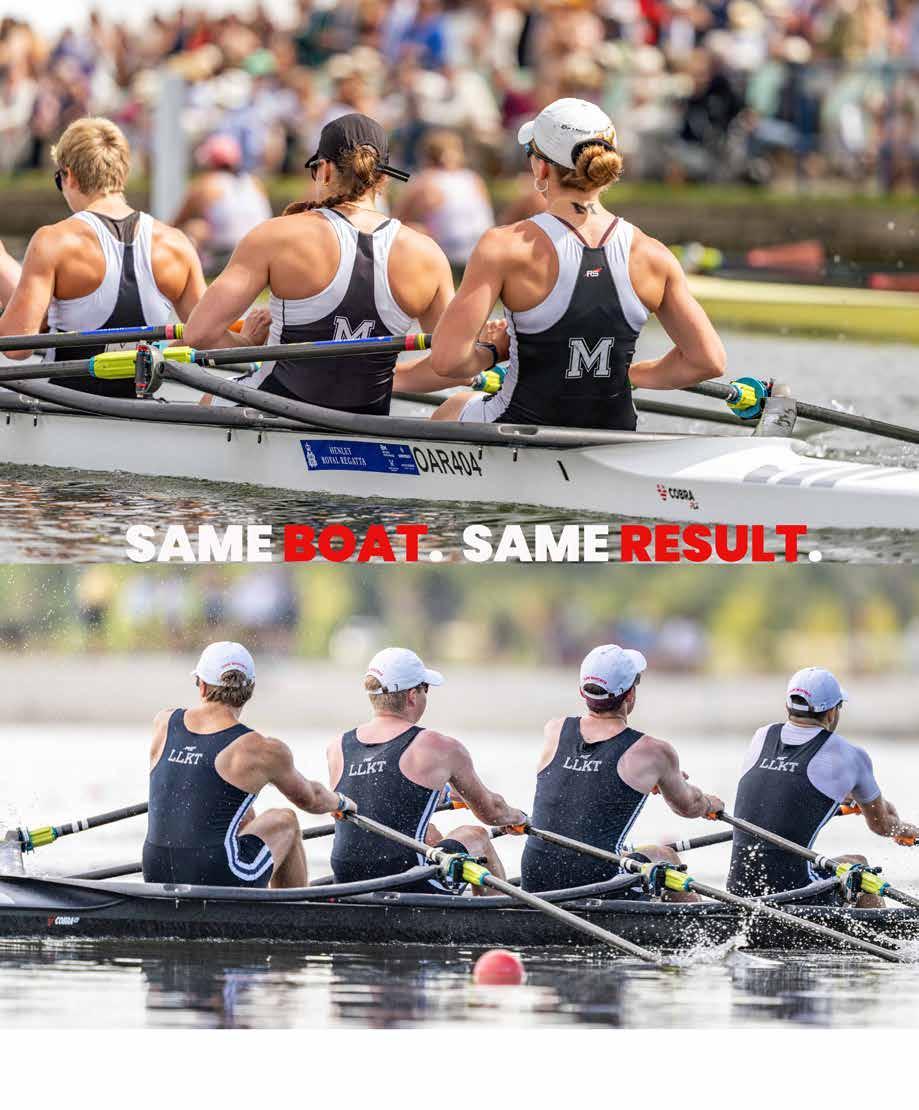

BUILT FOR ROWERS WHO NEVER STOP COMPETING


LiNK Logbook
Free 2-week trial included with purchase
Scan the QR code to order your SpeedCoach® GPS 2. Or visit NKSports.com
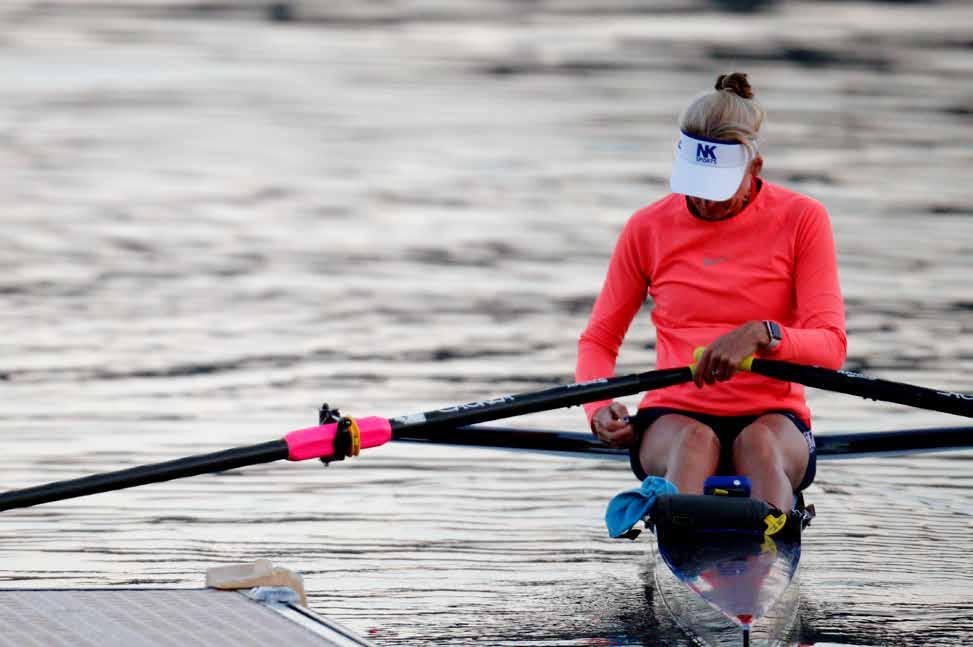
Decades of passion. Data-driven training. You’ve earned every stroke — now measure it.
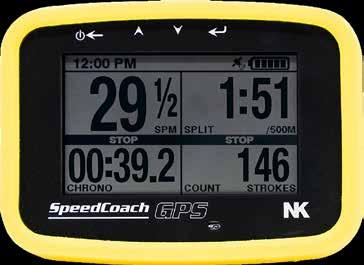
Real-Time Speed & Split — On the Water Monitor 500m split, stroke rate, distance, and time in real time. See the impact of technical adjustments the moment you make them.
Season-Long Progress in LiNK Logbook
Every session stored, reviewed, and compared. Track your fitness gains from the first paddle of spring through Masters Nationals.
Trusted by Masters Programs for Decades Built for durability, waterproofed for every condition. The SpeedCoach GPS 2 outlasts seasons — just like the athletes who train with it.
Free 2-Week LiNK Logbook Trial
Start streaming your data to the platform immediately. See why thousands of masters rowers never row without it.
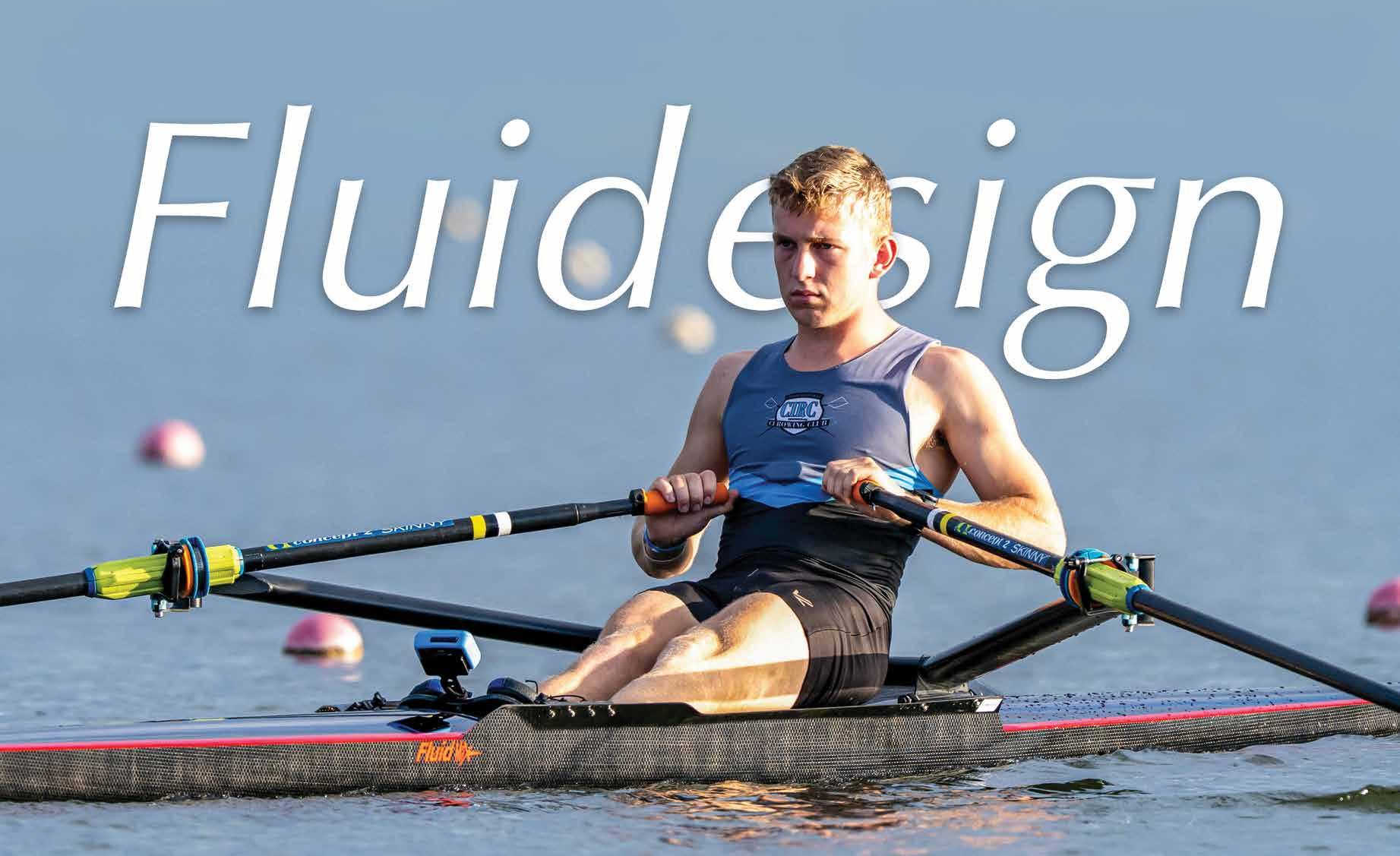
Photo credit: A Worthy Photo



INTRODUCTORY OFFER


Chip Davis PUBLISHER & EDITOR
Chris Pratt ASSOCIATE PUBLISHER
Vinaya Shenoy ADMINISTRATIVE ASSISTANT
Art Carey ASSISTANT EDITOR
Ian Parish ASSOCIATE
CONTRIBUTING WRITERS
Andy Anderson | CJ Bown | Nancy Clark
Martin Cross | Mike Jensen | Katie Lane
Annika Nelson | Volker Nolte | Marlene Royle
Robbie Tenenbaum | Hannah Woodruff
CONTRIBUTING PHOTOGRAPHERS
Jim Aulenback | Steve Aulenback
Stewart Cohen | Karon Phillips
Patrick White | Lisa Worthy




MAILING ADDRESS
Editorial, Advertising, & Subscriptions PO Box 831 Hanover, NH 03755, USA (603) 643-8476
ROWING NEWS is published 12 times a year between January and December by The Independent Rowing News, Inc, PO Box 831, Hanover NH 03755
Contributions of news, articles, and photographs are welcome. Unless otherwise requested, submitted materials become the property of The Independent Rowing News, Inc., PO Box 831, Hanover, NH 03755. Opinions expressed by authors do not necessarily reflect those of ROWING NEWS and associates. Periodical Postage paid at Hanover, NH 03755 and additional locations. Canada Post IPM Publication Mail Agreement No. 40834009 Return undeliverable Canadian addresses to Express Messenger International Post Office Box 25058 London BRC, Ontario, Canada N6C 6A8.
POSTMASTER: Send address changes to: ROWING NEWS
PO Box 831, Hanover, NH 03755. ISSN number 1548-694X
ROWING NEWS and the OARLOCK LOGO are trademarks of The Independent Rowing News, Inc.
Founded in 1994
©2026 The Independent Rowing News, Inc. All rights reserved. Reproduction in whole or in part without written permission prohibited.
PLEASE SHARE OR RECYCLE THIS MAGAZINE


Follow Rowing News on social media by scanning this QR code with your smart phone.

ROWING NEWS (ISSN number 1548-694x)
is published 12 times a year between January and December by The Independent Rowing News, Inc, 53 S. Main St. Hanover NH 03755
Contributions of news, articles, and photographs are welcome. Unless otherwise requested, submitted materials become the property of The Independent Rowing News, Inc., PO Box 831, Hanover, NH 03755.
Opinions expressed by authors do not necessarily reflect those of ROWING NEWS and associates.
Periodical Postage paid at Hanover, NH 03755 and additional mailing offices.
Canada Post IPM Publication Mail Agreement No. 40834009 Return undeliverable Canadian addresses to Express Messenger International, Canada N6C 6A8.
POSTMASTER: Send address changes to: PO Box 831, Hanover, NH 03755.
PUBLISHED BY The Independent Rowing News, Inc. Founded in 1994
FEATURES
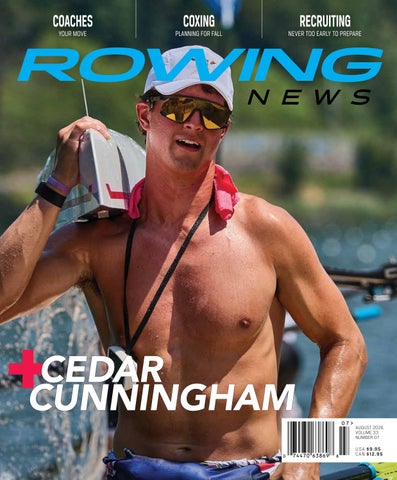
At 6-foot-8, Cedar Cunningham lives up to his name. But is this fiercely competitive kid from Washington State’s club program destined to row in the LA Olympics?
BY MIKE JENSEN
Chris Clark retires after 32 years at Wisconsin, Tony Kilbridge retires after 20 years at MIT, Jennifer Sanford retires after 29 years at UConn.
BY KATIE LANE
Ever Henley, Only Better Coaching Carousel Tall Order
Rowing’s oldest and greatest pageant attracted a record 862 entries and thrilled with stellar performances over six days of close racing.
PHOTOS BY LISA WORTHY
DEPARTMENTS
27 QUICK CATCHES
News USRowing Wins World Rowing Cup IRA Back to Mercer Through 2029
55 TRAINING
Sport Science The Balanced Boat
Coxing Summer Planning for Fall Rowing
Coach Development Your Move
Fuel Hot Stuff
Training Getting Ready to Row
Recruiting It’s Never Too Early to Prepare 14 From the Editor 66 Doctor Rowing
FROM THE EDITOR
CHIP DAVIS
What Matters Most
Finding photos of rowing coaches —especially the best ones, the people about whom we write—is actually one of the harder parts of publishing this magazine.
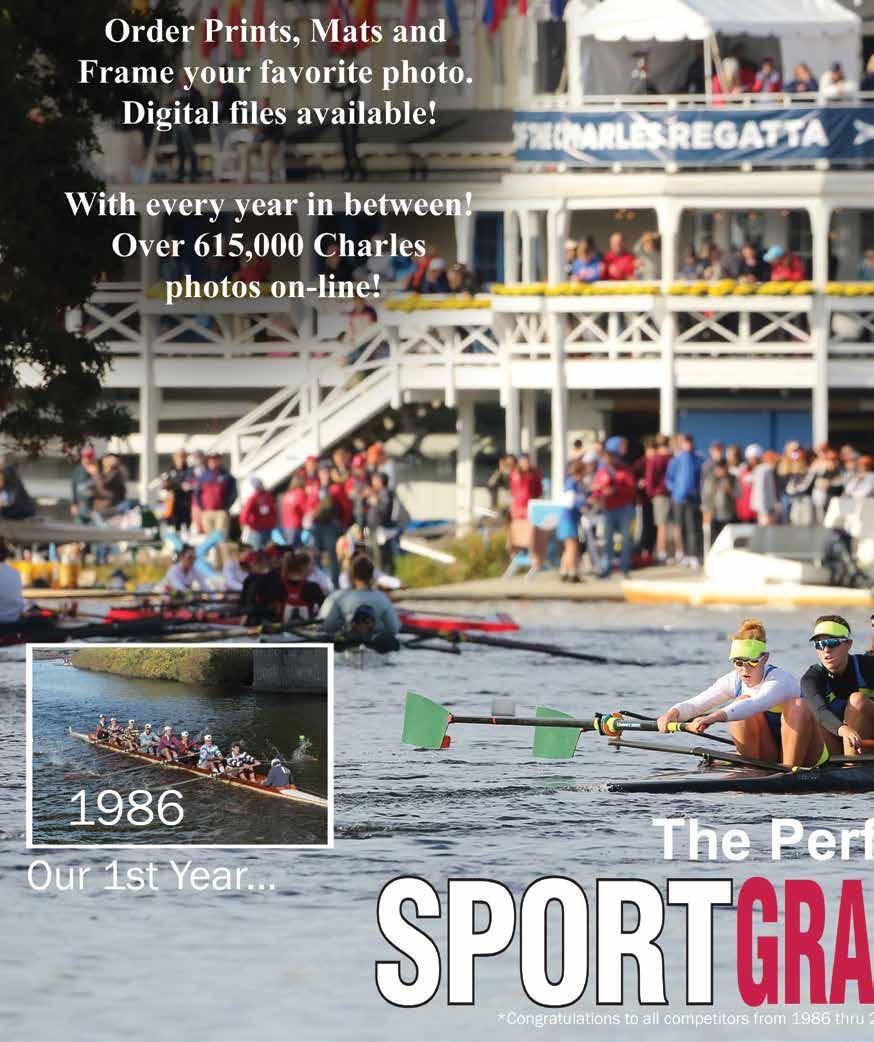
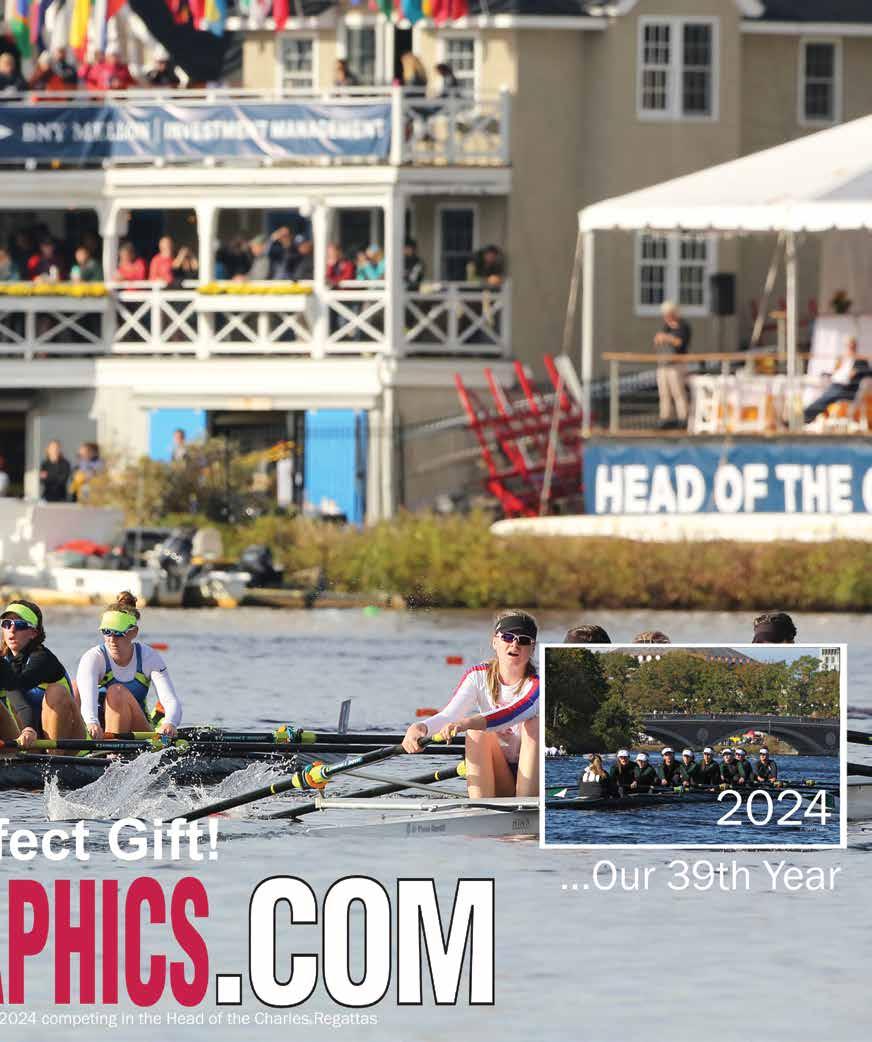
For the feature story “Coaching Carousel 2026,” I went looking for a good shot of Chris Clark, the legendary Wisconsin coach who retired at the end of the school year after 32 years with the Badgers. No problem, I figured. They won Eastern Sprints a couple of times; there should be plenty of options from SportGraphics.com, which photographed every crew at every major regatta for decades, including the 2008 Eastern Sprints, won by Clark’s varsity.
“Every time I go to a regatta, I’m reminded of who and what matters most—the rowers.”
I found dozens of images of the victorious Badgers on the awards dock but barely any of Clark, who, like most great coaches, never sought the limelight. As he put it when we worked together on a coaching column a few months ago, “We’re really in the youth-development business more than anything.”
My high-school coach—also my father—had a similar understanding of what was important. A history teacher for 40 years, he used to say, “If the students don’t show up one day, we don’t have a school. If the teachers don’t show up one day, we don’t have a school. But if the administration doesn’t show up, how many days until anyone notices?”
The CEO, board chair, and vice chair of USRowing all resigned this spring, the result of infighting, bad communication, and poor leadership. Good people have worked hard behind the scenes to replace them while keeping the national governing body of the sport going. And in the months since those resignations, there has been a lot of great U.S. rowing. The 2026 USRowing Youth National Championships were the biggest and best in its history, and USRowing won the overall World Rowing Cup for the first time ever.
The future is brighter still. New coaches will step into new roles this autumn, as reported on page 36, and a new face—Cedar Cunningham—has stepped onto the international stage, winning three medals and counting in three different events for Team USA.
As Tom Rooks, USRowing’s chief of sport, told me as he rolled into RowFest, “Every time I go to a regatta, I’m reminded of who and what matters most—the rowers.”
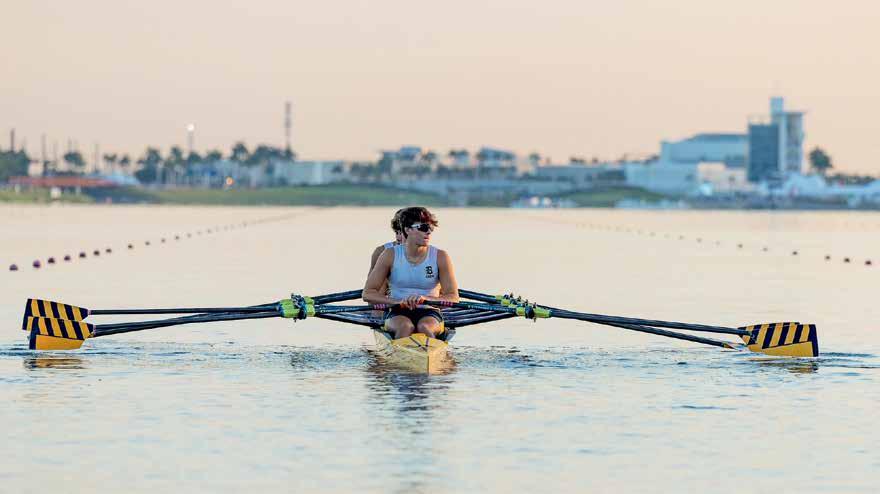


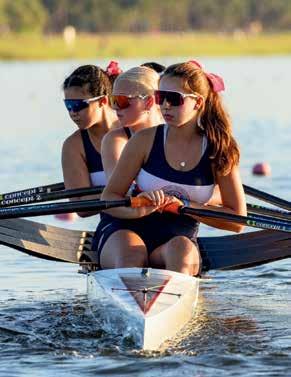


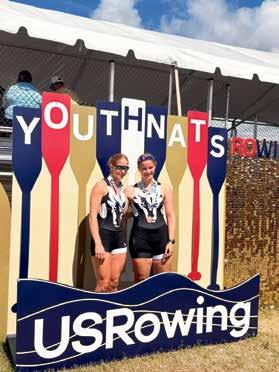



NEW INNOVATIVE HULL DESIGN!
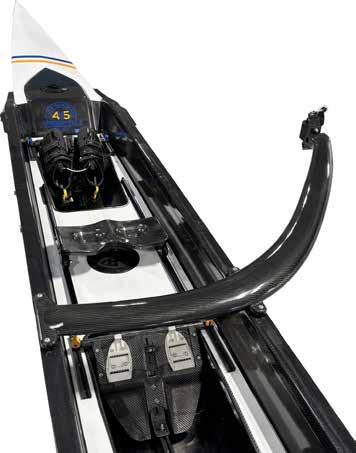



NEW FEATURES INCLUDE:
- BOW MOUNTED RIGGERS
- INVERTED TRACKS
- ADJUSTABLE SEAT HEIGHT
- WIDE-STANCE FOOTBOARD DESIGN
STEERING WHEEL STEERING SYSTEM
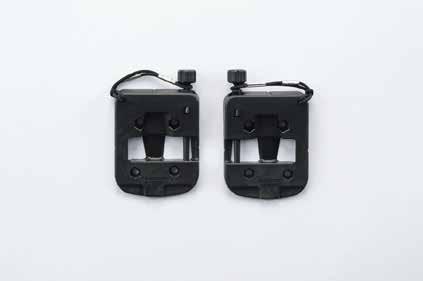
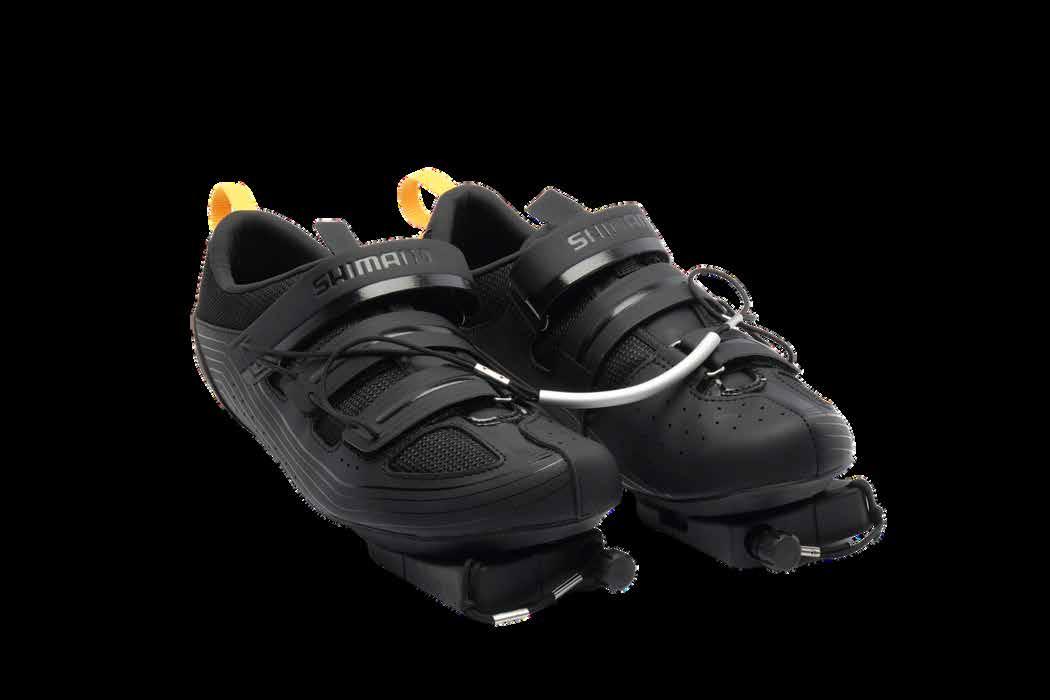
SHIMANO SHOES AVAILABLE TO ORDER
GREATER TEAM COLOR CUSTOMIZATION





EVERGREEN ROWING CAMP
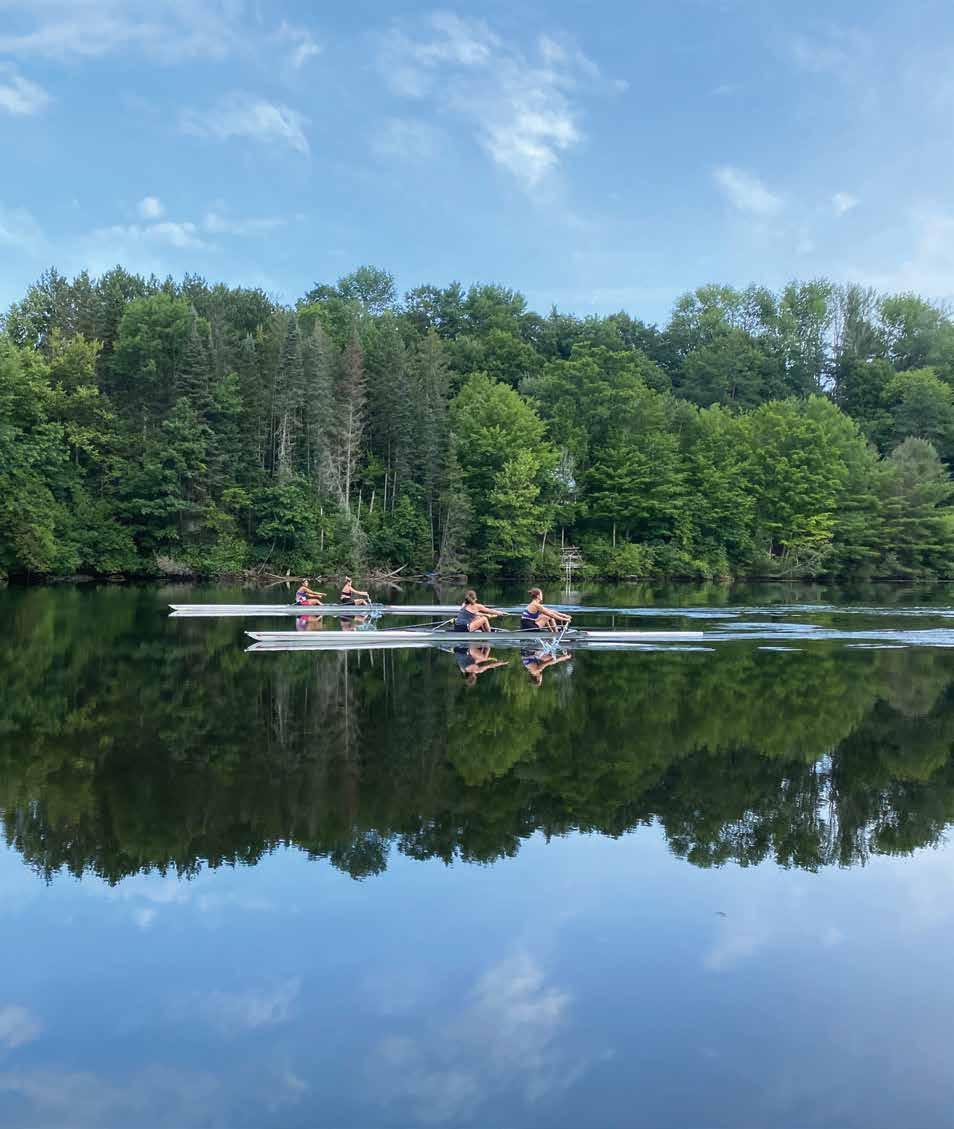
The Evergreen Rowing Camp is set in beautiful Hanover, N.H., home to Dartmouth College. Campers will train out of the Friends of Dartmouth Rowing Boathouse, and also spend time in the on-campus indoor rowing tanks and the Floren strength training facilities. The Connecticut River, home course for Dartmouth Crews, offers over twenty miles of calm, rowable water. Campers will eat at the Dartmouth dining hall, a short 5-minute walk from the boathouse. The green mountains and mild summer temperatures of the scenic Upper River Valley provide an ideal setting for summer rowing.
Monday, July 27 - Thursday, July 30 (day camp)
Monday, August 3- Thursday, August 6 (day camp)
Day camps will run Monday-Friday from 9am-4:30pm. Open to any and all entrants entering grades 9-12.
Staff
Wyatt Allen
Head Coach, Dartmouth Men’s Heavyweight Crew
John Graves
Head Coach, Dartmouth Women’s Rowing
Trevor Michelson
Head Coach, Dartmouth Lightweight Men’s Rowing
Sabrina Bohrer
Assistant Coach, Dartmouth Men’s Heavyweight Rowing Jack Smith
Assistant Coach, Dartmouth Heavyweight Men’s Rowing
Eileen Russell Assistant Coach, Dartmouth Women’s Rowing
Noah Axford
Assistant Coach, Dartmouth Men’s Lightweight Rowing
Gordon Getsinger
Associate Head Coach, Dartmouth Women’s Rowing
PERFORMANCE FABRIC SHIRTS
ALL AVAILABLE WITH YOUR TEAM LOGO AT NO EXTRA CHARGE (MINIMUM 12)
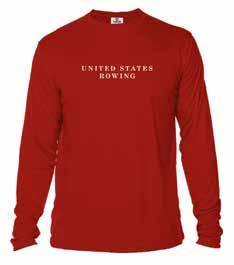
UNITED STATES ROWING UV VAPOR LONG SLEEVE $40
WHITE/OARLOCK ON BACK
NAVY/CROSSED OARS ON BACK
RED/CROSSED OARS ON BACK
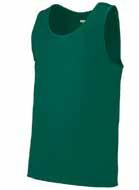
TEAM SALES
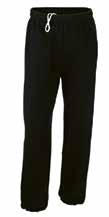
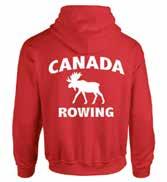
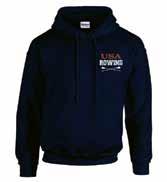
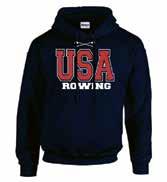
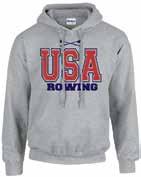
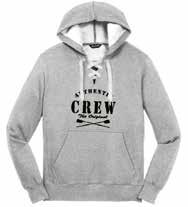
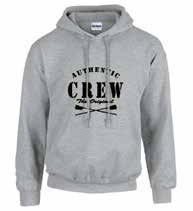
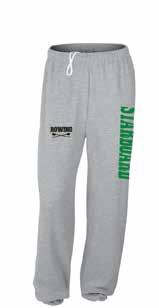
Order any 12 performance shirts, hooded sweatshirts, or sweatpants and email your logo to teamorders@rowingcatalog.com and get your items with your logo at no additional cost!
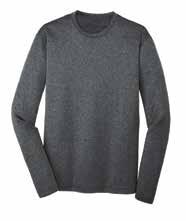
PERFORMANCE LONG SLEEVES HOODED SWEATSHIRTS
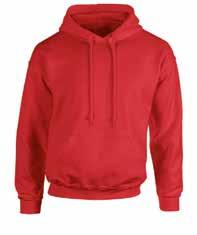
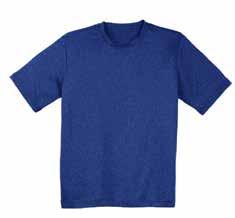
PERFORMANCE T-SHIRTS SWEATPANTS
PERFORMANCE TANKS

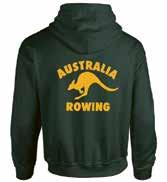



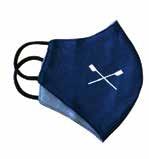
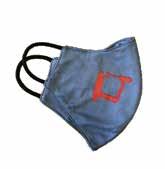
IRELAND ROWING
CANADA ROWING
AUSTRALIA ROWING
GERMANY ROWING
NEW ZEALAND ROWING

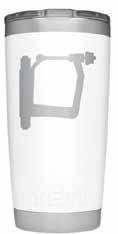
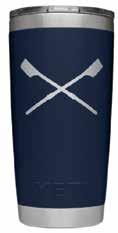
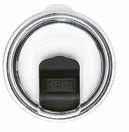
NECK BUFF
2-layer neck gaiters will protect you throughout the seasons. Stretchguard fabric with extreme 4-way stretch for optimal comfort. Super soft, silky feel that is lightweight and breathable. 100% performance fabric, washable and reusable. $20


Leander’s Regatta
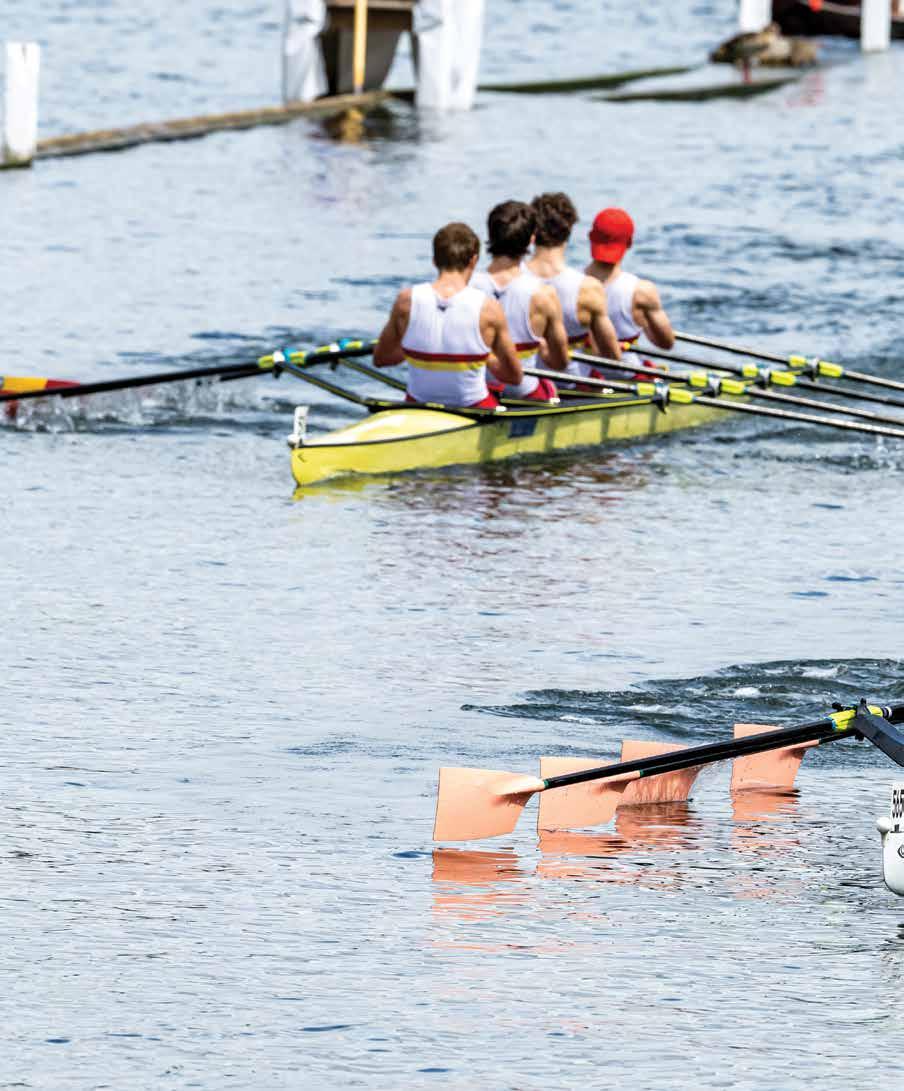
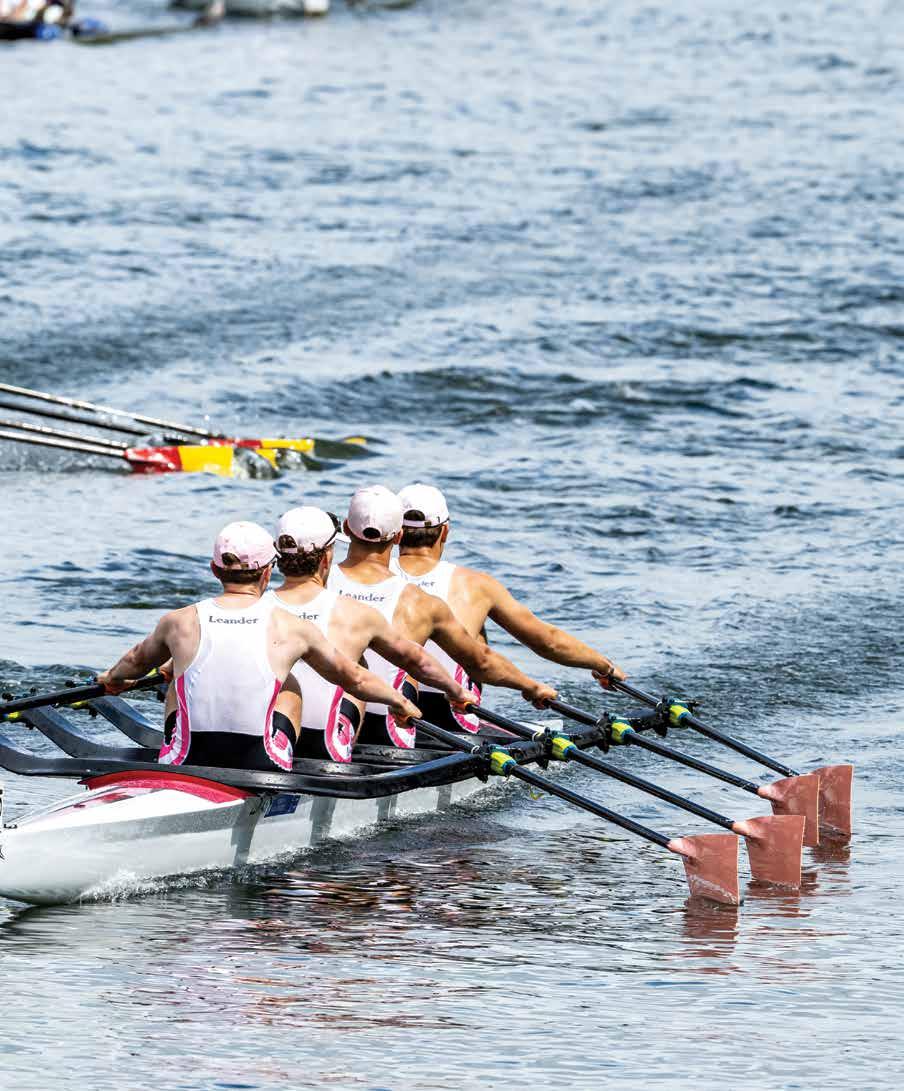
A youth quad from Leander Club caught and passed the Tideway Scullers’ School crew that had won all its races by open water leading up to the finals of The Fawley Challenge Cup. It was Leander’s regatta in 2026, as the local and venerable club had its name in eight victories out of 30 events in all.
PHOTO: LISA WORTHY
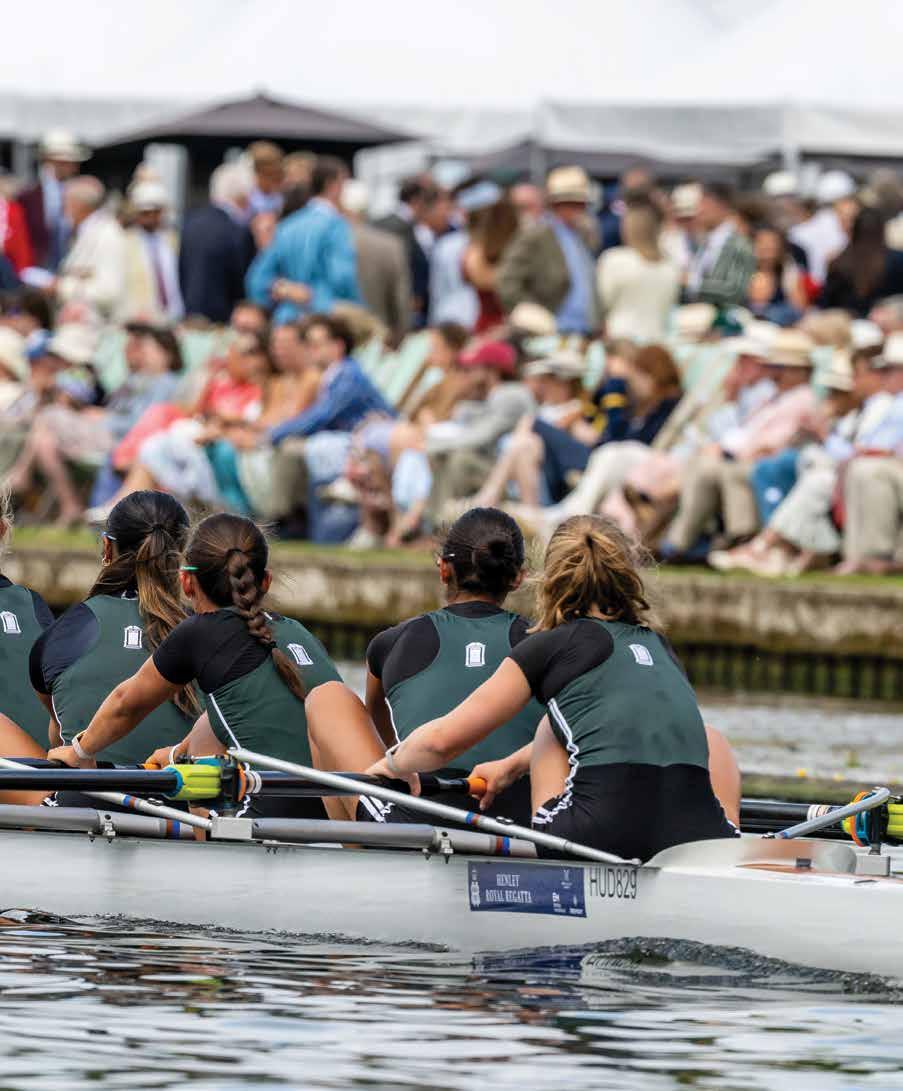
Keep Calm and Braid On
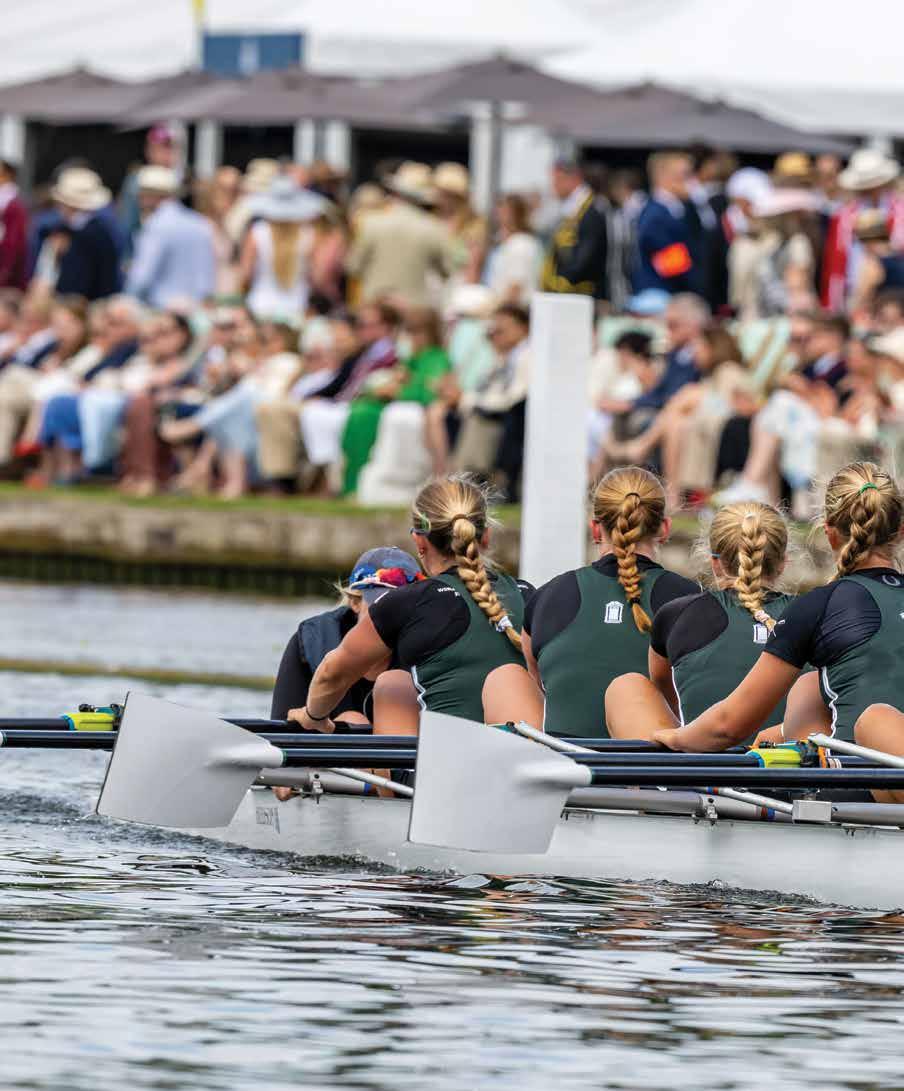
Deerfield Academy’s girls’ eight, winners of the New England Interscholastic Rowing Association championship regatta in May, competed for The Prince Philip Challenge Trophy at Henley Royal Regatta, an event introduced for junior women’s eights in 2021.
PHOTO: LISA WORTHY

H E AD OF THE SCHUYLKILL REGATTA
HOSR welcomes you back to Philadelphia October 24 & 25, 2026

Competition for Juniors, Collegiate, Masters, Veterans, Elite, Adaptive/Para, Corporate and Alumni.
Registration opens July 15th at RegattaCentral.
Purpose got us started. Passion keeps us going. Join us on the course for our 55th year.

QUICK CATCHES
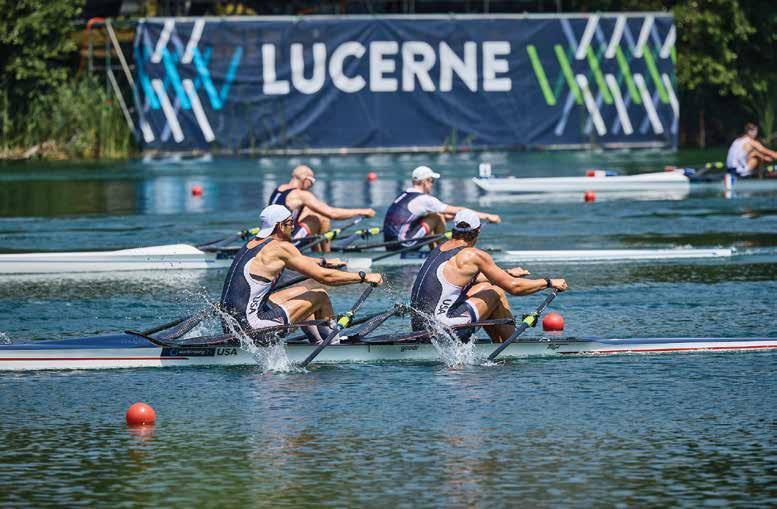
USRowing Wins First Overall World Rowing Cup
U.S. athletes won a dozen medals at World Rowing Cup III in Lucerne on top of the 11 won at World Rowing Cup II in Plovdiv to give USRowing its first-ever overall trophy.
It was an historic day for USRowing on Lucerne’s beautiful Rotsee course. For the first time ever, Team USA won the overall World Rowing Cup title. Their excellent performances in the Plovdiv and Lucerne World Rowing Cups saw them snatch the trophy ahead of Britain and The Netherlands.
Josy Verdonkschot, the McLane Family Chief High Performance Officer for
USRowing, was delighted, “This is a really historic day for USRowing. I’m delighted for the team, support staff, and our sponsors, who have made this possible.”
IRA to Mercer through 2029
The first gold of the regatta for USRowing came on Saturday, when the Para PR3 mixed four of Hannah Diaz, Paralympian Alex Flynn, Max Allemeier, Paralympian Skylar Dahl, and Elizabeth Margolin
CONTINUES ON PAGE 28
The Intercollegiate Rowing Association (IRA) National Championship returns to Mercer Lake in West Windsor, N.J. for the next three years, 2027 to 2029, the IRA’s board of stewards and the Princeton National Rowing Association (PNRA) announced in July. “The IRA regatta showcases the top collegiate rowers in the country. We are pleased to be able to continue to bring this event to Mercer Lake,” said PNRA Executive Director Kristopher Grudt.
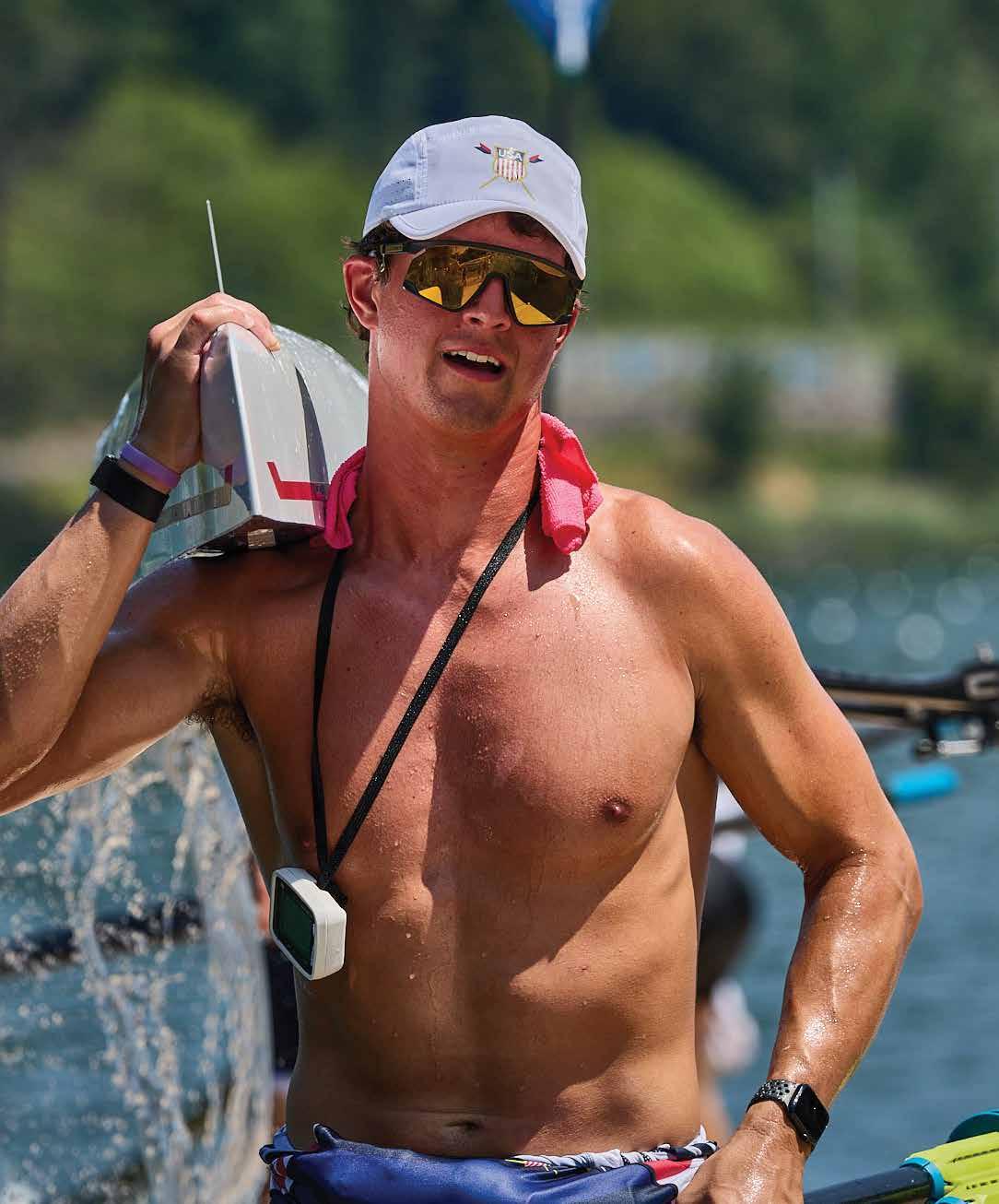
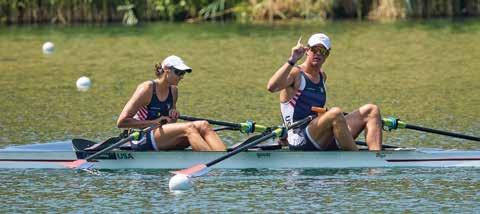
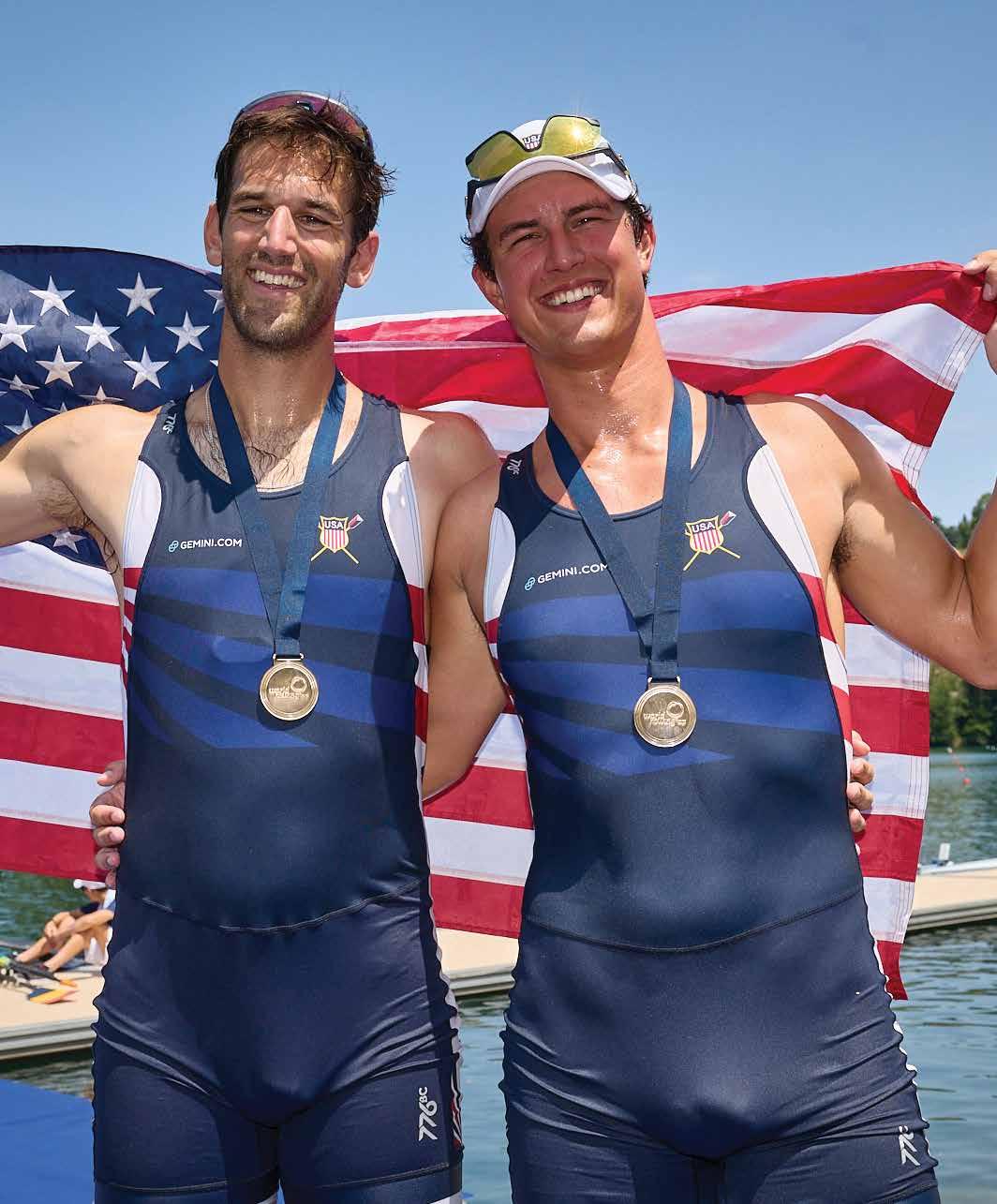
Jacob Plihal (bow) and Cedar Cunningham won bronze in Lucerne.
ROBBIE CONSULTING
Helping rowers worldwide get scholarships
Helping high school rowers and families navigate the university recruiting process- Coaches and parent groups reach out to us!
Robbie Consulting will meet your team, coaches and parents at your home club or school. Go to www. robbieconsulting.com to get in touch and schedule a visit
“His assistance was essential to get prepared for such a big step and to get to know the school and team I would compete for.”
www.robbieconsulting.com 1-614-330-2879 • Robbie@robbieconsulting.com

QUICK CATCHES
withstood Australia’s challenge in the first 500 meters and then pulled away to win by eight seconds over second-place Ukraine.
Both U.S. men’s lightweight single scullers raced in the Saturday A final of their event. Justin Schmidt won bronze and Sean Richardson finished sixth after they went one-two in their heat to advance to the A final. Hong Kong’s Hin Chun Chiu won the event.
The wins for the American crews never stopped coming. They opened early with the Para four and continued when Mia Levy and Regina Salmons put in a devastating burst to take the women’s pair title from an apparently dominant Czech pair.
It wasn’t gold in the men’s pair, but a silver for Madison Molitor and Pieter Quinten behind a superb Aussie combination showed just how far U.S. men’s small-boat rowing has come under Casey Galvanek’s stewardship.
That was followed in the women’s double sculls by a superb performance by Sophia Vitas and Emily Kallfelz to track the Dutch world champions all the way to the finish to take a sensational silver medal. The fact that Evan Park and Isa Darvin (USA2) took bronze ahead of Ireland was confirmation of the work USRowing’s high performance coach for sculling, Fiona Bourke, has been doing.
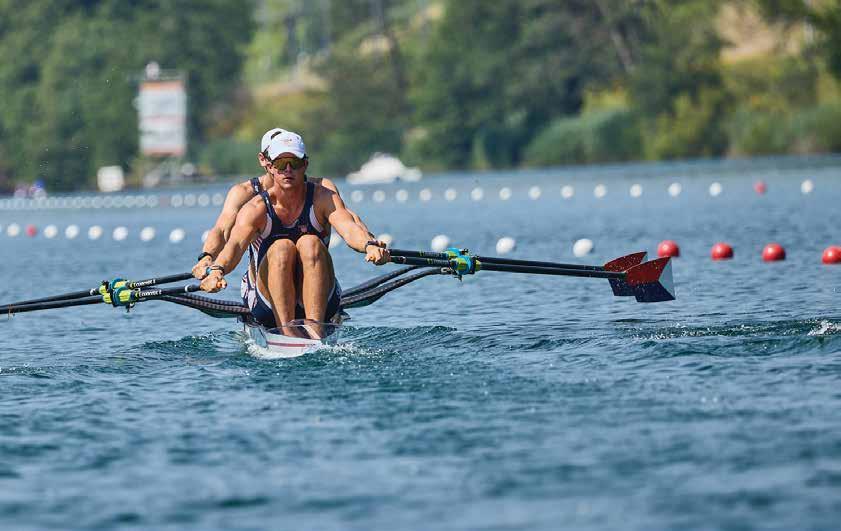
Maybe Jacob Plihal and Cedar Cunningham might have been a touch disappointed with their bronze medal in the double sculls? But this was a great performance, especially coming in ahead of the classy Spanish and British combinations. There is more to come from this combination–whether they end up in a double or a quad for the world championships in August.
The standout performance for the American team was that of the women’s four. OK, so they had three of the women on board who took a gold medal at last year’s world championships in Shanghai. Molly Bruggeman was the one change from China. But the combination of Knifton, Cohen, and Czajkowski has proved unstoppable. They beat a fabulous Aussie four by open water. Surely Verdonkschot has to select this crew for the world championships?
But one thing about the Dutchman is that he has continually experimented with
different line-ups—both here in Lucerne and two weeks earlier in Plovdiv. His final crew selection will await more trials in a couple of weeks.
The medal run for Team USA dried up for the men’s four, though fourth place behind one of the contenders for the crew of the regatta, Great Britain, was no disgrace.
There were more medals to come from the exhausted U.S. women. Doubling up from the two pairs and four, the eight started—understandably—slowly but scythed through the field in the last quarter (how did they do that?) to take bronze behind Britain and Australia.
There was a gold for the mixed double of Cedar Cunningham and Sophia Vitas. It was meant to be a bit of fun for the U.S. team scullers. But only Cunningham had the energy left to put a smile on his face after they crossed the line ahead of Germany.
And to wrap it all up, Sam Melvin, the former lightweight with a cap in the colors of New York Athletic Club, took a sensational bronze in the men’s single sculls. Melvin did not have the power to compete with the likes of Simon van Dorp or Olli Zeidler in the first 500 meters, but the sixfoot-tall sculler sculled an amazing middle K.
As the former Husky van Dorp faded, it looked at one point as if Melvin might take second place ahead of the Olympic silver medalist Zalaty. But bronze capped a fantastic fortnight for the 29-year-old.
Afterward, Melvin admitted that he had no idea how far he was behind after 500 meters. Nevertheless, he said, “I was really pleased with my performance.”
The Netherlands beat a slow-starting Britain in the men’s eights, but perhaps the performance of the day came from the diminutive Belgians who, sculling beautifully, beat Serbia in the double sculls to the gold medal. If you get the chance to watch the replay on Overnght, look at their size on the medal podium.
This was a sizzling hot Lucerne World Cup, and Team USA showed that at this stage in 2026, they really do lead the world.
MARTIN CROSS
Phantom 25 wins its seat race
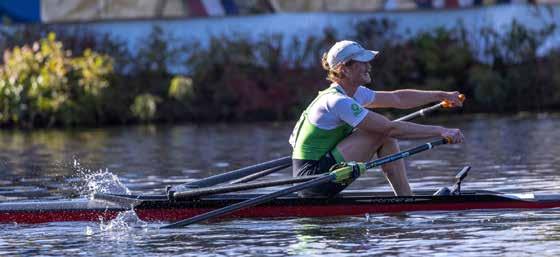
4th place, Men’s Championship 1x
HEAD OF THE CHARLES
Lightweight Cooper Tuckerman switched into a Phantom 25 after rowing a different brand boat in 2024 and was 30 seconds closer to repeat winner, Finn Hamill. An impressive 4th place both years, Cooper was 47 seconds behind Hamill in 2024 and only 17 seconds back this year, rowing the Phantom 25.
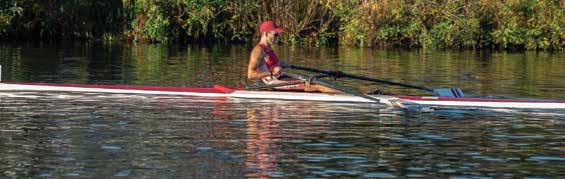
1st place Men’s Club 1X
BECAUSE SPEED DOESN’T NEED TO COST A FORTUNE
PHOTO ROW2K
Photo by Maxwell Dueltgen
Victor Corja powering his club’s Peinert 26 with a carbon rigger.
HEAD OF THE CHARLES
Tall Order
At 6-foot-8, Cedar Cunningham lives up to his name. But is this fiercely competitive kid from Washington State’s club program destined to row in the LA Olympics?
STORY BY MIKE JENSEN
PHOTOS BY STEWART COHEN
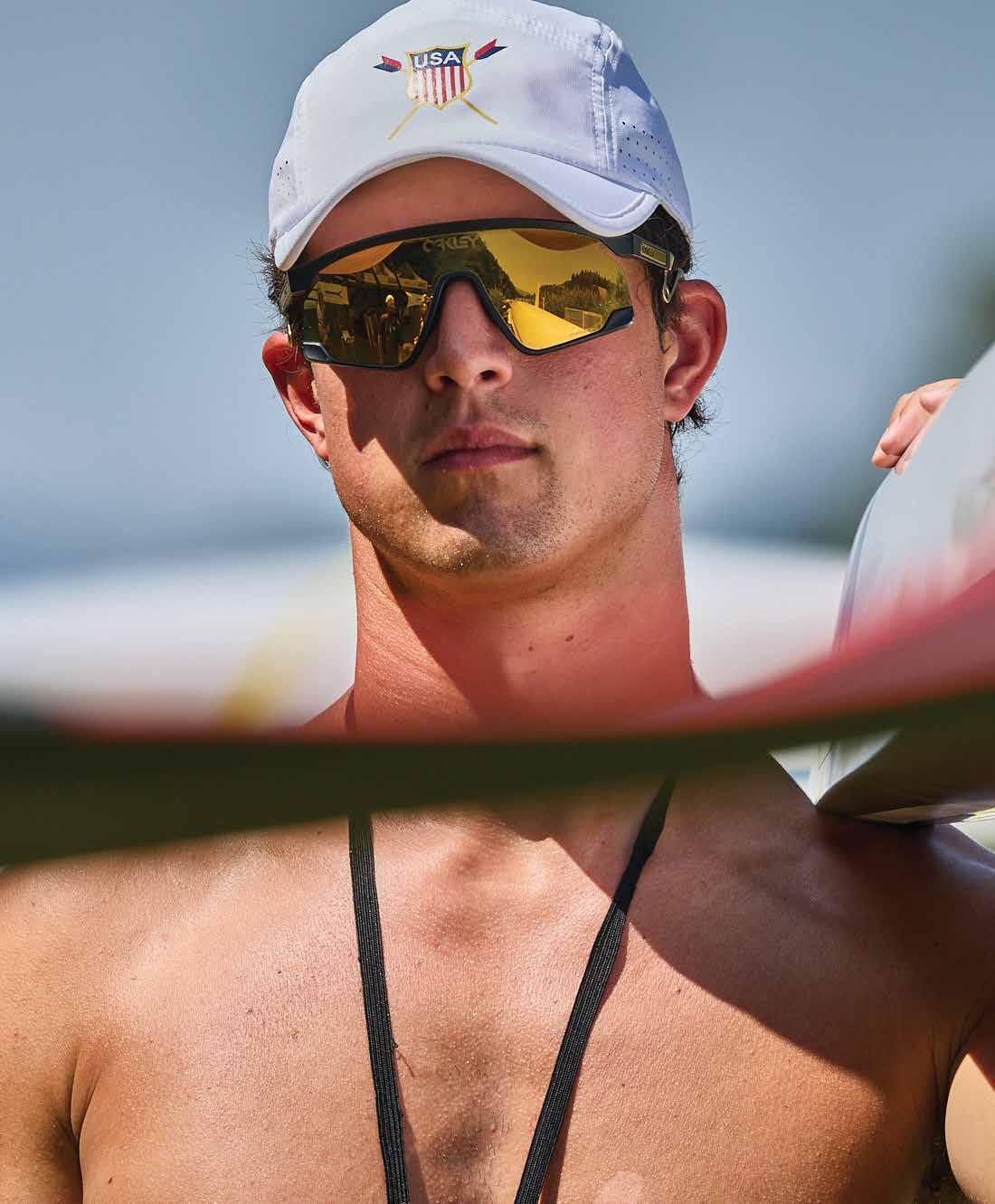
You should row.
When you reach 6-foot-8, you get suggestions about life choices.
You should play basketball, volleyball, paint ceilings.
But the randomness of You should row, you’d be good at it that helped start Cedar Cunningham on his path was more about the couple who said it, how they had moved down the street by chance, and became friendly with Cunningham’s parents.
Cedar had never met Anna or Bob Cummins before they made their suggestion. He was home from his freshman year at Washington State after Covid ended his spring semester.
Growing up in the Seattle suburbs, Cunningham had heard the rowing idea before. But in high school, his sports were football and track and field. He hadn’t always been towering. A football roster his sophomore year listed him at 6-1. A late growth spurt that got him to 6-6 before college wasn’t a complete shock; his dad is 6-5.
His legal name came with tall expectations. Cedar is named after his father’s grandfather, who had picked up Cedar as a nickname.
“He was tall and had red hair,” Cedar said. “He kind of looked like a cedar tree.”
That couple down the street finally met the tall kid home from college. Bob Cummins had been a two-time IRA champion and a world-champion rower. Anna Cummins had been an Olympic gold medalist (Beijing, 2008.)
“You’d probably be good at this,” Cunningham heard from the friendly neighbors.
“I was interested in just working out more. I thought it was something to work toward potentially. They gave me an old erg with a wooden handle. I started doing some workouts. I talked to them about the basics.”
Cunningham reached out to the coach at Washington State, found out there weren’t really any cuts.
If you keep seeing this name, if Cedar Cunningham continues his current national-team path to a U.S. Olympic boat in 2028, people may be tempted to assume he was destined to row. If true, let’s at least acknowledge that destiny doesn’t require a straight path. Destiny is not in an entirely separate lane from luck. Maybe they just come together under the banner of circumstance.
Does Cedar’s first coach remember his first impression?
“Oh my gosh, yes,” said Devon McCormack, who was working with Washington State novice rowers when Cunningham signed up. “Cedar is hard to miss.”
Come to think of it, McCormack said, that wasn’t his real first impression. With everyone home during the pandemic, the first team meeting of Cunningham’s sophomore season occurred via Zoom. It’s hard to capture 6-foot-8 in a Zoom square. And introductions are just that. Were these new guys really going to show up in person?
“Recruiting for rowing is already a challenge,” McCormack said. “What keeps them in is the camaraderie and the community.”
There was little of that. Here are some erg workouts. Send in your times. Cedar’s times caught McCormack’s attention, but what did they mean?
“I had no sense for physicality, for build, for athleticism,” McCormack said. “Some of the tall guys we got to come through, they can be very fit, but they’re not always very coordinated. You tell your body to do one thing, it does something else.”
But this guy Cedar, the coach soon found out, “was always kinesthetically aware.”
Classes were still virtual that fall of 2020 when students were allowed to return to campus. The rowers weren’t on the water yet. The coaches were trying to assess both athleticism and competitiveness. In addition to erging and running, “we had this assaultbike assessment,” McCormack said. “See how hard people are willing to go, and how they will dig. He did some insane effort. Not numbers we had seen.”
As it happened, McCormack had just been to a U23 national-team identification camp himself. He hadn’t advanced to the next stage, the final team camp, but he knew the times of those who did. This novice he was coaching at Washington State was already within range, so McCormack made a point of grabbing him for a conversation. The team was erging outside behind the student rec center. Cunningham had yet to pull an oar in the water.
“I was telling Cedar, ‘OK, I know you don’t know what these numbers mean,’” McCormack said. “I showed him an Excel sheet [from the ID camp]. ‘There’s no reason you can’t hit these numbers by the end of your time here.’”
“Everybody was telling me I was
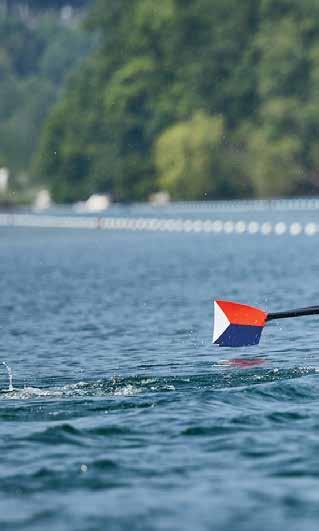
good,” Cunningham said. “It’s a little bit addicting.”
But that one conversation with McCormack, he said, was so crucial.
“He kind of first brought up ideas like rowing in the summer, and rowing after college,” Cunningham said.
When Cedar finally got in a boat, he had it all down?
“It was not pretty,” McCormack said. “To be totally transparent, I have seen him row recently. It’s beautiful. I want to emphasize he’s super-coachable.”
And, the former coach added, “fiercely” competitive.
“It might be the ugliest rowing in the world,” McCormack said of those initial rows. “No matter what, he was getting his bow ball in front.”
He at least felt comfortable?
“Terrifying, the whole stability of the boat,” Cedar said. “I’m still not even used to it.”
His competitiveness did not cause friction at Washington State. Everyone could see what it meant for their boat.
“He wouldn’t be shoving it in his teammates’ faces,” his coach said. “He was just better than you. He just dominated his seat, his position, whatever it was. He was indomitable.”
While Seattle is a rowing hotbed and the University of Washington is a historical power, there has been no movie made about the boys in the boats out in Pullman. Washington State is a club program.
“We had to fundraise, pay to be there,” Cunningham said. “We did this thing, Rent a Rower, all the time. We’d do odd jobs, like manual labor. Most of them were pretty tame.”
One time, he remembers, a bunch of the rowers were sent to a full working farm.
“A really neat place,” Cunningham said. “But we were just moving mulch the whole time.”
What he termed “a very, very robust” alumni group bought boats and paid other major expenses.
“What the jobs helped pay for the most went to travel and competing at races,” Cunningham said.
For a guy now rowing internationally, it’s interesting to note the precise detail Cunningham still recalls of Washington State races. They were never going to break into the big time. They were striving for such things as breaking into the A final at ACRAs, the collegiate club national championships. Even getting to the A-B semifinal and ending up in the B final was a big step. Trying to beat fully funded Gonzaga was another goal.
“We felt like we were finally going to do it,” Cunningham said. “Someone caught a crab. Two crabs, with 250 meters left.”
They would go race a duel with Washington—Washington State’s 1V against the Washington 3V.
“We would lose pretty significantly to their 3V,” Cunningham said.
Something that stuck with Cedar about that race: You didn’t have to be a jerk just because you’re faster. The Huskies guys were cool.
“They were all very complimentary to us,” Cunningham said of the Washington rowers.
From his current vantage point, Cedar understands it was all worthwhile.
“I do very frequently look at those races as very important,” Cunningham said. “I don’t hold them with any less weight. There’s a common phrase in rowing: It doesn’t get any easier; you just get faster.”
A teammate did tell him once, “You’re going to be racing in so many more important races; this is just a drop in the bucket.”
“There was never going to be an issue with him burning out,” McCormack said. “He was very aligned. He would never
admit, I think, how far he wanted to go, but there was never an issue with motivation.
“The advantage of rowing someplace like a Washington State, because the depth isn’t there, there was never a question he was going to be selected. Those guys at [Washington], day in and day out are battling each other for their seats. That makes them great as a team, as a program.
“The double-edged sword is, they’re operating out of this fearful mindset. Cedar was going to improve just for the love of the game. He had a vision of where he wanted to go. He could execute that in his little bubble.”
A Washington State alum, David Herrick, now the men’s lightweight rowing coach at Navy, was an assistant at Oregon State when he heard his alma mater had a novice who was fairly impressive. He drove up to Pullman.
“OK, this kid has capacity,” Herrick remembers of seeing Cedar on the erg. “I need to have a conversation with him.”
Herrick explained that being in an isolated place like Pullman, far away from the rowing powers, “the benefit is it’s insulated, and the problem is it’s insulated. Guys know only their own space.”
Herrick remembers telling Cunningham, who would graduate in three years, “I think you have another gear.”
“That sounds great,” Cedar said. “Where do we go?”
Philadelphia became the answer. Boathouse Row. Penn AC had a U23 program willing to take him.
“Put him in with guys who are better than him,” Herrick said. “He can say, ‘Not only can I keep pace; maybe I can do better than them.’”
He was still only 20 years old, so he knew he had a couple of years to try to make the U23 team.
“That was the goal, see if I could make it,” Cunningham said. “Give myself a little glory for all the work put in.”
He can still remember getting to Philly—“just my suitcase, off the plane.”
The Penn AC U23 guys had a place to stay—the Monastery, they called it.
“It was this old convent,” he said. “It was in worse shape than my frat house. There were no full-time residents. It was all Vesper and Penn AC U23 kids there for the summer.”
The place was pretty empty the moment he got there. He found a lady who told him, “Choose whatever room is open.”
He walked across the street and got “probably the worst Philly cheesesteak I ever had.”
But the rest of it …
“I absolutely fell in love with it,” Cunningham said of seeing the history “plastered all over the walls” in the boathouse, and what he described as the perfect work environment set up by Bill Manning, who had vast national-team and big-time college coaching experience. For Cedar, here were like-minded peers, with speed similar to his but more experience— “they were getting a lot more out of themselves.”
That summer was all sculling, another learning curve, different rhythms to pick up. A formative experience. Costs were kept low. A summer highlight was a Penn AC quad getting silver at club nationals, losing “to a bunch of guys who had just been cut from the U23 quad camp. I was getting a silver medal.”
His first big medal. Looking back, it wasn’t a great row.
Manning even told them that right after the race. Cedar had to readjust. He’d thought it had gone pretty well. The whole thing was “almost perfect” as a steppingstone to a national camp.
“Bill was very in touch with the national-team scene, knew what it took, but he allowed me the time to develop,” Cunningham said. “It took me another two years to develop. Bill was very helpful throughout. It takes a long time to build your baseline fitness. My physicality did let me skip a few steps.”
Cunningham describes his path to his current status as having a couple of lucky breaks, like when he would win the C final in a 2024 winter erg competition, when only the A and B finalists got a national-camp invite.
“I was pretty sad about it,” Cunningham said. “Bill said this is not your timeline. Your timeline is LA.”
In other words, 2028, the Olympics. Far off on the horizon at the time.
“Luckily for me, several people from the A and B final declined,” Cunningham said, of getting his invite. “It slowly trickled down to me.”
“It definitely wasn’t lucky,” said Casey Galvanek, head U.S. men’s coach, who had assembled the team in Sarasota.
Cunningham’s relative lack of
experience isn’t unique; Olympians occasionally come out of non-elite college programs.
“The absolute best thing—they seem to be a little less rowing aloof, “Galvanek said. “People who were successful in college, nothing wrong with that. There’s always the trouble, though, if your last program was incredibly successful, you think what you did was correct and everything you did was the thing.”
Starting over at the next level, the national team coach said, “you’re coming from the A final of the IRAs, you’re thinking, ‘I know best.’ I don’t mind. I’m always happy to have them. But if you won the IRA and I’m telling you how to hold the oar”—yeah, that can be confusing.
“There has to be a middle,” Galvanek said. “I also have to understand you just won.”
Even Olympians returning to camp after getting a medal hung around their neck need to get past that, he said.
“Everyone assumes the level of competition is going to be up a notch. A repeat performance is usually going to be a step below.”
So here comes a Cedar Cunningham, open to it all, ready to learn as the national team coaches break things down to the fundamentals—this is proper hip action, this is how you apply pressure to the foot stretcher.
“You’re going to be slower for a while,” Galvanek would tell them all.
This summer meant more competition for Cunningham in Europe. Can he keep raising his game? At a June World Rowing Cup event in Plovdiv, Bulgaria, Cunningham was part of a double sculls team with James Wright that reached the A final, finishing fifth.
The ceiling keeps getting higher as he takes on some of the best scullers in the world.
“Every once in a while, he’ll send me a 2K or 6K time,” said McCormack, his first coach. “Every time he sends it, it’s been faster.”
However it plays out, this much we know about the guy named after a tall tree: You should keep rowing.
MIKE JENSEN wrote for The Philadelphia Inquirer for 35 years and was named Pennsylvania Sportswriter of the Year in 2023. He covered rowing on the Schuylkill River and at the Beijing Olympics and wrote the weekly Merion Mercy Academy crew newsletter for seven years while two of his daughters were champion rowers at the school. His book, Philly Hoops: How Philadelphia Transformed Basketball, will be published later this year.
Jacob Plihal (left) and Cedar Cunningham in Lucerne.
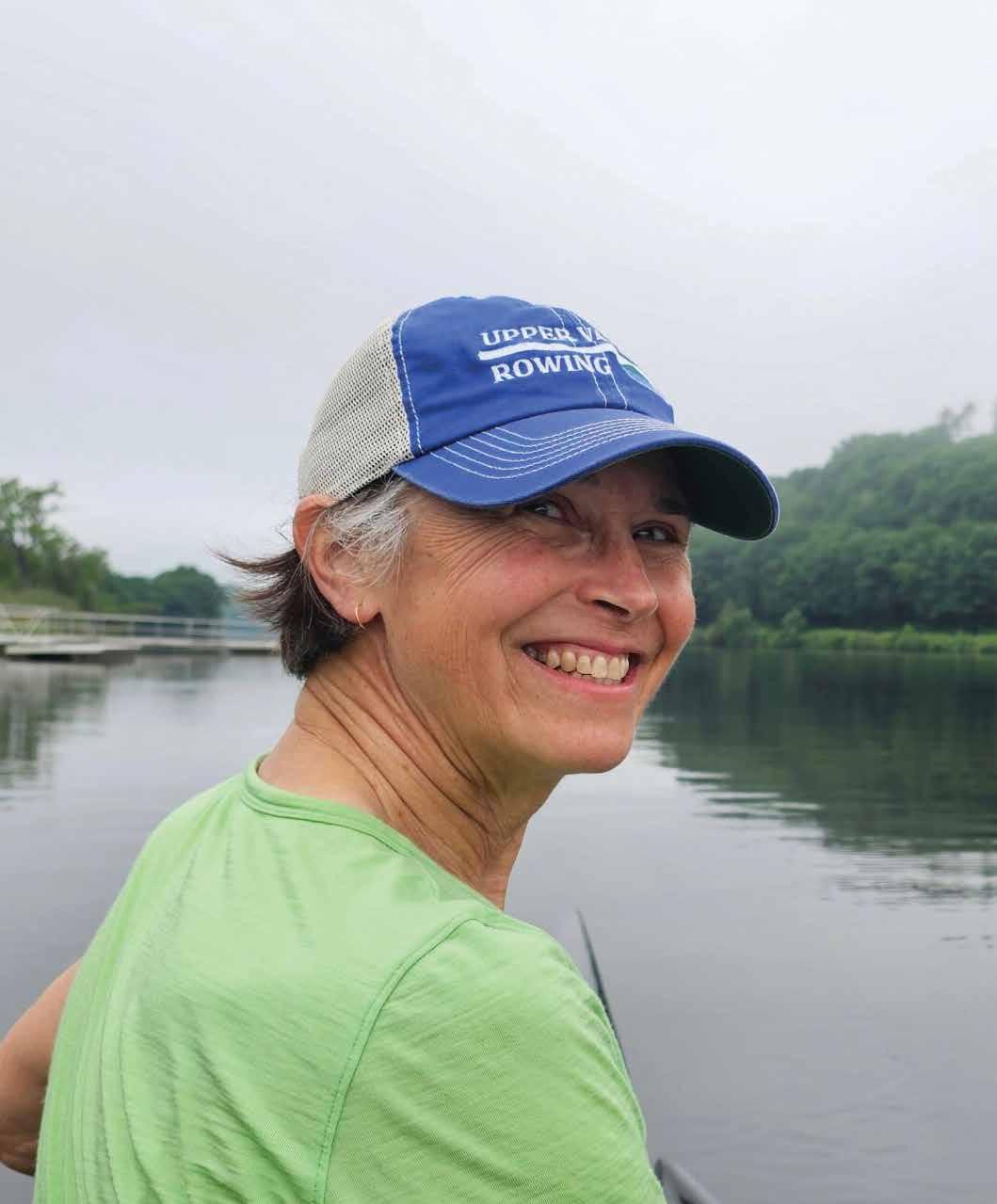
Coaching Carousel 2026
Chris Clark retires after 32 years at Wisconsin, Tony Kilbridge retires after 20 years at MIT, Jennifer Sanford retires after 29 years at UConn, and Linda Muri returns to the coaching launch at Simmons University.
STORY BY KATIE LANE
World
Chris Clark, who arrived in Wisconsin in 1994 after a successful competitive career at Orange Coast College, Stanford, Cal, Oxford, and on the U.S. national team, announced his retirement from the University of Wisconsin at the end of June.
Clark coached at Navy and Drexel before joining the Badger staff, eventually succeeding the legendary Randy Jablonic as men’s head coach. Olympic champion Beau Hoopman, whom Clark coached at Wisco, succeeded Clark three years ago, when Clark became director of rowing, overseeing the entire Wisconsin rowing program.
“Coach Clark embodies what it means to be a Badger—commitment to excellence, integrity, service, and accountability,” said Marija Pientka, senior associate athletic director, who worked alongside Clark for much of the past 30 years. “When I think about Coach Clark, I think about his passion and selflessness. And of course his sense of humor and storytelling abilities.”
Under Clark’s leadership, Wisconsin produced five Olympians, won 23 Eastern Sprints titles, including two varsity heavyweight eights (2002 and 2008), won the Ten Eyck (IRA points) five times, and was IRA national champion in 2008.
More than his impressive stats, Clark’s personality, involvement, and passion for rowing’s power to develop young people defined his legacy. He served the sport both behind a megaphone and behind the scenes, becoming the coach of coaches at the end of his career at Wisconsin as well as serving as the coaches’ representative on the IRA Board of Stewards for the past three years.
He also coached multiple U.S. national team crews at under-23, Pan Am, and senior world championships, leading crews to gold medals on all three levels.
Clark led the effort to establish The Oarsman Award, rowing’s Heisman, and continues to give back to the sport from which he got so much.
“Sometimes my stark realism can be mistaken for pessimism. I’m always optimistic,” Clark said. “I am certain, without a shadow of a doubt, that the best is yet to come for UW rowing and athletics. Greatness and progress are obvious only in hindsight. What appears to be struggle now will yield great dividends. I can’t wait to see it.”
MIT
Tony Kilbridge, who has coached the MIT Engineers for over 20 years, retired as
the H.W. McCurdy ‘22 Director of Rowing and men’s heavyweight coach at the end of the 2026 season.
During his tenure, the rowing program evolved from competing at Eastern Sprints to becoming a consistent presence at the IRA championships. Kilbridge said he wanted time “to say a proper goodbye” before stepping away at the end of the 202526 academic year, capping 20 years leading the program and its perennial run of IRA top-25 finishes.
A former Harvard rower, Kilbridge brought valuable perspective from his experience as a student-athlete and his time coaching at the University of Virginia.
Will Oliver-Milchman, MIT’s longtime lightweight coach, will move up to director of MIT rowing, and Evan Thews-Wassell, an assistant since 2006, steps into the heavyweight head-coaching role.
“The success of the crew programs over the last two decades has been linked firmly to the strength of the ‘One Boathouse’ culture, established during Tony Kilbridge’s tenure and through the talent, commitment, and dedication of our coaches, staff, studentathletes, and alumni,” said MIT’s director of athletics, G. Anthony Grant. “I am confident that in their new roles, Will and Evan will continue to build upon the strong foundation and rich tradition of MIT crew.”
Simmons University
Three-time world champion and veteran coach Linda Muri is returning to the coaching launch—at the place in Boston, fittingly, where her collegiate coaching career began. Appointed head coach recently at Simmons University, Muri is no stranger to the rowing community, having spent more than 30 years as a coach, competitor, referee, leader, and advocate for the sport.
“The year and a half I spent working with Megan Kalmoe and Tracy Eisser leading up to trials for Paris was the first time I had a real team since I stepped away from coaching,” Muri said. “It made me realize I still wanted that coaching experience.”
On the international stage, Muri has spent seven years coaching the U.S. under-23 national team, four years coaching the U.S. senior national team, and has also coached the U.S. junior national team and the Zimbabwe under-23 national team. As an athlete, Muri is a three-time world champion, nine-time U.S. national team member, and 18-time U.S. national
champion.
“After meeting with Simmons’s athletic director, Erica Schuling, I was really intrigued,” Muri said. “When I got to meet some of the team, their enthusiasm really sold me. There’s also good energy and camaraderie among the rest of the coaches in the athletic department.”
As she returns to leading a collegiate program, Muri is eager to begin working with the team and preparing them for competition. Once she settles into her new role, her priority is growing the size of the roster. From there, she hopes to elevate the program’s overall competitiveness.
“I love the process of guiding a team and helping them find their goals,” Muri said.
Muri recognizes she has big shoes to fill at Simmons, following Andrii Ivanchuk and, most notably, Nikolay Kurmakov, who died in 2021.
“Nik is remembered by the alums, by Simmons, and by the rowing community as one of the best,” Muri said. “Even though he’s been gone a few years now, those are still big shoes to fill. This all takes time. It will be an ongoing process.”
Harvard-Radcliffe
Elizabeth “Libby” Hughes has been named the new David K. Richards ‘61 Family Head Coach of Radcliffe Lightweight Crew. Hughes comes to Radcliffe after spending five seasons as an assistant women’s lightweight rowing coach at Boston University.
“As a former lightweight rower myself, it is important to me that we continue to provide opportunities for smaller athletes to compete on the national stage,” Hughes said.
After graduating from William Smith College in 2014, Hughes competed as a lightweight rower, primarily representing Vesper Boat Club at the Royal Canadian Henley Regatta, under-23 world championship trials, and the Head of the Schuylkill, among other events. She draws on her experience managing the demands of elite competition in her work with lightweight athletes.
During her tenure at Boston University, the Terriers finished as high as second overall at the IRA national championships, while earning multiple IRA national titles, Eastern Sprints medals, and Beanpot championships. Hughes coached the lightweight double to IRA national championships in 2024, ’25, and ’26,
making Boston University the first program to win three consecutive titles in the event.
“Radcliffe lightweight rowing has such a strong history of excellence both on the water and in the classroom,” Hughes said. “I admire the hard work these athletes put in and want to continue helping them develop, find success in all facets of their lives, and grow into the people they want to become.”
Hughes said her coaching philosophy and passion for the sport have been shaped by the coaches and mentors she’s had and worked with throughout her career. Her biggest takeaway is that “success is imminent if we can learn to find joy in the present, joy in the process, and joy in every challenge we face along the way.”
“I don’t measure success by outcomes, because that is ultimately outside of our control,” Hughes said. “Instead, I measure success by our process, which will guide us ultimately toward the outcome we desire. At the end of the day, if an athlete were given the opportunity to do this all over again and she would choose RVL, then we’ve done something right.”
Hughes attended and rowed at William Smith from 2010 to 2014, competing at four consecutive NCAA Division III championships. She then returned to her alma mater, where she spent seven seasons on the coaching staff before joining Boston University in 2021.
In addition, Hughes coached U23 programs at Vesper Boat Club and Riverside Boat Club and novice athletes at Radnor High School and Community Rowing, Inc. Hughes recently earned a master of education degree in applied human development, with a specialization in sports coaching, from Boston University.
University of Bridgeport
The University of Bridgeport has appointed Jack Impronto head coach of its men’s and women’s rowing programs. He joins Bridgeport after three years as an assistant coach at Wesleyan University.
A recent graduate of USRowing’s Level 3 High Performance Coaching Certification program, Impronto is excited about the opportunity to lead his first college program.
“I’m really looking forward to discovering myself as a head coach. I loved the potential that UB offers. It certainly isn’t every day that a new collegiate rowing program is launched, especially one with tremendous support from the athletics department and the university itself.”
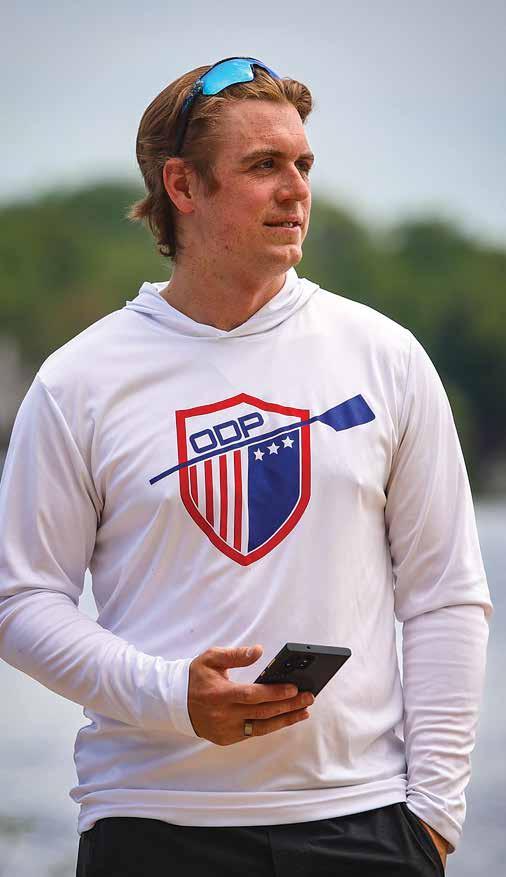
In addition to his time at Wesleyan, Jack Impronto has coached at Glastonbury High School and the USRowing Pathways Development Camp. He graduated from Trinity College in 2022.
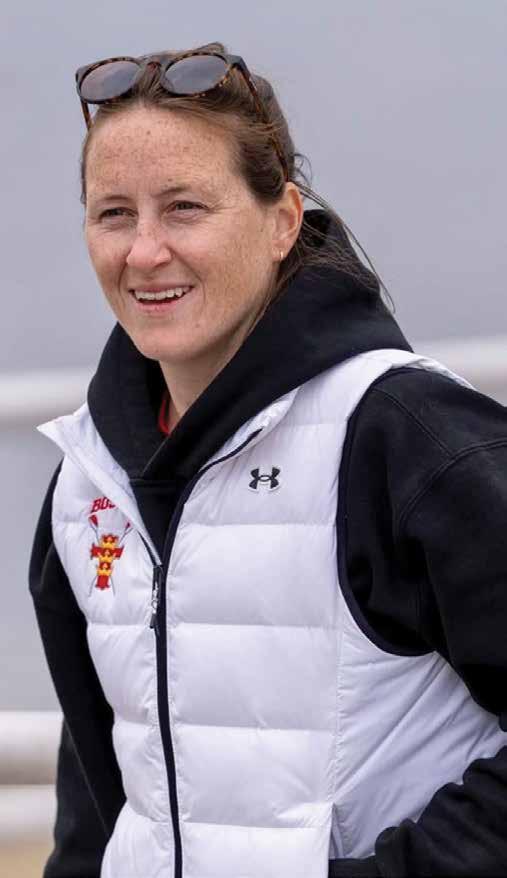
The University of Bridgeport expanded its varsity athletic offerings with the addition of men’s and women’s rowing in the fall of 2025 through a generous donation from Howard Winklevoss, founder of RowAmerica, the organization dedicated to advancing the sport of rowing.
Impronto believes his experience coaching both collegiate and junior athletes has prepared him to build a successful program, both on the water and through the personal development of his athletes.
“One of my biggest takeaways from my time at Wesleyan was the recruiting skills I developed,” Impronto said. “When I first arrived at Wesleyan, the team had just finished second at the IRA Division III National Championship, and it was clear that Coach Phil Carney had established an outstanding culture and system within the boathouse. At Bridgeport, we have the opportunity to build that foundation from the ground up and create something truly special.”
During his time at Wesleyan, the Cardinals completed an undefeated season in 2024, capturing the Division III IRA varsity eight and the IRA Division III team points trophy. In 2025, Impronto coached the third varsity eight to an undefeated season, culminating in a National Invitational Rowing Championship title.
In addition to his time at Wesleyan, Impronto has coached at Glastonbury High School and USRowing’s Pathways Development Camp. He graduated from Trinity College in 2022, where he rowed for the Bantams from 2019 to 2022.
The University of California, Berkeley
Former Cal oarsman and volunteer assistant coach Jack Smith has rejoined the Golden Bears’ coaching staff as an assistant coach, after coaching the last three years at Dartmouth College on Wyatt Allen’s men’s heavyweight staff.
Smith, who rowed at St. Paul’s School and then at Cal from 2016 to 2020, was a volunteer assistant coach from 2021 to 2023, and returns to Berkeley to rejoin Cal head coach Scott Frandsen’s program.
“We are thrilled to have Jack join the coaching staff,” Frandsen said. “Jack is an incredibly hard worker and he brings infectious, positive energy to everything he does. He was an outstanding studentathlete during his time at Cal and he has
Elizabeth “Libby” Hughes has been named the new David K. Richards ’61 Family Head Coach of Radcliffe Lightweight Crew.
spent the past six years developing as a coach and recruiter. I’m excited to see what he can bring to our team.”
William Smith College
Linnea Darius ‘26, one of the most decorated oarswomen in William Smith history, joins head coach Paul Bugenhagen’s staff as an assistant. Darius stroked the Herons’ varsity eight to a third-place finish at the NCAA Division III championships this spring—the program’s first national medal since 2013—and earned First Team All-America and All-Liberty League honors. Bugenhagen called her “an elite communicator, leader, and oarswoman.”
Bryant University
Brian Reifsnyder has been named head coach of women’s rowing at the private university in Smithfield, R.I. He comes from Louisville, where he spent three seasons as an assistant, with earlier stops at Old Dominion and La Salle. A 2017 Temple graduate and four-year member of the Owls’ rowing team, Reifsnyder was praised by Vice President of Athletics Bill Smith for his “tremendous background in all facets of coaching.”
University of Connecticut
Jennifer Sanford, head women’s rowing coach at the University of Connecticut, announced in April that the 2026 season would be her last.
“It was a difficult decision to make because my identity for the majority of my life has been Rowing Coach,” said Sanford, who was the inaugural head coach of women’s rowing when the program was granted varsity status in 1997 and has led the Huskies for the last 29 years.
“I’ve tried to teach [student-athletes] that what this is all about is taking the sport of rowing and the experience of being a Division I athlete at UConn and using it as a tool to learn and improve in all areas of their lives.”
Sanford will continue to serve the university and the athletic department through 2027 as an advisor to the rowing program, helping guide the completion of a new boathouse and providing historical perspective and institutional knowledge.
UConn added Hailey Mercuri as an assistant. Mercuri rowed for Oklahoma in 2019 before transferring to Iowa, where she competed through 2024 and earned a degree in exercise science. She joined UConn after a season as a graduate assistant
at Nova Southeastern. “I’m honored to be joining the coaching staff at the University of Connecticut,” Mercuri said.
“I am confident UConn will select a fantastic successor and that the team is going to be in great hands,” Sanford said. “I’m excited to see the continued growth of the program and will support the team any way that I can, wearing a different hat.”
UConn turned in its strongest finish in program history at the 2026 Coastal Athletic Association Championship, placing second overall for the first time in program history while recording runner-up finishes in all three scoring races. Sanford earned CAA Coach of the Year honors for the first time in her career at the end of the season.
Lehigh University
Wayne Berger joined Lehigh’s rowing staff as an assistant coach this past winter, bringing decades of experience from Harvard, several New England prep powerhouses, and international stints with U.S. and Australian national programs.
The move has since turned into something bigger: In June, Lehigh named Berger the program’s first full-time men’s rowing head coach in school history, elevating him from his assistant role under Director of Rowing Peter Costas. “Stepping into this role full time is an incredible honor,” Berger said.
Yale University
Yale women’s crew has added Josie Konopka as an assistant coach under head coach Will Porter. Konopka returns to Ivy League rowing after a season as an assistant at Virginia and before that two periods on Penn’s staff as assistant coach and recruiting coordinator—the program where she was a two-year captain and twotime First Team All-Ivy rower.
Rowing runs in the family. Her father, mother, and two brothers all rowed or coached at Penn. Porter called her “one of the brightest young coaches in collegiate rowing.”
High Point University
High Point head coach Jessica Deitrick has added Laurna Atkins as the program’s second assistant coach. Atkins spent this past season as Drake University’s first assistant, working primarily with the novice team, and before that was the men’s novice coach at William & Mary College.
A walk-on-turned-scholarship rower
at West Virginia (2020 to 2024), she also managed the program’s Instagram account as an undergraduate digital-marketing intern.
“I am confident she will be able to come in and enhance our walk-on program,” Deitrick said.
The University of Kansas
Kansas announced the hiring of Andreas Sloth as assistant coach and Benjamin Fields as boathouse manager. Sloth was an assistant coach and recruiting coordinator with the Washington State women’s rowing team, where he also earned a master’s degree in educational psychology. He was a volunteer assistant coach with Kansas during the 2022-23 season.
“I met Andreas several years ago when we were both coaching in the Pacific Northwest and was impressed by his knowledge and work ethic right away,” said head coach Andy Derrick. “I knew if the opportunity presented, I’d love to work together someday.”
“Ben brings a wealth of experience to manage our exceptional facility on the banks of the Kansas River,” said Derrick about his new boathouse manager. “He has been in a similar role at Duke but also spent a lot of time behind the megaphone as a coach and as a program director at various clubs, so he has a great understanding of the big picture.”
University of San Diego
San Diego will not bring back Bart Thompson as men’s rowing head coach, ending a run that began in 2021. Assistants Costas Ciungan and Jack Newell had been elevated to interim co-head coaches for the balance of the season while USD ran a national search this spring.
“We thank Bart for his service to USD athletics,” said Kimya Massey, associate vice president.
Seven head coaching positions in women’s collegiate rowing remained open at press time—UConn, Smith, San Diego, Penn, Embry-Riddle, Monmouth, and Long Island University—ensuring that the coaching carousel hasn’t stopped spinning.
KATIE LANE learned the transformational power of rowing as an undergraduate at the University of Vermont and spent more than 10 years coaching at the collegiate level. She works as a communications strategist in Philadelphia, combining her expertise in digital marketing, partnerships, and creative storytelling with her passion for sports and community building.
Ever Henley, Only Better
PHOTOS BY LISA WORTHY
Rowing’s oldest and greatest pageant attracted a record 862 entries, featured three new women’s sculling events, and thrilled with stellar performances over six days of close racing.
From Olympic champions and world medalists to university crews, clubs, and juniors racing at rowing’s finest event, the 2026 Henley Royal Regatta delivered another unforgettable week on the River Thames.
A record 862 entries from 21 nations produced six days of close racing, remarkable performances, and enduring images, as one of the sport’s oldest traditions and its greatest pageant continued to evolve with a record program and the addition of three new women’s sculling events.
Here are some of our favorite photographs from a memorable 2026 Regatta.
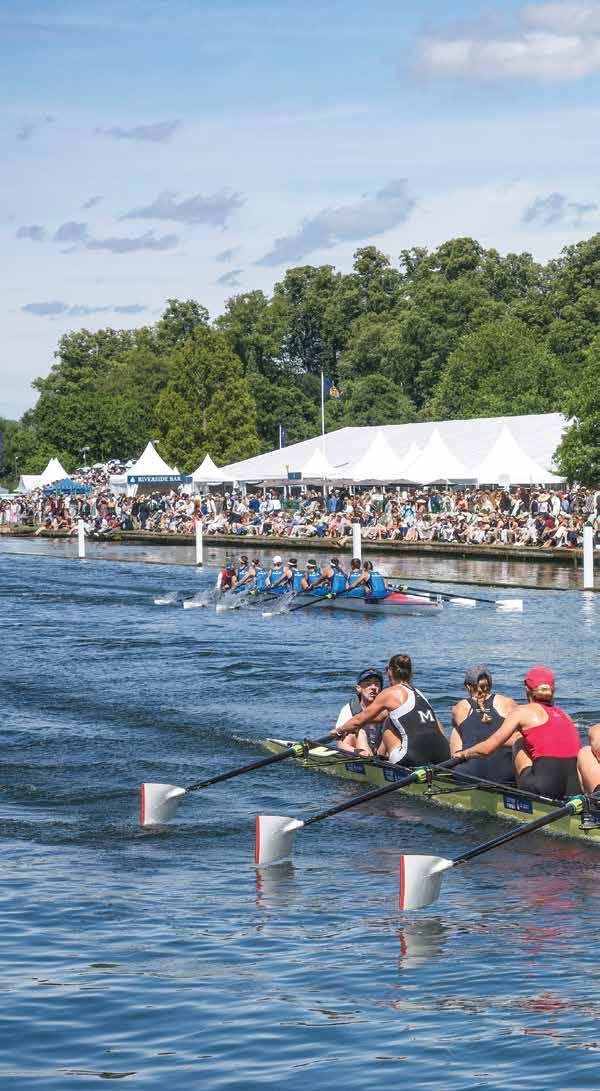
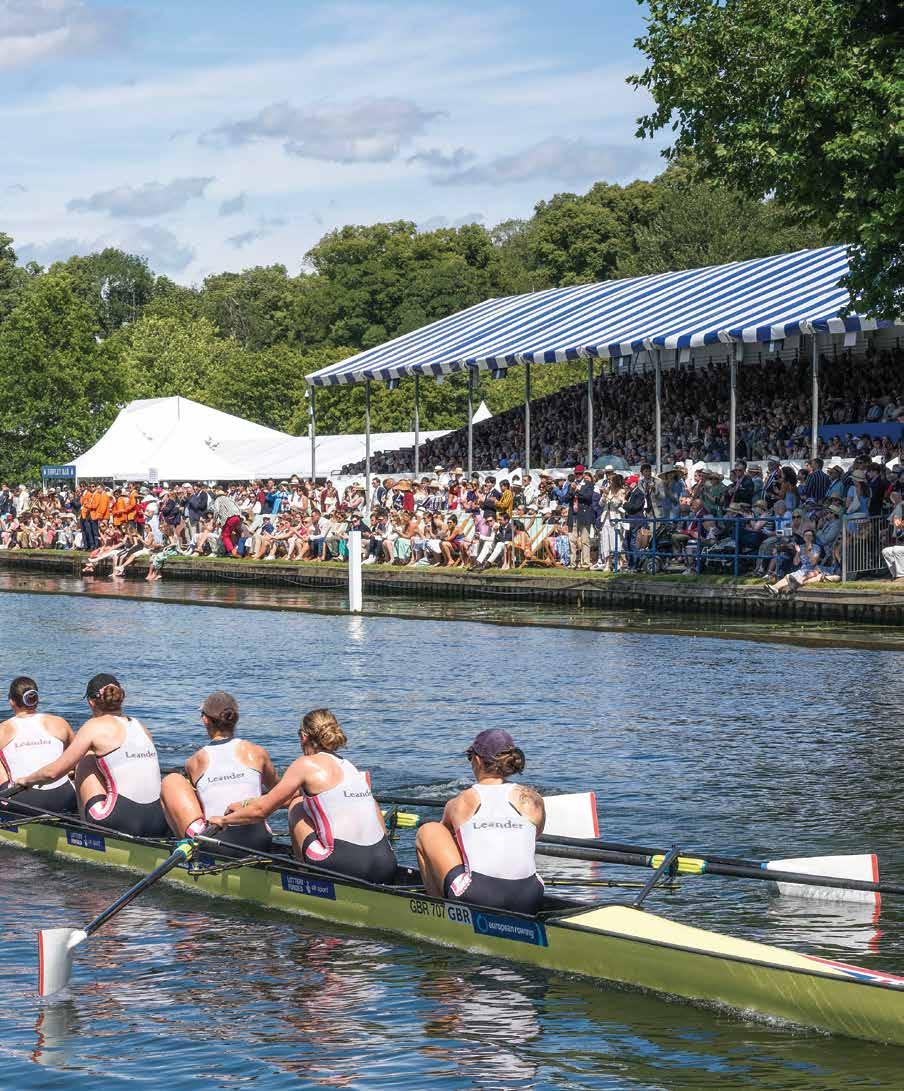
Rowing as Leander Club & Molesey B.C. because Henley Royal Regatta requires crews to race under their club names, the Great Britain national team women’s eight beat Team Italia in the premier women’s event, the Remenham Challenge Cup. The GB eight won at Lucerne the week before and beat the Italians by two and a quarter lengths at Henley to reclaim the cup lost to The Netherlands (which went on to win the world championships) last year.
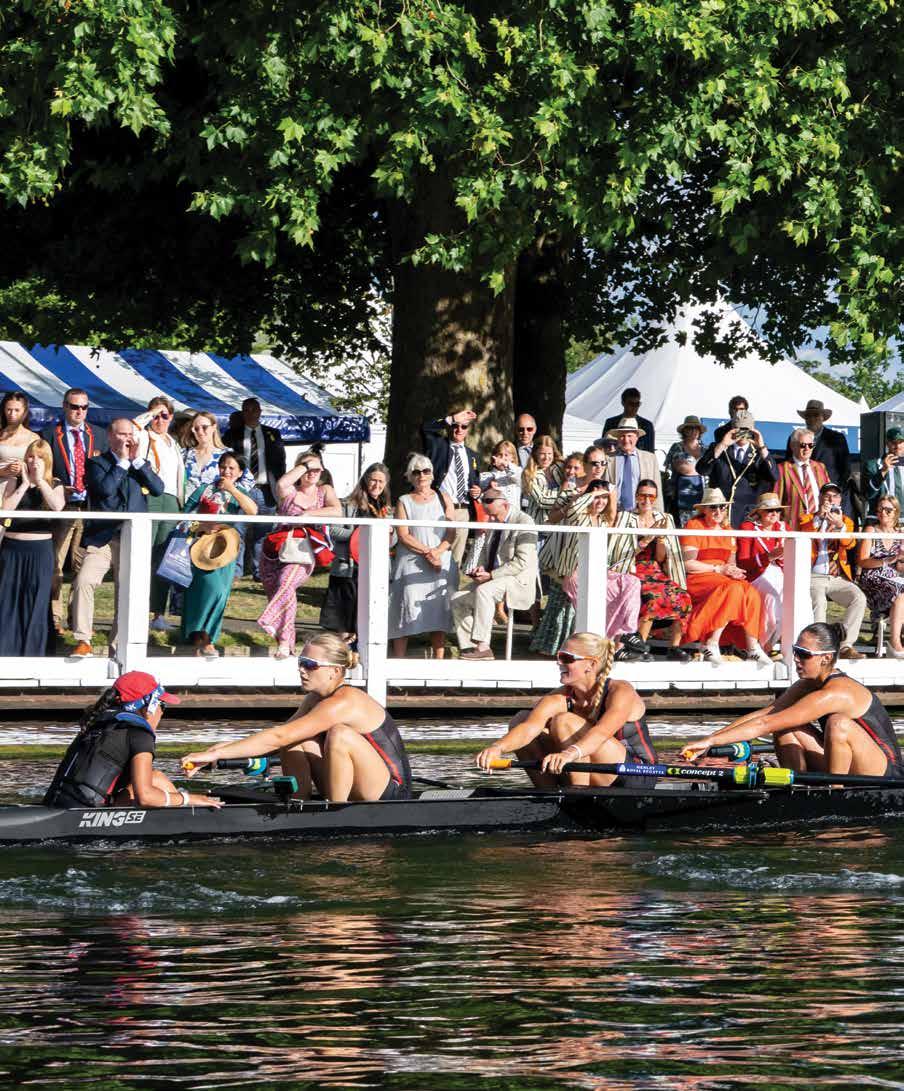
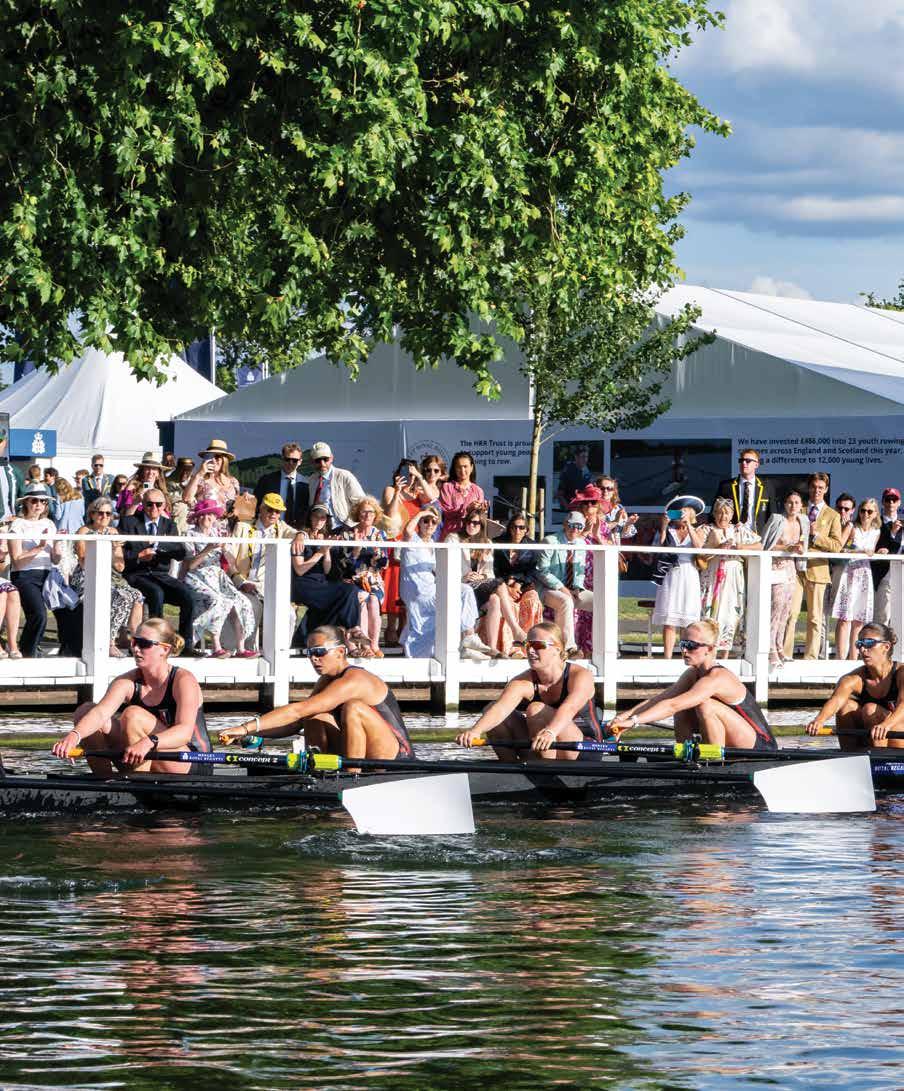
RowAmerica Rye’s Youth Nationals-winning women raced in the Prince Philip Challenge Trophy for junior eights, one of six U.S. crews (Chicago Rowing Foundation, Deerfield Academy, Green Lake Crew, RowAmerica Rye, TBC Racing, and Winter Park Crew) to enter the event. An all-American rematch with Chicago in the final was thwarted in the semifinals on the Fourth of July as both went out against British crews.
RowAmerica Rye ’s Youth Nationals-winning women raced in the
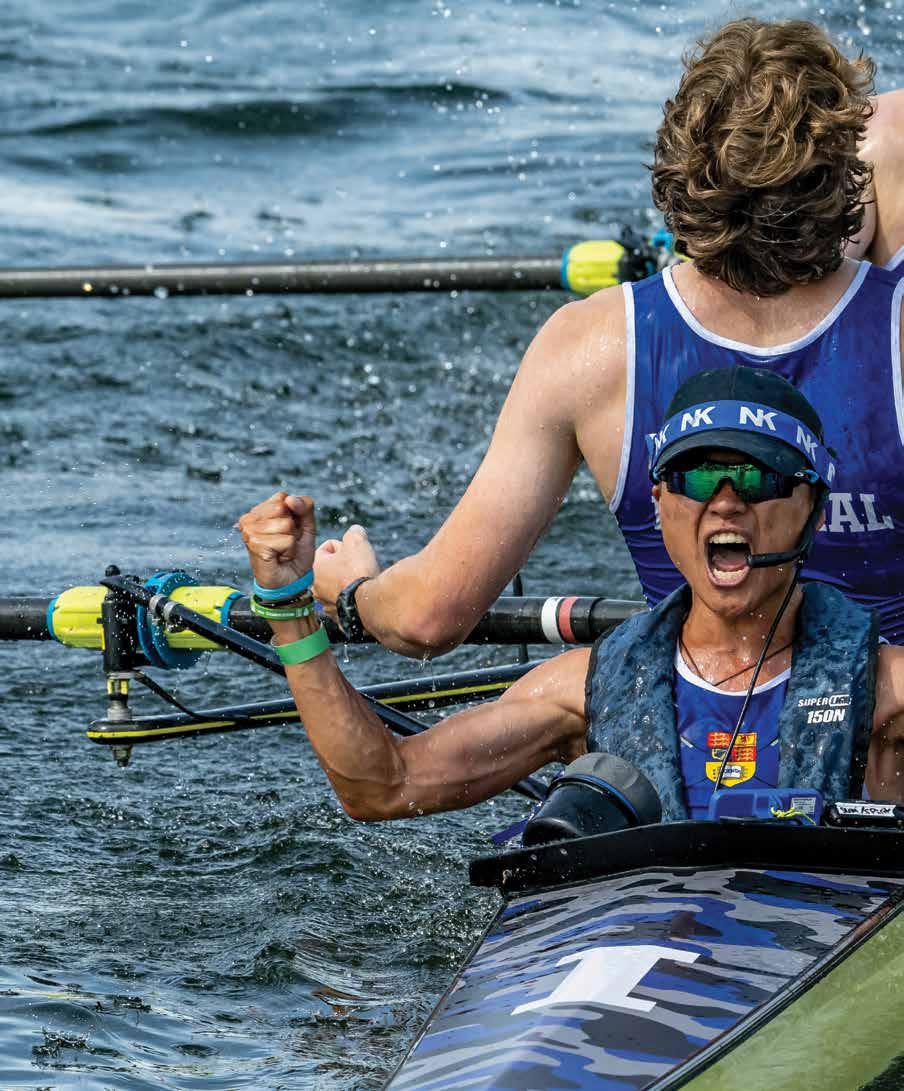
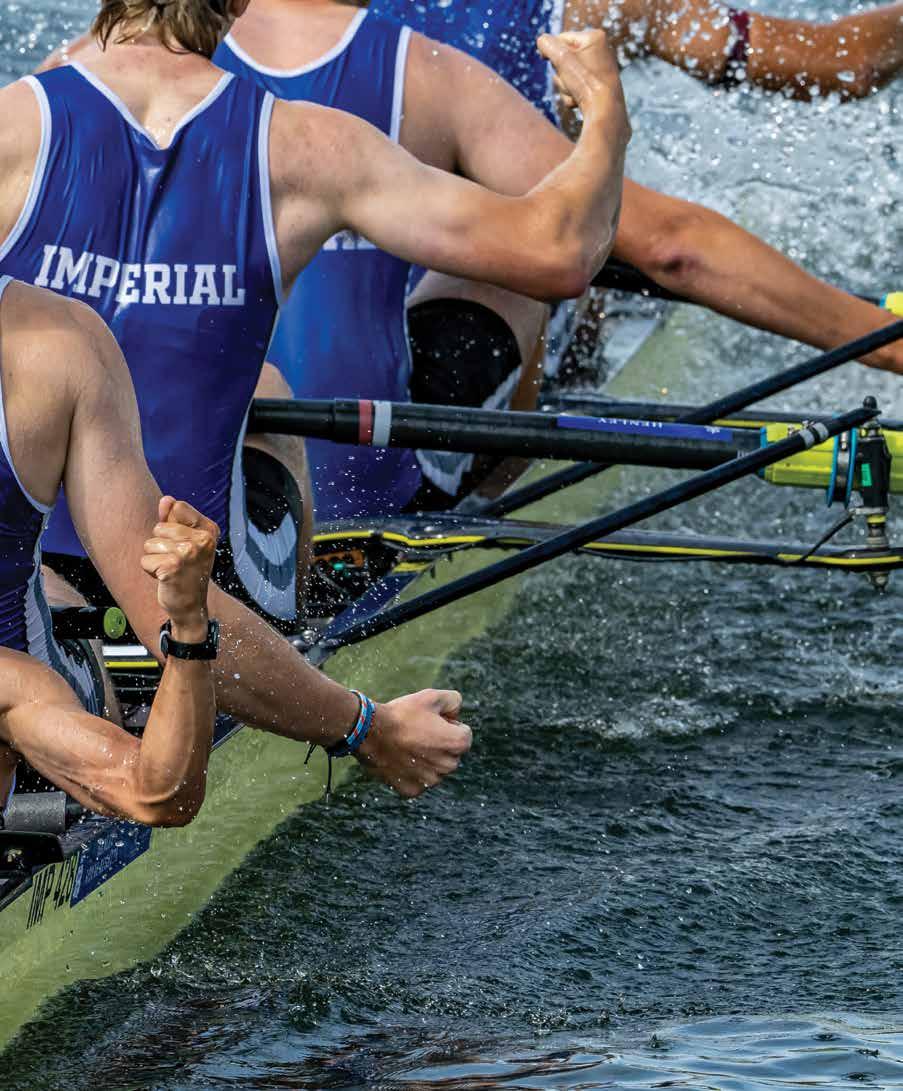
Imperial College, London, celebrated victory in the Prince Albert Challenge Cup for a fifth time with a win over Newcastle University. The popular and competitive event is for student fours, which like all formerly “men’s” events at Henley is an open event, meaning no restriction on sex, while women’s events are restricted (except for coxswains) to those assigned female at birth.
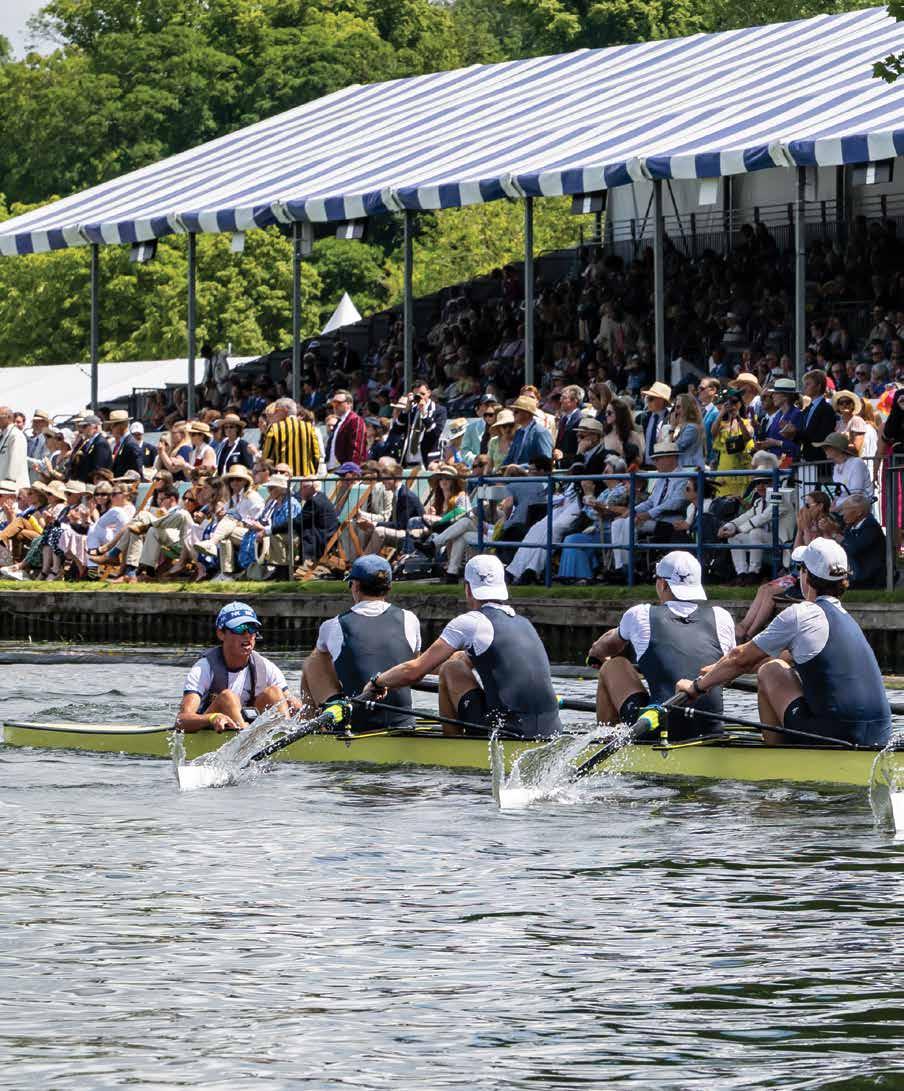
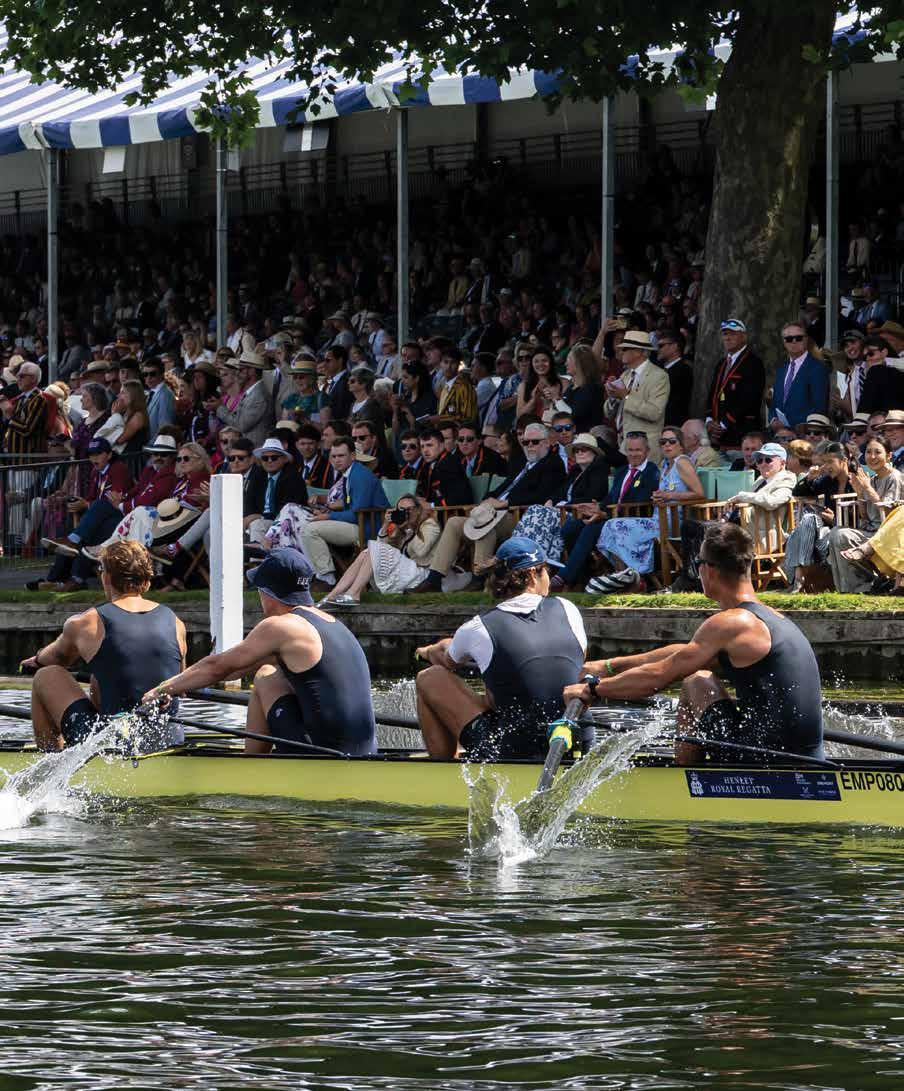
Yale University ’s entry—one of 87 total, reduced to a 32boat bracket by “Qualifying Races” (time trials) the weekend before—had nearly perfect catch timing in a heat of the Temple Challenge Cup. The heavyweight crew, featuring four Brits and a lone American (Bailey Foster, who raced at Henley twice before as a junior with Marin) lost to Durham University in the second round.
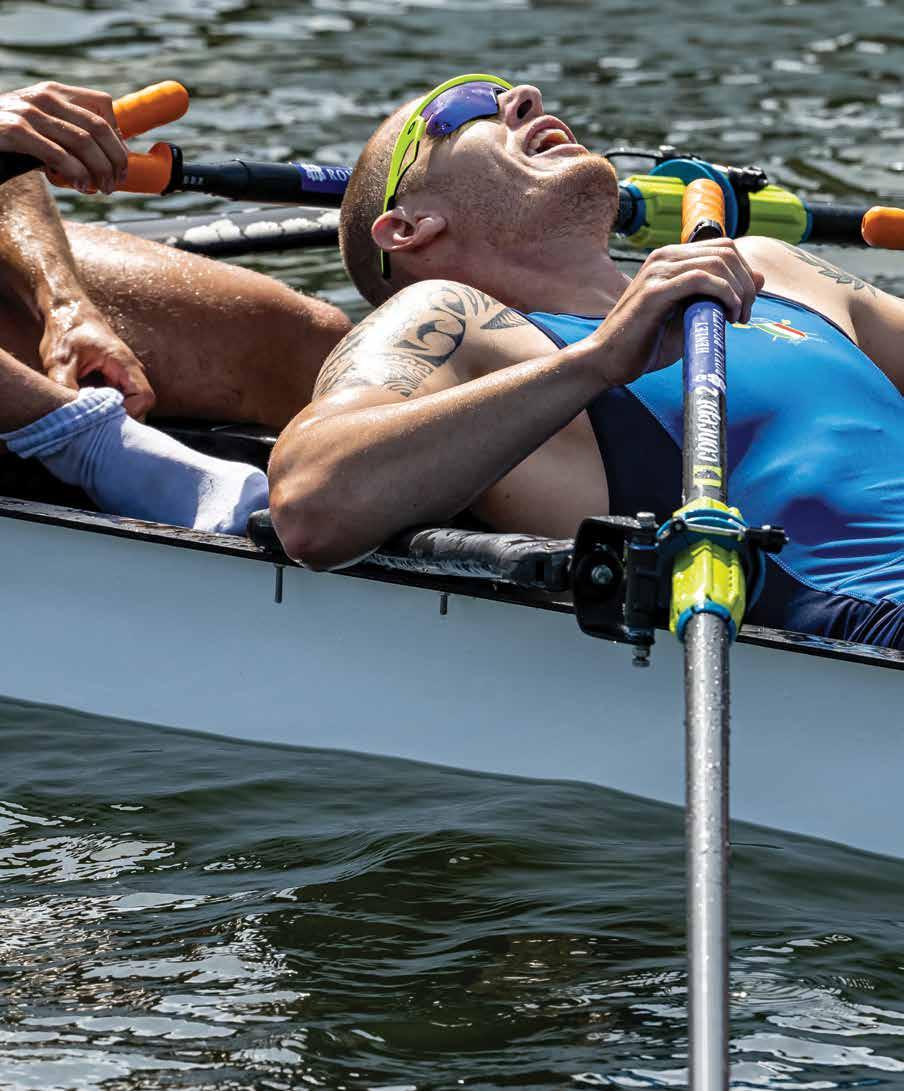
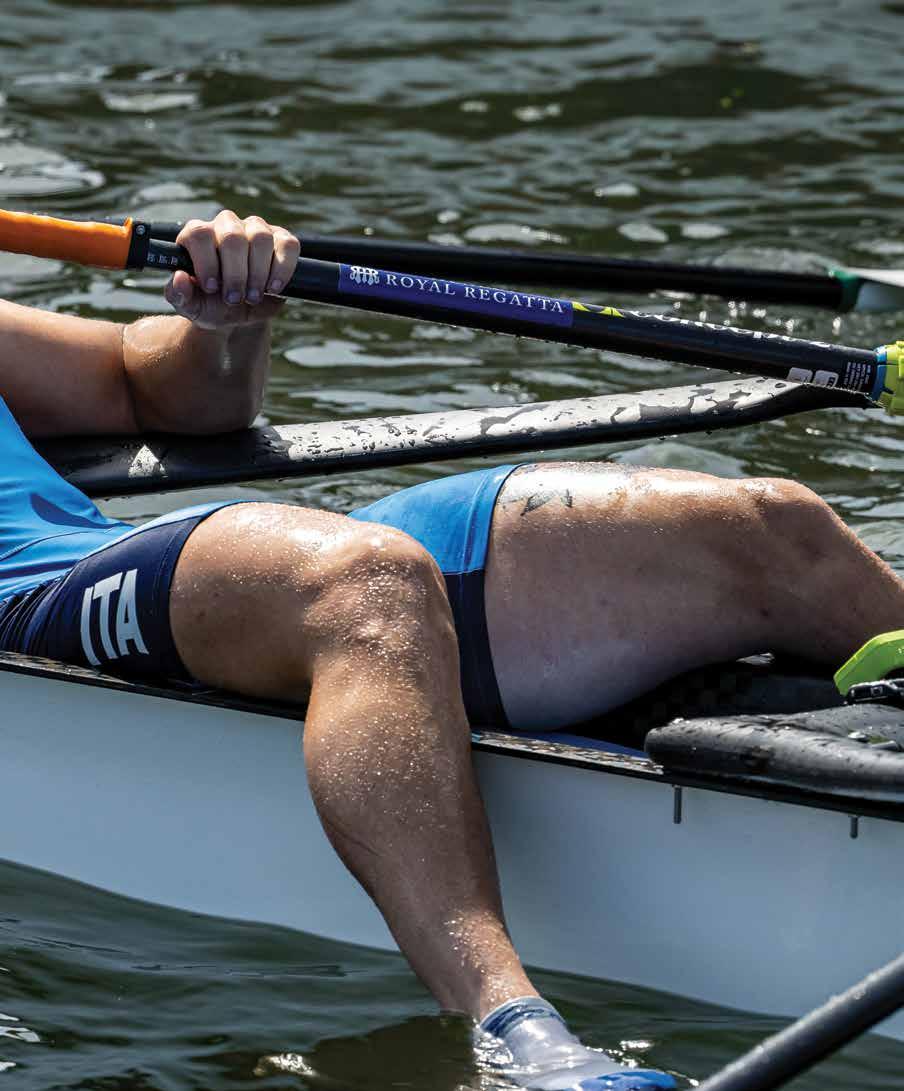
Silver medalists at the 2024 Paris Olympics and gold medalists at the 2025 World Rowing Championships, Italy ’s men’s quad arrived at Henley Royal Regatta with their world champion lineup and met Great Britain’s national team—silver medalists from last year’s worlds and winners at Lucerne the previous weekend—rowing as Leander Club/Twickenham Rowing Club composite. In the final of the Queen Mother Challenge Cup, Italy set the pace from the start, overstroking the British crew virtually the entire way down the course to claim the title—and collapse from exhaustion.
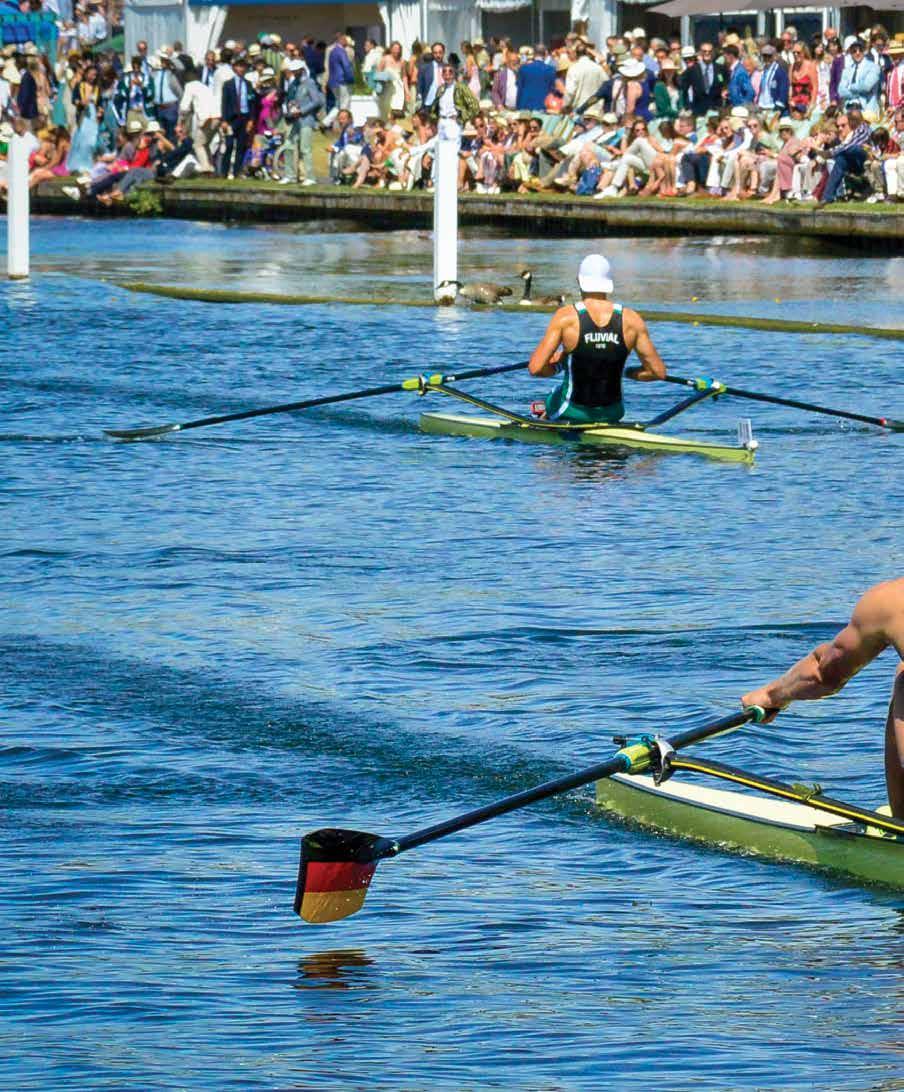
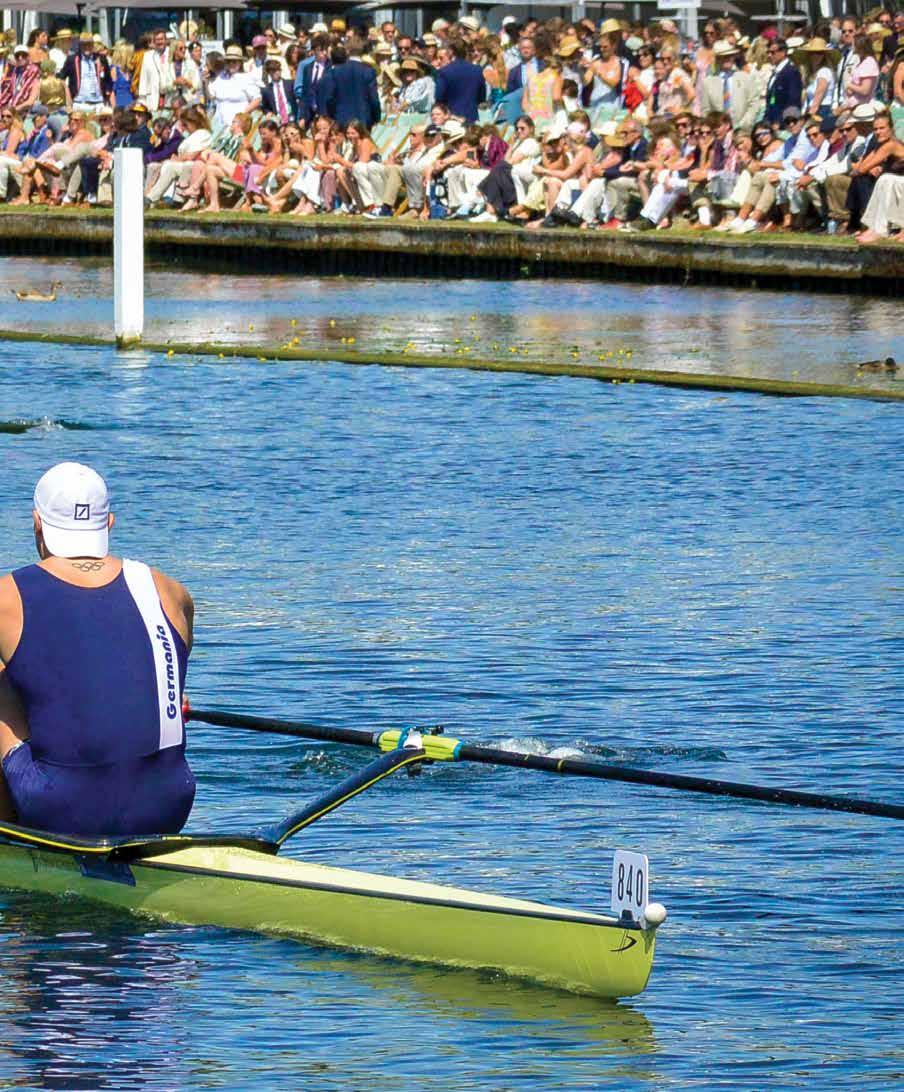
Olympic champion Ollie Zeidler made it five Diamonds, and counting, as he outdistanced a game challenge from Portugal’s D.M.V. Gonçalves in the final of The Diamond Challenge Sculls. The official margin—given in relative distance rather than time gap at Henley—was 4-3/4 lengths, an unofficial note of respect, as margins of five lengths or greater are recorded as “Easily.”


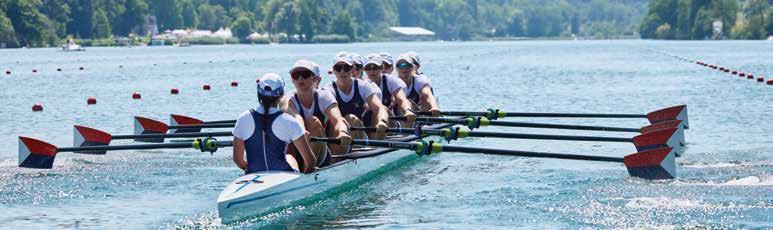
The Power and Beauty of the Balanced Boat
If your boat isn’t balanced, power transfer during the drive will be compromised, and the recovery will be poor, since in an unbalanced boat the blades hit the water unevenly.
The sprint regattas are over. Now you have time to recover and begin preparing for the fall season, all while making the most of the beautiful summer weather. Now is a good time to work on your technique without having to stick to a strict training schedule. But on what should you focus?
Begin with balance, the foundation of every aspect of rowing technique. Or, put another way: If your boat isn’t balanced, you can’t row with good technique, or at least it’s very difficult.
If your boat isn’t balanced, you can’t work on the correct sequence of movements during the drive or the recovery. Power transfer during the drive will be compromised, and the recovery will be poor as well, since in an unbalanced boat the blades hit the water unevenly.
When rowers are fighting balance, the correct movement sequence of your major body joints is compromised throughout the entire stroke. That’s why many coaches train intensively with crews while some rowers stabilize the boat—a technique known as “part-crew rowing.” Once the boat is stabilized, certain exercises or specific technical elements—such as the entry, the drive, the lift—are easier to execute.
On the water, it’s noticeable
immediately when crews are rowing with poor balance. Clear signs are differences in hand height and the way blades touch the water during recovery.
To limit the effects of poor technique, many rowers keep their blades close to the water during the recovery so an out-ofbalance boat doesn’t sway excessively. One consequence: The blades slap the water frequently, not only slowing the boat but also impairing strokes. This makes it difficult, if not impossible, to prepare for and execute a correct entry of the blades into the water.
Another sure sign of an unbalanced boat occurs during the release phase when rowers don’t lift their blades out of the water cleanly and tilt them back onto the water immediately.
How do you achieve good balance? It begins with rigging the boat correctly. The foot stretcher must be adjusted so that you can sit comfortably and move freely. Common mistakes: foot plates set at an angle that’s too steep; foot position that’s too high in the boat; foot stretchers positioned too far toward the stern or bow.
The first two rigging errors make it difficult to move freely from one end of the rowing stroke to the other. Incorrect longitudinal adjustments of the foot stretchers affect the direction of the handle
forces and the oar angles negatively, especially during the release.
The next step is to synchronize the timing of the entry and release so that all blades enter and exit the water at exactly the same time. This is particularly important for the finish of the stroke. Timing your release, finish position, and hands-away correctly—and performing these actions simultaneously—builds a solid foundation for the boat’s balance.
Additionally, if force transfer to the handles is even on both port and starboard sides, you’ll begin the recovery from an ideal end position. At the end of the stroke, your hands should be in the position farthest from the bow, with blades out of the water in the feather position. From there, your hand movement should be sternward and downward toward your knees. This keeps your blades off, and at the correct distance from, the water for the remainder of the recovery.
You then should move toward the stern linearly by keeping your body centered in the boat during the recovery while keeping your hands in a lowered position. A balanced boat and blades far enough off the water will enable you to execute a proper catch and entry, which must be well timed and performed in unison by everyone in the boat.
SPORT SCIENCE
TRAINING
An up-and-down movement of your hands during the drive or the recovery affects balance directly. With the exception of the release and entry movements, your hands should move horizontally and, ideally, at the same height above the gunwales.
Scullers, of course, must maintain a slight difference in hand height so they can cross over during the perpendicular position. This difference should be kept as small as possible and should not change during the drive or the recovery. When the height difference between the hands of scullers during the recovery is large, it causes the boat to tilt toward the side of the lower hand, immediately disrupting balance.
Begin determining whether your boat is balanced while at a standstill on the water. Rowers often differ about this position, so if you can’t agree, place a level across the boat.
Next, develop a feel for rowing in a balanced boat. This can be achieved by first making it easier—for example, by having part of the crew sit still while the oars skim the water (part-crew rowing).
Then, rowers should let their oars skim the water while the entire crew rows. This way, rowers can develop a sense of when the boat is in balance while rowing and at what height the oar handles need to move during the drive and the recovery. The only way to learn how to keep a boat balanced is for everyone to row together while blades are off the water.
A good way to instill balance is to challenge rowers with specific exercises: pause drills; rowing with hands carried low in the boat deliberately (large circles); rowing with squared blades; rowing in a sweep boat with only one hand on the handle or with the inner hand shifted farther toward the sleeve (“wide grip”); sculling with hands positioned away from the handles toward the sleeves (also called “wide grip”); switching the crossover from left-over-right to right-over-left.
When rowers can perform these exercises cleanly and fluidly, balancing the boat during normal rowing becomes much easier.
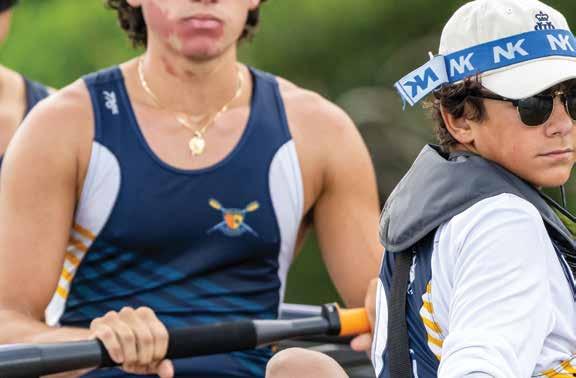
Summer Planning for Fall Rowing
Writing a plan forces you to think it through, to speak to your rowers and coach about it, and to get it anchored in your brain. It also make it easier to pivot.
For coxswains, summer can be a great time for self-reflection and thinking about the changes you want to make in the coming year. One way to do that is to set up an effective method for self-assessment. Recording your progress and measuring improvement boost your morale and make you a better coxswain faster.
I spoke to Lizzy Houston, associate head coach of women’s lightweight rowing at Stanford, about her methods for preparing coxswains and helping them improve during racing season.
“Before racing, we have them write out their plan and break it out into chunks, either 250s or 500s. Then the coxswains know what’s coming. Maybe we’re taking a move at the 750, and the coxswain can then prepare for it. Obviously, they’re going to go off script.
It’s important that they go off script and know how to ad lib. It’s super helpful for them.”
Writing out your plan forces you think it through, to speak to your rowers and your coach about it, and to get it anchored firmly in your brain. Note that Houston emphasizes the ability to ad lib. The idea isn’t memorization but familiarization and professionalism. The more you’ve thought through your plan, the easier it is to pivot from it if need be.
Then comes the crucial step for improvement: the race assessment.
“After racing, we have them write their thoughts,” Houston said. “Write where you had to pivot or where you noticed something—a boat walking or if you had to sprint early. Go through what exactly happened in the race.”
“I like a high level of detail.
VOLKER NOLTE, an internationally recognized expert on the biomechanics of rowing, is the author of Rowing Science, Rowing Faster, and Masters Rowing. He’s a retired professor of biomechanics at the University of Western Ontario, where he coached the men’s rowing team to three Canadian national titles.
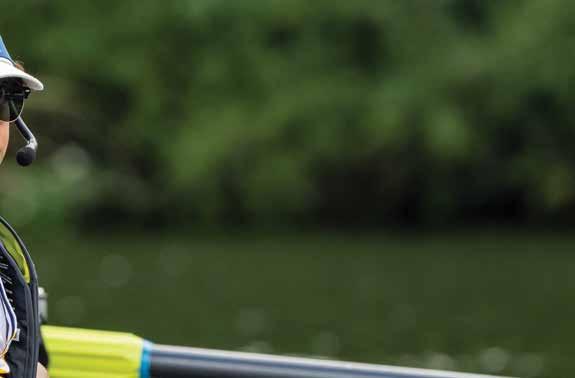
Specifically, how was the start? What was the sequence? How high were you on the high strokes for? Where were you in the field? Where was the first move planned? Where does it actually happen?”
Being specific about details is a key factor in a helpful race report. You can include data (splits, wind) as well as your own notes about what was happening in the race, your calls, and your crew’s actions. This prevents you from being too general in your post-race self-assessment.
“I wasn’t clear” isn’t as helpful as “I didn’t tell the crew our position for 500 meters in the middle of the race.” “It was frantic” is hard to act on, but “I spoke too quickly when the other boat started moving on us” is actionable feedback. You’re not looking to feel good or bad about yourself; you’re looking for an emotionally neutral piece of information about your performance.
When you’re done with the race report, look at the plan and the report side by side. Keep in mind: They don’t need to match. Now ask yourself some questions. Houston encourages her coxswains to think critically: “Did you follow your plan? Did you do anything
differently? Is there anything you know you want to do differently moving forward?”
This system “is really for the athletes,” Houston said. “It’s helpful for us as coaches but it’s important for them to take the time to reflect and prepare for the next race. It allows them to make the mistakes on paper and gives them more ability to practice.”
A bonus: This system allows you to keep learning from past races long after they’re over. Keeping a record is helpful long term; you’ll forget things you once knew, and if you’re without a crew over the summer, you can still go back and do some makeshift race reports from your recordings. While it won’t be as helpful as doing them fresh, it will enable you to create benchmarks for your own performance headed into the fall.

HANNAH WOODRUFF is an assistant coach and recruiting coordinator for the Radcliffe heavyweight team. She began rowing at Phillips Exeter Academy, was a coxswain at Wellesley College, and has coached college, high-school, and club crews for over 10 years.
TRAINING
Hot Stuff Your Move
If you’re tempted to jump on the coaching carousel this summer, keep in mind these factors as you mull what’s right for you.
Summer is the time when many rowing coaches are contemplating their next move. The coaching carousel is spinning, and some coaches are doing everything they can to get on, or off, the ride. But a decision made in haste or out of desperation can do much more harm, personally and professionally, than no decision at all.
Coaching is viewed commonly as a linear hierarchical profession. But this isn’t the only path. And it’s not usually the most fulfilling or sustainable one.
Coaching is viewed commonly as a linear hierarchical profession. You begin as a volunteer or low-level assistant. You move up to a full-time assistant, then first assistant at a better team. Then, you become a head coach somewhere and eventually a head coach at a more big-time team.
But this isn’t the only path. And it’s not usually the most fulfilling or sustainable one. Moving from collegiate to junior coaching is sometimes the best move, and sometimes making an outwardly lateral move is really the best one for you. Coaches can lose themselves running on this treadmill constantly looking for the right next move. What is “right”?
Only you can define that. Sometimes, you have a good thing going in your current position or you have outside life factors that make this the best option for the time being, so the right move is staying put. When it’s time to look for the next opportunity, thoughtful coaches would be well served by trusting themselves, not external evaluations, to identify the “right” position.
Some things to consider when looking for your next position:
Philosophical alignment with leadership: Do your values align with whomever is in charge? If your priorities aren’t similar from the jump, they aren’t going to shift much over time.
Job responsibilities: What is the actual job description? What will your responsibilities be? If the position doesn’t offer the opportunity to work on the areas you’re most passionate about or want to develop the most, maybe it’s not the best fit.
School culture and location: Look beyond the rowing. Does the culture of the university or club, if you’re looking at a college position, align with your values and interests? Is the job in a location you want to be in? This is a simple but often overlooked factor.
Development opportunities: Make sure you’ll have real opportunities for professional development. Can you take on new responsibilities with which you’re unfamiliar?Will you be able to attend conferences? Will you have access to more experienced coaches within the department or boathouse?
Fit: Don’t forget about this ever-elusive factor. This may be a feeling in your gut, or your chest. Don’t ignore it. When you talk to your potential future colleagues, are you excited or does something feel off? When you walk around campus or the boathouse, can you see yourself there? You may feel nervous or doubt your readiness (you’re ready!), but you shouldn’t feel off.
Good luck to those trying to hop on the spinning carousel, and congratulations to those who are satisfied with where they are
MADELINE DAVIS TULLY competed as a lightweight rower at Princeton and on the U-23 national team before coaching at Stanford, Ohio State, Boston University, and the U-23 national team. Now a leadership and executive coach, she is the founder of the Women’s Coaching Conference.
The latest news about food, muscle, and your body, gut, and weight.
The American College of Sports Medicine (ACSM) is a professional organization for exercise scientists, sports-medicine doctors, sports dietitians, sports psychologists, and other health professionals, educators, and researchers who work with athletic people.
ACSM’s annual meeting is a hot spot for the latest sports-nutrition news. In late May, more than 4,000 members gathered in Salt Lake City to present their research and discuss current trends and topics. Some interesting highlights:
Weight: When people gain weight, they also gain muscle as the body adapts to carrying a heavier load. Result: Obese people tend to have a lot of muscle—more than lean folks. But the quality of the muscle (strength and power) is diminished if they aren’t physically fit.
When obese people lose weight, they also lose muscle, partly because they have less weight to carry and also because the body, when in energy deficit, breaks down muscle for fuel and lacks the energy to make new muscle. The same is true for dieting athletes, such as lightweight rowers.
Among people who use GLP-1 weight-loss meds, about 25 percent of the lost weight can be muscle, a consequence that can be mitigated with resistance exercise. Hence, strength training should be a fundamental part of every weightreduction program, especially among dieters who eat minimal calories, such as those who use GLP-1 meds and weightclass athletes.
Gut issues: Athletes commonly struggle with gastrointestinal (GI) issues ranging from nausea to diarrhea. Athletes who participate in running sports that jostle the intestines or exercise in the heat for prolonged periods are prone especially to GI distress.
One way to resolve the problem is

to train the gut by exercising routinely after having eaten a meal or ingested a lot of pre-exercise water. A second way to minimize GI distress is to eat foods low in carbohydrates known as FODMAPs (Fermentable Oligo-, Di-, Mono-saccharides And Polyols) for a few days before an important athletic event.
Foods high in FODMAPS that athletes commonly enjoy (and might want to avoid pre-event) include onion, garlic, apple, and broccoli. Low FODMAP foods include rice, potato, and all animal sources of protein. Lists of high and low FODMAP foods are readily available at KateScarlata.com. Kate is a FODMAP expert!
Sleep: Sleep is an important part of a training program. Sleep is restorative and realigns your circadian rhythms. Many athletes, including rowers, suffer from sleep deprivation because of earlymorning or late-evening workouts, travel to competitions that disrupts normal sleep patterns, and the time demands of work, social life, and training.
Since each cell in your body has its own circadian rhythm, sleep is important to enable you to function normally. Establish a routine so you eat, exercise, and sleep at similar times each day. This can boost both performance and overall health, appetite regulation, and well-being. People whose circadian rhythms are disrupted experience more health issues (heart disease, diabetes, hunger that contributes to weight gain),
and women are more sensitive than men to circadian disruption.
Muscle-building: To build muscles, you need to lift weights, do push-ups, or participate in some type of resistance exercise. Consuming a high-protein diet or taking creatine (or even hormones such as testosterone) does not build muscle. As exercise physiologist Stu Phillips explained, strength training is what “bakes the cake”; creatine is the sprinkles on the top.
The best strengthening exercises are the ones you enjoy. If you prefer to lift lighter weights than heavier ones, that’s OK. Doing 20 to 25 reps of lighter weights will give you the same gains as lifting eight to 12 reps of heavier weights. The key is to lift until the muscle is fatigued.
Athletes vary in the amount of muscle they can build; some are “hard gainers.” In general, men gain more muscle than women, but that is relative. A 120-pound female rower can gain the same percentage of muscle as a male rower. With a strengthtraining program, a one-percent gain for a 150-pound male would be 1.5 pounds, but only one pound for a 100-pound female.
If you feel as though you’ve hit a plateau when lifting weights, your best bet, advises exercise physiologist Trent Stellingwerff, is to stay consistent with your program and not to fret about “changing things up.” For more information about the most effective ways to build muscle, take a look at ACSM’s 2026 Position Stand
on Resistance Training Prescription for Muscle Function, Hypertrophy and Physical Performance.
Gut microbes: They influence your muscles and your ability to exercise, and vice versa. Exercise influences your gut’s microbiome, which influences your immune system and overall health. Ultrarunners and Ironman triathletes who do hours more exercise than most of us tend to have higher amounts of healthprotective microbes.
The microbes in your gut thrive on fiber-rich foods such as whole grains (brown rice, oatmeal), fruits (berries, apples), and veggies (sweet potato, peas). Fiber is particularly important as you age, since the robustness of the microbiome tends to diminish.
Nutrition supplements: Many athletes are taking products that make amazing claims but have no science backing them up. Buyer beware: The nutrition supplement industry is poorly regulated. Supplement makers do not have to prove their products are safe. Only after a product has come on the market and created health issues does the FDA step in.
Getting Ready to Row
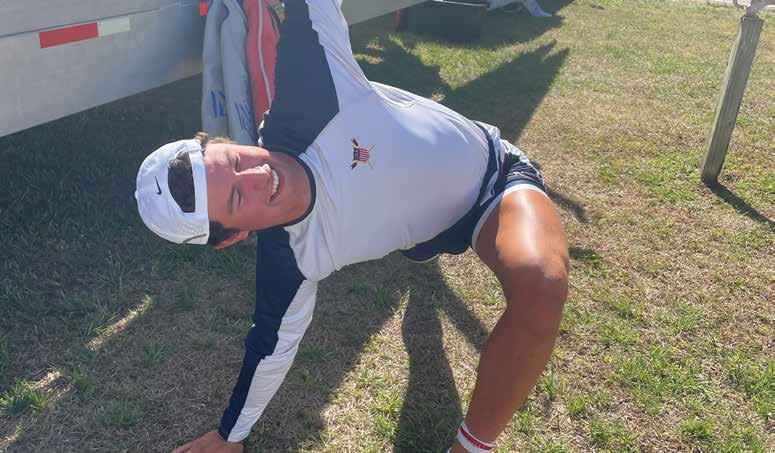
A warm-up is more effective when dynamic rather than static because it stimulates circulation in your joints and muscles.
Warming up for rowing is an important component of your training so your joints are mobilized and your muscles activated for the work ahead.
A warm-up is more effective when dynamic (moving) rather than static (not moving) because it stimulates circulation to your joints and muscles.
Here’s a simple 10-minute pre-row land warm-up routine that can be done anywhere. Perform the exercises moving from your feet up. Repeat each exercise 10 times.
Begin with ankle circumduction. Stand on one leg, your thigh parallel to the ground, and rotate your ankle in both directions. Then do the same with your
other leg.
Stand upright and rise on the tips of your toes. Lower your weight to activate your calves and plantar flexion.
Stretch your calves by leaning into a wall, with the leg you want to stretch behind you, its heel on the floor. Lean forward and bring your opposite knee toward your chest, then back to the floor.
In a standing position, place your hands on your knees and make circles with your body in both directions. For hip-joint mobility, add lateral leg swings. With your hands on the wall, swing each leg side to side, moving from the hip. Then turn and swing each leg front to back while keeping your upper body upright.
Next, stand with your feet hip-width
apart and rotate your hips similar to a Hula Hoop motion, first clockwise, then counterclockwise. Gently bend to the side by sliding one hand down your thigh, then return. Mobilize your shoulders by making large circles, forward then back.
To complete the dynamic warm-up with a more challenging move: Squat as low as possible while keeping your pelvis straight. At the bottom of the squat, lift your arms over your head, then stand up.
is the author of Tip of the
on Rowing. She specializes in training for masters rowers. Her coaching service, Roylerow Performance Training Programs, provides the program and support you need to improve your competitive edge. For information, email Marlene at roylerow@aol.com or visit www.roylerow.com.
PHOTO: CHIP DAVIS.
MARLENE ROYLE
Blade: Notes
It’s Never Too Early to Prepare
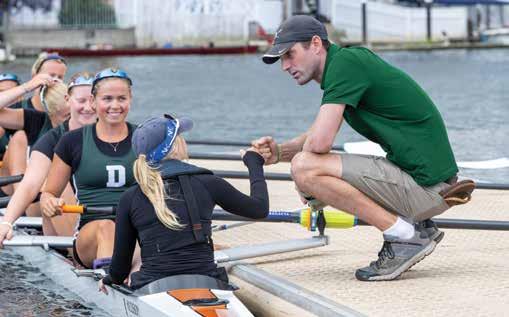
An important aspect of the recruiting journey is realizing that your personal timeline may not align with those of the coaches or programs that interest you.
Afew months ago, I emphasized a simple but powerful message: The time is now to begin the collegerowing recruiting process. That message remains just as important today. Early preparation is not only smart, it’s essential.
For student-athletes in the ninth or 10th grade who are just beginning their journey with a local rowing club or highschool team, now is the perfect time to lay the groundwork. This guidance is equally valuable for both athletes and their families as they prepare for the path ahead.
Begin with Eligibility and Academics
One of the first concrete steps you can take is registering with the NCAA Eligibility Center. Doing so will familiarize you with the core academic courses required for collegiate eligibility. Understanding these requirements early ensures there are no surprises later in your high-school career.
Build a Broad List of Potential Schools
While NCAA rules restrict official and unofficial campus visits until junior year, ninth and 10th graders can and should begin researching programs. Begin building a list of colleges that interest you, and don’t be afraid if that list is long. It’s a starting point. Revisit your list every few weeks, adding new programs and removing others as your interests evolve and your understanding of different schools deepens.
Summer Before Junior Year: Preparation is Key
As the summer before your junior year approaches (when communication with college coaches begins officially), it’s important to stay organized. Move deliberately. Take detailed notes on every conversation, email, or piece of advice you receive from programs. Develop a system that allows you to track each school’s culture, coaching staff, team dynamic, and academic offerings. At this stage, it’s helpful to divide your list into a top and bottom
half to focus your energy.
Visits and Narrowing the Field
When you reach the point of scheduling official (paid) and unofficial (unpaid) visits, try to narrow your focus to your top four or five programs. This part of the process can be time-consuming, and investing your time wisely is crucial. Deep engagement with a few schools is often more productive than spreading your attention across too many.
Communicate Your Timeline Clearly
One of the most important, yet often overlooked, aspects of the recruiting journey is understanding that your personal timeline may not align with those of the coaches or programs you’re speaking with. Especially during your junior year, don’t be afraid to communicate your goals and timing clearly. Transparency helps both sides navigate the process more effectively.
For Current Juniors: It’s Not Too Late
If you’re currently a junior and wondering whether you’ve missed your window, the answer is a resounding no. But the time to get organized is now. Create a structured plan, understand your priorities, and move forward with purpose. Every university operates on its own recruiting schedule. Some programs may extend offers during junior year, while others wait until the fall of senior year. Tough decisions will arise, and it’s wise to prepare in advance. For example, know how you’ll respond to an offer from your secondchoice school before hearing back from your top choice. This kind of strategic thinking will serve you well.
Final Thoughts
Recruiting is both exciting and challenging. With preparation, honesty, and a clear plan, you can navigate it with confidence. Whether you’re just launching your high-school rowing journey or already deep in the process, remember: The time is always now to take the next step.
ROBBIE TENENBAUM coached at the NCAA level for more than 30 years and spent eight years with the U.S. junior national team. Through Robbie Consulting, he now works with student-athletes and their families around the world, helping them navigate the university recruiting process and find the best academic and athletic fit.


TALKING IN THE BOAT
ANNIKA NELSON
Putting Your Best Self Forward
Maybe you brought your boat to a second-place finish at Youth Nationals. The coach doesn’t need to know that it was in the C final of the second varsity eight category.
Navigating the college recruiting process can be complicated and unfamiliar, especially if you were expecting every coach to be calling you on June 15. The likely truth is you’ll be the one initiating the conversations, and following up, and sending those double or triple emails.
But fear not, here’s how to tell if your dream school wants you–or if you’re even on its radar.
Before you email coaches, you should
Coaches communicate almost as poorly as recruits, so learning how to interpret their messages is essential.
know which schools you’re interested in. This requires some research, such as considering which school colors you look best in. Of course, there are slightly more important factors like academics, location, strength of the program, and whether you can handle a winter of erging if the river is frozen solid.
Pro tip: The “I’m too injured to erg but healthy enough to row” doesn’t fly on most college teams. So really think about that winter season.
You’re probably familiar with the practice of making a list of reach, target, and safety schools. But don’t underestimate the power of being a “potential” recruit. Any school can be a target if you really sell the “I’m a dualsport athlete who’s new to rowing but still growing” story. Even if you’ve been rowing since age 12 and your parents are both under 5-foot-8, surely there’s one coach gullible enough to think he can turn you into a 1V lock.
Coaches communicate almost as poorly as recruits, so learning how to interpret their messages is essential. Remember: If they wanted to, they would. When coaches are interested, they fly you out for an official visit, introduce you to the team, and discuss your future. When coaches are not interested, they send you a cheerful email (or worse, a DM on Instagram) saying, “Stop by the boathouse if you’re in the area!” You will not be in the area. They know that. Sometimes coaches go silent or send mixed signals, and you may begin wondering if it was something you said. It probably wasn’t. Chances are they’re just busy, or focused on a recruit who sent an erg score actually within target range. But don’t lose hope! In fact, mild desperation is encouraged. Wipe your tears, swallow your pride, and send the follow-up email. Then send another one. Just make sure there’s some improvement or new race result that justifies your persistence.
Calls are all about how you present yourself. I’m not saying you should lie, but it’s OK to present your mediocre stats in their most flattering light, because coaches are doing exactly the same to you. They’re bluffing when they tell you rowers have a life outside the team, and you’re not being transparent when you claim to be a smallboat mover. You don’t have to tell them how fast you move that small boat. So highlight your best race results. Maybe you brought your boat to a secondplace finish at Youth Nationals. The coach doesn’t need to know (at least not yet) that it was in the C final of the second varsity eight category. That detail can emerge later, once you establish yourself as one of
the few likable recruits.
Congratulations, you got a visit. It took many wordy emails and awkward phone calls, but you almost made it. Don’t ruin your progress now. This is where coaches decide whether they want to spend four years with you or whether they’ll never respond to an email again.
A few tips. Show up on time, be polite to everyone, especially the athletes, who will let their coach know, absolutely, whether you were normal or weird. Ask thoughtful questions about training and school. Don’t ask about how much the team parties (you can stalk the athletes’ social media later) or anything you can find out from one Google search.
When you meet the team, be friendly and easy to talk to. Plenty of people can pull a decent split, but you’d be surprised by how rare the personality recruits are. Be the recruit everyone enjoys being around, not the burden they have to babysit between classes.
This part is crucial. However tall you claimed to be on those recruiting forms, this is your chance to prove it. Wear your highest Hokas when visiting practice, maybe slip some shoe inserts into them depending on how much you exaggerated your height. Also take a look around for any other teams practicing in the boathouse. You never know if you’ll meet your future spouse (or messy fling) within these walls.
Finally, remember none of this counts until you’ve actually committed. It’s nice to hear coaches compliment you, but there are only so many spots. Until there’s real documented interest, keep your options open, stay realistic, and practice your smile in the mirror for that commitment announcement.
ANNIKA NELSON is a member of the Dartmouth women’s rowing team and has extensive under-undergraduate racing experience, including a U19 worlds appearance. She is a self-described “cultural additive” who brings positivity and unsolicited advice to every boat.
LOOK AHEAD
CJ BOWN
Invest in Your Primary Asset
It doesn’t require a $10-million boathouse endowment. It means hiring another coach to help. It means protecting the time of coaches so they can do the job you hired them for.
For a sport that prides itself on discipline, precision, and razorsharp execution, many programs are running a circus behind the scenes.
We hire a coach—a technical strategist charged with developing athletes. Then we hand that coach a million-dollar small business to run, provide little operational support, and still call it “a coaching job.”
Recruiting, practice planning, trailer maintenance, fundraising, regatta entries, broken boats, parent emails, budgets,
decisions, early mornings, bad weather, and athlete heartbreak come with the job. Administrative chaos shouldn’t.
If you want a winning program, enforce one simple rule: If a task does not require technical instruction, athlete development, or competitive decisionmaking, it does not belong on the coach’s desk.
Start with a 30-day audit. Track every administrative task that lands on the coach’s plate. Then ask a simple question: Does this require the coach’s technical judgment or authority? If not, it needs another owner. The coach’s responsibilities should include training plans, athlete development, lineup decisions, seat racing, and technical instruction.
If a task does not require technical instruction, athlete development, or competitive decision-making, it does not belong on the coach’s desk.
hotel rooms, and van rentals. Then, at the end-of-season board meeting, we ask why the third varsity didn’t make the grand final or why retention is falling.
Let’s be honest: That isn’t a coaching failure. It’s organizational failure.
You cannot expect championshiplevel athlete development from someone juggling dozens of unrelated problems every day. We say we want bigger rosters, healthier cultures, and faster boats. Then we build programs where coaches spend half their time doing administrative work instead of coaching.
When coaches become overloaded, they don’t stop working—they’re wired to keep going. But critical things disappear: the conversation that keeps a frustrated sophomore from quitting, the technical work that develops the middle of the roster, the video review that fixes a flaw before it costs a race.
Coaching should be hard. Selection
Operations should handle regatta entries, hotel blocks, transportation, equipment maintenance, volunteer coordination, and paperwork.
Just as important, build a buffer between coaches and logistical noise. Create a single operations email account managed by a board member or logistics coordinator—not the coach. Parents with hotel, volunteer, or travel questions contact operations, not the coaching staff.
Then establish one more rule: No discussions about lineups or race results until 24 hours after the trailer is loaded. Coaches should not spend every regatta defending decisions moments after athletes step off the water.
The most common objection, especially from junior and masters clubs, is budget. “We can’t afford a director of operations.”
Maybe not. But you also can’t afford to pay a coach to book hotels, complete paperwork, and repair trailers. That’s financial mismanagement.
If a full-time operations manager isn’t realistic, hire a part-time coordinator—a graduate student, retired parent, or organized alumnus—to own deadlines, travel logistics, maintenance schedules, and compliance. If even that isn’t possible, stop relying on vague volunteer committees. Assign individual owners to specific jobs: one Trailer Lead, one Regatta Travel Lead, one Equipment Lead. Each owns a defined responsibility—and none has input on coaching decisions.
We ask coaches to invest relentlessly in athletes, to develop overlooked rowers into champions. But who is investing in the coach?
Too many boards hand coaches a limited budget, an aging fleet, and a rusty trailer, then wonder why the club isn’t winning. Those are maintenance and budget problems, not coaching problems.
Likewise, assigning 30 athletes to a single coach isn’t “making it work.” It’s choosing to under-coach your athletes. The top boat will always receive attention. The future of your club lies in the middle of the roster—the athletes who aren’t stars yet but could become champions if someone had time to coach them.
Investing in coaches doesn’t require a $10-million boathouse. It means hiring another coach when possible. It means maintaining equipment before it fails. Above all, it means protecting coaches’ time so they can do the work they were hired to do.
Mediocre programs ask, “How can we squeeze more out of this coach?”
Championship programs ask, “How can we make it possible for this coach to coach?”
Stop treating your coach like an expense to be managed.
Invest in your primary asset: your coach.
CJ BOWN began his coaching career at Marquette University. He is vice president of sales at Pocock Racing Shells and president of sales and marketing at Finish Line Repair.
DOCTOR ROWING CON’T FROM PAGE 66 >>>
“Because of the shared hold, athletes know the sense of lightness as all swing into the gesture of lifting the hull overhead and then splitting to settle the gunwales smoothly on their shoulders, the coxswain guiding the sharp bow through the boathouse doors.
“And then, just after the crew again moves the hull up over heads and lowers it gently to the water, the unity breaks. Individuals move about to find oars, check stretchers, take off shoes. Not until late in the warm-up will the full crew row again, and that is why setting that unified focus in the moment of ‘Hands On’ is so important, so powerful.
“And now ‘Hands On’ who? Marshall’s form and teammates have given him a great honor—a fast and beautiful boat bearing his name. Now, for a while young people at Groton will say that
name as they move this shell and affirm their connection to each other, to moving in speed, to the history of athleticism at this school.
“And so where can we find Marshall? For us and those athletes who sit in this boat, I like to think that he will be with them—enjoying their strength and effort, their shared power—as they go through the same simple motions of rowing that he did. And in the tougher moments, the athletes might imagine Marshall assuring them that they can move through their nervousness and fatigue, that all from that starting moment of ‘Hands On,’ together, they can dance into speed.”
DOCTOR ROWING, a.k.a. Andy Anderson, has been coxing, coaching, and sculling for 55 years. When not writing, coaching, or thinking about rowing, he teaches at Groton School and considers the fact that all three of his children rowed and coxed—and none played lacrosse—his single greatest success.

DOCTOR ROWING
ANDY ANDERSON
The Sacred Call “Hands On”
A new shell at Groton named after alumnus, oarsman, and coach Marshall Moore ’75 prompts a reflection on unity, speed, and the everlasting gift of rowing.
This past season, the rowing program at Groton was given two extraordinary gifts—two new Empacher shells.
We dedicated the Todd Jesdale in the fall, a gift from the many oarsmen he coached so well and whose lives he impacted so significantly.
This spring, we dedicated the second shell on reunion weekend, when classmates and friends far and near gathered to honor their friend Marshall Moore. Marshall rowed at Groton and Harvard and coached at Choate, Brooks School, and Phillips Exeter, where his wife, Becky Moore, also coached. He also coached masters rowers in New Hampshire.
Doctor Rowing wanted to share the remarks Becky made at the dedication of the shell named for her late husband. Her thoughts on “Hands On” moved me in profound ways.
“He brought a boom box out on the water and convinced me to swing dance with him on the launch’s flat bow.”
Becky and Marshall Moore.
“I echo Gordie Gardiner ’75 in my thanks to all here for coming and add special thanks to him for making this day and dedication possible. Marshall would be so glad to see you all at Groton—the place where he learned to row from teacher and coach Robert B. Parker ’57. You can read that name on the shell racked just above the Moore. How fitting that these two who spent so much time together on the water are joined again.
“Beyond his poems, Marshall was always writing about rowing: endless emails to coaches, athletes, and especially coxswains. He was always looking for the best: rigging, boating, race plan, or inspiring thought—all for speed. For him, the last ingredient for speed was to remember that having fun was part of going fast.
“One of my favorite moments in the fun department was the day he brought a boom box out on the water and convinced me to swing dance with him on the launch’s flat bow—all to show our crews, tense in the week before Interschols (New England Interscholastic Rowing Association championship regatta), that dancing had a lot to do with making a boat go fast. Hold that thought.
“When someone dies, we want to find them. ‘Where are they?’ we keep asking, not considering the urn of ashes or the corpse-filled coffin really them, perhaps not sure of an afterlife after all.
“But we can’t find them in their living state, and so we put their names on places, buildings, and boats, ensuring those names will be spoken, perhaps remembered. Consider that word, too: re-member, literally re-join, re-animate? Perhaps we will find the people we miss as we speak their names.
“Unlike buildings or highways that sit static, boats move, are moved by the people they will carry, are carried by those who answer the coxswain’s command of ‘Hands On’ the hull. We use the language of human touch and care to describe the connection of athletes with their shells.
“The moment when a crew responds to ‘Hands On’ always feels to me quietly powerful. It is when the individuals make their first move to becoming a crew, a group of effort and speed. The athletes may have just come from a nap or a set of math problems. But now they are ready to unite, to lift the boat together that they cannot lift alone. I have never actually carried a funeral casket but when watching people do so, I have often thought of the same purposeful care given to carrying a crew shell.
NEW FOR 2026