HOW ROWAMERICA RYE MINTS SUCCESSFUL ROWERS WITH SCULLING AND DISCIPLINE

HOW ROWAMERICA RYE MINTS SUCCESSFUL ROWERS WITH SCULLING AND DISCIPLINE


Reliable communication and timing tools built for coaches, referees, and programs on the water.
Clear communication and precise timing are essential—whether you’re running practice or managing race day.
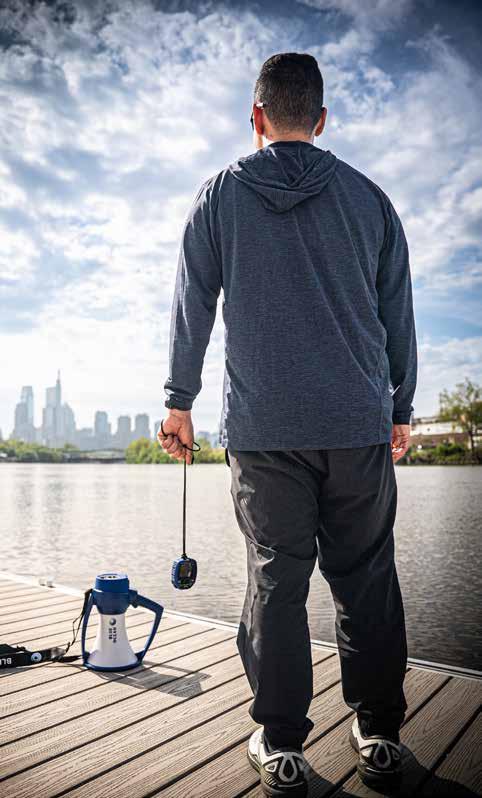
The Blue Ocean® Megaphone delivers powerful, dependable amplification so your crew can hear every call across the water. Built for real rowing conditions, it provides clear sound at distance and is trusted by programs and regattas at every level. Backed by a 5-year warranty, it’s the reliable choice when it matters most.
Pair it with the NK Interval® Watch to track stroke rate, time pieces, and manage splits with precision. Store and recall lap times, monitor performance, and keep every session running smoothly.
From practice pieces to the finish line—these are the tools that keep your program on track.






Chip Davis PUBLISHER & EDITOR
Chris Pratt ASSOCIATE PUBLISHER
Vinaya Shenoy ADMINISTRATIVE ASSISTANT
Art Carey ASSISTANT EDITOR
Ian Parish ASSOCIATE
CONTRIBUTING WRITERS
Andy Anderson | Nancy Clark
Chris Clark | Martin Cross | Bob Ford
Kieran Harrington | Katie Lane
Volker Nolte | Marlene Royle
Robbie Tenenbaum | Hannah Woodruff
CONTRIBUTING PHOTOGRAPHERS
Jim Aulenback | Steve Aulenback
Dan Bigelow | Karl Cheng
Grace Menke | Lisa Worthy




MAILING ADDRESS
Editorial, Advertising, & Subscriptions PO Box 831 Hanover, NH 03755, USA (603) 643-8476
ROWING NEWS is published 12 times a year between January and December. by The Independent Rowing News, Inc, PO Box 831, Hanover NH 03755 Contributions of news, articles, and photographs are welcome. Unless otherwise requested, submitted materials become the property of The Independent Rowing News, Inc., PO Box 831, Hanover, NH 03755. Opinions expressed by authors do not necessarily reflect those of ROWING NEWS and associates. Periodical Postage paid at Hanover, NH 03755 and additional locations. Canada Post IPM Publication Mail Agreement No. 40834009 Return undeliverable Canadian addresses to Express Messenger International Post Office Box 25058 London BRC, Ontario, Canada N6C 6A8.
POSTMASTER: Send address changes to:
ROWING NEWS
PO Box 831, Hanover, NH 03755. ISSN number 1548-694X
ROWING NEWS and the OARLOCK LOGO are trademarks of The Independent Rowing News, Inc. Founded in 1994
©2026 The Independent Rowing News, Inc. All rights reserved. Reproduction in whole or in part without written permission prohibited.
PLEASE SHARE OR RECYCLE THIS MAGAZINE


FEATURES
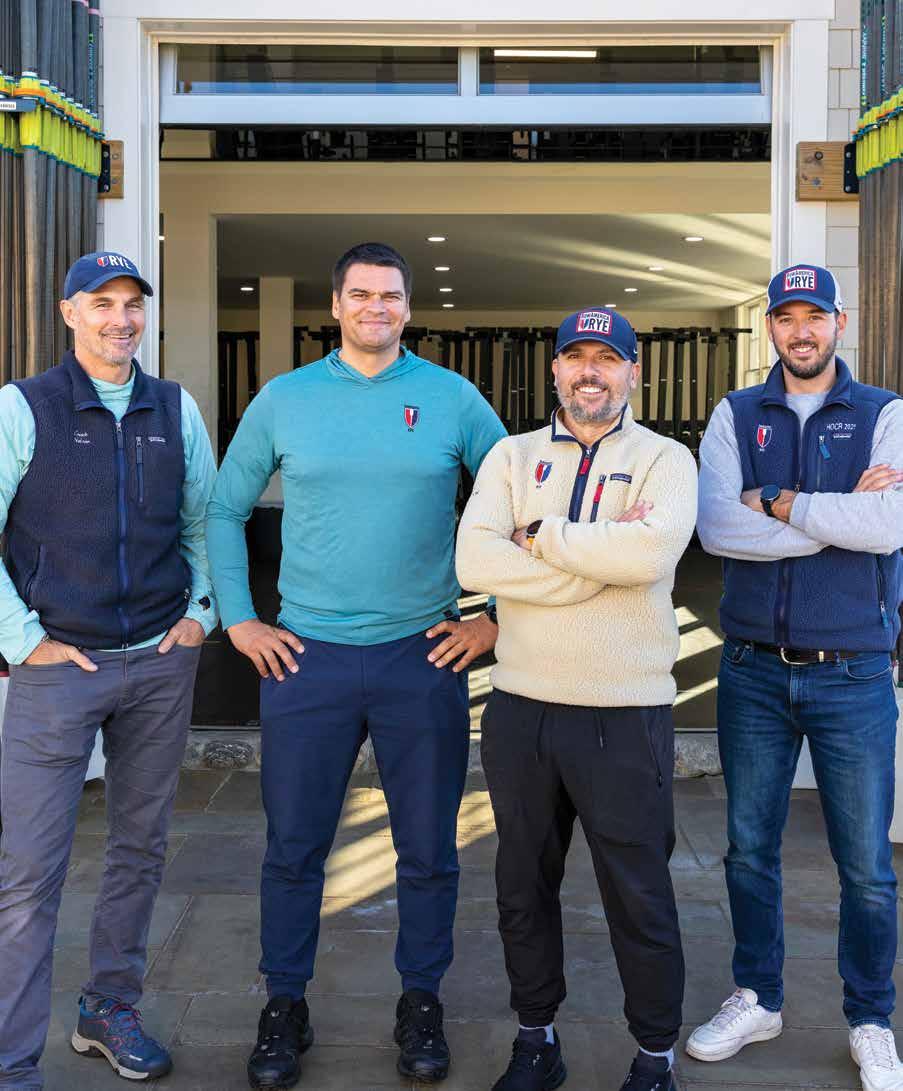
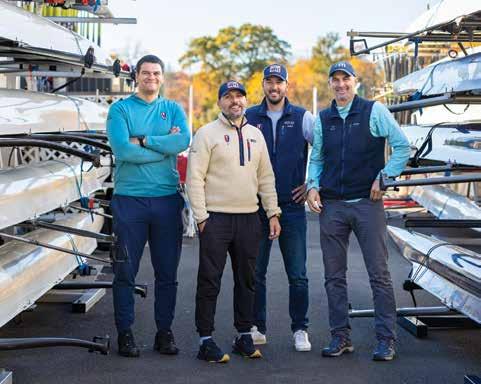
At RowAmerica Rye, Serbian coaches Marko Serafimovski and Aleks Radovic are minting successful rowers by emphasizing sculling and Old World discipline.
BY BOB FORD
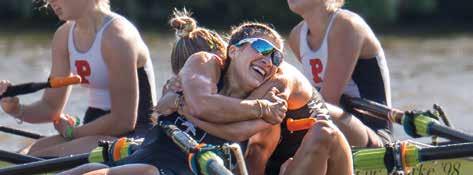
A primer for young rowers as they contemplate the next step.
BY KIERAN HARRINGTON
DEPARTMENTS
Sports Science Sleepless Nights, Winless Days
Coxing Silent Spring
Recruiting When Is It Time to Move On?
Fuel About Those Magical Weight-Loss Meds
Training Preparing for Your Peak Event
Coach Development A Mission Statement
Rowing
CHIP DAVIS
Some of our sport’s fastest crews train on some of the worst bodies of water for rowing.
Sure, the best rowing waters in the world also produce some of the other fastest crews. The Henley stretch of the River Thames gave us Redgrave, Pinsent, and the continuous stream of Great Britain’s world and Olympic champions, many of whom train out of Leander Club and race at Henley Royal Regatta.
Sarasota Crew’s Casey Galvanek selected and coached the Olympic champion U.S. men’s four at Nathan Benderson Park in Florida, where the national team trains, holds speed orders, and races the U.S. Olympic Trials.
RowAmerica Rye trains on what men’s coach Aleks
Radovic calls “the crappiest water in America”
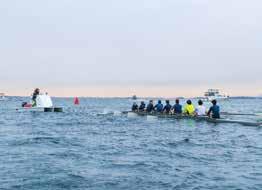
Lucerne’s Rotsee—“the lake of the Gods”—is the favorite body of water of most international rowers.
But Denmark’s Guldfieren (“Gold Four”), winners of three Olympic golds, six total Olympic medals, and seven worlds in the men’s lightweight four from 1994 and 2016, trained on some pretty crappy water.
The first time I was shown the 800-meter citypark lake on which Seattle’s Green Lake Crew trains, I thought my buddy was punking me. He wasn’t; they really train there—and have won youth nationals doing so.
Speaking of crappy, Boston’s Charles River often flows with what is euphemistically called “combined sewer overflows” yet is still home to some of the world’s fastest junior, collegiate, elite, and masters rowers.
RowAmerica Rye, whose men’s and women’s eights have captured multiple youth national championships, trains on what men’s coach Aleks Radovic calls “the crappiest water in America” (not true when the Charles is experiencing CSOs).
As Bob Ford, a seven-time Pennsylvania Sportswriter of the Year, points out in his story beginning on page 38, Radovic and women’s coach Marko Serafimovski know it’s not the water, or the boats in it, that really matter. It’s the people in the boats— both coaching launches and rowing shells—that make crews go fast.

Nancy Clark’s “Making Sense of the New Food Pyramid” (March) is clear and timely advice—and not just for intense rowers. It makes better sense than anything else I’ve read since the food pyramid was updated. I hope you’ll have her write again. It is great information, even for recreational masters rowers like me!
Kate Denny Chicago
Regarding C.J. Bown’s Coach Development column about burnout in the March issue, I advise all the coaches I mentor in several sports to set clear guidelines. Set one night or morning after practice to hear complaints and comments. Parents must arrive in person—no emails or texts allowed. It cuts parental interference by 90 percent, as parents will not go out of their way on a Monday at 7 p,m. to complain personally.
Sean P. Colgan New Zealand










HOSR welcomes you back to Philadelphia October 24 & 25, 2026

Competition for Juniors, Collegiate, Masters, Veterans, Elite, Adaptive/Para, Corporate and Alumni.
Registration opens July 15th at RegattaCentral.
Purpose got us started. Passion keeps us going. Join us on the course for our 55th year.

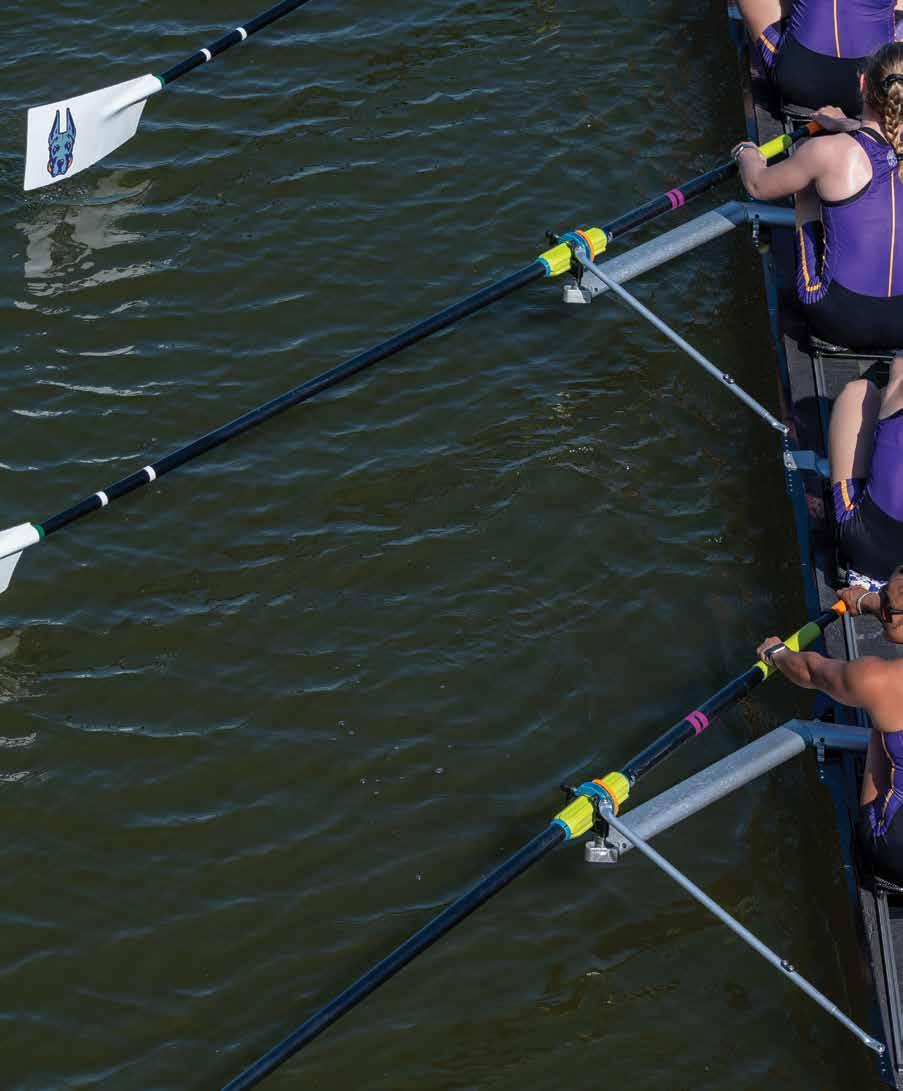
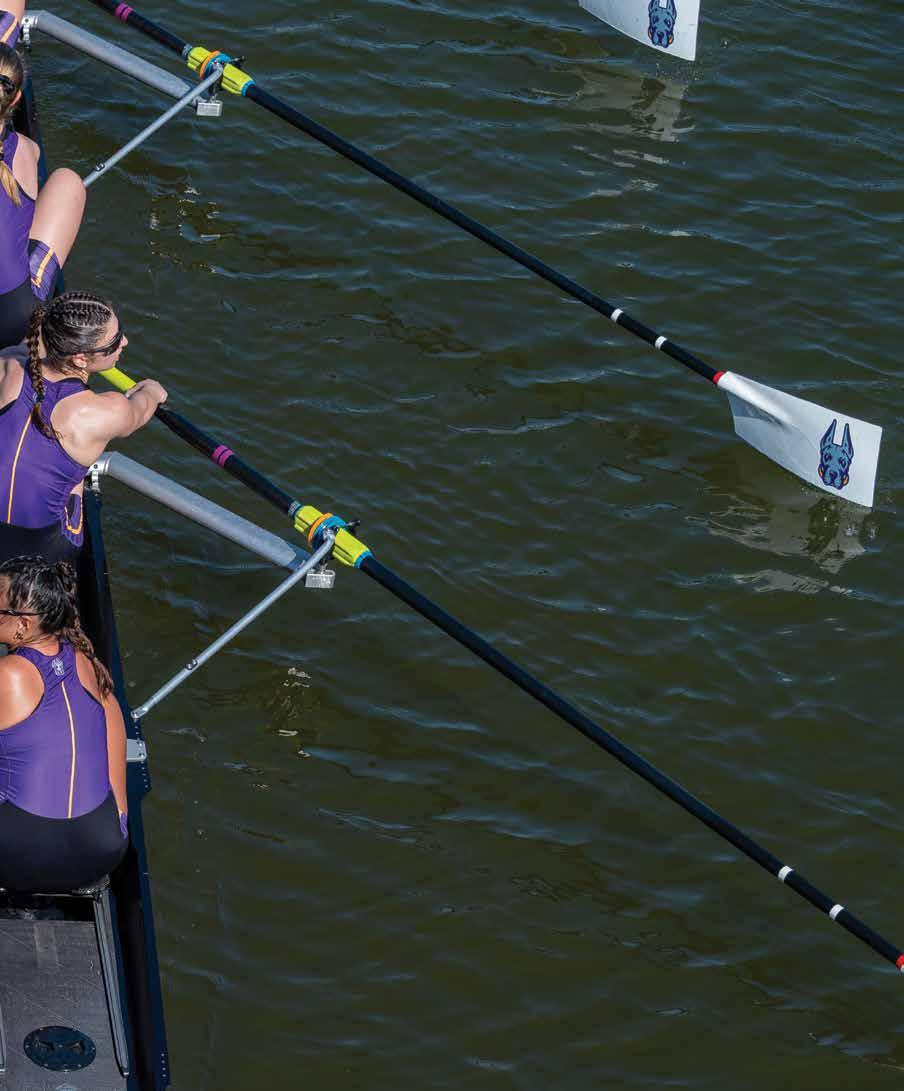
The relatively new University at Albany women’s varsity program competed at the Sarasota 2K regatta at Nathan Benderson Park in late March. Rowing became the 19th NCAA Division I sport for the Great Danes in the fall of 2024. UAlbany joined 33 other universities in women’s Division I, men’s IRA, and Florida collegiate racing on the host course of the 2017 World Rowing Championships, which will host worlds again in 2028, as “MegaWorlds”—the combined senior, Para, Under 23, and Under 19 World Rowing Championships—return to North America.
GRACE MENKE | GEMPHOTOGRAPHY | INSTA: GEMPHOTOGRAPHY.01
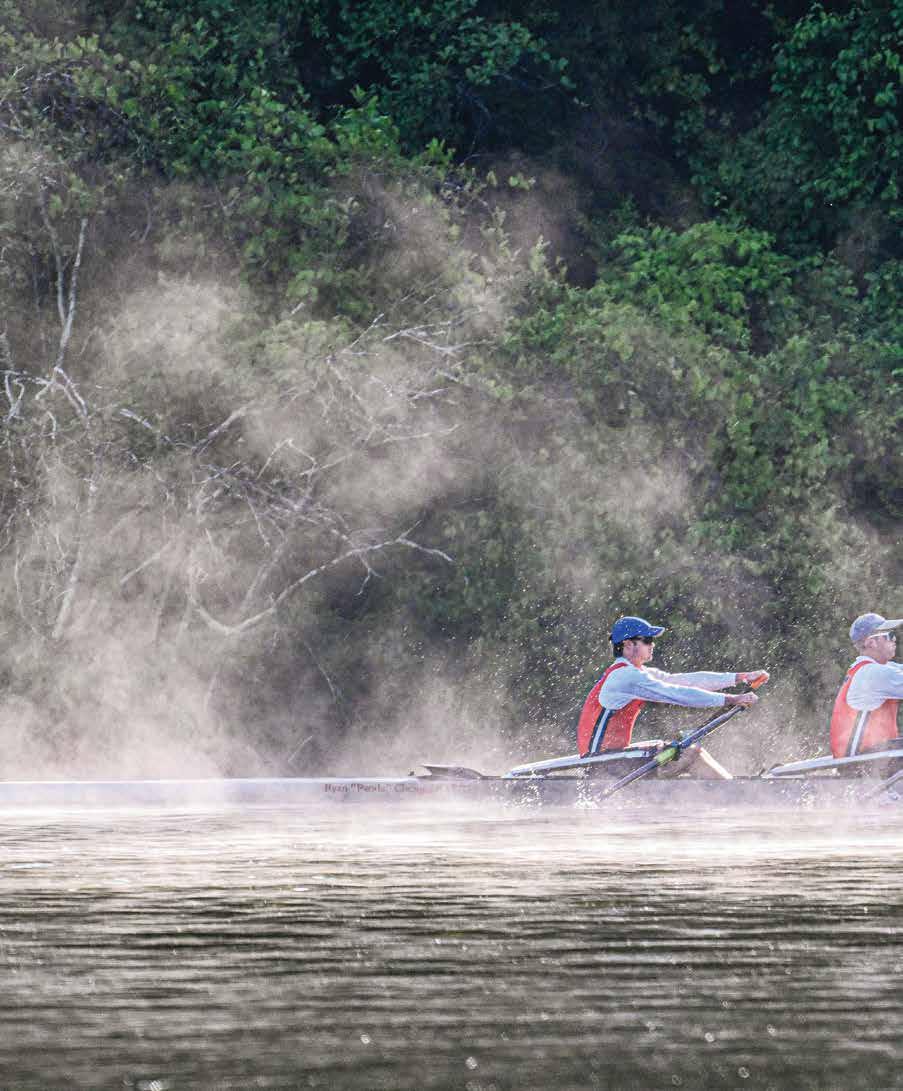
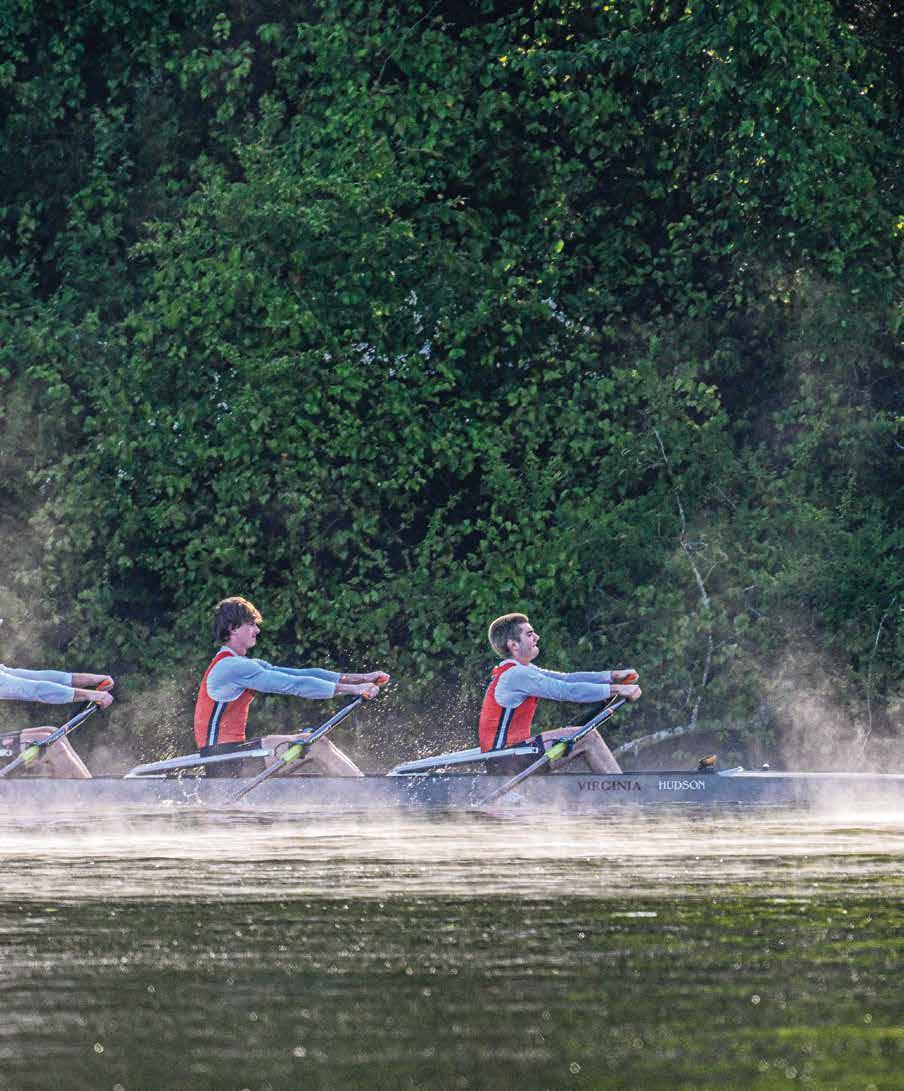
A University of Virginia men’s quad races at the Southern Intercollegiate Rowing Association (SIRA) Championship in Oak Ridge, Tenn. in April. Purdue won the men’s eight, men’s point trophy, and overall points trophy. “They row so well,” said Virginia coach Frank Biller of the rival Boilermakers. “We knew they were fast, but they were awesome, laying it down like that.” Clemson won the women’s club eight and the University of Louisville women won four trophies, including the varsity eight. “One of our goals was to win gold in more events at this regatta,” said Louisville assistant coach Natalie Chourova. “Big success for the program was also earning bronze in the third eight, which competed in the second varsity eight event.”.
PHOTO: KARL CHENG
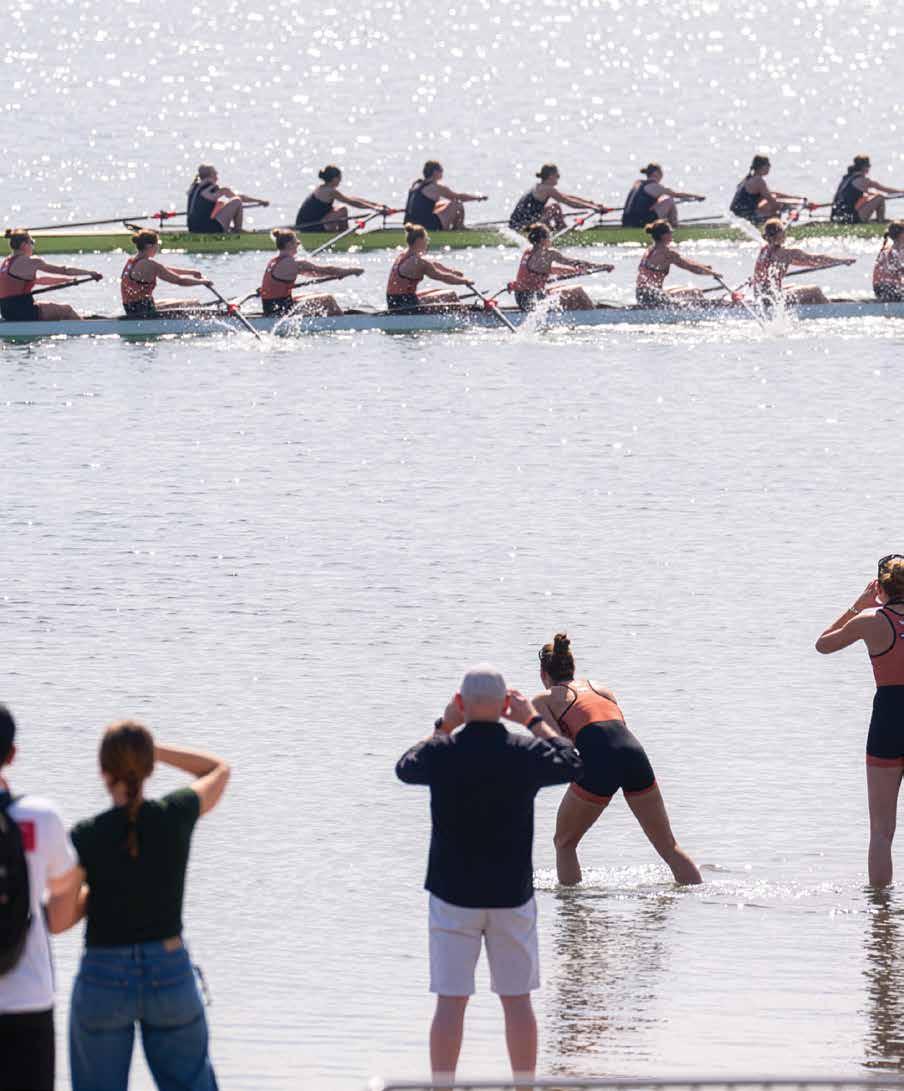
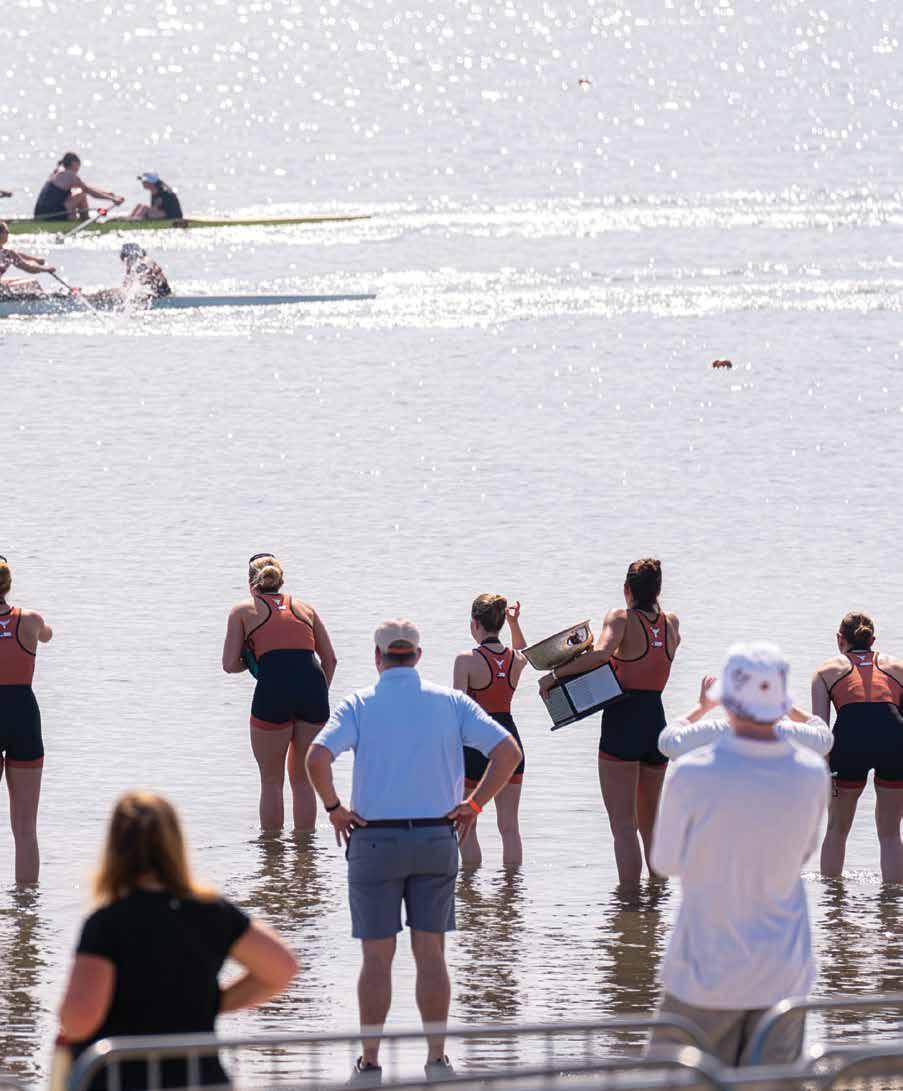
Classic in late March, the traditional start of racing season since 1973. This year’s regatta attracted over 400 crews from over 100 clubs. For the Texas women, it began right, with clear victories in all four events the Longhorns entered.
“The reason we come to San Diego every year, first and foremost, is the competition—that is everything.” said Texas coach Dave O’Neill. Texas bested the field of 10 top women’s programs in the combined Jessop-Whittier and Cal Cup Collegiate Invitational event.
“Reason No. 2 is it’s important to be at some of these iconic events, like the San Diego Crew Classic, to be seen and to make it everything that it is.”
Finishing second to Texas by seven seconds was Washington, followed by Cal and UCLA..
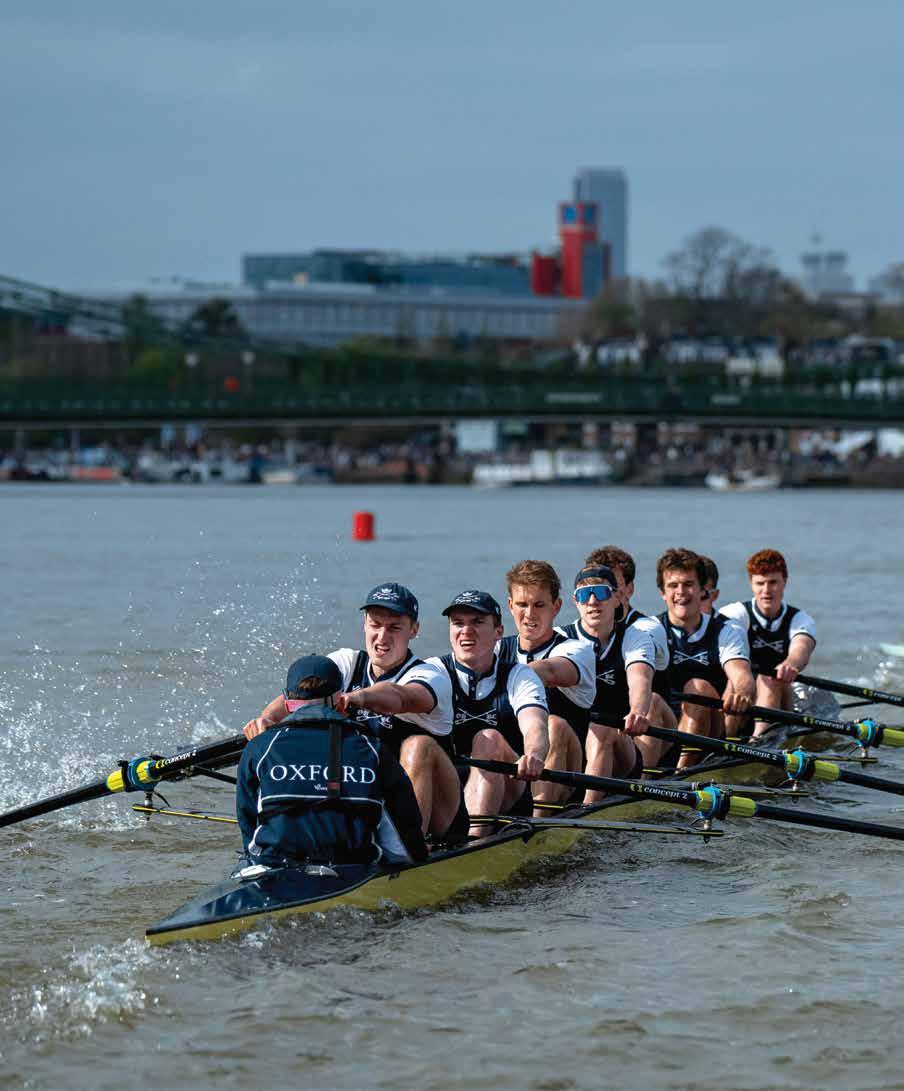
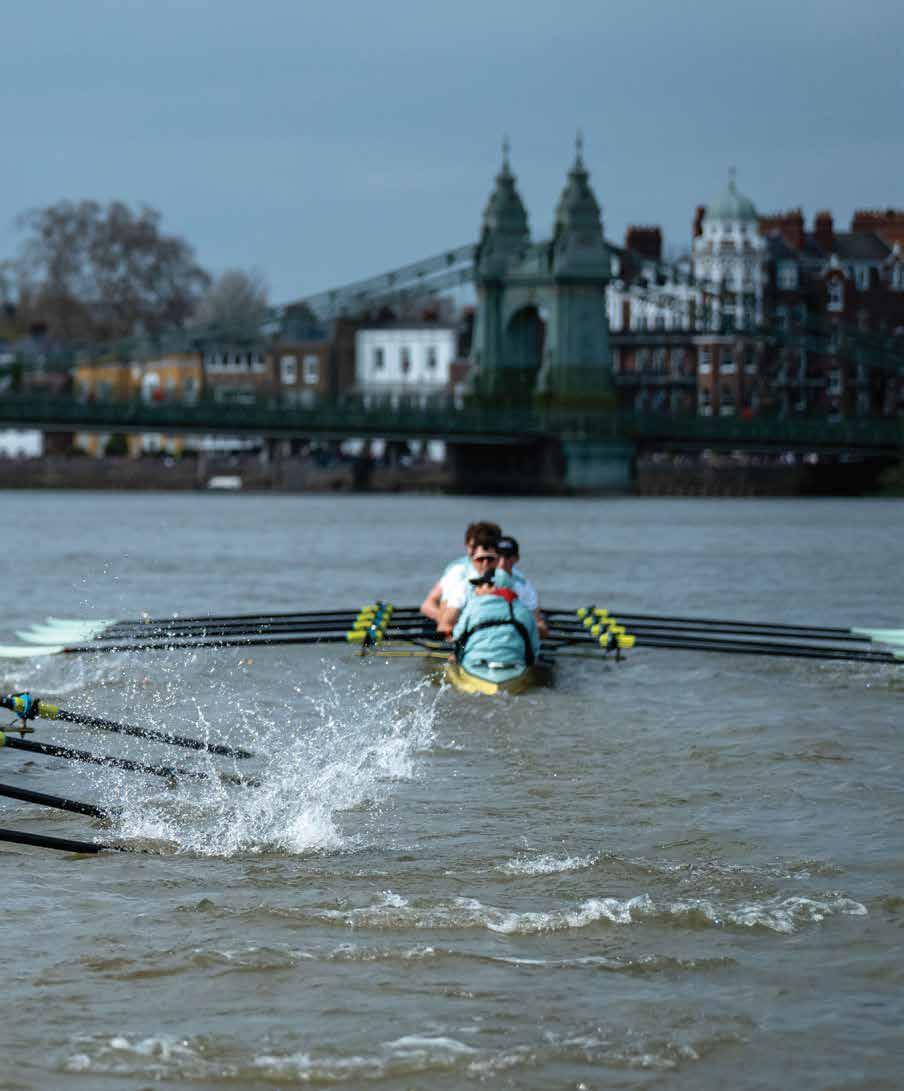
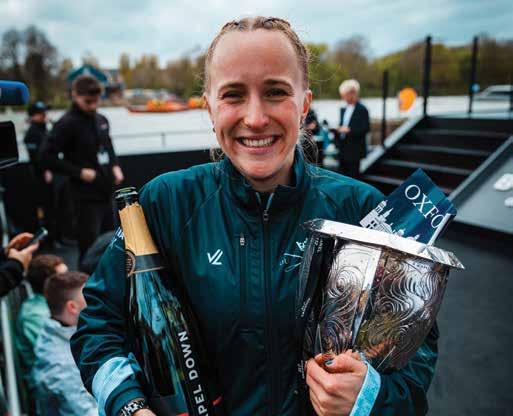
Cambridge coxswain Sammy Houdaigui, a medal winner with both Dartmouth College (2025 IRA bronze) and U.S. national teams (2024 U23 eight silver, 2023 U23 coxed four bronze), looks back at Oxford as the Light Blues row to victory in the 2026 Boat Race on the River Thames in London. Story, page 27




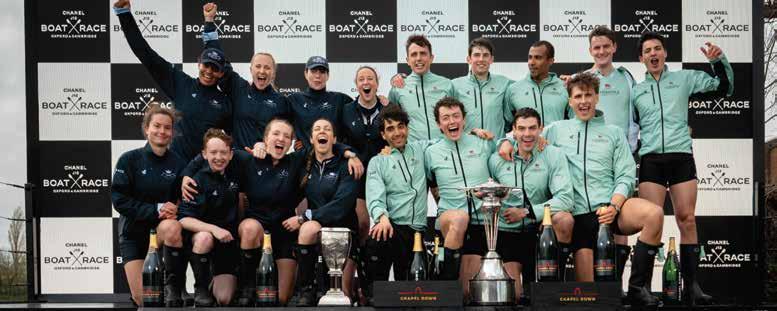
In unsurprising outcomes, the Dark Blue women reversed a nineyear losing streak, while the Light Blue men kept their cool and made it four in a row.
The spring tide that had carried the Oxford women and Cambridge men to victories in the CHANEL J12 2026 Boat Race slowed down finally around 4:30 p.m. when the Thames was full flood. The quarter million people who had come to watch the iconic sporting event had begun making their way home or to the many parties in pubs or rowing clubs alongside the river.
By then, it was clear that the event had thrown up significant winners. The first, of course, were those crews that survived the brutal conditions over the second half of the championship course to register superb victories—the Oxford women and Cambridge men.
In outcomes that were expected, the Dark Blue women reversed a nine-year losing streak, while the Light Blue men kept their cool and made it four in a row.
Another winner was the race’s new, innovative broadcaster, Channel 4 TV, which took the rights for the race from the BBC. The viewing figures–three million tuned in–represented a major success for the commercial channel. Even sweeter: The men’s race achieved a UK audience share of 23.5 percent among viewers ages 16 to 34.
Sammy Houdaigui, Cambridge’s winning Moroccan-American cox was blown away by just how many people recognized him in the days since the broadcast. The 23-year-old was featured heavily in the coverage. He’s had his meals paid for and gained entry into prestigious venues.
“This [The Boat Race] is a made-forTV product. I didn’t fully appreciate that before the crew walkout. The powers-that-be must be doing something right, because I’ve rowed
For only the fifth time in the past quarter century but the second time this year, the world-best time for 2,000 meters on the Concept2 ergometer was lowered.
Olympic oarsman Simon van Dorp of The Netherlands, who rowed at the University of Washington and in the 2020 (men’s eight, fifth) and 2024 (men’s single, bronze) Olympics, went 5:33.4 in March, lowering Olympic single scull champion Oliver Zeidler’s record of 5:34.7—also set in 2026—by more than a second.
Australia’s Josh Dunkley-Smith pulled a 5:35.8 in 2018, besting Kiwi Rob Waddell’s 2008 5:36.6. Germany’s Matthias Siejkowski’s 5:37, set in 2001, seemed like it might stand forever before the recent flurry of faster times, which includes Nikolaj Pimenov’s 5:36.9, also rowed this year.
Van Dorp mostly negative-split his record, with 1:23.6, 1:23.9, 1:23.2, and 1:22.7 500-meter split times at average ratings of 38, 36, 38, and 43 strokes per minute.


internationally before, but this felt so much bigger,” the U.S. cox said.
Speaking of American winners, the American university system came out of the 2026 Boat Race with flying colors. Sixty percent of the competitors who raced in both the men’s and women’s races had rowed at a school in the U.S.
Nowhere was that clearer than in the Oxford crew. The bow four included two Americans: Julietta Camahort of California and Emily Molins of Illinois.
Oxford was stroked brilliantly by 29-year-old Heidi Long, a Virginia Cavalier. The engine room contained two powerhouses: Spain’s Esther Briz Zamorano and Kyra Delray, a Stanford Cardinal and UCLA Bruin, respectively. And let’s not forget the Aussie bow, Annie Anazakis, who rowed at Princeton.
All four Oxbridge Boat Race coaches already have spent a considerable part of their 2025-26 season on the phone or on Zoom trying to persuade rowers currently at school in the U.S. to enlist for the 2027 Boat Race campaign. And what an advert they have to entice them after this year’s thrilling races.
That much was guaranteed when a 17-mile-per-hour south-southwesterly wind blew directly against the fast-incoming stream of the Thames along the Chiswick Eyot–the race’s halfway point. The French president of the winning Cambridge boat, Noam Mouelle, when asked what it was like to race in those conditions, said, “This is the hardest race I’ve done by far.”
Let me provide some context: The 24-year-old from the suburbs of Paris now has won no fewer than four consecutive Boat Races. Moreover, he has had to battle his way onto each of those crews by winning brutal last-minute seat races. So when Mouelle talks about his “toughest ever race,” we should take note!
It wasn’t just the conditions that brought those comments out of Mouelle. His opponents from Oxford stunned the world with a turn of speed that few thought they possessed. It was in the script that the Light Blues–probably the world’s fastest eight at this stage of the season–would eviscerate their inexperienced opposition.
But Oxford had other ideas. Led by a stern three of a Brit and two Aussies, all of whom had been to school in the U.S., they
gave as good as they got in the start phase. After three minutes, rowing on the initially less-favored Surrey station, they were still in contact, while their cox, Tobias Bernard, was pushing them into a position where a clash looked likely.
By Hammersmith Bridge, after seven minutes of racing, Cambridge had established a clear-water lead. But Oxford, led brilliantly by the former Yale Bulldog Harry Geffen, was still snapping at their heels and too close for comfort. Then the rough water hit, and the race became a battle for survival.
“We had to stay super, super focused,” Moelle said, “to make sure there were no mistakes.”
As waves crashed over the carbon-fiber riggers and pumps worked flat out to pitch the water back into the river, there were, mercifully, no crabs, but the speed and fluidity of the Light Blues were effectively neutralized.
At the finish, the Dark Blues were only four lengths, or 10 seconds, behind. To put that into perspective, in 2025 an Oxford crew with three Olympians on board had gone down to Cambridge by five and a half lengths. The result represented a big tick in the box for the Oxford program and its troubled coach, Mark Fangen-Hall.
Likewise, the victory of the Dark Blues in the women’s Boat Race was a huge boost for their coach, Allan French. The result “speaks to the tireless work Allan French and our entire coaching staff have put into building this team,” Molins said.
It was the former Oxford Brookes women’s coach, brought in to turn the Dark Blue program around in 2024, who helped recruit both Heidi Long and Esther Briz Zamorano–key figures in turning the tide.
French unselfishly highlighted the resilience of Sarah Marshall in seven-seat and Anazakis at bow, both of whom had lost on three occasions previously.
“It’s about coming back and believing we can turn this around,” he said.
Molins’s crew was never led, and the Illinoisan reckoned this result could be the start of a long Oxford run.
“I couldn’t be more excited for the future of OUBC or more grateful to be a small part of it,” she said.
Let Houdaigui have the last word on The Boat Race: “I’m an addict and I can’t wait to do it again.” MARTIN CROSS

4 Mile
$100,000 June 1st to September 30th or $25,000 Monthly if Available Info at: www.ondinevtrent.com barrettsinger@outlook.com 561-835-8980
Created as a Ryder Cup-style contest to boost interest, this year’s event featured Olympians on both squads.
Team USA defeated an all-star world team to win the Lenny Peters Cup at the Bethany Medical North Carolina State Rowing Championships in High Point, N.C., on Saturday, April 18.
Created as a Ryder Cup-style contest to add interest to the regatta, this year’s edition featured Olympians on both squads, as Team USA avenged last year’s narrow defeat to win all but two races in hot, sunny conditions on Oak Hollow Lake.
“This is a good way for us to give the athletes a little change of scenery, and it’s a great way also to promote rowing.”
“It’s cool to be walking around and have high schoolers know me by name, saying they’re going to watch racing, and that they’ve been following results since last year,” said U.S. Olympic sculler Grace Joyce, who defeated Brazil’s Beatriz Tavares in singles competition before falling to a world team mixed quad later in the program. “It’s very special.”
“We were doing some pretty nice regional regattas before Covid, when

we lost most of our teams,” said regatta director Gene Kininmonth, who is also the head coach of local club Triad United and founded High Point Rowing Club in 2012.
“We realized we’re going to have to have a new revenue source, and so we looked at regattas for doing that. We went big, coming out of Covid, and we’ve just put our heart and soul into it.”
With the support of Lenny Peters, a
physician and philanthropist, Kininmonth, a former Australian national team oarsman, introduced the Team USA-versus-the world concept, added VIP amenities for spectators, produced a nine-camera video livestream, and, this year, sold out entries for the overall regatta which includes youth, collegiate, and masters events.
“We’ve gone as high end as we can, and it’s paying off,” Kininmonth said.
“This is a good way for us to give the athletes a little change of scenery, and it’s a great way also to promote rowing,” said Josy Verdonkschot, The McLane Family Chief High Performance Officer for USRowing. “It’s a huge regatta, it’s a nice setup, and everything is well arranged for the athletes.”
Verdonkschot, along with USRowing’s high-performance sculling coach Fiona Bourke and team manager Will Daly, brought the eight members of Team USA and a fleet of shells to share with the world team.
“It’s awesome—a nice atmosphere and a well-organized competition,” said Nicholaj Pimenov, who won the Lucerne World Rowing Cup and silver at worlds last year for Serbia with Cal alum Martin Mackovic, who also raced in the Lenny Peters Cup. “It’s not a World Rowing event, it’s even better. You can enjoy rowing.”
Pimenov and Mackovic defeated Team USA’s Jacob Plihal and Caleb Nollenberger in the men’s double and later won in the mixedquad race against Team USA.
“It’s good to have little challenges like this,” Verdonkschot said, “because otherwise it’s just boring training.”
“It was super fun to see where in my race plan I need to improve and what’s going well,” Joyce said. “It’s the first time ever I’ve seen my name and face on a banner. I’ll be trying to take that home with me.”
CHIP DAVIS
REGATTA
Named after Olympic champion Bill Knecht, the growing regatta drew 390 crews eager for racing experience to Camden’s six-lane Cooper River course.
The Knecht Cup Regatta brought 390 crews to the Cooper River racecourse in Camden, N.J., for two days of six-lane racing over heats, semifinals, and finals in breezy, sunny conditions the second weekend of April.
Reigning Division III men’s national champion Trinity College defended their Knecht Cup varsity-eight title from last year, beating Division I MIT by less than a second.
Purdue, second in last year’s ACRA club national championship, finished third, with La Salle, Temple, and EmbryRiddle filling out the grand final. Trinity’s second and third varsity eights took first and second in the DII/DIII varsity-eights event.
“The team had a great weekend in New Jersey and is honored to earn victories in two events,” said Trinity head coach Kevin MacDermott. “The racing was intense, every crew learned a ton, and the weather was gorgeous.”
Radcliffe women’s lightweight eight won the women’s varsityeight grand final over UMass in second and Bucknell in third. Boston College, Temple, and the Boston University lightweight varsity rounded out the grand final of the event that attracted 34 entries from across the country.
“We are growing the event. We’ve added trophies, honoring very special legends in the rowing community, and we’re also adding some Para events,” said regatta director Laura Knecht Blanche.
The regatta is named for Bill Knecht, the Olympic champion oarsman who won in the 1964 U.S. men’s eight, served as president of the National Association of Amateur Oarsmen (a precursor to USRowing), co-founded the National Rowing Foundation, and developed the Cooper River rowing course.
Newly named trophies will recognize the legacy and impact of Albert P. Wachlin, Lois Trench-Hines, Mark Valenti, and Ann and Marie Jonik, among others.
“It’s a great opportunity,” said Kemp Savage, who brought his Eastern Michigan University squad to gain valuable racing experience before the Mid-American Conference championships, an automatic qualifier (AQ) for the NCAA championship.
“With the AQ being the thing that everyone looks for from the MAC teams, all this practice and focus to get out here and get three good races in, six-wide, that’s, for us, really something we needed.”
“I’m looking forward to continuing to open up the regatta and to inviting more teams to make the racing as great as it can be,” Blanche said . CHIP DAVIS
Division I programs made the trip from far and wide to get early-season water time and valuable competition against nonconference programs they wouldn’t otherwise race.
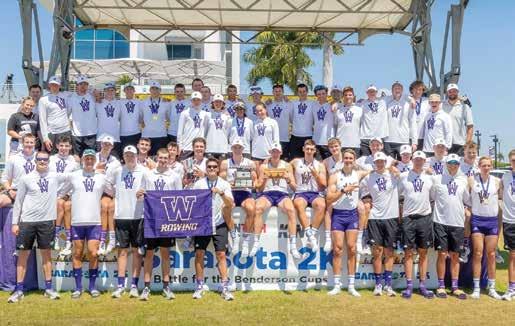
The Sarasota 2K regatta drew universities from around Florida and across the country to Nathan Benderson Park for an early-season hybrid regatta that served as cup races for traditional and re-established rivalries and provided six-lane championship-style racing.
The University of Washington won the men’s Benderson Cup for the third straight year after tying Harvard on points but winning the varsity eight final. Harvard was second, and Brown finished third.
“We always find it valuable to test our speed this early in the season,” said Washington men’s head coach Michael Callahan. “The competition was excellent and exactly what we were looking for.”
On the women’s side, the University of Central Florida swept the women’s events to win the Benderson Cup for a second year and logged another sweep at Nathan Benderson Park after winning every event of
the 2025 Big 12 Championship there.
“Very impressed with how this team handled a very competitive weekend,” said UCF coach Mara Allen. “The second eight did a great job against a very tough Miami crew.”
UCF entered the weekend ranked 12th in the Pocock CRCA Coaches Poll. No. 18 Miami finished second in points for the Benderson Cup, with No. 15 Dartmouth third.
The regatta results reshuffled the Pocock CRCA Coaches Poll, and Division I programs made the trip from far and wide to get early-season water time and valuable competition against non-conference programs they wouldn’t otherwise race.
“The competition is rising at this race, and we’re glad to be in the thick of it,” said Louisville head coach Derek Copeland.
KIERAN HARRINGTON
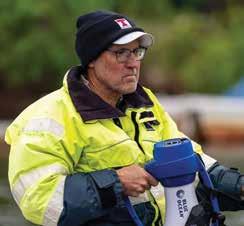
Tony Kilbridge, who has coached the MIT Engineers for over 20 years, will retire at the end of the season. During his tenure, the rowing program evolved from competing at Eastern Sprints to becoming a consistent presence at the IRA championships.
A former Harvard rower, Kilbridge brought valuable perspective from his experience as a student-athlete and his time coaching at the University of Virginia.
“While I still have several months to go, I wanted time to say a proper goodbye to the athletes, coaches, alumni, and other friends who have made the last 20 years the most rewarding chapter of my life,” Kilbridge said.
MIT Rowing’s Instagram accounts offers countless examples of Kilbridge’s dedication—from manning the phones during a 24-hour Day of Giving for the women’s team in 2018 to serving as the team’s “resident grill master” at open houses.
The Engineers began the season ranked No. 23 in the IRCA Preseason Coaches Poll. As the season draws to a close in the coming months, so too will Coach Kilbridge’s time at MIT, marking the end of a remarkable era for the program.
KIERAN HARRINGTON
At the Manny Flicks, young athletes get a chance to sharpen their racing skills while coaches experiment with lineups and track progress.
Every spring, as the cherry trees along the Schuylkill bloom into clouds of white, pink, and fuchsia, Philadelphia’s youth rowing scene comes to life during the Manny Flicks.
A series of 1,500-meter races held over five Sundays in March and April, the regattas are a testament to its founder, Manuel A. Flick, an advocate for more racing opportunities. Under the auspices of the Philadelphia Scholastic Rowing Association, the Flicks give young athletes the chance to sharpen their racing skills while allowing coaches to experiment with lineups and track progress.
From the riverbanks, the Manny Flicks are as entertaining as they are competitive. Novice eights drifting into the wrong lane—only to have a race stopped and restarted after floating 500 meters down a 1,500-meter course—are a familiar and often humorous sight.
For those in the know, team food tents overflow with hamburgers, hot dogs, Gatorade, and bags of gummies, and there always seems to be at least one golden retriever wandering through. For smaller programs, the Flicks offer a chance to race
within a larger community, while athletes from bigger teams can compete even if they won’t make a postseason lineup.
Like many regattas, the Flicks are a labor of love. Eight board members, led by Regatta Director Leslie Pfeil, coordinate racing and on-land operations with the help of parent and family volunteers.
“It does not take a village—it takes a metropolis,” Pfeil said.
From managing logistics and parking to monitoring weather, closing down Kelly Drive, and ensuring safe dock operations, race day requires constant coordination.
At its core, the Manny Flicks are about growth. Athletes gain valuable racing experience while coaches find a supportive network—whether that means help entering crews on RegattaCentral, parking trailers, or mentoring younger programs.
Rowing becomes part of the broader Philadelphia community as bikers, runners, and walkers pause along the river to take in both the cherry blossoms and the next generation of blossoming crews.
KIERAN HARRINGTON

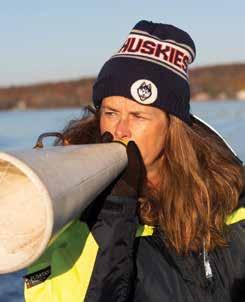
Jennifer Sanford, head women’s rowing coach at the University of Connecticut, has announced that the 2026 season will be her last.
“It was a difficult decision to make because my identity for the majority of my life has been Rowing Coach,” said Sanford, who was the inaugural head coach of women’s rowing when the program was granted varsity status in 1997 and has led the Huskies for the last 29 years.
“I’ve tried to teach [student-athletes] that what this is all about is taking the sport of rowing and the experience of being a Division I athlete at UConn and using it as a tool to learn and improve in all areas of their lives.”
Sanford will continue to serve the university and the athletic department through 2027 as an advisor to the rowing program, helping guide the completion of a new boathouse and providing historical perspective and institutional knowledge.
“I am confident UConn will select a fantastic successor and the team is going to be in great hands,” Sanford said. “I’m excited to see the continued growth of the program and will support the team any way that I can, wearing a different hat.”
KATIE LANE

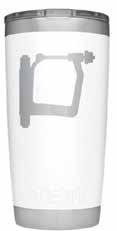
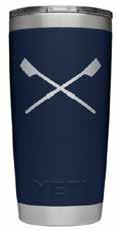
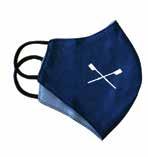
2-layer neck gaiters will protect you throughout the seasons. Stretchguard fabric with extreme 4-way stretch for optimal comfort. Super soft, silky feel that is lightweight and breathable. 100% performance fabric, washable and reusable.
$20
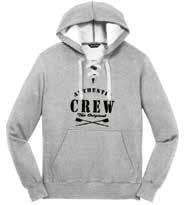
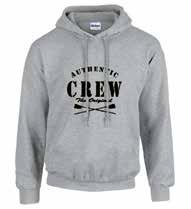
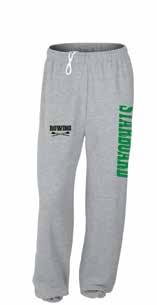
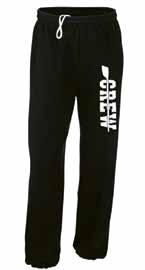
ALL AVAILABLE WITH YOUR TEAM LOGO AT NO EXTRA CHARGE (MINIMUM 12)
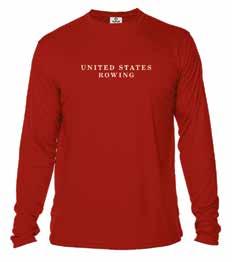
UNITED STATES ROWING UV
VAPOR LONG SLEEVE $40
WHITE/OARLOCK ON BACK
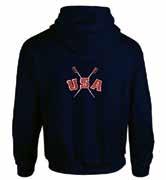
NAVY/CROSSED OARS ON BACK
RED/CROSSED OARS ON BACK
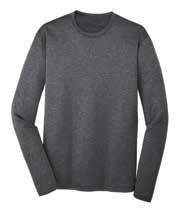
PERFORMANCE LONG SLEEVES

PERFORMANCE T-SHIRTS
PERFORMANCE TANKS
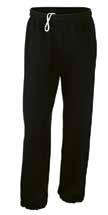
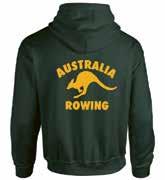
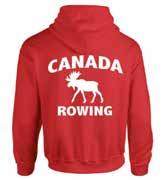
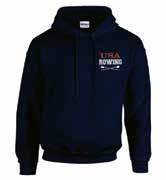
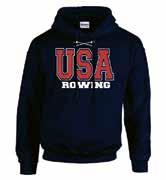
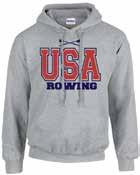
Order any 12 performance shirts, hooded sweatshirts, or sweatpants and email your logo to teamorders@rowingcatalog.com and get your items with your logo at no additional cost!
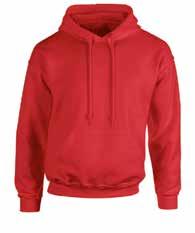



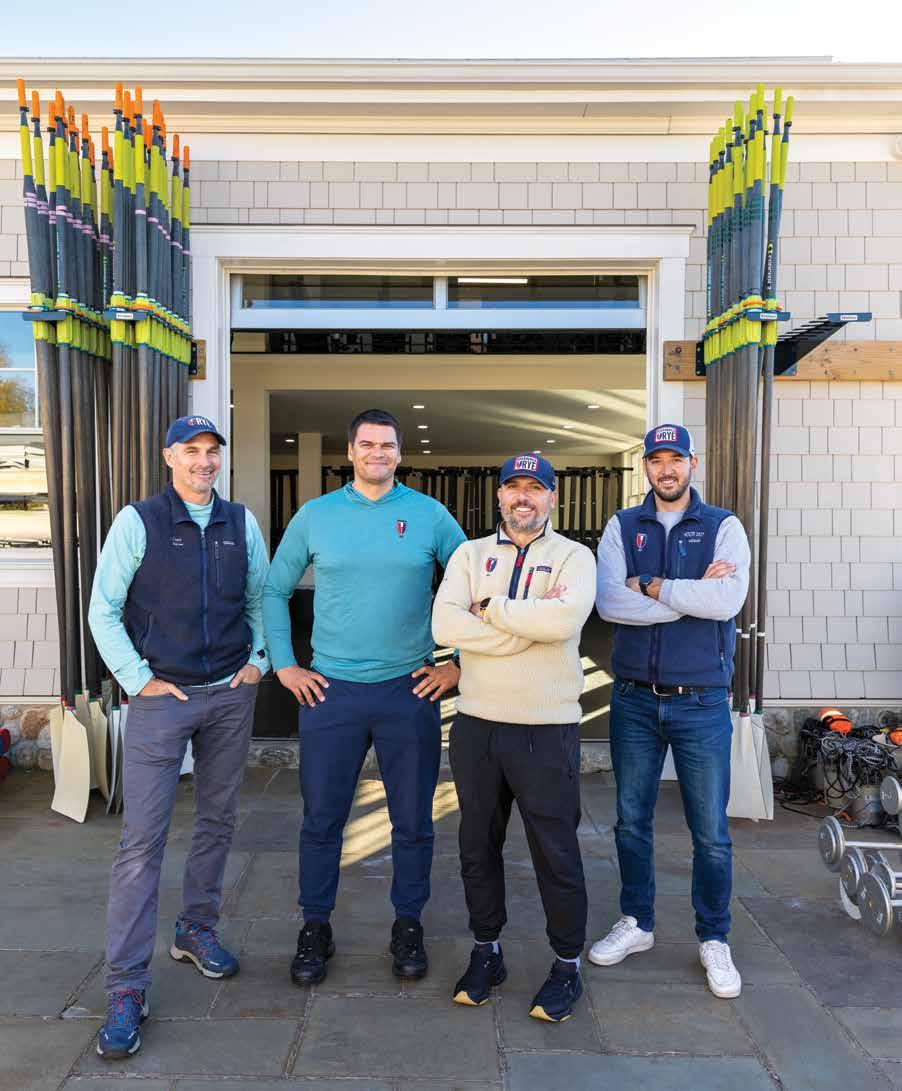
At RowAmerica Rye, Serbian coaches Marko Serafimovski and Aleks Radovic are minting successful rowers by emphasizing sculling and Old World discipline.
It isn’t easy to row from a small Serbian city on the southern bank of the Danube River to the leafy New York City suburbs of Westchester County and southern Connecticut, where life is considerably calmer, even if the waters aren’t necessarily so.
Marko Serafimovski and Aleks Radovic, teammates at Rowing Club Smederevo who experienced childhoods in the war-torn region, were able to make that passage from one world to the other, however.
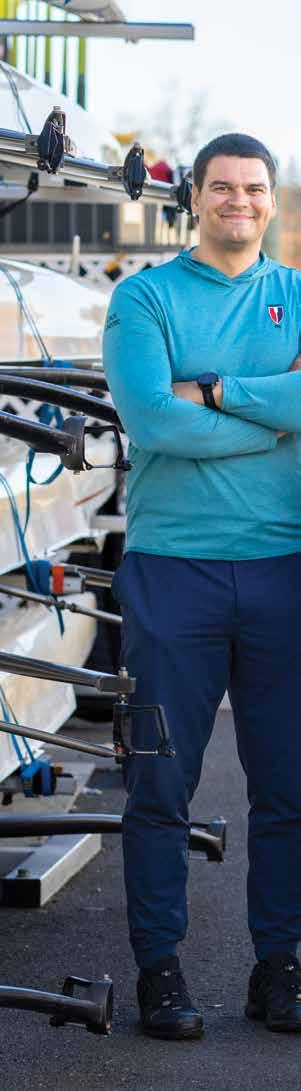
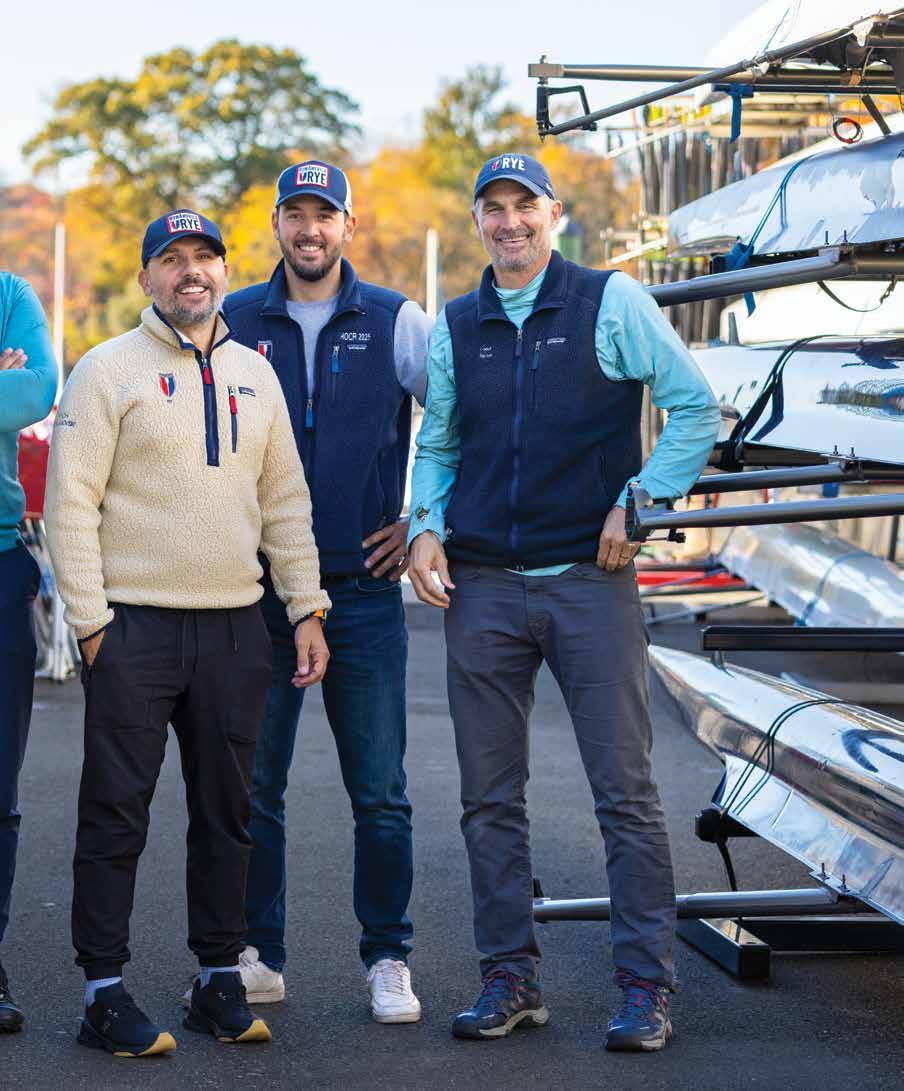
After various stops, they landed together at RowAmerica Rye, where Serafimovski is the owner and head women’s coach of the successful private program that works primarily with middle-school and high-school rowers, and Radovic is the head men’s coach.
“What we picked up from rowing in Serbia was the discipline the coaches taught us,” Serafimovski said. “That helped us work our way up within the coaching system here and create what we have within RowAmerica.”
What they have at the moment is a three-year stretch of gold medals in the men’s eight at the USRowing Youth National Championships and a two-year stretch in the same event on the women’s side.
Three of the rowers from those lineups are on the United States U19 national team and also competed in August at the World Rowing Under 19 Championship Regatta in Bulgaria. Claire Van Praagh, now a freshman at Stanford, brought home a gold medal in the straight four at junior worlds.
“I can speak pretty confidently that we left Rye with so much more than when we came to it,” said Van Praagh, who was the 2025 USRowing U19 Female Athlete of the Year. “The camaraderie and the teamwork that Marko and Aleks foster, and the emphasis on accountability, showing up on time, being prepared, and that every individual has an important role. It’s never just about the success of the 1V8 but about how can we get the 150 or so athletes that compete in youth nationals on the podium.”
That’s a great goal, and RAR took a run at it last June. There were 155 Rye rowers in 24 boats. Five of the boats finished on the podium, and of the 24 qualified crews, 10 reached the A final to place in the top eight nationally.
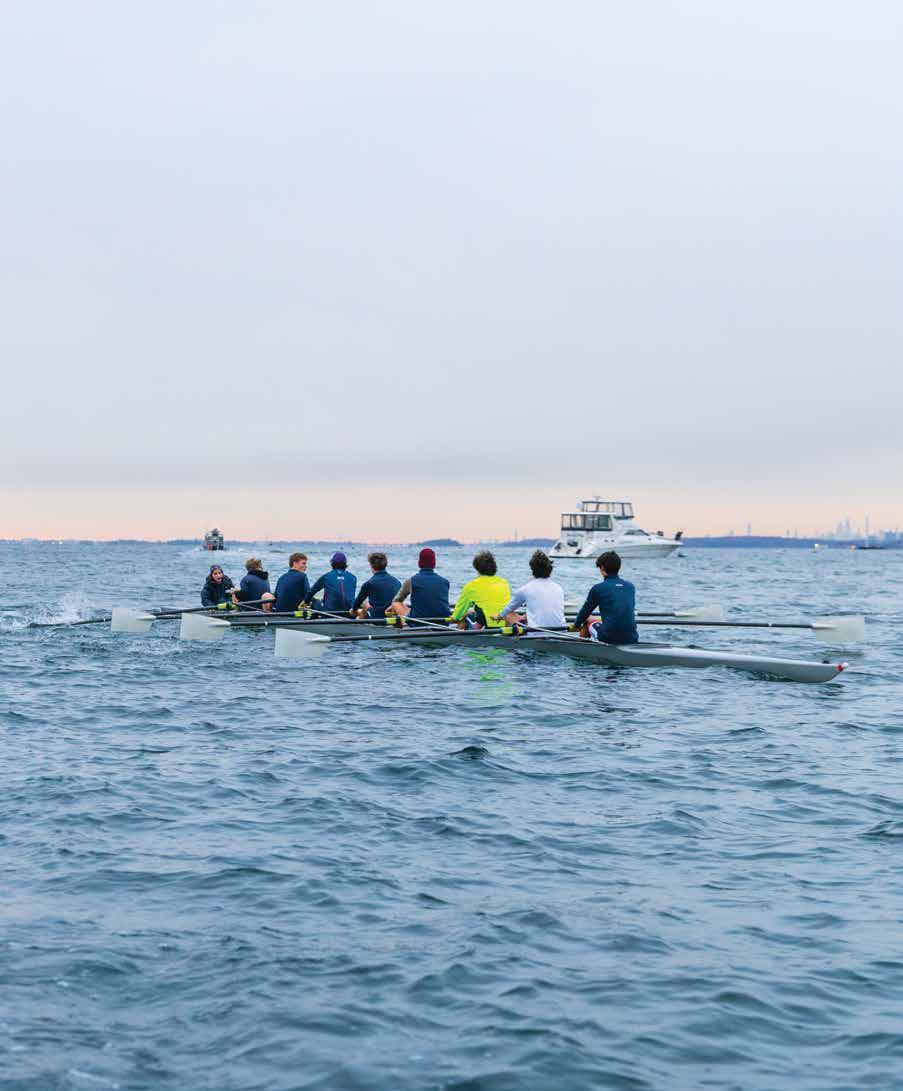
“Howard
allowed us to build this program the way we wanted to. He handled finances and buying boats and all that stuff but said that when it came to the program we wouldn’t hear from him. That’s why I accepted the job,”
— Marko Serafimovski, RowAmerica Rye
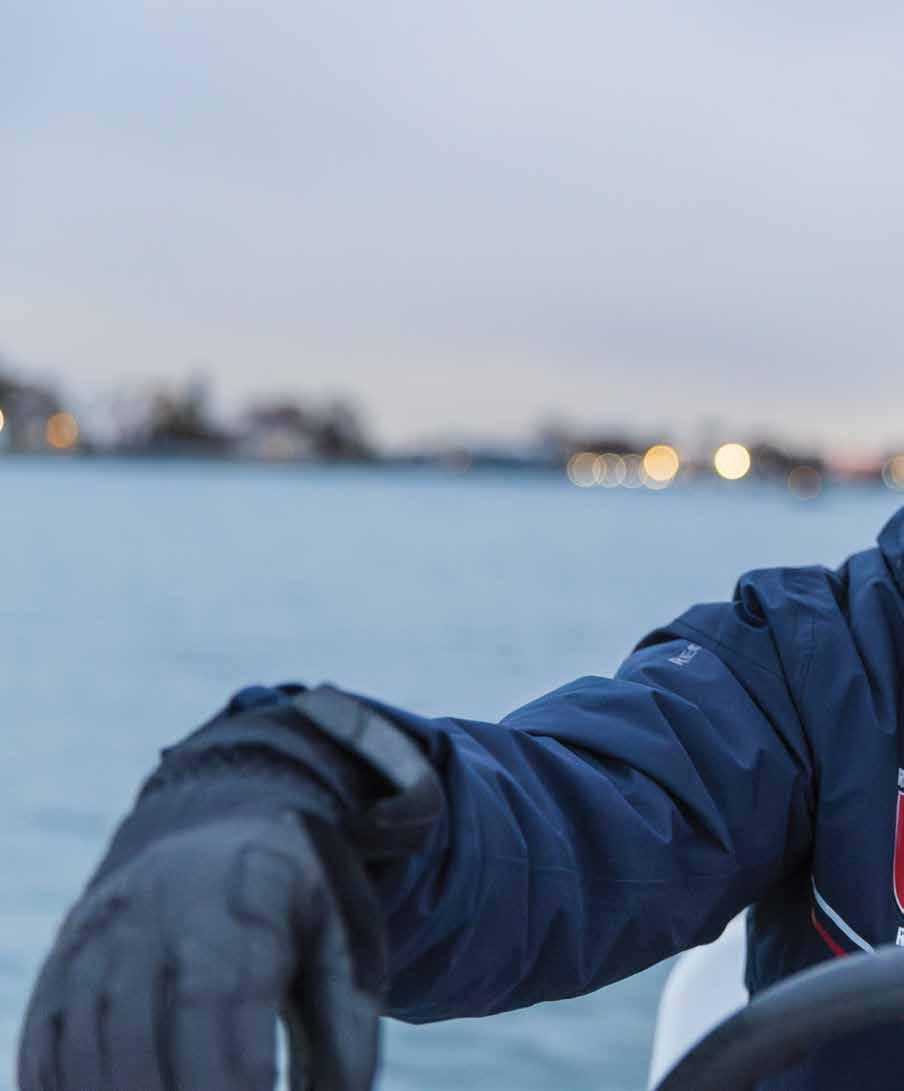
“If you tell me, ‘I can’t really move a single or a double but I’m really good at moving the eight,’ well, that doesn’t really make sense. It means the other people are carrying you.”
— Marko Serafimovski, RowAmerica Rye
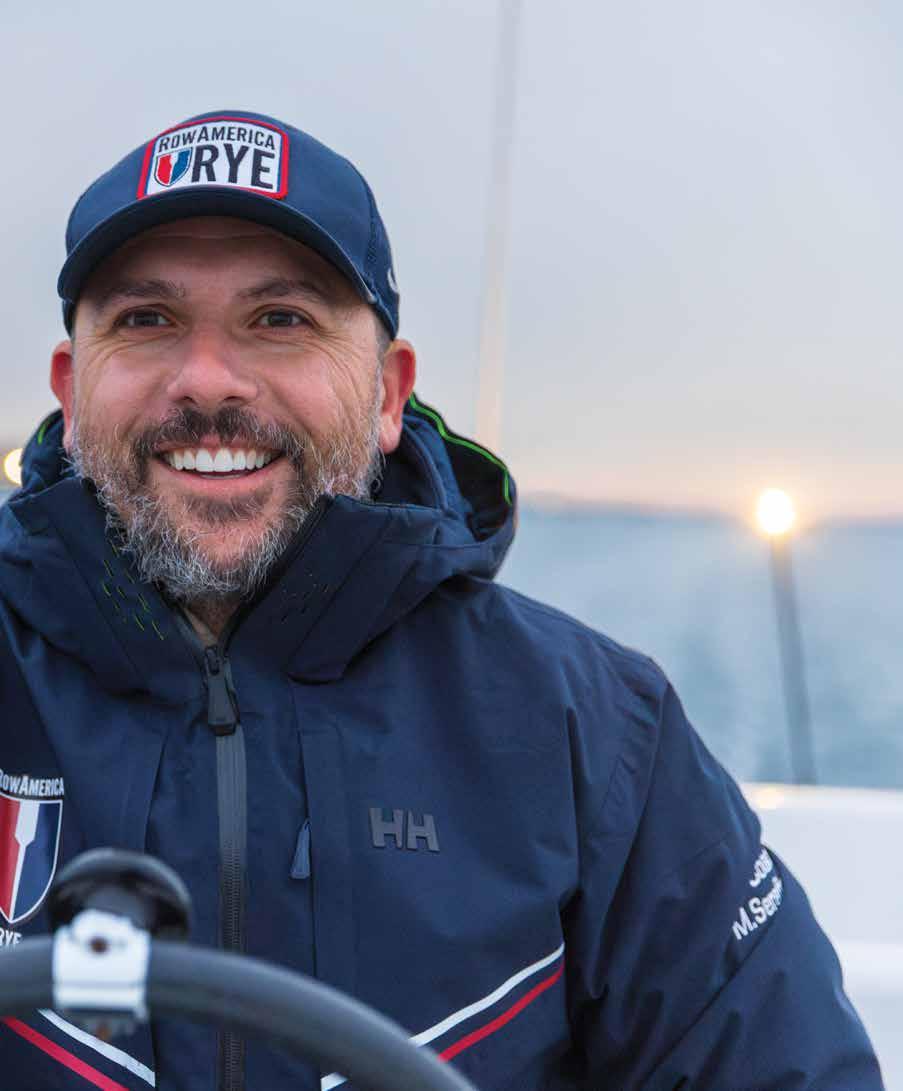
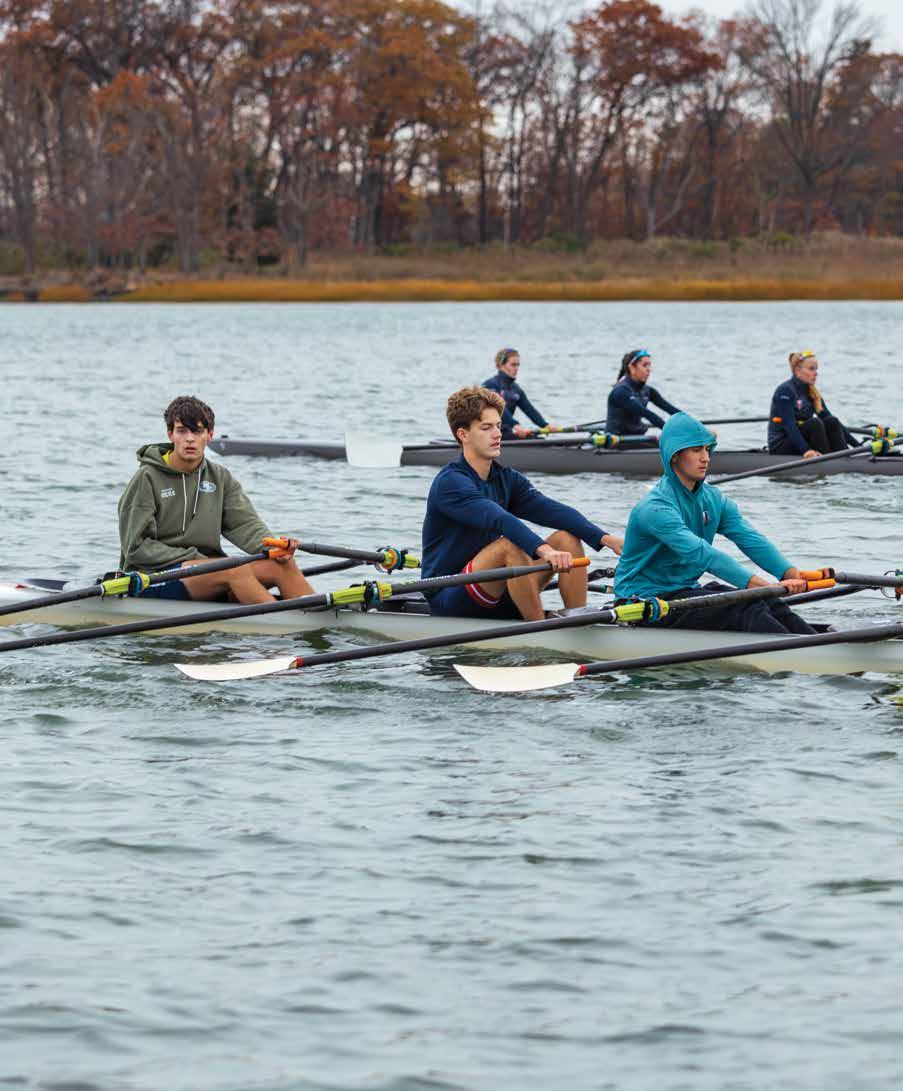

“Working hard will allow you to succeed, and that was instilled in me at a young age,” Serafimovski said. “That’s what drives us to succeed and, you know, let’s win, but we don’t define the win by the results only. If we can touch these kids’ lives and help them become better people down the road, that’s a greater success than just winning that national championship or winning that medal at a regional regatta.”
Not that there’s anything wrong with medals and inspiring young athletes to stay in the sport. At the 2025 Head of the Charles, more than 40 RowAmerica Rye alumni were racing for their various college programs.
“Those two guys have changed my life, and they have changed many other lives,” said George Dolce, a three-time 1V8 champion at nationals and a fourth-place finisher in the straight four at worlds. He is now a freshman at Princeton.
“Just the impact that they have on us. It’s beyond just the sport of rowing. They’ve instilled a fire in all of us to succeed in life. I’m forever grateful. Aleks was my main coach. He changed my life. If I hadn’t bumped into that guy, I would not be at Princeton and I would not be the man I am today.”
The Rowing Club Smederevo boathouse isn’t much to look at. It squats aside the Danube like an industrial warehouse, but for Serafimovski, Radovic, and others it held more than boats and oars. It held opportunity—if they were willing to accept the discipline that opportunity required, something they would eventually pass along to others.
Serafimovski won six national titles between 1997 and 2003 as a lightweight rower and competed as a member of the junior national team at the 2001 world championships. Radovic was on the Serbian national team from 2003 to 2009 and won multiple medals at junior worlds and U23 worlds.
Both of these rowers wanted to emigrate to the United States, and that became possible through agencies that placed young Serbs in an environment with even more opportunities for success in life. Serafimovski still had a year of high school left when he moved to the U.S. He asked
to be placed some place where he could continue rowing, but that message didn’t get through.
“They tossed me in the middle of a nowhere called Kansas,” Serafimovski said. “You’re talking about a culture shock. It was a town of about 1,500 people and no stoplights.”
Unable to row, Serafimovski acquired an erg and tried to stay in shape but he didn’t attract any scholarship offers for college and went to the University of Alabama at Birmingham, where he earned a degree in industrial management and marketing.
“To be very fair, I wasn’t the caliber of rower who could go to a top rowing school. I was a lightweight, which made it more difficult, and I didn’t have a couple of world-championship gold medals in my pocket before I came,” Serafimovski said.
Radovic, a heavyweight with experience in the engine room of an eight, did have those. When he decided to emigrate, he contacted coach Paul Savell at Drexel and was recruited successfully by the Dragons.
“I didn’t have the culture shock Marco had. It was a big city, and there were other Serbs there, so that helped my transition,” Radovic said.
One of the Serbs, Filip Topalovic, was a recent Drexel rower and an assistant to Savell. Topalovic, who began rowing at Partizan Belgrade, is also at RowAmerica Rye now. He is the novice women’s head coach and assistant to Serafimovksi with the women’s youth team. The other current coach on staff is Stan Nelson, who started the Rye High School program that was folded eventually into RAR.
Radovic was part of the Drexel eight that won the Dad Vail Regatta for the first time, and he raced with the Dragons at two IRA championships as well as at Henley Royal Regatta.
Serafimovski and Radovic stayed in close touch after college, and when Serafimovski was hired to coach at Greenwich Crew, he brought Radovic in as an assistant. After that, they went together to Rye in 2014 to work for RowAmerica founder Howard Winklevoss, and in 2023 Serafimovski bought the program.
“Howard allowed us to build this
program the way we wanted to. He handled finances and buying boats and all that stuff but said that when it came to the program we wouldn’t hear from him. That’s why I accepted the job,” Serafimovski said.
An aspect of the program that was important to the Serbian coaches was to back off focusing on the eight, which they see as an American preoccupation not shared by the European rowing community.
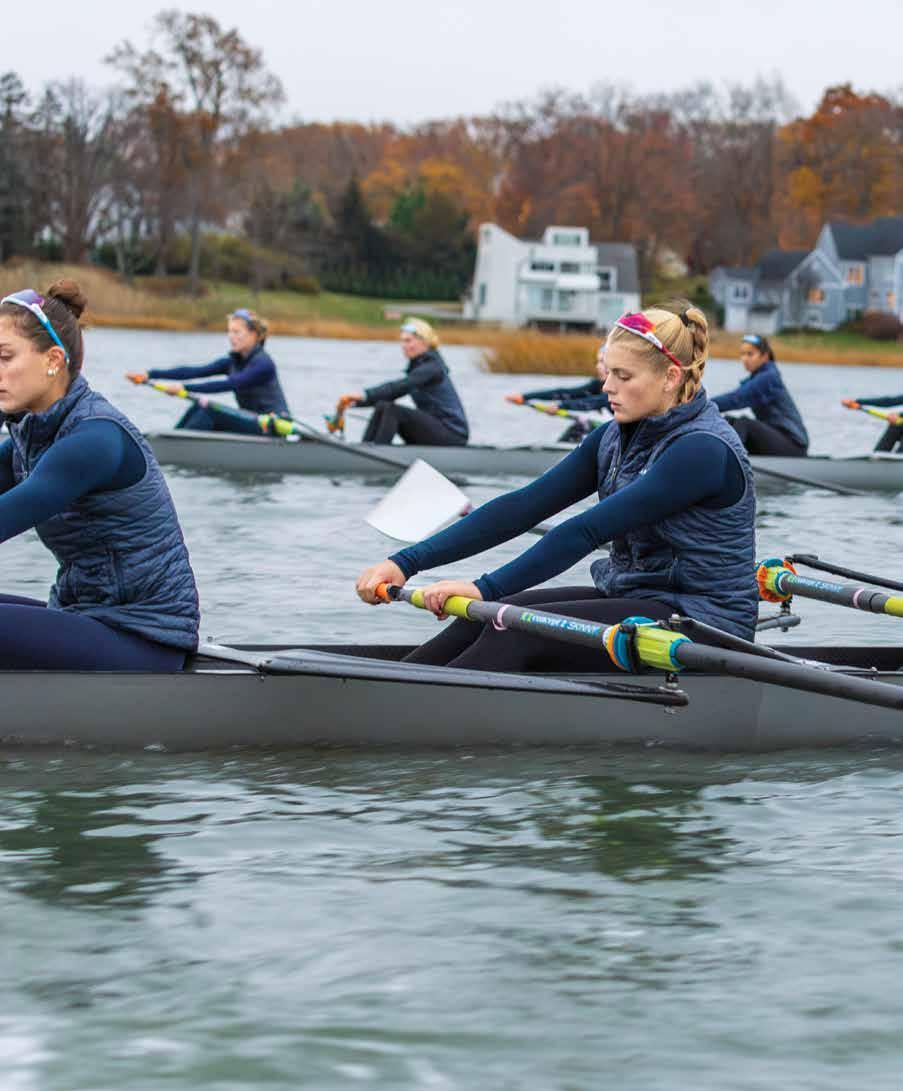
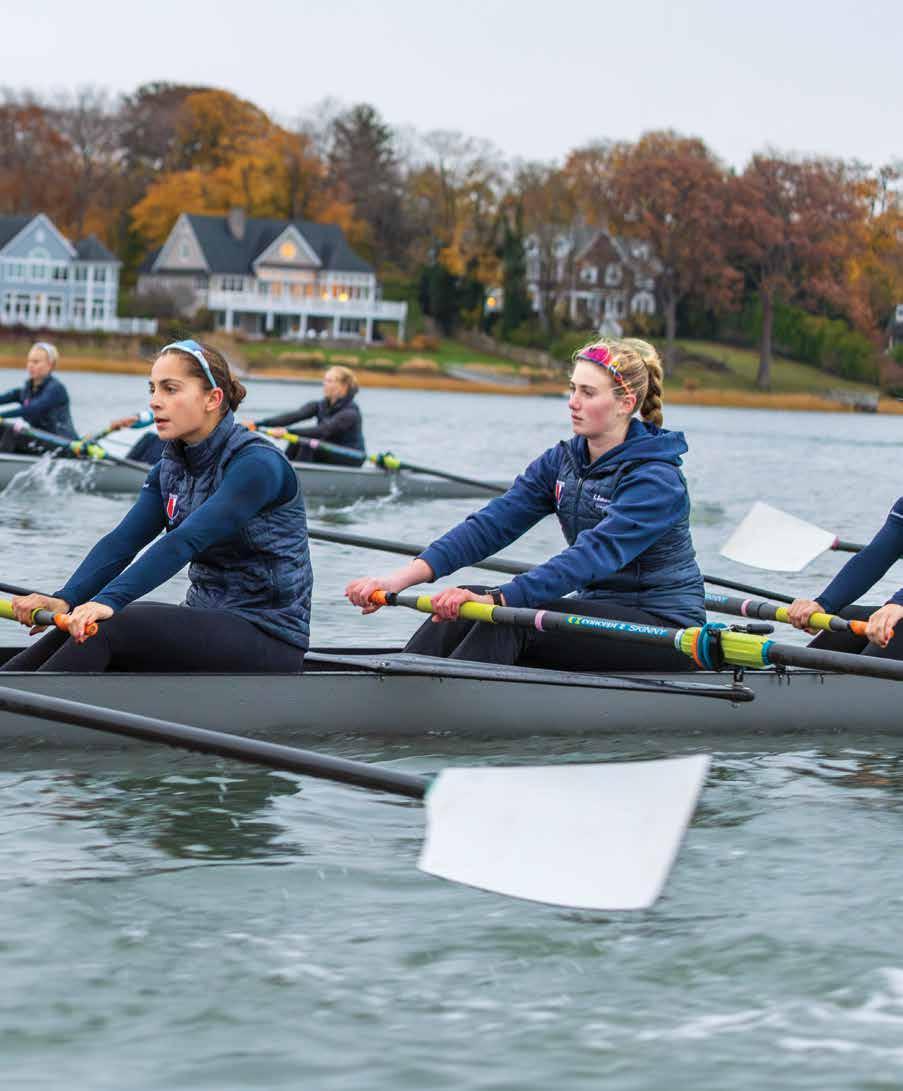
“We try to grow everything. We come at this from a little different angle and do a lot of training in smaller boats,” Serafimovski said. “We strongly believe that sculling is the foundation of the rowing stroke. By the time our kids become high-school freshmen, they all know how to scull. They all know how to row a racing single.
“If you tell me, ‘I can’t really move a single or a double but I’m really good at moving the eight,’ well, that doesn’t really make sense. It means the other people are carrying you. So we want to see all the boats do well. That’s the real definition of how we measure success.”
If the RowAmerica Rye rowers think the program represents the hard way to go, wait until they get on the water.
“The crappiest water in America,” Radovic said. “Put it this way, it’s not the Schuylkill River.”
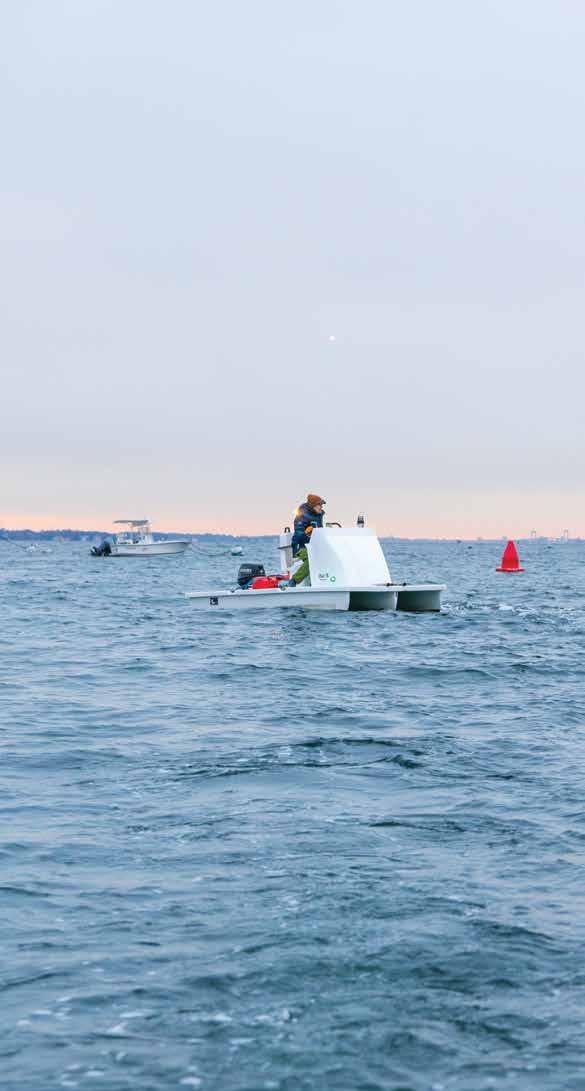
The water is Milton Harbor in Rye, a narrow north-south channel that dumps into Long Island Sound and is essentially a wind tunnel that throws heavy chop across the bows of the boats regularly.
“About 1,500 yards out, you’re already in the sound. There are three marinas and a lot of motorboat traffic and objects in the channel that you either dodge or find by running them over unexpectedly,” Serafimovski said. “We deal with it. We make it work. Collegiate coaches come and watch our practices and they’re like, ‘How the hell do you do this?’ We don’t have a river or a lake, so we have to make do.”
If nothing else, when RAR shows up at a regatta that is experiencing poor conditions, the rowers think very little of it.
“My first year at Rye, I was out there learning how to scull my single, and there were motorboats everywhere and I thought, this isn’t going to end well,” Van Praagh said. “But you get that discipline, that idea that even if conditions aren’t great, you’re going to find a way to get it done. It’s going to benefit you so much in the long run. The place wasn’t great for rowing, but we never focused on that, we never talked about it. It was just something to work through and find a way to use it to our advantage.”
“It definitely builds a bit of character,” Dolce said. “There’s stuff floating in the water, and the winds just rip through that marina channel. But we still worked our asses off every day. You give 100 percent, and there’s never a day where you could be like a sack of potatoes in the boat. At the end of the year, when you achieve the success, you know it’s because you earned it.”
Along with Van Praagh and Dolce, the other U19 national team member in 2025 was Isaac Rabinowitz, who is back at Rye this season and has committed to Harvard in the fall.
The list of accomplished rowers turned out by the program continues to grow. Cole Thomas and Lucas Liow were other recent U19 team members. Both are sophomores at Princeton. Current U23 team member Ellie Smith, a junior at Princeton, is another alumnus, as is Gus Rodriguez, who rowed at Brown and Cal and was selected as a spare for the U.S. rowing delegation to the 2024 Paris Olympics and won a bronze medal in the U.S. eight at worlds last summer.
The distance from Smederevo to Rye isn’t that far, after all—if you’re measuring just by what it takes to rise to the top in rowing. Old World principles translate across countries and continents into new successes. And if you have to dodge a few floating obstacles in the harbor along the way, all the better.
BOB FORD, a seven-time Pennsylvania Sportswriter of the Year, wrote for The Philadelphia Inquirer for more than 30 years, during which he covered plenty of rowing. His rowing-related thrills included stories about Prince Albert of Monaco, grandson of Jack Kelly, the fabled Philadelphia oarsman—albeit focused on bobsledding.
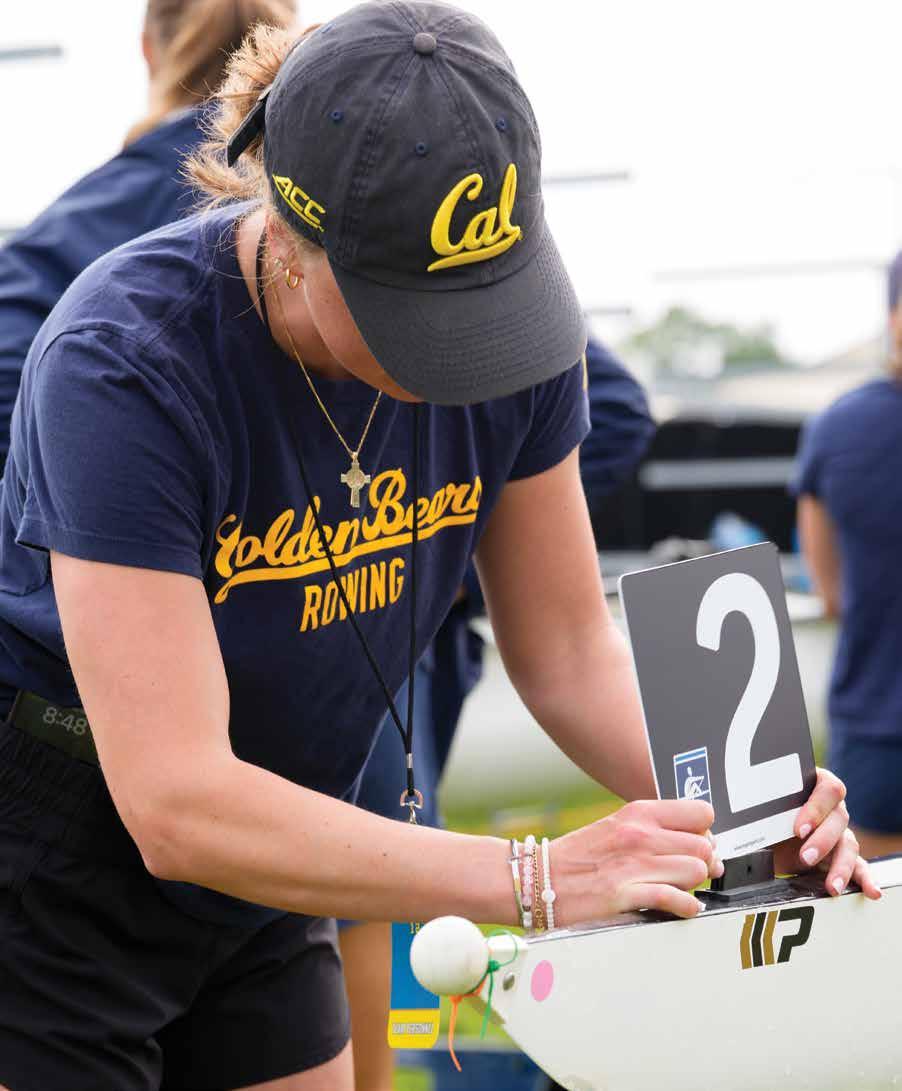
A PRIMER FOR YOUNG ROWERS AS THEY CONTEMPLATE THE NEXT STEP.
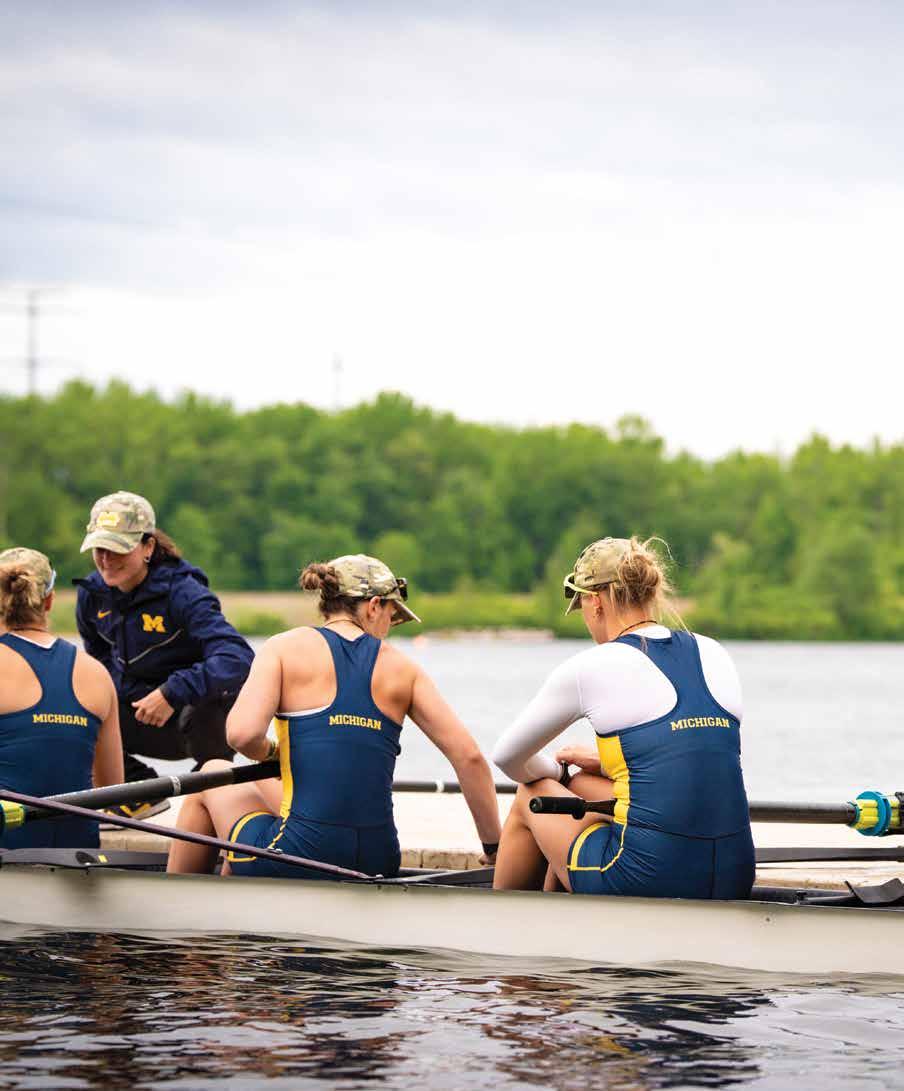
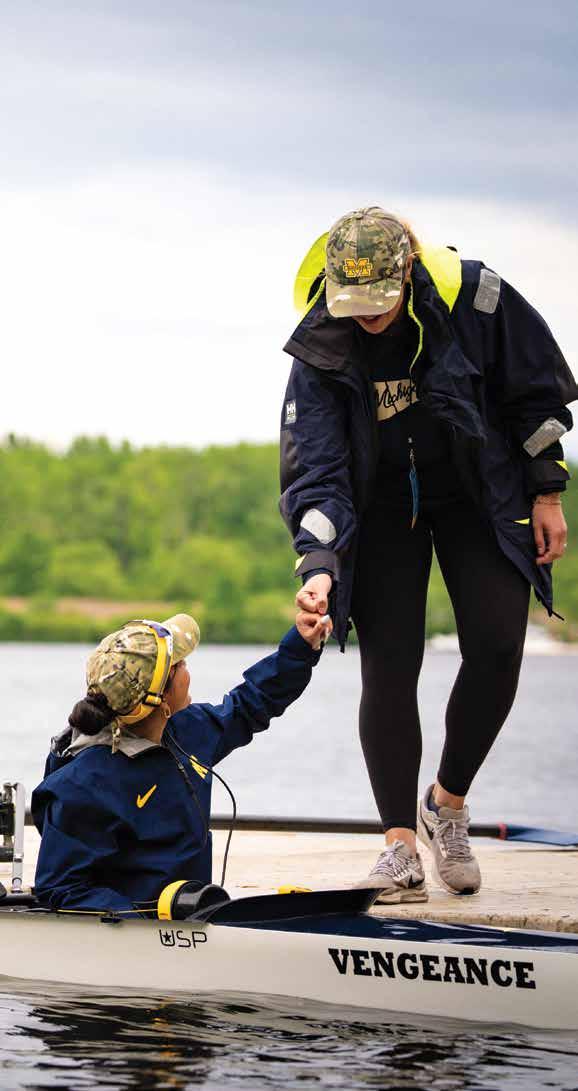
What should I be doing t o get ready for college athletics?
Be Proactive. Chris Clark, director of rowing at the University of Wisconsin, believes athletes “always need a strategy of how you’re going to get better.”
On a team with over 40 athletes and only two or three coaches, it’s difficult to get one-on-one coaching. So receiving the attention you need and want is up to you. Visit the coaches during office hours or ask a coxswain for feedback. Taking the initiative goes a long way toward developing your stroke and building meaningful relationships.
This mindset should extend beyond the water to the weight room and the athletic trainers who can help you get stronger and prevent injury. Reaching out shows your coaches that you are taking ownership of your athletic development.
Be Adaptable. Don’t get caught up in boat rankings or tied to a specific goal. Coaches appreciate athletes who can jump in a boat with the primary goal of making the crew better, no matter what. Achieving shortterm goals, such as winning a seat race, will help you accomplish the long-term goal of making the team better. Rowing is driven by individuals, Clark said, so it’s your responsibility to your teammates to work hard no matter where you are.
Don’t Sell Yourself Short. “You may not be able to do it right now, but that is not who you are going to be,” Clark said. “It’s easy to get scared and feel overwhelmed, but you are judging from the only perspective you know.”
Begin taking the sport seriously going into college, knowing you’ll continue to grow as an athlete. Find opportunities that allow you to row year-round, especially leading up to freshman year. Push off from those around you and set challenges for yourself. It will be hard, but with consistent work and the right mindset, it’s manageable.
How can I contribute to the team if I am not the fastest athlete?
Each member of a team contributes to the speed of its best athlete. Your best effort will push the person in front and behind you to be fast as well.
Jay Hammond, head coach of Pittsburgh Central Catholic crew, emphasizes that every boat counts toward the team’s overall success.
“There is no escape from the responsibility you have to represent your team and your school,” he said.
It’s just as important for the third varsity boat to win as the first varsity boat.
A large part of what makes a team fast is boathouse culture. By encouraging others, even on days when you don’t feel like it, buying into the team’s goals, and supporting your teammates through your deeds, you can lead by example and contribute to overall speed and growth.
There are many chores and duties that keep practice running smoothly, and taking responsibility for those tasks is important, Hammond said. By being first to carry oars down to the dock or load the trailer, you can contribute to the team’s success by keeping the focus on training.
What should I look for on a recruiting visit?
Pay attention to how much each person on the team is valued. Are injured athletes as much a part of practice as everybody else? Are the rowers supportive of each other? Do they look like they’re having fun?
Robbie Tenenbaum, longtime coach and recruiting consultant, recommends imagining how you’d fit on the team and work with the athletes you meet. Because you’ll be sharing bus rides, meals, and weekends with them, it’s important that you feel you could be part of that family. Some questions to consider: How competitive do you want to be? How important is it to be in a top boat? Are you OK with working your way up from the bottom? The answers may determine the size and ranking of the college programs you look at.
Last but hardly least, make sure you like the school. You’re not going to college just to row; your studies are at least as important as your athletic pursuits.
How should I talk to the coach?
Inevitably, there will be times when you and your coach disagree, when you need help or want to speak up for yourself. Approaching an adult and authority figure who has such a large influence on your life can feel stressful, but communicating early and often in low-stakes ways will lay the foundation for heavier conversations. It’s also important to consider your coach’s perspective.
Coaches have a lot of responsibilities—keeping athletes safe and healthy mentally and physically, planning training, putting together lineups that will win races. Many coaches are responsible for more than 40 athletes, so choosing the right moment to start your conversation can be key.
Indeed, said Bill Manning, head coach of women’s rowing at the University of Pennsylvania, it’s all about timing. Instead of starting what may be a long conversation as you rush out the door after practice, set up a time and let the coaches know what you’d like to discuss.
Be patient, while also standing your ground. Most issues and concerns are not resolved right away and may take time. Make sure you’re respectful in tone and manner, always leaving room for the possibility that your coach has your best interest at heart.
Whether you’re hurting mentally or physically, getting injured and having to take a step back from the work your teammates are doing so you can heal can be challenging. It’s OK to feel frustrated and angry.
First, tell your coach and the athletic training staff. Identifying pain early can prevent a small issue from becoming a serious injury. Sometimes, taking a few days off from rowing and exercising in a different way can reset your body and mind.
Be patient with yourself. Healing takes time, and while it may seem like forever, athletes often come back from injury rested, stronger, and more capable of performing at their peak.
Hannah Walseth, a senior rower at Drexel University, returned from injury to race in the first varsity boat.

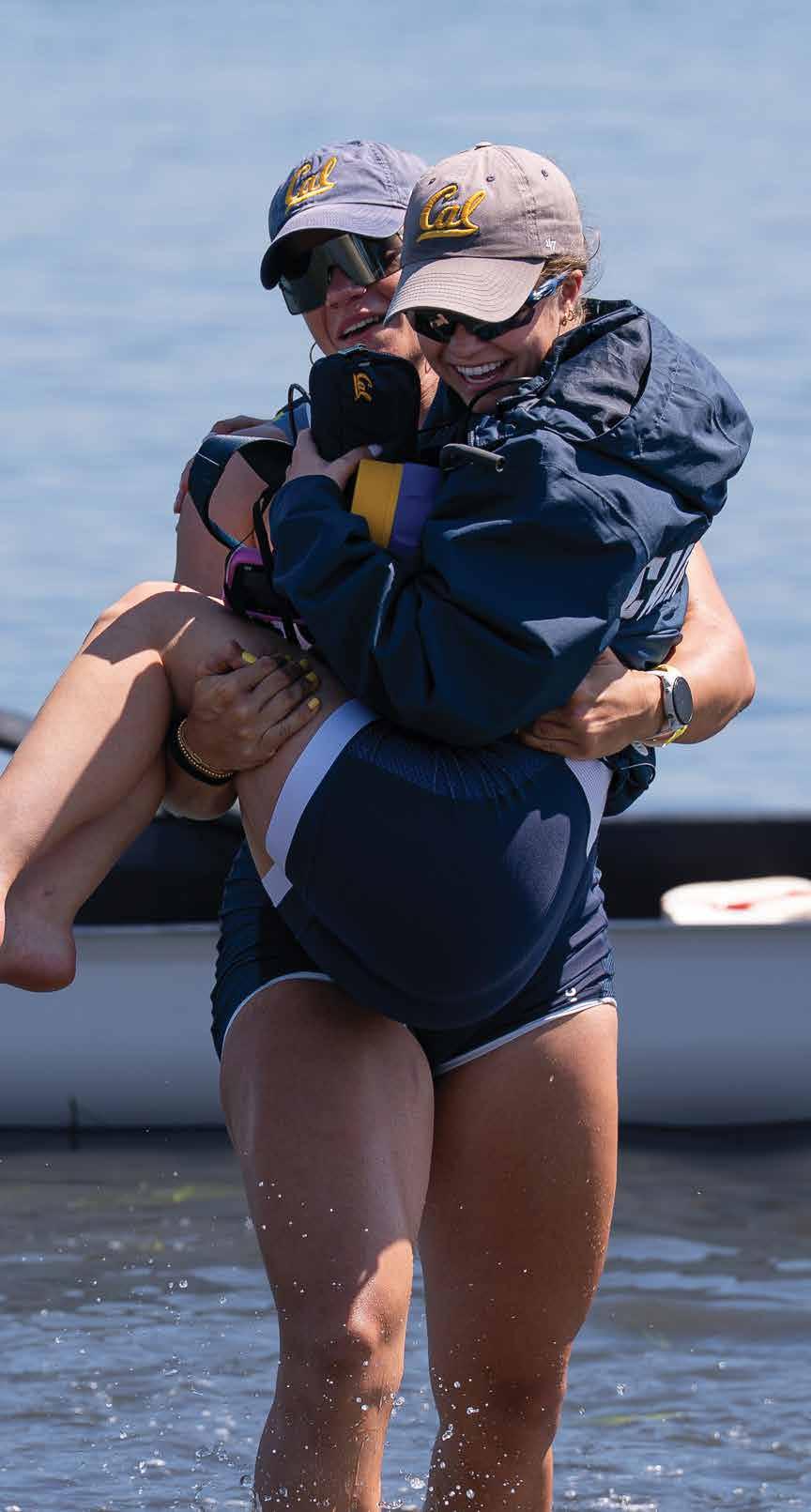
“It’s really hard to see the light when you’re injured,” she said, “but you have to experience negative things to really maximize the good. Recognize that the anger and pain will go away with time and make you stronger in the long run, if you take the time you need.”
Reach out to your support system. It’s easy to become removed from others when you’re no longer doing the same things together, but surrounding yourself with positive and encouraging people can make the road back much easier.
What’s the best advice you’ve received as a college athlete?
Alberto Lasso, junior, Harvard lightweight crew:
“Stringing consistent days together is way more important than performing some days and not others. This may mean going at a slower, steadier pace on steady. But at the end of the day, slow is smooth, and smooth is fast.”
Hannah Walseth, senior, Drexel crew:
“There’s no room for comfort in the sport. Whether during a piece or using your voice to express something to the team, you have to place yourself in uncomfortable positions to grow.”
What’s the best thing about rowing in college
Everything. The best part is the entire process of developing yourself as both an athlete and a person. Channing Brook, a Stanford lightweight rower, deems it a privilege to work with other athletes who are dedicated to working toward a single goal.
Whether you’re laughing in the locker room after a long practice, huddling on the cold ground waiting for your race, watching the sun rise and pushing through those workouts that feel like they took a part of your soul, the best part of rowing in college is living and working with a group of people who are striving toward something together.
New Events for 2026 including Championship Weekend + Champ Mixed Eight!
August 2-9, 2026 • St. Catharines, Ontario, Canada
Masters: August 2 • Race Week: August 4-6 • Championship Weekend: August 7-9
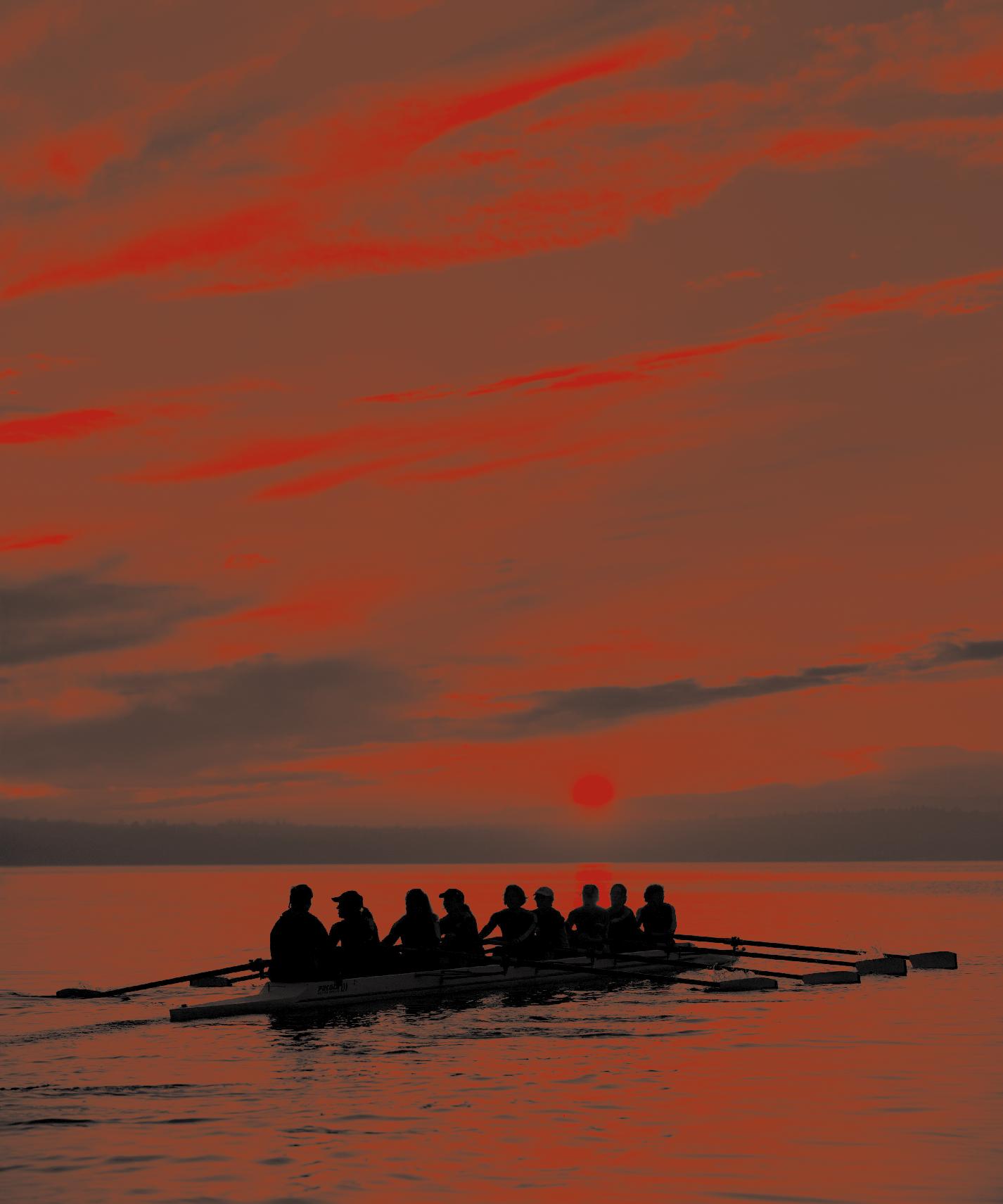

Just one night of poor sleep can impair cognitive performance and cause daytime sleepiness and increased stress as well as slower reaction times and reduced alertness.
While conditioning, technique, and equipment are key factors for success in rowing, the importance of mental factors is often underestimated—perhaps because mental training is so individualized and its effectiveness so difficult to measure.
We can record a video to assess technique and conduct an ergometer test to evaluate physical ability but we don’t have such simple and accurate tools
for measuring a person’s mental state. Nevertheless, good coaches understand the importance of mental readiness and work with athletes on their mental preparation as an important component of overall performance.
In this context, a matter deserving special attention is sleep, which can have a major impact on both mind and body.
Sleep problems often arise when traveling, crossing time zones, or having
to sleep in an unfamiliar bed or a different climate. Training camps and regattas pose an additional challenge to getting a good night’s sleep when rowers have to get up earlier than usual or prepare for important races and training sessions such as seat racing.
At such times, anticipation and excitement can cause rowers to worry about what lies ahead and to have trouble sleeping precisely when a restful night’s
sleep is needed most urgently.
Just one night of poor sleep can impair cognitive performance and cause daytime sleepiness and increased stress as well as slower reaction time and reduced alertness, research conducted by Elizabeth Blake Zakarin of Columbia University shows.
Training camps and regattas pose an additional challenge to getting a good night’s sleep.
A bad night’s sleep may not affect oxygen uptake or muscle strength appreciably, but tossing and turning all night because of worry is bound to affect how you perform on the water the next day. Because they need to be so alert, coxswains seem especially vulnerable to the toll of poor sleep.
In The Netherlands, Michelle Darvill, successful coach of Dutch and Canadian national teams, worked with Kelly Dekker, a mental skills coach who advocates an approach called “accept and commit.”
“She explained to the athletes that you don’t always have to feel great to perform well,” Darvill said. “The athletes accept how they feel, and even if the circumstances aren’t ideal, they understand that they’re still capable of performing at their best.
“I also think it’s important to have a solid plan, so that topics like sleep are discussed well in advance of the main competition.
“Sleep is important in the long run, but rest and relaxation—or a positive mindset— are just as important the night before a race. When you work with athletes to figure out what helps them recover and what they can do if they can’t sleep, they stay confident— instead of worrying about not being able to sleep.”
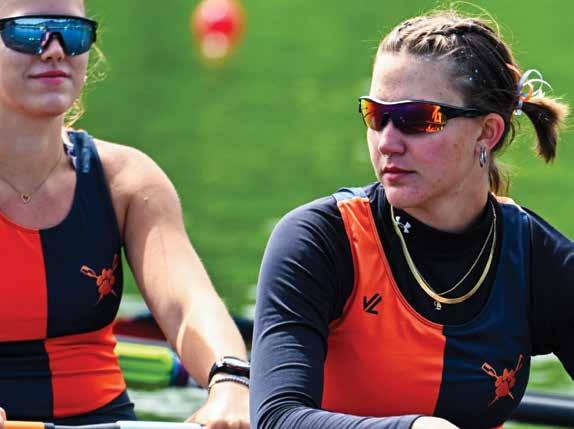
Your rowers can take in only so much information at once. Sometimes, the best thing you can do as a cox is say less.
During the spring season, your rowers must absorb a lot of information.
During a race, you’re trying to communicate your position on the course and relative to your opponents, guide the crew through the race plan, and react to what’s happening—and those are just the baseline requirements!
During a practice, you’re trying to steer, run drills, and give technical feedback.
Sometimes, the best thing you can do as a cox is say less. Simplify your coxing, streamline your words, and add a few strokes of silence.
I spoke to Grace Hollowell, head coach of women’s rowing at Boston College,
about the beauty of simplicity in coxing.
Your rowers can take in only so much information at once. In a race scenario, they’re going to be focused on pushing hard; in practice, they’ll be listening to technical feedback from the coach and trying to implement changes. Giving different feedback each stroke can make a practice (or race) feel chaotic and overwhelming. Instead, give intentional and repetitive feedback.
“Just say the thing a few times,” Hollowell said. “The rowers need you to say it more than once. Stay on one topic for a few strokes and then you can go to the next thing.”
Keep in mind: You’re not the coach! It’s not your role to explain the ins and
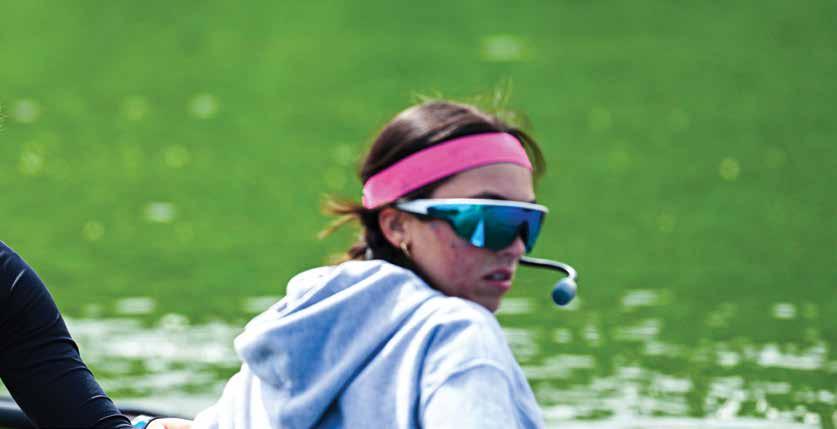
outs of the rowing stroke. You want to distill your coach’s feedback into useful cues for your rowers.
“You’re trying to help them execute a concept that’s presented by the coach; you’re not coming up with the concept,” Hollowell said.
An essential part of giving streamlined calls is to make sure you understand what you’re saying. Brief, accurate feedback is essential.
“You need to understand what you’re saying and who your audience is. You can’t just paraphrase. You need to think before you speak. Your crew may not need that feedback. They may not even know what those words mean,” Hollowell said.
You need to understand what your coach is looking for so you can provide accurate cues about the technical changes your coach is trying to make—not just a summary of your coach’s longer explanation.
While working on streamlining your feedback, remember that silence can be golden, for a few strokes at least. If you listen regularly to recordings of top coxswains at practice, you might be surprised by the amount of quiet. These coxswains are at the top of their game and wise enough to give their boats what they need and no more. Even if you don’t have eight elite rowers hauling down the course with you, you can incorporate a few strokes of quiet into your coxing at any level and reap the benefits.
First, pick your moment well so the crew stays calm. Give feedback or instruction (it’s OK to repeat yourself), give a few strokes of silence, and follow up. You want the silence to be short enough that your crew stays focused and knows nothing has gone wrong. And make sure your tone around the silence still conveys that you’re engaged fully in the practice.
Even a hint of sulking in the boat is never acceptable. Your silence should always be a positive choice, not a negative reaction.
As a coxswain, you should find joy in the efficiency of your coxing and the economy of your words. I like to think that being verbose is the luxury of the coach, if they choose to use it, but is not an option for coxswains.
“At the end of the day, if you’ve made the crew better, you’ve done a good job,” Hollowell said. “Don’t try to be another coxswain. Do the things you’re good at and be yourself. Those are the things that are going to make you a good coxswain.”
So work on being yourself—talkative, quiet, or in between—and on streamlining your calls in a style that’s all your own.
In today’s recruiting landscape, communication can be frequent, friendly, and at times, misleading.
Athletes often feel like they are “in good” with a university—emails are answered, texts come back quickly, and conversations feel positive. But then weeks or months pass, and the reality becomes clear: A firm offer is not coming.
Understanding when to stay patient and when to redirect your focus is a critical skill in the recruiting process. Here are a few key principles every recruit and family should keep in mind:
Be honest from the very beginning.
Transparency builds trust. Coaches are evaluating far more than just your erg score or race results; they are assessing your academic record, your character, and your long-term fit within their program.
If there are inconsistencies in your transcript or gaps in your rowing history, address them early. Coaches will uncover this information eventually. When you are upfront, you demonstrate maturity and credibility—two qualities that carry significant weight in recruiting decisions.
Communication is not the same as commitment.
One of the most common misconceptions in recruiting is equating responsiveness with interest. Just because a coach is actively communicating does not mean an offer is imminent.
Most programs maintain multiple layers of recruits. There is often a priority list, and behind it, a group of athletes who serve as potential options if top targets commit elsewhere. This is not a negative reflection on you; it is simply how college recruiting works. Understanding this reality allows you to interpret communication more clearly and avoid false assumptions.
Ask the tough questions.
Coaches will not hesitate to ask where they stand on your list—whether they are in your top five, top three, or your No. 1
choice. Recruits should feel empowered equally to ask direct questions in return: Where do you fit on their board? How many athletes are they recruiting? What does their timeline look like? These conversations can feel uncomfortable, but they are essential. Clarity is power. If a program’s level of interest is not where you hoped it would be, that information is not discouraging—it is freeing. It allows you to invest your time and energy where it truly matters.
Define and communicate your priorities. Every recruit values something different. For some, it is strong admissions support. For others, it is an athletic scholarship or confirmed academic aid. Be clear about what matters most to you and communicate that directly to coaches. Specificity helps programs understand how to position themselves in your decision-making process and whether they can meet your expectations realistically.
Control your timeline.
One of the biggest mistakes recruits make is allowing the process to drift without a defined end point. Establish a timeline for your decision and share it with the programs you’re considering.
If a coach’s timeline differs, it is far better to identify that early rather than letting uncertainty linger. Programs move quickly, and clarity on both sides creates a more efficient and less stressful process. The best outcomes in recruiting happen when there is mutual enthusiasm, clear communication, and alignment of expectations.
If that alignment is not there, the smartest move is often to redirect your focus toward the programs that are invested fully in you, as both an athlete and student.
Some GLP-1 users are starving themselves and showing signs of malnutrition: muscle loss, shrinking stature, fragile bones, thinning hair, chronic fatigue, lightheadedness.
Iadmit: I get taken aback when I see professional athletes like tennis star Serena Williams touting the benefits of taking GLP-1 meds. GLP1s (Glucagon-like Peptide-1 Receptor Agonists) such as Ozempic, Wegovy, Mounjauro, and Zepbound were once prescription meds. Now, they’re being marketed by celebrities and have gone mainstream.
GLP-1s work by curbing your appetite and slowing gastric emptying. You feel full for a long time because food stays in your stomach longer. This curbs hunger and “food noise”—incessant thoughts about food that can fill your brain.
These changes lead to weight loss, freedom from incessant food thoughts, and higher self-esteem. (That self-esteem and self-worth are tied to one’s weight is a sad statement. No one should have to lose weight to be “good enough”—but that’s an article for another time.)
Both fitness exercisers and athletes are expressing interest in these meds, for themselves or someone they know. Rave reviews about “magical” weight reduction are compelling, but few mention the downside of GLP-1s.
These popular drugs can contribute to malnutrition because of scanty food intake—something consumers and health professionals overlook. After all, the meds are supposed to squelch hunger, cause you to under-eat, and lead to weight loss. Most GLP-1 users don’t think about the risk of nutrient deficiencies; they’re just proud that finally they’re able to “barely eat.”

They revel in the number of pounds they’ve lost, their lower BMIs, and their stylish new clothes.
GLP-1s curb hunger, but hunger is a safety signal that protects us from becoming malnourished. If you, a rower, didn’t get hungry, you’d never think to eat. You’d starve to death.
Some GLP-1 users are, indeed, starving themselves (as do some lightweight rowers). Over time, they notice health changes symptomatic of malnutrition: muscle loss, chronic fatigue, thinning hair, lightheadedness, reduced bone density, shrinking stature, cold hands and feet. As one formerly plump swimmer bemoaned, “I’ve had to stop swimming. Without my body fat, I get too cold.” She was getting cold because she was severely underfueled. Many swimmers are skinny and stay warm enough to swim because they eat enough calories to fuel their body’s furnace.
I’ve seen GLP-1 users (as well as some rowers) who have grayish skin; they look terrible and are way too thin. Yet they get praised: “Congrats on losing all that weight!”
Unfortunately, we live in a culture where weight loss is admired, eating less is a goal, thinner is better, and low body
fat is deemed healthier. Today, previously unsuccessful dieters are able to succeed finally at losing undesired body fat. Even if they feel unwell, they feel like winners: No more body shame! Some GLP-1 users live with nausea, constipation, and lethargy. An estimated 50 percent to 75 percent of GLP-1 users stop taking the meds within a year. They are not a “walk in the park” for everyone.
As a dietitian, I recognize that there’s a time and a place for GLP1s. I’m fine when they’re prescribed within established guidelines and used with medical oversight. Obesity and overweight are serious health conditions that deserve competent attention from a health-care team with a registered dietitian (RD).
Weight loss is far more complex than “just take this med” or “just eat less and exercise more.” RDs can help GLP1 users figure out how to eat adequately and “normally” so they consume enough calories, protein, vitamins, and minerals, particularly D, iron, calcium, thiamine, and B-12.
If you’re consuming only 800 calories a day, what you eat needs to be nutrientdense. While GLP-1s are not inherently dangerous, they do require intentional
eating. GLP-1 users who work together with an RD have greater long-term weightloss success than those who have to figure it out on their own.
Your weight is the result of complex metabolic systems, sleep, stress, the environment, and access to health care. GLP-1 users commonly have a complicated food and weight history, with dysfunctional eating styles, if not outright eating disorders, they’ve never addressed.
Losing weight doesn’t resolve dysfunctional eating. Dysfunctional eating often stems from stress, body-image issues, and “I’m not good enough” beliefs. Family dynamics can change when a person who used to eat heartily now barely eats and sheds lots of weight. How is the family adjusting to the new body? With pride, jealousy, or discontent?
Achieving one’s dream weight doesn’t guarantee happiness. No number on the scale will ever be good enough to do the enormous job of creating happiness. Happiness comes from within. With weight loss, the body is simply smaller, and the dieter holds the same bag of life’s problems. Result: GLP-1 users may continue to feel inadequate and not “good enough”—just as they did when they were living with excess body fat.
Some users, believing they’re cheating, may feel ashamed of resorting to GLP-1 meds, Many are fearful of regaining weight if they stop taking the drug. (Rightfully). Because data are lacking, we don’t have a clear picture of how this weight-loss era will evolve. Will everyone be taking GLP-1s like a vitamin pill? Will vanity dieters and weight-class athletes use them occasionally in microdoses? Will every four months be enough to manage health issues?
At the moment, we know that people who want to maintain their weight loss need to stay on the drug for the rest of their lives. That’s because obesity is a disease, like high blood pressure. If you go off your blood-pressure meds, your blood pressure goes up. The same holds true for GLP-1s. Stop, and your weight goes back up.








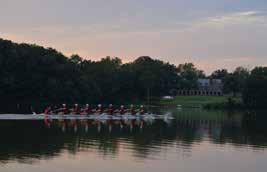

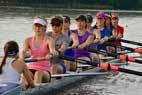
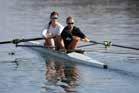



Jitters creep in before a championship, so best not to rely on memory—it’s easy to overlook an important detail.
The work is done. Now you sit on your suitcases patiently as the hours tick away until your peak event.
Coaches are masters of logistics at competitions, but members of the crew also need to concentrate on personal readiness so as not to cause havoc.
Make a plan for the final 24 hours so things run smoothly. First, dial in your meal plan: what you will have for dinner the night before, what and when to eat before driving to the regatta. Stick to familiar foods that provide stable energy and won’t cause last-minute gastrointestinal upset. Have a stock of extra provisions for recovery between heats and finals or in case of a weather delay.
Jitters creep in before a championship, so best not to rely on memory; it’s easy to overlook an important detail. Organize your duffel bag in the evening. Make a list of what you need to have at the course, including jackets and a change of clothes. Check it twice.
A backpack can hold little stuff like your water bottle, credentials, snacks, sunscreen, sunglasses, keys, and hats. Upon arrival, know where the boat trailer is, where the bathrooms are, and the meeting time for your crew.
Establish where to put your gear, when to put the boat up in slings to inspect foot stretchers, tracks, and oarlocks for any issues, who carries the oars to the dock, and where to put them near the launch site before putting your boat on the water.


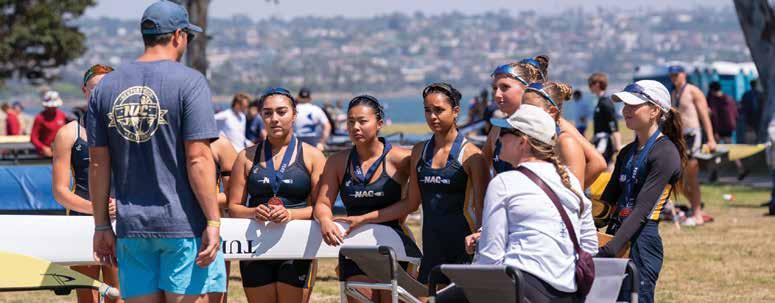
Youth rowing doesn’t have the “daddy coach” problem that plagues baseball and basketball but it certainly has its share of unserious coaches.
Danish physicist Niels Bohr once said that an expert is someone who’s made all the mistakes one can make in a narrow field. By that standard, I’m an “expert.”
After a longish spell rowing after college, hitchhiking, bike messengering, bartending, and running a nightclub in Manhattan, I listened to the little voice in my head that whispered, “Hey, you can do it better than a lot of coaches you’ve had.” (By now, no doubt, I’ve spawned more than a few young coaches who’ve entertained the same whispers about me.)
The charge of a coach at any level is to develop. Any coach with a shred of competitiveness will begin with “How do I make the kids better?” That’s always the right question. So, too, is the default: “How fast can I make them on land and water?”
There’s a lot more to it, though. When you’re a dad with two sons who competed in college and a third who is still in high school, there’s no avoiding youth sports. My personal involvement in high-school rowing is slight, but my experience
with guys who did row in high school is extensive.
I can extrapolate only from my kids and their youth coaches in football, basketball, and a little baseball. My perspective is grim. If 10 percent of the fisherman catch 90 percent of the fish, then it’s likely 90 percent of the youth coaches are responsible for the “that sucked” attitude so many kids have when they pull the sports plug. Youth rowing doesn’t have the “daddy coach” problem that plagues baseball and basketball (I think) but it certainly has its share of unserious coaches.
A mission statement for youth coaches should include these principles:
It’s all about you only insofar as you get satisfaction, even thrills, from watching your athletes succeed beyond what they and you dreamed possible.
How good you were in your rowing prime is relevant in only one way: Your aim is to make the kids you coach better than you were.
A coach should not be a dream buster. Mr. Woods, my high-school algebra teacher, once told me when I was
struggling, “You’ll never go to a great college like my alma mater, Notre Dame, with your results.”
Mr. Woods was right; I never did go to Notre Dame. But he was also wrong. What he said shook me, and I vowed that I’d never try to motivate through negativity. As a coach, you’re a “youth farmer” with the power to grow or ruin your crop. Tend it carefully.
For most of my career, I’ve been a college coach focused on the unique problems of college rowing. Equally important, however, is youth rowing and the coaches who are developing the beginners in our sport.
Soon they’ll become the future of our sport, and as they thrive so too will rowing.
CHRIS CLARK is director of rowing at the University of Wisconsin, where he has coached for more than 30 years. In 2008, he led the Badgers to their first national championship since 1990, and his crews have won numerous medals at the IRAs and Eastern Sprints. He was a standout rower at Orange Coast College, Stanford, and the University of California, Berkeley. As a member of the U.S. national team, he won a silver medal at the 1983 Pan-American Games and in 1986 he rowed in The Boat Race for Oxford.


As endurance athletes, many rowers trade their oars for skis in the winter. I’m sure many of you out there watched the incredible racing of Johannes Hosflot Klaebo, the Nordic skier from Norway who won six gold medals at the Milan/ Cortina Olympics.
Watching him break free from the pack in every race on the final uphill climb was amazing. He kicked it into high gear and dropped his competitors by increasing his pace.
I took out my stroke watch to see what his “stroke rate” was as he pushed up that hill, which the commentators said was as tall as a 10-story building. I clocked his poling as he sped up the hill in the 10K at 67, increasing to 74.
Now there’s a guy who can step it up and sprint.
DOCTOR ROWING, a.k.a. Andy Anderson, has been coxing, coaching, and sculling for 55 years. When not writing, coaching, or thinking about rowing, he teaches at Groton School and considers the fact that all three of his children rowed and coxed—and none played lacrosse—his single greatest success.

ANDY ANDERSON
On rowing your own race, sculling Shahs, and a Nordic sprinter.
In The Athletic last month, talking about The Masters golf tournament, where at the halfway point (36 holes, or 1,000 meters for us rowers) he was leading by a commanding six strokes, Rory McIlroy said, “Golf is the most amazing game because it’s you and the golf ball and the golf course. And that’s it. You shouldn’t be affected by anyone else.”
This calls to mind something rowing coaches frequently say: “Just row your own race. Make your own boat go as fast as you can and don’t worry about what your competitors are doing.”
It’s very good advice. In a close race, no oarsman or oarswoman should be focusing on a competitor. Even a coxswain, who is supposed to keep track of where the boat is compared to the others, can overdo it.
At worst, the cox is looking to port, to starboard, and behind. “Penn is moving. Cal is raising the rating. Here comes Harvard!” Coxswains are not play-by-play commentators on the action. Frantically broadcasting what’s happening on other boats rather than on your own is incredibly distracting.
“Just row your own race. Make your own boat go as fast as you can and don’t worry about what your competitors are doing.”
As someone who coaches young athletes, I find it difficult to get them to tune out their competitors and focus on their own rowing, their own boat. It takes practice. I’m reminded of what my mentor Todd Jesdale used to do—throw tennis balls from his launch over the heads of the crew he was coaching to get them to keep heads in the boat. I favor heaving a volleyball.
As I write this, Rory McIlroy has retaken the lead, and watching him make his shots and walk the course coolly, it seems clear he’s playing this final round with his focus where it should be—on his own shotmaking, not on what the others are doing,
For years, I’ve heard the story that the Shah of Iran had rowed while he was at Harvard. No less a figure than Harry Parker told me this. The current situation in Iran reminded me that this is one story I want to know more about, true or not. I’ve searched my library of rowing books, Googled everything that might be helpful, bothered friends and acquaintances.
I couldn’t find any evidence that he studied at Harvard. Or rowed. The Shah was a real devotee of Western culture; he celebrated New Year’s Eve in 1979 with thenPresident Jimmy Carter at his palace in Tehran by flying in a sumptuous meal from Maxim’s in Paris.
So it seems possible that, unlike the current Islamic rulers, he might have tried an activity that was popular in the United States (“The Great Satan,” as Iranian radicals called us): sculling.
“It’s conceivable,” said Craig Lambert, longtime editor of Harvard Magazine, “that when the Shah got an honorary degree from Harvard in 1968—amid heavy protests—he did a bit of recreational sculling out of Weld.”
His son, Reza Pahlavi, did attend Williams College as a freshman in 1979. There’s an unsubstantiated rumor that he tried rowing at Williams, but it didn’t take. When his father, the Shah, died in 1980, Reza left the college, moved to Cairo, and assumed the title of Shah (in exile).
The story is too good to be true, but it haunts me that I didn’t follow up with Harry beyond saying, “Really?”
Friends, readers, men of Harvard, does anyone know anything about this?