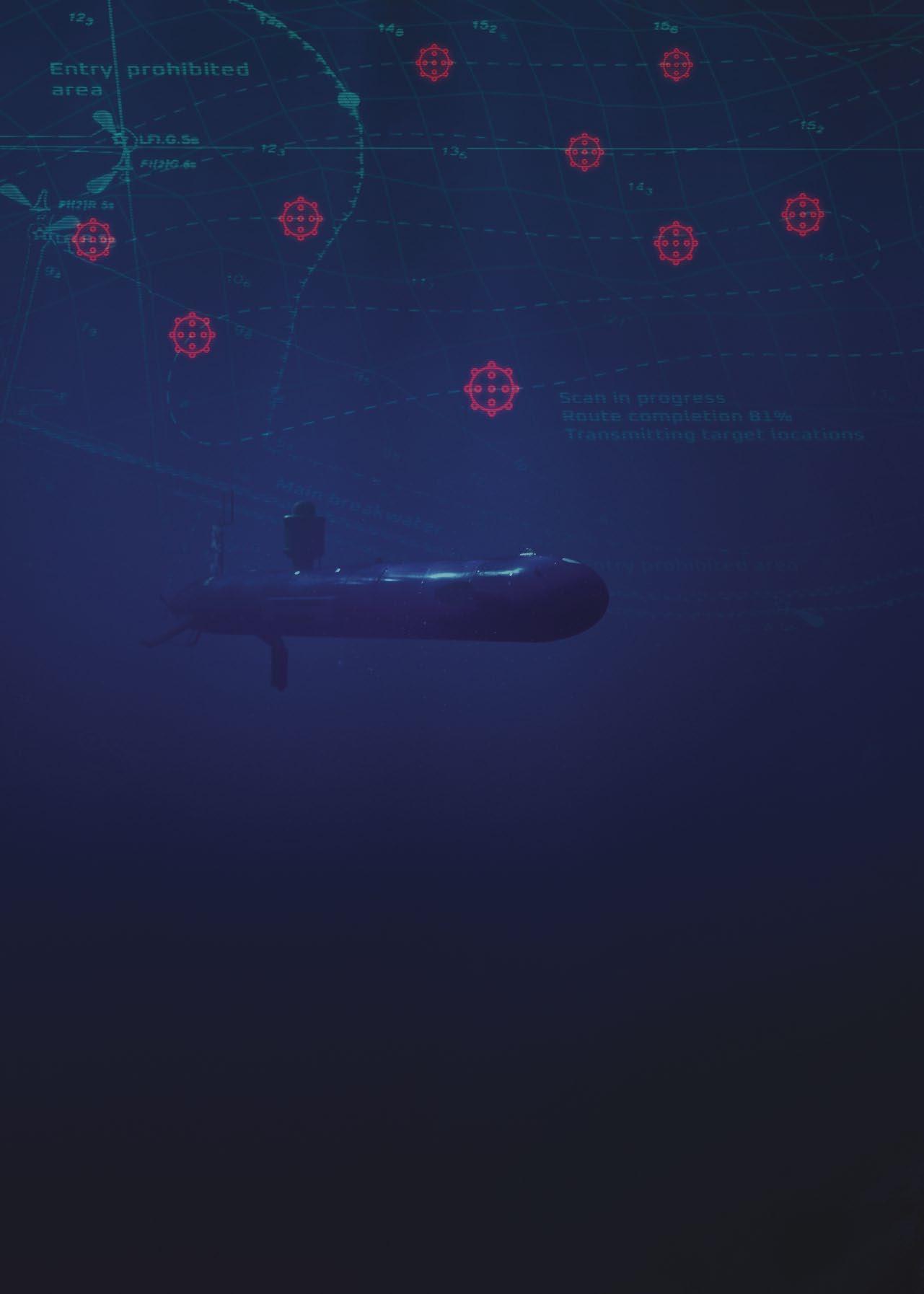
Autonomous Submarine for Covert ISR, MCM, and ASW Missions
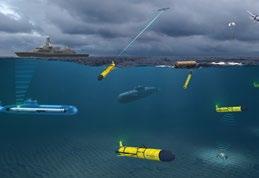
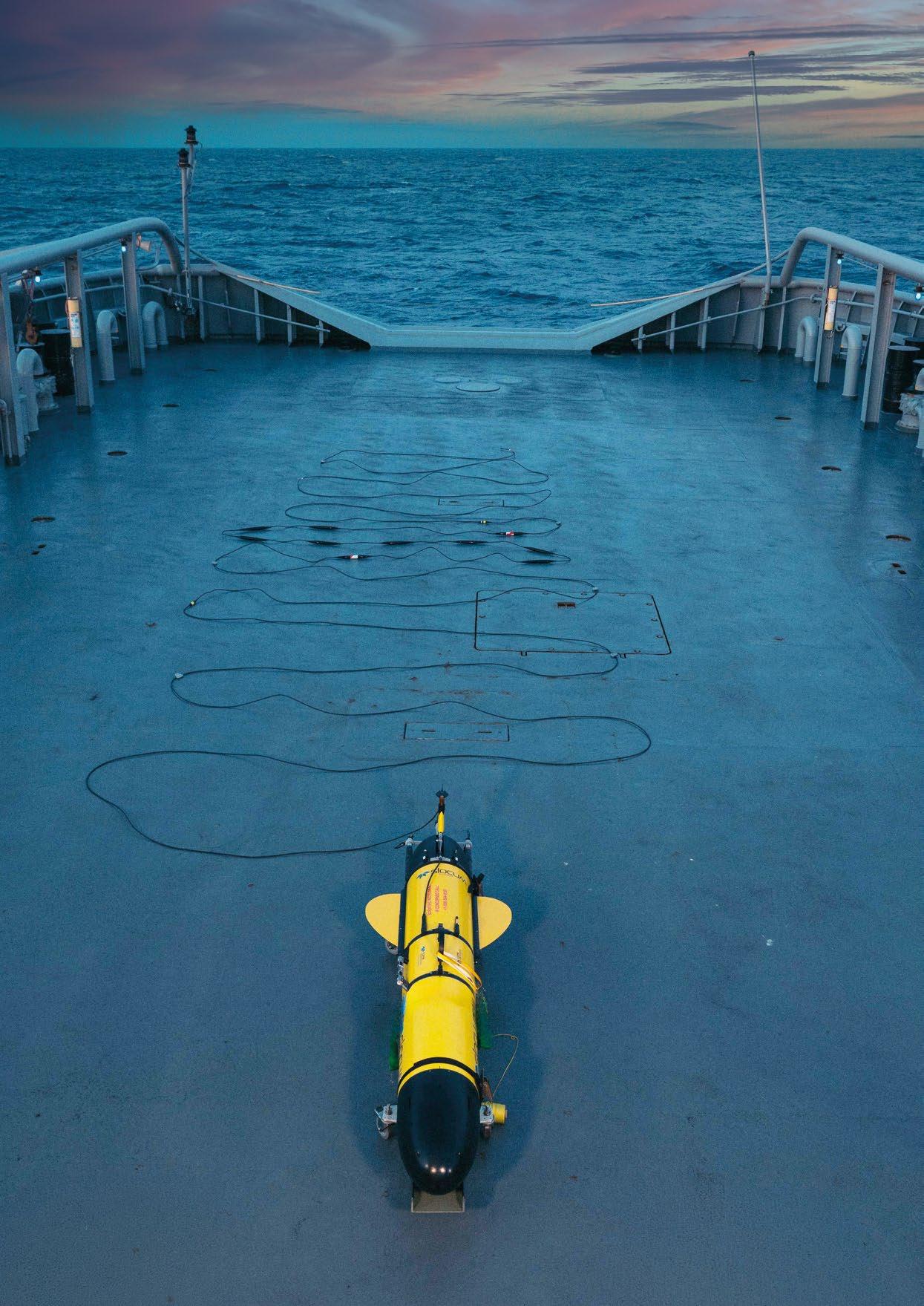
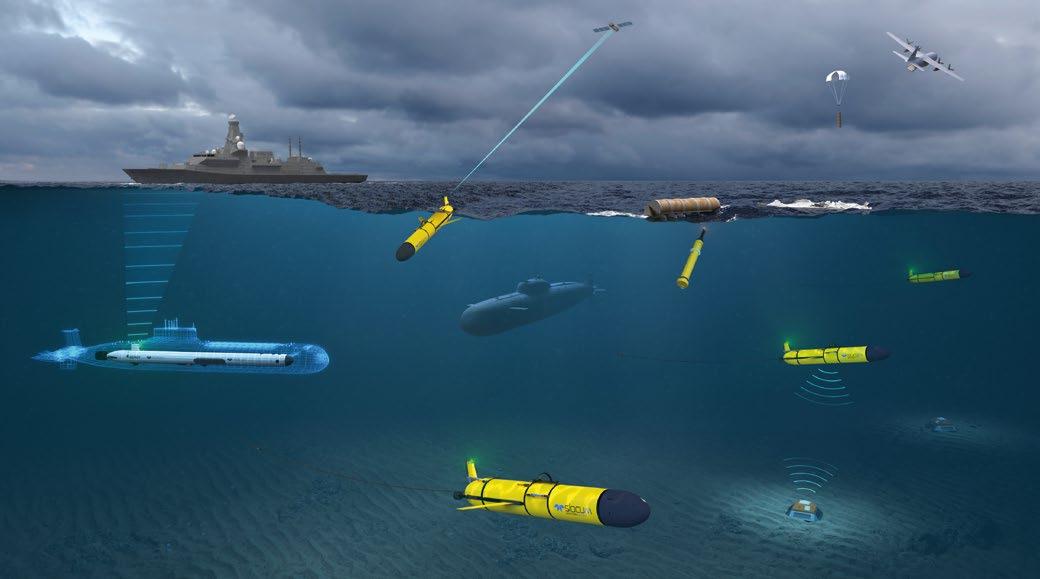
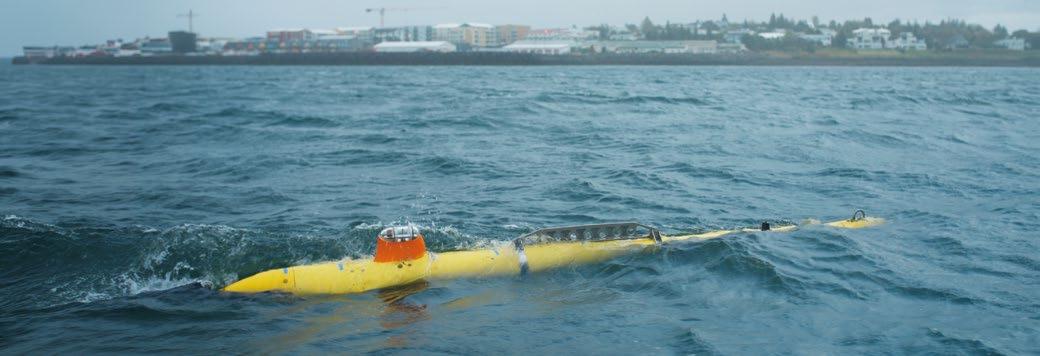
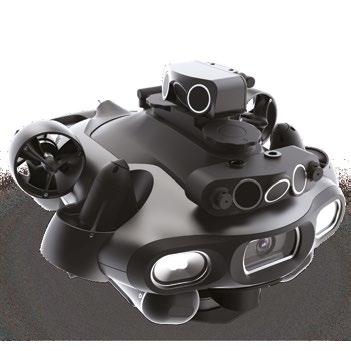
The ELI-3325 BlueWhale, equipped with ATLAS Elektronik passive and bi-static towed array sonar, has successfully detected submarines in operational exercises across diverse maritime environments, including the Atlantic, Indian, Mediterranean, and Baltic Seas.
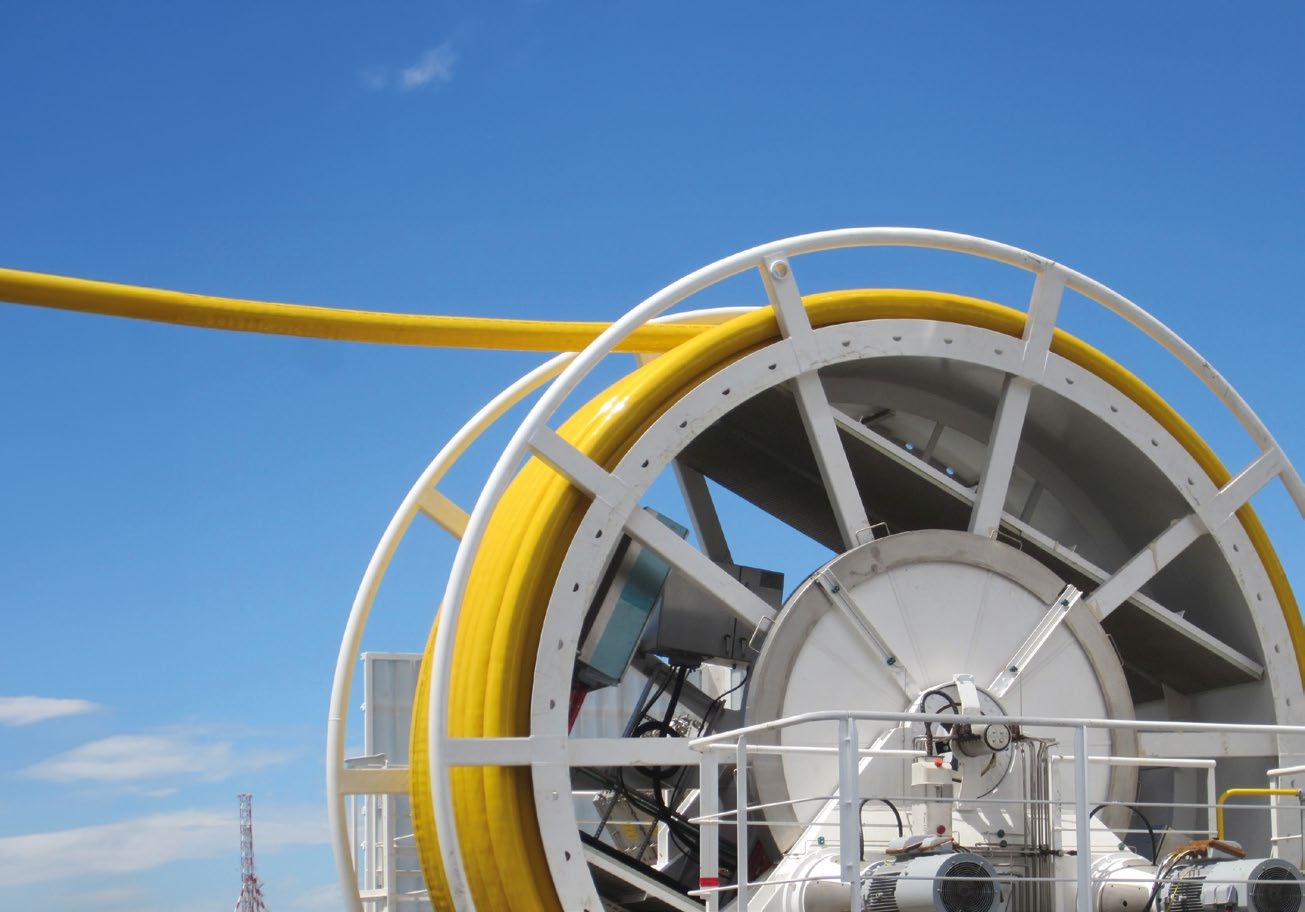
BlueWhale is a large, high-endurance, uncrewed underwater vehicle engineered for stealth and autonomous operation. Further mission capabilities include ISR, seabed warfare, MCM, ACINT, SIGINT, and forward scouting for special forces, including real-time video support.
IAI-ELTA
www.iai.co.il • market@elta.co.il
Meet us at CNE 2026
Booth #B15
06. Events Calendar & Welcome to Ocean Robotics Planet
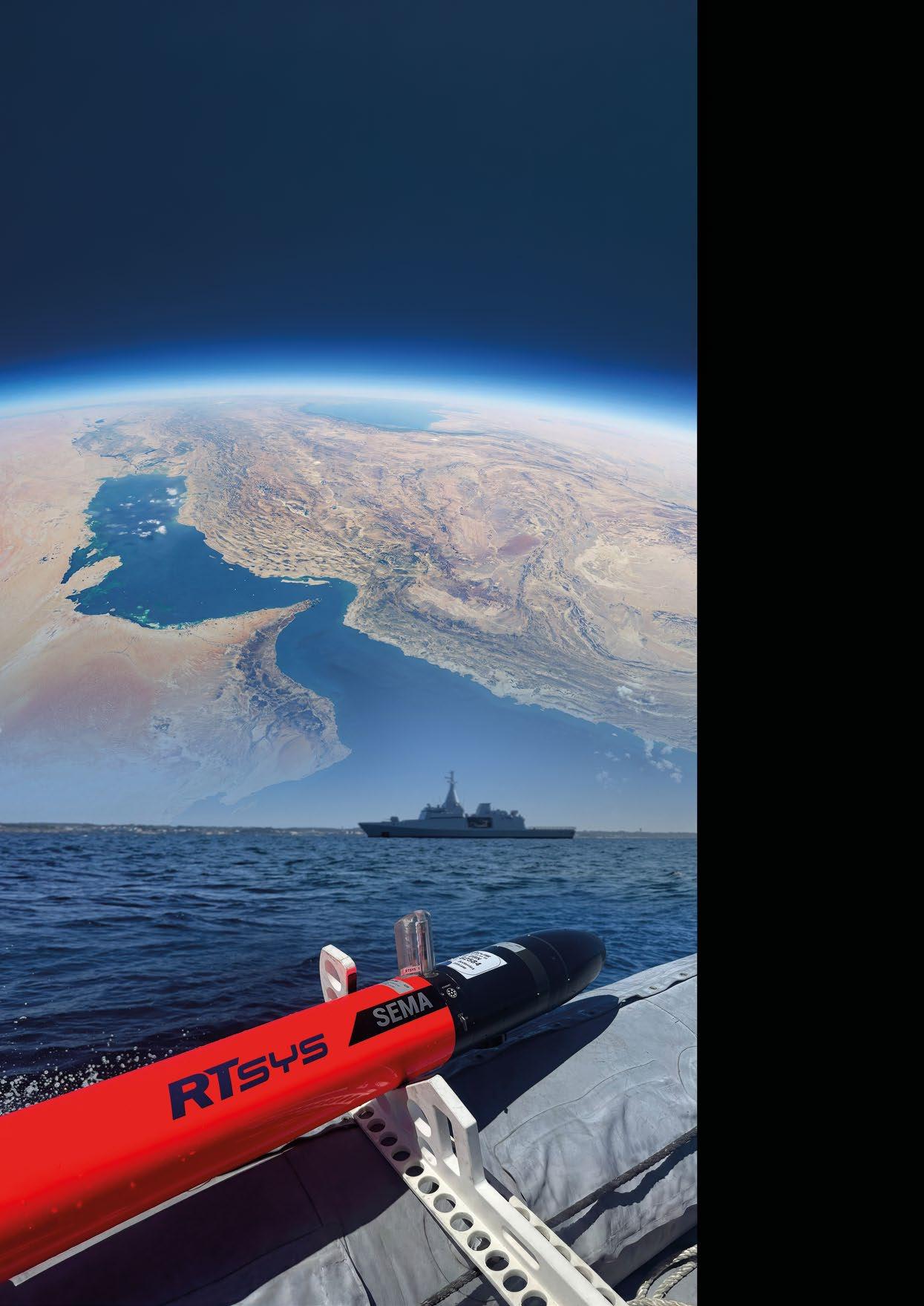
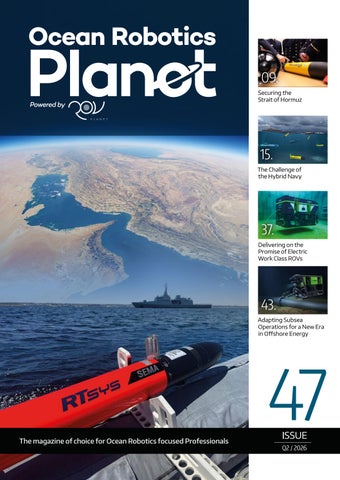
09. Securing the Strait of Hormuz: RTsys’ Lightweight MCM and ASW Solutions for Modern Naval Operations
13. Popoto Modem SeaSignal: Advancing Low-noise Underwater Acoustic Recording with Edge-ready AI Integration
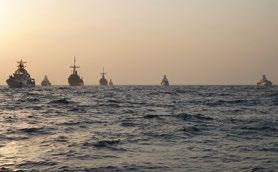
15. The Challenge of the Hybrid Navy
19. The U.S. Navy’s New “Hybrid Fleet” can Deliver MCM Capability
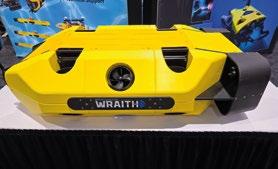
23. New VideoRay ROV Wraith is the Wraith of Others!
27. QSTAR: Strengthening Europe’s Next Generation of Mission-ready Military ROV Capability
31. The U.S. Navy Breaks New Ground with Unmanned Surface Vessel Autonomy
34. Poster: Saab Seaeye SR20
37. Delivering on the Promise of Electric Work Class ROVs
41. When the ROV Goes Electric, the Umbilical gets Complicated
43. Adapting Subsea Operations for a New Era in Offshore Energy
47. Matching Manipulation to Mission: Application-driven Design in Subsea Robotics
51. Making Waves with Digital Edge Subsea
55. Innovation, Accelerated: How OceanSight is Redefining the Ocean Technology Landscape
59. Small Sizes, Big Possibilities: Rethinking How We Modernise the World’s Subsea Fleet
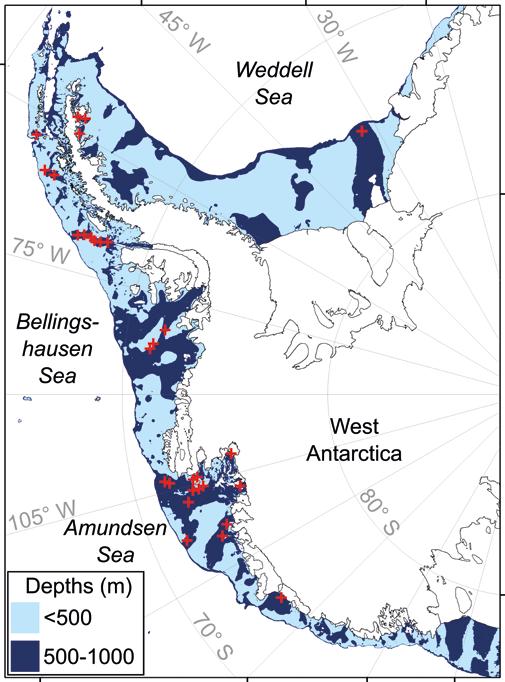
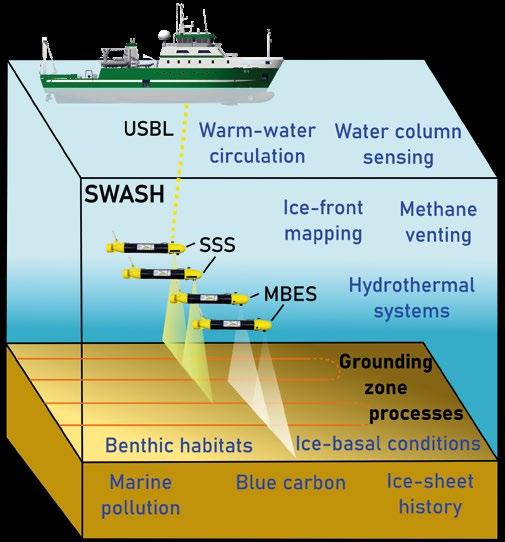
63. Swarms Beneath the Ice: How ecoSUB AUVs are Transforming Antarctic Seafloor Exploration
ISSN 2755-239X
EDITOR-IN-CHIEF
Richie Enzmann
COPY EDITOR
Will Grant SALES
Nick Search, Natalie Souter
DESIGN & LAYOUT
Milan Farkas
CONTRIBUTORS
Richie Enzmann, Dr. Alastair Graham, Damian Boyar, Dan Shropshire, Evan Cornell, George Galdorisi, Iain Vincent, Dr. Lee Willett, Magnus Lindberg, Marc Deglinnocenti, Nick Rouge
SPECIAL THANKS TO Andy Freeman, Audrey Leon, Bill Mallin, Charlotte Sherwood, Curtis Lee, Ed Cheesman, Gill Vosper, Guy Frankland, Jack Rowley, James Colebourn, Jeroen Romijn, John Benson, Karoll Audibert, Margo Newcombe, Matt Bates, Matt Burdyny, Mike Read, Pierre-Alexandre Caux, Rachael Reader, Rachel McAlpine, Richard Mills, Terry Sloane
Blueprint Subsea
Cellula Robotics
C-Tecnics
DeRegt
Digital
ecoSUB
General Oceans
IAI-ELTA
MARTAC
Oceaneering OceanSight
MAY COMBINED NAVAL EVENT (CNE)
London, UK (19–21 May 2026)
OCEANS - SANYA
Sanya, China (25–28 May 2026)
SUBMARINE NETWORKS EMEA / SUBSEA SECURITY SUMMIT
London, UK (27–28 May 2026)
JUNE SUPPLY SECURITY DEFENCE EXPO
Tallin, Estonia (10–11 June 2026)
AQUACULTURE UK
Glasgow, UK (16–17 June 2026)
GLOBAL OFFSHORE WIND
Manchester, UK (16–17 June 2026)
OCEAN TECH EXPO
Plymouth, UK (17–18 June 2026)
GUH UNDERWATER ROBOTICS CONFERENCE
Edinburgh, UK (30 June 2026)
JULY MARITIME SECURITY SUMMIT
Washington, D.C., USA (15–16 July 2026)
AUGUST ONS
Stavanger, Norway (24–27 August 2026)
SEPTEMBER
AUV2026
Southampton, UK (1–3 September 2026)
UNMANNED MARITIME SYSTEMS TECHNOLOGY
Arlington, VA, USA (14–16 September 2026)
MAST FOCUS FORUM
Glasgow, UK (15–17 September 2026)
OCEANS - MONTEREY
Monterey, CA, USA (21–24 September 2026)
WINDENERGY
Hamburg, Germany (22–25 September 2026)
SUBMARINE NETWORKS – ASIA
Singapore (23–24 September 2026) OCTOBER
EURONAVAL
Paris, France (3–6 October 2026)
WORKBOAT SHOW
New Orleans, LA, USA (2–4 December 2026)
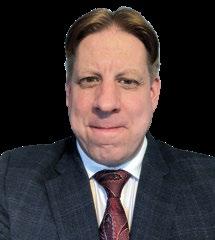
My name is Richie Enzmann. Allow me to welcome you all to the latest issue of Ocean Robotics Planet!
Dear Reader,
The ongoing crisis in the Strait of Hormuz continues to dominate headlines. This situation has clear relevance for robotic vehicles, which can play a key role in mine countermeasure operations and rapidly resupplying troops. The front cover features a map of the region alongside RTsys mini-AUVs, designed for antimining missions within their comprehensive MCM framework, which is explored in more detail inside. In addition, Captain George Galdorisi makes the case for deploying fast boats and discusses the concept of a hybrid fleet.
We’ve also reconnected with our friends at the QSTAR ROV Training Center during a recent visit to Barcelona. They have begun offering military-focused ROV training, adapting parts of their pilot programs to meet the needs of naval forces, as armed services increasingly invest in drone-based operations. As a result, there is a clear and growing demand for professionals with these specialized skills.
From a commercial perspective, attention is turning to the electrification of ROVs. The recent launch of Oceaneering’s fully electric Momentum Work Class ROV highlights how electrification, automation, and digitalisation are converging. Jon Robertson of Saab Seaeye notes that all-electric systems can improve efficiency and reliability while enabling new operational approaches, including remote supervision, resident systems, and over-the-horizon control.
These technologies point toward subsea operations that are cleaner, safer, and more resilient, with stronger cost efficiency over time. However, the shift to fully electric systems brings added complexity in areas such as tether and umbilical design. According to tether specialist DeRegt, this transition does not simplify umbilicals; instead, it requires a holistic redesign from the earliest development stages – a process they describe as co-creation.
We’re also excited about the launch of OceanSight, led by industry veteran Mike Read. The company has brought together three notable businesses in the underwater sector—Ocean Floor Geophysics, Neptune Sonar, and Sound Metrics. You can find more details about these companies and their new approach.
Finally, we are very much looking forward to the great events taking place this quarter, such as the Combined Naval Event (CNE), the Maritime Security Summit and Aquaculture UK. Please stop by and say hello if you are attending any of these events.
Explore these stories and many more inside. I truly hope you enjoy this quarter’s issue.
Best regards, Richie
Enzmann



High resolution sonar system solutions for Mine Counter Measures and other military applications.

Supporting ocean scientists, engineers and the maritime industries overall by providing underwater technology.
Advanced instruments used in oceanography and subsea navigation to help measure movement in underwater environments.
Mission-ready Hybrid ROV system with fully integrated sensors for fast deployment.
Adaptive robotic arms for intervention and control in offshore energy and modern naval landscapes.

Robust, reliable underwater sensors for the planet’s harshest environments and most difficult applications.

Find out more
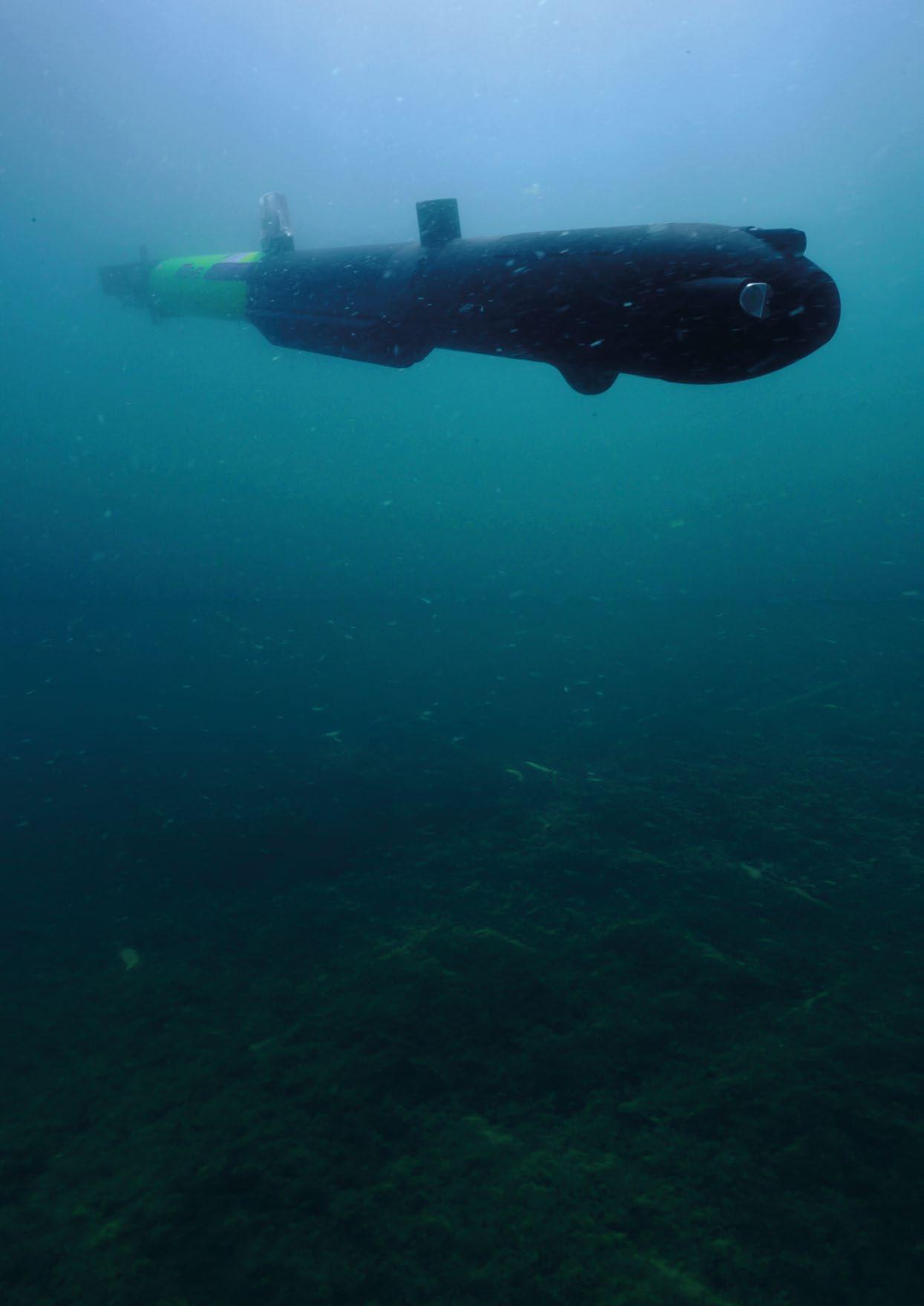
The Strait of Hormuz remains one of the most strategically critical and volatile maritime chokepoints in the world. As geopolitical tensions persist and asymmetric threats evolve, naval forces operating in this region face an increasingly complex operational environment. Mines and submarines pose severe risks to maritime security, demanding solutions that are not only effective but also rapidly deployable and adaptable to dynamic threats.
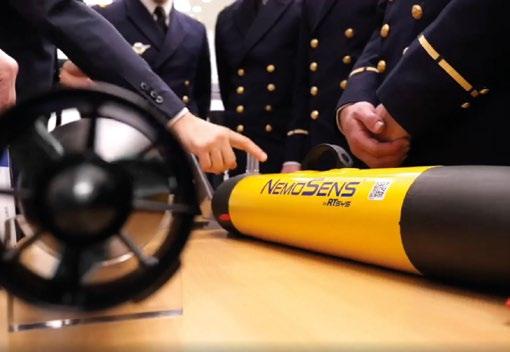
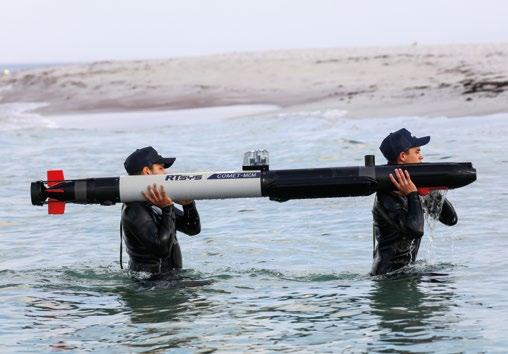
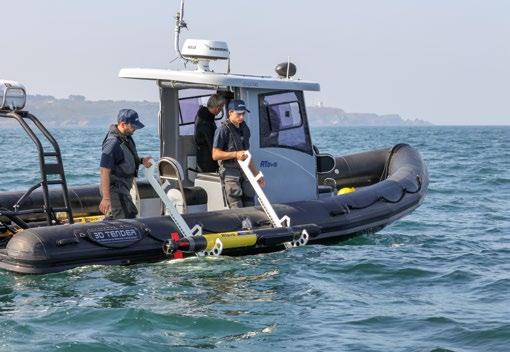
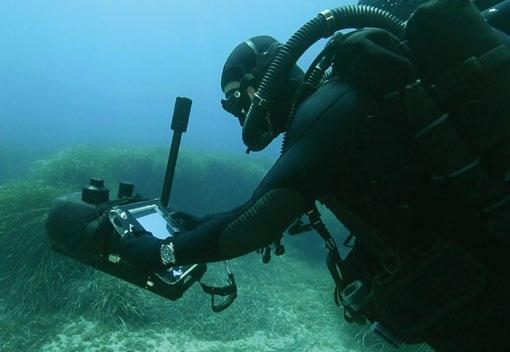
RTsys Underwater Technologies, a French company specializing in underwater acoustics and intelligent autonomous underwater vehicles (AUVs), has positioned itself at the forefront of this challenge. By leveraging cutting-edge acoustic technology, unmanned systems, and real time tracking from the surface, RTsys provides naval forces with lightweight, modular, and highly responsive solutions for mine countermeasures (MCM) and anti-submarine warfare (ASW). These systems are designed to operate in the shallow, congested waters of the strait, where traditional platforms often struggle.
The current situation confirms that the Strait of Hormuz is more than a maritime transit route: it is a geopolitical flashpoint. Approximately 20% of the world’s oil supply transits through this narrow waterway daily, making its security a global priority. The region’s shallow waters, complex seabed topography, and proximity to regional conflicts amplify the challenges of detection and neutralization of underwater threats.
Naval forces operating here must contend with a spectrum of threats, from influence mines (which detect the magnetic, acoustic, or pressure signatures of passing vessels) to stealthy diesel-electric submarines that exploit the acoustic clutter of the environment. The proliferation of unmanned systems, including drones and autonomous underwater vehicles (AUVs), further complicates the threat landscape, enabling adversaries to deploy mines or conduct surveillance with minimal risk.
Traditional MCM and ASW platforms, such as large minehunters or towed sonar arrays, are often too slow, too expensive, and too cumbersome for the demands of this operating environment. Their deployment requires significant logistical support, and their effectiveness is limited in the shallow and cluttered waters of the strait. What is needed in this area is a different approach that prioritizes speed, flexibility, and intelligence.
RTsys Underwater Technologies has developed for already a decade a suite of lightweight, resilient and live tracked systems designed to address the unique challenges of MCM and ASW in high-risk regions like the Strait of Hormuz. These solutions are built on three core principles: modularity, rapid deployment, and keeping men at the centre of decisions.
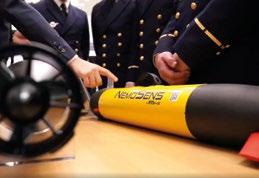
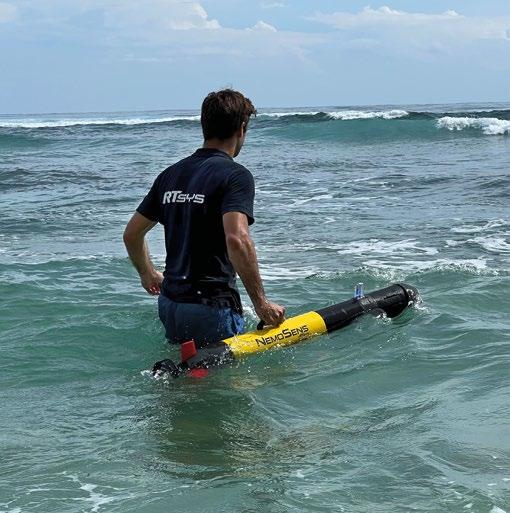
One of RTsys’ flagship innovations is the combined use of COMET-MCM®, a two-man portable autonomous platform (AUV) designed for mine detection in shallow water, along with NemoSens micro AUV (µAUV) designed for very shallow water areas (VSW) as well as stringent operations made by Special Forces. Unlike traditional minehunters, which require large crews and extensive support infrastructure, both COMET-MCM and NemoSens can be deployed within minutes from a ship, a pier, or a Rhib.

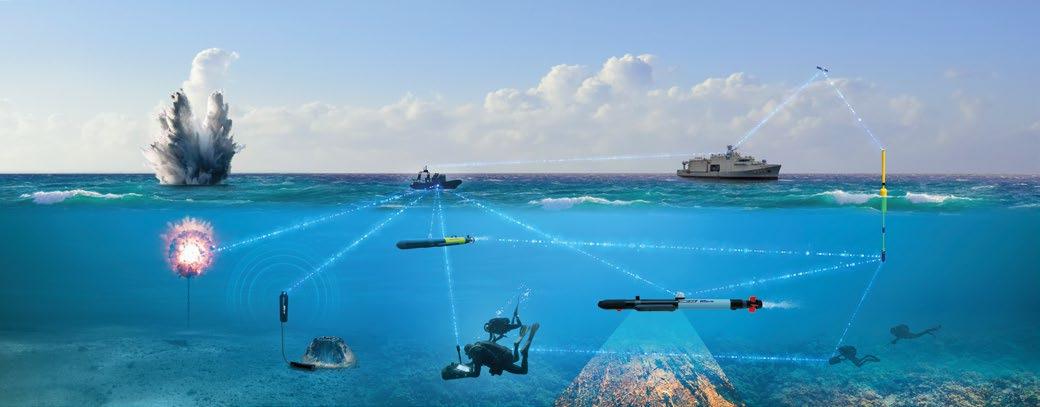
Equipped with side-scan sonar and magnetometers, the two AUVs conduct high-resolution seabed surveys, identifying potential threats with precision. The quality of their payload reduces operator workload and ensures high confidence for the operators to accurately flag contacts for further investigation. The AUVs can also be paired with either EOD divers equipped with RTsys’ handheld sonar SonaDive (MUM-T or Manned-Unmanned Teaming operation), or remotely ope rated vehicles (ROVs) equipped with the SonaBlow underwater acoustic firing system and its disposal charges to neutralize threats autonomously.
The operational advantage of RTsys MUM-T lies in its ability to cover large areas quickly, making it ideal for pre-transit clearance operations in the strait. Its low acoustic and magnetic signatures ecosystem ensure it does not trigger influence mines, while its modular payloads allow for rapid reconfiguration depending on the mission.
Detecting and neutralizing submarine threats in the shallow and acoustically complex waters is one of the most pressing challenges for modern navies. Traditional active sonar systems, while effective in open ocean environments, are too often compromised in littoral zones where their emissions can be detected by adversaries and their performance degraded by clutter and ambient noise. This vulnerability takes on particular urgency when considering the protection of two irreplaceable assets: high-value naval platforms and the human crews who operate them.
Modern frigates represent some of the most sophisticated and expensive assets in a Navy’s arsenal. For instance, the Franco-Italian FREMM-class frigate costs approximately €600–700 million per unit, while the US Navy’s Arleigh Burke-class destroyer exceeds $2 billion when fully equipped. These vessels are not only massive financial investments but also strategic cornerstones of naval power projection, anti-air warfare, and maritime security. The loss or damage of a single
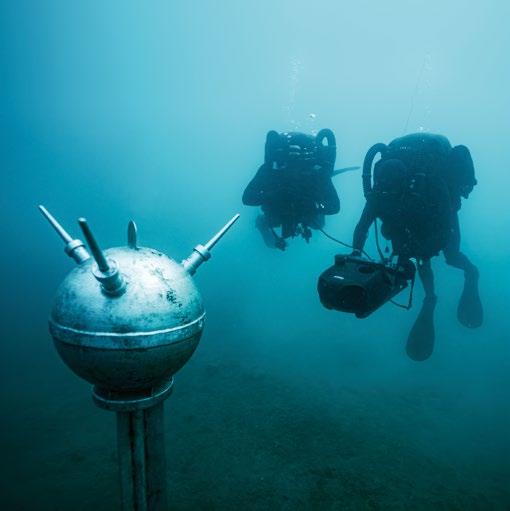
frigate, whether through submarine attack, mine, or torpedo can have devastating operational and financial consequences, potentially costing billions in repairs or replacement and disrupting fleet readiness for years. In high-risk environments like the Strait of Hormuz, where submarine activity is a constant threat, the ability to detect and track hostile submarines before they can engage is therefore paramount.
Beyond the financial and strategic value of the ships themselves, the safety of the hundreds of sailors aboard each frigate is a non-negotiable priority, as a successful submarine attack can result in catastrophic loss of life. The psychological and operational impact of such events extends far beyond the immediate tragedy, affecting morale, recruitment, and the overall effectiveness of naval forces. Effective antisubmarine warfare training is thus not just about protecting hardware: it is fundamentally about preserving human lives.
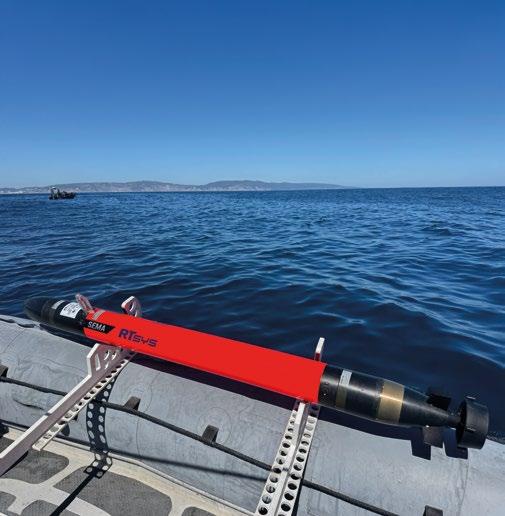
RTsys’ SEMA UUV technology addresses these critical needs by providing naval forces with a realistic, stealthy, and adaptable training platform. SEMA Unmanned Underwater Vehicles are specifically designed to operate discreetly in the most challenging acoustic environments, replicating the signatures and tactical behaviours of modern submarines with precision. This capability allows naval crews to conduct safe, repeatable, and immersive ASW exercises without the limitations or risks associated with live submarine operations or traditional sonar systems. By simulating the widest range of acoustic profiles, SEMA UUVs enable operators to refine their detection, classification, and engagement skills in conditions that replicate real-world threats. This world number one technology reduces operational risks to both ships and crews during training, ensuring that crews are prepared to detect and neutralize submarine threats before they can pose a danger. Ultimately, SEMA optimizes resource allocation by focusing training on the most relevant and high-risk scenarios, thereby strengthening the overall readiness of naval forces.
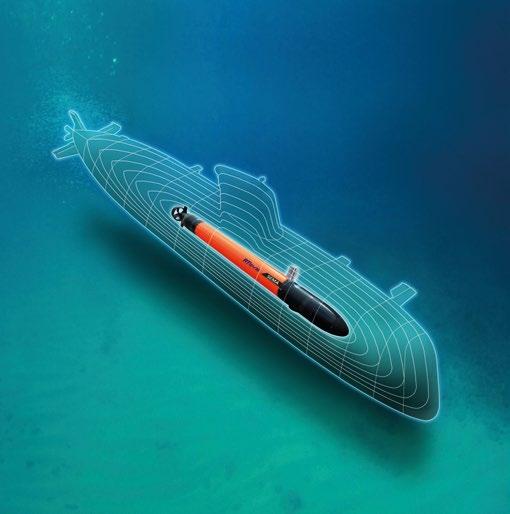
In an era where submarine technology is advancing rapidly and the stakes of naval conflict are higher than ever, the ability to train effectively for ASW operations is a strategic imperative. SEMA technology provides navies with the tools they need to protect their most valuable assets (both the multi-million/billion-dollar frigates that project power across the seas and the skilled crews who make that power possible). By investing in advanced, realistic, and safe ASW training solutions, naval forces can ensure they are prepared to meet the challenges of modern underwater warfare, safeguarding both their operational capabilities and the lives of their personnel.
The Straits of Hormuz is a battleground where the stakes are global, and the threats are as diverse as they are dangerous. Mines and submarines pose a persistent and evolving risk to maritime security.
RTsys’ lightweight and intelligent solutions represent a paradigm shift in how naval forces approach MCM and ASW. By prioritizing speed, modularity and training above, RTsys enables operators to detect, classify, and neutralize threats with unprecedented efficiency. These systems are not a replacement for traditional platforms but a force multiplier, enhancing the capabilities of existing fleets while reducing operational costs and risks.
As geopolitical tensions continue to rise and the underwater battlefield becomes more complex, the need for innovative and adaptable solutions has never been greater. RTsys stands ready to meet this challenge, providing naval forces with the tools they need to secure the world’s most critical maritime chokepoint.
In the silent war beneath the waves, sound is the new weapon, and intelligence is the ultimate advantage.
Evan Cornell, Director of Hardware and Damian Boyar, DSP Engineer (Popoto Modem, a delResearch LLC brand)
Demand for high-quality underwater acoustic data continues to grow across applications from marine biology to subsea infrastructure monitoring. At the same time, expectations have shifted: it is no longer sufficient to simply record data for later analysis. Operators increasingly require real-time awareness and the ability to integrate acoustic sensing directly into automated or AI-assisted workflows. This creates a practical challenge—capturing high-fidelity data is only part of the problem if it remains difficult to access and process at scale. A system architecture that combines low-noise acquisition with structured data handling provides a more direct path from collection to analysis.
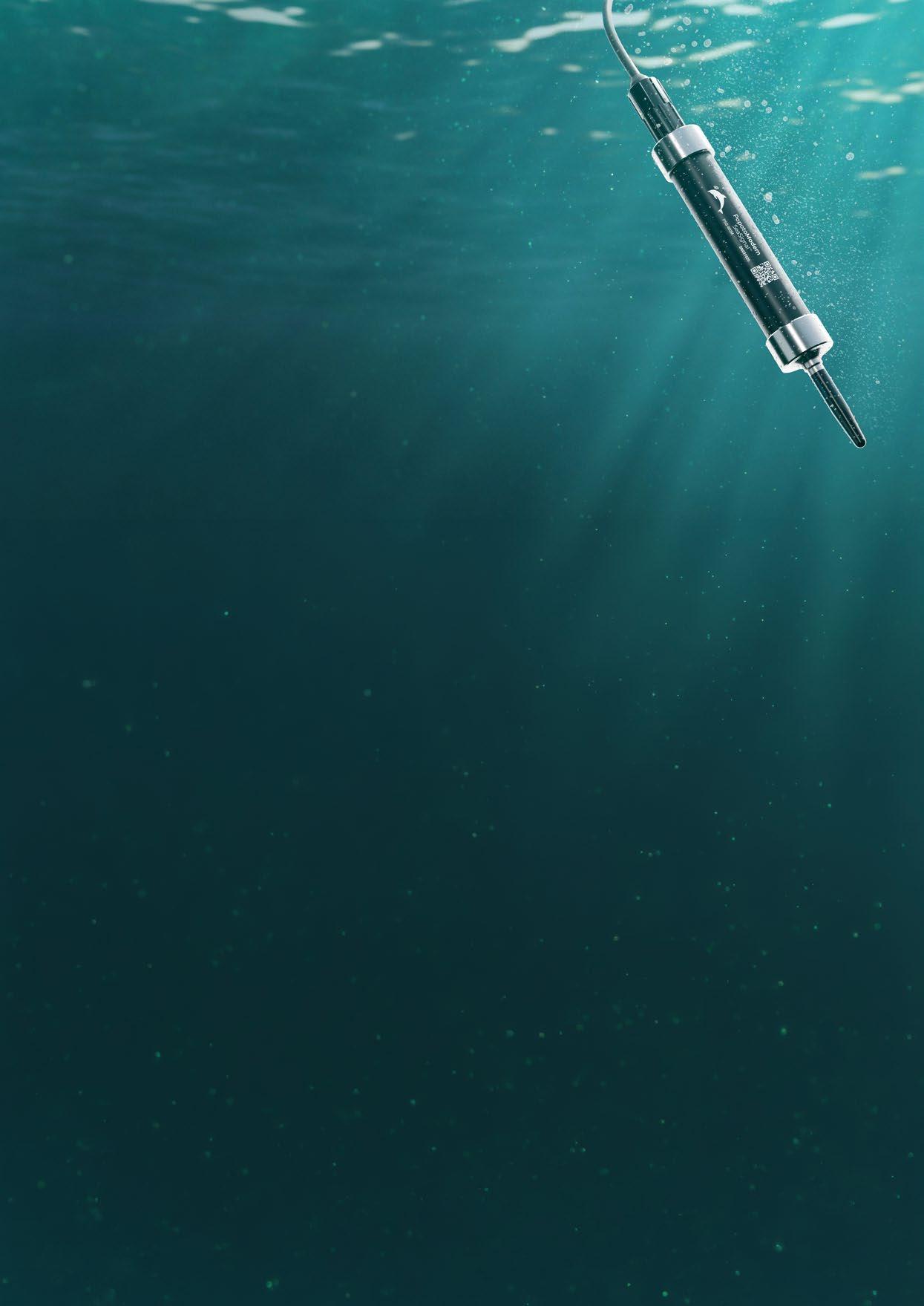
The system is structured as an integrated acoustic sensing platform rather than a standalone recorder, combining sensing, acquisition, processing, and data access in a single package. At the front end is an industry-standard calibrated hydrophone feeding a low-noise analog signal chain designed to preserve weak signals. The digitized data is handled by a 24-bit ADC and an embedded compute platform with onboard storage, enabling continuous recording alongside local processing. The architecture also supports onboard execution of AI models for real-time event detection, while a separate MCP server layer exposes structured access to recorded and processed data for retrieval and integration with external workflows. The electronics are housed in a compact enclosure combining Delrin and titanium, providing a corrosion-resistant package rated to 900 meters.
In passive acoustic monitoring, system self-noise sets the detection limit. Starting from a hydrophone sensitivity on the order of −213 dB re 1 V/µPa, the front end must preserve that performance without introducing significant additional noise. The analog chain uses a low-noise instrumentation amplifier followed by differential drive into the ADC, helping maintain signal integrity while minimizing susceptibility to interference.
Achieving low noise across a wide bandwidth requires balancing noise density, bandwidth, and input characteristics. The resulting electronics noise floor remains below typical ocean ambient levels across much of the operating range. In practice, this enables detection of weaker signals and more distant sources, particularly in applications such as marine mammal monitoring.
The system captures a broad range of acoustic activity. The analog front end supports a bandwidth from approximately 10 Hz to 160 kHz, with an upgrade path to 400 kHz for higher-frequency applications. The ADC stage provides high dynamic range with differential input scaling, preserving both low-amplitude signals and higher-level transients within the same recording. The result is a broadband dataset that retains spectral detail for both conventional analysis and machine learning workflows.
Deployment flexibility is supported by an internal battery system capable of approximately 24 hours of operation, depending on configuration. Runtime is influenced by sampling rate, bandwidth, and onboard processing load, allowing tradeoffs between performance and endurance.

The system can be recharged from a low state of charge in roughly three hours, supporting both short-duration surveys and repeated deployments.
Data retrieval is handled through a gigabit Ethernet interface, allowing large datasets to be offloaded in minutes rather than hours. This reduces turnaround time between deployments and accelerates access to collected data.
A key challenge in acoustic monitoring is efficient data handling. Continuous recordings are large and unstructured, making post-processing difficult to scale. This is addressed through an onboard MCP server that provides structured access to raw data and metadata. Recordings are indexed by time and enriched with contextual information such as frequency content and detected events, allowing retrieval of relevant segments instead of full datasets.
This data layer is complemented by onboard processing capabilities, including real-time visualization and preprocessing such as filtering and segmentation. A machine learning pipeline converts continuous acoustic streams into discrete events, enabling detection at the point of collection. This pipeline is implemented through two components: ORCASTRA, a model development workflow, and MAESTRO, a real-time inference engine.
ORCASTRA provides a path from labeled acoustic data to deployable neural network detectors. Audio is converted into standardized tensor representations for training, and resulting models are exported in industry standard ONNX format with embedded preprocessing and calibrated detection thresholds.
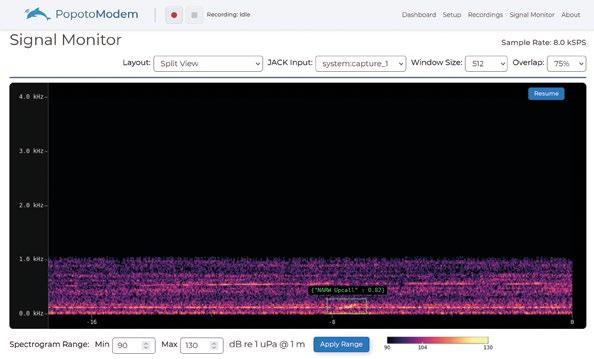
These models are deployed through MAESTRO, which performs continuous inference on incoming data streams. Outputs are converted into timestamped detection events, which can be used to trigger actions such as event logging, selective recording, or targeted data extraction. In this way, continuous data streams are reduced to compact, information-rich segments.
All outputs are exposed through the MCP interface, linking acquisition, processing, and analysis. Rather than working directly with raw recordings, users can query indexed events and associated metadata, enabling more efficient retrieval and integration with downstream workflows. This supports both real-time local inference and deferred cloud-based analysis.
Marine mammal monitoring provides a representative example. A detector for North Atlantic Right Whale upcalls was developed using ORCASTRA and deployed via MAESTRO. Operating on lowfrequency acoustic data, it identifies characteristic vocalizations and emits timestamped detections in real time. This illustrates how continuous streams can be reduced to discrete events at the point of collection.
The same approach applies to other domains where acoustic signatures indicate activity. In protected fishing areas, for example, detectors can be used to identify vessel noise or gear deployment. This supports persistent monitoring systems for compliance, enforcement, and situational awareness without continuous human review.
A low noise floor improves signal-to-noise ratio, while wide bandwidth ensures full signal capture across relevant frequency ranges. The MCP layer allows efficient extraction of candidate events, reducing the need to review continuous recordings. This reduces analysis effort and supports near real-time alerting in applications such as vessel mitigation and environmental monitoring.
Taken together, the system combines low-noise acoustic acquisition, embedded processing, and structured data access within a single platform. This architecture supports a more direct path from data collection to analysis, and aligns with broader trends toward tighter integration of sensing hardware and machine learning in acoustic monitoring systems.
More information about Popoto Modem SeaSignal and other acoustic communication solutions can be found at
By Dan Shropshire, Vice President Business Development and Program Execution, Marine Vehicles, Teledyne Marine
The character of naval warfare has changed, and global militaries are adapting to meet the challenge. Conflicts once waged with large, capable surface ships and multi-billion-dollar submarines are transitioning to a hybrid force that blends smaller autonomous craft and subsea vehicles with conventional platforms utilizing the latest AI technologies. Not only has innovative technology changed the balance point of the future force, but the traditional prime-contractor procurement process is also being replaced by a more agile, commercial dual-use methodology. These changes are necessary to keep pace with adversaries not beholden to traditional procurement methods, fair practices, or political wrangling. As evidenced by recent conflicts, the overall cost of waging a competitive war has dropped, leaving us with the unsettling reality that we must change our approach.
In the past year alone, the maritime industrial base has seen autonomous systems purchased at scale for combat, demonstrated in real-world environments, and used in actual warfare. In May 2025, Saronic Technologies secured a $392M commitment from the United States Navy to procure Autonomous Surface Vessels (ASVs) via an Other Transaction Agreement (OTA). In September, Anduril Australia announced a A$1.7B agreement with the Royal Australian Navy to acquire a fleet of Ghost Shark Autonomous Underwater Vehicles (AUVs) for intelligence, surveillance, and reconnaissance under a co-development contract. In January 2026, Teledyne Technologies demonstrated the use of its silent subsea Sentinel Glider for anti-submarine warfare in the critical Greenland-Iceland-United Kingdom (GI-UK) gap. At the annual Portuguese Navy/NATO Robotic Experimentation and Prototyping using Maritime Unmanned Systems (REPMUS) event, navies, industry, and academia demonstrate both traditional competencies and newer autonomous systems in a hybrid approach to showcase modern capabilities. More significantly, in December 2025, Ukraine demonstrated real-world use of a Sub Sea Baby naval drone, purportedly damaging a Russian Kilo-class submarine in the port of Novorossiysk. These events show a rapid increase in the use and sophistication of autonomous uncrewed systems, as well as their relevance in the theatre of war. This evolution, combined with a growing adversary threat, has highlighted both the promise of these technologies and the urgent need to acquire them at scale.
Not surprisingly, this urgency, combined with shifts in global GDP defense spending, has attracted venture capital and private equity firms eager to capitalize on the opportunity. Since January 2024 alone, more than 60 new AUV, ASV, and
ROV products have been introduced, supported by over $2.7B in private investment. But how does the traditional military acquisition enterprise handle this change?
Since World War II, global military procurements have typically been awarded to a cadre of large, well-established prime contractors and sub-primes armed to support. In response to strict regulations and oversight, these companies developed well-worn procedures and policies – not only to manage contracting complexities, but also to build a foundation of product reliability based on years of testing and acceptance methodologies. These systems have generated groundbreaking capabilities, but they have been procured through models that are glacial in pace and heavily burdened by extensive human-resource overhead and endless paperwork.
Over the past few decades, innovative procurement methods have emerged within some of the world’s largest navies. In the United States, OTAs and the Defense Innovation Unit (DIU) have demonstrated measured success. In the UK, the Charybdis program and the follow-on Atlantic Net procurements broke the mold by allowing industry to define system requirements by articulating the “art of the possible”. Other NATO and AUKUS members have employed sole-source procurements – rather than long, drawn-out competitions –notably for Anduril’s Ghost Shark AUVs and the Swedish FMV’s recent purchases of Gavia mine-countermeasure AUVs.
In addition to these new procurement tactics, one of the more significant trends of the past few years has been the rise of military-hosted experiments and demonstrations
designed to showcase commercial technologies to military leadership. Through these events, commercial vendors are expected to demonstrate capability in “real world” scenarios –not merely to show what could be possible, but what actually is possible. Some of these events provide funding for participants; however, an increasingly prevalent pay-toplay marketplace is emerging – one that favors the wellfunded; less so the small startup. As a result, this process risks creating an uneven playing field that may fail to deliver the best technologies or the most sustainable solutions. Building single, one-off solutions may be achievable with extraordinary effort and funding, but subsea technologies often require years to mature. This raises critical questions: how do we ensure the longevity and reliability from these systems required to protect the warfighter, and who bears responsibility for the infrastructure needed to sustain these systems at scale?
When people think about a hybrid navy, they often first consider the integration of autonomous or lightly crewed vessels into the fleet, driven by both operational cost pressures and workforce constraints required to conduct the effort. However, when we consider the word “hybrid”, we must also acknowledge the reality of merging traditional military organizations with commercial contractors. The modern hybrid navy will increasingly rely on commercial entities to provide not only products, but also services, maintenance, operational support, and potentially the data required to conduct the war. This presents an interesting conundrum: how much reliance should the hybrid navy place on individual companies – or even individuals? Most militaries have longstanding relationships with established prime contractors, but what about newly formed technology startups, often smaller firms with limited reputations? Can this model more effectively deliver capability at a wartime tempo? And what of the data? How do we ensure data curation, integrity, and security within a hybrid navy construct?
The Contractor-Owned and Contractor-Operated (COCO) model can be effective for governments seeking to reduce costs and limit internal resources. However, can the world’s navies truly rely on contractors to manage critical lines of
effort during wartime? Moreover, the COCO model may be impractical for traditional manufacturers lacking either the capital or investor patience to build and sustain a services, and operations, focused organization. The GovernmentOwned and Government-Operated (GOGO) model, by contrast, is proven, but it requires substantial resources and must be sufficiently robust and intuitive to support crew rotations and minimal training.
The final consideration for the hybrid navy is cost. To be successful, the concept of fighting wars at a fraction of today’s cost – with fewer personnel – must be realized. Most prominently, SpaceX reduced the overall cost to orbit by an order of magnitude with its Falcon 9 launch vehicle. However, this achievement required significant initial investment and substantial risk on the part of the company. Can we expect the same outcome in our industry? The neo-primes – Anduril, Saronic, and Ocean Infinity – have begun to forge a similar path, with several others on their heels. Yet the substantial investments made by these companies, and their investors, must eventually be recouped through revenues generated from government customers. Will governments be willing, or able, to pay the 20x returns often expected in venturebacked endeavors?
How then does a government increase innovation while still affording to fund the effort? This is the question we now face. Do we continue to rely on existing procurement methods that deliver reliable systems but suffer from slow timelines and heavy overhead, or do we accept greater risk, increased uncertainty, and potentially higher price tags in pursuit of speed and innovation?
Perhaps the answer lies somewhere in-between – the “Goldilocks Zone” – where well-established, non-traditional, publicly and privately held companies operate. These are proven businesses big enough to be reliable and sustainable, yet small and agile enough to remain flexible and innovative.
Ultimately, as with most things, it is a balance, a balance of risk vs reward. These are the core challenges of the hybrid navy as we enter a new era of warfare.

By Captain George Galdorisi, U.S. Navy (ret.)
The conflict in the Middle East has reminded nations and navies of the importance of naval forces in ensuring that the global commons are relatively free of strife and that nations can trade freely and energize the global economy. The role of navies in ensuring the security and prosperity of all nations has never been greater – nor under more stress. More so than perhaps any other navy, the U.S. Navy is feeling this most acutely.
This conflict has also brought to the fore the deadly effectiveness of sea mines. Reliable estimates from multiple sources assess that Iran has about 6,000 sea mines. These include moored mines, bottom mines, limpet mines, and drifting mines, all purpose-designed to damage or sink ships attempting to transit the Strait of Hormuz or other restricted waterways.
This is not a new threat, and Iran has learned from previous uses of mines to intimidate adversaries. In the past several decades rogue states have indiscriminately employed sea mines. Libya used mines to disrupt commerce in the Gulf of Suez and the Strait of Bab el Mandeb. Iran laid mines to hazard military and commercial traffic in the Arabian Gulf and Gulf of Oman. During Operation Desert Storm in 1990-1991, the threat of mines precluded the effective use of the Navy and Marine Corps expeditionary task force off the shores of Kuwait and hazarded all U.S. and coalition forces operating in the Arabian Gulf.
Mines cannot be cleared swiftly. The threat posed by mines was so extensive that clearance operations in this confined
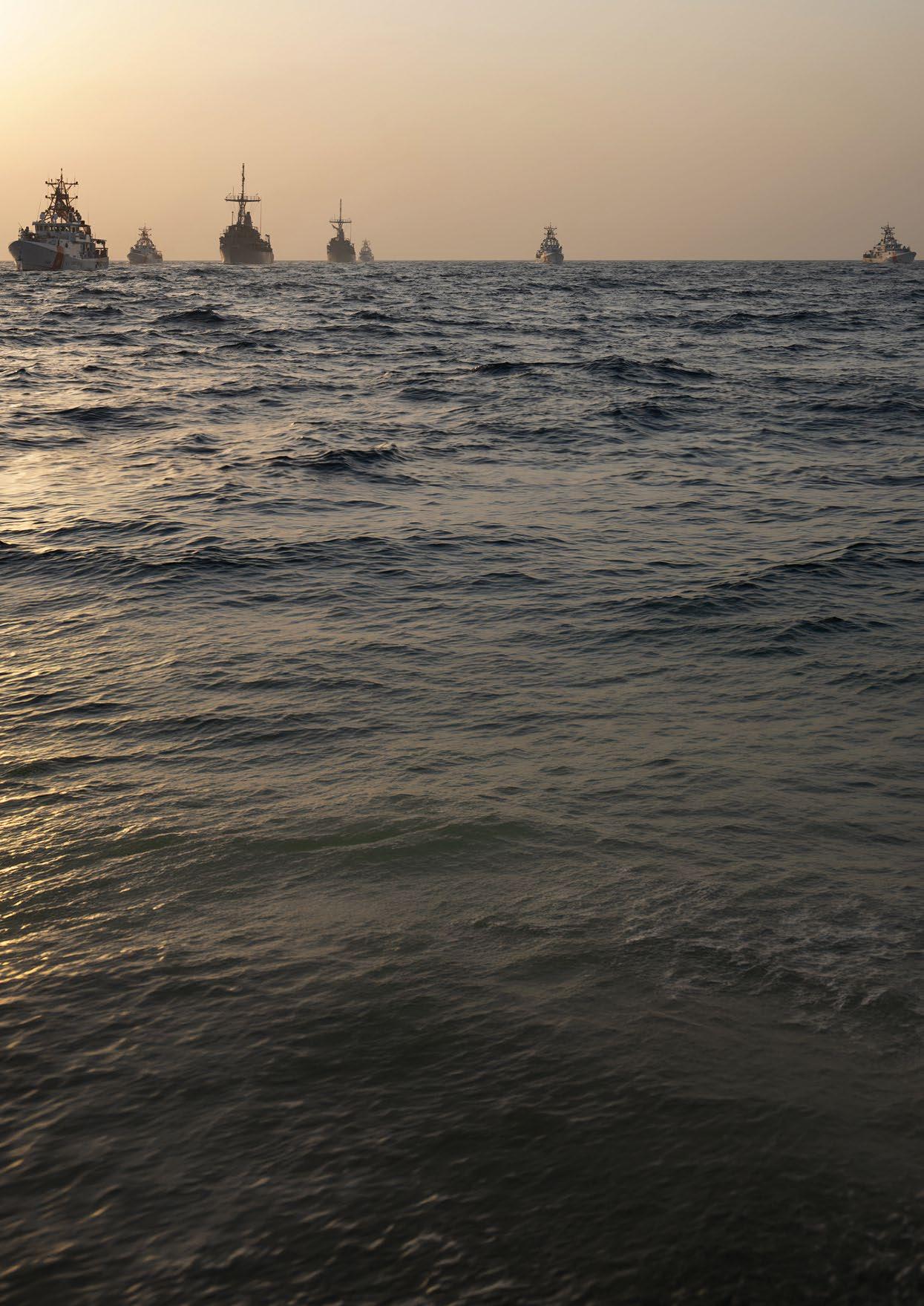
body of water were not completed until 1997. Indeed, Operation Desert Storm highlighted the importance of mine warfare with the near catastrophic damage to USS Samuel B. Roberts (FFG 58), USS Princeton (CG 59) and USS Tripoli (LPH 10). Indeed, fourteen U.S. Navy ships have been sunk or damaged by mines since World War II, over three times the number damaged by air and missile attack.
The U. S. Navy stands at the precipice of a new era of technology advancement. In an address at a military-industry conference, the U.S. Chief of Naval Operations, Admiral Michael Gilday, revealed the Navy’s goal to grow to 500 ships, to include 350 crewed ships and 150 uncrewed maritime vessels. This plan has been dubbed the “Hybrid Fleet.” In an address at the Reagan National Defense Forum, CNO Lisa Franchetti cited the work of the Navy’s Unmanned Task Force, as well numerous exercises, experiments and demonstrations where uncrewed surface vessels were put in the hands of Sailors and Marines, all designed to advance the journey to achieve the Navy’s Hybrid Fleet.
The reason for this commitment to uncrewed maritime vehicles is clear. During the height of the Reagan Defense Buildup in the mid-1980s, the U.S. Navy evolved a strategy to build a “600-ship Navy.” That effort resulted in a total number of Navy ships that reached 594 in 1987. That number has declined steadily during the past three-and-one-half decades, and today the Navy has less than half the number of commissioned ships than it had then. However, the rapid growth of the technologies that make uncrewed surface vessels increasingly capable and affordable has provided the Navy with a potential way to put more hulls in the water.
More recently, the U.S. Navy’s commitment to uncrewed surface vessels has culminated in the issuance of the Chief of Naval Operations Force Design 2045, and subsequently the Chief of Naval Operations Navigation Plan for America’s Warfighting Navy, both of which call for 350 crewed ships and 150 large uncrewed surface vessels. These documents provide the clearest indication yet of the Navy’s plans for a future fleet populated by large numbers of uncrewed surface vessels (USVs). Indeed, the recent DoD reconciliation bill made a $3.6 billion commitment to Navy uncrewed surface vessels, adding $2.1 billion for medium USVs and $1.53 billion for small USVs.
Juxtaposed against this aspiration is the fact that the U.S. Congress has, until recently, been reluctant to authorize the Navy’s planned investment of billions of dollars in USVs until the Service can come up with a concept of operations (CONOPS) for using them. Congress has a point. The Navy has announced plans to procure large numbers of uncrewed systems – especially large and medium uncrewed surface vessels – but a CONOPS, one in even the most basic form, has not yet emerged.
The concept of operations proposed is to marry various size surface, subsurface and aerial uncrewed vehicles to perform missions that the U.S. Navy has – and will continue to have –as the Hybrid Fleet evolves. The Navy can use evolving large uncrewed surface vessels as a “truck” to move smaller USVs, UUVs and UAVs into the battle space in the increasingly contested littoral environment. The Navy has several alternatives for this platform:
ƀ The Navy’s program of record LUSV. The Navy envisions these LUSVs as being 200 feet to 300 feet in length and having full load displacements of 1,000 tons to 2,000 tons, which would make them the size of a corvette.
ƀ Unmanned Surface Vessel Division One (USVDIV-1) has stewardship for two surrogates for LUSVs, the Ranger and Mariner, as well as two MUSV prototypes, Sea Hunter and Seahawk. The Navy was sufficiently confident in the operation of its LUSV and MUSV prototypes to deploy them to the 2022 international Rim of the Pacific (RIMPAC) exercise.
ƀ The MARTAC T82 Leviathan, a scaled-up version of the T38 Devil Ray, is an MUSV capable of either carrying an approximately 40,000-pound payload or, alternatively, carrying smaller craft and launching them toward the objective area.
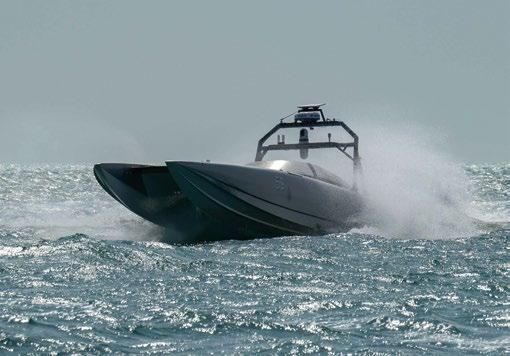
While there is a plethora of important Navy missions this integrated combination of uncrewed platforms can accomplish, this article will focus on two: intelligence surveillance and reconnaissance (ISR) and especially mine countermeasures (MCM). There are many large, medium, small and ultra-small uncrewed systems that can be adopted for these missions. The technical challenge remains that they must be designed to ensure that the “multiple sized” UxSs associated with these missions can be adapted to work together in a common mission goal.
Rather than speaking in hypotheticals as to how uncrewed vehicles might be employed for these missions, this article will offer concrete examples using commercial-off-the shelf (COTS) uncrewed systems that have been employed in recent Navy and Marine Corps events.
While there are a wide range of medium uncrewed surface vessels (MUSVs) that can potentially meet the U.S. Navy’s needs, there are three uncrewed surface vessels that are furthest along in the development cycle. All are currently in production and fully operational. They are:
ƀ The Leidos Sea Hunter is the largest of the three. The craft was launched in 2016 and was built at a cost of twenty million dollars.
ƀ The Textron monohull Common Uncrewed Surface Vessel (CUSV), now referred to as the MCM-USV, features a modular, open architecture design.
ƀ The Maritime Tactical Systems Inc. (MARTAC), catamaran hull, uncrewed surface vessels (USV) include the Devil Ray T24 (24-foot), and T38 (38-foot) craft.
All three of these MUSVs are viable candidates to be part of an integrated uncrewed solution CONOPS. I will use the Devil Ray craft for a number of reasons. First, they come in different sizes with the same hull, mechanical and electrical (HME) attributes. Second, Sea Hunter is simply too large to fit into and of the LUSVs the Navy is considering. Third, the CUSV is the MUSV of choice for the Littoral Combat Ship (LCS) Mine-Countermeasures Mission Package, and all CUSVs scheduled to be procured are committed to this program.
This scenario and CONOPS is built around an Expeditionary Strike Group underway in the Western Pacific. This Strike Group includes three LUSVs under supervisory control from a large amphibious ship. Chief of Naval Operations, Admiral Michael Gilday, suggested this CONOPS in early 2022 when he noted that he: “Wants to begin to deploy large and mediumsized uncrewed vessels as part of carrier strike groups and amphibious ready groups in 2027 or 2028, and earlier if I can.” More recently, Navy officials have suggested that these deployments may begin as early as this year.
Depending on the size that is ultimately procured, the LUSV can carry a number of T38 Devil Ray uncrewed surface vehicles and deliver them to a point near the intended area of operations. The T38 can then be sent independently to perform the ISR mission, or alternatively, can launch and recover one or more T12 MANTAS small USVs to perform this mission.
For the MCM mission, the LUSV can deliver several T38s equipped with mine-hunting and mine-clearing systems (all of which are COTS platforms tested extensively in Navy exercises). These vessels can then undertake the “dull, dirty and dangerous” work previously conducted by Sailors who had to operate in the minefield. Given the large mine inventory of peer and near-peer adversaries, this methodology may well be the only way to clear mines safely.
Few understand just how brittle the ability of the U.S. Navy to combat deadly sea mines is in 2026. The platforms that embody the U.S. Navy’s primary mine countermeasures (MCM) capability—the MH-53E AMCM aircraft and the Avenger-class minesweeper are all-but history. The MH-53E AMCM aircraft is scheduled to sunset in the next few years.
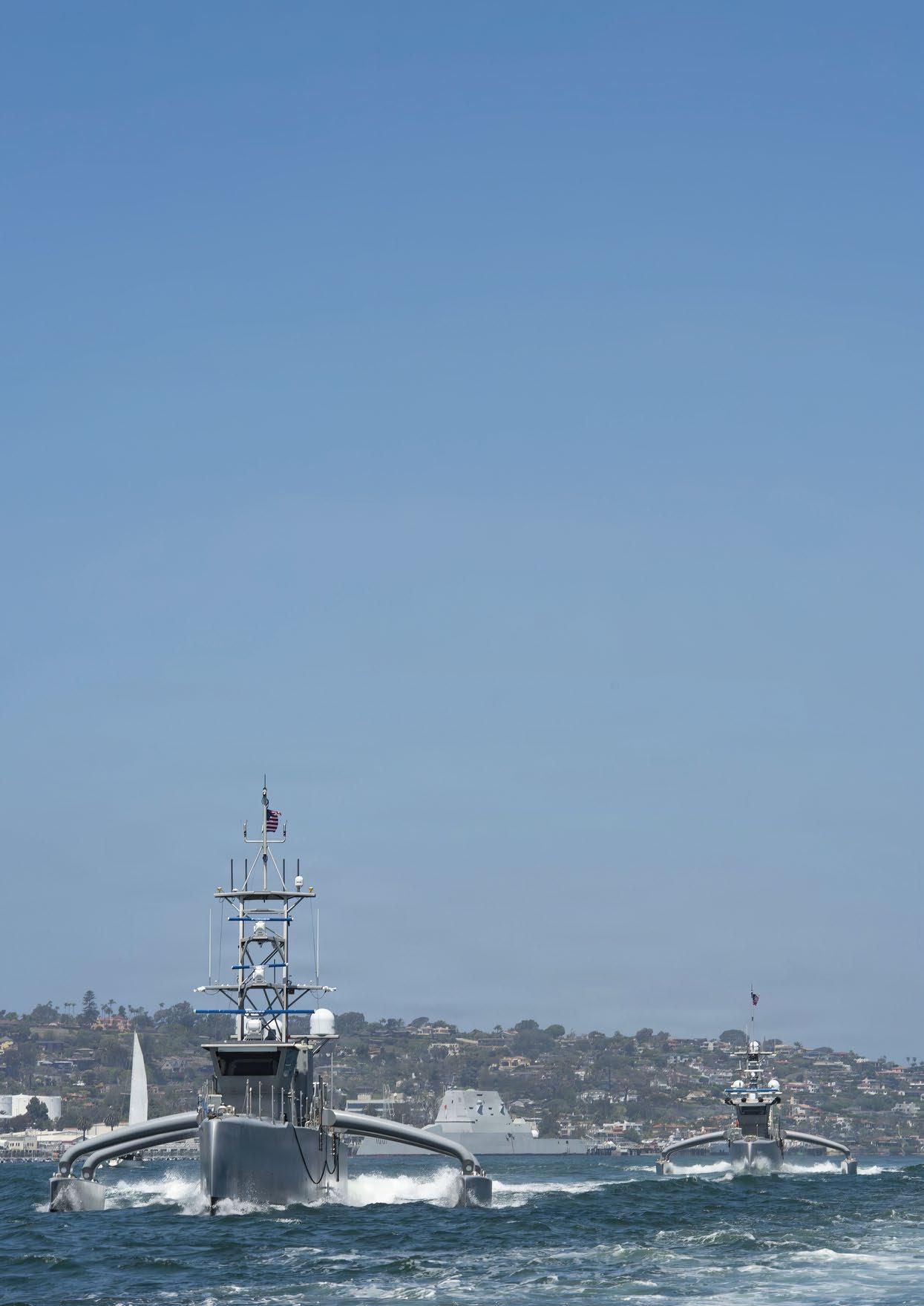
The last Avenger-class minesweepers were recently decommissioned. This leaves the totality of the Navy’s MCM capability in the discrete number of Littoral Combat Ships (LCS) outfitted with the Mine-Countermeasures Mission Module. Indeed, during the war with Iran with the crisis of Iran closing the Strait of Hormuz, the U.S. Navy could only muster three LCS equipped with the Mine Countermeasures Module.
The emerging Hybrid Fleet presents a cutting-edge solution to deploy a viable MCM capability with all U.S. Navy carrier strike groups and expeditionary strike groups, making autonomous mine-countermeasures assets readily available to deal with adversaries who deploy “weapons that wait.”
This innovative approach accomplishes an important goal. If the U.S. Navy wants to keep its multi-billion-dollar capital ships out of harm’s way, it will need to surge MCM-capable uncrewed maritime vessels into the contested battlespace while its manned ships stay out of range of adversary A2/AD systems, sensors and weapons.
To be clear, this is not a platform-specific solution, but rather a concept. When fleet operators see a capability with different size uncrewed COTS platforms in the water working together and successfully performing the MCM mission, they will likely press industry to produce even more-capable platforms to perform these missions.
While evolutionary in nature, this disruptive capability delivered using emerging technologies can provide the U.S. Navy with near-term solutions to the vexing MCM challenge, while demonstrating to a skeptical Congress that the Navy does have a concept-of-operations to employ the uncrewed systems it wants to procure.
The views expressed in this article are those of the author and do not reflect the official policy or position of the Department of Defense or the U.S. government. The appearance of U.S. Department of Defense (DoW) visual information does not imply or constitute DoW endorsement.


12 YEARS OF OCEAN ROBOTICS PLANET
SIGN UP TO STAY INFORMED ABOUT THE MARINE & UNDERWATER ROBOTICS INDUSTRY.
By Capt. Marc Deglinnocenti
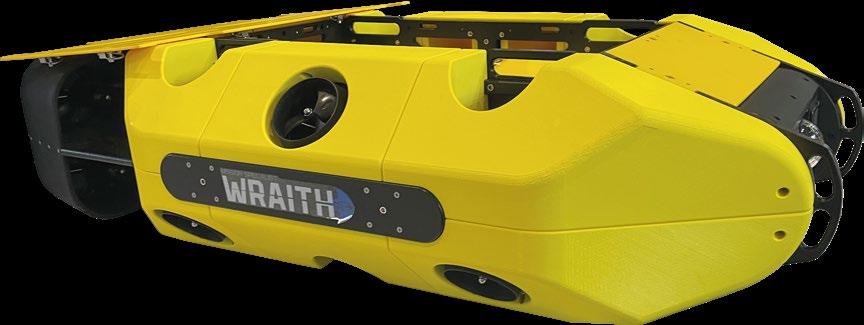
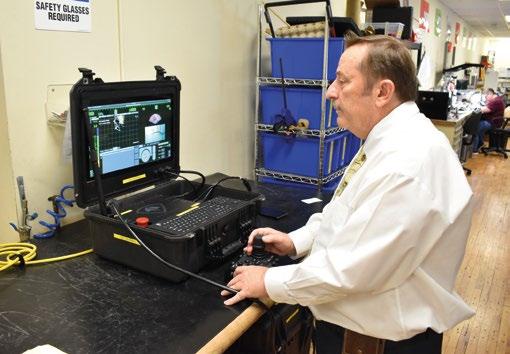
Founded in 1999, VideoRay out of Pottstown, Pennsylvania, USA is an American powerhouse in the Remotely Operated Vehicle (ROV) world market. Their Mission Specialist series of ROVs are known and used worldwide by both the military and civilians alike. The three previous Mission Specialist ROVs are closely related, because they all use the same thrusters and topside controllers along with many other bits. Their newest ROV is Wraith. It too uses the same thrusters and controller, thus making it the newest sibling in the Mission Specialist line. Like its scary name, the ROV Wraith should scare its competition right out of the water! Oh, the things it can do.
Diving right down to 1000 metres (3280 feet) deep in an accelerated fashion is just one of its many talents. According to the VideoRay website it can dive down at a speed of two metres per second. That means that it only takes about 15 minutes for it to descend to a depth of 1000 metres. These high diving speeds caught the eye of the U.S. Navy. That is a talent that the U.S Navy wanted in a deep diving ROV, and the first prototype Wraith was sold to them.
Use your own imagination as to why the U.S. Navy wanted that feature in an ROV, because the Navy isn’t officially saying anything about their reasoning. My inside sources told me
that the U.S. Navy can dive it much faster at a speed of two metres per a little over a half second. That’s strictly hearsay though, and we don’t know how the Navy may have modified their Wraith to do that.
In either case, the reason for such high speeds will be explained soon, but VideoRay’s newly enhanced thrusters for all their Mission Specialist ROVs might have something to do with it. No matter the reason, the end result is 80 pounds of forward thrust driving the Wraith straight down. Those same inside sources did reveal the Navy’s initial opinions of the Waith’s overall performance though. That inside information will be explained later too.
Right now, we do know some basic specifications about ROV Wraith. It uses batteries on board and is tethered by a thin fiber optic cable for controls and for safety. The six on-board batteries deliver 12 VDC and 24 VDC power options in addition to their basic 48 VDC power output. Of course it is semiautonomous just like the other Mission Specialist ROVs. The Navy wasn’t too concerned about Wraith’s 4+ hour endurance nor its 4.25 knot horizontal speed as much as its ability to dive deep and fast, but the private sector is concerned about endurance in their ROVs. Companies and people that use ROVs at 1000 metres below the surface of the water want to stay down there a long time regardless of the type of civilian mission. VideoRay is well aware of that fact and is doing something about it.
I sat down with Margo Newcombe who is the Vice president of Marketing and Programs at VideoRay. She told me that even though the ROV Wraith is currently in production, it is also in a “spiral development” phase. That means that customer feedback is being analyzed and used to improve the Wraith’s capabilities. They intend on making specific iterations of that new model ROV as well. Just one example of the spiral development process is that VideoRay is working on a topside power supply specifically for the Wraith. The new power supply will give this new ROV a virtually unlimited dive time, and that’s just what the private sector wants.
VideoRay has always listened to their customers as Chief Executive Officer Chris Gibson once told me in a private interview. Obviously, his policy hasn’t changed a bit since then. (See Ocean Robotics Planet Magazine Issue 40 / Q3, 2024 for the complete interview.) His most recent comment was specifically about the Wraith and why it was developed. He said, “Modern operations increasingly depend on access, awareness, and freedom to maneuver below the surface.”
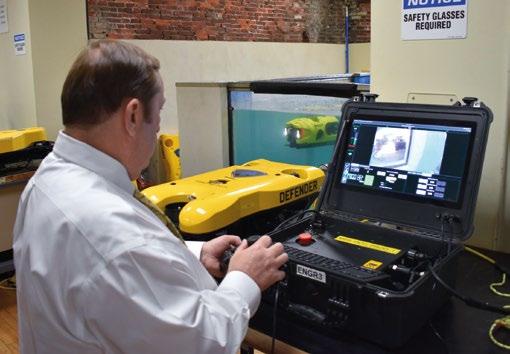
So, what’s more maneuverable about the ROV Wraith than their popular ROV Defender? They both have six degrees of freedom. That question and so many more was answered by VideoRay’s Director of Product Innovation Todd Holtz. I met Todd Holtz at VideoRay’s headquarters in Pottstown, Pennsylvania, USA. He’s an extremely intelligent man with a very technical mind. He explained to me why Wraith is more maneuverable than Defender in simple terms that we all can understand.
The ROV Defender’s stability is configured in a traditional way. There is a buoyant float on the top and a weight on the bottom. Its center of gravity is therefore low on the ROV thus making it very stable in the water. It wants to stay that way too. That makes turning it directly downward difficult. The Defender’s thrusters have to fight their own stability to keep the vehicle pointing down. On the other hand, Waith’s center of gravity is completely different. Its center of gravity is more toward the middle. This makes pointing the Wraith directly downward very easy. It can stay pointing down easily too as well as many other directions.
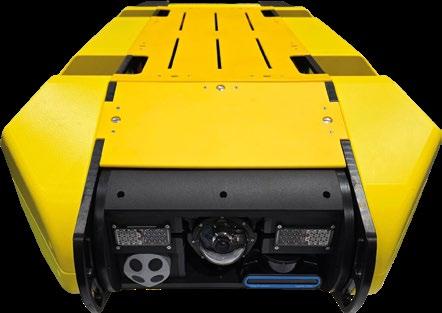
There are other things better about Wraith as well, such as its payload capabilities. Todd Holtz told me that it’s not just the fact that the ROV Defender only lifts 9.5 kilograms (20.9 pounds) whilst the ROV Wraith can lift 36.3 kilograms (80 pounds), but the Wraith is designed to lift its payload in a much more efficient way. The oil-filled thrusters on the Wraith are channeled in such a way as to avoid what he calls “cross flow”. That means that all the thruster wash is directed away from the payload compartment. Directing all the thrusters wash away from any ROV obstructions results in more efficient lifting power. That’s how they can almost quadruple the lifting power of Wraith using the exact same thrusters that Defender uses. Sure, the Wraith has ten of those thrusters whilst the Defender only has seven. It’s the design and placement of those three extra thrusters, along with the other thrusters, that makes all the difference in the world in quadrupling the payload.
The thrusters are not the only things that Wraith shares with Defender. Mr. Holtz said that many of the other bits that make up the new Wraith are also interchangeable and therefore easily replaced in the field. Those items include, but are not limited to, the compass, pressure depth gauge, on board controller, and the standard options that are available for the ROV Defender. The ROV Wraith uses them all, which makes it almost completely modular in its design.
Even though the Wraith can and does use those Mission Specialist bits, it exceeds those limitations. Todd Holtz said that a whole new world of heavier and larger attachments, options, sensors, and other equipment has opened up for
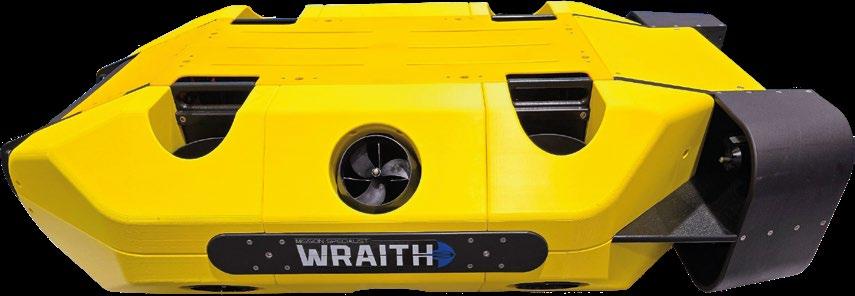
Wraith that Defender just couldn’t carry. If VideoRay just beat their own most popular and capable ROV with the new Wraith, just think what it’s done to the ROV competition. Many ROV companies and ROV customers are taking notice of Wraith just as the U.S. Navy has.
Even though Wraith is still in the spiral development phase, an early 3D printed resin filled housing prototype was sold to the U.S. Navy. That resin filled housing was a one-off. All the future Wraiths will have cast molded High Density Polyethylene (HDPE) housings. The overly excited U.S. Navy did have some unofficial feedback. That unofficial feedback was unofficially leaked to me along with the unofficial modified diving speed. It was a quick and positive response according to my sources. The U.S. Navy undoubtedly wants more of them from what I’ve been told. I predict that some big contract news between the U.S. Navy and VideoRay will be forth coming soon. A deal might be in the offing just like the multimillion-dollar contract for the Defender was brokered with the Navy. This good unofficial feedback caused Chief Executive Officer Chris Gibson to tout his new ROV Wraith with a statement directed at the defense industry.
He said, “Wraith gives forces a compact, rapidly deployable system that delivers the precision and control once reserved for much larger vehicles, helping operators extend reach, reduce risk to personnel, and respond faster in complex maritime environments. It expands what compact UUVs can achieve while improving overall mission efficiency.” UUVs refer to Uncrewed Underwater Vehiclesprobably the military type.
Once again, Wraith will be available to the civilian market as well according to Margo Newcombe. She went on to say that Wraith will come with the same in-house training and excellent in the field service options that the ROV Defender comes with.
Todd Holtz also assured me that Wraith will come with a service and spare parts kit. As with all VideoRay’s Mission Specialist ROVs, the modular design makes it much easier to repair in the field by the customers themselves without having to wait for service technicians to arrive at the scene.
CEO Chris Gibson told me that he pushes all his people to eliminate that service technician downtime as much as possible. He knows that downtime in the field can be extremely costly to his customers. He told me that the reliability of VideoRay’s ROV equipment along with the quick change of bits in the field due to their ROVs modular design is critical toward eliminating downtime. That’s great news for all their customers, but there are a few bits that are unique to Wraith.
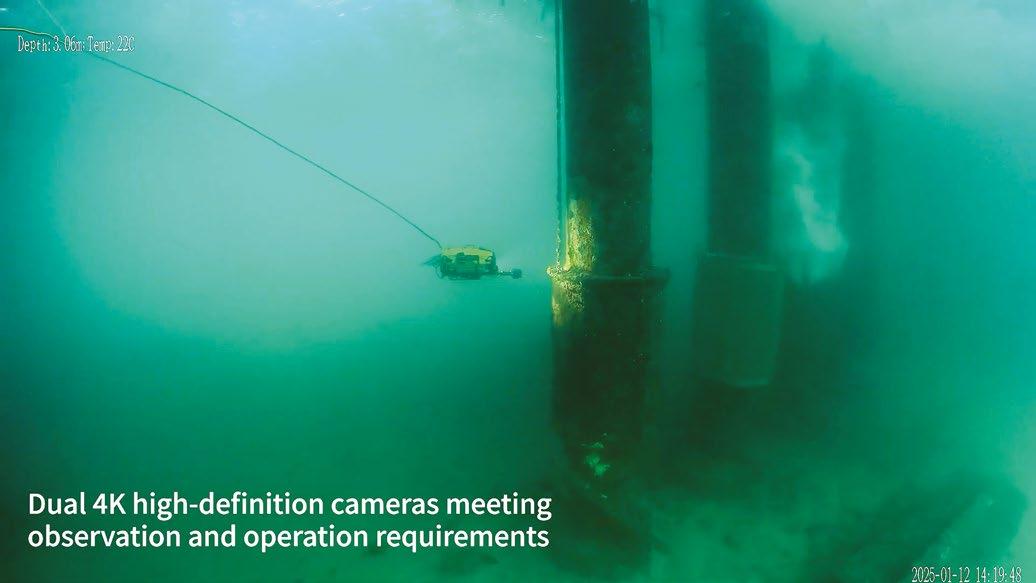
It is pitch black at the depth of 1000 metres. The two light modules that Wraith uses are built into the ROV itself and produce 7600 lumens each. The lights consist of highly reliable LEDs. The Wraith has a digital 1 terabyte pan, tilt, and zoom Ultra 4k Smart Camera with NVIDIA brand Jetson Orin NX Processor. As previously stated, the ROV Wraith uses the existing Mission Specialist surface controllers. Those controllers have two options. One is a “dry” controller that is used in secure areas whilst the “wet” controller can be used on an outside deck of a ship, a small boat, or dockside where it might get splashed with water. All of their other Mission Specialist ROVs can use both controllers too. The ROV Wraith weighs 99.8 kilograms (220 pounds). Launch and recovery systems might be in the works later on. For now, it’s human muscle power.
Visit VideoRay.com for more information about ROV Wraith along with the other Mission Specialist ROVs and tell them that Captain Marc sent you.
















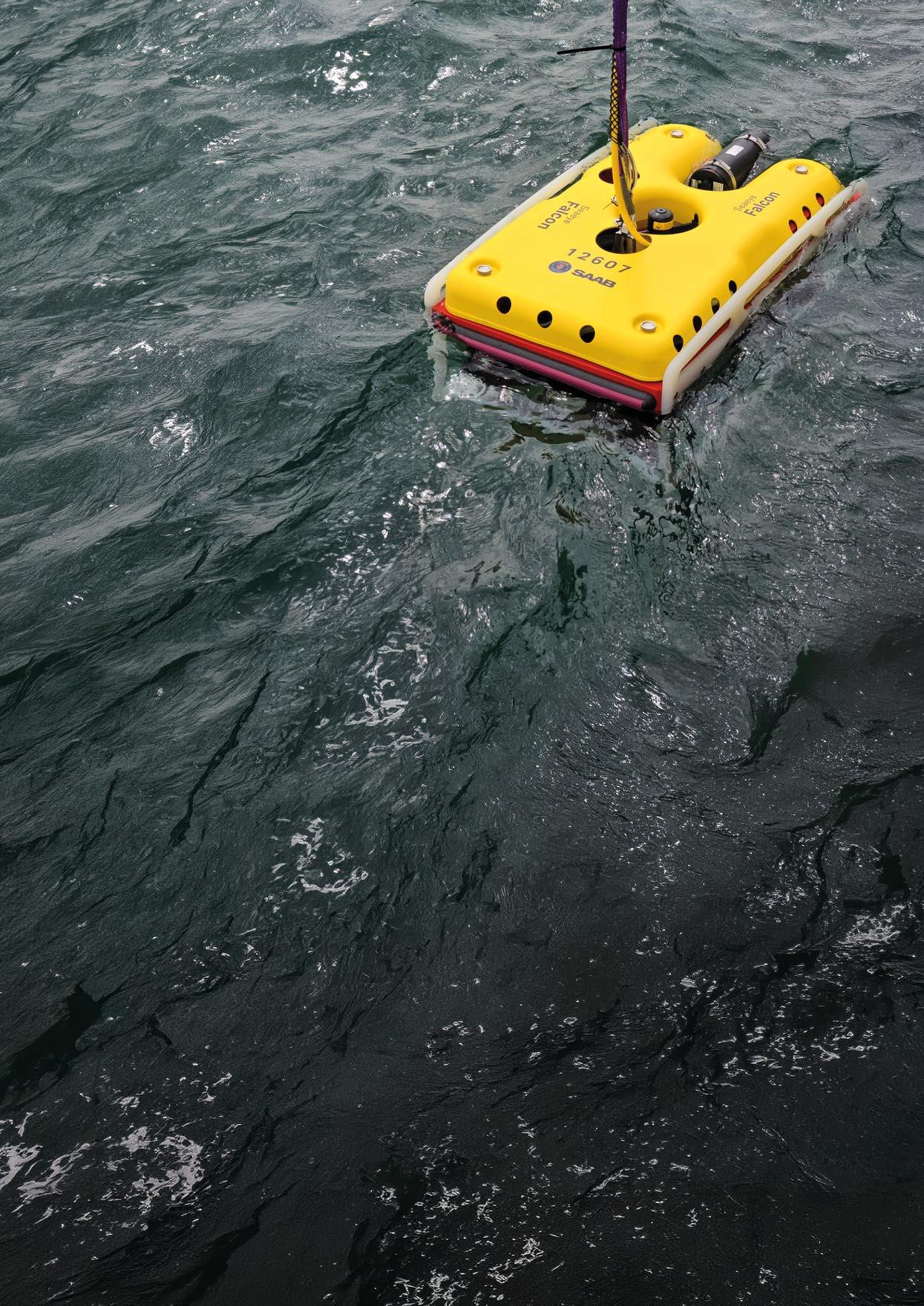
As maritime security, subsea defence, and underwater operational demands continue to grow, the need for mission-ready ROV capability has become increasingly critical for navies, defence forces, and strategic subsea operators worldwide.
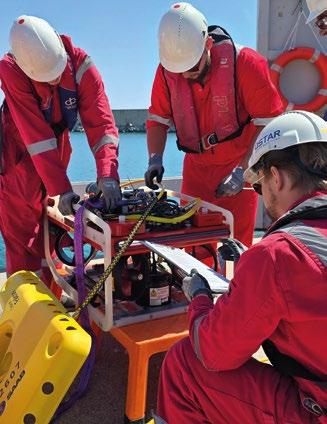
Founded in 2007, QSTAR ROV Training Centre & Subsea Solutions has evolved into one of Southern Europe’s leading centres for military-focused ROV training, subsea systems integration, and operational readiness.
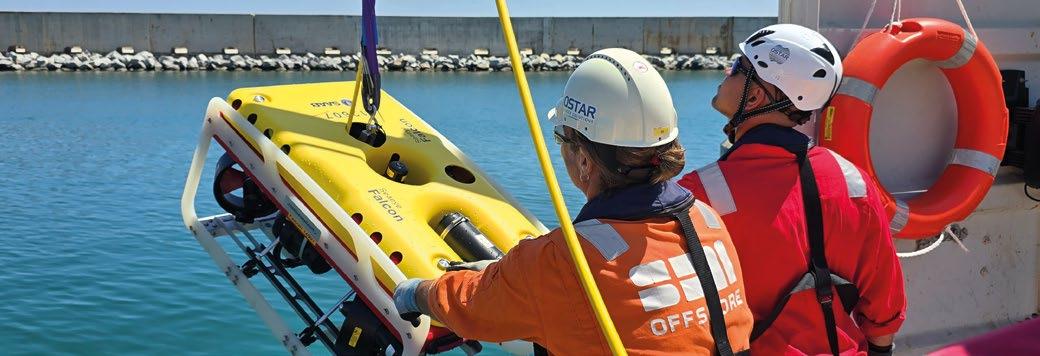
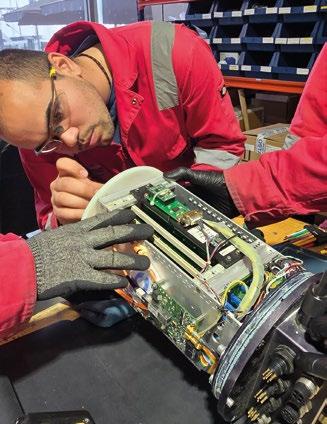
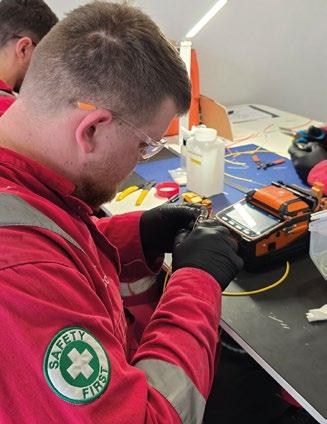
For QSTAR, “Train Like You Operate” is not simply a slogan—it is the foundation of an operational philosophy built around competence, certification, real-world deployment, and institutional-grade operational standards.
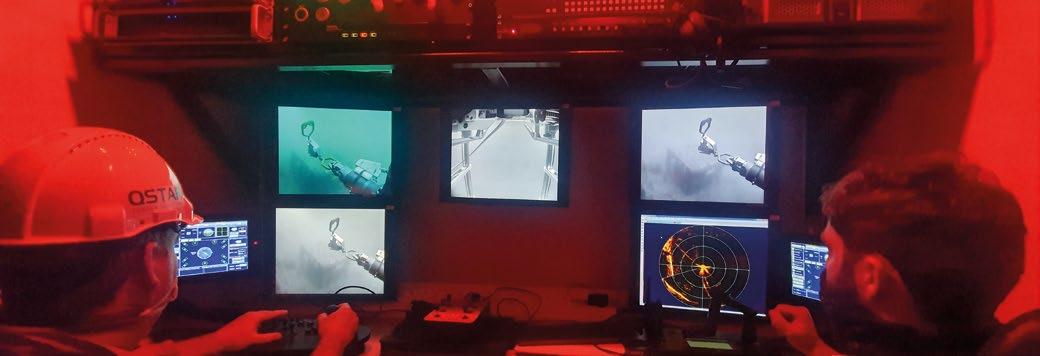
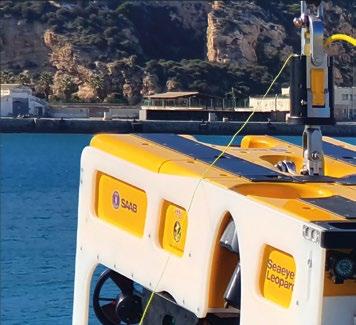
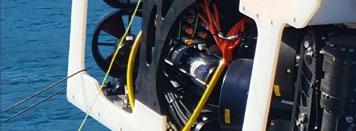
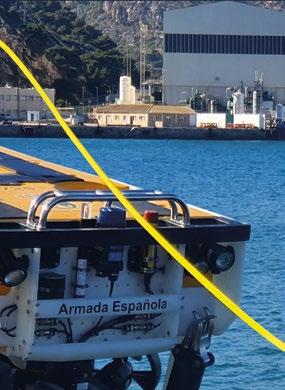
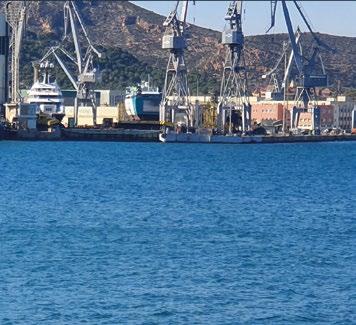
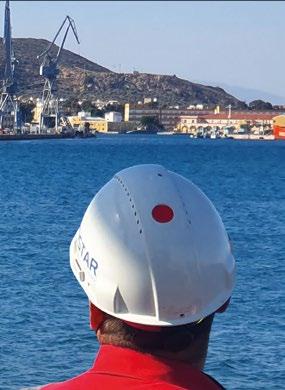
With extensive experience supporting defence and government institutions, QSTAR has participated in advanced naval training, operational support, and commissioning activities. These revolved around the Spanish Navy’s Leopard Work-Class ROV programme acquired through the NATO Support and Procurement Agency (NSPA), and included Factory Acceptance Testing (FAT), Sea Acceptance Testing (SAT), specialised training, and operational readiness support at Cartagena Naval Base, Spain.
This experience is reinforced by previous collaborations with the French, Finnish, and Colombian Navies, as well as European defence personnel, strengthening QSTAR’s role as a trusted provider of practical subsea competence for allied military frameworks.
Unlike conventional training providers, QSTAR combines militaryfocused technical education with operational realism through internationally recognised competence pathways, advanced technical capability, and integrated management systems.
QSTAR’s defence capability framework is reinforced through:
ƀ IMCA R002 Approved Training Programme;
ƀ Competence Assessment Pathways: RPT Grade II, RPT I, Supervisor & Senior;
ƀ ISO 9001:2015, ISO 14001 and ISO 50001-aligned operational systems;
ƀ Integrated QHSE operational philosophy;
ƀ Hybrid & Onsite Training Program;
ƀ Operational E-Learning Platform (QSTAR Online Campus);
ƀ Observation to Work-Class ROV systems;
ƀ FAT, SAT, and commissioning support;
ƀ USBL / LBL / DVL / INS underwater navigation;
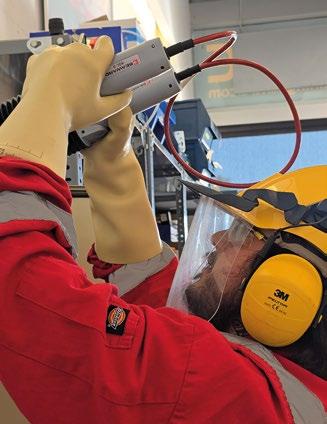
ƀ Fibre optics, electronics, hydraulics and high voltage safety;
ƀ Search & Recovery;
ƀ Mine & UXO familiarisation;
ƀ Hull, infrastructure, and strategic asset inspection;
ƀ ELSS and submarine rescue support scenarios;
ƀ Work-Class simulation and manipulator systems.
This structured framework enables defence organisations, navies, SAR teams, and strategic subsea operators to scale personnel capability from foundational competence to advanced operational leadership while maintaining flexibility for military logistics and deployment realities.
Recognising the evolving needs of modern defence organisations, QSTAR delivers scalable military-focused training through:
ƀ Onsite Training: From advanced QSTAR facilities or directly at naval bases, military installations, and strategic operational sites;
ƀ Hybrid Training: Online theoretical learning combined with practical deployment, reducing logistical burden while maintaining technical excellence;
ƀ QSTAR Online Campus: An operational e-learning platform allowing military and allied personnel to begin competence development remotely before progressing into practical certification and deployment readiness.
This flexible capability supports modern military structures, allied navies, coast guards, SAR divisions, and defence procurement frameworks.
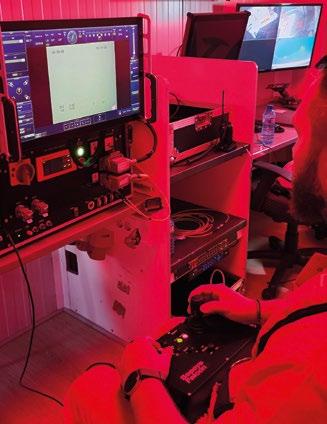
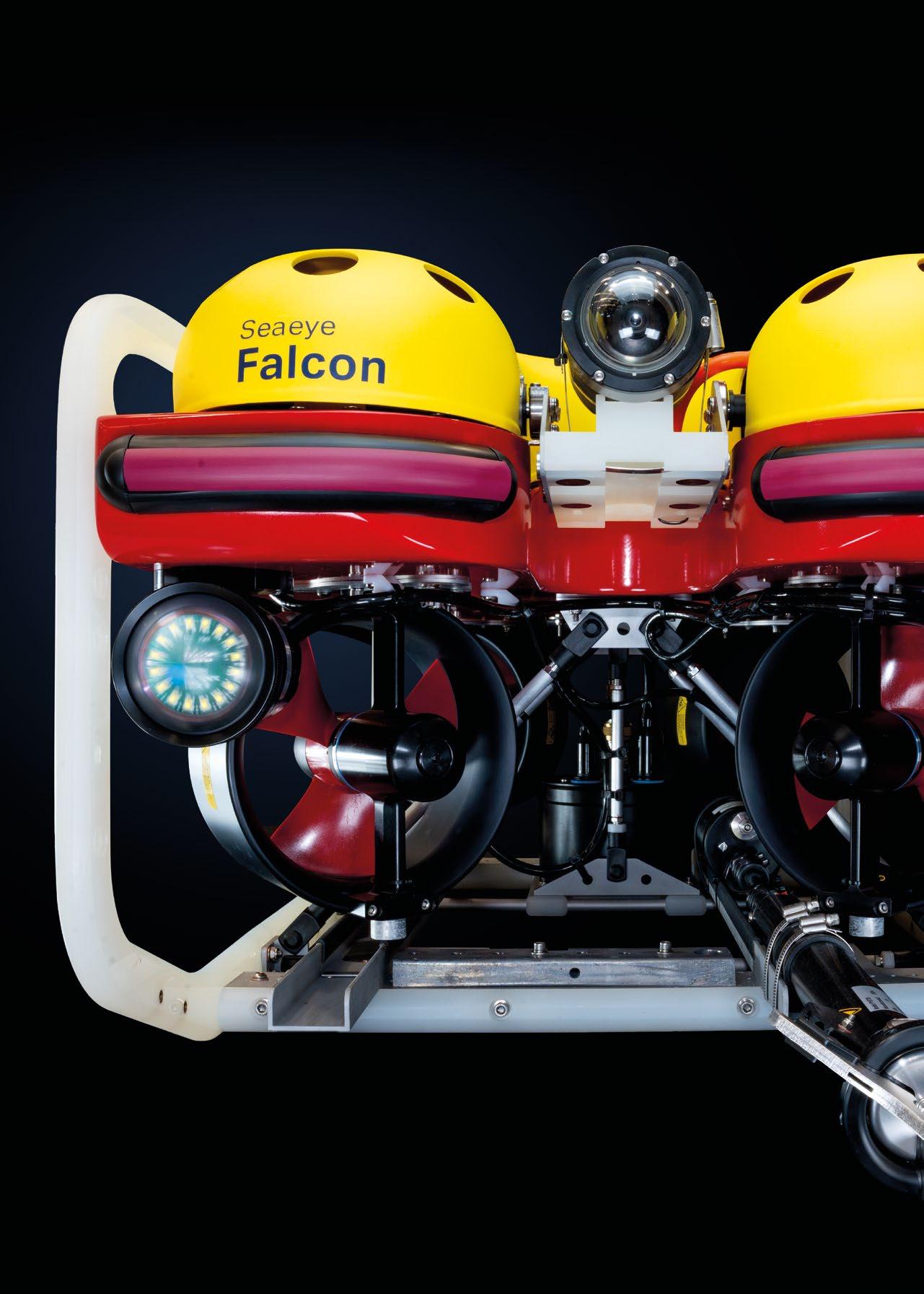
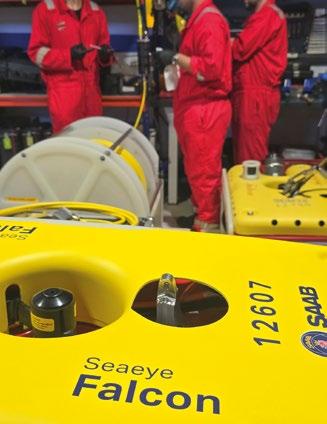
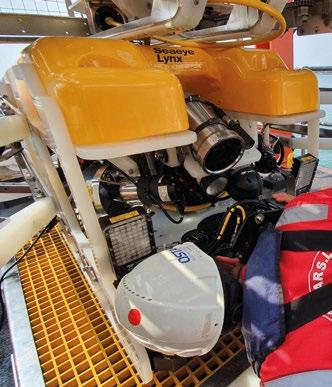
To support growing international demand, QSTAR has significantly strengthened its operational capability through the acquisition of two new Saab Seaeye Falcon Fibre Optic (FO) systems.
These systems enhance:
ƀ Military-grade pilot training;
ƀ Tactical subsea readiness;
ƀ Search & Rescue capability;
ƀ Fibre optic tether operations;
ƀ Advanced sensor and payload integration;
ƀ Naval operational simulation.
As part of its continued international growth, QSTAR has successfully completed a major expansion into substantially larger facilities, representing a decisive step in its transformation from specialised training provider into a broader defence and subsea capability platform.
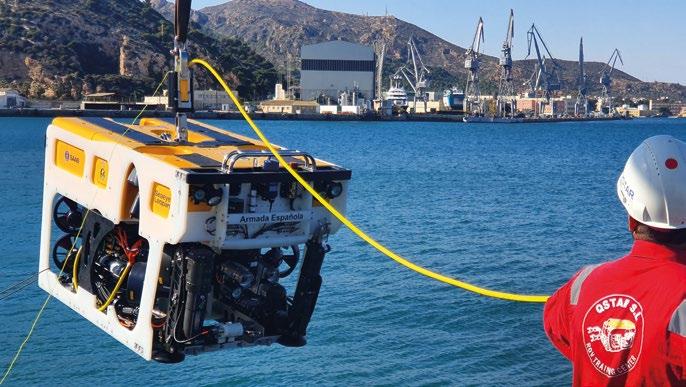
This expanded infrastructure significantly strengthens:
ƀ Expanded military and government ROV training capacity;
ƀ Larger hybrid, onsite, and operational e-learning support capability;
ƀ Advanced technical workshops for fibre optics, electronics, hydraulics and high voltage;
ƀ Expanded Work-Class simulation environments;
ƀ FAT, SAT, commissioning and defence procurement readiness support;
ƀ Greater fleet integration capability for Saab Seaeye Falcon FO, Leopard and advanced subsea systems;
ƀ Expanded Qustom Robotics manufacturing, integration, and defence innovation capability.
This strategic expansion positions QSTAR as a Southern European hub capable of supporting allied navies, SAR organisations, defence contractors, and strategic subsea operators with scalable competence, operational readiness, manufacturing, and advanced subsea systems support.
Through its Qustom Robotics division, QSTAR also designs, integrates, and manufactures advanced subsea platforms including the SAR300, SAR400, SAR500, and SAR1000 systems.
This capability supports future applications in:
ƀ Naval defence;
ƀ Search & Rescue;
ƀ Strategic infrastructure security;
ƀ Offshore security;
ƀ Allied defence readiness.
By combining training, certification, manufacturing, integration, and operational excellence, QSTAR continues to evolve beyond conventional education into a broader defence technology and subsea capability contributor.
As underwater security, submarine rescue, offshore defence, port protection, and strategic subsea capability become increasingly central to military planning, operational readiness requires far more than technical knowledge alone.
By combining IMCA-accredited competence pathways, NSPAlinked Leopard programme support, allied naval collaborations, flexible military-focused training delivery, Saab Seaeye Falcon FO capability, expanded infrastructure, and in-house manufacturing, QSTAR is positioning itself as one of Europe’s emerging leaders in mission-ready military ROV capability.
QSTAR does not simply train operators: it develops mission-ready subsea capability.
By Captain George Galdorisi, U.S. Navy (ret.)
The U.S. Navy has innovation in its DNA. It leveraged the transition from sail to steam, the introduction of steel warships to replace wooden ones, and especially the change from the battleship to the aircraft carrier as the centerpiece of the Navy fleet. These changes have helped the U.S. Navy keep the peace on the global commons and prevail in war.
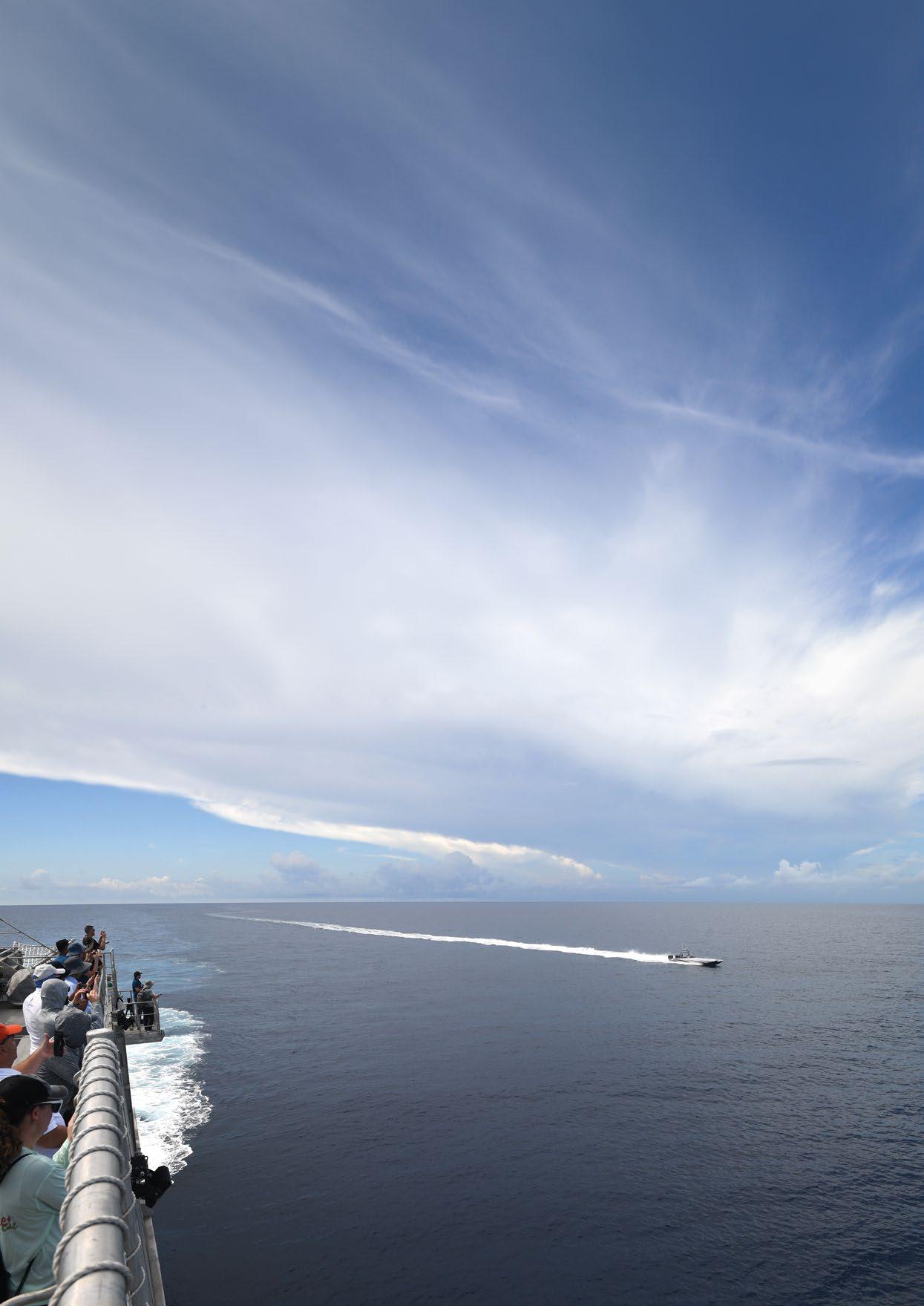
During the Cold War this penchant for innovation gathered momentum: from the introduction of the first nuclear submarine, USS Nautilus, in 1954; to the first of the Nimitzclass nuclear aircraft carriers in 1975; to the first Aegis-class warship, USS Ticonderoga, in 1983. These technological developments kept the Navy at the forefront of innovation.
Technological developments, especially with unmanned systems, have dramatically changed the character of war over the last several decades. One only needs to have a passing knowledge of the conflicts in Europe and the Middle East to see that the use of these unmanned systems is dramatically changing how adversaries fight one another.
While many nations and militaries have engineered advances in the development, fielding, and use of unmanned systems, the U.S. Navy has been a leader in this effort. There were several initiatives that the Navy took over the past several decades such as the use of unmanned air and unmanned ground systems to meet urgent operational needs in Iraq and Afghanistan. That said, these were essentially “one-off” events without staying power.
Today, unmanned surface vessels are being developed and fielded worldwide. Like their air and ground counterparts, these uncrewed surface systems are valued because of their ability to reduce the risk to human life in high threat areas, to deliver persistent surveillance over areas of interest, and to provide options to warfighters that derive from the inherent advantages of uncrewed technologies.
When people talk about systems that are unmanned – meaning that there is no human operator aboard the craft – they often conflate the words “unmanned” and “autonomous” and use the terms interchangeably. This leads to confusion and obscures that fact that there is a human footprint – and often a very large one – needed to operate and maintain an “unmanned system.”
To be sure, one of the most pressing challenges for all the U.S. military services – and especially the U.S. Navy – is to reduce the prohibitively burdensome manpower footprint currently necessary to operate unmanned systems. Military manpower makes up the largest part of the total ownership cost of systems across all the Services. This leads to the compelling mandate to move beyond the “many operators, many-joysticks, one-vehicle” paradigm that has existed during the past decades for most unmanned systems.
The need to enhance the autonomy of its unmanned systems is especially acute for the U.S. Navy. For autonomous aerial and maritime systems deployed from U.S. Navy ships, every operator and technician must embark on the ship. Each person has a bunk, must be fed, generates administrative and overhead requirements, and has quality of life needs that must be met. This, in turn, generates its own additional manpower needs.
Clearly, the Navy must move beyond one-off demonstrations and experiments built around available off-the-shelf USVs and bespoke software and approach building an unmanned
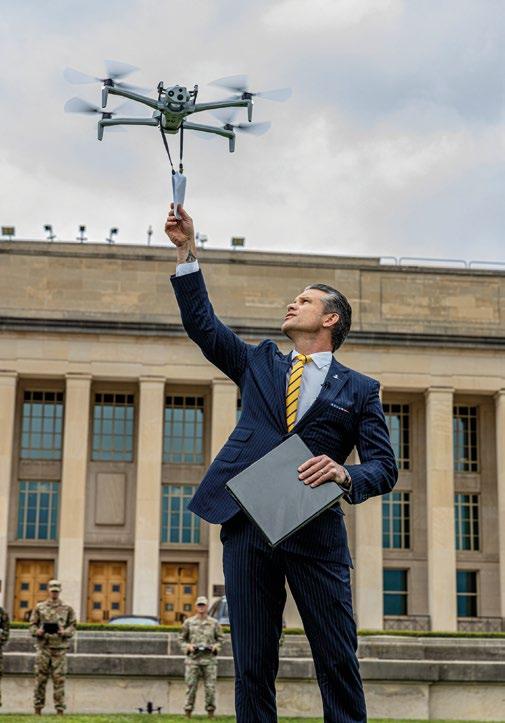
surface vessel swarming capability worthy of the world’s largest navy and one with global commitments. This will mean harnessing the Navy’s research and development community and especially its laboratory infrastructure, its systems commands, its Navy Staff sponsors, industry, and academia. Among the specific challenges and opportunities that should be addressed:
ƀ Provide the U.S. Navy with an understanding that the introduction of AI/ML is crucial in all aspects of the USV detect, track, swarm and engage solution and that there remains a window of opportunity to further leverage capabilities already developed. Our country’s adversaries are already doing exactly that.
ƀ Study the ability of likely adversaries that operate unmanned surface vessel swarms to determine their upper level of size, speed, maneuverability, radar cross-section, endurance and other attributes to understand what U.S. Navy USV swarms must be able to defeat when taking on these adversary swarms.
ƀ Survey current U.S. industry unmanned surface vessel manufacturers and select for consideration only those USVs capable of winning the swarm battle. There is little likelihood of slower or less maneuverable USVs being able to adequately take on a superior swarm. Indeed, the reason that the Joint Staff J7 Directorate selected
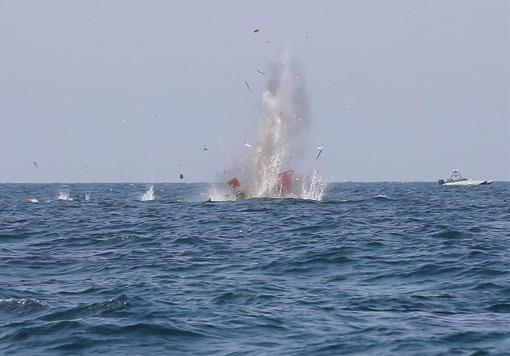
the MARTAC T24 and T38 Devil Ray craft for a recent demonstration was their burst speed (80-plus knots for the T24, 70-plus knots for the T38) as well as their ability to conduct high-G maneuvers to get inside the turning radius of adversary USVs.
ƀ Work collectively to maximize the use of real-time AI and ML in all USV operations and missions. Ensure compatibility of design between different-size USV platforms. Determine optimal sensors, communications and mast design characteristics with a goal to use “principles of modularity” to enhance the capability of AI and ML in various mission scenarios for different sized USVs.
ƀ Develop Key Performance Parameters (KPP) for the use of AI and ML in a detect, track, swarm and engage scenario that will maximize the intelligent collaboration of the USV craft with each other. The goal for the KPPs will be to highlight what attributes must be emphasized, including:
ƀ Perform the mission without input from the supervisory controller.
ƀ Concentrate on real-time autonomous threat detection and tracking in a contested environment.
ƀ Use these same KPPs on small, medium and larger USVs without any major changes in the code developed.
ƀ Work with the Navy’s research and development community, and especially the Office of Naval Research, to organize exercises, experiments and demonstrations to have increasingly large numbers of unmanned surface vessels operate against simulated adversary swarms. To this end, strongly consider doing the following:
ƀ Organize ONR or NWDC-led, fleet-owned experiment series at increasing scale. Orchestrate quarterly exercises, experiments and demonstrations that double participation for each event (for example 8→16→32+ craft), with scripted vignettes: counterswarm intercepts, maritime screen defense, decoy/
saturation, convoy escort, contested logistics delivery, and littoral denial – measuring blue OODA Loop compression and red mission kill rates.
ƀ Have exercise coordinators exploit live-virtualconstructive (LVC) at sea. Blend live, multi-modal unmanned constellations with virtual mass to stress command-and-control, spectrum, and deconfliction as well as capture telemetry into a common data lake for model retraining and tactics, technique and procedure updates.
ƀ Lead all stakeholder organizations to shift to “costper-effect” accounting. Evaluate options by dollars per defended mile, per raid defeated, per hour of screen coverage, or network mile extended, not unit price –so attritable, autonomous mass wins when it creates favorable exchange ratios.
ƀ Capitalize on the U.S. Navy’s laboratory community’s information exchange agreements with the laboratories of allies and partners in order to interoperate with allies. Align data formats, link profiles, and safety cases so partner swarms can plug into U.S. C2 and contribute mass immediately in coalition operations. Stress interoperability now and exercise it with intention.
In 2025, Defense Secretary Pete Hegseth announced sweeping changes to the way the Pentagon buys and fields unmanned systems with a goal of establishing “domain dominance.” The new initiative is designed to ensure that potential U.S. adversaries do not outpace the United States in developing and fielding unmanned systems.
A recent Joint Staff demonstration has presented a viable pathway for scalable AI/ML-enabled maritime operations, confirmed the readiness of autonomous USV swarming behaviors, and validated the ability of AI/ML to support time-sensitive threat detection missions. The next step is to conduct operationally relevant demonstrations in all mission areas.
Every year, the Navy and Marine Corps (as well as joint forces) conduct a substantial number of exercises, experiments and demonstrations. It is time to scale up demonstrations by not focusing on one-off events with a single USV, but rather to show that multiple unmanned systems working autonomously and in concert with each other can ably perform challenging Navy missions.
The views expressed in this article are those of the author and do not reflect the official policy or position of the Department of Defense or the U.S. government. The appearance of U.S. Department of Defense (DoW) visual information does not imply or constitute DoW endorsement.
















OPERATIONS
Mission-Ready Training For Navies & Defence Forces



Search & Rescue (SAR) Teams
UXO & EOD Units


O ff shore, Subsea & Diving Operators
Marine Research Ins �tu�ons
Wind Farm & Renewable Energy Operators





MODULES
ROV Training Modules
ROV Pilot Technician – Grade II
USBL/DVL Posi�oning & Underwater Naviga�on


ROV Fiber Op�cs
Safety in High Voltage
Electrical, Electronic & Hydraulic Systems
ROV Sensors & Tooling
Work Class ROV Simula�on Training















Competence Assessment: RPT I, Senior & Supervisor
IMCA R002 Approved Training Programme

Opera�onal E-Learning Pla�orm
Hybrid & Onsite Training Program
Train Like You Operate.
www.rovtrainingcentre.com
rovtraining@qstar.es





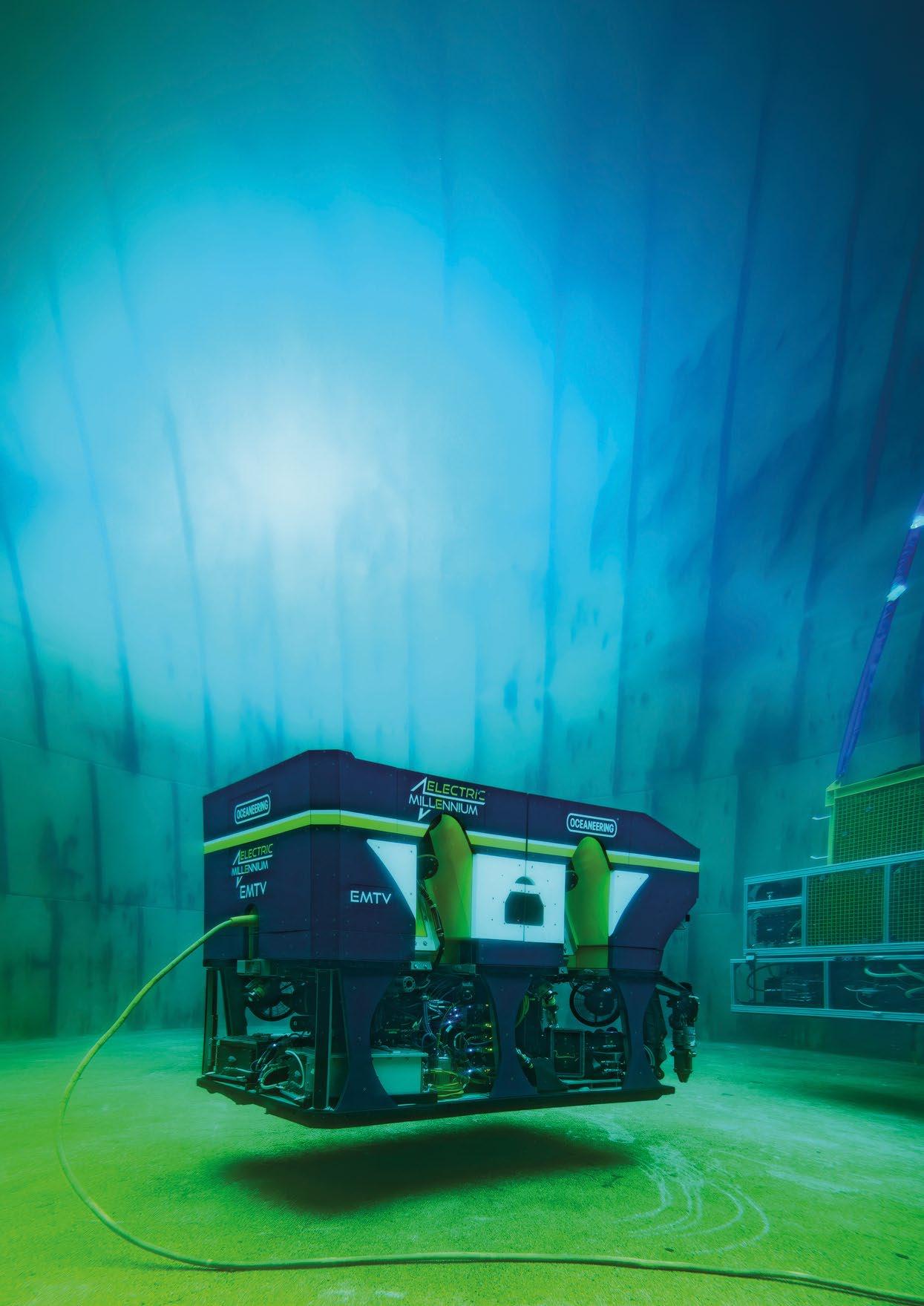
As a new generation of electric work class ROVs move beyond initial validation, extended testing is demonstrating the reliability and resilience of the Momentum™ Electric Work Class ROV.
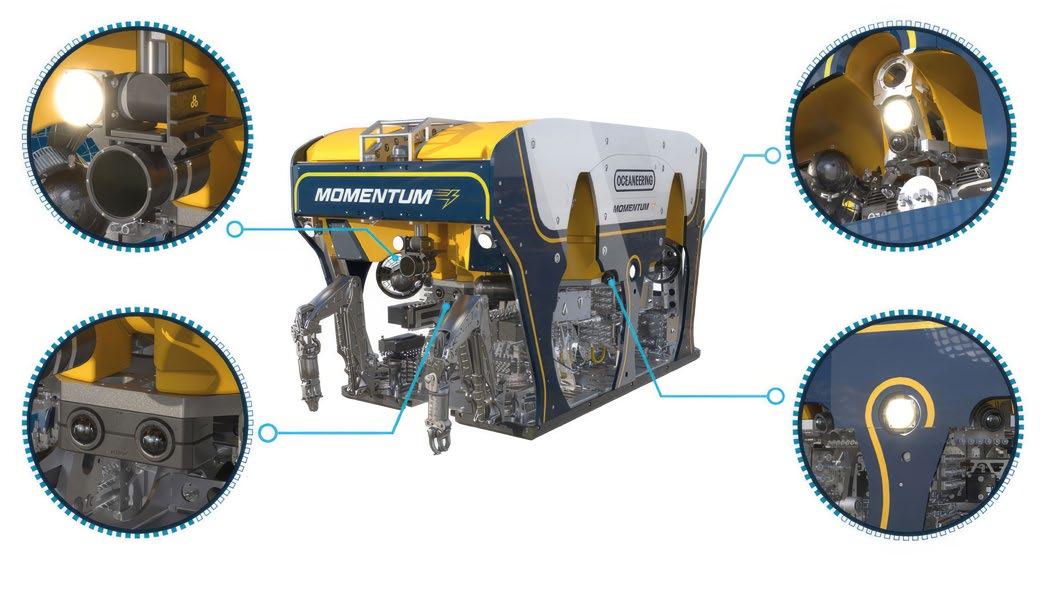
Electrification of work class remotely operated vehicles (WROVs) is a strategy to enhance system reliability, thereby minimizing maintenance windows, and increasing availability to optimize operational efficiency. While early efforts across the industry have focused on replacing individual hydraulic components with electric alternatives, experience has shown that electrification at the work-class level requires a broader, system-level approach to design, qualification, and reliability.
A previous article published in Ocean Robotics Planet (Q3 2025) described the use of a reliability-based design framework in the development of an electric WROV, focusing on architectural choices, component selection, and early qualification activities. At that stage, development centered on an electric test vehicle intended to validate core concepts and predicted performance.
Since then, the program has transitioned into extended endurance testing and refinement, generating operational data that is now shaping the next phase of development for the Momentum™ Electric Work Class ROV. Extended testing has informed component selection, revealed the need for design updates, and demonstrated the value of resiliency to individual component failures. This article discusses what has been learned since initial validation and how those insights are being applied to improve long-duration operability and reliability.
Extended system-level testing has been essential in moving beyond predicted performance to observed behavior of an electric WROV operating under realistic conditions. The
electric test vehicle (ETV) was assembled in 2024 and has undergone continuous testing for the last 15 months. Testing has included stress testing based on offshore operational data, executing standard ROV tasks, and testing of pilot assistance and autonomy systems.
High-intensity cycles were developed based on the most demanding operational profiles observed across the existing hydraulic WROV fleet. These profiles include sustained highspeed transits, peak vertical and lateral thrust demands, and hydraulic power unit usage for manipulator and tooling operations. Because physical test tanks are not large enough to support free-running, high-speed testing, the vehicle was restrained within its cage and loaded to maintain station while undergoing repeated cycle testing. These tests were performed year-round in an above ground water tank in Morgan City, Louisiana, without any issues with system overheating; overheating is typical in hydraulic work class operations in shallow warm water. With more than 60% of the ROVs supporting drilling operations, Oceaneering also included riser inspection profiles that have a less extreme thrust profile.
Pilots operated the ROV in the tank to execute typical tasks including tool interfaces, tank cleaning, and orbital inspections of equipment. The orbital inspections leveraged the stereo forward facing cameras to generate 3D point clouds of equipment while the wrap around cameras enable continuous orbital inspection in complex areas providing the pilot 360-degree awareness to prevent collisions with other subsea equipment. Pilot feedback is that the ETV is more responsive than hydraulic systems without any slop or lag coming from the hydraulics.
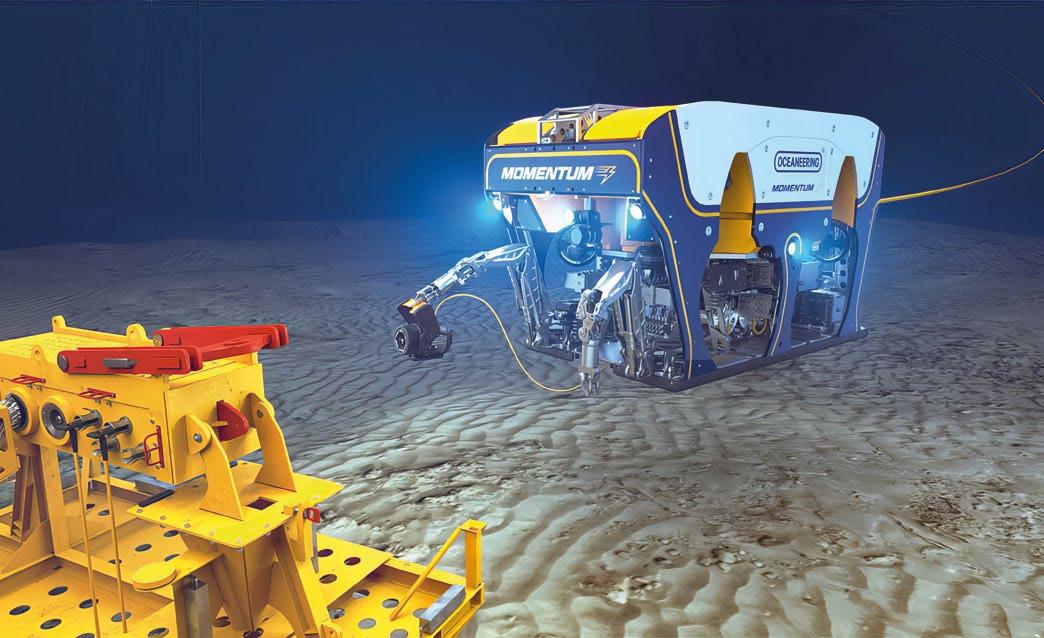
In total, the ETV has undergone more than 1500 hours of tank testing between January 2025 and March 2026. During this period, multiple subcomponents and system architectures have been tested. Replacing these components has provided input that was used for the Momentum™ Electric Work Class ROV design to deliver maintainability.
Extended testing of the ETV reinforced a fundamental lesson: electrifying a WROV is not simply about selecting the “best” component, but about understanding how variation in component behavior influences system-level performance and maintainability.
Pressure-tolerant electronics, for example, were subjected to repeated pressure cycling to validate operation in a pressure-balanced, oil-filled environment to depths exceeding 4000 m. While many assemblies performed as expected, failures were often traced to subcomponents, such as capacitors, that incorporated one-atmosphere voids and were not originally designed for sustained hydrostatic loading. Testing beyond the nominal depth rating provided valuable insight into component margins and will inform future design selections. The design of these electrical components is an ongoing process as components are replaced and obsoleted, requiring attention to changes that can impact pressure tolerance.
At the time of the test vehicles' initial assembly, there was a single electric work class thruster that met the design requirements of the vehicle. As of 2026, there are new thrusters on the market that have been installed and tested
on the ETV. Having multiple design options protects future operations from supply chain disruptions.
The on-vehicle power conversion systems have been through multiple design iterations to reduce the volume and weight of the transformers and to deliver the necessary safety features such as ground fault protection. After component testing that can be completed by vendors, these new components and architectures are tested on the ETV demonstrating their compatibility with the system.
Reliability analysis that was done at the time of initial design has been updated to reflect architectural and component changes and to account for observed performance on the ETV. These analyses and the successful extended duration testing of the ETV have demonstrated the increased reliability expected of an electric WROV. Testing will continue with an architecture on the ETV that matches the Momentum™ Electric Work Clas ROV that is going into the field; an ROV insight system will collect field data from both systems to drive continuous improvement of the Momentum™ ROV systems.
A central objective of the reliability-based design framework applied to the Momentum™ Electric Work Class ROV is to ensure that component failures do not result in the need to terminate a subsea task and recover to surface. The intelligent Power and Ethernet Module (iPEM) architecture is designed to enable isolation of any failed components. Parallel redundant power trains through the umbilical, tether, and on-vehicle transformers enable continued subsea operation even in the
event of a high-power system component failure. This decision was based on Oceaneering’s experience with its fleet of 250 WROVs delivering more than 400,000 dive hours per year higher than 97% uptime. Oceaneering’s hydraulic WROVs use dual hydraulic motors delivering the ability to continue operations in the event of a single pump or motor failure.
Software controls have been developed and tested to enable the WROV to continue to deliver fly-by-wire capabilities including station-keeping, even if a thruster is isolated and offline. The increase in thrust capacity of the vehicle means that even in a reduced thruster mode, the WROV will be able to continue necessary tasks until an operationally convenient time to perform maintenance activity.
Observed failure modes during endurance testing, whether electrical, mechanical, or environmental, have been used to refine fault-handling strategies and inform maintenance planning. By correlating failure events with operational data, it has been possible to distinguish between issues requiring immediate intervention and those that can be deferred without compromising safety or mission objectives.
While delivering increased reliability, the design emphasizes resilience: the ability to continue operating, safely recover, or defer maintenance based on informed assessment of system condition.
The continued development of the Momentum™ Electric Work Class ROV has demonstrated that electrification at the work class level is as much about how systems respond over time as it is about initial performance. Extended testing has validated many early architectural decisions, while also revealing the importance of designing for component variation, maintenance practicality, and resilience under real operating conditions.
By using long-duration testing as an active design input, the program has been able to refine component selection, revise reliability expectations, and improve system behavior when failures occur. The ETV has evolved from a validation tool into a development platform, supporting ongoing testing beyond the initial qualification test.
As development progresses, the same reliability-based approach is being extended beyond the vehicle to include the broader WROV system, encompassing tether, tether management system, umbilical, overboarding systems, winches, and topside infrastructure. Together, these efforts reflect a shift from proving the capabilities of electric WROVs to delivering a new WROV operational modality based on extended dive durations to deliver operational efficiency.
The offshore robotics industry is having a welldeserved moment. Electric thrusters. Smarter tooling. Fully electric work-class vehicles that run deeper, longer, and cleaner than their electro-hydraulic predecessors. Impressive. Now look at the cable.
Because the umbilical hasn't just changed role in this transition. It has absorbed a fundamentally different set of engineering problems. And that part of the story doesn't always get the attention it deserves. Until it becomes the constraint nobody planned for.
Traditional work-class umbilicals carried a diverse payload: electrical conductors for power and control, fiber optics for data, steel strength members. And hydraulic hoses doing the heavy lifting for thrusters, manipulators, and tooling. Hydraulic accumulators buffered peak loads. The electrical conductors carried their share, not everything.
Remove the hoses, and the picture changes completely. What was once distributed across fluid and copper is now copperonly. The umbilical carries a larger fraction of the system's
total energy budget, including sharper load peaks and faster transients as electric drives respond to demand. Voltage drop, conductor losses, heating, shielding, and fault behavior move from secondary concerns to defining constraints. That's not simplification. That's a redesign.
When more power must travel the full length of an umbilical, designers have essentially two options: larger conductors or higher voltage. Increasing conductor cross-section reduces resistive losses and helps maintain voltage at the vehicle. But adds diameter, weight, and mechanical complexity, with real penalties on top tension and vessel handling systems. Higher transmission voltage reduces current for the same delivered power, cutting I²R losses without proportionate copper growth. The price: more demanding insulation, stricter electrical screening, and more complex testing.
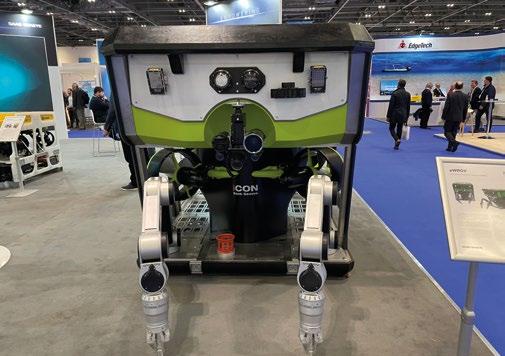
DC distribution is entering the conversation for longer cables, where eliminating AC reactive power effects is attractive. Though DC shifts complexity into conversion and protection, and raises different questions about insulation behavior under sustained electrical stress. Most programs combine both levers: modest voltage increases alongside selective conductor upsizing. There is no clean answer. There is only the answer that fits your system.
In electro-hydraulic systems, hydraulic fluid absorbs and distributes heat. In a more electric umbilical, a meaningful fraction of system losses become conductor losses; concentrated, continuous, localized in the cable itself. Sustained operation at high load produces steady resistive heating that accelerates insulation aging. Ampacity is often limited by the hottest internal layer, not by what the copper calculation alone suggests.
On deck, during handling, transit, or when spooled on a winch, the cooling provided by seawater at depth simply disappears. Thermal modeling and empirical test evidence are no longer optional inputs. They define the actual continuous rating.
Removing hydraulic hoses can improve flexibility in principle. In practice, thicker insulation, additional screens, and separation layers often close that gap. What changes more significantly is where fatigue concentrates. Fine-stranded conductors and metallic screens must survive continuous bending and torsion at the TMS/vehicle interface, where dynamic motion is relentless. Stranding construction, lay lengths, and bedding hardness all enter the fatigue conversation. Tighter bend radius limits have downstream implications for sheave geometry, winch groove design, and handling procedures.
Electro-hydraulic systems carry a kind of inherent resilience. Accumulators store energy. Degraded hydraulic circuits may still allow partial operation. A more electric architecture concentrates more risk into the umbilical. A serious power
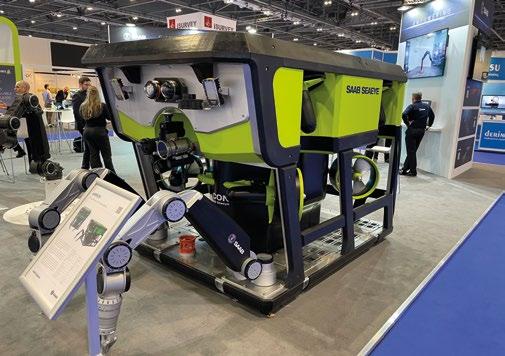
fault can simultaneously remove propulsion, tooling, and control. That's a different failure calculus, and it's pushing design choices toward multiple power groups, spare conductors, and diverse fiber-optic paths within the cable crosssection. Not refinements. Requirements.
Electrified umbilicals cost more upfront. Materials are more specialized, manufacturing tolerances tighter, and test regimes more demanding. Partial discharge checks, high-voltage testing, and insulation resistance trending depending on voltage class.
The payoff is real when the system is engineered as a whole: reduced hydraulic content, lower environmental risk, better controllability, and richer diagnostics. But the full payoff only materializes when the umbilical design is aligned with the power electronics, vehicle architecture, TMS, and operating profile from the start. Not treated as a late-stage procurement item after everything else is locked. The umbilical is not a utility. In an E-ROV system, it is the infrastructure that everything else depends on.
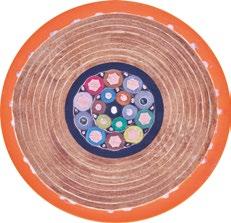
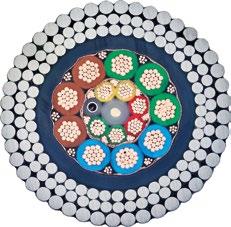
From their base in the Netherlands, DeRegt Cables co-creates custom solutions with partners worldwide for ROV, Defense & Security, and Energy.
Discover more at
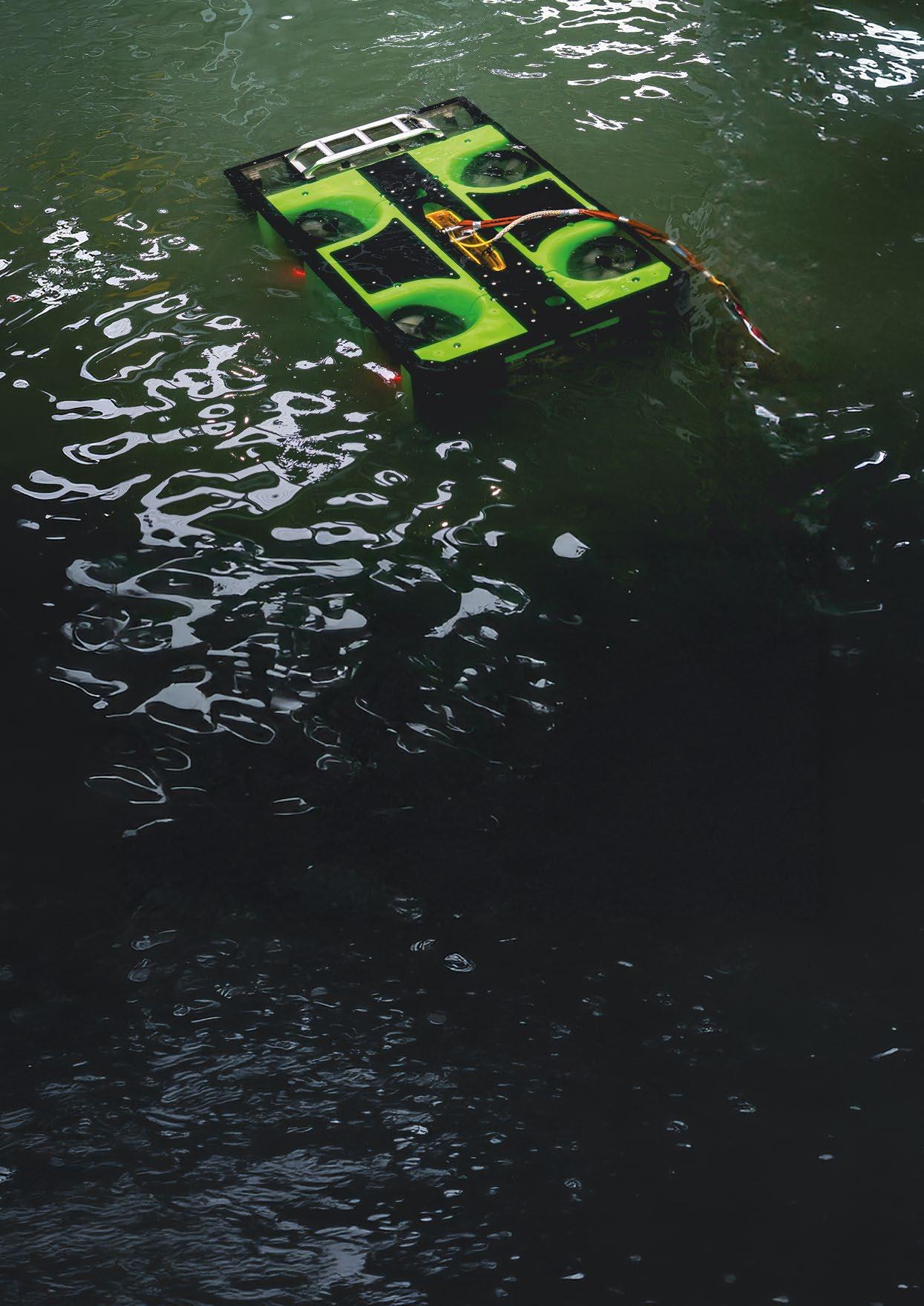
By Jon Robertson, Managing Director, Saab Seaeye
The offshore energy sector is entering a decisive period of change. Driven by the global push for cleaner energy, rising expectations around safety, and the need to operate more efficiently in increasingly complex environments, the way subsea work is delivered is being fundamentally re examined.

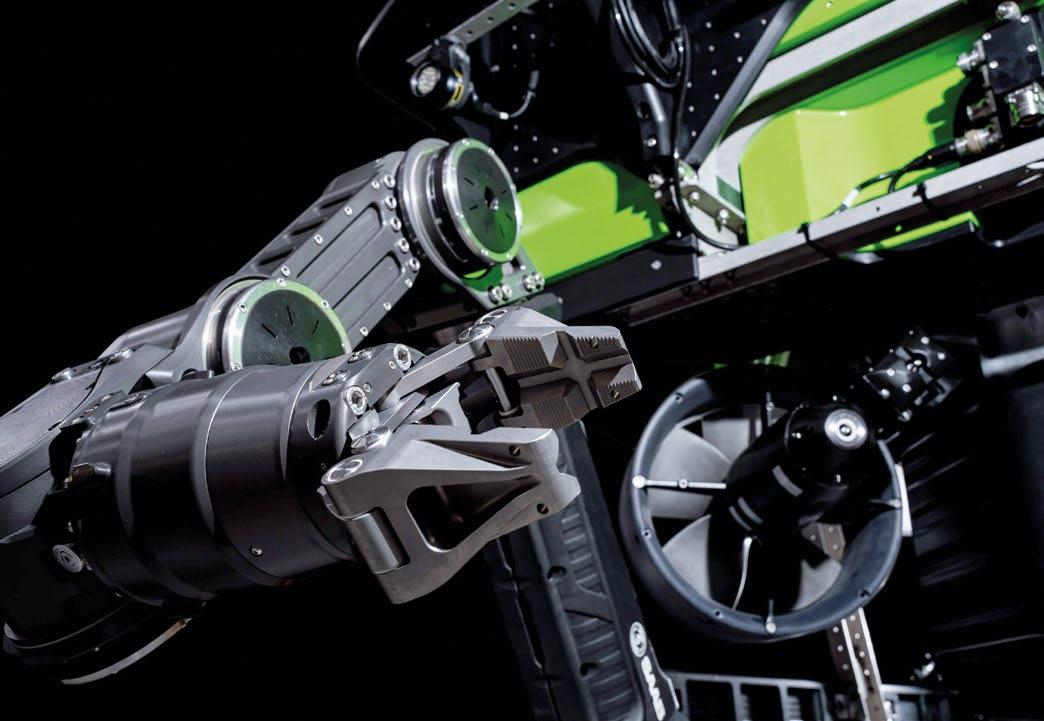
Offshore operations are no longer judged solely on capability. Today, success is measured by how effectively operators can reduce emissions, minimise vessel time, and limit the number of people exposed to offshore risk, while still maintaining reliability and performance. This shift is not theoretical, it is already shaping procurement decisions, project planning, and long term operational strategies across offshore wind, oil and gas, and emerging energy infrastructure.
Against this backdrop, subsea robotics is playing an increasingly critical role. But to remain fit for purpose, it must evolve.
The offshore energy landscape is transforming at pace. Offshore wind is expanding into deeper waters and harsher conditions, while existing oil and gas assets require life extension and maintenance delivered with a far lighter environmental footprint. At the same time, operators face heightened scrutiny around health, safety, and carbon emissions, alongside ongoing pressure to control costs and improve efficiency.
Historically, subsea intervention has depended on large, hydraulically powered ROV systems deployed from heavily crewed vessels. While these systems have delivered decades of dependable service, the operating model around them brings inherent challenges. Sustaining large offshore teams
demands significant energy for accommodation, logistics, and transport. Long vessel campaigns drive fuel consumption and emissions, while the presence of many people offshore inevitably increases exposure to risk.
As these pressures converge, the industry is recognising that marginal gains are no longer enough. There is a growing need to rethink subsea operations more fundamentally, reducing dependency on crewed vessels, cutting carbon intensity, and enabling safer ways of working, without compromising the capability required to perform complex subsea tasks.
This is where electrification, automation, and digitalisation come into focus. All electric systems can deliver greater efficiency and reliability, while opening the door to new operational concepts such as remote supervision, resident systems, and over the horizon control. Together, these technologies offer a pathway to subsea operations that are not only cleaner and safer, but also more resilient and cost effective over the long term.
Responding to these evolving demands requires more than introducing new technology for its own sake. It requires a clear understanding of how subsea vehicles are used day to day, and how they must adapt as offshore operating models change.
This thinking has driven the development of the Seaeye SR20 – a next generation, all electric work class ROV engineered to deliver high performance while aligning with the industry’s shift toward lower impact operations. Built on Saab’s depth of subsea expertise and a long history of customer collaboration, the SR20 is designed to empower operators as expectations continue to evolve.
At its core, the SR20 is fully electric, IP based with powerful onboard computing. This architecture brings immediate benefits: improved efficiency, simpler systems, and reduced maintenance, alongside the minimisation of environmental risks associated with hydraulic oil. Just as importantly, electric systems provide finer control and responsiveness, supporting more precise operations in challenging subsea environments.
The SR20’s electric thrusters generate up to 520 kgf of thrust, delivering strong acceleration, effective braking, and rapid reversal. This performance ensures operators do not have to choose between sustainability and capability. High thrust and control are maintained in a compact, modular vehicle that can be configured for a wide range of tasks, from inspection and maintenance to drill support, construction and decommissioning.
Customer requirements have been central throughout its development. By working closely with operators from mission definition through to deployment, the SR20 can be precisely configured to meet specific operational goals. Reliability and long duration performance are core priorities, enabling the vehicle to support demanding campaigns while reducing downtime and through life cost.
While current operational demands are significant, the direction of travel for the offshore energy sector is clear. The future points toward fewer people offshore, increased reliance on remote and shore based control, and greater autonomy within subsea systems. These trends are driven not only by efficiency and cost, but by the fundamental need to reduce risk and environmental impact.
Fully electric, smart ROVs provide a strong foundation for this transition. Their low impact architecture supports long duration deployments and integrates seamlessly with digital control systems, smart power management, and advanced navigation. This makes them well suited to emerging concepts such as resident vehicles and over the horizon operations, where reliability and efficiency are paramount.
The SR20 has been designed with this future firmly in mind. Its electric architecture supports next generation operating concepts, ensuring it remains relevant as autonomy, automation, and smart data management continue to advance. Rather than being a fixed solution, it is a platform capable of evolving alongside industry expectations.
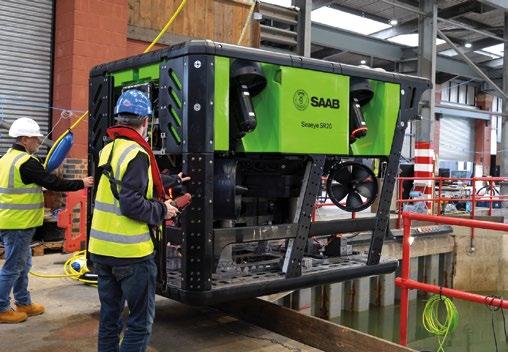
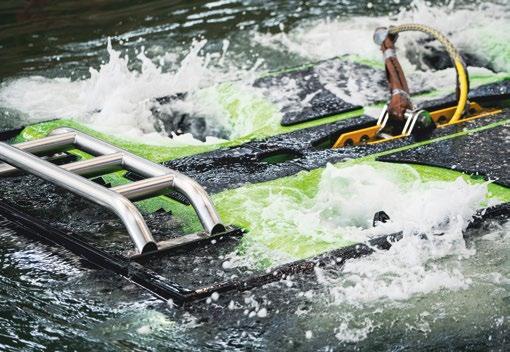
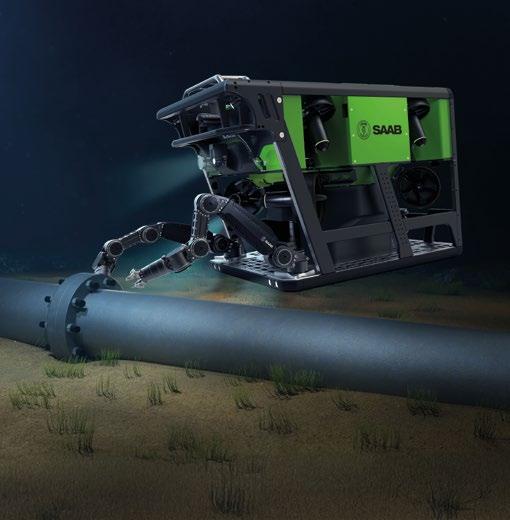
As the offshore energy market continues to adapt, the role of subsea robotics will only grow. Cleaner, leaner, and smarter intervention is no longer an ambition – it is becoming a necessity. The energy transition may be most visible at the surface, but it is being enabled below it, by technologies designed to support safer people, lower emissions, and a more sustainable future for offshore operations.
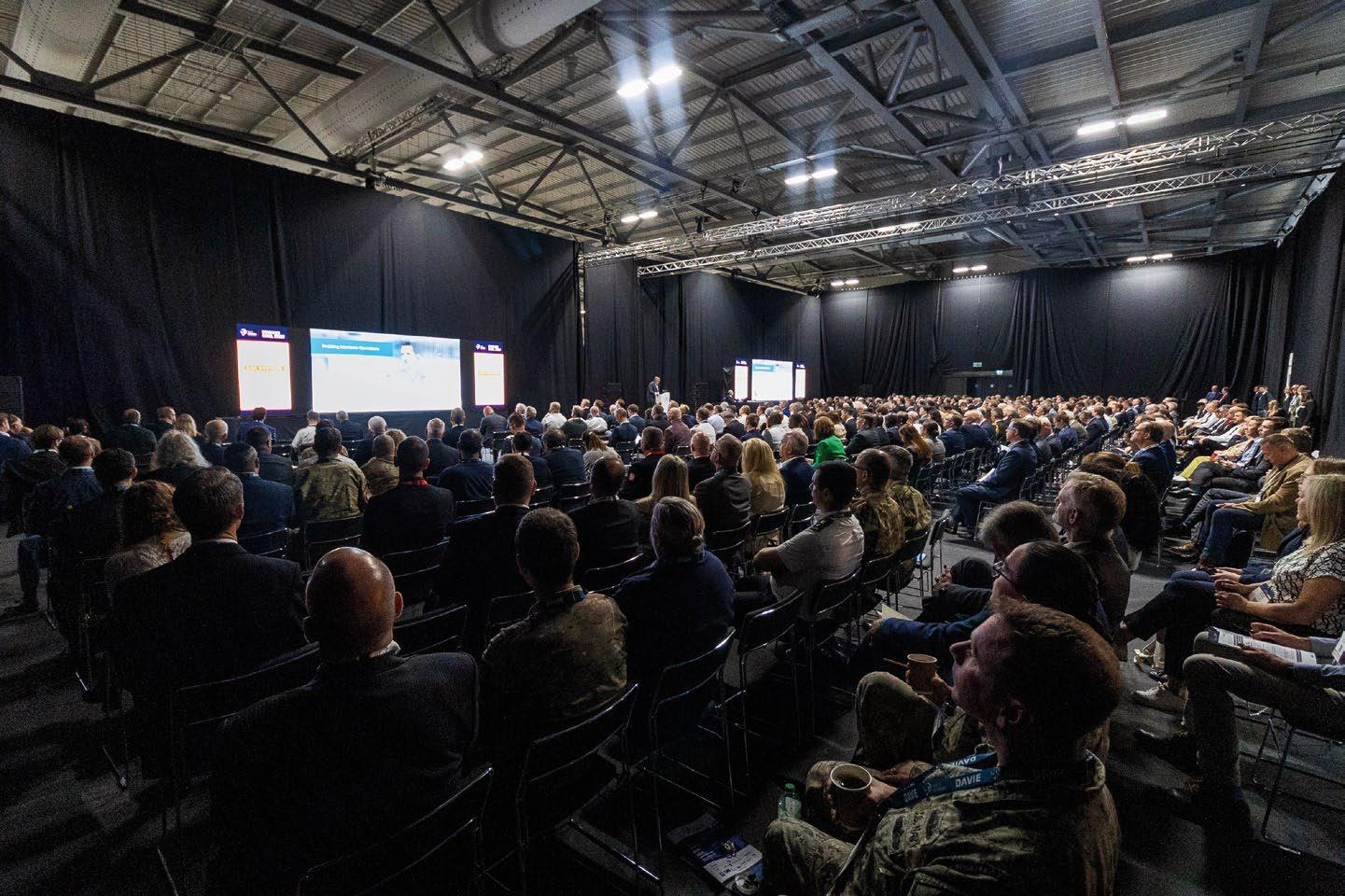

Nations
Underwater
Thursday, 21 May, 2026
Farnborough International Exhibition & Conference Centre To Tuesday, 19 May, 2026
Exhibitors
Speakers
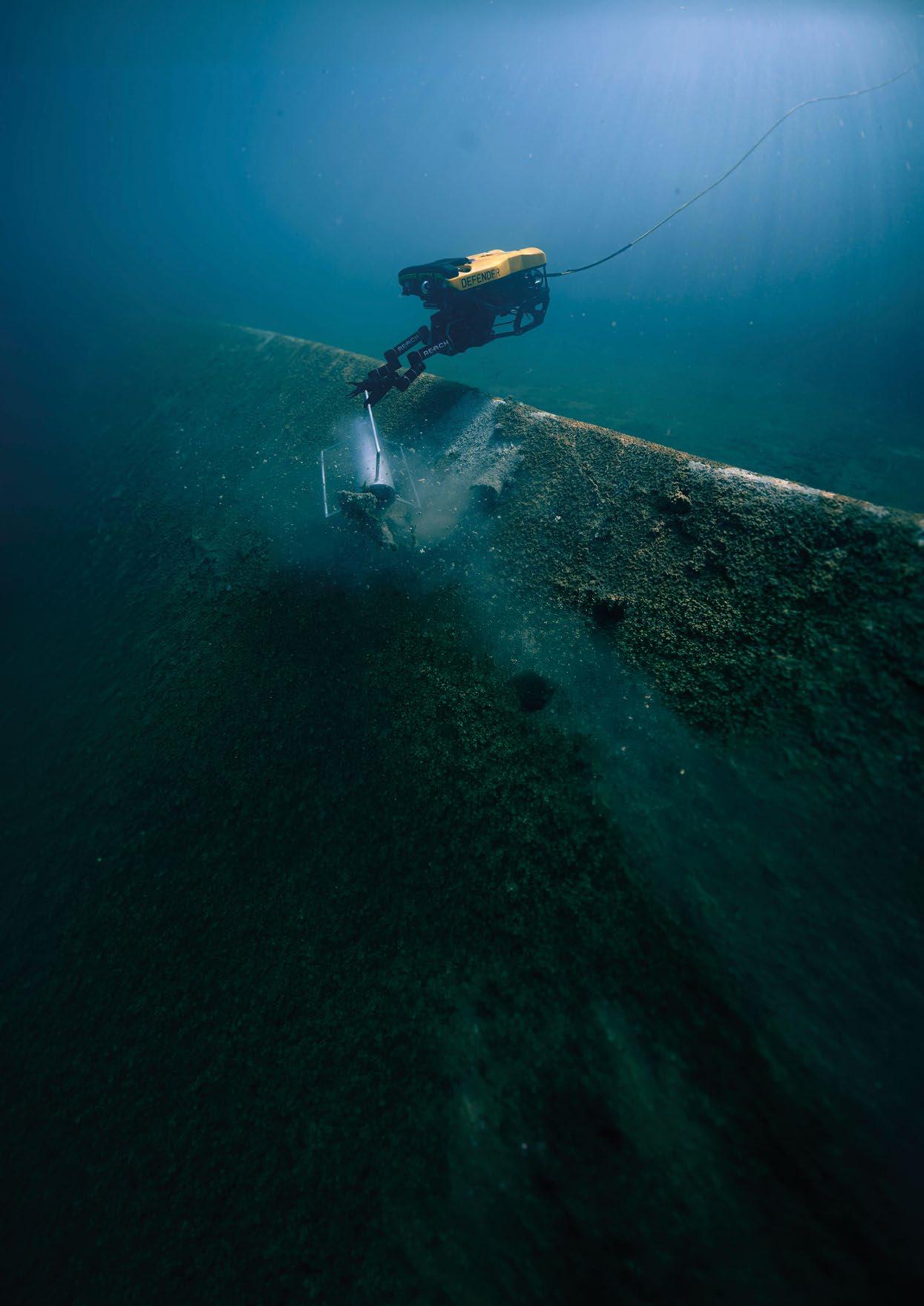
As subsea operations continue to evolve, the role of manipulation systems has shifted from a specialised capability to a core requirement across inspection, maintenance, and intervention workflows. From offshore energy to defence and scientific research, operators are increasingly relying on robotic arms not just to observe, but to act.
This shift has driven a move away from one-size-fits-all manipulation systems toward application-driven product lineups, where tools are selected based on mission requirements, vehicle class, and operational constraints. Reach Robotics’ range of electric manipulators, spanning lightweight, multi-role, and heavy-duty systems, provides a clear example of how this approach is being applied in practice.
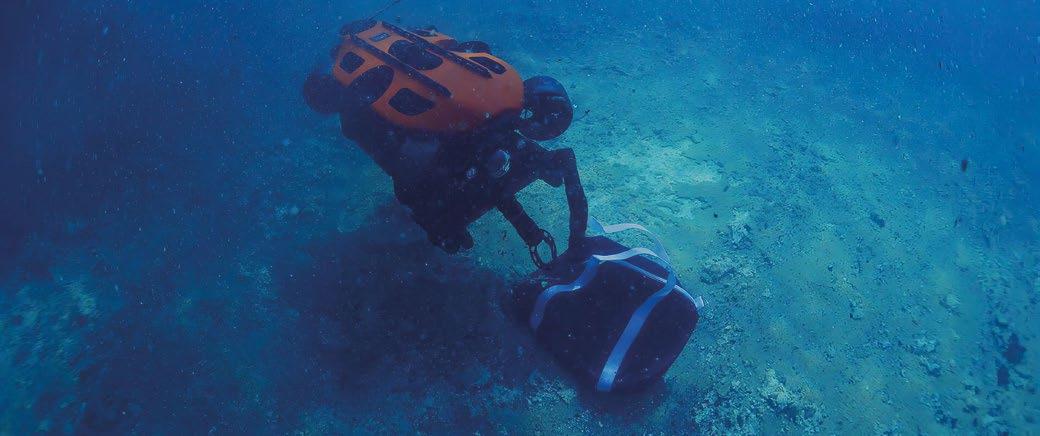
At the smallest end of the spectrum, manipulation is often required in environments where access is the primary constraint. Confined structures, complex geometries, and delicate assets demand tools that prioritise dexterity and compact form factor over raw strength.
Lightweight systems such as the Reach Alpha are designed specifically for these scenarios. With a small diameter and low in-water weight, they integrate easily with portable ROVs, allowing operators to perform tasks such as non-destructive testing (NDT), and small-object recovery in tight spaces.
Typical applications include:
ƀ Internal pipeline and structure inspection as well as testing
ƀ Cable and Softline manipulation
ƀ Scientific sampling in sensitive environments
ƀ Search and recovery in cluttered or confined areas
In these use cases, the manipulator serves as an extension of the vehicle’s access capabilities. Rather than enabling large-scale intervention, Reach Robotics allows operators to interact with environments that would otherwise remain unreachable. This is particularly important as inspection operations move toward smaller, more deployable platforms.
As mission complexity increases, so too does the need for flexibility. Many subsea operations, particularly in offshore energy and defence, require a single system to perform a wide range of tasks, often within the same deployment.
This is where mid-range, multi-role manipulators such as Reach X are positioned. Designed as a versatile intervention platform, these systems balance dexterity, strength, and modularity, enabling operators to cut, retrieve, secure, or disarm objects using a single toolset.
Key application areas include:
ƀ Offshore inspection and maintenance campaigns
ƀ Defence and EOD operations requiring remote handling
ƀ Multi-task missions with changing tooling requirements
ƀ General-purpose intervention using portable ROV systems
The defining characteristic of this category is adaptability. Rather than optimising for a single task, these systems are designed to support unpredictable, evolving mission profiles, where operators must respond to real-time conditions.
At the higher end of the application spectrum, manipulation systems are expected to perform tasks traditionally carried out by divers or work-class ROVs. These include heavy intervention, infrastructure maintenance, and tool deployment in challenging offshore environments.
Systems such as Reach Bravo are designed for this role, offering increased lift capacity, robustness, and precision while remaining compact enough for inspection-class vehicles. This enables operators to undertake inspection, maintenance and repair (IMR) tasks that would previously require larger, more complex systems.
Typical applications include:
ƀ Turning valves and operating subsea infrastructure
ƀ Conducting NDT using ultrasonic or electromagnetic tools
ƀ Deploying and retrieving equipment
ƀ Cleaning, cutting, and mechanical intervention tasks
The ability to deliver this level of capability from smaller platforms represents a significant shift in subsea operations by reducing the size and cost of deployment while maintaining functionality.
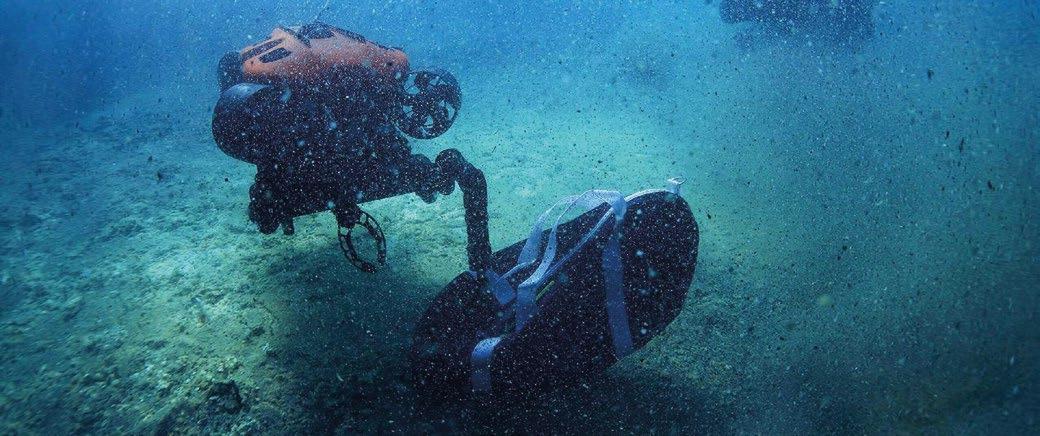
Across all three categories, precision, adaptive, and heavy intervention, a clear pattern emerges. Manipulation is being matched to the mission.
Rather than treating manipulators as a simple step up in capability, operators are choosing systems based on what the job actually demands. That might be the size of the vehicle, how much force or control is needed, how easy it is to access the worksite, or how practical the system is to deploy.
In practice, this means smaller ROVs are paired with compact, lightweight manipulators that can work in tight spaces, while inspection-class vehicles can take on more demanding intervention tasks with higher-force systems.
More broadly, it reflects a shift across the industry away from general-purpose tools and toward systems that are selected, and increasingly designed, with a specific job in mind.
The increasing availability of compact, high-performance electric manipulators is also expanding the range of applications in which robotic intervention is viable. From offshore wind inspection campaigns to academic research and defence operations, manipulation is no longer limited to large-scale industrial systems.
Modern electric manipulators enable operators to:
ƀ Perform intervention tasks from smaller, more agile platforms
ƀ Reduce reliance on divers in hazardous environments
ƀ Increase operational efficiency through multi-task capability
ƀ Extend the reach of robotic systems into previously inaccessible areas
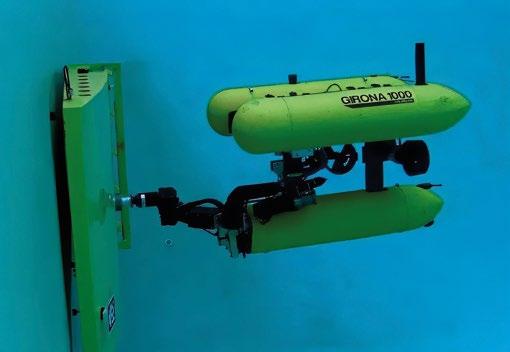
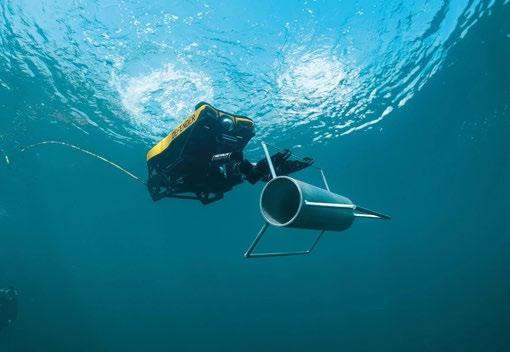
As subsea operations continue to evolve, the importance of selecting the right manipulation system for the mission will only increase. The growing diversity of applications from delicate inspection to heavy intervention, requires a corresponding diversity in tools.
In this context, application-driven product lineups aren’t optional; they’re a direct response to the demands of modern subsea operations.
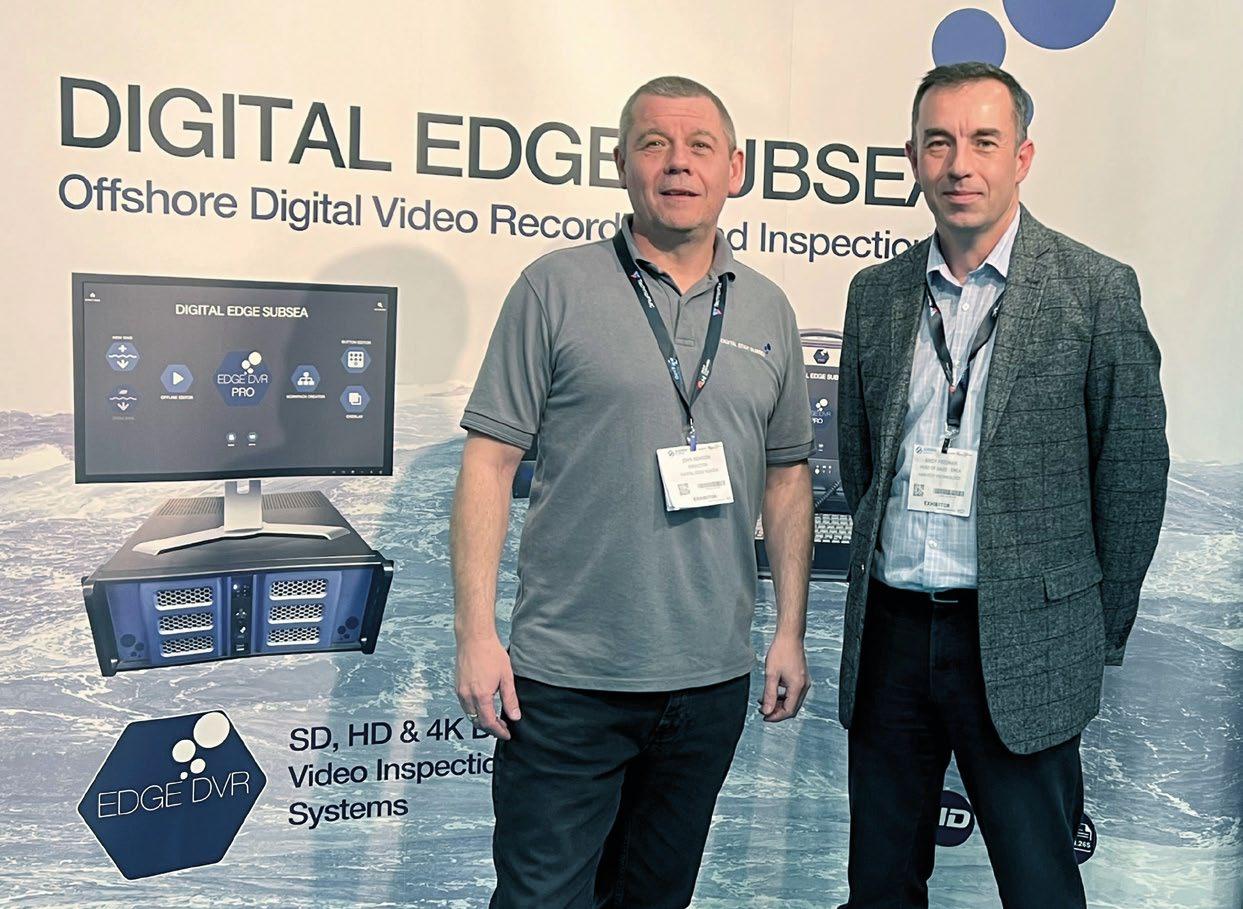
In 2010, ROV Supervisor John Benson established Digital Edge Subsea, designing and manufacturing video recording and inspection systems for the subsea industry. Over the course of sixteen years and under John’s expert leadership, the business has grown to be one of the industry’s most recognisable and trusted brands.
In February 2026, John decided to take a well-earned break and hand over the position of Managing Director to Andy Freeman. Andy has been with Digital Edge Subsea for over two years as Business Development Manager, having worked with several subsea service contractors, both on and offshore, as well as technology and software companies.
Andy’s focus for the business is the continued support for our existing customers, as well as expanding into new market
sectors and regions. Of taking on the role of MD, Andy said, “Digital Edge Subsea has been such as successful business under John Benson’s direction that it’s important to retain the core qualities that have led to that success. Quality, reliability and dependability in some of the harshest offshore environments is what makes our products stand out from the competition. Retaining those qualities will be key to our ongoing software and hardware development, as well as our reach into new markets, with new customers.”
Digital Edge Subsea, in partnership with Australian video and data streaming specialists, Harvest Technology are leading the way with remote operations within the defence sector.
Harvest Technology’s Nodestream© provides resilient, realtime visibility and situational control, anywhere on Earth. With both subsea and topside video streamed securely from anywhere in the world to a Digital Edge Subsea DVR located in a command centre, full remote support and management of mission critical video/data can be provided to the offshore teams. The system incorporates audio communication, and provides reliable and secure streaming even over low bandwidth and high latency connections.
The simplicity of configuration offshore, combined with the small form factor hardware supplied by Harvest Technology makes mobilisation and set up easy. Moreover, the Digital Edge Subsea DVR can remain completely offline and airgapped onshore, minimising risks to recorded video and data.
Following on from the very successful Navy Tech event in Gothenburg earlier this year, Digital Edge Subsea will be attending the Combined Naval Event at Farnborough from 19th to 21st May. You can find out more about our DVR solutions, mission data recording and remote operations support for the defence sector on Stand C-58.
Digital Edge Subsea’s much anticipated online training course is due to go live in Q3 2026. This will provide new customers, personnel new to subsea inspection and existing customers who want to get the most out of their DVR with the means to learn at their own pace. The course is arranged into four modules and takes users through the steps of data management, project set-up, online operations and using the offline software. Each module has several short sections to work through, supported with video files and examples. At the end of each module there is a short quiz. Successful completion of the course will generate a unique certificate for the user.
The course will be open to individual bookings and block bookings for companies wanting to offer training to personnel. For details and pricing contact info@digitaledgesubsea.com
Digital Edge Subsea will again be attending H2O in Halifax in June 2026. This year we will be exhibiting and giving customers the ability to learn more about Digital Edge Subsea’s video recording and data management solutions.
Following immediately on from H2O is the Cove Open day in Halifax where Digital Edge Subsea will be demonstrating full remote operations capability utilising the low-bandwidth video streaming solution supplied by partner company Harvest Technology.

Digital Edge Subsea has a long history of supporting community sport. Barrow Rugby League Football Club (Raiders) and Able Raiders have been close to founder, John Benson’s heart for many years and the company has been proud sponsors of both. Continuing the tradition of sports sponsorship, we are delighted to announce that Digital Edge Subsea has agreed a sponsorship deal with Aberdeen Schools Rowing Association (ASRA). ASRA was founded in 1960 with the aim of offering children from Aberdeen and Aberdeenshire the opportunity to participate in a sport which otherwise may not be available to them.
Today, ASRA has more than 60 young athletes registered and regularly taking part in training. Many go on to represent their club, region and country at national and international events. Some talented athletes have even made it to Team GB and competed in the World Championships. The club has one full time coach and one part time coach but otherwise is run by volunteers. The cost of running such a club and maintaining equipment is considerable, and the club relies heavily on donations and sponsorship. The benefits to the young athletes are numerous. Aside from the obvious physical fitness which comes from training and rowing, the club focusses on developing teamwork, resilience, and knowledge around good diet and nutrition. With many events held away from home the athletes also learn to be self-sufficient. Digital Edge Subsea’s sponsorship will help ensure that junior rowing in Aberdeen remains available to all, irrespective of financial background or circumstance.
Alan Lawrie, treasurer for ASRA said, “The long-term sponsorship of ASRA Charitable Trust by Digital Edge Subsea Ltd has created a transformational opportunity for us, by enabling us to create a development plan for the next three to five years covering both our outreach program in the Aberdeen City secondary schools and also to expand our participation numbers through the purchase of a number of new boats over the extended period of the sponsorship.”
This type of long-term support enables ASRA Charitable Trust to plan for the future, and to maximise the benefits to the young people of Aberdeen and the surrounding region.”
The meeting place of the global wind industry – onshore & offshore
• 1,600 exhibitors from 40 countries
• First-rate conference programme on six open stages
• Networking with 45,000 international participants
• Recruiting Days on 24 and 25 September
NEW An entire hall dedicated to energy storage windenergyhamburg.com

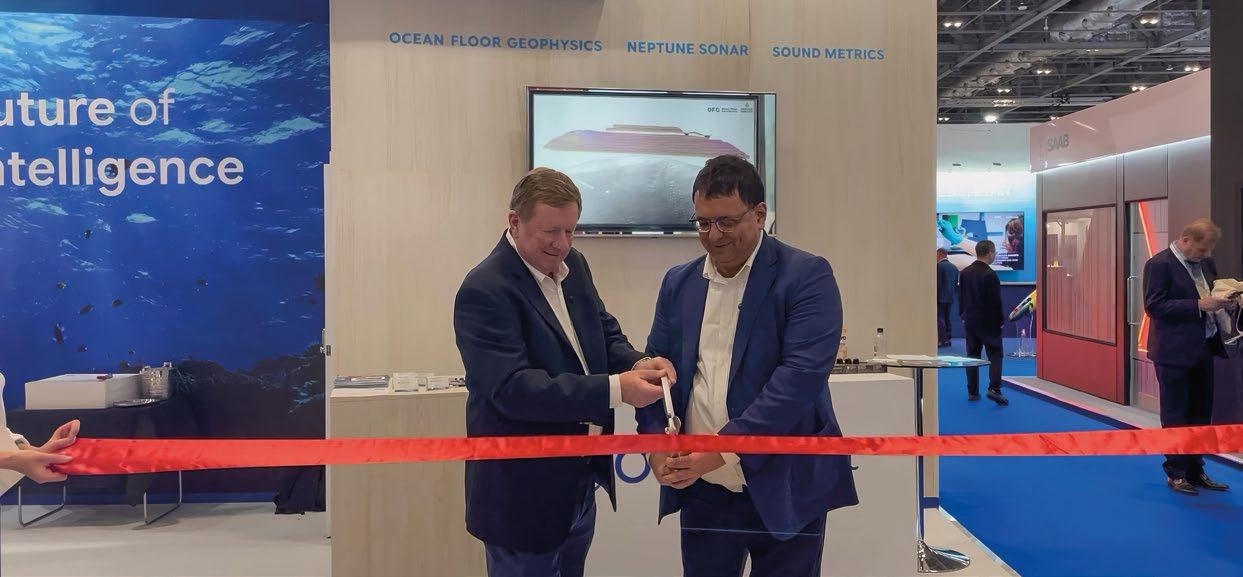
The undersea domain is becoming more contested, more complex, and harder to understand. From increasingly quiet submarines to the growing strategic importance of subsea infrastructure, operators are being asked to do more with greater precision and across wider areas than ever before. Persistent sensing, distributed systems, and a deeper understanding of the ocean environment are no longer optional. They are essential.
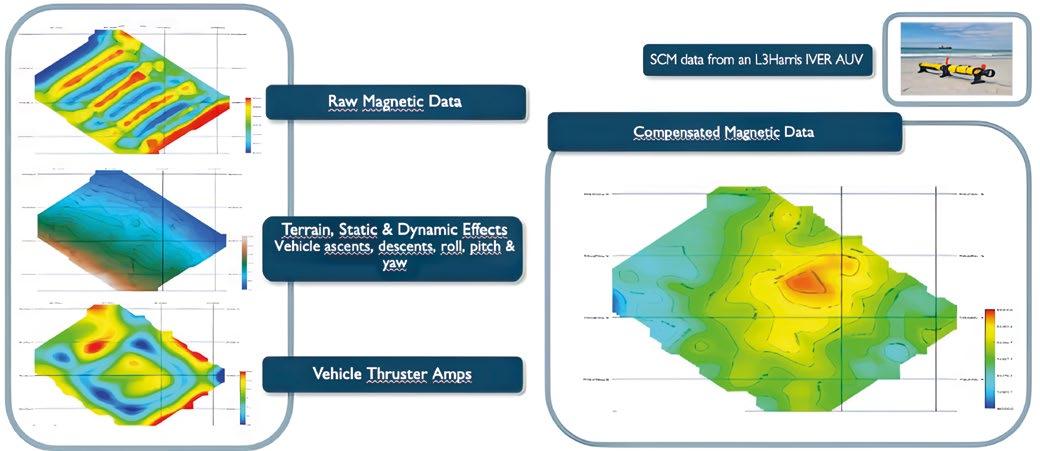
OceanSight, a new company recently formed under XPV Water Partners, is an ocean technology collective focused on advancing marine sensing and subsea intelligence. Its technologies are deployed across offshore energy, marine infrastructure, environmental monitoring, research, and security, bringing proven performance into increasingly complex defense environments.
Rather than acting as a traditional holding company, OceanSight mission is to acquire specialized marine businesses with proven technologies and invests in unlocking their full potential. The goal is to accelerate innovation, expand market reach, and deliver greater value to customers through leadership and collaboration.
This approach brings together complementary capabilities across the undersea domain. To date, OceanSight has acquired:
ƀ Neptune Sonar goes beyond component supply to deliver complete acoustic solutions. By vertically integrating capabilities from piezoelectric ceramic innovation to fully engineered and manufactured turnkey transducers, the company brings unmatched control over performance and quality—translating into clearer signals, greater reliability, and more confident operation in the world’s most challenging underwater environments.
ƀ Ocean Floor Geophysics (OFG) is redefining subsea geophysics by delivering the only fully integrated magnetic and electric sensing systems capable of operating on unmanned platforms. Enabled by patented self-compensation technology, these systems remove the constraints of traditional towed arrays—unlocking new levels of mobility, efficiency, and data clarity. The result is deeper, more actionable insight within the water column and beneath the seabed for infrastructure, operations, and environmental applications.
ƀ Sound Metrics provides ultra high-resolution imaging sonar capable of generating near-optical, camera-quality acoustic imagery with exceptional clarity and detail. Designed for operation in turbid and zero-visibility environments, these systems deliver reliable, real-time situational awareness for inspection, navigation, and missioncritical decision-making where traditional sensors are ineffective.
Together, these capabilities span the full spectrum of undersea awareness – from acoustic sensing to real-time imaging to subsurface characterization – working together to deliver deeper insight, stronger performance, and more meaningful innovation across the undersea domain.
These capabilities are already proven across demanding marine applications – from offshore energy and subsea infrastructure to environmental monitoring, marine research, and an array of security applications. In defense, they take on added significance.
Across these environments, the challenge is the same: making sense of complex underwater conditions and turning limited data into confident decisions. Whether inspecting critical infrastructure, mapping the seabed, monitoring environmental change, or supporting scientific discovery, success depends on the ability to sense, interpret, and act with confidence.
In defense, those same challenges are amplified. Modern naval operations require both persistence and precision. Wide-area sensing identifies areas of interest, while highresolution systems enable investigation, classification, and action. At the same time, environmental intelligence—understanding how sound propagates through the ocean—directly impacts detection performance.
OceanSight’s brands contribute across all of these dimensions, helping improve not just what can be detected, but how effectively detection occurs –whether supporting offshore operations, advancing scientific understanding, or enabling mission success in contested environments. Better data is only part of the answer. Better understanding is what drives decisions.
Across the marine technology sector, it is common to find highly capable technologies that have not reached their full potential, not due to limitations in performance, but due to limited commercial reach and strategic alignment.
OceanSight is built on a simple premise: exceptional ocean technologies often fall short of their potential, and with the right support, they can deliver far greater impact. OceanSight’s role does not stop at acquisition. It is designed to actively build value within each business.
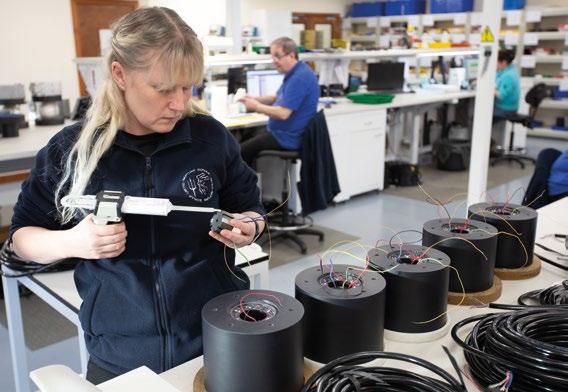
That includes introducing centralized marketing capabilities, expanding global dealer networks, strengthening sales leadership, and aligning strategy and execution across the organization. In parallel, OceanSight is investing in infrastructure and operational scale to support longterm growth.
This approach enables technologies that were previously underleveraged to reach a broader market and deliver greater impact to customers. Technology alone doesn’t create impact. It’s how technology is applied, scaled, and supported that matters.
Each company within OceanSight retains its technical focus and expertise while gaining the support needed to grow and better serve its customers. The result is a collective that is greater than the sum of its parts, delivering stronger performance, improved access, and more consistent outcomes.
OceanSight is actively expanding through strategic acquisitions, with each addition selected to complement and strengthen the overall capability set. Over time, the value of these complementary capabilities will continue to grow as the organization expands.
As demands on the undersea domain continue to evolve across both defense and commercial markets, the need for high-performance, scalable ocean technologies will only increase.
OceanSight is accelerating these solutions by investing in proven technologies, strengthening their capabilities, and bringing them together to work more effectively. The result is not just new innovation, but more meaningful innovation—delivered through technologies that are better positioned to perform in the real world.
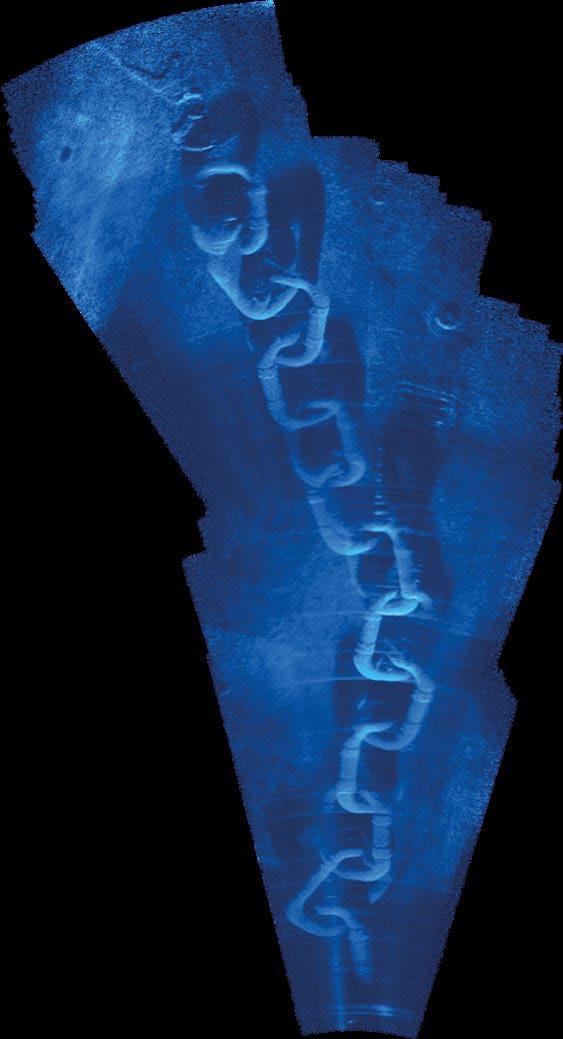
Welcoming visitors to a new home –


Discover the latest innovations transforming aquaculture
Attend the free conference
Network with your community
The Scottish Event Campus (SEC), Glasgow. REGISTER FOR FREE










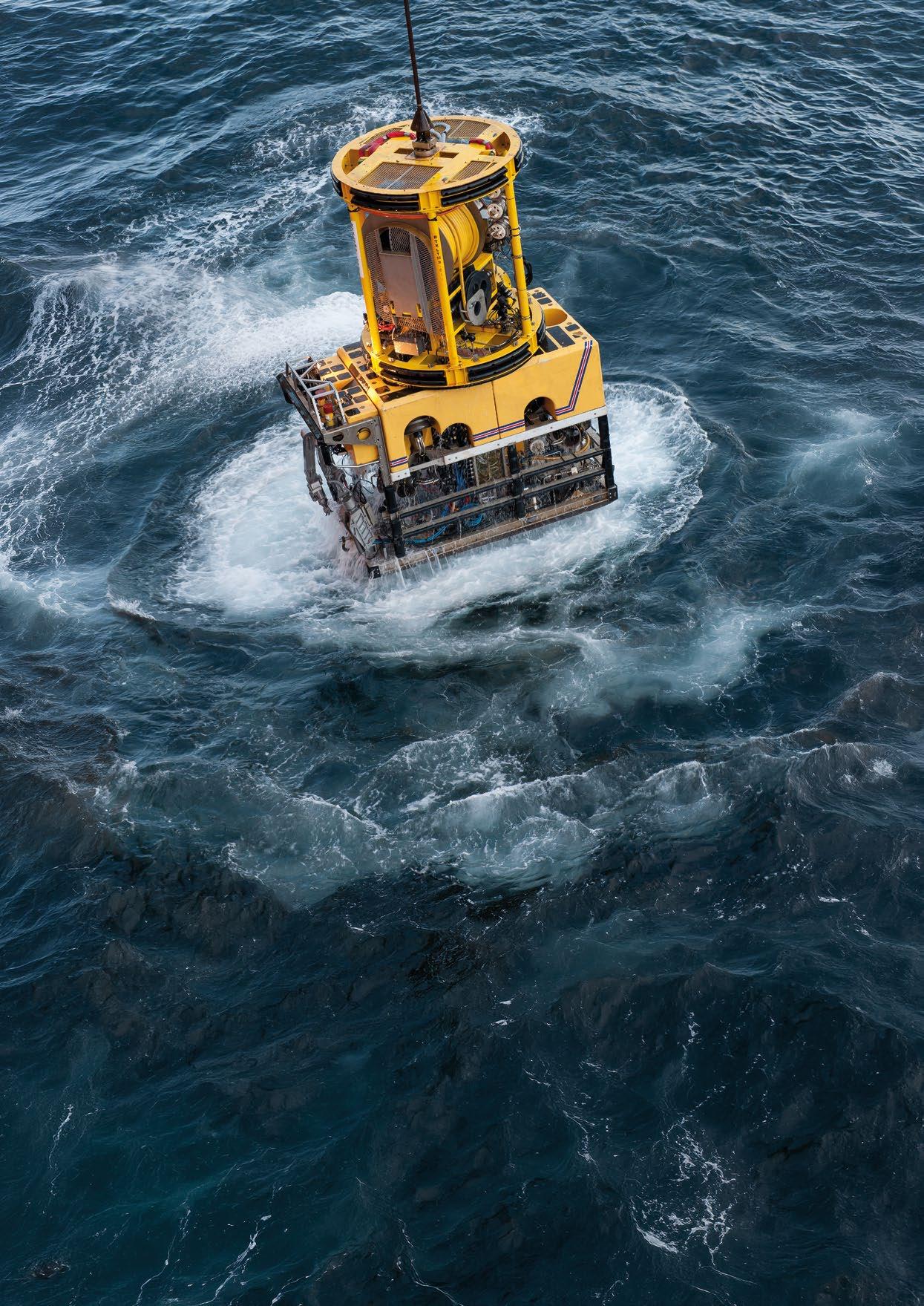
Magnus Lindberg, Managing Director, C-Tecnics Norway
Across the subsea industry, vehicles and systems are routinely retired for reasons that have little to do with their true capability. More often than not, it is not the mechanics that have reached the end of their useful life, but the electronics platform at the heart of the system. Frames, buoyancy modules, thrusters and hydraulic systems routinely outlast the electronics that control them. Yet mechanically capable assets are scrapped because the architecture they rely on can no longer support modern sensors, interfaces or operational demands. That gap between mechanical longevity and electronic obsolescence is one of the most persistent and expensive challenges in today’s subsea fleet.
Many subsea vehicles still in service today are built around control and communication architectures developed in the 1990s. As newer sensors, tooling and third-party systems are added, interface electronics are often introduced to bridge old and new technologies.
Over time, complexity builds. Compatibility issues appear more frequently. Fault-finding takes longer. Integration costs increase. Eventually, replacing the entire vehicle can begin to feel simpler than addressing the underlying electronics platform.
In most other sectors, that approach would seem illogical. No one discards a perfectly functional truck because the radio is outdated. Yet in subsea operations, replacing entire vehicles due to legacy electronics has quietly become accepted practice.
Industry estimates commonly place the global fleet at around a thousand work-class ROVs, with many more observation vehicles, tools and subsea systems in service.
Even if the industry wanted to replace the global fleet overnight, it simply could not. The manufacturing capacity, supply chains and specialist labour do not exist to replace everything at once. Replacement alone is not a viable strategy.
In most cases, the problem is not the mechanics, but how the systems connect and work together.
Historically, vehicles were physically large because electronics were physically large. Control bottles could measure up to two metres in length and weigh tens of kilograms, not because the function demanded it, but because the technology required it.
Modern electronics have changed that completely. Equivalent control and communication capability can now be delivered in compact housings well under half a metre in length, closer in scale to a typical thermos flask than to the metre-long cylinders of the past. Replacing legacy electronics platforms with modern alternatives frees space, reduces weight and creates new integration opportunities.
Smaller electronics bring benefits beyond weight and space.
Modern platforms allow systems to operate on a common architecture, reducing the need for multiple interface layers. Cabling becomes simpler. Integration is more direct. Potential failure points are reduced. Connector technology has followed the same path, with compact modern connectors replacing large legacy end-caps and enabling far greater density in a smaller footprint.
Vehicles that once required dozens of cables can now operate with only a handful, meaning installation, maintenance and fault-finding becomes more straightforward.
Importantly, modernising electronics does not require shrinking the vehicle itself. Older, physically larger vehicles often provide better access for maintenance
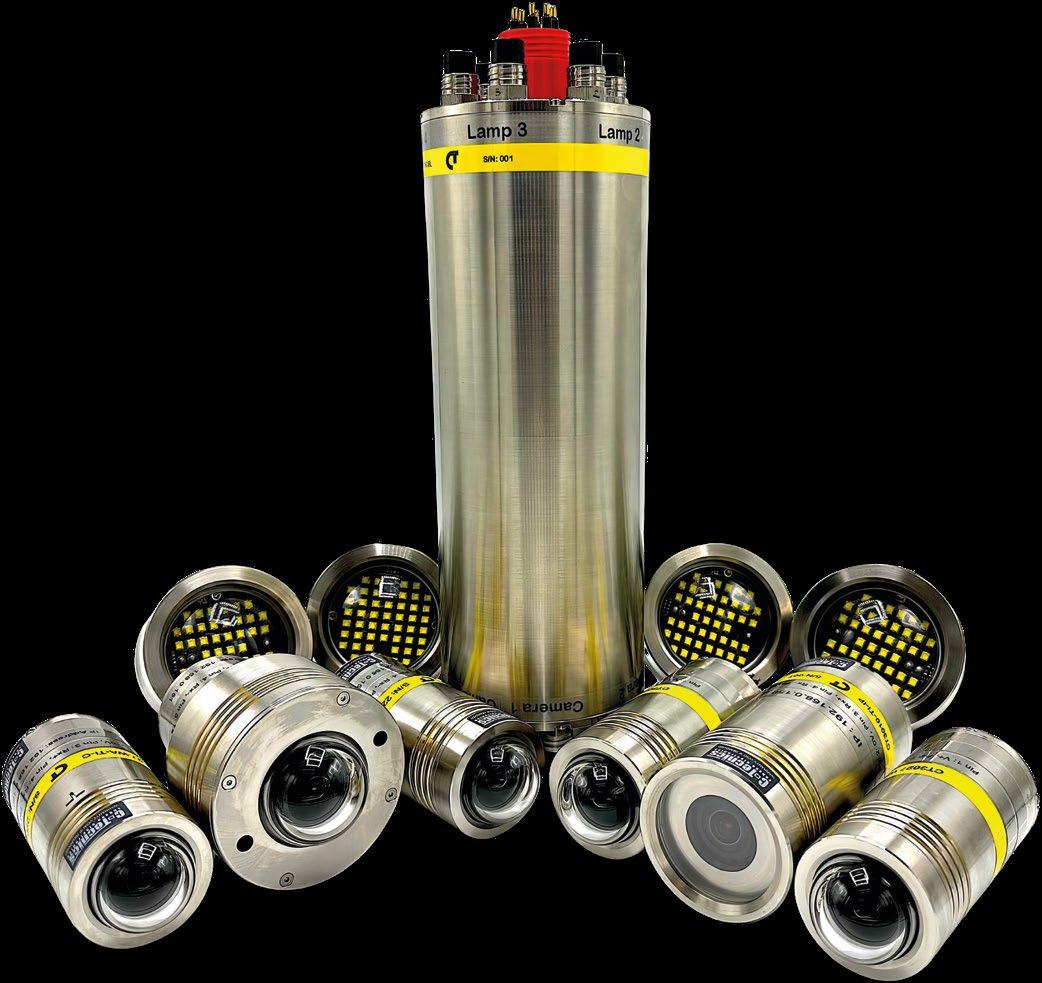
and modification than ultra-compact new builds. Upgrading the electronics while retaining the mechanical platform allows operators to combine modern capability with practical accessibility.
Many operators will recognise vehicles such as the Triton XL. The oldest of these are now approaching 30 years in service. Mechanically, they remain highly capable, with strong thrust, substantial payload capacity and the ability to support complex tooling spreads. Yet vehicles of this type are often retired not because they are ineffective, but because their electronics architecture cannot support modern operational requirements.
Sensors are evolving in the same way. Where vehicles once relied on separate depth sensors, gyros, altimeters, temperature sensors and cameras, modern systems increasingly combine these functions into single units.
Cameras, in particular, are no longer just cameras. A modern subsea unit may combine multiple fields of view, colour and monochrome modes, internal recording, inertial sensing and integrated lighting within a single housing. Some now incorporate AI-driven functionality. The result is fewer cables, fewer integration layers and fewer potential failure points. Upgrading legacy platforms is therefore far more achievable than many assume.
Modernising existing assets is not only a technical decision. It is an operational and financial one.
Offshore markets move in waves. In stronger periods, companies invest heavily in new assets. When conditions tighten, heavy capital investment can quickly become difficult to sustain, often resulting in reduced capability and workforce cuts.
The most profitable vehicle is often the one that is already paid for. Extending asset life through targeted modernisation allows operators to remain competitive without taking on unnecessary capital exposure. It also helps maintain continuity in skilled teams, rather than repeatedly scaling up and down with market cycles.
There is also a straightforward environmental dimension. The global subsea fleet represents millions of tonnes of material. Scrapping mechanically sound assets creates waste that does not need to exist. Extending asset life through modernisation reduces unnecessary material loss and makes better use of equipment that is already built and deployed.
The response to this discussion at FFU earlier this year suggested that many operators and manufacturers already recognise the scale of the opportunity. The question is less about whether modernisation is possible, and more about whether it is being prioritised.
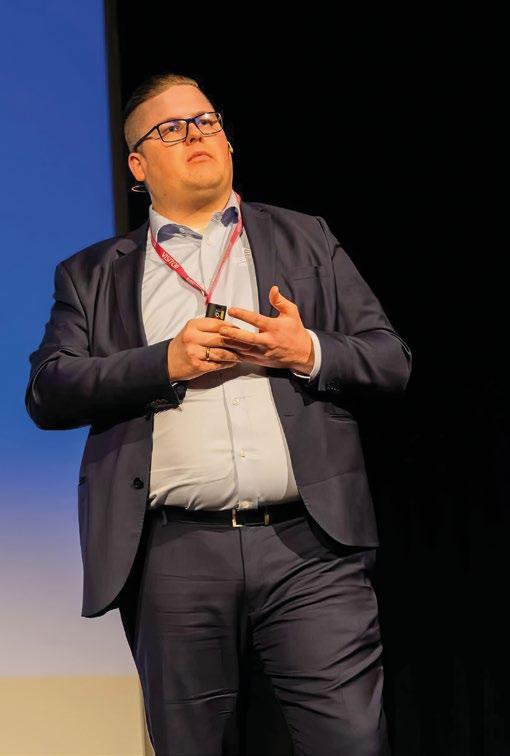
There is a familiar pattern when older vehicles are retired. Two groups tend to be unhappy: the accountants, who see the cost of replacement, and the pilots, who understand the true capability of the asset being lost.
Operators know the value of payload capacity, accessibility and robustness. Their experience should carry weight in decisions about when replacement is genuinely necessary, and when modernisation offers a better outcome.
This is not an argument against innovation or new builds. New vehicles will always have a place in the industry. But replacement has quietly become the default response to ageing electronics. It does not have to be.
OEMs, equipment manufacturers and operators all have a role to play. If equipment is designed only for brand-new platforms, operators are pushed toward unnecessary replacement cycles.
Using modern, compact electronics and multi-role systems more intelligently allows the industry to unlock significant capability from assets already in the water. Small sizes can create big possibilities, provided we are prepared to rethink how we modernise the subsea fleet.


Submarine Networks EMEA is the largest annual subsea connectivity event, bringing together 1,500 senior leaders from the global subsea market for two jam-packed days of learning, collaboration and networking.
In addition to offering unmissable networking opportunities, attendees will be able to enjoy thoughtleading panels, technical presentations, workshops and cable project and connectivity hub updates.
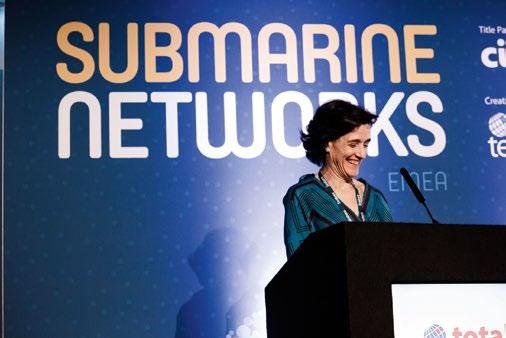

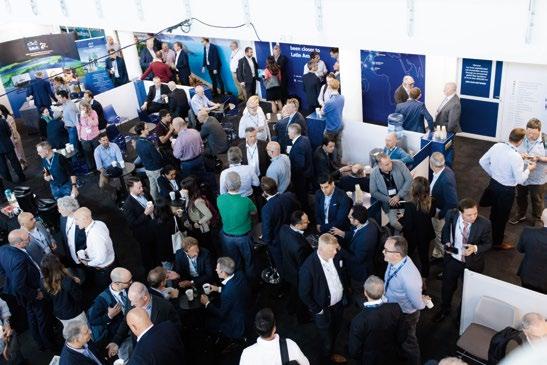
Submarine Networks EMEA is co-located with Subsea Security Summit & Expo 2026. Together, the two events form the leading annual gathering for the global subsea cable industry.
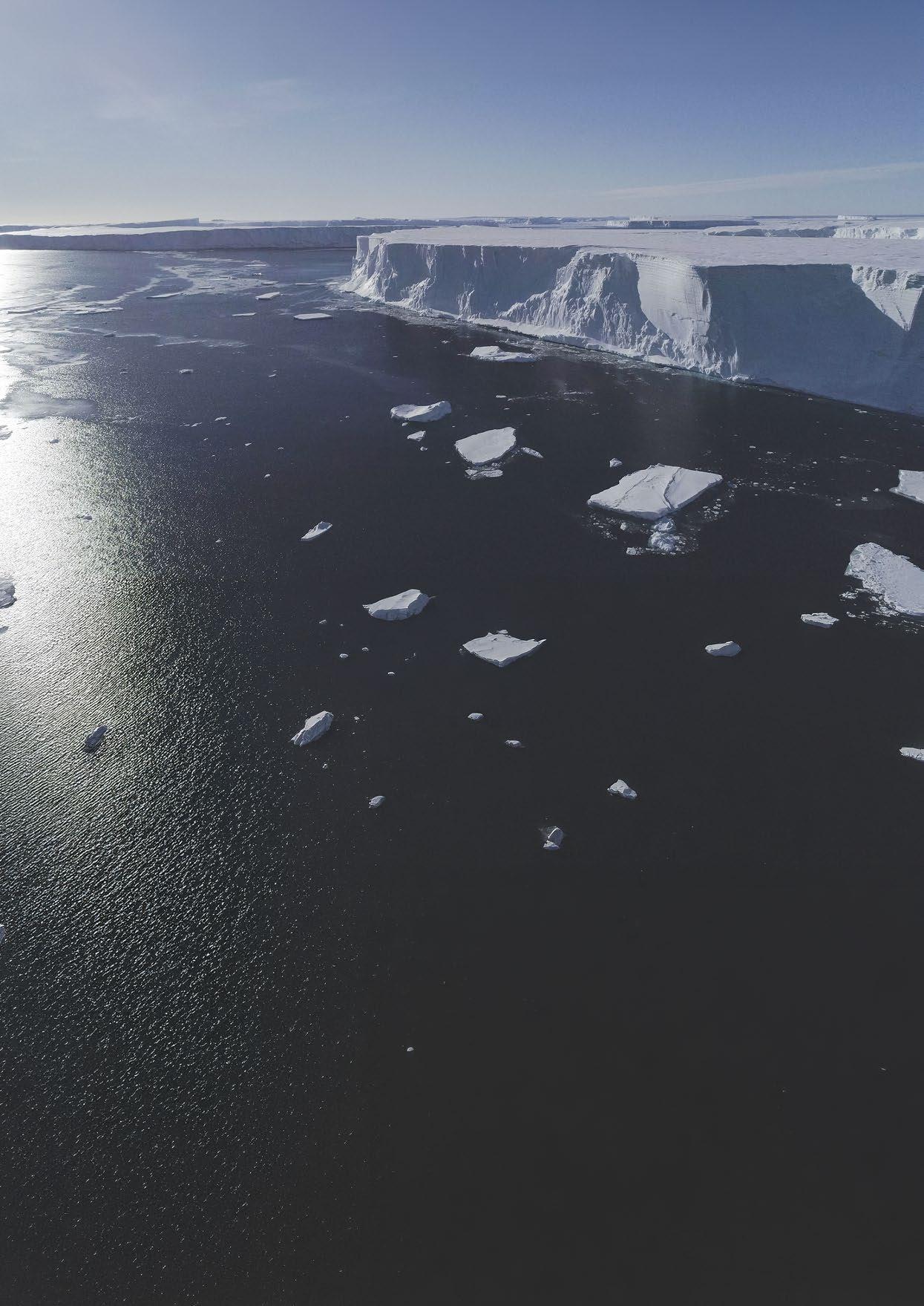
Dr Alastair Graham, Cardiff University and Iain Vincent, ecoSUB Robotics
The frozen margins of Antarctica are among the least explored environments on Earth, yet they hold some of the most consequential clues about our planet’s future. Beneath floating ice shelves and along deep continental shelves, subtle interactions between ice, ocean, and seabed control how quickly ice sheets melt and how rapidly sea levels may rise. Accessing these environments has long posed a formidable technological challenge. Now, a new generation of compact Autonomous Underwater Vehicles (AUVs) is beginning to change that equation.

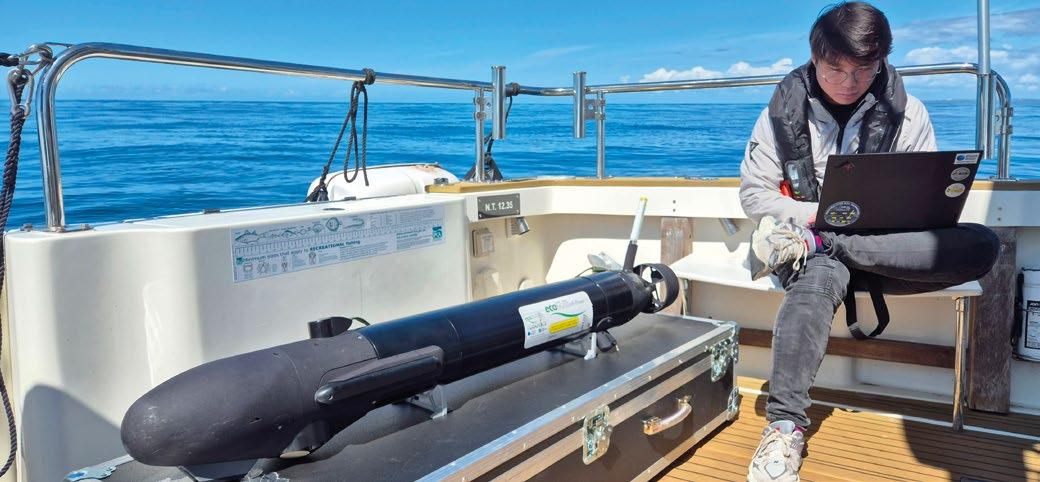
At the heart of this shift is SWASH — the SWarm of Autonomous vehicles for Sea-floor High-resolution mapping — a project led by Dr Alastair Graham at Cardiff University. Built around a fleet of ecoSUBm10-Power+ v2 AUVs, SWASH represents a departure from traditional polar marine robotics: smaller, lighter, lower-cost systems designed to work collaboratively rather than as single, monolithic platforms. The project demonstrates how swarm-based autonomy can unlock high-impact science in environments where conventional underwater robotics struggles to operate.
Antarctica’s continental shelf is unusually deep, averaging around 500 metres, with many key geological features extending well beyond the reach of typical shallow-water AUVs. These include the so-called grounding zones — the outer fringes of the ice sheet where the ice becomes too thick to float and rests upon the seafloor — now recognised as critical control points in ice-sheet stability and retreat. Understanding how grounding zones behave, both today
and in the geological past, is essential for improving projections of future sea-level rise.
Large, deep-diving AUVs can operate in these environments, but they come with significant trade-offs. Such systems are logistically demanding, expensive to mobilise, and heavily reliant on specialised research vessels. For time-limited Antarctic cruises, deploying large AUVs can be impractical, meaning vast areas of the Antarctic shelf remain poorly mapped at the resolution required to understand ice–ocean–seabed interactions. SWASH was conceived specifically to fill this capability gap.
The ecoSUBm10-Power+ v2 is a compact, modular AUV rated to depths of up to 1,000 metres — sufficient to access a large proportion of Antarctic shelf environments. Unlike traditional large AUVs, ecoSUBs can be transported in portable cases, launched without dedicated A-frames, and deployed from vessels of opportunity. This low-logistics design philosophy sits at the core of the SWASH concept.
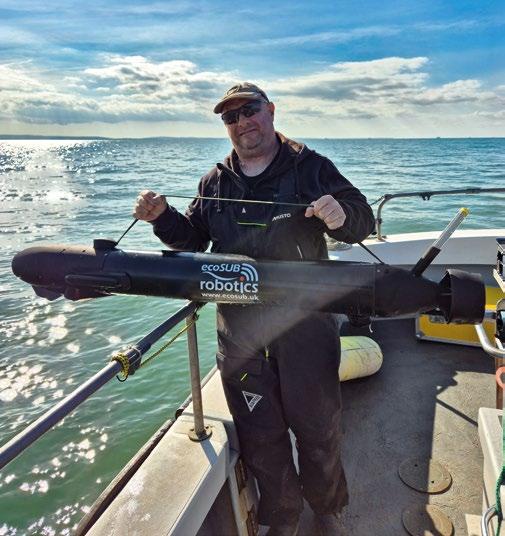
Rather than relying on a single highly capable vehicle, SWASH brings together four ecoSUBs to operate as a coordinated asset. Two vehicles are equipped with a multibeam imaging sonar — the Imagenex Delta-T 837BXi — while the remaining two carry high-frequency sidescan sonars. Operating together, the swarm can generate nested, high-resolution datasets that combine detailed bathymetry with textural imaging of the seabed.
Particularly notable is the integration of a multibeam sonar on an AUV of this size class. Weighing just over 1kg in water and drawing minimal power, the sonar enables sub-metrescale seabed imaging at depths previously inaccessible to small autonomous platforms. For marine robotics, this represents a significant step in pushing high-performance sensing into low-SWaP (size, weight, and power) systems.

The real innovation of SWASH lies not only in the vehicles themselves, but in how they are intended to operate. Swarm autonomy is often discussed in theory but rarely demonstrated in harsh, real-world environments. SWASH translates the concept into a practical survey strategy.
By operating multiple AUVs simultaneously, researchers can dramatically increase seafloor coverage while reducing ship time — one of the most expensive resources in polar science. Vehicles can be assigned complementary survey roles, operate in staggered shifts for near-continuous data collection, or work together to build multi-resolution datasets over complex terrain.
Navigation and coordination are handled through a layered approach combining integrated FOG, INS, DVL bottom tracking, and ultra-short baseline (USBL) positioning via a dedicated surface system. This allows precise georeferencing even during collaborative mapping operations — a prerequisite for turning swarm concepts into scientifically robust tools.
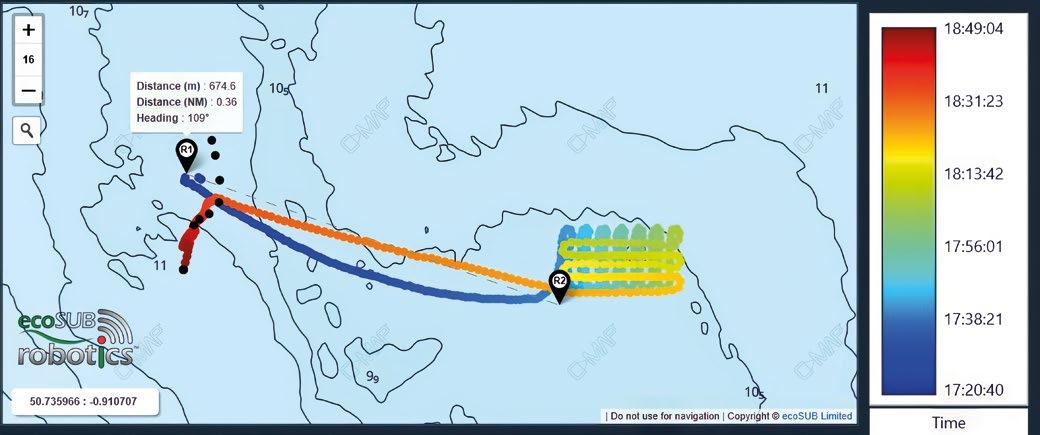
Although SWASH is fundamentally a robotics project, its motivation is firmly rooted in climate science. Grounding zones are often described as the “Achilles’ heel” of ice sheets, controlling how ice responds to ocean warming. Small changes in seabed geometry can determine whether warm water reaches the ice margin, accelerating melt, or is deflected away.
High-resolution seabed maps produced by AUV swarms allow scientists to identify ancient grounding lines, map sedimentary wedges formed at them, study meltwater channels, and other geomorphic features that record how ice sheets behaved in the past. These observations aid the parameterisation of numerical models used to predict future change, helping to constrain rates of retreat and identify potential tipping points.
Beyond glaciology, the same datasets are valuable for benthic ecology, blue-carbon research, marine habitat mapping, and the identification of sensitive or protected marine areas. By making SWASH an open, shared asset, the project positions marine robotics as an enabler of interdisciplinary science rather than a niche technical pursuit.
SWASH also reflects a broader shift in how marine robotic systems are designed and deployed. Instead of building ever larger and more complex vehicles, the project embraces affordability, modularity, and adaptability. ecoSUBs can be reconfigured with new sensors as technology evolves, extending the lifespan and relevance of the platform.
This approach aligns with emerging trends across robotics, including distributed systems and “many-affordable-robots” philosophies. In extreme environments like Antarctica, resilience and flexibility can matter more than raw capability. Losing access to a single large vehicle can jeopardise an entire campaign; a swarm distributes both risk and reward.
As SWASH moves from concept to operation in 2026, it stands as a compelling case study in applied swarm robotics. It demonstrates how collaborative autonomy can deliver tangible scientific and societal value, not just in controlled test environments but in one of the most challenging regions on Earth.
For the robotics community, SWASH highlights the growing importance of system-level thinking: integrating vehicles, sensors, navigation, logistics, and data workflows into a coherent whole. For climate science, it offers a practical way to peer beneath the Antarctic ice and reduce uncertainty in predictions that affect millions of people worldwide.
Beneath the ice, a quiet revolution is underway — not led by a single heroic robot, but by a swarm working together in the dark.