
Fri 29 May 2026 • 20.15 Sun 31 May 2026 • 14.15
Lahav’s Farewell
Fri 29 May 2026 • 20.15 Sun 31 May 2026 • 14.15
conductor and piano Lahav Shani
soprano Chen Reiss
Wolfgang Amadeus Mozart (1756–1791)
Ch’io mi scordi di te? – Non temer, amato bene, KV 505 (1786)
Concert Aria for soprano and orchestra, with piano obbligato
Tsotne Zedginidze (2009)
Symphonic Poem, op. 16 (2026)
Commissioned Work, World Premiere
Johan Wagenaar (1862–1941)
Cyrano de Bergerac, op. 23 (1905)
Overture for Orchestra
intermission
Gustav Mahler (1860–1911)
Symphony No. 4 in G major (1899–1900)
• Bedächtig, nicht eilen
• In gemächlicher Bewegung, ohne Hast
• Ruhevoll, poco adagio
• Sehr behaglich
Concert ends at around 23.00 / 17.00
Most recent performances by our orchestra:
Mozart Ch’io mi scordi di te? – Non temer, amato bene: first performance by our orchestra
Zedginidze Symphonic Poem: World Premiere
Wagenaar Cyrano de Bergerac: Nov 2025, conductor Lahav Shani
Mahler Symphony No. 4: May 2022, conductor Yannick Nézet-Séguin
One hour before the start of the concert, Patrick van Deurzen will give an introduction (in Dutch) to the programme, admission €7,50. Tickets are available at the hall, payment by debit card. The introduction is free for Vrienden.
Cover: Photo Jason Mavrommatis (Unsplash)
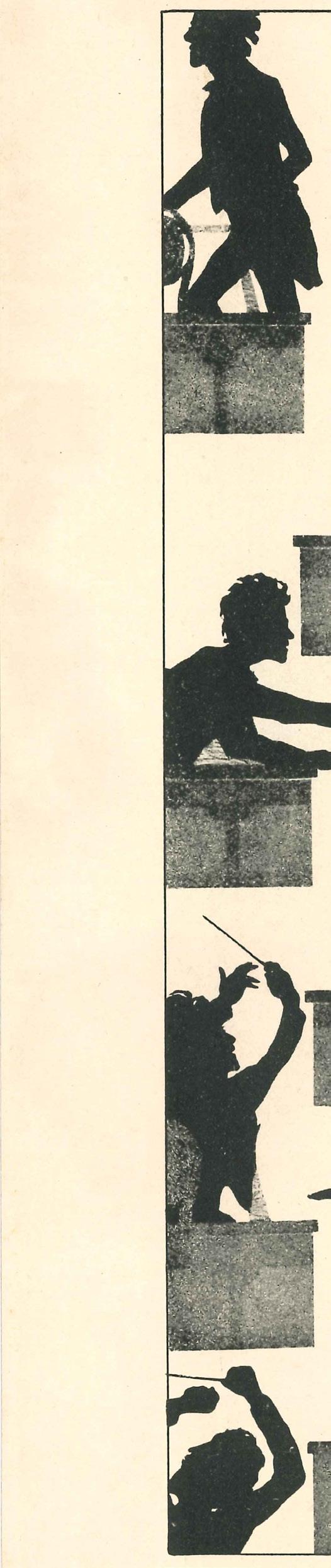
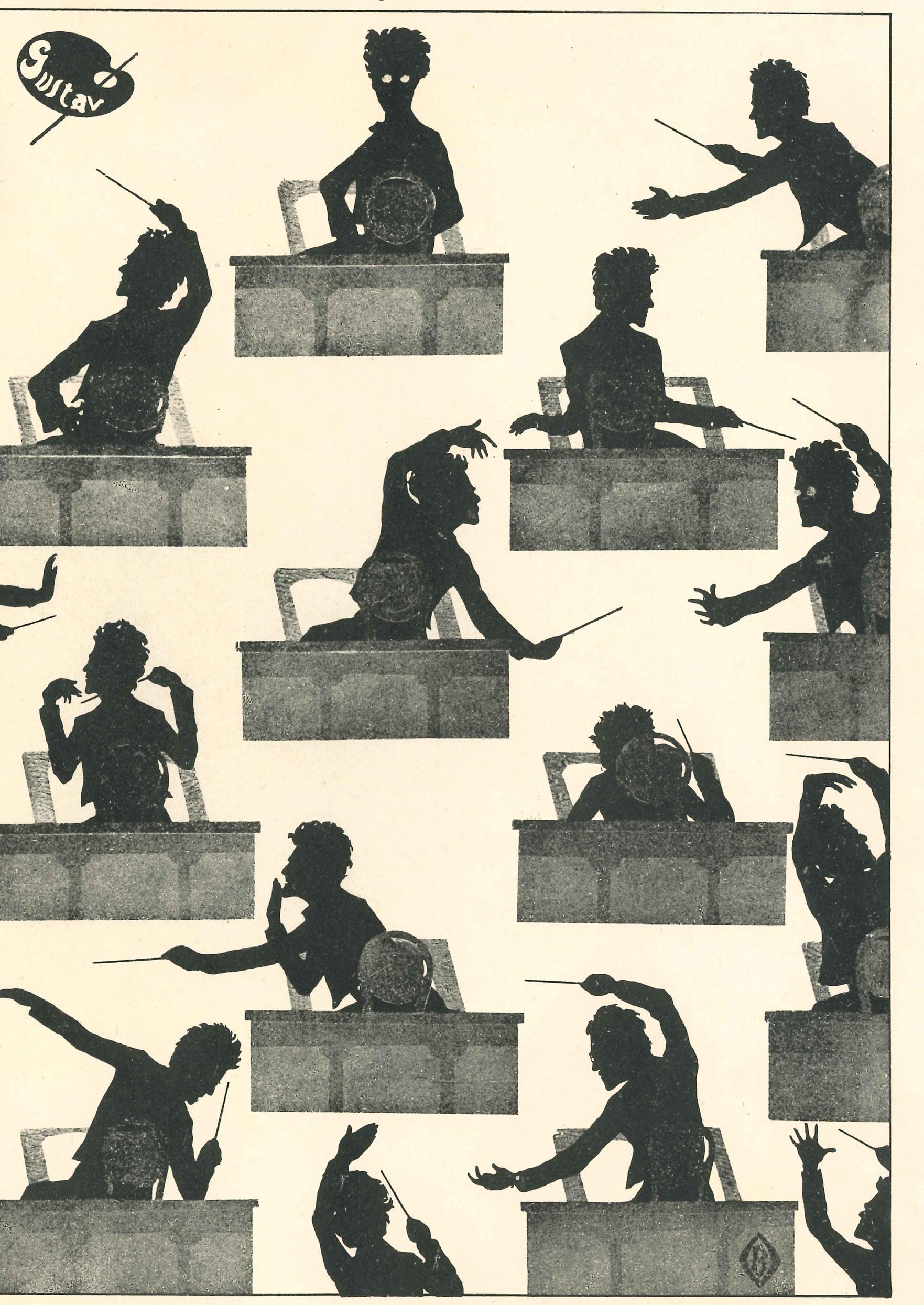
Gustav Mahler as a conductor. Silhouettes by Otto Böhler from Dr. Otto Böhler’s Schattenbilder, Vienna 1914
With this concert, Lahav Shani bids farewell to his Rotterdam audience as chief conductor. All the works on the programme relate to this special occasion.
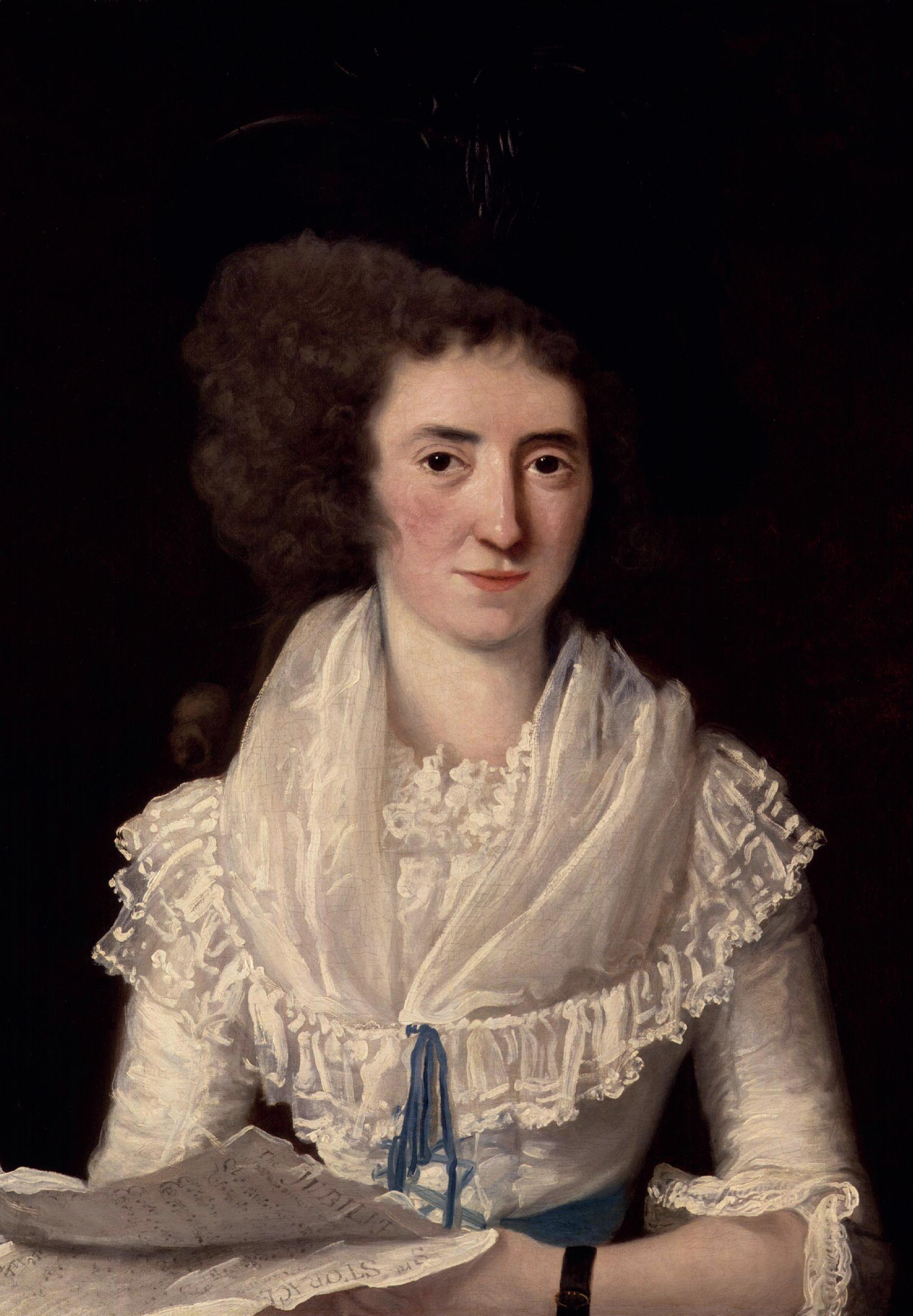
What better way for Lahav Shani to open this concert than as a conducting soloist? He made his debut in this dual role ten years ago, also in a work by Wolfgang Amadeus Mozart. At the time, a piano concerto was on the programme; this time it is the concert aria ‘Ch’io mi scordi di te – Non temer, amato bene’. Mozart composed this aria in 1787 for a farewell concert. After four years in Vienna, the English soprano Nancy Storace was about to return to London; she wanted to perform one last time for her fans. Mozart was fond of her – she was his first Susanna in Le nozze di Figaro – and this is evident in this occasional work, full of passion and imagination. Mozart had set the apt text to music once before. In the piano part, which offers ample opportunity for musical flirtation, he must have given full rein to his creativity that evening.
With the term ‘musical prodigy’ Mozart immediately springs to mind, but today’s generations also boast such exceptional talents. The young Georgian pianist and composer Tsotne Zedginidze certainly counts among them, given the high regard in which he is held by various leading conductors and soloists. Lahav Shani, too, sees a bright future ahead for him.
Contemporary music played an essential role for Shani during his years in Rotterdam. He had previously conducted world premieres here of works by Escaich, Maier, Roukens and Wantenaar, and it was therefore fitting that he would commission a new work for his farewell concert. Zedginidze was tasked with it, which resulted in Symphonisches Poem, his first work for large orchestra. In composing it, he was able to draw on the experience he had gained during his various visits to the Rotterdam Philharmonic. He will also have received sound advice from his teacher Jörg Widmann. Those German roots are traceable in the score, which has a somewhat expressionist feel to it, with instructions such as ‘Zügellos gehetzt, aber besessen rhythmisch’. The instrumentation is fairly traditional, with few solo passages and sparing use of percussion.
What Jörg Widmann is to Tsotne Zedginidze, was Johan Wagenaar to an entire generation of Dutch composers. As director of the music school in Utrecht, and later the Royal Conservatoire in The Hague, he took young talent under his wing. His pupils included Léon Orthel and Willem Pijper, whose works Lahav Shani has programmed on previous occasions. As a conductor, Wagenaar introduced several of Mahler’s symphonies
in Utrecht. His international fame remained limited, but his colleague Alphons Diepenbrock counted him, at the beginning of the last century, among the ‘ten true composers that Europe currently possesses’. In 1906, Wagenaar’s overture Cyrano de Bergerac was performed at the important Festival of Modern Music in Essen, where Mahler was to premiere his Sixth Symphony two days later. The music was praised for its brilliant orchestration and musical characterisation. What we hear is not Cyrano’s story, but rather his chivalrous qualities, named in the score, which are musically depicted and played off against one another. Wagenaar’s overture is part of Lahav Shani and the Rotterdam Philharmonic’s touring repertoire this season, as an export product, and features on the conductor and orchestra’s most recent CD.
The highest truth
Music that comes with a side note – a ‘programme’ explaining what is depicted in the notes – was something Gustav Mahler had had enough of by the time he began work on his Fourth in 1899. In that symphony, there is still much to recognise beyond the music itself, such as the sleigh bells at the beginning, the dance of death on an out-of-tune violin in the scherzo and the animal sounds in the finale. But the movements have no titles, which had still been the case in his Third: Mahler had named the second movement ‘What the Flowers Tell Me’, after which the animals, man, the angels and love had their say.
Mahler’s initial plan had been to conclude his Third Symphony with the child, as the highest truth. The music was already ready, a song of his own from 1892, but in the end, Mahler decided to omit it and give it a place in his next symphony. In that Fourth, it would not only become the finale, but also the starting point
for the entire work. With its naïve, cheerful and humorous atmosphere, the symphony is now regarded as one of the most beloved in Mahler’s oeuvre – an oeuvre from which Shani often drew during his years in Rotterdam. For Mahler, a new phase of life began in 1897 when he was appointed director of the Vienna
In the piano part, which offers ample opportunity for musical flirtation, Mozart must have given full rein to his creativity
Court Opera, the highest position he could attain as a conductor. This brought with it heavy responsibilities and a busy schedule, meaning that his composing was largely confined to the summer, when the opera house was closed. Thus, during the last ten days of his holiday in 1899, he began work on the new symphony, which he would complete the following summer in a new house he had built on the shores of Lake Wörth, complete with a composing cabin in the woods, so that he could work undisturbed. Mahler was pleased with his new composition and regarded it as the conclusion to his tetralogy of symphonies and as the key to understanding its predecessors.
The disappointed premiere audience in Munich, which a year earlier had enthusiastically applauded the impressive Second, was not yet ready for this. They found it tasteless. Perhaps a triumphant finale might have helped. But where the text speaks of awakening in great joy, Mahler lets the music fade away with the lowest notes of the double bass. Fitting, indeed, for a farewell to a conductor who once gained his first orchestral experience with that very instrument.
Eelco Beinema
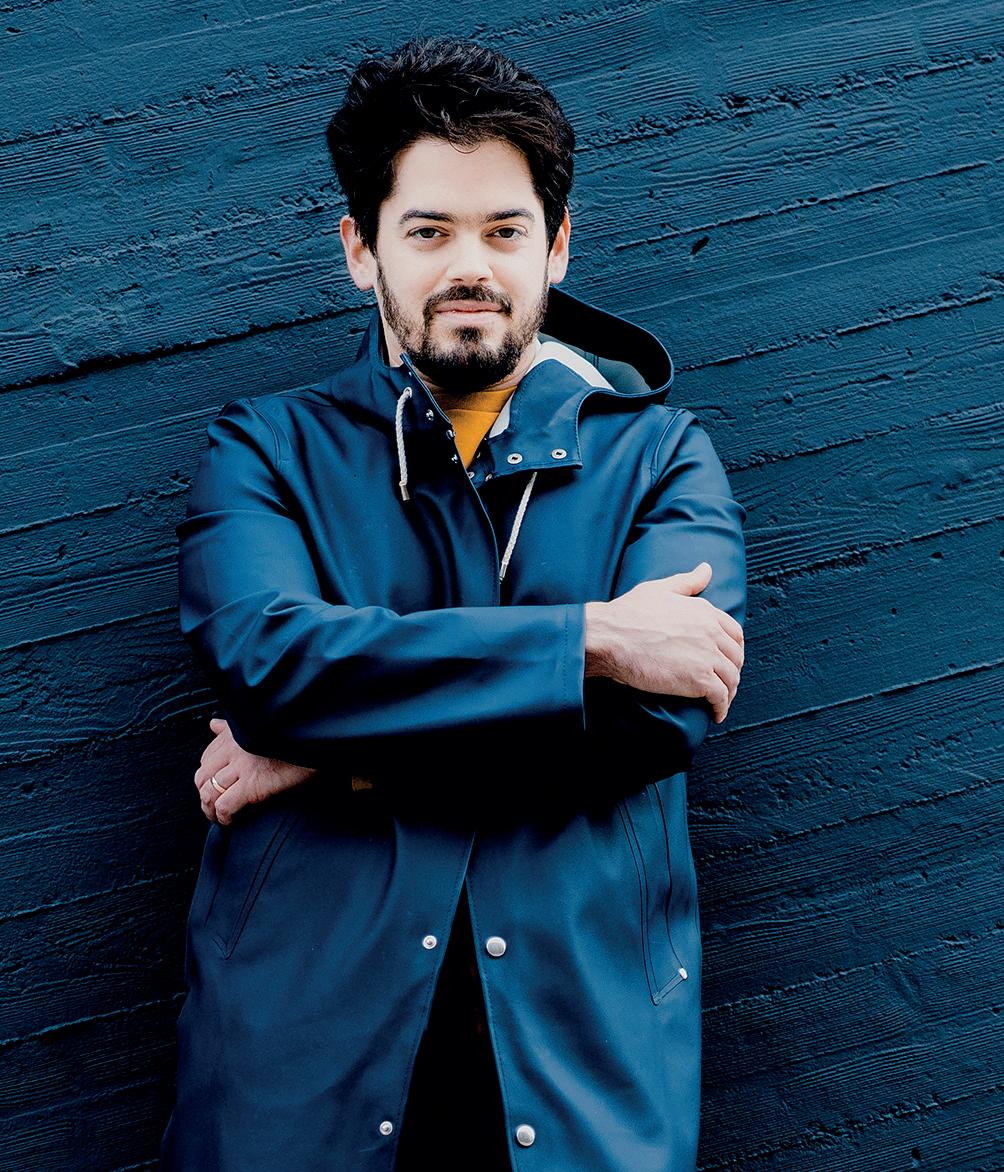
Born: Tel Aviv, Israel
Current position: chief conductor Rotterdam
Philharmonic Orchestra; music director Israel Philharmonic Orchestra; chief conductor designate Münchner Philharmoniker
Education: Piano at the Buchmann-Mehta School of Music Tel Aviv; piano and conducting at the Hochschule für Musik ‘Hanns Eisler’
Berlin; mentor: Daniel Barenboim
Breakthrough: 2013: First Prize at the Gustav Mahler Conducting Competition, Bamberg
Subsequently: guest appearances Wiener Philharmoniker, Berliner Philharmoniker, Gewandhaus Orchester Leipzig, Münchner
Philharmoniker, London Symphony Orchestra, Boston Symphony Orchestra, Chicago Symphony Orchestra, Philadelphia Orchestra, Royal Concertgebouw Orchestra
As a pianist: play-conduct with Rotterdam Philharmonic, Wiener Philharmoniker, Royal Concertgebouw Orchestra, Philharmonia Orchestra; Verbier Festival, Aix-en-Provence Easter, Jerusalem Chamber Music Festival
Debut with the Rotterdam Philharmonic: 2016
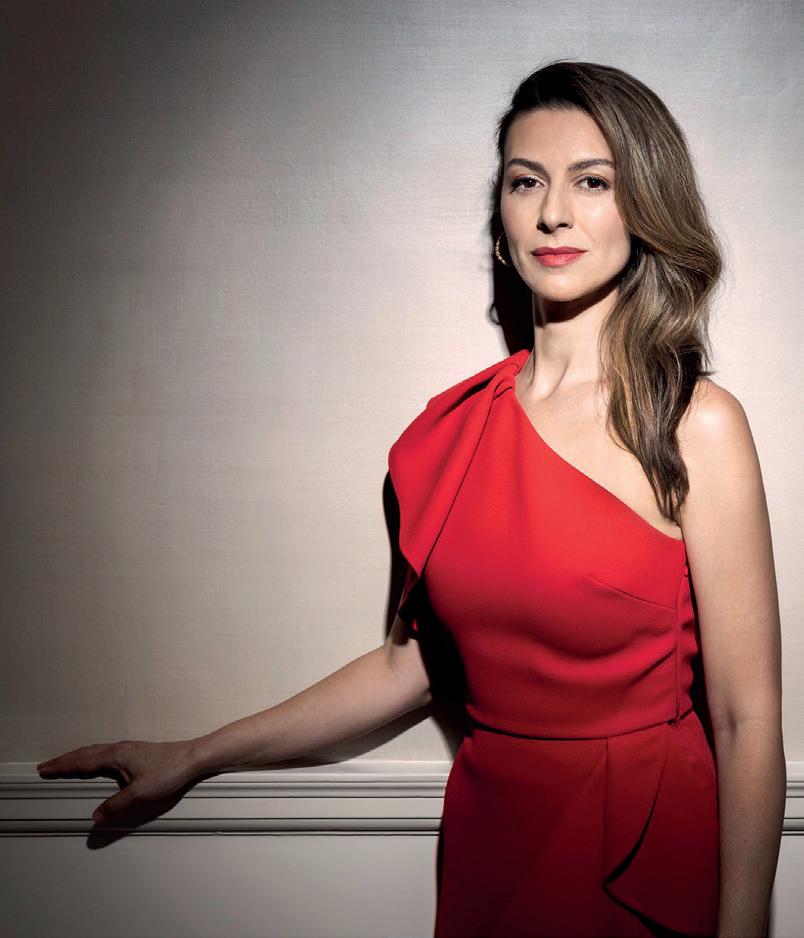
Born: Herzliya, Israel
Education: piano from age five, first singing lessons at fourteen
Debut: member of the ensemble of the Bavarian State Opera
Solo appearances: Berliner Philharmoniker, Wiener Philharmoniker, Royal Concertgebouw Orchestra, Chicago Symphony, Philharmonia Orchestra; Artist in Residence Rotterdam Philharmonic 2023–2024
Opera: Wiener Staatsoper, Royal Opera House Covent Garden, Teatro alla Scala, Deutsche Oper Berlin, Dutch National Opera, Wiener Festwochen, Maggio Musicale Fiorentino
Recitals: with pianists Charles Spencer and Alexander Schmalcz
As a teacher: guest professor Hochschule für Musik und Theater Munich, masterclasses in Tel Aviv, Hamburg and Brussels; founder Sourire Music (coaching programme for young musicians) and the Holistic Voice Academy
Debut with the Rotterdam Philharmonic: 2023
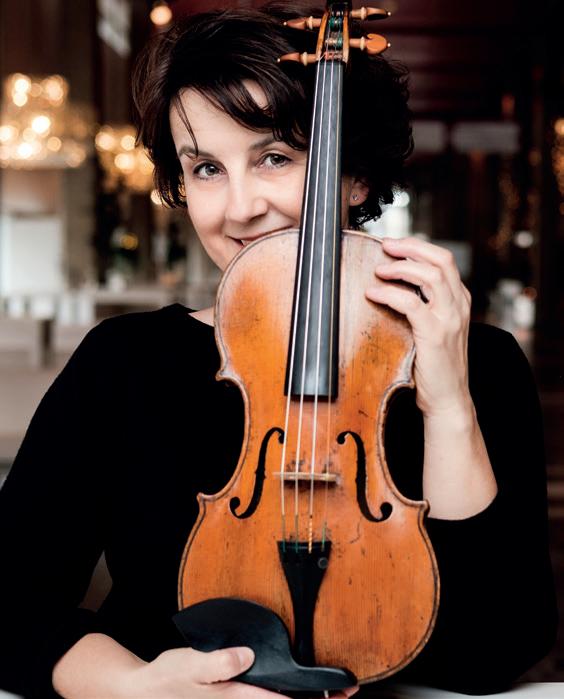
This is Rachel Browne’s last concert week. After 38 years in the Rotterdam Philharmonic Orchestra’s First Violin section, she is retiring.
Chief Conductor
Lahav Shani
Honorary Conductor
Yannick Nézet-Séguin
Principal Guest Conductor
Tarmo Peltokoski
First Violin
Marieke Blankestijn, Concert Master
Vlad Stanculeasa, Concert Master
Quirine Scheffers
Hed Yaron Meyerson
Saskia Otto
Rachel Browne
Maria Dingjan
Marie-José Schrijner
Noëmi Bodden
Petra Visser
Sophia Torrenga
Hadewijch Hofland
Annerien Stuker
Alexandra van Beveren
Marie Duquesnoy
Second Violin
Charlotte Potgieter
Laurens van Vliet
Elina Staphorsius
Jun Yi Dou
Bob Bruyn
Eefje Habraken
Maija Reinikainen
Babette van den Berg
Melanie Broers
Tobias Staub
Sarah Decamps
Robin Veldman
Viola
Anne Huser
Roman Spitzer
Galahad Samson
José Moura Nunes
Kerstin Bonk
Janine Baller
Veronika Lénártová
Rosalinde Kluck
León van den Berg
Olfje van der Klein
Jan Navarro
Cello
Emanuele Silvestri
Gustaw Bafeltowski
Joanna Pachucka
Daniel Petrovitsch
Mario Rio
Eelco Beinema
Carla Schrijner
Pepijn Meeuws
Yi-Ting Fang
Killian White
Paul Stavridis
Double Bass
Matthew Midgley
Ying Lai Green
Jonathan Focquaert
Arjen Leendertz
Ricardo Neto
Javier Clemen Martínez
Marta Fossas Mallorqui
Mario Fernández
Flute
Juliette Hurel
Joséphine Olech
Manon Gayet
Flute/Piccolo
Beatriz Baião
Oboe
Karel Schoofs
Anja van der Maten
Oboe/Cor Anglais
Ron Tijhuis
Clarinet
Julien Hervé
Bruno Bonansea
Alberto Sánchez García
Clarinet/ Bass Clarinet
Romke-Jan Wijmenga
Bassoon
Pieter Nuytten
Lola Descours
Marianne Prommel
Horn
David Fernández Alonso
Felipe Freitas
Wendy Leliveld
Richard Speetjens
Laurens Otto
Pierre Buizer
Trumpet
Alex Elia
Adrián Martínez
Simon Wierenga
Giovanni Giardinella
Trombone
Pierre Volders
Alexander Verbeek
Remko de Jager
Bass trombone
Rommert Groenhof
Tuba
Martijn van Rijswijk
Timpani/ Percussion
Danny van de Wal
Ronald Ent
Martijn Boom
Jesús Iberti Rubira
Harp
Albane Baron