HUD 223(a)(7) REFINANCE OF EXISTING FHA MORTGAGES & INTEREST RATE REDUCTION

HUD 223(a)(7) REFINANCE OF EXISTING FHA MORTGAGES & INTEREST RATE REDUCTION
Rose Community Capital (RCC) permits refinancing of existing FHA insured loans through Section 223(a)(7) of the National Housing Act (NHA). Refinancing through Section 223(a)(7) results in prepayment of the existing mortgage, endorsement of a new mortgage and assignment of a new project number. Refinancing through Section 223(a)(7) typically reduces project debt service and increases operating cash flow by lowering the interest rate of the mortgage and/or by extending the amortization period. The increased project cash flow benefits properties and owners and reduces risk to the FHA Insurance Fund.
While equity take outs “cash-out refinancing” are not permitted, the 223(a)(7) allows the borrower to lower the interest rate, Mortgage Insurance Premium (MIP), and extend the amortization period of their existing mortgage. Prepayment Penalty costs are eligible mortgageable costs and can be priced into the interest rate, resulting in minimal costs to close for the borrower. Interest Rate Reductions are similar, but do not permit re-amortization and lowering of the current MIP.
223(a)(7): Refinance of Existing FHA Loan
IRR: Interest Rate Reduction
PROPERTY TYPES
All existing multifamily FHA insured loans
MAXIMUM REPAIR COSTS
Repairs cost per unit must not exceed $1,500 per unit
Cost Certification of critical and non-critical repairs is not required
MAX LOAN AMOUNT
Determined by the lowest of the following:
1. Original principal amount of the existing insured mortgage(s)
2. Amount based on the cost to refinance the existing insured mortgage and other permitted debt (subject to RCC and HUD guidelines)
3. 1.05x DSCR and/or 95% LTV for projects with >90% of units assisted by Project Based Section 8, and Cooperative Housing insured under 213
4. 1.11x DSCR and/or 90% LTV for all other projects
223(a)(7): Resets amortization schedule up to 12 years beyond the maturity date of the existing, originally insured mortgage
Existing 223(f): Maximum permitted term is 35 years
Existing 221(d)(4): Maximum permitted term is 40 years
IRR: No changes in maturity date
223(a)(7): First lien mortgage
IRR: no change
223(a)(7): MIP can be reduced based on the following criteria:
25 bps for LIHTC and 90% Rental Assisted properties
35 bps for inclusionary housing, density bonus set-asides and other local affordability restrictions
65 – 70 bps for market rate properties
One year MIP prepaid at closing
IRR: MIP cannot be changed
PREPAYMENT
Costs are eligible mortgageable costs and can be priced into the overall interest rate
223(a)(7): Rate fixed at issuance of HUD Firm Commitment
IRR: Rate fixed upon HUD Office of the Inspector General (OIG) approval
AMORTIZATION
Amortization will begin on the first day of the second month following the date of the initial/final endorsement of the mortgage note
REPLACEMENT RESERVES
Deficit reserves not required
223(a)(7): Lender’s legal fee and miscellaneous closing costs are mortgageable uses of cash
IRR: Borrower pays their own legal fees
BORROWER
Must be the same single asset entity on the existing loan
Must present copy of existing mortgage note, and all documents evidencing other indebtedness
FUNDING
Ginnie Mae mortgage backed securities
STRUCTURE HIGHLIGHTS
• Lower interest rate
• Additional 12 year term/amortization
• No Appraisal or Environmental Review
• Minimal fees and costs
• Reduced MIP for affordable and energy efficient properties
NORMAL PROCESSING TIME
Varies by HUD office; 90-120 days depending upon the complexity of the project
ORIGINATION FEE
Negotiable
HUD INSPECTION FEE
None
HUD APPLICATION FEE
223(a)(7): Non-refundable fee of $1.50 per $1,000 (15 bps) of the mortgage amount due to HUD with the firm commitment application
IRR: None
NON-CRITICAL REPAIRS AND ESCROWS
223(a)(7): CNA identified non-critical repairs are mortgageable and should be completed within 12 months, along with a Non-mortgageable Assurance of Completion Escrow (20% of non-critical repairs budget) is required
IRR: Repairs are not permitted
THIRD PARTY REPORTS
223(a)(7): Flood Insurance Report is required, along with a Capital Needs Assessment (CNA) if the current CNA is less than 3 years old
IRR: None
CLOSING CONDITIONS
HUD boilerplate forms with no modifications
Rose Community Capital (RCC) is a team of financing experts with a passion for multifamily housing finance. We strongly believe that high-quality housing and development can transform communities and create opportunities for families at all income levels.
A designated FHA Multifamily Accelerated Processing (MAP) and USDA 538 lender, we focus on the origination, underwriting, and placement of FHA and USDA insured multifamily mortgage loans. We have deep knowledge of – and long experience in – navigating the intricacies of FHA, HUD, and USDA requirements and procedures. That can be of significant value to you.
We specialize in securing the FHA and USDA 538 backed financing developers and owners need to create and preserve multifamily communities across the country.
We help create and preserve affordable and retail assisted housing via access to affordable bridge financing for properties that have as their permanent financing an FHA-insured loan or USDA 538 Guarantee Loan.
As a HUD-approved MAP lender, we can arrange for construction and permanent loan financing under the FHA Section 221(d)(4) of the National Housing Act.
As a HUD-approved MAP lender, we can arrange for acquisition, refinance, cash-out, moderate rehab and construction loan take-out permanent loans under FHA Section 223(f) of the National Housing act.
As an USDA 538 approved lender, we can arrange for financing through the Loan Guarantee Program, which provides fully amortizing loans with fixed rate terms up to 40 years for qualified Affordable/Workforce Rural Multifamily projects. Loan proceeds may be used for new construction and or acquisition/rehab projects.
At Rose Community Capital, we deal with numbers—but we work with people. Over our 20 years of success, we have earned the trust of clients like you by adhering to the highest standards in consistent execution, thorough attention to detail, and unquestioned integrity.
Loan Type
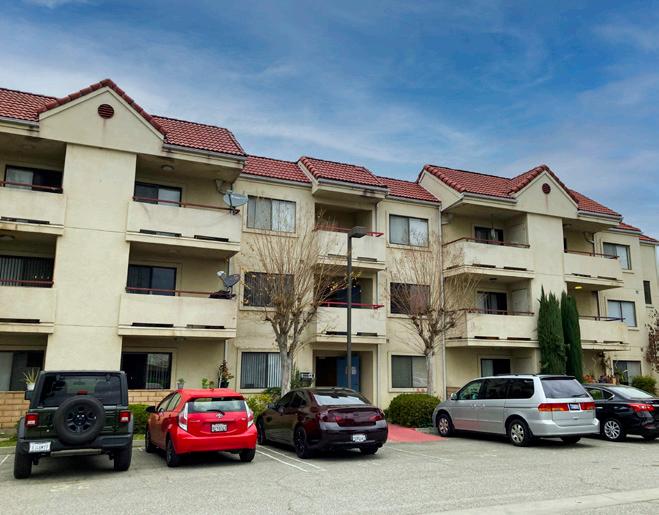
221(d)(4) Sub Rehab
Loan Amount
$20,334,300
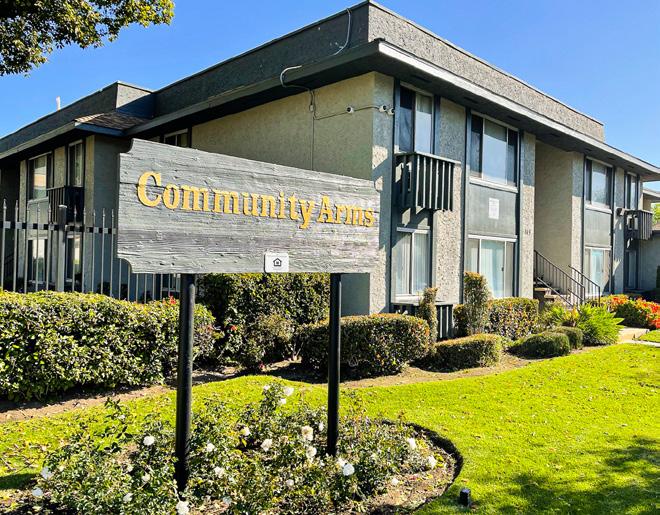
133 Units of HUD Assisted Family Housing
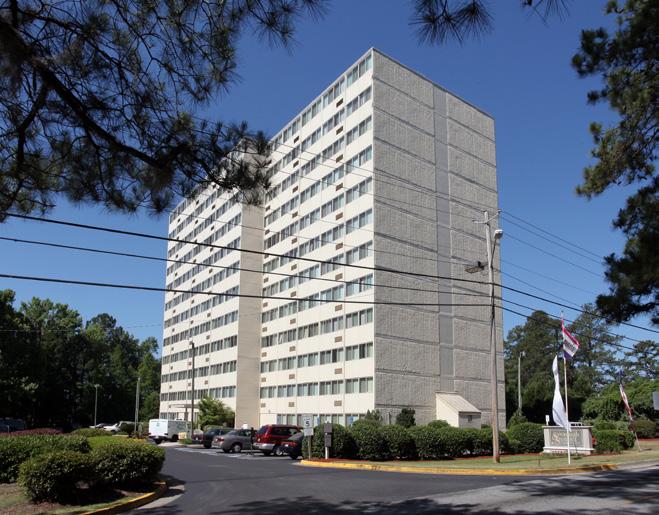
Loan Type
223(f)
Loan Amount
$32,463,000
Loan Type
Bridge to FHA
Loan Amount
$11,400,000
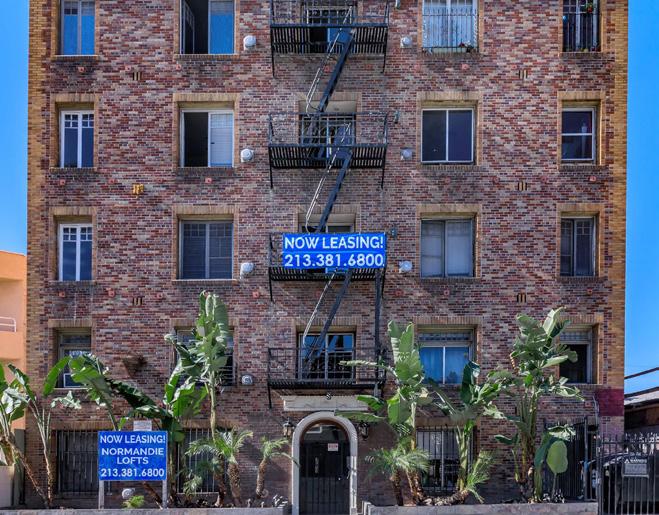
Loan Type
Bridge Loan
Loan Amount
$7,680,900
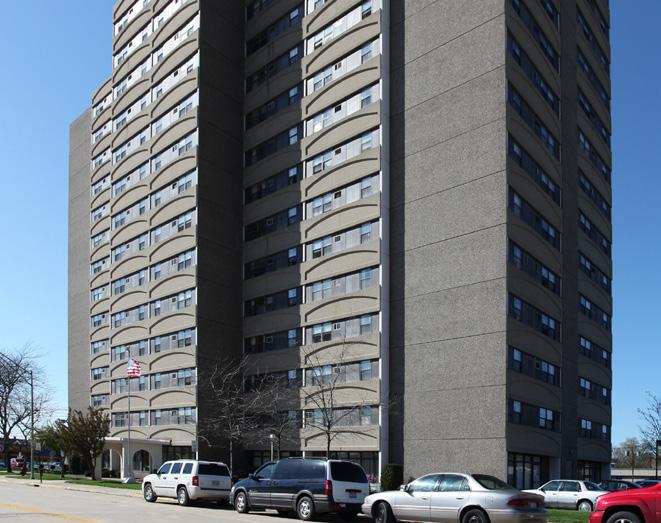
202 Units of HUD Assisted Senior Housing
Loan Type
Bridge to FHA
Loan Amount
$6,175,000
Our company includes industry veterans and former HUD and USDA professionals that are focused on getting your deal to the finish line as quickly as possible. With a genuine passion for what we do and dedication to details, we become not simply your financing facilitator but your trusted partner.
Kelly Boyer joined the Rose Community Capital team in July 2017 as Managing Director for the west coast. Prior to joining Rose Community Capital she served as the HUD Los Angeles Multifamily Hub Director where she lead a team that pioneered the 223(f) LIHTC Pilot program and the HUD 202 prepayment program.
Joe Brill joined Rose in February 2020 as part of the Rose Community Capital FHA lending division. For the past 23 years he has been involved with commercial real estate finance specialized in the financing of Healthcare and Multifamily assets nationwide. His expertise is with Government Agency loan programs including FHA, Fannie Mae and Freddie Mac. His multifamily experience includes numerous loans, for affordable housing assets including LIHTC, Section 8 and Rent Controlled/Subsidized Housing.
DIRECTOR OF FHA/USDA LOAN ORIGINATIONS
Edgar Morales joined Rose Community Capital in April 2020 as Director of FHA & USDA Rural Development Loan Originations. He is a thought leader in the multifamily housing industry with more than 30 years of experience. Prior to joining Rose Community Capital, he served as Senior Loan Analyst for the Multifamily Guaranteed Loan Division at USDA Rural Development National Office.
MANAGER, SERVICING & REPORTING
Anita Brinkman joined Rose Community Capital in 2017 as the result of the Jonathan Rose Companies’ acquisition of the Forest City portfolio. She has more than 20 years of experience managing the servicing and reporting of the Ginnie Mae and Bridge Loan portfolios.
Kathy Lizanich joined Rose Community Capital in 2017 as the result of the Jonathan Rose Companies’ acquisition of the Forest City portfolio. She has more than 20 years of experience in commercial accounting.
Brian Hamada joined Rose in December 2020 as part of Rose Community Capital FHA lending team. He is responsible for underwriting new debt assignments, business development, and improving operational efficiency. Previously, Brian was a loan analyst at First Foundation Bank, where he assisted major clients on strategic multifamily/commercial real estate financing and investment decisions.