
“ Our vision for Communities of Opportunity is to empower residents through the coproduction of interventions to improve their health and well-being (mental, emotional, physical, social and spiritual), resulting in better life outcomes, with great housing communities as the platform.”
— Jonathan F.P. Rose
Communities of Opportunity strives to increase the opportunities for our residents by bringing health, social services, education, and recreation programming to our residents and employees. Millions of low income families in the United States live in communities disconnected from opportunity, where their financial status and zip code determine their access to education and food among many other things. In all communities we can enhance the connections between people and create access to opportunities. While also improving the healthfulness of the building and individuals, we can cause neighborhood wide ripple effects.
We strive to co-create pathways to opportunity in each community, working alongside residents. Our goal is to be proud of our communities, where all residents, employees, and neighbors can thrive in safety, health, economic opportunity and with a strong culture of connectedness.
Categories of Impact:
• Safety
• Community Building and Recreation
• Food Security
• Healthy Living
• Financial Security
• Education
• Civic Engagement
• Green Iniatives
• Transportation
• Communication and Information Sharing
The Communities of Opportunity Toolkit can arm all Community Managers, across the portfolio to enhance the overall well-being of residents. This Toolkit provides ideas and step-by-step guidance to implementing a wide variety of programming. The Communities of Opportunity program includes residents as partners and collaborators in making our communities better able to serve their inhabitants. Use this toolkit with residents, for residents.
Under each category you will find information regarding the recommended timing of each program, as well as what key data points to look for and record. The timeline is flexible, and the programming calendar should align with the needs and wants of your unique community. Tracking the number of residents who participate in a program (among other points of data) is a great source of feedback for us all, to see what is working and what is not. We are looking for input from you and your residents throughout the process of becoming a Community of Opportunity so we can optimize successful outcomes for all.
Health is much more than physical wellbeing. There are many social factors including safety, connectedness, access to financial support, and transportation that contribute to one’s health. Here, each category of impact aims to address a different social determinant of health so that the community can increase its overall wellbeing. If your community is already doing some of these activities, be sure to continue and see where enhancements can be made or how you can measure successes. If your community isn’t doing some of these activities yet, we have added information on goals and how to get started.
Timeline:
1 meeting or safety related event each month starting in the next 30 days
Tracking:
Through sign in sheets note the number of participants in each event. Record the number of times first responders arrive onsite. Please use the Toolkit Tracking Template as a guide for your data.
Without a safe community, little else is possible. You can promote the enjoyment of secure living spaces, common areas, fresh air, outdoor exercise, and community involvement for your residents. Ensuring safety also impacts you - as vandalism, theft, and petty crimes can all be reduced which will lower community maintenance costs.
A lack of safety leads to poor physical and mental health outcomes as people tend to isolate, disconnect from neighbors and community, and fear the execution of day to day activities. For more information on overall community safety and crime prevention, visit these organization websites:
• National Crime Prevention Council: www.ncpc.org
• Community Policing Consortium: www.policefoundation.org
• National Town Watch Association: www.nationalnightout.org/natw
STEPS TO BUILD RELATIONSHIPS WITH YOUR LOCAL POLICE:
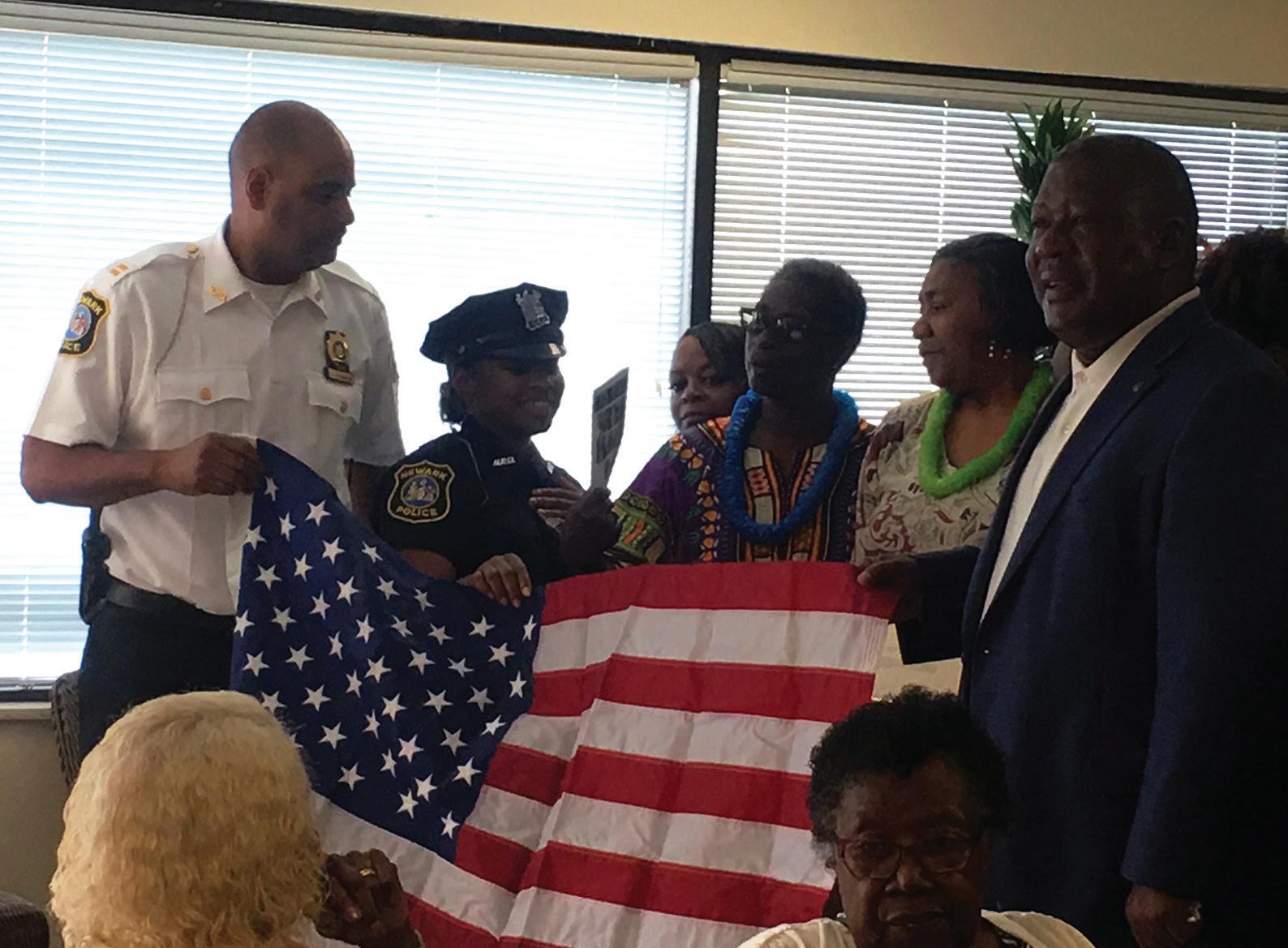
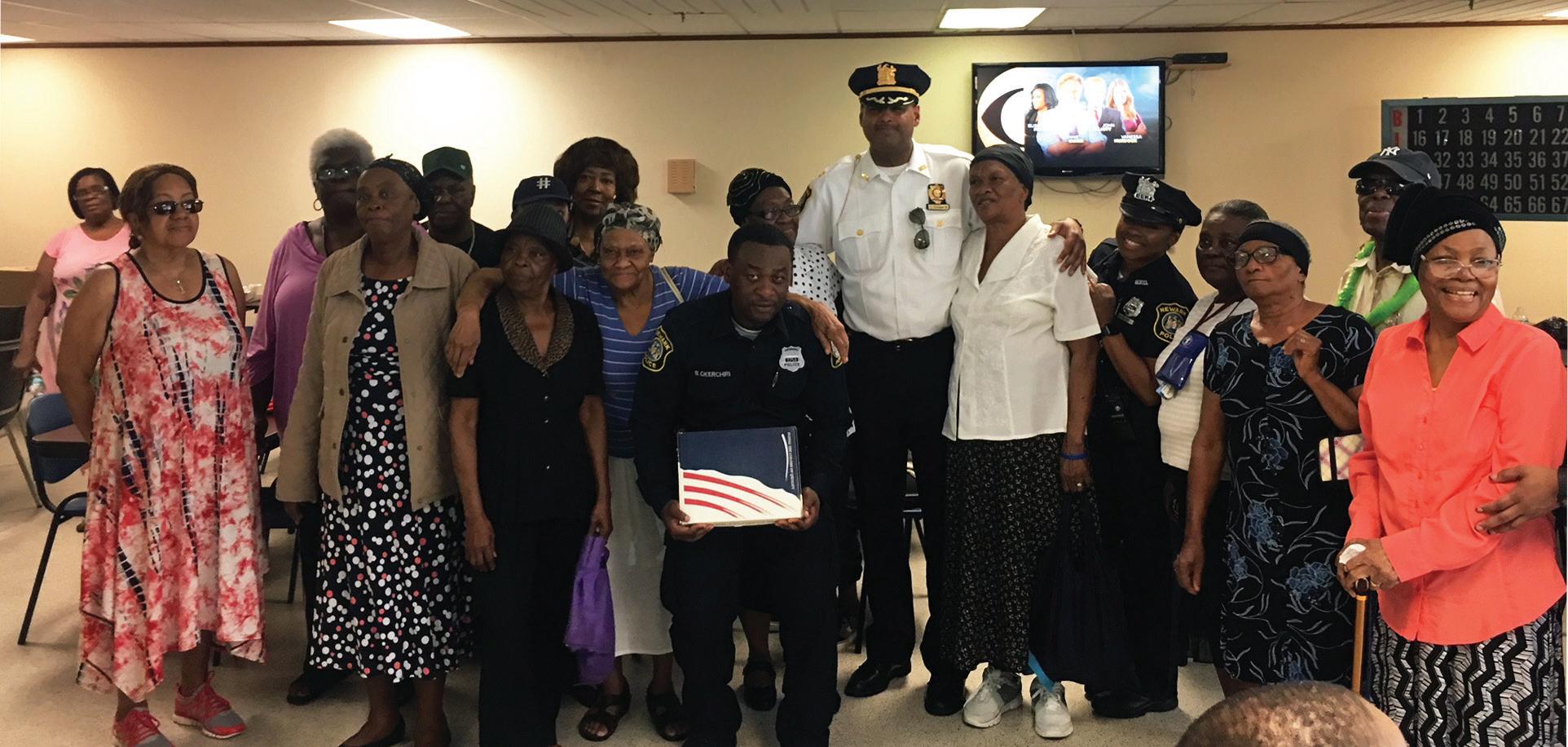
1. Identify your local precinct. Invite your community police to your community for a meet and greet. Management and residents should be present for the initial meeting.
2. Ask community officers to report on the safety issues pertinent to your locale.
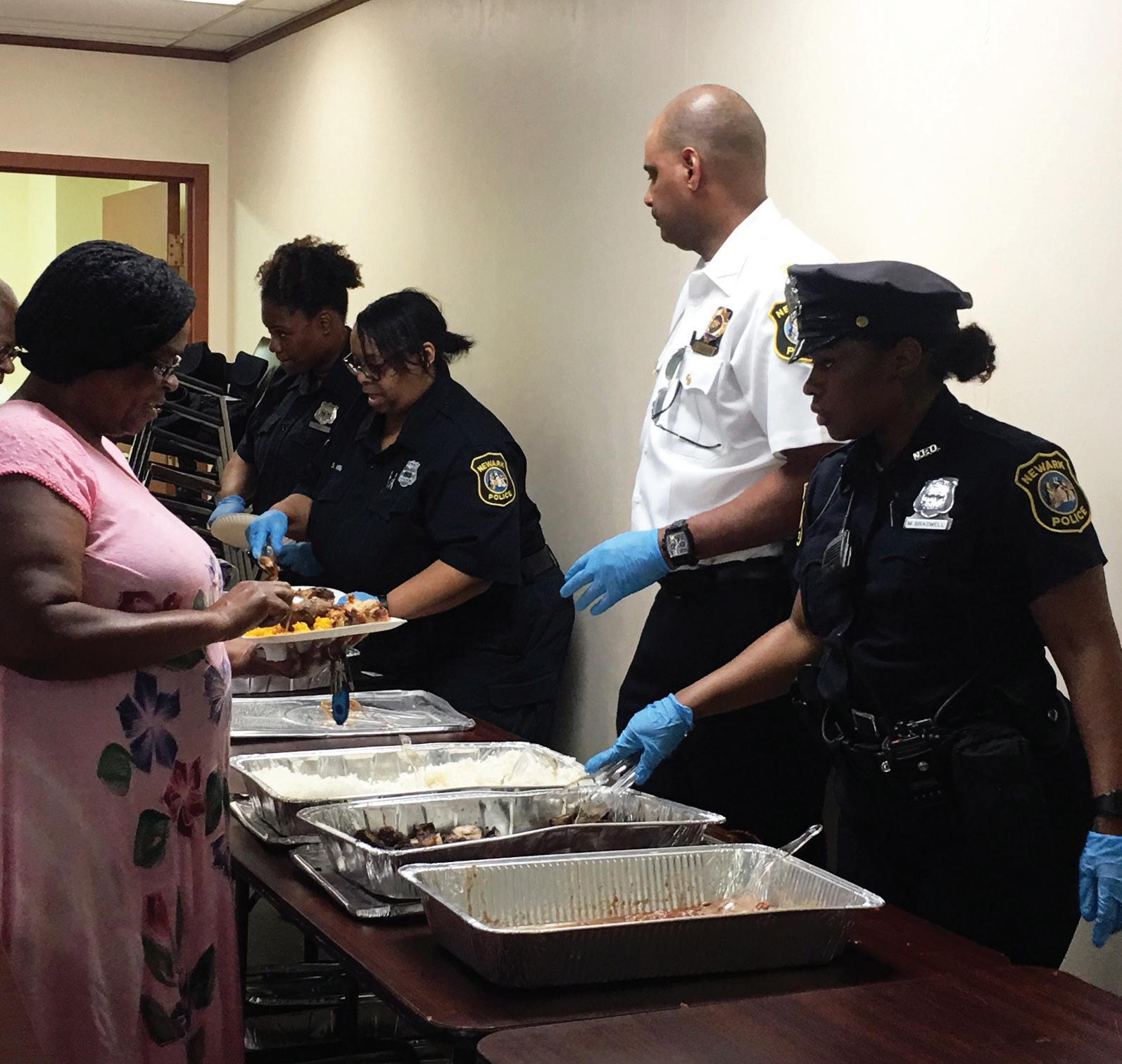
3. Make the officers at home. Ask if they would like to join the “team” to enrich the community.
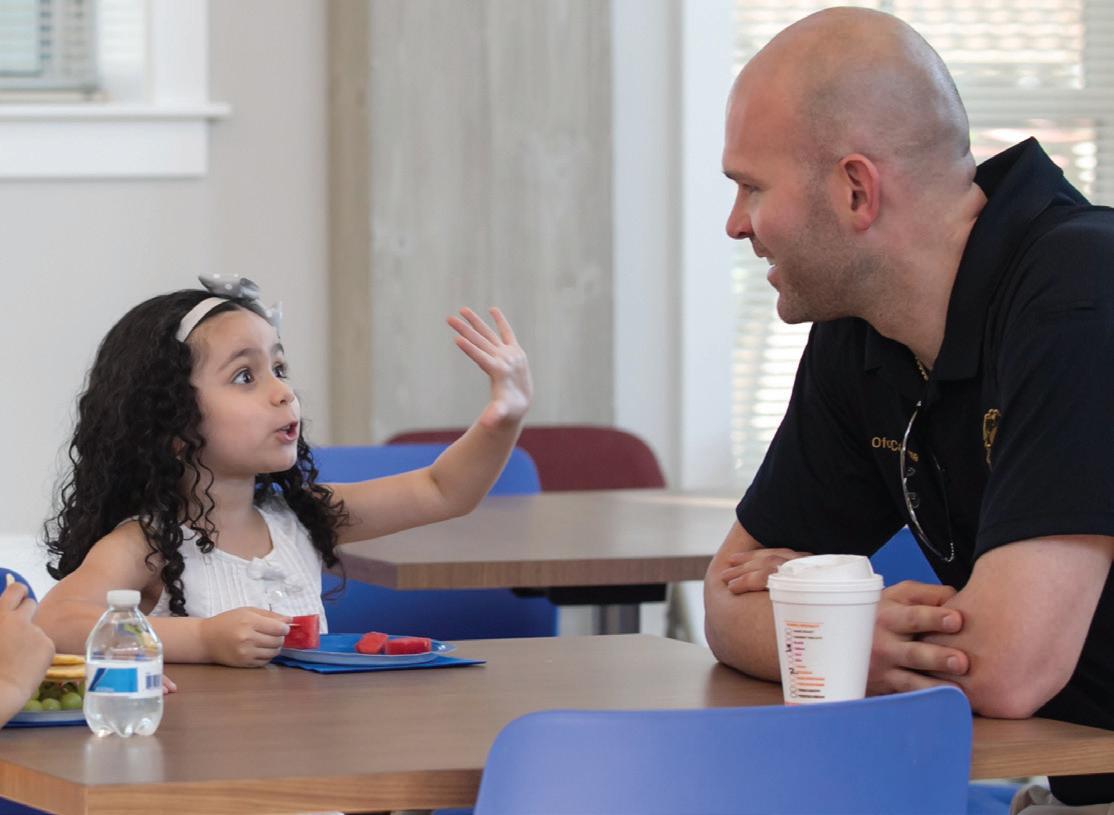
• Coffee with Cops program costs very little, and provides the community with so many perks. Just ask your local community police to your community for a coffee hour, one or two times per month. This will help create a feeling of good will between your residents and law enforcement.
4. Create volunteer opportunities for the community police and your residents:
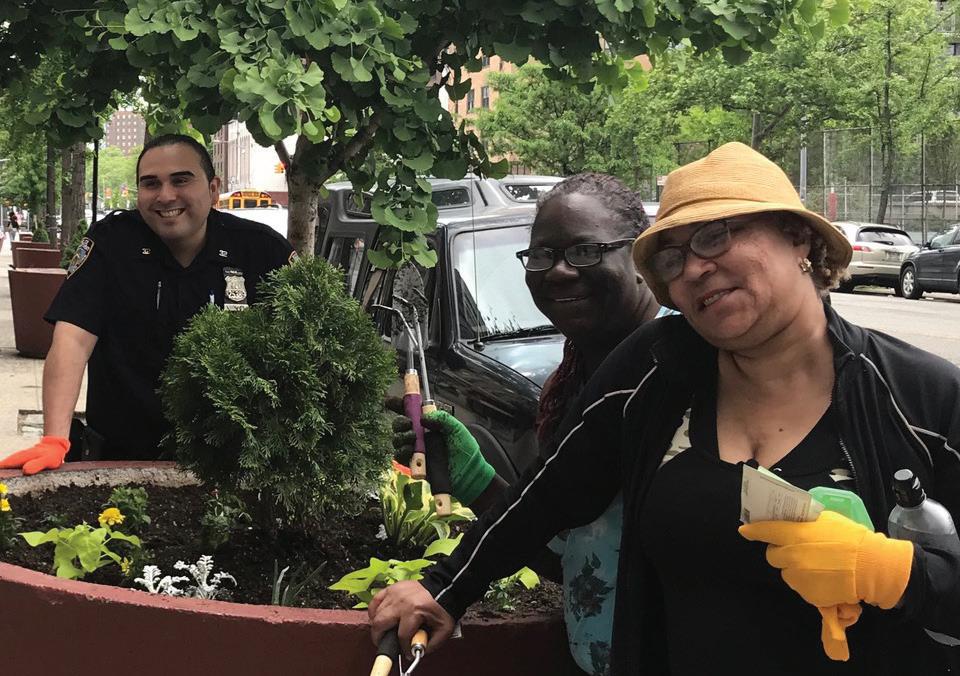
• Plant a garden
• Make breakfast together
• Celebrate!
• Create a Walking Club (see below for details)
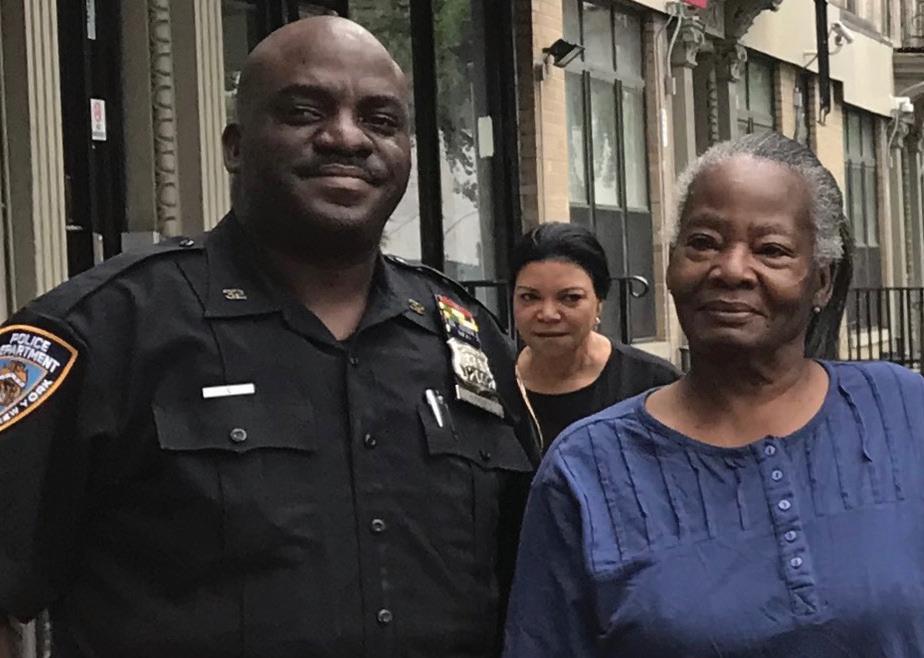
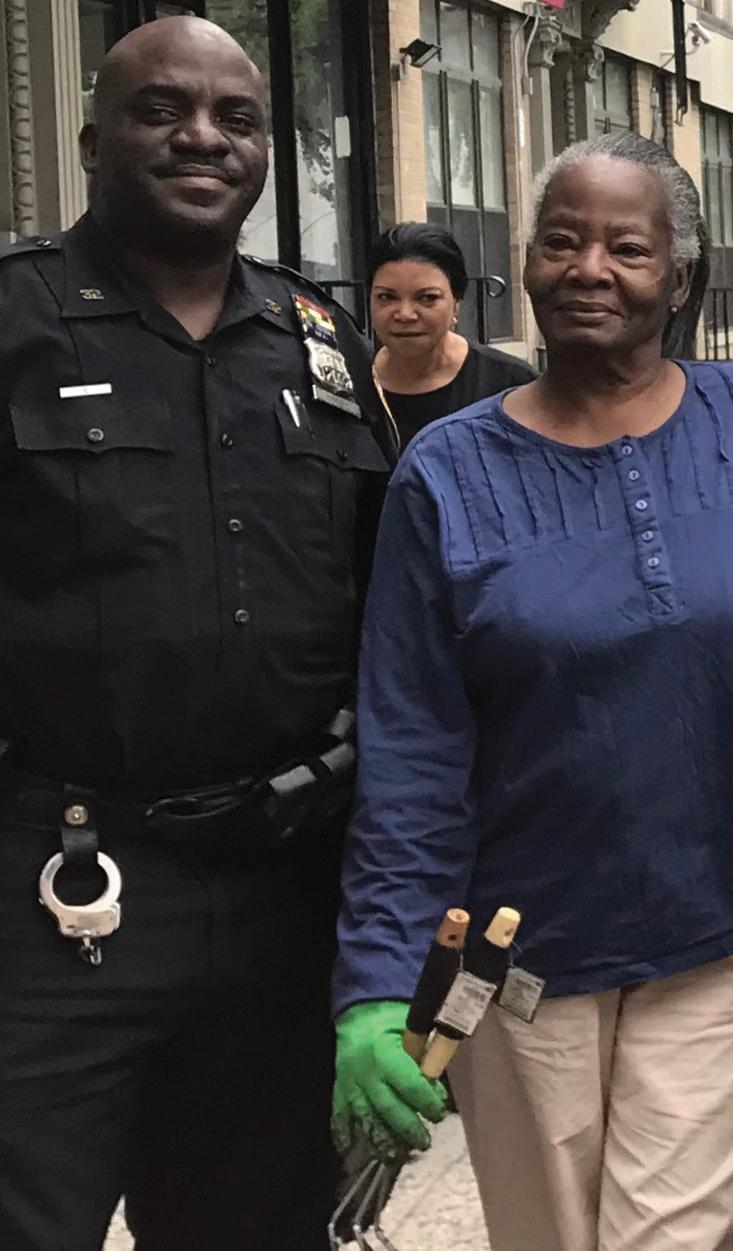
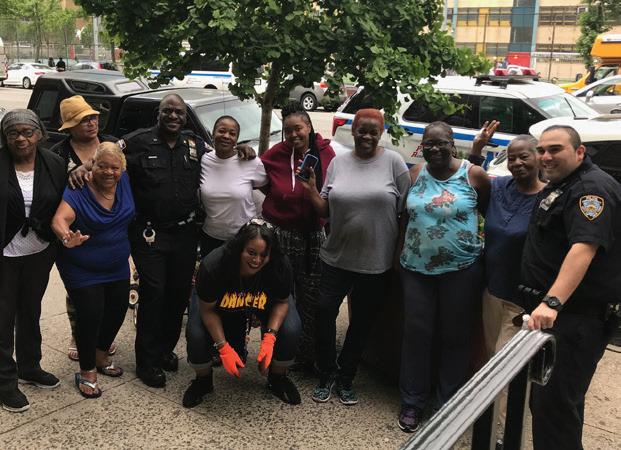
One year ago, the police near 135th street in NYC had a strained relationship with the residents on the block. Through safety education and collaboration, the two groups got to know one another and united around their shared goals of improving safety. Now, one year later, the local police participate and even sponsor building events, and are warmly welcomed by the residents. Everyone is safer when residents and local police work together in their community.
Having an educated community will reduce the incidence of fires starting, and will assist in the safe evacuation in the event of a fire. Fire protection and prevention guidelines are further detailed in the resident handbook.
1. In the lobby and communal areas post information regarding fire safety and protocol. Information and flyers can be found on your city government’s website.
2. Community Managers should bring in the local fire department to lead a workshop for children to learn about preventing fires, and safely evacuating if one occurs.
3. Upon move in, and during safety events, encourage residents to know the protocol in case of evacuation.
On-site training through the Red Cross gives a comprehensive overview on how to prepare, respond, and recover from natural and man-made disasters. Encouraging residents to take this training will prepare individuals, and families with what to do when disaster strikes which will ease the minds of many.
1. Invite local Red Cross representatives to the community to lead a session on disaster preparedness procedures. The trainings take about one hour and representatives from the Red Cross need 3-4 weeks to schedule trainings.
2. If residents or staff would prefer, there is also an online training tool. For more information please visit:
• www.redcross.org to select your location and learn more. /local/newyork/greater-new-york/prepare/citizen-preparedness-training
There is an opportunity to collect expired, or un-needed drugs from your community which will prevent recreational use, adding to the overall wellbeing of many. The Drug Enforcement Agency has a national discard day in April, but offers other sponsored events throughout the year. Nationally, since the program’s inception in 2010, over 9 million pounds of medicine has been collected. For more information on this program please visit: https://takebackday.dea.gov/
1. Find out information about local “Drug Discard Days” in your area and share the location and date with residents (from link above).
2. To display information about these types of events and educate residents please use materials from www.takebackday.dea.gov/ content/take-back-day-2018
Over 13,000 Americans die of gun violence each year and nearly double that are injured. As Community Managers, you can play a role in reducing the guns on your campus and in the lives of residents. National gun violence awareness month is June which could be a great time to encourage this program.

1. Research your local governments policies on fire arm buyback programs.
2. In cities with such protocol, typically they are directed to go to their local precinct and hand in their firearm, in exchange for money. As Community Manager, your role is to provide residents with the information about where their local precinct is, the hours, the amount of money they could potentially receive, and what exactly the resident needs to provide the precinct.
3. Adverstise this program in lobbies or community rooms, and when a resident moves in.
A walking school bus program is a creative way to help keep children safe, while simultaneously uniting the community. The goal of this program would be to help get kids to their local school bus stop safely, and quickly.
1. The school bus stop may be right on your block or farther away. With the help of parents in the community, map out where the local stop(s) are and together map out the best routes. It may be helpful to create a sign-up system (through coffee hours or resident meetings) so many can participate. You must also identify a system for kids and their parents to be able to recognize the volunteers.
2. Along with the input of parents, figure out the best way to organize the students, possibly with fun signs that designate a morning meeting place (the students can help decorate).
A walking club is another way for the local police and community members to become partners as they walk the perimeter of the community together.
1. First, both parties need to be made aware of the potential of this program and its benefits.
2. Once the value has been established set up a joint meeting for volunteers and the police to plan for this program.
3. Together the residents and police should define the length of the walk, and the relative safety of the route. Questions for the participants to jointly answer are: Is the route well lit? Does the time of day matter in terms of safety? Is it even ground, (safe for seniors) with benches for frequent resting?
4. Low cost pedometers make this a fun and competitive activity. People can track their progress, and compete with their team. The American Heart Association has a walking club package and more information is available at www.americanheartassociation.com . The app can be downloaded that helps an individual measure their own progress.
Timeline:
Host bi-monthly coffee hour meetings, and 1 recreational event per holiday or important event.
Tracking:
Note the number of participants at each function, and record any important anecdotes from coffee hours / building captain reports. Please use the Toolkit Tracking Template as a guide for your data.
Creating a connected community and bringing residents together is a great way to add to their overall wellbeing. As a Community Manager it is also crucial that you feel connected to your residents. This way information can be shared, discussed, and ultimately agreed upon. Working together with your residents, and hearing from their experience will help you prioritize your work. Adding recreational events will also add fun into the mix.
Many hands make light work. No one understands the community quite like its inhabitants – use your residents as an asset. They can provide real time information which can lead to a safer, happier, and healthier building.
What is a new method to submit a work order has been created, but a homebound resident may not be aware of how to place the order? A Building Captain can offer information, assistance, or make management aware of the needs of a more vulnerable resident.
1. A Community Manager should meet with the community to seek volunteers to build a floor captain structure. In some communities, floor or building captains are the domain of the Tenant’s Association. Leaders of the association designate themselves as “captains” of the building and each takes a floor to oversee, and routinely reports back their findings to the building management. Building Captains can be established independent of the Tenant’s Association, and the manager needs to be mindful on how to proceed (independently or in partnership with the association).
2. Captains and management decide together how frequently to meet. It is typical for the two parties to come together once a month.
3. Captains jobs are to knock and check on neighbors who might be homebound or in distress. In addition, the floor captain can bring vital information from resident meetings or events conducted on site to their floor mates. Captains act as an important link in the communication chain, and if utilized correctly, a Building Captain can advertise programs and spread word faster than other types of communication.
You, your staff, and the residents should work together to co-produce events that are educational, wellness oriented, culturally appropriate, and fun for all. This is a great way to bring people together.
1. Ask what people like, and give a sample event calendar for the year. Discuss with the community and ask for “champions”. Identifying the talents of your building will help create vibrant and successful events. Residents can serve as informal leaders and assist in the procurement of supplies, decorate, and coordinate community wide events.
2. Community Managers should meet with the leadership of their Tenant Councils, if they exist, and follow the same process as above. Often, Councils drive a community’s recreational events, but it is not exclusively theirs to do.
3. Some examples of successful events that communities have enjoyed including: Heart Healthy Valentine’s Day, “Fall Prevention” Autumn Festival, Healthy BBQ and Health Fair, Winter Holiday Dance/Tree Trimming, and many more. Please see the attached glossary for event options.
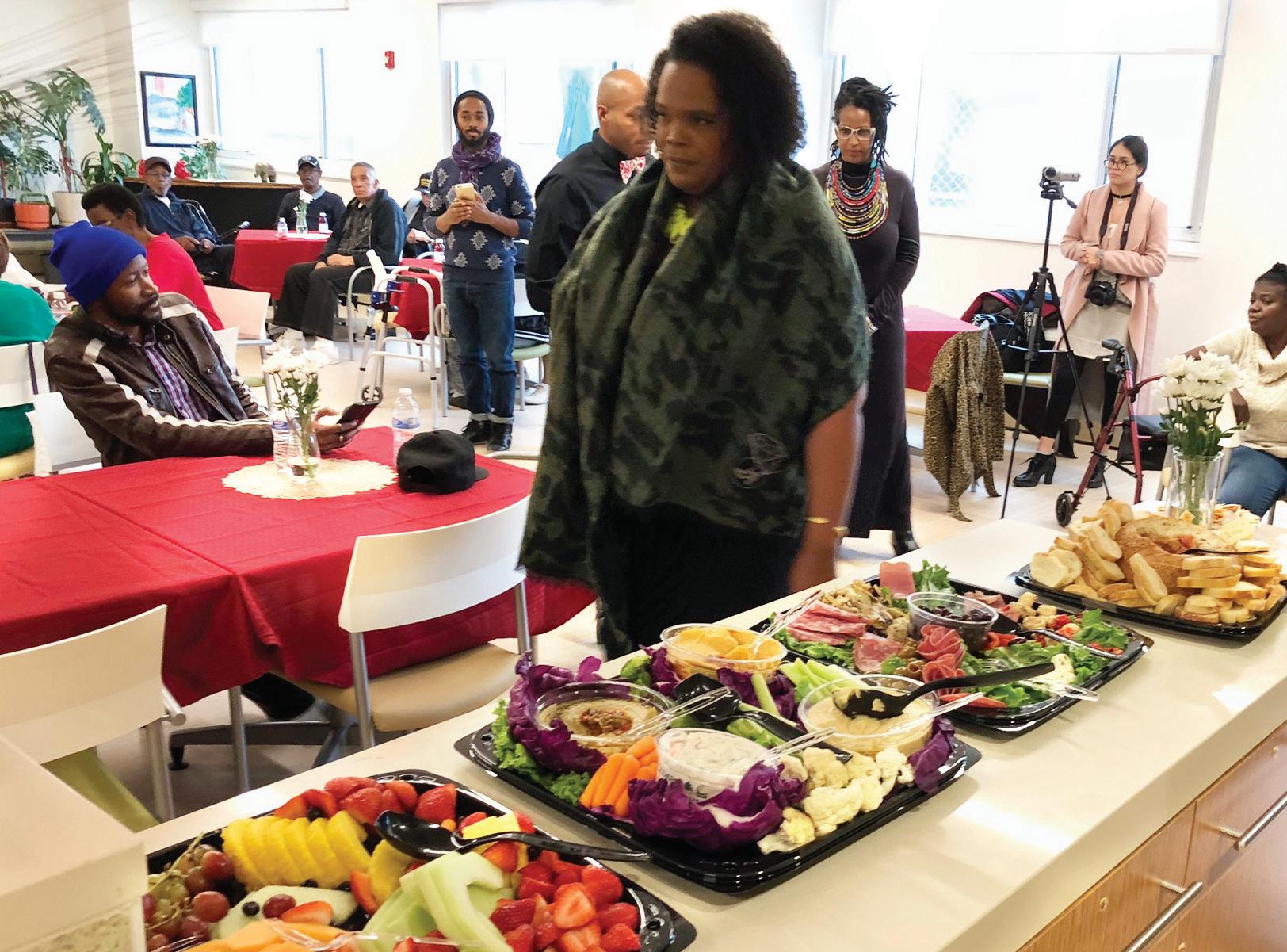
It is so important to be available for your residents. A great way to do this is through bi-monthly coffee hour. This is a low-cost way to seek ideas, organize events, stay in touch with residents, and get a first-hand read on the mood in your community.
1. Advertise to the community that a coffee hour with staff will be held in the community room. Frequency should be 1-2 x per month.
2. Coffee hour needs to be executed with good nutrition in mind, healthy snacks, and of course coffee (please see the Wellness section for further information).
3. Coffee hour should be one hour. The very first coffee hour should be an informal chat about what people would like to see in the building.
4. Coffee hour topics include:
• Initially: what do you like, what do you want, what do you need, what are your talents?
• Based on the feedback from the initial coffee hour the Community Manager should help the residents plan for future events using a vision model:
○ What is important?
○ What are the barriers to achieving your goal?
○ Who should help achieve the goal /what resources are needed?
○ What are the first steps to plan development?
Other conversation tips: Goal oriented conversations tend to be less controversial, and more positive. Another good use of coffee hour is to discuss current events. Perhaps your residents need a forum to discuss a news story that touches them. It is important that the coffee hour takes the pulse of the community, meets the social needs of the group, and is a productive and friendly interaction.
As a company we are launching our wellness program to encourage overall health and wellness for our employees. The same philosophy should be extended to residents. Providing healthy snacks when food is offered is a simple way to encourage a culture of wellness.
• Healthy Snack Options:
• Coffee with fat-free and low-fat creamer options
• Tea
• Pretzels
• Fruit such as apples, bananas, oranges and grapes
• Raw veggies such as carrots, cucumber, peppers, and celery with hummus or ranch dip
• Crackers and various cheeses
• Granola bars
• Assorted nuts
• Trail mix
• Popcorn
• Yogurt
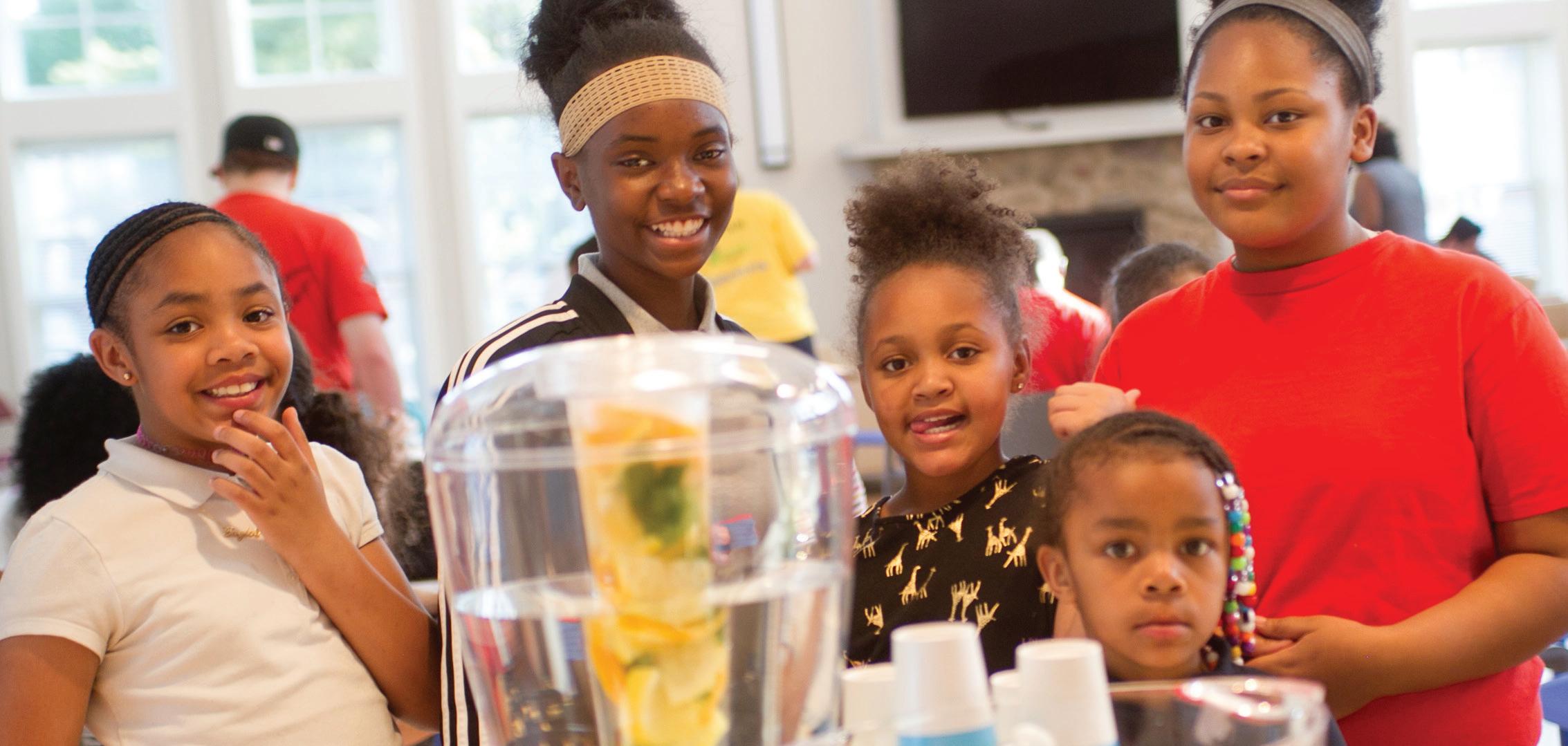
• Water infused with lemon, cucumber, or orange slices
• 100% juice
Sustainability Recommendations for Healthy Meetings:
• Provide reusable products and recycle materials to reduce and divert community waste from landfills
• Use re-usable serving containers and eating utensils
• When disposable products are the only option, use paper and compostable products. Styrofoam can take over a million years to decompose.
• Order food, beverages, and condiments in bulk containers rather than single servings
• Provide a jug of water rather than many individual water bottles
Steps to hosting a wellness event:
1. Healthy food and snack options should be available whenever food is given to residents. Creating healthy habits, by introducing healthy snacks, beverages, and meals will benefit the wellness of residents.
2. Incorporating sustainability practices into events can also serve to create great habits for residents, that add to the overall well-being of the community.
3. For information on delivering fresh produce please visit this link Local Harvest or reach out to local vendors.

Timeline:
If one does not exist, set up a food delivery vendor within the next 60 days.
Tracking:
Record through sign in sheets how many residents use the pantry/ mobile grocery. With the provider, track how much food was given out. Please use the Toolkit Tracking Template as a guide for your data.
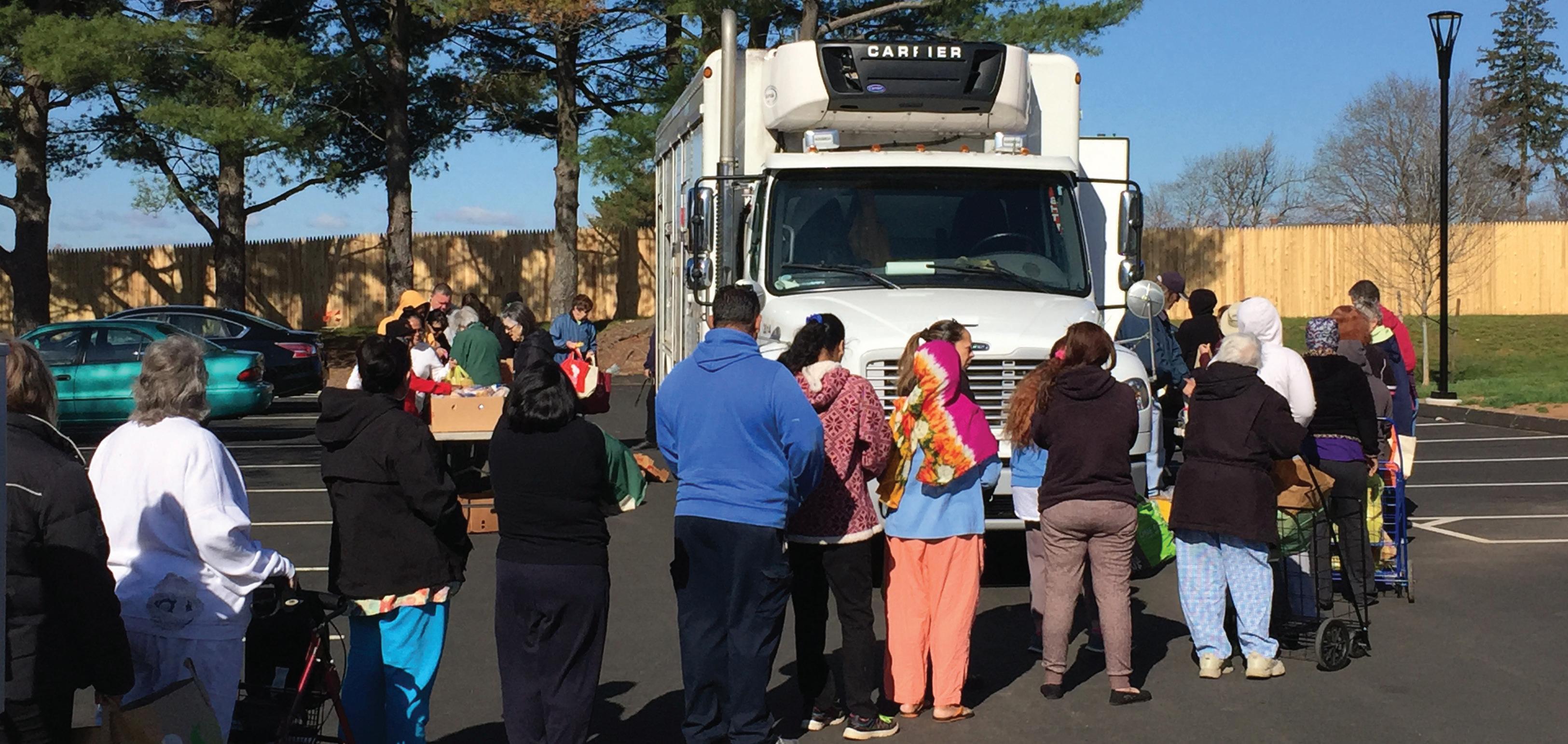
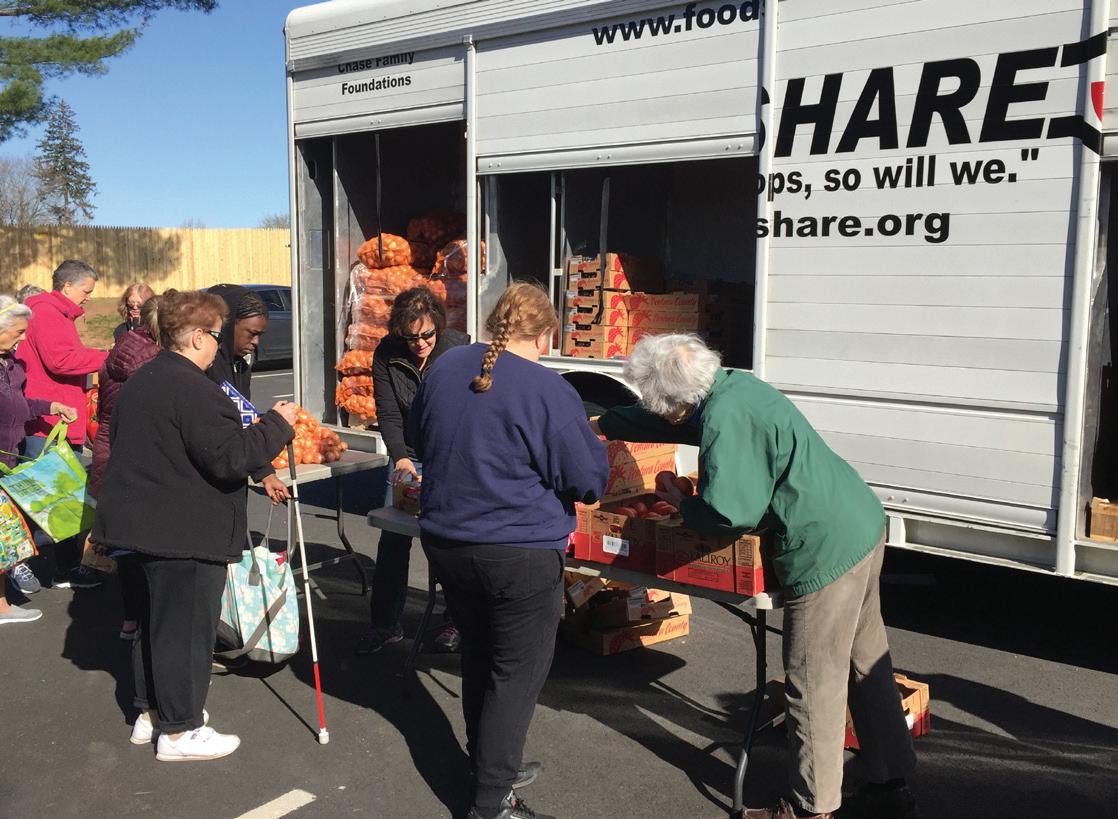
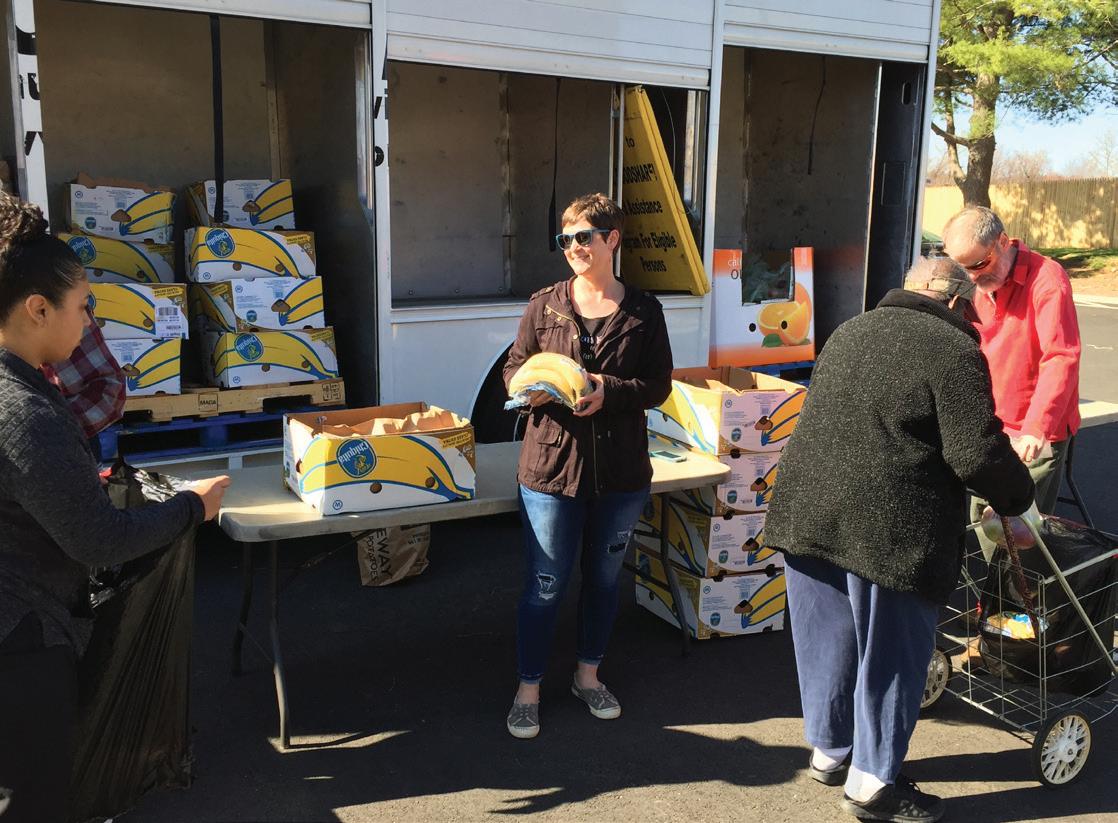
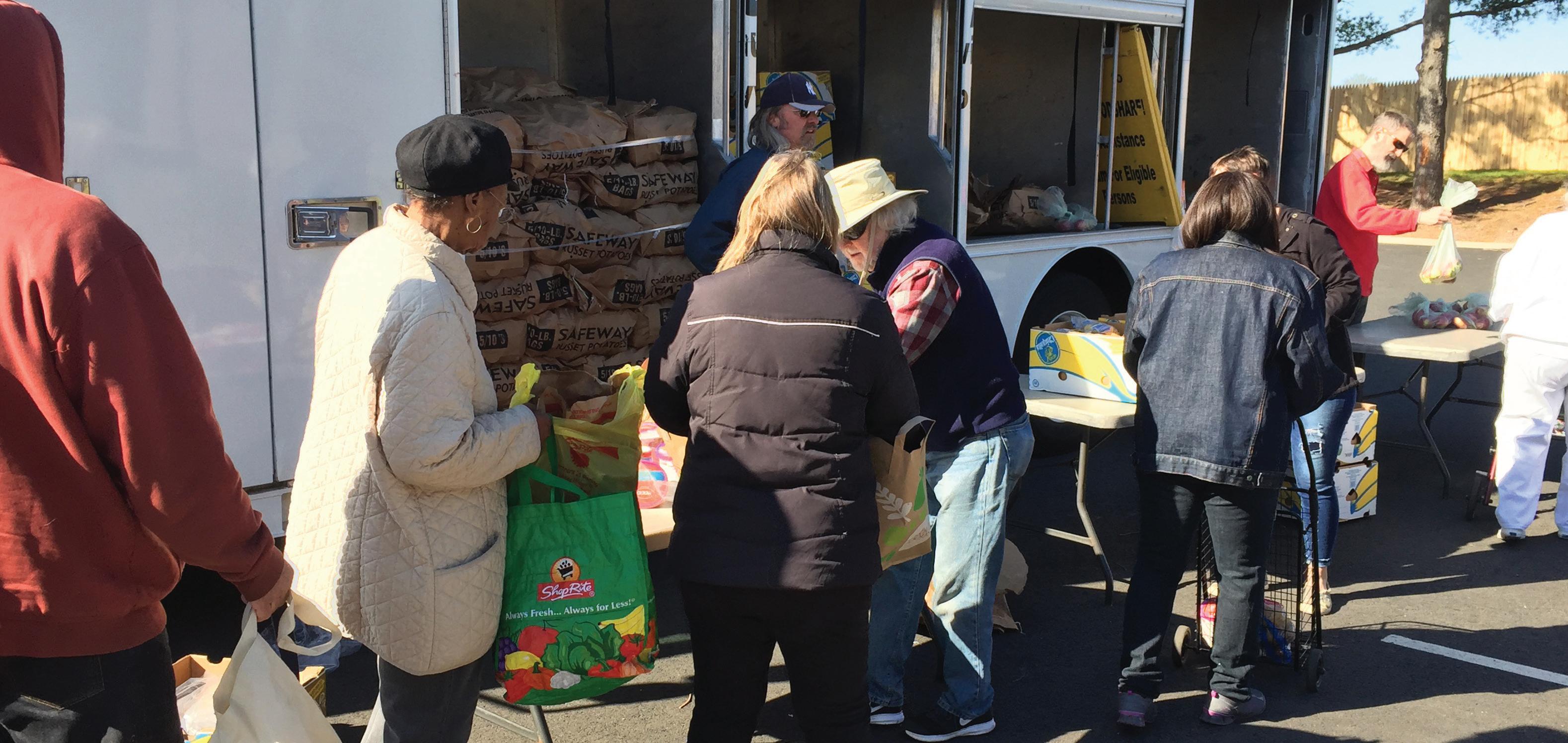
Unfortunately, food insecurity is a widespread problem for many lowincome families and individuals. This can be damaging to many aspects of ones’ physical and emotional health. By connecting your community with food related services, you can greatly improve the quality of life for residents in need.
• Community Managers should contact the local area Food Bank for a list of nearby pantries. That list should be made widely available to the residents in community rooms, at initial intake, and spoken about at community meetings.
• In some areas of the country, a Food Bank program might make monthly food deliveries to senior properties serving very low-income seniors over the age of 62. Again, the Community Manager should explore all options available through their Food Pantries.
Timeline:
1 fitness group/ health education event a month. Be mindful of the calendar as the flu vaccination window is very seasonal.
Tracking:
Record the number of participants in the activities and be on the lookout for more detailed health surveys coming to you shortly. Please use the Toolkit Tracking Template as a guide for your data.
Encouraging a healthy lifestyle for all residents is crucial to fostering a thriving community of opportunity. Providing health education matters as studies show having more knowledge about healthy living does successfully lead to adopting better practices. Through these programs the physical health can be greatly improved, and leave residents and employees better for life.
It is imperative that we remove barriers to immunization for residents. We recommend that Community Managers reach out to local pharmacies or clinics and work together to bring vaccines into the building, as well as providing information to residents on where they can go to get the vaccine.
1. Call local pharmacy
2. Pharmacy will draft a MOU (Memorandum of Understanding between the property and the pharmacy)
3. Have MOU reviewed and executed by the corporate Procurement Department
Many residents use the vending machines on site very frequently. Therefore, a simple way to improve the nutrition of many is to ensure that healthy options are always available. We are in the process of researching healthy vending options and a realistic timeline for transitioning to this system. Ideally, each community will have healthy and energy efficient vending machines. Our Procurement team will be working on this initiative with healthy options coming your way in the future!
Many smokers and non-smokers in your community already recognize the negative affects cigarettes have on their health. Even so, going smoke free is not an easy process but a necessary one for all.
Rose Companies is in the process of transitioning our properties into nonsmoking communities. This policy is being implemented to protect the health of our residents, guests and staff. This is an extremely important
policy given the detrimental effects of second hand smoke. A smoke- free environment is also a safer one as smoking has been a leading cause of building fires,and a costly problem. A no smoking policy is the most impactful initiative for making properties healthier and helps us earn points toward Enterprise Green Certification.
Operations will work with each you and all the Community Managers and provide a timeline, along with the three notices that are to be delivered to each resident. Typically, the process from beginning of notices to non-smoking transition completion is approximately 120 days. For more information and to see the HUD Smoke Free Housing Toolkit visit: https://www.hud.gov/smokefreetoolkits
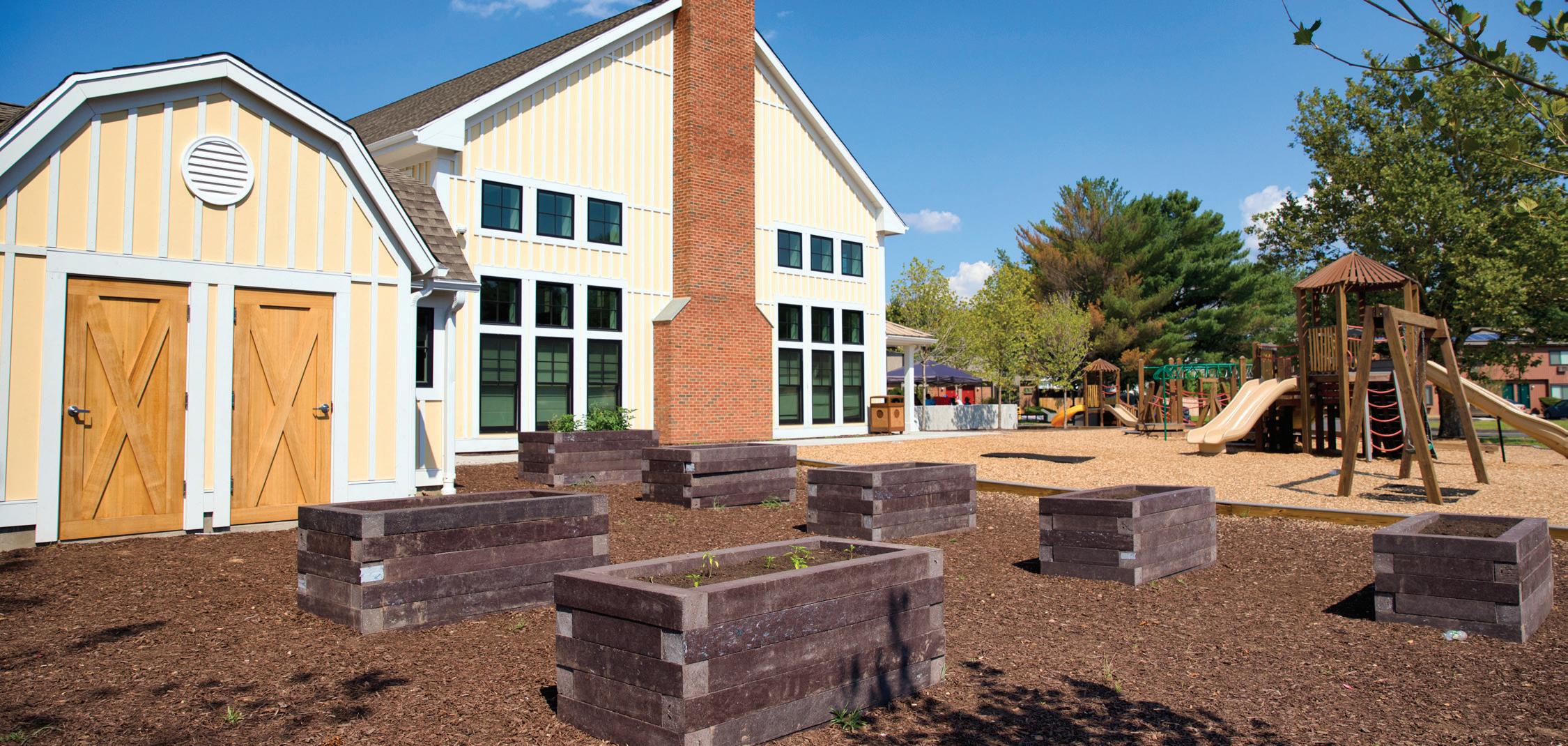
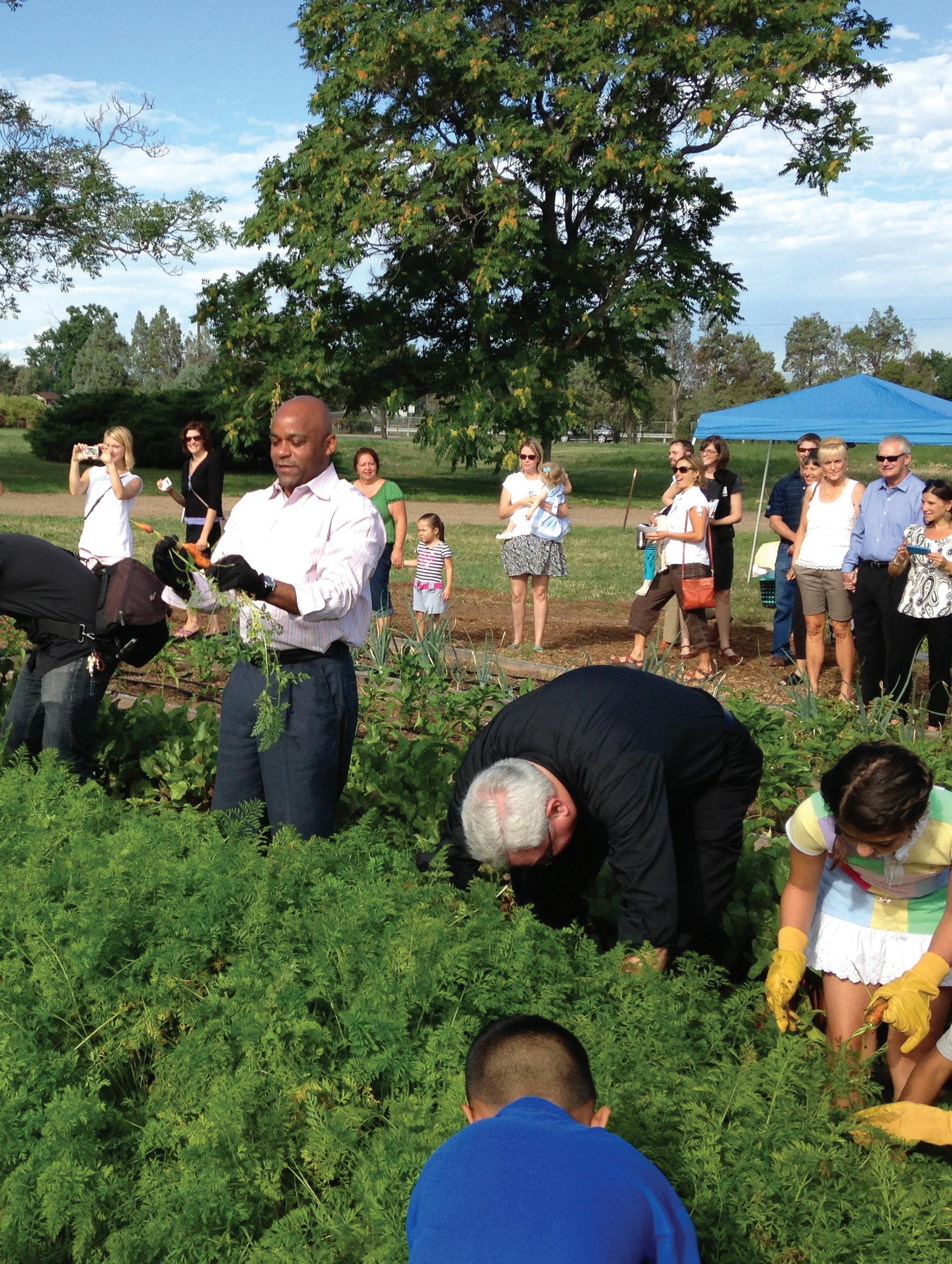
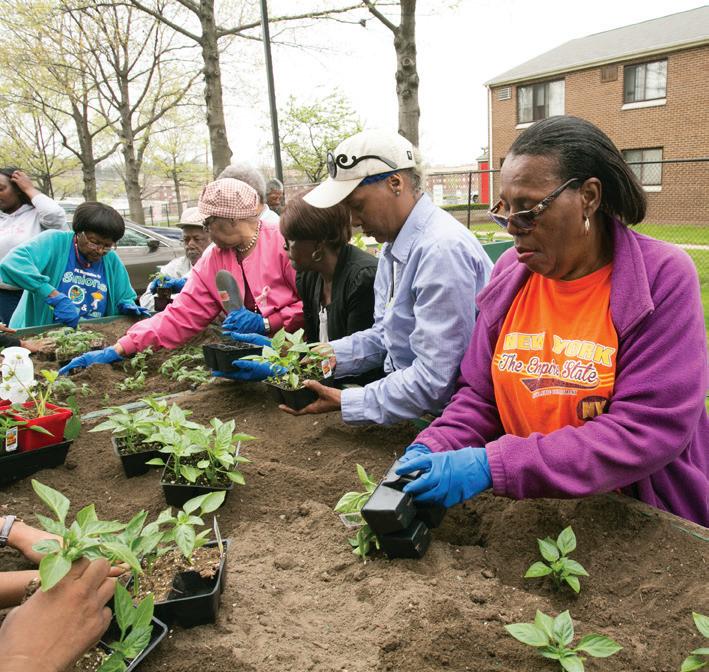
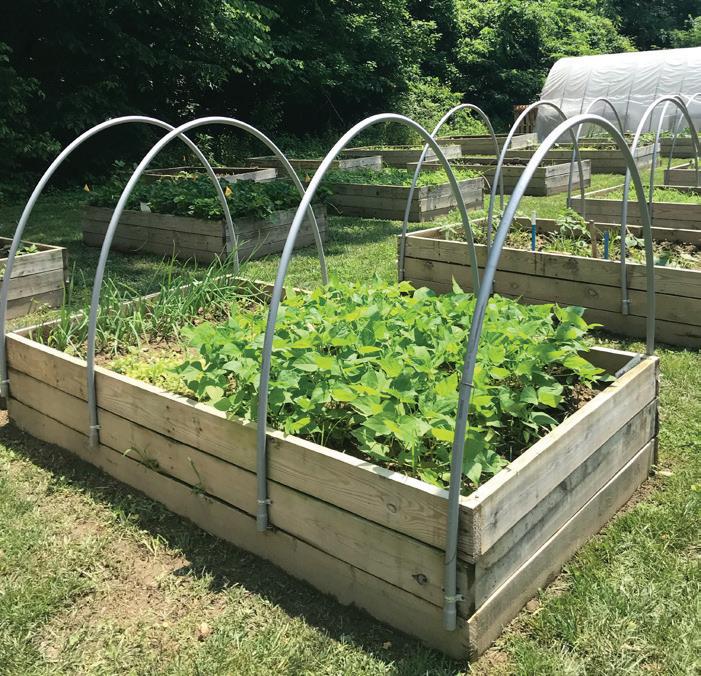
We encourage all communities to have community gardens. Please see the detailed attachment on gardening tips. Mentioning community gardens during coffee hour, or other meetings is a great way to get a group interested.
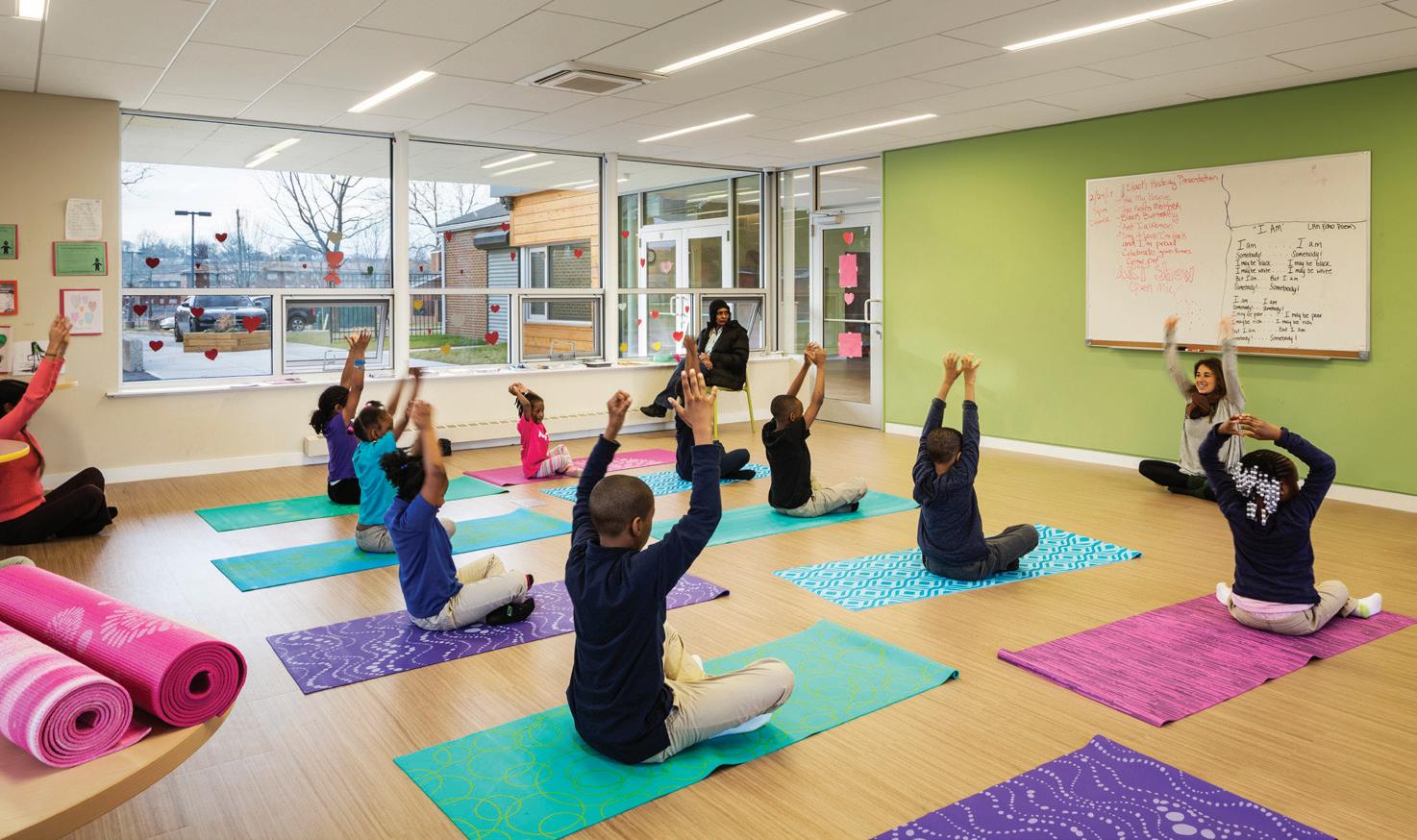
It is so important to engage all ages, especially younger residents, in healthy living initiatives. Events can be planned in partnership with local providers like the YMCA, YWCA, Boys and Girls Club, and Department of Health.
Planter Bed Guidance And Notes: Important Notes & Lessons Learned
1. Please use anchor bolts and not screws for major structural pieces.
2. Do not use treated lumber, use rot proof lumber such as Redwood, Teak, or Cypress
3. Use a non-toxic wood paint on outside
http://www.harmlesssolutions. co.nz/eco-wood-treatment. html
4. Please install a non-toxic water proof barrier (not a plastic underlayment)
https://www.growveg.com/ guides/treating-wood-forvegetable-gardens/
5. Instead of having a contractor build them, it might be more cost effective to purchase them prefab. See below link:
http://eartheasy.com/vegtrugraised-garden-planter
6. If possible, set up a compost program to compliment the vegetable gardening effort. We use this compost bin at Via Verde: http:// www.metaefficient.com/ composting/best-composttumblers.html
It is essential for one’s health to stay physically active. Many residents may not have the access to fitness classes and providing them is great for health as well as community engagement.
1. Community Managers, along with interested residents, can schedule events and groups such as Walking Clubs (provide pedometers for residents who participate), fitness classes (yoga, chair yoga, meditation), fitness challenges, or resident-led movement activities such as “Line Dancing or Grooving to the Oldies.”
2. Walking Club start-up kits are available through the American Heart Association. Apps can be downloaded to phones to help measure progress. Posters, certificates, logs, are all downloadable and free of charge. Please reach out to procurement for customized pedometers.
Timeline:
Host 3-5 events per year in partnership with local banks and credit unions.
Tracking:
Record how many people use these services. Please use the Toolkit Tracking Template as a guide for keeping your data.
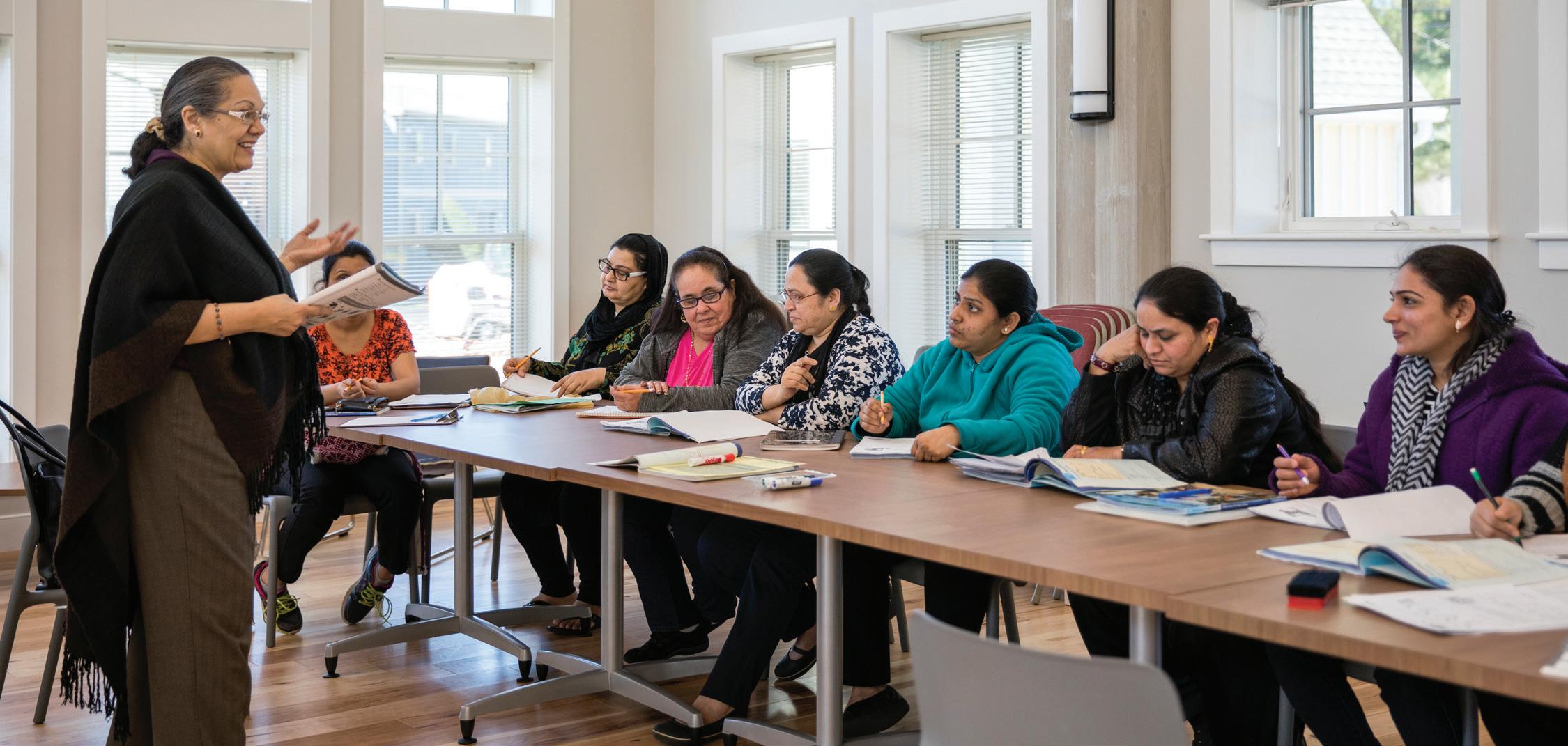
Economic stability has increasingly been seen as an integral aspect to ones’ health. Many residents may not know about local resources available. Financial security can create longstanding opportunity for your residents, and their children.
1. Invite local banks (or possibly credit unions) to discuss options for residents. This is a great way for residents to learn more about their own savings and financial health. Here, they can be exposed to many options they may not have known were possible.
2. Provide information (possibly at an event already centered on finances or through flyers) regarding HUD’s FSS program which incentivizes higher levels of income, and places the rent increase into savings for the residents to use after a certain amount of year. For more information please visit https://www.hud.gov/sites/documents/FSSFACTSHEET_FEB2016.PDF
Timeline:
If feasible for your community, set up your computer room and program as soon as possible.
Tracking:
Note how often the computer room is open to students.
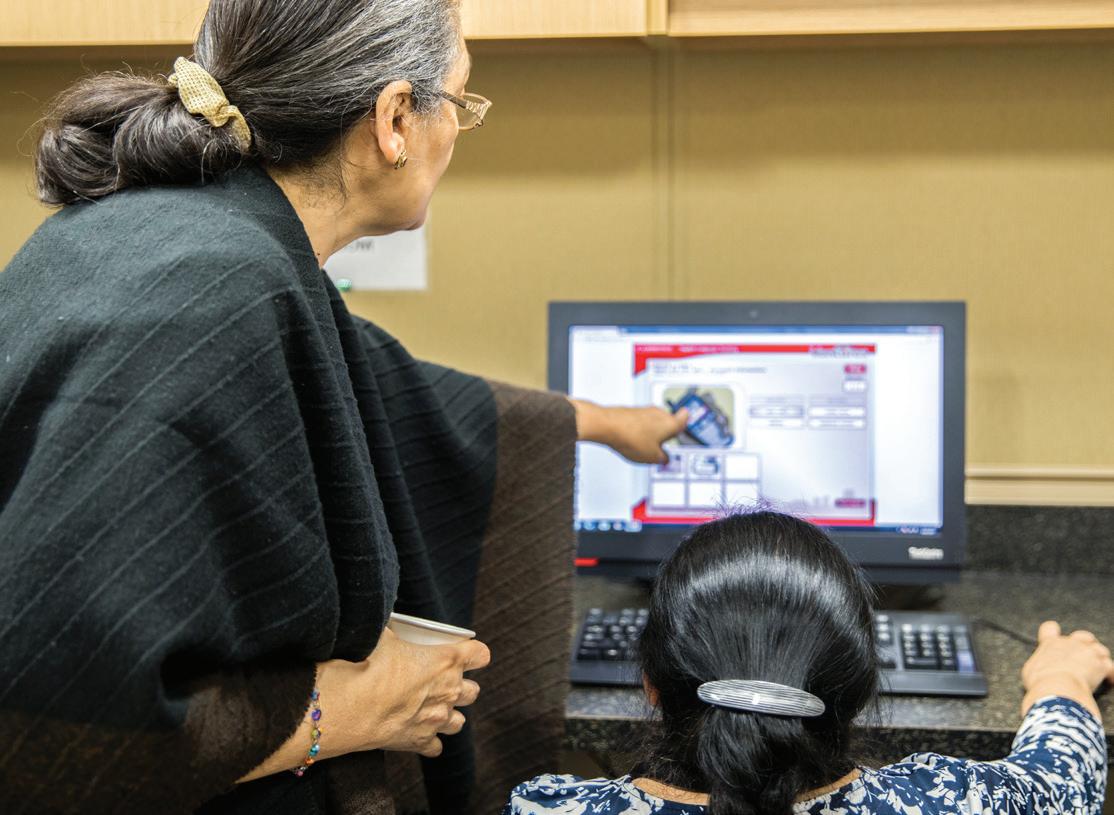
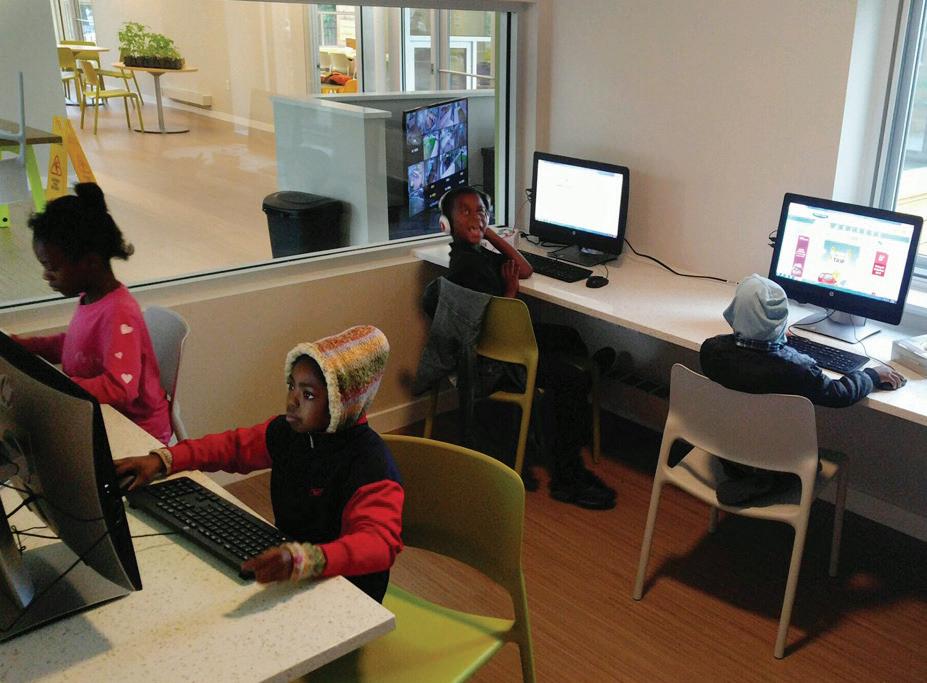
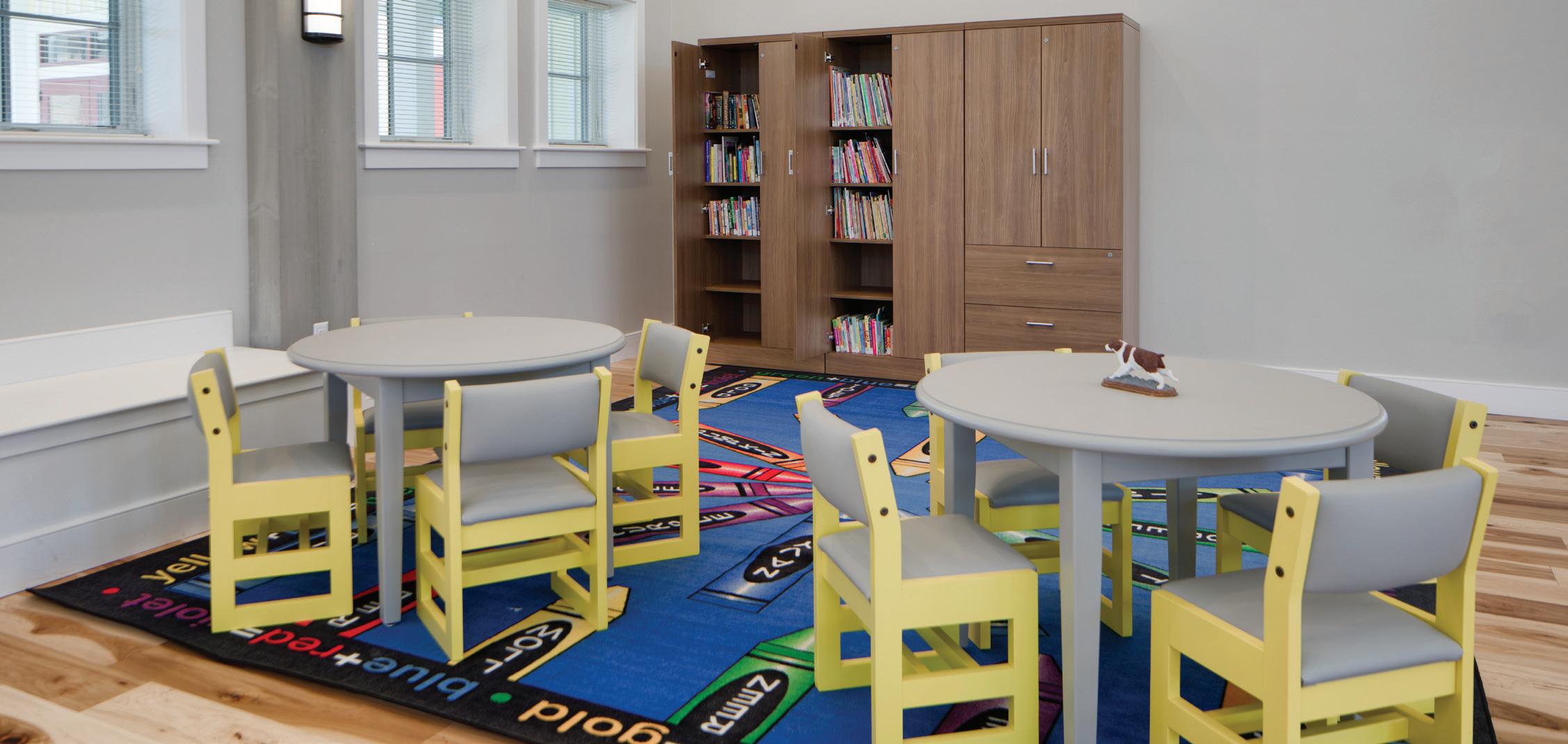
For students to thrive, many factors are at play, including safe and stable housing. As Community Managers you can continue to add to this positive trend and help bridge the digital divide from which many low-income students suffer. Access to educational tools is crucial for a student’s success.
Our goal is to have a computer on-site at each community that is accessible to residents. Once established at each community, computer stations should have signage and clear hours of operation with time set aside for homework use. As more communities obtain an on-site computer for resident access and establish a computer program, we will provide a laminated user guide that will stay next to the computer and include how to use the computer along with recommendations for computer training. Community Managers can also establish a “Homework Help” volunteer program. Our Information Technology team is working on developing a plan to launch this computer program for all of our communities so stay tuned for more information coming soon!
Timeline:
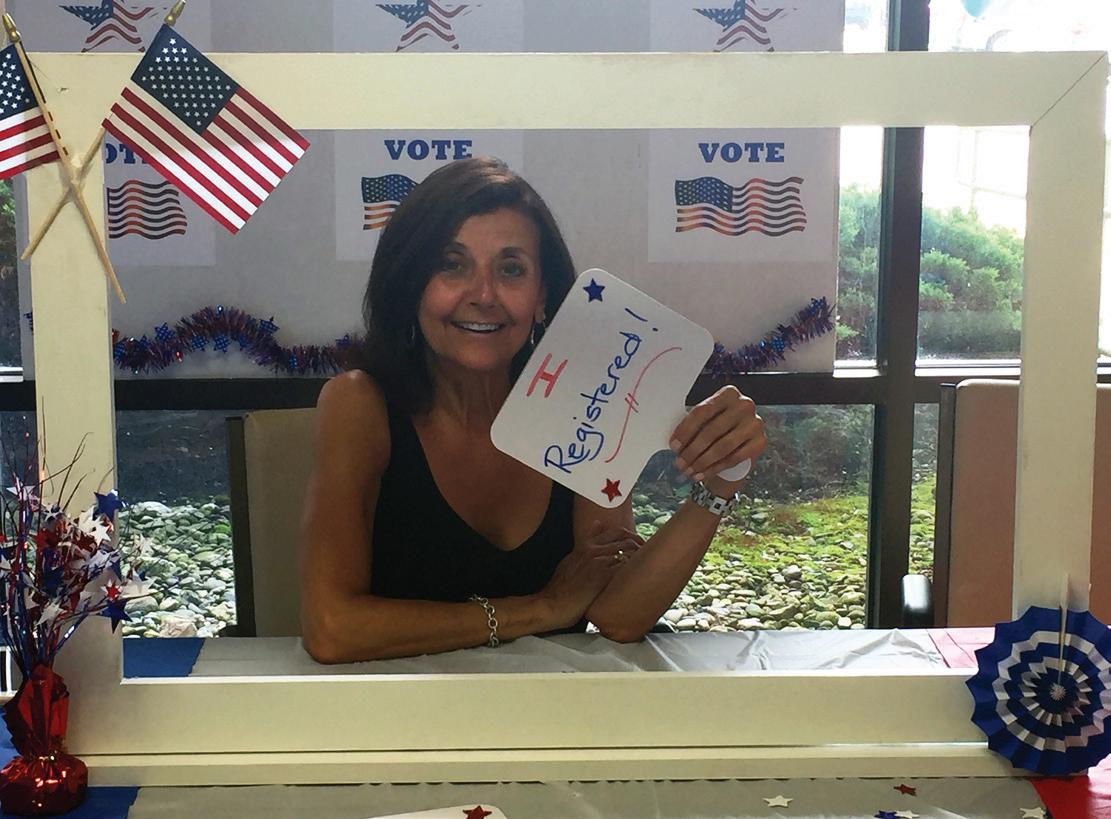
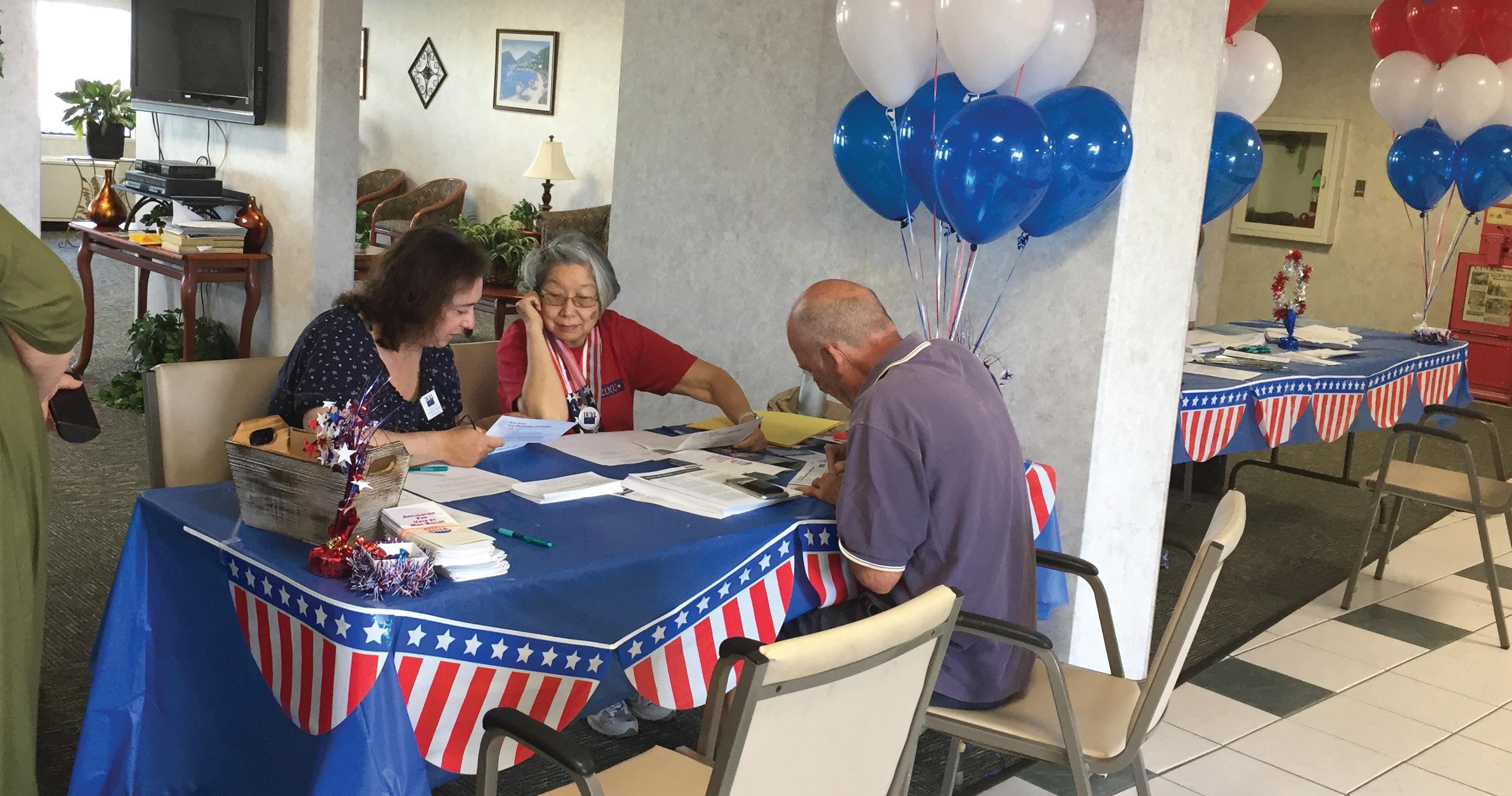
Depending on when local elections are, host 1-2 registration drives a year.
Tracking:
Record how many residents register and how many participate in volunteering.
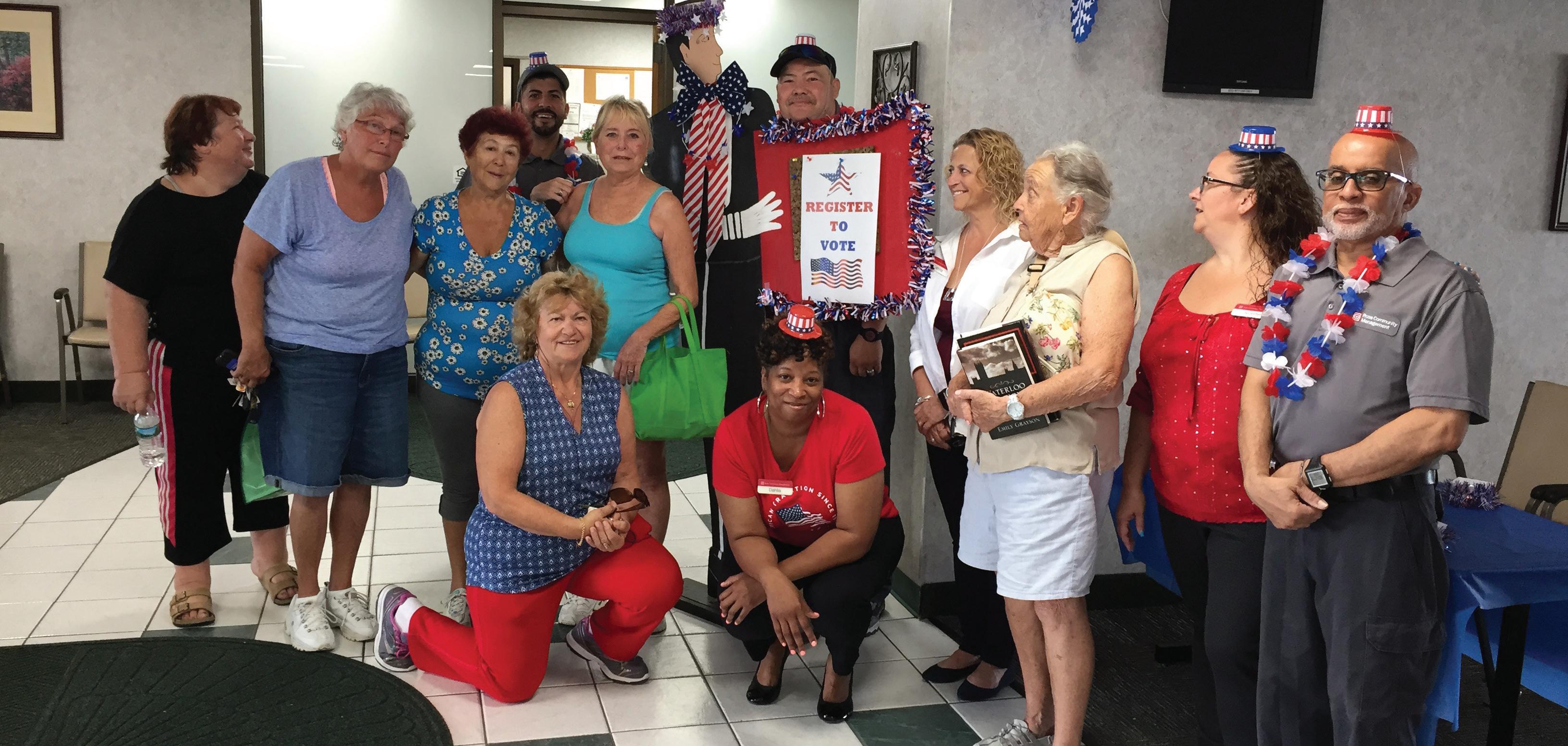
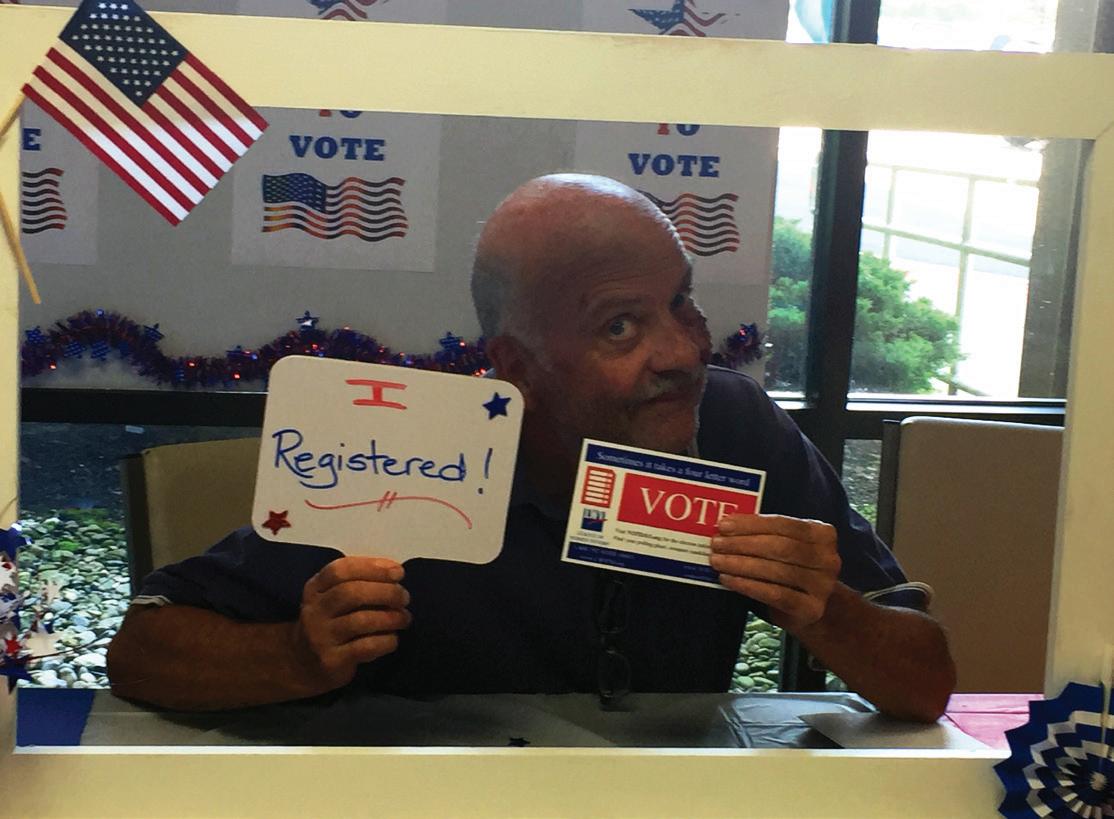
The voices and participation of low income citizens are extremely important in shaping policies that may affect their daily lives. Connecting residents with different methods of involvement allow for their needs to be met from local policy. Engagement starts from within, and a culture of volunteerism that strives to better the property can spark a larger movement in the greater community.
1. All communities will receive a voter registration packet and we will now be including voter registration forms in new resident move-in packages. Please ensure that your staff is aware and bringing attention to the form and how the resident completes and turns in the form. We will then get it to the local Board of Elections, and once processed, the resident will receive a confirmation with their polling location.
2. It is important to encourage new residents to register upon move in, and track the amount that do.
3. Communities will also be hosting voter registration drives annually. Having food and beverages during the event can make it a fun and informative time for the residents. Community Managers should dedicate at least $200 in their budget for the annual voter registration drive.
4. During major elections, the Community Manager should host events to generate excitement and provide knowledge on key ballot initiatives and candidates. Over time, the program will continue to be enhanced and will eventually include rides to polling locations, providing absentee ballots to residents, and more.
5. Each community should also engage with local non-profit organizations such as the League of Women Voters to help promote the election and education for residents. More information and resources will be coming to each community in the voter registration packets.
1. Community Managers can provide a list of volunteer opportunities and distribute when a resident moves into our community. One of our goals is to have our communities radiate altruism out to their neighborhoods through volunteering.
2. An annual community volunteer event should be conducted at each property, and should strive to be inclusive (For example: intergenerational, include staff and community at large) (Earth Day, Community Clean Up Day).
Rose Companies strives to have energy efficient, and sustainable properties. That spirit of sustainability can spread to all residents and employees, and make a large impact.
To fulfill the promise of providing our residents and staff with a healthy and “green” lifestyle, we plan to rollout a comprehensive Enterprise Green Resident Engagement Toolkit to better educate our tenants on green policies and strategies. Right now you can implement low cost programming which can make a big difference for the entire community.
1. Reach out to local partners that may provide green living education and or activities for residents that can be both fun and informative. If such options exist invite the organizations to collaborate on an event. 2. Make sure there is appropriate signage on waste bins, thermostats, light fixtures, showers, and more can go a long way in limiting the energy and water usage of the whole building.
For more ideas such as implementing a Green Team please visit the Enterprise Green Leader Toolkit: https://www.enterprisecommunity.org/ download?fid=8085&nid=4168 and https://www.enterprisecommunity. org/solutions-and-innovation/green-communities/tools-and-services/ resident-engagement
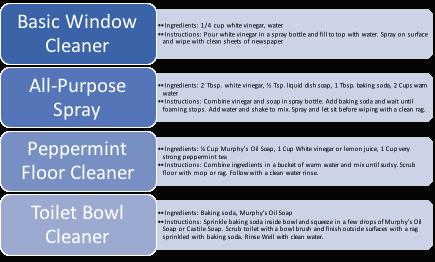
The Sustainability team is preparing to launch our green cleaning material program as well as provide education for residents and employees. In the meantime, we recommend that you use, and educate residents on our make-it-yourself green cleaning alternatives listed below:
As part of the Enterprise Green Certification (or LEED) process, marketing will work with you and provide green building signage. Signage will include environmental / green language, but also healthy / active design information (for example, signs that encourage residents to use the stairs instead of the elevator).
Many residents may be curious about green living. As a Community Manager it is important to know how to answer some common questions:
“What can be Recycled”
• Paper (Newspaper, office paper, magazines, paper bags, junk mail, cardboard egg cartons, milk & juice cartons, cardboard boxes without food or stains)
• Metal (Canned food, aluminum cans, aluminum foil) – Rinse out food
• Glass (jars, bottles) – intact
• Plastic – there are 7 types of plastic, identifiable by the triangle with a number in the middle. Check what numbers your area accepts on your county’s waste management website.
• Separate batteries and electronic equipment known as e-waste
In order to encourage recycling practices, label all bins with clear and visible signage. Please find some examples below of recycling & trash signage. https://www.umassmed.edu/growinggreen/newsletter/recyclingsignage-2015/
Timeline:
Within the next 30 days make sure there is available information regarding the nearest transportation options. At your next coffee hour ask if residents feel safe with their options, and if not contact your local elected official.
Tracking:
If new transportation systems are put in place record how many residents use them, and note any comments regarding feeling safer.
Access to transportation is a central aspect within a community of opportunity. Proximity to transportation that is safe is important to residents in their day to day lives.
• On your lobby bulletin board or monitor, provide bus schedules and locations, with informative schedules, maps, and graphics so residents are aware of their local options.
• Be sure to know your bus stops and if they provide shelter from the elements so residents can be aware and plan.
• Contact your local chain store or large grocery store to see if they provide transportation to their site. (e.g. Walmart often charters buses to pick up residents weekly at their property, take them shopping, and return them safely home).
• Research what other local resources regarding transportation are available to stores and other community centers.
All the initiatives listed would not be possible without a dependable and consistent method of communication. Continually striving for effective communication will ensure that the residents and employees of the community can all partake in what their Community of Opportunity offers.
We want to encourage communication and information sharing between the residents and the staff, and we want to hear from you. As Communities of Opportunity grow and evolve we will need feedback from you and your team to make the programming offerings truly impactful for all residents.
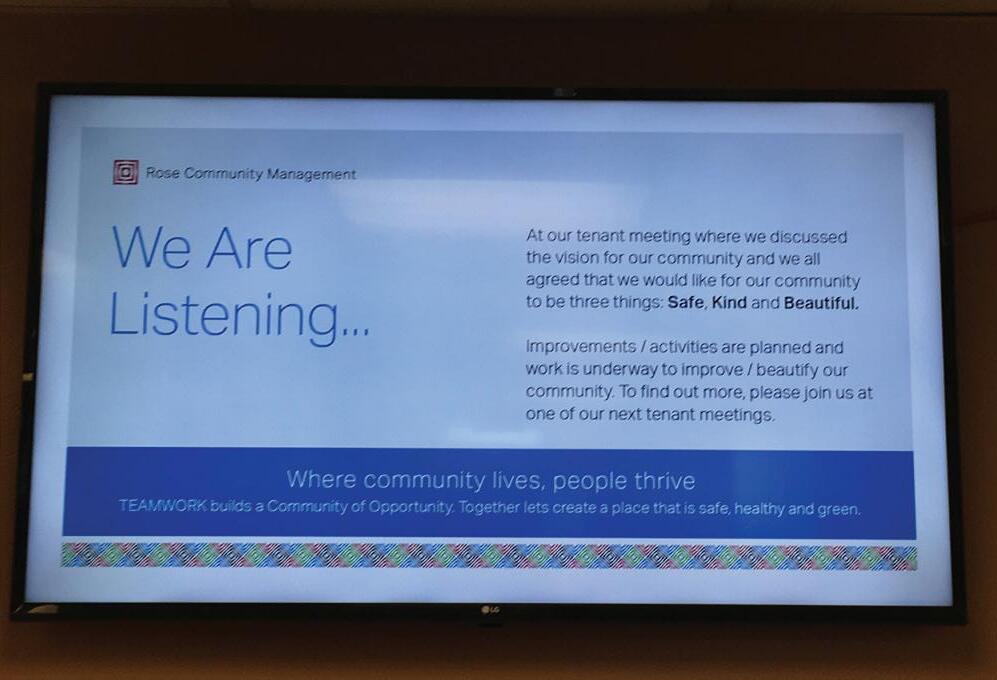
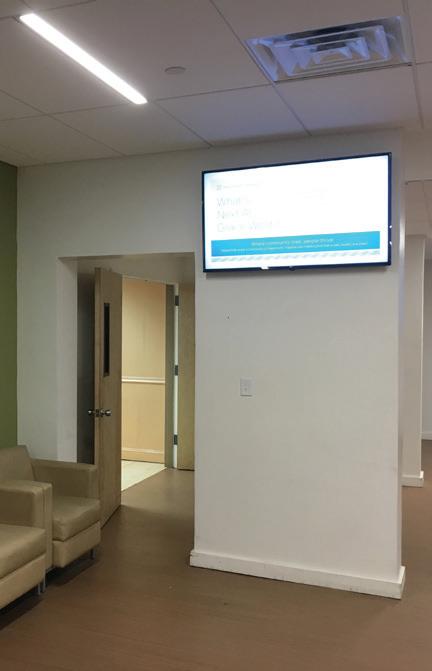
A lobby monitor should be installed in each community room or lobby at each community. All newly remodeled communities already have a plan to have a monitor installed in the community room or lobby. For those communities that aren’t under a remodel and do not have a monitor already, please email support@rosecompanies.com to request the appropriate monitor. Each community will be responsible for using the established PowerPoint template to update their content and create consistency.
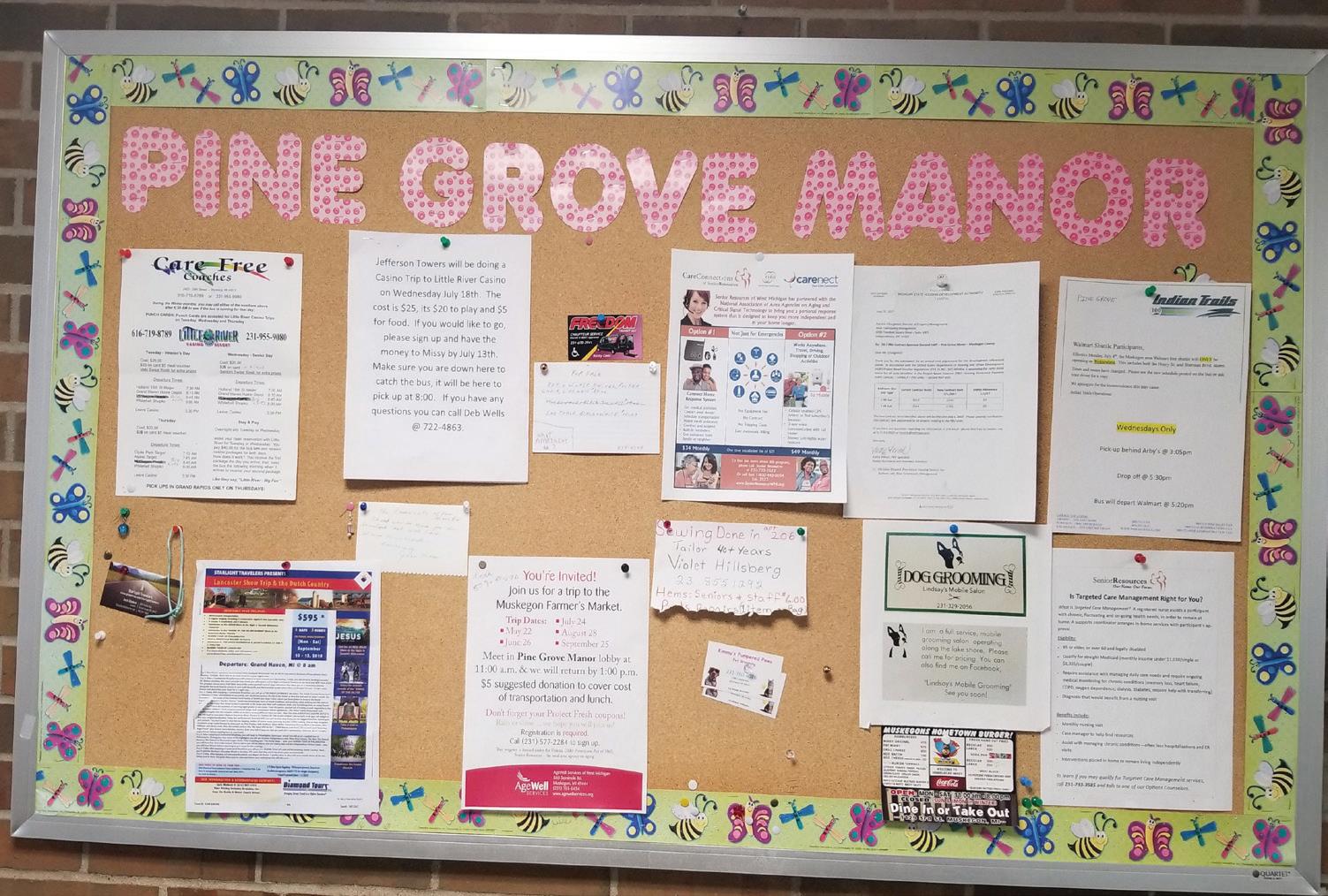
Most communities already have a lobby or community room bulletin board in place which has been an effective tool to share information with residents in the past. The bulletin board should be the home to all flyers
Timeline:
Ensure that there is a place for sharing information in your lobby as soon as possible and that it is placed near the entrance.
Tracking:
Make sure to update the bulletin board and flyers monthly. Record any feedback from residents on how they feel information is being shared and if they have any suggestions for new strategies.
and information about what’s happening in the building and the local community. As a manager take note of how often residents actually look at the board and use creative visuals to attract the most traffic.
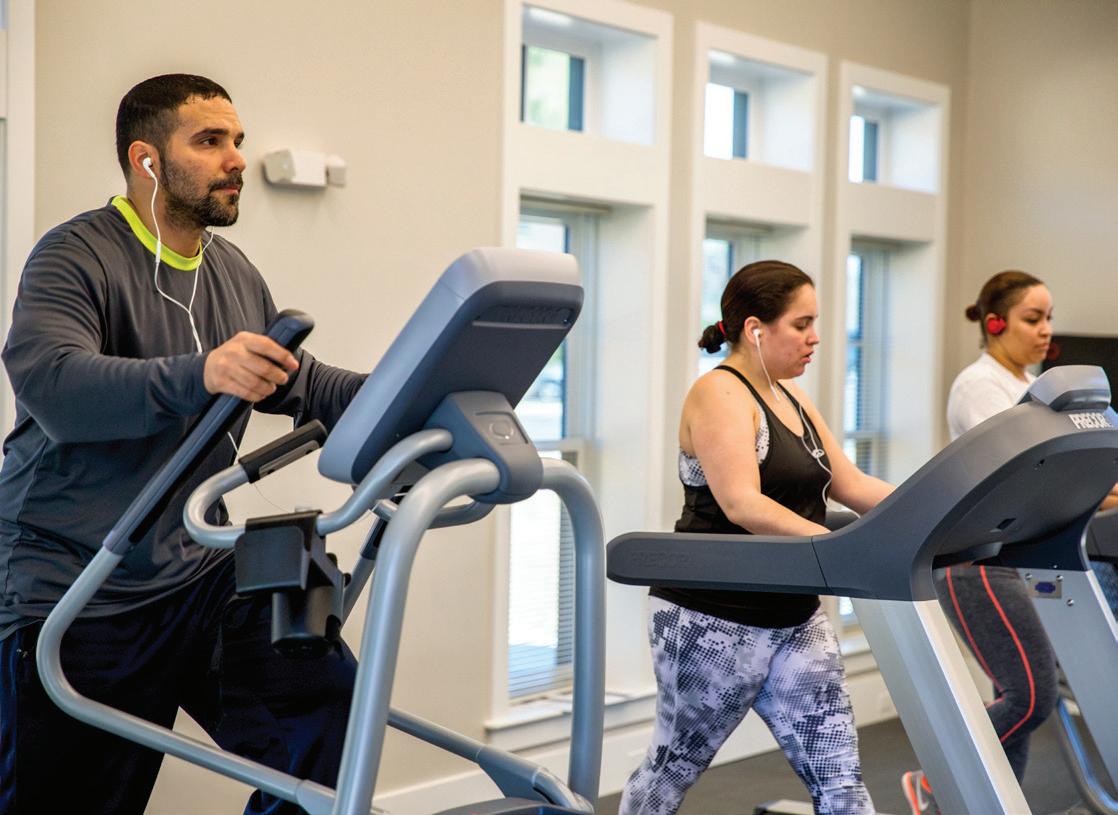
Communication planning will also include working with Marketing to ensure appropriate signage exists for fitness rooms and other rooms that should be easily identifiable for residents.
The safety of our residents is important while they join in community hosted activities. For certain activities that involve exercise we should be requesting that residents complete waivers for participation in programs such as walking clubs, etc.
“
This toolkit can move your building towards a thriving Community of Opportunity, where all residents and staff are happier, healthier, and more connected. This is no small goal, and getting there will take time, but through coproduction with residents and guidance from this kit we firmly believe it is possible. Tracking the programming that you implement is a great way to see what is working in the community, and track the progress of the community.
Arts & Crafts —resident led or community volunteer conducts regular arts and crafts classes. Typically, a 1x per week offering
Bingo —resident, tenant association, or community provider led bingo games. Community providers such as home care agencies use Bingo as an incentive to attend workshops
Breakfast/Dinner Club —tenant association sponsored clubs that hold weekly or monthly clubs. Association volunteers purchase, cook, and serve low cost food to residents.
Coupon Mania —resident led coupon clipping club
Create Club —resident led art groups. Groups are often self-sustaining (bring their own supplies), and serve to help decorate for community events
Crochet —resident led crochet clubs
Cultural Events —property or tenant association events honoring Black History Month, Hispanic Heritage Month, Women’s History Month, and/or whatever is culturally relevant to the community.
End/ Start of School year celebration —a community wide graduation get together. Parents can even make certificates for the students .
Game Day —Day dedicated to the playing of different board or card games
Holiday Parties — tenant organized festive events to celebrate holidays. Potluck style and arts and crafts groups can help make decorations.
Kids Hip-Hop —fitness and hip-hop combined into weekly class. Serves K-8
Kid’s Running Club —Running club on pre-approved area of grounds and adjacent public spaces
Line Dancing —resident led country line dancing.
Monthly Movies —tenant association or property led monthly movie with healthy snacks
Social Hour —community led activity. Residents bring music, food, activities, to socialize with one another.
Summer Reading Program —volunteer teacher led reading program during summer camp hours
Toddler Playgroup —Play group conducted by area teachers for families. Safe and appropriate play techniques taught to parents.