

“ Our vision for Communities of Opportunity is to empower residents through the coproduction of interventions to improve their health and well-being (mental, emotional, physical, social and spiritual), resulting in better life outcomes, with great housing communities as the platform.”
— Jonathan F.P. Rose
Communities of Opportunity strive to increase the opportunities for our residents by bringing health, social services, education, recreation, and other programming to our residents and employees. Millions of low-income families in the United States live in communities disconnected from opportunity, where their financial status and zip code determine their access to education and food among many other things. In all communities, we can enhance the connections between people and create access to opportunities. While improving the health of the building and individuals, we can cause neighborhood-wide ripple effects.
We strive to co-create pathways to opportunities in each community, working alongside residents. Our goal is to be proud of our communities, where all residents, employees, and neighbors can thrive in safety, health, economic opportunity, and a strong culture of connectedness.
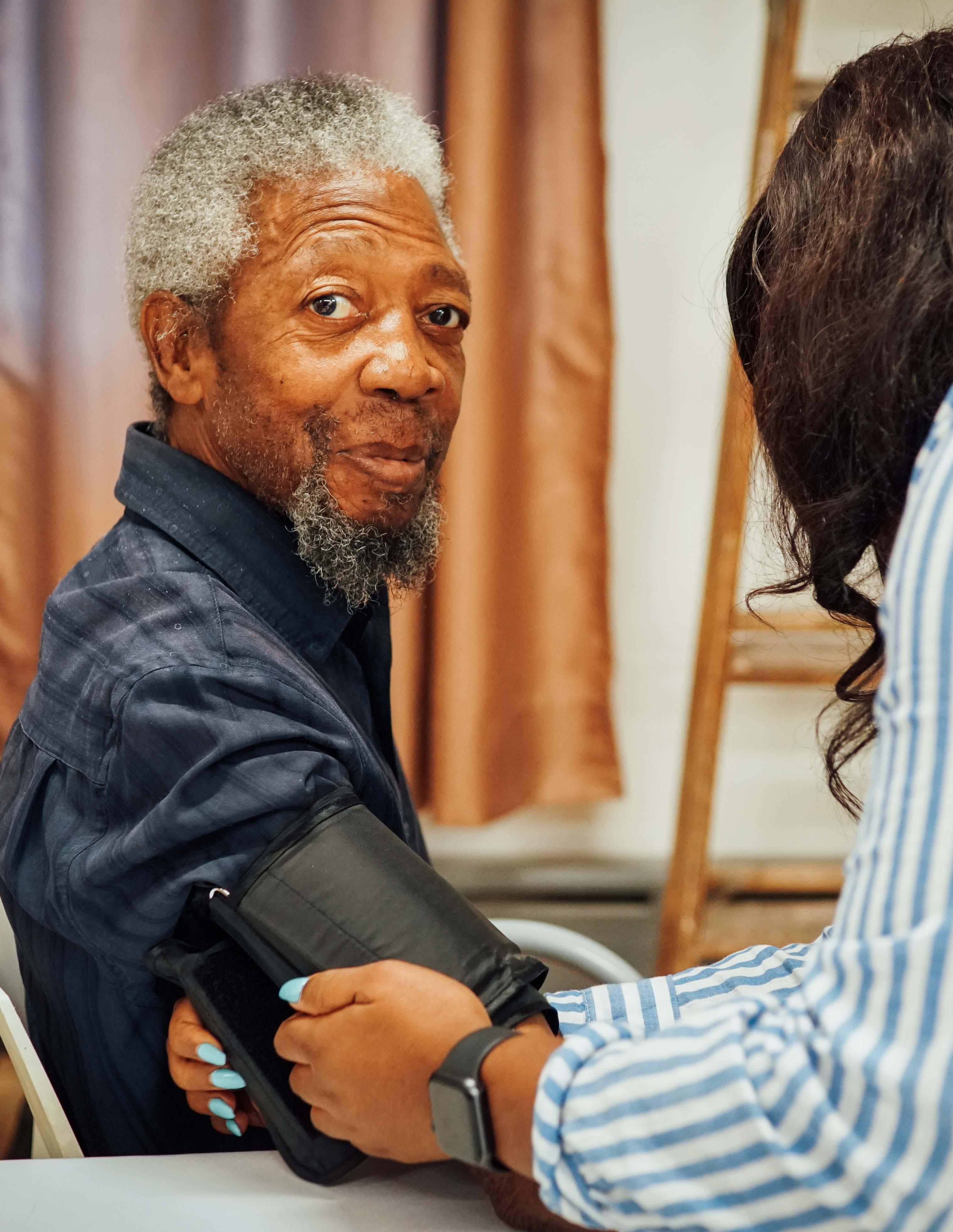
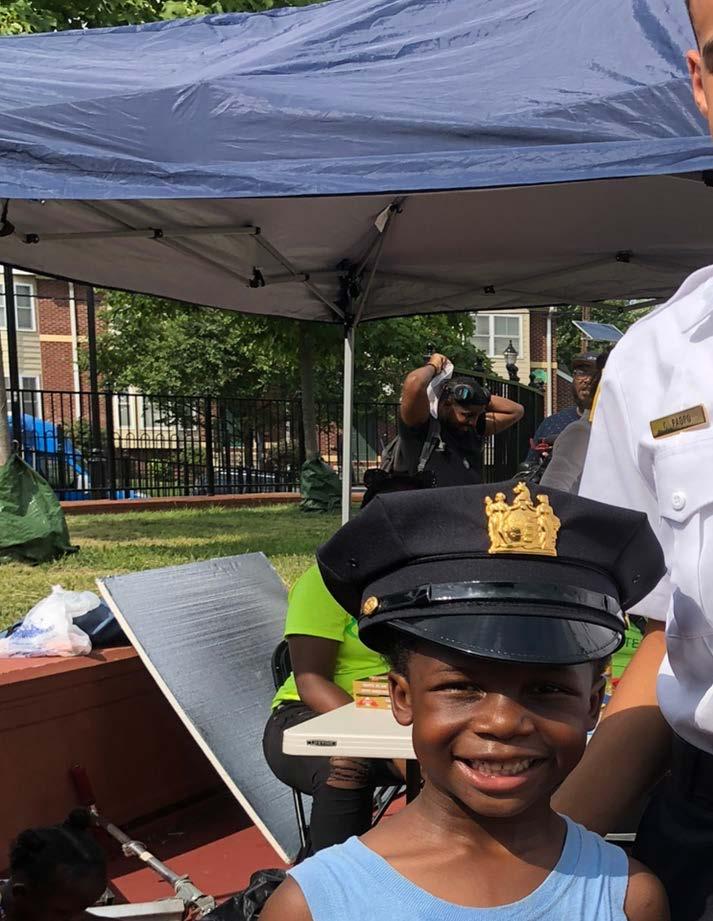
Safety is the foundation of a thriving community and is paramount to Communities of Opportunity.
Programming that builds safety and security must be prioritized.
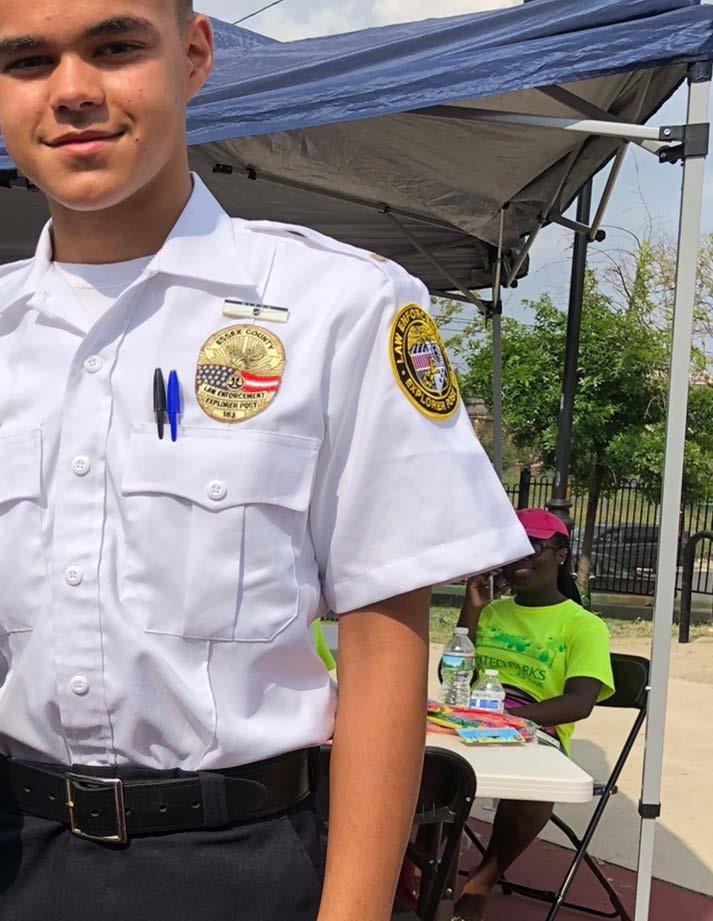
All properties are responsible for implementing at least one safety event per quarter.
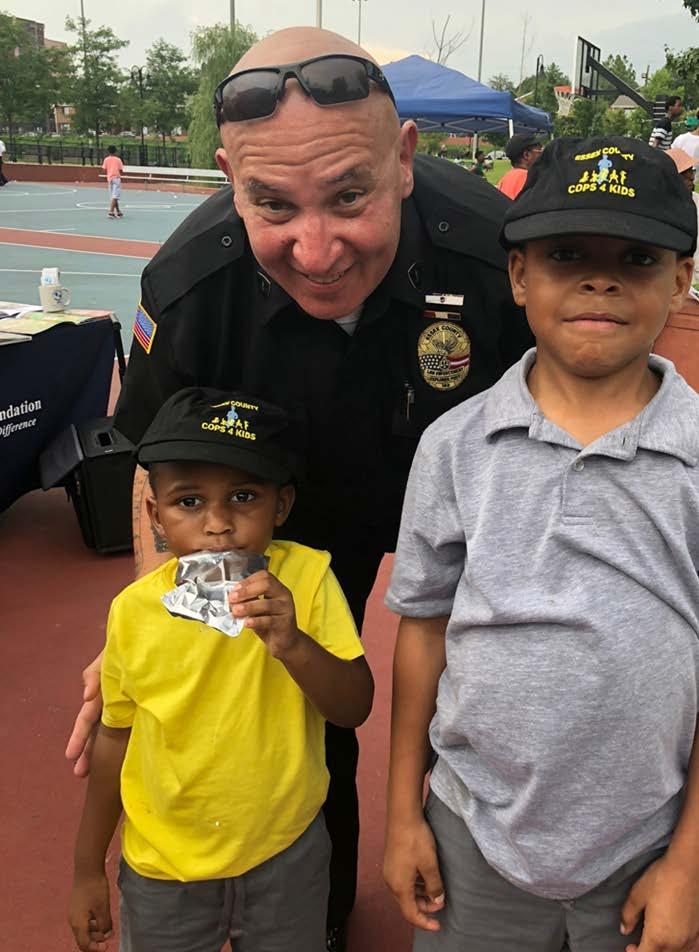
Safe and well-maintained properties contribute to safer communities and have an impact on entire neighborhoods. A community where residents feel safe helps management—as incidences of vandalism, theft, and petty crimes decrease, and associated costs are reduced. Communication with key partners, such as the community police and fire department brings a sense of safety to your residents.
There are multiple ways that a community can feel and and become (no ‘s’) safer. Building community cohesiveness within your resident population is critical. Communication with key partners such as the police and fire department can bring a sense of safety to your residents. Relationships with community police, local fire education personnel and other frontline community workers are just a few ways to increase feelings of safety. Below are some concrete suggestions that can be executed to increase safety and feelings of security.
The first step to making a safe community is exploring and listening to the safety concerns of your residents. Host a coffee hour and let residents know in advance that you would like to discuss how you can improve safety on your property. Be open to the feedback and, where possible, try to make improvements. Sometimes something as simple as improved communication, replacing lights, or added security presence near certain parts of campus can make a big difference.
Link to: Coffee Hour Conversation Topics
1. Identify the local police precinct. Invite law enforcement to the community for a meet and greet with residents.
2. Ask the officers to report on any safety issues in the neighborhood.
3. Make the officers at home. Ask if they would like to join the “team” to enrich the community.
• A “Coffee with Cops” program costs very little and provides the community with so many perks. Just invite your local police to your community for a coffee hour one or two times per month. This creates comfort between residents and police and can lead to important dialogue and a stronger relationship.
4. Create volunteer opportunities for the local community police and residents.
• Plant a garden
• Make breakfast together
• Create a walking club
• Celebrate - invite them to your parties and other special events
National night out (NNO) occurs on the first Tuesday of August. It is an annual community-building campaign that promotes police-community partnerships and neighborhood camaraderie to make our neighborhoods safer, more caring places to live. National Night Out enhances the relationship between neighbors and law enforcement while bringing back a true sense of community. Furthermore, it provides a great opportunity to bring police and neighbors together.
Invite your local police department to celebrate NNO on your campus. Include other vendors and make this event a fun and safe way for your community to interact and build relationships with the police. Visit https://natw.org/about/ for more information and to register your community.
Fires tragically cost lives and in many instances are preventable through regular education on prevention, fire safety and evacuation. Routinely educating your residents about fire safety decreases the likelihood of accidental fires and creates a safer community.
1. In the lobby and communal areas, post information regarding fire safety and protocols. Information and flyers can be found on your city government’s website.
2. Community Managers should bring in the local fire department to lead a workshop for residents to learn about preventing fires, and safely evacuating if one occurs.
3. Upon move-in, and during safety events, educate residents on site specific evacuation procedures.
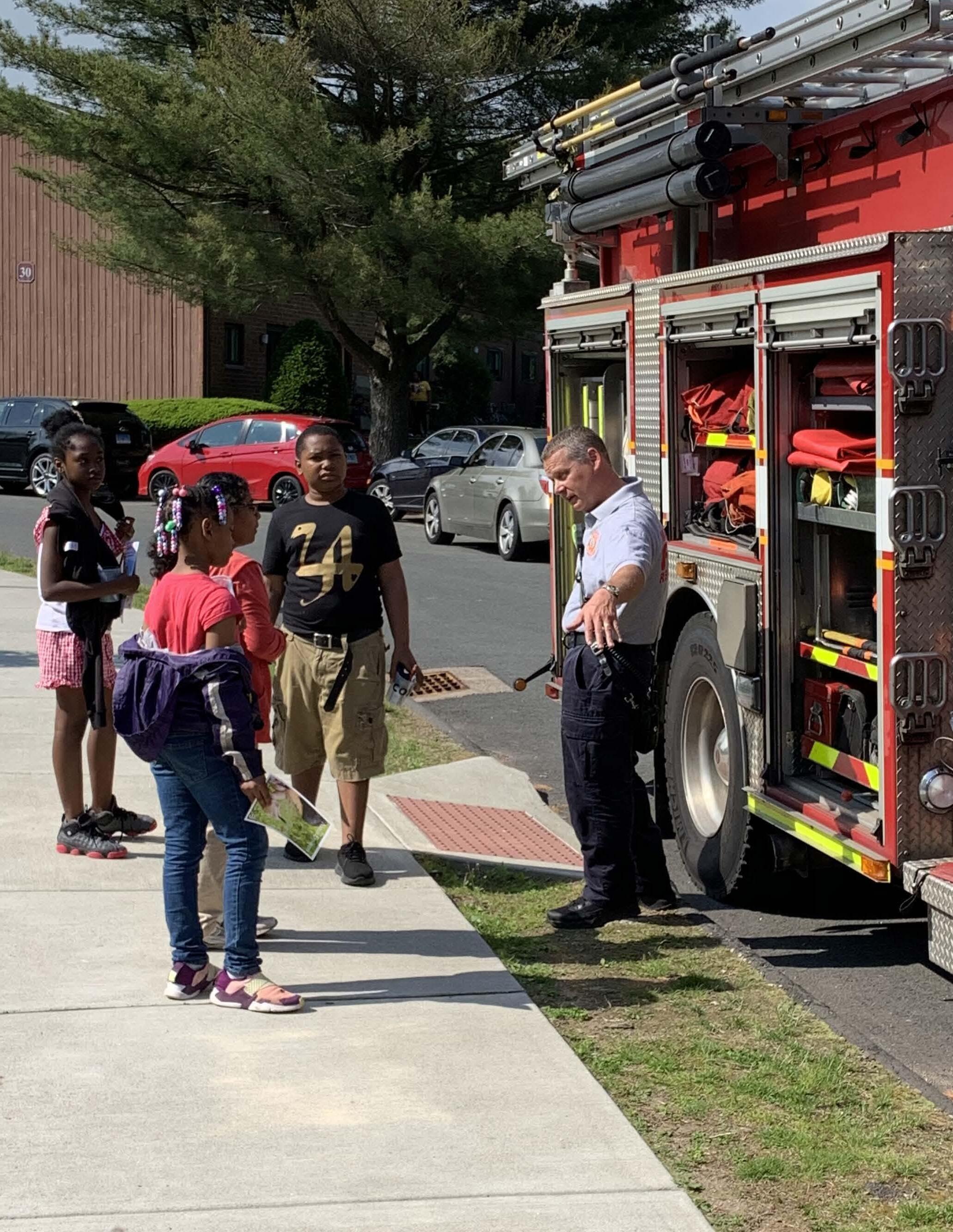
In addition to fire safety-specific programming, your local fire department is a great partner to have at other events as well.
Invite your local fire departments to your health fairs or for a “touch a truck” event which includes fire safety education as well as tours of the fire engine for kids. It is a great way to get residents of all ages excited and interested in Fire Safety.
Residents may go on vacation, have lengthy stays in medical facilities, or need to leave to care for family members. It is important to have a protocol and communication plan in place when residents are away from home.
A buildup of packages of notices can indicate an absence and create a target for crime, or could indicate someone is unwell and should trigger a wellness check. You should ask residents to notify you in the case of any extended absences so you can look out for these situations.
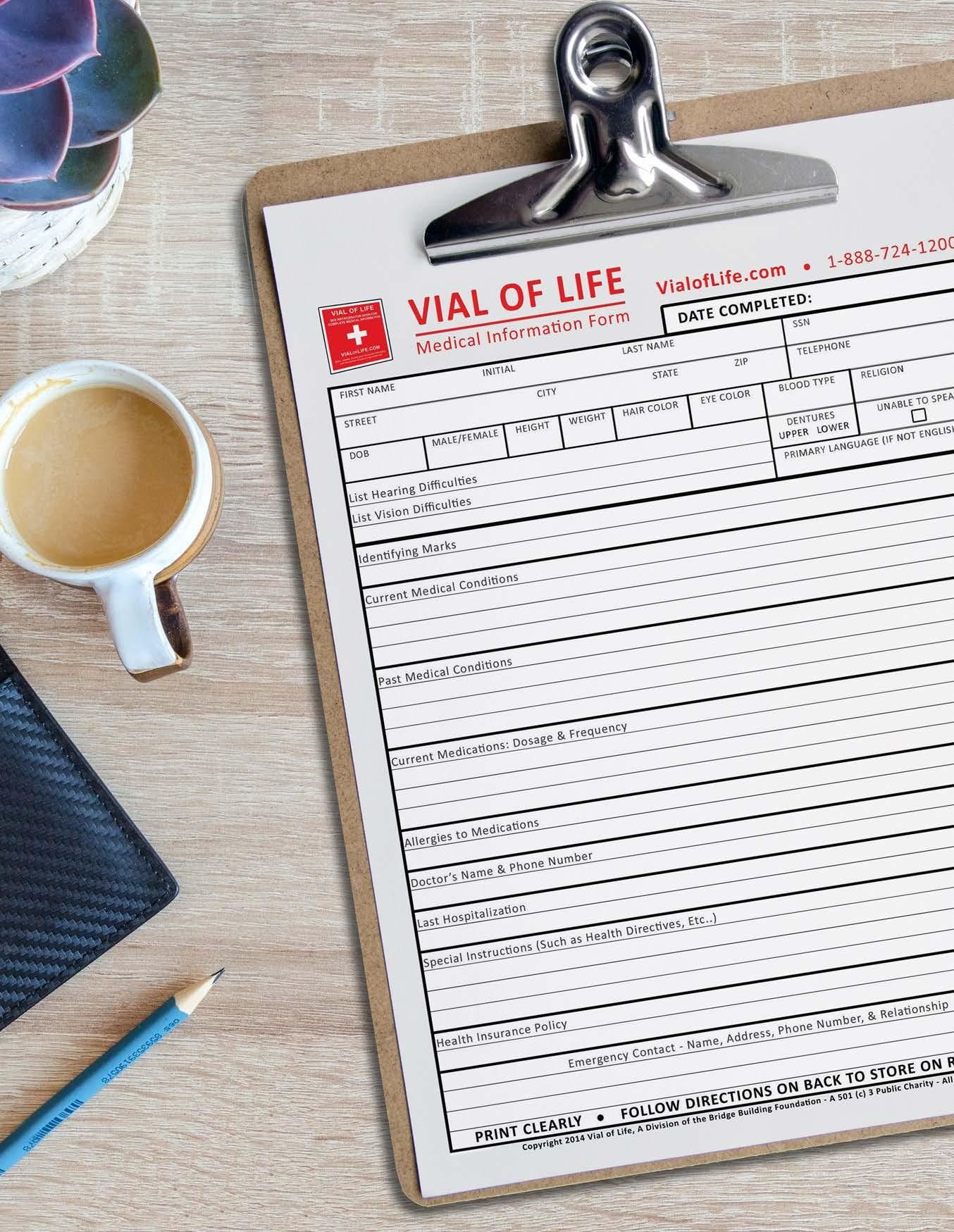
Vial of Life is a program designed to make a resident’s important and lifesaving medical information easily accessible to Emergency Medical Responders. It is a standard form that is completed by the resident and placed on their refrigerator door and that then gives first responders all the medical information they need to treat the resident at a glance. It is a great safety option especially for senior residents, it’s easy to implement and it’s free! You can download the Vial of Life Kit from https://www.vialoflife.com/how_to_use_the_vial_of_life/
1. Once downloaded, have an area in your office where residents can pick up the forms or if possible, deliver the forms door-to-door with staff assistance
2. When speaking with residents, make sure to mention that this is an option and that it is easy to do
3. The resident’s family or home health aide could assist the resident in executing the form
Vial of Life works well when information is accurate and up to date. You can support residents in keeping their forms updated by hosting quarterly Vial of Life coffee hours. In addition to keeping information up to date, the added support of other residents and staff being present will be helpful for some seniors who need assistance in filling out their forms.

Millions of older adults fall prey to financial scams every year. You can help protect your residents by providing information and training on how to identify and avoid scams. The Department of Consumer Affairs has information and educational resources that can be distributed to residents, their families, and caregivers.
Seniors are not the only ones who may be the victims of unsavory online activity. Providing families with information on how to monitor their children’s internet usage and safely use the internet is an important part of safety. Have information available for parents and youth on internet safety. The below resources have information for families and children:
• https://kidshealth.org/en/teens/internet-safety.html
• https://us.norton.com/internetsecurity-kids-safety-stop-stressing10-internet-safety-rules-to-help-keep-your-family-safe-online.html
• https://www.fosi.org/
• Link to: Consumer Affairs Fraud Protection

TENANT
Properties often have “informal” or semi-formal resident leadership. Your resident leaders/ building captains could benefit from outside support to become a formal Association. A tenant association is beneficial to management in relaying resident information, creating cohesion in your community, and connecting to resources. It is also helpful in empowering residents and advocating for tenant rights. You can help your resident leaders become a formal tenant association by providing them with information from HUD on tenant rights.
Link to: Tenant Rights
CHARACTERISTICS OF A GREAT BUILDING
CAPTAIN:
• Passionate about the community
• Well respected by other residents
• Participates in programs and events
• Checks in on and helps other residents
BUILDING CAPTAINS
One way to make your community safer is to have designated building or floor captains who can report on any resident concerns and check in on neighbors. Building captains act as a liaison between residents and management and can be key players in communicating important programmatic information throughout a building, one floor at a time. Captains are particularly helpful in times of great need, such as in crisis or when a property is under construction.
Step by step instructions for creating a building captain program:
• Start with a letter to drive potential candidates together for a meeting to learn more about the program
• In this letter, describe the type of candidate who would excel in this role (a leader, engaged in the community, cares about their neighbors, has the time, etc.)
• Articulate that the captains have a responsibility to meet with management regularly to share concerns but also to convey information about property programming or events. Building captains can serve a critical function in times of property construction activities.
• A goal should be to have two building captains per floor so that the needs of the floor are easily addressed, and no one volunteer is overburdened
• The group can co-develop the specific responsibilities that will best serve their neighbors
• The responsibilities that should be standard are sharing information with residents, reporting to management if they feel there is an issue and serving as a leader in the community
• Once the volunteers are committed, map out the building/ campus to make sure that the residents are evenly represented
• Establish safety protocols for the captains so that they know the best practices when approaching a unit (reach out to local precinct to assist)
• Captains need to plan a way to reach out and engage with their neighbors
• A cookout, a newsletter, a coffee hour, etc
• The captains should try and get to know their residents so that there is a culture of trust, captains are not there to get people in trouble, but to keep the community safe
• Create a system of communication between staff and the captains so that they can be alerted quickly in case of an emergency
• The Captains should try to meet once a month
• Serve as a check-in, sharing news/events, and problem-solving together
Consider a two-three year term limit for building captains.

In emergencies such as the COVID-19 pandemic, Building Captains also serve as a great resource to check in on residents when outreach to everyone by staff is not possible. A phone tree is a “pyramid” of outreach where one person (a CM or RSC) reaches out to a handful of residents (building captains). In turn, they each reach out to a certain number of people, and so on until all residents have been contacted. This allows you to connect with all residents quickly. Phone trees can be set up to help with communication,
Link to: Phone Tree Template
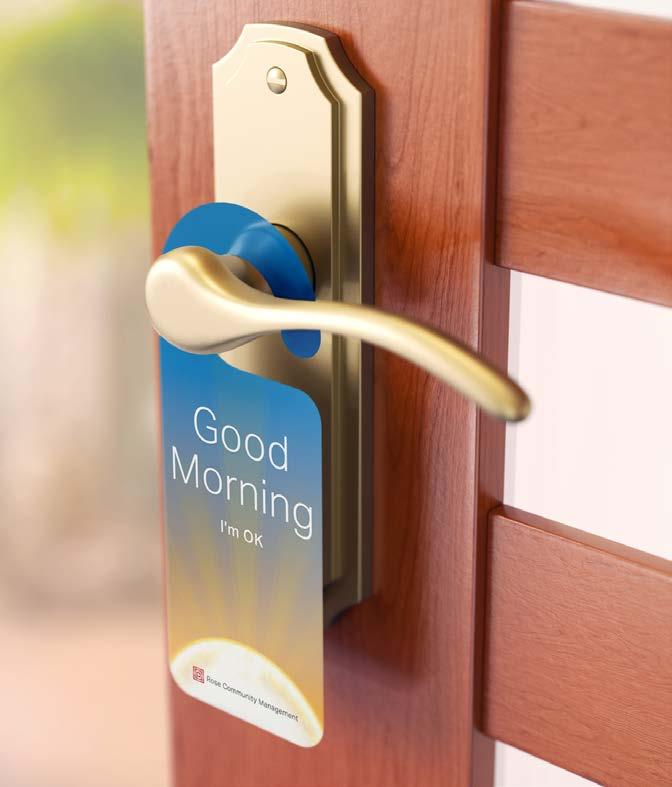
At Bowin Place in Detroit Michigan, Building Captains assist with communication between residents and management and utilize an informal but essential “knock and check” program. In this program, residents each have a door decal with a red side and a green side. They can turn their decal to green if they are doing well and feel good. If they turn their decal to red, their designated floor captain will “knock and check” in on them to see if they could use assistance. If the resident needs anything, the floor captain can communicate this to management so staff can try to connect the resident with resources or reach out to a family member.

The resilience of people and buildings is a vital part of sustainability. Having a resiliency plan for your property, and making sure residents know what it is, promotes safety and sustainability concurrently. Rose Community Management has a disaster protocol that can be accessed on RoseNet. Residents can be prepared with their resiliency kits in case of emergencies. Appendix CD includes information you can distribute to residents about how to be prepared in an emergency. Reach out to the environmental team if you need more information about resiliency planning.
On-site training, or information packets on how to prepare and respond to disasters are available through the Red Cross. You can invite your local Red Cross to the community to lead a session on disaster preparedness.
There are also online resources or training that can be made available to residents and staff.
https://www.redcross.org/get-help/how-to-prepare-for-emergencies/ survival-kit-supplies.html
https://www.redcross.org/local/new-york/greater-new-york/about-us/ourwork/preparedness-training.html
Your community should also be educated on how to prepare for extreme heat and extreme cold. You can provide information and training on what to prepare for these instances and dangerous signs and symptoms of heatstroke or hypothermia. You can find an informational flyer to include in a resource wall in the next section.

should be conducted during emergencies including severe heat and cold and other significant events.
Link to: Wellness Check Phone Script
Self-defense can increase feelings of safety and help residents feel empowered. Determine if your community would like self-defense courses. You can find resources for training in multiple places:
https://nwmaf.org/self-defense
https://www.vivehealth.com/blogs/resources/self-defense-for-seniors
Safety and Community Building during COVID: During the COVID-19 pandemic, we saw how important a strong, connected community was for ensuring people’s safety. When group events and programming could not be done, staff and resident leaders were integral in ensuring the safety of the community. Resident leaders coordinated and delivered food for homebound residents and partnered with management to perform telephone “wellness checks” to touch base with every resident.
Community Building is an essential part of safety. When neighbors know one another and check in on each other, your property will be safer. In the next section, we will look at how to build a strong community that promotes safety and wellness.
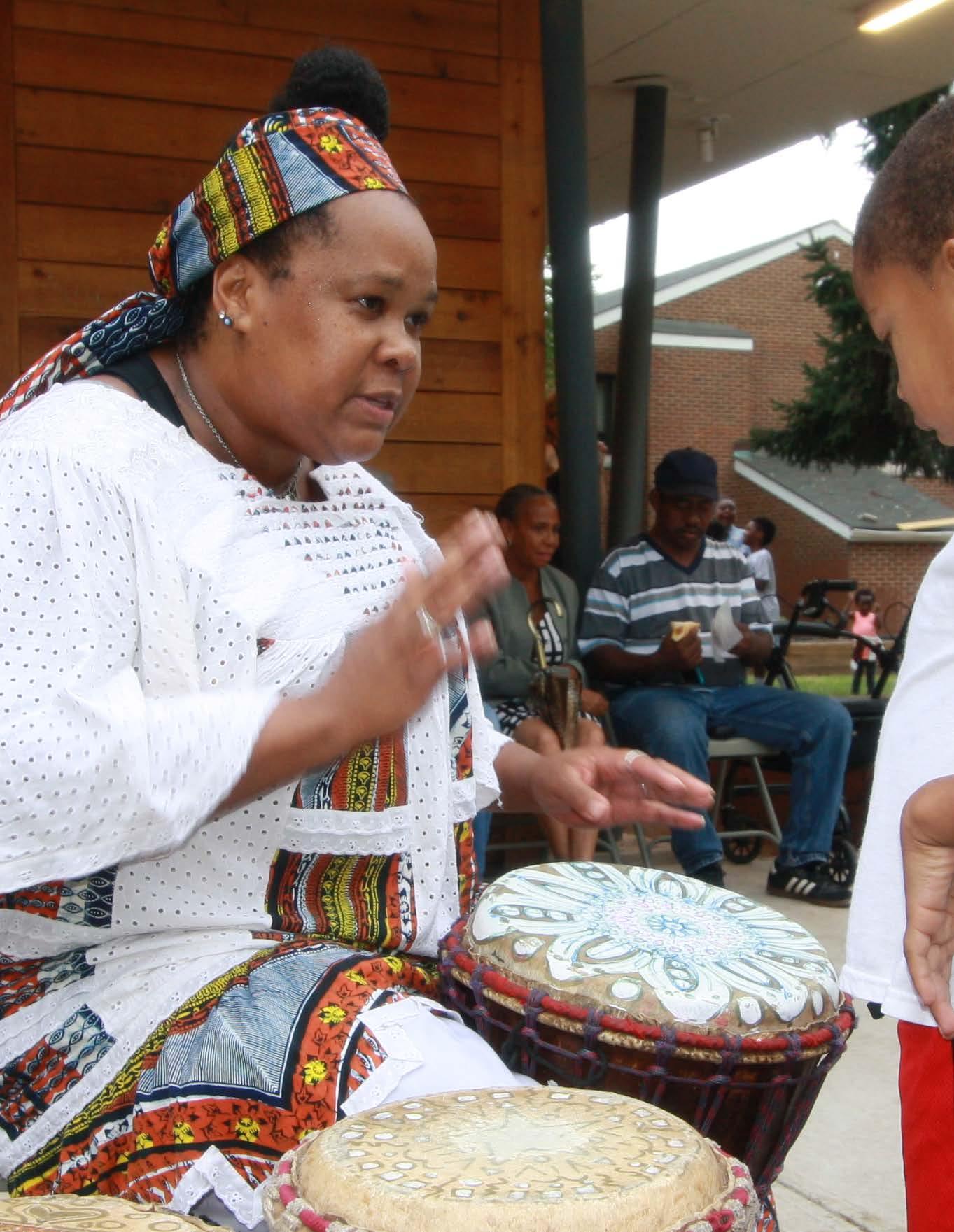
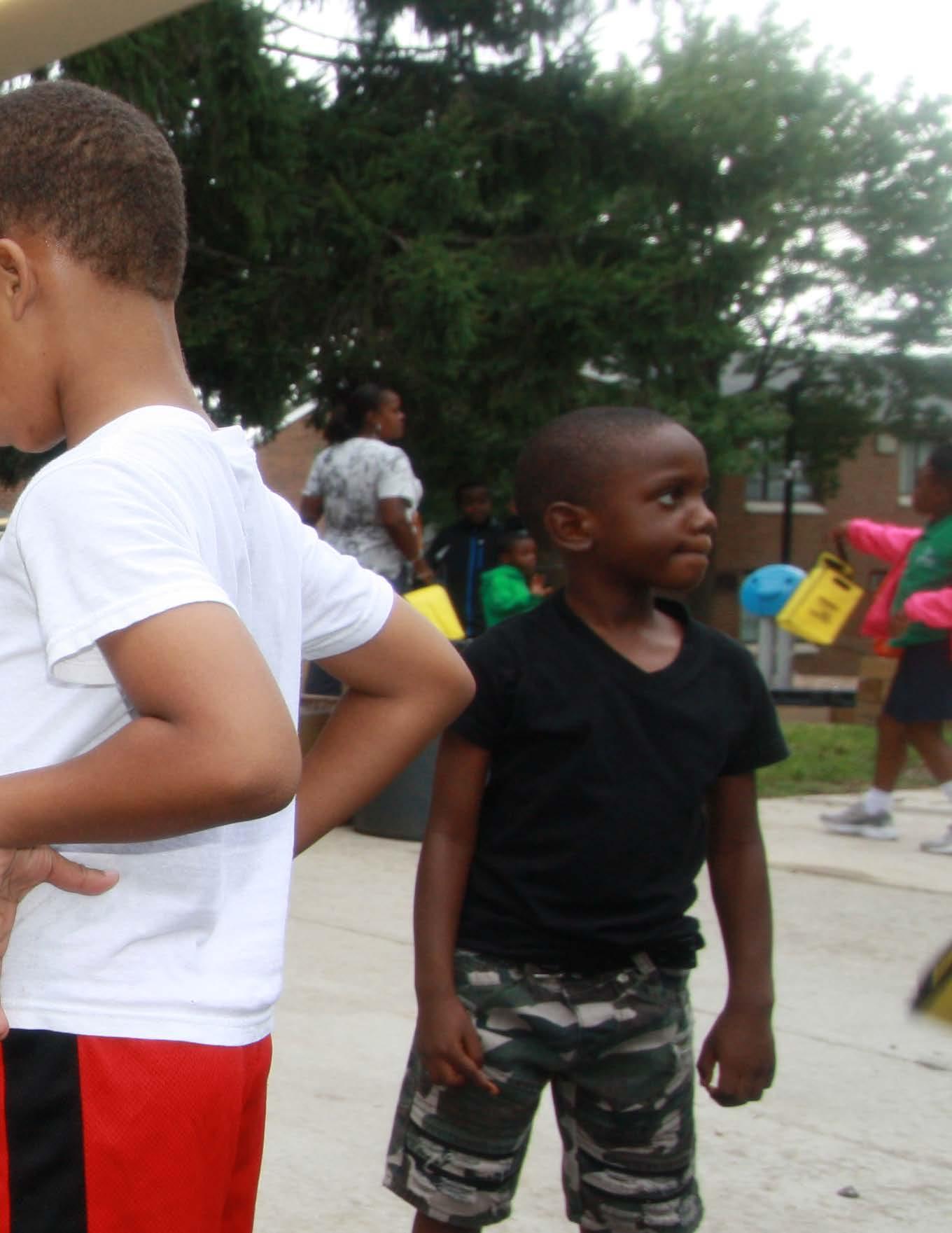
Creating opportunities for connection leads to a more cohesive, happy, and peaceful community. It can also increase feelings of safety among your residents.
Meeting The Corporate Social Impact Goal
All properties are responsible for implementing at least one community building event per month.

Recycled material can be used as supplies for art projects. Kids and adults will love the idea behind this and it emphasizes the importance of recycling at your community. You can find ideas here for recycled art projects.
Sharing culture and creating art together helps a community form strong bonds and is recognized as a strategy in community development to improve the quality of life in a neighborhood. Celebrating culture through art makes people feel safer and more connected. Engaging in creative processes has been shown to have positive impacts on mental and physical health.
Partner with an Anchor Institution. Universities and cultural organizations can help you bring richer, evidence-based programming to your site.
Art classes led by a resident are engaging for seniors, families, and children. If you have a resident with artistic talents at your property, get them involved by asking them to lead regular art workshops. Painting, drawing, collaging, and poetry writing are all fun and low maintenance activities. Supplies can be purchased with the Communities of Opportunity budget, and your resident leader can be offered a stipend.
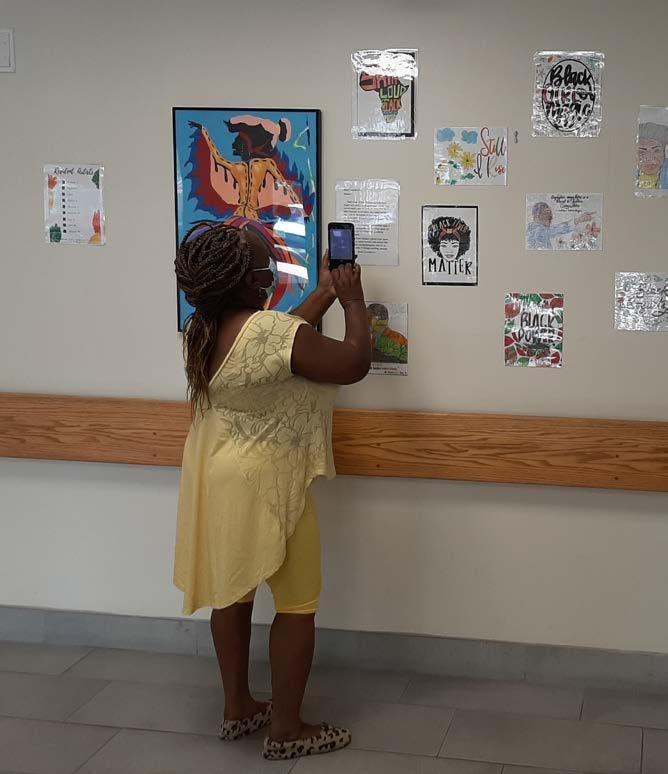
In addition to resident-led classes, you can also connect with local art organizations to bring events to your property. Some examples of art events have included collage projects, “paint and sip” social events, and art with a focus on telling residents’ personal stories or focusing on a social issue that is important to them. After creating art, residents should be celebrated. Displaying work in your hallways or community room and inviting people to come to browse the artwork like a museum is a fun way for residents to take pride and for staff to show support for their work.
At Bowin Place in Detroit Michigan, a community partner led an art project to empower residents with a voice on matters of racial equality and social justice. Those who participated expressed their thoughts and feelings through drawings and poems. Residents were given an outlet on this difficult topic, and a feeling of community was strengthened when their poems and artwork were displayed for all to see.
Culture can be incorporated into everything you do, not just as a stand-alone category. Properties typically host celebrations for holidays such as Christmas and Thanksgiving; expanding the holidays we celebrate to include more cultures and religions is one way to increase inclusivity in your building. Here is a link to a list of “lesser-known” holidays . Ask your residents which holidays are important to them.
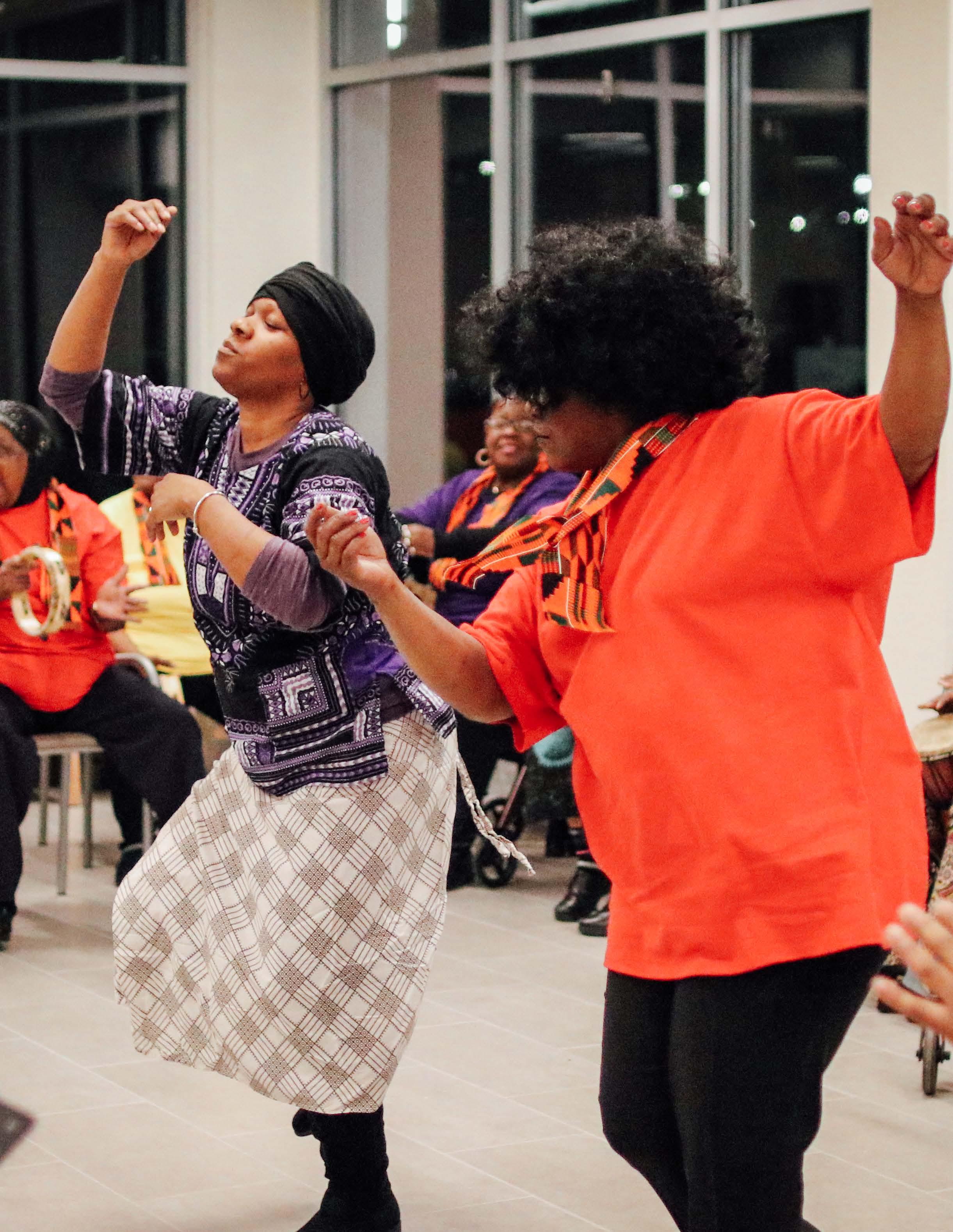
Talk to your residents about traditional dances from their culture. Do they want to lead a dance class to teach other residents about a cultural dance they enjoy? If not, find resources in your community. Whether it’s a local senior center or a community dance group, there are likely partners within your community that can come on-site to teach residents. Whatever dance the class will focus on, celebrate that culture, and invite residents who identify as that culture to share a few facts about it.
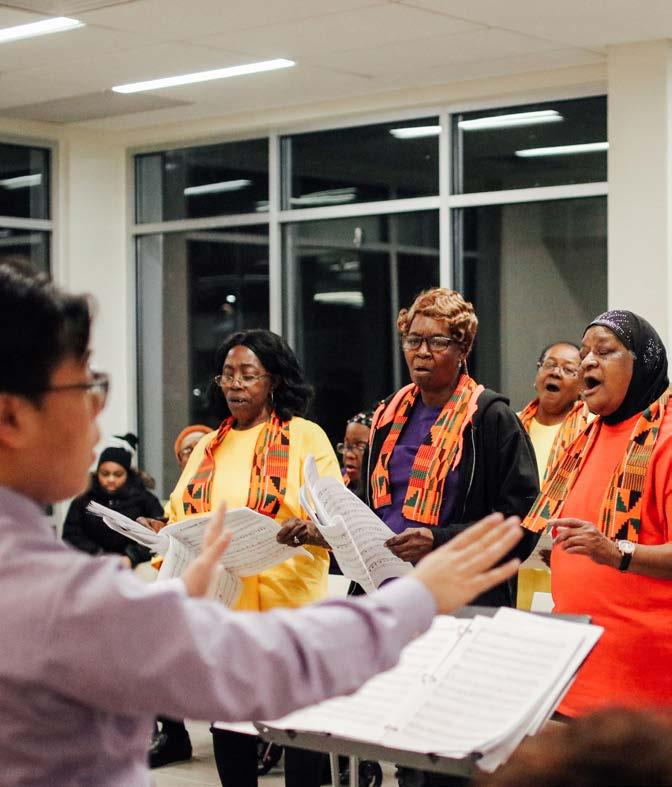
Music has multiple health benefits and can improve memory, cognition, and can lower stress. Song also has a powerful connection to culture and history. Bringing music classes to your property can have a positive impact on your residents and the community. Local art and music organizations, or the music department of local universities might have programs or workshops they can bring to your site.
Grace West Manor partnered with Newark School of the Arts
to host a Creative Aging Series. Seniors learned how to improve breathing for vocalizing, how to read music, the basics of harmonizing and learned about American History through music.
They had a culminating concert and wowed everyone in attendance by singing a collection of songs that celebrated the spirit and work of Dr. Martin Luther King Jr.
Community Building begins from the moment a resident moves in. Have a procedure in place to “welcome” new residents. Management and a resident leader (can be a building captain) should meet the new resident upon move-in and share contact information for questions. Prepare a “welcome kit” that includes local amenities, important phone numbers, and the resident handbook. Make sure new residents know who they can call at the property and in the larger community if they have a concern. A short survey on resident interests and hobbies can connect tenants with similar interests and can help management plan programs and events that capitalize on resident interests.
Encourage cohesiveness in your community by planning celebratory events that are important to your community. Here is a link to a list of “lesser-known” holidays that can be celebrated and highlighted. If there is a resident in your community who is knowledgeable about a certain holiday, partner with them to plan a culturally inclusive event to celebrate.
Use a celebratory event to educate and provide resources for your residents. Popular examples of this include a “heart-healthy” Valentine’s day celebration, “Fall” prevention Autumn festival, a “Mind, Body, and Soul” event that includes wellness for all aspects of your community, Black History Month celebrations, and more.
Some programs and events might target families and children, such as Halloween parties, back to school events, or Mommy and Me playgroups. However, whenever possible, allowing events to be intergenerational and inclusive helps to build a strong community.
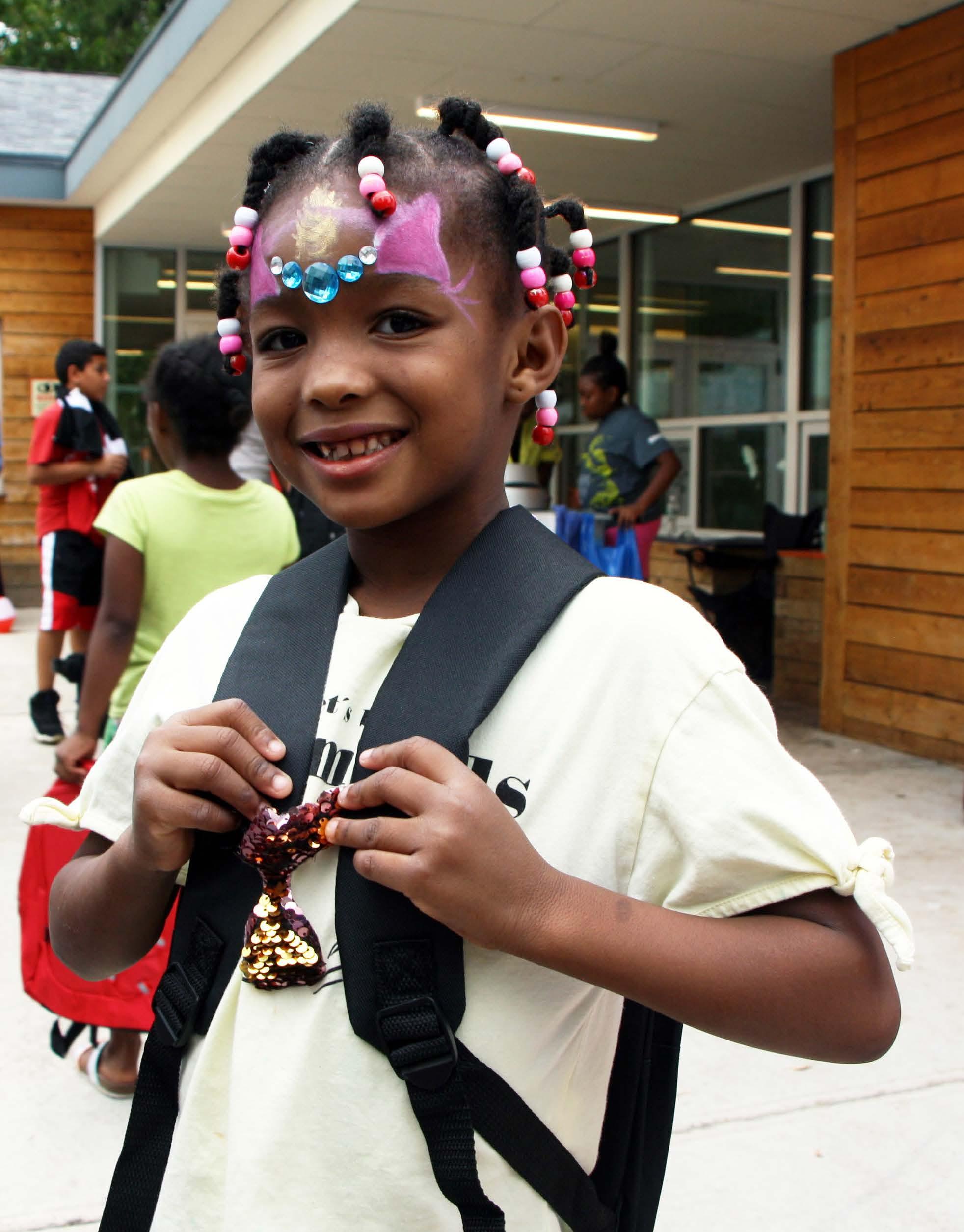
Back to school events are popular at family properties. These events celebrate the end of summer and show support for youth as they go back to school. Often, they also include giveaways of backpacks or other school supplies. One way to make this intergenerational: ask senior volunteers to help ensure each child gets a backpack.
Some partners you can reach out to that frequently donate school supplies for kids are:
• Your local police precinct
• Local churches
• Cultural organizations in your area
• Local politicians
Some organizations will host mommy and me playgroups at your site. Parents will meet each other and provide support, and young children (typically ages 0-3) will be exposed to socialization, which is fundamental for healthy development.
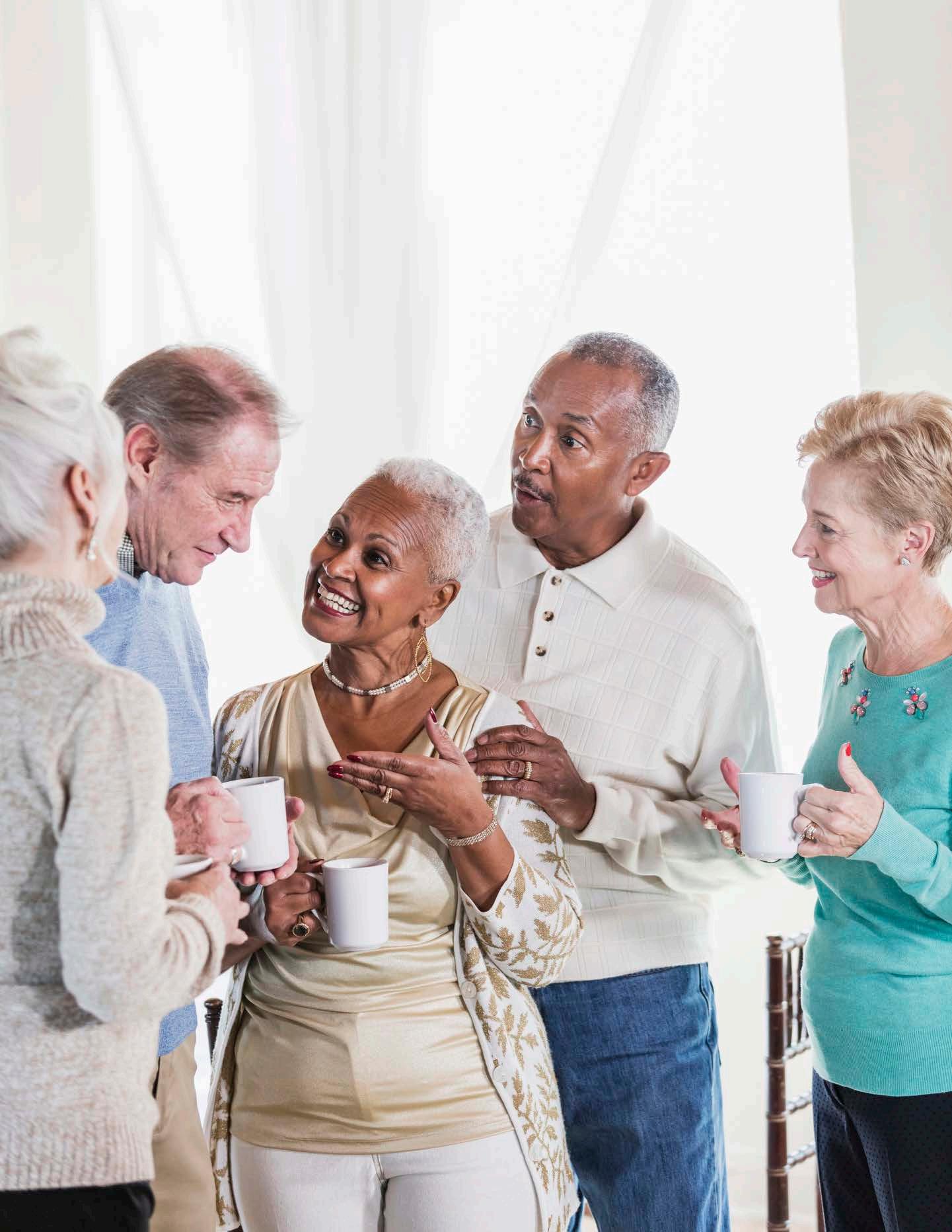
One way you can help the planet while hosting coffee hours is to encourage residents to BYOM—Bring Your Own Mug. This will reduce the usage of disposable cups. You can even host a fun mug decorating activity for people to personalize.
Coffee hours help foster open communication between property staff and residents. It is an informal, non-threatening way to get feedback, hear concerns, and socialize with your community. Coffee hours can also be a vehicle to introduce community partners like local police and fire personnel, or other guests that can add value to the community. Here are ideas and suggestions to facilitate a successful coffee hour. Here is a link to a flyer to help promote the event.
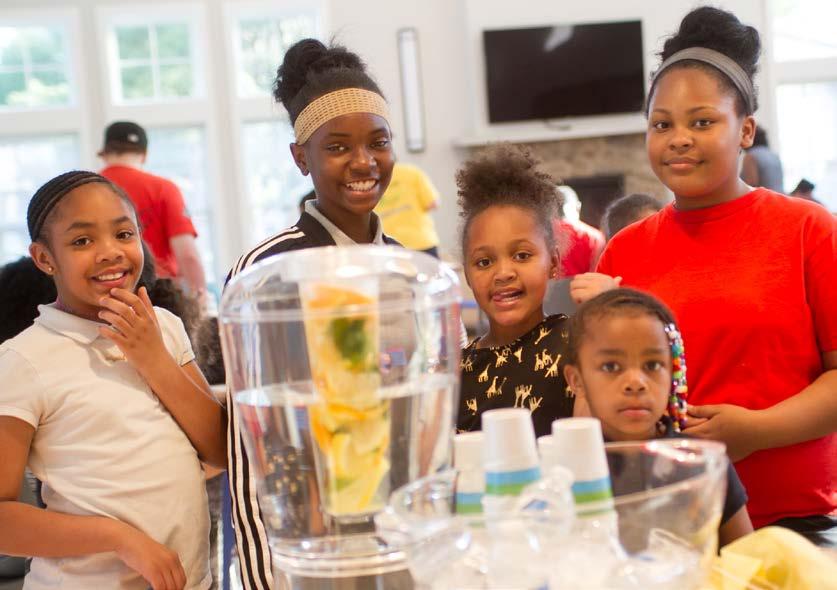
It is important to host “coffee” hours that include everyone. If you have working families at your property, you could host an evening “coffee” hour and allow children to attend (remember to include healthy beverages). You can choose specific themes for families such as: how to support children in their school work, preparing for a parent-teacher conference, internet safety, fun activities to do with your teen, etc.
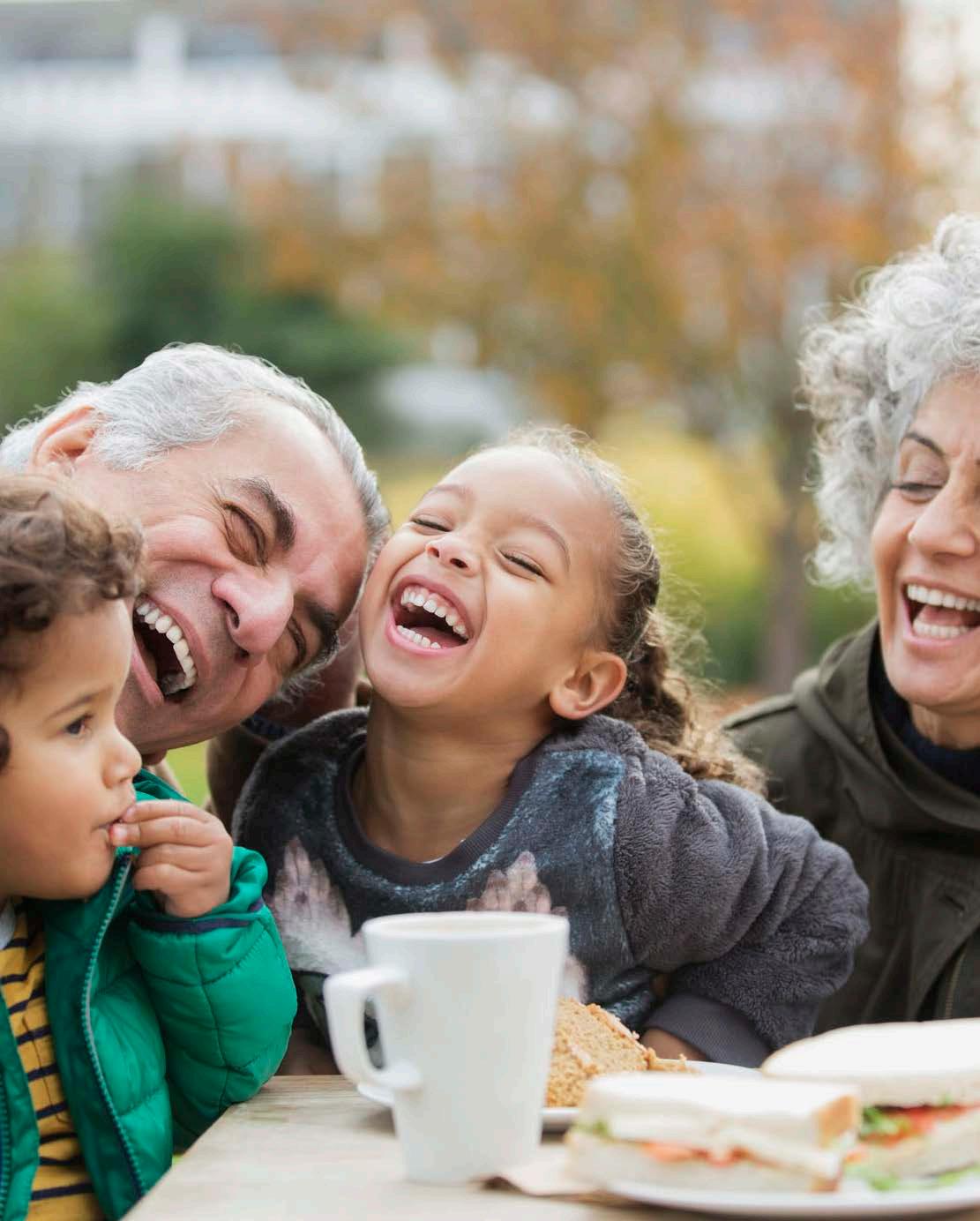
Programming can be very unifying and rewarding when it is intergenerational. Communities that come together are typically stronger and more unified. Whenever possible, it is important to include the talents of the entire campus. Finding creative ways that seniors can support the youth, and vice versa, is a way to build relationships and stronger communities. Some examples of this include: have teens on your campus teach a “Tech 101” class to the seniors; use senior volunteers to be mentors and assist with after-school activities, or volunteer to help with a youth summer program; create opportunities based on talents, perhaps there are great artists of all ages and an intergenerational art show is possible. Intergenerational earth days, campus clean-ups, or food drives are also a way for the entire campus to work together to make a better neighborhood.
At W 135th Street in Harlem, building captains organized to become a formal tenant’s association. Now, they affect change at their property as well as within their community. They conduct outreach on behalf of residents and work with JRCo as a liaison between management and tenants. Through their outreach, they obtained donations of 300 meals Monday-Friday during the COVID-19 pandemic. They distributed meals to residents in need as well as other members of the neighboring community.
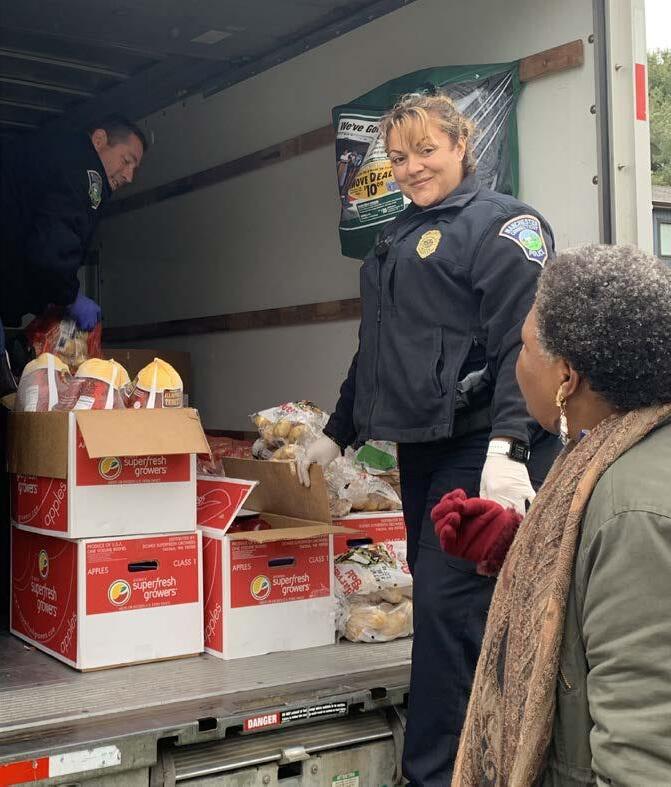


Food Insecurity can be a hidden epidemic in communities. Not having a balanced and consistent food source is a stressor that affects emotional and physical wellness, and a variety of outcomes including educational attainment in children.
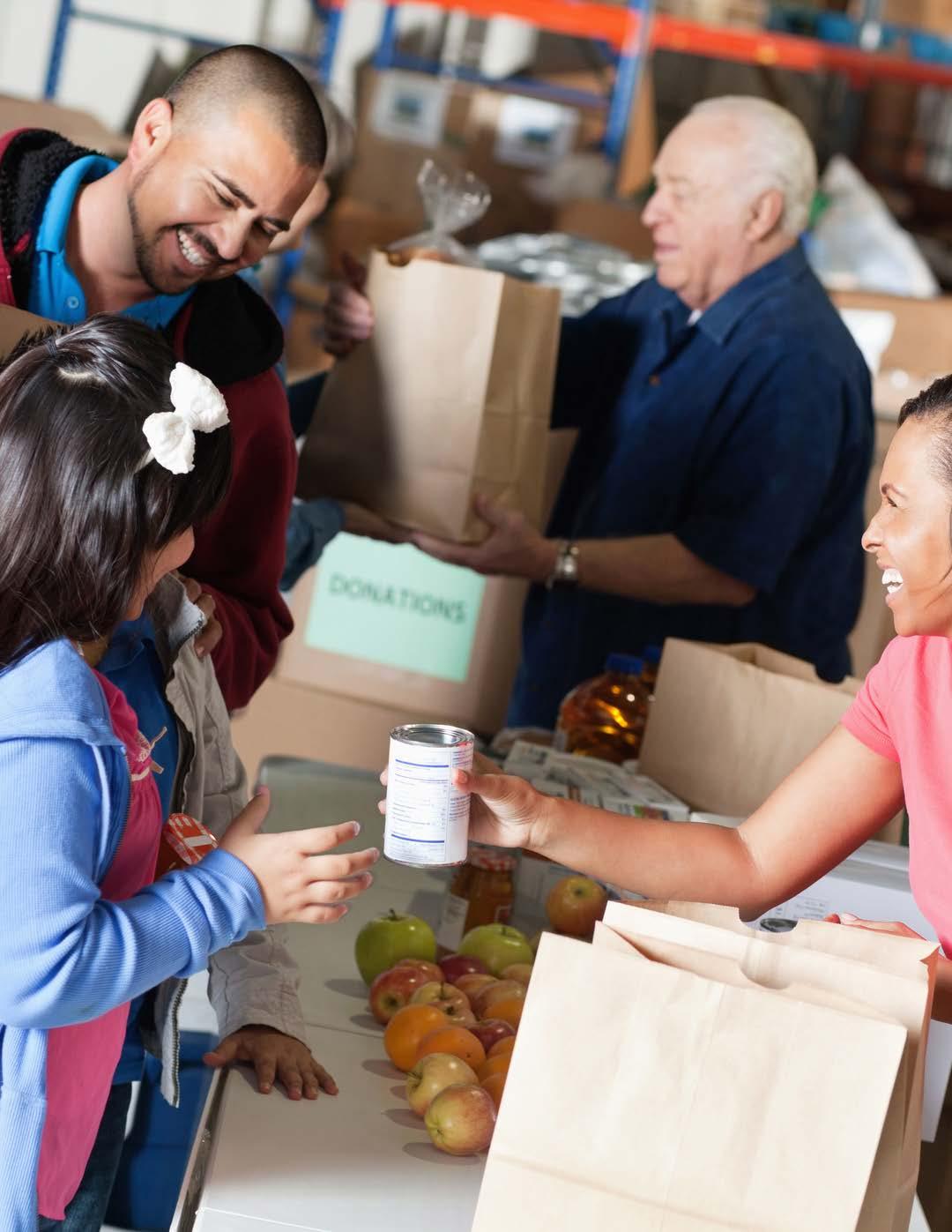
By connecting your community with food-related services, you can greatly improve the quality of life for residents in need. Community managers should contact the local Area Food Bank for a list of nearby pantries. That list should be made widely available to the residents in community rooms, at move-in, and shared at community meetings. You can also use www.auntbertha.org to search for resources in your community.
In some areas of the country, Food Bank programs will make monthly food deliveries to low income or senior properties. Community managers can reach out to their state or city food banks to find out if they provide any type of mobile pantry or delivery service.
Meals on Wheels is an invaluable resource for seniors. They operate in virtually every community in the country. If you have any seniors living on your property, you can connect to Meals on Wheels at www.mealsonwheelsamerica.org/findmeals and find out how to help your senior residents become food secure with their help.
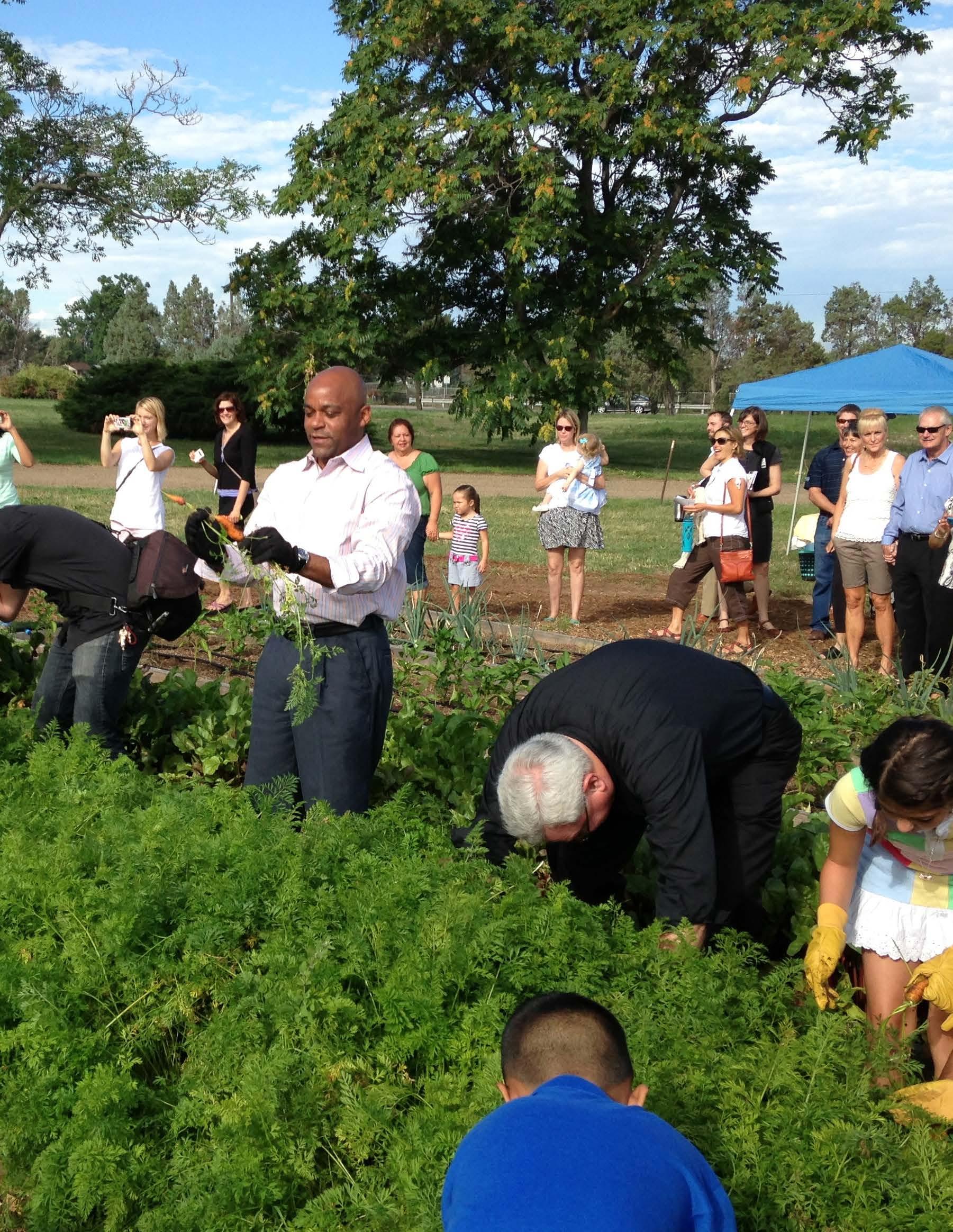
The benefits of being outside in nature are well proven. Growing your food can save money and provide instant access to ultra-fresh, chemical-free food. It’s good for the planet and encourages a more ecologically aware attitude among those who do it. And then there’s the opportunity to set an example to the next generation, showing them where their food comes from and why it matters.
Community gardens offer all of this, plus the powerful added ingredient of social cohesion. Shared experiences and goals work wonders to promote connectedness.
Food-growing projects are a great way to get participants speaking the same language: the language of plants. With plenty of jobs on hand, there’s bound to be something to suit every ability or skill, so it’s an exceptionally inclusive way of bringing people together.
Connecting your residents to SNAP helps with food security and can increase the financial stability of a household as well. You can hold information sessions or provide residents with the forms needed to apply. You can find more information specific to your state here: https://www.fns.usda.gov/snap/state-directory
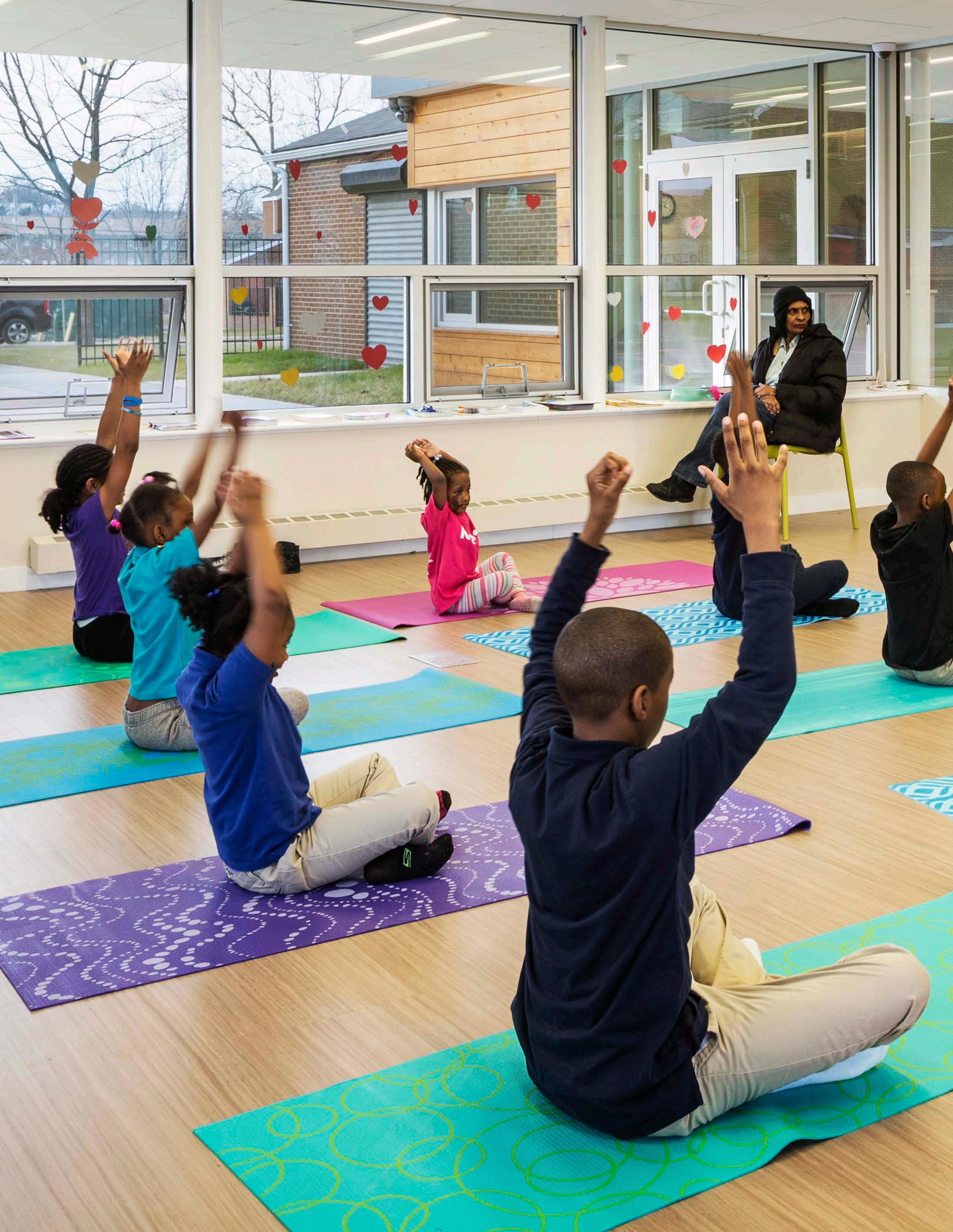
Promoting a culture of health at each property is an important aspect of JRCo’s Communities of Opportunity Program. Providing health education and connections to resources can improve healthy habits and have a positive impact on the health outcomes of your residents.
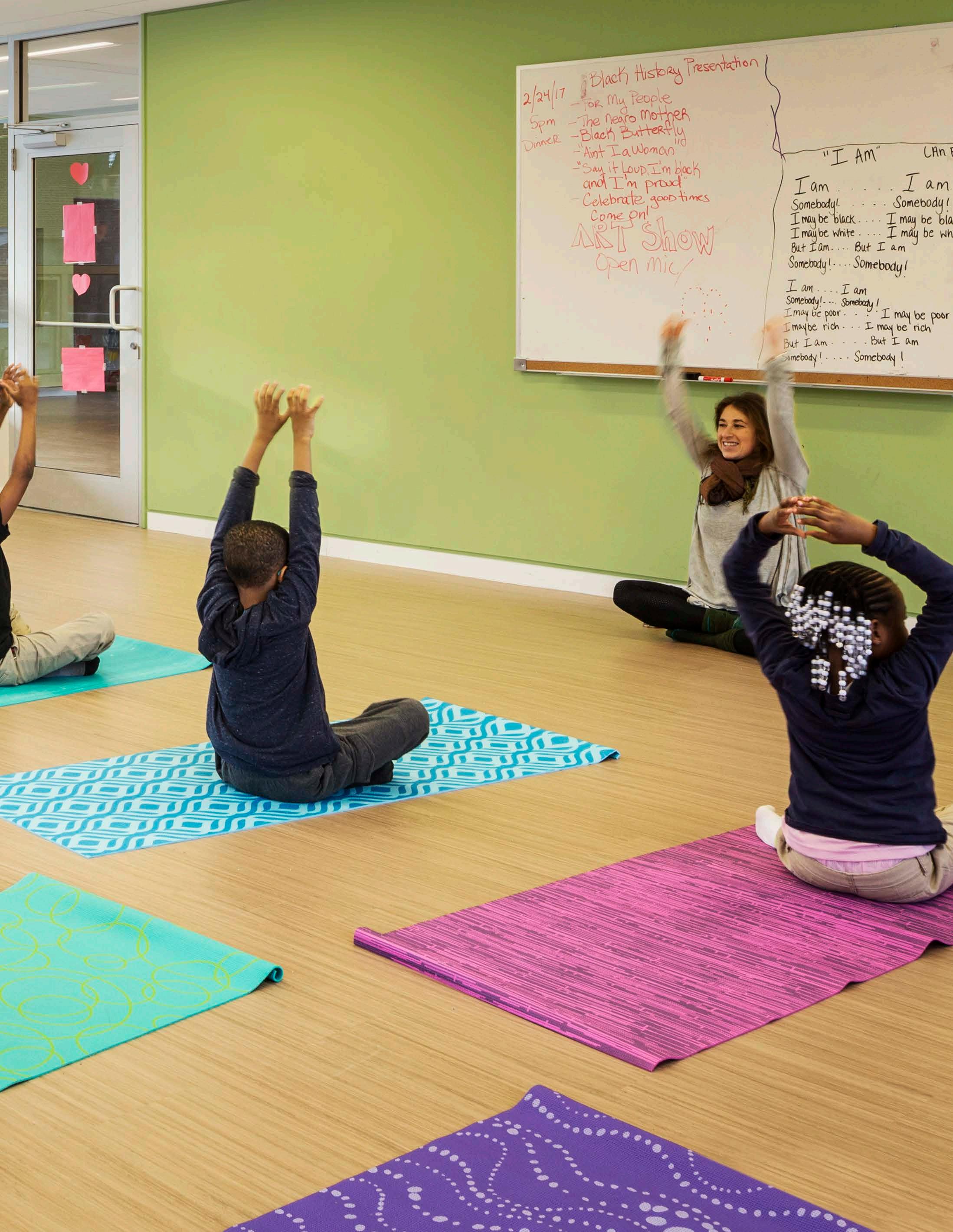
Meeting The Corporate Social Impact Goal
All properties are responsible for implementing at least one healthy living event per month.
Providing healthy food at events is important in creating a community that values health and wellness. Small adjustments, like serving a pasta salad that includes vegetables, having a fruit platter, or serving a green salad on the side instead of potato salad.
Reach out to your nearest hospital. Being connected to a large health system helps management with programming and can help residents with accessing healthcare when needed.
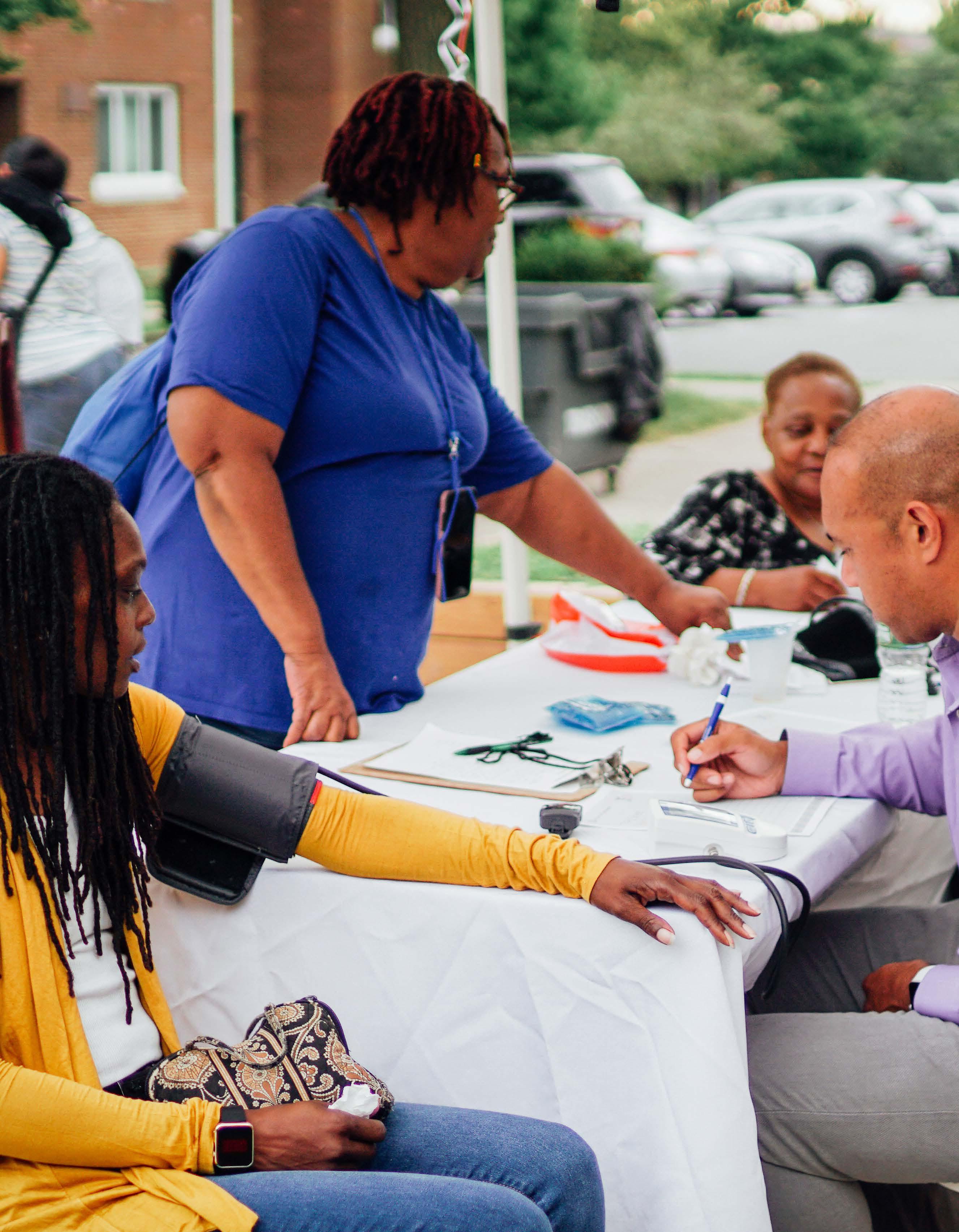
Health fairs connect residents to valuable community resources and introduce a culture of health at your property. Health fairs can include community resources for good mental health and hygiene, dental, eye exams, podiatry, benefits, etc. You can set up tables for each vendor, and some vendors may even be able to provide services or screenings during the health fair.
Wondering who to invite? Consider the below:
• Local hospital to provide blood pressure and other health screenings
• Non-profit organizations to promote healthy habits and well-being
• Local grocers or farmers’ markets to offer and promote healthy food options
• Local vendors to provide guidance on fitness and exercise
• Local fire departments to provide information on fire safety
It is imperative that we remove barriers to immunizations for residents. Community Managers can reach out to local pharmacies or clinics and work together to bring vaccines into the building, as well as provide information to residents about where they can go to get vaccinated.
1. Call your local pharmacy
2. The pharmacy will draft an MOU (Memorandum of Understanding between the property and local pharmacy)
3. Have MOU reviewed and executed by the Social Impact Team
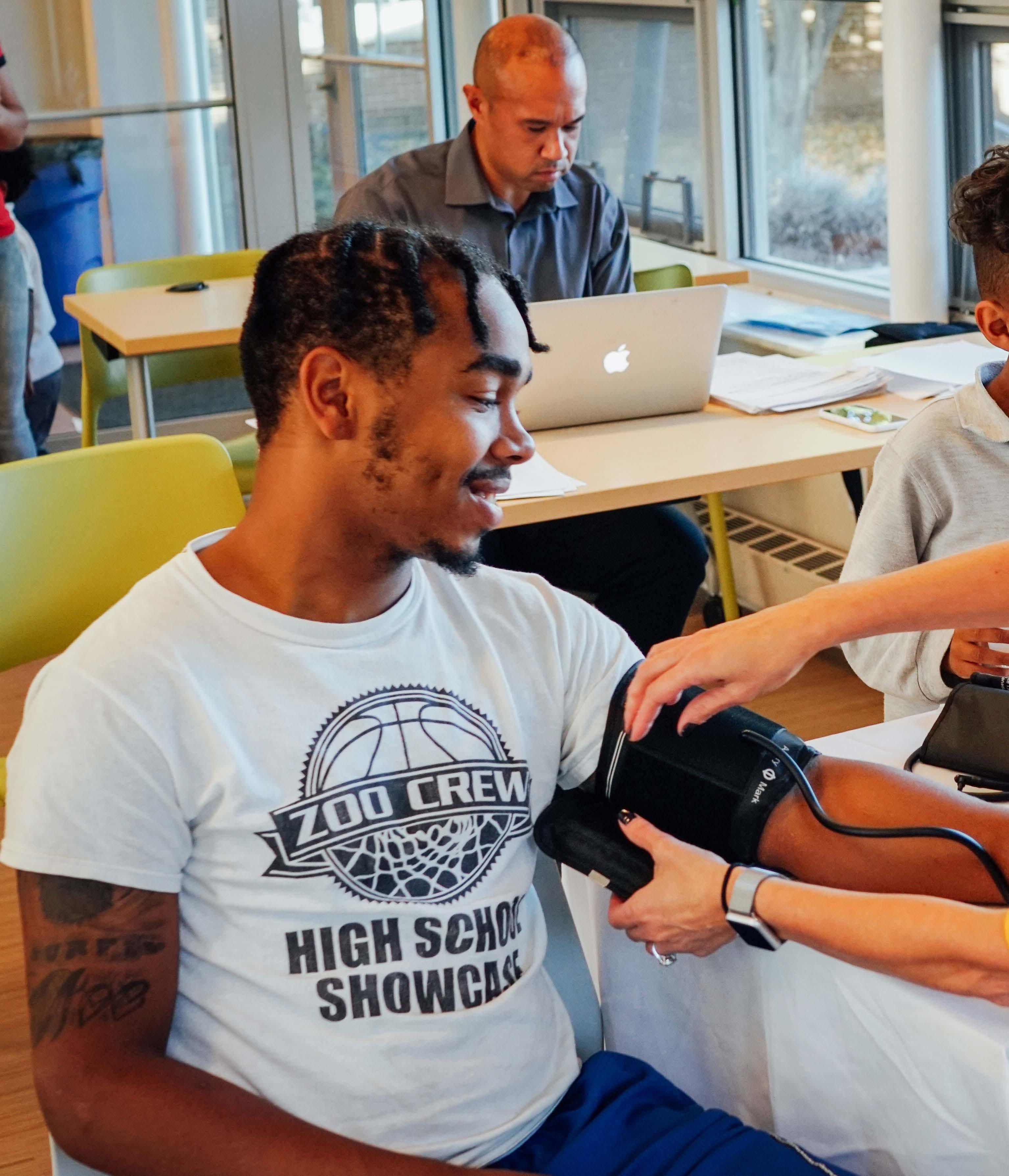
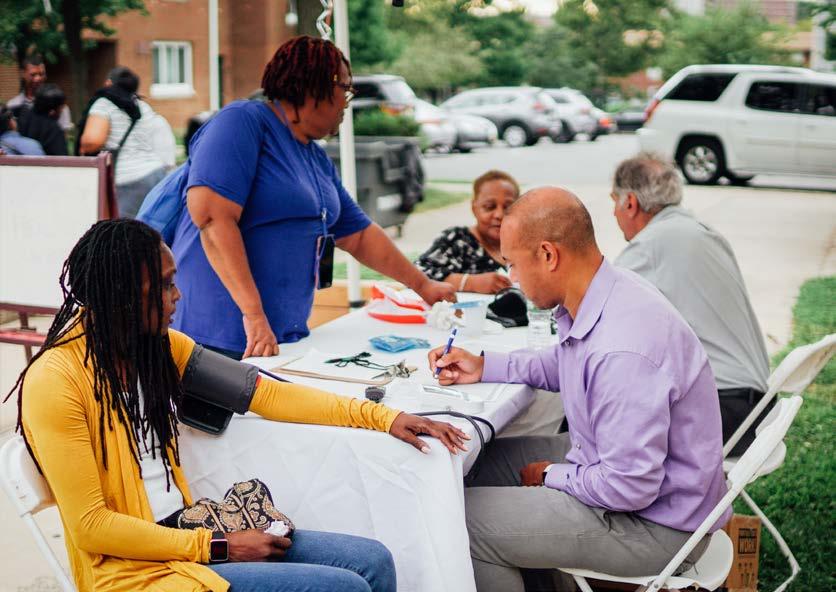
You can support resident health by bringing screenings directly to your site. Providing your residents with an opportunity to get their vital signs read promotes a culture of health and can be a preventive measure to more serious health concerns. Blood pressure, blood oxygen levels, and heart rate are indicators that can help residents have a better understanding of their health.
Currently, at Grace West in Newark, New Jersey, an evidence-based telehealth program has been implemented. This program includes on-site measuring of vital signs and follow ups by a nurse. Programs like these are being explored across the nation as a way to prevent hospitalizations and manage chronic disease.
Information sessions are an impactful way to help your residents better manage their health. Successful information sessions have included Chronic Disease selfmanagement, Medicare Information, coping with anxiety, nutritional education, and many others.
Events can be planned in partnership with local hospitals, the Department of Health, your local area agency on aging, senior centers, the YMCA, Boys and Girls Club, or insurance companies.
Smoking causes cancer, heart disease, stroke, lung diseases, diabetes, and chronic obstructive pulmonary disease (COPD), which includes emphysema and chronic bronchitis. Smoking also increases the risk for tuberculosis, certain eye diseases, and problems of the immune system, including rheumatoid arthritis. JRCo properties are all non-smoking. A smoke-free environment is also a safer one as smoking can also cause fires and poor air quality. To assist residents in quitting smoking, provide resources and if possible, plan an on-site program. Many hospitals or healthcare companies offer smoking cessation programs.
Resources
https://smokefree.gov/ https://www.cdc.gov/tobacco/quit_smoking/index.htm https://www.becomeanex.org/ https://www.quitassist.com/

A walking club can also be a fun way to connect residents to community resources. Can the path be mapped out so it passes a farmer’s market or a food pantry? Promoting community partners that are within walking distance is a way to make your walking club even more impactful.
Among the most popular events that are implemented across JRCo properties are Fitness Groups. Below are some of the most commonly implemented fitness programs:
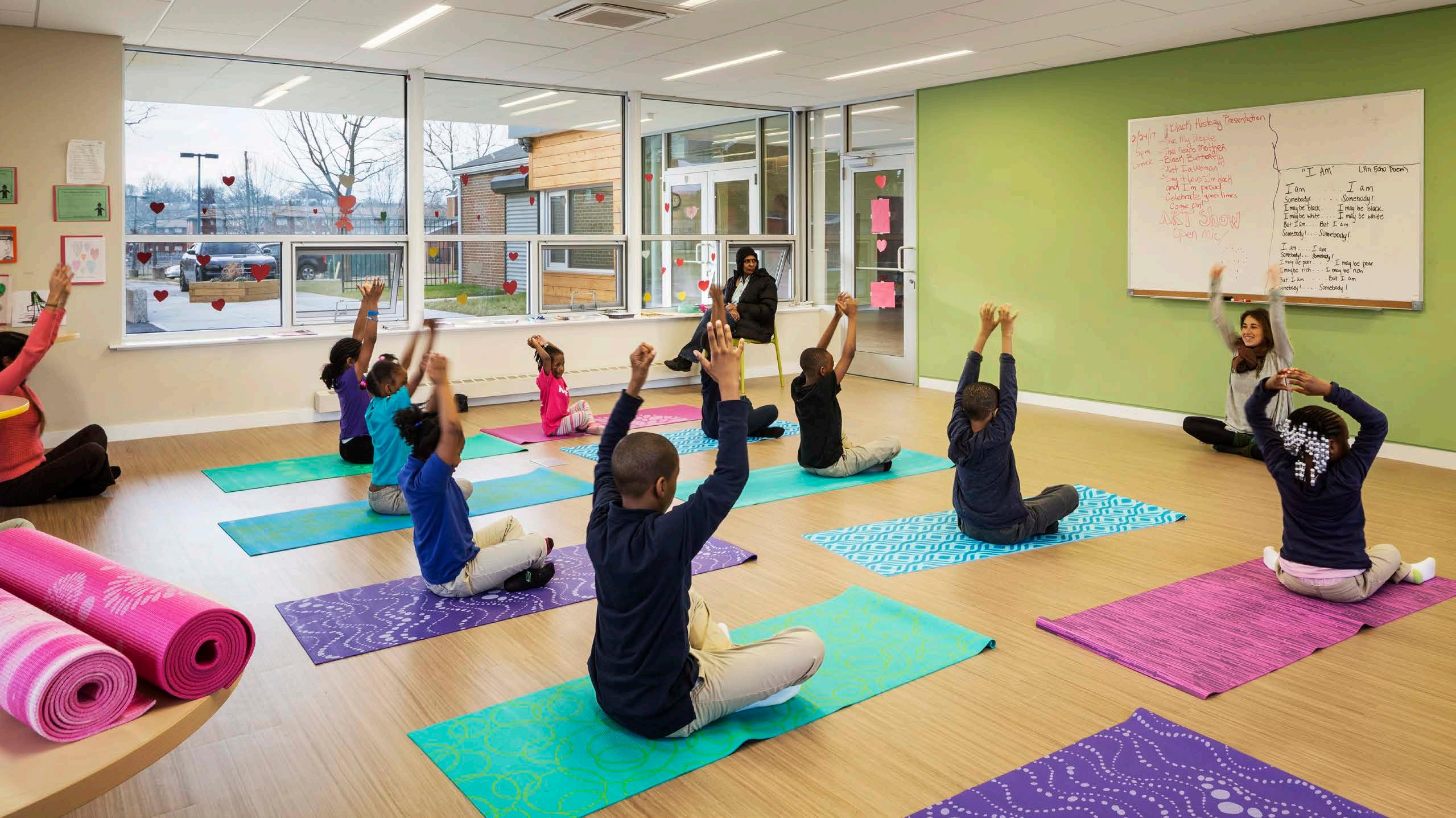
1. Yoga (Great for all ages. For seniors it can be adjusted to Chair Yoga)
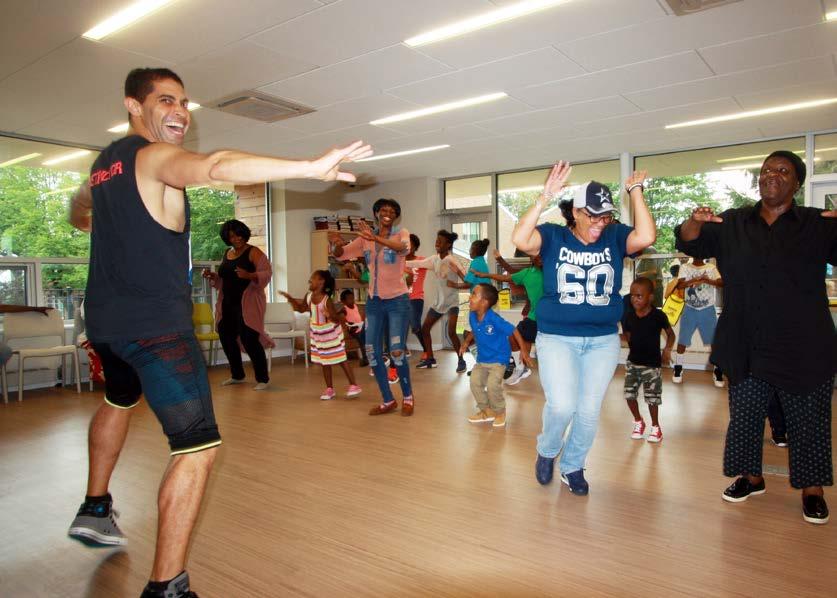
2. Zumba
3. Walking clubs*
4. Resident-led moving activities such as line dancing
*Walking clubs not only promote physical movement but also promote safety and a sense of community. Residents can work with management and even local law enforcement to map out a safe, walkable route. Have subgroups of the walking club to encourage walkers of any fitness level (fast walkers, moderate, and leisurely).
Walking club start-up kits are available through the American Heart Association here
A walking club can be more than a fitness group. It can be a movement to take back your city streets and become safe. Check out www.girltrek.org for an example of how to start a movement through walking.
Silver Sneakers is a nationally recognized senior wellness program that encourages seniors to stay physically fit. Seniors may join individually and take advantage of many of the benefits, or you can invite Silver Sneakers to come to your property to conduct on-site fitness classes. To learn more about the benefits of Silver Sneakers, and to find a program near you, visit their website at www.silversneakers.com/ learn-more/
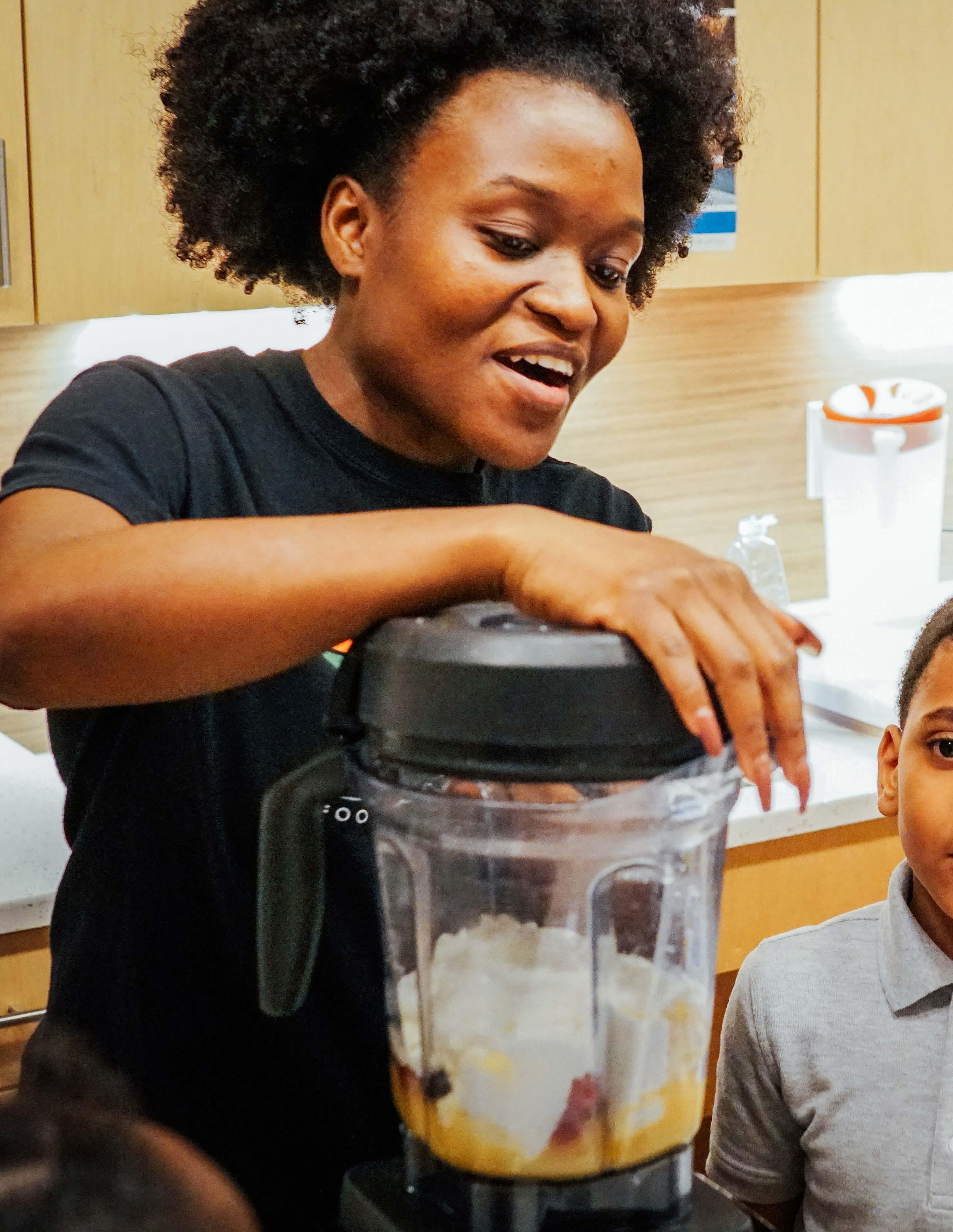
Some programming is available nationwide and is evidence-based, meaning it has been proven to make an impact. These programs come with a set curriculum and pre and post-tests. Two popular examples of evidence-based programs that have been implemented across the JRCo portfolio are Cooking Matters and Matter of Balance.
Includes a nutritional component and teaches how to cook healthy and affordable meals. You can find more information about how to bring this program to your community here: http://bestpractices.nokidhungry.org/research/cooking-matters
This is a fall prevention program for seniors. It is an 8-week structured group intervention that emphasizes practical strategies to reduce the fear of falling and increase activity levels. You can find more information here: www.ncoa.org/ resources/program-summary-a-matter-of-balance/
Cooking Matters is just one nutrition program that can be implemented at a property, but other organizations can also promote healthy habits. Many universities have nutrition departments that can send representatives to your property to do demonstrations and education for children and adults.
Maintaining good mental hygiene is key to overall health and development. Residents may be quietly struggling with mental health issues of their own or problems with family members. Introducing the idea of managing mental health through information sessions such as “how to deal with stress” or “healthy coping mechanisms” can provide valuable information and support to residents. It is essential to include local mental health providers and suicide prevention hotline numbers on your information wall. Resources posted should include services for all ages. NAMI and SAMSHA are nationally recognized associations that provide guidance to family members of affected individuals.
https://www.nami.org/Home
https://www.samhsa.gov/

Healthy living and sustainability go hand in hand. We are committed to using green-certified cleaning products and services whenever feasible to reduce or eliminate the potential human health risks found with exposure to many conventional cleaning products. Green, nontoxic cleaning products can be distributed at health fairs and spoken about during coffee hours.
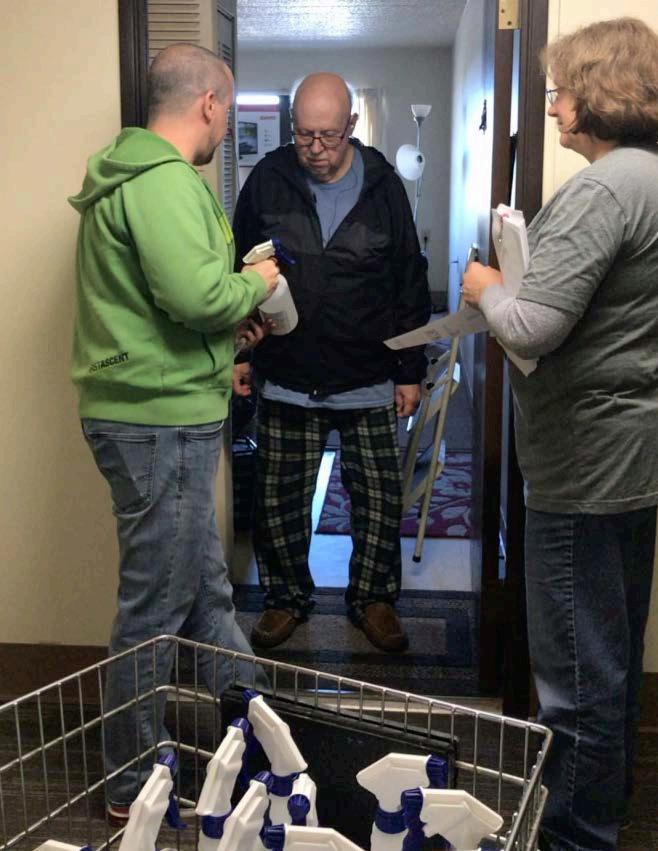
RCM has committed to supplying residents with all-purpose green cleaning spray and is offering a monthly re-fill process through dilution stations at every property. If your property has yet to receive a dilution station, training, or resident bottles, please contact the RCM Procurement Team. Dilution stations not only use eco-friendly products, but they will also produce significant cost savings by limiting the number of cleaning products your property needs to purchase.
Residents and employees experience stress. Plan stress reduction activities and introduce the idea of mindfulness to your community. It can make a big difference in people’s stress levels, improve conflict resolution, and make residents happier and healthier.
Deep breathing and reminders to be present can help residents and staff stay grounded and relaxed when stressful situations arise.
Creative activities can reduce stress and help participants focus on mindfulness. Introduce activities that incorporate all senses. One idea is making sensory bags. This is a simple and fun activity that requires only small cloth bags, dried lavender, and essential oils. Residents can fill bags with the dried lavender and choose which essential oils to add. Encourage residents to pay attention to the scents. These bags can be carried with you and when feeling stressed, the scent can be inhaled to ground yourself.

Economic stability is an important social determinant of health and can improve residents’ lives in other ways.
Programming that promotes financial security can create longstanding opportunities for your residents and their families.

Meeting The Corporate Social Impact Goal
All properties are responsible for implementing at least one financial security event per quarter.

Invite local banks or credit unions to your property to discuss options with residents. Current data shows that many of our residents do not have checking accounts. Being “unbanked” can cost a resident money long term and makes it more difficult to pay unexpected bills.
Some local banks or credit unions will offer low or no-cost bank accounts. They can also help your residents navigate the utilization of their account and explain features that can help residents build savings or pay bills automatically.
In addition to getting residents banked and helping them build savings, you can also assist your residents in becoming more financially secure by helping them lower recurring costs. These costs might include prescriptions, groceries, or other medical bills. The national council on aging has resources that help seniors determine whether they are eligible for benefits they are not currently using. These can include SNAP, Food stamps, and certain health benefits. Residents may become connected to resources that help them pay for necessities.
More information can be found here: www.ncoa.org/resources/benefitscheckup/
The Earned Income Tax Credit, EITC or EIC, is a benefit for working people with low to moderate-income. To qualify, you must meet certain requirements and file a tax return, even if you do not owe any tax or are not required to file. EITC reduces the amount of tax you owe and may give you a refund.
The IRS has programs that will assist low-income individuals and families with filing for EITC. This is a vital service, as research has shown a positive correlation between receiving EITC and health outcomes for mothers, infants, and families.
Lowering utility costs is a way for residents to save money, as well as conserve energy. Invite your energy provider in to speak with residents about how to save water and energy thus lowering utility bills.
At the start of every year, utility companies may offer significant rebates or free installation of energysaving technologies like LED lighting upgrades in common areas and in-units. Make it a routine every year to contact your local utility companies and ask about their multifamily rebate program. Many utilities will typically conduct energy audits free-of-charge.
Become friendly with your local utility. They want to help!
A couponing club allows residents to socialize and find creative ways to save money on necessities. To start a couponing club with your residents, take the following steps:
1. Introduce the idea at a coffee hour
2. If residents are interested, designate a time to meet regularly Mondays work well as Sunday papers often have the most coupons
3. Residents should be encouraged to cut the coupons they want and bring the rest to the club meeting on Mondays.
4. Residents can cut coupons from the left-over pages or exchange coupons with others
5. Members can also share ideas on where else to find coupons or get deals. Digital coupons or store apps (ShopRite, Target, Walmart) provide deals and coupons.
Creating a budget is a simple way to help residents become more financially secure. Budgeting looks different depending on your resident population. Families need different types of budgeting strategies as compared to seniors. For budgeting for seniors, reach out to your local AARP chapter to see if they will come to your community for a budgeting course. For families, speak with local banks to determine what type of community financial education classes they offer.

There are many facets to education. Whether it is bridging the digital divide and ensuring students have access to learning technology, supporting students with homework help, providing school supplies, or helping prevent the “summer learning loss,” your property can have a positive impact on educational outcomes.

Meeting The Corporate Social Impact Goal
All properties are responsible for implementing at least one education event per quarter.

If there are universities near your property, students looking for volunteer opportunities may be a valuable resource for supporting the children on campus. A popular option for after school programming is nutrition classes for kids. Your local university’s health or nutrition department might have programs that they can bring to campus.
Are there young adults or seniors at your site who might be looking to volunteer with the youth that lives on campus? Create intergenerational programming by hosting homework help sessions for seniors to support youth in doing their homework. You can also engage your community police in this activity by inviting them once a week to help kids with homework.
Back to school events are important for children and families on campus. Celebrate the end of summer with a BBQ or other special event, combined with a giveaway of backpacks and school supplies. Local churches or police departments will often donate if you ask.
Classes teaching a specific skill, such as coding, can be valuable for your residents. Knowing the basics of coding or other computer skills can help kids in school and with future job or internship opportunities.
Life-long learning is key to vibrant and healthy life and supports one’s feeling of curiosity and purpose in the world. If you learn, you grow, at any age.
At Squire Village, in Manchester, Connecticut, the on-site after school program is strengthened by community partners such as UConn School of Nutrition and the Manchester Dept of Parks and Recreation. In addition to resident volunteers that teach art to the students and support the program, community partners ensure that the Squire Village resident youth have a safe, productive, and enriching place to go after school.

You can incorporate “green” into a job fair by exposing residents to environmental careers. Circulating helpful sites like the ones listed below can help residents learn more about “green” career opportunities:
Link to: Over 200 Green Careers
Link to: Guide to Green Careers
Link to: Green Career Advisor
“Green” jobs don’t always have to relate to recycling or installing solar panels. Many companies have enhanced their operations to be more sustainable –such as nearby grocery stores or farmers markets that receive fresh produce from local farms. Remind residents that their options for finding environmental-friendly and socially conscious workplaces can be wide and varied.
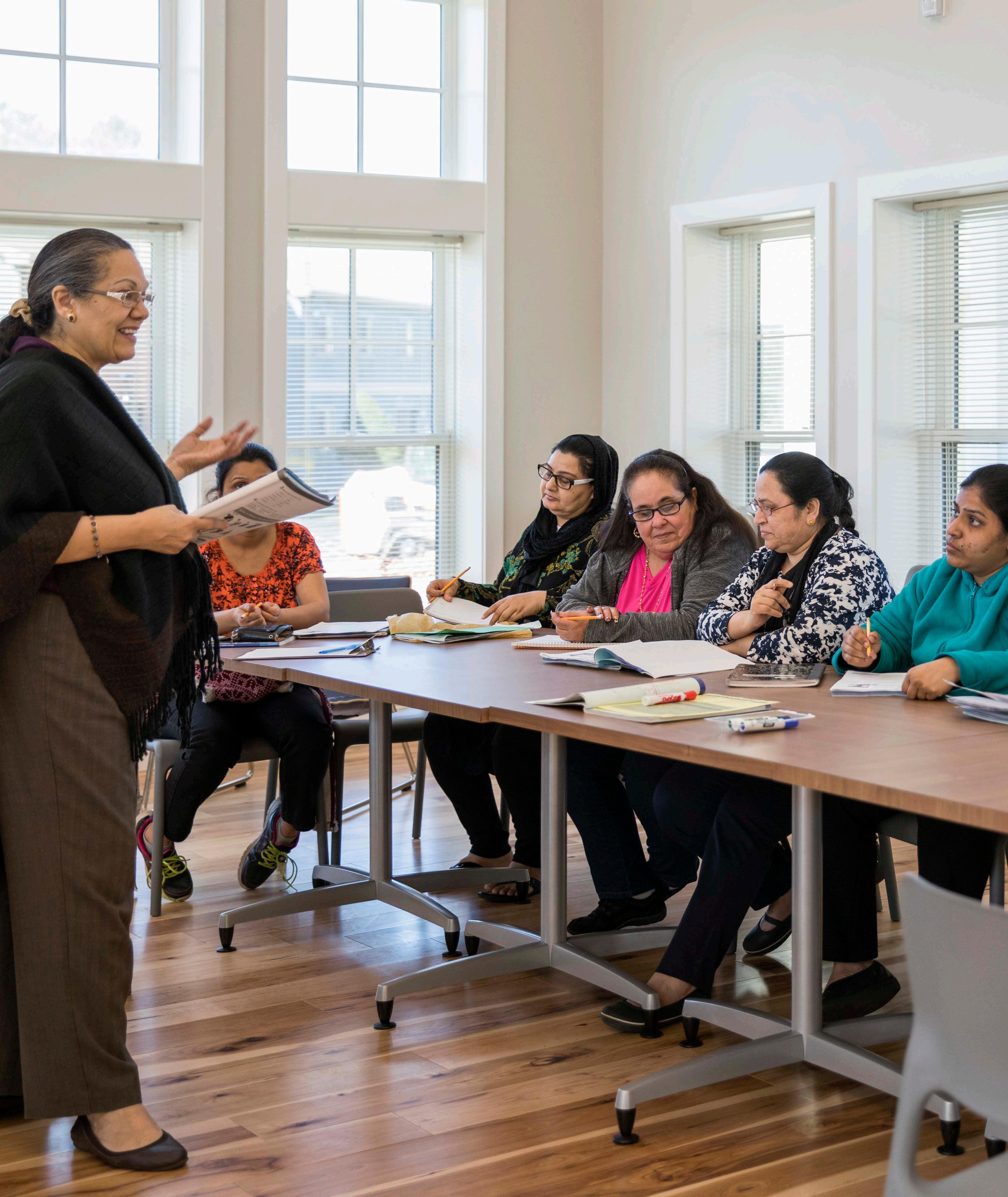
For many residents, English is not their first language. Bring in classes to help residents learn English. This can close the opportunity gap and bring ease to residents’ lives. An ESL class can be taught by a resident volunteer, or an Adult Education program.
Like ESL classes, offering GED classes can help close the opportunity gap for residents. Sometimes, your local library or Department of Labor will offer GED prep classes. Reach out to them to ask if they would be able to host at your property. Adult Education organizations also offer GED classes.
Help residents improve their reading and writing abilities. This will lead to more opportunities for your residents. Your local Library or your state’s department of education likely has resources for classes. To the extent possible, it is best to offer on-site classes to ease barriers of cost and transportation for residents, however, this is not always feasible. If there are local classes, it is important to list those on your information/resource wall or monitor.
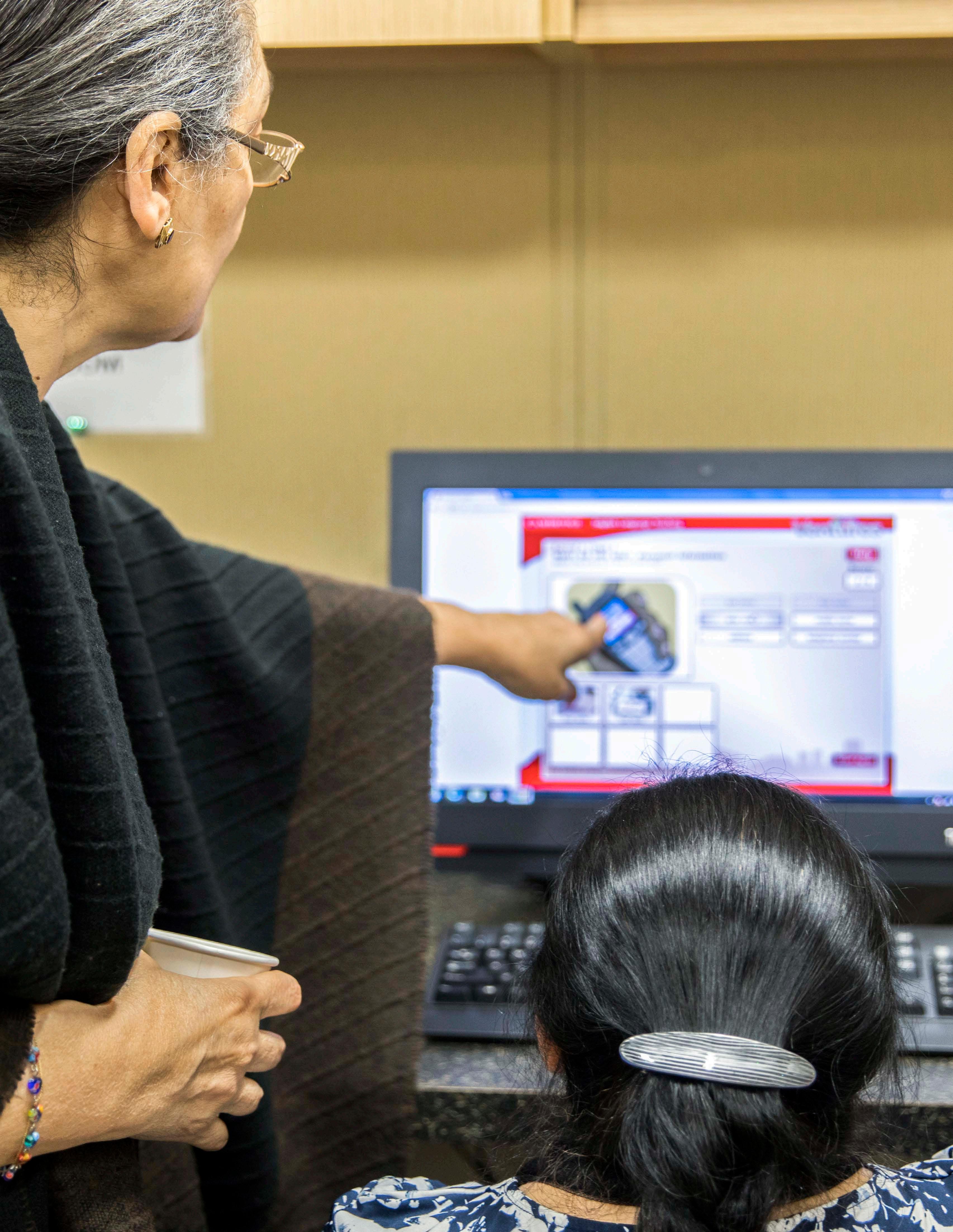
Some older residents might not know the basics of using a computer. Host classes on setting up email, using common applications such as Microsoft Word, and internet browsing to help them become more digitally connected. It can also help with setting up automatic rent payments for residents.
Sites have had success working with students from technology schools, or even with resident youth, teaching tech skills to seniors. It is a great way to promote intergenerational activities while teaching seniors valuable skills.
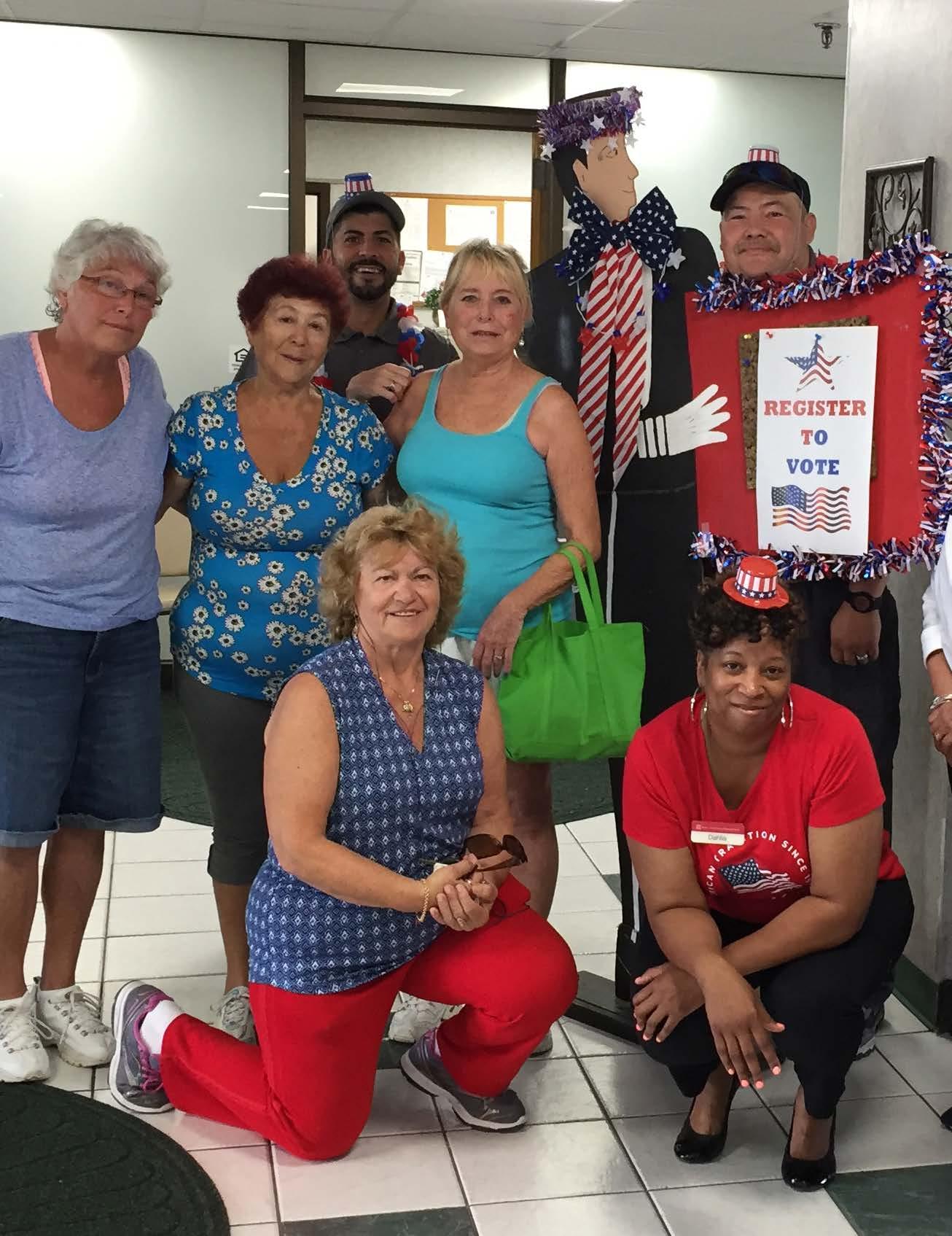
Being civically engaged helps connect residents to their community and each other. It can create a sense of common purpose and can even improve health outcomes. Residents love to give back and there are many ways you can encourage your community to engage.
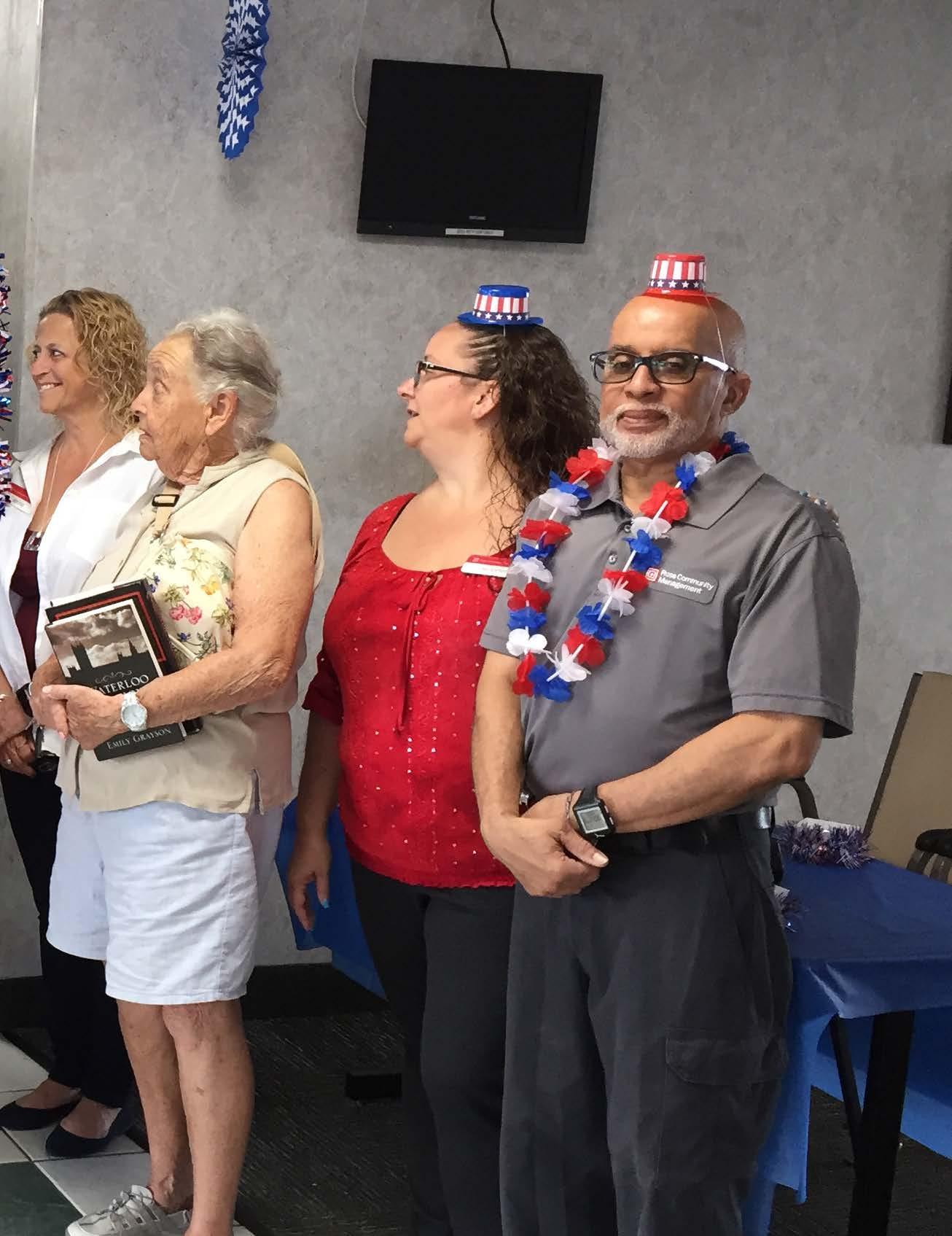
All properties are required to have at least one civic engagement event twice per year. During election years, Voter Registration information should be available and events promoting voting should be prioritized.
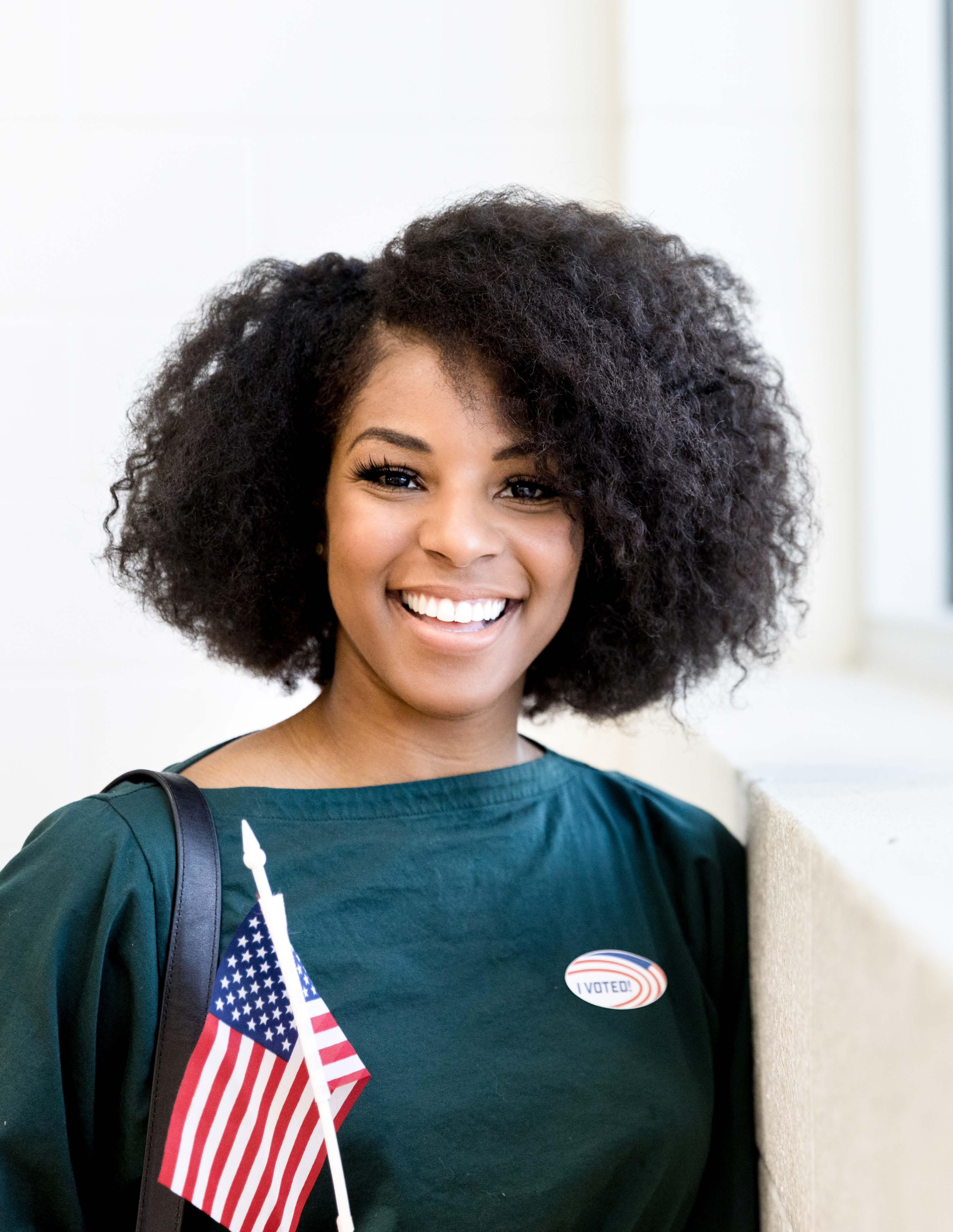
Some residents may feel more comfortable volunteering individually. You can promote continuous civic engagement by distributing a list of ways residents can give back. Link to Volunteer Match: has a list of volunteer ideas that can be performed year-round, or seasonally.
Ensuring residents participate in our country’s democratic process is very important. JRCo’s RoseVotes initiative focuses specifically on how to support communities in registering and educating voters.
Communities should host voter registration drives annually. During election years, host more frequent events that include information on key ballot initiatives. Upon move-in, new residents should receive voter information in their welcome packet. They will need to update their voting address, and learn where your property’s polling location is. Information about mail-in-ballots and deadlines should also be posted around your building as elections get close.
Build a community at your property by creating opportunities for connections between the seniors and children. Ask seniors to volunteer for after school programs, homework help, back to school activities, etc.
Park clean-ups can be a fun way to facilitate respect for the outdoors and keep outdoor spaces clean. You will be surprised at the participation interest. Clean-ups are moments to link actions with the importance of environmental justice. Almost every county has established groups that meet regularly to discuss environmental justice. A great tool is the Environmental Protection Agency’s (EPA) website, which provides contact information for groups: EPA Website
Additionally, the youth on your campus can be a great resource for volunteering with seniors. The high school-aged kids on your campus can teach a “Tech 101” class to your seniors, can help with delivering meals to seniors, or can create birthday cards for milestone birthdays.
Community clean-ups allow residents to come together for a common cause, which beautifies your campus. This is a great event to plan in conjunction with Earth Day. You will need plenty of garbage bags, gloves, and trash picks. This is an event that will get residents of all ages involved and shows commitment to your community.
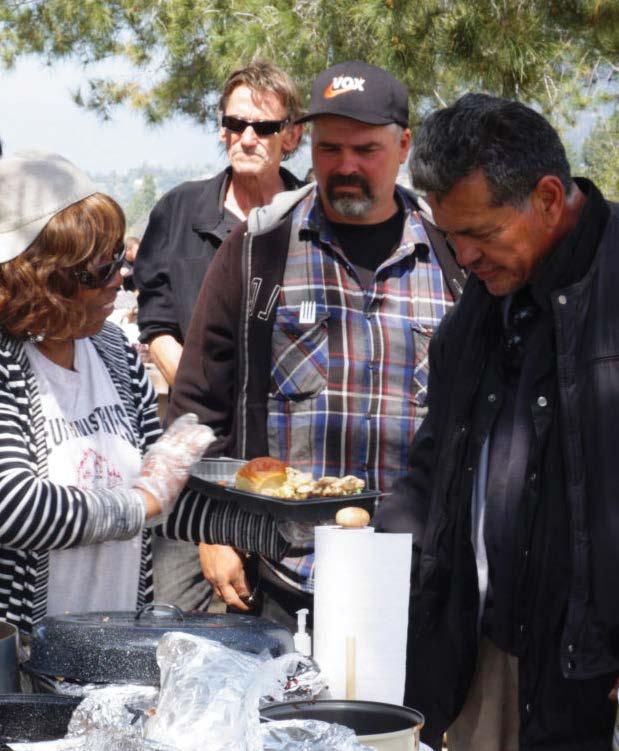
At Glendora Gardens, in Glendora, California, residents saw an opportunity within their larger community to support the homeless population. A group of residents formed the “Glendora Grannies,” cooked and distributed food weekly to the homeless community in their neighborhood.
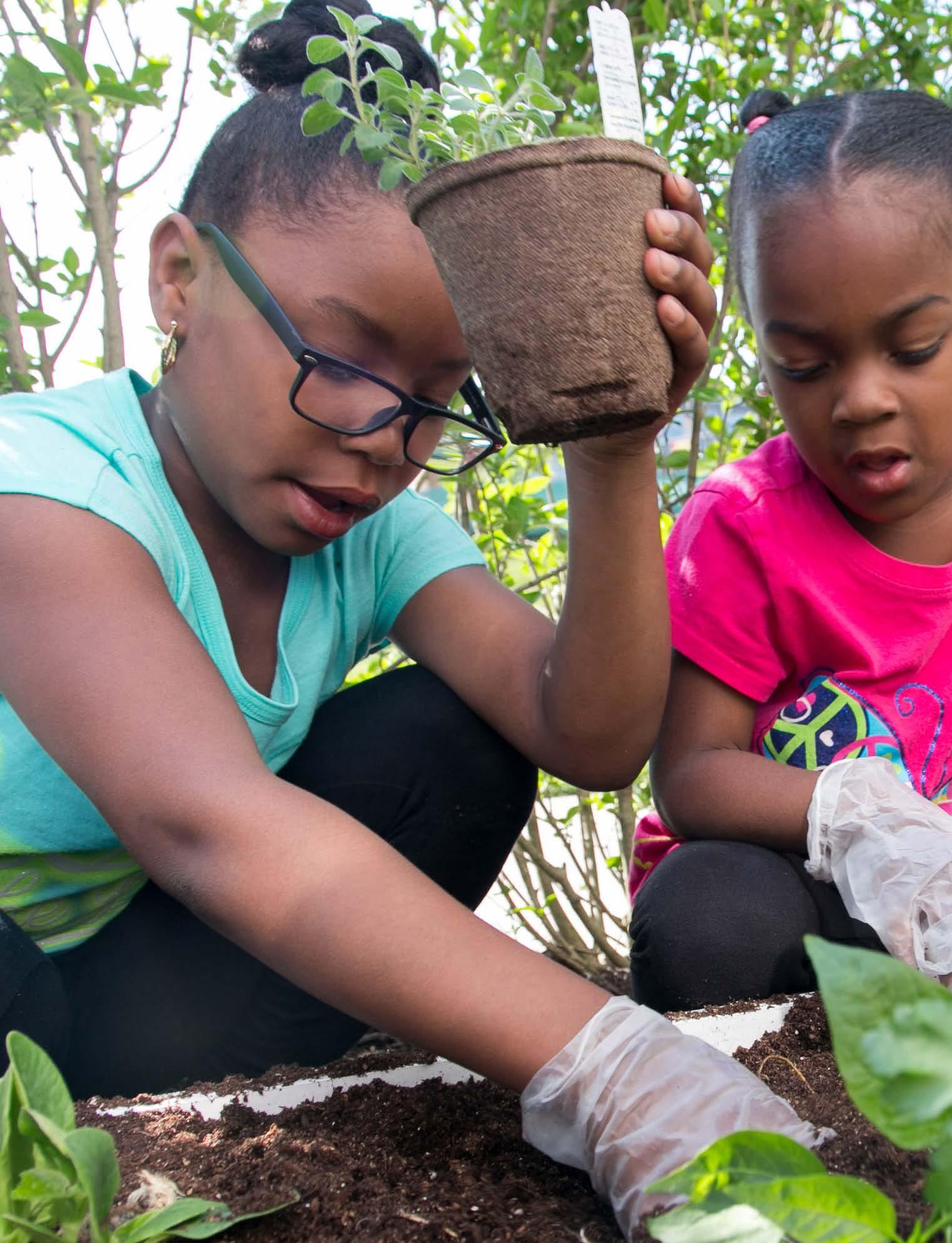
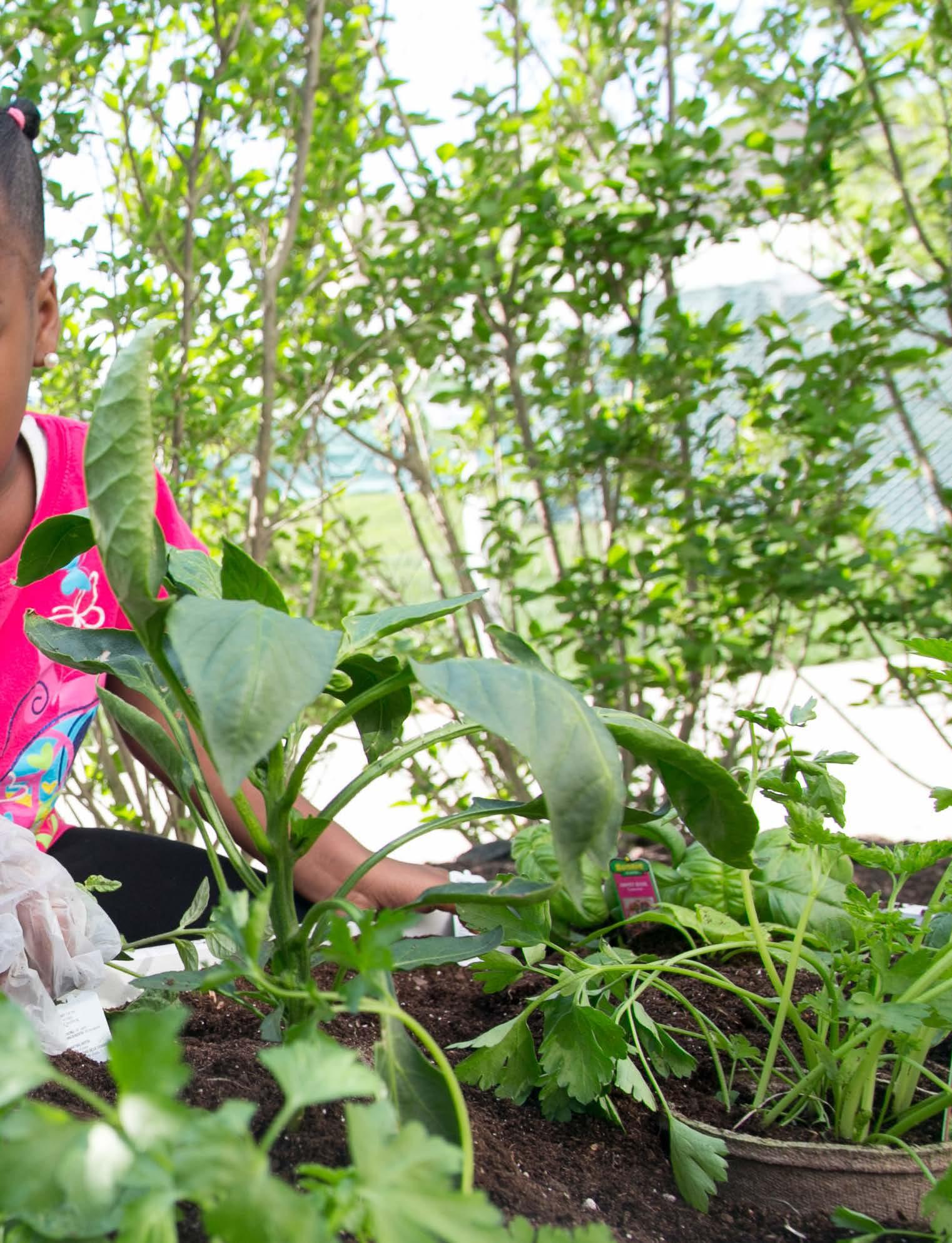
Green initiatives can be a part of every impact category, but can also stand on their own. You can provide opportunities for your community to learn more about the importance of sustainability.
Meeting The Corporate Social Impact Goal
All properties are responsible for implementing at least one green event per quarter.
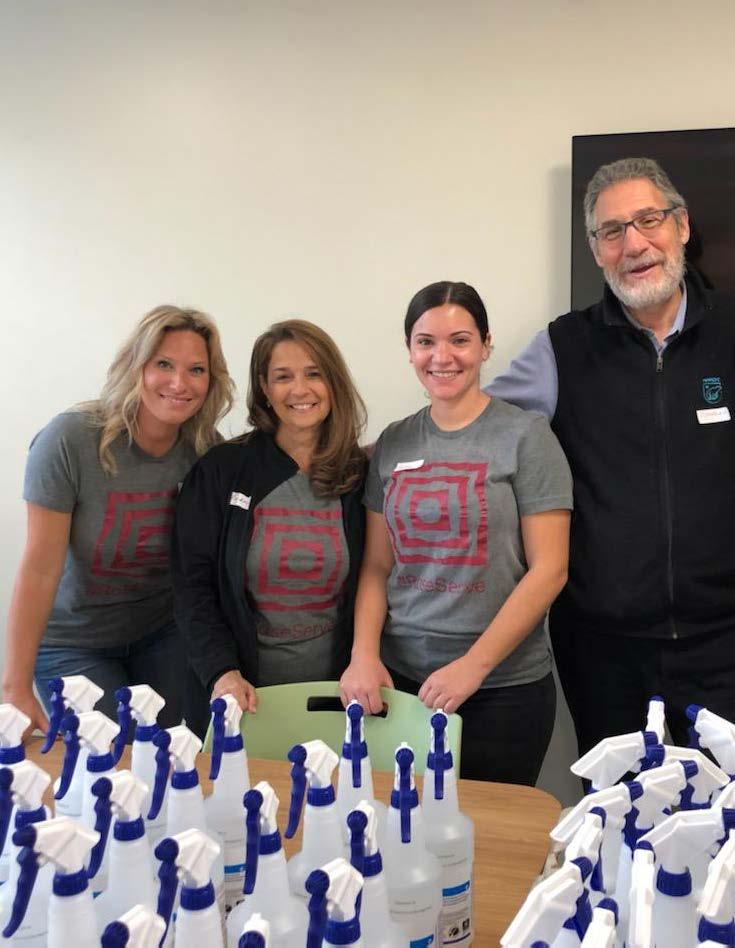
The Environmental team has launched their green cleaning material program, along with educational materials for residents and employees. If residents are looking for other “green cleaner” you can share with them some make it yourself green cleaning alternatives: :
Basic Window Cleaner
Equal parts white vinegar combined with water
All-Purpose Spray
2 tbsp white vinegar
½ tbsp dish soap
1 tbsp baking soda
2 c. warm water
Peppermint Floor
Cleaner
½ c. Murphy’s oil soap
1 c. white vinegar or lemon juice
1 c. peppermint tea
Toilet Bowl Cleaner
Baking soda sprinkled into a bowl + 2-3 drops of Murphy’s oil soap.
Host events specific to sustainability and “greening” your community to demonstrate your commitment to living green. Examples of things that could be at your community include “Go Green Week,” where residents and staff come together to make changes to their daily lives to help the earth (here is a link to suggestions for things you can all do), Composting, Clean-Up Events, “Fix a Leak” Week, and Earth Day events.
Recycling would increase if more people understood what should be recycled vs. what should be discarded. Contact your waste management provider; oftentimes they will provide further education on recycling and may come to your property to host an information session.
To Improve recycling at your property:
• Assess your current recycling performance
• Educate residents and staff on your property’s recycling policies and procedures
• Make sure at all events you have both garbage cans and recycling bins, and that they are clearly labeled
• Make recycling “user-friendly” for all residents and staff by labeling recycling containers in as many languages as the district workers need, or better yet, using pictographs
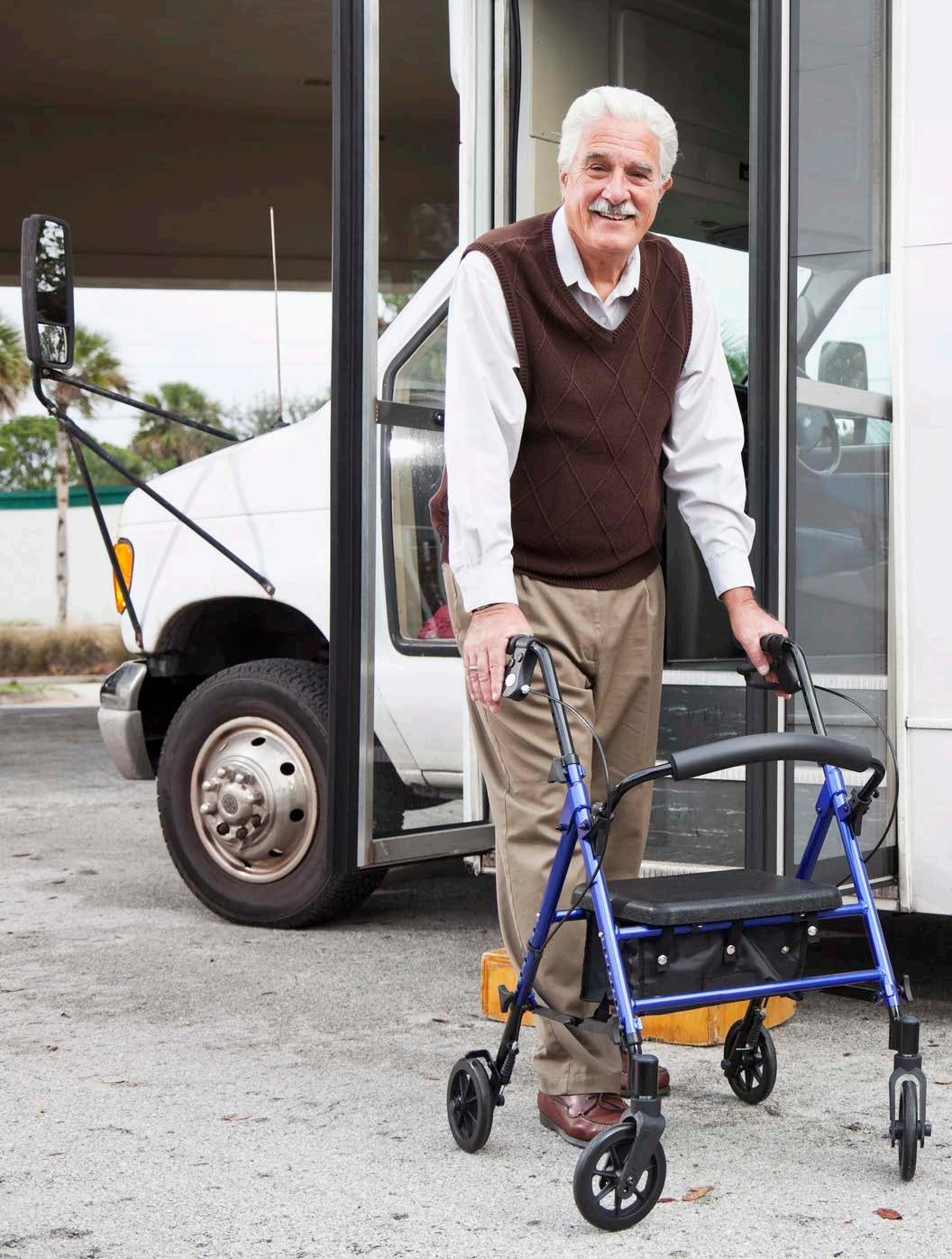
Access to efficient, affordable transportation is a central aspect within a community of opportunity.
Proximity to public transportation that is safe is important to residents.
All properties are responsible to update transportation information at least once per month.
Walmart or ShopRite often provide shuttles to their locations and may pick up your residents and return them safely.
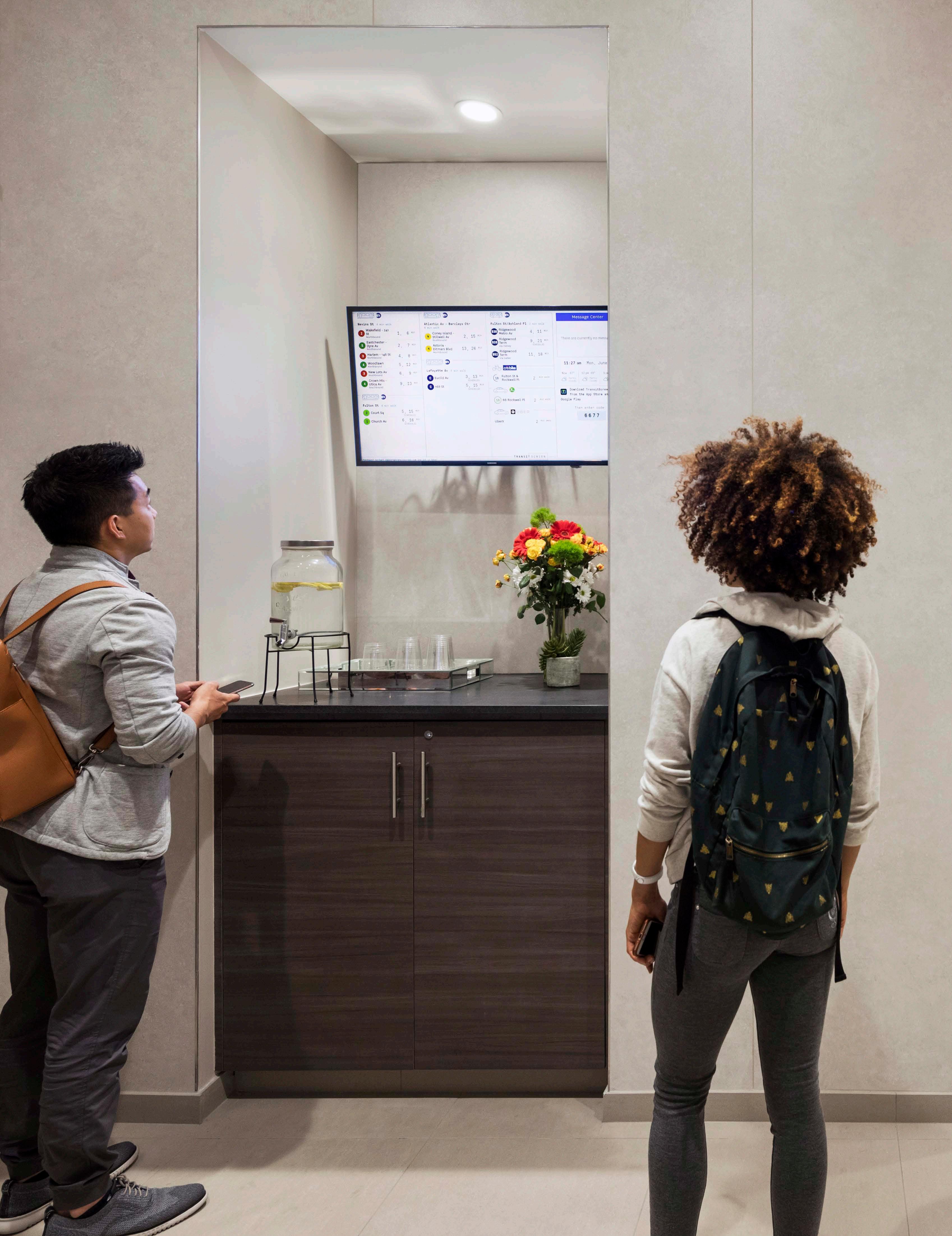
• On your lobby bulletin board or monitor, provide schedules for your local public transportation. Include maps and graphics so residents are aware of their options.
• Be sure to know where the nearest bus and train stops are located and provide this information to residents.
• Connecting your building to transit options helps residents live independently. Contact your local chain store or large grocery store to see if they provide transportation to their site.
• Residents might need transportation to medical appointments. Research Access-A-Ride and other options for medical transport and see if they will partner with your building to provide services to residents in need.
• Be sure to track how many residents are using transportation to grocery stores or medical appointments.
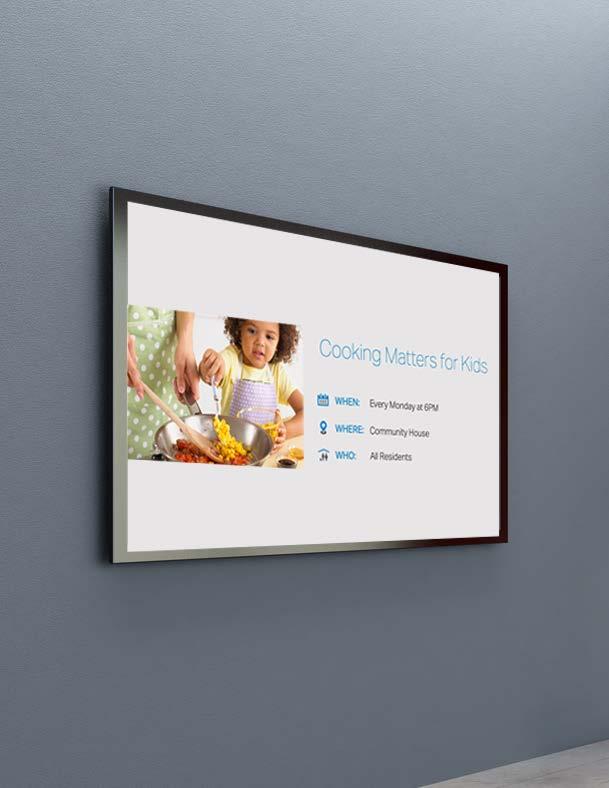

Each of the impact categories in this toolkit relies on dependable and consistent communication. Clear, frequent communication is essential to a safe and cohesive community. Effective communication ensures that residents and employees can all participate in and benefit from their Community of Opportunity.
All properties are responsible to update communication, information and technology resources at least once per month.
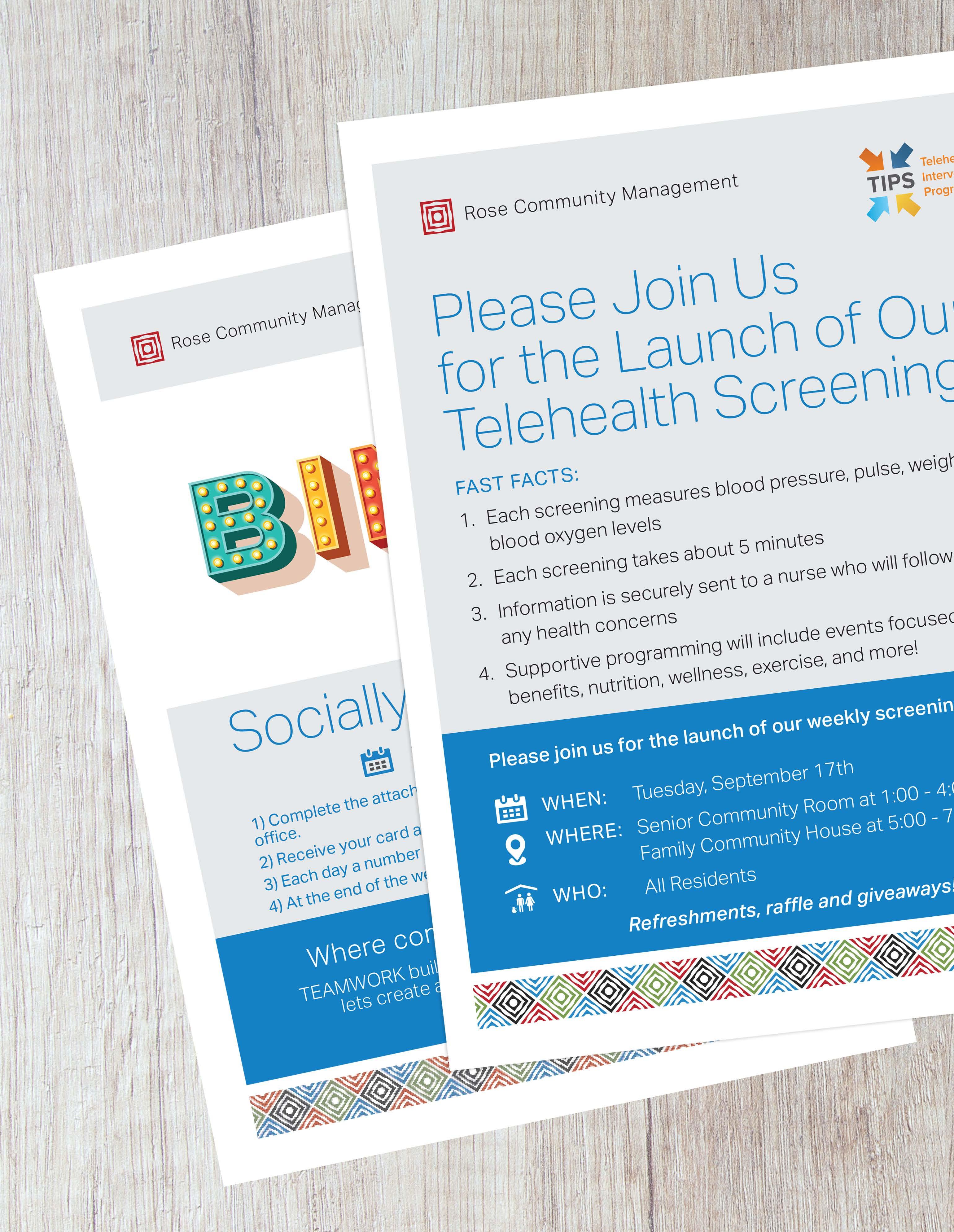
Door-to-door flyers are one of the best ways to get important information to residents. If construction is planned, frequent communication is imperative. Residents should understand the scope of work, the timeline, and what the final renovations will look like. Adjustments to any of those should be communicated to residents.
Digital connectedness is more important than ever.
• Some hospitals and clinics have programs that provide tablets to seniors for telehealth visits.
• Once connected to the internet, residents may need help setting up email and learning other basics. Email can also help management stay connected to residents.
• Helping residents set up automatic rent payments is a great use of technology and can help increase on-time payments.
Digital access is an important part of a community of opportunity. You can invite internet providers to share information about low cost internet options. Invite them to health fairs or other large events so residents can learn more about options. Effective communication and connection to technology ensures that residents and employees can all participate in and benefit from their Community of Opportunity.
Keep information up to date on your bulletin boards and anywhere else communication is posted. Keeping old calendars or flyers posted can cause confusion. Bulletin boards should be checked at least every two weeks for out of date or inaccurate flyers and updated with new events and information. Bulletin boards should be in a place where traffic is natural and should be designed in such a way that residents feel invited to look at them. On your bulletin board include local hotline numbers, volunteer opportunities, and local job postings.
Properties should distribute a one-page monthly calendar of events that includes programs, information, and helpful resources. This one pager can also help move JRCo initiatives forward by including this such as information on Earth Day and Voter Registration when applicable. You can download and edit monthly calendars here
Some topics are difficult or sensitive to talk about. Providing information available to all residents in the form of an informational table or wall demonstrates that management is supportive and can be helpful with more sensitive subjects.
This wall should also include information on topics that are not sensitive, so residents feel comfortable approaching it.
Below are some links for which information should be available to residents:
• Protecting yourself in extreme heat
• Medicare Information
• Domestic Violence
• LGBTQ+ Issues
• Safe Sex as you Age
• Internet Safety
• Internet Safety (Seniors)
**Be sure to include information on resources that are specific to your community or residents.**
Contact the Social Impact Team for more information:
Lori Stanlick lstanlick@rosecompanies.com