Rory Schmier: Best Materials for High-Altitude Buildings
Rory Schmier explains that High-altitude buildings face a unique combination of environmental pressures that demand thoughtful material choices. Lower oxygen levels, harsh winds, heavy snowfall, and prolonged exposure to the sun all influence how a structure performs over time. Selecting materials that can endure these conditions is essential for maintaining safety, energy efficiency, and long-term durability.
Temperature fluctuations are among the most demanding challenges at higher elevations. Materials must tolerate frequent cycles of freezing and thawing without losing strength. Reinforced concrete is widely used in high-altitude construction due to its stability and resistance to thermal stress. Natural stone also performs well, offering durability while maintaining its form in cold climates.
Roofing materials play a critical role in protecting buildings from snow and wind. Metal roofing systems are commonly favored because they are lightweight, resist corrosion, and allow snow to slide off more easily, reducing structural load. Proper fastening is essential, as strong winds can place continuous pressure on roof surfaces throughout the year.
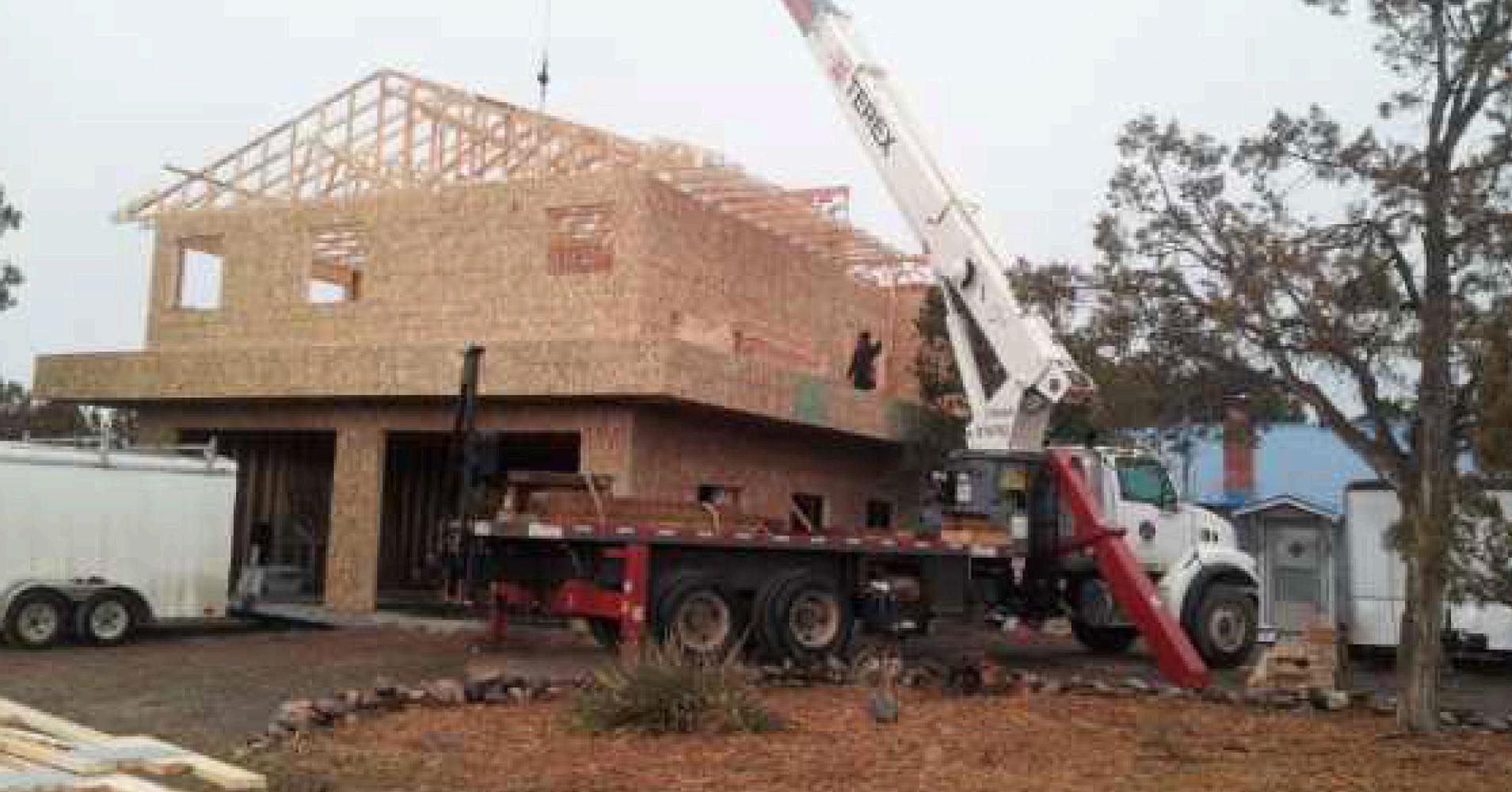
Wall construction materials must provide both insulation and structural strength. Engineered wood products are often chosen for their flexibility and resistance to cracking in fluctuating temperatures. When adequately treated, timber performs well in cold, dry air and offers excellent thermal performance. Combining these materials with high-quality insulation helps reduce heat loss and improve indoor comfort.
Sun exposure increases significantly at higher altitudes, potentially accelerating material degradation. Exterior finishes must resist ultraviolet radiation to prevent fading and surface breakdown. Treated wood, fiber cement siding, and high-quality coatings are effective in maintaining appearance and performance over time. Windows also require special attention, as advanced glazing systems help balance heat retention and solar gain.
Moisture resistance is another key factor. Snowmelt and ice can penetrate weak surfaces and cause long-term damage through repeated freeze-thaw cycles. Materials that resist water absorption, such as sealed masonry and moisture-resistant composites, help preserve structural integrity and reduce maintenance demands.
Choosing the best materials for high-altitude buildings involves more than durability alone. Availability, transport logistics, and environmental harmony also influence material decisions. When carefully selected, the right materials ensure that high-altitude structures remain strong, efficient, and well-adapted to their demanding surroundings.