


At Ropo, sustainability is about more than just compliance: it forms an integral part of the group’s strategy and values.

Ropo is the Nordic market leader and pioneer in invoicing technology, transforming the invoicing flow end-to-end. We help companies unify and streamline all invoicing processes to create a seamless workflow, providing full visibility, an elevated customer experience, and improved control with a single overview. Committed to exceptional service and our one-platform strategy, we proudly support over 10,000 clients across Finland, Sweden, Norway, and Denmark.
Read more on page 6.

In 2025, we strengthened the foundations of responsible growth. Our external audits resulted in zero non-conformities, reaffirming the strength of our quality and governance practices. We advanced risk management, deepened transparency in compensation, and continued building a culture of openness. We also took significant steps toward more unified, scalable service delivery across all markets.


In 2026, we will continue to drive excellence across our business processes, governance, people experience, and climate transparency –from launching our compliance portal to harmonizing HR practices and advancing the climate insights behind every invoice. We will also advance progress toward our updated sustainability targets for quality, operating stability, and user experience.
Ultimately, sustainability for us is about people.
At Ropo, our mission is to reduce friction in financial processes by making invoice workflows smarter, simpler, and fully transparent. We are automating repetitive tasks, using AI to support daily activities, and building technology that reduces inefficiencies while streamlining operations that have traditionally been resource-intensive. By helping organizations move from manual and paper-based invoicing to digital, traceable workflows, we contribute to reducing environmental impact while significantly improving operational efficiency.
Beyond efficiency gains and environmental benefits, these transformations help organizations gain better visibility into their financial data, enabling smarter decision-making, stronger financial resilience, better workplaces, more meaningful work, and improved support for end customers.
Our core development themes – smart digitalization and automation, AI excellence, customer experience, and digital trust – serve as cornerstones in building responsible technology: technology designed for people to thrive and for organizations to succeed.
Strong governance forms the foundation of this work. Through our global management systems and aligned ways of working, we have continued to strengthen our governance maturity, data integrity, and operational excellence. This foundation enables us to operate responsibly, respond proactively to evolving client needs and regulatory requirements, and maintain robust oversight and transparency across our operations.
Ultimately, sustainability for us is about people. This commitment extends to our clients, whose success we support through reliable services, continuous platform development, and forward-looking innovation – and to our employees, whose expertise and dedication drive our progress. Across our organization, we strive to create value that is sustainable, responsible, and human-centered for our stakeholders, the environment, and the broader economy.
This report outlines the steps we have taken, the progress we have made, and the areas where we continue to improve. Sustainability is not just a metric for us – it is embedded in how we run our business every day.
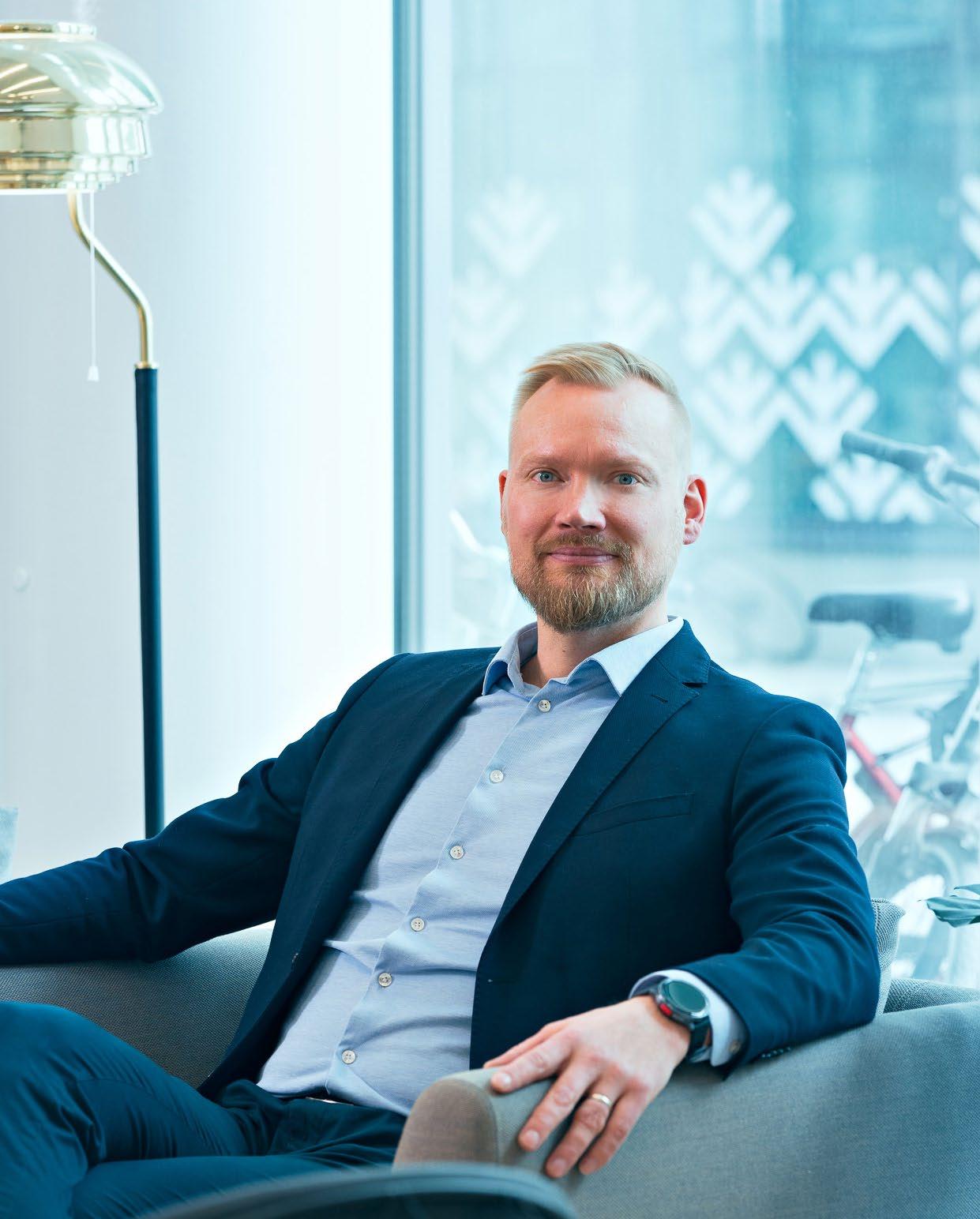
Ilkka Sammelvuo CEO
Key figures
Ropo in brief Our corporate governance

Kuopio, Finland
Porvoo, Finland

Gothenburg, Sweden
Stockholm, Sweden
Sandefjord, Norway
Oslo, Norway
Bergen, Norway


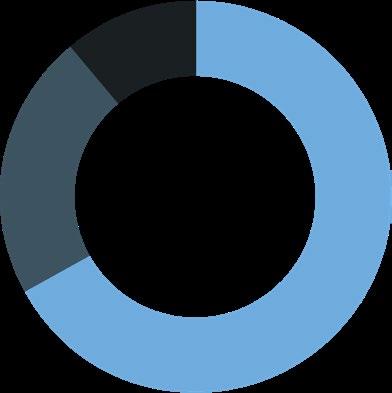
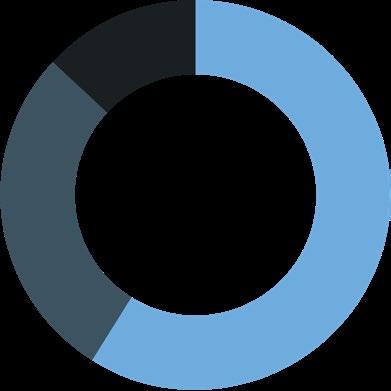
Ropo is the Nordic market leader and pioneer in invoicing technology, transforming the invoicing flow end-to-end. We help companies unify and streamline all invoice-related processes providing control, full visibility, and improved efficiency. Our invoice lifecycle concept builds on proprietary technology, high-quality service, and advanced automation.
At the core of our services is Ropo One®, our proprietary platform developed in-house. Ropo One® automates and unifies invoicing and receivables management, reducing manual data processing and improving transparency with real-time data access, reporting, and Business Intelligence (BI) tools. Through our single-service provider model, our clients gain full visibility and control over their receivables.
Headquartered in Kuopio, Finland, we have successfully expanded across the Nordics and now support nearly 11,000 clients. In 2025, our key markets were Finland, Sweden, and Norway, and we supported Nordic clients with operations in Denmark. We plan to strengthen our market presence in Denmark in the coming years.
Our service success is measured in relation to both our clients and their customers. Depending on the client’s service package, our responsibilities cover invoice delivery, sales ledger management, reminders, debt collection, and customer service related to payments.
High-quality service is at the heart of our business, driven by our dedicated personnel. Our organizational structure is designed to ensure strong customer satisfaction and long-term growth. Country-specific teams manage client and end-customer operations, while our group organization supports them with the Ropo concept, Ropo One® technology, platform and service development, IT solutions, commercial models, branding, and governance. We foster a strong corporate culture and engage top talent to drive our mission forward.

Our vision is a better-flowing economy. By optimizing business flow and the end-to-end invoicing process, we help companies unlock their full potential and enhance the customer experience. We ensure that invoices reach end customers through their preferred channels, payments are processed correctly, credit risk is managed effectively, and high-quality customer service and payment advice are always available. We believe in full transparency, data-driven processes, and the seamless integration of technology and high-quality service. Delivering an outstanding experience for both our clients and their customers is our top priority.
At Ropo, sustainability is a core component of our business strategy. The Board of Directors serves as the primary governance and supervisory body overseeing our sustainability efforts and strategy. The Group Management is responsible for the execution of the strategy and ensuring that it is implemented in all operating countries. Group Management together with the Chief Brand and Communications Officer and local management teams are responsible to make sure that our sustainability strategy together with related policies and standards are followed and well-anchored across the group.
Our Code of Conduct, referred to as the Code, serves as the foundational document for our sustainability initiatives and has received approval from our Board of Directors. The Code sets forth the standards we expect of ourselves and our business partners, promoting responsible, ethical, and sustainable practices at all times. It provides clear guidance for employees, contractors, representatives, and board members across every country in which we operate.
The Code is based on the 10 principles of the UN Global Compact and its underlying conventions and declaration. They include the Universal Declarations of Human Rights, the International Labour Organization’s Declaration on Fundamental Principles and
Rights at Work, the Rio Declaration on Environment and Development, and the United Nations Convention against Corruption. It highlights all areas of human and labor rights; environment; anti-corruption and ethics policies along with establishing a whistleblowing function and outlines the minimum requirements for sustainable business conduct. Responsibility for operationalizing these principles in daily work rests with every employee, manager, executive, and member of the board. For suppliers, we implement the Supplier Code of Conduct, designed to uphold equivalent principles while addressing the specific role and responsibilities of suppliers as stakeholders.
The ultimate responsibility of enforcing the Code rests with our CEO. The Code is available on our websites.
At Ropo, quality assurance plays a crucial role and is demonstrated through our ISO 9001, 14001, and ISO/IEC 27001 certifications. In 2025, we conducted our first comprehensive surveillance audit across our operating countries, which resulted in zero non-conformities.
All employees—both existing and new— are required to complete annual cyber security training. Looking ahead, we aim to incorporate quality assurance into this mandatory training beginning in 2026.

At Ropo, we have several policies implemented in our daily work and operations that are integral to our corporate governance and emphasize our commitment to business ethics. These policies guide our actions and ensure that we maintain high standards of conduct across all aspects of our business.
The policies include:
• Code of Conduct
• Privacy policy
• Cyber security policy
• Health and safety policy
• Diversity and inclusion policy
• Anti-corruption policy
• Environmental policy
• AI policy
• Sourcing and procurement policy
• Supplier Code of Conduct
These policies are designed to foster a culture of integrity, accountability, and respect within our organization, and they are crucial in helping us achieve our strategic goals while adhering to ethical principles. In 2025, we introduced our Supplier Code of Conduct, Sourcing and procurement policy and AI policy. The Supplier Code of Conduct is similar to the Ropo Code but focuses on sustainability expectations for suppliers and partners. The purpose of the Sourcing and Procurement policy is to establish clear guidelines and procedures for procuring goods and services. You can read more about the Supplier Code of Conduct and the
Sourcing and Procurement policy in the next chapter on Supply Chain Management.
Our AI policy emphasizes how we aim to work using AI, which is supporting human judgment, transparency, and legal compliance.
At Ropo, environmental aspects of sustainability are reflected in a close relationship with our suppliers. We work with a wide range of suppliers from services such as data hosting, information and communication technology, IT hardware and software and printing services. As part of our quality assurance, we set the same security requirements for our suppliers as we do for ourselves. We strive to choose suppliers that we perceive sustainable, preferably with certifications such as ISO 9001, ISO 14001 and ISO/IEC 27001. Regarding information security, a supplier who do not have certification for ISO/IEC 27001 must file a third-party audit report to ensure they are compliant with all aspects of information security. Supply chain management at Ropo Group is governed by our Supplier Code of Conduct, which outlines our expectations for our partners and suppliers. The Supplier Code is, just as our Code of Conduct, based on frameworks and standards such as the United Nations Universal Declaration of Human Rights, along with the legislations in the countries where we operate, as described in the previous chapter. However, the Supplier Code is focusing on partners and supplier.
Ropo’s Sourcing and procurement policy sets out clear guidelines and procedures
for procuring goods and services. It ensures that all acquisitions are made in a fair, ethical, and cost-effective manner while meeting the group’s needs and compliance requirements. It also aims to foster transparent relationships with suppliers.
Moving forward, we aim to integrate sustainability as a core element in our criteria for supplier selection. We believe these steps are essential to adopting a holistic approach to sustainability across all our business areas.

The risk management process helps us improve our business by analyzing the consequences of our actions, both past and present. We use this process in all teams within the group to evaluate risks based on probability, financial impact, and the need for action. Regular checkups are conducted on both operational and management level, making risk management a key part of our daily operations. Based on the assessment, actions are planned to mitigate the risk to an approvable level.
The Board of Directors holds the primary responsibility for overseeing the company’s risk register, which are presented and reviewed at least once a year according to the yearly clock of Ropo’s risk management process.
The results from this process allow us to set actions and targets for future business growth.
The risk management is part of our quality assurance and integrated into our management system. In 2025, we introduced a risk management tool to improve business risk tracking, reporting, and mitigation across all countries and business areas.
Continuous role: Identifying country-level risks and monitoring risk responses. Take actions to mitigate identified risks.
Continuous role: Identifying country-level risks and monitoring risk responses. Take action to mitigate identified risks.
Third line: Assurance on the effectiveness of first and second line of defense and advices to improve processes. Reports to management team and the board.
Second line: Establish the common way of working with quality management and to coordinate the work within the group, contact with external auditor. Consultant to the first line.
First line: Identifying and controlling risks through the use of agreed guidelines, frameworks and controls.
Strategy & Vision
Double Materiality Assessment
At Ropo, sustainability is about more than just compliance – it is about living our values. We aim to ensure an ethical and environmentally friendly invoice lifecycle for our clients, and to provide an inspiring workplace for our employees. Our sustainability strategy supports our business vision of a better-flowing economy. We bring this vision to life by making the invoice flow more digital, ethical and data-driven through advanced technology and quality service. With a comprehensive materiality assessment, we ensure our sustainability reporting aligns with the expectations of our key stakeholders.
At Ropo, sustainability forms an integral part of the group’s strategy and values. Our sustainability work focuses on inspiring working environment, responsible service delivery and a climate-friendly invoice lifecycle service.
Vision Strategic Approach

Material topics
Making invoice lifecycle more digital, ethical and data-driven with sustainable technology and service
Sustainability guides our actions and business development
We want our employees to be happy and feel well
We are resource conscious and focus on reducing environmental impacts of invoicing
We promote sustainable credit management and healthy payment culture
We are committed to standardized sustainability reporting and transparency throughout our value chain
Business ethics & responsible service delivery
• Corporate culture (G1)
• Corruption and bribery (G1)
• IT security and ethical guidelines for customers and end-users (S4)
• Internal privacy (GDPR) for internal workforce (S1)
People & inspiring working environment
• Working conditions (S1)
• Equal treatment and opportunities (S1)
Climate-friendly invoice lifecycle
• Climate change mitigation (E1)
• Energy (E1)
• Material consumption (E5)
• Circular waste management (E5)
Read more about the material topics related to Governance (G), Social (S), and Environmental (E) sustainability on page 12.
In the fall 2024, Ropo carried out its first double materiality assessment (DMA) in accordance with the principles of the reporting standards set out in the EU Corporate Sustainability Reporting Directive (CSRD). The aim was to identify the material impacts, risks, and opportunities related to Ropo’s sustainability and to begin preparations for complying with the reporting requirements that will take effect in 2025. Although the implementation of the CSRD has since been postponed due to the Omnibus legislation, the DMA conducted remains fully valid and forms the foundation for our sustainability approach and the content for Ropo’s sustainability reporting. Ropo has defined its material sustainability topics in collaboration with its key stakeholders. The DMA comprised two dimensions: the materiality of impacts and financial materiality. To identify material impacts related to sustainability topics, Ropo’s actual and potential negative and positive impacts on people or the environment over different times were assessed, and the views of different stakeholders were considered to identify the impacts and assess their materiality. Each sustainability topic with a material impact was also assessed regarding whether it has, or could have, material financial impacts on Ropo.
Based on the materiality assessment, the material sustainability topics were re-evaluated and selected for reporting. They are related to Ropo’s clients (IT security and ethical guidelines for clients and end customers), personnel (working conditions), and business ethics (corporate culture).
Based on the results of the DMA, climate change is one of Ropo’s material sustainability topics but not one of the top three in regards of impact, risk and opportunity analysis (IRO). This is because Ropo’s carbon footprint is not significant due to the nature of its operations. The service sector is generally considered to be low in emissions due to its low energy intensity. At Ropo, we strive for a climate-friendly invoice lifecycle and a key initiative for this is the digitalization of invoicing processes, which significantly reduces paper and logistic-based emissions. Ropo will therefore continue to report key information on its environmental impacts in
(S1) Internal privacy (GDPR) for internal workforce
(E5) Material consumption
(S2) Supply chain equal treatment
(G1) Protection of whistleblowers
(S2) Supply chain child labour and forced labour
(S2) Supply chain working conditions
(S4) Social inclusion of end-users
(E2) Pollution (E3) Water
(G1) Corporate culture
(S1) Working conditions (S1) Equal treatment and opportunities
(S4) IT security and ethical guidelines for customers and end-users
(G1) Corruption and bribery
(E1) Climate change mitigation (E1) Energy
(E5) Circular waste management
(G1) Management of relationships with suppliers
Reported (Top Material Priorities)
Reported (Material)
Not reported (Assessed but Excluded)
materiality
the climate-friendly invoice lifecycle section.
The DMA process involved four key steps, with the first step being to understand the context in which the analysis was conducted. In line with European Sustainability Reporting Standards (ESRS) guidelines, this required a comprehensive review of the entire value chain, considering all relevant aspects — upstream, within the company’s operations, and downstream. It was essential to analyze the value chain activities across these three dimensions and to identify various IRO’s and dependencies.
In parallel with the value chain analysis, a stakeholder mapping was conducted to identify and categorize key stakeholders. This process involved compiling relevant information to better understand their needs and expectations, ensuring their perspectives were considered in the analysis. Key stakeholders to Ropo are employees, clients, suppliers and owners.
The findings from the value chain and stakeholder analysis were presented in a series of workshops with key business functions, including the CEO, CFO, HR, IT, and responsible people for sustainability and compliance, as well as owner representative (Adelis). During these workshops, the group conducted a thorough review of impacts, risks, and opportunities across all ten ESRS standards at the sub-topic level, covering the entire value chain — upstream, operations, and downstream. In regards of the financial impact, separate sessions were held with CFO and Group Financial Manager.
Following the consolidation of insights from stakeholder dialogues and workshops, a prioritization of all sub-topics was proposed and reached through consensus within the group. The final DMA results were subsequently presented to and approved by the Board of Directors.

B2B (utilities, telco, insurances, real estate)
B2C (utilities, telco, insurances, real estate)
* Relevant supervisory authorities include, but are not limited to: the Finnish Regional State Administrative Agency, the Finnish Competition and Consumer Authority, the Finnish Data Protection Ombudsman, the Swedish Financial Supervisory Authority, the Swedish Authority for Privacy Protection, the Swedish Civil Contingencies Agency, and the Norwegian Financial Supervisory Authority.
Primary financial impact comes from clients, suppliers, authorities, and investors, with a societal focus on end customers.
The stakeholder dialogues were done in accordance with the AA1000SES framework, which seeks to ensure that different groups are included, that they have a say in what is material, and that the organization responds to the concerns raised in a transparent manner. The stakeholder groups included in the dialogues were Ropo employees, the management group, owners, clients and suppliers. Our owners and the management team engaged in workshops and surveys were distributed to clients, suppliers and employees across the organization.
The stakeholder analysis showed that the topics identified in the last material assessment carried out in 2021 were still relevant and considered material for Ropo. These were business ethics and responsible service delivery, people and inspiring work environment and climate-friendly invoice lifecycle. Our client’s top priority was foremost on maintaining data security and integrity and ensuring a legal and responsible invoice lifecycle process. Both got top scores in terms of priority and in relation to previous material topics from all of the participating clients.
As they match well to the result from the new DMA, Ropo will continue to focus on these areas and incorporate those with the upcoming reporting for environmental and sustainability impact.
Sustainability risks was assessed alongside financial, operational, and compliance risks to provide a comprehensive understanding of their potential impact on our business. The process of identifying, assessing, and managing sustainability opportunities will be integrated into our overall management framework by aligning them with strategic planning and budget review. This ensures that opportunities are contributing to long-term value creation and aligning with corporate objectives.
Input parameters include both internal and external data sources, such as stakeholder dialogues, regulatory frameworks, and sustainability reports. The analysis covers the entire value chain—upstream, operations, and downstream. When actual internal or external data is not available, assumptions are made based on internal knowledge of the company and reasonable outcomes, such as cost forecasts for procurement of material.
As a technology company, many of the critical risks we face pertain to automation and digitalization. These include integrity breaches and data misuse, biases in automated processes leading to discrimination, and errors in automation. Failure to address these risks could result in significant fines, but more importantly, in compromised trust and reputation, which may lead to severe financial consequences and negatively impact our clients.
Given that our employees are vital to the sustained success and growth of our company, their well-being is another essential area of concern. This encompasses risks such as poor health and safety standards, long working hours with insufficient time off, gender discrimination, and incidents of harassment. Beyond the negative effects on the individuals affected, these risks could also hinder our ability to attract skilled labor.
A final critical area concerns compliance, particularly the prevention of conflicts of interest and maintaining accountability and responsibility. Key compliance risks include corruption, climate change, and environmental degradation. We unequivocally condemn all forms of corruption and have detailed regulatory processes and practices in place, as outlined on page 20. While climate change represents one of today's most urgent challenges, the service-based nature of Ropo's operations allows us to mitigate some of its most severe impacts. Nevertheless, we are committed to actively reducing our contribution to climate change and fostering a more environmentally sustainable invoice lifecycle. This commitment extends from managing energy consumption in our offices to responsibly handling our IT equipment.
In terms of assumptions; the quantification and scoring of impacts, risks, and opportunities have been conducted on a best-effort basis, using the available data at the time of assessment. Where
data was unavailable, general assumptions have been applied to ensure a consistent and reasoned evaluation. For instance, in assessing supply chain risks, assumptions may have been made regarding supplier compliance with environmental and social standards, based on industry benchmarks and geographic risk profiles in the absence of supplier-specific disclosures.
We identify and assess areas of heightened risk by focusing on specific activities, business relationships, and geographies that are more likely to contribute to adverse sustainability impacts. This involves mapping potential and actual internal impacts and evaluating suppliers based on key purchasing categories, primary products/services, and country-specific risks to pinpoint areas with the highest potential for human rights or environmental challenges. Consultation with affected stakeholders have been made through stakeholder dialogues where employees, clients and suppliers have responded to a survey.
Risks have been assessed based on a desktop analysis covering sector and geographical risks, as well as mitigating actions such as if they have signed our Supplier Code of Conduct, outcome of supplier assessment questionnaires or audits. Prioritization in relation to scope, scale and irremediability has been conducted in conjunction with the DMA.


Sustainability highlights
Business ethics & responsible service delivery
People & inspiring working environment
Climate-friendly invoice lifecycle
Ropo’s commitment to sustainability is reflected in our focus on people, responsible service delivery, and a climate-friendly invoice lifecycle. In 2025, we continued to strengthen our foundations across all business areas. We invested in our platform and product development to enhance user experience, quality, and operational stability in all markets. We also reinforced our governance structures and advanced our people experience across stakeholder groups, including employees, clients, and end customers. For us, sustainable growth is built on the wellbeing of our employees, the success of our clients, and responsible, transparent business practices.

In 2025, our strong commitment to quality assurance and audited management systems was demonstrated by zero non-conformities in our external audit. We also advanced our risk management processes and strengthened our internal practices to foster a knowledge-sharing culture, promote open feedback, and enhance compensation transparency.

We achieved zero non-conformities in our annual quality assurance surveillance audit 2025, covering all our management system certifications: ISO 9001 (Quality Management), ISO 14001 (Environmental Management), and ISO/IEC 27001 (Information Security Management). This outcome reflects the maturity of our governance practices and our ongoing dedication to high operational standards.

We established a continuous model for conducting regular pay surveys and analyzing gender pay gaps. We also advanced our transition to a jobclassification–based compensation structure across all countries, further strengthening transparency and equity in remuneration.
We are always committed to:

We implemented the Granite risk management tool to enhance group-wide risk identification, transparency, and accountability. This enables more proactive, data-driven decision-making and reinforces our overall governance framework.
0 warnings or other sanctions from authorities
For further details, see page 24-25
0 major information security incidents
For further details, see page 22

We advanced the transition toward standardized service delivery through the Ropo One® platform. With the legacy system migrations, we have improved the consistency and quality of service production, strengthened operational stability, and enabled seamless, scalable service delivery across all markets.
0 cases of discrimination within the group
For further details, see page 35
0 cases of corruption within the group
For further details, see page 20

Actively working to eliminate corruption
Maintaining data security and integrity
Ensuring a legal and responsible invoice lifecycle process
Promoting a responsible economy and payment culture
Developing availability, usability, and inclusive services
At Ropo, acting as a trusted and secure strategic partner is the foundation for our business. We serve our clients by ensuring that vital processes along the value chain of the invoice lifecycle and financial transactions are covered.
Guaranteeing a legal and responsible invoice lifecycle process, ensuring a high standard of data security, and promoting a responsible payment culture are our top priorities.
At Ropo, we maintain a zero-tolerance policy towards all forms of unethical business conduct and corruption, whether carried out by our employees, contractors within the organization, or third parties acting on our behalf. We comply with anti-corruption laws and regulations and follow established anti-corruption and sanctions lists such as those of the Office of Foreign Assets Control (OFAC), the National Bureau of Investigation (NBI), the European Union (EU) and the United Nations (UN). In addition, our work is governed through our certified management systems, including ISO 9001 for quality assurance, 14001 for environmental management and ISO/IEC 27001 for information security management and the International Standard on Assurance Engagements ISAE-3402.
In 2025, we continued to work on both group and country level with our anti-corruption and combating terrorist financing principles awareness efforts. On group level, our Group Risk and Compliance Officer is responsible for overseeing group-level compliance, anti-corruption, and anti-money laundering strategies. The local compliance teams manage day-to-day operations, including Know Your Customer (KYC) and Anti-Money Laundering (AML) practices.
All employees participate in mandatory annual training regarding anti-corruption.
In 2025, we reviewed five unusual transactions in line with our corruption-monitoring procedures. Upon closer inspection, none of them indicated suspicious activity or required reporting to financial authorities.
In accordance with anti-money laundering legislation, we are obliged to identify and monitor our clients and their customers’ activities through risk assessment processes. Prior to engaging with new clients, we conduct thorough risk assessments and maintain regular follow-ups with established business partners. If there is any suspicion of serious criminal activities, we initiate a due diligence investigation into the client and, if necessary, report our findings to the relevant authorities. Additionally, as part of our risk assessment procedures, we verify the credit history of all new employees.
Ropo has implemented a comprehensive anti-money laundering policy, which includes combating terrorist financing principles. This policy, along with the principles, has been integrated into our annual employee training program, which is mandatory for all new employees during their onboarding period. Furthermore, all employees are required to renew their training annually.
By increasing awareness and understanding of anti-money laundering through our comprehensive policy and mandatory training, we ensure that these practices are ingrained in Ropo’s daily operations. This underscores the importance of enhancing the tracking, investigation, and recovery of the proceeds of crime across the Ropo Group.

Ropo maintains a transparent business environment and high ethical standards. We prioritize safety and respect for all individuals impacted by our operations. Our whistleblowing service, managed by external partner WhistleB by Navex, allows reporting of serious risks or misconduct anonymously. The secure, encrypted communication channel ensures confidentiality. We encourage employees and business partners to report any violations within Ropo Group.
The whistleblowing service aims to empower individuals to speak up without fear of retaliation. Reports can be made anonymously, ensuring that individuals feel secure when coming forward. It is accessible to all employees through our intranet and to external parties via our Code of Conduct, which is published on our website. In line with our Code of Conduct, we encourage all employees and business partners to report any misconduct or suspected violations within the Ropo Group.
In 2025, we received two reports through the whistleblowing system. Following review, it was determined that neither report qualified as misconduct or a violation of policies; instead, both were personnel-related feedback submitted through the wrong channel. The reports concerned the same underlying issue related to conditions within a specific team in Sweden. HR and Legal conducted thorough investigations and implemented corrective actions. All concerns have been fully addressed and are now considered resolved.
In 2026, we plan to update our whistleblowing service with an integrated solution pro -

vided by our HR platform, Hailey. The existing protections for anonymity, confidentiality, and information security will remain fully in place.
At Ropo, acting as a trusted and secure business partner is key to our success, and it requires a high standard of data security and privacy protection. Our business model necessitates handling a large amount of sensitive information both digitally and through physical documents. This position comes with significant responsibility in terms of trustworthiness. We must ensure we uphold our data security and protect our clients’ and their customers’ data. As a tech company handling vast amounts of personal and financial information, many of the critical risks facing the Ropo Group relate to cybersecurity and data privacy, including integrity breaches and misuse of data. To ensure data integrity for our clients, their customers, and our business partners, and to mitigate the risk, we work closely with an external security operations center with a well-established system to protect data against unauthorized access. In close collaboration with our internal information office at Ropo, we monitor potential offensive manoeuvres and cyberattacks. To increase awareness of data security and cybersecurity risks, our employees are required to undergo annual training related to the subject. This training is part of our new employee onboarding process and forms part of our group-wide employee training program. Continuous development and testing of our systems and platforms are essential parts of this work.
In addition to the employee trainings, we continually invest in secure technologies, regularly review and update our privacy policies, and conduct risk assessments to identify and mitigate potential vulnerabilities.
We hold the ISO/IEC 27001 certificate for our information security management system, which covers IT security, cybersecurity, and privacy protection. In 2025, we successfully completed our first surveillance audit, with no remarks or non-conformities identified.
The resources allocated to maintain the set level of security measures are €260,000 operating expenses (OpEx). We estimate this to increase with 5% for upcoming 3-5 years. This refers to inflation and price increases from suppliers.
Identified leaks, thefts, or losses of customer data are handled according to our established group-wide incident response protocol. In the event of an incident, the Data Protection Authority must be notified for further investigation in line with the requirements of the GDPR, unless the personal data breach is unlikely to result in a risk to the rights and freedoms of natural persons. Even in cases where our legal team assesses that there is no risk, Ropo documents all personal data incidents, including the circumstances surrounding the incident, its effects, and the corrective measures taken.
In 2025, we continued our efforts in improving transparency and further developed our data protection measures. During the reporting year, we identified 834 cases of suspected and identified

0 major information security incidents in 2025.
leaks, thefts, or losses of customer data, 831 of which were not considered to be a risk to the rights of freedoms of natural persons. The other three cases included a configuration error during a customer migration temporarily granted unintended system access to a limited number of users. An internal investigation found no evidence that personal data was accessed or misused. The issue was promptly corrected, reported to local data protection authorities, and subsequently closed without further action. The second case involves debt collection proceedings that were initiated against the debtor’s guardian, even though the debtor had already turned 18 by the time the communication was sent. The debtor subsequently filed a complaint. This incident was reported to the local Data Protection Authority and was closed without any further action. The final case concerns a debt collection matter where the debtor’s name and address were altered due to an incorrect data cleaning process.
Whereof confirmed cases.
* Total number of suspected and identified cases.
Ropo has conducted necessary mitigative actions in each of the 834 cases, discussed corrective action with the involved employees and suppliers, and complied with the authorities’ requests regarding necessary actions related to a complaint.
The number of identified suspicions of potential customer-privacy violations increased notably compared to previous years. However, the number of substantiated complaints and confirmed breaches remained the same or decreased. This indicates that the rise in identified suspicions is linked to our stricter procedures for documenting potential breaches and the growing awareness among employees of what may constitute a privacy risk, supported by recurring mandatory GDPR training.
We remain committed to further reducing these incidents by continuously improving our processes and controls. We also continue to encourage all employees to report any suspected breaches so they can be thoroughly assessed and addressed.

During the reporting year, we successfully completed our first surveillance audit for certification in three key areas: ISO 9001 (Quality Management), ISO 14001 (Environmental Management), and ISO/IEC 27001 (Information Security Management). The audit concluded with no remarks or nonconformities identified.
In addition, we renewed our ISAE 3402 Type II certification in all operating countries.
We continue to enhance the user experience, including inclusiveness, and promote sustainability awareness among our stakeholders. In 2026, we plan to implement our procurement and sourcing policy, incorporating our sustainability principles and upholding corporate governance standards. We will also continue strengthening our quality assurance and expertise in management systems across the organization by making them part of mandatory training for all employees. We plan to update our whistleblowing service with an integrated solution provided by our HR platform, Hailey.
The core of our invoice lifecycle service is built around our proprietary Ropo One® software platform, developed inhouse to automate and unify multiple invoicing- and payment-related processes crucial for our clients’ businesses. Our business is based on trust and transparency, as well as laws, regulations, and ethical standards. High quality is our top priority; we have certified management systems covering all integral parts of our service processes, with quality assurance embedded within our operations, ensuring that compliance activities and service delivery consistently align with regulations, ethical standards, and our internal policies.
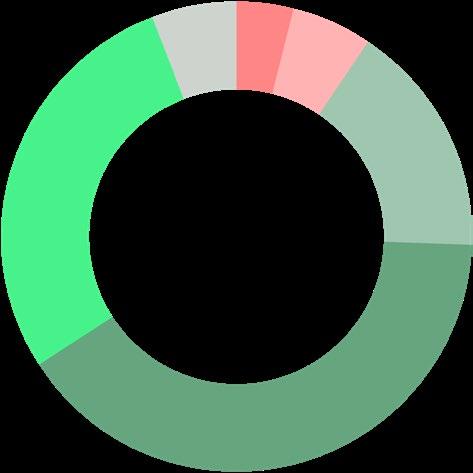
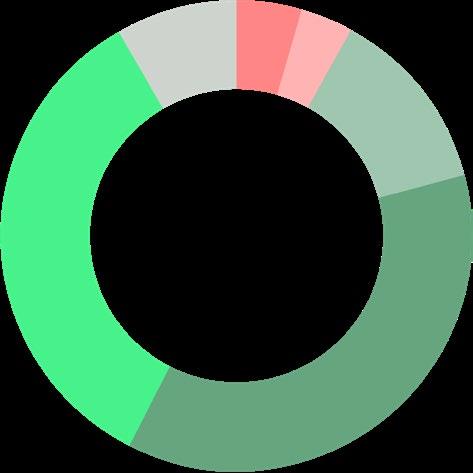
We measure quality and operating stability annually across all clients and system users within the group. In 2025, the share of our most satisfied clients in terms of quality increased from 64.5% to 68.4%, while the share of dissatisfied respondents remained nearly unchanged, moving from 9.8% to 9.7%. Operating stability also improved, increasing by 8.3 percentage points from 62.4% to 70.7%, while dissatisfaction decreased from 10.5% to 8.2%. These developments reflect the impact of our strengthened group -aligned working structures, continued commitment to operational quality, and the finalization of our migration project from legacy systems to Ropo One®. We expect satisfaction levels across all indicators to continue trending positively following the temporary decline seen in 2024, supported by the finalization of our group -aligned Client Success framework.
We maintain ISO 9001, ISO 14001, and ISO/IEC 27001 certifications across all our operating countries, demonstrating our commitment to integrated quality, information security, and environmental management systems. Additionally, we uphold ISAE-3402 Type II assurance engage-
ment in every country where we operate.
We continued to work with our standardized reclamation management procedures, which improves transparency and enable better monitoring through our CRM system. To uphold our compliance and service quality, we conduct regular training on the invoice lifecycle for both new and current employees. Our training covers relevant legislation and guidelines from supervisory authorities affecting our operations, including debt collection legislation and good collection practices, anti-money laundering requirements, as well as data protection and cybersecurity.
We follow all applicable legislation in the countries where we operate, and our internal policies and guidelines are developed in accordance with regulations and recommendations from regulatory bodies. To uphold the highest international standards, our management systems for quality, information security, environment, and assurance engagement are well-established, tested, and regularly monitored from process establishment and environmental impact evaluation to client and end-customer communications protocols. Our invoice lifecycle service covers receivables management, including payment monitoring, debt collection, and customer service related to payments. Debt collection is regulated and closely audited by authorities, and potential positive or negative outcomes are made public. We conduct our operations in line with the Debt Collection Act and other relevant legislation, adhering to the Finnish Consumer Ombudsman’s guidelines for good debt collection practice in Finland, the Swedish Financial Supervisory Authority’s general guidelines and accepted practices in
Quality and operating stability are measured through an annual client satisfaction survey covering all clients and Ropo One® users.
Can’t say
* Our quality and operating stability scores represent the percentage of respondents who rated the topic at the highest satisfaction levels (4 or 5) on a scale of 1–5.
Sweden, and the Financial Supervisory Authority of Norway’s guidelines in Norway. Additionally, Ropo is an organized enterprise committed to the Finnish Union of Debt Collecting Agencies’ principles of responsible debt collection.
The Group Risk and Compliance officer, along with local compliance officers, ensures that Ropo’s policies, guidelines, external requirements, and risk assessment methods are well-anchored across each operating country. Local teams managed by local management handle legal compliance and operations, overseen by the Head of Legal in Finland, Sweden, and Norway.
Compliance with our certified management systems is overseen by Group Functions leaders; the Group Risk and Compliance Officer responsible for quality and environmental management systems, and the Chief Information Officer for the information security management system. These leaders, along with local management teams and quality managers, ensure that group standards, policies, and guidelines are thoroughly integrated in all operating countries. We maintain robust internal controls but also prioritize transparency. Our whistleblowing service allows employees, clients, and other stakeholders to anonymously report any suspected misconduct or unethical behaviour, reinforcing our dedication to integrity and accountability.
In 2025, we found no legal or regulatory violations in any operating market. In Finland, the Regional State Administrative Agency provided guidance on two cases: one involving unnecessary costs from payment behaviors that led to excessive debt collection fees, and another concerning inadequate payment response times for B2B customers. The Consumers Disputes Board (KRIL) also identified a case where Ropo did not follow good debt collection practices by failing to address a third-party payment during debt collection.
We received no reclamations regarding our invoice lifecycle service during the reporting year. We are proud to maintain a high standard of quality, aiming for zero issues with the 113.9 million invoices and other documents processed through Ropo One® during the reporting period.

We adhere to a well-defined process for selecting our clients, ensuring alignment with our internal policy documents that uphold our ethical principles and values. Our group-wide policy encompasses an exclusion list, covering sectors we do not engage with for new client acquisition. This list includes, but is not limited to, providers of instant loans, gambling services, and entities associated with increased risks of over-indebtedness or deceptive practices in the purchasing process. Our exclusion criteria reflect our commitment to our values and service mission, which aims to mitigate payment difficulties and over-indebtedness. In addition to our exclusion policy, we conduct thorough Know Your Customer (KYC) activities as a fundamental aspect of our anti-money laundering efforts, detailed on page 20. These activities encompass regular reassessments and due diligence, integral to our client selection and retention processes. Our compliance team, in collaboration with local compliance officers, diligently monitors these procedures daily and coordinates with local management teams regularly. The Group Risk and Compliance Officer provides support to local entities, assisting with risk management and the enhancement of KYC protocols.

During 2025, we implemented a new risk management tool to improve business risk tracking, reporting, and mitigation across all countries and business areas.
Compliance key metrics include a zero-tolerance policy with the target of zero non-compliance with laws and regulations. To support this target, we will continue to ensure that all operations adhere to the highest standards of sustainability, compliance and workplace integrity. During 2026, we will introduce a dedicated Compliance Portal on our website to centralize all policies, guidelines and corporate practices. This initiative strengthens our governance framework and enhances transparency for all stakeholders.
At Ropo we talk about our two-sided platform, meaning that we serve both our clients and their customers, to ensure a balanced and fair payment ecosystem. Through our services, we promote a responsible economy and payment culture which emphasizes the importance of timely invoice payments. We ensure that invoices reach customers through their preferred channels, payments are processed accurately, and high-quality payment advice is available to support customer relations, reduce financial difficulties and prevent over-indebtedness.
For our clients, we are a strategic partner offering a comprehensive platform for invoice and receivables management. We provide complete access to invoicing and payment data, along with other tools to ensure sustainable credit management and enhanced customer understanding. Our impact extends beyond our clients and their customers, contributing to a society that values a healthy payment culture where companies can sell on credit and flexible payment arrangements are available when needed, fostering economic resilience.
Our service performance is measured in relation to both our clients and their customers. Key performance indicators (KPIs) related to promoting responsible economy and payment culture include client and end- customer satisfaction measured through systematic NPS surveys, key invoice-related metrics such as the rate of invoices paid on time and the average payment period, as well as end- customer service interaction volumes across customer service channels and the MyRopo end- customer portal. Clients and end customers are regularly invited to evaluate their experience, and the insights gained are used to support continuous service development.

For our clients, we are a strategic partner offering a comprehensive platform for invoice and receivables management.

The KPIs presented below describe our indirect economic impact through key invoice metrics from the client perspective, complemented by a comprehensive view of end- customer service activity across customer service channels and the MyRopo end- customer portal. In 2025, end- customer reporting was updated to focus on total service interaction volumes, providing a more holistic view of overall service activity.
In 2025, we continued to develop accessibility features in MyRopo and aligned the service with the requirements of the European Accessibility Act (EAA). We also enhanced the MyRopo login experience to ensure smooth and secure access for all stakeholder groups. Client and end- customer satisfaction remained among our key performance indicators.
In 2026, we will continue to focus on user experience and accessibility across Ropo One® and MyRopo, with a specific emphasis on UI and UX development. We will also assess all end- customer touchpoints – from invoice communications and layouts to interactions with customer service – to ensure a seamless customer journey.
Quality metrics across the entire invoice lifecycle will remain a priority. In addition, we will monitor our sustainability-linked satisfaction indicators against defined numerical targets covering overall sustainability performance, service quality, operating stability, and user experience.
* In 2024, the data collection method was updated from response volumes to contact volumes; 2023 figures have been adjusted for comparability.
** The figure includes end-customer service contacts and actions performed by customer service agents, as well as actions completed in MyRopo.
*** The figure reflects overall activity volumes in the MyRopo portal, including invoice views without user actions.
* For the NPS for the projects, the number for 2024 is only reflecting Finland as there where no answers from clients on the project’s surveys in Norway or Sweden.
** We updated the data collection method in 2024. Figures for 2023 have been adjusted to be comparable with 2024 data and therefore differ from those in the 2023 report.
As our business model relies on technology and we offer our clients and their customers digital platforms, our sustainability commitment places a strong emphasis on user interfaces (UI), inclusive design, and availability.
While focusing on our platforms, we recognize our responsibility across the service value chain. In addition to promoting digitalization, we ensure that our invoice delivery service includes the most trusted and commonly used delivery methods, allowing end customers to receive invoices and invoice-related documents through their preferred channels. Both our clients and their customers benefit from our high-quality customer service available across various channels, in person and online.
Our systems support English and the official languages of our operating countries, validated by professional translators familiar with industry-specific terminology. Responsibility for availability, accessible design, and language options lies with our Chief Technology Officer and Chief Product Officer, supported by the Chief Brand & Communications Officer. Our digital platforms are continuously evolving to meet user expectations, regulatory requirements such as the European Accessibility Act (EAA), and established accessibility standards. Our commitment to the Web Content Accessibility Guidelines (WCAG) is to meet a minimum AA level, while aiming for AAA wherever feasible.
Our invoice lifecycle solution is powered by Ropo One®, our proprietary tech platform that seamlessly combines all invoice-related workflows into a single system. As a holistic service provider, we ensure that our platform and processes meet high standards for data security, compliance, and environmental responsibility.
Our KPIs include system uptime, as well as user experience and inclusiveness, measured through an annual client satisfaction survey covering all clients and system users across the group.
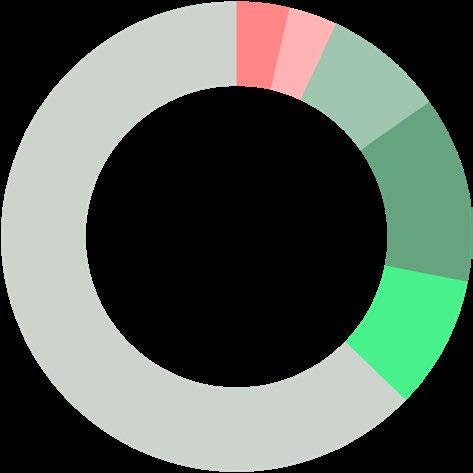
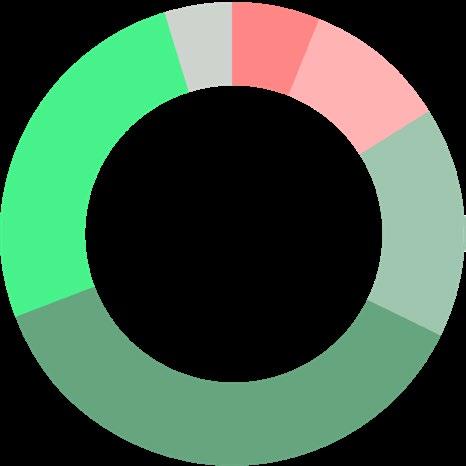
In 2025, the share of the most satisfied Ropo One® users in terms of user experience increased from 58.5% to 63.2%. The share of very satisfied respondents also rose by 4.1 percentage points, from 22.1% to 26.2%, reflecting the positive impact of recent Ropo One® user interface improvements. Inclusiveness remains a challenging area to assess, as “can’t say” responses increased from 59.0% to 62.8%, making it difficult to evaluate satisfaction reliably. Regardless, we ended behind the 2025 target of 50%, with an inclusiveness score of 22%.
Ropo One® maintained 100% uptime during the reporting period, meaning there were no unplanned service interruptions affecting availability. From 2026 onward, our sustainability-linked satisfaction indicators will include overall sustainability, quality, operating stability, and user experience—each with numerical targets measured through the annual client satisfaction survey. We will remove inclusiveness from the target framework and instead monitor it through the broader user experience indicator, as respondents without disabilities consistently find it difficult to evaluate inclusiveness. User experience therefore provides a more meaningful and accurate metric. Read more about the targets on page 55.
Uptime guarantee (%) 99.9
Uptime 2025
MyRopo: 100%
Ropo One®: 100%
MyRopo serves as a 24/7 self-service channel with online assistance from our customer service agents and a chatbot. In MyRopo, end customers can, for example, check invoices’ status, make payments, and set up payment arrangements such as postponing the due date or creating a payment plan.
We continuously improve the service based on feedback collected through a pop-up survey upon logout. In 2025, the MyRopo login experience was upgraded, and the service was reviewed against accessibility requirements. As a result, MyRopo is now fully compliant with the European Accessibility Act (EAA).
We promise 24/7 availability, making service uptime our most important KPI for MyRopo. In 2025, MyRopo maintained 100% uptime, meaning there were no unplanned service interruptions affecting its availability.
User experience and inclusiveness are measured through an annual client satisfaction survey covering all clients and Ropo One® users.
Can’t say
* Our inclusiveness and user experience scores represent the percentage of respondents who rated the topic at the highest satisfaction levels (4 or 5) on a scale of 1–5.
At Ropo we recognize that our employees are the key to our success as a company, and we therefore work hard to ensure that they are healthy and satisfied. We want to attract and keep the right talent and build an open organizational culture where all employees feel welcomed and appreciated. Our sustainability work focuses on three employeecentric aspects: improving employee engagement, ensuring a healthy and safe working environment, and promoting diversity, equity and inclusion.
Ensuring employee engagement
Promoting diversity, equity and inclusion
Ensuring healthy and safe working environment
At Ropo, we understand that our employees are the cornerstone of our success. Employee experience is a critical focus area, as it shapes our interactions within the team and extends to our clients. Our goal is to nurture a workplace environment that not only delivers superior business outcomes but also promotes excellent employee experience. HR practices are governed by our local People teams in partnership with each country manager. Despite the local governance, we are dedicated to fostering closer collaboration across the group. Our work is guided by the belief that the employee experience at Ropo should be consistent across countries, with unified HR practices and policies, effective capability management, and a strong winning culture as key enablers.
Our key metrics for employee engagement are the employee net promoter score (eNPS) and overall employee satisfaction. In 2025, the average eNPS score across the entire group was 14. Alongside eNPS, we have consistently measured overall employee satisfaction with Ropo as a workplace since 2024, using a scale from 1 to 5; the 2025 result was 3.9. These two indicators have been tracked in parallel to provide a holistic view of the employee experience.
We use a modern employee survey tool that provides personalized support and sparring. The tool enables a customized approach to employee surveys by delivering actionable insights and personalized guidance for both employees and managers. It supports individual development while equipping managers with advanced analytics to better understand and respond to their team’s needs. In addition, the tool allows us to facilitate anonymous follow-up conversations when concerning feedback is reported, supporting our zero-tolerance approach to workplace harassment and bullying. When such feedback is raised through the survey, both the manager and the People team are promptly alerted and can take appropriate actions.
Employee experience and engagement are also important subjects in regular growth meetings with our employees. Ropo Growth Discussions are designed for straight talk, sharing ideas and feelings, and strengthening the manager-employee relationship.
Our long-term ambition is to increase our employee Net Promoter Score (eNPS) to a target level of 30 and to maintain overall employee satisfaction at level 4 or above. When assessing our results against these goals, overall employee satisfaction remains consistently strong, reflecting a solid and support-

ive day-to-day work experience across the Group. At the same time, our eNPS increased from 10 in 2024 to 14 in 2025, indicating a growing willingness among employees to recommend Ropo as an employer.
During 2025, we further strengthened several of our key organizational strengths, with a strong workplace community remaining at the core. Employees highlighted supportive and competent colleagues, a positive working atmosphere, strong team spirit, and an open, forward-looking culture as key drivers of wellbeing and engagement. Leadership, line management, internal communication, and HR practices received positive feedback overall, with clear improvements identified in parts of the Group. In addition, the Group strategy launched in spring 2025 increased clarity around our strategic direction and objectives, which strengthened motivation and enhanced the perceived meaningfulness of work.
While overall satisfaction remained at a good level, the willingness to recommend Ropo as an employer varied between teams during the year. Following a strong start to 2025, eNPS showed a gradual decline during certain periods, with increased workload identified as the most consistent contributing factor. This trend was particularly evident during the eNPS dips observed in the second and third quarters of 2025. During the second half of the year, ongoing system changes and the introduction of new ways of working in parts of the organization required rapid adaptation and learning. While these changes support long-term development, they temporarily increased work-
load as structures, roles, and processes continued to evolve.
In response to employee feedback and survey results, we initiated several development actions during the year. These included introducing new survey indicators to better assess the effectiveness of leadership communication and internal communication related to our offering. In addition, a new lowthreshold feedback channel was introduced to strengthen transparency and employee participation by making it even easier for employees to raise questions, share feedback, and propose topics for employee information sessions.
Looking ahead to 2026, employee engagement remains a key priority. Our focus areas include clearer and more consistent communication, particularly across teams and from top management; stronger leadership presence and role clarity; improved workload management, prioritization, and resourcing; and increased transparency around recognition and career development opportunities. We will also continue to develop our employee survey framework to better identify factors influencing eNPS. These initiatives will be implemented while continuing to build on our strong cultural foundation.

Our company is committed to promoting effective social dialogue by maintaining open and transparent communication channels between management, managers, and employees. These channels include the company’s internal intranet, Slack channels organized by different topics and groups, and regular employee info sessions held at both group and country levels several times a year, in accordance with the annual communication plan. We also gather employee feedback through an engagement survey conducted three times a year. A comprehensive main survey is conducted once a year, followed by two smaller pulse surveys in four-month cycles. Based on the survey results, Country Management Teams, HR, and local managers will review the outcomes and plan necessary actions.
We comply with EU directives and national regulations that protect workers’ rights to information, consultation and participation. Our company ensures that employees are informed of the terms and conditions applicable to their employment contracts or employment relationships and that they are consulted on any significant changes, such as redundancies or transfers. 90% of our employees are covered by collective bargaining agreements. We comply with country-specific obligations to negotiate with employee representatives regarding significant changes affecting employees or their terms and conditions. We adhere to country-specific processes for continuous dialogue and, when necessary, change negotiations. Through these measures, we aim to create a supportive and inclusive workplace where employees feel valued and empowered to contribute to the company’s success.

We comply with EU directives and national regulations that protect workers’ rights to information, consultation and participation.
To promote our employees’ skills and competence, we use Ropo Academy, which is a comprehensive global e-learning platform. It ensures high knowledge transfer and retention with gamified microlearning and streamlines our onboarding process and enhances the efficiency of training hours reporting. All Ropo employees are required to complete globally common trainings at regular intervals on GDPR, Anti-Corruption, Information Security, our Code of Conduct, the Work Environment Policy, and the Diversity & Inclusion Policy. In all countries, we have transitioned new employee orientation to the platform ensuring consistent training experience for all new hires from the outset of their employment.
To uphold the Ropo culture across all levels of management/key persons, we organize annual events that have become a tradition. These events are designed to foster closer collaboration, networking, and the exchange of ideas, as well as to communicate our strategy and goals. We believe that enhancing leadership skills and business know-how positively impacts the employee experience and increases employee
satisfaction.
During 2025, we achieved our goal of establishing a new group-wide onboarding training program, including country-specific learning paths for all operating countries. The program provides a comprehensive overview of Ropo’s business, services, culture, values, and organizational structure, supporting the smooth integration of new employees. In parallel, we began developing more team- and role-specific onboarding materials for our operational teams through close global collaboration. This work will continue throughout 2026, with a focus on expanding the reach of onboarding and learning materials on our learning platform. The scope will be extended to cover additional teams, more advanced training for experienced employees, and targeted development programs for managers.
We are committed to continuously enhancing our training programs to meet the evolving needs of our employees and the organization.
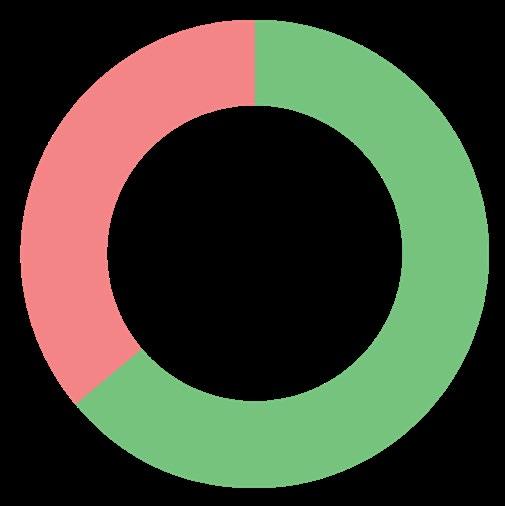

All employees are required to complete the Code of Conduct training on an annual basis. By the end of 2025, 64% of employees had completed the training during the reporting year. The remaining 36% consist of new employees who were assigned the training late in the year and therefore have time to complete it in 2026, as well as several employees who missed the deadline due to other work-related priorities. The training will be reassigned to all employees at the beginning of 2026, and those who missed the deadline will have the opportunity to complete it then.
At Ropo, we hold the equal value of all individuals as a core principle. We are committed to promoting diversity and providing an equal-opportunity workplace. Discrimination and harassment of any kind are strictly prohibited, whether verbal, physical, or visual, and regardless of gender, gender identity, race, age, sexual orientation, pregnancy status, religion, ethnicity, mental or physical disability, or medical condition.
We train all employees in our Work Environment Policy and Diversity & Inclusion Policy, and we provide specialized training for managers in recruitment and remuneration practices ensuring a healthy and functioning working environment for us all. During the reporting year of 2025, we did not encounter any incidents of discrimination at Ropo. We have an established self-identification process that enables employees to define and express their gender in a way that best reflects their individual identity. Employees can select from a broad range of gender designations and personal pronouns in company records and platforms, supporting an inclusive working environment that recognizes and respects individual identity.
Incidents, complaints and severe human rights impacts
In 2025, no grievance cases were raised, so no disciplinary actions or remediation plans were needed. There were also no instances of discrimination or harassment during the reporting year. Human rights were not violated, so no sanctions or compensations related to these issues were required.

The table shows the headcount figures at the end of the reporting year in different countries, broken down by employment contract type. The figures are aligned with the numbers used in Ropo’s financial statements produced by the finance department. By scaling the ways of working and processes of certain operational teams, we have been able to reduce the need for temporary employees in Finland and cover seasonal workforce needs through agency workers instead. This is the main reason why the group’s headcount is lower compared to the previous year.
* The table above represent the demographics of our employees as at the end of 2025 All employees are disclosed in headcount.
The table presents headcount figures at the end of the reporting year, broken down by employment contract type, employment type, and gender. The figures include all active employment contracts at the time of review. Due to improved scalability and a reduction in the use of fixed-term employment in Finland, the group’s headcount was lower in 2025 than in 2024. The data also shows an increase in the proportion of permanent and full-time employees compared to fixed-term and part-time employment.
At the end of 2025, women made up 17% of the Board of Directors and 0% of Group Management. Local Management was 15% women, while managers were close to parity at 48% women. Across all employees, women represented a slight majority at 52%. Leadership roles were largely concentrated in the 30–50 age group, with no leaders under 30 in the Board, Group Management or Local Management. In parental leave, 403 employees were entitled in 2025 and 47 took parental leave, up from 25 in 2024. The returnto-work rate in 2025 was 68% overall. The figures presented reflect the situation at the end of the reporting year 2025.
Employee turnover rate, and total number of employees who left in the period
New hires describe the head count of employees who have joined the company during the reporting year, broken down by gender and age groups.
Turnover describes the head count of employees who have left during the reporting year, broken down by gender and age groups. The employee turnover includes employees who have left voluntarily (i.e. resignation/retirement).
The new hire and turnover rates were calculated as percentage of total number of employees’ headcount presented in the table “Employees, broken down by employment contract and region”.

* The employee turnover includes employees who leave the organization voluntarily.
We adhere to country-specific contractual practices for employee wages and follow the regular salary reviews and index adjustments set by collective agreements and/or local employment agreements. We regularly negotiate salary solutions with employee representatives or the unions, depending on the practices of each country. We comply with country-specific legislation and collective agreements in the regular review of salary levels. We are committed to producing salary analyses and reviewing them with employee representatives according to each country’s process. Additionally, we are committed to adhering to our global Remuneration Policy, which aims to ensure transparent and fair compensation and provide individuals with an understanding of the basis of their salary and how they can influence its development. The policy rewards behaviors and initiatives that develop the business and increase our ability to achieve business goals. Our salary policy supports the company’s long-term goals as well as its long-term requirements for competence management. In addition, we are committed to our Diversity and Inclusion Policy, according to which we give all employees equal pay and conditions for equal performance when the work performed is equal or equivalent and has a comparable degree of difficulty. This means ensuring that no employee, regardless of whether they are female or male, is dis-
criminated against and that the salary is set according to the company’s current collective agreements and remuneration structure based on competence, experience, and suitability for the position in question. We provide training and awareness of gender equality and pay to all employees by educating them on the issues covered by our Diversity and Inclusion Policy, and we train managers and recruiters on these issues.
So far, we have reported the gender pay gap at the group level in an adjustable manner, as shown in the table (The gender pay gap) on the next page. According to the EU pay transparency directive coming into force in 2026, companies with more than 100 employees must report gender pay gaps. Pay differences must be justifiable based on job requirements, individual qualifications, work experience, and performance. This does not mean everyone should receive the same pay, but that pay differences must be justifiable with consistent criteria known to all employees. If the pay gap exceeds 5% without a justified reason, the company must conduct a pay assessment (i.e., identifying objective reasons and taking corrective action if no justification exists).
To comply with the EU pay transparency directive, we will publish and implement a job grades and salary levels model in each country during the first half of 2026. This will bring transparency, clarity, and fairness to the company’s compensation practices, ensuring that remuneration is directly linked to the role,

its demands, and individual performance. The model was created in Finland during 2024 and was presented to the staff and implemented at the beginning of 2025. The model is currently in use in Finland, and preparations are well underway in Sweden and Norway to implement it during the first half of 2026.
During 2026, each country’s HR department will conduct a pay survey and analysis to ensure that compensation for equally demanding job grades or identical roles does not result in unjustified pay differences exceeding 5% between representatives of different gender groups. We will begin conducting this pay survey and analysis on a regular basis. The HR department will carry out the survey and analysis annually, and, where relevant, use the results in connection with annual salary reviews. The work will be supported by the new group-wide HR system being implemented at the beginning of 2026, which streamlines the process and ensures that all countries are included using a consistent calculation methodology within a single tool.
The unadjusted gender pay gap describes the difference between the average gross hourly earnings of men and women (regardless of job type, seniority, or any other factors). The difference is expressed as a percentage (%) of
average pay of male employees. The calculation methodology is based on GRI guidelines (disclosure 405-2). According to the standard, the number is calculated regardless of job type, seniority, or any other factors.
The gender pay gap figure is 1.39 percentage points lower than the corresponding figure in 2024, representing a slight improvement. This is partly explained by the fact that we have carried out more thorough salary level analyses during the year and paid closer attention to potential areas for improvement.
Another contributing factor to the narrowing of the gap is a natural change in the gender distribution across different roles. Men continue to be overrepresented in the most demanding senior leadership roles with higher salary levels. However, all recruitment decisions are based on a fair and equal selection process, in line with the Diversity & Inclusion Policy and the Recruitment Policy. Positions are filled by the most qualified and suitable candidates.

We believe that employee satisfaction, good working conditions, work-life balance, and equal opportunities are key elements in creating an inspiring working environment. We want our employees to be happy working at Ropo and to feel well. This is our way of engaging in and attracting top talent, which is why we work hard to improve the employee experience at Ropo. To ensure that our employees are satisfied, we continuously seek input from them, whether through our annual employee engagement surveys, our performance interviews or our exit interviews.
Our health and safety procedures vary slightly in the different countries in which we operate, since they are subject to different local requirements. In Finland, we have an Occupational Health and Safety Steering Committee, in Sweden we have a Safety Committee, and in Norway we set annual action plans in cooperation with our Work Environment Employee Representatives. We follow a group-wide Work Environment Policy to ensure that all employees have a good work environment regardless of the local variations in procedures and practices. The policy covers both the physical and the psycho-social work environment and is included in the annual employee training program.
Occupational health and safety management applies to the entire group, all our employees, equipment and premises, and the way we lead and organize work. We have implemented such systems in Finland, Sweden, and Norway in order to meet legal requirements in the respective countries. We have an
extensive occupational health service and employee insurances across the group to guarantee medical care and support in case of work-related sickness regardless of the country in which you are working.
In Finland the Occupational Health and Safety Steering Committee, together with local HR, is responsible for conducting a risk assessment of work-related risks and hazards. The committee conducts a workplace inspection every two years in Finland. In Sweden, the Safety Committee identifies internal work-related hazards and assesses risks in cooperation with Head of People. Workplace inspections are carried out by the committee. In Norway, any work environment-related matters are raised by our Work Environment Employee Representative at management level. We ensure the quality of these processes through regular working environment training for managers and other representatives. The results are regularly evaluated among the management team, the Occupational Health and Safety Steering Committee in Finland, the Safety Committee in Sweden and at management level in Norway.
Through our customer service we are exposed to external risks in interactions with end customers, where inappropriate customer service situations can arise. To make sure that we reduce these cases we have implemented a policy guideline for dealing with inappropriate customer service situations and their follow-up. These guidelines are in use across the group. In the event of such a situation, the employee reports it to their supervisor, who then coordinates it among the relevant parties. To track these cases,

we always record calls for safety reasons. Together, all parties agree on follow-up measures to resolve the situation and to prevent similar situations in the future.
Workplace accidents are also reported to the insurance company according to its own process. In Sweden this work is guided by several policies, such as our work environment policy, our policy on threats and violence at work, our policy on equality and diversity and our policy on victimization. As part of our global integration, Finland and Norway follow our global policies for work environment, diversity & inclusion and other policies connected to the matter. During the 2025 reporting year, there was one work-related accident in Finland, but no fatalities in any country organization. Although our work is not high-risk, as it involves office tasks in all positions, we strive to ensure that our work environment is safe and minimize all risks.
The Occupational Health and Safety Steering Committee contributes to the identification and elimination of hazards and to the mitigation of risks in Finland, and the Occupational Health Center holds that responsibility in Sweden. In Norway, all occupational health services are managed through an insurance broker. Occupational health care practices are introduced to all new employees as part of our onboarding process. Information about the services is also available on our intranet. In Finland, it is the responsibility of the steering committee to ensure the quality of our occupational health and safety processes. In Sweden this evaluation is undertaken at management level and by our Safety Committee and in Norway it is placed under the protection of our management team.
In Finland, we have processes in place for workers and employees to participate in and consult on the development, implementation, and evaluation of the management system. This is done through formal participation, participation through engagement with formally recognized workers’ representatives, the use of committees, and participation in the management system (e.g. identifying hazards and assessing risks). The Occupational Health and Safety Steering Committee is responsible for the preparation and maintenance of action plans, the development of activities, the detection of risks, data collection and reporting. The committee meets quarterly, and the Labour Protection Commission meets 1-2 times a year or as needed.
In accordance with Swedish regulations, we have a Safety Committee formed by HR representing Ropo Management, and a Work Environment Employee Committee with representatives elected by employees. These committees hold meetings quarterly. The Safety Committee´s focus is on all
kinds of matters related to the work environment that are raised by employees, or based on the outcome of any incidents, safety rounds, etc. Actions are taken by the Work Environment Committee and final decisions are made by the management team.
In accordance with Norwegian regulations, we have designated employee representatives who take care of all health and safety management issues. Their focus is on preventing and raising any work environment issues which may occur with management in order to put in place the proper action plan.
We ensure full compliance with all occupational health and safety legislation, including adherence to employee training regulations. In Finland, we regularly organize first aid training sessions for a small percentage of our employees to ensure sufficient first aid preparedness at the workplace, as regulated by Finnish law. In 2025, a comprehensive training program was organized in Finland to update first aid skills.
Ropo facilitates health care insurance for all our employees in Finland. In addition, we provide well-be ing and cultural benefits as well as comprehensive leisure-time accident insurance for our employees. Our occupational healthcare in Finland includes the services of an occupational health psychologist and support for mental health including a video consultation service with mental health professional. In Sweden, in addition to the health care insurance, we also provide our employees with compli mentary massage therapy to support their health and well-being. In Norway, Ropo facilitates health care insurance including psychology and chiropractor services. The insurance also covers leisure-time accidents and support for work-related and other mental health matters.
Sickness-related absences
* In Finland, mental health-related sickness absences, as reported in 2023, represent a percentage of all sickness absences documented by occupational health care. This figure does not represent the total percentage of all sick leaves, as it excludes absences that do not require a doctor’s certificate. 2024 and 2025 number is aligned with other countries.
** In Norway, reasons for sickness-related absences are confidential and not reported unless voluntarily disclosed. Consequently, absences related to mental health cannot be identified or reported, even on an anonymized basis.

The aforementioned new HR system and the planned actions with training programs require human resources from People teams, Marketing & Communication, IT Admin and team managers. Additionally, they incur costs for the system provider of the tool. The financial resources allocated to these projects will amount to 59-80K€ per year (OpEx) across the entire group. We estimate this to increase by 5% over the next 3-5 years due to inflation and price increases from suppliers, which in recent years have been slightly higher than inflation.
The job grades and salary level project, which was mentioned earlier, required resources from People teams and the Norwegian and Swedish Country Management Teams. The financial resources allocated to the project were 5-15K€ (OpEx) across the entire group.
The above-mentioned events that we organized for management and key people required resources from People teams, senior management, selected subject-matter experts, as well as Marketing & Communications. In addition, organizing these events requires financial resources. In 2025, the related costs amounted to approximately 30–50K€ (OpEx), and for 2026, 50–100K€ (OpEx) has been budgeted, as the intention is to organize more global events than in 2025.


To minimize negative impact on the environment
Circular economy
Measuring energy consumption, Greenhouse gas emissions (GHG-emissions) and waste output
Environmental policy
At Ropo we recognize that climate change and environmental degradation are some of the most crucial challenges facing our society today. We therefore want to ensure that we do what we can to manage our carbon footprint and reduce the environmental impacts of invoicing. Our work with environmental sustainability is guided by three climate-centric focus areas: ensuring ethical sourcing; reducing energy consumption and minimizing greenhouse gases; reducing resource consumption and ensuring adequate waste management.
Ropo is committed to actively reducing our environmental footprint and contributing to a sustainable future. Our aim is to provide our clients with an invoice lifecycle service that has a minimal negative impact on the planet. As our business relies on our proprietary technology and we serve our clients through our Ropo One® platform, the most significant environmental impacts within our value chain are linked to data hosting, ICT, and IT hardware, as well as software services. Additionally, a substantial portion of our emissions is related to multi-channel invoice delivery service, which includes paper invoice printing and logistics processes handled by our partners. It is our responsibility to ensure that our invoice lifecycle service, along with all our business operations, is as climate-friendly as possible. Therefore, we have implemented a group-wide environmental management system to guide our operations across the group.
In 2025, our environmental management system (ISO 14001) underwent its annual external audit with zero non- conformities, demonstrating our strengthened maturity in environmental management. Our certification has covered all our operating countries – Finland, Sweden and Norway – since 2024, making 2025 our second group -wide audit cycle.
Our environmental certifications are managed by the Group Risk and Compliance Officer, who, together with local management teams and quality specialists, ensures that environmental targets and company policies are well-anchored in all operating countries.
A standardized environmental management system, preferably ISO 14001 certified, is also a requirement for our suppliers. All our largest suppliers and partners are ISO 14001 certified or have otherwise demonstrated an equal commitment to energy efficiency, renewable energy, and reducing greenhouse gas emissions.
In 2025, we further strengthened our approach to supplier screening regarding environmental responsibility by preparing our first dedicated Supplier Code of Conduct, which sets the minimum expectations for environmental commitments, including promoting renewable energy, recycling, waste management, and emission-critical business travel. This new Supplier Code of Conduct will be integrated into our contract processes and published on our website during spring 2026.
Our Code of Conduct together with the new Supplier Code of Conduct is detailed further on pages 7 and 8.
A key initiative in supporting climate-friendly operations is the continuous digitalization of invoicing processes, which significantly reduces paper consumption and logistics-related emissions. In 2025, together with our clients, we achieved a four-percentage-point increase in the share of digital invoicing channels within our lifecycle service. As a result, 78% of all invoices and documents processed through our services were delivered digitally, reflecting our strong commitment to environmentally responsible invoicing.
In the DMA, Ropo identified climate change as a significant topic. Ropo’s CO2e emissions originate from various sources, including mobile combus-
Paper and digital invoices
Ropo, multichannel invoicing
tion from company vehicles, as well as electricity and heating used in office spaces. Additional emissions arise from purchased goods and services such as data centers and cloud storage, capital goods, the transportation and distribution of paper invoices, waste generated by operations, and business travel.
Ropo acknowledges the physical climate risks in the regions where it operates from a mediumto long-term perspective. These risks can pose safety concerns for employees and disrupt infrastructure such as power and communication networks. In Finland, heatwaves in summer, extreme cold in winter, and increased storm frequency are notable risks, affecting employee health and increasing energy demands for heating. Storm events may disrupt physical infrastructure, requiring contingency planning. In Sweden and Norway, similar challenges are posed by heatwaves in summer, extreme cold in winter, with additional risks from rising sea levels that could affect coastal infrastructure and urban areas.
While Ropo has not conducted a formal scenario analysis of climate impacts under a 2°C rise in global temperature, in line with the Task Force on Climate-related Financial Disclosures (TCFD) recommendations, based on the above assessment, physical climate risks could become more pronounced due to the locations of operations. However, in relation to the strategy, operations across Finland, Sweden, and Norway are projected to be resilient to physical climate risks from a short- to medium-term time horizon. This resilience is primarily due to the operational flexibility and the robustness of local infrastructure in these Nordic countries.
Transitional risks for Ropo include the potential cost of carbon pricing and the need to align with stricter climate regulations in markets such as Europe. The rapid growth of reporting and transparency regulations on emissions will require operational resources e.g., time, budget, new systems and tools. These increased compliance efforts will lead to higher OpEx. Ropo estimates the financial effect increase to be 50-100 K€ depending on the regulatory decision of the reporting requirements. As the regulatory extent in regards of reporting is still not finalized, the financial impact is unclear.
Additional transition risk is changes in customer demand and higher focus on climate change may create vendor locks, eg. climate targets will prevent us from using a certain supplier. At the same time, regulations for sustainability will most likely make traceability of business transactions easier. That would provide better data quality and increase the transparency.
Some examples of financial impact are direct price increases on fossil fuels and electricity (“cost of carbon”). They are likely to raise operational costs, supporting our decision to invest in electrical vehicles as per our Vehicle Policy. Another is favourable terms on sustainability-linked loans in new bank loan agreements, where interest rates are reduced if linked to climate impact.
At Ropo, we also see that our sustainability work gives us the opportunity to attract and retain talent, which could be a competitive edge.

Ropo procures physical goods necessary to maintain day to day operations such as computers, hard drives and screens which involves the extraction of natural resources, primarily metals and minerals. Paper invoices represent another significant category in our operations. We collaborate with our suppliers to carefully select environmentally responsible paper options, including unbleached white paper and FSC-certified paper. Tracking the e-ratio of invoices is a key strategic and internal metric, reflecting our commitment to reducing paper use and promoting digital alternatives.
Our business model is software-driven and focuses on the digital delivery of invoices. While paper invoices are part of the process, they are primarily determined by client preferences and industry standards rather than Ropo’s operational design. The nature of these products does not allow for significant reuse or recycling within our value chain, limiting the relevance of applying circularity principles such as durability or reuse to our core business activities. We expect the prices for paper invoices to continue to increase, as part of mitigating the decrease in revenue for the suppliers.
2025 marks the first full reporting year for our carbon offset program covering all IT equipment under a group-wide device-management contract. The scope includes employee laptops, desktop computers, mobile phones, and tablets. The program applies across all our operating countries and includes both carbon offsetting and
recycling measures.
From an OpEx perspective, Ropo’s focus on the aftermarket for IT hardware, office furniture, and company cars creates cost-saving opportunities by extending the lifecycle of assets and reducing the need for new purchases. Our partnership with 3StepIT also supports this approach by ensuring responsible handling and recycling of hardware waste, thereby minimizing hazardous waste management costs and regulatory compliance obligations. These practices help manage OpEx through reduced disposal costs and optimized procurement.
We have also identified a positive internal aftermarket for equipment approaching the end of its lifecycle. Employees are interested in purchasing securely wiped devices for personal use, supporting both circularity and responsible reuse. We continue to improve data availability for procured goods and services together with our partners and will evaluate measurable targets that can be implemented to track our progress in this area.

Our business model is software-driven and focuses on the digital delivery of invoices.
In 2025, we streamlined our environmental data reporting processes as part of our broader financial system development. The year also marked the first full cycle with a group-wide financial system in place, enabling more consistent and comparable data across all countries. During 2026, we will continue enhancing these capabilities and utilizing the more precise data for analytical purposes. The functionalities implemented in 2025 already enable us to monitor emission sources, such as those related to business travel, more closely. We will also continue testing new system features currently in beta. As our reporting accuracy improves, we aim to introduce invoice-specific emission reporting, an ambition we have been working toward for several years.
We always aim for environmentally friendly choices across all our operations. We recycle office supplies such as paper, plastics, metal, and kitchen waste and sort hazardous waste separately. Our digital waste is handled by our leasing partners, and we commit to doing our part in the process to ensure accurate handling of electronic waste. We also aim to influence our landlords to carefully select waste management providers that prioritize quality and provide comprehensive waste reporting. When traveling for business purposes, we
strive to minimize the environmental footprint by choosing environmentally friendly means of transport, as far as possible, and cars with low CO2 emissions when driving.
In 2026, we will continue leveraging our streamlined system infrastructure to advance our reporting capabilities, particularly regarding Scope 3 emissions from business travel, commuting, and purchased goods and services. A unified system landscape strengthens our readiness to meet evolving reporting requirements – even as regulatory expectations shift, including the recent delays affecting the Corporate Sustainability Reporting Directive (CSRD) and the European Sustainability Reporting Standards (ESRS). Ropo remains prepared to comply with broader requirements once they become legally applicable.

In 2025, we streamlined our financial systems into a unified group -wide setup, improving our reporting capabilities, data accuracy, and overall transparency related to environmental impacts. We continued increasing the digital invoice ratio in collaboration with our clients and successfully passed the ISO 14001 audit with zero non- conformities.
In 2026, we will continue enhancing our environmental reporting and advancing awareness of climate-friendly invoice lifecycle choices, including digital invoicing and green delivery options. Our focus is to enable invoice-specific emission reporting and further strengthen our Scope 3 reporting capabilities, particularly regarding business travel, commuting, and purchased goods and services.
The reduction in Scope 1 emissions reflects our transition to a lower- emission company car fleet. A car policy that prioritizes electric vehicles has contributed to reduced emissions from company- owned and leased vehicles.
Scope 2 greenhouse gas emissions decreased due to increased electrification and a higher share of renewable and nuclear energy in Finland, combined with reduced local energy consumption. Energy consumption also declined in Norway and Sweden, where the use of cleaner energy sources further contributed to lower emissions.

Ropo’s environmental policy, guided by its Code of Conduct, offers a strong structure for addressing climate change. The policy focuses on both mitigation and adaptation strategies, ensuring that Ropo remains at the forefront of sustainable business practices.
Ropo's environmental policy emphasizes a proactive approach to identifying and addressing environmental impacts. By integrating risk management processes with opportunity identification, Ropo aims to turn potential environmental challenges into avenues for innovation and growth.
Mitigation efforts are centered around reducing greenhouse gas emissions, enhancing energy efficiency, and promoting the use of renewable energy sources. Ropo is committed to setting and achieving ambitious targets that align with global climate goals. Part of the environmental policy is the decarbonization plan, where we as a few examples promote the digitalization of invoicing processes, transition to low-emission and electric vehicles by 2028 and that our IT equipment is covered by carbon offsetting and recycling measures. The full policy is available at ropo.com. Ropo has not yet set a target for reduction in absolute values or KPIs, as we still do not possess the necessary data to establish an accurate baseline year. Once this data is obtained and a reliable baseline can be determined, appropriate targets will be set by Ropo.
Adaptation strategies involve preparing for the inevitable impacts of climate change. This includes improving the resilience of infrastructure, operations, and supply chains, as well as fostering a culture of sustainability within the organization.
By adhering to the environmental policy and Code of Conduct, Ropo aims to make meaningful contributions to the global effort against climate change while ensuring long-term business sustainability.
To ensure effective climate change mitigation, Ropo will continue to report on KPIs in relation to scope 1-3 in relation to GHG emissions and use the results to inform the overall business strategy. The resources allocated for this task are part of the group functions team, currently estimated to require 0.2 full-time employees (FTE), along with additional reporting responsibilities for HR and Finance at the group level. There is also partial resource allocation from operations and other supporting functions in the operating countries. The estimated financial effect (OpEx) for this initiative is equivalent to 0.6 FTE.
Looking ahead, Ropo recognizes that future resource requirements remain highly uncertain due to ongoing developments with the new Omnibus proposal and the evolving CSRD framework. As of now, the legislative timeline for the Omnibus proposal is still unclear. Consequently, any potential cost increases over the next 3 to 5 years are subject to considerable variability. Ropo is closely monitoring the situation and stands ready to adjust and adapt its resource allocation promptly as soon as more definitive decisions are made regarding these regulatory changes.



Increased governance transparency through the launch of a public compliance portal.
Improved user experience and accessibility through user-interface enhancements.
Strengthened contract processes by integrating the Supplier Code of Conduct into the contracting flow.

Unified people-management practices by implementing a group -wide HR system and aligning processes across all employee-lifecycle workflows.
Expanded the employee training program to include quality topics, business-related training modules, and updated GDPR training.

Enhanced carbon-footprint reporting to support progress toward invoice-specific emission reporting.
In 2026, we will continue strengthening our governance, people practices, and climate work across the group. A key focus will be improving transparency across our governance practices, policies, and guidelines through the launch of our public compliance portal and by integrating the Supplier Code of Conduct into our contracting flow. We will also continue enhancing user experience and accessibility across our platforms and building client satisfaction by investing in quality and operational stability.
We will advance unified people management by implementing a group-wide HR system, expanding our training programs, and harmonizing people-related processes across the group.
From an environmental perspective, we will continue to focus on promoting climate-friendly invoice lifecycle choices through increased digitalization and close collaboration with our partners. Our long-term goal is to enable invoice-specific emission reporting, and we will continue improving the accuracy and availability of our sustainability data to support this ambition.

In 2026, we will further strengthen our compliance and governance practices by launching a public compliance portal. The portal will centralize key information related to information security, quality assurance, GDPR, AML and other corporate policies, improving transparency for all stakeholders.
We remain committed to our zero-tolerance policy and ensure that all operations meet the highest standards of sustainability, compliance and workplace integrity. Quality assurance is a core element of our business, and we have fully integrated it across our organization. Our certified management system is implemented in every country where we operate and covers ISO 9001, ISO 14001, ISO/IEC 27001 and the ISAE 3402 assurance engagements.
We conduct multiple mandatory trainings each year for all employees. In 2026, we will expand the curriculum to include quality assurance and our Integrated Management System, and we will update our AML and KYC programs to prepare for the regulatory changes entering into force in 2027.
In addition, the user experience improvements completed in 2025 will be followed by an updated accessibility statement to ensure our digital services remain inclusive and compliant. Platform and service development remain a continuous focus to ensure a strong user experience and high accessibility.
We remain prepared to respond quickly to evolving regulatory requirements regarding sustainability and other areas impacting our business practices.
In line with our commitment to diversity, equity and inclusion, we continue to promote fair compensation and gender equality across the organization. Our work includes adhering to a structured job classification model, conducting annual salary surveys and analyses, and developing targeted action plans to address identified gaps and support long-term pay equity. We also invest in training our managers and HR professionals on pay-equity principles to ensure these considerations are integrated into recruitment, performance management and the full employee lifecycle.
In 2026, we will transition to a new whistleblowing tool, provided by our HR system. As part of this change, we will streamline the list of report recipients and remove location-based routing and country-specific recipients, such as Country Managers. Going forward, all reports will be received and coordinated by the Group CFO, the Group Risk & Compliance Officer, and the Group People & Development Officer. This centralized approach ensures that all cases are handled consistently and transparently at group level.
We continuously monitor employee experience through regular surveys, including eNPS, satisfaction and overall engagement. Looking ahead to 2026, our focus is on strengthening communication structures and achieving a more balanced workload through clearer roles, responsibilities, processes and routines, while continuing to build on our strong cultural foundations. The global HR system to be launched in 2026 will further support this work by harmonizing leadership-related processes across countries and providing the People team and management with
a more transparent and comprehensive view of our workforce. Our current training activities provide strong onboarding support, and in the coming year we will further expand our focus on business-related competencies and role-specific skills. At the same time, we will place increased emphasis on monitoring training completion rates and improving follow-up through systematic reminders and proactive support.
In 2026, we will continue leveraging our streamlined financial system infrastructure to advance our environmental reporting capabilities, particularly in relation to Scope 3 emissions from business travel, commuting, and purchased goods and services. Strengthening data quality remains a central priority as we work toward enabling invoice-specific emission reporting, an ambition we have pursued for several years.
We will also continue increasing awareness of climate-friendly invoice-lifecycle choices, including digital invoicing and low-emission delivery alternatives.
A key ongoing initiative is the digitalization of the invoice lifecycle. This includes continuous service development, the adoption of high-quality digital delivery channels, and promoting these options to our clients and – together with them – to end customers. We will continue monitoring our own energy usage as well as that of our largest suppliers, especially data-hosting partners, to ensure responsible energy management. In addition, we will work closely with our logistics partners to maintain high-quality environmental reporting for the transportation of paper invoices.
To support circularity, we aim to extend the lifecycle of IT equipment by ensuring long and efficient use across devices. Together with our partners, we also continue improving data availability for procured goods and services related to IT hardware, enabling better monitoring and future target-setting.

For the next four-year period 2026–2029, customer satisfaction and Code of Conduct targets remain unchanged. Employee NPS will be paired with overall satisfaction for a more comprehensive view of engagement. Quality, operating stability, and user experience targets have been added to complement the sustainability score. Our zero-tolerance policy continues to serve as the cornerstone of responsible business conduct.
In 2026, we will launch a compliance portal on our website to centralize our policies, guidelines, and corporate practices. This initiative will strengthen transparency, accountability, and our zero-tolerance approach by making it easier for all stakeholders to review our principles and act on compliance requirements.
Our Code of Conduct will be complemented with a dedicated Supplier Code of Conduct that sets clear minimum requirements for ethical, environmental, and social standards for all suppliers, partners, and vendors. By introducing the new code, we aim to enhance supply chain transparency, strengthen risk management, and ensure that our values are consistently reflected throughout our extended value chain.
Building on the implementation of our global HR system initiated in 2025, we will harmonize core people management processes across the group. We will standardize practices covering employee lifecycle workflows, onboarding, development discussions, and succession planning to improve clarity, consistency, and the overall employee experience.


This is the Ropo Group’s annual sustainability report with the aim of summarizing the work we have done within sustainability during 2025 (1st of January 2025 – 31st of December 2025) in a clear and transparent way. This report is prepared based on the GRI Standards (2021) and selected elements of the European Sustainability Reporting Standards (ESRS). Ropo has initiated alignment with upcoming Corporate Sustainability Reporting Directive (CSRD) requirements by incorporating certain content and components from the ESRS, such as the double materiality assessment, climate disclosures, waste, and several of the sub-topics relating to own workers. However, as the implementation of the CSRD has been postponed following the Omnibus legislation, Ropo does not at this stage claim compliance with the ESRS, as not all requirements have been applied. The purpose of this gradual alignment is to enhance the report’s relevance, comparability, and preparedness for future regulatory expectations.
The environmental figures presented here are based on data provided by invoices, utility providers, and other suppliers, and are calculated according to the Greenhouse Gas Protocol. The figures include emissions from Scope 1 (mobile combustion), Scope 2 (electricity heating and cooling), and Scope 3 which include categories such as Purchase Goods & Services, Capital Goods, Fuel and Energy related activities, Business Travel and Upstream Transportation & Distribution. GHG emissions have been calculated with an activity-based methodology for Scope 1 and Scope 2, and with
a spend-based methodology for Scope 3. GHG emissions have been computed using Reporting 21, which uses emission factors from DEFRA, AIB and Ademe.
For the KPIs presented that reflect indirect economic impact, the data for transfer of due date in Norway is not available for periods prior to 2024, as earlier data is not comparable. The Project NPS includes 2025 results from Finland, Sweden and Norway. However, comparable data for 2024 is not available, as there was no available data from Sweden and Norway during that year.
In 2024 and 2025, we were unable to specify the energy consumption related to cooling in our offices as the data was not available from our landlords. Cooling is therefore included in the overall energy consumption. Also heating data was not available from our landlords in Sweden for the offices in Gothenburg and Stockholm, as well as electricity, heating and cooling in Finland from the Porvoo office and in Norway from the Oslo office. In Norway heating data was available only from the Bergen office. If data on heating is missing, it is reported as included in the overall energy consumption.
In 2025, we were not able to report hazardous and non-hazardous waste from all our offices. The data was not available from shared office spaces from Porvoo and Oslo offices.
Regarding waste management, the amount of hazardous waste generated in Finland and Norway has not been specified. However, the level of hazardous waste is estimated to be relatively low in both countries.
All employee data is disclosed from our HR systems and presented as headcount. In 2024
and 2025, we were unable to report absences related to mental health in Norway because employers are not legally permitted to collect or access any medical information regarding the reason for an employee’s sick leave unless the employee voluntarily discloses it. As a result, Norwegian working-time and absence systems do not record sick-leave diagnoses, and neither the employer nor local HR has access to detailed health-related information of this kind.
The reported data covers the Ropo Group, including the parent company Ropo Holding I Oy and all its subsidiaries. The group structure is presented in the figure below.


about the report can be addressed to our Chief Brand & Communications Officer Jenni Jantunen, sustainability@ropo.com.
Statement of use
Ropo has reported the information cited in this GRI content index for the period 1 January 2025 to 31 December 2025 with reference to the GRI Standards.
No significant changes. Changes reported in connection with topic-specific information on pages 34 and 46.