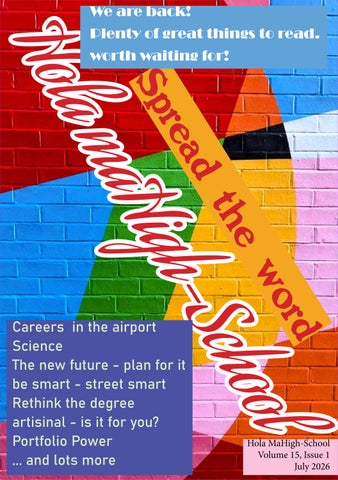
We are back! Plenty of great things to read. worth waiting for!
HolamaHigh-School Spread the word

Careers in the airport Science
The new future - plan for it be smart - street smart Rethink the degree artisinal - is it for you?
Portfolio Power ... and lots more
Table
Features
11 We are back in print - changes
12-15 Supporting deaf children - not easy
16-19 Build for success - time is now
20-23 Reading - use the library
24-27 Be smart - street smart
30-33 Career - airport screener - vital
40-42 AVBOB - Step 12 - read on!
44-47 Rethink the degree - a new path
48-51 Artisinal skills are also the future
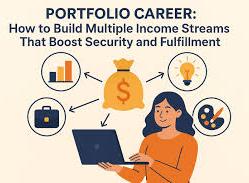
52-55 Portfolio Power - a new word
56-57 Book vs. tablet - both are there
July
The ‘stuff’
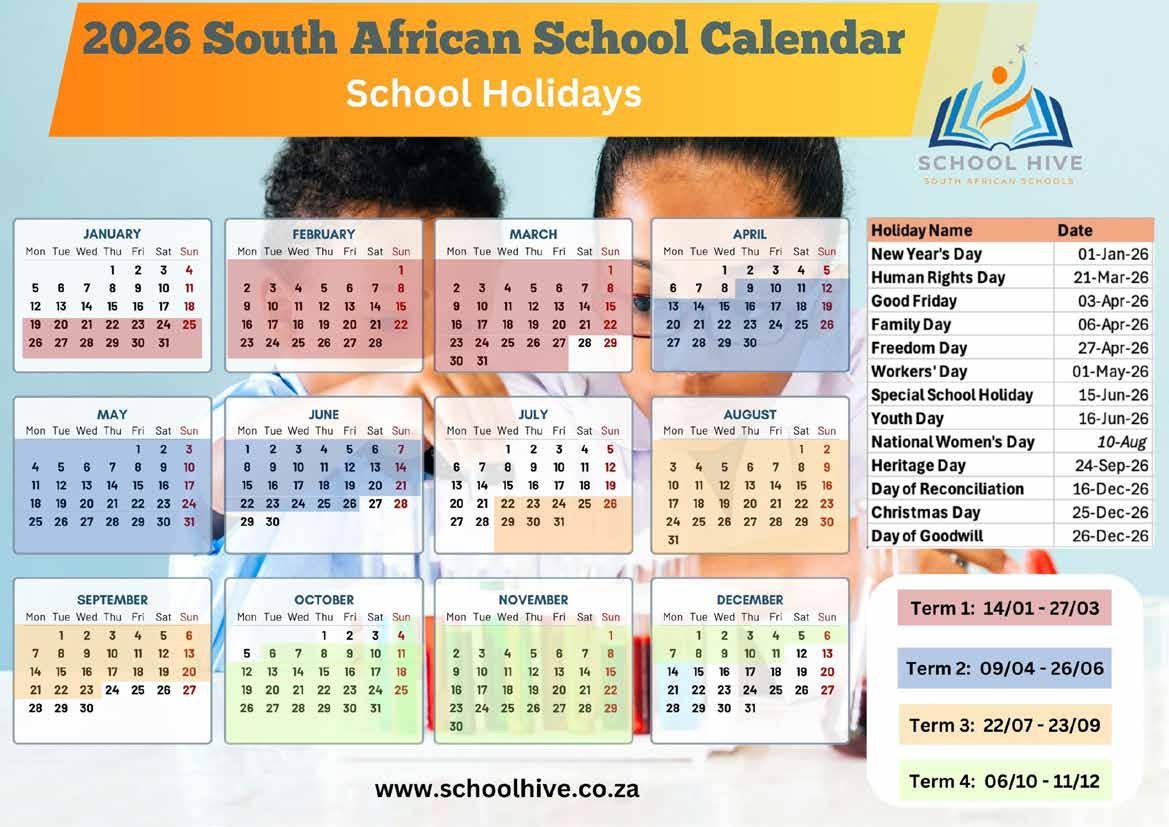
02-03 School Calendar 2026
10 Holler at us
60-61 We need writers
62 Next issue: Back again

the approach
Print, online, web
We delayed this issue as we had the goal of also providing a print issue - but alas, the cost made it impossible.
However, we still aim at having print, web and social media as a coherent publishing platform. It will take some time to get it all sorted.
So, what have we got this issue: Plenty of things really and all of it by industry experts - that makes it so much better. These people know what they are talking about.
We have received articles as follows:
InnoCommunication: Be now.
Get-published: Deaf Children
AdvTech: Building for success
Innocommunication: Reading!
AVBOB: Step 12 - Successfully ject with three very different
Chartall: higher certificates, micro-credentials
ACTOM: Artisinal skills
Waterfall School of Business: bining several professional Good
Hola is here to give you a break from all We are also serious, but it is now called

approach for 2026 web and social
Be streetsmart. This is so real
Children at Carel du Toit
success
Reading! the library is open
Successfully preparing for one subdifferent exams
certificates, vocational courses and are in demand now
Business: Portfolio Power - comprofessional activities
Good read!
all the school stuff. called edutainment.

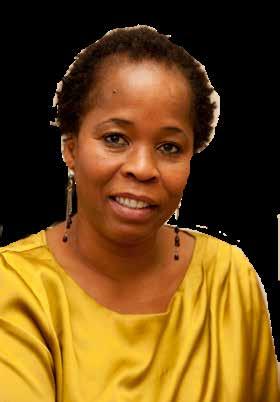
Sybil Otterstrom Editor and CEO
WE
are the Contributors
Want to be a contributor? Wanting to write like a pro?
You CAN!
look firther and see how you can become one.
... and it is a good feeling to entertain and inform.
Masiziba Hadebe is doing her Master’s in Agricultural Economics at the University of the Free State (UFS). She is driven to make a change and is a passionate volunteer for community projects. She loves reading and writing about science, agriculture and anything in between. She believes you can wear a smile whatever the weather!
My name is Lerato Pitso. I am from Maseru, Lesotho. I am a Sociology and Criminology student at UFS and Miss Supranational Lesotho 2023. When I’m not a model and a student, I write about my philosophies on life as well as expressing my feelings on paper. I hope that my views will aid in the social development of the next person.

And we are honoured to also have industry-views from:
Edith Wynne-Trollip: - Curriculum Support and advise, Overberg District
Nadia Hearn - Founder of Get-Published
Ashalia Maharajh: - Founder & Director, Sivuka Consulting (Pty) Ltd
Thozamile Mvumvu: - CFE Programme Manager, False Bay TVET
Daniel Roos - Account Executive, Transform Marketing
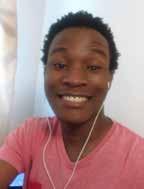

Artvilla Dakamela, 22, another wizard from the literature world, he is an Accounting student at the University of the Free State. He has written for the Initiative for Creative African Narratives (iCAN) amongst others. He currently resides in DurbanKZN - and is a very enthusiastic reader and writer.
My name is Molatelo Kate Kgatla, I’m 24 years old. I was born and raised in Lenyenye. I’m a grade 2 teacher at Vunza Teddy Bear Learning Academy, an author of a book titled her jouney as a young mother. I became a mother at 17. It influenced me to write about my personal journey to try and help someone that could be going through the same. I love writing and I love my 7 year old daughter and life.

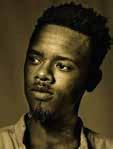
Lesly Malose Mahapa is a singer/writer/poet. He started writing at the age of 14 and has since been on a journey to pursue his music and writing career. Lesly is currently working with an indie group ‘MozSouth’ based in Ivory park, Midrand. Lesly is also a brand ambassador for a local clothing line “Boi Boi apparel”

Editor
Sybil Otterstrom
sybil@romele.co.za
Advertising sales
Next
011 614 5046
076 360 1792
sybil@next-level.co.za
Publishing
Eleanor street
2094 011 614 5046/076 360 1792
Enquiries
Romele


Print and online and socila media.
This is all so relevant and one cannot live without the other (that was nearly Harry Potter!). We have the web and social, and print will come.
What is important now? plenty of things, and that is what we focus on in this issue.
First of all: choose something relevant in grade 10, 11 and 12. And it is not just about grade 12. But also choose something that will interest you.
OK, so now we have chosen something great. Then what?
There are now plenty of options. It is not just university or nothing. Maybe we are going to see new paths to jobs. Portfolio Power is a new word we need to learn. Micro-credentials and short-term courses are now on offer.
TVETs must now look at a mixed model where it is both classroom and ‘apprenticeship’ in the surrounding industry.
There are now a lot of choices and it all starts in grade 10 - and that is also new after all.
Read on and start thinking.
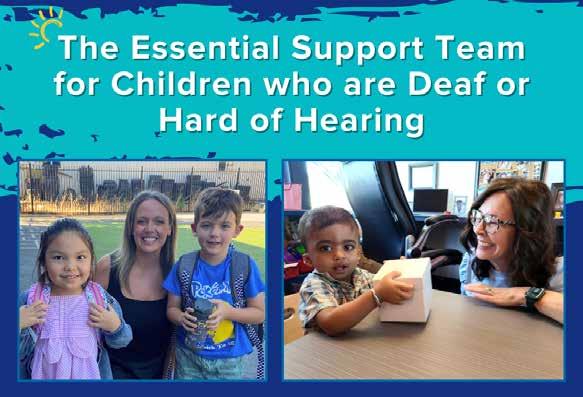
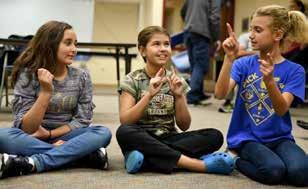
Renovation Unlocks New Futures for Deaf Children at Carel du Toit Centre
For children born with hearing loss, the ability to listen, speak, and connect with the world can shape the course of their lives. The Carel du Toit Centre has unveiled its newly renovated facilities, strengthening its ability to support deaf and hearing-impaired children during the most critical years of development.
The renovation was unveiled on Thursday 9 April, and was made possible through the support of the Rotary Club of Bellville (South Africa), and the Rotary Club of Bristol Breakfast (United Kingdom), the National Lottery Commission, Janie Mouton Foundation and leading furniture retailer Lewis Group.
The upgrade strengthens the Centre’s capacity to support children at the earliest stage, when intervention has the greatest impact on their ability to communicate, learn, and thrive.
At its core, the project reflects the power of sustained collaboration, particularly the longstanding partnership between Rotary Clubs in Bellville and Bristol Breakfast, which has evolved in the last decade into a model of international cooperation in action.
Rotary’s involvement has helped improve the facilities and expand the programmes that children and families rely on every day. Together, the partnership demonstrates how shared purpose can translate into tangible, life-changing outcomes.
“Our partnership shows just what can be achieved when communities come together with a shared commitment to service and opportunity. The impact is seen not only in the facilities, but in the futures of the children who benefit from them every day,” says President, Pieter van der Walt from the Rotary Club of Bellville.
The Sound of Early-Stage Change
Based at Tygerberg Hospital in Cape Town, the Carel du Toit Centre, together with its CHAT Early Intervention Centre, continues to champion early diagnosis and intervention as the most decisive factor in a child’s development. Its listening-and-spoken-language approach is rooted in natural language acquisition and maximises the critical early years of brain development.
Through audiology services, speech and occupational therapy, parent coaching, and family-centred support, children with hearing loss are given the opportunity to develop spoken language skills that enable them to participate more fully in everyday life.


“Early intervention changes everything. When children are identified and supported early, their communication skills and in turn it changes the entire trajectory of their lives, and those of their families,” comments Louise Eksteen, director at the Carel du Toit Trust.
The launch also marks the return of Sue Petersen to Rotary Club of Bristol Breakfast.
Peterson’s personal journey has become closely intertwined with the Centre’s history and growth, after her son, Hughan, was diagnosed deaf at 14 months old and became one of the earliest children to receive cochlear implant support in South Africa in the early 1990s.
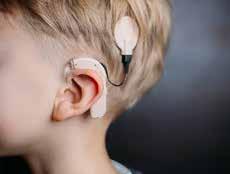
What began as a moment of profound uncertainty for her family evolved into a lifelong commitment to advocacy and support for deaf children and Peterson’s involvement ultimately helped spark the connection between Rotary Bristol Breakfast and the Rotary Club of Bellville, forming the international partnership that continues to support the Centre today.
Reflecting on her journey, she explained that discovering the Carel du Toit Centre changed everything for her family.
“What we have achieved through partnership and shared purpose shows how powerful it is when people come together across countries to give children the ability to listen, speak, and thrive,” Louise adds.
While the renovation marks an important milestone, the centre emphasises that its work is ongoing, and as a specialised institution, it continues to face essential maintenance needs, including roof, plumbing, and long-term facility upkeep, costs that are often not covered through traditional funding streams.
In addition, the centre relies on philanthropic and corporate support to sustain its core services, including therapy, audiology, educator training, and family support programmes. It is now calling on businesses and donors to consider long-term partnership models that ensure sustainability beyond capital upgrades.
Initiatives such as ‘Sponsor a Child’ offer meaningful opportunities for individuals and companies to contribute directly, with potential BBBEE recognition benefits for corporate partners.
“While this renovation is an important milestone, the daily work of changing children’s lives depends on sustained support. We invite and challenge businesses and other partners to join us in building facilities, and shaping futures,” adds Nicky Jacobs, head of fundraising at Carel du Toit Trust
The Carel du Toit Centre, and CHAT Early Intervention Centre supported by the Carel du Toit Trust, remains one of South Africa’s leading institutions for listening and spoken language development. Its work ensures that children with hearing loss are given the strongest possible foundation for communication, learning, and long-term independence.

MATRIC CLASS OF 2026: THE TIME TO BUILD FOR SUCCESS IS NOW
With all the start-of-the-year activities, ceremonies and celebrations now out of the way, the serious business of the Matric Class of 2026’s journey towards their final exams has now arrived. This year can feel overwhelming, not just for students, but for parents too, who often feel as though they are writing matric alongside their children.

“Whether students are aiming for university entrance, considering a gap year, or simply focused on finishing strong, the culmination of twelve years of education comes down to the NSC results for which they will sit later this year,” says Darren Purdon, Academic Project Manager: Academic Centre of Excellence at ADvTECH and The IIE.
“Matric is a year filled with excitement and responsibility. Many students take on leadership roles, plan their matric farewells, and prepare for valediction services. These events are memorable, but they also add to the pressure of maintaining strong academic performance.
Starting the year on the right foot is imperative
“APS scores are vital for university entrance, so students must understand the requirements and track their progress consistently. Parents can support this by creating a tracking sheet and having regular discussions with their child about their marks. These conversations should be constructive, offering motivation and support where needed,” says Purdon.
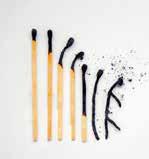
Planning is essential to avoid burnout.
“A monthly planner that includes all assessments and portfolio deadlines helps students stay organised. Establishing a study routine early in the year, with consistent daily habits, is far more effective than last-minute cramming. Using a wall planner or digital app to mark exam dates and assignment deadlines can make a big difference.”
Portfolio pieces play a significant role in the final NSC mark. Students should aim to submit their best work and take advantage of opportunities to revise and resubmit tasks. Engaging with teachers for feedback is key.
However, students must be cautious of plagiarism. While tools like ChatGPT and Microsoft Copilot are excellent for research, they should not be used to generate final submissions. Plagiarised work will be discarded and penalised, which can negatively impact results.
“Many subjects allow students to select their highest-scoring portfolio pieces. This flexibility can be a strategic advantage if assessments are approached with preparation and effort.
Starting assignments early allows time for reflection and improvement, leading to better outcomes.
Students should reach out to teachers for guidance and use feedback to refine their work,” Purdon says.

Mental wellbeing must be prioritised throughout the year.
Encourage short, focused study blocks followed by breaks, and promote healthy habits like regular exercise, balanced nutrition, and sufficient sleep.
Stress management techniques such as journaling, breathing exercises, or short walks can help students stay grounded. Pressure is normal, the key is learning to manage it effectively.
Thought Life Orientation is an after-thought? Think again. “Life Orientation is often overlooked, yet it can influence university residence applications. It’s a task-driven subject, making it easier to excel with proper planning and effort. Aim for a distinction, it’s achievable,” says Purdon.

Active learning strategies such as summarising notes, teaching concepts aloud, using flashcards, and practising with past papers are highly effective.
“Previous NSC papers are invaluable for understanding question formats and expectations. These resources are freely available online and should be printed and organised in subject-specific folders for easy access.
“After each test, students should reflect on their performance: What went well? What needs improvement? This feedback loop is essential for growth. Taking notes in class and creating study summaries from day one will make exam preparation easier.
Avoid studying late at night before assessments, and plan ahead to reduce anxiety and improve retention.”
Reviewing Grade 11 content in key subjects like Mathematics, Physical Sciences, and Languages is also important. Study groups and peer tutoring can reinforce understanding, and regular check-ins with teachers or mentors can help identify and address challenges early.
Focus on now, but also strategise the future.
While the Matric year brings countless demands on your time and energy, planning your post-Matric path is equally crucial - especially if you plan to pursue further studies, Purdon says.
This final year of school is not just about academics; it’s about balance, planning, and making the most of every opportunity. With the right support and mindset, students can thrive and finish strong, while hopefully reducing stress and anxiety, says Purdon.
“Above all, students should remember to enjoy their final year of school. It’s a year filled with milestones and celebrations, and it passes quickly. Embrace the journey, plan wisely, and make the most of every moment.”
A Love of Reading That Lasts Beyond One Month
February’s World Read Aloud Month shines a spotlight on the power of stories shared between children, teachers, and families. At The Love Trust’s Nokuphila School, the spotlight burns all year long.
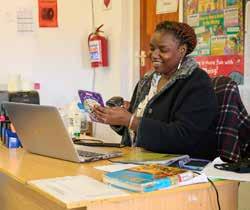
For Grace Maina, the school librarian and IT support, literacy is not confined to decoding words on a page. It is the foundation on which confidence, curiosity, and academic success are built.
“First and foremost, it promotes language and cognitive development,” Maina explains. “When learners are exposed early to stories and conversations, they build vocabulary, listening skills, memory, and the ability to understand. These skills later help with problem-solving and critical thinking across all subjects, not just language.”
Her words capture what global research continues to affirm: early literacy shapes more than reading ability. It sharpens critical thinking, nurtures empathy, and lays the groundwork for school readiness. At Nokuphila,
this understanding informs every story time and reading activity.
A gentle beginning
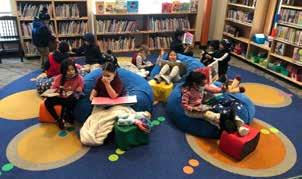
A learner’s first encounter with the library at Nokuphila is warm and welcoming. In their early years, the space is introduced as an exciting place of discovery. There are picture books, songs, and shared storytelling sessions. Learners learn how to handle a book with care, and most importantly, how to enjoy a story.
The emphasis is on building a positive emotional connection to books. Stories become associated with comfort, belonging, and imagination - a safe escape.
As learners grow, so too does their relationship with the library. They begin choosing books independently, exploring different genres, and borrowing books responsibly. They start to use reading as a tool for learning across subjects. What starts as wonder gradually becomes ownership.
Literacy for every learner.

In many South African communities, learners arrive at school with vastly different levels of exposure to books and language. Nokuphila’s reading programme is designed with this reality in mind.
Learners are supported according to their ability rather than guided by their age or grade alone. Teachers use ongoing observation to meet each child at their level. Songs, rhymes, and storytelling assist formal reading instruction, ensuring that literacy development is dynamic and accessible.
Language diversity is seen as a positive asset. Families are encouraged at home to tell stories and to talk about pictures in books, even if they feel unsure about their own reading ability. Parents are reminded that conversation, curiosity, and consistency matter more than perfect pronunciation.
Reading as celebration
From May to October, reading takes centre stage through the Phendulani Literary Quiz, an annual multi-school competition. Learners are given twelve books to read over six months. Teachers and library staff guide them, track their progress, and encourage meaningful discussion about the stories.
Having won consistently since 2019, Nokuphila’s certificates are proudly displayed in their library, telling a story of sustained achievement. But the deeper impact lies in the confidence its learners have gained.
For many learners, it is the first time their reading effort is publicly recognised. They begin to see themselves not simply as students completing a task, but as readers. The competition creates a sense of shared purpose: reading matters.

Building quiet confidence
Perhaps the most moving moments, Maina reflects, are the quiet ones. A child choosing to sit with a book during their free time.
A learner asking for another story to take home. A previously hesitant reader volunteering to participate in class.
Those shifts signal more than academic progress. They reflect a growing belief in one’s own ability. “Those moments make it clear that reading doesn’t just change academic results, but it changes how children see themselves and what they believe is possible.”
In the context of World Read Aloud Month, her words resonate. Reading aloud is not only about improving fluency. It is about connection.
It is about creating spaces where children feel heard, capable, and inspired, and at Nokuphila, stories are not extras to the timetable. They are threads weaving confidence, competence, and hope into every day.
And in a country striving to turn the page on low literacy rates, that may be one of the most important stories of all.
Be (street) smart

Street Smart 2.0: Navigating Both Streets and Screens in the Digital Era
Being labelled ‘street smart’ has always been seen as an advantageous attribute. Possessing these traits has never been about navigating roads or physical spaces, but rather about having a strong sense of self and using your skills to the best of your ability.
In 2025, we all need a broader skill set that blends self-awareness, digital literacy, emotional intelligence, and the ability to move steadily through a world that is changing faster than ever.
Thanks to technology and the rapid adoption of AI, the youth face pressures that previous generations have no experience with. There is no area of life left untouched by the digital revolution, which sees smartphones and apps as an important norm for modern life.
In under-resourced environments, having these skills can be the difference between feeling vulnerable and feeling equipped. Being street smart today is less
Street smart means having practical knowledge and good judgment to navigate real-world, often urban, situations safely and successfully, involving situational awareness, common sense, and adaptability
Social Interac-
tion: A major draw of online gaming is the ability to socialize with friends and strangers, often overshadowing the game content itself.
Many games serve as virtual social platforms where players can collaborate and communicate. Life skills are abilities for adaptive and positive behavior that enable individuals to deal effectively with the demands and challenges of everyday life.
about toughness and more about informed decision-making and creating a new kind of everyday resilience.
Today, a child’s ‘street’ extends far beyond the pavement. Smartphones, social platforms, learning applications, online gaming and instant messaging have created unique hotspots where both risks and opportunities coexist. Life skills in 2025 must include digital literacy and safety.
The Love Trust’s Nokuphila School in Thembisa has a dedicated STEM division (Science, Technology, Engineering and Mathematics) that helps ensure under-resourced learners do not fall further behind because of the digital divide and limited access to technology.
The Head of Senior Phase and STEM, Thapelo Machimane, explains, “Street smart in 2025 means being able to use technology to make our lives easier and more productive. It is especially important to keep up to date with the latest apps, software or gadgets that can help us achieve our goals.”
This means knowing how to:
• Distinguish trustworthy information from misinformation.
• Recognise phishing, scams, or illegal digital conduct.
• Navigate social media in a way that protects mental health.
• Understand privacy, boundaries, and consent online.
• Digital resilience is just as important as physical safety. Children need guidance on how to build a healthy digital identity while protecting themselves from manipulation, peer pressure, or emotional harm.
Be (street) smart
Increasingly, emotional intelligence is becoming a core part of being street smart. The ability to regulate one’s emotions, read social cues, manage stress, and empathise helps children make better decisions and avoid reactionary behaviour.
In classrooms, community programmes and after-school spaces, more emphasis is being placed on:
• Naming and expressing feelings appropriately.
• Conflict management.
• Problem-solving through communication.
• Understanding the impact of their behaviour on others.
“Peace is not the absence of conflict, but the ability to cope with it - Dorothy Thomas”
These skills help children form healthy relationships with peers and loved ones whilst navigating complex online social interactions. They also support academic progress, discipline, and build confidence.
High-quality education and holistic support are crucial in shaping a child’s ability to thrive. Organisations that provide safe environments, emotional support and extracurricular activities make it possible for children to practice and strengthen these skills daily.
Schools that integrate counselling and social support structures into the learning environment give children a solid foundation. When a child feels secure, they are more likely to make healthy decisions, recognise their worth and ask for guidance when unsure.
The Nokuphila School is an example of how a holistic approach to education has been successfully piloted and refined since it opened in 2009.
With a focus on the ‘whole child’ within their broader mission of uplifting communities through education,
Nokuphila has radically changed the lives of its learners by ensuring their needs are met. From tuition, nutrition, extracurricular activities, counselling and learning support, this team in Thembisa is staying ahead of the curve by supporting their learners not only academically, but socially and emotionally too.
As Machimane notes, “Our learners are regularly kept up to date on how to manoeuvre the digital space safely. Digital literacy is of utmost importance, and it can save them from falling into a multitude of online traps.”
Digital literacy is the ability to use information and communication technologies (ICT) to find, evaluate, create, and communicate information, requiring both technical and critical thinking skills.
Being street smart in 2025 is less about being suspicious of the world and more about understanding it. Equipping children with the tools they need to recognise risk without being paralysed by it and learning to use technology without being consumed by it, are great life lessons.
These abilities strengthen communities, too. A child who feels capable and supported grows into an adult who contributes positively to society.
When educational institutions, caregivers and organisations work together, they help shape a generation of young people who can navigate uncertainty with clarity and purpose.
Street smarts today are not a final destination but rather a continuous learning process. As the world evolves, so too will the skills required to move through it safely.
South Africa’s top physical science and maths achievers selected for the 2026
NSTF Brilliants Programme
While the National Science and Technology Forum (NSTF) celebrates 25 years of this programme, we are proud to announce this year’s group of 22 selected maths and science top performers studying in science-related courses.
The NSTF Brilliants Programme is a unique annual programme that selects and recognises students for their outstanding performance in the National Senior Certificate (NSC) examinations in physical science and mathematics, and their choices of studies in STEM (Science, Technology, Engineering and Mathematics)-related courses.
At least one boy and one girl is selected from the public schools in each province.
This annual programme is unique to the NSTF, giving prestigious recognition on a national stage to students for their outstanding performance in the NSC examinations in physical science and maths every year.
Why the NSTF Brilliants Programme? Scientific solutions for South African problems: It is critical for the future of our country that enough good passes in matric physical science and maths are produced, and that some of these young people make a choice for studies and careers in STEM fields, including medicine.
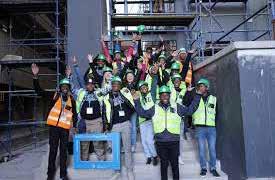
The NSTF encourages students to complete their studies in STEM-related fields as far as they possibly can and find their way to one of the many interesting and fulfilling related careers.
South Africa (SA)’s ability to solve our problems and be competitive internationally in research and innovation depends on this.
So far, more than 442 top-performing students have been recognised, inspired and motivated, with a large number of these assisted with bursaries, over the past 25 years.
A further prize for the students is participation in a STEM-related educational tour every year.
A few students will be selected to participate at the London International Youth Science Forum (LIYSF) in London, United Kingdom (UK) from 19 July to 1 August 2026.
The NSTF partnership with LIYSF continues for a fourth year for selected students of the NSTF Brilliants Programme to attend.
This 14-day programme welcomes about 500 of the best young science students from over 90 countries. LIYSF 2026 will explore future developments in the sciences with lecture demonstrations, specialist seminars and debates led by a team of scientists and experts.
Attendance of a selected number of students will be dependent on sponsorship received.
PS: Their average mark in Grade 12 (NSC) mathematics and physical science is 95.7%
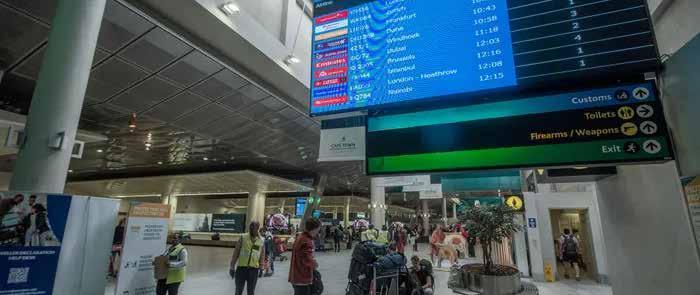
Career in the airport: screener
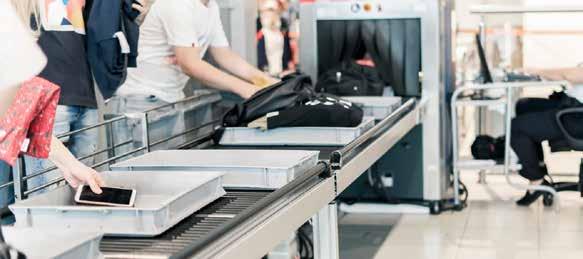
We have all seen them and been guided by them. The ones checking the luggage and so on. But there is a lot more to it. It is a career.
I have the inspiration from here and here
What Does an Airport Security Screener Do?
An airport security screener conducts screenings at the airport. In this career, you work for the Transportation Security Administration, or TSA.
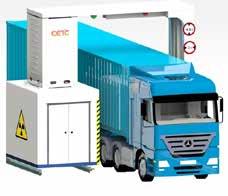
Your responsibilities are to check luggage and cargo for illicit items using an x-ray machine.
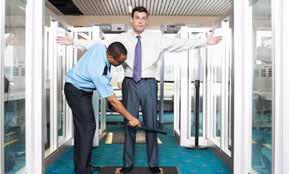
You also check passengers for illicit items by using scanner machines and hand wands.
Many airport security screens are stationed at an airport security checkpoint to conduct a screening.
Your duties include reporting anything suspicious to the airport police officer on duty. Ultimately, your job is to maintain airport security.
How Do You Become an Airport Security Screener?
To become an airport security screener, you must be at least 18 years of age and proficient in English.
You need a high school diploma or GED and should have some experience working with x-ray machines or other aviation screening tools. Qualifications include excellent customer service skills and a willingness to help airline patrons.
Airport security screeners must treat all information as confidential and should take even the smallest infraction seriously. You can apply for a position through the Transportation Security Administration.

What Skills Make a Successful Airport Security Screener?
A successful airport security screener needs a specific skill set. You should be excellent at obtaining information and identifying unusual objects or behaviors.
You work directly with the public and must be good at talking to people and making them feel comfortable in a stressful situation. Airport security screeners often move large or heavy objects and must be comfortable spending long periods of time on their feet.
You also evaluate information in the moment and make quick decisions. You need a good eye for detail and strong instincts.
Is an Airport Security Screener a good job?
An Airport Security Screener job offers stability and benefits, often with opportunities for advancement and additional training. It also plays a crucial role in ensuring passenger safety and national security.
However, it can be physically demanding, mentally taxing, and require irregular hours, including weekends and holidays. Additionally, the repetitive nature of the tasks and the need for strict adherence to protocols may not appeal to everyone.
Ultimately, whether it’s a good job or not depends on one’s inclination towards security-related work, ability to handle stress, and willingness to adapt to the job’s unique demands.
Airport Search and Protection
At the start of every day – at all airports – aircraft scheduled for service are fully checked by flight attendants, cleaning staff, ground staff or other specialist teams. The entire aircraft is inspected.

The cabin, cockpit, toilets, the aircraft hold and certain other areas we won’t give away. Once checked, the aircraft is then “protected” to make sure nothing or no one tries to introduce any “items”. All Airport Security Jobs are trained specifically for this task.
Hold Baggage Screening
This is the most intense and heavily trained Airport Security Job. Checked-in hold baggage completes its own “journey-within-a-journey” in the bowels of airports.
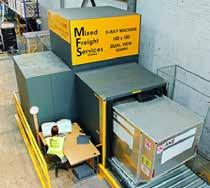
Here, multimillion dollar machines scan your luggage to make sure it doesn’t contain items that could be problematic when placed on board a commercial aircraft.
These CT Scanners are fast and extremely accurate, as are the highly trained Screeners who scan the never-ending stream of images.
They undergo rigorous, frequent testing designed to make sure they know what they are looking for.
If Hold Baggage screeners fail in any of their regular assessments, they’re shown the main Airport door.
Airport Supplies & In-flight Supplies Security
Airport shops and Airline passengers need products to buy, eat and drink and so these products must be securely delivered through checkpoints.
Because these products originate from manufacturers outside the airport, Airport Security jobs are created to protect them from the moment they are designated for the airport, to when they arrive at the airport terminal buildings or at the Aircraft.
This is what we call the Secure Supply Chain and it’s designed to make sure these deliveries are not compromised by anyone who wishes to do avoid the screening process.
New Exhibitions
We added two new exhibitions to our collection on the floor. The 4IR and Mirror Maze exhibitions
4IR Exhibition
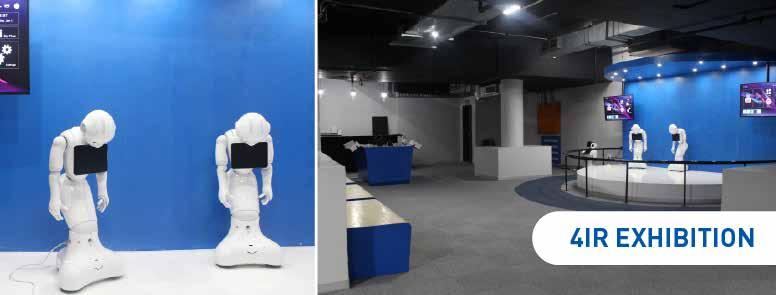
The 4IR exhibition currently hosts the Humanoids (two small ones and the big one called Pepper), Virtual reality Station, Augmented Reality and the interactive displays integrated with of a number of TV screens.
This concept is through the touch screen located at the entrance to the center. Interactive display section has been created where visitors are encouraged to use traditional touch screens to immerse themselves in games and content around Science Technology Engineering and Arts and Mathematics (STEAM).
Children are provided with the opportunity to play games to train their analytical ability, improve their ability to solve puzzles and chal-

lenges. They are also challenged to explore more traditional content style, such as exploration of subjects including how Artificial Intelligence works, Machine Learning, how data transfers over networks etc.
Science Exploration
While traditional science teaching has complex challenges around logistics, safety and costs. VR has none of these limitations. Experiments are done as often as needed with no physical costs of materials or safety concerns. Students can learn about physics and chemistry, life science etc. in a safe environment. Within VR learning occurs without any distract but with full immersion. Learning and understanding mathematics becomes easier and more fun inside of VR due to the nature of games and how they are designed.
This is designed to make learning and exploration real fun especially for little ones. Wide learning opportunities exist through this exhibition, children have many prospects to learn on, e.g. google earth exploration experience.
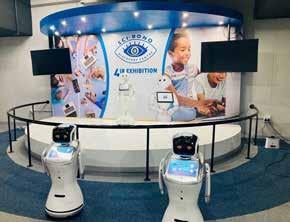
With Google Earth VR, children can travel to almost any place in the world. They can fly all over the world and explore any city, any monument and landmark anywhere in the world.The exhibition has two different types of humanoids the small one (called Sanbot Max and the Bigger one called Pepper).
The Sanbot Max robot was designed to be implemented into numerous kinds of business scenarios, providing customers and staff members with intelligent and efficient services.
Pepper is a semi-humanoid robot, which means that a human has to control it. It is designed with the ability to read emotions. Pepper recognizes faces and basic human emotion.
Drones and Mirror Maze
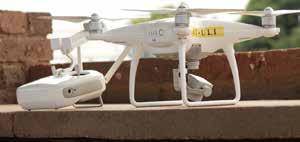
Drones Pilots at the Clubhouse
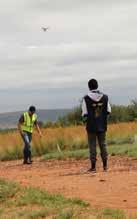
Did you know that the Clubhouse has three certified drone pilots?
They also have 10 DJI Tell drones that they will used for their drone course.
They are currently putting together content for the said course.
In addition, the Clubhouse offers programmes such as Teach Fundamentals of drones, real-life applications of drones: namely surveillance using object identification and tracking to videography for commercials and other media use.
This includes python programming that covers drone automation.
Mirror Maze Exhibit
A mirror is an object that reflects an image. Light that bounces off a mirror will show an image of whatever is in front of it, when focused through the lens of the eye or a camera.
Mirrors reverse the direction of the image in an equal yet opposite angle from which the light shines upon it. This allows the viewer to see themselves or objects behind them, or even objects that are at an angle from them but out of their field of view, such as around a corner.
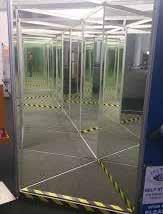
Natural mirrors have existed since prehistoric times, such as the surface of water, but people have been manufacturing mirrors out of a variety of materials for thousands of years, like stone, metals, and glass. In modern mirrors, metals like silver or aluminum are often used due to their high reflectivity, applied as a thin coating on glass because of its natu- rally smooth and very hard surface.
A maze is a path or collection of paths, typically from an entrance to a goal. The word is used to refer both to branching tour puzzles through which the solver must find a route, and to simpler non-branching patterns that lead unambiguously through a convoluted layout to a goal. The pathways and walls in a maze are typically fixed, but puzzles in which the walls and paths can change during the game are also categorised as mazes or tour puzzles Mirror Maze
The mirror maze itself is a pattern, combining several characteristics of geometric patterns: repetition, symmetry and tessellation using repeated equilateral triangles. These triangles fit together without any gaps or overlaps, creating a tessellation. Mirrored surfaces all around reflect the pattern so that it repeats and appears infinite.
What is NSFAS?
The National Student Financial Aid Scheme (NSFAS) is a government entity under the Department of Higher Education and Training (DHET)
What does NSFAS do?
Supports access to and success in, higher education and training for students from poor and working-class families who would otherwise not be able to afford the cost of studies at a public university or Technical and Vocational Education and Training (TVET) college.
•Provides financial aid to eligible students who are studying or plan to study at any of the 50 TVET colleges or the 26 public universities in South Africa
•Identifies students who qualify for the bursary
•Provides bursaries to students
Who qualifies for NSFAS funding?
• All South African citizens
• All SASSA grant recipients
• Applicants whose combined household income is not more than R350 000 per annum
• Persons with disabilities with a combined household income of not more than R600 000 per annum
• Students who started studying at a university before 2018 and whose household income is not more than R122 000 per annum
What does the NSFAS bursary cover?
• Registration
• Tuition
• Book allowance
• Accommodation allowance
• Transport allowance
• Food allowance
• Personal care allowance
Does the NSFAS bursary offer any additional support for students with disabilities?
Yes, NSFAS further supports funded students with disabilities through an additional allowance that covers:
• Medical assessments
• Assistive devices
• Human support to cover for the cost of a caregiver, guide dog, scribe or tutor.
How, where and when can one apply for NSFAS?
The 2021 application season will be communicated through media, social media and the NSFAS website www.nsfas.org.za.
Applications are submitted online through the NSFAS website: www.nsfas.org.za
To apply for NSFAS funding students must have a registered myNSFAS account If you plan to study in 2021 and require support from NSFAS, you may open your myNSFAS account now to keep updated with the latest funding information.
Connect with us using the following channels:
NSFAS Connect: www.nsfas.org.za and log into your myNSFAS account
NSFAS Connect gives you access to quick facts and frequently asked questions. Applicants and students can also submit and track a query for further assistance.
Successfully preparing for one subject with three very different exams
A pitfall that many Grade 12 learners experience is in preparing for their final language exams as if the expectations of each exam paper are the same – a mistake that ultimately costs marks. Revision strategies that serve one paper well can actively mislead preparation for another.

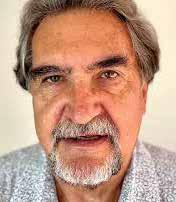
“Learners often approach the language examinations as though they are preparing for one subject in one way,” says Dr Adriaan Coetser, Subject Advisor in Chief of the AVBOB STEP 12 programme.
“However, the three language papers are designed to test distinctive skills and award marks very differently. Effective preparation begins when learners recognise those differences and adapt their technique accordingly.”
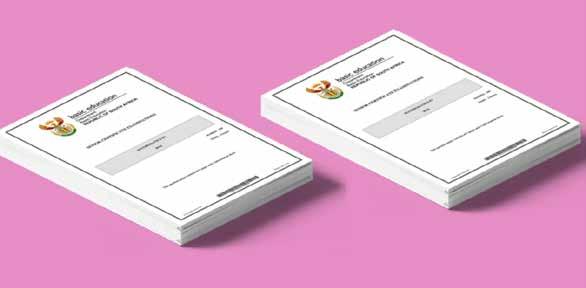
This is something that traditional study guides do not address, since they mostly focus on the revision of content rather than the skills required to navigate the exams successfully. This is the gap that AVBOB STEP 12 Examination Preparation Guides are designed to close with an independent, focused guide for each of the three papers.
FREE to download and use, the guides are available in all 11 official written languages for Home Language (HL) and First Additional Language (FAL). Approved by the Department of Basic Education, they are not only CAPS aligned but also regularly updated to address changes in the curriculum and examination best practice.
How do the language papers differ?
Paper 1, Language in Context, tests close reading, interpretation and precision. Comprehension, summary writing and language structures are assessed here, and marks are earned by reading carefully, following instructions accurately, and responding in line with what the question actually asks. Missing a keyword, writing too much for a low-mark question, or answering what the learner assumed was wanted rather than what was asked are the most common mistakes.
Paper 2, Literature, tests interpretation, textual understanding and argument. Learners must engage with poetry, prose and drama (and short stories for FAL) thoughtfully and with structure. Knowing the text and the literary terms matters. Marks come from relevance, evidence, and a clear line of reasoning built from understanding the source literature itself.
Paper 3, Creative Writing, tests planning, control and purpose. Whether writing essays or transactional pieces, learners must make good choices quickly; structure their ideas clearly; and

produce writing that fits the required format, audience and tone. Weak planning is the most common shortfall in creative writing. Even capable learners lose marks when a response wanders, becomes repetitive, or fails to meet the demands of the chosen task.
With this broad spectrum of challenges and capabilities, it’s clear that learners must understand the structure and demands of the paper in front of them before attempting to answer any of the questions.
“STEP 12 helps learners and teachers move beyond general revision into exam-specific preparation,” says Adriaan Bester, AVBOB Executive: Funeral Products and Services. “It gives each paper a clear structure and helps learners understand what to do before they start writing, how to manage their choices, and how to approach each section with purpose. That kind of guidance turns preparation into a practical exam-room advantage.”
Where can you get the AVBOB STEP 12 Examination Preparation Guides? Learners, parents and teachers can download them FREE of charge at www.avbobstep12.co.za.
The platform offers:
• 33 FREE Examination Preparation Guides
• Covering HL and FAL papers in all 11 official written languages
• ZERO-rated downloads that do not consume user data
• Additional video FAQs, articles and exam preparation guidance
AVBOB encourages schools, parents, teachers, education stakeholders, and community organisations to share the STEP 12 resource widely so that more learners around the country can approach their language papers with the right skills.

Rethinking the degree - how young South Africans are finding new paths after matric
For decades, South African school leavers have been told the same story: finish matric, go to university and get a degree. That was the formula for success. But for many young people today, that formula simply does not work anymore. Limited space, rising fees and additional costs such as accommodation, transport and relocation, put traditional campus degrees out of reach for many families. This is driving a new path in how young South Africans approach education.
For a long time, the answer felt like failure. Today, it does not have to be. The idea that a three-year degree is the only route to a career is rapidly losing ground. New learning models, online programmes and shorter qualifications are creating pathways that are faster, more practical and far more accessible. For many young people, that shift is changing everything.
The real-world barriers
For many school leavers, the biggest challenge comes down to money. University fees are high and costs pile up fast.
“Funds are one of the biggest challenges,” says Estelle van der Westhuizen, Sales and Marketing Manager at Chartall Business College. “Many students simply cannot afford university fees, so they start looking for alternatives that are more affordable.”
“Learners choose their subjects in Grade 10, often with a specific career in mind,” van der Westhuizen explains. “But sometimes those choices are influenced by parents or expectations rather than the learner’s real interests. By matric, they may realise that the path they chose is not the right one for them.”
According to research conducted by Stellenbosch University, even when learners do qualify, the bottleneck is severe.
Each year hundreds of thousands of matriculants meet the minimum requirements for higher education, yet many never secure a place at a public university.
This highlights why alternative post school pathways have become so important.
Many students feel trapped when their options appear too narrow. The truth is they are entering a far more flexible educational landscape than past generations experienced.
Start small, build big
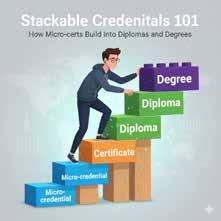
Instead of committing immediately to a full degree, learners now have the option of shorter, practical programmes such as higher certificates, vocational courses and micro-credentials.
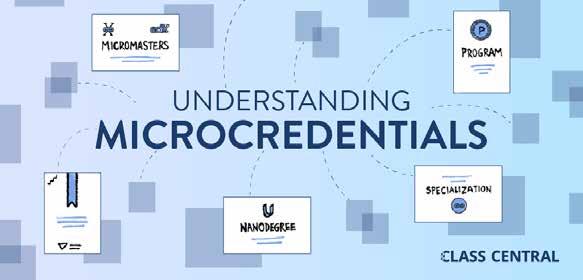
“These programmes allow learners to start building qualifications in smaller, manageable steps,” says Leigh-Ann Revill, Principal and CEO of Chartall Business College. “All learning has value. If you study something now because that is what you can afford, that knowledge does not disappear. Over time it can contribute to a full qualification.”

This approach is often described as stackable learning. Smaller courses or modules can eventually count towards larger qualifications through credit accumulation or recognition of prior learning.
Making study more affordable
Cost remains a major concern, but institutions are finding creative ways to help students manage it.
“We have introduced a subscription-style model where students pay a small monthly amount while they study,” van der Westhuizen explains. “If something unexpected happens and they cannot afford to continue for a few months, they can pause their studies and start again when they are ready.”
Learn while you earn
Another major shift is the rise of programmes that allow students to work and study at the same time.
“Many people cannot afford to study full time,” Revill says. “Studying part time while working allows learners to apply what they are learning in real-world situations.”
Assignments are often based on workplace scenarios so students can immediately develop practical skills while building experience. Vocational programmes frequently connect study directly to specific careers.
“Some degree programmes are broad, and students are not always sure what job they will eventually get,” Revill notes. “Vocational qualifications are connected to particular occupations, which can make learners marketable much sooner.”
Rethinking success
For parents, teachers and learners, the most important message may be that university is not the only path to a meaningful career. Shorter certificates, vocational qualifications and flexible study models allow school leavers to begin working sooner while continuing to learn over time.
“There are more options than just going straight into a three-year degree,” Revill says. “You can start with a one-year certificate, get a job, earn an income and keep studying as you go.”
Learning is no longer a one-time event after school. It is a lifelong process shaped by evolving industries and new technologies. For South African school leavers, that shift offers something important: the chance to start building a career today even if a traditional university degree is not an option.
Success does not have to start with a degree. It starts with taking the first step.
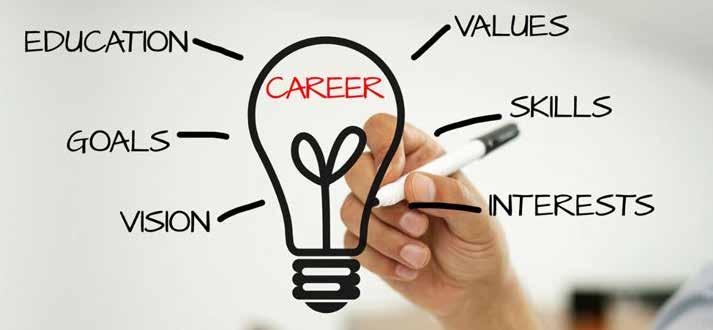
Why elevating artisanal skills is key to revitalising South Africa’s economy
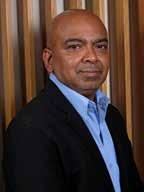
By Mervyn Naidoo, Group CEO at ACTOM
South Africa continues to face entrenched poverty, high unemployment and widespread low literacy, shaping how many families approach education. In poorer communities, there is a strong belief that success can only be achieved through university degrees, particularly in prestigious fields such as law or medicine.
This is driven more by stigma and social status than by awareness of labour market demand. What is often missing is the recognition that education must align with actual labour market needs.
The expansion of the National Student Financial Aid Scheme (NSFAS) funding intensified this push toward university, often without proper guidance on whether certain degrees align with future opportunities.
A key issue is the lack of early career guidance. By Grades 11 or 12, it is too late to significantly

impact subject choices, leading to fewer learners taking core mathematics and limiting their options. Guidance should begin in Grades 6 to 8 to help students understand their strengths and emerging economic trends influencing future careers.
The fast-changing world of work

But we also need to challenge the stigma attached to artisanal and technical careers, as these skills are essential. Europe, for example, faces a shortage of artisans and will need to import them. South Africa risks the same outcome if we continue to undervalue these professions.
The world of work is changing rapidly, with Artificial Intelligence (AI), software and technology driven fields growing, while some traditional careers may become obsolete. Education must align with where the global economy is heading.
Ultimately, we need a mindset shift supported by the schooling system so that young people understand future career pathways, choose subjects accordingly, and recognise that artisanal and technical skills carry equal value in a modern economy.
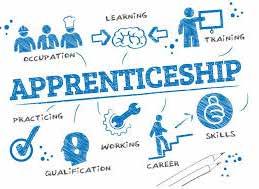
Local demand for artisans is high, allowing them to find employment right away. Their training is modular, and apprenticeships can be fast-tracked, enabling quick income for families. In contrast, many university graduates struggle to find jobs due to degrees that do not match labour market demand.
Expand the TVET network
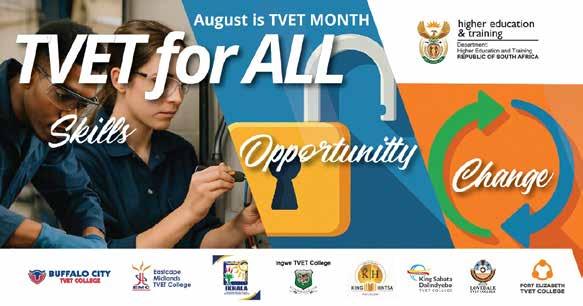
South Africa must grow its network of Technical and Vocational Education and Training (TVET) colleges and revive technical schools. Offering trade-focused subjects like electrical work, motor mechanics, welding, and plumbing from Grade 10 can help young people develop skills and quickly enter apprenticeships or start small businesses after matric.

These subjects enable young people, even without completing their apprenticeship, to earn an income and develop these life skills. Furthermore, to increase employment in South Africa, we need to nurture entrepreneurs who will, in turn, create jobs. This is often achieved through artisanal skills that cater to demand in both home and industrial environments.
Local companies and state-owned entities must also rebuild in-house training centres, which historically produced many semi-skilled workers and artisans. Over time, these training pipelines have diminished, and the consequences are being felt across the country.
Reviving these centres is crucial, and they should not only offer formal learnerships but also practical training to equip individuals, sometimes without matric, with semi-skilled capabilities. For instance, one does not need to be a fully qualified artisan to become a competent welder. With proper training, people can quickly acquire employable skills and enter the workforce.
True partners in education
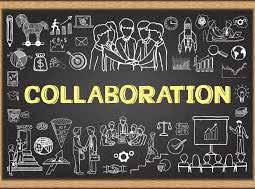
A major bottleneck in our skills pipeline is the lack of collaboration between universities, industry and government. Universities remain too academic, producing graduates who have no real workplace exposure and take months to become productive. This gap is especially damaging in fast moving fields like AI, where curricula must reflect industry needs, not just theory.
Companies must become true partners in education. This partnership should not be limited to funding university bursaries but needs to involve companies actively engaging with schools, especially at the primary and early high school levels, to expose children to real career options.
South Africa’s industrial economy has been shrinking for more than 15 years, mainly due to insufficient capital investment and a massive infrastructure backlog. Despite over a trillion rand in infrastructure projects having been announced, we have not used this demand strategically.
Deliberate policy is needed to channel upcoming infrastructure projects into reindustrialising the economy – reviving construction, rebuilding manufacturing and expanding local production. As industrial activity grows, it boosts demand for energy and water, stimulates GDP and creates large scale employment.
This is especially critical for young people, who face the highest unemployment rates. Reindustrialisation, supported by strong artisanal training pipelines, is essential to reducing unemployment, restoring industrial capacity and improving household livelihoods while easing the social burden on the state.
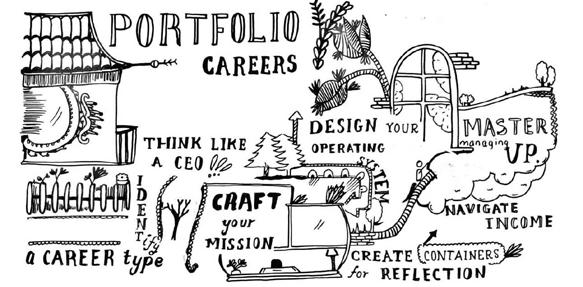
Portfolio Power: The key to thriving in a brutal economy
As technology accelerates, markets shift, and workplace expectations evolve, with uncertainty always front of mind, South African professionals are increasingly opting to pursue portfolio careers - combining several professional activities instead of depending on a single full-time employer.
“Traditional linear career paths, which today are arguably the equivalent of putting all your professional eggs in one basket, are no longer the only route to success.
For many people, diversification offers not just financial protection, but also room for creativity, ongoing learning, and a better balance between work and personal life,” says Steven Louw, General Manager at Waterfall School of Business, SA’s leading provider of globally relevant, accredited vocational education.
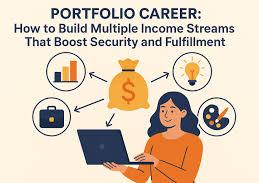
Rather than relying on a single full-time employer, growing numbers of skilled individuals are deliberately building diversified professional portfolios, combining multiple income streams, roles, and activities that leverage their expertise while opening new opportunities, he says.
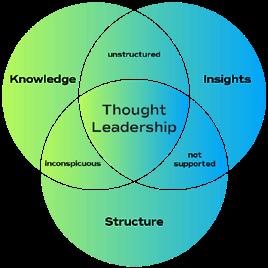
A portfolio career typically blends several professional activities, such as:
• Core consulting or fractional executive roles
• Teaching, lecturing, or corporate training
• Freelance project work or specialised service delivery
• Running a small business or side venture
• Content creation, coaching, or thought leadership
The rise of remote work, digital platforms, gig economy tools, and automation has made this model far more viable and accessible than ever before, giving professionals greater control over their career trajectory.
KEY BENEFITS
• Financial resilience: Multiple income streams reduce vulnerability to retrenchment, industry disruption, or economic downturns, while often increasing overall earning potential over time.
• Greater flexibility and work-life integration: Professionals can structure their schedules around family responsibilities, health needs, or personal passions rather than rigid corporate calendars.
• Accelerated skills development: Navigating diverse roles sharpens critical capabilities including project management, client acquisition, strategic thinking, digital literacy, and cross-functional communication.
• Entrepreneurial advantage: Qualified professionals can combine formal credentials with side businesses, consulting, or creative pursuits, building income streams that align with both their expertise and personal values.

Building a successful portfolio career
While rewarding, portfolio careers demand discipline, exceptional time management, and strong personal branding. Professionals must become effective at marketing their services, managing client relationships, and maintaining consistent delivery across multiple commitments.
“Most people pursuing this route will need to upskill and deliberately diversify into adjacent or new areas,” notes Louw. “Short, focused, accredited programmes allow professionals to broaden their capabilities quickly and credibly, without having to pause their existing work or income.”

One of the deeper advantages of portfolio careers lies in the synthesis effect: the unique intersections between different roles often generate original insights and problem-solving approaches that specialists rarely develop.
“A professional who moves between corporate strategy, teaching, and entrepreneurial ventures begins to see patterns and opportunities invisible to those confined to a single domain, turning cross-pollination into a genuine competitive edge,” says Louw.
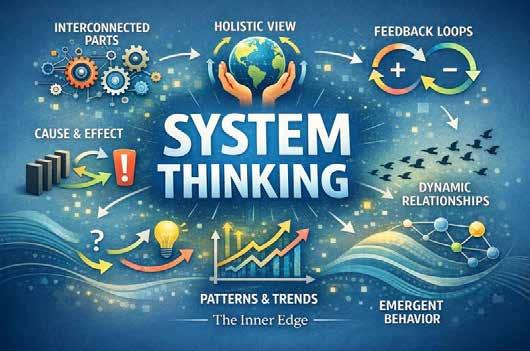
This model also fundamentally alters risk perception. Instead of fearing obsolescence in one industry, portfolio professionals learn to treat economic volatility as data, continuously recalibrating their mix of activities.
“Over time, these professionals build antifragile careers that don’t merely survive disruption but actively improve through it, as each challenge in one area strengthens capabilities applied elsewhere.”

As a new year begins, we start the usual debate: books vs. tablets. It is complicated of course. I found it on a google search.
Research from 2026 indicates that while tablets offer interactive and logistical advantages, physical books remain essential for deep learning and cognitive development. Most educational experts advocate for a blended learning approach rather than replacing books entirely.
Tablets offer portability, interactivity, and up-to-date con- tent, while books provide better comprehension and fewer distractions.
A 2024 meta-analysis found that students reading on paper consistently score higher on comprehension tests than those reading on screens, a phenomenon known as the “screen inferiority effect”.
Advantages of books
• Deep Reading Processes: Physical books encourage slower, more critical analysis and empathy.
• In contrast, digital reading often leads to “word spotting” or skimming rather than deep processing.
• Information Retention: Turning physical pages creates a mental “index” or map in the brain, helping students recall where information was located. Neuroscience suggests the brain retains information better when interacting with the written word on paper.
• Reduced Distraction: Tablets provide easy access to social media, games, and the internet, which can disrupt focus. Physical books offer a distraction-free environment that promotes sustained attention.
• Handwritten Note-Taking: Paper textbooks facilitate better handwritten notes, which are linked to stronger conceptual learning and retention compared to typing on a device.
Advantages of Tablets
• Interactivity: Tablets provide videos, 3D models, and interactive diagrams that can increase student engagement and motivation.
• Logistics & Accessibility: A single tablet can store thousands of textbooks, significantly reducing the weight of school bags and lowering long-term printing costs.
• Instant Updates: Digital textbooks can be updated immediately to include the latest information, ensuring students aren’t using outdated material.
• Customized Learning: Teachers can use educational apps to tailor lessons to individual student needs and provide instantaneous feedback through digital quizzes.
The choice depends on the student’s learning style, age, and specific subject requirements.
Key Drawbacks of Tablets
• Health Concerns: Prolonged tablet use is linked to “Computer Vision Syndrome,” causing eyestrain, headaches, and potential long-term issues like myopia.
• Digital Divide: Relying solely on tablets can marginalize students from lower-income districts who may lack reliable home internet or the funds to replace broken devices.
• Technical Issues: Unlike books, tablets can freeze, crash, or run out of battery during a lesson. It is hard to agree of disagree totally. maybe it is a matter of personal preference?
August in Drakensberg

August is Women’s Month, but there is so much more as well. Let us look at that part – as you will probably see a lot about Women’s month at other places.
Picnic Day is a public holiday in the Northern Territory of Australia which takes place every year on the first Monday of August.
Picnic Day events in the Northern Territory in Australia date back to the late 1800s. They were held in a variety of locations such as Adelaide River, Brunette Downs Station and Glencoe Paddock at differing times of year.
A regular annual Union Picnic Day or Trade Picnic Day was observed at Adelaide River by railway employees working on the North Australia Railway.[4] The date of the first event is not known. The event included Public Works employees on some occasions.

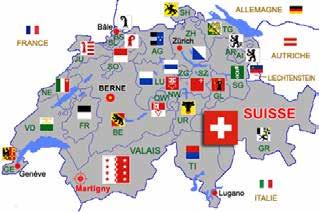
Switzerland is a ‘funny’ country. Made up of many small ‘areas’ called cantons. Each one with its own mini-constitution.
That begs the question: when was Switzerland then funded?
Swiss National Day is set on 1 August. Although the founding of the Swiss Confederacy was first celebrated on this date in 1891 and annually since 1899, it has only been an official holiday since 1994.
The date is inspired by the date of the Federal Charter of 1291, Pacte du Grütli, placed in “early August”, when “three Alpine cantons swore the oath of confederation” (Schwyz, Uri and Unterwalden), an action which later came to be regarded as the founding of Switzerland.

However, there were several other pacts around tht time, so it is a bit of a choice which date to go for.

1 August is celebrated each year with paper lantern parades, bonfires, hanging strings of Swiss flags, and fireworks.
.... and August is holiday in that part of the world.
We need writers!
Hola MaHigh-School is YOUR magazine. That is why we would love to see students writing for students about student life and everything of importance to a student in any grade10-12 across the country.

What is required? That is easy:
You have to be in grade 10-12somewhere
Impeccable in your preferred language-and that might not be English. We try to be more than just English.
Passionate about your topic of choice - no dull articles here.
Do you get anything out of it?
Well, not money, sorrry. BUT if we publish your articles you will have:
Your bio in a commercial magazine A photo of yourself
You can put it all on your CV you can use us as a reference


My name is Rofhiwa and I love to write. I have used my skills to express my thoughts on international dealings of the world which have been published in Hola MaHigh-School. It has paid off, not only is my work printed for young people in the country to read, but it also contributed to me gettng a bursary from CNBC-Africa to do my post-graduate studies. Would be a lot harder to get by if I didn’t have a platform like Hola MaHigh-School.
Next Time...
There are plenty of things to write about next time: Exams will be coming. The endless preparations will be knocking.
Deadlines for entries will be looked at.
Funding! how to get it all togther - as in money. This is not easy, but there are life after NSFAS so start looking. Suddenly it will be critical.
Science got left out this issue. We had so many great articles to publish. However, we have some intriguing science facts worth looking at (the black death was caused by volcanic eruption!yes - it is true.) and lots more.
Music and film will be back and maybe also the new tech we can look forward to. It will be a fun issue to read! guaranteed!