




s ome W ords A bout W ords
by Ava Gray
On the twenty fourth of October 1415 Henry V led his small, outnumbered army against the French.1 They held their heads high, and they were victorious against all odds. What could have caused such spirit, such fortitude? On March twenty third 1775 Americans were moved to leave their comforting delusion of peace, and rise to fight injustice and fight for their rights. 2 What could have spurred such bravery, such zest for liberty? On August twenty eight 1963, the movement for black people to have the same rights as white people was set ablaze, and further motivated. 3 What could have caused the momentous march of history to turn on its heels? What could have caused thousands of people to be greatly affected? What could have caused events to be forever preserved in history?
Words, my friends, words. Words have the power to motivate, to move, to affect, to guide, to cure, to curse. Since the beginning of time we have seen the way they can affect history and change lives. Henry V gave a speech to his troops motivating them to fight, and emboldening them for the battle. Many argue it is only because of the soldiers’ undampened courage that they won. Patrick Henry reminded America of the importance of freedom, moving our country to war, shaping the ideals
1 “Battle of Agincourt,” Wikipedia, accessed April 29 2026, wikipedia.org/wiki/Battle_of_Agincourt.
2 “250th Anniversary of Patrick Henry’s ‘Give Me Liberty, or Give Me Death’ Speech,” U.S. Embassy Guatemala, published March 23 2026, accessed April 29 2026, usembassy. gov/.
3 “Martin Luther King Jr.: I Have a Dream Speech (1963)” U.S. Mission Korea, published 21, 2017, accessed April 29 2026, usembassy.gov/.
of all of its citizens, those alive in 1775 and those alive now. Martin Luther King Jr. also shaped American ideals and turned the tide in the civil rights movement. Words have incredible power, whether they affect history or personal lives.
Every single day we use words. It is important to ask ourselves, are we using those words to build up or tear down? Are we properly using this amazing gift we have been given? Today I hope to persuade you that everyone should strive to be an Orator.
You may be thinking, “Ava, we are all in a Rhetoric class, of course we value being able to speak well.” However, striving to be an orator extends far beyond one class, one year. Before we dive into exactly why everyone, you included, should all strive to be Orators let us define some terms. What is an orator? Quintillian defines an Orator as, “A good man skilled in speaking.” That definition contains two criteria, being good and being skilled in speaking. My thesis is that we should strive to become good and become skilled in speaking. But why should we strive? Why not just say “be” instead of “strive”? We may not all be talented speakers, and we will always have areas to improve no matter how skilled we are. Being the perfect Orator is impossible. However, fruit comes from striving. Merriam Webster defines striving as, “to devote serious effort or energy.”4
Striving is not just trying. It is devoting yourself to the task, it is using all your strength
4 Merriam Webster, s.v. “striving,” accessed April 29 2026, merriam-webster.com.
and energy to achieve the goal. Proverbs 14:23 says, “All hard work brings a profit, but mere talk leads only to poverty.” What exactly am I arguing? That we should all put serious effort and energy to become good and to become skilled in speaking. I will strive to persuade you of this thesis with three points. Number one, the importance of using words well. Number two, the importance of being copious. Number three, the importance of striving.
What is the Importance of using words well? As I mentioned, words can change the course of history, change the ideals of a nation, and change lives. But not just any words. Words that form artful, impactful, well thought out ideas. Words that are used skillfully are the ones that make an impact. And what an impact they can make! But what happens when we do not put an effort towards using words well? We are given the unique ability to speak. The only creatures on the earth with that skill. Words are like a sword that cuts, or a hammer that creates. If we are given something so amazing, if we are able to wield such a powerful weapon, to not use it well would be a waste.
Not training yourself to speak skillfully is not only a waste of a gift, but also debilitating and potentially harmful. Everyday we use words. You may be thinking, “I do not compete in speech and debate,” or, “I am not going to pursue a career in politics or leadership.” Even if you are not involved in those things you still communicate everyday. In your house, in class, with friends, in social settings, at work. If we are unable to use words well, we will be hindered, our progress will falter, we will be debilitated.
Even more importantly, we might cause harm. I am sure we all have accidentally said something hurtful without considering oth-
ers, something offensive without thinking. I know I have. When we do not train ourselves to use words skillfully, we will not only hinder our own progress, but increase the chance of thoughtlessly harming others around us. Proverbs 18:21 says, “Death and life are in the power of the tongue, and those who love it will eat its fruits.” Not using words well wastes, hinders and harms. This is why we should train ourselves in speaking well. So we can make positive changes, progress and grow.
What is the importance of being copious? Woah, woah, woah, how does copiousness have anything to do with striving to be an orator? Merriam Webster defines copious as, “yielding something abundantly or, full of thought, information, or matter.”5 For the purposes of this speech, I would like to add to the definition that copiousness is the concept of filling your mind and heart with things that are true, good or beautiful. Earlier we talked about the importance of using words skillfully which is one of the criteria of being an Orator. Now, we will discuss the other criteria: being good. Merriam Webster defines good as, “virtuous, moral, kind, benevolent.”6 Matthew 12:34 says, “You brood of vipers! How can you speak good, when you are evil? For out of the abundance of the heart the mouth speaks.” What we store in our minds is what fills our hearts and spews from our mouths. In order to be good, to be virtuous we must be copious. Filling our minds with what is true, good and beautiful.
We have discussed the two criteria of being an Orator, being good and speaking skillfully. But what is the importance of striving? I
5 Merriam Webster s.v. “copious,” accessed April 29 2026, merriam-webster.com.
6 Merriam Webster, s.v. “good,” accessed April 29th 2026, merriam-webster.com.
will repeat, Striving is not just trying. It is devoting yourself to the task, it is using all your strength and energy to achieve the goal. Proverbs 14:23 says, “All hard work brings a profit, but mere talk leads only to poverty.” When we truly put energy into being an Orator, we will reap the benefits. Maybe we will never be as skilled as Henry V, or Patrick Henry, or Martin Luther King Jr., but if we truly dedicate ourselves to striving to be good, to be a skilled speaker, we will reap the benefits. If we strive not only will it be beneficial for us, but it will also honour God. Colossians 3:23-24 says, ““Whatever you do, work at it with all your heart, as working for the Lord, not for human masters, since you know that you will receive an inheritance from the Lord as a reward. It is the Lord Christ you are serving.”
Not using words well wastes, hinders and harms. This is why we should train ourselves in speaking well. So we can make positive changes, progress and grow. We can become good by being copious, filling our mind with things that are true, good, and beautiful, benefiting all around us. If we strive we will reap the benefits and bring glory to God. This is why we should all strive to be Orators. This is why we should all put serious effort and energy to become good and to become skilled in speaking.
Some people may say, should everyone be an orator? Why not just politicians and public speakers? Why should we put ourselves through the horrible torture of learning how to speak in front of people if we will not even use the skill? We are the only creatures gifted with words. With the ability to reshape history, persuade crowds, change lives. We have been given this magnificent sword, should we lay it down on the floor and let it gather rust? Everyone, yes even you; students and teachers,
use rhetoric everyday. The question is do you use it well? Do you put an effort to be Orators? Good people, skilled in speaking. Some people may say, what if someone has a speaking disability or is unable to speak at all? Even if we do not communicate verbally, or speak with a speech impediment, we still communicate. My thesis is that; we should all strive to be orators. Despite challenges, we can still learn to communicate well. Maybe we deliver our speech in American Sign Language or we stumble over a few words. That does not stop us from becoming virtuous, copious, or a skilled communicator. We may not be flawless rhetoricians, but we will still reap the benefits of having put in effort, we will still bring glory to God.
Proverbs 18:21 says, “Death and life are in the power of the tongue, and those who love it will eat its fruits.” Words are powerful, words are impactful, words can make real change. Words can build or destroy. Millions of words spew from our mouths everyday. It is time we paused and realized how much of a blessing being able to communicate at all is. It is time we realize the unique power we possess. It is time we strive to become orators. Yes, I am talking about you, and you, and you.
This was originally a speech given in Dr. Soderberg’s Rhetoric: Fitting Words class.

by Elaina Warner
m urder in the m A nsion
A rt 5
by Sullivan Hadley
For our new readers, a brief recapitulation of the story is necessary, and thus it is included: Our protagonist, Mr. Jeffrey Xavier Logan, came as a friend to the door of Mr. George Lewis, seeking to help him with something. In an attempt to save his life and possibly others, he conversed with him. James Kendrick was found, stabbed over a journal the same day that Mr. Lewis was found dead, impaled on his roof by his chimney. Mr. Logan has, with the freshly widowed Mrs. Heather Lewis, discovered the body, and she cries on his shoulder, as the scene begins.
Death itself is the thief, coming and leaving, keeping the most precious and the most valuable items for itself. Death, last night, had not come and relieved George of his life. Man did.
As Mrs. Lewis calmed down and began to stop crying, she looked into my eyes, staring into my soul. “Who would do such a thing?” Her smeared makeup added a dramatic effect.
“Somebody would. That’s why it happened” is not what I said. Saying something as such would have lost the narrow trust she put in me. Instead, what I said is, “I don’t know, but I’ll find out.”
Reassured, she began walking the path back to the house. Inside, we found James Kendrick waiting. He had heard the news and quickly came to see what he could do to aid us. He was clearly nervous and was constantly ringing his hands. His posture indicated he wanted to be a man of action, and sitting still waiting was not an accomplishment of his.
As Mrs. Lewis took her seat, I motioned to James to follow me out of the room. Once alone, I told him: “I know you want to be as helpful as you can. Make as accurate an account as you can of these events. It will be necessary to have a secondary account written of these events in case anything goes south.”
Smooth as a tack, James replied, “Too much further south and we hit Cuba, but yessir, I see what you mean.” He walked back into the other room, bid adieu to Mrs. Lewis and promptly left the premises.
Now that James was taken care of, it was my job next to interview the servants. First up, I spoke to the housekeeper.
“Howdy, Miss Sylvie!”
“’Ello, Meester Logan. ’Ow ees you?”
“I’m doing good, thank you very much. Can I ask you a few questions?”
“Why, sure you can! Guh-lad to help in anee way ah can!”
“How do the Lewis’ treat you? How long have you been with them?”
“Ah’ll answer the first question second, if ya don’t mand. Ah’ve been here for almost a decade now. Thair my best freynds. They’ve been the kindest to me than ah ever could’a hoped.”
“Glad to hear that. But what do you think of the other servants?”
“Joanna? Jordana? What’s ’er name? She’s a weird one. She ain’t been around for real long, so ah don’t wanna judge ’er, but she’s a funny one, if ya ask me. Eliza, tha cook, she’s lasted almost five years, which is real long for Meester Lewis. E’s a picky one about ’is food, ’e is.”
The conversation had nothing else of importance. The cook was obviously hiding something. Her accent kept shifting around. She was, in all probability, protecting someone. Maliciousness was not something in her nature, and her gait showed that alone.
After the long, teasing, and beflustering conversation with Sylvie, I didn’t want to deal with any more annoying servants, so I decided to examine Mr. Lewis’s body itself. The town was a small town, so, unless the business was nobody’s business, in which case, everybody knew about it under the table, confidential business was ignored with a haughty upward-turned nose. As I got a ladder to get up onto the roof, I heard a commotion coming from the servants’ quarters that tried to hush up. My ears caught it, and their efforts were in vain. My efforts, equally it seems, were in vain, and I had to deal with more annoying servants.
William and Elizabeth, the two servants who were sick, were arguing loudly in a room. Naturally, as any private investigator would, I listened in through the door, pretending to read a book on a bench nearby. The conversation, as far as I could hear, was as follows.
William: “We are gonna get in a lot of trouble. And it’s your fault this time!”
Eliza: “Is it my fault for what happened in Reno, now?” Her voice was very shrill.
“Yes, it is! If you hadn’t been there, we wouldn’t have been caught!”
“But I’m the reason we escaped!”
“And you’re also the reason we were caught!”
“Next time you kill somebody, give me a heads-up please!”
“Shut up or I’ll kill you. How’s that for a warning? Somebody could be listening.”
The voices then subsided into a heated whispering. I could catch no more and so I moved on to examine the bodies. The ladder
was a bit taller than me, but I carried up all three flights to the top floor. I placed it down, climbed up the ladder, and exited the ceiling onto the roof.
It was a mild day. The wind was calm, as the calm is before the storm. The horizon was clear, but I felt no relief from the seducing numbness that tried to entice my mind to ease itself. On the roof, I noticed three things of major importance. First, George’s hands were black, as if covered with soot or ash. The heat had baked it into his skin, and it would be near impossible to tell the difference at this point. Second, George had a hole through his head. He was killed by a gunshot, it seemed. A little digging inside his skull would show the absolute proof of it. Another thing to take note of was that there was no blood dried on his face other than around his lip. Third, and most importantly, the suit was not his. George never wore satin suits. Although he was a gentlemen, he claimed that the satin in a suit was ‘too gentile for his humble personage.’ But his tie was askew, without a tie clip. George always wore a tie clip. “Always allows for running when necessary. You never know when you could need to run,” he told me.
Quirky as Mr. Lewis was, he was a man of constant altering habits. He had few hardset principles that ruled his common life, but aside from that, he was let tides of fashionable things to do sweep through him. When people played bridge, he won bridge. When people played dominoes, he won dominoes. When people ate duck confit, he ate the most delicate and fine of duck confit. George was a natural winner. Luck was always on his side. But, as the great Shakespeare said when speaking of Fortune, “O most true! / She is a strumpet!”
Mr. Lewis always set a cultural standard, and although he was in line with the grain of the wood, he rubbed many people the wrong
way. As cats are prone to do, when rubbed the wrong way, they bite, hiss, or scratch, maybe even all three. People are similar, with more dire consequences. Although not a malicious man, George had too many enemies. One had killed him.
George was also taken to be somewhat of a lunatic himself. He hired many hands over the years to be private servants for him and his wife. Often these servants were people who needed work and had sketchy backgrounds. William and Elizabeth are prime examples of this. Although, that is not a tale to tell right here, right now. George was a generous stingy person, giving much of his money to charity, rarely aiding his family when they came begging. Money eeks its poison inside the heads of men.
In his will, George had specifically said for three-quarters of his fortune to be given to Heather, and an eighth of it to go to charity, and the rest to split among his heirs. Most people were not pleased with this. Yet still, set all this aside. The people to profit most from the death of his would not have murdered him, simply because they were not here. The family was set to have a gathering next Saturday, supposedly to address some tension, Heather told me. She also said that they had canceled it because George himself was the tension. So, why was he killed? And then, as I lay in bed, pondering over the day, I figured it out! At least, I thought I did, until my ears detected the arming of a gun pointed at my head.
by James Beauchamp
by Sarah Deroche
As I ran through the soft new grass my senses were nearly overcome with the blissfulness of spring! The smell of the lilies and jasmine so sweet and heavy! My ears filled with the pleasant chirping of birds. The sun shone brightly, creating beautiful shadows. I stopped in the shade of a tree, my smile growing broad. I could contain my joy no longer. I collapsed into the grass. Laying there I laughed, happiness encompassing me. A content smile spread upon my face. I listened. Off a little ways I could hear the beat of wings. The buzz of bees. I closed my eyes, the shadows playing across my face. How could I not be thankful for all this? Such beauty beyond comparison! Peace. Calm. I wanted to stay there forever, amongst the quiet flow of Spring.
by Elaina Warner
by Nadia Tan
O God! How vast and beautiful is this world, A spinning ball, a rough-hewn earthy gem Coruscating with Your infinite variety, A brighter circle than any diadem.
For in it all life seethes, rife with strife And strivings vital. I would not have a jot Or iota less of bright blood spilled; a glory Of life lies in each warm and crimson drop.
The mighty oceans surge, vast in strength And tenderness; its shifting silk embrace As ready to crush as bear. Towards the sky It lifts. You alone rule that blind face.
by James Beauchamp
by Anna Donovan
First, I felt like the whole world was completely and utterly gone. My breath caught in my chest and my cheeks flushed. What had I done? The world came back into focus and with it came a deadening feel in my stomach. I was so dead. My hands started to shake as my eyes began to prick with the first tears of shame; why couldn’t I pay attention to what I did? The submit button is no joke, but it becomes one when careless people hand in goofy videos.
Earlier that month, I had been worried that I would have a late assignment. I was supposed to memorize four stanzas of “The Ballad of The White Horse.” An easy thing for someone studious, but, alas, the gifts the Lord has bestowed on me do not include that particular trait. It was the night they were due and I had not memorized a single thing. After supper, I sat down in my room and decided that I would memorize as much as possible and submit everything I could before bedtime. My mind is a funny thing, you see, I managed to memorize all four of the stanzas, submit them, and have time to read before ten o’clock. Nearly a fortnight later, my family and I were watching a Great British Baking Show episode while eating nachos and brownies of my own making. We had had a very busy week and all we really felt like was flopping on the couch, and watching something before bed. After finishing our show and our supper, everyone but my older sister Jael and my Mom got ready for bed. Jael and Mom were going to be watching a movie after we were in bed, something that did not often happen. I am not quite sure why I checked my email right be -
fore bed. Perhaps I was a little mad that Jael got to watch a movie that I couldn’t; maybe I wasn’t thinking quite straight, I don’t know. But when I read the message, I desperately wished that email did not exist.
I opened a message from my teacher, Mrs. Leary. I was curious, and glad that I had looked before I fell asleep, when I read what the message said.
Anna, you’ve sent me some very funny videos, both here and on Canvas, but none of them have a poetry recitation! Would you like to resubmit?
Blessings, Mrs. Leary
Now, you are probably thinking, “oh well that’s not so bad.” But, if you had been in my position at that moment, you would have been twice as shamed. As a rule, I don’t feel ashamed unless I have done something wrong or have witnessed something truly embarrassing, but this was an exception to all of my rules.
I was completely and utterly embarrassed. I have not felt so ashamed in years; I felt as though, if the floor had just then turned into an Anna-eating monster, I would have thanked my lucky star. I was sure that no human in the entirety of the world had ever made such a dreadful mistake.
I looked over at my younger sister, Emily, who was reading on the bottom bunk, and told her what I had done. Her eyes got bigger and bigger while I unfolded my tale, as her mouth fell open in a shocked smile. I felt awful, and dreaded the fact that I would need to tell my
Mother. What if she was mad? I was terrified! I walked slowly out into the living room and looked at my Mom and sister.
“Mom,” I began quietly, “I accidentally submitted videos of myself goofing off to Mrs. Leary instead of my recitation.” As the story came out, faster and faster, I began to cry a little and fidget with my pants, all the while watching my Mother’s eyes get larger by the second. I was nearly finished with my rapid re-telling, when she began to laugh hysterically. I slumped with relief and began to laugh and cry at the same time.
Mom told me that it would be ok and that things like this just happen, and we have to learn to laugh at our-selves. She kindly told me to go to bed, but I wanted to read my book first. Of course I couldn’t find it. I searched all in my room, I came out into the living
Spring
room and looked on all of the shelves in there. I went into my room again and sat down on my sister’s bed. I was dejected. If I could have seen myself then, I would have laughed long and loud.
I was starting to get frustrated when I realized that that was not the book I wanted to read anyway. I wanted some Winnie the Pooh. What book is better to read when you are feeling embarrassed and tired? I opened the old, blue book to a story entitled “In which Pooh and Piglet go hunting and nearly catch a Woozle.” This story was perfect for the time and moment.
Now, when I climbed into bed, I felt that life wasn’t so bad after all. Maybe awkward moments were meant to be laughed at. I fell asleep knowing that I had made a fool of myself, and that was ok.
by George Greenhalgh

by Arthur Will
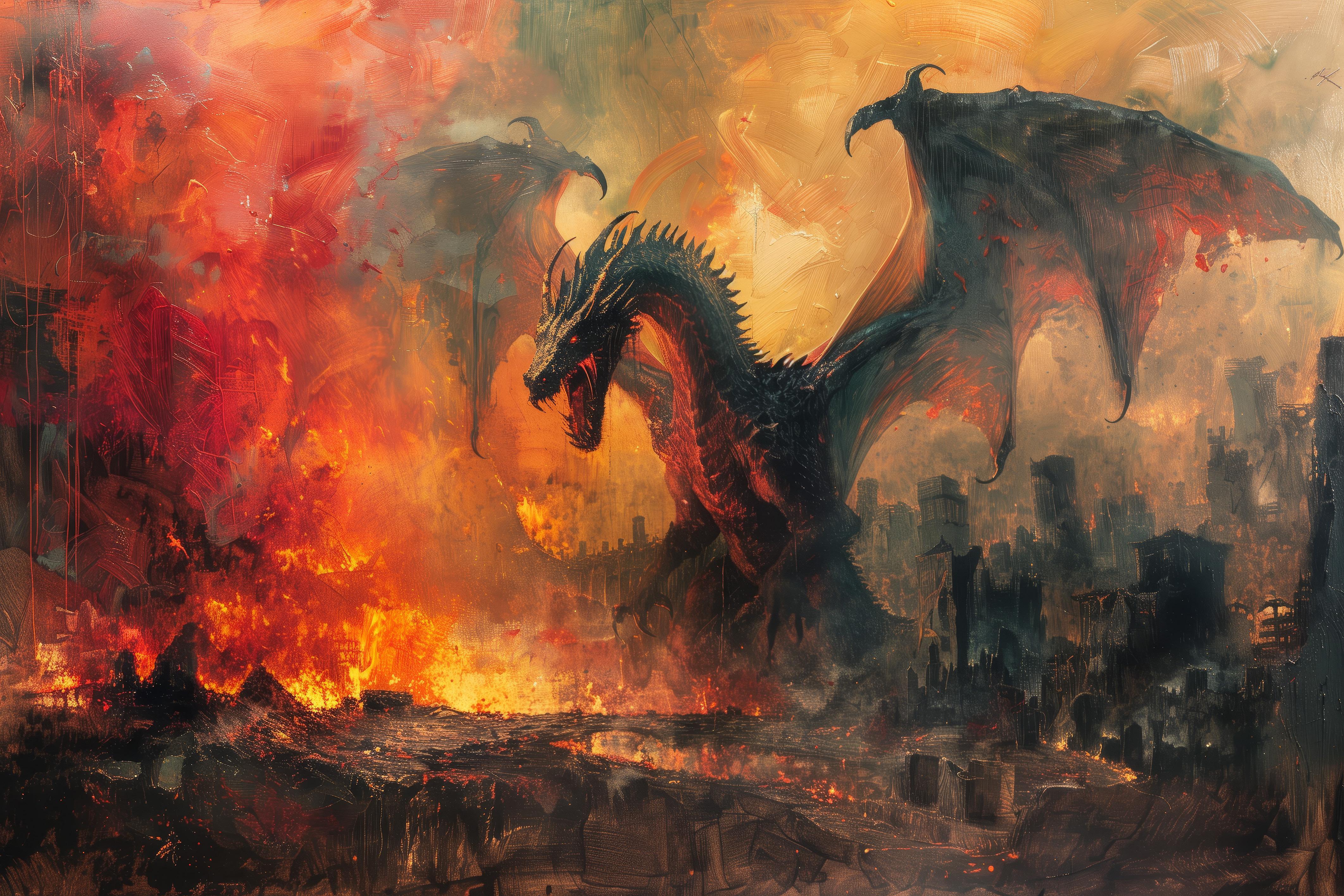
In days gone past, in wars of old, A lay of gold now here is told: The greatest King in Dwarven lore, The Son of ore, King Daurindor. A monarch of surpassing greed: He, rich indeed, did treasures need. He ruled the mountain paths with mighty arm.
He had his throne on treasures great; To gems of fate he bore no hate: To magic diamonds, wondrous gems His greed to stem, he gathered them. His hoards of gold did nations seek; The proud and meek, the strong and weak: And yet his gold he guarded from all harm.
But still a King of yet more wealth, Gained gold by stealth in sick and health: The mighty dragon Garulest.
No hero’s quest had yet the best Of this great beast of evil fame; He with his flame killed all who came, So foolish as to seek his treasures great.
Long had men sought the dragon’s death; To tear from flesh his final breath. Yet all had died; their deaths he dealt. Their arms did melt; they fires felt. In shame they failed to take his gold; Their bones grow old in caverns cold, All having met the same most piteous fate.
Ever more the dragon’s fame; His awful name to mountains came.
Great men and dwarves the dragon sought; But they were caught, to shame were brought.
Great knights and heroes died in shame; The dragon’s name still grew the same. Then Daurindor heard of the dragon’s gold.
His greed was kindled, fury great: He swore with hate the dragon’s fate To bring upon the mighty beast. His sleep had ceased; his greed increased; At last he knew he’d take no more: King Daurindor, the Mountain Lord, Set off alone to seek the dragon’s hold.
With iron rings he armored then; With strength of men who numbered ten, He took his hammer Kolumyeald, And with his shield he to the field, Went wearing iron boots and helm. His mighty realm he left Kothelm, His only son. Thus armed he went away.
Kothelm ruled then his fathers land With mighty hand and soldier bands. He, too, gold sought with passing thirst; Though he at first his father cursed, He grew to love his power great.
It was his fate as King of state, The King’s return, he hoped, to long delay.
Another king of strength and might, A King of Light and power bright, Aldar by name, the King of Men, The Lord of fen and forest stem. From Aspindar he ruled the land, His cities manned with fearsome bands. No greater king than he lived on the earth.
His country spanned both land and sea; Both slave and free did bow the knee, With love to serve their mighty king. His men did sing, and treasures bring, To him, the king in Aspindar. No hate him marred, in near or far: And yet an end approached this blissful dearth.
An old man came to Aspindar, He came from far to see Aldar. He tales of the dragon told, Who in his hold had shining gold, How he had never conquered been. This dragon mean was rarely seen, But death by flame was nigh when seen he was.
Kingdoms burned and cities fell; Aldar heard tell of living hell. His northern towns went up in flame; The long years came, but still the same, This mighty dragon terrors wrought, His life was sought, and ever fought, But unfulfilled was still this worthy cause.
King Aldar listened to this plea: Determined, he, his land to free, He bred for him six men of war, This dragon for to end in lore. Six champions rode swiftly forth, Far to the north, they set their coarse, To do what no man yet had done before.
The heroes on their battle steeds Of mighty breeds did gallant deeds. Bedecked they were in raiment gay. They rode away at break of day, To face the dragon Garulest, To find his nest and dare the quest, And seize the fabled treasure famed in lore.
Yet late they were, and far behind; Their plans in kind, yet not aligned,
With a great king whose greed was more: With Daurindor, the Mountain Lord. Although he traveled on his feet, No horse his seat, yet he was fleet, And reached the dragon’s cave ere came the morn.
“Come forth!” said he with mighty voice! Then dragon noise destroyed his poise, And many fires from the ground With deadly sound sprang all around. The dragon from his cave then flew; The dwarf well knew that he might rue His foolish challenge to this beast of Scorn.
The dragon said, “A foolish thing, For such a king of whom they sing, To throw himself into my jaws.
Hear now my laws: not without cause, I burn the towns of dwarves and men: I do contend to grace my den With priceless gold and treasures very great.
O what would thou, O Daurindor, The King of ore and mountain’s core? Would you take my gold for thee?
To snatch from me my shining see?
O dwarven king, thou brazen fool!
My fires cool not when I rule!
Dwarven blood desire I, my thirst to sate!”
The dauntless king said to the beast, “Not in the least I fear thy feasts!
Though thou wouldst see my dripping blood, Thine own of mud a roaring flood
Your burning realm shall shortly grace! My bearded face and mighty mace
Shall be the last sight you will ever see!”
The dragon roared and spat his flame; Not undue fame adorned his name, For mighty was the fire blast.
And when at last the flames he cast,
Of orange hue not seen today, Had died away, the earth displayed But ash; yet Daurindor bowed not the knee.
Said Daurindor, “I’ve stood your blow; You’ve had your throw, as well you know. Yet can you stand my weapons fierce? I bones shall pierce ere yet comes Tierce. Although my shield is glowing red, I am not dead, nor have I bled! Prepare to face a greater blow by far!”
King Daurindor his hammer drew; For well he knew all strength was due To face the dragon Garulest And win his quest for treasure chests. He swung his mace with mighty force! He viewed his course with no remorse As Garulest received a mighty scar.
The dragon roared with fury great; His boastful state had turned to hate; The dragon’s wound did freely bleed; Of fear the seeds were by this deed Implanted in the dragon’s soul; It seemed the toll of all his goals Was death ignoble at the dwarf King’s hands.
The battle raged throughout the day; Both song and lay tell of this fray. Though Garulest with mighty roar Struck Daurindor six times or more, At last the dwarf brought home a blow That then laid low his mighty foe. The dragon nevermore would plague the land.
The dragon’s hoard was great in size; Gold met his eyes, a mighty prize. The dwarf King saw how bright, how cold, The dragon’s gold lay in his hold. A silver mountain reached up high; Beyond his eye did gemstones lie.
The dwarf King thus increased his wealth three times.
But while the dwarf his battle fought, The six men sought a path still fraught With deadly perils, dangers great. In sorry state the dragon’s gate They reached at last at even fall, And saw they all the dragon’s hall, Filled up with magic gems and silver chimes.
They also saw the dragon dead; All bloody red upon death’s bed. They saw again a vision sore: King Daurindor had come before.
The Mountain lord had claimed his gold, In treasure rolled with courage bold. A flame of rage then kindled in their hearts.
A leader they elected then, For so to send and make amends, To speak their cause to Daurindor, The Mountain lord, to him implore, To ask him to with gold entrust King Aldar’s lust, for so they must Load dragon’s gold upon their oxen carts.
King Daurindor heard all their speech; A King they preached, and sought to teach, That they who had not fought at all, Deserved it all, this golden hall. A scowl adorned his kingly face; They’d lost the race, why should they taste A victory that they had never won?
He said to them, “Come nowhere near; This treasure here has cost me dear. Great wounds I took from dragon’s breath; And yet cold death adorns his flesh. Away with you, you foolish men; Fly from my ken and dragon’s den. If you would live, then you shall quickly run.”
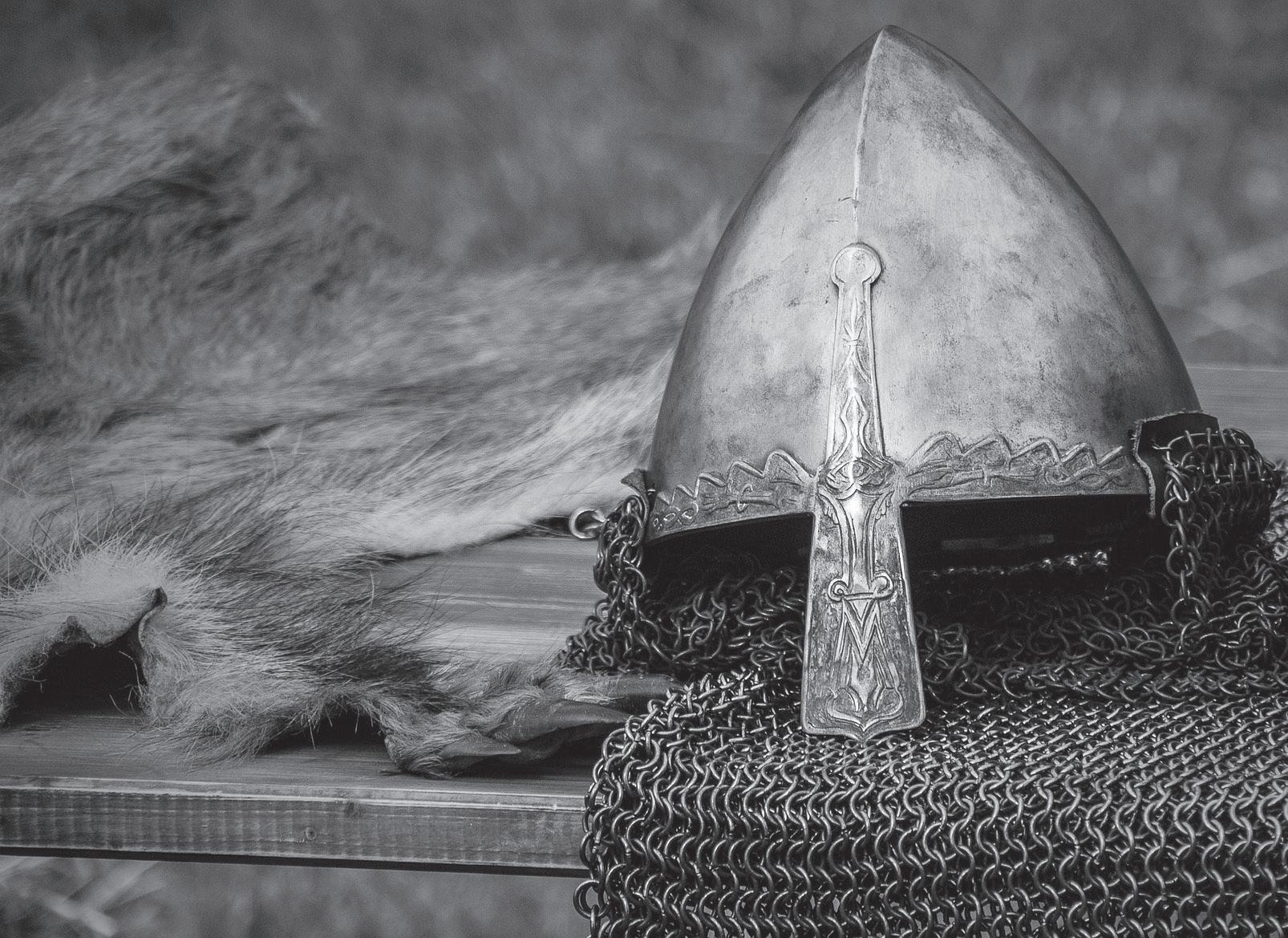
The human leader made reply, “For mercy cry; you’ll surely die! For you will not our prize deny; And if you try, your doom is nigh.” He leveled at the dwarf his spear; His horse did rear, and without fear, The champions attacked King Daurindor.
The dwarf took up a golden sword; The Mountain Lord for dragon’s hoard Did battle with King Aldar’s men, And fought with them with strength of ten. Yet mighty they, and fighters great; Though they were late, it was their fate To take for them the hoard so famed in lore.
Three champions the dwarf king slew, And yet he knew his life was due. The horses crushed him underfoot; The mighty brutes with iron boots Felled the Daurindor of mountain seed; He paid indeed the price of greed. A spear thrust to the throat did kill the King.
Three men still lived, yet three had died; The dwarf king’s pride had them defied, And took from them their comrades three; Divided he their company. In sorrow did they load their carts; Their heavy hearts felt grievous darts. No joy they found in gems and golden rings.
They turned their way to Aspindar; They’d come from far, with kings did spar, And they had gained the dragon’s gold, This treasure cold from caverns old.
King Aldar’s joy was great indeed; Although his greed did not exceed, The dwarfs, yet he rejoiced in newfound wealth.
King Kothelm in his father’s land
Held on his hand rich golden bands.
He ruled the realm with iron fist; He did insist that he had missed His father’s face and kingly rule, Yet not but fools who were his tools Were tricked by evil lies to drink his health.
News of Daurindor’s sad fate, Did him elate; secure his state. He called upon great Aspindar, Both near and far a mighty war. But he in his own mind decreed, “Much gold I need to sate my greed!” Thus only was his cause for mighty war.
He did not grieve for Daurindor, Alive no more, so famed in lore. Yet grief did he to men display, Wept night and day, in black array.
And though revenge on Aldar preached, His thoughts beseeched and spirit reached His passion for great treasures, nothing more.
In Aspindar, in Aldar’s realm, They heard Kothelm had donned the helm. The king prepared his men of might, With weapons bright to battles fight. Mighty armies marched abroad; The women laud their metal rods, And sing the praises of the fighting men.
Ten years of war did come and go; Great mighty blows felled many foes. The three surviving champions, Their companions, battalions, Still did not know ’twas Daurindor
The King of ore and Mountain’s core That they had slain within the dragon’s den.
Kothelm, the dwarf, that wicked man, At last was slain and in grave lain.
King Aldar won the dreadful war, But wished he bore his land no more.
Ten thousand men, three mighty kings, Who did great things, bore golden rings, Had part therefore in mighty death’s cold glory.
Though Aldar won, great Aspindar, Revered from far from earth to star, Was weak and crumbled, glory dead, It’s power fled, its people bled.
The Elf kings who would rule the lands, And hold in hands the Ocean’s sands, Would later tell this fabled, sorrowed story.
by David Schout
by Tyson Reid
Iwoke with the dawn, as the beams of the new sun struck my sleeping eyes. The eastern window stood open, and a warm spring breeze filled the spacious room with the scent of the last night’s rain. I rose and left my chamber, exiting the large house and walking among the garden paths that wound their way between the shrubs, until they lost themselves at the end of the tended grounds. I, being new to my inheritance, was not yet familiar with my estate, and thus had taken myself to perusing some new area of it at every opportunity.
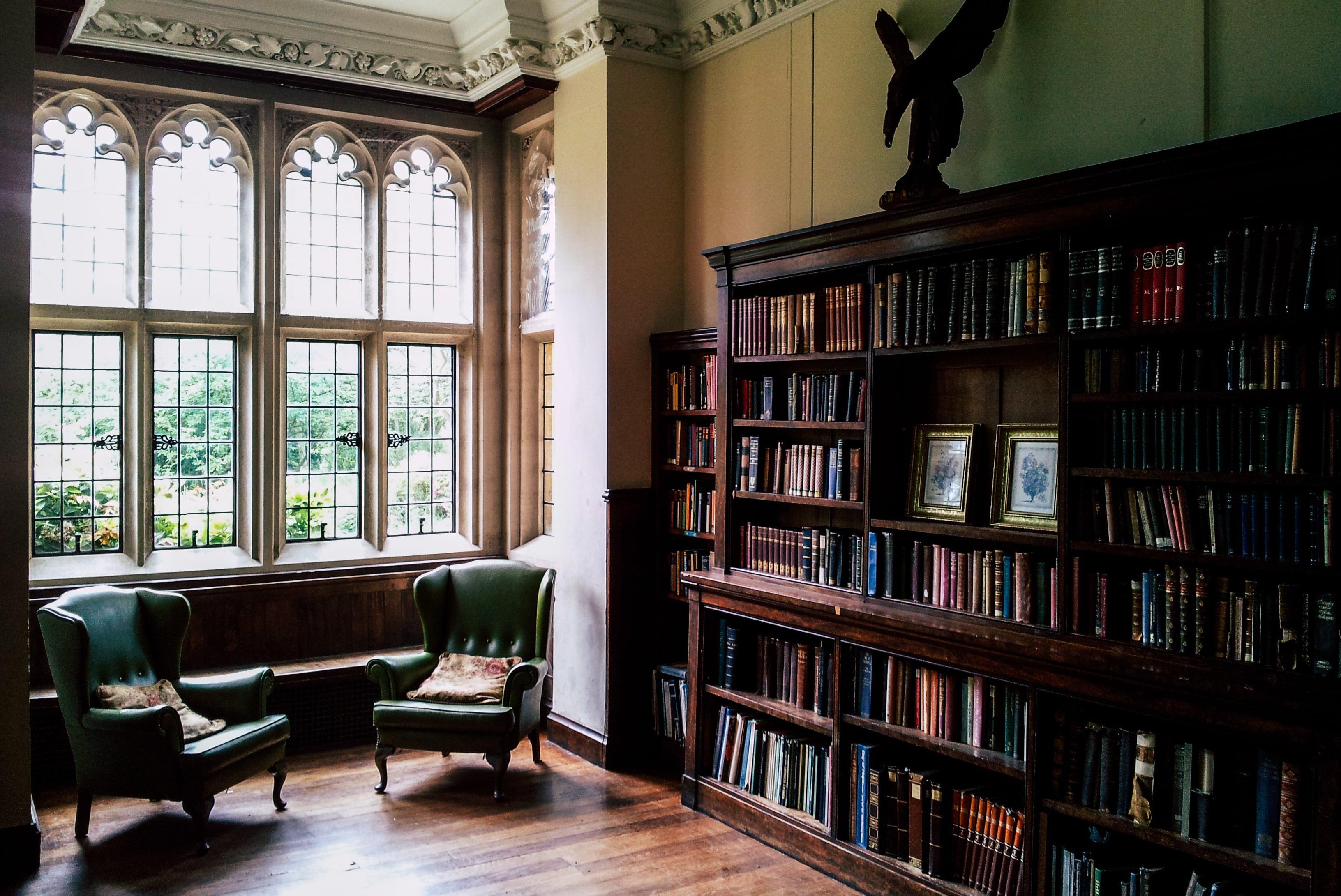
Desiring a more intellectual nourishment this particular morning, I directed my steps toward the library, and out of the garden. The library was a curious place, full of as many oddments as books, and of these there were a great many. The room it inhabited was large, and furnished comfortably. The walls were hung with portraits of long-dead family members, and a thick carpet muffled all sound. Beams of light fell amongst the many shelves, bright shafts seeming to hang frozen in the still air.
There were many books that were exceedingly ancient, and had been written before the invention of the printing press. There were also some few that had been banished from the world, for the secrets they contained penetrated too deep into the mysteries of men and of nature. Nonetheless some of these lived on, forgotten, in this old well-kept library.
I betook myself to wandering amongst the shelves, examining the busts and figurines that lay scattered about, and noted several doors leading out of the library. Upon examination I found that there are many ways out
of the place, but (to my understanding) only one way in.
I had nearly circumnavigated the extraordinary room, when, upon looking down a long aisle of shelves, I saw a small door I had not yet noticed. It was unadorned, but for a small painted eye in its center. I put my hand to the latch and it swung open noiselessly.
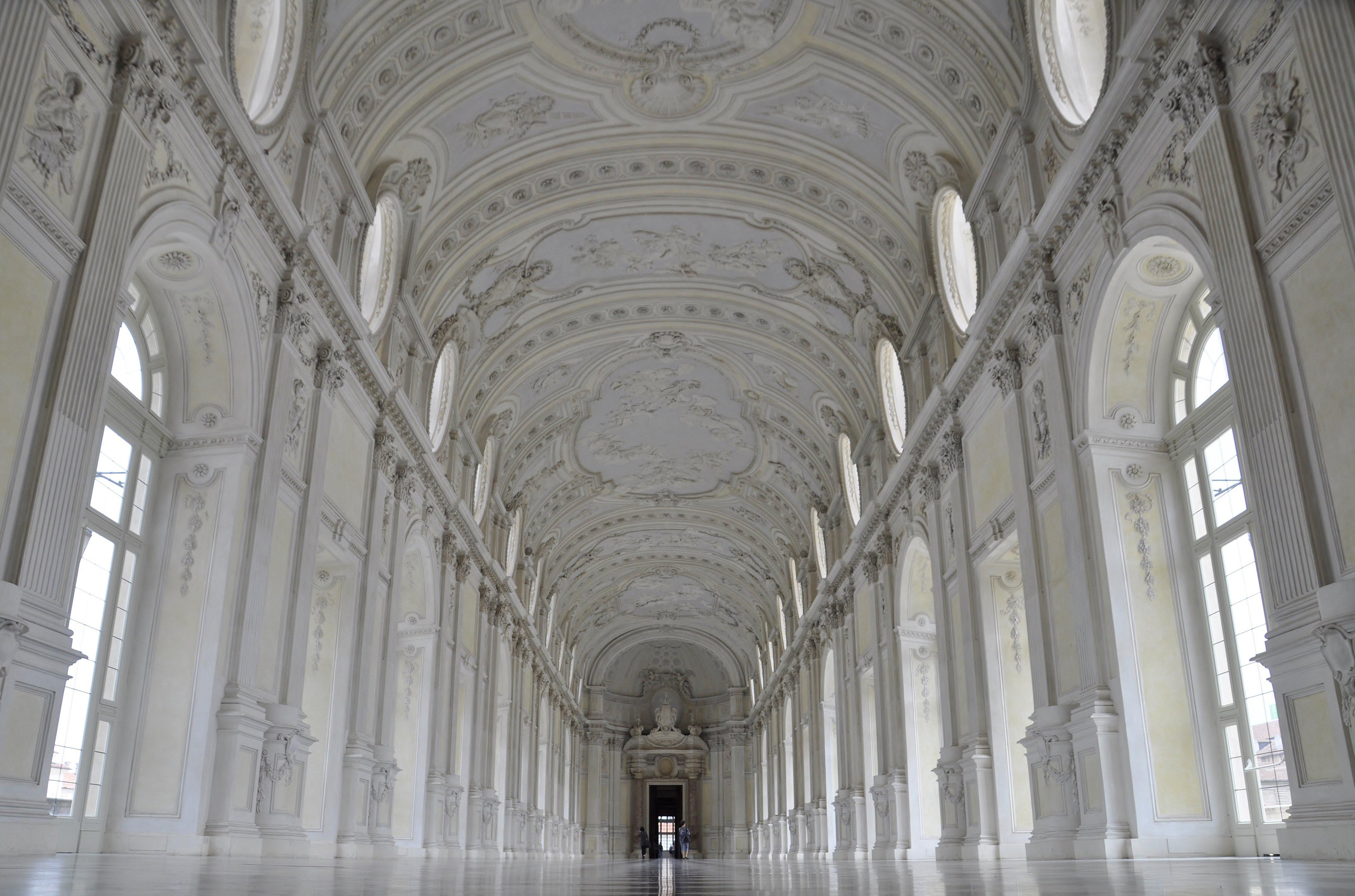
For a moment I thought I had come upon a door to yet another library, for there appeared before me another long corridor formed by stocked shelves. I was deceived, for there was no other corridor, but a mirror of wondrous clarity and luster. Yes, it was a magnificent mirror, but I was nowhere within its frame; it reflected only my surroundings. Its surface was perfect, smooth and polished, seeming without a trace of age or wear. The borders were all of silver, embossed with jewels of various kinds and shapes, but all reflecting a silver light that seemed to proceed from the mirror itself.
The mirror was of such magnificence that I could not withdraw my gaze, but drew closer and closer, until my eyes were almost upon its perfect surface. I could not help but feel that if I touched the glass I would fall into another world.
As I gazed, a glimmer of light appeared deep within the mirror, as if someone held a silver lamp just around the corner of one of the reflected shelves. My astonished eyes beheld a woman step gracefully into the corridor between the bookcases, seeming to search for something among the books. I looked hastily behind myself at my own bookcases, but saw no one. Terrified that the lovely vision might
have vanished, I looked back into the mirror and saw the woman—as before—coming toward me. Her dark hair grew low on her forehead, and flowed rippling in a rich cascade past her slender shoulders. She wore a silver gown, fringed with pearl, from which the light seemed to proceed. Her loveliness surpassed all I had seen in waking life or in dreams, and I knew that such could only proceed from the realms of the immortal.
Seeming to notice my presence she lifted her radiant eyes. If the mirror had shone, it was as nothing to these. The woman smiled at my astonishment, and her merriment made the lovely visage all the more beautiful.
“Oh gracious lady,” I said in awe, “How may I serve thee?” Doubting not that the figure in the mirror was sentient, and no mere deception.
“Serve me?” She laughed, and the sound fell upon my ear as a cool rain upon a piece of barren ground. Never before had I known delight, and never after would I count any sound blessed. “What is service that it is to be desired? I desire only to love.”
“Dearest lady,” I said in a tone of longing, “what is your name?”
“That is not yet something you may know,” she answered, “though you will know it, in time. It is a great privilege indeed to know a true name, for through our names we are shackled to our past, and that is very much indeed to be told upon a first meeting.”
I stood pondering what she had said, unable to form a reply, unable to divert my eyes from her lovely visage.
“I see you do not yet understand what it is to be eternal.” She said, her ruby lips forming a winsome smile. “But you will come to know. I may teach you, if you will it.”
“I do, lady, I do. Let me but see you again
and I shall be happy, teach me and I shall be forever in your debt.”
“You know not what you say,” she said, her voice sad and beautiful. “You promise things that you do not possess. I do not doubt your intention, but it is foolishness to speak of eternity as a mere man.”
“You are wise, and I admit that I spoke foolishly. Will you endeavor to show me wisdom? I shall be a most attentive pupil, that promise is indeed within my scope.”
“I shall, but not at the present time. I must go now, and take my rest. It is long since I have been called forth, and I have not the strength for a long interview at present. Farewell charming stranger, may the light of knowledge shine ever on your path.”
She turned and walked slowly back along the shelves back toward where she had first appeared, leaving the frame empty except for my bookcases. I was still nowhere within the image.
The next morning I woke early. The lovely woman of the day before had followed me in all of my dreams, and when I awoke I was nearly sick with longing. Never had I beheld such beauty! I did not desire to possess her, nor even to ensnare her affections. Merely to be within sight of such an angelic form filled my heart with joy. I did not walk that morning in the garden as I was accustomed, but went instead directly to the library. I did not immediately find the door to the mirror, because I had not paid much heed to its location the day before. I found the place at last, and flung the door open. The mirror hung where I had left it, but it did not reflect (as I had expected) the row of bookshelves behind me, but a forest, strange and fantastic. Towering trees grew in rank upon rank until their gnarled trunks

faded into a grey mist. I stooped closer, and once again felt (though stronger than before) a proximity to another world.
Somewhere within the mist a silver light began to grow, and soon the lady appeared, in the same silver gown, but this time with a fine crown upon her head.
“You have come!” She said, and smiled as she spoke.
“Yes, indeed I have.” I answered. “I would be foolish indeed to refuse a chance to see again the thing most beautiful beneath the canopy of heaven.”
“Indeed, but I am not beneath that canopy, except where I dwell in you,” she answered softly. “You speak again of what you do not know, though I thank you for your praise.”
“It is readily given. If such praise be proven false, then I shall die in such falsehood.”
“I see my words will make no difference.” The lady said sadly, “but perhaps you will come to see in time.”
“What if I do not want to see?” I asked.
“Then that is but foolishness beneath a fair cloak. That is indeed the most difficult to dispel.”
“Then a fool I shall remain,” I said gazing into her sea grey eyes. “Tell me, fairest, why you wear the crown. Do you rule this land?”
“Yes,” she answered, “now that you have seen me in your world, your mind is now strong enough to see me in mine. I wear the crown because I do indeed rule here.”
“Surely,” I said, “if there could be anything that could make thee fairer it is regality.”
“Do you love me?” she asked.
I paused, taken aback at the abruptness of the question.
“Do you bid me to?” I asked, rather shaken.
“I do.”
“Then I shall,” I answered.
She smiled. Such a light of youthfulness and beauty were in her face that I could scarcely contain myself, but longed to rid myself of the bonds of the present reality and step into her world.
“Here I must leave you,” she said gently. “I am yet weary. But I shall await thee…”
With those words her lovely visage dissolved back into the mists.
I closed the door with a shaking hand. The renewal of my awe had nearly overcome me, and I felt weak and shaken. My mind and heart overflowed with the memory of her radiance and the sound of her voice. I sank into an armchair and let my mind wander unchecked.
I spoke much to the lady in the ensuing days, and I felt myself becoming less my own as I devoted more of myself to the girl. Soon I cared for nothing but our discourse, nothing was fair in my eyes unless it bore some semblance of her.
I opened my eyes upon darkness, for I could not sleep. Not being comforted with dreams of my maiden, I arose to consult the mirror, and seek her living self.
The world was still and sleeping. Not a sound disturbed the living silence of the library as I entered. I hastened to the mirror, but it showed only crystalline stars. The constellations were unlike any I had seen in this world, and being something of an astronomer I gazed for a long while. It seemed as if the stars were closer in that world, larger and more brilliant than ours, as if their heavens were somehow more vitally connected with their earth. Tiring at last of watching their slow progress across the mirror’s surface, I turned and began to search among the shelves for a book to pass the time. Dawn began to break when at last I
settled into an armchair with a worn copy of Phantastes, and began to read.
I had always been a great lover of MacDonald, and re-entered his familiar realm with child-like delight. I soon lost myself in the wonders of the well known story, and time passed unnoticed as I threw off the burdens of this life, and surrendered myself to the transcendent power of his raw spirituality, and unadulterated brilliance.
When I had at last finished, I closed the book slowly, full of a quiet sense of wonder and selflessness which I had always felt after reading MacDonald, and went in search of the mirror. I travelled directly to the place I thought it had rested, but found it not. I tried also the corridors to the left and right of the one I had taken, but alas, there was no door. Frantic, I ran throughout the library, searching for the painted eye, but finding nothing. In despair I threw myself back into the armchair I had vacated but a moment ago, and covered my face with my hands.
Such pain as this had never wracked me before, nor indeed since, for it was sharp and tormenting, as if it were a physical object causing me discomfort. It did not resemble the subdued ache of final loss. Perhaps the shock was still too near, and the terrible burning would give way to that familiar feeling of deadened sorrow.
The loss of the mirror tormented me. Every time I left the library, distance gave birth to uncertainty, and I flew back along the corridors to search again for the door. At last I lost all hope, and resigned myself to the reality that I had lost my love.
It was strange to me that I could suffer so much over an imaginary loss. I simply returned now to the state in which I had lived not a week hence; a state in which I had been
perfectly at ease. I had lost nothing that was inherently mine, yet the sense of deprivation was unlike anything I had ever known. The duplicity within myself disgusted me. Had I not counted myself unworthy of the lady when she had been within my reach? Why then did I feel wronged by her absence? I felt as though I deserved her presence, as if she belonged to me alone. It was pride -cloaked with a semblance of humility- and now that it no longer served, the cloak had been thrown aside. I saw the raw vice within myself, no longer covered, and despised it. I had long known that I was apt to pride, and thus had expended much effort to appear humble and benevolent. Now, however, circumstances had stripped me of my disguise, and I stood naked before my own gaze, and cowered before it.
Full of the cynicism that attends those who have been dispossessed of affection, I lay down and shut out the weary world, taking shelter in the comfort of a dreamless sleep.
I woke with the knowledge of yesterday’s sorrow foremost in my mind. Silently I dressed and breakfasted. Nothing was sweet or beautiful this morning. Things which had delighted me seemed hollow and deceptive, mere cozens to deceive the simple. No, they were no comfort to those who had seen through the web of the world. I felt as though I understood the essence of being, and through understanding, despised it.
Full of these dark thoughts I entered the library, due more to habit than desire, and took up a volume. I had always been a portentous reader, and used to read philosophy—not out of a desire to discover truth but to flatter my intelligence. Now that my pride lay bare within me, I chose to feed the thing that had become myself. My cynically eager
mind devoured Protagoras’ Refutations, and the work left me convinced that man is indeed the center of all being, and the measure of reality. Man was the center of being, and I could see into the dark center of man. Witnessing the cosmological ‘dead end’ left me full of a sort of eager despair, filling me with an almost manic desire to disprove all pure things.
I strode vehemently through the library to replace the book, laughing inwardly that the mirror used to lay between the shelves that contained my collection of humanist philosophers. As I turned into the lane between the bookcases I saw—to my amazement—that the door had returned! It stood as if nothing had changed, there where it had always been, at the end of the long rows of books. I flung open the door, and there hung the wondrous mirror. I dropped my book in amazement, for it reflected a palace of indescribable magnificence. A throne of pearl and diamond stood empty in the center of the image, and a magnificent hall surrounded it, but the hall was vacant, and the emptiness extenuated the vastness of the atrium.
I caught my breath as the chamber began to sparkle with a silver light, and the lady entered from one of the doors at the far end of the hall. She seated herself in the throne, and now it was plain to see that she was indeed a queen.
“You have come again!” she said, “I have long awaited you!”
“I am sorry, I had lost my way.” I said, terrified that she might be angry with me. She laughed, and I could see that my fear was for nothing.
“Did you?” She asked. “Well, all is aright now. I am glad indeed that you have managed to find your way back again, for I should have been sorry to live devoid of your company.”
“I was sorry to live without yours, I assure you!” I exclaimed. “You are indeed the motive I chiefly live for.”
“Why?” asked the lady softly, “I can offer you nothing under these present circumstances.”
“I know,” I answered her, “yet I live for the hope that those might change.”
“And I shall hope as well,” she said, the light returning to her face. “You must go, I can see you are not well. Take your rest and we shall talk again tomorrow.”
The silver light gathered again, and in a moment she was gone. I left the place full of joy. My rage against beauty and the innocence of man seemed contained within another lifetime.
Over the ensuing weeks I lost the mirror many times. At first my terror nearly rivaled that of the first instance, but always I returned to my collection of humanists, and the mirror always returned. After some time I noticed that it was only after reading some of my favorite works that the mirror vanished, and accordingly I began to avoid such authors as MacDonald, Spencer, and Malory. The great epics also conjured away my precious mirror, so I studiously avoided Virgil and Homer, as well as Dante and Boethius, Plato, Socrates, and other such philosophers. I was rather sorry to let them go, for until now these had been among my favorite works, but the lady was much more important to me than these. Soon I began to read strictly from the shelves surrounding the mirror, most of which I had not yet studied. These shelves were stocked principally with the works of Petrarch, Erasmus, Montaigne, Nietzsche, Eliot, and Freud. At first I had no particular taste for volumes of this kind, but I soon began to realize their wisdom.
Late one night I awoke from a troubled dream, in which I could not find the mirror despite reading from every volume the correct shelf contained. Unable to rest without ascertaining whether the mirror could still be found, I hurried to the library in the moonlight. To my joy and relief the door still stood where I had left it, the painted eye staring blankly between the shelves.
I turned to leave, but saw, to my astonishment, an old man resting in one of the armchairs. I knew him to be my father’s librarian. Years ago he had been given the charge to gather many of these books from across the world, and had done magnificently. It was to him that I owed my library, and I had given him permission to peruse it at any hour he chose. He gazed at me now with an expression that betrayed understanding and concern.
“So you have discovered the mirror,” he said calmly. “Have you yet discovered with what you have been conversing?”
“Do you mean the lady?” I answered, startled.
“If lady is what you call it, then yes.”
“What do you mean?” I asked.
“I mean that you are under an illusion,” the old man said slowly. “Believe me, I know well the enchantment of the mirror. I know generally what it shows, if not specifically. And I also know it to be a deception.”
I began to grow angry. He knew nothing of my lady, or the wondrous discourse we had shared, or the wisdom she had taught me. How could such a thing be false! How could something so wise and so beautiful be a deception?
“I do not believe you, sir,” I said coldly. “I do not believe you know what you speak of. The mirror and she who dwells therein is the treasure of my heart, and no words of yours will cause me to think otherwise.”
“I doubt it not,” the man said with a
smile. “Many have spoken those same words, and many have lived to regret them.”
“What do you mean?” I asked, still doubtful and apprehensive.
“Come,” the man said simply. He rose shakily from his seat and began walking slowly toward the mirror.
I followed him, though I felt an inexpressible desire not to let him go near it; it was as if the man approached the deepest secrets of my heart, secrets I wished very much to hide. I did not speak out, for reason bade me not to, and soon we stood before the door. The man drew it slowly open.
“What do you see?” He asked, gazing into my face as I looked.
I saw the same field of stars I had seen on a similar night, though this time a silver mist began to gather, and I knew with an overwhelming dread that the lady drew near, and I must show her to the man.
“Has she come?” The old man looked earnestly into my eyes, never once glancing in the direction of the mirror.
“Yes,” I whispered. I could not help but feel as if I was on some kind of trial, where the depths of my soul were being probed by inquirers of a most heartless kind. I could not rid myself of the feeling, but knew it to be unreasonable, so I said nothing.
“Do you see your own reflection?” the old man asked.
I shook my head. “I never do. It is always the lady, in some foreign world.”
“That is not so,” he said sadly, “though many have believed it.”
“What do you mean?” I asked, “I do not understand how that can be. I am never within this mirror, and I am not the lady. Show me how I am reflected.”
The man smiled, kindness and a sort of pain in his eyes. “You are indeed the lady. Or,
I should more rightly say, the lady is you.”
“What!?” I cried. “It cannot be! If what you say is true, then it is worse than if she had no being at all! Explain to me how this can be so!”
“The mirror,” he replied “reflects the viewer like an ordinary mirror, but unlike an ordinary mirror it reflects the qualities, not the visage, of the one who looks. It does not show real or hidden virtues, only those which the viewer most admires in himself, or wishes himself to be in possession of. So you see, the lady is both in and of yourself.”
“But sir,” I said, respectfully, tears starting in my eyes, “I love her…”
“No indeed,” the man said, a sad smile touching his kind old eyes, “you love yourself. I know it is hard to bear, for I doubt not that your sentiments were genuine, and you still do not quite believe, or wish you did not quite believe, that the lady is not real.”
“How can she be myself, when she is so much wiser than I?” I asked, clinging desperately to my last hope.
“We are often wiser than we believe ourselves to be,” he answered. “If we would but take the time to listen to ourselves we would learn many things.” The man paused as if deep in thought, his eyes seeming to view a scene from another time.
“Why was I unable to find the mirror, sir, after reading certain books.”
“Ah,” the man said, “your father came to me with the same question once. The books that you have found to hide the mirror direct your thoughts and affections away from yourself. They turn your gaze outward, into the wonders of being that is other than your own. The mirror would show you nothing in such a state. The power of the works that have hid the mirror from you is so great that you have
forgotten even the way to the door while under their influence. I doubt not that you have found it returns when you read something from yonder shelf?” he said, gesturing toward my collection of humanists.
“Yes,” I said slowly. “I think I begin to understand.”
“I doubt it not,” the man answered. “Those philosophies redirect your wonder and admiration inward, and centers it on yourself. This is why the mirror has so great a power over those who are prideful or arrogant, even secretly so. It wakens in you a noble sentiment -one of selflessness and pure admiration- pride recognizes it to be so, and rejoices in it, but it is a snare. Do you not see how much you have lost since you have discovered this mirror?”
“I have lost certain things, but I counted them as nothing to the wonder of the lady,” I answered. “I am afraid it will be quite difficult to surrender myself to a universe in which she does not exist, whether I gain back what I have lost or no…”
“What?” The man seemed startled. “Do you think that just because the lady dwells in you she does not exist elsewhere? Why, my dear boy you are young indeed! No, it is right and good that you should love her, but you must love her in someone other than yourself. Tell me, was the lady wise?”
“Yes,” I answered, “Honest?”
“Yes.”
“Courteous?”
“Yes.”
The man laughed softly. “I knew you well when you were a boy, I am glad to see that your values have not changed.”
“But what of the lady?” I asked somewhat impatiently.
“These are the values that you find more
beautiful than anything upon earth. The lady was very beautiful I doubt not, everyone who has seen her has said so. She is the personification of that which you admire. She exists wherever that is to be found. You will find her in someone else, and then you will love her again; better because she will be no more a reflection, and more perfectly because your love shall not then be centered on yourself.”
I bowed my head in silent shame, for despite the clear wisdom of the old man’s reassurances, I was very much unwilling to surrender the lady as she was now, visible, beautiful. I began to speak but faltered, and I saw the sad kindness reappear in the old man’s eyes.
“I see,” he said simply. “I have felt the same once. You must break the mirror.”
I gasped. To break the mirror was to break my heart, for they were one.
“Is there no other way?” I whispered.
“I am afraid not.” The man smiled sadly. “I have broken it, as has your father before you.”
“Then how does it lie here before me unharmed?” I asked, ashamed at what I knew to be my own ignorance.
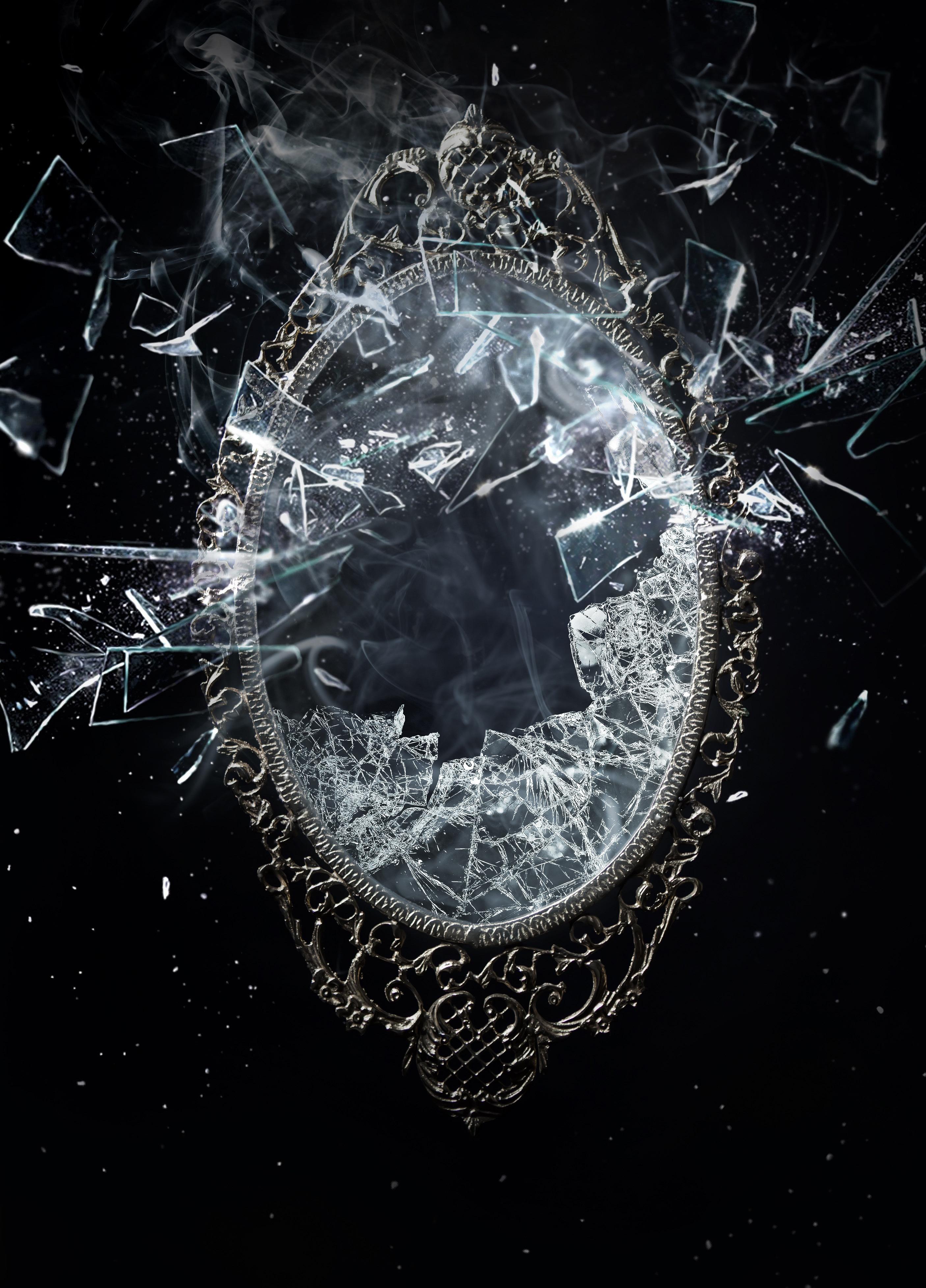
“The mirror,” he answered, “can not really be harmed. One can break it for himself and himself alone, and for him it is broken indeed, but for others it remains whole and untouched. The mirror is not fully of this world, and therefore cannot itself be truly damaged. It can, however, be conquered. If you break the mirror, it shall have no more power over you, but for others it shall remain as you yourself have discovered it.”
“Shall I,” I faltered, “shall I ever be able to look into it again?”
“Goodness no!” The man laughed. “If you decide to break it then that shall be beyond your power. You see, the mirror itself shall never truly be unmade, but if you try to
break it then for you it shall be irreparable. Do not ask me to explain it, I do not understand it myself, but that is what I know to be the truth.”
“Very well,” I said, “but do not be surprised if I die with the attempt. I do not think I can bring harm to this thing and yet live, though I will try.”
“Naturally, my boy, naturally,” the old man said softly. “What you are trying to kill is yourself, it is no wonder you feel as though you must die with the effort, for in some manner, you will.”
The man gave yet another of his sad smiles, and reached deep into his waistcoat pocket. He withdrew a small silver hammer and held it out to me with an old but steady hand.
“I fashioned this for you when you were a lad, and I knew that you would one day discover the wonders of this mirror,” he said.
I reached out my hand and took hold of it. It was strangely heavy, and very intricately wrought. The silver carved into branching traceries encircling relief carvings of angels. The words “PER MORTEM AD INFINITUM” were inscribed into the handle in a flowing script, seeming to form a part of the carved branches. The hammer itself was a wonder, for though it was wrought by no smith, the art of its maker was undoubtedly very refined. I closed my eyes and held tight to it, and felt a strange power flow through me, as if I held a sword that could itself conquer death.
“I believe I am ready,” I said aloud, and the old man gave a slight start.
“That is more than most ever say,” he said quietly. “Few have the courage to accept what they are about to do, and still fewer can bear to look their image in the face while they kill it.”
“Will the lady die, sir, if I break the mirror?”
“Of course my dear boy,” the man said kindly and quietly. “You cannot slay the vice and retain its image. It must truly die, else you shall remain shackled.”
“But how can I kill something I love!” I cried in torment. Every member of my being seemed alive with pain, and my heart burned with an agony I cannot describe.
“Son,” the old man said, his voice taking on a power I had never heard in it before. “We cannot, we must not love a lie.” He was not my father, but such an authority flowed from him as he stood there, wrinkled and grey, that I felt I owed him the allegiance of a son. I raised my hand, and the image of the lady, smiling sweetly, holding her arms out in greeting, afflicted my tormented mind. I swung the hammer.
Immediately I felt a strange lightening of heart, though it was accompanied by a bitter pain. I looked up at where the mirror had been, and saw nothing but the back of the closet where it once had hung. I turned to the old man, who was still smiling gently. “Sir,” I asked, “how long have you awaited me?”
“Many nights,” he answered. “I knew it could not be long until you began to come often to the mirror in the night, so I have awaited you for some time now.”
“Why did you not come to me at a more opportune time?”
“Because it was very important that you did not choose the illusion. I thought if I confronted you in this manner you would be more apt to listen and less to argue.”
“Will it hurt, like it hurts right now, for long?” I asked, afraid of any answer he might give.
“No,” he said. “You will feel the loss of the lady keenly for a short time, but your old loves shall return and free you of such torment. It shall not last long. Now, if you will excuse
me, I must return to my chamber while the night still prevails. Farewell for now, and keep up your courage. Remember, you are free.”
So saying he turned and left the library. I stood alone for some time after his departure, reflecting on the last few minutes in which so much had changed. The light seemed to have gone out of my life, though strangely it felt as if I had just taken my first breath of living air. I returned to my room heavy of heart, and lay wondering what new grief would come with the dawning of a new day.
I woke to the sun’s fresh beams shining through my open window, and a soft breeze wandering carelessly about the room. Birds sang somewhere outside, and dew gave the summer air the scent of springtime. I arose and looked on the waking world. My heart still ached within me, but the dawn had filled me with a new hope, and a great courage, for I knew that somewhere beneath this canopy of heaven the true beauty I had loved lived on, waiting to be discovered and loved again.
Day by day the pain grew less, until I no longer felt my loss. The knowledge that such beauty exists behind the veil of mortal frames lent to my perception of every person and every object a new and curious uncertainty, which I delighted in yet longed to force aside. Thus shall I spend my days, until I once again discover my lady—as she truly is—and learn what it means to truly love: in pursuit of the beautiful.
by David Schout
by David Schout
by David Schout

f A ll 2026 C l A sses b egin
A ugust 17 th
Kepler Education has partnered with several like-minded institutions to help college-bound students successfully navigate their path to post-secondary education. Whether it is a grant or dual enrollment credits, each of our partners offers Kepler students a unique opportunity and educational experience that is suited to their particular calling and need.


Visit kepler.education/dual-credit to view courses offered in partnership with Faulkner University and Colorado Christian University