




















dpsmagazine.com
Volume 28, Number 4 • ISSN: 1529-2320

dpsmagazine.com
Volume 28, Number 4 • ISSN: 1529-2320

Digital print has an advantage on analog processes when it comes to driving impact. From cost-effective, short-run production to variability, the technology inherently adds value. However, there are ample opportunities to level up even further. Whether it’s streamlining your workflow, including automation, investing in finishing for embellishments, assessing demand for application gaps, or looking into unique substrates, expanding your portfolio and capabilities can take on many forms.
Whether it’s streamlining your workflow, including automation, investing in finishing for embellishments, assessing demand for application gaps, or looking into unique substrates, expanding your portfolio and capabilities can take on many forms.
We highlight tips and tricks on ways to expand your market presence in Diversify Your Portfolio. Hear from print, finishing, and software experts on paths to success and pitfalls to avoid. For more insight on this topic, check out dpsmagazine.com/webinars.
Our Finishing column focuses on coating. From Digital to Durable discusses ways to improve adhesion to digitally printed output with modern coating technology.
Inkjet continues to advance. Drilling down into continuous/web-fed inkjet equipment, Crossing the Chasm details advancements in this space. Modern high-speed inkjet continues to attract new markets with improved precision and quality.
On the trade show front, we’re excited to partner with LOUPE Americas— formerly Labelexpo, as the label and packaging exposition makes its rebranded debut in Chicago, IL this Fall. Find more information on what to expect in our first of two show previews.
Additionaly, a recap of the Standard 360 event is available on page 8.
Cheers,

Cassandra Balentine, editor cbalentine@rockportpubs.com
EDITOR IN CHIEF
Thomas Tetreault
978-921-7850
EDITOR
Cassandra Balentine cbalentine@rockportpubs.com
ASSOCIATE EDITOR
Melissa Donovan mdonovan@rockportpubs.com
ART DIRECTOR
Sarah M. White swhite@rockportpubs.com
WEB EDITOR
Melissa Mueller
CONTRIBUTORS
Marco Boer, Kemal Carr, Olivia Cahoon, Richard Huff
ADVERTISING SALES
PUBLISHER
Thomas Tetreault 300 Newburyport Turnpike Ste. 11 Rowley, Massachusetts 01969 Ph 978-921-7850 x110 • Fx 978-921-7870 edit@rockportpubs.com
SALES
Amanda Doyon Ph 978-921-7850 x170 • Fx 978-921-7870 adoyon@rockportpubs.com
Subscribe online at dpsmagazine.com
CORPORATE & PUBLISHING OFFICE 300 Newburyport Turnpike Ste. 11 Rowley, Massachusetts 01969
ROCKPORT CUSTOM PUBLISHING, LLC
CHAIRMAN
Jeffrey Jensen
PRESIDENT & CEO
Thomas Tetreault
CONTROLLER
Missy Tyler



By DPS Magazine Staff
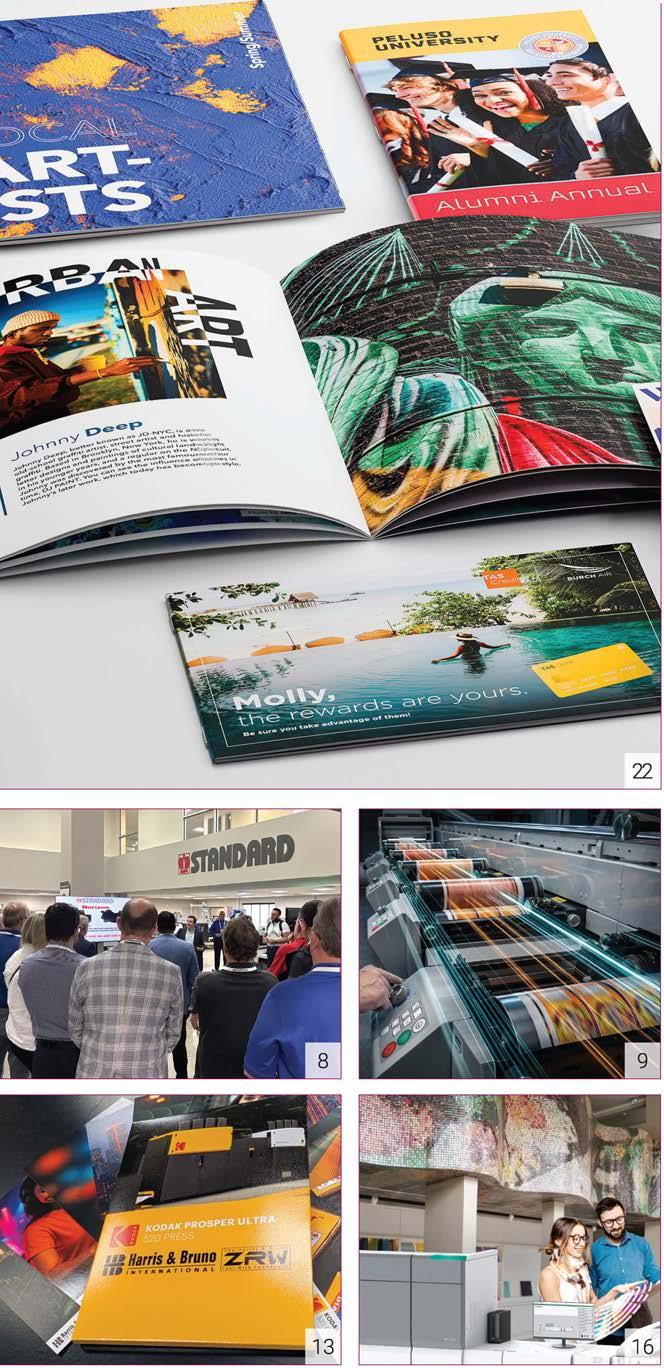
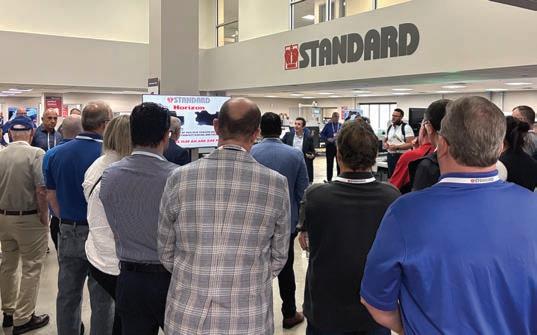
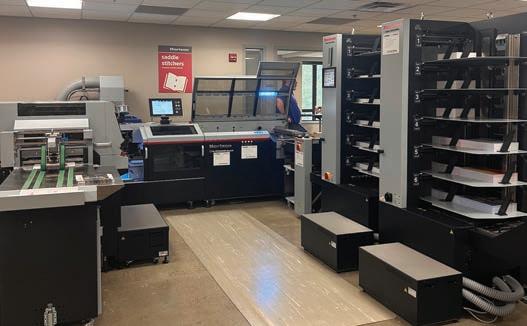
Standard Finishing Systems welcomed customers, prospects, and partners to its annual Finishing 360 event May 20 and 21, 2026 at its National Demonstration and Training Center in Andover, MA.
Visitors were greeted with demonstrations of the latest Horizon print finishing solutions, including hands-on, personalized equipment demonstrations as well as high-level tours of complete finishing lines.
“It has been exciting to see how Finishing 360 has grown and evolved since it launched in 2018, as a smaller event attended mostly by local customers. Now, the event has expanded internationally, with visitors coming in from across the U.S. and Canada,” says Don Dubuque, director of marketing, Standard Finishing Systems. “Seeing the engagement and collective energy between our team, our partners, and our customers was inspiring, and we want to extend our sincere thanks to everyone who attended.”
Popular finishing solutions from Horizon on the floor included the AFV-566FG Folder, the BQ-300 Perfect Binder inline
with the HT-300 Three-side Trimmer, the SPF-2000 Bookletmaker, the CABS 4000 Perfect Binding System, as well as Horizon’s iCE LiNK PostPress Management System.
Also displayed was an integrated binding station featuring a robotic arm from Omron.
In addition, Standard highlighted several partners that provide integrated finishing solutions for roll-fed and cutsheet production including the Horizon SmartSlitter inline with a Ricoh digital cutsheet press; the Horizon AFV-56SF Folder inline with an EMT Vira unwinder, processor, and cutter; and the Horizon StitchLiner Mark V Saddlestitcher inline with a Tecnau Unwinder u50i and Cutter c7 and a Palamides Gamma 502 HO Automatic stacker and bander.
Visitors also learned about Standard’s service support options.
Finishing 360 attendees were also invited to attend exclusive previews of two new solutions for large format perfect binding and folding direct from the Horizon factory in Japan. This marked the first previews of these solutions in the U.S. or Canada. These products will debut at the 2026 Horizon Smart Factory event, November 4 to 6, 2026 in Japan. The event focuses on lights out automation and leveraging technologies like AMRs, robots, and drones, to demonstrate automated workflows designed for printing and finishing environments.
The Standard National Demonstration and Training Center is always open for guests, but Finishing 360 offers a great opportunity for printers and partners to visit and see the latest and greatest from Horizon. dps
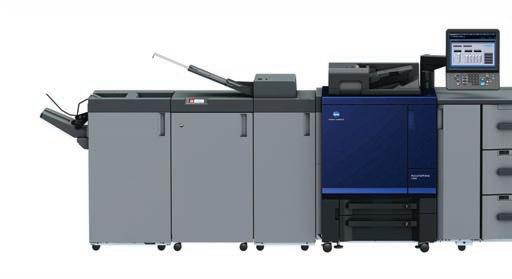
1.& 2. This May, Standard Finishing Systems held its annual VIP customer event in Andover, MA.
By OPS Magazine Staff
LOUPE (formerly Labelexpo) comes to North America this September at the Donald E. Stephens Convention Center in Chicago, IL. Attendees are invited to meet leading global suppliers at North America's largest event dedicated to labels, flexible packaging, and folding carton converting industries.
Visitors can expect access to 400-plus exhibitors across materials, presses, finishing, automation, and software; live technology demonstrations; education; and networking opportunities with converters, brand owners, and innovators; and comprehensive coverage of labels, flexiblepackaging, andfoldingcartons.
Among the hundreds of exhibitors, we highlightwhattoexpectfromafew.
A B Graphic International (ABG), booth3226,showcases14machinesand systems, highlighting solutions designed to help label and packaging converters improve efficiency, quality, and profitability.MakingitsNorthAmericandebut,the Galaxy GS20 Plus with PouchJet demonstratesABG's latestflexiblepackaging capabilitiesandmarktheintroductionof
ABG FlexPack to the region. Additional solutions displayed include the DigiLase Duo laser finishing system, a dedicated Wine Specification Digicon, and an advanced RFID Converting Line equipped withNSUandVectratechnologiesforintelligentinspection.INFO#199
Bobst, booth 5805, demonstrates the DIGITAL MASTER 340, an All-in-One, All-in-Linemodularandupgradablelabel presswithinlinequalitycontrolperforminginspectionandcalibrationin340millimetersprintwidth.INFO#200
BreitTechnologies, booth 6239, featurestheaffordableandsustainableholographic and tactile embellishment capabilitiesofCastandCure.INFO#201
CanonU.S.A.,Inc., booth6000,showcases digitaland flexographic printinnovation and versatility for labels, folding cartons, and corrugated applications.

Plans include introducing the modular Edale LabelLine platform. Canon also features the LX-D400 and LG-P800 on demand label printers, the imagePROGRAF and Colorado M-series wide format solutions for label and packaging applications, and previews the nextgeneration ofdigital production with the LabelStream LS2000 and corrPRESS iBl7systems.INFO#202
CARTES, booth 5710, presents solutions for label printing, embellishment, finishing, and converting, designed to help converters increase productivity, flexibility, andaddedvalue.Akeyfocusis CARTES' digital embellishment technology, including the Jet D-Screen system,
1. Mark Andy presents a lineup of technologies designedtounlockproductivityacrosskeyareasoflabel and packaging productionin booth 219. 2. Label producedbyaCARTESmachine,seemoreinbooth 5710.
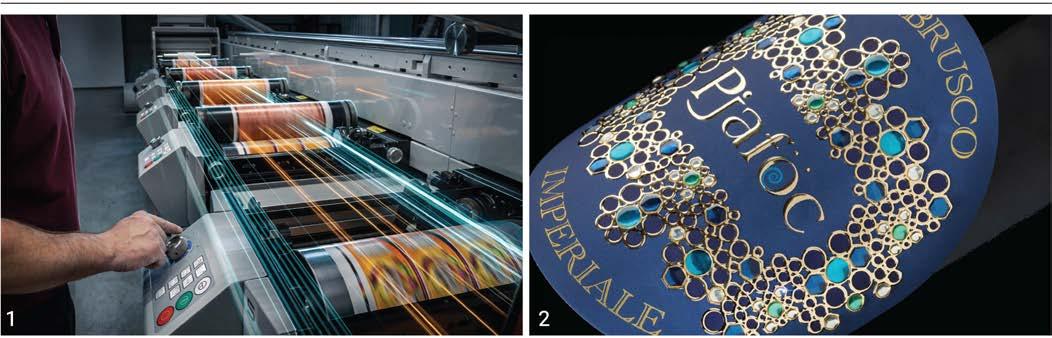

which enables converters to create highvalue effects with outstanding precision and flexibility. INFO# 203
Channeled Resources Group (CRG), booth 1011, showcases its label and pressure-sensitive solutions. The company helps converters, manufacturers, and supply chain organizations balance high-quality performance with bottomline savings through two key offerings— Pressure-Sensitive Roll Label Solutions and Label Solutions. INFO# 204 Colordyne Technologies, booth 6019, features the Colordyne 3800 Series Retrofit Platform, enabling hybrid production, variable data printing, and efficient short-run manufacturing. Attendees also learn about Colordyne’s new partnerships with DJM and Xaar. INFO# 205 Dantex Group, booth 6415, showcases its most advanced portfolio of Pico Digital Inkjet presses to date, led by the flagship PicoJet 1200 and the PicoColour 254. Engineered to deliver outstanding print quality, flexibility, and productivity, both presses highlight Dantex’s continued commitment to digital inkjet innovation and performance for modern label converters. Dantex also unveils new integrated software technology across both the PicoJet and PicoColour platforms. Designed to improve quality control, streamline operator workflows, reduce maintenance, and maximize uptime, the latest innovation enables converters to achieve higher
productivity, greater efficiency, and more confidence. INFO# 206 Domino, booth 6025, features the Domino N610i-R digital retrofit module and Domino K600i digital UV inkjet printer, with both digital printing solutions integrated on a Mark Andy flexographic press. The exhibit is positioned to show label converters how easy it is to add digital printing systems to their existing flexographic presses while not adding additional footprint, and saving valuable floor space inside their facility. INFO# 207
Durst Image Technology US, LLC, booth 3121, presents the American debut of the Tau G3 Peak, representing the next evolution in Durst TAU technology. It is engineered for converters seeking the highest levels of quality, productivity, and profitability. Alongside the G3 platform, Durst features the KJet, which is a hybrid solution built to deliver flexibility, efficiency, and reliability for all label converting environments. INFO# 208
Fedrigoni Self-Adhesives , booth 3107, highlights premium wine and spirits papers designed to elevate shelf presence while supporting performance in wet and humid environments, including textured, wet-strength, black, and cottonbased options. Fedrigoni also highlights roll label materials for food and beverage, home and personal care, and industrial applications, including removable constructions, durable synthetic options, water-soluble adhesive technology, and new thinner gauge BOPP solutions. Fedrigoni’s Application Development team is on-site to discuss material selection, performance requirements, and custom solutions. INFO# 209
Flint Group Packaging Solutions’ Narrow Web segment, booth 5821, showcases how advanced inks and coatings drive print performance, compliance, and sustainability. Featuring conventional UV Flexocure LEAP, UV LED EkoCure dual-cure, and water-based
technologies, the display highlights formulation expertise delivering consistent, high-quality results. Coatings enhance protection, durability, and shelf appeal. Technical experts discuss process optimisation, regulatory requirements, and sustainable strategies. INFO# 210
Graph-Tech USA, booth 6133, features its RFIDRunner, a high-speed industrial system that prints and encodes up to 10,000 UHF RFID tags in under 12 minutes. Featuring a triple-Impinj architecture for TID identification, encoding, and quality verification, the RFIDRunner ensures data integrity while reducing waste, consumable use, and labor requirements. INFO# 211
HEIDELBERG & Gallus, booth 3524, under the theme “Let’s Connect,” showcases how its latest technologies enable converters to move beyond fixed press setups toward more flexible, scalable production environments. Central to the booth is the “System to Compose” concept, brought to life through the Gallus machine configurator—an interactive tool for exploring customized configurations, applications, and workflows in real time. Visitors also experience Gallus Screeny’s new screen printing unit, demonstrating high-performance, precision technology for premium label applications. INFO# 212
HiFlow Solutions, booth 3131, highlights how its AI-powered, modular ERP/ MIS platform automates and accelerates the full business and production lifecycle with real-time visibility at every step. HiFlow also introduces HiFlow Quote, a standalone estimating solution built for the speed and complexity of modern converter operations. INFO# 213
Hybrid Software, booth 3007, focuses on practical AI-assisted workflows, color management, and high-performance rendering technology, addressing
3. INX highlights technologies engineered to help label and packaging converters in booth 129. 4 Hybrid Software focuses on practical AI-assisted workflows in booth .
practical production challenges, from automating routine tasks and improving color accuracy to increasing throughput in high-volume digital printing environments. INFO# 214
Identiv, booth 935, showcases a portfolio of RFID, NFC, BLE, and sensor-enabled inlays, tags, and labels that connect physical products with digital intelligence to build trust, transparency, and engagement across industries. Solutions on display include ID-Garment, ID-Safe, and ID-Tiny. Identiv also showcases its BLE portfolio for real-time visibility and environmental monitoring. INFO# 215
Infigo, booth 3002, highlights how label and packaging converters can connect the customer-facing ordering experience directly to their production stack—from first click to the production floor. Expect live workflow demonstrations with
ecosystem partners including CERM, and a speaker session on the operational shift from manual to automated order management. INFO# 216
INX, booth 129, highlights technologies engineered to help label and packaging converters balance recyclability, low migration performance, and production reliability across labels, shrink sleeves, flexible packaging, and folding carton applications. INFO# 217
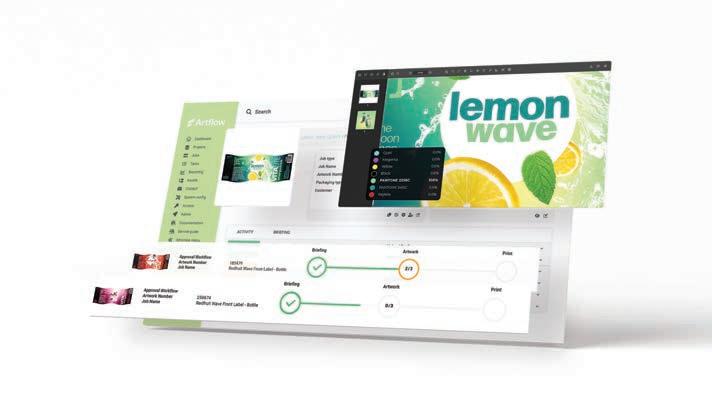
JetFx, booth 3034, showcases its retrofit solutions, which enable converters and printers to add high-value digital embellishments to existing presses serving labels, flexible packaging, folding cartons, and specialty print applications.
Built for real production environments, JetFx technology delivers digital foil, spot gloss, tactile coatings, dimensional varnish, cast-and-cure effects, security features, and variable embellishments without the need for traditional tooling. Brands and converters use JetFx to create premium shelf impact, increase product differentiation, improve workflow flexibility, and generate higher-margin opportunities. INFO# 218


KTI, a Quantum Design product line, booth 840, presents its newest generation MTR Series Turret Rewinder, highlighting automation technologies that help narrow web converters improve productivity, reduce waste, and simplify operation. The machine features KTI’s automated core loading and roll closure systems, designed to increase throughput while reducing labor and downtime. KTI also unveils the SmartSlit Advantage Series automated knife positioning system from Maxcess Tidland, which streamlines setup, improves safety, and enables quick recall of repeat slit patterns. INFO# 219
Mark Andy, booth 219, presents a lineup of technologies designed to unlock productivity across key areas of label and packaging production. From high-speed flexography and digital hybrid production to inspection, finishing, and smarter consumables management, each product is built to help converters expand application capabilities and invest in growth with greater confidence. INFO# 220
Meech International, booth 3600, showcases its latest web cleaning technologies for labelling and package printing, including the CyClean Non-Contact
Web Cleaning System and the CyCleanR Non-Contact Web Cleaning System. INFO# 221
Nobelus, booth 5916, invites attendees to explore a full range of label films and thermal flexible packaging solutions designed for the digital market. Feel Karess PET, a new soft-touch finish for specialty packaging along with EcoElement PE Thermal Sealants, all-PE films that support reverse printing on premium finishes for two-layer thermal packaging. For the label market, Nobelus showcases how soft-touch films and other specialty finishes can be combined with embellishments to make one-of-akind labels. INFO# 222
Rosas Maschinenbau, booth 6133, highlights two advanced inspection and finishing solutions focused on quality control, productivity, and RFID label production. INFO# 223
ROTOCON, booth 719, makes its North American debut alongside ROTOCON USA, showcasing a fully integrated label production line. Among products shown, a slitter/rewinder finishing system, highlighting the company’s broader portfolio of printing, finishing, converting, and automation solutions. INFO# 224
Siegwerk, booth 1024, exhibits its latest portfolio of inks, coatings, adhesives, and service solutions for the label sector, with a strong focus on product safety, sustainability, and compatibility with modern digital and hybrid printing workflows. INFO# 225
TechkonUSA, booth 5902, shows the latest generation of its SpectroVision InLine Color Measurement system, which can be retrofitted to most digital, flexographic, and offset presses. INFO# 226
TRESU, booth 1005, features the latest TRESU technology in flexographic web presses, chamber doctor blades, ink/coating circulation, and aftermarket blade and seal solutions. INFO# 227
UPM, booth 435, presents the new UPM ProCycle portfolio of recycling-compatible label solutions. UPM ProCycle offers consistent adhesion, efficient converting, and high print quality for rigid PET and HDPE plastics packaging. INFO# 228
Ultimate Tech, booth 5923, showcases live demonstrations of dynamic label workflows handling mixed jobs, variable data, and multiple shapes seamlessly on a roll or breaking down a roll into independent lanes. Visitors experience how the unified platform simplifies complexity, enabling personalization, shorter runs, and high-efficiency production at scale. INFO# 229
Vemax Finishing Systems, booth 440, highlights narrow and wide web slitter rewinders, doctor machines, turrets, and flexographic presses. Finishing equipment including inkjet presses, blank label production, and the web tech eco stretch wrinkle eliminator is also displayed. INFO# 230
Wausau Coated Products Inc., booth 1145, features a thoughtfully curated, hands-on display of specialty materials, including new introductions like Deckle Edge, Black Vellum Laminate, and Castile Copper Dual Metal. INFO# 231
Wink, booth 521, exhibits innovations under the theme The Art of Die-Cutting, including high-performance flexible dies with various refinements. INFO# 232
Labelexpo rebrands to LOUPE to include related packaging industries. While digital print represents a small portion of these markets, it is growing rapidly, presenting many opportunities to traditional label converters as well as print providers looking to expand into new markets.
Visit dpsmagazine.com for an extended version of this preview as well as continued updates on LOUPE Americas. dps
ByOPSMagazine staff
Coating is a popular method for both aesthetic and protective reasons. When it comes to digitally printed output, several nuances are considered for the best results.
Poor adhesion between the coating and the printed surface may lead to flaking.
Juan Soto, global director of web and coating, Harris & Bruno, explains that high-wax digital toners can create a lowdyne surface that makes it difficult for

interaction between toner, media surface characteristics, coating chemistry, and the application method:'
Digital-ready primers help adhesion by creating a more receptive surface between the print and the coating layer. "Instead of asking the coating to bond directly to coatings to properly wet out and anchor. a difficult toner or ink surface, the prim-
"Generalizing toners is a bit difficult be- er improves surface energy and creates
cause each OEM uses different chemis- a stronger foundation for pigmentation
adhesion. This is especially important in mixed digital environments where toner and ink sets vary widely. A well-matched primer can improve bond strength, reduce flaking, support better durability in finishing, and allow for higher value coating effects;' explains Soto.
Inline, offline, and near-line coating configtries and compounds. Especially with the increase in speeds, these toners will differ between models within the same OEM:'
In some instances using an inline corona treatment can change the dyne level and help with these challenging-to-coat toners, offers Soto. In other cases, chemistry alone may be a solution. "However, in a majorityof cases, the issue is not just the coating itself but the
in a majority of cases, the issue is not just the coating itself but the interaction between toner, media surface characteristics, coating chemistry, and the application method.
- Juan Soto, global director of web and coating, Harris & Bruno
urations each have a place in the industry, and the best fit depends on equipment, production goals, and job variations.
Chad Ferguson, VP of sales, MBO America, explains that MBO offers multiple web coating
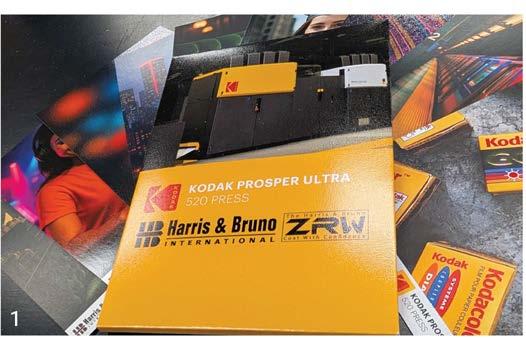
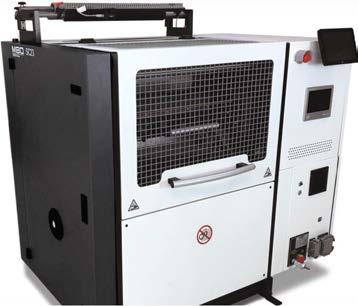
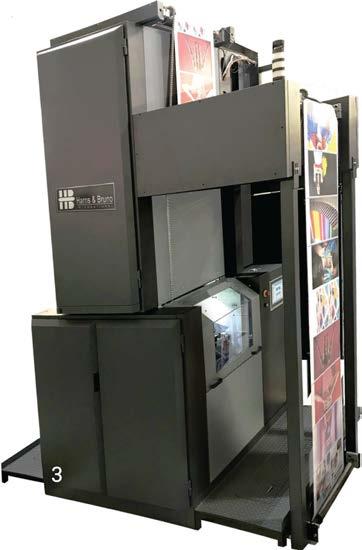
1.Harris&Bruno'shigh-speedZRWcoating systems are built to keep up with modern inkjet web press speeds. 2. The MBO SSC 23 Single-Sided UV Spot Coating Unit providestargeted, high-impact enhancements by applying coatingin preciseregistration.
solutions that are able to run inline with a press, or near-line-integrated within a finishing solution. "We position coating solutions inline with a press for maximum efficiency and throughput of flood coated-UV or aqueous (AQ)-especially in high-volume, roll-to-rollprintproduction."
Inline coating offers the greatest efficiency when the workflow is stable, has a repeatable application, and the press and coater are wellmatched, explains Soto.
While inline makes sense when volume is consistent, near-line configurations allow printers to stay agile without sacrificing too much efficiency, according to Ferguson.

Near-lineplacement offersa balance of flexibility and productivity, particularly in a printenvironmentwithmultipleroll-to-roll presses. Ferguson adds that the near-line placement allows coating from any availablepress, withoutthecapitalexpenditure of a dedicated coater for each press.
Near-line coating reduces handling and shortens turnaround times. "Ensuring that the coating unit can keep up with the press speed is critical to avoid bottlenecks or slowdowns. A great example of this is our ZRW Web Coater, which is frequently paired inline with digital web presses, specifically for its abilityto match press speeds;' notes Soto.
For many mid-sized shops, near-line is often a better long-term fit unless they have a consistent, high-volume production model. "Inline can be the right choice when the press and coater are engineered to run together and the workload justifies it, but many mid-sized operations benefit from the flexibility of near-line. It allows them to coat work from multiple sources and avoid having finishing constraints directly impact press productivity," shares Soto.
Offline coating provides independence from the press itself. Soto says it is ideal for shops that want a dedicated finishing step, need flexibility across multiple print sources or lines, or want to avoid tying coatingdirectlyto press uptime.
Seepage 26 for more information.

ContiWeb
DuploUSA Corp.
EMTInternational
GraphicWhizard
Harris&Bruno
Hoenle
Kompac
KonicaMinolta
MBO America
Scodix
TEC Lighting
TRESU Group

For example, many printers use the Harris & Bruno ZR sheet-fed coater specifically as a hub to route workrequiring coating. "The ZR is especially enticing for its dependability in high-volume environments to deliver consistent results and recall recipes for past jobs. The trade offmay be additional handling and one more production step, but generally we can typically show higher throughputs than anything else on the market," comments Soto.
A range of coating equipment serves the digital print space, from roll-to-roll to sheet-fed applications in AQ and UV. Here are equipment highlights across this range of options.
Contiweb I The Contiweb Variable Coater (VC) is a high-end system that can post-coat paper after printing it. The VC uses patented automated metering technology to precisely apply the coating layer on the web, causing no standstill during a web width change or when changing the coating layer thickness. The Contiweb VC also allows users to prime low-cost offset paper in house. According to the company, this allows for savings up to 30 percent on paper costs compared to mill treated inkjet paper.
Duplo I Duplo offers digital spot UV coaters including the DDC-810 and DDC-8000. The DDC-810 provides print embellishment up to B3 size without the use ofscreensordies. The glossyshine of the varnish elevates printed applications into premium products delivering standout designs with texture that you can touch and feel. The DDC-8000 offers an optional inline foil processing, expanding the possibilities for accurate digital spot UV printing. With Spot UV printing and foil processing with a three-dimensional effect, users can realize a more luxurious print sheet. In addition, it supports 3. Harris & Bruno's fully automated ExcelCoat ZRW features a quick change sleeve system for both aniloxand applicatorrolls.
B2 size paper and can propose spot UV printing plus foil processing solutions for the packaging industry.
EMT International | The Chameleon Coater/Primer/Printer is available in three models. The UVF20 is a high-performance coater designed to deliver outstanding results for a range of substrates. It can deliver a matte or gloss finish and integrate with new or existing digital print production and finishing lines.
The Chameleon Coater is suitable for roll-to-coat to sheet, roll-to-coat to fold, roll-to-coat to bind, and roll-to-coat to roll applications, making it the perfect solution for postcards, book covers, calendars, mailers, yearbooks, brochures, photobooks, and manuals.
Graphic Whizard | The VividCoater Series of UV coaters are a low maintenance UV cured coating system that produces a high-quality finish to the printed sheet. With a range of finish options, including satin, soft touch, matte and high gloss, UV coating not only makes printed products more lively and brilliant but also offers powerful protection against friction and fading. Compared to conventional solvent-based coatings, the VividCoater produces virtually no volatile organic compounds and is considered to be environmentally friendly.
Harris & Bruno | Harris & Bruno offers a range of coating solutions designed for various print environments. Its chamber-anilox technology has been the heart of its systems for over 50 years. They are used in both sheet-fed and web applications and are valued for their consistency, clean laydown, and ability to support a variety of both AQ, UV, and priming applications.
On the sheet-fed side, the ZR units support both standalone and integrated coating workflows for digital print providers looking to improve protection, appearance, and overall piece value.
On the web side, the high-speed coating ZRW systems are built to keep up with modern inkjet press speeds for
applications such as pre- and post-coating. In some instances printers will have a ZRW before and after their print unit so that they can both pre-coat and post-coat in a single run.
The company also offers Synergy Coatings, its proprietary line of AQ, UV, and specialty coatings. Developed with its application systems, these coatings target customers that want predictable performance, strong visual results, and dependable production efficiency.
Hoenle | Hoenle’s UV systems for curing coatings deliver high-quality results even on heat-sensitive substrates. The customized converting solutions are used for the most demanding surface finishing applications—for example, in adhesive curing, siliconizing, hard coating as well as matting. The advantages of its coating solutions are the combination of functionality, protection, and sensory appeal. Scratch resistance, additional features, and durable surfaces are achieved through innovative technologies such as curing in inverted conditions. At the same time, tactile surfaces add emotional value for end customers.
Kompac | Kompac provides flood and spot UV/AQ coaters, such as the Elite and EZ Koat systems designed specifically to work inline with digital printers.
Konica Minolta | Konica Minolta offers the MGI JETvarnish 3DS, which provides customers with ultra-precise spot coating—handling digital or offset originals in long or short runs, even varying the thickness of your coating for attractive prints with tangible depth that increases communications impact.
MBO | MBO offers two inline coating solutions designed to support a range of applications and production environments, giving operators flexibility in how to add value to a finishing line.
The SSC 23 Single-Sided UV Spot Coating Unit provides targeted, high-impact enhancement by applying coating in precise registration to highlight elements like logos, images, or text—ideal
for direct mail and marketing pieces where differentiation matters.
For full coverage, the FC 23 Coating Unit, available in AQ, UV, or a combination applies consistent coating across the entire web at production speeds, adding durability and tactile finishes such as gloss or matte, making it well suited for high-value printed collateral.
Together, these solutions allow users to position coating as both a creative enhancement and a functional upgrade, helping expand capabilities and increase overall value in every printed piece.
Plockmatic | The Plockmatic DigiCoater Pro 400 HD-LED Paper coating machines provide an ideal finish that enhances and protects printed sheets. Environmentally friendly and featuring a unique curing process, this coating machine adds value to printed sheets at a fraction of the cost of traditional laminating, according to the company.
Scodix | The Scodix Ultra 6500 SHD is designed for packaging, publishing, commercial printing, and trading cards. It offer 17 Scodix Applications and is a B1/41-inch format machine.
TEC Lighting | Among its offerings, TEC Lighting provides the GX Coater. It is developed for B2 coating applications and is designed to set new benchmarks in versatility and productivity. The device is capable of running up to 4,500 sheets per hour, maximizing throughput and efficiency.
TRESU Group | TRESU’s modular coating systems apply full-surface, spot and line varnishes inline with the latest digital printing presses from OEMs.
Coating is a popular and often required finishing task for an array of digitally printed applications. Inline, near-line, and offline solutions are available in both AQ and UV formats.
Working with an experienced provider is recommended when determining the best fit for your environment. dps

can provide practical insight into benefits, things to watch out for, and things you just shouldn’t do,” offers Mohni.
From there, take an honest inventory of your true core assets. That includes equipment and workflow, but equally important are customer relationships, operational strengths, and institutional knowledge. Matlock and Webster point out that successful diversification is rarely about starting from scratch; it’s about extending what already works. Building on existing assets—rather than committing prematurely to major new investments—reduces risk and accelerates returns.
It is important not to overlook inhouse talent during these assessments. Providers should understand the capabilities their teams already possess and where those skills can be elevated or scaled through targeted investment, whether in training, automation, or software. “At the same time, the industry faces ongoing attrition in competency and legacy expertise. The skills available today may not exist five years from now. If diversification is part of the long-term strategy, investment in people and knowhow needs to begin now. Knowing your assets and acting early creates a strong foundation for diversification,” state Matlock and Webster.
1.
2.
In addition to organizational assessments, certain equipment and application focuses offer diversification routes, including embellishments and technologies that enhance the print experience.
One of the most common paths to expanding a print business is investing in workflow automation. Cole shares that by streamlining production and administrative processes, print providers can increase efficiency, improve profitability, and expand overall capacity without adding significant overhead. “This automation not only reduces costs and errors but also frees up time and resources, allowing leadership and staff to focus on exploring and developing new services, solutions, or business opportunities beyond traditional print.”
Tressler encourages print providers to invest in digital finishing like foil, spot UV, and embossing. “These tactile elements are things a screen simply cannot replicate and are the hallmark of ‘prestige’ print.”
Some providers miss opportunities to enhance the overall output and customer experience by not exploring complementary technologies, such as digital embellishment using five- or six-color printing. “These tools add value, differentiate offerings, and open the door to higher margin applications, but only when integrated into a broader, technology-driven strategy,” comments Cole.
Matlock and Webster liken this to leading with equipment instead of strategy, noting one common mistake is investing in new presses or software before defining the business problem they’re meant to solve or how they fit into the overall operating model.
Additionally, consider use of NFC tags, quick response codes, and augmented reality to help turn physical documents into digital portals. “This makes the printed piece a high-end key to a digital experience,” adds Tressler.
Bacon-Davis feels that one of the most natural expansion paths right now is label production because labels are one of the fastest-growing segments in print, while many traditional print categories remain flat or continue to decline. “More products, more SKUs, faster launches, and shorter runs have completely changed what brands need from print providers. Unlike banners or one-time signage projects, labels reorder constantly. That makes them less of a project and more of a recurring revenue stream.”
Packaging is another area with a lot of potential. With the rise of ecommerce and boutique brands, Tressler points to massive demand for high-quality, customized packaging that enhances the ‘unboxing’ experience.
Specialty substrates also play a role in expanding applications. Cole feels that clients looking to diversify their print business should explore markets that require specialized materials rather than competing solely in commoditized print segments. “Focusing on substrates such as sustainable, synthetic, or waterproof materials can open the door to new applications and industries, including outdoor signage, packaging, industrial labels, and environmentally conscious brands. These materials often command higher margins and allow print providers to differentiate their offerings while meeting emerging customer demands,” offers Cole.



strategy. That means going beyond technology decisions and examining who influences growth, how customers buy, and whether the organization is structured to support change,” stress Matlock and Webster.
Matlock and Webster feel that new services introduce additional process requirements, staffing considerations, and service expectations that can strain an organization if they’re not addressed upfront. Sustainable expansion depends on trusting the leadership team to assess readiness, validate capabilities, and guide decisions based on facts rather than assumptions. “Ultimately, the most successful growth paths are driven by disciplined execution, operational clarity, and strong leadership, rather than by technology investment alone.”
Bacon-Davis says the biggest mistake she sees PSPs make when diversifying is assuming they need to reinvent their business overnight. “They overcomplicate it. The shops that succeed don’t try to reinvent themselves overnight. They start with a few repeat jobs, learn the margins, and grow from there. Diversification works best when it feels operationally manageable, not chaotic.”
Cole points to the misstep of focusing exclusively on hardware and not supporting technologies that enable scalability and efficiency. “For example, without investing in automated MIS or ERP systems and web to print solutions, new equipment alone often fails to deliver meaningful growth or profitability.”
Matlock and Webster warn that diversification should not be a manufacturing decision. “Traditional inputs and outputs have changed. Value creation increasingly happens beyond production, yet many providers still focus only on the plant floor.”
Matlock and Webster encourage print providers to drill down on understanding core assets before expanding. “Providers often diversify without a clear view of their true strengths—people, processes, customer relationships—resulting in more work without meaningful margin improvement.”
Mohni suggests taking your time when evaluating your options. “Make sure that whatever option you choose aligns with your overall value proposition as a company and with your values as an organization. In addition, involve as many functional areas as possible in the evaluation and decision-making process. Getting your internal team on board and, more importantly, excited about these new opportunities will go a long way to achieving success, especially when things don’t go 100 percent to plan. And realistically, everyone knows there will be challenges along the way.”
It is important not to make decisions based on assumptions, but rather validated demand. Doing so avoids offerings that are technically possible but commercially weak, say Matlock and Webster.
Another pitfall to avoid is treating new services as side projects. “When diversification efforts aren’t fully integrated into the business—with ownership, process alignment, and accountability— they struggle to scale,” they comment.
This also applies to sales. “Sales teams are often insufficiently trained to sell new services, limiting adoption and return on investment,” comment Matlock and Webster.
Topline expansion without improvements in margin, scalability, or competitive position can ultimately weaken the business, they add.
While automation is all the rage, automating too early can be a mistake. Matlock and Webster warn that if providers add automation before demand, workflow maturity, or sales readiness are established, they’ll increase cost and complexity prematurely.
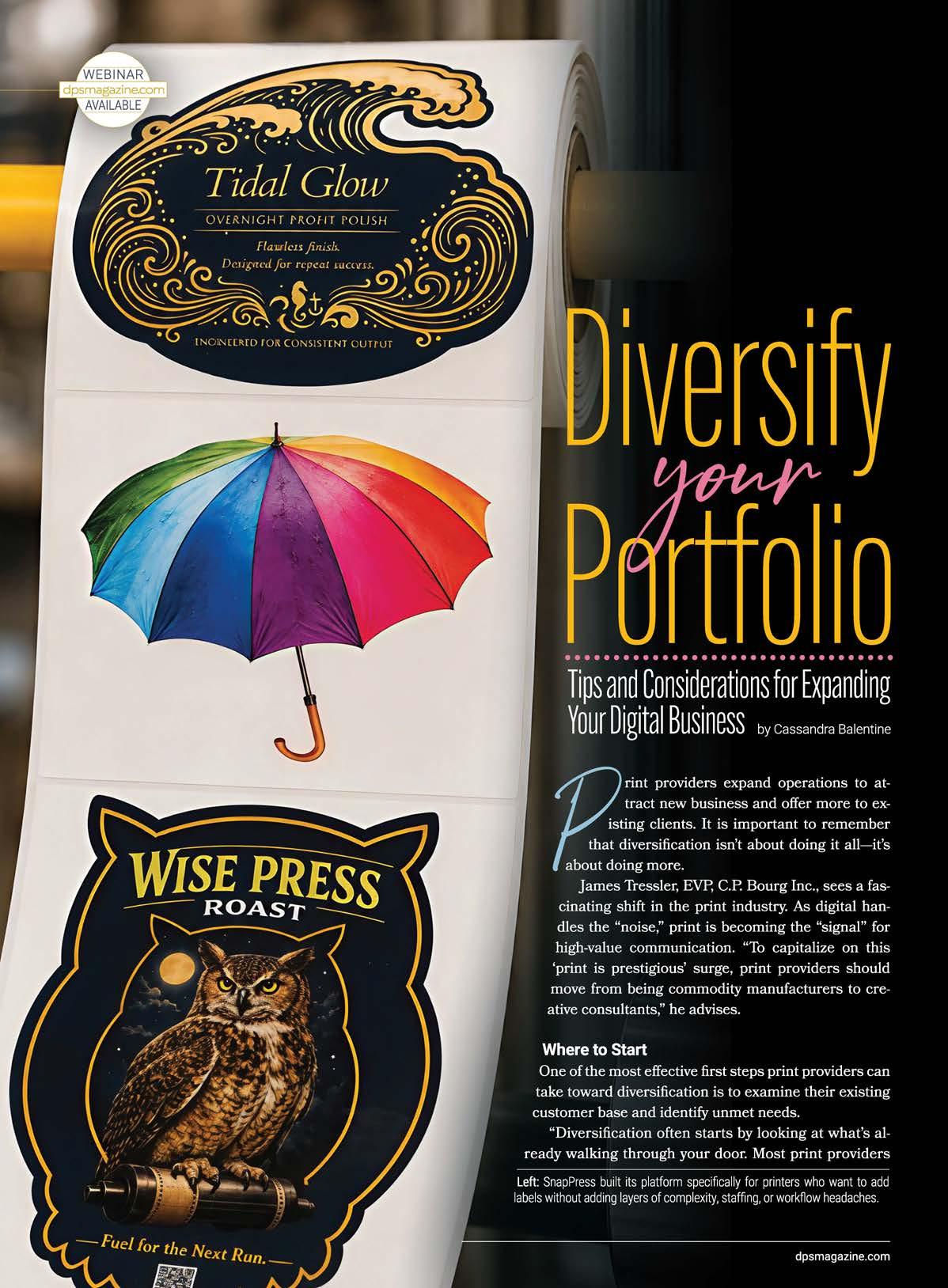
Bacon-Davis points out that systems matter. “At SnapPress, we built the platform specifically for printers who want to add labels without adding layers of complexity, staffing, or workflow headaches. The press, software, workflow tools, and support are engineered to work together so shops can start producing confidently and profitably much faster than the traditional ‘piece it together and hope for the best’ model.”
Print providers have many ways to expand applications to offer more to existing clients and broaden revenue opportunities. From finishing to workflow, the first step is an operational assessment. Find ways to leverage existing equipment and staff to limit the need for additional investments and consider the actual profit potential before jumping in.
Matlock and Webster offer several tips, including clearly defining the offering, choosing the right customers first, limiting initial scale, deliver manually before automating, price honestly and sustainably, assign clear ownership, track the right metrics, follow up with customers consistently, and make fast go/no go decisions.
Check out our recent webinar on this topic, Diversifying Your Print Portfolio, at dpsmagazine.com/webinars. dps

JoshHoward,seniordirector,inkjetR&D, printoperations,Kodak.
Asqualityhasimproved, inkjetisnow betterpositionedtohandlehighercoverage work, more demanding substrates, and applications such as direct mail, books, catalogs, magazines, and other jobs that increasingly need offset-like qualitywith digital flexibility. "Thatcombination of productivity, economics, and applicationexpansionisdriving broader offset-to-inkjetmigration," heattests.
From piezoelectric to continuous drop on demand and thermal inkjet, printheadtechnologycontinuesto advance.
A key element in Canon's web-fed inkjet printhead implementations is the proprietaryinnovations the company applies to optimize ink control, jetting performance, printconsistency, and operational reliability. "Our differentiation lies in the intelligence layered with the printheadtuming excellent hardware into an exceptional print system;' says Lucy Perez-Sierra, senior manager, product strategy, CanonU.S.A,Inc.
Canon utilizes advanced technologies such as Digi-Dot multi-level modulation to enable precise droplet control and Pre-Fire technology to help ensure stable jetting from the first print. "Innovations like printing on the ramp allow us to maintain quality and registration during acceleration and deceleration, to minimize paper waste and time to first sellable print while helping to maximize uptime," offersPerez-Sierra.
Water-jacketedprintheadshelpensure thermal stability under demanding duty cycles, allowing for extended high-speed operation without compromising print quality or nozzle reliability over time. Perez-Sierra says automatic printhead cleaning with micro purges proactively
1. Canon utilizes advanced technologies such as Digi-Dot multi-level modulation to enable precise droplet control and Pre-Fire technology to help ensure stable jettingfromthefirstprint.
maintains nozzle performance to reduce operatorintervention, optimizeproductivity,andhelpextendprintheadlife.
Additionally, to facilitate consistent output across the press width and over time, Perez-Sierra says Canon employs advanced color uniformity controls, reinforced by Canon Image Quality Control (IQC) technology. Using Nozzle Activation Control (NAC) and Nozzle Uniformity Control (NUC), the system continuously monitors and compensates for nozzle performance in real time.
"Our advantage is how intelligently we control, monitor, and optimize the printhead. By combining advanced jetting science, thermal management, automated maintenance, and real-time qualityintelligence,weofferoutstanding image quality, consistency, productivity, and long-term reliability, translating to lowertotalcostofownership and higher customer value," addsPerez-Sierra.
With a fully integrated approach spanning printheads, inks, presses, and workflow software, HP continues to investintheevolution ofweb-fedinkjet.
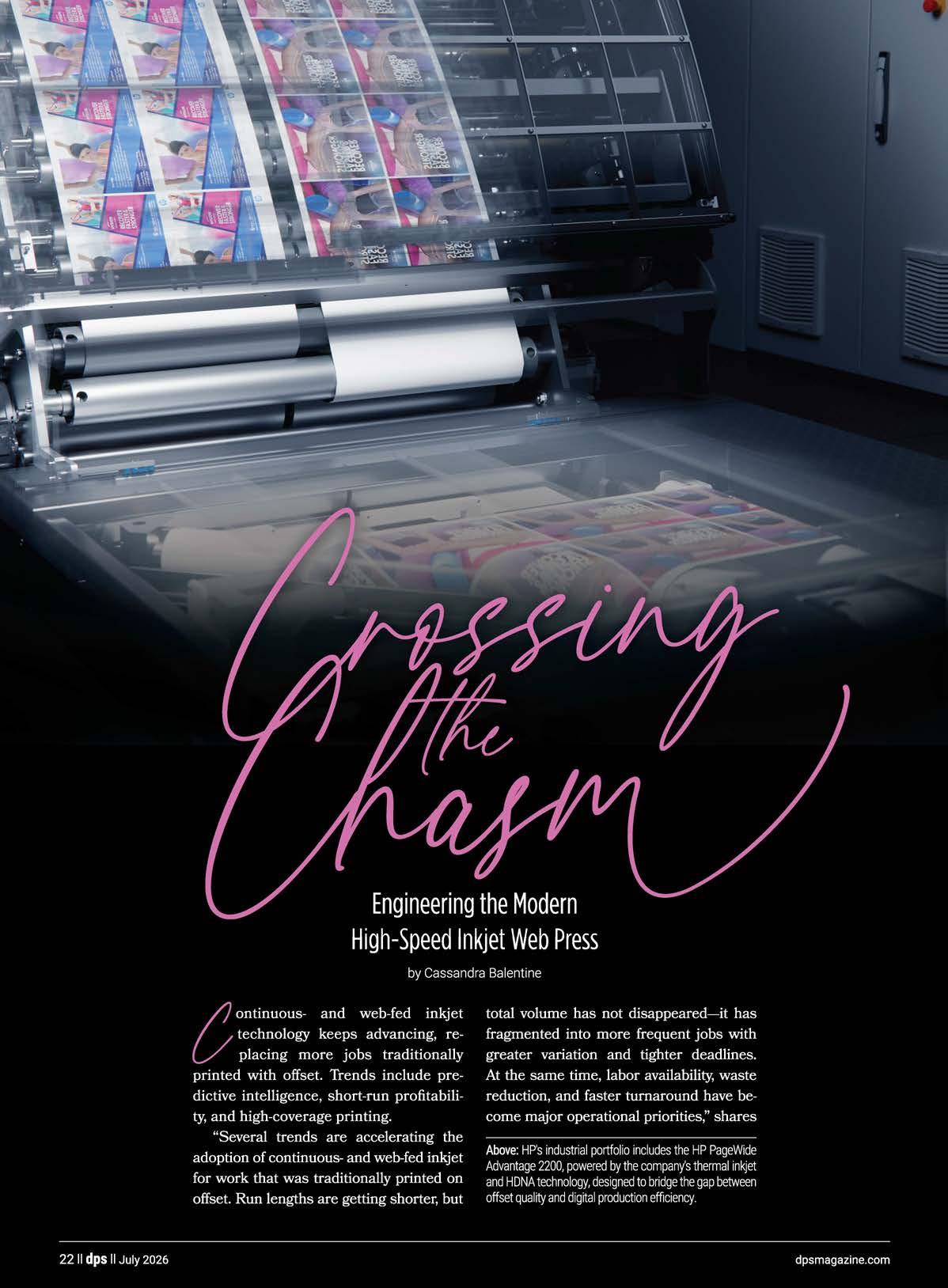
Its PageWide Industrial portfolio includes the HP PageWide Advantage 2200, HP PageWide Web Press T4250 HDR, and HP PageWide Web Press TS00M HD,allpoweredbythecompany's proprietarythermal Inkjettechnologyand High Definition Nozzle Architecture-or HDNA-to bridge the gap between offset qualityanddigitalproductionefficiency.
According to HP, PageWide customers have collectively printed more than 1.2 trillion pages worldwide, highlighting the continued adoption of web-fed inkjettechnology.
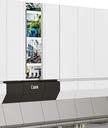
Kodak printheads are part of a fully engineered continuous inkjet platform, not just a standalone component. Howard explains that Kodak designs the printheads, inks, imaging architecture, fluid delivery, workflow, and service model to work together, which helps deliver stable output, consistent pigment density, and reliable performance over long runs. "Our continuous inkjet architecture also supports accurate drop placement at very high speeds, broad substrate versatility, and industrial duty cyclesthatenablecustomers toruncontinuouslyratherthanepisodically."
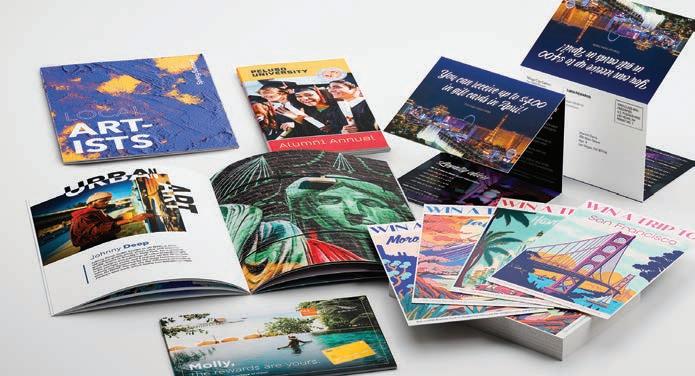
KODAK ULTRASTREAM Continuous Inkjet Technology delivers very small drops and high resolution for offset-comparable output, while KODAK Stream Technology continues to push extreme productivity for high-volume production. These advancements are driven by what printers need most today-theabilitytomigrateoffset workto digital,handleshorterandmorevariable runs profitably, maintain image quality at speed, reduce operator dependency throughgreaterautomation,andexpand onto coated papers, glossy stocks, and other demanding applications without sacrificing throughput.
Ricoh's continuous-feed inkjet printheads are based on an industrial grade piezoelectric design developed over decades in demanding applications, such as large format printing, textiles, biomedical, and ceramics. "Experience across these industries has shaped a platform focused on durability and stable performance in high-volume production environments," says Tim Bolton, senior manager, product management, Ricoh USA, Inc.

2
Built in-house using Ricoh’s Gen 5 piezo technology, Bolton explains that the printheads give direct control over performance and lifecycle reliability. They are designed for continuous operation with precise drop placement, supporting high uptime and image stability in web-fed production. “These characteristics are especially important for operations moving from offset to inkjet, where expectations for consistency and repeatability remain high.”
The latest advancements across Canon’s ColorStream and ProStream are driven by evolving customer demands for higher image quality, greater efficiency, and long-term stability. “As customer applications continue to evolve—spanning
2. Ricoh’s continuous-feed inkjet printheads are based on an industrial-grade piezoelectric design developed over decades in demanding applications, such as large format printing, textiles, biomedical, and ceramics. 3. KODAK ULTRASTREAM Continuous Inkjet Technology delivers very small drops and high resolution for offset-comparable output, while KODAK Stream Technology continues to push extreme productivity for high-volume production.
transactional, direct mail, publishing, and high-value commercial print—our technology roadmap has been shaped by the need to deliver offset-like quality, digital agility, and predictable performance at scale,” comments Perez-Sierra.
To maintain consistency across long runs and wide webs, the ProStream platform leverages advanced Canon IQC, including NAC and NUC and the ColorStream platform leverages CUC. “These technologies continuously monitor and compensate for nozzle-level variations in real time, supporting exceptional color uniformity and repeatability, minimized artifacts, and reliable output that can remain stable not just page-to-page, but roll-to-roll and press-to-press. These controls are particularly valuable as customers expand fleets and demand interchangeability across production lines,” offers Perez-Sierra.
Along with consistency, productivity and uptime are key drivers, resulting in innovations such as water-jacketed printheads, intelligent printhead capping, and automatic micro-purge cleaning, all designed to maintain stable
performance and minimize operator intervention and total cost of ownership, adds Perez-Sierra. “These innovations are deployed across one or both of the product families, with ProStream building on this foundation to help meet the needs of higher value, image-critical commercial applications, while ColorStream continues to deliver outstanding quality and throughput in transactional and publishing workflows.”
Another important distinction, advancements are driven by real-world production requirements, not theoretical performance gains. Perez-Sierra points out that customer feedback, application expansion, and the increasing convergence of offset and digital quality expectations have all influenced our development priorities. The result is a technology roadmap focused on predictable, repeatable quality at scale; faster job stabilization and reduced waste; lower operational complexity for production teams; and sustained performance over long press lifecycles.
Together, these advancements reflect Canon’s commitment to delivering predictable, high-quality production inkjet solutions—with Canon ColorStream for high-volume transactional and publishing applications, and ProStream extending those capabilities into higher value, image-critical commercial print. “While the ColorStream and ProStream product families address distinct market segments, they share a common technological DNA—rooted in intelligent printhead orchestration, advanced image quality control, and production-first engineering. These latest advancements enable both platforms to not only meet today’s requirements but are positioned to support the next generation of inkjet applications as customer expectations continue to rise,” states Perez-Sierra.
Howard feels that several Kodak advancements support higher productivity on shorter, more complex runs. Automated maintenance features and operator-replaceable printheads help COMPANIES MENTIONED



Technology adds even finer drops and Bolton explains that heat is one of offset-level consistency, particularly as higher effective resolution, but the big- the biggest challenges for inkjet prin- moreapplicationsmovetoinkjet. ger advantage is how those capabilities theads, particularly during long, hightranslateintorealprintedoutput-better highlight detail, smoother gradations, improved line straightness, more natural images, and stronger overall visual qualityonthepage.KODAKEKTACOLOR and KODACHROME Inks are also critical becauseimage qualityis notjust about how small a dot is, but how well the ink performs on the substrate-deliveringhighopticaldensity, stablecolor, clean drying behavior, and consistent resultsacrosslong runsanddemanding finishing environments. The goal is not resolution for its own sake; it is deliveringimage qualitythatlooksbettertothe customerandremainsconsistentinreal productionconditions.
ForRicoh,tworecentadvancements significant to its continuous-feed inkjet development include liquid cooled printhead technology and real-time nozzle compensation.

speed runs. Even small temperature fluctuations can cause visible quality defects. "Liquid cooling stabilizes printheadtemperature,whichimprovescolor consistency from start to finish, reduces mechanical stress, and extends overall printhead life. The result is greater durability and more predictable performance in demanding production environments," notes Bolton.
As for real-time nozzle compensation, Bolton feels that random nozzle deviation or misfiring has been one of inkjet's biggest challenges. "Today's systems detect andcorrect nozzle issuesin real time by adjusting neighboring nozzles. This reduces visible defects and keeps production running without operatorintervention."
According to Bolton, both advancementsweredriven bycustomer demand for higher uptime, longer runs, and
The adoption of high-speed inkjet, specifically continuous- and web-fed implementations are driven by the growth of dataanddigitallyenabledbusinessmodels. Print providers look for high speed, digital flexibility, and quality-all which arematched bythesemodernsolutions. "Web-fed inkjet is increasingly seen not as an alternative, but as a strategic complementtooffsetinmodernprintoperations," offers Bolton. "Higher quality and greater media flexibility mean that morejobsnowfallintothe'viableoninkjet' category, including applications historically reserved for offset. As a result, continuous-feed inkjet is increasingly viewed as a true production alternative for a wider mix of commercial, publishing,anddirectmailwork," heconcludes. Wecontinuethisdiscussiononlineat dpsmagazine.com. dps