

Roberto Rocco (TU Delft)
Juliana Gonçalves (TU Delft)
Hugo Lopez (TU Delft)

Funded by the European Union. Views and opinions expressed are however those of the author(s) only and do not necessarily reflect those of the European Union or the European Climate, Infrastructure and Environment Executive Agency (CINEA).
Neither the European Union nor the granting authority can be held responsible for them.







To provide policymakers, planners and citizens with the LANGUAGE and the TOOLS
to discuss JUSTICE in urban development and planning.
A package of concepts, models, tools and resources
The Spatial Justice Package

1. Spatial Justice Conceptual Model (model)
2. Spatial Justice Matrix (matrix)
3. Spatial Justice Benchmarking Tool (tool)
4. Justice Readiness Level (JRL) (model)
5. Citizen Voice (tool)
6. Spatial Justice Handbook (resource)
7.Strategic Planning Cycle (model)
8.Catalogue of UP2030 tools (resource
9.Catalogue of SJ Tools (resource)
10.Special number (PPR) (publication)
1. Spatial Justice Conceptual Model (SJCM)
Unpacks Spatial Justice into applicable components for broader use. Visual + Text
2. Spatial Justice Matrix (SJM) Provides criteria, recommendations, and references for Spatial Justice.
3. Spatial Justice Benchmarking Tool (SJBT) Evaluates, discusses, and reflects on Spatial Justice considerations.
4. Justice Readiness Level (JRL)
5. Citizen Voice
survey for collecting spatial data from stakeholders, emphasizing participatory processes.
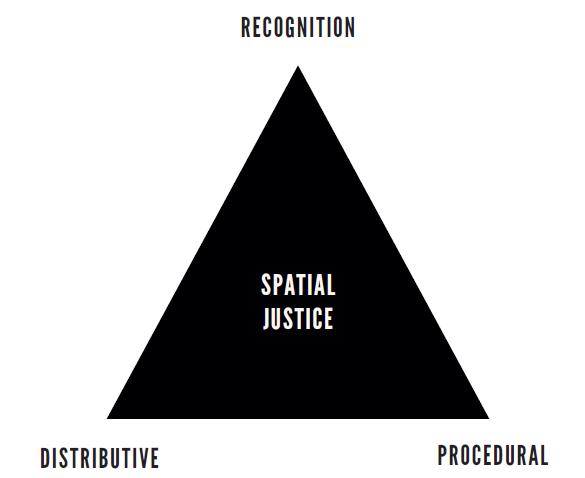
• “Justice for planning”. Spatial Justice provides a framework for understanding the complex interactions between space, society, and the environment.
• Three fundamental, indissociable and mutually-supporting dimensions.
• Distribution of burdens and benefits of our life together (the outcomes), but also about the recognition of diverse needs and trajectories of those affected (recognition) and about the decision-making processes that shape our spaces (the processes).
• Spatial justice: a "meaning-giver" (assigning value) and a "sensemaker" (creating understanding) for regional / urban development policy and projects. Provides critical lens through which the spatial dimensions of justice and equity can be understood and addressed.
• Without a justice-oriented approach, urban planning and policymaking risk exacerbating social inequalities.
• Overlapping and mutually reinforcing socio-ecological crises affecting cities and regions.
• Main concepts used by cities in response: sustainable urban development, smart city, 15-minute city, circular city, resilient city…
• Critique: lack of a justice perspective.

• Result: failure of these concepts to deliver on their promises, exacerbating inequalities and creating new forms of dispossession (Shelton, 2015; Wiig, 2016; Thatcher, 2016; Savini, 2019; Amorim, 2021).

• Space is not a neutral backdrop to human activity but is actively produced, shaped, and contested by social processes, power dynamics, and institutional practices.
• The "spatial turn" in the social sciences represents a paradigm shift: recognizing the significance of space in shaping social relations, processes, and outcomes.
• Justice must underscore all actions taken to promote sustainability “any law or institution, no matter how efficient or well-organised, must be reformed or abolished if it is unjust” (Rawls, 1971).
• Poor spatial planning and policymaking can deepen existing inequalities, concentrating disadvantage in certain areas while privileging others.
• Spatial Justice demands a re-evaluation of planning and policy decisions.
Why to evaluate spatial justice considerations?

• Processes are as important as outcomes.
• Compare: compare plans for academic and knowledge transfer reasons.
• Monitor: This entails identifying burdens and vulnerabilities, empowering communities, and fostering plurality.
• Inform just transition policies and plans.
• Tools for such assessment are missing.
• Spatial Justice Benchmarking approach comprising a conceptual model, a rubric, a tool, and this evaluation of city plans.
Reference to the dimensions of justice in the selected articles
NO REFERENCE

DISTRIBUTIVE
PROCEDURAL
RECOGNITION
Preliminary Results from the Literature Review on Assessing Spatial Justice*:
• Growing Interest: From 2022 to 2023, there was a 120% increase in articles with the explicit objective of assessing Spatial Justice.
• Distributive Justice is Central to the Assessments: 75% of the articles directly reference the distributive dimension of justice.
• Need for a Comprehensive Method of Assessment: 53% of articles reference at least two dimensions of justice, while only 35% reference all three dimensions of justice.
• Most Common Methods of Assessment: The most common methods of assessment were GIS-based measures (17%) and compound indexes (11%).
*: 63 articles were systematically selected from the Scopus database, including articles that apply different research methods to assess SJ at any geographical scale.
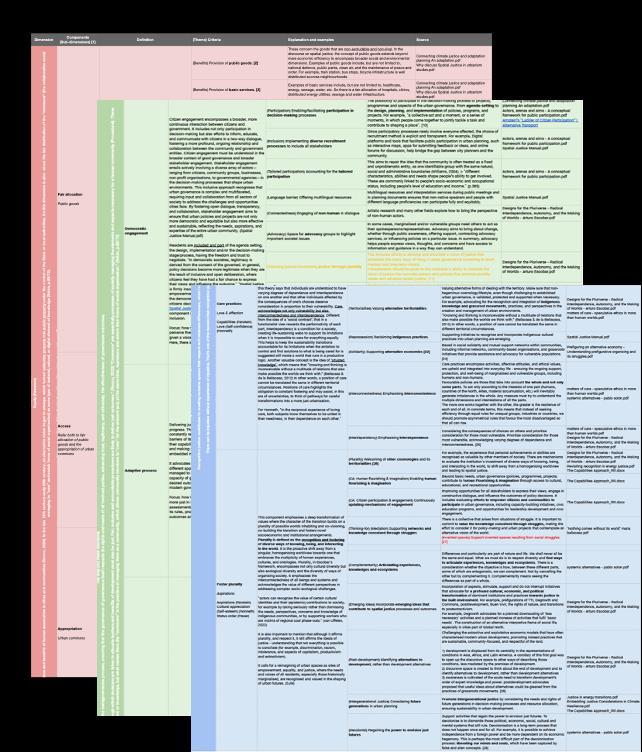
Provides criteria, recommendations, and references for Spatial Justice.
The Matrix is based on an extensive literature review.
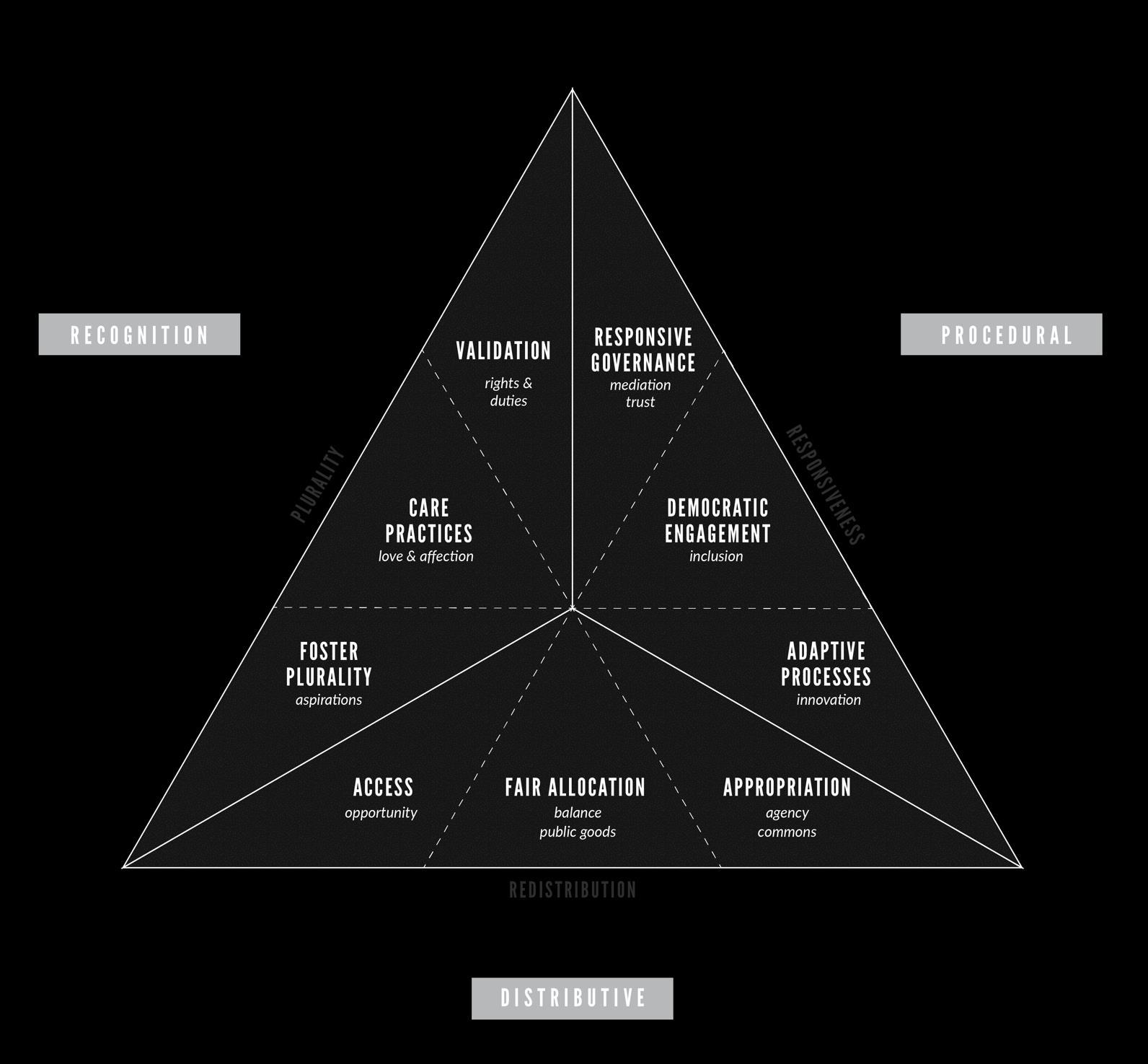
Unpacks Spatial Justice into applicable components for broader use.
• Spatial Justice concept broken down into more applicable components and goals of each dimension.
• As an analytical tool, the framework allows a structured way of assessing the levels of justice, while drawing attention to the underlying components that build each dimension.
• Aim: exposing sustainability transition discourses to the clarity/values of spatial justice, validating its potential not only as a normative perspective but also as an analytical tool for examining and evaluating urban sustainability transitions.
• In the next phase, this framework is used to develop recommendations to support the design, implementation, and evaluation of just sustainability transitions.
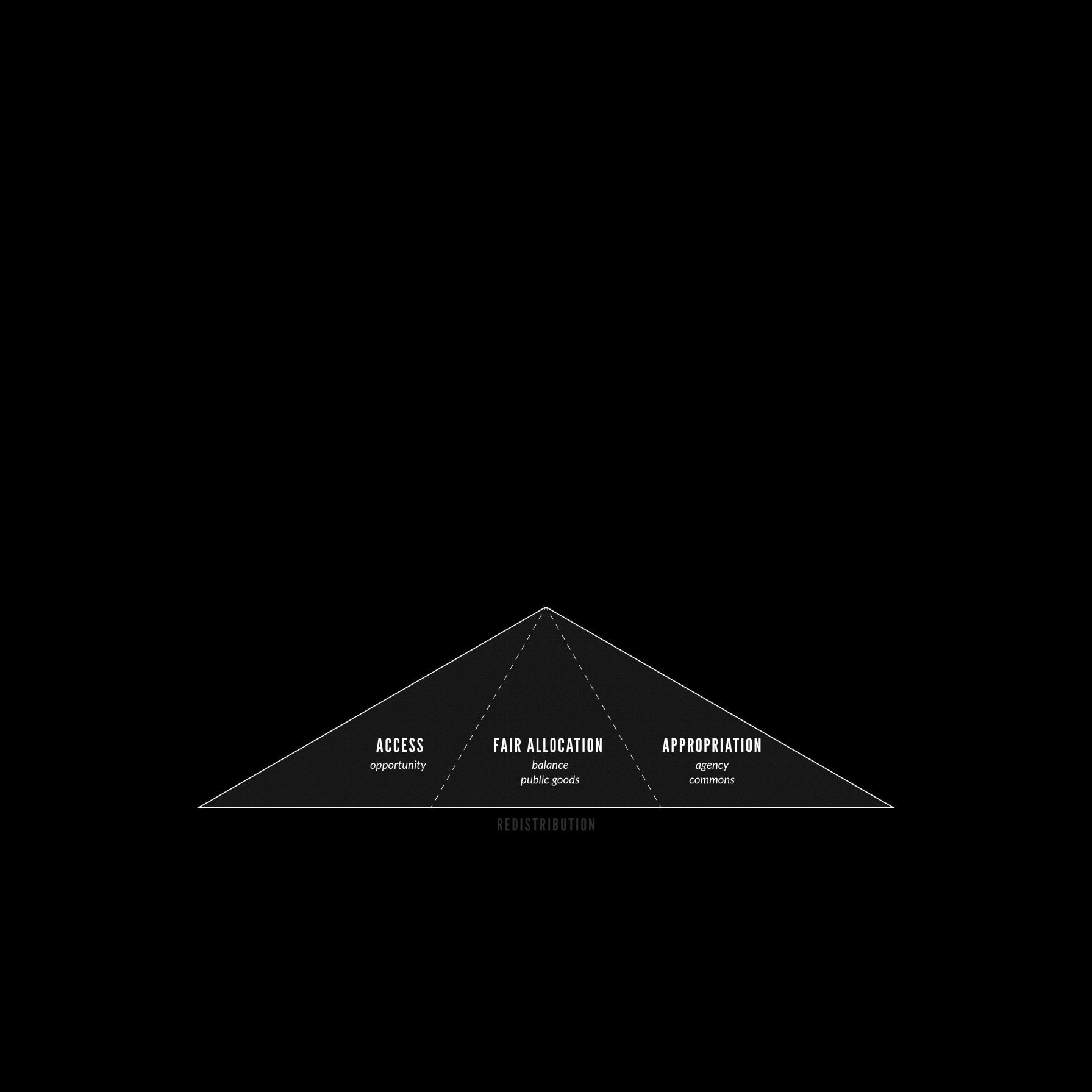
• The spatial distribution of the burdens and benefits of human association in cities and communities (Rocco, 2023).
• Allocation: fair allocation of burdens and benefits. Material or service provision of public goods, basic services, cultural goods, economic opportunities, and healthy environments.
• Access: the ease of reach to the material or service via the enhancement of opportunities. It concerns affordability, availability, connectivity, etc.
• Appropriation: appropriate the materials and/or services in a way that transforms, and the ability to make it 'yours' but still share and care for the other. It concerns for usage, programming, the design, etc.

Procedures and governance of the built environment should be ensured so that it does not reproduce, maintain, or create new inequalities.
Democratic engagement: Residents are included and part of the agenda setting, the design, implementation and/or the decisionmaking stage/process, having the freedom and trust to negotiate. It concerns the levels of participation.
Adaptive processes: It evaluates the institution's flexibility and adaptability to evolving circumstances, incorporating feedback, and adjusting policies, practices, and programs to better align with justice considerations.
Responsive governance: the ability to build trust through negotiation, balancing mediation and direct action, expert knowledge and direct democracy, in views to uphold justice and that it legitimatises social sustainability.

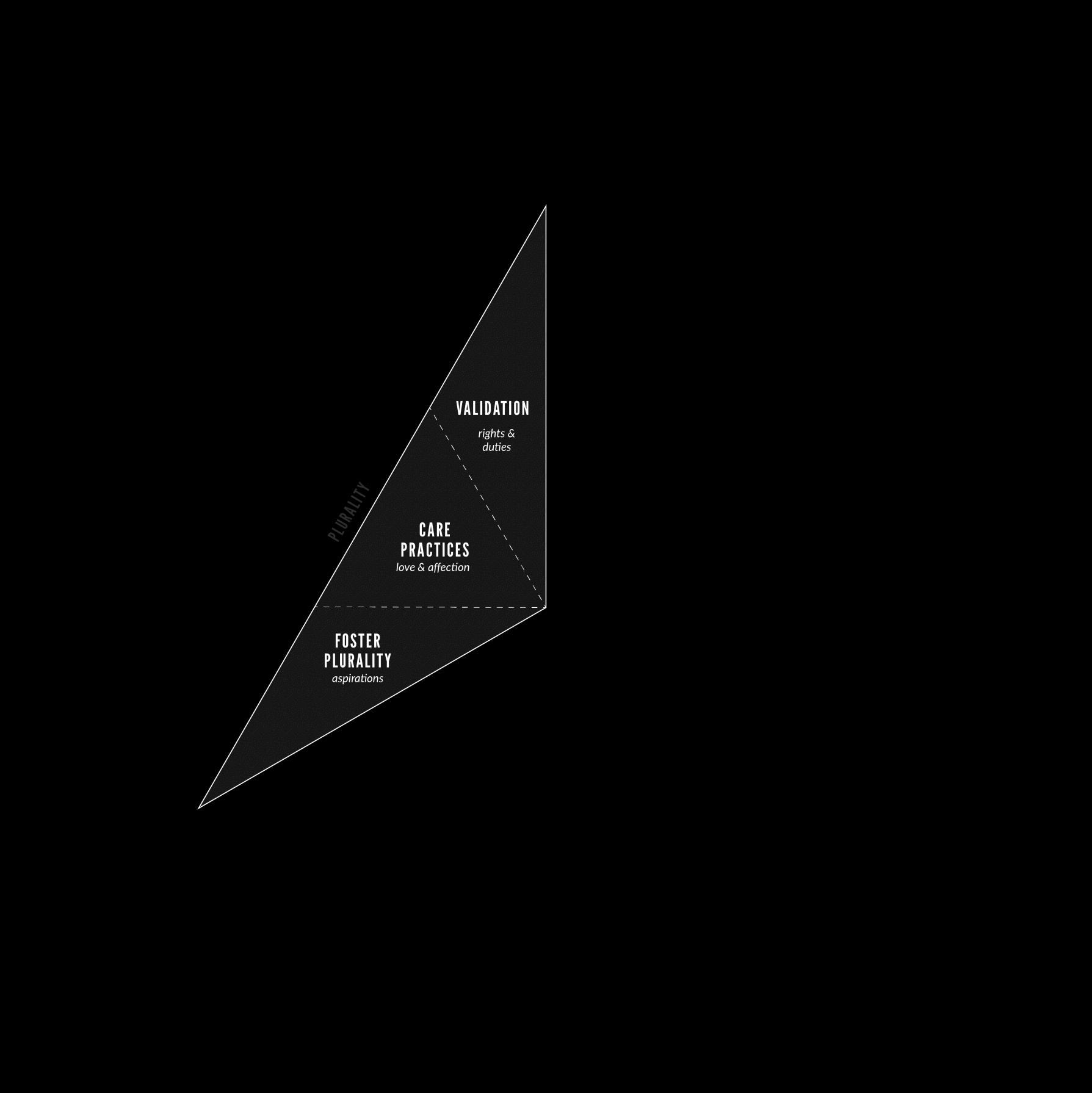
The acknowledgement, validation, respect, fostering of individual and collective identities, experiences, and cultural expressions. The argument for recognition justice is akin to a ‘social differentiation without exclusion’ (Young, 1990, p. 238)
Validation: A form of respect and protection that provides space for recognising the acknowledgment in a broader definition of rights and duties, which includes constitutions, standards,
Care practices: Highlight the practices that support and protect groups in marginalised or vulnerable conditions.
Investment in plurality: Emphasises transformation of values towards plurality to foster novel socioeconomic and institutional arrangements.
Evaluates, discusses, and reflects on Spatial Justice considerations.
A qualitative evaluation tool is designed to measure the application of justice considerations in urban governance and planning of a city or region, assisting evaluation and reflection. It defines "levels of justice", from "Low" to "Embedded", by assigning a score of the attainment of what is being assessed against the highlighted components of the Spatial Justice Conceptual Model. It also provides visualisations in a dashboard that assist the reflection and improvement of processes (and outcomes) towards spatial justice.
howtomeasureit?

• Urban sustainability transition plans
• Thematic analysis: VSOA method
• Qualitative analysis: Spatial Justice assessment and scoring

• The Values, Strategies, Objectives, and Actions (VSOA) methodology is employed to extract core information from the documents, since most urban sustainability transition plans are strategic planning documents.
• UrbanStrategic Planning is distinct from the conventional urban planning approaches such as master plans or comprehensive development plans, they focus onthe processes for implementations (UN Habitat).
• This methodology provides a structure for analysing the key elements of urban plans and understanding how values are articulated and translated into actionable items. It helps identify the overarching vision, the strategies devised to achieve it, the specific objectives outlined, and the concrete actions proposed.
• Importantly, it helps to highlight what is not present regarding justice in the written documents.
• Coding is done by sentence. This is the first layer of analysis, with 4 options.
scoring
• Spatial Justice Benchmarking Tool: each coded sentence as a V/S/O/A is also coded with a dimension and a component of Spatial Justice that is the focus of the sentence.
• Scoring:
"-3" means no consideration of spatial justice components, or its aspects.

"-1" indicates a general or indirect concern for spatial justice, but it is not a priority.
"0" reflects explicit concern for spatial justice in planning, but actions are limited.
"+1" denotes specific successful actions, more specific to the area, process, or group.
+3" demonstrates integrated concern with examples, specificity, and indicators for continuous monitoring.
• Median scores are calculated for each dimension and component from these coded sentences.
• Considerations of “Access” and “Validation” scored higher, even though combined they account for only 10 mentions in a document with 162 coded sentences. The following example is a positive way to address the needs and wellbring of a specific group, validating their livelihood, and coupling with their ease to reach amenities suited for them:
“Seniors can live independently into old age, with help and support including intensive nursing home care.
Simeon & Anna is an asset to Rotterdam and in particular to the elderly in Rotterdam.
With all amenities, such as shops, public transport and hospital, so close by, the location is very suitable for this group.”

• Some scholars argue that the focus of cities on strategies and action comes at the expense of efforts in developing coherent long-term city visions. An imbalance between vision, strategy and actionleads to the disconnection between short-term action and long-term planning.
• Not surprisingly, maladaptation is associated with shortterm, fragmented, single-sectoral, and non-inclusive governance.
NOT a comparison between cities
The
demonstration is made using the plans sent to us by partner cities.
Next: City Visions

City Main features Governa nce level
Rotterdam Second largest city City 324,14 (2023) 664 311
Rotterdams Weerwoord "Uitvoeringsagenda Agenda 2023-2026" Action plan Belfast Capital Largest city City
(2021) 345 418
Net-zero Carbon Roadmap for Belfast Roadmap
Analysis of plans from Belfast and Rotterdam
• VSOA
• Spatial Justice Assessment

• Spatial Justice scoring
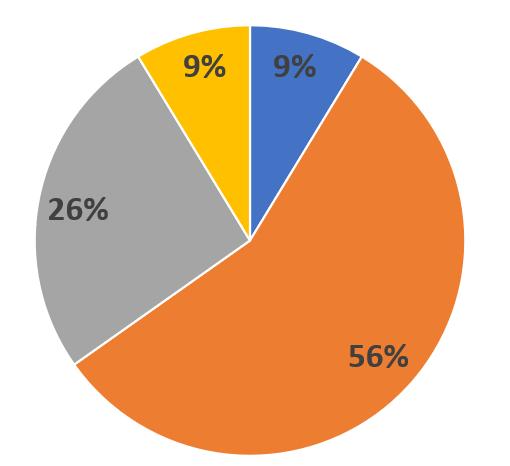
Belfast: 24 codes. Rotterdam had 162 codes. More important than the numbers is the balance between them.
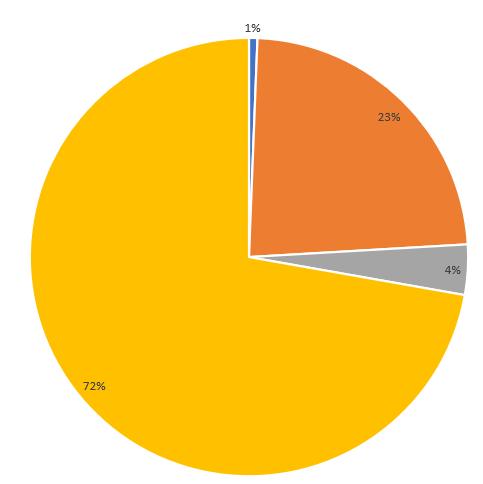
Belfast Rotterdam
Belfast: Net-Zero Carbon Roadmap
• Strategy-oriented.
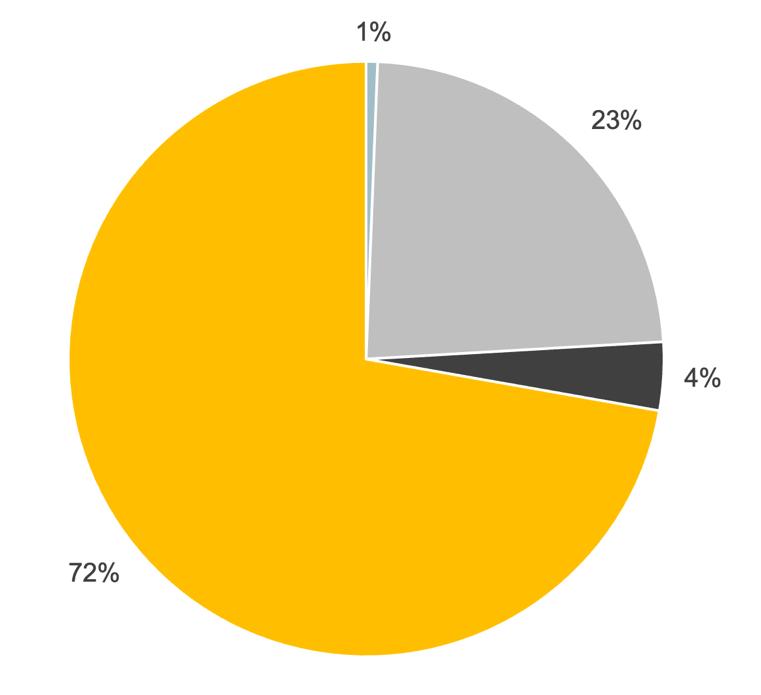
• Vision (9%), Strategy (56%), Objective (26%), Action (9%)
Rotterdam: Uitvoeringsagenda 2023-2026
• Action-oriented.
• Vision (1%), Strategy (23%), Objective (4%), Action (72%)
This is read as an advice for the further conclusions over spatial justice considerations.

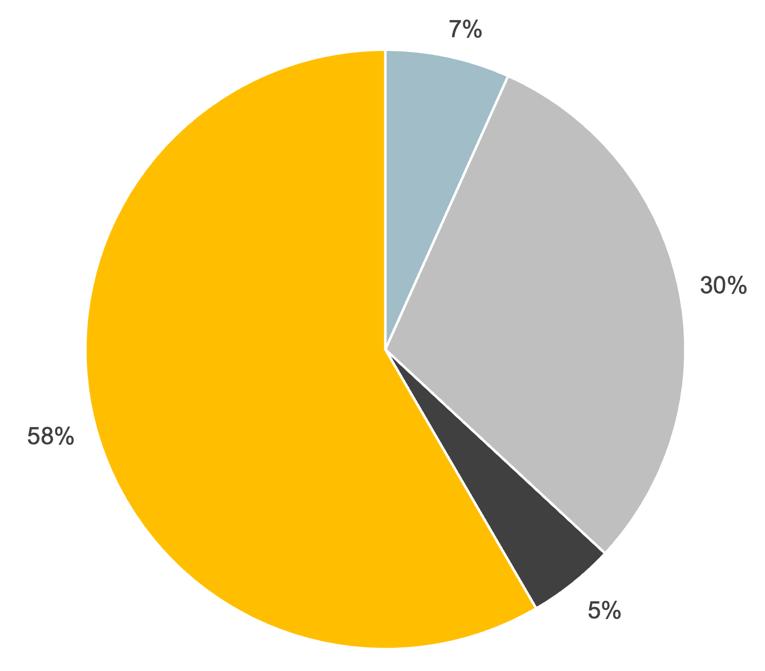
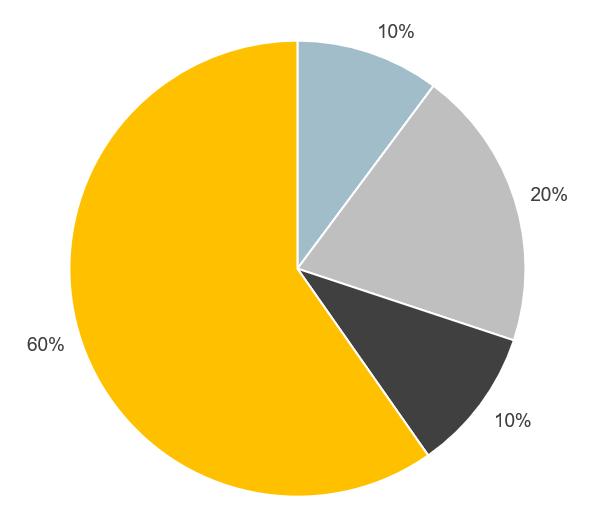
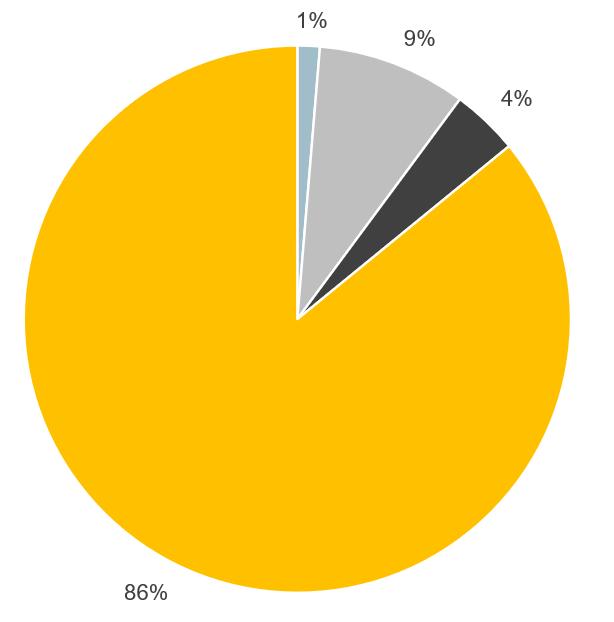
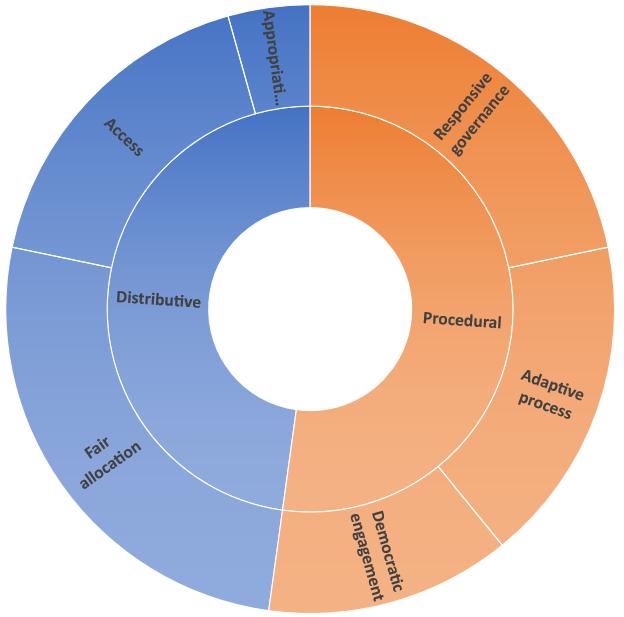
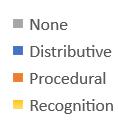
• No Recognition dimension identified.
• The components of the Procedural dimension are evenly matched. There is a slight prominence of the component "Responsive Governance", which focuses on the ability to build trust through negotiation, in a form of mediation that is in view to uphold justice and legitimatise social sustainability building consensus among several actors.
• The components of the Distributive dimension demonstrate a higher consideration for the provision of material or services, a lower consideration of questions of access to them, and an even lower one for how people use and transform the benefits and burdens. Few mentions of appropriation, or how people could make use, programme, and transform what is being provided, be it a material (like a public square in an area with few squares) or a service (like subsidies for solar panels).
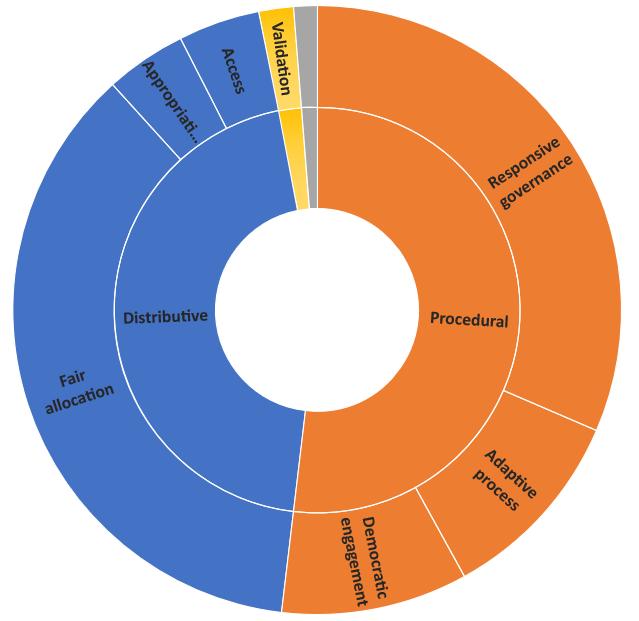
• In the Distributive dimension, the component “Fair Allocation” is featured in a considerate higher proportion in relation to the components “Access” and “Appropriation”. It is important to pay attention to this relation, since fair allocation does not seek equality of outcomes, but emphasises to correct spatial disparities, aiming to address the origin of inequality. The other components should have been more mentioned to address the overcoming of fragmentation and the concern over people’s usage.
• In the Procedural dimension, “Responsive Governance” is notably prominent, with considerable mentions for other components. This suggests a balance of direct and mediated actions influencing city operations.
• The Recognition dimension is rarely mentioned. The lack of focus on acknowledging and protecting individuals, collectives, and communities is worrying. Climate action must target the most vulnerable and marginalized groups to avoid reinforcing injustices in policies and measures for mitigation and adaptation.
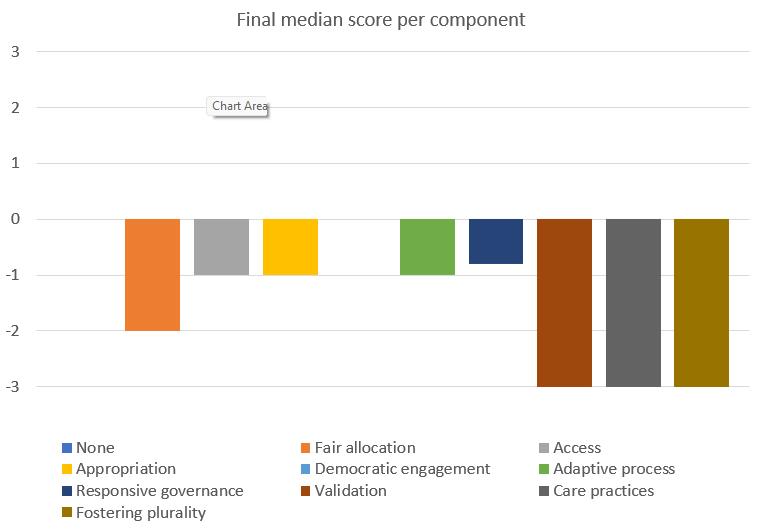
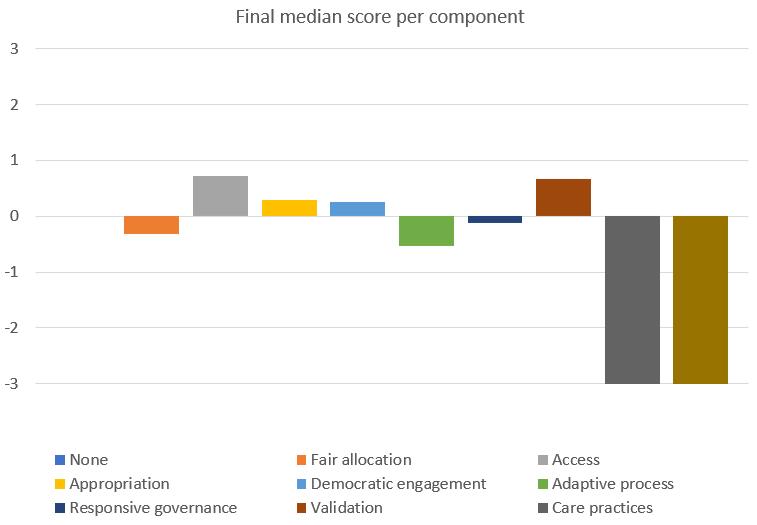
Belfast
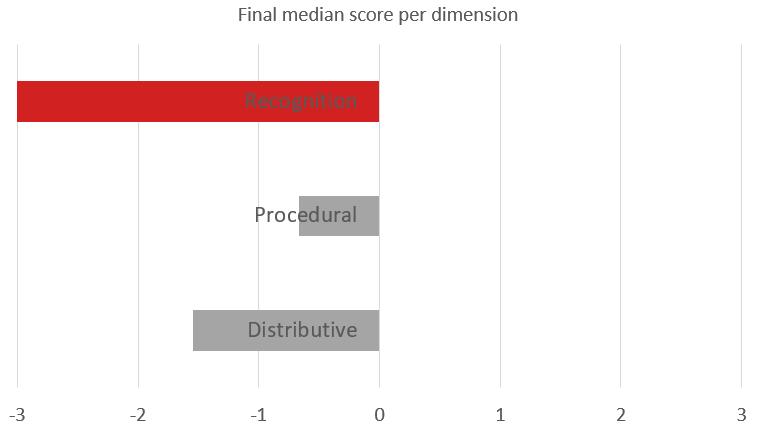
In the analysed document, there is a "red flag", which is the absence of Recognition dimension considerations, which provided an immediate score of "-3".
Rotterdam
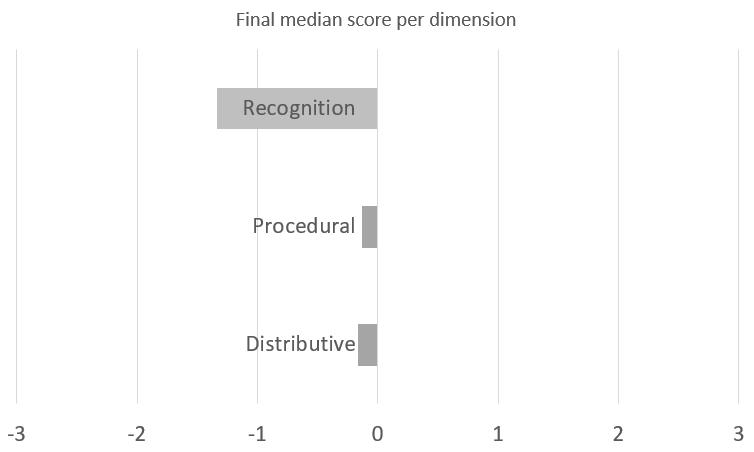
A negative point is the low balances and levels for the dimension and components of Recognition, which should form the basis for transformative and just processes and provisions during urban sustainability transitions.

• There is no explicit mention of Spatial Justice considerations being addressed in both plans. However, many aspects were identified. Which point to the provision of public goods and the engagement of the population. Some of them have the potential to lead to a reinvention of relations, and the strengthening of local communities that care for the provision and build solidary networks.
• A negative point is the low percentage and levels for the dimension and components of Recognition, which should form the basis for transformative and just processes and provisions during urban sustainability transitions.
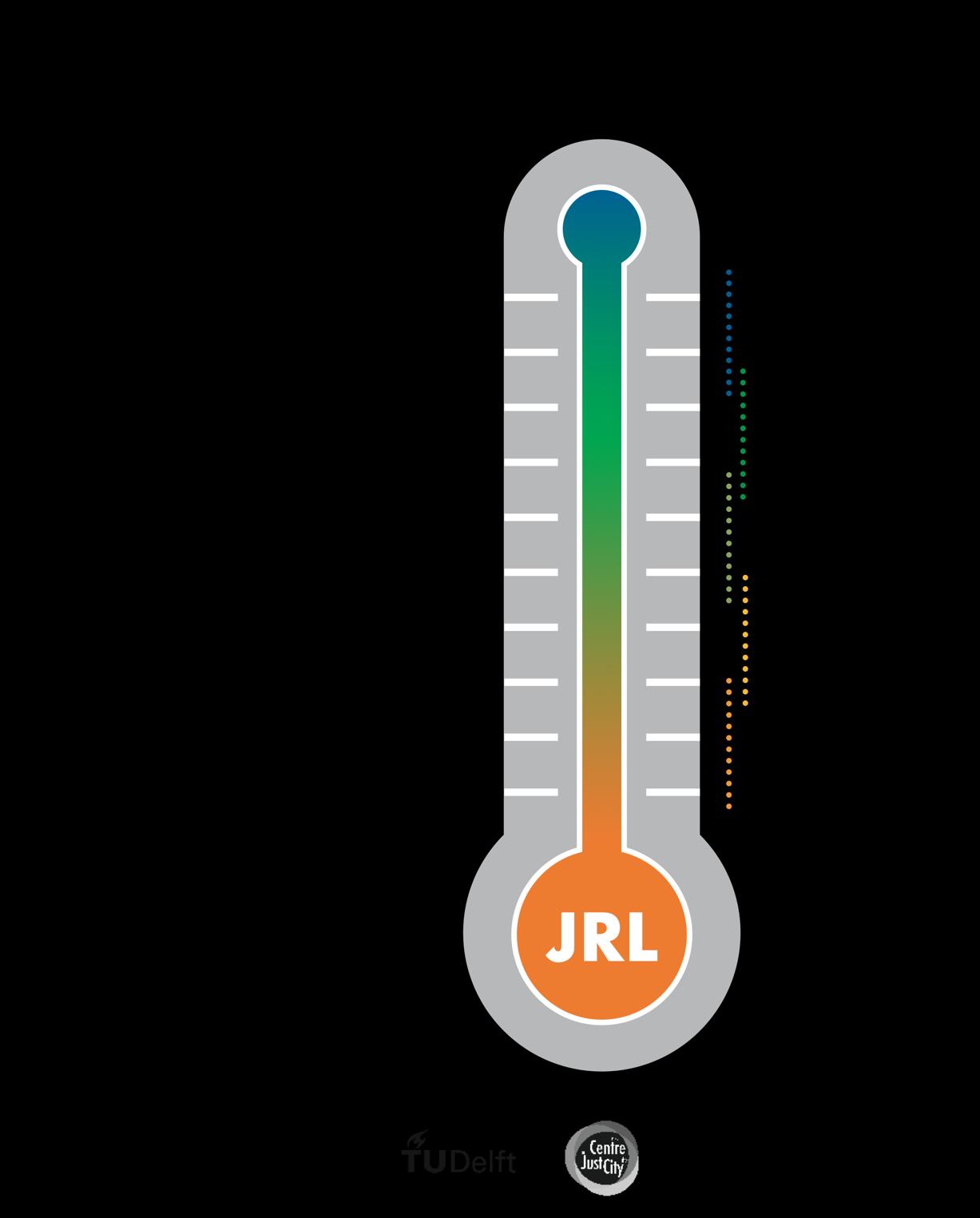
Visual tool for comparing and monitoring justice-readiness levels.
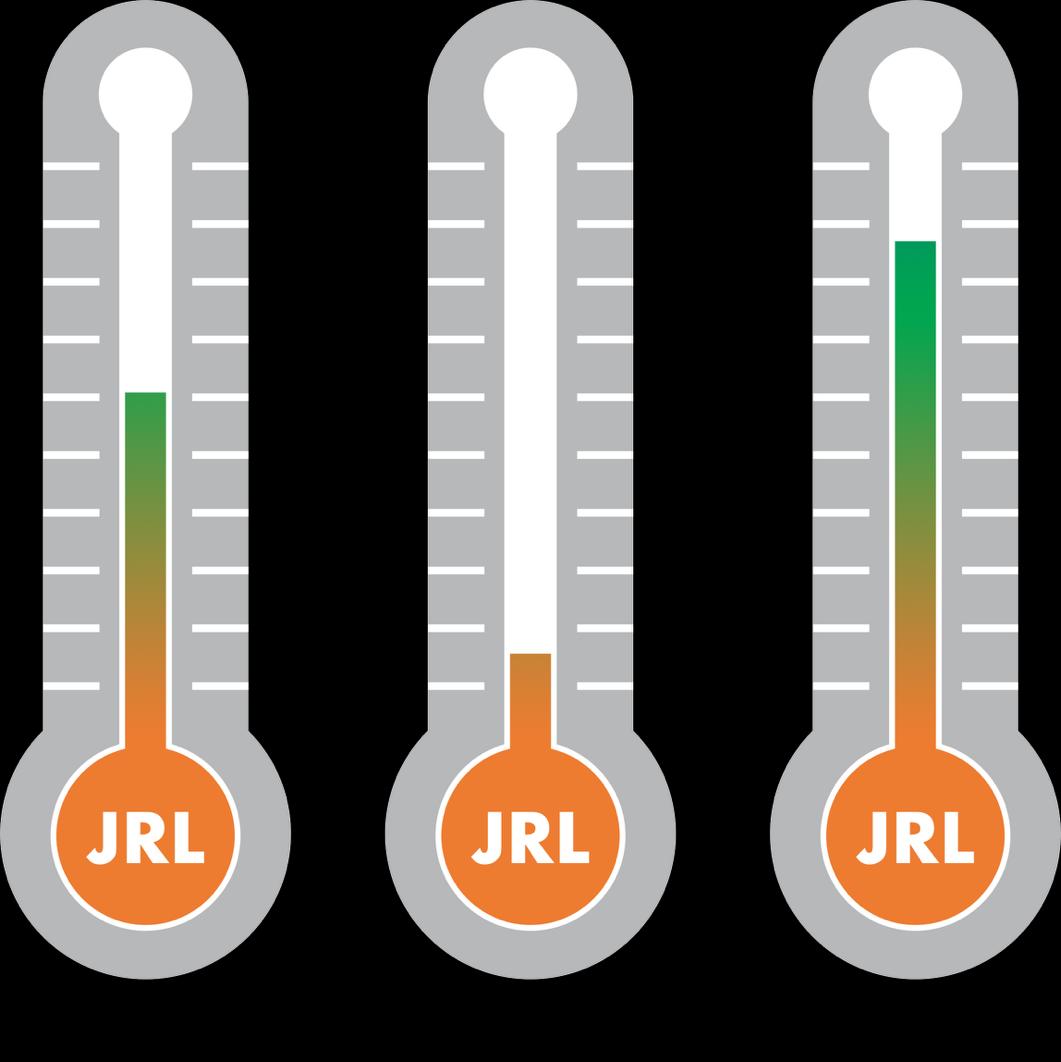
Visual tool for comparing and monitoring justice-readiness levels.
Spatial Justice Handbook.pdf

Comprehensive guide for applying Spatial Justice in urban research and planning practice.

Rocco, R., Gonçalves, J. E., Lopez, H., & Dabrowski, M. (2024). The SpatialJustice Handbook. TU Delft. https://doi.org/10.5281/zenodo.12598019
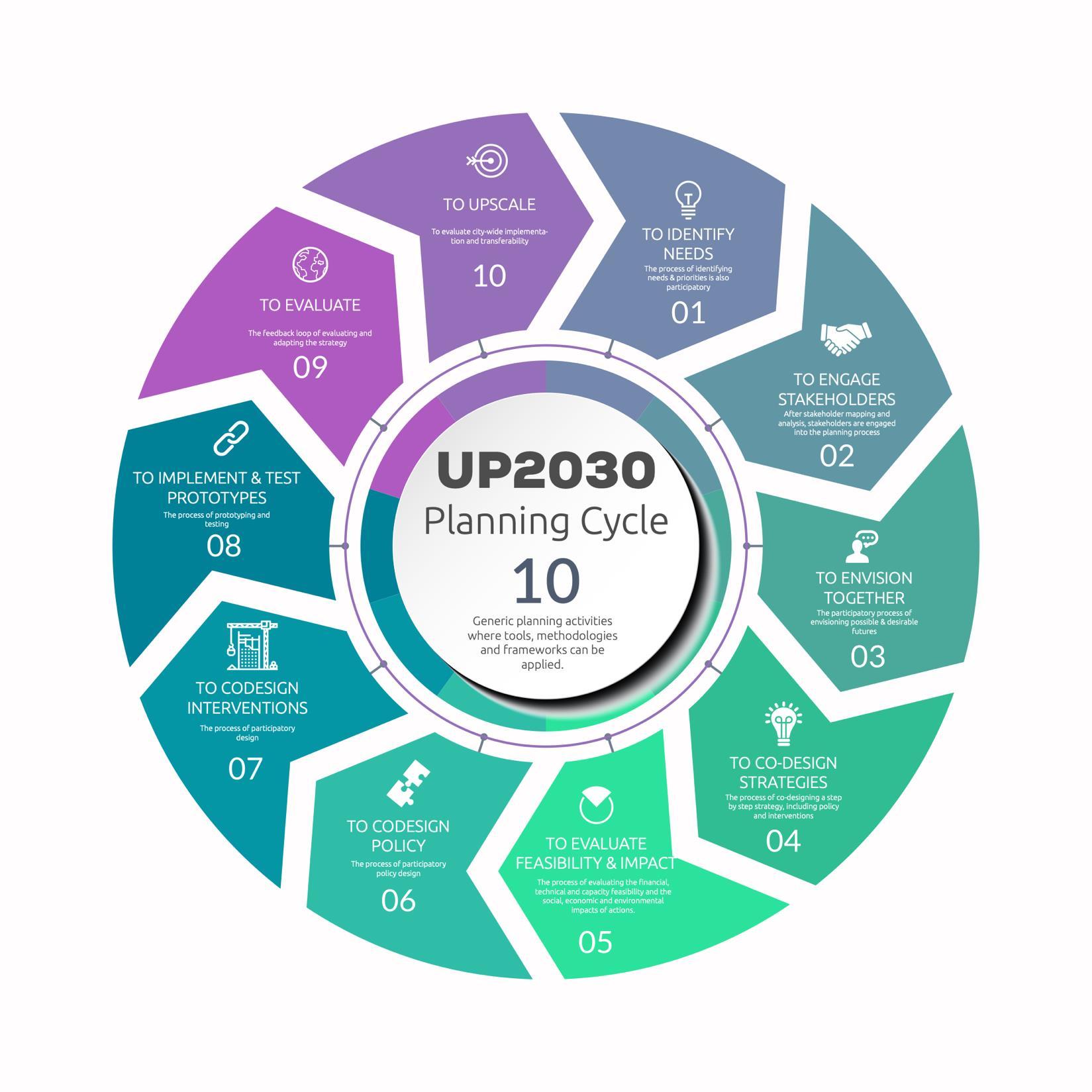
Outlines the strategic planning phases to integrate Spatial Justice and tools in UP2030.

Rocco, R., Gonçalves, J., & Lopez, H. (2024). The TU Delft Spatial Planning Cycle. TU Delft OPEN. https://doi.org/10.5281/zenodo.12654288

Citizen Voice aims to empower communities for inclusive and meaningful participation in urban planning and design. Advocating for situated engagement approaches over one-size-fits-all solutions, Citizen Voice develops creative transdisciplinary methods and tools to capture perspectives often overlooked in traditional urban data.

Juliana Gonçalves Founder and Project Lead


Thank you!
Funded by the European Union. Views and opinions expressedare however those of the author(s) only and do not necessarily reflect those of the European Union or the European Climate, Infrastructure andEnvironment Executive Agency (CINEA). Neither the European Union nor the granting authoritycan be held responsible for them.