The Future of Racetrack Real Estate and What It Means for Survival With Robert Moser Nebraska City
Published on: 02/10/2026
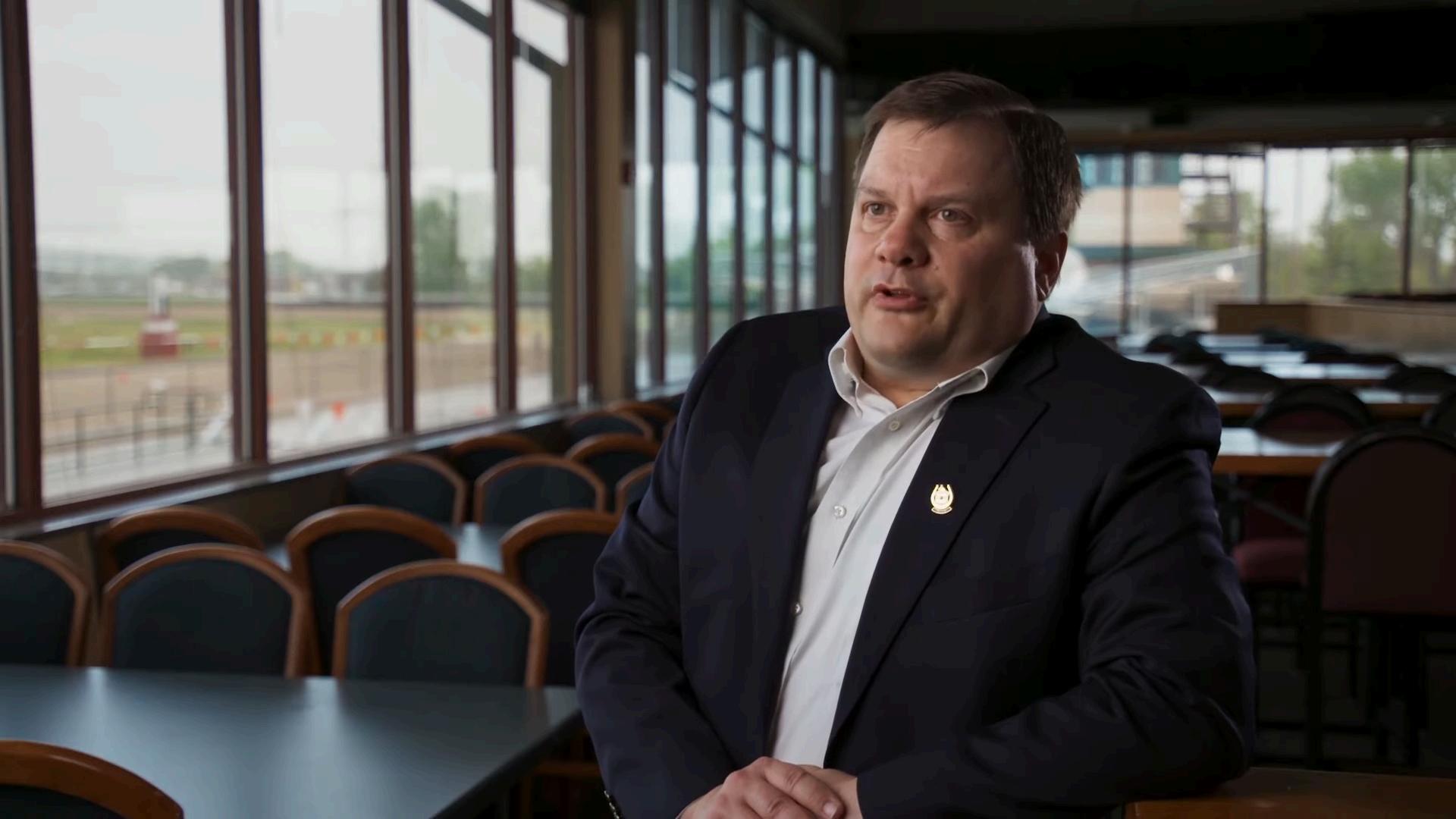
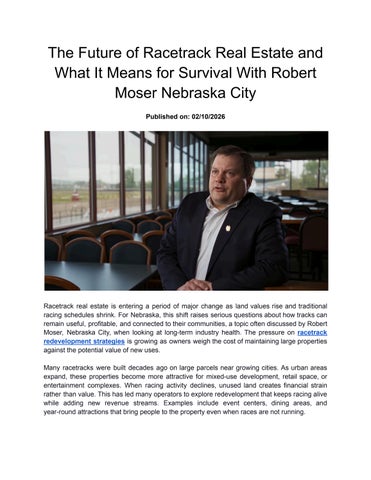
Racetrack real estate is entering a period of major change as land values rise and traditional racing schedules shrink For Nebraska, this shift raises serious questions about how tracks can remain useful, profitable, and connected to their communities, a topic often discussed by Robert Moser, Nebraska City, when looking at long-term industry health. The pressure on racetrack redevelopment strategies is growing as owners weigh the cost of maintaining large properties against the potential value of new uses.
Many racetracks were built decades ago on large parcels near growing cities As urban areas expand, these properties become more attractive for mixed-use development, retail space, or entertainment complexes When racing activity declines, unused land creates financial strain rather than value This has led many operators to explore redevelopment that keeps racing alive while adding new revenue streams. Examples include event centers, dining areas, and year-round attractions that bring people to the property even when races are not running
Repurposing does not always mean removing racing entirely In several states, tracks have reduced their racing footprint while upgrading core facilities. By focusing on quality rather than size, properties can cut maintenance costs and improve the fan experience Smaller but modern grandstands, updated barns, and flexible spaces allow tracks to host concerts, fairs, and community events. These changes help racetracks remain relevant and useful beyond race days
Another important trend is the integration of gaming and hospitality Casino operations, hotels, and conference spaces can stabilize racetrack finances when racing alone cannot support the property. This approach works best when racing is treated as a central identity rather than an afterthought When carefully planned, gaming-supported development can fund facility upgrades and support local jobs, thereby strengthening public support
Community involvement plays a major role in determining whether redevelopment succeeds Racetracks that communicate openly with local leaders and residents are more likely to find solutions that balance growth with tradition Preserving green space, honoring historical elements, and creating public gathering areas can reduce resistance to change These efforts show that redevelopment is not about abandoning racing, but about adapting it to modern needs
Survival also depends on policy and zoning decisions. Local governments influence what racetrack land can become, and clear long-term planning is essential Stable regulations give owners confidence to invest rather than sell Industry advocates, including Robert Moser of Nebraska City, often stress that collaboration among regulators, operators, and horse riders yields better outcomes than short-term decisions driven by pressure
The future of racetrack real estate will not look the same everywhere, and that is not necessarily a problem Flexibility allows each property to respond to its own market conditions The second key factor is adaptive use of the track property, which focuses on blending racing, entertainment, and community value into a single vision When racetracks evolve with purpose rather than react too late, they can remain economic anchors rather than fade into fading landmarks.